Solutions to my last two maths problems, some sciencey pieces, a petition and some photographs.
INTRODUCTION
This post includes solutions to the problems I posed on Saturday, and a few other things from various sources.
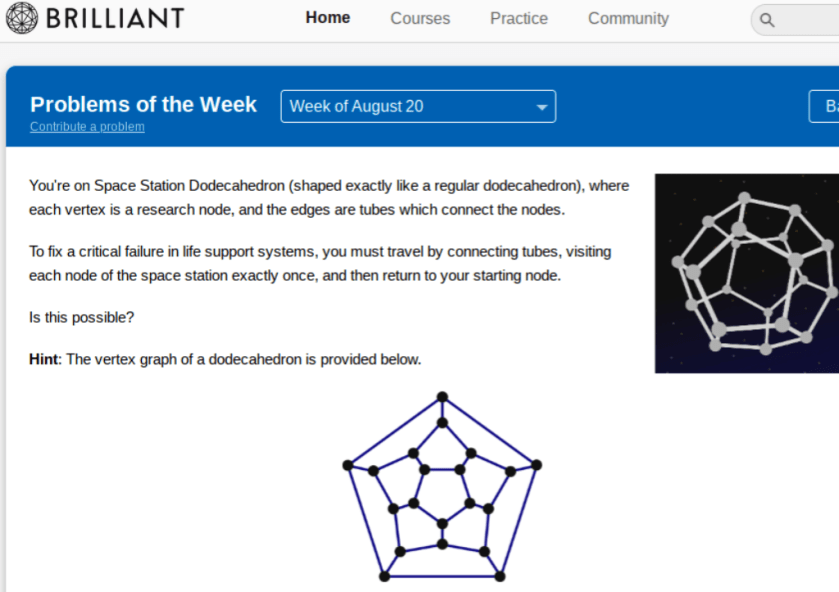
SPACE STATION DODECAHEDRON
Here is the question as a reminder:
Here is the answer:
Here is a splendidly concise solution from David Vreken:
A VARIARION ON THE MALFATTI THEME
Here is the question:
Here is the answer:
In the 19th century Malfatti conjectured that the way to maximise the area of a triangle you could fill with three circles was to fill in the three largest circles that touch specifically two of the three sides. Although he was not alive to be humiliated it turned out that he was not merely wrong, his proposed solution has been proved not to work for a single triangle. The solution that always works is first put in the largest single circle that touches all three sides that you can, then fill in the largest circle you can in the remaining space and then do so again. In an equilateral triangle the difference is small, but in a long thin isosceles triangle it is quite substantial.
Here is Jeremy Galvagni’s published solution:
SCHOOL REFUSAL SYNDROME PETITION
This on the official site for petitions to the UK government, which means that you have be a UK citizen to sign it. Please click the screenshot below to sign and share it if so minded:
David Quammen, a good writer and a useful scientist to know about if you are planning an A to Z post, has a new book out on the subject of evolution, and Jerry Coyne of whyevolutionistrue has provided a very detailed review of it.
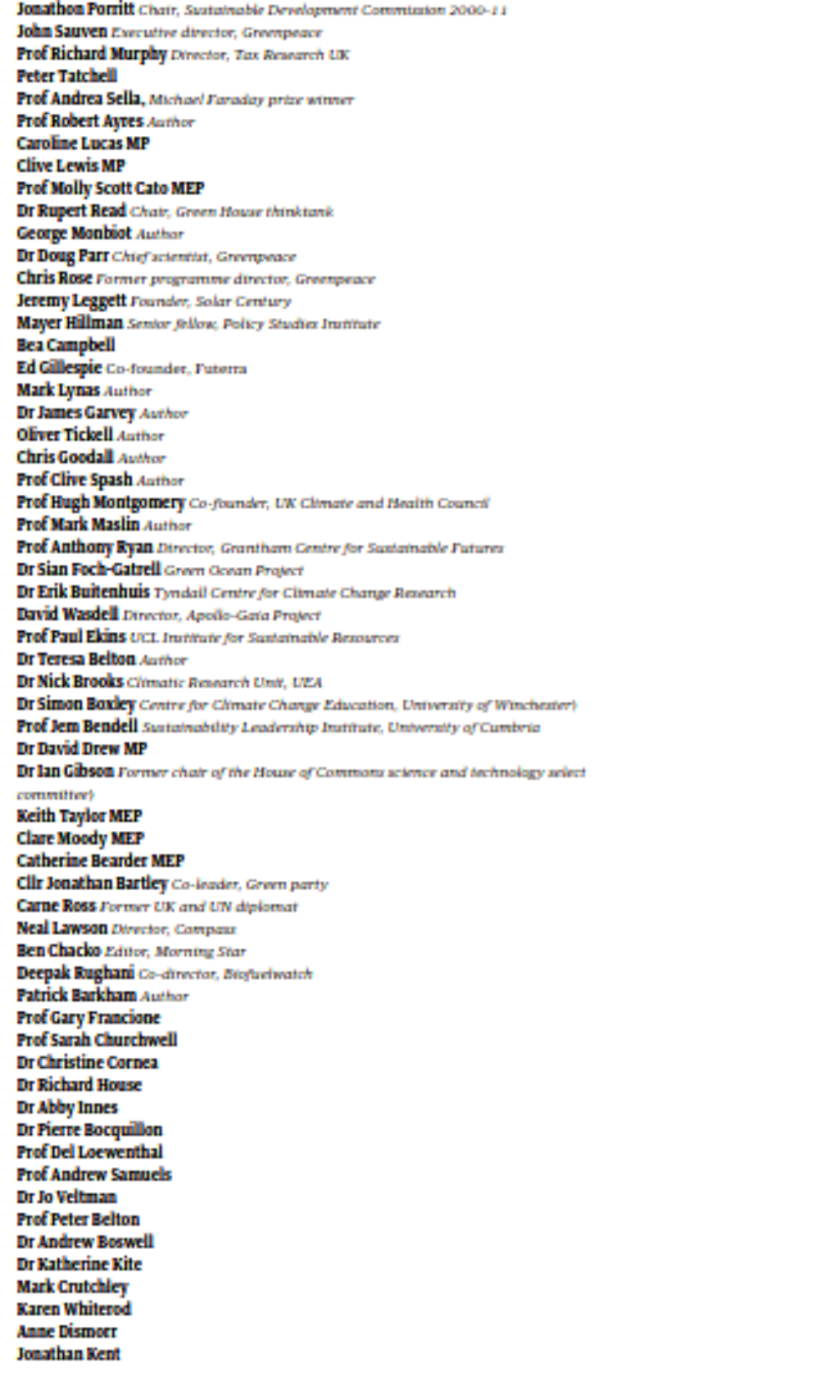
Finally, a letter to the Guardian signed by 60 well known environmental campaigners declaring their unwillingness to debate with climate change deniers, and why they are unwilling to do so. Below is the opening to the letter (please click to visit the original) and a list of signatories:
Having covered Thursday, Friday and Saturday in six posts we arfe now dealing with the Sunday, my last full day in Cornwall.
THE PLAN
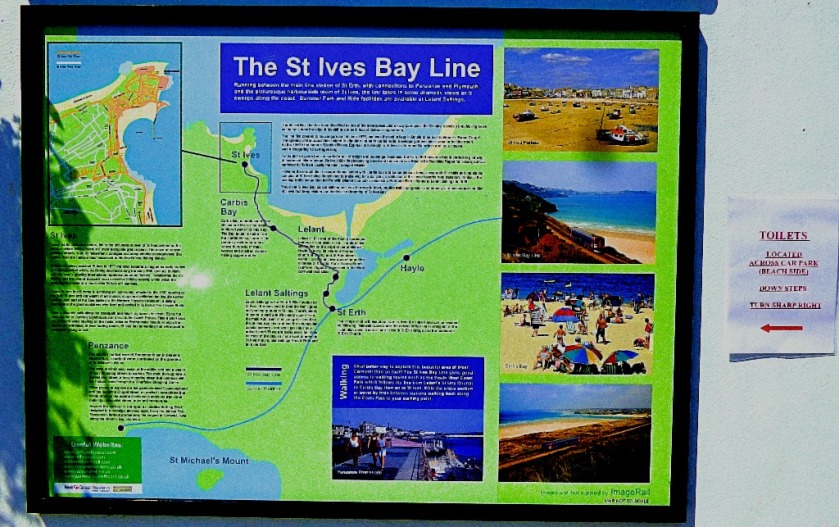
As all five of us (my parents, my sister and my nephew as well as me) were making the visit to St Michael’s Mount we travelled in my parents camper van instead of using the train. We wanted to be underway by eight and achieved this. We were planning to explore St Michael’s Mount in full and then have lunch at an establishment there. Things panned out pretty much as intended. The road journey is a lot less scenic than the rail equivalent, so I am going to recommend unequivocally that anyone else planning to do this use the train – the walk from Penzance (all of which is familiar to me, although we started part way along it, having located a parking place just outside Penzance) is very scenic, while there is a longer walk available from St Erth (inland for most of its duration, instead of along the sea front). Here are a couple of satellite views:
The coastal route starting from Penzance.The longer and mainly inland route starting from St Erth. This map also features what is in alphabetic terms the last place in Britain.
THE JOURNEY IN PHOTOGRAPHS
This section ends the post, taking us across the causeway to the base of the mount:
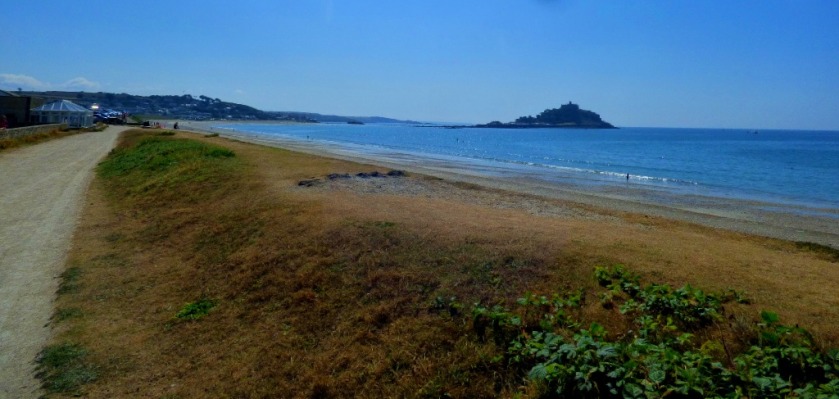
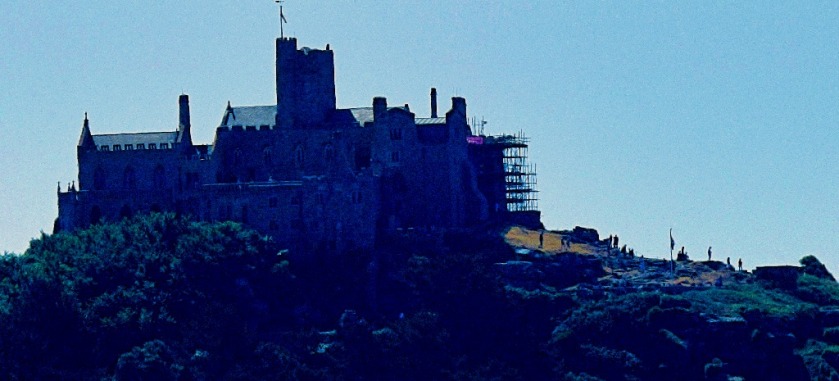
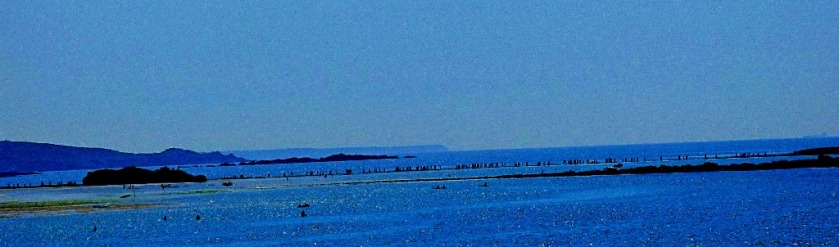
The only shot I managed to get from the van on the way from Fort Picklecombe to Penzance.
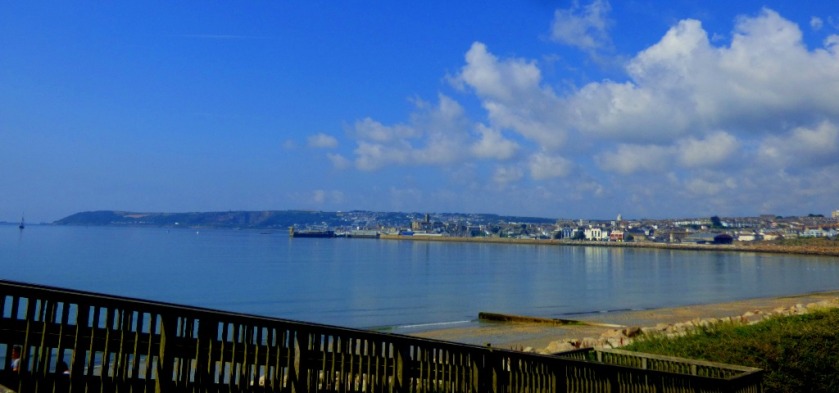
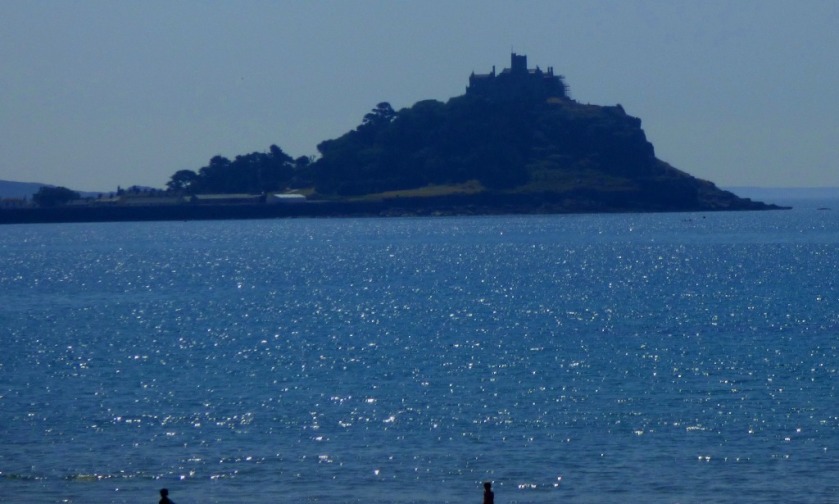
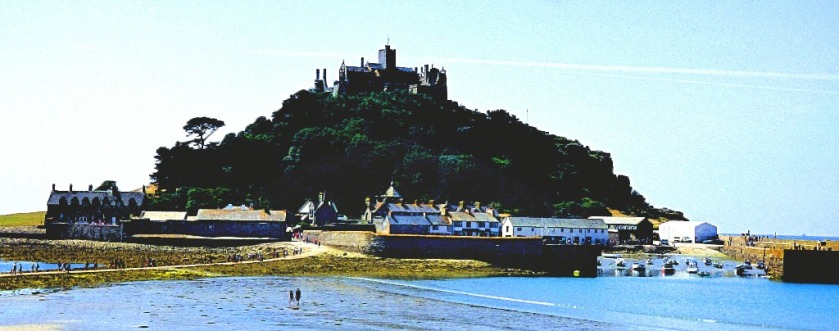
A first glimpse of the causeway.
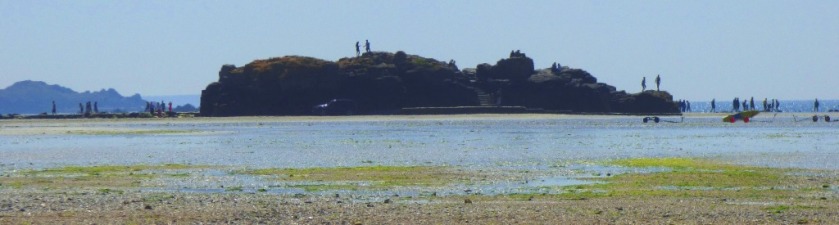
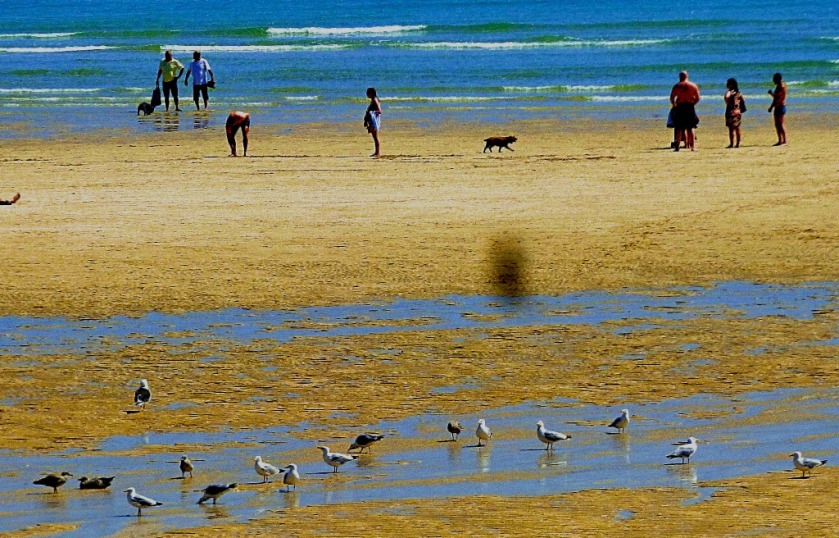
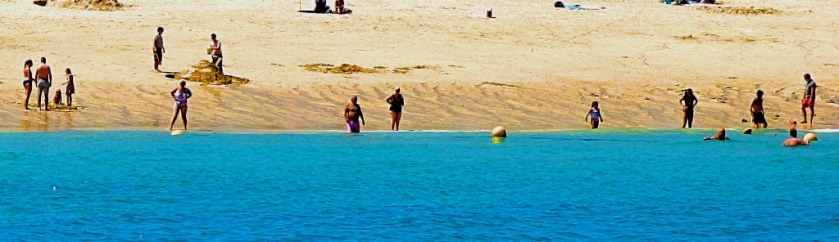
From Marazion the quickest way to the causeway is straight across the beach, and in the heat walking barefoot through the shallows was the way to go.
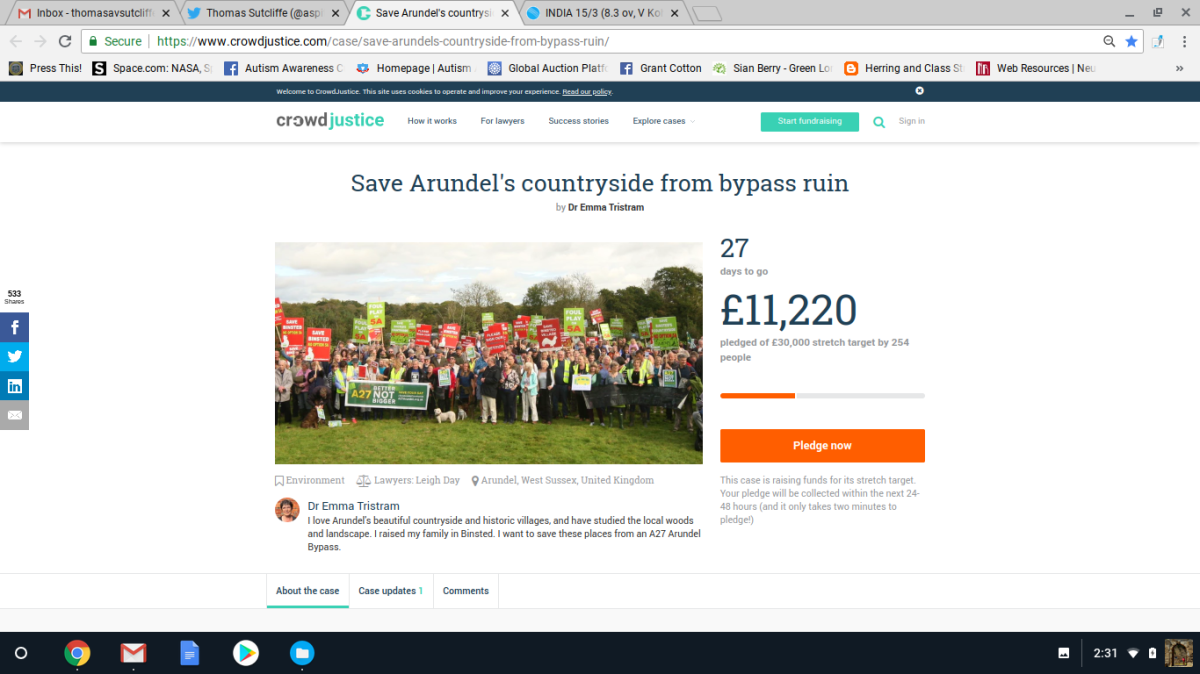
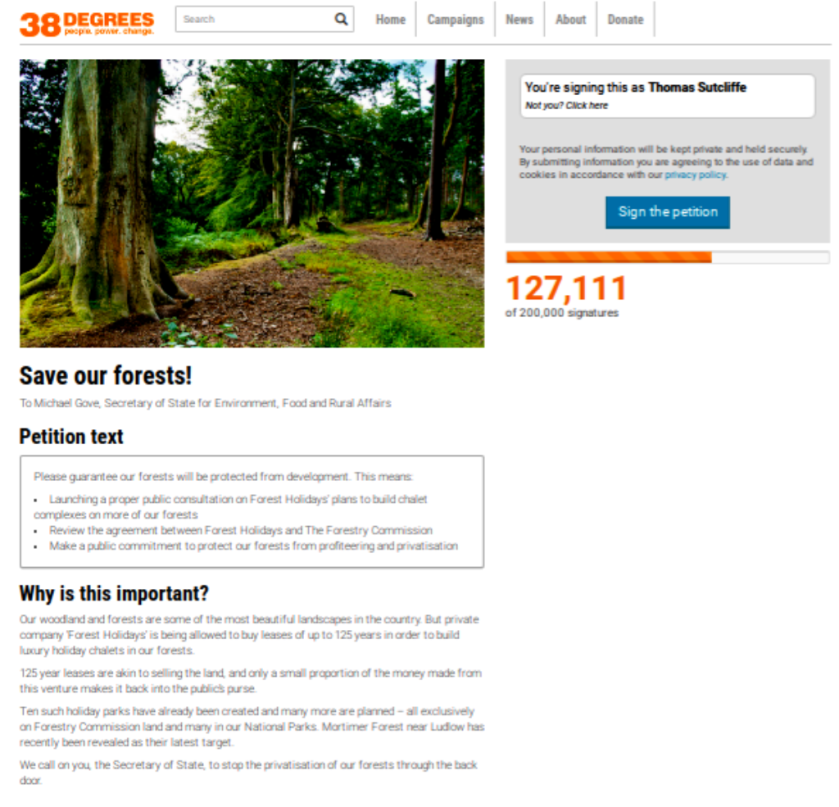
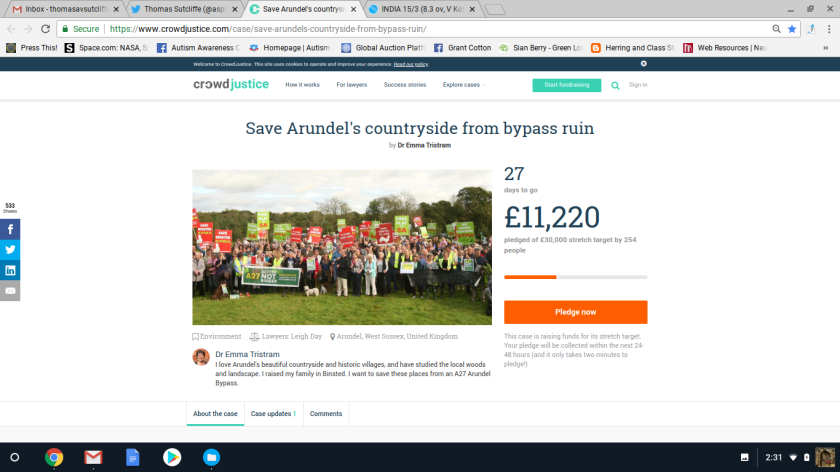
My twitter feed today has had many links to campaigns relating to nature, so I have decided to share the featured campaigns here as well. First to set the scene here is…
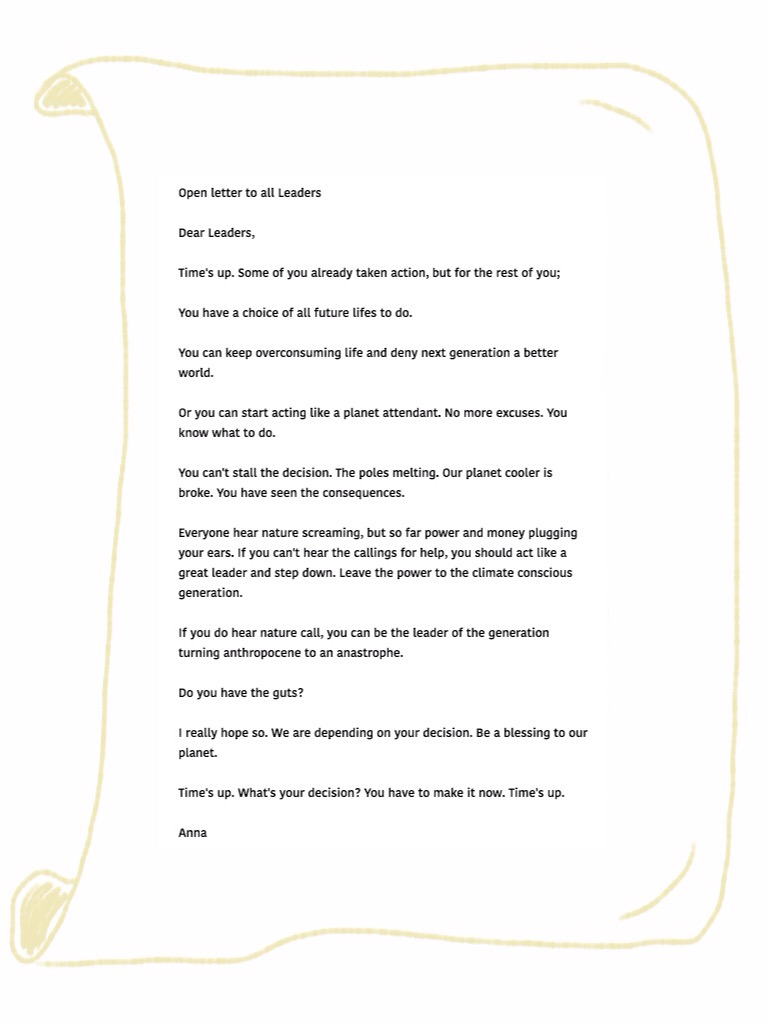
AN OPEN LETTER TO LEADERS
I shared this when Anna first posted it but it deserves further exposure, and ties in beautifully to the theme of this post (nb all screenshots in this post are formatted as links – click on them to visit the originals).
Originally posted on Annas Art – FärgaregårdsAnna: If you wanna spread this letter, you are welcome to share it worldwide. Tag it with #timesup if you want. If you want to make a translation of the text to other languages and share it, do it. We all have to help out saving our…
Please read and share Anna’swonderful open letter to leaders. Note that this is Anna’s work and that therefore I am closing comments, as those should go direct to the original.
If you wanna spread this letter, you are welcome to share it worldwide. Tag it with #timesup if you want. If you want to make a translation of the text to other languages and share it, do it. We all have to help out saving our planet. This is one way among millions to help.
Advertising the Walk for Wildlife and attending to mathematical matters.
INTRODUCTION
The centrepiece of this post comes courtesy of the team4naturetwitter account. I have also included the solution to a prnblem from brilliant.org and a new problem from the same source.
carrying out the subtractions in thte brackets above gives us (2 * 3^22)(2 * 3 ^23)(2 * 3^24). This becomes (2^3)(3^(22+23+24))= (2^3)(3^69). Thus m = 3 and n = 69, and 69 + 3 = 72.
As a supplement to this little problem, would you have an observation platform where the three bridge segments meet at the centre of the lake? This latter of course, unlike the mathematical question is purely a matter of opinion. I would go for a circular platform just below the level of the bridges, accessible by lifts and stairs.
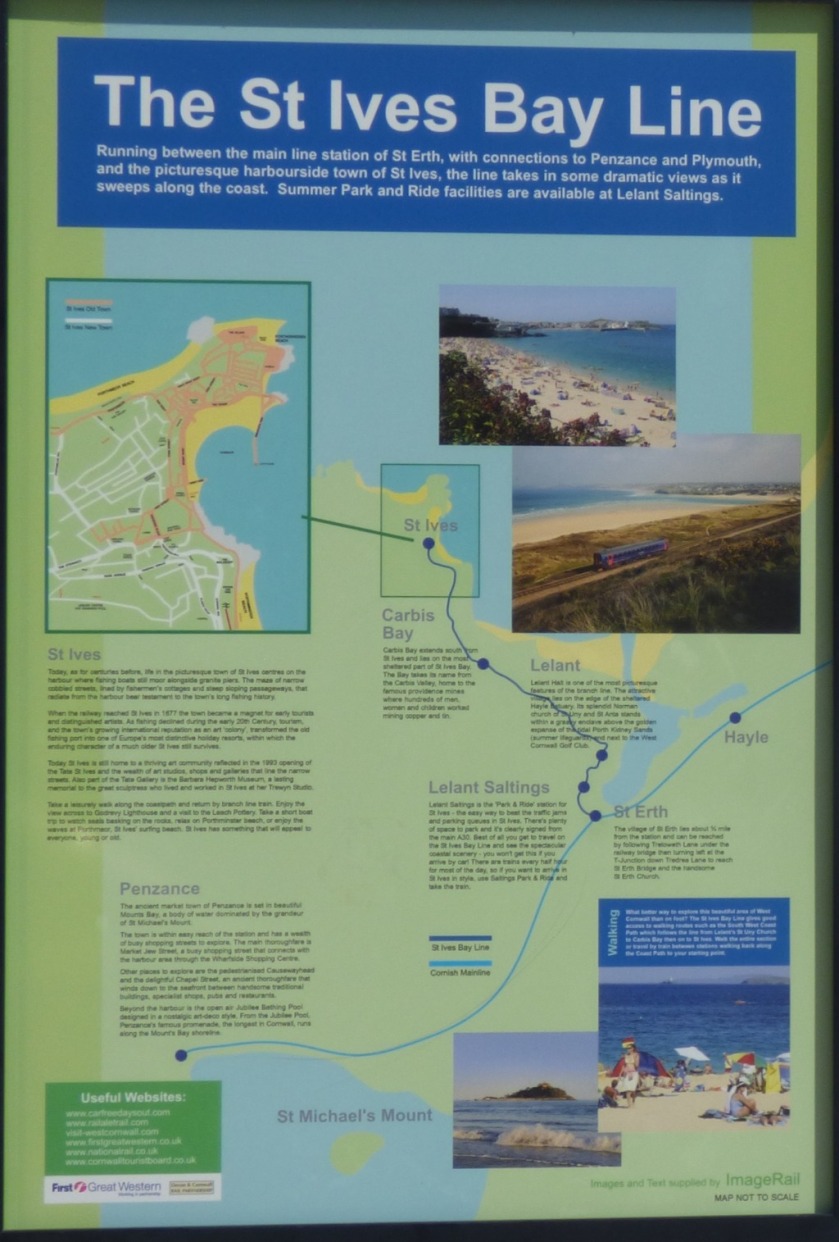
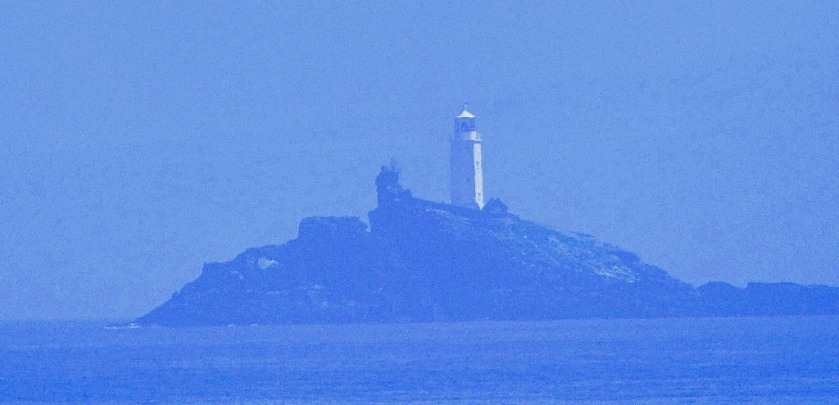
My previous post in this series covered the journey from St Germans to St Ives and hinted at the feature of my time in St Ives. This post picks up the story. The Cornish Maid has produced posts giving a more local take on St Ives in her blog.
SERENDIPITY IN ST IVES
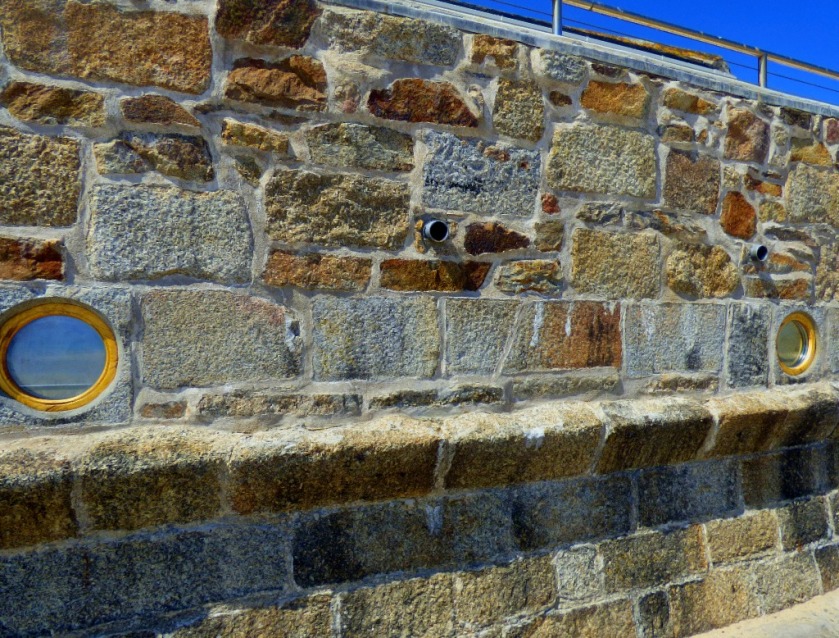
From the station I headed in the general direction of the sea front, taking photographs along the way.
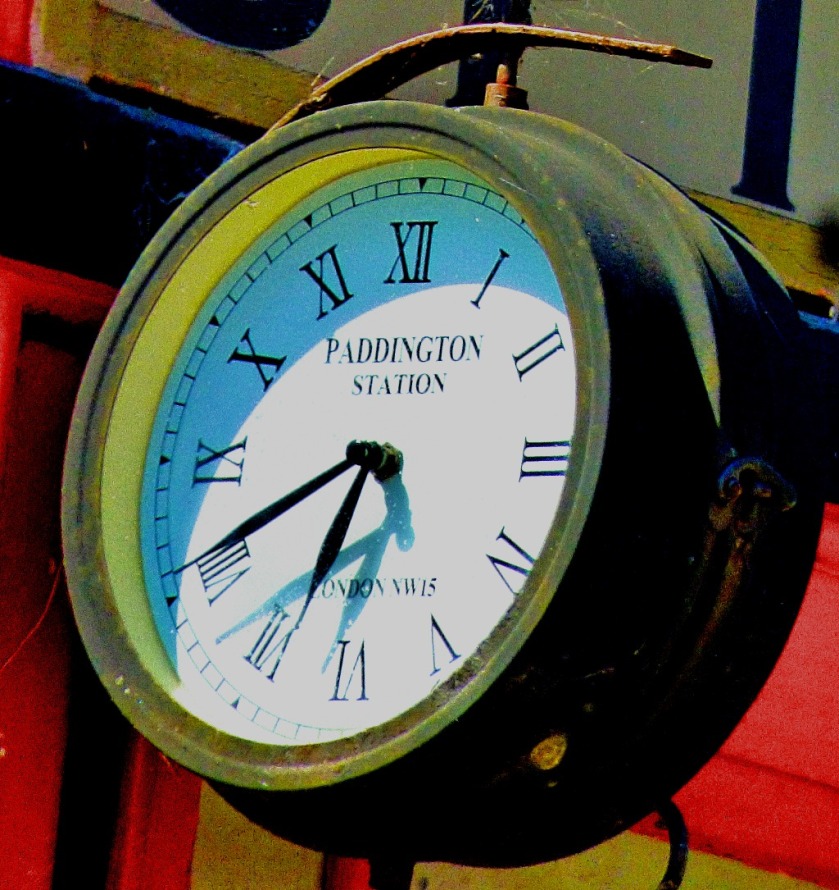
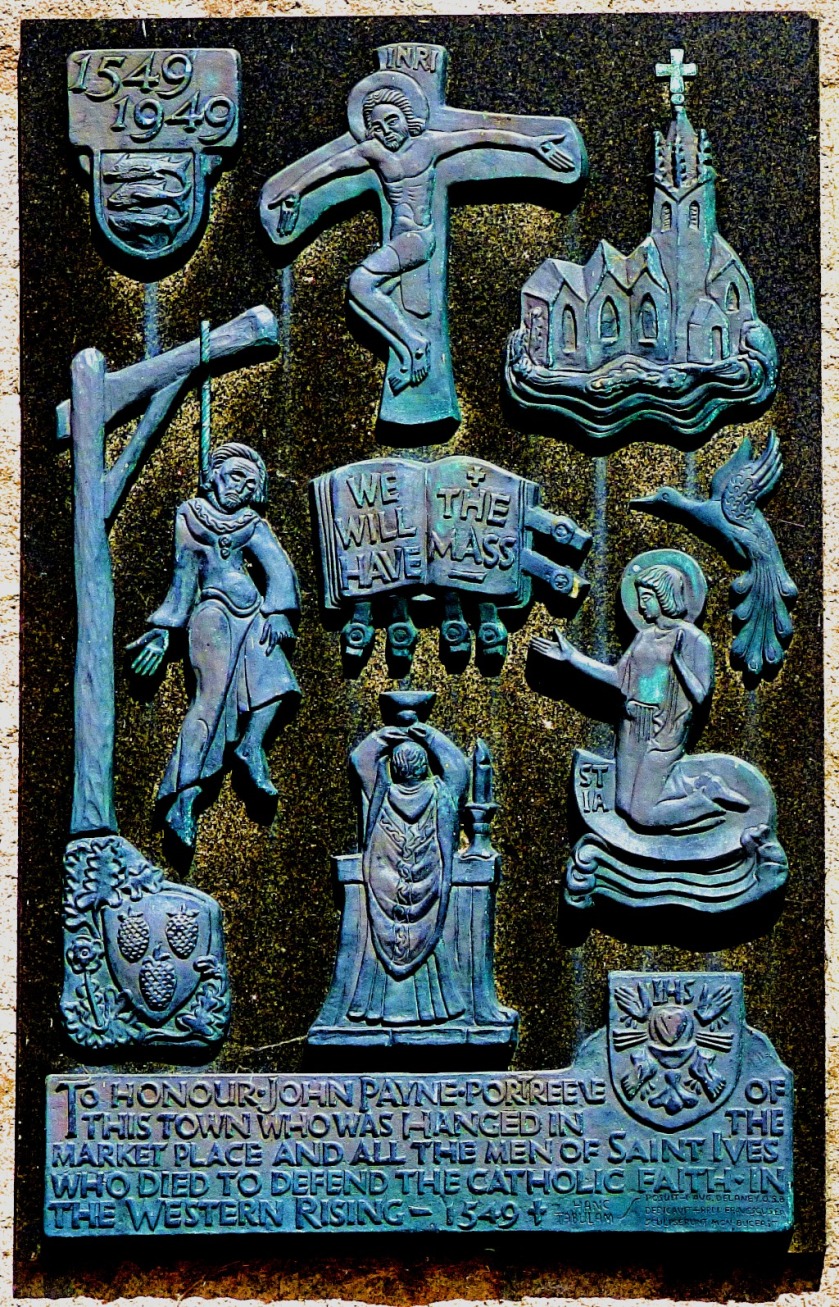
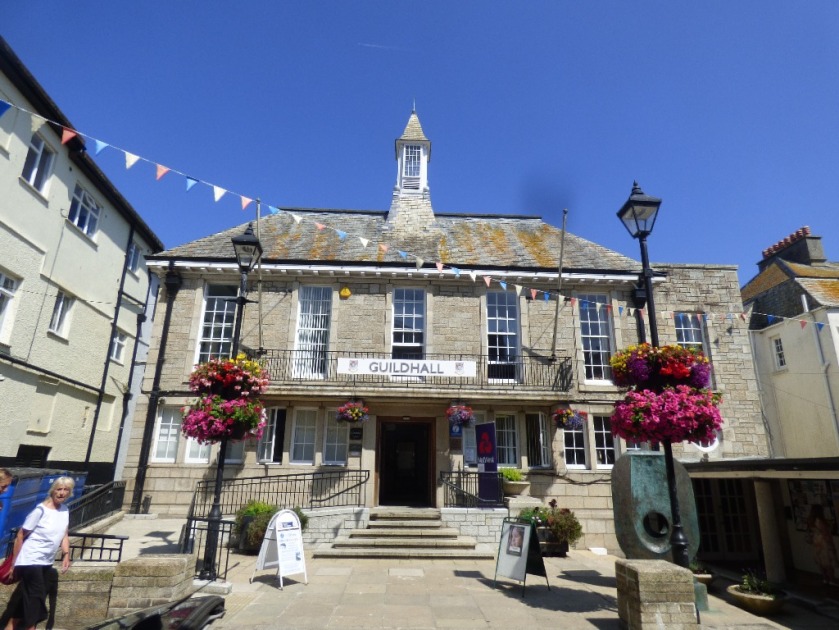
This olde-worlde telephone box caught my attention, while the attached clock had all the appearance of being an old railway clock……soon confirmed by my zoom lens.This panel is set into the wall of the Roman Catholic churchSt Ives Guildhall, a handome building, though not quite in the class of King’s Lynn’s 15th century masterpiece. It is home to a tourist information office but they evidently have staffing issues as it was closed and locked that day (a sunny friday in July)
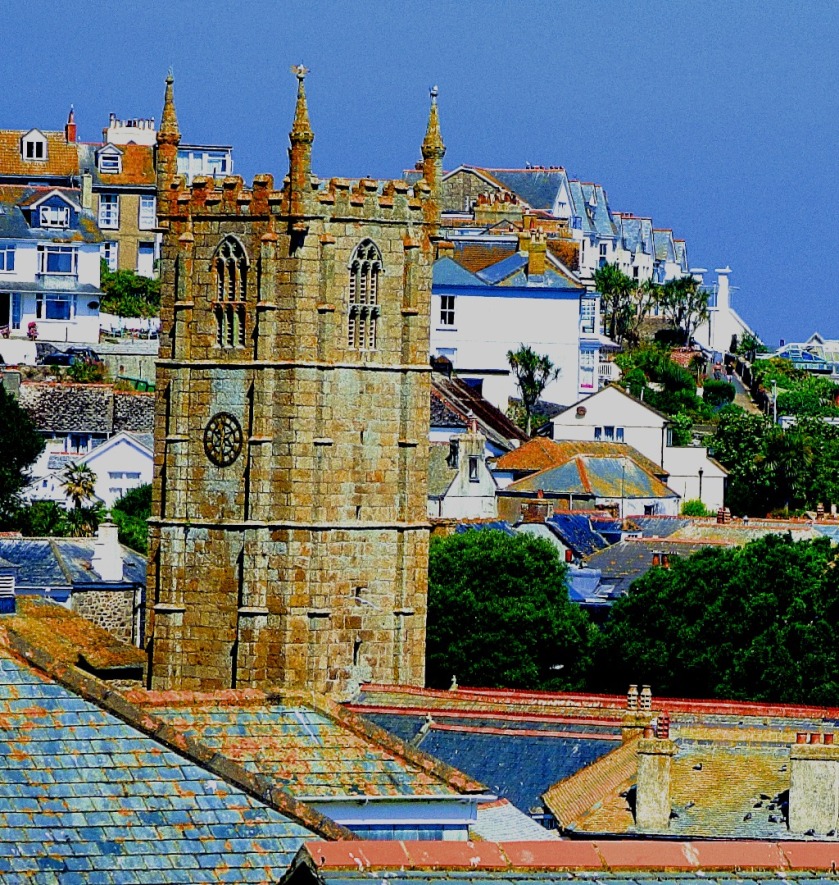
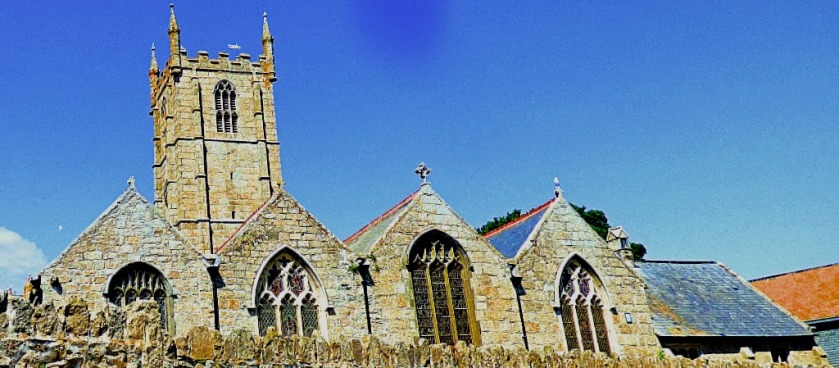
This is the main Anglican church
As I hit the sea front area I encountered a man selling tickets for boat trips to a seal colony. Knowing that I was operating to a time limit (the connections back being less good than those for the outward journey I needed be back at the station around 3PM to be sure of getting back to St Germans at 6PM as I intended) I made enquiries about departure times and the length of the boat trip. I benefitted from being a natural born singleton – there was exactly one seat remaining on the Sea Horse, which was departing at 12:00 and would be back around 1:15, and that was the decision made (there is a seal colony at Blakeney Point in Norfolk, but this seemed likely to be an improvement on that).
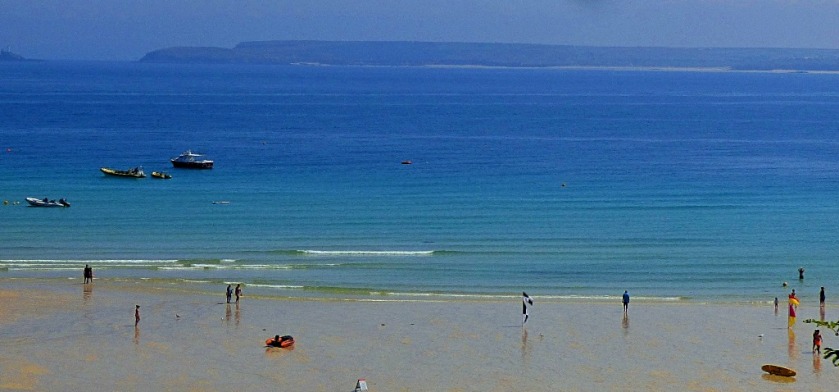
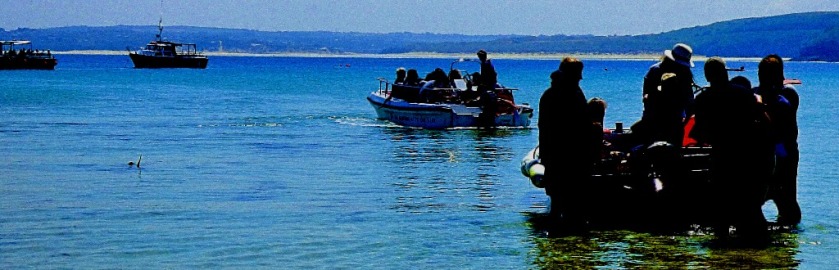
One takes a small boat out to the main boat one is booked on, and at low tide (as it was for my outbound journey) one has to walk out into the sea to about knee depth for the first pick up. The water was cool but not shockingly so, and it was actually very pleasant standing in the shallows.
OUTWARD BOUND
I managed to board the small boat taking me and others out to the Seahorse (a 12 seater boat, so still not huge) without incident, and the transfer to the Seahorse also passed without incident.
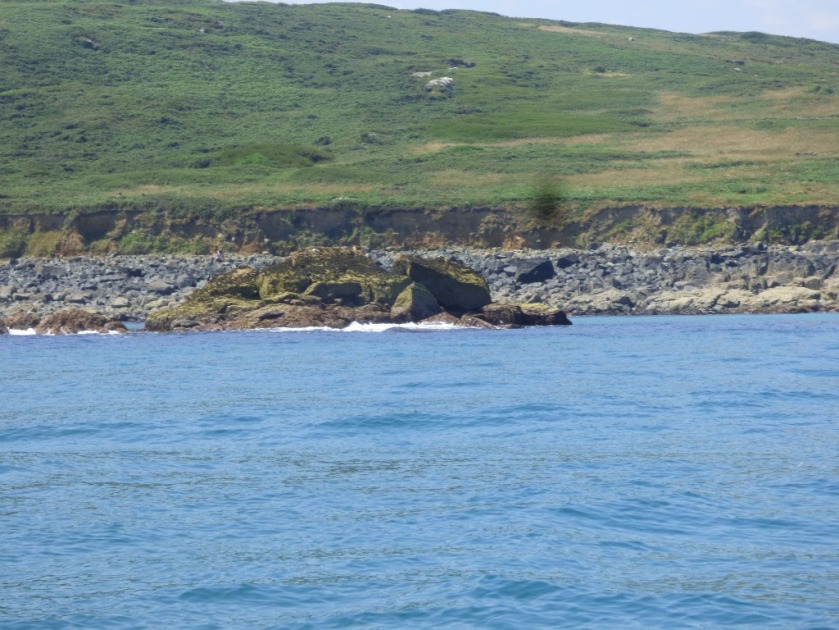
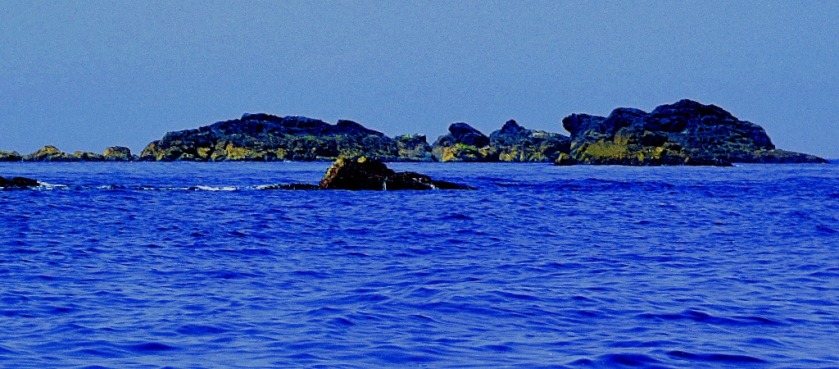
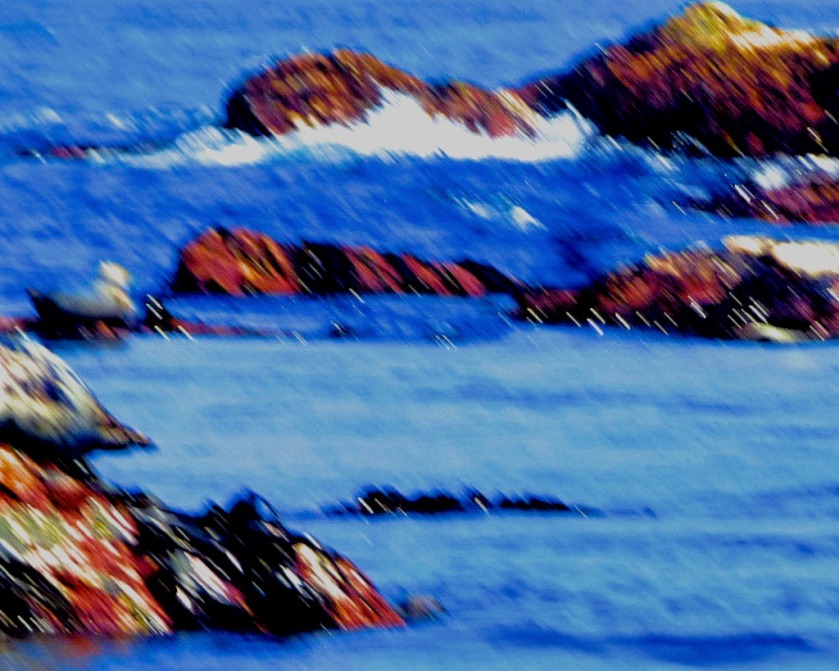
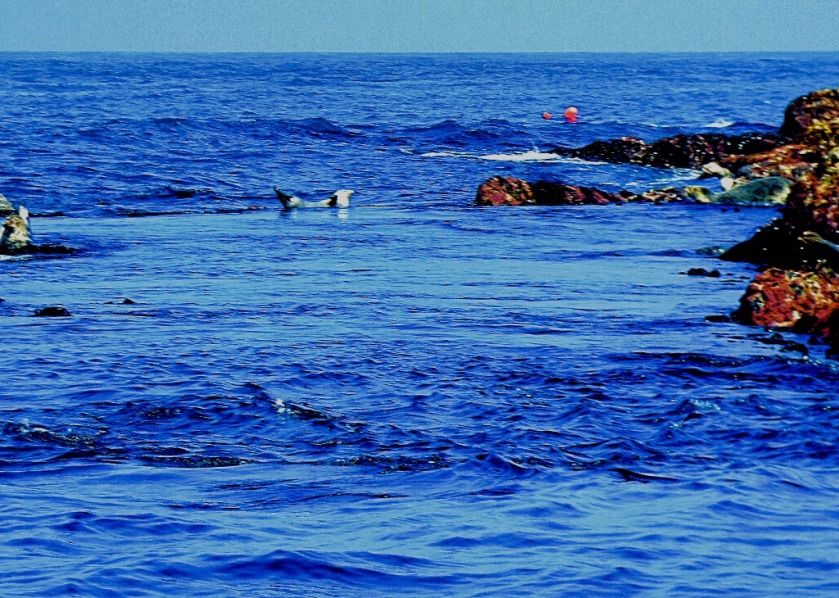
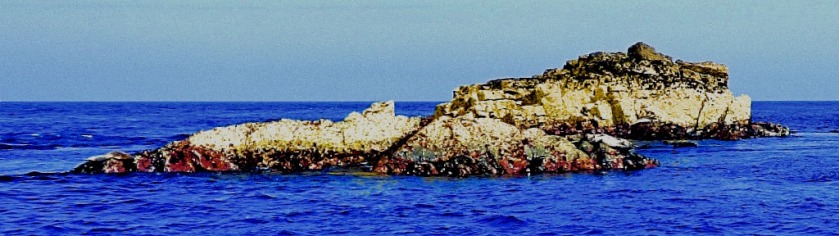
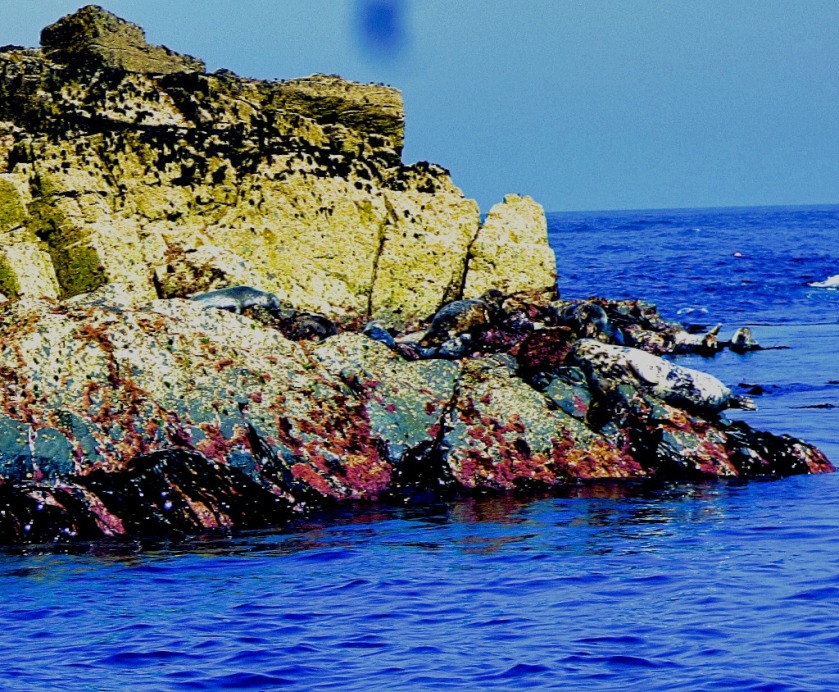
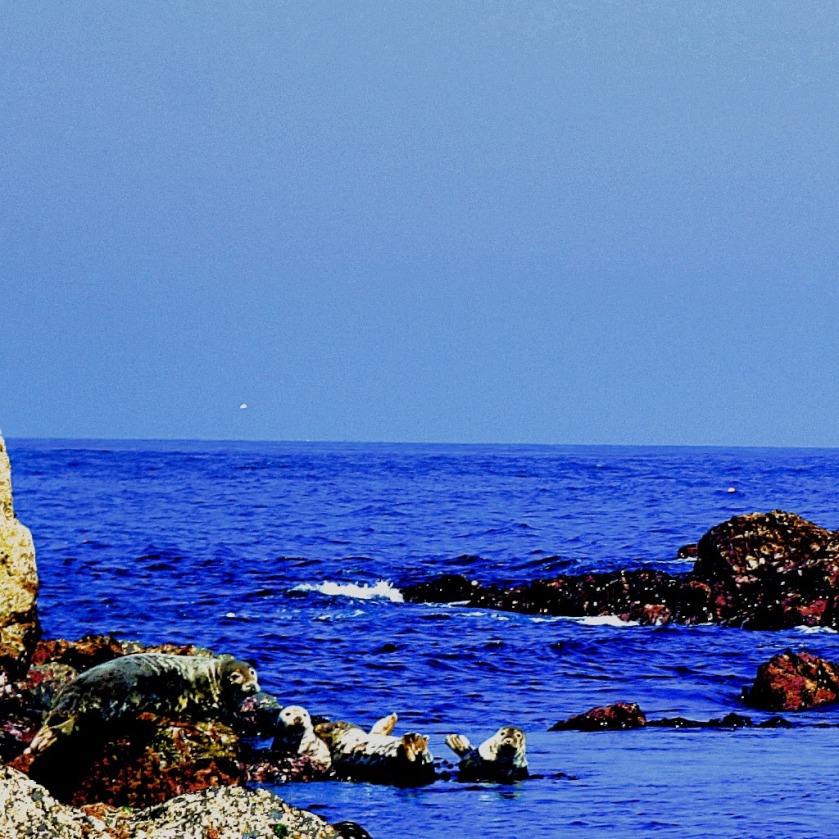
The rocks in the background of this shot are the near edge of the seal colony.
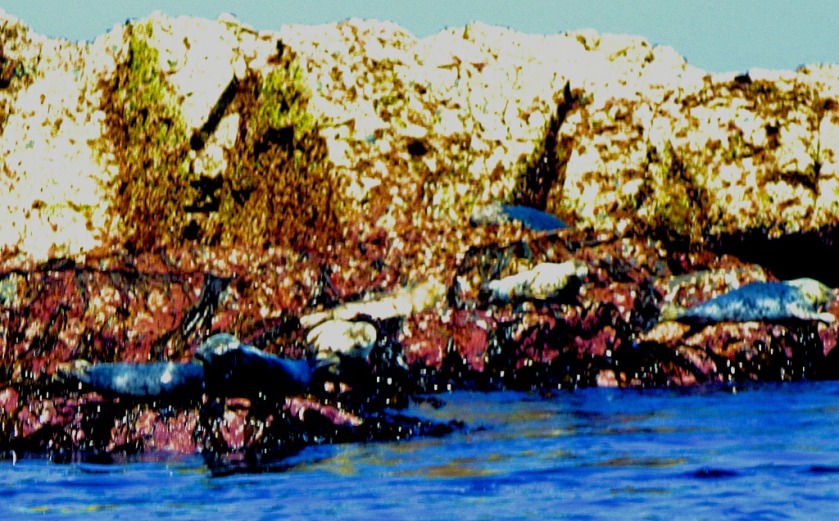
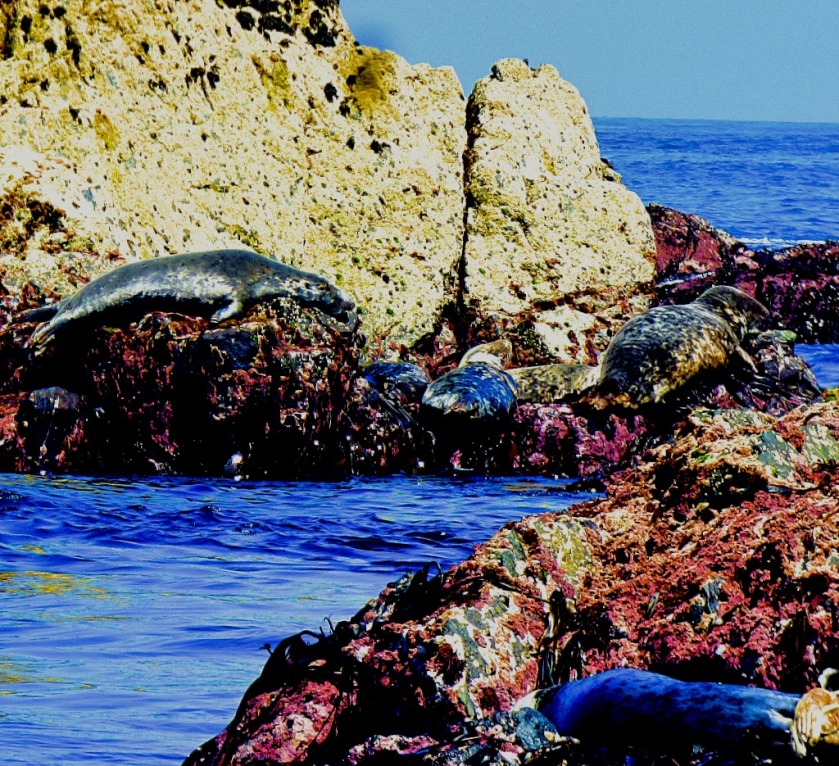
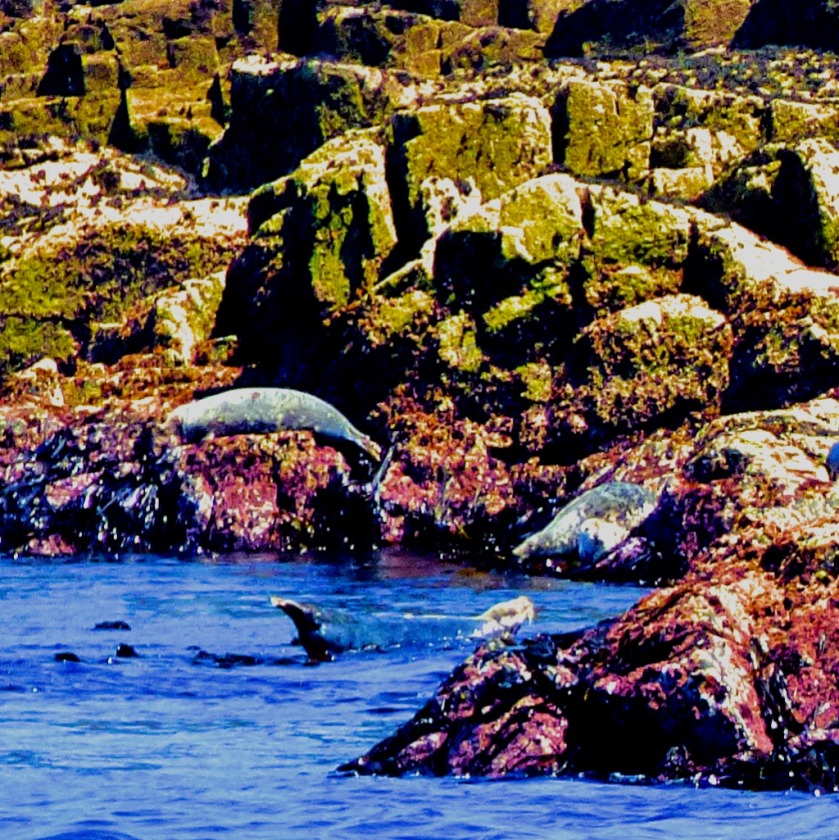
AT THE SEAL COLONY
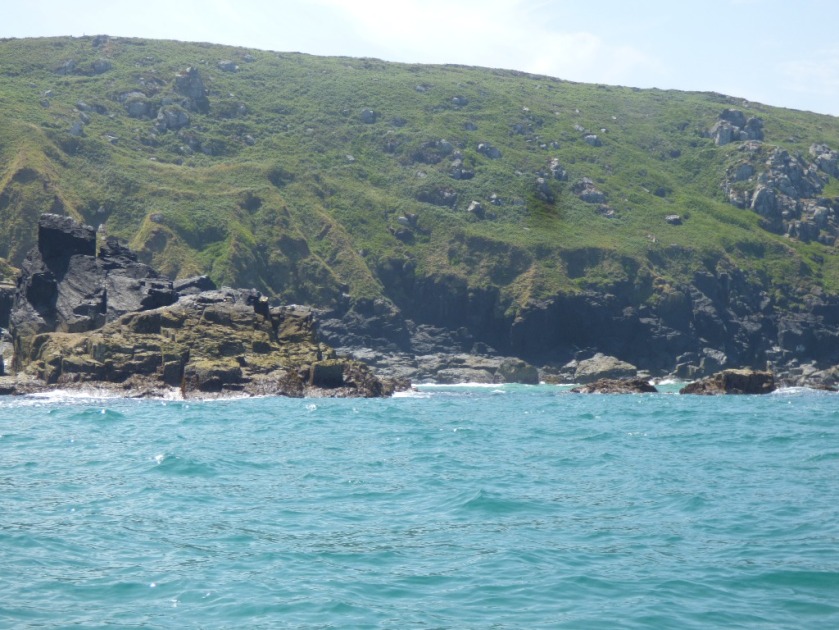
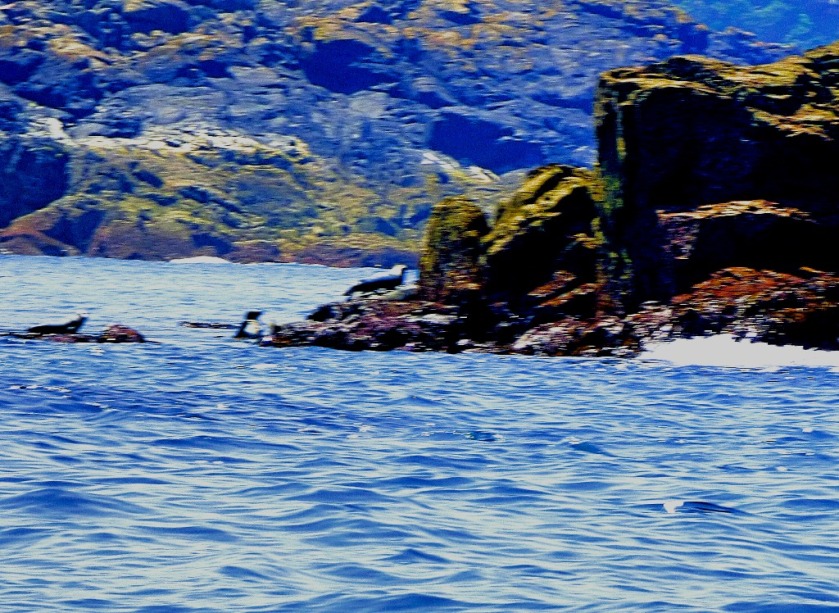
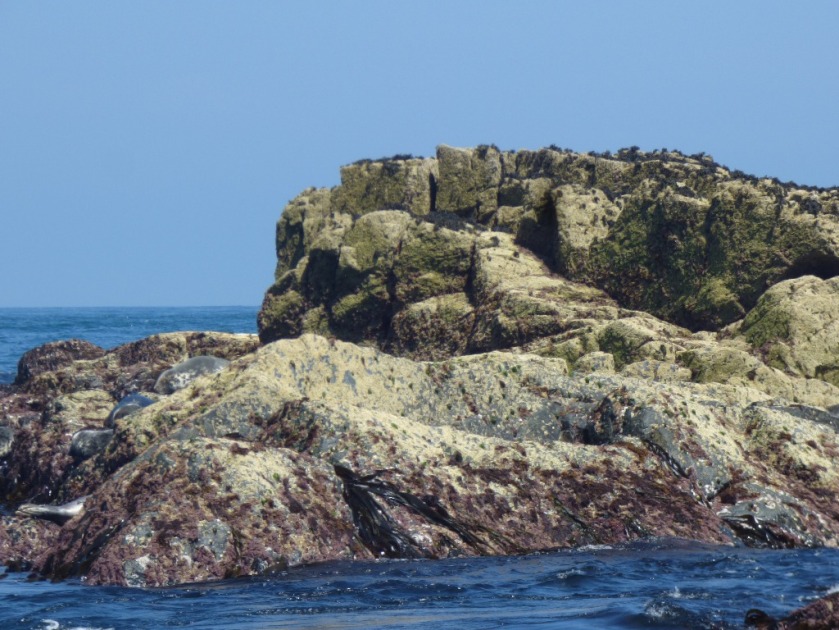
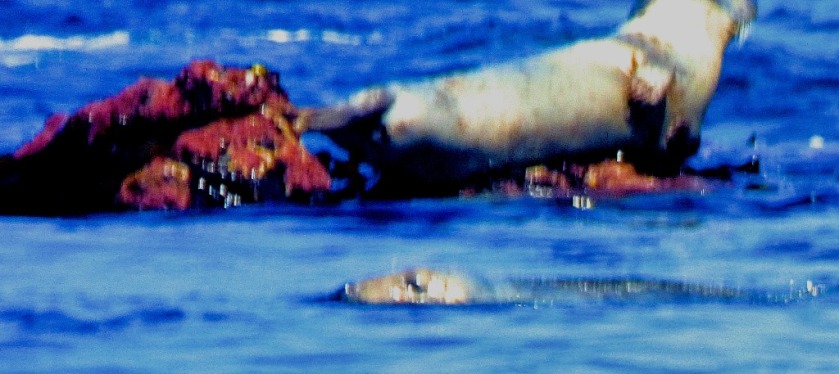
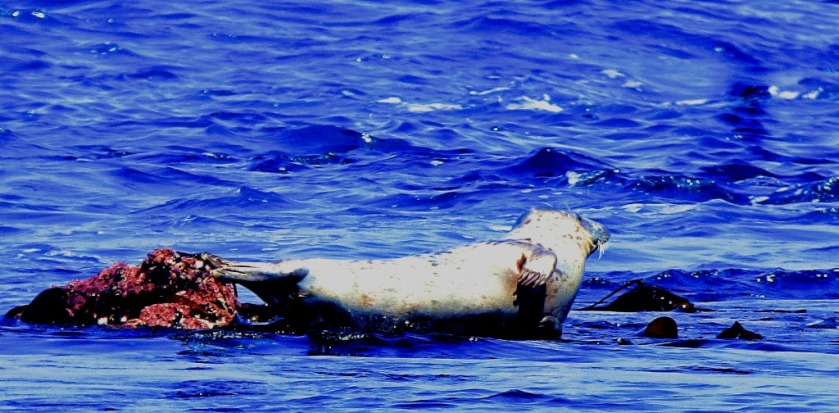
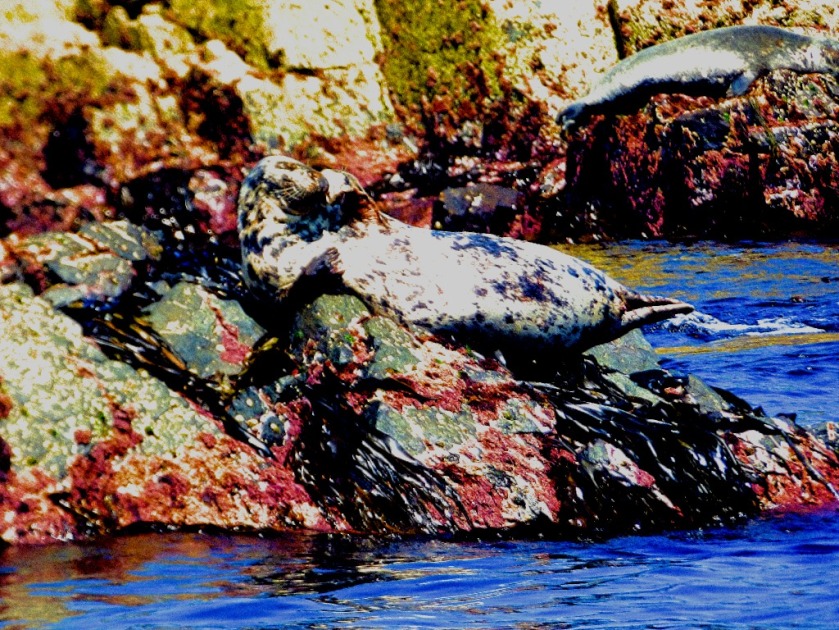
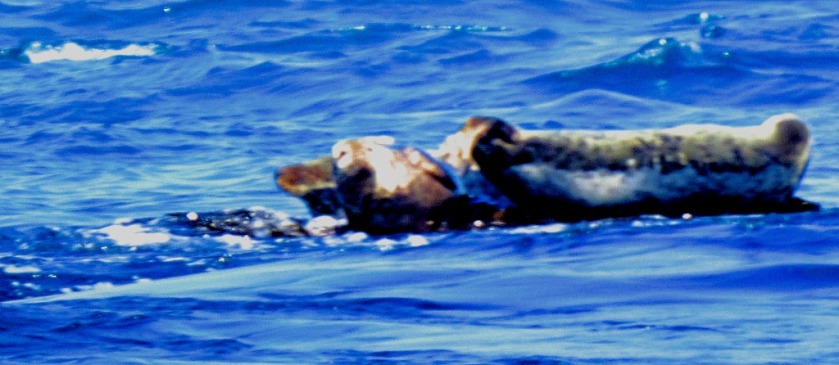
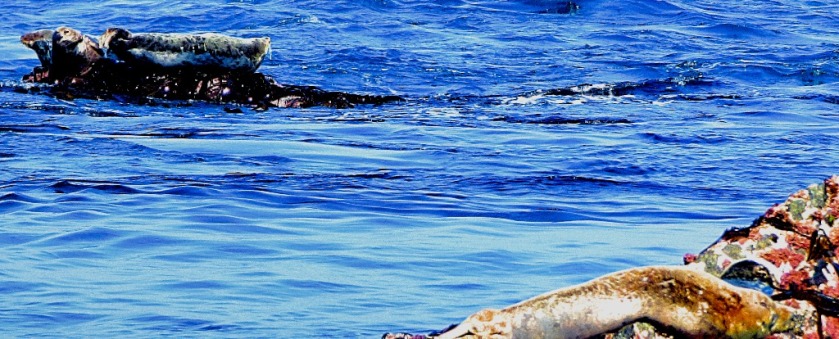
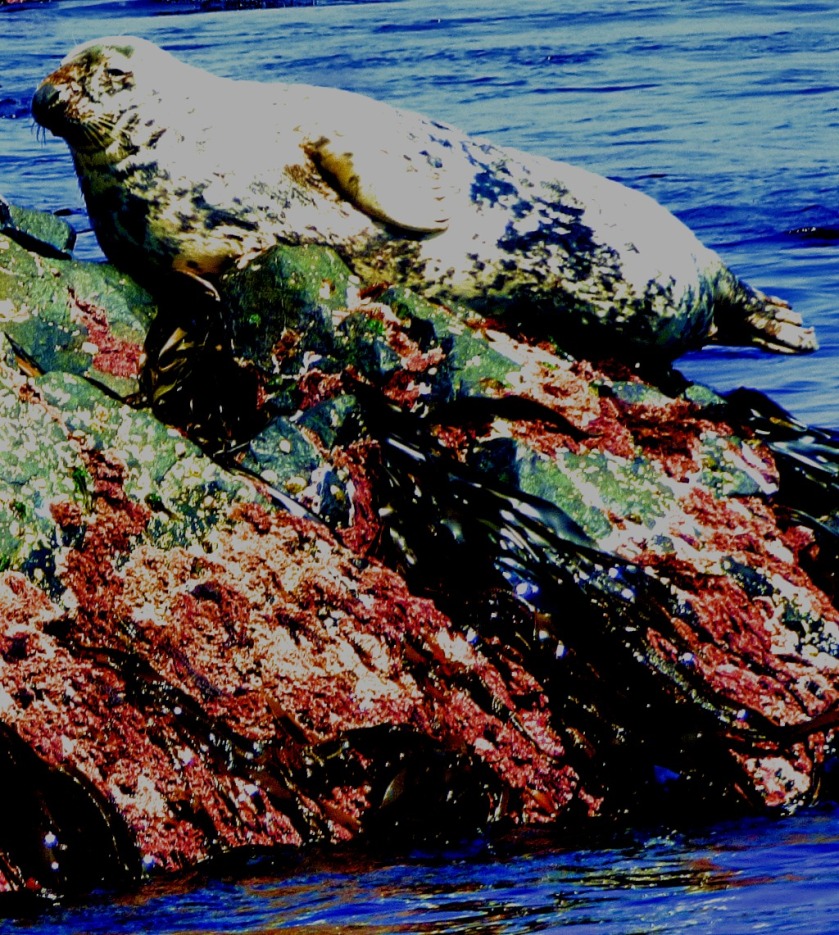
I will let the pictures tell their own story…
Some of the seals, like this one waved flippers at us.
BACK TO ST IVES
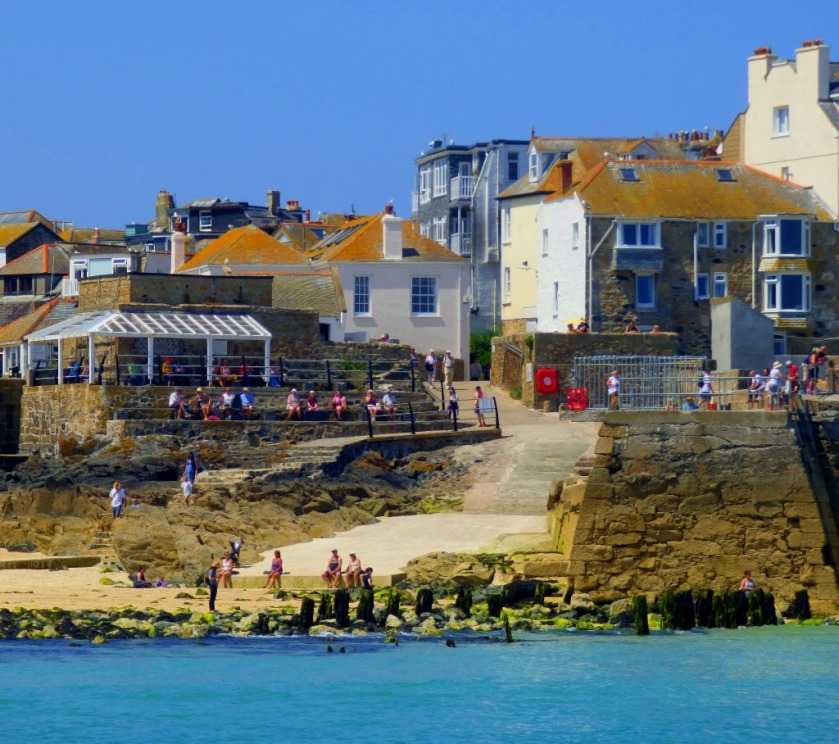
The start of the return journey featured the bumpiest sea of the entire trip (fortunately there was a breeze rather than a serious wind blowing, so the sea was choppy rather than actually rough). I imagine that in a winter storm (I encountered Cornish winter storms and their effects in 1989 on a christmas holiday when we stayed in a Landmark Trust cottage. I believe that the enitre village was actually owned by Landmark Trust, but the perimeter fence of RAF Morwenstow was within walking distance for those looking to place it). Fortunately the tide had risen to the point that the transfer boat could get right up to the quayside, so no further paddling was required.
This put me somewhat in mind of Seahenge, now on display at The Lynn Museum.
Welcome to the penultimate post in my series about Marxism 2018 (to be followed in the not too distant future by a series that I will title “A Grockle’s Eye View of Cornwall” following my recent visit to Cornwall (more on that curious word grockle at the start of said series). I missed only one of the environmentally themed meetings at Marxism 2018 (it clashed with a meeting about mental health, which I attended instead), the one featuring John Bellamy Foster.
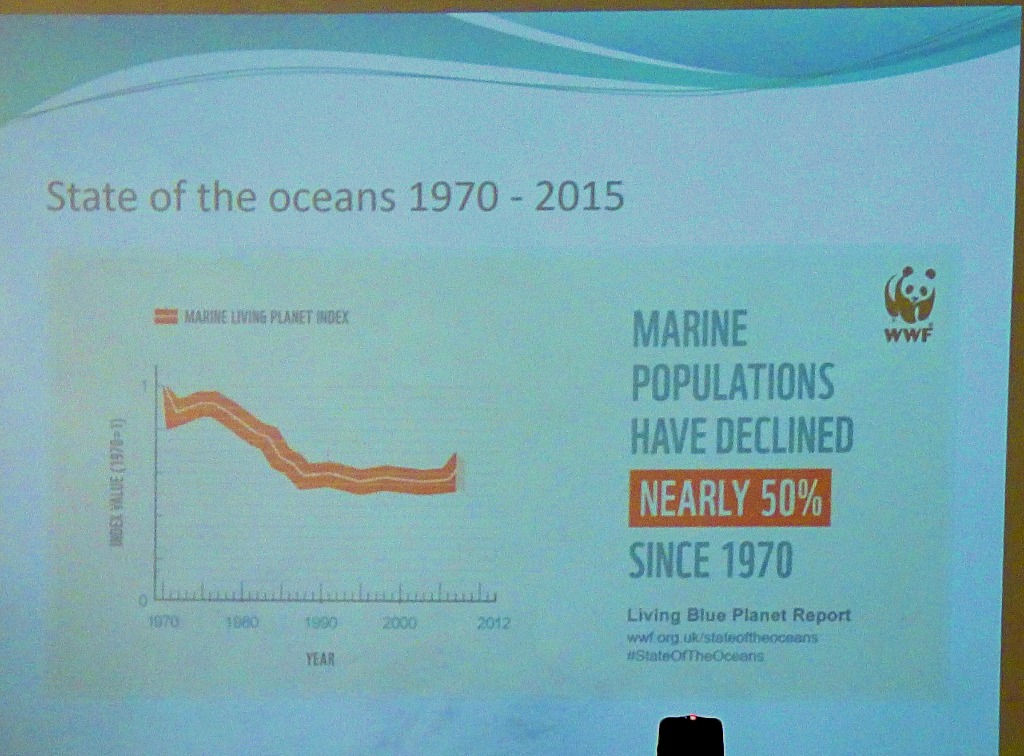
MEETING 1: MARTIN EMPSON ON CLIMATE CHANGE
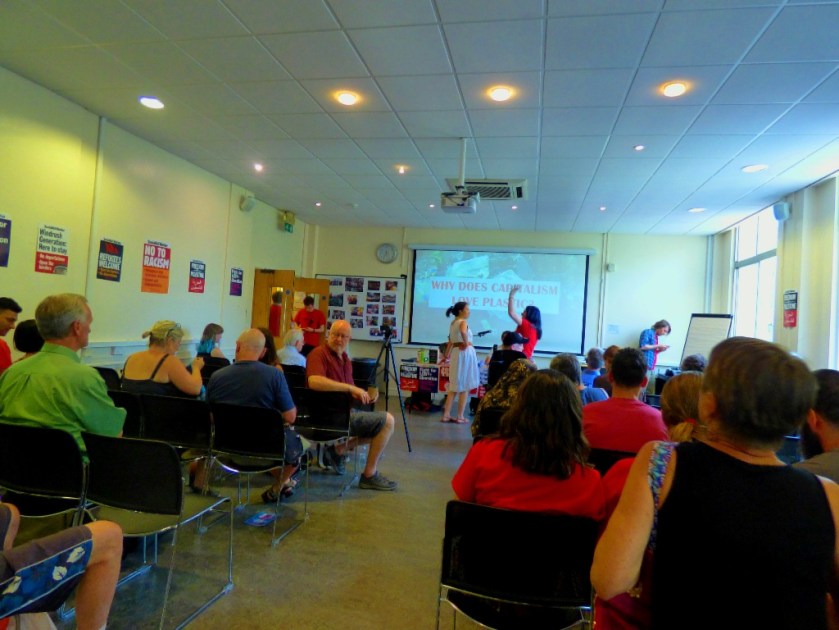
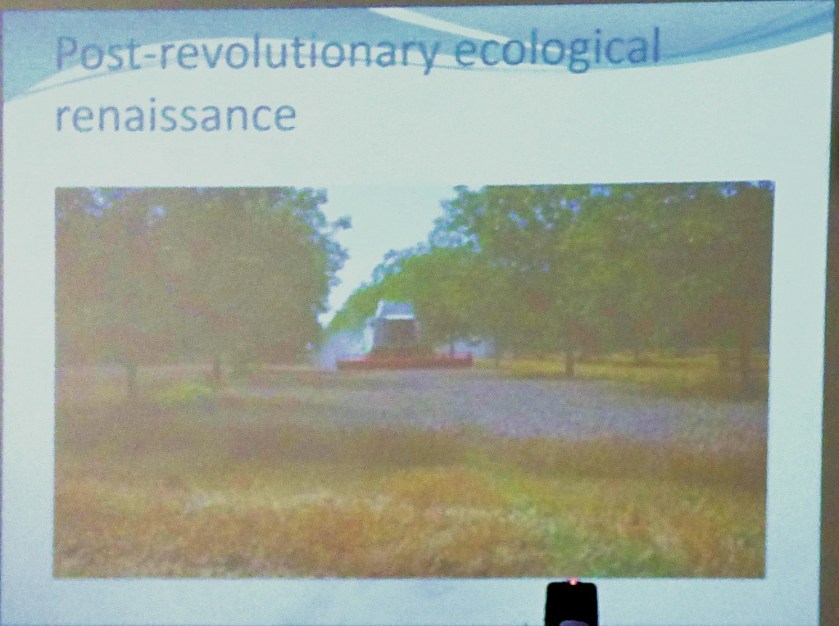
THis meeting was the subject of my first Marxism 2018post. Here is the featured image:
WHY DOES CAPITALISM LOVE PLASTIC?
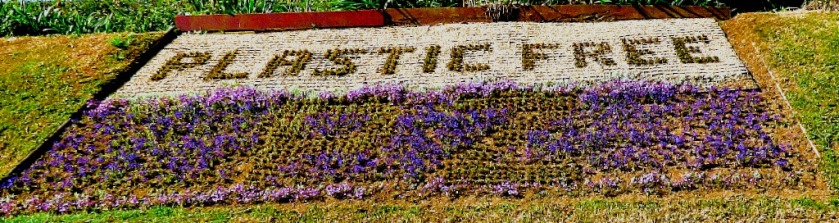
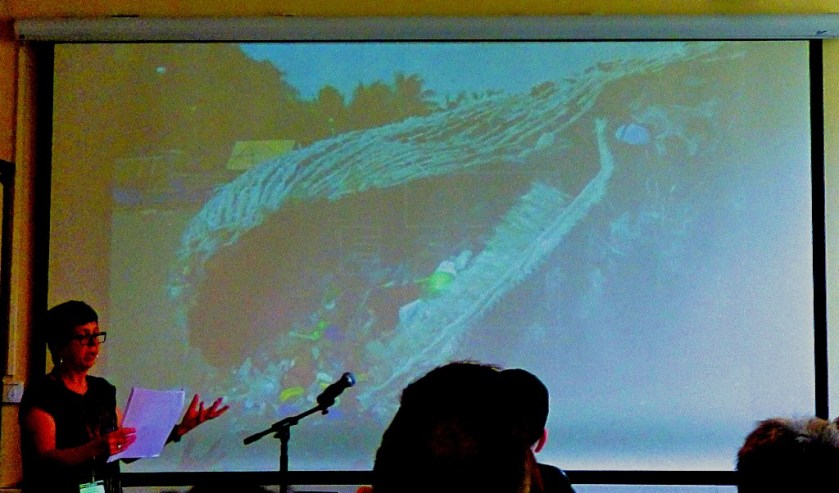
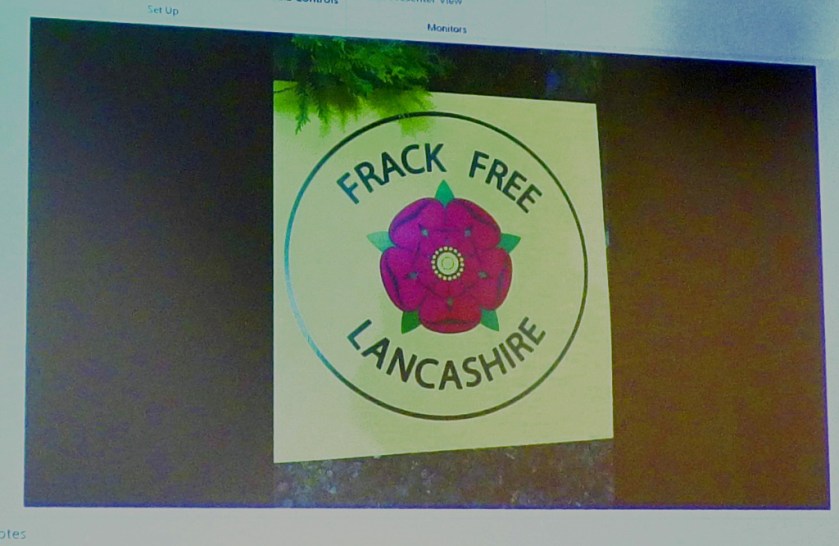
Amy Leather started her talk with a potted history of the development of plastics. She then talked about plastics as a by-product of fossil fuel extraction, linking in to controversies over fracking. She also talked about how when disposable plastic first became a thing there were advertising campaigns to persuade people to dispose of the stuff. During the discussion James from north Derbyshire mentioned that the company who are seeking to engage in fracking in his part of the world and against whom he and others are fighting are primarily a plastic making company, and their interest in fracking is based on a desire to use by products of fracking to make more plastics.
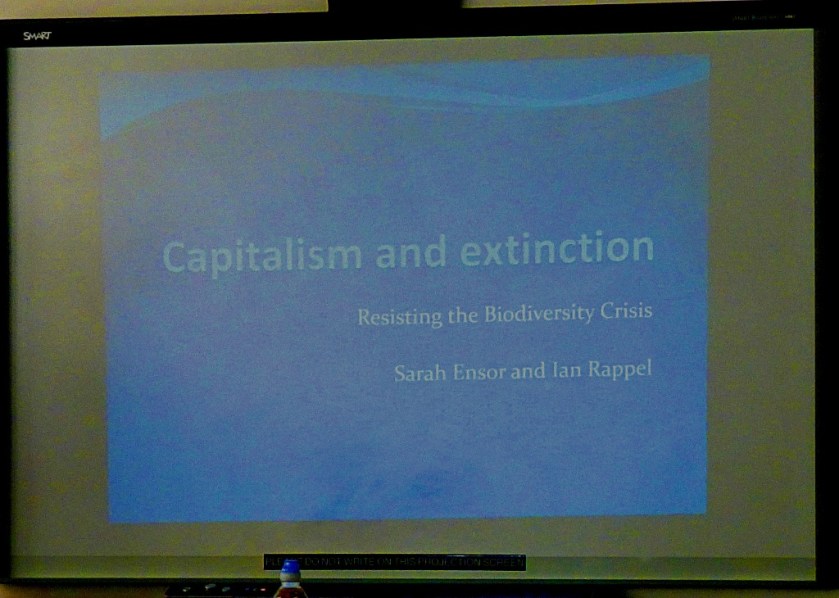
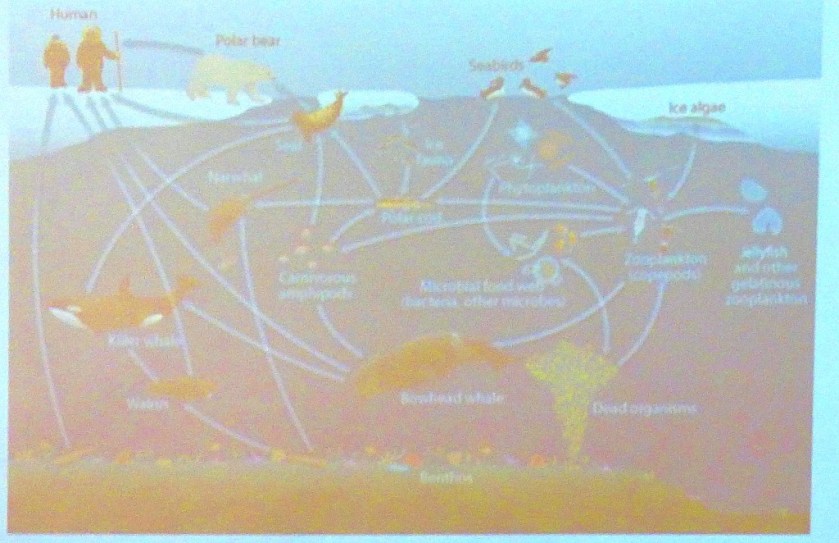
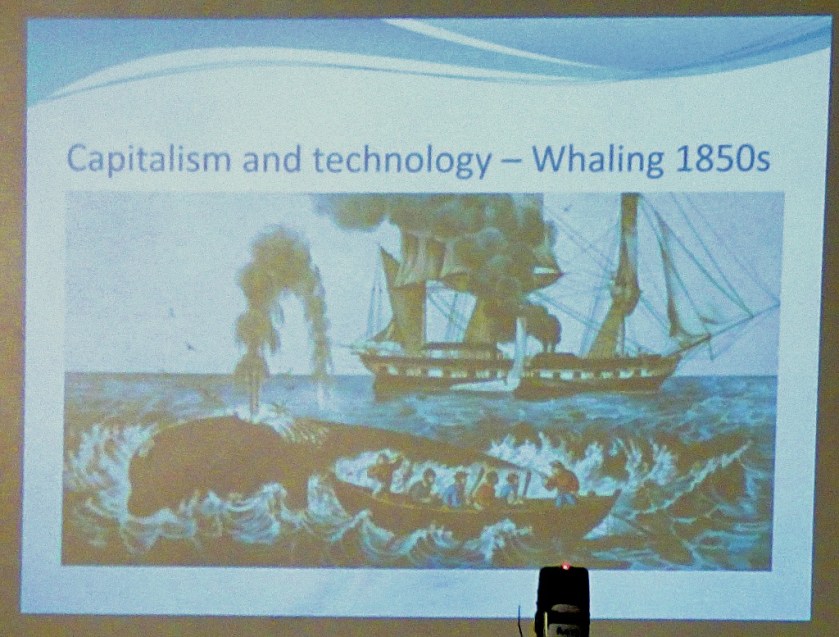
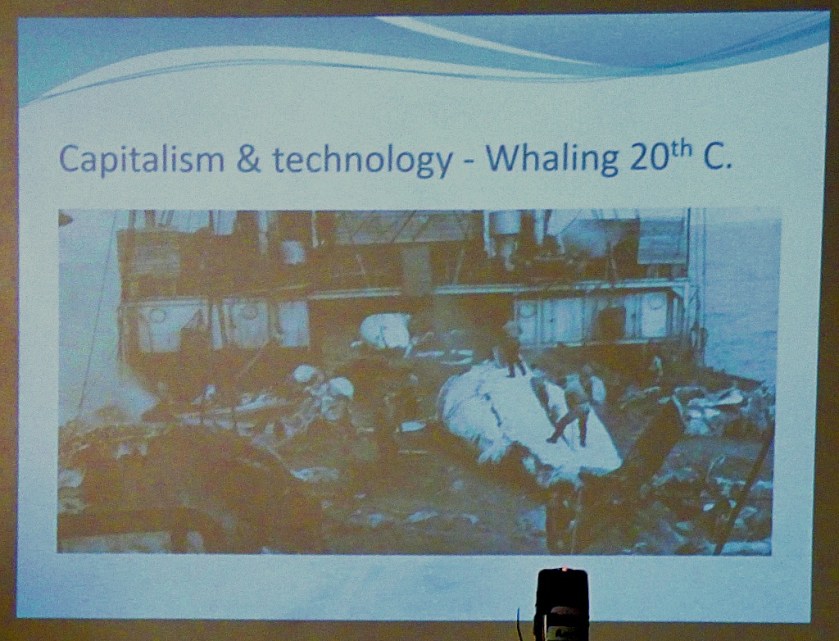
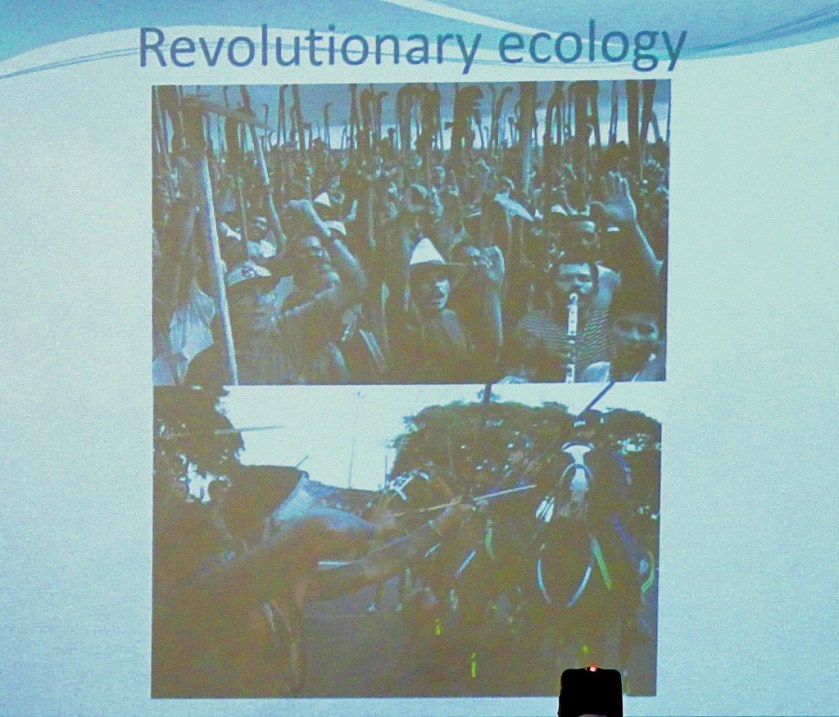
SARAH ENSOR AND IAN RAPPEL ON CAPITALISM AND EXTINCTION
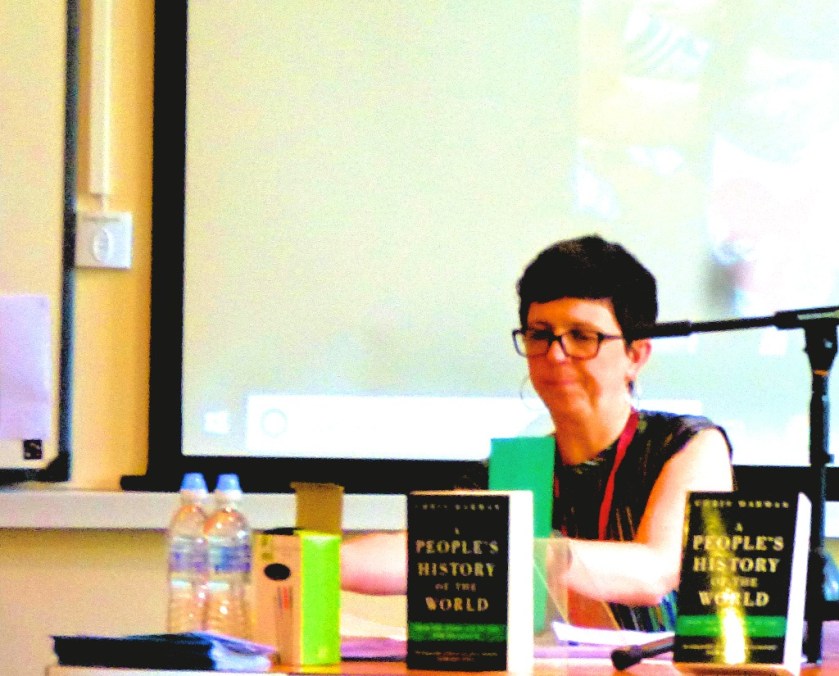
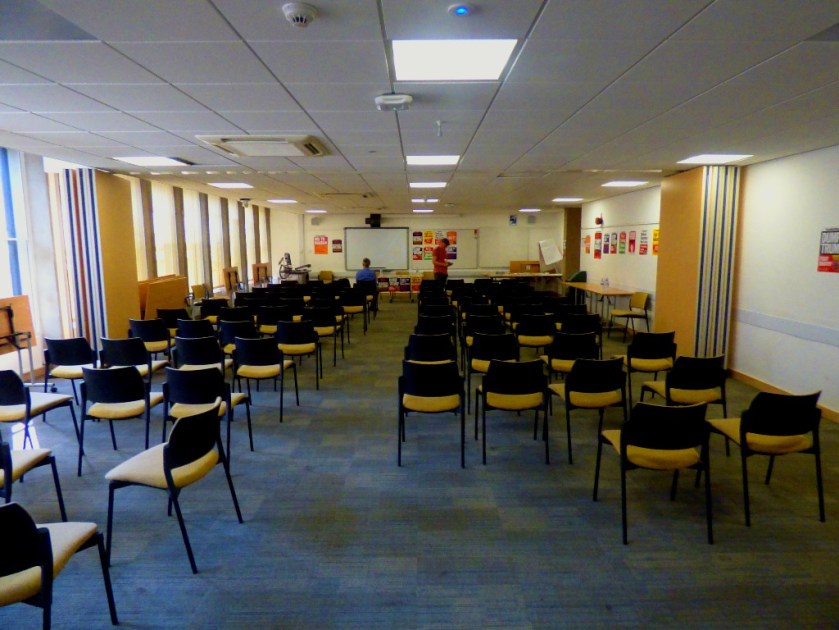
This was the first meeting of the Sunday. The Institute of Education has a somewhat curious system of floor numbering, whereby you enter the building from outside on level 4. This meeting was in a room on Level 8, and I chose not to use the lift (I have been known to opt for the stairs at both Russell Square – 175 – and Covent Garden – 200 – stations, so for a mere four floors it was barely even a question).
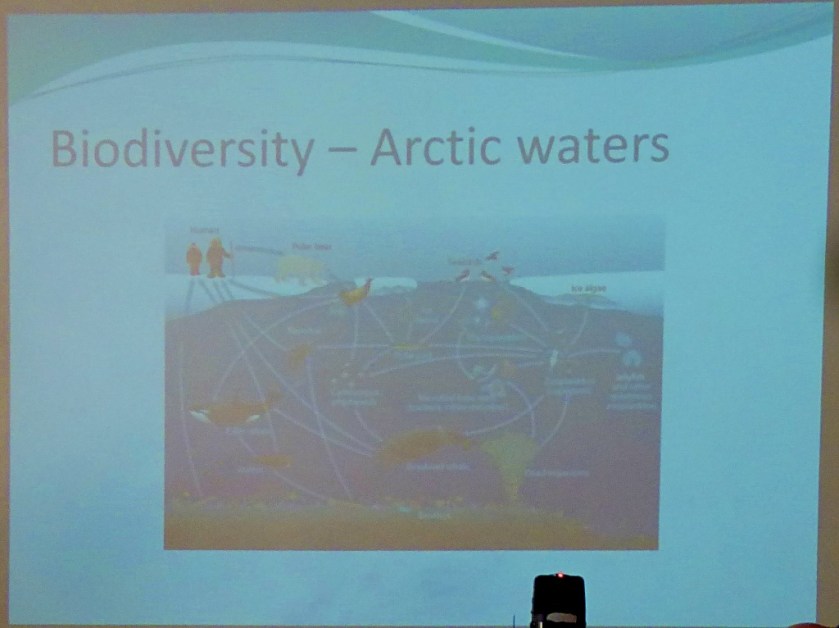
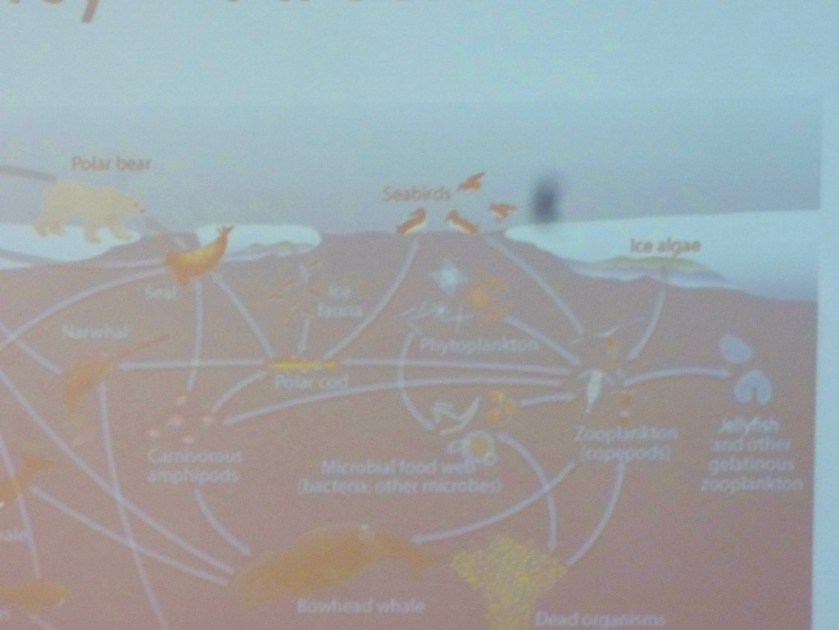
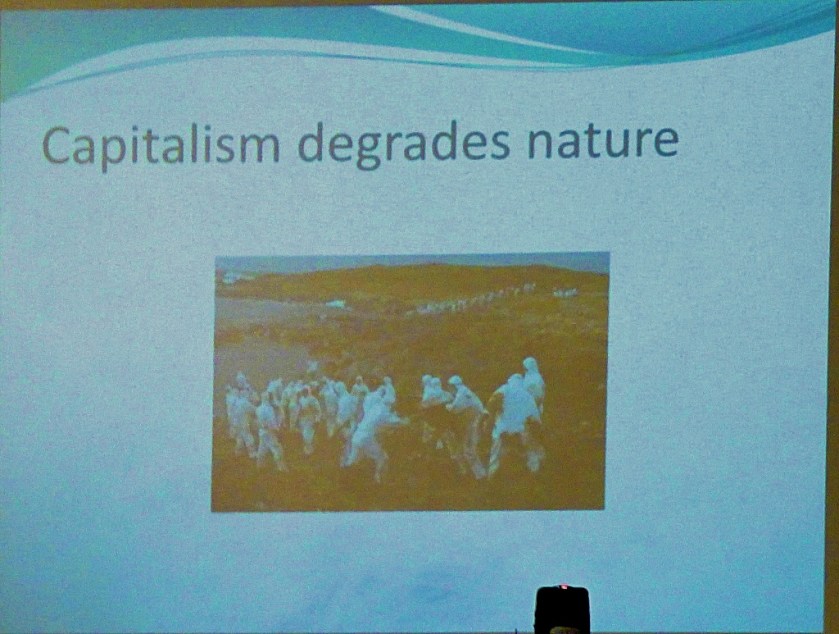
I enjoyed the meeting – both speakers were excellent, and although the sun prevented the presentation from being seen to best effect (even with blinds drawn and the lights off in the key part of the room – the latter a suggestion on the part of yours truly) it was still well worth the climb up and down.
DIRTY ENERGY AND CAPITALISM: WHAT’S THE REAL STORY
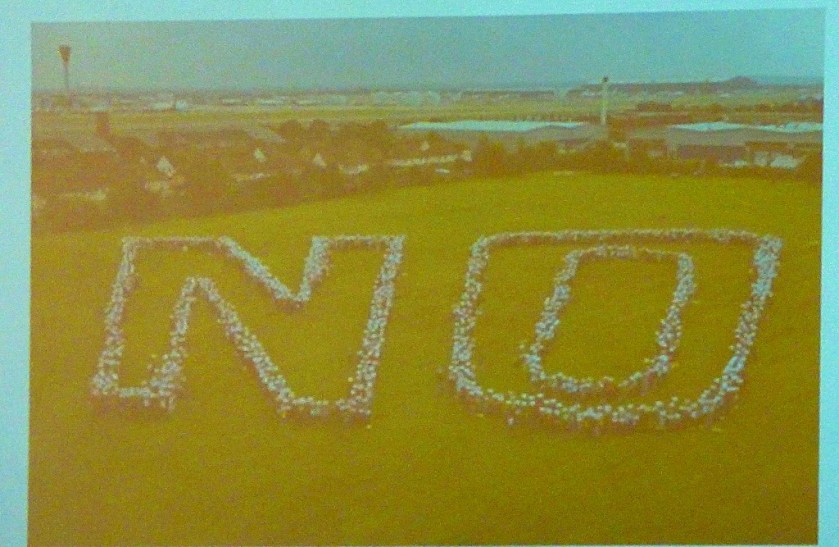
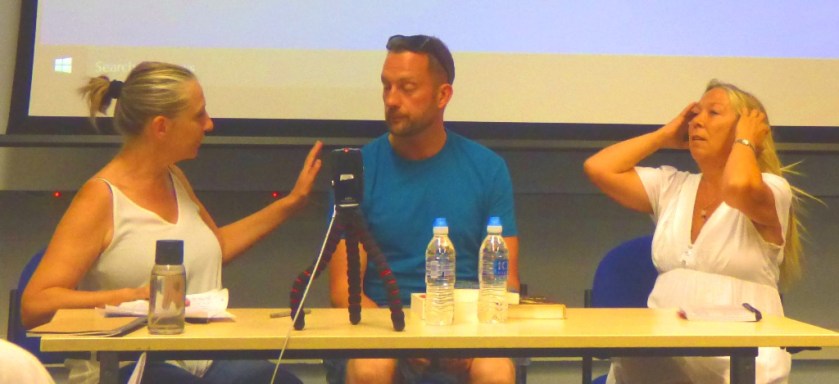
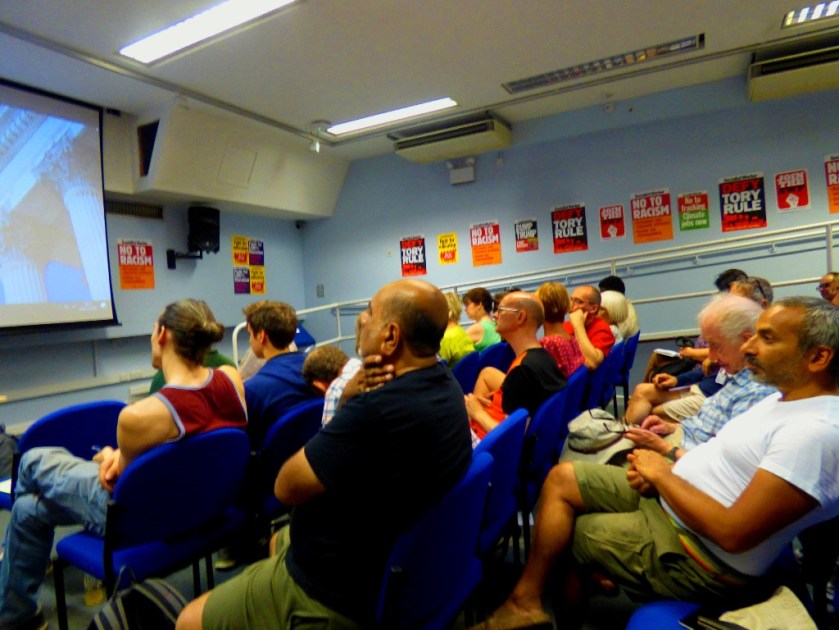
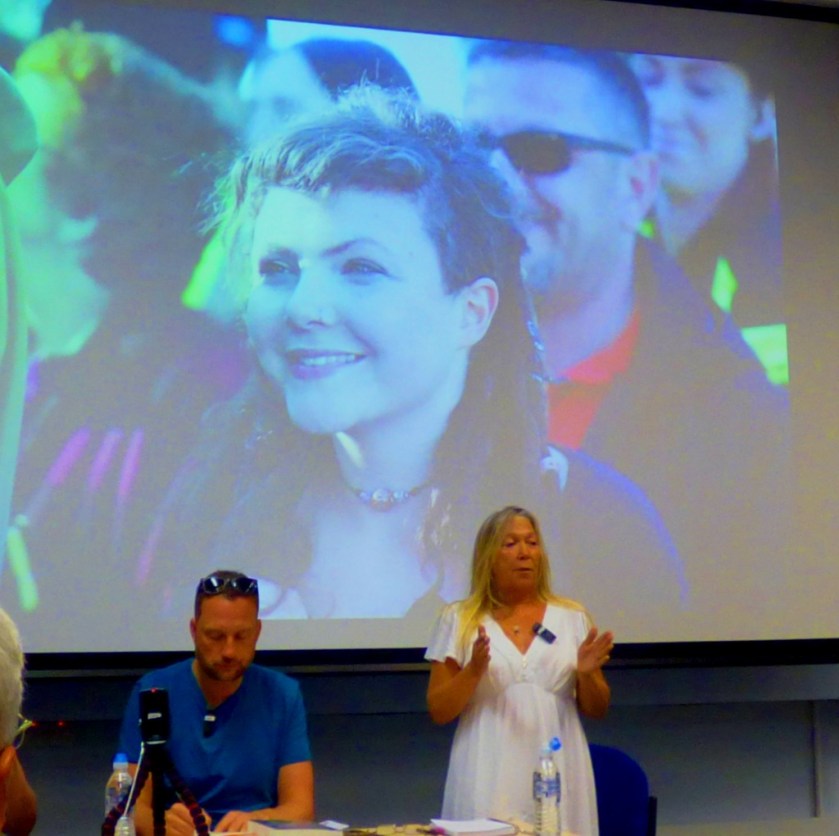
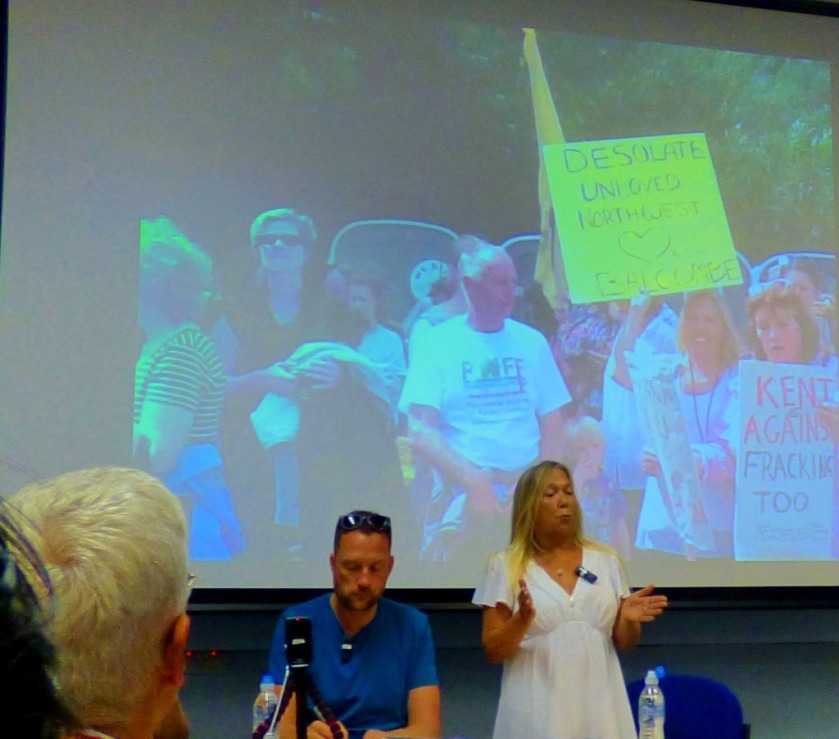
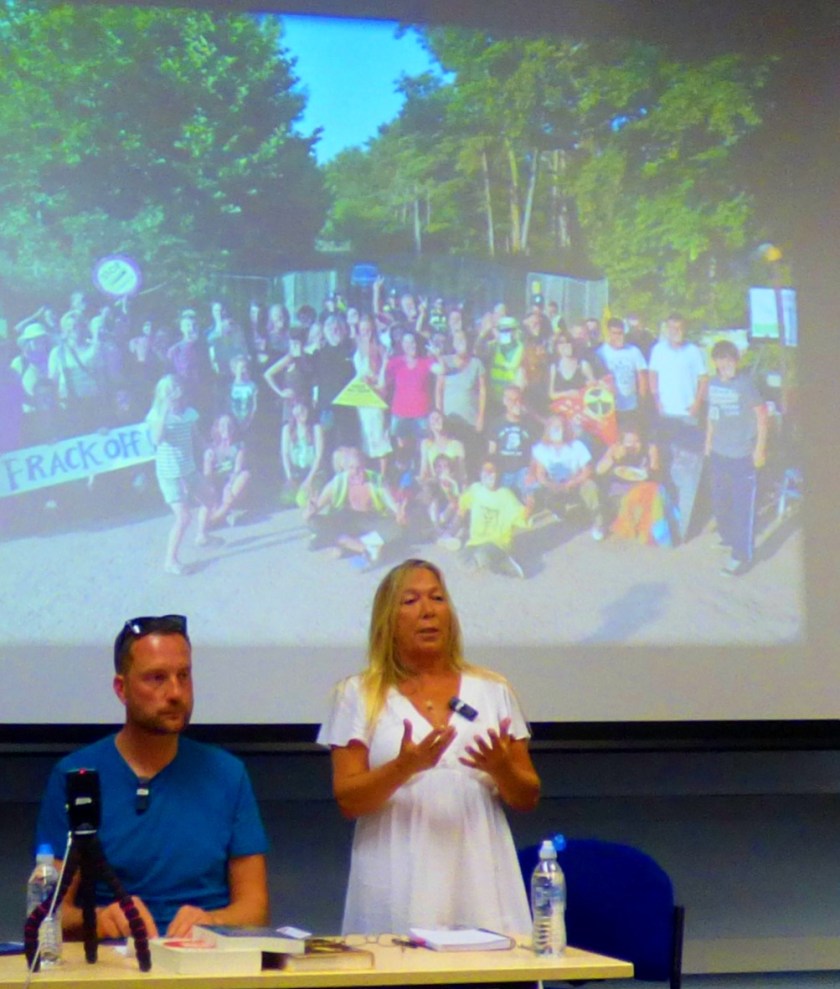
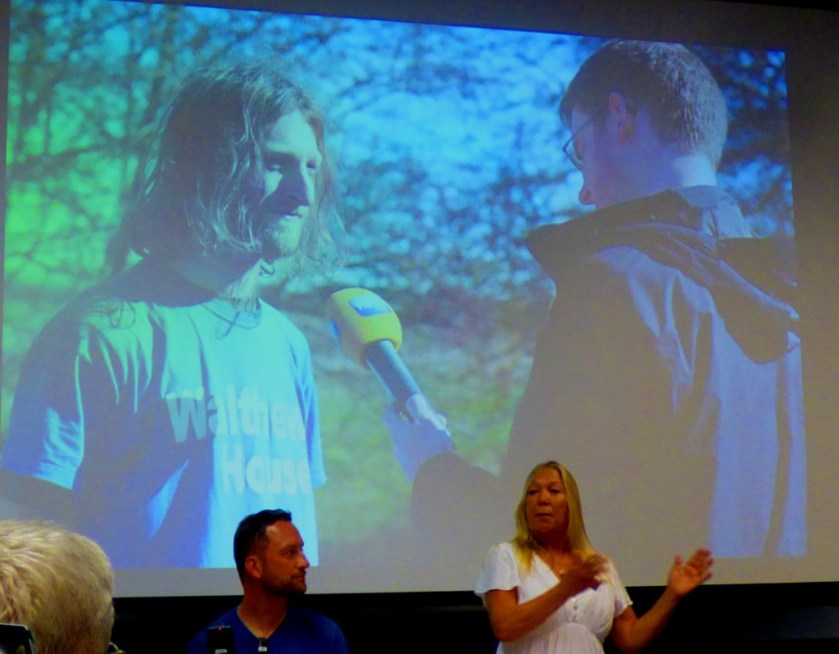
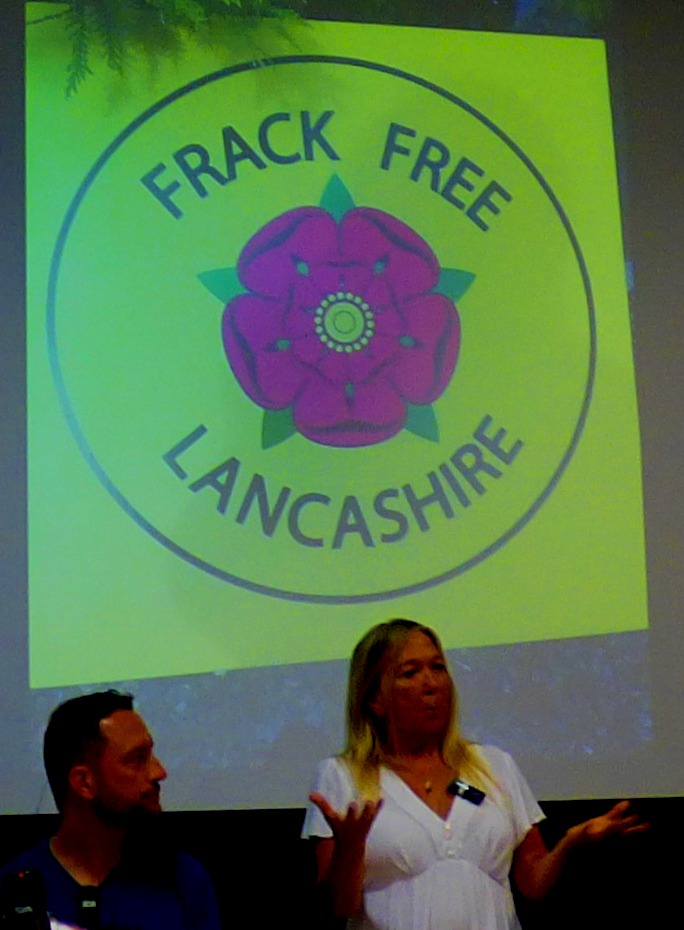
This meeting which featured Suzanne Jeffery and anti-fracking campaigner Tina Louise Rothery took place in Clarke Hall, on Level 3 of the Institute of Education in the post lunch session of the Sunday. It had been made even more topical by the fact that in the run up to the event the Tories had simultaneously refused to provide funding for the Swansea Tidal Lagoon (capable of supplying 10% of the country’s energy needs had it gone ahead) and forced through the 3rd runway at Heathrow. Both speakers were excellent, and during the discussion Brid Smith TD talked about a bill she is trying to get through the Dail which would mean that no more fossil fuels will be extracted from Ireland (it has already passed its first reading).
Suzanne Jeffery
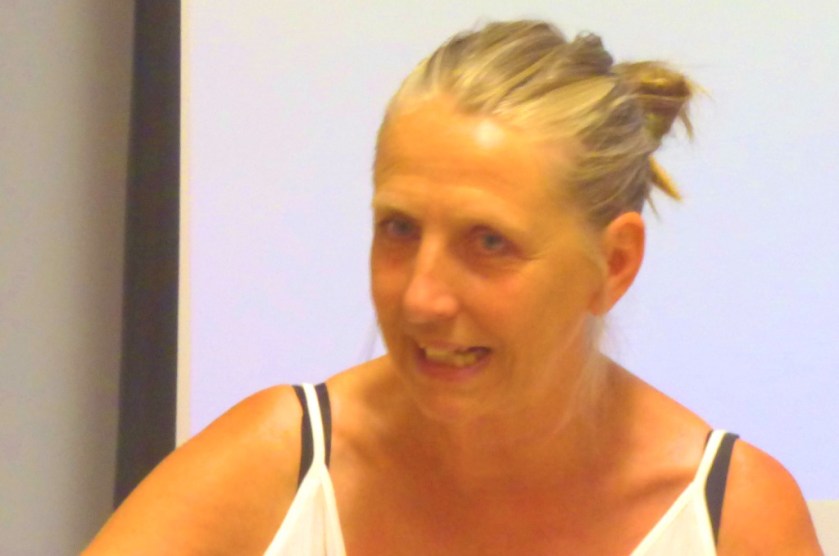
Tina Louise Rothery
Brid Smith talks about her fossil fuels bill that is curfrently going through the Dail
AN EXAMPLE OF A CAMPAIGN
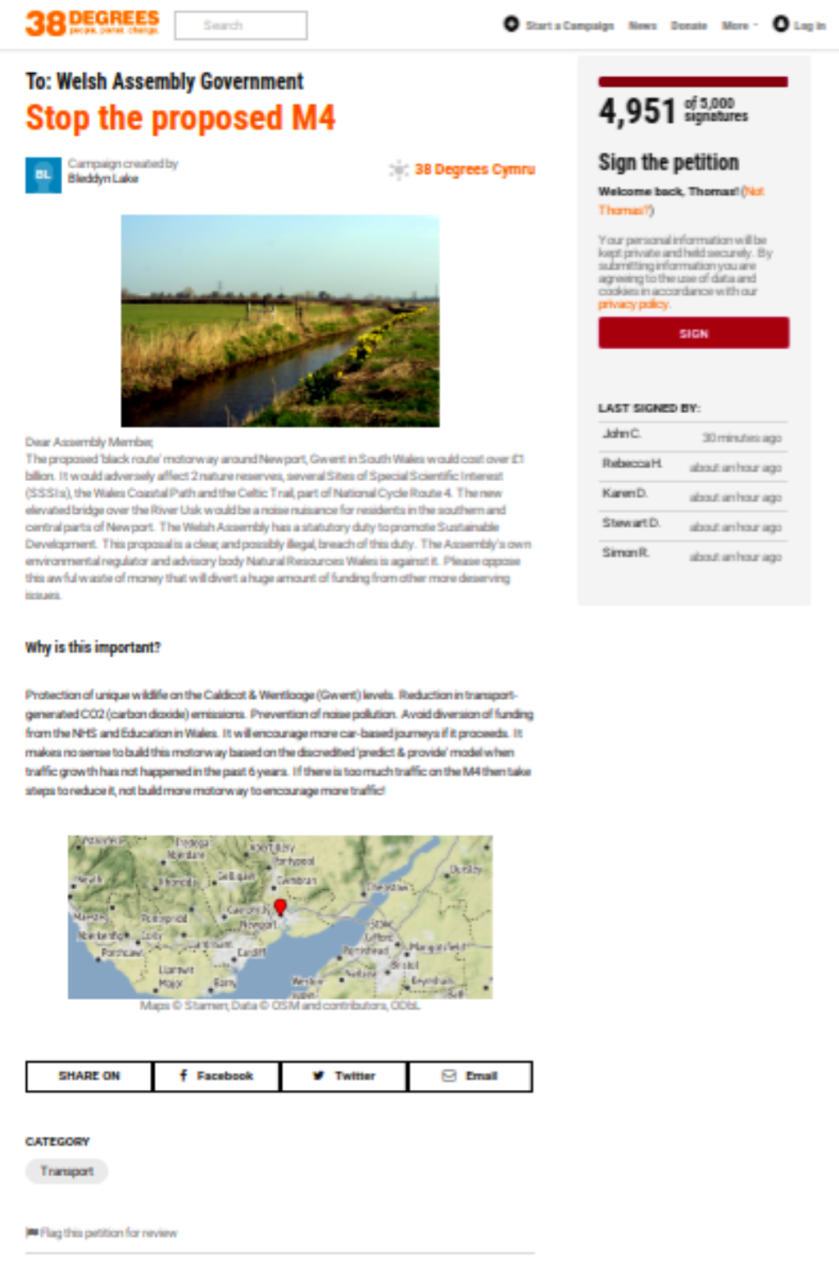
A common theme running through these meeting was the necessity of supporting campaigns all over the world. I therefore conclude this post with a mention of the Save Trosa Nature campaign. You can find out more about this campaign by reading Anna’s posts about it. There is a petition currently running which you can sign here.
A post celebrating recent successes for the England men’s and women’s cricket teams.
INTRODUCTION
The last few weeks have been magnificent for English cricketers of both sexes. Each side has been very dominant through a sequence of games, and each have set a team scoring record during the sequence of games.
THE WOMEN
The women warmed up with an ODI series against South Africa, losing the first match but winning matches 2 and 3 very comfortably, in each case with their efforts being spearheaded by centuries from Tammy Beaumont. Then they moved into a T20 tri-series featuring South Africa and New Zealand, the latter fresh from three straight 400-plus ODI tallies against Ireland, the last of which featured the first part of a ‘script rejection’ performance by Amelia Kerr – 232 not out with the bat, and then to settle things 5-17 with the ball. No author of a cricket themed novel would dare have a 17 year-old do that in an international match, but it happened in real life.
On Day 1 of the tri-series New Zealand opened proceedings by scoring 217 from their 20 overs against South Africa, which at the time was a new record in that form of the game, and won them the match comfortably. That record lasted until later that same evening when England took on South Africa, and with Beaumont scoring yet another century (getting there in a mere 47 balls) and Katherine Brunt responding to a promotion up the order by running up 42 not out off just 16 balls reached a total of 250-3. This proved way out of SA’s reach. On Saturday, the second set of games in the tri-series, England lost to South Africa but bounced back to beat New Zealand in the other match.
THE MEN
The men started the limited overs segment of their summer by losing to Scotland at The Grange, but then they commenced a five match series against Australia and were absolutely dominant through the first four matches, winning all comfortably and racking up 481-6 in the third match. The fifth match was a very different kettle of fish. Australia were all out for 205, a modest total that featured the most misjudged leave-alone in cricket history (perpetrated by Ashton Agar). England then collapsed to 114-8 and I was getting ready to point out that wins in dead rubbers don’t really count. However, Jos Buttler was still there, and now Adil Rashid provided some sensible support, and the pair put on 81 for the ninth wicket, turning the match into a nail-biter. Jake Ball, the England no 11 only scored 1 not out, but he survived 11 deliveries, while Buttler first completed an astonishing hundred (with a six that on sheer distance should probably have been a nine) and then sealed England’s one-wicket victory in this game and with it a 5-0 whitewash against the old enemy.
Tim Paine thus became the second Tasmanian born captain with a surname that begins with P to surrender a match in which the opponents had needed 92 with only two wickets left (look up Mohali 2010 for more details).
Buttler’s innings secured him both the player of the match and player of the series awards. Buttler was 110 not out in a score of 206-9, and the joint second biggest scores were 20 for Alex Hales and Adil Rashid, and he finished the series with 275 runs at a handy 137.50. In the course of this innings he passed 3,000 ODI runs. Unlike most of his previous big innings which have been all about putting opponents to the sword (his 3,000th ODI run came up off only just over 2,500 balls faced in this form of the game) this one involved getting his team out of trouble and probably rates as his finest for precisely that reason.
MAJOR CONTRIBUTORS
Both the men’s and women’s teams have benefitted from the fact that everyone has contributed somewhere along the line, but each also have had certain players who have been especially outstanding (see Buttler above), and I offer the following composite list of the best:
Moeen Ali: Watching the way the Aussies tackled his off-spin you might have thought they had been put in a time machine and taken back to 1956.
Jonny Bairstow: about the only thing he did wrong all the way through was get out in the game at The Grange when he was putting Scotland to the sword and would have had England firmly in control had he batted a few more overs. None of the Aussie bowlers, even the highly impressive Billy Stanlake, had any idea where to bowl at him.
Tammy Beaumont: the smallest player in physical stature in this list (5’3″ tall) she has been a metaphorical giant in these matches with three centuries from her position at the top of the order.
Katherine Brunt: In the first match she made 72 to give England something to defend. After her 42 not out in the 250-3 T20 game she followed up by picking up 2-18 from her four overs. Ignore talk of imminent retirement – so long as her body remains in one piece she will keep going.
Jos Buttler: The batsman-keeper did all that was asked of him in the first four matches of the series against Australia and when the going got tough in fifth match he got going and carried England to victory.
Alex Hales: started these matches as favourite to miss out once Stokes was available again but played several incredible innings, and I would now say that for all his all-round credentials Stokes has to be considered as far from certain to regain his place.
Adil Rashid: another of the ‘role-reversal’ aspects of this series was that on this occasion it was Aussie batsmen who looked like rabbits in headlights when facing an English leggie. In addition to his success with the ball he played that crucial little innings in the final match.
Jason Roy: the leading run scorer of the series with 304, including a ton which spearheaded the chase-down of 310 in the 4th game.
Anya Shrubsole: reliable as ever with the ball, and when really needed in the game against New Zealand on Saturday she delivered some quick runs.
Sarah Taylor: quite possibly the best wicketkeeper of either sex on the planet at present and she also scored some important runs.
Danielle Wyatt: opening with Beaumont in the 250-3 game she was quite magnificent, and she had other successes through the season.
PHOTOGRAPHS
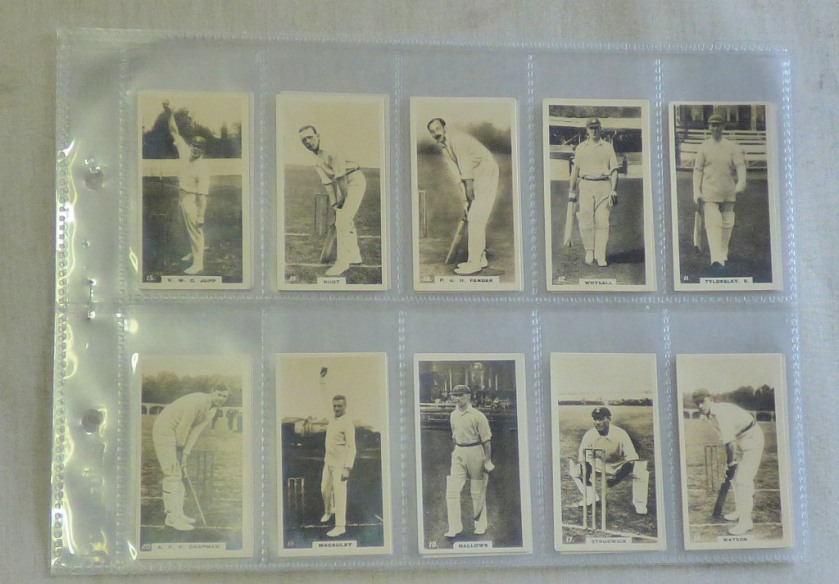
Time now for some photographs, starting with a cricket themed one from James and Sons’ upcoming cigarette cardauction.
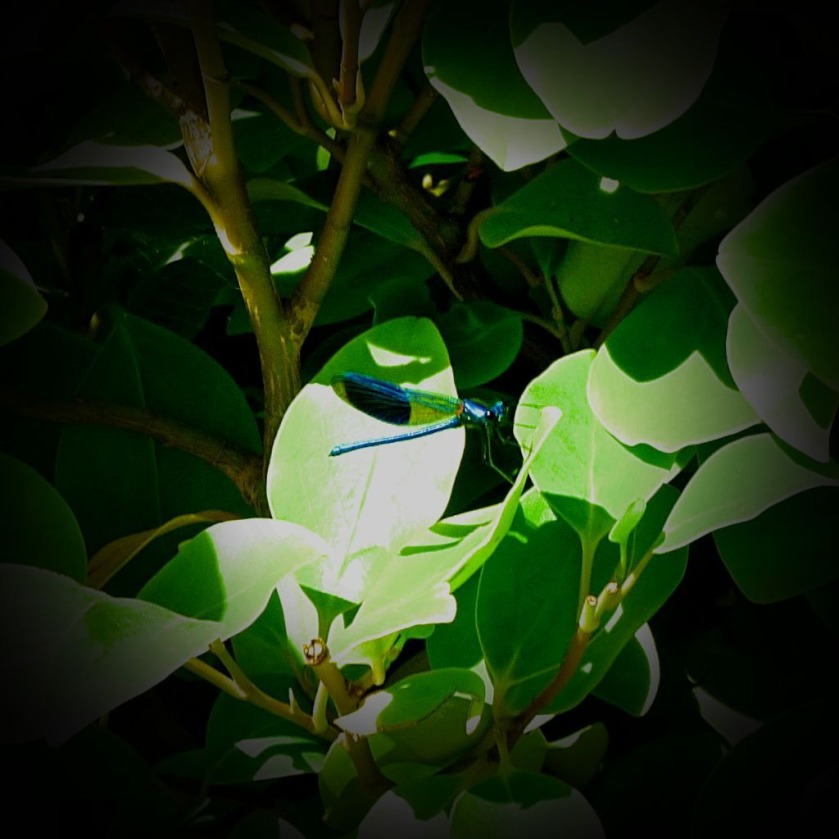
While not super-famous these cricketers all have some noteworthy achievements: Vallance Jupp achieved the double of 1,000 runs and 100 wickets in each of eight successive seasons, Fred Root once took a seven-for against Australia. Percy Fender once reached a century in 35 minutes. Dodge Whysall batted no 3 for Nottinghamshire for many years. Ernest Tyldesley scored more first class runs for Lancashire than anyone else. Percy Chapman led England to victory in each of his first eight matches as captain. George Gibson Macaulay was a very successful bowler and enough of a batsman to have scored 76 in a test match. Charles Hallows was one of three cricketers to score 1,000 first-class runs within the month of May (half a dozen others reached 1,000 first class runs for the English season before the start of June, but had runs in April in that record). Herbert Strudwick was England’s first-choice keeper for 15 years in spite of regularly batting at no 11. Frank Watson was a good county player, who once made a triple-century.A spectacular creature, presumably some form of dragonfly.
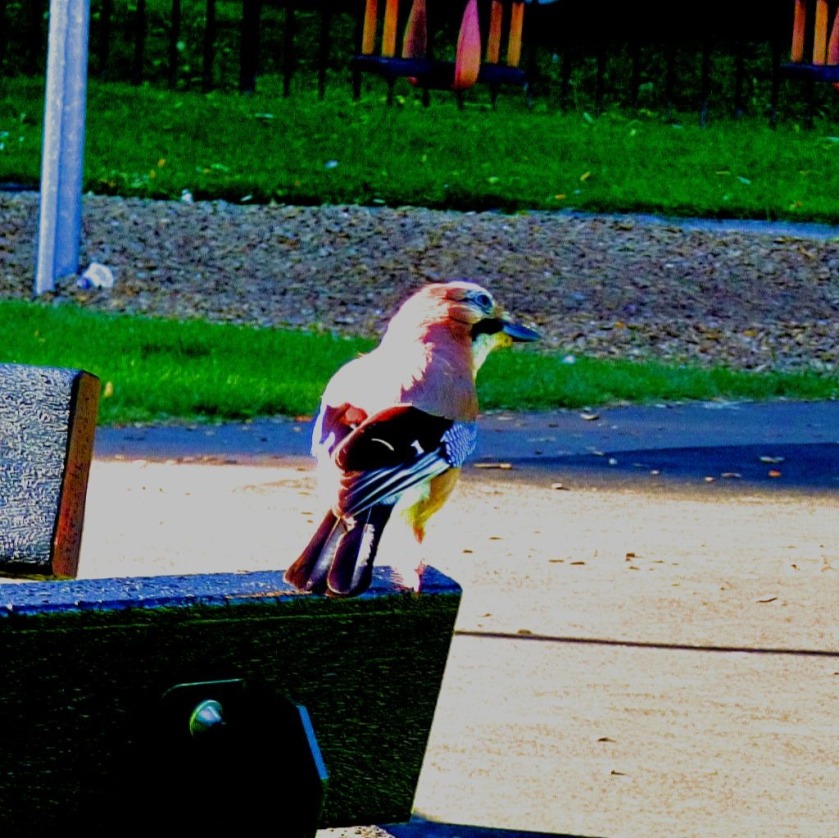
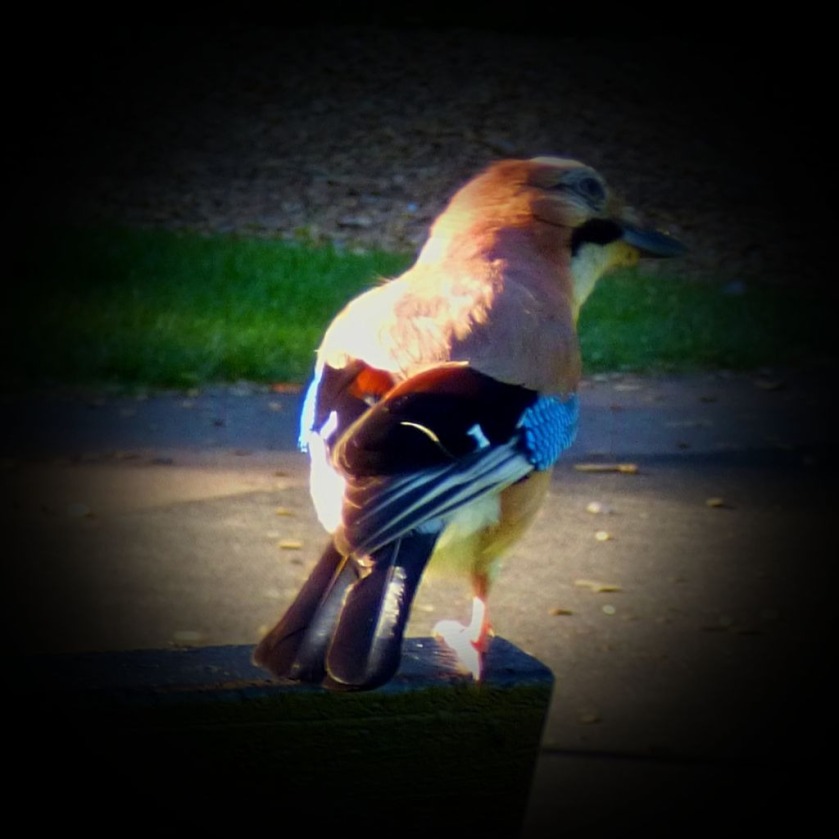
I saw this jay yesterday. This species is not threatened, but I use this caption to draw your attention to one that is, the nightingale. There is a petition to protect a threatened habitat for this bird at Lodge Hill – please sign and share it.
hjälpa nästa generation att få uppleva orörd natur på samma sätt som tidigare generationer.
hjälpa Trosa kommuns ekonomi på fötter genom att föreslå att stryka onödiga vägbyggnadskostnader.
ge er själva chansen att fortsätta ert bullerfria och utsläppsfria friluftsliv i Vitalisskogen, Hungaskogen och naturen på Tureholmshalvön.
På https://www.skrivunder.com/avbryt_infart_vastra_trosa
kan ni ge oss en klimatsmartare framtid genom att skriva på uppropet Behåll Trosas närnatur istället för att bygga Infart västra Trosa. Du behöver bara ange ditt namn och din epostadress. Epostadressen blir inte synlig i listan av undertecknare.
Save Trosa Nature petition
You can help us save Trosa nature for
future generations. They gonna need it badly if we fail to reach the climate goals.
better municipality economy by stopping the far too expensive road building project
improve your own chances to one day visit beautiful Trosa nature
Some of the creatures I observed in the course of my holiday in Greece.
INTRODUCTION
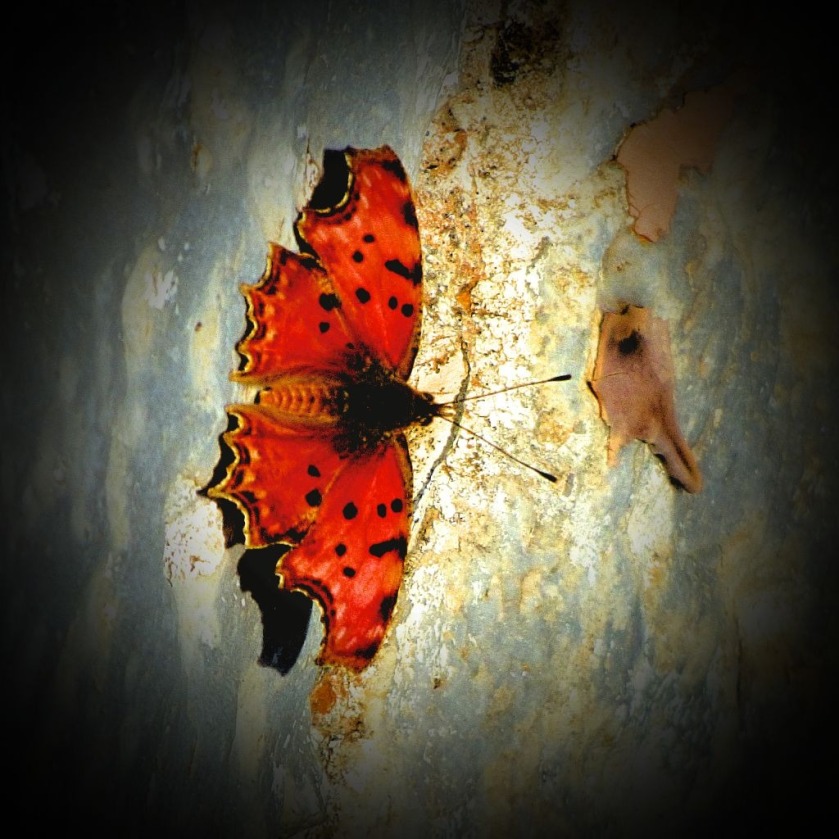
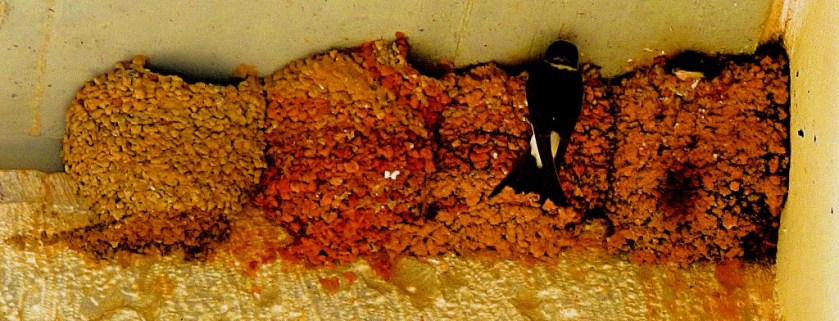
Welcome to the latest post in my series about my holiday in Greece (12th to 19th May). This one is an almost purely pictorial post showing some of the plant and animal life that I encountered there.
THE FLORA AND FAUNA I CAPTURED
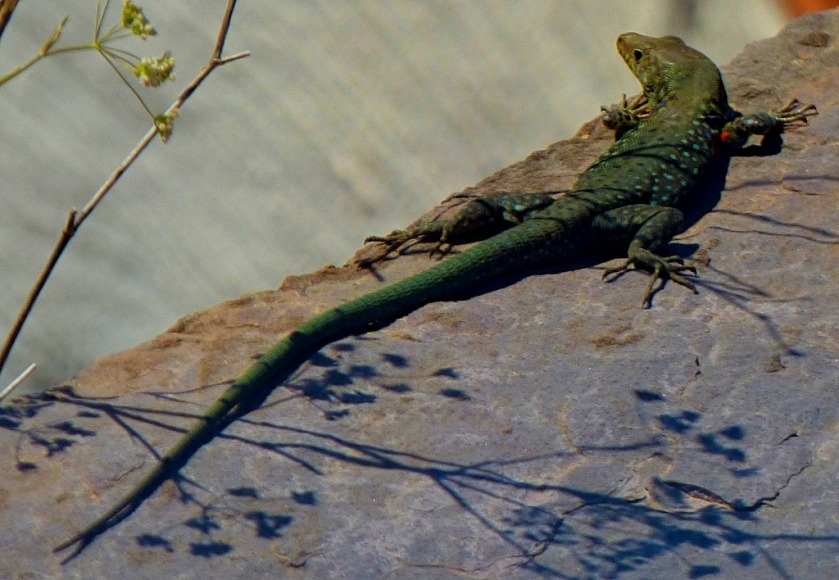
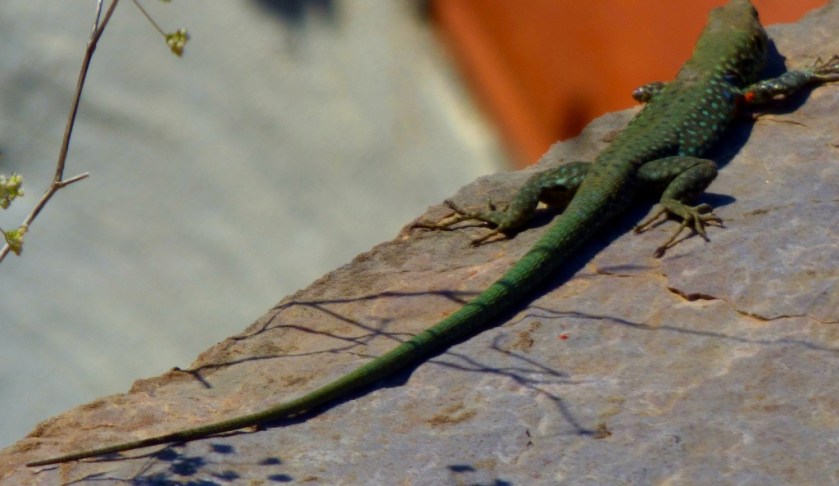
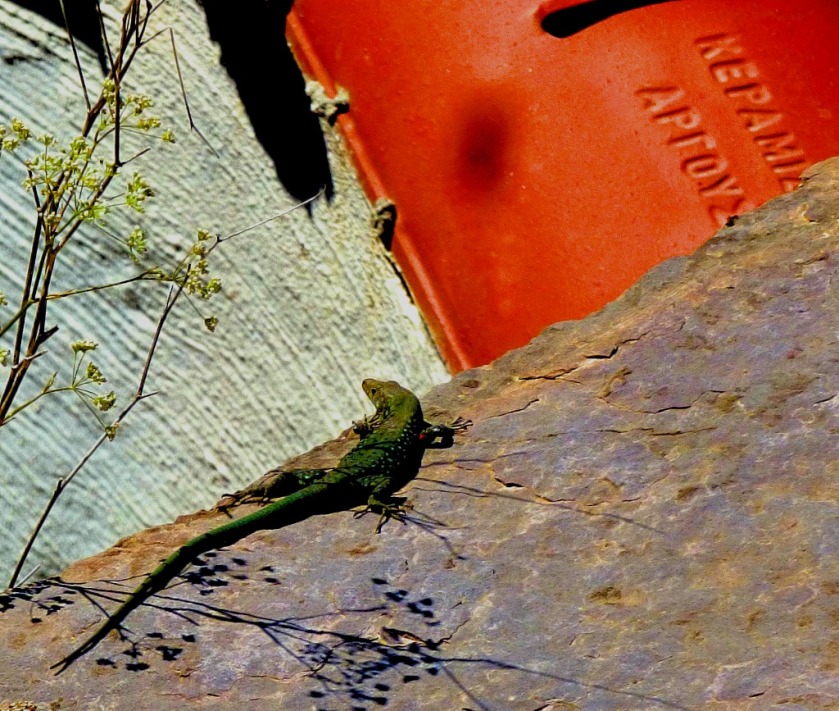
This little green lizard was the only such creature I amanged to capture on camera, but I also saw a larger yellow/brown lizard at Methoni, although it made itself scarce before I could photograph it.
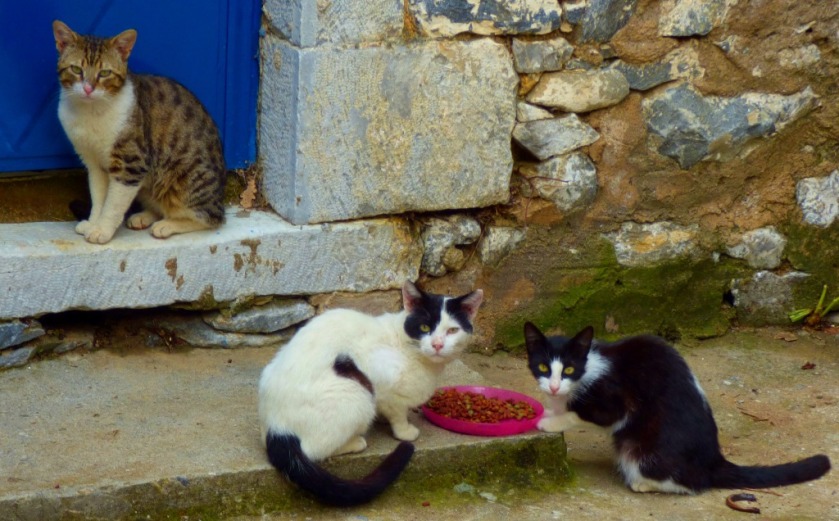
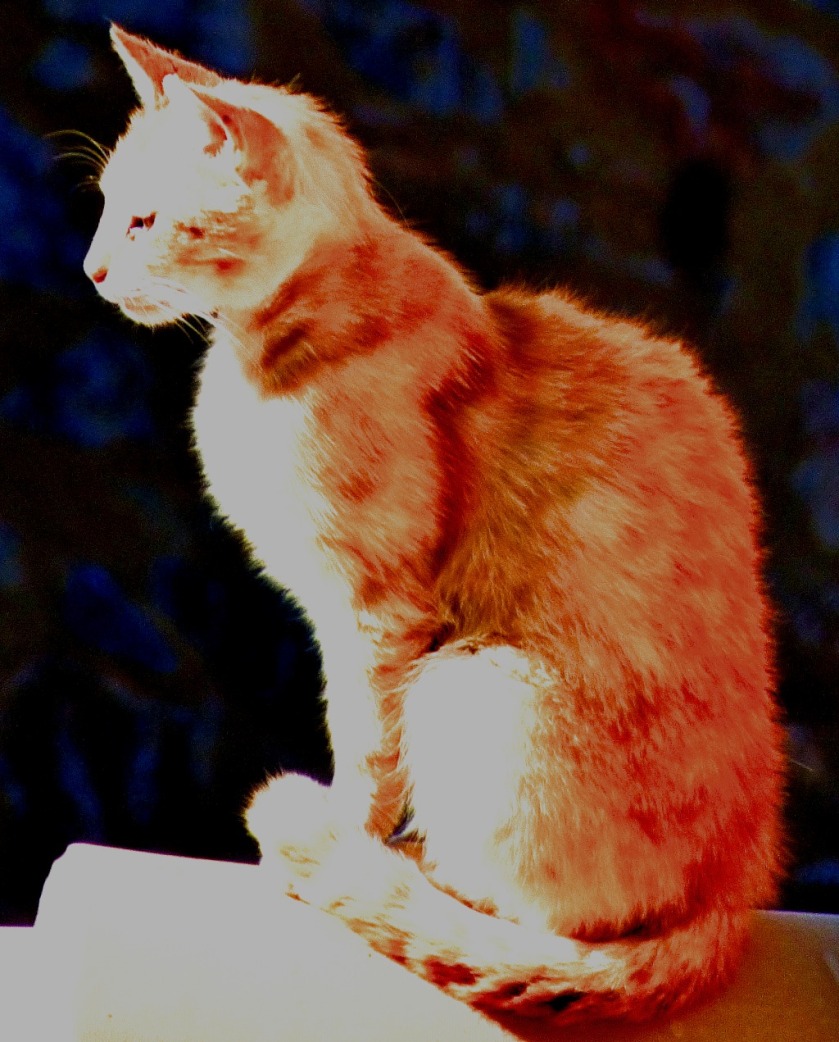
We had decided that we would put out cat food, but no treats, so the cats who visited were genuinely hungry..
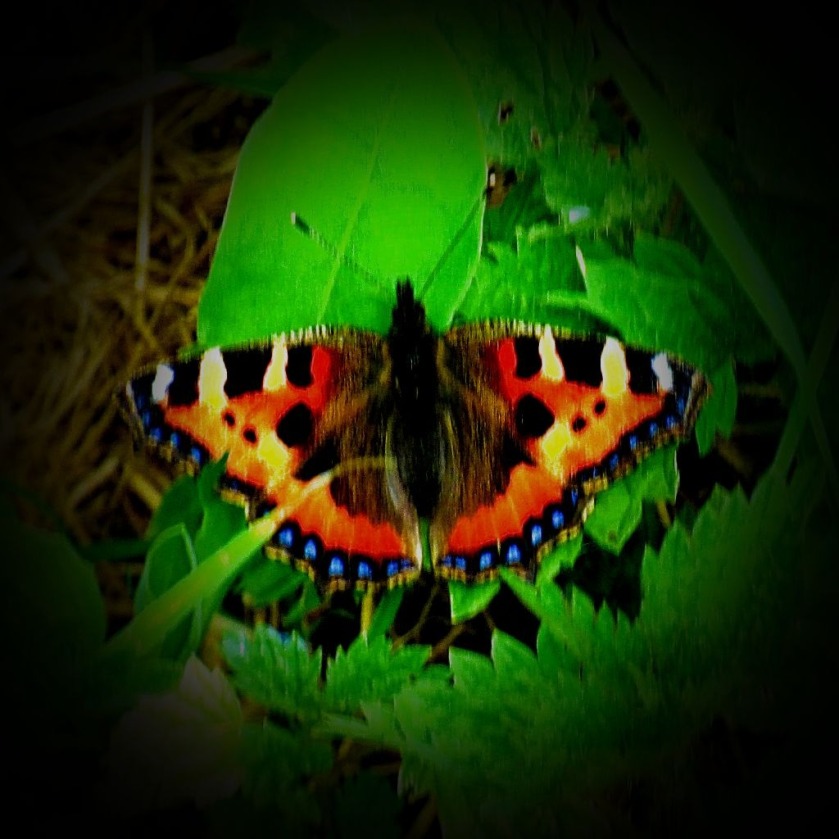
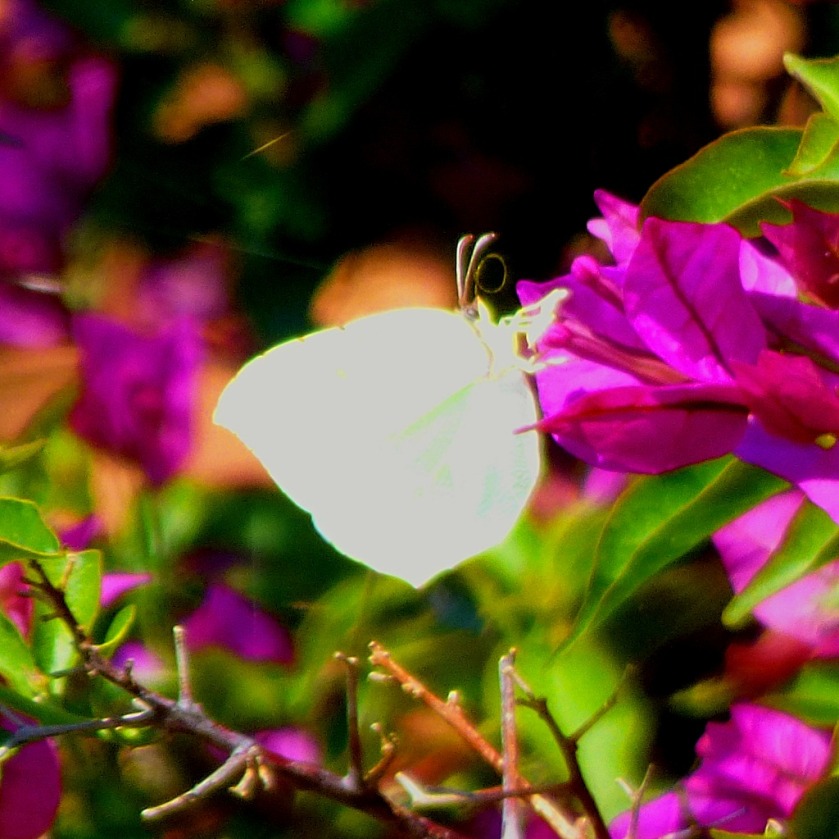
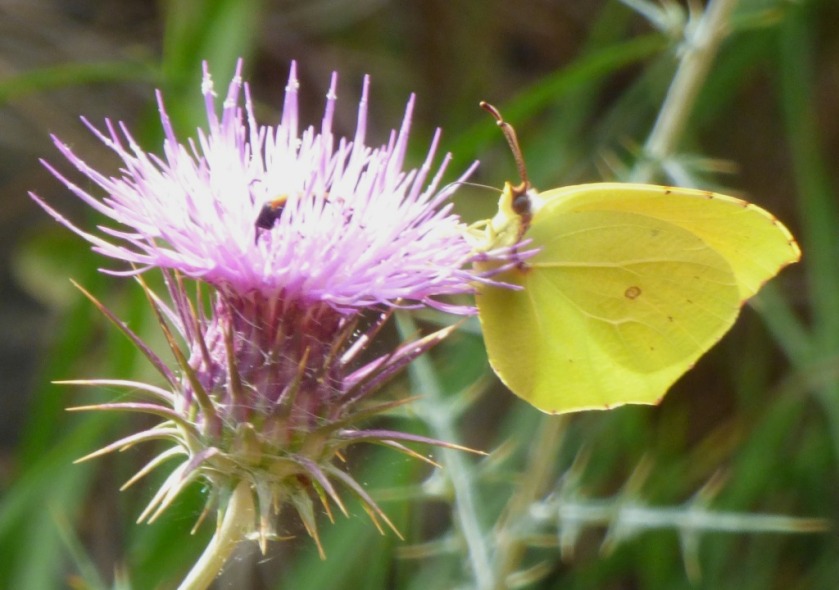
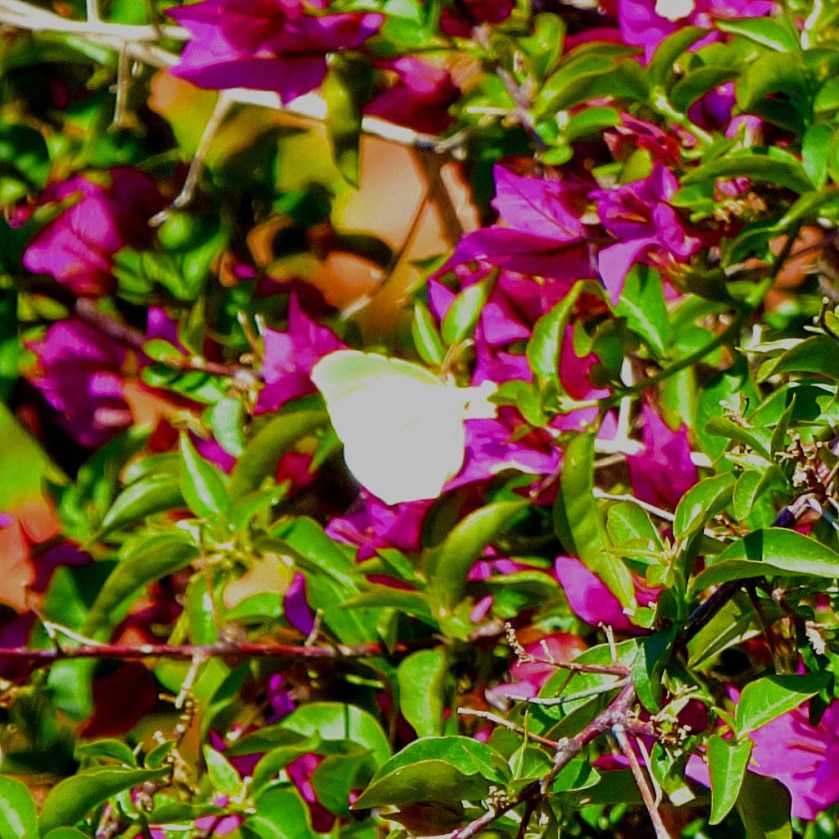
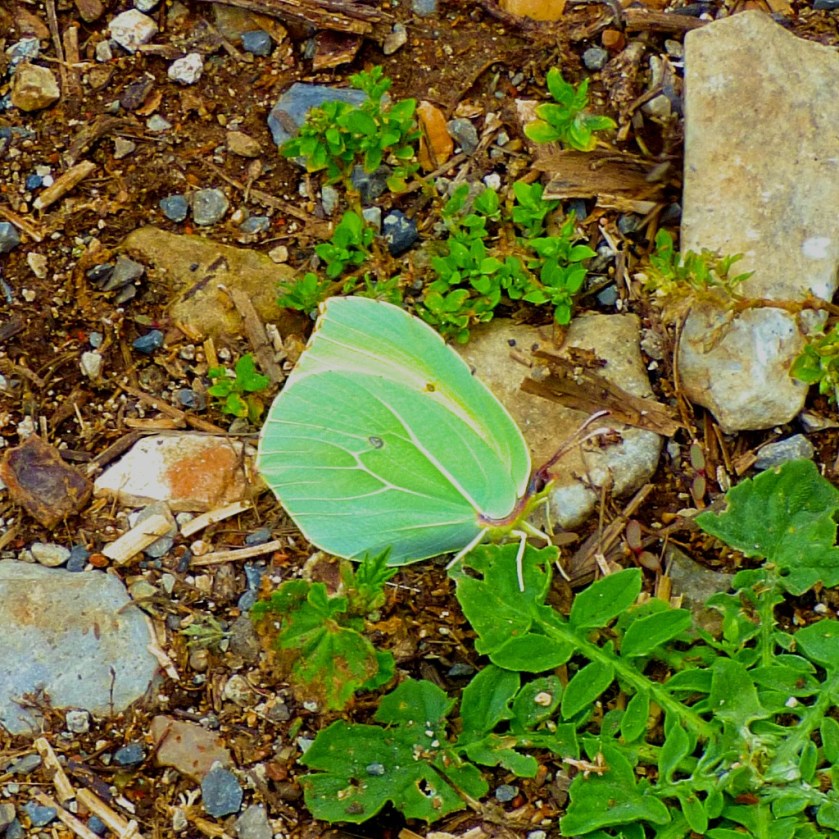
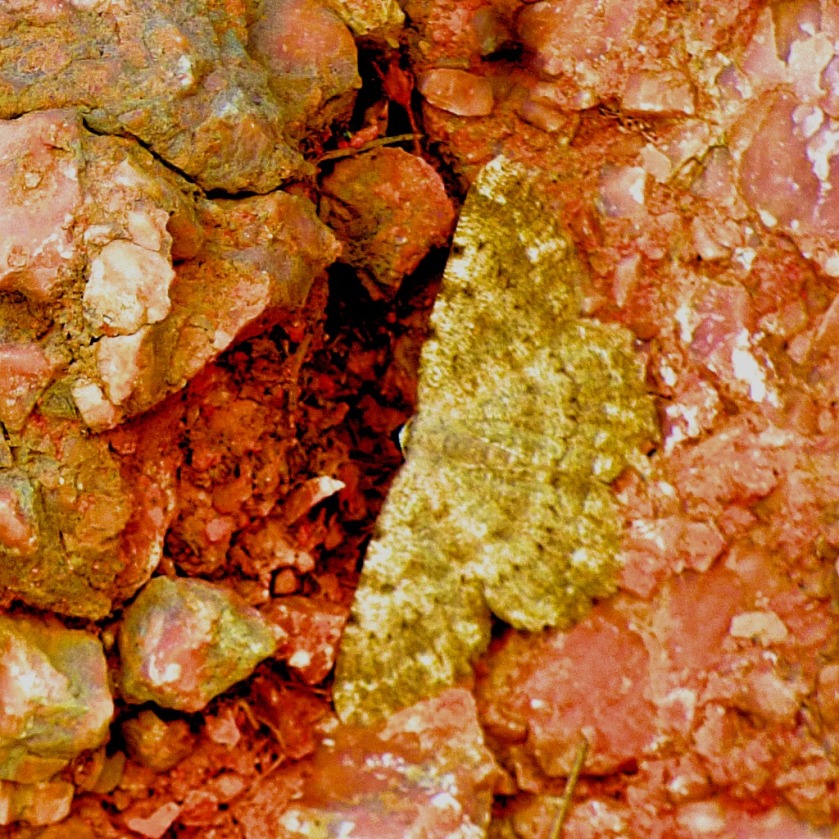
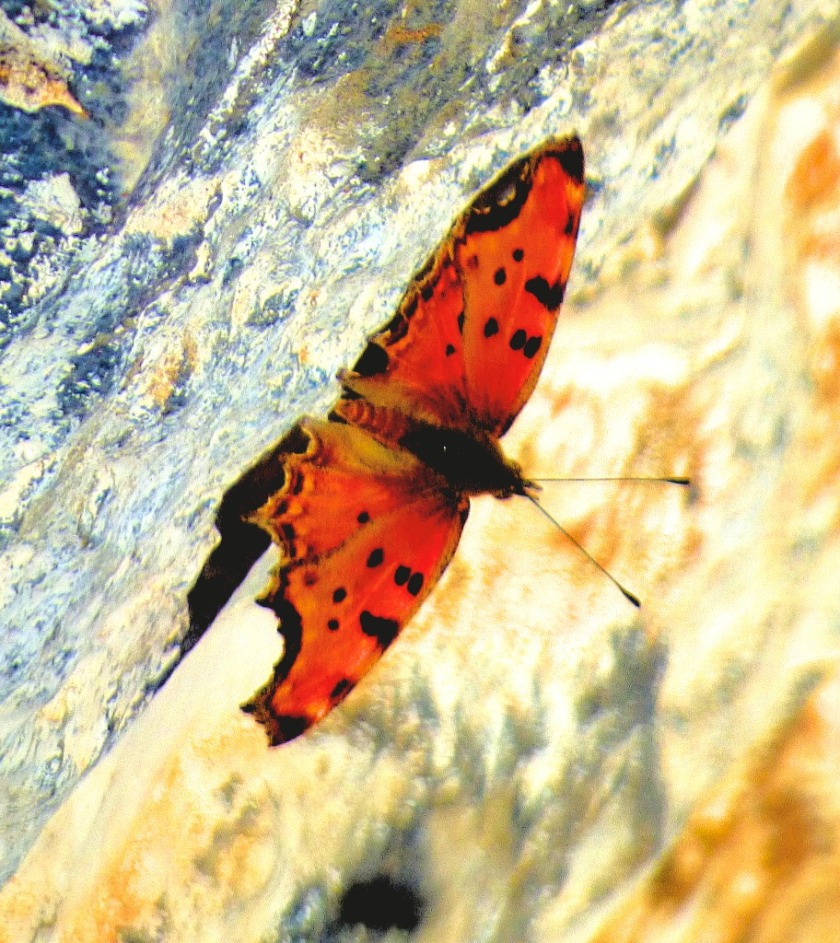
This picture and the next demonstrate that not all the butterflies in Greece are brightly coloured.
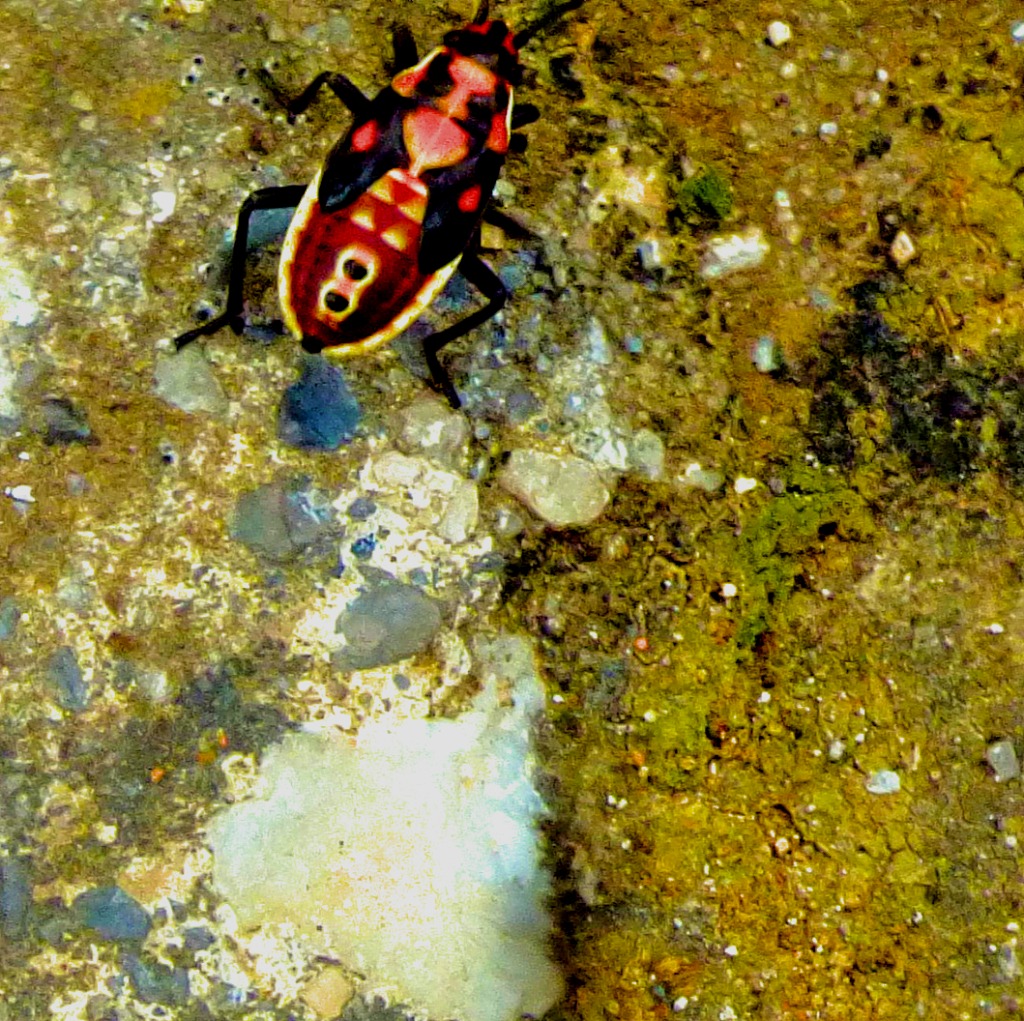
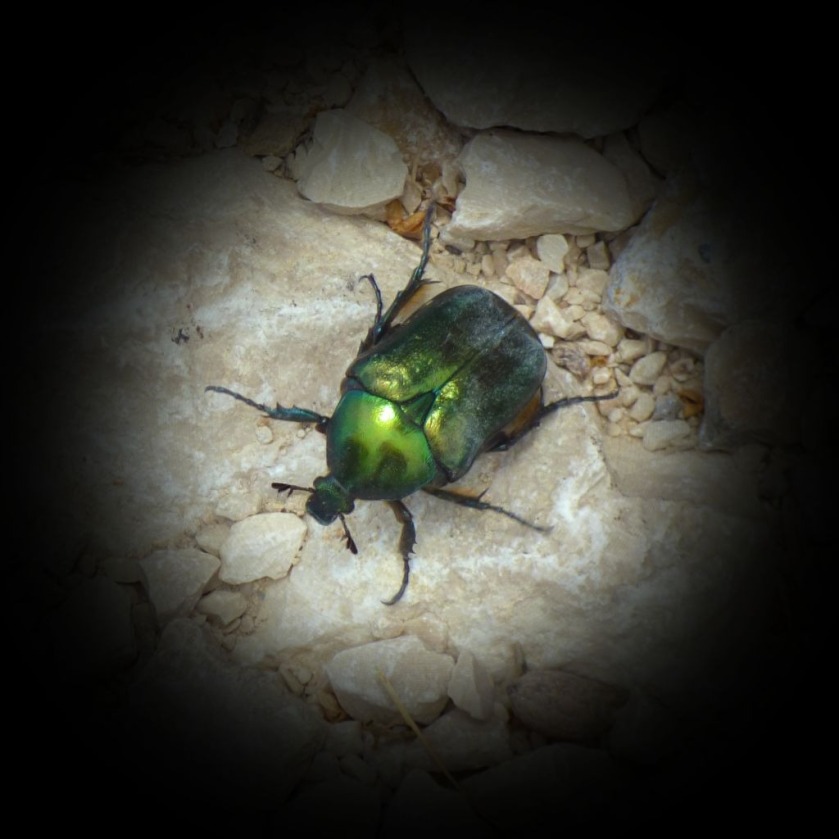
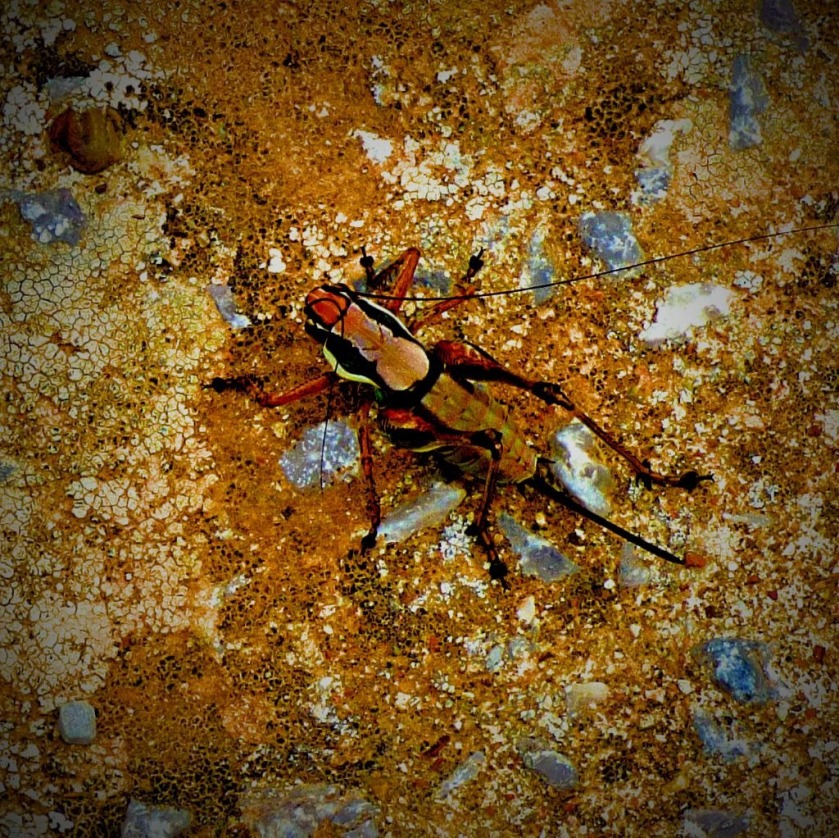
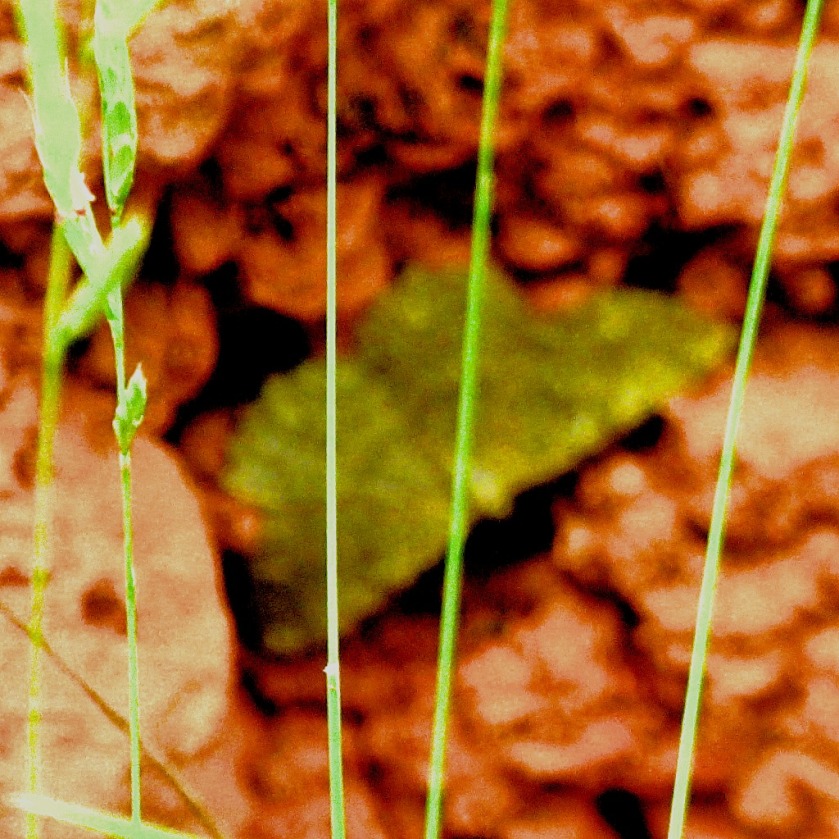
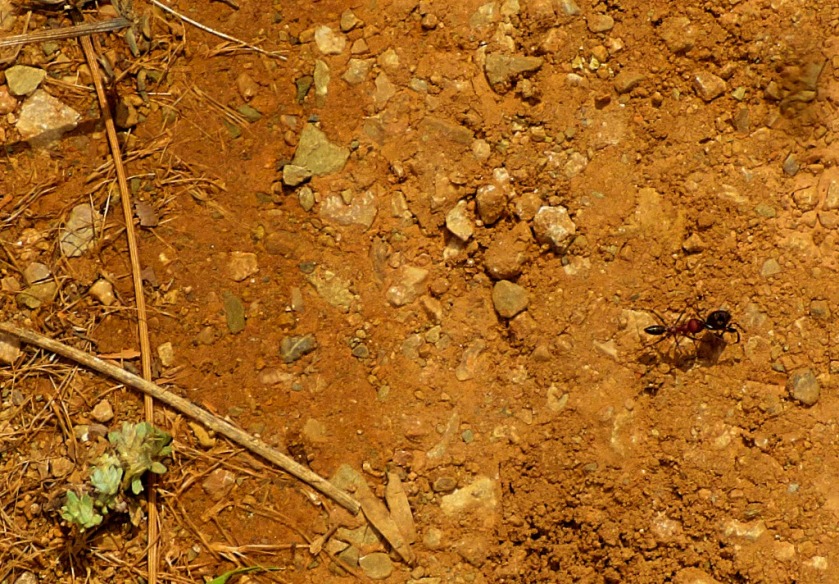
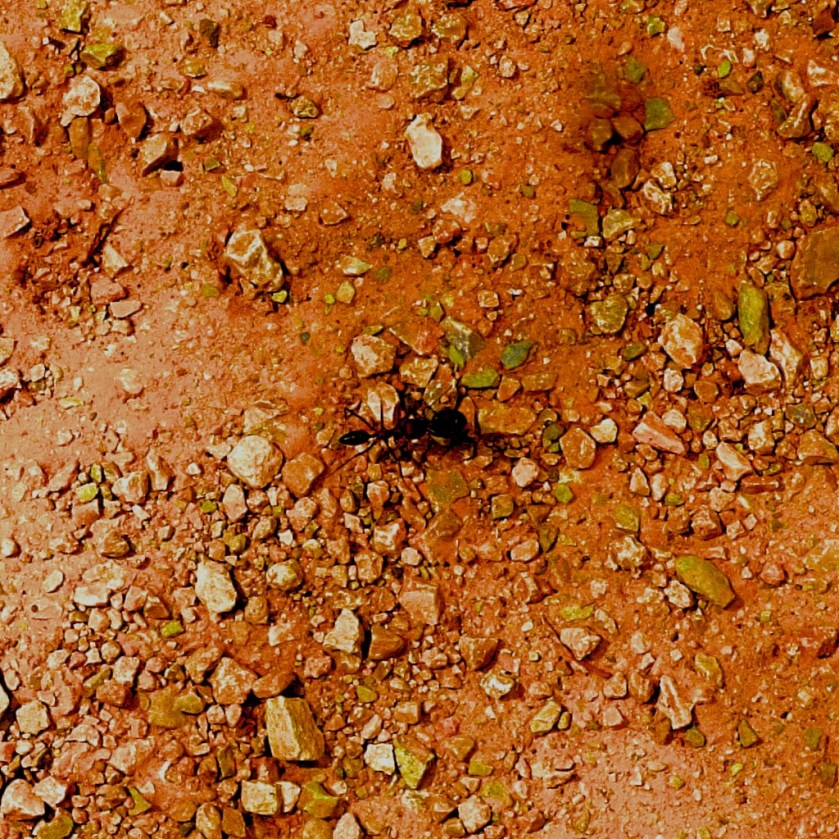
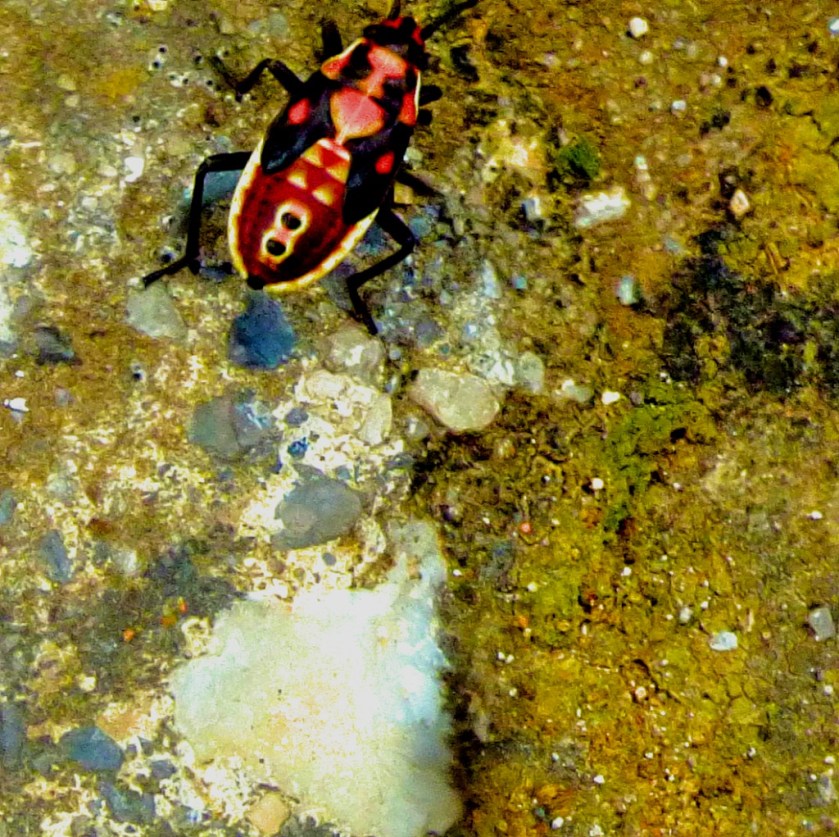
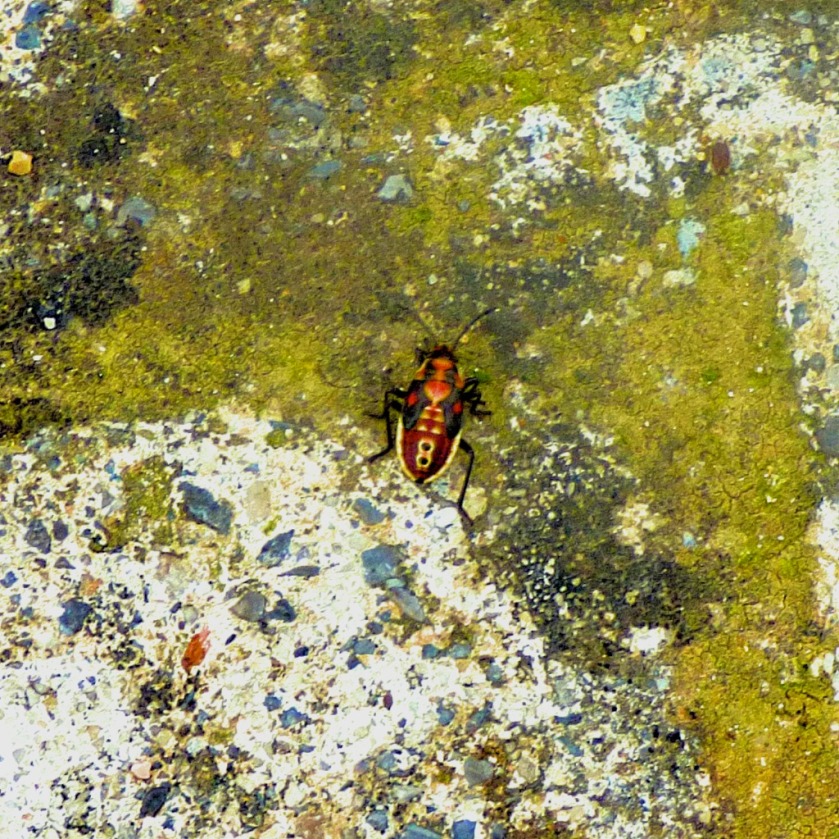
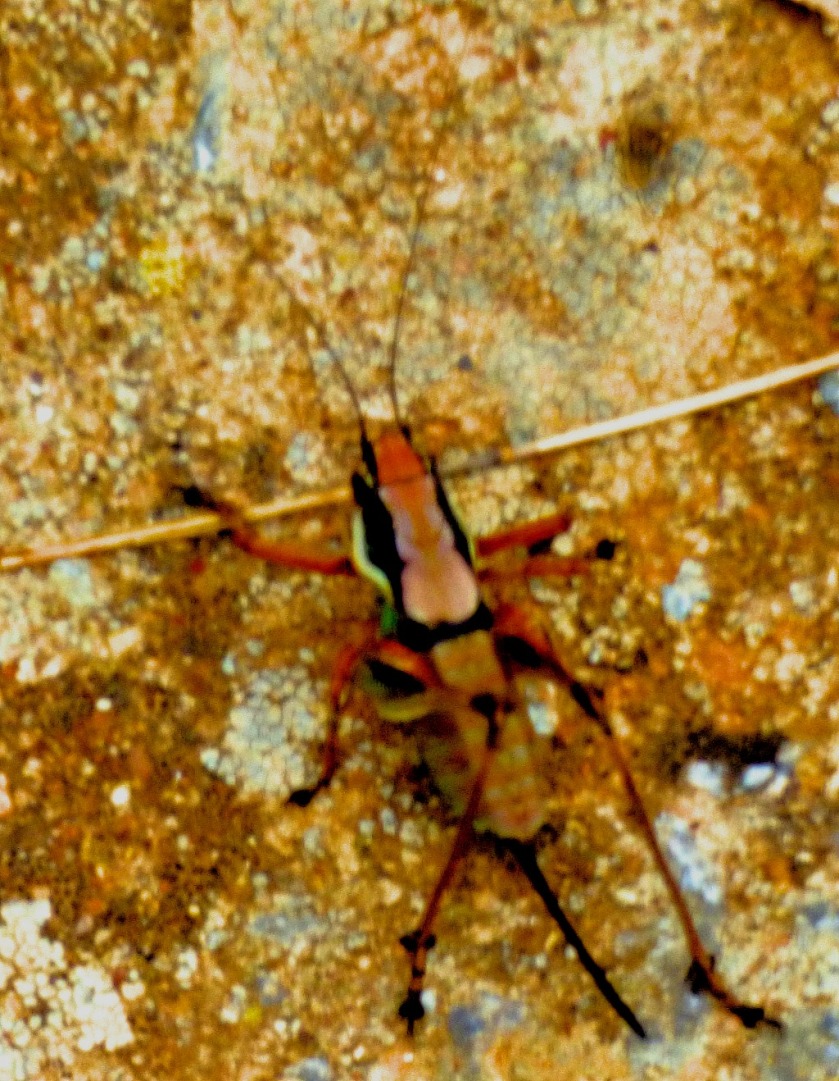
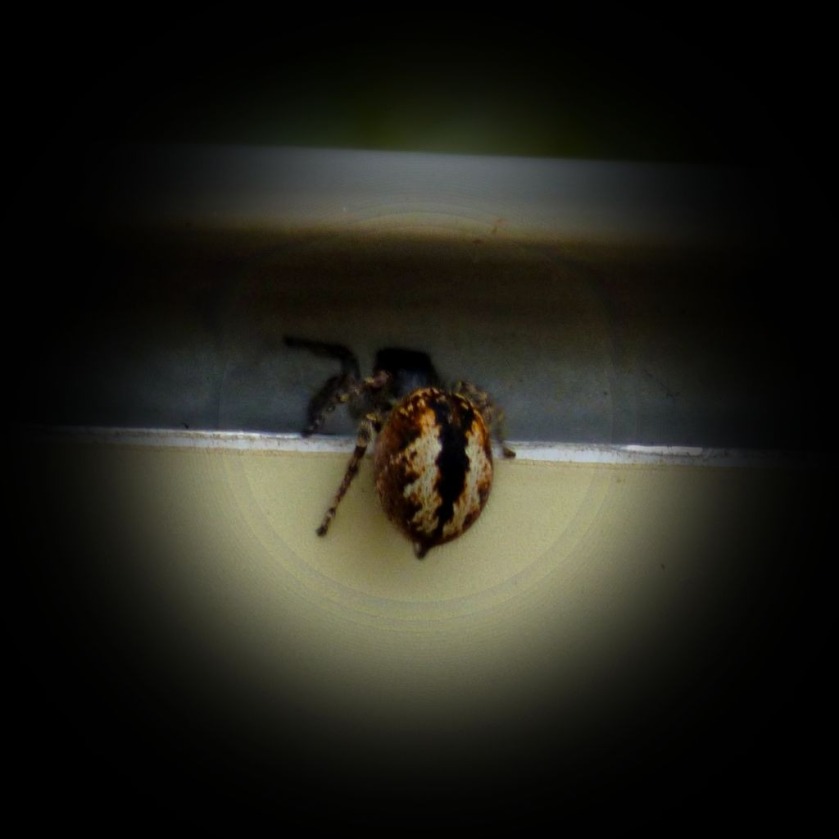
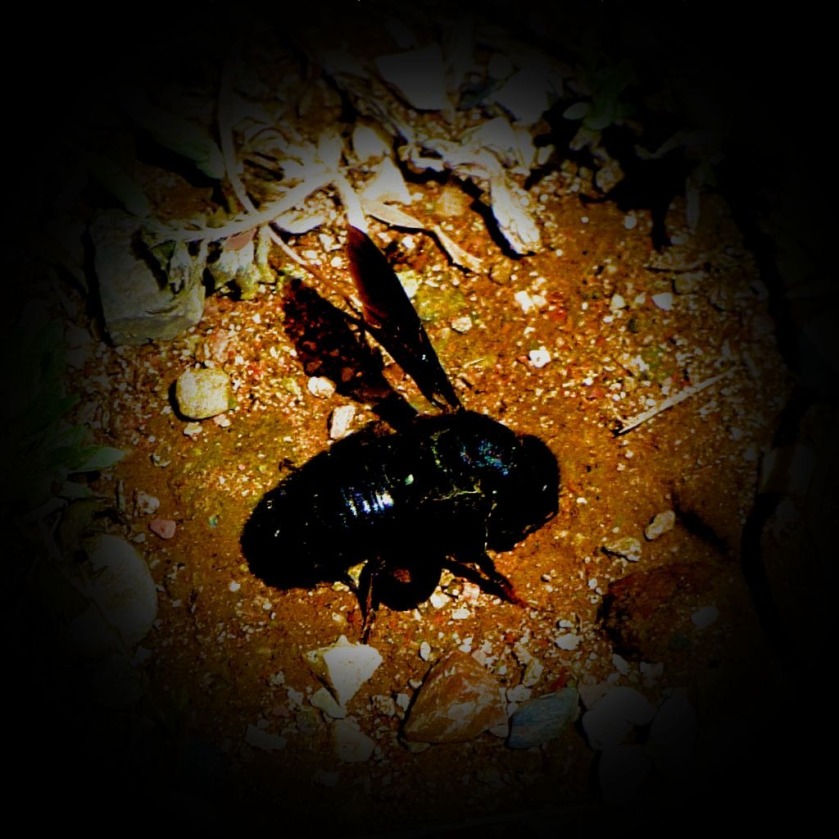
I saw this mountain snail during the ascent to Karytaina Castle, on the Friday, after the visit to Dimitsana.I could not identify this one with any confidence, although the shape suggests an arachnid of some sort rather than an insect.The size and shape of tbhis creature and the apparent solidity of its carapace suggested a large beetle, although such creatures do not usually display their wings when on the ground.
During one of the walks I saw a tiny snake which concealed itself very quickly, and I missed many other intended shots, but I think I got a fair selection!





































































































































 aspiblog