All Time XIs – Double L v Double T

An ‘all time XI’ post that continues the double letter theme from a couple of days ago. A team of players whose surnames contain a double L are pitted against a team of players whose name contains a double T.

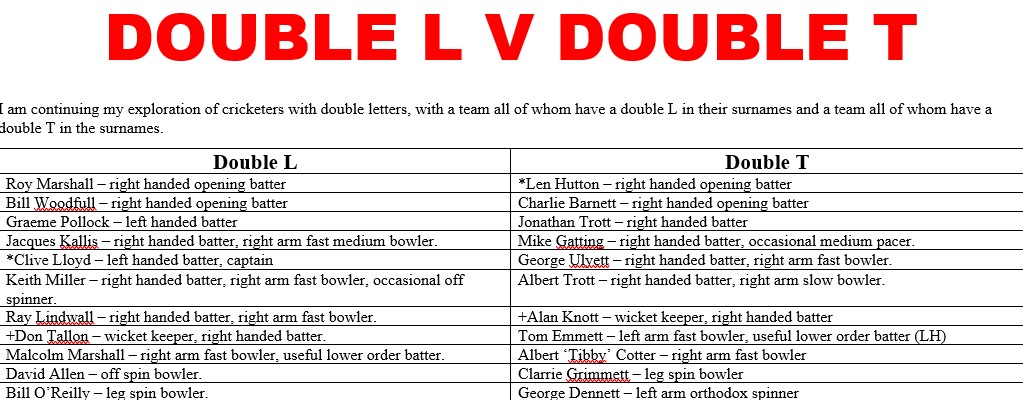
After my recent post about cricketers with double letters in their names I am exploring the theme further with a team of players all of whom have a double L in their surnames taking on a team of players all of whom have a double T in their surnames.

TEAM DOUBLE L

  1. Roy Marshall – right handed opening batter. He was part of the 1950 West Indies team that toured England, and there were those who reckoned that in terms of pure talent he was the equal of any of the three Ws. However, his main distinction was a brilliant overseas player for Hampshire, including playing a key role in their first ever County Championship.
  2. Bill Woodfull – right handed opening batter. He averaged 65 in first class cricket, 46 in test cricket. He once went two whole years without being out ‘bowled’ at all. Although both were right handers he represents a good contrast to Marshall as he was a blocker, while Marshall preferred a more flamboyant approach.
  3. Graeme Pollock – left handed batter. A test average of 60.97, including a highest score of 274.
  4. Jacques Kallis – right handed batter, right arm fast medium bowler. A man who averaged over 50 with the bat and in the low 30s with the ball. Just as Woodfull was a blocker to accompany Marshall the hitter, so Kallis’ approach is much more staid than was that of Pollock.
  5. *Clive Lloyd – left hander batter, captain. 7,515 test runs for the Guyanese giant. He scored the joint second fastest first class double hundred ever, reaching that mark in precisely 120 minutes v Glamorgan, thereby equalling Gilbert Jessop who reached 200 in the same length of time for Gloucestershire v Sussex. He made a century in the final of the first ever men’s cricket world cup (the women had taken their bow in this format two years previously).
  6. Keith Miller – right handed batter, right arm fast bowler, occasional off spinner. Australia’s greatest ever all rounder, and one the two individuals in whose honour the Compton-Miller medal was named. He once took a seven-for in his secondary bowling style, on a Brisbane pitch (uncovered in those days) that had been turned into a mud heap by heavy overnight rain.
  7. Ray Lindwall – right arm fast bowler, right handed batter. He scored two test centuries with his batting, while has bowling record was outstanding.
  8. +Don Tallon – wicket keeper, right handed batter. Rated by many of those who saw him (including Bradman) as the greatest of all keepers, and a capable batter.
  9. Malcolm Marshall – right arm fast bowler, useful lower order batter. An all-time great of fast bowling.
  10. David Allen – off spinner. The Gloucestershire bowler took his first class wickets (over 1,200 of them) at 23.64, and was unlucky that his prime years coincided with those of Titmus and Illingworth, which limited his test exposure. I opted for him over Illingworth because he was a slower bowler than Illingworth, contrasting nicely with my other front line spinner who was notably quick for a bowler of his type…
  11. Bill O’Reilly – leg spinner. He bowled his leg breaks at a briskish medium pace and had a well concealed googly in his armoury. Although the pair famously did not get on Bradman rated O’Reilly high enough to include him in his all time World XI, covered in detail by Roland Perry in “Bradman’s Best”.

This team has a stellar top five, a legendary all rounder at six, a great bowling all rounder at seven, an all-time great keeper who could also bat at eight and three quality bowlers to round out the order. Only David Allen, included for reasons of balance (apologies Mr D K Lillee, four fast bowlers plus Kallis with only O’Reilly as a spin option just doesn’t look right). could be considered other than great. Another fast bowler who could not be accommodated on similar grounds was big Bob Willis. Phil Tufnell might have had the second spinner’s berth, but his successes were too sporadic to make him eligible as far as I am concerned.

TEAM DOUBLE T

  1. *Len Hutton – right handed opening batter, captain. Take a look at his outstanding record and then consider that he missed six years of his prime due to World War II, from which he also emerged with one arm shorter than the other following an accident.
  2. Charlie Barnett – right handed opening batter. Again combining a blocker and a hitter for our opening pair. In the Trent Bridge test of 1938 he was 98 not out by lunch on the first day, opening with Hutton. There is a story that a spectator once arrived a few minutes late a Bristol and saw that one over had gone and the score was 20-1 – Barnett had hit five fours and then been dismissed by the sixth ball!
  3. Jonathan Trott – right handed batter. From 2010 to 2012 he was a superb no3, including scoring two centuries in an Ashes series in Australia, the first to help save the first match at the Gabba and the second to bury Australia at the MCG after the hosts were dismissed for 98 on the opening day.
  4. Mike Gatting – right handed batter, occasional medium pacer. A combination of a very slow start at international level and the fact that he played on for too long at the end makes his test record look ordinary, but for the second half of the 1980s he was superb at that level.
  5. George Ulyett – right handed batter, right arm fast bowler. A test best score of 149, and he also had a seven-for at that level.
  6. Albert Trott – right handed batter, right arm slow bowler. He made a sensational start to his test career, taking 8-43 in one innings of his debut match and also scoring 110 undefeated runs in his own two batting innings (38* and 72*). He also featured prominently in his second test match, but was surprisingly overlooked for the 1896 tour of England captained by his brother Harry. He travelled over anyway, signed for Middlesex, and was a few years the best all rounder in the game. Even after his star had faded he had occasional spectacular moments, such as the devastating spell in his benefit match where in a short space of time he took four wickets in four balls and followed up with another hat trick to finish things, unfortunately to the detriment of his financial well being. He played three times for England against South Africa, and his test record from five matches played shows a batting average of 38 and a bowling average of 15 (26 wickets, including two five fors, but no ten wicket match).
  7. +Alan Knott – wicket keeper, right handed batter. One of the greatest of all glovemen and he tended to score his runs when they were most needed.
  8. Tom Emmett – left arm fast bowler, left handed batter. At a time when such were much scarcer than today he was good enough with the bat to score a first class hundred, and his averages at that level are the right way round – 14.84 with the bat and 13.55 with the ball. Test cricket came too late for him (he was already 35 when he played in the first ever test match, the first of seven such appearances).
  9. Albert ‘Tibby’ Cotter – right arm fast bowler. Had a fine record for Australia in the first decade of the 20th century.
  10. Clarrie Grimmett – leg spinner. 216 test wickets in 37 matches at that level, and more first class wickets (1,424) than anyone else who never played in the County Championship.
  11. George Dennett – left arm orthodox spinner. 2,151 first class wickets at 19.82 and never played for his country. Against Northamptonshire in 1907 he had match figures of 15-21, only to see rain save his opponents in the end. Gloucesterhsire scored 60 all out in the first innings, Northants then crumbled for just 12, Dennett 8-9, Jessop 2-3, Gloucestershire then made 88 at the second attempt, and set 137 to win Northants were 40-7, Dennett 7-12, when the rain made its final decisive intervention.

This side has depth in batting, with everyone down to Emmett at eight capable of making a significant contribution, a superb bowling attack with Emmett, Cotter and Ulyett to bowl fast, and Grimmett and Dennett two great spinners.

PHOTOGRAPHS

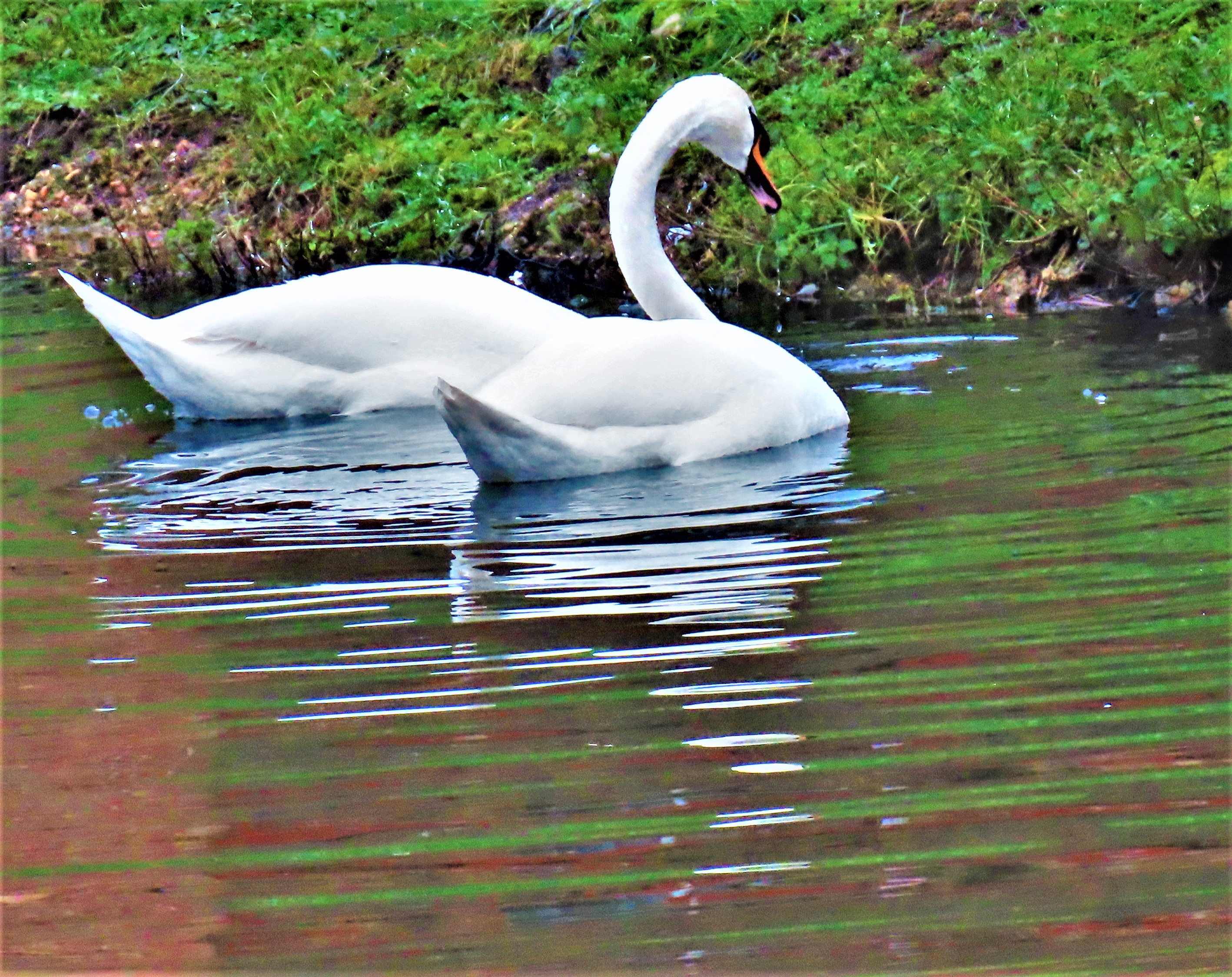
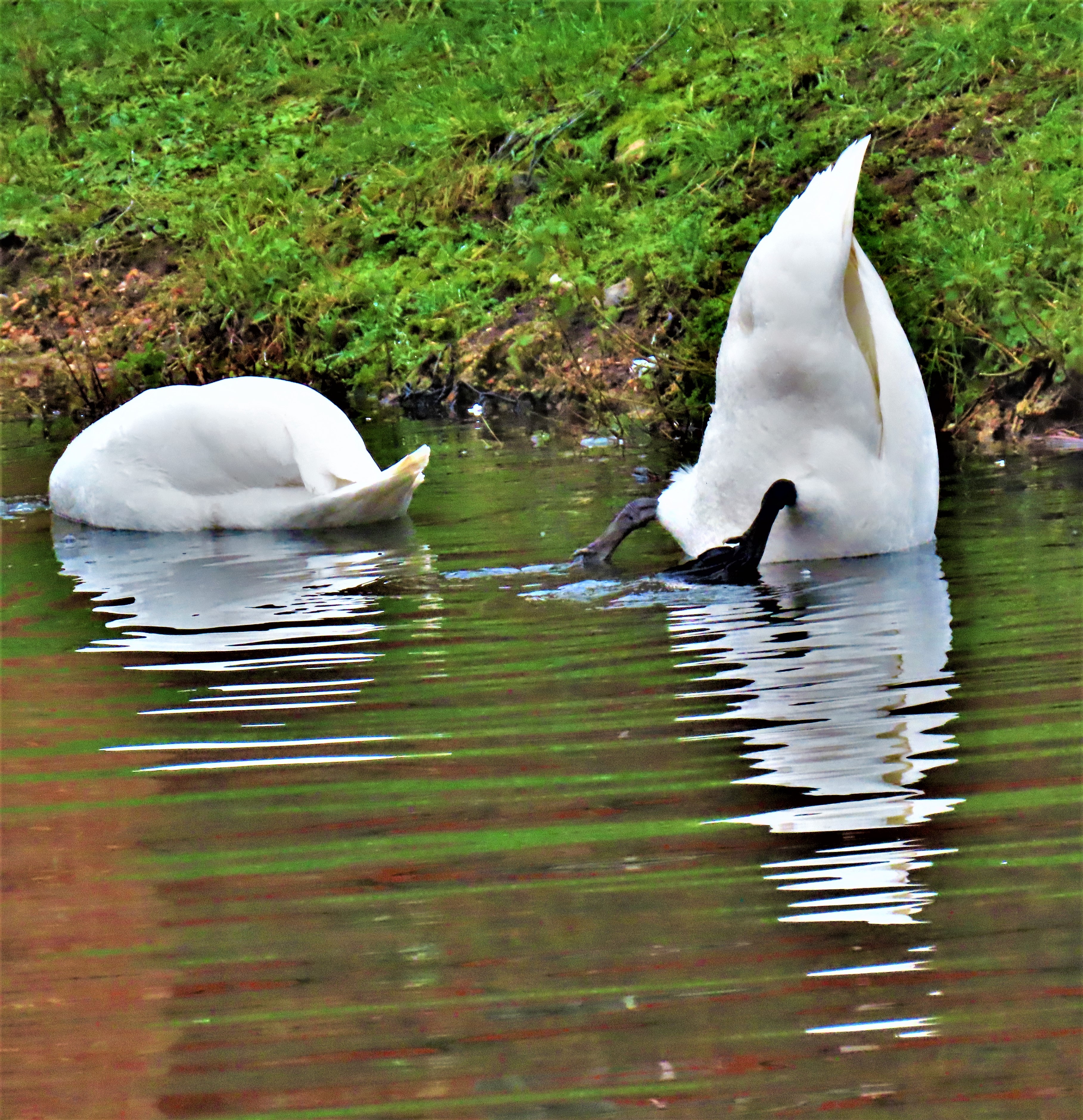
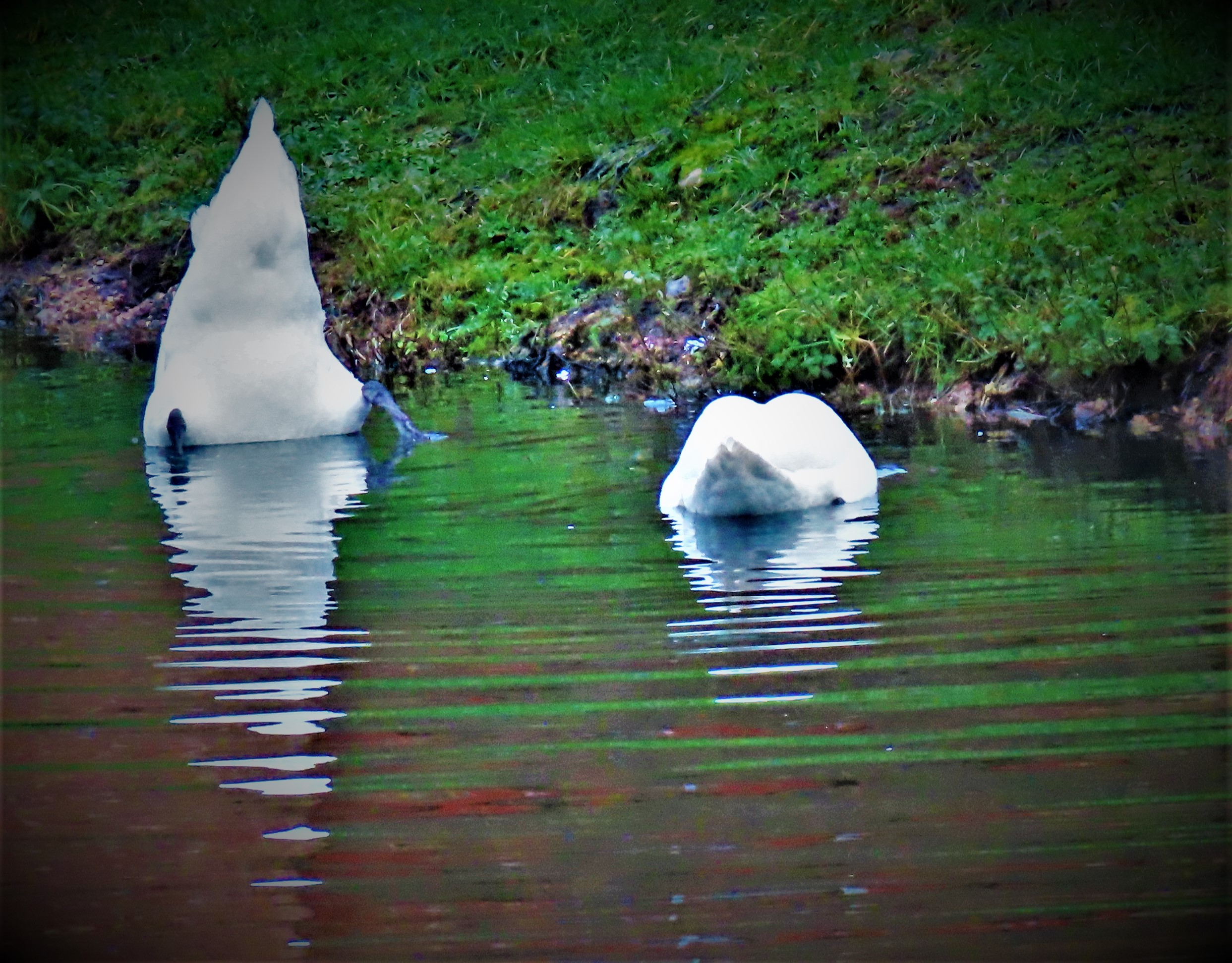
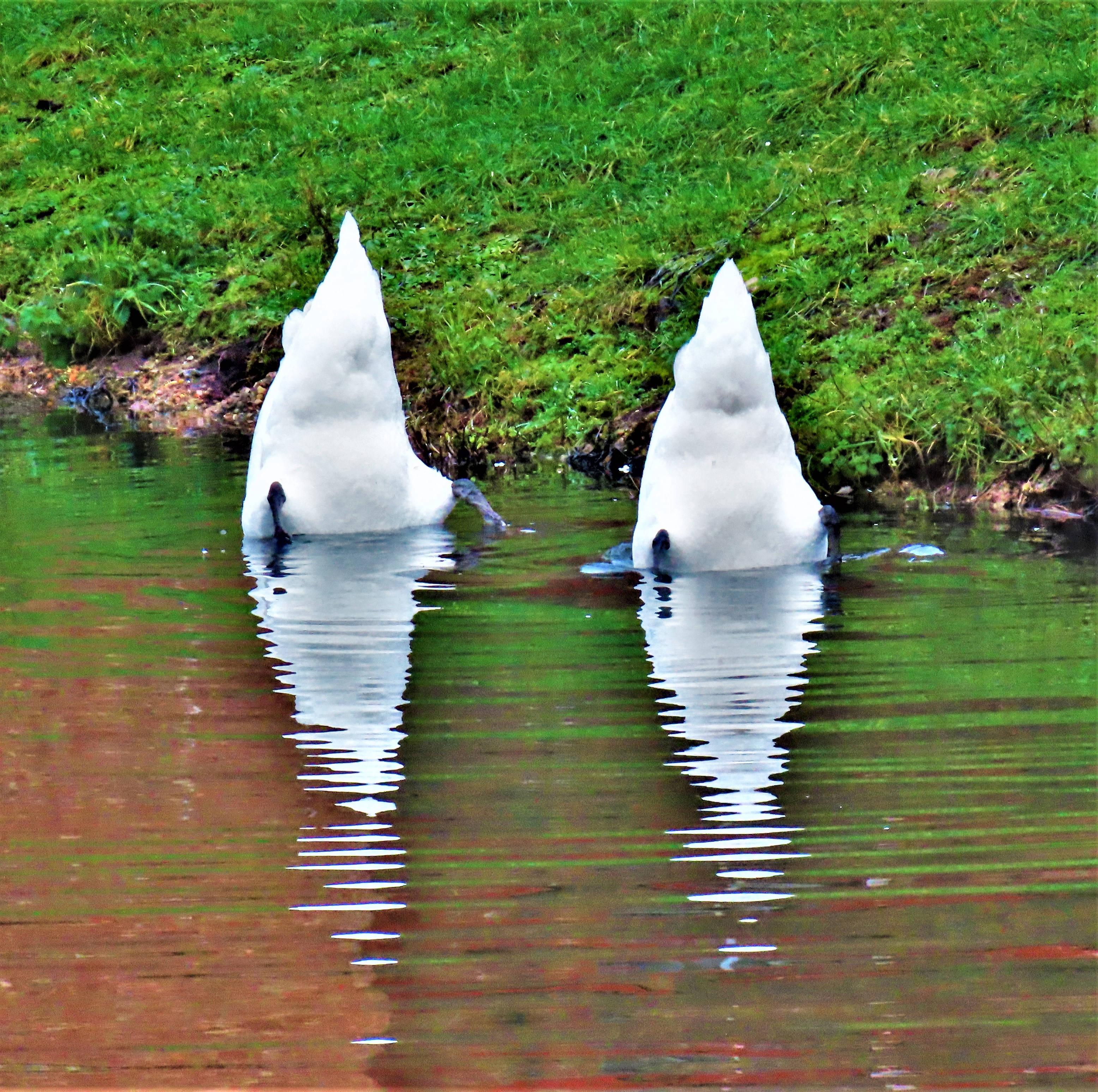
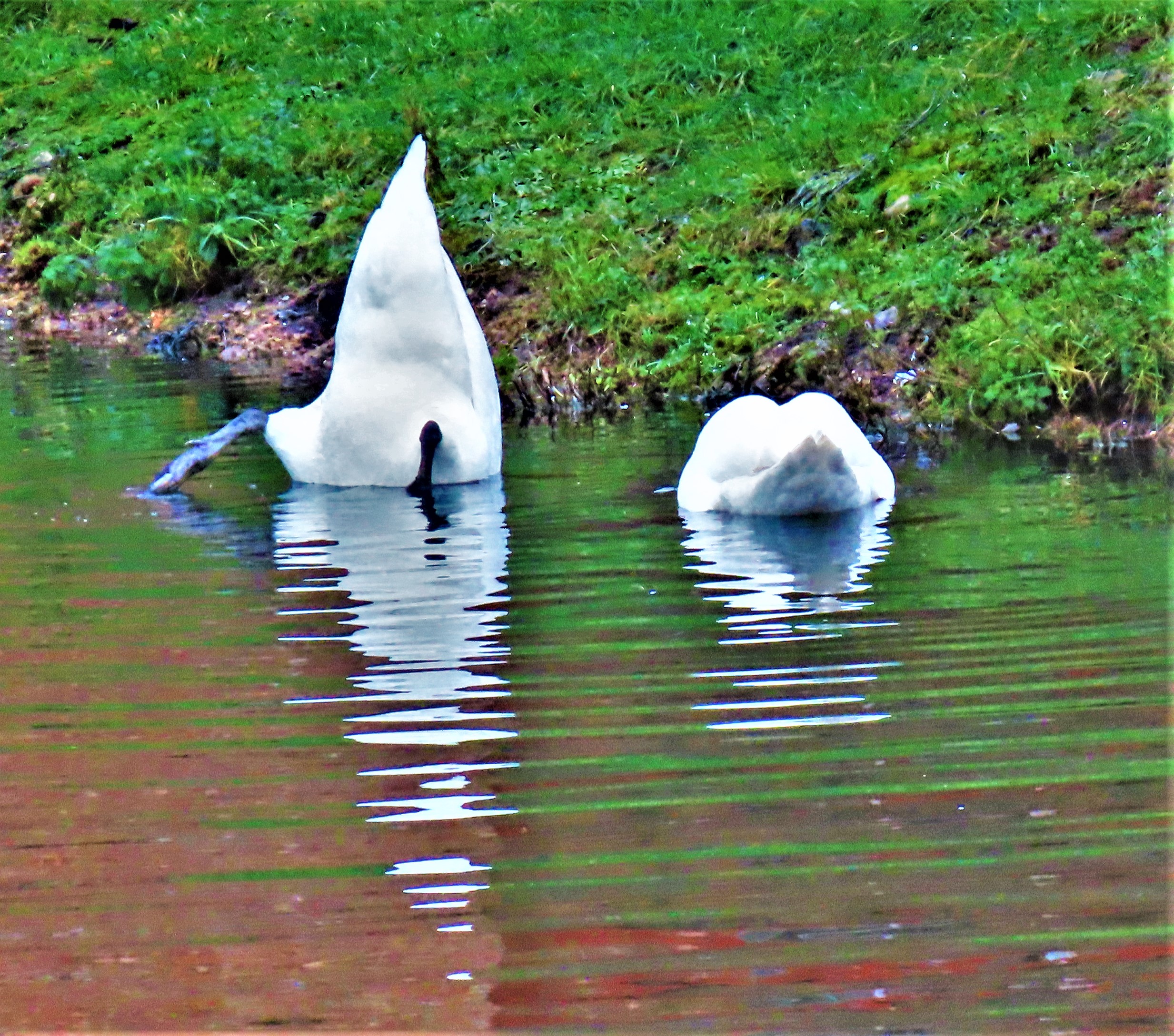
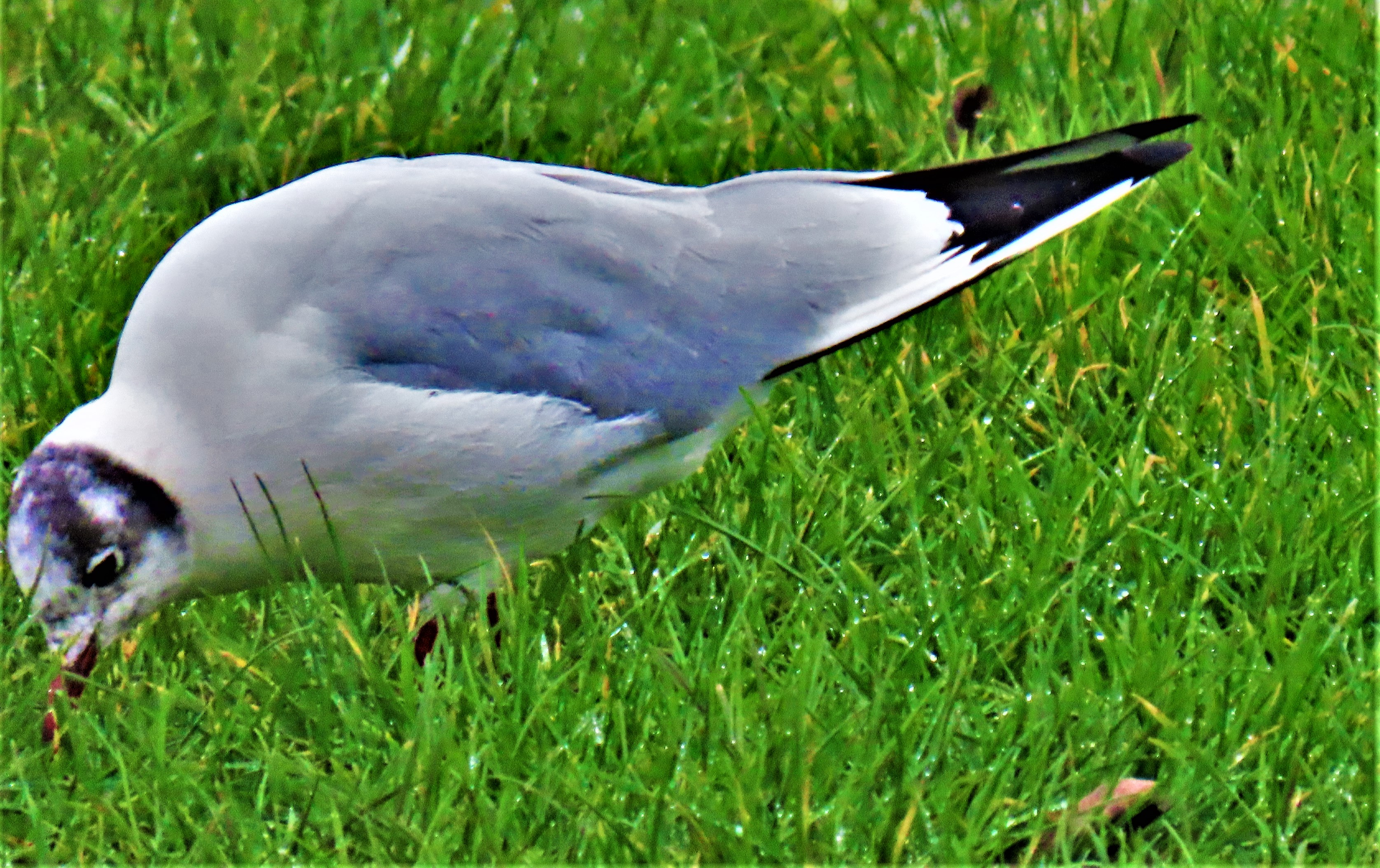
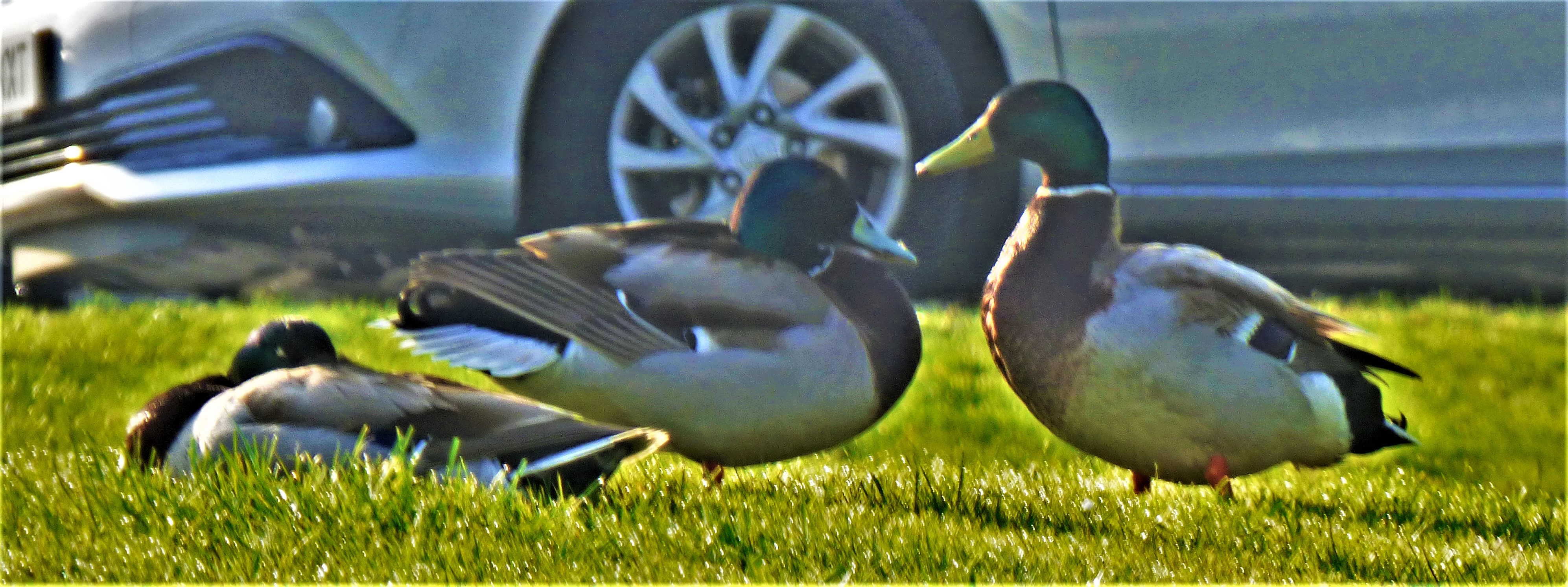
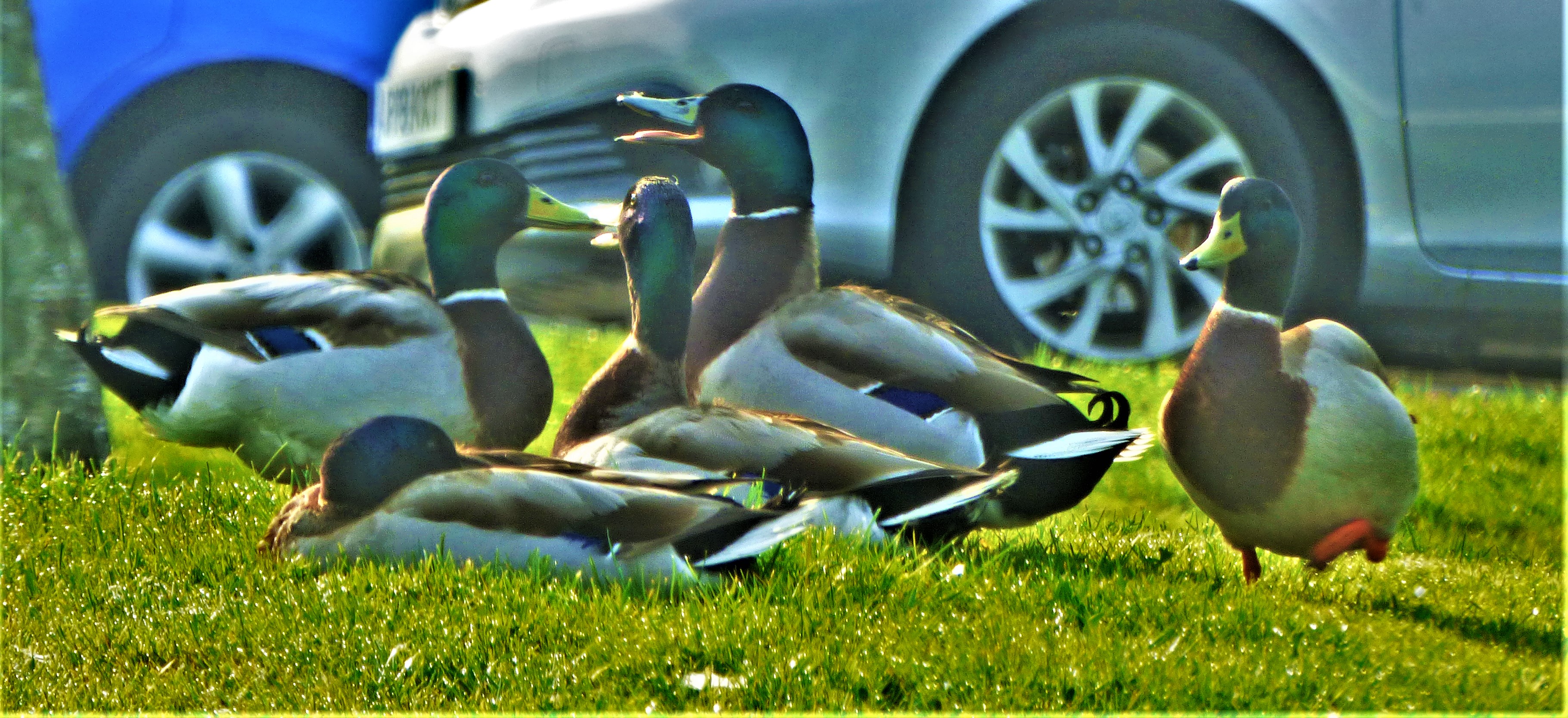
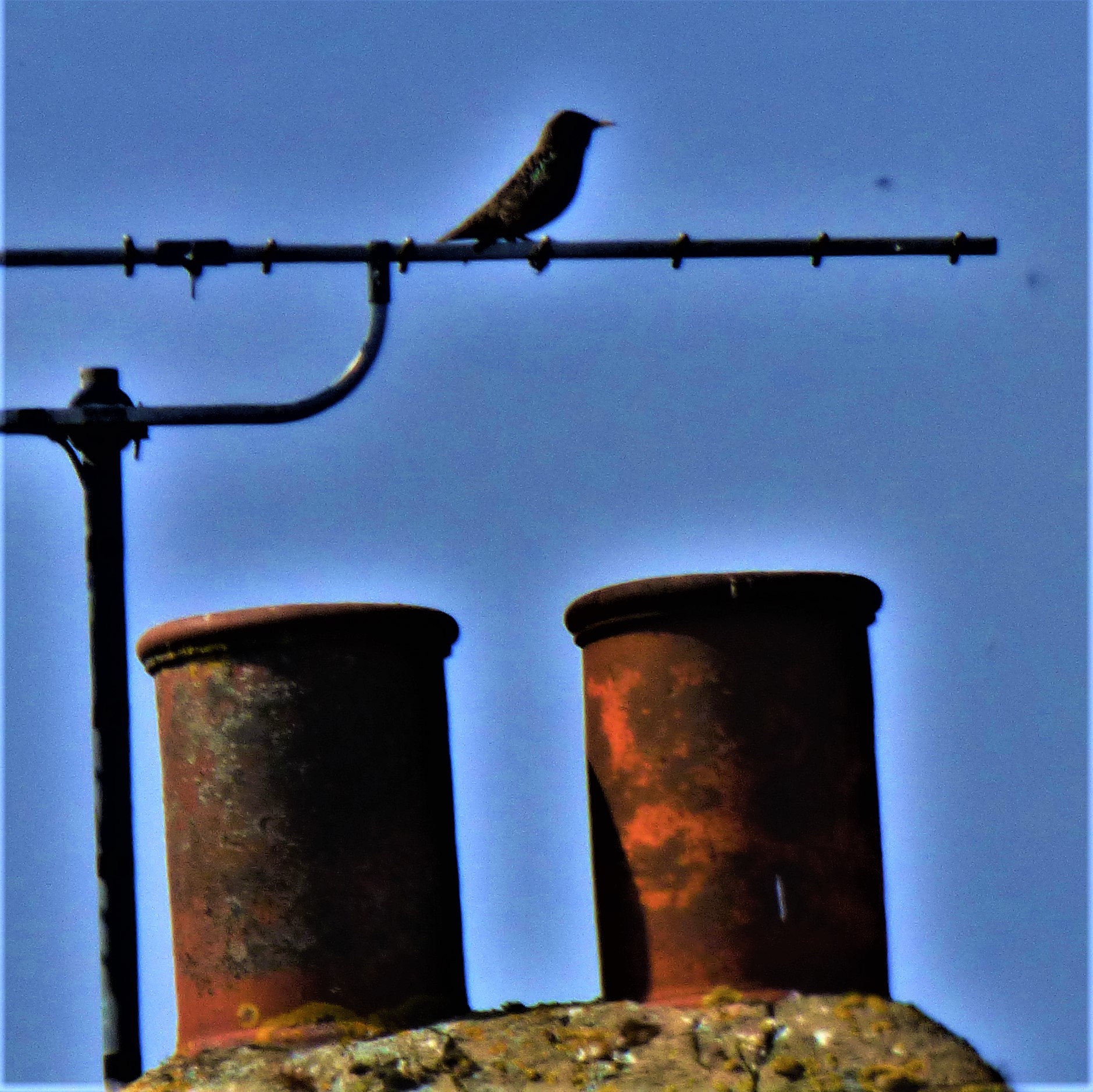
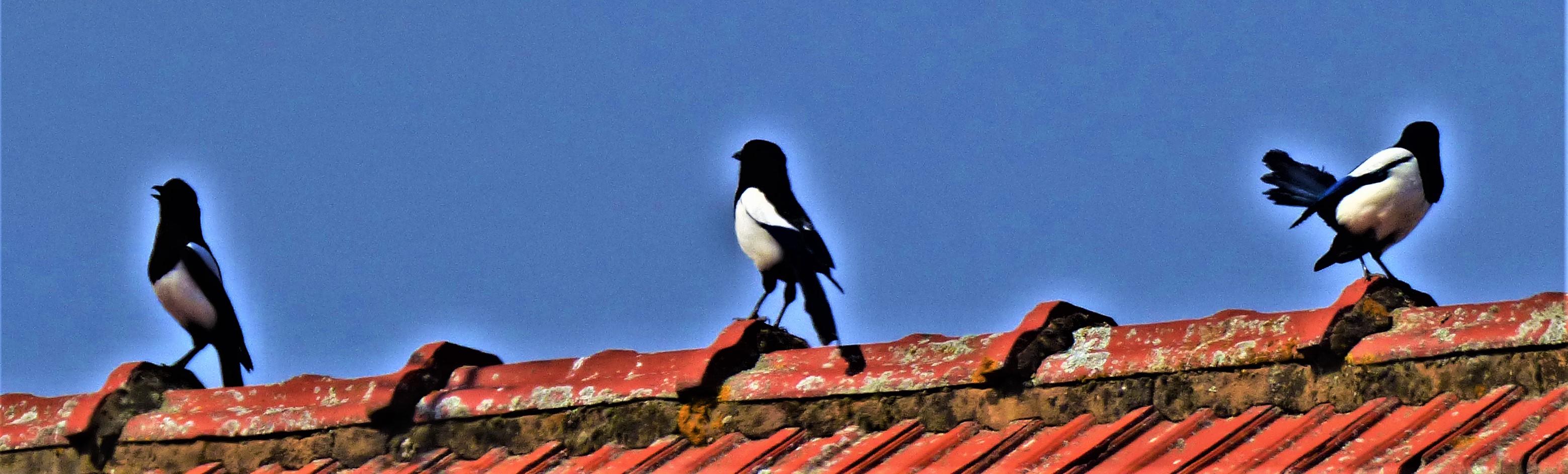
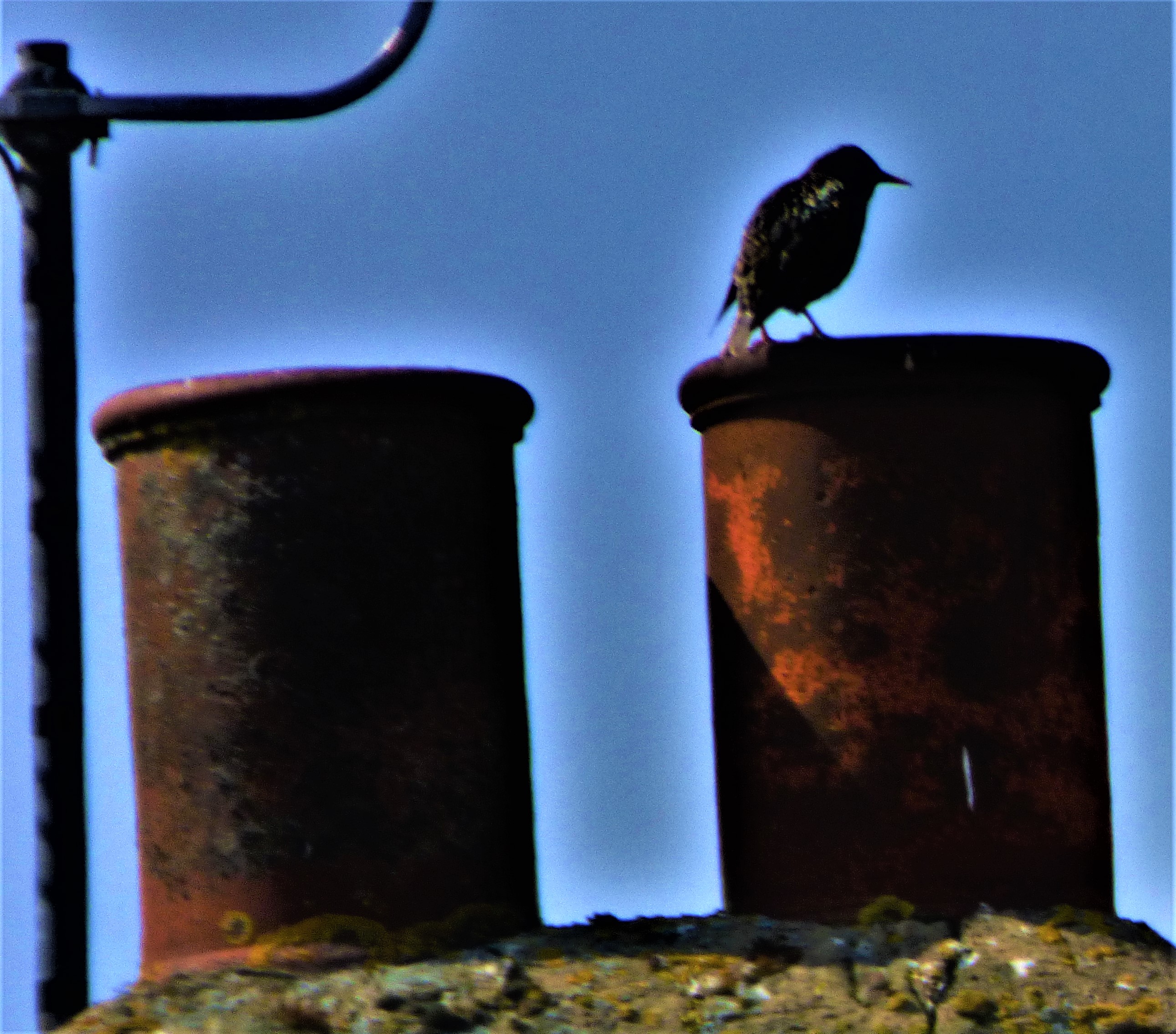
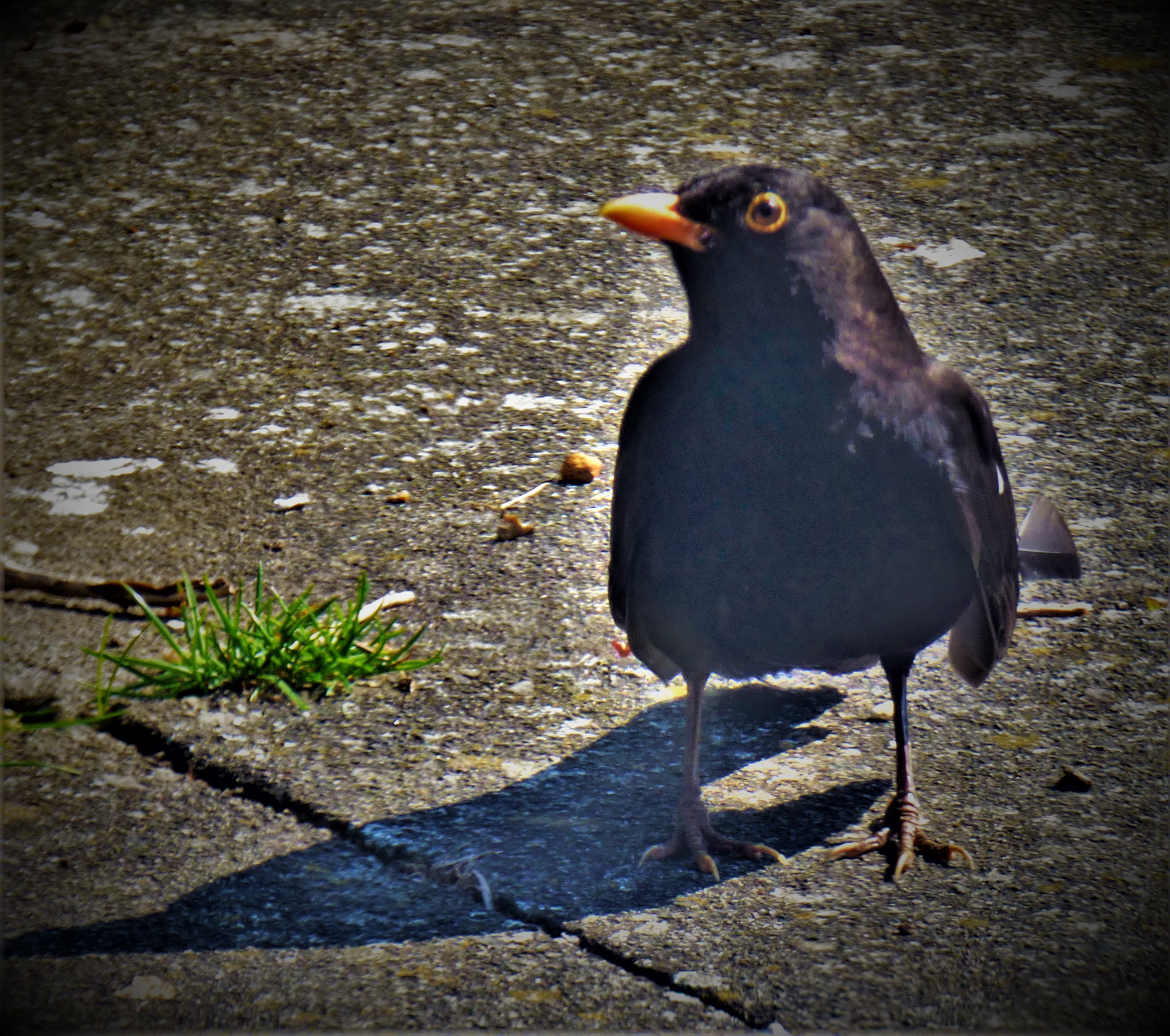
I have a fine collection of photos for you, including swans demonstrating synchronized diving:

All Time XIs -The Underappreciated Ashes

My latest variation on the ‘all time XIs’ theme – enjoy!

INTRODUCTION

Welcome to another variation on the ‘All Time XIs’ theme. Today I create two teams to do battle for the little urn, but with a twist. The players featured today are players of whom more should have been seen. There is one player of the 22 who did not get to play test cricket, but I believe I can justify his inclusion. At the other end of the scale is a player who eventually played 79 times at the highest level, but who had to wait a long time for the call to come. We start with…

ENGLAND’S UNDERAPPRECIATED XI

  1. Jack Robertson – the stylish Middlesex opener was selected for 11 test matches, all between 1947 and 1952, and he scored 881 runs in those games, at and average of 46.36, with a highest score of 133. He missed the 1950-1 Ashes, when until Reg Simpson scored 156 not out in the final match only Hutton had contributed serious runs from the top of the order.
  2. Cyril Walters – another stylist, the Glamorgan and Worcestershire opener was selected for 11 test matches between 1933 and 1939, in which he scored 784 runs at 52.26, including one century and seven fifties.
  3. David Steele – ‘The Bank Clerk Who Went to War’ – the gritty Northamptonshire, Leicestershire and Derbyshire man played eight tests in 1975 and 1976, against Australia and the West Indies, averaging 42.06 (672 runs in 16 innings, no not outs).
  4. Clive Radley – the Hertford born Middlesex middle order man of the 1970s who like Steele only got to play eight times at the highest level. He scored 481 runs at 48.10 with a highest of 158, and another century versus Pakistan.
  5. Eddie Paynter – the Lancashire left hander’s record reads: 20 test matches, 31 innings, 1,540 runs at 59.23, 591 of them at 84.43 in Ashes matches. Among those who have played 20 or more games for England only Yorkshire’s Herbert Sutcliffe (60.73) has recorded a higher test average.
  6. +Ben Foakes – the Surrey man is the best current English wicket keeper, any doubt about that status being removed by the retirement of the marvellous Sarah Taylor. The measly five test matches he has thus far been given have yielded him 332 runs at 41.50 including a century and also 10 catches and two stumpings. I hope that the selectors will see sense and render him ineligible for selection in future sides of this nature. For the moment, he holds this position as he keeps wicket – summa cum laudae.
  7. Harold Larwood – The Notts express who was the star of the 1932-3 Ashes, and never picked again after that series through a combination of Aussie whinging and appalling behaviour by the English powers that be. Number 7 may look high in the order for him, but he did score 98 in his last test innings and made many useful contributions for Nottinghamshire with the bat.
  8. Frank Tyson – The Northanptonshire super fast man 76 wickets at 18.56 in his 18 test matches. He like Larwood was the hero of an Ashes triumph down under – in 1954-5. Many years after his prime he played in a charity game in which he bowled at Keith Fletcher (Essex), then an England regular, and he produced a delivery that Fletcher reckoned to be the quickest he faced that season.
  9. *Johnny Wardle – 28 test matches, 102 wickets at 20.39 with his left arm spin (he could bowl both orthodox and wrist spin). The Yorkshireman was often passed over in favour of Tony Lock, which rankled in “God’s own county”, especially since Lock’s action in the period in question was rarely as far above suspicion as Caesar’s wife. He fell out with Yorkshire over their appointment of 40 year old amateur Ronnie Burnet as skipper in 1958, and Yorkshire vindictively warned other counties against signing him, which effectively terminated his chances of further international recognition as well. I have done what Yorkshire would not in 1958 and named as captain of this team.
  10. Sydney Barnes – 27 tests, 189 wickets at 16.43, 77 of them in 13 matches down under. He played in under half of the matches contested by England between his first and last appearances, which irrespective of the fact that he was an awkward blighter (if he were to dispute this assessment it would only be as a matter of principle) and chose to play most of his cricket in the leagues rather than in the county championship is simply absurd. Also, there were various times when people considered him a possible post World War 1, including as late as 1930 when some people believed he was the man to take on Bradman who was running riot (2,960 runs at 98,66 for the tour, 974 of them at 139.14 in the test matches). West Indian legend Learie Constantine who faced Barnes for Nelson vs Rawtenstall in the Lancashire League when Barnes was 59 years old said after that match (in which he made 90) “if you wanted to score off Barnes you had to score off good bowling”.
  11. Charles ‘Father’ Marriott – (Lancs and Kent) A ‘one cap wonder’. He was selected in the final match of the 1933 series against the West Indies, took 11-96 in the match and that was his international career. He was known to be a liability except when actually bowling (his 711 first class wickets comfortably beating the 574 runs he scored at that level).

This team has a splendid looking top five, a superb glove man well capable of batting at six, and five excellent and well varied bowlers, all of whom save Marriott are capable of making useful contributions with the bat (Barnes was a regular run scorer in the leagues where he generally plied his trade and played one clearly defined match winning innings in a test match, at Melbourne in 1907 when he came in with 73 needed and two wickets standing and was there on 38 not out when the winning run was scored. Now it is time to look at…

AUSTRALIA UNDERUSED XI

  1. Sidney George Barnes – 13 test matches, in which he averaged 63 with a highest score of 234 (at Sydney in the second match of the 1946-7 Ashes). A combination of World War II (six years of his prime gone), and run-ins with the authorities meant that he played ridiculously little for such a fine batter. I would want ‘Blowers‘ at the mic when Sydney Francis Barnes bowled to Sidney George Barnes – there would surely be some priceless commentary moments!
  2. Chris Rogers – averaged 42.87 in the 25 matches he played, having amassed over 15,000 first class runs before the call came. He hit his peak at just the wrong time, when Australia had a dominant side that they were understandably reluctant to change.
  3. Mike Hussey – what is a man who played 79 tests doing here? He had been playing first class cricket and amassing mountains of runs in that form of the game for over a decade before getting to don the baggy green (‘Mr Cricket’ eschewed the other classic Aussie insignia, the chip on the shoulder). Yes, 79 tests is a fine achievement, as his average in that form of the game, but it could so easily have been 159 test matches, and it is for that reason that I include him.
  4. Martin Love – his peak coincided with Australia’s most dominant period, with the result that his test record amounts to 233 runs at 46.60 with one century. At almost any other time, or in almost any other country he would be an automatic selection for most of his career.
  5. Adam Voges – although the one trough of his brief test career (he was in his mid 30s when it began) coincided with the 2015 Ashes he averaged 61.87 in his 20 matches, an output that cannot be ignored.
  6. *Albert Trott – all rounder and captain (also captain of the ‘what might have been XI’ when I come to present that). His test career was in two parts – for Australia in the 1894-5 Ashes, and then for England against South Africa in 1899. Between them they amounted to five matches in which he scored 228 runs at 38.00 and took 26 wickets at 15.00. It was also in 1899 that he achieved a thus far unrepeated feat – he struck a ball from fellow Aussie Monty Noble that cleared the Lord’s pavilion, hitting a chimney pot and dropping down the back of the building. He was a right arm spin bowler. His test debut in 1895 was remarkable – 38 and 72 not out with the bat and 8-43 in the second England innings.
  7. +Graham Manou – the most skilled glove man in Australia during his career, but Brad Haddin was generally preferred on ground of his belligerent batting. Manou played in only one test match, unusual for an Australian (there are about 70 English members of this club).
  8. Eddie Gilbert – right arm fast bowler and the most controversial of my 22 picks today. He never played test cricket, but in his brief domestic career he sometimes caused carnage, including inflicting on Don Bradman “the luckiest duck of my career”. He might have been selected during the 1932-3 Ashes had Australia adopted a ‘fight fire with fire’ approach. He was an aboriginal, which might explain his scurvy treatment by the Australian cricket powers that be – it would be until Jason Gillespie that a player of proven aboriginal ancestry would don the baggy green.
  9. Laurie Nash – another fast bowler who could have been used as part of the ‘fight fire with fire’ option in 1932-3. He claimed that he could have stopped ‘Bodyline’ in two overs given the chance. His two test caps yielded 10 wickets at 12.60. What might have happened at Australia taken the ‘fight fire with fire’ approach? My reckoning is that there would probably have been one absolute war zone of a test when both teams gave it both barrels, and then the method would have been abandoned, because the English professionals who could not afford to risk their livelihoods would have insisted on it.
  10. Stuart Clark – a tall fast-medium who took 94 wickets at 23.86 in his 24 test matches. Injury problems and a chap by the name of McGrath kept him from featuring more often than he did.
  11. Jack Iverson – mystery spinner (subject of Gideon Haigh’s book “Mystery Spinner”) whose test career amounted to the five matches of the 1950-1 Ashes series, in which he took 21 wickets at 15.23. Many reckoned that he would have been even deadlier in England (although he bowled wrist spin he was effectively a very accurate off spinner) – which creates an interesting counter-historical speculation. Had he gone to England in 1953 Australia may well have retained The Ashes, which would almost certainly have meant that the grumblers who had never liked the notion of a professional captaining England would have got their way and Hutton would have been replaced by an amateur, which would almost certainly have also meant no 1954-5 triumph with ‘Typhoon’ Tyson.

This team has a strong looking top five, a potentially match winning all rounder at six, a magnificent keeper at seven and four top quality bowlers.

THOUGHTS ON HOW THIS ASHES CONTEST MIGHT GO

Barring an emerald coloured pitch and/or heavy cloud cover that you are prepared to bet on remaining in place for long enough to cash in on the toss winner would be heavily advised to bat first and get their runs on the board (trying to score runs against Trott and Iverson in the fourth innings does not look like fun, and this is even more the case vis a vis Wardle, Barnes and Marriott). I reckon that Larwood and Tyson are a quicker pair (thought not by much) than Gilbert and Nash. Where England definitely shade it is that irrespective of conditions Barnes is likely to more dangerous than Clark. I would expect it to be close – in a five match, play to a finish series I would back England to win 3-2, while I would expect England’s margin to look a little more comfortable with draws in the equation because I reckon Steele and Radley could each be counted on for at least one match saving rearguard action,  while ‘Mr Cricket’ would probably probably save one game for the Aussies, so factoring in draws I make it 2-0 to England. Glenn McGrath would probably utter his reflex “5-0 to Australia’ line!

Given the characters on show we need some good officials in charge. I am going for Bucknor and Dar as on field umpires, Venkataraghavan as TV Replay umpire and Clive Lloyd as match referee. For commentators I have already indicated that ‘Blowers’ has a role to play, and as his colleagues I choose Jim Maxwell (Australia) and Alison Mitchell (who has a foot in both camps) – sorry ‘Aggers‘, no gig for you this series. For expert summarisers I have no strong preferences other than that Boycott is absolutely banned.

A TWITTER THREAD AND PHOTOS

I have set the stage for my Ashes series between two teams of often overlooked players, but there remains one more thing to do before my usual sign off – I have an important twitter thread about Coronavirus to share with you, from Lainey Doyle, please click on screenshot to view the whole thread:

Lainey TT

We end with the usual photographic flourish:

Neglected Ashes
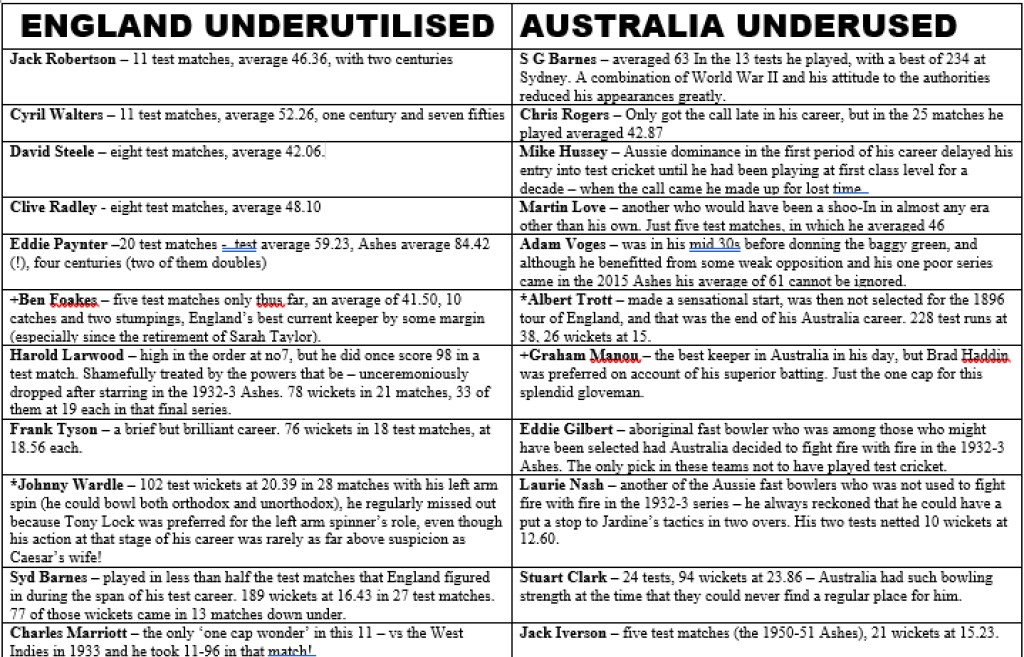
The contending XIs in tabulated form.

P1310744 (2)P1310745 (2)P1310748 (2)P1310758 (2)P1310762 (2)P1310763 (2)P1310764 (2)P1310766 (2)P1310767 (2)P1310769 (2)

P1310771 (2)
Sitting out in my bit of garden is providing plenty of opportunities for camera work (all bar two of the remaining pics in this post were taken while sitting outside, which I was also doing for most of the time spent typing this post).

P1310772 (2)P1310773 (2)P1310774 (2)P1310775 (2)P1310776 (2)P1310777 (2)P1310778 (2)P1310779 (2)P1310780 (2)P1310781 (2)P1310782 (2)P1310783 (2)P1310785 (2)P1310787 (2)P1310788 (2)P1310789 (2)P1310791 (2)P1310793 (2)P1310794 (2)