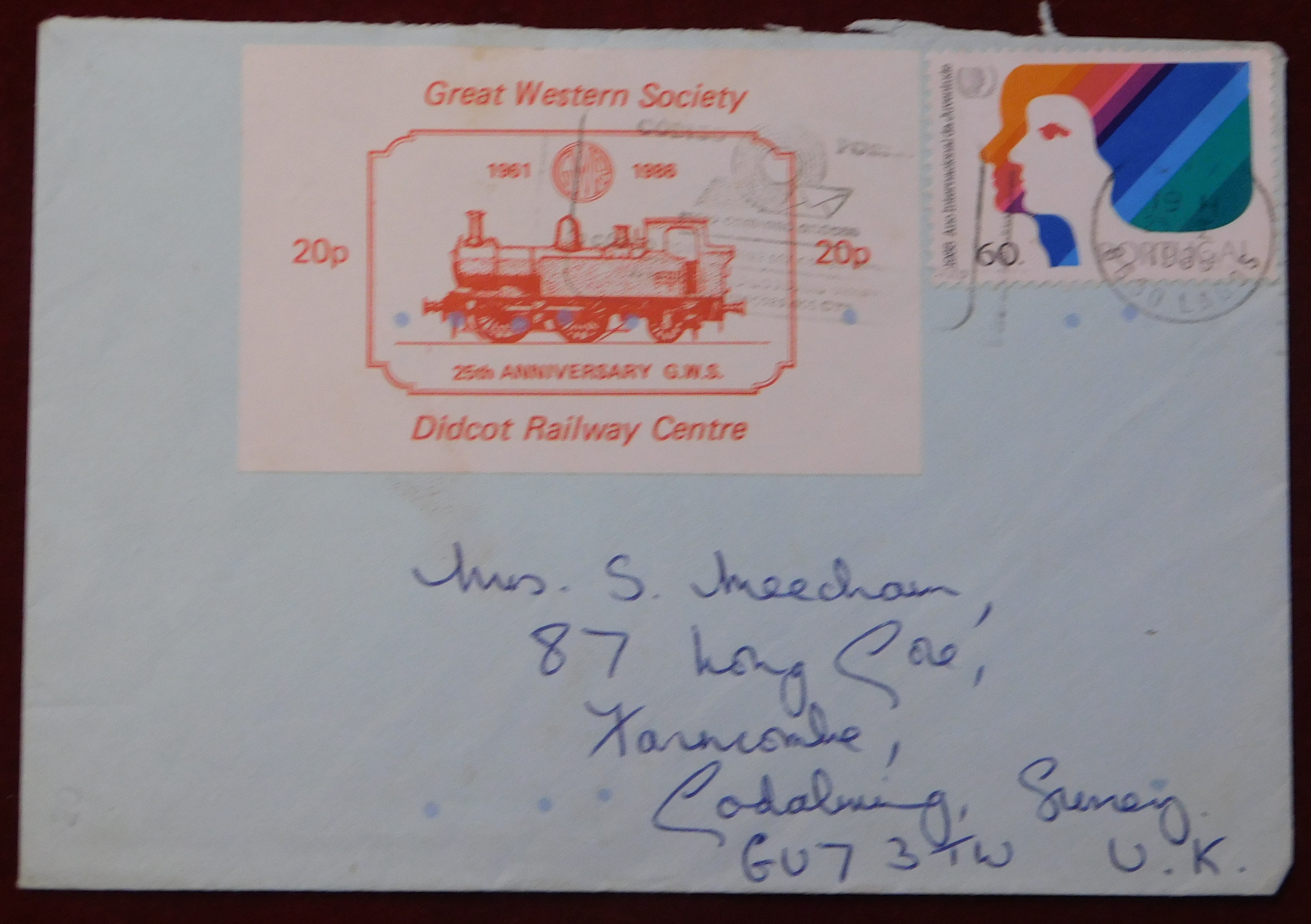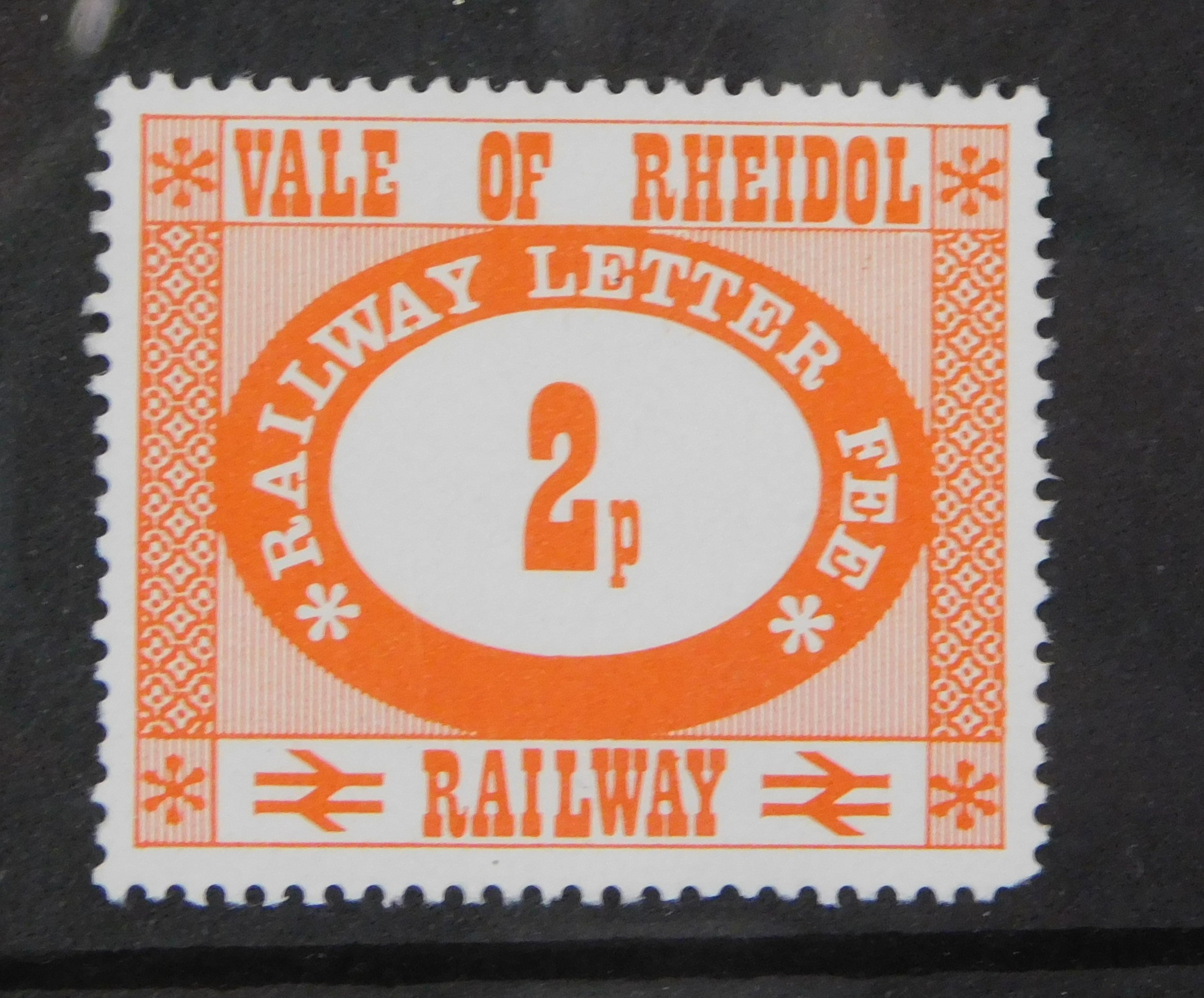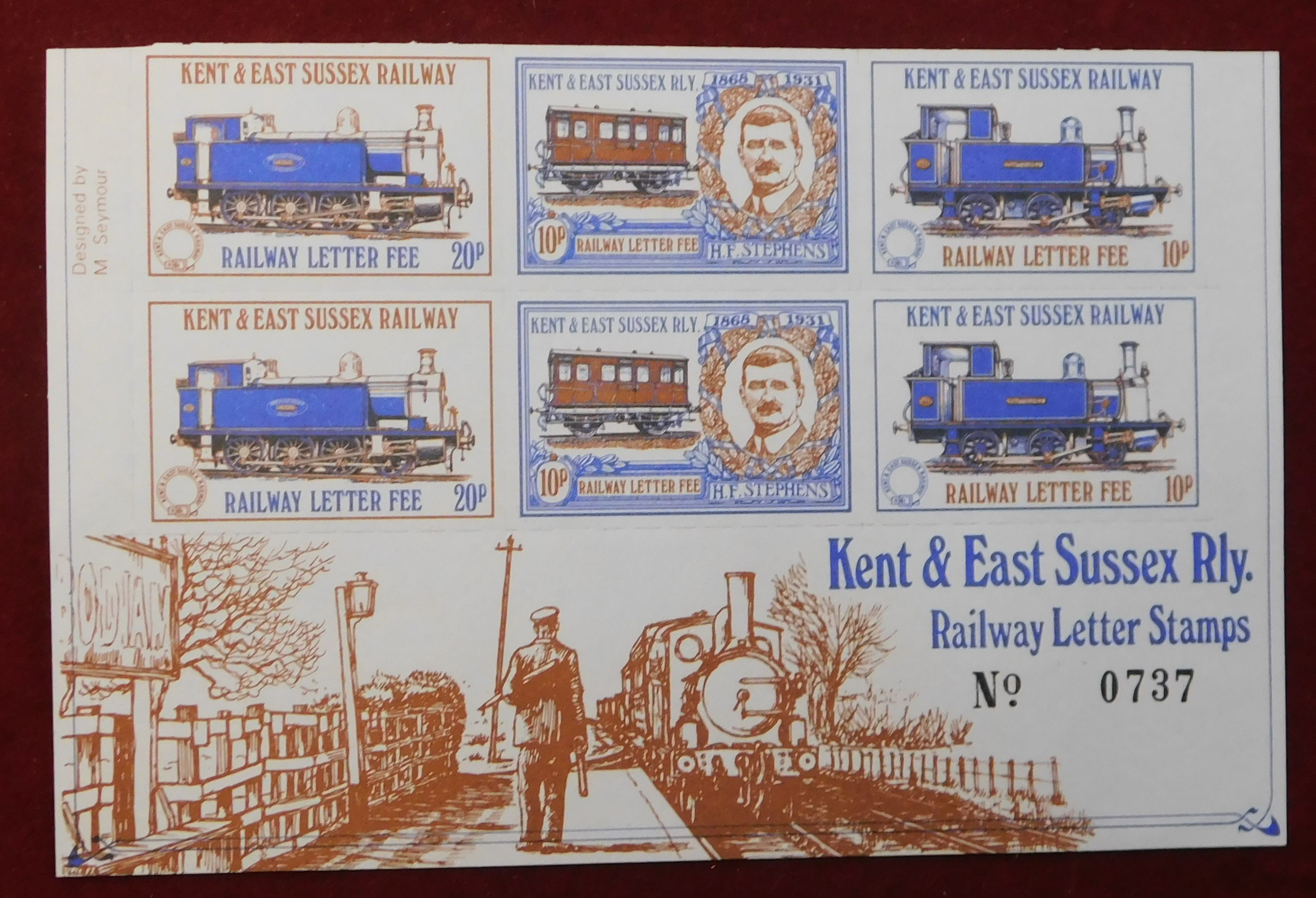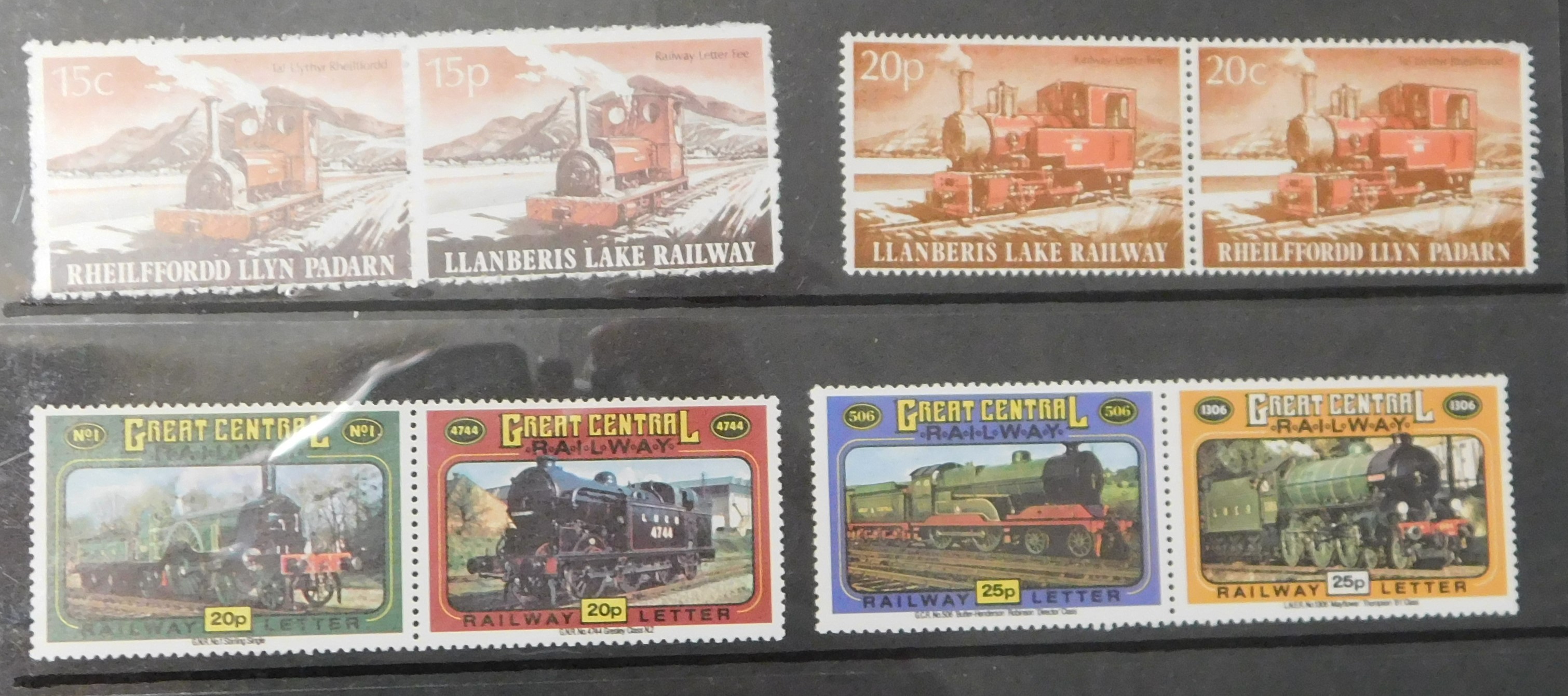
All Time XIs – Running Rampant

An all time XI of players whose given names begin with R, a particularly important and detailed honourable mentions section and a multi-part photo gallery.

I continue my tour of cricketing given names with a look at the letter R, skipping over Q on the grounds of insufficient candidates being available for that letter. R offers a very different kind of challenge – there are huge numbers of players with overlapping skills sets and only 11 can make the final cut. I hope that the honourable mentions section, in which offer an alternative team formation that I elected not to go with will clarify these issues.

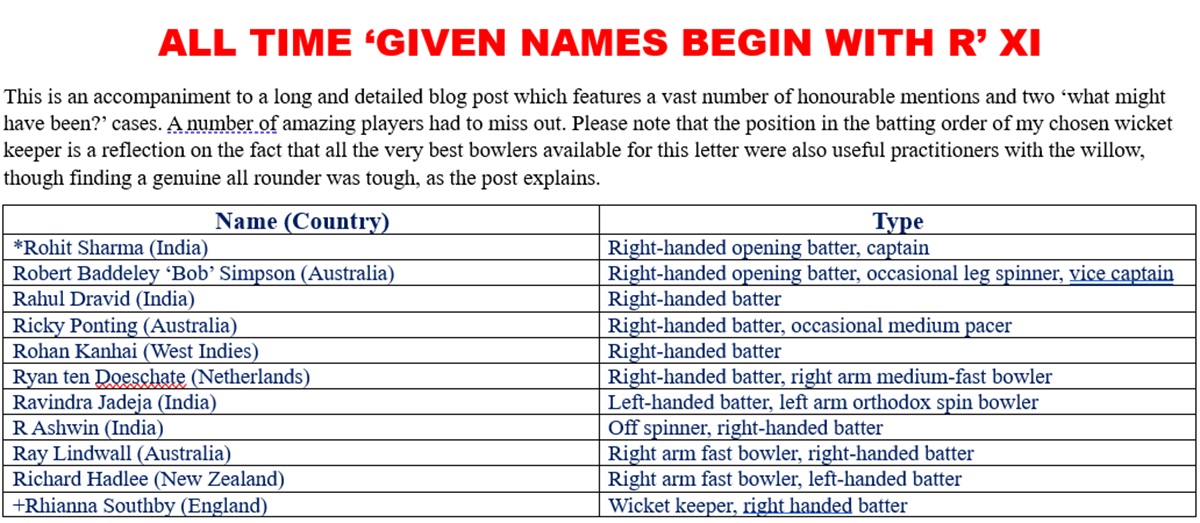
  1. *Rohit Sharma (India, right handed opening batter, captain). A naturally aggressive batter, his test record is eminently respectable even if he is better known for his exploits in limited overs cricket. As both opener and captain he can be expected to lead from the front.
  2. Robert Baddeley ‘Bob’ Simpson (Australia, right handed opening batter, occasional leg spinner, vice captain). Although both my chosen openers are right handers it would be harder to find a more contrasting pair in terms of approach. At Old Trafford in 1964, the same ground where Ian Johnson’s side had spectacularly come to grief eight years earlier, Australia went into the match one up in the series and needing only a draw to ensure retention of The Ashes. The groundsman at Old Trafford produced one of the flattest pitches ever seen, and Simpson ensured that Australia would keep the Ashes, quite literally off his own bat – he won the toss, chose to bat first and was only dismissed on the third morning of the match, for 311. England responded in kind, and there was barely time for the second Australian innings to begin before the umpires called time – such bowling as was required in this third innings of a scheduled four was done by Titmus and Barrington with an old ball. In addition to his impressive test batting record Simpson’s leg spin was good enough that he enjoyed some success with it even at test level, and he was an outstanding slip fielder. I have named him as vice captain as a nod to his leadership qualities.
  3. Rahul Dravid (India, right handed batter). A test record that speaks for itself.
  4. Ricky Ponting (Australia, right handed batter, occasional medium pacer). One place down from his usual slot as I feel he would handle the lower position better than Dravid, though if Sharma were first out I might send him in to avoid having Simpson and Dravid bat together.
  5. Rohan Kanhai (West Indies, right handed batter). The Guyanese was rated a genius by CLR James, and almost 7,000 test runs at 47 provide some solid achievement to back up that assessment.
  6. Ryan ten Doeschate (Netherlands, right handed batter, right arm medium fast bowler). The Dutchman established a superb record in limited overs international (his country are not a test playing nation as yet), and his record in FC cricket, mainly over the course of a long and distinguished association with Essex is eminently respectable.
  7. Ravindra Jadeja (India, left handed batter, left arm orthodox spinner, outstanding fielder). A magnificent all round cricketer.
  8. R Ashwin (India, off spinner, right handed batter). Over 400 test wickets, and a batting record that includes five test match centuries.
  9. Ray Lindwall (Australia, right arm fast bowler, right handed batter). One of the best fast bowlers ever seen in the game, and good enough with the bat to have scored two test centuries along the way.
  10. Richard Hadlee (New Zealand, right arm fast bowler, left handed batter). The best bowler of any type ever to play for New Zealand, and a handy lower order batter, though the first in this line up to have had a test career and not scored a century at that level.
  11. +Rhianna Southby (England, wicket keeper, right handed batter). The most controversial pick of all my XI, but although there were many options for this letter I wanted to showcase one of the very best of contemporary wicket keepers. Her position in this order is less a reflection on her batting than an acknowledgement of the fact that all of my chosen bowlers were also talented in that department.

This XI is very strong in batting, keeping and spin bowling, with the seam/ pace element of the attack a little light, since the only pace/seam support for the Anzac new pall pairing of Lindwall and Hadlee would come from ten Doeschate.

This will be a multi-faceted section and I start with…

Although there is one absolutely genuine all rounder in Jadeja available for this letter, there was no one available for the number six slot. Ron Archer of Australia might have become the perfect fit for that slot had he not suffered a freak injury when Australia visited Pakistan on their way home from the 1956 Ashes. The injury occurred at Karachi, where Archer caught his studs in a piece of matting and wrenched a knee, and it ended his bowling career at the age of 23, though he played one more season for Queensland as a specialist batter. Had he not suffered that injury he might have gone to become the replacement for Keith Miller that Australia were hoping he would, in which case selecting this side would have been a lot easier. There were three potential alternatives to Southby for the wicket keeper’s slot: Robert William ‘Bob’ Taylor, who made more FC dismissals than any other wicket keeper in history, Rod Marsh, holder of the record for test career dismissals at the time of his retirement, and Rishabh Pant of India. A possible alternative to my chosen line up which addresses the seam/ pace bowling potential issue would be to pick Pant in place of ten Doeschate and Robert George Dylan ‘Bob’ Willis in place of Southby at number 11, giving an XI of *RG Sharma, RB Simpson, RS Dravid, RT Ponting, RB Kanhai, +R Pant, R Jadeja, R Ashwin, RR Lindwall, RJ Hadlee, RGD Willis.

Robert William ‘Bob’ Barber had his moments as a left handed attacking opener for England, including scoring 185 against Australia in an innings win in Australia, but his career record lacks the overall heft to displace Sharma. Richard Barlow who played for England in the 1880s, and remains the only person ever selected for an England men’s test team on the understanding that he was going to open both the batting and the bowling was another potential candidate, and his left arm seam bowling would have added variation to the attack, but if I apply my usual conversion method to his career averages his record adjusts to an average of 34.08 with the bat and 33.83 with the ball, not really good enough in either department. Roy Park was highly rated by some of his Australian contemporaries, including Warwick Armstrong, but his sole test innings lasted precisely one ball. Robert ‘Bobby’ Abel, the first England batter to carry his bat through a test innings, was clearly a very fine right handed opener of the more cautious type, and a case could be made for him getting Simpson’s slot.

The unluckiest middle order batters of those to miss out were a pair of West Indians with fine test records, Richie Richardson and Ramnaresh Sarwan. Neither of the individuals concerned would be out of place in the number five slot I awarded to Kanhai. Robin Smith was a fine number three for England, but he is a mere candle to the Alexandrian lighthouses of Dravid and Ponting.

Ryan Higgins, now re-ensconced at Middlesex after a few years away at Gloucestershire, has a fine county record, but he has not yet been picked for England. Rikki Clarke had a very fine FC record, but did not make the most of such chances as he got at international level. Rich Pyrah of Yorkshire was a very fine limited overs player but his record in long form cricket was no more than respectable. Rehan Ahmed, the young England leg spinning all rounder, may well force his way in in due course, but at the moment, especially with Simpson able to bowl a bit of leg spin if needed, he has to wait. Robert ‘Bob’ Relf of Sussex was a good enough county all rounder to deserve a mention. Robert ‘Bobby’ Peel of Yorkshire and England was a great left arm spin bowler who could bat, but not good enough to dislodge Jadeja. Similarly, Ray Illingworth was a fine cricketer, but no one is convincing me that he comes particularly close to challenging R Ashwin for that slot. Richie Benaud was a high quality leg spinning all rounder, and would have been captain had I been able to accommodate him in the XI. Since I cannot do that, he would be the ONLY candidate to head up the TV commentary team. Roy Kilner, with 14,000 Fc runs at 30 and 1,000 FC wickets at 18 was unlucky to be up against Jadeja for a slot. Given the galaxy of talent already covered, for all her unique status as an international captain who has turned out for The Metronomes there can be no place for the Brazilian all rounder Roberta Moretti Avery.

Rashid Khan, the Afghan leg spinner, was probably the best of the bowlers I could find no place for. Rangana Herath of Sri Lanka was a very fine left arm spinner, but like Peel and Kilner mentioned in the all rounders section suffered due to the overlap with Jadeja.

Richard Peter Borgnis as he appears in the record books (his actual full name was Richard Peter Hammond-Chambers-Borgnis) had an astonishing first class career – one match in which he scored a century and took a three-for.

Rahmanullah Gurbaz of Afghanistan would be in the mix were I picking with limited overs cricket in mind, but he is as yet unproven in long form cricket.

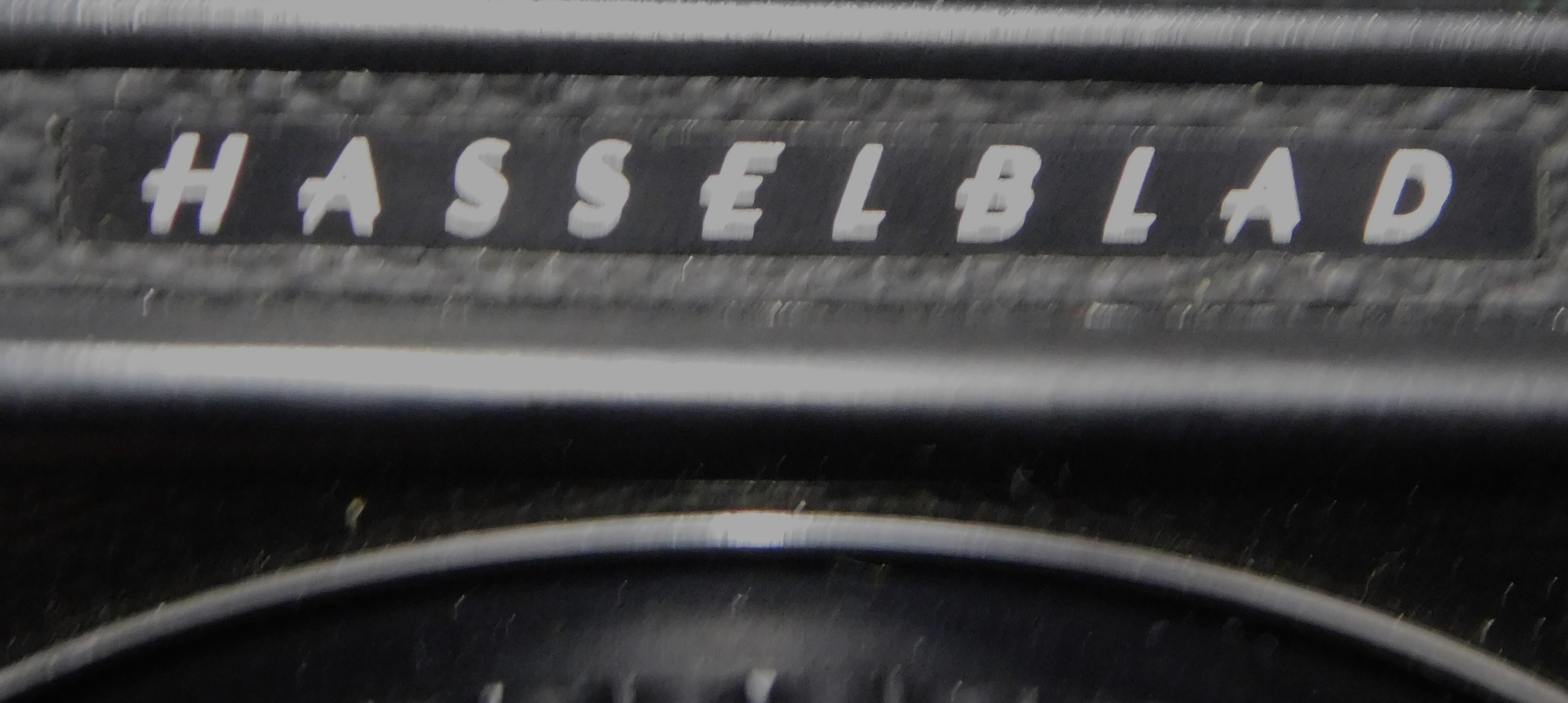
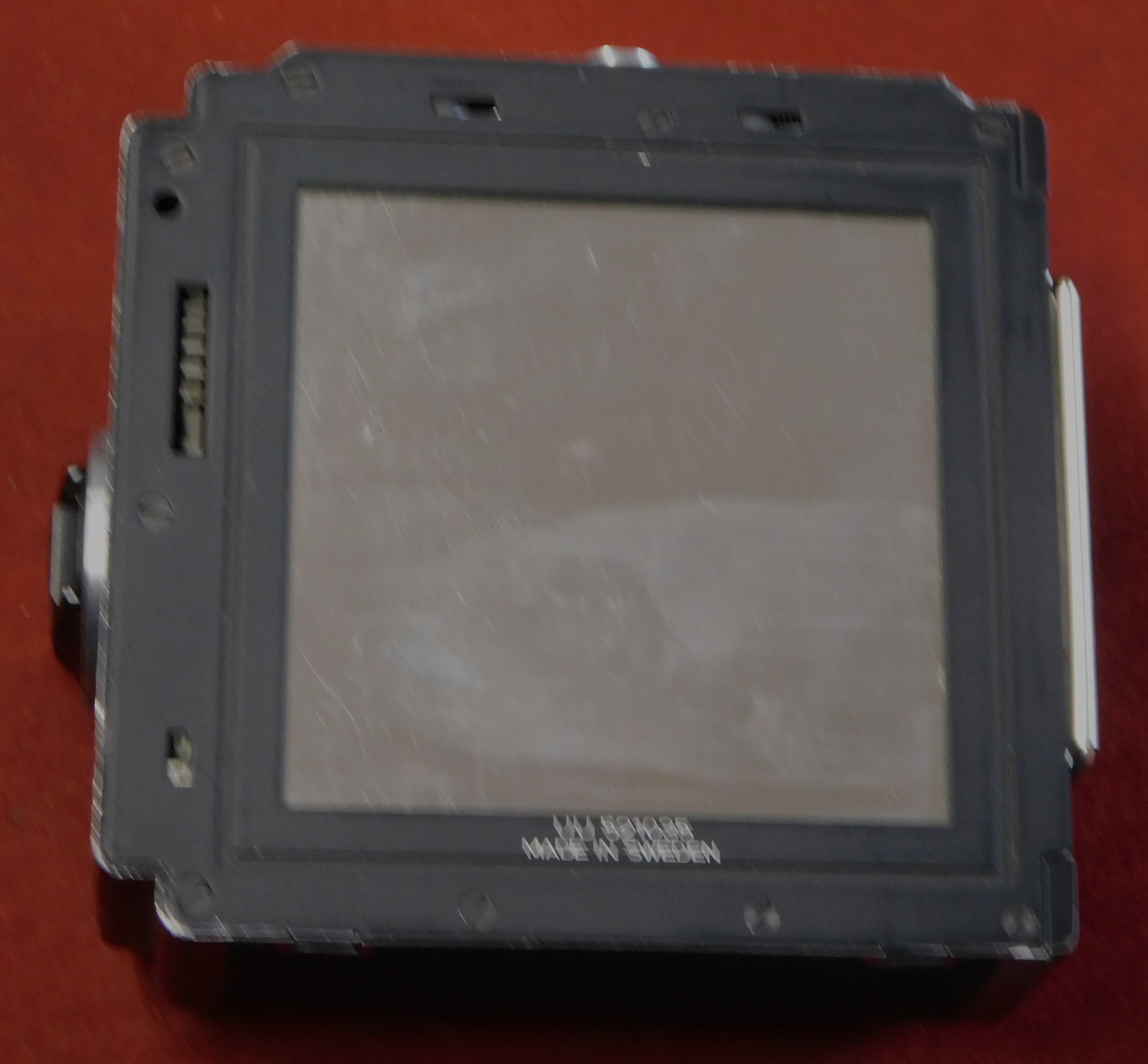
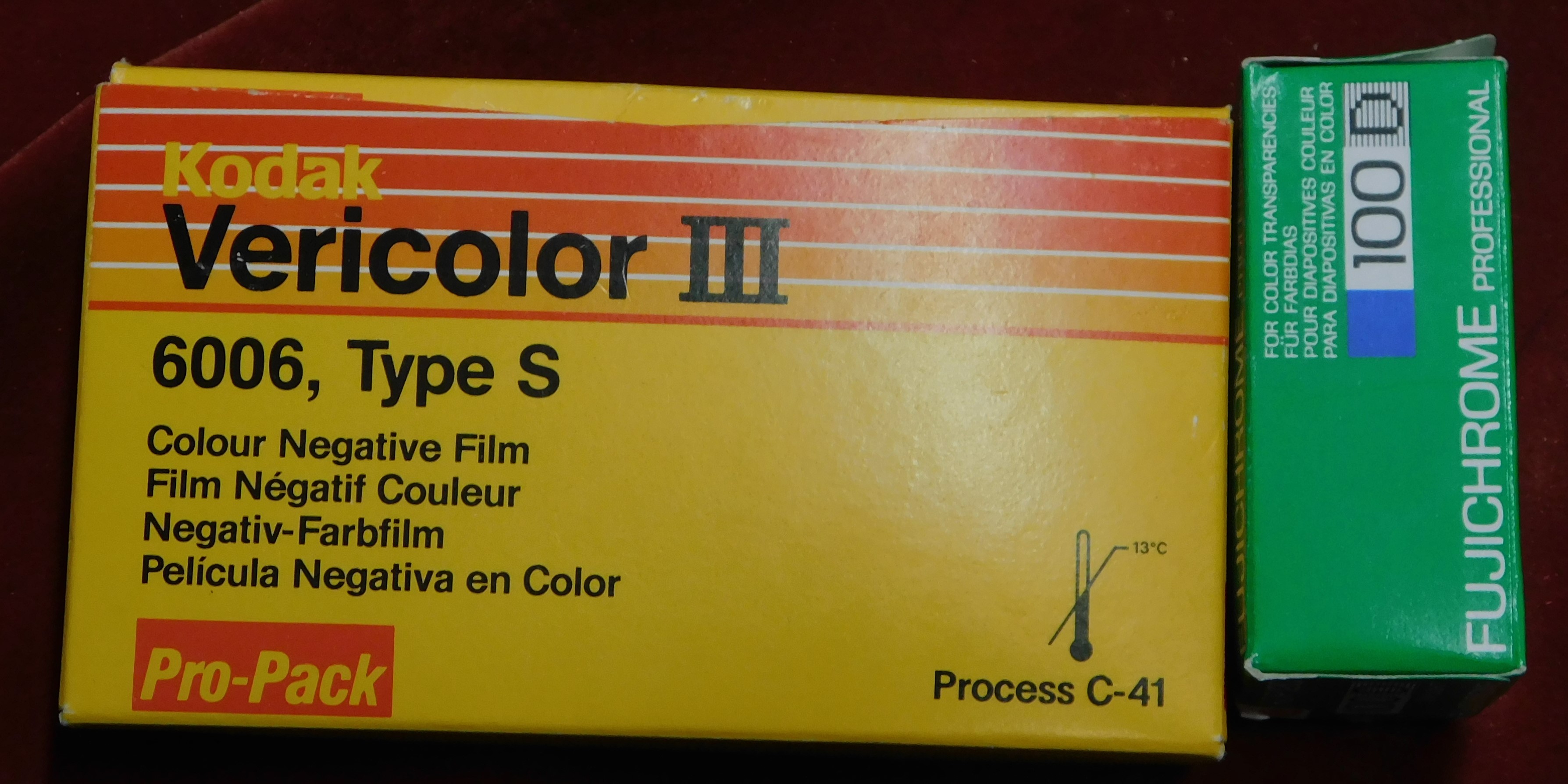
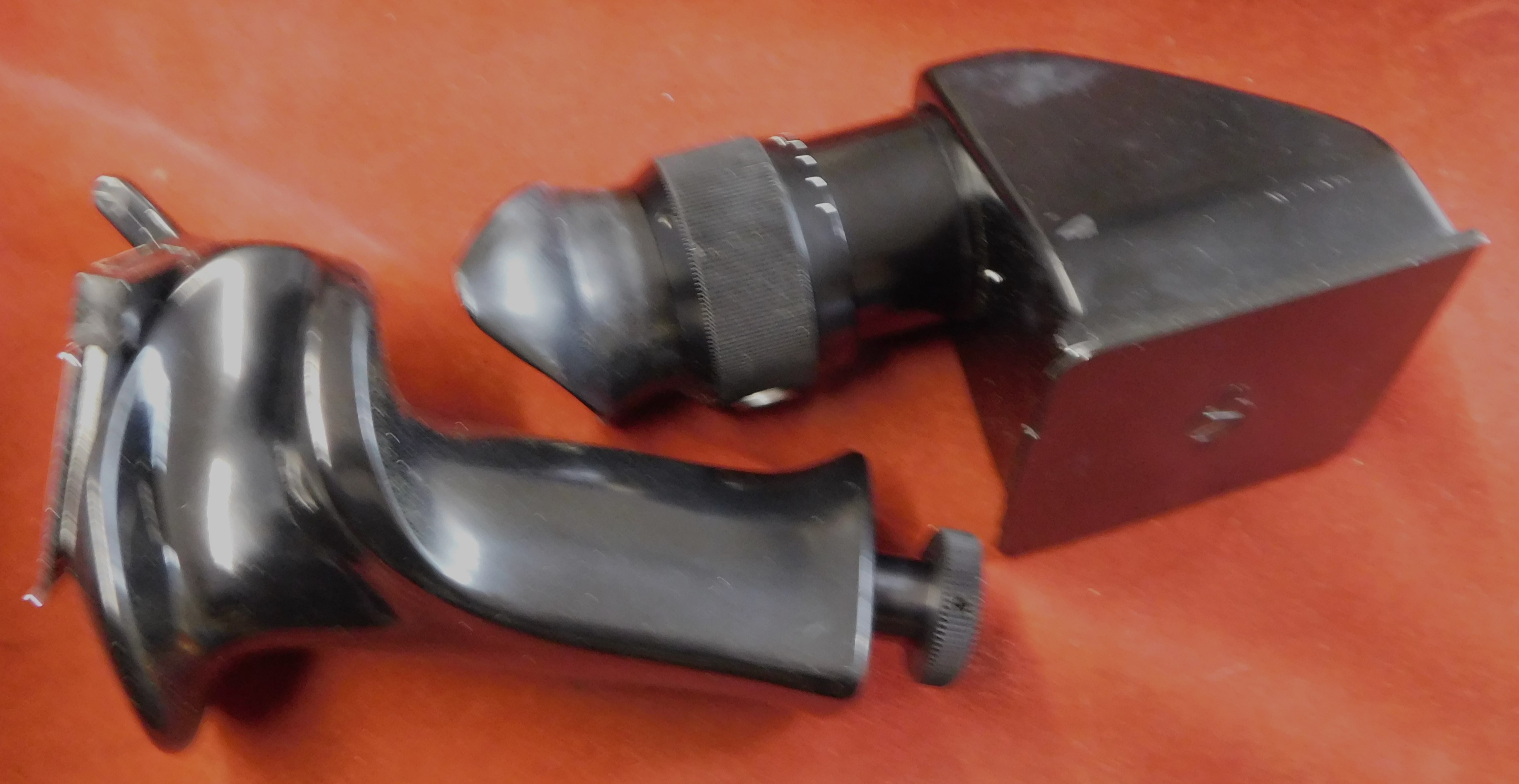
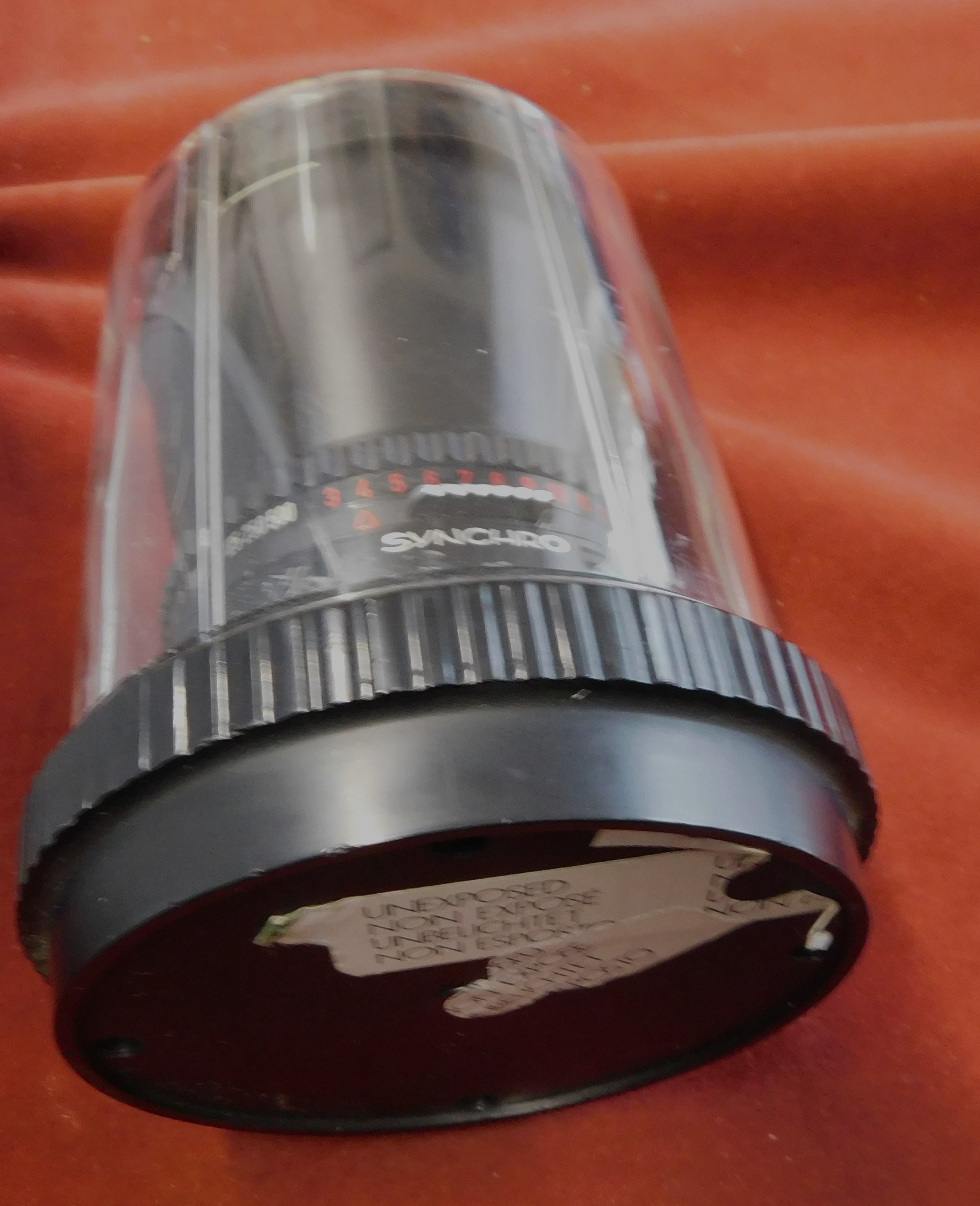
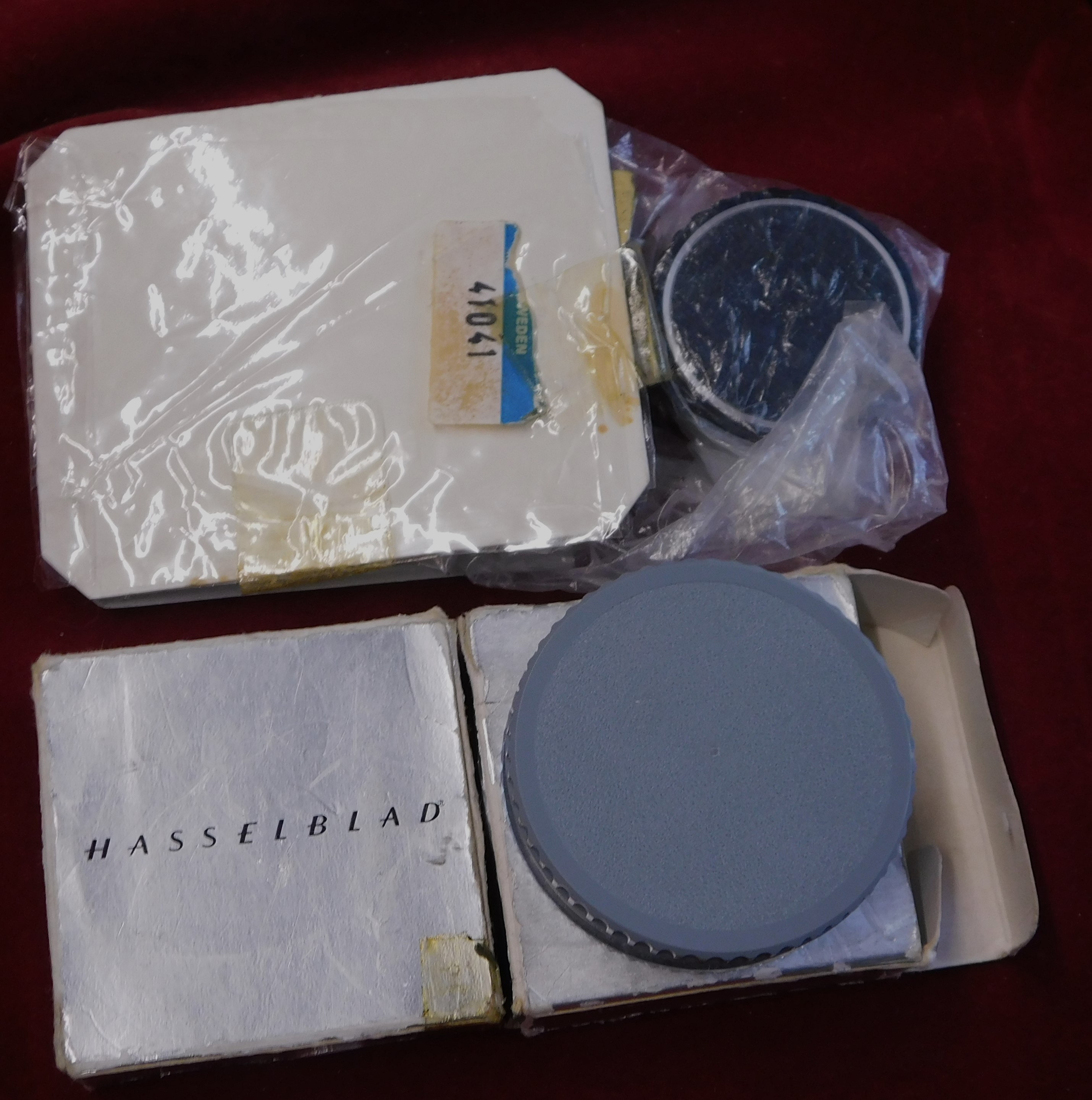
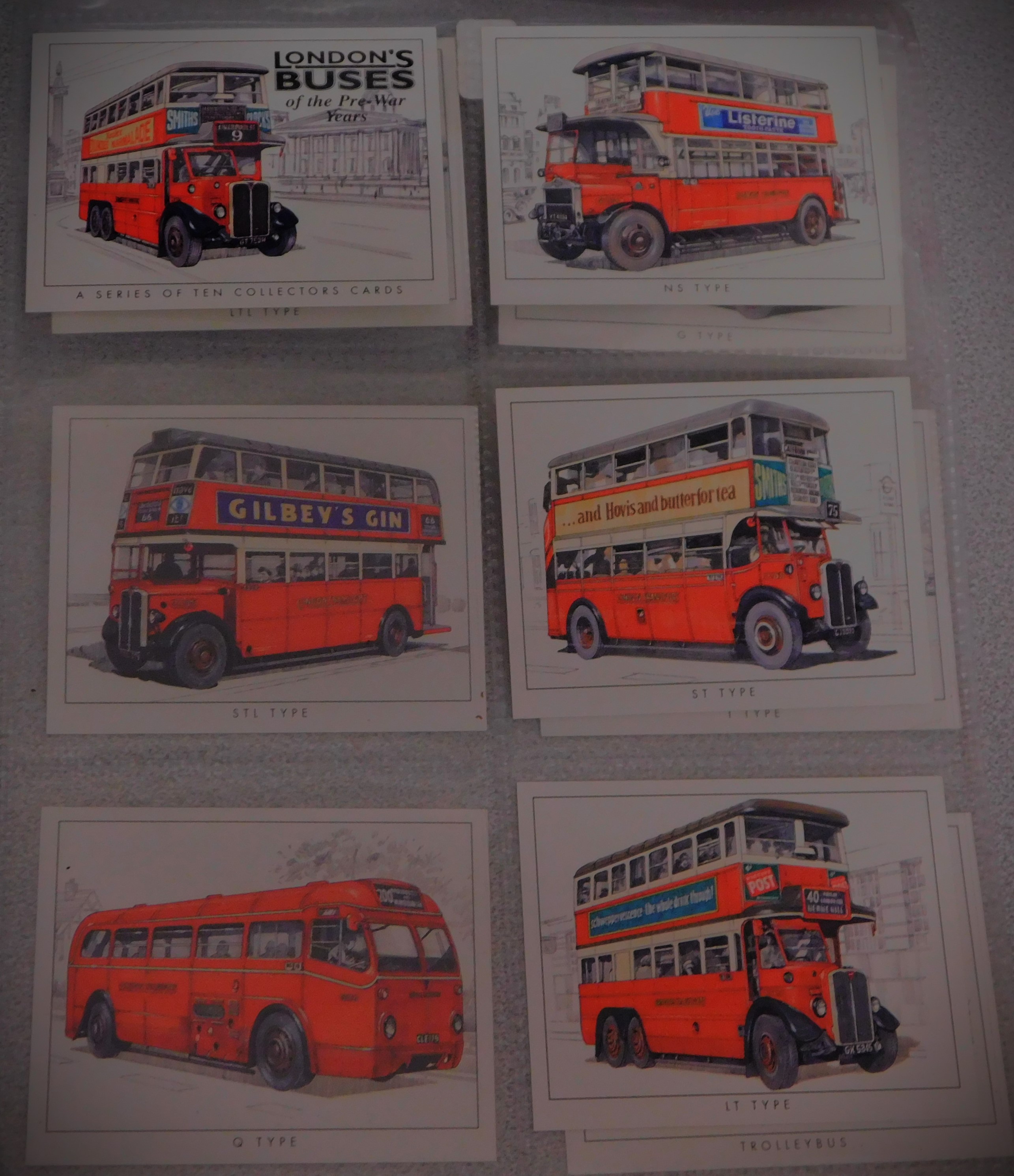
A multi-part photo gallery today. James and Sons had an auction this week, and I focus on two lots. Lot 304 was a Hassalblad camera in an aluminium case with a lot of extra bits and pieces and attracted considerable interest. I produced an extended gallery for it in order to deal with queries that were coming in, and the result was very pleasing – it sold for £1,000.

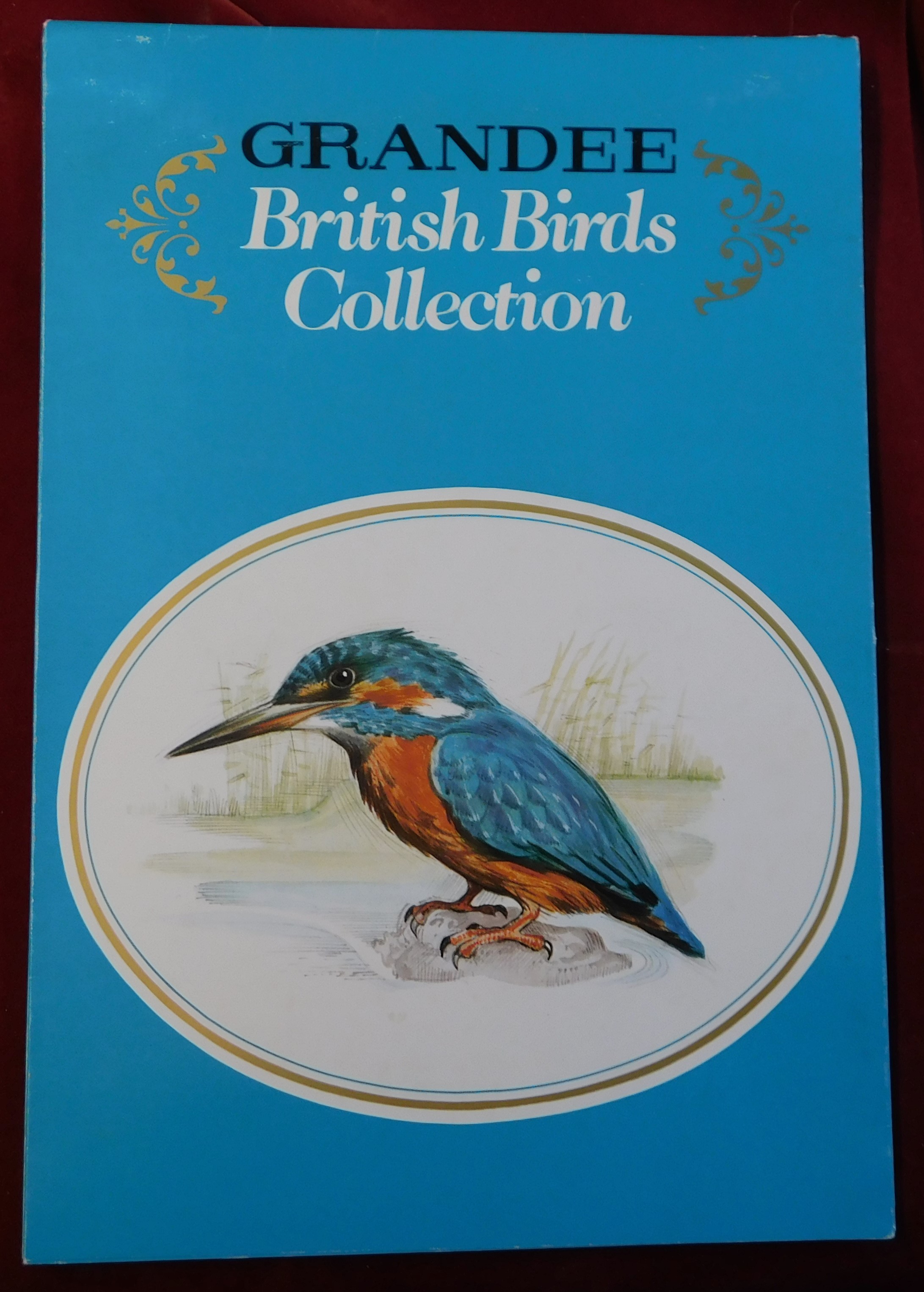
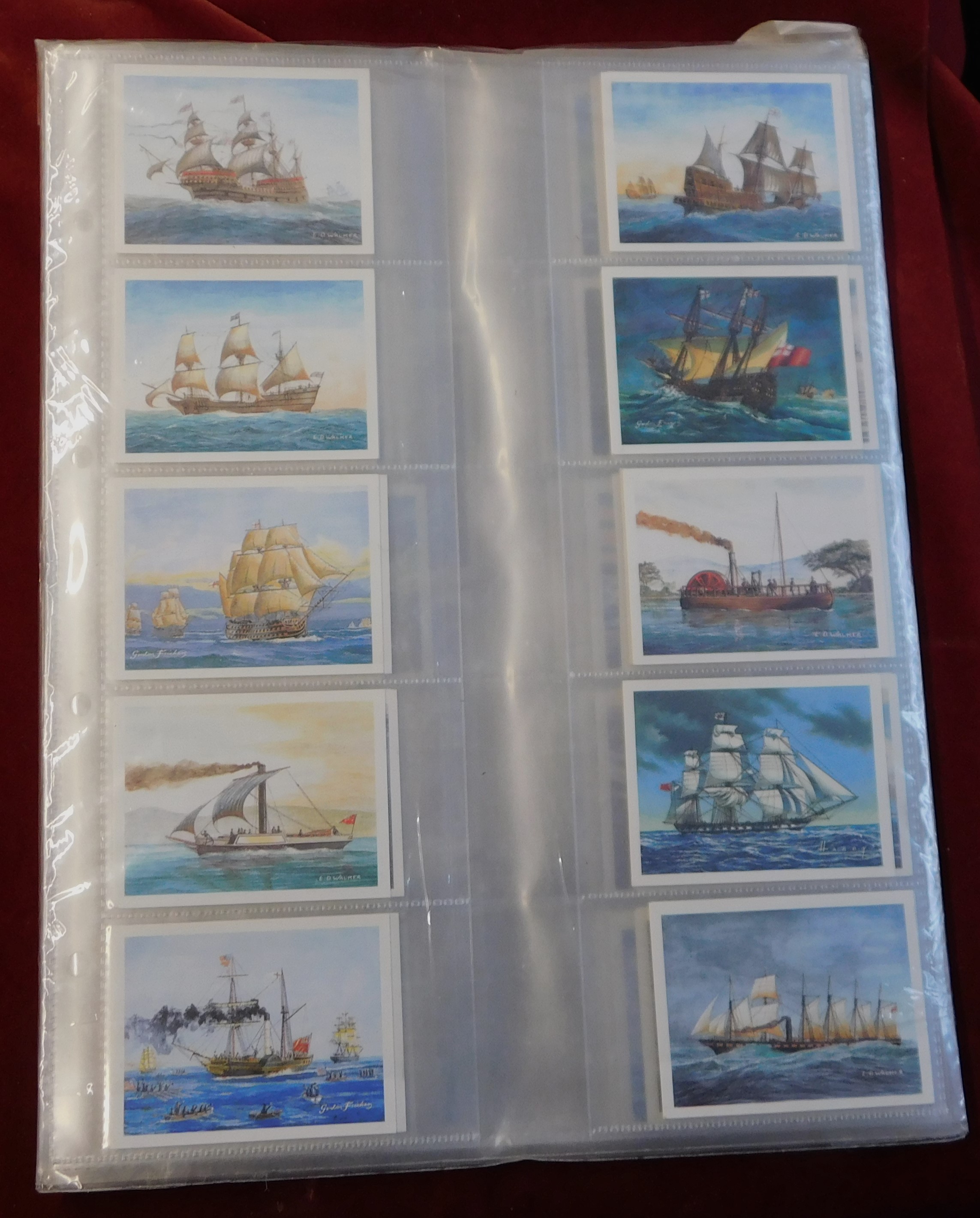
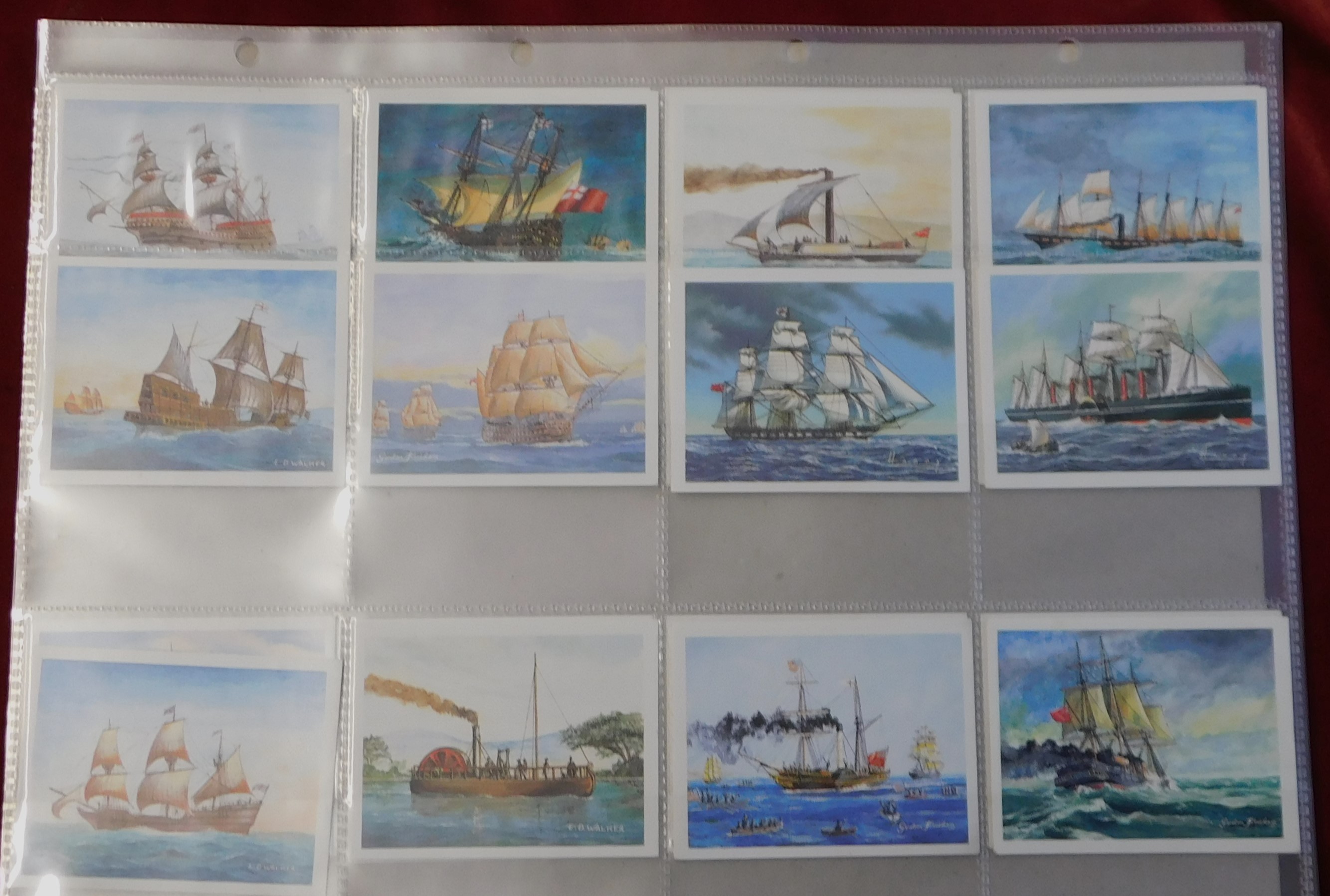
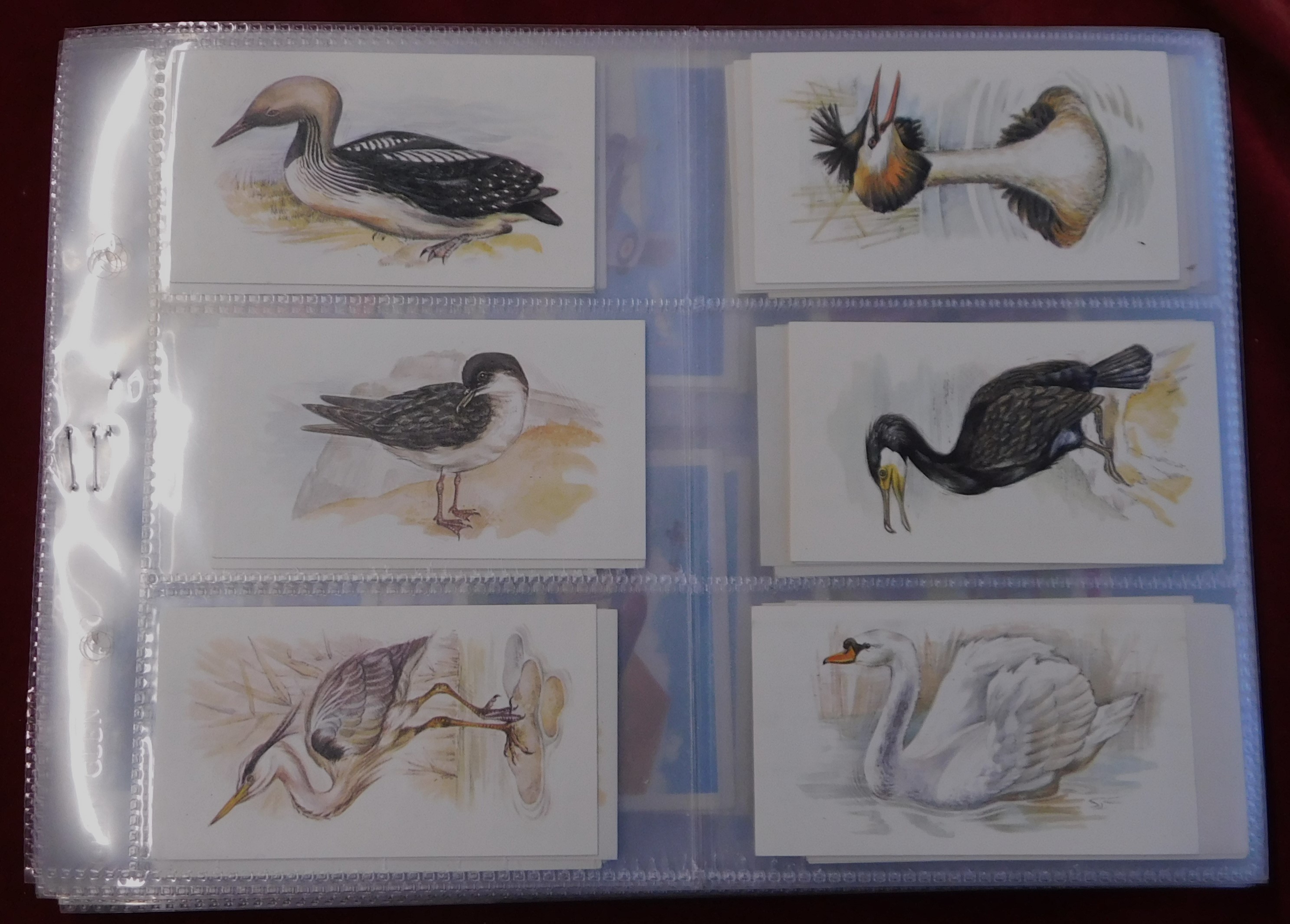
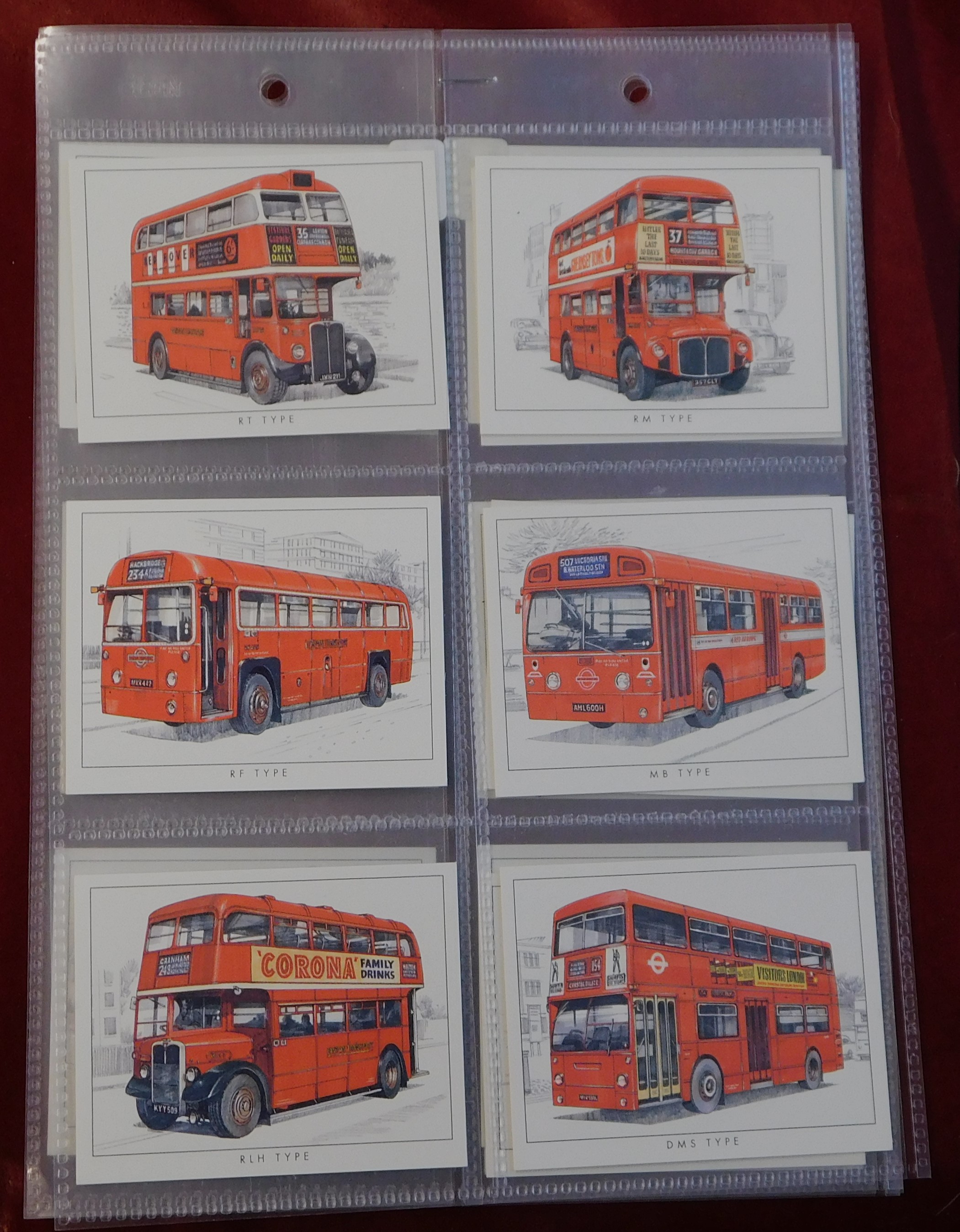
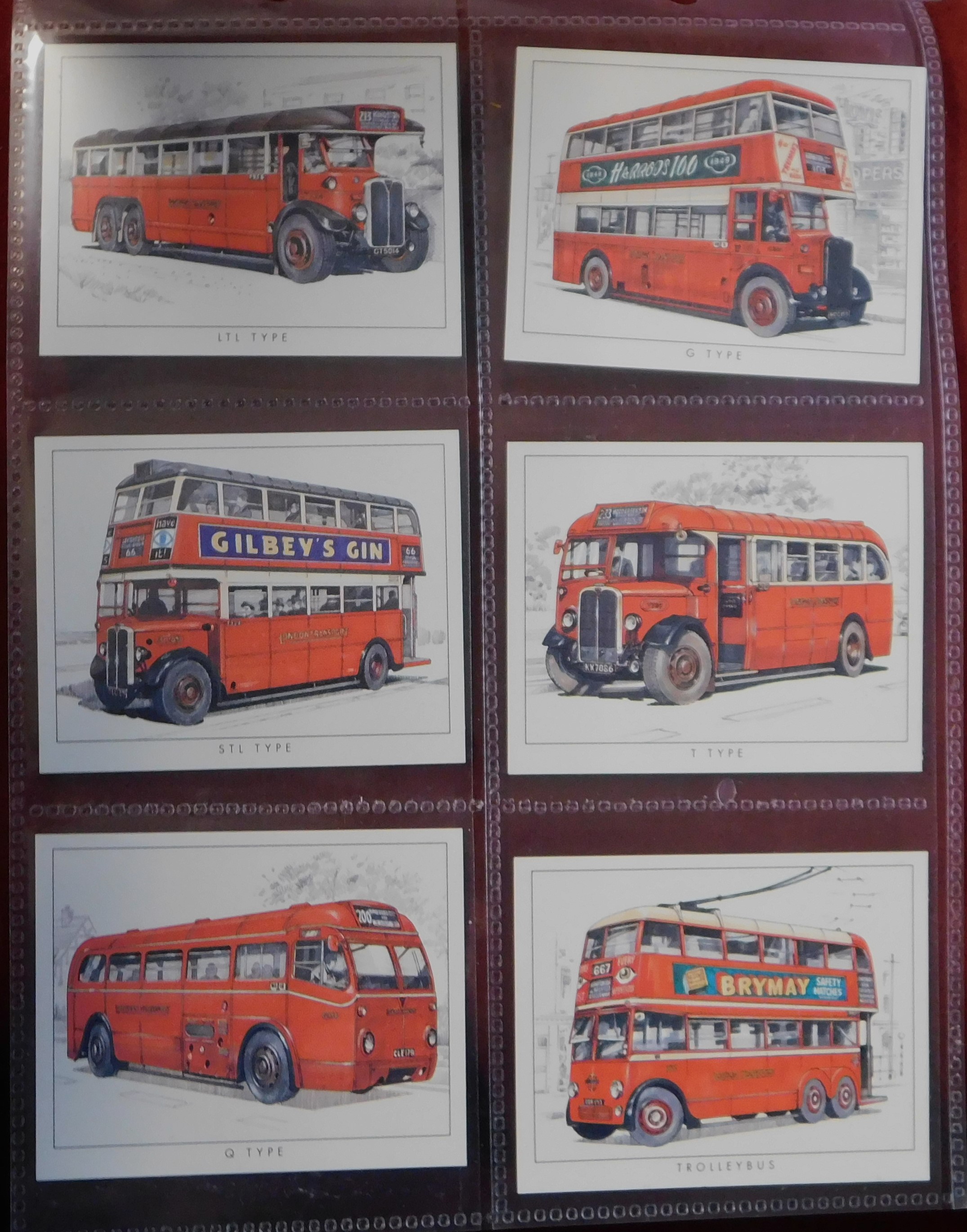
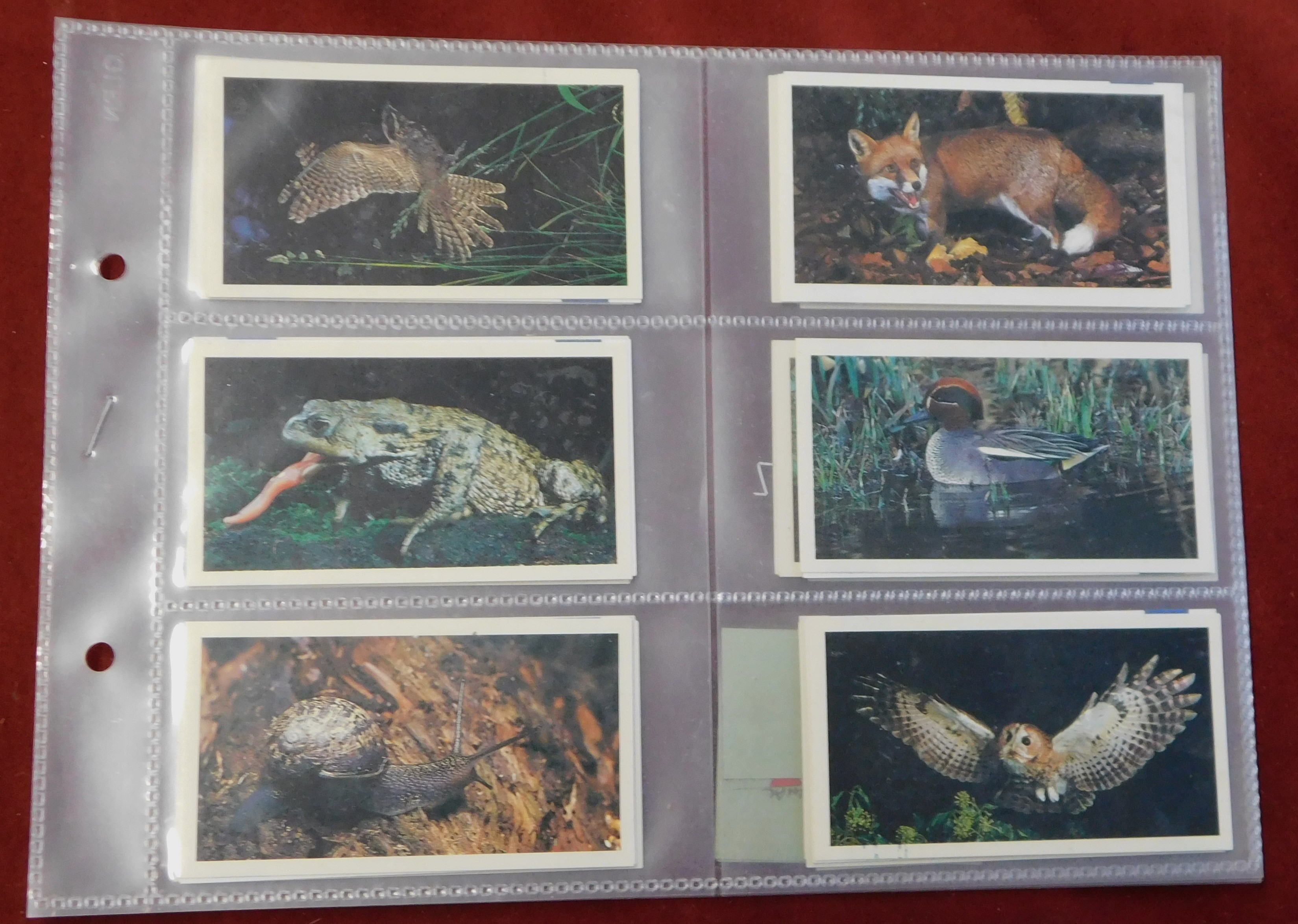
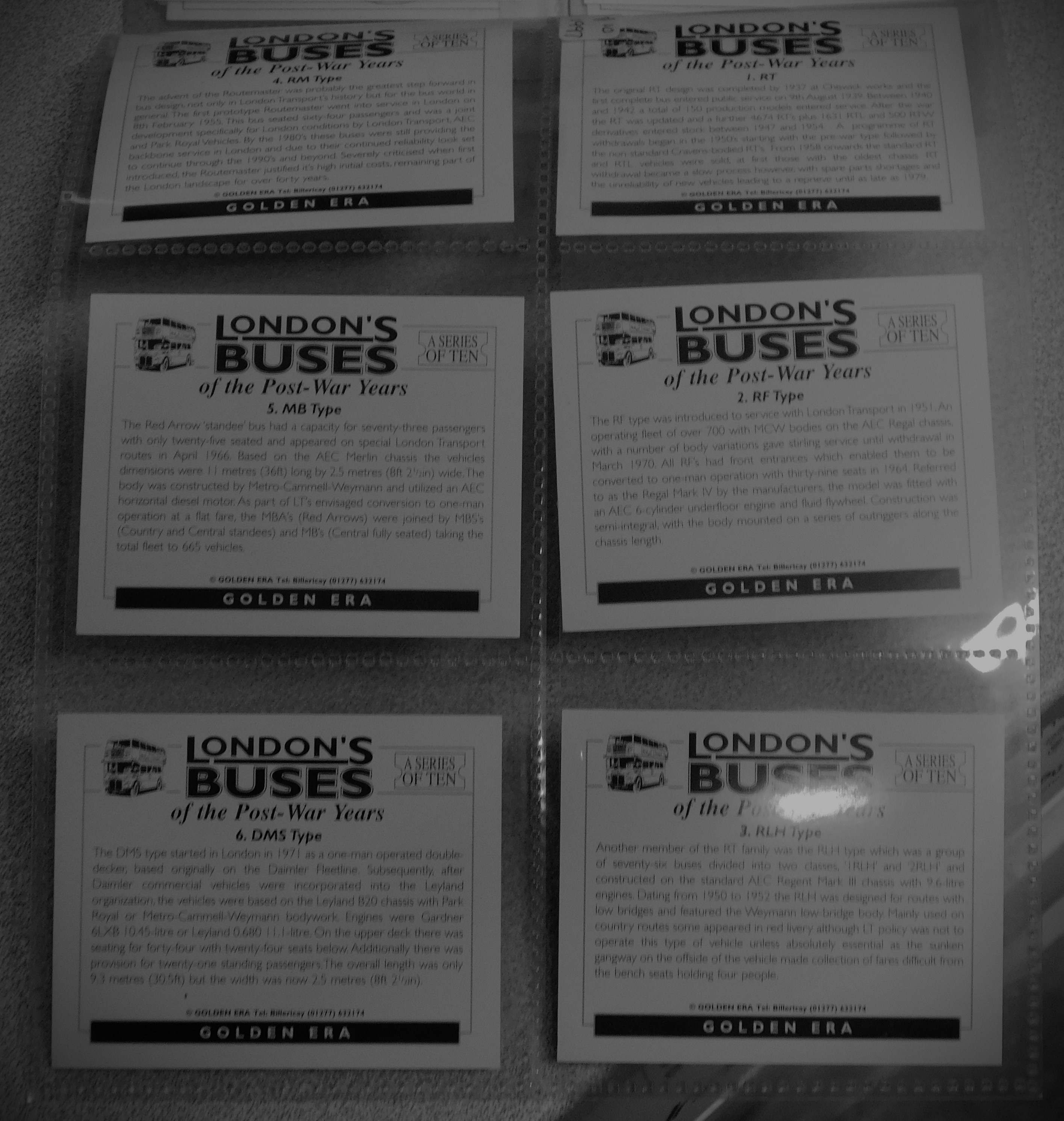
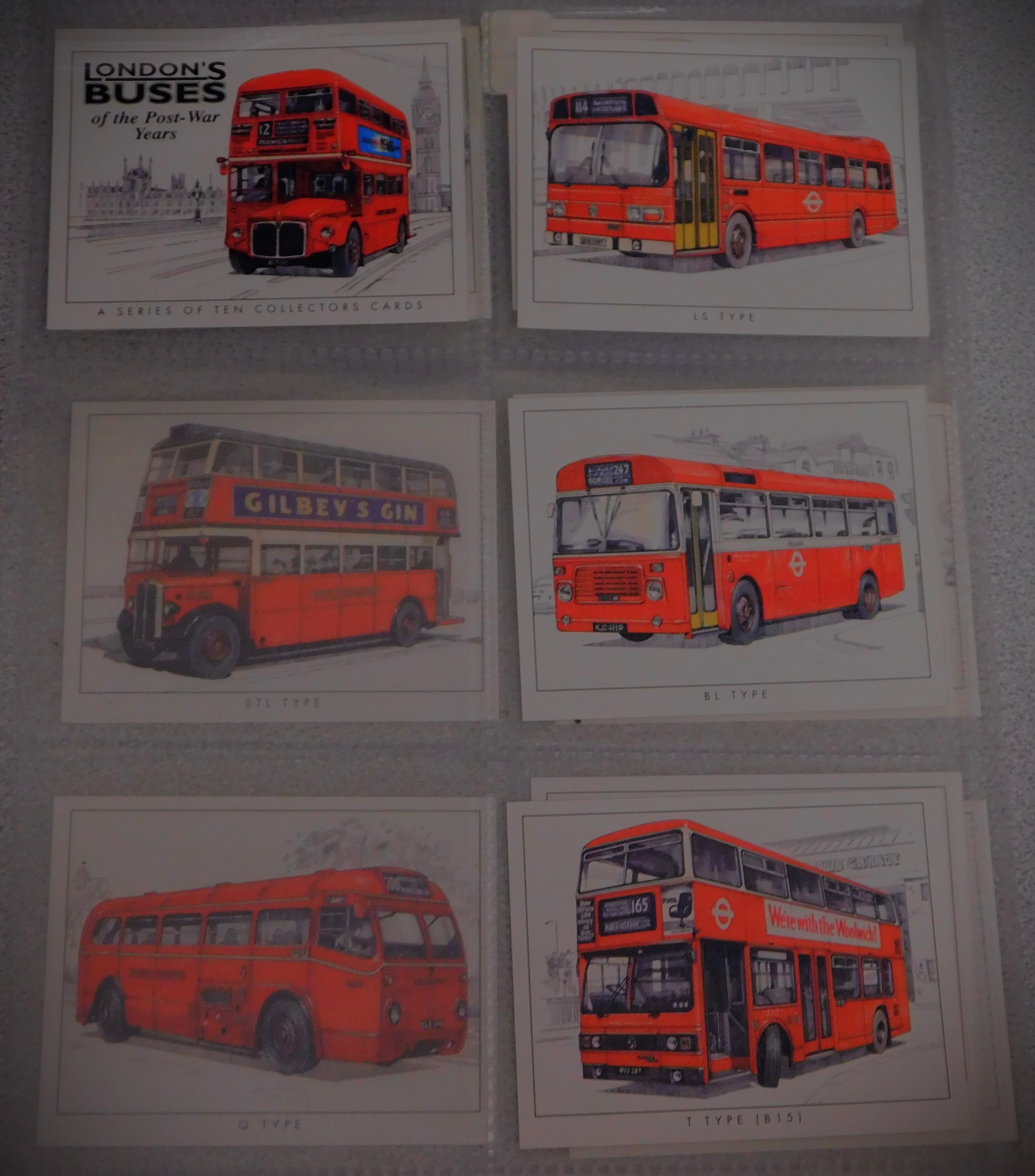
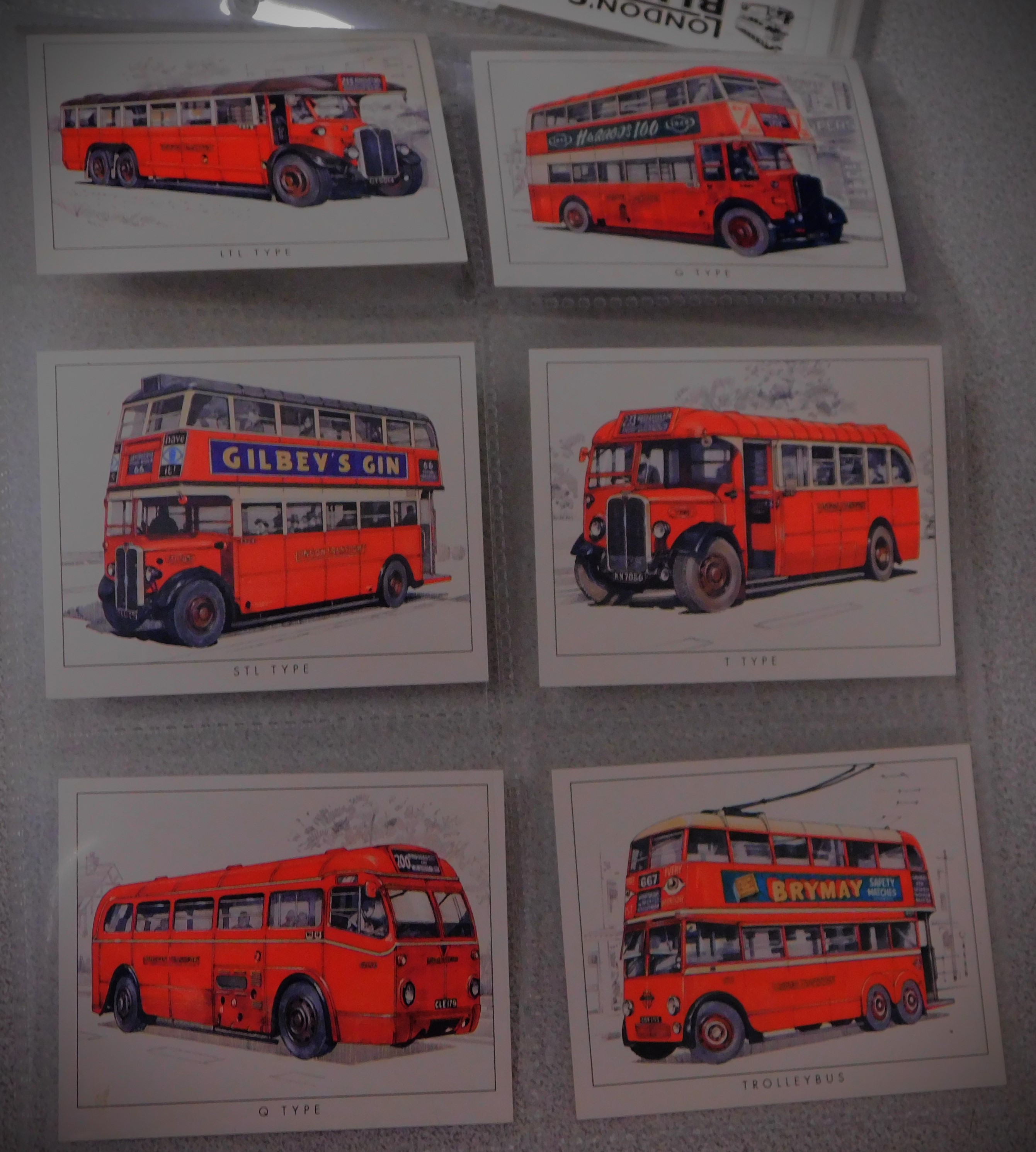
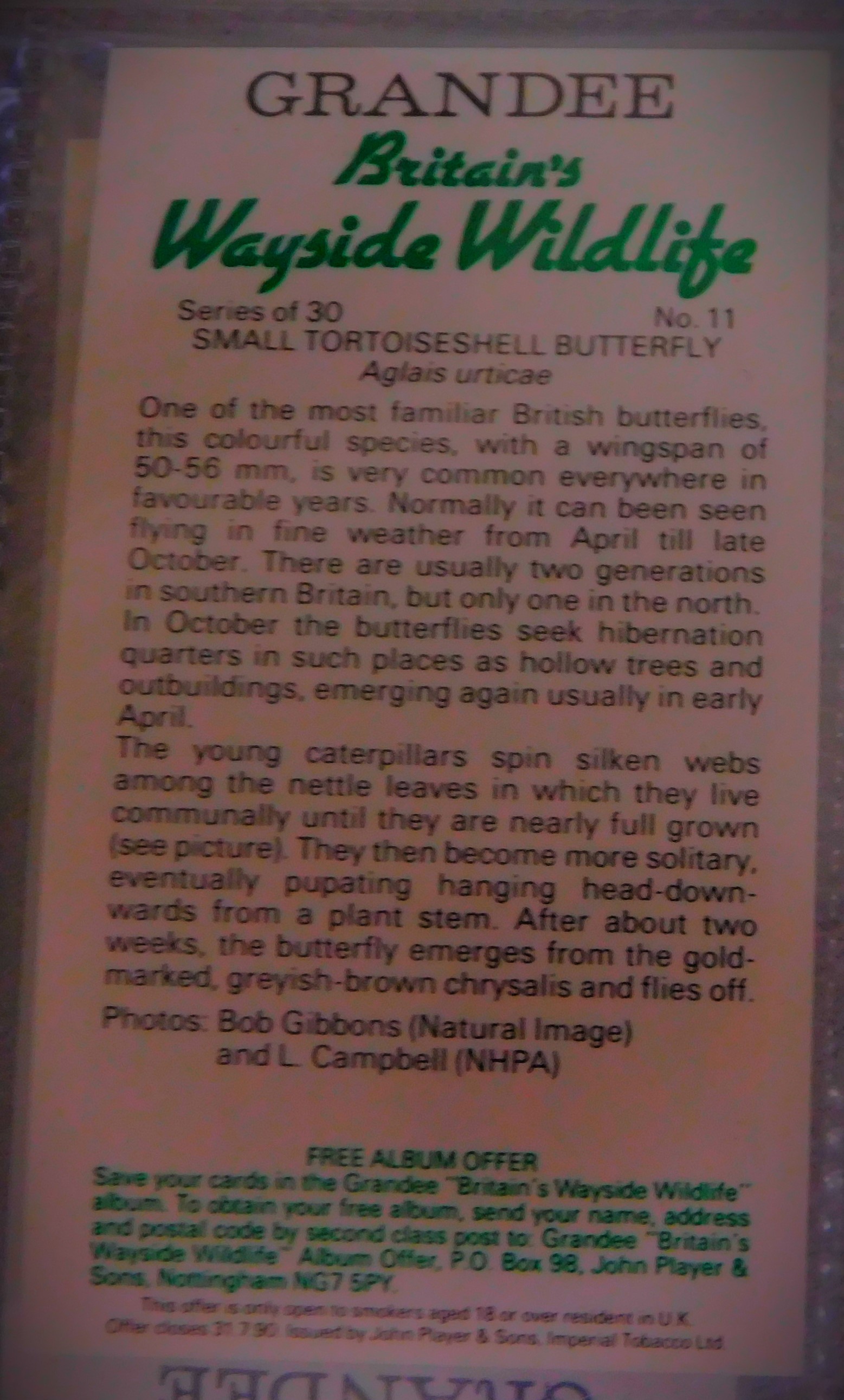
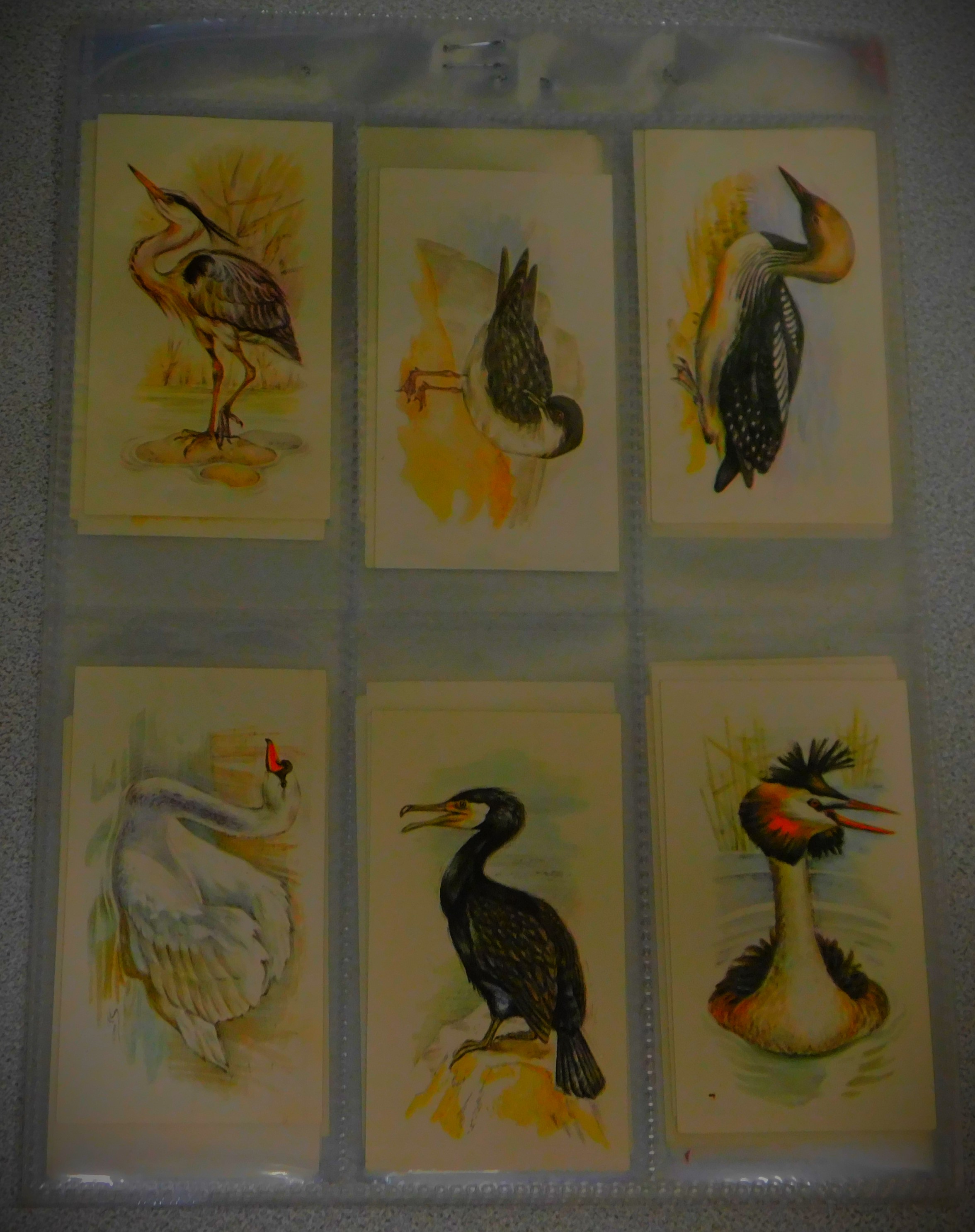
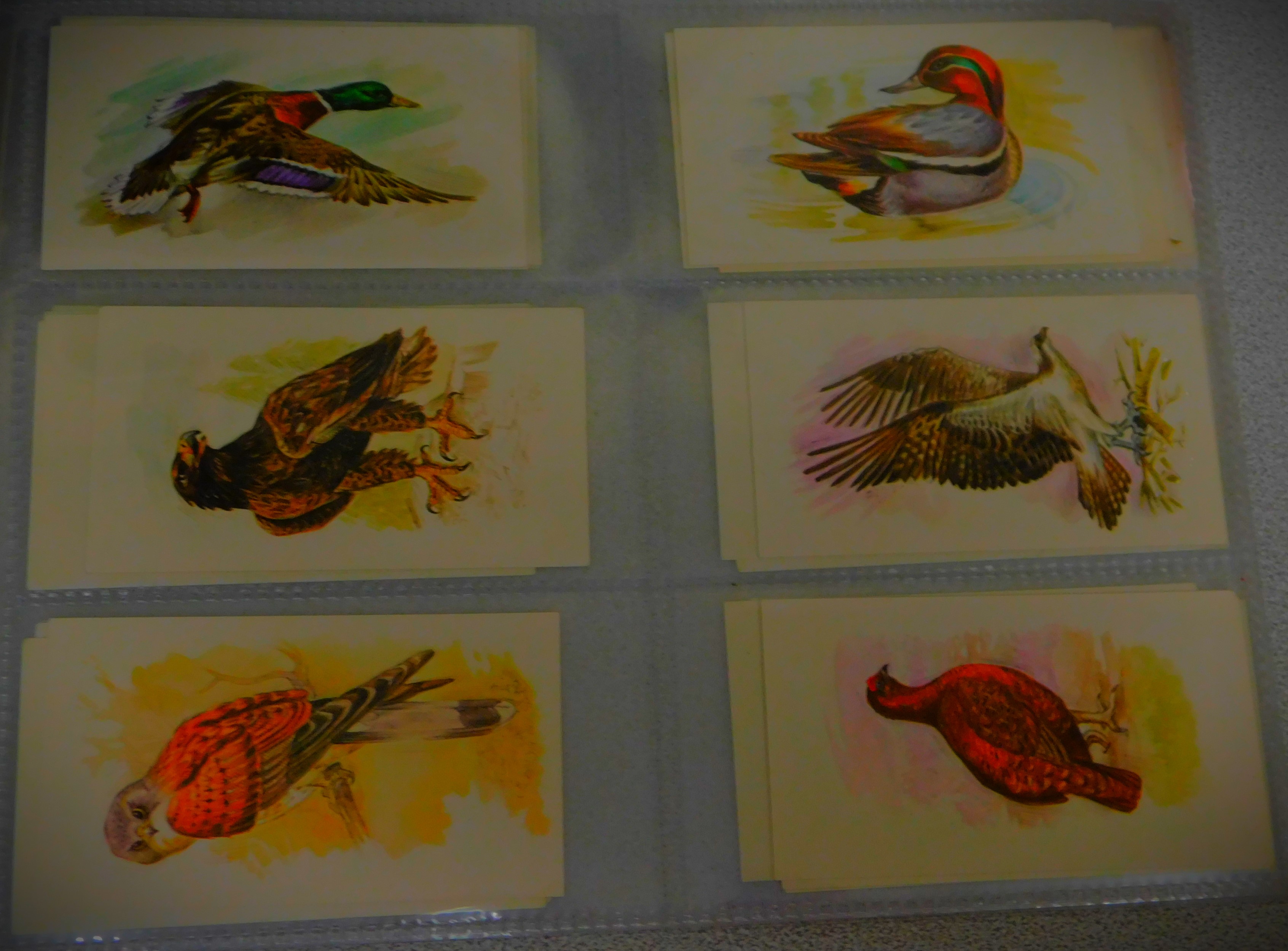
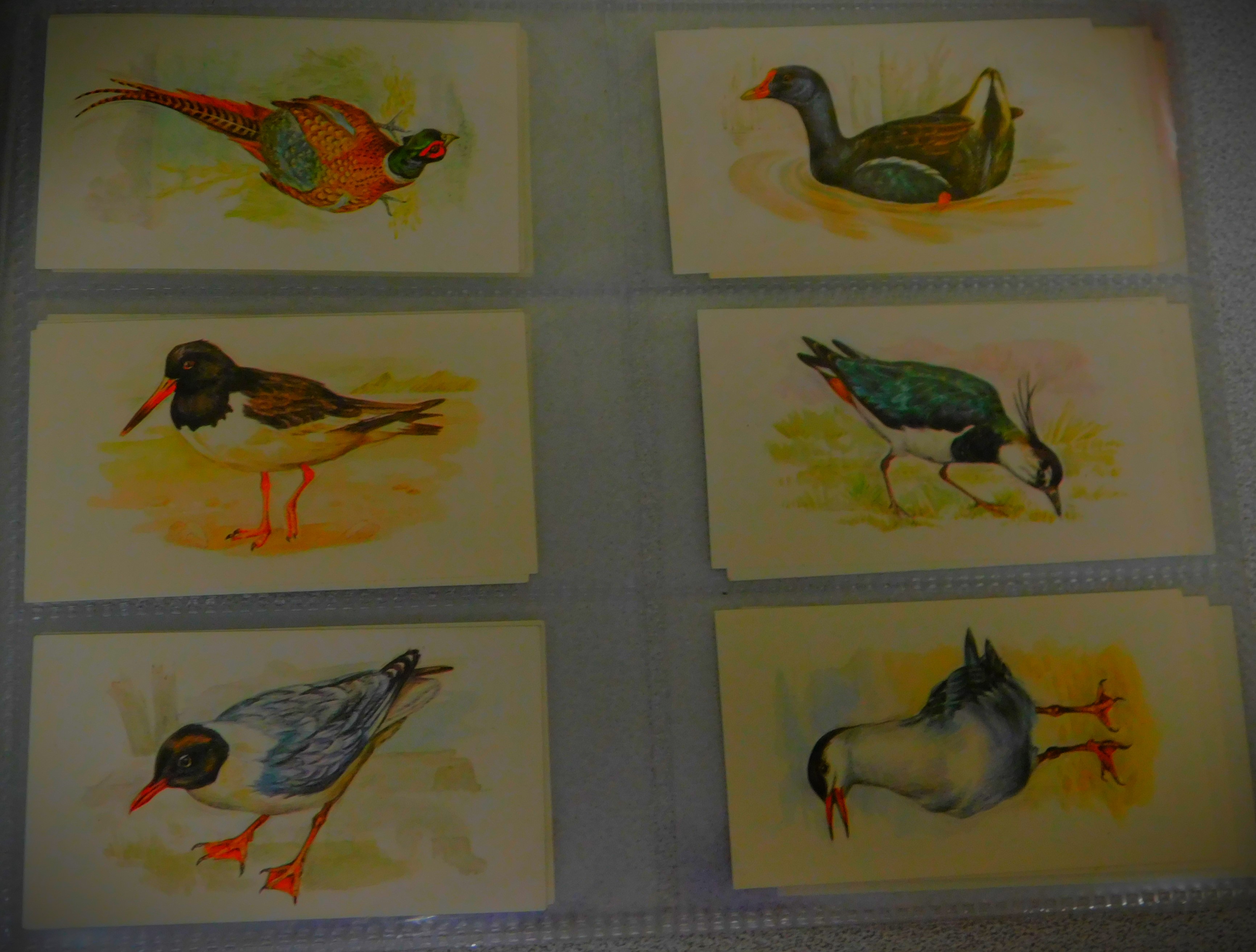
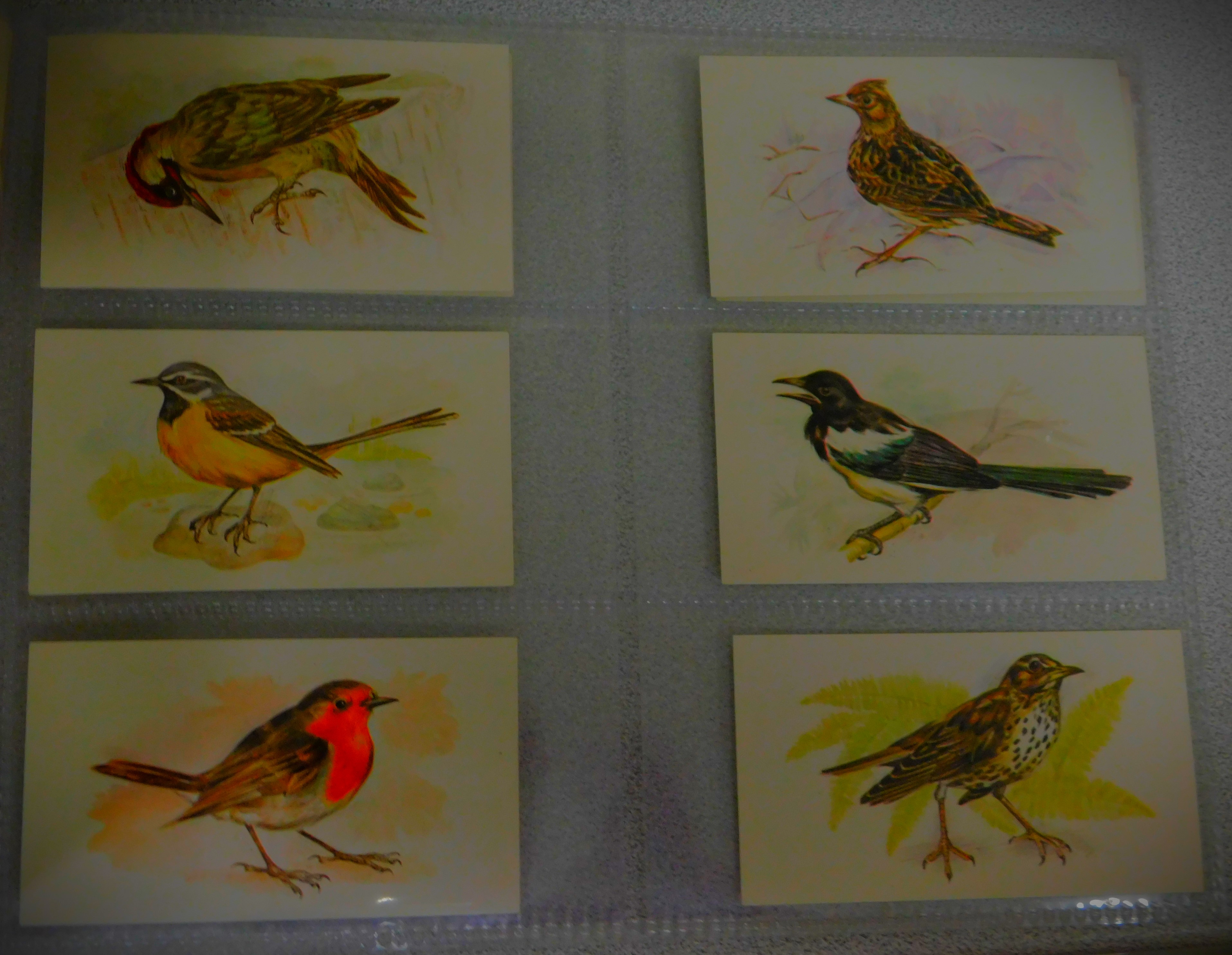
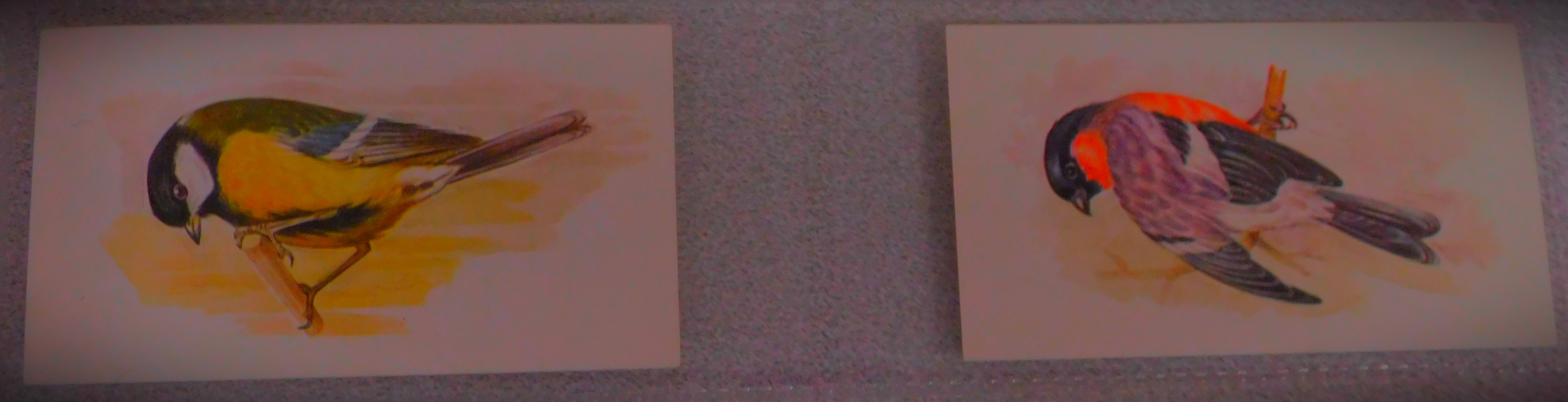
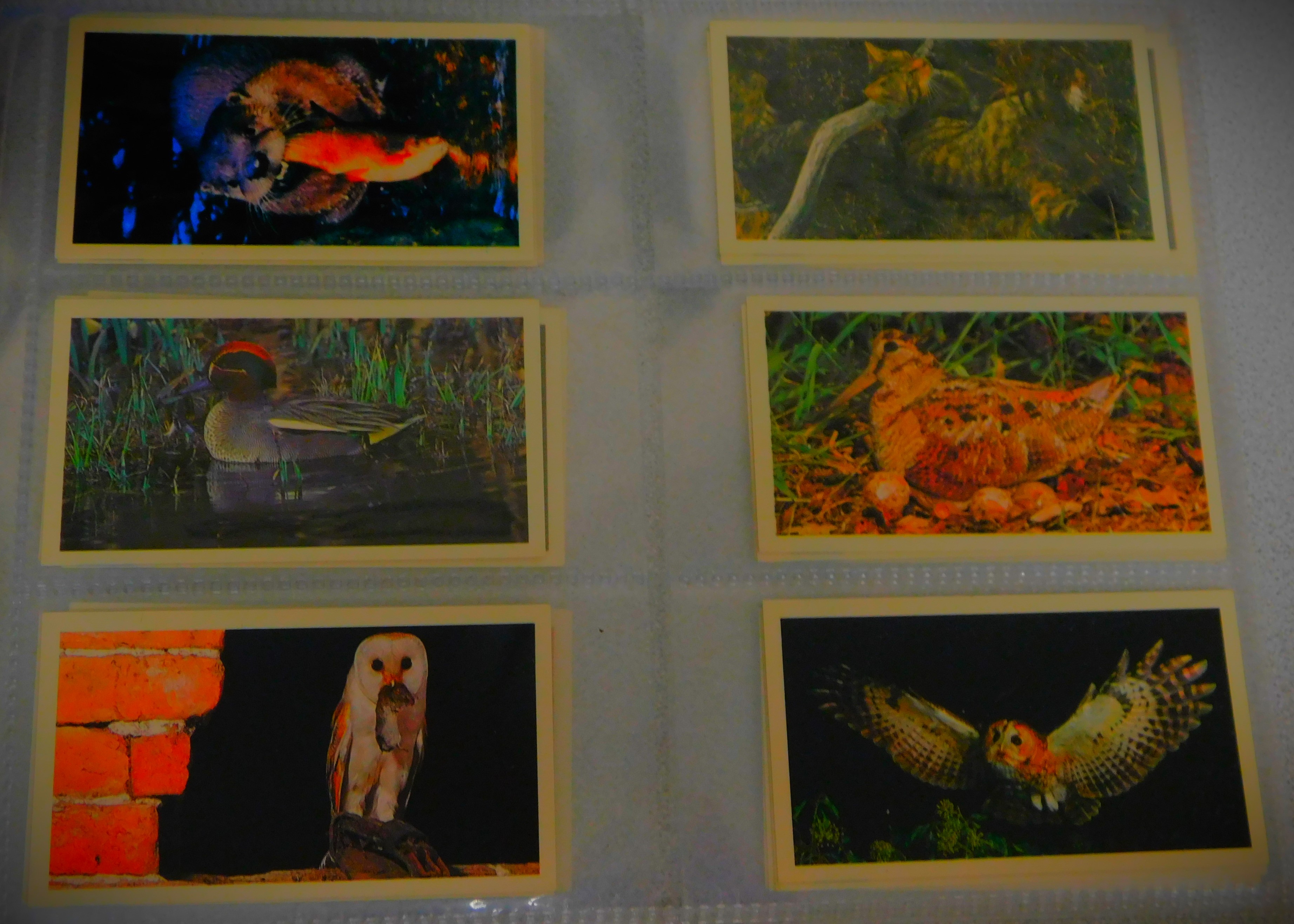
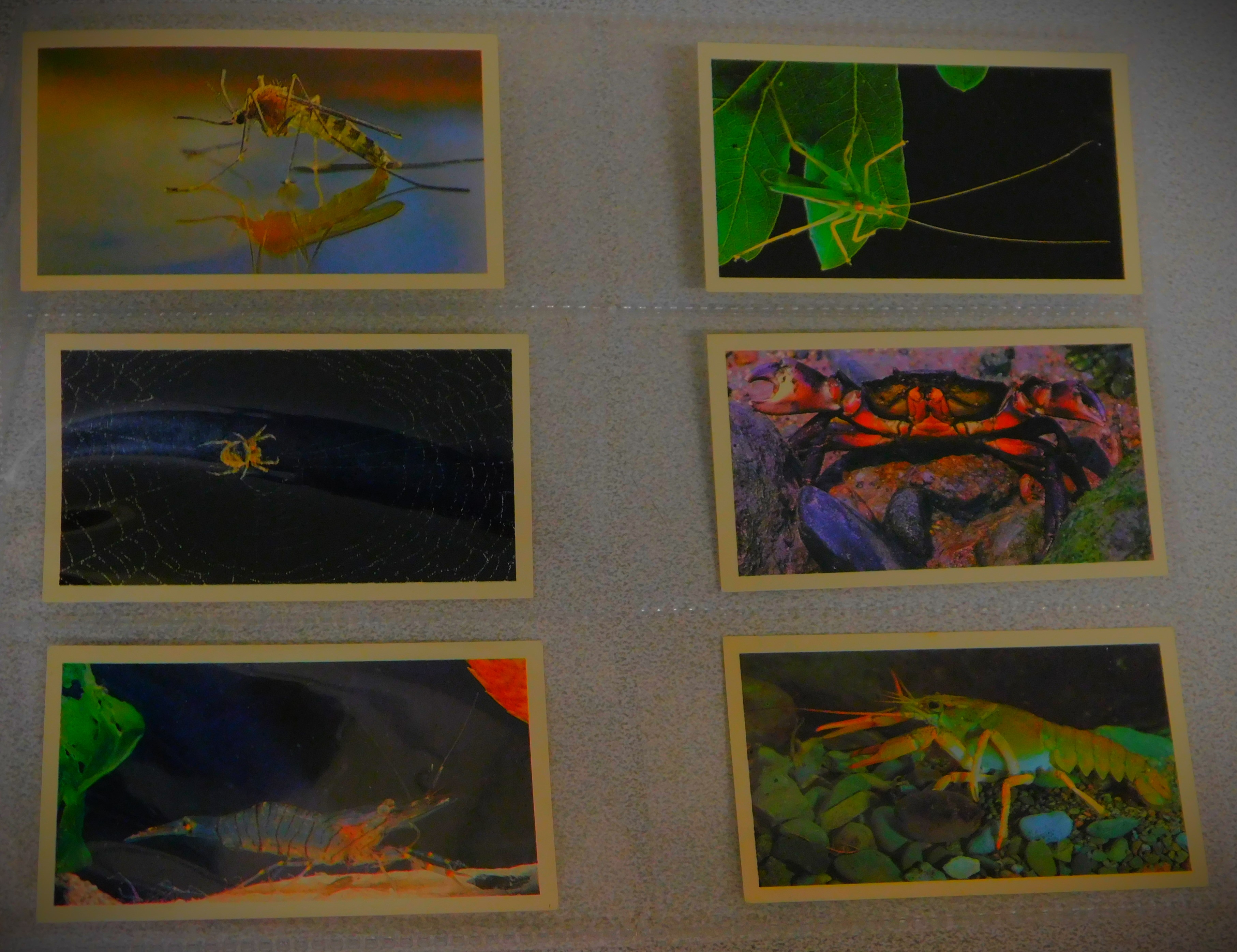
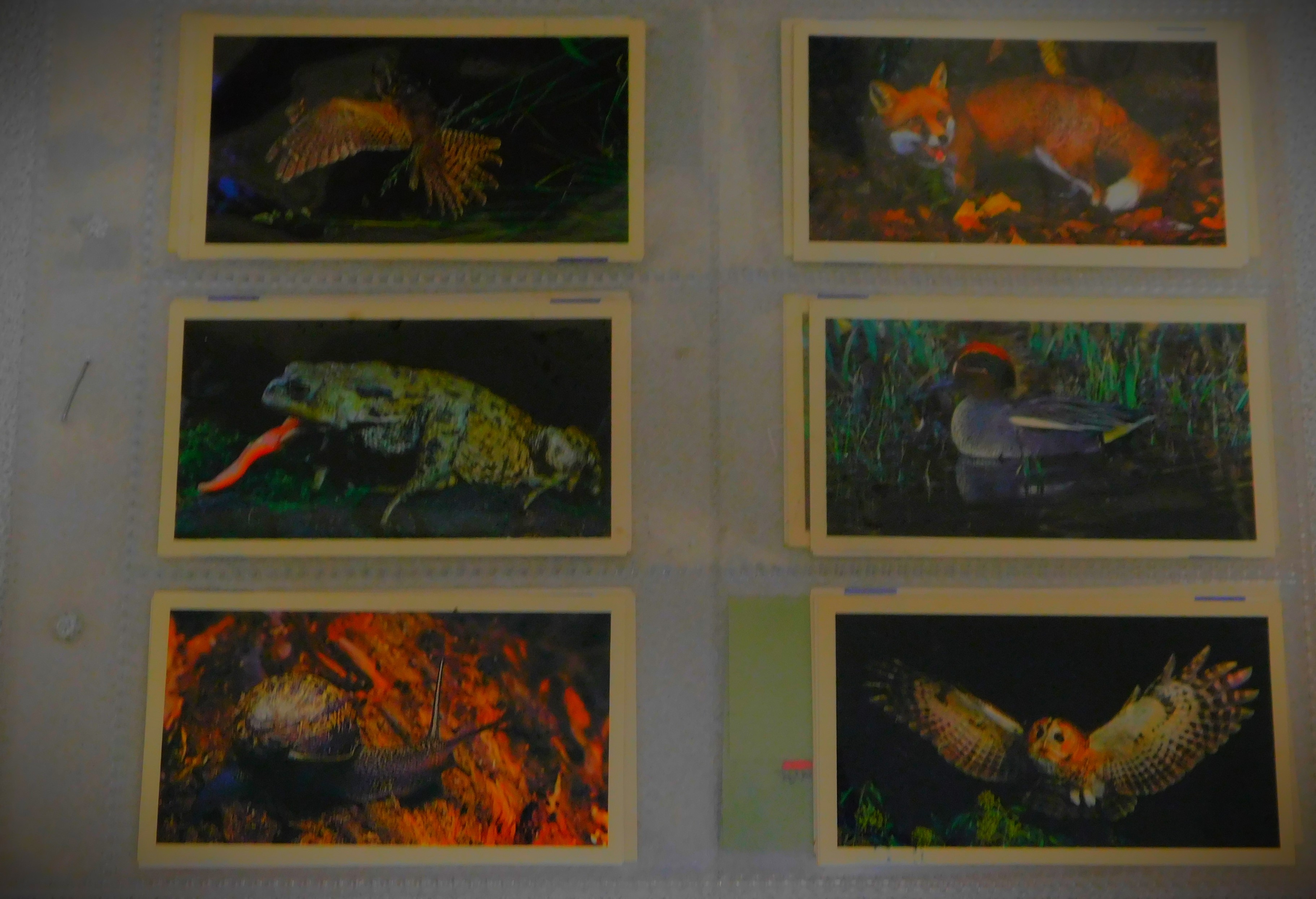
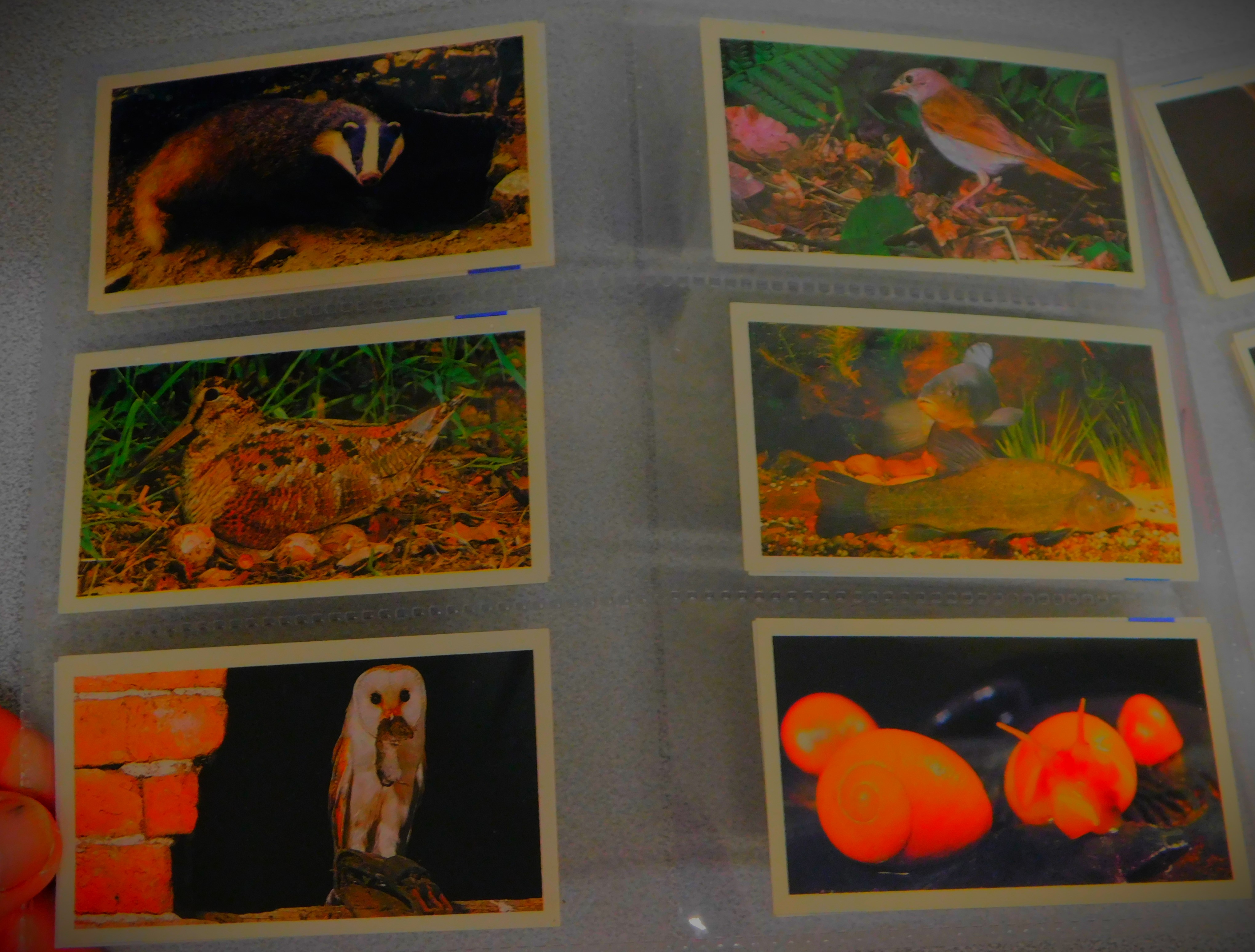
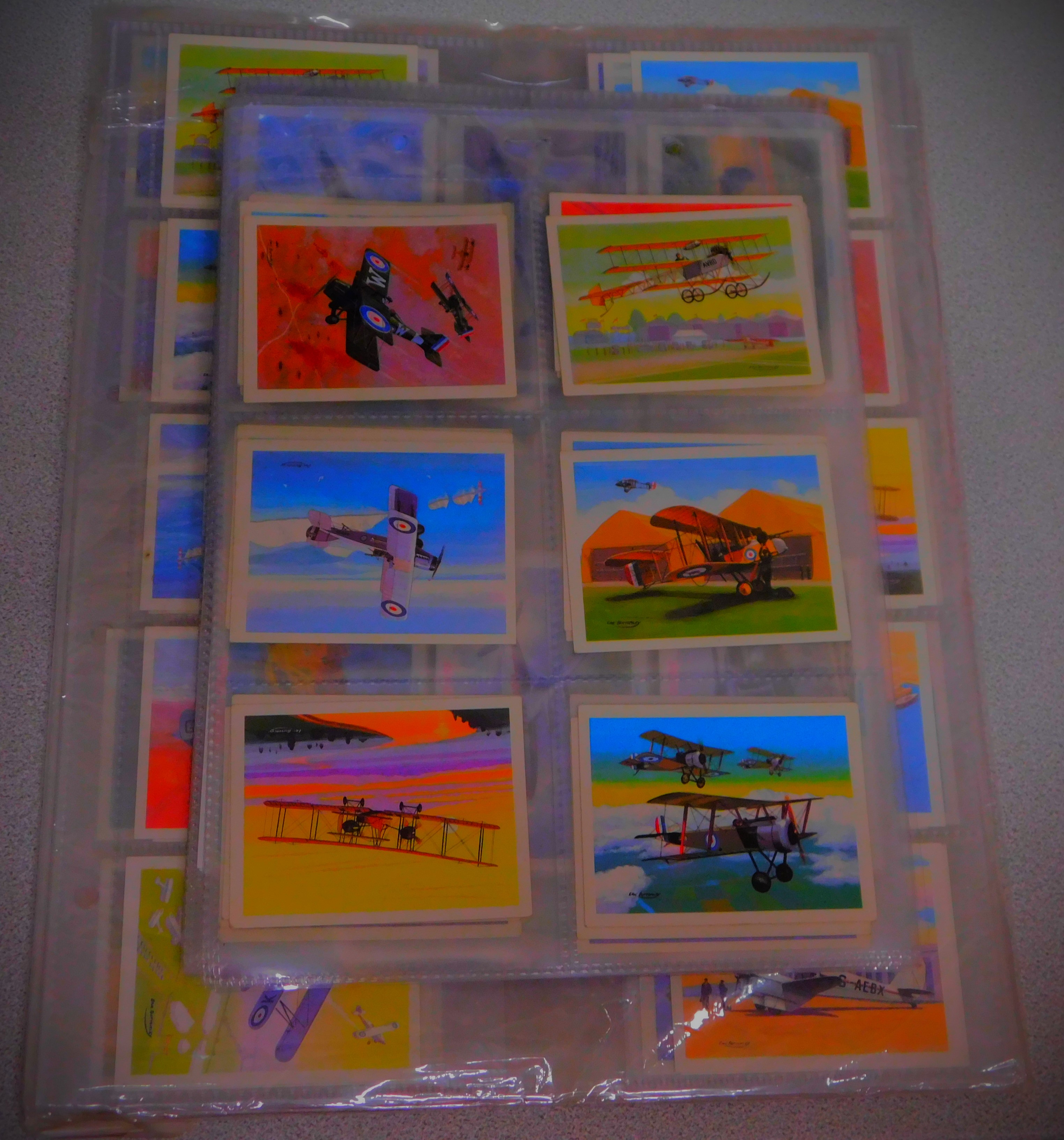
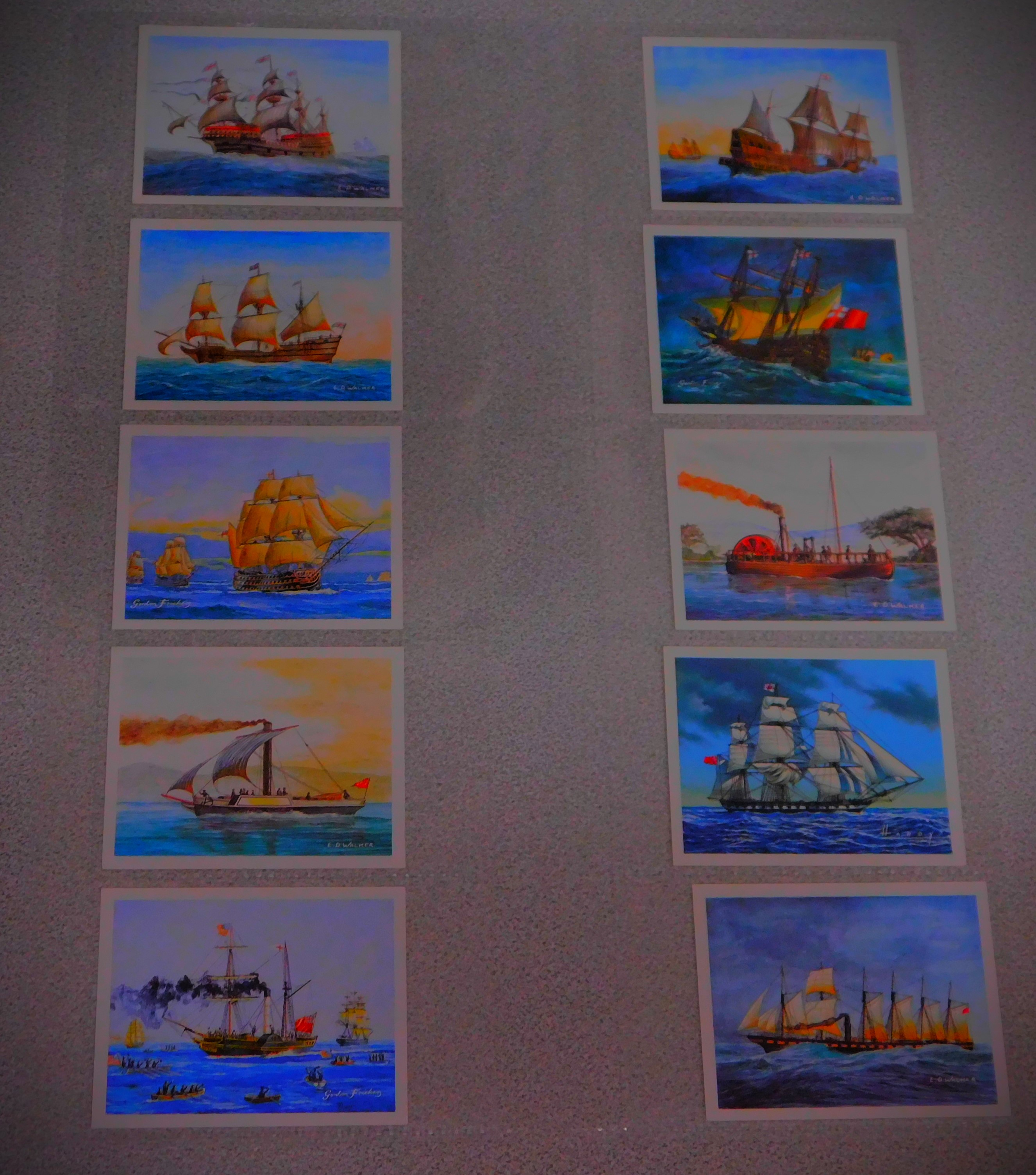
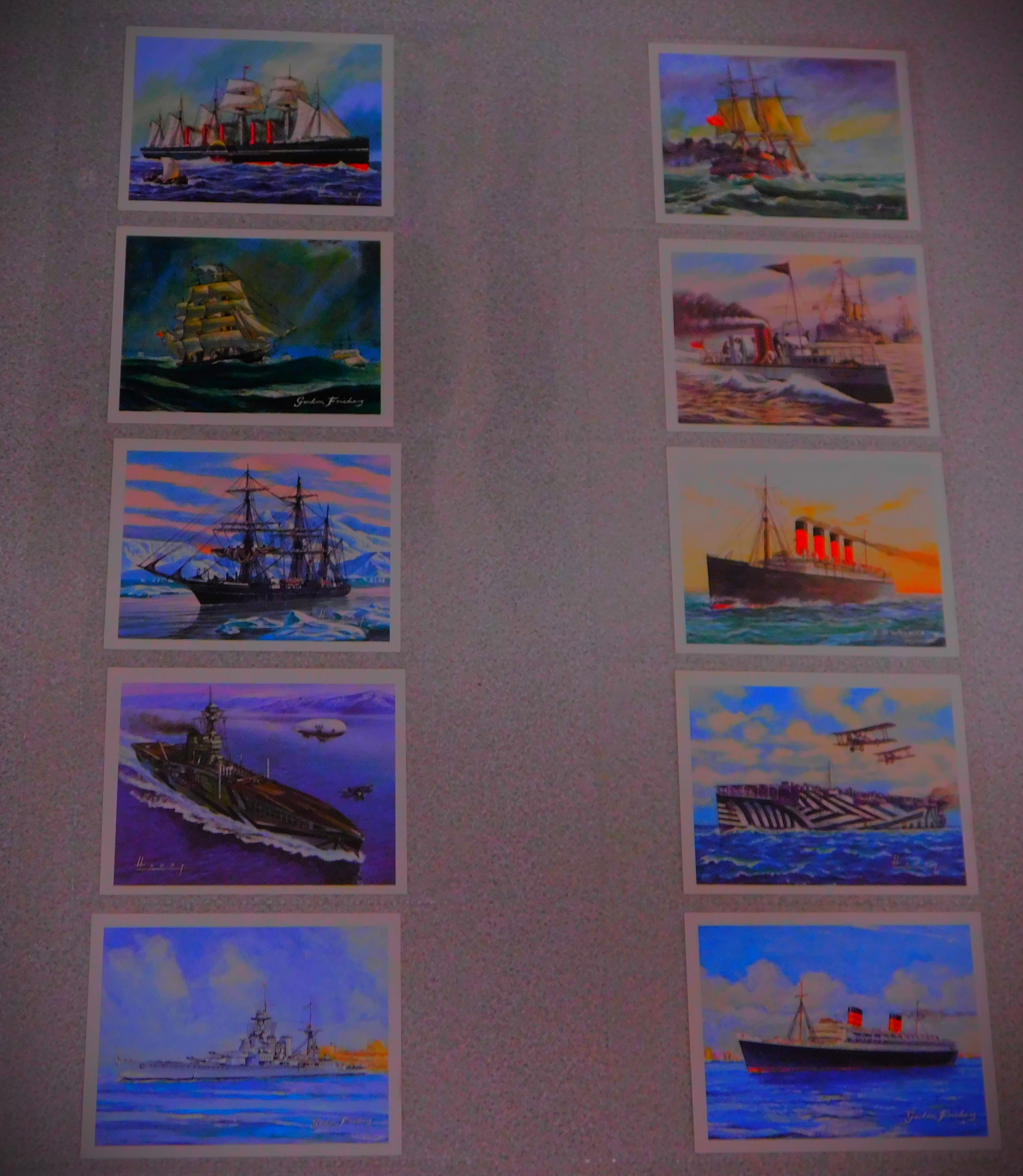
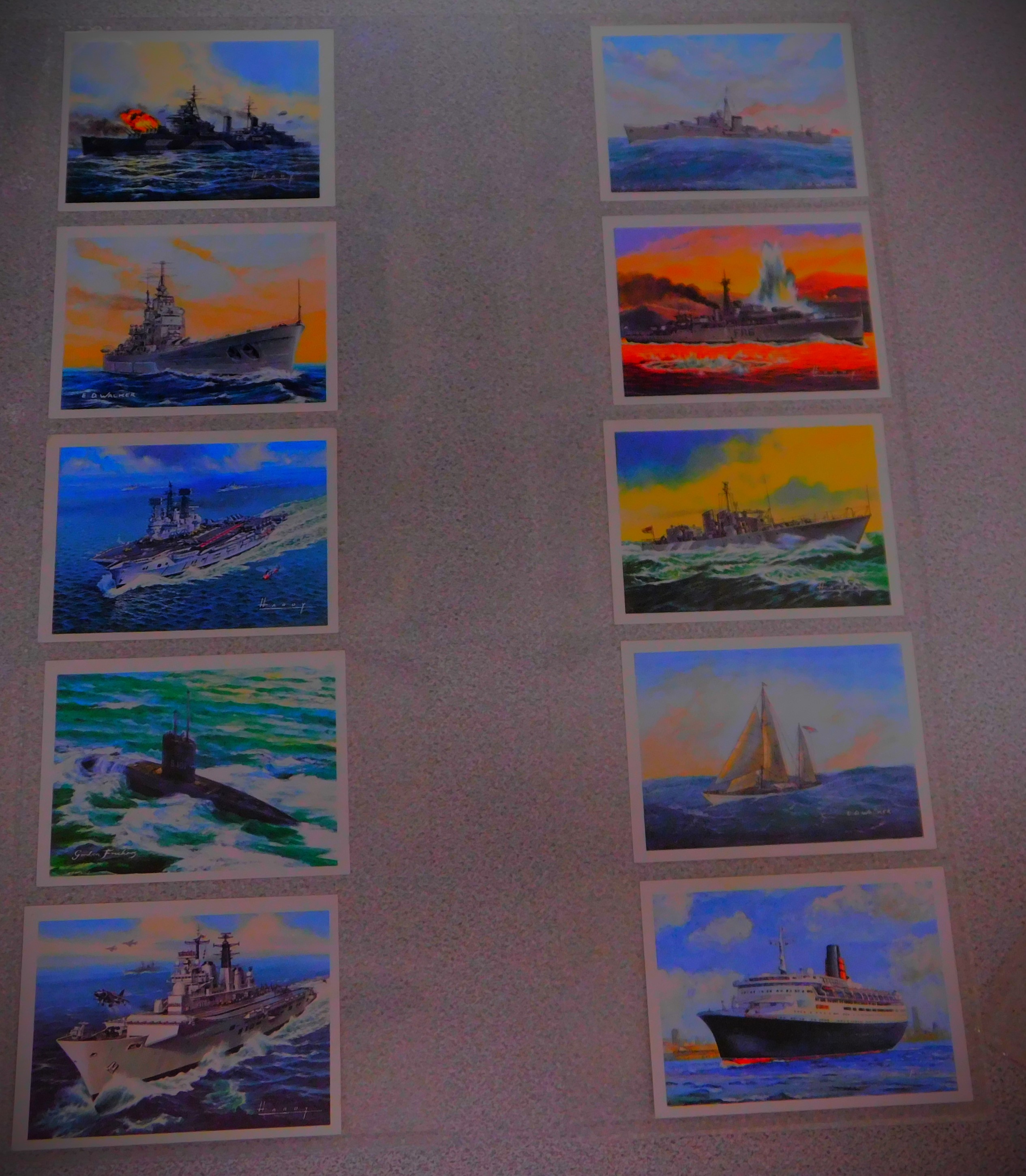
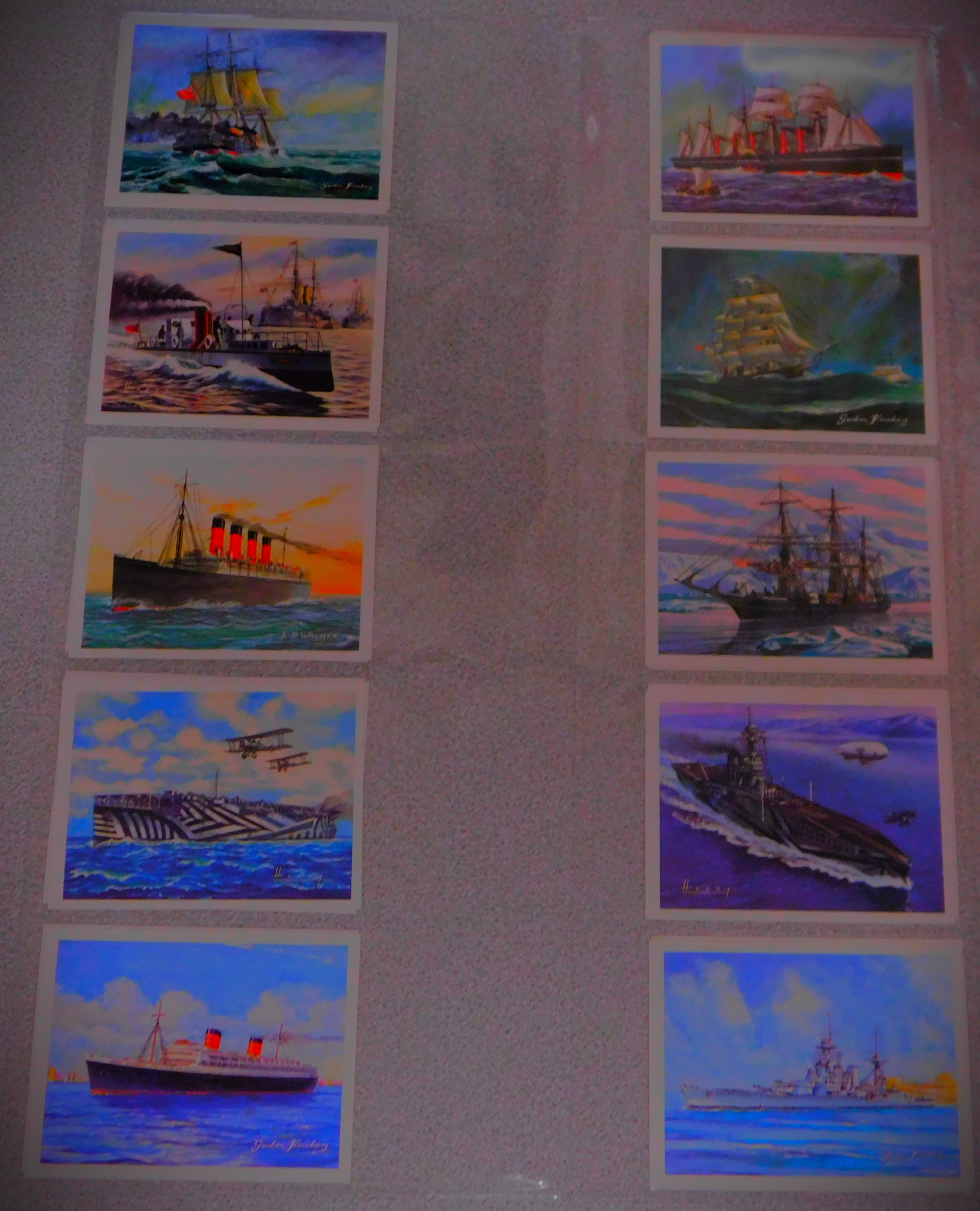
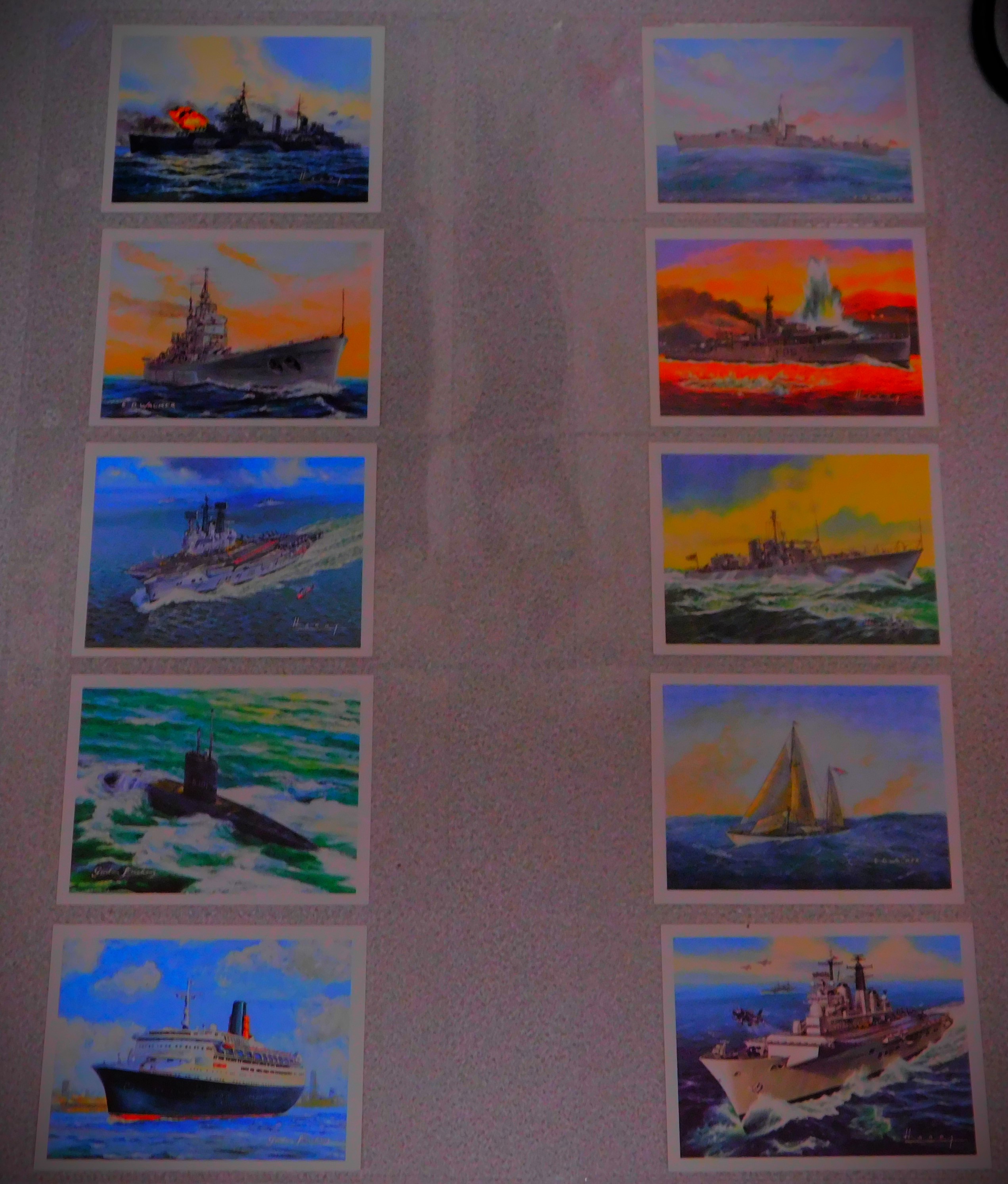
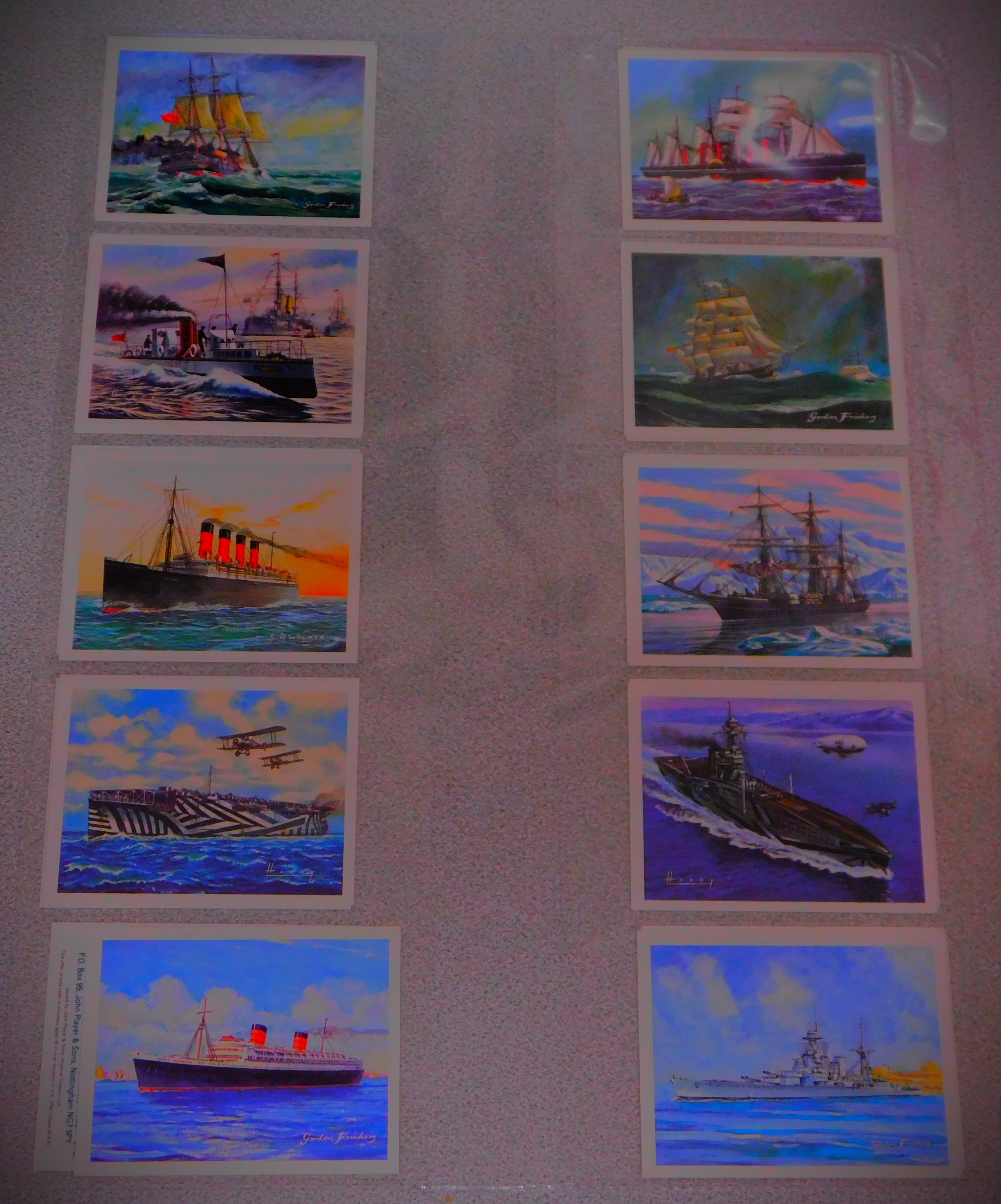
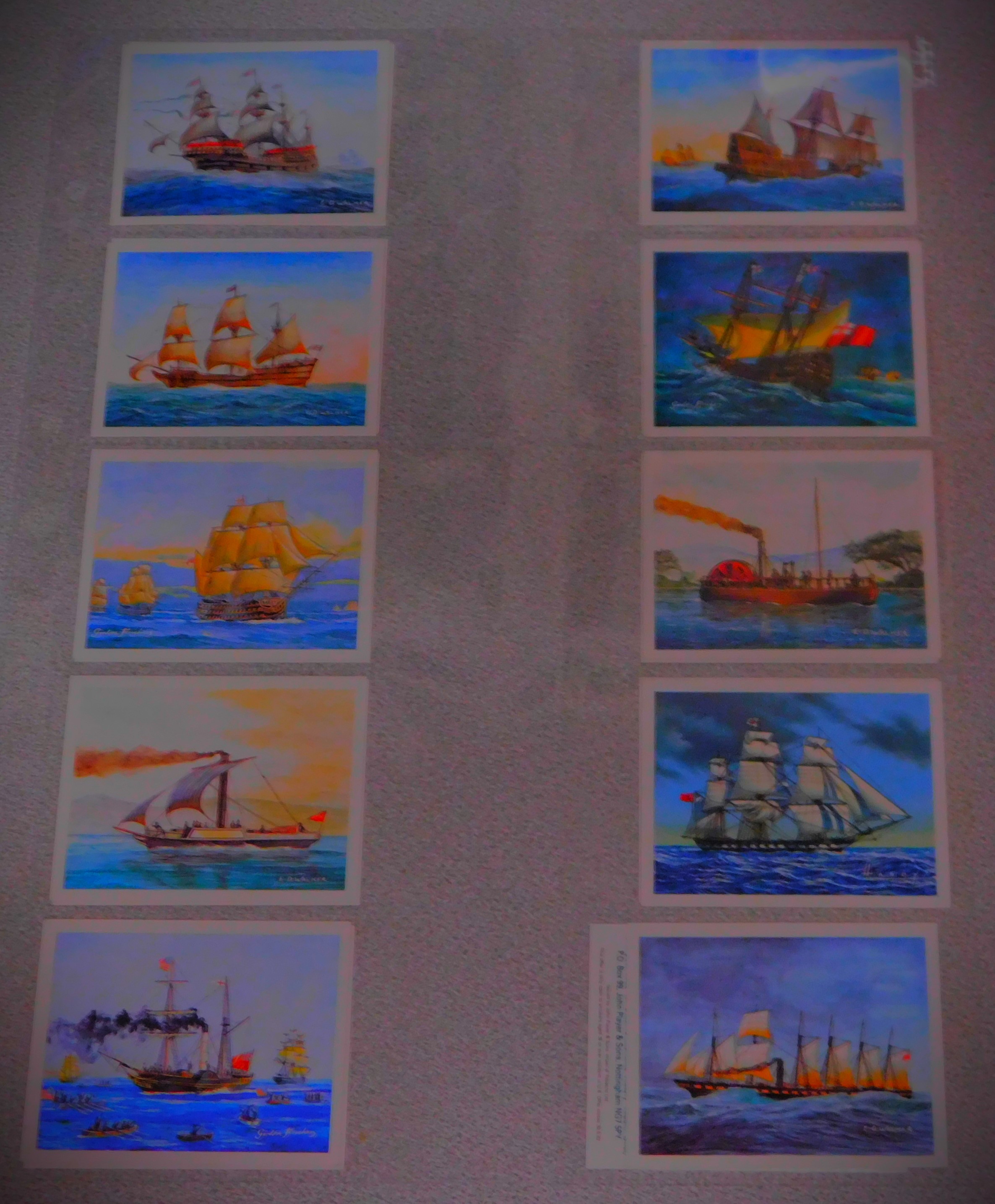
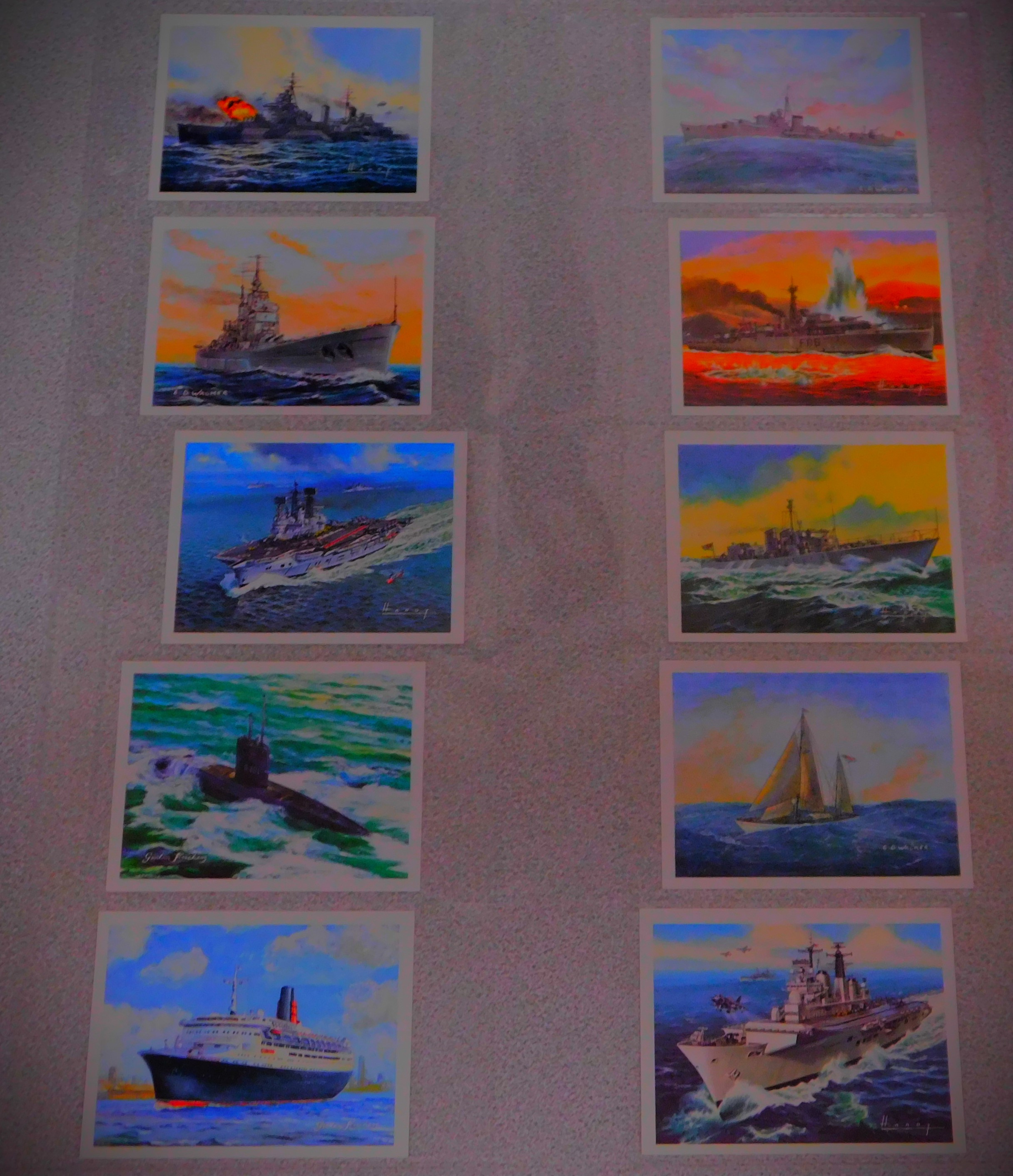
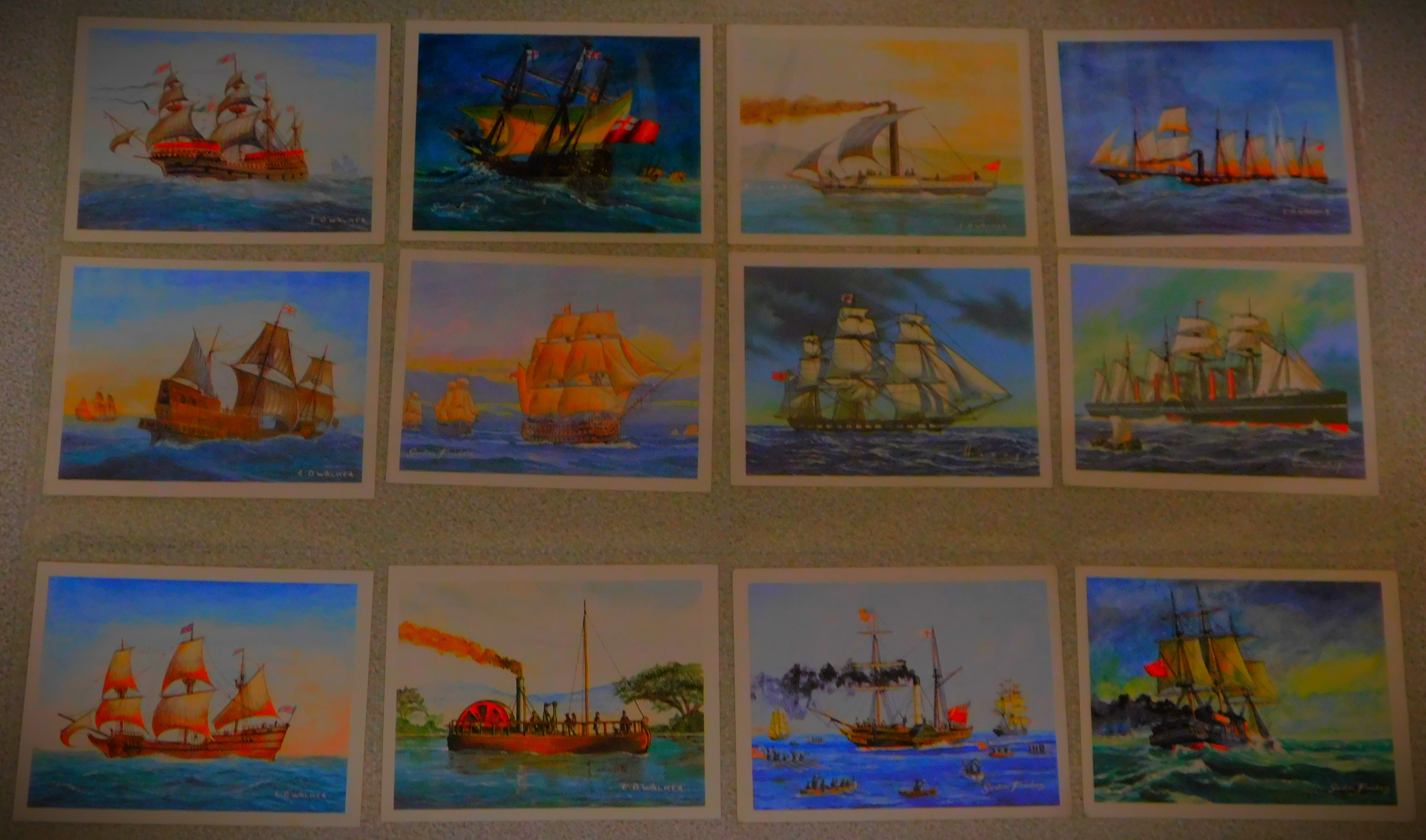
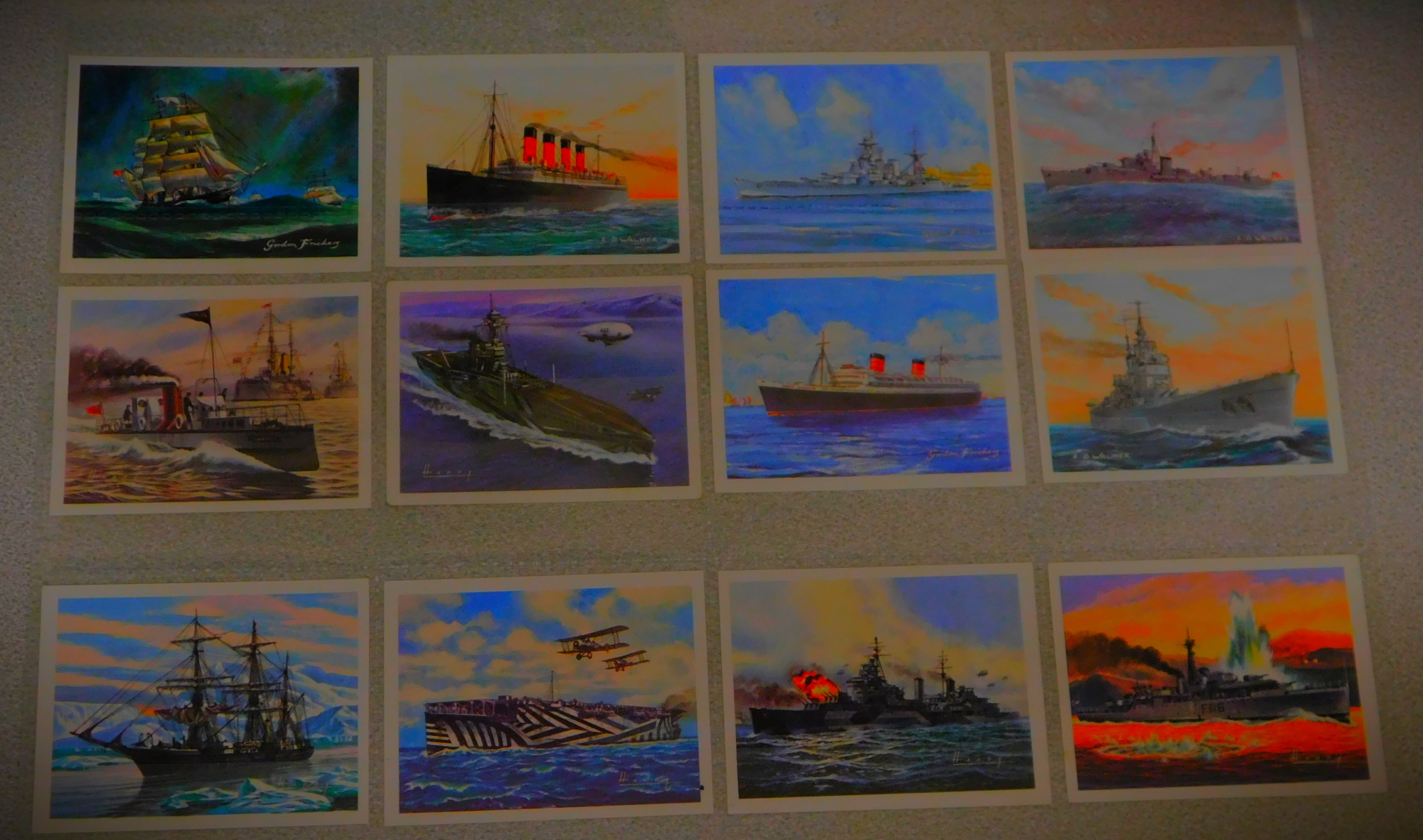
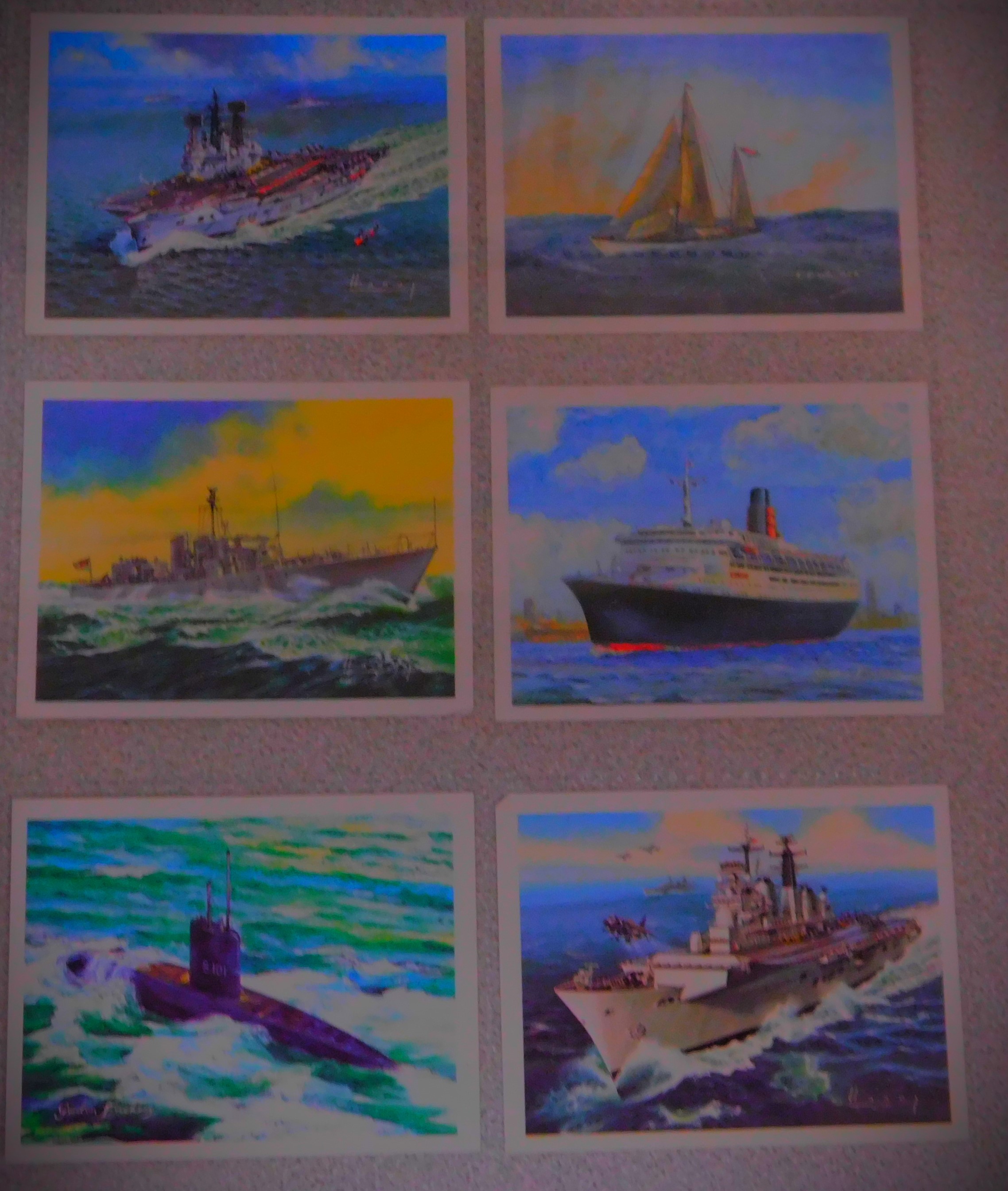
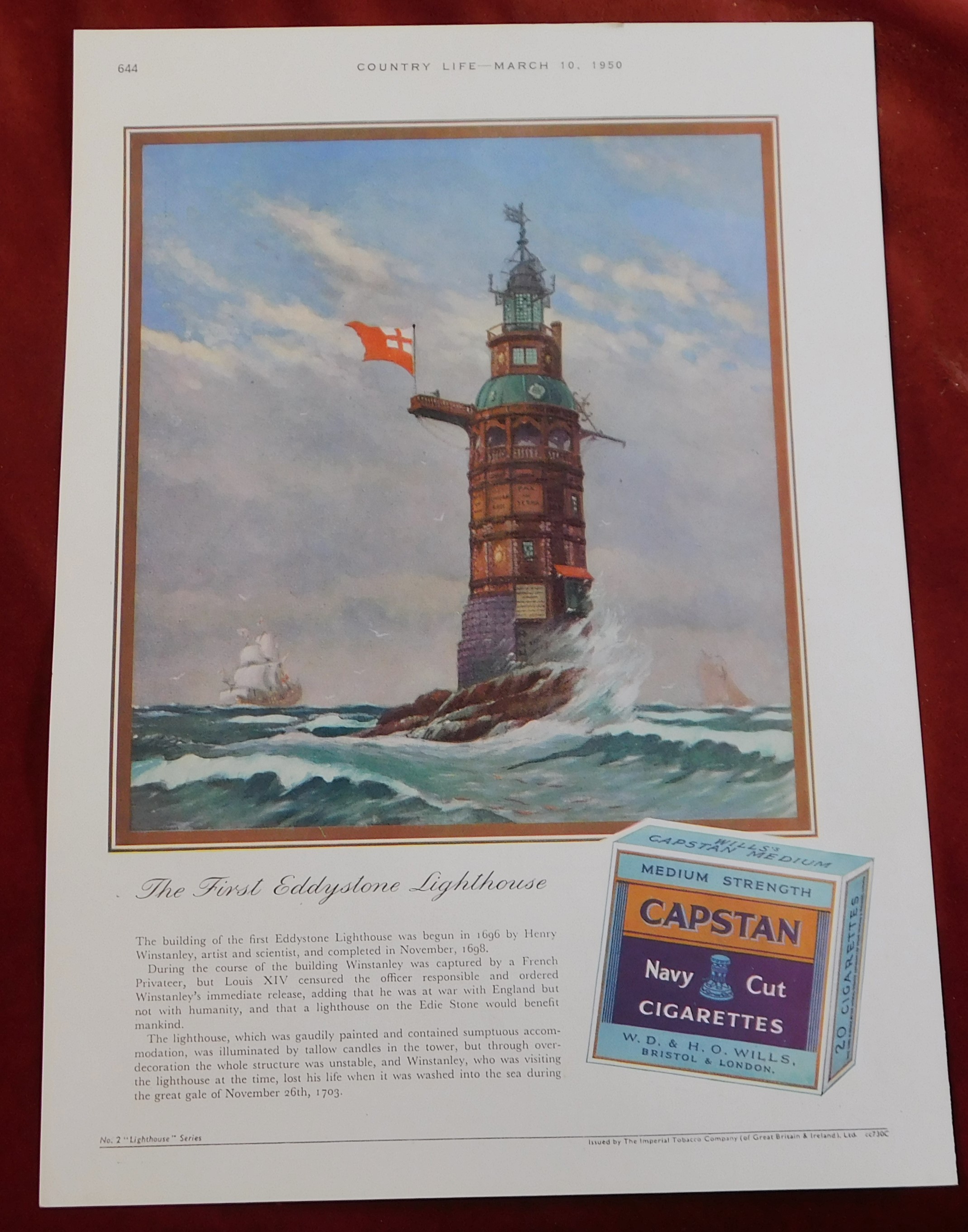
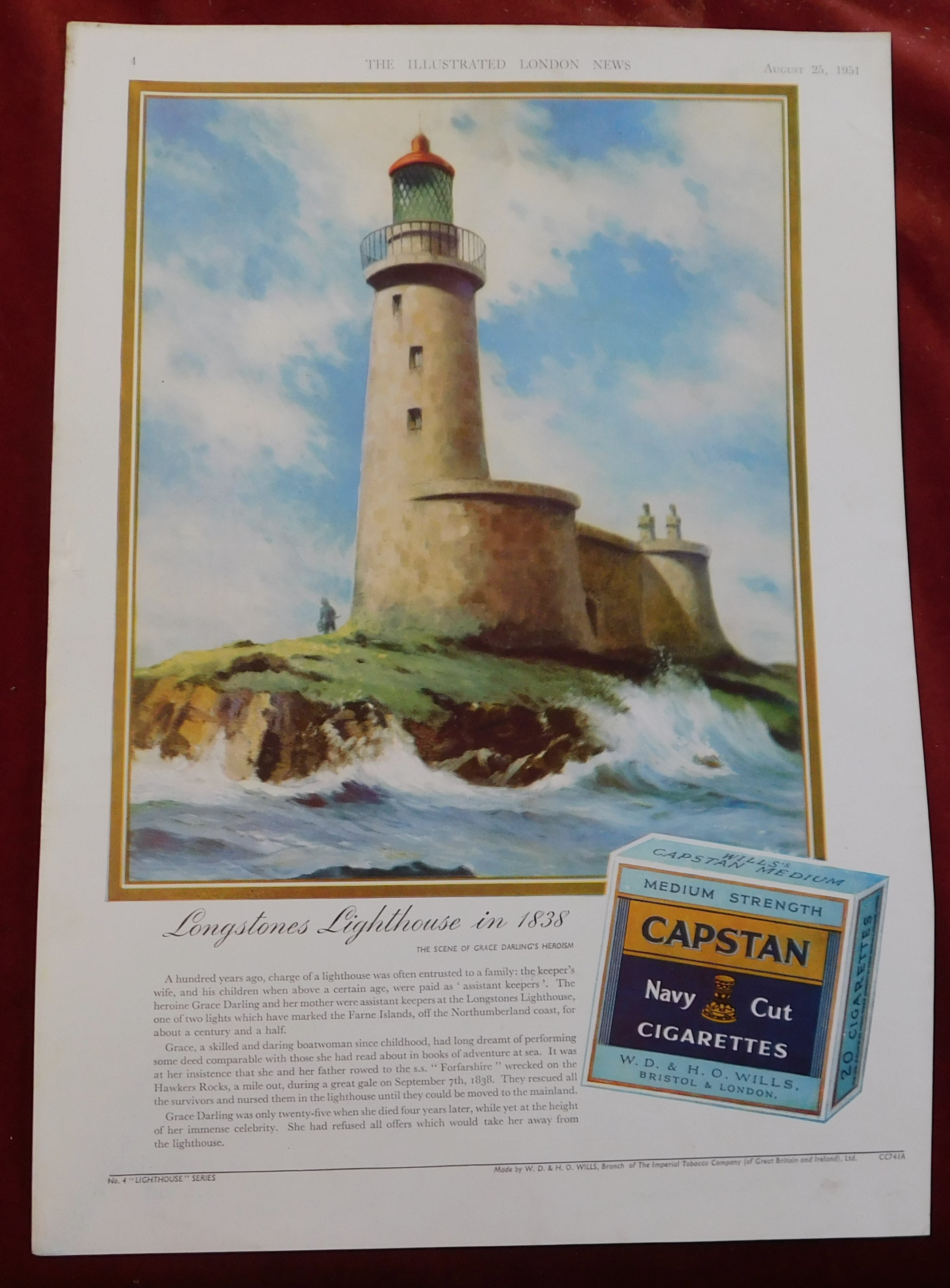
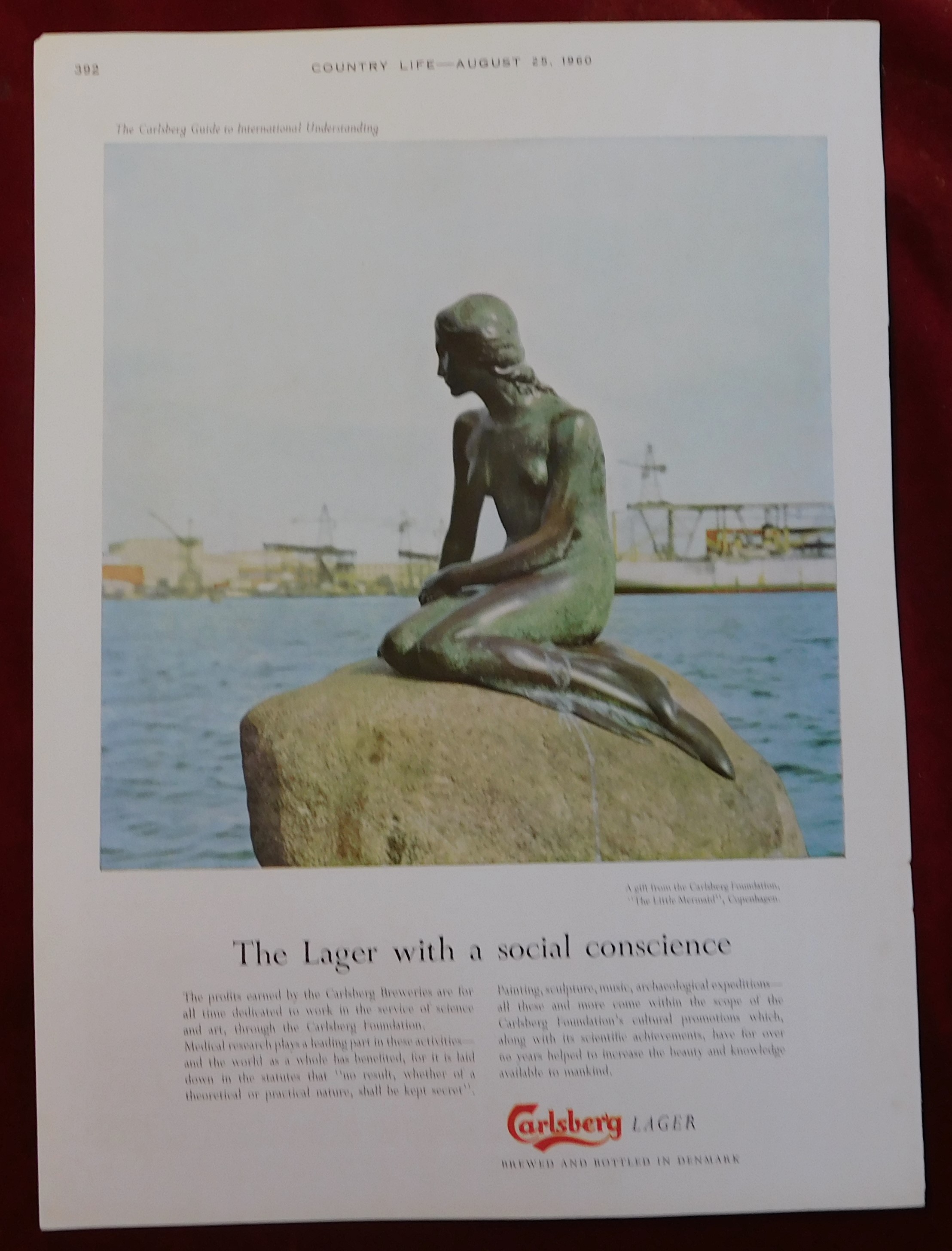
The second lot I focus on was number 574. This lot, a collection of cigarette/ trade cards, was knocked down to me for £10. I produced a good gallery for it…

Having taken possession of it I have been through it in much more detail than imaging for auction allows…

Now I end with a few of my regular photographs

All Time XIs – Given Names Begin With N

An all time XI of players whose given names begin with N, some honourable mentions and a two part photo gallery.

Today I pick an all time XI of players whose given names begin with the letter N. I also have some photos to share with you.

  1. Nazar Mohammad (Pakistan, right handed opening batter). He only played a handful of test matches but fared respectably in those, and his domestic record was very good.
  2. Neil McKenzie (South Africa, right handed opening batter). An adhesive opener with a good test record.
  3. *Nasser Hussain (England, right handed batter, captain). As a batter he started badly at international level but recovered to finish with a very respectable career record. As a captain it was he who began to drag England back from the nadir of 1999 when they were dumped out of their own world cup in the group stages and dropped to the bottom of the world test rankings.
  4. Neil Harvey (Australia, left handed batter). One of the greatest of all left handers, and at the time of his retirement he ranked second only to Bradman among Australian test batters.
  5. Norman O’Neill (Australia, right handed batter). He made his debut at Brisbane in 1958, one of the slowest scoring test matches ever played, but one person proved that it was possible to score at a reasonable rate on that surface: Norman O’Neill, whose 73 not out to win the match for his side in the final innings took less than two and a half hours.
  6. Natalie Sciver-Brunt (England, right handed batter, right arm medium pacer). A contemporary great.
  7. +Niall O’Brien (Ireland, wicket keeper, left handed batter). He was of the generation who helped get Ireland elevated to full member status but for whom that elevation came too late. Over 9,000 FC runs at 35 and over 500 dismissals as a keeper provide solid credentials for his place here.
  8. Norbert Philip (West Indies, right arm fast medium bowler, right handed batter). A fine bowling all rounder who was not quite good enough for West Indies at their greatest – he played some test matches during the Packer years, but never got picked when WI were at full strength. He was an overseas player for Essex for a period and in 1983 he combined with Neil Foster (doubly not qualified, through having gone on a rebel tour of Apartheid South Africa and not having been good enough in any case) to dismiss Surrey for 14, the lowest all out total in first class cricket since before WWII.
  9. Neville Knox (England, right arm fast bowler, right handed batter). He got called up for England against South Africa in 1907, though in a wet season on uncovered pitches, with the spinners making merry he was little more than a passenger. Unfortunately knee problems got the better of him at the end of this season, and his career ended prematurely. However his performances in 1906 and 1907 (England had no home series that season and no away tour in 1906-7) were outstanding.
  10. Noor Ahmad (Afghanistan, left arm wrist spin bowler, right handed batter). One of a phalanx of high quality spinners being produced by Afghanistan at the moment.
  11. Nathan Lyon (Australia, off spinner, right handed batter). In red ball cricket Australia has produced exactly one top class spinner since Warne’s retirement – Nathan Lyon.

Given names beginning with N does not give me a treasure chest of talent to work with, but I think this unit, with a strong top five, an all rounder at six, a keeper who can bat, a good new ball pairing and two good spinners is a pretty solid looking team.

Nick Compton was the only serious challenger for an opening berth. Neil Johnson of Zimbabwe would be in a limited overs XI, but his record in long form cricket was very ordinary. Nari Contractor and Neil Fairbrother both did well at first class level but did not deliver at test level, though the latter would be a candidate for a limited overs side. Nicholas Pooran would be candidate for both a batting slot and the gauntlets in a limited overs side, but not in long form cricket. Nigel Haig was a decent county all rounder, but did little in his five test matches and did not have the x-factor of Neville Knox. Neil Mallender was a good county seamer, and did well enough in his two test appearances. Norman Cowans once took a six-for against Australia in a test match, but his overall record was not great. Natasha ‘Tash’ Farrant was the only left arm seam option I could think of, and it would have been stretch even for me to include her in this XI. Nathan Hauritz was several cuts below Lyon as an off spinner. Narendra Hirwani rewrote the record books on his test debut, but his performances thereafter were ordinary.

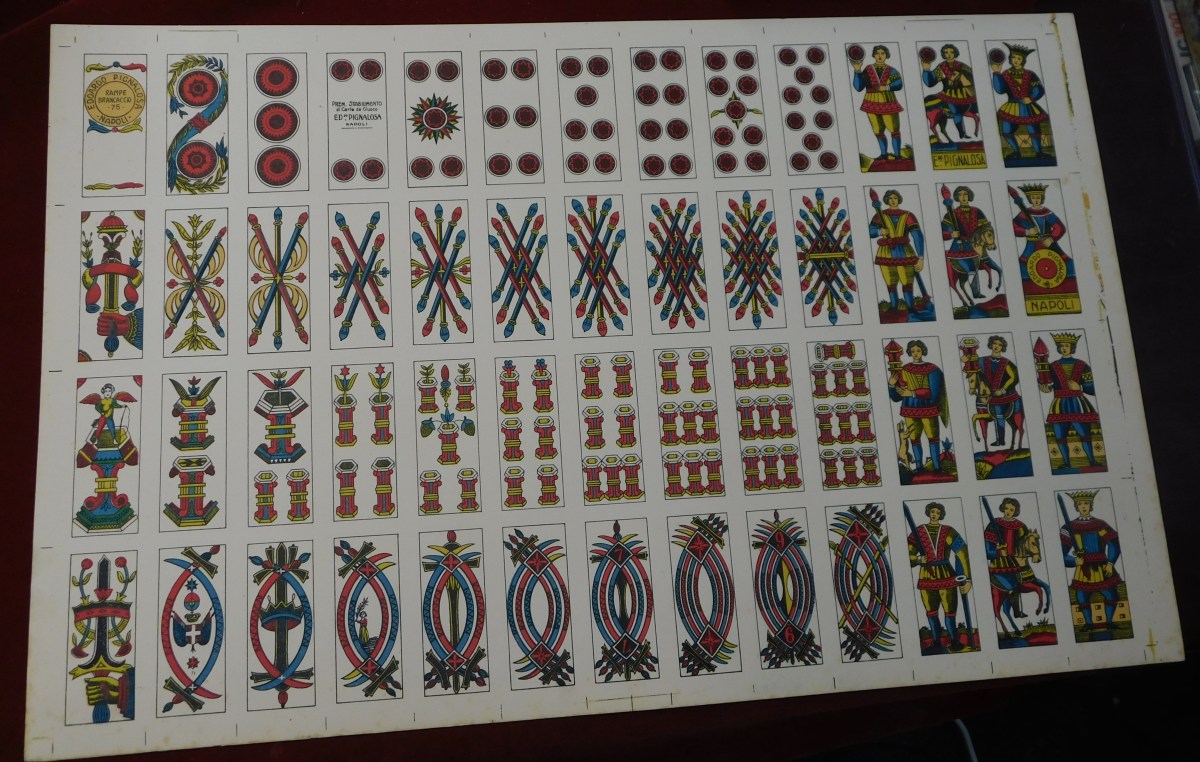
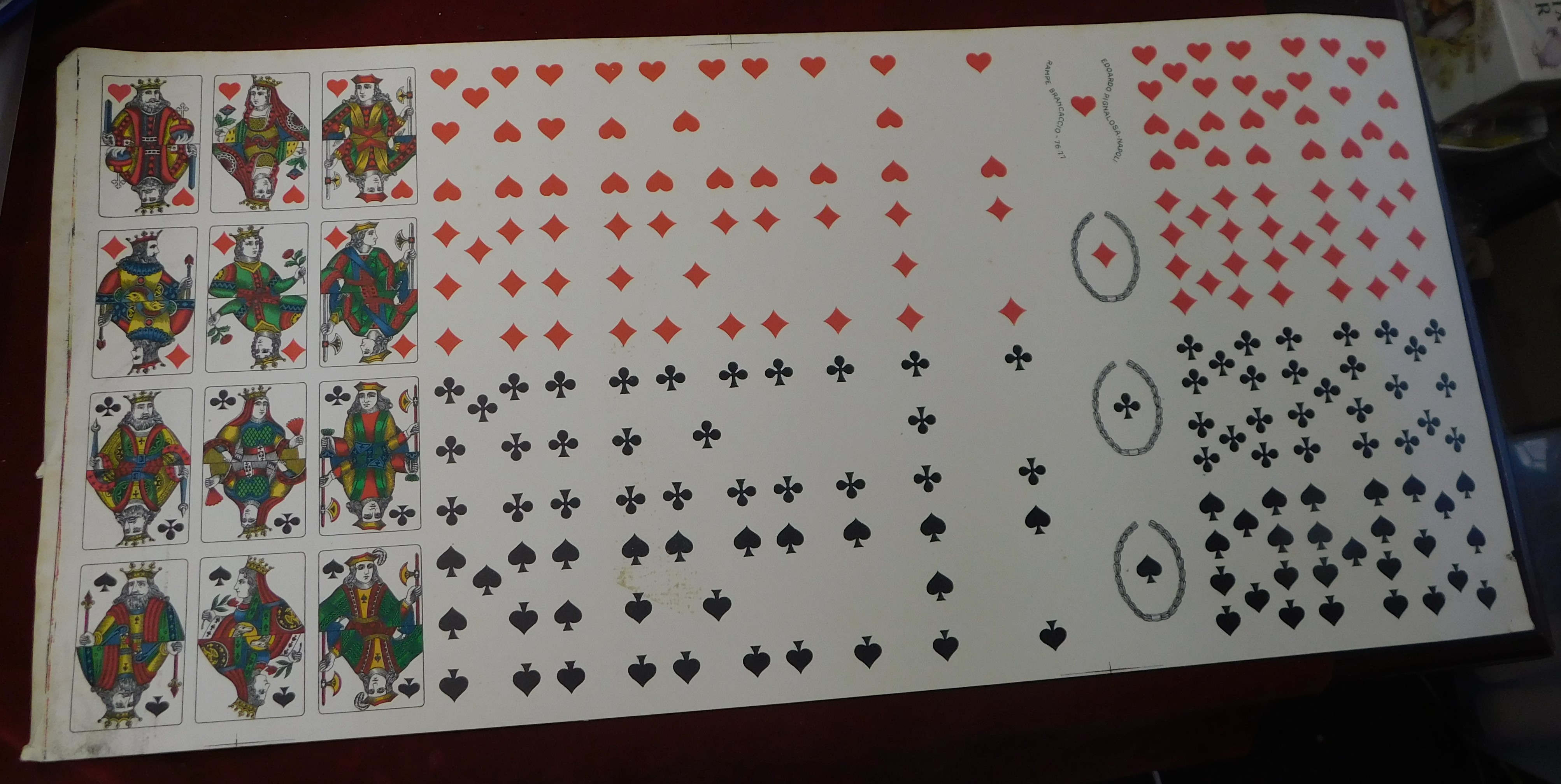
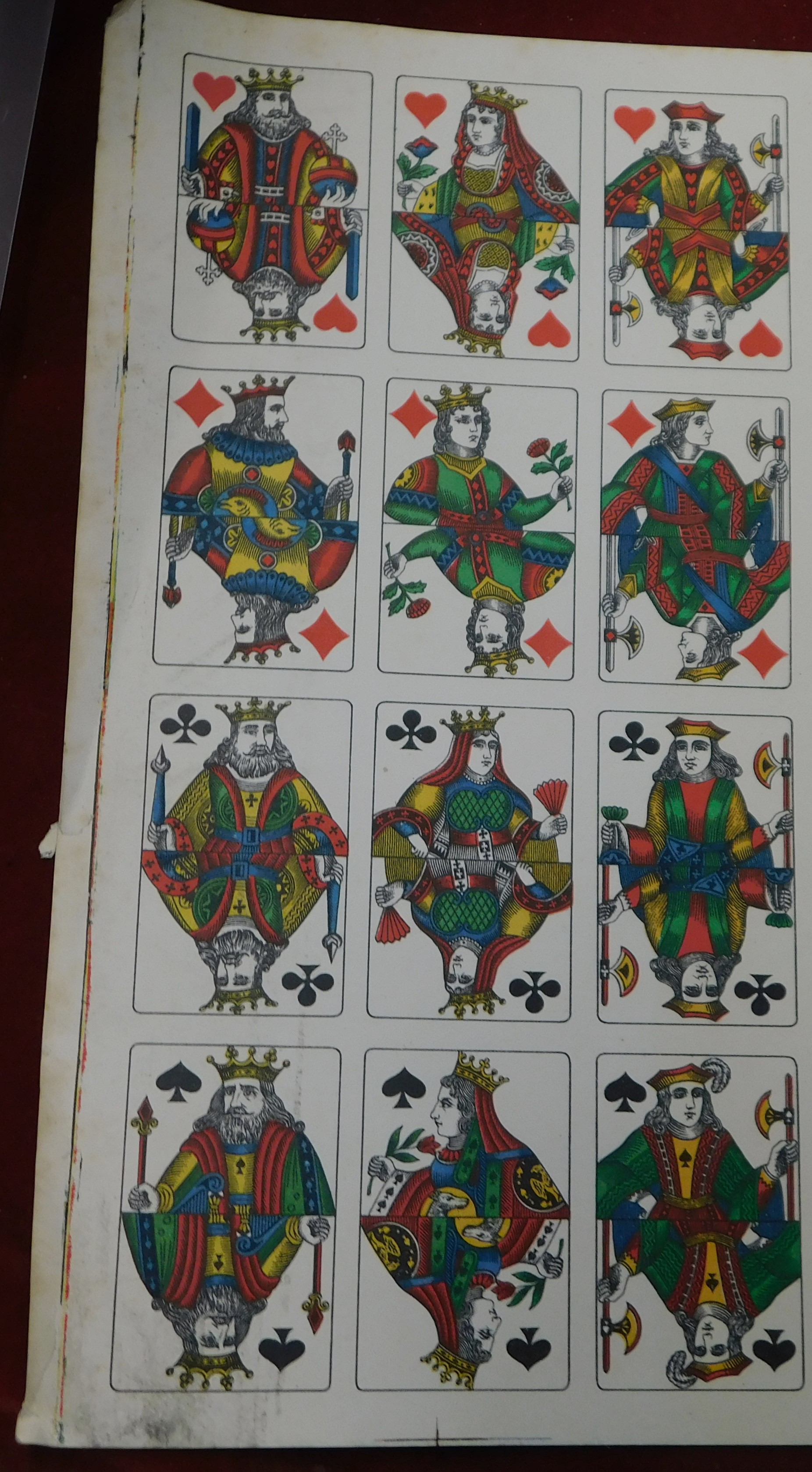
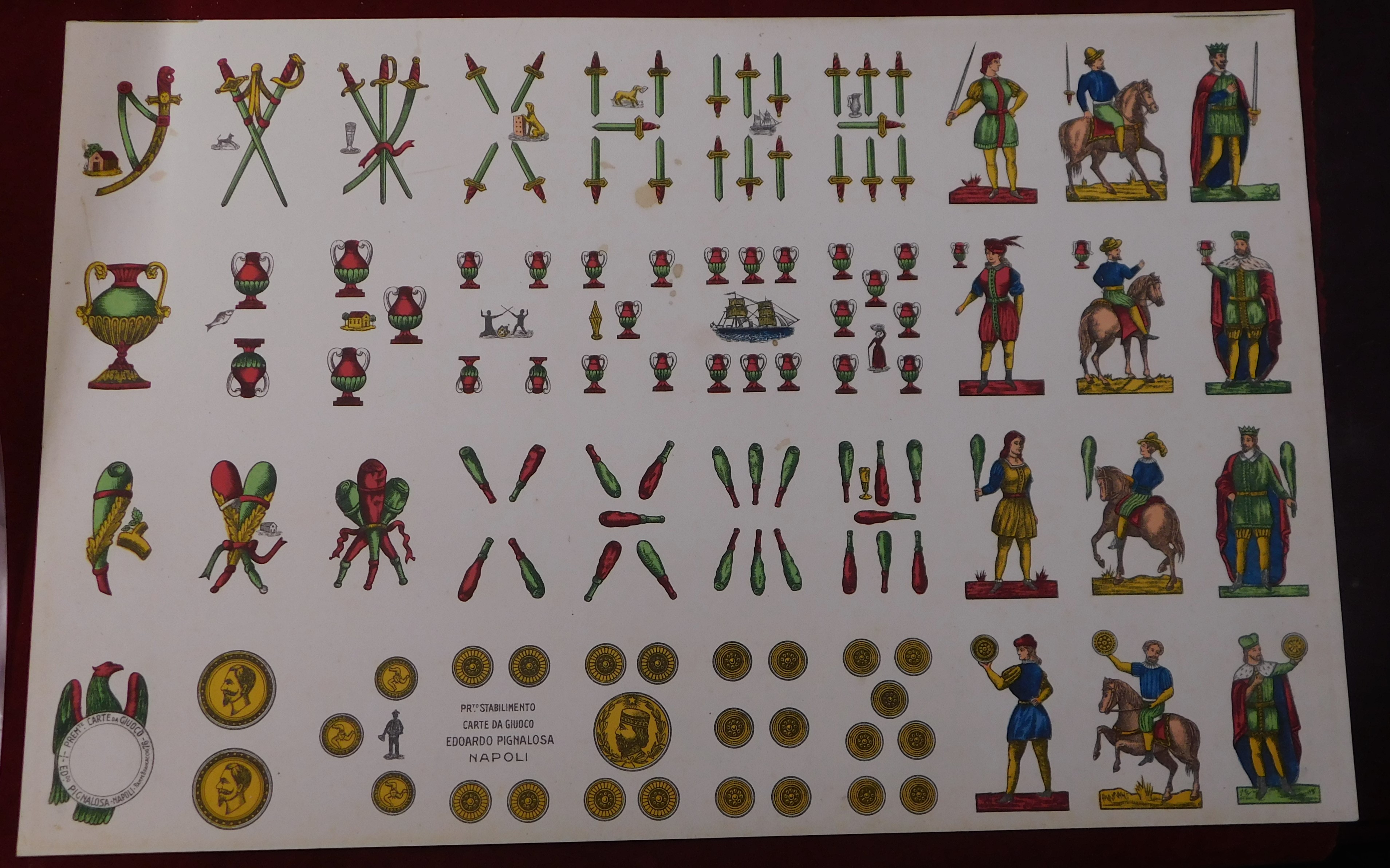
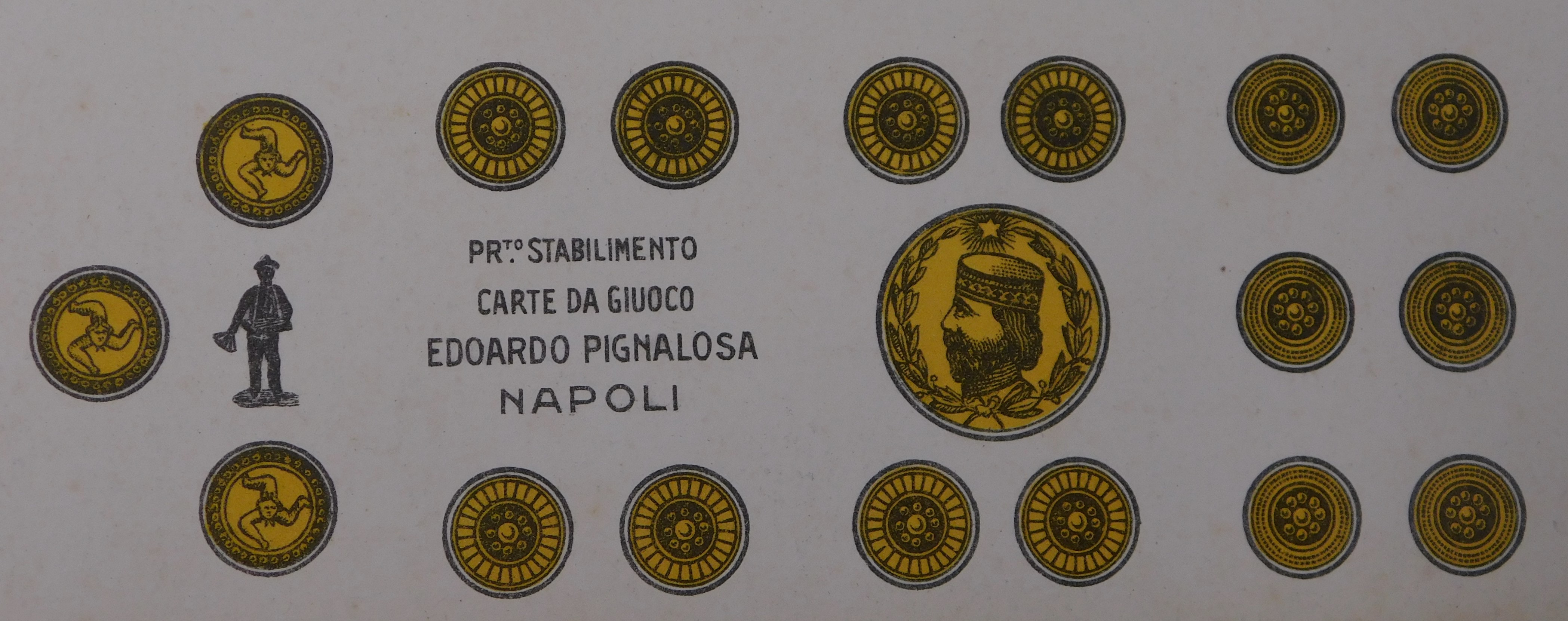
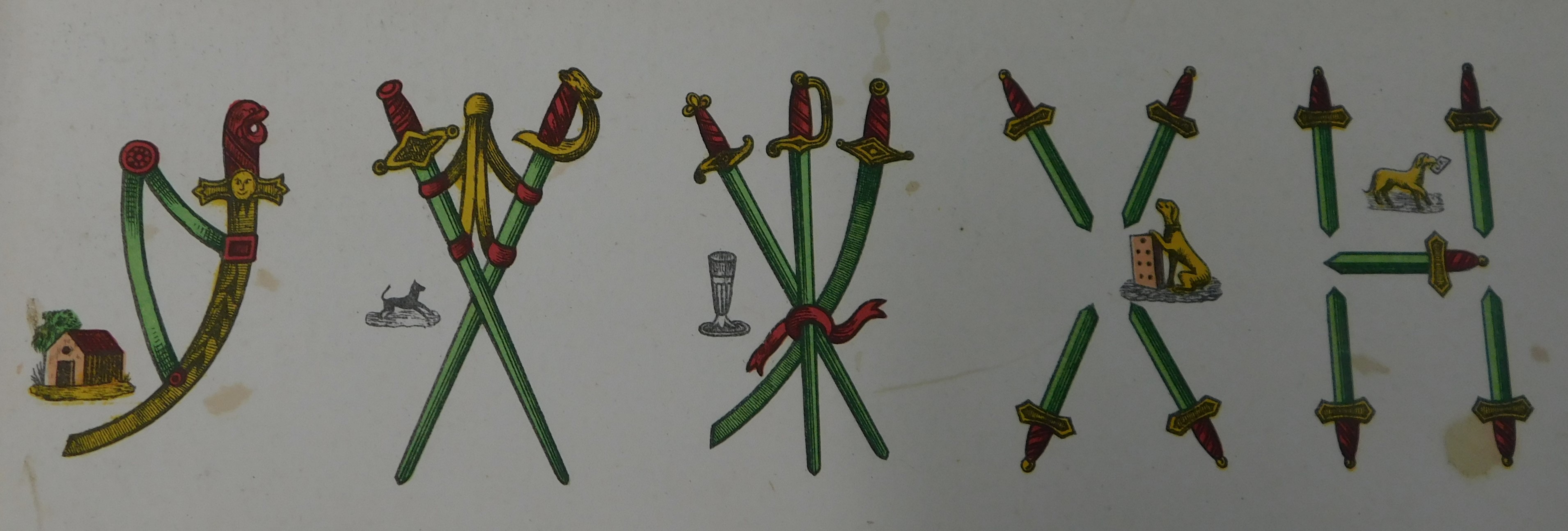
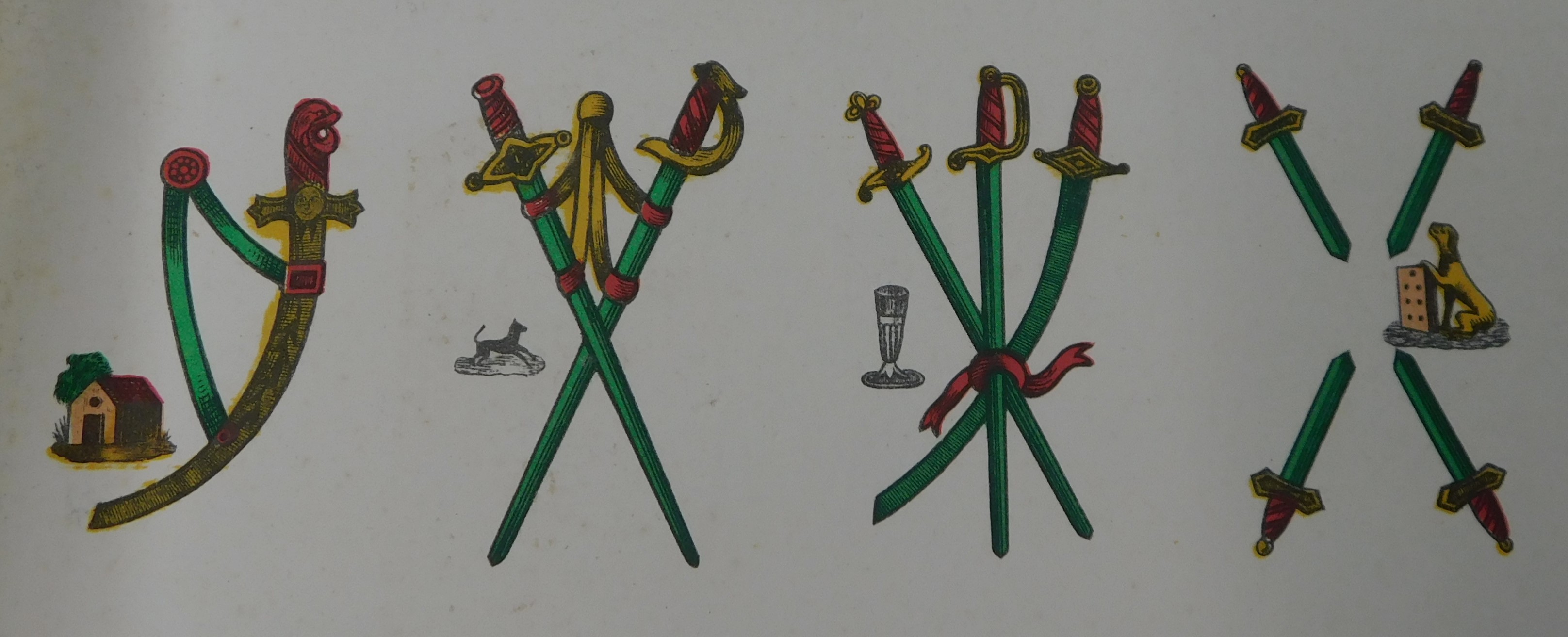
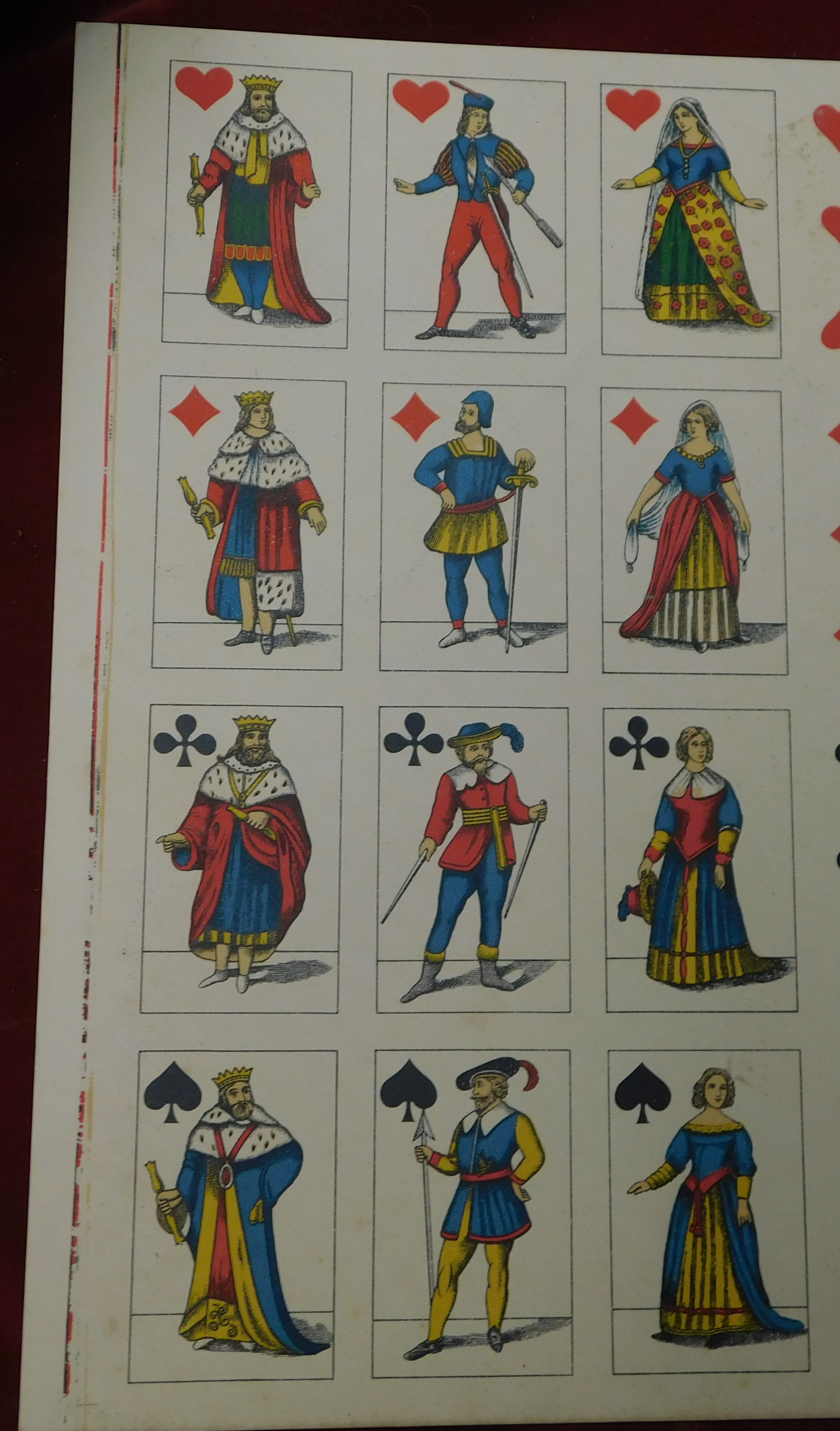
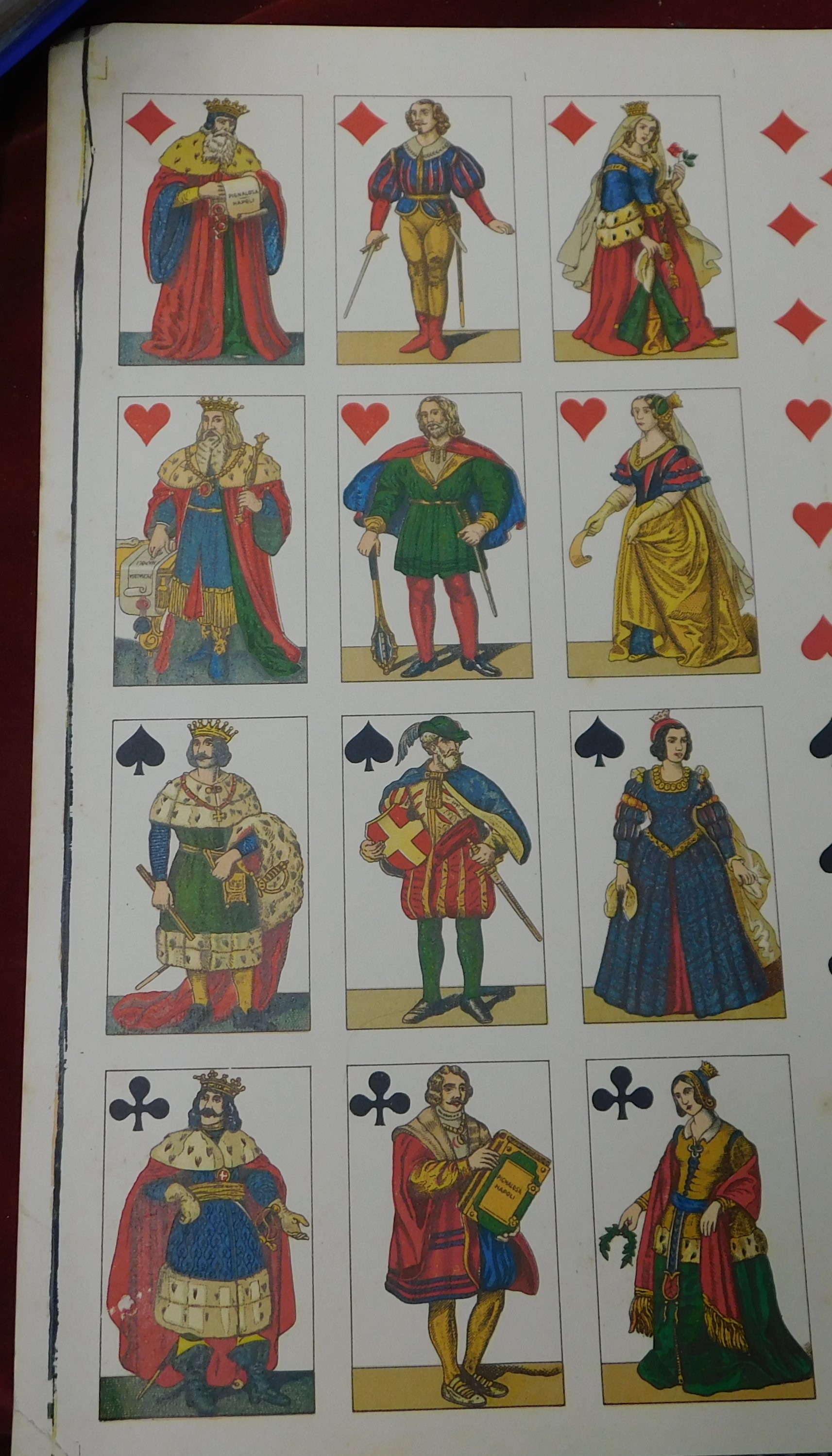
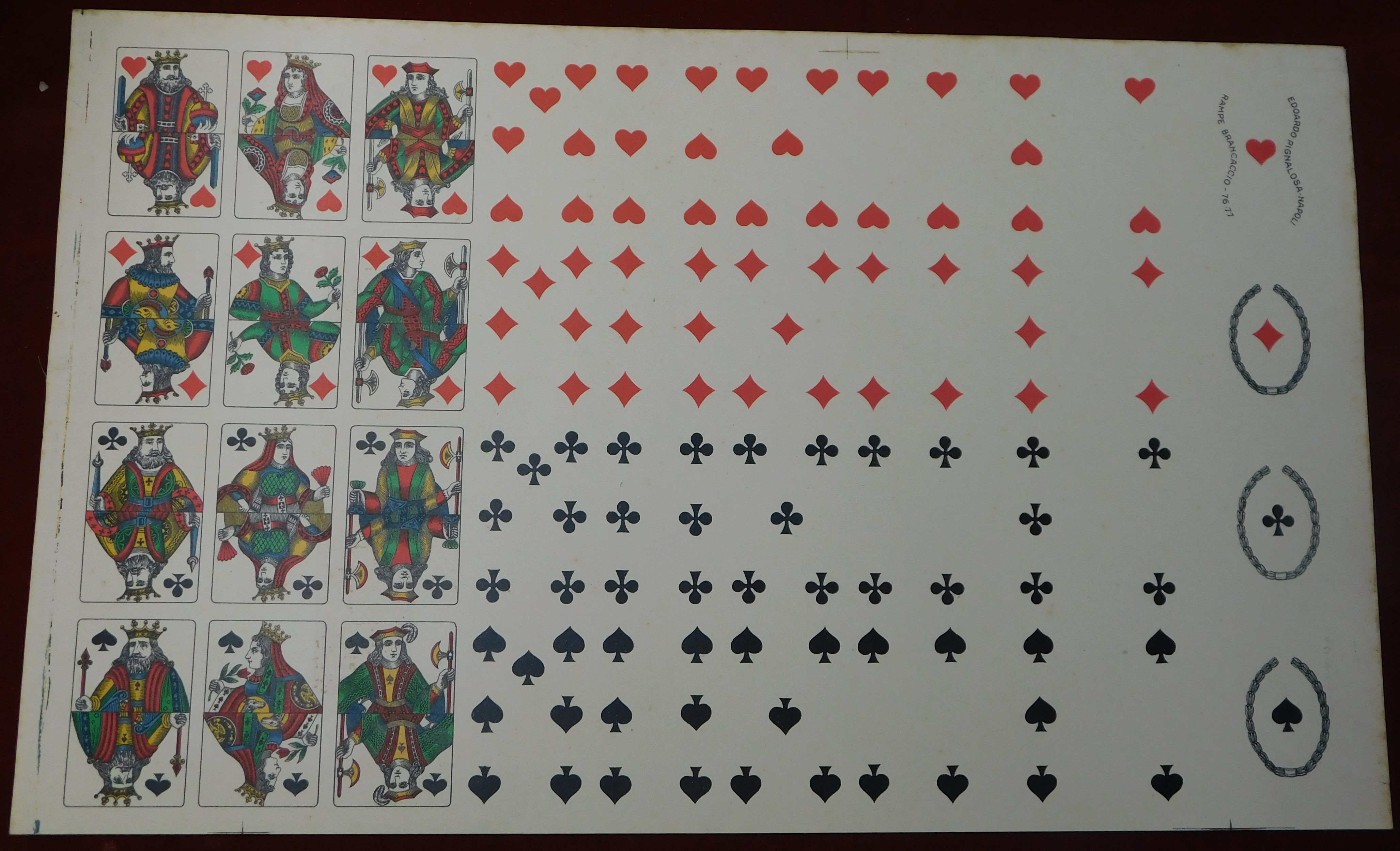
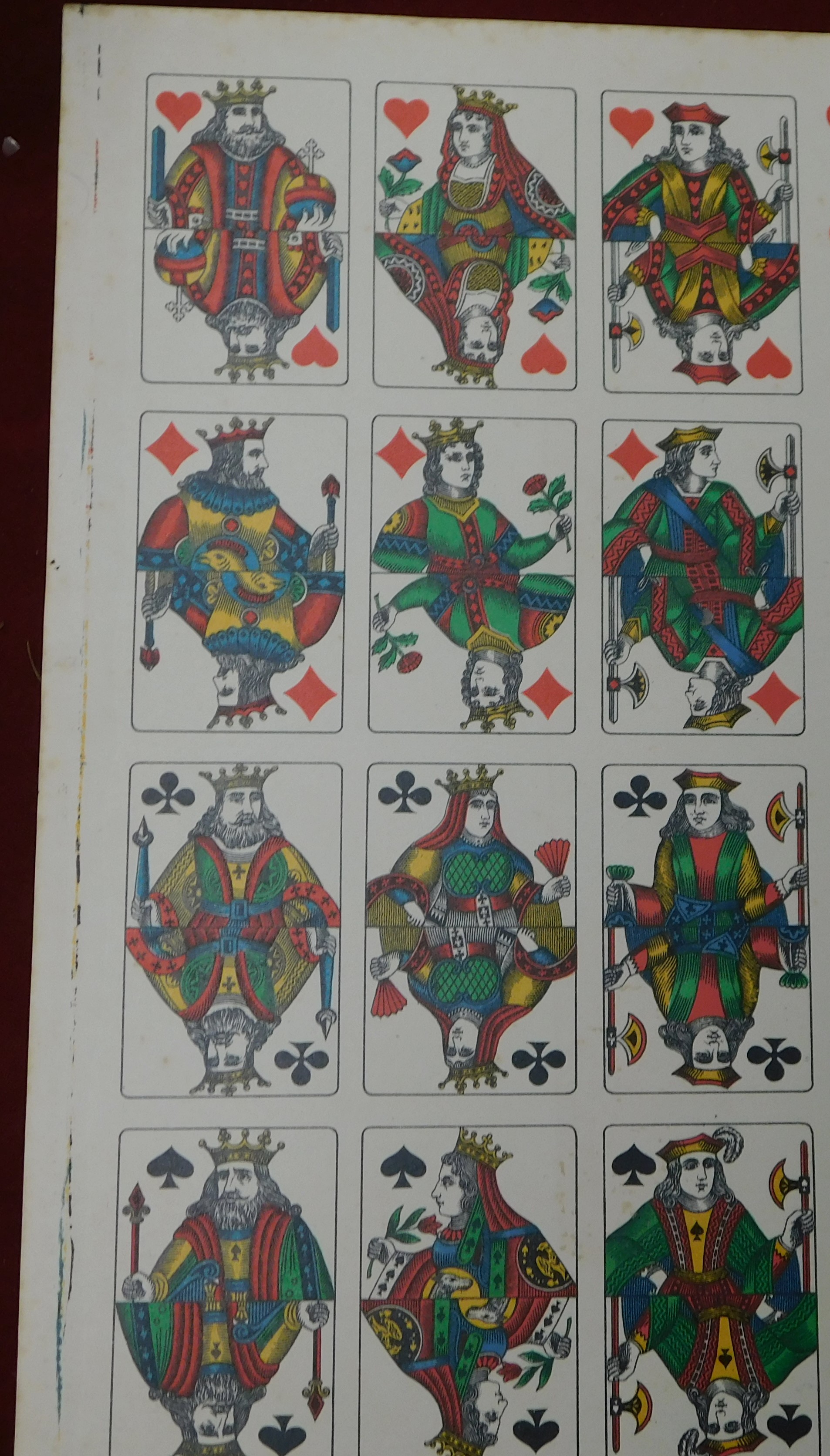
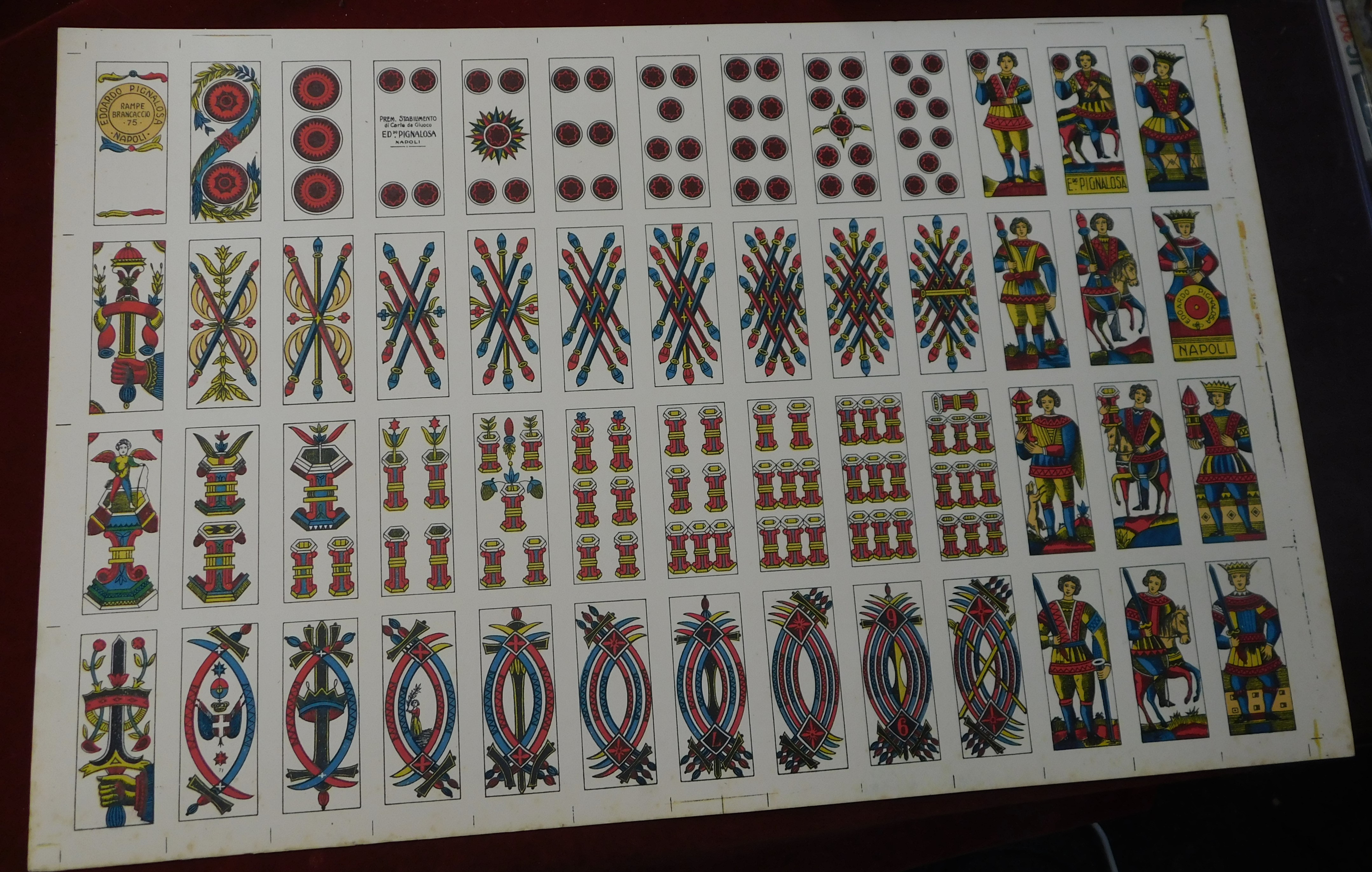
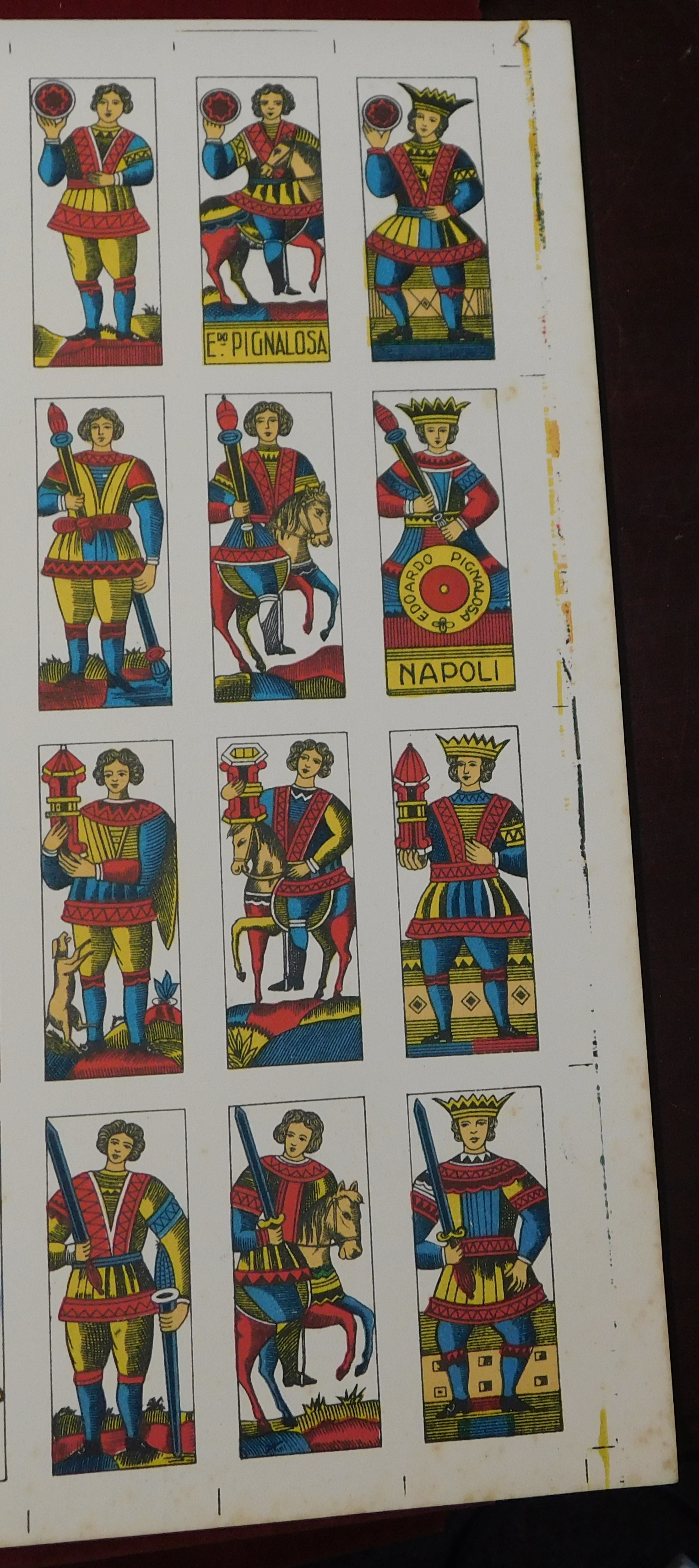
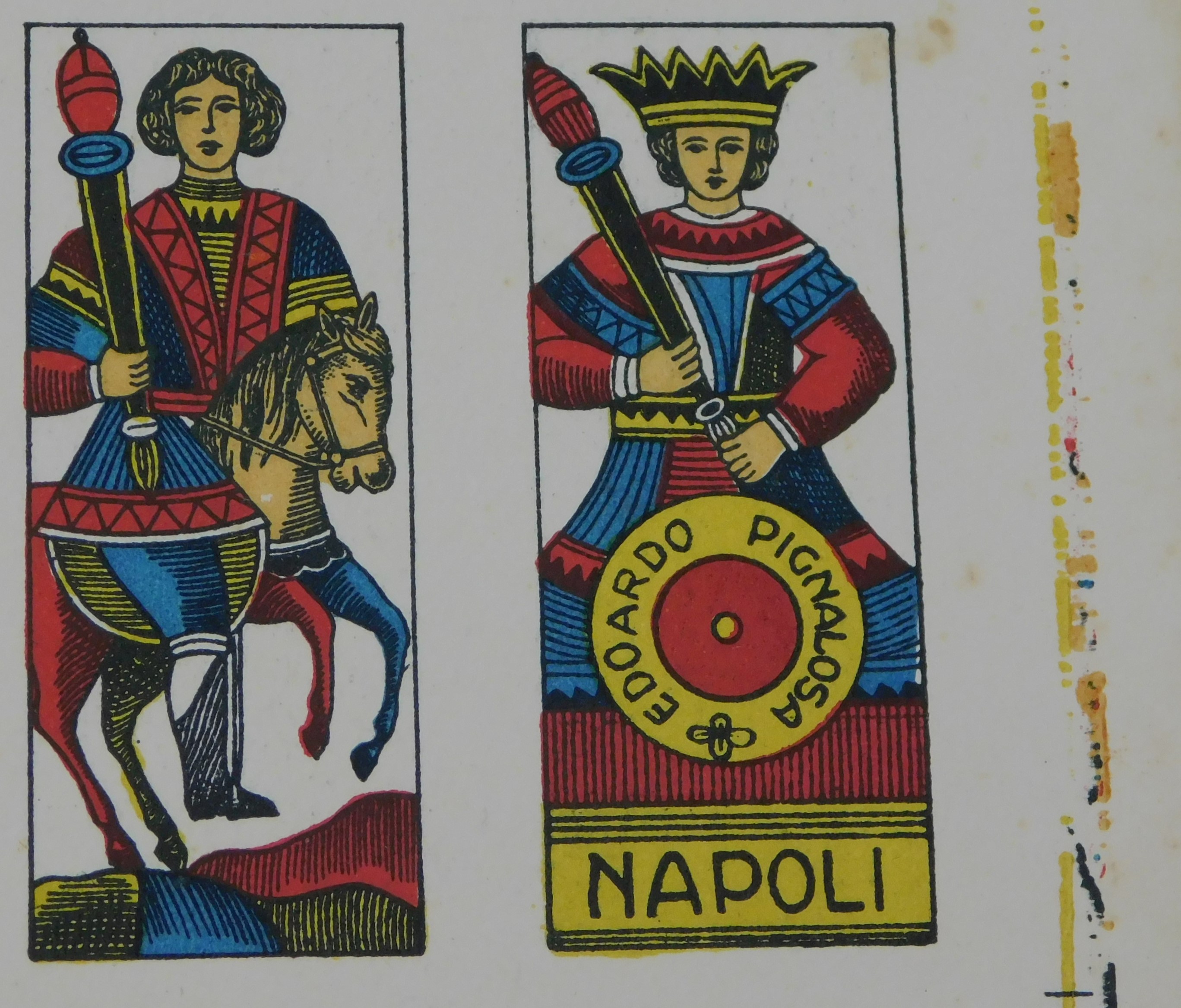
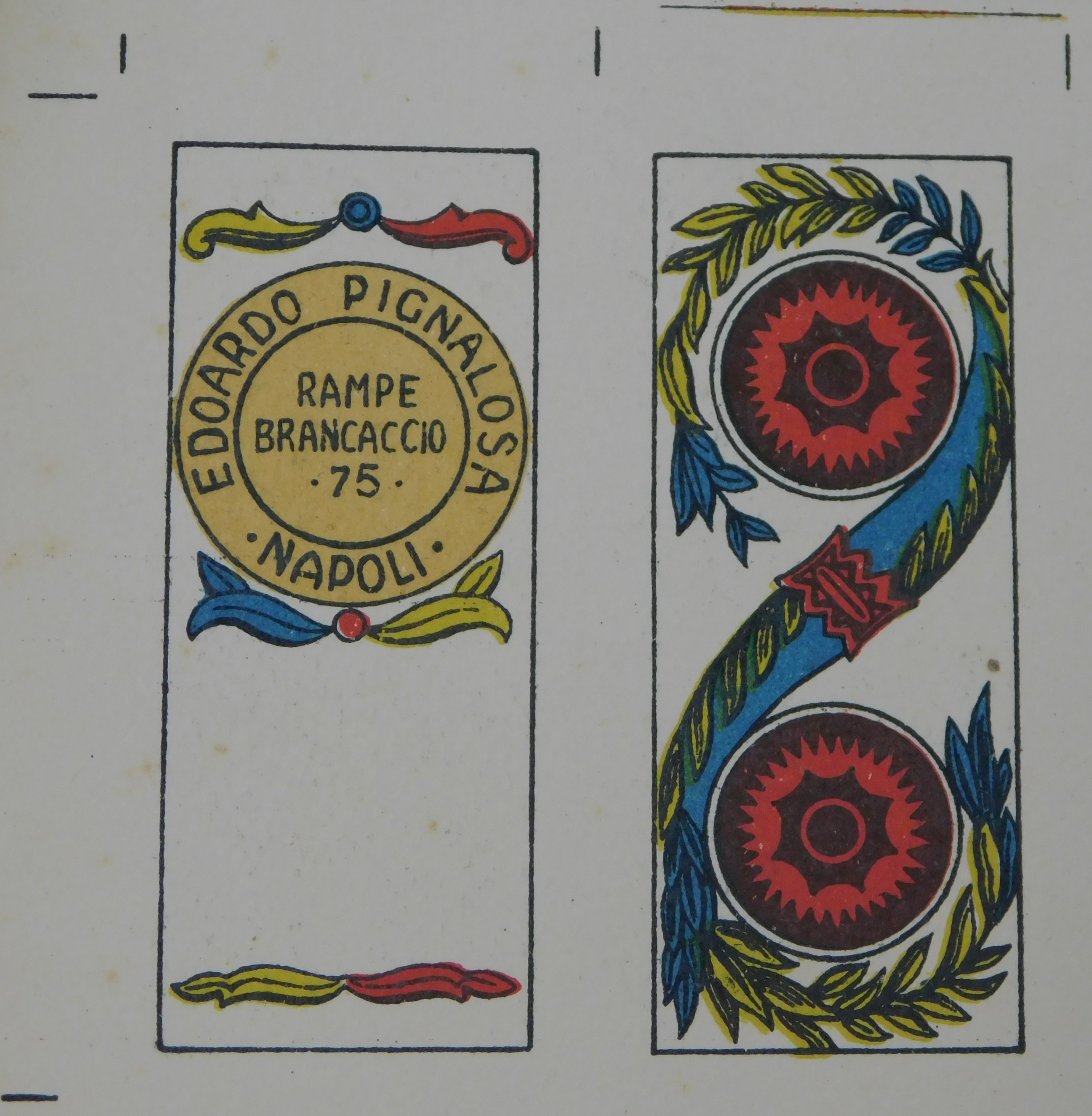
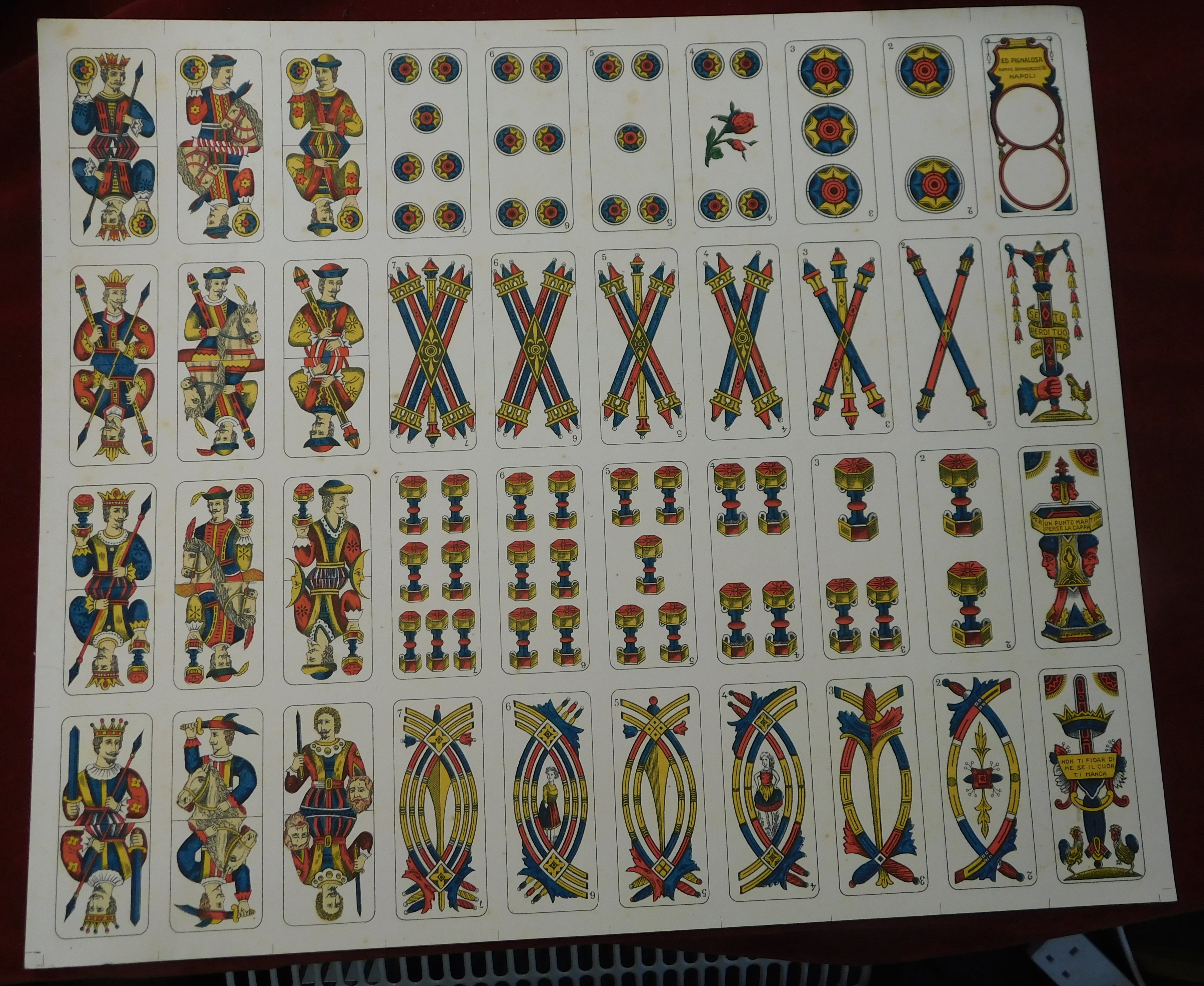
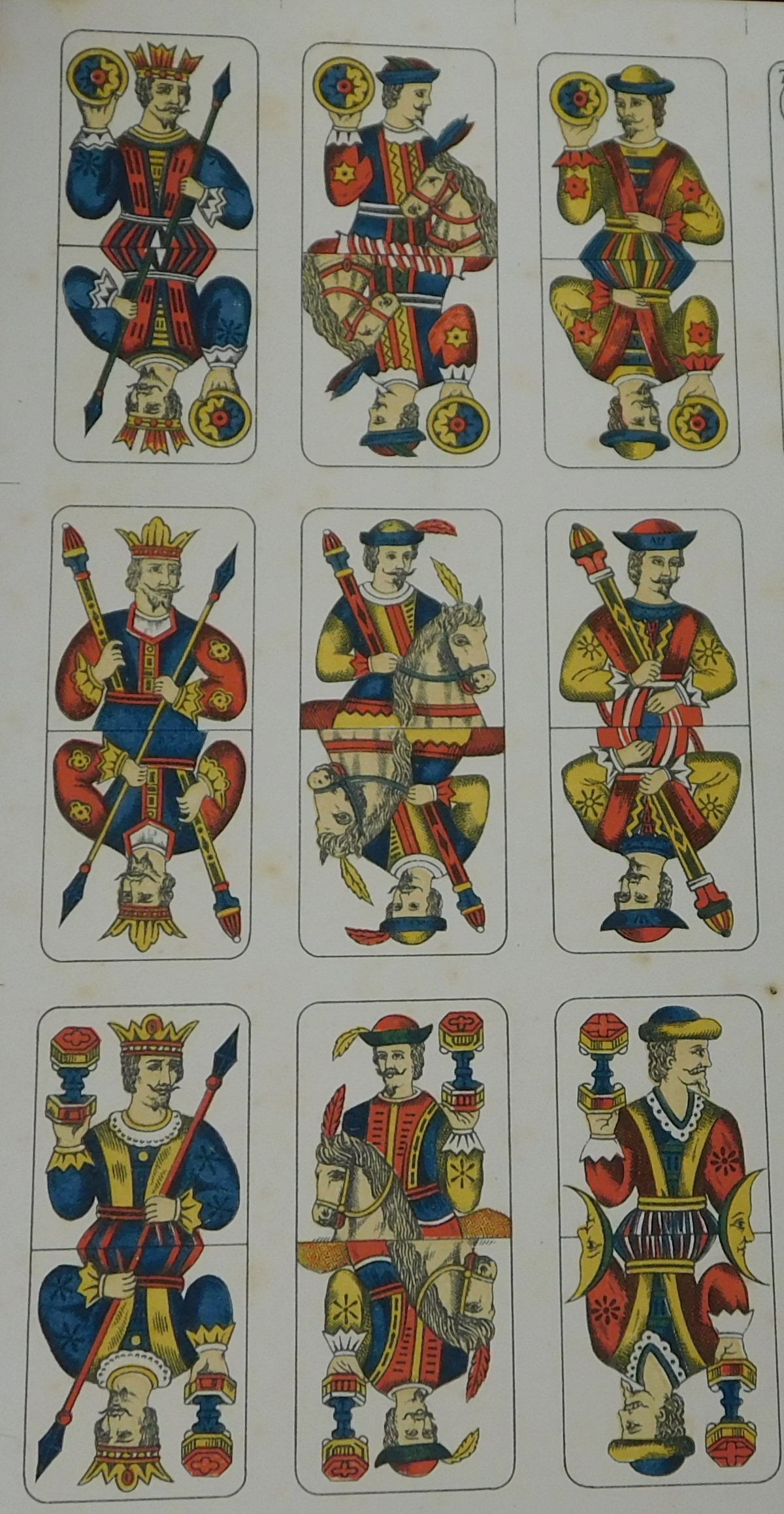
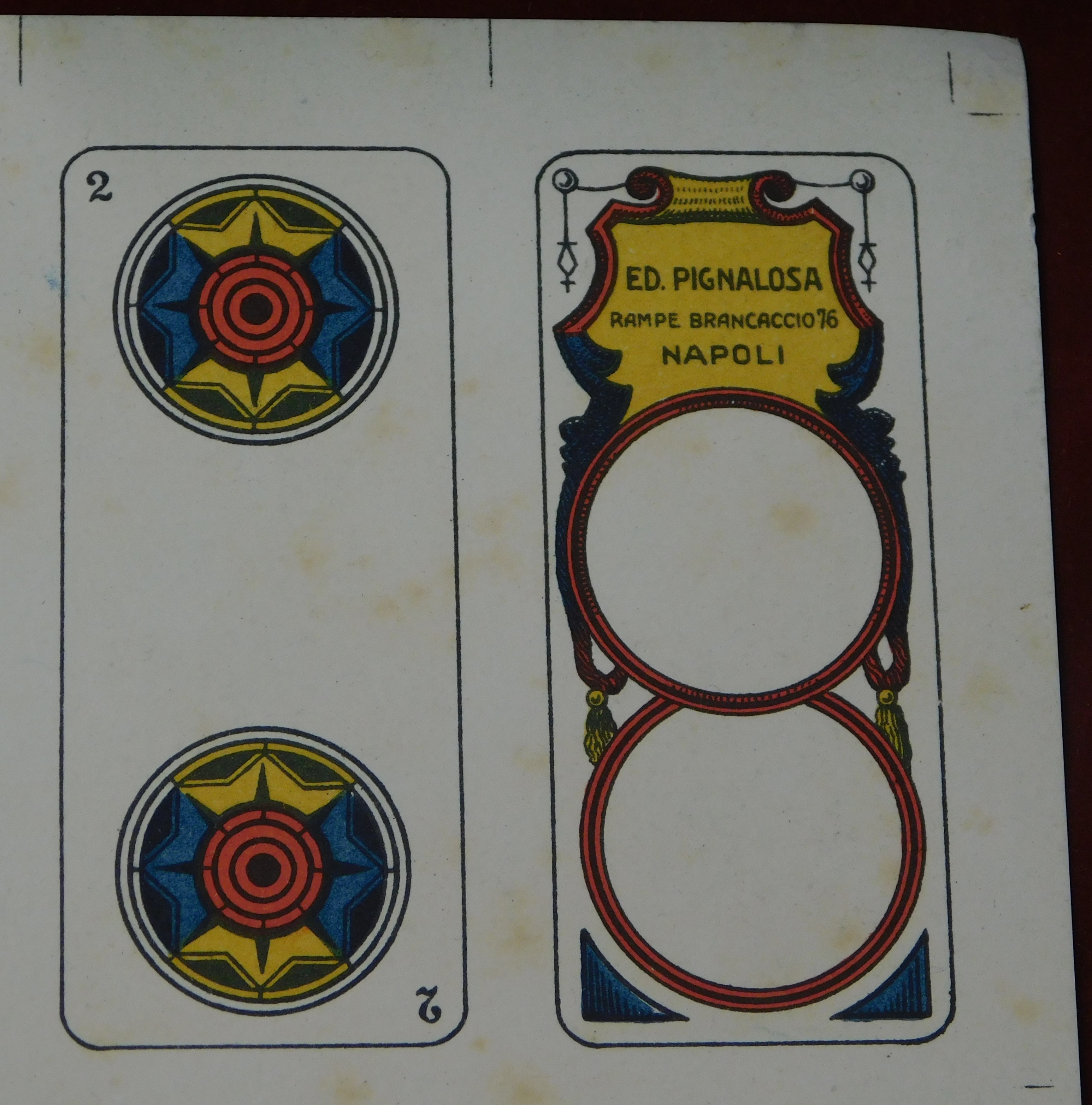
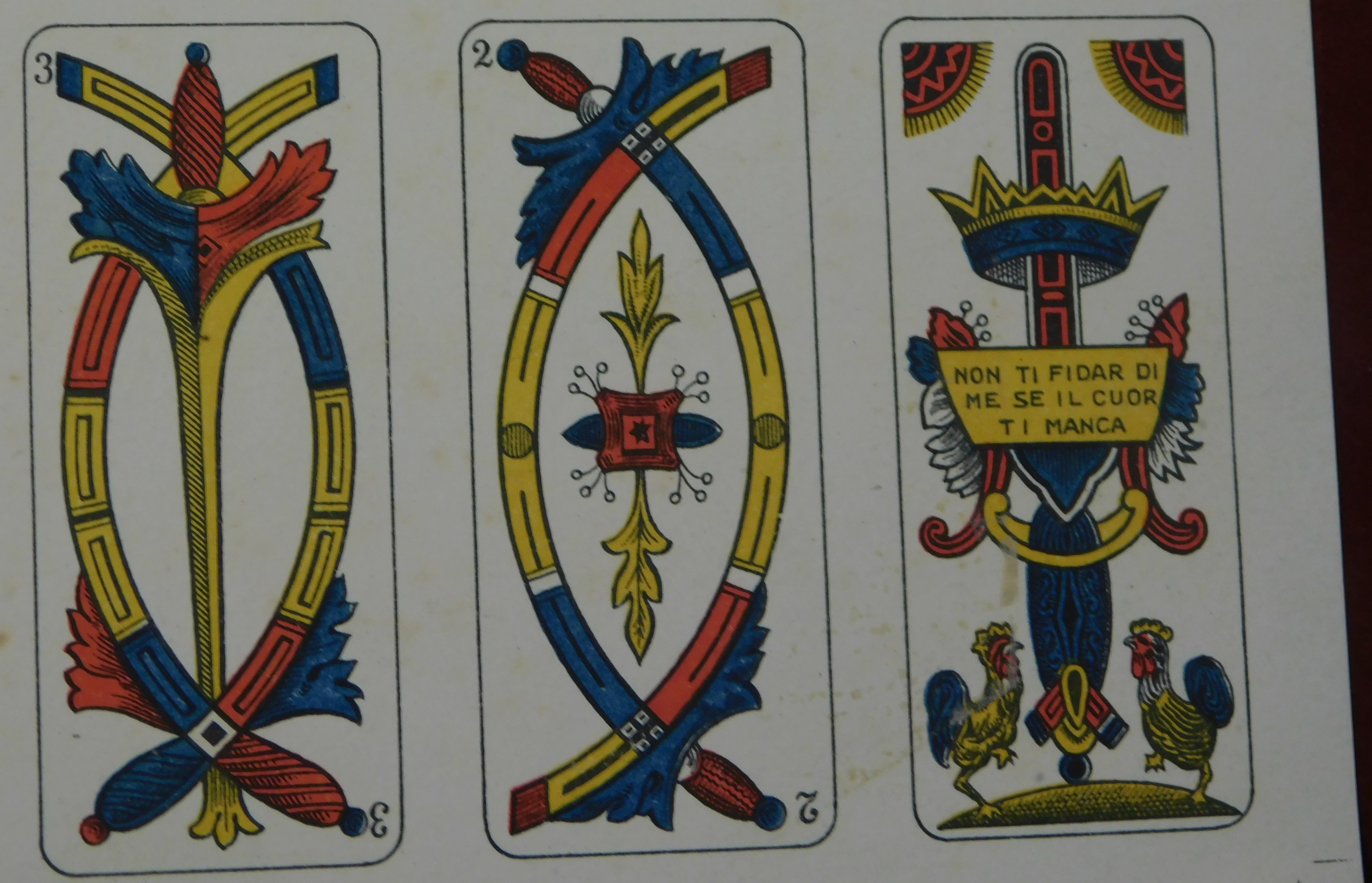
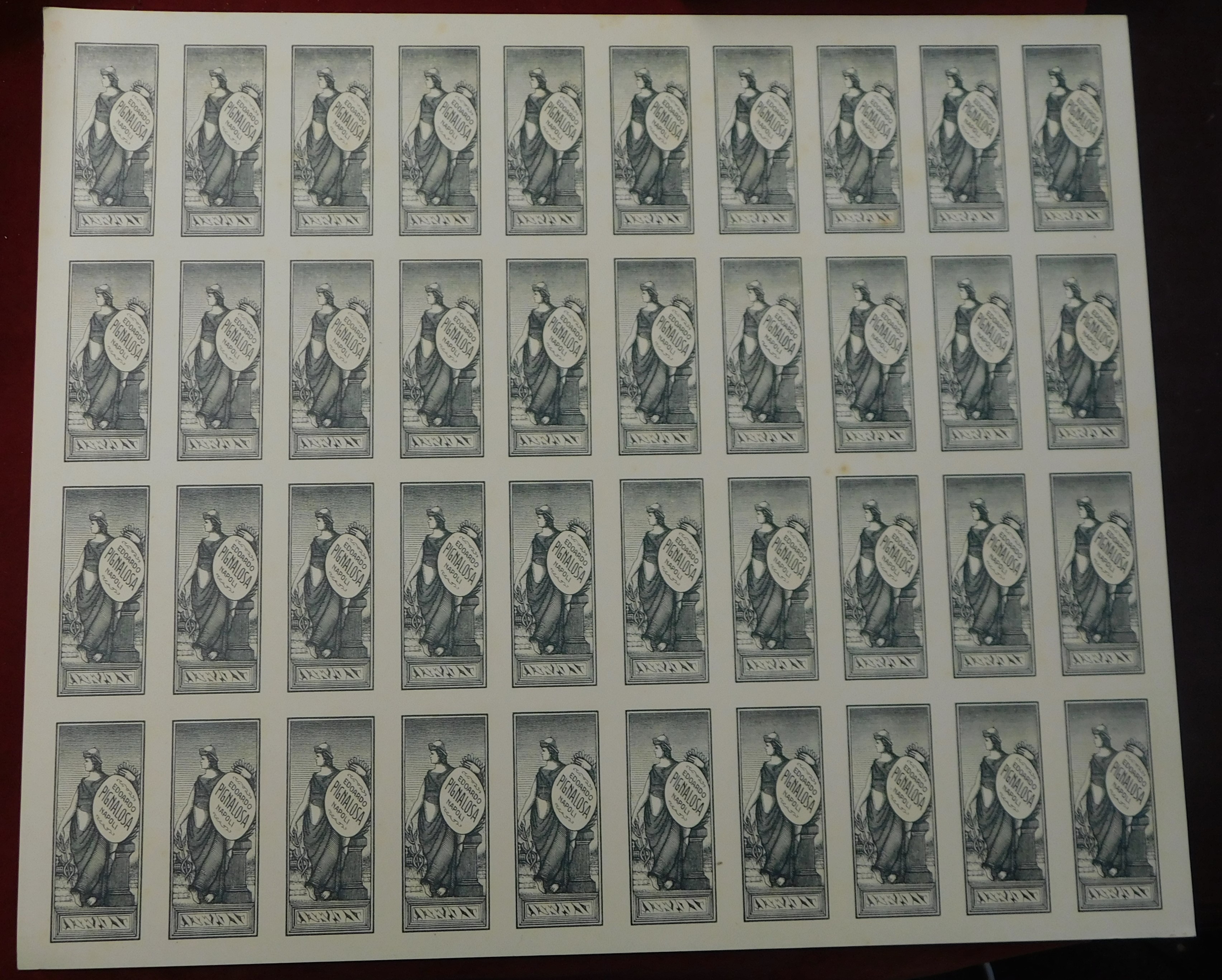
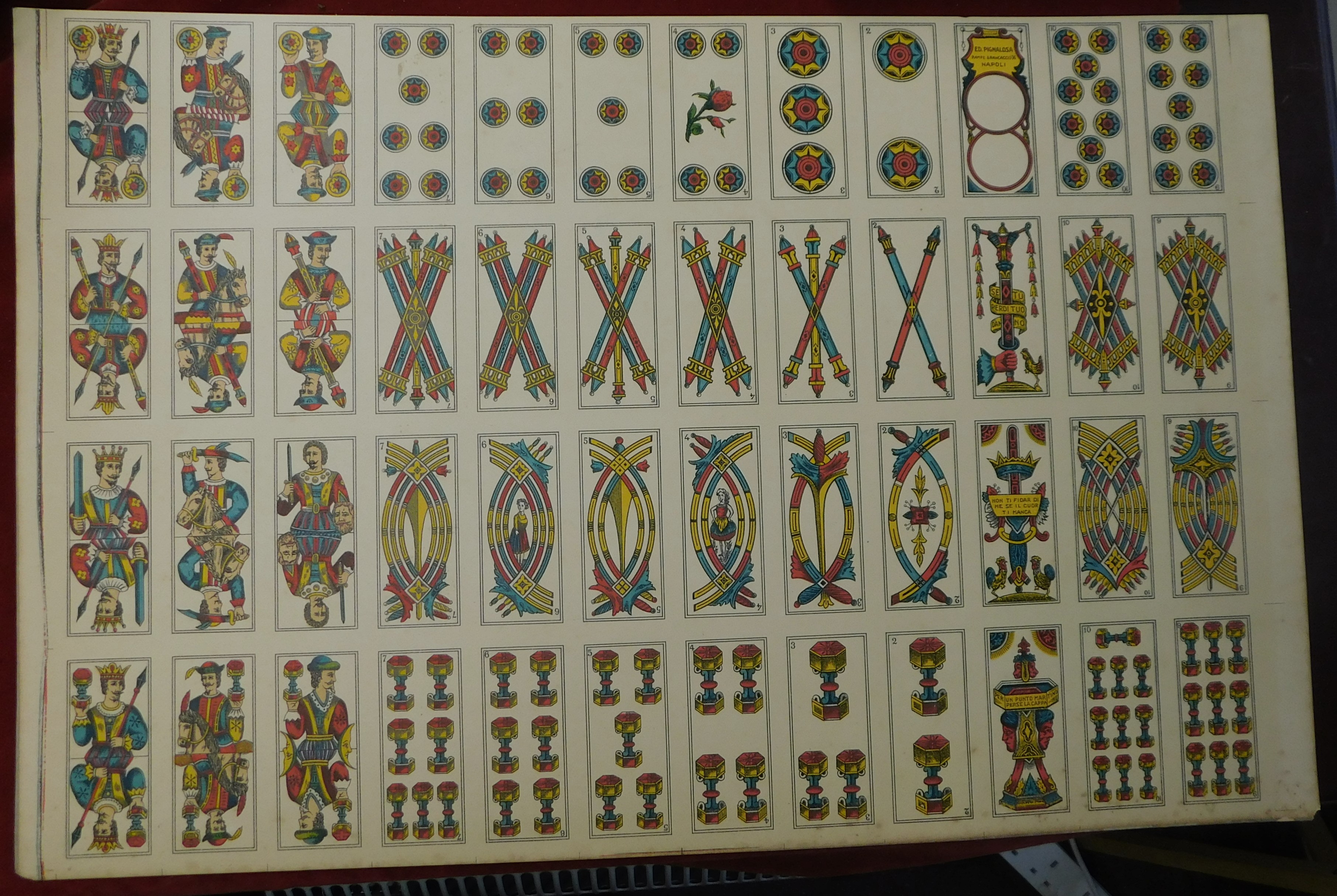
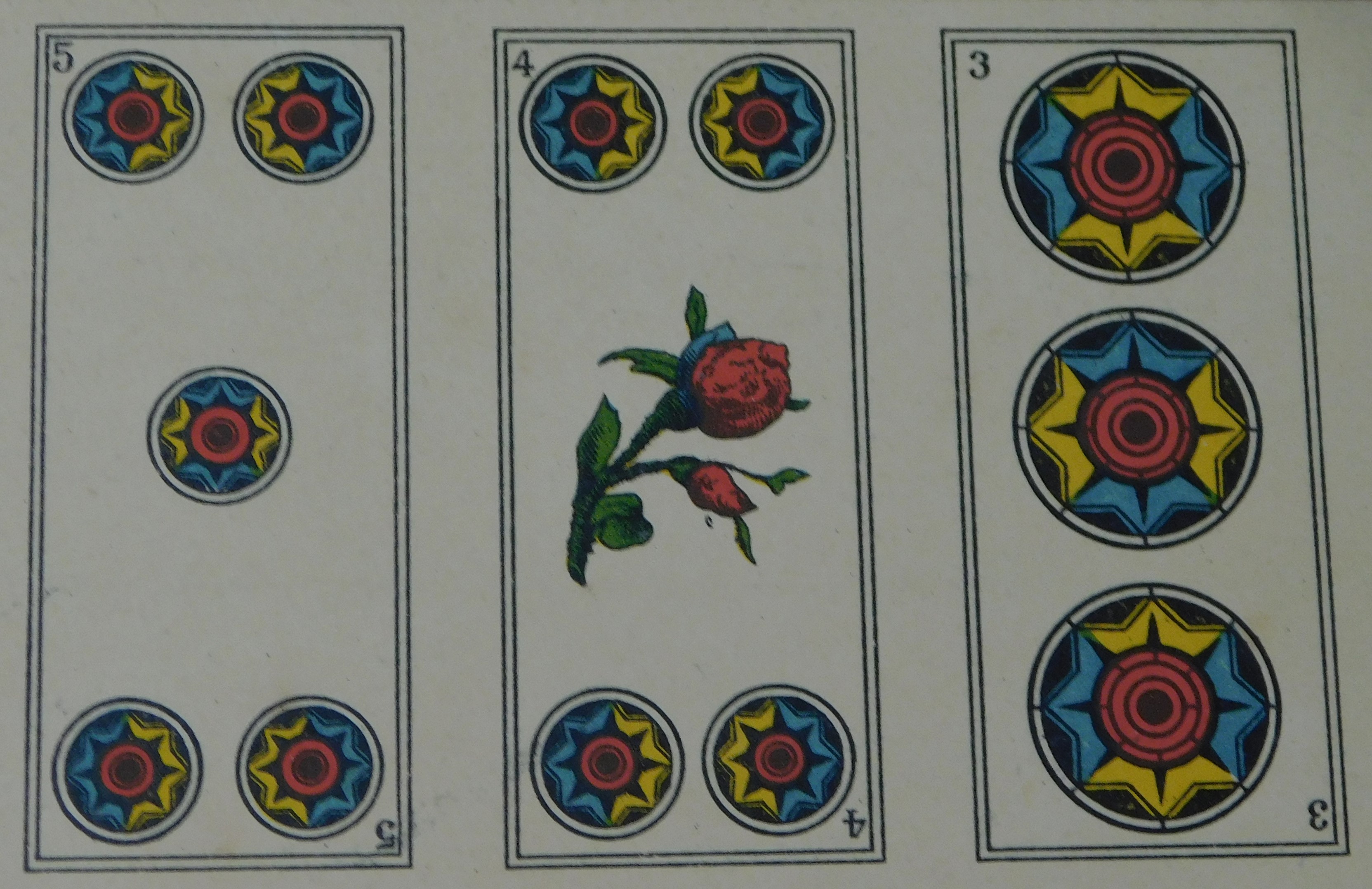
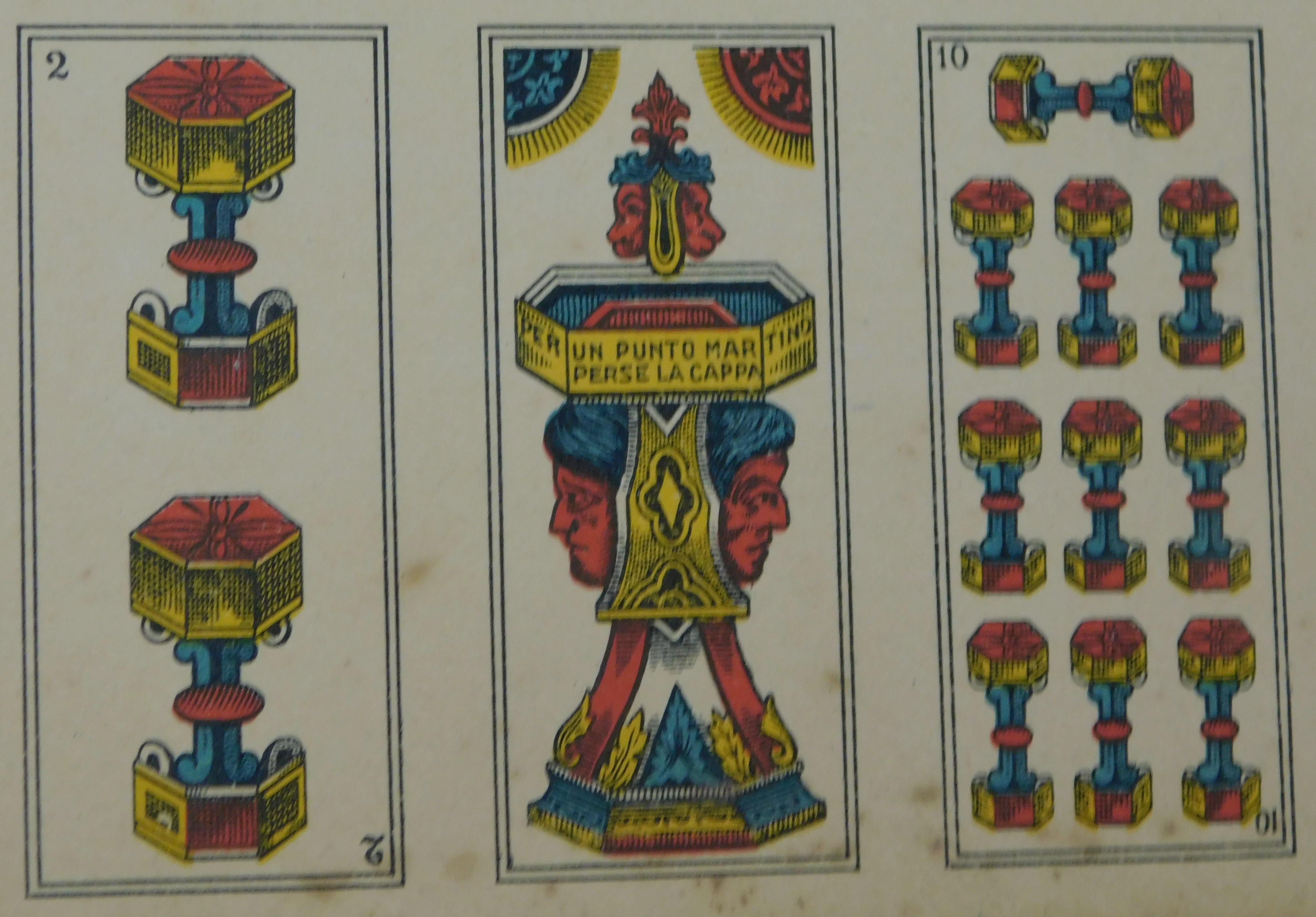
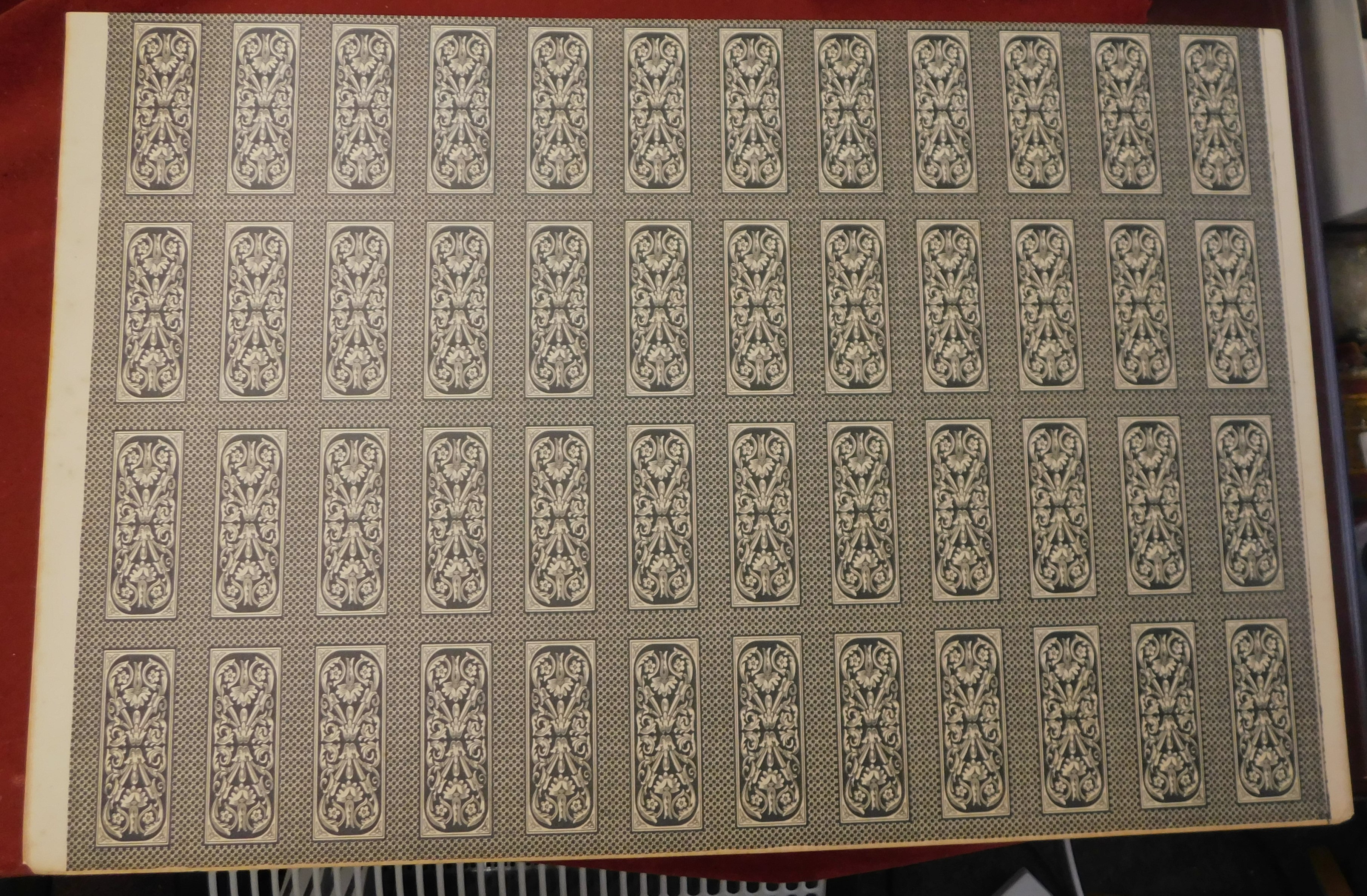
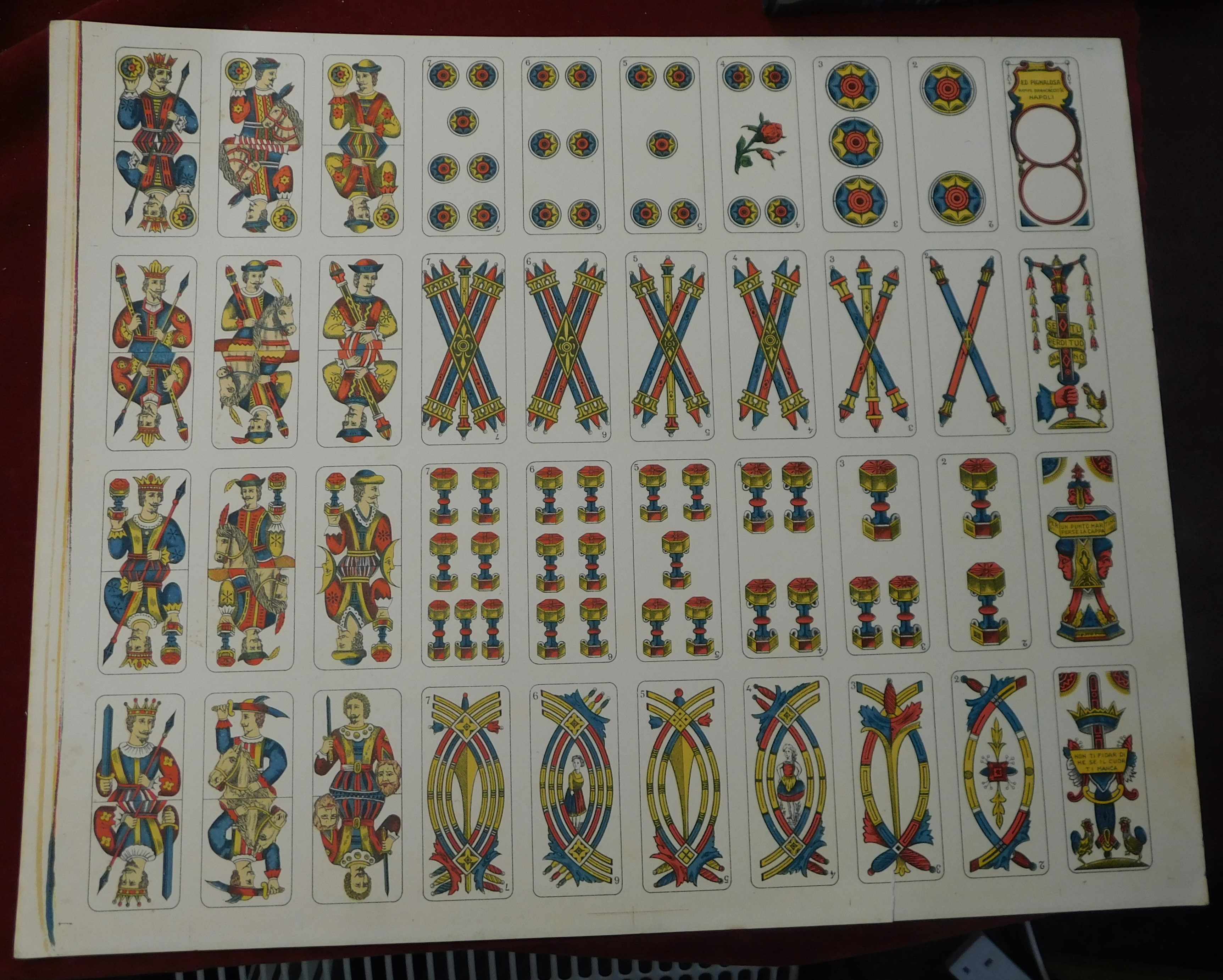
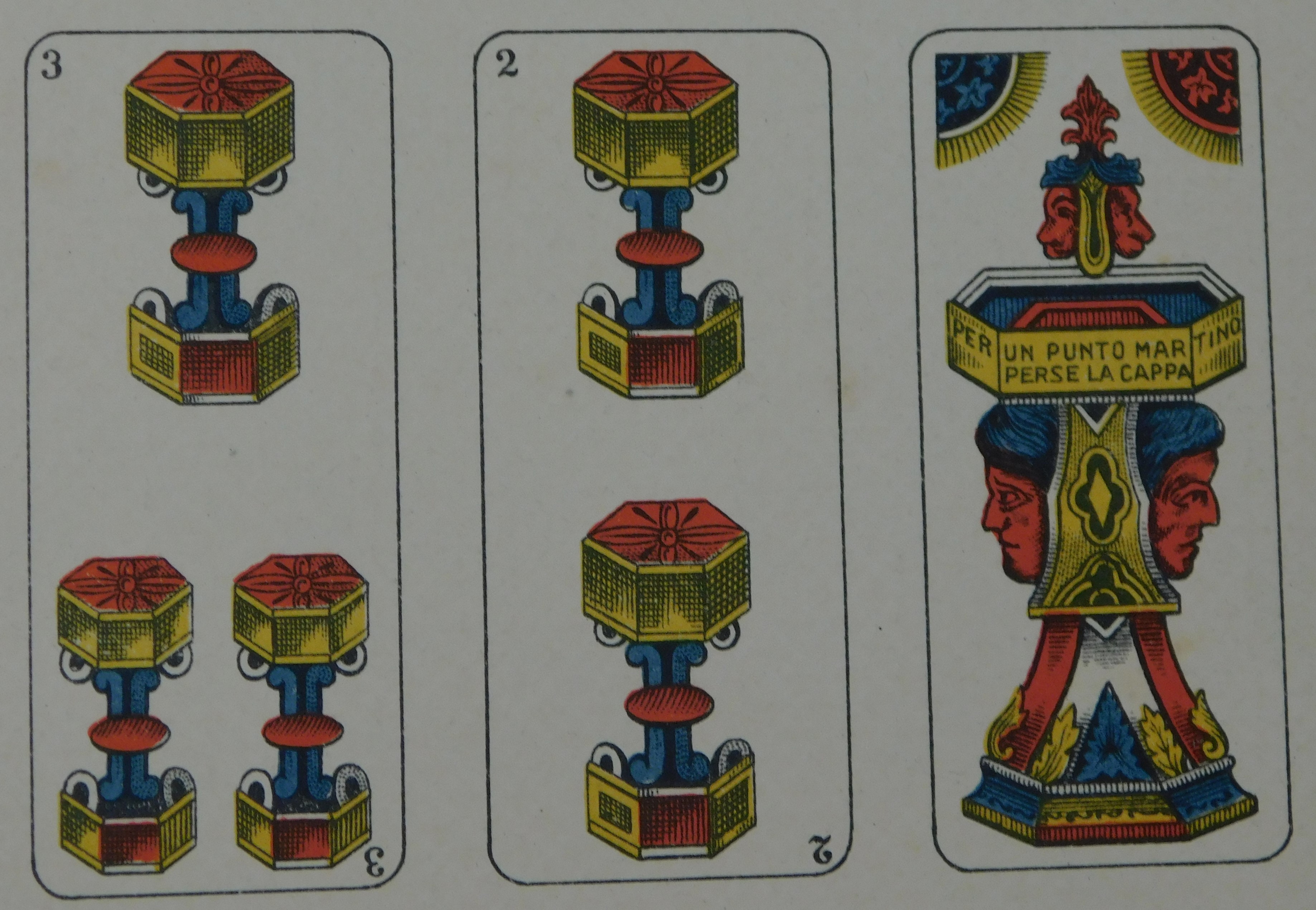
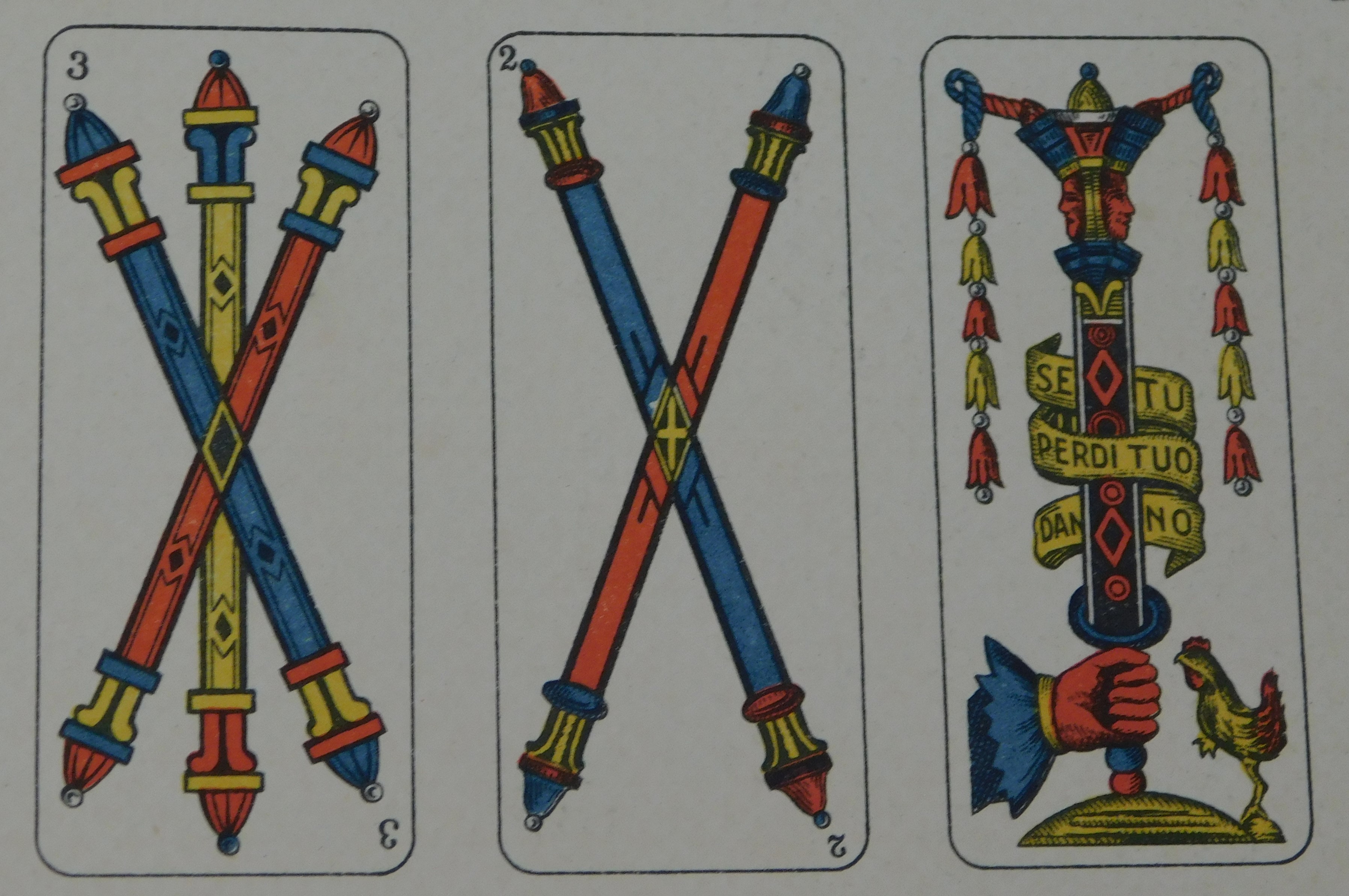
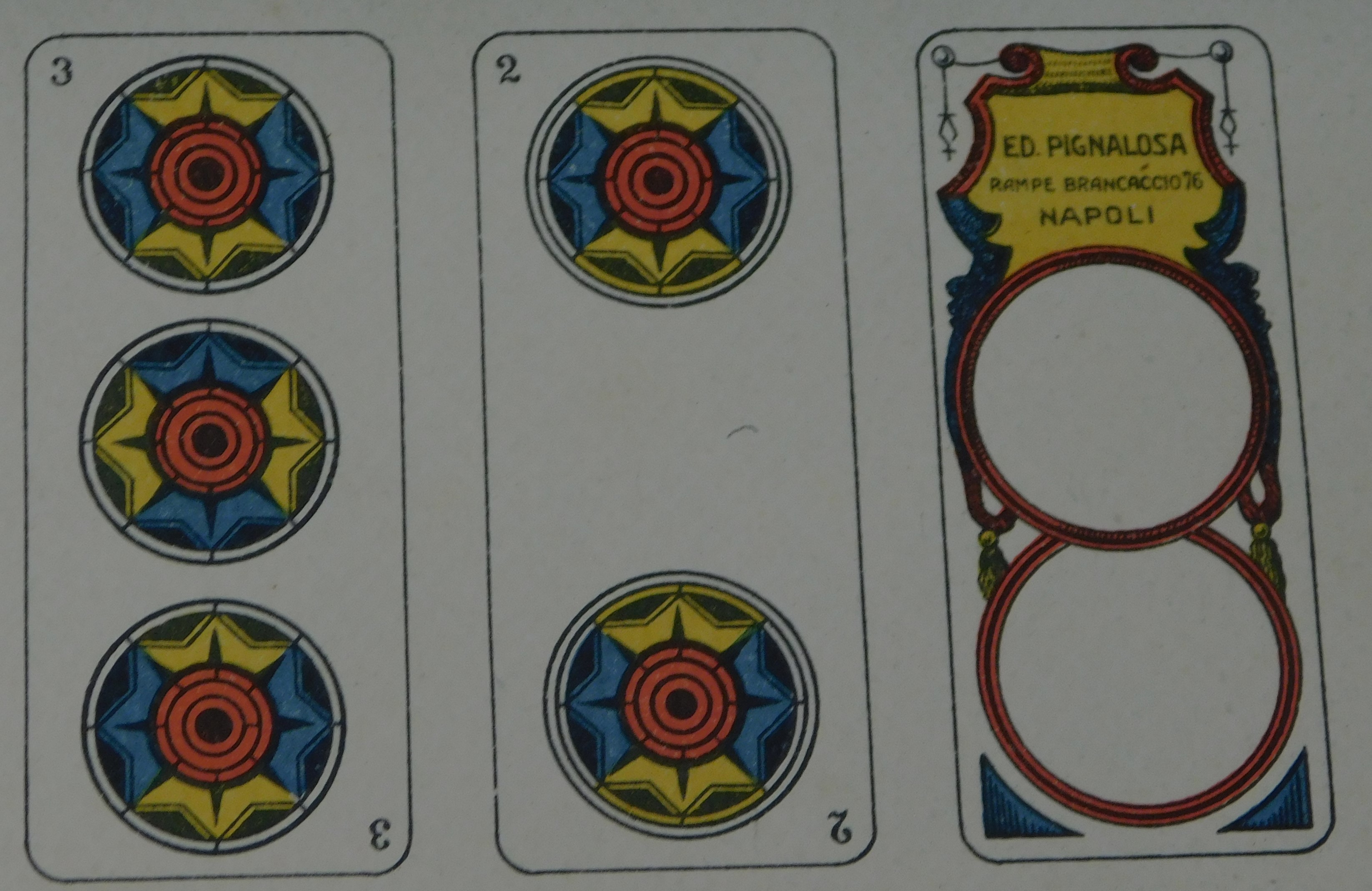
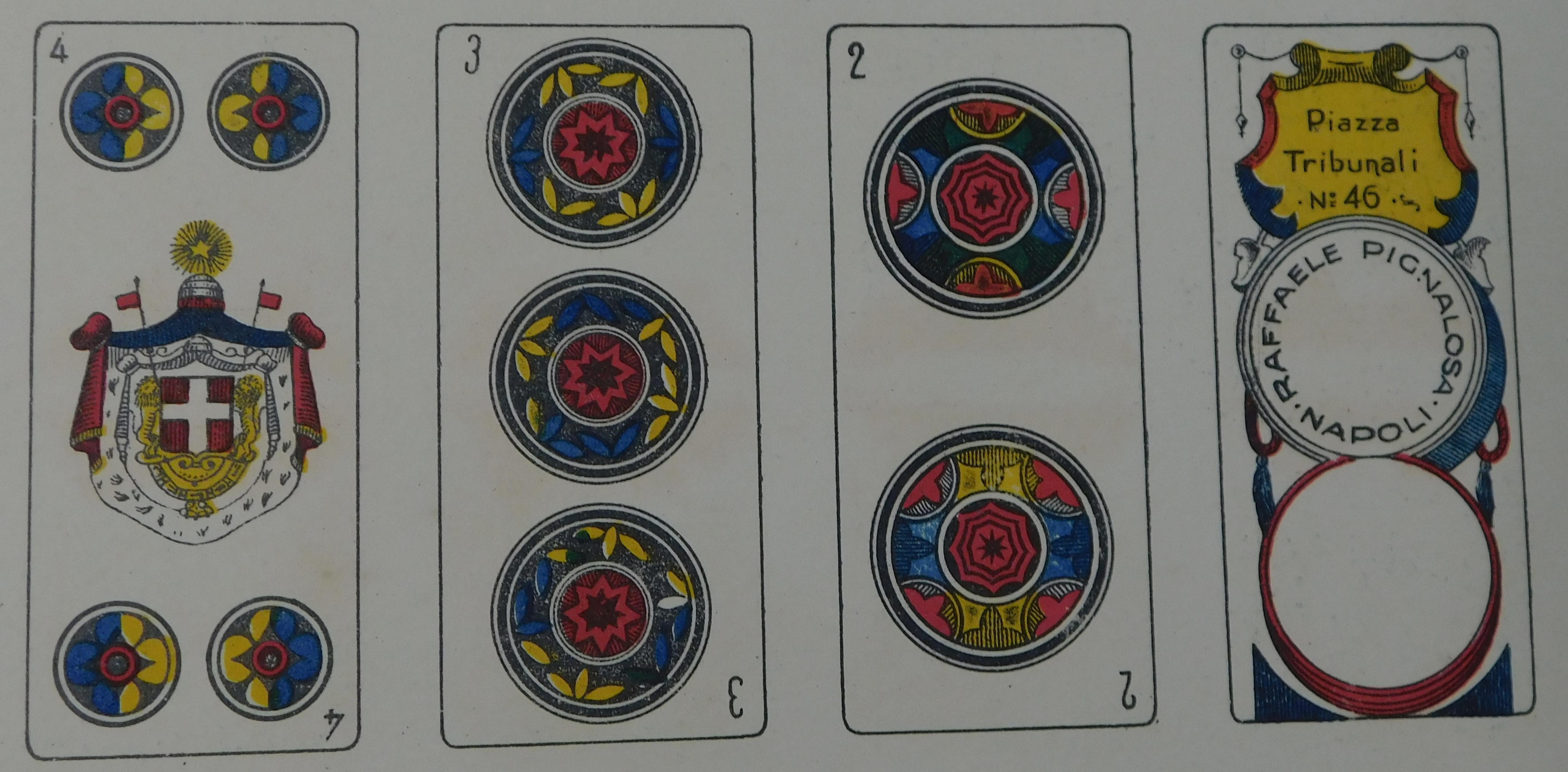
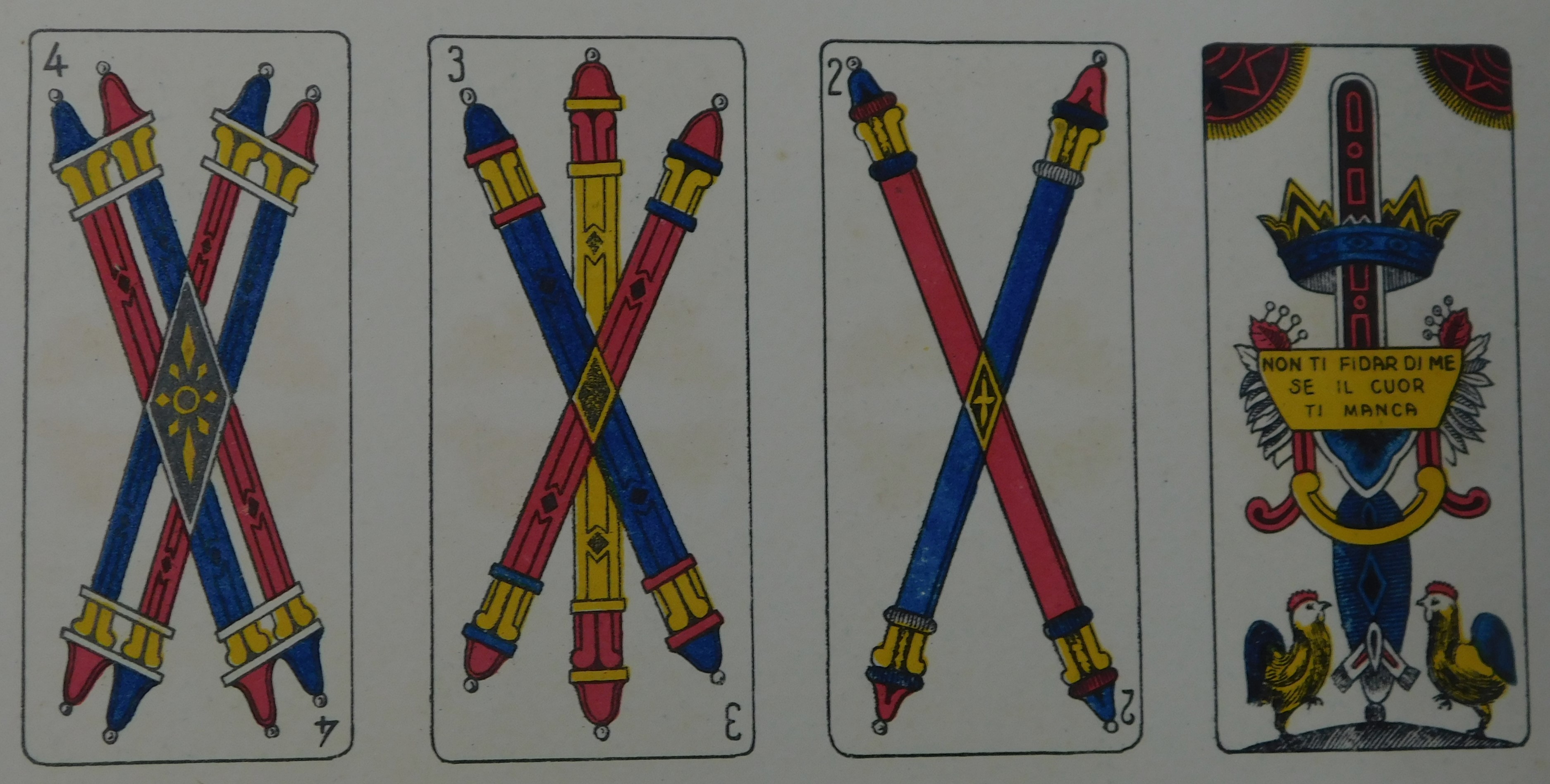
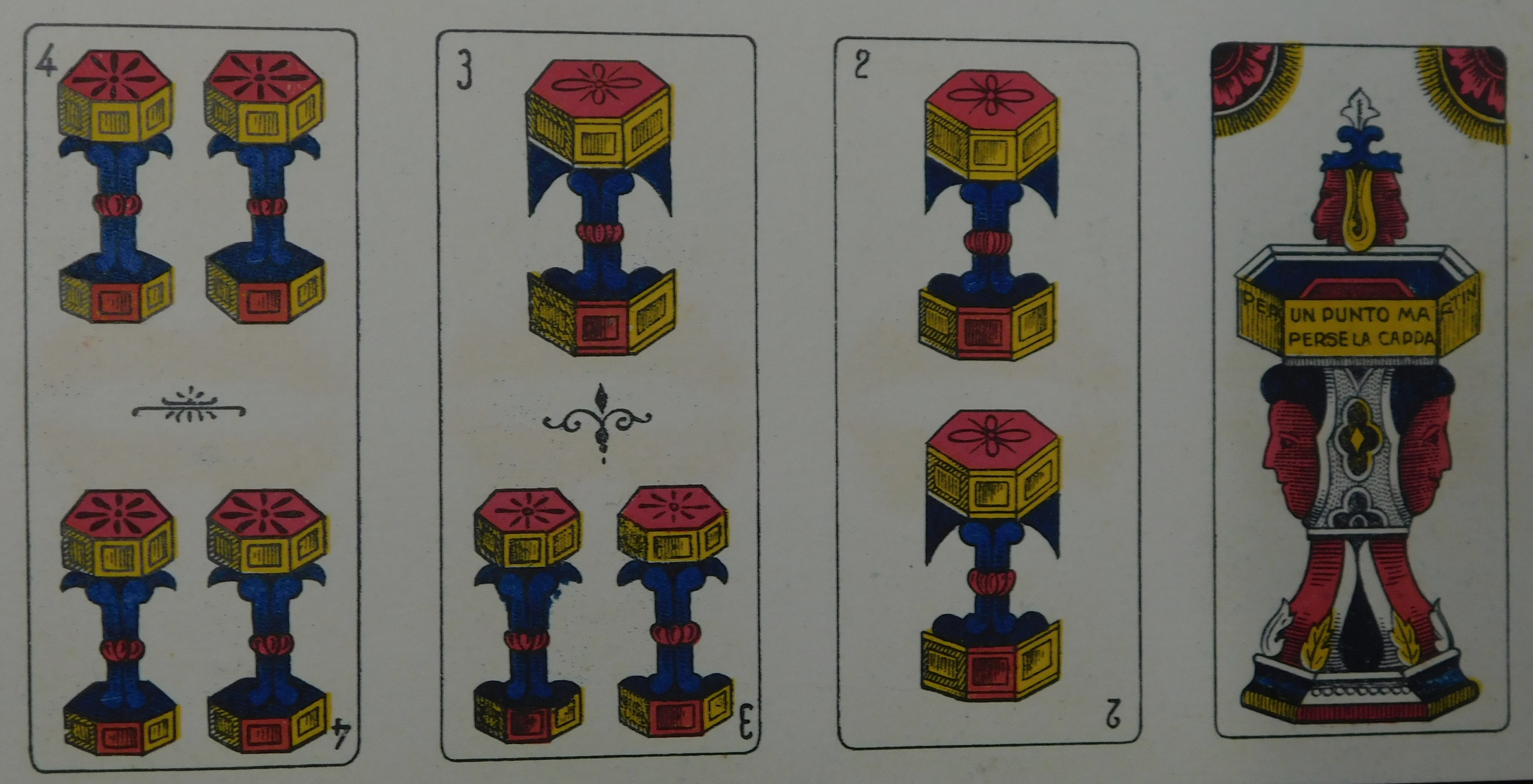
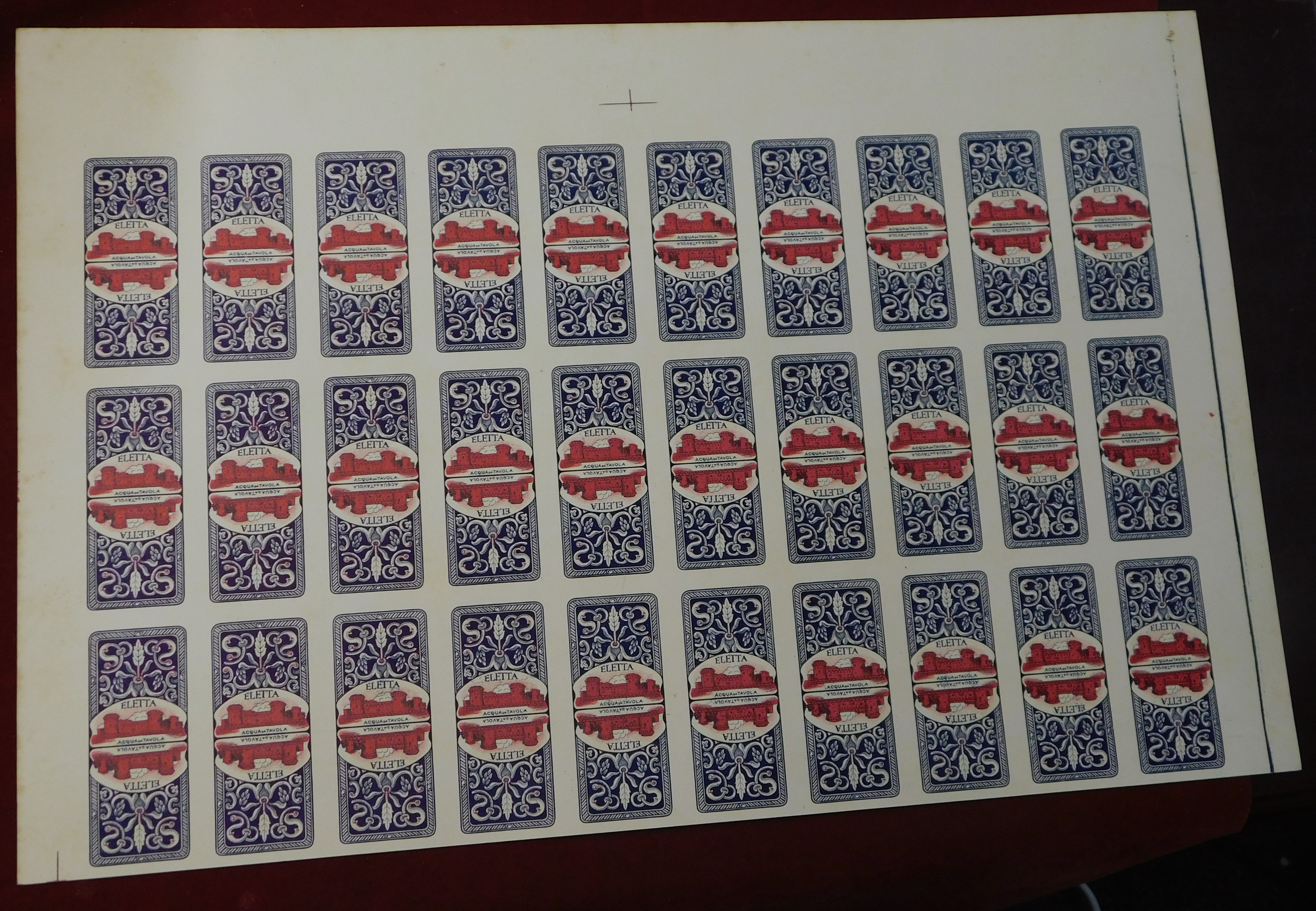
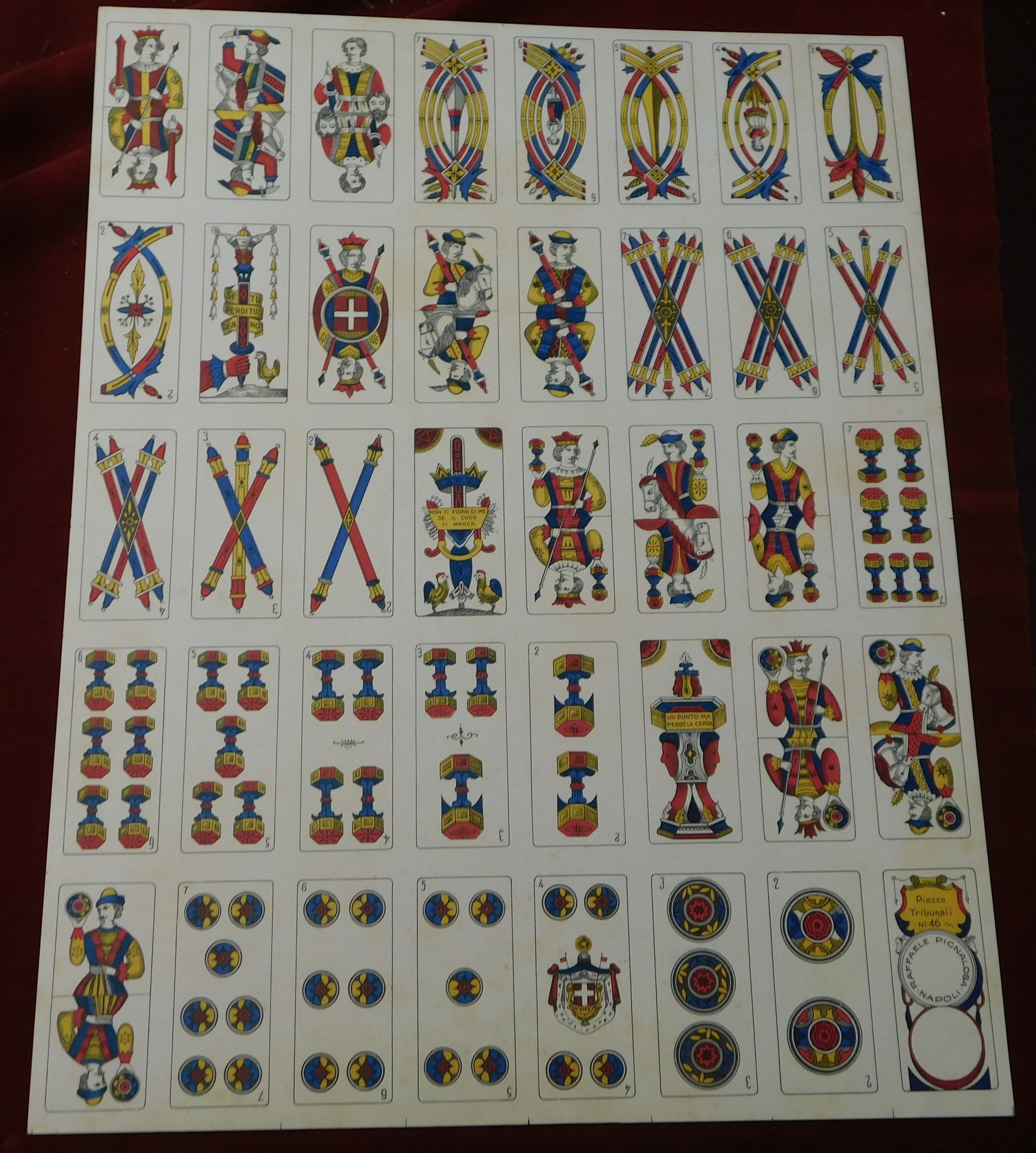
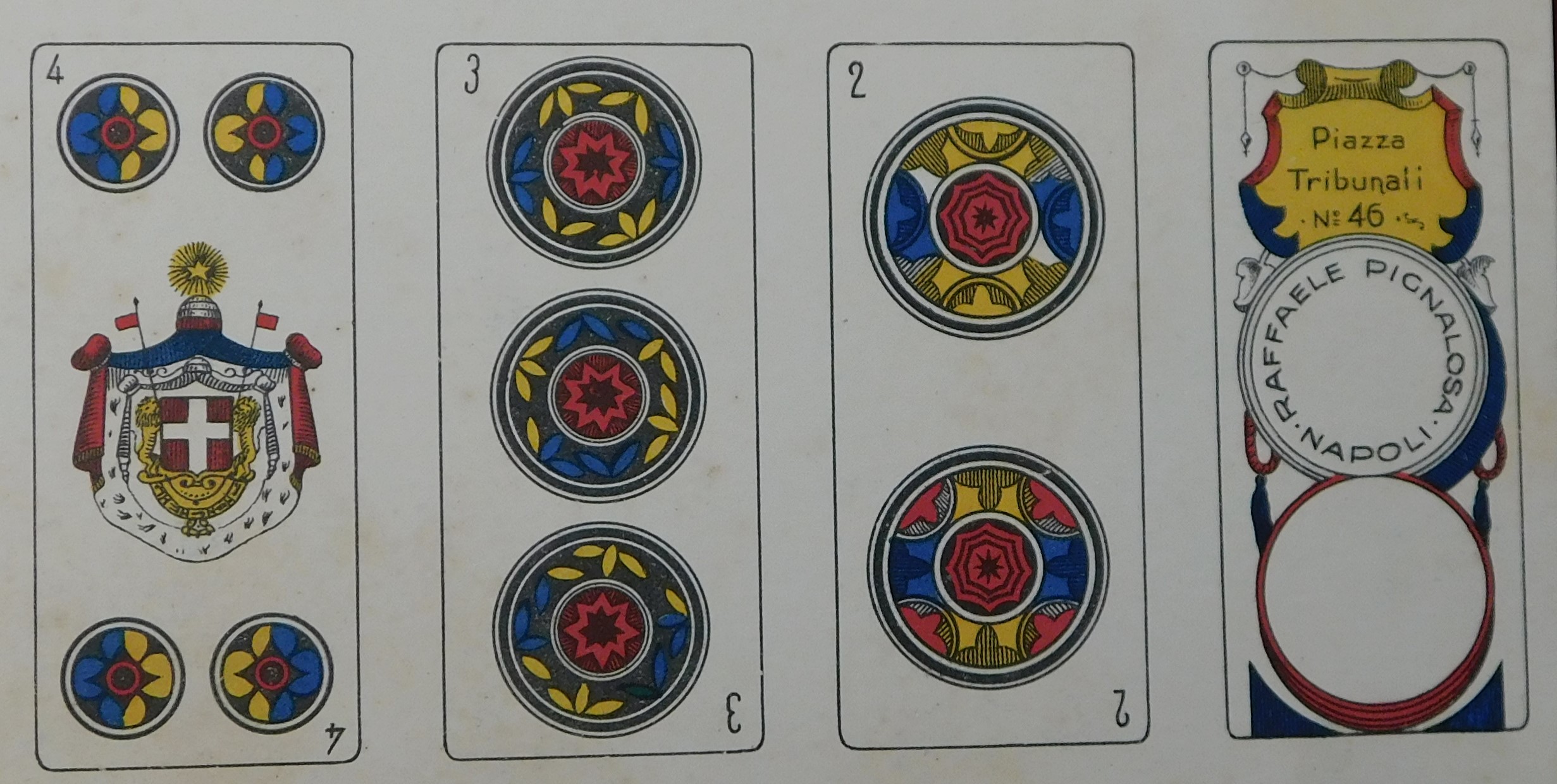
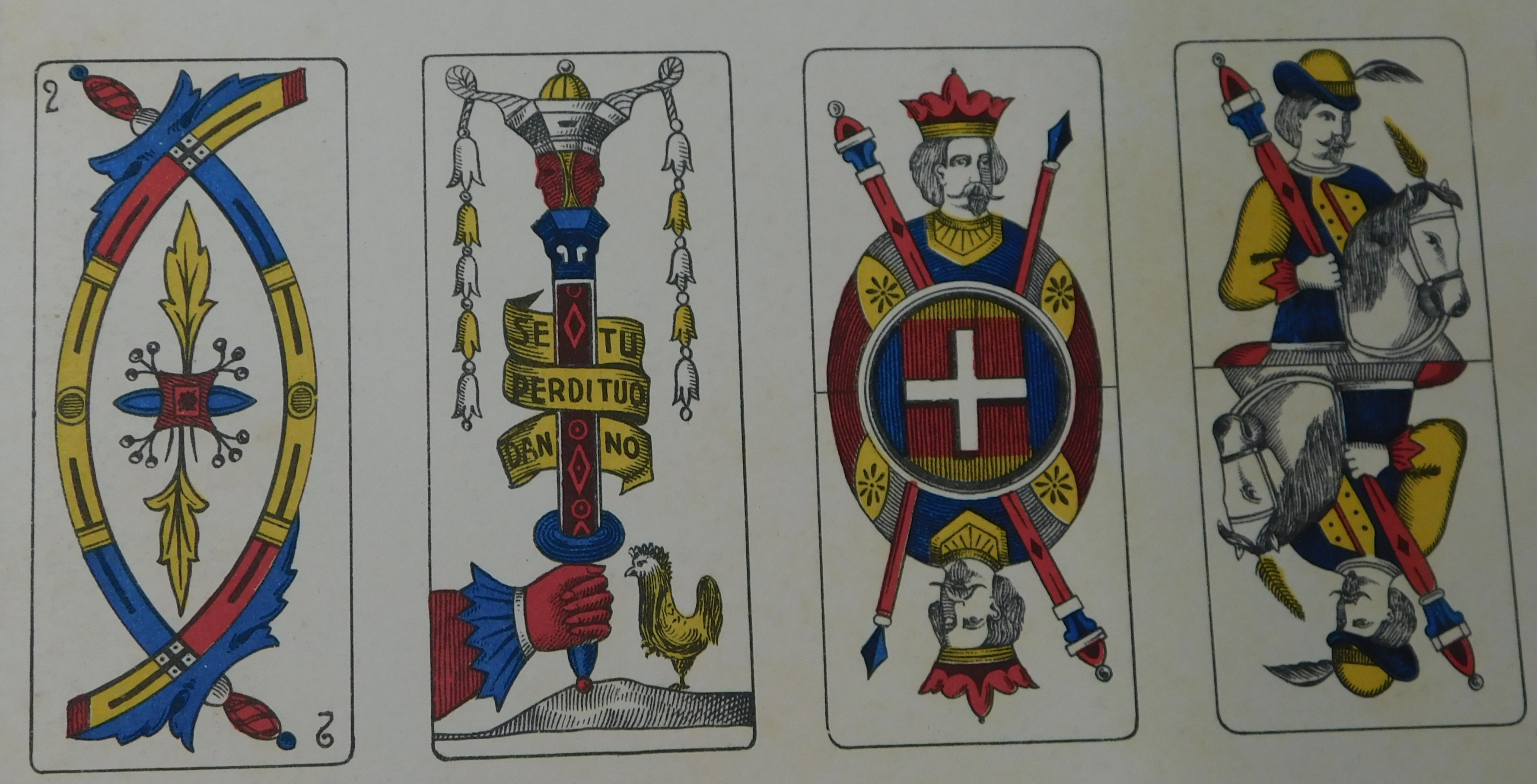
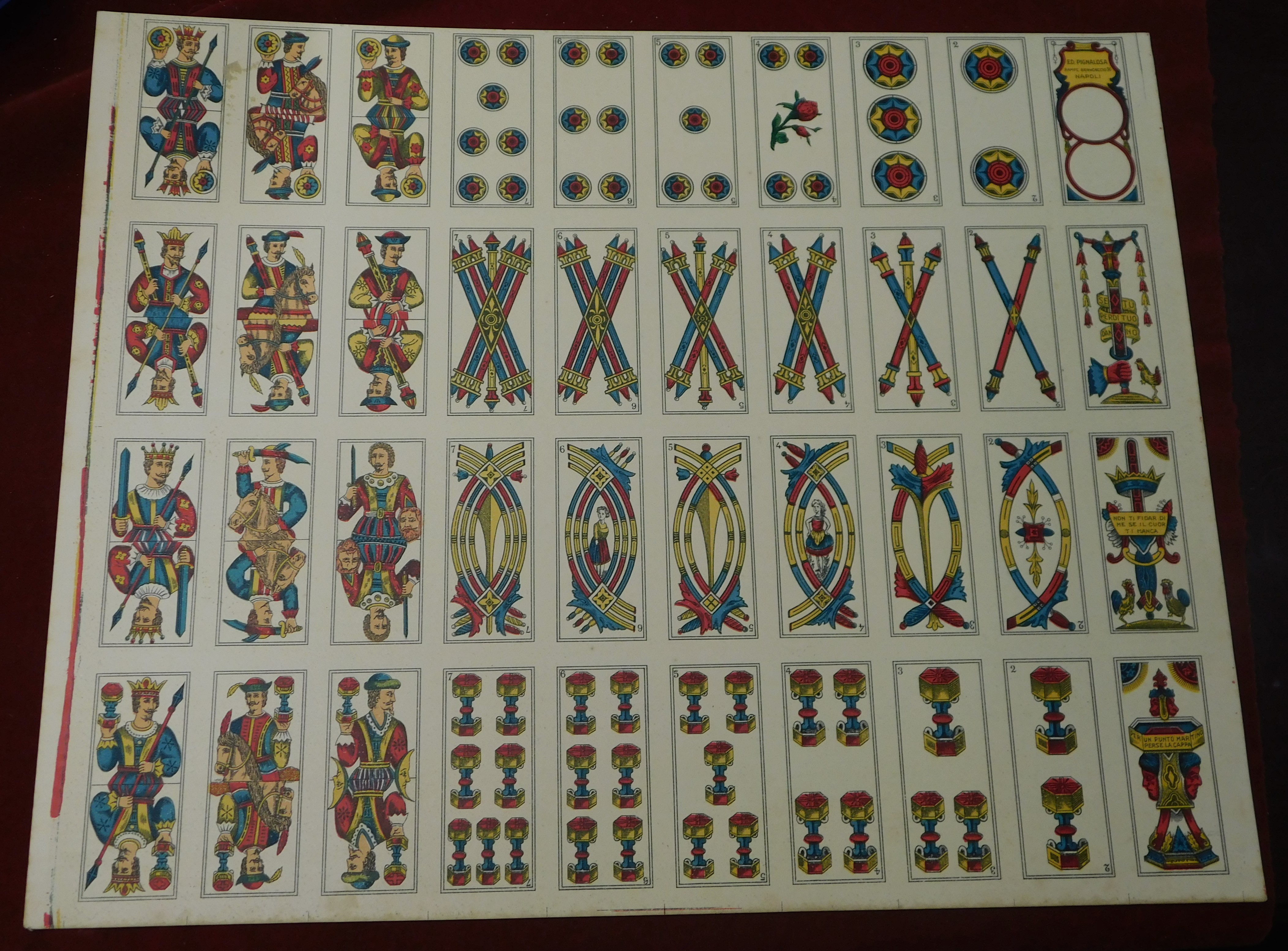
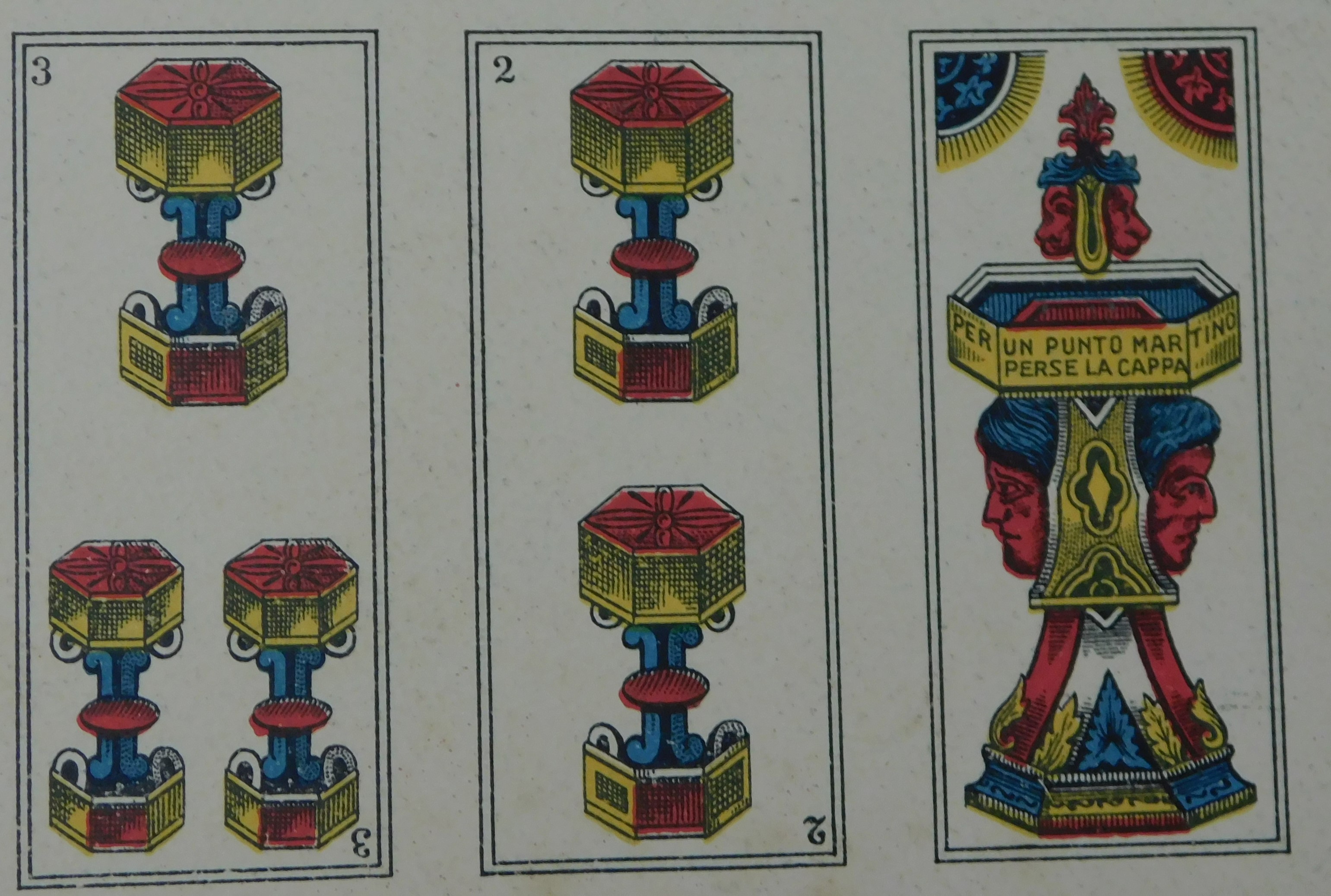
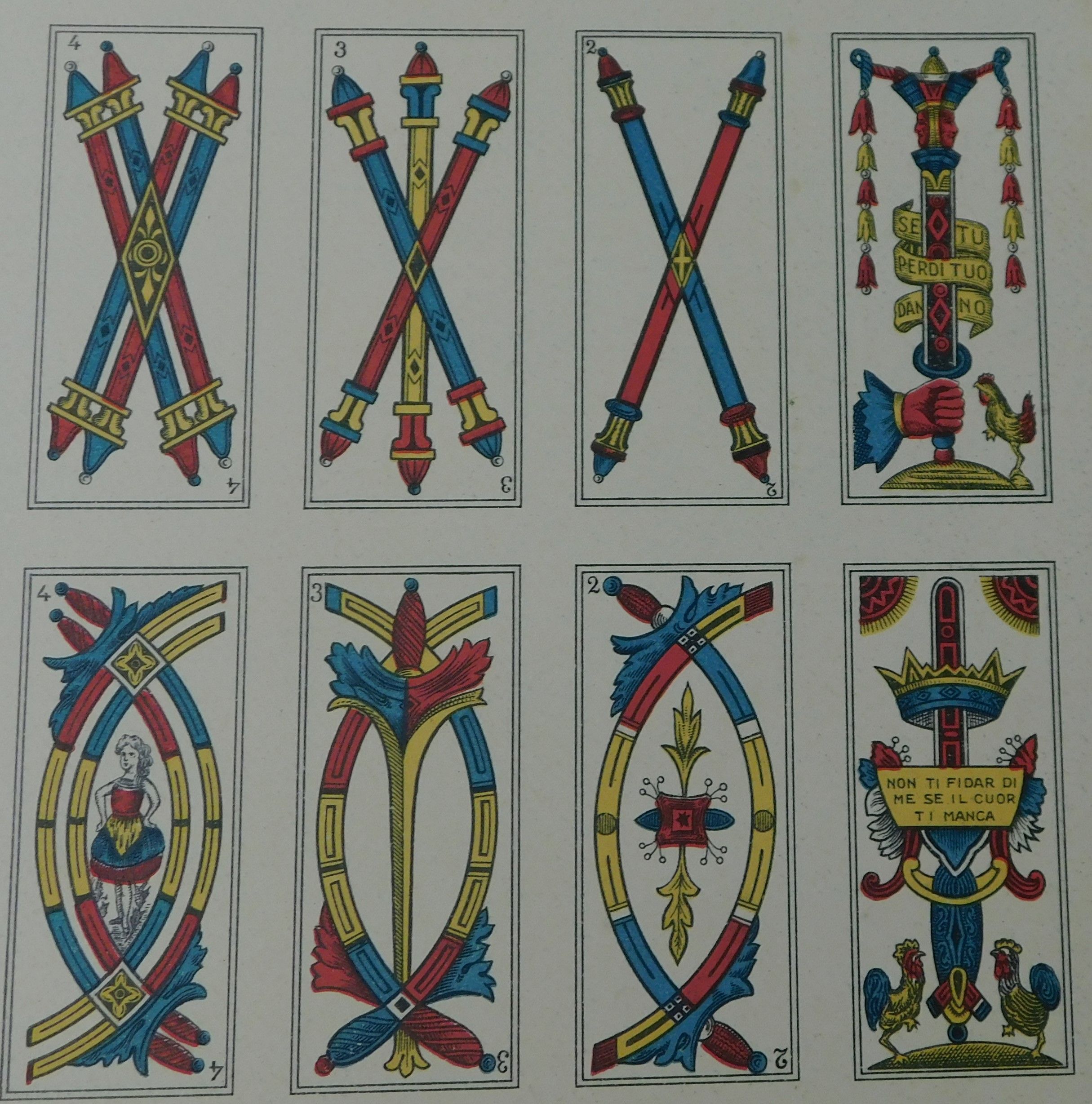
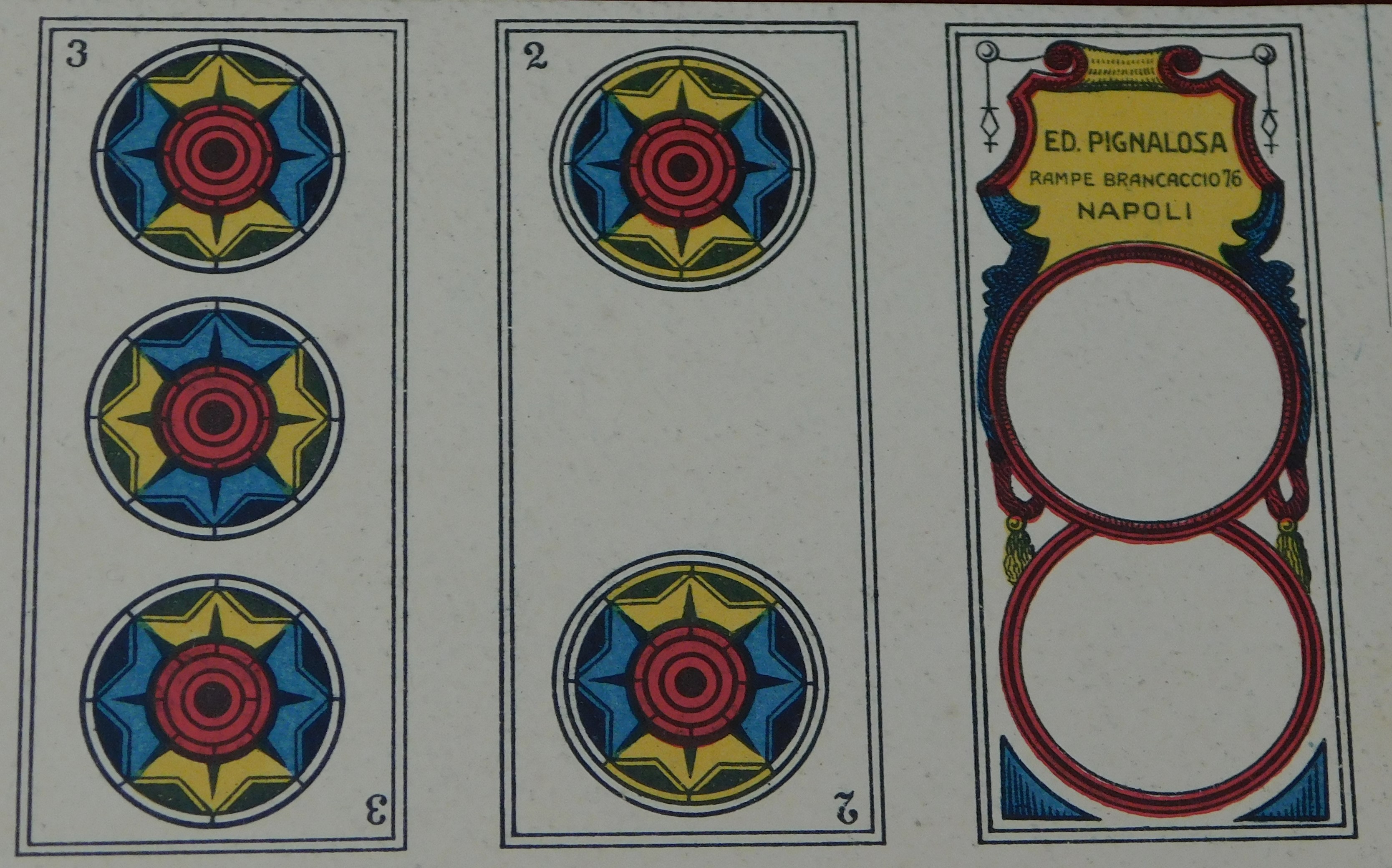
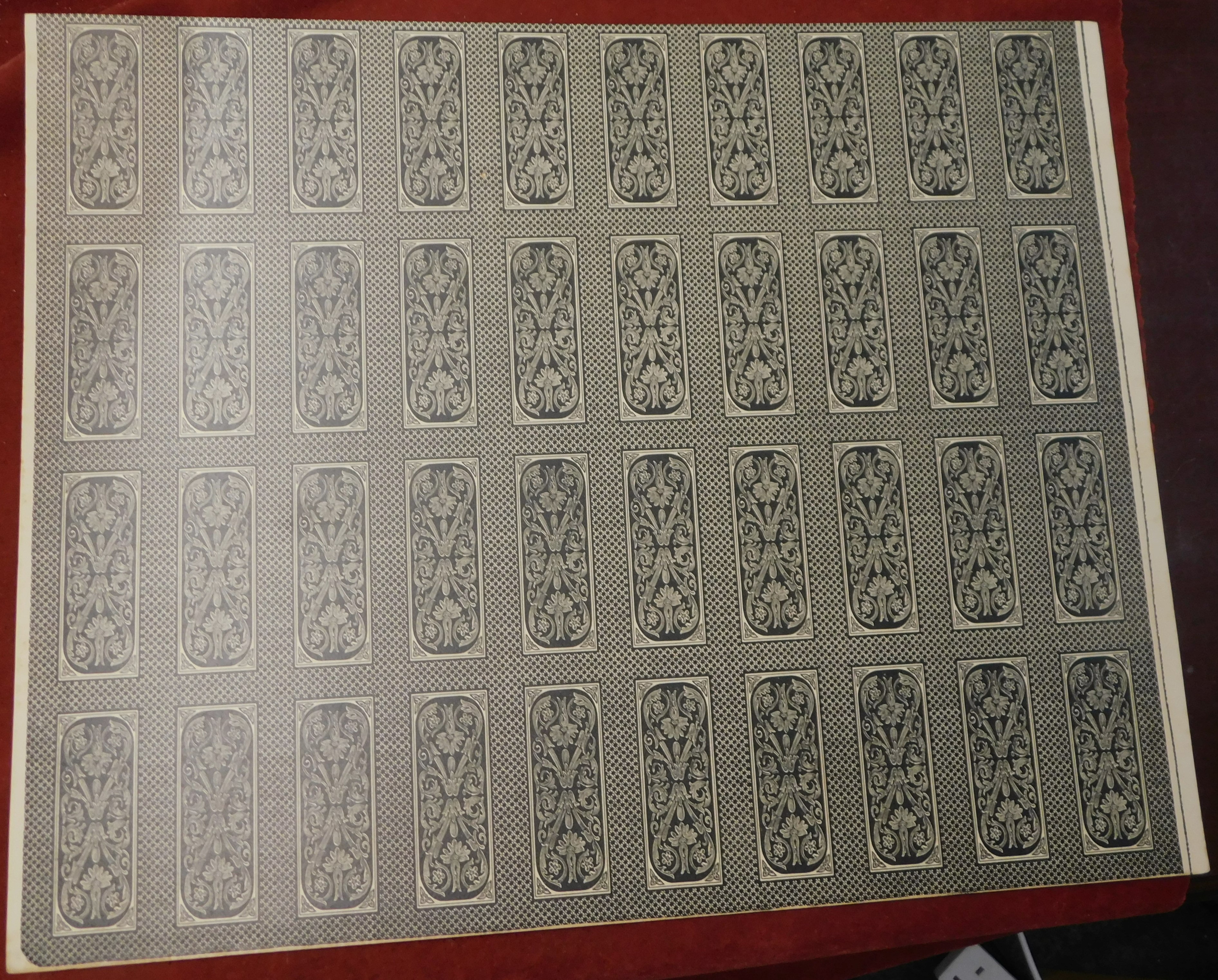
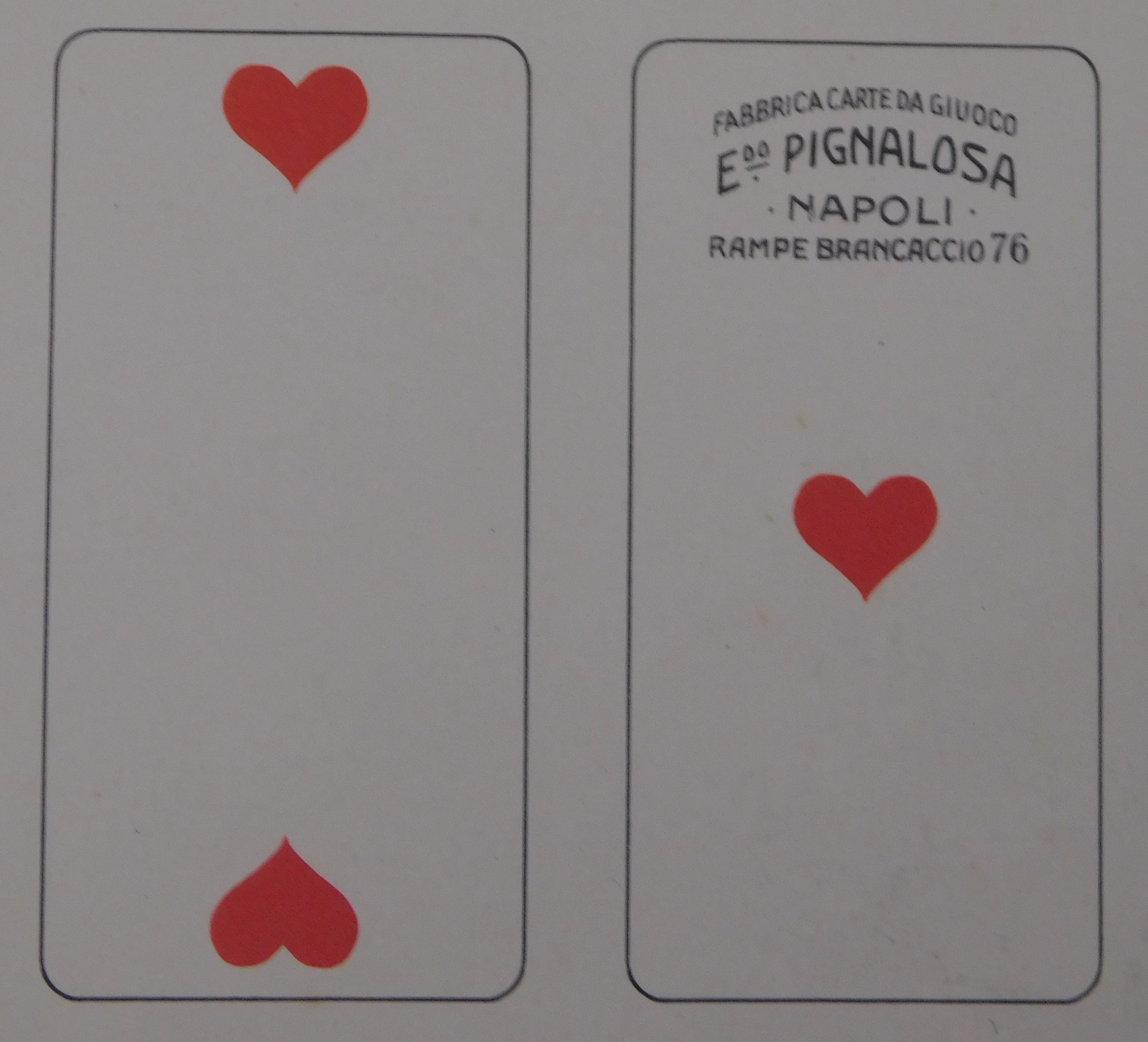
Another two part photo section. Today has not been a day to offer vast opportunities to a photographer, so I also include some interesting stuff from work – lots 1-14 in what will be a small auction on January 23rd, printed but as yet uncut Italian playing cards…

…and some of my regular stuff.

All Time XIs – Given Names Beginning With C

An all time XI of players whose given names begin with C with a lot of honourable mentions, a mention of my recent auction purchases, a brief book review and my usual photo gallery to end.

In addition to the main feature this post has a couple of bonus features before the usual sign off. Today we look at cricketers whose given names begin with C, and we will have a huge number of honourable mentions after the main XI have been introduced.

  1. Chris Gayle (West Indies, left handed batter, occasional off spinner). Better known for his exploits in limited overs cricket, Chris Gayle still had a very fine test record, including two triple centuries at that level. I was at the Adelaide Oval when he scored an incredible 167 against Australia that should have set up a classic finish. Unfortunately Australian skipper Ponting took the cowards option when faced with an ask of 330 off 81 overs against a less than formidable attack and settled for the draw, Australia making no effort at any stage to get on terms with the required rate.
  2. Cyril Washbrook (England, right handed batter). He averaged 42.81 over a career that spanned 37 test matches spread over 19 years, slightly up on his overall FC average of 42.67. The 359 that he and Len Hutton put on together at Ellis Park, Johannesburg remains England’s record opening partnership three quarters of a century on.
  3. Colin Cowdrey (England, right handed batter, occasional leg spinner). The first player ever to be awarded 100 test caps, and holder at one time of the England record tally of test career runs with 7,624.
  4. Clyde Walcott (West Indies, right handed batter, occasional wicket keeper, occasional medium pacer). Averaged over 56 at test level.
  5. *Clive Lloyd (West Indies, left handed batter, captain). A world class batter, and one of the most successful of all test captains.
  6. Clive Rice (Nottinghamshire, right handed batter, right arm fast medium bowler). His native South Africa being banned from international cricket for almost his entire career meant that he never got to play test cricket, but I have decided to give him the benefit of the doubt on this occasion and select him in the all rounders slot based on his great FC record.
  7. +Chris Read (England, wicket keeper, right handed batter). A great keeper and a useful middle order batter, scandalously treated by the England selectors of his day.
  8. Curtly Ambrose (West indies, right arm fast bowler, left handed batter). One half of a legendary new ball duo who are both in this XI.
  9. Colin Blythe (England, left arm orthodox spinner, right handed batter). One of the greatest bowlers of his type ever to play the game. In the years running up to WWI Kent won four championships, largely propelled there by a contrasting opening bowling pair of Blythe and the right arm fast bowler Arthur Fielder. In 1907 Blythe destroyed Northamptonshire with match figures of 17-48, only beaten in FC cricket by Jim Laker’s 19-90 at Old Trafford in 1956, and according to team mate Frank Woolley in “King of Games” Blythe was within an ace of taking all-20 that match.
  10. Courtney Walsh (West Indies, right arm fast bowler, right handed batter). Curtly Ambrose’s regular new ball partner, and during their long association he became the first ever to claim 500 test wickets, finishing with 519.
  11. Clarrie Grimmett (Australia, leg spinner, right handed batter). A man who had to leave his native land and then cross two state boundaries in his adopted country to find cricketing fulfilment and still became the first to take 200 test wickets, finishing with 216 scalps from just 37 appearances. In the last full Sheffield Shield season before WWII, with his 50th birthday not far distant, he claimed a competition record 73 scalps. The Flipper, now considered an essential part of any wrist spinner’s armoury, was very largely his creation.

This side has a stellar top six including a genuine all rounder, a keeper who can bat and four great and well varied specialist bowlers. The proven new-ball combo of Ambrose and Walsh has Rice to offer pace back up, and the spin pairing were two of the best such ever to play the game. On any surface I would back this side to take 20 wickets without any great trouble.

This will be a long section. First, to address cricket’s largest fan base, I must acknowledge the sterling performances of Cheteshwar Pujara as a number three. However, as good as he has been in that role both for India and in domestic cricket I do not believe that he dislodges the first player ever to play 100 test matches.

Among the openers who challenged for inclusion without in my view quite being good enough were Charles Bannerman, CB Fry, Cyril Walters, Chris Rogers and Charlotte Edwards, with the last name being naturally a shoo-in for the head coach’s position. Some might mention Chris Broad in this context, but I take a dim view of those who chose to sign up for rebel tours of Apartheid South Africa. Had I been picking with limited overs in mind Chamari Athapaththu would have merited consideration as well.

Claire Taylor had a magnificent record for England Women, averaging over 40 in both tests and ODIs. Two Colins, de Grandhomme of New Zealand and Bland of South Africa were fine middle order batters, and the latter is this side’s designated fielding sub. Clem Hill was at one time the all time leading scorer of test runs, until Jack Hobbs overhauled his tally, but he cannot displace Clive Lloyd. Charith Asalanka of Sri Lanka may eventually force his way in, but he is not there yet. Chloe Tryon, the big hitting South African who bowls a bit of left arm spin, would merit consideration were I picking with limited overs in mind. Two West Indians, Carl Hooper and Carlisle Best, both missed out due to not having enough substance to go with their style.

Among those who missed out on the gauntlets due to the presence of Read were Colin Metson, Carlton Baugh and Carla Rudd.

Charles Townsend, a left handed batter and a leg spin bowler, missed out on the all rounders slot because I preferred to pick a pacer for that slot and include Grimmett in the XI. Chris Woakes and Chris Cairns were both a little short of the necessary batting credentials to take the slot. On a really raging turner CK Nayudu, the Indian off spinning all rounder might take Rice’s place. The abrasive Cecil Pepper was another leg spinning all rounder who could not be accommodated, though he gets an umpiring gig.

Among the specialist seam/ pace bowlers to miss out were Craig McDermott, Chris Tremlett, Chris Old, Chaminda Vaas, Craig Matthews and Carl Rackemann (he like Bruce Reid mentioned a couple of days ago was rarely fit for long enough to build up a record of much substance). Charles ‘The Terror’ Turner had a sensational record, but 1880s pitches were generally much more favourable to bowlers than they became later.

Cecil Parkin and Charlie Dean rank as the two finest specialist off spinners to have had given names beginning with C. For a limited overs side Collins Obuya, the Kenyan off spinner, would merit consideration.

It was auction week at James and Sons, and I had placed advance bids on three items which looked likely to go cheap and were of interest to me. In the event I secured all three for very little, and an opportunistic bid on a fourth item was also successful.

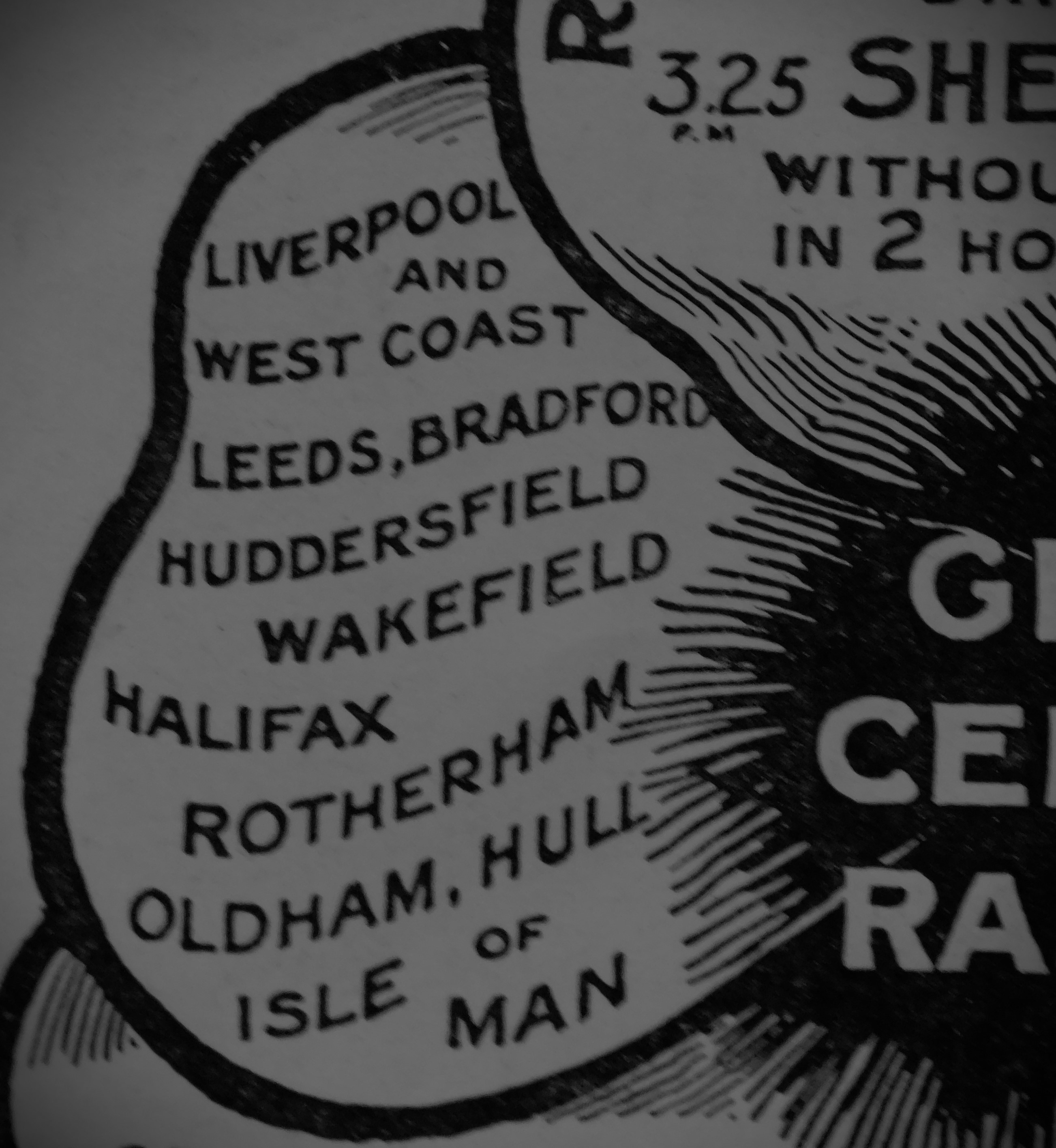
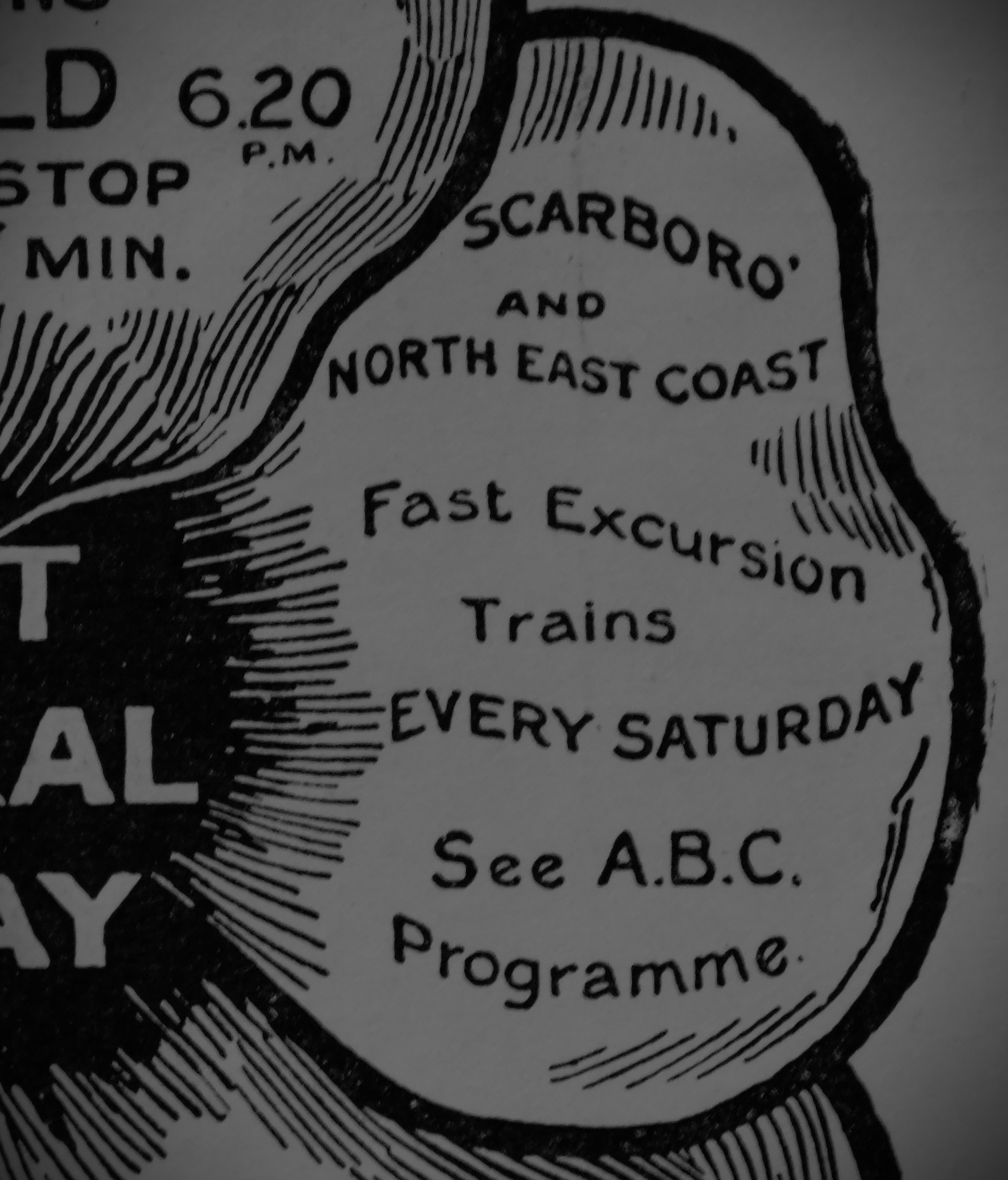
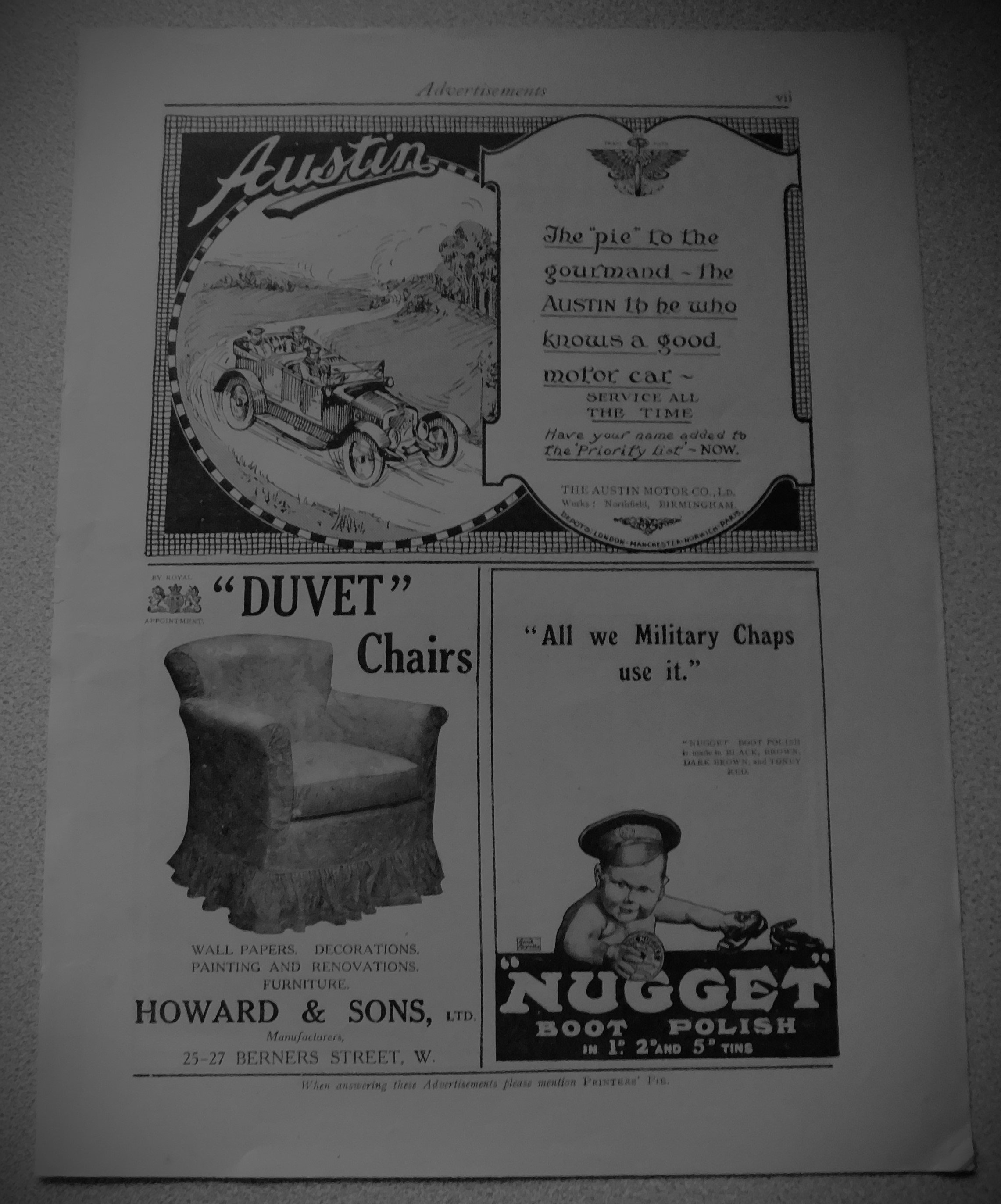
Had I not been the one to image this item it would have been unsold, because anyone else imaging it would have imaged only the bit described in the catalogue listing. Fortunately, I looked and imaged more closely. The images available to online bidders were as follows:

My interest in the Great Central Railway advert was the only interest of any kind shown in this lot, which was duly knocked down to me. My treatment of the item since taking possession of it reflects my reason for buying it, as shown by the following pictures…

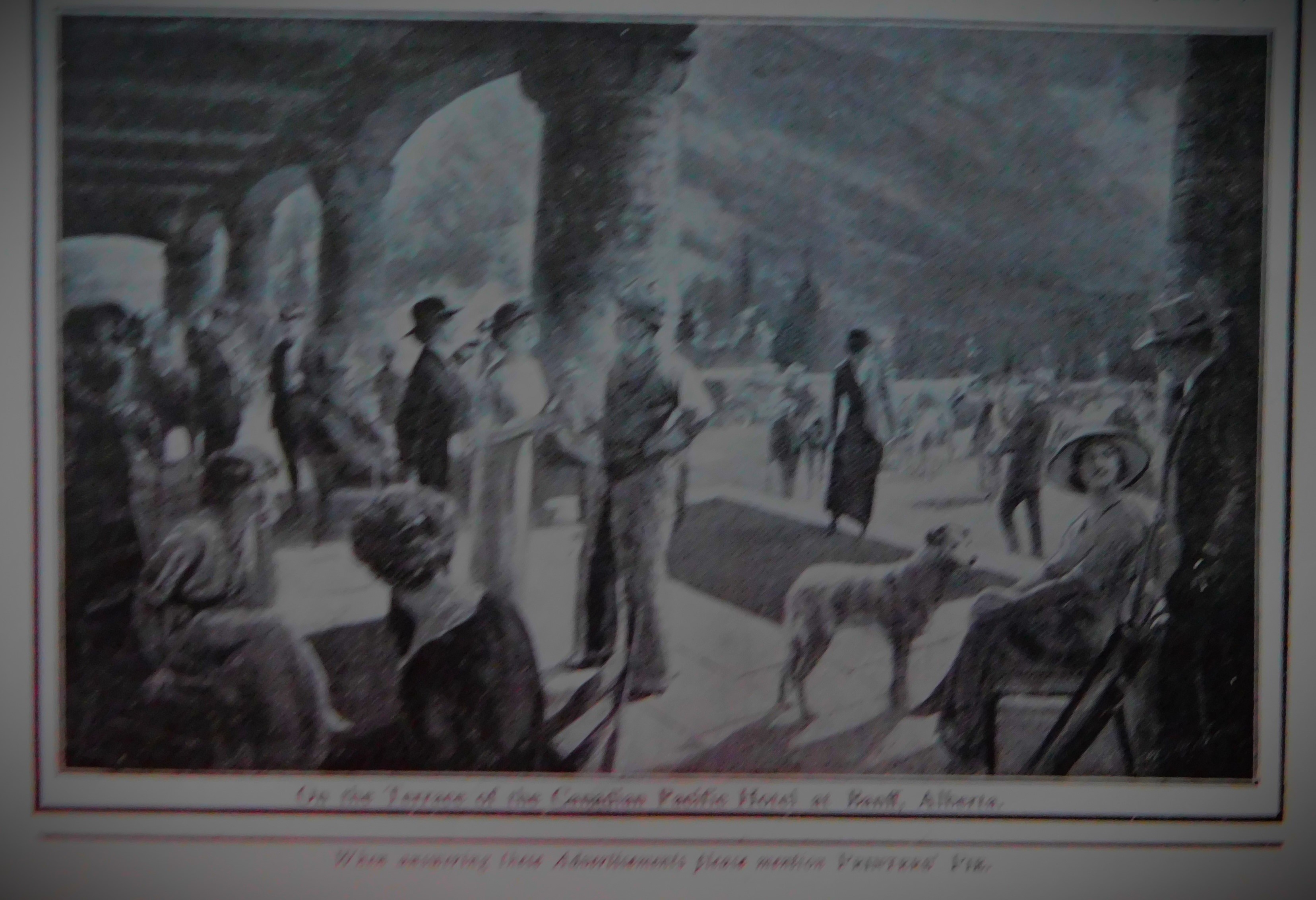
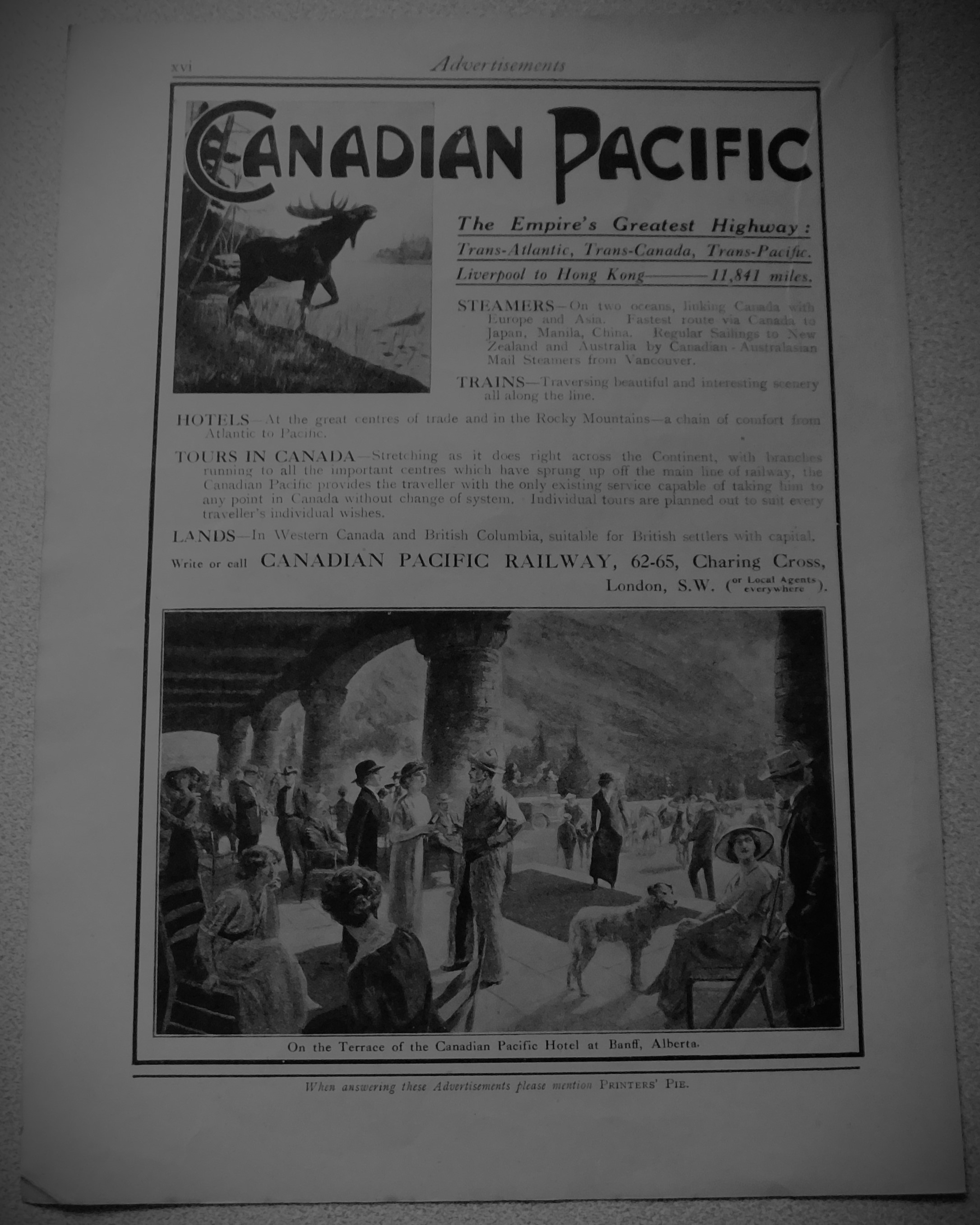
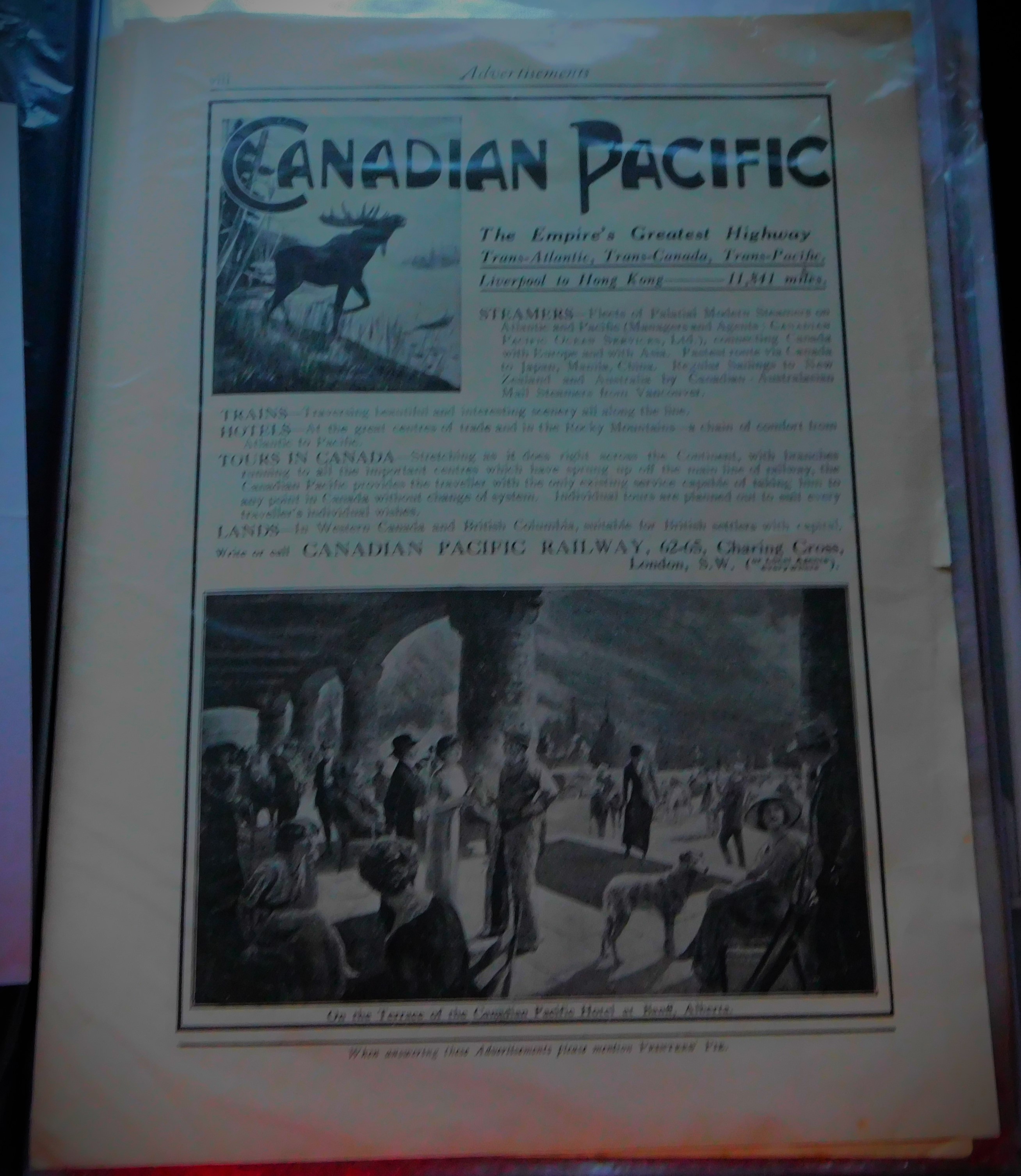
These two items are both PR sheets for the Canadian Pacific Railway with other adverts on the back.

This item was allegedly of interest for the cigarette advertisement featured on one side of it. However, it was what was on the reverse side that caught the attention of the only person to show interest in it:

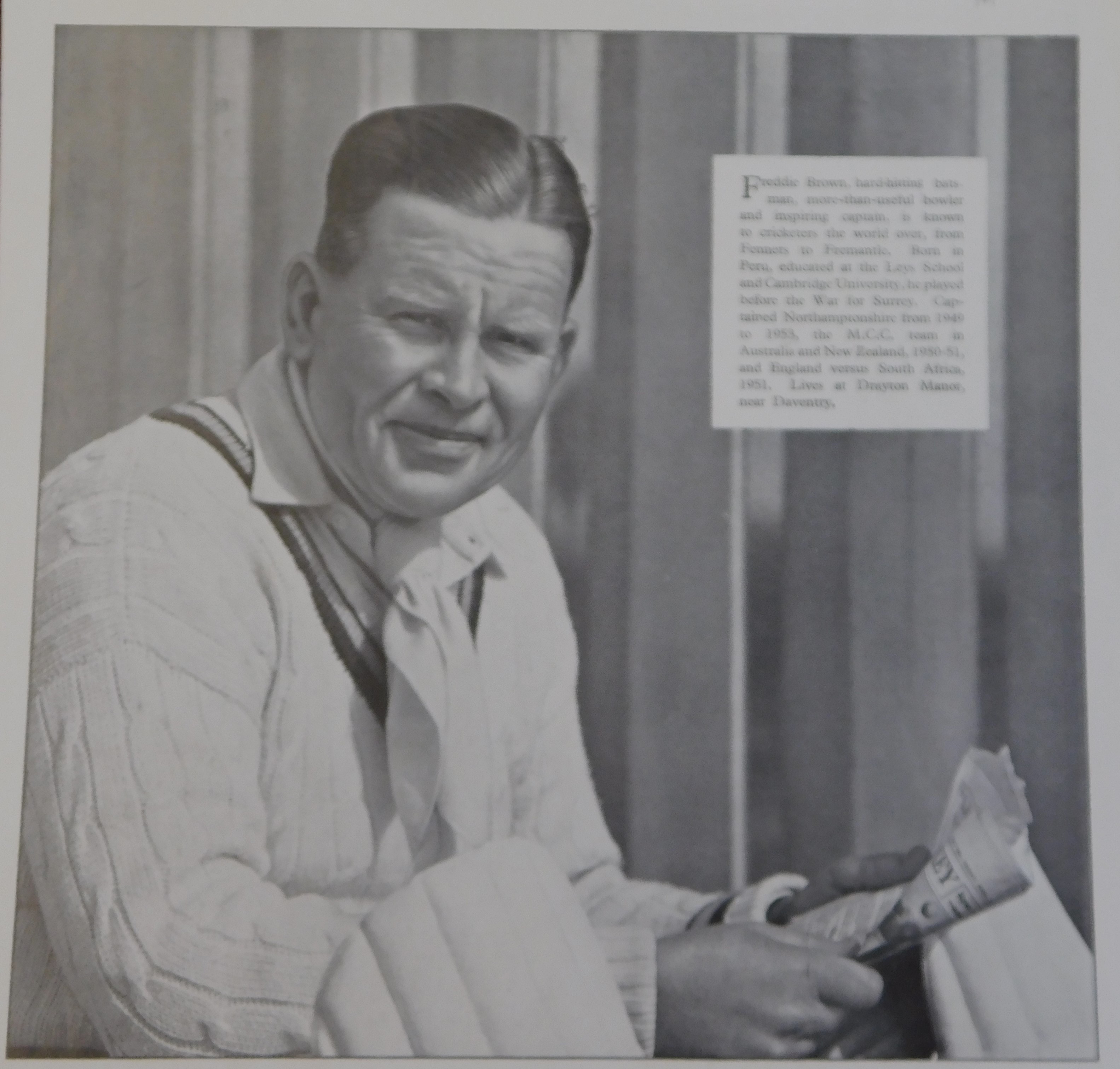
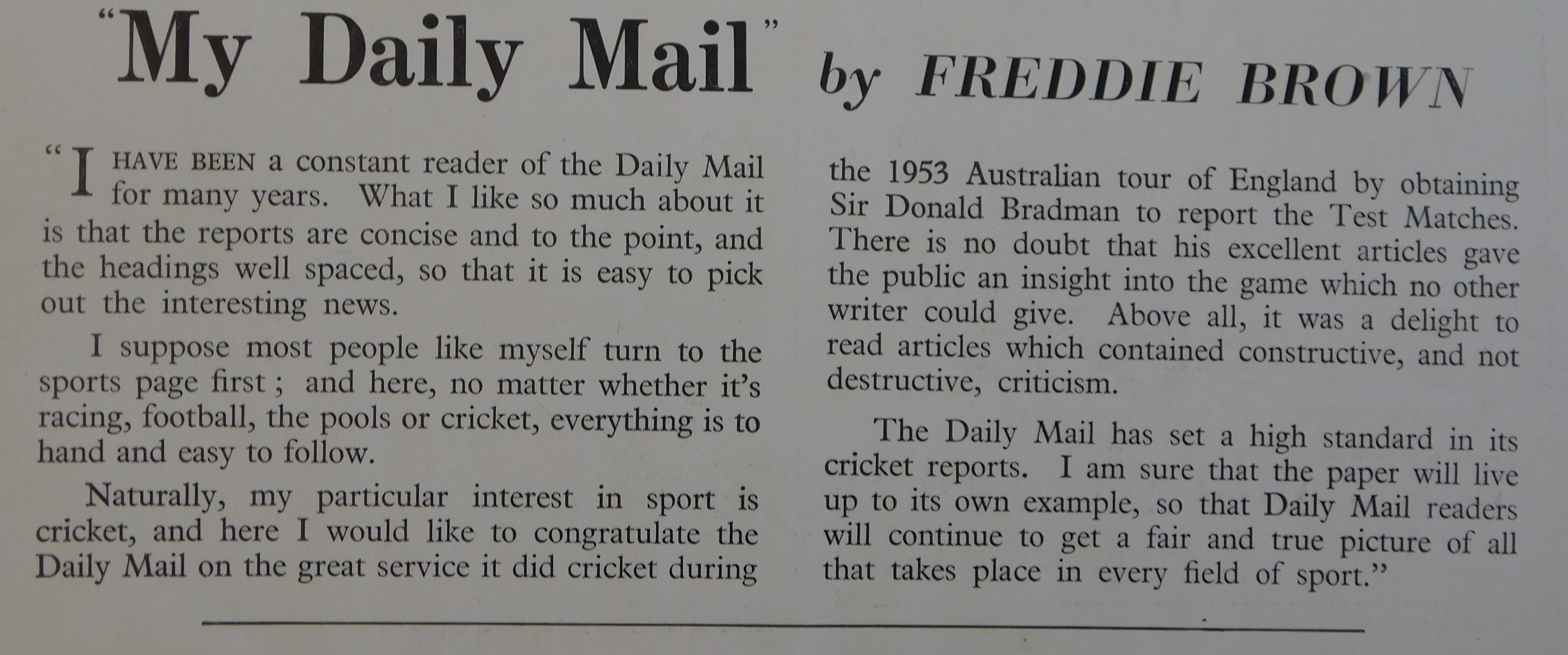
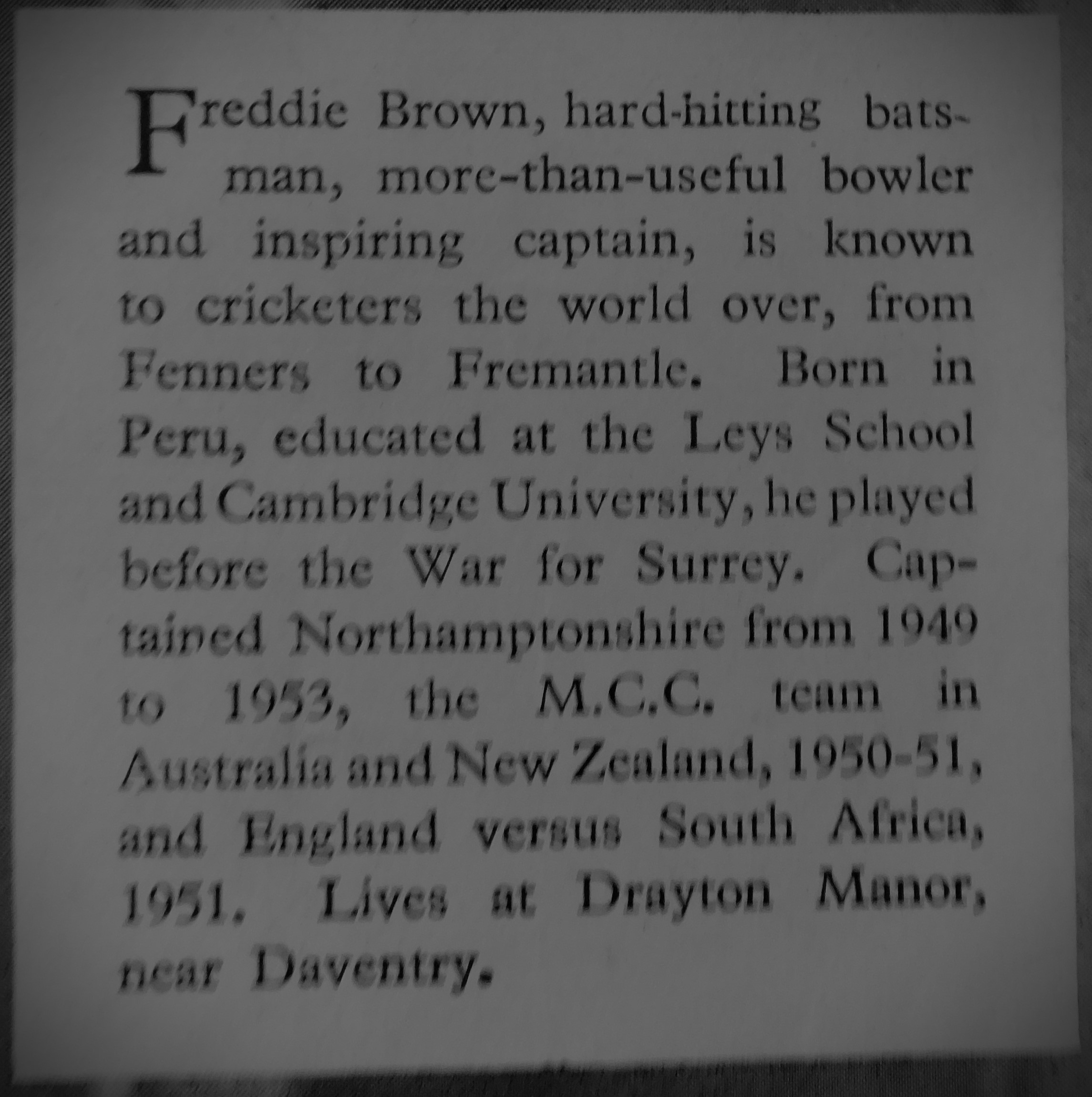
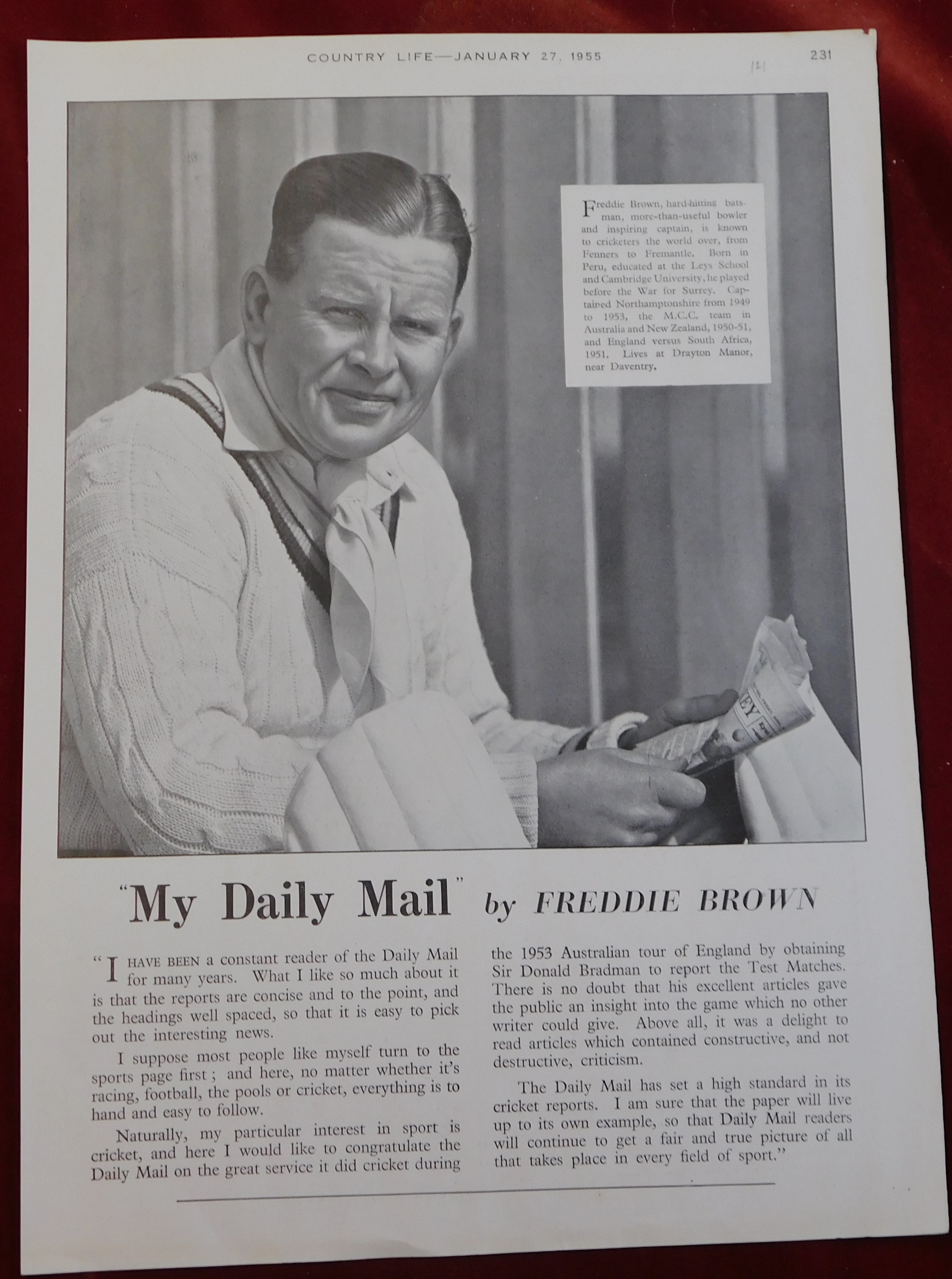
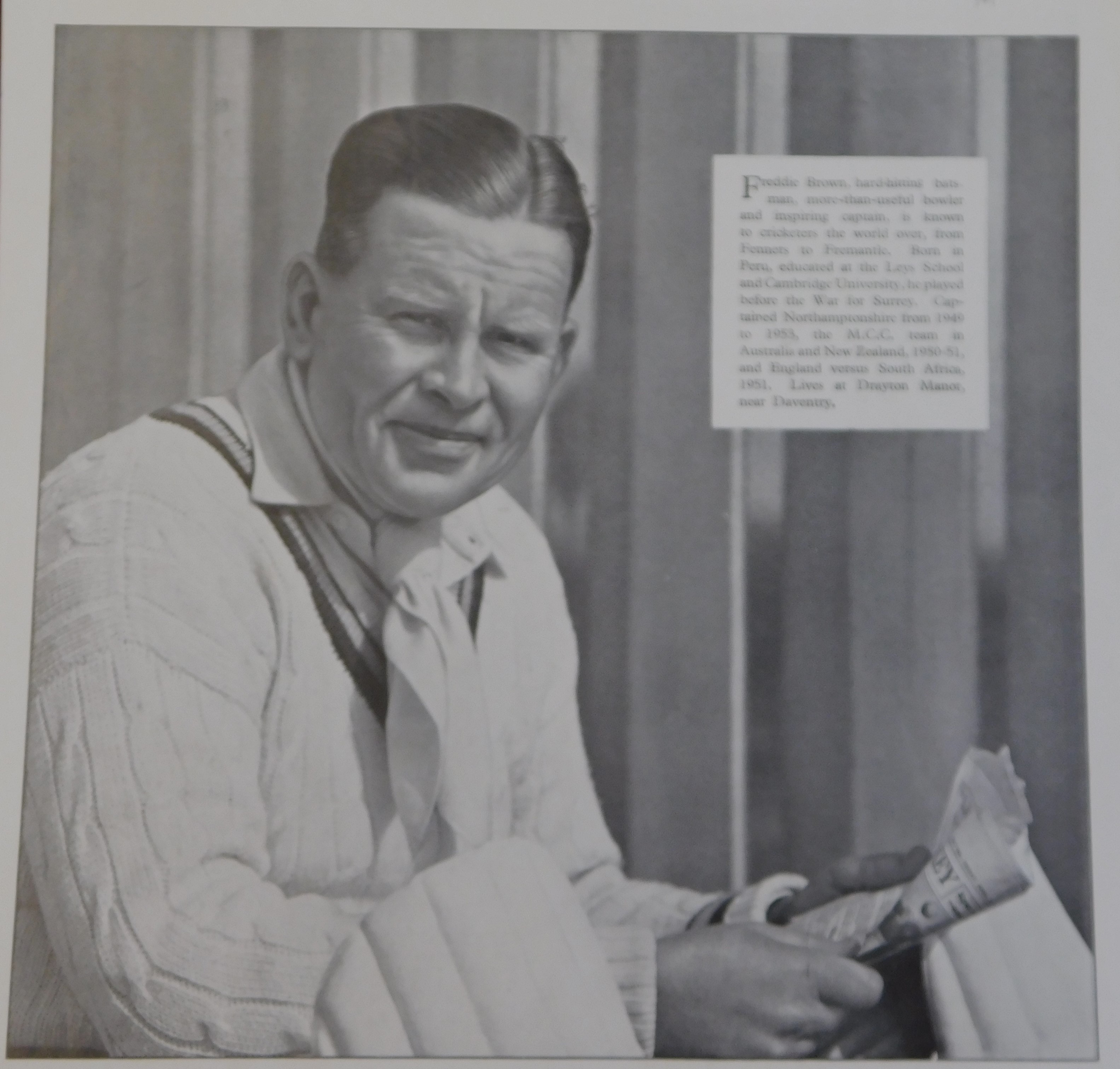
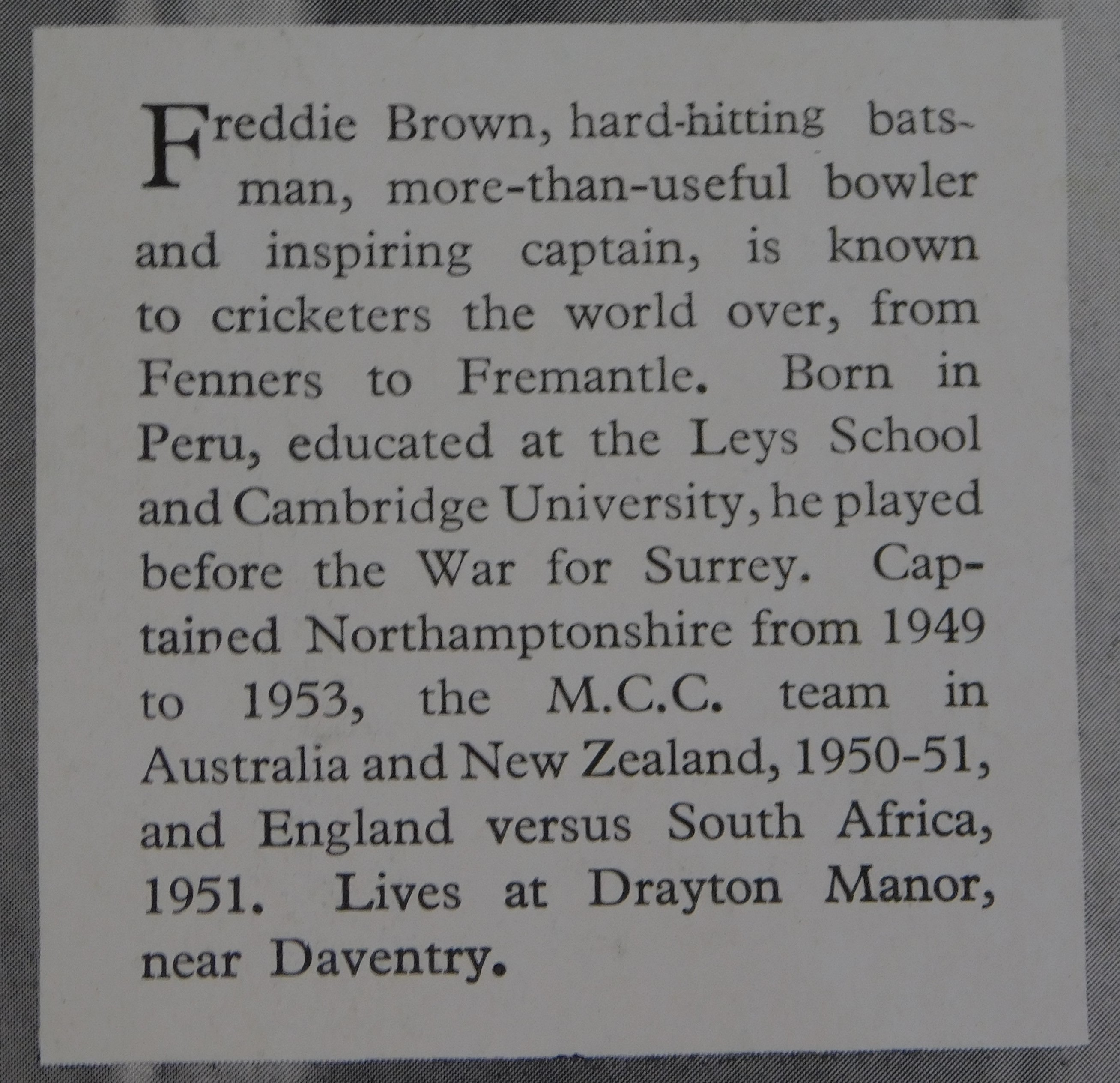
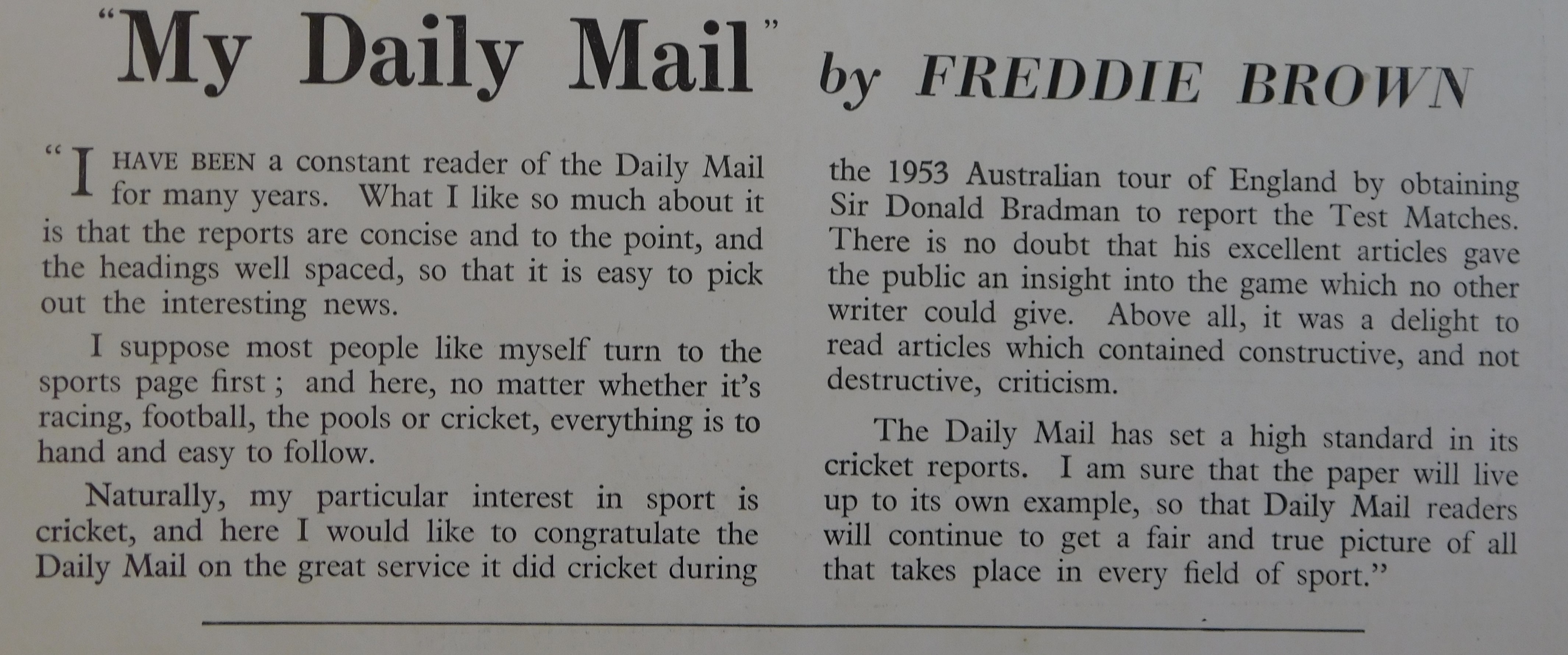
This one did not require radical treatment as had number 685 to fit my interests, just a bit of folding to make it fit in a display folder and display what I wanted – the stuff about Freddie Brown minus him spruiking a filthy far rate hate rag…

Interestingly by the time this was published in 1955 Freddie Brown had not featured for England in two years – Lord’s 1953 was his last test appearance, and his last appearance of note came in May 1956 when he played for Free Foresters against Oxford University, doing little with the bat, but claiming 11 wickets including a first innings haul of 8-60 – yet the far right hate rag of “Hurrah For The Blackshirts” infamy still thought him good PR for them.

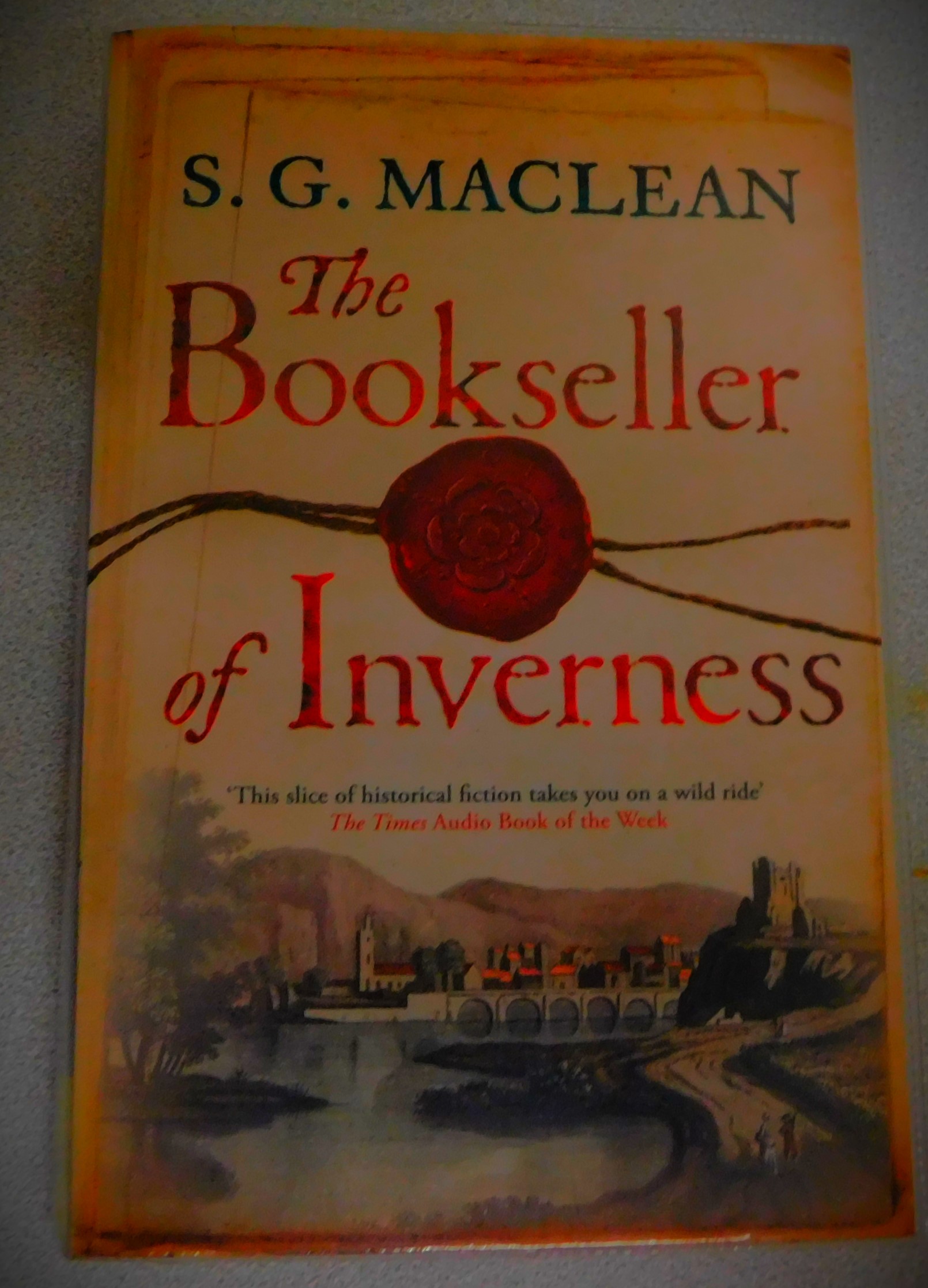
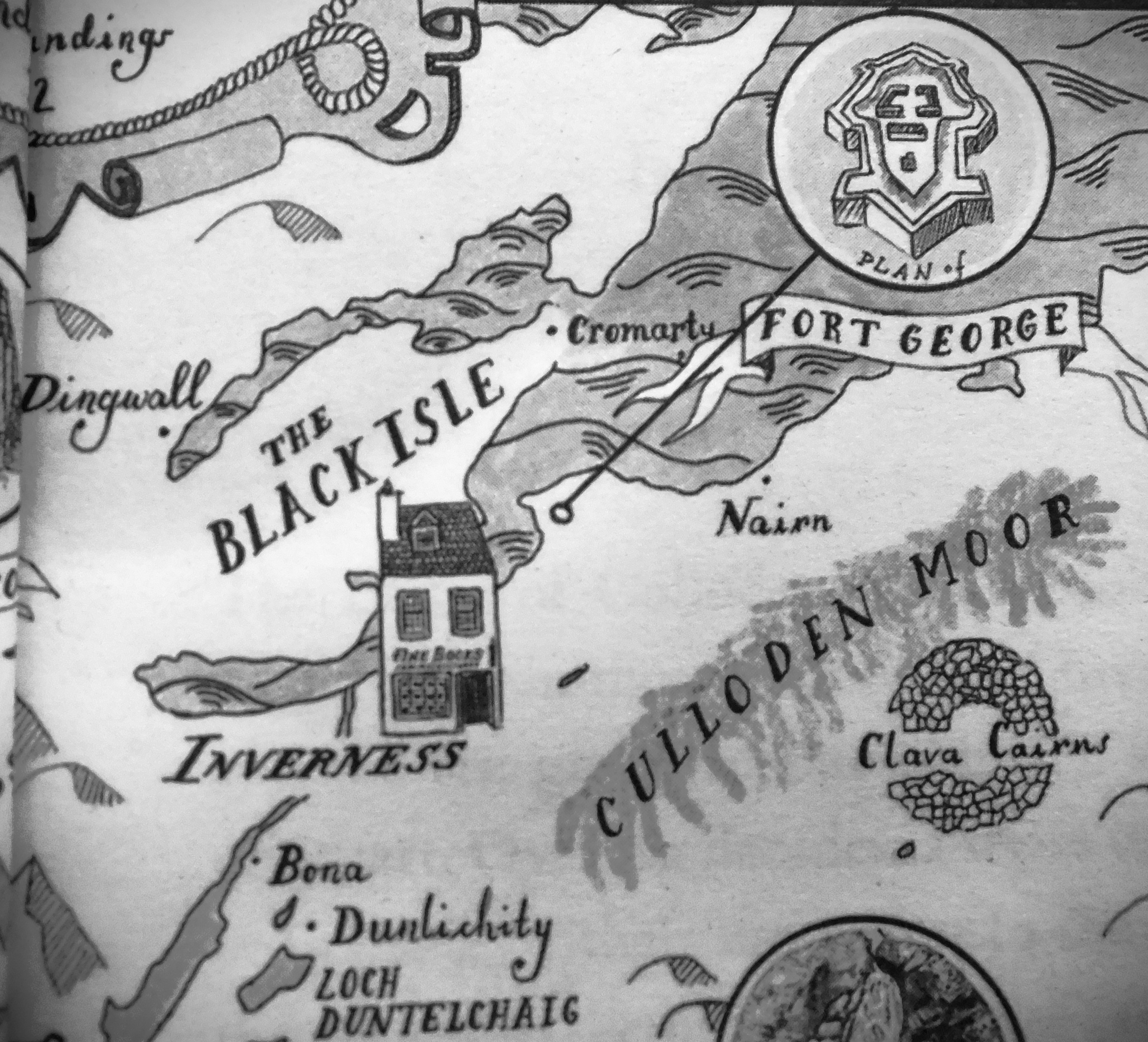
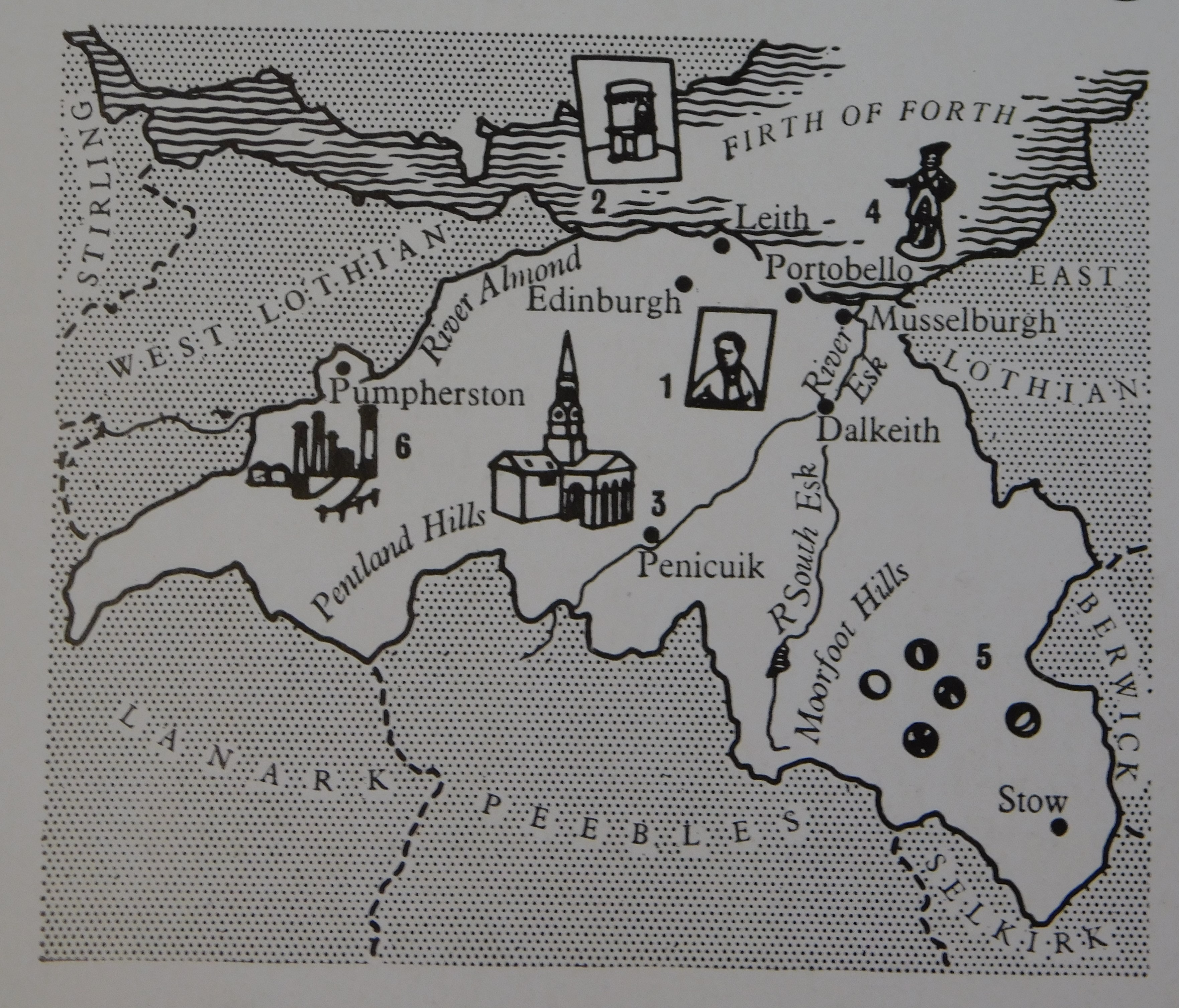
Set in the turbulent years of the 1750s, when attempts to restore the Stewarts (James Edward Stewart, based in Rome at this time, and his son Charles Edward Stewart a.k.a Bonnie Prince Charlie) to the throne were still in vogue, this book is a thoroughly gripping, indeed enthralling read. It also has a special feature of particular appeal to me, a very intricate map of the area in which most of the action takes place. Not only do I highly recommend this book, I will be looking of the author’s name on future library visits.

Time for my usual sign off…

England Exit but take Pakistan with them

A look back at today’s world cup matches, especially England v Pakistan, , analysis of the group standings with one group match to go, a mention of a couple of upcoming auctions being held by my employer and my usual sign off.

Today saw two group matches at the 2023 ODI World Cup, Australia v Bangladesh and England v Pakistan. Most of this post is dedicated to the second of these fixtures. In the early game Bangladesh posted just over 300, and Australia chased them down very comfortably, Mitchell Marsh setting a new record for an Australian number three in ODIs by scoring 177 not out.

England were already eliminated, while Pakistan had a very outside chance of staying in the tournament. The least vanishingly unlikely scenario to allow this to happen would have seen Pakistan bat first, score a huge total and bowl England out cheaply. Going this way round would still have left Pakistan needing to win by 287 runs to go ahead of New Zealand on net RR. As it happened Buttler won the toss and decided to bat. This meant that the first landmark for England to reach was 169, at which point Pakistan would be in the position of needing at least one no-ball from England even if they hit everything for six if they were to overhaul New Zealand on net RR.

In the event England batted the best they had all tournament, and it was soon very obvious that any scenario involving Pakistan overhauling New Zealand was not so much vanishingly as Daniel Dennett’s usage of Vanishingly unlikely (in the book “Darwin’s Dangerous Idea”). Various players contributed for England, and all Pakistan’s bowlers took a fair amount of stick. In the end England posted 337 from their 50 overs.

Pakistan never looked at the races, and there were times when it looked like their net RR was going to take such a battering that they dipped below Afghanistan into sixth place. The magic number to avoid that was 187, and they reached that figure with eight wickets already gone, losing a ninth shortly afterwards. The last pair of Mohammad Wasim and Haris Rauf then managed to connect with some meaty blows, but long before they were even close to worrying England one such shot went higher than it did long and Stokes managed to get himself underneath it. Pakistan were all out for 244, beaten by 93 runs. Two England bowlers reached career landmarks along the way – David Willey whose retirement is already confirmed reached 100 ODI wickets with the second of his three scalps, and Adil Rashid claimed his 200th ODI wicket. Willey was given the Player of the Match award, making the decision not to award him a new central contract look even sillier than it already did (while the timing of the central contract details being made public, right in the middle of a tournament, verged on the criminally insane). England are in seventh place, and unless the miracle of the tournament happens tomorrow and the Netherlands somehow beat India by a really big margin in the last group match seventh is where they will finish. However, two of their three wins came after their eliminations was already confirmed, and those two late consolation victories should not be allowed to overshadow just how dire a tournament this was for the team who “didn’t come here to defend anything”.

James and Sons’ November auctions (on Tuesday 21st and Wednesday 22nd) are now ready to view online.

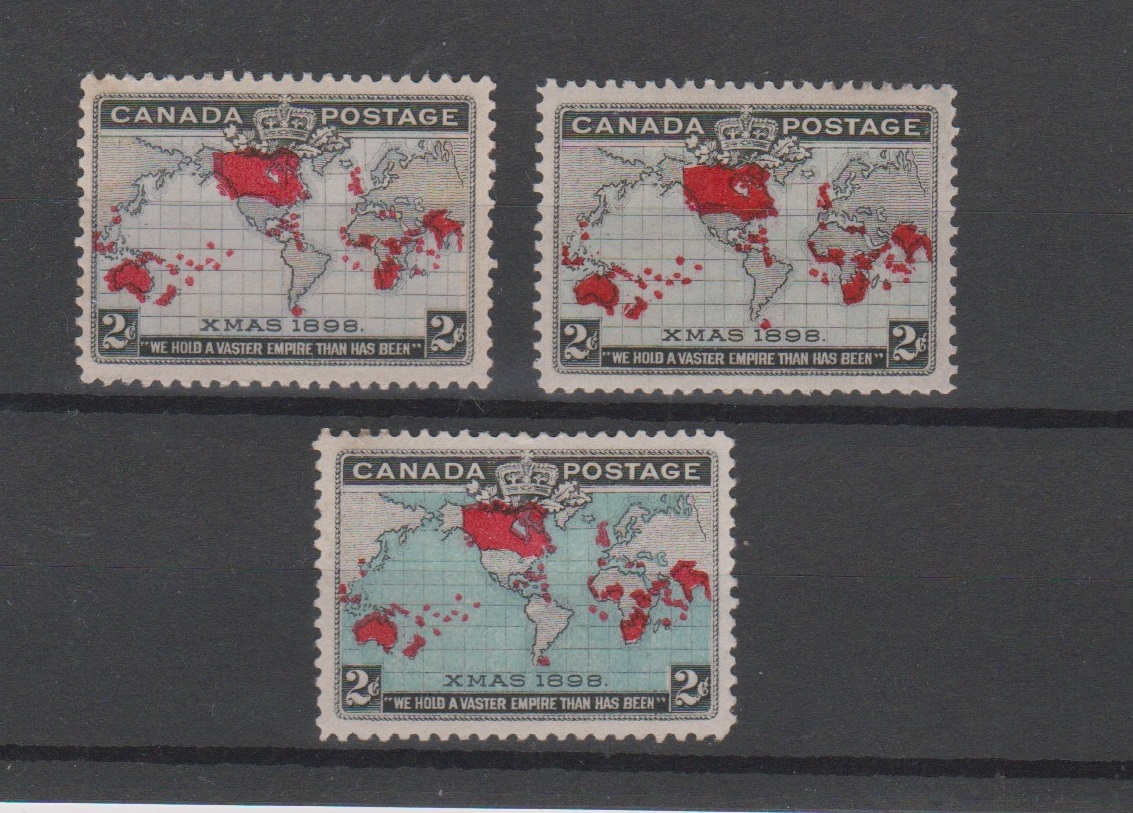
Tuesday’s auction features stamps and postal history, and contains 500 lots. Lot 105 (below) is one of them:

There are two ways to view a catalogue listing and/or sign up to bid online:

Saleroom Easyliveauction

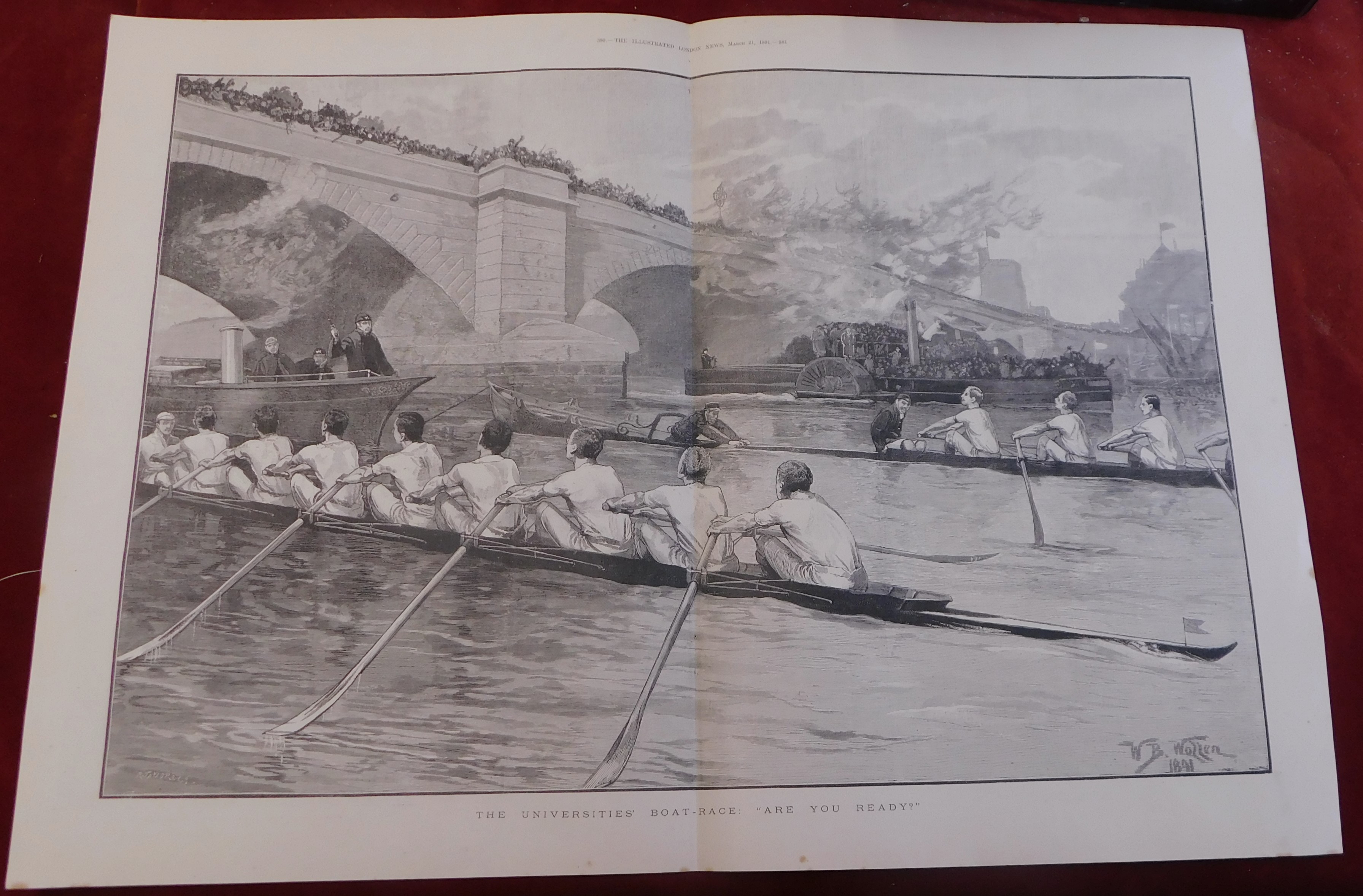
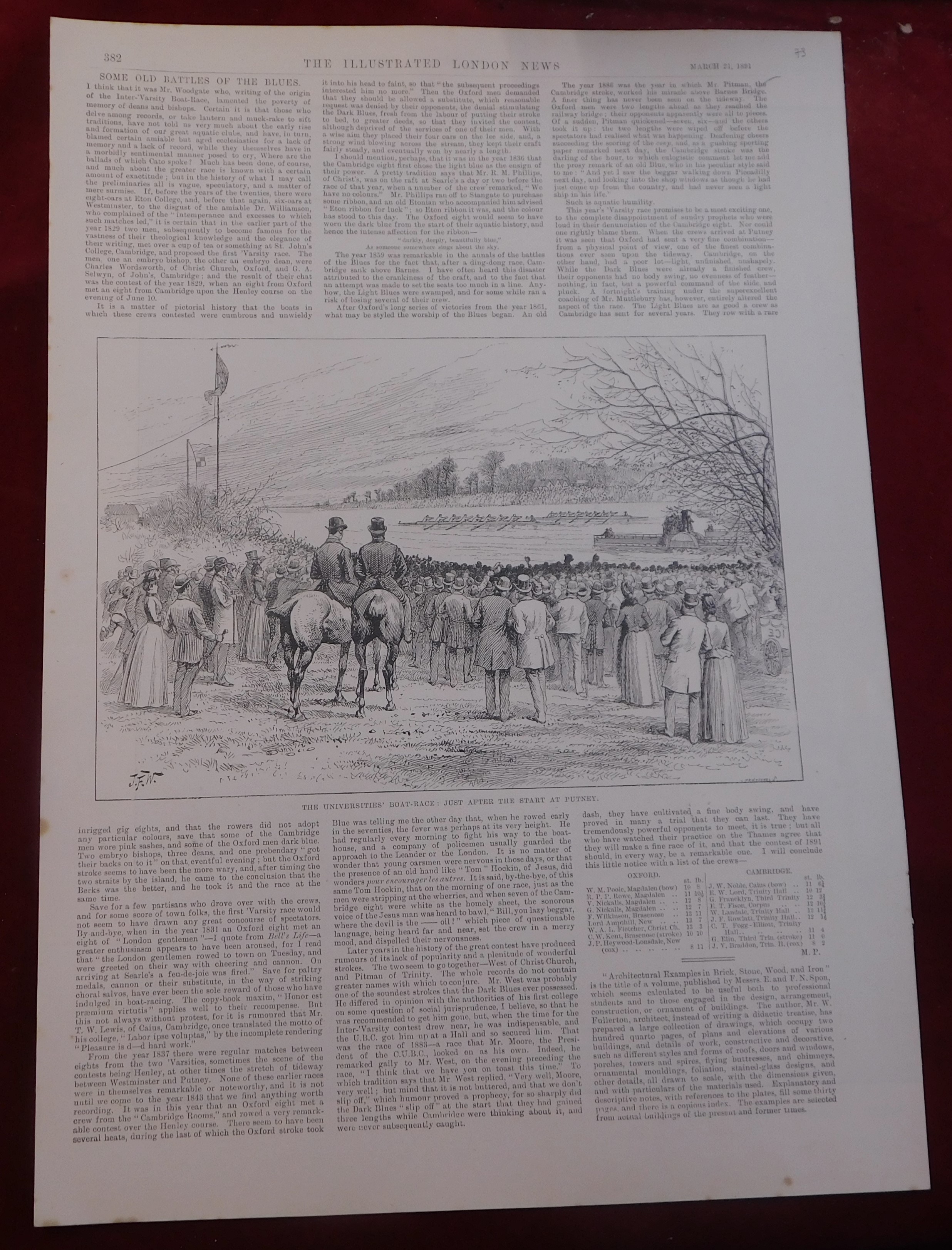
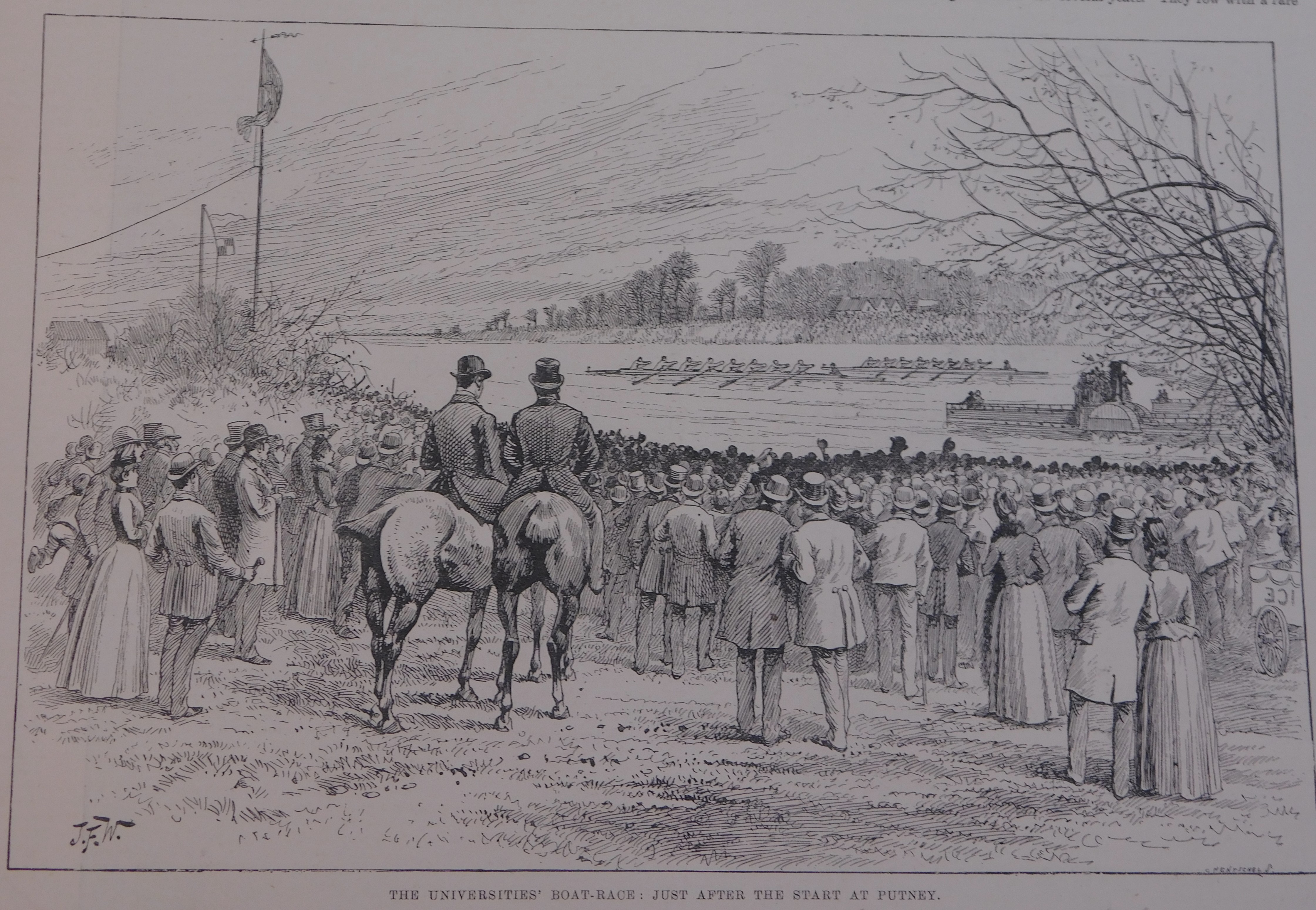
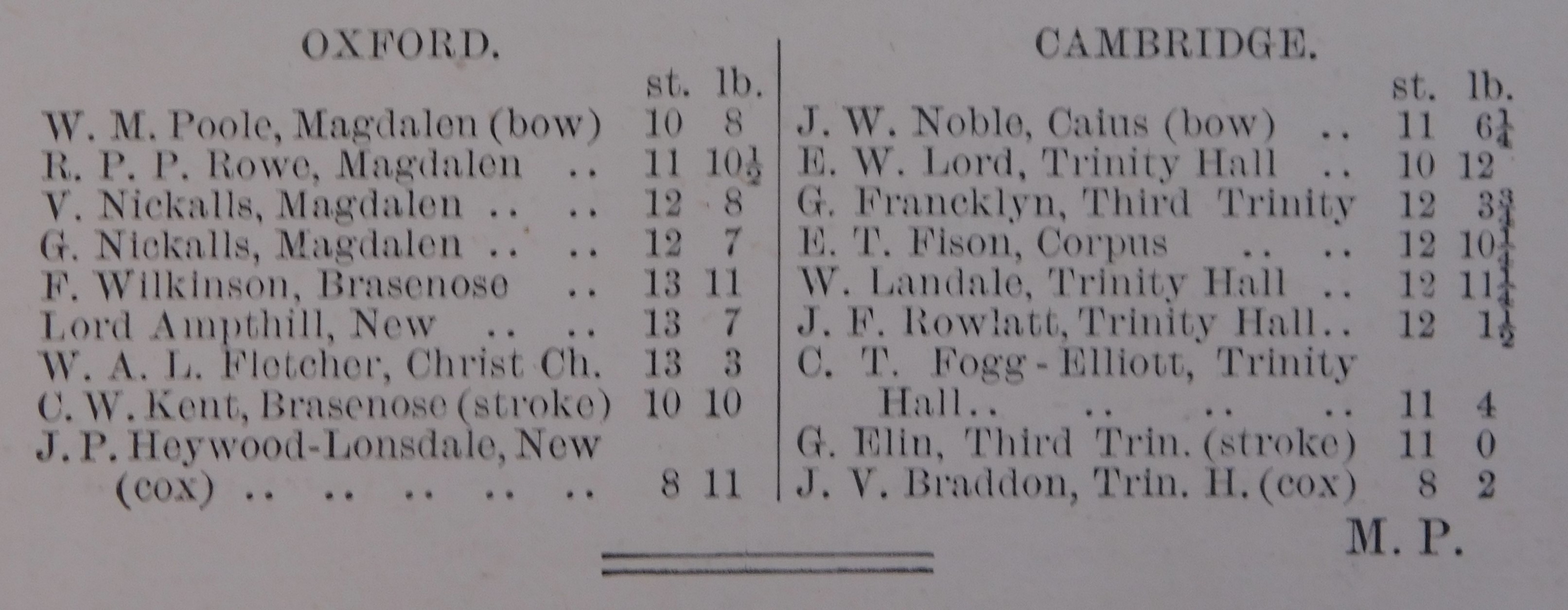
The second day’s sale features advertising and ephemera. The main feature image is the centrepiece of lot 702, a poster sized picture of the 1891 Boat Race crews in action:

Full catalogue listing online, starting from lot 501

Saleroom Easyliveauction

As a lead in to the final section I have a few more ephemera images, including the rest of the gallery for lot 702…

It is getting to the time of year when really good things to photograph become harder to come by, but I do have my usual sign off…

Pakistan v South Africa

A look at developments in today’s world cup match between Pakistan and South Africa, a brief mention of this week’s auctions, and a photo gallery.

This post looks at developments in today’s match at the ODI cricket world, between Pakistan and South Africa. I was at work yesterday, which gives me the perfect excuse to draw a veil over England’s “effort” against Sri Lanka – all my knowledge of what happened in that match is second hand.

Pakistan were coming off a defeat at the hands of Afghanistan, while South Africa have been hugely impressive so far. Both sides made changes to the line up. Pakistan won the toss, and managed to get the next part right – they decided to bat first.

Pakistan did not fare well at first, and when Babar Azam was out for 50 (65), his third such innings of the tournament, they were 141-5. However a good partnership between Saud Shakeel and Shadab Khan helped them to reach a final total of 270. Tabraiz Shamsi claimed four wickets with his left arm wrist spin and Marco Jansen three with his left arm pace. Pakistan’s total, while not great by modern ODI standards, looked enough to be defensible if they bowled well.

South Africa have made a rapid start to their reply, but have also lost two wickets. The score at the moment is 110-2 after 16 overs, a position from which South Africa should prevail easily enough. However, Pakistan are notoriously unpredictable – it would be very like them to suddenly find form from nowhere and win this one.

This week has been auction week for James and Sons. It has been a little bit chequered – the Militaria auction which should have been on Tuesday had to be postponed until today due to internet problems, while the Railwayana auction on Wednesday was very successful, though it did take a long time to get through. I managed to discipline myself to placing advance bids on two lots and opportunistically snapping up a third when it would have gone very cheap indeed otherwise. Here are the pictures I have taken of them since getting them home, save for one composite pic which serves as the feature image of this post.

My usual sign off…

England In The Last Chance Saloon

A look back at today’s events at the cricket world cup including England’s shameful capitulation to South Africa which leaves their hopes of progressing beyond the group stage in tatters and a photo gallery.

This post looks at happenings in today’s two matches at the 2023 ODI Cricket World Cup. England came into the day with an opportunity to go third in the group if they recorded a big win over South Africa. As you will see things panned out somewhat differently from that scenario.

At 6AM UK time the minor match of today’s double header got under way. The Netherlands won the toss, and mindful of how they had managed to beat South Africa in their previous match correctly chose to bat first. They managed to make 262, after being 91-6 at one point. There were moments when it looked possible that they were going to win a second in a row, but in the end Sri Lanka got home at the end of the 48th over.

Some sports fans had dubbed today ‘super Saffaday’ because it is Saturday and it featured two big matches between teams representing England and South Africa, in the cricket world cup and in a semi-final of the rugby world cup. The former was reckoned to offer the better chance of a good result for England.

Chris Woakes and Sam Curran, who have proven valueless in this tournament, were quite rightly dropped, Gus Atkinson and David Willey taking their places. More debatably Ben Stokes replaced Liam Livingstone, which with the Durham man not able to bowl meant that England’s sixth bowler and second spinner would be Joe Root. For South Africa Temba Bavuma was ruled out by illness, and Reeza Hendricks was named as his replacement as player, while Aiden Markram took over the captaincy.

Jos Buttler won the toss and promptly had a brainstorm. Here are the salient points:

  1. The side that bowled first would have to cope with the blistering afternoon heat of Mumbai.
  2. England ideally needed to get the full ten overs out of all five of their front line bowlers.
  3. South Africa had recorded two big victories batting first and lost the only game in which they had batted second.
  4. England had lost their last game, to Afghanistan, after choosing to bowl first.
  5. A fistful of teams had already opted to chase and had that decision blow up in their faces.

In the face of this compelling evidence that batting first and getting a score on the board was imperative Joseph Charles Buttler, in a decision that could serve as an example of Einstein’s famous definition of insanity, “doing the same thing and expecting a different result”, with one extra dimension of South Africa being unquestionably a stronger side than Afghanistan, opted to bowl in the broiling heat.

There was further bad news for England when Adil Rashid did not initially take the field. It turned that he had an upset stomach, though he did take his place on the field and bowl his full allocation. Quinton de Kock fell to the second ball of the match, having hit the first for four. Reeza Hendricks and Rassie van der Dussen then settled into a good partnership. Reece Topley suffered an injury to his bowling hand after bowling 3.5 overs and had to leave the field for repairs. Joe Root bowled the remaining ball of the incomplete over. All of England’s bowlers struggled badly, and a huge total looked on the cards. England hauled things back a little between overs 30 and 40, with South Africa being 256-5 at the latter point. The last ten overs were pure carnage, with Heinrich Klaasen and Marco Jansen both going on the rampage. Even with the 50th over only going for five runs South Africa had posted a total of 399, the largest England have ever conceded in an ODI, meaning that the last 10 overs had been plunder for no fewer than 143 runs.

England batted very nearly as dreadfully as they had bowled and Buttler had captained, being 24-3, then 68-6, then 100-8. Mark Wood and Gus Atkinson then handed South Africa back a little of the rough treatment that England’s bowlers had endured, putting on 70 together, which with Topley unable to bat was just enough to save England for the moment from being bottom of the group – England are one of a group of teams with two points, and their net run rate is -1.248, a mere 0.002 better than that of Afghanistan. It says everything worth saying about the efforts of England’s genuine batters that Wood with 43* and Atkinson with 35 were the only two members of the side to top 20, and that while they scored a combined 78 at 78.00 the other eight who batted plus extras scoring 92 at 11.50. The scorecard can be viewed here.

Where do England go from here? Well, they keep Buttler and Mott in post until England’s elimination is mathematically confirmed just to ensure that neither captain nor coach can find a way to wriggle out of blame for this debacle of a world cup tournament, the worst by an England team in the 21st century (both 1999 on home soil and 1996 in the subcontinent bear comparison with this showing). When the elimination confirmed Buttler should be sacked as skipper and a caretaker skipper appointed for the remaining group games. Once hands have been shaken after England’s last group game is complete Mott should be handed his P45 (if he offers his resignation it should be refused IMO – he should not be allowed to say he left of his own volition) as the first step in what needs to be a complete overhaul of England’s 50 over setup.

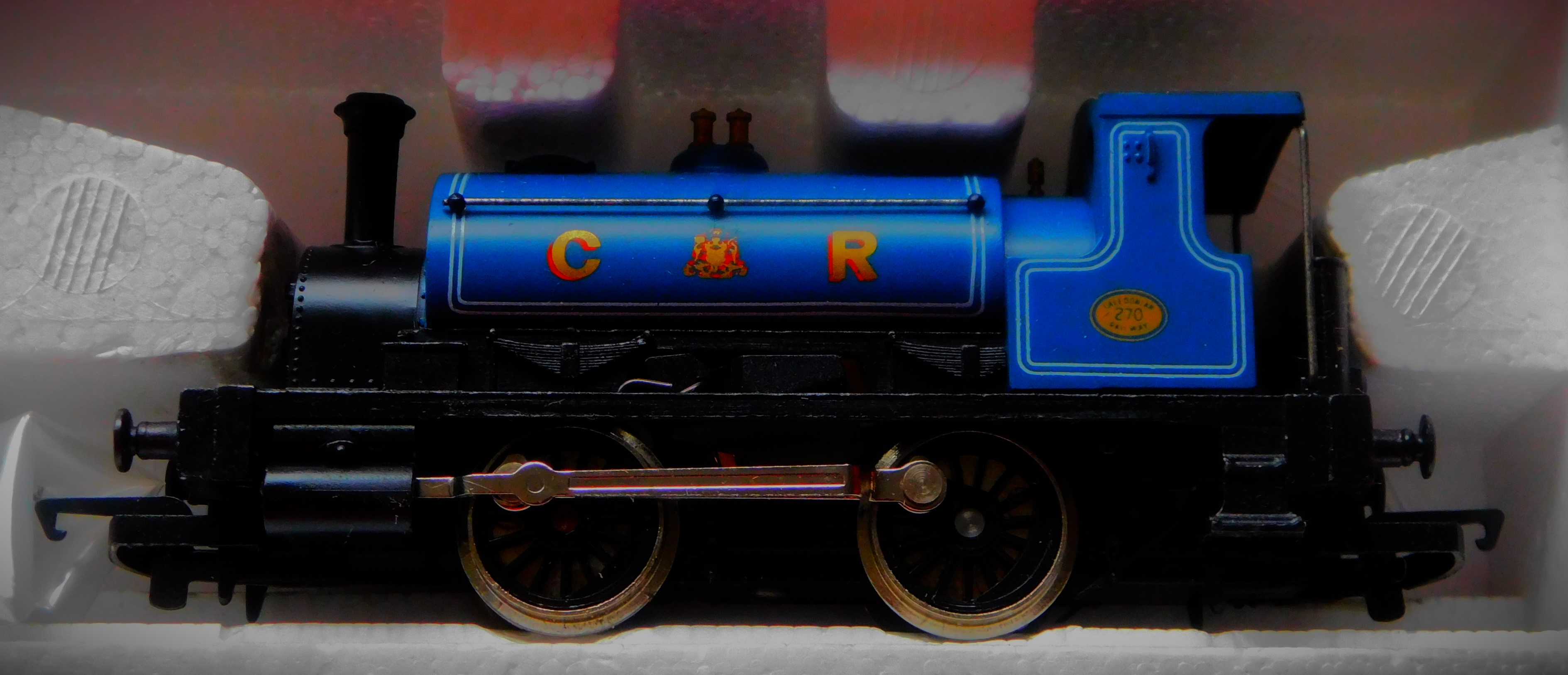
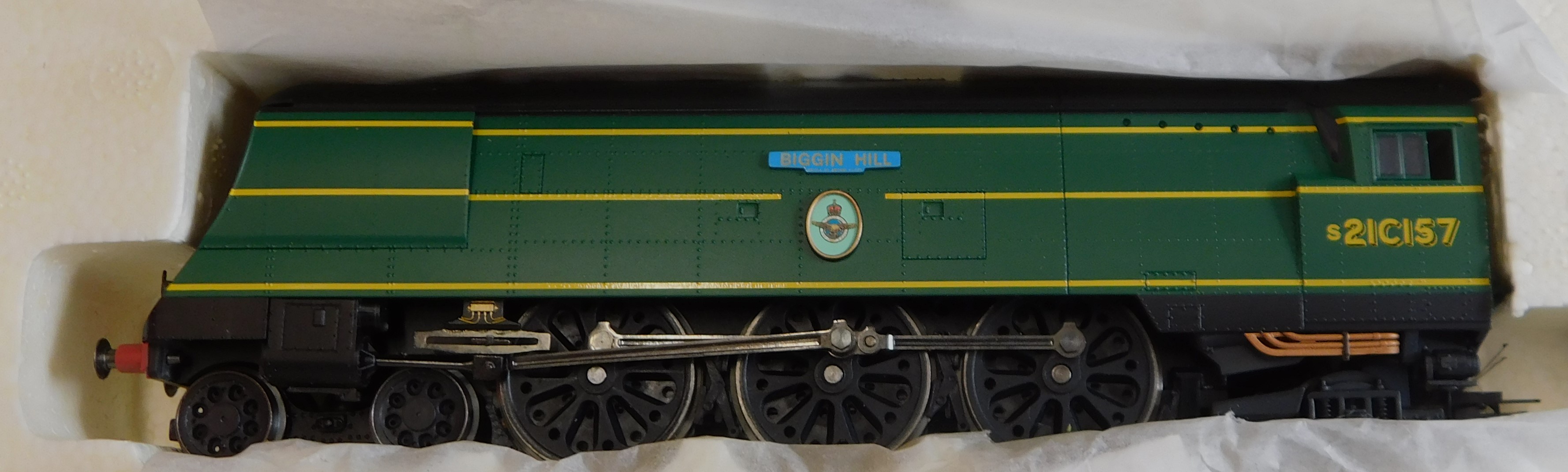
Inclement weather has limited opportunities for hobby photography, though I have some good pics. I am therefore including a few more model locomotive pics to start my gallery…

Pakistan and Australia Locked in Battle

A look at developments in today’s cricket world cup match between Australia and Pakistan, a heads up about auctions taking place next week and a photo gallery.

Today’s world cup match features Australia and Pakistan and is taking place in Bengaluru. The first part of this post looks at developments in this match.

Pakistan won the toss and opted to bowl first. Australia got away to a flying start, helped by Usama Mir dropping an easy chance to be rid of Warner early on. The opening stand yielded 259, and they came quickly, with a total of 400+ looking more likely than not at that stage. However, as wickets began to tumble the scoring rate declined, and in the end Australia had recorded 367-9 from their 50 overs. Warner had scored 163 and his opening partner Mitchell Marsh 121, while the standout bowler was Shaheen Shah Afridi with 5-51 from his 10 overs. Haris Rauf took three wickets, but that was only after taking a blasting early on – his first five overs went for 70.

Pakistan needed a fast start with the bat to stay in the hunt and they got one. Abdullah Shafique and Imam-ul-Haq each topped 50 but got out before going really big. This was the first occasion in world cup history that all four opening batters had scored 50+. Babar Azam fell to an excellent catch by Pat Cummins for 18, but Mohammad Rizwan and Saud Shakeel are going well and have got Pakistan to 203-3 in the 31st over, keeping them in the contest. Scoring has been brisk because the pitch is very flat, the outfield is lightning fast and the ground is significantly above sea level.

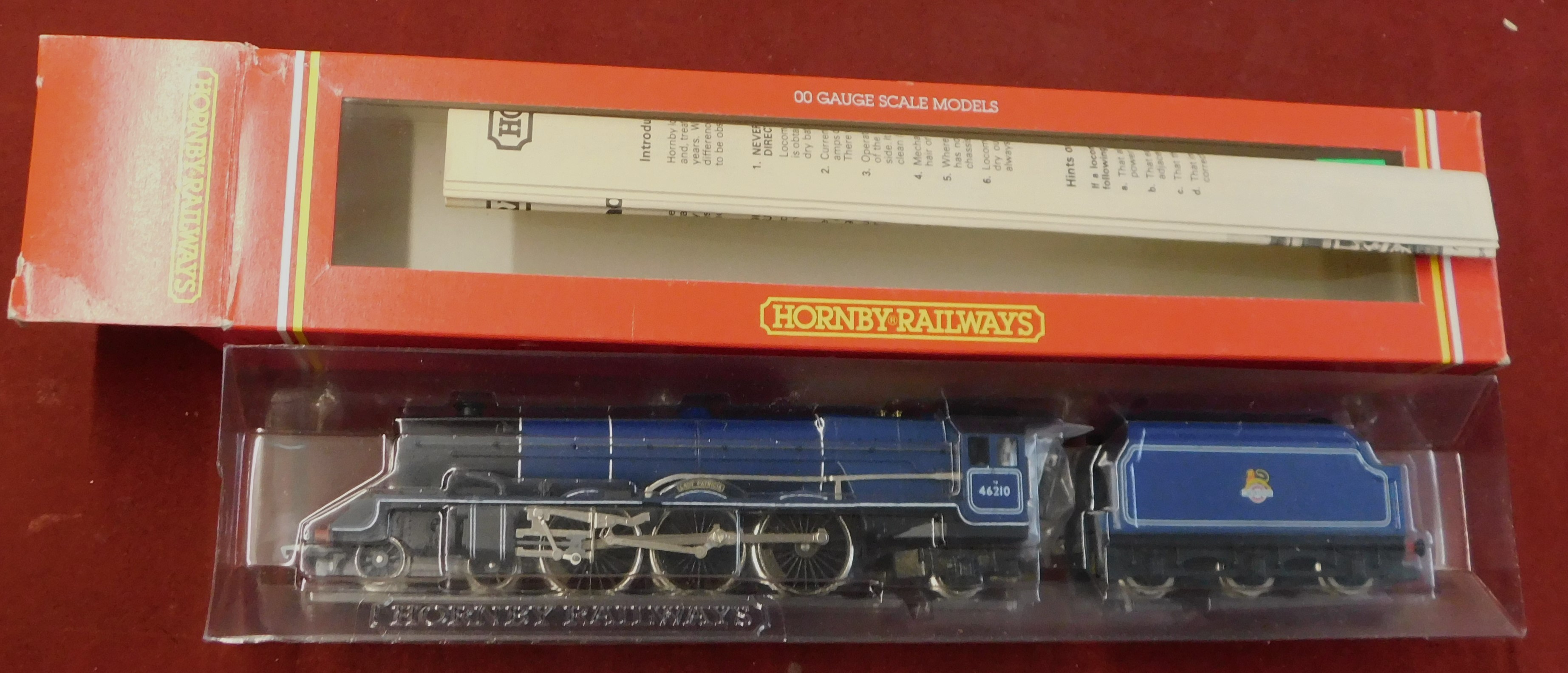
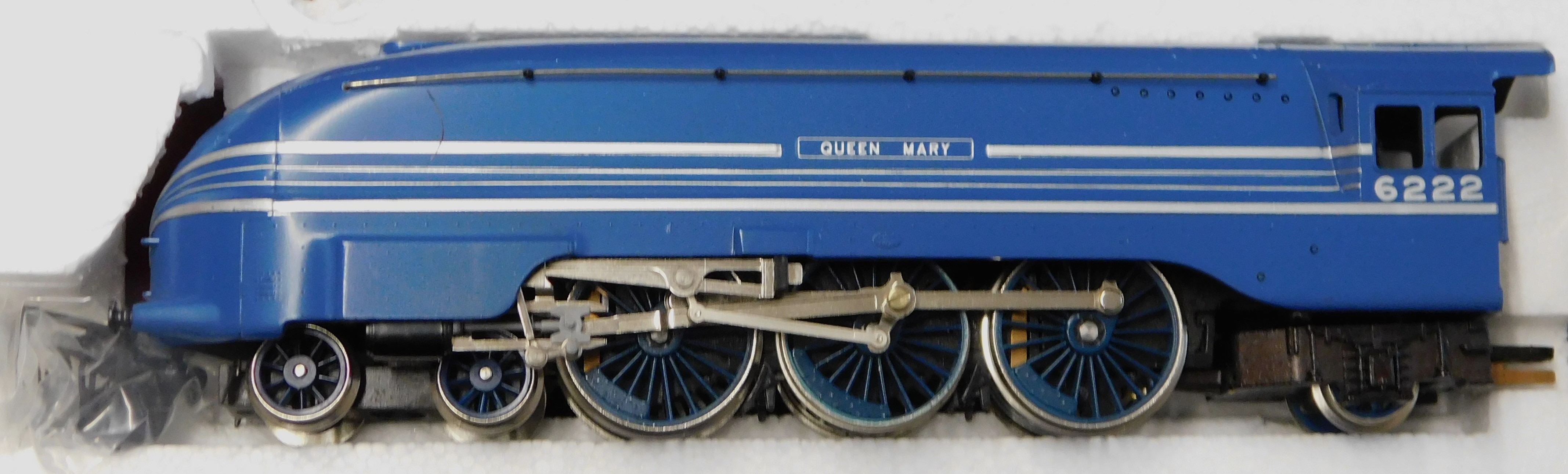
Next week James and Sons have a two-day auction. Day 1 (Tuesday) features mainly militaria, while day two features over 600 collectable railway models. The full catalogue can be viewed here or here. The models start with lot 501, which is on page six of the-saleroom’s listing (first link) and page nine of easyliveauction’s listing. Here are a few sample images:

My usual sign off…

While I have been preparing this for publication Pakistan have lost one wicket but have also moved on to 263 in the 38th over. 105 off 12.3 overs is not particularly daunting by modern standards.

All Time XIs – Colours

An all time XI, an auction announcement and a large photo gallery.

I cannot claim that the XI that forms the body of this post is an absolutely stellar one, but I have a specific reason for this piece of whimsy which I will explain later in the post.

  1. Jack Brown (Yorkshire, England, right handed opening batter). A very successful opening batter for his county, and played two legendary innings in games of higher standard than county – a match and series winning 140 in the last match of the 1894-5 Ashes series and a spectacular 163 which helped the Players to chase down 501 against the Gentlemen at Lord’s in 1900.
  2. Bill Brown (Australia, right handed opening batter). A successful opening batter after the retirements of two other Bills, Ponsford and Woodfull and before the rise of Barnes and Morris pushed him out of the side.
  3. George Brown (Hampshire, England, right handed batter, ). A tough competitor, especially noted for his play against fast bowling.
  4. +Ben Brown (Sussex, Hampshire, right handed batter, wicket keeper). A little high in the order, but a very fine batter and keeper at county level.
  5. Cameron Green (Australia, right handed batter, right arm fast bowler). A splendid all rounder.
  6. *Freddie Brown (Surrey, Northamptonshire, England, right handed batter, leg spinner, right arm medium pacer, captain). He was the youngest member of the 1932-3 Ashes tour party, and didn’t play much on that trip. His next visit to Australia came 18 years later as captain (Norman Yardley and George Mann were both unavailable for business reasons, and England weren’t quite ready for a professional captain, so Brown who had done well as skipper of Northamptonshire ended with the job, and had a respectable series as player and even in a well beaten side was acknowledged to have done a good job as captain. In first class cricket he scored over 13,000 runs and took over 1,200 wickets.
  7. Gordon White (South Africa, right handed batter, leg spinner). His test stats look fairly ordinary, but he was an important part of the SA teams of his day, and his FC averages were the right way around – 27.70 with bat, 20.05 with ball.
  8. Dougie Brown (Warwickshire, Scotland, right handed batter, right arm fast medium bowler). A good county all rounder, his presence at number eight gives the batting depth. His FC averages, like those of Gordon White are the right way round – 30 with the bat and 28 with the ball in his case. I have placed him below the South African because batting was easier in the 1990s than it had been nine decades earlier, which more than makes up for him having a higher batting average.
  9. Jack ‘Farmer’ White (left arm orthodox spin bowler, right handed batter). One of Somerset’s finest cricketers, and his accuracy and stamina were crucial to England’s comprehensive triumph in the 1928-9 Ashes. At Adelaide in that series he toiled through 124 overs across the two Aussie innings and emerged with 13-256 in the match.
  10. David ‘Butch’ White (Hampshire, England, right arm fast bowler, left handed tail end bat). The reason for this XI making its appearance. Part of a new ball pairing with Derek Shackleton which was instrumental in the winning of Hampshire’s first ever County Championship. Unplayable on his day, he took over 1,100 FC wickets at 23 a piece, though he gained only two England caps.
  11. George Brown (Sussex, Hampshire, fast bowler, right handed tail end batter). He played in the 1820s, and his speed was the stuff of legends – one story which clearly grew in the telling was of a dog walker walking close to the boundary behind the stumps when one of Brown’s rockets beat everyone including the keeper and was racing directly towards the dog, the dog walker attempted to stop the ball with their coat and the ball burst straight through the coat and killed the dog.

This XI is undoubtedly a little light on batting, though the number of all rounders there, highlighted by Dougie Brown being at number eight, is somewhat of a mitigating factor, and the bowling attack is superb. Butch White and George Brown the bowler opening, with Dougie Brown third seamer, Cameron Green fourth seamer, and Farmer White, Gordon White and Freddie Brown spin options (I can’t think of situation in which Freddie’s seam or George Brown the batter’s occasional quick stuff could be required by this team) make this team a serious bowling force.

On September the 26th James and Sons will be having an auction of various items of sporting memorabilia, including some very old football programmes and a range of items of cricketana. The latter includes three balls with which Butch White performed great bowling feats and which have silver plaques affixed to them detailing the feats in question. Catalogues can be viewed here or here.

Now for my usual sign off…
England Interwar Years XI

A look at England’s best cricketers of the interwar years, a piece of railwayana and a large photo gallery.

Last time out I created an XI of England cricketers from before WWI. Now I look at the next period – the interwar years, well covered by Gerald Howat in “Cricket’s Second Golden Age”. In this period England had immense batting strength with the result that some huge names miss out. The bowling was by no means weak either.

THE XI IN BATTING ORDER

  1. Jack Hobbs (right handed opening batter). The Master. At Melbourne in 1929 he became the oldest ever test centurion at the age of 46 – the last his 12 Ashes centuries.
  2. Herbert Sutcliffe (right handed opening batter). His entry into first class cricket was delayed by WWI (he was already 24 when that conflict ended in November 1918) while the outbreak of WWII in 1939 marked the end of his FC career (his test career had ended in 1935, but his performance in FC cricket in 1939 was excellent even at the age of 44). He was the ultimate big occasion player as shown by the progression of his averages: 52.02 in all FC cricket, 60.73 in all test cricket and 66.85 in the cauldron of The Ashes. He and Jack Hobbs were the greatest of all test match opening combinations, averaging 87.81 per partnership.
  3. Walter Hammond (right handed batter, ace slip fielder, useful right arm medium fast bowler). Had Hammond like the older Sutcliffe allowed WWII to end his career he would have bowed out with a test batting average of 61.75 (6,883 runs), but he attempted a comeback post war, which dragged his average below 60.
  4. Eddie Paynter (left handed batter). Going by career batting averages England’s most successful ever left hander, averaging 59.23 at test level, including double centuries against Australia and South Africa. His career was truncated at both ends, by the immense strength of Lancashire’s batting when he first started to come through and by the outbreak of WWII.
  5. Patsy Hendren (right handed batter). Only Hobbs scored more FC centuries than Hendren’s 170, and his test record was also impressive.
  6. *Frank Woolley (left handed batter, left arm orthodox spinner, excellent fielder and my chosen skipper). At Lord’s in 1921 when everyone else was helpless in the face of Jack Gregory and Ted McDonald he scored 95 and 93. I have named him as skipper even though as a professional of that era he never actually had the job because I believe his tactical nous, illustrated in his book “King of Games”, would have served him well in the role, and Hammond, the conventional choice of captain for this XI, appears to have not actually been even a good skipper.
  7. +Les Ames (right handed batter, wicket keeper). The first wicket keeper to average over 40 with the bat at test level and a destructive stroke maker, he is the ideal number seven for a side like this.
  8. Maurice Tate (right arm fast medium bowler, useful lower order batter). In the ill-fated 1924-5 Ashes series he claimed 38 wickets for a well beaten side. In 1926 he was one of the stars of a successful Ashes campaign, and he was involved in both the 1928-9 and 1932-3 tours when England won 4-1 each time.
  9. Harold Larwood (right arm fast bowler, useful lower order batter). In the 1932-3 Ashes he was unplayable, claiming 33 wickets before hobbling off injured in the final match (made to wait until Bradman was out by skipper Jardine).
  10. Hedley Verity (left arm orthodox spinner, useful lower order batter). In a career that lasted less than a decade he took 1,956 wickets at 14.90 a piece. At test level, where he encountered Bradman, he was less devastating, but 144 wickets at 24 is still a fine record, and I defer to the judgement of the Don himself who only acknowledged facing one bowler as an equal: Hedley Verity.
  11. Bill Voce (left arm fast medium bowler, lower order batter). This slot was the toughest to fill, but I opted to give Larwood his most regular bowling partner and rely on two other left armers, Verity and Woolley for the spin.

This side has a formidably deep batting line up, and Larwood, Voce, Tate, Verity, Woolley and Hammond can hardly be considered a weak bowling combination.

HONOURABLE MENTIONS

Although Denis Compton and Bill Edrich had both played for England by the time WWII broke out both played their best cricket after the war, so I held them back for then. Leonard Hutton scored his England record 364 in 1938, but that Oval pitch was a featherbed, Australia were short of bowling, and I felt that the proven Hobbs/ Sutcliffe combination at the top was a better bet in any case. Hutton, like the Middlesex “twins” will feature in the post-war version of this post. Phil Mead missed out – one of he or Paynter had to be unlucky and I preferred the Lancastrian. Ernest Tyldesley was another casualty of England’s immense batting strength in this period. Maurice Leyland of Yorkshire was another unlucky one in this regard. Several fine wicket keepers missed out – Herbert Strudwick, EJ “Tiger” Smith and George Duckworth being the most notable, while advocates of batter-keepers might have considered Paul Gibb. Vallance Jupp did the double eight times in successive seasons in the 1920s, but his England appearances were sporadic, so the off spinning all rounder missed out. Ted ‘Nobby’ Clark, a left arm fast bowler, was a candidate for the slot I gave to Voce. Three leg spinners, ‘Tich’ Freeman, Ian Peebles and Tommy Mitchell all had moments at the highest level but not substantial enough records at that level to claim a place. Two right arm medium-fast bowlers who were unlucky to be squeezed out were George Geary and Alec Kennedy, both outstanding at FC level and in Geary’s case also proven in test cricket. Tom Goddard, the best off spinner of the interwar years, was as he often was in real life, unlucky – the only way to include him would have been in place of Tate, relying on Hammond as third seamer. Finally, although Verity’s selection is incontrovertible several notable left arm tweakers missed out in consequence: Charlie Parker (treated scurvily by the selectors of his era, to end up as a one-cap wonder at test level while taking over 3,000 FC wickets), JC ‘Farmer’ White and Roy Kilner.

PHOTOGRAPHS

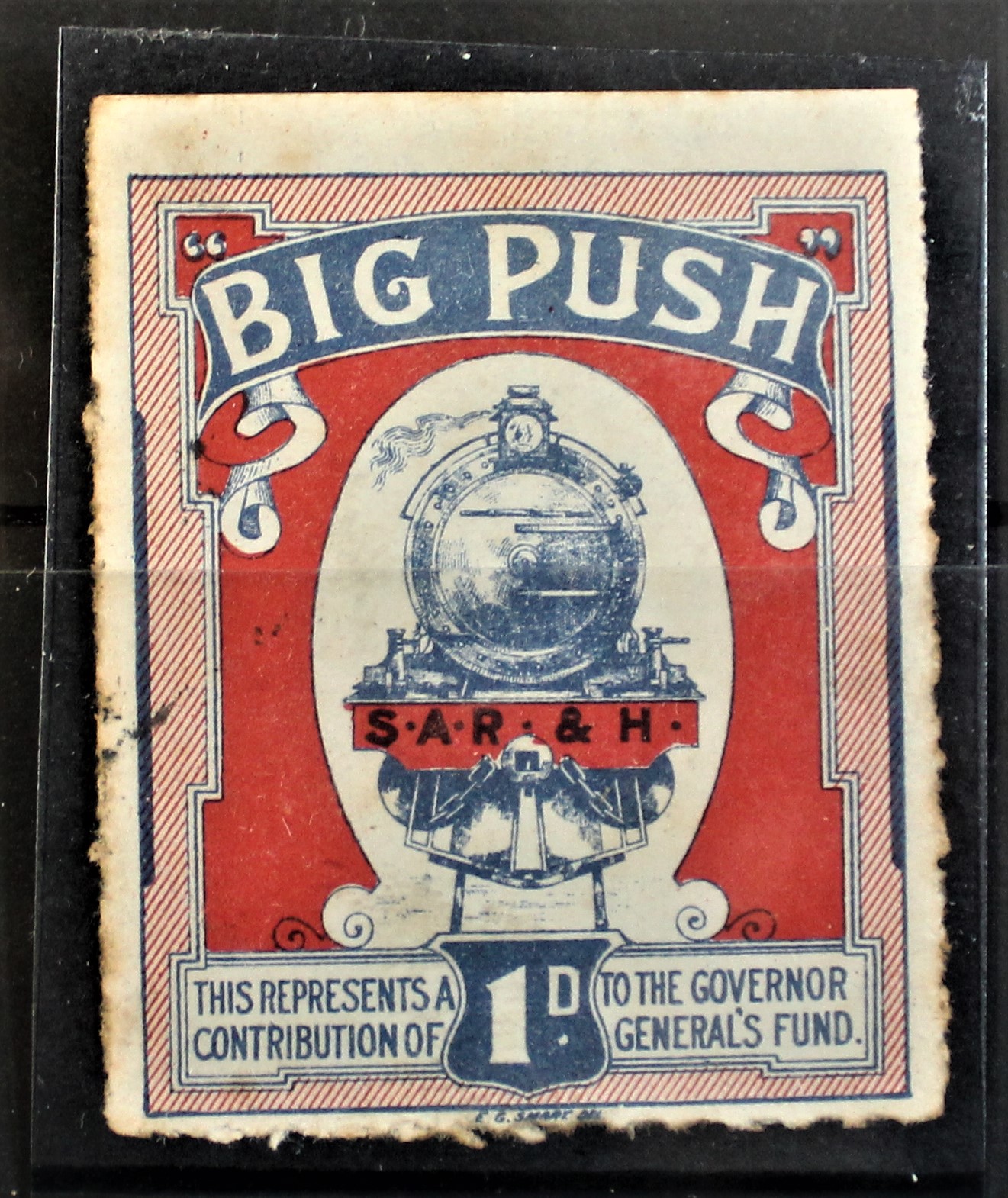
Before moving on to the main photo gallery, James and Sons’ March auction took place on Tuesday and Wednesday of this week, and was a considerable success. In amongst the stuff going for big money I secured an interesting little piece of South African railwayana for a modest £12 – it was featured on the back cover of the printed catalogue, and online bidders saw these two images:

and…

Here are some images of the item taken since I took possession of it…

I also took a high resolution scan of the item itself…
The scan before editing.

The scan after cropping and editing.

Now for my regular photo gallery…
A Great Auction

An account of James and Sons February Auction and a regular photo gallery at the end.

This post looks back at James & Sons’ February auction, which took place on Wednesday. It was a general sale, albeit with posters predominating.

EARLY PROMISE

When lot seven attracted a bidding battle that pushed the price up to £180 it looked like a promising sign. There were a few other good signs among the early lots, and lot 114, a set of bakelite Draughts pieces, fetched £70, remarkable given that it had held no great promise of success – £10 would have been an acceptable selling price as far as we were concerned.

Lot 114, a remarkable overachiever at auction.

CAMERAS HIT THE HEIGHTS

We had some cameras and photographic equipment in the auction, and these lots really got the bidders going. Four lots fetched over £150 a piece, lot 352 reaching the dizzy heights of £330. Two other lots in this category, nos 364 and 368, went for bigger than expected prices, £65 and £45 respectively.

Lots 351, 352 and 354 – selling prices £160, ££330 and £250.

BOOK SUCCESSES

My general opinion of trying to sell books for anything approaching significant money in these days of internet searches is that 99% of the time it won’t happen. I was therefore modestly satisfied that an 1898 hardback edition of Oscar Wilde’s “Ballad of Reading Gaol” sold for £800, minimum estimate. This particular edition is fairly rare, though not the rarest (the latter would have fetched several thousand), and the copy we were selling was in good condition. I had helped to value it, conducting an internet search and establishing that was indeed a rare and special edition and worth decent money. It was also on my advice that we ‘lowballed’ our own estimate in the hope of attracting attention. Lot 427, a selection of Dickens books in nice, though not special, bindings went over estimate as well.

Lot 427.

The Tail End

Lot 460, a collection of antique and collectable plates found some eager bidders, and went well beyond our expectations…

Lot 460.

Lot 498, some German anthropological slides, got the bidders going in a major way – the bidding finally ended at £290, about ten times as much as we had expected it to go for.

Lot 498 – the full collection (left), and a sample slide (right).

There was one final flourish – lot 510, a minor piece of Sherlockiana, did better than expected.

THREE OPPORTUNIST BIDS

I secured three lots at bargain prices (£5 a piece to be exact). First lot 338:

Lot 492 was also bird themed – figurines of birds, some ceramic and some wood – and at 83.33p per bird definitely a bargain…

Lot 492 in its new location, my bedroom window ledge.

Lot 501, “A Little Book About London” was my third lucky strike…

James and Sons next auction takes place on the 21st (stamps) and 22nd (militaria) of March, and a full catelogue can be viewed here or here.

PHOTOGRAPHS

My usual sign off…