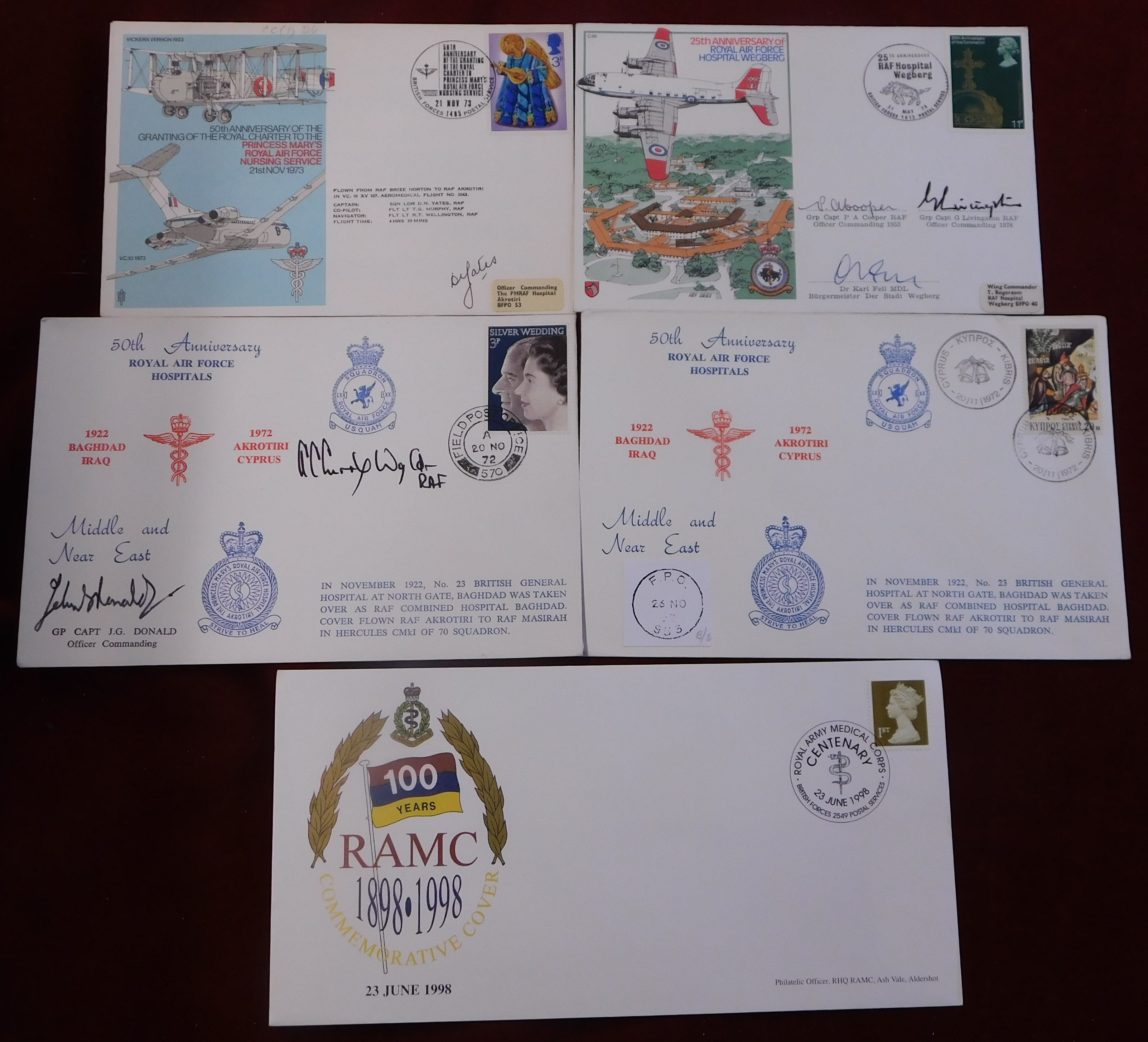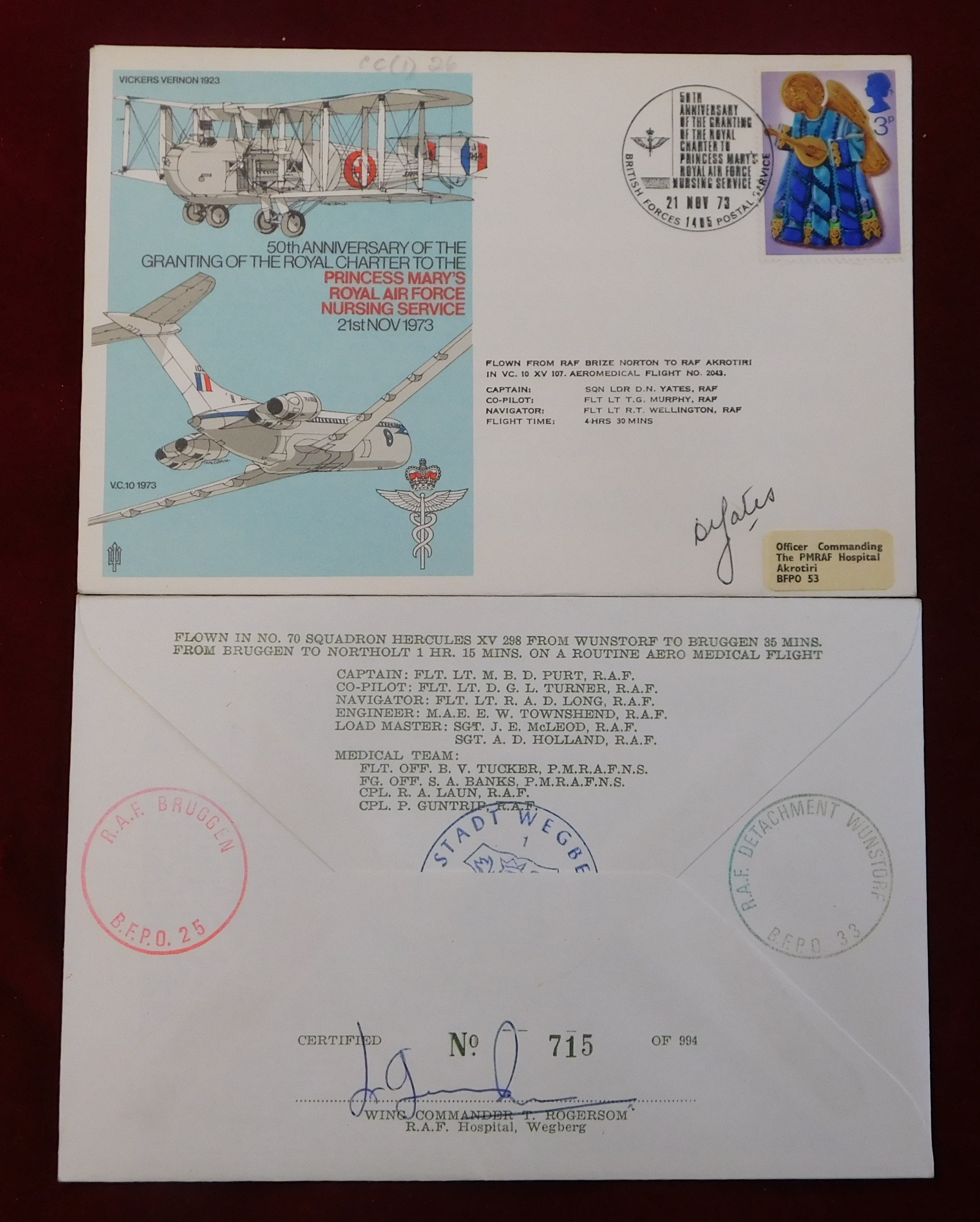
Some highlights from a remarkable auction that took place today, and a photo gallery.
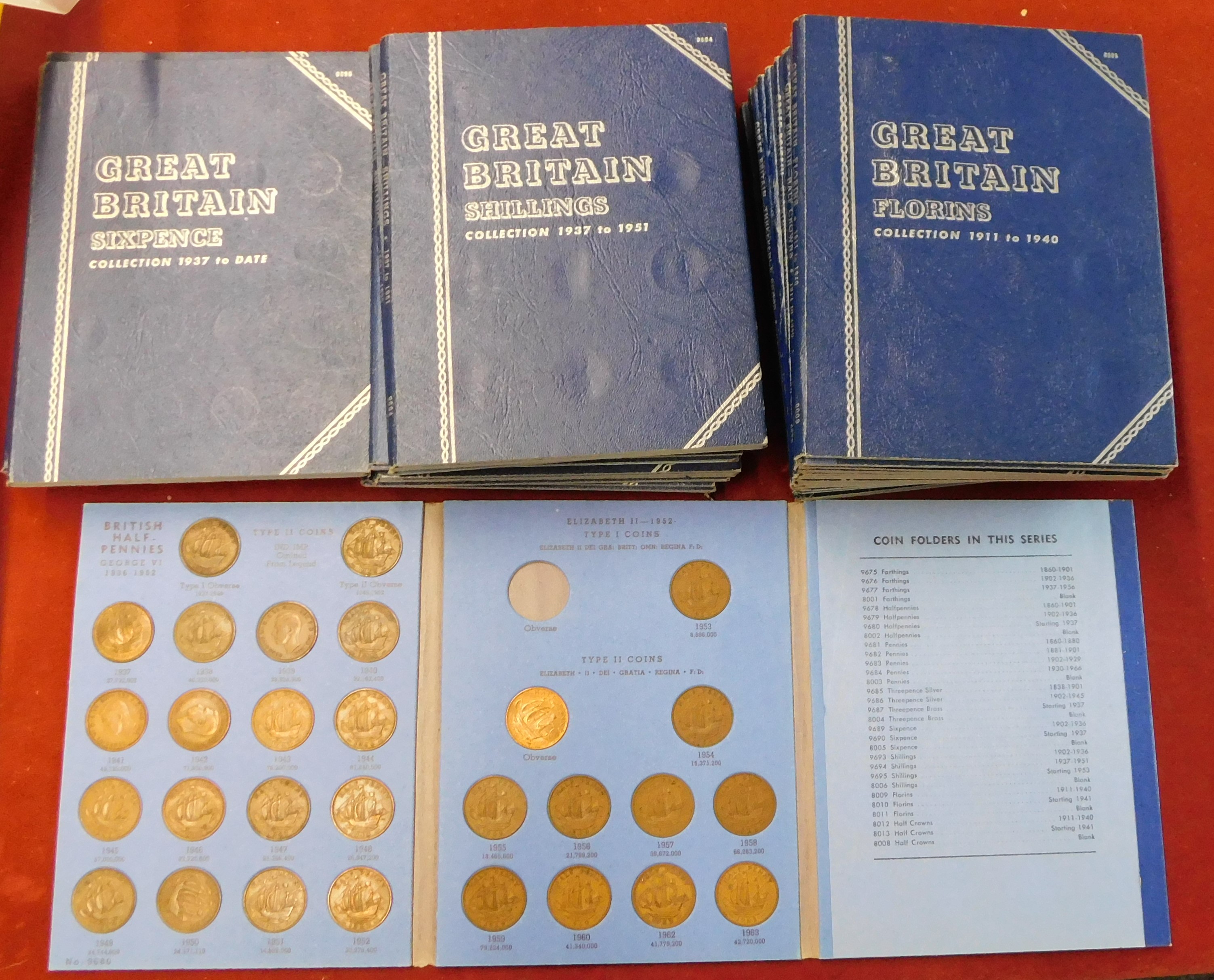
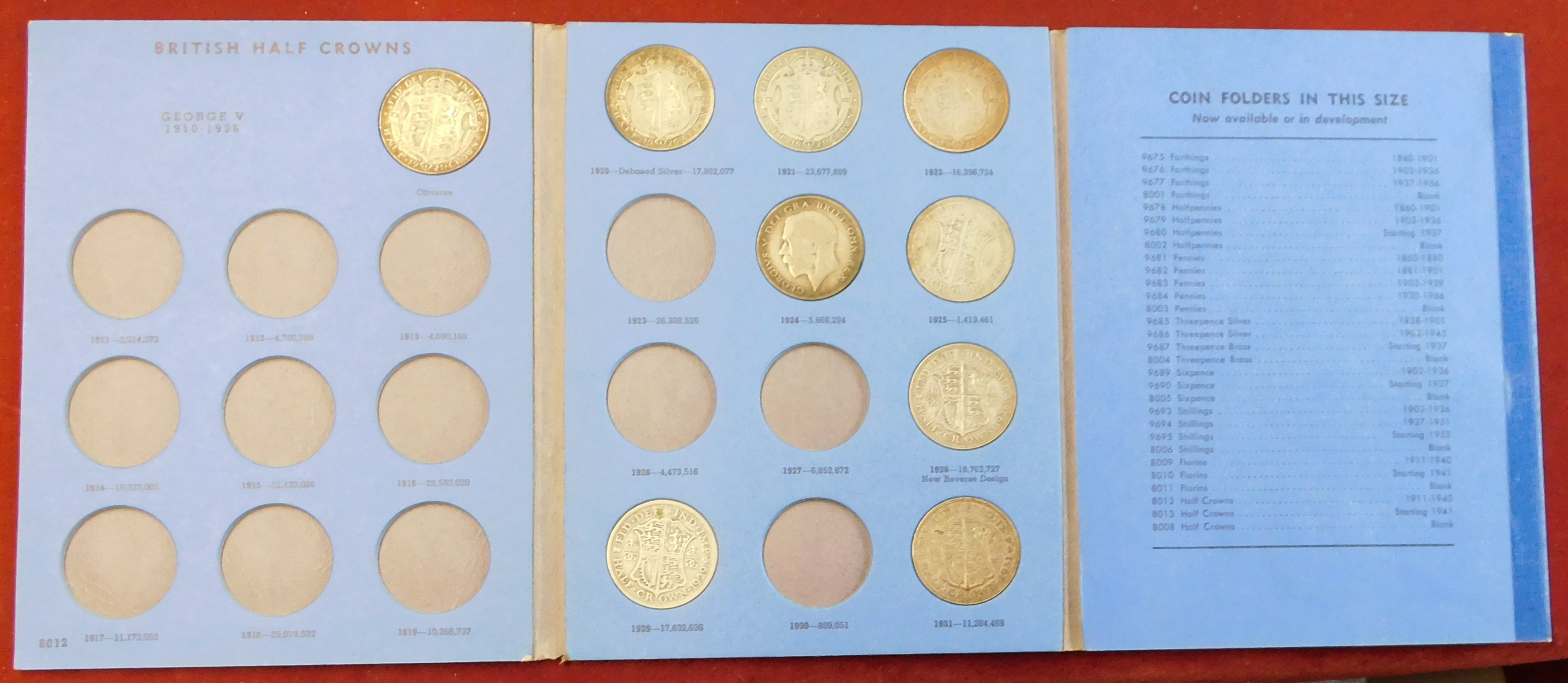
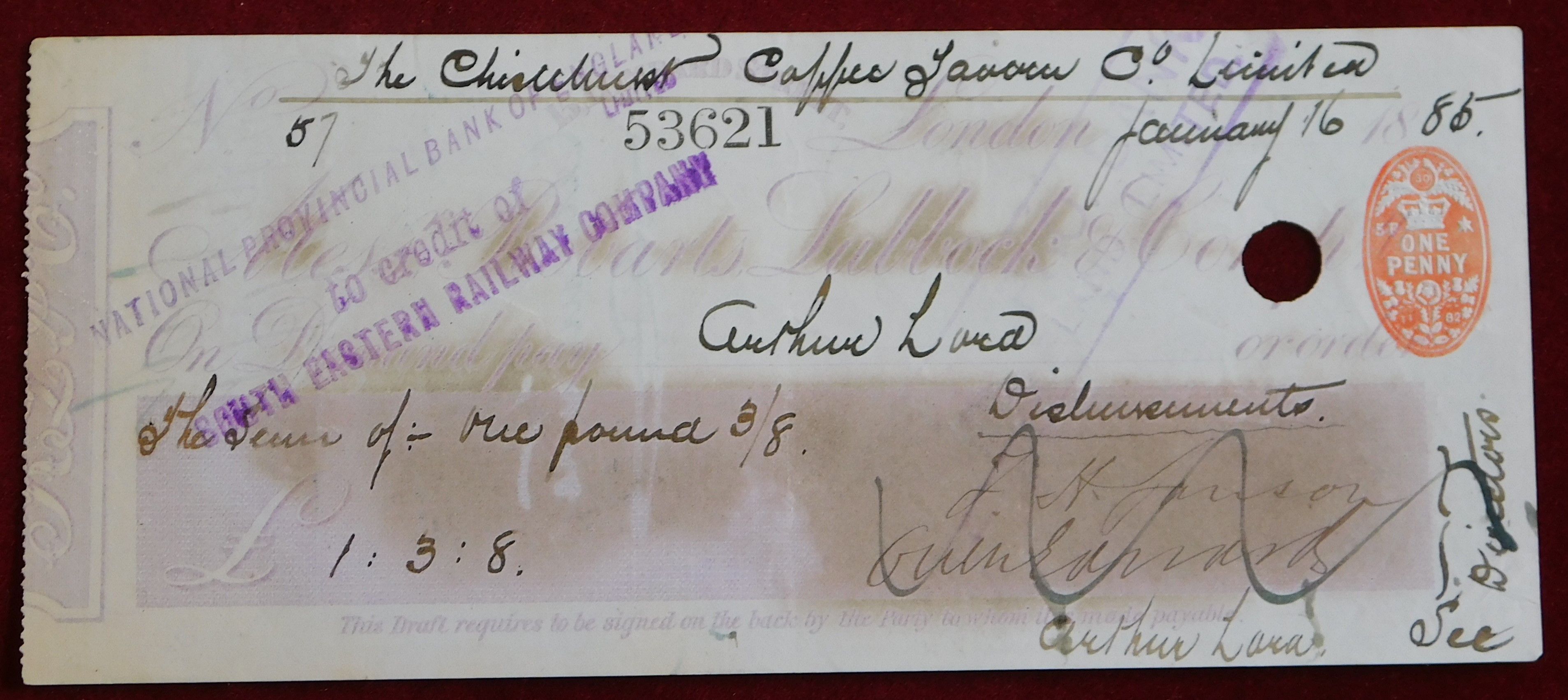
Today saw the second day of James and Sons’ October auction. Under the hammer were mainly coins, but also some banknotes and cheques. This post looks back at a sale that was the stuff of dreams.
A FAST START
Some bidders were actually present at James and Sons HQ in Fakenham, there was at least one telephone bidder, and the both the online platforms used for our auctions, the-saleroom.com and easyliveauction.com were well patronized (I was following the action by way of the latter). Lot 501, with an estimate of 1,500-2000 soared to 3,800.
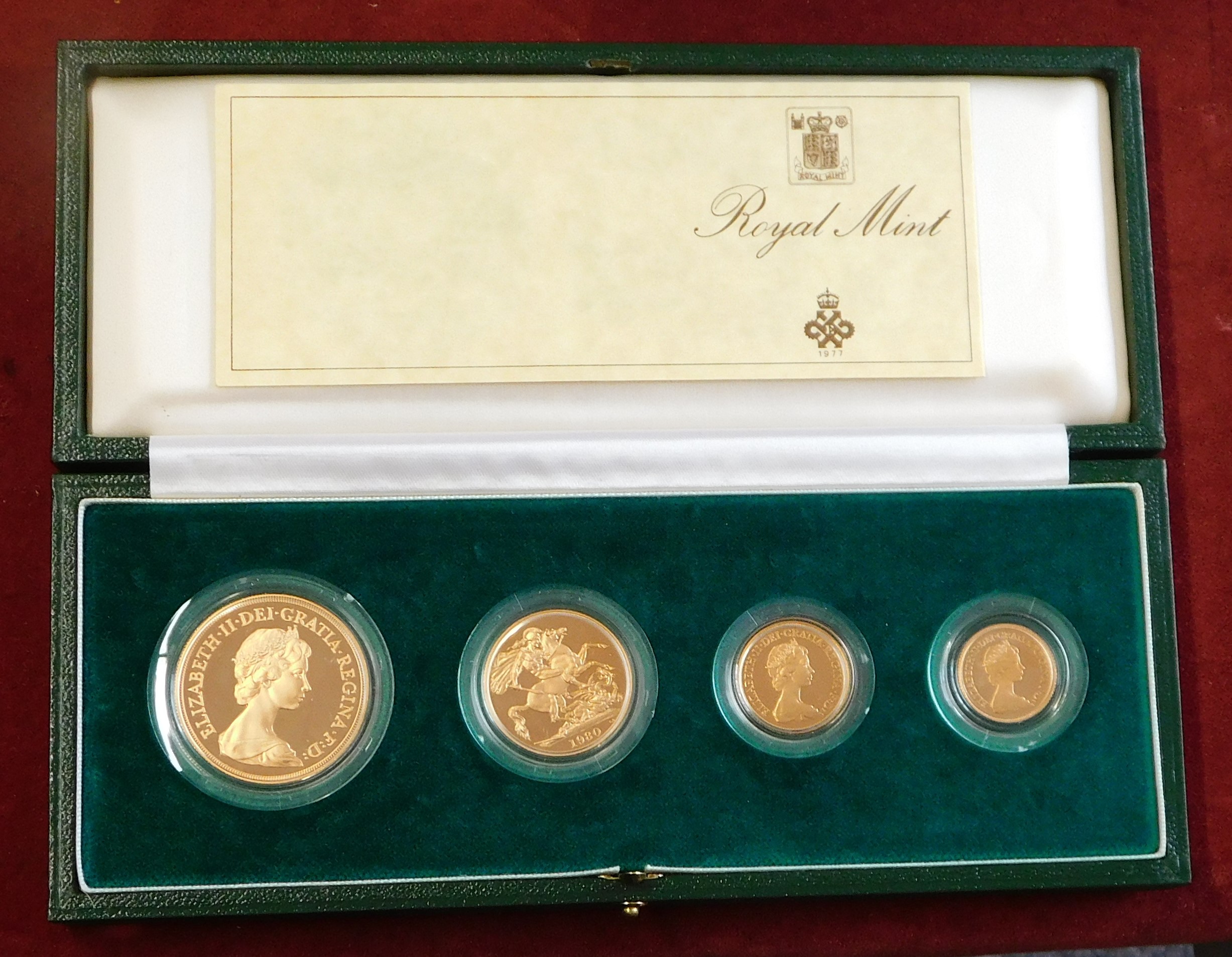
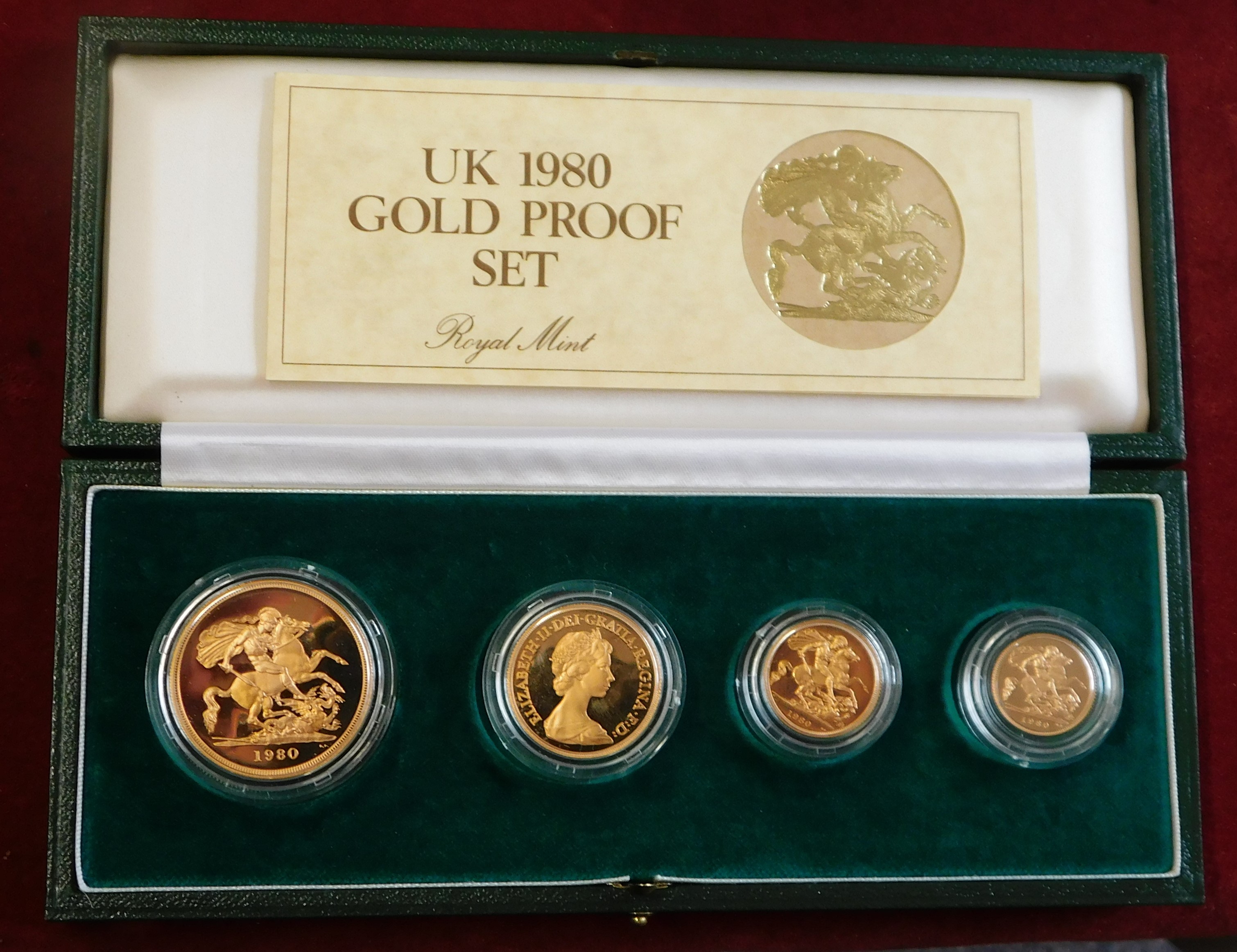
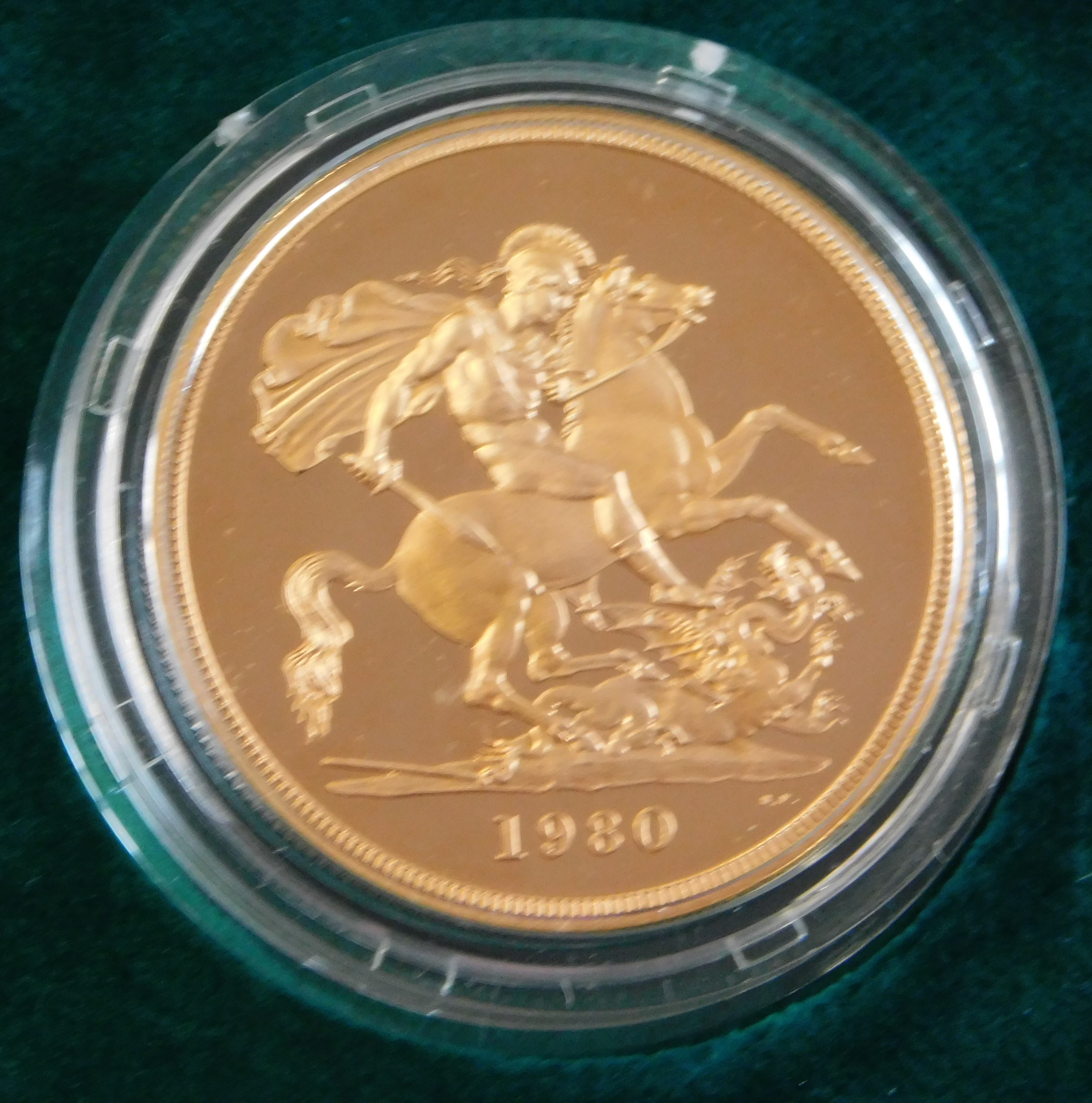
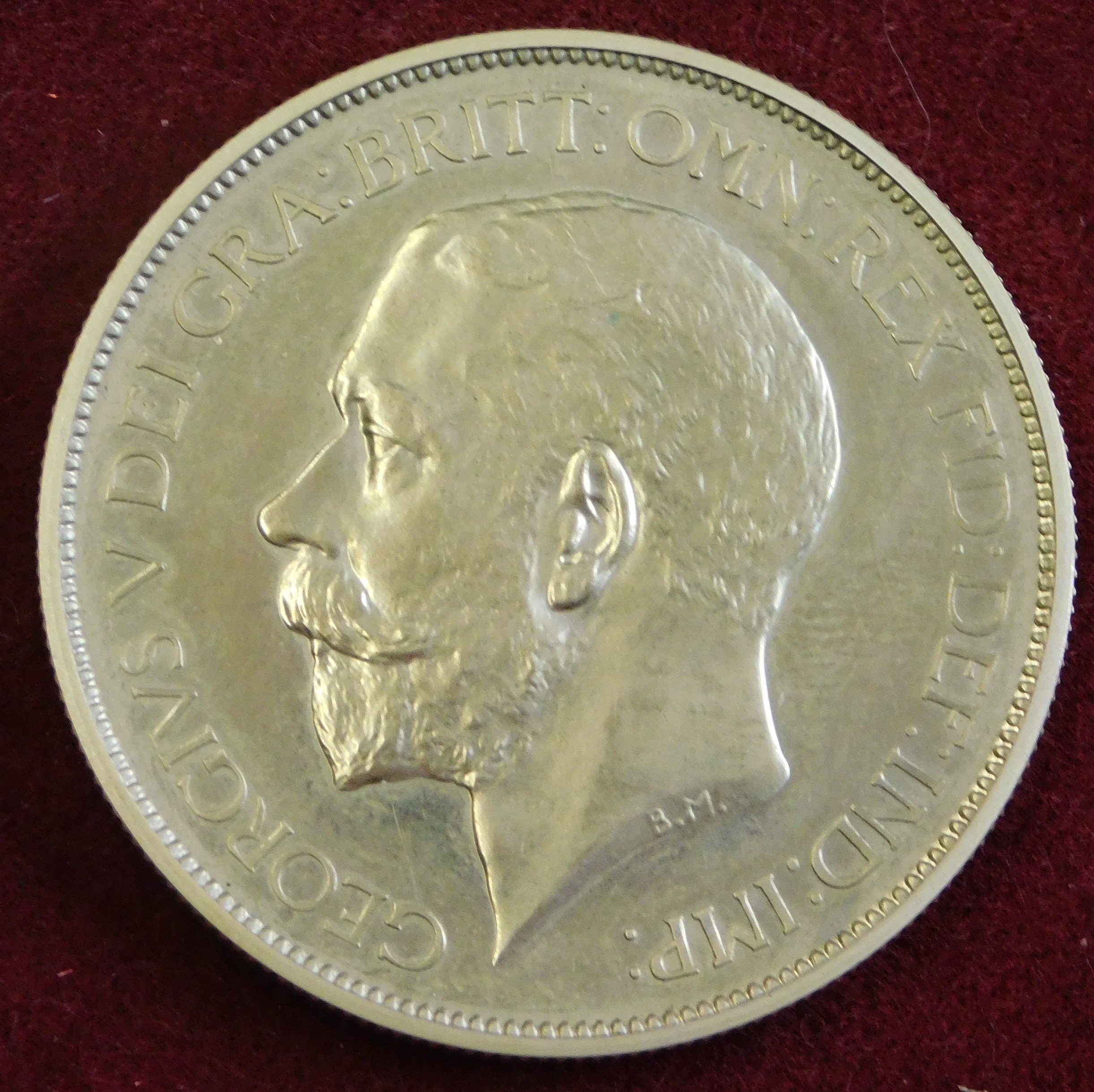
A UK 1980 gold proof set showing the heads side.The tails side of the same set.A close up of the tails side of the biggest coin.
LOT 502 – THE ULTIMATE TRIUMPH
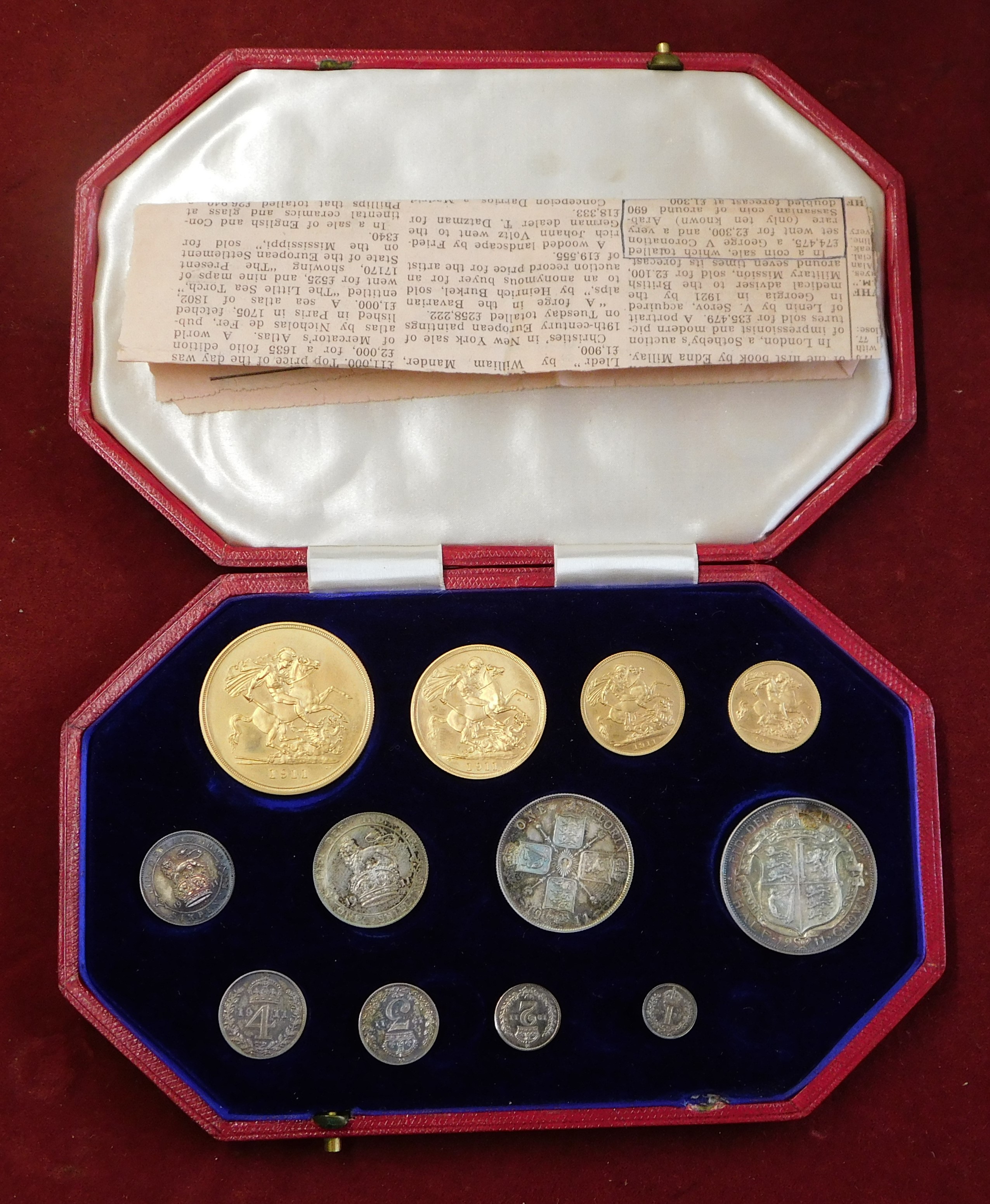
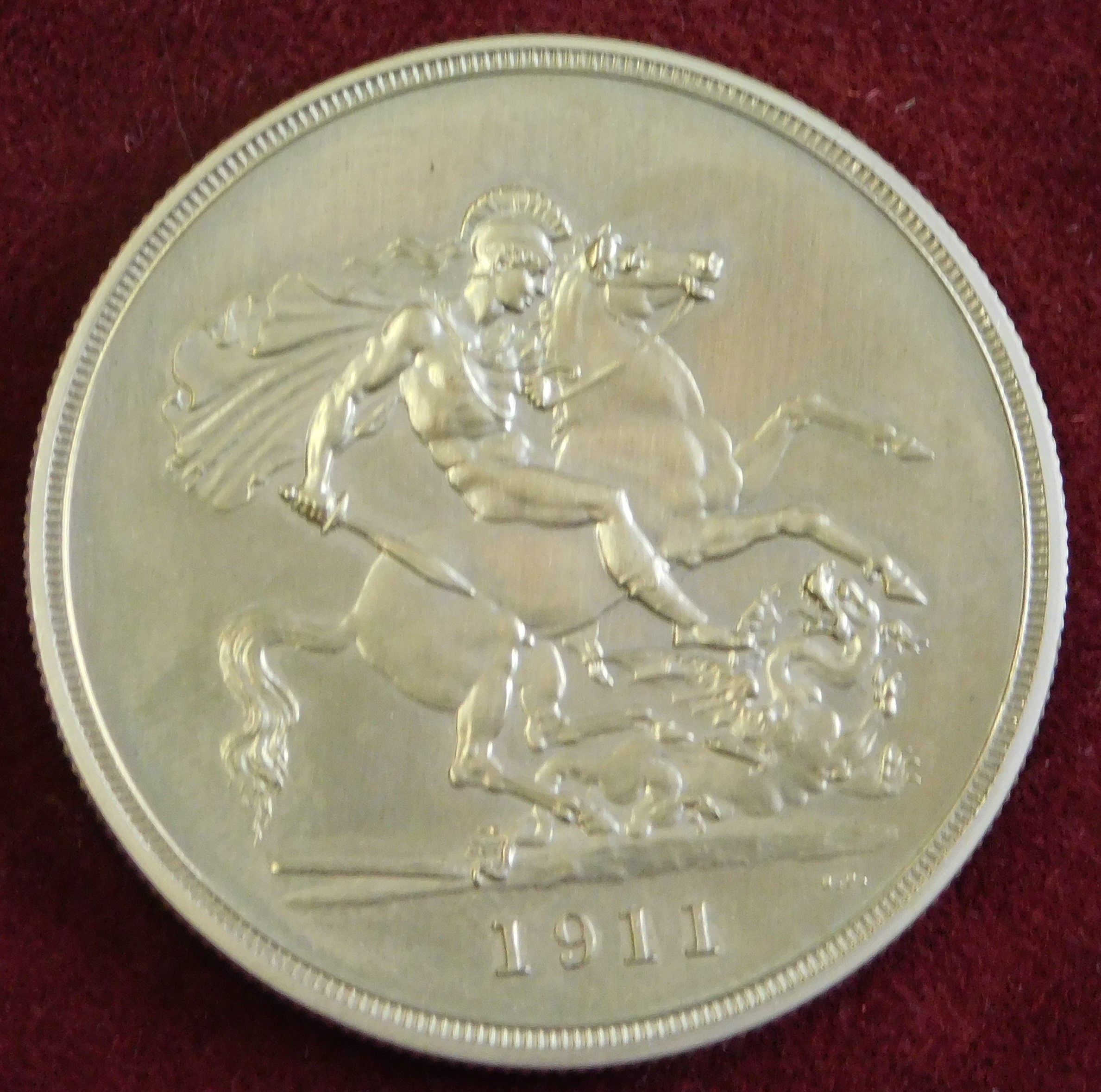
Lot 502, a rare (so rare that my employer, who has been in the business almost 60 years and one of whose specialities is coins has never previously auctioned one) 1911 specimen coin set carried an estimate of 3,000 – 5,000. By the time the auctioneer’s verbal description of the item was complete the bidding was already close to the £10,000 mark, and by the time the bidding finally stopped the hammer price was £11,800! I have been involved with James and Sons for 11 and a half years and this is comfortably the highest price I have seen for a single lot of any type in all that time…
The set in its display box, heads side uupThe same, tails side up.The heads side of a single coinThe tails side of a single coinThe top of the boxAn image focussing only on the coins, to accompany a press release I hope to be sending out tomorrow.
OTHER HIGHLIGHTS
After a start like that the rest of the auction was bound to be somewhat ‘after the Lord Mayor’s show’, but a few items succeeded spectaculalrly.
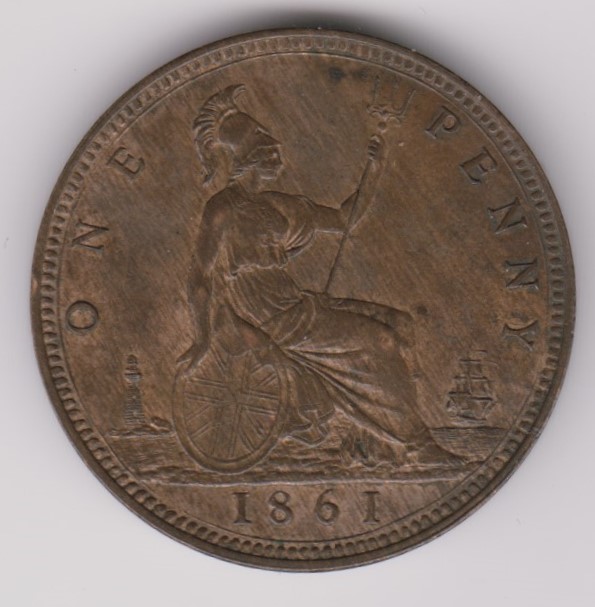
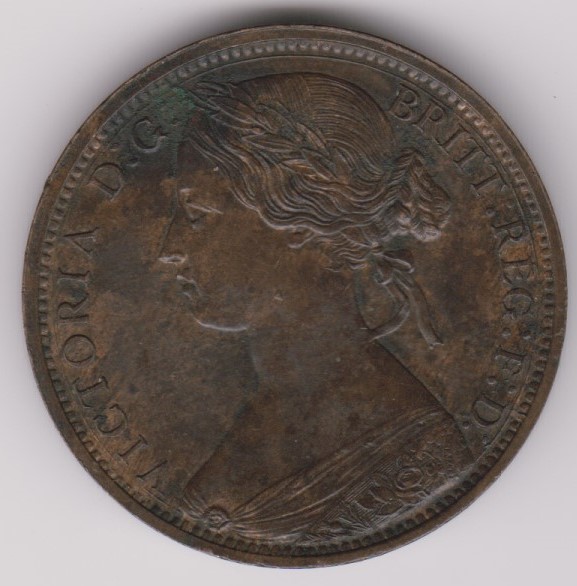
Lot 639, a Queen Victoria penny with an estimate of 50-60 was in relative times the success of the whole auction, going for an eye-popping £1,100
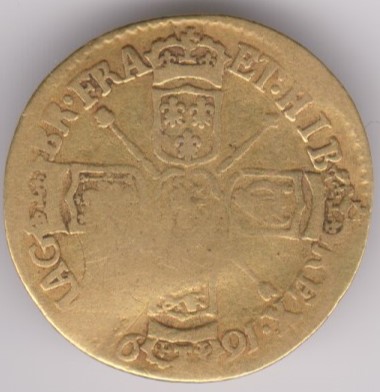
Lot 647, a gold coin from the reign of George III not in the best condition, went for £340.
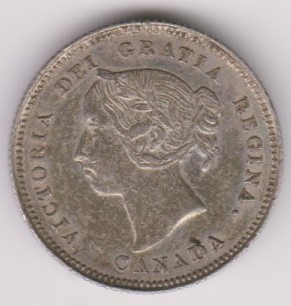
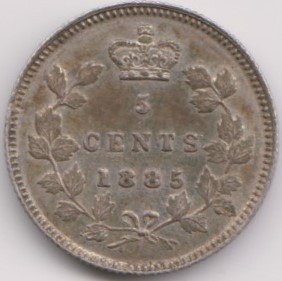
Lot 670, a Canadian five cent coin from 1885 fared even better, fetching £380.
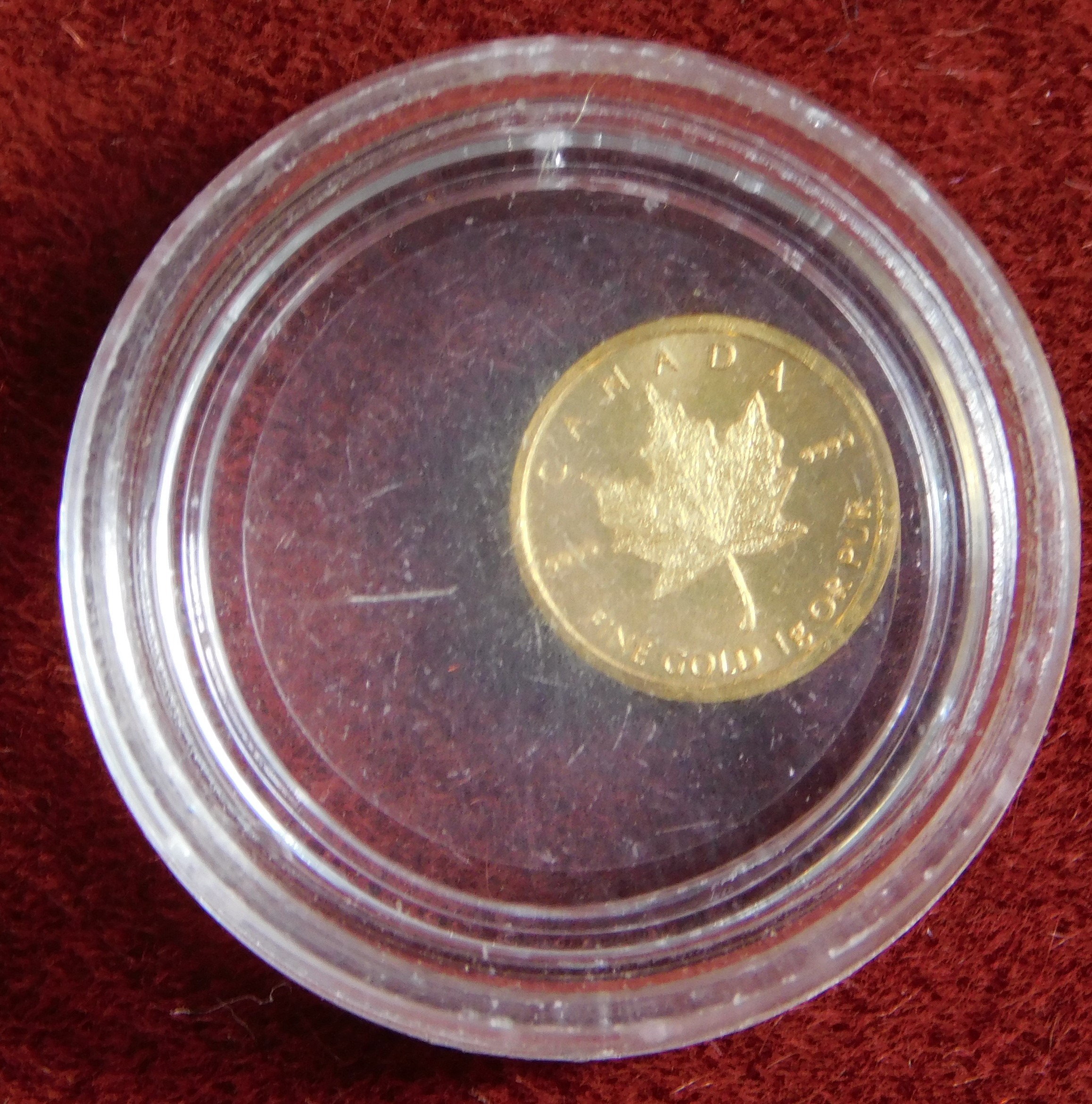
Lot 673, a Canadian gold coin of recent vintage expected to fetch 15-20 ended up going for £80.
Lot 705 was the last big success of the auction (the auction ended at lot 756), going for £160.
I bring this section to an end with an item that did not fare especially well. Lot 731 was knocked down to me.
PHOTOGRAPHS
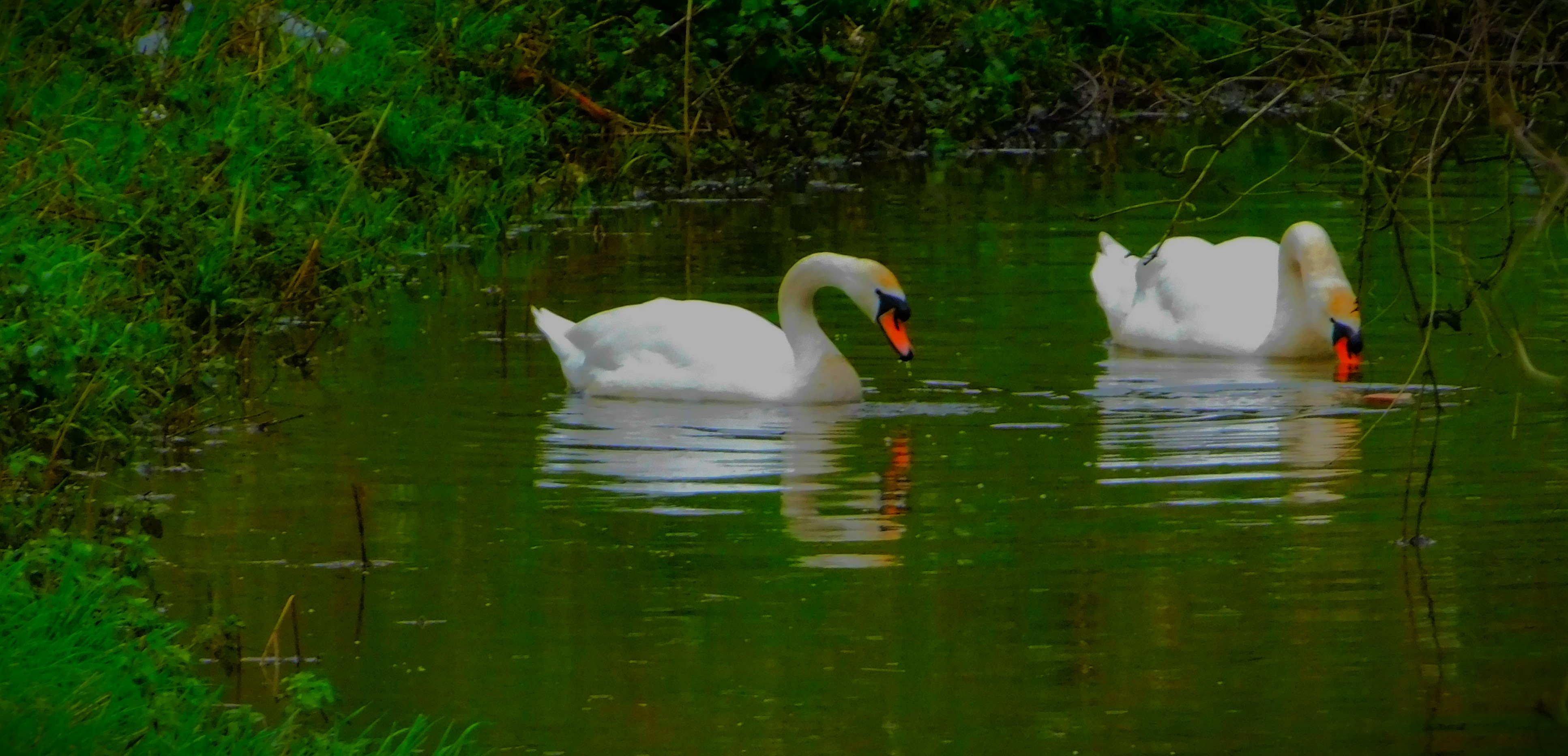
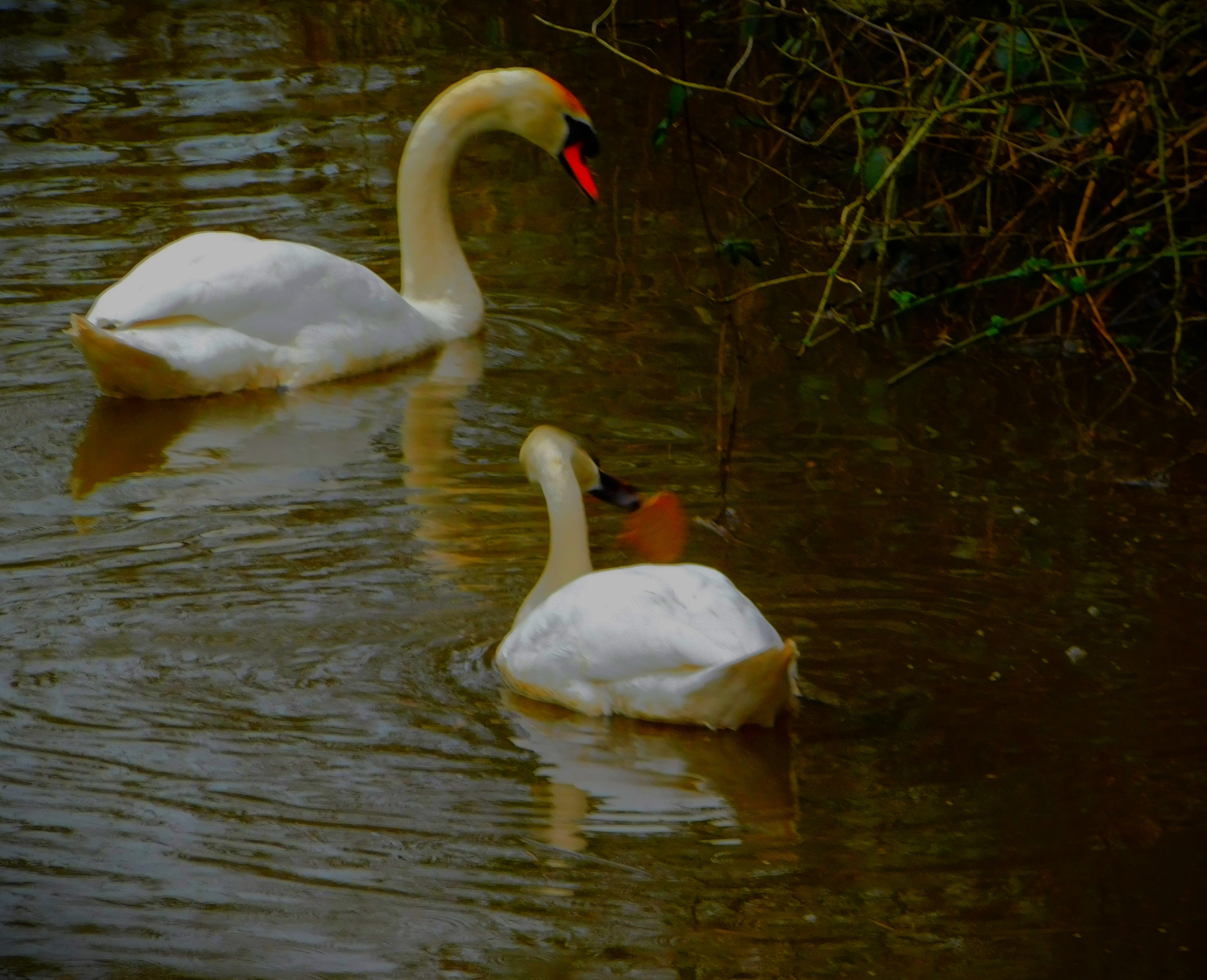
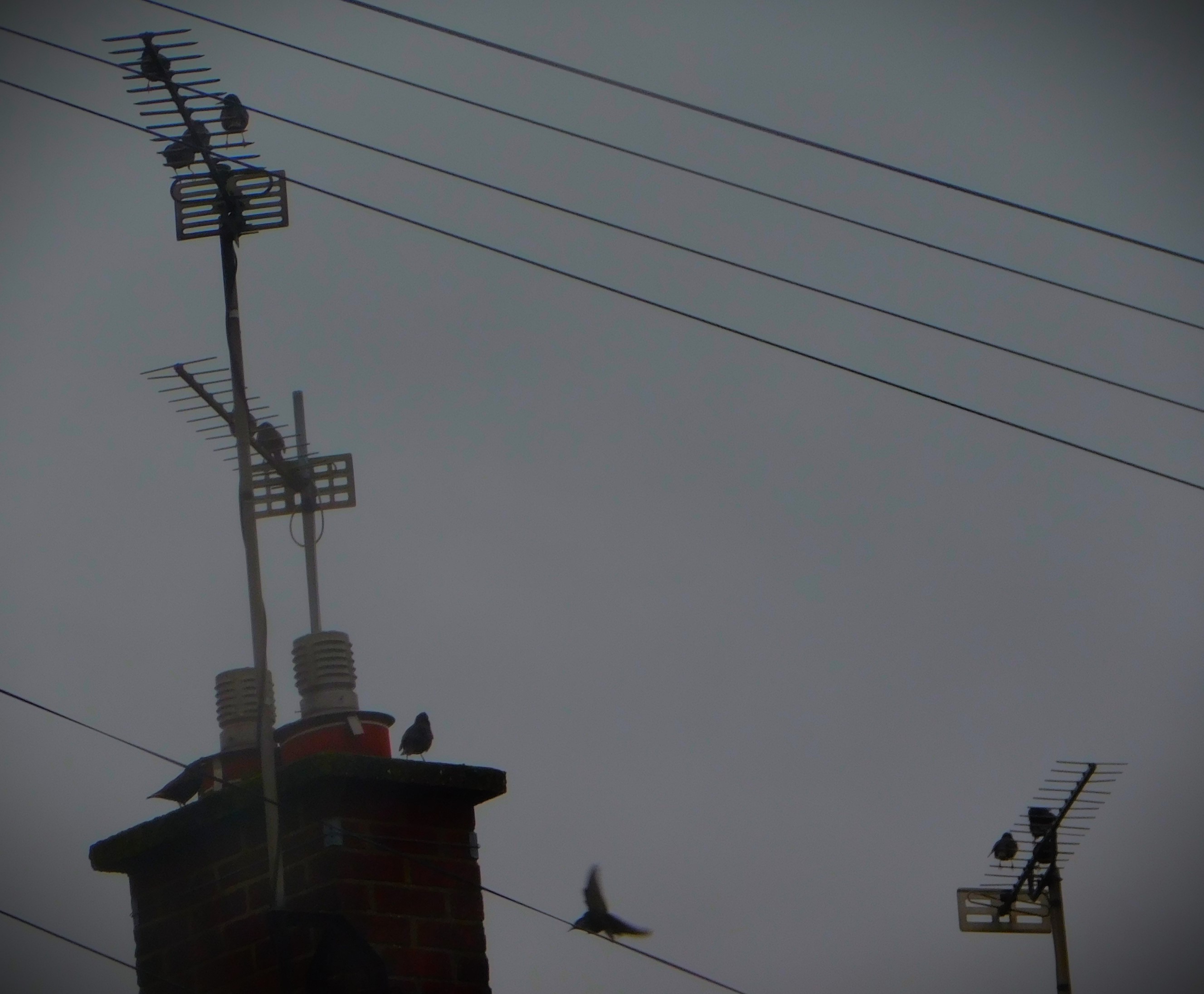
A reminder that all pictures can be viewed at a larger size by clicking on them. Now for my regular photo gallery.
A look at developments in the Women’s T20 World Cup, including comments about both of today’s games. Also a photo gallery prefaced by a couple of lots which are in James and Sons’ November sale but otherwise containing pictures from today.
The group stage of the Women’s T20 World Cup is approaching its conclusion. This post looks at the situation, with some stuff about today’s games.
Sri Lanka are eliminated, and after today’s loss to New Zealand are confirmed as finishing last in the group. India face Australia tomorrow, and because of today’s result they need to win that game to prevent New Zealand v Pakistan become a straight shoot out for a semi-final slot. Australia are the only absolutely confirmed qualifiers, and they been incredibly impressive so far.
Scotland are out, and will almost certainly finish last (unless they can beat England heavily, and Bangladesh, currently in action against South Africa, win that match, which is looking very unlikely right now). Bangladesh are also unable to qualify. England are currently third on net run rate, but have a game in hand on South Africa and West Indies, and have a 100% record, whereas the other two sides have each lost once. If as seems likely South Africa win today they will be qualified, and West Indies will be hanging on by their finger nails.
NEW ZEALAND v SRI LANKA
Sri Lanka have had a wretched tournament, though it briefly looked improving for them today. That bright prognosis lasted until Amelia Kerr bowled Chamari Athapaththu for 35. I have written previously about Sri Lanka’s dependence on the veteran opener to get them to a competitive total. They very rarely win when their talisman doesn’t score as many as 40, and the remainder of their innings after her dismissal showed why. 74-2 after 13.3 overs became 115-5 after 20 overs – the death overs barely saw the scoring rate climb, as Sri Lanka needed it to. Bates struggled with the bat for New Zealand, and her dismissal for 17 (22) to make it 49-1 was probably better news for them than it was for Sri Lanka. Amelia Kerr, who had figures of 4-0-13-2 including the prize wicket mentioned earlier, came in to join Georgia Plimmer who was going well. Plimmer and Kerr shared an excellent partnership, and victory was well and truly in sight when Plimmer fell to a catch by Silva off Athapaththu for 53 (44). Sophie Devine joined Kerr to complete the job. It was Devine who made the winning hit, a colossal six off Kumari, but Kerr had scored 34* (31) to help NZ to an eight wicket win with 15 balls remaining. I understand why the Player of the Match award went to Plimmer for her 50 but I am 100% sure it was a wrong call. Kerr made important contributions in both departments. NZ may well have won even had Plimmer not scored big, they would not have won without Kerr’s contribution. Scorecard here.
BANGLADESH v SOUTH AFRICA
This match is approaching the half way stage and it has only been a late flourish that has got Bangladesh to three figures. At one stage they were going at only two an over, and even with a big finish they have only managed 106-3 from their 20 overs. South Africa have given away 11 wides. Mlaba, South Africa’s impressive left arm spinner, recorded figures of 4-0-11-1, and Marizanne Kapp was even more economical – 4-0-10-1.
PHOTOGRAPHS
Today’s gallery starts with a few pictures from work this week…
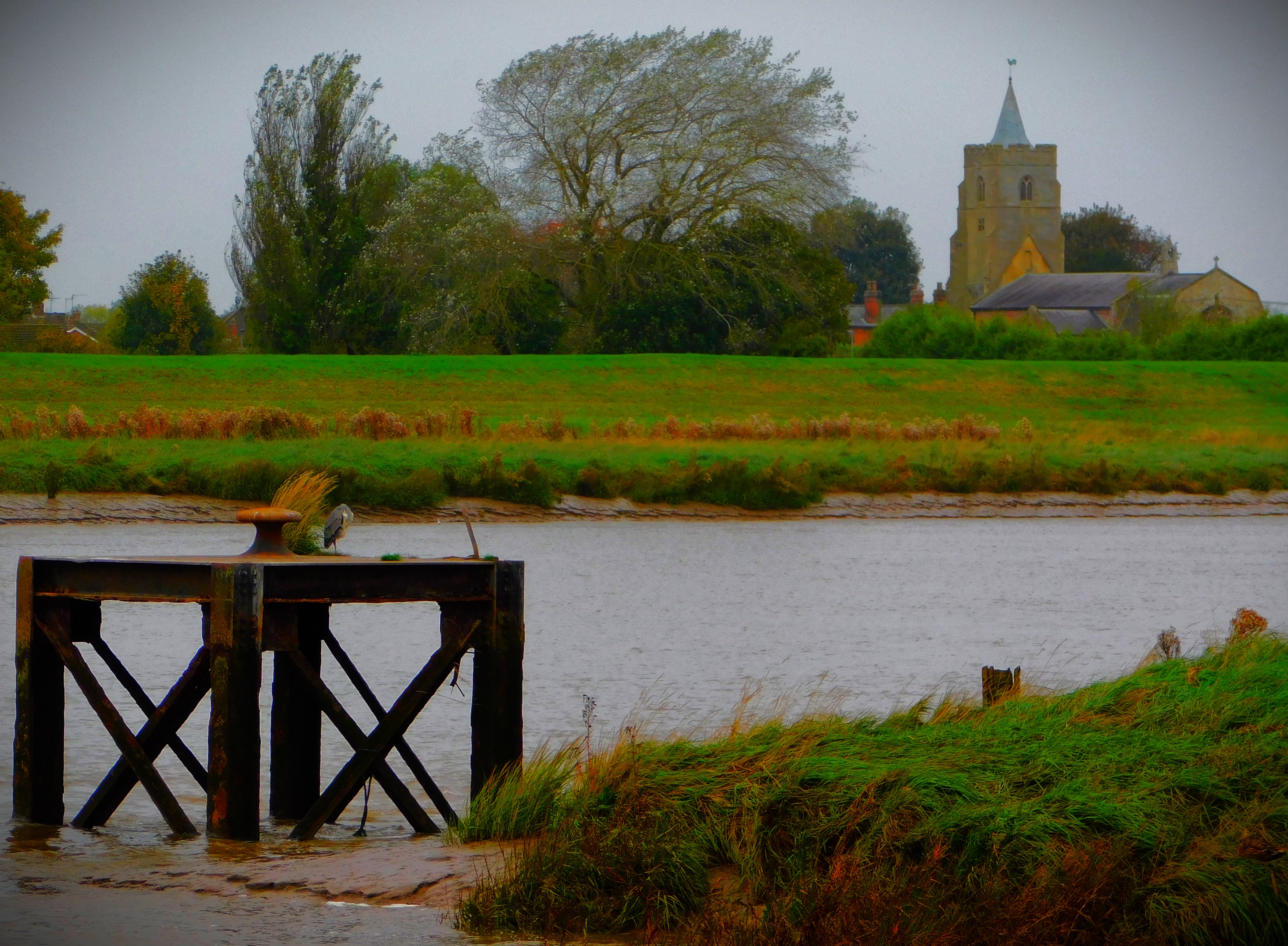
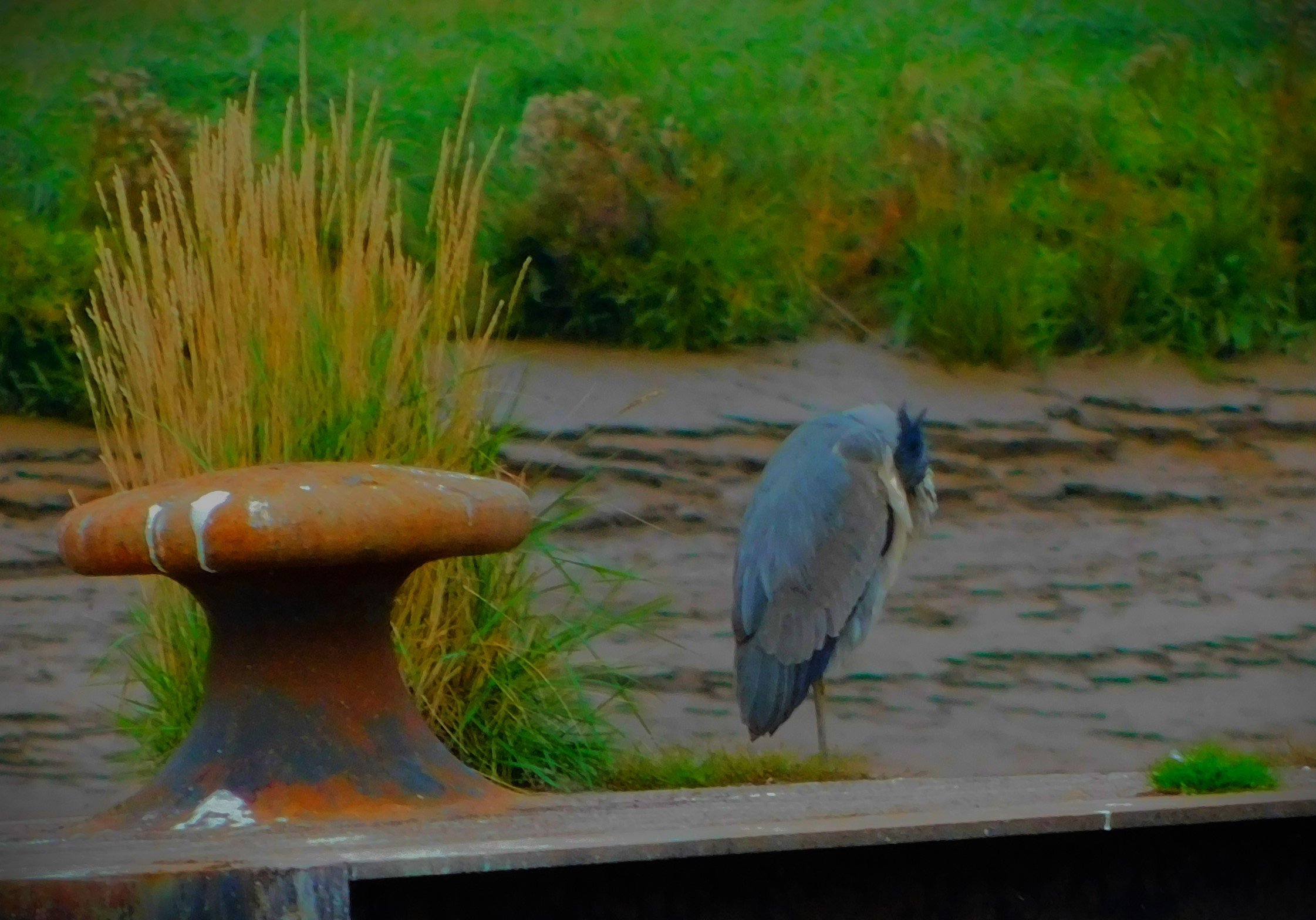
We start with lot 327 from James and Sons’ November Sale, imaged on Thursday.This is the start of the gallery for lot 348 in the same sale.No cormorants on what I call ‘Cormorant Platform’ today, but this grey heron was a most acceptable replacement.
A look back at an auction week at James and Sons and a photo gallery.
This week James and Sons had auctions on Monday, Tuesday and Wednesday. This post looks back at those days.
MONDAY – TOYS
The Monday auction was the smallest of three, just 150 lots going under the hammer. It was very successful. The fun started as early as lot 4, some Scalextric stuff which was expected to fetch 50-60 and ended up going £170!
Lot 9 went very cheaply to me.
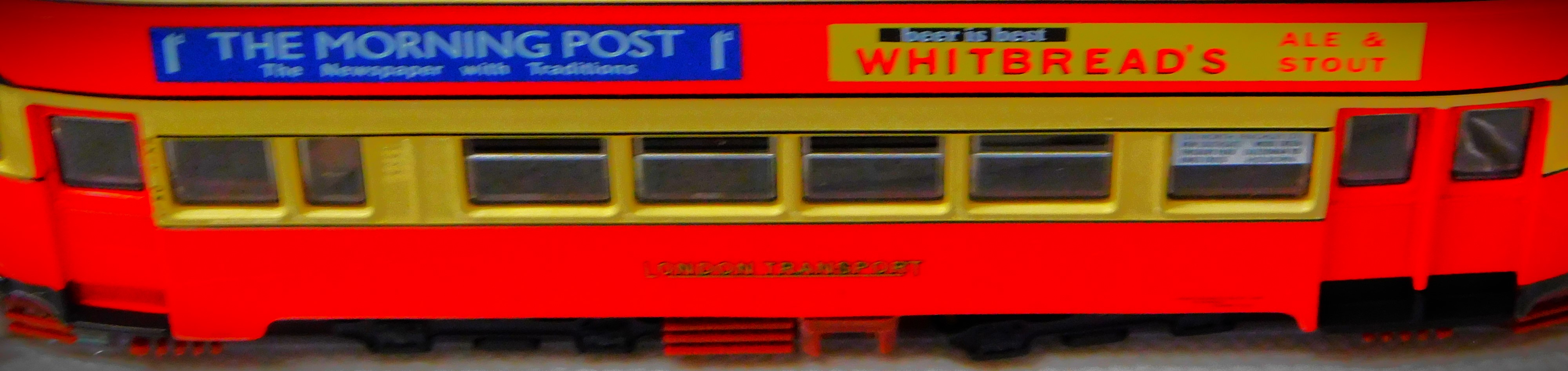
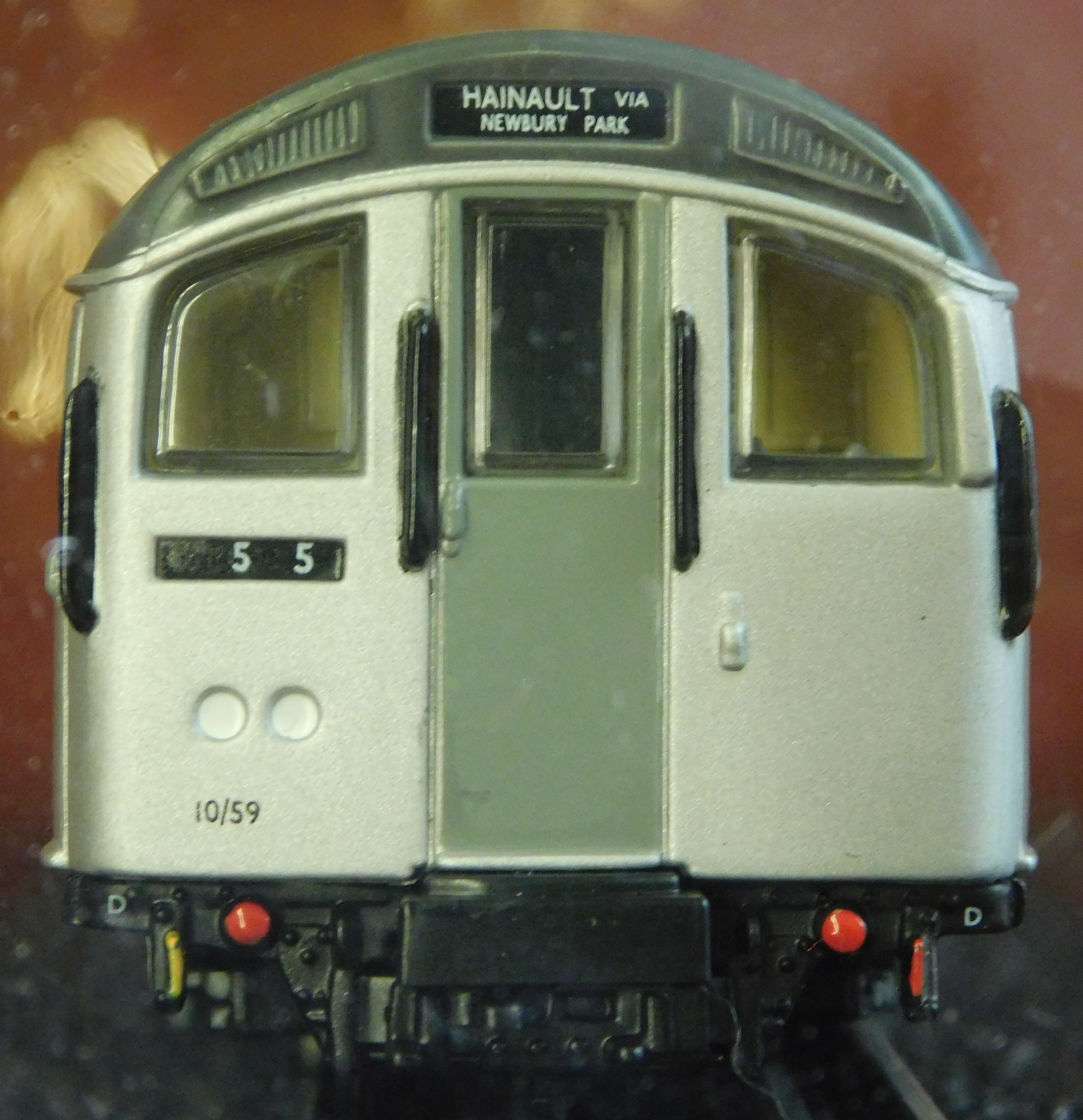
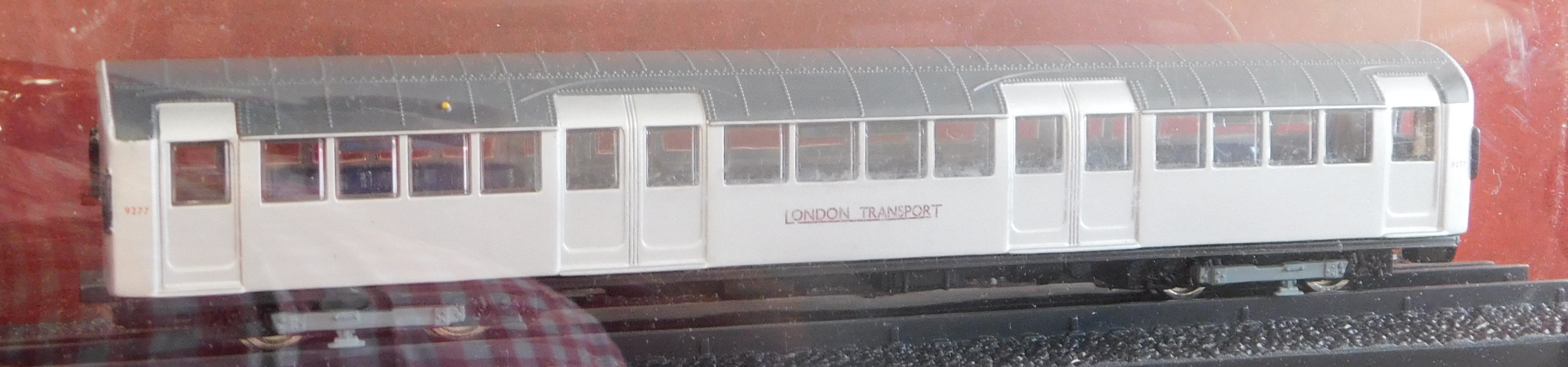
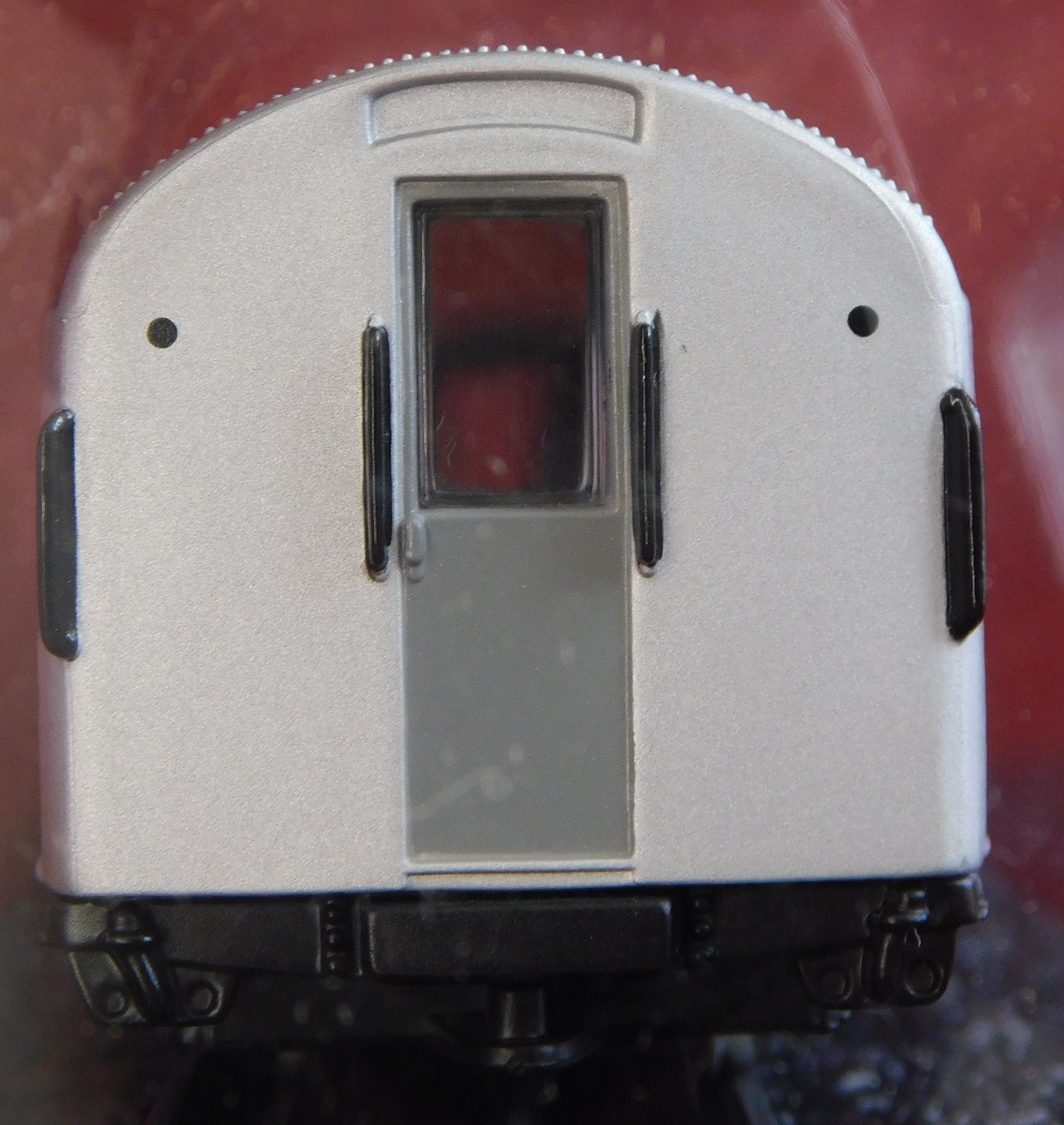
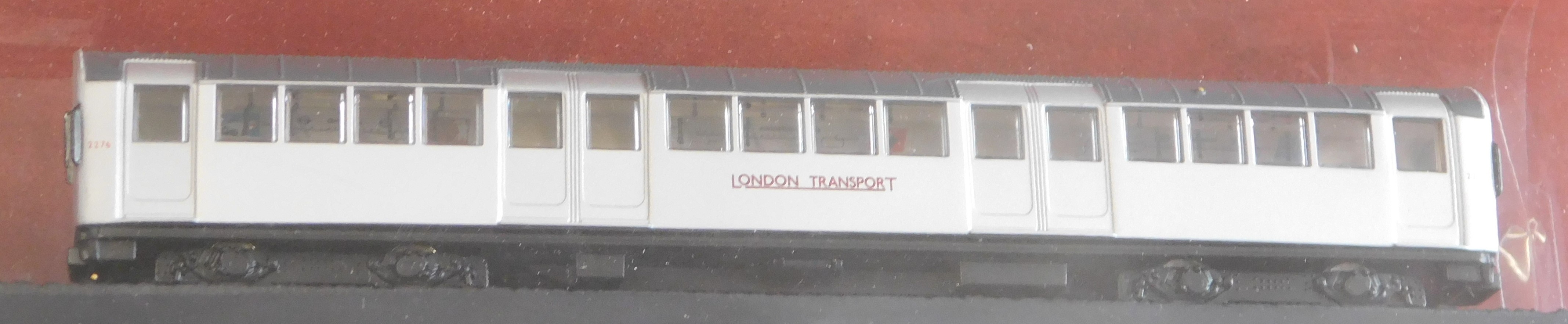
Lot 43 might also have been of interest to me, being four model London Underground 1959 tube stock carriages, had it not been going way beyond my means. It was estimated at 25-35, but actually went for an eye popping £130!
These trains were still in service into the 1990s by the way.
There were other notable successes, but I will settle for highlighting just one further lot, number 96, which had a modest estimate of 15-20 and ended up going for £48!
TUESDAY
Tuesday was a work day for me, so I did not get to see what happened in that day’s auction, though there was some interesting stuff going under the hammer. Lot 667 went to me (I placed a bid online, and it was knocked down to me). While the auction was going on I was one floor up, using the scanner rather than my usual camera to image football programmes and team sheets which will be going under the hammer near the end of September.
WEDNESDAY – STAMPS
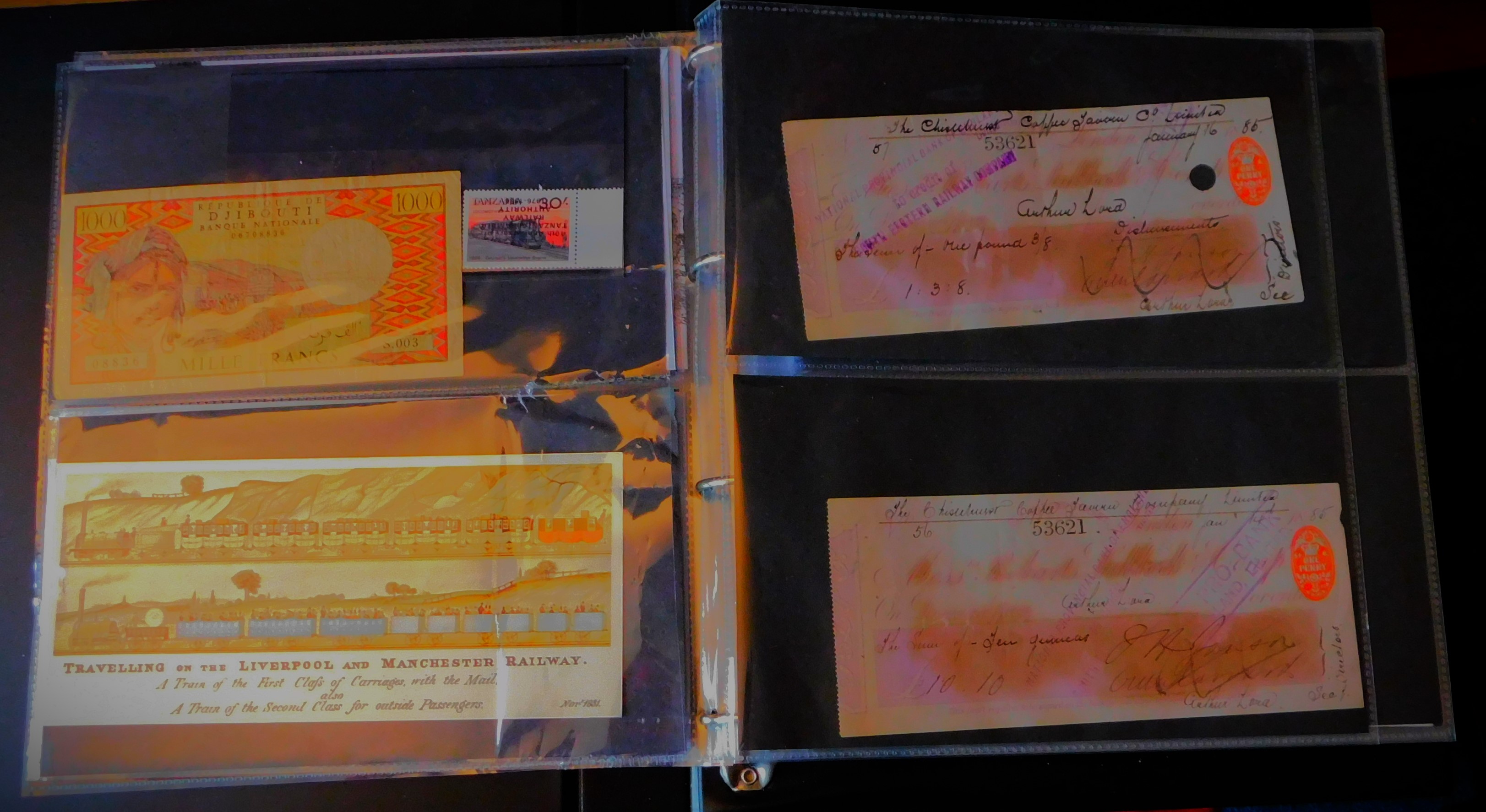
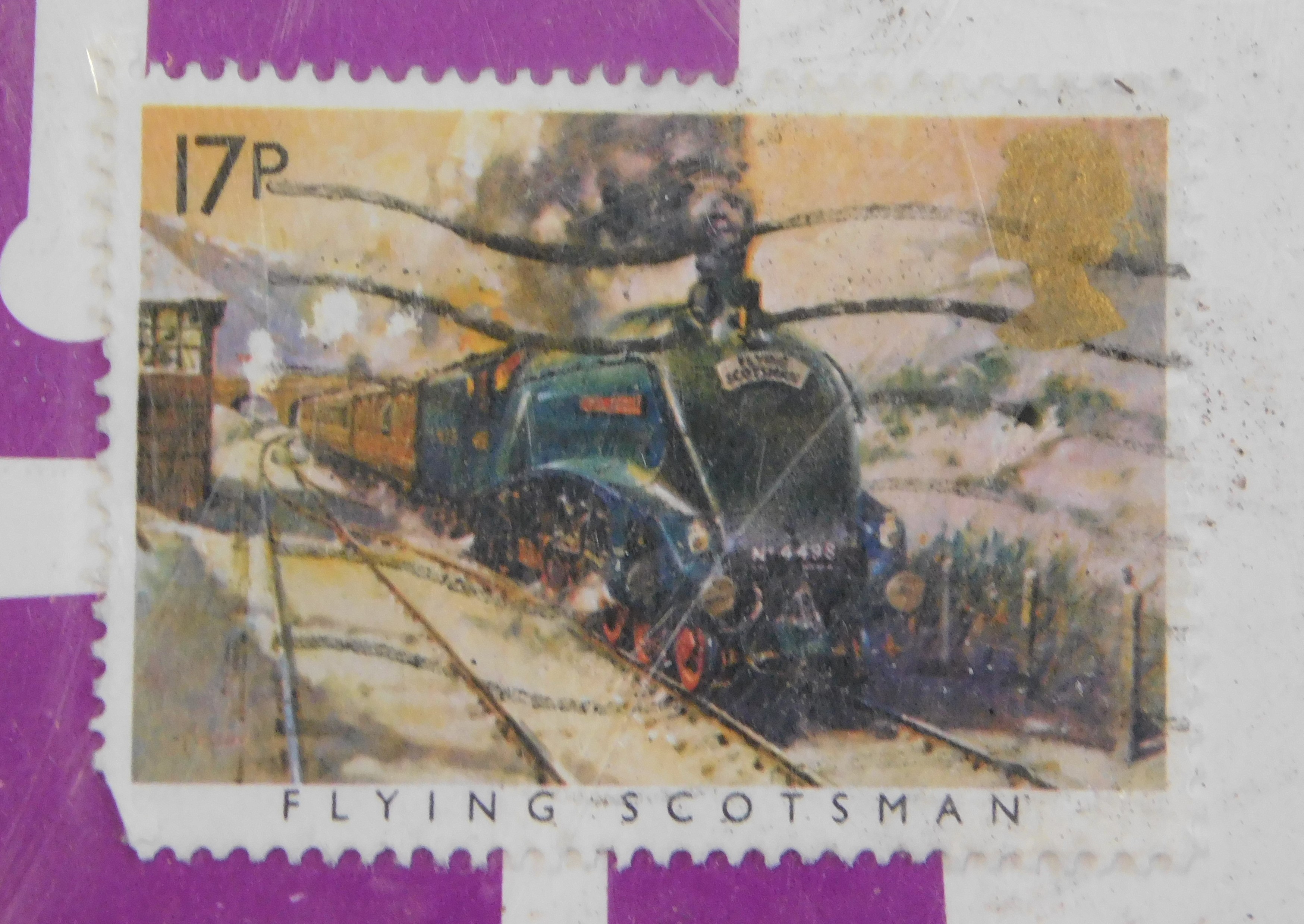
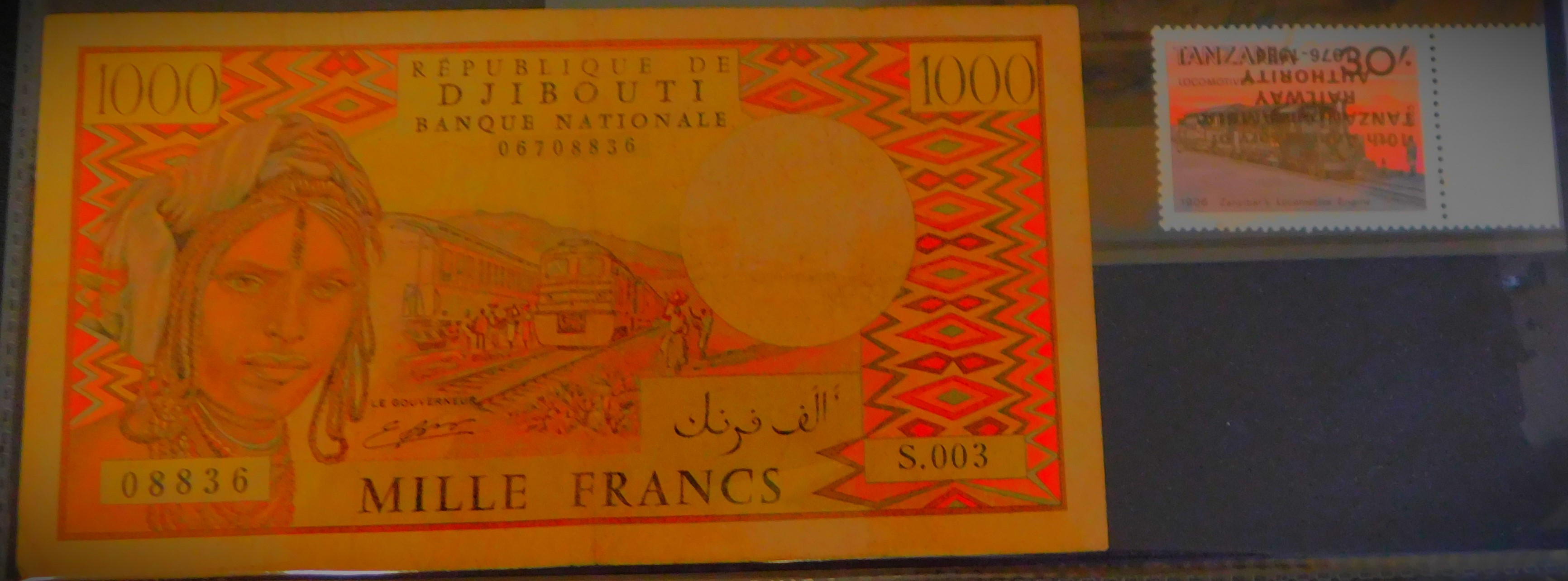
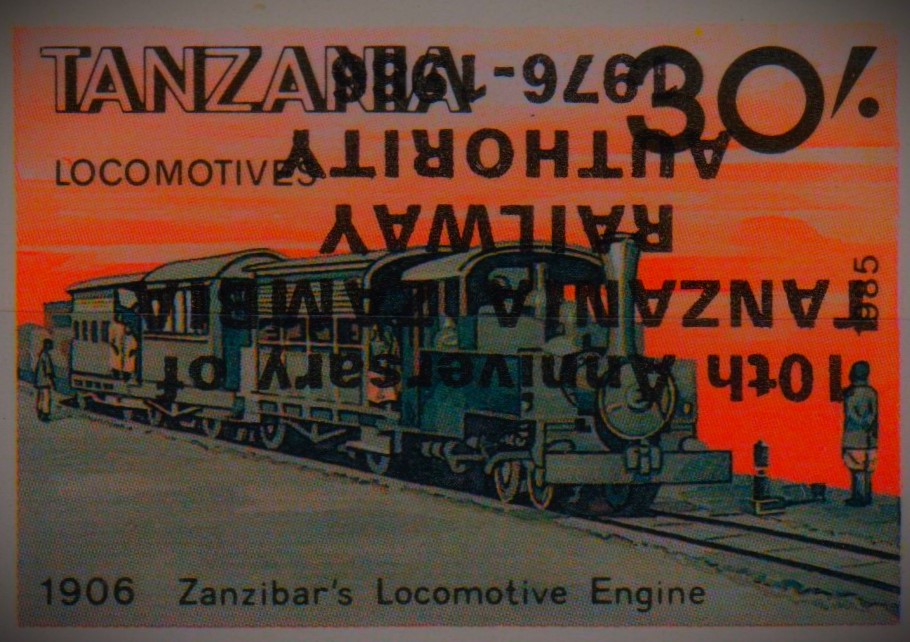
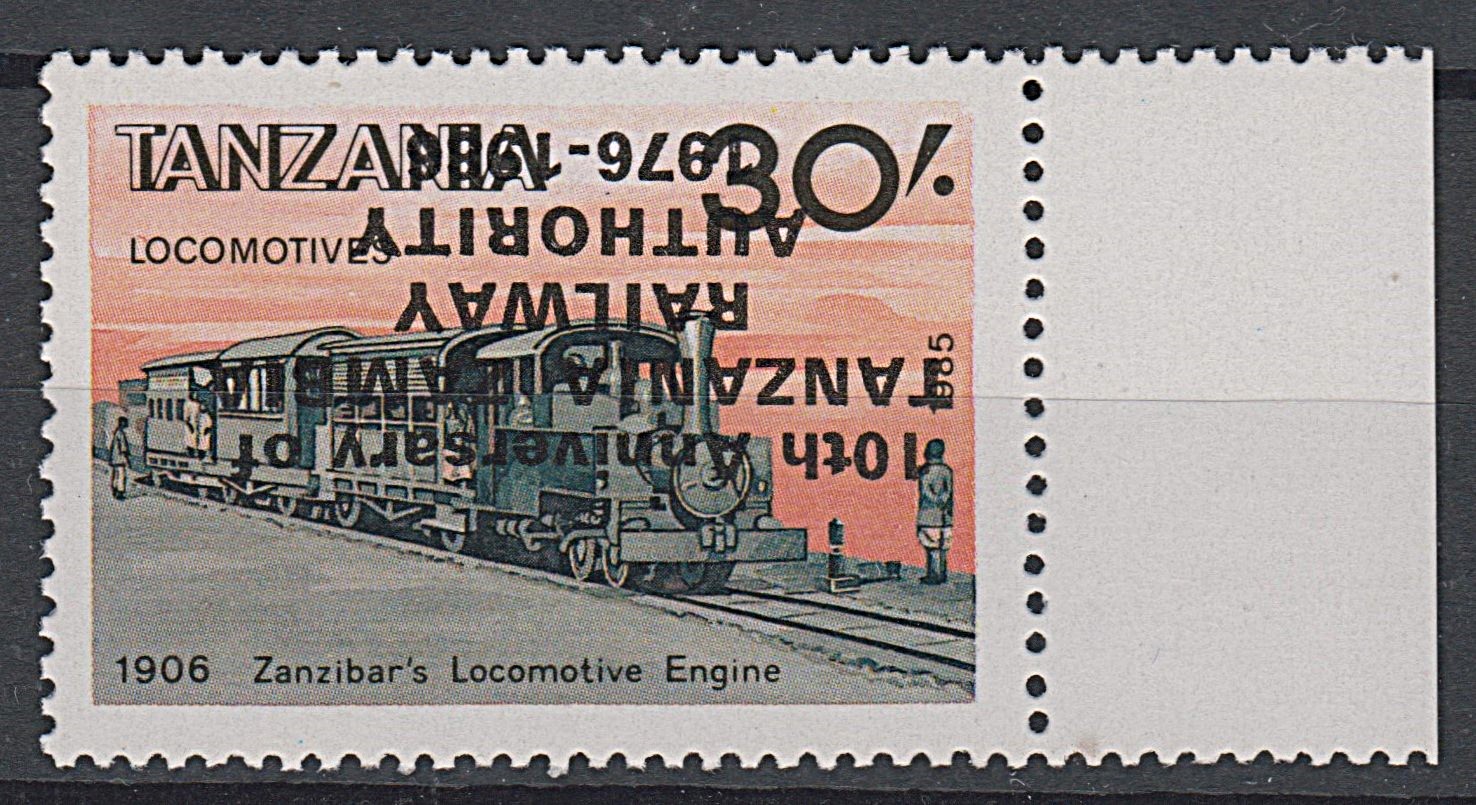
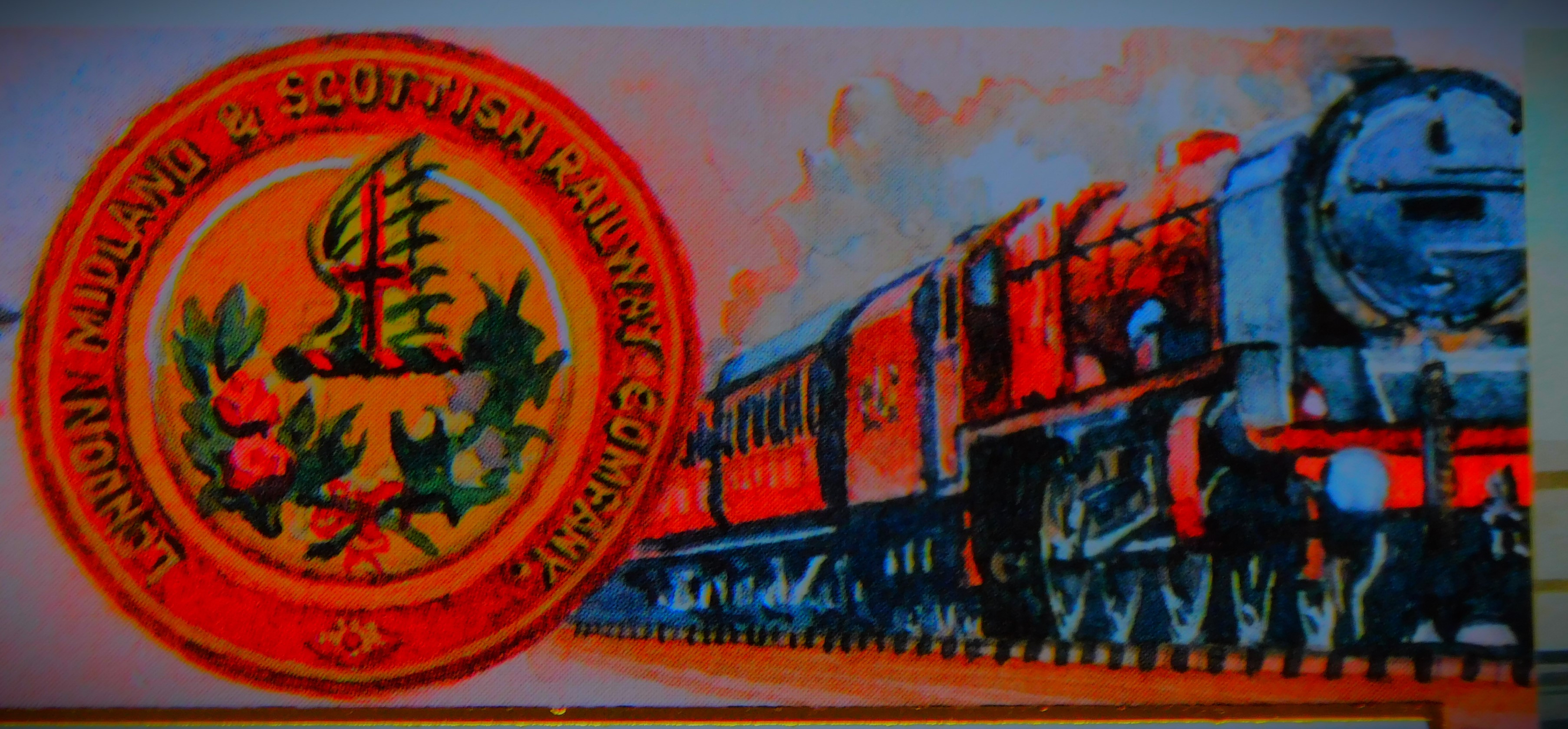
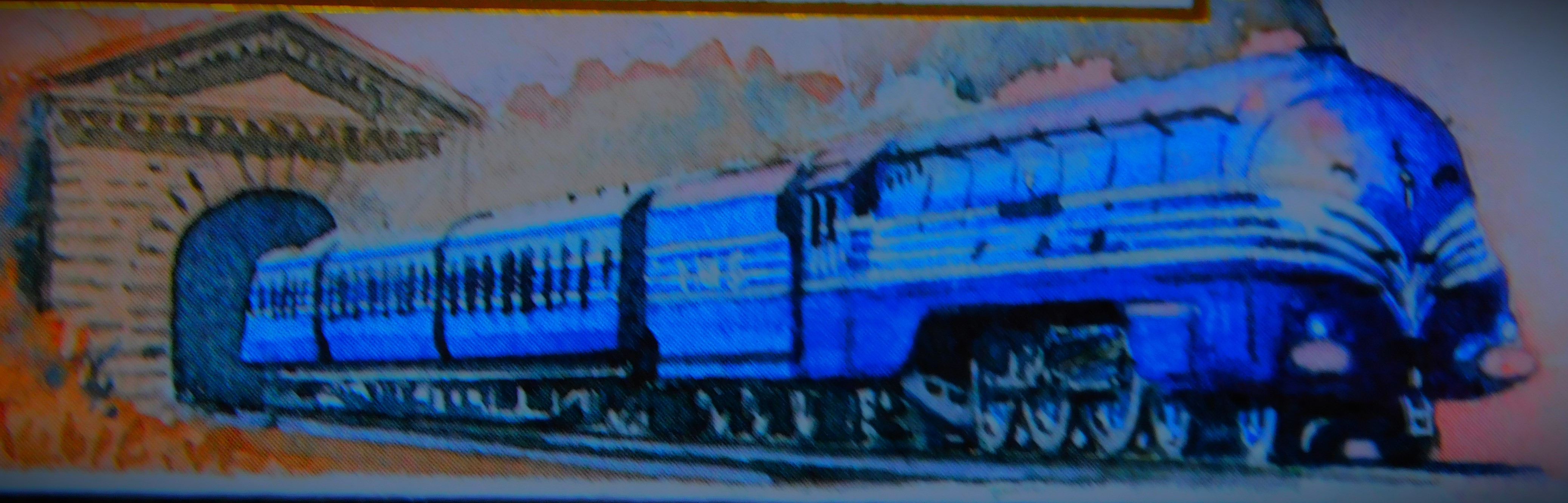
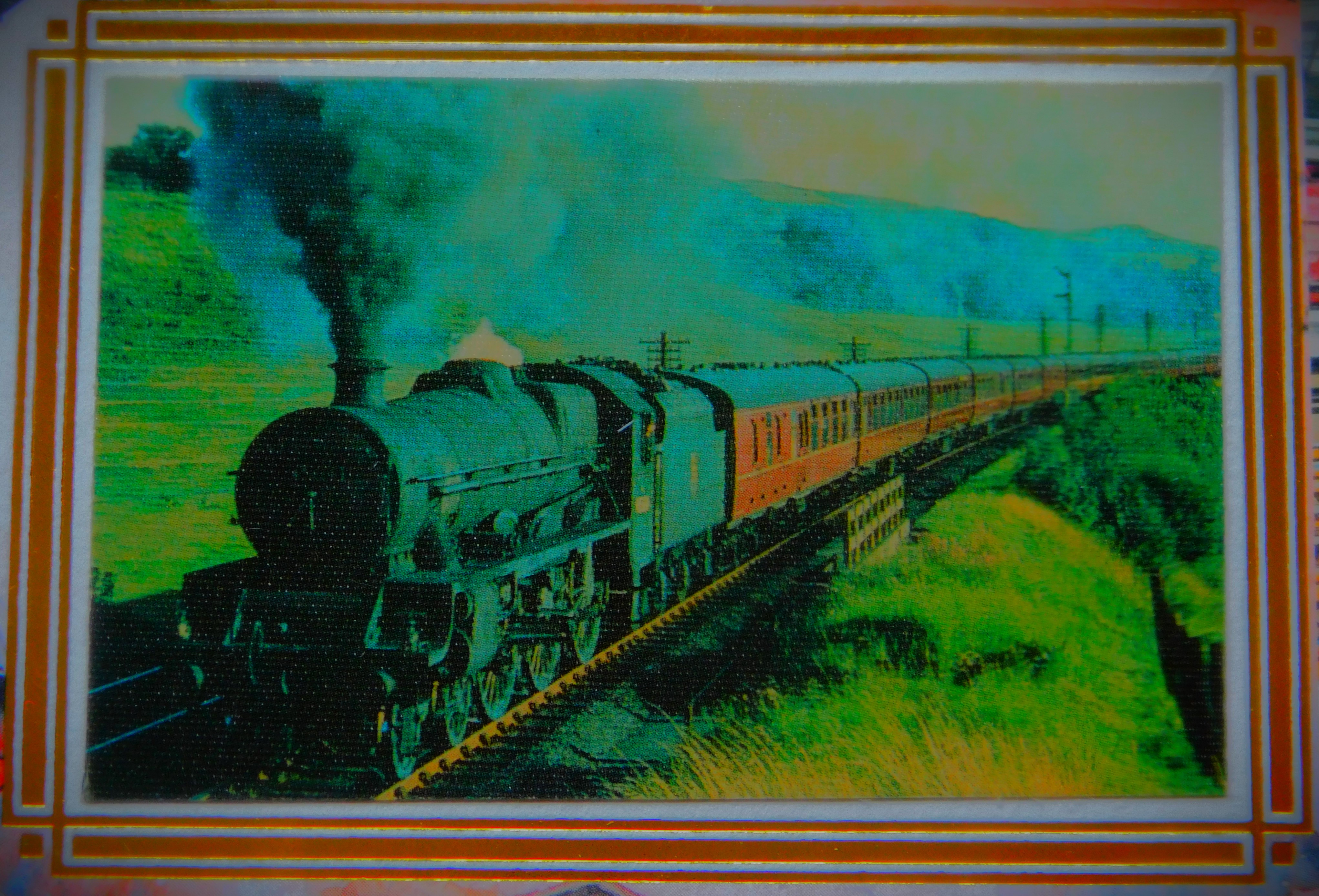
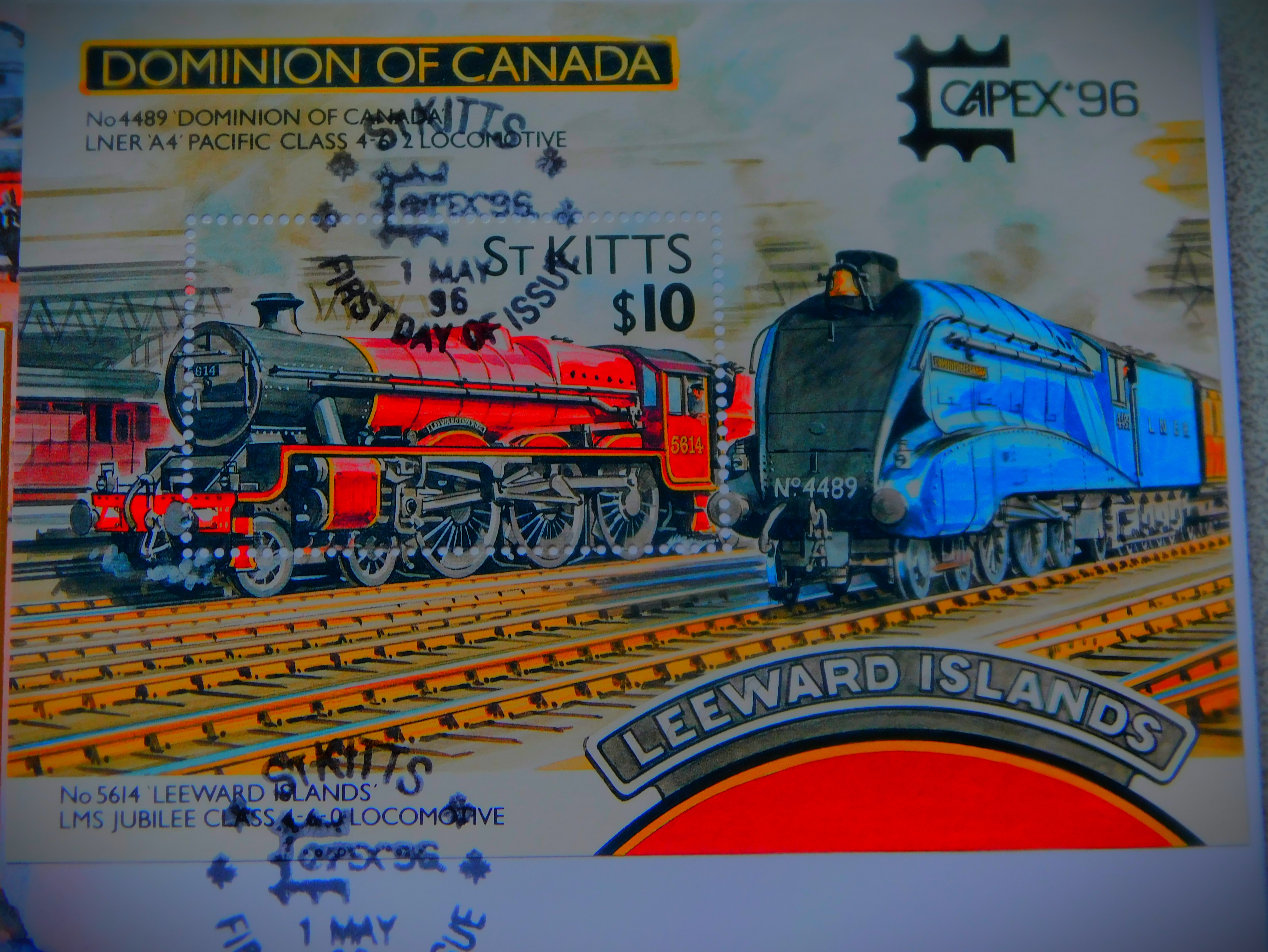
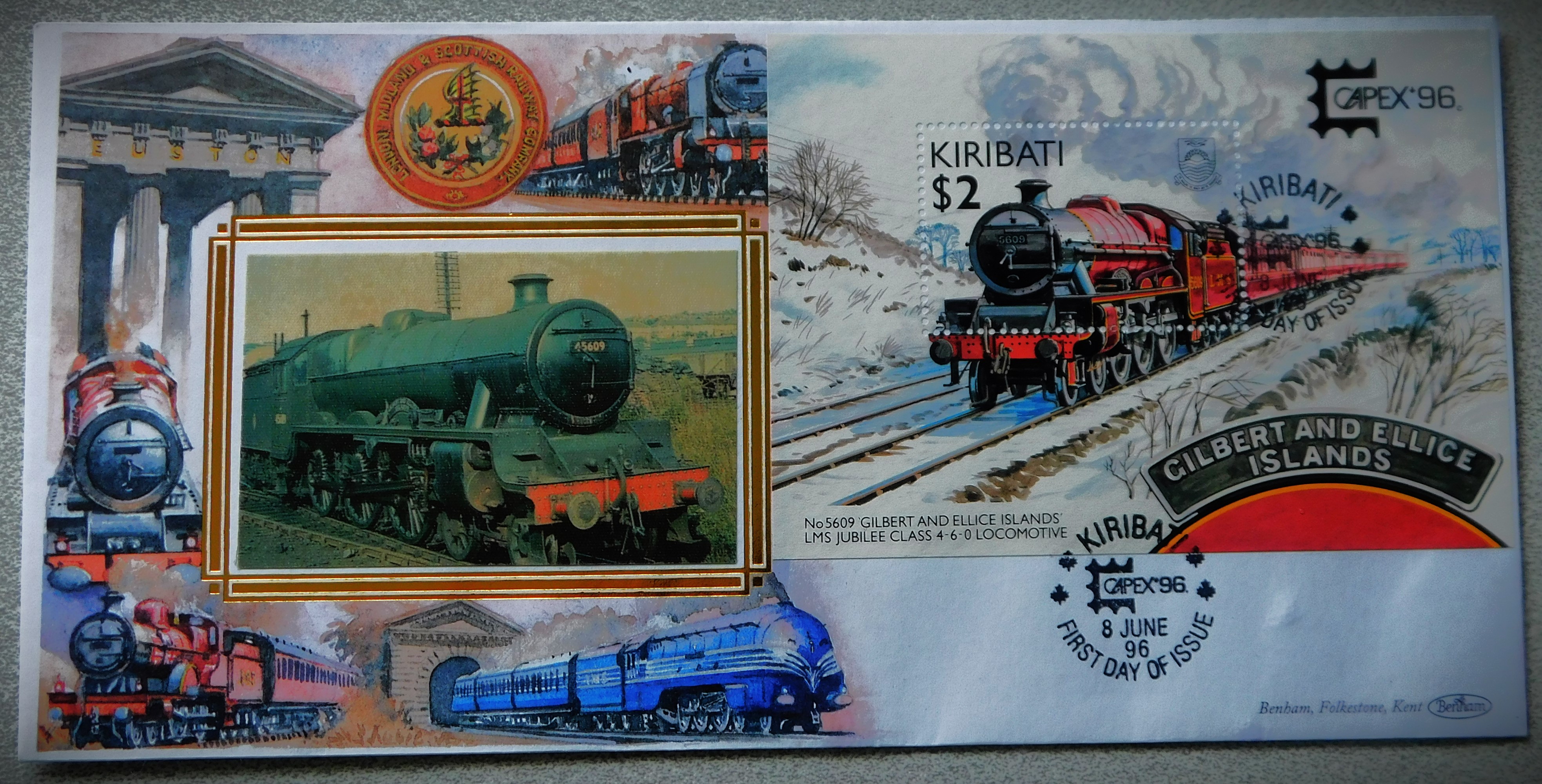
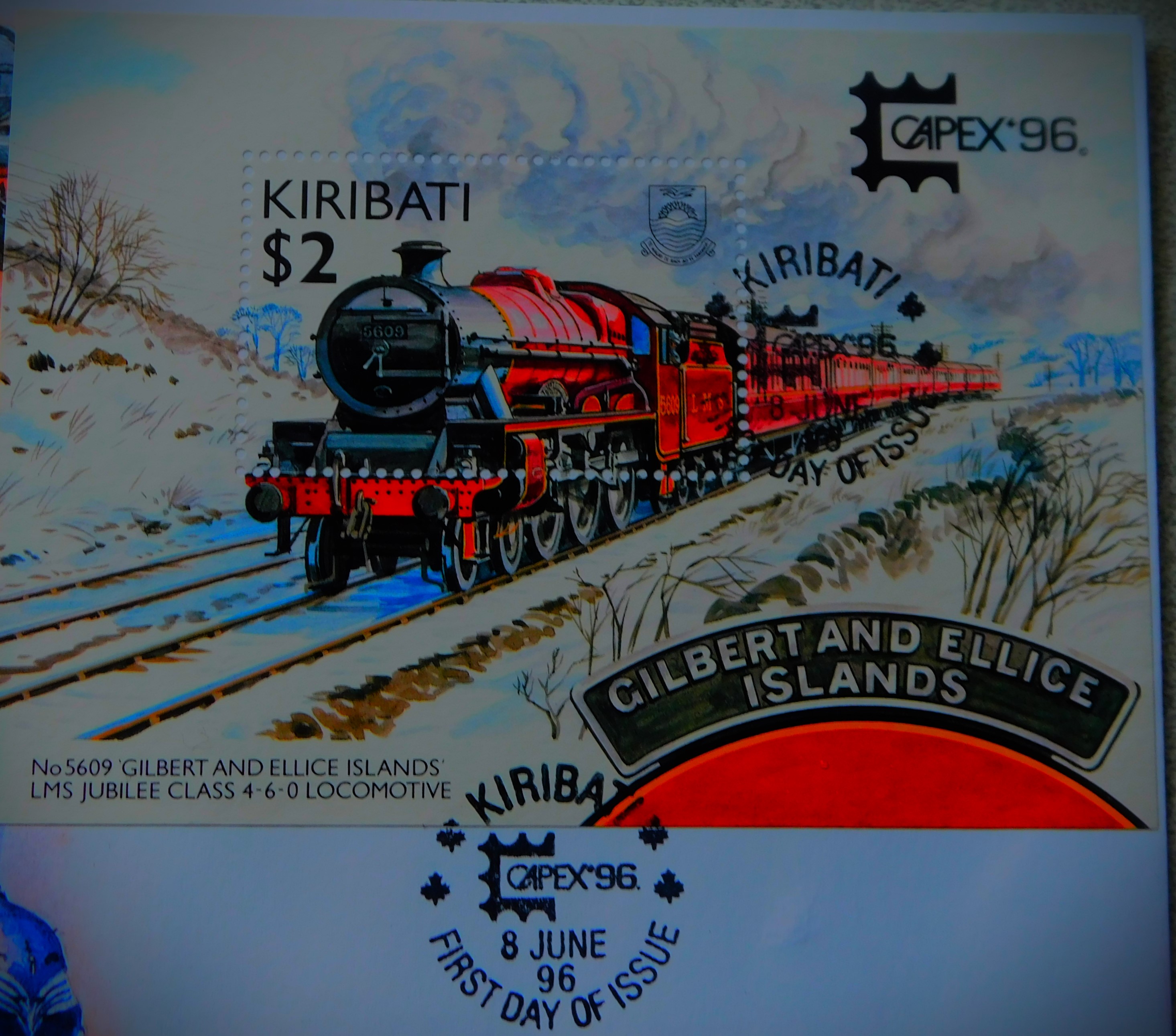
The stamp sale featured more lots than either Monday or Tuesday had, but was also quieter than either day. A Tanzanian railway stamp went to me cheaply, while the only notable success was lot 1430, which I did not image. Here is my stamp:
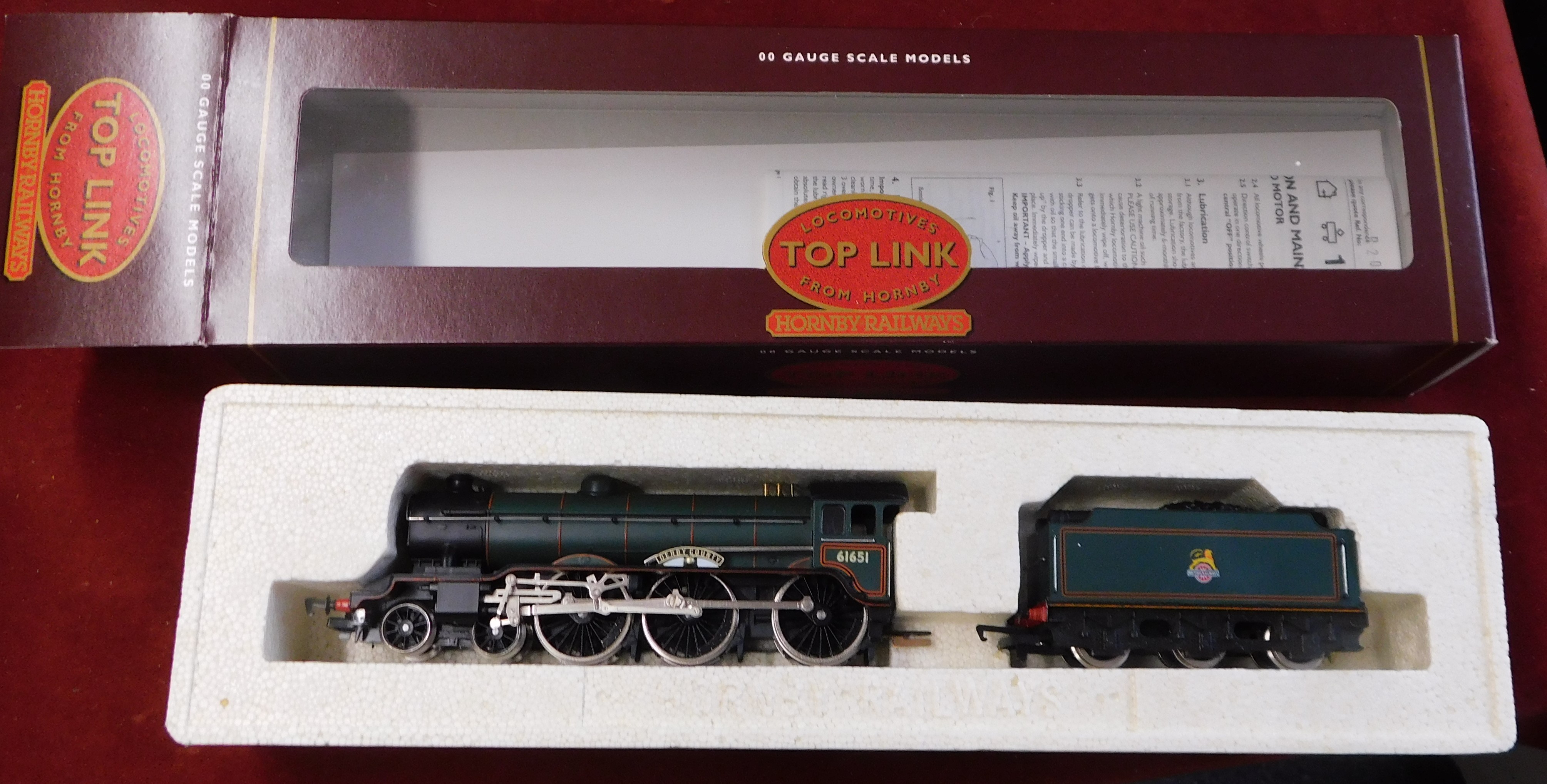
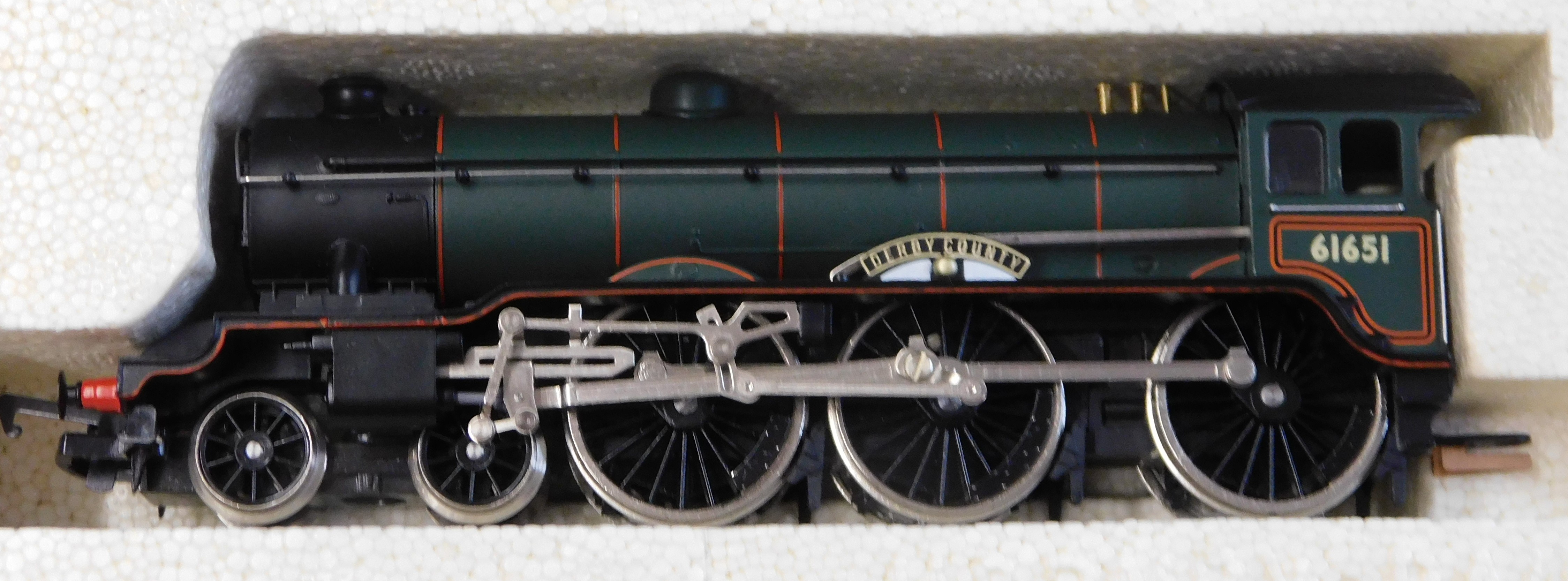
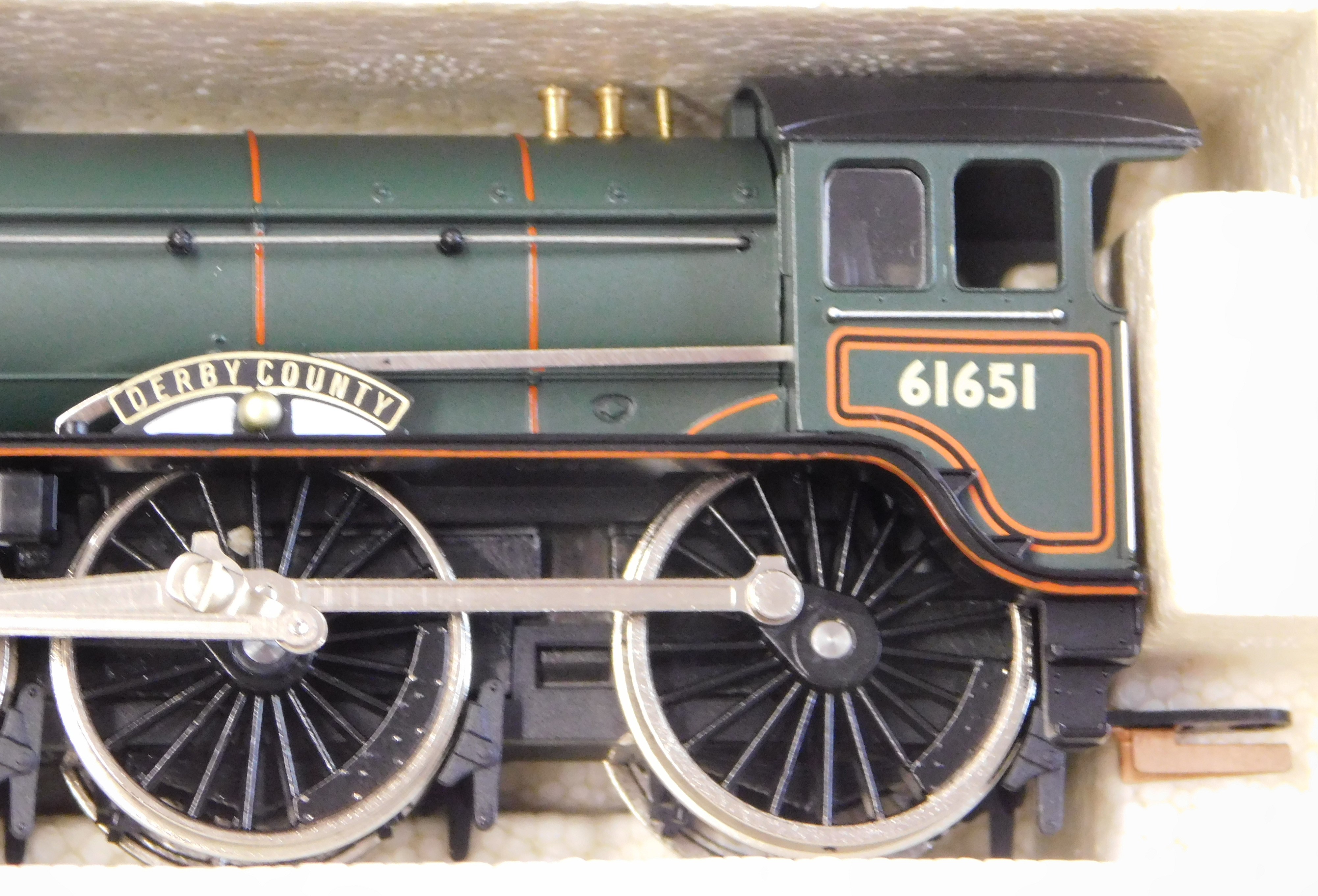
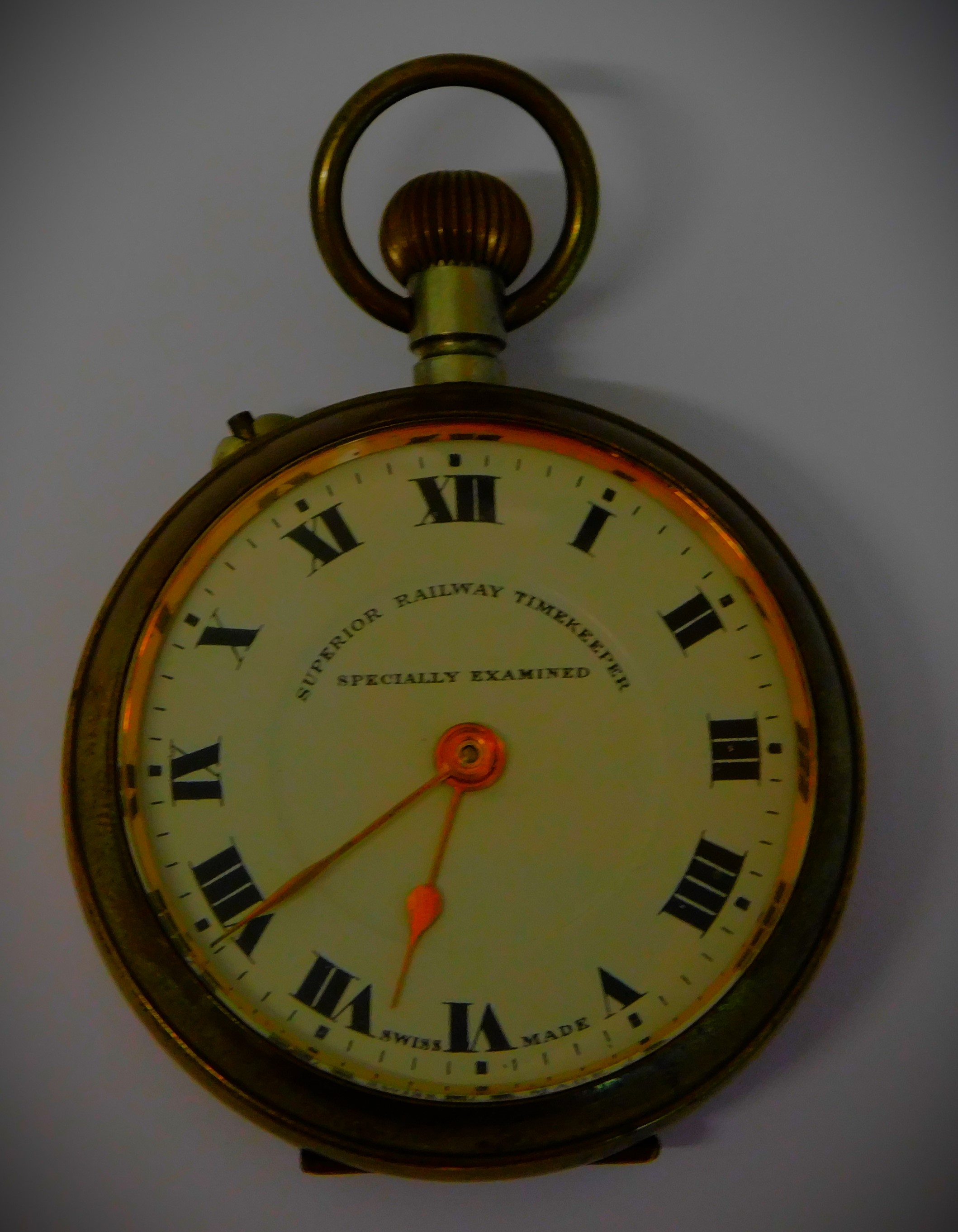
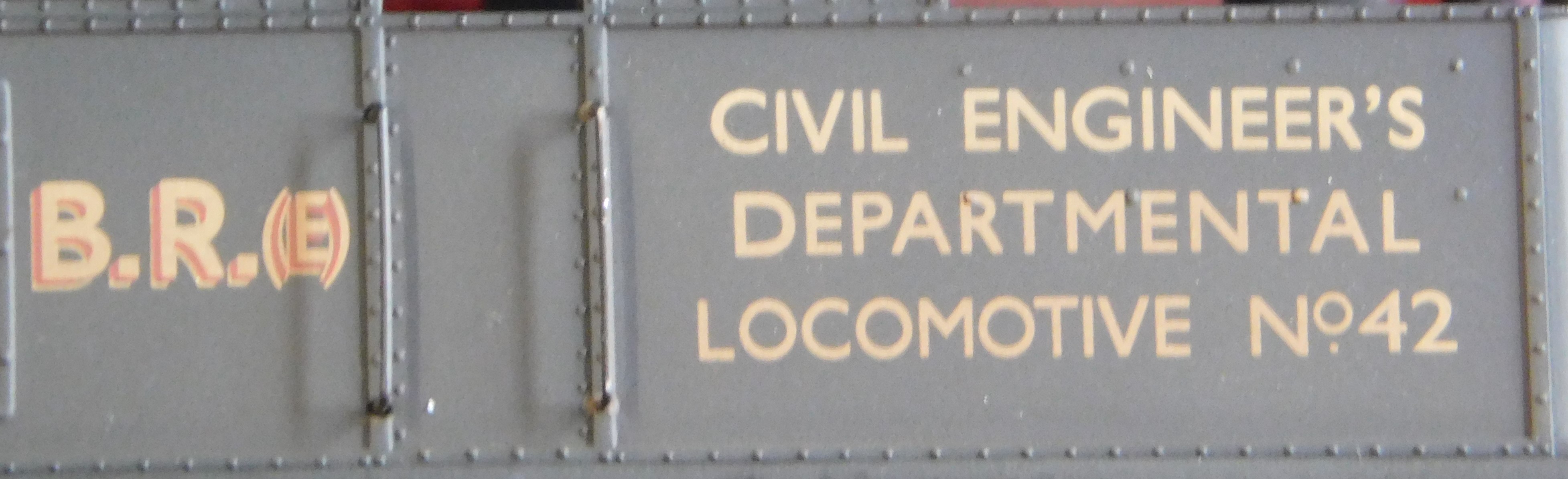
In its new display location, alongside a Djibouti banknoteTwo close ups of the locomotiveFocus on the text
A whistlestop tour of the greatest highlights of an outstandingly successful auction that took place on Wednesday.
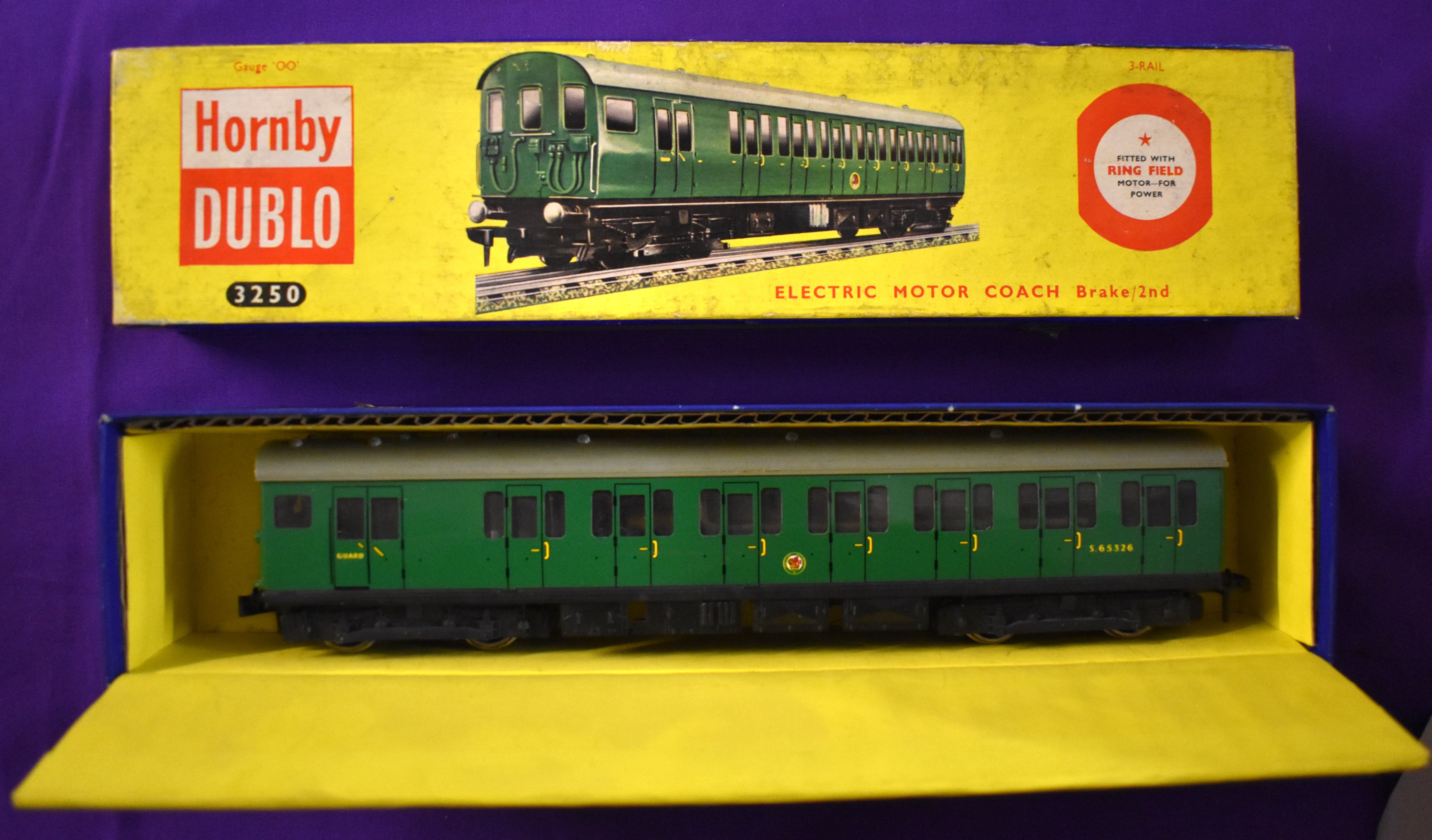
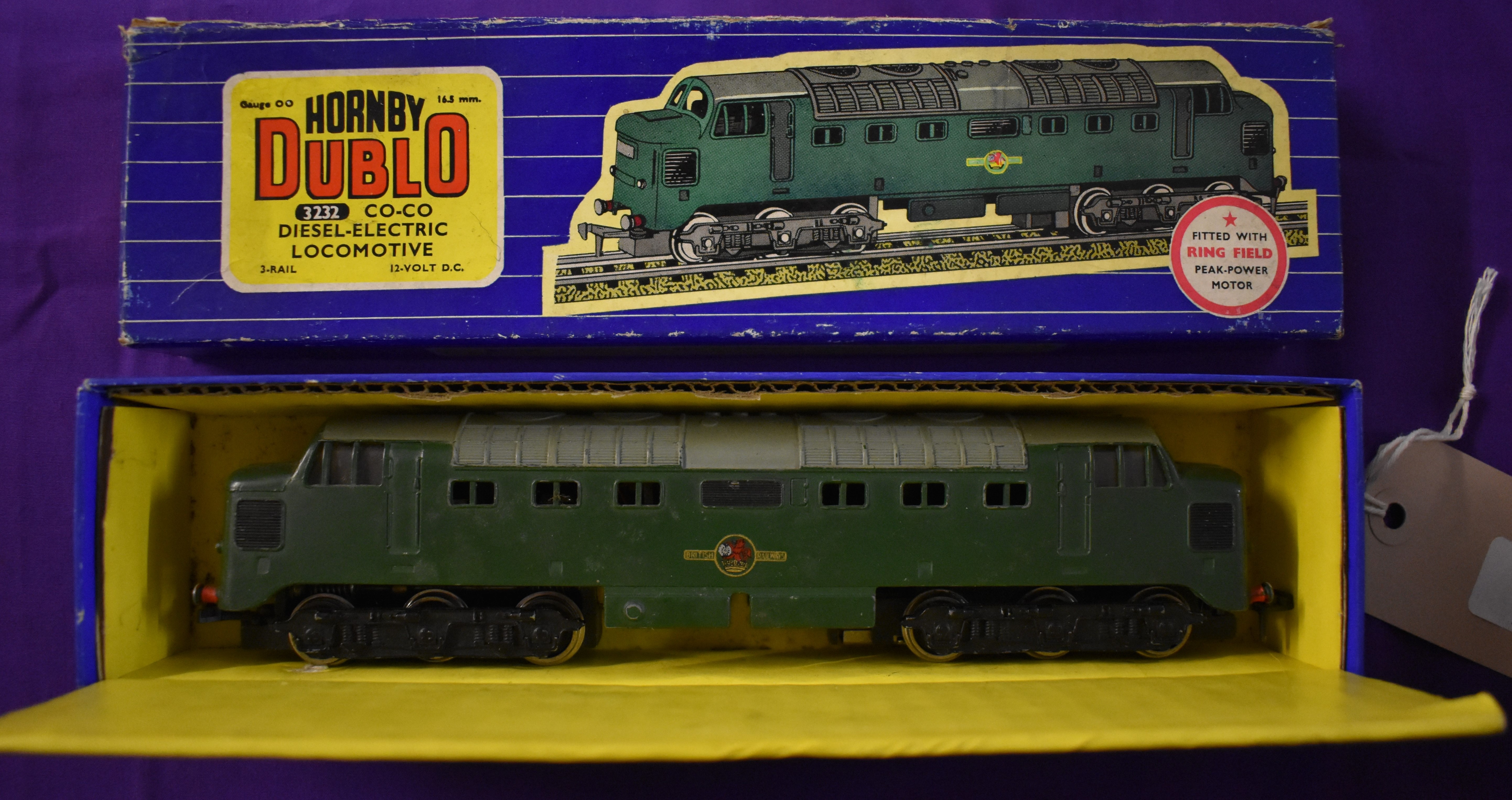
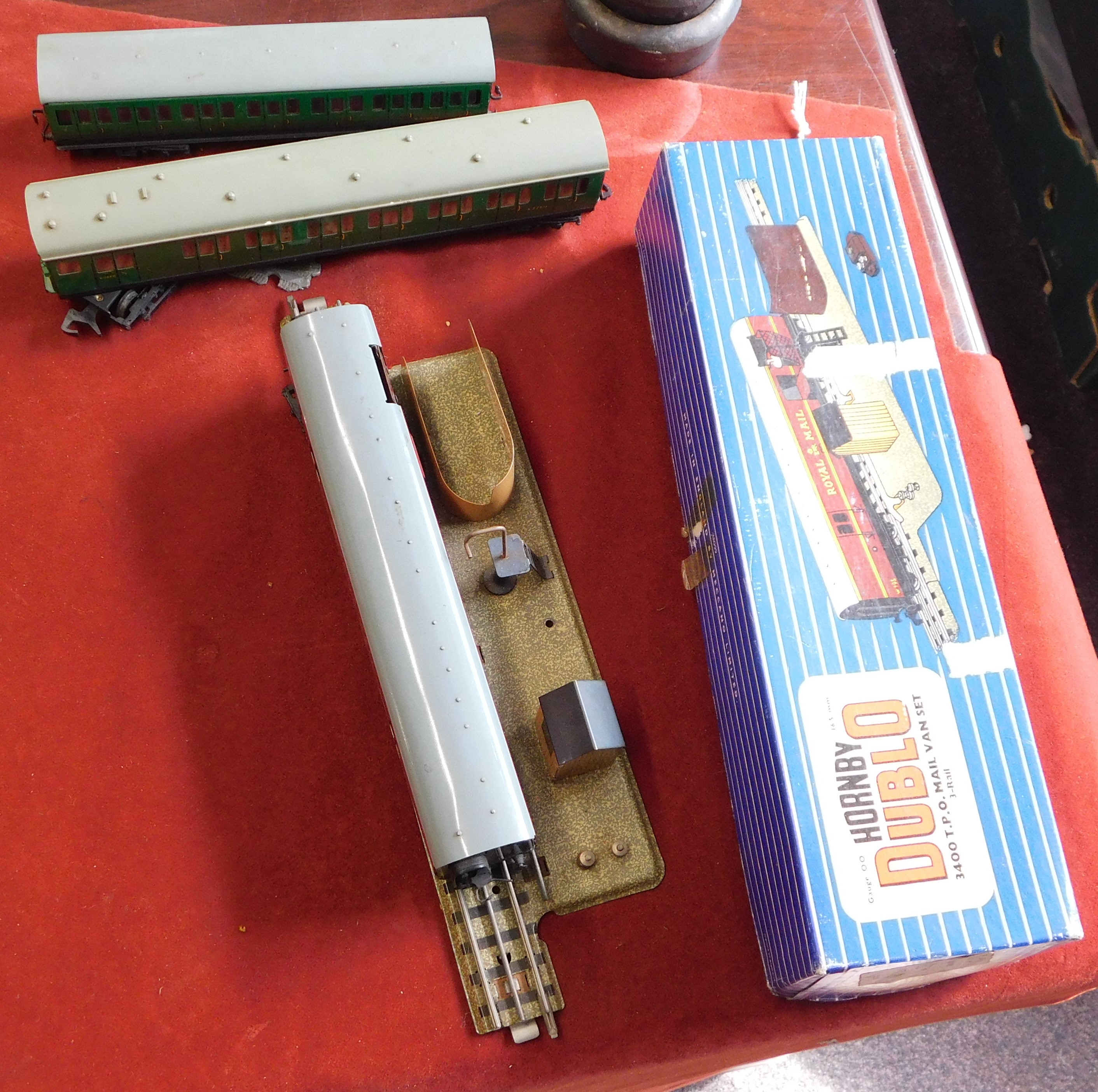
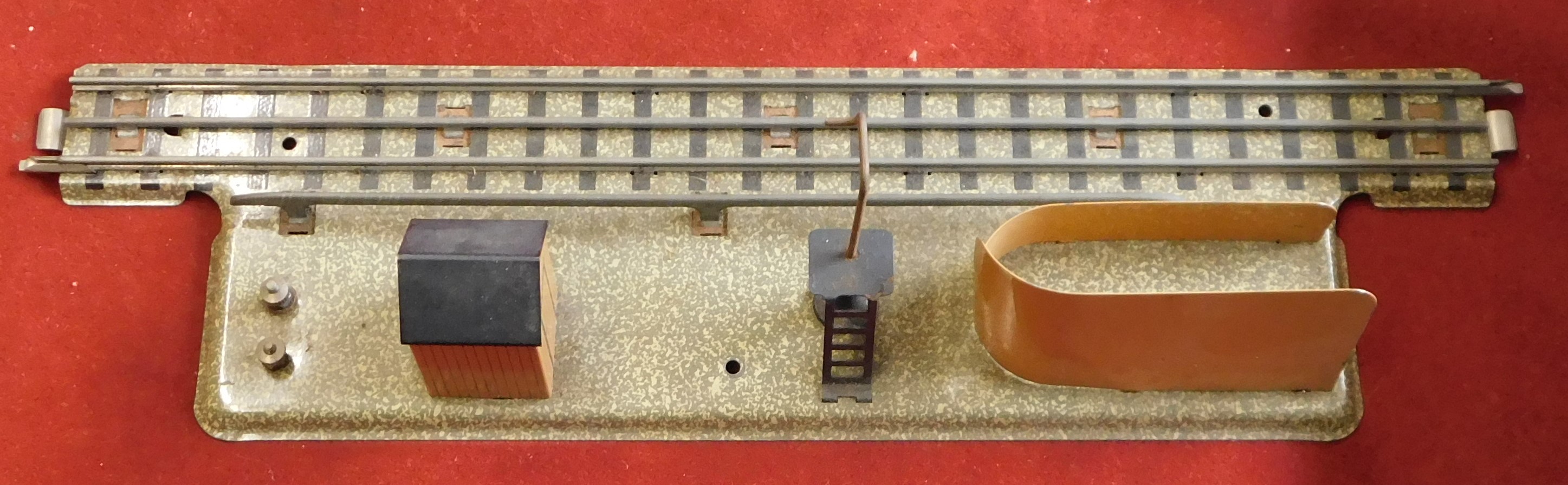
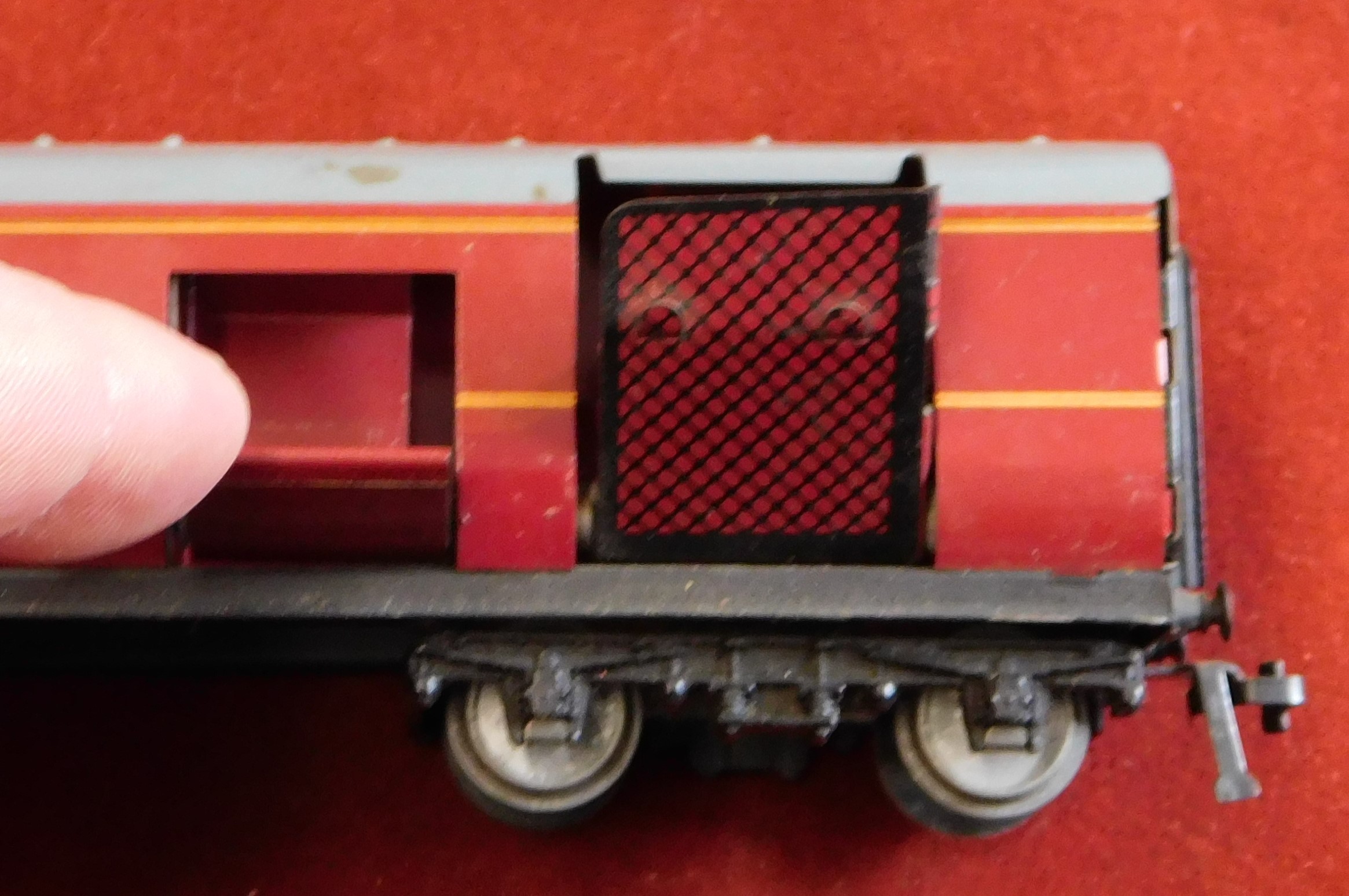
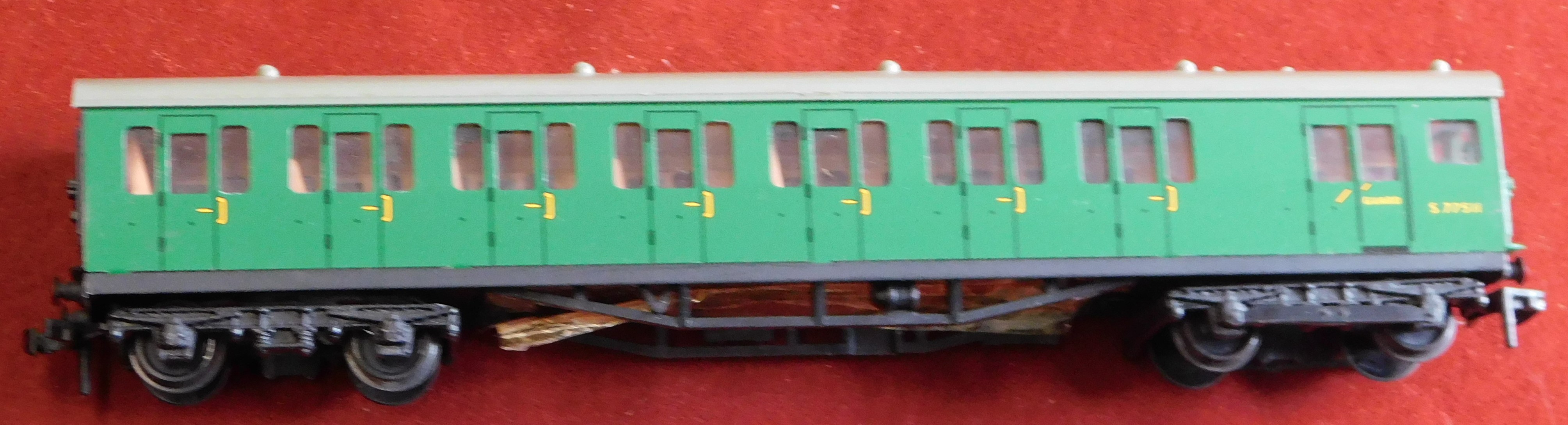
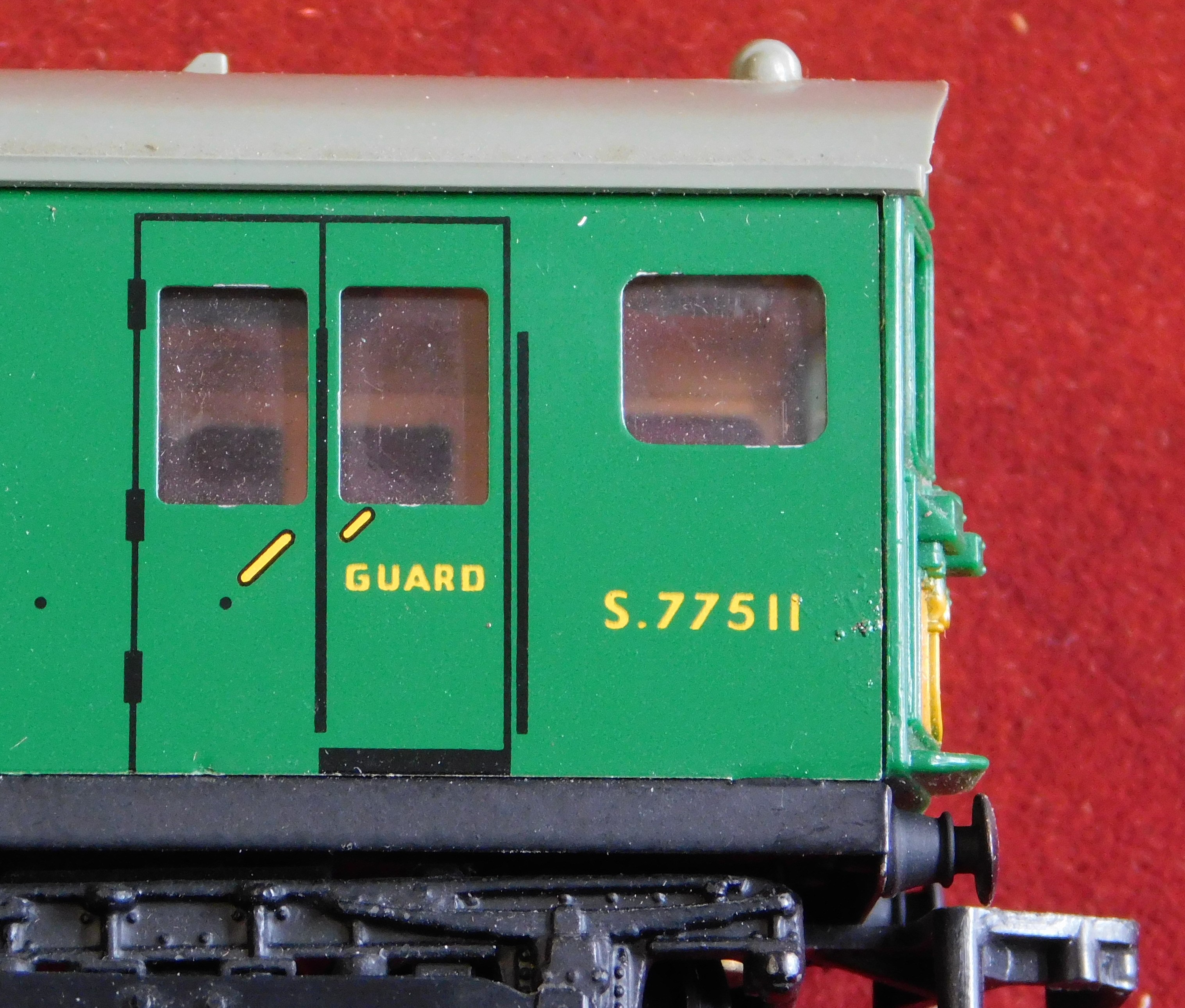
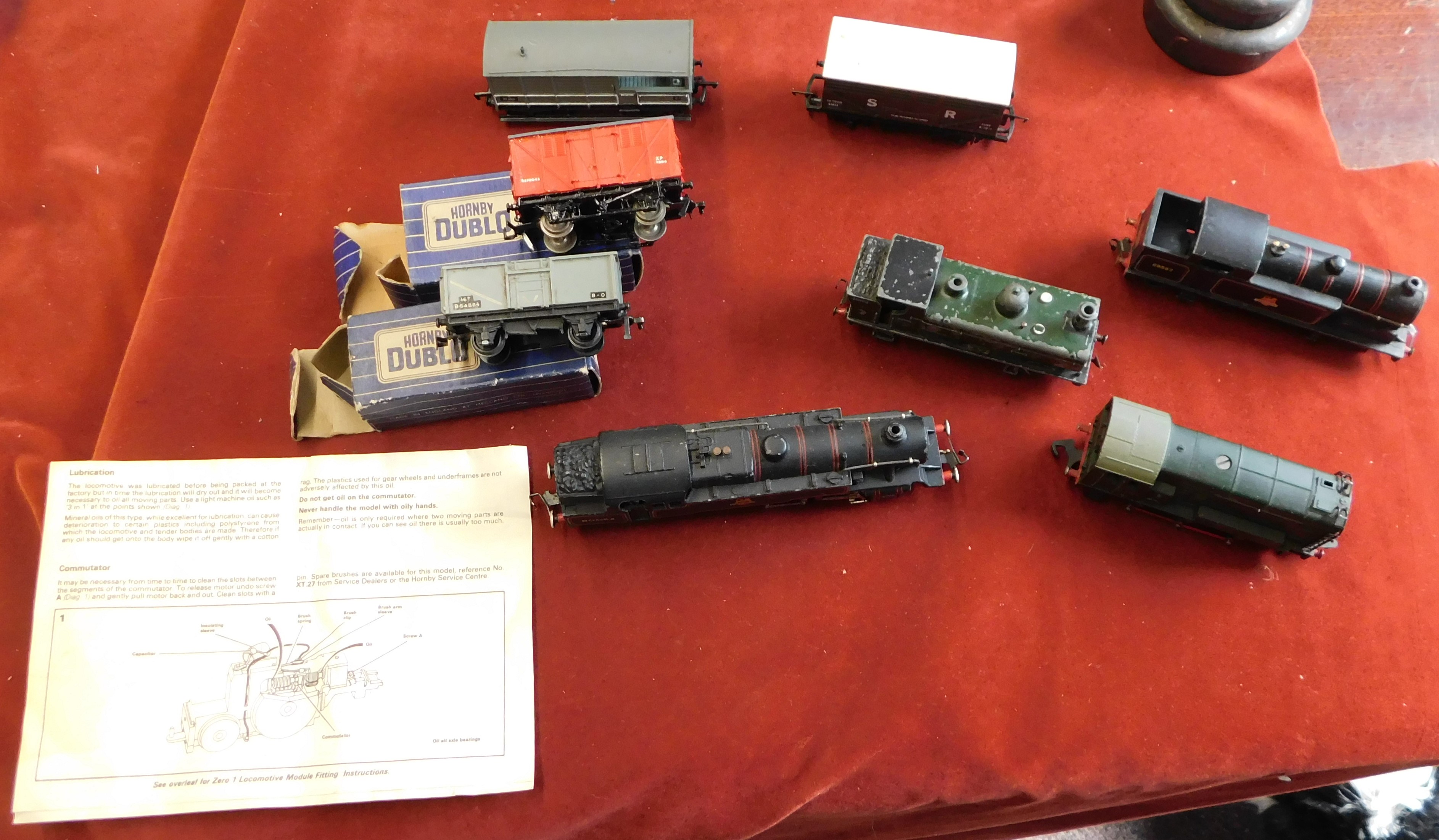
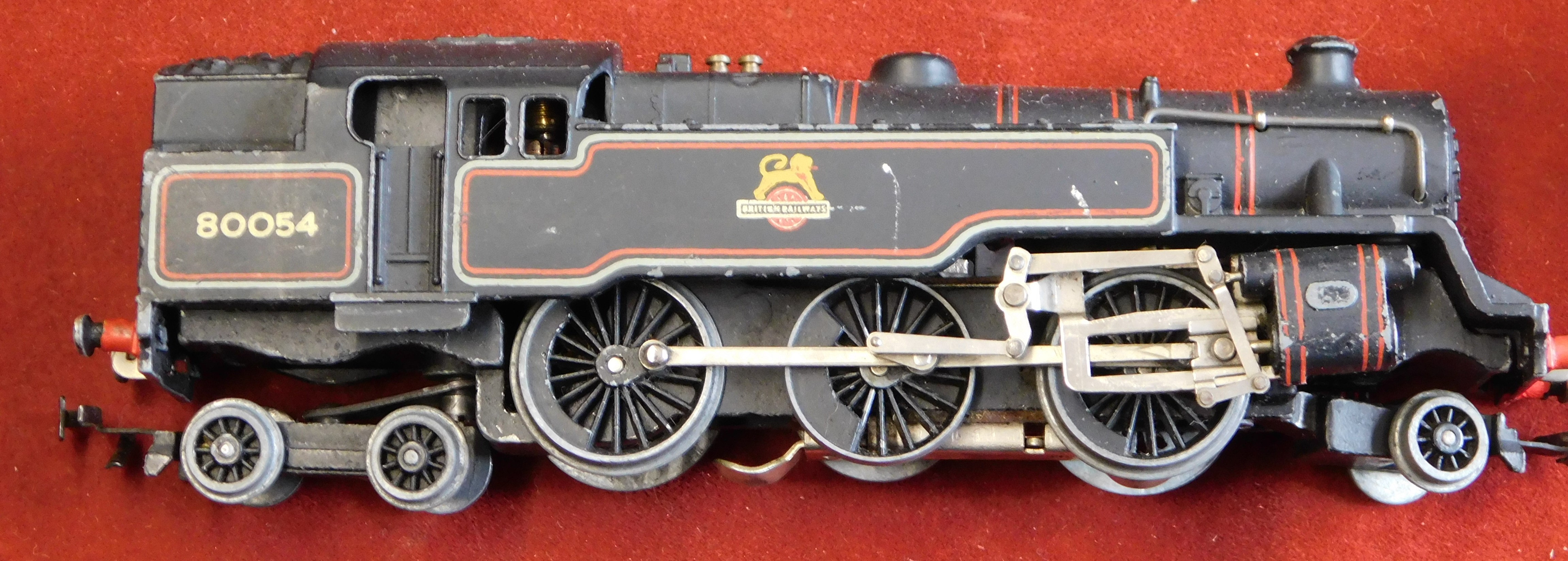
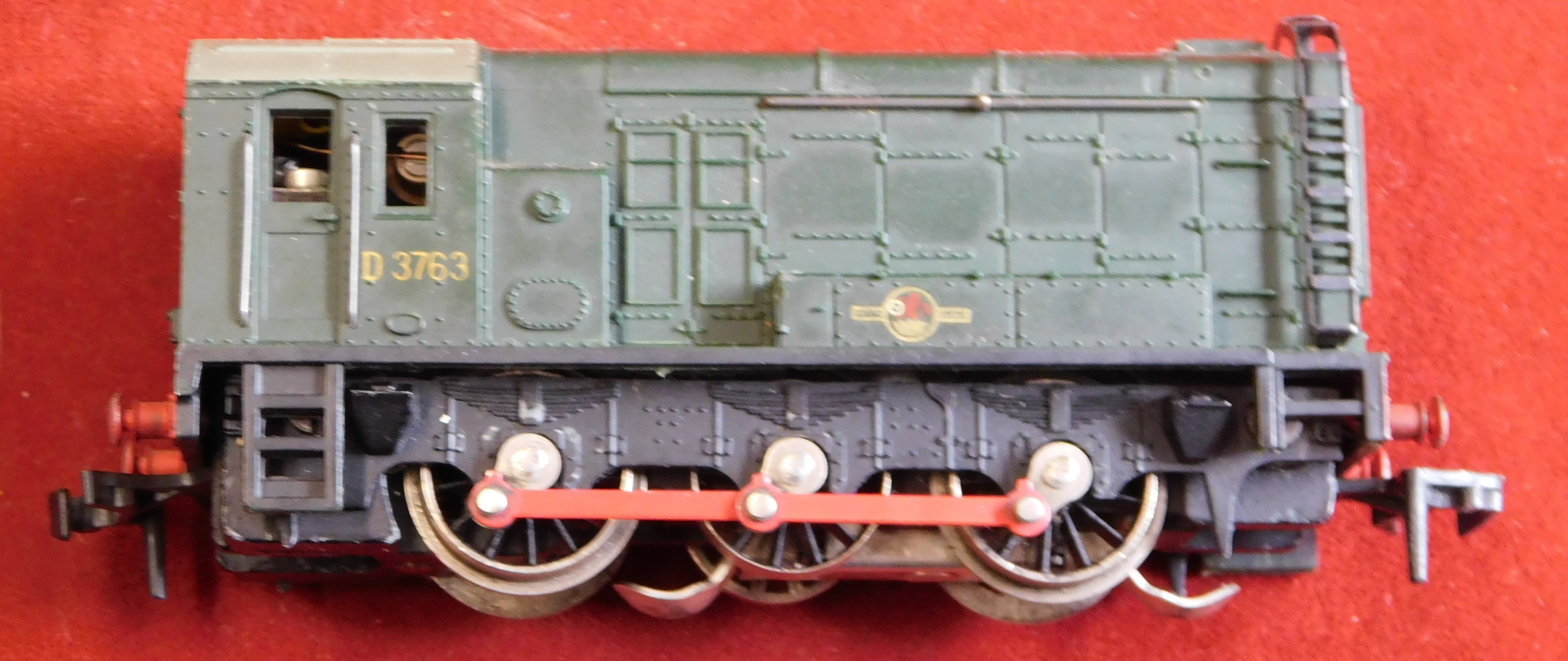
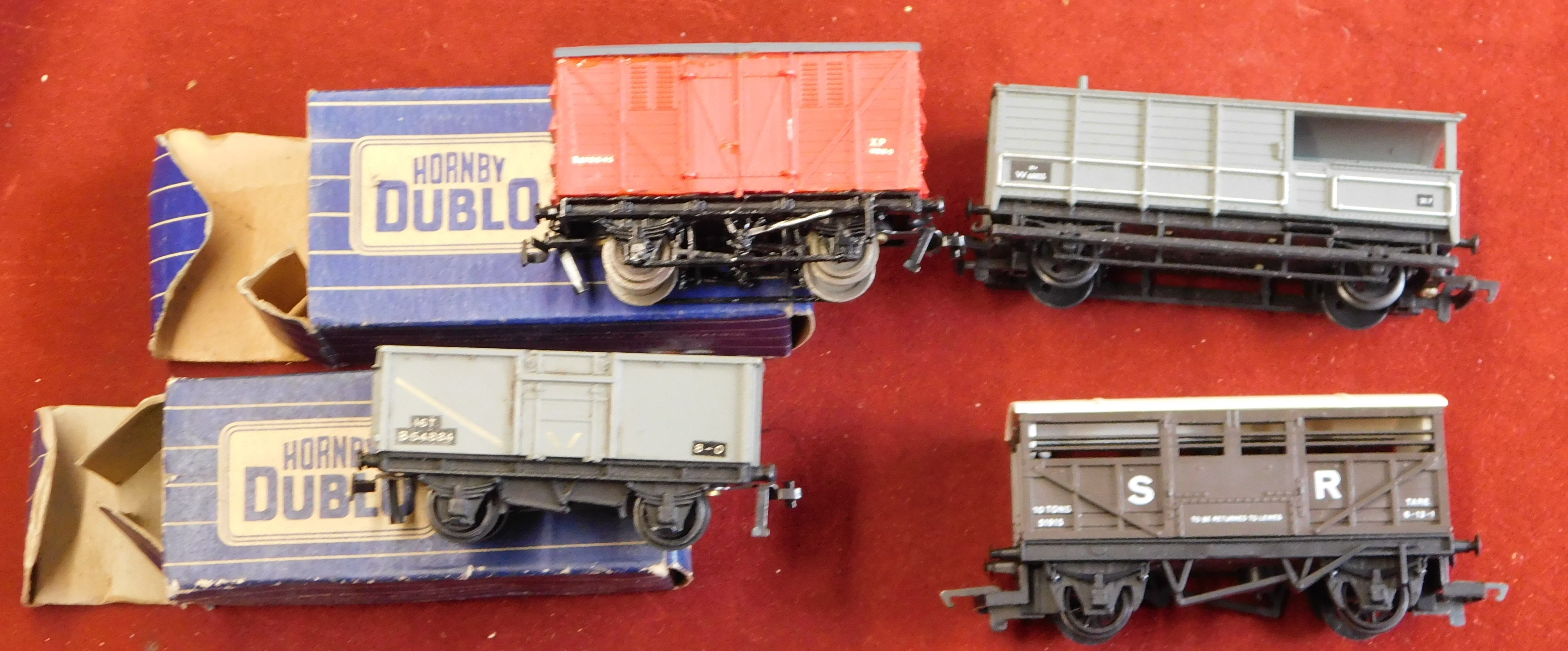
On Wednesday just over 500 lots of mainly railway models went under the hammer at James and Sons. I had produced somewhere close to 3,000 images for this auction which gave me particular interest in proceedings. It was an extraordinarily successful auction, and my list of big achieving lots ran to about 80, and I had mentally adjusted my normal threshold for this upwards by some way early in the auction when it was obvious how it would go. For the rest of this post I am going cover a very few of these highlights.
THE HIGHLIGHT LOTS
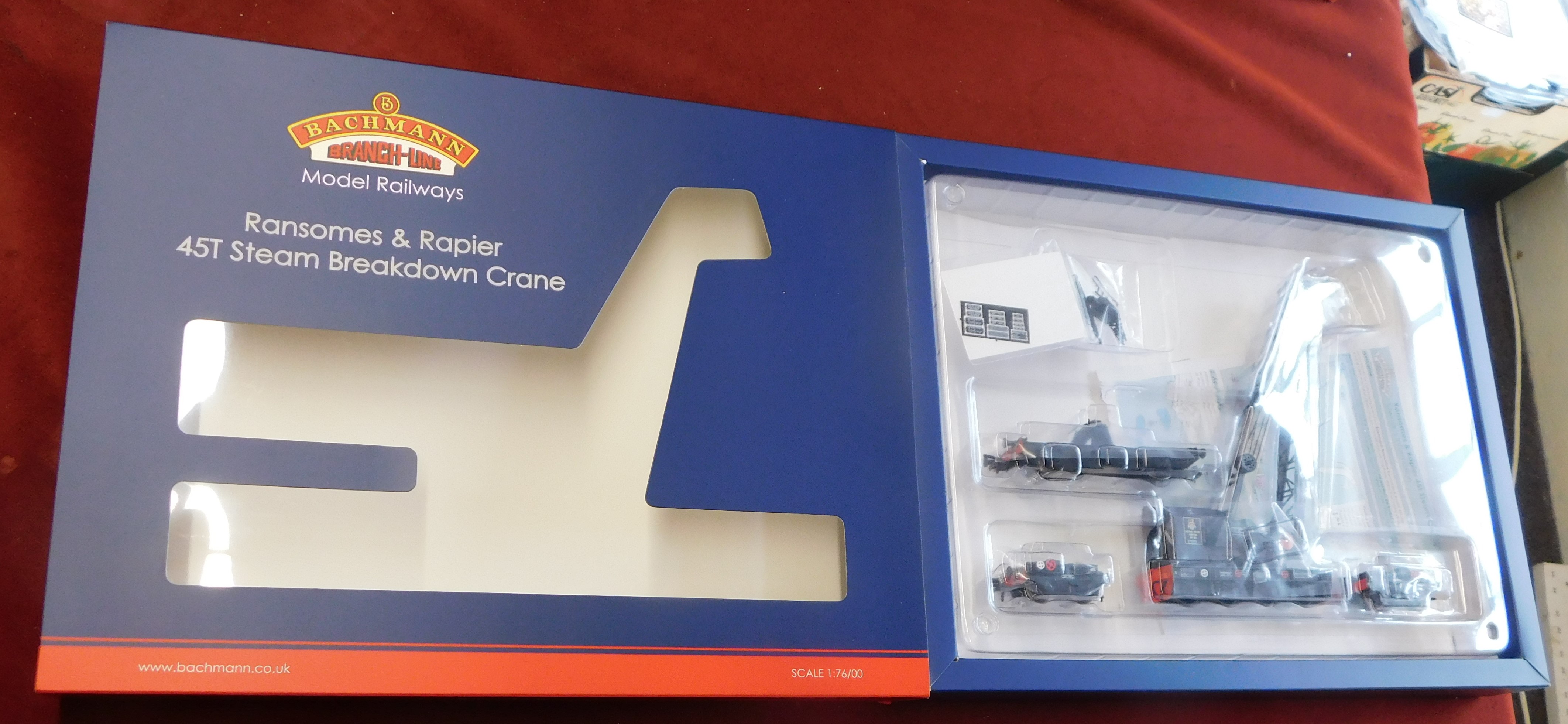
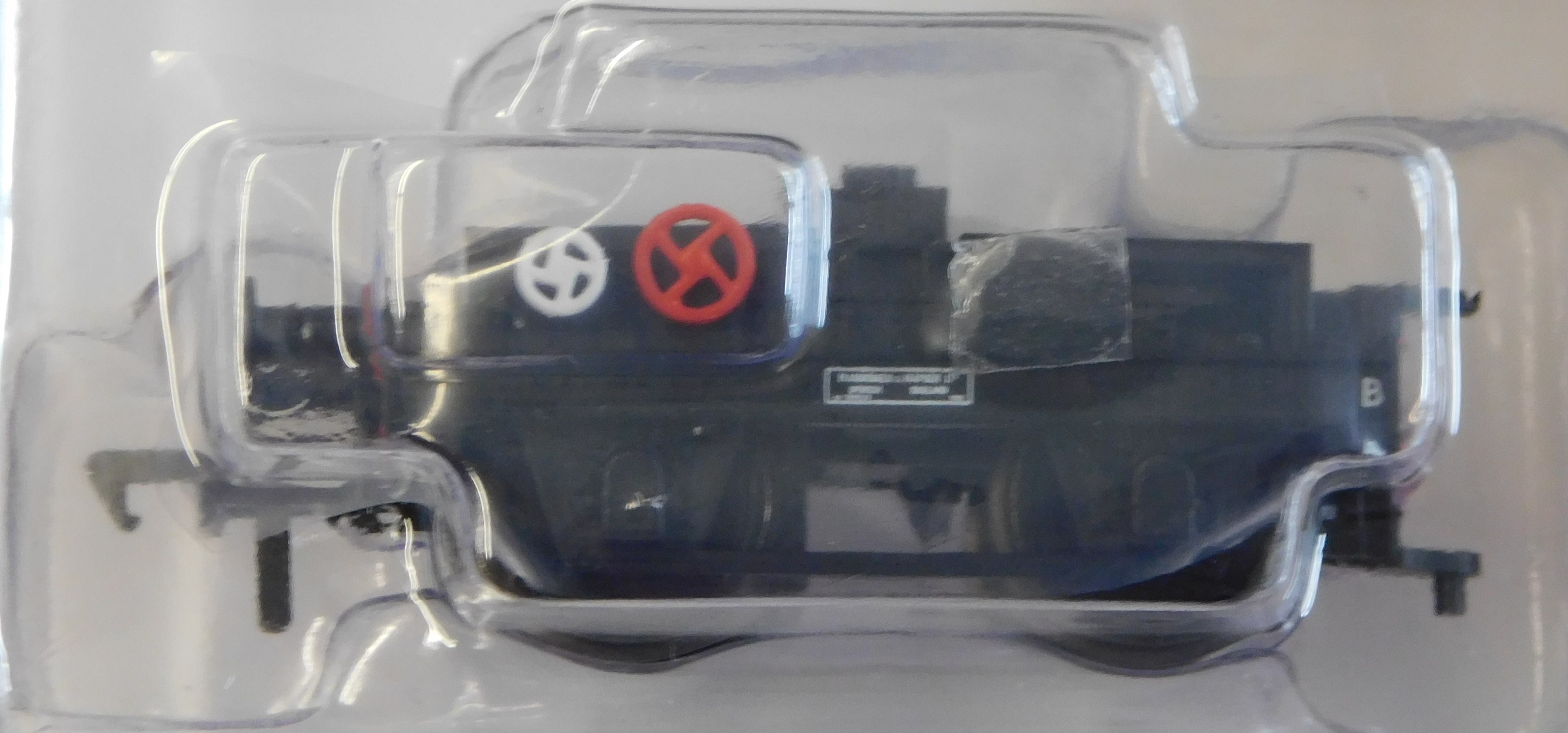
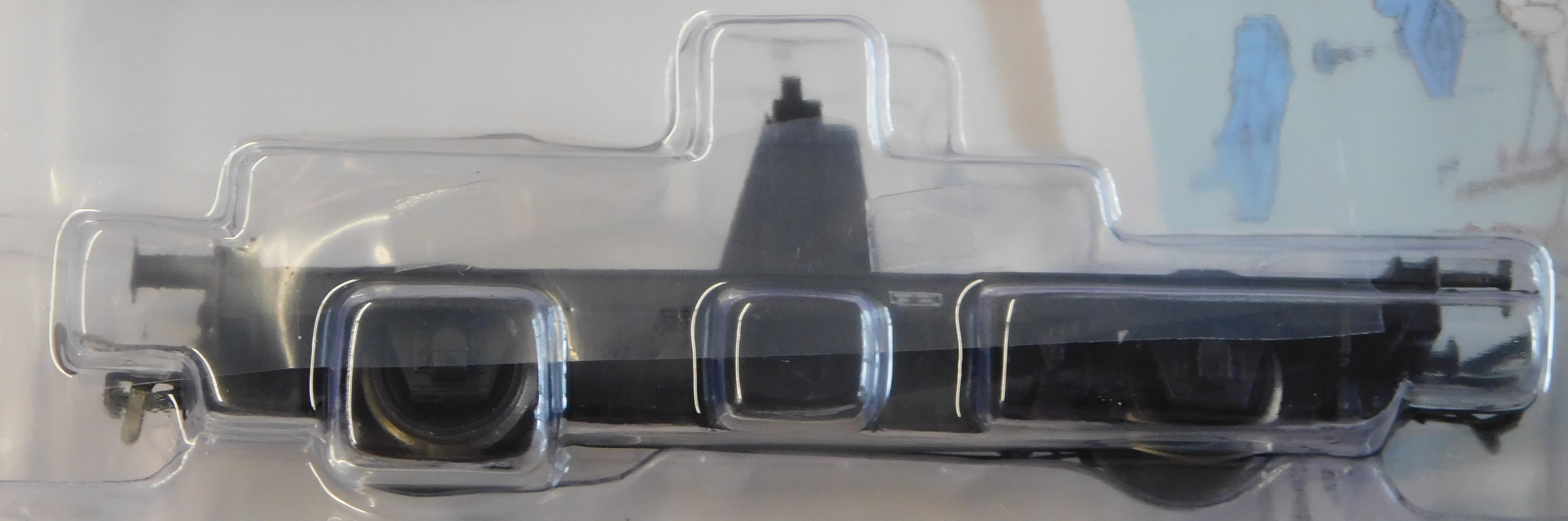
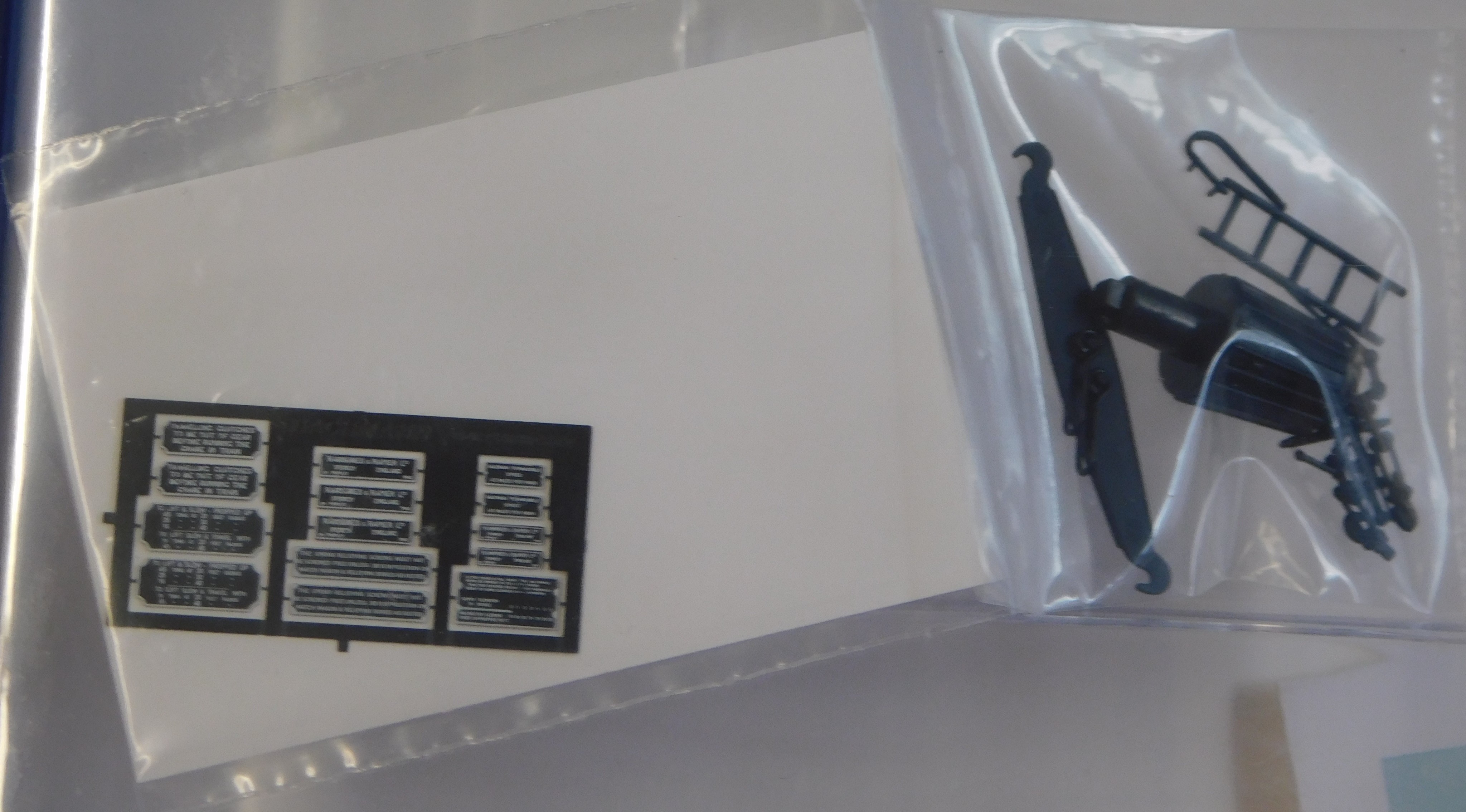
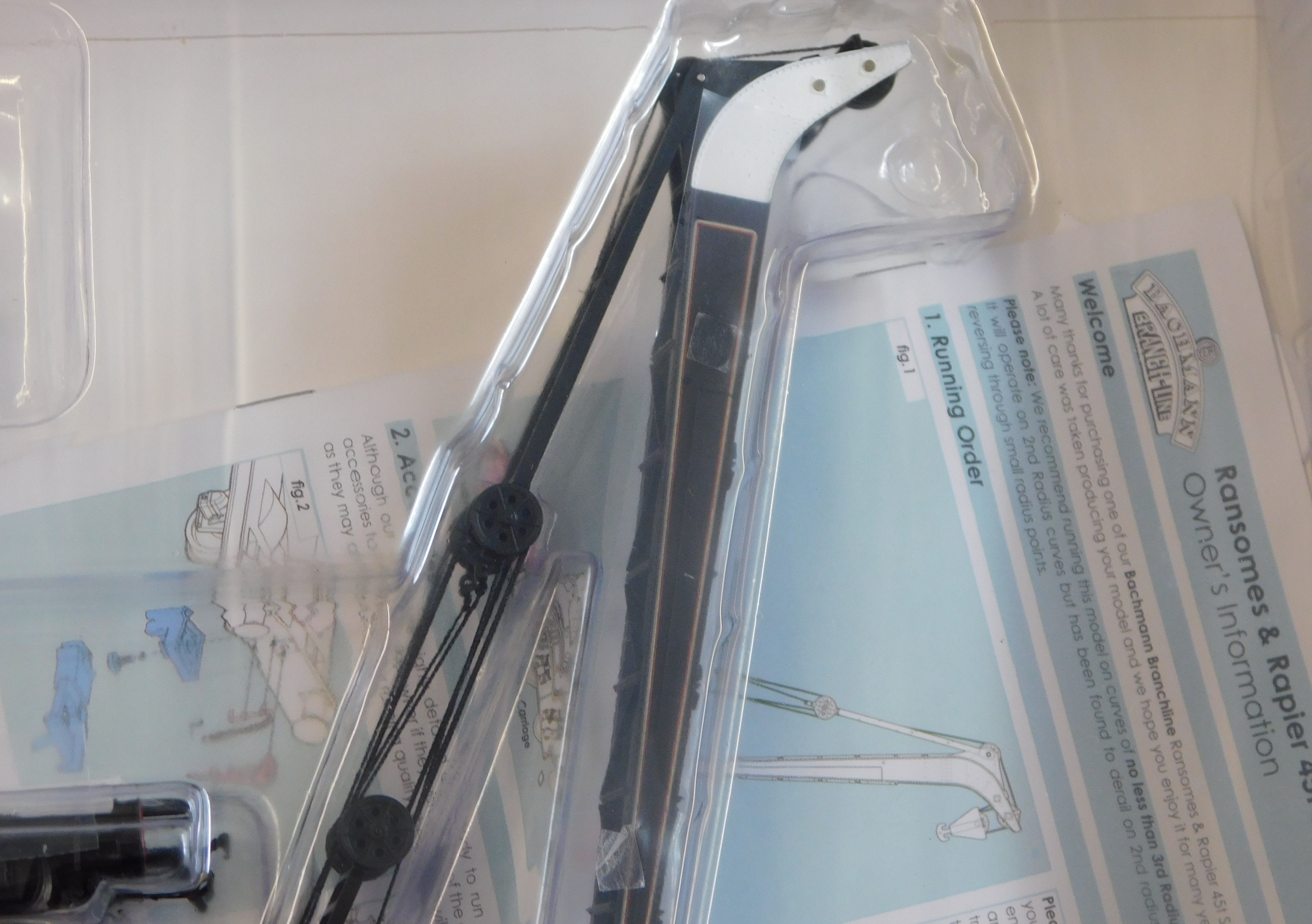
Lot 507, a Bachman Aston Steam Breakdown Crane expected to fetch £30-40 climbed all the way up to £110. Here is the image gallery for that lot:
The main imageI dared not unseal this any further, so all the close ups were taken through the plastic.
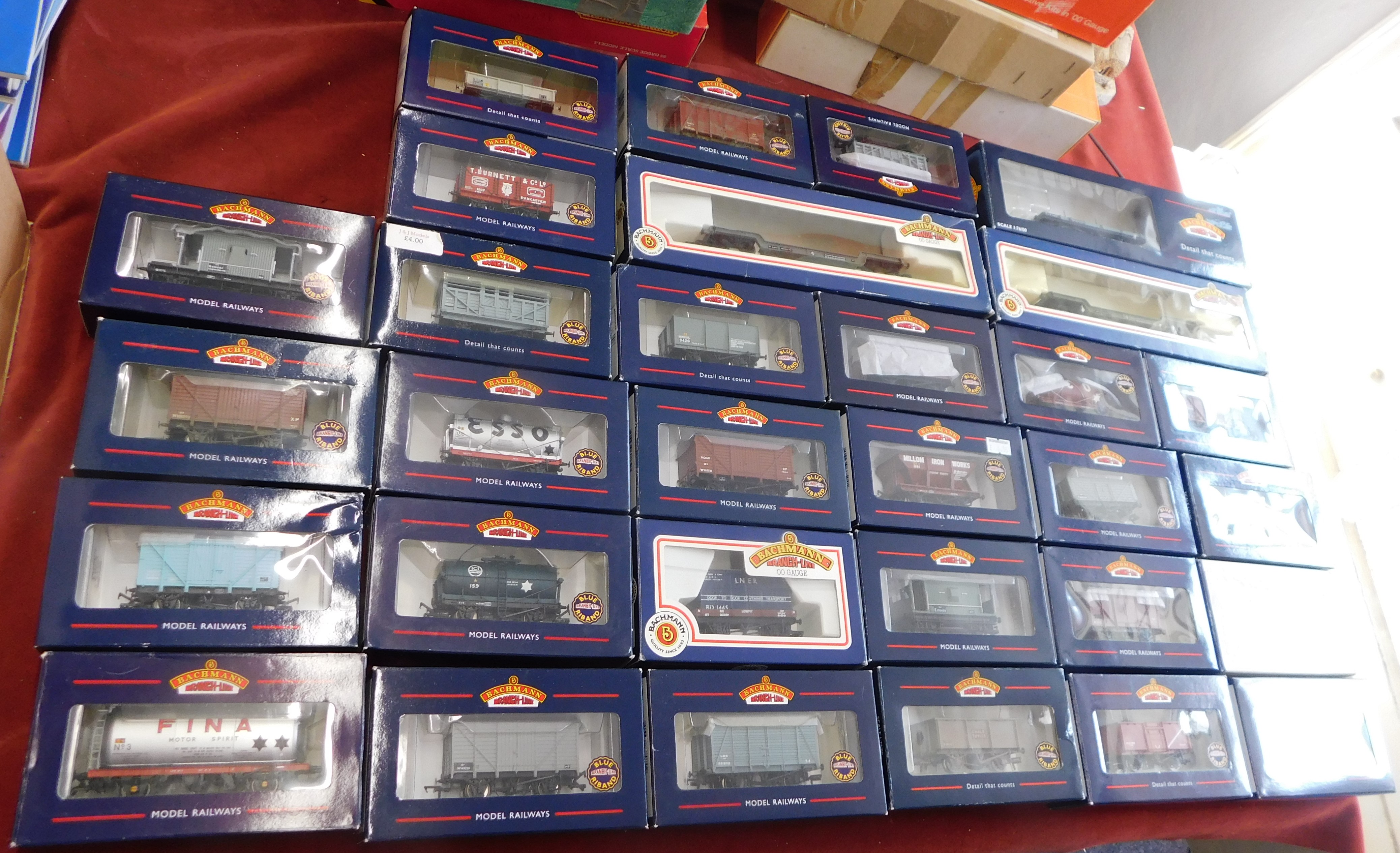
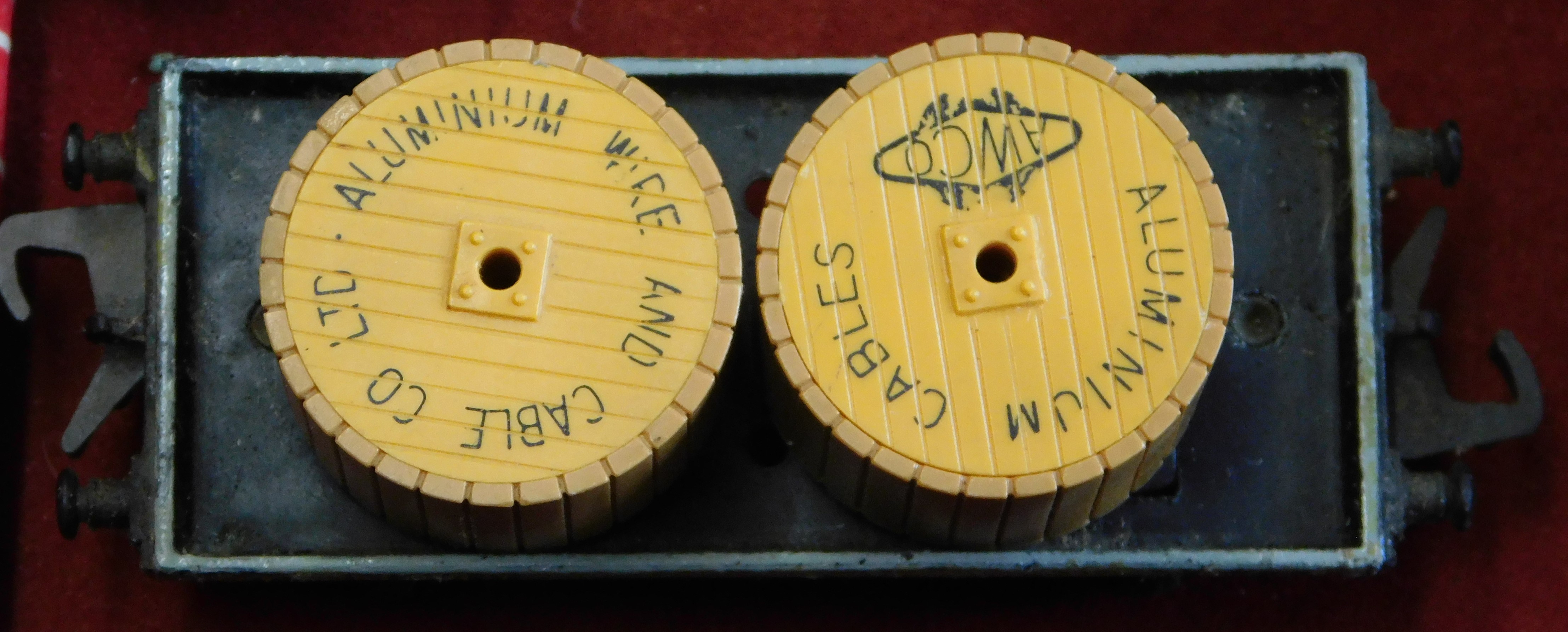
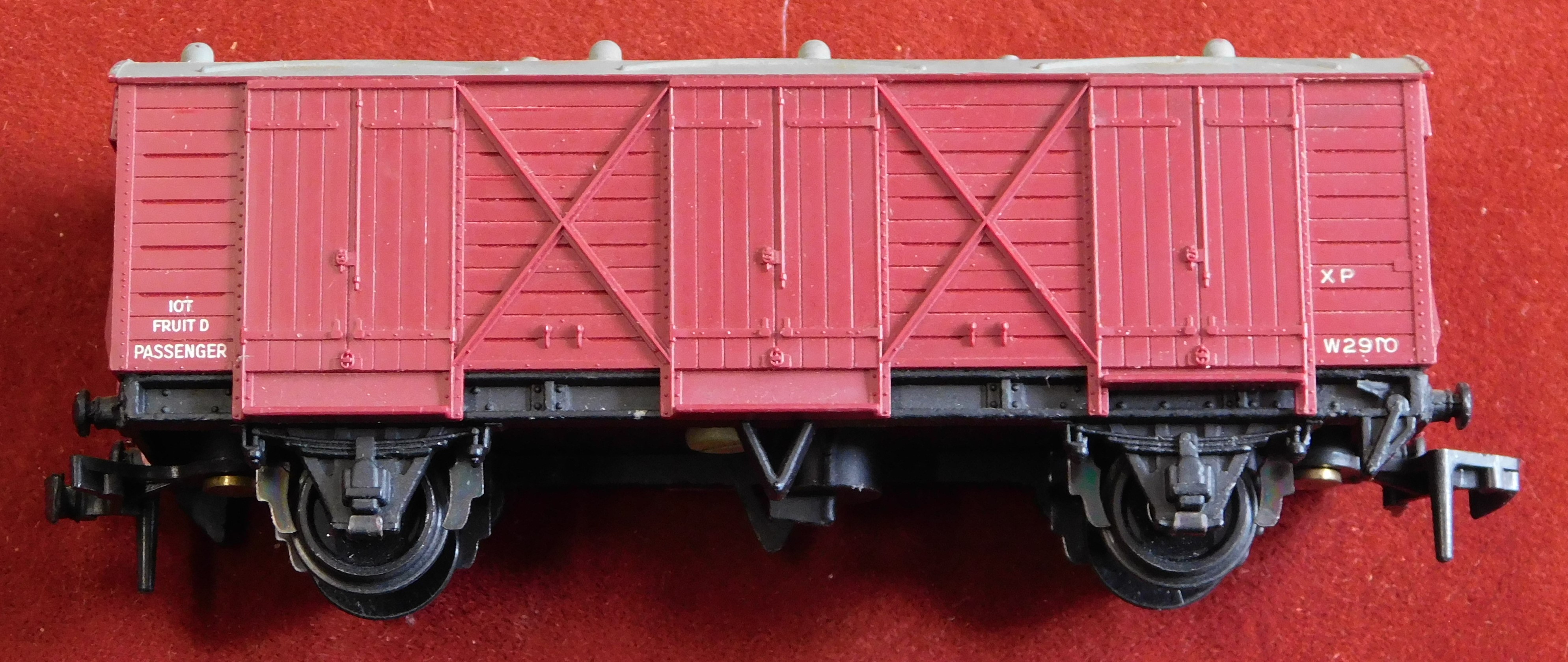
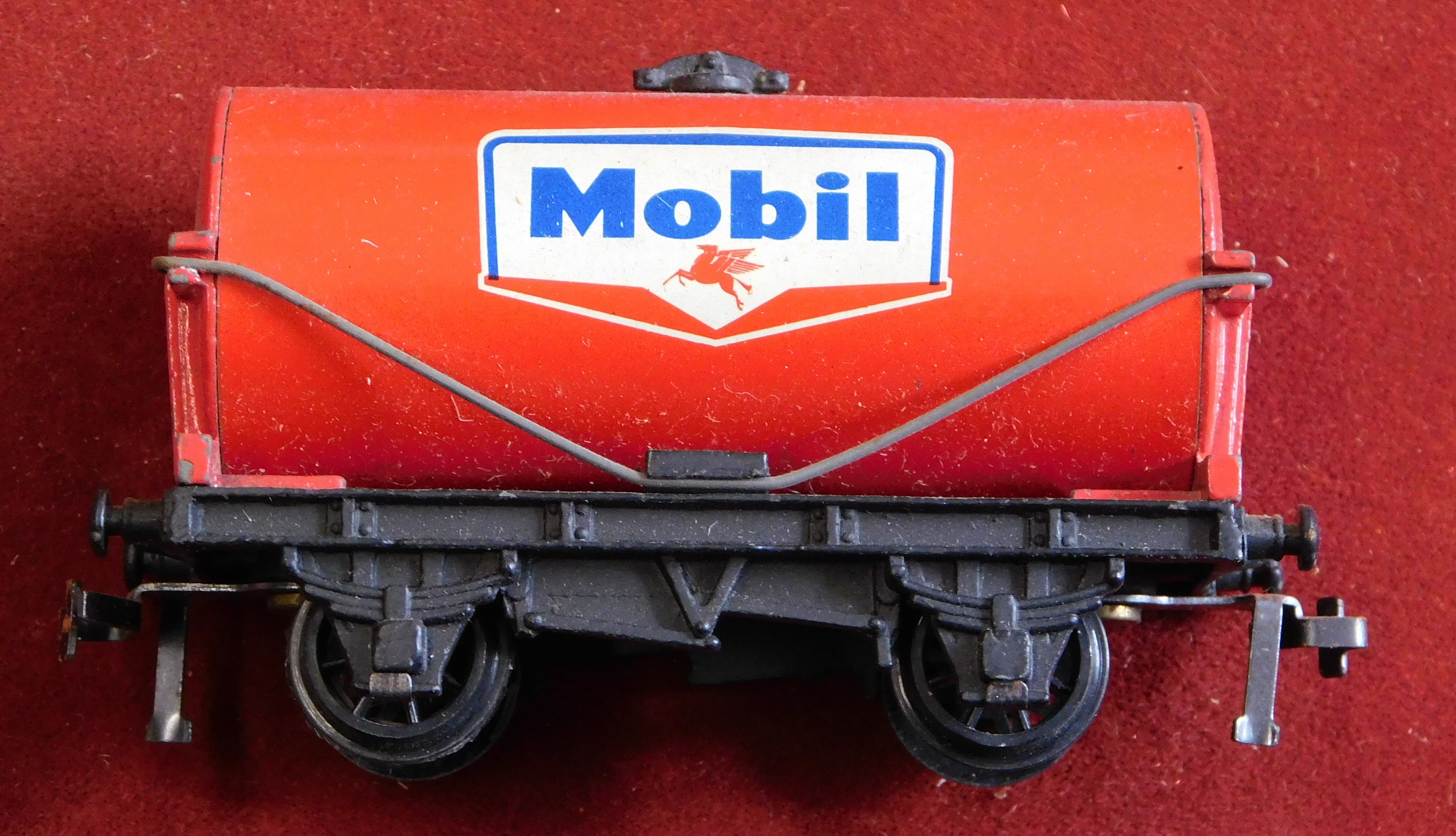
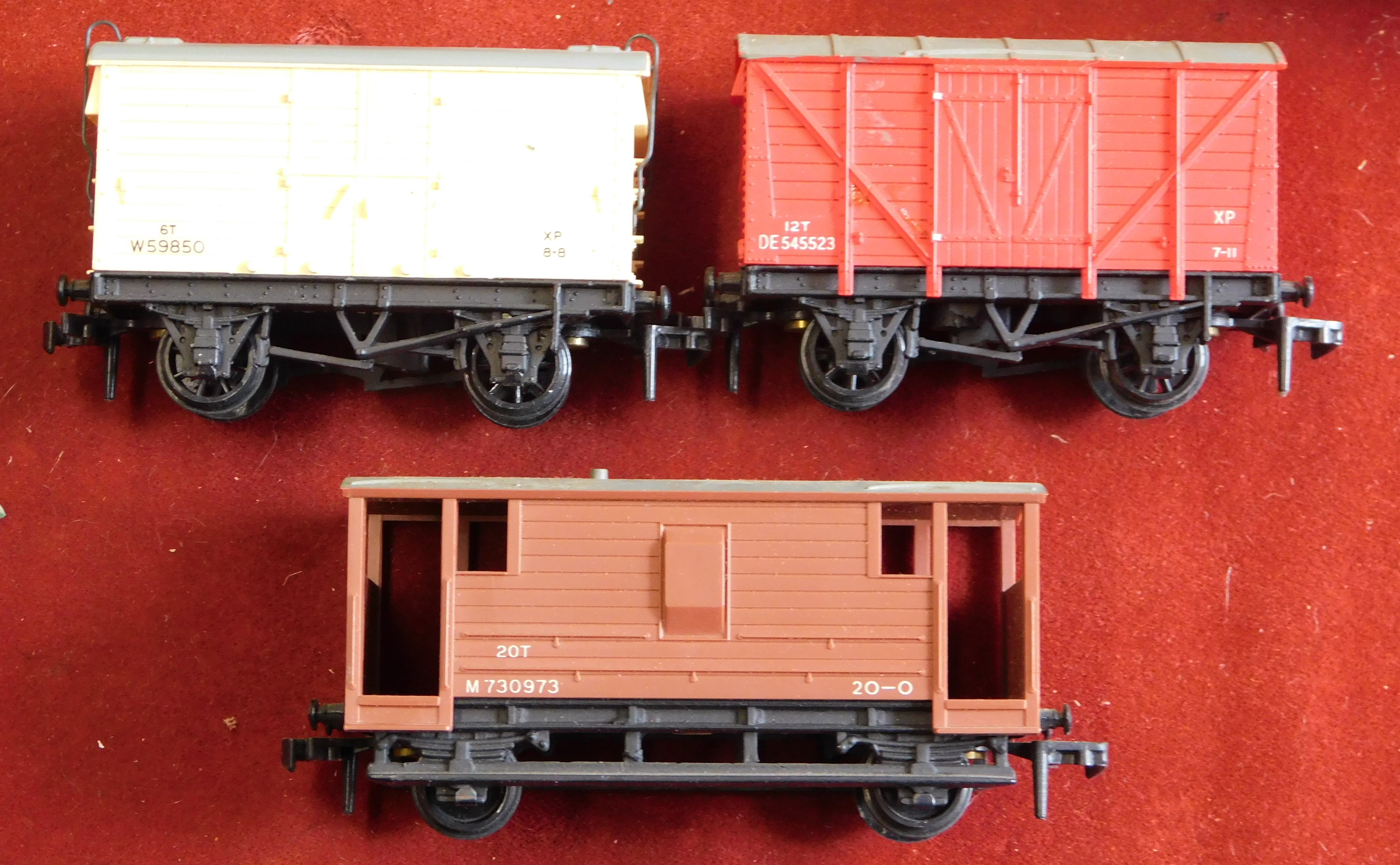
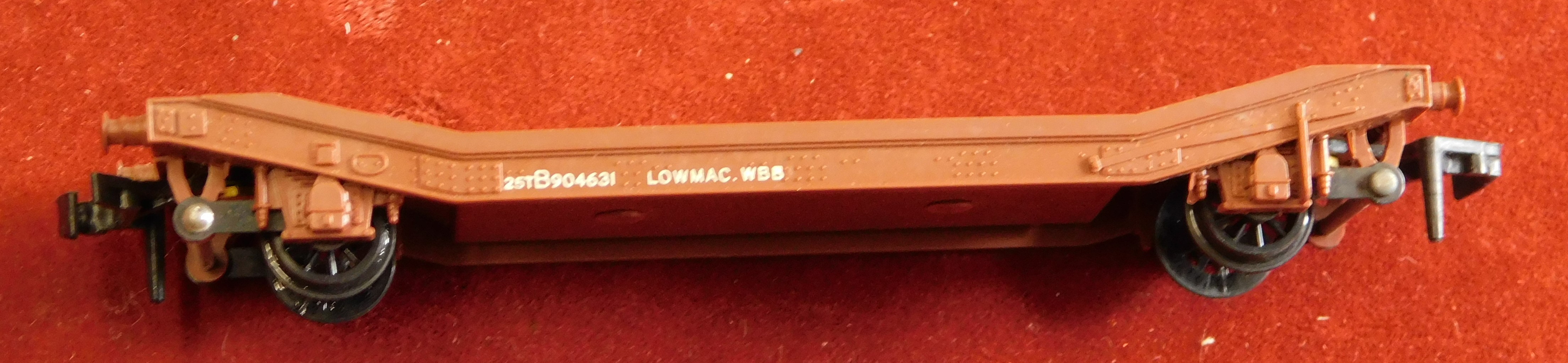
Lot 509, a large range of Bachman wagons expected to get 50-60 went for £180.
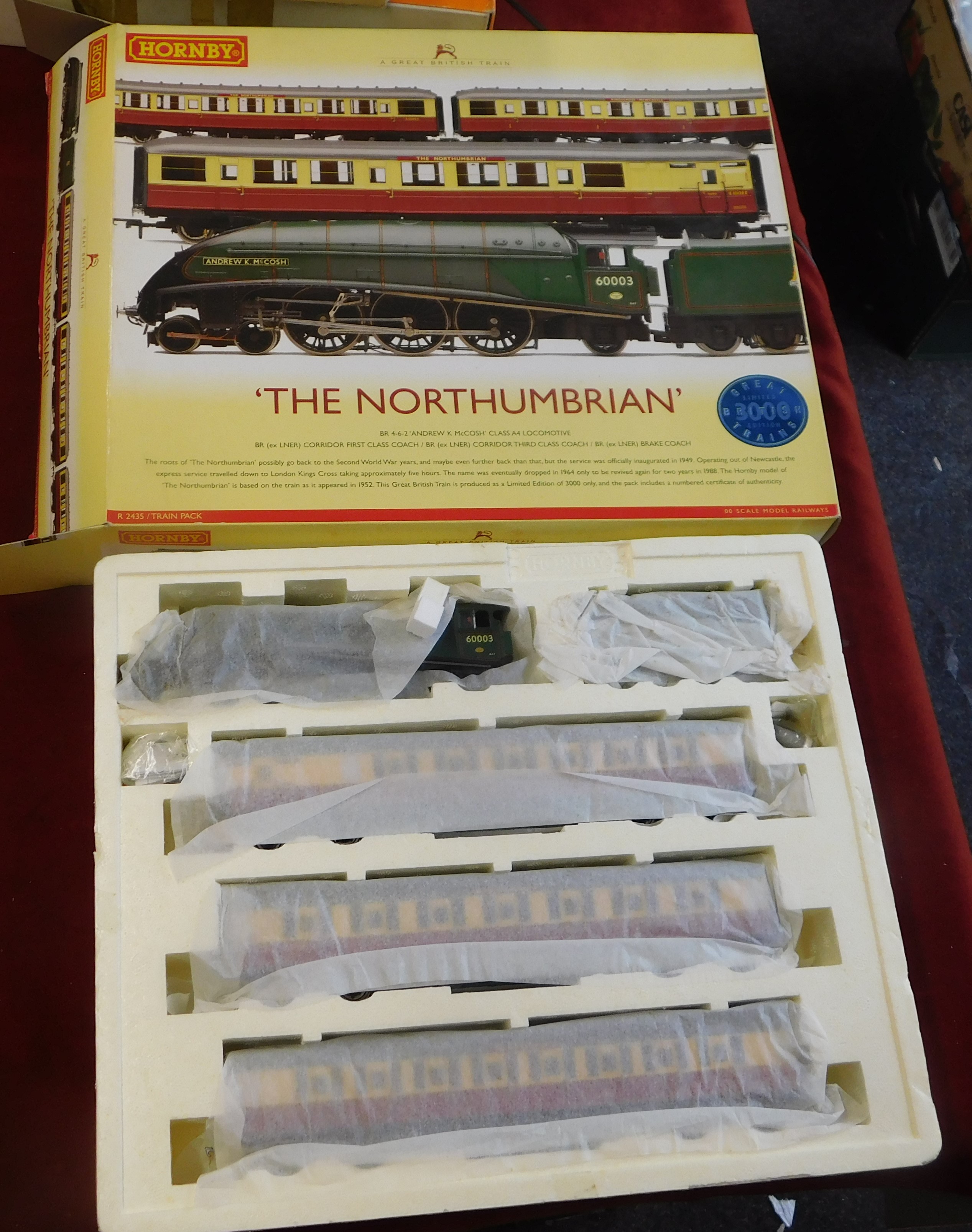
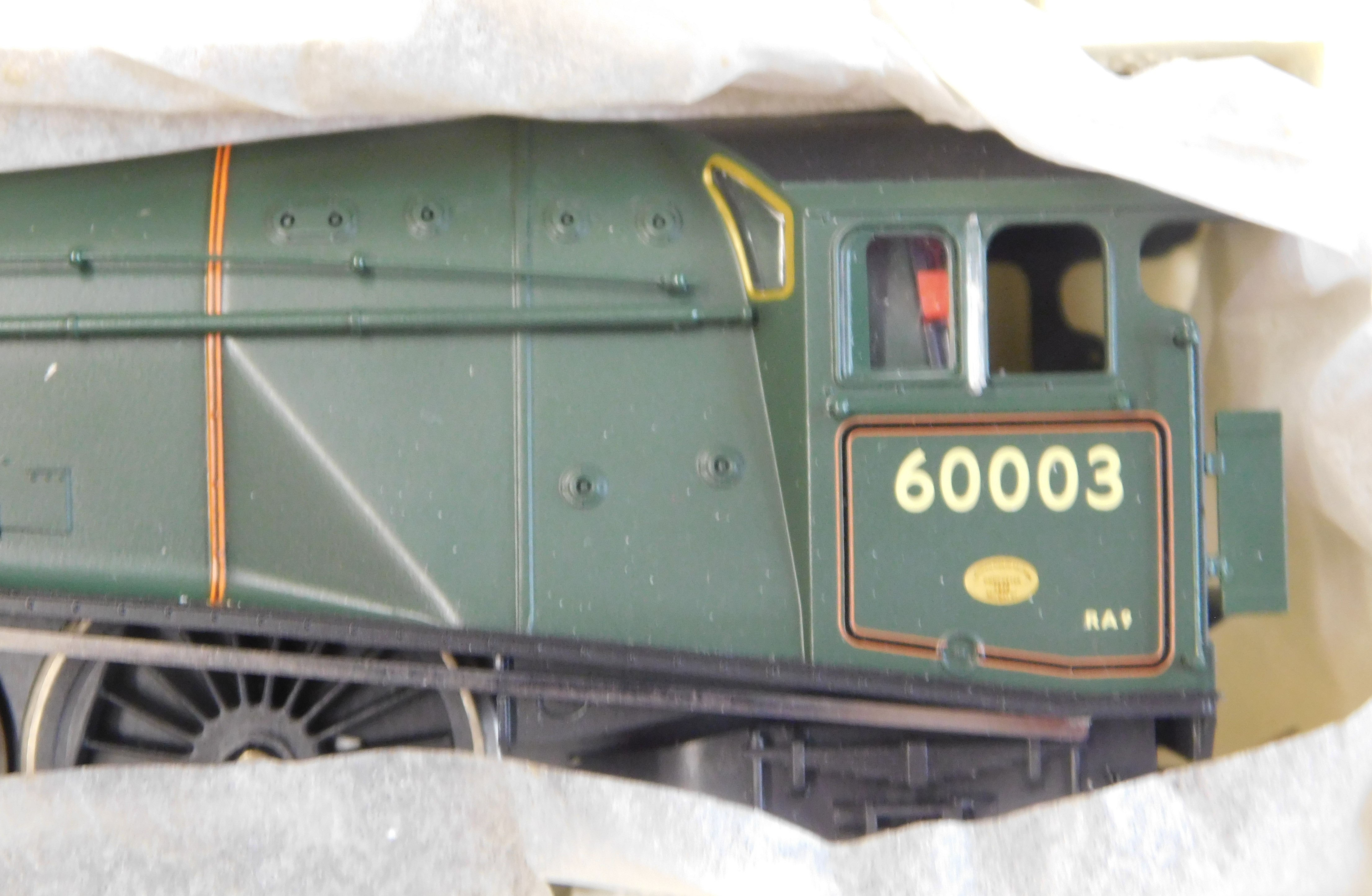
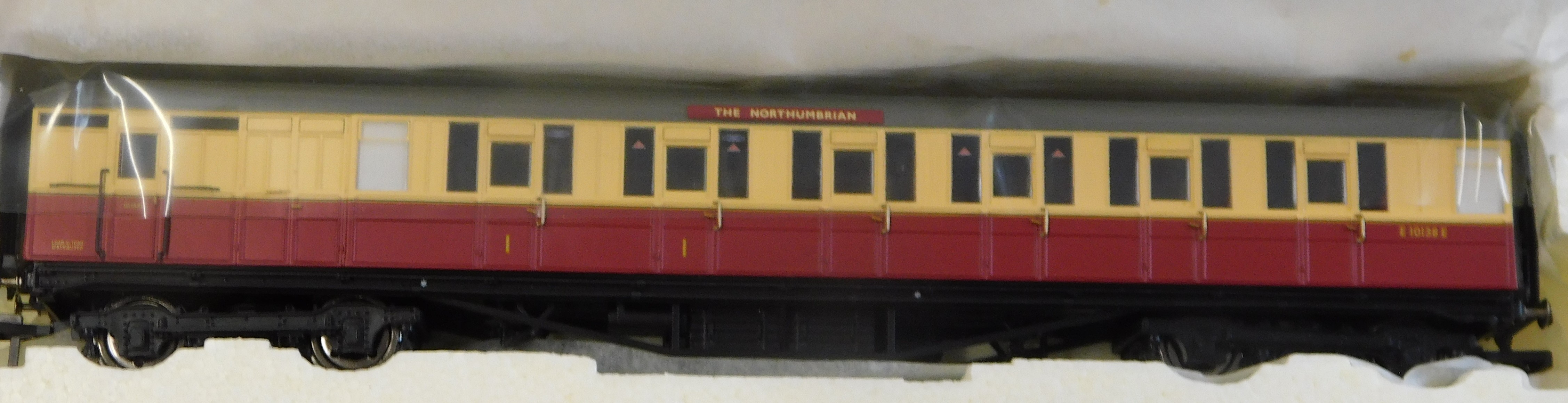
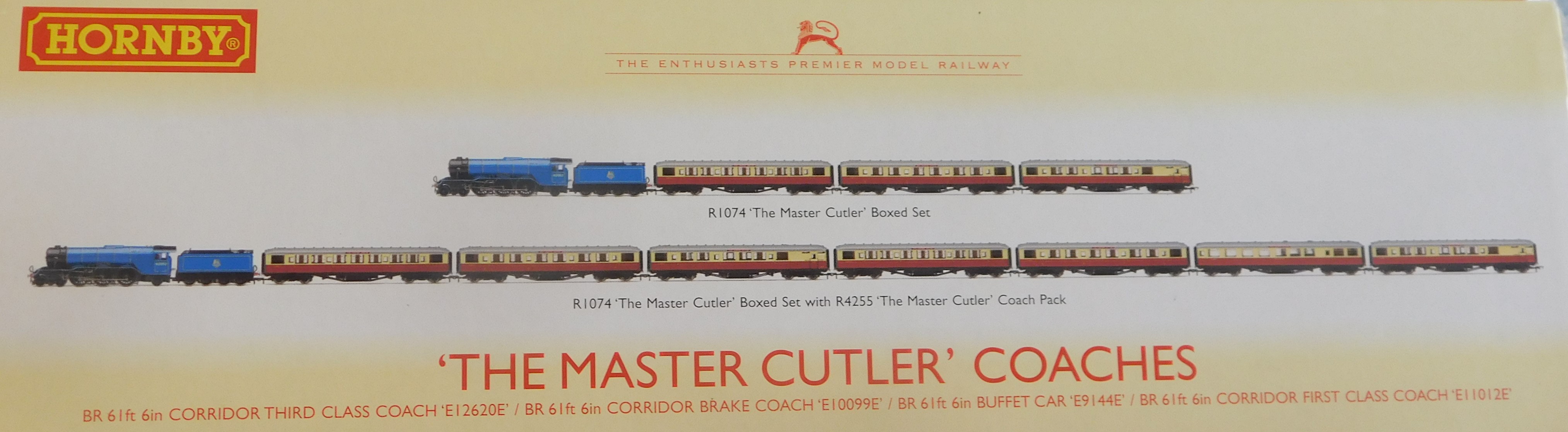
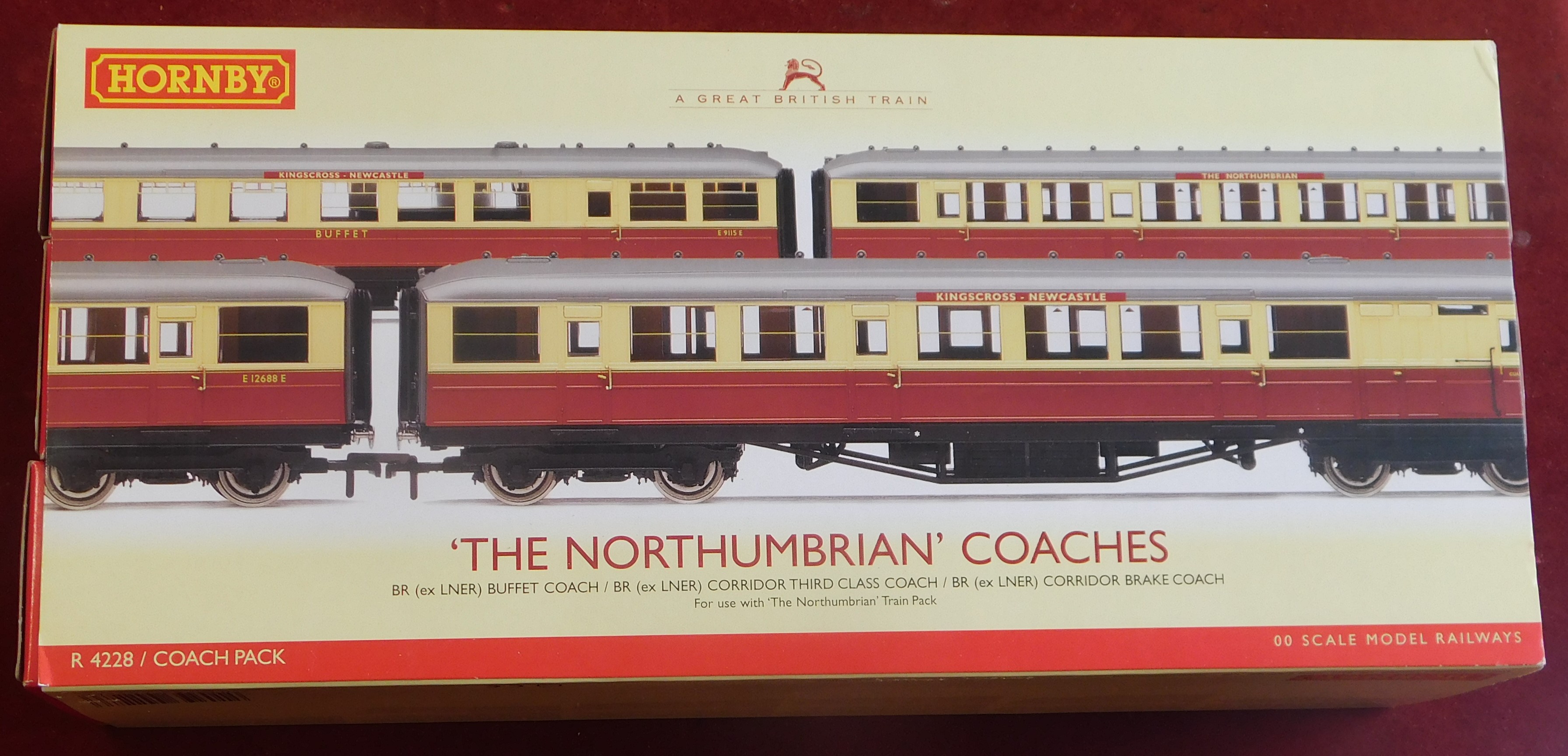
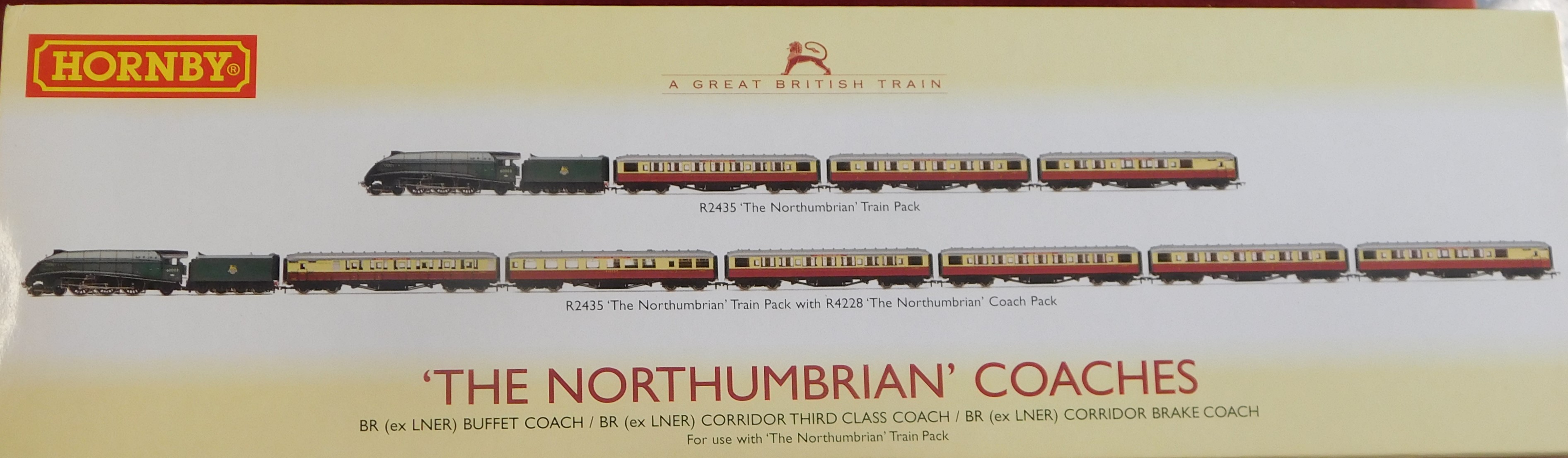
Lot 511 a boxed set of the ‘Northumbrian’ with certificate of authenticity, was estimated at 40-50 and went for £100.
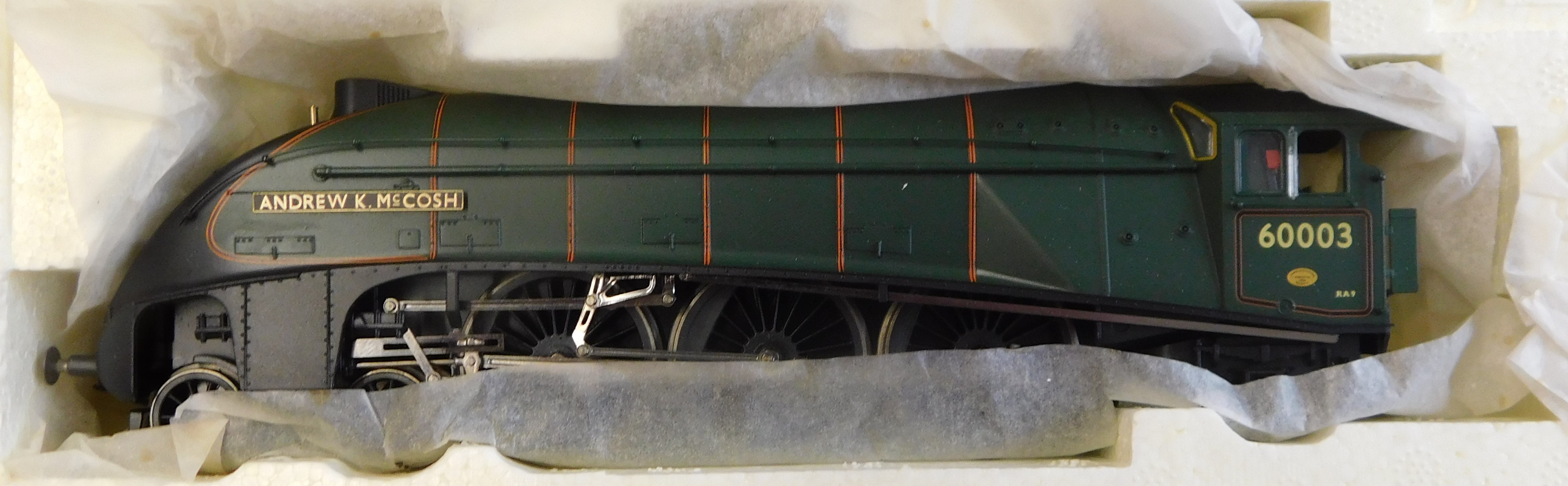
The main imageThe locomotive, tender and coaches, all covered.The locomotive, briefly and carefully uncovered for the purpose.A close up of the front where the nameplate is……and of the rear (note the driver).The tender, with a wonderfully clear BR logo.A close up of one of the coachesThe crucial certificate of authenticity.
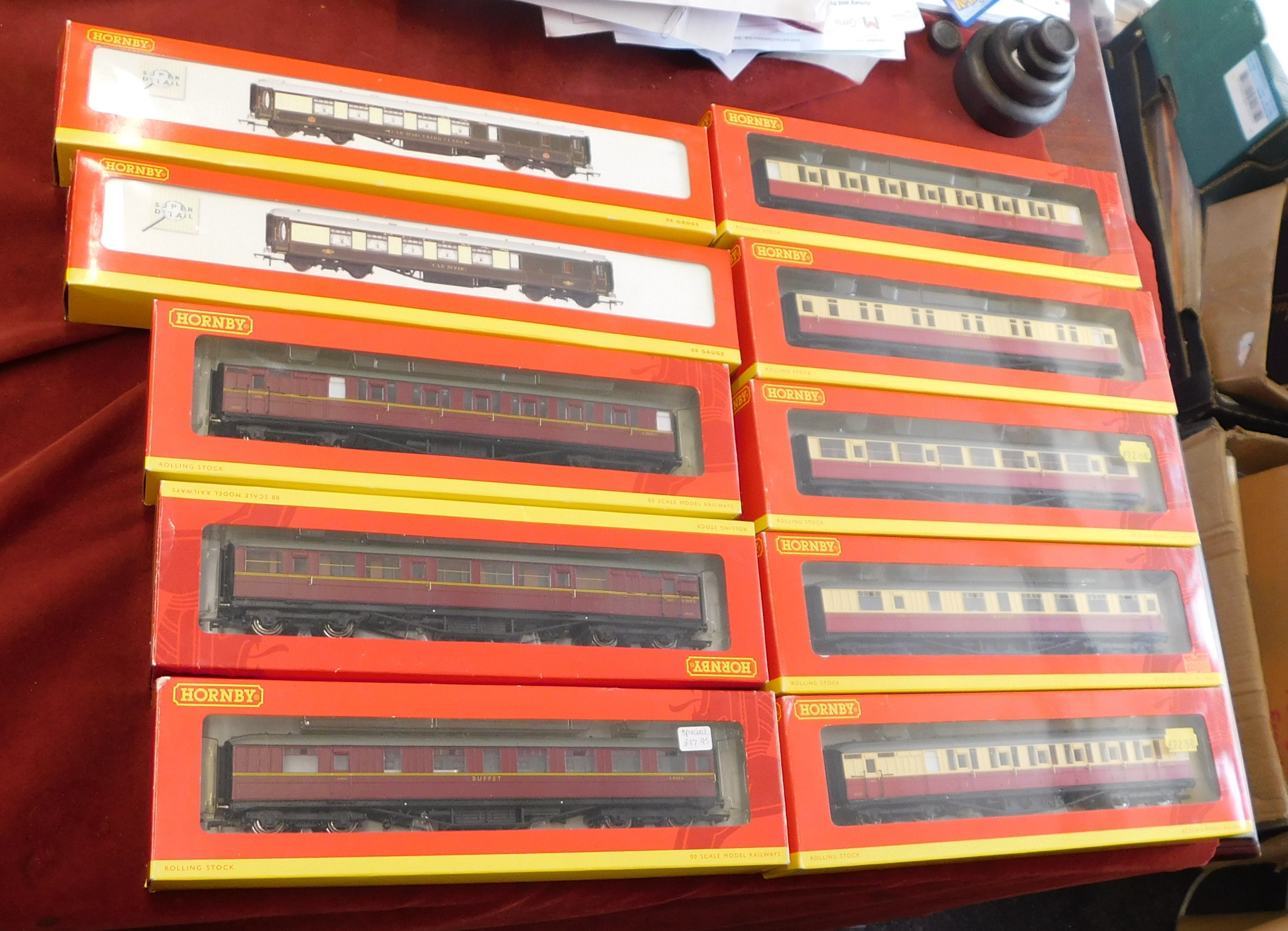
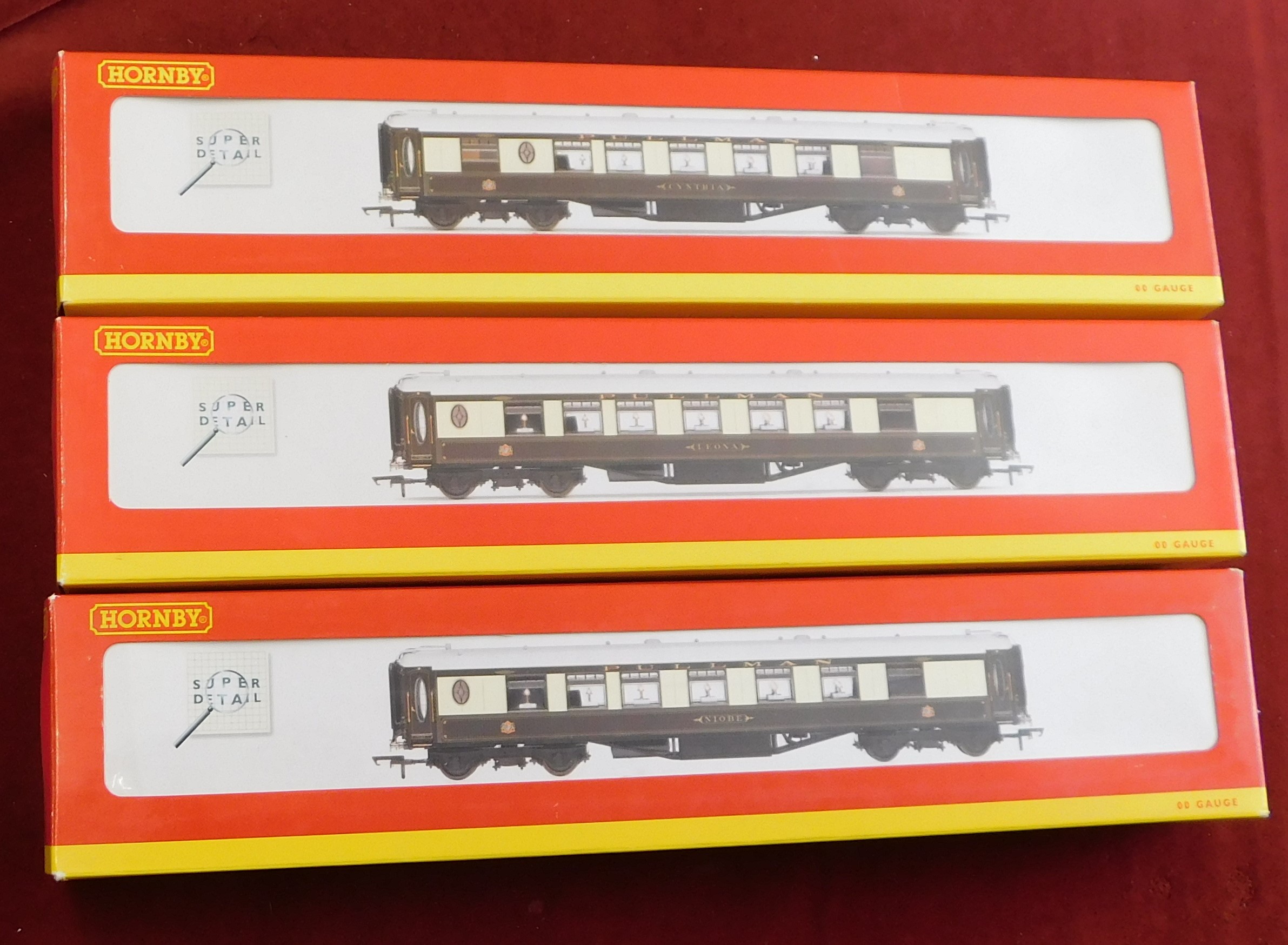
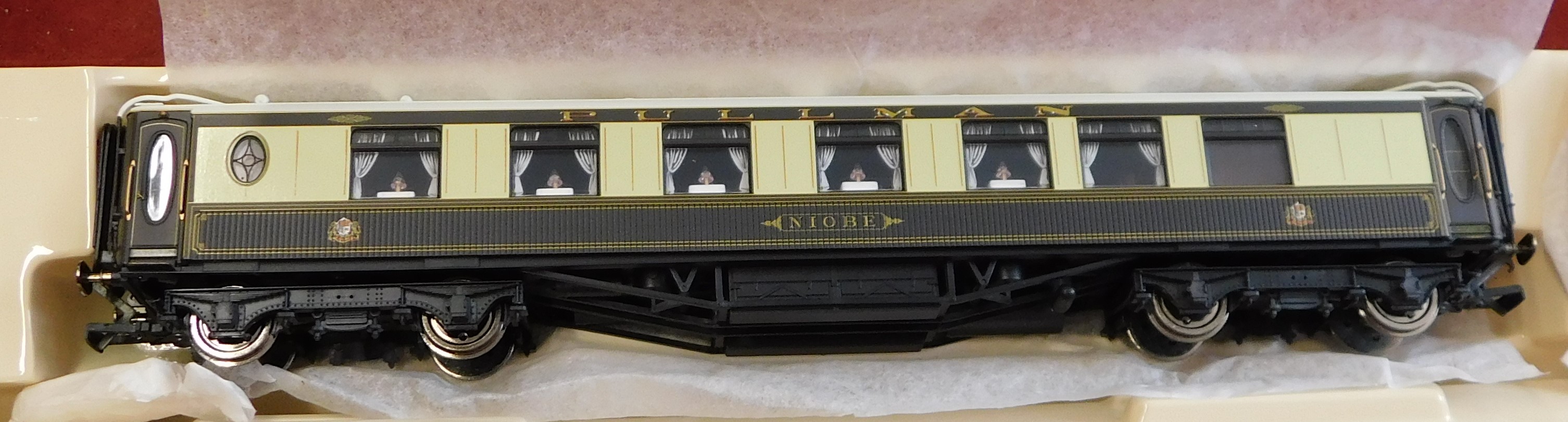
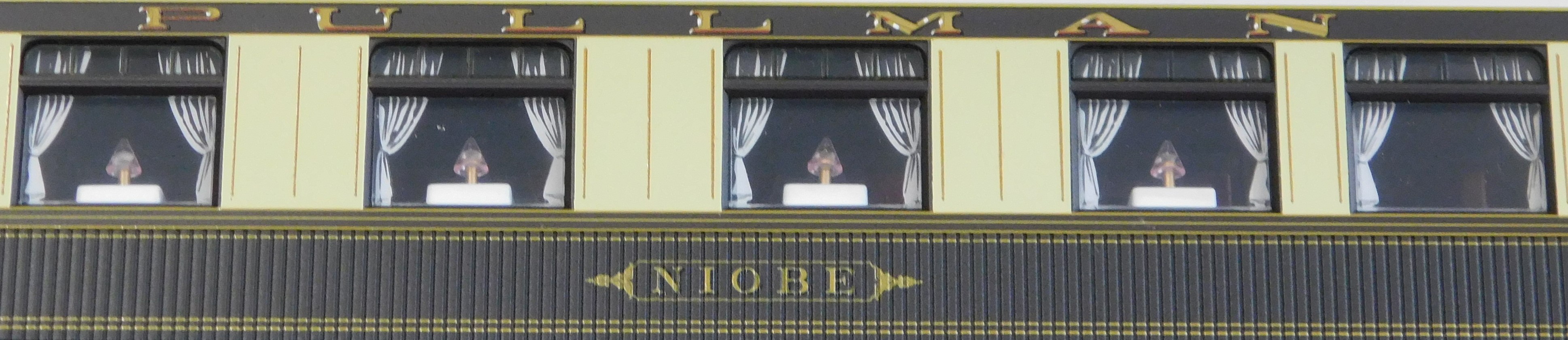
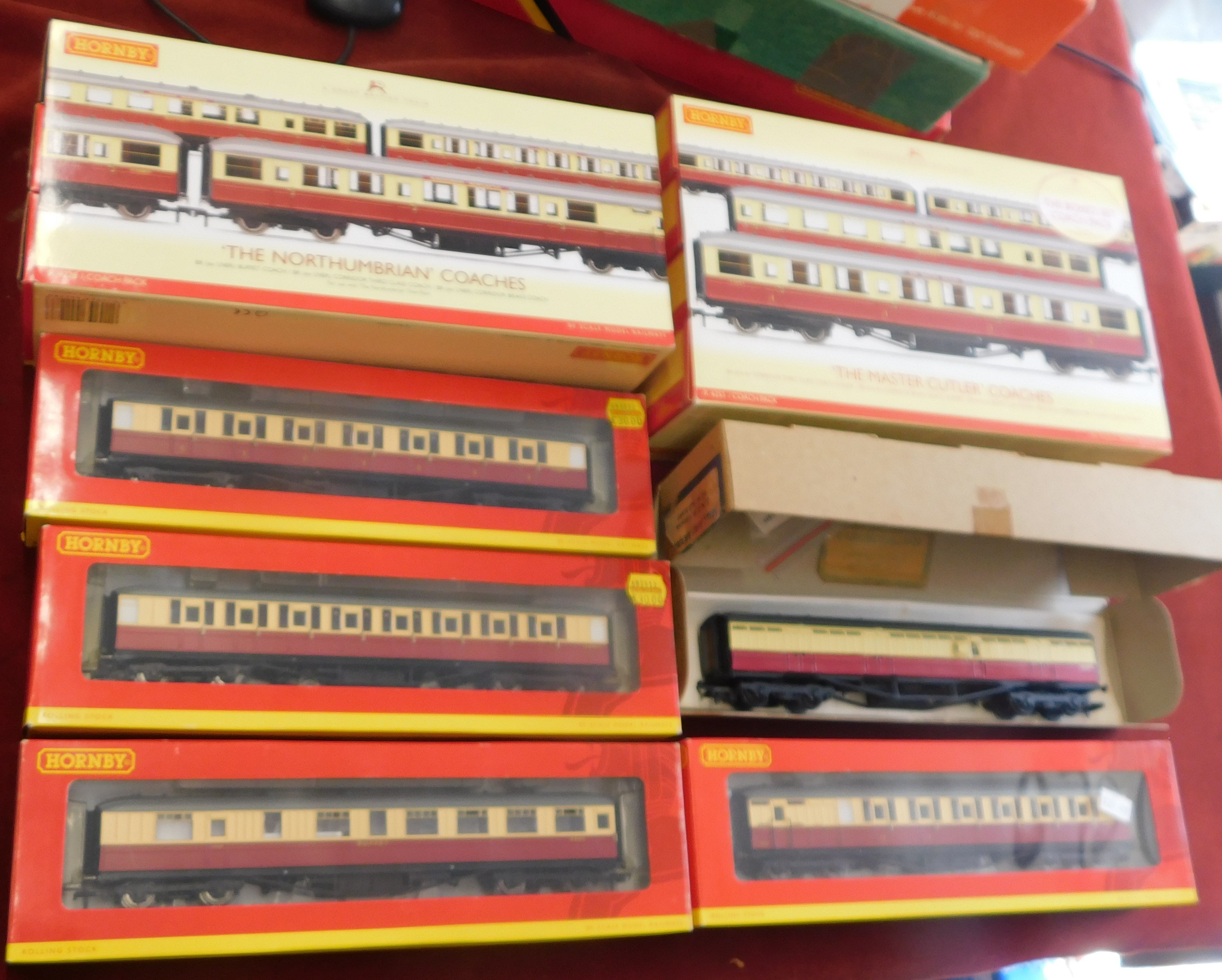
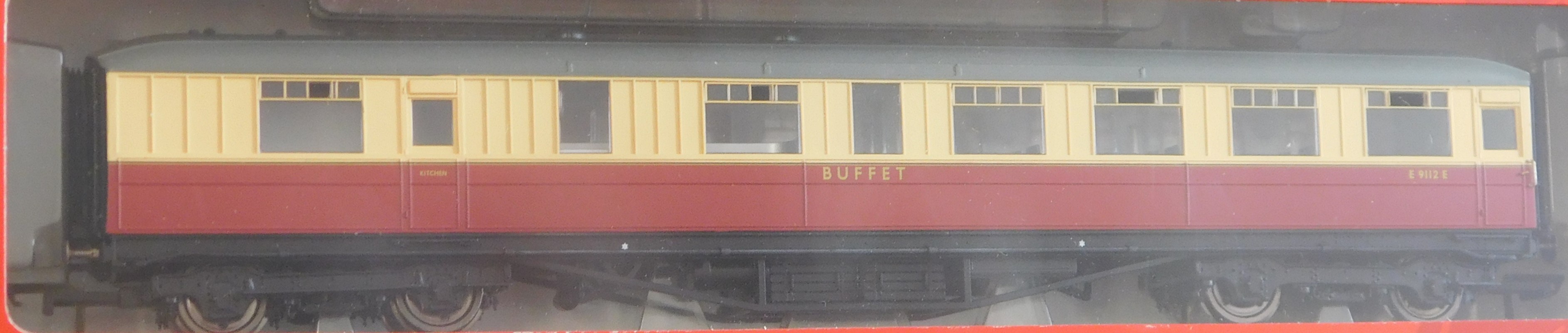
Lot 551, a large collection of Hornby Gresley and Pullman coaches expected to fetch 80-120 soared to £220.
This image is a composite of the next three (the only way I could image a lot of this size)I settled for close ups of a single coach from the collection, one of the Pullmans.
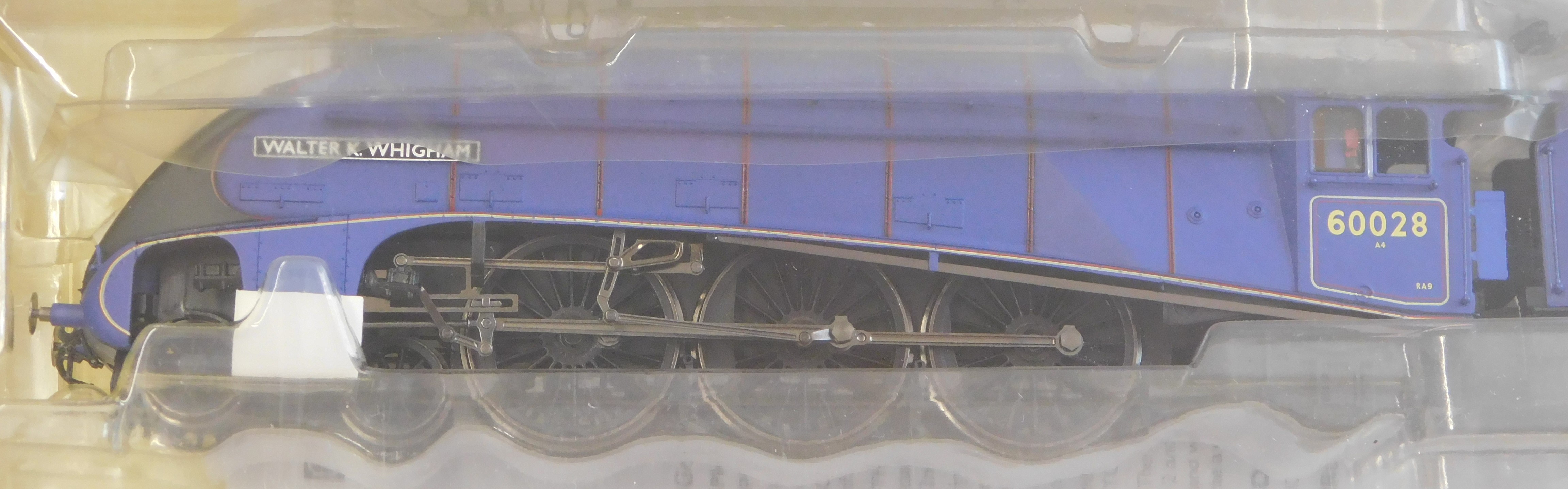
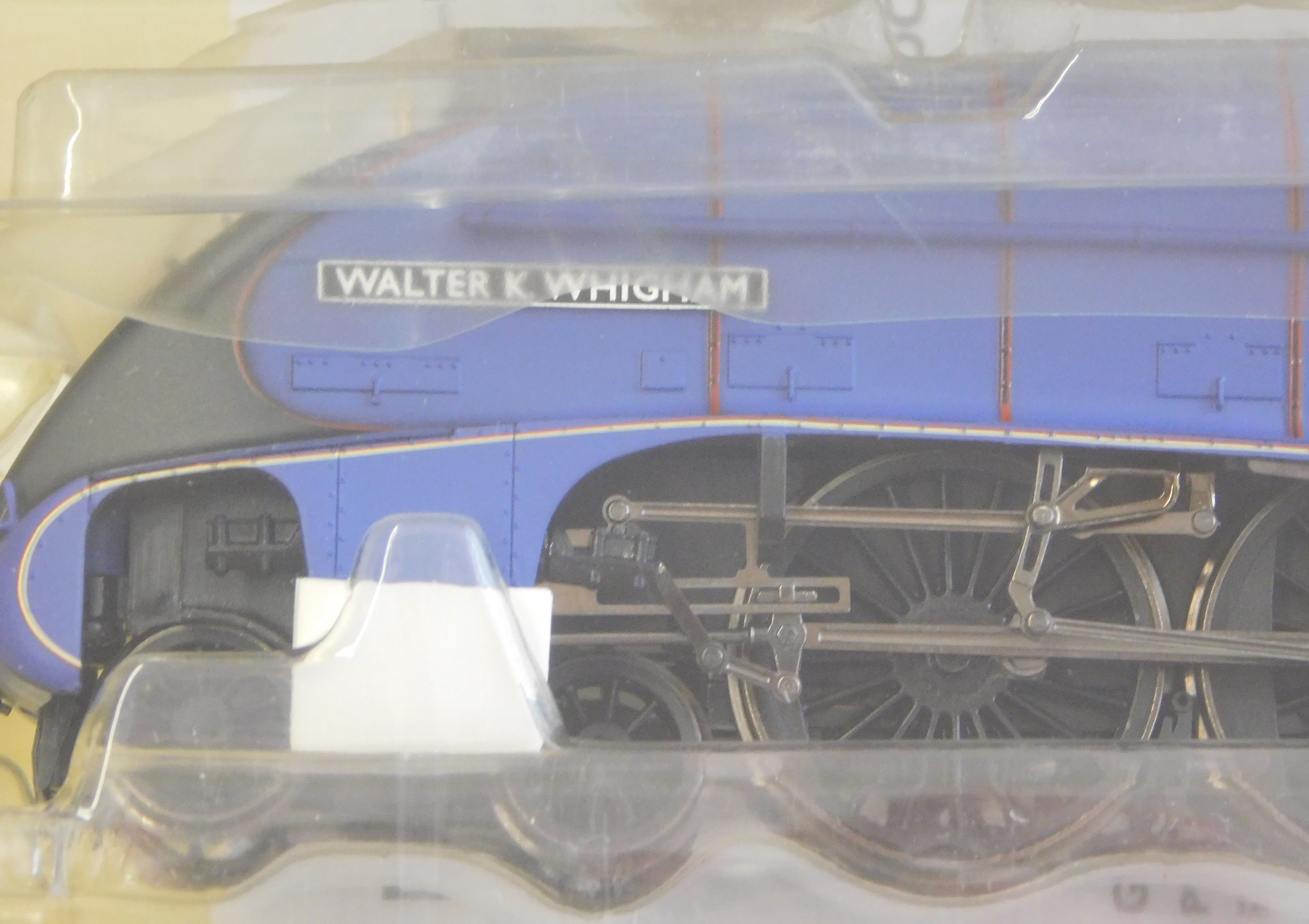
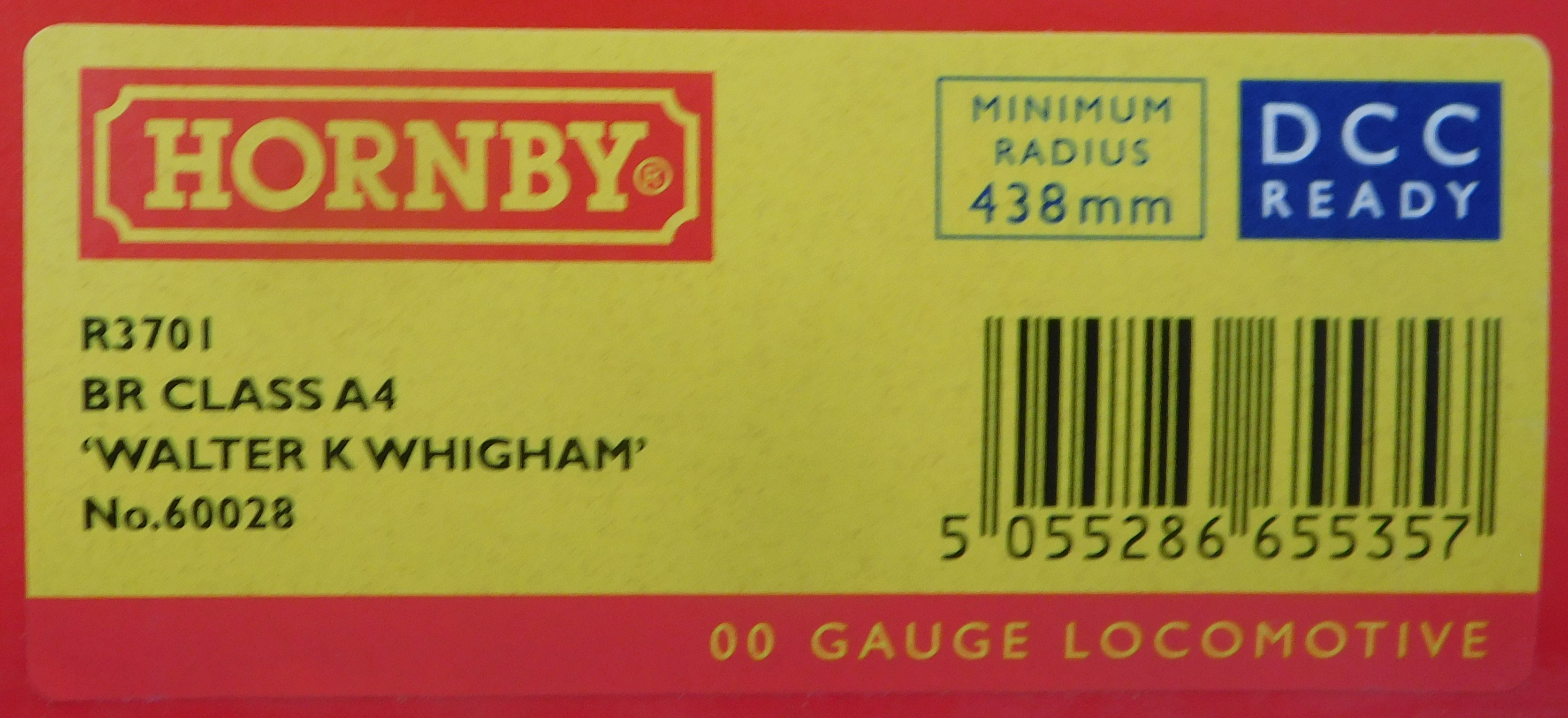
Lot 653, a Hornby locomotive model ‘Walter K Whigham’, estimated at £30-40 went for £85.
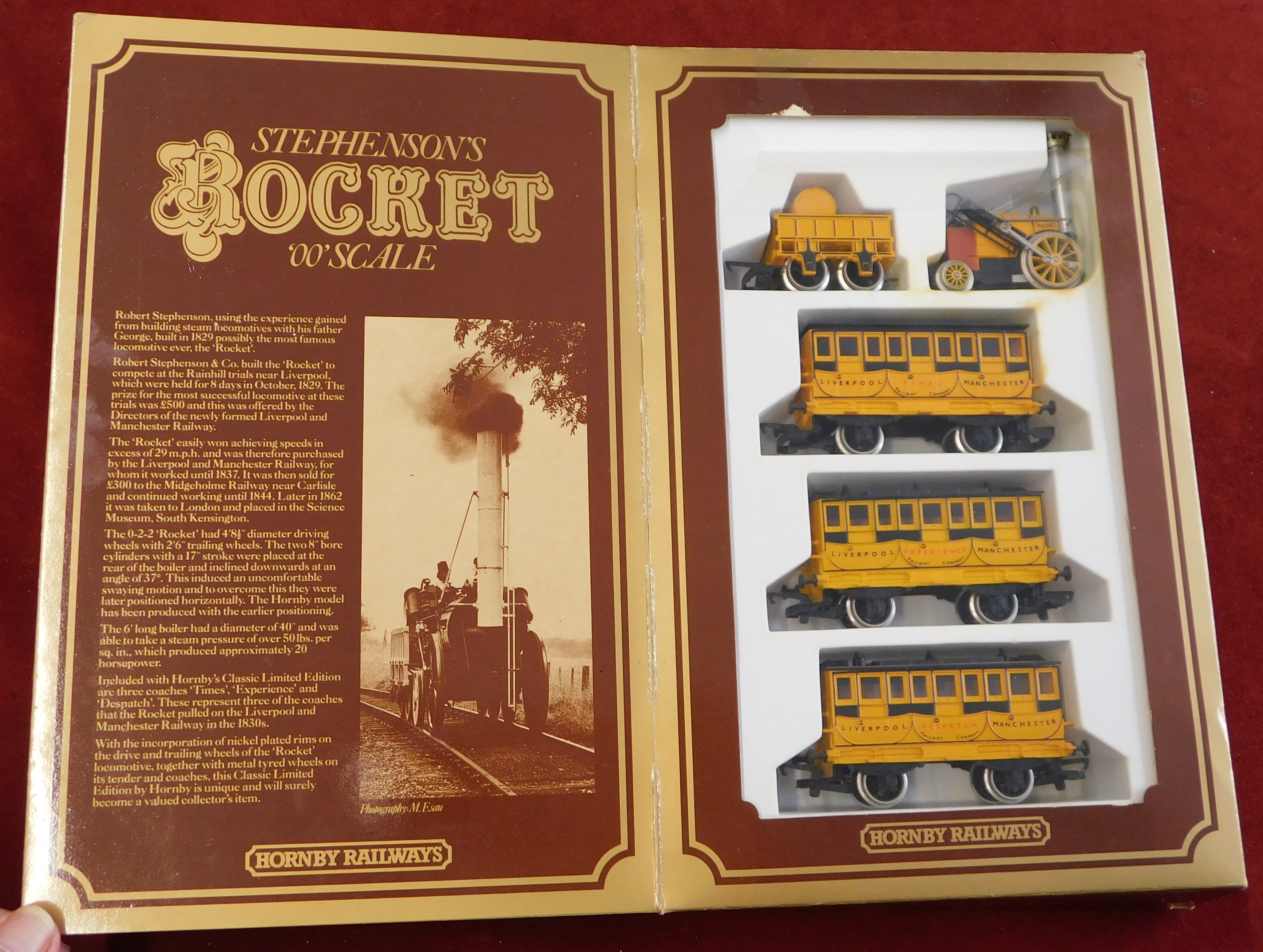
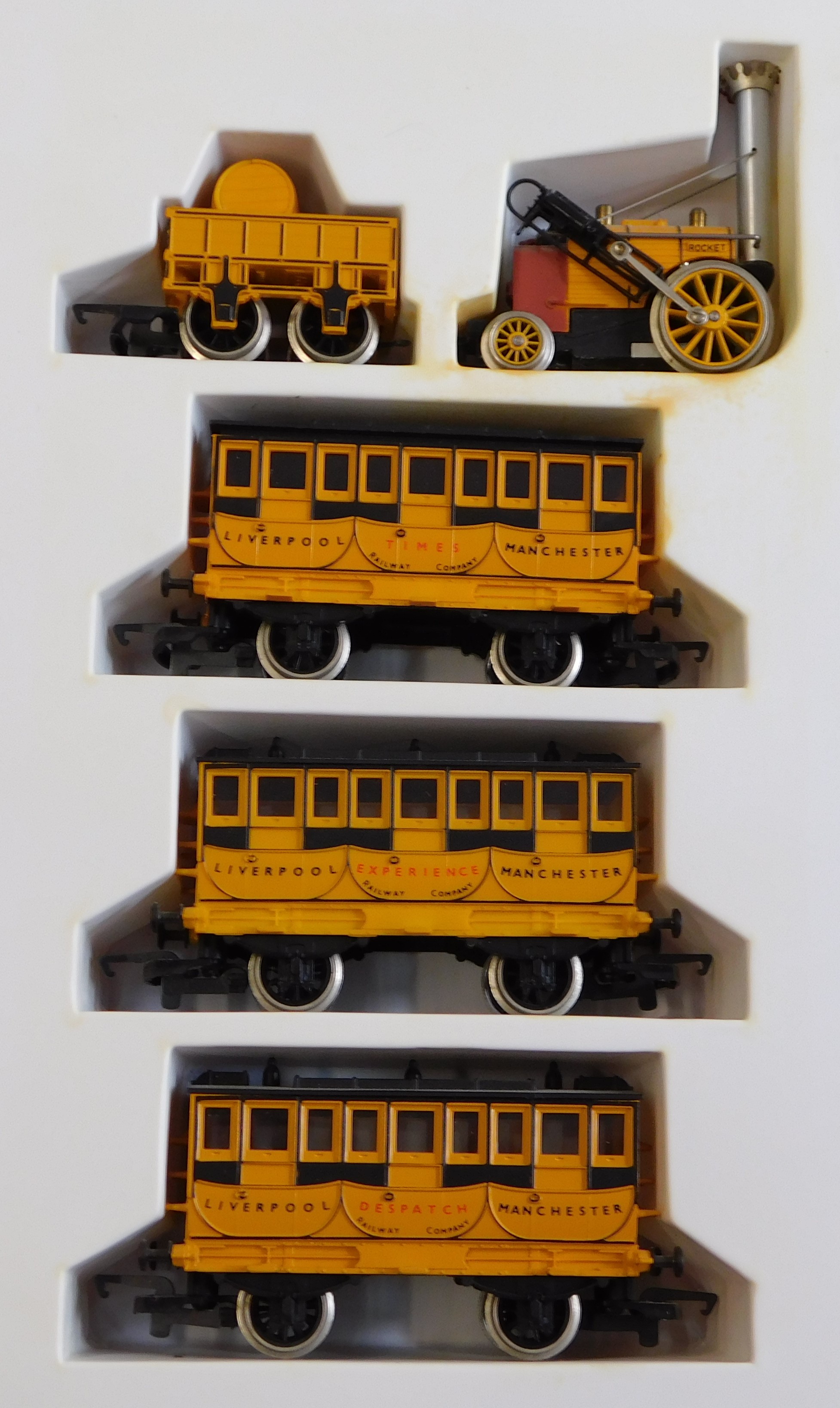
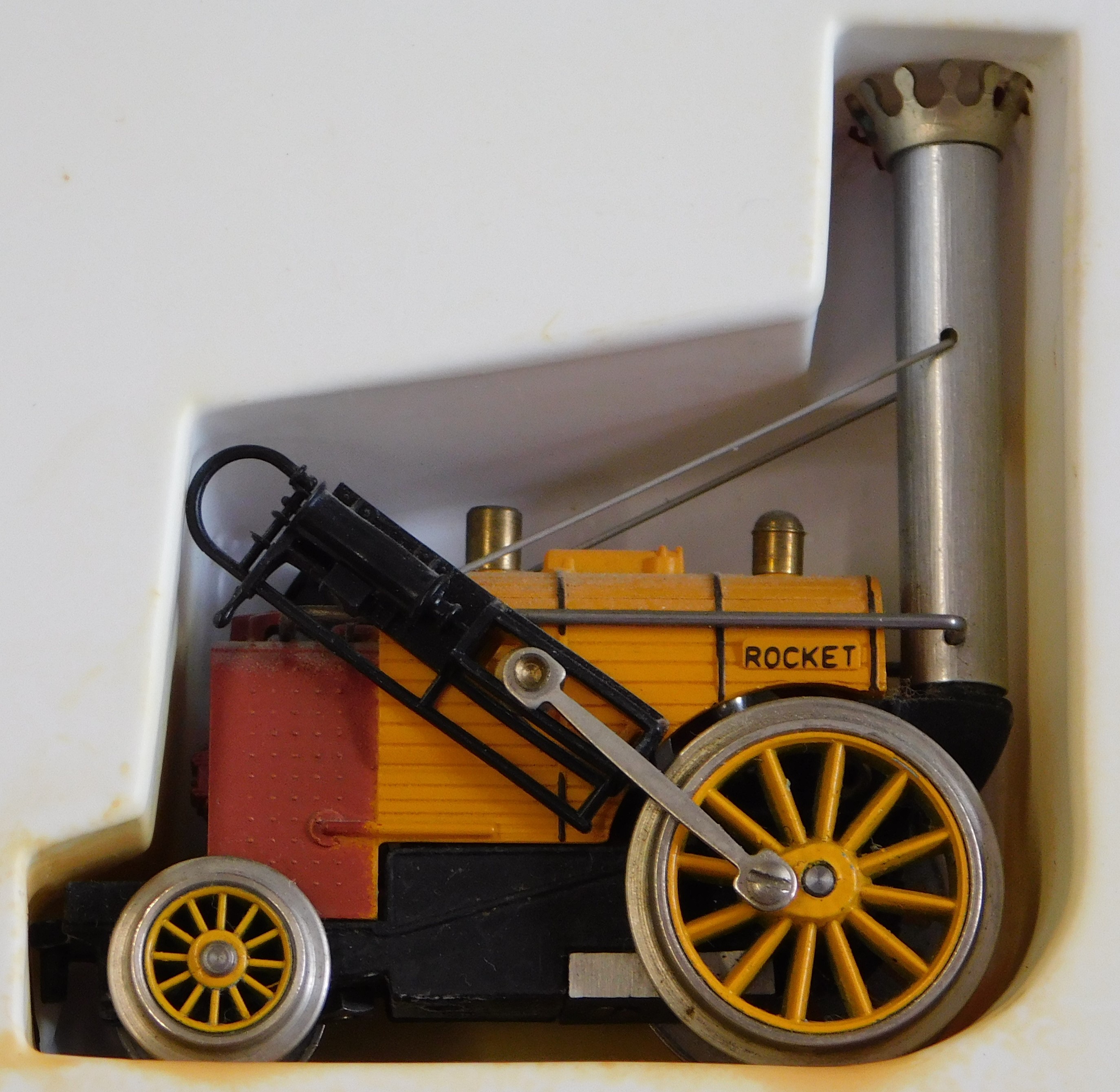
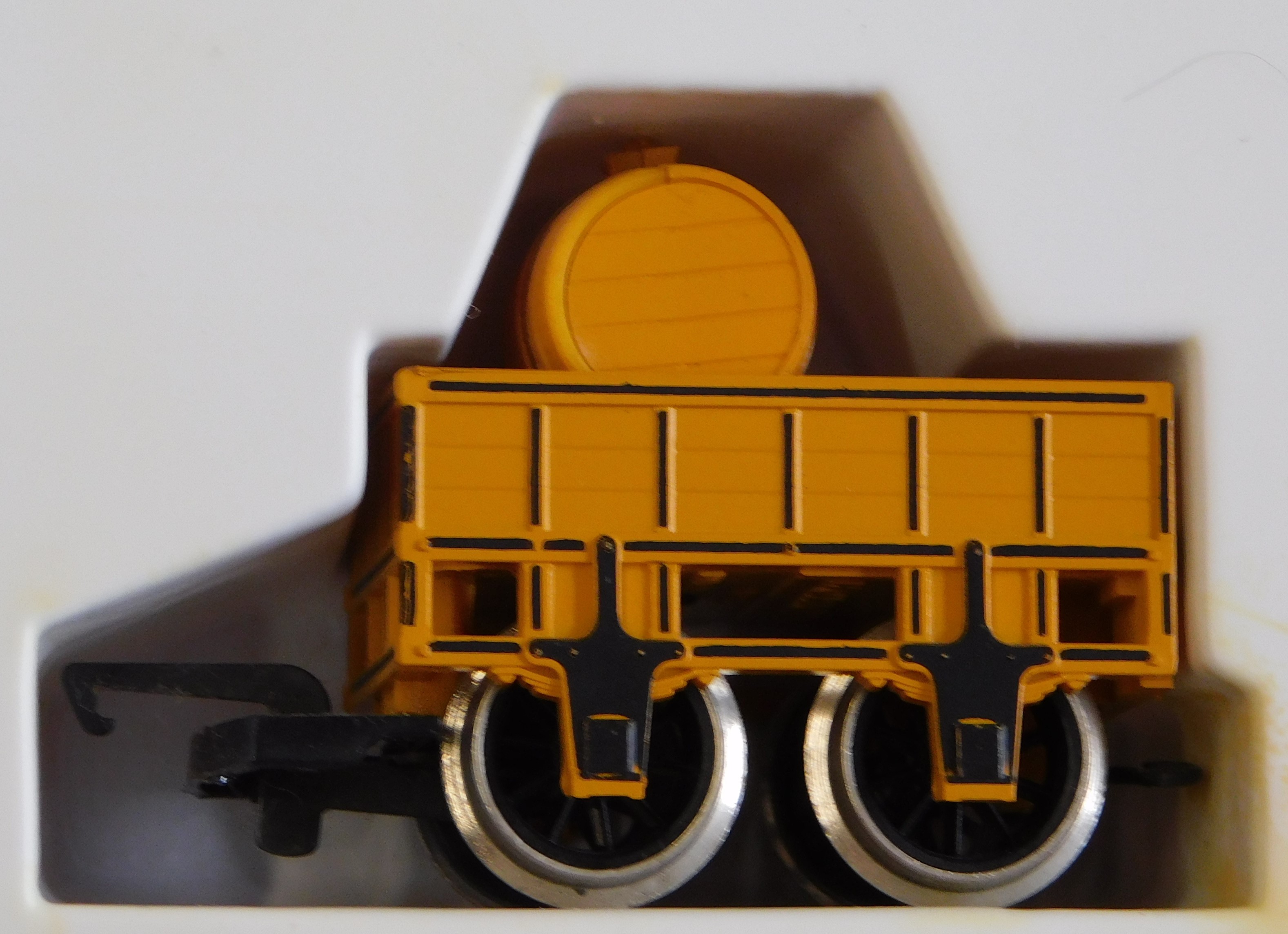
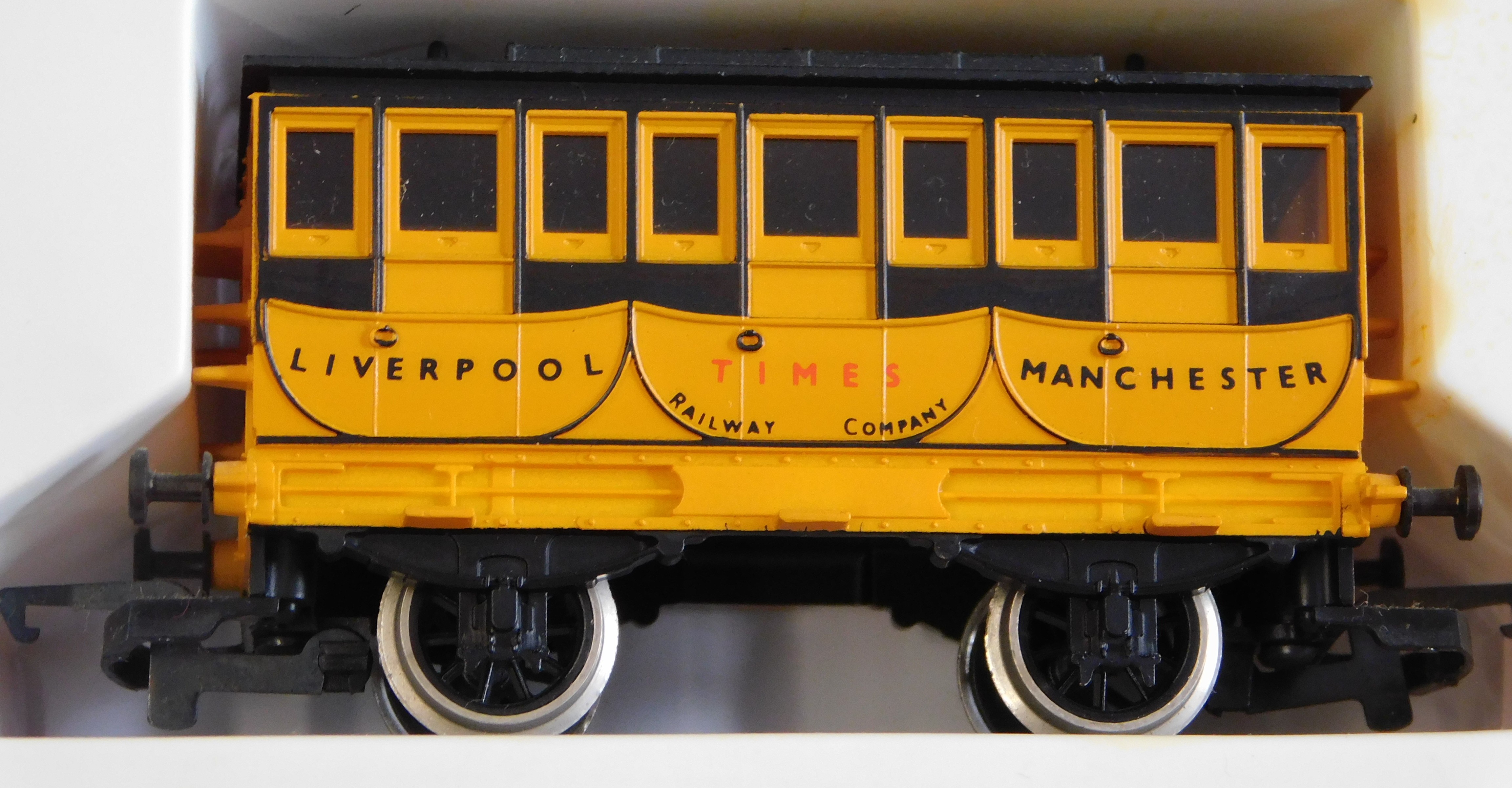
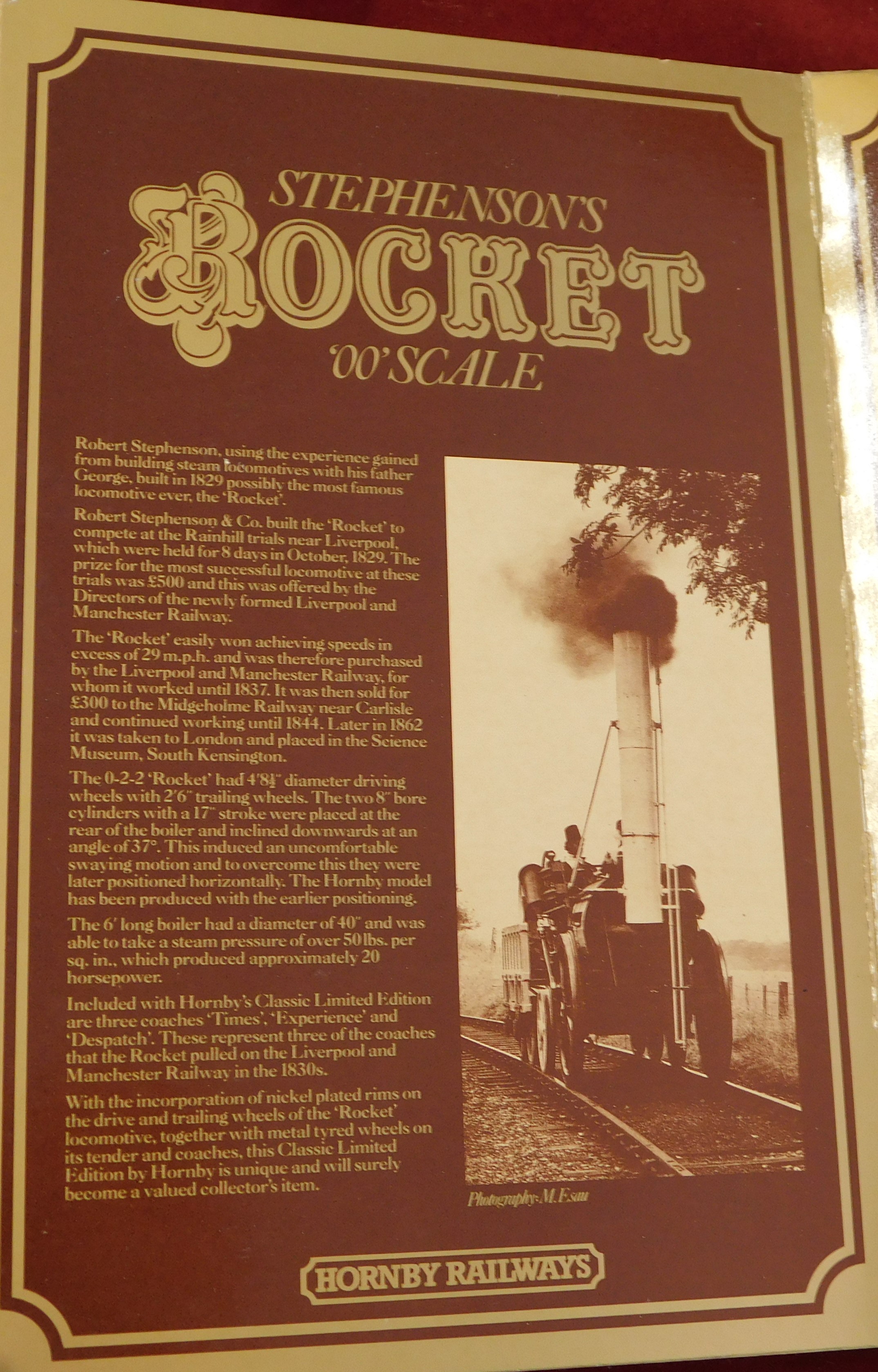
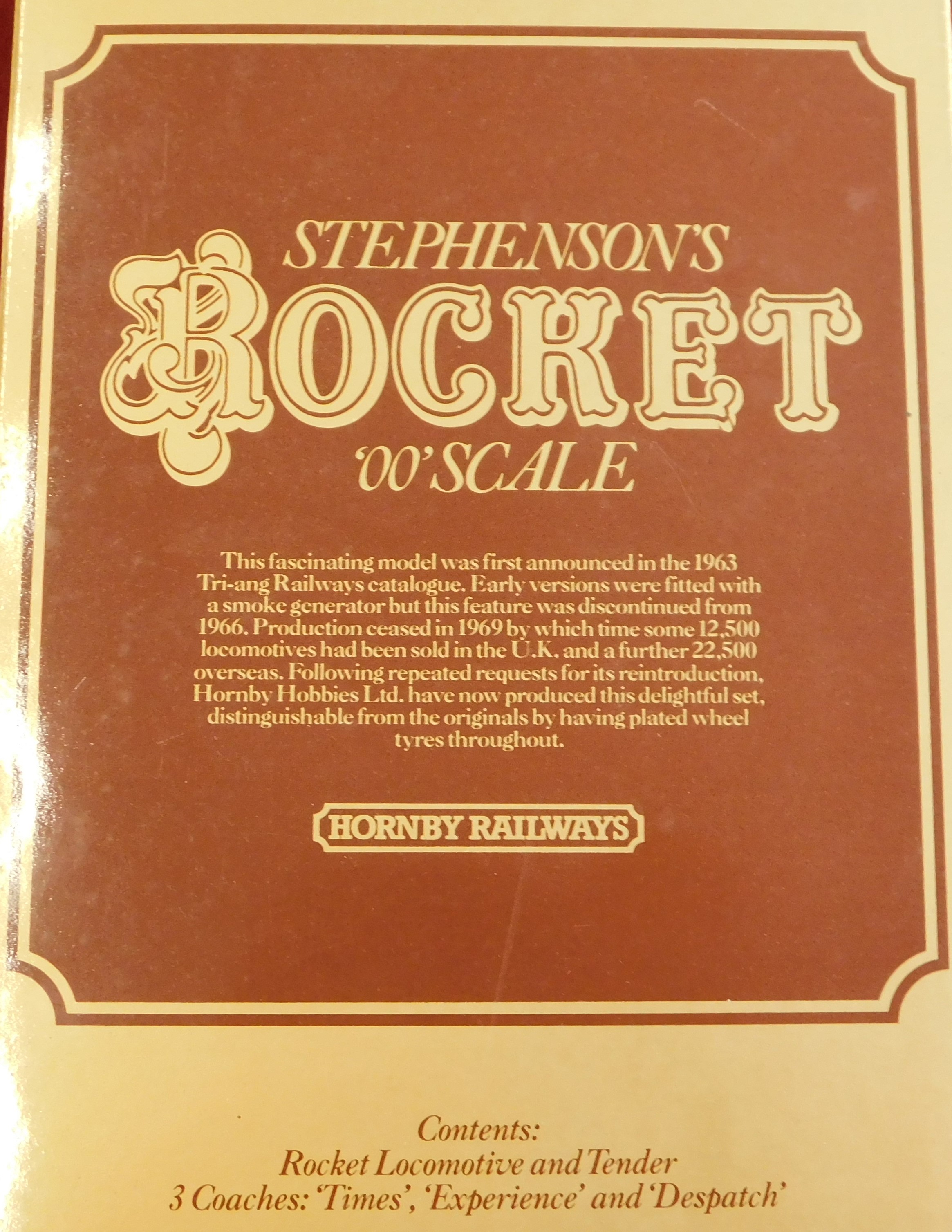
Lot 714, a Hornby box set of Stephenson’s Rocket and its Carriages, estimated at 15-25 ended up going for £90!
The main imageFocus on the train and carriages.The RocketClose up of a single carriageInfo.The front cover of the item.
Lot 760, a collection of Hornby coaches including a ‘Northumbrian’ pack, estimated at 40-60 went for £110.
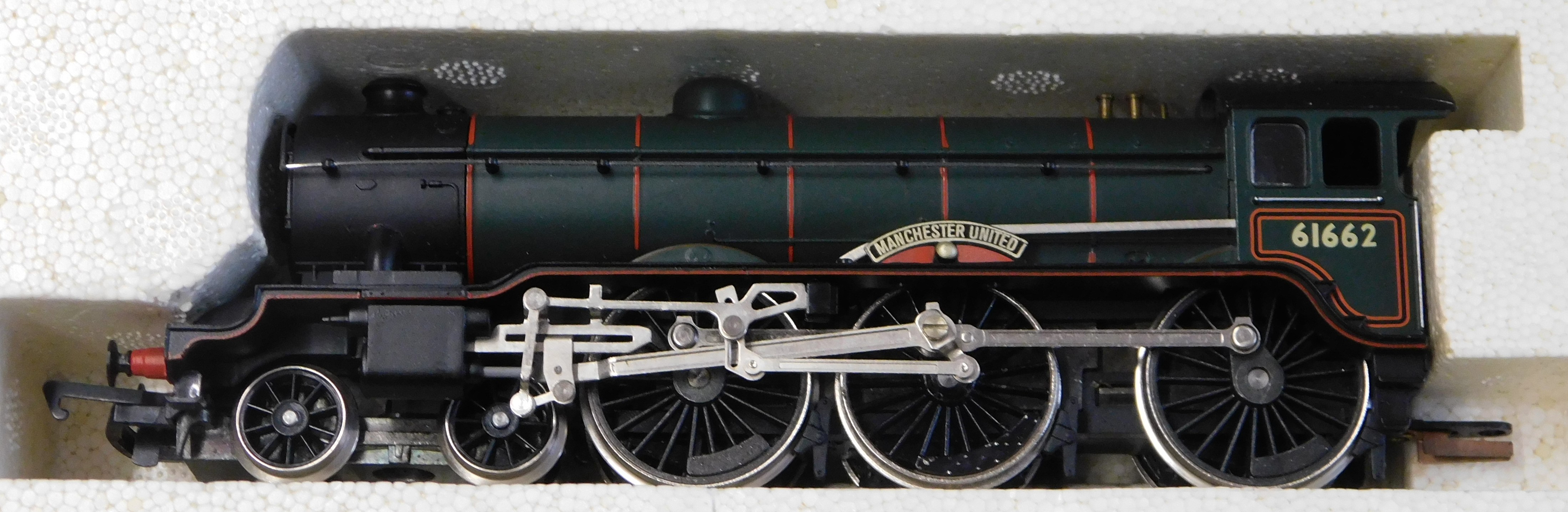
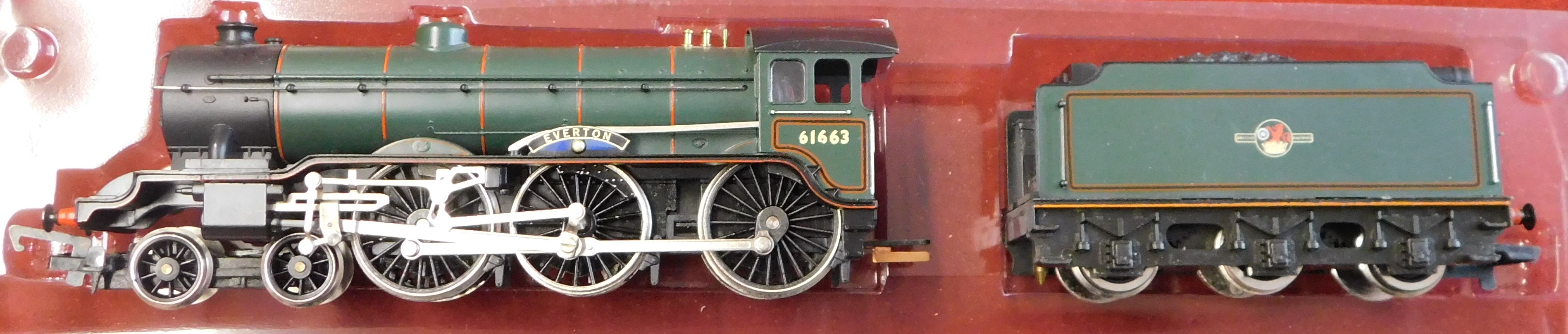
Now comes a hat trick of triumphs. Lot 765, estimated at £10-15 went £100, 766 estimated at 15-20 went £120 and 767 estimated at 15-20 went for £90. These were all model locomotives.
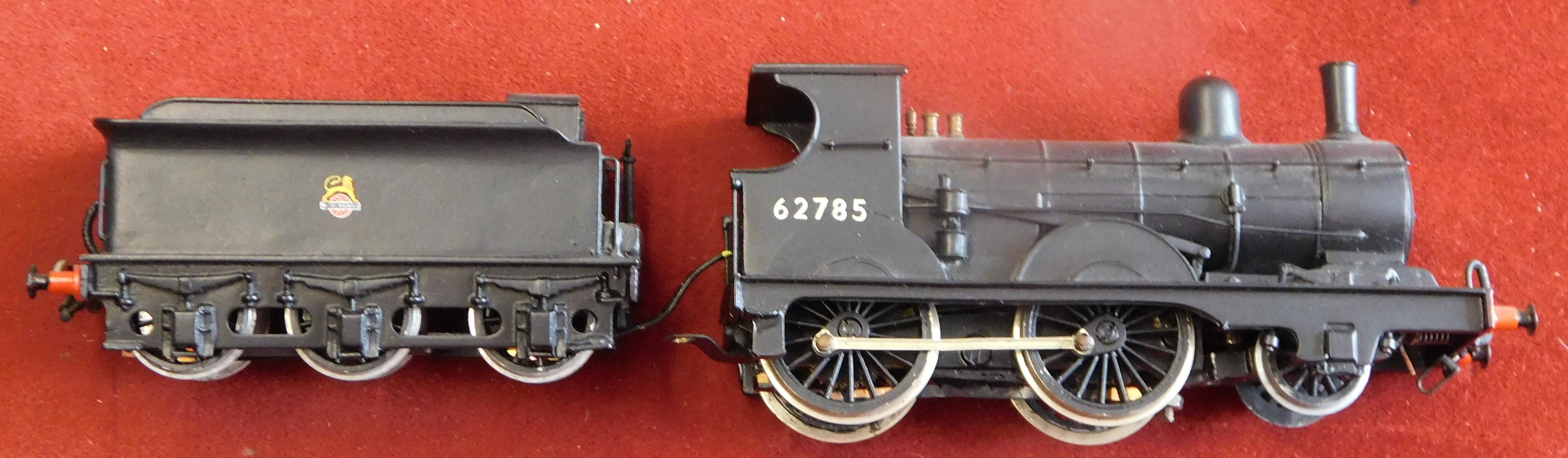
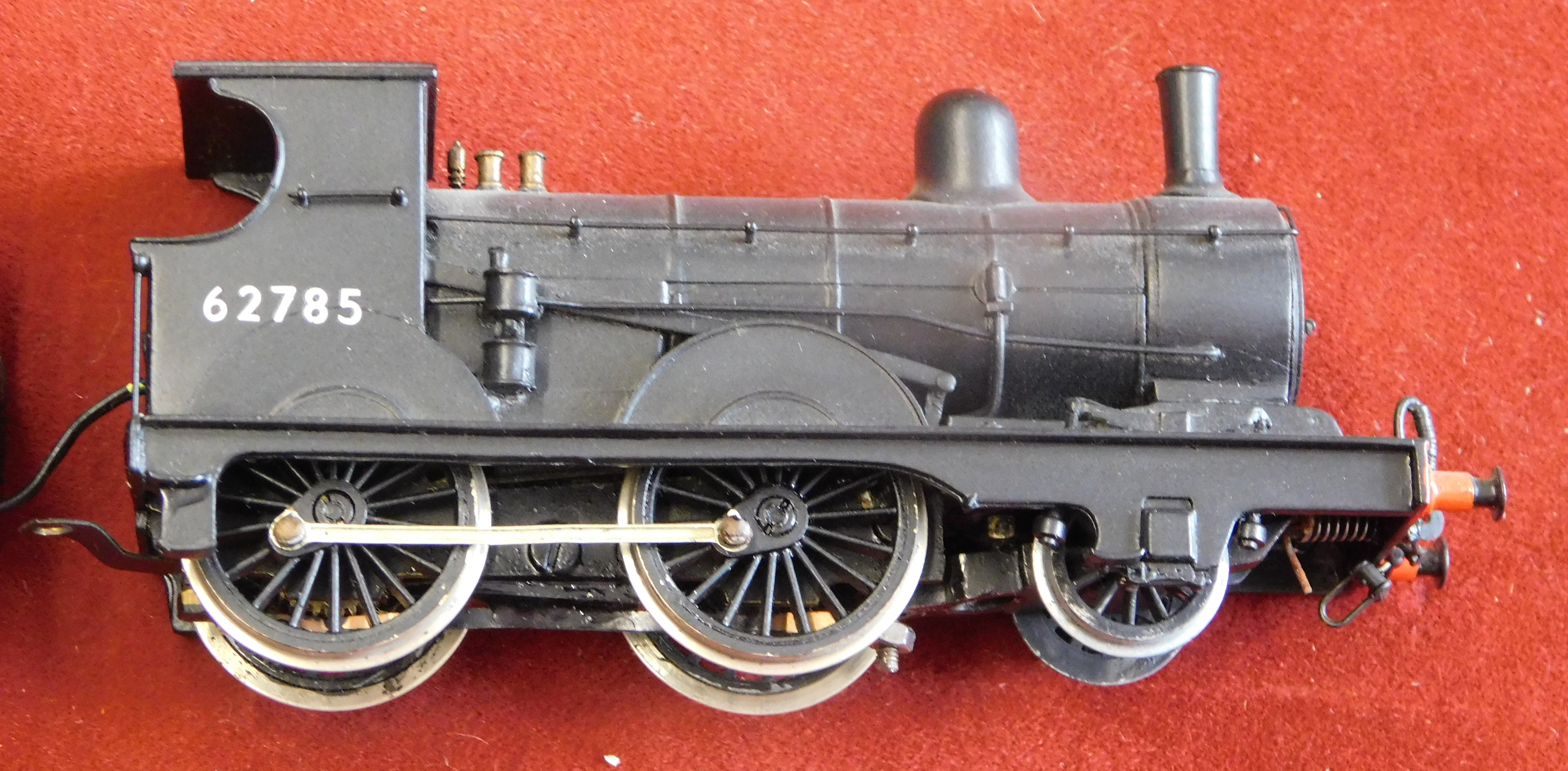
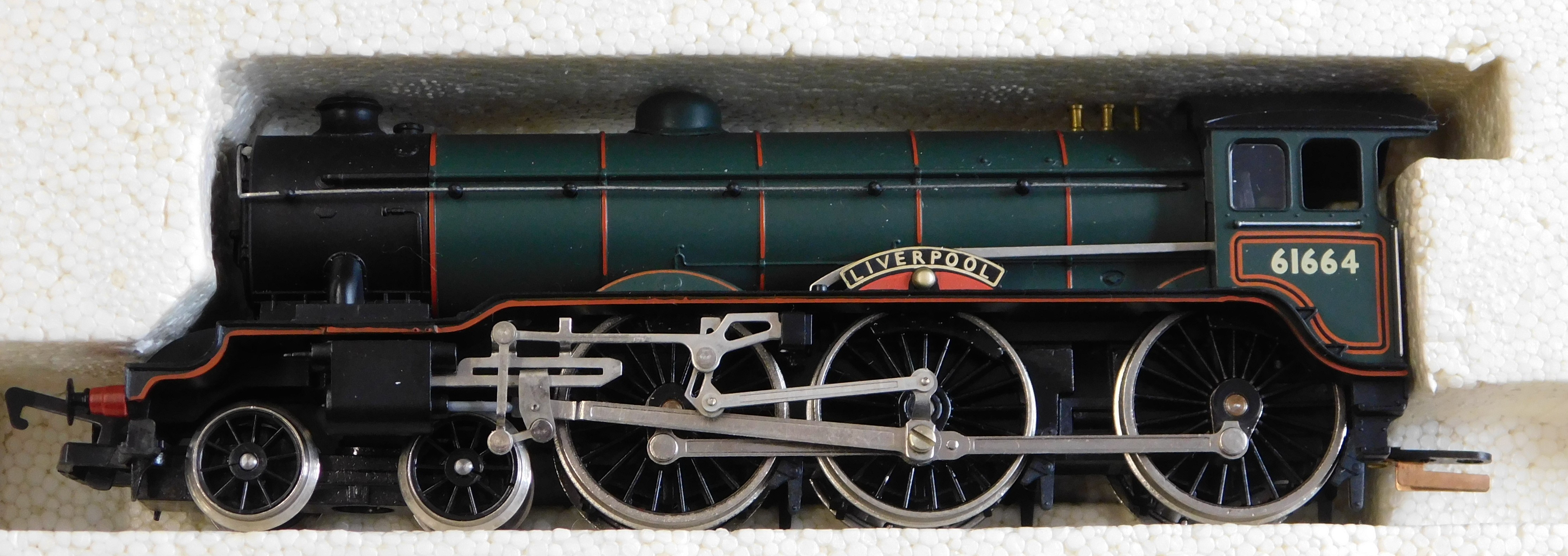
I sign of with let 784, a NU Cast Locomotive LNER/BR class GER T26 class 2-4-0 Passenger Engine, boxed. Expected to fare no better than 10-15 it ended up selling for £70.
Main imageLoconotive and tender out of the boxLocomotive close upTender close upThe box cover illustration.The description on the box.
A look back at victories by the England men’s and women’s cricket teams, a mention of an upcoming auction and a photo gallery.
Last night saw the third T20I in a five match series between the England and New Zealand teams, while this morning, though it should have been just less than halfway through the match saw the last knockings of the first of three test matches between the England and West Indies men’s teams. This post looks at both games.
VALE ATQUE AVE
The test match at Lord’s was the last appearance at that level of the legendary James Anderson, who made his test debut as long ago as 2003. England have decided to look to the future, and gave Anderson this match so that he could bow out in front of a home crowd. It also saw the arrival on the test scene of Gus Atkinson, the Surrey fast bowler. In terms of the result it was the new comer who had the bigger say (and how!)
In my previous post I mentioned Atkinson’s first innings brilliance (7-45) and the fact that England were going well in response. While I was at work yesterday England continued to progress with the bat – Crawley, Pope, Root, Brook and the other debutant, Jamie Smith, selected as keeper although he is not Surrey’s first choice in that role all made 50s, though none managed to reach 80. Smith’s 70 on debut included a significant increase in scoring pace when he was left with the tail. The West Indies second innings got underway yesterday evening, and the skids were soon under it in no uncertain terms. Stokes took two early wickets, Anderson one and Atkinson one. Late in the day two further scalps fell, a second to Anderson and a second to Atkinson giving the debutant nine for the match to that point. West Indies were 79-6 when that wicket rang down the curtain on day two (although an extra half hour can be claimed if a result is possible that usually only enters the equation if seven or more wickets are down). It also ensured that James Anderson would finish behind Warne in the all time test wicket takers list. Atkinson and Anderson resumed bowling this morning, and it was Anderson who had the first success with a beauty that took the edge of Josh da Silva’s bat and went through to Smith. Thereafter however it was the Atkinson show. First Alzarri Joseph took on a short ball and succeeded only in giving Duckett catching practice, then Atkinson bowled Shamar Joseph to make it 103-9. At that point Atkinson had match figures of 11-86, and if he could take the final wicket and concede 15 or fewer runs in the process he would set a new record for an England debutant, beating the 12-102 taking by Fred ‘Nutty’ Martin way back in 1890 (Jack Ferris took 13 in his first match for England, but he had previously played for Australia, and it would have been news to him that he was playing that match for England since it was on a privately organized tour of South Africa and was only granted test status some years later). A combination of luck and some decent batting by Gudakesh Motie robbed him of that, but when Jayden Seales, the number 11, was caught by Duckett, fielding at long leg, Atkinson had his second five-for of the match, and final figures of 12-106 (7-45, 5-61), the second best ever for England, and a number of wickets beaten by only two test debutants in history, Narendra Hirwani (India, 16-136) and Bob Massie (Australia 16-137). Anderson’s final bowling effort was 3-32 from 16 overs, meaning that he ended with 704 test wickets overall. England’s winning margin was an innings and 114 runs – WI 121, ENG 371, WI 136. Atkinson was, as I said in a tweet shortly after the final wicket fell, the ONLY candidate for Player of the Match and was duly confirmed as such. A scorecard of this match can be seen here.
In theory the question for England is now which of Potts or Pennington comes in for Anderson (Sam Cook is currently injured, so his call up must wait). However, I would boldly select both, leaving out Woakes who contributed little at his favourite ground.
A TALE OF TWO SOPHIES
England won the toss and chose to field. The New Zealand innings was dominated by two players named Sophie. Sophie Devine scored 58 not out off 42 balls to give New Zealand 141 to defend, and the main reason that total wasn’t higher was Sophie Ecclestone, who finished with 4-0-25-4. The first of those four wickets, that of Suzie Bates, kept an astonishing run going – it made it 33 consecutive international bowling innings in which the left armer had claimed at least one wicket. Later in that same opening over she snared Amelia Kerr, and in the later stages of the innings she clean bowled each of Isabella Gaze and Leigh Kasperek. Although England only had four balls to spare when they scored the winning run, they had six wickets standing. The batting star was Alice Capsey whose 67* (60) undergirded the chase. It was Capsey who was named player of the match ahead of Ecclestone. Scorecard here.
PHOTOGRAPHS
Before I get to my usual sign off, I sent out a bulk email about the upcoming railway models auction at work yesterday. I will not include the full thing here, but you can view a full catalogue and/or sign up to bid here or here. The image I used to accompany the email is below.
A look back at the auction that happened at James and Sons earlier this week and a look ahead to the July auction. Also a bumper photo ga;llery.
Although James and Sons, for whom I work, have just had one auction, there is another ready to go, almost a month before it actually happens. This post looks back at the auction that happened this week and forward to the next one.
THIS WEEKS AUCTION
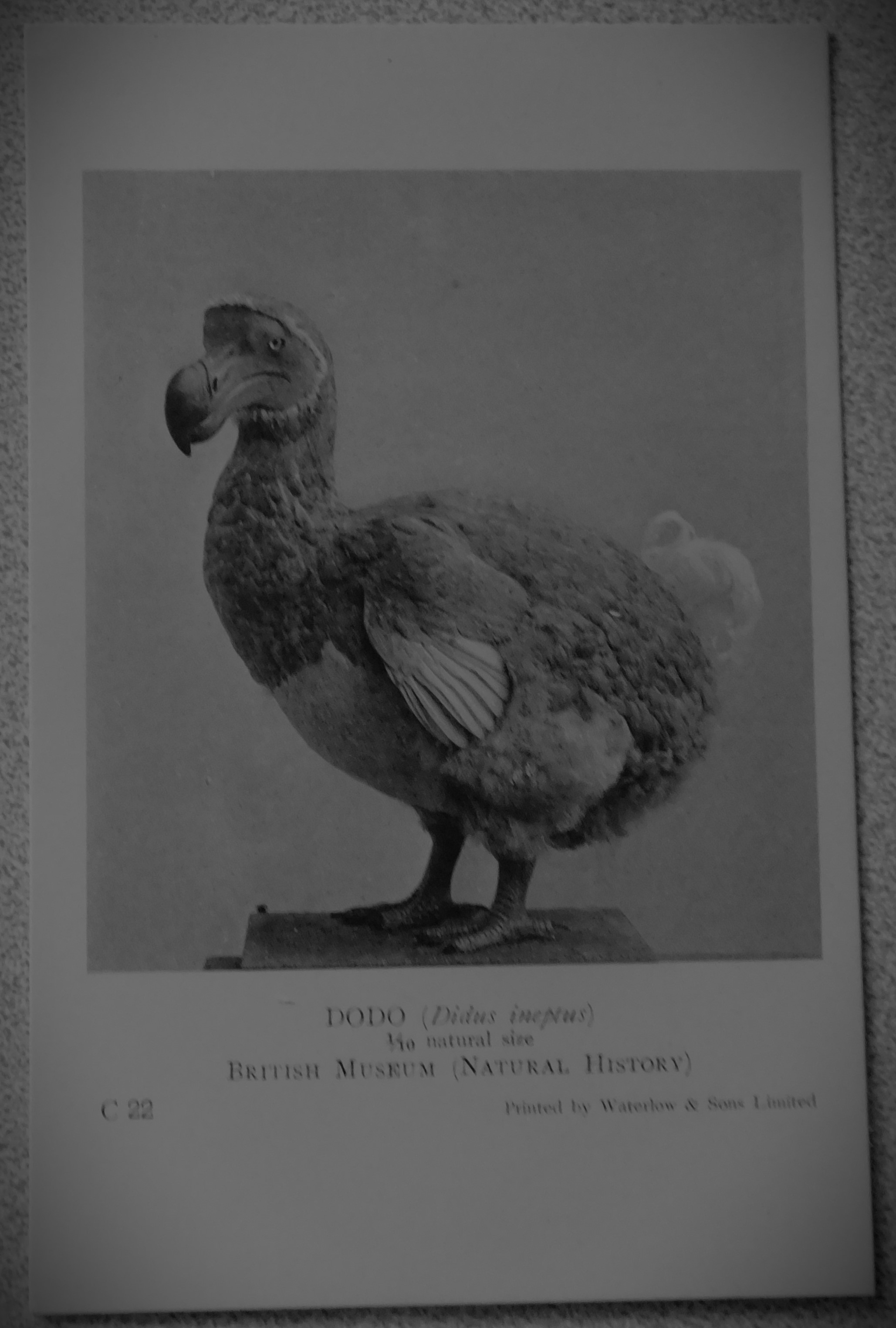
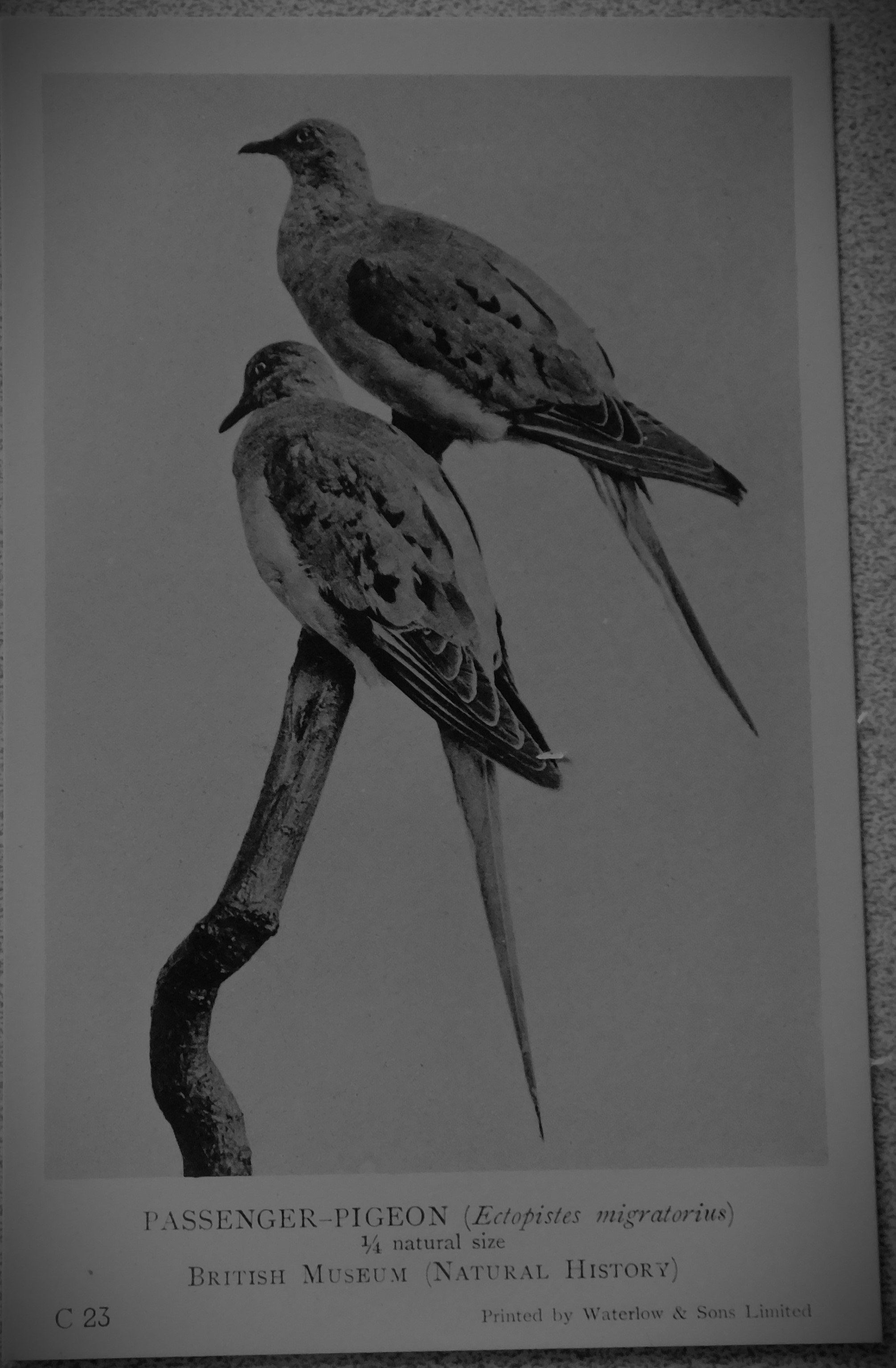
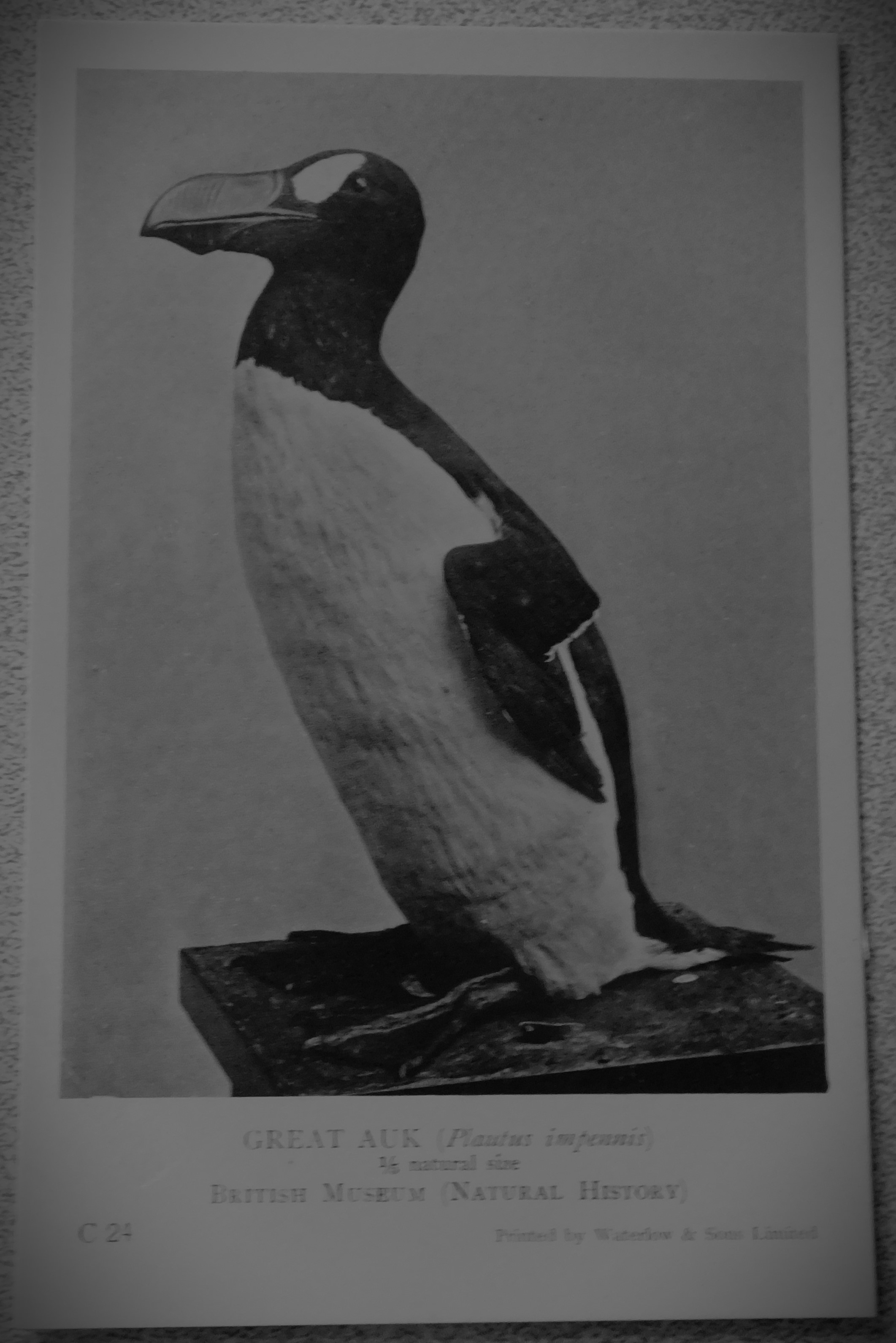
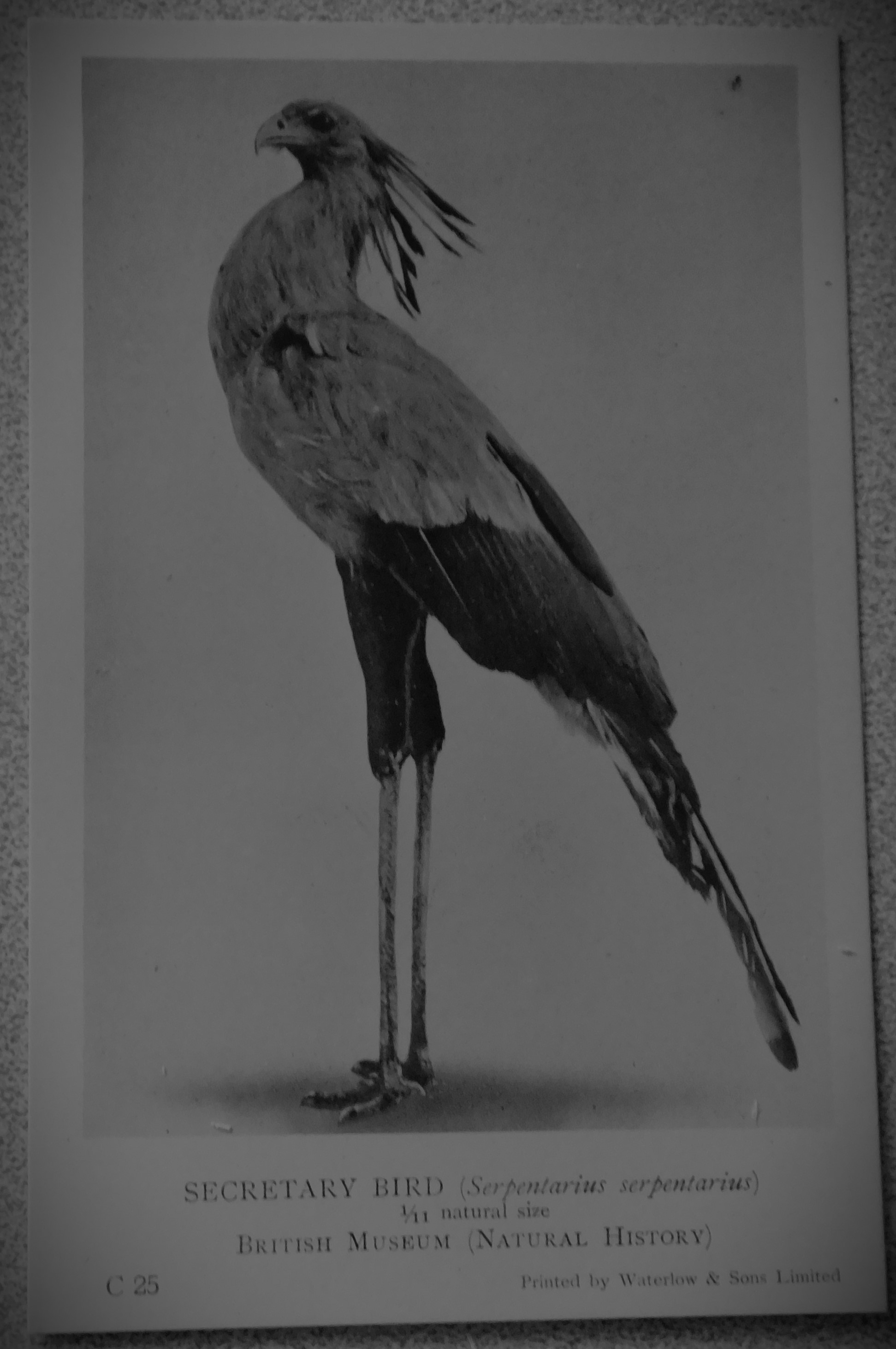
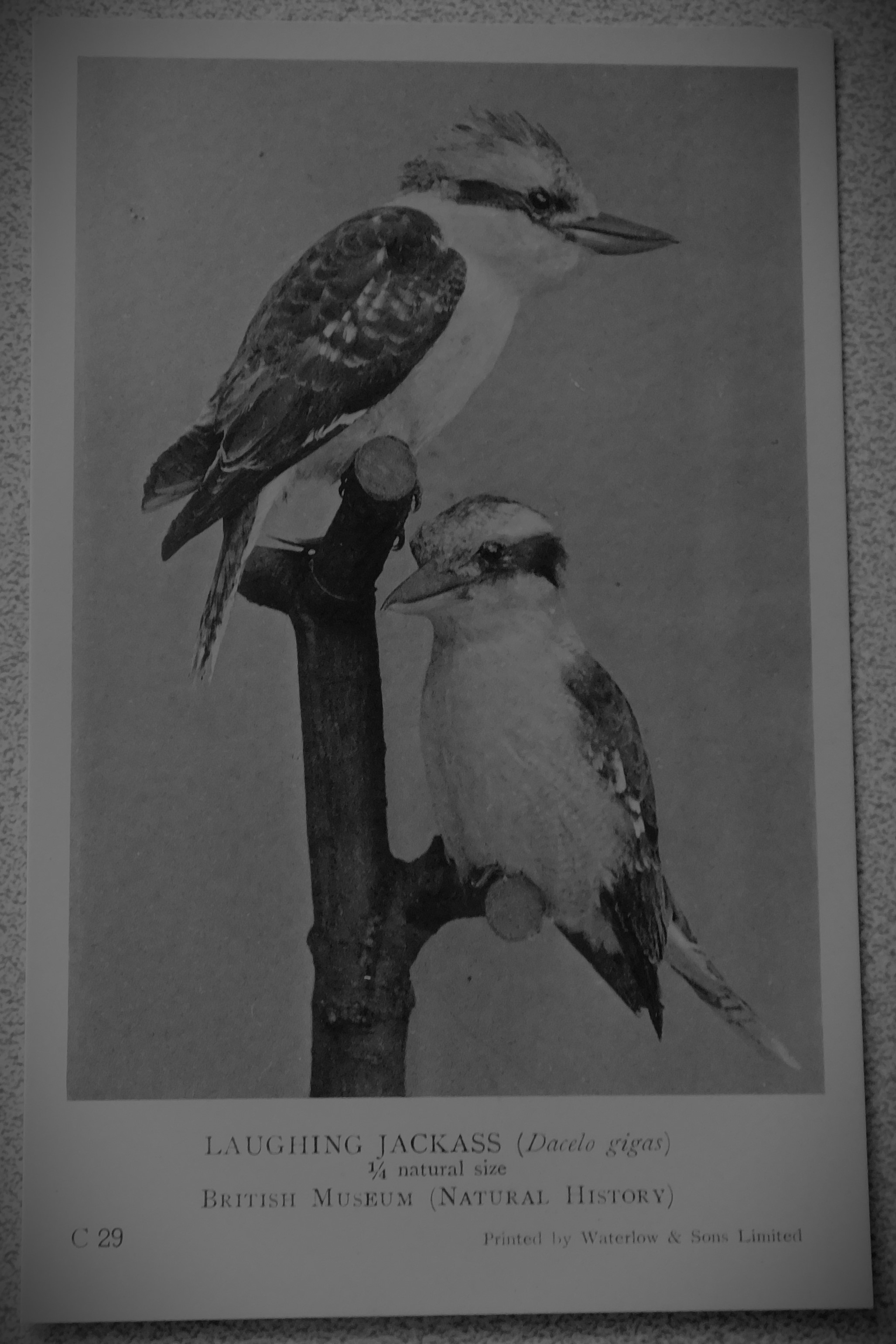
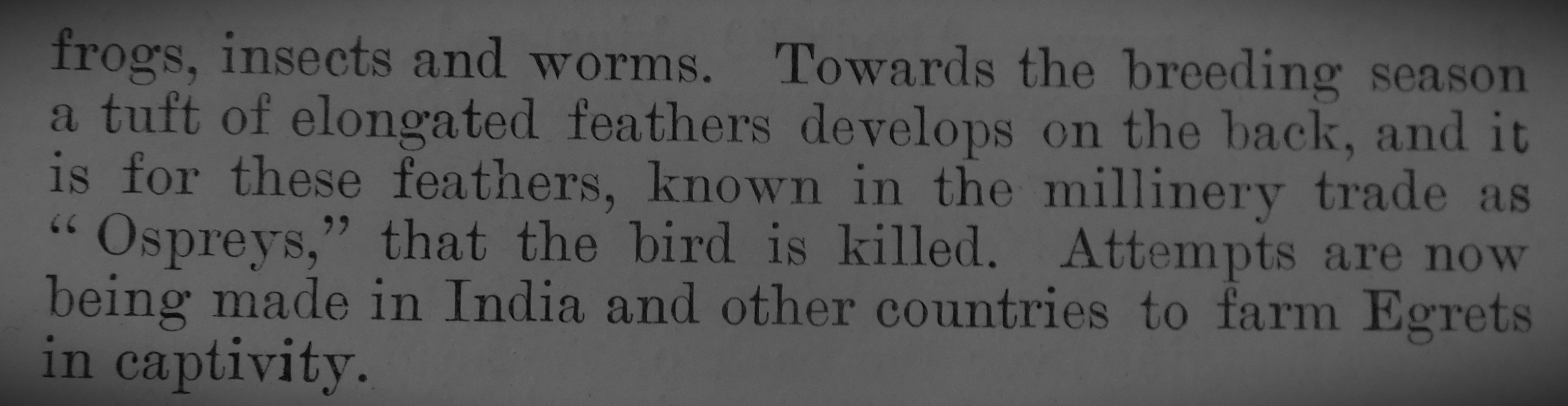
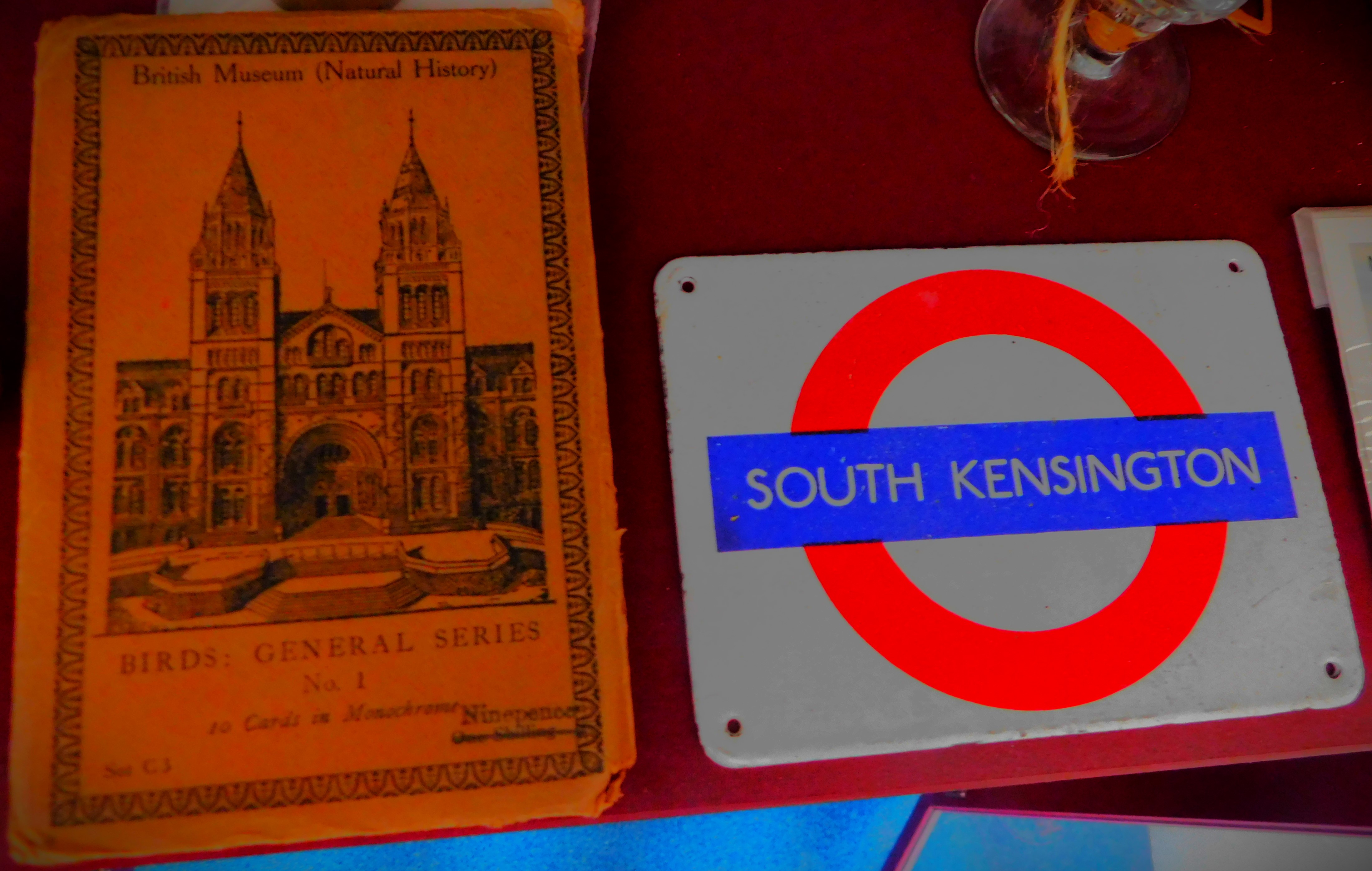
There were 427 lots under the hammer at the auction that happened this Wednesday. It was overall successful. The headline lot, a lifetime collection of real photographic postcards of Swaffham (Swaffham is a market town, more or less forming the right angle of a right angle triangle of which the three corners are King’s Lynn, Fakenham and Swaffham – the hypoteneuse of this triangle is the King’s Lynn-Fakenham side, which measures 22 miles or about 35 kilometres, so it was an item of local interest) housed in an album and all in splendid condition. This sold for £850. I got lucky with lot 611, a set of postcards made from black and white photographs of birds, missing one card, but still in its British Museum (Natural History) wallet and with the accompanying mini-guide to the cards. The designation of the museum in this lot indicates its age – it is a long time since the Natural History Museum was affiliated to the British Museum. Below are my pictures of the lot since acquiring it…
The lot laid out in full display.The wallet/ envelopeIndividual images of the cards in ascending number order.Details of the missing card from the guide (two images)The item in its assigned place in the cabinet of curiosities.
THE NEXT AUCTION
We have two auctions in late July. On Tuesday the 23rd a collection of sporting memorabilia will be going under the hammer, but I have hardly had anything to do with that sale. On Wednesday the 24th over 500 lots of collectors models, mostly trains, but some buses and lorries as well, will be going under the hammer. Imaging for this auction has been my focus for a while (the job is by no means complete, but many more have been imaged than not. The printed catalogue for this auction arrived at our premises this week, and it is already viewable on both our online platforms – links below.
This is from lot 600. My preferred platform for bidding and following the progress of auctions is easyliveauction. The train lots start at lot 501.….the other online platform we use is the-saleroom.com. This image is part of the gallery for lot 603 (almost all of these items are still in their original boxes).As before, the train lots start in the 50os.
PHOTOGRAPHS
I have a bumper gallery of my regular photos to end with…
I use a recent acquisition to showcase some of the more iconic buildings in King’s Lynn.
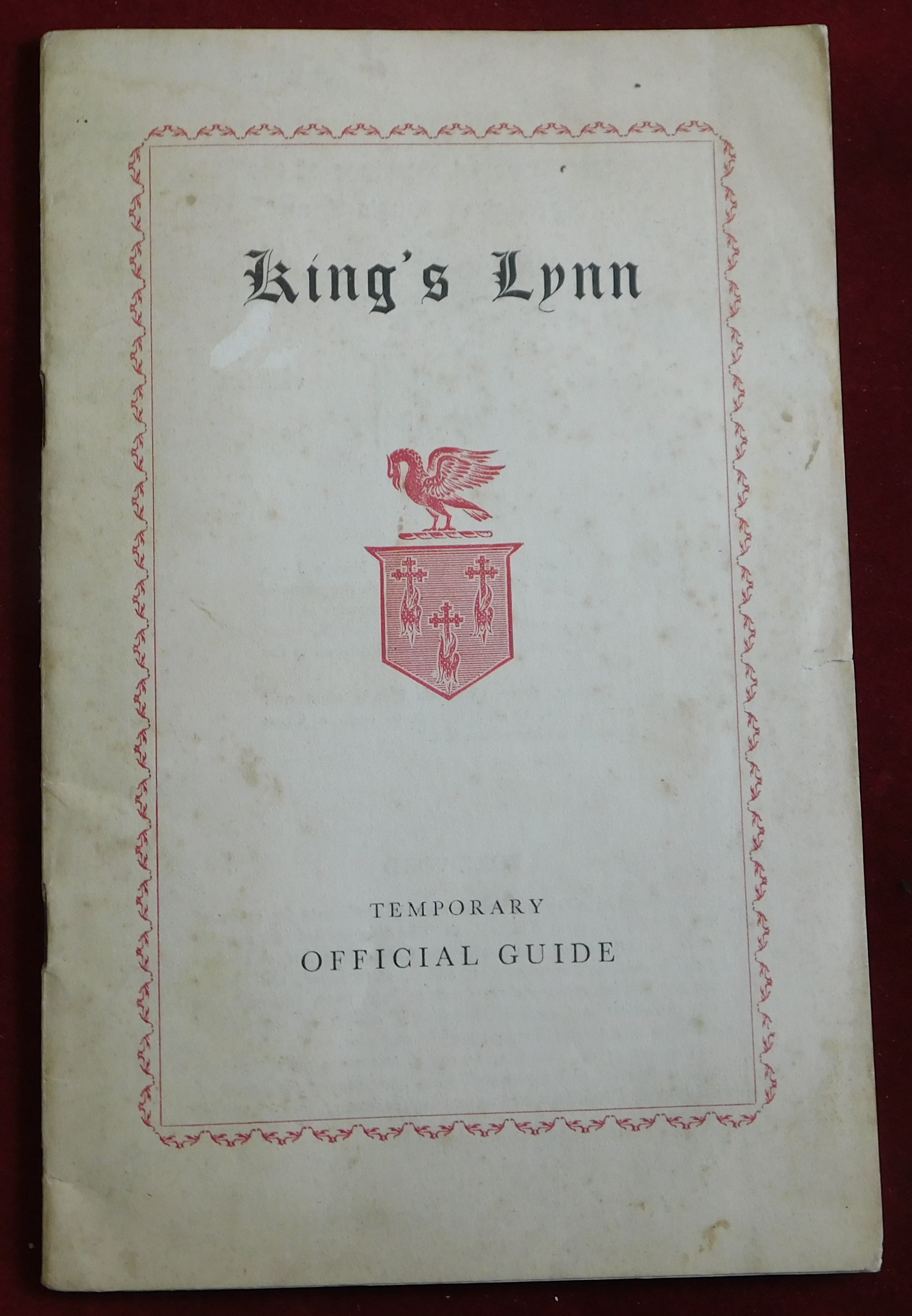
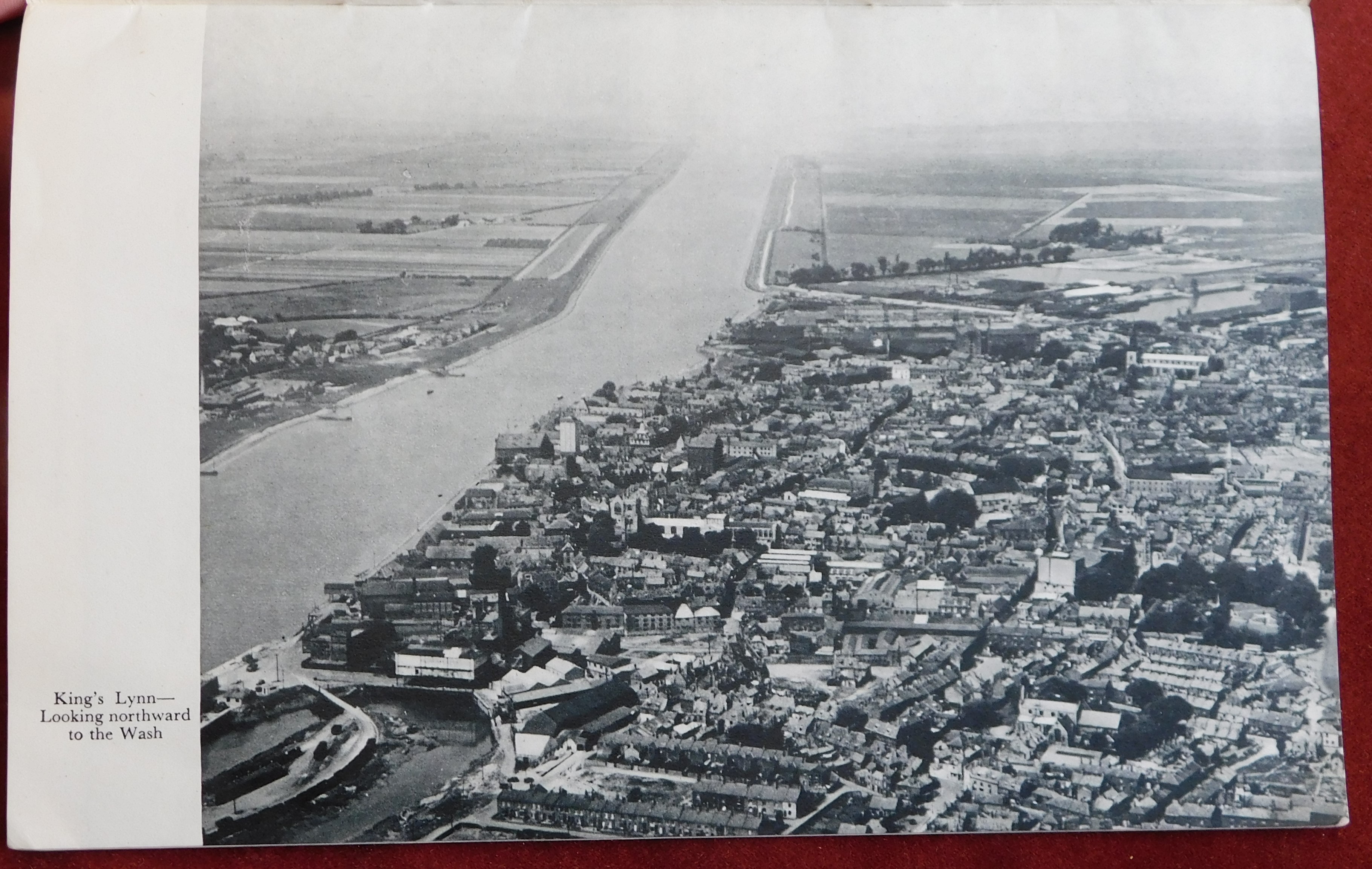
This is the first post I am creating that is inspired by lot 526 at James and Sons’ May auction. This item, a 1950 Temporary Guide to King’s Lynn was knocked down to me for £5. In the post that follows I will be showing each of the images I produced when photographing the item for auction and then producing pictures of the buildings concerned taken by me in 2024.
FRONT COVER AND MAP
The first two images are of the front cover and the map. These have no present day equivalents.
The Map…
COMPARISON PICTURES
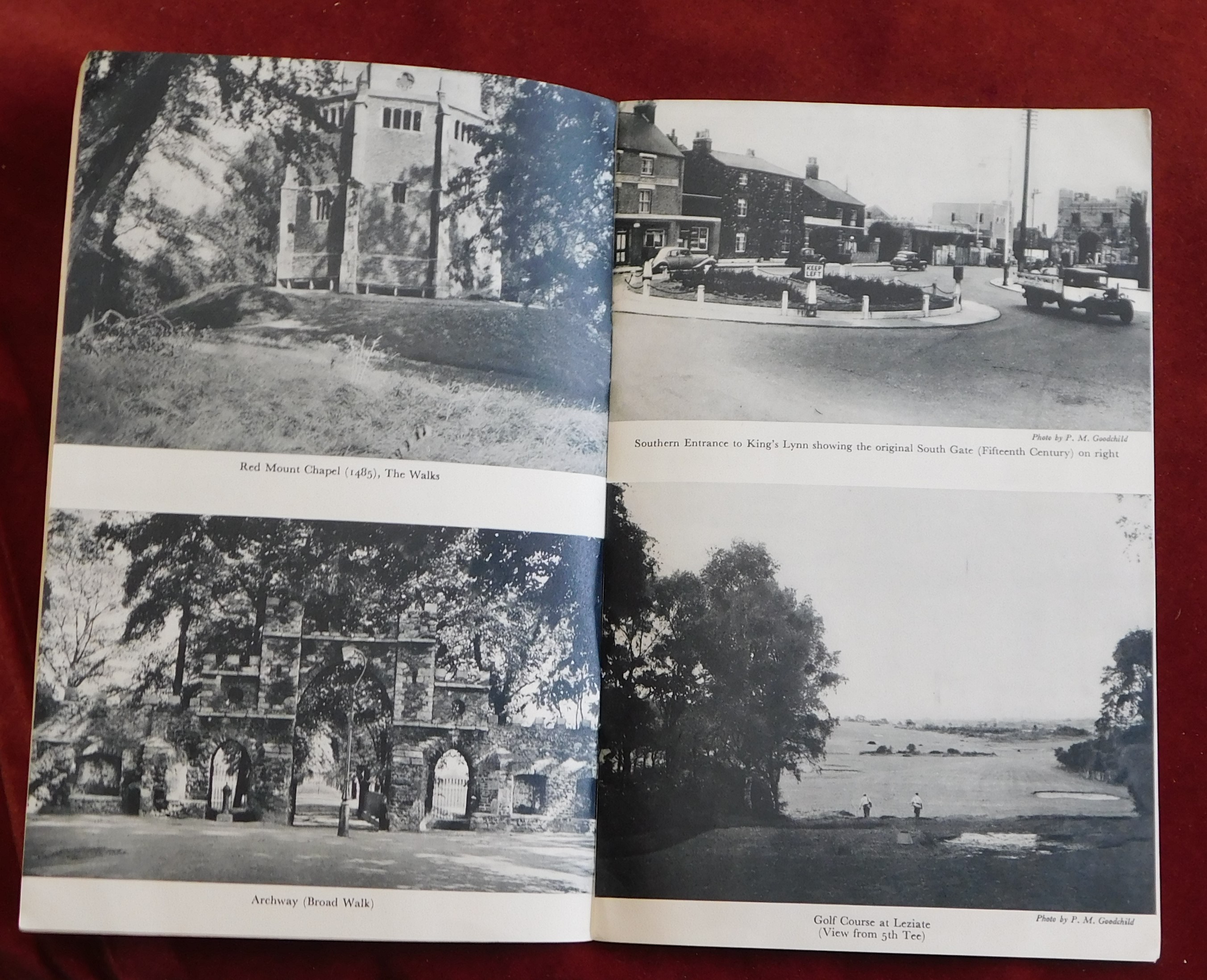
The first image that offers modern comparisons from my own stock of pictures is this one…
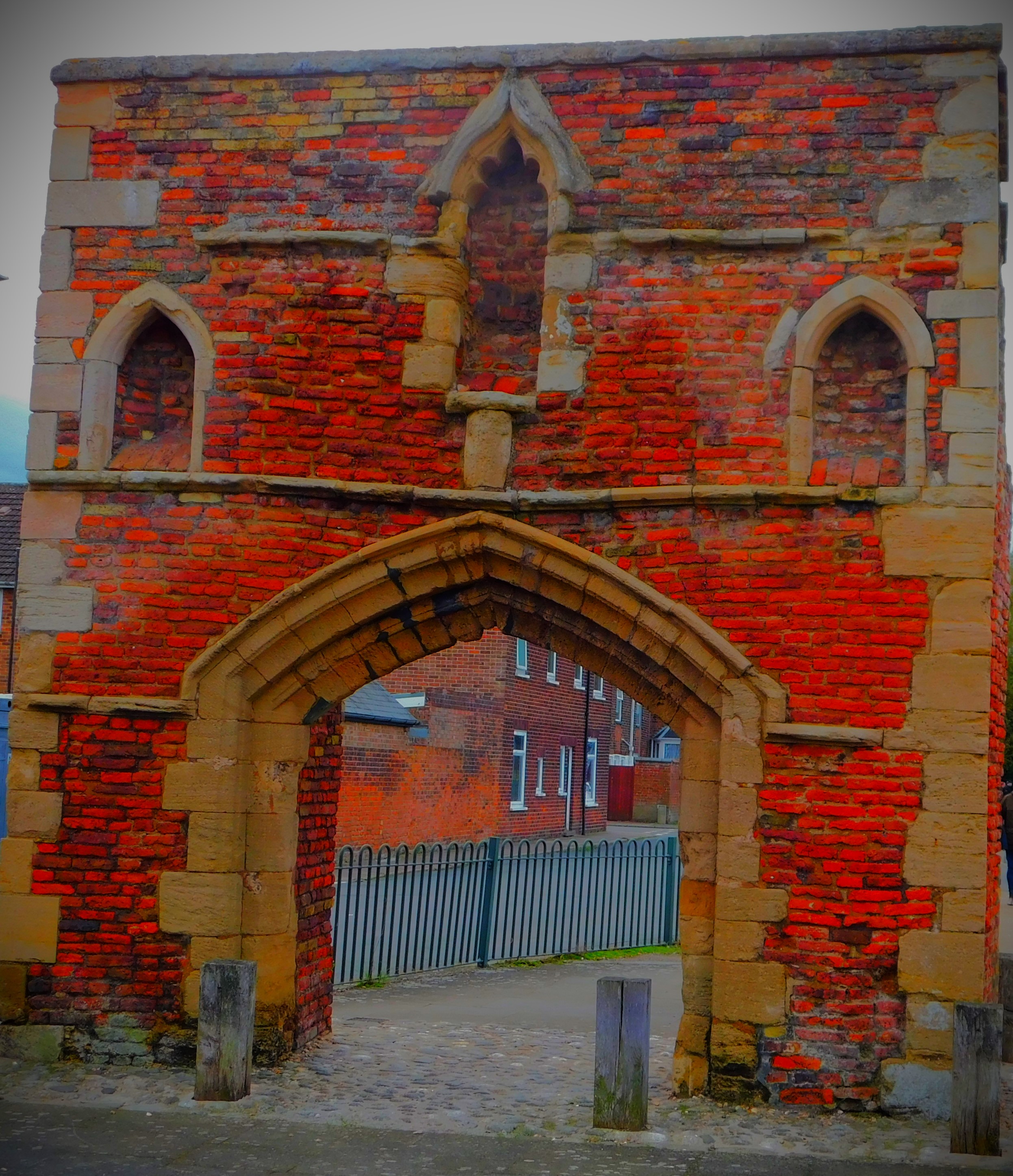
There are four landmarks in this image – The Red Mount Chapel and The Archway in Broad Walk, or as it is correctly known Guanock Gate, on the left side as you look, the South Gate Approach (no direct equivalent, but I have got the gate itself) and Leziate Golf Course (no equivalent).
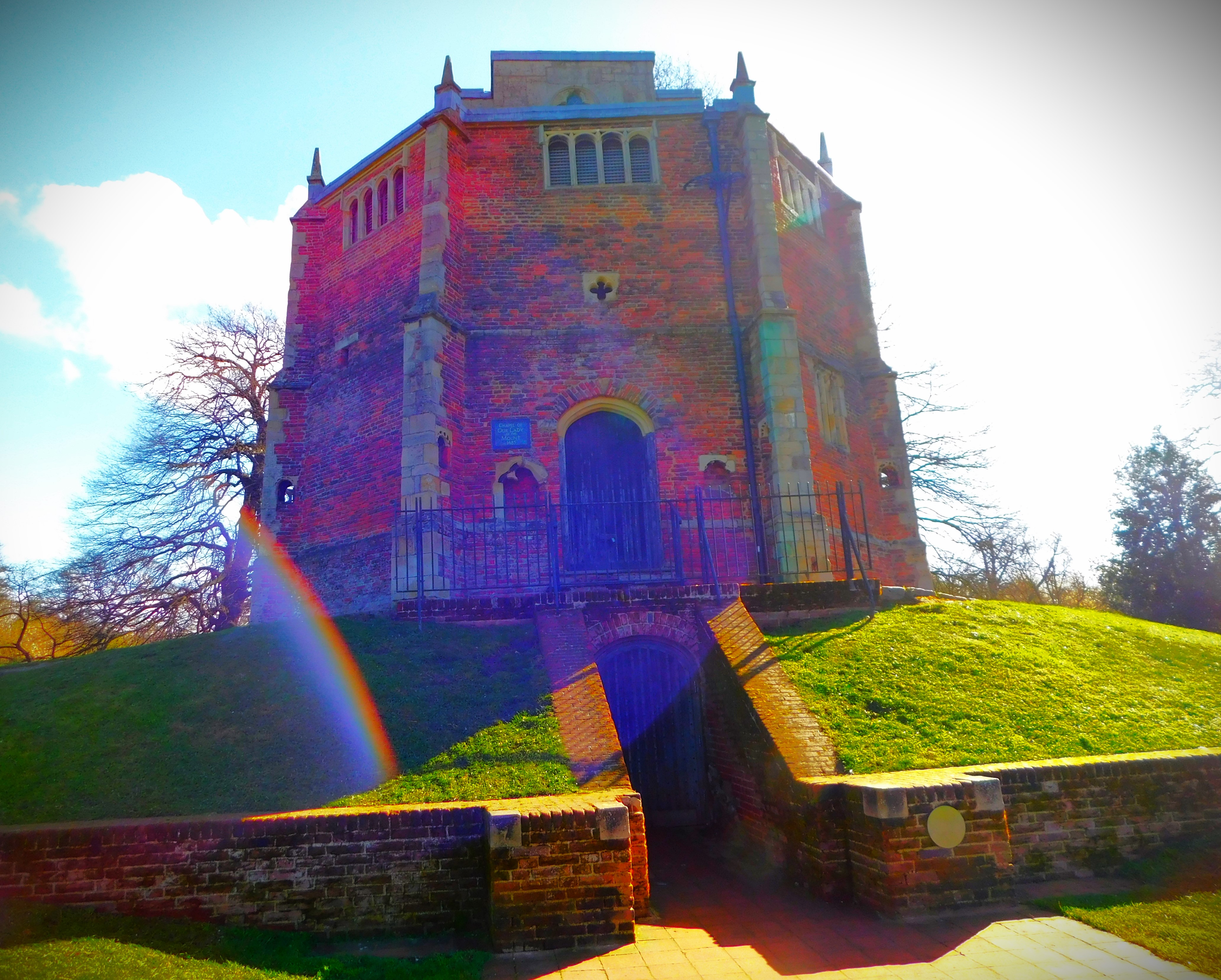
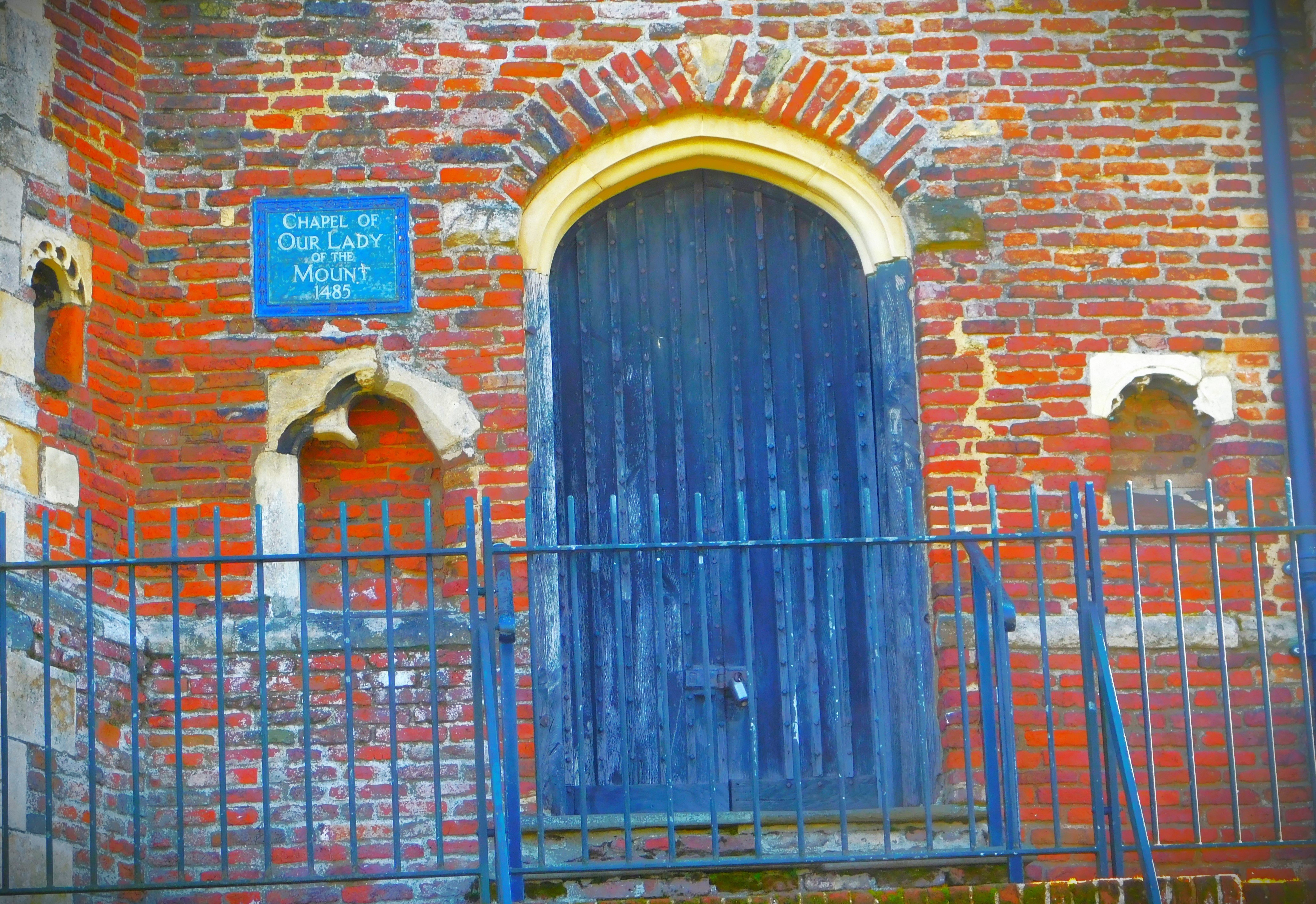
My pictures for comparison are presented as a gallery – to see a larger version of an image just click on it.
Front on view of the chapel.Close up of the upper door to the chapel.Close up of the name plaqueA more side on view of the chapel.The Guanock Gate town sideThe Guanock Gate out of town side.The South Gate looking towards the town.
Here is the next image from the booklet…
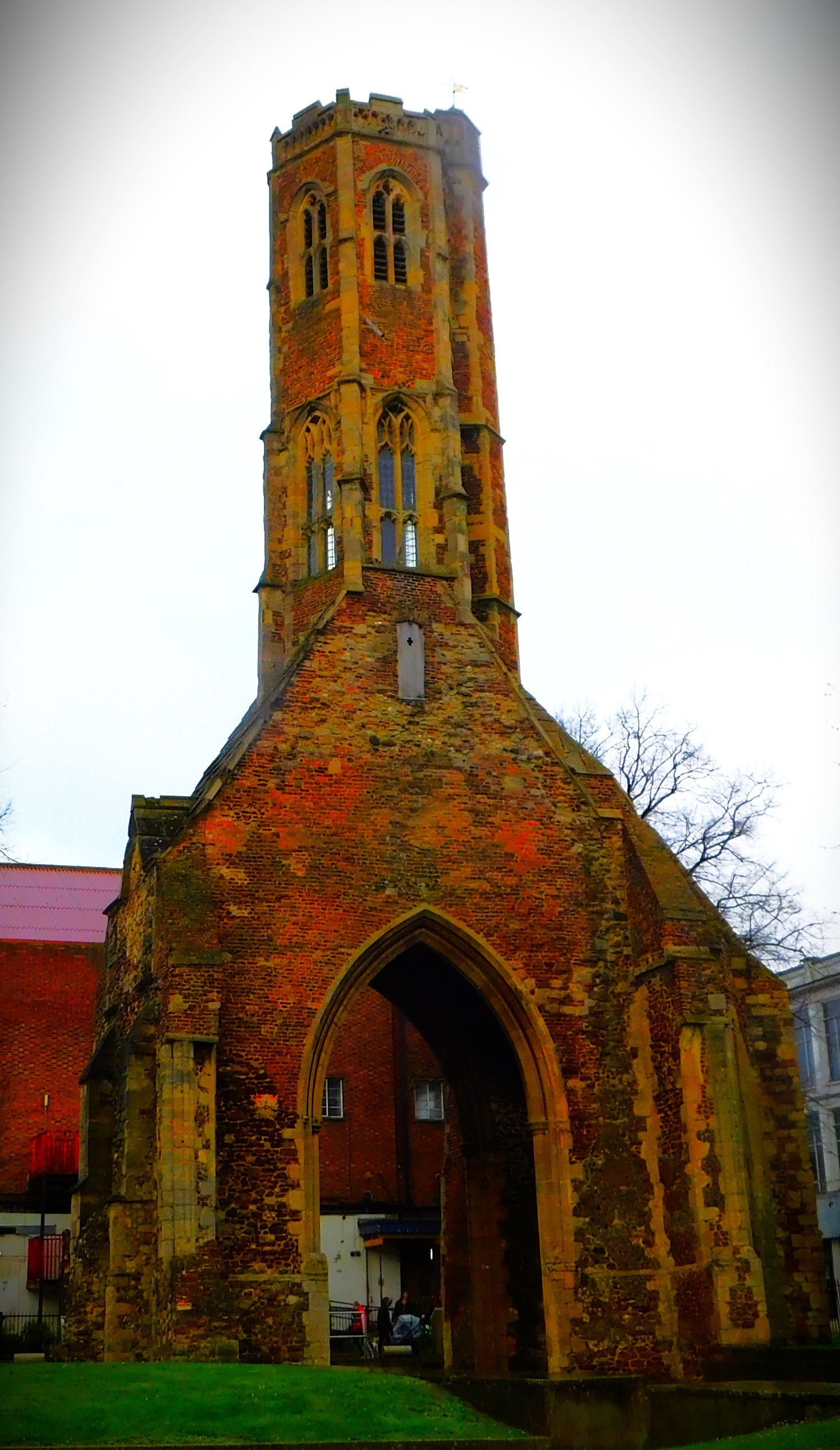
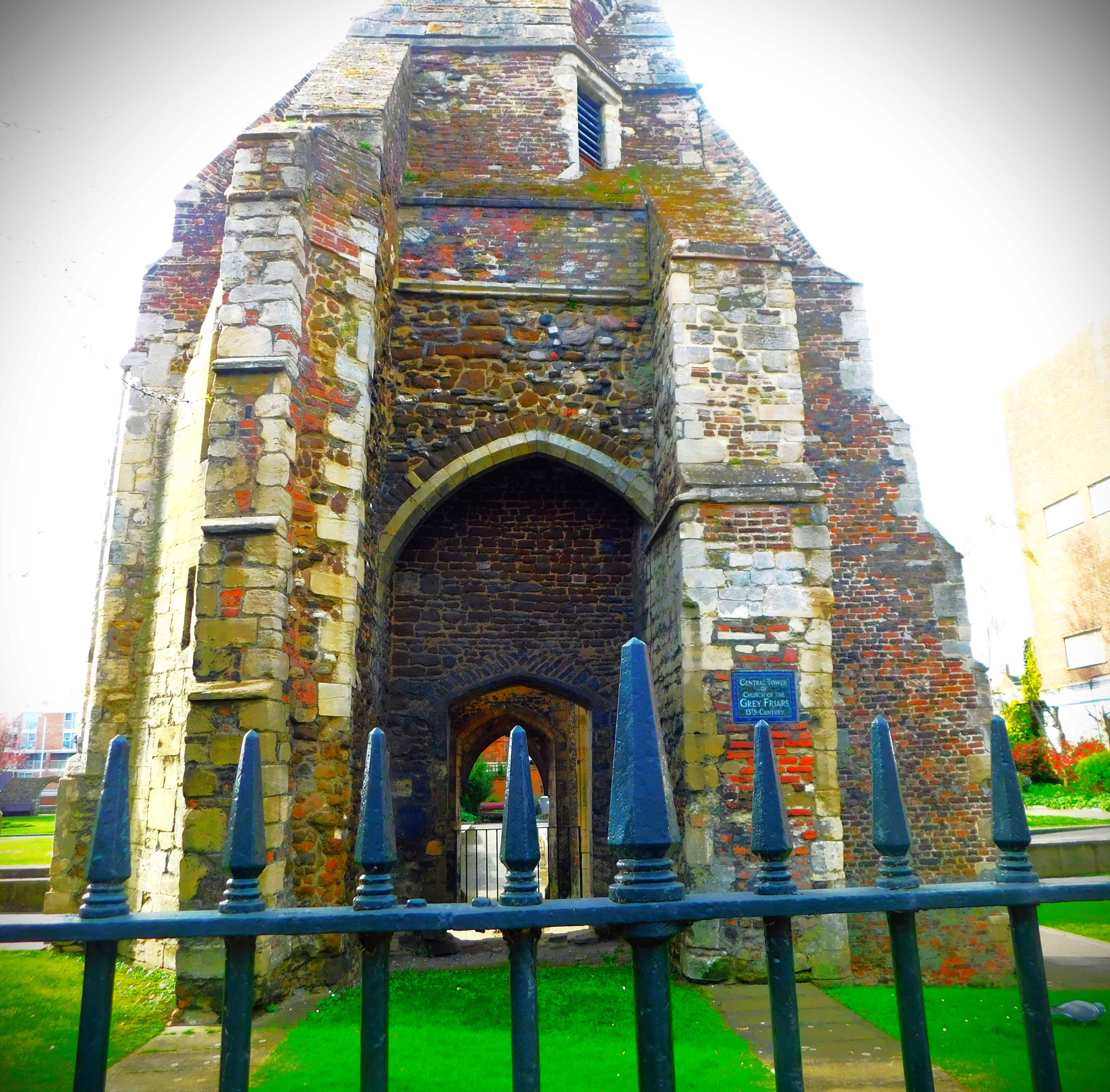
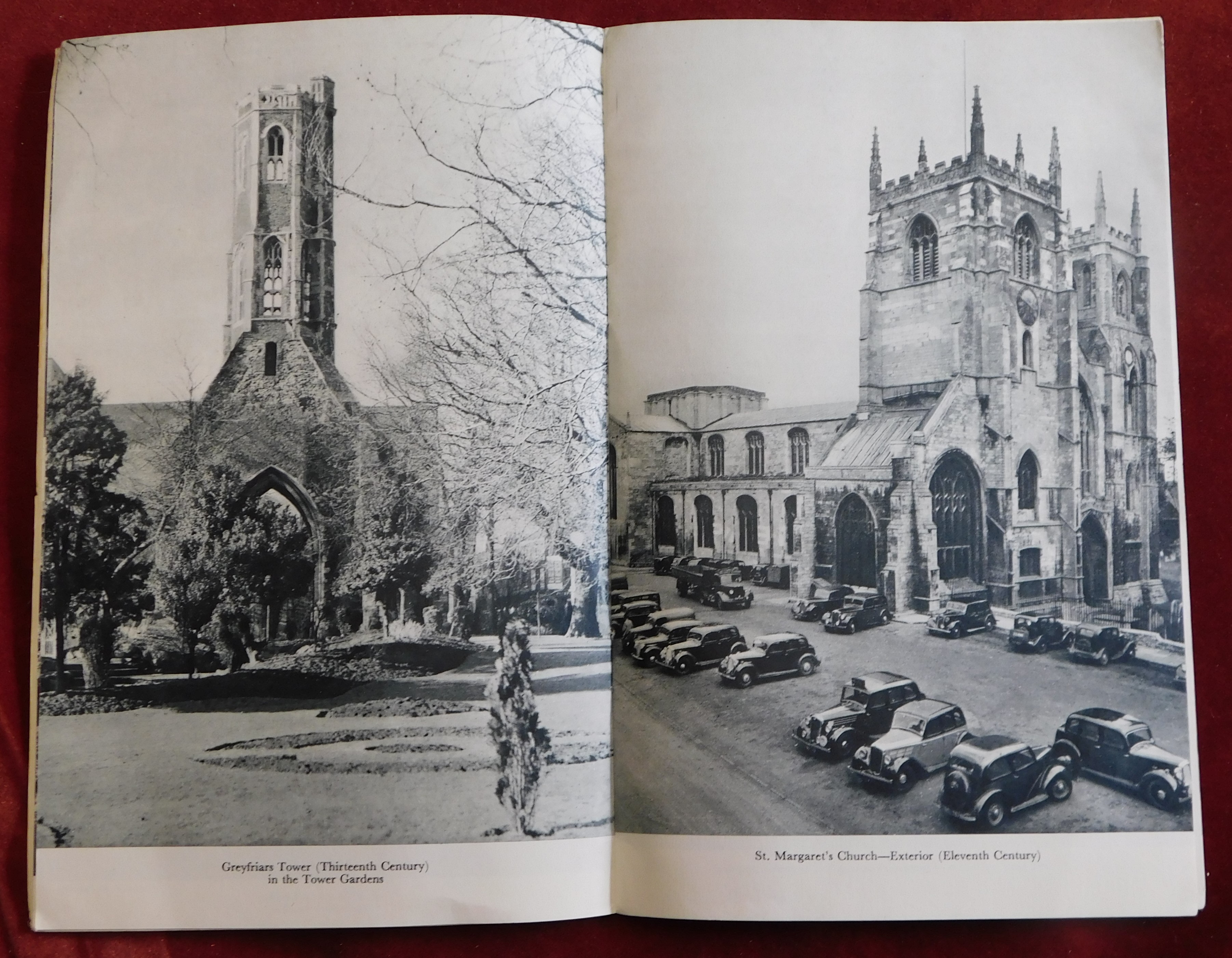
On the left is Greyfriars Tower and on the right what was then St Margarets Church and is now King’s Lynn Minster.
2024 versions…
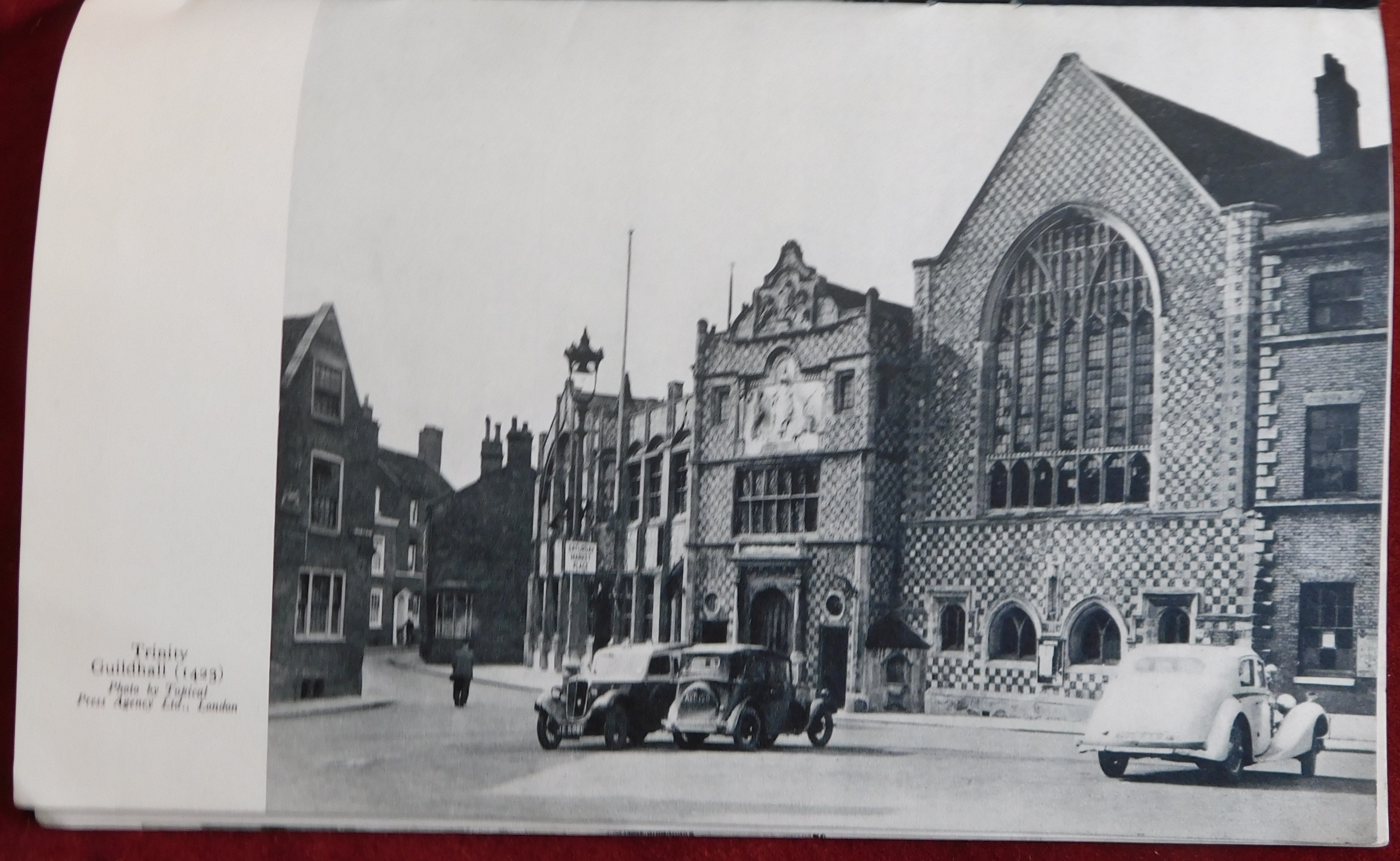
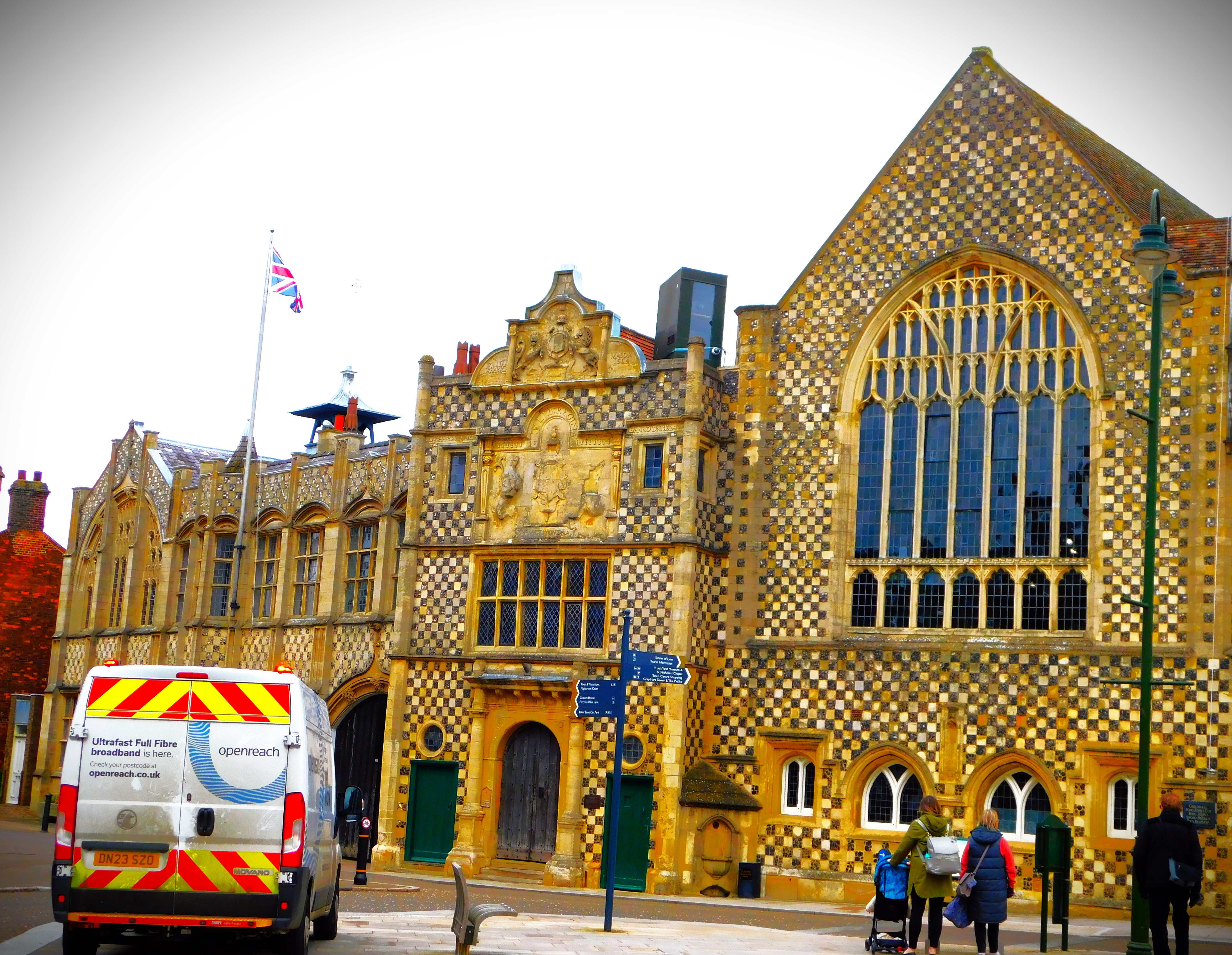
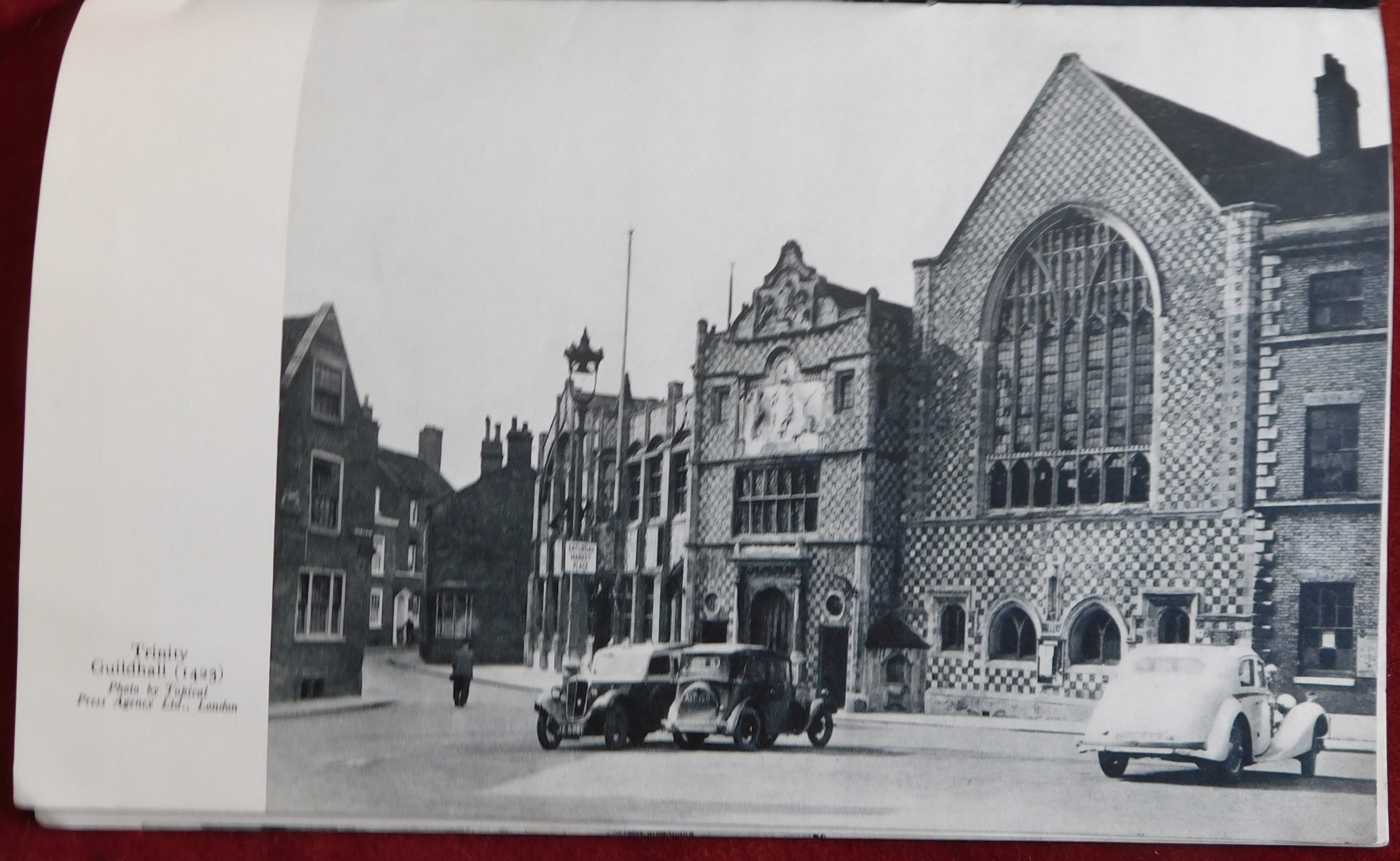
This was the next image I produced for auction…
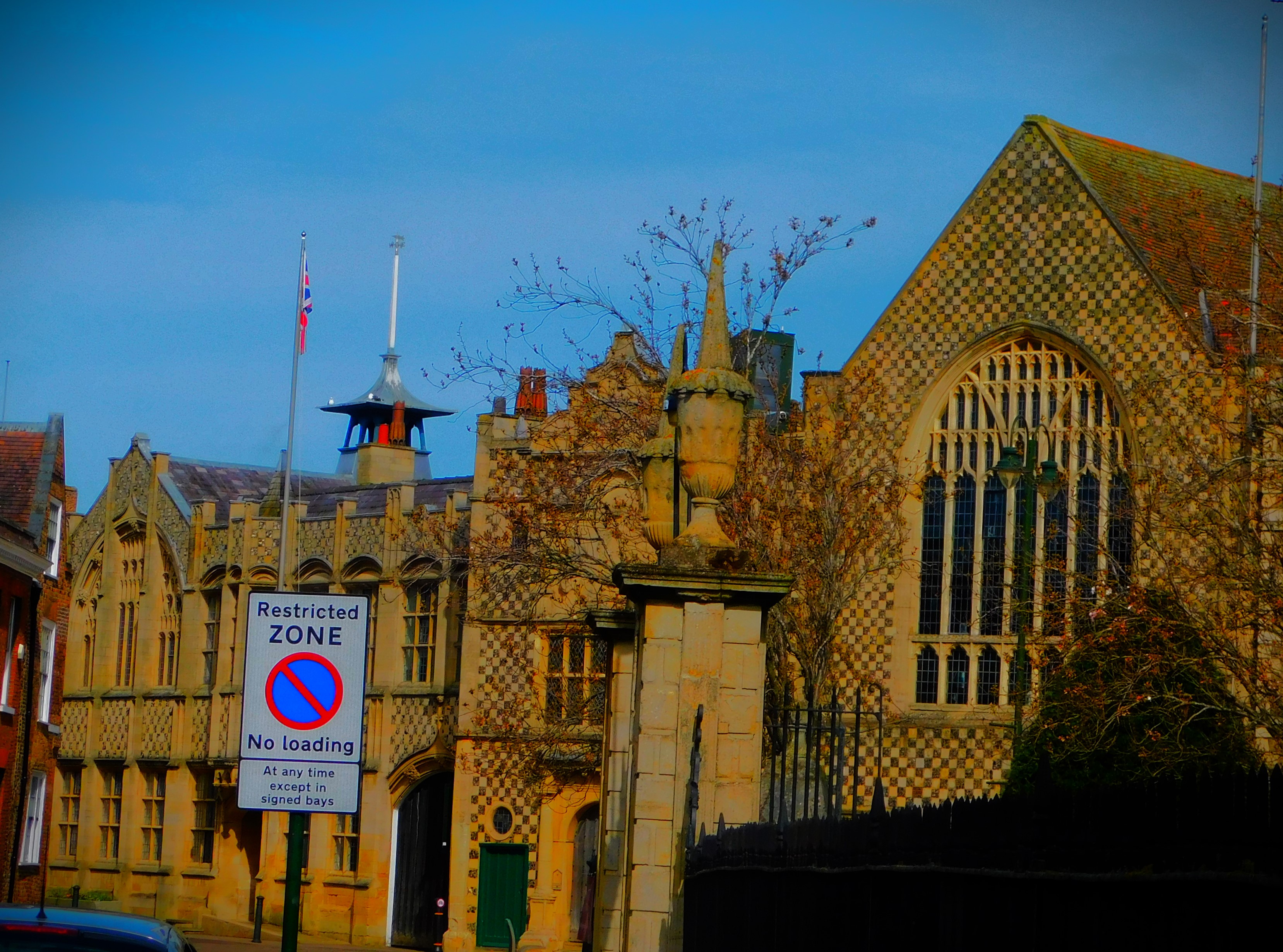
This is the iconic Guildhall of the Holy Trinity, also known as King’s Lynn Town Hall.2024 images of the building (six pics – click to view at a full size).
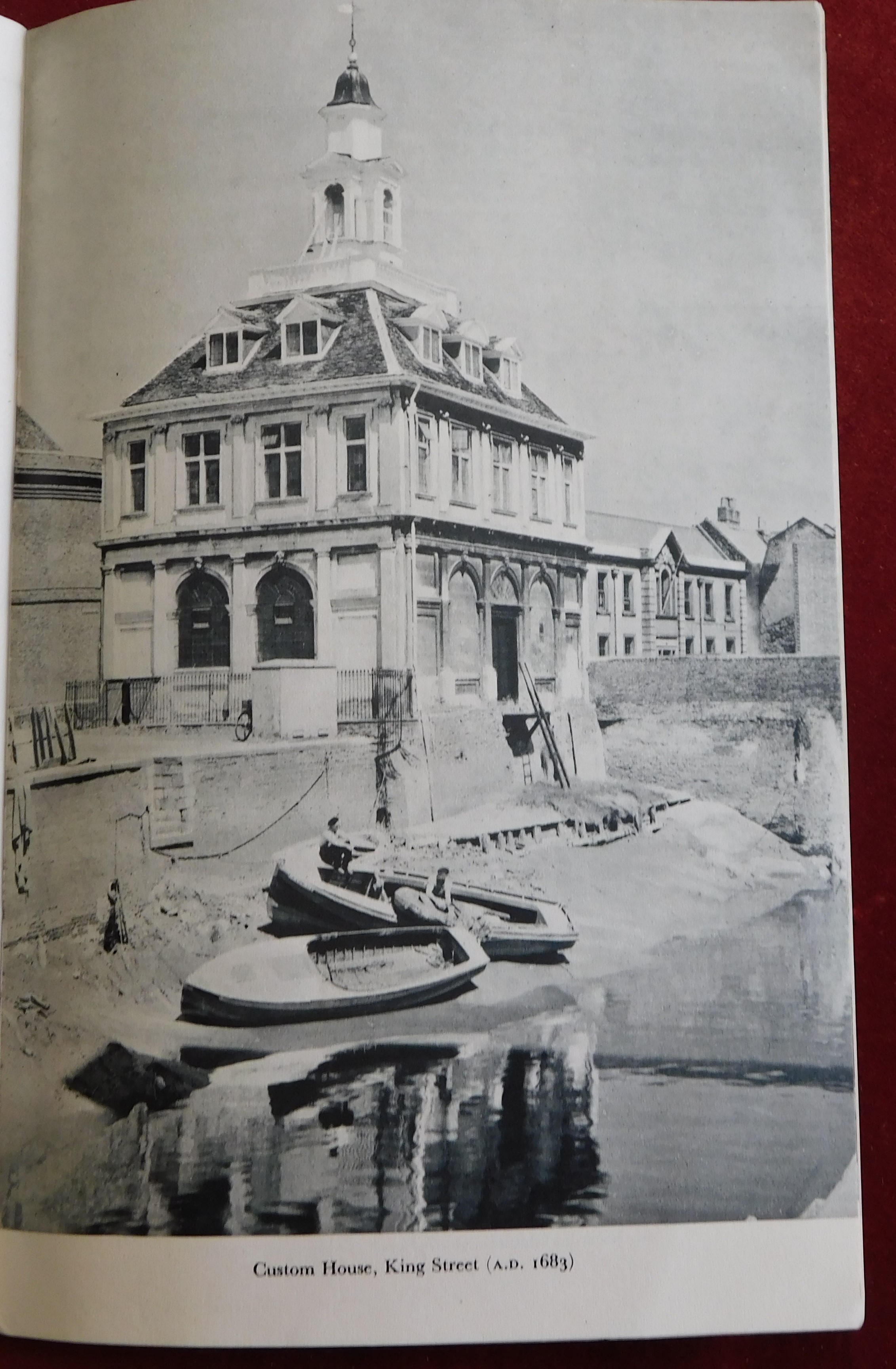
The next image I produced for auction was this:
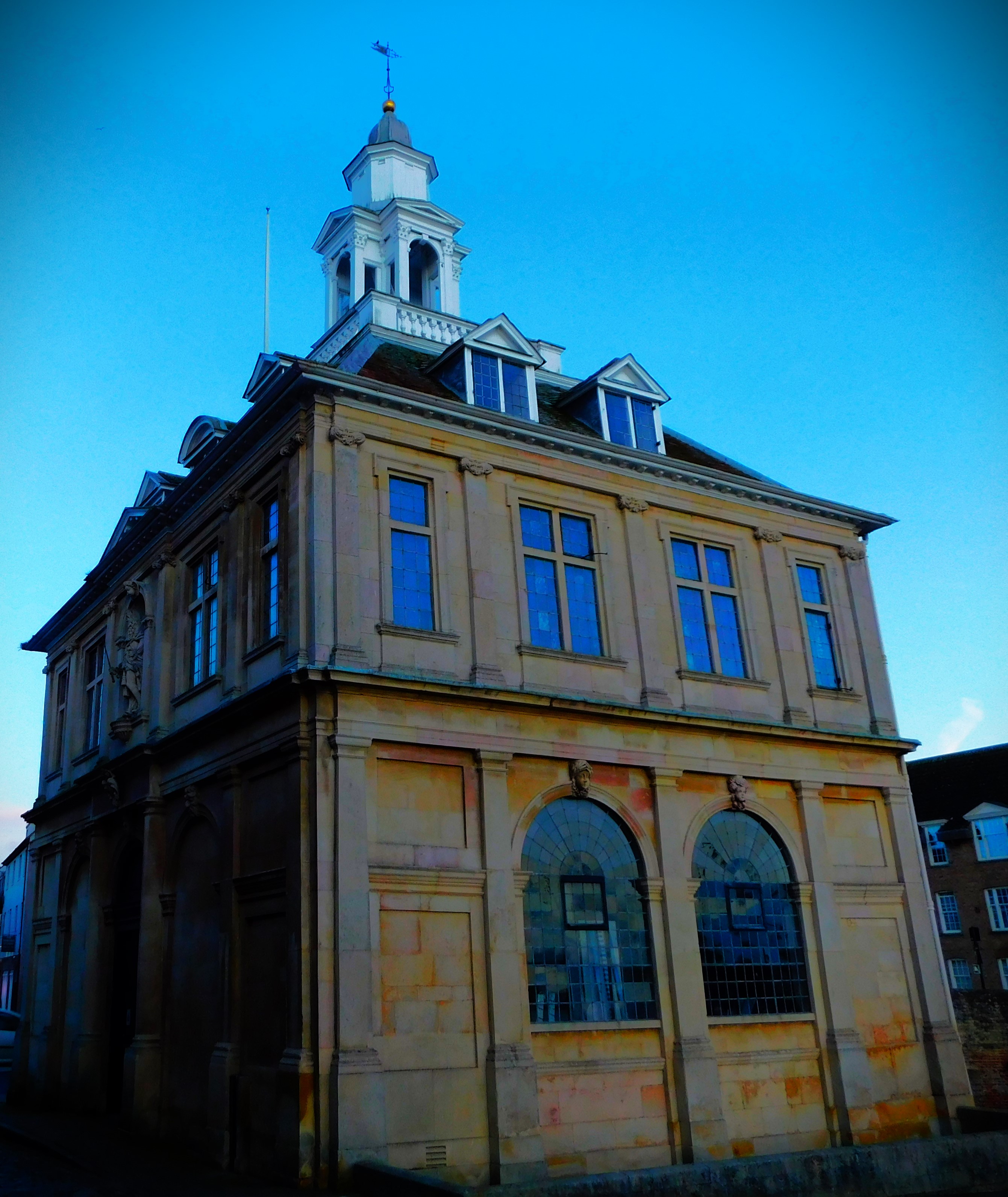
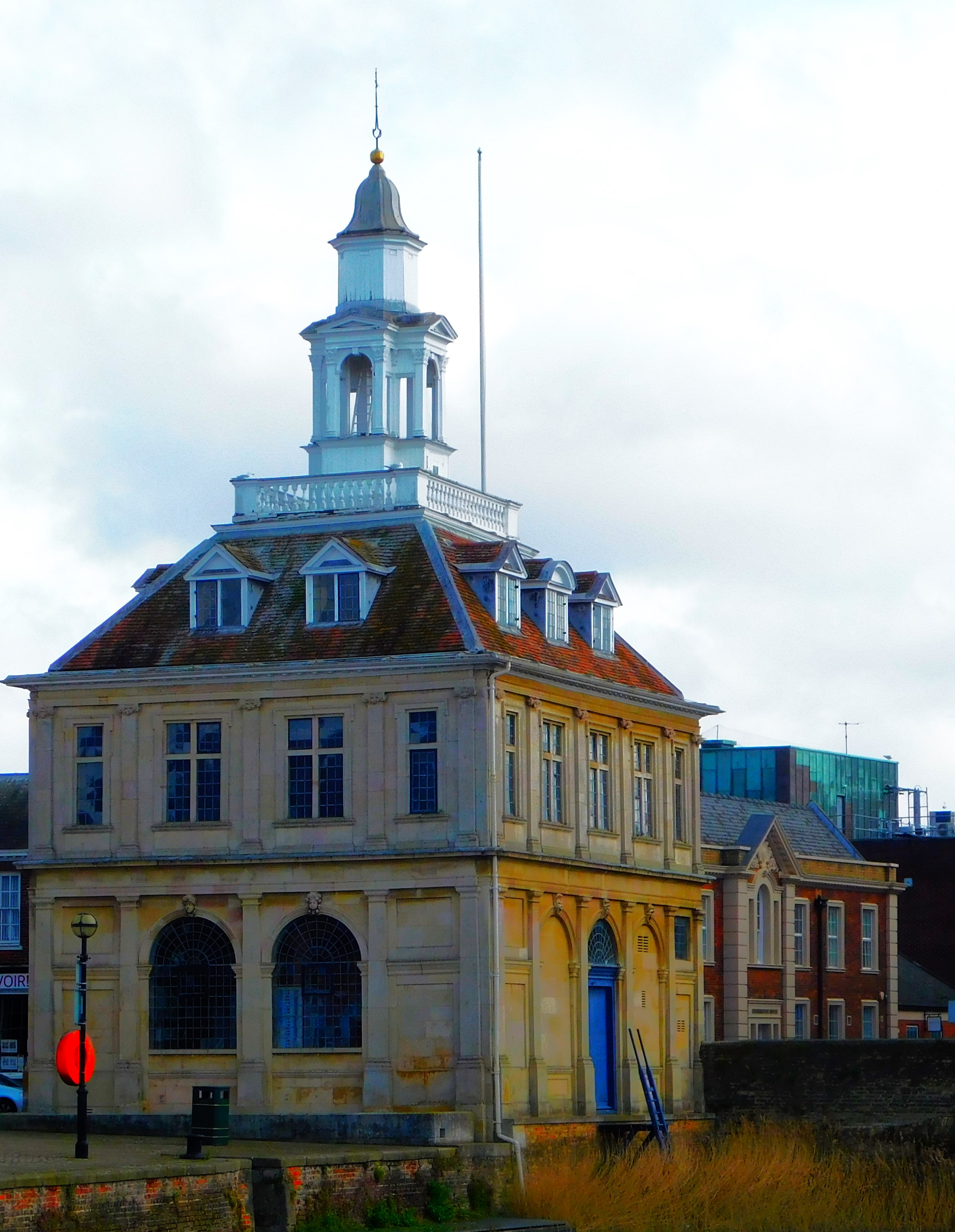
The Custom House, the most iconic building in the town.
The Custom House is the official dividing point between the two medieval towns that together form King’s Lynn. Here are some 2024 pictures…
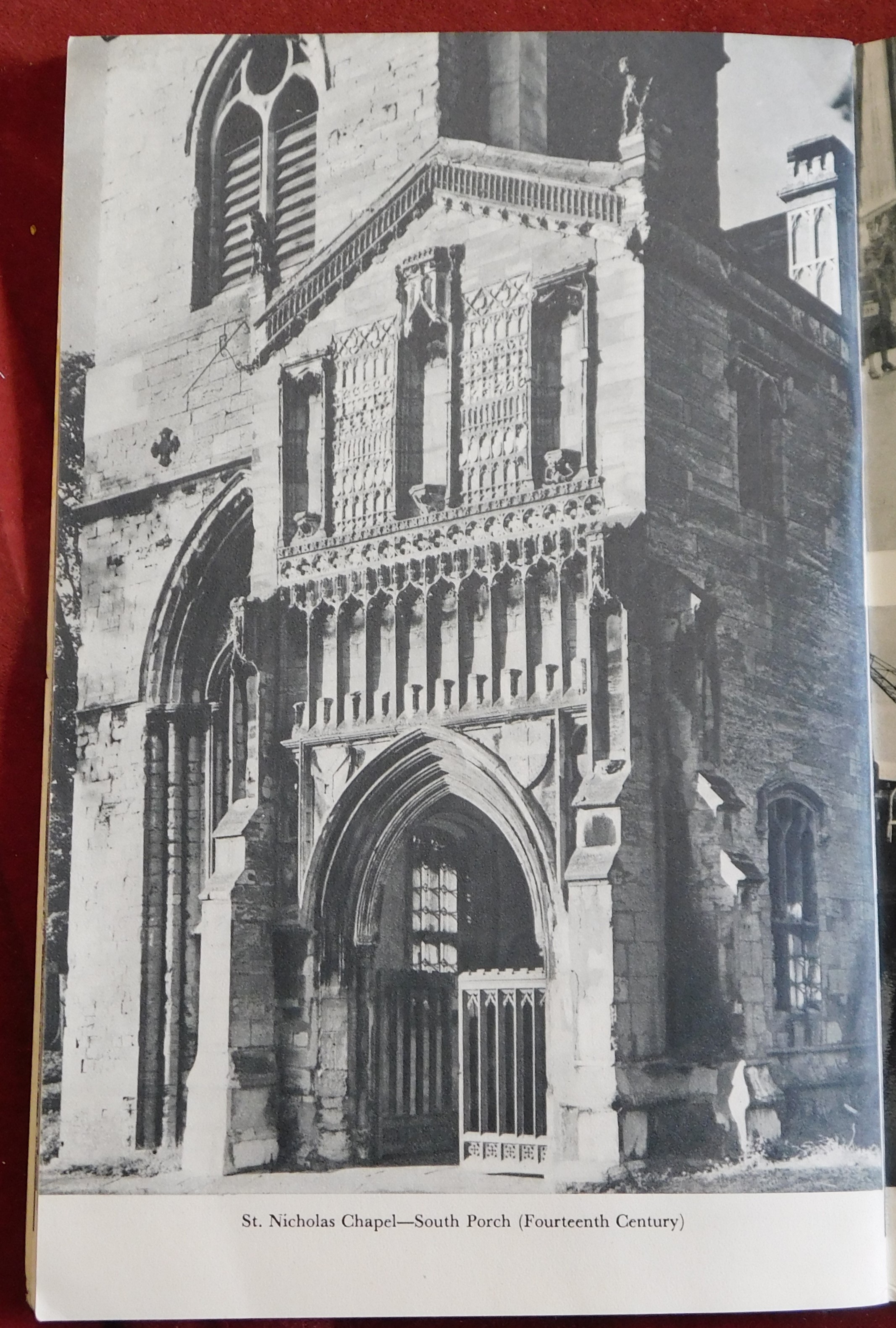
The next and final image in the gallery for auction was this one…
The South Porch of St Nicholas Chapel.
This is what this looks like in 2024…
There has recently been restoration work done on this chapel (witness the scaffolding in the top left corner of this picture.
A look back at the James and Sons auction that took place on Tuesday and Wednesday of this week, with lots of photos. Also a gallery of my usual hobby photos.
On Tuesday and Wednesday of this week James and Sons of Fakenham had their May auction. Tuesday was devoted to stamps and postal history, while Wednesday was a general auction, with lots of different types of stuff under the hammer. This post looks at some of the highlights of the two days.
TUESDAY – STAMPS ETC
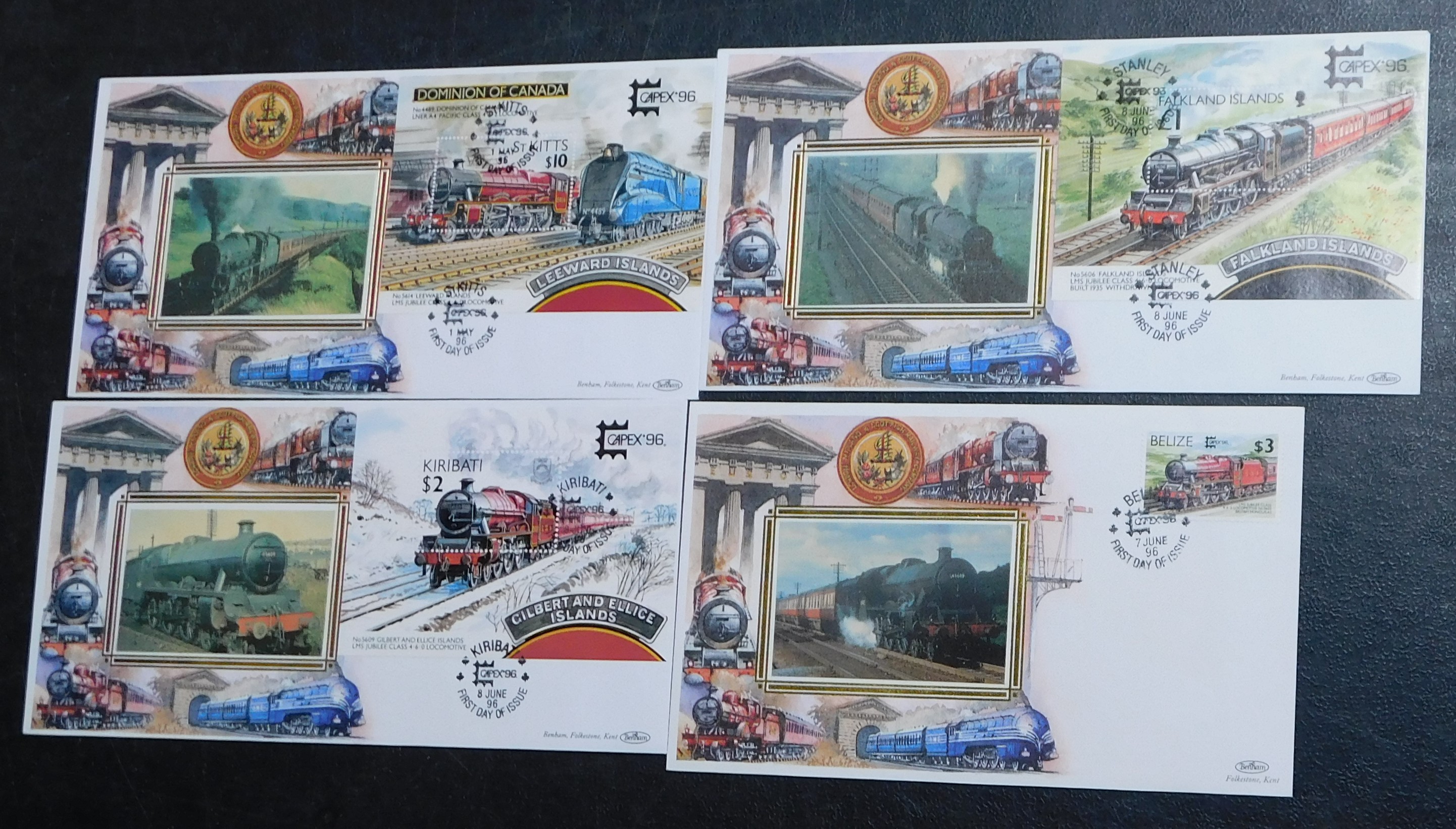
I was working above the shop where the auction was taking place, so cannot comment on the sale as a whole. However lot 256 went to me, and was clearly uncontested given how low the hammer price was. These are the images that were available to the general public:
Time constraints limited the size of the image gallery I could produce for this lot, but my own interest in securing meant the gallery had to be as complete as I could reasonably make it.
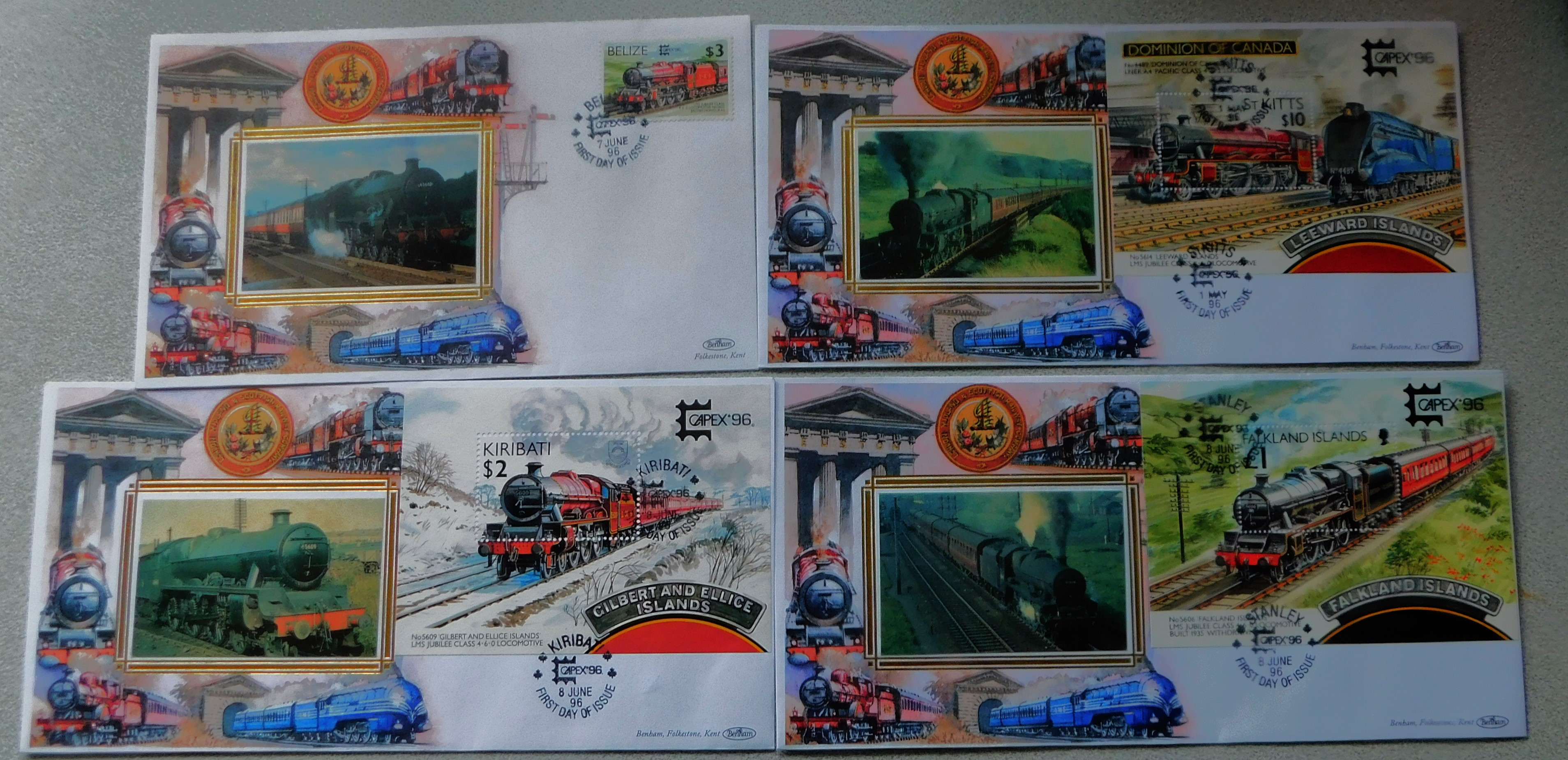
Here are my own photos of the lot post acquisition, taken at home yesterday morning:
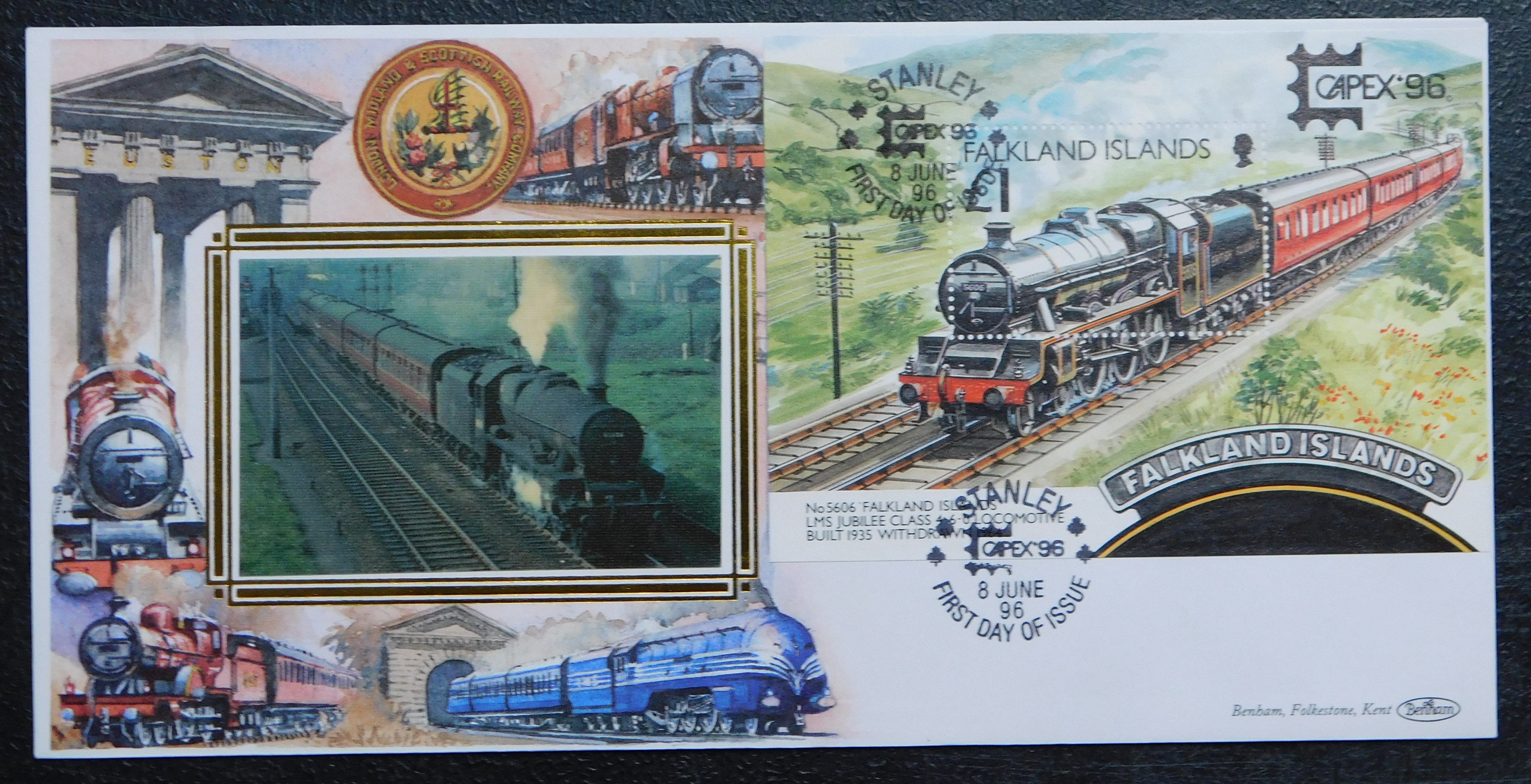
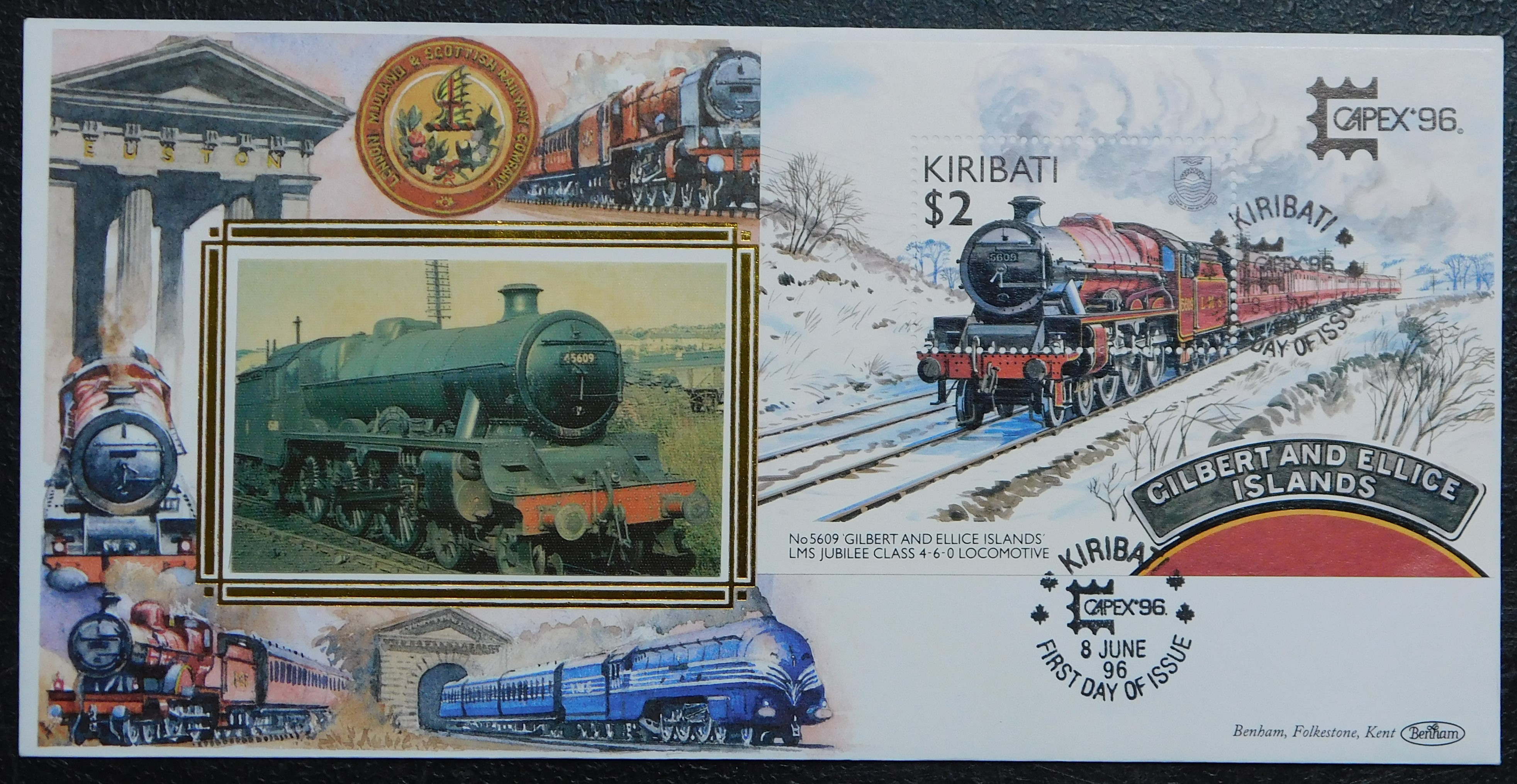
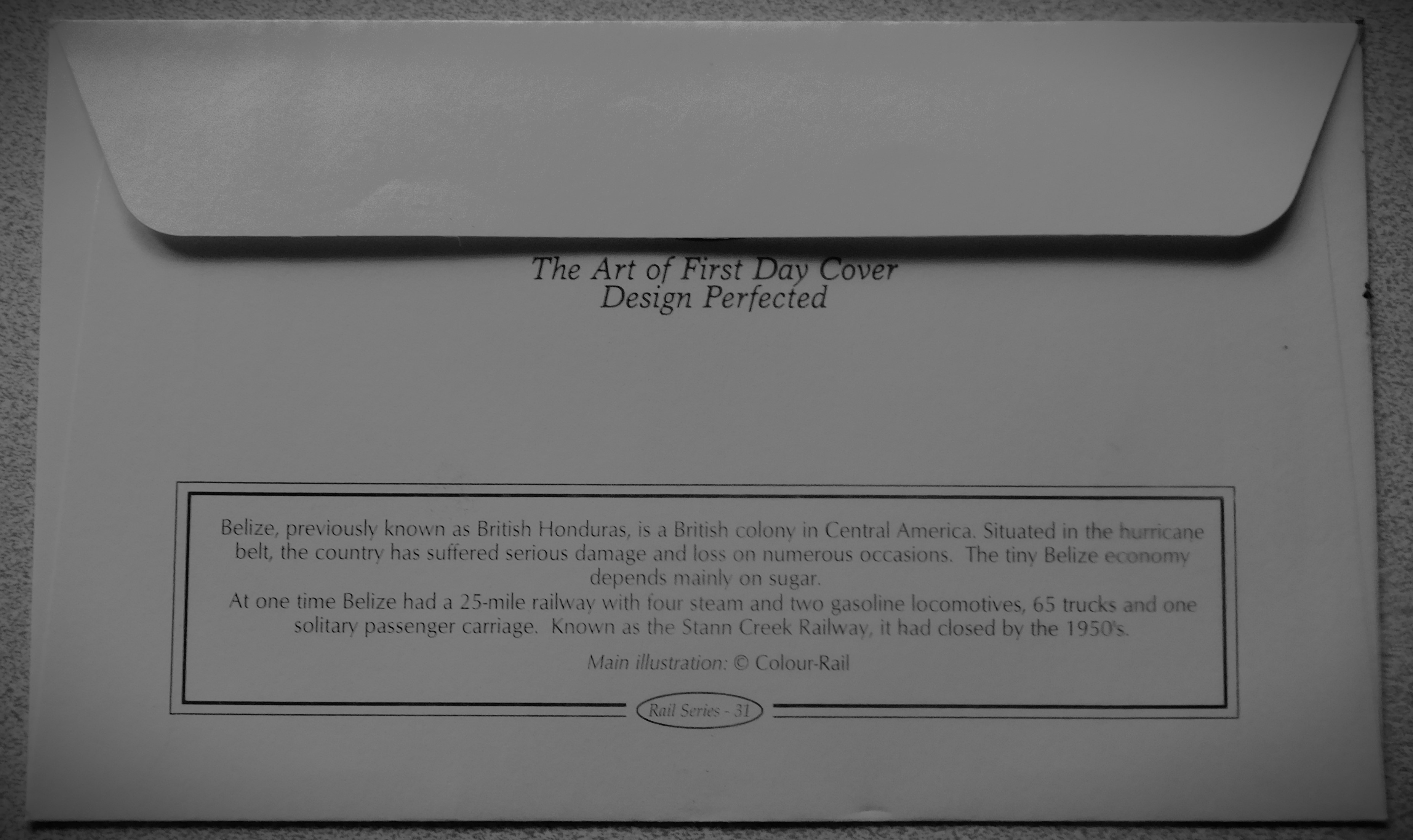
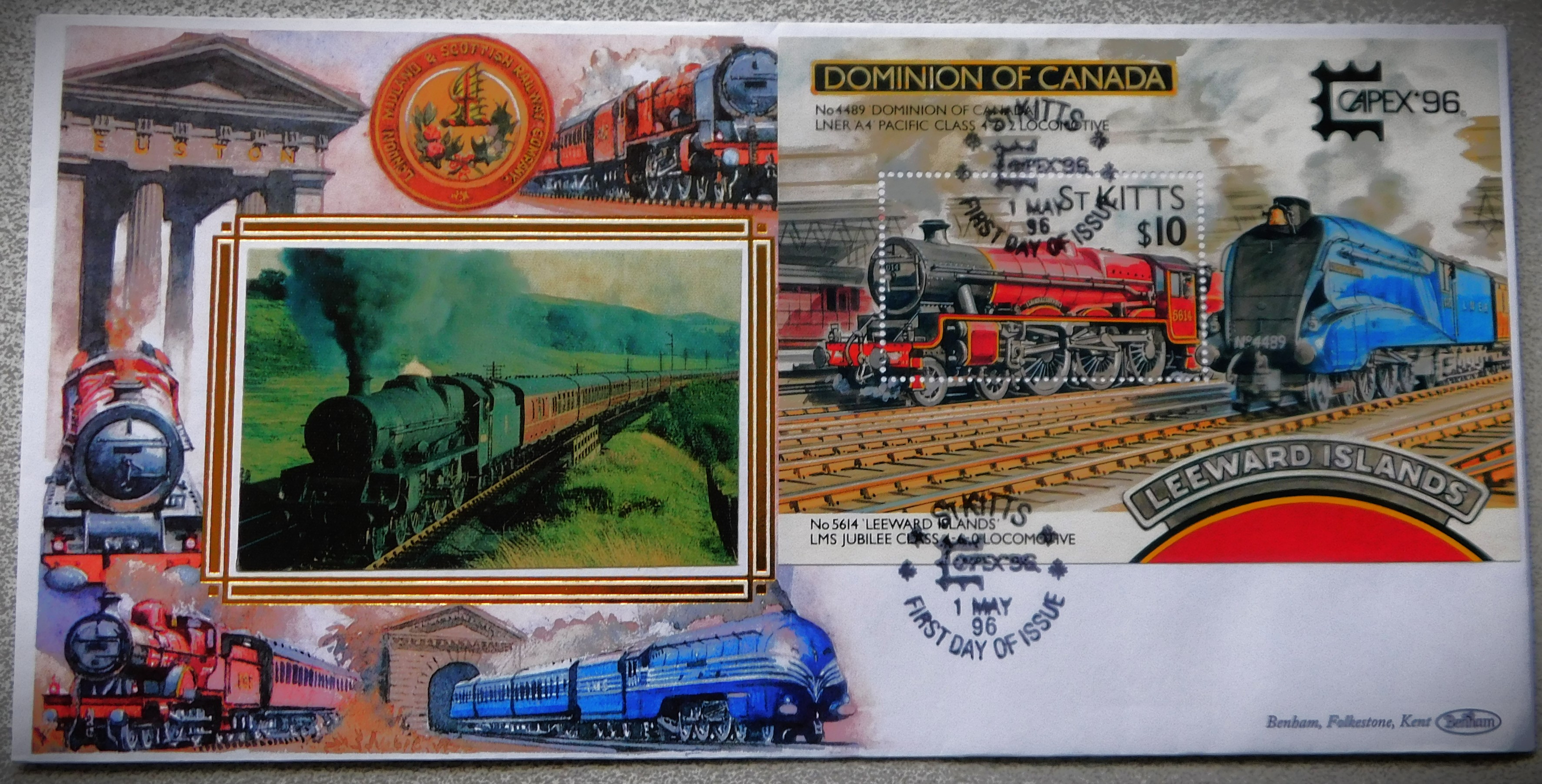
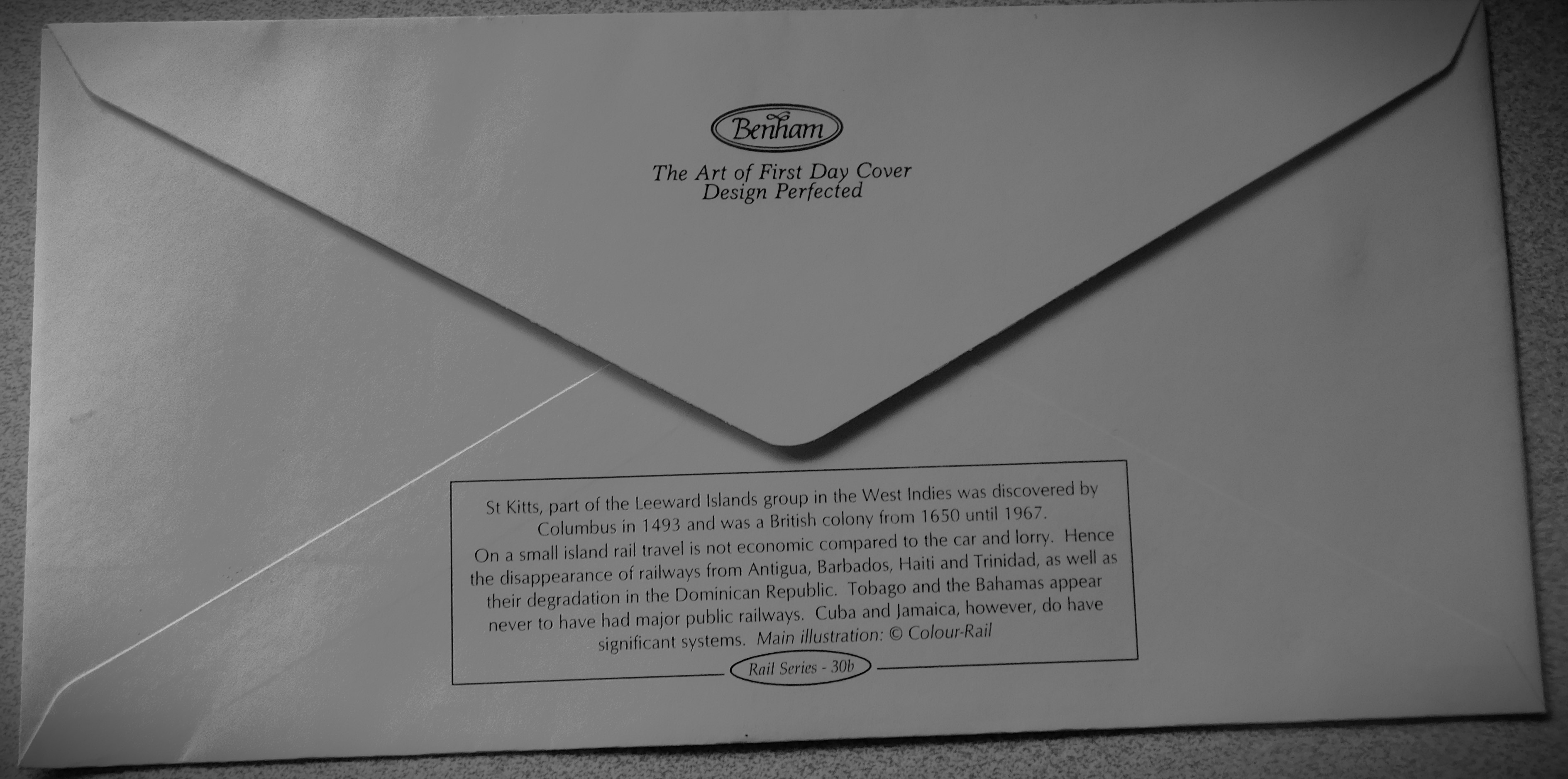
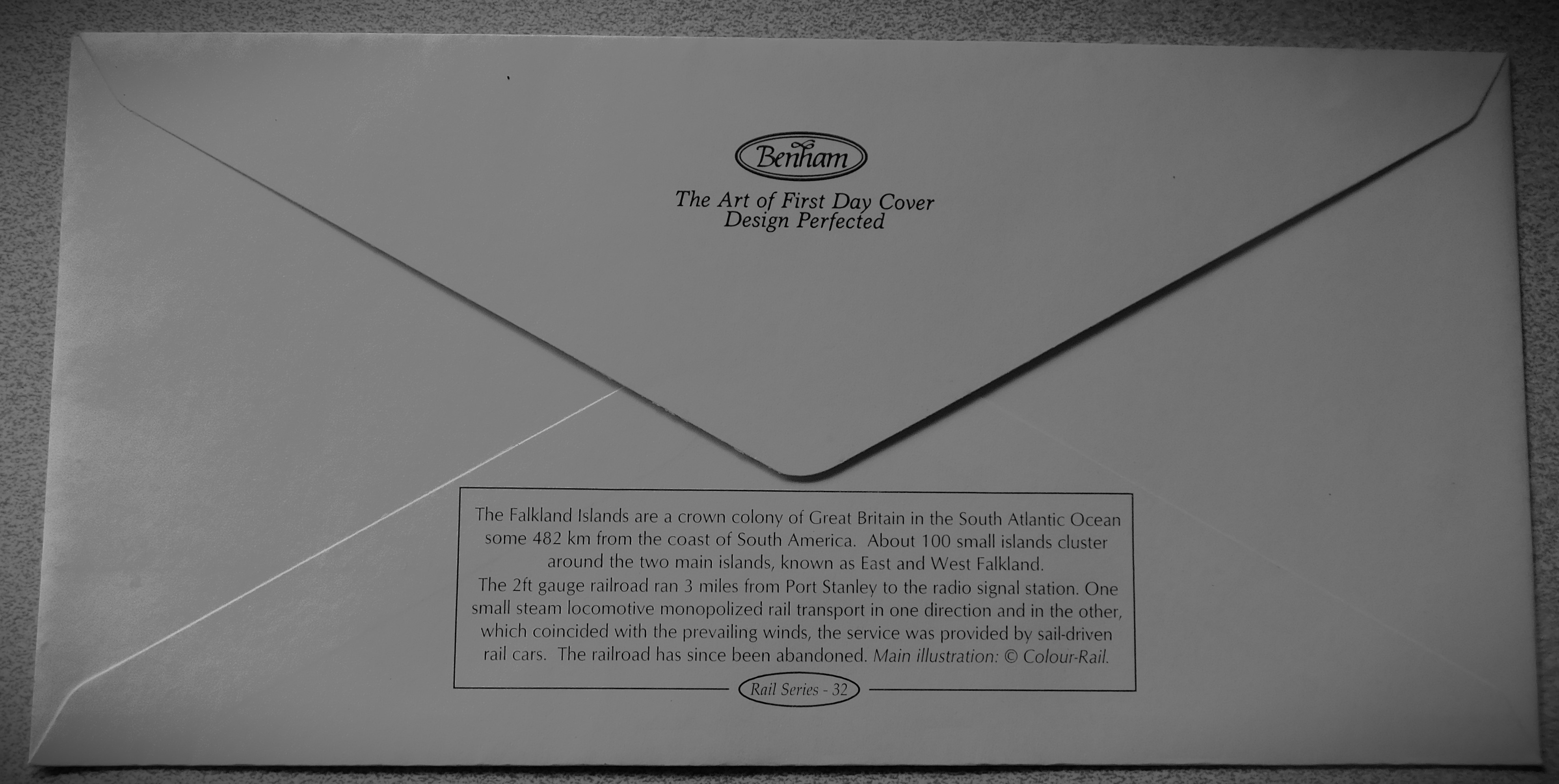
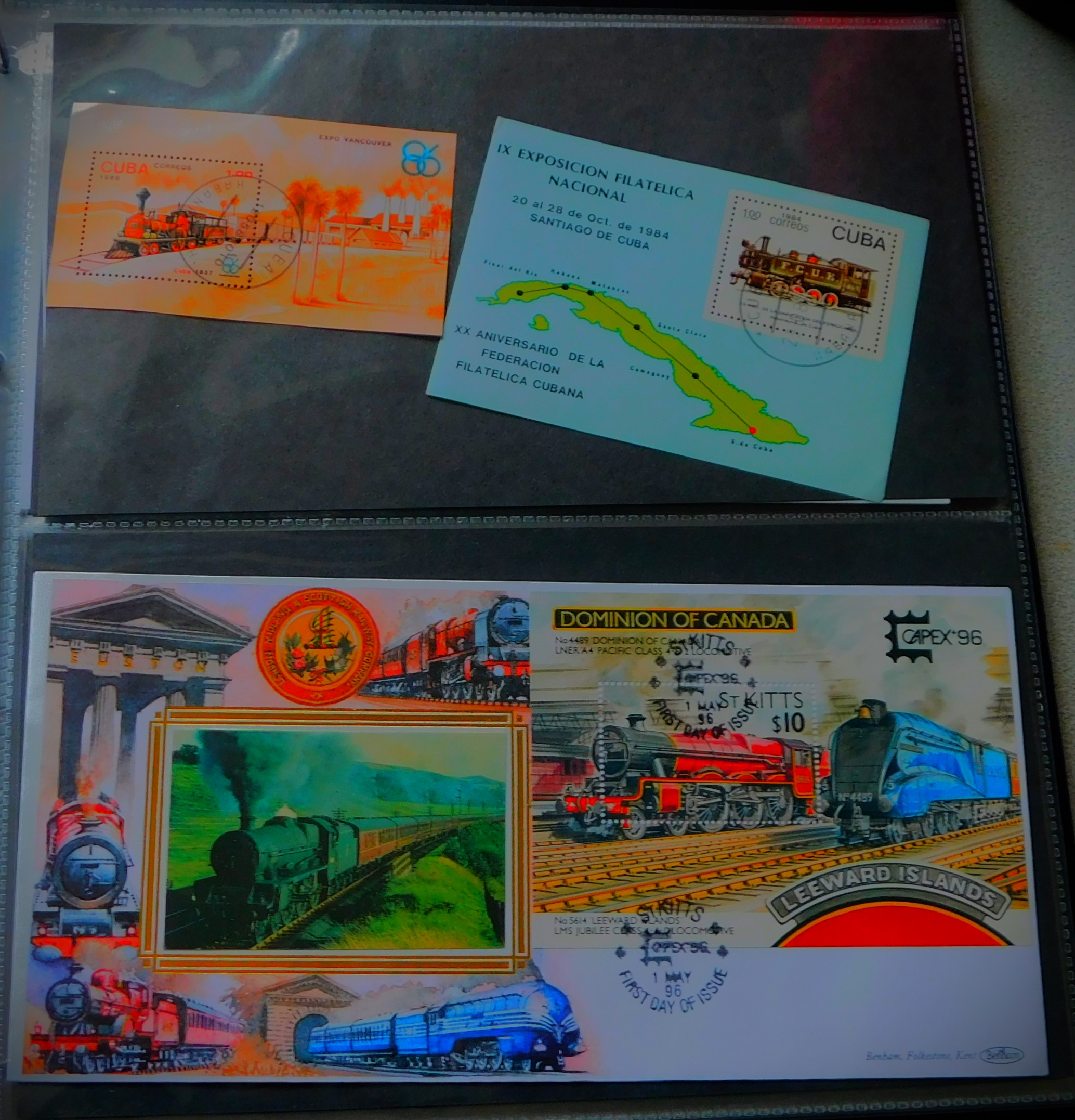
In the folder – for reaons that the final image will make clear I paired the Saint Kitts & Nevis item with something else with a Caribbean connection.I already had a copy of the Kiribati cover, so I needed five slots in total, hence the earlier image.
DAY TWO
This sale started very quietly (I was watching from home), with lot 526 going to me uncontested. This item will be at the heart of at least one major blog post and possibly more, so I present only the image gallery I produced for it to go under the hammer:
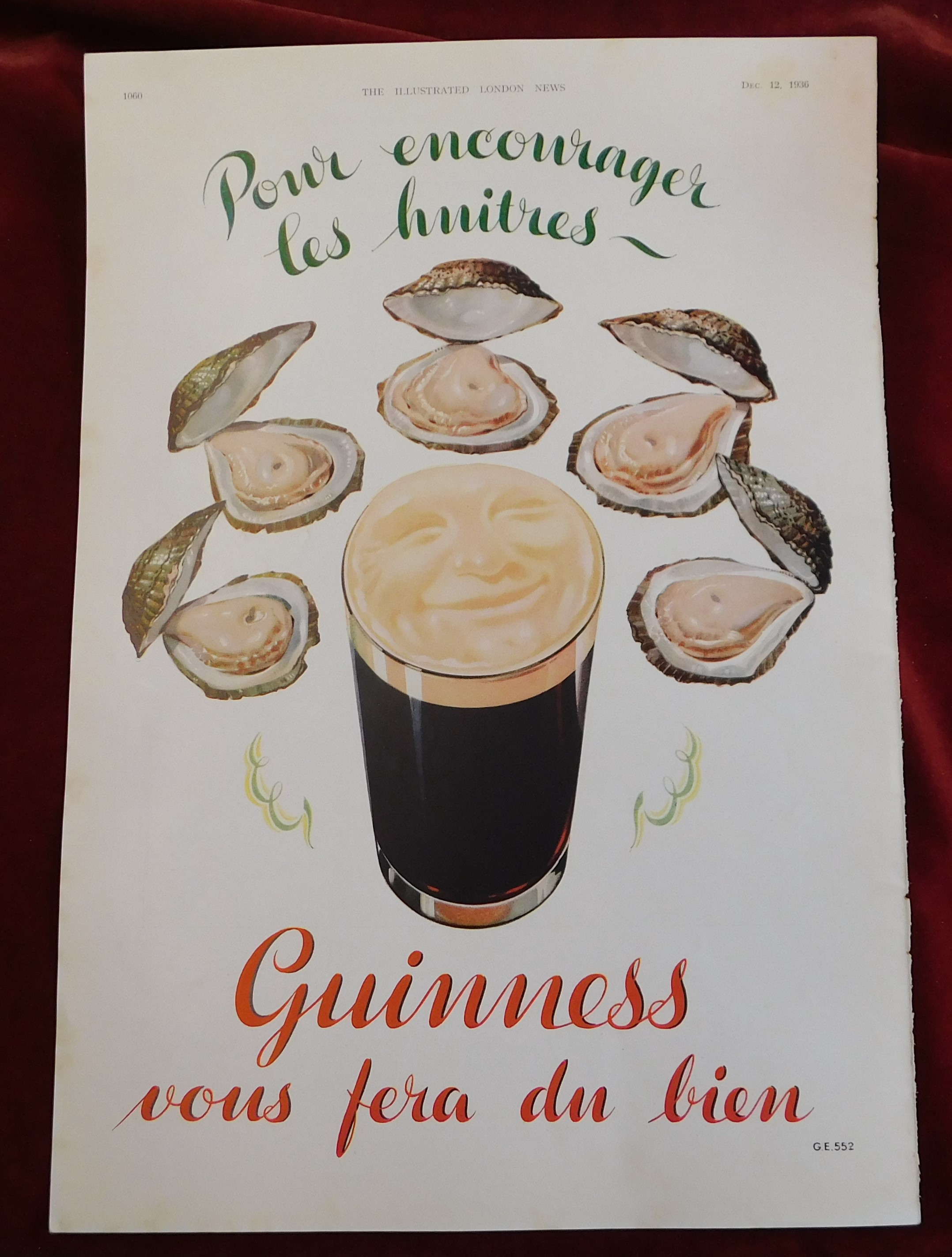
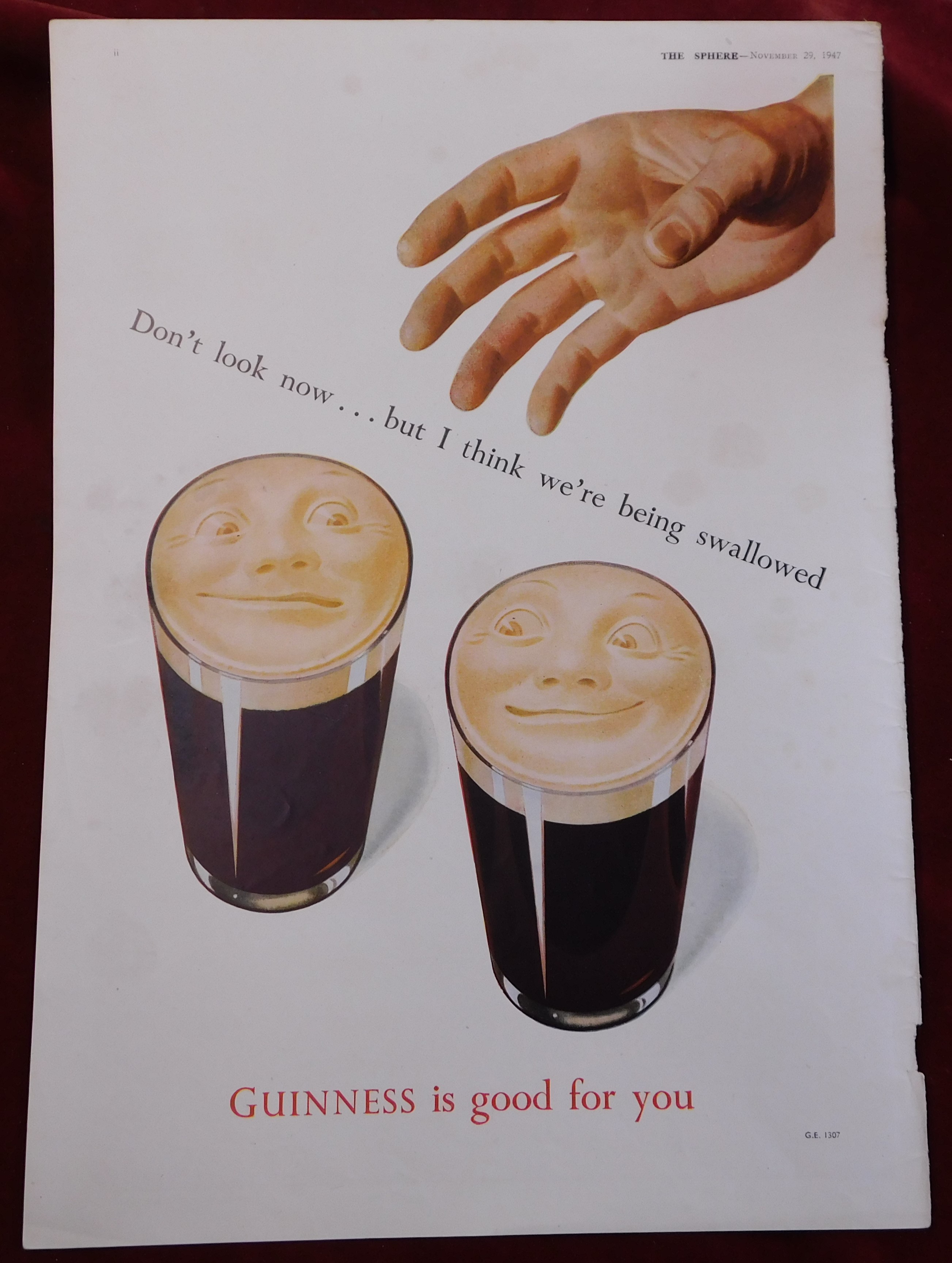
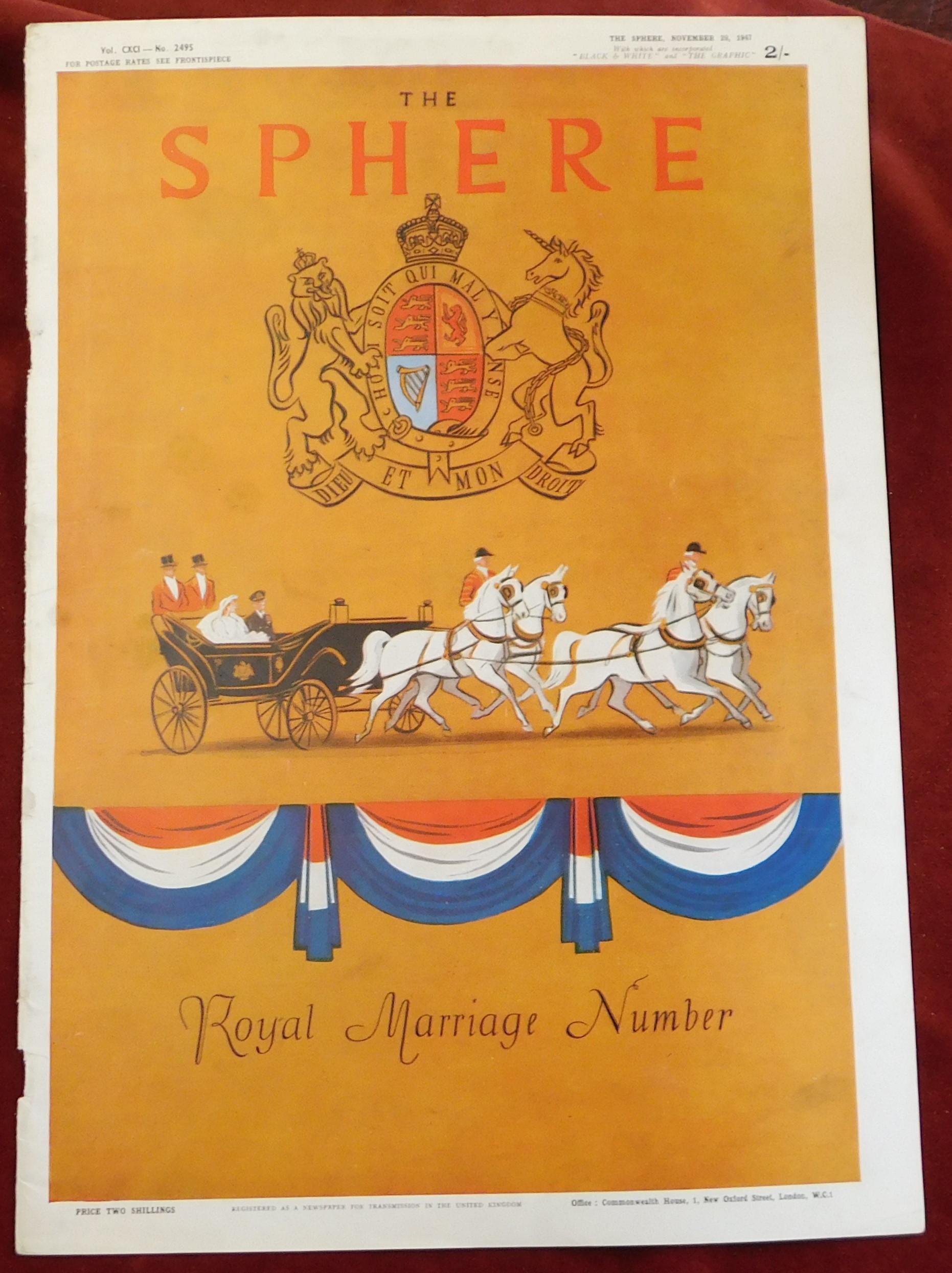
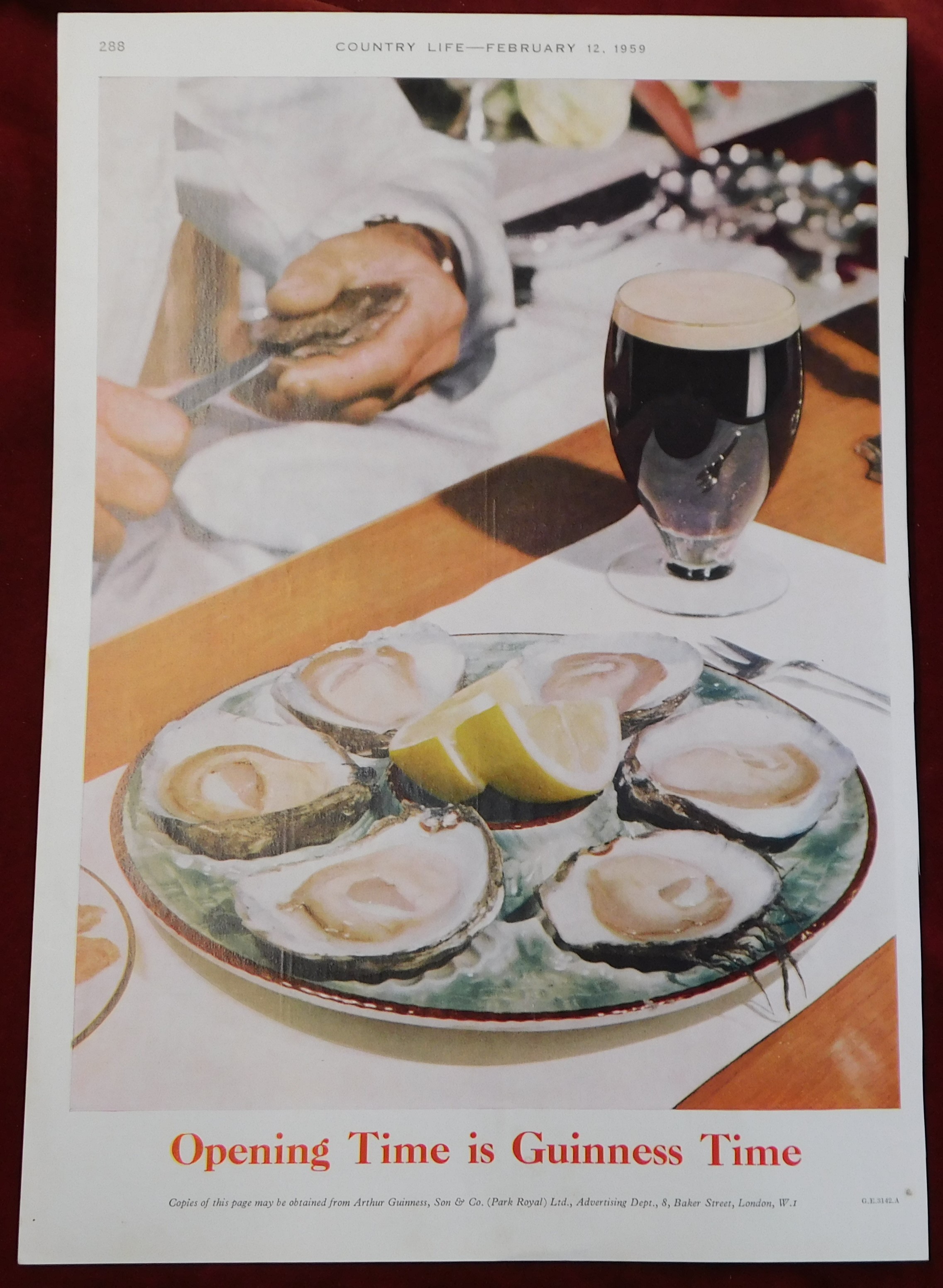
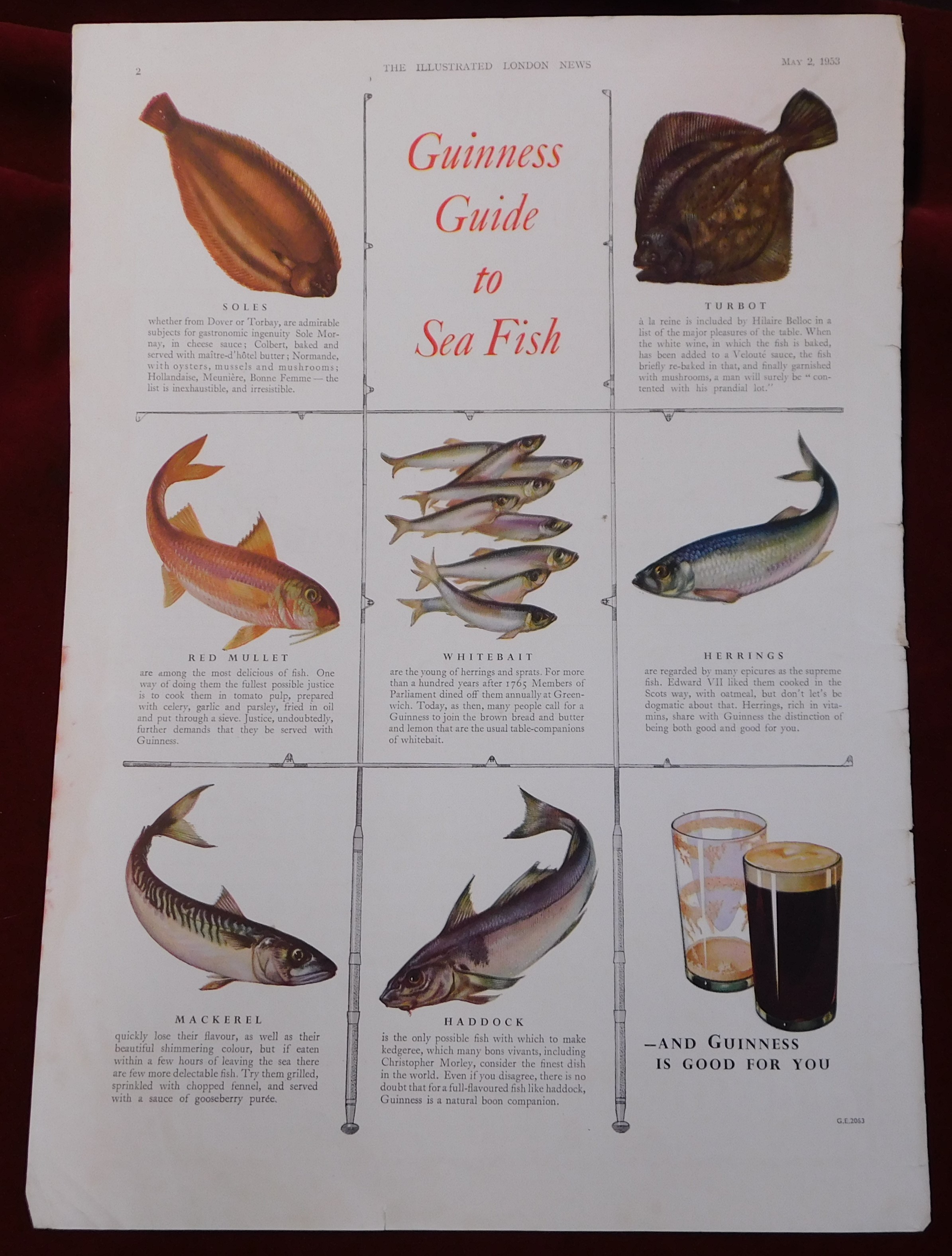
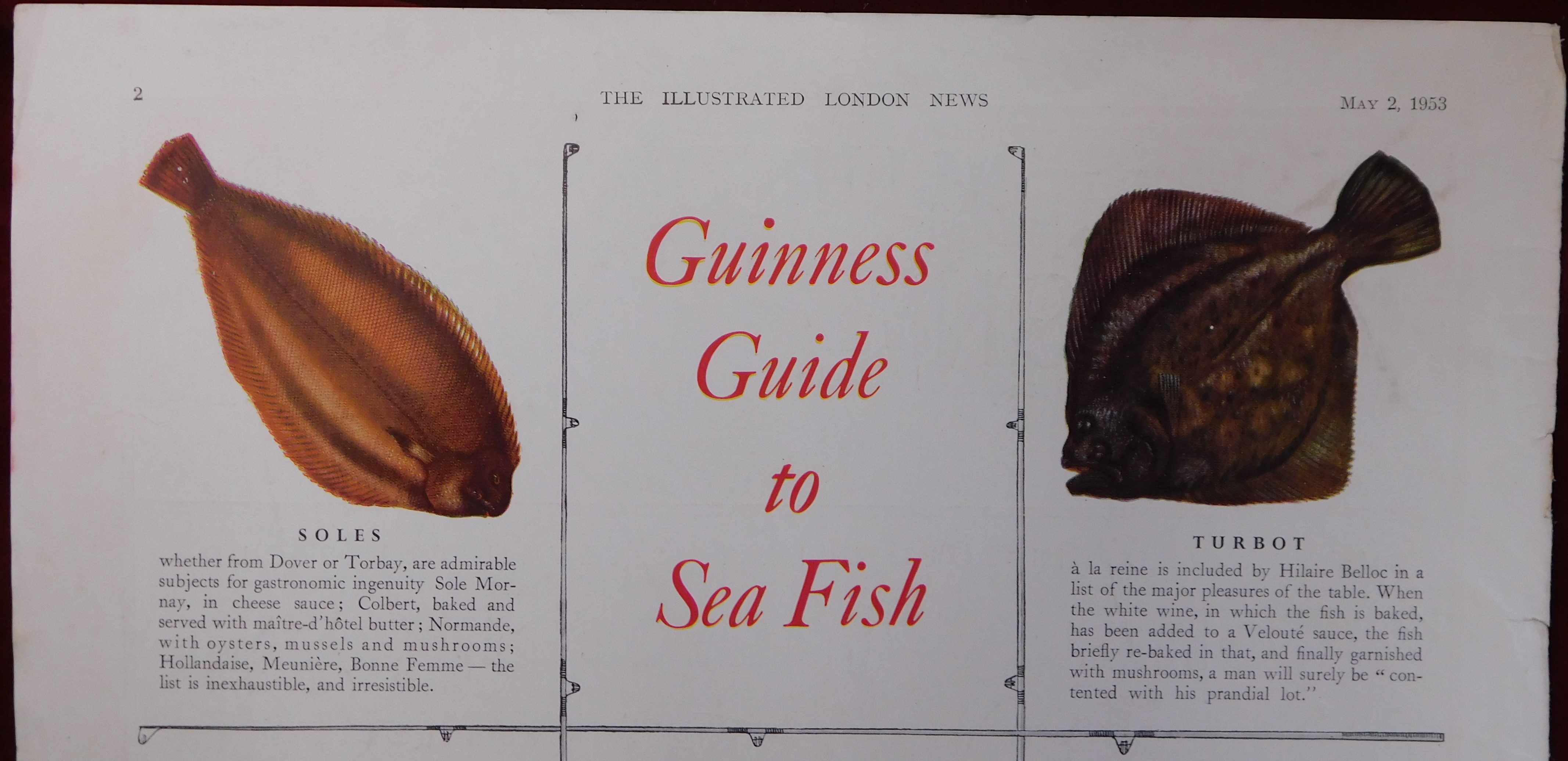
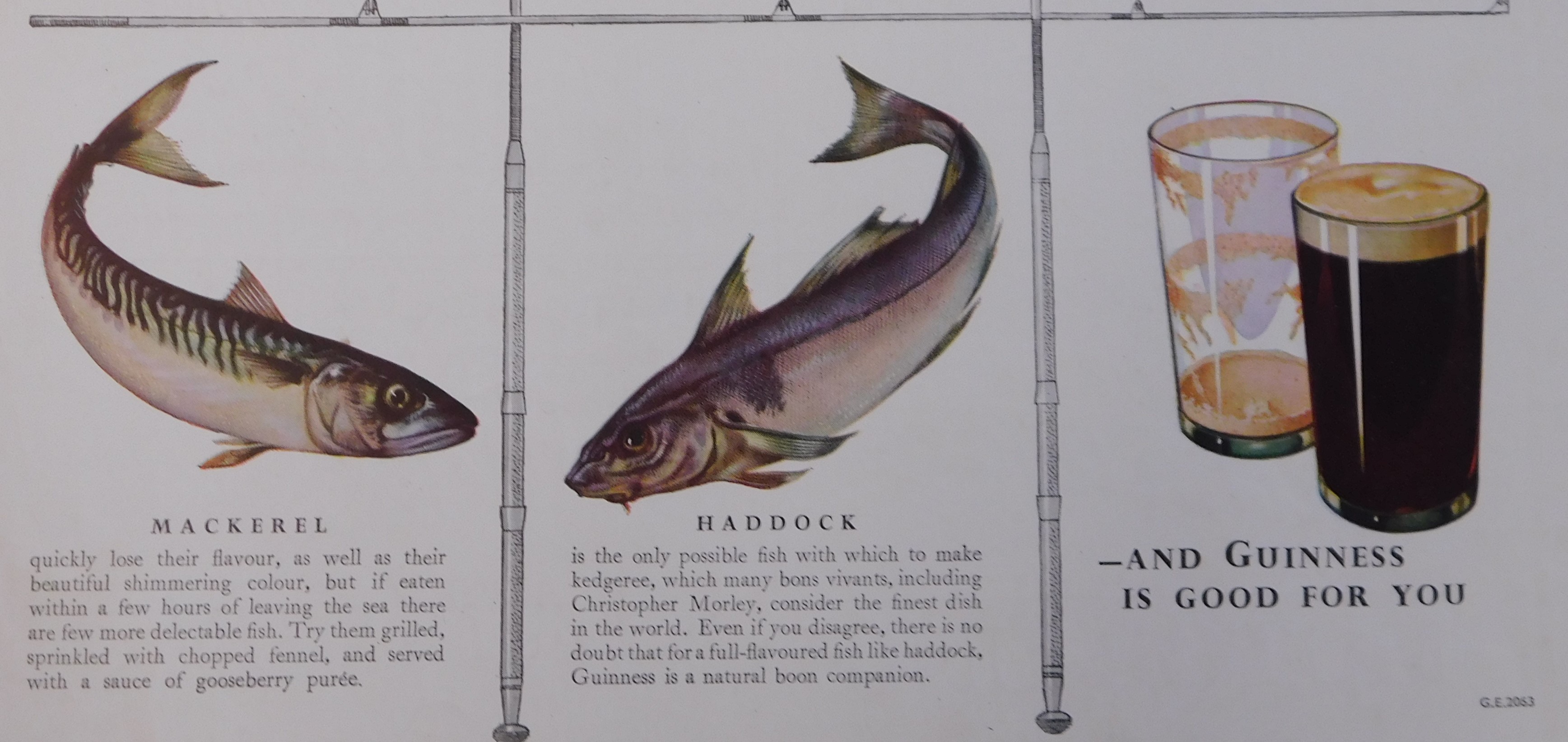
The auction picked up a bit of momentum when some old Guinness advertising posters, all in excellent condition, went under the hammer. Five of the posters fared especially well, lots 622, 641, 658, 661 and 669, which all went for above the top estimates. Here are the images of those lots:
622 (two images – front and back)641 (two images, front and back)658 (three images, front, close up of main part, back)661 (three images, front, close up of main part, and back)669 (five images – front, close up of each the three ‘layers’ of the front, back)
The star lot of the auction was number 795, which massively exceeded the top estimate. Here is the gallery.
I did not have the luxury of time to make a really detailed assessment of this lot, but I did do a detailed gallery, and my choice of what to feature clearly did its job!
Some of the toy lots in the low 800s also fared exceptionally well with 805 and 806 almost doubling the top estimate, and lots 807, 814 and 815 also going above the top estimate.
The images for lots 805 and 806 were taken by a colleague and edited for me, with the secondary images (one for 805, two for 806) extracted by me from single individual images.807 (eight images)814 (six images)815 (nine images)
PHOTOGRAPHS
There have been a lot of photographs in the body of this post, but I also include a gallery of my usual hobby photographs…
An account of a working day, and the journeys either way, and a photo gallery.
Yesterday was an eventful day at work – finishing the last of the imaging for the March auction, sending a mass email out (the second of two, the first went out on Tuesday) about that auction, and starting the imaging for the April sale. In this post I describe the day in full and say something about each element of the upcoming auctions.
PREPARING
My working hours, constrained by the operating hours of James and Sons and the way in which buses run in Norfolk are short – I start at 10:45 or thereabouts, and finish four hours later as the business shuts down for the day. However I get quite a bit done in that time, even on a somewhat fragmented day such as yesterday was. I generally leave home by 9:30, which allows me to take a scenic route to the bus stop (the direct route is about a five minute walk, but is not that interesting). Then I spend the bus journey reading, and will arrive at James and Sons’ premises in Fakenham clear-headed and ready to go.
IMAGING
My usual practice when imaging at work is photograph about 25 items (one column of lot numbers + indications of how many pictures I have taken of eahc item in my notebook) before loading them on to the computer and cropping and straightening them as required. If I am imaging for a sale that is not already online I will copy the images from the folder I save them in on my computer to the main images folder for that auction on the network drive at the end of the day, but when the auction is already online I also have to upload the new images, and sometimes notify bidders that the images are now available for viewing. I had initially started work on the April stuff, a quantity of which was already in my imaging area, but then had to switch back to the March stuff as there were some lots from day two of that sale (Stamps and Postal History) which had not been imaged. Near the end of the day I was able to revert to the April sale, but the next lot I came to for that sale (Sporting Memorabilia) was one that required a large photo gallery, so I had no time to do any more than that one extra lot.
Day one of the March sale is coins, banknotes and cheques, and can be viewed here and here. Day two, which I was finishing off the imaging for yesterday, is available on the same links, but for those who want to start on the page where the first lots of day two are can go here and here (the new day does not start on a new page because the auction is treated as a single entity on these platforms). I end this section with the image gallery for lot 655, the first item I imaged yesterday…
Lot 655 (seven images, capturing what i considered the most important aspects of it).This is lot 662 (two images)
THE END OF THE DAY
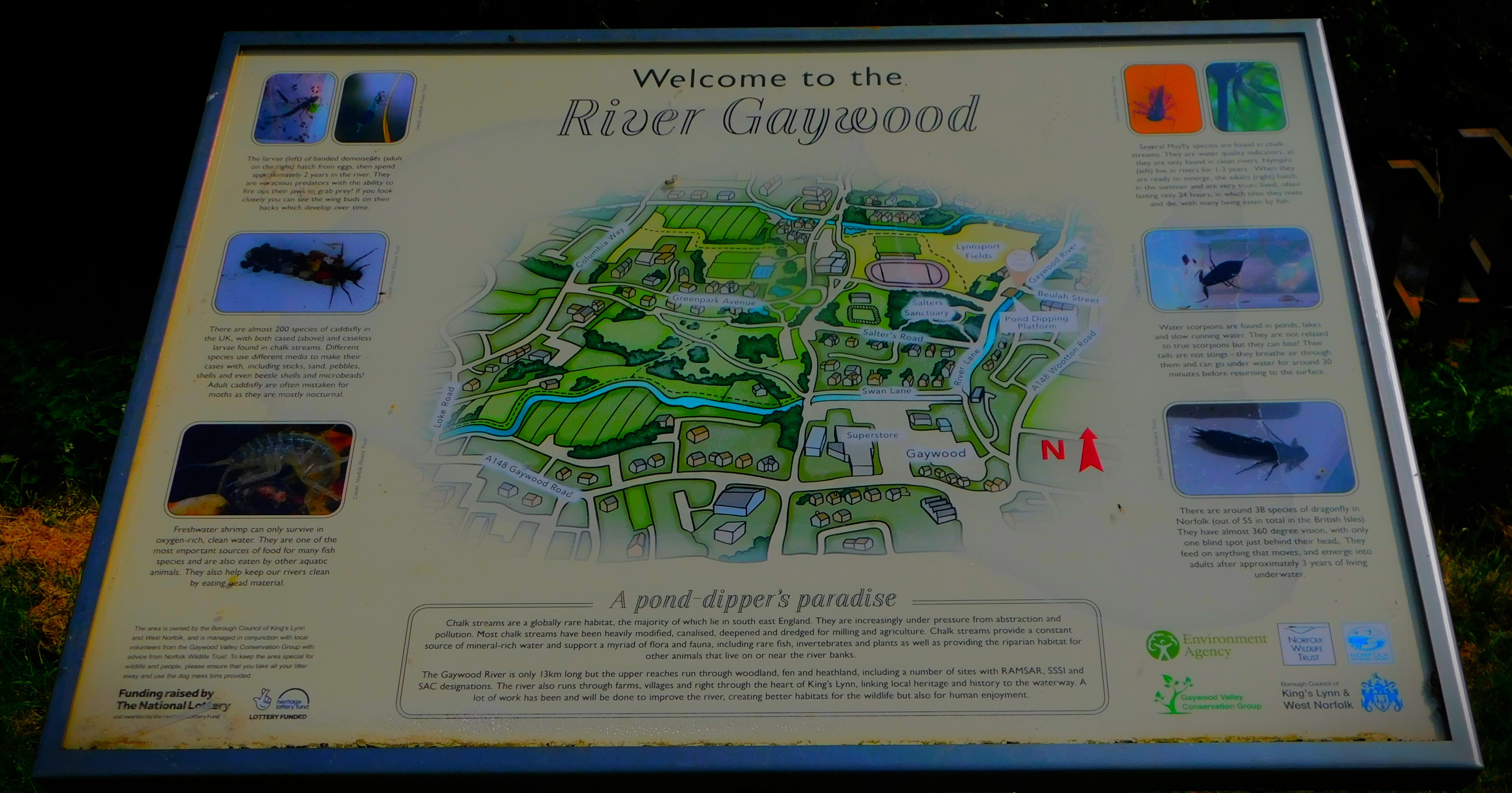
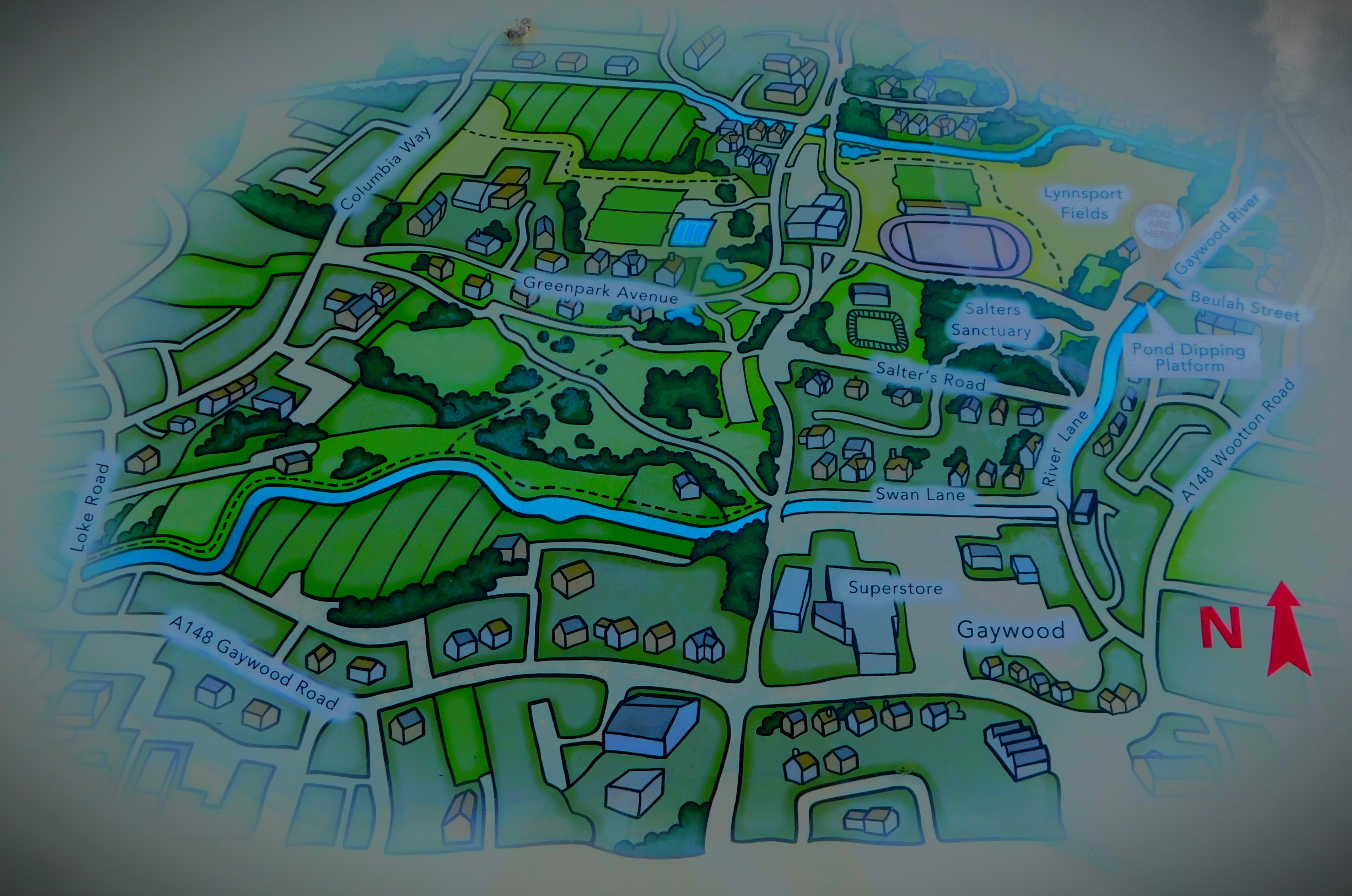
The next bus back to King’s Lynn after the end of the work day is at 3:45PM, so I generally fill in time by visiting Fakenham Library, as I did on this occasion. I get off the bus home one stop before the very closest stop to my home and walk home from there by way of the Gaywood River Path – always worth doing, especially in daylight, which by now is the case. I appreciated seeing several muntjac as I walked, though I was less impressed by lawbreaking oaf who roared past me (and a number of others) on a quad bike (illegal as it is a motorised vehicle and this path is for the use of pedestrians and cyclists only – an e-bike used with care and consideration would be acceptable, but a dirty great quadbike used with neither care nor consideration is most definitely not). This little section provides a useful lead into…
PHOTOGRAPHS
…My usual sign off…
From Wednesday afternoon’s walk.Taking the scenic route to from my home to the bus stop yesterday morning……I spotted ths unfortunate Tortoiseshell butterfly near Fakenham Church yesterday afternoon.Four shots from the walk home along the Gaywood river path.Today’s first walk (will be walking into town for supper this evening).
A bit of fun on the all time XI theme, a look back at a James and Sons auction, and a photo gallery.
The first test match of a five match series between India and England is two days old as I type this post, but I am holding fire on that for the moment. This all time XI is picked with a view to being an entertaining watch. I have restricted it to players who played before I started following cricket, and save for allowing myself one overseas player I have concentrated on English cricketers. After I have paraded the XI there will be a section about some of the players who missed out, though I will limit myself, otherwise that section could be very long indeed.
THE XI IN BATTING ORDER
Frank Woolley (left handed batter, left arm orthodox spinner). An attacking batter, an excellent spinner and the only non-wicket keeper ever to take 1,000 first class catches.
*WG Grace (right handed batter, right arm bowler of various types through his career, captain). Cricket’s first superstar.
Wally Hammond (right handed batter, right arm medium fast bowler). Over 50,000 first class runs, including 167 centuries, in spite of missing eight complete seasons in the course of his career – one to bureaucratic malice on the part of Lord Harris, one to illness and six to WWII. Considered by Bradman to possess the best of all cover drives.
Denis Compton (right handed batter, occasional left arm wrist spin bowler). A great cricketer and an even greater entertainer.
Garry Sobers (left handed batter, left arm bowler of every type known to cricket). No cricketer before or since has mastered so great a range of skills as my chosen overseas player.
+Les Ames (wicket keeper, right handed batter). Twice winner of the Lawrence trophy for the fastest first class hundred of the season, scorer of over 100 FC hundreds, maker of a record 418 first class stumpings in his career. The “wicket keeper’s double” of 1,000 runs and 100 dismissals in first class matches in an English season was only achieved four times before the reduction of first class fixtures in 1969 made it impossible, and three of those were by Ames (John Murray of Middlesex was the other to do it).
Percy Fender (right handed batter, leg spinner, vice-captain). I have remarked before on his suitability for batting at seven in a strong line up and his tactical acumen.
Jim Laker (off spinner, right handed batter). In 1956 he absolutely destroyed the visiting Australians, and it wasn’t all about the pitches helping him – when Australia played Surrey before the test series had started they batted first, and Laker, on a good pitch and having not slept the previous night due to his children being sick had figures of 46-18-88-10 in the first innings.
George Simpson-Hayward (under-arm off spinner, right handed batter). The last specialist under arm bowler to play at the highest level, and his five test matches yielded him 23 wickets. Someone prepared to buck the trends as spectacularly as he did must have been worth watching,
Syd Barnes (right arm fast medium bowler, right handed batter). My pick for the greatest bowler of them all – 189 wickets in just 27 test matches, at 16.43 a piece.
Tom Richardson (right arm fast bowler, right handed batter). Only 14 test matches, which yielded him 88 wickets. His first class record was outstanding – he took his 1,000th first class wicket in his 134th first class match, and his 2,000th in his 327th match, both these figures being records.
This side has a powerful batting line up, and a spectacular bowling line up, with massive variety on show – Barnes, Richardson, Sobers in his quicker guises and Hammond to bowl pace/ seam, and Laker, Simpson-Hayward, Fender, Woolley, Sobers in his slower guises, and Compton to bowl spin plus of course the wild card of WG Grace.
MISSING OUT
The number seven slot was a two-way choice, and I opted for Fender who bowled spin over Jessop who bowled pace. I considered the presence of Woolley and Sobers to obviate the need for a specialist left arm spinner. There would have been a number of possibilities, Rhodes, Blythe, Verity and Wardle being just four of those I might have chosen. Digby Jephson who bowled fast underarm just a few years before Simpson-Hayward’s prime and was enough of a bat to be considered an all rounder was a possibility there, but Simpson-Hayward got the nod for two reasons: he played test cricket and Jephson did not, and also in view of the current state of England’s spin bowling, and some of the comments flying around that imply that England have never had great spinners I wanted to place extra emphasis on spin. I regretted not being able to accommodate either Harold Larwood or Frank Tyson, but I had only 11 spaces to fill. I also didn’t include a specialist left arm quick bowler, relying on Sobers for that. Had I done so William Mycroft would have got the nod.
AN AUCTION
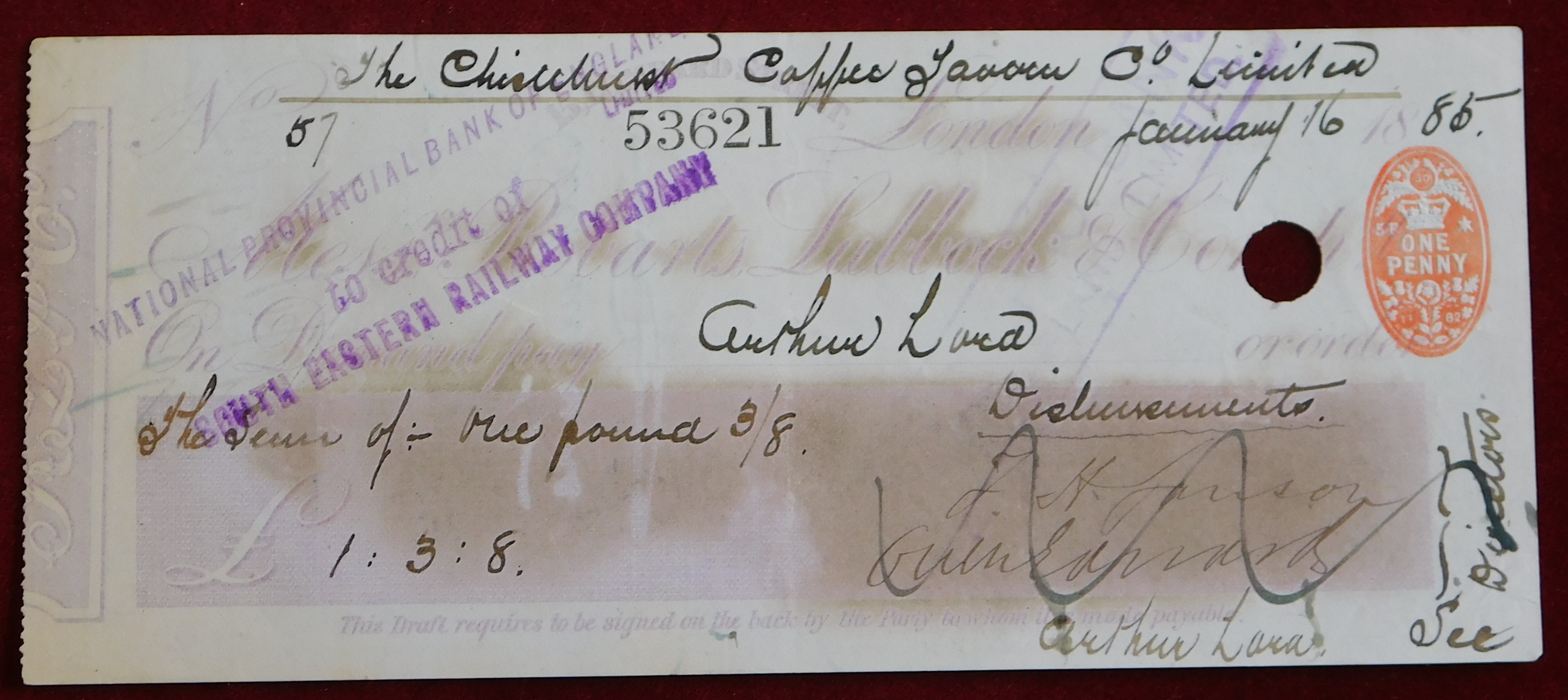
James and Sons had an auction earlier this week, which did reasonably well, especially given that it was basically an appetizer for next week’s auction of sporting memorabilia. There were a few items of interest to me. Lot 68 was a pair of bookmarks, which went my way cheaply.
No prizes for guessing which bookmark I actually wanted!
Lots 141 and 142 would have been of interest to me but were beyond my purchasing power.
I did get lot 269.
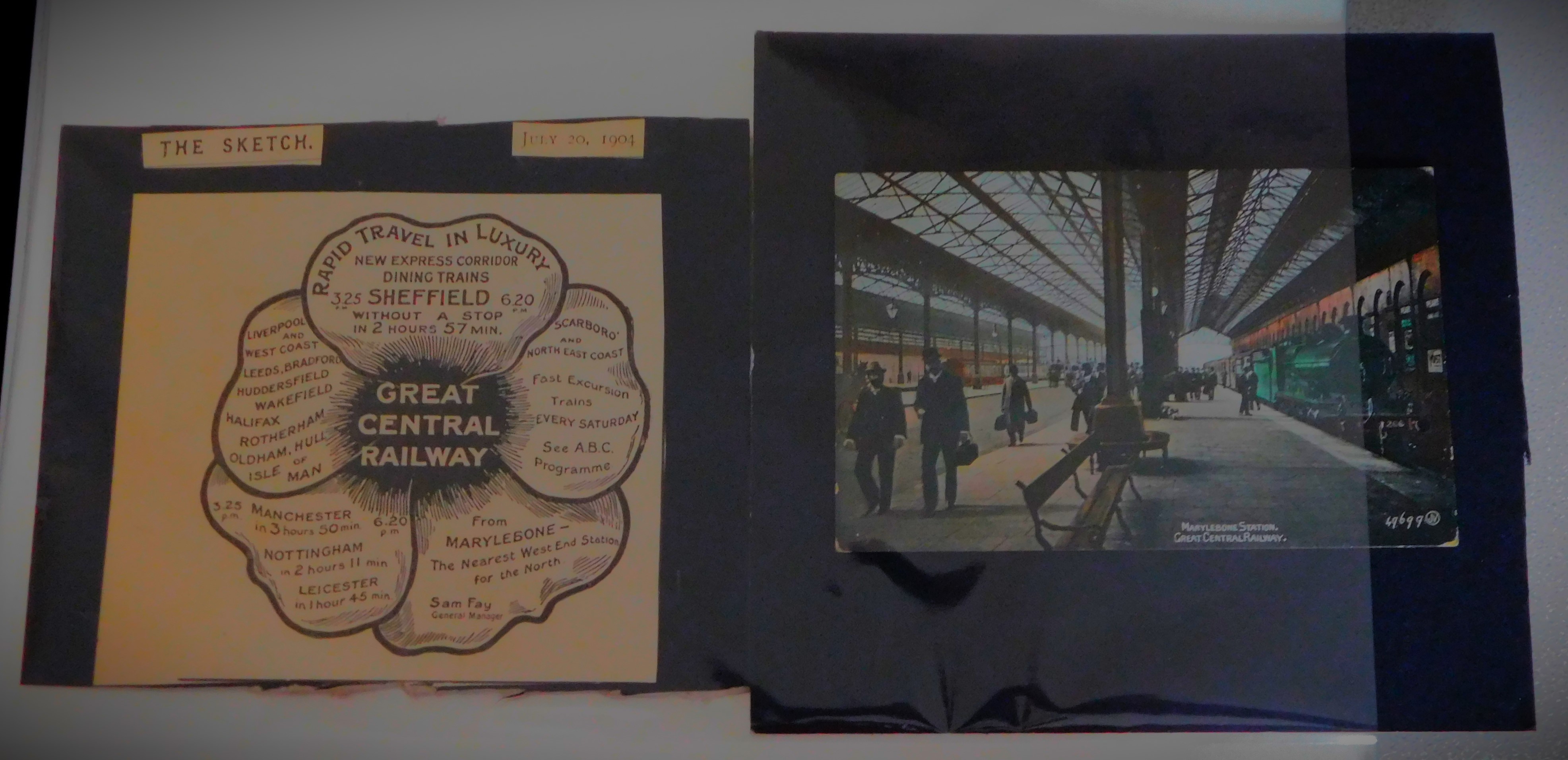
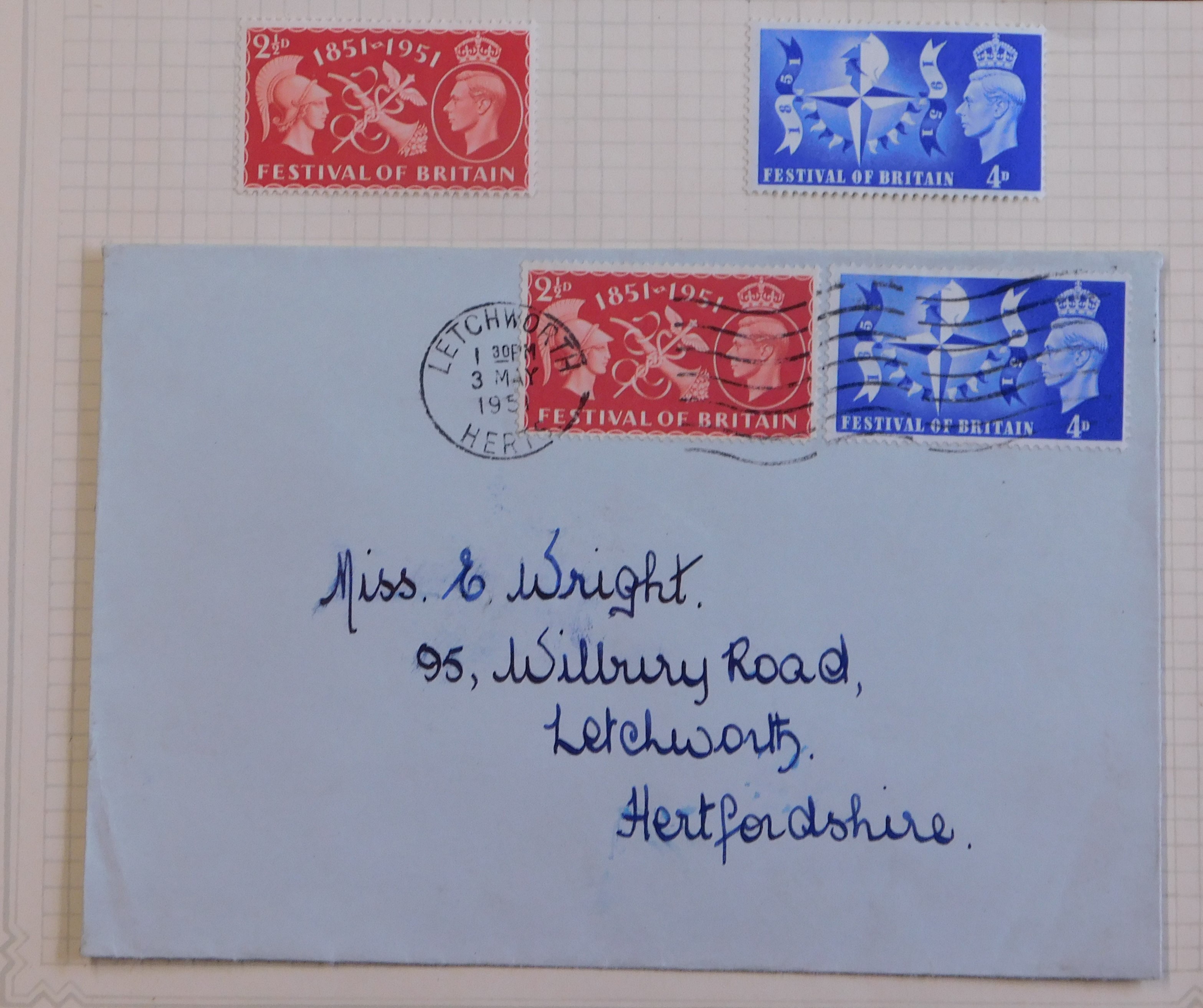
The Metropolitan Railway was the original Underground railway from which London Underground developed.The Metropolitan District Railway opened five years later, and the two companies between them completed the Inner Circle, now The Circle Line.This did not really belong with the other items in the lot, but I have same Argentine railway stamps in my collection.
Lot 329 also went to me…
I ignored lot 399…
I had produced a very extensive image gallery for lot 400, made more so by fielding a query on that lot. However, in the end my opportunistic bid was the only one on the lot.
Lots 402 was also railway related but discipline had to prevail.
Lot 602, a model of a locomotive sculpted from coal proved, as I expected to be the case, to be beyond my price range.
I end this section with a lot that attracted a fierce bidding war (in which I had no part, other than creating the images that generated it), and ended up fetching £150, having been expected to do no more than 20-30, number 197.
PHOTOGRAPHS
My usual sign off…

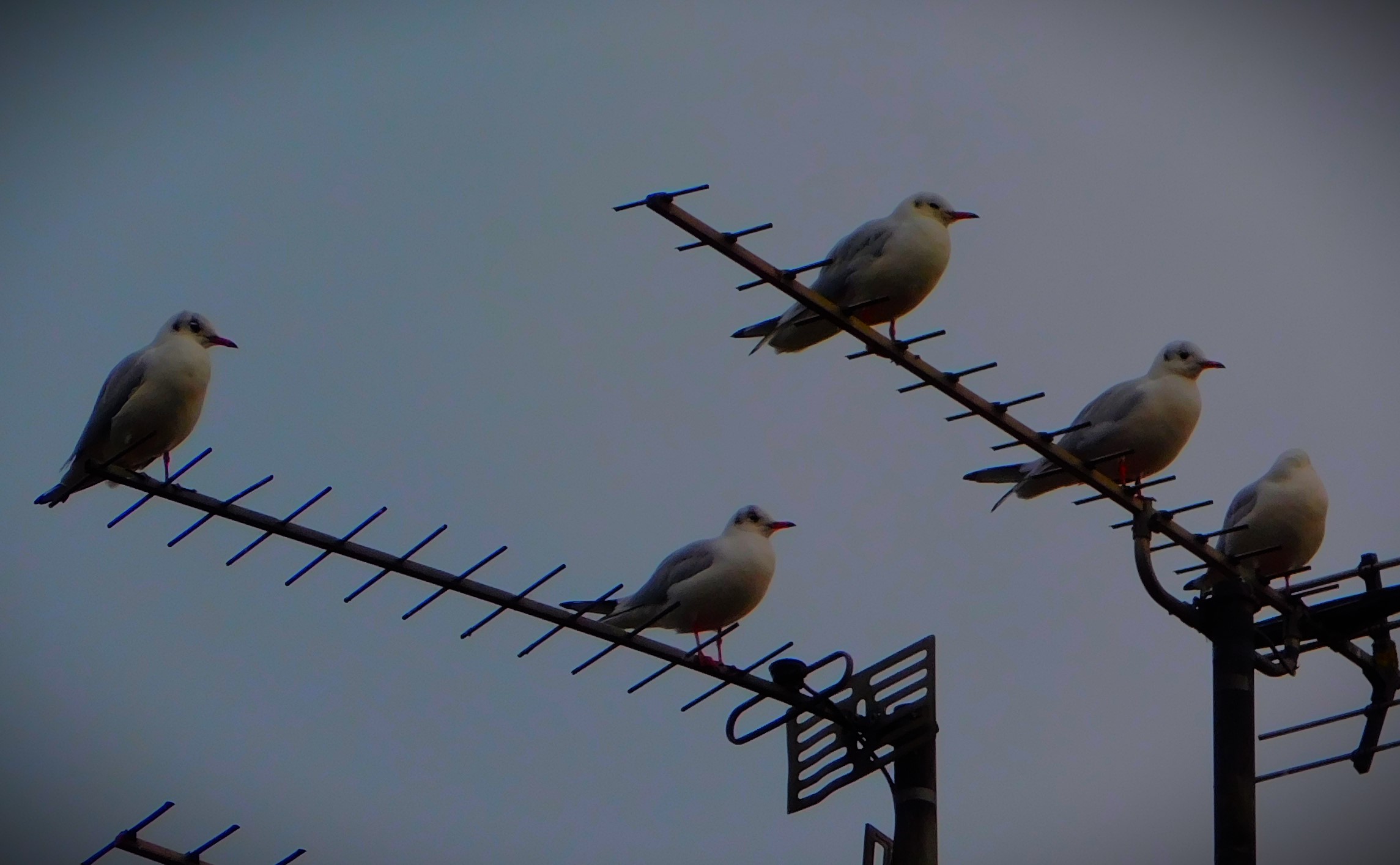
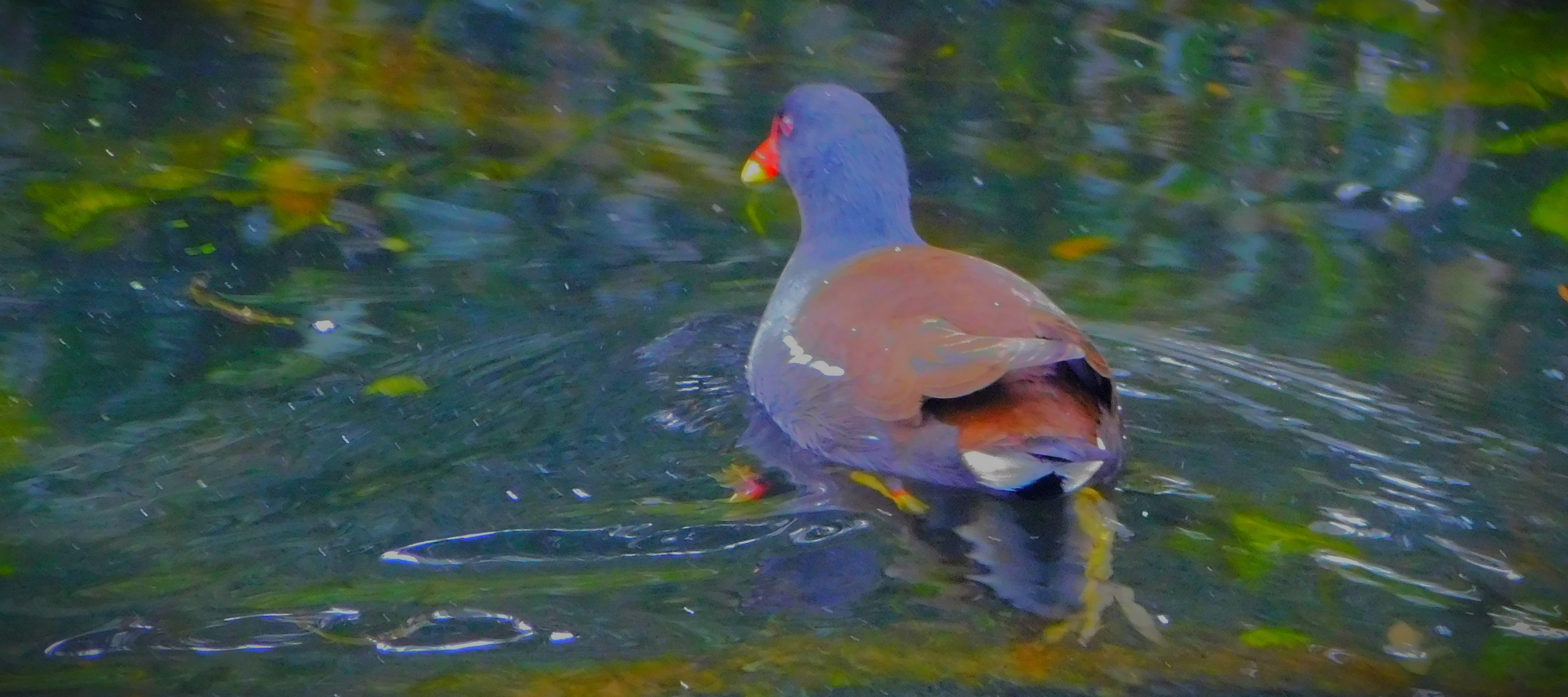
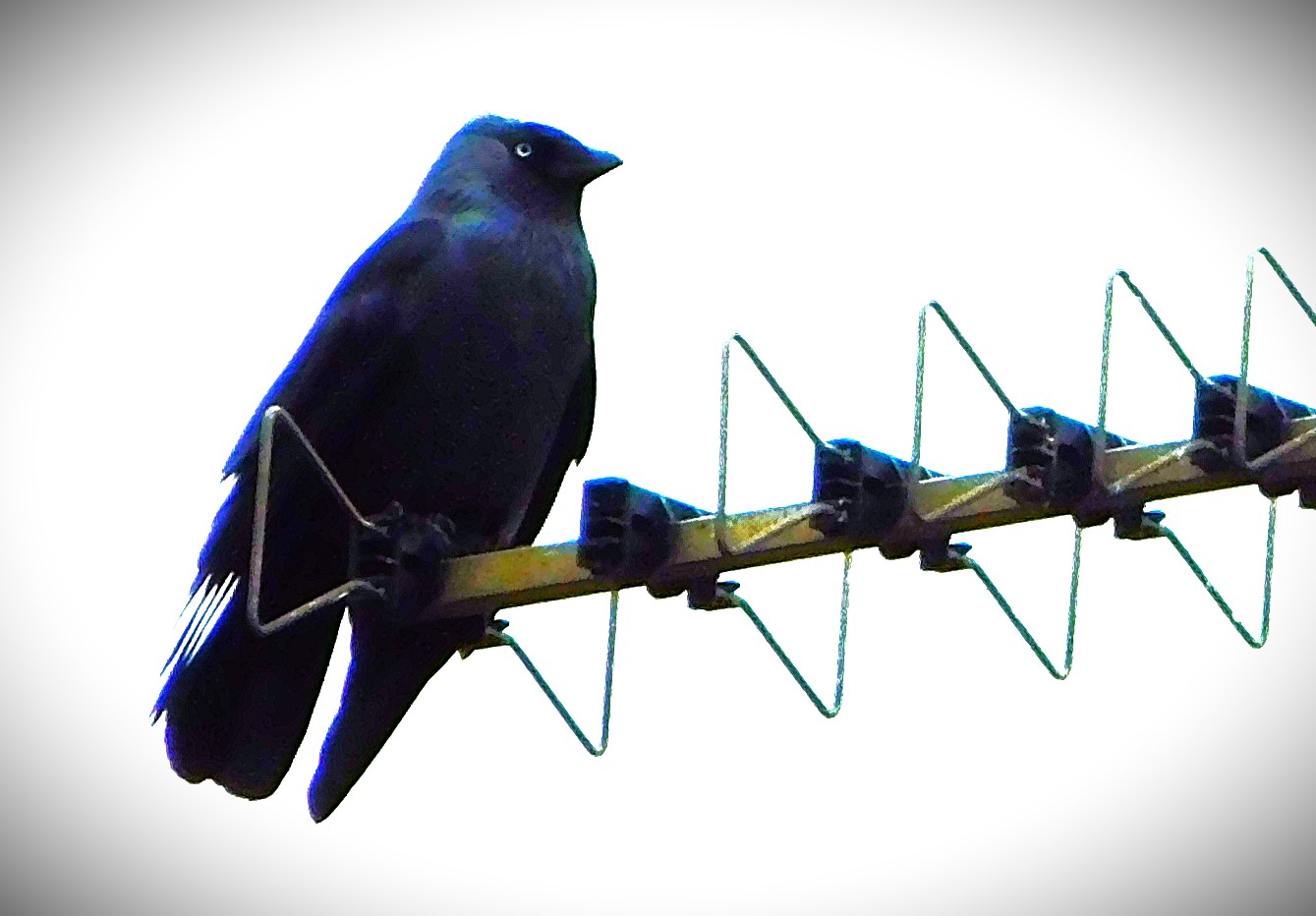
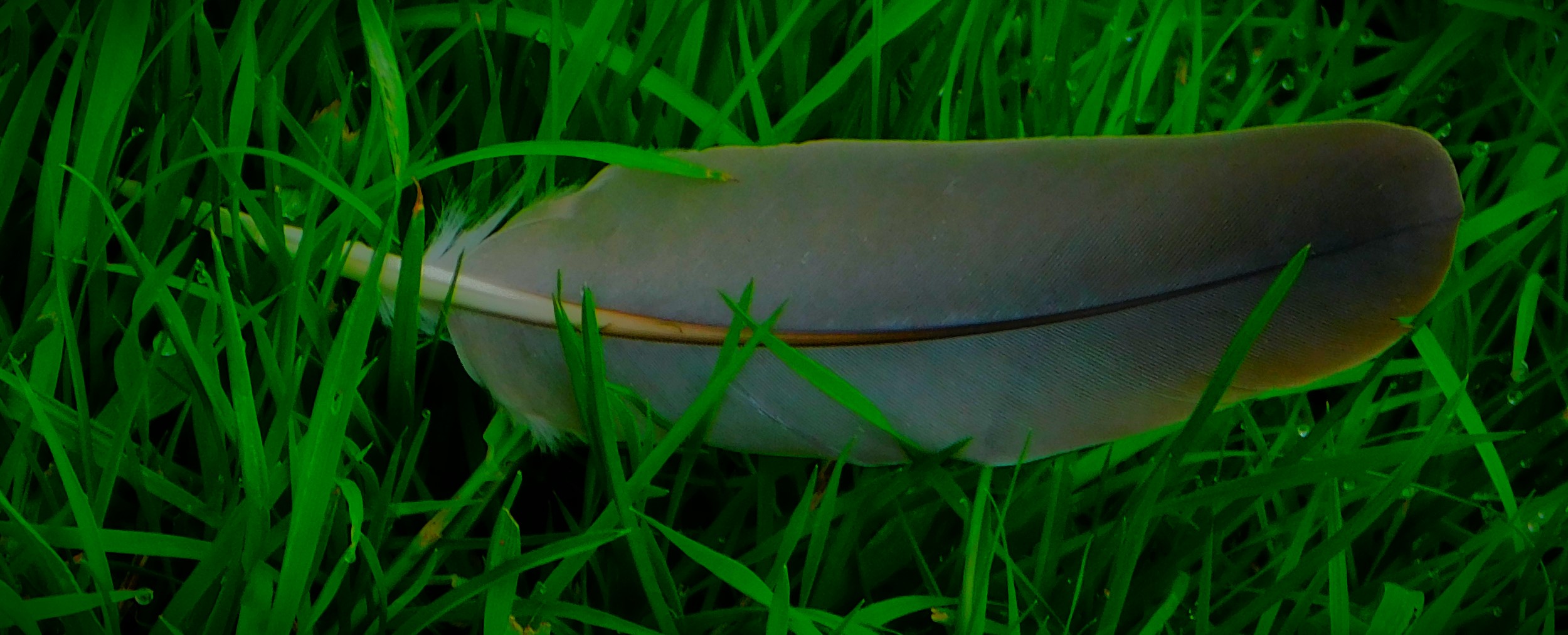
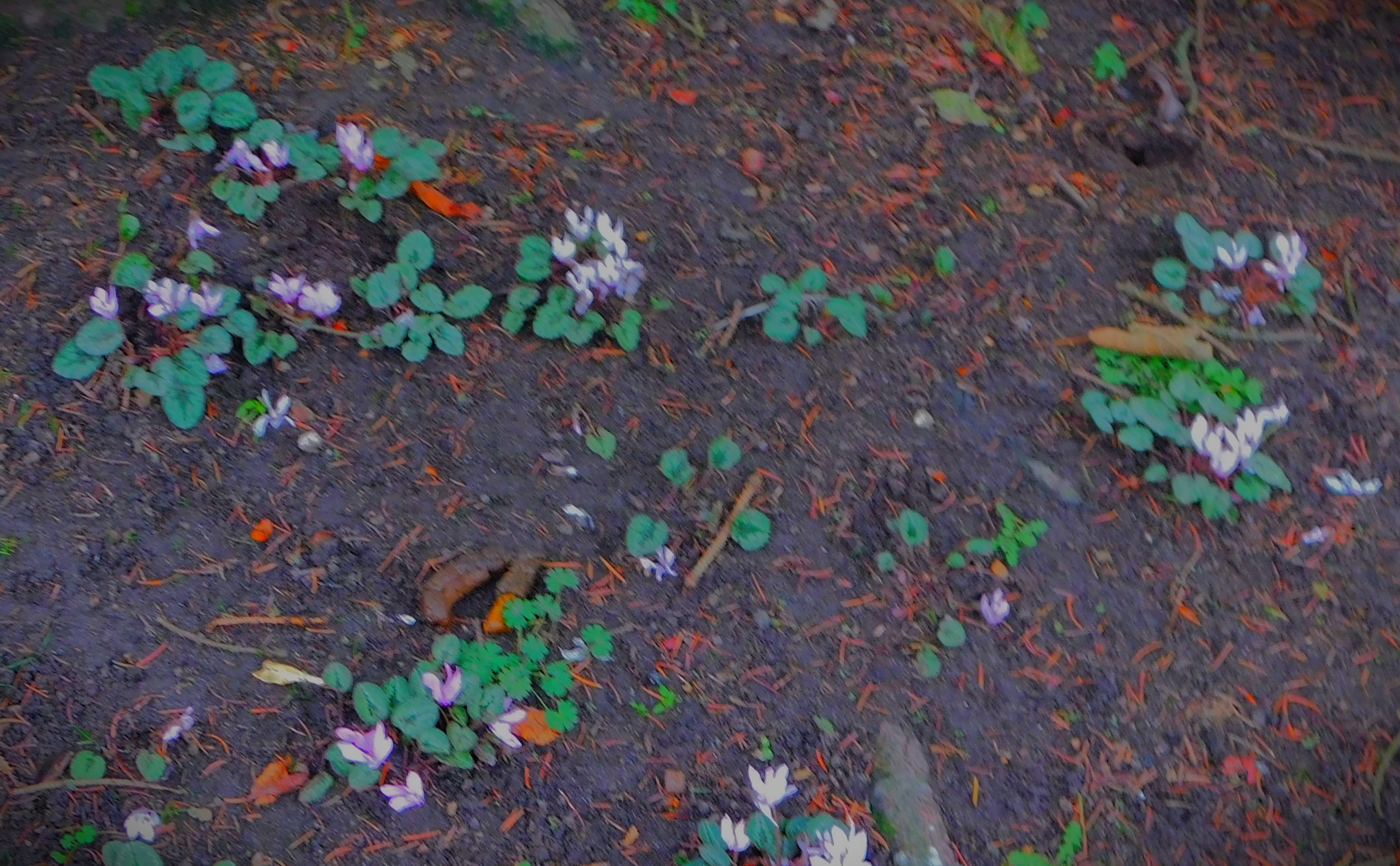
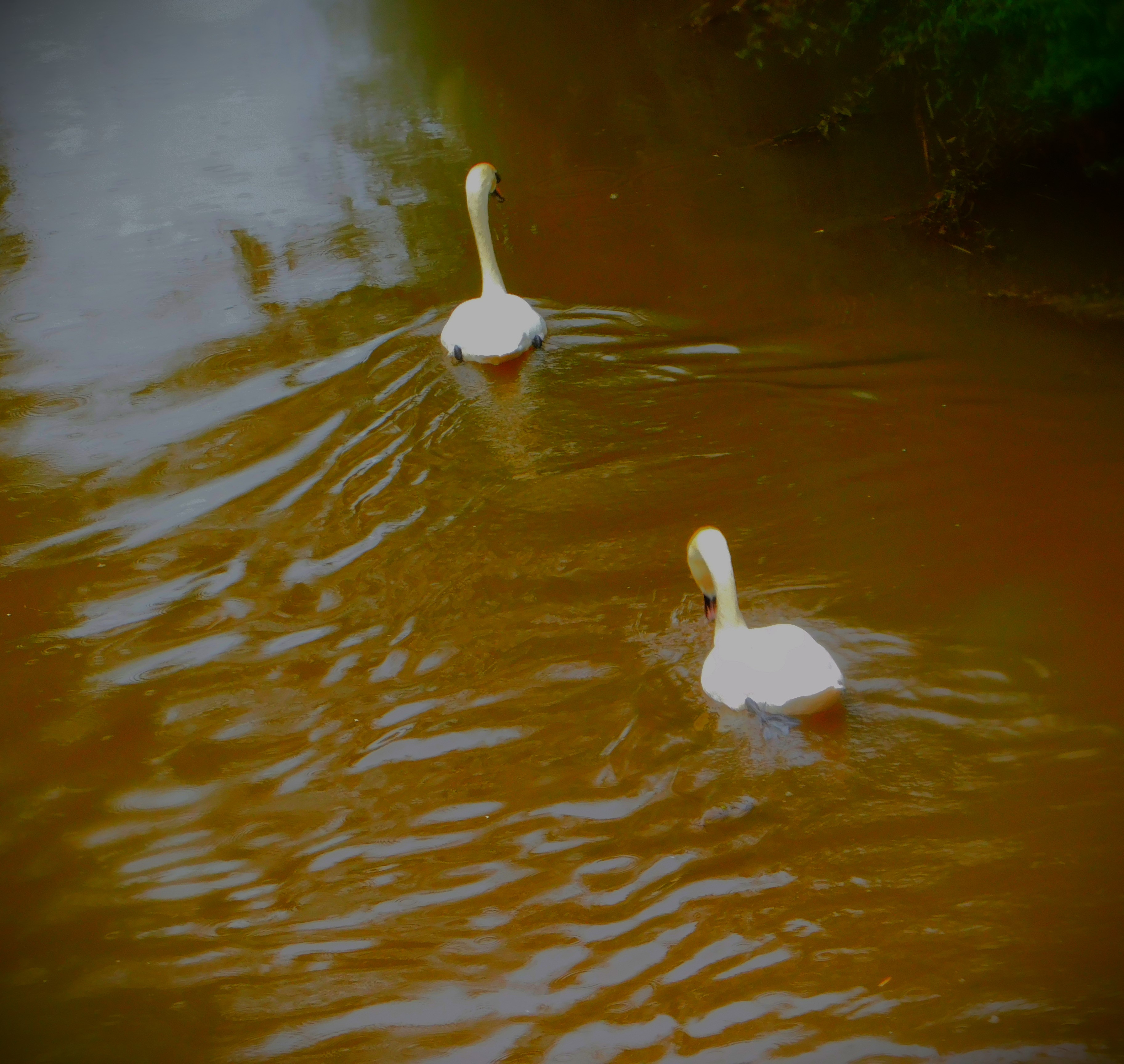
Harbingers of spring, and it is only late Janaury.