A look back at last night’s carnage at Old Trafford and a photo gallery.
The ODI series between the England and South Africa men’s teams ended with a record breaking win for England. The T20I series between the same two teams started with a narrow win for South Africa in the first match. The second match took place last night…
A REMARKABLE BLITZ
England batted first, and they got off to a flier. Jos Buttler reached 50 off 18 balls, Phil Salt took only one ball longer. The hundred was on the board before the six over Power Play was done. Buttler was first out, for 83 off 30 balls. Salt went on to a century, his fourth in T20 internationals, putting him behind only Rohit Sharma (five) on the all time list. Salt reached that mark off his 39th ball, an England all time record. The runs continued to amass at a ridiculous rate, and in the final over England became the first side ever to take a top tier (i.e. test playing) nation for 300 in a T20I. They ended up with a score of 304-2, pg which Salt’s share was 141 not out from 60 balls. South Africa had swelled the number of balls England actually faced by bowling a number of wides and no-balls. Bjorn Fortuin, a left arm spin bowling all rounder who had replaced Corbin Bosch, a right arm medium pace bowling all rounder, in the XI fared as well as anyone, taking 2-52 from his four overs. Kagiso Rabada, an all time great of the game, was left nursing figures of 4-0-70-0. With that kind of score on the board there could only be one result, and in the end the final margin was 146 runs. Sam Curran had 2-11 from two overs, varying his pace superbly (one of his slower balls was clocked at 47mph, similar to the stock pace in her playing days of world cup winning left arm spinner turned commentator Alex Hartley), and at the end, with the result long since confirmed (at the end of the 16th over South Africa needed 147 from four overs, and were down to tail enders only) Will Jacks picked up 2-2 from a single over of off spin.
A look at the situation in the 2025 County Championship with two rounds remaining and a photo gallery.
The county championship of 2025 has two rounds left, the first of which begins this coming Monday, at 10:30AM. This post looks at how it stands.
TIGHT AT THE TOP
Most of the matches in this round were drawn due to weather interruptions. The big exception to this rule were Nottinghamshire, who faced Worcestershire, bottom of division one, and almost certain to finish in that position, though not to be relegated, since the powers that be are mulling potential changes and have refused as yet to confirm or deny whether promotion and relegation will be happening. Nottinghamshire’s win, and Surrey being held to a draw by Warwickshire means that although Surrey are still top their advantage has been cut to single point. These two being locked in battle is a throwback to the late 19th century, when they were the two best sides in the country and had a very fierce rivalry. No one else has a serious chance of taking the title, since there is a 22 point gap back to third place.
THE BOTTOM
Worcestershire are more or less guaranteed to finish bottom of division one. There are five teams fighting to avoid second bottom, with everyone from Essex in fifth down to Durham in ninth close enough together that any one of those sides could end up second bottom, which may or may not mean relegation.
DIVISION TWO
Leicestershire are top, and if promotion and relegation do happen they are certain to be promoted. Glamorgan in second are almost as sure of their position, with a 27 point gap between them and third place. Kent look like this year’s wooden spooners, 28 points adrift of the next worst side.
A look back at yesterday’s ODI between England and South Africa and a photo gallery, including the story of my pizza making sessions yesterday.
Yesterday England played the third and final match of an ODI series against South Africa. South Africa had already won the series. I missed the early part of the action due to being at a WNAG Pizza Making event at Pizza Express. This post looks back at an extraordinary day.
TWO BRILLIANT AND CONTRASTING CENTURIES
South Africa won the toss, which was about the last thing to go right for them on the day. They put England in to bat. Smith and Duckett led off with a rapid stand. Smith was second out with 117 on the board, and 16.2 overs gone. That brought Jacob Bethell, still looking for his first professional hundred, in to join Joe Root, to whom such scores are nothing new. It was this partnership that took the game away from South Africa. In 24 overs in the middle part of the innings, usually the quietest period, the pair put on 182 together. Bethell reached that first professional century off 76 balls, hitting 11 fours and three sixes along the way. He was England’s second youngest ever ODI centurion, just a few days older than another left hander, David Gower, had been when he scored his maiden ODI ton. Bethell hit two more fours after reaching the landmark, before being out for 110 to make it 299-3. Brook made an unusual contribution – he was run out for 3 off two balls to make it 302-4. Buttler joined Root, and during their fifth wicket stand Root reached a century that had rarely if ever looked anything other than inevitable. It had taken him 95 balls, and he had hit a mere six fours along the way, indicating just how large a proportion of those deliveries he had managed to score something off. This was Root’s 19th ODI ton. Root was fifth out in the 47th over, not advancing beyond 100. The score by then was 371, and with Will Jacks joining a well set Buttler England would have been seriously disappointed not to cross 400 from there. In the event they had something to spare, ending on 414-5, Buttler 62 not out off 32 balls and Jacks 19 not out off 8 balls.
A HORROR SHOW FOR SA
Jofra Archer led the bowling onslaught on the proteas, who were weakened by an injury to skipper Temba Bavuma. At one point South Africa were 24-6, with only Dewald Brevis of the top six managing double figures (C Jacks B Archer 10). Archer had four wickets and Brydon Carse two. Corbin Bosch and Keshav Maharaj offered a little resistance before Maharaj hit one from rival spinner Adil Rashid straight into the hands of Root to go for 17 and make it 49-7. Codi Yusuf, a medium pacer who had not distinguished himself in his main department, reached 5 before Rashid got through his defences to make it 57-8. Nandre Burger joined Bosch for what was barring miracles going to be the last stand, Bavuma having said he would bat only if needed, and South Africa were so far adrift that it would have been plumb crazy, as well as plain cruel, to have sent him in to the breach in these circumstances. A catch by Carse off Rashid got Bosch for 20 and made it 72-9. Bavuma, as expected, did not emerge, and England were confirmed as winners by 342 runs, a record runs margin for any ODI. It is not the first time that this particular record has belonged to England – in 1975 a 202 run win over India in a 60 overs per side match had given them the record. That match looks bizarre to modern eyes – England scored 334-4 from their 60 overs, Amiss leading the way with 137, a scoring rate that would not be considered especially daunting these days, and India replied with 132-3, Sunil Gavaskar settling for an extended net that yielded him 36 not out from 174 balls! Scorecard for yesterday’s match here.
PHOTOGRAPHS
My usual sign off…
The start of pizza making – a lump of dough and some flour.Which becomes by various processes this – a flat, roughly circular sheet of dough.The next stage is making sure the dough sits correctly in the pan – the outside edge of the dough needs to be a little bit raised to keep the toppings in.Tomato spreed over the base ready for toppings.Olives and mushrooms added.Pepperoni added.cubes of mozzarella distributed across the pizza.A fine dusting of oregano to bring out the full flavour of the pizza.The end product (and I can tell you it was excellent).Last night’s full moon. At the time the blood moon should have been visible yesterday it was still daylight in King’s Lynn, and a bit cloudy to boot
A look back at the Vitality Blast quarter finals and a photo gallery.
The Vitality Blast is England’s original domestic T20 competition, and although it has to an extent been usurped in the pecking order by The Hundred it remains a high quality tournament. The last few days have seen the four quarter-finals. This post looks back at those matches.
HOW THE QUARTER-FINALISTS ARE DECIDED
The Vitality Blast is a county competition involving the 18 first class counties. They are split into two groups of nine, a North Group and a South Group (these designations are a little woolly – Northamptonshire, just about into the midlands, is designated north, while Gloucestershire and Glamorgan, both probably further north than Northamptonshire, are designated south). These groups play what is not quite a full league format – 14 group games, which is two fewer than would be a full league. The quarter-finalists are the top four teams in each group and they face off as follows: first in group one at home to fourth in group two, second in group one at home to third in group two, second in group two at home to third in group one and first in group two at home to fourth in group one.
THE MATCHES
The first match between Surrey and Northamptonshire was reduced by rain to 14 overs a side. A combination of this and an amazing innings from 40 year old Ravi Bopara for Northamptonshire did for Surrey. Bopara hit a century at almost two per ball, which was the chief reason Surrey were set a target of 11 per over to win. Surrey were never really in the hunt in the chase, and after two successive years of the south providing all four semi-finalists a northern side had booked a slot on Finals Day (Edgbaston on Saturday).
The second match saw Hampshire face Durham. Durham won the toss and opted to chase. The wheels instantly came off for them, Chris Lynn playing a brutal innings. By the end of the six over Power Play 86 were on the board and Dirham’s fate was pretty much sealed. Durham hauled things back somewhat from there, but Hampshire still amassed 221 from their 20 overs, and Durham were always well behind the rate, ending up beaten by 26 runs.
Lancashire v Kent was an absolute thriller. Kent only managed 153, but they took wickets regularly enough that at no stage could Lancashire be said to be cruising. The one wicket they could not get was that of Livingstone, and he scored the winning run with nine balls and three wickets left.
Somerset against Bears (Warwickshire, in anticipation of a move to a franchise type system, which in the event became a whole new tournament, The Hundred, adopted a new name for the T20 squad, and though the tournament remains a county T20 event they still use the new designation) did not look being a thriller until the final over. Sean Dickson kept Somerset officially in the hunt for their target of 191, but with 19 needed off the final over it did not look likely. However Dickson proceeded to score 2,6,6,4,1 to take Somerset home with a ball to spare. Dickson’s final score was 71 not out off 26 balls, meaning that his team mates managed 120 from 93 balls, equivalent to a full innings score of 155, or defeat by 35 runs had Dickson done no more than match his colleagues.
PHOTOGRAPHS
My usual sign off…
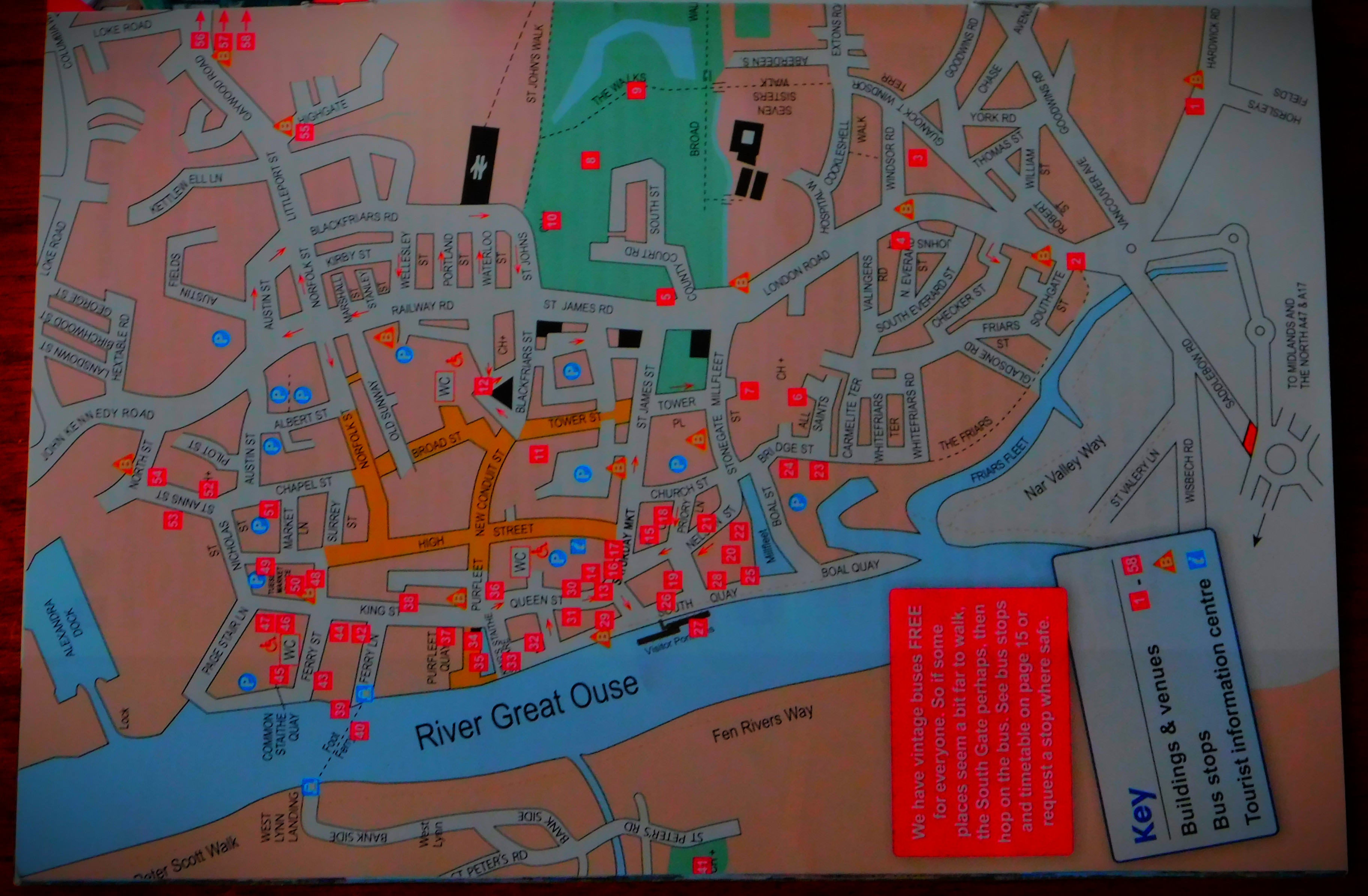
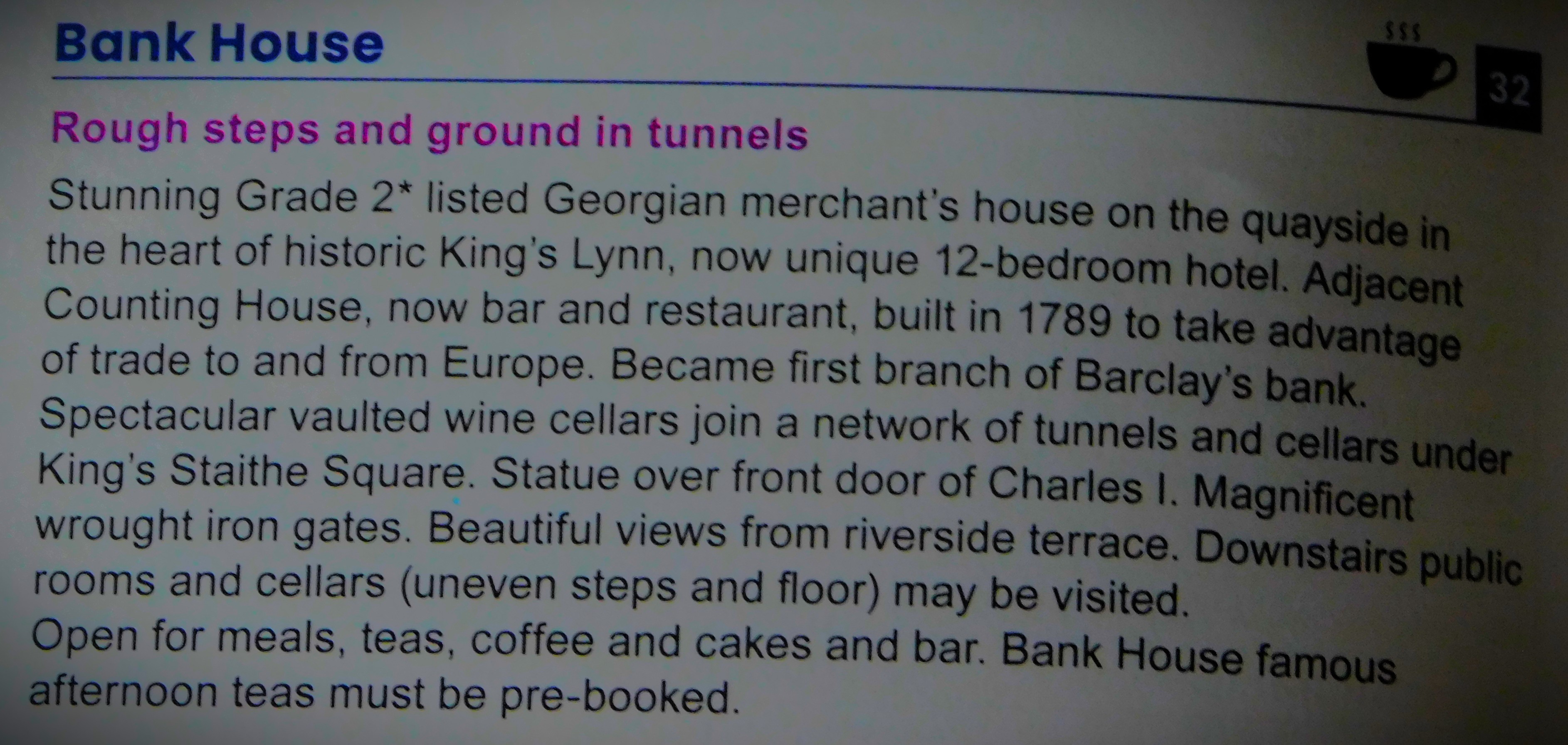
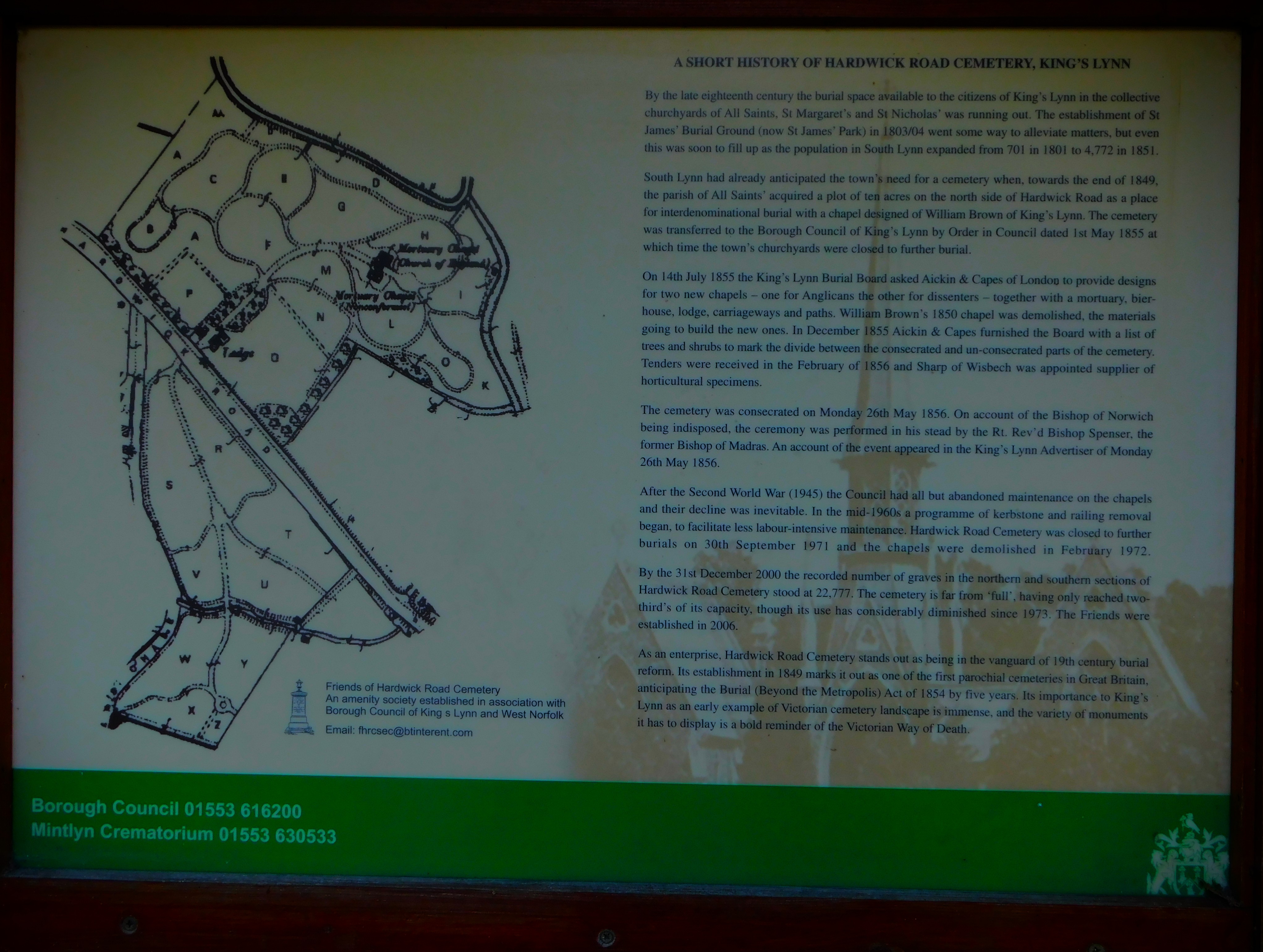
The Heritage Open Day brochure.The map showing (most of) the sitesThe text about the site where I shall be stewarding.An interesting little fungus, seen beside the section of the Gaywood that flows past the Red Mount Chapel.A Little Egret with its catch.
A look at the problems England men are having in their ODI series against South Africa men and a very large photo gallery.
There is an ODI series in progress between the England and South Africa men’s sides. This post looks briefly at what has happened so far.
MATCH ONE: SO BAD I MISSED ALL THE ACTION
The first match of the series happened on Tuesday, a working day. It was a day/night fixture so I was expecting to catch the second innings after I got home from work. Unfortunately England were so atrocious that I missed all the action. First they crashed to 131 all out, then it took South Africa only just over 20 overs to knock this derisory target off. Sonny Baker, making his first appearance in England colours after some great successes in domestic cricket, including The Hundred, leaked 76 runs from seven overs.
MATCH TWO: BETTER BUT NOT GOOD ENOUGH
The second match, at Lord’s, was also a day-nighter. This one did go the distance, and in theory was a close one. However, save for when Bethell (58 off 40 balls) was firing on all cylinders England were always behind the rate, and there was never any great feeling that a successful chase was a likely outcome. The closeness of the final result (five runs in it) was largely down to a bat fling by Jofra Archer with all pressure eased because the game was to all intents and purposes already done. The Barbados born fast bowler scored an unbeaten 27 from 14 balls to reduce but not close the gap between the sides. All rounder Corbin Bosch, whose bowling stock in trade is right arm fast medium, was allowed to bowl his ten overs with figures of 1-38, which with a victory target of 331 was indefensible from England. The other thing to note here is that Lord’s is well known for being a hard ground on which to chase, and if England had any confidence in their ability to set a respectable target they would surely have opted to do so. The disaster in the first match meant that Brook apparently did not even consider batting first when the coin fell his way.
PHOTOGRAPHS
My usual sign off…
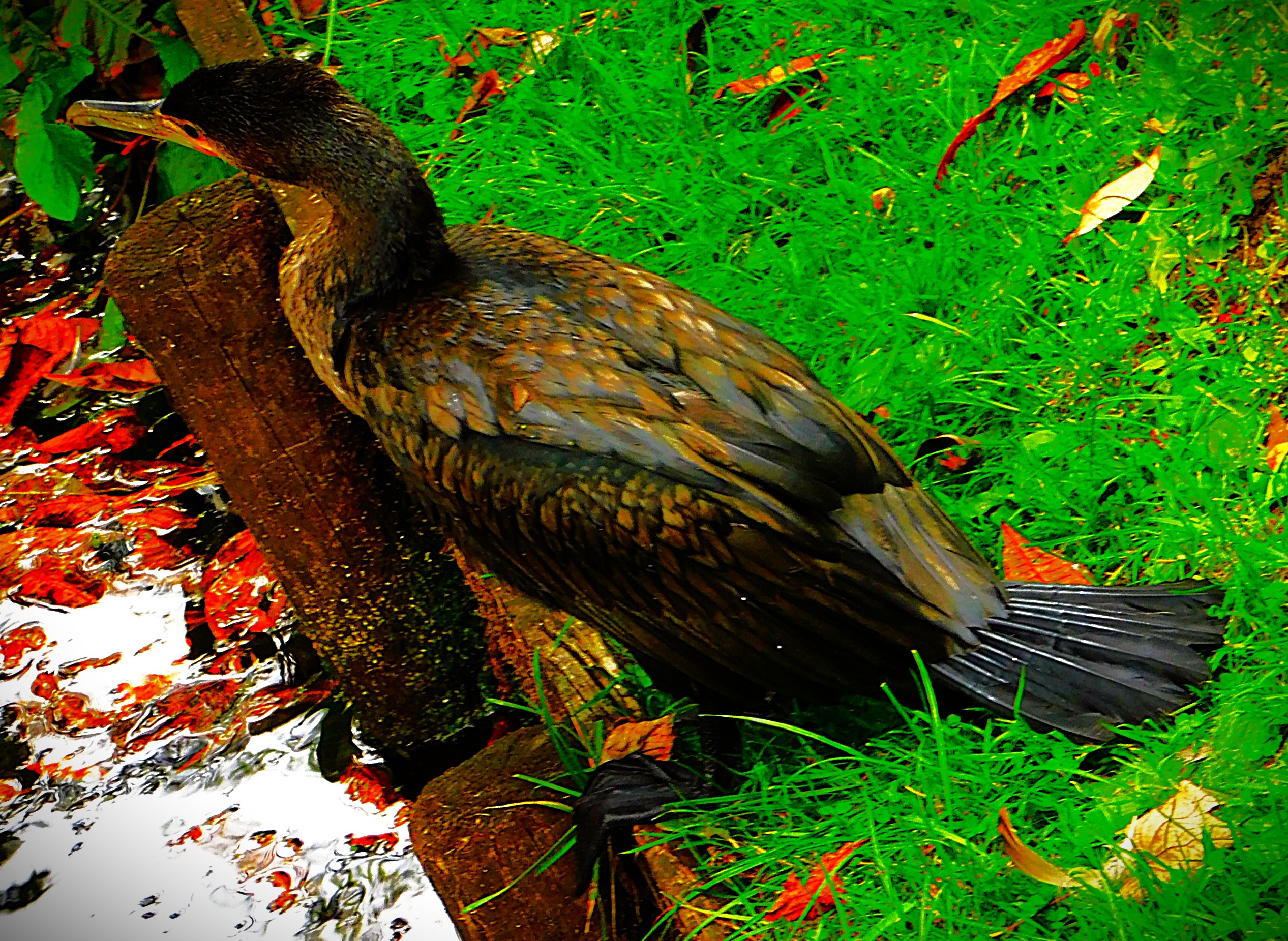
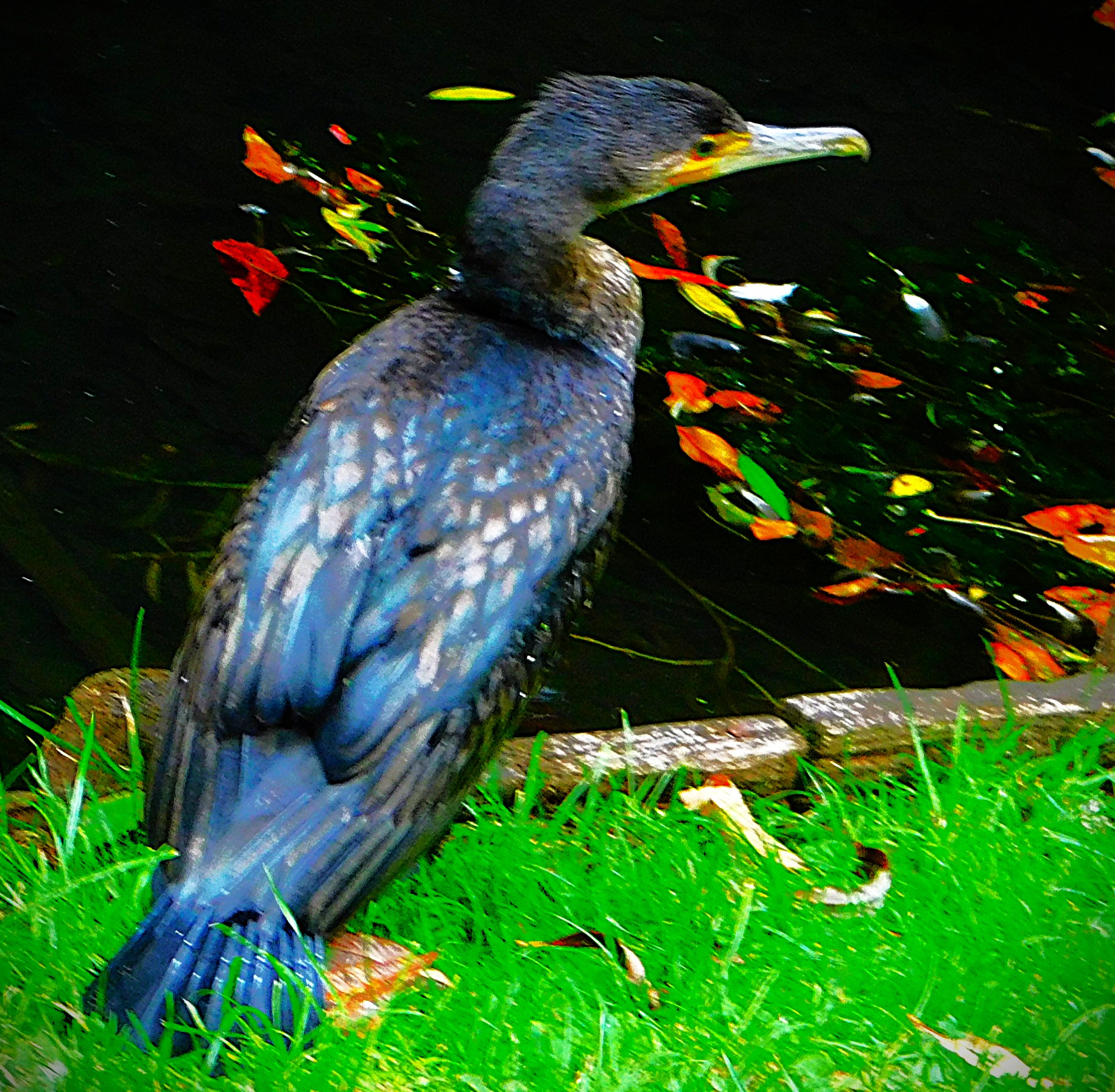
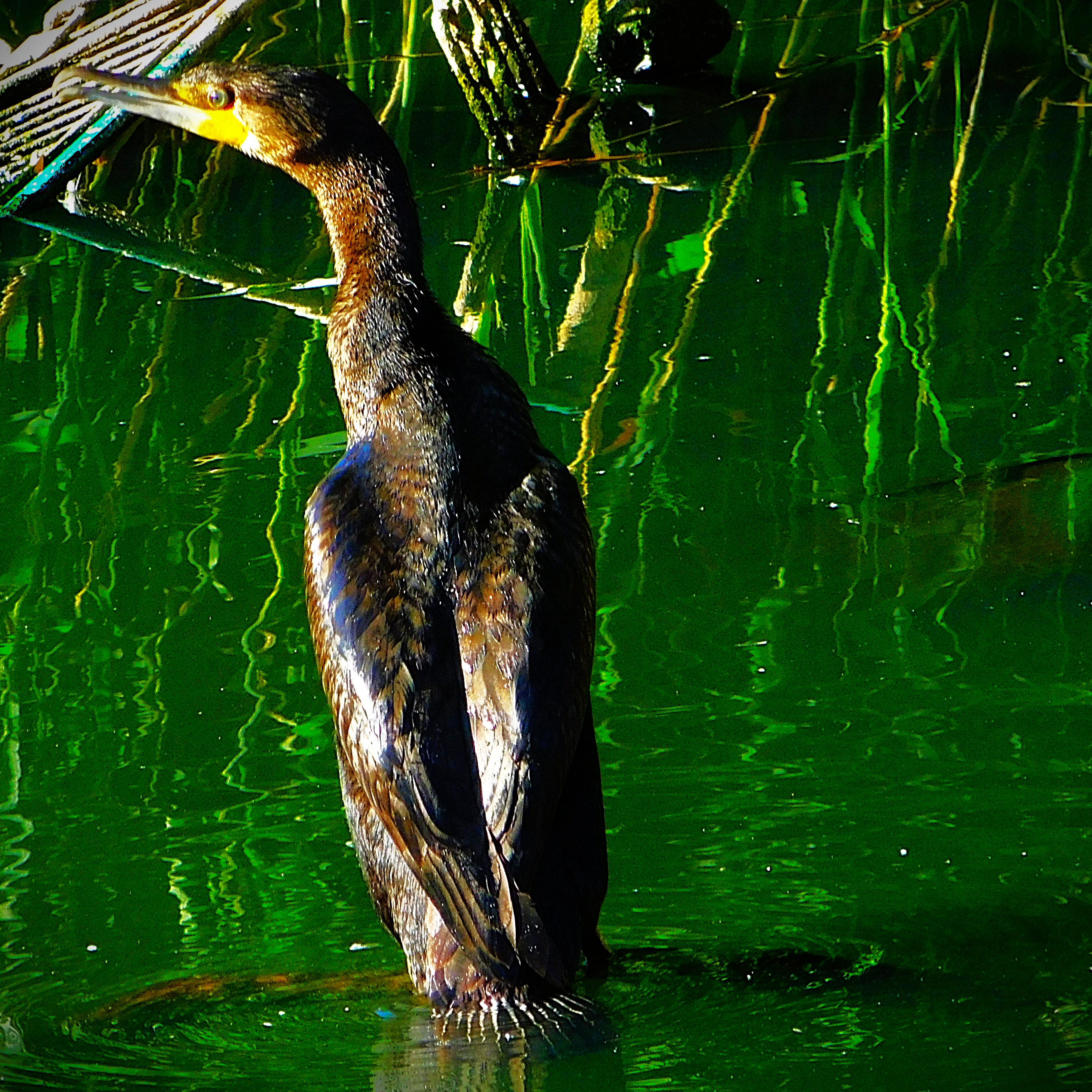
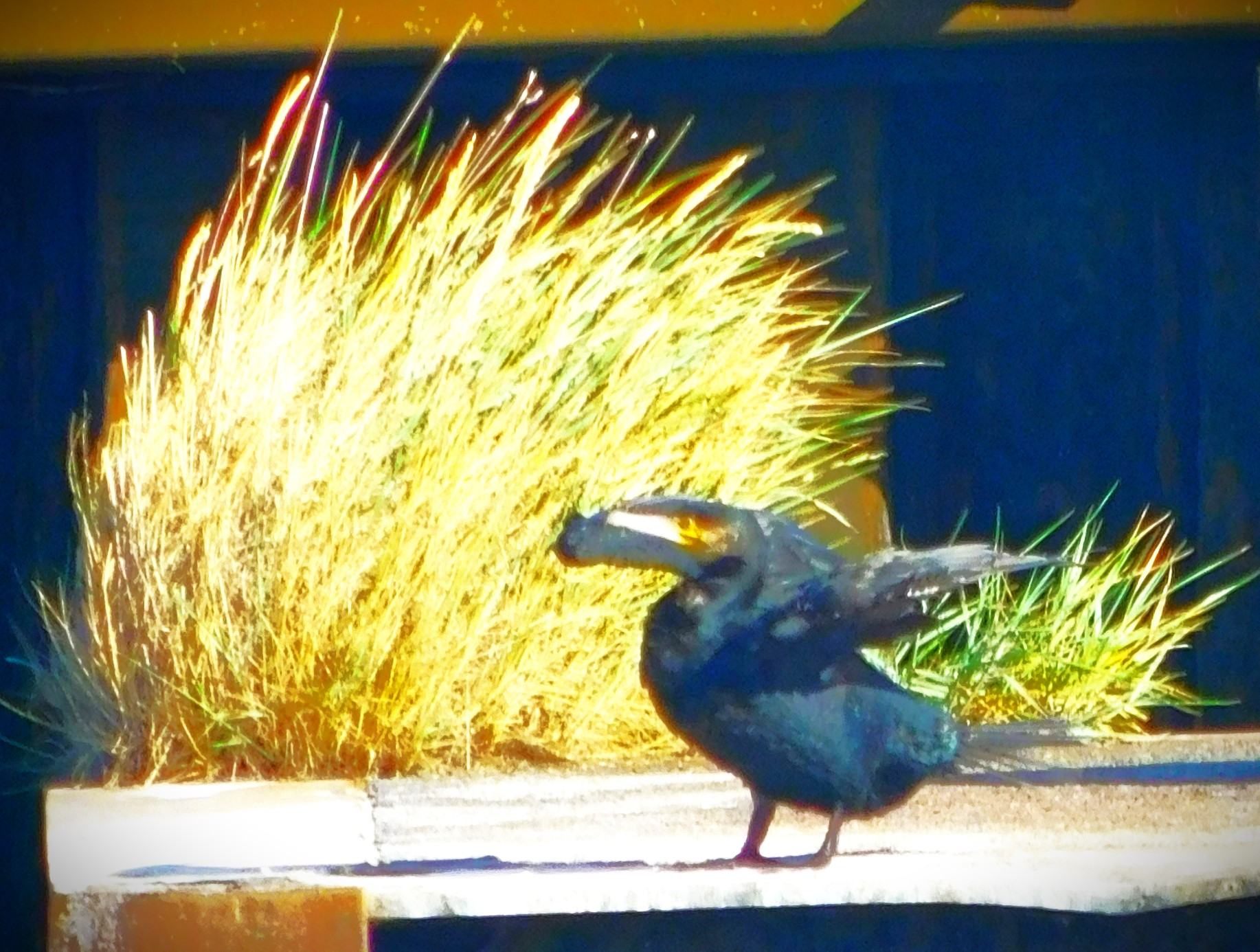
A cormorant pretending to be a black duck, overlooking the sculpted part of the Gaywood in The Walks (two pics).Common sandpiper, spotted near the mouth of the Nar while on my way to a WNAG committee meeting this morning.Some King’s Lynn townscapes from various vantage points, starting with the centre of the bridge linking West Lynn to South Lynn (further north there is only a ferry crossing available).Two planes flying together.The focus here is on the pontoon jetty.This one comes from earlier this evening – the particular buddleia plant overlooking Bawsey Drain.
A look at Tim Sullivan’s DS Cross novels and a large photo gallery.
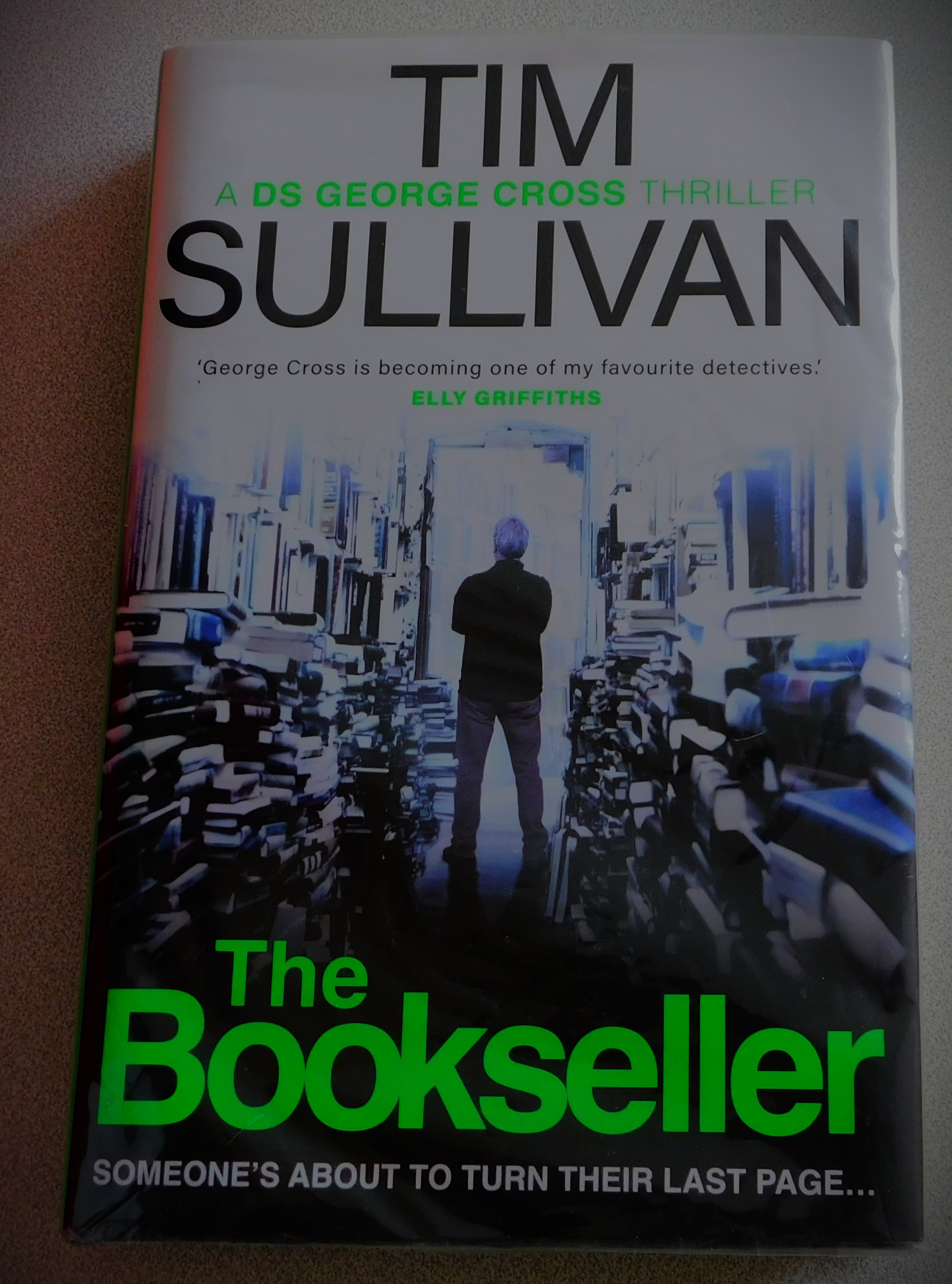
These are among my more recent and successful library finds. The first one I borrowed was “The Teacher” (they all have two word titles referring to the murder victim), and I have subsequently also read “The Patient”, “The Cyclist”, “The Monk”, “The Politician” and just recently “The Bookseller”. The one title in the series I have yet to read is “The Dentist”. This post looks at these novels.
DS GEORGE CROSS
The main focus of the novels is Detective Sergeant George Cross, who is autistic, often difficult to work with but has the best conviction rate in the force by a good margin. Though just as prone to exasperation at Cross as anyone else his boss at the Bristol Major Crimes Unit, Detective Superintendent Ben Carson, knows that Cross’s detective skills are unmatched, and makes allowances from him that some don’t approve of. Cross’s regular partner while investigating cases is Josie Ottey, who in the most recent offering, “The Bookseller” has just been promoted to DI, so she technically outranks Cross, which of course changes the dynamic between the pair, though Ottey tries to minimize the extent to which this happens. We also learn a fair bit about Cross’s family along the way, and about his regular organ practice.
THE CRIMES
The crimes generally look quite straightforward on the surface and various people are eager for quick arrests (except in “The Patient” where by way of variation the common reaction to the case is to dismiss it as one of death by accidental drug overdose), but developments soon reveal that all is not as it seems. The solution eventually emerges. There are invariably side stories as well. In “The Bookseller” the case of former DI Robert Warner, a deeply unpleasant character who has perpetrated at least three rapes and one attempt thereat, generally of female work colleagues, is finally resolved, with his conviction for these offences. Warner’s connection with Cross’s unit as that he was briefly seconded there to help with an investigation. It was there that his crime spree ended and he was finally arrested. His would-be victim there not only pressed charges for the attempted rape but persuaded two of the earlier victims to join her in pressing charges. Near the end of the latest offering in the series Cross submits his resignation because he wants to be able to take care of his seriously ill father, though his father does not want him to resign. My suspicion, given that Cross had been persuaded to think further about that resignation, is that he is not done just yet, and I look forward to reading about more adventures of his.
PHOTOGRAPHS
My usual sign off…
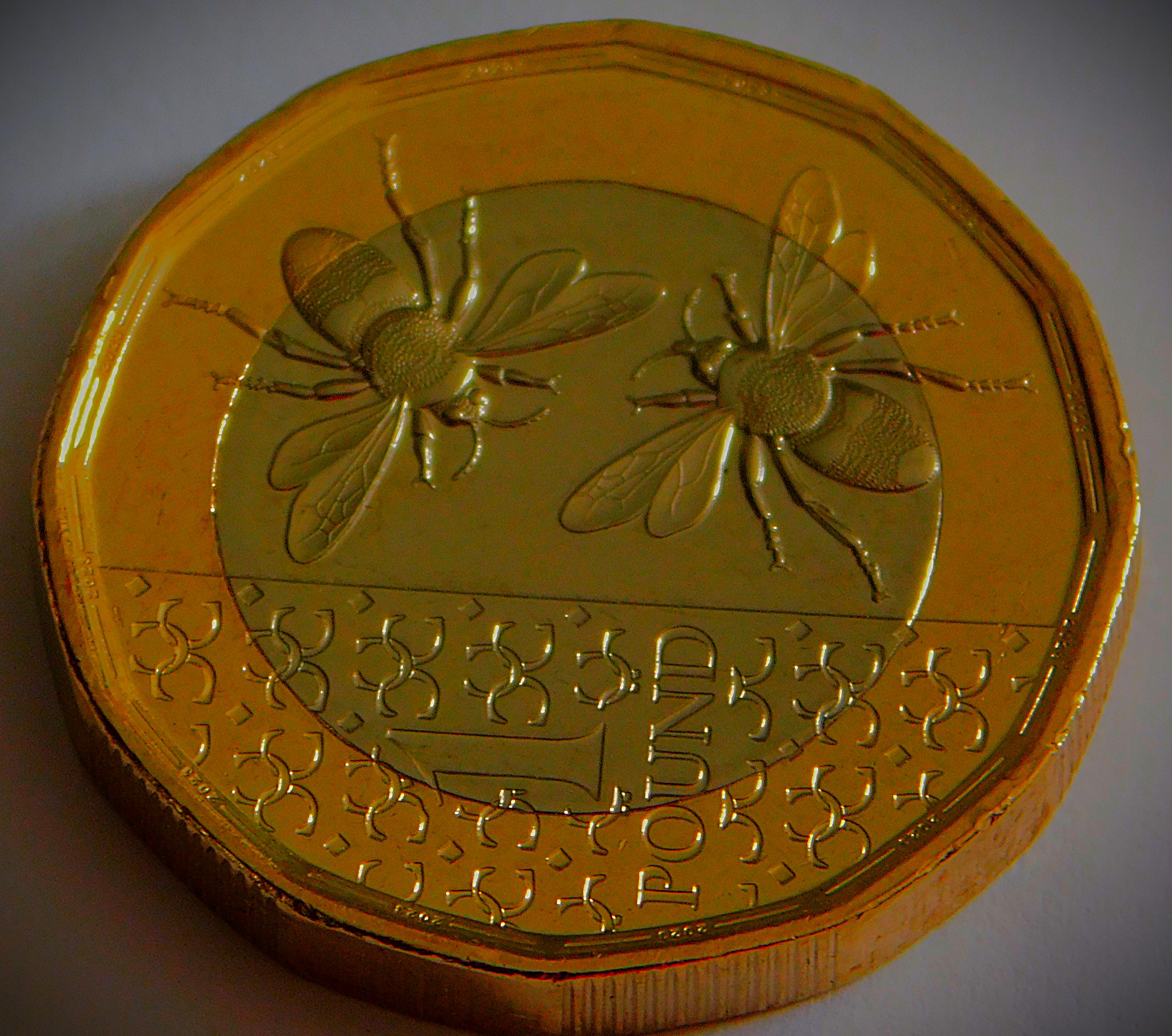
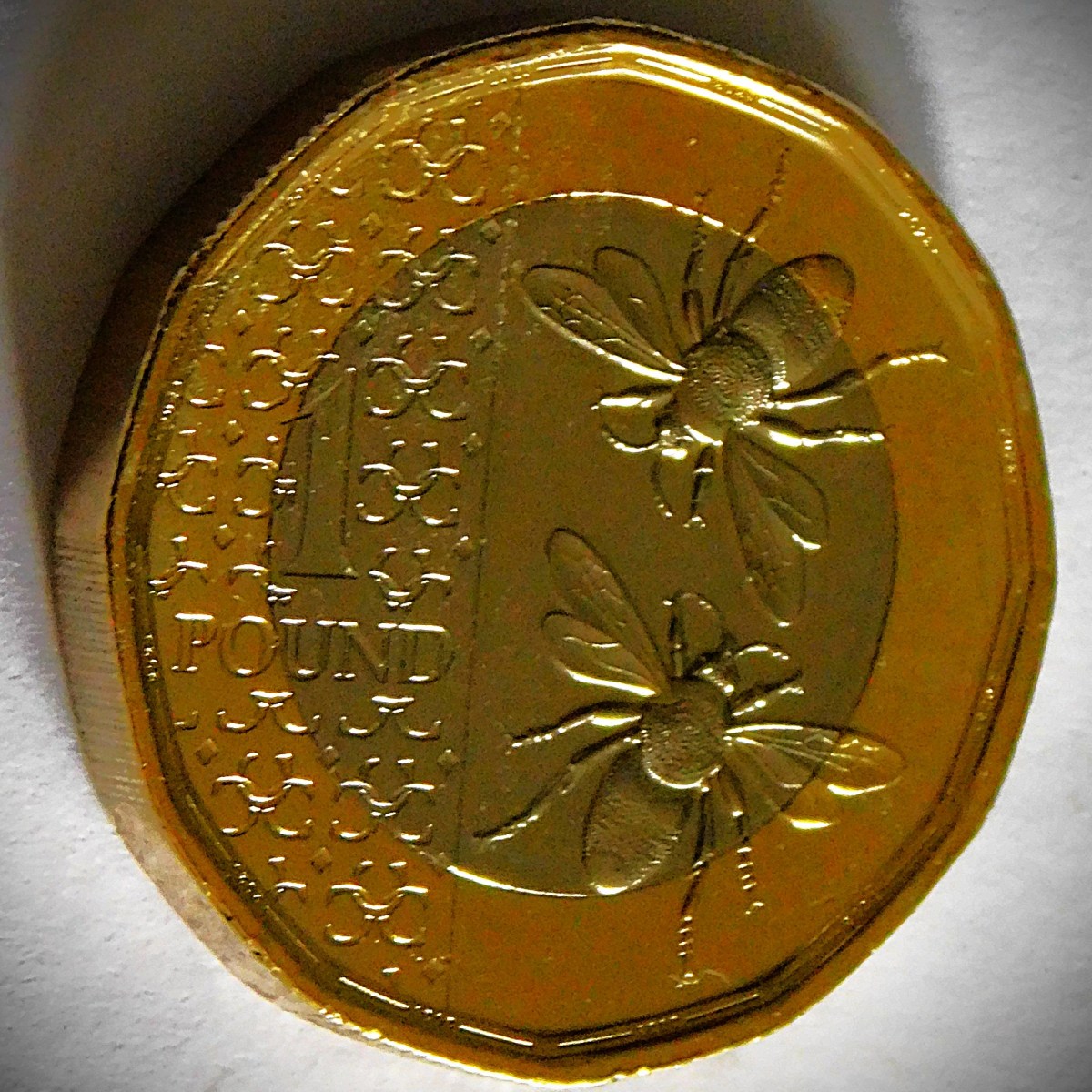
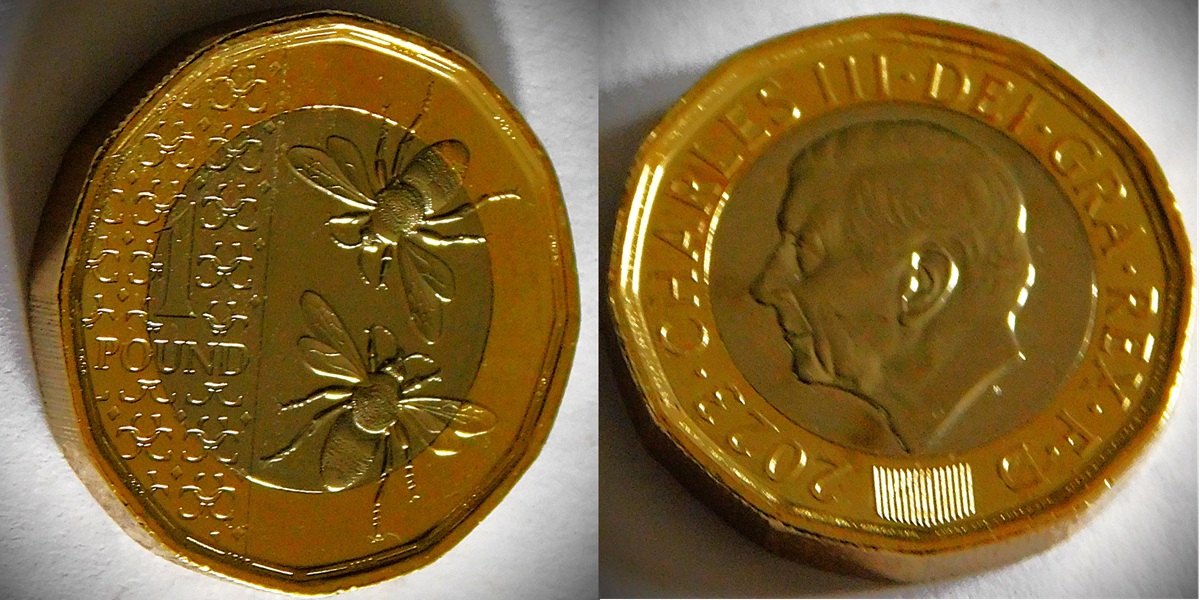
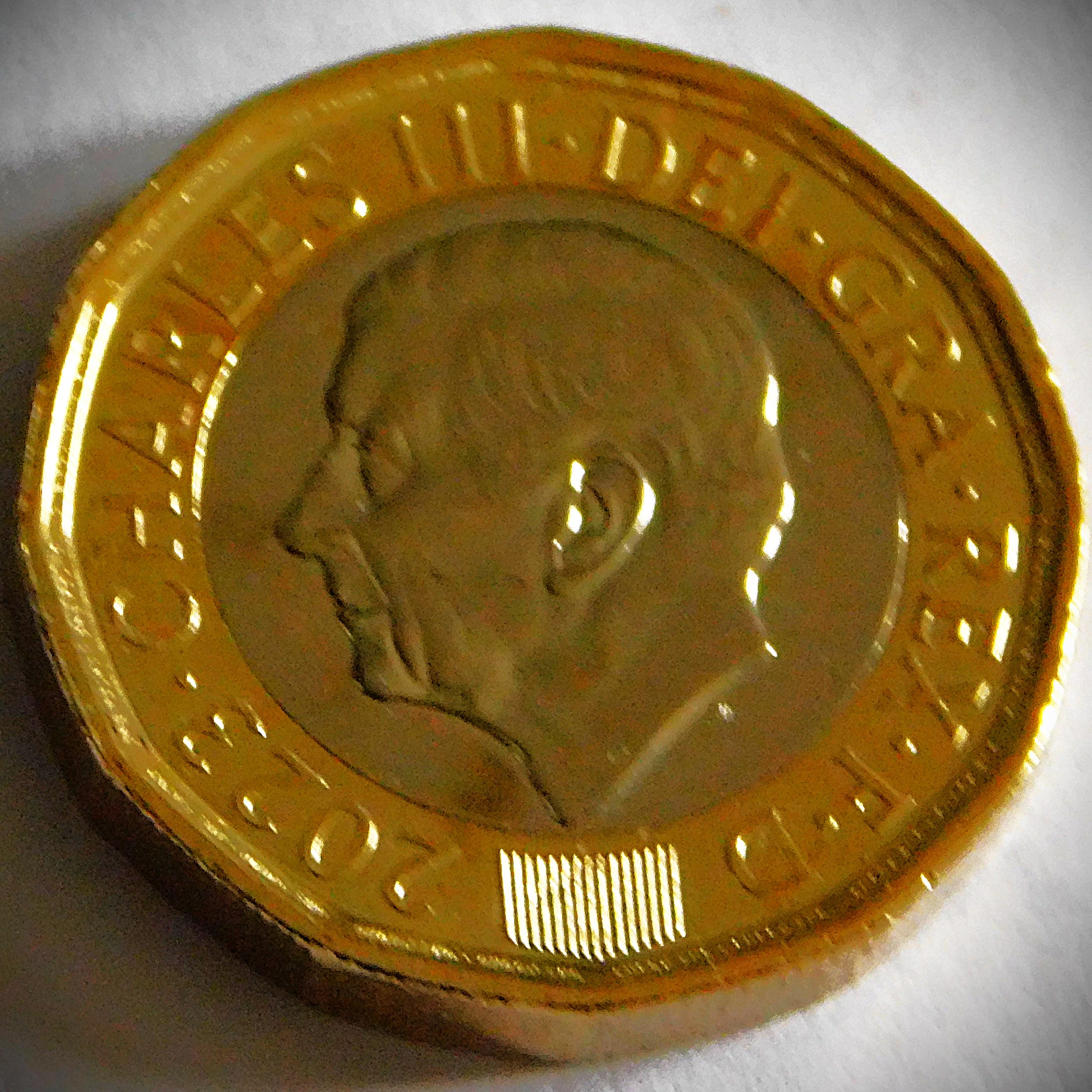
A Charles III £1 coin – not especially the splendid reverse. The individual pictures from which this composite was made appear later in the gallery.An unusual juxtaposition – a mute swan, a freshwater bird, and a cormorant, more usually a sea bird, side by side in a pond in North Lynn.This swimming rodent was moving too fast for me to capture it, though I tried.The reverse of the £1 coinThe obverse of the £1 coin.
A look back at today’s final of The Hundred (women’s), a showcase of the cockling boat, the Baden-Powell and an image gallery.
Today is Finals Day in the Hundred. The men’s match between Oval Invincibles and Trent Rockets will be underway shortly. I was out yesterday attending a christening, so only found out after the fact about what had happened in the Eliminator matches. This post is mostly focussed on today’s final.
PRELIMINARIES
Southern Brave came into the final having won all of their group matches, while Northern Superchargers were coming off the back of an amazing Eliminator match. Davina Perrin, 18 year old opening batter for the Superchargers, scored a century off a mere 42 balls, as Superchargers set a new competition record score of 214-5, winning by 42 runs over London Spirit. Both sides were unchanged, which meant that Southern Brave had gone through the competition using only 11 players – no changes to the team at any stage. Northern Superchargers won the toss and chose to bowl first.
THE BRAVE INNINGS
Grace Ballinger (left arm medium) opened the bowling and bowled ten balls straight through for only six runs, but no wickets. Kate Cross conceded six from the next five balls. Balls 16-20 were bowled by Annabel Sutherland, and an economical first four were spoilt when the fifth was dispatched for six, the first of the match. The 23rd and 24th balls began to swing things Superchargers way. Of the first of them Bouchier mishit an attempted drive and was caught by Armitage at extra cover, and then the second was an absolute beauty and clean bowled number three Laura Wolvaardt for a first ball duck. The hat trick ball was a wide, and a single came off the 25th legal delivery of the innings. The Power Play ended with Brave 30-2 from 25 balls, Cross 2-15 from 15 of those deliveries. The diminutive Aussie medium pacer Nicola Carey came on immediately the Power Play was done and her first ball went for four. Just as Wyatt-Hodge seemed to assuming control of proceedings Sutherland got one through her defences to make 43-3 from 40 balls, Wyatt-Hodge out for 25 (20). Sophie Devine, one day short of her 36th birthday, and Freya Kemp carried Brave to the halfway stage of their innings with the score 55-3. Devine was fairly sedate given the format, but Kemp started to look threatening, hitting several boundaries as the three-quarter way mark approached. One ball before that landmark Devine was dismissed for 23 to make it 90-4, which was still the score at the three-quarter way point. Progress had been remarkably even – 30 from the 25 ball Power Play, 60 from the middle 50 balls, with two wickets lost in each section of the innings. Freya Kemp had reached 26 when she was caught by Carey off Sutherland to make it 92-5. Two runs later Brave skipper Georgia Adams pushed a ball straight down the pitch, set off and was hopelessly run out to make it 94-6 after 86 balls. Four balls later Kate Cross had finished her day job, with 2-23 to show for her 20 balls, and with ten balls to go the score was 95-6, meaning that in 16 balls a mere five runs had accrued and three wickets had fallen. Mady Villiers, in at number eight for Brave provided some late impetus, striking three boundaries in the closing stages, as Brave scored 25 from the final ten balls of their innings. A score of 115-6 looked modest even on a pitch that was not all that easy to bat on, but if anyone could defend such a score Brave could.
THE SUPERCHARGERS CHASE
Davina Perrin could not repeat her heroics of the previous day at The Oval, but she did score 17 off 11 balls before Bouchier took a catch off Devine to dismiss here. That was 28-1 from 24 balls, and it brought Phoebe Litchfield, Superchargers number three, and my chosen number three when I picked my team of the tournament to the crease. She started superbly, making the struggles of others look like the match was happening on two different surfaces. 40 balls into the innings rain forced the umpires to take the players off briefly. At that point Litchfield was going at better than two per ball. The interruption was not long enough for any balls to be lost from the match, but it was enough to disrupt Litchfield, who never got going on the resumption, going caught by Bell having top edged an attempted sweep against Tryon for 26 (13), making the score 59-3 from 44 balls. Carey joined Sutherland, and got busy from ball one. By the three-quarter way stage Superchargers were 97-3, needing 19 off 25 balls to win. They suffered no stutters, though Sutherland had one moment of great good fortune when Lauren Bell’s last ball of the tournament brushed one of the bails but did not remove it, the bail lighting up briefly to indicate that it had been hit but settling back into its groove atop the stumps. That freakish non-wicket meant that Bell went wicketless for the only time of the tournament – 0-19 from 20 balls. Off the 88th ball of the chase, bowled by Brave skipper Adams, Sutherland hit a six down the ground and Superchargers had won by seven wickets with 12 balls to spare. Sutherland had scored 28 not out from 25 balls, and her compatriot Carey finished 35 not out from the same number of balls. Carey was named player of the match, and Litchfield’s 292 runs for the tournament saw her named Player of the Tournament. An official attendance (calculated at the midpoint of the match to deal with the “they were only there for the men’s match” chauvinists) was 22,542, a record for any fixture in the history of The Hundred (Women’s), and brought the attendance for the tournament to 349,000. Full scorecard here.
THE BADEN-POWELL IN ACTION
This is by of an aperitif to the image gallery that ends this post. The Baden-Powell is an old cockling boat, and this morning while I was out walking it went out on the Great Ouse. I have two videos and six still images to share.
The team of the tournament for the Hundred (Women’s) of 2025 and a large photo gallery.
The league stage of the Hundred is done, ending yesterday, so only two matches remain to be played, the eliminator between Northern Superchargers and London Spirit and the final between the winners of that and Southern Brave, who qualified straight into the final by virtue of winning the league stage (and they did that by a distance). In this post I pick an XI based on my estimates of the players contributions to the tournaments. I will inevitably have overlooked deserving cases, but remember that I can only pick 11 players.
THE XI IN BATTING ORDER
Danni Wyatt-Hodge (Southern Brave, right handed opening batter). The veteran has had an excellent tournament, not just with the bat, but also with some outstanding fielding.
Kira Chathli (London Spirit, right handed opening batter). Being moved up to open the innings, both for Surrey and for the London Spirit has been the making of 26 year old Chathli, who has been a revelation in her new batting slot. She was one of the first names on the team sheet for this exercise.
Phoebe Litchfield (Northen Superchargers, left handed batter). She has had a great tournament, and I wanted at least one of my team’s leading batters to be a left hander for reasons of balance.
Sophie Devine (Southern Brave, right handed batter, right arm medium pacer). The Kiwi veteran has been a big reason for Southern Brave’s dominance so far this year.
Grace Harris (London Spirit, right handed batter, off spinner). This team’s X-Factor batter, the one who can come in and start blasting right from the first ball she faces. Her bowling probably won’t be required (I rank her seventh in this team’s pecking order).
*Georgia Adams (Southern Brave, right handed batter, off spinner, captain). This was a close call, with Charlie Dean the other candidate, but Adams’ superior batting gets her the nod as this team does have a bit of a tail.
+Rhianna Southby (Southern Brave, wicket keeper, right handed batter). The best keeper in the competition, and picked on that basis.
Alana King (Trent Rockets, leg spinner, right handed batter). One of only two players from a side not to qualify for finals weekend to make this XI. She got the nod for this slot ahead of compatriot Amanda-Jade Wellington.
Mahika Gaur (Manchester Originals, left arm medium fast bowler, right handed batter). The most economical bowler of the competition, beating the player one place below her in this order. She made history when becoming the first player to bowl all of her 20 balls in the Power Play phase (balls 1-10 straight through, five balls out of the attack, balls 16-25 straight through).
Tilly Corteen-Coleman (Southern Brave, left arm spinner, left handed batter). Has had a superb tournament, claiming 11 wickets in eight group matches and going for less than a run a ball.
Lauren Bell (Southern Brave, right arm fast medium bowler, right handed batter). The leading wicket taker of the tournament (even before last night’s frankly ridiculous figures of 4-6 from a full 20 balls against Welsh Fire), she has been the bowling spearhead for the team who have left a chasm between themselves and the rest this tournament.
This side has enough batting for requirements, and that bowling unit of Bell, Gaur, Corteen-Coleman and King, with the remaining 20 balls to be bowled by some combination of Devine, Adams and Harris is outstanding.
HONOURABLE MENTIONS
The wicket keeper position can sometimes be a tough one. However I personally only considered one other option, Beth Mooney (Manchester Originals), because I could have used another left handed batter. I would countenance most other suggestions that people might make, with one exception: Amy Jones has had a terrible tournament, and no matter how highly one rates her overall that has to disqualify her. The left arm spin bowling department presents an embarrassment of riches, but Corteen-Coleman has had the best tournament of all of them, and that is reflected in her side’s dominance of the league stage. Feel free to make suggestions of your own, but do remember to consider the effect those suggestions have on the balance of the side.
PHOTOGRAPHS
My usual sign off…
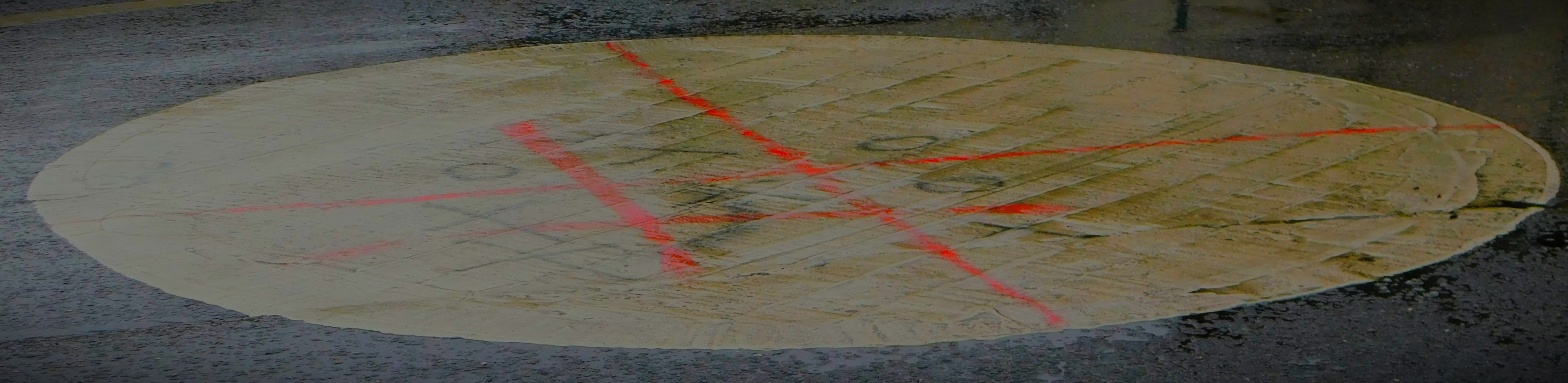
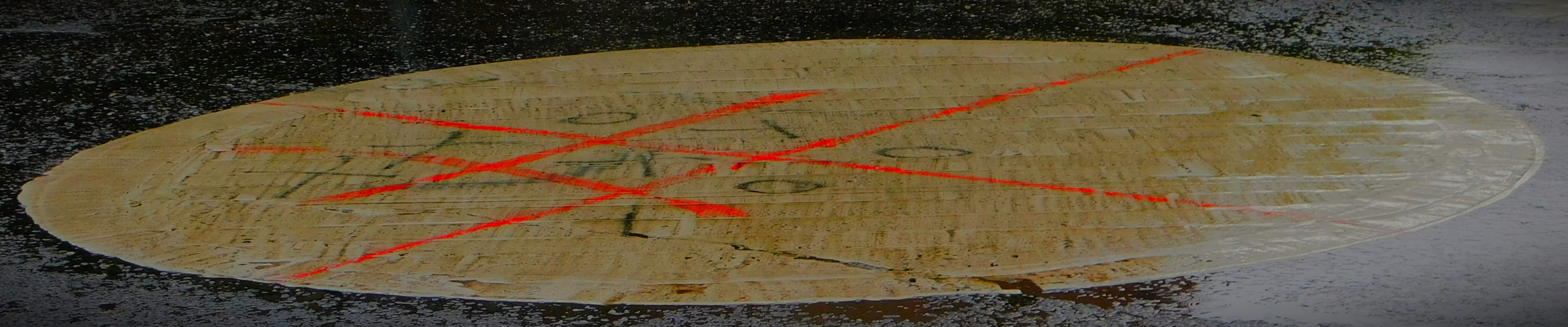
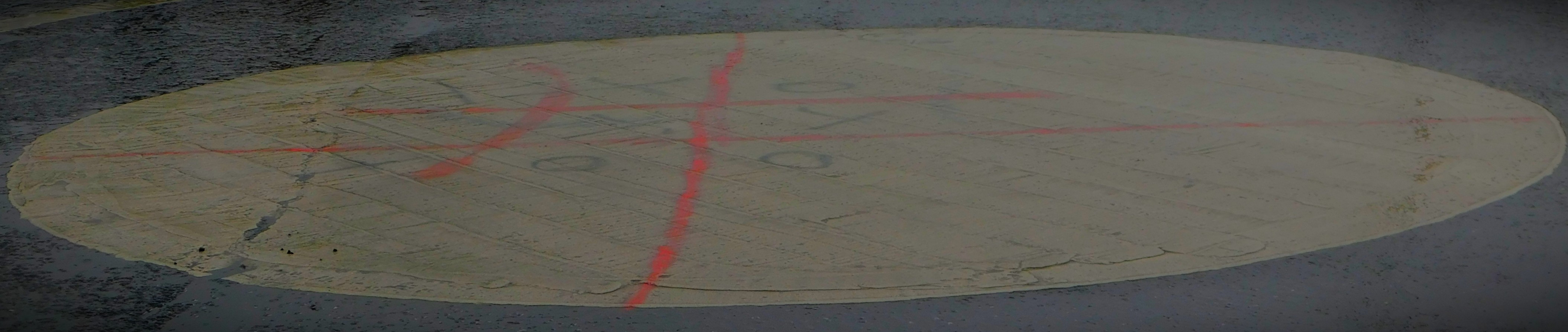
I deduce a two stage process leading to the state of this roundabout paint wise: first some fascist painted a red cross on it to make it look like a circular England flag, then someone else countered by painting in the noughts and crosses grid.
A look back at this afternoon’s match between the Trent Rockets and Birmingham Phoenix women’s sides, a look at the standing with one group match to come, and a photo gallery.
Today sees the penultimate group games in The Hundred, Trent Rockets v Birmingham Phoenix. This post looks back at the women’s match and also at the table as it stands with one fixture remaining.
MAKING AN EASY TASK LOOK DIFFICULT
Birmingham Phoenix elected to bat first. Unfortunately they did not bat well. Emma Lamb scored an unbeaten 56, but no one else made a significant score. There were 14s for Ellyse Perry and Marie Kelly, each off 15 balls, but the second best innings for Phoenix was Ailsa Lister’s six ball 12 at the death. At one stage in the chase Rockets were 92-2 with Natalie Sciver-Brunt going well and Ashleigh Gardner having hit a couple of fine shots. Then Ailsa Lister took a superb catch, sprinting in off the boundary and diving forward to complete the catch and dismiss Gardner. Ten runs later Sciver-Brunt departed one ball after reaching her half century, hitting one from Hannah Baker straight to Megan Schutt at cover. Heather Graham fell to another catch by Lister, off Phoebe Brett, and then three balls later Rockets keeper Threlkeld was on her way LBW for 2 and it was 109-6, and suddenly Phoenix had half a chance. Incidentally Amy Jones, Phoenix’s keeper and also England’s current keeper, has had a very poor tournament with the bat, and Threlkeld would be among the potential replacements if England are starting to think about that (Rihanna Southby would be my choice, with Threlkeld and Bess Heath also in the mix). Alana King and Jodi Grewcock seemed to have seen through the danger when King edged Schutt through to Jones and it was 119-7. Kirstie Gordon now came in, and she scored three off the next four balls, which meant that after 96 balls of the chase Rockets needed two to win. Grewcock put the 97th ball of the innings, from Em Arlott, away for four to seal the win for the Rockets.
THE STANDINGS
The six teams who have played all their group fixtures occupy positions two to seven inclusive in the table, and the only positions that might change are at the bottom – if Welsh Fire, last in the table, do the unthinkable and beat Southern Brave, top of the table, in the final game they will leapfrog both Birmingham Phoenix and Oval Invincibles on net run rate. If Brave win the standings will stay as they are at present.
PHOTOGRAPHS
My usual sign off…
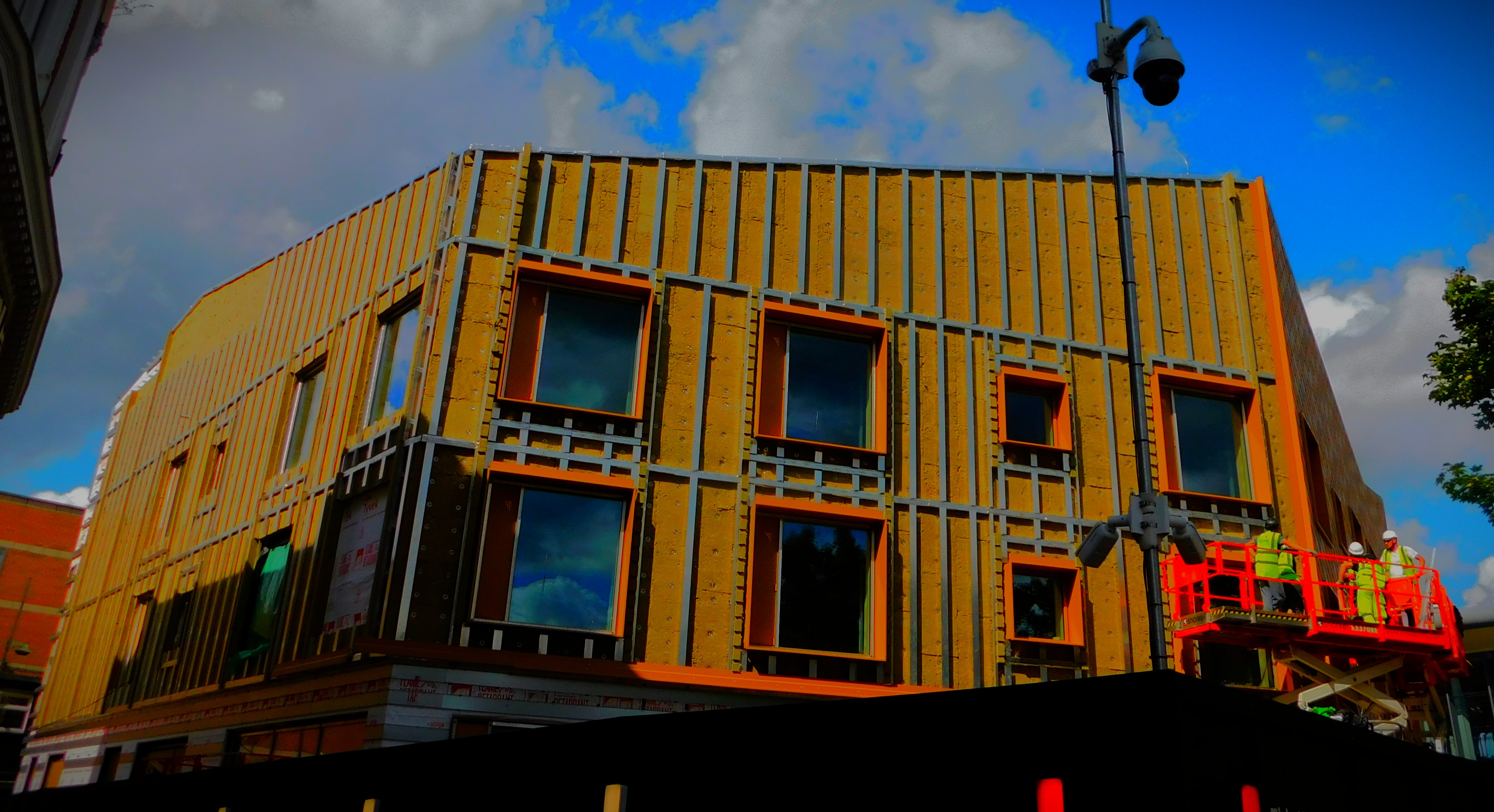
I think this one (see also next picture) is a moth rather than a butterfly.The New Conduit Street facing side of the new library/ community hub is now complete.I saw this (see also next picture) on my way to Gaywood Library this afternoon.
This afternoon saw the match between Oval Invincibles and London Spirit women’s teams. Invincibles were already eliminated, while Spirit needed a win to apply pressure to Manchester Originals for the third qualifying spot (Southern Brave are already in the final, and Northern Superchargers have already booked their slot in the eliminator on Finals Day). This post looks back at the match.
AN INNINGS THAT NEVER GOT GOING
London Spirit won the toss and put Oval Invincibles in to bat. Of note for them was the presence of Kate Coppack, a pace bowler who was making her Hundred debut. The Invincibles simply never got going, though Coppack’s only visit to the bowling crease yielded eight runs from five balls. Medium pacer Eva Gray and off spinner (and Spirit skipper, and possible successor to Natalie Sciver-Brunt as England skipper) Charlie Dean each recorded 2-12 from their full allocations of 20 balls. Six of the runs Dean conceded came from the 18th and 19th balls she bowled, which were also the 98th and 99th of the innings as a whole. In addition to her bowling and captaincy Dean held two catches, one of them an absolute worldie, leaping into the air and grabbing the ball with an outstretched hand and then keeping control of it as she fell to the ground. Invincibles finished their 100 balls with 108-8 (and it was almost nine down – the last ball was an LBW given on the field, sent upstairs and only confirmed as not in fact out after all the players had left the field). Only Marizanne Kapp with 32 from 25 balls and Paige Scholfield with 22 from 21 balls had made significant contributions with the bat.
A THUMPING WIN
When you have a small total to defend pretty much everything has to go right if you are going to do so. Thus it was a particularly dire warning sign for Invincibles when Kira Chathli (born in Southwark and based at The Oval for all domestic cricket other than The Hundred) was gifted a fast start by Joanne Gardner who let through a four when the ball barely had enough on it to cross the rope, and it should have been an utterly basic matter to limit the damage to a single. Chathli took control of proceedings from that point on, and though the other opener, Georgia Redmayne, took a little longer to find her stride she too played impressively. By the end of the Power Play Spirit were 47-0 and the writing on the wall could have been no clearer had it been in Arial Black 500 Point, bold faced letters. The pace hardly slowed with the field going back. By the time 50 balls, the official half way stage of the chase, arrived Spirit were 93-0. Chathli completed a magnificent 50 with the second six of her innings, having also hit seven fours along the way, and got there in a mere 26 balls. That six also took Spirit past the 100 mark on the 53rd ball of their innings. Redmayne and Chathli both got out with victory a shot away, but Charli Knott put the 62nd ball of the innings away for four to give Spirit an eight wicket win with a barely credible 38 balls to spare. Originals will need to hand Superchargers an even bigger thumping tomorrow to displace Spirit, and this being Spirit’s fifth win of the tournament it officially eliminates Trent Rockets and maintains a proud record in this tournament of no team with a mere even record of four wins and four losses ever qualifying for Finals Day. Charlie Dean was named Player of the Match for her bowling, fielding and captaincy. Full scorecard here.