The Women’s World T20 Cup

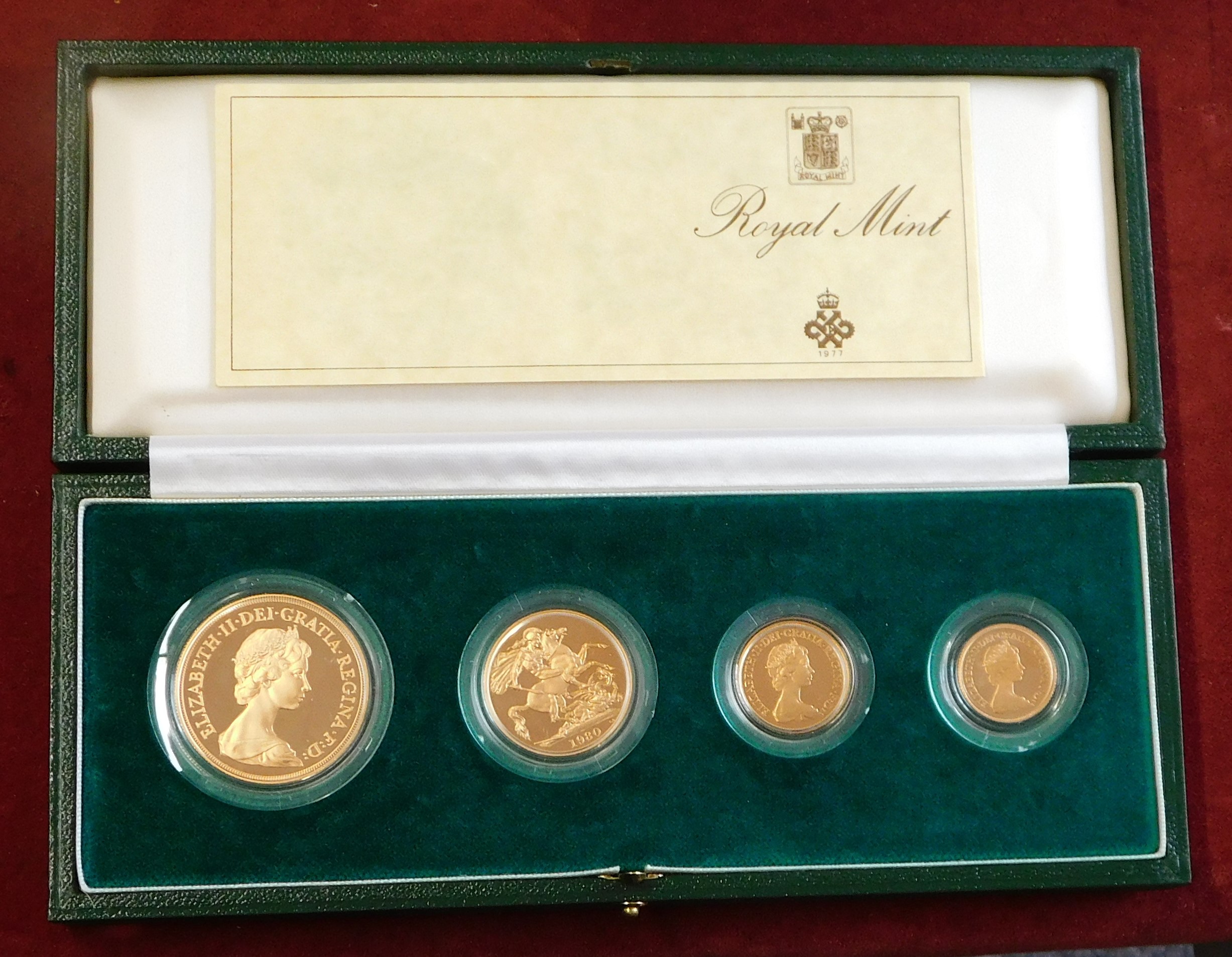
A look at developments in the Women’s T20 World Cup, including comments about both of today’s games. Also a photo gallery prefaced by a couple of lots which are in James and Sons’ November sale but otherwise containing pictures from today.

The group stage of the Women’s T20 World Cup is approaching its conclusion. This post looks at the situation, with some stuff about today’s games.

The group table, from cricinfo:

Group A

TeamMWLPTNRR
AUS-W33062.786
IND-W32140.576
NZ-W32140.282
PAK-W3122-0.488
SL-W4040-2.173

Sri Lanka are eliminated, and after today’s loss to New Zealand are confirmed as finishing last in the group. India face Australia tomorrow, and because of today’s result they need to win that game to prevent New Zealand v Pakistan become a straight shoot out for a semi-final slot. Australia are the only absolutely confirmed qualifiers, and they been incredibly impressive so far.

The table, again from cricinfo:

Group B

TeamMWLPTNRR
WI-W32141.708
SA-W32141.527
ENG-W22040.653
BAN-W3122-0.835
SCO-W3030-2.671

Scotland are out, and will almost certainly finish last (unless they can beat England heavily, and Bangladesh, currently in action against South Africa, win that match, which is looking very unlikely right now). Bangladesh are also unable to qualify. England are currently third on net run rate, but have a game in hand on South Africa and West Indies, and have a 100% record, whereas the other two sides have each lost once. If as seems likely South Africa win today they will be qualified, and West Indies will be hanging on by their finger nails.

Sri Lanka have had a wretched tournament, though it briefly looked improving for them today. That bright prognosis lasted until Amelia Kerr bowled Chamari Athapaththu for 35. I have written previously about Sri Lanka’s dependence on the veteran opener to get them to a competitive total. They very rarely win when their talisman doesn’t score as many as 40, and the remainder of their innings after her dismissal showed why. 74-2 after 13.3 overs became 115-5 after 20 overs – the death overs barely saw the scoring rate climb, as Sri Lanka needed it to. Bates struggled with the bat for New Zealand, and her dismissal for 17 (22) to make it 49-1 was probably better news for them than it was for Sri Lanka. Amelia Kerr, who had figures of 4-0-13-2 including the prize wicket mentioned earlier, came in to join Georgia Plimmer who was going well. Plimmer and Kerr shared an excellent partnership, and victory was well and truly in sight when Plimmer fell to a catch by Silva off Athapaththu for 53 (44). Sophie Devine joined Kerr to complete the job. It was Devine who made the winning hit, a colossal six off Kumari, but Kerr had scored 34* (31) to help NZ to an eight wicket win with 15 balls remaining. I understand why the Player of the Match award went to Plimmer for her 50 but I am 100% sure it was a wrong call. Kerr made important contributions in both departments. NZ may well have won even had Plimmer not scored big, they would not have won without Kerr’s contribution. Scorecard here.

This match is approaching the half way stage and it has only been a late flourish that has got Bangladesh to three figures. At one stage they were going at only two an over, and even with a big finish they have only managed 106-3 from their 20 overs. South Africa have given away 11 wides. Mlaba, South Africa’s impressive left arm spinner, recorded figures of 4-0-11-1, and Marizanne Kapp was even more economical – 4-0-10-1.

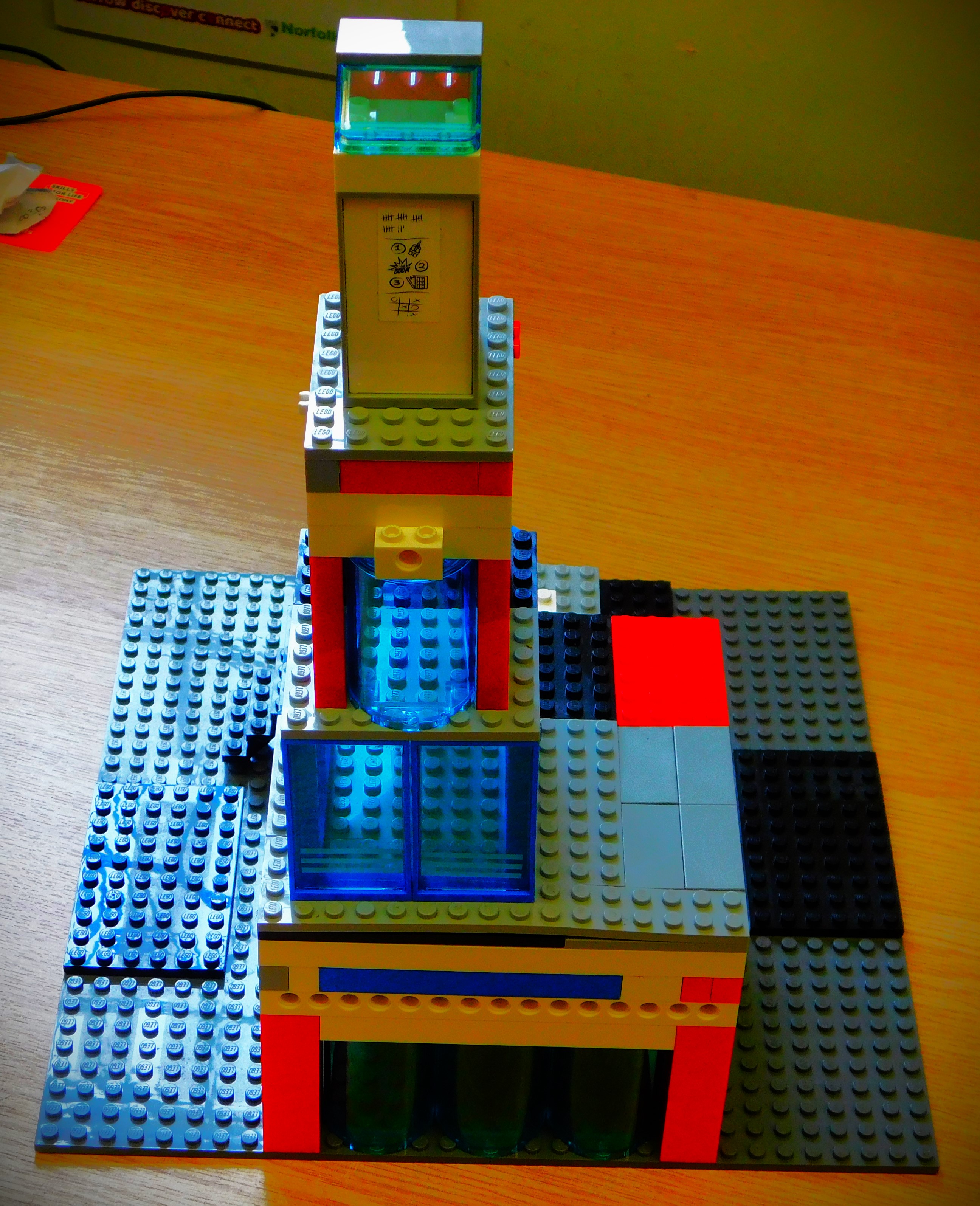
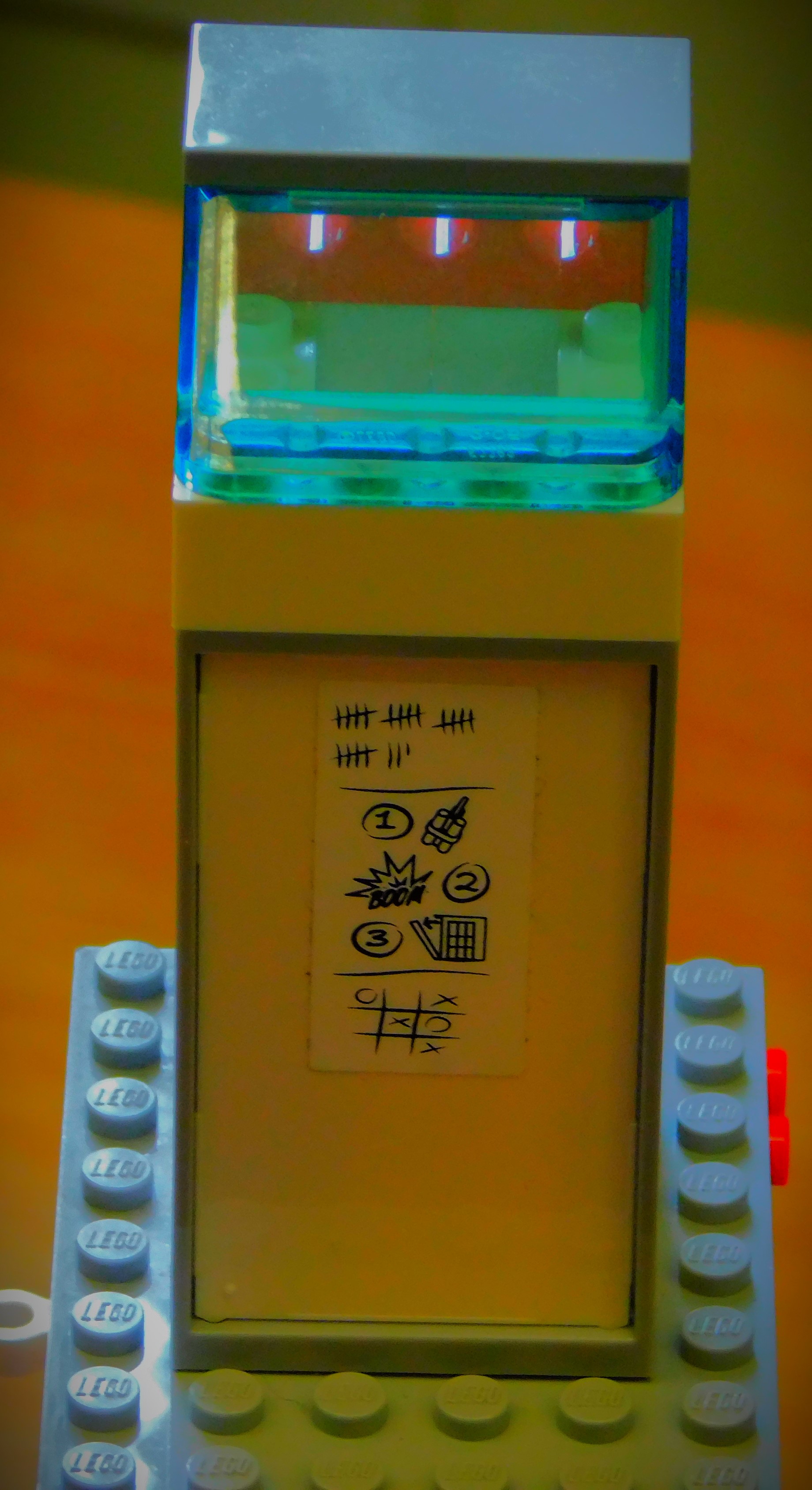
Today’s gallery starts with a few pictures from work this week…

England Triumph in Multan

An account of days four and five in Multan is England created history by winning by an innings margin after conceding over 500 in the first innings. Also a photo gallery.

In my previous post I told the story of the first three days of the opening test of the Pakistan v England series in Multan. I now tell the story of days four and five (please bear in mind day four was a work day for me and therefore I did not to get follow all of it).

England started day four on 492-3. They utterly dominated the morning session, Root and Brook batting like a pair of titans. Had England scripted the session they would hardly have dared to make as good for themselves as it actually was. Not only did the Yorkies remain together throughout the session, they plundered 166 runs from 29 overs in the course of it. Both were well past 200 by the lunch interval, only the second time England had ever had two double centuries in a single test innings after Chennai in 1984 when Graeme Fowler and Mike Gatting did likewise. The partnership was worth an unbroken 409 at this point, already England’s second best ever for any wicket against all comers, also the highest ever England partnership between two players from the same county, relegating Hutton/ Leyland (Yorkshire, 382 for the second wicket v Australia at The Oval in 1938) into second place in this particular league table, with Denis Compton/ Bill Edrich (Middlesex, 370 v South Africa for the third wicket in 1947) and Ken Barrington/ John Edrich (Surrey, 369 for the second wicket v New Zealand in 1965).

After lunch the pair continued the assault, taking the total past 700 while they were still together. Both passed 250 along the way, Root first, closely followed by Brook who in spite of having given his partner an 80-odd run head start was threatening to overhaul him. Finally, Pakistan gained a measure of relief, when Salman Agha trapped Root LBW for a new test best of 262 to make it 703-4, ending the stand at 454, England’s record for any wicket in all test cricket, the all time fourth wicket record for all test cricket, and the fourth biggest partnership in test history, beaten only by Martin Crowe/ Andrew Jones 467 for the third wicket v Sri Lanka, Jayasuriya/ Mahanama 576 for the second wicket v India and Jayawardene/ Sangakkara 624 for the third wicket v South Africa, which means that this was also the biggest ever partnership in a test match not involving Sri Lanka.

Brook kept going, ticking off a few more milestones. At 270 he claimed possession of the highest test score by any member of this XI, a four taking past Crawley’s 267 also against Pakistan. Then came Cook’s 294, the highest score for England in the 21st century, then the triple century. It was at this point that I headed off to catch the bus to work, having made all my preparations and decided that I would take my leave either when Brook was out or when he reached 300, whichever came first, so I missed the last period of England’s charge towards a declaration. Later checks revealed that the declaration had finally come at 823-7, with Brook’s innings ending on 317, the second highest ever score for an England batter abroad behind Hammond’s 336* v new Zealand in 1933, and that Saim Ayub, pressed into service due Abrar Ahmed being ill (ill enough to hospitalized) had become a record breaking sixth Pakistan bowler to concede 100 or more in the innings. The previous was five, although in the first such instance of that happening, when Australia scored 758-8 declared v West Indies back in the 1950s, a sixth bowler, Sobers, avoided joining them by the narrowest possible margin, going for 99.

Pakistan thus began their second innings 267 runs adrift. It would appear to be in the early stages of their second innings that their hopes of escaping with a draw were killed. Abdullah Shafique was bowled by the first ball of the innings, and Pakistan somehow lost six wickets in the space of 24.2 overs, for 82 runs. The seventh wicket pair stopped the collapse to the extent of taking Pakistan to the close of day four on 156-6.

Day five started with Pakistan needing 111 to avoid the innings defeat, with three wickets standing (it was confirmed that Abrar Ahmed was still ill in hospital and would not bat, though as a regular number 11 he was unlikely candidate for becoming a latter-day Eddie Paynter, rising from his hospital bed in his country’s hour of need and becoming the batting hero, as the Lancashire left hander did in the fourth test of the 1932-3 Ashes). Salman Agha and Aamer Jamal took their partnership past the 100 mark, but at 191 Jack Leach pinned Agha LBW for 63. Shaheen Shah Afridi resisted for a time, but after an over in which Brydon Carse gave him a tough time he drilled one back at Leach who took a superb return catch to make it 214-8. Naseem Shah got off the mark with a six, but missed another huge heave at the next ball and was stumped by Smith to end proceedings with Pakistan 47 short of avoiding the innings defeat. Leach’s polishing off of the tail gave him innings figures of 4-30, the stuff of miracles on this pitch, and match figures of 7-190. To put those figures in their true perspective, it means he took his wickets in this match at 27.14 each, while outside of his efforts the total score was 1,409-19, an average of 74.16 per wicket. Pakistan’s 556 is the highest first innings total by any side to lose a test match by an innings. There have been two higher scores in the first innings of a match by a side who ended up beaten: Bangladesh 595-8 declared v New Zealand quite recently, and Australia’s 586 at Sydney in 1894, when overnight rain at the end of the fifth day of a timeless match saw Australia caught on a vicious sticky and spun to defeat by Bobby Peel and Johnny Briggs, 113-2 becoming 166 all out and a loss by ten runs. Pakistan under Shan Masood have now lost six successive matches. The second match of this series starts, also in Multan, on Tuesday.

My usual sign off…

Pakistan v England So Far

A look at developments in the first test of the Pakistan v England series, currently taking place in Multan, a link to an important campaign and a photo gallery.

The England men’s test side are currently in Pakistan, contesting the first match of a three match series. Multan is the venue.

Pakistan won the toss and chose to bat. Abdullah Shafique and skipper Shan Masood shared a s second wicket stand of 253, and there were further major contributions from Saud Shakeel (82) and Salman Agha (104*) to boost the total to 556. Leach had 3-160 from 40 overs, Atkinson and Carse each claimed two wickets, while Bashir, Root and Woakes took one each. Though he was the most economical of the bowlers, going at precisely three runs per over, Woakes did precious little to suggest that he is worth his place overseas. Ben Duckett injured a thumb taking the catch that ended the Pakistan innings.

Pope opened in place of Duckett and fell for a duck, but Crawley and Root saw things through to the end of the second day with the score 96-1.

Crawley donated his wicket with a really poor shot off Shaheen Shah Afridi, to make it 113-2 early this morning, but Duckett, now fit to bat, came in at number four and played excellently in partnership with Root. The third wicket stand had reached 136 when Aamer Jamal trapped Duckett LBW for a splendid 84 to make it 249-3. That brought Harry Brook to the crease, and neither he nor Root ever looked in any trouble from the Pakistan bowlers, though the Multan heat caused Root problems, in the form of cramps. By the time Brook joined the fray Root had already established himself as England’s all time leading test run scorer, having started the innings needing 71 to overhaul Cook’s tally, and now the milestones clocked up frequently: 50 to Brook, 100 to Root, 100 to Brook, 150 to Root. By the time stumps were pulled England had reached 492-3 and the partnership between the two Yorkies was worth an unbroken 243. Abrar Ahmed had bowled 35 overs for 174 and was wicketless. That included one spell of 23 overs, the longest wicketless spell by anyone against England since Old Trafford 2005 when Shane Warne bowled w=a wicketless spell of 24 overs. Root had 176 not out by the end of the day, having faced 277 balls and hit 12 fours, and thus run 128 of his own runs. Brook was 141 not out from 173 balls, with 12 fours and one six. The pitch has not yet shown any signs of breaking up, and Pakistan’s bowlers have by and large looked clueless. A draw would seem likely to because the pitch is emasculating the bowlers, but I could see an England win, if they bat well tomorrow, and Pakistan after a long time in the field and facing a large deficit, not to be expected after scoring 550, become dispirited and their second innings collapses. In total 250 overs have been bowled so far – 16 fewer than should have been allowing two overs for each innings break. Current scorecard here.

Just before my usual sign off, I have a link to share. The British sugar beet industry is seeking an ’emergency exemption’ from the ban on the use of Neonicitinoids for would if granted be a fifth successive year, hence the use of the use of speech marks around the key phrase. These pesticides are more poisonous gram for gram than DDT. It is time for two things:

  1. The government needs to stand up to the sugar beet people and refuse them their exemption.
  2. The right to apply for an emergency exemption then needs to be officially removed – the sugar beet industry has blatantly been abusing it, requesting such exemptions year after year rather than getting used to life without dangerous pesticides.

Butterfly Conservation are running a petition against the granting of this emergency exemption, which you can access here. There are four days left to do this. Image link below.

Now for my photographs…

Two Small Run Chases, Two Very Different Approaches

A look back at yesterday’s matches in the Women’s T20 World Cup – two small run chases, and two very different approaches from the two chasing sides. Also a photo gallery.

Although a test match got underway today between the Pakistan and England men’s sides in Multan, which I will be writing about in due course my focus for this post is yesterday in the Women’s T20 World Cup.

Pakistan had won their first match of the tournament, India had lost theirs heavily. India bowled well and had moments in the field, though they were far from unblemished there – two easy catches went to ground. Pakistan messed up their batting order, with the captain coming in too late. In the end Pakistan left themselves with a mere 105 to defend. Surely this was time for India to stamp on the accelerator right from the start in an effort to undo some of the damage their shellacking by New Zealand had done to their net run rate. However they were consumed by caution, and in the end they completed the job with only seven balls to spare, which was not what they needed. Unless India can somehow beat Australia it now looks like the game between New Zealand and Pakistan will be a virtual play-off for a semi-final slot due to India’s poor net run rate.

Scotland never really got going at all, and in the end they failed even to reach 100, finishing their 20 overs with 99-8. West Indies did what India hadn’t earlier in the day and went hard at the chase. Qiana Joseph atoned for her horror innings in the previous game by scoring 31 off 18 balls, Deandra Dottin, in the second match of the second phase of her international career scored 28 not out off 15 balls, and Chinelle Henry hit 18 not out off 10 balls. West Indies needed only 11.4 overs to complete their task and had six wickets to spare. Joseph and Henry hit a six each along the way, and Dottin had two sixes, the second of which was the winning hit. West Indies with the boost to their net RR currently sit top of their group, though they will be displaced by whoever wins today’s match between England and South Africa.

My usual sign off…

The Women’s T20 World Cup

A look at the Women’s T20 World Cup, now underway in the United Arab Emirates, and a photo gallery.

The Women’s T20 World Cup 2024 is underway. It was due to be staged in Bangladesh but was then moved at the last minute to the United Arab Emirates, although Bangladesh are still officially tournament hosts. In this post I look at what has happened so far in the matches I have been able to follow.

Australia, winners of six of the previous eight editions of this tournament, are as expected looking formidable once more. The extraordinary number of genuine all rounders they have in their squad (including the two recognized wicket keepers, who opened the batting together – Healy getting the gloves, Mooney playing as a pure batter – they had no fewer than six such players in their XI – Ellyse Perry, Ashleigh Gardner, Tahlia McGrath and Annabel Sutherland, all in the top seven of the batting order, and all well capable of bowling their full four overs, are the others) means that rather than struggling to cover all bases they have a positive embarrassment of riches. Effectively they were taking to the field with a team of about 15 – seven front line batters including the keeper, and eight front line bowlers – the four all rounders listed and four players chosen specifically on ground of their bowling skills.

England were fairly impressive in disposing of ‘hosts’ Bangladesh – their 118-7 from their 20 overs is the highest team total thus far recorded at Sharjah, where the pitches have been low and slow, and runs have been at a massive premium, and was enough for them to win by 26 runs. To give you an idea of the nature of the Sharjah surface, England picked four specialist spinners – Linsey Smith, Charlie Dean, Sophie Ecclestone and Sarah Glenn, and Nat Sciver-Brunt’s four overs of medium pace were the only overs by anyone other than those four for them. Further commentary on this is provided by Danni Wyatt-Hodge’s innings – the recently married (hence new, hyphenated surname) opener scored 41, but even she, normally exceptionally quick scoring, was barely striking at 100.

India suffered a humiliation against New Zealand in their opening match, going down by 58 runs. They were sloppy in the field (though far from the only offenders in this regard – a shedload of catches have gone down this tournament), with at least two very easy catches going down and a good 20 runs being conceded through poor ground fielding, and very poor with the bat. They were better today against Pakistan, but again there were lapses in the field, and they were overcautious with the bat, eventually getting home with only seven balls to spare, doing little to reduce the massive negative net run rate the NZ game left them with. This is important because they also have Australia in the group which almost certainly means that the other sides are fighting over one semi-final slot. Sri Lanka have yet to grow out of their dependence on Chamari Athapaththu – once the batting all rounder fell cheaply in their opening fixture they never looked like making a contest of it. South Africa were impressive – left arm spinner Nonkululeko Mlaba took four cheap wickets for them, and their opening pair of skipper Laura Wolvaardt and Tazmin Brits knocked the target off without being parted, each topping 50 in the process.

Dubai has been a better venue for cricket than Sharjah, which I am not convinced is still up to international standard, but even there the 160 that New Zealand posted against India is a massive outlier – 120 would still be respectable there, and 130 would be make the side scoring it favourites to win.

My usual sign off…

Cornwall – The Return Journey

An account of my return journey from my Cornish excursion, including a very large photo gallery.

In this post I bring the account of my Cornish sojourn to a close with an account of the return journey.

I was booked on the train leaving Plymouth at 3:15PM and had to be out of my hotel room by 10:30AM at the latest. My hope was that I could find somewhere to leave my bigger bag and spend much of the intervening time exploring Plymouth, but my hotel was not an option, being a place that did not offer full service, and Plymouth station proved not to offer that option either. Therefore I spent a long time in the vicinity of Plymouth station until I could board the train.

The train set off on time. My booked seat was on the wrong side of the train for the very scenic Newton Abbot – Exeter section, but the train was virtually empty, so I moved across temporarily, moving back as we arrived into Exeter St Davids (I don’t think the reservations were actually being enforced, but one can never be sure). The train arrived into Paddington as per schedule, and aside from the inevitable overcrowding my journey on the Hammersmith and City line to King’s Cross was also uneventful. The last potential problem area was Kings Cross train station where platform details are sometimes confirmed at the last minute. Fortunately on this occasion that did not happen, and I was settled in a seat near the front of the train in very good time. I was due to arrive at King’s Lynn at 9:00PM, and the train stuck to schedule. I made it back to my flat in decent time as well.

Here are my photographs from this day…

A One Day Clash Between Past and Present

Two XIs – ‘Blasts from the Past’ – an XI who would have been excellent in limited overs cricket given the chance – and an XI picked from the best English white ball players of modern times. Also a photo gallery.

During the bit of commentary on yesterday’s third ODI between England and Australia that I was able to catch (between work and a weather induced early finish not nearly enough for me to write about) there was some discussion about greats of the past who might have fared well in limited overs cricket had it been a thing in their eras. I therefore offer a clash of two England XIs – an XI exclusively from before the era of limited overs cricket and an XI from the era of limited overs cricket. Usual one day rules apply.

  1. Charlie Barnett (Gloucestershire) – right handed opening batter. He once had 98* to his name going into lunch on day one of an Ashes match, having told his opening partner Leonard Hutton not to worry about trying to give him the strike in the final over before the interval because “we’ve given them enough cause for indigestion”.
  2. Lionel Palairet (Somerset) – right handed opening batter. He scored pre-lunch hundreds off scratch no fewer than five times in his first class career. He may also have had the most stories per match of anyone with more than one international cap – his two England appearances were Old Trafford and The Oval tests of 1902, the first a pulsating encounter that the Aussies won by three runs and the second “Jessop’s Match”.
  3. Frank Woolley (Kent) – left handed batter, left arm orthodox spinner. A fast scoring batter, a genuinely front line spinner (he achieved the “batting all rounder’s double” of 2,000 runs and 100 wickets in first class matches in the same season no fewer than four times.
  4. Denis Compton (Middlesex) – right handed batter, occasional left arm wrist spin bowler. He was capable of scoring at a breath taking rate and his penchant for unorthodoxy would have stood him in good stead in a limited overs setting.
  5. +Les Ames (Kent) – right handed batter, wicket keeper. His aggressive batting (winner of the Lawrence trophy for the fastest first class hundred of the season twice in the first three years of its existence) he was the only candidate for the gauntlets in this side.
  6. Gilbert Jessop (Gloucestershire) – right handed batter, right arm fast bowler. If ever there was a guaranteed selection for a side of this nature it was he. The most consistently rapid run scorer the game has ever known, a useful fast bowler and an outstanding fielder, he had all the attributes to have been a key member of any limited overs side.
  7. *Percy Fender (Surrey) – right handed batter, right arm leg spinner, captain. Still holds the record for the fastest first class century against legitimate as opposed to declaration bowling, 35 minutes against Northamptonshire. A fine leg spinner and an astute captain as well.
  8. Frank Foster (Warwickshire) – left handed batter, left arm fast medium bowler. A good enough batter (and attacking by instinct) to have a first class triple century to his name, and a good enough bowler to have been one half of one of the great new ball pairings in test cricket alongside the guy at number 10 in this side.
  9. Billy Bates (Yorkshire) – off spinner, right handed batter. A fine all rounder in his day, and a notably economical bowler.
  10. Syd Barnes (Warwickshire, Lancashire, various league sides) – right arm fast medium bowler, right handed batter. He would doubtless grumble about only being allowed 10 overs in the innings, but he would undoubtedly be a challenge for anyone to play, and in this XI he would be sharing the new ball with one of his favourite partners, and would be well handled by skipper Fender.
  11. Alfred Shaw (Nottinghamshire, Sussex) – right arm medium/ right arm slow bowler, right handed batter. The man who bowled more first class overs than he conceded runs at that level – to me almost as much of a cast iron pick for this XI as was Jessop.

This XI features great batting depth, with everyone down to Bates capable of major contributions there, a stellar collection of bowling talents – Compton would be eighth choice bowler in this side, a crafty and astute captain and a great wicket keeper.

  1. Alastair Brown (Surrey) – right handed opening batter. He was unlucky in terms of England caps because his prime was before England had really grasped the concept of separate squads for test and one day cricket. However he produced some devastating performances for Surrey, including 268 v Glamorgan, which remains the highest by an English batter in a limited overs match.
  2. David Gower (Leicestershire, Hampshire) – left handed batter. He did quite frequently open in limited overs matches, and was one of the first English batters to have great success in the format.
  3. Kevin Pietersen (Nottinghamshire, Hampshire, Surrey)- right handed batter, occasional off spinner. One of the most explosive talents ever possessed by anyone.
  4. *Joe Root (Yorkshire) – right handed batter, occasional off/leg spinner. The best England batter to appear in my lifetime, and certainly among the top half-dozen the country have ever had. I have reservations about his captaincy.
  5. +Jos Buttler (Somerset, Lancashire) right handed batter, wicket keeper. Excellent as an ODI finisher, the role he has here, and also as a T20I opener.
  6. *Ben Stokes (Durham) left handed batter, right arm fast medium bowler. A great match winner (cf his heroics in the 2019 world cup final), and as he has shown in test cricket a fine captain as well, which role I have given him in this side.
  7. Liam Dawson (Hampshire) – left arm spinner, left handed batter. A high quality all rounder who has been poorly treated by England – the fact that he will not be on the plane to Pakistan for England’s next tour is frankly scandalous.
  8. Moeen Ali (Worcestershire, Warwickshire) – off spinner, left handed batter. An excellent white ball cricketer.
  9. Adil Rashid (Yorkshire) – leg spinner, right handed batter. Without question the best white ball spinner of any kind England have ever had, and as such a shoo-in for this XI.
  10. Darren Gough (Yorkshire) – right arm fast bowler, right handed batter.
  11. Jofra Archer (Sussex) – right arm fast bowler, right handed batter. When fully fit he is absolutely devastating.

This side is strong in batting, and has a well varied bowling attack. There are only three pace options – Gough, Archer and Stokes, but there are three genuine spinners plus Root and Pietersen as back up options.

First to clear up a small point for regular readers, I have decided to omit the usual honourable mentions section from this post as if I did such a section any kind of justice it would be longer than the rest of the post put together. Please feel free to volunteer your own suggestions, though please remember to consider who you would replace from my selections and how that would affect the balance of the side(s).

The ‘Blasts from the Past’ are better equipped in all departments, and I would not rate Fender an inferior leader to Stokes. If a time machine enables these sides, with all 22 players at their peak and uninjured, to contest a five match series I would expect the ‘Blasts from the Past’ combo to win 4-1.

My usual sign off…

An ECB Muck Up and a Hat Trick of Somerset Near Misses

A look at the scheduling of the One Day Cup final, the match that we eventually got, a day late and less than half the scheduled length, and at Somerset’s season. Also a photo gallery.

The final of the One Day Cup, between Glamorgan and Somerset at Nottingham, should have taken place yesterday, but after a complete washout then the two sides reconvened on today, the designated reserve day, and fought out the final over a reduced duration of 20 overs (but still according to One Day rules, so the power play was only four overs, rather than the six in an official T20). Before looking at the match, and what it means for Somerset’s season I will take aim at the ECB over certain matters.

The biggest single mistake in the scheduling of this final was to make the main day a Sunday and the reserve a Monday. When the Sunday was completely rained out many had no option but to return home disappointed, and today’s action took place in a very sparsely populated Trent Bridge. Having decided to have a reserve day in case of potential weather problems, which is probably sensible, and proved necessary in this case, it would surely have been better to aim for a Saturday final, with the reserve day on a Sunday – the drop off in attendance after a washout on the intended day would surely be much smaller.

It is also curious to say the least that there is a huge time lag between the semi-finals and the final, and it would be better for these key matches to be much closer together.

This competition would rank third among the county competitions even without other factors, but the fact that the group stage overlaps with The Hundred means that rather than being third among near equals it is a sideshow, involving mainly reserve and youth players.

Somerset had many players available to them who were not so during the group stages but had decided to stick with the players who had got them to the final. This meant that they were a much less experienced XI than Glamorgan. It also meant that the reduction from 50 overs per side to 20 was much worse news for them than it was for Glamorgan – there were not many players in the Somerset XI who would have been picked to play a T20 match for the county. However when left arm seamer Alfie Ogborne took two very early wickets Somerset would have been hopeful. Will Smale hit 28 off 14 balls before he was third out, to a superb catch by Sean Dickson off Kasey Aldridge. Colin Ingram did not really click, contributing 11 at a run a ball. Initially Sam Northeast also appeared to be struggling. However Northeast, one of the best county batters never to have got an England chance, showed the value of experience, as he turned a sticky start into the key innings of the final. Billy Root hit 39 of 28 balls before the 5th, 6th and 7th wickets all went quickly. Timm van der Gugten smashed 26* off nine balls at the death, out of an unbroken 28 that he and Northeast put on. This left Glamorgan with 186-7, and Northeast 63* (49) having enabled the big hitters to really go for things in the knowledge that wickets would only be falling at one end.

George Thomas and Andrew Umeed had scored 14 together, 13 of them to Thomas, when Umeed completely ignored Thomas’ call for a run. Thomas was thus run out, with Umeed having contributed rather more to the dismissal through his failure to respond to Thomas’ call than did Northeast with what was a good throw. Goldsworthy never got going, making 11 off 13, by which point Somerset were miles behind the required rate. Umeed had batted well, though he was never scoring fast enough, when he took on medium pacer Andy Gorvin, got an edge and was caught by keeper Smale. Four runs later James Rew’s spirited 19 came to an end, caught by Smale off Kellaway. Incidentally Kellaway, an ambidextrous spinner (he can bowl both off spin and left arm orthodox spin), extracted enough turn to make Dickson’s decision not to bowl Jack Leach (who would never be significant with the bat in a limited overs match) look even odder than it already did. The fifth wicket stand between Archie Vaughan and Sean Dickon represented Somerset’s best period of the innings. By the time the last over came round Somerset needed 23 to win. Dan Douthwaite restricted them to just seven, and Glamorgan had won by 15 runs.

Somerset fought hard, though Sean Dickson did not have great day as skipper in my opinion. As well as his failure to use Leach I think his decision to hold himself back until number six, by which point the match was pretty much lost was a poor one. He played a fine innings once he got to the middle, scoring 44 off 20 balls, but Goldsworthy for one was unsuited to the situation in which he found himself batting, and although Archie Vaughan fared decently the skipper should surely have come in ahead of him.

Somerset have thus lost in the finals of both the T20 and the One Day Cup, while they have one last match to play, a four day game against Hampshire which will settle the runners up spot in the County Championship. When Somerset beat Surrey to close the gap in the County Championship to eight points with two matches remaining they had legitimate hopes of sweeping the board, but in the end it looks like an ‘Eratosthenes‘ season for them – second best in everything (Eratosthenes was Librarian of Alexandria around 250BCE, the plum academic posting of the era, and one rival is alleged to dubbed him ‘Beta’ on the grounds that he was the second best in the world at everything).

My usual sign off…
England’s Poor Start to ODI Series

A look back at the first two matches of the ODI series between the England and Australia men’s teams and a photo gallery.

The England men’s side are finishing their home season with a One Day International series against Australia. This post looks at developments in that series so far.

At 214-2 with plenty of time to go in their innings England seemed set for a 350+ score. Then Ben Duckett and Harry Brook got out in quick succession in near identical fashion, each giving Marnus Labuschagne return catches. That put the skids under the innings, and wickets continued to fall. In the end England were all out in 49.4 of their 50 overs for 315, a total which was at least 50 short of what it should have been. Labuschagne, a batter who bowls rather than a genuine all rounder, had figures of 3-39. It was soon obvious that England would have their work cut out to defend this score. In the end Travis Head, who played a quite magnificent innings, was joined for the killing partnership by Labuschagne. Head, unlike Duckett who had thrown his wicket away for 91, batted right through to the end, which came with six whole overs and seven wickets to spare, topping 150 in the process, while Labuschagne was unbeaten on 77 at the other end. Scorecard here.

In the second match, which took place yesterday, Australia found themselves batting first, and England bowled well. When Australia lost their ninth wicket at 221 a 1-1 series score looked likely, even though Brydon Carse had been shockingly expensive. However England now resorted to the tactic of feeding Carey singles so that they could bowl at the number 11, Hazlewood. Hazlewood is a genuine number 11, but even he is capable of presenting a straight bat to a couple of deliveries per over. With no real pressure being imposed due to the decision not to attack Carey the last wicket accrued 49 before Carey was caught off the fourth ball of the 45th over for 74. Hazlewood was unbeaten on 4, but he had done all that the combination of Carey’s good batting and England’s poor tactics had required of him.

One result of this last wicket stand was that instead of heading into the innings break on the back of a clatter of wickets (the 7th, 8th and 9th had fallen quite close together) the sides returned to the pavilion with the momentum definitely with Australia. Australia had Salt and Jacks out fairly quickly, with just 28 on the board. Brook fell with 46 on the board, and then at 65 England suffered a double blow, as Duckett (32) was out to a fine return catch by Hardie, and then Livingstone feathered the next ball behind and Carey held another fine catch. Jamie Smith and Jacob Bethell added 55 for the sixth wicket, before Bethell gave Starc a catch off Maxwell. Carse then joined Smith for what might look like a respectable seventh wicket stand, but the problem was he failed abysmally to rotate to the strike – 56 balls were bowled between the fall of the sixth and seventh wickets, and Carse faced 40 of them, which is not what the balance of strike should be between a front line batter and a bowler who bats. It was Smith who was seventh out, for 49, a dismissal that more or less sealed things, although Adil Rashid did his best from number nine. England did just top 200, being all out for 202, giving Australia victory by 68 runs. Scorecard here.

Australia are thus 2-0 up in the series with three to play.

My usual sign off…
Surrey Give Stewart Super Send Off

A look back at the two matches which in combination set the seal on Surrey’s third successive county championship title, a link and a photo gallery.

Just over half an hour into day four of the penultimate round of county championship fixtures Anderson Philip, a West Indian pacer currently playing for Lancashire, bowled James Rew for 31 to give his side victory by 168 runs. Lancashire thus enter the final game of the season with a chance to avoid relegation. At the other end of the table, with Surrey having cleaned up Durham yesterday afternoon, it meant that the gap between Surrey and Somerset was now 28 points, which is too many to be bridged in a single match, since only 24 can be taken in one match. Surrey have thus secured a third straight title, a feat last achieved by any county in 1968, when Brian Close skippered Yorkshire to a third straight title.

On day two Surrey built a huge lead over Durham, with Ryan Patel scoring a career best 134. Durham then sent a nightwatch into open their second innings, 153 adrift, and when that tactic failed promptly doubled down by sending in another nightwatch. The second nightwatcher did make it through to the close, but Durham were in a total mess. Day three was a work day for me, and my attention once home from work was mainly on the first ODI of a series between England and Australia. Durham lost two wickets very early on day three, and although they did avoid the humiliation of an innings defeat they only managed to take a lead of 24. Rory Burns and Dominic Sibley unsurprisingly knocked these runs off without being separated. Scorecard here. Alec Stewart is leaving the position from which he has overseen the recent Surrey ascendancy at the end of this season, and this result and that of the Somerset match confirm that he will bow out on an appropriately high note.

After both sides had been all out on day one, Lancashire batted right through day two. There was a controversial incident in their innings when George Balderson was run out by at least a yard but umpire O’Shaughnessy failed to give it out. At that point Lancashire were just over 270 in front, and they were add a further 120 to their lead before they were all out. Somerset, needing 393 to win or 392 to tie (or rain to intervene and save them) to keep their championship hopes alive (a draw or tie would leave Surrey able to secure the title on bonus points alone irrespective of the result of their final game, while a loss would end Somerset’s challenge right there) reached the close of day three on 204-6, with Kasey Aldridge having been dismissed by what became the last ball of the day. Day four started atrociously for Somerset, with the first ball of the day, from Luke Wells, bowling skipper Lewis Gregory for a first ball duck. A few moments later a ball from Anderson Philip kept low to pin Craig Overton LBW for 4 and make it 209-8. The ninth wicket added 11, 9 of them to Brett Randell, before James Rew misjudged and took a single with four balls of a Luke Wells over to go, exposing Randell to Wells’ mixed spin, against which the Kiwi could be expected to be less comfortable than against pace/seam. Sure enough, Wells produced one that was too good for the Kiwi and bowled him to make it 220-9. Four runs later came Philip’s delivery that got through Rew and ended it with Lancashire home by 168 runs. Scorecard here. Somerset’s final match against Hampshire will decide second and third spots in the table, but the title is securely in Surrey’s hands. Elsewhere Sussex did enough to confirm that they will be in division one next season, securing promotion with a game to spare, and results were bad enough for Kent that their relegation, a formality for some time, was finally confirmed, again with a match to spare.

As mentioned in the introduction it is 56 years since any county secure three straight championships. However there have been longer streaks of dominance. Surrey themselves hold the record with seven successive titles in the 1950s (1952-8 inclusive). Yorkshire won four in a row in the 1920s. Surrey had a sequence of six outright wins and a shared title in the late 1880s and early 1890s , though that started before the competition was put on a fully organized footing in 1890, as did the whole of Nottinghamshire’s dominant period in the first half of the 1880s. All of these sides, and the Yorkshire side that won seven titles in total during the 1930s had stellar bowling units, and that is also the present Surrey outfit’s greatest strength. Other sides may have first choice bowlers of similar stature to Surrey’s, but Surrey have incredible depth. Surrey can (and at times this season have) be without a fistful of first team regulars and still put a formidable XI on to the pitch, whereas for most other counties the soft underbelly starts to show with a few absentees.

Just before my usual sign off, a link to an article from futurity.org which connects closely with my photo gallery since it is about bees.

Now for my own photos…