A brief look at Radagast the Brown and his role in events at the end of the third age of Middle Earth. Also a photo gallery.
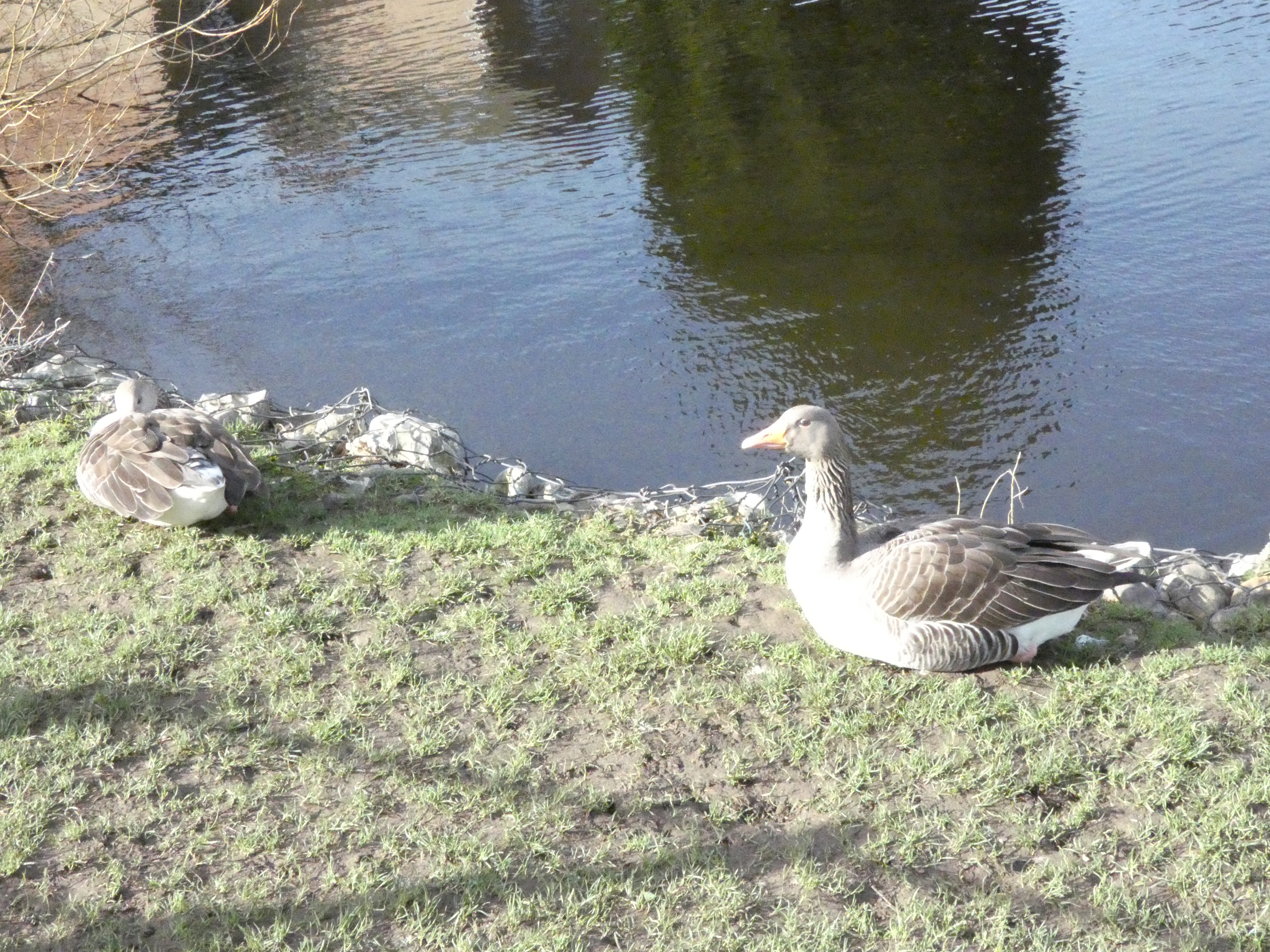
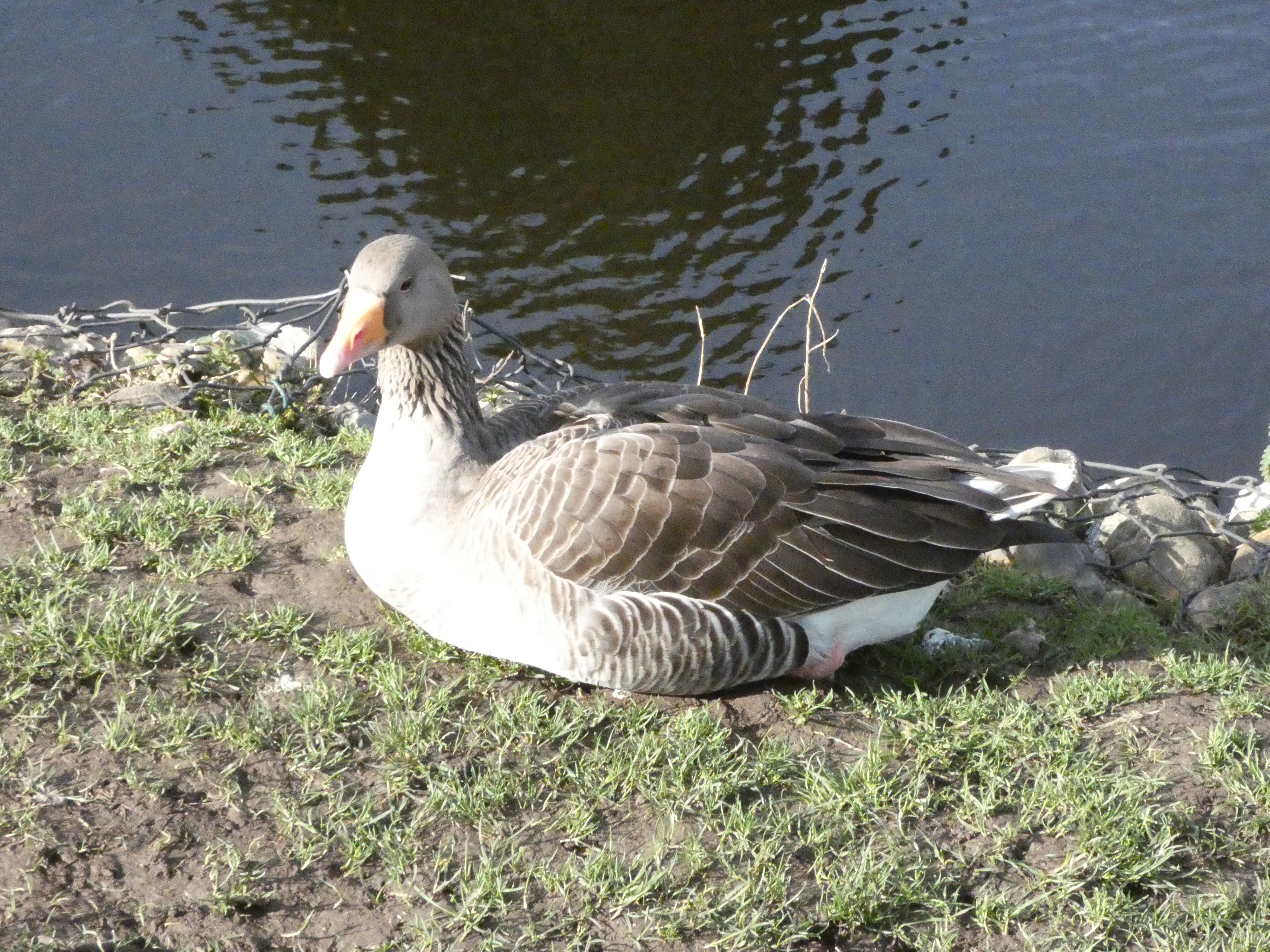
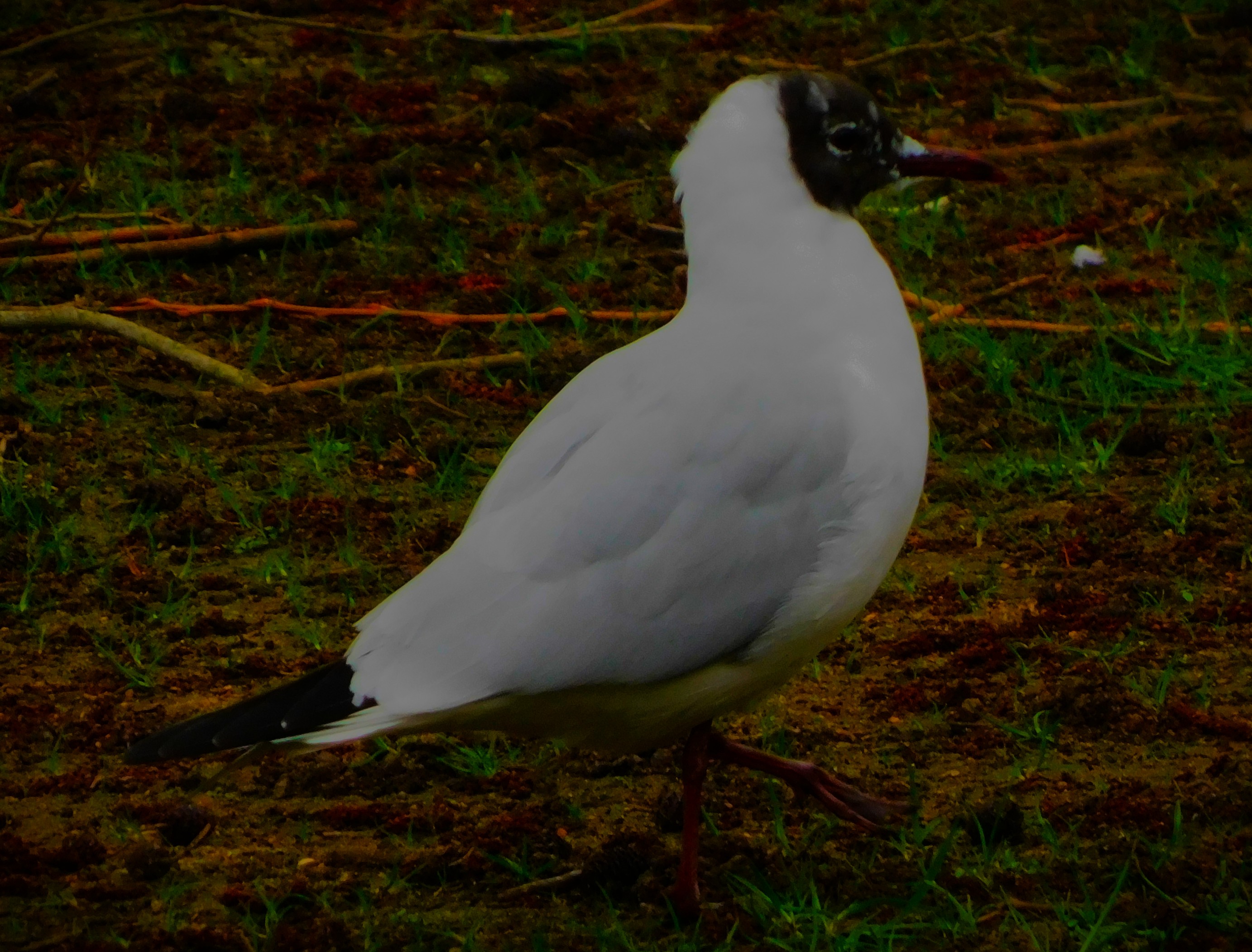
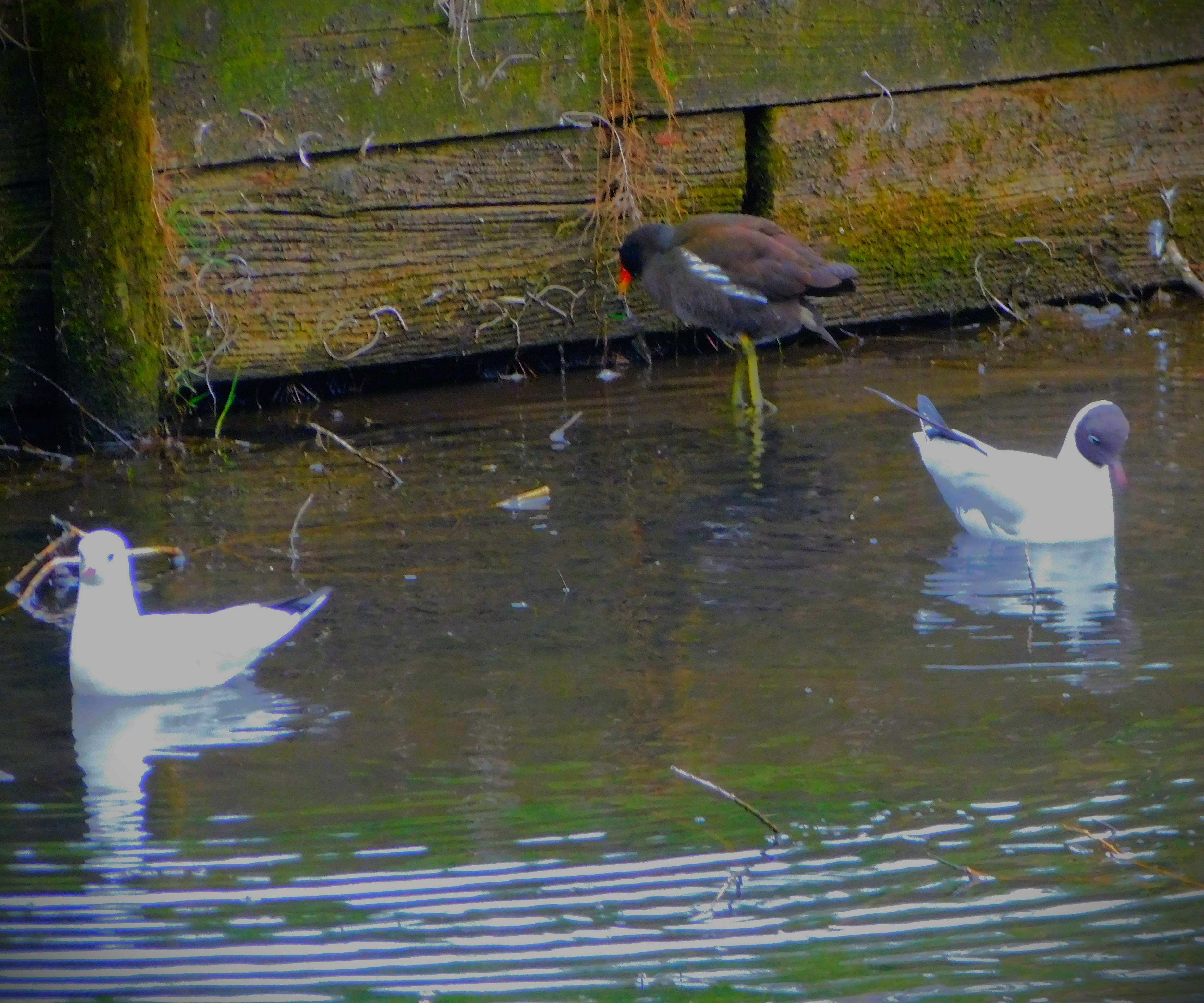
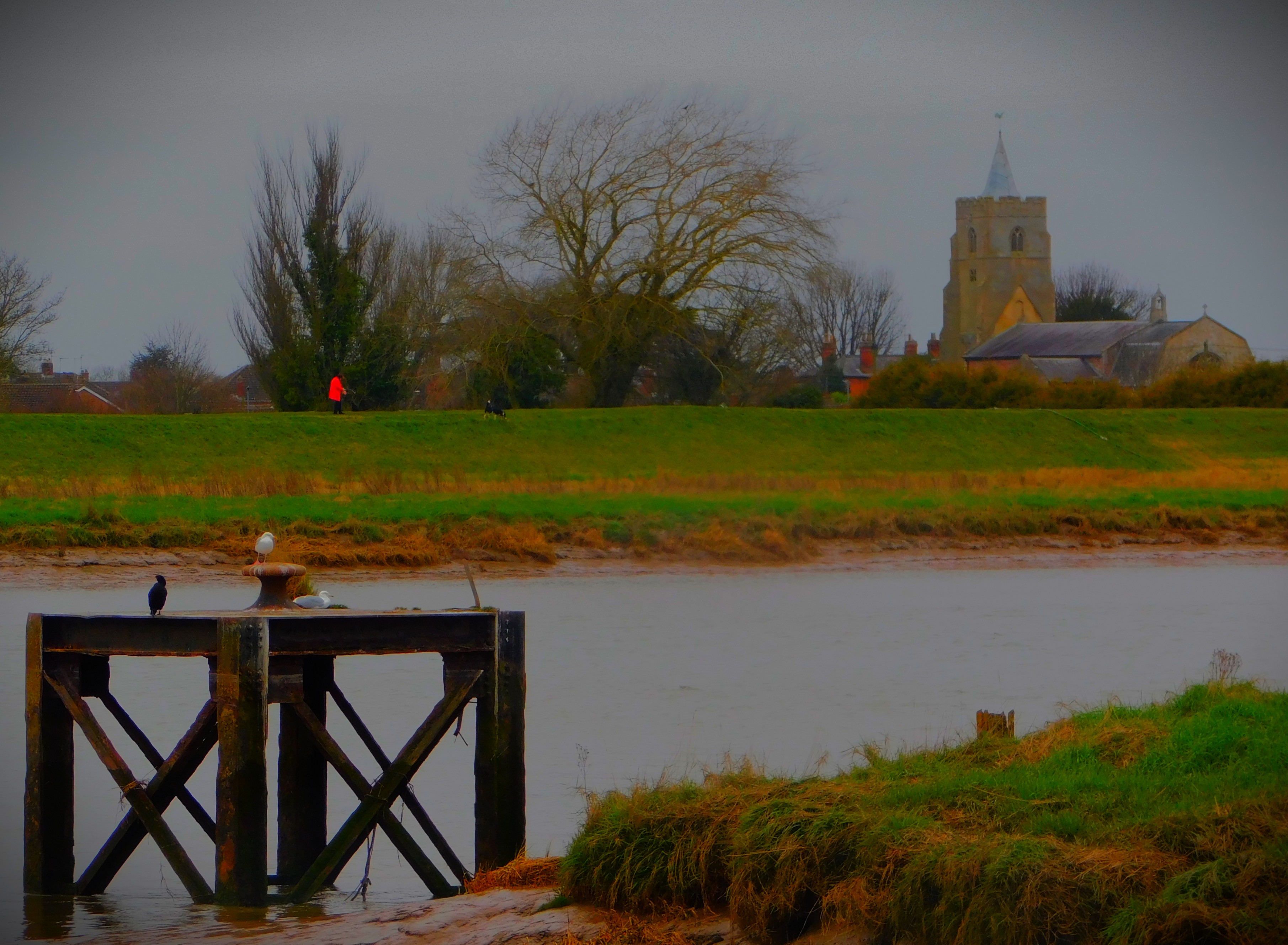
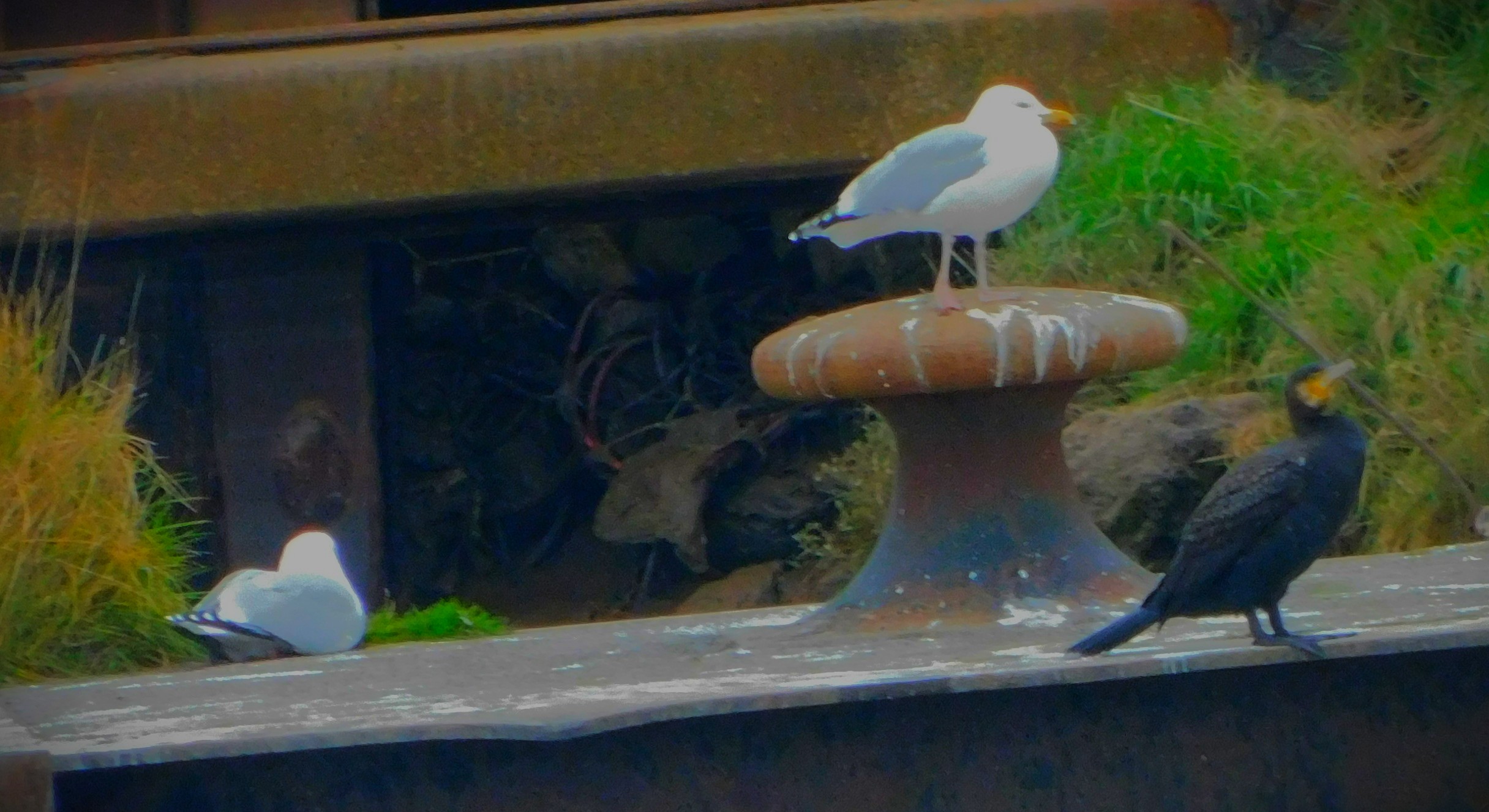
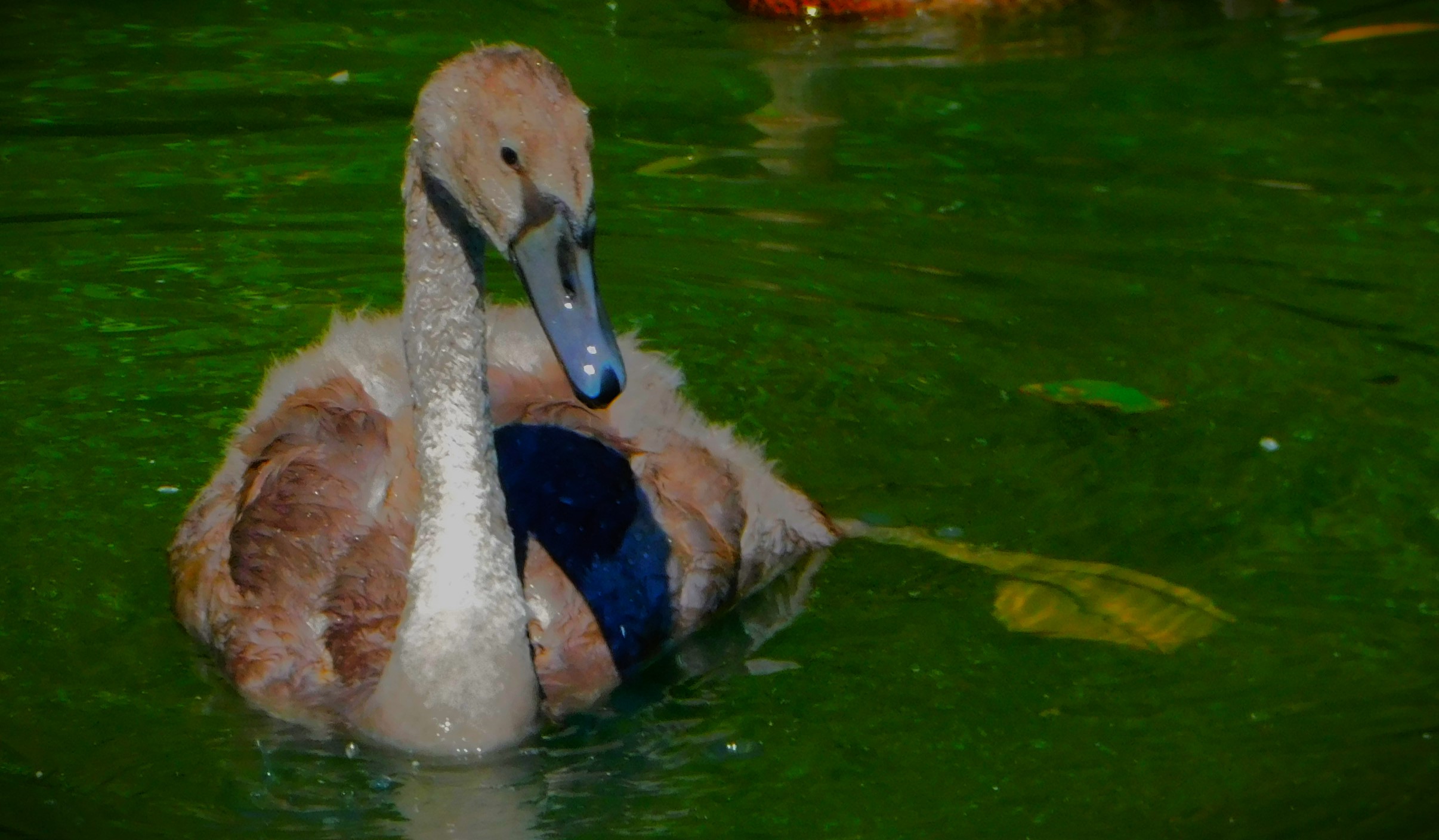
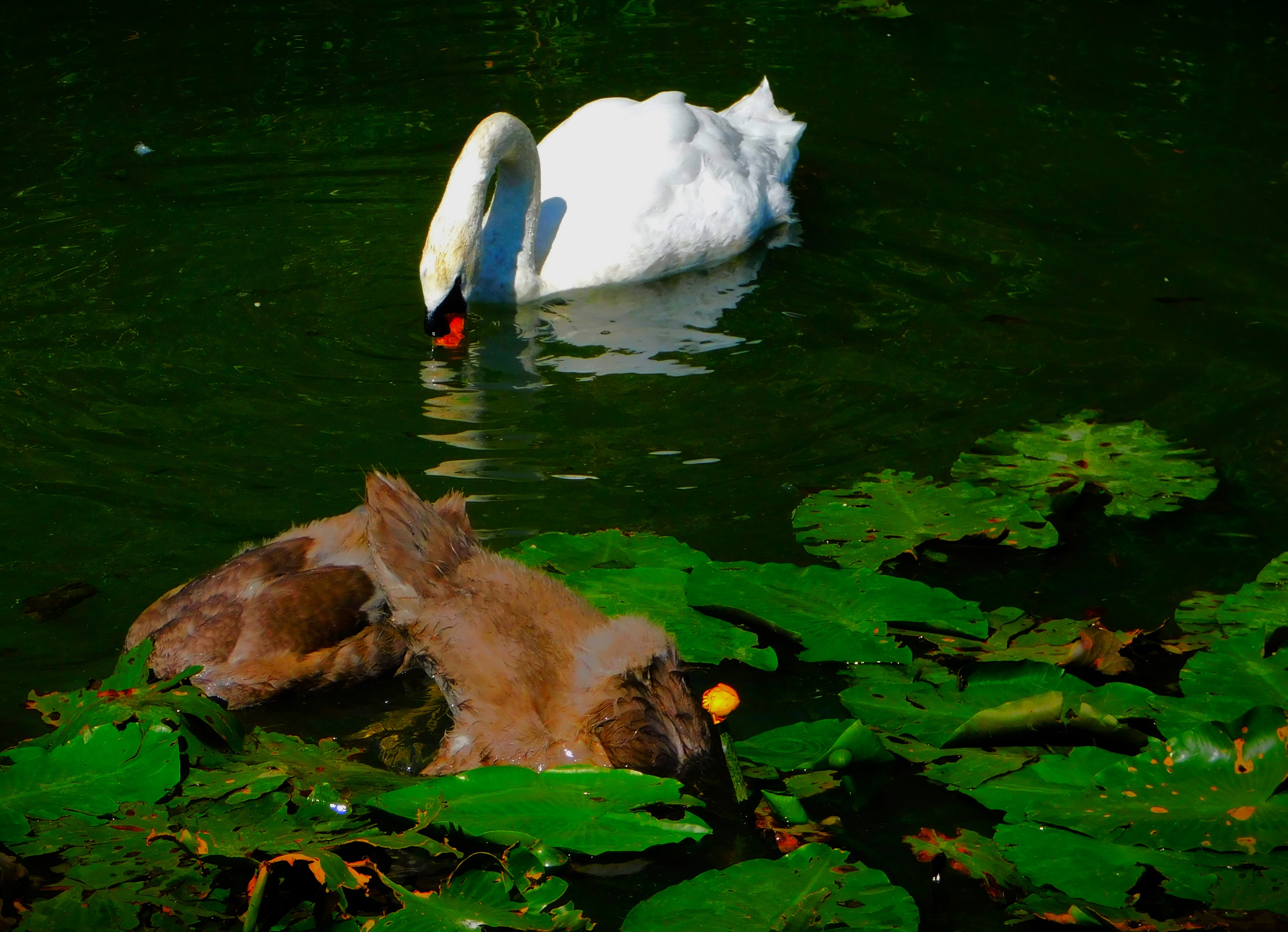
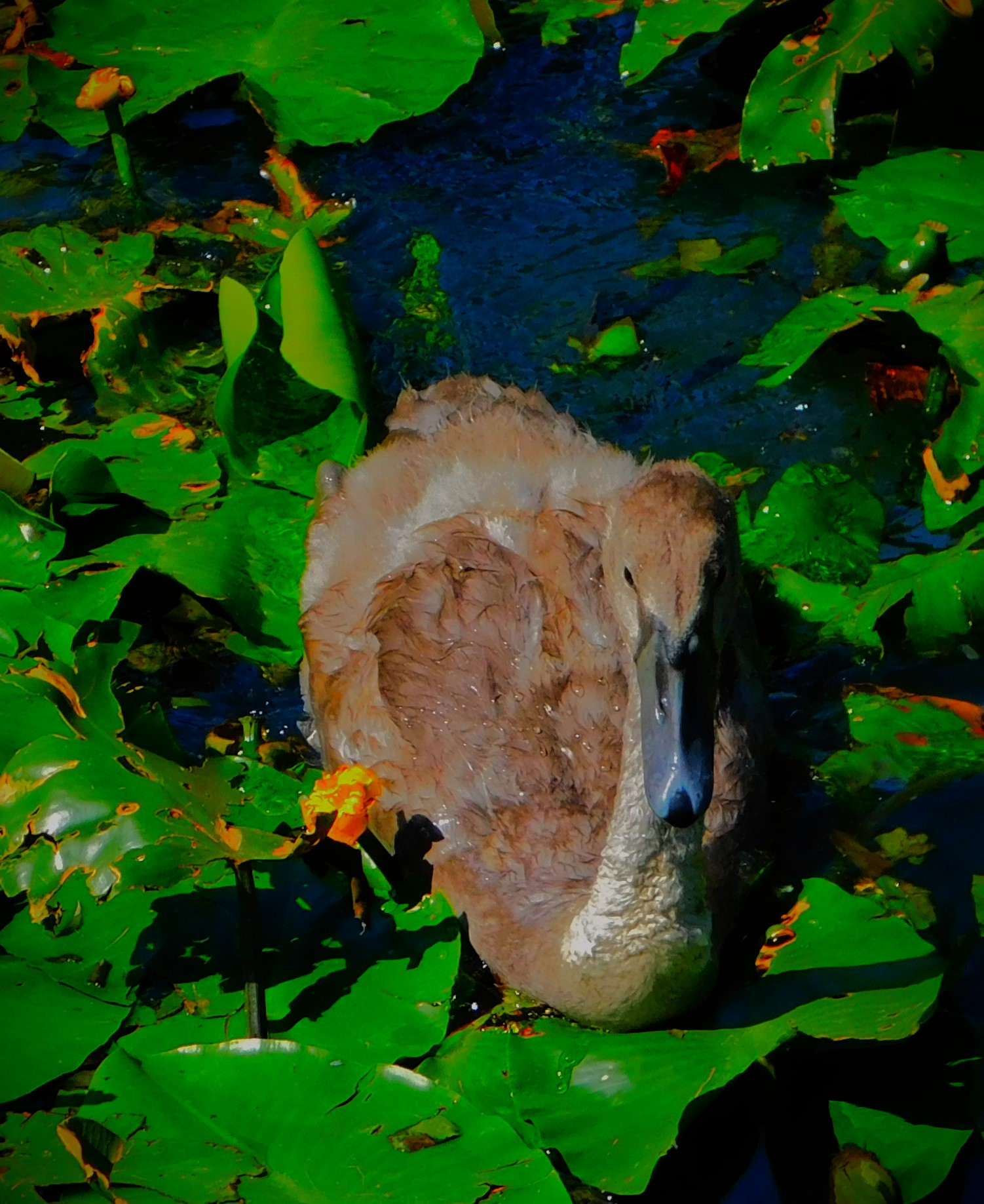
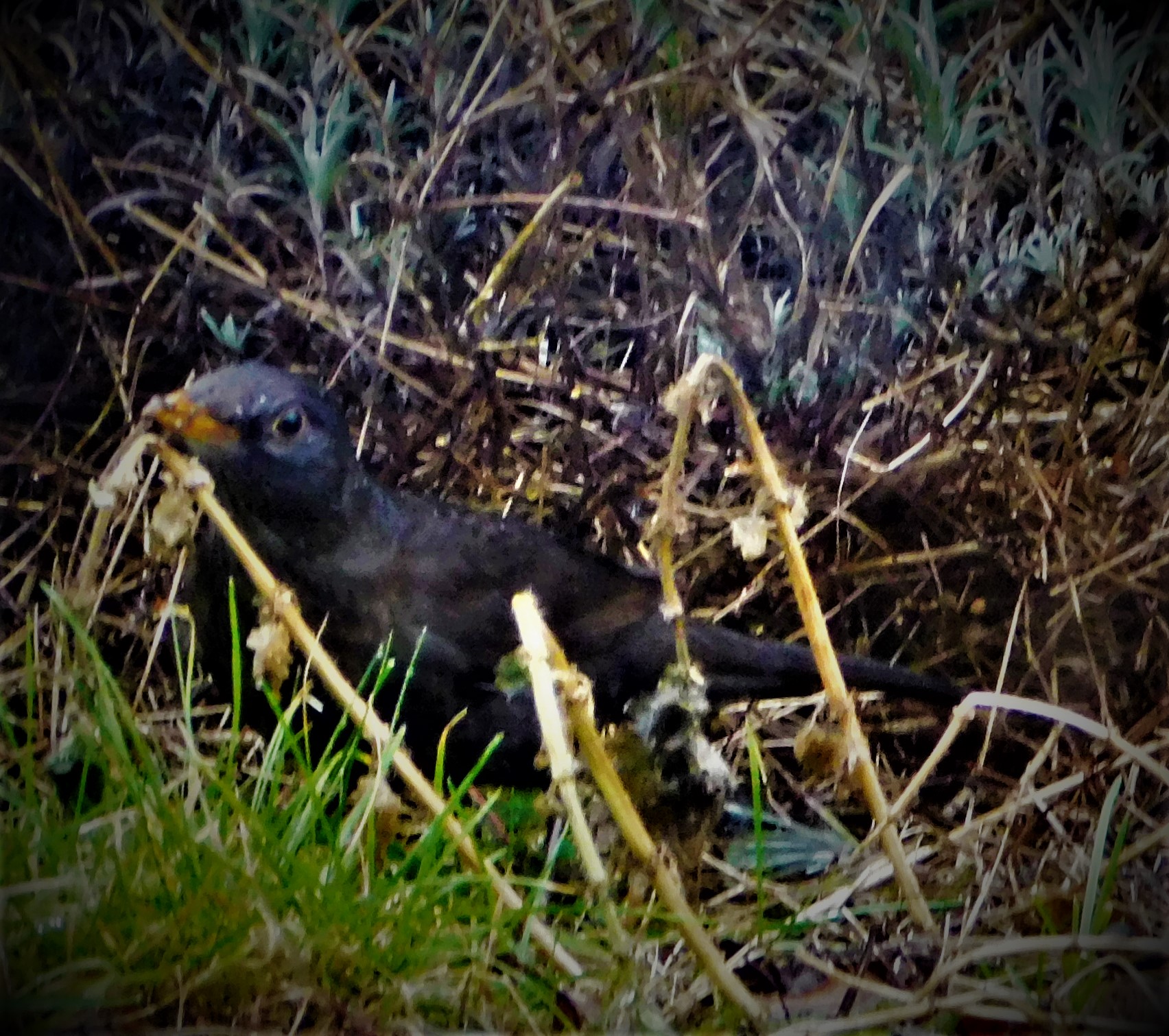
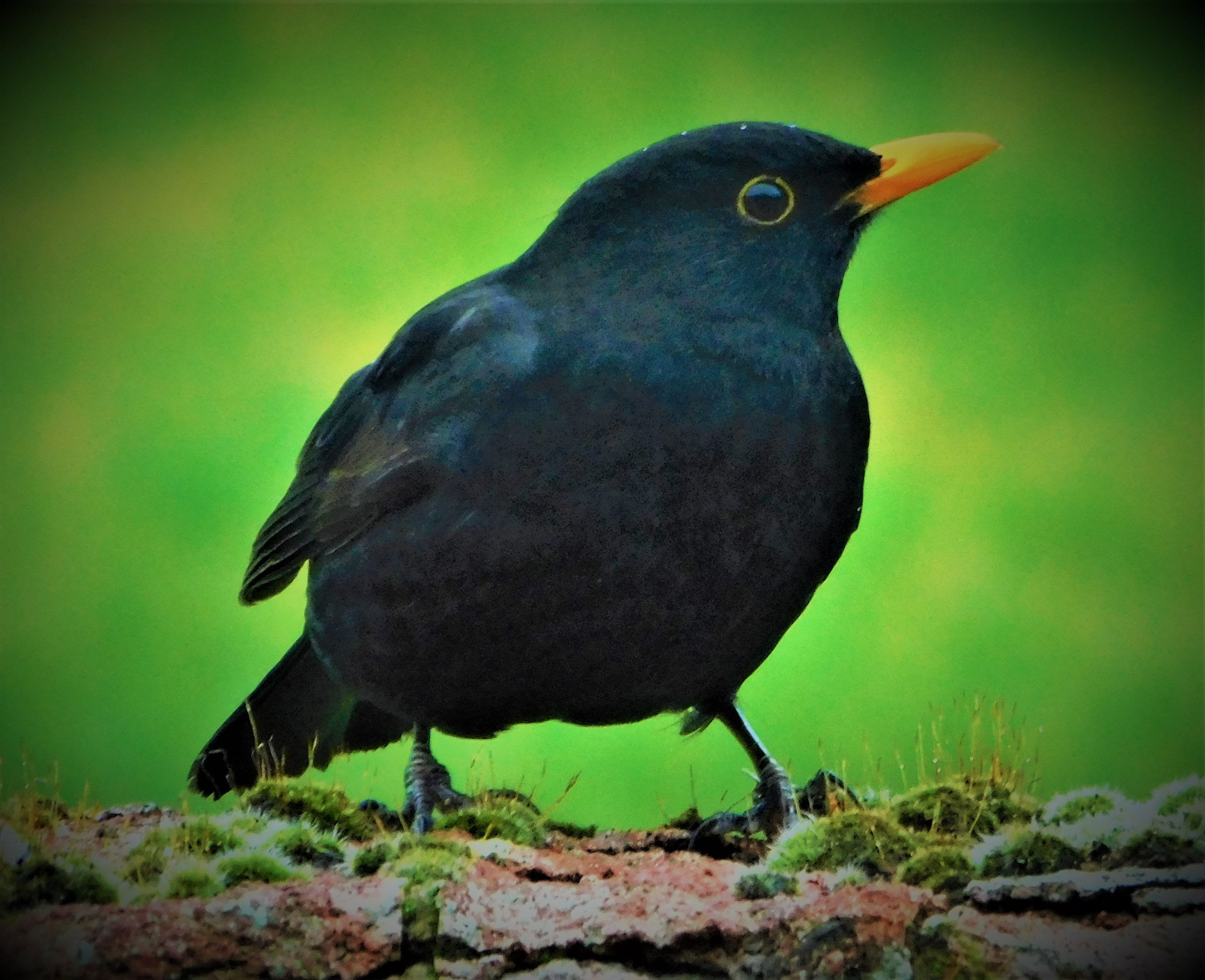
Here in Norfolk spring seems to have arrived. Certainly the photo gallery at the end of this post, which other than the first four pictures all comes from today suggests as much. In this post I look at a minor character in “The Lord of the Rings”, the wizard Radagast.
A BRIEF INTRODUCTION TO THE ISTARI
The Istari were five of the Maiar, beings who rank above elves but not quite as divinities, sent into Middle Earth by the Valar (gods) to combat Sauron. They were Olorin (known in various parts of Middle Earth as Gandalf, Mithrandir, Tharkun and Incanus), Curumo (Curunir/ Saruman), Aiwendil (Radagast) and the two blue wizards Alatar and Pallando who seem never to have acquired names in Middle Earth. Of the five Olorin clearly fulfilled his brief to the letter, Curumo equally clearly failed badly (to the extent that the Valar allowed him to die in Middle Earth), while there is nothing to go on regarding Alatar and Pallando though the likelihood is that any part they played in the events at the end of the Third Age of Middle Earth was on the side of Sauron, since all we are told of them is that they went straight into the uttermost East. That leaves only…
AIWENDIL/ RADAGAST
Radagast played no direct part in the War of the Ring, and it is often considered that his fondness for the birds and the beasts was such as to amount to an abrogation of his duties in Middle Earth. However, it is quite clear that Radagast’s heart was always in the right place – although he inadvertently sent Gandalf into Saruman’s trap by causing him to head to Isengard to visit Saruman he also heeded and acted on Gandalf’s request that he ask those of the birds and beasts that were friends of his to help by reporting on events, which brought Gwaihir, lord of the eagles, to Isengard to rescue Gandalf from his confinement at the top of the tower of Orthanc. There is no hint of a suggestion that Radagast ever intentionally aided evil or that he ever sought any position of power in Middle Earth (as Saruman, the several times over traitor, certainly did). One final aspect of Radagast’s role needs to be presented: he was the choice of Yavanna, whose personal area of responsibility was precisely the birds and the beasts. Thus it was right that he should be fond of those birds and beasts.
In an English or Welsh court where the only verdicts that can be rendered are ‘guilty’ or ‘not guilty’ I would, though unhappily, find even the blue wizards ‘not guilty’, since there is no actual proof of guilt. A Scottish court, with the additional verdict of ‘not proven’ would offer a way out in their case. Even in a Scottish court I would happily acquit Radagast.
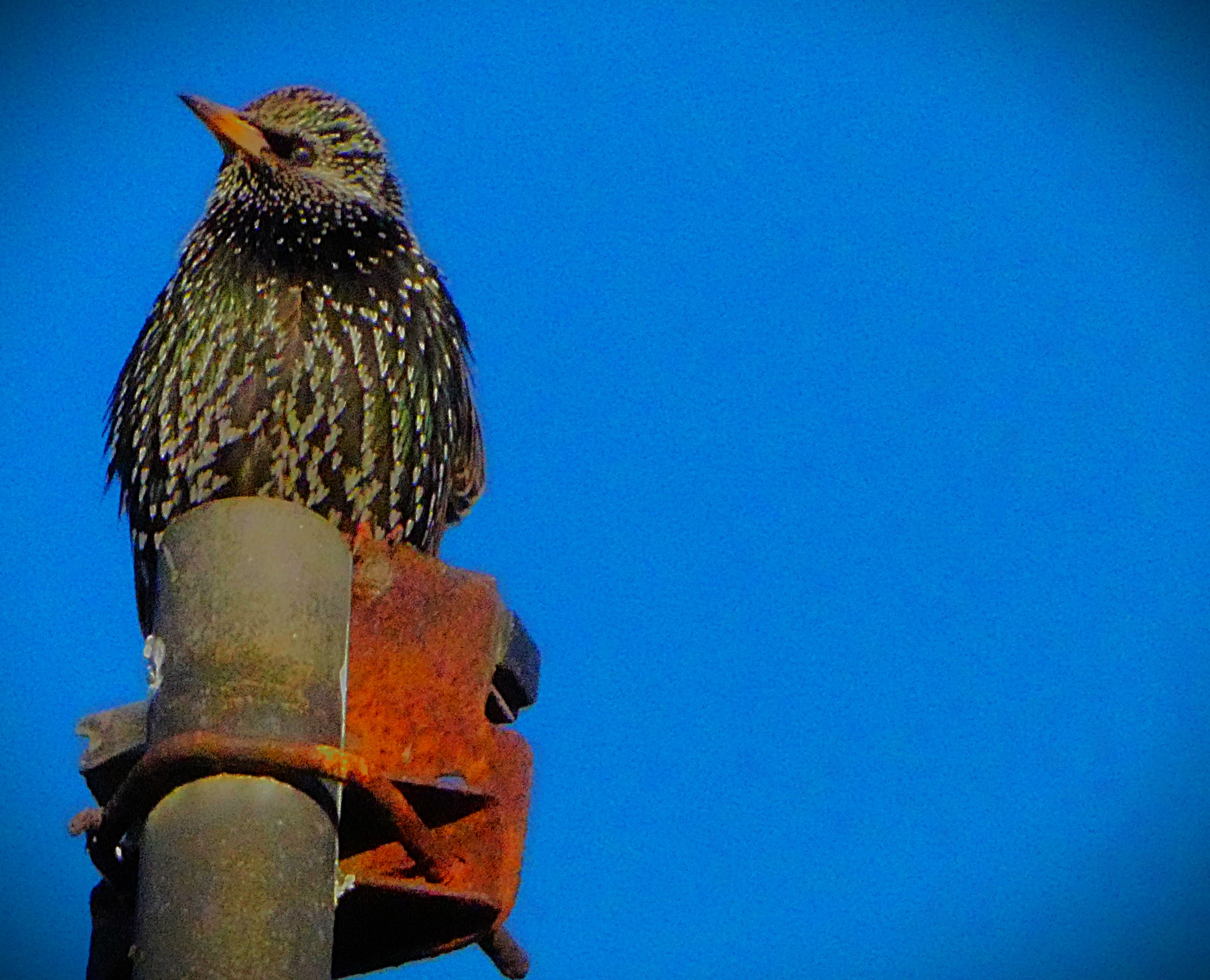
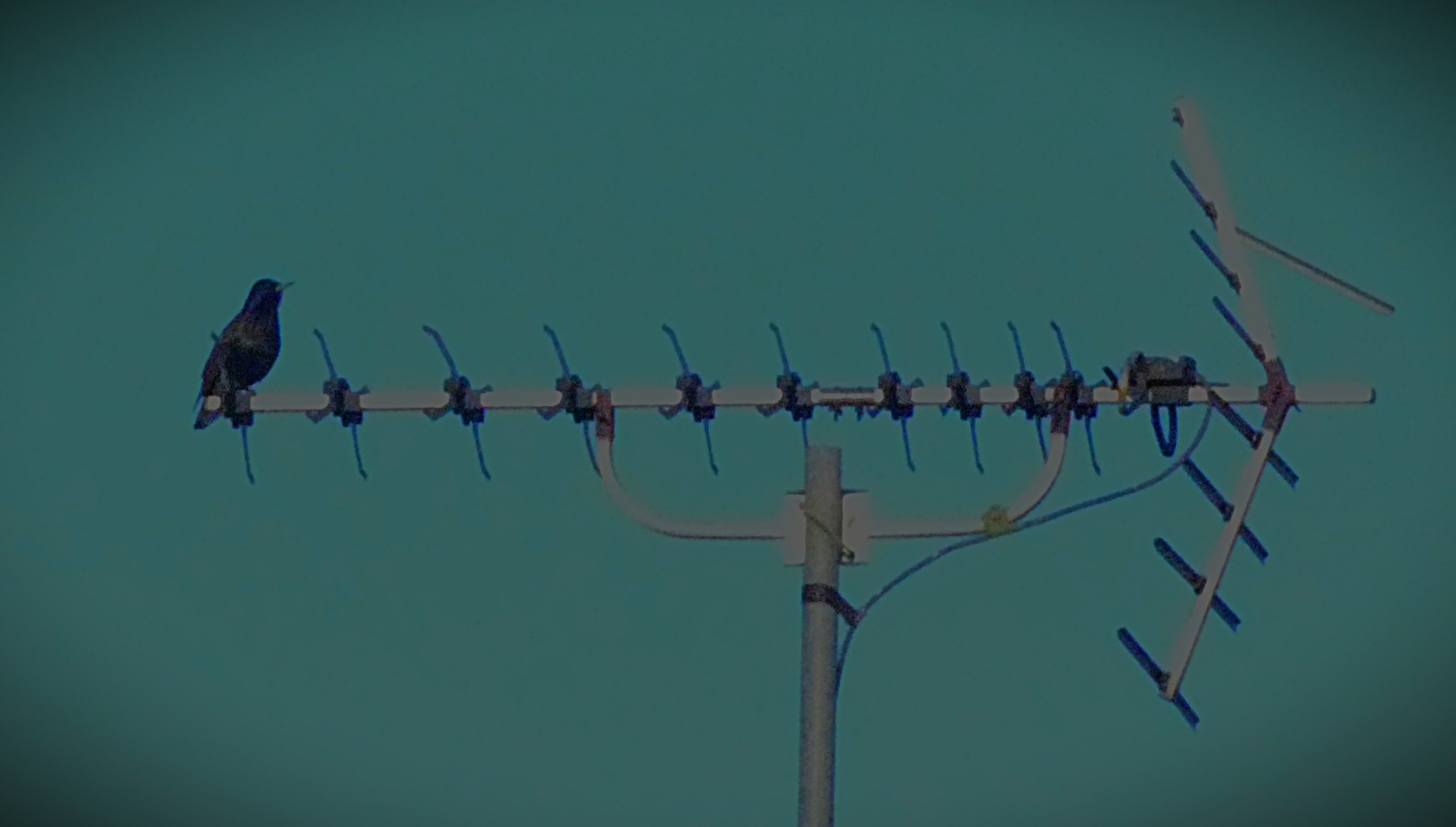
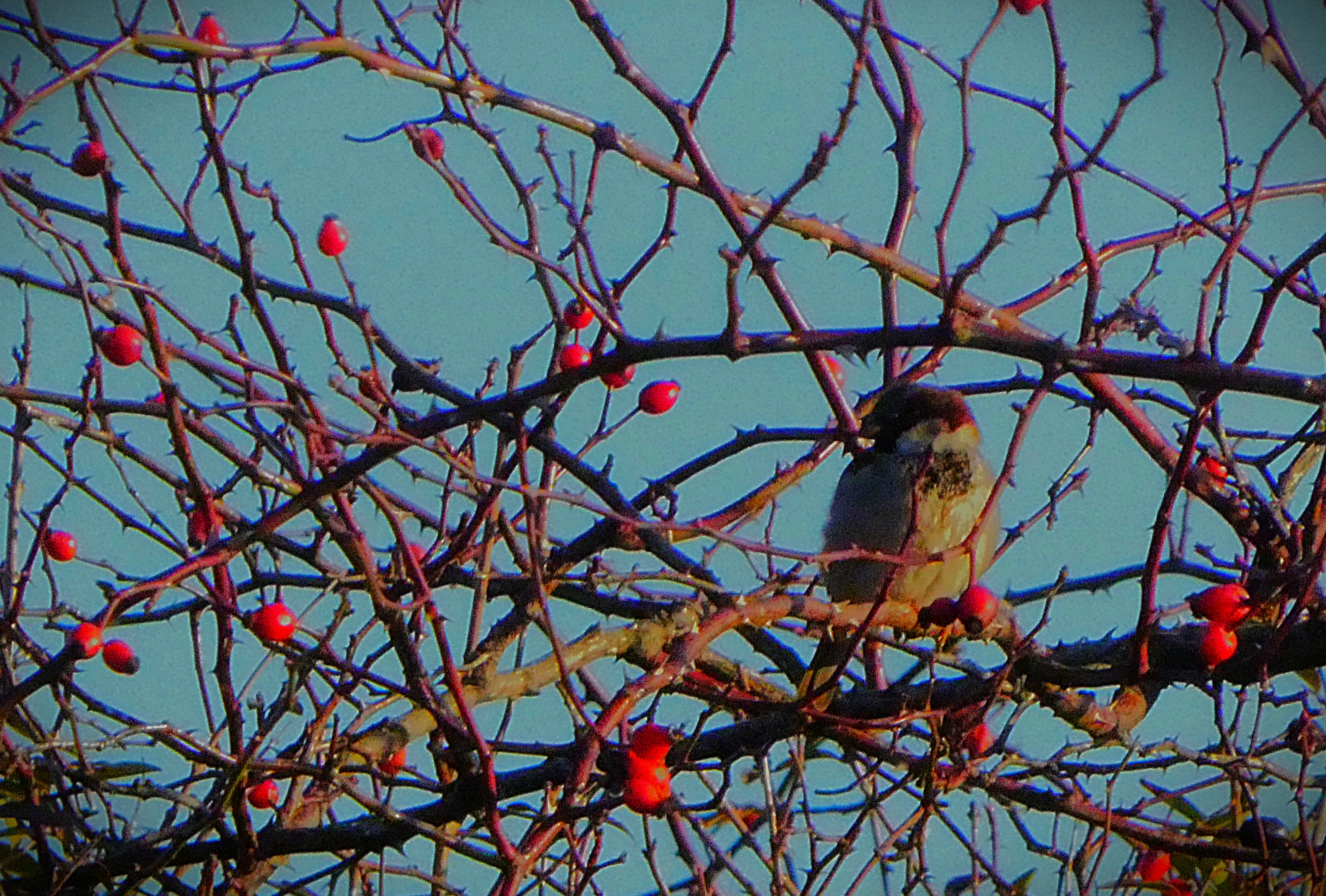
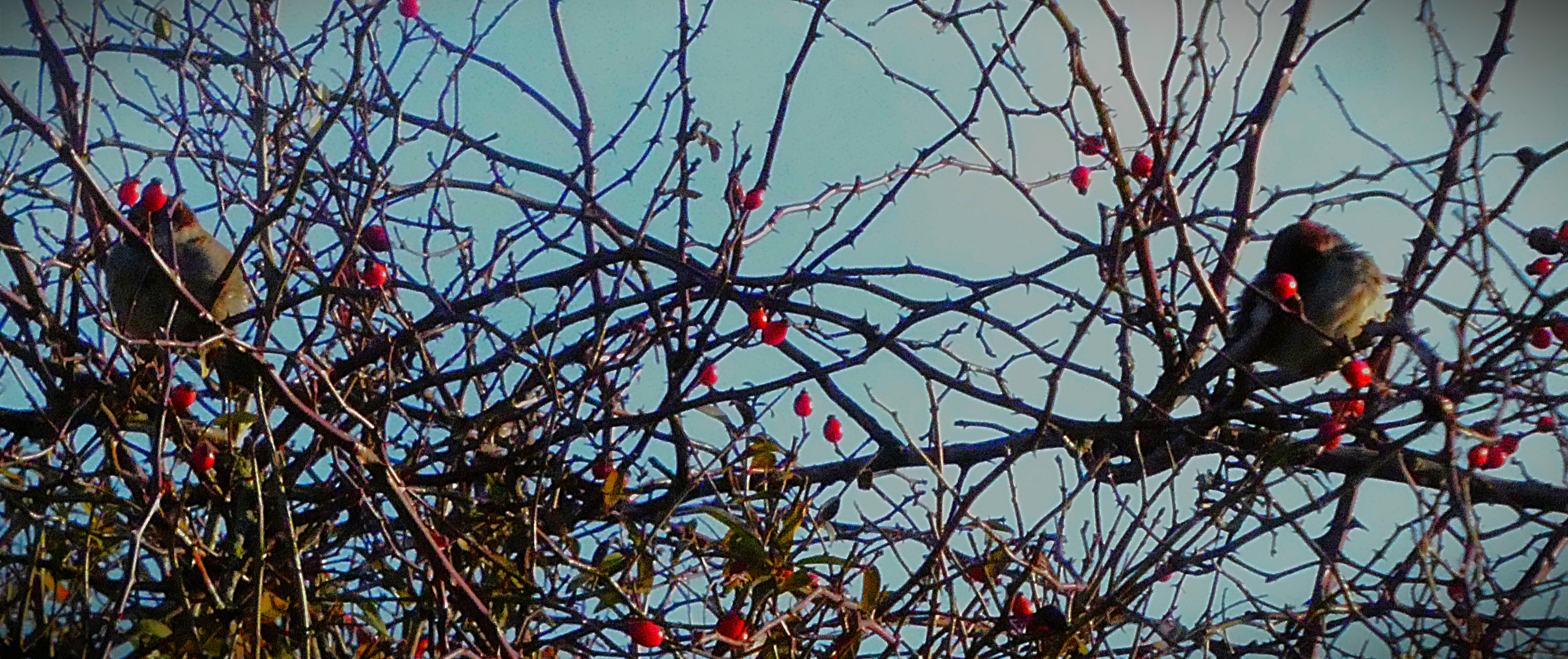
PHOTOGRAPHS
My usual sign off…
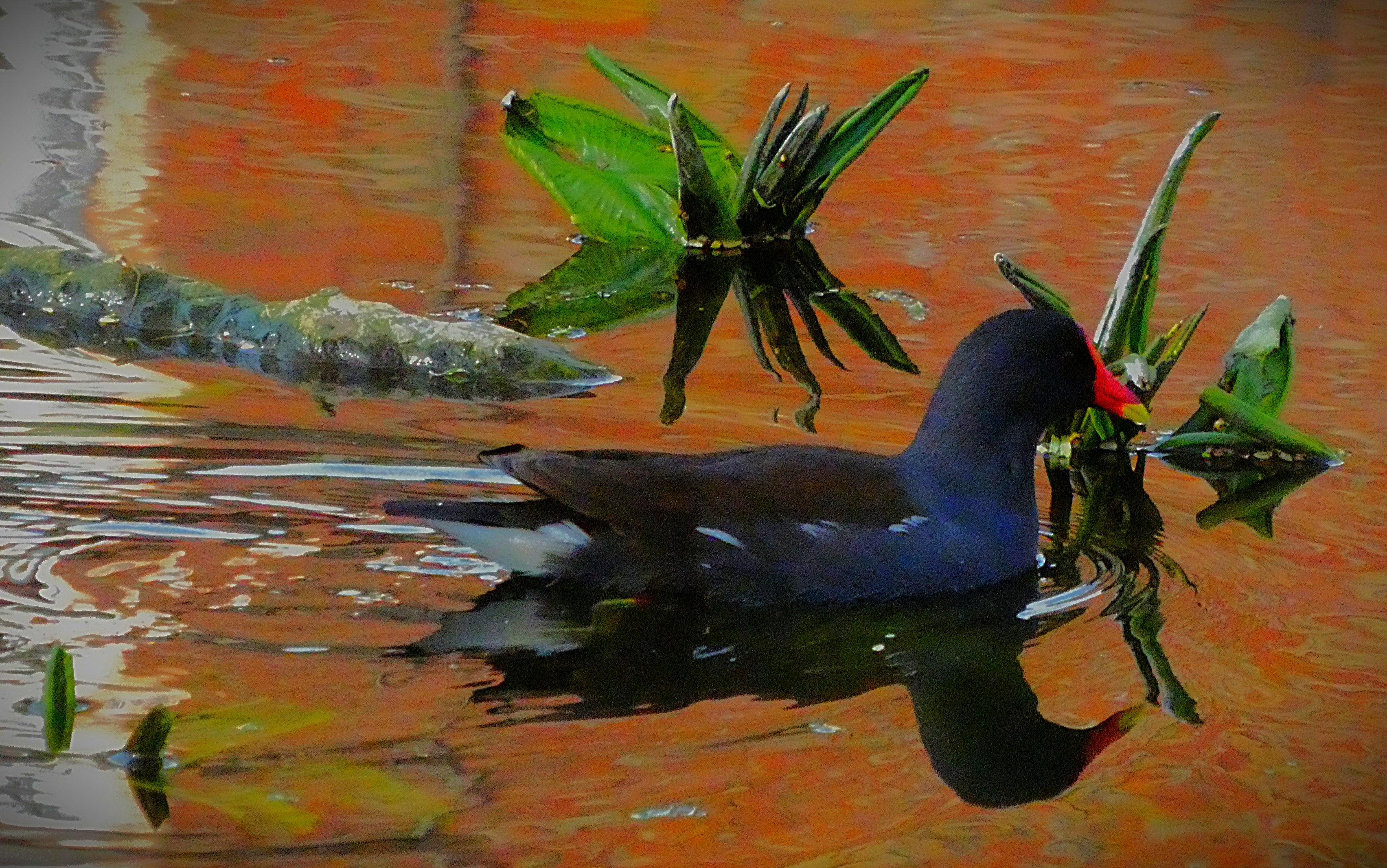
The first butterfly of 2026 – a tortoiseshell.a bee (three pics)
A brief look at the Museum Detective novels of Jim Eldridge and a photo gallery.
This is a series of novels by Jim Eldridge. There are ten books so far in the series.
THE DETECTIVES
Daniel Wilson is a former Scotland Yard detective, sergeant under inspector Abberline during the investigation into the ripper murders. Abigail Fenton (later in the series Mrs Wilson) is a Cambridge educated archaelogist specialising in ancient Egypt. This partnership investigate crimes at various museums, hence their and the series’ title. Often, though not always, they are working in parallel with Scotland Yard. Superintendent Armstrong, a bully of such unpleasantness as to make Edward Marston’s superintendent Tallis look saintly by comparison (and lacking Tallis’ great virtue of actually being good at the job), does not like the pair at all, though inspector John Feather gets on well with them, recognising unlike Armstrong that they have a common goal.
THE CASES
Daniel and Abigail first overlap at the Fitzwilliam Museum in Cambridge, and other non-London venues to feature are The Ashmolean, The Manchester Museum and the Louvre, in which last case Abigail finds herself a suspect at first. The London museums to feature are in chronological order The British Museum, The Natural History Museum, Madame Tussauds, The Victoria and Albert Museum, The National Gallery and the Tower of London (yes, among its many guises the Tower is London’s oldest museum). Sometimes the crimes involve museum personnel and sometimes not, but invariably the scope of the investigation widens beyond just the museum. Abigail is a fan of the then fledgling underground system, and they often use the Inner Circle (we are talking about the 1890s, so only the Metropolitan, District and their central combination, then known as the Inner Circle, and the City and South London Railway, then serving a mere six stations and unconnected to the others, are in existence, though the Metropolitan has already reached the furthest from Central London that any of the lines that became London Underground ever will -Brill in Buckinghamshire, 51 miles from Baker Street). Nevertheless, with the Wilson’s living within walking distance of Euston Square, Scotland Yard being near Embankment and one or too other useful locations appearing opportunities arise. In “Murder at The Tower of London” they have to chase up a witness in Loughton, then served by the Great Eastern Railway (this branch is now the eastern end of the Central line, but that development was almost half a century away when the action in the book was happening). The books are all splendid reads.
A look at Tim Sullivan’s DS Cross novels and a large photo gallery.
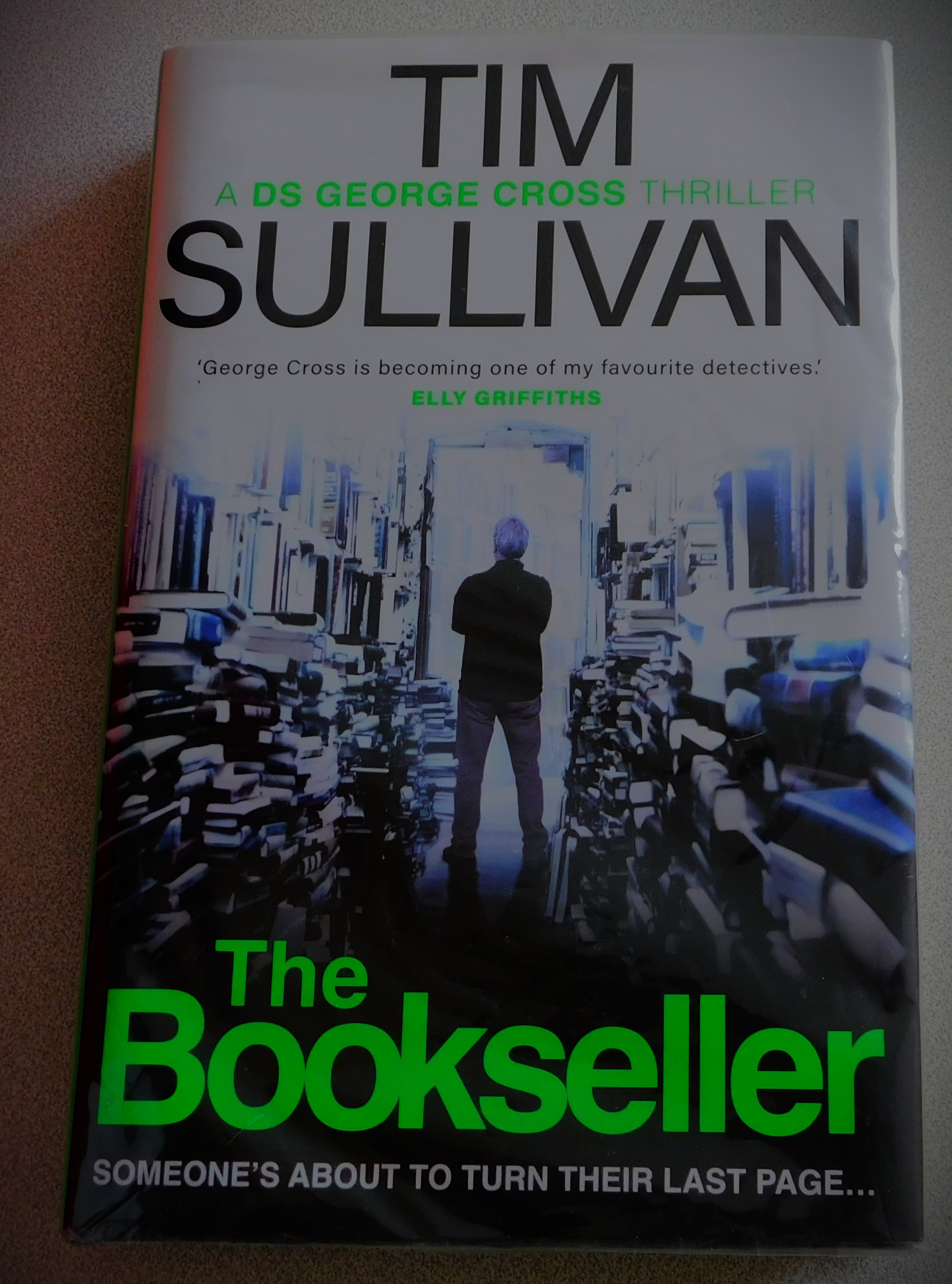
These are among my more recent and successful library finds. The first one I borrowed was “The Teacher” (they all have two word titles referring to the murder victim), and I have subsequently also read “The Patient”, “The Cyclist”, “The Monk”, “The Politician” and just recently “The Bookseller”. The one title in the series I have yet to read is “The Dentist”. This post looks at these novels.
DS GEORGE CROSS
The main focus of the novels is Detective Sergeant George Cross, who is autistic, often difficult to work with but has the best conviction rate in the force by a good margin. Though just as prone to exasperation at Cross as anyone else his boss at the Bristol Major Crimes Unit, Detective Superintendent Ben Carson, knows that Cross’s detective skills are unmatched, and makes allowances from him that some don’t approve of. Cross’s regular partner while investigating cases is Josie Ottey, who in the most recent offering, “The Bookseller” has just been promoted to DI, so she technically outranks Cross, which of course changes the dynamic between the pair, though Ottey tries to minimize the extent to which this happens. We also learn a fair bit about Cross’s family along the way, and about his regular organ practice.
THE CRIMES
The crimes generally look quite straightforward on the surface and various people are eager for quick arrests (except in “The Patient” where by way of variation the common reaction to the case is to dismiss it as one of death by accidental drug overdose), but developments soon reveal that all is not as it seems. The solution eventually emerges. There are invariably side stories as well. In “The Bookseller” the case of former DI Robert Warner, a deeply unpleasant character who has perpetrated at least three rapes and one attempt thereat, generally of female work colleagues, is finally resolved, with his conviction for these offences. Warner’s connection with Cross’s unit as that he was briefly seconded there to help with an investigation. It was there that his crime spree ended and he was finally arrested. His would-be victim there not only pressed charges for the attempted rape but persuaded two of the earlier victims to join her in pressing charges. Near the end of the latest offering in the series Cross submits his resignation because he wants to be able to take care of his seriously ill father, though his father does not want him to resign. My suspicion, given that Cross had been persuaded to think further about that resignation, is that he is not done just yet, and I look forward to reading about more adventures of his.
PHOTOGRAPHS
My usual sign off…
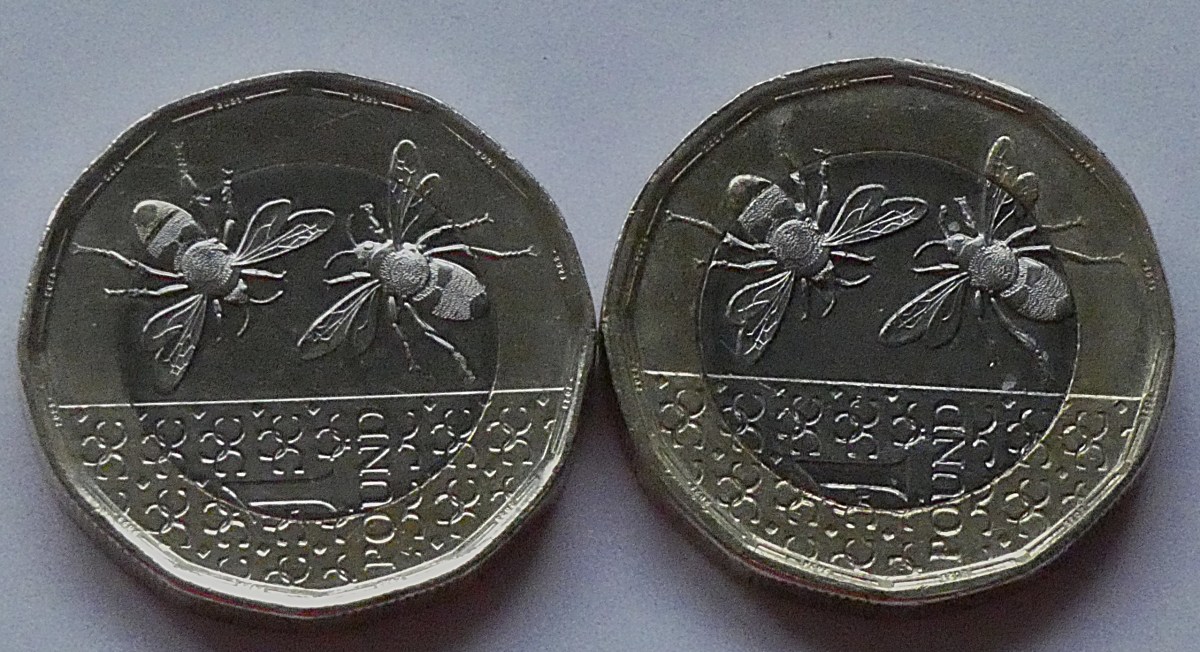
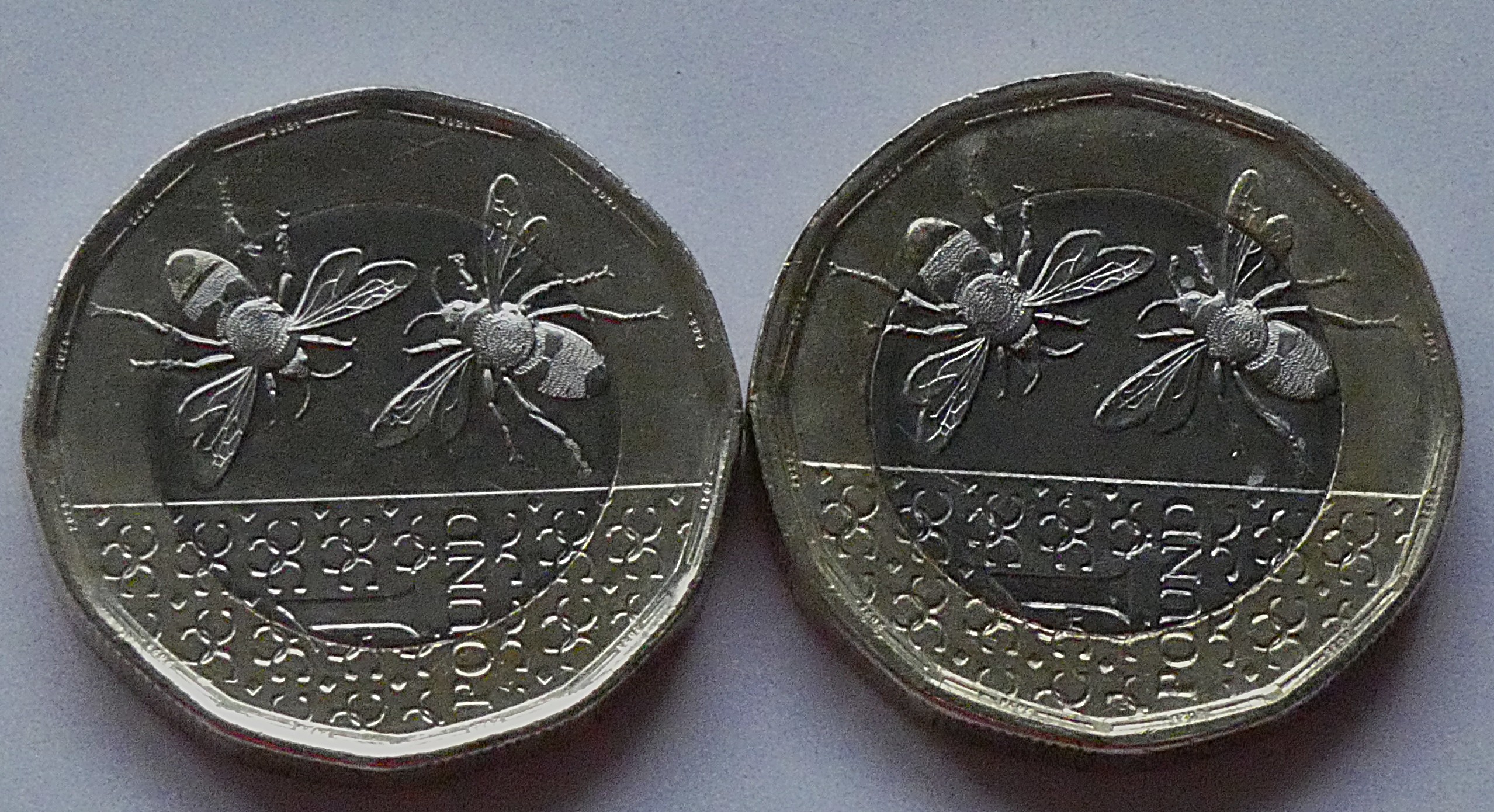
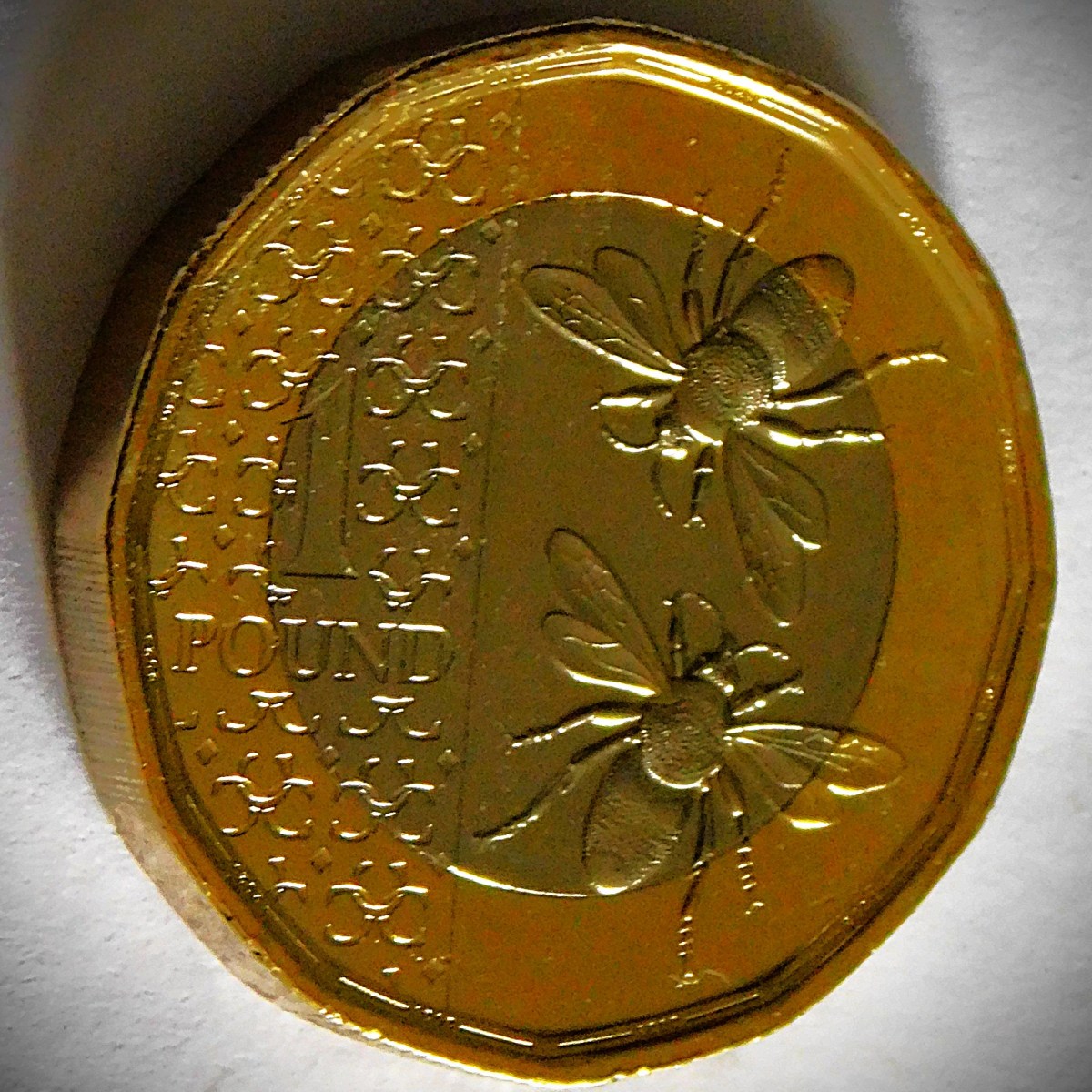
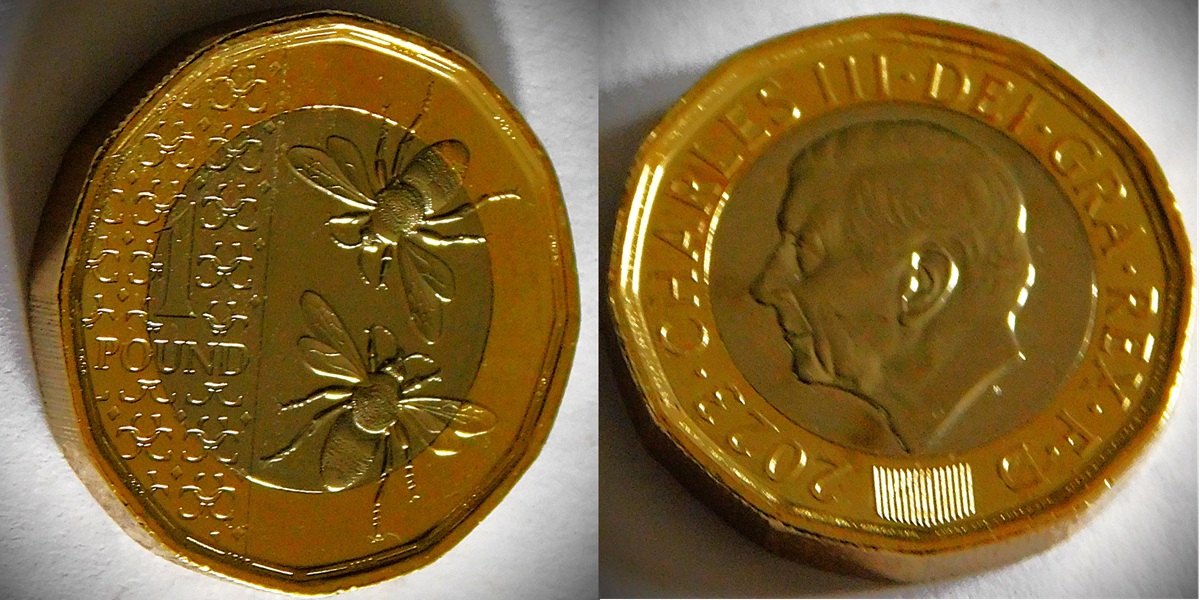
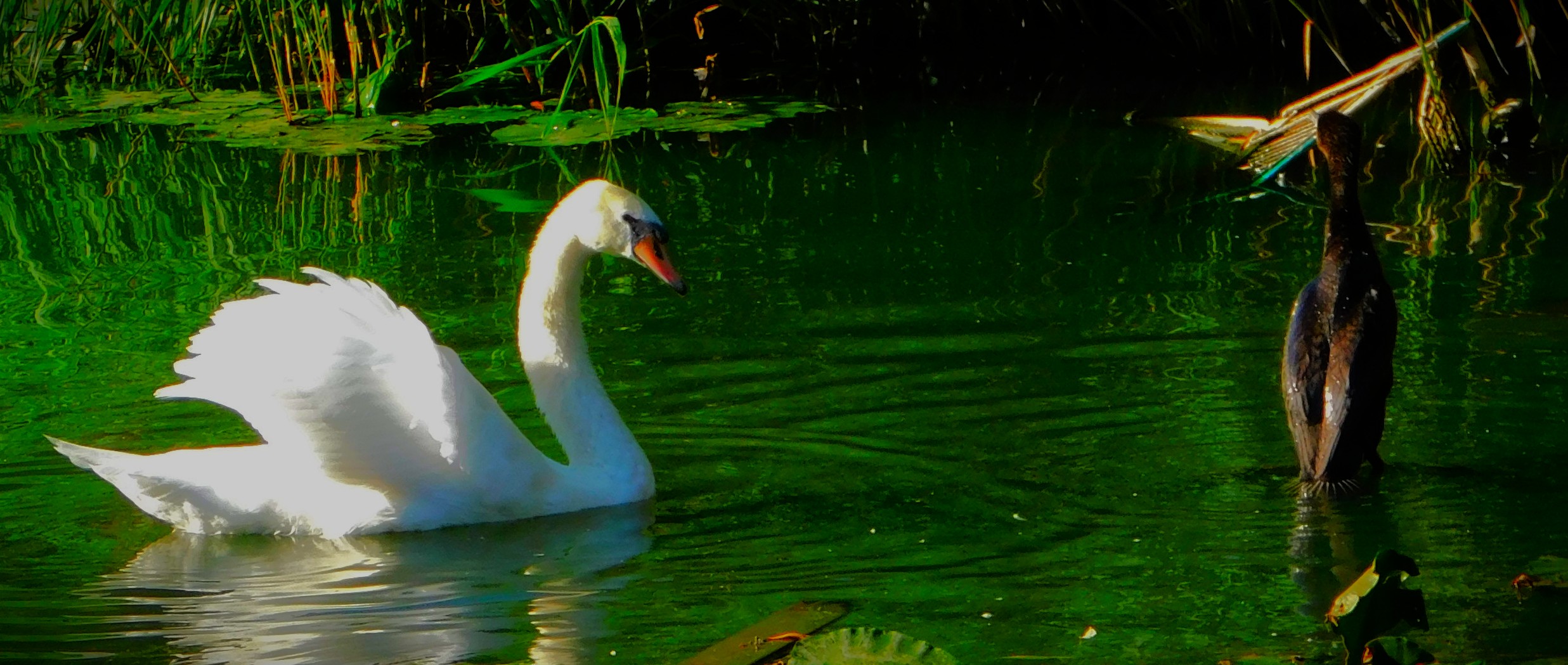
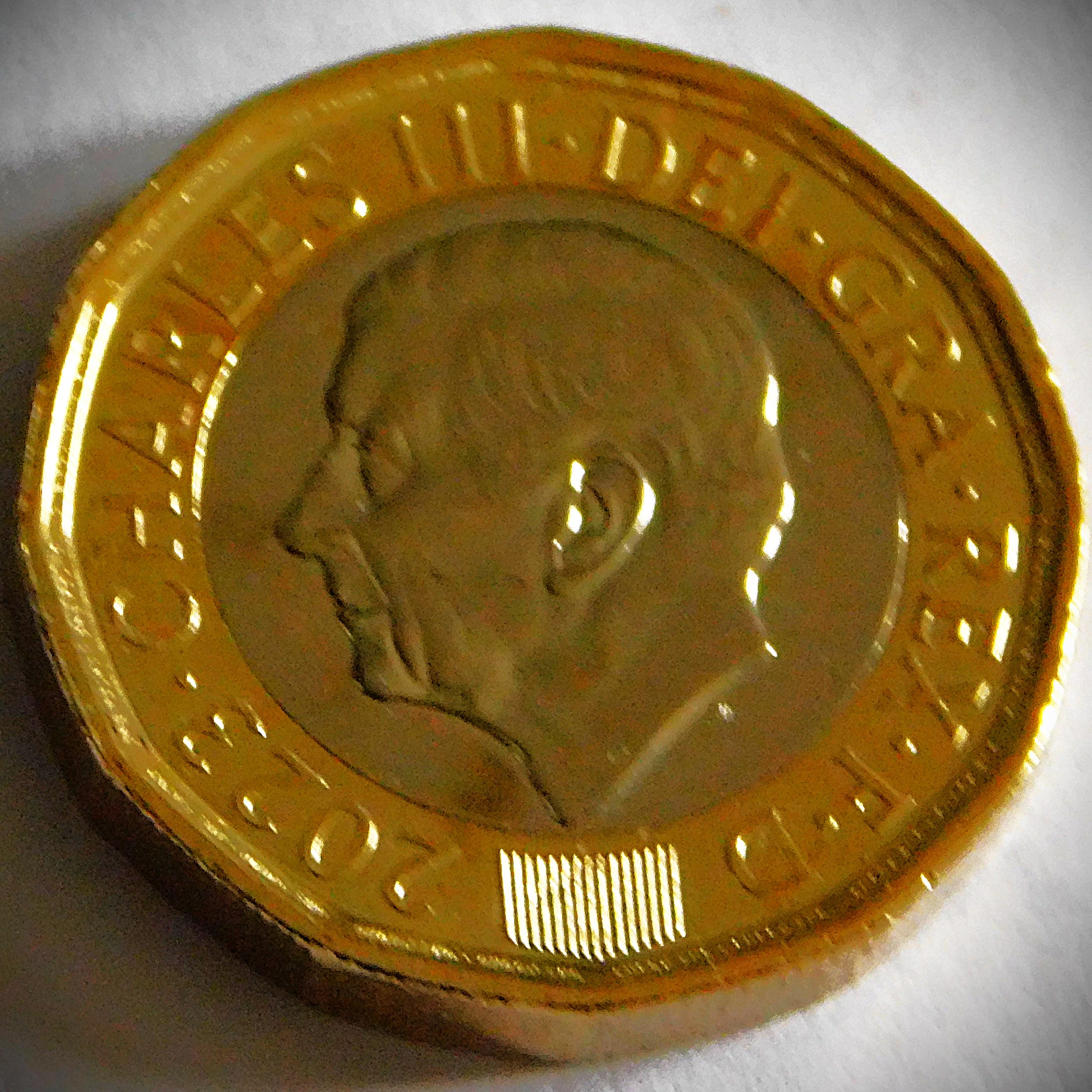
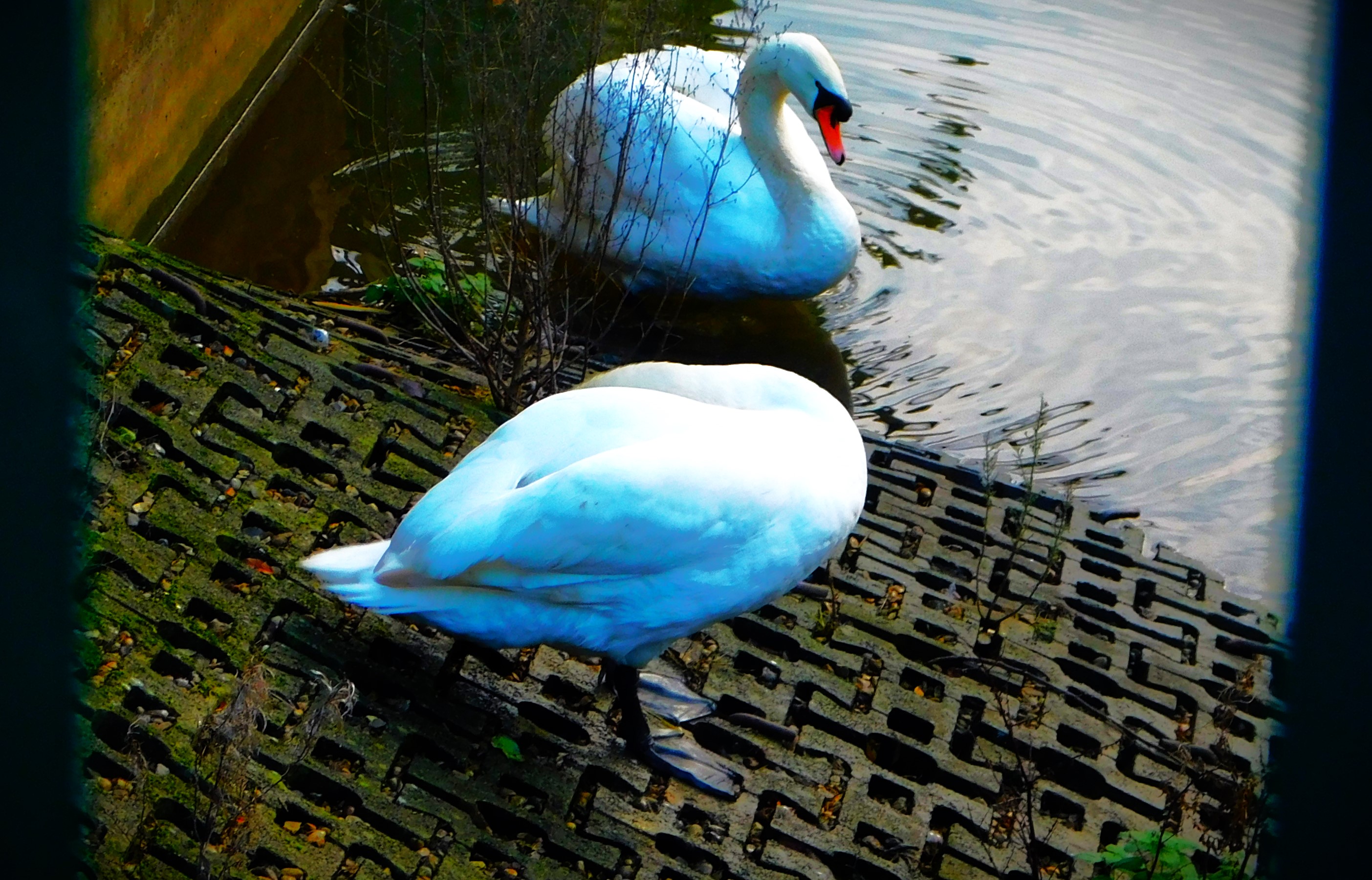
A Charles III £1 coin – not especially the splendid reverse. The individual pictures from which this composite was made appear later in the gallery.An unusual juxtaposition – a mute swan, a freshwater bird, and a cormorant, more usually a sea bird, side by side in a pond in North Lynn.This swimming rodent was moving too fast for me to capture it, though I tried.The reverse of the £1 coinThe obverse of the £1 coin.
The vernal equinox, the official start of spring in the northern hemisphere, is still three days away. However, by any reckoning other than the strictly official spring has already come to Norfolk this year. This brief post is solely for the purpose of sharing photos, mainly from Monday and yesterday, but with a couple from today as well…
This is the inside front cover picture of “The Murder of Crows” by Stephen Done, part of a series of novels set on this railway featuring Inspector Vignoles.
An account of a long morning walk, which was planned for a specific purpose. Includes a photo gallery.
I have an important meeting to attend on Friday at a location just beyond the western end of the road bridge across the Great Ouse, and with the weather much less brutal than it was a month ago I am of a mind to walk to and from the venue, although it is a fair walk from my home in North Lynn. It was with a view to that that I planned this morning’s excursion.
PART ONE: THE LIBRARY
I had 14 library books out this morning, only one fewer than the permitted maximum for a single borrower, which made the library an essential port of call. Of course having returned the books I had out I naturally had a scout for new ones to take out. I found two by a recent find whose work I am really enjoying, Helen Cox. Her series based in and around York features a librarian who doubles up as a private enquiry agent. I also found a trio of north west Norfolk based crime novels by someone named Andrea Bramhall which I am looking forward to reading. This part of the walk was accomplished largely without recourse to main roads, save for a short stretch of London Road, from the end of The Walks to the library.
PART TWO: HEADING FOR THE GREAT OUSE
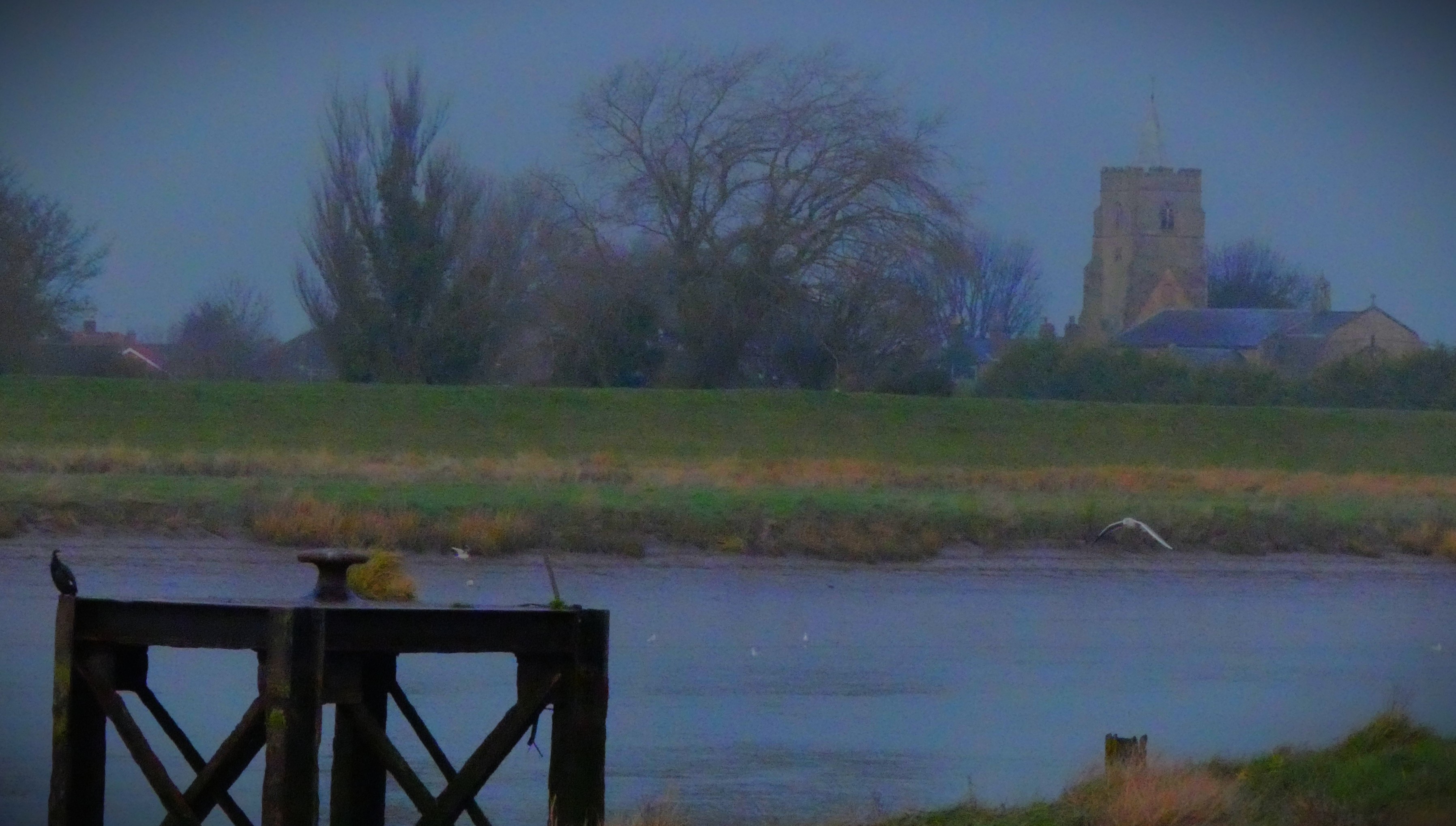
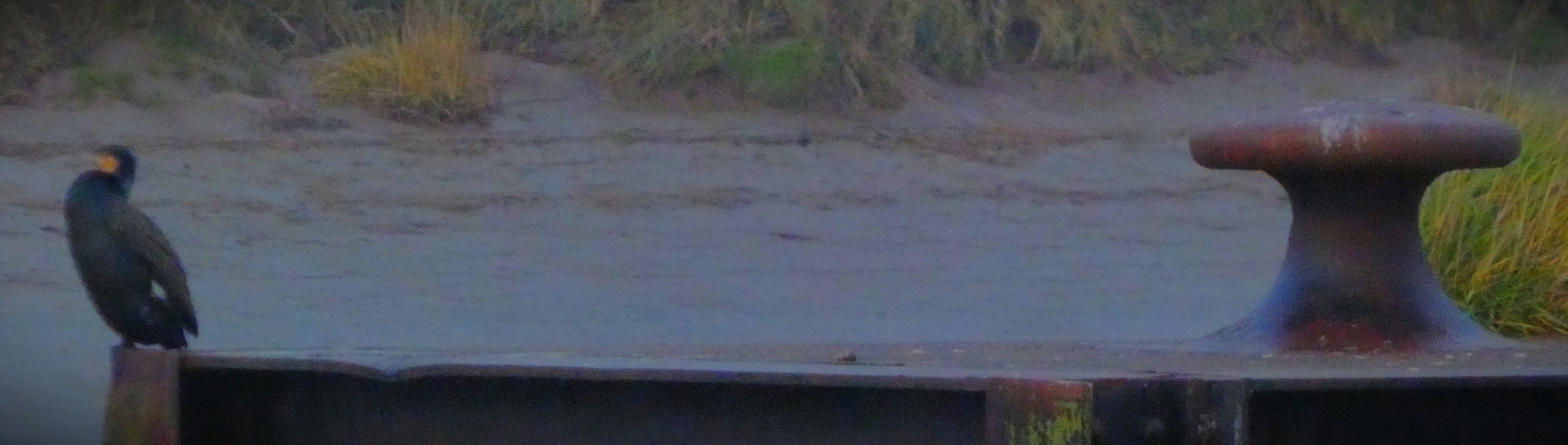
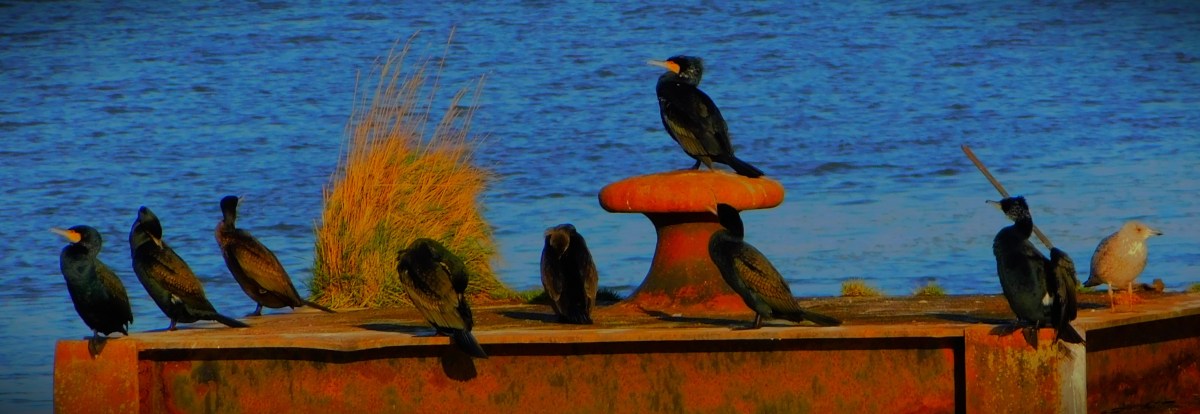
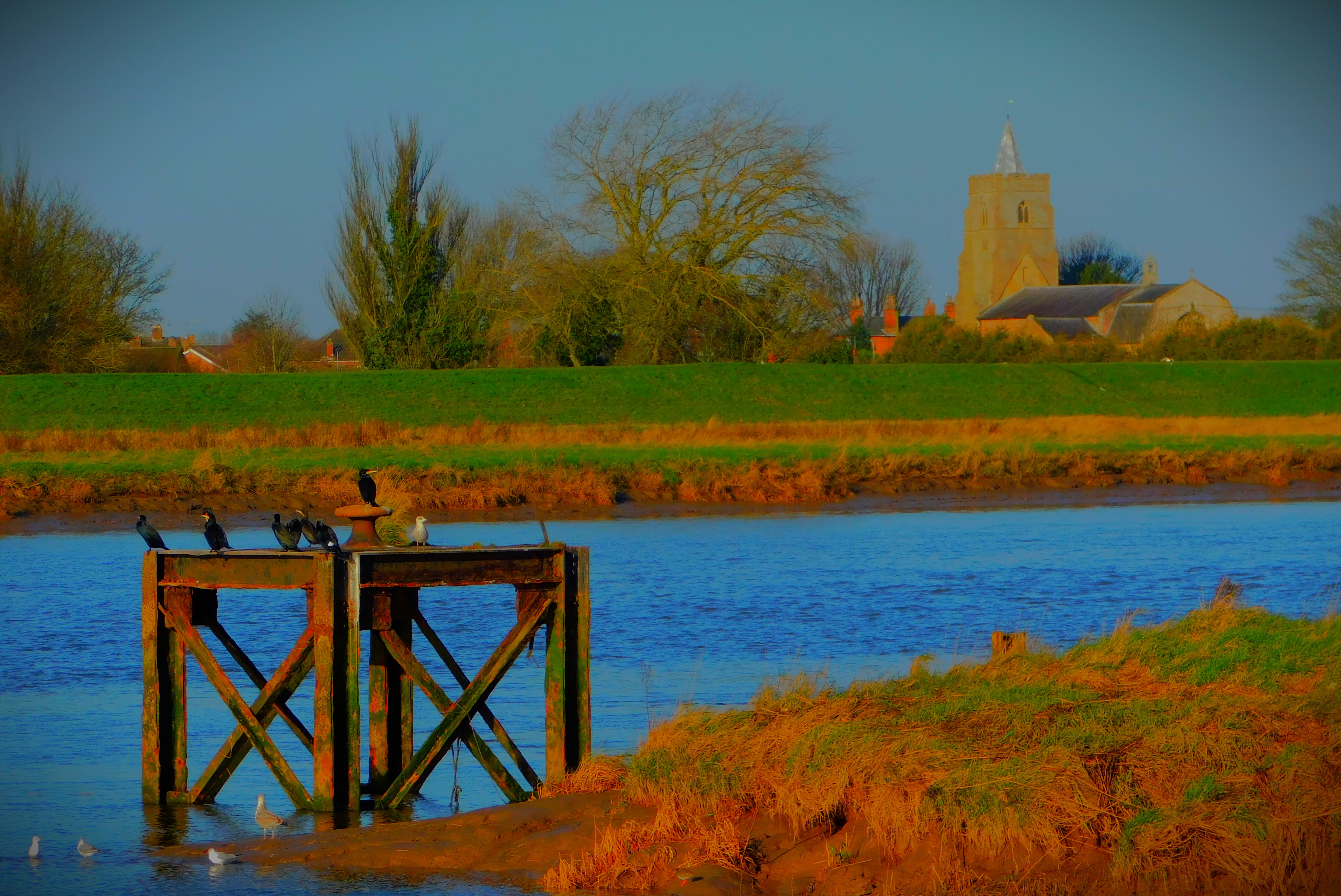
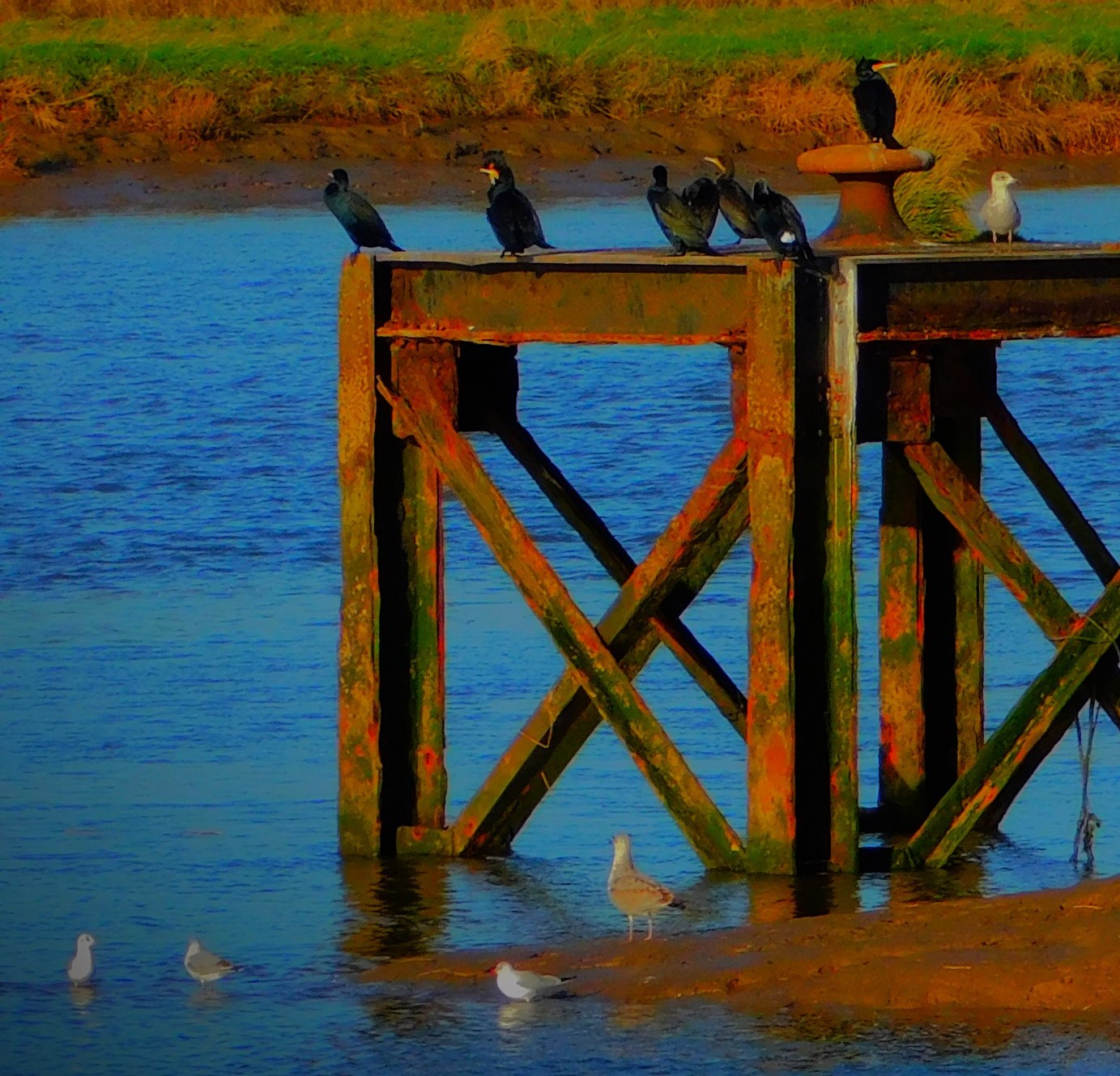
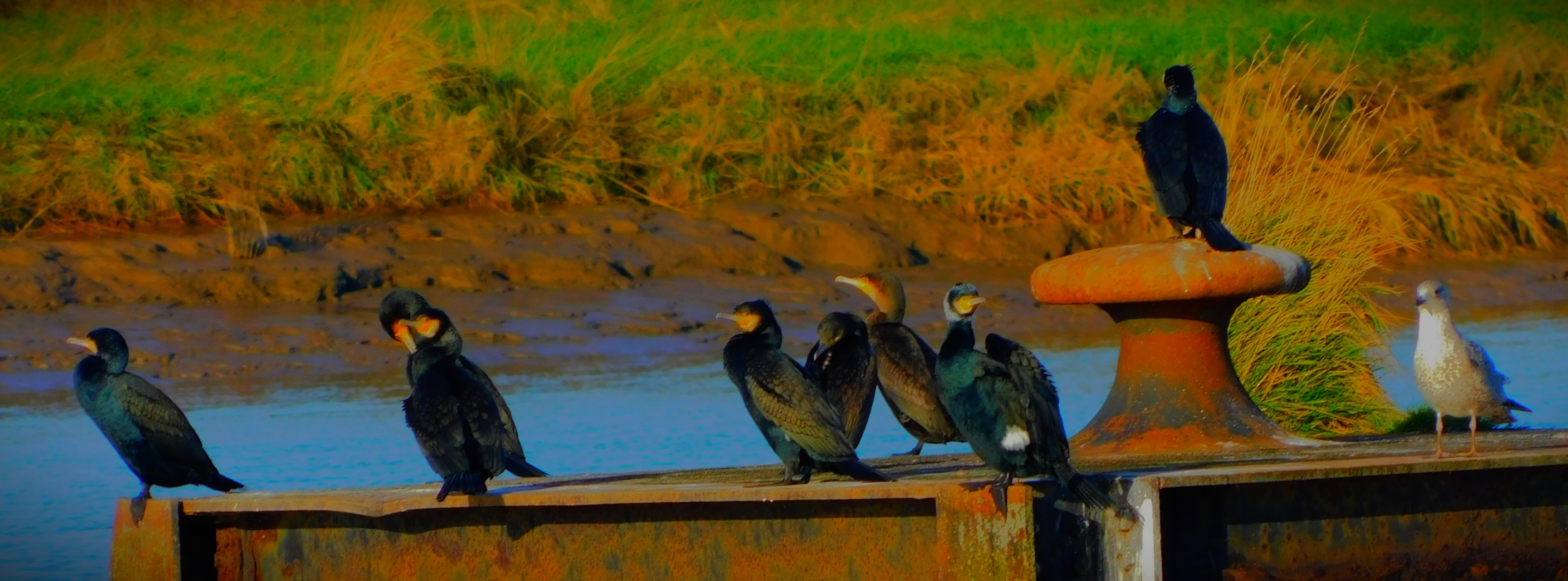
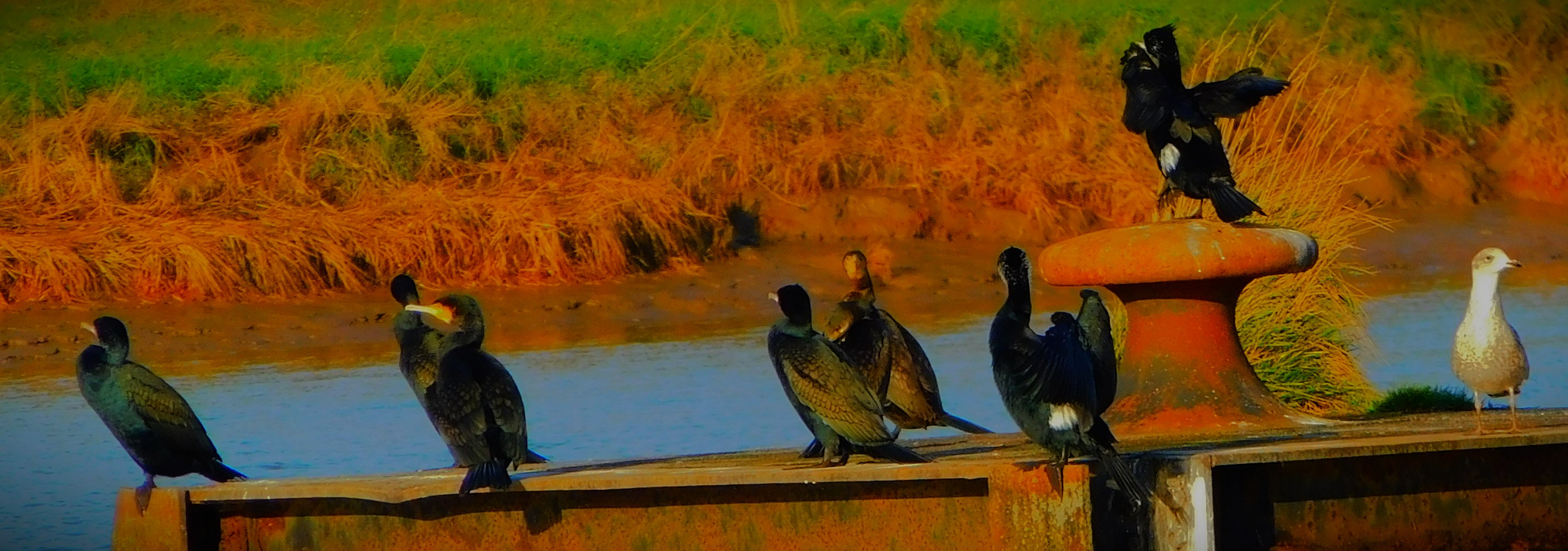
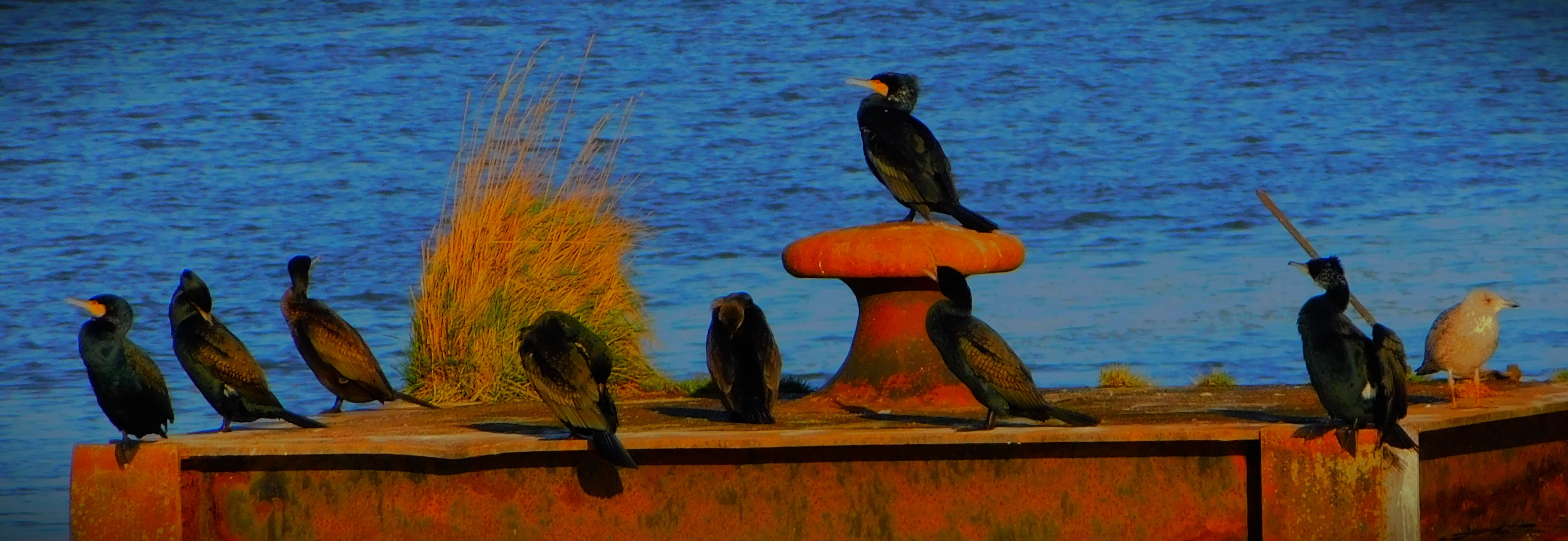
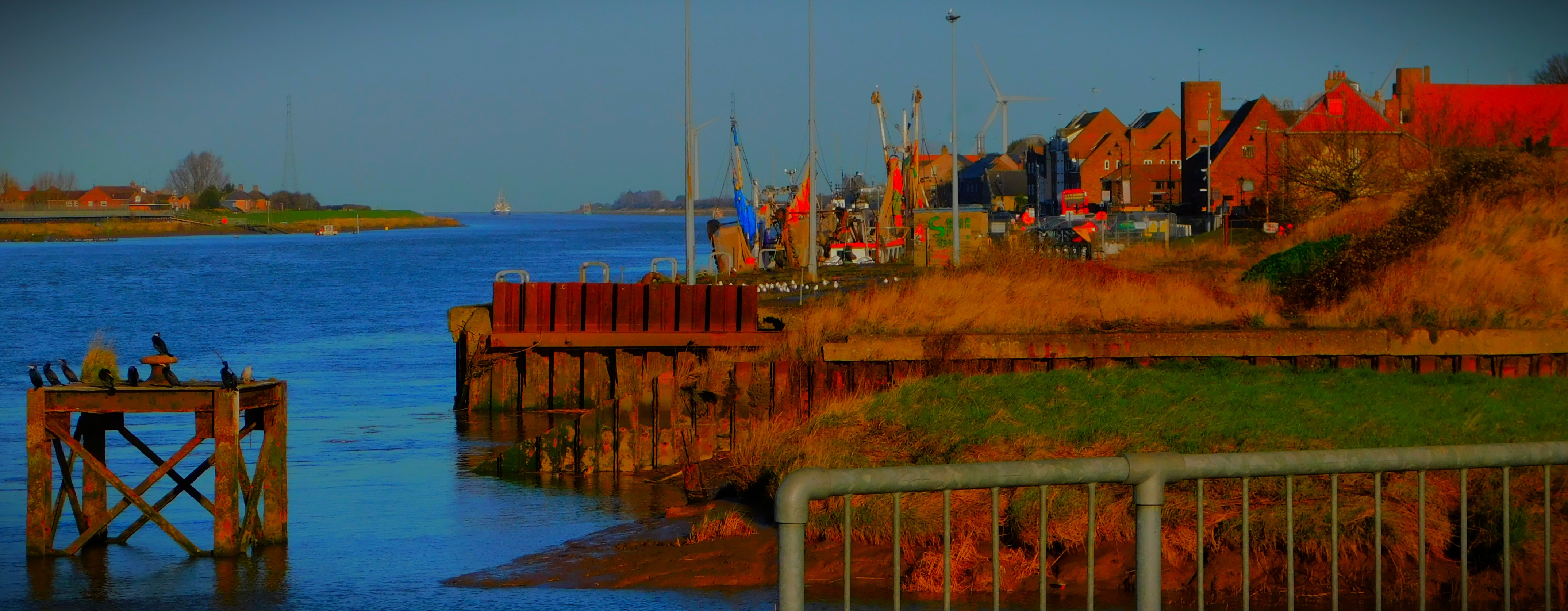
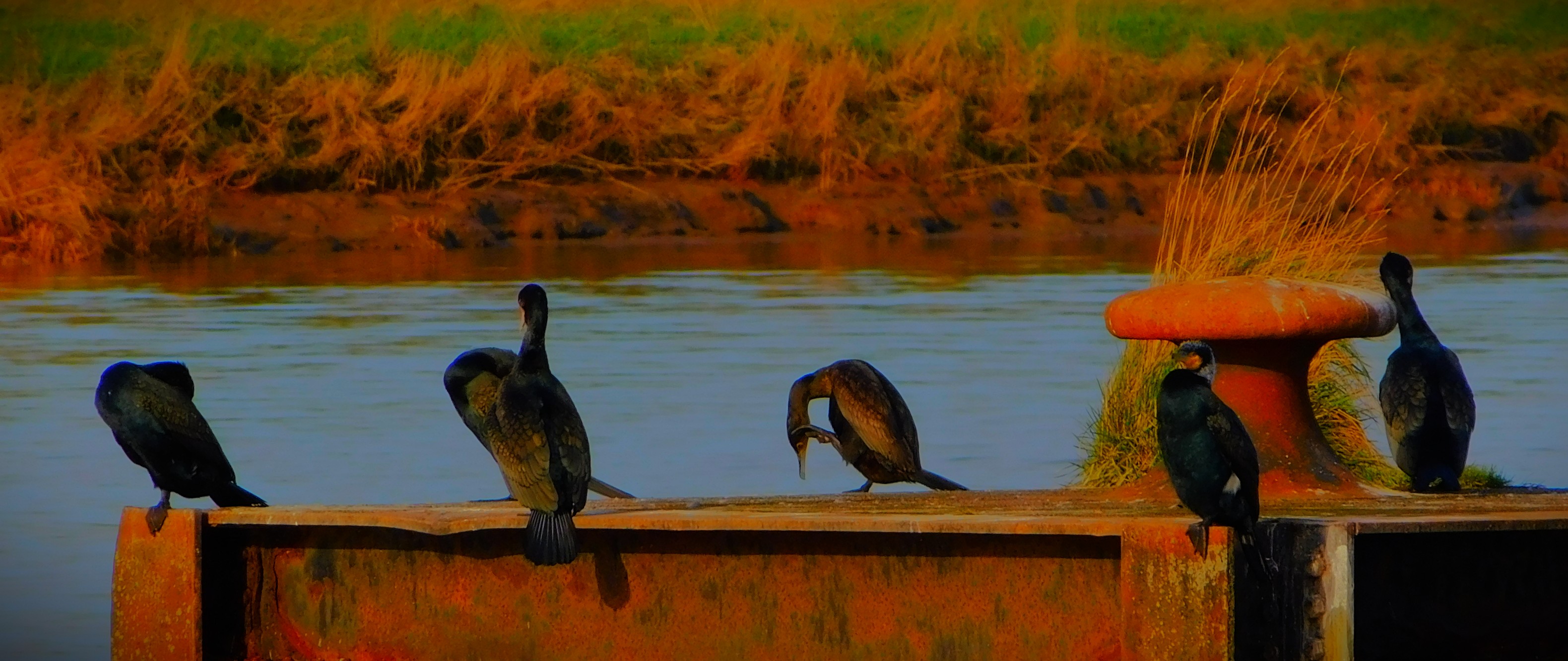
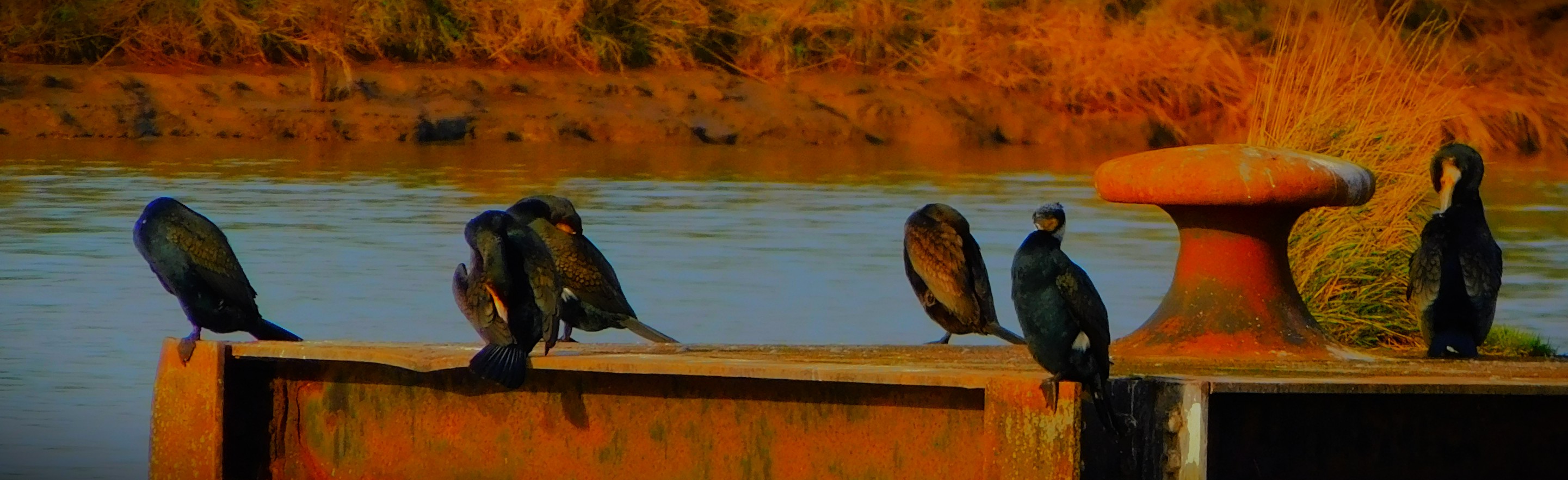
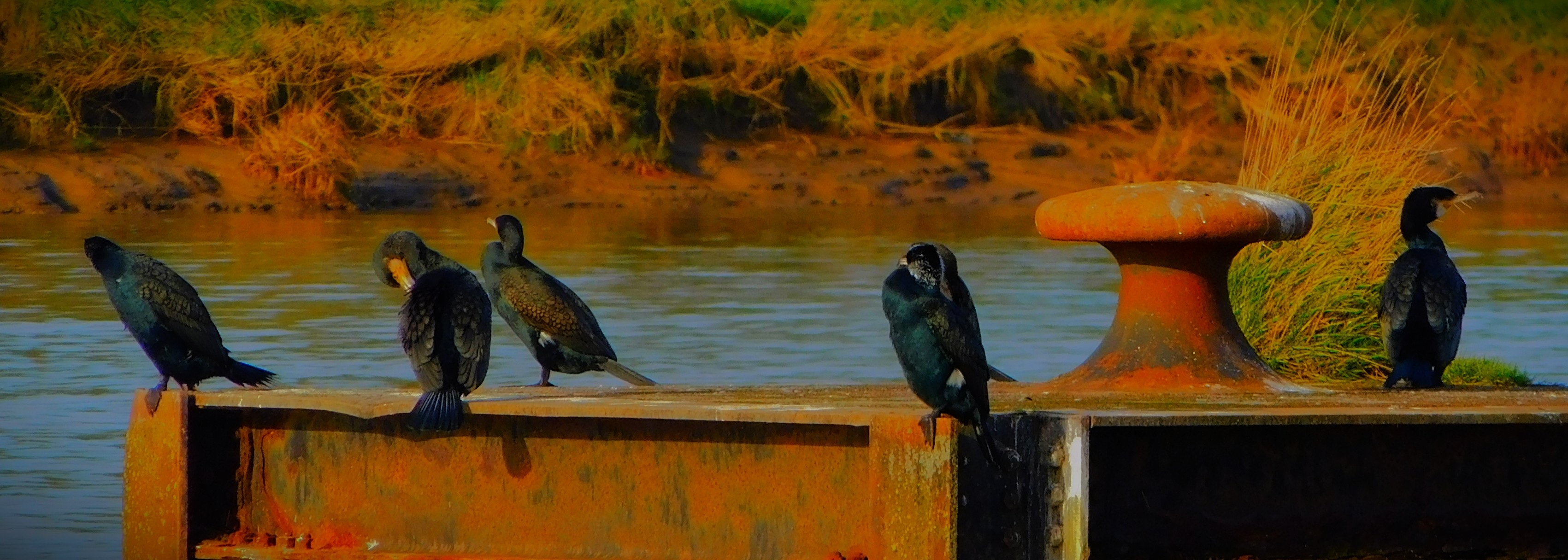
From the library I headed through Hillington Square and down to the Great Ouse, reaching the river front a few hundred metres before the Nar outflow and the structure I have dubbed ‘Cormorant Platform’. which as you will see more than lived up to my name for it on this occasion.
PART THREE: LOCATION CHECKING
The bright, sunny weather helped to maintain my resolve to extend my walk to the industrial estate on which WNAG’s meeting room/ office space is located, and I duly did so, ensuring that on Friday morning, when I will need to arrive in good time, there will be no mishaps.
PART FOUR: BACK VIA MORRISON’S
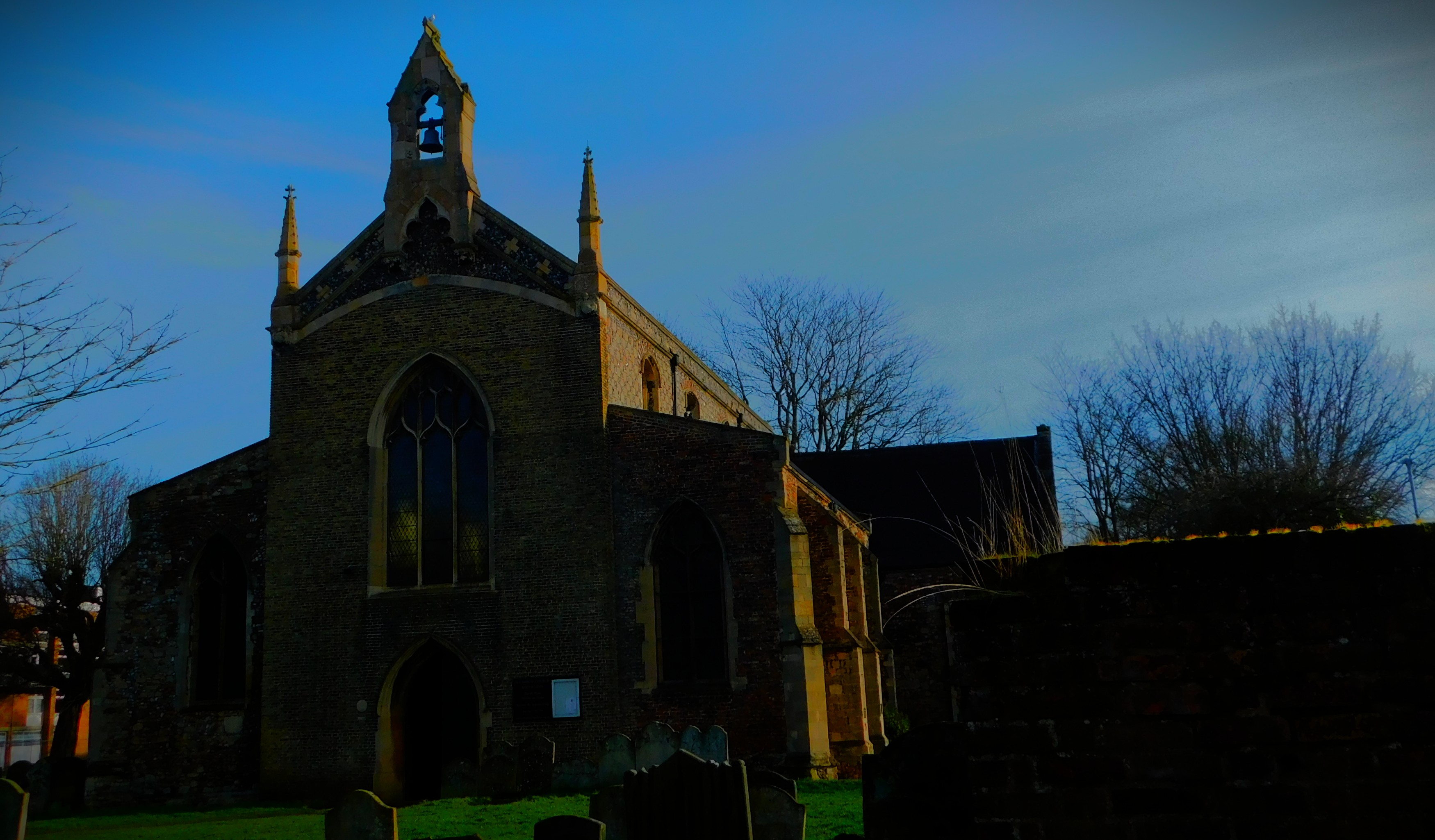
My route home followed my route out in reverse as far as All Saints Church, at which point I diverted slightly, away from the crossing of Millfleet and towards London Road instead. I crossed London Road, and left it by way of the Broadwalk, then looping round by way of the Vancouver Garden and the path out of it to St John’s Walk. I got to Morrison’s, did the little bit of food shopping that had to be done today and then headed home. I had been out for about two and a half hours. My bag will be lighter on Friday, and I will have the duration of the meeting to recover from the outbound leg, so I am now confident that walking is the way to go for this meeting.
PHOTOGRAPHS
This gallery features exclusively pictures taken this morning.
This book (three pics) is one I have read on bus journeys to and from work, and I highly recommend it.I am guessing that this chimney has some sort of protected status.
A look at a category of book I have enjoyed discovering during 2024 – modern retellings of mythology. Also a large photo gallery.
It is no secret to readers of this blog that I am a voracious reader. One oeuvre that I have discovered in 2024 is modern retellings of mythology. This post looks at some of those books.
THE STARTING POINT
I have had an interest in mythology for virtually as long as I have been capable of reading. Thus when I saw “Daughters of Sparta” by Clare Heywood on the shelves of King’s Lynn library it was pretty much automatic for me to select it as one to borrow. This retelling of the stories of Helen and Clytemnestra from their own perspectives proved to be even better than I had dared to expect, and I soon found myself keeping an eye out at all three of the libraries I regularly visit for similar books.
MY EXPLORATIONS OF THIS THEME SINCE THEN
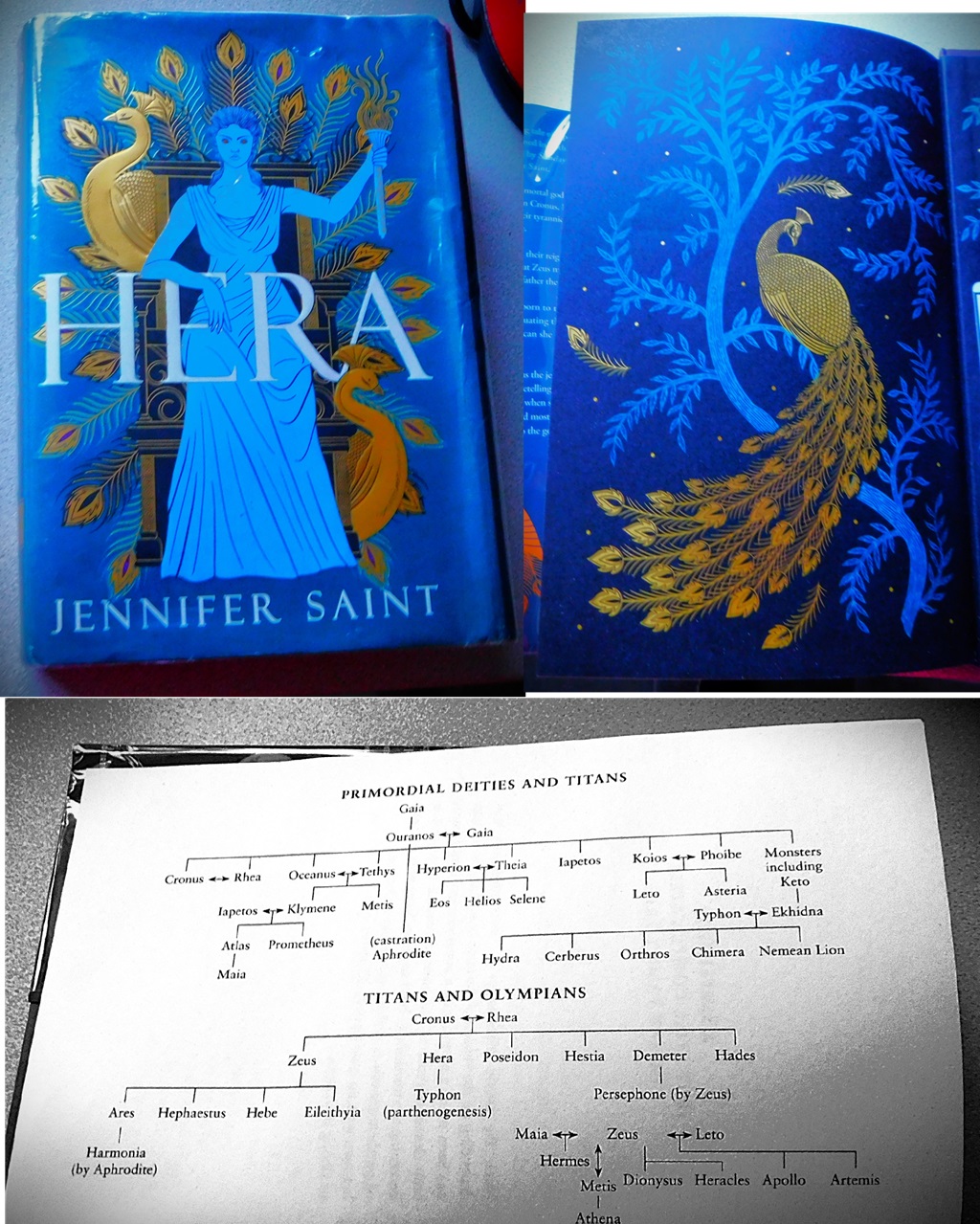
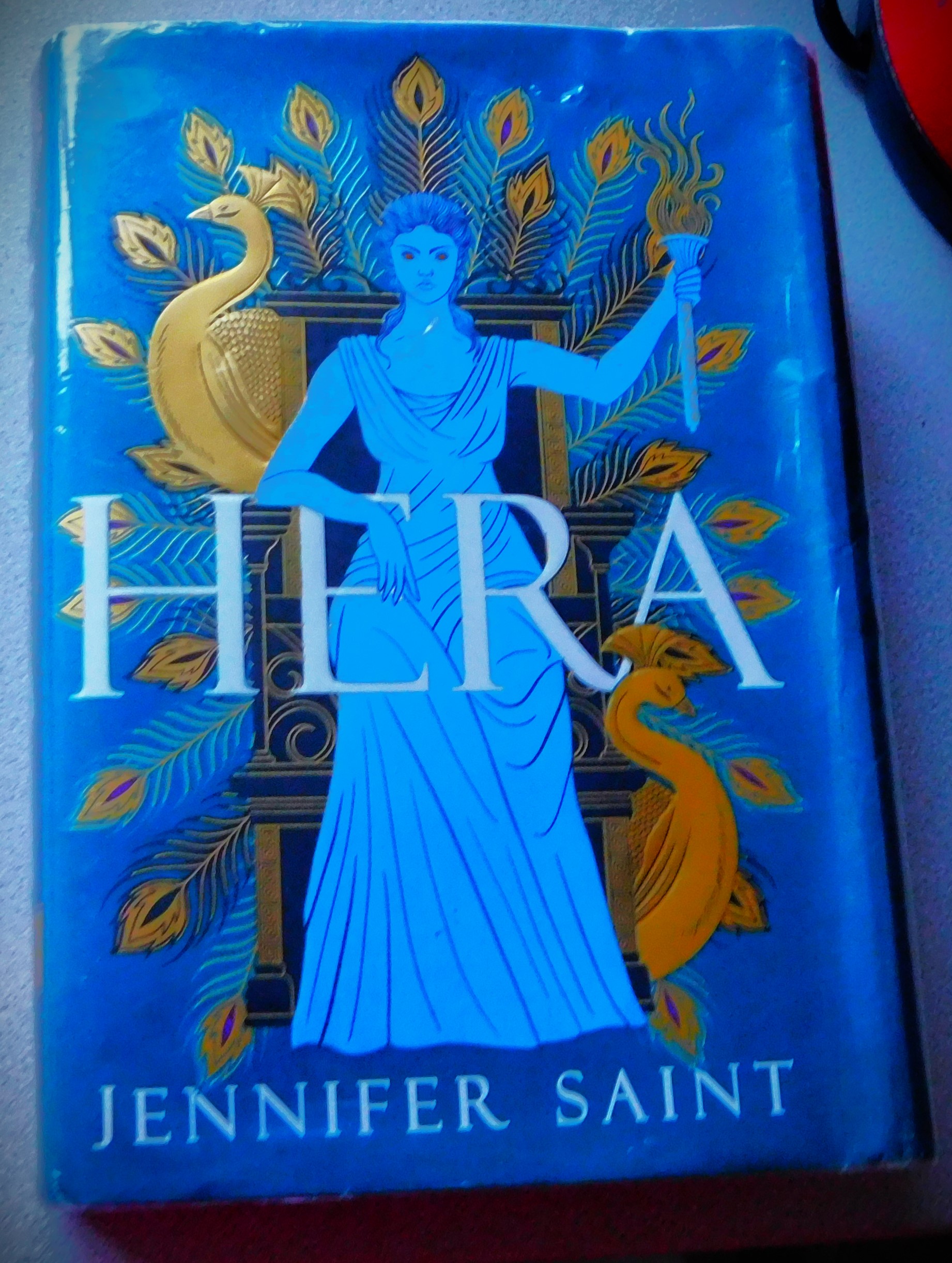
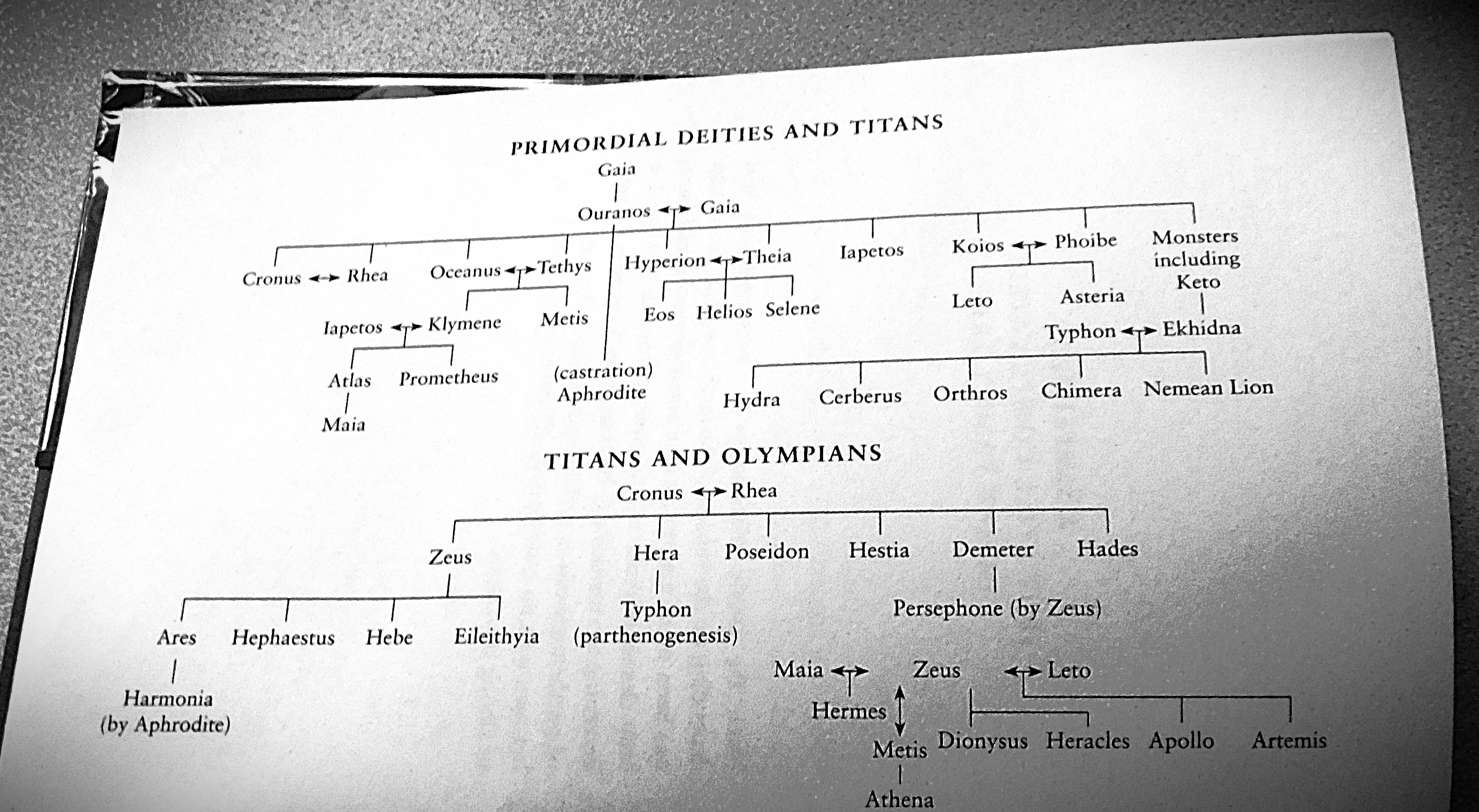
That was the start of an ongoing exploration of retellings of these myths which has gone to encompass Natalie Haynes (“A Thousand Ships”, “Children of Jocasta” and “Stone Blind” (Medusa’s story from her own perspective, rather than that of Perseus), Jennifer Saint (“Ariadne”, “Elektra”, “Atalanta” and just recently “Hera”, which provides the feature image for this post, Madeline Miller (“Circe” and “A Song of Achilles”), Laura Shepperson (“Heir of Venus”), Phoenicia Rogerson (“Herc” – the story of Heracles/ Hercules told from the perspective of everyone except the hero himself), Pat Barker (“Women of Troy”), Lauren JA Bear (“Medusa’s Sisters), Claire North (“Ithaca”, “The House of Odysseus” and presumably a third volume to come, telling the story of Odysseus from Penelope’s perspective), and from a different oeuvre of mythology Sophie Keetch (“Morgan is my Name”, “Le Fay”, and I know there is a third volume to come in this series). All of these books have been very enjoyable to read, and I cannot pick a favourite.
PHOTOGRAPHS
This gallery does not include the feature image, but does include all three elements of that composite image. Remember that all pictures can be viewed at larger size by clicking on them…
An account of England’s victory over West Indies at Edgbaston and resultant 3-0 series triumph, plus a photo gallery.
Yesterday I put up a post just as England were moving into a first innings lead over West Indies in the third test match of the series at Edgbaston. This post looks at the events that have unfolded since that one.
ENGLAND SURGE AHEAD
Jamie Smith and Chris Woakes extended England’s lead at a rapid rate. Smith just missed out on a maiden test century, but his 95 was a command performance, beginning with England still very much in jeopardy and ending with them in complete control. The scoring was not quite done even then – Gus Atkinson belted a couple of sixes coming it number ten, and England ended with a first innings lead of 94, and West Indies had an awkward mini-session to get through with the bat.
EARLY WICKETS FOR ENGLAND
West Indies did not make as much of a Horlicks of this mini-session of batting as the 1994 England side had in Trinidad, but the experienced Kraigg Brathwaite fell early, and Kirk McKenzie completed a truly miserable series (33 runs at 5.50 in six innings from a supposed number three) by doing likewise.
WOOD WASTES WEST INDIES
The West Indies had a respectable morning, though they needed far more. Mikyle Louis who had previously produced a succession of scores in the 20s completed a maiden test 50, and Kavem Hodge also reached 50. However, the lunch time score of 151-5, with da Silva batting in company with Hodge held out little hope for them, being a lead of only 57. The end of the West Indies innings was swift and brutal as the pace of Mark Wood was simply too much for them. Joshua da Silva had been somewhat fortunate to survive two LBW appeals from Wood when he was given out at the third time of asking and did not review it. Six runs later Alzarri Joseph had his stumps comprehensively shattered, and then at 171 came the killer blow for such hopes as West Indies retained, Hodge edging one through to Smith who made no mistake with the catch. Three balls later Jayden Seales’ off stump was sent cartwheeling. Number 11 Shamar Joseph creamed a four through the off side but the second ball of his innings was fast, full and straight, took the edge of his bat and flew to Brook in the slips. West Indies were all out for 175 and Wood had figures of 5-40 for the innings.
STOKES SLAMS HOME ENGLAND’S SUPREMACY
Zak Crawley was having a scan on an injured finger, which means that England needed someone else to open. However with a target of only 82 (three runs fewer than has ever been successfully defended in the fourth innings of a test match, and that match in 1882 was incredibly low scoring – the highest of the four individual innings was Australia’s second innings of 122) this was unliekly matter much. Rather than ask anyone else to do the necessary Stokes donned the pads himself and opened the innings with Duckett – two left handers answering to Ben opening the innings together. It was soon apparent that Stokes intended the match to be over before the tea interval – before the innings was two overs old he had struck four boundaries, and he continued in that vein, overshadowing Duckett, not generally noted for being a shrinking violet with the bat. Stokes reached 50 off just 24 balls, the quickest ever for England in test cricket (four balls quicker than Botham v India during the 1981-2 series), and two balls outside the all-comers record by Misbah-ul-Haq of Pakistan. Stokes finished things by belting the second ball of the eighth over for six to give England victory by ten wickets with two days and a little more than a session to spare. Wood’s blistering spell to terminate the West Indies second innings saw him named Player of the Match, while Gus Atkinson with 22 wickets at 16.22 each in the three matches was named Player of the Series. The West Indies have a promising bowling attack, but their batting is indubitably weak and lacking in depth. Playing Holder at six and da Silva at seven requires a much stronger top five than West Indies currently possess – Louis batted well today, Brathwaite is experienced but no ones idea of a great test opener and Hodge has been impressive, but Athanaze has played only one innings of note in this series, and I have already mentioned Kirk McKenzie’s shocking series. A full scorecard for this match can be seen here.
PHOTOGRAPHS
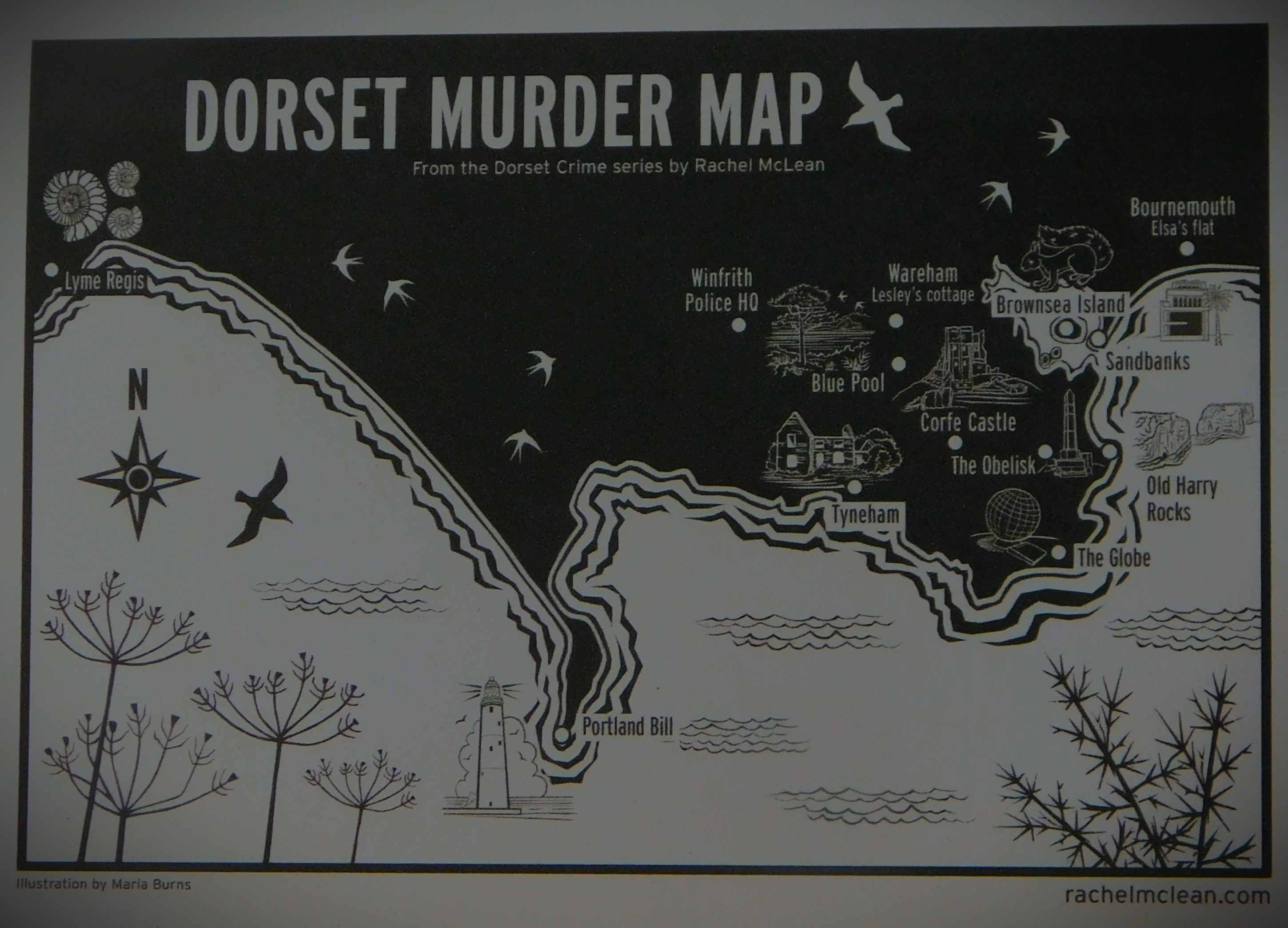
A little bit of a preamble to today’s gallery, relating to the first picture in it: one of my fairly recent library finds is Rachel McLean’s ‘Dorset Crime’ series, several volumes of which I have now read. I highly recommend this series, in which I have read books 1,3,4,5,6 and 7 to date. The seventh book, “The Blue Pool Murders” features a map showing all the locations (LJ Ross in her Northumbrian crime series does the same thing, as does Rebecca Tope in both her Lake District and Cotswold series). Preamble done here is my usual sign off…
An all time XI of players whose given names begin with C with a lot of honourable mentions, a mention of my recent auction purchases, a brief book review and my usual photo gallery to end.
In addition to the main feature this post has a couple of bonus features before the usual sign off. Today we look at cricketers whose given names begin with C, and we will have a huge number of honourable mentions after the main XI have been introduced.
THE XI IN BATTING ORDER
Chris Gayle (West Indies, left handed batter, occasional off spinner). Better known for his exploits in limited overs cricket, Chris Gayle still had a very fine test record, including two triple centuries at that level. I was at the Adelaide Oval when he scored an incredible 167 against Australia that should have set up a classic finish. Unfortunately Australian skipper Ponting took the cowards option when faced with an ask of 330 off 81 overs against a less than formidable attack and settled for the draw, Australia making no effort at any stage to get on terms with the required rate.
Cyril Washbrook (England, right handed batter). He averaged 42.81 over a career that spanned 37 test matches spread over 19 years, slightly up on his overall FC average of 42.67. The 359 that he and Len Hutton put on together at Ellis Park, Johannesburg remains England’s record opening partnership three quarters of a century on.
Colin Cowdrey (England, right handed batter, occasional leg spinner). The first player ever to be awarded 100 test caps, and holder at one time of the England record tally of test career runs with 7,624.
Clyde Walcott (West Indies, right handed batter, occasional wicket keeper, occasional medium pacer). Averaged over 56 at test level.
*Clive Lloyd (West Indies, left handed batter, captain). A world class batter, and one of the most successful of all test captains.
Clive Rice (Nottinghamshire, right handed batter, right arm fast medium bowler). His native South Africa being banned from international cricket for almost his entire career meant that he never got to play test cricket, but I have decided to give him the benefit of the doubt on this occasion and select him in the all rounders slot based on his great FC record.
+Chris Read (England, wicket keeper, right handed batter). A great keeper and a useful middle order batter, scandalously treated by the England selectors of his day.
Curtly Ambrose (West indies, right arm fast bowler, left handed batter). One half of a legendary new ball duo who are both in this XI.
Colin Blythe (England, left arm orthodox spinner, right handed batter). One of the greatest bowlers of his type ever to play the game. In the years running up to WWI Kent won four championships, largely propelled there by a contrasting opening bowling pair of Blythe and the right arm fast bowler Arthur Fielder. In 1907 Blythe destroyed Northamptonshire with match figures of 17-48, only beaten in FC cricket by Jim Laker’s 19-90 at Old Trafford in 1956, and according to team mate Frank Woolley in “King of Games” Blythe was within an ace of taking all-20 that match.
Courtney Walsh (West Indies, right arm fast bowler, right handed batter). Curtly Ambrose’s regular new ball partner, and during their long association he became the first ever to claim 500 test wickets, finishing with 519.
Clarrie Grimmett (Australia, leg spinner, right handed batter). A man who had to leave his native land and then cross two state boundaries in his adopted country to find cricketing fulfilment and still became the first to take 200 test wickets, finishing with 216 scalps from just 37 appearances. In the last full Sheffield Shield season before WWII, with his 50th birthday not far distant, he claimed a competition record 73 scalps. The Flipper, now considered an essential part of any wrist spinner’s armoury, was very largely his creation.
This side has a stellar top six including a genuine all rounder, a keeper who can bat and four great and well varied specialist bowlers. The proven new-ball combo of Ambrose and Walsh has Rice to offer pace back up, and the spin pairing were two of the best such ever to play the game. On any surface I would back this side to take 20 wickets without any great trouble.
HONOURABLE MENTIONS
This will be a long section. First, to address cricket’s largest fan base, I must acknowledge the sterling performances of Cheteshwar Pujara as a number three. However, as good as he has been in that role both for India and in domestic cricket I do not believe that he dislodges the first player ever to play 100 test matches.
Among the openers who challenged for inclusion without in my view quite being good enough were Charles Bannerman, CB Fry, Cyril Walters, Chris Rogers and Charlotte Edwards, with the last name being naturally a shoo-in for the head coach’s position. Some might mention Chris Broad in this context, but I take a dim view of those who chose to sign up for rebel tours of Apartheid South Africa. Had I been picking with limited overs in mind Chamari Athapaththu would have merited consideration as well.
Claire Taylor had a magnificent record for England Women, averaging over 40 in both tests and ODIs. Two Colins, de Grandhomme of New Zealand and Bland of South Africa were fine middle order batters, and the latter is this side’s designated fielding sub. Clem Hill was at one time the all time leading scorer of test runs, until Jack Hobbs overhauled his tally, but he cannot displace Clive Lloyd. Charith Asalanka of Sri Lanka may eventually force his way in, but he is not there yet. Chloe Tryon, the big hitting South African who bowls a bit of left arm spin, would merit consideration were I picking with limited overs in mind. Two West Indians, Carl Hooper and Carlisle Best, both missed out due to not having enough substance to go with their style.
Among those who missed out on the gauntlets due to the presence of Read were Colin Metson, Carlton Baugh and Carla Rudd.
Charles Townsend, a left handed batter and a leg spin bowler, missed out on the all rounders slot because I preferred to pick a pacer for that slot and include Grimmett in the XI. Chris Woakes and Chris Cairns were both a little short of the necessary batting credentials to take the slot. On a really raging turner CK Nayudu, the Indian off spinning all rounder might take Rice’s place. The abrasive Cecil Pepper was another leg spinning all rounder who could not be accommodated, though he gets an umpiring gig.
Among the specialist seam/ pace bowlers to miss out were Craig McDermott, Chris Tremlett, Chris Old, Chaminda Vaas, Craig Matthews and Carl Rackemann (he like Bruce Reid mentioned a couple of days ago was rarely fit for long enough to build up a record of much substance). Charles ‘The Terror’ Turner had a sensational record, but 1880s pitches were generally much more favourable to bowlers than they became later.
Cecil Parkin and Charlie Dean rank as the two finest specialist off spinners to have had given names beginning with C. For a limited overs side Collins Obuya, the Kenyan off spinner, would merit consideration.
AUCTION PURCHASES
It was auction week at James and Sons, and I had placed advance bids on three items which looked likely to go cheap and were of interest to me. In the event I secured all three for very little, and an opportunistic bid on a fourth item was also successful.
LOT 685 – BEHIND THE FACADE
Had I not been the one to image this item it would have been unsold, because anyone else imaging it would have imaged only the bit described in the catalogue listing. Fortunately, I looked and imaged more closely. The images available to online bidders were as follows:
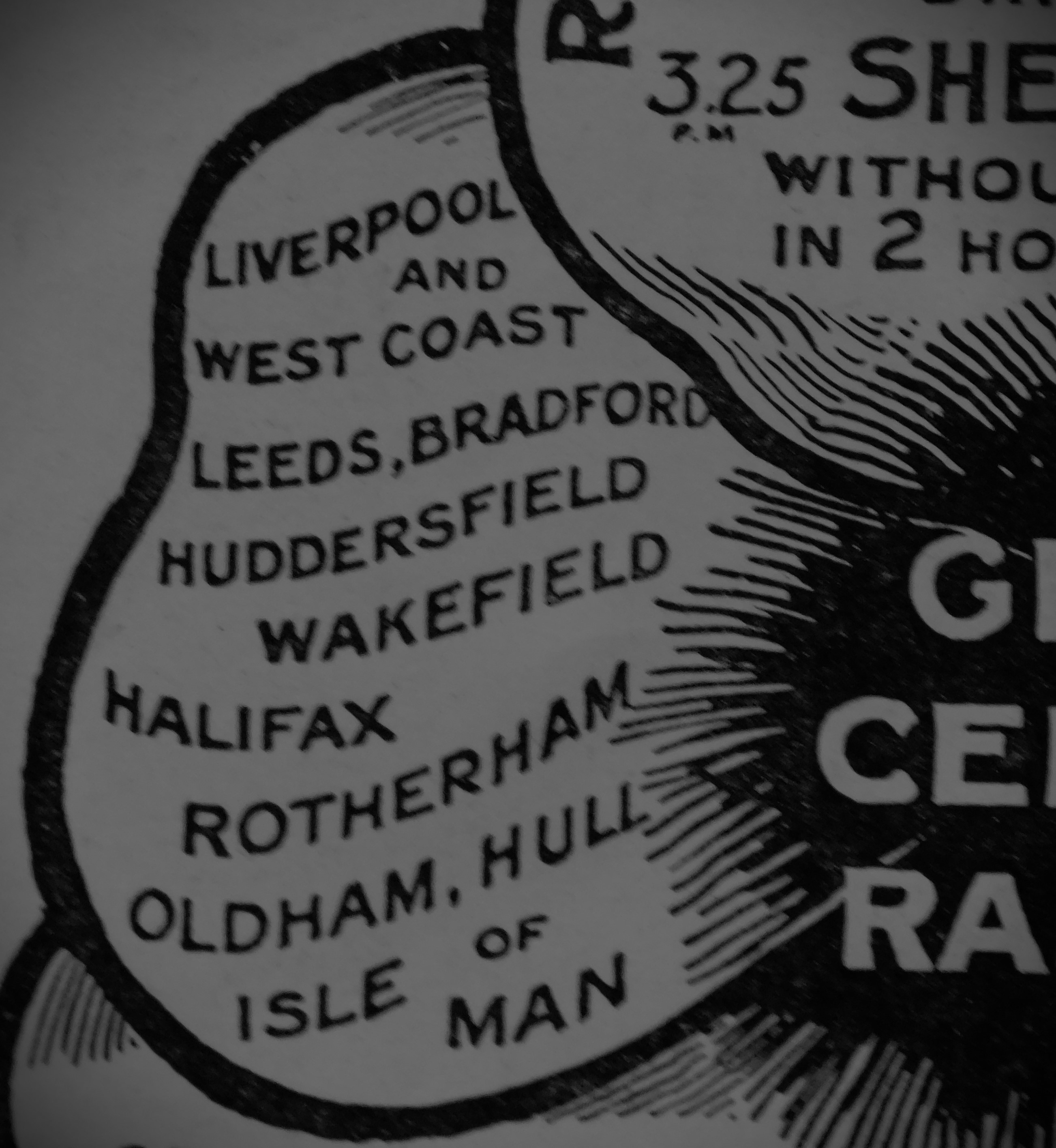
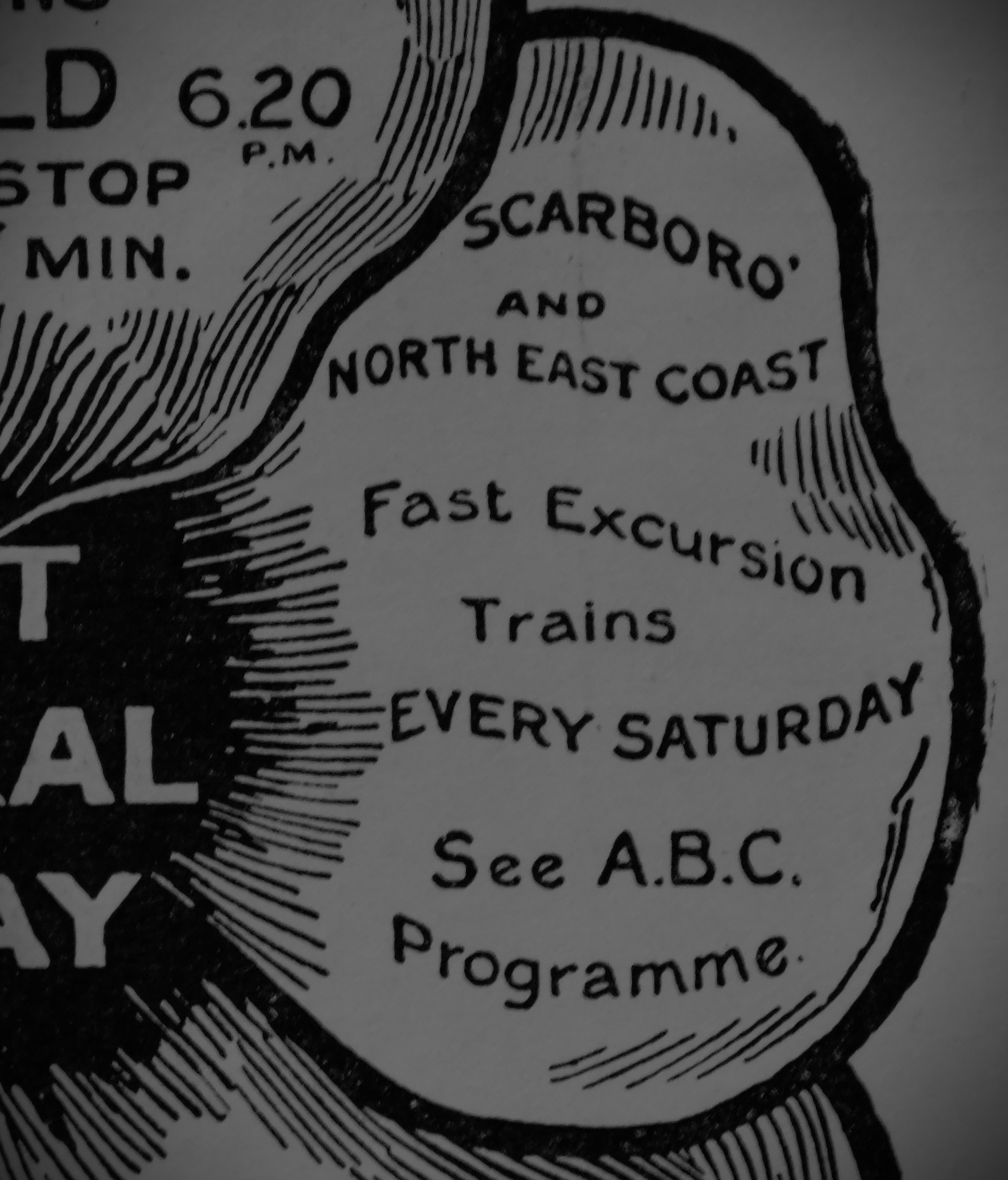
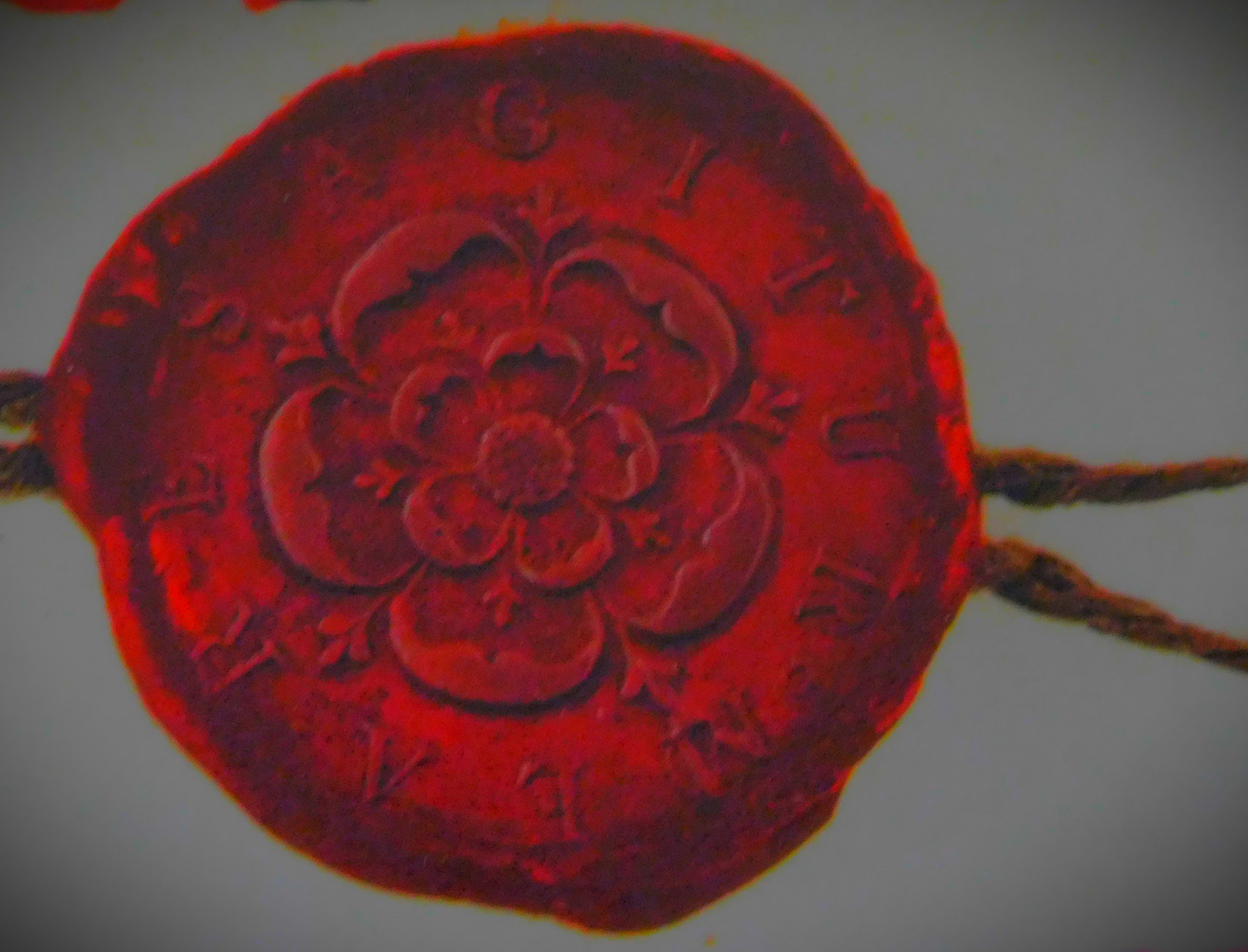
The supposed element of interest (three images)……and the reverse side of the sheet, including……this rose shaped piece of PR for the Great Central Railway.
My interest in the Great Central Railway advert was the only interest of any kind shown in this lot, which was duly knocked down to me. My treatment of the item since taking possession of it reflects my reason for buying it, as shown by the following pictures…
I have mounted the advert together with the publication title and the date on black card.Here are a series of close up shots bringing out extra detail.Due to the size and subject matter of the new item I have elected to treat it as equivalent to a railway FDC.
LOTS 802 AND 978 – ORTHODOXY
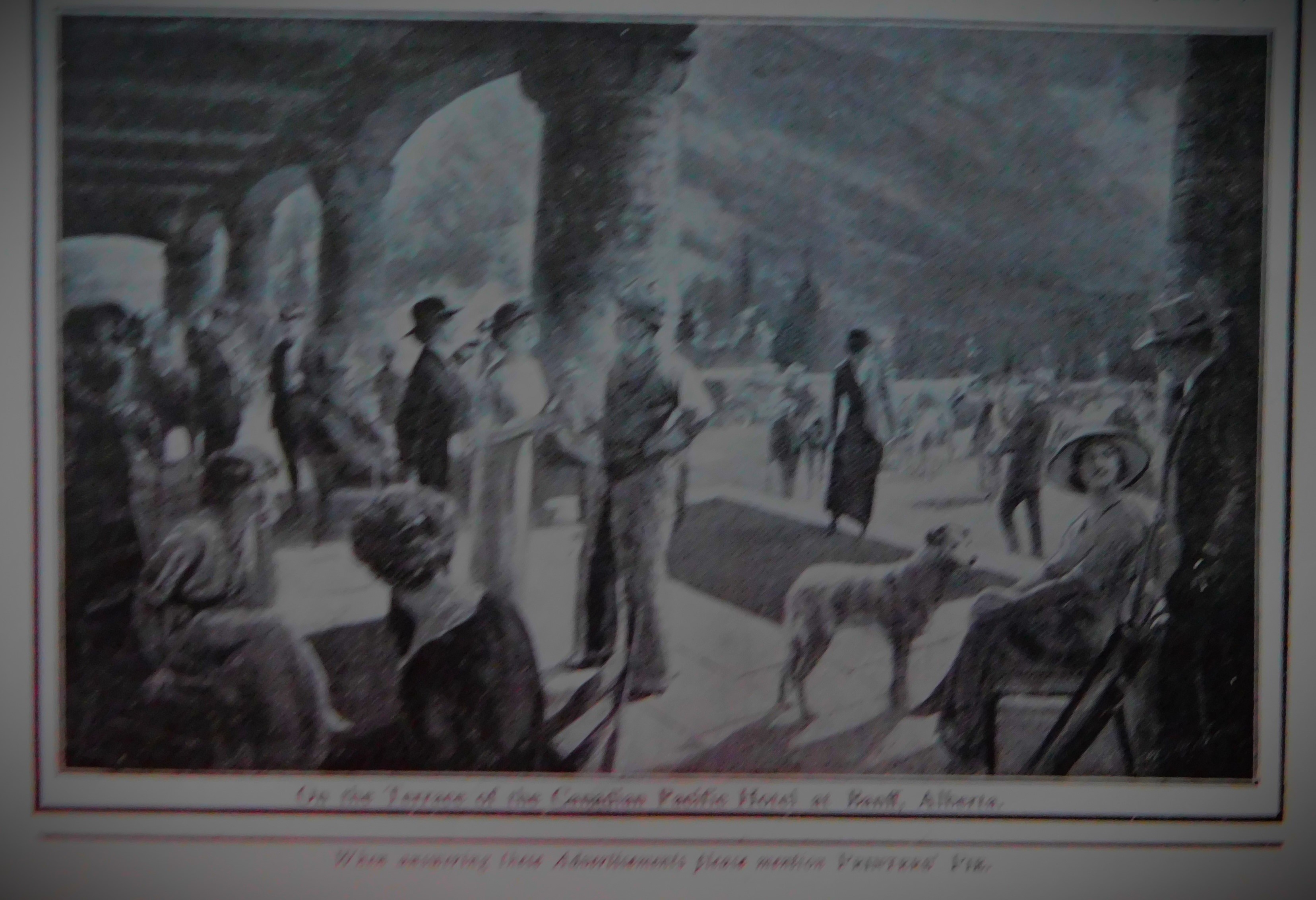
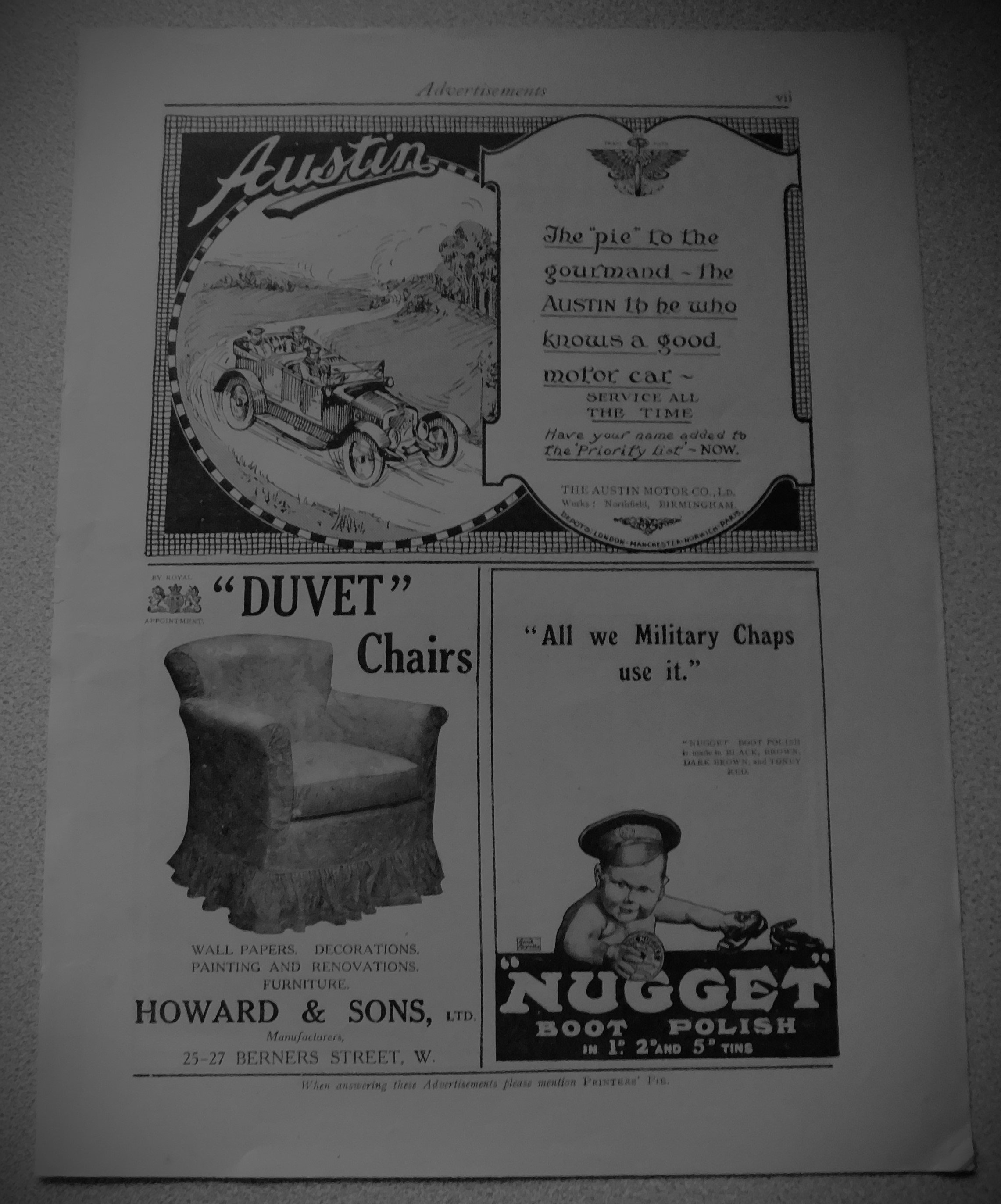
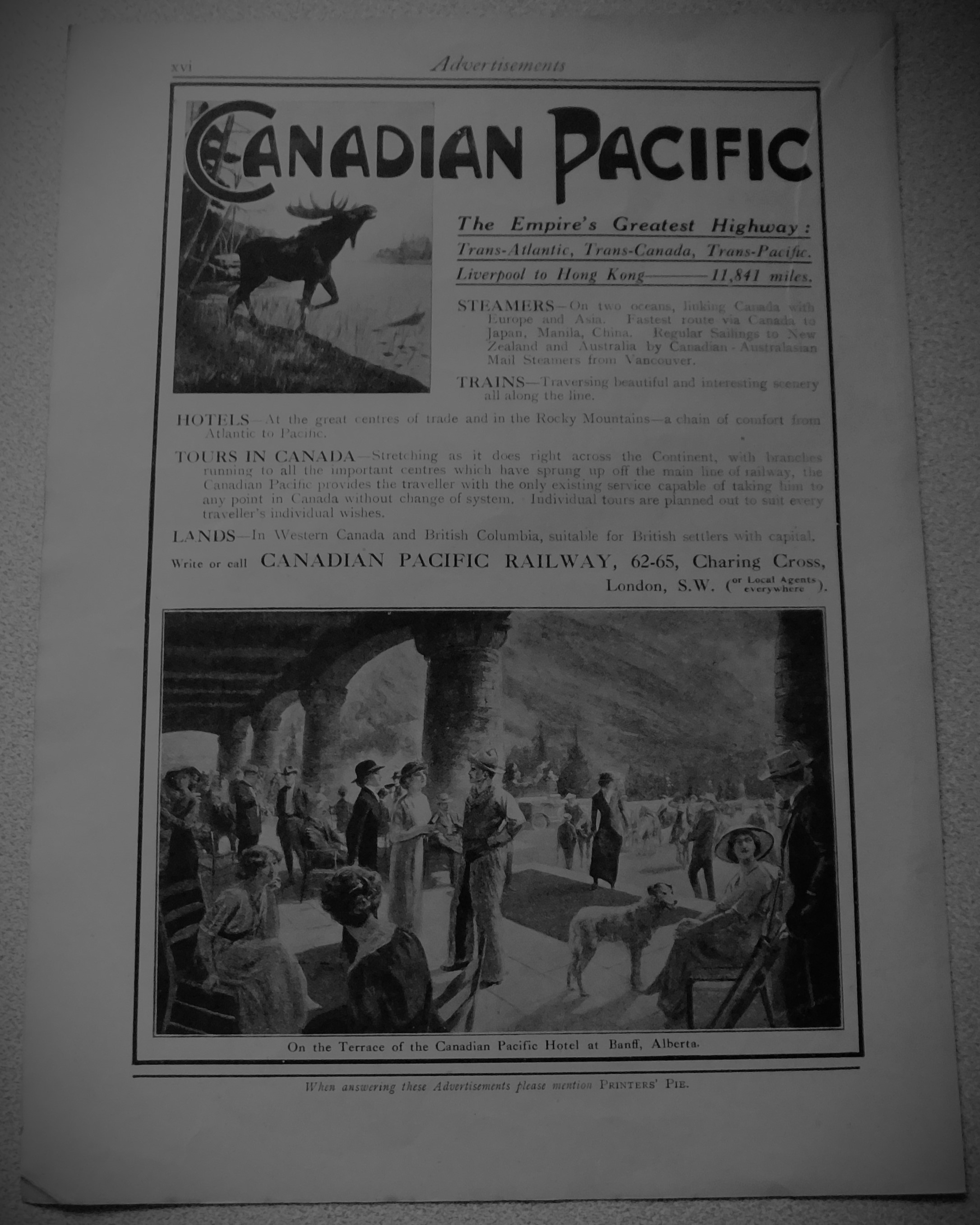
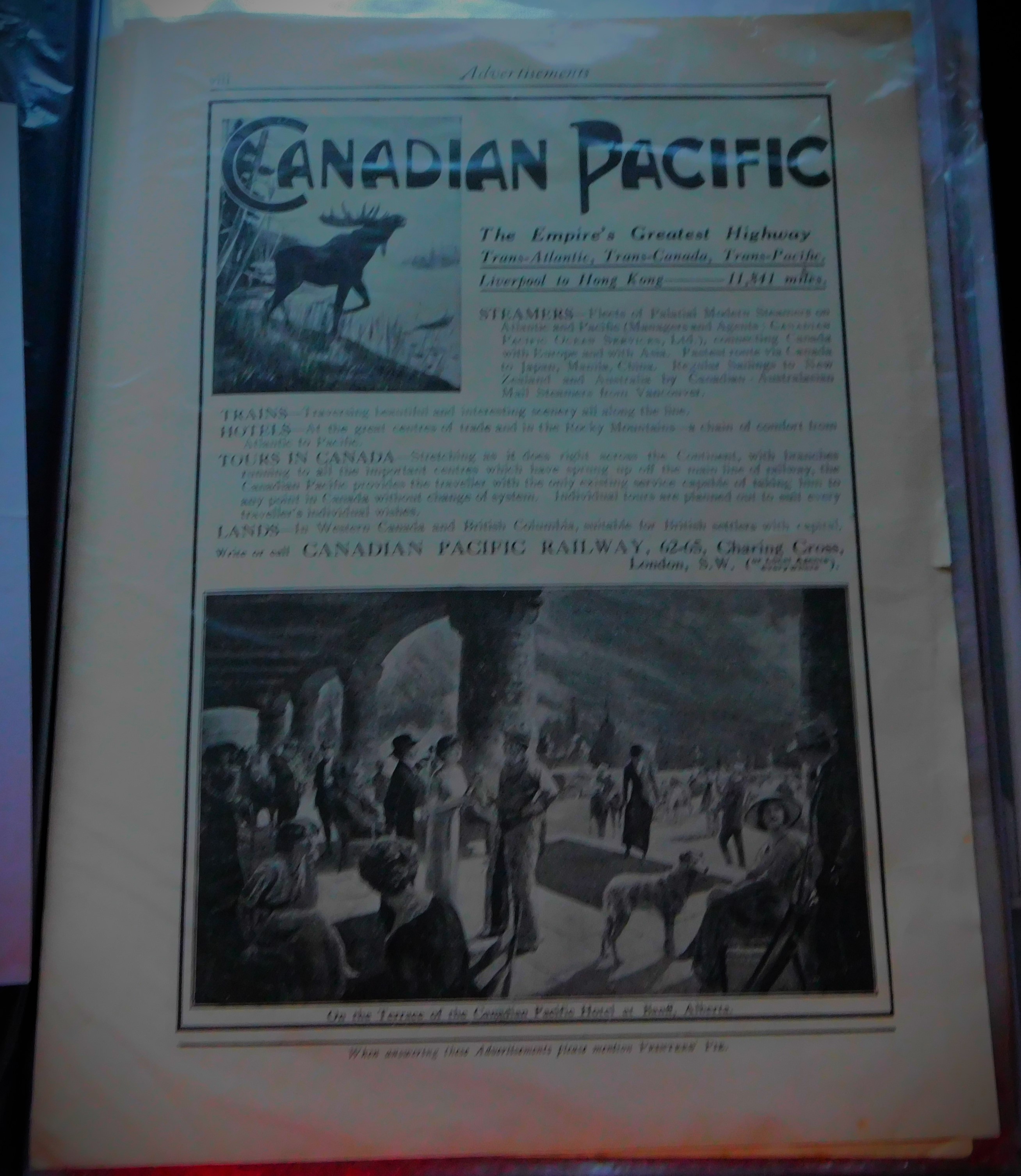
These two items are both PR sheets for the Canadian Pacific Railway with other adverts on the back.
LOT 981 – ANOTHER CASE OF BEHIND THE FACADE
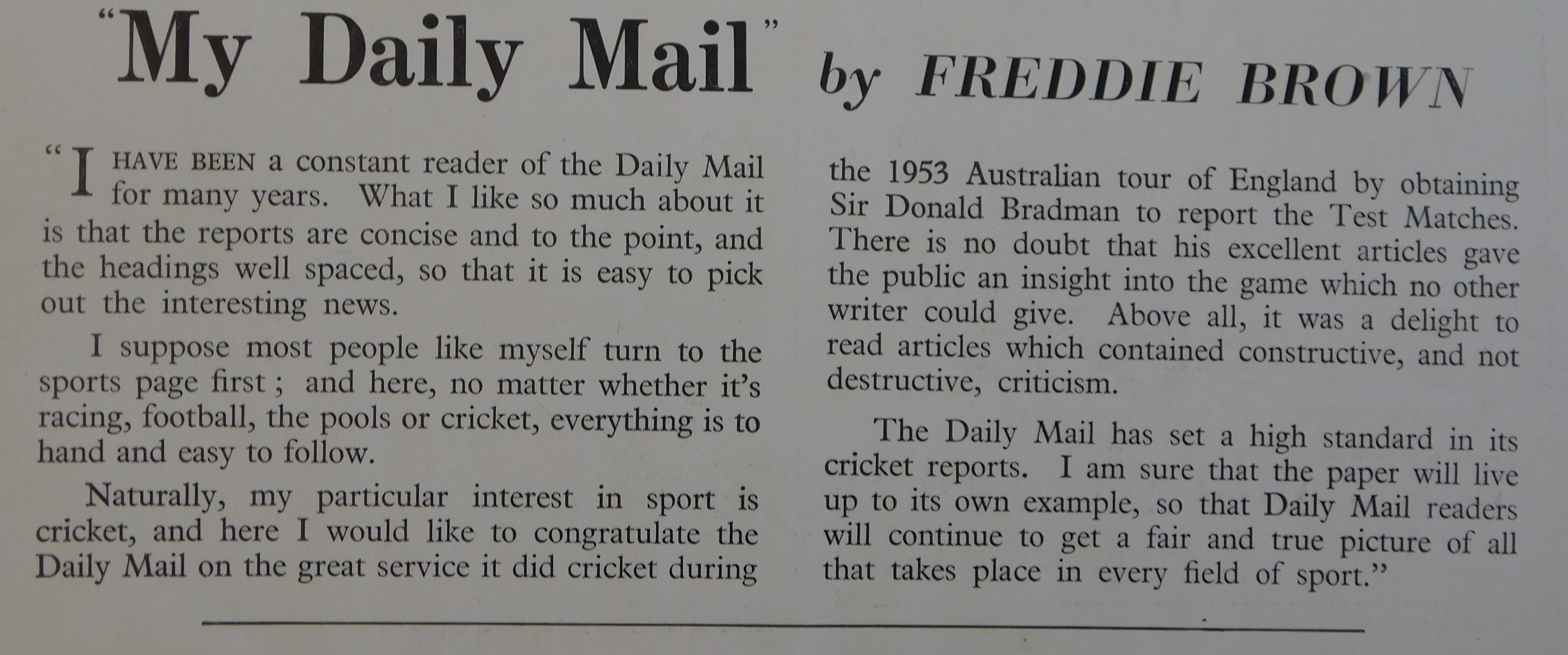
This item was allegedly of interest for the cigarette advertisement featured on one side of it. However, it was what was on the reverse side that caught the attention of the only person to show interest in it:
The cigaratte ad, duly awarded pride of place in the official image gallery for the lot.The reverse side.
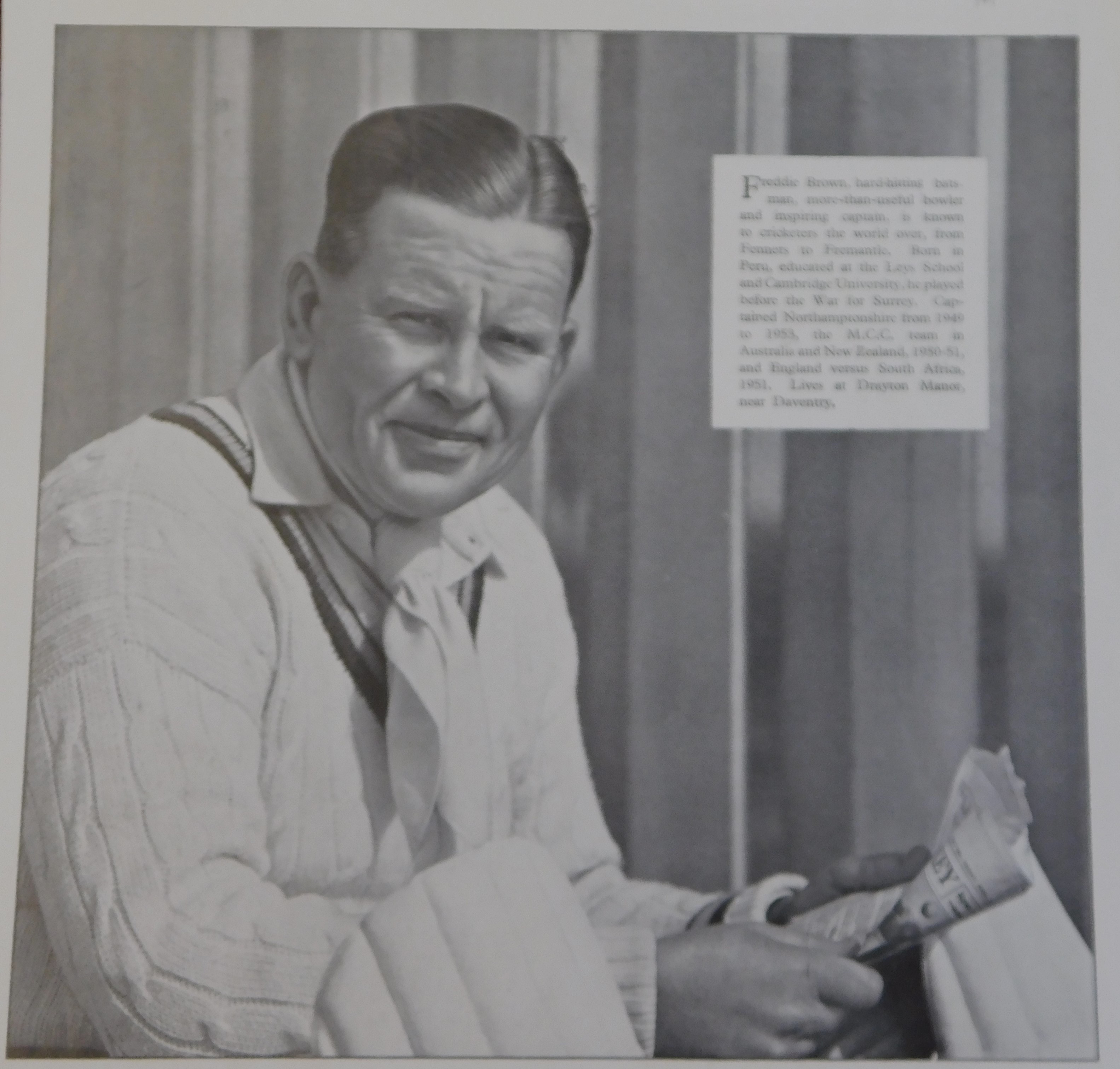
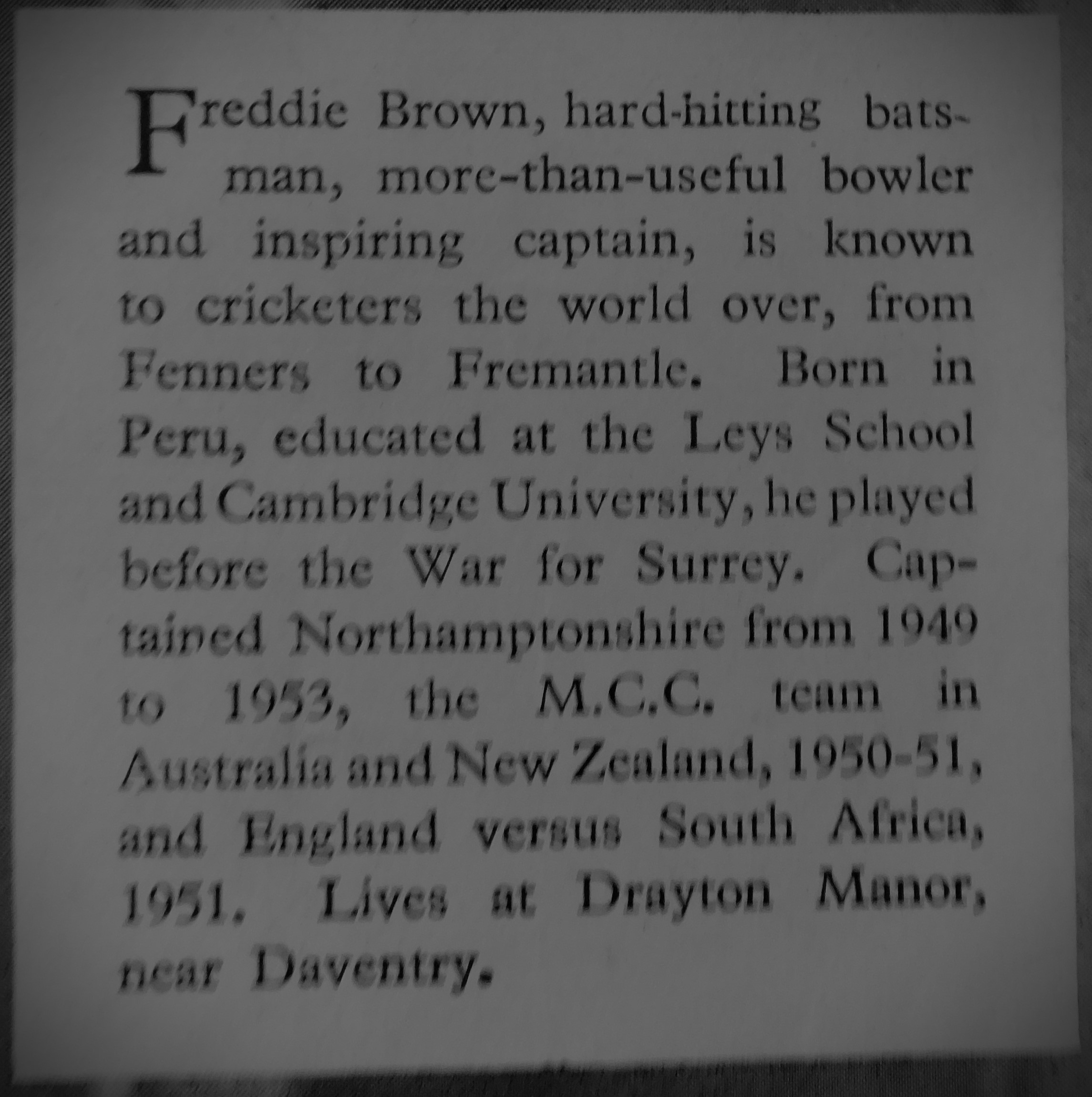
This one did not require radical treatment as had number 685 to fit my interests, just a bit of folding to make it fit in a display folder and display what I wanted – the stuff about Freddie Brown minus him spruiking a filthy far rate hate rag…
Interestingly by the time this was published in 1955 Freddie Brown had not featured for England in two years – Lord’s 1953 was his last test appearance, and his last appearance of note came in May 1956 when he played for Free Foresters against Oxford University, doing little with the bat, but claiming 11 wickets including a first innings haul of 8-60 – yet the far right hate rag of “Hurrah For The Blackshirts” infamy still thought him good PR for them.
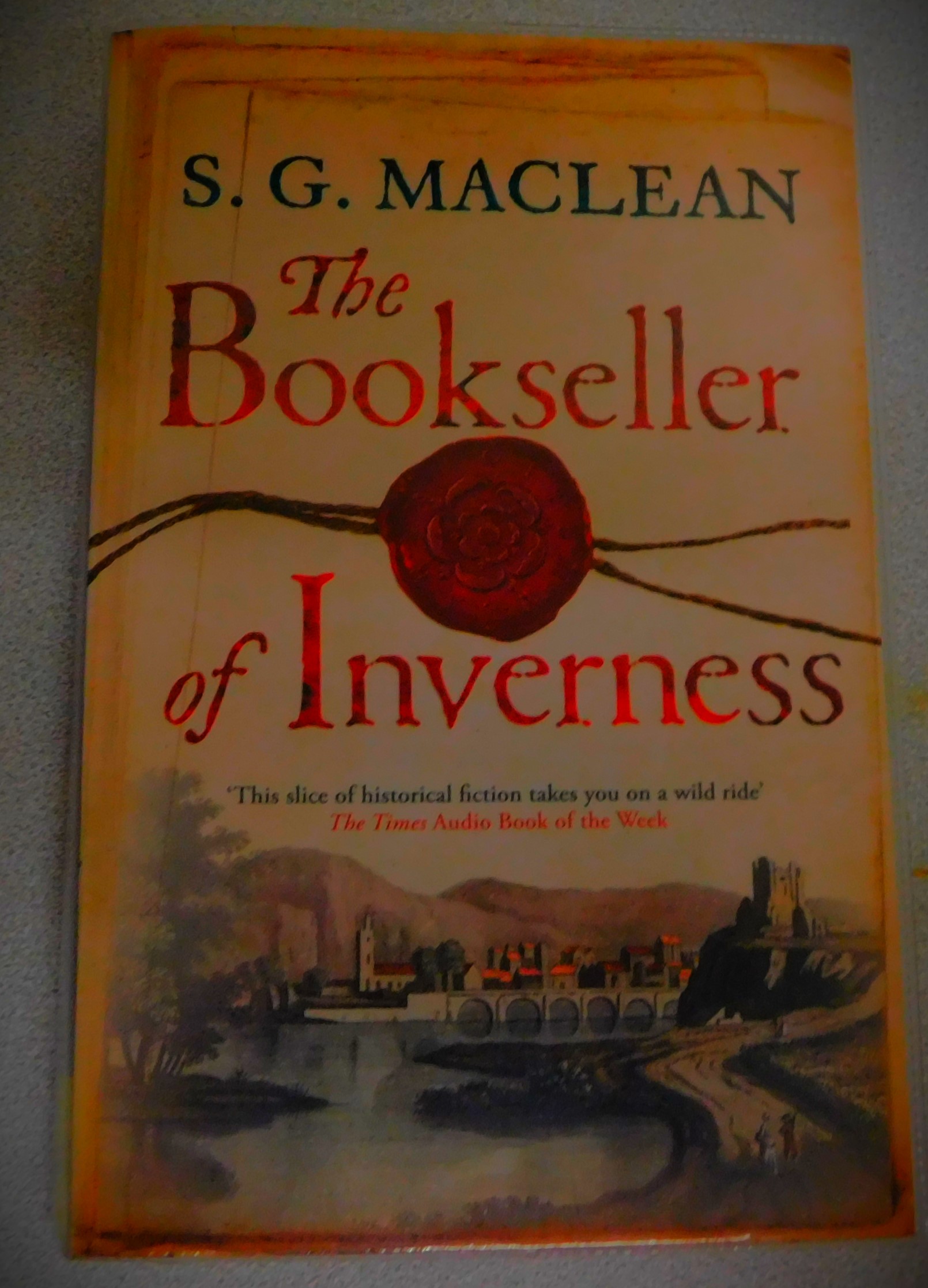
THE BOOKSELLER OF INVERNESS BY SG MACLEAN
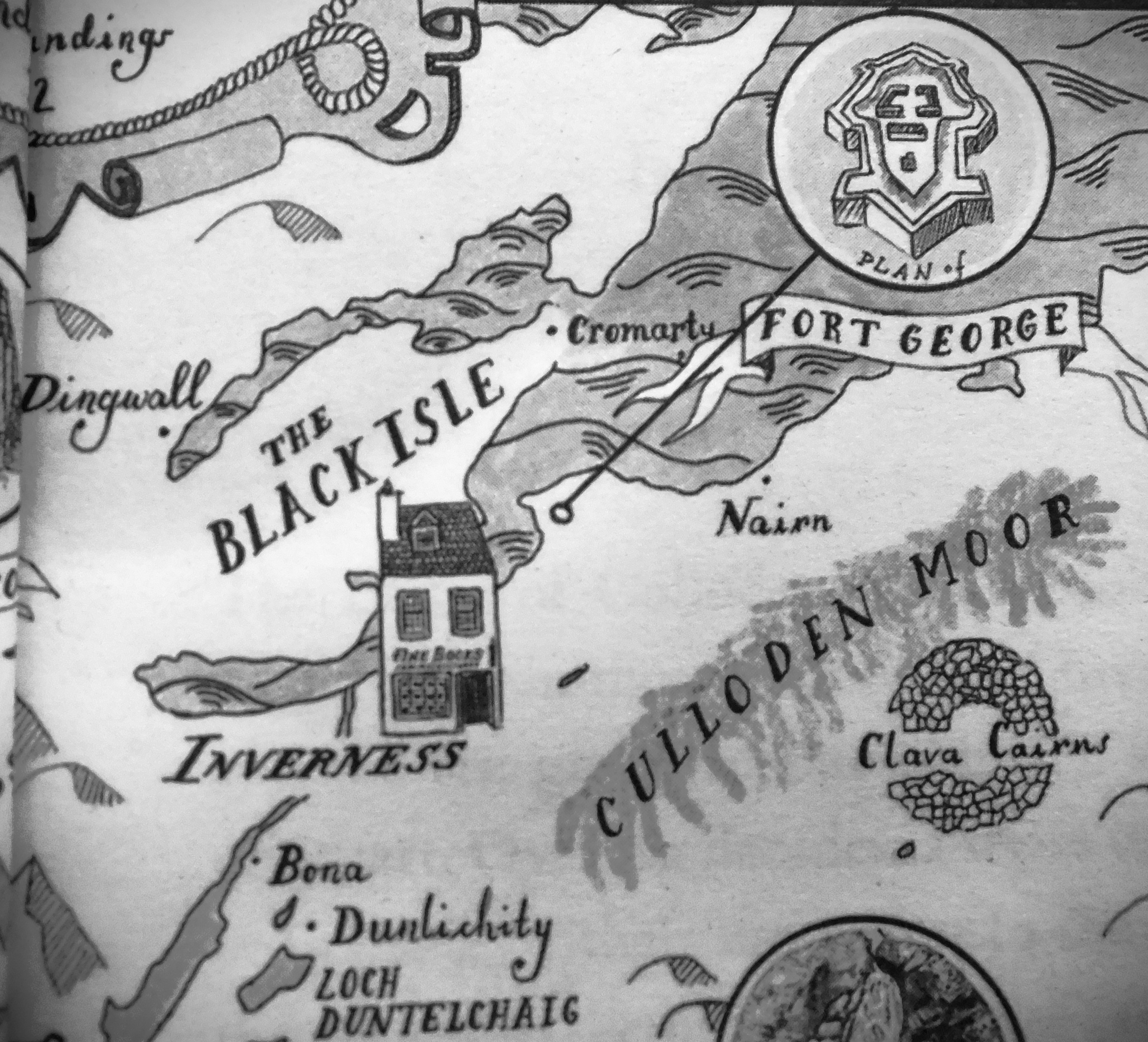
Set in the turbulent years of the 1750s, when attempts to restore the Stewarts (James Edward Stewart, based in Rome at this time, and his son Charles Edward Stewart a.k.a Bonnie Prince Charlie) to the throne were still in vogue, this book is a thoroughly gripping, indeed enthralling read. It also has a special feature of particular appeal to me, a very intricate map of the area in which most of the action takes place. Not only do I highly recommend this book, I will be looking of the author’s name on future library visits.
A review of a truly wonderful book, some cricketing sidelights, including speculation about a debutant with a (from a cricketing viewpoint) very interesting name, and a large photo gallery.
I have some cricketing content as usual, but the main focus of this blog is a book I have just finished reading (finished it on the bus back from work yesterday to be exact), and I start with…
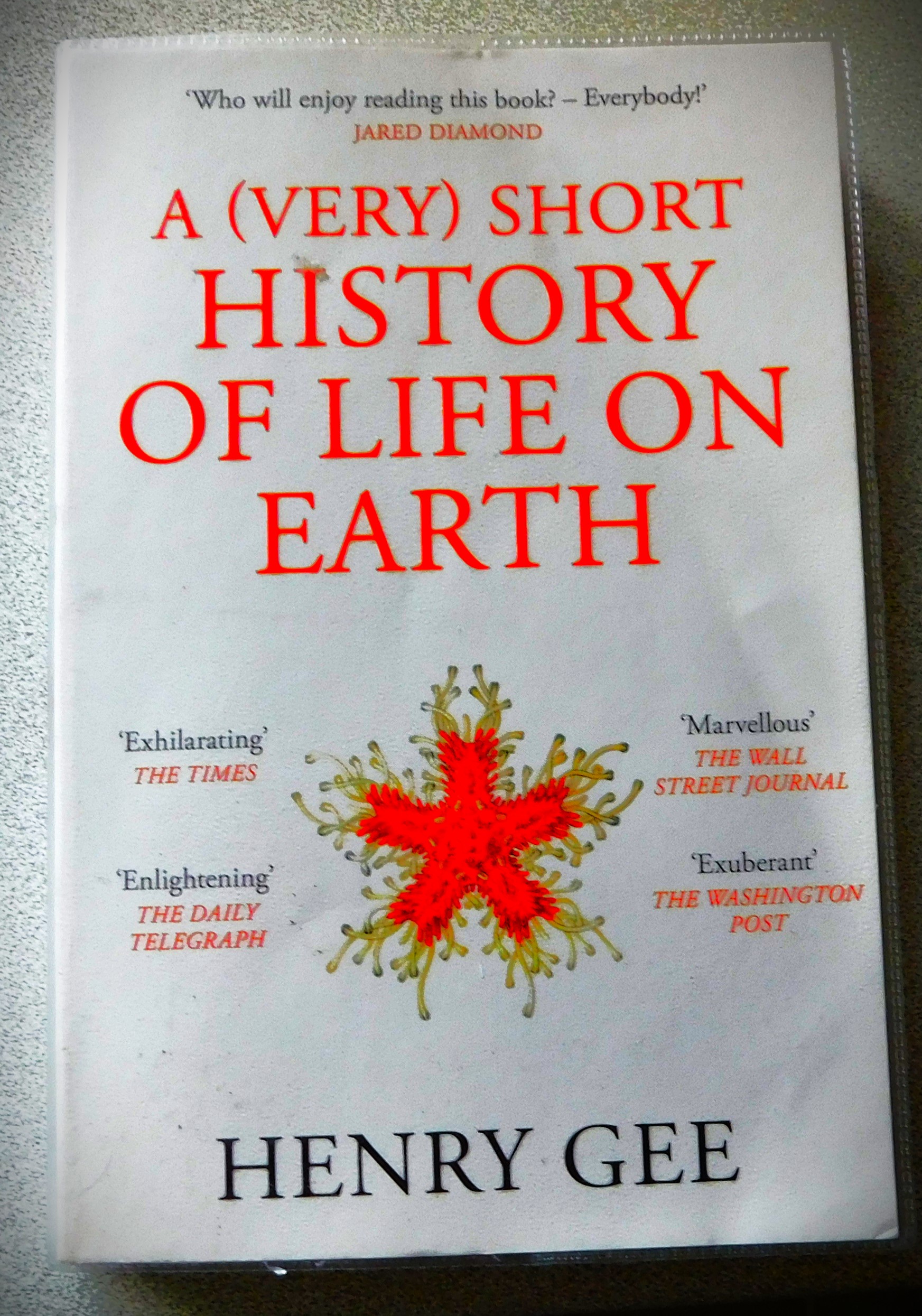
A (VERY) SHORT HISTORY OF LIFE ON EARTH
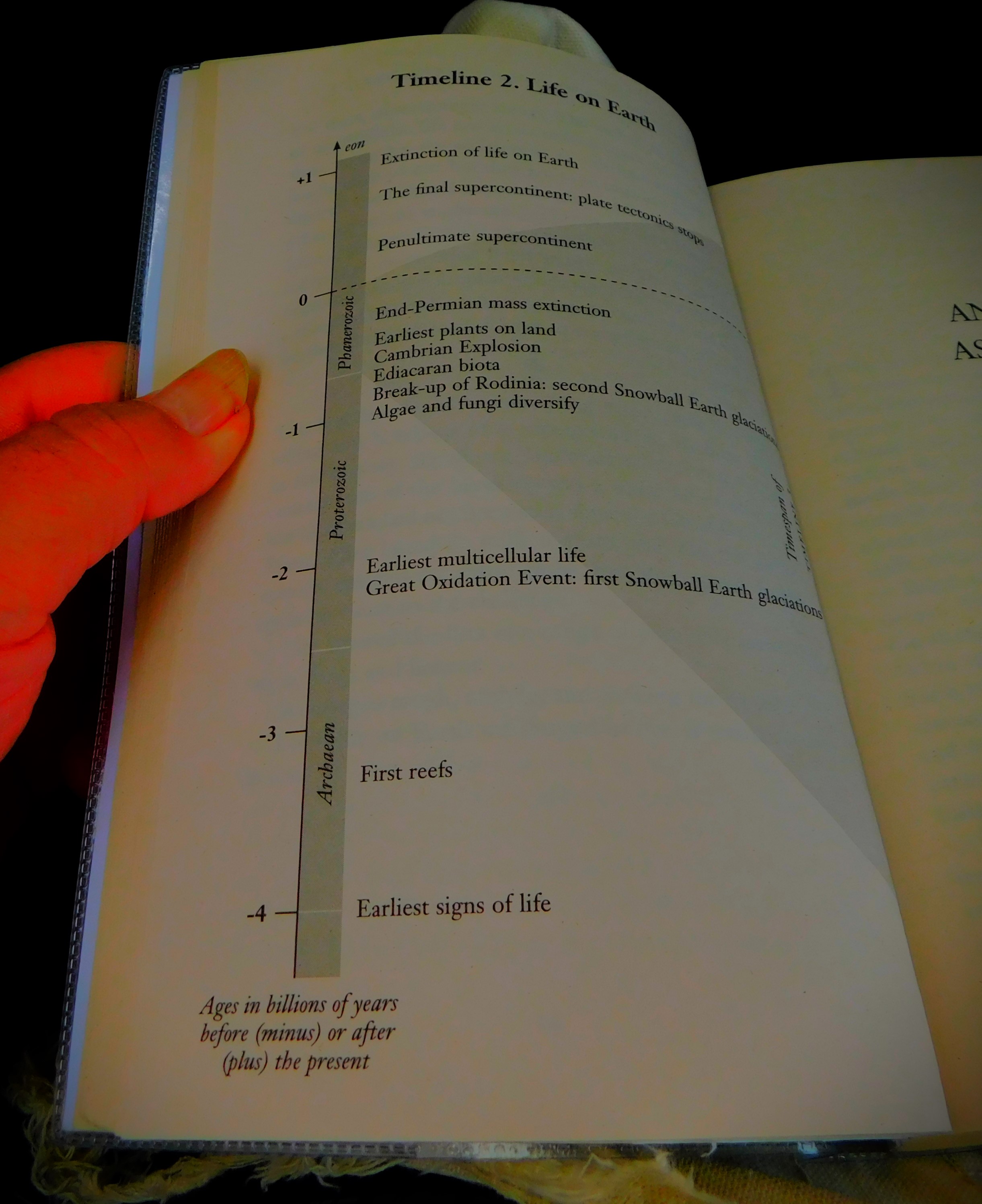
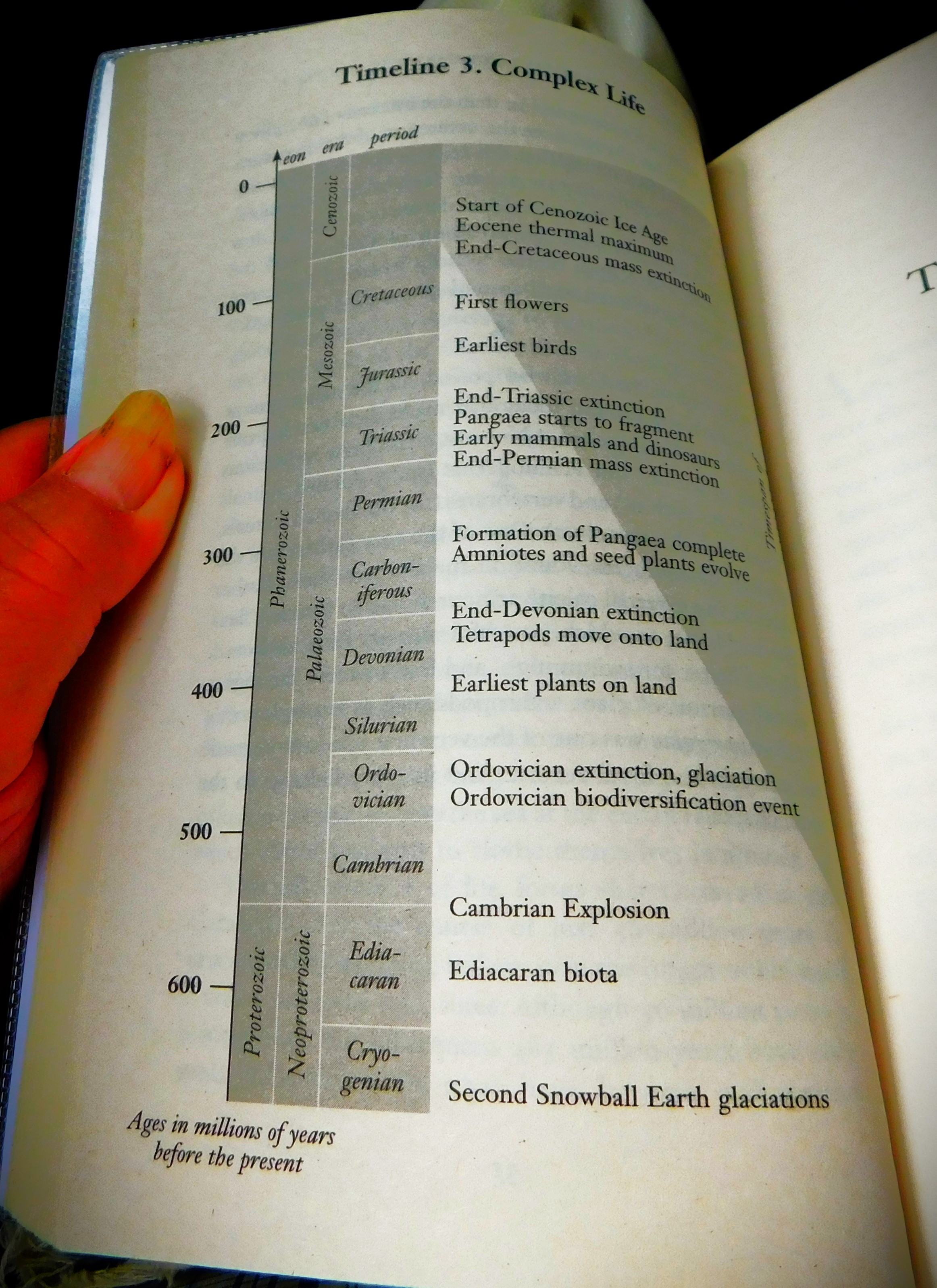
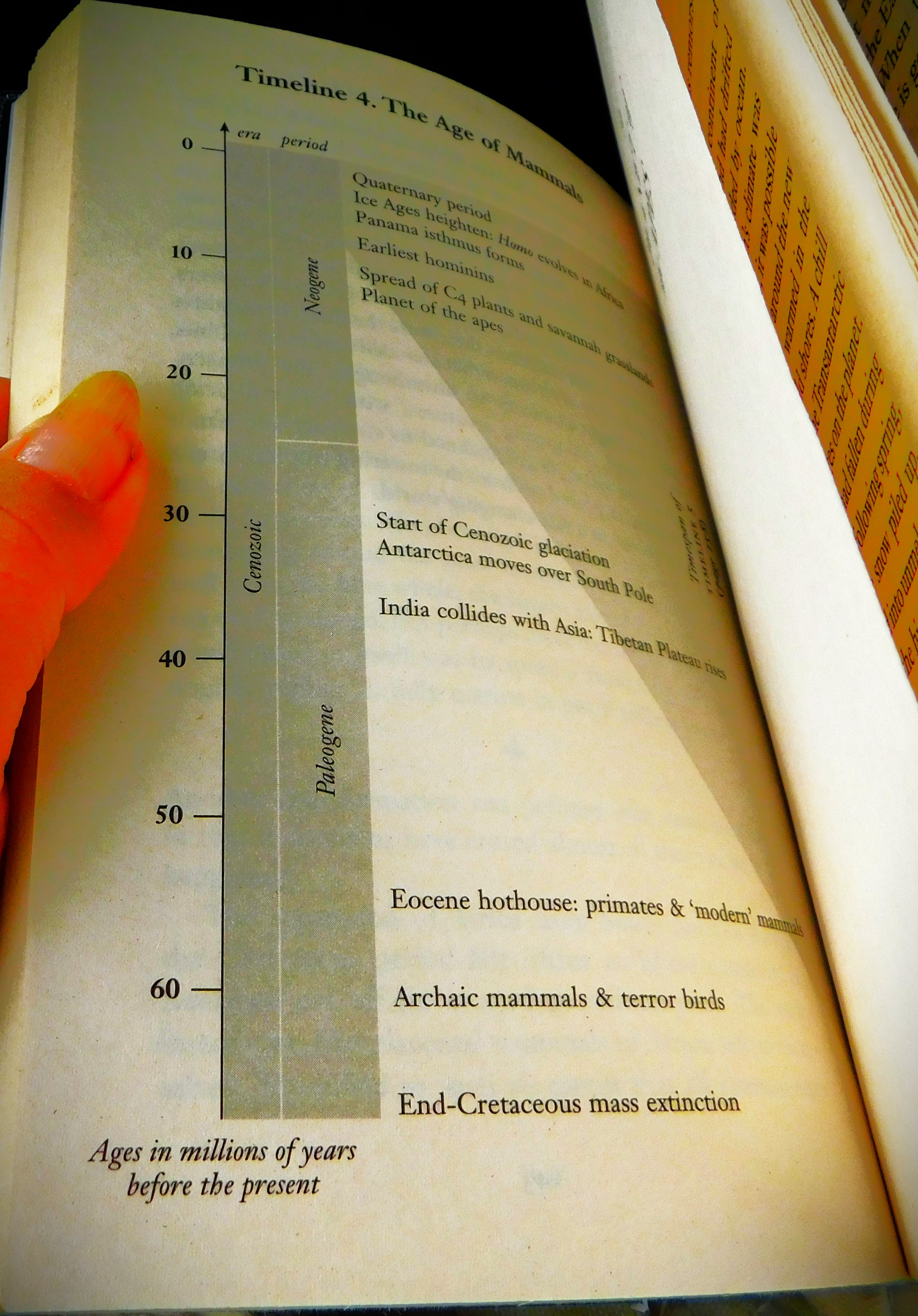
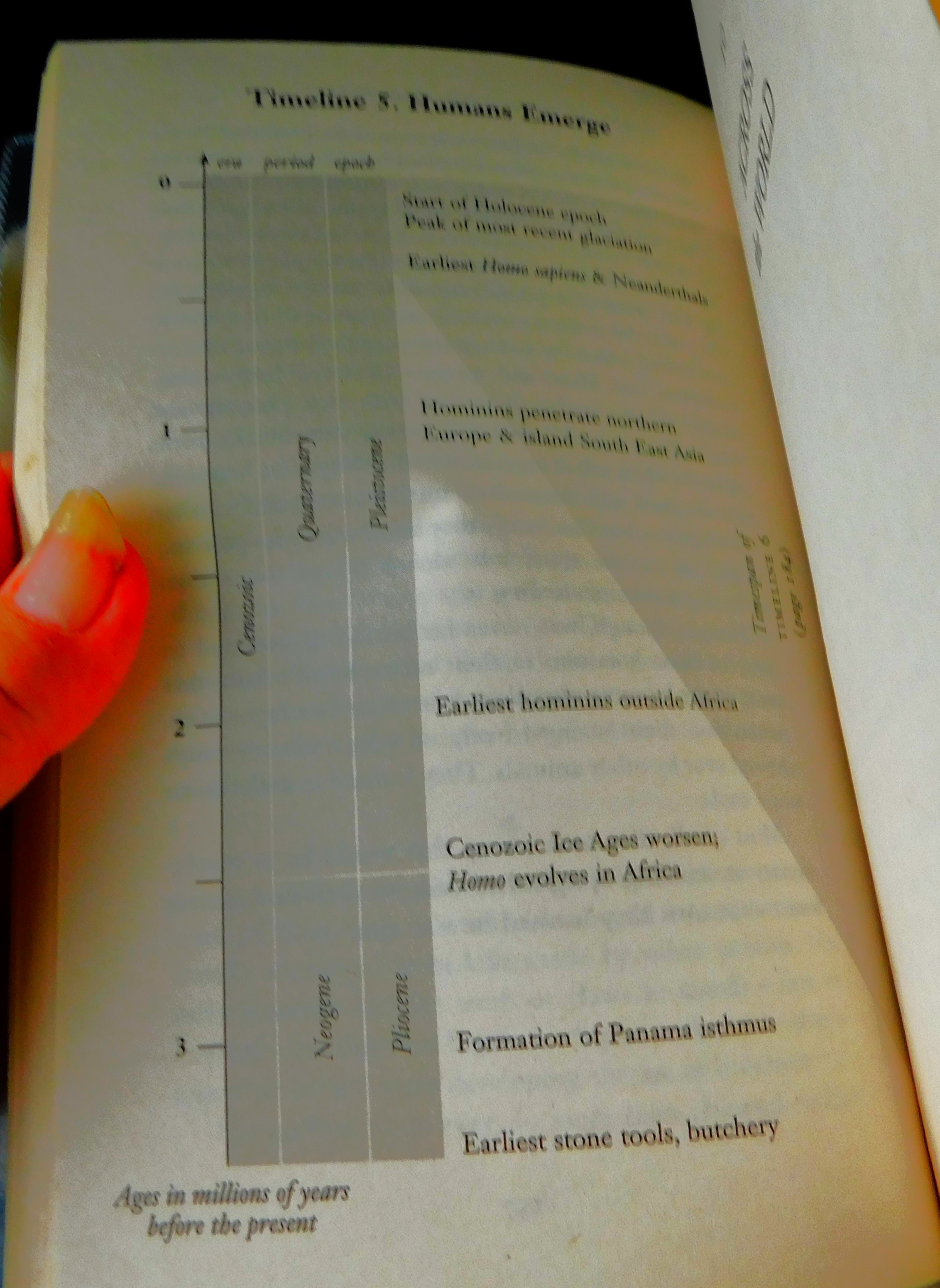
Regular followers will know that I am an avid reader and that my interests include a number of science subjects. This book, written by Henry Gee, covers the history of life on Earth starting from before Earth existed and looking almost a billion years into the future to when Earth will no longer be able to sustain life of any sort. There are six timelines studded through the book, which I have reproduced in image form. This is a superb book, extremely fun to read and very informative. I would recommend anyone to read it. If I was going to offer a starter pack of books touching on this theme I would add in Richard Fortey’s books “Earth” and “Life: An Unauthorised Biography”, Thomas Halliday’s “Otherlands”, Richard Dawkins’ “The Ancestor’s Tale” and for an imaginative look at the future Dougal Dixon’s “After Man: A Zoology of the Future”, all of which adorn my shelves. This book has a broader scope than any of those. The book plus acknowledgements runs to 241 pages, with a further 60 pages of end notes, hardly an intimidating length (and as I said it reads easily – it took me about two hours to read).
INTERESTING DEBUTANTS IN THE ONE DAY CUP
Two of the One Day Cup matches taking place today, Surrey v Kent and Somerset v Sussex feature debutants whose names were decidedly familiar to me. Making his first team debut for Kent at the age of 17 was Jaydn Denly, a left arm orthodox spinner and left handed batter, and nephew of Joe Denly (unfortunately for connoisseurs of such things uncle Joe is out injured so no case of uncle and nephew playing in the same match today). The name to conjure with on the Somerset team sheet originally appeared on cricinfo as JT Langridge, which immediately brought the brothers John and James Langridge, Sussex stalwarts of many years ago, to my mind. Cricinfo’s information has now extended to the fact that the initials stand for James Thomas, and that like the original James Langridge this one both bats and bowls with his left hand (John and the original James both featured in my all time Sussex XI, and James got the all rounders slot in my all time Ls XI), Sussex have a history of cricketing families, including one that encompassed a second county, the Parkses (HW, JH, JM and Bobby, who played for Hampshire), while another multi-generational multi-county family are the Tremletts (Maurice, Somerset, Tim, Hampshire, and Chris, Hampshire and Surrey), and Langridge is not one of the commonest of surnames. Jaydn Denly faced the last ball of the Kent innings and hit it for four, while the 21st century James Langridge opened the bowling for Somerset and currently has one wicket to his name (the Sussex innings is in progress). I am currently listening to commentary on Northern Superchargers v Oval Invincibles in The Hundred (women’s) while monitoring the One Day Cup games via cricinfo.
I end this section with two further links: I missed the first anniversary of the post in which I created my all time XI of players whose names begin with N, while the O post was created on this day last year so:
An account of James and Sons February Auction and a regular photo gallery at the end.
This post looks back at James & Sons’ February auction, which took place on Wednesday. It was a general sale, albeit with posters predominating.
EARLY PROMISE
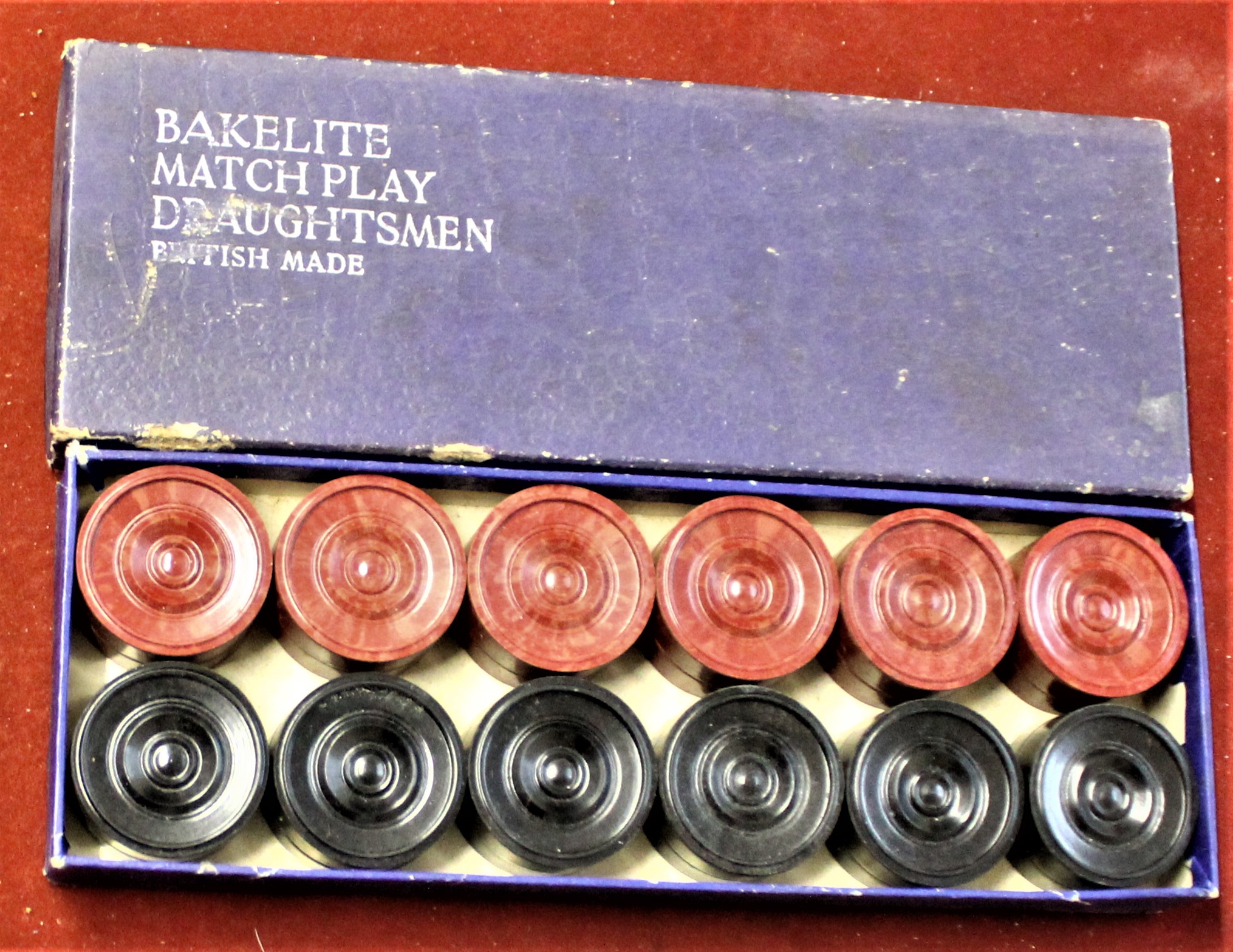
When lot seven attracted a bidding battle that pushed the price up to £180 it looked like a promising sign. There were a few other good signs among the early lots, and lot 114, a set of bakelite Draughts pieces, fetched £70, remarkable given that it had held no great promise of success – £10 would have been an acceptable selling price as far as we were concerned.
Lot 114, a remarkable overachiever at auction.
CAMERAS HIT THE HEIGHTS
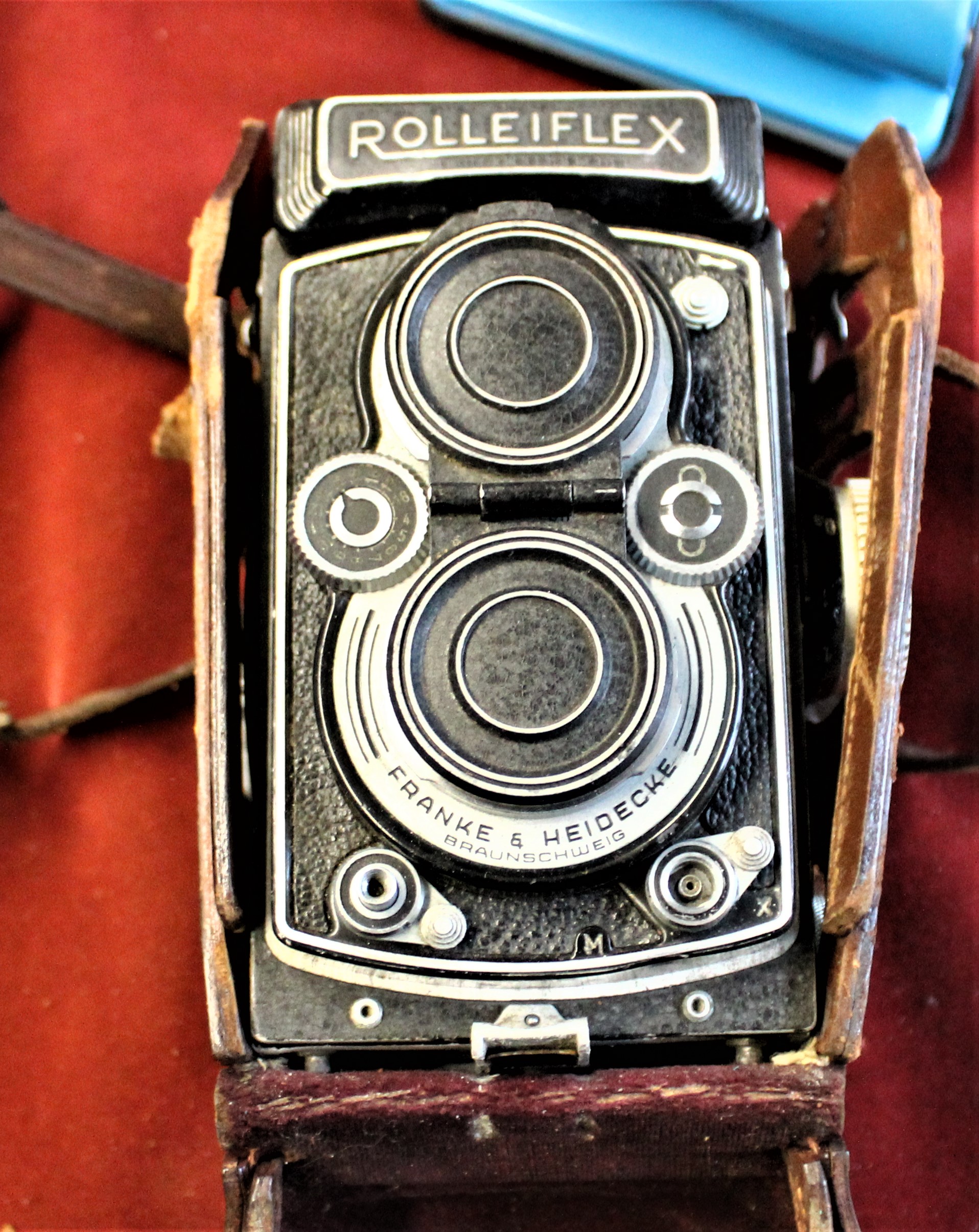
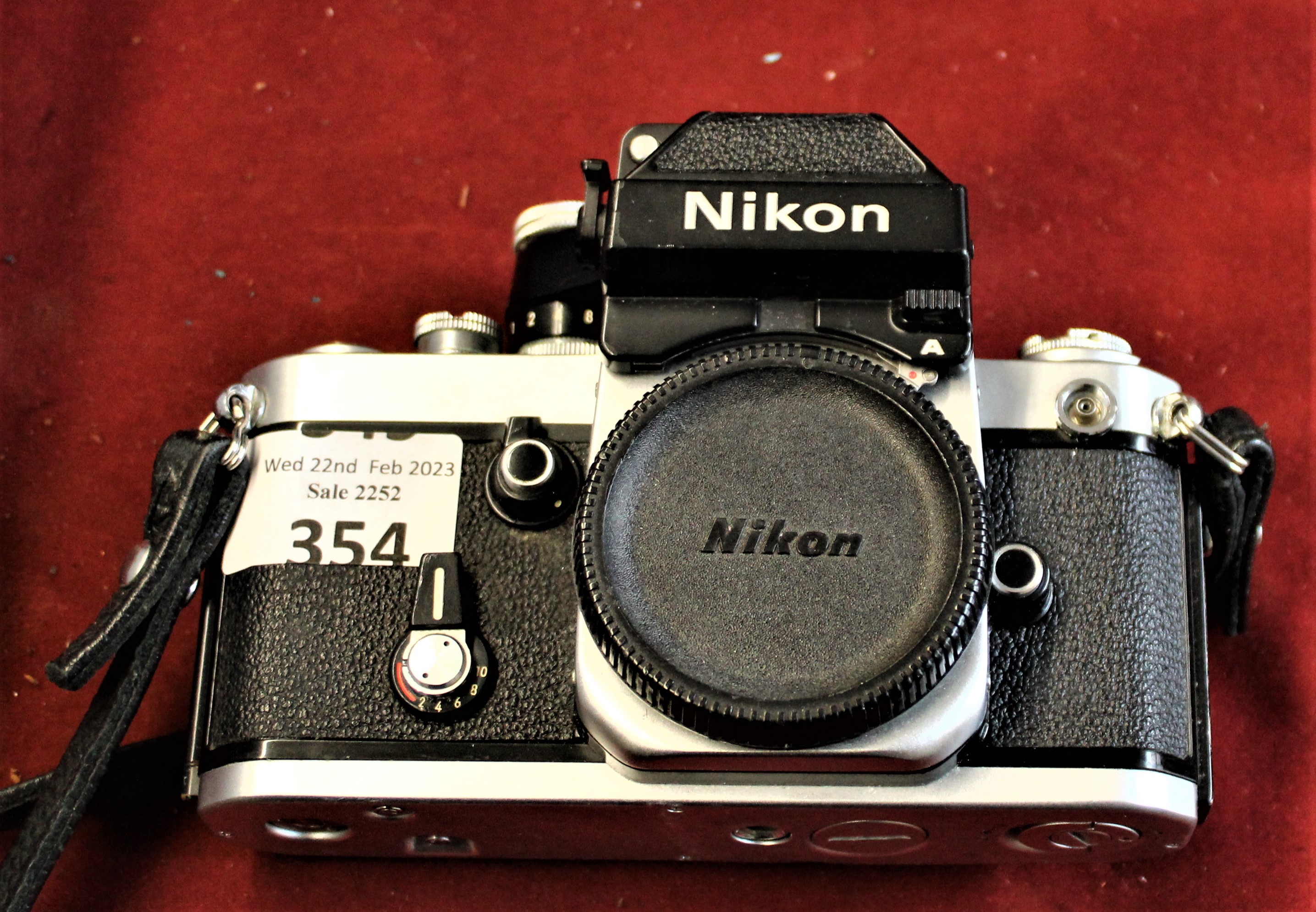
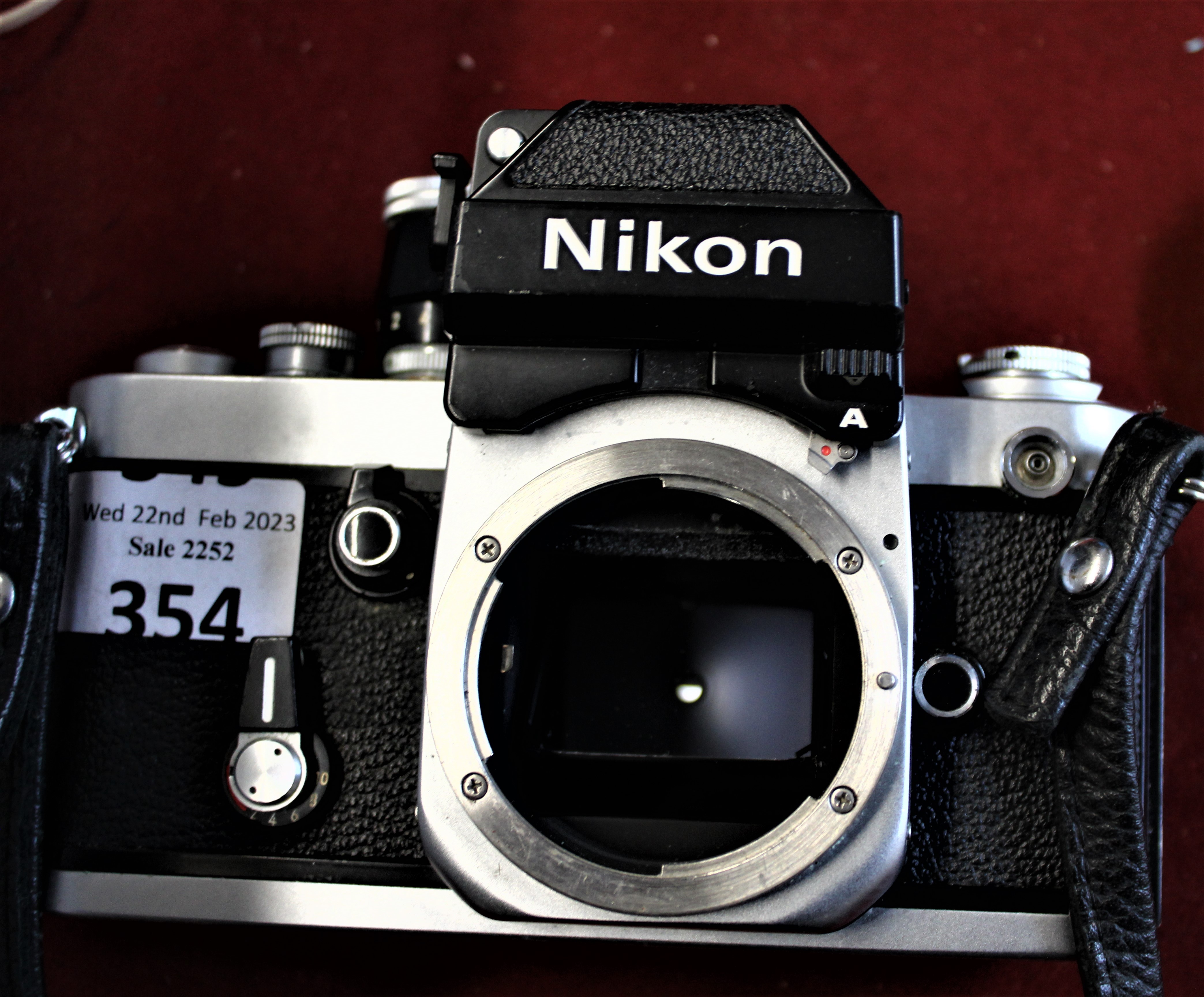
We had some cameras and photographic equipment in the auction, and these lots really got the bidders going. Four lots fetched over £150 a piece, lot 352 reaching the dizzy heights of £330. Two other lots in this category, nos 364 and 368, went for bigger than expected prices, £65 and £45 respectively.
Lots 351, 352 and 354 – selling prices £160, ££330 and £250.
BOOK SUCCESSES
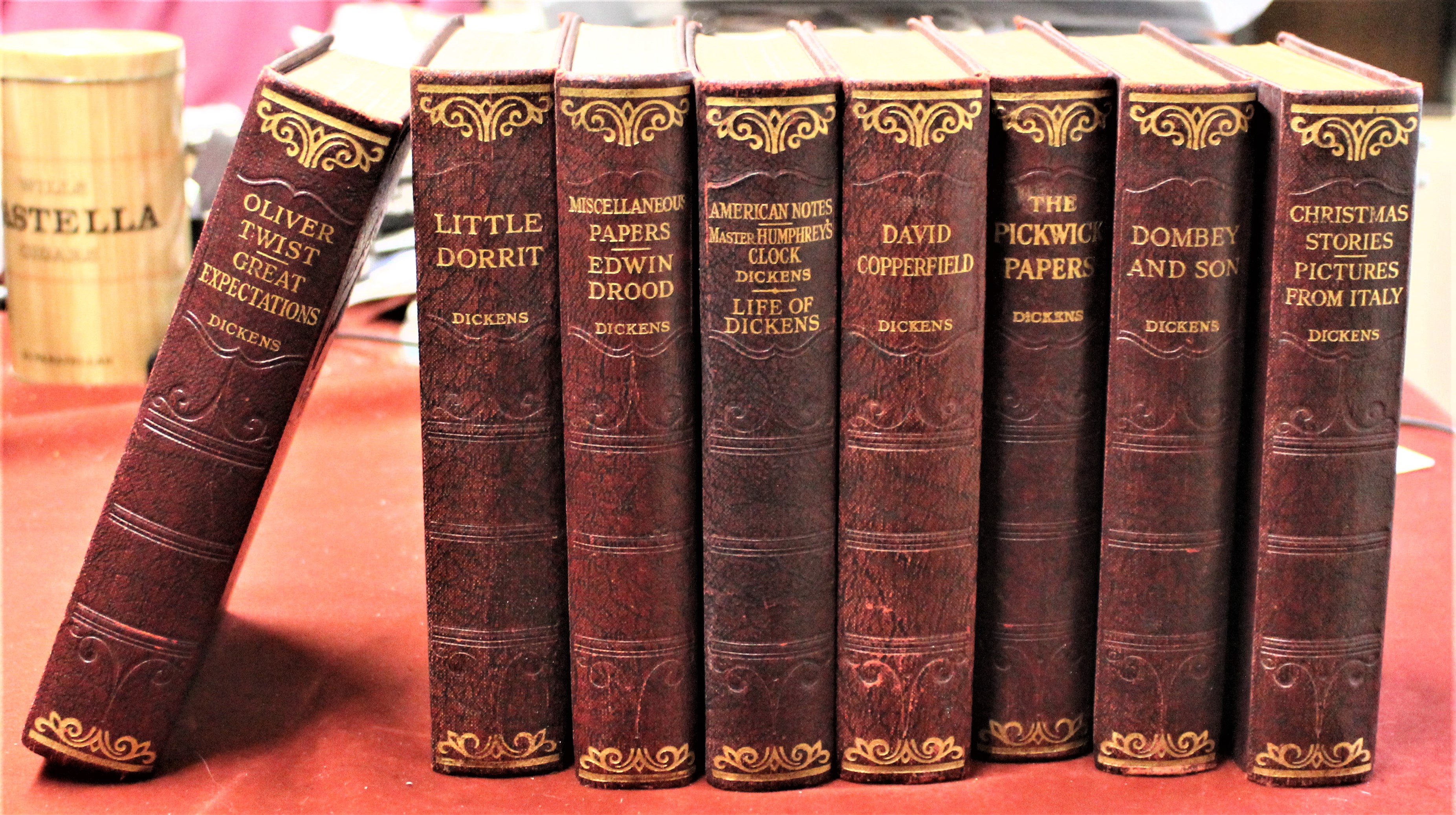
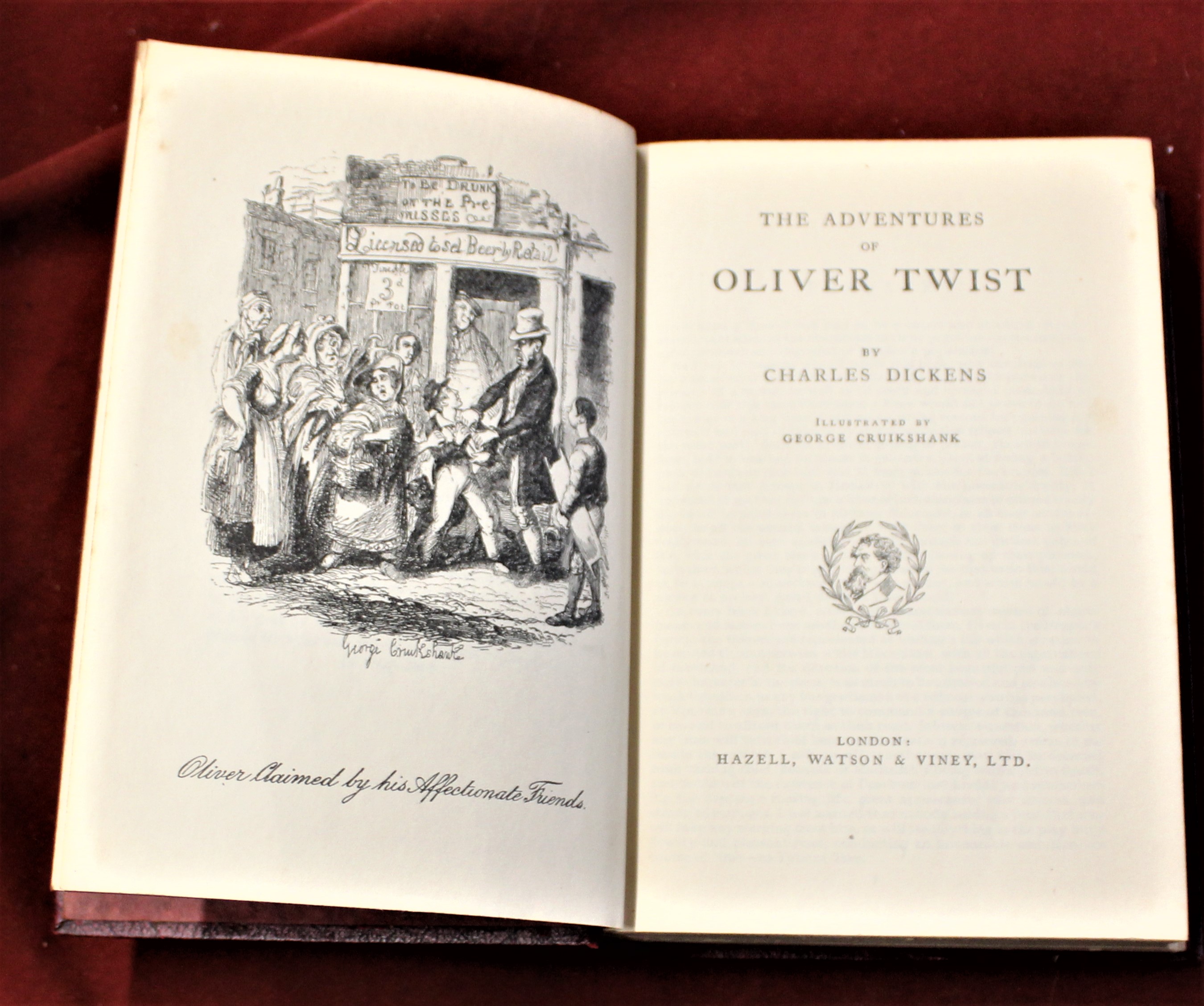
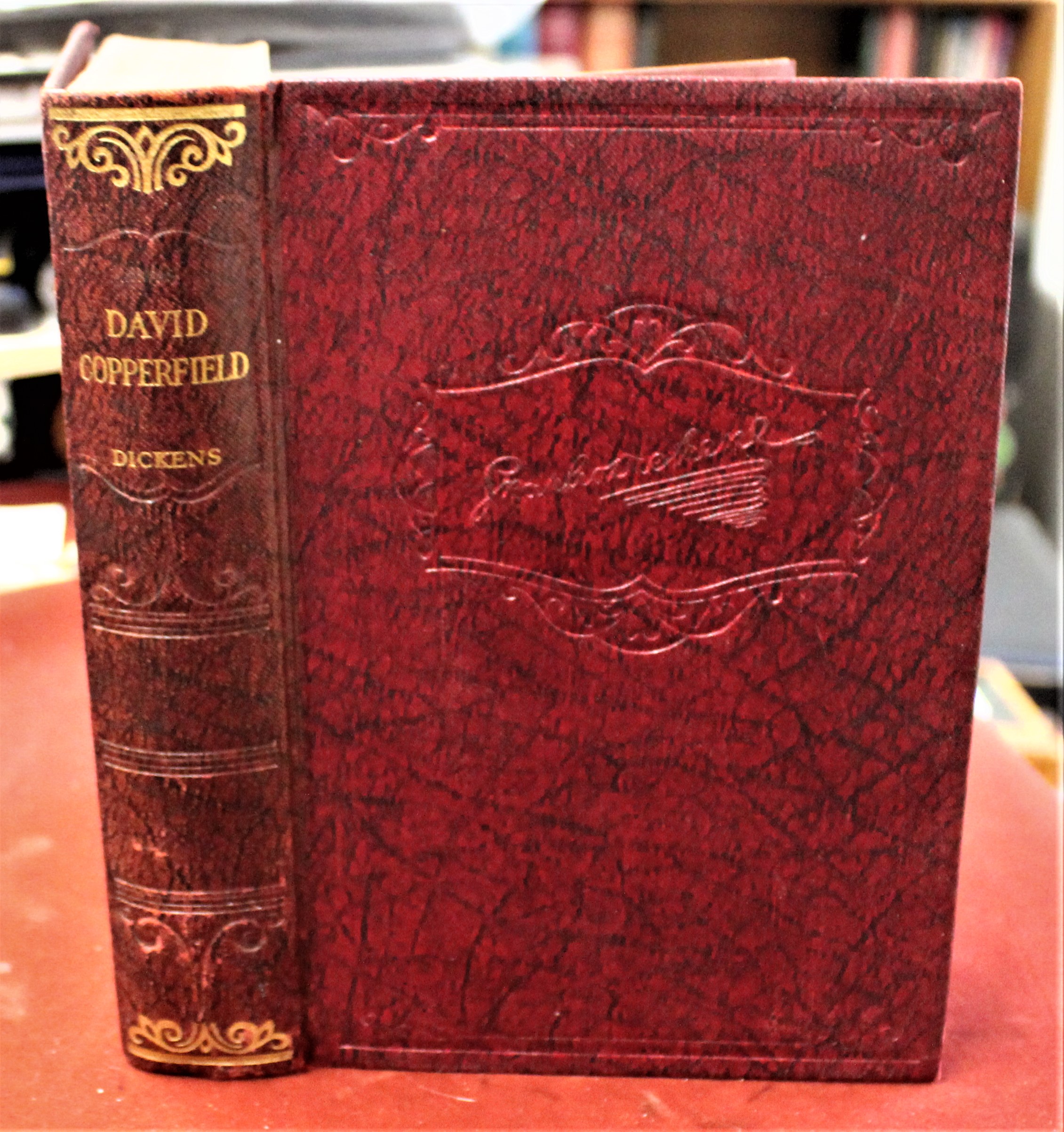
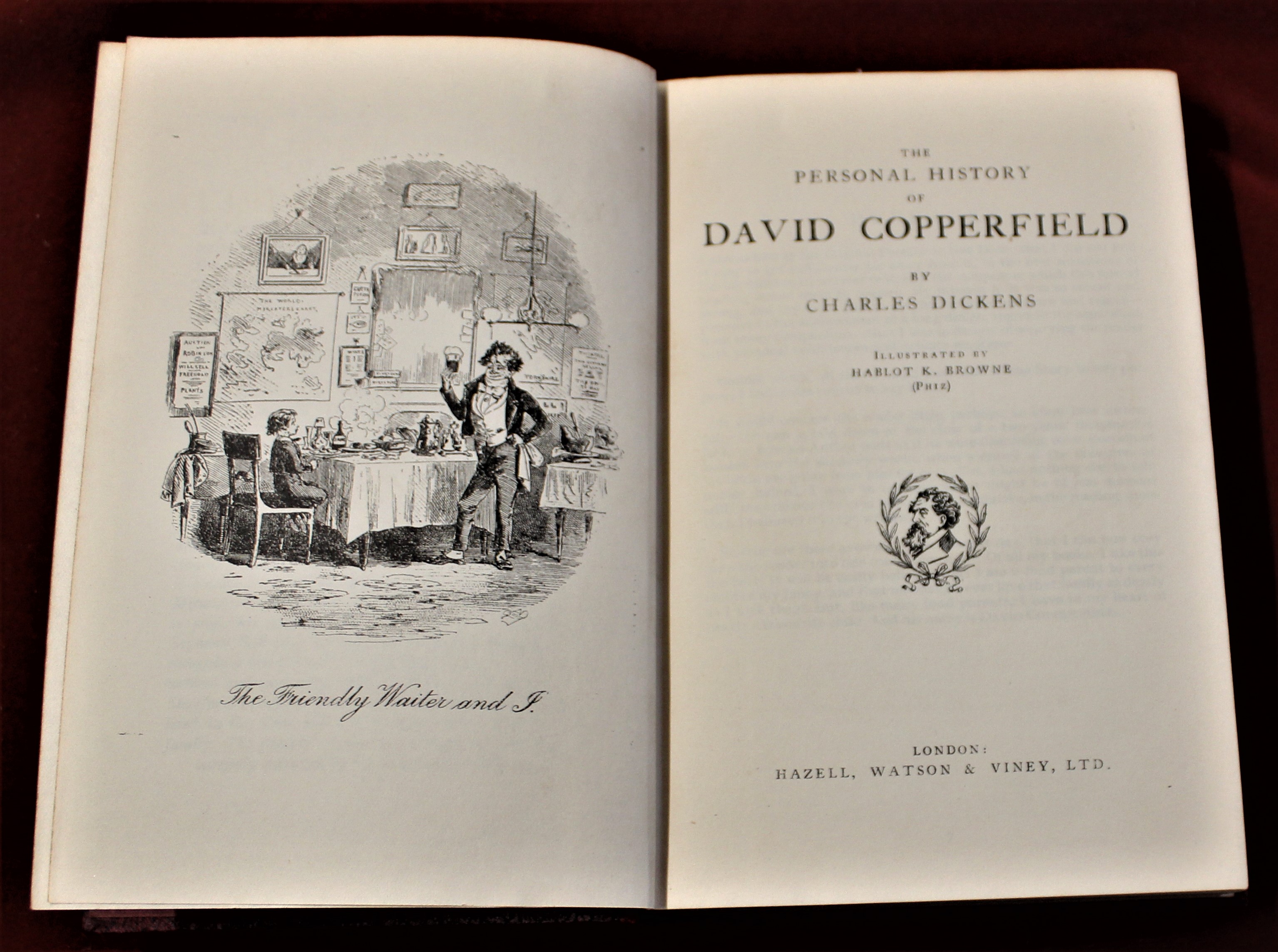
My general opinion of trying to sell books for anything approaching significant money in these days of internet searches is that 99% of the time it won’t happen. I was therefore modestly satisfied that an 1898 hardback edition of Oscar Wilde’s “Ballad of Reading Gaol” sold for £800, minimum estimate. This particular edition is fairly rare, though not the rarest (the latter would have fetched several thousand), and the copy we were selling was in good condition. I had helped to value it, conducting an internet search and establishing that was indeed a rare and special edition and worth decent money. It was also on my advice that we ‘lowballed’ our own estimate in the hope of attracting attention. Lot 427, a selection of Dickens books in nice, though not special, bindings went over estimate as well.
Lot 427.
The Tail End
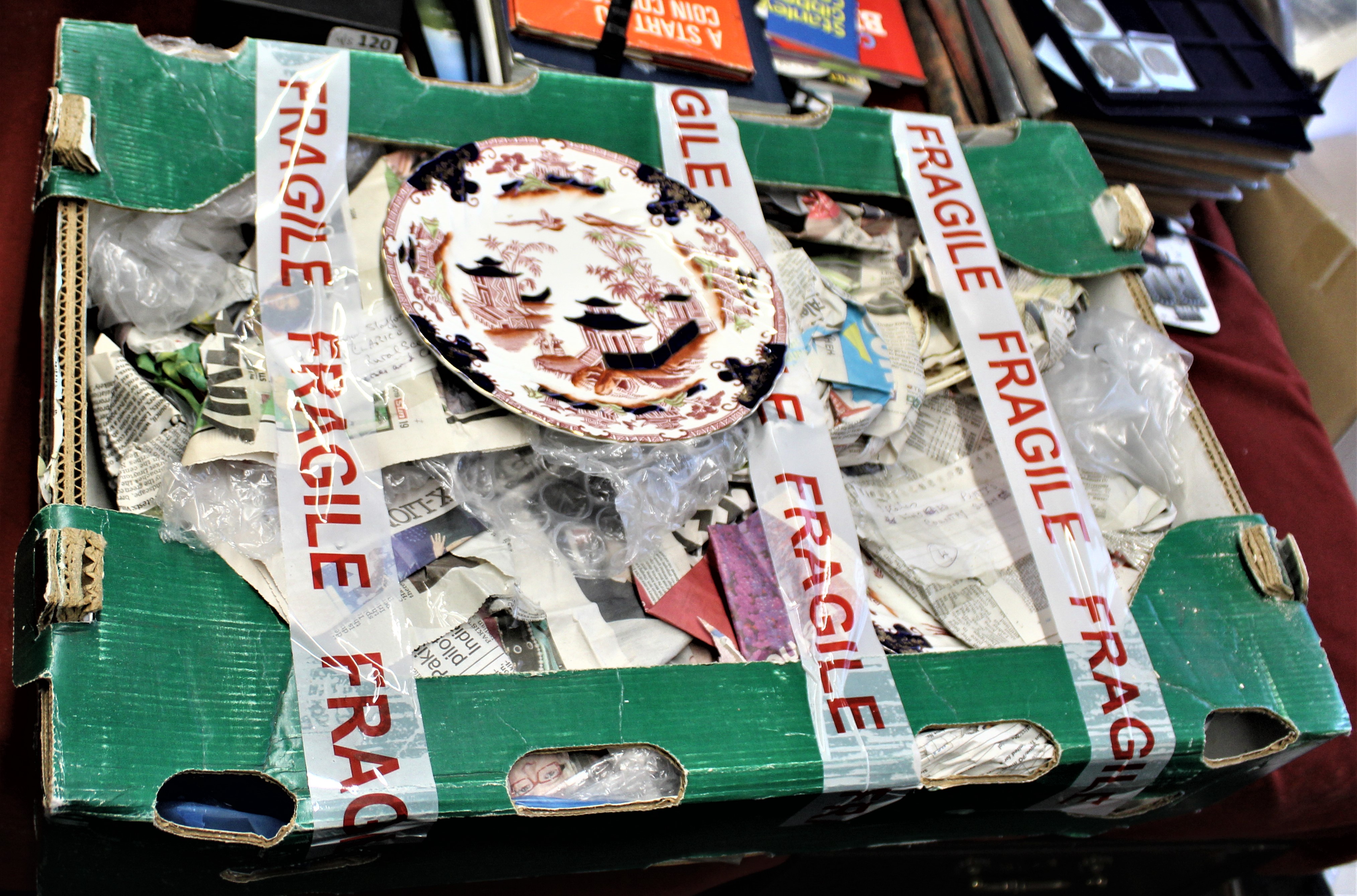
Lot 460, a collection of antique and collectable plates found some eager bidders, and went well beyond our expectations…
Lot 460.
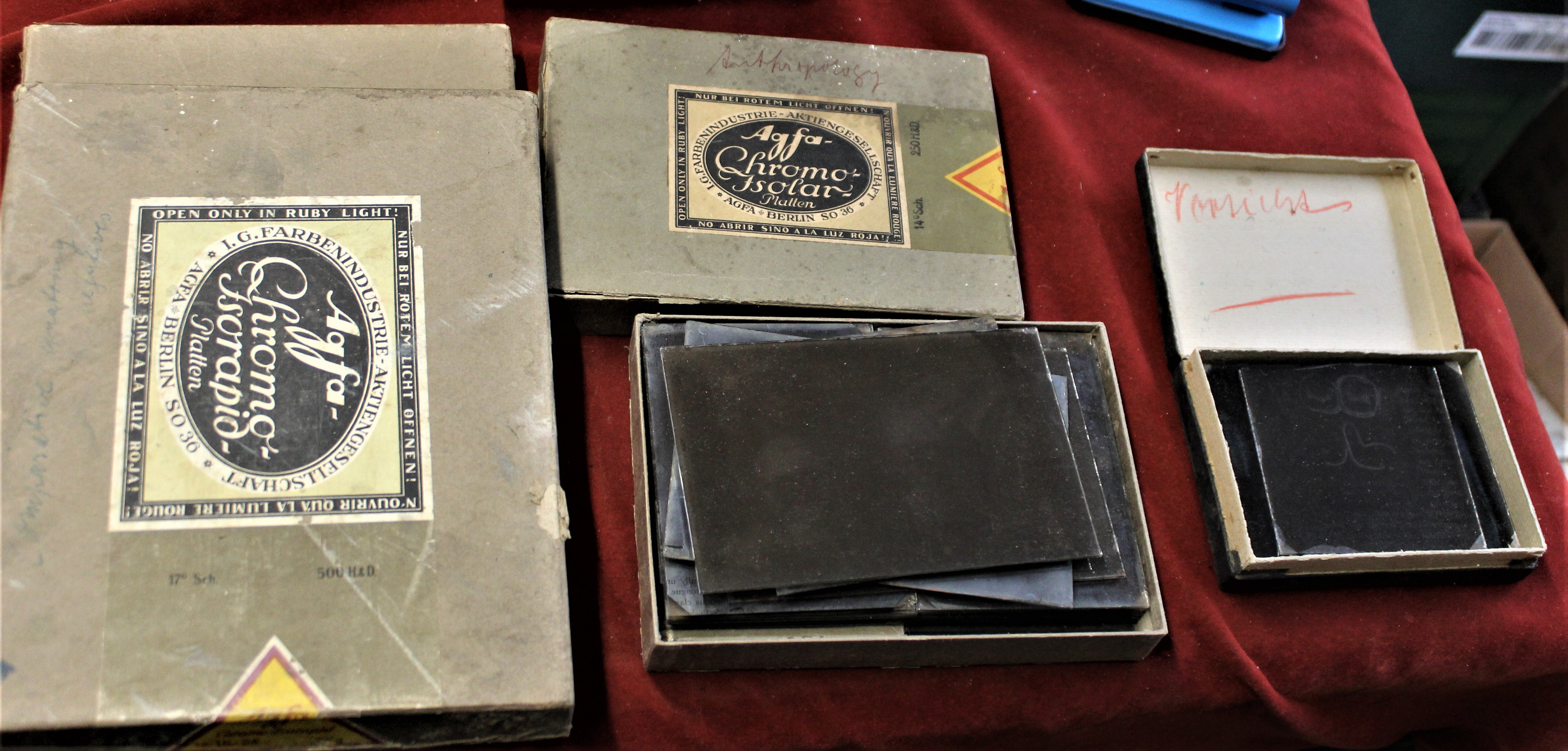
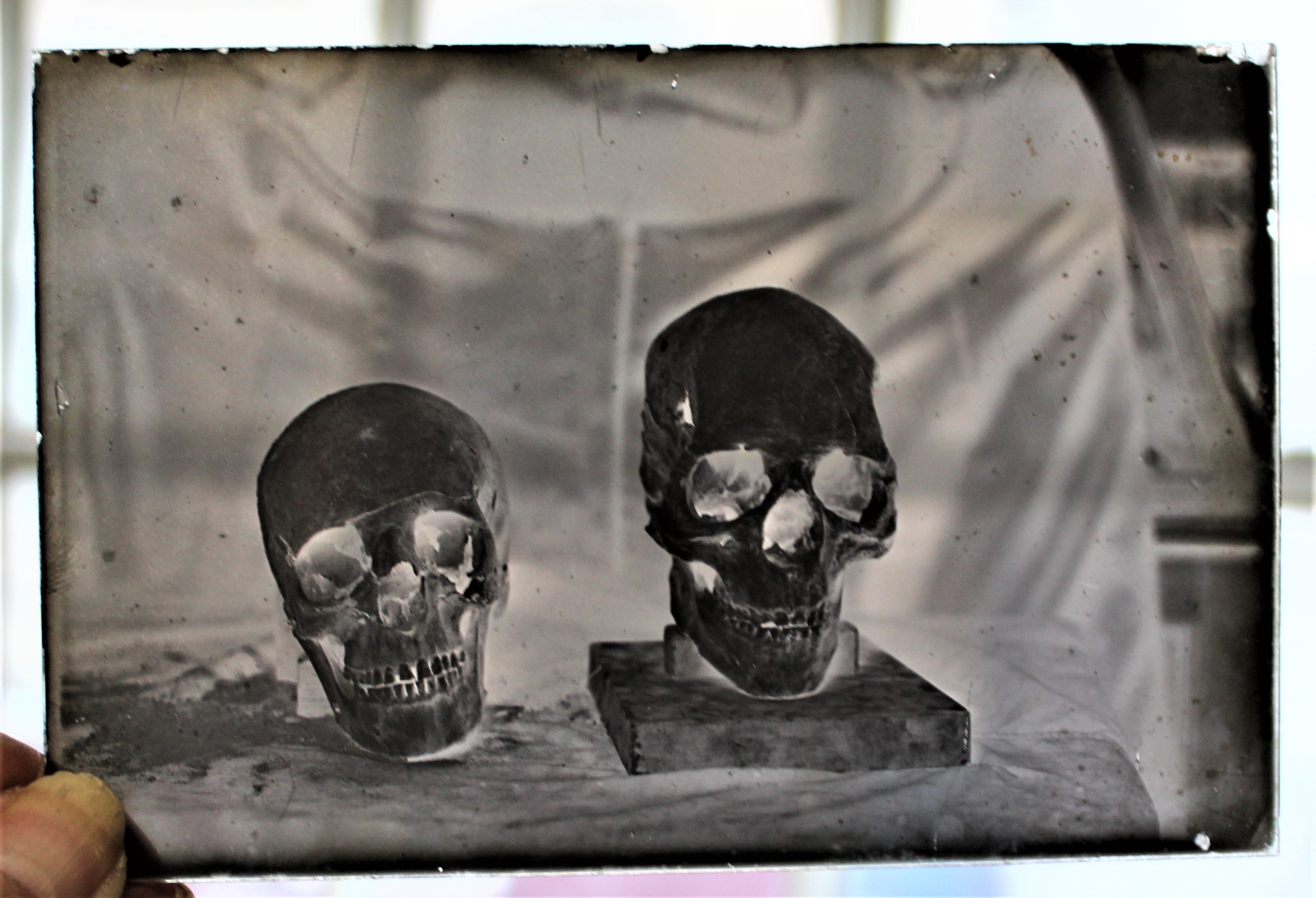
Lot 498, some German anthropological slides, got the bidders going in a major way – the bidding finally ended at £290, about ten times as much as we had expected it to go for.
Lot 498 – the full collection (left), and a sample slide (right).
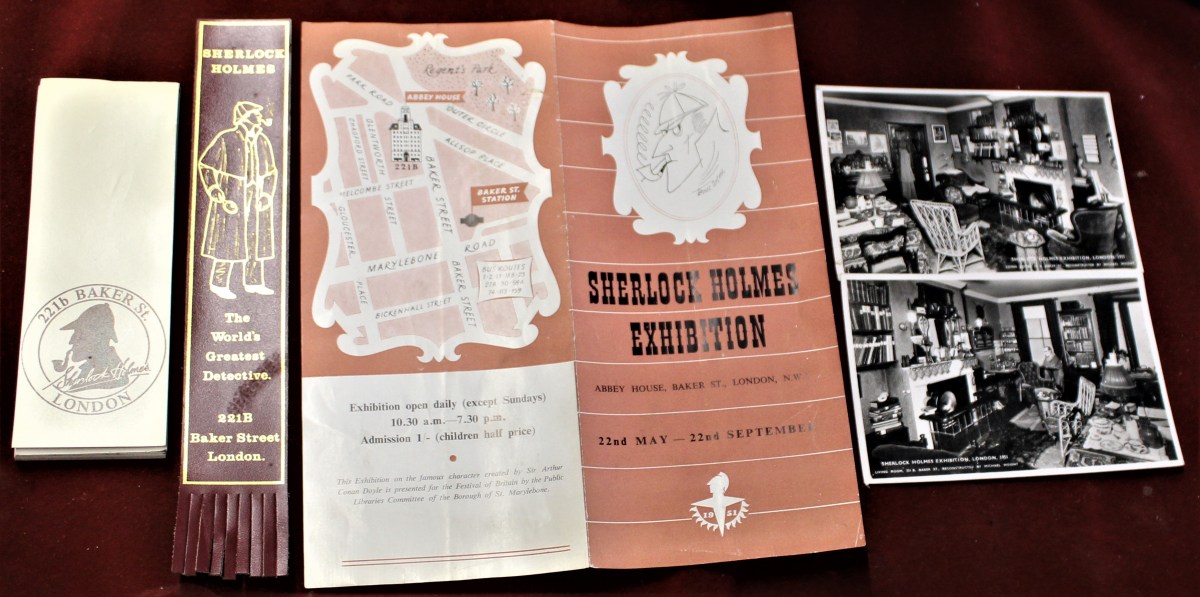
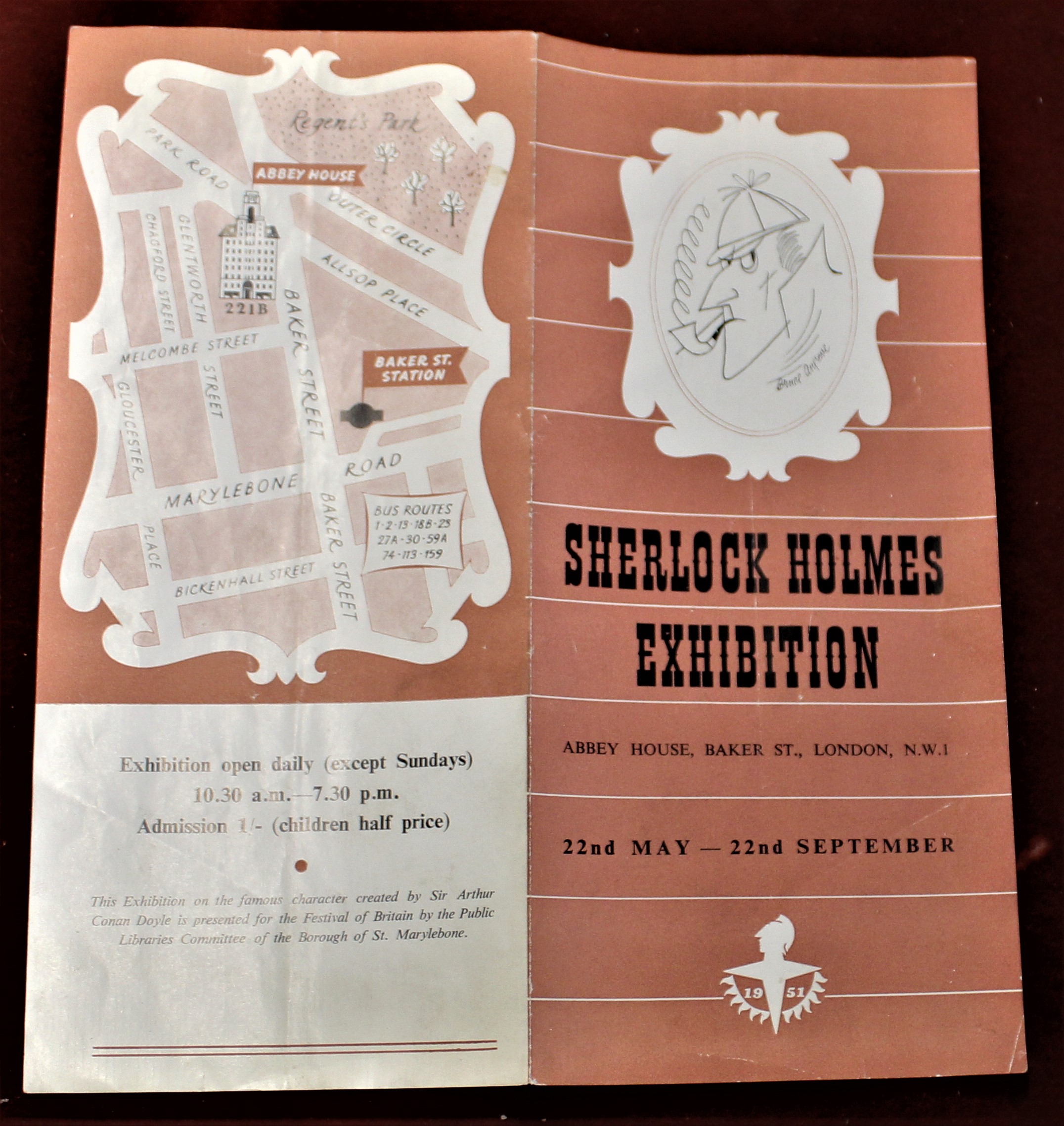
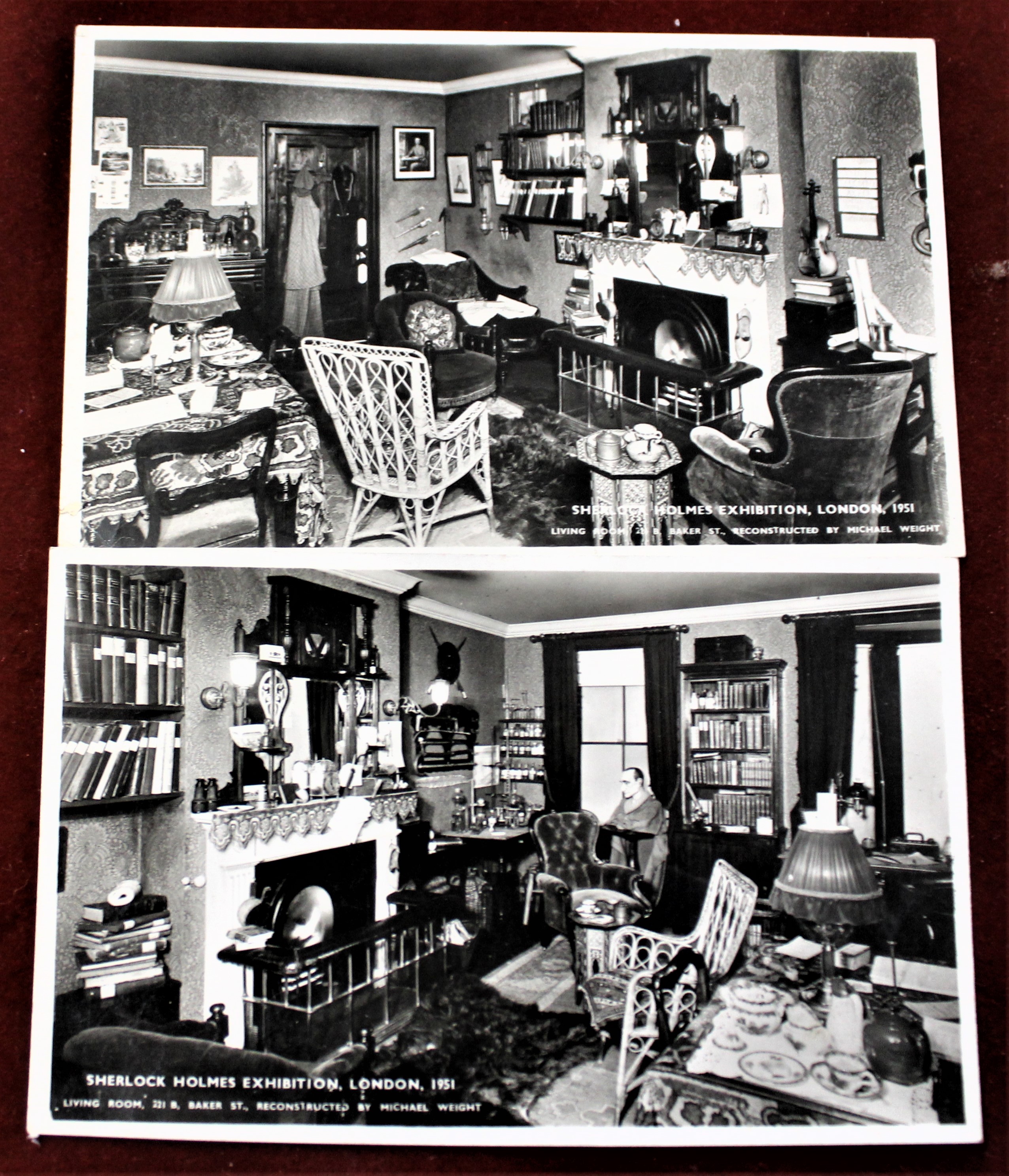
There was one final flourish – lot 510, a minor piece of Sherlockiana, did better than expected.
THREE OPPORTUNIST BIDS
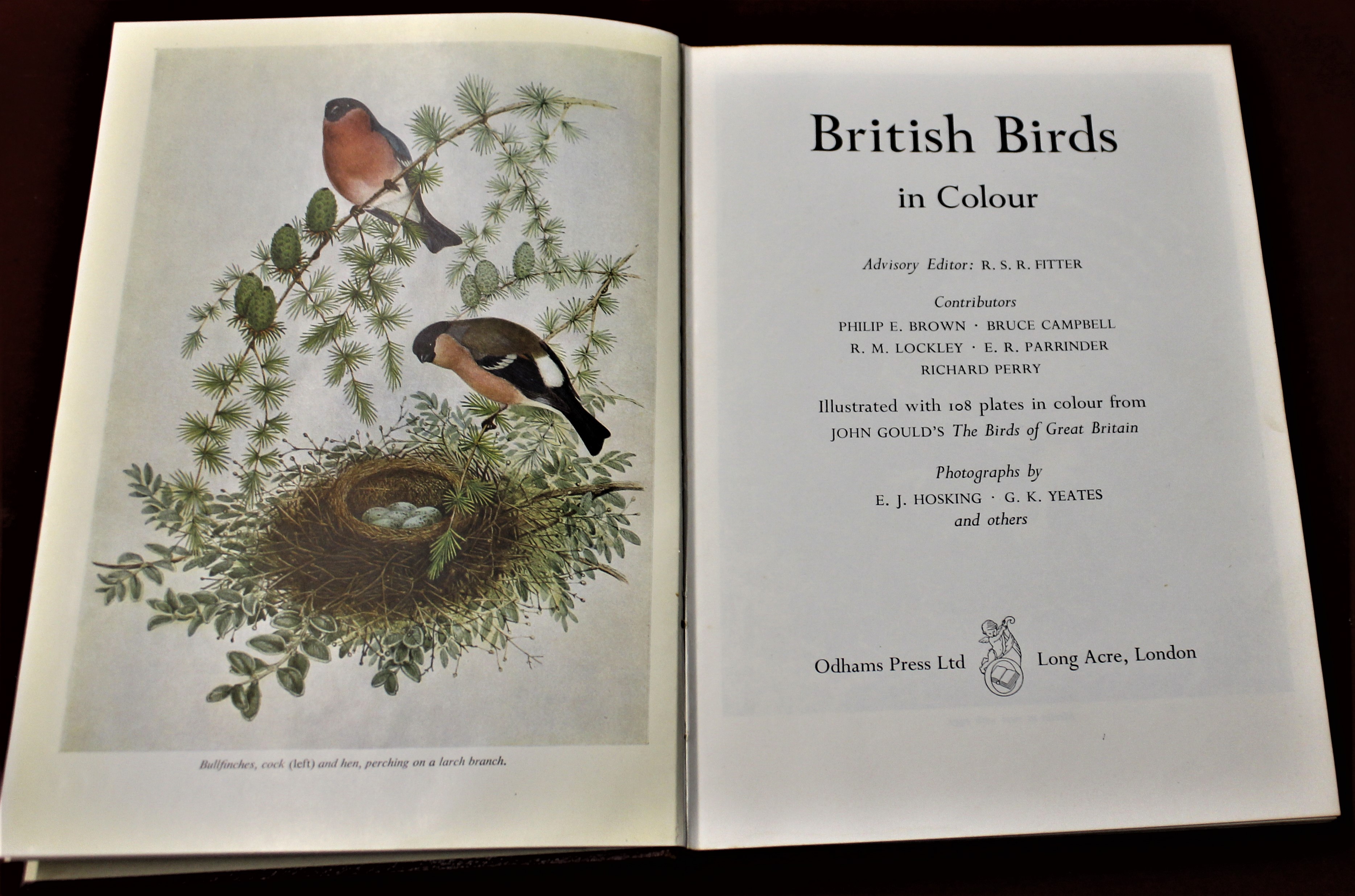
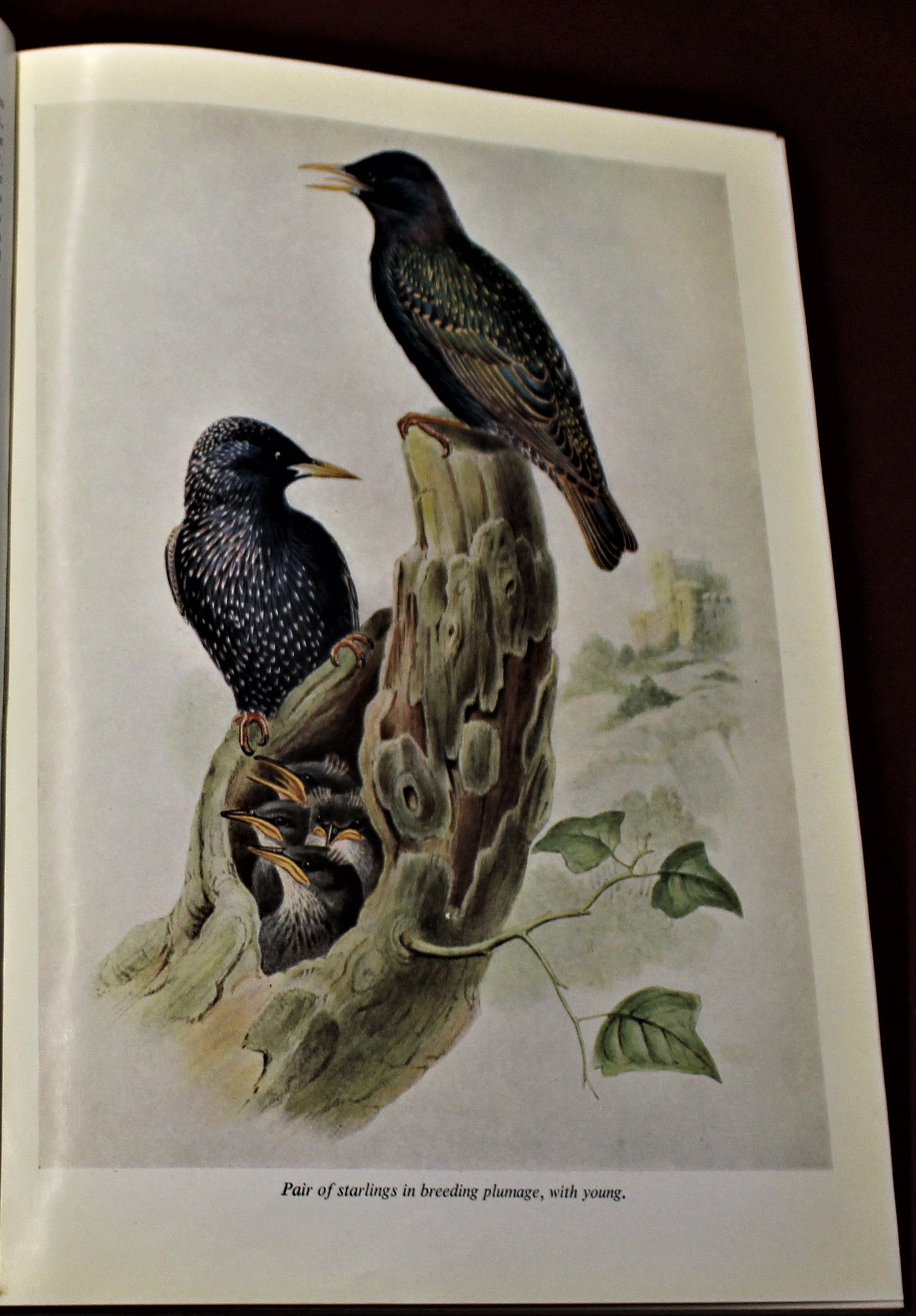
I secured three lots at bargain prices (£5 a piece to be exact). First lot 338:
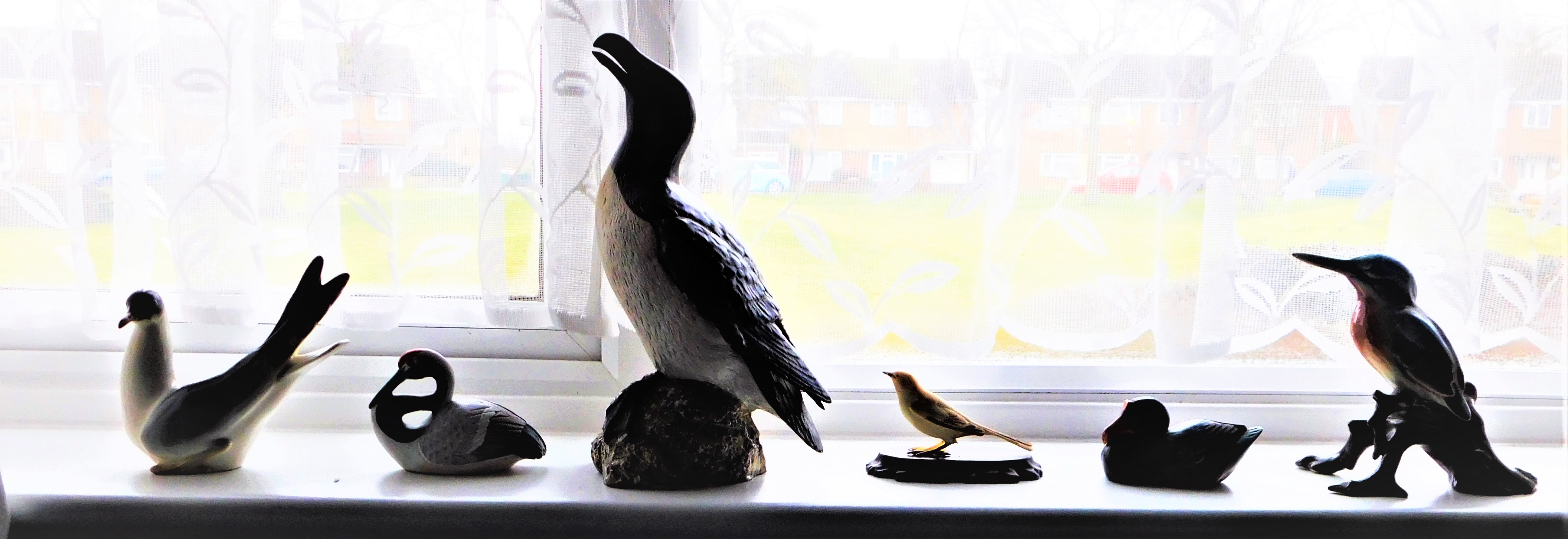
Lot 492 was also bird themed – figurines of birds, some ceramic and some wood – and at 83.33p per bird definitely a bargain…
Lot 492 in its new location, my bedroom window ledge.
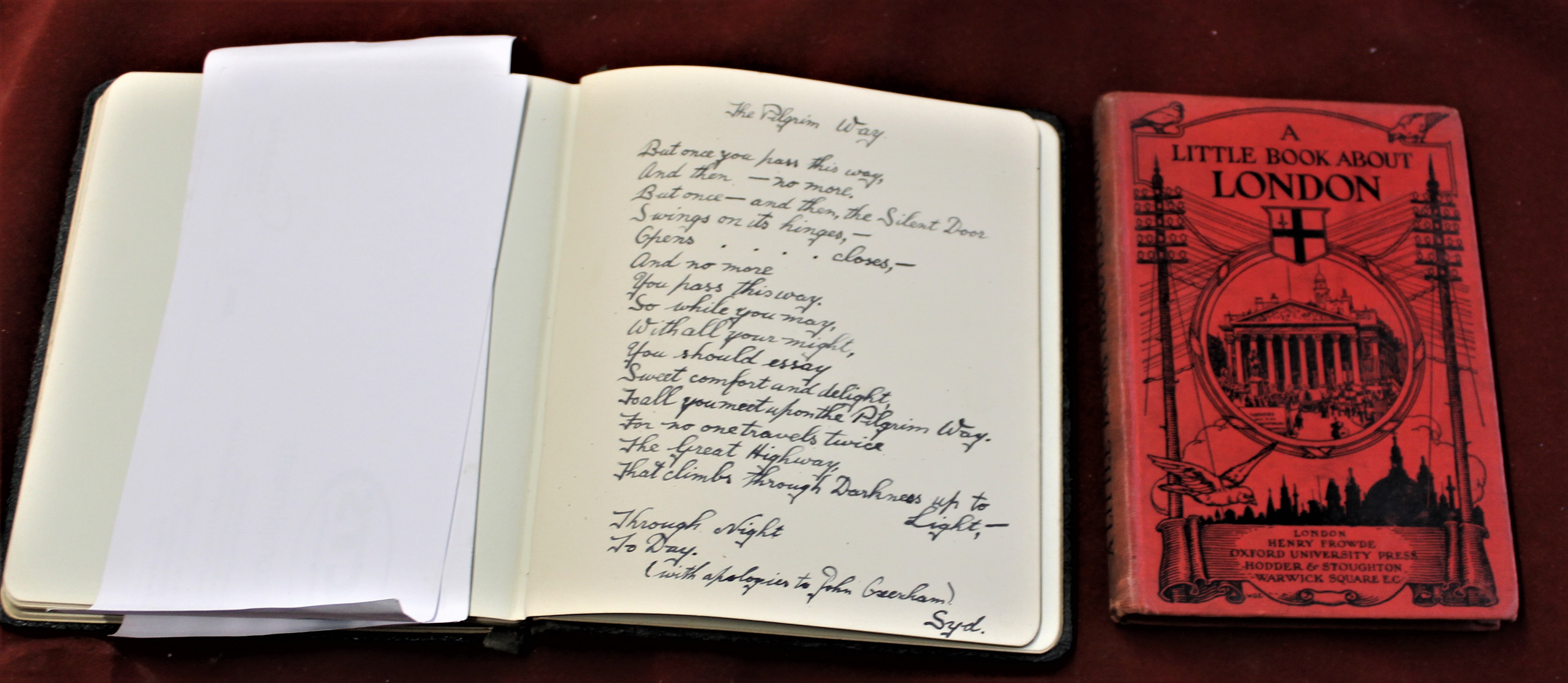
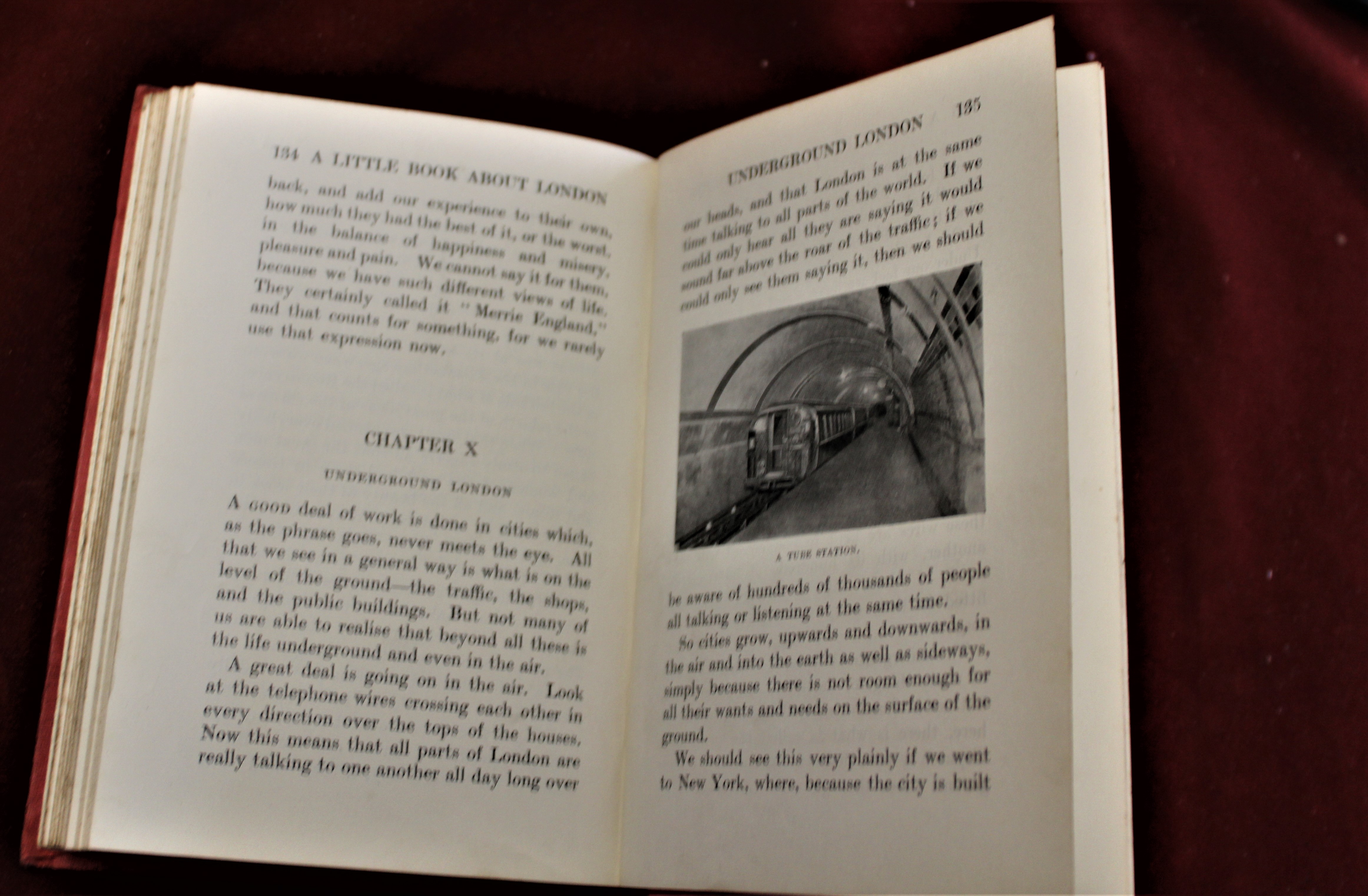
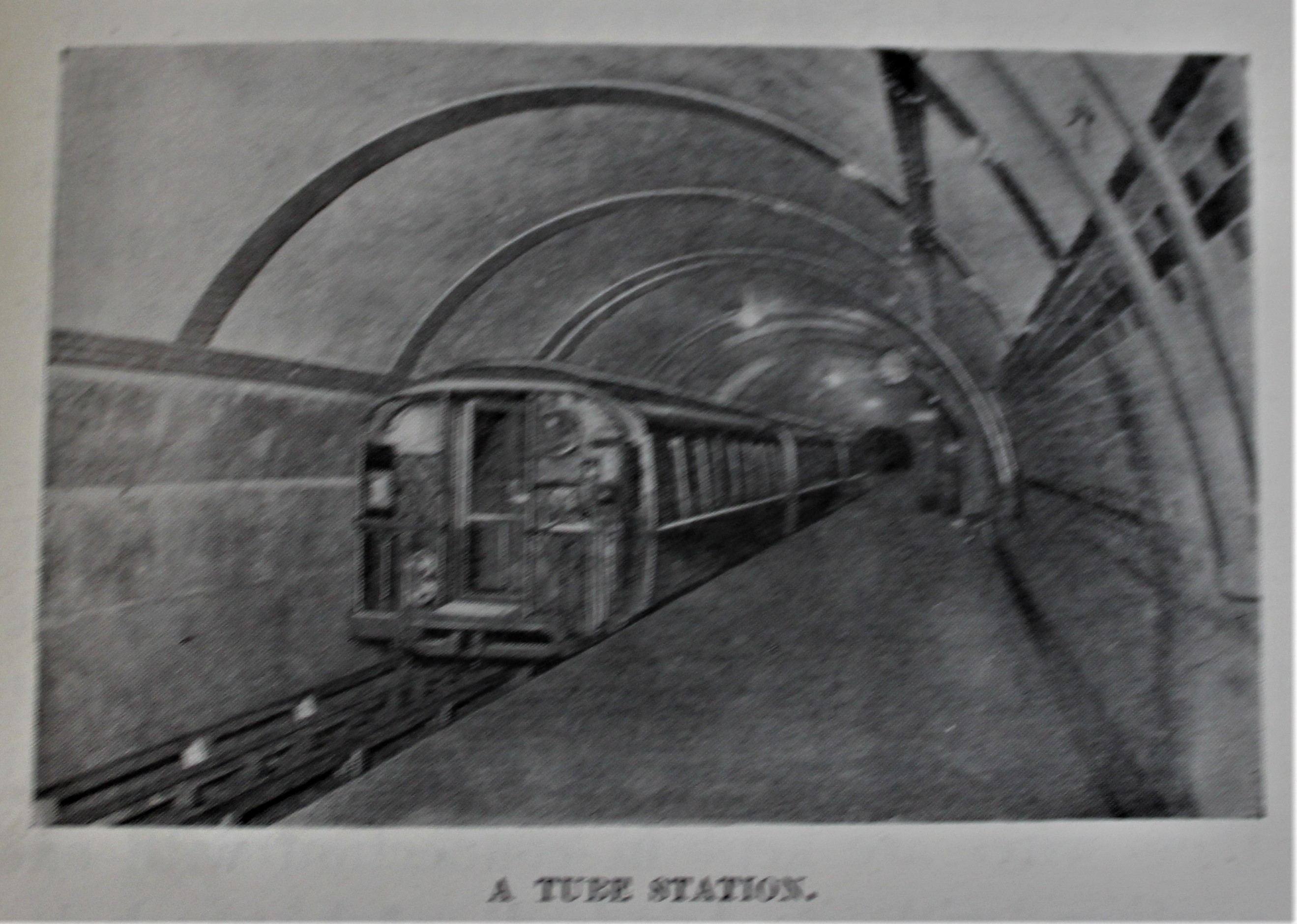
Lot 501, “A Little Book About London” was my third lucky strike…
James and Sons next auction takes place on the 21st (stamps) and 22nd (militaria) of March, and a full catelogue can be viewed here or here.



















































































































































































































































































































































































































































































































































































































 aspiblog