England Complete 3-0 Series Triumph Over West Indies

An account of England’s victory over West Indies at Edgbaston and resultant 3-0 series triumph, plus a photo gallery.

Yesterday I put up a post just as England were moving into a first innings lead over West Indies in the third test match of the series at Edgbaston. This post looks at the events that have unfolded since that one.

Jamie Smith and Chris Woakes extended England’s lead at a rapid rate. Smith just missed out on a maiden test century, but his 95 was a command performance, beginning with England still very much in jeopardy and ending with them in complete control. The scoring was not quite done even then – Gus Atkinson belted a couple of sixes coming it number ten, and England ended with a first innings lead of 94, and West Indies had an awkward mini-session to get through with the bat.

West Indies did not make as much of a Horlicks of this mini-session of batting as the 1994 England side had in Trinidad, but the experienced Kraigg Brathwaite fell early, and Kirk McKenzie completed a truly miserable series (33 runs at 5.50 in six innings from a supposed number three) by doing likewise.

The West Indies had a respectable morning, though they needed far more. Mikyle Louis who had previously produced a succession of scores in the 20s completed a maiden test 50, and Kavem Hodge also reached 50. However, the lunch time score of 151-5, with da Silva batting in company with Hodge held out little hope for them, being a lead of only 57. The end of the West Indies innings was swift and brutal as the pace of Mark Wood was simply too much for them. Joshua da Silva had been somewhat fortunate to survive two LBW appeals from Wood when he was given out at the third time of asking and did not review it. Six runs later Alzarri Joseph had his stumps comprehensively shattered, and then at 171 came the killer blow for such hopes as West Indies retained, Hodge edging one through to Smith who made no mistake with the catch. Three balls later Jayden Seales’ off stump was sent cartwheeling. Number 11 Shamar Joseph creamed a four through the off side but the second ball of his innings was fast, full and straight, took the edge of his bat and flew to Brook in the slips. West Indies were all out for 175 and Wood had figures of 5-40 for the innings.

Zak Crawley was having a scan on an injured finger, which means that England needed someone else to open. However with a target of only 82 (three runs fewer than has ever been successfully defended in the fourth innings of a test match, and that match in 1882 was incredibly low scoring – the highest of the four individual innings was Australia’s second innings of 122) this was unliekly matter much. Rather than ask anyone else to do the necessary Stokes donned the pads himself and opened the innings with Duckett – two left handers answering to Ben opening the innings together. It was soon apparent that Stokes intended the match to be over before the tea interval – before the innings was two overs old he had struck four boundaries, and he continued in that vein, overshadowing Duckett, not generally noted for being a shrinking violet with the bat. Stokes reached 50 off just 24 balls, the quickest ever for England in test cricket (four balls quicker than Botham v India during the 1981-2 series), and two balls outside the all-comers record by Misbah-ul-Haq of Pakistan. Stokes finished things by belting the second ball of the eighth over for six to give England victory by ten wickets with two days and a little more than a session to spare. Wood’s blistering spell to terminate the West Indies second innings saw him named Player of the Match, while Gus Atkinson with 22 wickets at 16.22 each in the three matches was named Player of the Series. The West Indies have a promising bowling attack, but their batting is indubitably weak and lacking in depth. Playing Holder at six and da Silva at seven requires a much stronger top five than West Indies currently possess – Louis batted well today, Brathwaite is experienced but no ones idea of a great test opener and Hodge has been impressive, but Athanaze has played only one innings of note in this series, and I have already mentioned Kirk McKenzie’s shocking series. A full scorecard for this match can be seen here.

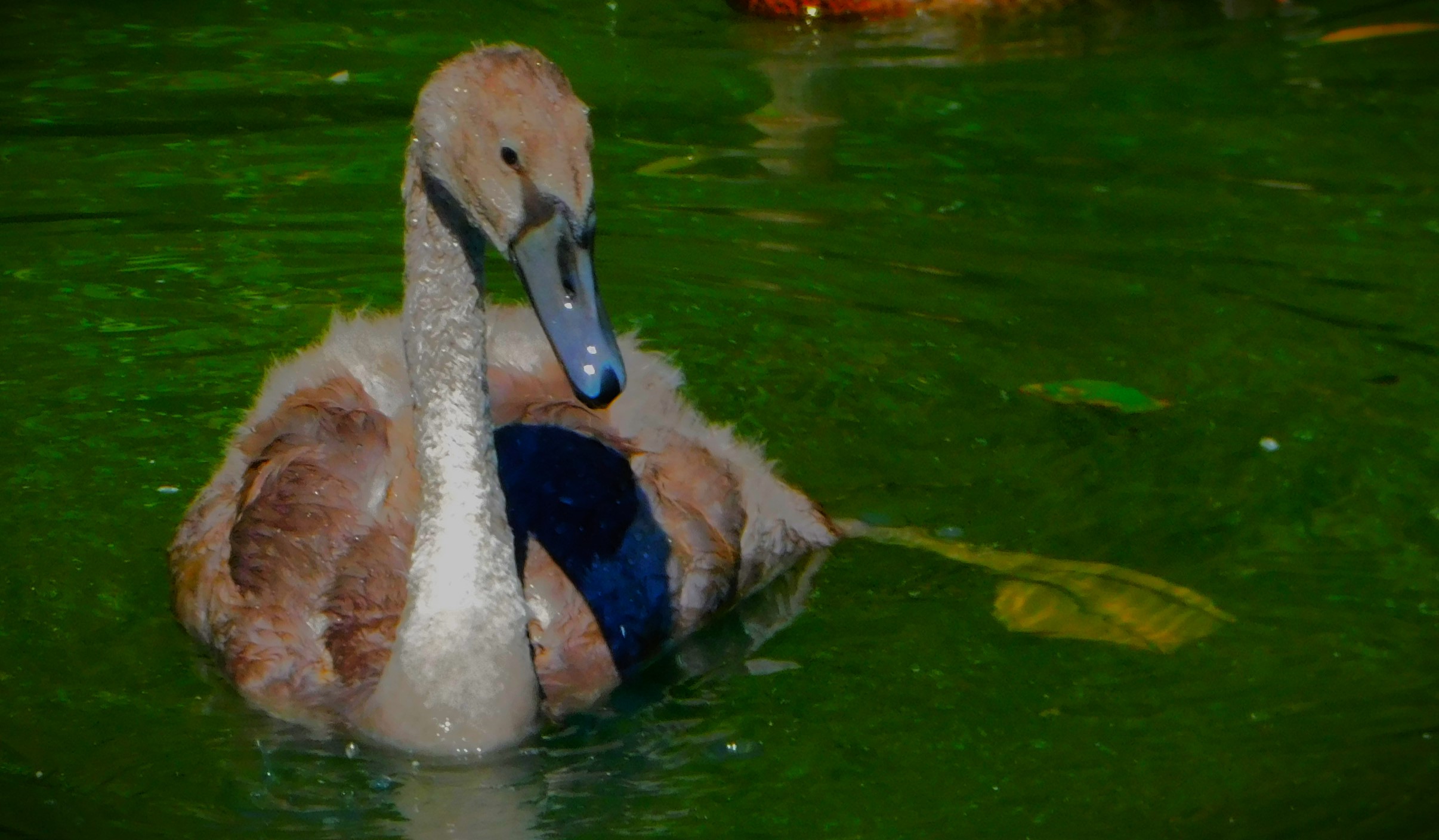
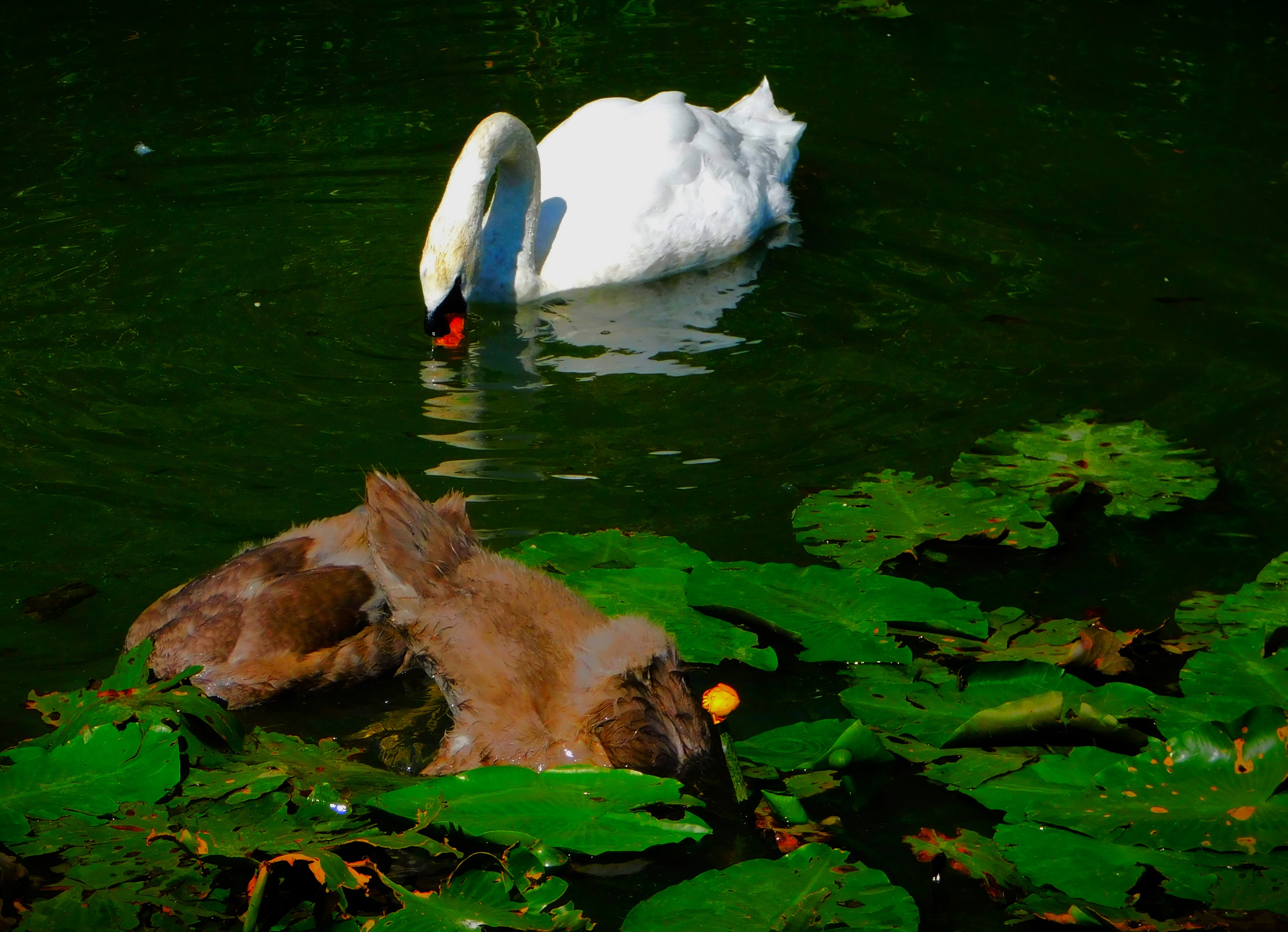
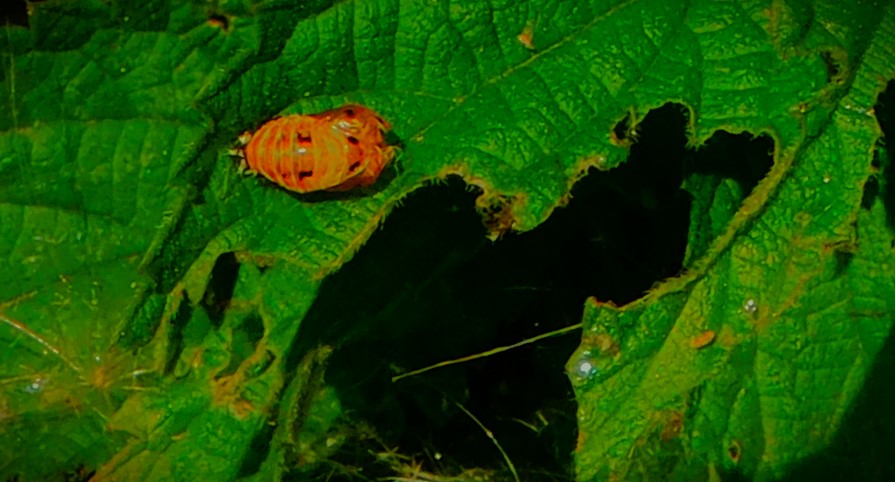
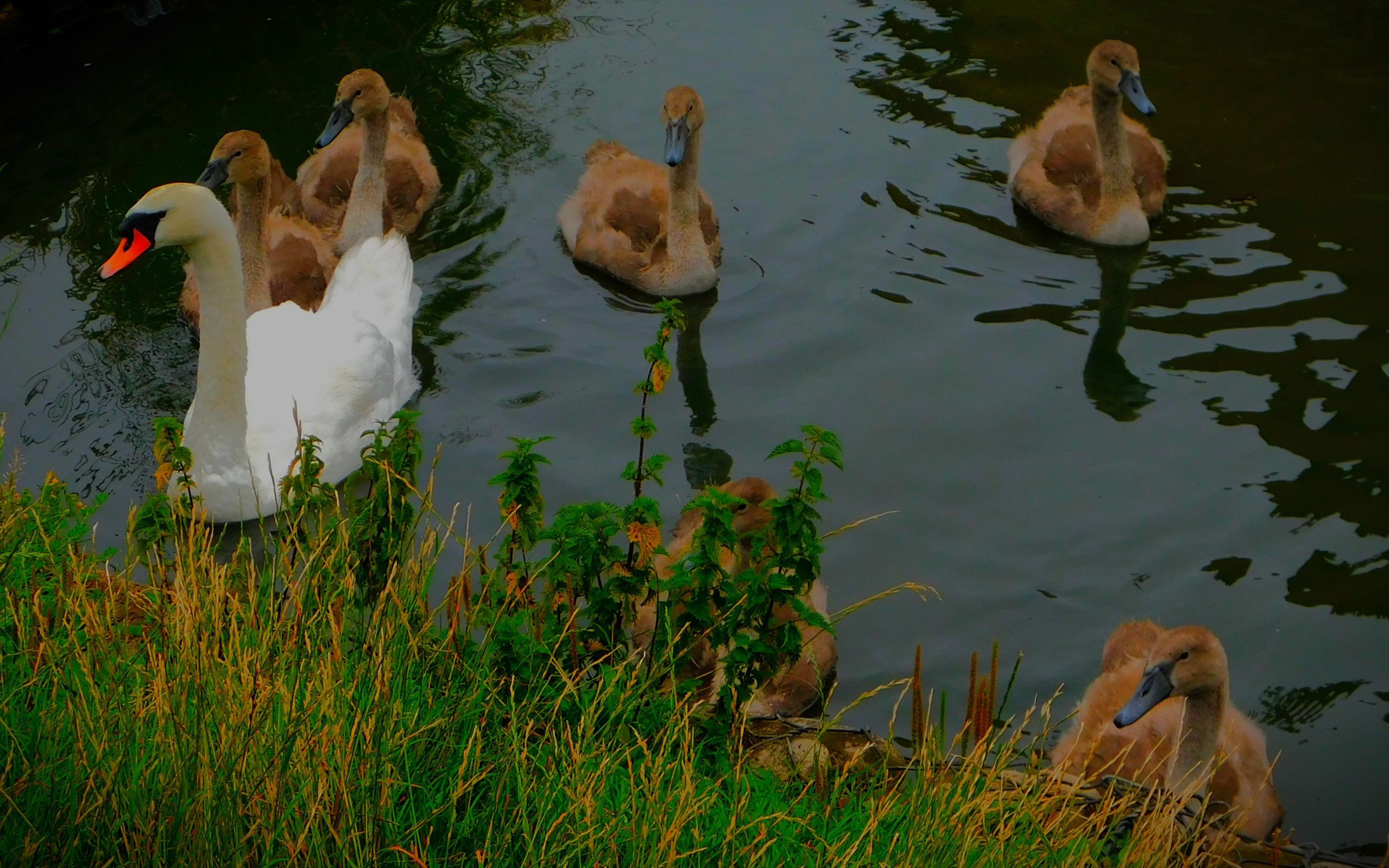
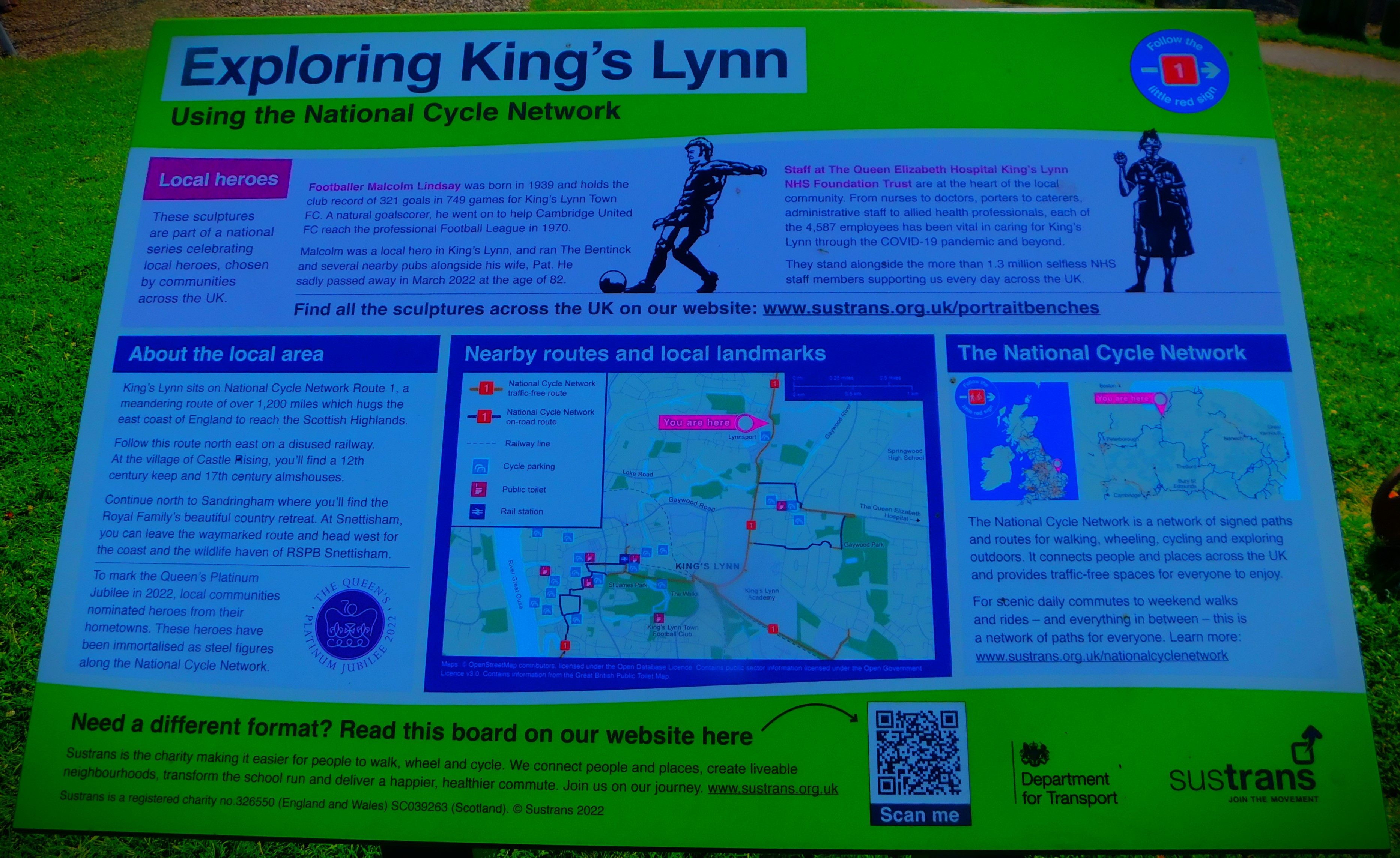
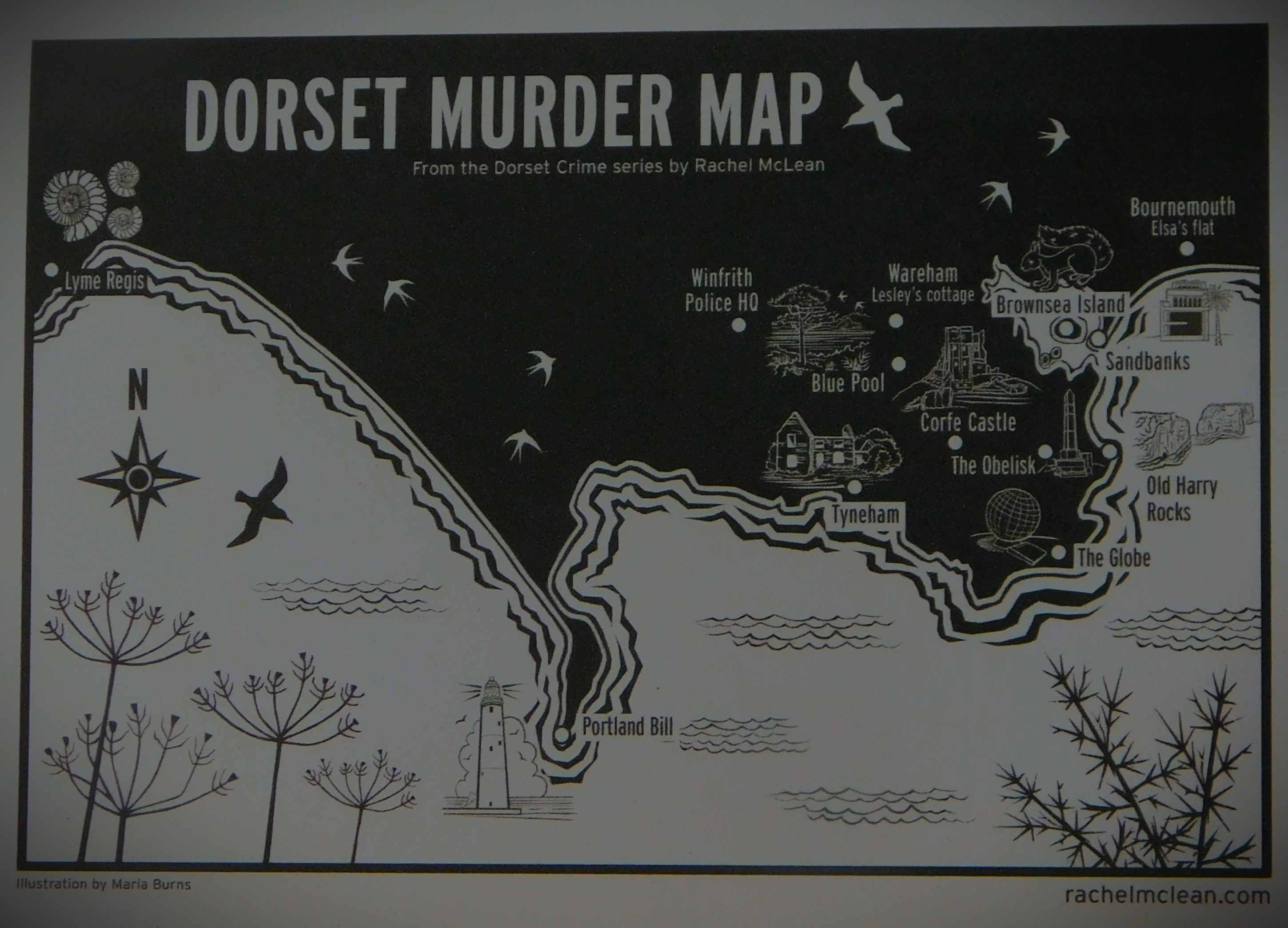
A little bit of a preamble to today’s gallery, relating to the first picture in it: one of my fairly recent library finds is Rachel McLean’s ‘Dorset Crime’ series, several volumes of which I have now read. I highly recommend this series, in which I have read books 1,3,4,5,6 and 7 to date. The seventh book, “The Blue Pool Murders” features a map showing all the locations (LJ Ross in her Northumbrian crime series does the same thing, as does Rebecca Tope in both her Lake District and Cotswold series). Preamble done here is my usual sign off…

Ups and Downs at Birmingham

A look at developments son far in the third test match between England and the West Indies at Edgbaston

Yesterday morning the third test match of the three match series between England and the West Indies got underway at Edgbaston, Birmingham.

England named an unchanged XI, logical but a little disappointing – one would have like to see Potts and/ or Pennington in action. West Indies showed one change – Motie who had missed the second match due to injury returning in place of Sinclair, who had stood in for him. West Indies won the toss and chose to bat first. Putting England in on a surface like the one at Edgbaston would have reeked of fear, so this was a positive sign.

West Indies began well, with the opening stand yielding 76. However one wicket produced a clatter, and at 115-5 West Indies looked in deep trouble. Jason Holder and Joshua da Silva then had an excellent partnership for the sixth wicket. The lower order also contributed a little, and in the end West Indies posted 282 all out. Kraigg Brathwaite scored 61 opening the batting, Holder 59 in the middle of the order, and Gus Atkinson had the best bowling figures with 4-67, giving him 20 wickets one innings in to his third test match. England had a mini-session to negotiate before the close, and made rather a hash of doing so, losing both openers and nightwatcher Mark Wood to end the day on a precarious 38-3.

The day started as the previous one had ended, with England losing wickets rapidly – first Pope and then Brook departed cheaply, at which point it was 54-5. Root and Stokes began the recovery, putting on 115 together before Stokeshit a short ball from Alzarri Joseph straight to Kraigg Brathwaite at forward short leg. Root and Jamie Smith continued the good work before Motie trapped Root LBW 13 short of a century. In the course of this innings Root passed Lara’s career aggregate of test runs, took his own tally past 12,000 and in the process assured himself of ending the innings with his average above 50 – the sixth time in his career that he has moved his average above 50. That was 231-7, with Woakes joining Smith. Smith completed his second test fifty, and when the tea interval arrived England were 274-7, just 8 runs short of first innings parity. A rain delay has extended the tea interval but they are now back underway. While I have been preparing this for publication England have moved into a first innings lead, with Smith and Woakes still together.

My usual sign off…

The Second Test Match Between England and West Indies

A look back at the test match at Trent Bridge between England and West indies. and a fine photo gallery.

I did not actually get to follow a great deal of the match that unfolded at Trent Bridge between Thursday and Sunday (scheduled for five days, but four proved enough). Thursday was a work day, so I got only the closing stages of England’s 416, and as documented in my previous two tests I was busy over the weekend.

England amassed 416 on the opening day, but had, as opening batter Ben Duckett admitted, “left a few runs out there”. The West Indies response was led by two batters from the tiny island of Dominica (also birthplace of pace bowlers Norbert Philip of the West indies and Phillip DeFreitas of England) Alick Athenaze (82) and Kavem Hodge (120, the first test century by a Dominican), and at the end of day two they were 351-5 in response to that 416 by England. In the end, assisted by England trying to be too clever against the tailenders, West Indies led by 41. During the bit of listening I got in on the Saturday in between concerts Brook and Root batted beautifully after Pope had completed a 50 and then got out. Both players would get hundreds, but for the second time in the match England didn’t maximise their opportunity, suffering a collapse late on. They did however pass 400 for the second time in the match, the first England team to do so (though it has been done against them at least once – Headingley 1948, England 496 and 365-8 declared, Australia 458 and 404-3 to win by seven wickets). Part of the reason that occurrences are rare (there have been 12 in all of test history) is that sides putting up big totals used to expect only to bat once – declining to enforce the follow-on was much rarer than it has recently become. Also scoring rates were less rapid in test cricket in days gone by, which mean that topping 400 twice would almost certainly not have led to victory (the extraordinary Headingley 1948 match aside). West Indies thus need 385 to win – fewer than had been scored in any of the first three innings of the match. By the time I got to catch up on the action on Sunday after Norton Hill the West Indies second innings was already underway, and it did not initially look promising for England. However, with 61 on the board Woakes had Mikyle Louis caught behind and a dramatic collapse set in, including off spinner Shoaib Bashir entering the record books by taking wickets in each of his first three overs – before this only one spinner had taken wickets in each of their first two overs in a test innings at Trent Bridge – Shane Warne, when he almost bowled Australia to victory in 2005 with England needing only 129 to win. When Wood dismissed Sinclair courtesy of a catch by Crawley West Indies had tumbled to 93-6. They were still six down when I left for my evening engagement, but England, with the aid of the extra half hour got the job done that evening. West Indies were all out for 143 in the end, Bashir 5-41, including the final wicket, Shamar Joseph clean bowled for 8. Pope was named Player of the Match for his scores of 121 and 51. England had underachieved with the bat in the first innings on their own admission, had arguably done the same in the second, and had still emerged victorious by the huge margin of 241 runs.

My usual sign off…

Two Wins For England Cricket Teams

A look back at victories by the England men’s and women’s cricket teams, a mention of an upcoming auction and a photo gallery.

Last night saw the third T20I in a five match series between the England and New Zealand teams, while this morning, though it should have been just less than halfway through the match saw the last knockings of the first of three test matches between the England and West Indies men’s teams. This post looks at both games.

The test match at Lord’s was the last appearance at that level of the legendary James Anderson, who made his test debut as long ago as 2003. England have decided to look to the future, and gave Anderson this match so that he could bow out in front of a home crowd. It also saw the arrival on the test scene of Gus Atkinson, the Surrey fast bowler. In terms of the result it was the new comer who had the bigger say (and how!)

In my previous post I mentioned Atkinson’s first innings brilliance (7-45) and the fact that England were going well in response. While I was at work yesterday England continued to progress with the bat – Crawley, Pope, Root, Brook and the other debutant, Jamie Smith, selected as keeper although he is not Surrey’s first choice in that role all made 50s, though none managed to reach 80. Smith’s 70 on debut included a significant increase in scoring pace when he was left with the tail. The West Indies second innings got underway yesterday evening, and the skids were soon under it in no uncertain terms. Stokes took two early wickets, Anderson one and Atkinson one. Late in the day two further scalps fell, a second to Anderson and a second to Atkinson giving the debutant nine for the match to that point. West Indies were 79-6 when that wicket rang down the curtain on day two (although an extra half hour can be claimed if a result is possible that usually only enters the equation if seven or more wickets are down). It also ensured that James Anderson would finish behind Warne in the all time test wicket takers list. Atkinson and Anderson resumed bowling this morning, and it was Anderson who had the first success with a beauty that took the edge of Josh da Silva’s bat and went through to Smith. Thereafter however it was the Atkinson show. First Alzarri Joseph took on a short ball and succeeded only in giving Duckett catching practice, then Atkinson bowled Shamar Joseph to make it 103-9. At that point Atkinson had match figures of 11-86, and if he could take the final wicket and concede 15 or fewer runs in the process he would set a new record for an England debutant, beating the 12-102 taking by Fred ‘Nutty’ Martin way back in 1890 (Jack Ferris took 13 in his first match for England, but he had previously played for Australia, and it would have been news to him that he was playing that match for England since it was on a privately organized tour of South Africa and was only granted test status some years later). A combination of luck and some decent batting by Gudakesh Motie robbed him of that, but when Jayden Seales, the number 11, was caught by Duckett, fielding at long leg, Atkinson had his second five-for of the match, and final figures of 12-106 (7-45, 5-61), the second best ever for England, and a number of wickets beaten by only two test debutants in history, Narendra Hirwani (India, 16-136) and Bob Massie (Australia 16-137). Anderson’s final bowling effort was 3-32 from 16 overs, meaning that he ended with 704 test wickets overall. England’s winning margin was an innings and 114 runs – WI 121, ENG 371, WI 136. Atkinson was, as I said in a tweet shortly after the final wicket fell, the ONLY candidate for Player of the Match and was duly confirmed as such. A scorecard of this match can be seen here.

In theory the question for England is now which of Potts or Pennington comes in for Anderson (Sam Cook is currently injured, so his call up must wait). However, I would boldly select both, leaving out Woakes who contributed little at his favourite ground.

England won the toss and chose to field. The New Zealand innings was dominated by two players named Sophie. Sophie Devine scored 58 not out off 42 balls to give New Zealand 141 to defend, and the main reason that total wasn’t higher was Sophie Ecclestone, who finished with 4-0-25-4. The first of those four wickets, that of Suzie Bates, kept an astonishing run going – it made it 33 consecutive international bowling innings in which the left armer had claimed at least one wicket. Later in that same opening over she snared Amelia Kerr, and in the later stages of the innings she clean bowled each of Isabella Gaze and Leigh Kasperek. Although England only had four balls to spare when they scored the winning run, they had six wickets standing. The batting star was Alice Capsey whose 67* (60) undergirded the chase. It was Capsey who was named player of the match ahead of Ecclestone. Scorecard here.

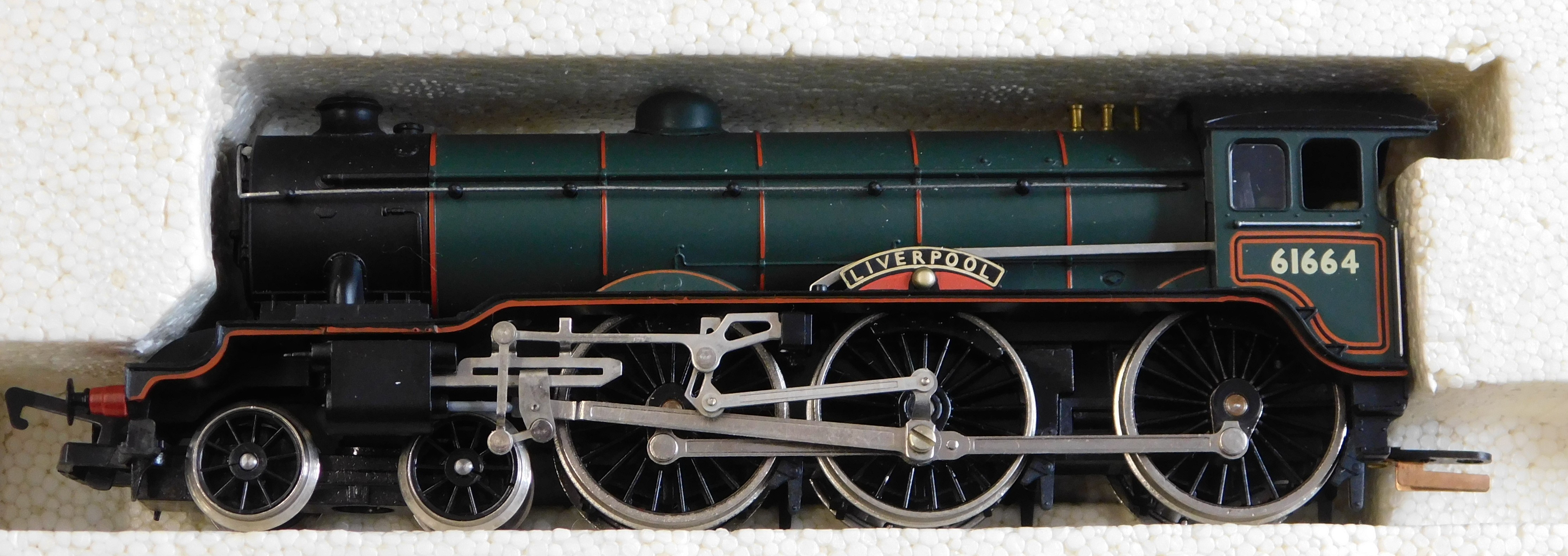
Before I get to my usual sign off, I sent out a bulk email about the upcoming railway models auction at work yesterday. I will not include the full thing here, but you can view a full catalogue and/or sign up to bid here or here. The image I used to accompany the email is below.

Now for the main gallery…

West Indies Under the Pump

A look at developments so far on day one of the England v West Indies test match, dominated by an extraordinary debut performance from Gus Atkinson. Also a photo gallery.

Today is day one of the opening test match of the series between England and West Indies, which is happening at Lord’s. This post looks at the action so far.

Both playing XIs were known in advance, England’s on Monday, West Indies’ yesterday. England had gone for batting depth, with Woakes at number eight, while the West Indies had opted for extra bowling strength, and both Holder at number six and da Silva at number seven looked to be a place too high in their order for comfort. England won the toss and elected to field first.

James Anderson in his final test match took the new ball in partnership with Woakes. West Indies got through 10 overs without losing a wicket, at which point Gus Atkinson came on for his first bowl in test cricket. Atkinson immediately showed the extra pace that had been the reason for his selection, and struck with his second ball, Kraigg Brathwaite dragging it on to his stumps. West Indies got through the rest of the over, but Atkinson avoided conceding any runs. Atkinson’s second over was also a maiden, and in his third he struck again, having Kirk McKenzie caught by Crawley. By the end of this over his figures were 3-3-0-2. Harry Brook held a sensational catch off Ben Stokes to get debutant opener Mikyle Louis, the first ever test cricketer to hail from St Kitts, although its sister island of Nevis has produced a few, for 27. That was 44-3, and Alick Athenaze and Kavem Hodge saw things through to lunch, with the score 61-3.

After the interval this pair advanced the score to 88 before Atkinson’s already impressive debut became a truly great one. He got Athenaze and Holder in successive deliveries, and although da Silva prevented the hat trick he was out second ball to make it three in four for Atkinson and a five-for in test debut. In the next over Kavem Hodge donated his wicket to an umimpressive Woakes, basically giving Pope catching practice, and that was 88-7 with four wickets having gone at the same score. Alzarri Joseph had a bit of fun before trying one aggressive shot too many and holing out to Woakes off Atkinson for the debutant’s sixth scalp. That was 106-8, and it was soon 106-9 as Shamar Joseph played the worst shot of the innings to give Pope his second catch. Atkinson at this point had 7-36 and was on for setting a record for the best bowling figures by an England debutant, but a combination of Gudakesh Motie scoring runs off him with a mix of luck and skill and James Anderson pinning Seales LBW to end the innings at 121 left him with 7-45, second best behind Dominic Cork’s 7-43 in 1995 (also against West Indies). However Cork’s effort had come in West Indies second innings, so Atkinson did have the best ever first innings figures by an England debutant. Ben Duckett has fallen cheaply, playing a loose shot at Seales and edging to keeper da Silva. However Crawley and Pope are going well together at the moment, with the score currently 58-1. While I have been preparing this for publication England have moved on to 71. An appeal for LBW against Pope has just been upheld, but has gone for review. However the replay shows the ball missing the wicket. England 71-1, already within 50 of first innings parity.

My usual sign off…

Can England Still Win The Test Match?

My thoughts on the current test match and possible scenarios for what remains of it, plus a couple of bonus links and some photographs.

INTRODUCTION

The lunch interval on day4 of the second test match at Old Trafford is nearing its end, so what are the propsects?

THE STORY SO FAR

Yesterday was entirely lost to the weather, meaning that the West Indies started today 32-1 in reply to England’s 469-9 declared. The morning session has been much better for them than for England, with only nightwatchman Alzarri Joseph dismissed, a wicket for Dom Bess. Kraigg Brathwaite and Shai Hope are currently together with the score 118-2. Can England win this match and keep the Wisden Trophy alive?

POTENTIAL WINNING SCENARIOS

I see three potential winning scenarios, each of which has two subvariations. They are as follows:

1. England bowl the West Indies out for 269 or less, which is still possible although the likelihood is receding. Then either a)England enforce follow-on, bowl West Indies out cheaply and win by an innings margin, b)England enforce follow on, bowl West Indies out and have a small run chase in the final innings c)if England really are determined to give their bowlers a short rest between bowling stints they bat for 10 or 15 overs taking an ‘all guns blazing approach’ and then get the West Indies in again and bowl them out to win by a runs margin.

2. England bowl the West Indies out for 270-319, definitely a possibility. Then either a)England forfeit their second innings in and all or nothing gamble on victory and bowl the West Indies out to win the match.
b)England go in again taking the ‘all guns blazing’ approach and declare giving the West Indies a tough but achievable chase (they need to dangle a carrot otherwise the West Indies simply shut up shop and secure the Wisden Trophy) and manage to bowl the West Indies out a second time.

3. England bowl the West Indies for a total in excess of 320, but still with a useful lead for England, and England go all out for quick runs, either being bowled out or declaring to set the West Indies a tough but achievable target, and bowl the West Indies out.

IF ENGLAND HAVE TO BAT AGAIN

If it is for a very straightforward run chase with no major acceleration needed then no change is needed to the batting order. In any other scenario (i.e. runs needed at speed) I would hold Sibley, Burns and Craw;ey back for emergencies and send Stokes and Buttler into open with instructions to treat it as a T20 innings, with Pope coming at three, Woakes four, Curran five, Bess six, Root 7, and only if all of these are out cheaply enough for England to be in danger of defeat turn to the regular nos 1-3 to shut up shop. In a quick runs for a declaration scenario where I thought a couple more overs batting would be beneficial I would even take this further should the situation arise and promote Broad to have a swing. I would also say that although I have allowed for the possibility of not enforcing the follow-on I reckon that England should do so unless they can boost thei lead by enough quickly enough to get the West Indies in again by tomorrow morning at the latest.

LOOKING AHEAD TO THE THIRD MATCH

I am reckoning that Anderson and Wood will return, Archer will be considered but may not play. Also, in view of the turn that Bess is extracting I would consider picking Parkinson and gambling on two specialist pacers plus Stokes to handle that side of things. As I write this Sam Curran has just claimed the third West Indies wicket to make it 123-3, and he has two of them. A possible ‘gamblers pick’ for the third test would be give Pope the gauntlets and keep him at no6, and then five regular bowlers, Curran, Bess, Archer, Wood and Anderson, or the two-spinner ‘gamblers pick’ which is similar except Parkinson replaces Wood, meaning a one place promotion for Anderson (Parkinson is a genuine no11). England have played well this match, and I suspect that if they do manage to win it they will take the series. An England win to level the series would be good for cricket, creating a winner-takes-all scenario for the final game. So to, though it is a remote possibility, would a win for the West Indies, giving them their first series win in England since 1988, albeit in a different way. A drawn match has little to commend it, since the West Indies would then be thinking very much in terms of avoiding defeat in the final match and thereby winning the series (a draw when 0-2 down could not benefit England, whereas a win would at least salvage some pride).

LINKS AND PHOTOGRAPHS

Two related pieces here:

  1. Molly Scott Cato, professor of economics and one of the leading lights of the Green Party, has a piece at theecologist.org titled “If Humanity Counted“.
  2. Richard Murphy of Tax Research UK has set out some brief thoughts on Modern Monetary Theory – the first three are screenshotted below.
    MMT Thread

Now it is time for my usual sign off…

IMG_1940 (2)IMG_1941 (2)IMG_1941 (3)IMG_1942 (2)IMG_1943 (2)IMG_1945 (2)IMG_1945 (3)IMG_1946 (2)IMG_1946 (3)IMG_1947 (2)IMG_1947 (3)IMG_1948 (2)IMG_1948 (3)IMG_1949 (2)IMG_1949 (3)IMG_1950 (2)IMG_1950 (3)IMG_1952 (2)IMG_1952 (3)IMG_1953 (2)IMG_1953 (3)IMG_1956 (2)IMG_1957 (2)IMG_1958 (2)IMG_1958 (3)IMG_1958 (4)IMG_1958 (5)IMG_1960 (2)IMG_1960 (3)IMG_1960 (4)IMG_1960 (5)IMG_1961 (2)IMG_1963 (2)IMG_1963 (3)IMG_1963 (4)IMG_1964 (2)IMG_1965 (2)IMG_1966 (2)IMG_1966 (3)IMG_1966 (4)IMG_1967 (2)IMG_1968 (2)IMG_1968 (3)IMG_1969 (2)IMG_1969IMG_1972 (2)IMG_1972 (3)IMG_1973 (2)IMG_1974 (2)


Bowl First Backfiring on West Indies

An update on the test match, as England assume control through Sibley and Stokes.

INTRODUCTION

Unlike yesterday, today is bright and sunny, and it looks like being a full day’s play in Manchester. This post looks at events so far.

THE MATCH

When skipper Root was dismissed the score was 81-3, and the West Indies only needed a couple more wickets to be on top. Stokes then joined Sibley and they knuckled down to the job in hand. Sibley received a let off with 68 to his name, but he and Stokes held the fort through to the close of a truncated day with England 207-3 from 82 overs. Bizarrely, having declined to take the new ball when it fell due yesterday the West Indies then failed to take it first thing this morning, instead bowling 11 overs at England with the old ball, which allowed Stokes and Sibley to play themselves in. Sibley reached his hundred just before lunch, from the 312th ball he had received, while Stokes reached the interval on 99. Stokes completed his ton straight after the interval, his 10th test century, and the slowest to date, but exactly the innings England had needed. As I write this the West Indies have just burned off a review of an LBW, reducing them to one left. England are 278-3 and looking in control of the match. England will be looking to increase the scoring rate as the prospect of trouble recedes. Pope is in at the fall of the next wicket, and then Buttler, who really needs to take full advantage of the situation and the tired bowlers.

WEST INDIES WOES

The West Indies chose to bowl yesterday, paying too much attention to the grey skies and not enough to the very flat looking pitch. They have failed to distinguish themselves with the ball. Shannon Gabriel has been fortunate not to be called for wides, but has bowled at least three in the ‘Harmy’ bracket. Alzarri Joseph has a wicket but has hardly been stellar. Roach has bowled well but carried no huge threat. Holder has posed little threat. Roston Chase has two of the wickets but is being used as a part timer – he was given the last over before lunch having not been called on all morning. Stokes has just hit the second six of the match (both to his credit), as he looks to up the pace. It is hard to see any way back for the West Indies, especially given that Bess should enjoy bowling on this surface. Each morning so far has seen a dreadful decision by the West Indies – putting England in yesterday on an obvious flat pitch and not taking the new ball instantly this morning, and they are being made to pay a heavy price for both infractions.

LOOKING AHEAD

This is the third test match of the 21st century in which an England batter has needed over 300 balls to reach a century, the other two being scored by Mike Atherton and Nasser Hussain, and England won both those games. Additionally this is Sibley’s second test hundred, and England won the other game in which he reached three figures, with Stokes making a substantial contribution there as well. In 1956 at this ground England made 459 in the first innings with centuries for Peter Richardson and David Sheppard, and won the game by an innings and 170 runs, with an off spinner, Jim Laker, doing most of the damage with the ball. The 300 has just come up for England, with Sibley and Stokes still in possession, and Stokes having just moved ahead of Sibley.

PHOTOGRAPHS

My usual sign off:

IMG_1853 (2)IMG_1856 (2)IMG_1857 (2)IMG_1858 (2)IMG_1859 (2)IMG_1861 (2)IMG_1862 (2)IMG_1863 (2)IMG_1864 (2)IMG_1865 (2)IMG_1866 (2)IMG_1867 (2)IMG_1868 (2)IMG_1869 (2)IMG_1870 (2)IMG_1871 (2)IMG_1872 (2)