Test Cricket at the Double

A look at developments in the two test matches that are currently in the play, both of which have progressed at a rapid rate. Also a large photo gallery.

There are two test matches currently in progress, which is part of the explanation for the title of this post – the other part should become clear through the post. In Adelaide Australia anbd India are playing the second match of a five-match series for the Border-Gavaskar trophy, while in Wellington New Zealand and England are playing a day game. Most of this post will deal with the BGT game, which I have been able to follow live via test match special, but before I get to that I will briefly present…

The Basin Reserve ground at Wellington is effectively a gigantic roundabout, and England have certainly been in fifth gear this match. After two days play England are 533 runs ahead with five second innings wickets standing, and I know courtesy of an interview that I head that Gus Atkinson was padded up in the closing stages of play, which suggests that a declaration is not immediately planned. Atkinson continued what has been a magnificent start to his international career by wrapping up the New Zealand first innings with a hat trick (Maurice Allom, of Atkinson’s own county Surrey, actually achieved this feat against New Zealand in his debut test many years ago). New Zealand, being made to look very ordinary by this England side, are fresh off whitewashing India in India.

India won the series opener in Perth comprehensively. This match in Adelaide has gone very differently so far. India won the toss and decided to bat. That was about the last thing that went right for them. Yashavsi Jaiswal was dismissed by the first ball of the match, and that set the tone for their first innings. Mitchell Starc has a particularly impressive record in pink ball test matches (nb for England fans looking ahead to next winter, the Adelaide test in that series, also in early December, is a day game with a red ball), and he further enhanced it by taking 6-48 as India reached 180 all out, lasting under 45 overs in total. India needed wickets in what was left of the opening day, but they did not get them. Bumrah under-used himself, and by the close of day one Australia were 86-1 and sitting pretty with two session of daylight batting ahead of them. A Travis Head century was the centrepiece of day two, as Australia amassed a lead of 157 on first innings. India faced a tricky period of batting in which they should have looked to avoid losing early wickets. Instead a frenetic performance saw them five down by the close, and although the runs came rapidly, they were still 29 in arrears when stumps were drawn. Bumrah’s 4-61 meant that he ended the Australian innings with his test bowling average below 20 per wicket – 185 wickets at 19.95. Mohammed Siraj also had four wickets, more expensively, and accompanied by an official warning for the send-off he gave Travis Head.

My usual sign off…

England Go 2-0 Up Over Sri Lanka

A look at the closing stages of the test match between England and Sri Lanka at Lord’s, and a photo gallery.

Just after 5PM on a sunny Sunday (the first day of meteorological autumn) Lahiru Kumara hit a catch to Olly Stone off the bowling of Chris Woakes and the second test match between England and Sri Lanka was over, with England comprehensive winners. This post looks the final stages of the match (see here and here for previous posts about the development of this match).

Sri Lanka lost the first wicket of their second innings just as I was preparing yesterday’s post for publication. Karunaratne and Nissanka resisted for a time, but Stone had Nissanka caught by Root to make it 43-2. The light was dodgy by then, and although there was potential an hour and 41 minutes before the final cut off time Sri Lanka sent in Prabath Jayasuriya, hoping that the light would close in quickly. This strategy had the disadvantage that it would mean that Kamindu Mendis, Sri Lanka’s best batter of the series to date would be coming in at number eight, and it could have backfired far worse than it actually did, though it cannot honestly be accounted a success. The light did close in as Sri Lanka were hoping, and they went in to today needing precisely 430 more with eight second innings wickets standing.

Jayasuriya did not last massively long before Woakes had him caught by Brook to make it 60-3. Angelo Mathews joined Karunaratne and they put on 55 together, in the course of which Karunaratne become the first batter in positions 1-3 on either side to top 50 in an innings in this series. Unfortunately Karunaratne, a left hander who featured in my all time Ks XI and has moved his test average to the right side of 40 since then, did not go on much beyond 50 on this occasion. He had reached 55 when a ball from Stone took his glove on the way through to keeper Smith and it was 115-4. Chandimal now joined Mathews and proceeded to bat as though he was looking for a quick win, rather than facing a target that was still over 350 runs away. It was Mathews who was the first of the pair to go in the end, inexcusably for so experienced a player he allowed a sequence of dot balls to get to him, essayed a lofted drive against Shoaib Bashir and picked out Woakes to make it 174-5. Not long later the final instalment of the Atkinson show began, when Chandimal turned a ball from him round the corner, straight into the waiting hands of Dan Lawrence to make it 192-6. He had scored 58, but it was not the sort of innings that Sri Lanka needed in that situation. Kamindu Mendis, who should have been further up the order rather than a place down on his usual number seven, played his worst test knock to date, surviving a mere five balls and scoring four before he edged Atkinson to Duckett at third slip to make it 200-7. The effect that the promotion of Prabath Jayasuriya had on him is the main reason I rate the move a failure overall. Dhananjaya de Silva and Milan Rathnayake now shared the best Sri Lankan partnership of the match, making merry against an old ball that was doing precisely nothing on a pitch that never displayed any demons. The coming of the new ball was always likely to change things, and it did. The first ball of the fourth over with it, bowled by Atkinson found its way into the stumps by way of Dhananjaya de Silva’s bat, dismissing the Sri Lankan skipper for 50 and making it 273-8. Rathnayake hit some impressive shots, including successive boundaries off Atkinson, but the ball after thex second of those shots, the third of the 86th over found the edge and Smith did the rest to make it 288-9, and give Atkinson his fifth wicket of the innings, his seventh of the match and his 33rd in the five test matches he has played to date. It was the first time an England player had combined a century and a five-for in a test match since the last of Ian Botham’s five such games, at Wellington in 1984. Four more runs accrued before, like a ham actor stealing the last line from an Oscar winner, Woakes got the wicket of Kumara as described in the introduction and England had won by 190 runs. Atkinson was named Player of the Match, correctly in my view – he and Root both had outstanding matches, but Atkinson’s was the more impressive, and Root’s copybook was blotted by a couple of dropped catches. A shared award between Atkinson and Root would have been acceptable, but I would have been annoyed had it gone to Root on his own. Scorecard here.

My usual sign off…

England Dominant

A look at developments in the England v Sri Lanka test match at Lord’s to date.

Yesterday morning a test match got underway at Lord’s between the England and Sri Lanka men’s teams. This post looks at the developments so far (and there have been plenty).

Yesterday being a work day I missed most of the action. Dhananjaya de Silva won the toss and put England in to bat under cloudless skies and on a pitch that looked flat. At first he looked like getting away with it, assisted by England’s front line batters. Lawrence and Pope’s innings were both over before they had really begun, Duckett scored 40 before playing a loose stroke, and Brook and Smith both also played poor shots. When Smith fell it was 192-5, and 24 runs later Woakes was also out. Root however had been playing beautifully, equalling Alastair Cook’s England record of 33 test centuries. Gus Atkinson now joined him and played brilliantly. The seventh wicket stand was still in progress when I was finally able to tune in, and it kept going merrily on for a while after. Root finally gout, essaying a reverse scoop, for 143 to make it 308-7. Potts and Atkinson continued to bat well, Atkinson reaching a 50 at virtually a run a ball. By the close the stand was worth 50 and England were 358-7, Atkinson 74*, Potts 20*.

Initially the question was whether Atkinson could score the 26 he needed to complete a century and claim his place on all three Lord’s honours boards (in his debut match, against the West Indies, he had accounted for both the five-wicket innings haul and the ten-wicket match haul). He was on 82 when Australian umpire Paul Reiffel upheld an LBW appeal against him. he reviewed it instantly, and the replay showed it going well down the leg side. That was the only alarm along the way. Soon he was on 95*, and two successive boundaries then saw him to three figures, his maiden FC ton (his previous best was 91 in a Surrey v Lancashire development XI game in 2022) as well as his maiden test ton. He had got there at precisely a run a ball – 103 balls* off 103 balls with 11 fours and four sixes. There was no slogging involved – this was a proper innings, and when it began England had been in some trouble. Potts was eighth out, but Olly Stone, playing his first test match in three years after a horror run of injuries kept Atkinson company and showed that he is far from being a rabbit with the bat. Atkinson was finally out caught behind off Asitha Fernando for 118 to make it 420-9. England were all out for 427, Asitha Fernando 5-102.

Sri Lanka started better than in either innings at Manchester, but when the wickets started to fall they fell in clumps. Both openers played balls into their own stumps, Pathum Nissanka at number three played a really poor shot, straight to Matthew Potts who had been placed there for it, off the bowling of Stone. Mathews and Chandimal each got into the 20s, but then came another clatter of wickets, Mathews being absolutely done by Potts to be clean bowled for 22, Dhanjanaya de Silva going a few balls later for a duck, edging Potts to Brook, and then Chandimal suffered the worst dismissal of the match to date (even in a field as well contested as this it was a definite winner) when he hit a ball from Atkinson straight to Dan Lawrence moments after Pope had placed him there precisely for that shot and that was 87-6. Sri Lanka have recovered somewhat from that nadir. Kamindu Mendis and Milan Rathnayake took the score to 118 before Rathnayake was caught behind off Woakes, and Mendis and Prabath Jayasuriya are still in residence together having taken the score on to 152-7, but they are still in absolutely dire straights, being 275 adrift. Woakes, Stone and Potts each have two wickets, and Atkinson received that gift wicket from Chandimal. While I have been preparing this for publication Bashir has produced an absolute jaffa to bowl his fellow spinner Prabath Jayasuriya to make it 153-8.

My usual sign off…

England Complete 3-0 Series Triumph Over West Indies

An account of England’s victory over West Indies at Edgbaston and resultant 3-0 series triumph, plus a photo gallery.

Yesterday I put up a post just as England were moving into a first innings lead over West Indies in the third test match of the series at Edgbaston. This post looks at the events that have unfolded since that one.

Jamie Smith and Chris Woakes extended England’s lead at a rapid rate. Smith just missed out on a maiden test century, but his 95 was a command performance, beginning with England still very much in jeopardy and ending with them in complete control. The scoring was not quite done even then – Gus Atkinson belted a couple of sixes coming it number ten, and England ended with a first innings lead of 94, and West Indies had an awkward mini-session to get through with the bat.

West Indies did not make as much of a Horlicks of this mini-session of batting as the 1994 England side had in Trinidad, but the experienced Kraigg Brathwaite fell early, and Kirk McKenzie completed a truly miserable series (33 runs at 5.50 in six innings from a supposed number three) by doing likewise.

The West Indies had a respectable morning, though they needed far more. Mikyle Louis who had previously produced a succession of scores in the 20s completed a maiden test 50, and Kavem Hodge also reached 50. However, the lunch time score of 151-5, with da Silva batting in company with Hodge held out little hope for them, being a lead of only 57. The end of the West Indies innings was swift and brutal as the pace of Mark Wood was simply too much for them. Joshua da Silva had been somewhat fortunate to survive two LBW appeals from Wood when he was given out at the third time of asking and did not review it. Six runs later Alzarri Joseph had his stumps comprehensively shattered, and then at 171 came the killer blow for such hopes as West Indies retained, Hodge edging one through to Smith who made no mistake with the catch. Three balls later Jayden Seales’ off stump was sent cartwheeling. Number 11 Shamar Joseph creamed a four through the off side but the second ball of his innings was fast, full and straight, took the edge of his bat and flew to Brook in the slips. West Indies were all out for 175 and Wood had figures of 5-40 for the innings.

Zak Crawley was having a scan on an injured finger, which means that England needed someone else to open. However with a target of only 82 (three runs fewer than has ever been successfully defended in the fourth innings of a test match, and that match in 1882 was incredibly low scoring – the highest of the four individual innings was Australia’s second innings of 122) this was unliekly matter much. Rather than ask anyone else to do the necessary Stokes donned the pads himself and opened the innings with Duckett – two left handers answering to Ben opening the innings together. It was soon apparent that Stokes intended the match to be over before the tea interval – before the innings was two overs old he had struck four boundaries, and he continued in that vein, overshadowing Duckett, not generally noted for being a shrinking violet with the bat. Stokes reached 50 off just 24 balls, the quickest ever for England in test cricket (four balls quicker than Botham v India during the 1981-2 series), and two balls outside the all-comers record by Misbah-ul-Haq of Pakistan. Stokes finished things by belting the second ball of the eighth over for six to give England victory by ten wickets with two days and a little more than a session to spare. Wood’s blistering spell to terminate the West Indies second innings saw him named Player of the Match, while Gus Atkinson with 22 wickets at 16.22 each in the three matches was named Player of the Series. The West Indies have a promising bowling attack, but their batting is indubitably weak and lacking in depth. Playing Holder at six and da Silva at seven requires a much stronger top five than West Indies currently possess – Louis batted well today, Brathwaite is experienced but no ones idea of a great test opener and Hodge has been impressive, but Athanaze has played only one innings of note in this series, and I have already mentioned Kirk McKenzie’s shocking series. A full scorecard for this match can be seen here.

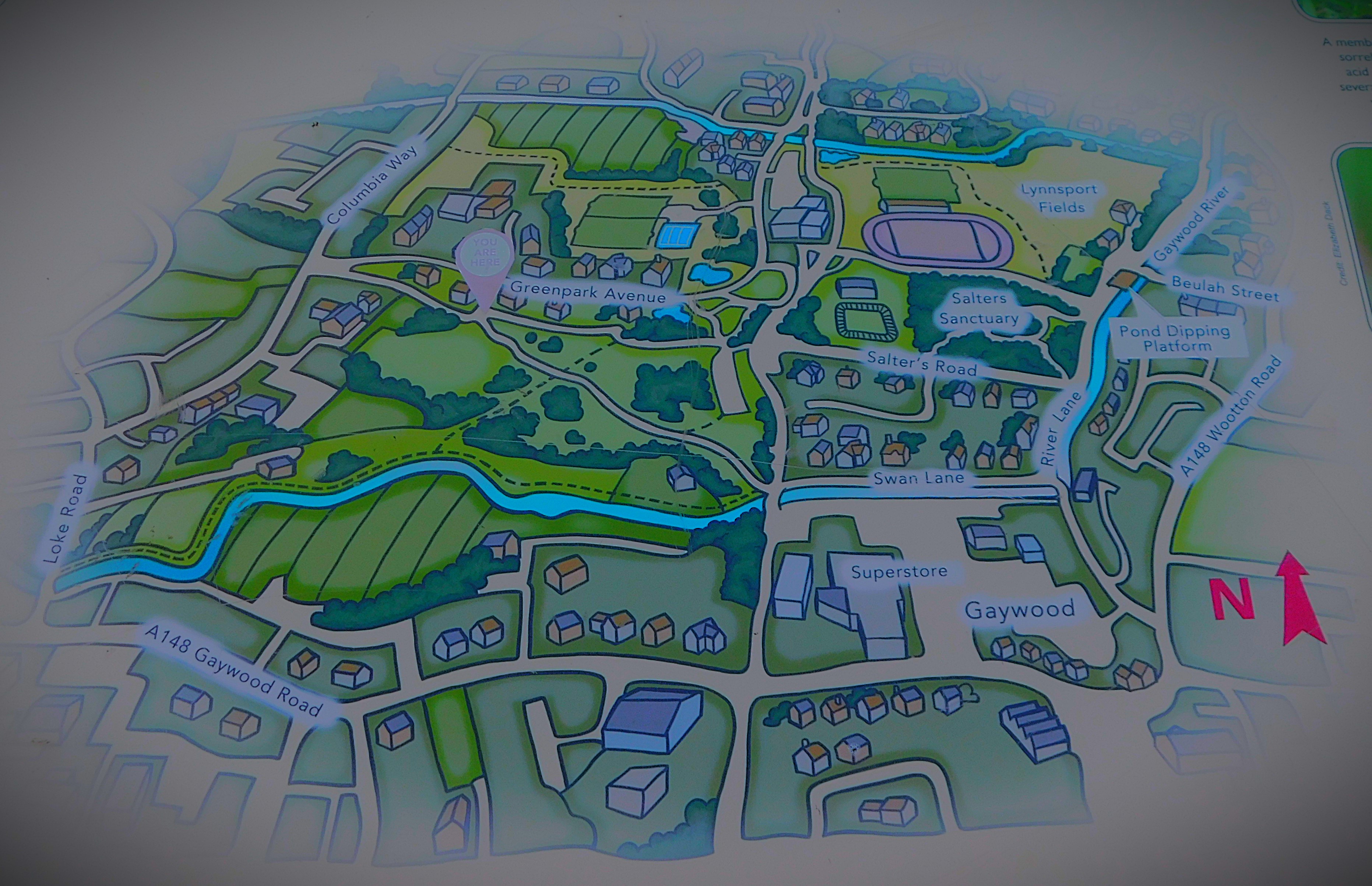
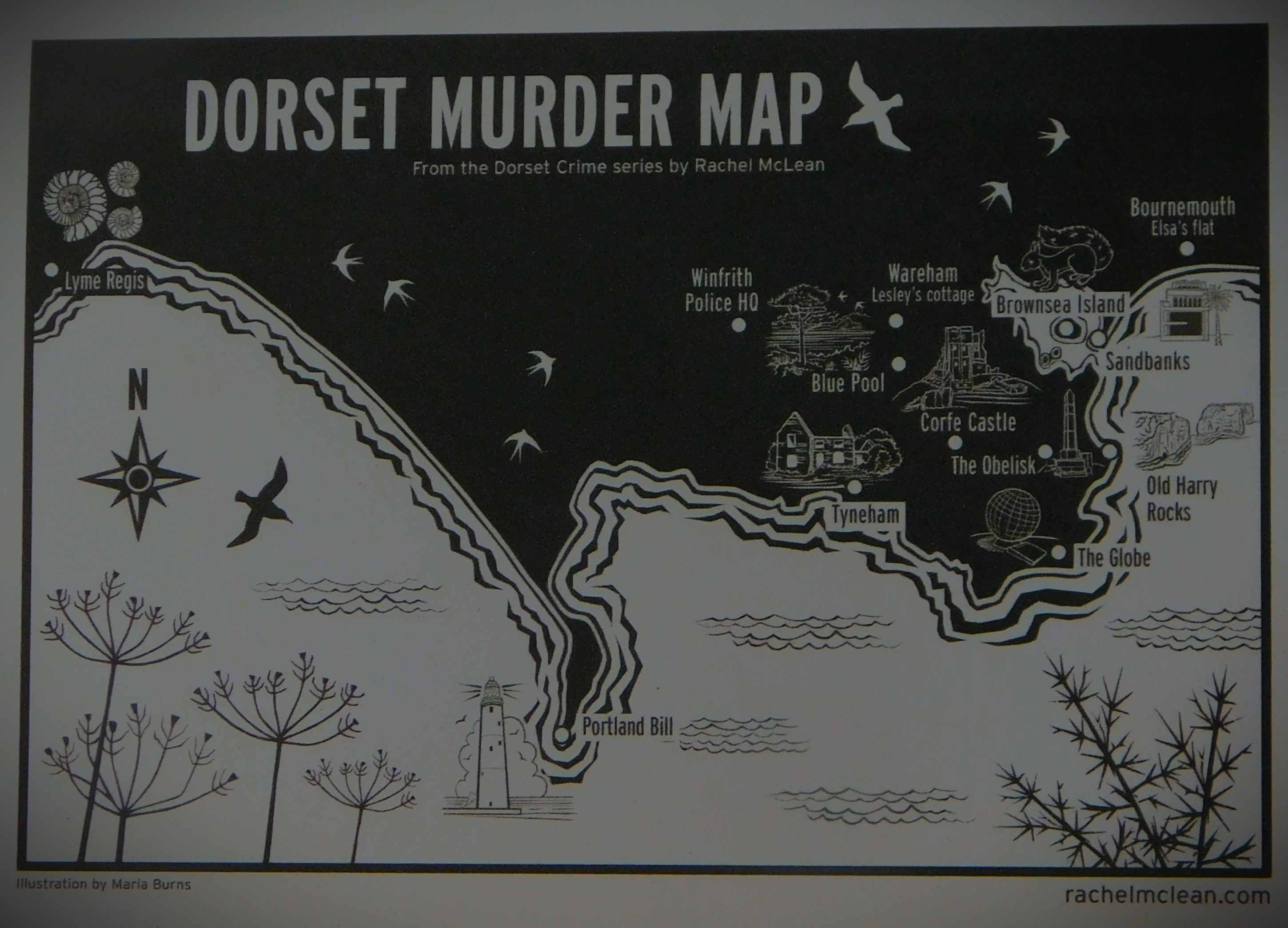
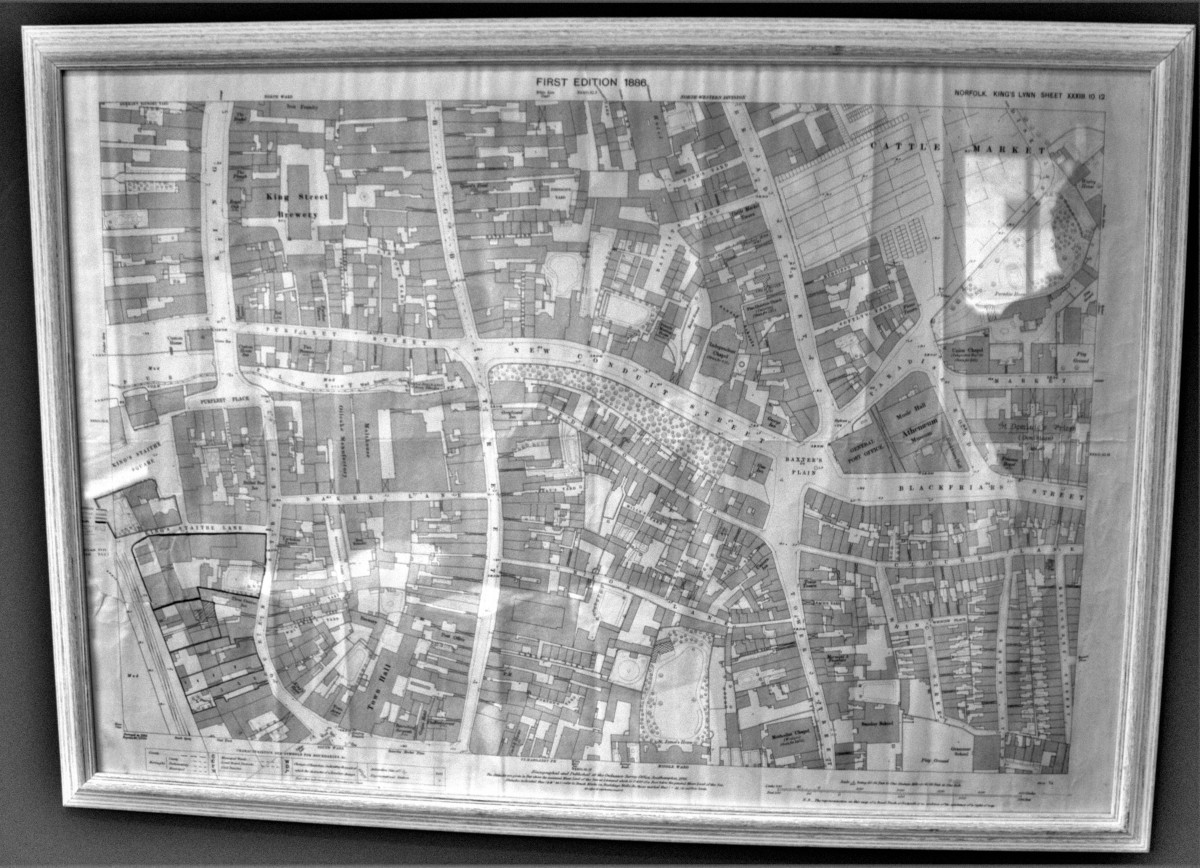
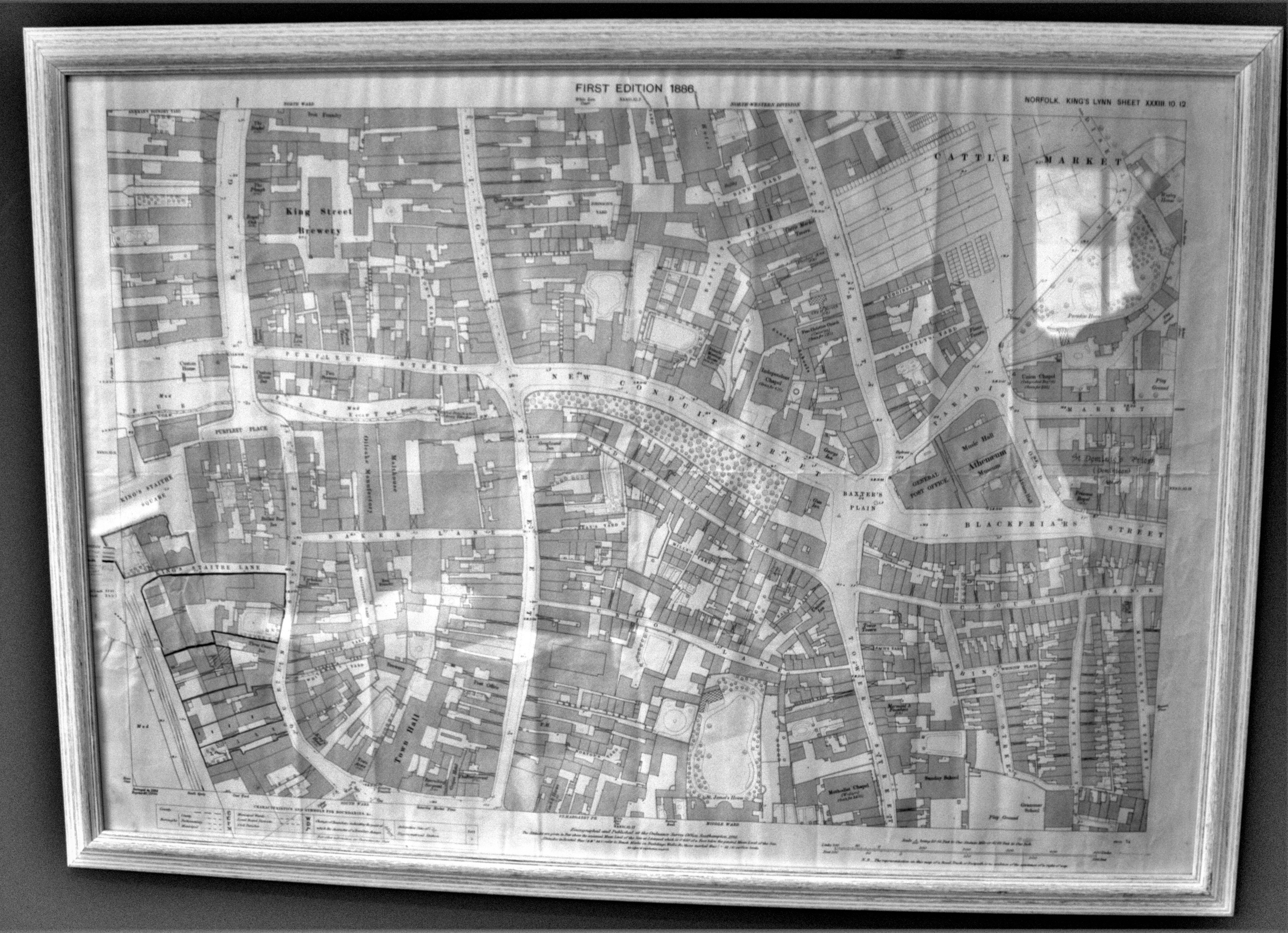
A little bit of a preamble to today’s gallery, relating to the first picture in it: one of my fairly recent library finds is Rachel McLean’s ‘Dorset Crime’ series, several volumes of which I have now read. I highly recommend this series, in which I have read books 1,3,4,5,6 and 7 to date. The seventh book, “The Blue Pool Murders” features a map showing all the locations (LJ Ross in her Northumbrian crime series does the same thing, as does Rebecca Tope in both her Lake District and Cotswold series). Preamble done here is my usual sign off…

Two Wins For England Cricket Teams

A look back at victories by the England men’s and women’s cricket teams, a mention of an upcoming auction and a photo gallery.

Last night saw the third T20I in a five match series between the England and New Zealand teams, while this morning, though it should have been just less than halfway through the match saw the last knockings of the first of three test matches between the England and West Indies men’s teams. This post looks at both games.

The test match at Lord’s was the last appearance at that level of the legendary James Anderson, who made his test debut as long ago as 2003. England have decided to look to the future, and gave Anderson this match so that he could bow out in front of a home crowd. It also saw the arrival on the test scene of Gus Atkinson, the Surrey fast bowler. In terms of the result it was the new comer who had the bigger say (and how!)

In my previous post I mentioned Atkinson’s first innings brilliance (7-45) and the fact that England were going well in response. While I was at work yesterday England continued to progress with the bat – Crawley, Pope, Root, Brook and the other debutant, Jamie Smith, selected as keeper although he is not Surrey’s first choice in that role all made 50s, though none managed to reach 80. Smith’s 70 on debut included a significant increase in scoring pace when he was left with the tail. The West Indies second innings got underway yesterday evening, and the skids were soon under it in no uncertain terms. Stokes took two early wickets, Anderson one and Atkinson one. Late in the day two further scalps fell, a second to Anderson and a second to Atkinson giving the debutant nine for the match to that point. West Indies were 79-6 when that wicket rang down the curtain on day two (although an extra half hour can be claimed if a result is possible that usually only enters the equation if seven or more wickets are down). It also ensured that James Anderson would finish behind Warne in the all time test wicket takers list. Atkinson and Anderson resumed bowling this morning, and it was Anderson who had the first success with a beauty that took the edge of Josh da Silva’s bat and went through to Smith. Thereafter however it was the Atkinson show. First Alzarri Joseph took on a short ball and succeeded only in giving Duckett catching practice, then Atkinson bowled Shamar Joseph to make it 103-9. At that point Atkinson had match figures of 11-86, and if he could take the final wicket and concede 15 or fewer runs in the process he would set a new record for an England debutant, beating the 12-102 taking by Fred ‘Nutty’ Martin way back in 1890 (Jack Ferris took 13 in his first match for England, but he had previously played for Australia, and it would have been news to him that he was playing that match for England since it was on a privately organized tour of South Africa and was only granted test status some years later). A combination of luck and some decent batting by Gudakesh Motie robbed him of that, but when Jayden Seales, the number 11, was caught by Duckett, fielding at long leg, Atkinson had his second five-for of the match, and final figures of 12-106 (7-45, 5-61), the second best ever for England, and a number of wickets beaten by only two test debutants in history, Narendra Hirwani (India, 16-136) and Bob Massie (Australia 16-137). Anderson’s final bowling effort was 3-32 from 16 overs, meaning that he ended with 704 test wickets overall. England’s winning margin was an innings and 114 runs – WI 121, ENG 371, WI 136. Atkinson was, as I said in a tweet shortly after the final wicket fell, the ONLY candidate for Player of the Match and was duly confirmed as such. A scorecard of this match can be seen here.

In theory the question for England is now which of Potts or Pennington comes in for Anderson (Sam Cook is currently injured, so his call up must wait). However, I would boldly select both, leaving out Woakes who contributed little at his favourite ground.

England won the toss and chose to field. The New Zealand innings was dominated by two players named Sophie. Sophie Devine scored 58 not out off 42 balls to give New Zealand 141 to defend, and the main reason that total wasn’t higher was Sophie Ecclestone, who finished with 4-0-25-4. The first of those four wickets, that of Suzie Bates, kept an astonishing run going – it made it 33 consecutive international bowling innings in which the left armer had claimed at least one wicket. Later in that same opening over she snared Amelia Kerr, and in the later stages of the innings she clean bowled each of Isabella Gaze and Leigh Kasperek. Although England only had four balls to spare when they scored the winning run, they had six wickets standing. The batting star was Alice Capsey whose 67* (60) undergirded the chase. It was Capsey who was named player of the match ahead of Ecclestone. Scorecard here.

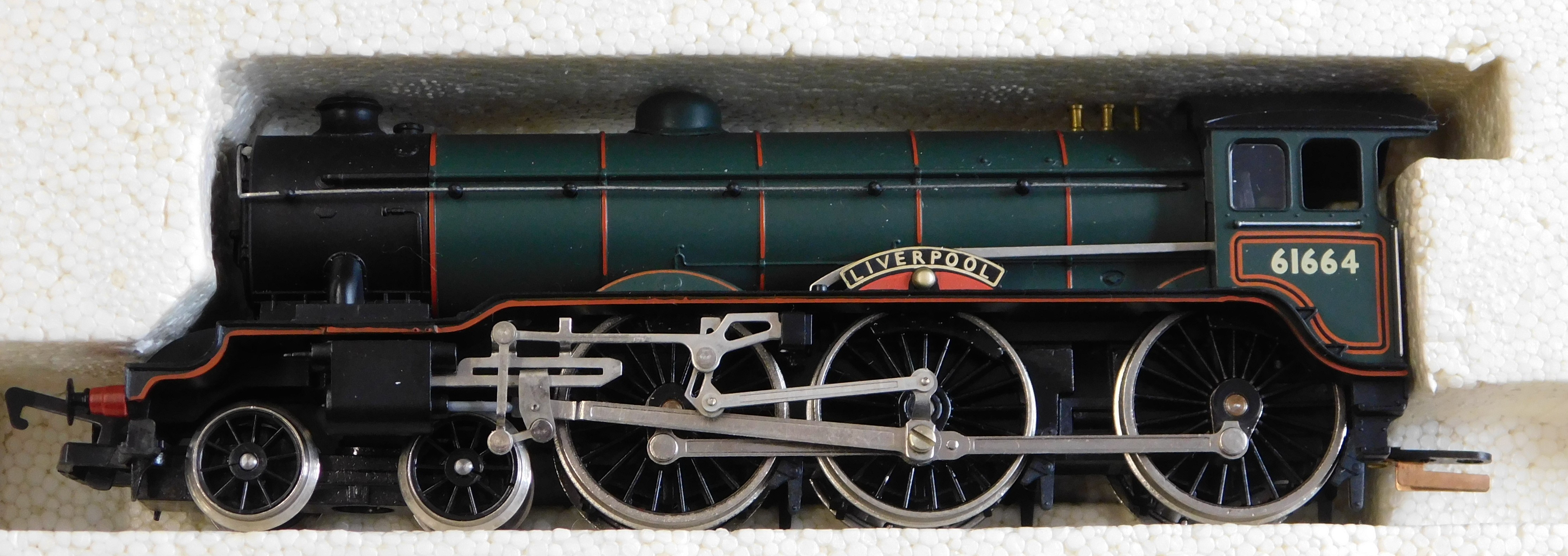
Before I get to my usual sign off, I sent out a bulk email about the upcoming railway models auction at work yesterday. I will not include the full thing here, but you can view a full catalogue and/or sign up to bid here or here. The image I used to accompany the email is below.

Now for the main gallery…

West Indies Under the Pump

A look at developments so far on day one of the England v West Indies test match, dominated by an extraordinary debut performance from Gus Atkinson. Also a photo gallery.

Today is day one of the opening test match of the series between England and West Indies, which is happening at Lord’s. This post looks at the action so far.

Both playing XIs were known in advance, England’s on Monday, West Indies’ yesterday. England had gone for batting depth, with Woakes at number eight, while the West Indies had opted for extra bowling strength, and both Holder at number six and da Silva at number seven looked to be a place too high in their order for comfort. England won the toss and elected to field first.

James Anderson in his final test match took the new ball in partnership with Woakes. West Indies got through 10 overs without losing a wicket, at which point Gus Atkinson came on for his first bowl in test cricket. Atkinson immediately showed the extra pace that had been the reason for his selection, and struck with his second ball, Kraigg Brathwaite dragging it on to his stumps. West Indies got through the rest of the over, but Atkinson avoided conceding any runs. Atkinson’s second over was also a maiden, and in his third he struck again, having Kirk McKenzie caught by Crawley. By the end of this over his figures were 3-3-0-2. Harry Brook held a sensational catch off Ben Stokes to get debutant opener Mikyle Louis, the first ever test cricketer to hail from St Kitts, although its sister island of Nevis has produced a few, for 27. That was 44-3, and Alick Athenaze and Kavem Hodge saw things through to lunch, with the score 61-3.

After the interval this pair advanced the score to 88 before Atkinson’s already impressive debut became a truly great one. He got Athenaze and Holder in successive deliveries, and although da Silva prevented the hat trick he was out second ball to make it three in four for Atkinson and a five-for in test debut. In the next over Kavem Hodge donated his wicket to an umimpressive Woakes, basically giving Pope catching practice, and that was 88-7 with four wickets having gone at the same score. Alzarri Joseph had a bit of fun before trying one aggressive shot too many and holing out to Woakes off Atkinson for the debutant’s sixth scalp. That was 106-8, and it was soon 106-9 as Shamar Joseph played the worst shot of the innings to give Pope his second catch. Atkinson at this point had 7-36 and was on for setting a record for the best bowling figures by an England debutant, but a combination of Gudakesh Motie scoring runs off him with a mix of luck and skill and James Anderson pinning Seales LBW to end the innings at 121 left him with 7-45, second best behind Dominic Cork’s 7-43 in 1995 (also against West Indies). However Cork’s effort had come in West Indies second innings, so Atkinson did have the best ever first innings figures by an England debutant. Ben Duckett has fallen cheaply, playing a loose shot at Seales and edging to keeper da Silva. However Crawley and Pope are going well together at the moment, with the score currently 58-1. While I have been preparing this for publication England have moved on to 71. An appeal for LBW against Pope has just been upheld, but has gone for review. However the replay shows the ball missing the wicket. England 71-1, already within 50 of first innings parity.

My usual sign off…

County Championship 2024 Round Two

A look at goings on in the second round of the 2024 County Championship with the main focus on Surrey v Somerset. Also a short section on the Kookaburra experiment, and of course a photo gallery.

We are at the halfway stage of the second round of County Championship matches for 2024. My main focus is on Surrey v Somerset, but I will also mention other games.

Surrey won the toss and elected to bowl first. At 196-1 with Renshaw and especially Lammonby going very well it wasn’t looking great for the home side. However a run out accounted for Renshaw for 87, and Lammonby fell immediately after reaching three figures (a bit of an issue for him – he now has a double figure tally of FC hundreds but has yet to go on even as far as 120). That got Surrey on a roll, and Somerset soon found themselves 216-8. A bit of a revival, spearheaded by Lewis Gregory, boosted the final total to 285, which looked at least 100 below par given the flatness of the pitch and the fact of the Kookaburra ball being in use. Cam Steel, treated by his first county, Durham, as a specialist batter claimed four wickets to follow his five against Lancashire, and ended the innings with an FC bowling average of below 30 for the first time in his career. Gus Atkinson had 3-57 from 19 overs, proving that not all seamers are completely emasculated by the Kookaburra (see also Sam Cook’s cheap 6-for v Nottinghamshire in the first round of fixtures). Surrey reached the close on 42-0, with no Somerset bowler posing a threat, and both Burns and Sibley looking comfortable.

Surrey batted sensibly, and never had anything approaching a collapse. Gregory looked an unthreatening medium pacer, Craig Overton was decent but not massively threatening and it was the two youngest Somerset bowlers, Bashir with his off spin and right arm fast medium bowler Kasey Aldridge who by far the most impressive. Sibley reached three figures, Burns just missed that mark, Jamie Smith played a little gem of an innings and Foakes made a solid half century. Dan Lawrence’s first innings for his new county was a failure, but Cam Steel followed his good bowling by settling in nicely with the bat, and Surrey closed day two on 358-6, 73 runs to the good with four wickets standing (and Jamie Overton is probably the best number nine batter in current county cricket while number 10 Gus Atkinson is far from being a mug with the bat).

There is no sign of any early trouble for Surrey as yet, and they have added six to their overnight total for no loss.

Durham, after not getting on the field at home for their opening game, had a deeply chastening experience at Edgbaston, putting their hosts into bat and watching them amass 698-3 declared, with all of the top three passing 150 (skipper Alex Davies leading the rampage with 256). Middlesex also suffered horribly at Northamptonshire, the home side’s 552-6 declared meaning that the two first innings that Middlesex have bowled through so far have a combined aggregate of 1172-9. Derbyshire and Glamorgan are locked in a low scoring battle which proves that wicket taking is possible with the Kookaburra. Off spinning all rounder Alex Thomson has a 10 wicket match haul for the home side. The Thames Estuary derby between Essex and Kent looks like being a high scoring draw, but the Nottinghamshire v Worcestershire and Hampshire v Lancashire games look less batter dominated. The county of my birth, Gloucestershire, are currently having somewhat the worse of their match against Yorkshire. While I have been typing this Aldridge has claimed a thoroughly deserved third wicket of the Surrey innings, dismissing Jordan Clark. We are about to witness twin against twin – Craig Overton bowling to Jamie Overton.

Many are bemoaning the absence of seriously low scoring April games which used to be a feature of the championship with the Duke ball in use. I am not among them, and nor am I rushing to judgement on the experiment. The purpose of using the Kookaburra in place of the Duke at the extremes of the season is to lessen the influence of those who have been making a living nipping the Duke around at 75mph – such bowlers will never succeed at test level, and increase the variety of bowling on show. The efforts of Sam Cook, Gus Atkinson and Kasey Aldridge shows that high quality seamers can still do it with the Kookaburra (only Atkinson of this trio is capable of touching the sort of speeds that would be considered genuinely fast, and even for him that kind of pace is the exception rather than the rule), while spinners never used to feature this early in the season, and the performances of Thomson, Steel and a few others are showing that these bowlers now get a look in early in the year. One season is not enough to form a definite judgement, so even I was unimpressed with the Kookaburra experiment I would want it to continue. As it is I see no reason to believe that it cannot work, and I hope it is persevered with.

I have a splendid gallery for you…

A First Innings Lead In Unorthodox Fashion

A look at the events in Surrey v Kent, particularly the transformation wrought by the Surrey lower order, plus a huge photo gallery.

In this last round of championship fixtures before a break for the Vitality Blast T20 tournament Surrey are playing neighbours Kent, and day two is entering its closing stages. Surrey are about where they would want to be, but not in the way they would have expected.

REGULAR WICKETS AND THEN…

Kent had been restricted to 278 in the first innings, and when Surrey reached the 100 with only one wicket gone things seemed to be going well for them, but then Kent had their best period of the game, and by the time Surrey reached 200 they were six wickets down. With a seventh wicket falling not very long after the 200 was reached Kent may have expected a significant advantage, especially with number eight Sean Abbott being Surrey’s senior remaining batter. However, Surrey moved close to parity in a stand between Abbott and Tom Lawes, and then surged clear as Abbott and Gus Atkinson cut loose. Abbott was ninth out for 78, and then with last man Daniel Worrall at the other end, Atkinson blasted three sixes in the space of a single over to complete a 42 ball half century. Surrey had tallied 362 for a first innings lead of 84. Kent are currently 20-0 in their second innings, but Crawley has already enjoyed one moment of good fortune – a massive lash out drive at the second ball of the innings met fresh air – had there been a fraction of contact then, as has happened so often in Crawley’s career the slips would have been in business. The other opener, Ben Compton, has just gone as I type this, caught by Pope after Will Jacks missed it but fortunately sent it upwards, enabling Pope to atone for the mistake. Surrey thus lead by 64 with Kent having nine second innings wickets standing.

PHOTOGRAPHS

My usual sign off…

The County Championship 2022 So Far

A look back at the most recent round of county championship fixtures.

Another round of County Championship fixtures reached its conclusion yesterday, and this post looks at some of these matches.

STOKES’ INNINGS

Newly appointed England test skipper Ben Stokes was playing his first match since that announcement, turning out for Durham against Worcestershire. By the time Stokes got to the crease in the Durham 1st innings the score was 360-4 and Worcestershire had already bowled about 100 overs. Stokes proceeded to blast 161 off 88 balls including taking 34 (6, 6, 6, 6, 6, 4) off a single over from Josh Baker. This prompted a player turned pundit known in certain circles as FIGJAM (an acronym for F*** I’m Good – Just Ask Me) to jump on his hobby horse calling for the franchising of county cricket. He was roundly taken to task for this, and subsequent developments confirmed that his slating of the Worcestershire bowlers was misguided to put it kindly – Durham declined to enforce the follow on, declared their second innings at 170-1, and Worcestershire saved the match quite comfortably, 21 year old Jack Haynes batting through the final day for a maiden first class century (120*). Stokes bowled 30 overs across the two Worcestershire innings without taking a wicket.

FOUR CONTRASTING MATCHES

I followed parts of four of the matches via the live commentaries available on the bbc website (open a browser, enter http://www.bbc.co.uk/cricket in the address bar, then click the button for live commentaries and select your match). Initially I opted for Surrey v Northants, which ended just over a day early, following a clinical performance by Surrey. Surrey racked up 401 in their only innings, Burns scoring a century and Sam Curran, Jordan Clark and Gus Atkinson all scoring useful runs as well. It was only a good innings by Luke Procter (83*) that enabled Northamptonshire to score 194 in their first innings, and Surrey rightly enforced the follow on. The second Northamptonshire innings improved slightly on the first, but Surrey won by an innings and six runs.

My next port of call was Hampshire v Gloucestershire, where Hampshire won in spite of some curious captaincy by James Vince. Having scored 342 in their first innings Hampshire bowled Gloucestershire out 179, an advantage of 163, which in a four day match is sufficient to be able to enforce the follow on. However, even though this opportunity was combined with a further opportunity to bowl an awkward mini-session at the Gloucestershire second innings and then return refreshed after a night’s rest, Vince took the coward’s option of batting again. He then selfishly tried to protect himself from batting that evening by sending in two nightwatchers, the first of them with nine overs still to be bowled. He still had to go in before the close of play anyway. Hampshire eventually achieved a lead of 367 and Gloucestershire set off in pursuit. There were times when it looked like Vince’s bizarre captaincy was going to be punished, but in the end Gloucestershire came up almost 100 short and Vince got away with it.

Then I switched over to Lancashire v Warwickshire, where three wickets for Matt Parkinson had opened up an outside possibility of a win for the home side. In the event Briggs (28*) and Benjamin (22*) did enough for hands to be shaken an hour before the scheduled close. In view of the tall scoring that has generally been the norm so far this championship season Parkinson’s cumulative bowling figures for the season of 17-397 at 23.36 a piece (very close to his overall career record of 119 at 23.35) are excellent, and to me constitute an ironclad claim to a test spot.

Cheteshwar Pujara has been scoring huge runs for Sussex this season, and their match against Middlesex was no exception. Sussex set Middlesex a tough target of 370 in 77 overs, and Middlesex to their credit went for it, Sam Robson leading the way with 149. By the time I joined the coverage Max Holden and Martin Andersson were together with Middlesex just under 100 away from the target and ahead of the run rate. They stayed together to see the chase through and Middlesex got home with seven wickets and three overs to spare – a tremendous final day run chase by them. Incidentally as a further illustration of how good Parkinson has been this season, Sussex had a former England leg spinner in their bowling attack, Mason Crane, and on a fourth day pitch all he could produce was 16-0-81-0, whereas Parkinson’s figures at Old Trafford were 3-64 from 34 overs.

These matches all had great moments, and all showed in their different ways a county game that contrary to the rantings of certain former international players is in fine health.

PHOTOGRAPHS

My usual sign off…