A look at the pernicious effects the Kookaburra ball is having on the county championship and a photo gallery.
It has been a while since I last posted. The day after the end of the test match that I wrote about in my previous post was the last day of a round of county championship fixtures, while today is the first day of another round of such fixtures. Both these rounds have been played with a Kookaburra ball, the ‘invasive species’ of my title, rather than the traditional Duke ball.
MORE THAN A FISTFUL OF DRAWS
The last round of championship fixtures saw the maximum of nine matches being played. Seven ended in draws, with a definite result varying in unlikeliness from the Derbyshire game, where the draw was only confirmed with a mere two balls to play to the match involving Sussex, where Sussex only bothered to declare their second innings closed because it was 4:50PM, which meant that hands could be shaken on the inevitable draw, with a result having been impossible for some hours. The sole exceptions were Worcestershire v Surrey where the home side had no answer to the defending champions’ firepower and Northamptonshire v Middlesex, where the north Londoners proved vulnerable. For the rest the Kookaburra’s refusal to do anything either in the air or off the pitch led to a lot of boosted batting averages and little else of note. This round of matches looks similar so far, with no side as yet having lost more than four wickets (and we are well into the second session of play, with no rain intervening).
This is the third season of a trial introduction of the Kookaburra into certain rounds of the county championship, and I seriously hope that the ECB take note of the negative effect of this ball and banish it back to the antipodes where it belongs. The ridiculous thing is that in home test matches the Duke ball is still used, so most of the best bowlers aren’t bowling much with the Kookaburra anyway as they are away with England.
Of course the Kookaburra is not the sole factor contributing to the preponderance of drawn matches – the ludicrous scaling of point awards that makes a draw worth 50% of a win also induces caution – a draw with a large haul of bonus points could be worth as much as 16 points, while a win in a low scoring match might only be worth 19, so high scoring draws are not much less valuable than wins in low scoring matches.
A look back at the test match that finished yesterday evening in a comfortable win for England, and at some of the other classics that Headingley has served up down the years. Also a photo gallery.
Just after 6:30 yesterday evening Jamie Smith hit Ravindra Jadeja for six, his second such blow in the space of four balls to take England to a five wicket win just after the last hour had been called (there had been rain early in the day, hence the late running of proceedings – in England at this time of year there was absolutely no danger of the light closing in). In truth, for all the size of the target England had been set (371), they never really looked in trouble. This post looks back at the match and some of the other classics that the Yorkshire ground has produced over the years.
INDIAN VULNERABILITIES
At 12:30 on day two India, put in to bat by Stokes, were 430-3 and a total somewhere north of 600 looked likely. Then a collapse set in, and India ended up with 471, still a big score, but a lot less than it might have been. England fought their way almost to parity, managing 465, in the course of which it became obvious that India’s bowling menace began and ended with the great Jasprit Bumrah (the only bowler to have over 200 career test wickets at an average of under 20 a piece). The second Indian innings was remarkably similar in structure to the first – at 333-4 they looked to have wrested the initiative right back, but again they suffered a collapse, the last six wickets going for 31 to make them 364 all out, leaving England to score 371 in the final innings in just over a day. I missed most of the final day’s action (all bar the last hour or so of the chase), but I can tell you that Duckett and Crawley launched the chase with a stand of 188, and that the nearest India came to creating worry was when Duckett (149) and Brook (0) fell in very quick succession to make it 253-4, 118 still needed/ Root and Stokes put on 49 together for the fifth wicket before the skipper was out, and then Smith joined Root for the denouement. This passage of play, most of which I was tuned in for, saw the Indian bowlers horrifically exposed, and it has to be said also saw some undistinguished captaincy from Gill, new to the job at this level. It became clear that he was pinning all his hopes on the second new ball, but it was also clear that England were scoring freely enough that by the time he got to take it he would have very little to defend. In the event Bumrah was off the field when the new ball became due, and Siraj took it from the Kirkstall Lane end, which would have been Bumrah’s natural end to bowl from, and such was Gill’s trust in the capacities of either Krishna or Thakur that he used Jadeja, the spinner, from the other end. Jadeja had found some turn, but he had claimed only one wicket, and even before the Smith onslaught on him that ended proceedings he had been conceding runs at closer to four than three per over (the Smith fusillade pushed that ER over four). Neither Sudarsan, debuting at number three (presumably to avoid him having to occupy Kohli’s former slot one place lower down, which Gill did instead) nor Nair, restored at number six, managed many runs, and from number seven downwards, save for a couple of big hits by Jadeja in the second Indian innings, runs were conspicuous by their complete absence. Bumrah, Siraj and Krishna are all really number 11s, and number eight is probably a position too high for Thakur, though the latter’s medium pace is a very doubtful asset – in this match he was neither economical nor threatening – his two second innings scalps were both down to batter error, not to good bowling. Until this match, in all of first class cricket history (and some 60,000 matches are officially designated as first class) no team had lost a match in which they had had five individual centuries (Jaiswal, Gill, Rahul and two from Pant). If India are going to have as weak an 8-11 as they had in this match they cannot have someone of Jadeja’s type at seven (he is worth his place as a test match number seven, but he is a conventional player by nature, not an explosive one, and with limited time available due to the weakness of the tail an explosive number seven is needed).
ENGLAND STRENGTHS
In the only innings in which they were required England’s 8-11 contributed far more than their Indian equivalents with the bat. Also Josh Tongue, though he did not do very well against the top and middle order did exterminate the Indian tail very swiftly in both innings, emerging with a match haul of seven wickets (and England have often struggled to deal with opposition lower orders in recent times, so if Tongue can do this on a regular basis he will be very useful to England). In terms of that run chase I would say that this was the match in which Stokes/ McCullum England reached maturity – while they scored those 370 runs at a good rate they were also fundamentally disciplined – Duckett, famed for being averse to leaving anything actually declined to play either of the first two balls of his innings on this occasion. Even the Smith blitz at the finish was calculated – the calculation being that although there was a small amount of turn for him Jadeja actually posed little threat. It was not an exciting finish, because by the time the game had reached that stage England had long since been out of any danger. This was not a ridiculous bish-bash-bosh involving a large measure of fortune, it was an absolutely ruthless hunting down of a target that the side knew they would reach so long as they were not bowled out. The match aggregate of 1673 runs for 35 wickets was a record for any match between these two sides. Full scorecard here.
A PLACE OFHEISTS AND HORROR SHOWS
Headingley has long been a ground noted for generation stories. Here are brief mentions of a few of the other classics
The 1948 Ashes match at Headingley was in some ways a precursor to this one – England reached the dizzy heights of 423-2 in their first innings, before then falling away to be all out for 496, Australia replied with 458, England declared on the final morning at 365-8, and Australia made the target of 404 look a stroll in the park, knocking it off for the loss of three wickets.
The third match of the 1981 Ashes at Headingley was Ian Botham’s first back in the ranks after he had bagged a pair in the drawn match at Lord’s and resigned the captaincy just as the selectors were making up their minds to demote him in any case. Mike Brearley, restored as captain as a way for the selectors to buy themselves a bit of thinking time, actually went so far as to check with the all rounder that he actually wanted to play. Bob Willis, then 32 years old and with dodgy knees, also nearly missed out (an invitation was actually sent to Mike Hendrick and then revoked). Australia batted first and scored 401-9 declared on a pitch on which as Brearley told his bowlers “a side could be bowled out for 90”. Botham had taken 6-95 in that innings, has first five-for since before he had become captain. Botham also scored 50 in England’s first innings, was they managed a meagre 174. Australia enforced the follow-on (aversion to doing so is a recent phenomenon), and at first all went well for them. England were 41-4 at one point, then 105-5 when Willey departed. At 133, when the previously impenetrable Boycott was trapped LBW it looked done and dusted, and two runs later when keeper Bob Taylor was dismissed it looked even more so. However, Botham and Dilley now shared an exhilarating stand of 117 in just 80 minutes, Chris Old helped the ninth wicket to add 67 more, during which Botham reached three figures, and even Bob Willis at number 11 provided some support for the reinvigorated all rounder. Many of the England team had checked out of their hotel that morning and now had to book back in for another night – among those who had to do was a certain IT Botham, by then 145 not out. Even with this amazing turnaround Australia still needed only 130 to win, and with lunch on the horizon they seemed to have matters under control at 56-1, just 74 short of the target. At that point Bob Willis was put on to bowl from the Kirkstall Lane end, with his test career on the line. He started by producing a sharp, straight bouncer that Trevor Chappell, who resembled a test class number three in name only, could only fend away for a catch. Then right on the cusp of the interval he struck twice more, removing skipper Kim Hughes, caught in the slips by Botham and then Graham Yallop, caught at short leg by Mike Gatting. Thus at lunch on the final day Australia were 58-4, needing 72 to win, and they suddenly had 40 minutes in which to contemplate the fact that the job was not yet done. After lunch Old rattled Border’s stumps to make 65-5, and then John Dyson, who had been in since the start of the innings essayed a hook at Willis and succeeded only in gloving the ball behind to make it 68-6. Marsh also took Willis on, and Dilley did well at deep fine leg to both hold the catch and keep himself inside the ropes. That was 74-7, and one run later Lawson popped up a catch for Bob Taylor to make it 75-8. Ray Bright and Dennis Lillee staged a late fightback, plundering 35 in four overs, but then Lillee miscued a drive at Willis and Gatting at mid-on ran and dived forward to take the catch and make it 110-9. In the next over Alderman was dropped twice by Old at third slip, but then Willis, summoning up the energy for one more over, his tenth off the reel, produced a yorker that sent Bright’s middle stump cartwheeling, and England, at one stage 92 adrift with only three second innings wickets left had won by 18 runs, only the second time in test history a side had won after following on. Willis, who had been so close to missing the match, and who had been put on for that final spell as a last gamble by Brearley, had taken a ground record 8-43 for the innings.
The 2001 match was a slow burner – it was not until the final innings, with England needing 320 to win that the story happened. That story was Mark Butcher, who was normally a fairly staid batter, suddenly for this one innings batting like Adam Gilchrist in a blue helmet. Butcher in that amazing knock savaged an unbeaten 173 and England won by six wickets after being behind for most of the match.
The 2019 match was one of the great heists of all time. Even with Stokes’ incredible innings it also took Australia burning their last review in the closing stages, which meant that when they found themselves facing a decision a few moments later that would have been overturned they could not send it upstairs.
The match that ended yesterday evening was a worthy addition to the above list – one of only three in which all four innings have been over 350 (Adelaide 1929, and the 1948 match mentioned above being the others).
A look at the state of play in the first test of the England v India series, now being played for the Anderson-Tendulkar Trophy, and a photo gallery.
The first test match in a five-match series between England and India for what is now the Anderson-Tendulkar Trophy got underway on Friday. Each side has now batted once, and there is nothing to choose between them. This post looks back at two similar scores achieved in very different ways.
THE PRELIMINARIES
With Rohit Sharma and Virat Kohli having recently retired from test cricket India had given a debut to B Sai Sudarsan and recalled Karun Nair after an eight year test match hiatus. Sudarsan was to debut at number three, not a common slot for a newbie to occupy, with Shubman Gill, newly anointed as skipper, batting in Kohli’s old slot at number four. England had several absentees, and their chosen XI looked stronger in batting than in bowling: Crawley, Duckett, Pope, Root, Brook, *Stokes, +Smith, Woakes, Carse, Tongue and Bashir. Stokes won the toss and on a hot sunny day (not quite so much so in Leeds, as here in King’s Lynn), with the outfield sure to be lightning quick given the dryness of recent months and no sign of demons in the pitch he opted to bowl, rather than turning first to his side’s stronger suit, that powerful batting line up.
A CATASTROPHE AVERTED
From the start of play on Friday until approximately 12:30 on Saturday India were in total control. Apart from the unfortunate Sudarsan who scored a duck on debut the Indian batters played sumptuously, with Jaiswal, Gill and Pant all reaching three figures. With half an hour to go until lunch on day two India were 430-3, and few would have bet against a total in excess of 600. However, once the 209 run stand between Gill and Pant was broken there followed a crash of wickets, and India lunched on 454-7. They added a further 17 after the interval. Ben Stokes had done his part with the ball, taking four wickets, a tally matched by Josh Tongue.
THE ENGLAND RESPONSE
The start of the England innings was delayed by rain, and there was in the end time for 49 overs of it before the end of day two. Ollie Pope scored his second successive century, in an England tally of 209-3. I missed most of the morning session today due to another commitment. England lunched on 327-5. When the seventh England wicket went down India still looked like having a substantial lead on first innings, but a riotous 50 partnership between Chris Woakes and Brydon Carse in just six overs, plus minor contributions from Tongue and Bashir got England to 465, a mere six behind India on first innings. Jasprit Bumrah had underlined has status as the best current bowler in the world with 24.4-4-83-5, which means he now has 210 test wickets at 19.33. Prasidh Krishna had three wickets but a) two of those were given rather than being taken, and b) he also conceded 128 runs from a mere 20 overs, absurdly expensive in red ball cricket. Overall then, it is pretty much honours even after the first innings of each side. However, there may yet be genuine assistance for Ravindra Jadeja, the most economical of India’s bowlers in this England first innings. Shardul Thakur, supposedly there to give India four seam options, was entrusted with only six overs in this innings, and conceded 38, looking utterly innocuous. Bumrah cannot do the job entirely unassisted, and to get through a five match series he will need a degree of ‘nursing’ (I suspect that if the proverbial good fairy offered Indian team management an absolute guarantee that their star pacer would be fit and firing for four of the five matches that offer would be taken up with no discernible hesitation).
PHOTOGRAPHS
My usual sign off…
Lavender grows abundantly outside the front of my house, and at this time of year it is in full bloom, and alive with insects.The first of three shots of a comma butterflyTwo for one on dragonflies down by the Gaywood River this morning.From this morning’s activity – my pizza immediately before it was cooked.The final product.
Some bits from the world of cricket including a highly innovative piece of problem solving by UAE Women and their coach. Also a photo gallery.
I am listening to coverage of Hampshire v Essex in the Women’s One Day Cup, and I will mention that game in the course of this post, which will also look at goings on in the county championship. I will start however with…
CHAPEAU TO UAE WOMEN
Yesterday, in Bangkok, Thailand there was great piece of cricket thinking by the coach of the United Arab Emirates women’s team. They were playing a regional qualifier against Qatar Women, with only one side from their group progressing to the full qualifiers. It was thus a game that given their 32 place ranking advantage they needed to win. They had reached 192-0 after 16 of their 20 overs, but the weather was threatening, and with a big score on the board they wanted to be sure of at least five overs at Qatar before the weather decisively closed in. Declarations are not allowed in limited overs cricket, a rule that has been in place since 1978 when Somerset (men’s team) attempted to game a poorly thought out qualification system by declaring an away match against Worcestershire after batting for just one over. This would, by the rules of the competition, preserve their wicket taking rate, the criteria by which teams with the same number of points at the group stage were to be split, and thereby ensure their qualification. The UAE coach in this match checked with the match referee regarding ‘Retired Out’ as an option, and with confirmation that there was nothing in the laws to prevent everyone from ‘retiring out’, both UAE openers, including the skipper who had 113 to her name, retired out, and then so instantly did another eight UAE batters to end their innings. The official score was recorded as 192 all out from 16.1 overs, with all ten wickets being retired out, all to the first ball of the 17th over. The UAE women then managed to bowl 11 overs at Qatar, which was sufficient to dismiss this opposition for an total of 29 to win by 163 runs. Personally I reckon UAE Women and their coach deserve unqualified praise for finding a solution to a problem created by the blanket ban on declarations in limited overs cricket (note their method is both quicker and safer than finding ways to get out cheaply – if the fielding side work out what you are about then the ball will have to hit the stumps for this to work, as they will not appeal, and catches will probably go to ground). Situations where one is willing for one’s own innings to get at the opposition will not often arise, but unless declarations are once again allowed in limited overs match (and the near universal use of Net Run Rate to split sides who finish a group stage with the same points tally largely prevents utterly cynical Brian Rose type declarations, as doing so would be disastrous for your own net RR – the only time one might be considered is if a side has already well and truly qualified and they decide they want their current opponents rather than some other side to come through with them) I can see further instances of mass ‘retired out’ innings happening. Stuart Surridge, the Surrey captain of the 1950s who could fairly be labelled the most successful county captain of all time – five seasons in charge, five county championships won – was noted for extremely aggressive declarations. I shall quote two: once against a Somerset line up whose batting was headed by Harold Gimblett, noted for explosive innings at the top of the order, he gave them five and a quarter hours to attempt a target of 297, and was rewarded with a victory by 32 runs; the second was against Worcestershire near the end of the 1954 season – Worcestershire had been all out for 27 batting first, Surrey were 92-3 in reply when Surridge declared as he wanted another go at Worcestershire that evening, and Worcestershire lost two wickets in the short passage of play before the close, and the following day spinners Laker and Lock completed the rout, rolling the midlands county for 40 to secure a win by an innings and 25 runs and with it a third successive title.
HAMPSHIRE v ESSEX
Hampshire batted first, and with skipper Georgia Adams leading the way with 110 not out, her fourth list A century, but her first in Hampshire colours, and wicket keeper (surely soon to be called up by England) Rhianna Southby scoring 61 they totalled 273-5 from their 50 overs. Essex at 35-0 in the seventh over are just about keeping themselves in touch with the target so far. Linsey Smith, left arm orthodox spin, has just broken the opening partnership by bowling MacLeod for 25 to make it 47-1 in the tenth over.
COUNTY CHAMPIONSHIP
At Edgbaston, in the match that I listened to the first two days of, Surrey are reduced to playing for a draw. Warwickshire resumed yesterday on 364-4, and scored 301 more runs for the loss of a single wicket over the first two sessions of yesterday before declaring at tea time on 665-5 – and that after Rory Burns had won the toss and put them in to bat! The only Surrey player with any cause for pride in what was surely a humbling experience for them as a whole was wicket keeper Ben Foakes who did not let through a single bye in that vast total. Surrey are struggling in reply – they are 217-5. Rob Yates, who earlier scored 86 opening the batting has taken three wickets with his off spin. Ed Barnard who produced his highest score as a professional cricketer (beating a 173* in a list A innings) has added a wicket with right arm medium-fast bowling. Another multi-dimensional player, Aussie Beau Webster, who failed with the bat this time round but is a genuine all rounder, also has a wicket though I cannot tell you whether it was with off spin or with the medium pace he also bowls. In the other match I am keeping tabs on, Glamorgan are in complete control against Kent. They scored 549-9 declared, with Ben Kellaway notching 181 not out, his maiden first class ton, and after dismissing Kent for 212 sent them straight back in again – no nonsense about batting them right out of things to rest the bowlers – and currently have them 66-4 in their second innings, an effective -271-4. While there is no such thing as ‘never’ in cricket (I refer to you the account that began the main body of this post) it is at the least highly improbable that Kent are getting back into this one.
PHOTOGRAPHS
My usual sign off…
Full moon between two wires, from a post supper walk last night.A College of West Anglia building illuminated by the late evening sun while the moon shines above it.
A look at happenings in the latest round of county championship matches, which got underway yesterday morning. Also a photo gallery.
This season’s sixth round of championship fixtures got underway yesterday morning. As an indication of changing times it was on May 9 1895 that WG Grace’s first class season got under way. After that late start to the season the fixtures came thick and fast, and precisely three weeks after his season had begun the good doctor notched up his 1,000th run of the campaign. This post looks at what happened yesterday.
BURNS’ BUNGLE
Surrey are taking on Warwickshire at Edgbaston. Yesterday, on a lovely sunny day, Rory Burns the Surrey skipper won the toss, and with overhead conditions suggesting that it was a time to bat and no hint of demons in the pitch he opted to put Warwickshire in to bat. Not only were wickets slow in coming (while runs were not so), both the first two, those of openers Alex Davies and Rob Yates, for 45 and 86 respectively, would have had the batters very annoyed with themselves. Davies, having started very impressively, charged down the pitch at part time off spinner Dan Lawrence, missed his stroke and was bowled. Yates, looking nailed on for a century, had an uncharacteristic swing at one from Tom Lawes and succeeded only in nicking it behind where Foakes, as ever, was unerring. Sam Hain got to 26 before he was caught by Lawrence off Clark. Then Lawrence, whose 20 overs of off spin on day one of a championship match form Exhibit A in the case against Burns’ decision to bowl first, took the only really well earned wicket of the day, producing a fine delivery to bowl Aussie all rounder Beau Webster for 15. New Zealander Tom Latham was looking utterly secure, and moved past three figures with no hint of difficult. He was joined after the dismissal of Webster by Ed Barnard, treated by his former county Worcestershire as a bowler who bats, but now at Warwickshire regarded as a genuine all rounder who is if anything more batter than bowler. This pair were still in residence at stumps, with the score 364-4, and Latham closing in on 150. They are still together as I type, just over a quarter of an hour into day two, with three runs added to the overnight total as they settle in. Ed Barnard has moved to 50 since I typed this section, Latham has passed 150 and Warwickshire are 394-4. Dan Lawrence is about to have his first bowl of day two at 11:37AM.
ELSEWHERE
The most inconsistent day yesterday was that of Sussex, who started with an opening stand of 80, then lost five wickets for one run, and six for eight runs, then recovered to post 284, with off spinner Jack Carson registering a maiden first class hundred and first class debutant James Hayes contributing an unbeaten 33 from number 11 as the tenth wicket stand yielded 73. For Glamorgan, in action against Kent at Canterbury Ben Callaway, an all rounder who bowls both off spin and left arm orthodox spin, was 91 not out, closing in on what will be his maiden first class century. He has just reached the landmark while my photo gallery was uploading. Essex, seeking to recover from a setback against Somerset (see here), are not going well against Yorkshire at Chelmsford. They bowled the visitors out for 216, a decent effort, but are currently 35-4 in reply.
PHOTOGRAPHS
My usual sign off…
This picture and the nest show the new library/ community hub;s current stage of development.
A back at the round of county championship fixtures that took place over the bank holiday weekend, a look at the points system and a photo gallery.
The most recent round of county championship fixtures took place between Friday 2 and Monday 5 May. It was an excellent round of fixtures overall, with the only clear cut dud game, the one at the Utilita Bowl where both hosts Hampshire and visitors Durham seem to have decided almost from moment one that a high scoring draw and consequent boost to a few people’s batting averages was all that was available. In the rest of this post I will look at the games I actually followed some of, and will end with something about the current points system in the county championship.
SOMERSET v ESSEX
Somerset came into this round without a win so far this season, and for a long time it did not look like that would be changing. Somerset had surrendered tamely for 145 in response to Essex’s first innings 206. When Essex led by over 300 with only four wickets down in their second innings it was looking horribly one-sided. Although it did not look like it at the time the injury sustained by Jordan Cox in his anxiety to get to three figures (at that stage the previous highest score of the game was the 41 made Noah Thain in the Essex first innings) was a turning point in the match. Cox completed his ton, and immediately retired hurt. From that point five wickets crashed for seven runs, which precluded any return to the crease on Cox’s part. A total of 321 still looked beyond Somerset’s capabilities. At 78-5 the only question seemed to be whether or not there would be a fourth day – with not seeming the more likely answer. However Lewis Gregory now joined James Rew, and redeemed a less than stellar effort with the ball by launching a counter attack. The sixth wicket pair put on a century stand before Gregory was out. Craig Overton now came in and supported Rew to such good purpose that they were still together at the close. On the fourth morning the pair continued their good work, and the Essex bowling, normally among the best in the country, became somewhat ragged, with even the usually metronomic Sam Cook struggling to locate the right areas and regular fourth innings destroyer Harmer not quite looking at his best. A Somerset win had looked very distant when play started, but as Rew and Overton kept going and going it went from deeply improbable through unlikely and on to possible, then probable and finally, as Rew moved past three figures, a near certainty. When Rew finally fell for a magnificent 116 a mere nine more were needed for the win, and Josh Davey, by no means a mug with the bat, was joining Overton. It was Overton, appropriately enough, who struck the final blow, a six that simultaneously propelled Somerset to victory and him past the 50 mark. Somerset have a long history of involvement in bizarre matches (e.g. Headingley 1901 – Somerset 87, Yorkshire 325, Somerset 630, Yorkshire 113, Somerset won by 279 runs after trailing by 238 on first innings), but not even they have been involved in many games to equal this one.
OTHER MATCHES
Lancashire v Gloucestershire bore all the hallmarks of a dull draw deep into day three, when in response to a Lancashire score of 450 Gloucestershire were steadily moving into a lead. However, once they had the lead Gloucestershire did attack, led by Oliver Price, who before this innings had never topped 150 in a first class match. Now he made it 250, a mark that only one previous Gloucestershire batter, Walter Hammond, had ever reached against Lancashire. Gloucestershire ended the third day on 589-8, a score at which they promptly declared. Lancashire were at one point four wickets down and level in terms of runs, but in the end they did enough to draw the match.
Glamorgan against Derbyshire got very tense in the closing stages. When Derbyshire were 248-5 chasing a target of 338 it looked all over, but a clatter of wickets suddenly left Derbyshire clinging on by their finger tips. In the end the match was drawn, with Derbyshire surviving the final over with their score 308-9. This innings featured a maiden first class five-wicket haul for Ben Kellaway, who like Aussie women’s player Jemma Barsby cam bowl both off spin and left arm orthodox spin. Kellaway had earlier played a big innings for Glamorgan as well.
Middlesex and Kent also had an incredible finish. In their case the draw was off the table, but win for either side or a tie were possible deep into the closing stages. The fortunes of wat swayed hither and thither with first one side and then the other looking favourites. In the end Middlesex skipper Toby Roland-Jones got his side over the line for a two wicket win. This was harsh on Daniel Bell-Drummond who had scored a double century in the Kent second innings to put Middlesex under pressure.
THE POINTS SYSTEM
As it currently stands a win is worth 16 points, a draw is worth 8 points and there are 8 bonus points available, 5 for batting (250 = 1, 300 = 2, 350 = 3, 400 = 4, 450 = 5) and 3 for bowling (3, 6 and 9 wickets). These bonus points are awarded specifically in the first 110 overs of each side’s first innings. The big problem is the valuation put on the draw, because a draw with a full ration of bonus points nets 16 points, making it almost as valuable as a win with a low bonus point tally. Although the round that has just gone was a good one overall, there was the game I mentioned in passing at the Utilita Bowl where both sides settled early for a high scoring draw, and there have been several notably cowardly declarations earlier in the season where sides have built their leads to an absurd extent and ultimately declared so late in the game that only rank incompetence by their opponents could result in victory. I would either reduce the award for drawing a game to 6 points, or if keeping the draw at eight points boost the award for winning a match to 20 points, to make sure achieving victory even with a small bonus point count is definitely more desirable than a high scoring draw. Matches like the abomination at the Utilita Bowl are a poor advert for what is actually a great competition – witness the four matches that I looked at in more detail in the course of this post.
PHOTOGRAPHS
My usual sign off…
This is in Grimston – my bus home from work yesterday was diverted from its usual route.
A look back at James and Sons’ April Auction, a brief mention of County Championship action and a photo gallery.
On Tuesday and Wednesday of this week James and Sons had its April auction, 1,000 stamp and postal history lots across the two days. On day one I was at work, one floor above where the auction was taking place, but had left bids on two lots, the fate of which would decide my approach to day two where I would be following from home.
A MODESTLY SUCCESSFUL AUCTION
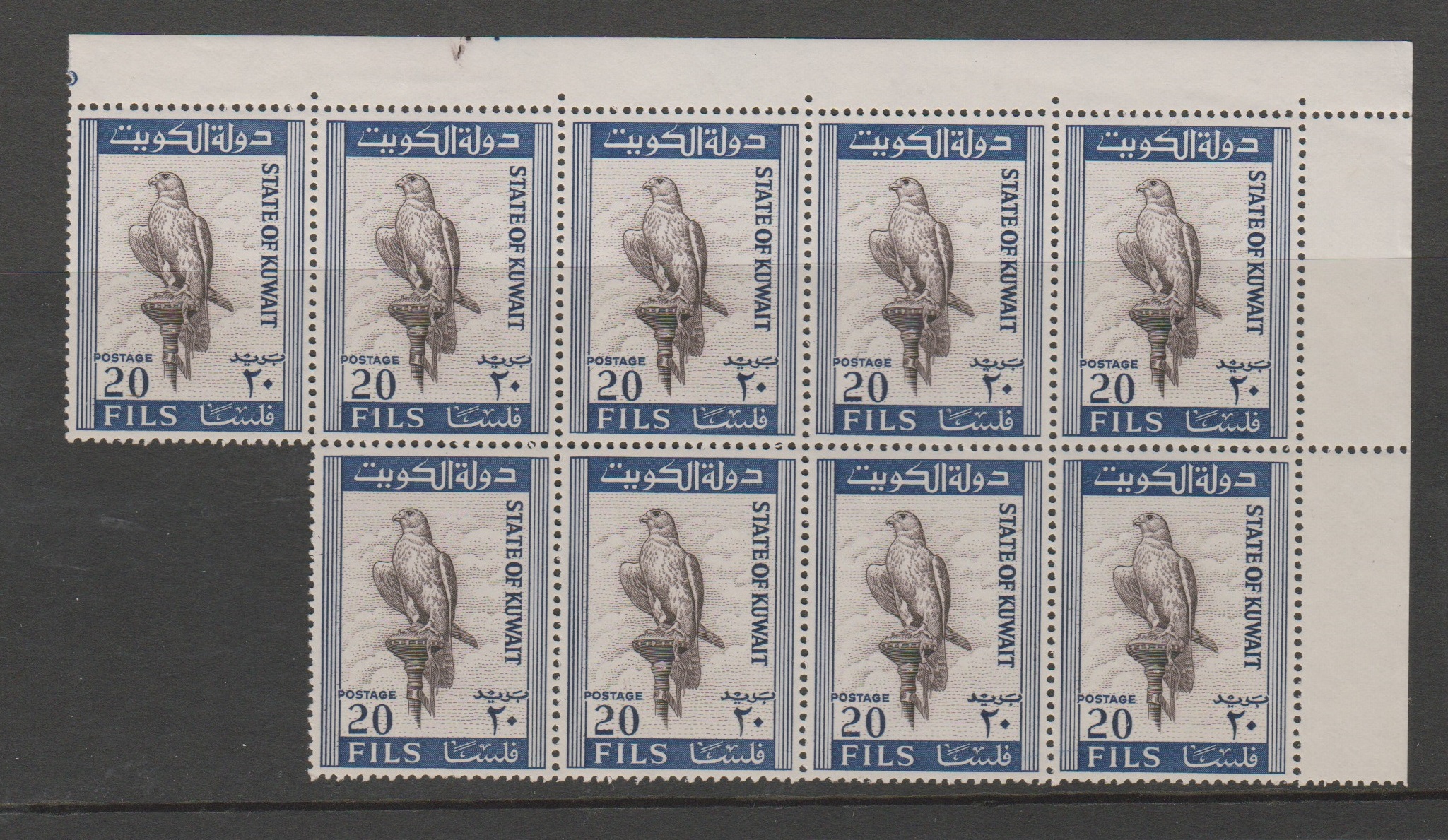
The opening day of the auction went well overall for the company, and well for me personally – I got both lots I had left bids on, and both sufficiently cheaply that I was still in a position to bid on more items on day two. Lot 193 was the first of my lots:
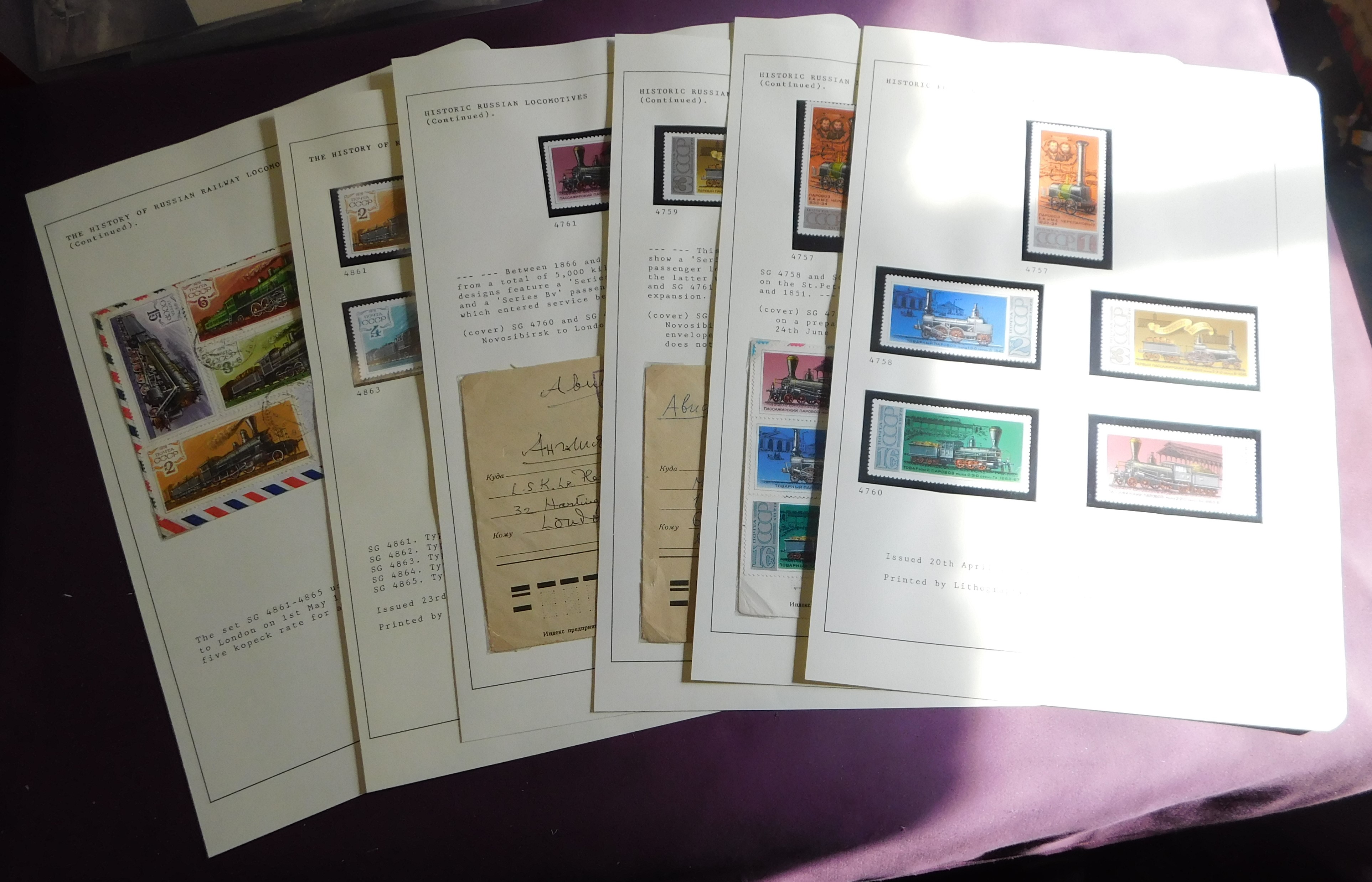
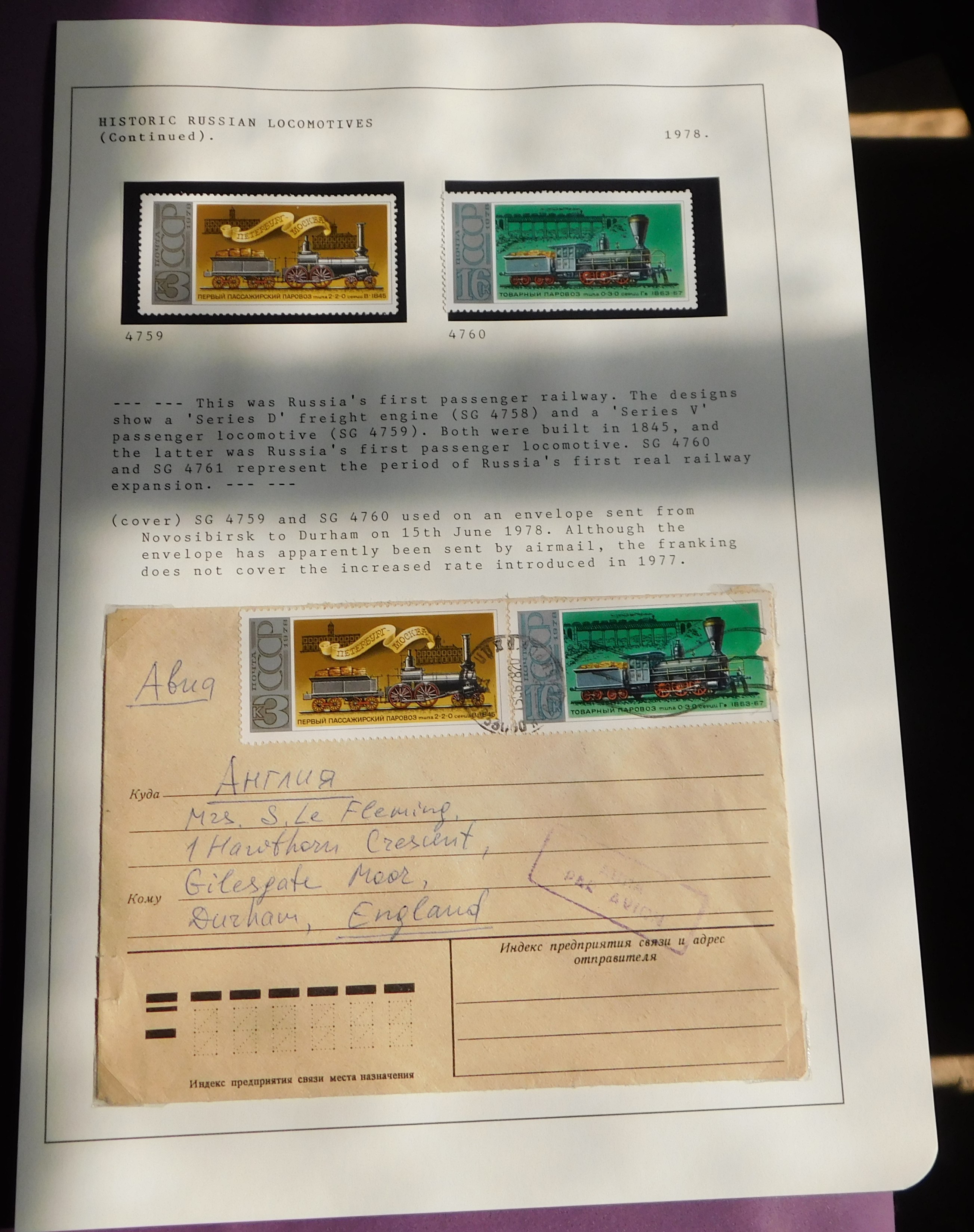
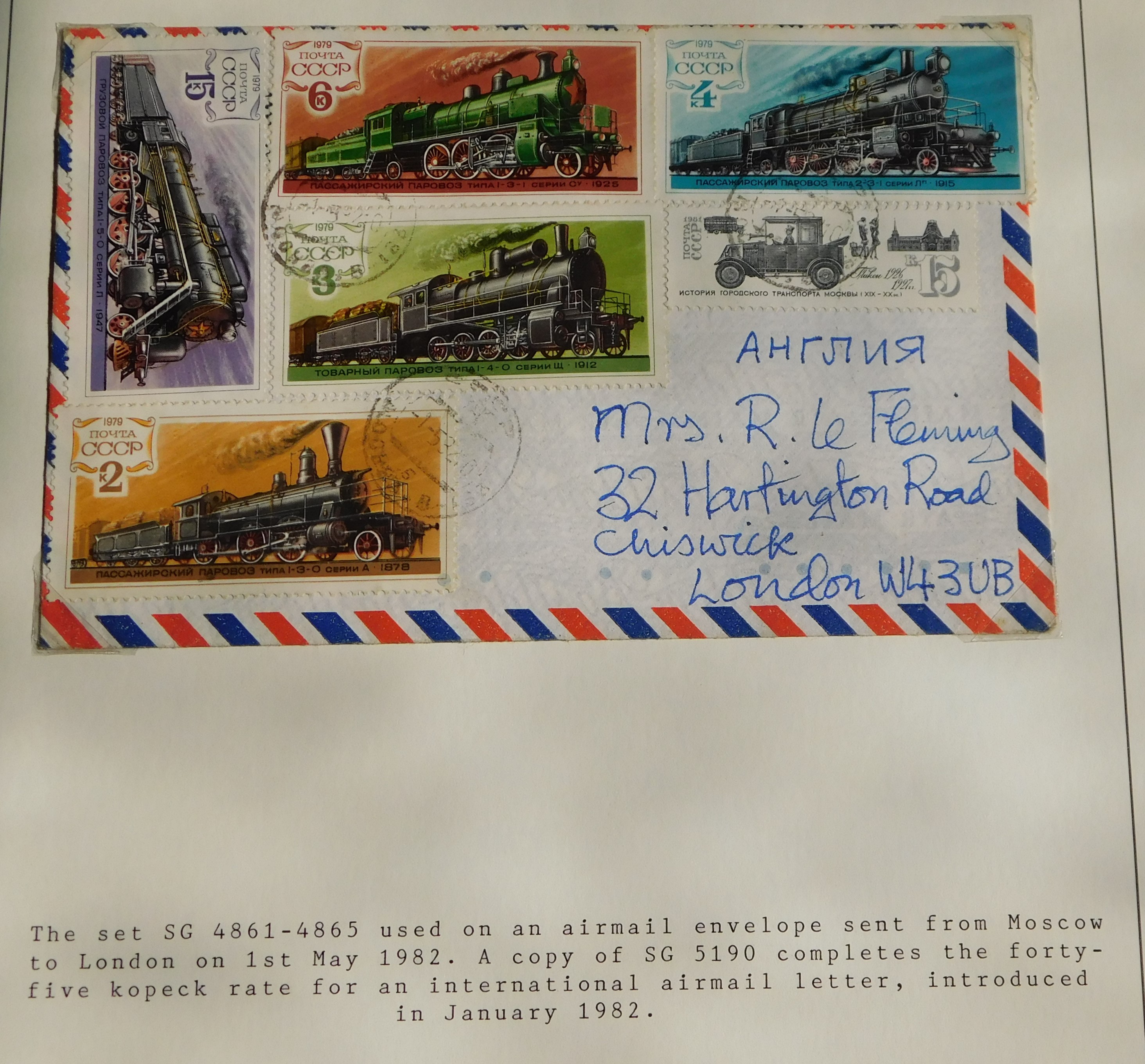
Lot 398 was five pages of Russian steam locomotive stamps:
DAY TWO
This could have been a very quiet day, but fortunately it wasn’t completely so. The biggest success of the day was lot 762, which went for £140. My first bid of the day was on lot 701, and I was successful:
Lot 728 was my next success…
Lots 785 and 840 also went to me…
COUNTY CHAMPIONSHIP
Another round of County Championship fixtures got underway today. Due to a meeting this morning I missed the first session of play, and I will be missing most of tomorrow as it is the West Norfolk Autism Group’s annual outing to Pensthorpe. However I have got to enjoy Somerset having superb afternoon and evening against Essex at Taunton. Essex were 115-2 at the high water mark of their innings, but since then it has been one-way traffic – they are now 180-9 with Noah Thain having just gone for 41, caught Rew bowled Pretorius. I am not entirely sure about Kasun Rajitha;s batting credentials, though the fact that he is below Sam Cook, sometimes adhesive (as indeed he was today) but unquestionably a tail ender, tells one something, but Jamie Porter is an absolutely blown in the glass genuine number 11.
PHOTOGRAPHS
My usual sign off…
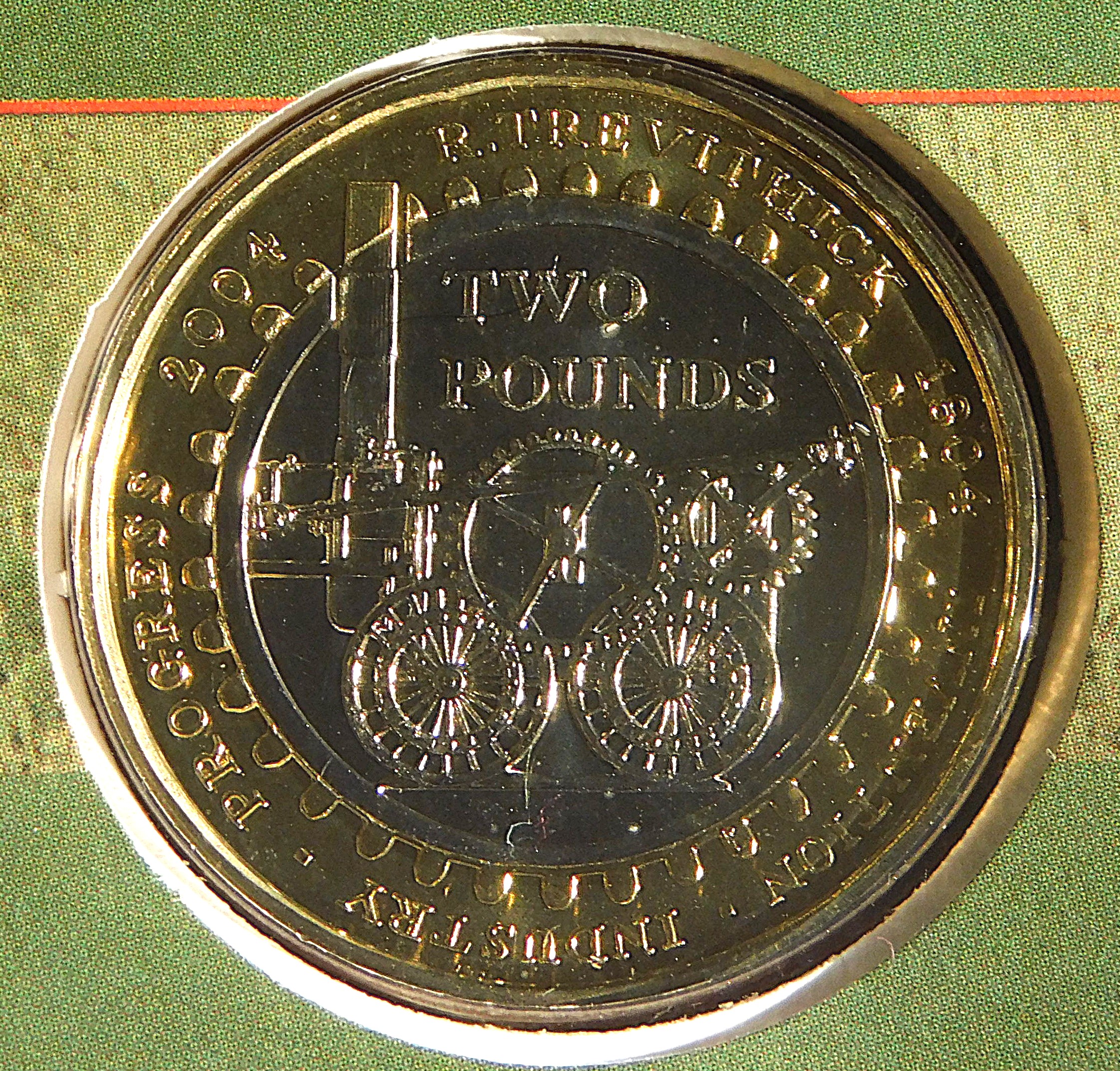
These coasters (seven images in total) are an early birthday present from my boss.The Trevithick/ Pen-y-Darren £2
A brief account of England’s last gasp win over France in the Six Nations rugby, a mention of the West Norfolk Autism Group including photos of our office spacr, and a large photo gallery.
There have been two Six Nations rugby matches today. In the first Wales’ recent miseries continued as Italy beat them, meaning that this Welsh side are now holders of an unwanted record – no other Welsh side has ever lost 14 consecutive matches as this one now has. The second game, which ended just a few minutes ago saw England facing France.
The Latest of Late Winners
Having been beaten by Ireland last time out England needed to win this match, while France had hammered Wales in their first game of the tournament. France were not at their best at any stage of this match, but heading towards the end of the match it looked like they had done enough. There were 79 minutes gone (Rugby Union matches are supposed to last 80 minutes), with France ahead by 25 points to 19 when Elliot Daly received an excellent pass from Fin Smith and scored close to the posts. Smith then added the conversion to make it England 26 France 25. There were some nervy moments even then in the very closing stages, but England held on and secured the win. England have lately been struggling to close out games, but this time it was their opponents who suffered the late reverse.
PHOTOGRAPHS
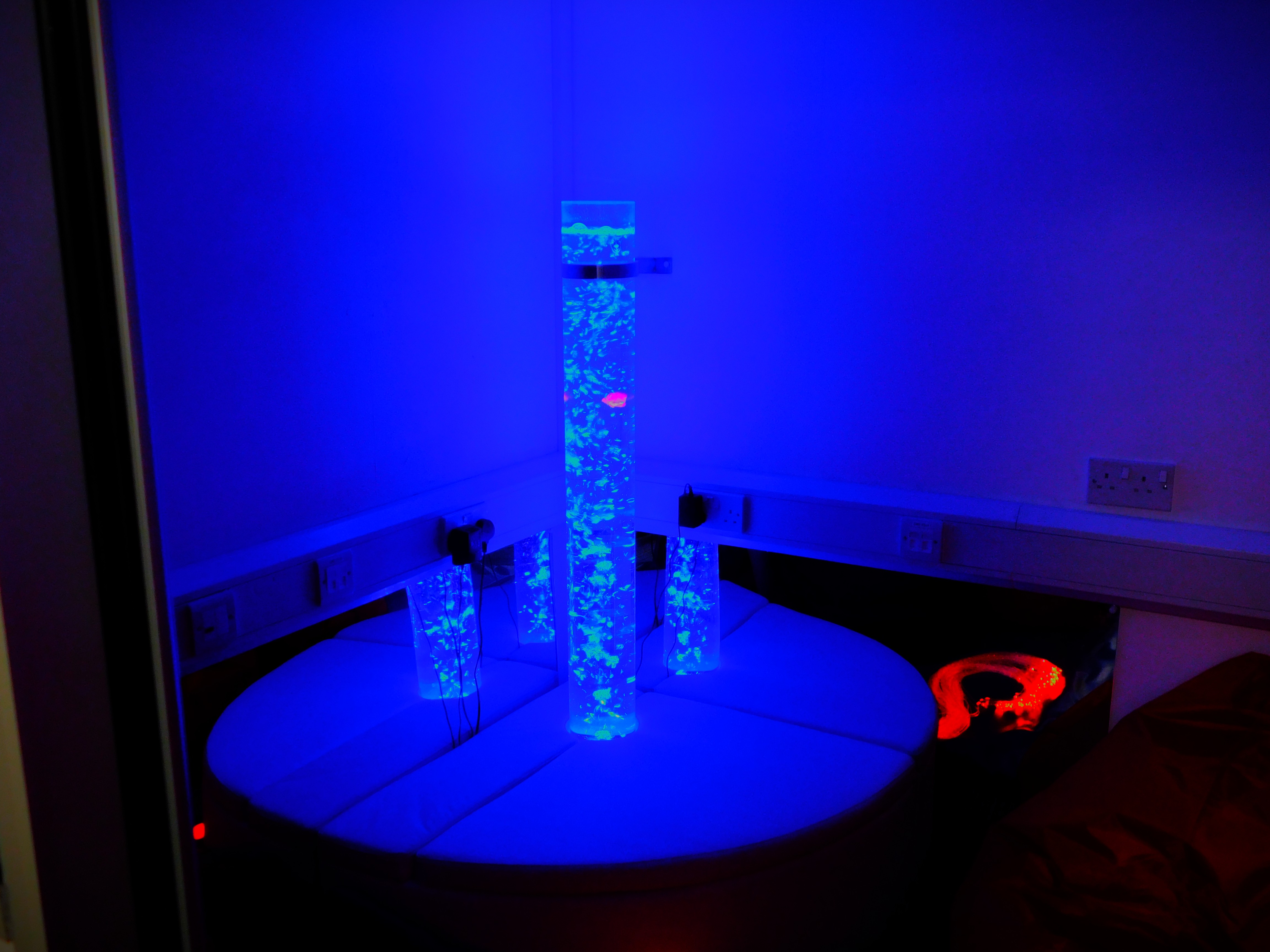
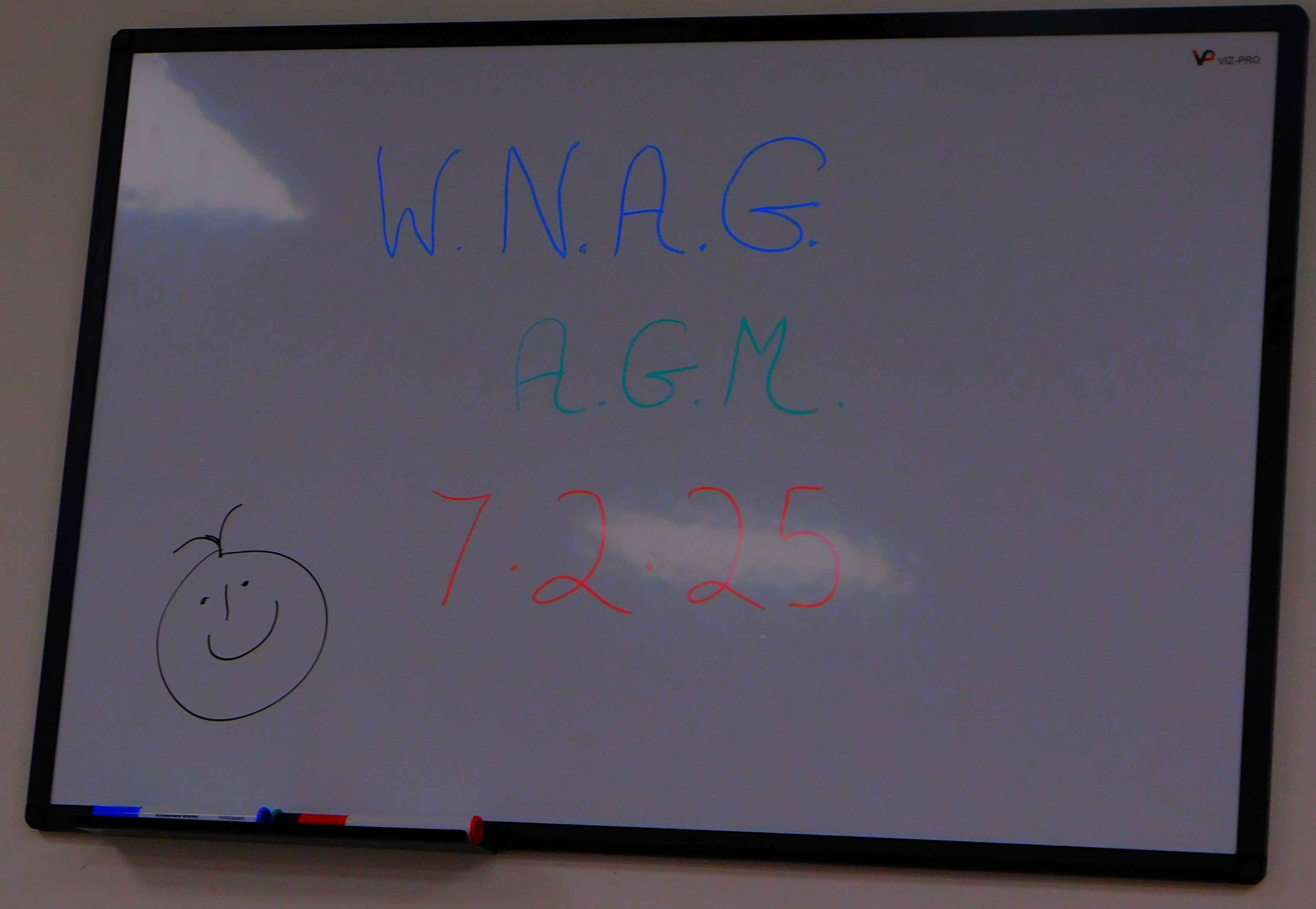
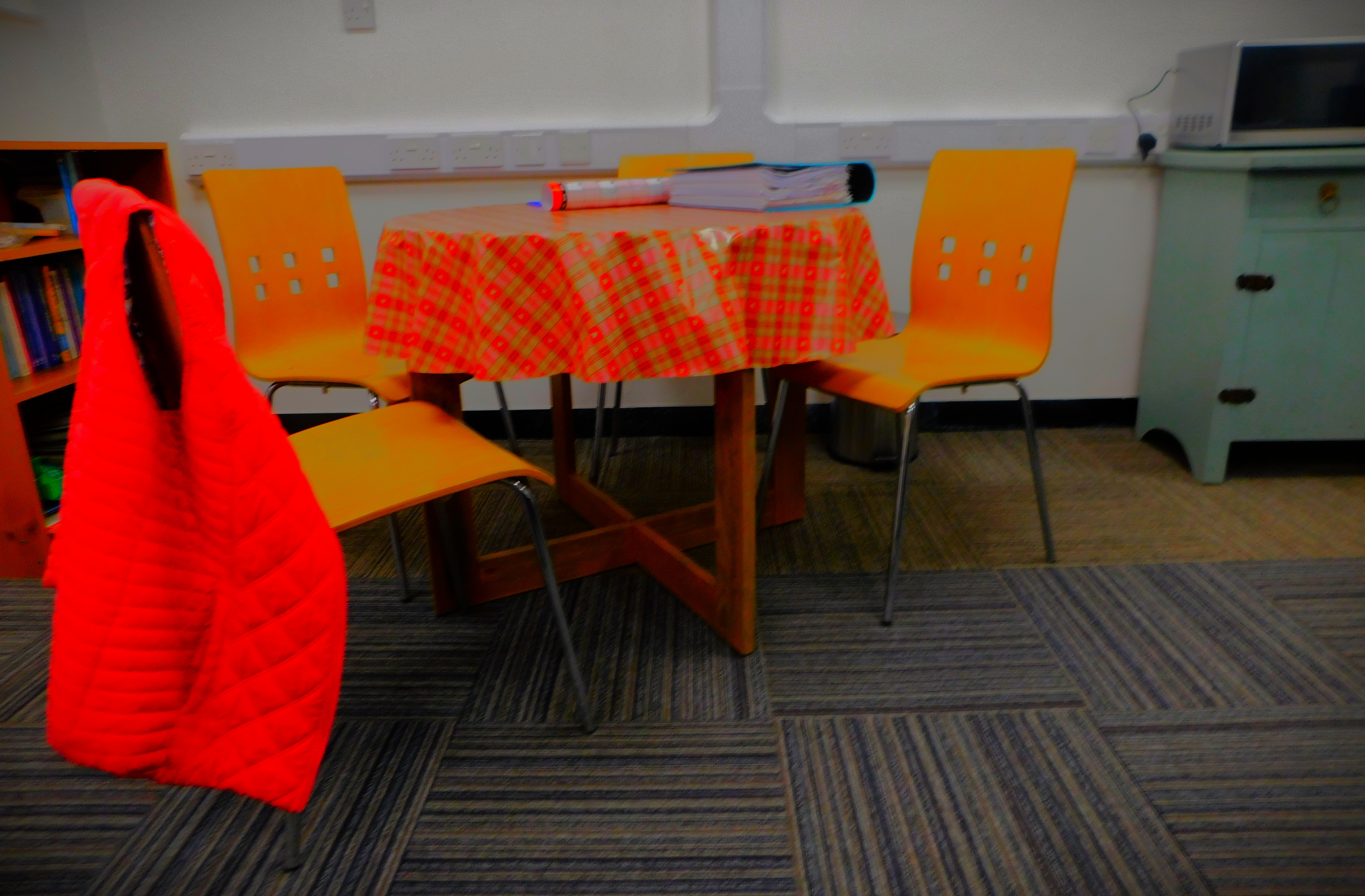
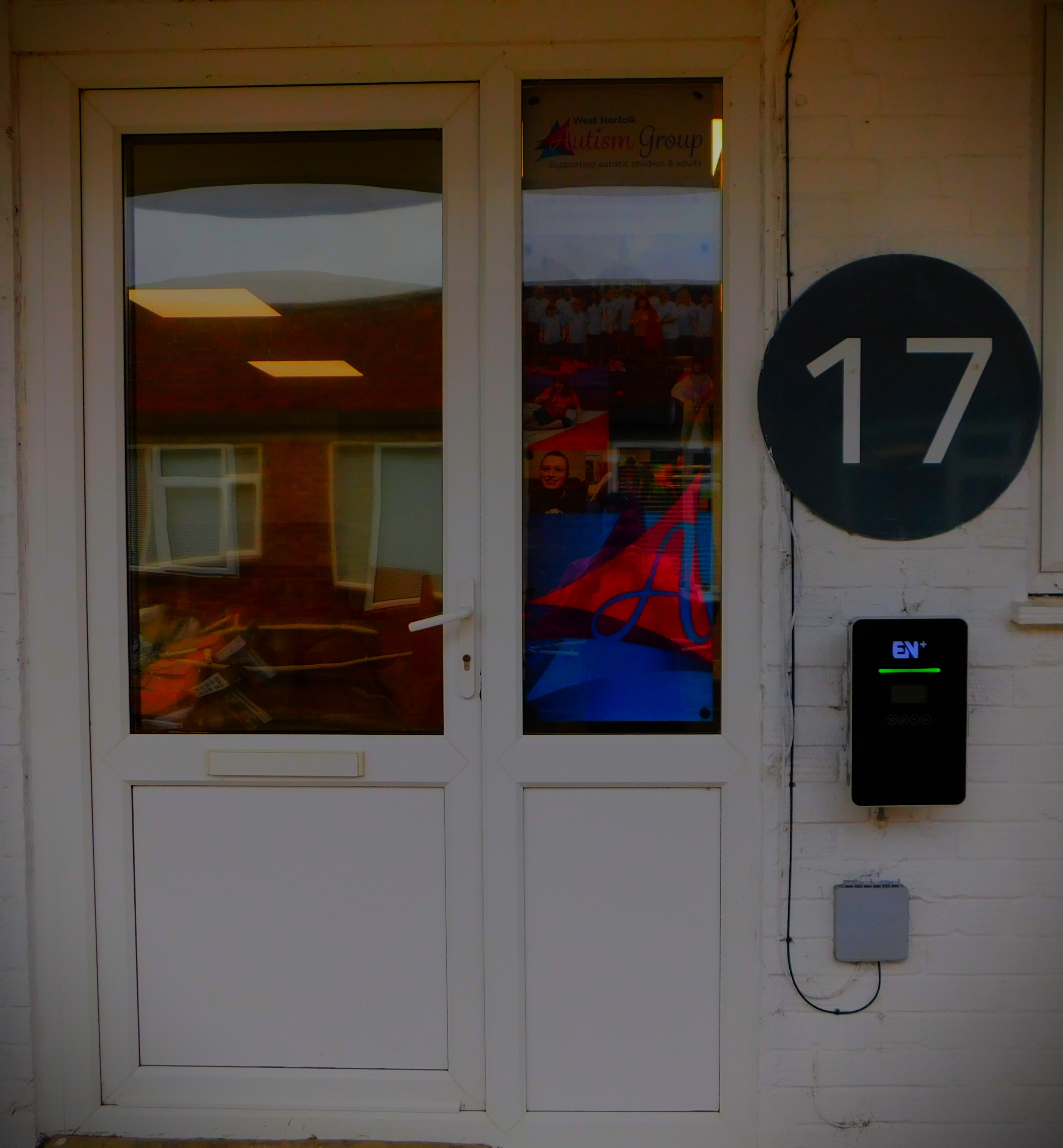
Before I get to the main gallery, Friday was the AGM of the West Norfolk Autism Group, and our office space in West Lynn is now fully functional…
These first three shots show the little sensory room in one corner of the space.A photo board.
A look at the current situation in the BBL and a photo gallery.
The 2024-5 edition of the Big Bash League is now approaching the business end. Every franchise has played at least seven of their 10 group games, with two, Sydney Thunder and Melbourne Stars having played eight. This post looks at the state of play in the tournament.
DOWN THE TABLE
Hobart Hurricanes obliterated Sydney Thunder earlier today in a match that I only caught the start of due to having an important meeting to attend this morning, and they now have 11 points from seven games, and barring a complete collapse in what is left of the tournament they will feature in the knockouts.
Sydney Sixers have nine points from seven games, and they too are highly likely to be involved in the knockouts.
Sydney Thunder have nine points from eight games. They lost Daniel Sams and Cameron Bancroft to freak injuries resulting from a collision in the field, and the loss of the former has left them absolutely hamstrung in the Power Surge overs. Mohammad Hasnain and George Garton, signed as replacement bowlers, have both proved not to be up to the task, and Wes Agar, who has also been tried in this phase has likewise failed. This means that although one win from their two remaining games would probably be enough their qualification has to be considered as being in jeopardy. The extent of their problems bowling wise is illustrated by todays events – they had a respectable total of 164 to defend, and Hurricanes won with 3.1 overs to spare.
Brisbane Heat have seven points from seven games. They probably need two wins from their last three to qualify, but with Max Bryant coming to the fore with the bat this season I rate their chances of achieving that above those of the Thunder even winning one more game.
Perth Scorchers and Melbourne Renegades are each on six points from seven games, a position from which two wins might be enough, but more likely they would need to win all three of their remaining games.
Melbourne Stars have six points from eight games. However, they started with five straight losses and have won their next three. If they can win their last two that might just sneak them qualification, and they would then be going into the knockouts with tremendous recent form to bolster their chances.
Adelaide Strikers have four points from seven games. They can afford no further slip ups of any sort, but not even they can be officially ruled out as yet.
An account of yesterday’s ODi between the South Africa and England women’s teams and a photo gallery.
At 8AM UK time yesterday morning the second One Day International in the current multi-format series between the South Africa and England women’s teams took place at Durban. This post looks back at that match.
THE SOUTH AFRICAN INNINGS
England won the toss and put South Africa in to bat. Protea skipper Laura Wolvaardt confirmed that she would have put England had she won the toss.
Kate Cross replaced Lauren Bell for England, and her metronomic accuracy proved an excellent counterpoint to the pace and fire of Lauren Filer with whom she shared the new ball. England soon had two early wickets, Tazmin Brits and Sune Luus each having their stumps rearranged by Filer. From 14-2 the proteas appeared to have launched a very effective recovery when Wolvaardt and the up-and-coming Annerie Dercksen took the total into the 70s without further loss. However now came the period that effectively settled the match. Spinners Charlie Dean and Sophie Ecclestone tore out the middle order in an extraordinary period in which 72-2 and on the road to recovery became 76-7 and definitively doomed. Dean took four of the wickets with her off spin, including performing the hat trick (her victims for this achievement were Marizanne Kapp, Nadine de Klerk and Sinalo Jafta, none of whom would be considered not to be a front line batter), while Ecclestone, for once subordinate in destruction, nevertheless claimed the prize scalp of Wolvaardt, clean bowled for 35. Chloe Tryon did her best to save something from the wreckage, scoring an impressive 45 before Ecclestone had her caught by Tammy Beaumont. That was 127-9, and the last pair of Khaka and Hlubi boosted the total by a further eight before Hlubi was bowled by Ecclestone to end the innings. Dean had 4-45 from her full 10 overs, Ecclestone 3-27 from 7.3 overs and Filer who had added Nonkuloleko Mlaba, clean bowled, to her two opening scalps had 3-32 from six overs, all three bowled.
THE ENGLAND REPLY
To have any chance of defending such a small total South Africa needed early wickets, and the England opening pair of Tammy Beaumont, playing her 100th successive ODI, and Maia Bouchier ensured that no early wickets fell. By the end of the 10 over opening power play England were 57-0. 12 more runs came before Bouchier was dismissed, and although Beaumont and Knight followed quickly at 80 and 82, Nat Sciver-Brunt and Danni Wyatt-Hodge took England to the brink of victory. Just seven further runs were needed when Sciver-Brunt was LBW to de Klerk. New batter Amy Jones struck her first and third balls for fours to give England victory by six wickets with 26 OVERS to spare. The ODI segment of the series is thus level at 1-1 with one more match to come. Charlie Dean was named player of the match.
PHOTOGRAPHY
My usual sign off…
New shoes bought today – so far, so good – I have done my afternoon walk in them (I bought them near the end of my morning walk).


























































































































































































































































































































































































































































































































































































































































































































































































































































































































































































































































































 aspiblog