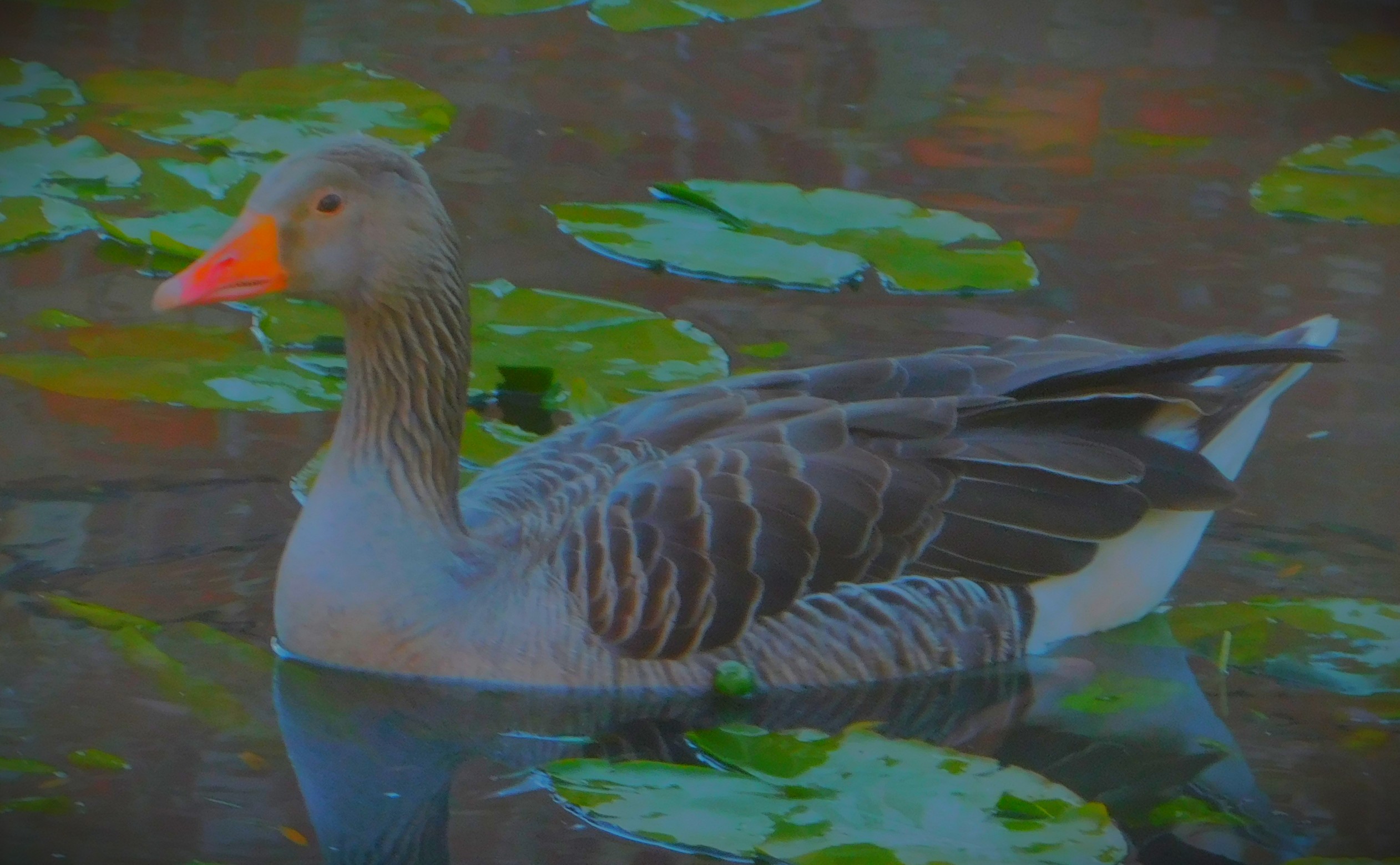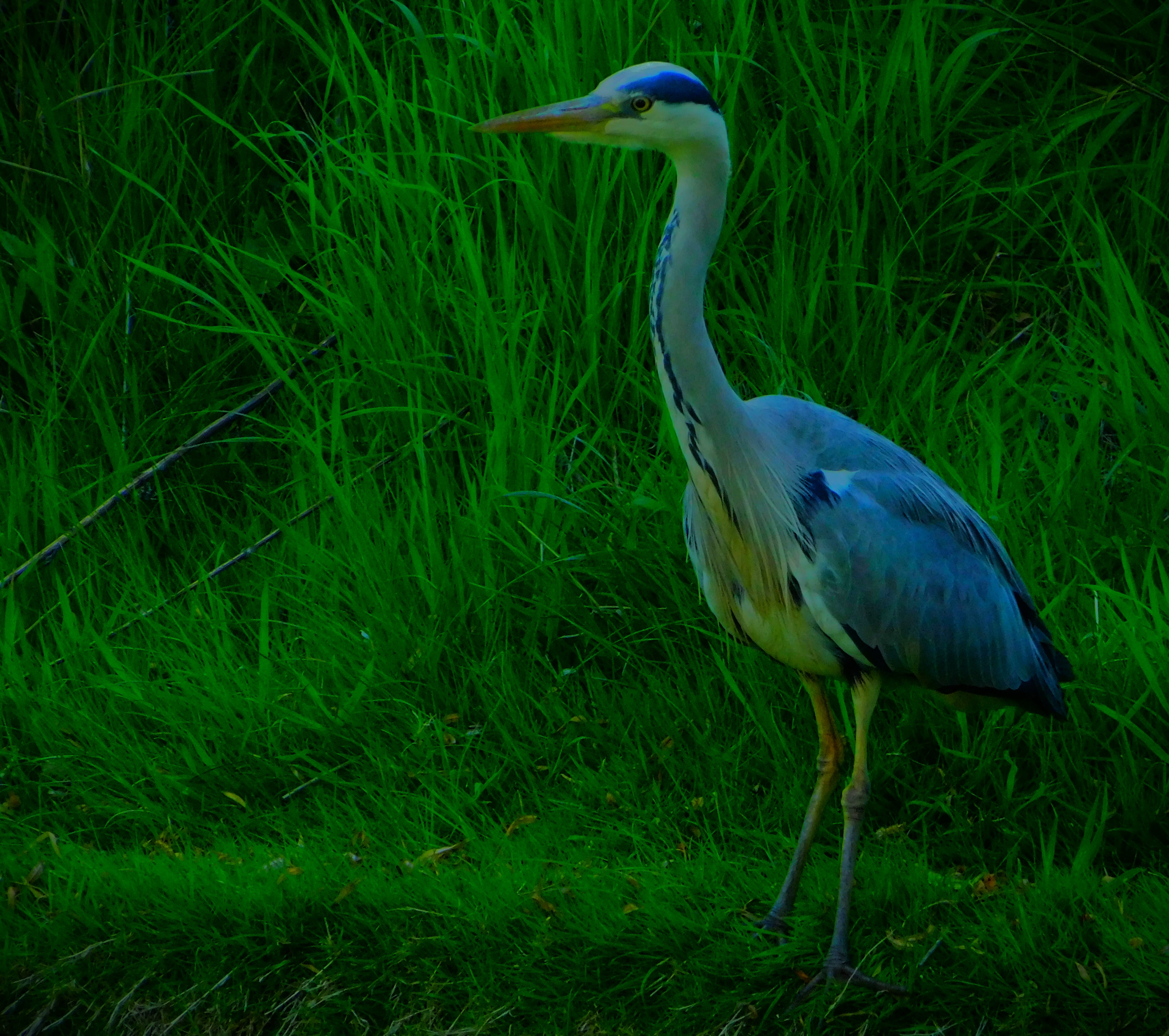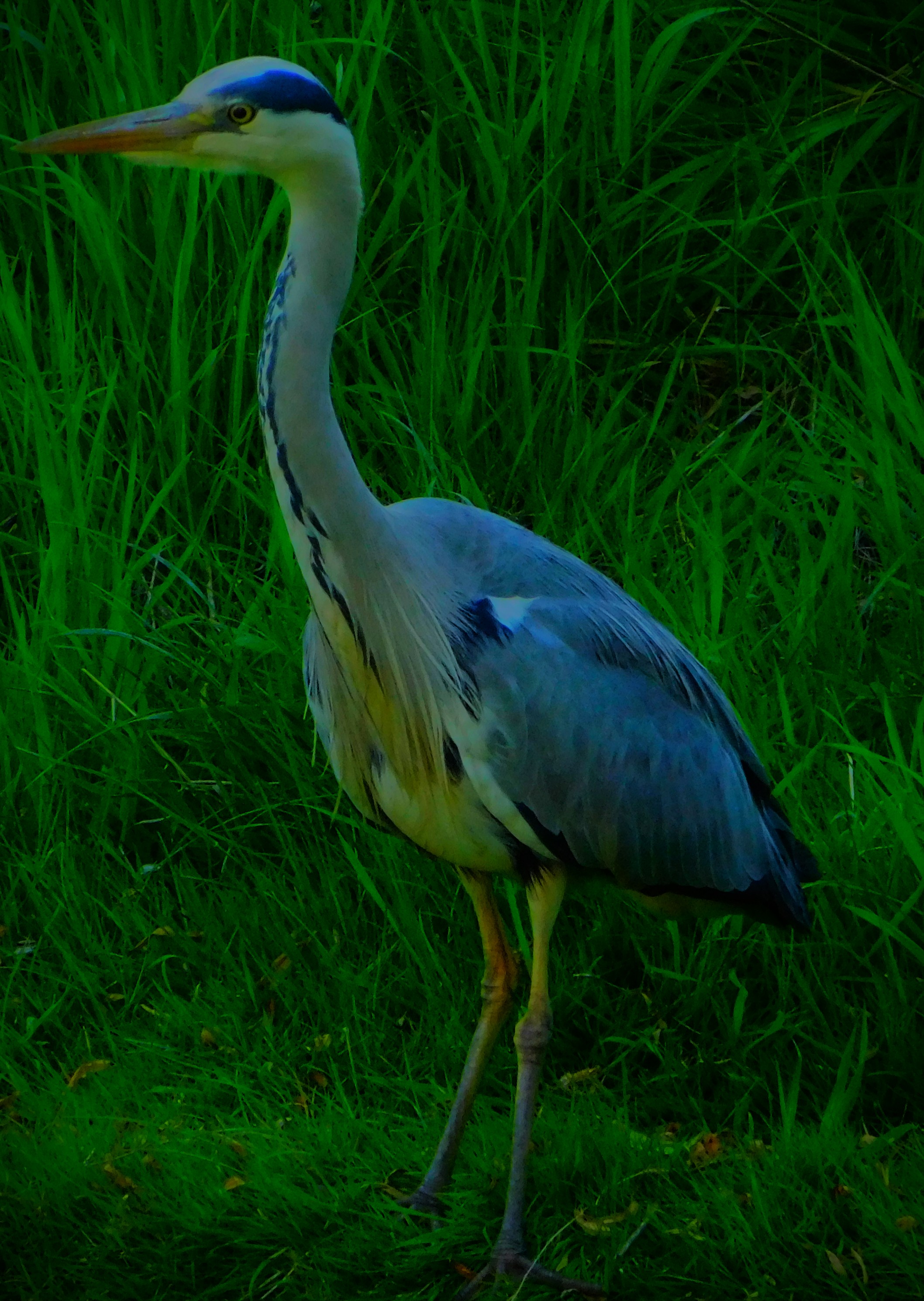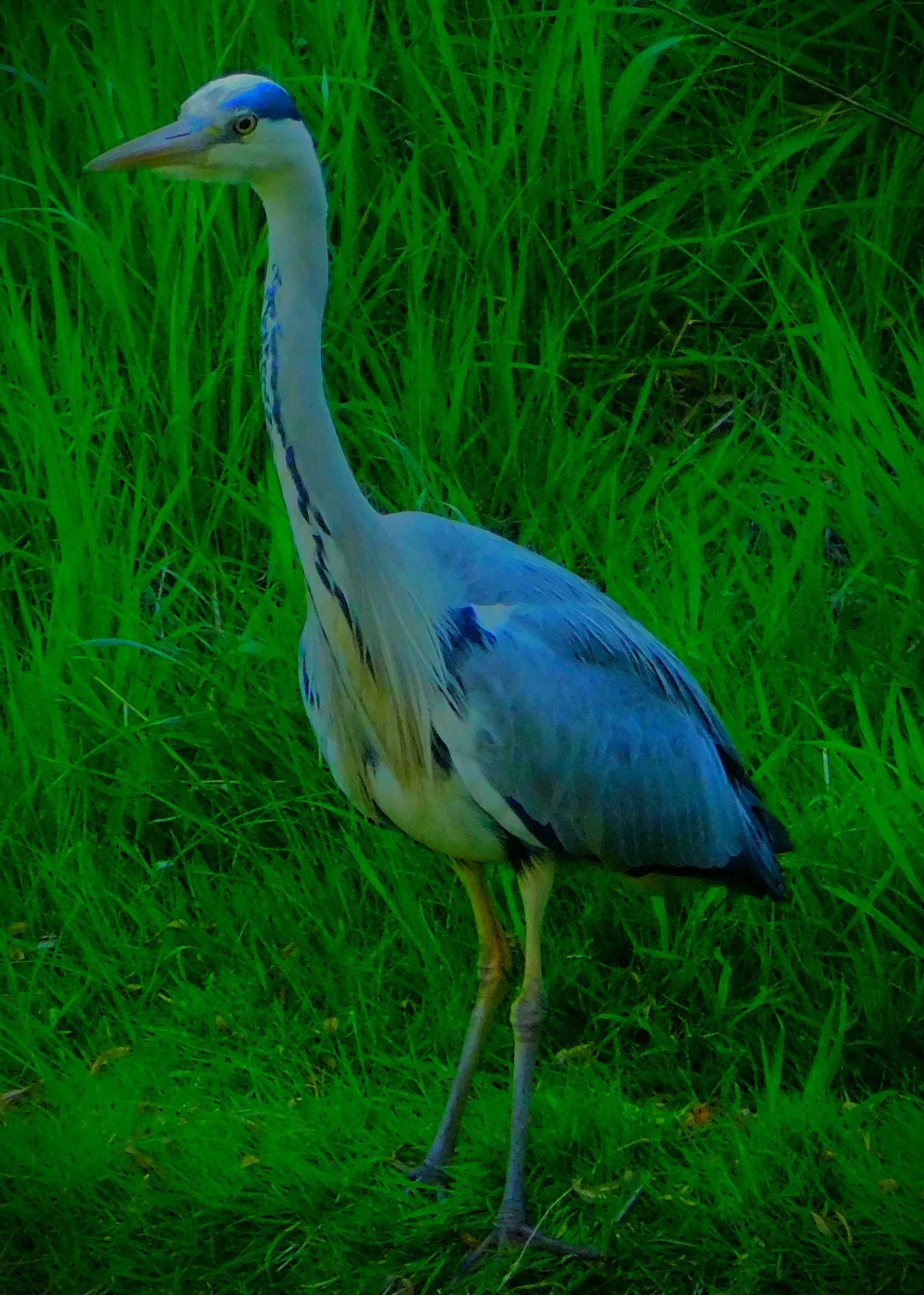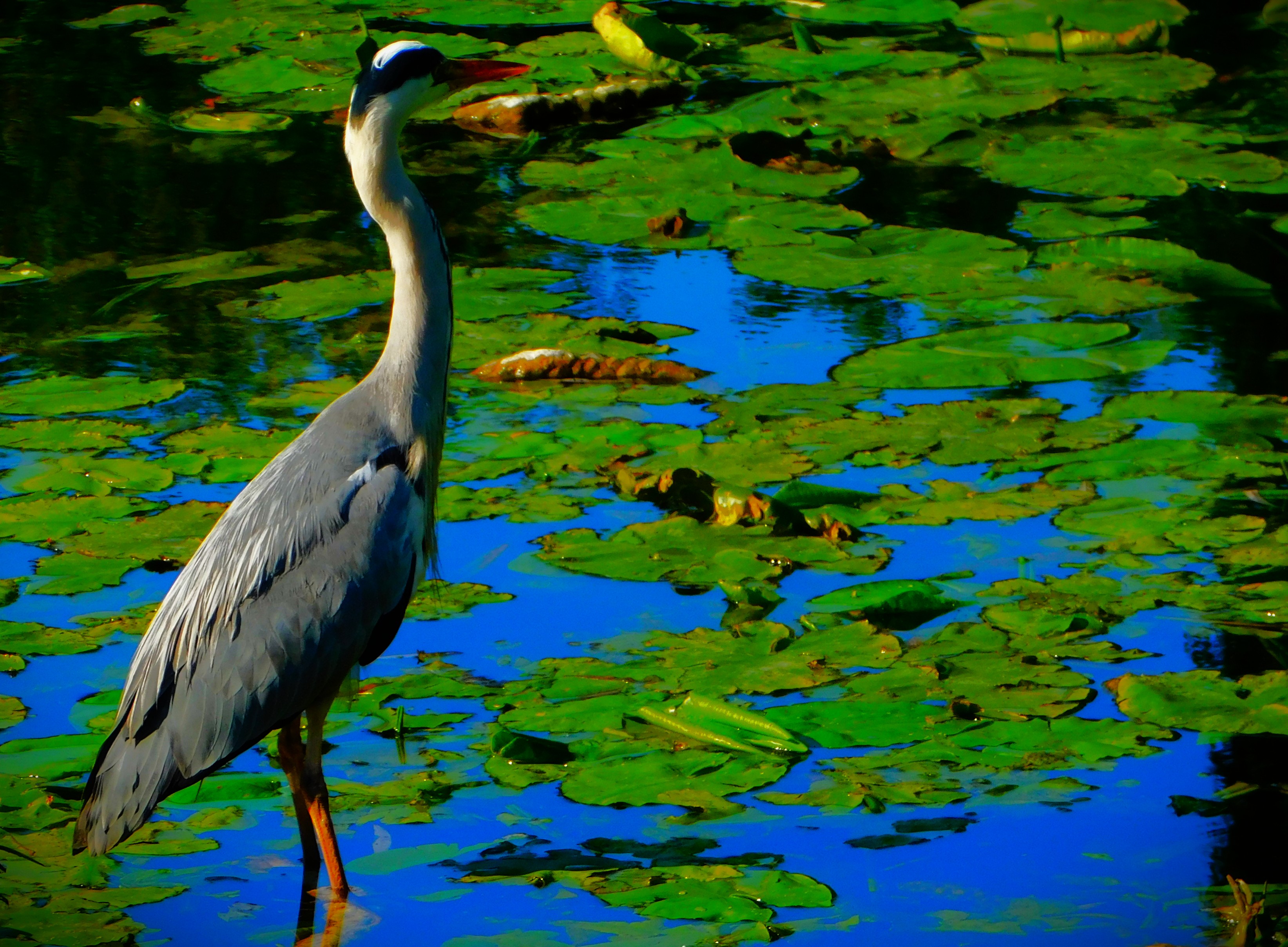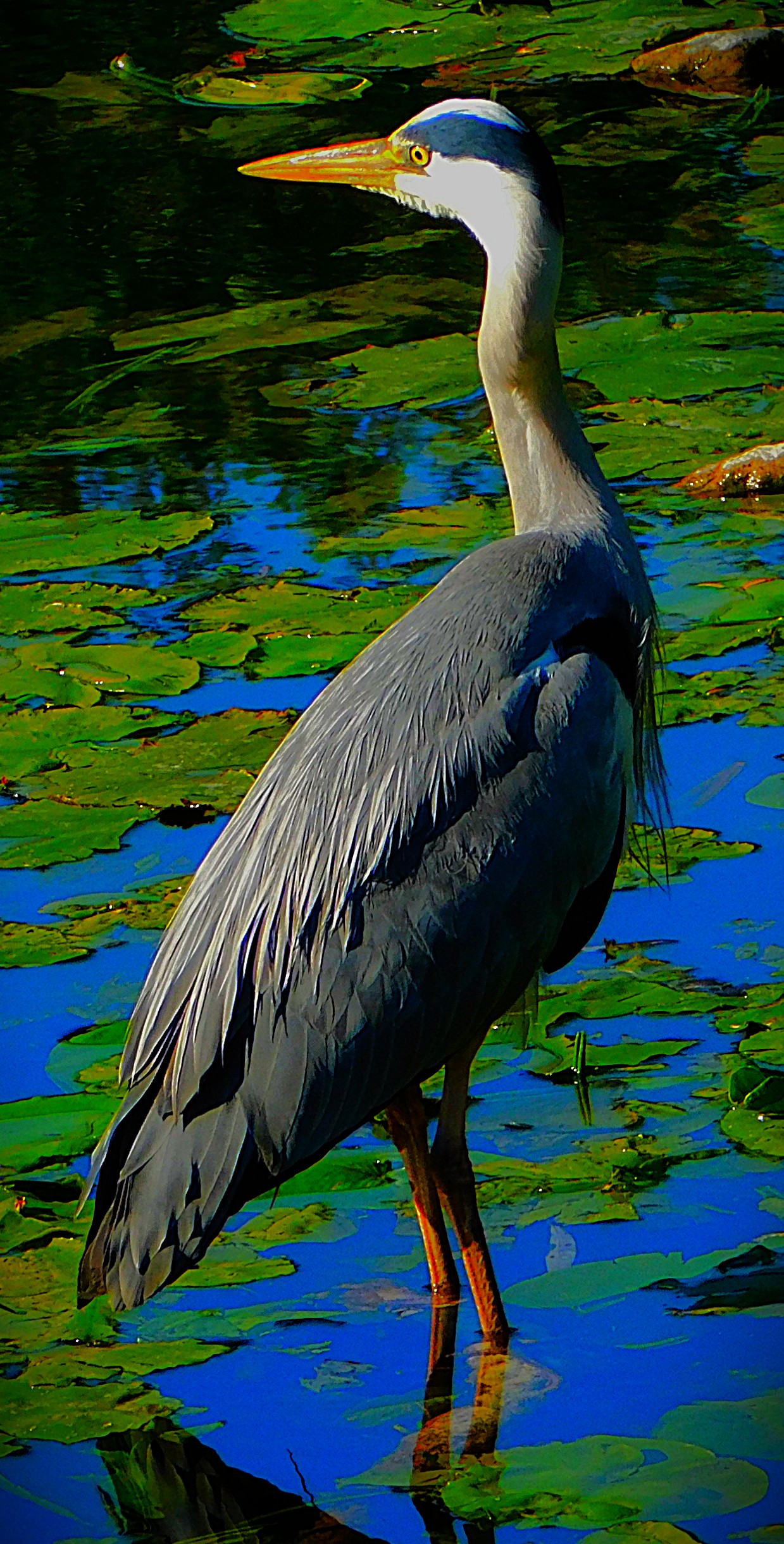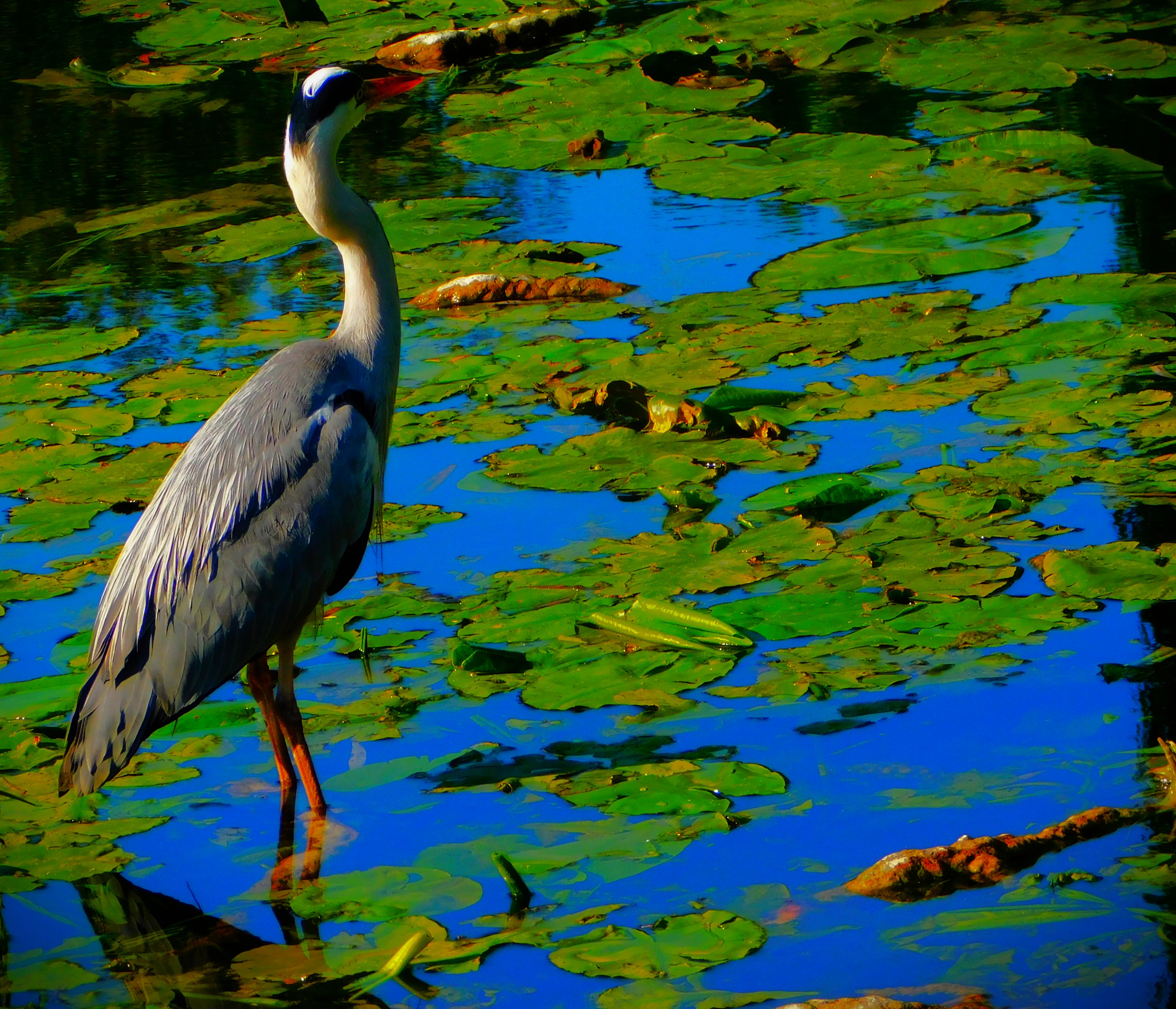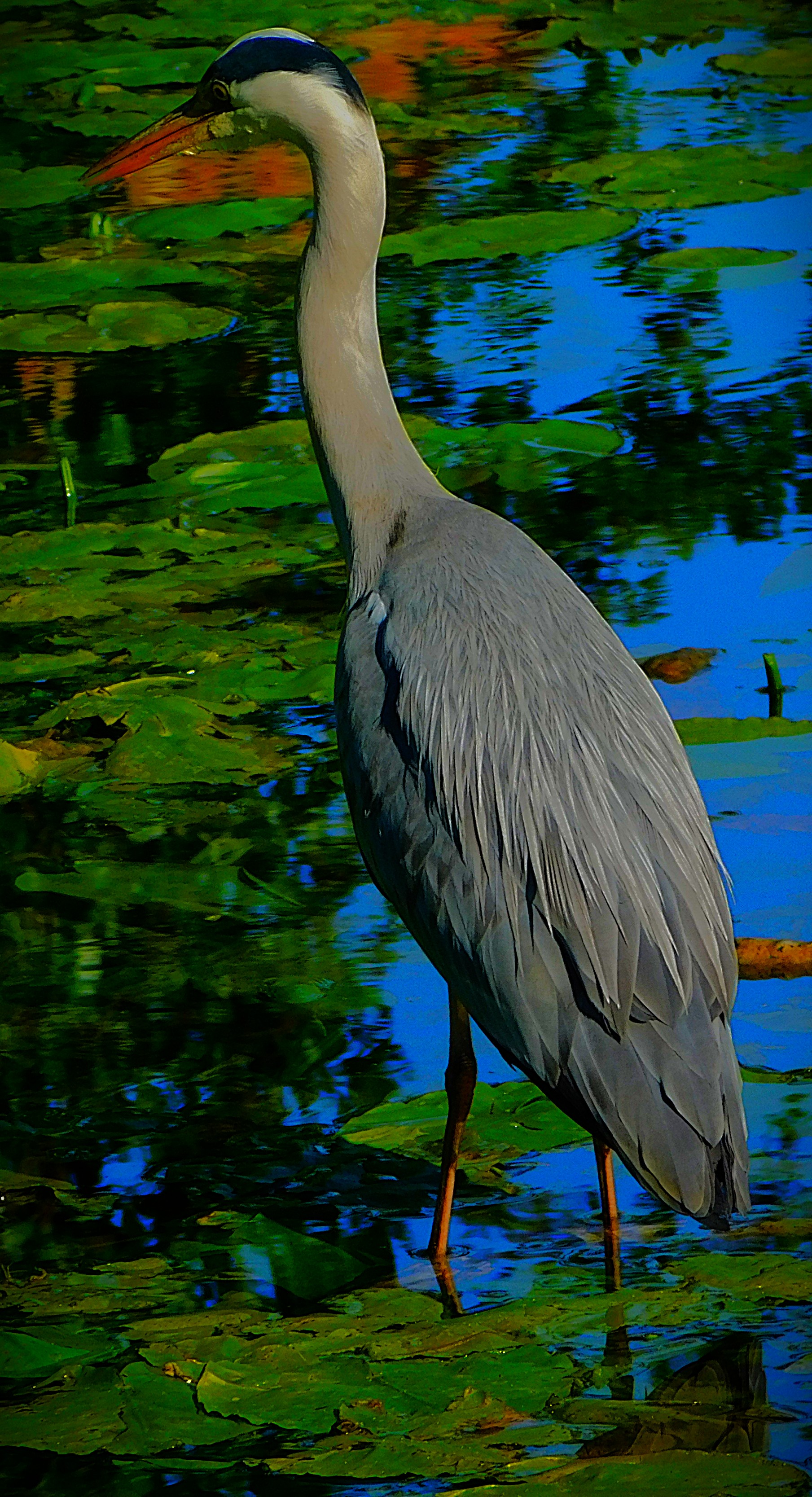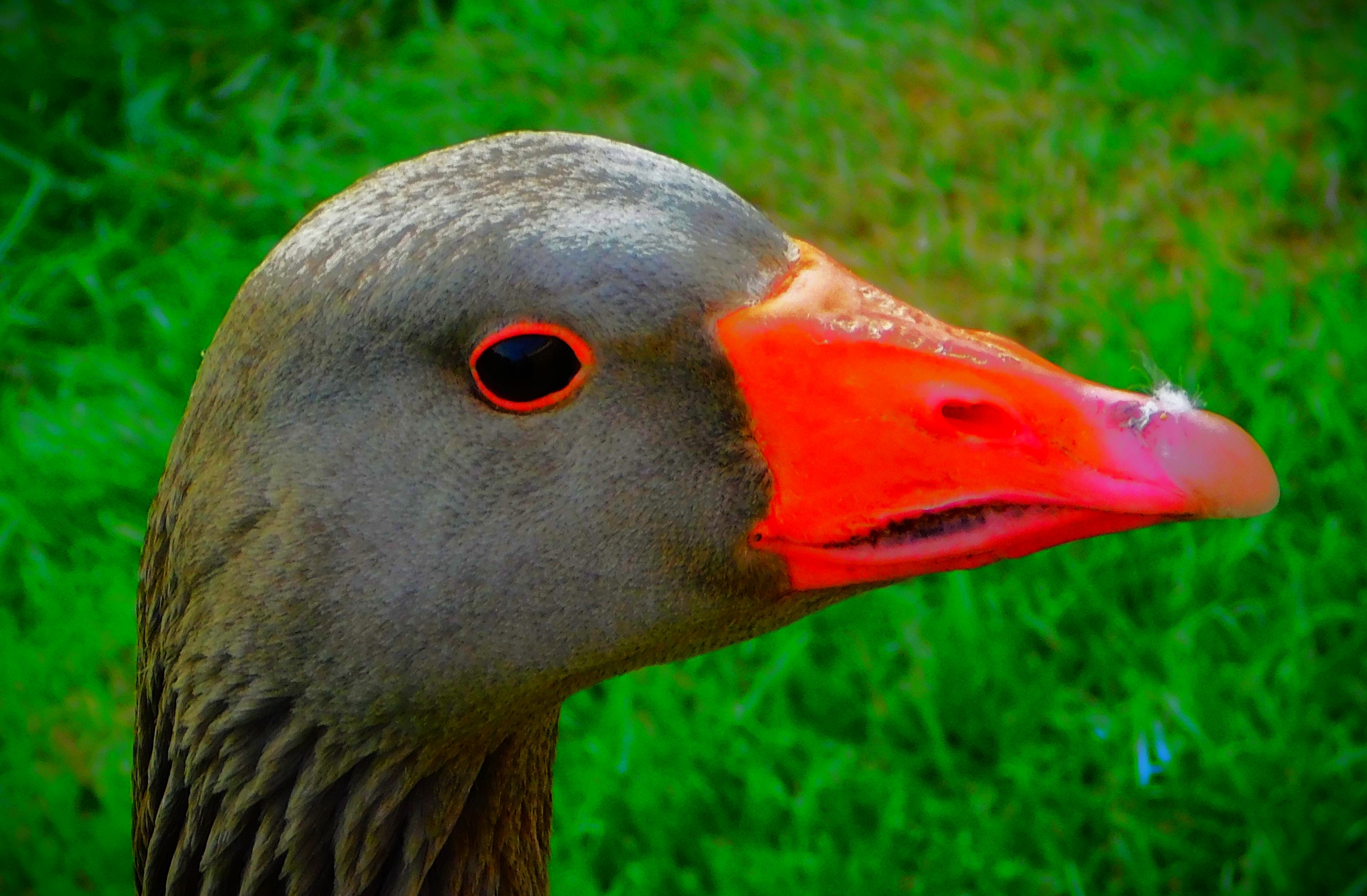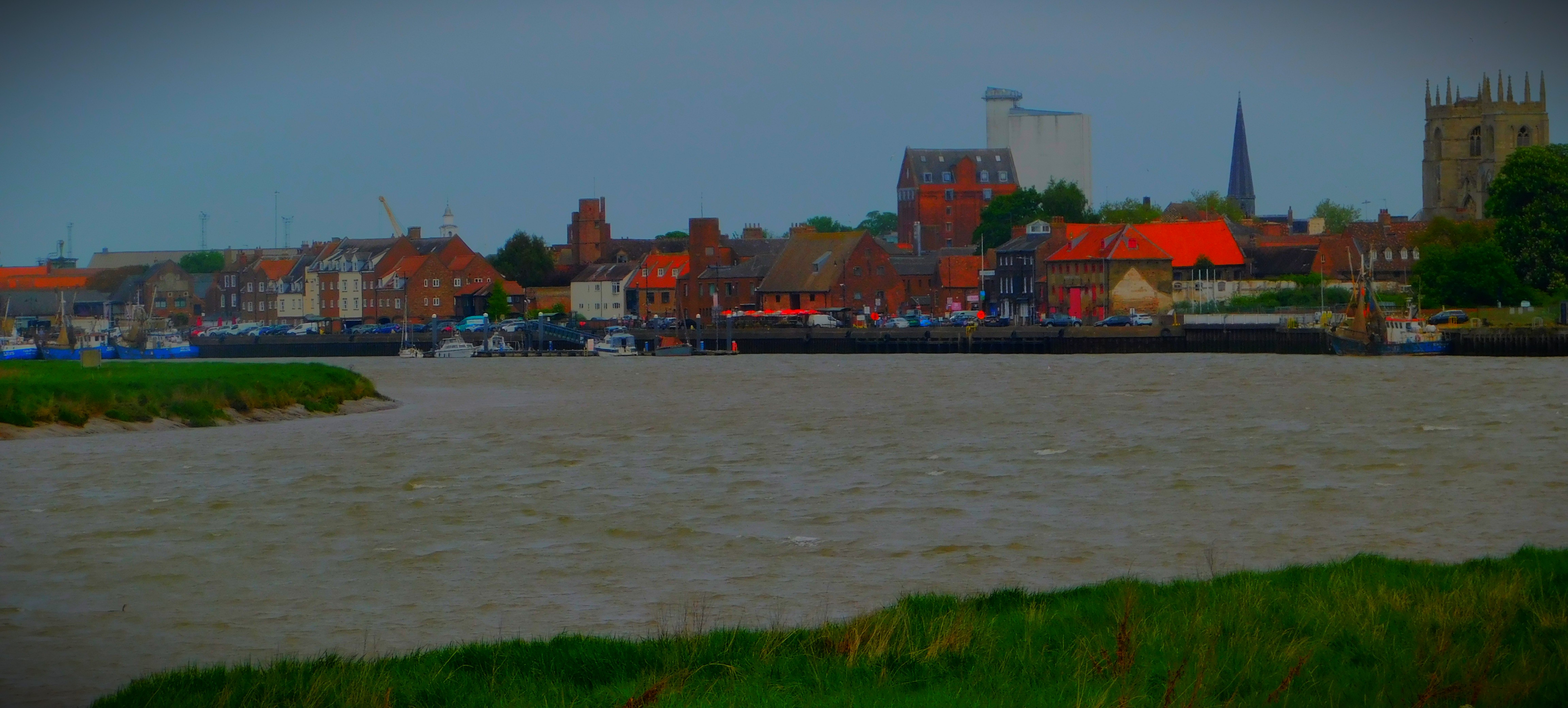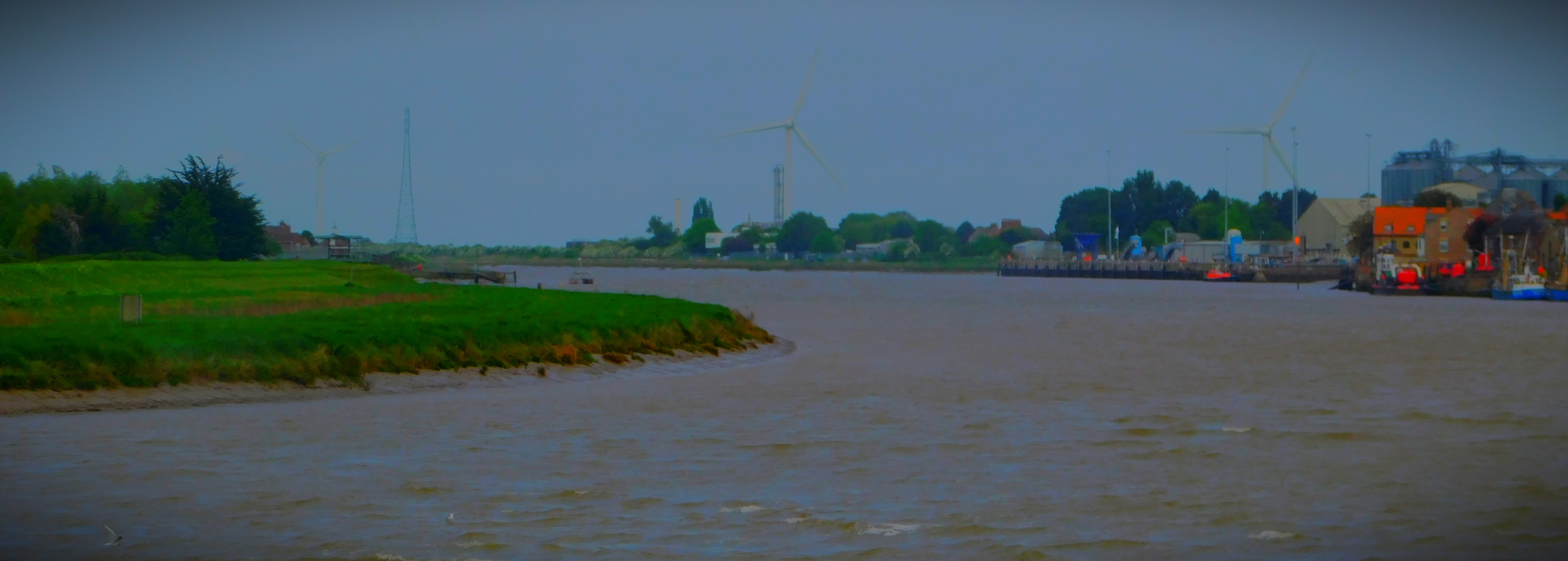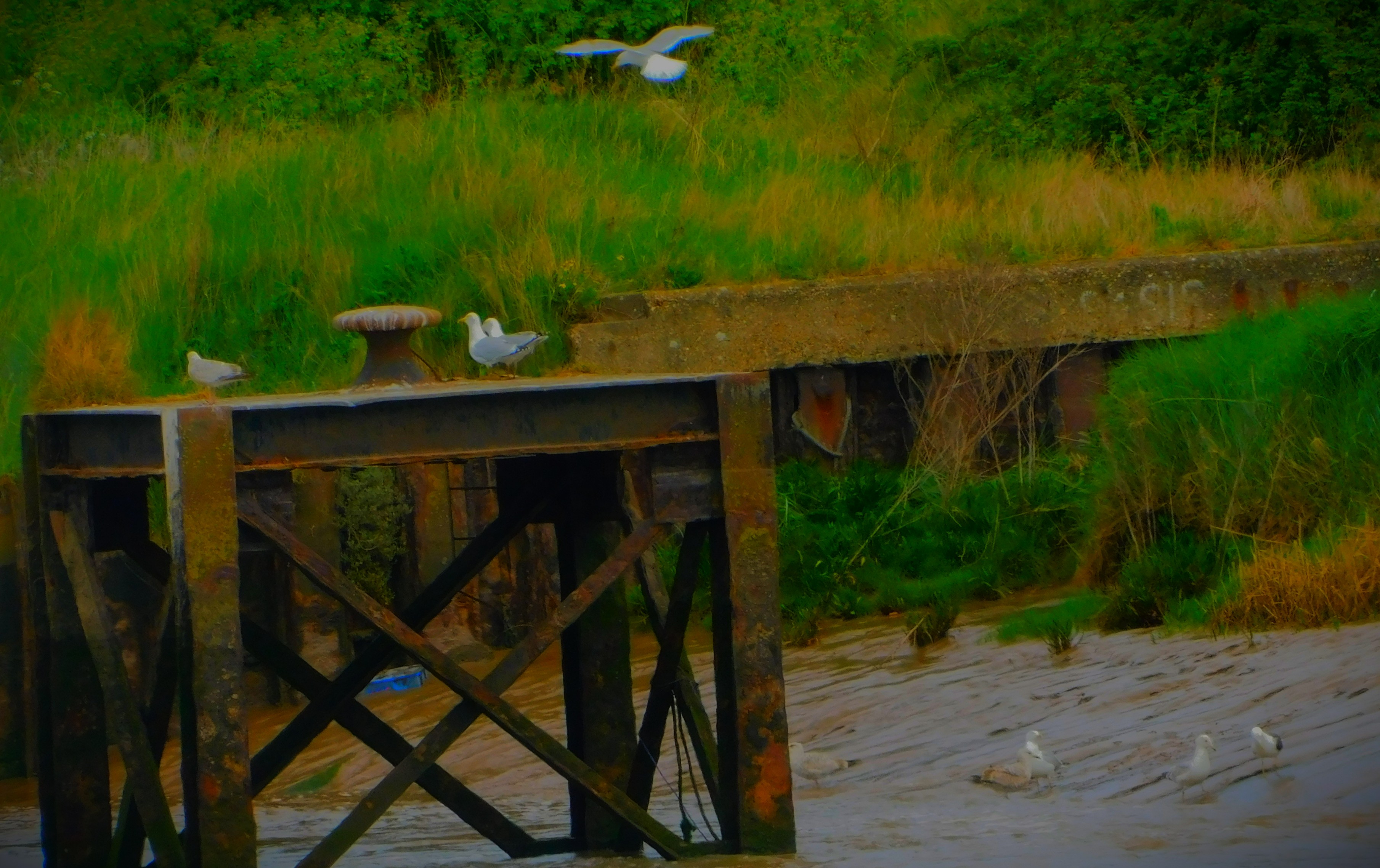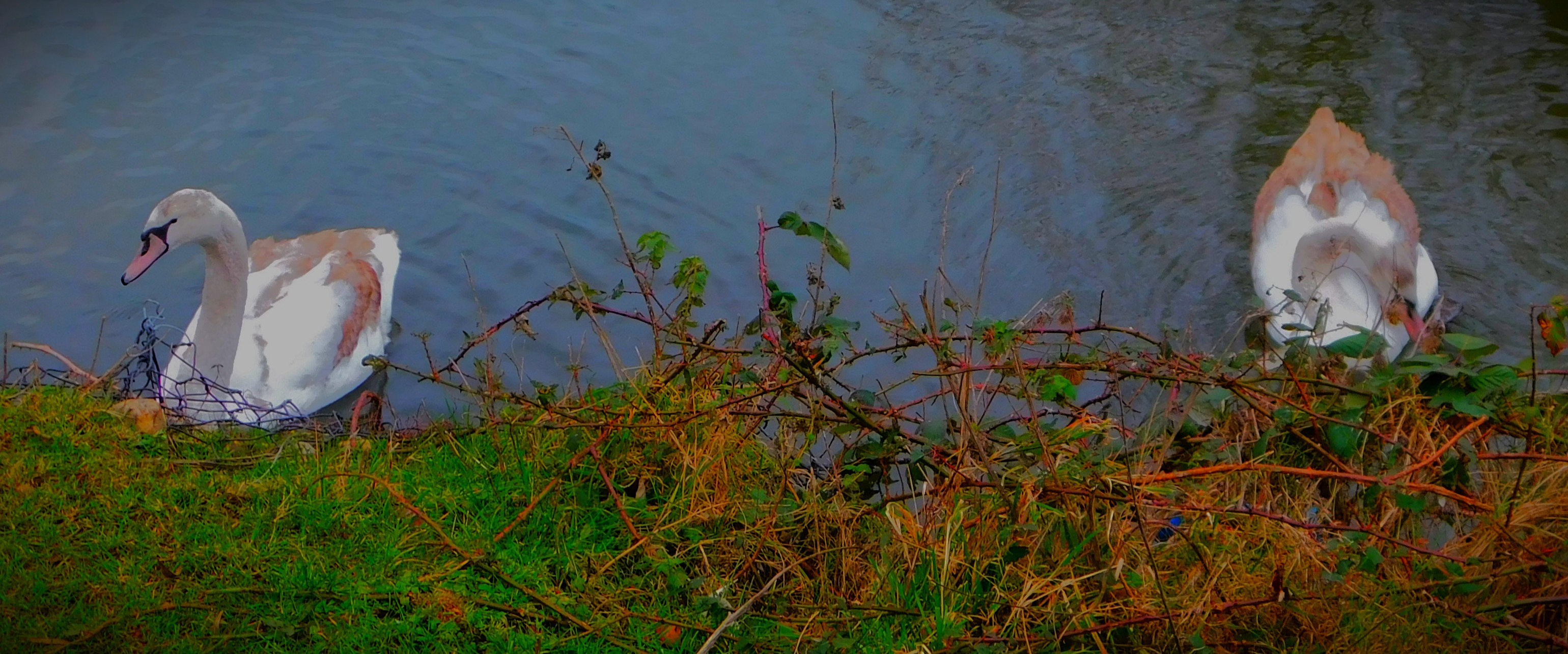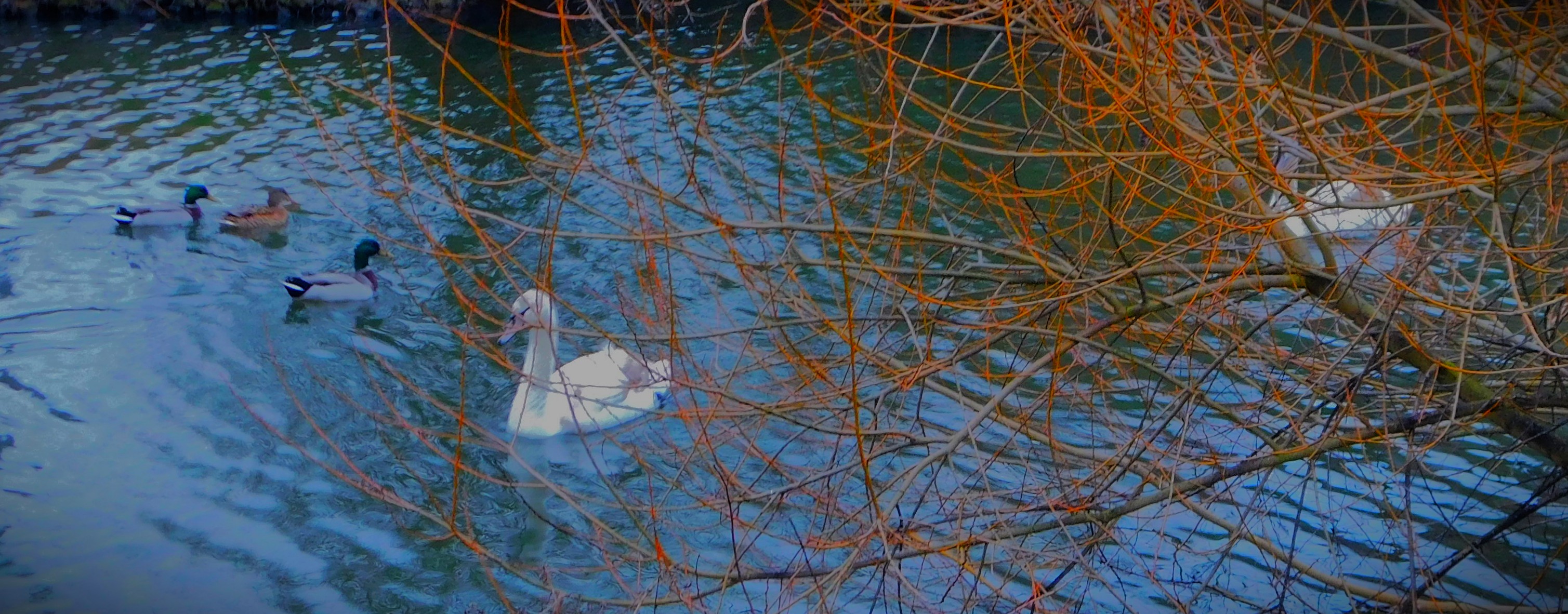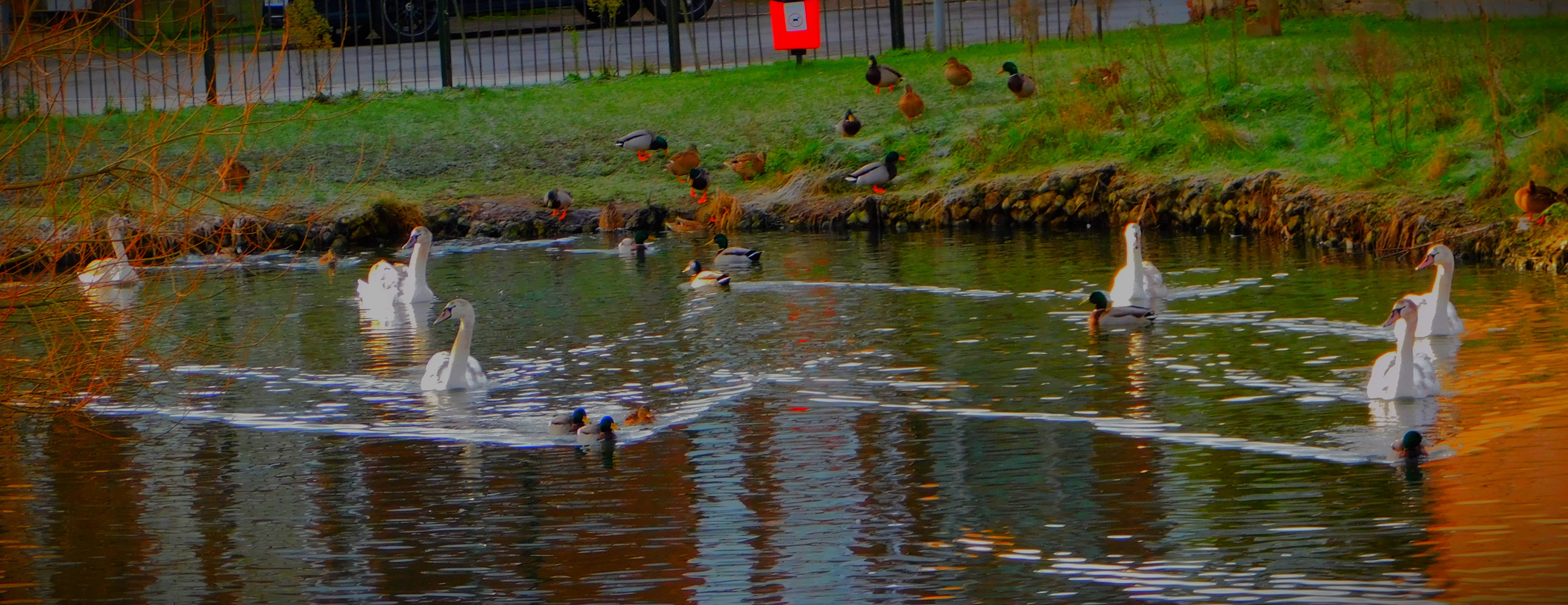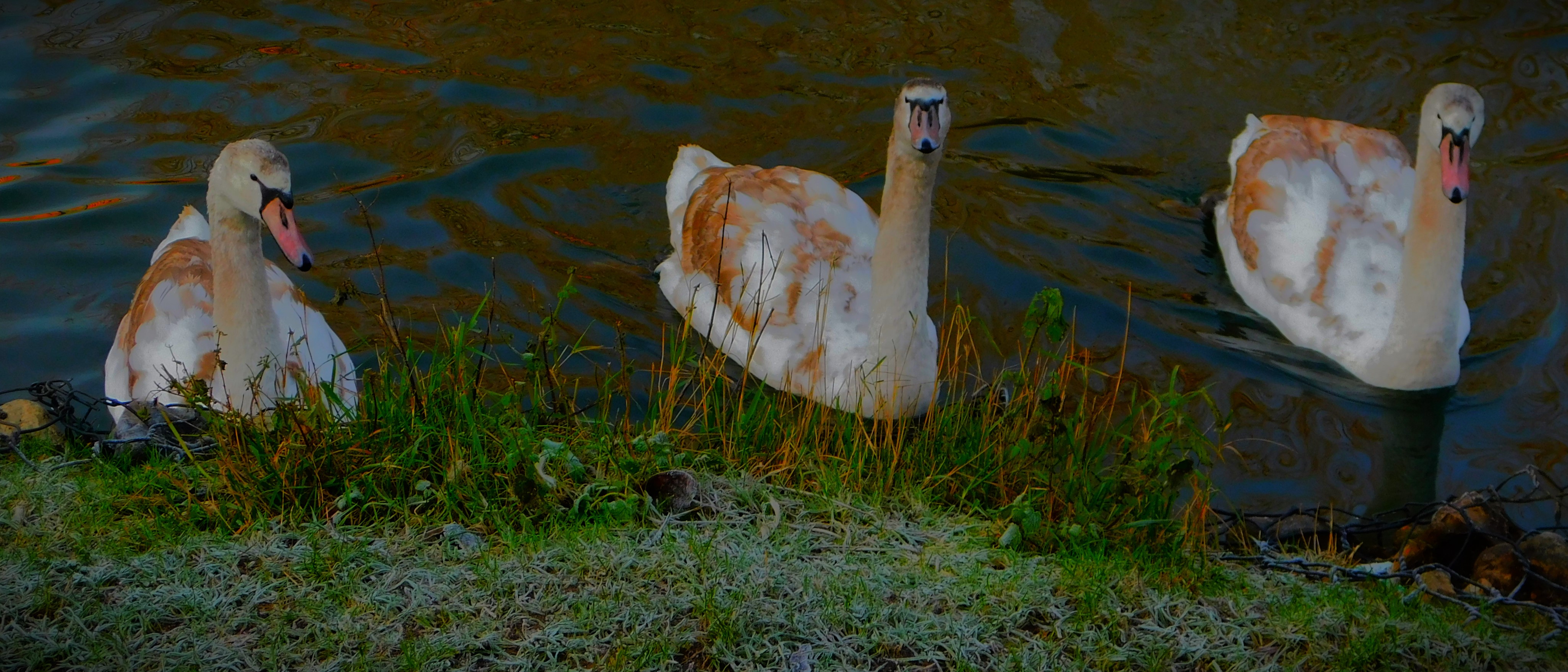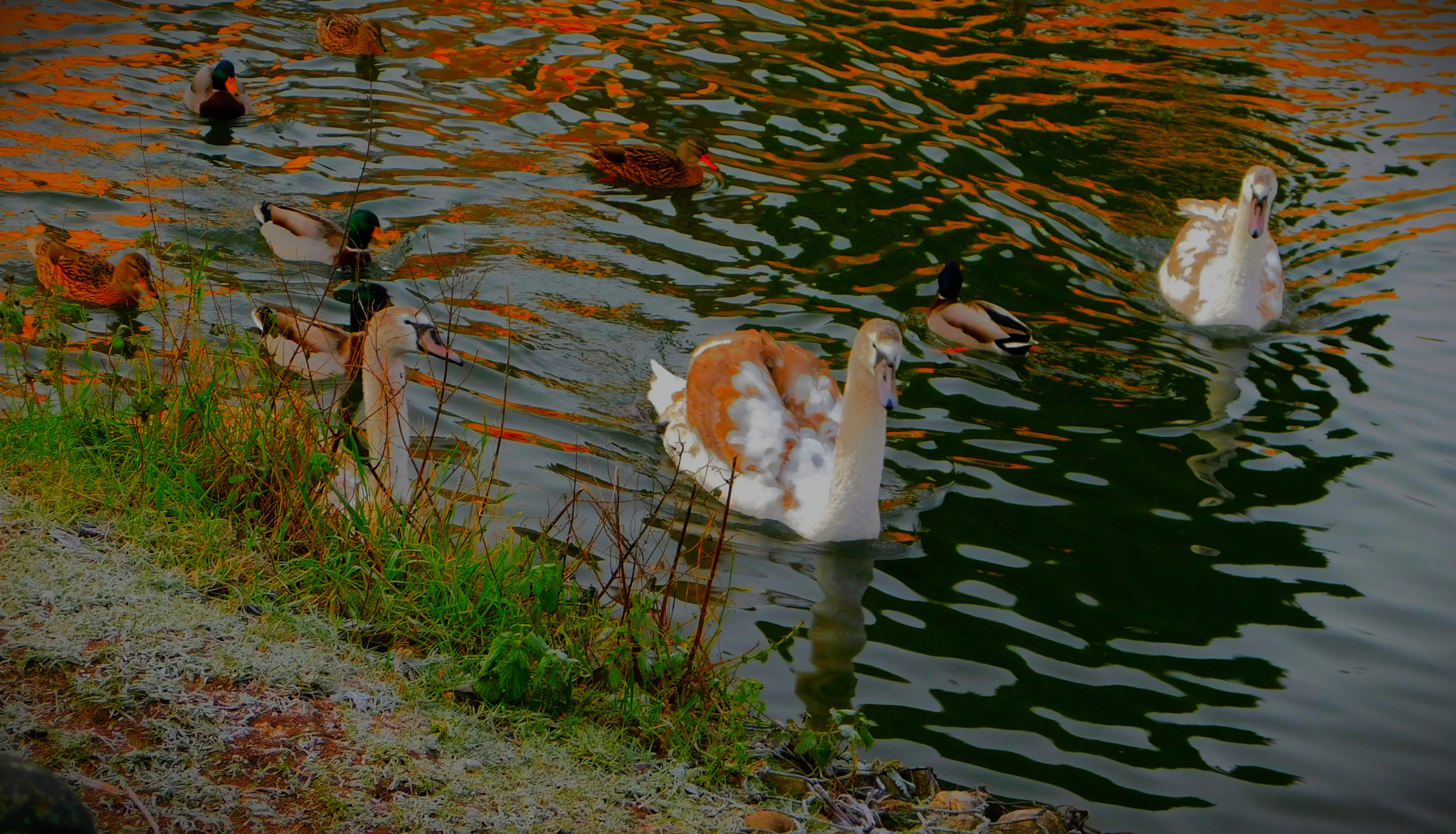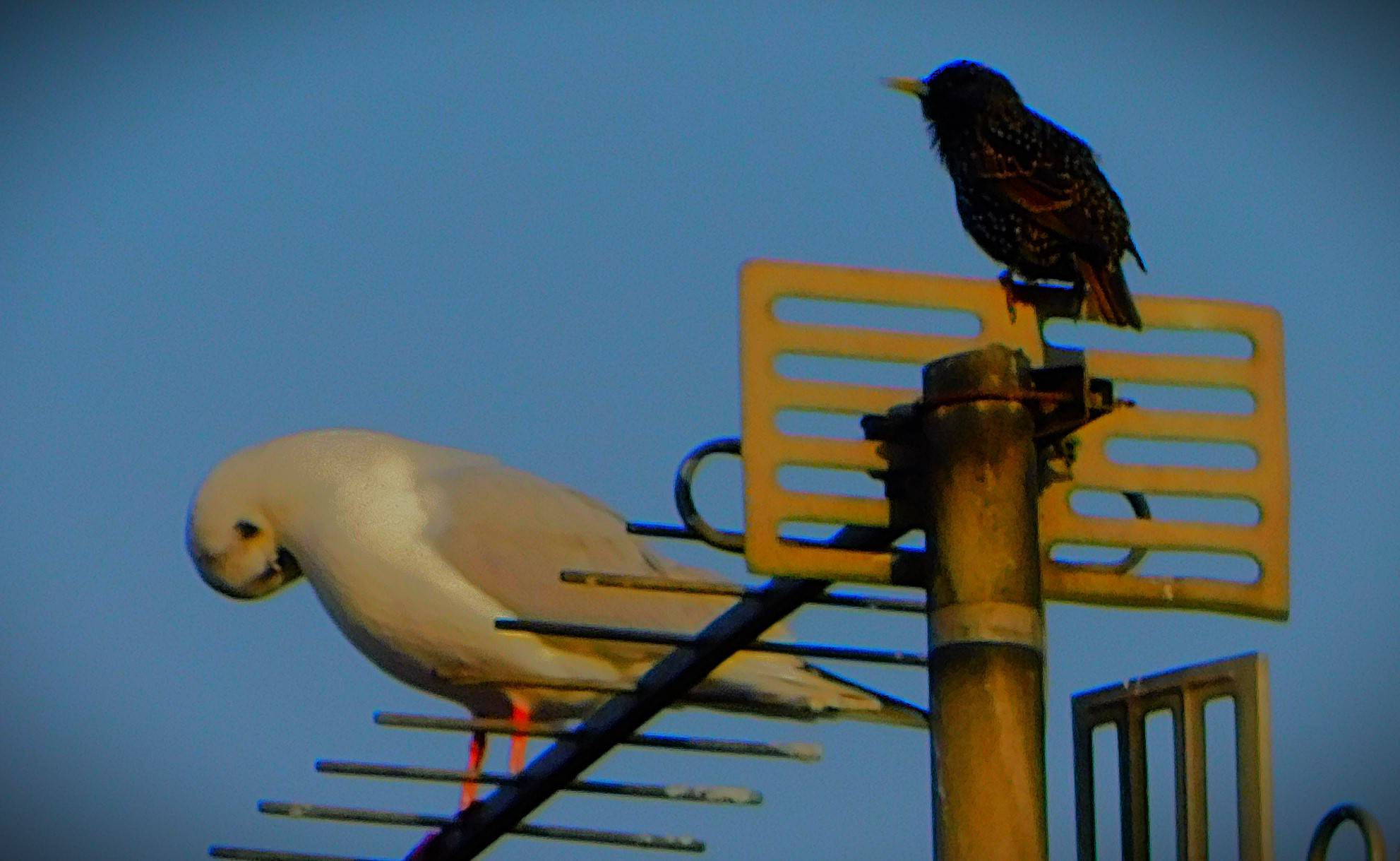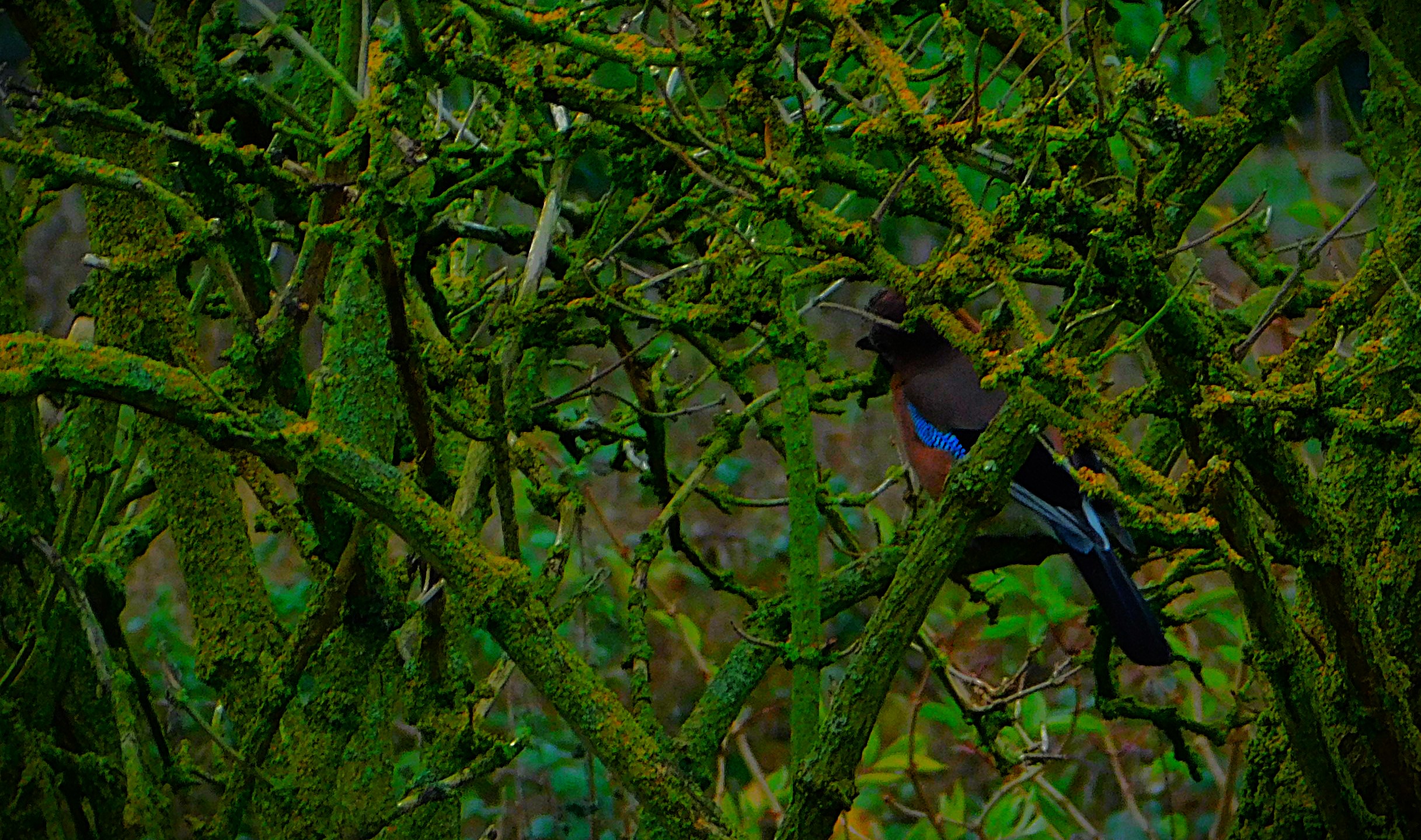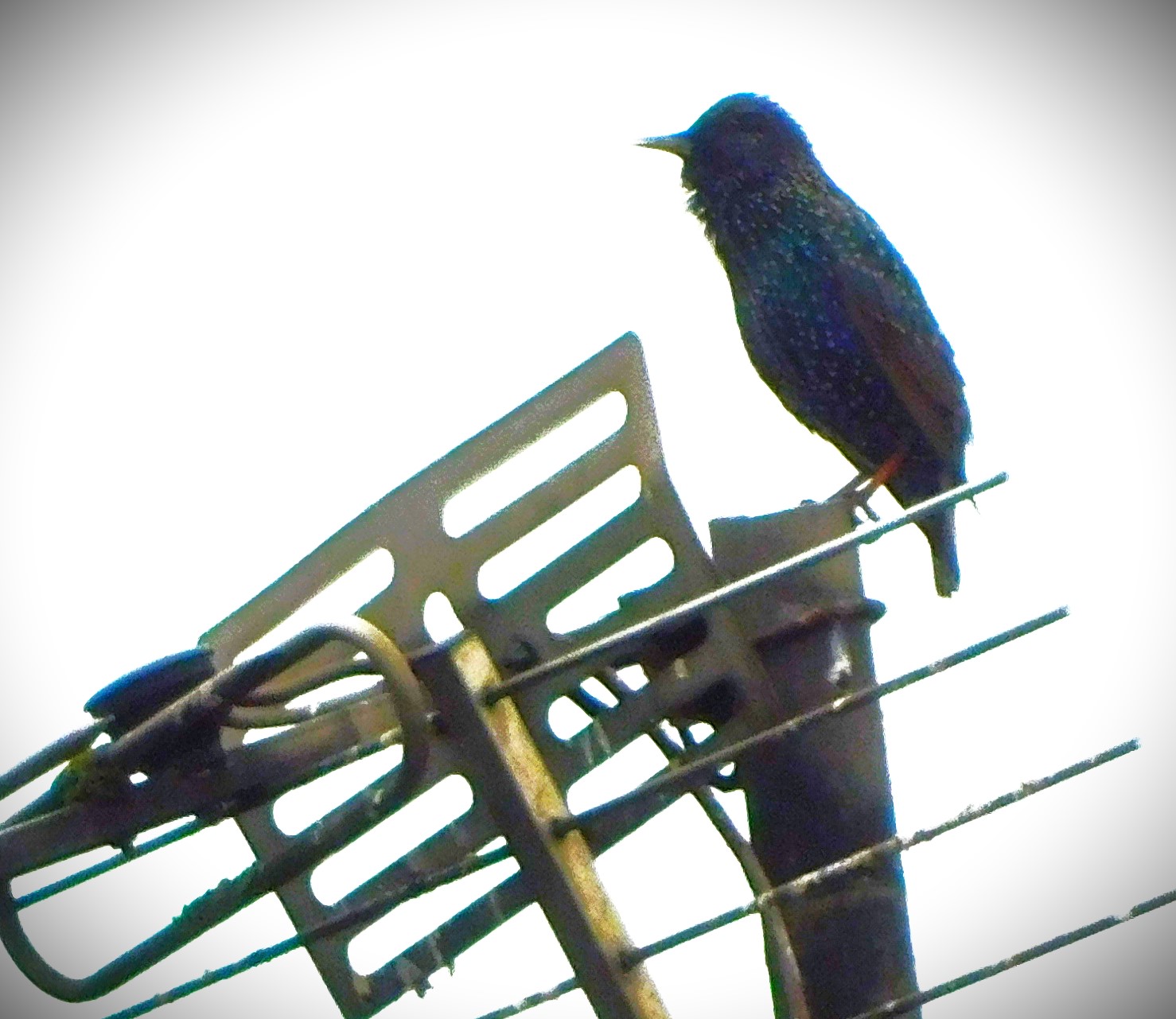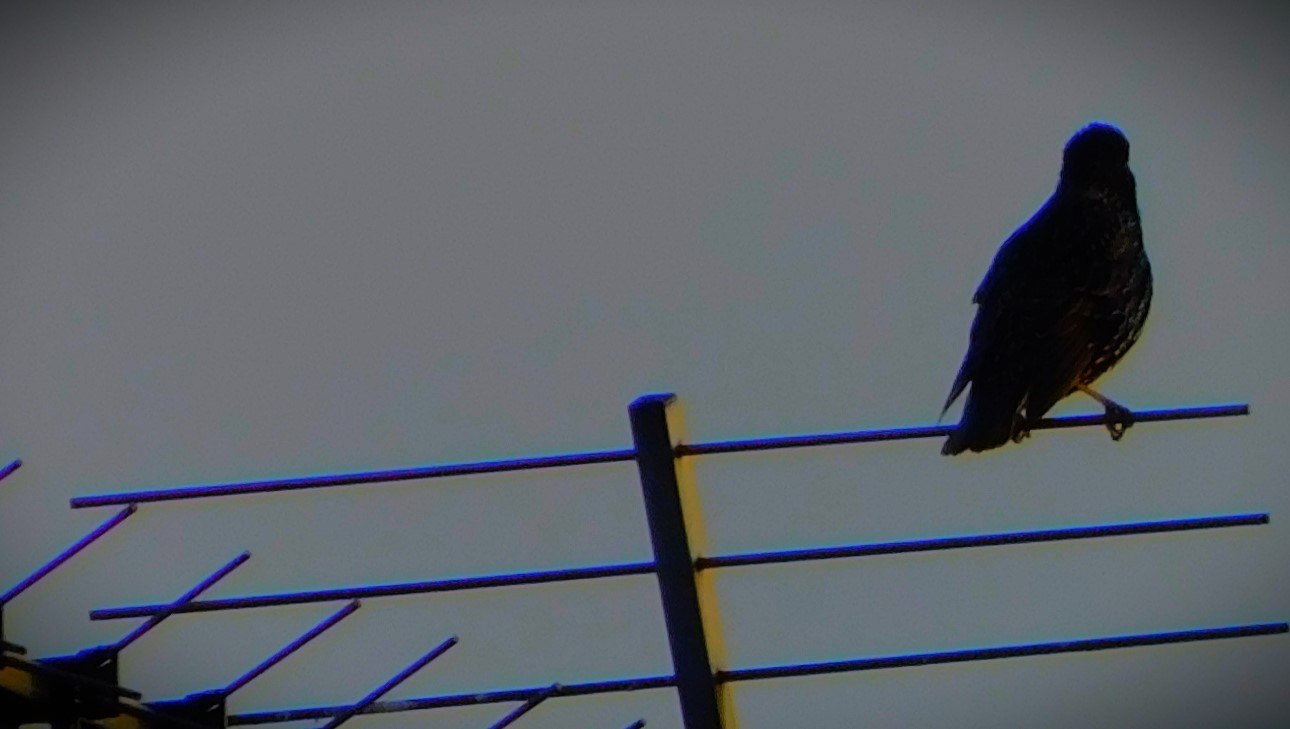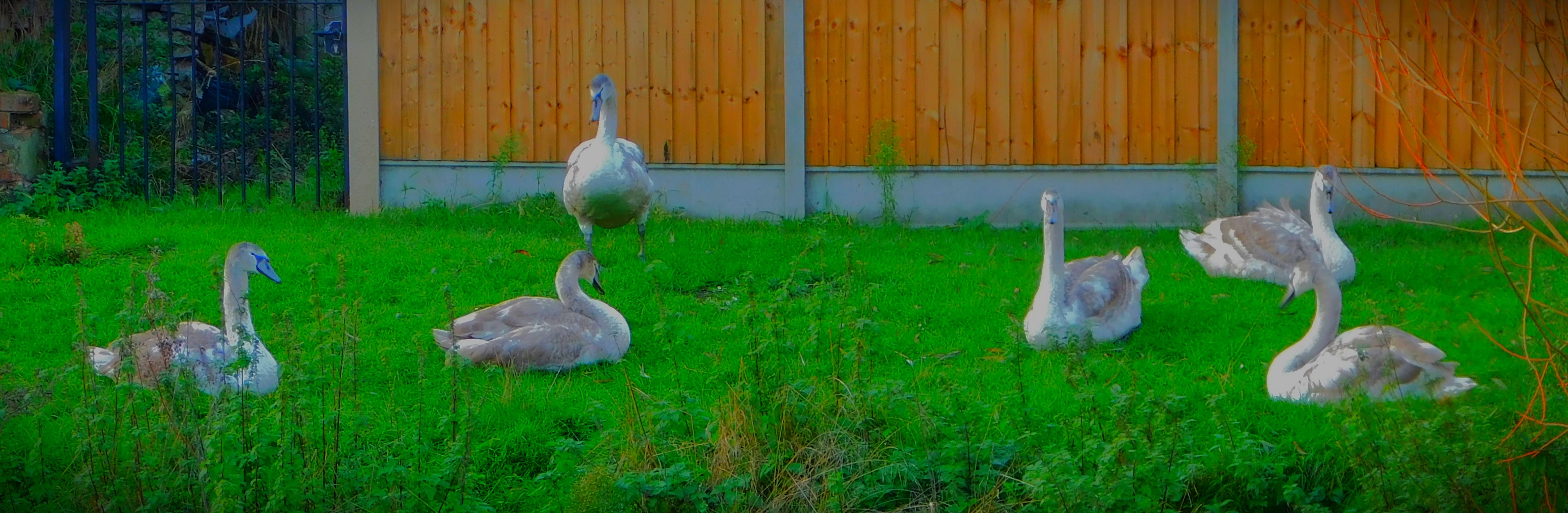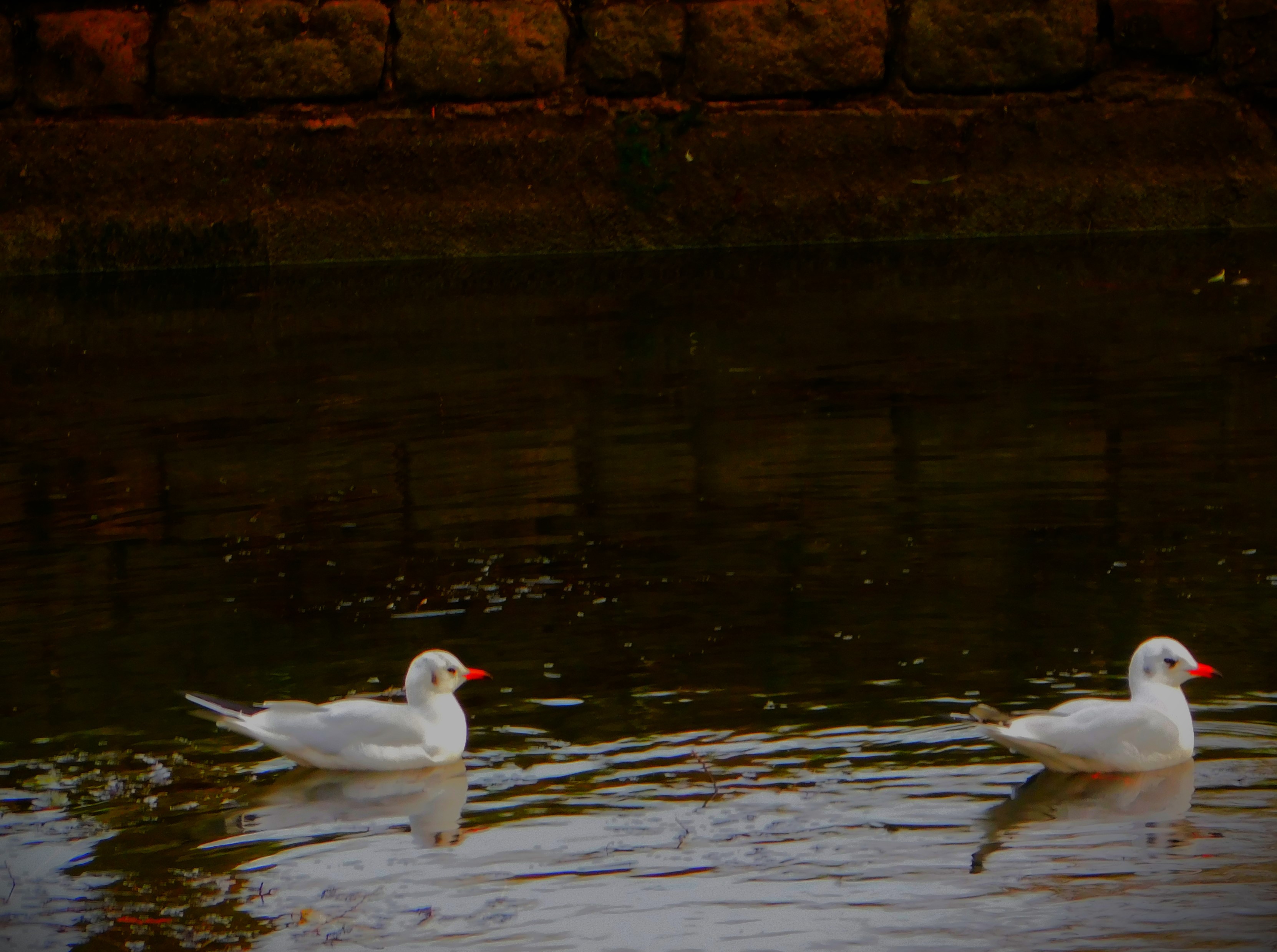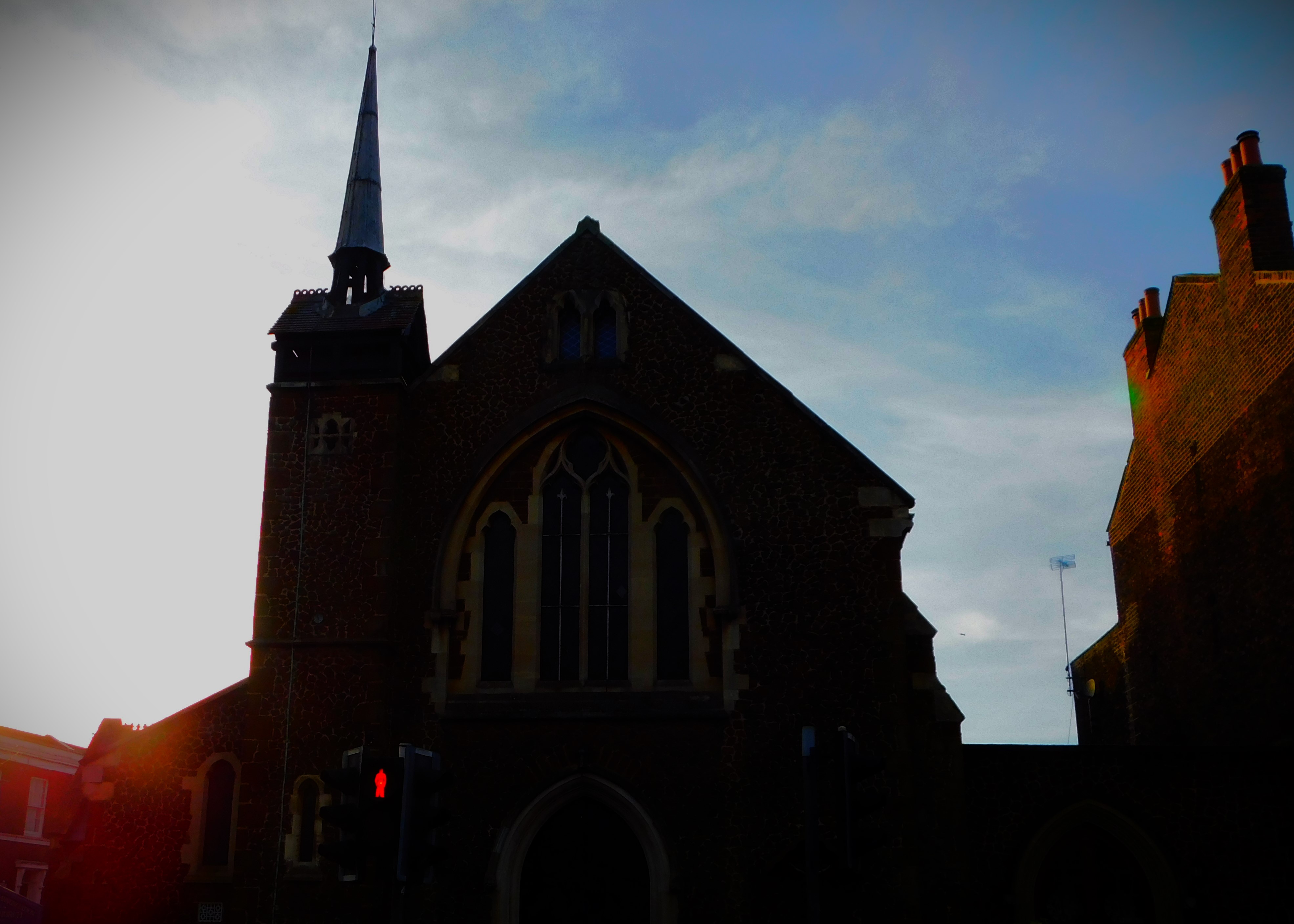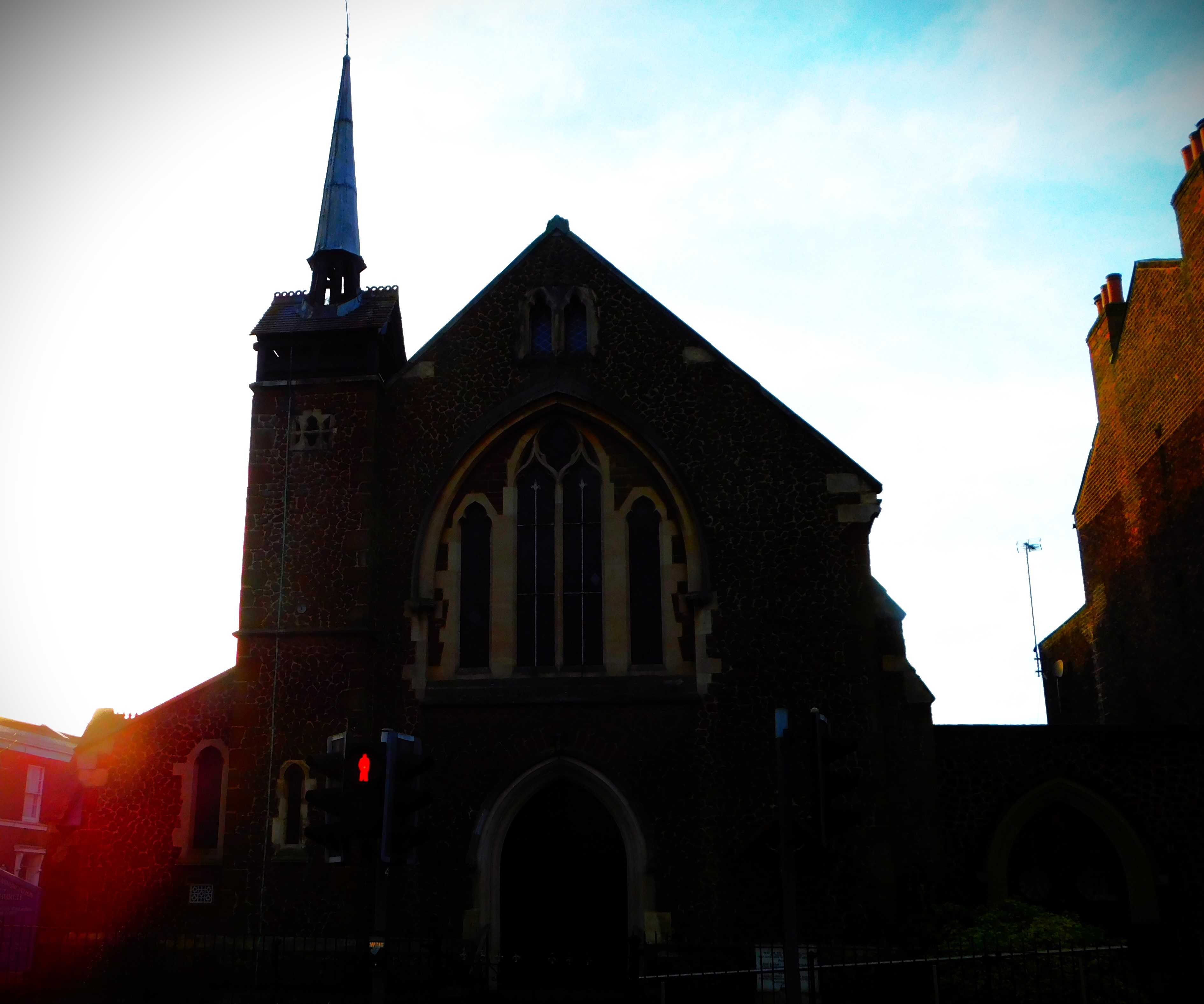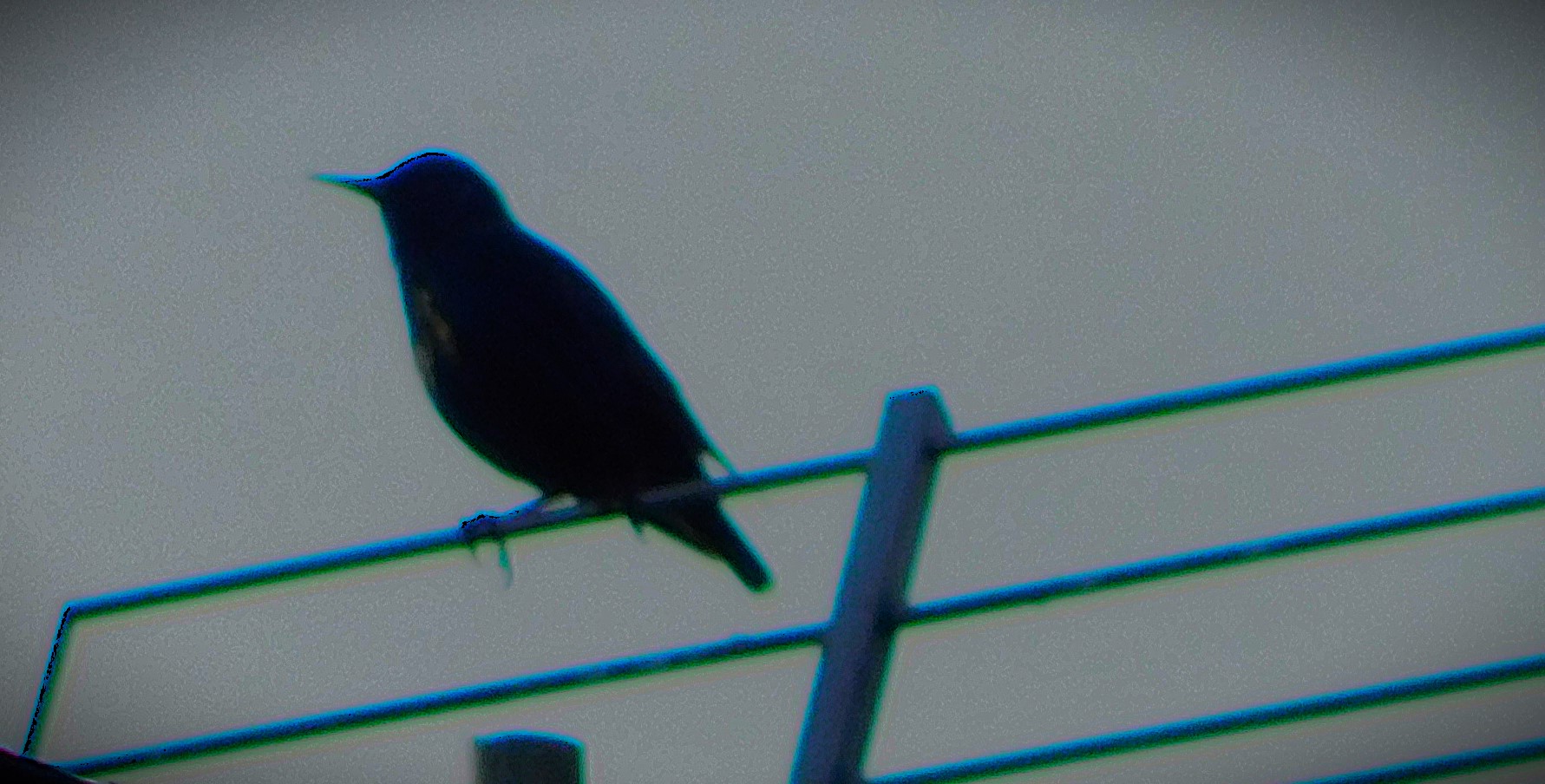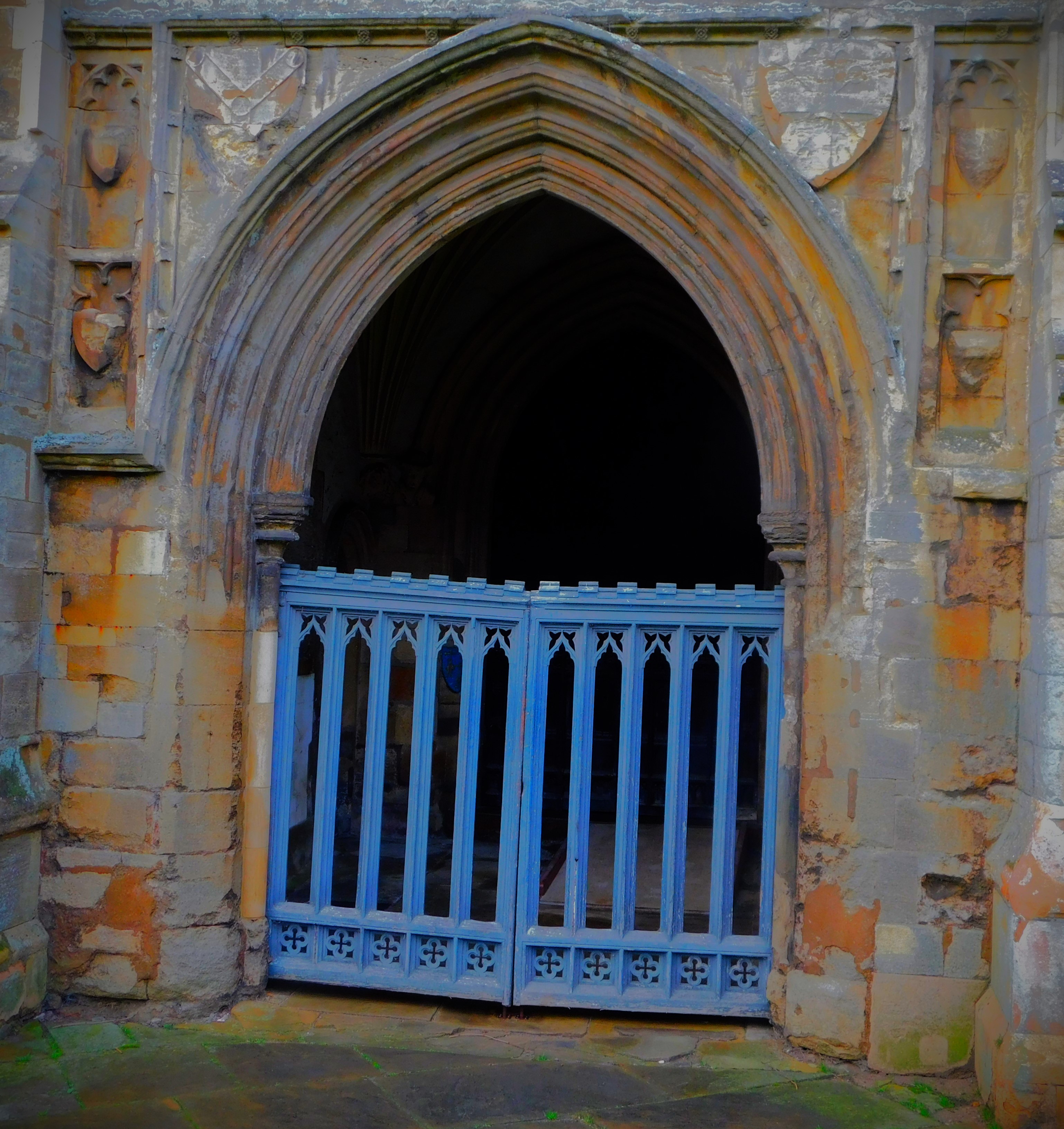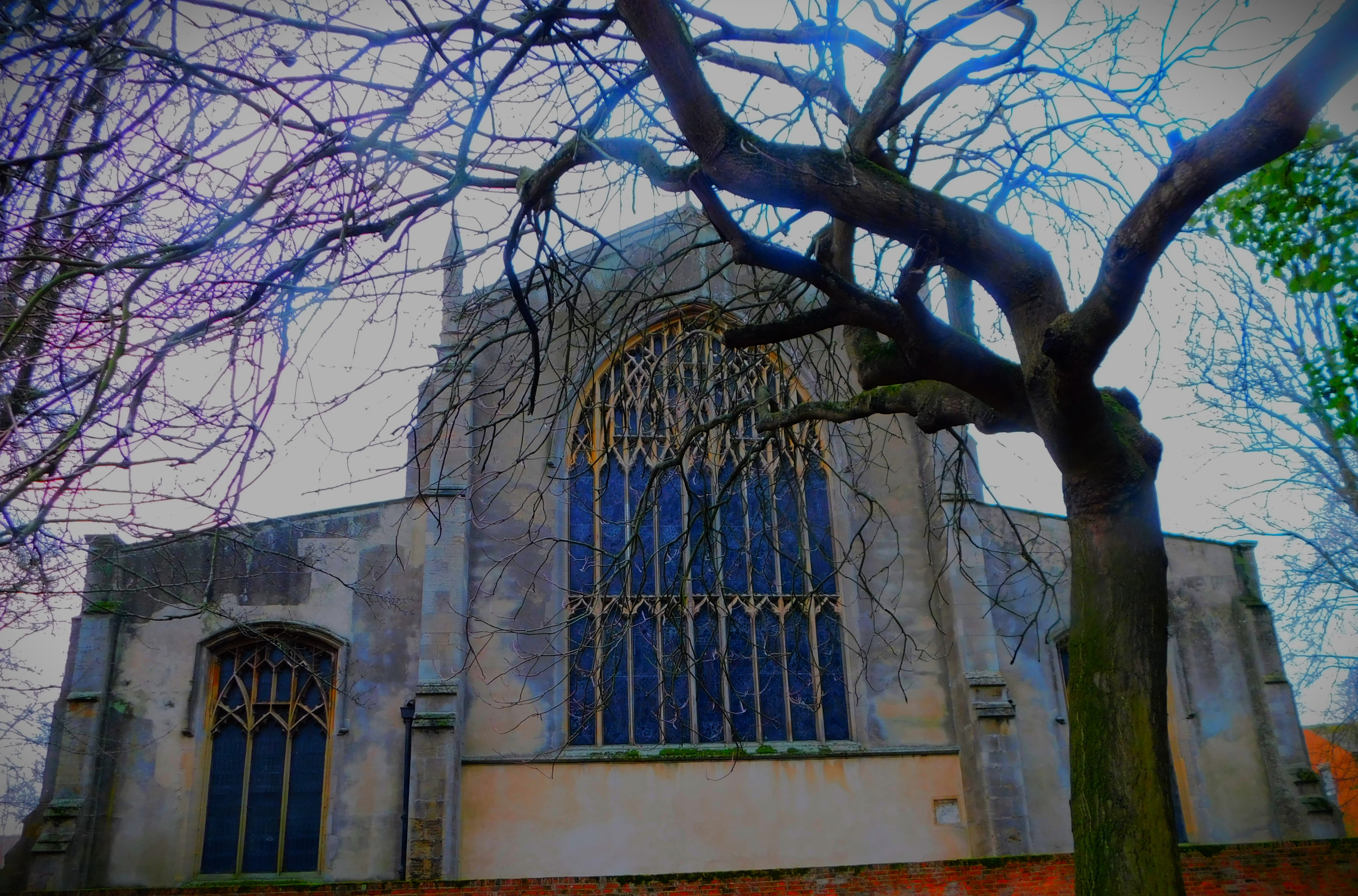

A brief account of England’s last gasp win over France in the Six Nations rugby, a mention of the West Norfolk Autism Group including photos of our office spacr, and a large photo gallery.
There have been two Six Nations rugby matches today. In the first Wales’ recent miseries continued as Italy beat them, meaning that this Welsh side are now holders of an unwanted record – no other Welsh side has ever lost 14 consecutive matches as this one now has. The second game, which ended just a few minutes ago saw England facing France.
The Latest of Late Winners
Having been beaten by Ireland last time out England needed to win this match, while France had hammered Wales in their first game of the tournament. France were not at their best at any stage of this match, but heading towards the end of the match it looked like they had done enough. There were 79 minutes gone (Rugby Union matches are supposed to last 80 minutes), with France ahead by 25 points to 19 when Elliot Daly received an excellent pass from Fin Smith and scored close to the posts. Smith then added the conversion to make it England 26 France 25. There were some nervy moments even then in the very closing stages, but England held on and secured the win. England have lately been struggling to close out games, but this time it was their opponents who suffered the late reverse.
PHOTOGRAPHS
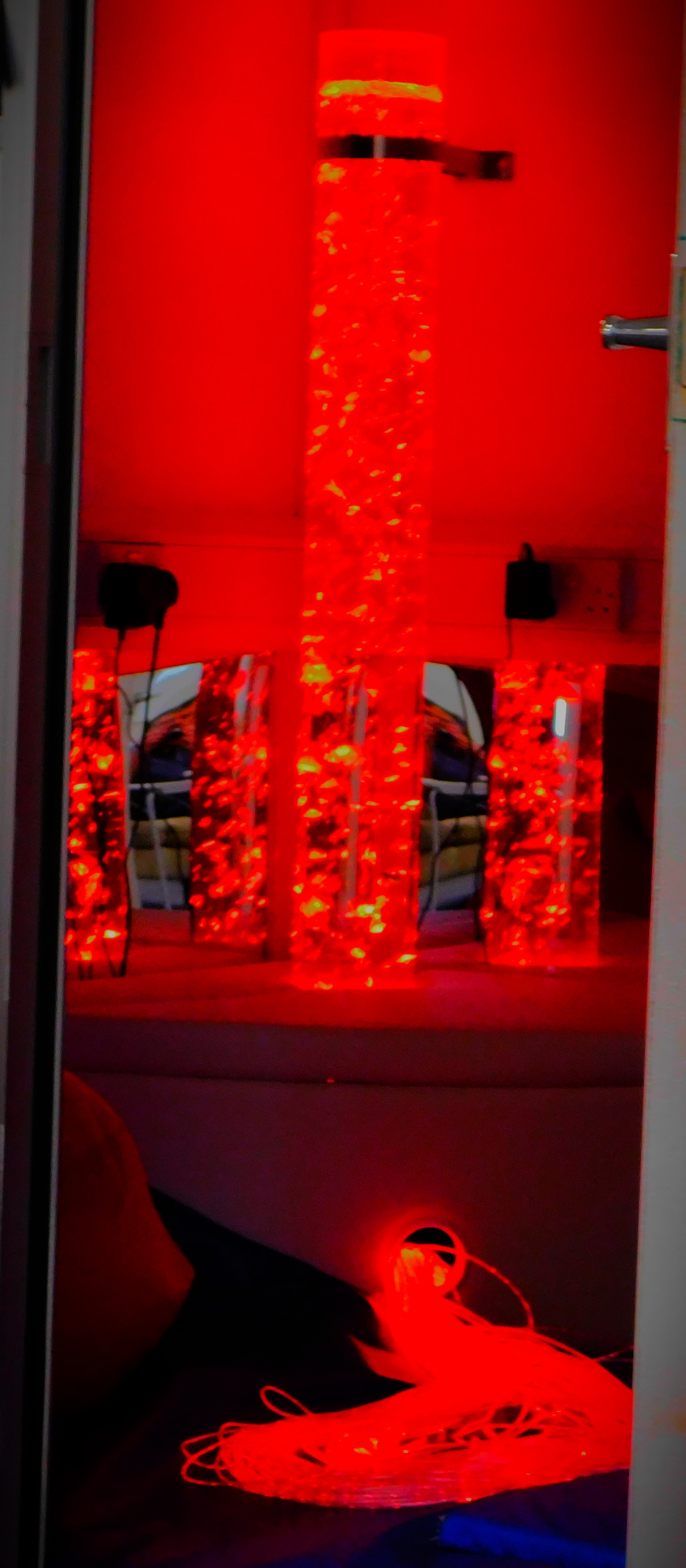
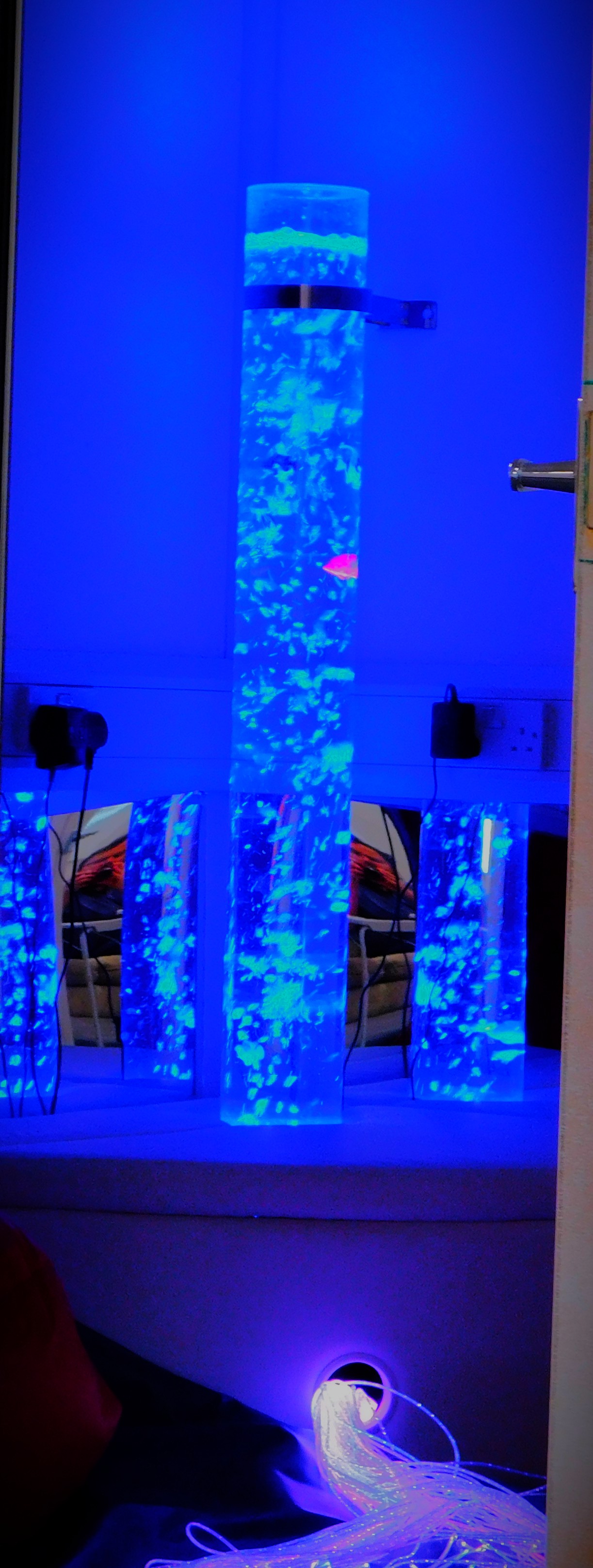
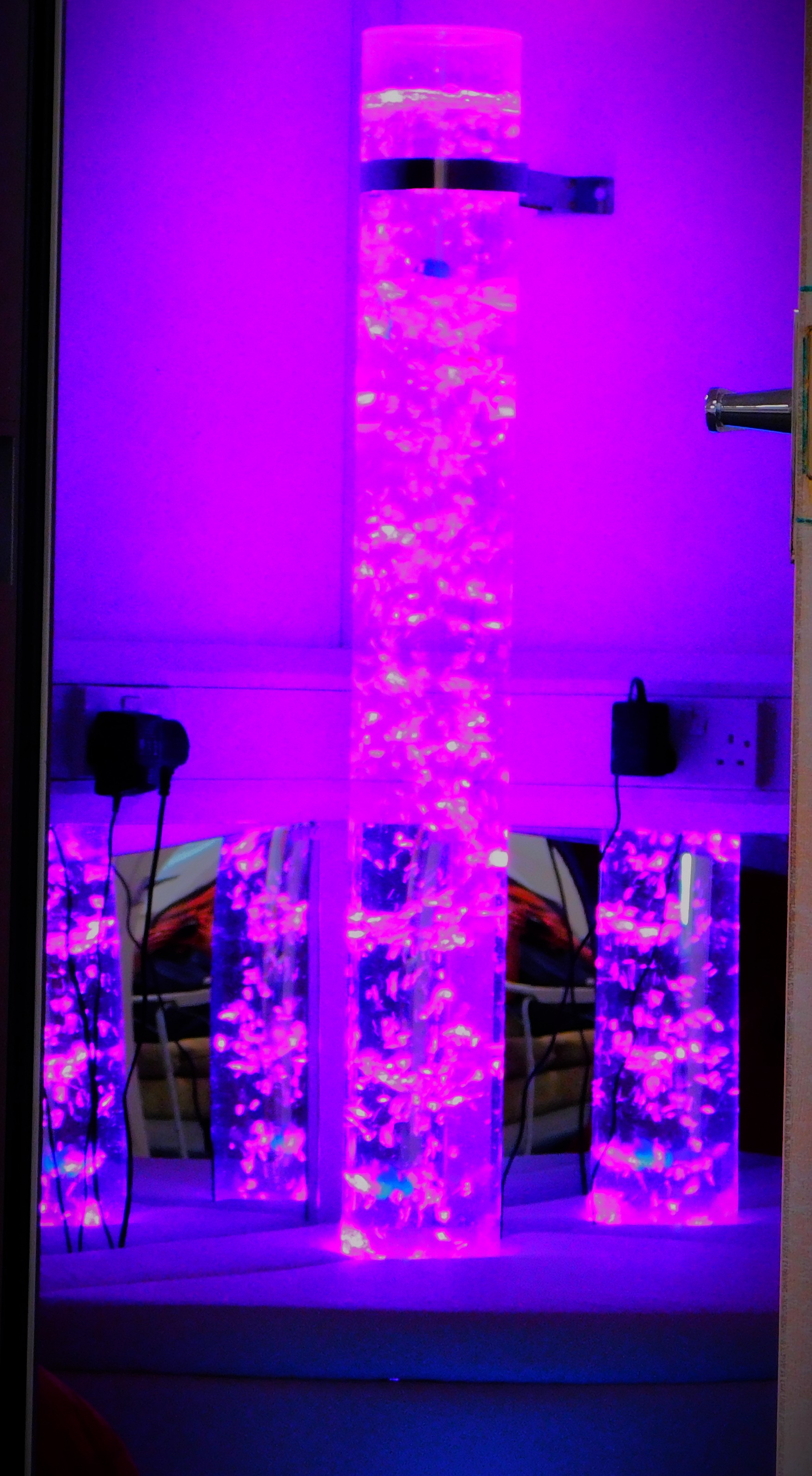
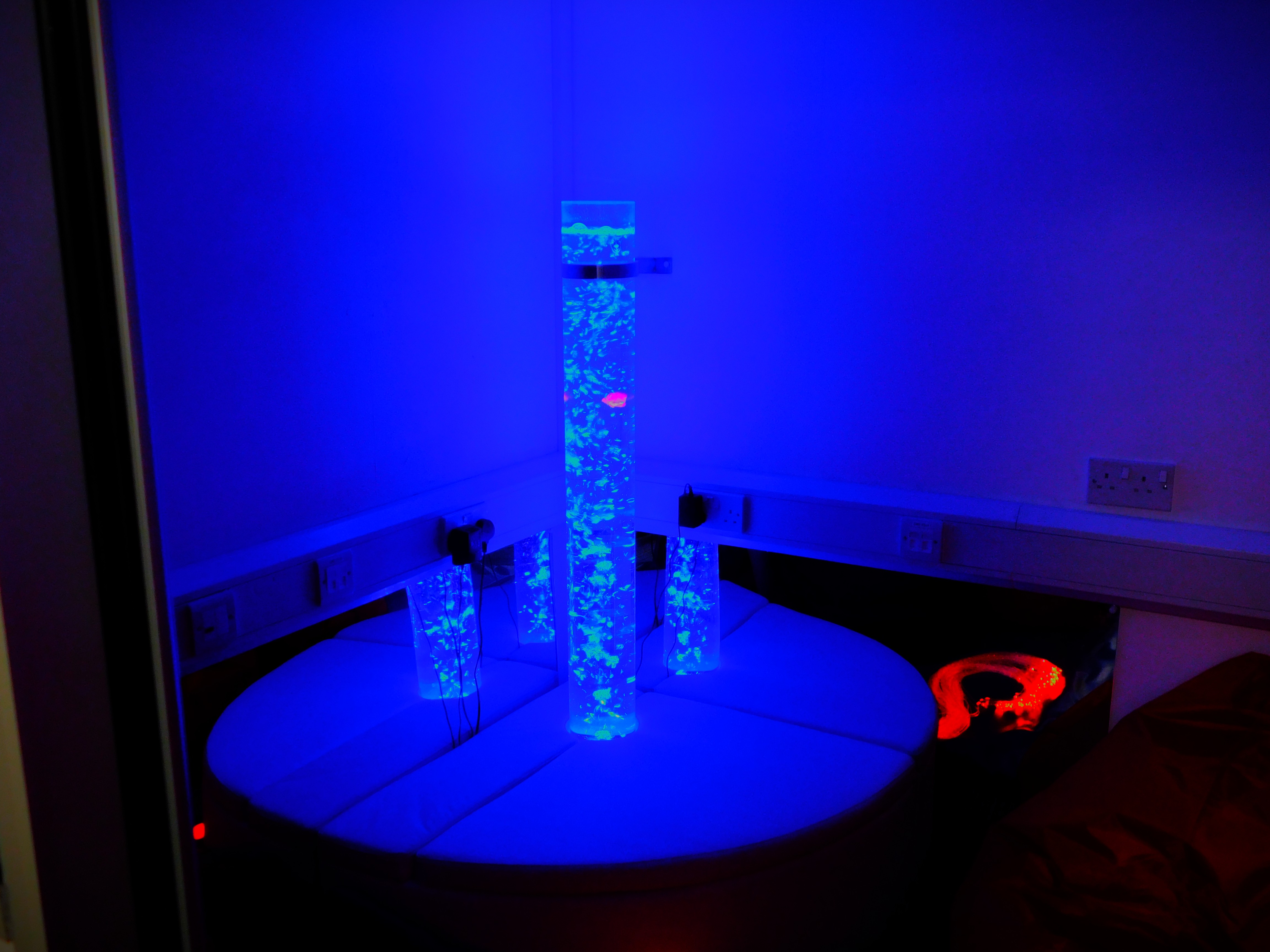
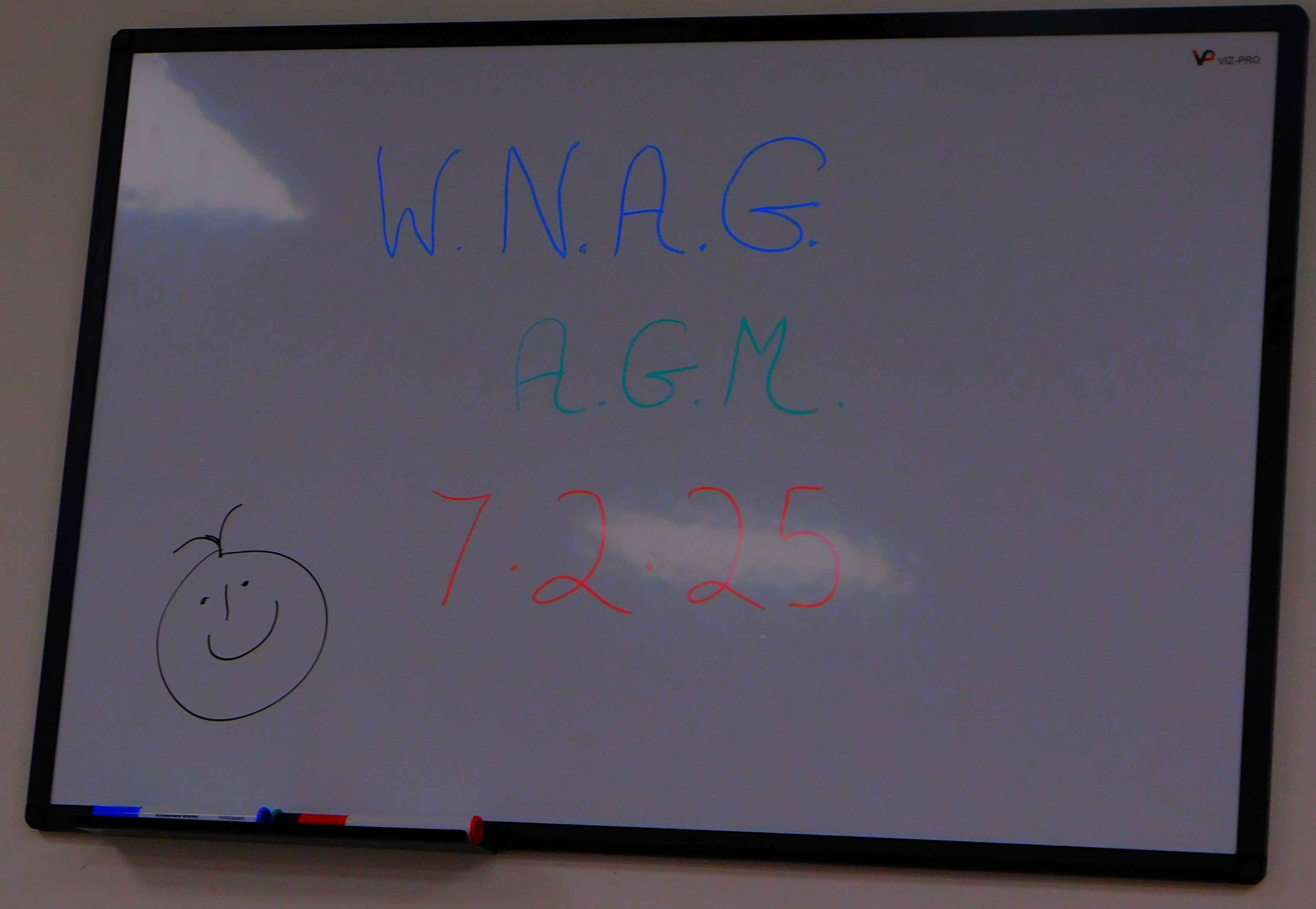
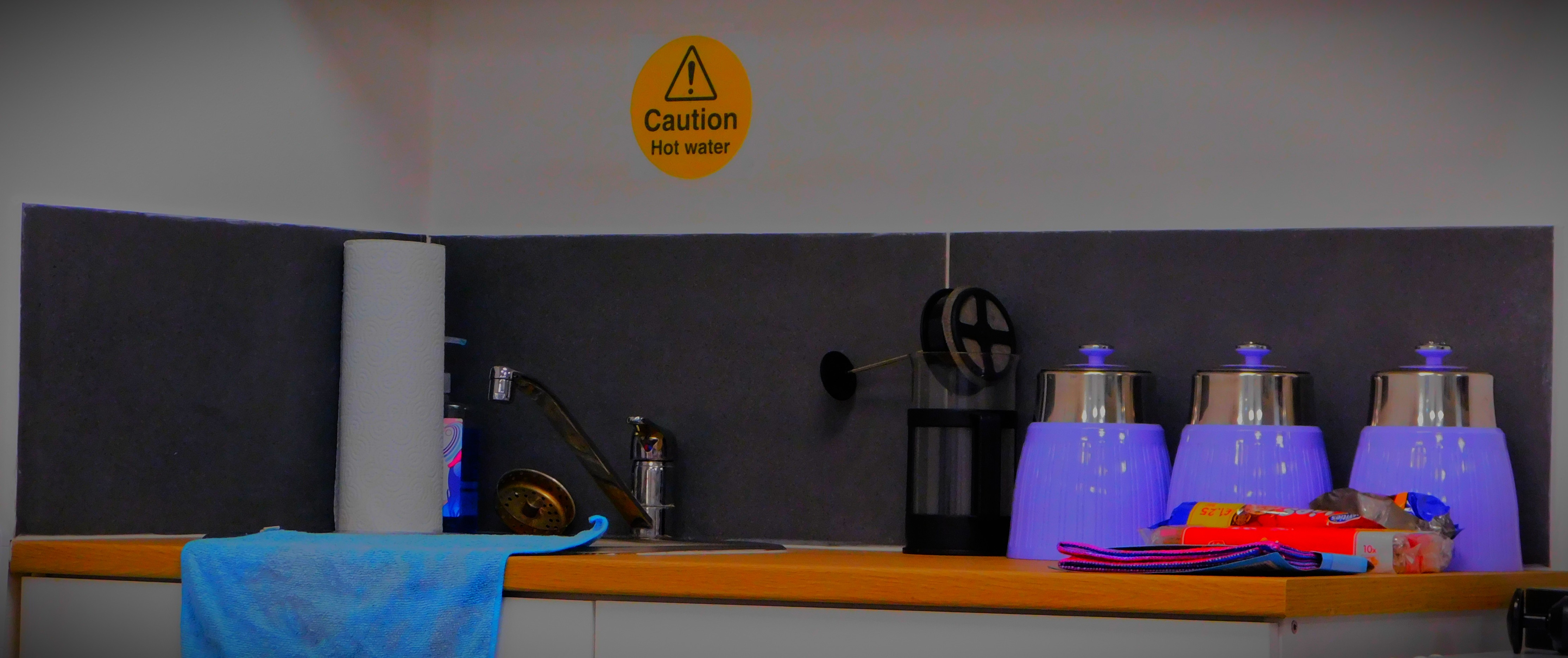
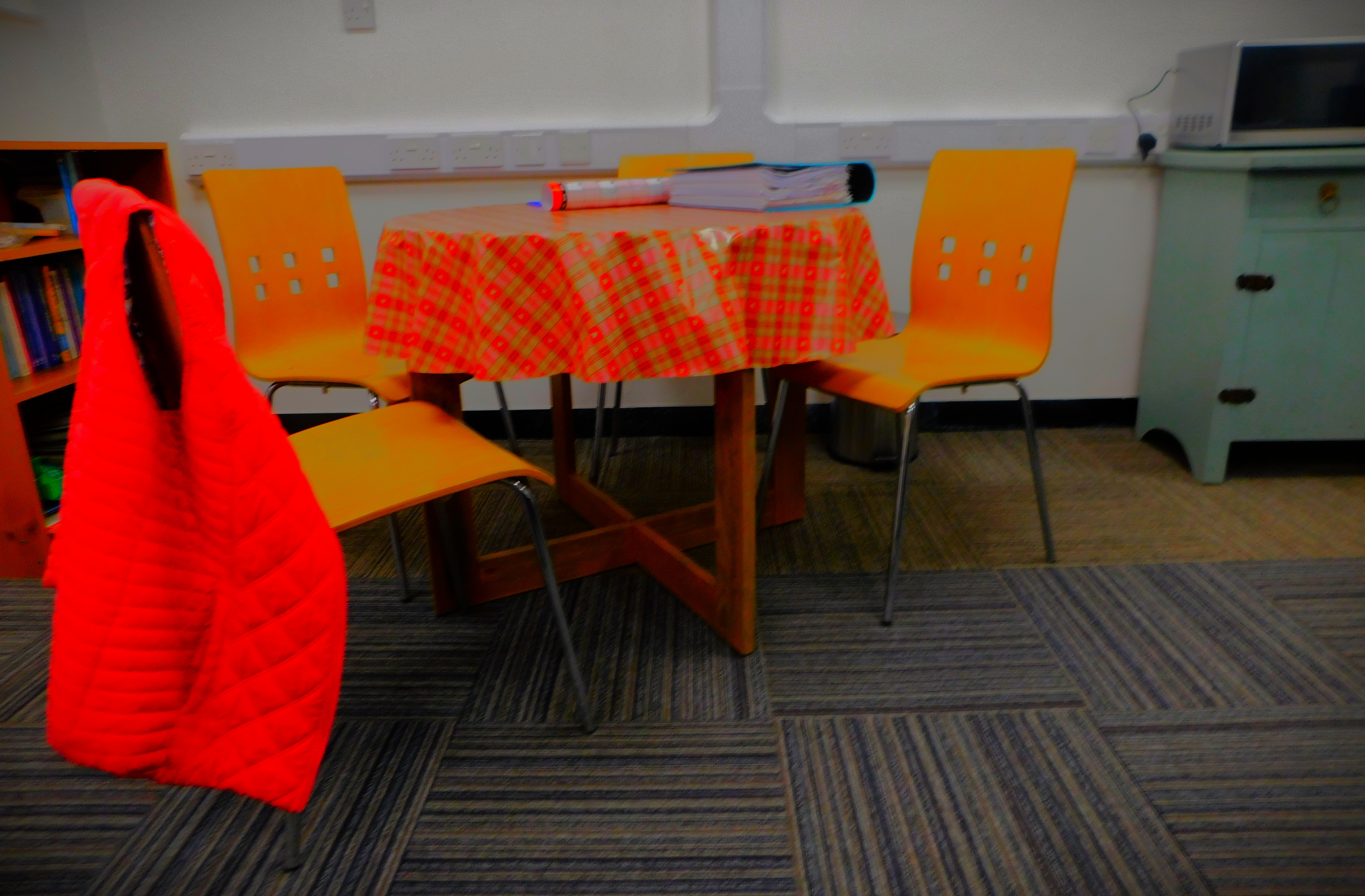
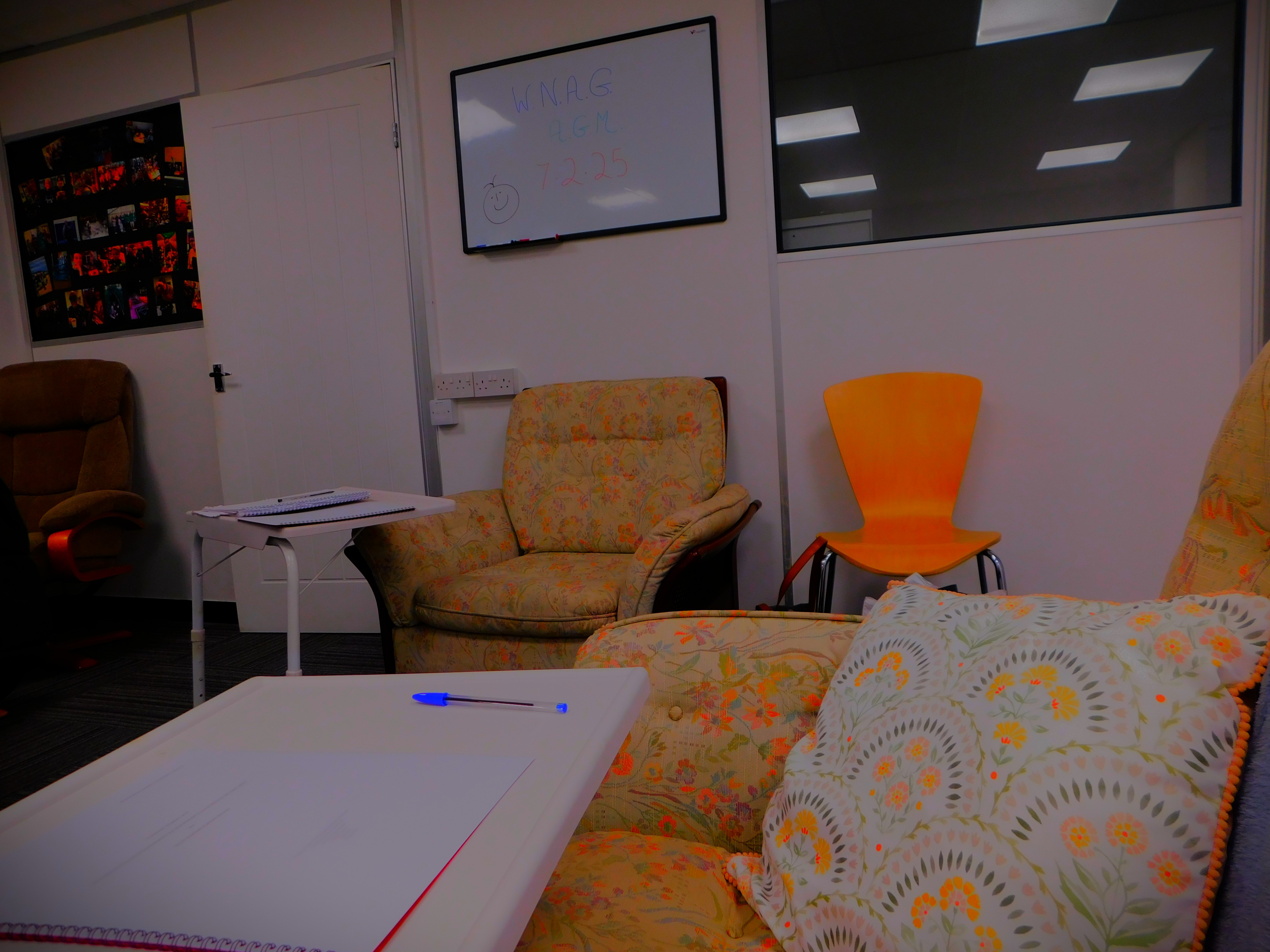
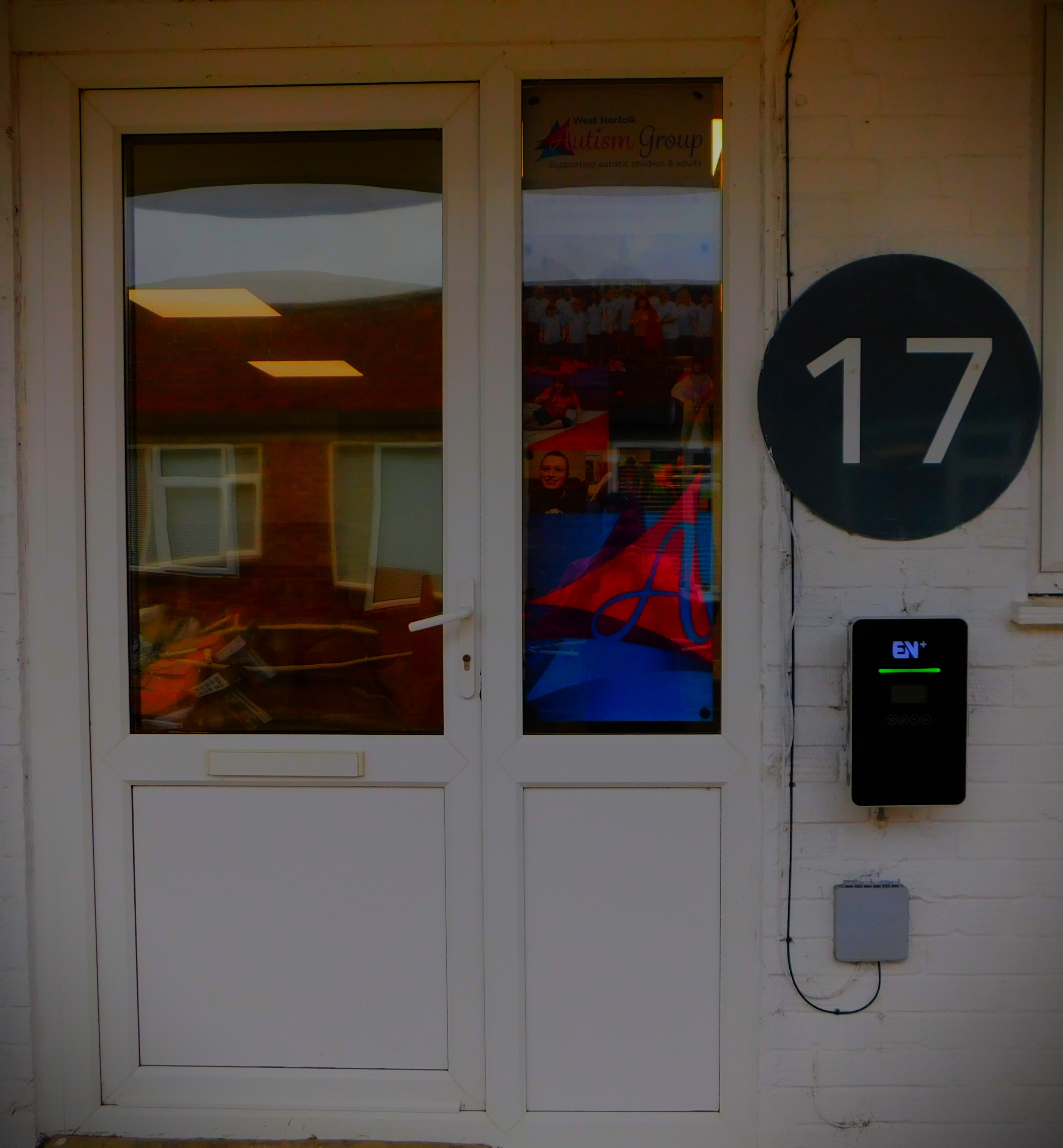
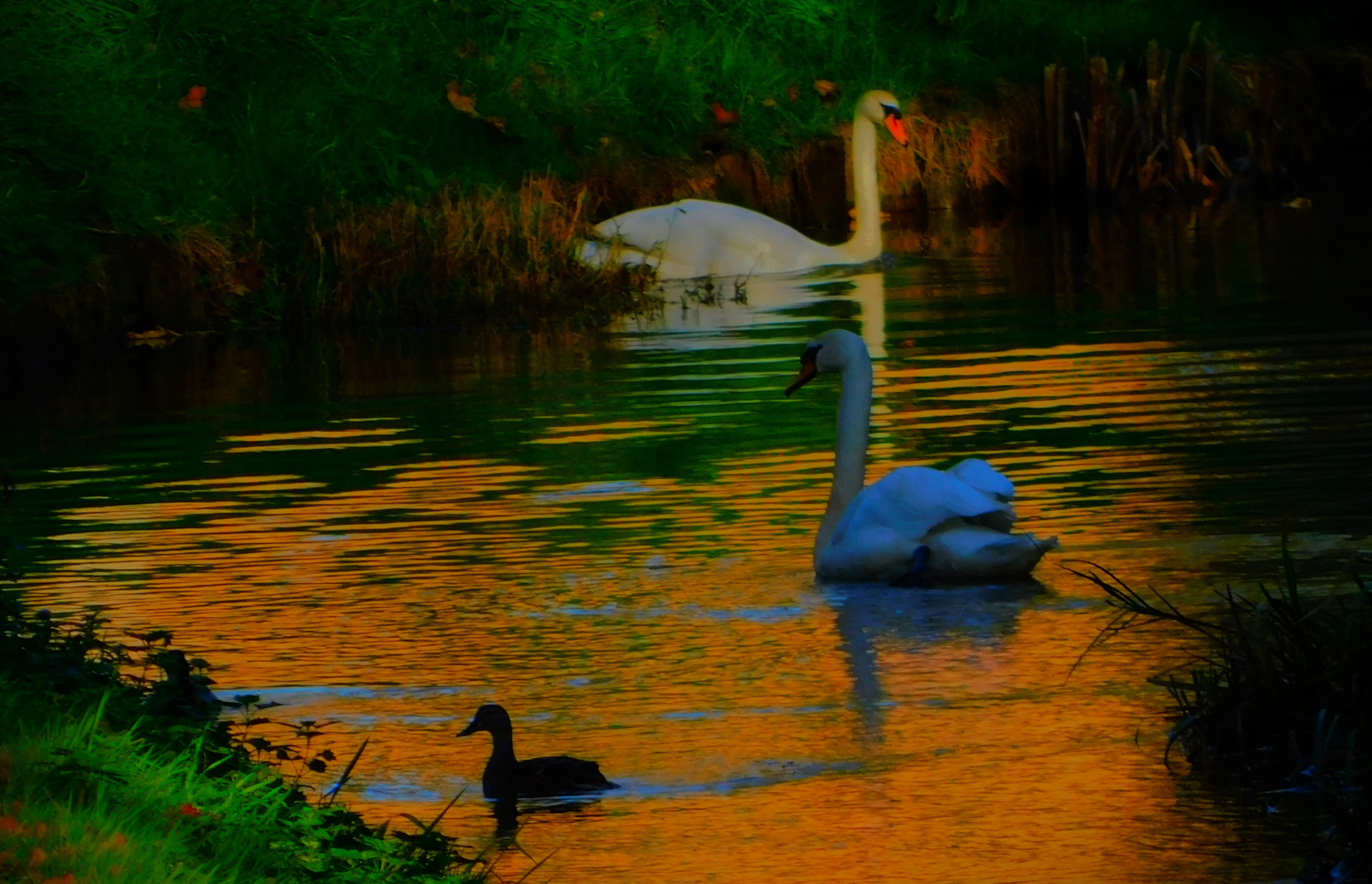
Before I get to the main gallery, Friday was the AGM of the West Norfolk Autism Group, and our office space in West Lynn is now fully functional…
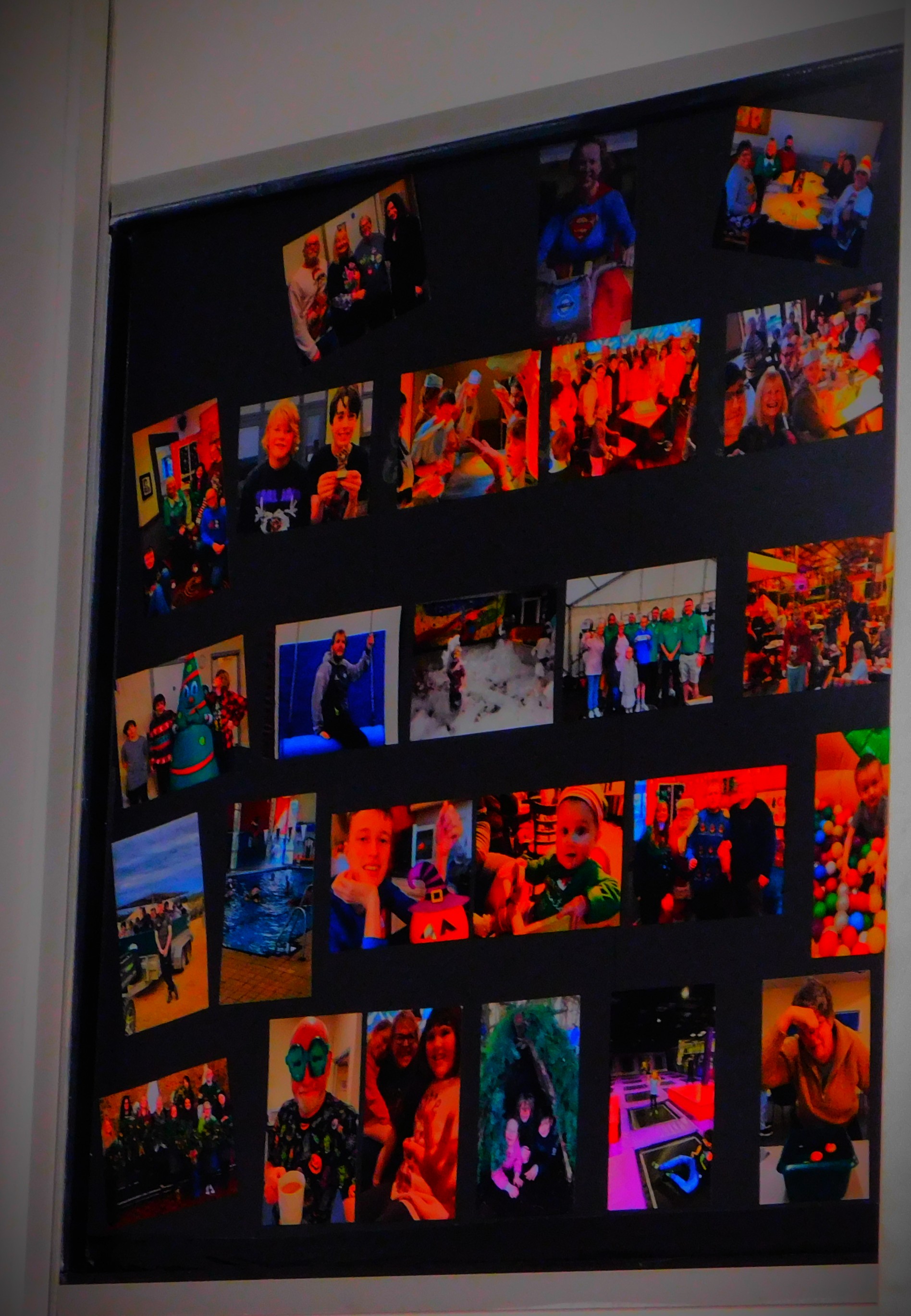
These first three shots show the little sensory room in one corner of the space.A photo board.
A look at the current situation in the BBL and a photo gallery.
The 2024-5 edition of the Big Bash League is now approaching the business end. Every franchise has played at least seven of their 10 group games, with two, Sydney Thunder and Melbourne Stars having played eight. This post looks at the state of play in the tournament.
DOWN THE TABLE
Hobart Hurricanes obliterated Sydney Thunder earlier today in a match that I only caught the start of due to having an important meeting to attend this morning, and they now have 11 points from seven games, and barring a complete collapse in what is left of the tournament they will feature in the knockouts.
Sydney Sixers have nine points from seven games, and they too are highly likely to be involved in the knockouts.
Sydney Thunder have nine points from eight games. They lost Daniel Sams and Cameron Bancroft to freak injuries resulting from a collision in the field, and the loss of the former has left them absolutely hamstrung in the Power Surge overs. Mohammad Hasnain and George Garton, signed as replacement bowlers, have both proved not to be up to the task, and Wes Agar, who has also been tried in this phase has likewise failed. This means that although one win from their two remaining games would probably be enough their qualification has to be considered as being in jeopardy. The extent of their problems bowling wise is illustrated by todays events – they had a respectable total of 164 to defend, and Hurricanes won with 3.1 overs to spare.
Brisbane Heat have seven points from seven games. They probably need two wins from their last three to qualify, but with Max Bryant coming to the fore with the bat this season I rate their chances of achieving that above those of the Thunder even winning one more game.
Perth Scorchers and Melbourne Renegades are each on six points from seven games, a position from which two wins might be enough, but more likely they would need to win all three of their remaining games.
Melbourne Stars have six points from eight games. However, they started with five straight losses and have won their next three. If they can win their last two that might just sneak them qualification, and they would then be going into the knockouts with tremendous recent form to bolster their chances.
Adelaide Strikers have four points from seven games. They can afford no further slip ups of any sort, but not even they can be officially ruled out as yet.
An account of yesterday’s ODi between the South Africa and England women’s teams and a photo gallery.
At 8AM UK time yesterday morning the second One Day International in the current multi-format series between the South Africa and England women’s teams took place at Durban. This post looks back at that match.
THE SOUTH AFRICAN INNINGS
England won the toss and put South Africa in to bat. Protea skipper Laura Wolvaardt confirmed that she would have put England had she won the toss.
Kate Cross replaced Lauren Bell for England, and her metronomic accuracy proved an excellent counterpoint to the pace and fire of Lauren Filer with whom she shared the new ball. England soon had two early wickets, Tazmin Brits and Sune Luus each having their stumps rearranged by Filer. From 14-2 the proteas appeared to have launched a very effective recovery when Wolvaardt and the up-and-coming Annerie Dercksen took the total into the 70s without further loss. However now came the period that effectively settled the match. Spinners Charlie Dean and Sophie Ecclestone tore out the middle order in an extraordinary period in which 72-2 and on the road to recovery became 76-7 and definitively doomed. Dean took four of the wickets with her off spin, including performing the hat trick (her victims for this achievement were Marizanne Kapp, Nadine de Klerk and Sinalo Jafta, none of whom would be considered not to be a front line batter), while Ecclestone, for once subordinate in destruction, nevertheless claimed the prize scalp of Wolvaardt, clean bowled for 35. Chloe Tryon did her best to save something from the wreckage, scoring an impressive 45 before Ecclestone had her caught by Tammy Beaumont. That was 127-9, and the last pair of Khaka and Hlubi boosted the total by a further eight before Hlubi was bowled by Ecclestone to end the innings. Dean had 4-45 from her full 10 overs, Ecclestone 3-27 from 7.3 overs and Filer who had added Nonkuloleko Mlaba, clean bowled, to her two opening scalps had 3-32 from six overs, all three bowled.
THE ENGLAND REPLY
To have any chance of defending such a small total South Africa needed early wickets, and the England opening pair of Tammy Beaumont, playing her 100th successive ODI, and Maia Bouchier ensured that no early wickets fell. By the end of the 10 over opening power play England were 57-0. 12 more runs came before Bouchier was dismissed, and although Beaumont and Knight followed quickly at 80 and 82, Nat Sciver-Brunt and Danni Wyatt-Hodge took England to the brink of victory. Just seven further runs were needed when Sciver-Brunt was LBW to de Klerk. New batter Amy Jones struck her first and third balls for fours to give England victory by six wickets with 26 OVERS to spare. The ODI segment of the series is thus level at 1-1 with one more match to come. Charlie Dean was named player of the match.
PHOTOGRAPHY
My usual sign off…
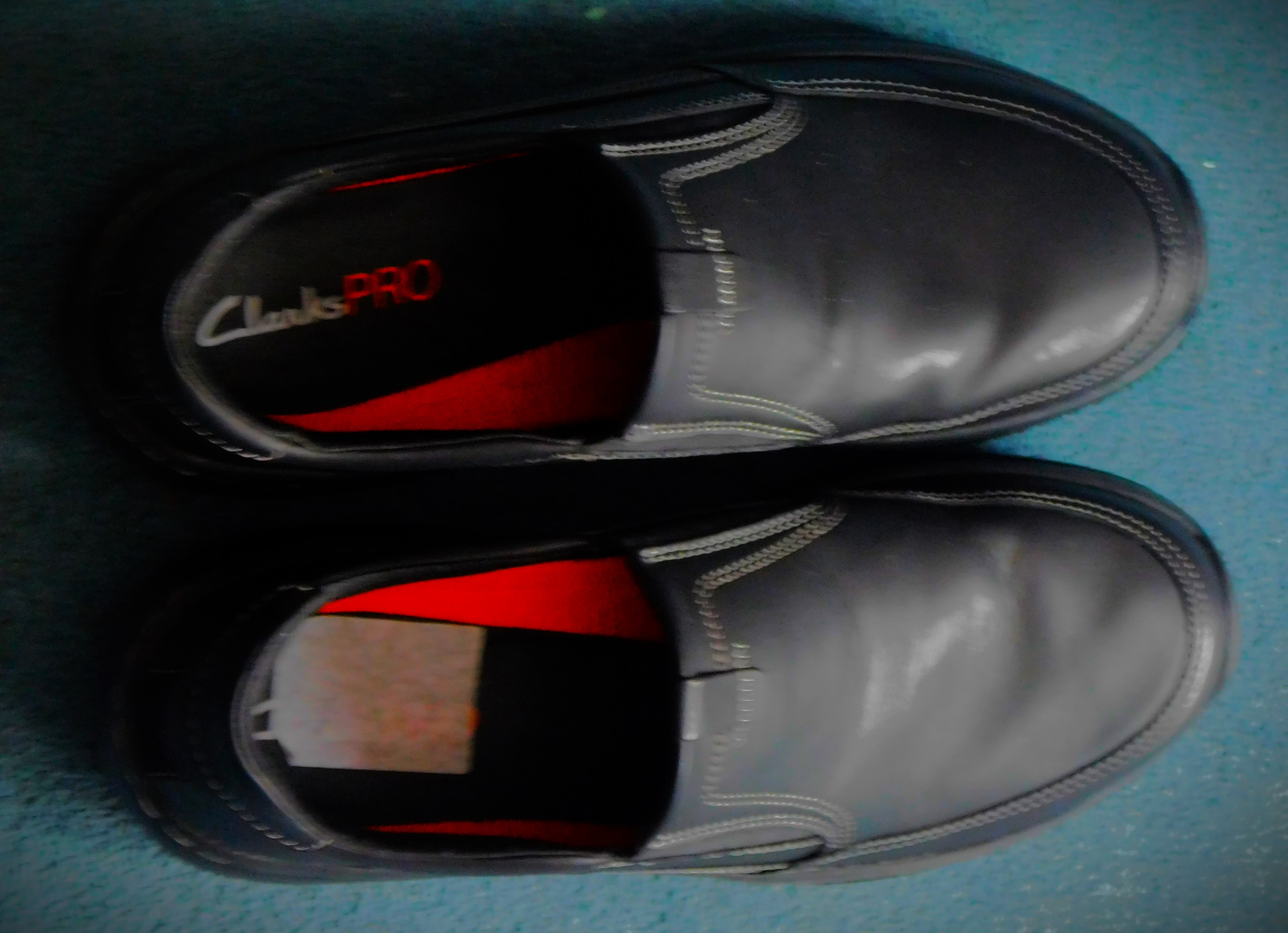
New shoes bought today – so far, so good – I have done my afternoon walk in them (I bought them near the end of my morning walk).
A look back at two women’s T20 matches which have taken place in the last 24 hours – South Africa v England and Melbourne Renegades v Brisbane Heat, the final of WBBL10. Also a substantial photo gallery.
Two important women’s T20 matches took place in the space of the last 24 hours. This post looks at both.
POMS PUMMEL PROTEAS
A multi-format series between the South African and England women’s teams is in progress. Yesterday saw the third of three T20Is that started the series off. England had already won the first two matches, and South Africa had weakened side for this match. South Africa batted first and had a horrible start. Lauren Filer, the quickest bowler on either side in this series (the absence of Shabnim Ismail from SA ranks ends all debate on this subject) clean bowled Anneke Bosch with the second ball of the match. In the second over another Lauren, the 6’1″ seamer Bell had Faye Tunnicliffe caught by Bouchier and it was 3-2. Annerie Dercksen got to 19 but then holed to Nat Sciver-Brunt off Bell to make it 25-3. Sune Luus and Chloe Tryon tried to revive things, but the last ball of the sixth over, off spinner Charlie Dean’s first, saw Luus caught by Knight. Eight balls and a mere three runs later Tryon also fell to the Knight/ Dean combo. Nadine de Klerk and Nondumiso Shangase shared a good stand until Shangase was stumped by Amy Jones off the bowling of left arm medium pacer Freya Kemp to make it 97-6. South Africa eventually reached 124, their last wicket falling to the final ball of the innings, with number 11 Ayanda Hlubi run out for 7 to end it. Charlie Dean had 3-26 from her four overs, while the other spinner Sophie Ecclestone had 1-16 from her four, the wicket being that of Eliz-Mari Marx, bowled by an absolute ripper of a delivery. This total looked modest on a pitch with a good deal of bounce (Centurion pitches tend to have this attribute) but little in the way of actual mischief. England soon made it look downright risible. Maia Bouchier and Danni Wyatt-Hodge got things going with a stand of 56 in 5.4 overs before Bouchier was out for 35 (21). That brought Sophia Dunkley out to join Wyatt-Hodge. Dunkley hit one massive six, but it was Wyatt-Hodge who was leading the charge by this stage. There were still 8.3 overs scheduled to be bowled when Wyatt-Hodge hit the four, her tenth to go with one six, that took her to 53* (31) and England to a nine-wicket win. Dunkley had scored 24* off 17 balls, and South Africa had damaged their own cause by conceding 16 extras. I will draw a veil over their bowling figures. A full scorecard can be seen here.
FROM ZEROS TO HEROS
In the ninth edition of the Women’s Big Bash League, last year, the Melbourne Renegades were an absolute laughing stock of an outfit, taking the wooden spoon and never really looking like doing anything else all the way through.
In the small hours of this morning UK time they completed a remarkable transformation, with some assistance from the Duckworth-Lewis-Stern (DLS) method, winning the final against Brisbane Heat to lift the trophy.
Brisbane Heat won the toss, and with weather interruptions threatening opted to bowl first. DLS recalculations frequently do benefit chasing sides. Renegades were less than impressive in totalling 141-9 from their 20 overs, for which they were indebted to Hayley Matthews, already confirmed as Player of the Tournament, who held things together for them with an innings of 69. Charli Knott took three wickets and Grace Parsons two, but the most impressive bowling performance for Heat came from 18 year old Lucy Hamilton who capped a memorable first WBBL tournament of her career by producing figures of 4-0-19-1.
Heat were 19-2 after 3.2 overs when the rain came. The adjusted target once play could resume was 98 off 12 overs, meaning that Heat needed 79 off 8.4 overs from the resumption to win the match. Renegades could bowl two bowlers for three overs each if they so desired but otherwise two overs per bowler was the new limit. Heat never came close to getting on terms with the chase, and it was only a by then irrelevant six from Nicola Hancock off the final ball of the match reduced the margin to seven runs. Hayley Matthews had 2-24 to put alongside her 69 and was the clear-cut Player of the Match. Matthews this tournament has scored 324 runs at an average of 40.50 and a strike rate of 130.64 runs per 100 balls, and taken 14 wickets at 17.78 a piece, with an economy rate of 6.98 and taking a wicket every 15.2 balls on average.
The DLS recalculation undoubtedly worked against Heat because they had lost those two early wickets when the rain came, but I do not believe that it changed the outcome of this match – Heat were not favourites by the time the rain started, and were somewhat more clearly second favourites after the adjusted target was issued.
PHOTOGRAPHS
These pictures were all taken yesterday, in the course of two walks – yesterday morning was dull but not cold, yesterday afternoon was genuinely pleasant. Here are the photographs, plus a reminder that they can be viewed at a larger size by clicking on them…
An account of a walk in and around King’s Lynn. This particular variation on a favourite walking theme of mine took place yesterday late morning. There are plenty of photographs.
It is no secret to followers of this blog that I do a lot of walking, and that I go nowhere without my camera. This post looks in detail at a recent walk.
WALKING IN AND AROUND KING’S LYNN
One of my favourite themes around which to construct walking routes in and around King’s Lynn is what I call the ‘three rivers’. The three rivers of that title are the Gaywood, multiple sections of which are encompassed, the Nar, which is crossed twice at different points, and Great Ouse, the main river in this part of the world, alongside which some of the walk takes place. The particular walk that this post uses for detail took place yesterday, when the weather was bright and sunny but cold.
THE WALK
I started by leaving my house by the back door, as I was heading at first in the general direction of the town centre. The road that runs behind the row of houses in which I live is a private road and is unnamed. It disgorges on to Raby Avenue, which I crossed, and then headed down Townshend Terrace, a side road which forms a right angle, running from Raby Avenue to a pond at which point it swings 90 degrees and disgorges onto another road. However, as you will see I was not going that way. The pond usually yields pictures, and it did so this day as well…
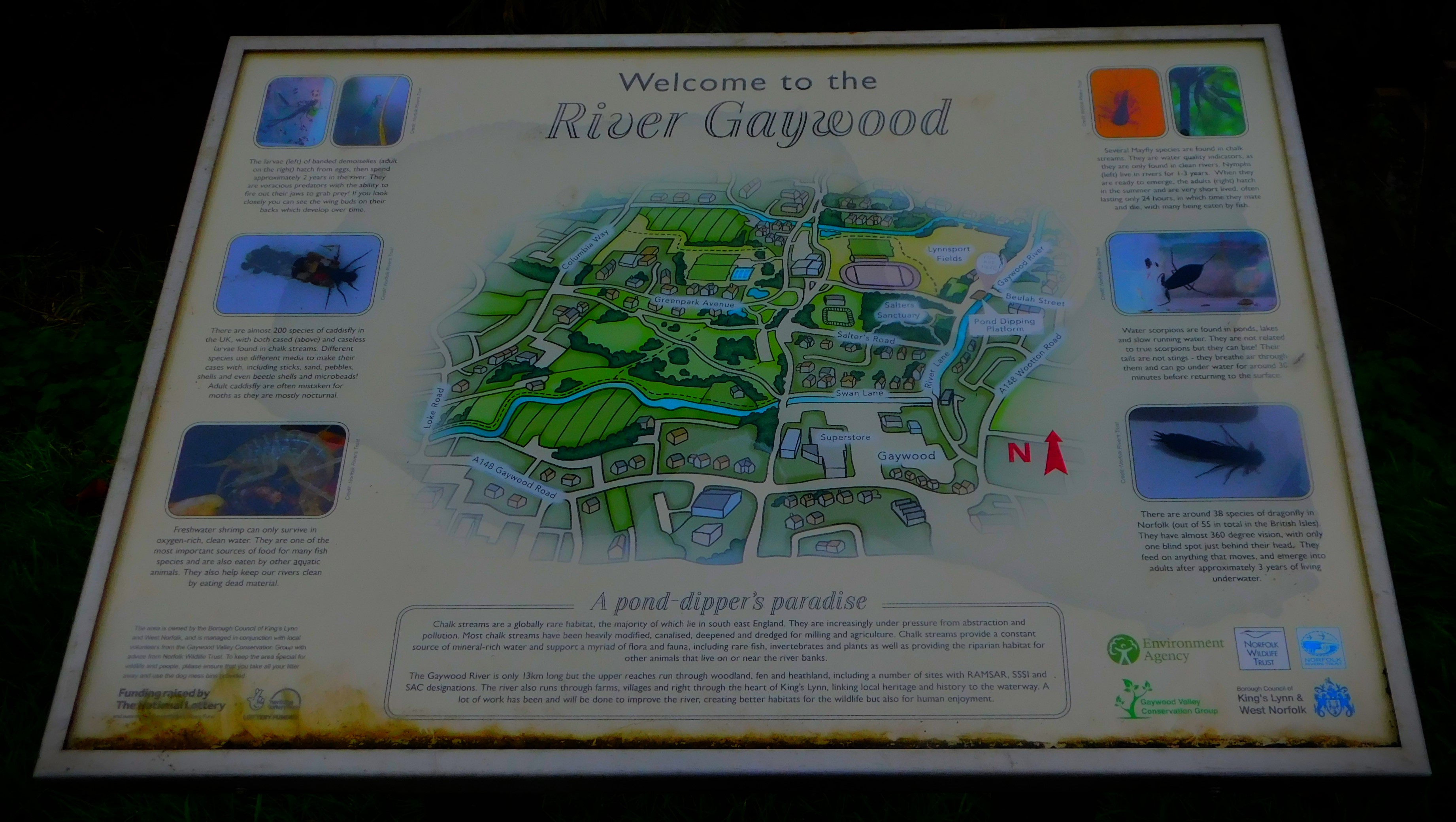
While Townshend Terrace goes on way, a footpath leads in the opposite direction, through to Loke Road. On the far side of Loke Road, almost directly across from this footpath is a side road called Harewood Parade, which leads round the side of a second pond, until it terminates and is replaced by footpath which heads into a section of greenery flanked on one side by a section of the Gaywood River and on the other by Kettlewell Lane. Although the second pond did not yield anything for the camera on this occasion, the rest of this segment of the walk did…
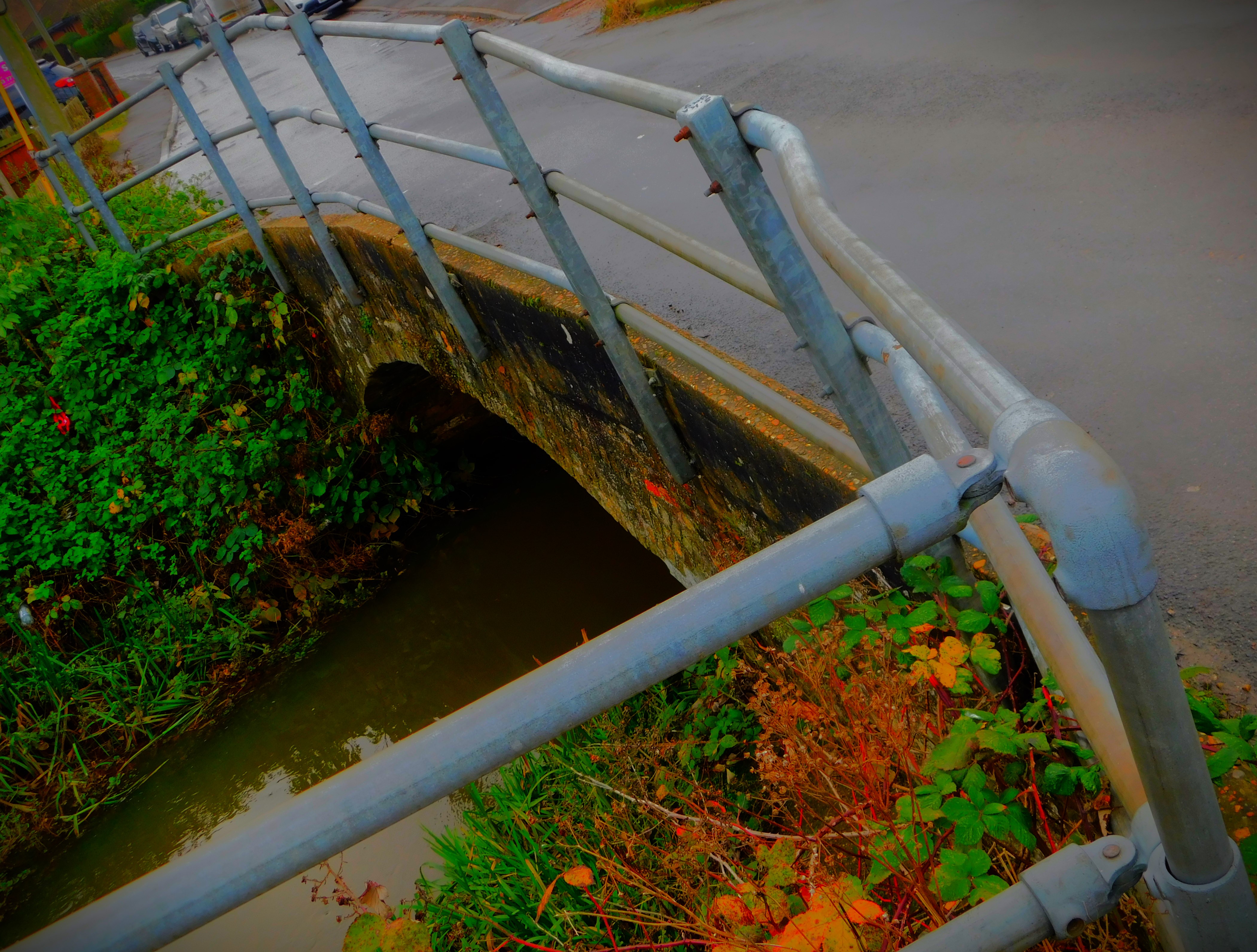
Kettlewell Lane leads out on to what at that stage is Littleport Street, though a little way north it becomes Gaywood Road. By this stage one is very close to the town centre, but one is not committed to main roads. I crossed Littleport Street at the light controlled crossing on Eastgate Bridge, and headed down Highgate, past a little patch of greenery that sometimes yields pictures though not on this occasion, and down a little side passage that leads to a small bridge back over the Gaywood to the town side and another little section of greenery, which I exited on to Wyatt Street at the other side. I then crossed Wyatt Street, and took a footpath that runs alongside Eastgate primary school before coming out on Blackfriars Road, the road that runs past King’s Lynn station. At this point, for a brief period there are no further options for main road avoidance, so I followed the road round past the station, and shortly after the station headed into the park called The Walks. I headed alongside another section of the Gaywood (heavily sculpted at this stage of its route) until I reached the white metal bridge that leads in to the Vancouver Garden wherein is located the bandstand. I exited the Vancouver Garden by the other bridge from it, crossed the Broadwalk, and headed for the Seven Sisters exit. This section did not yield many pictures, but there were a few…
The Guanock Gate
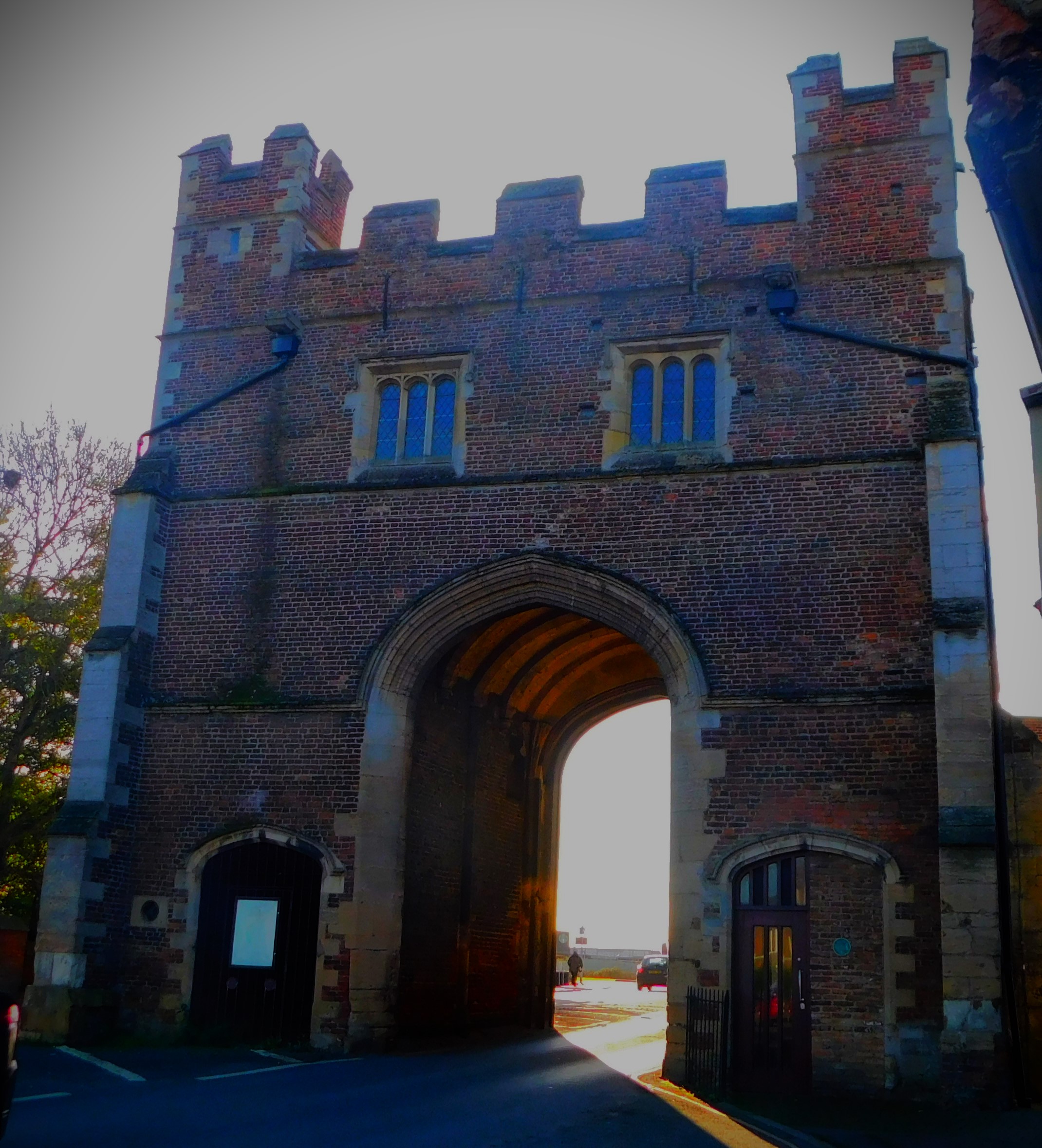
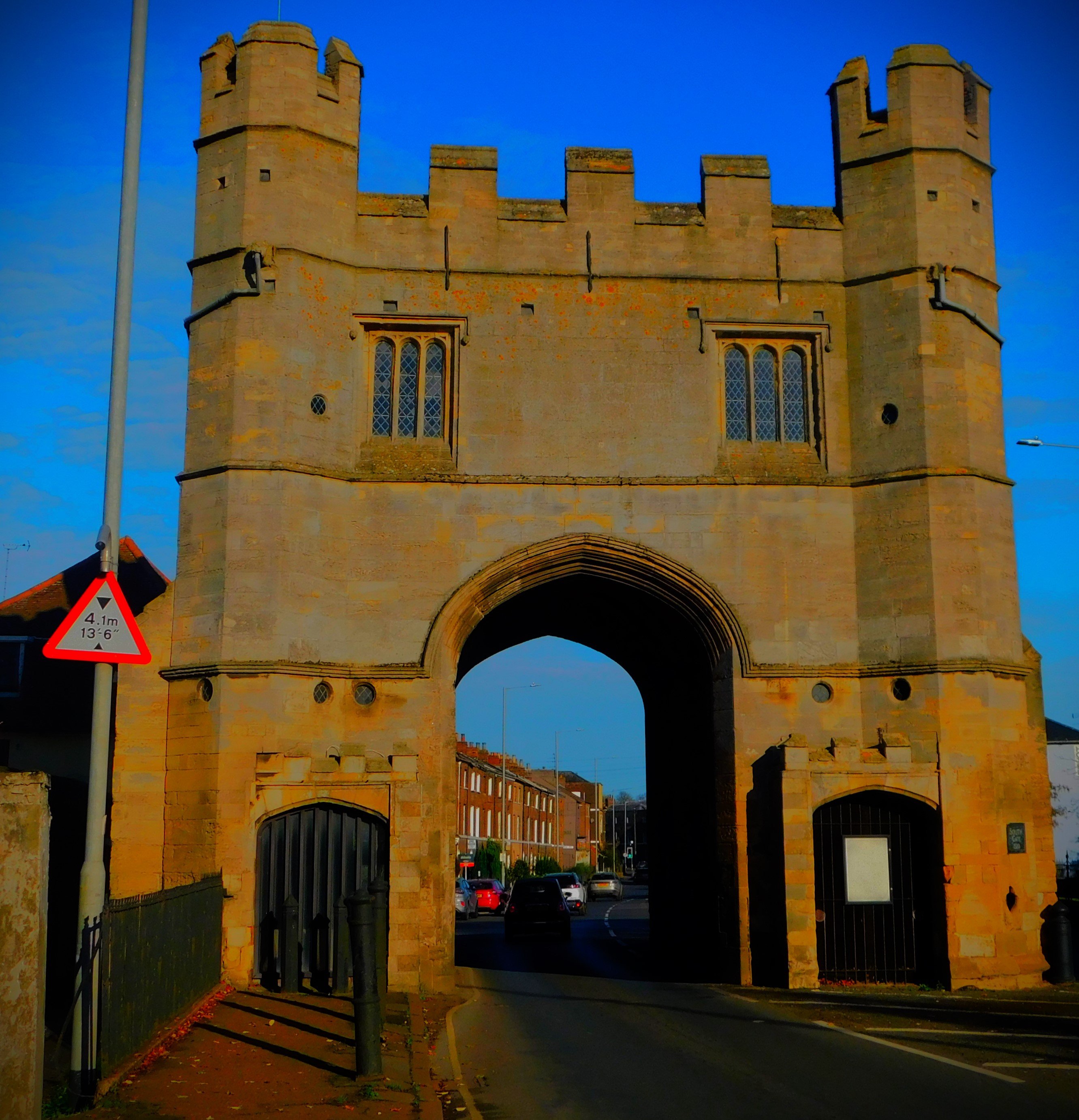
From the Seven Sisters exit I headed to where a passage leads through to London Road, joining that road at a light controlled crossing, which I availed myself of. I then headed away from town, passing the South Gate and then turning down the road that crosses the Nar, which I exited on to Hardings Way before taking a footpath through Hardings Pits to the Great Ouse at a point south of the town.
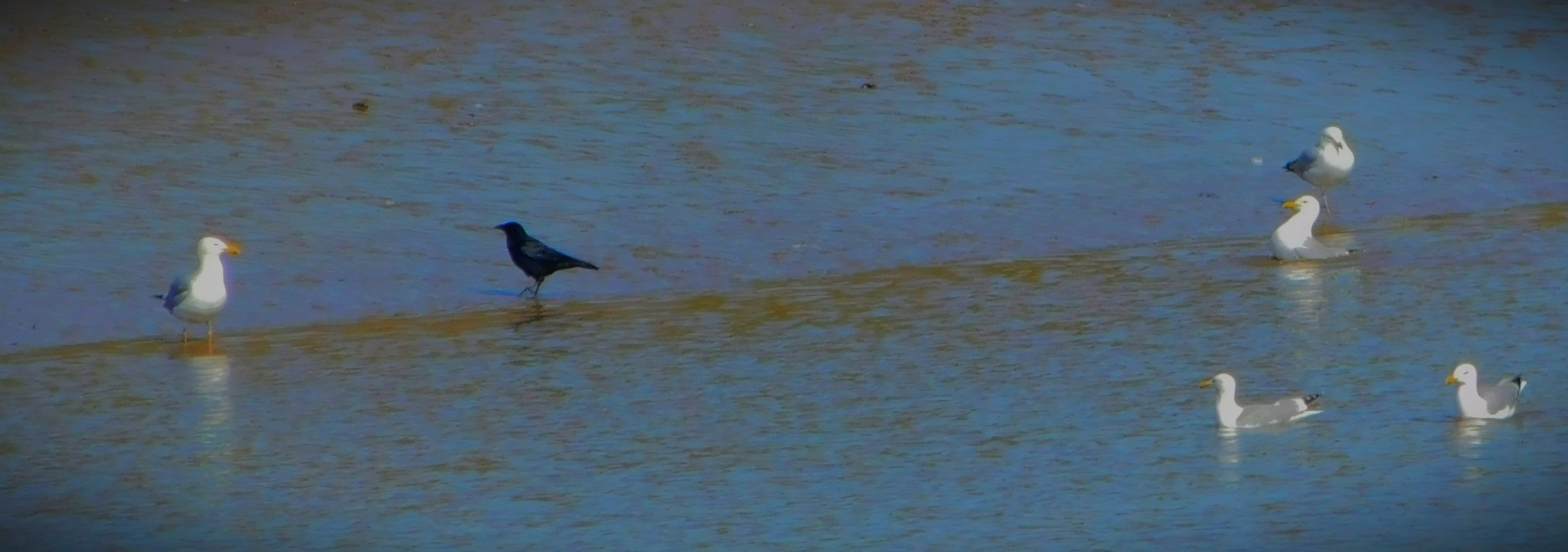
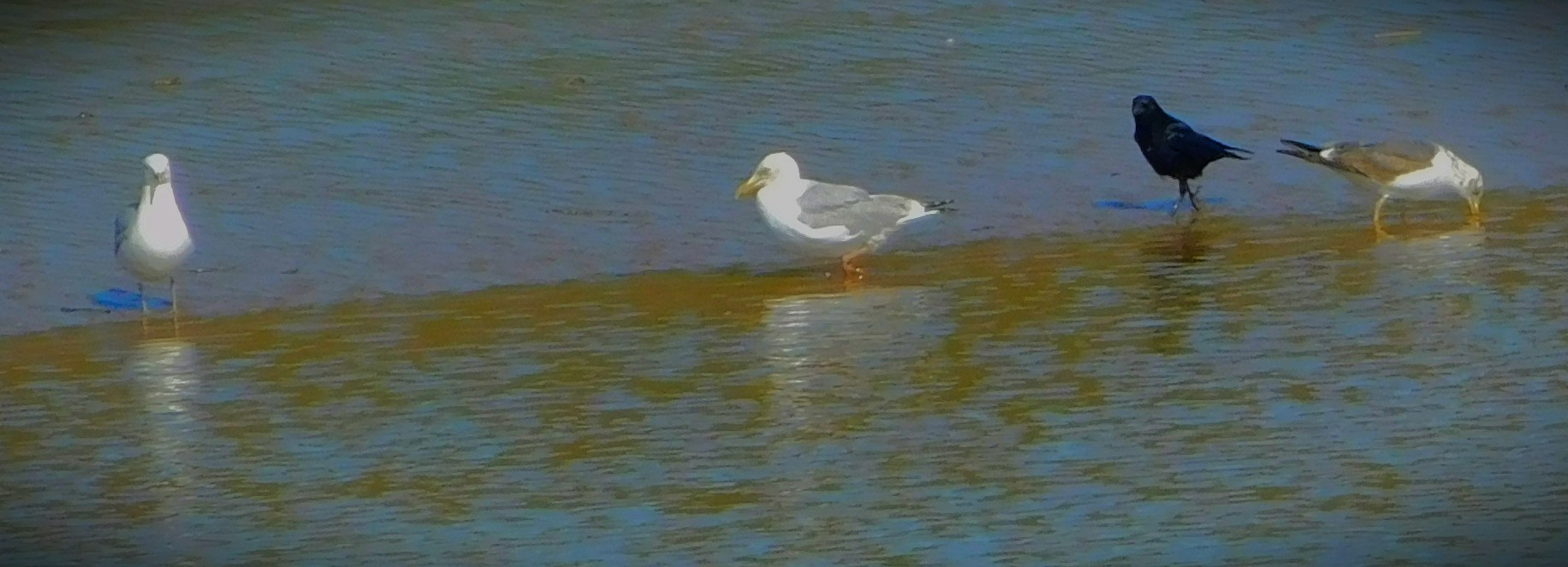
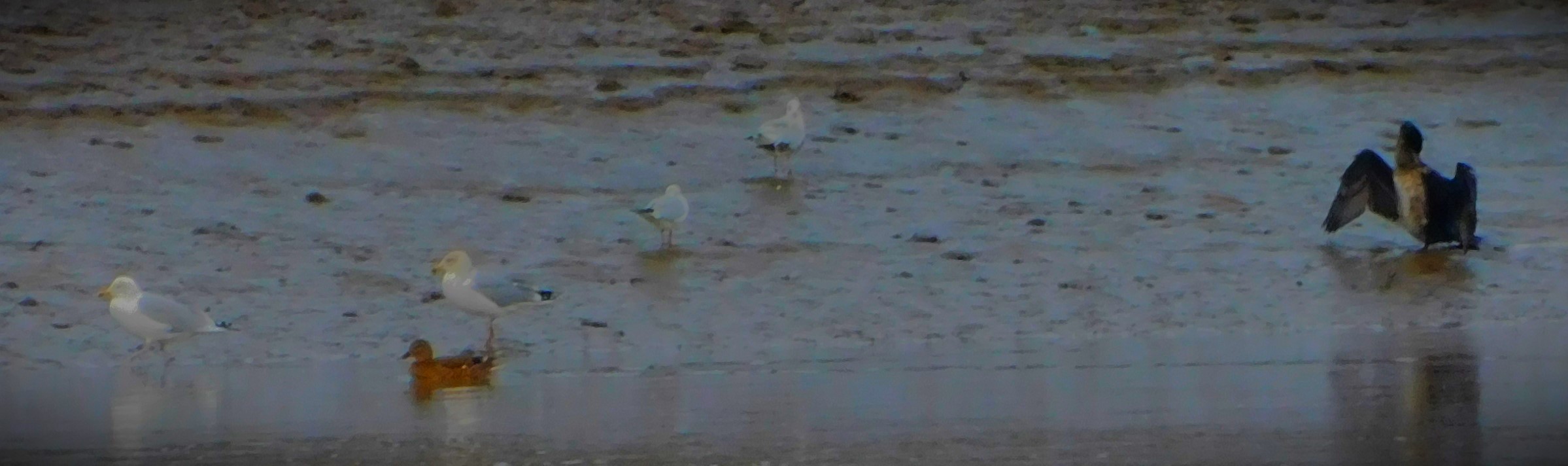
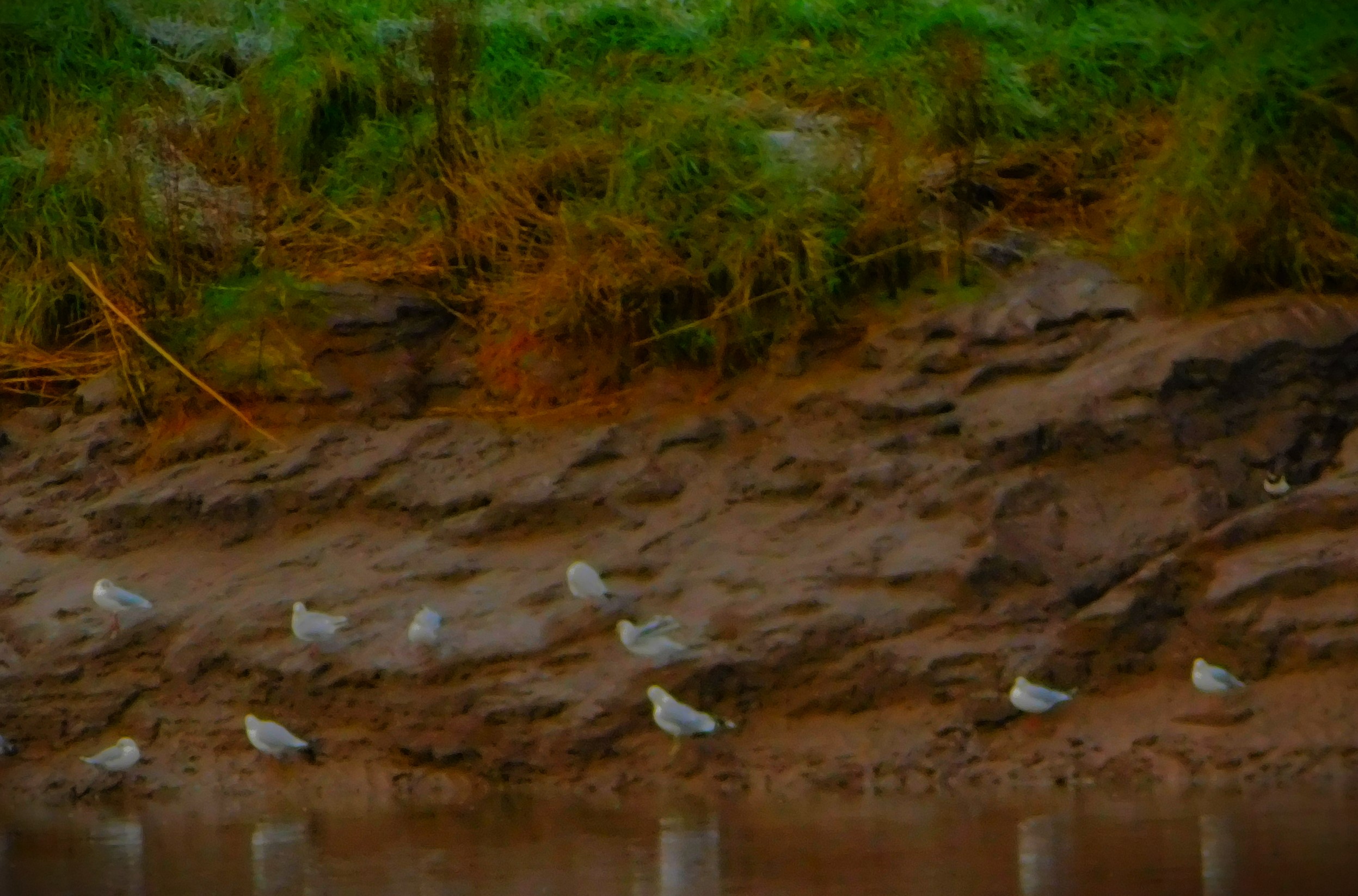
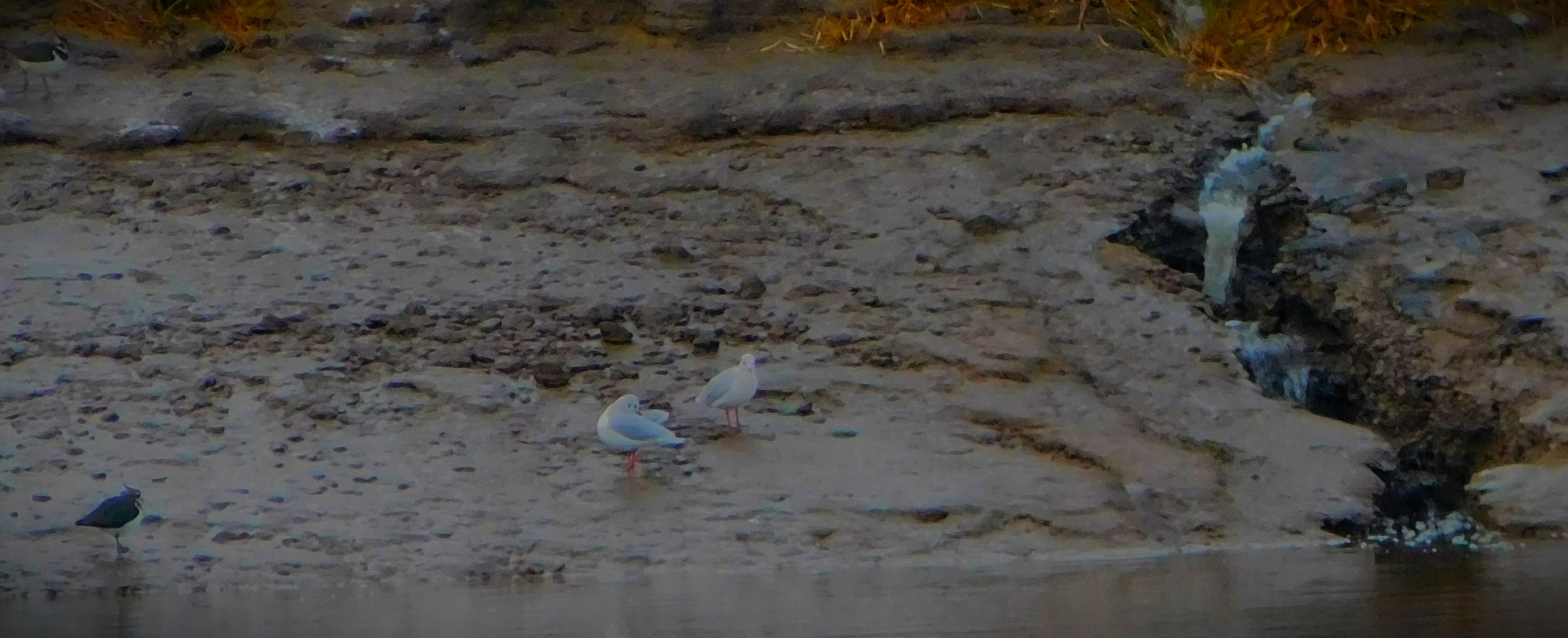
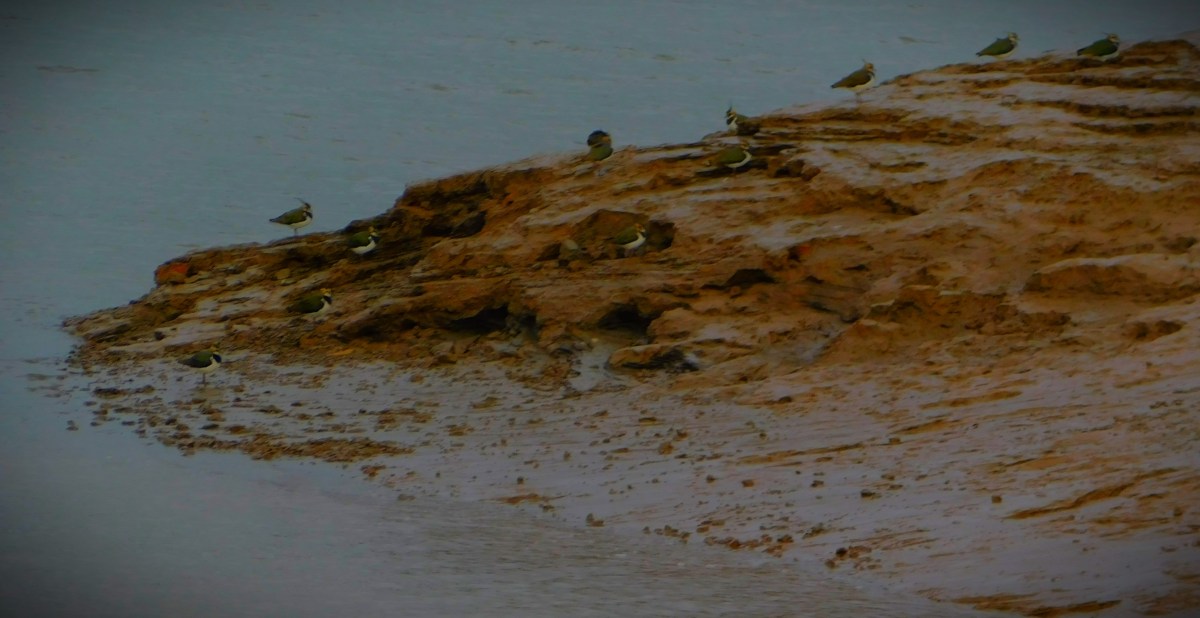
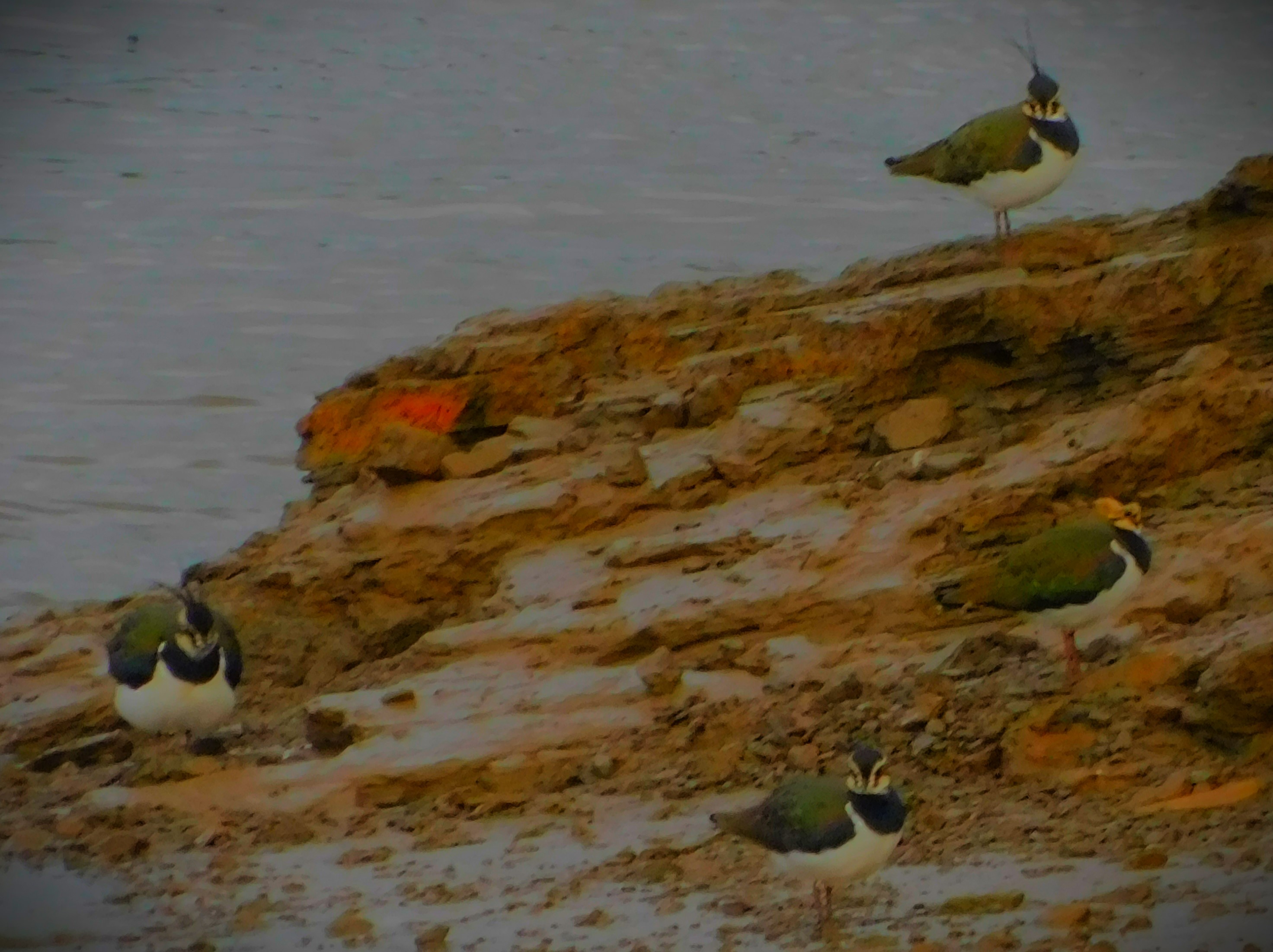
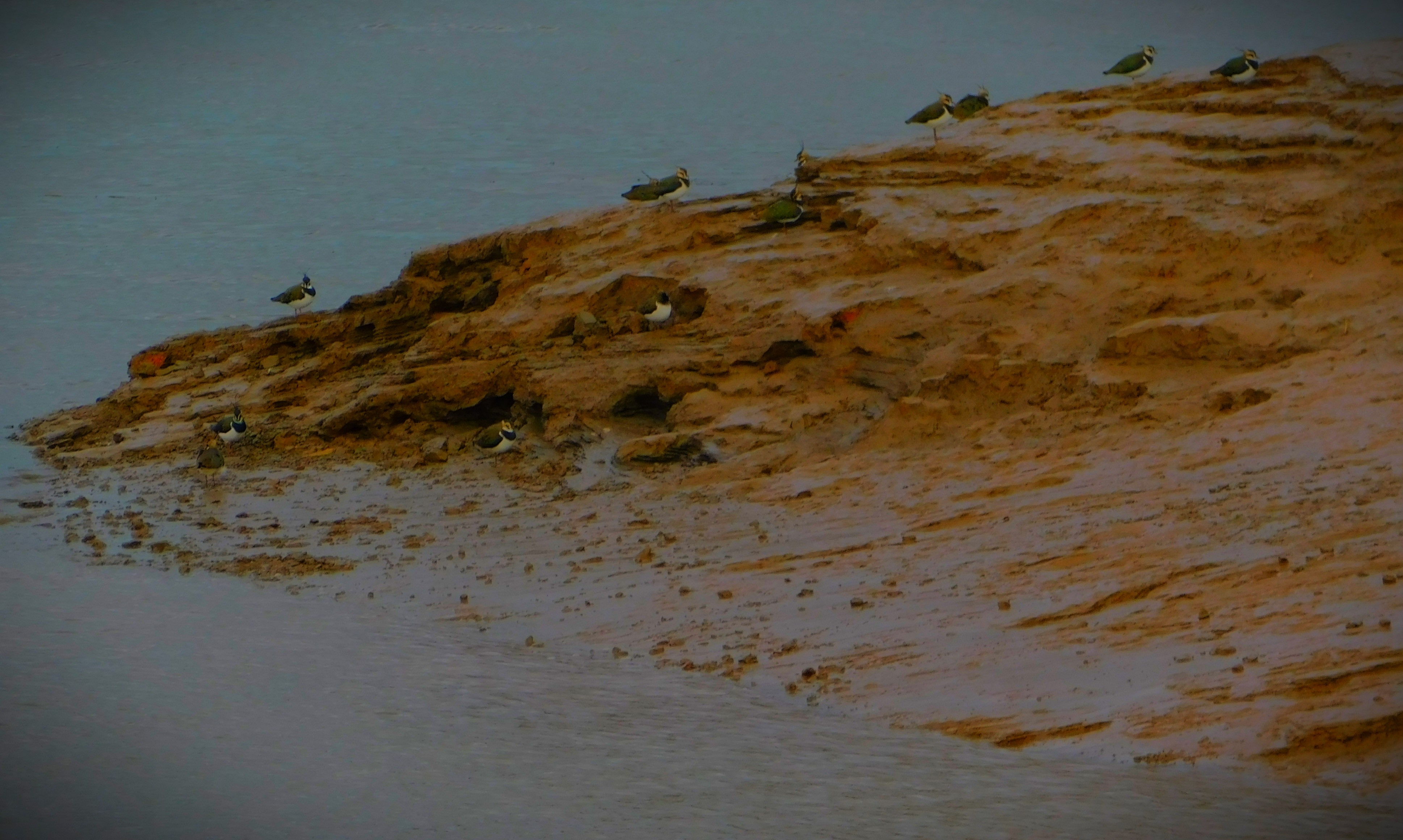
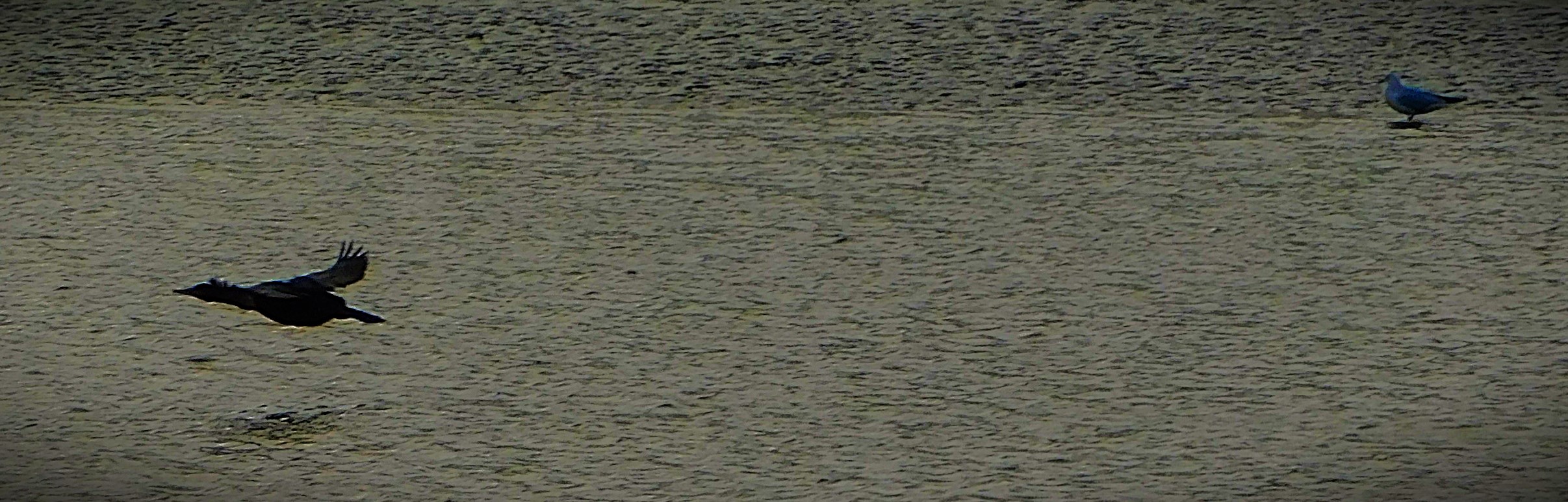
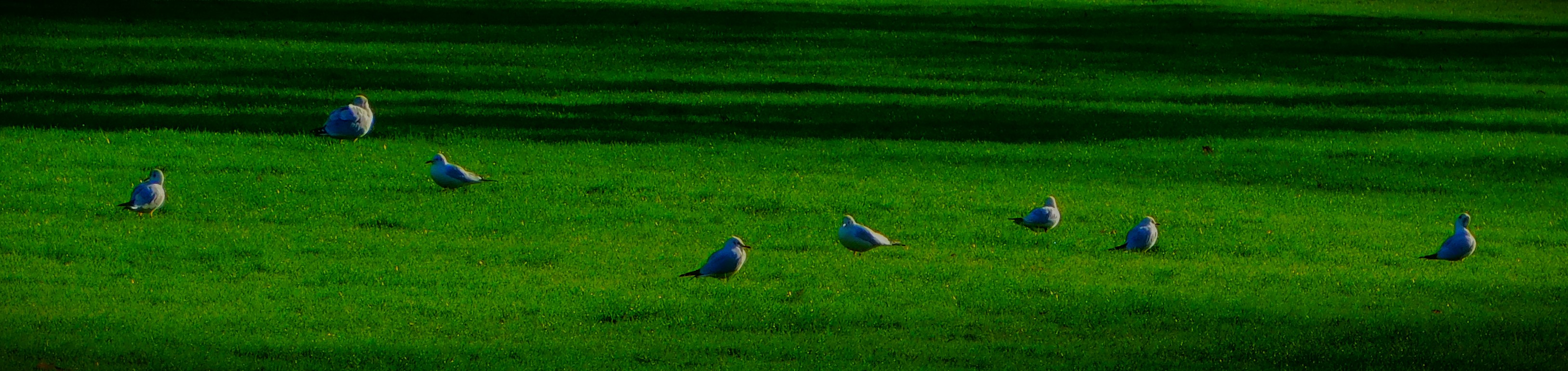
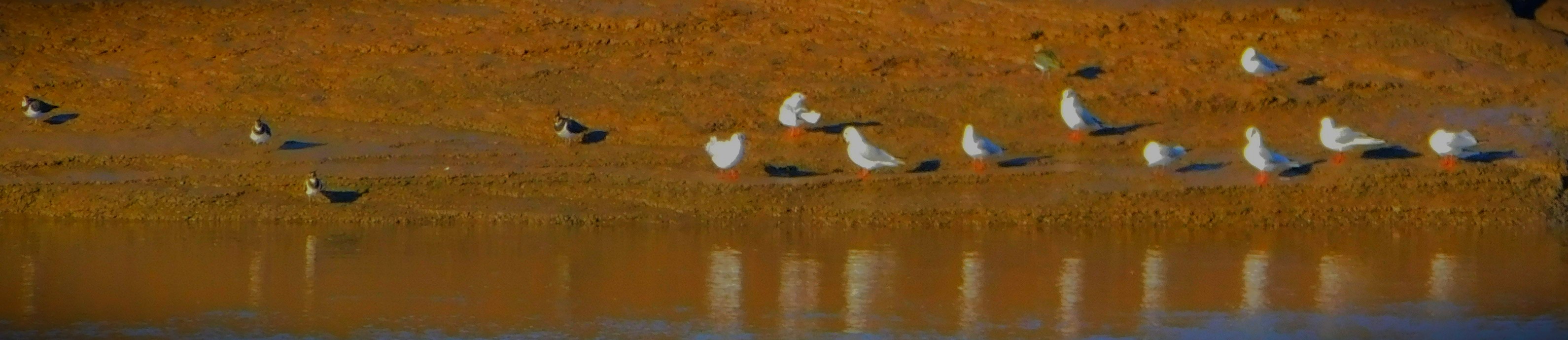
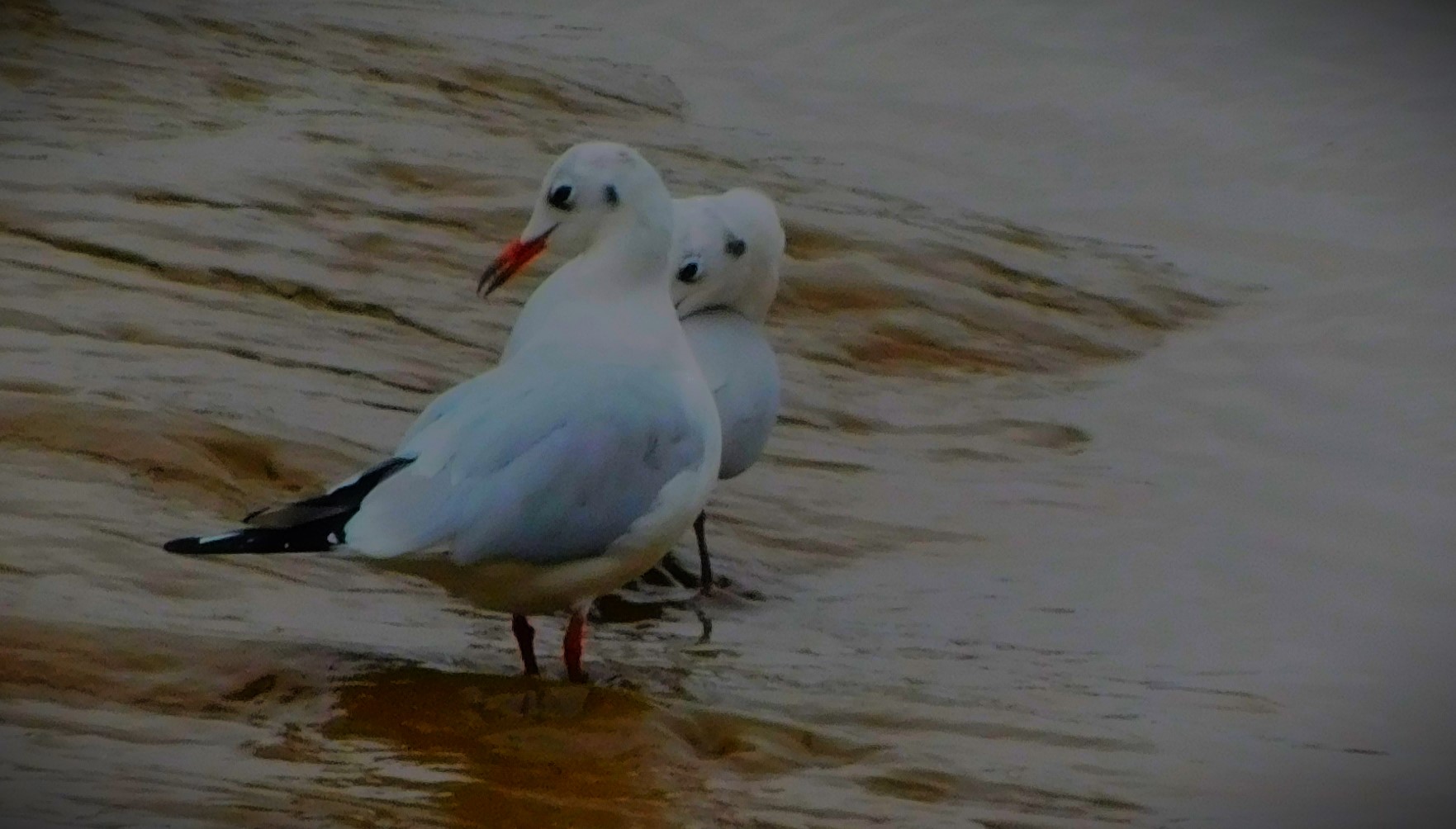
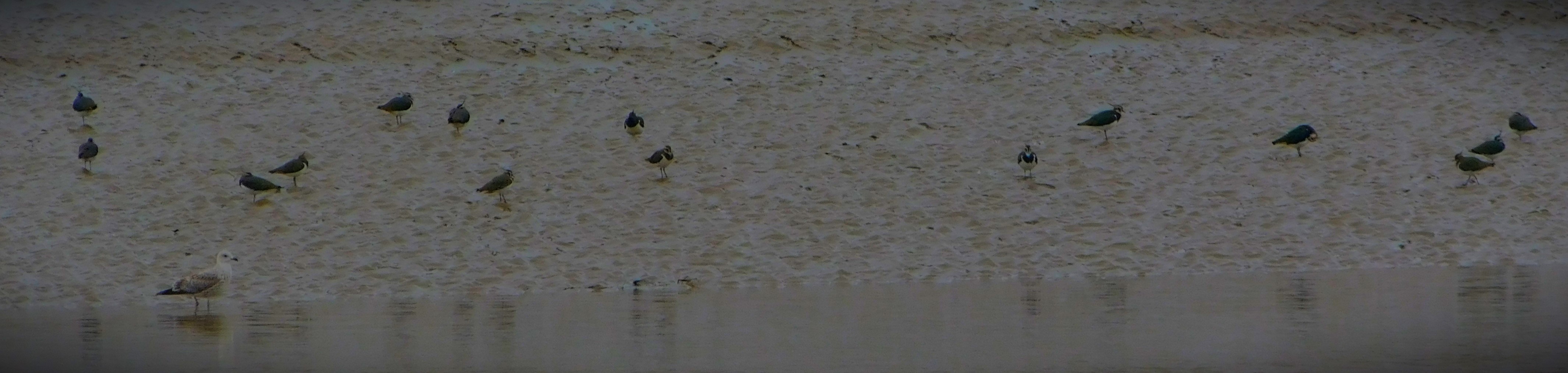
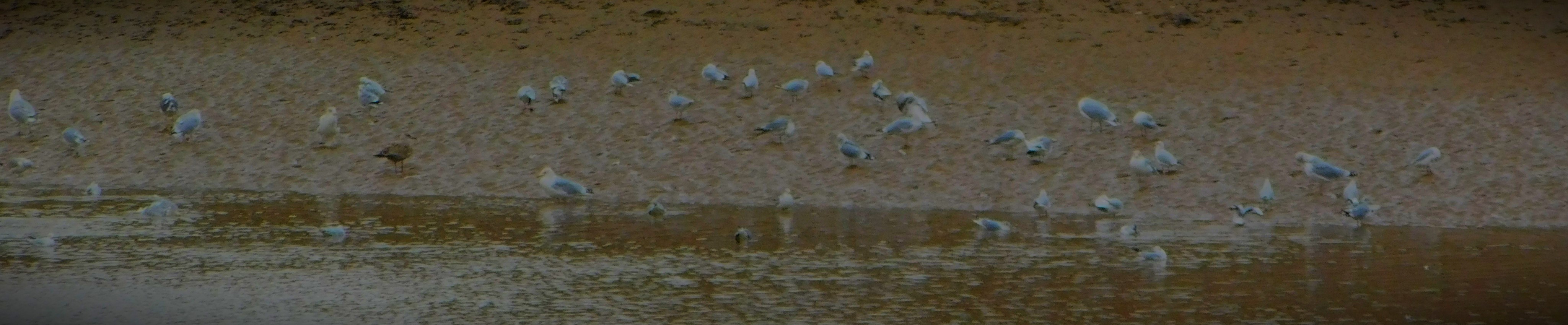
The South Gate (town side)The South Gate (out of town side).The only picture I got in Hardings PitsLapwings and Gulls at the far edge of the Great OuseKing’s Lynn viewed from the river bank on leaving Hardings Pits/A gathering of birds.
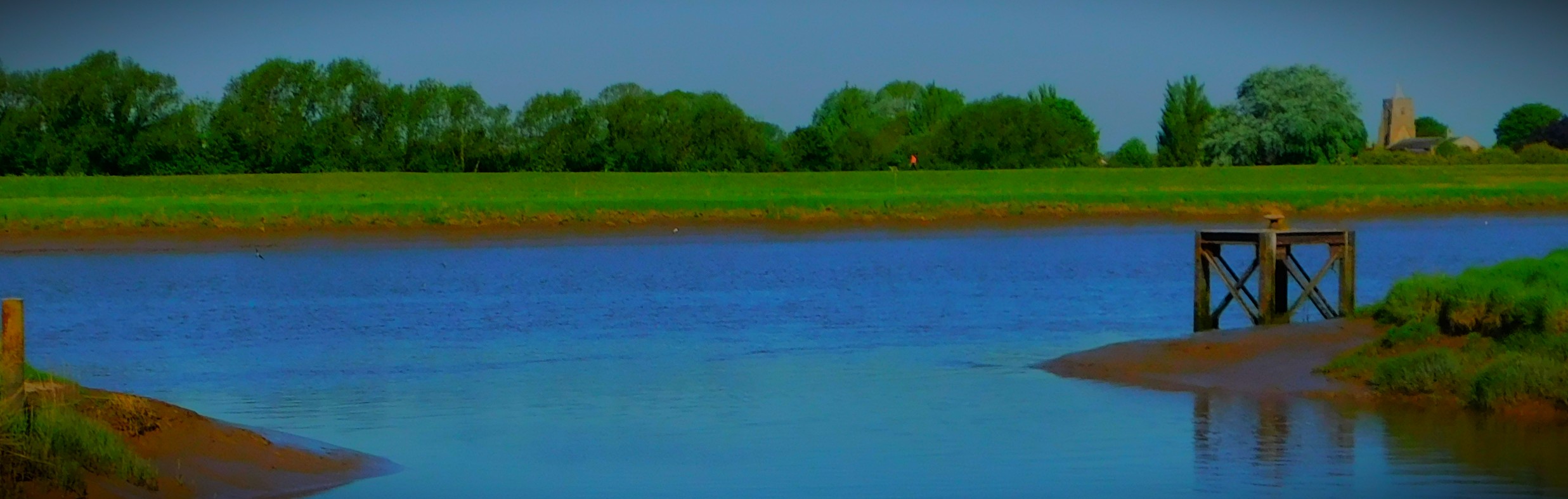
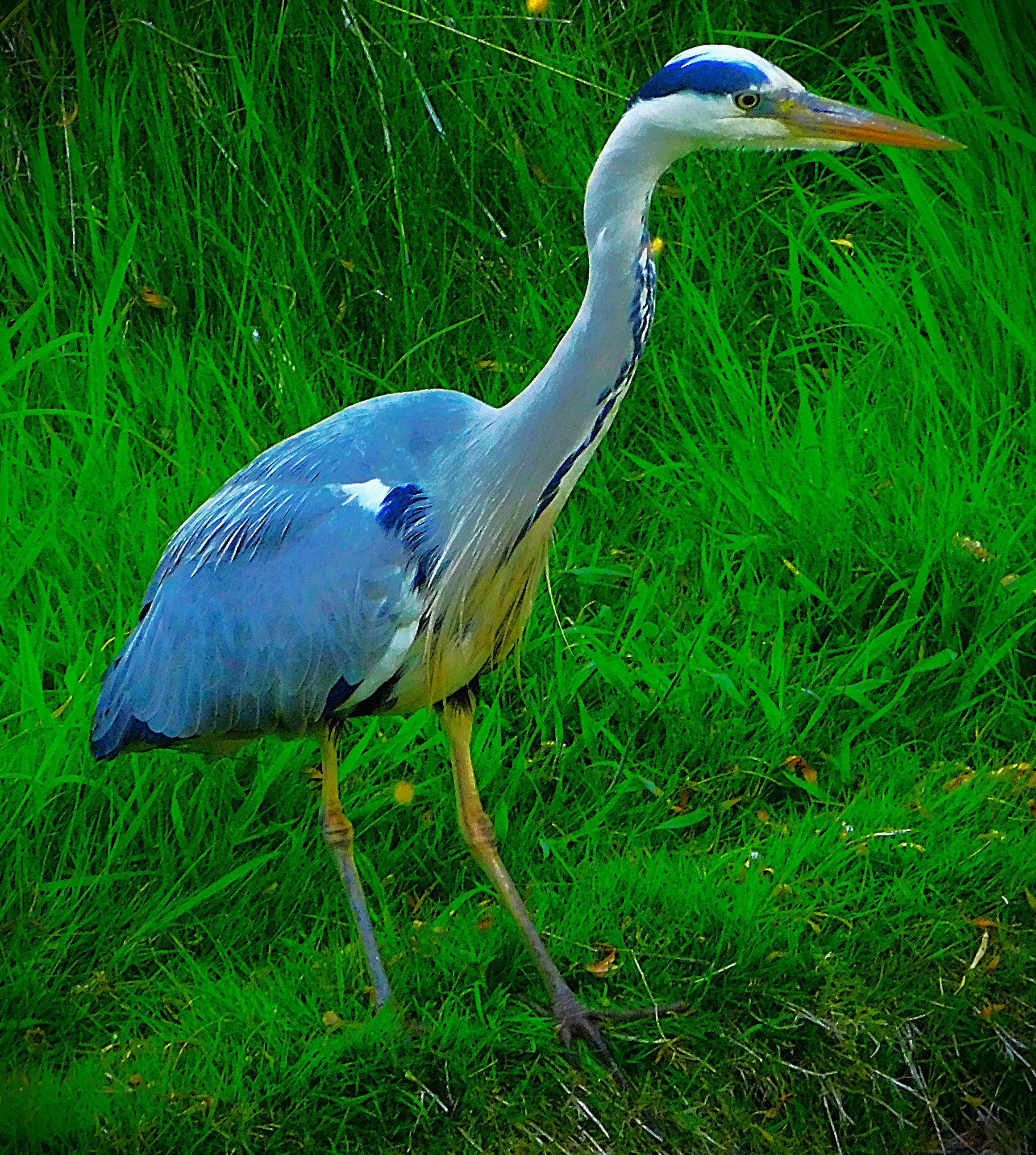
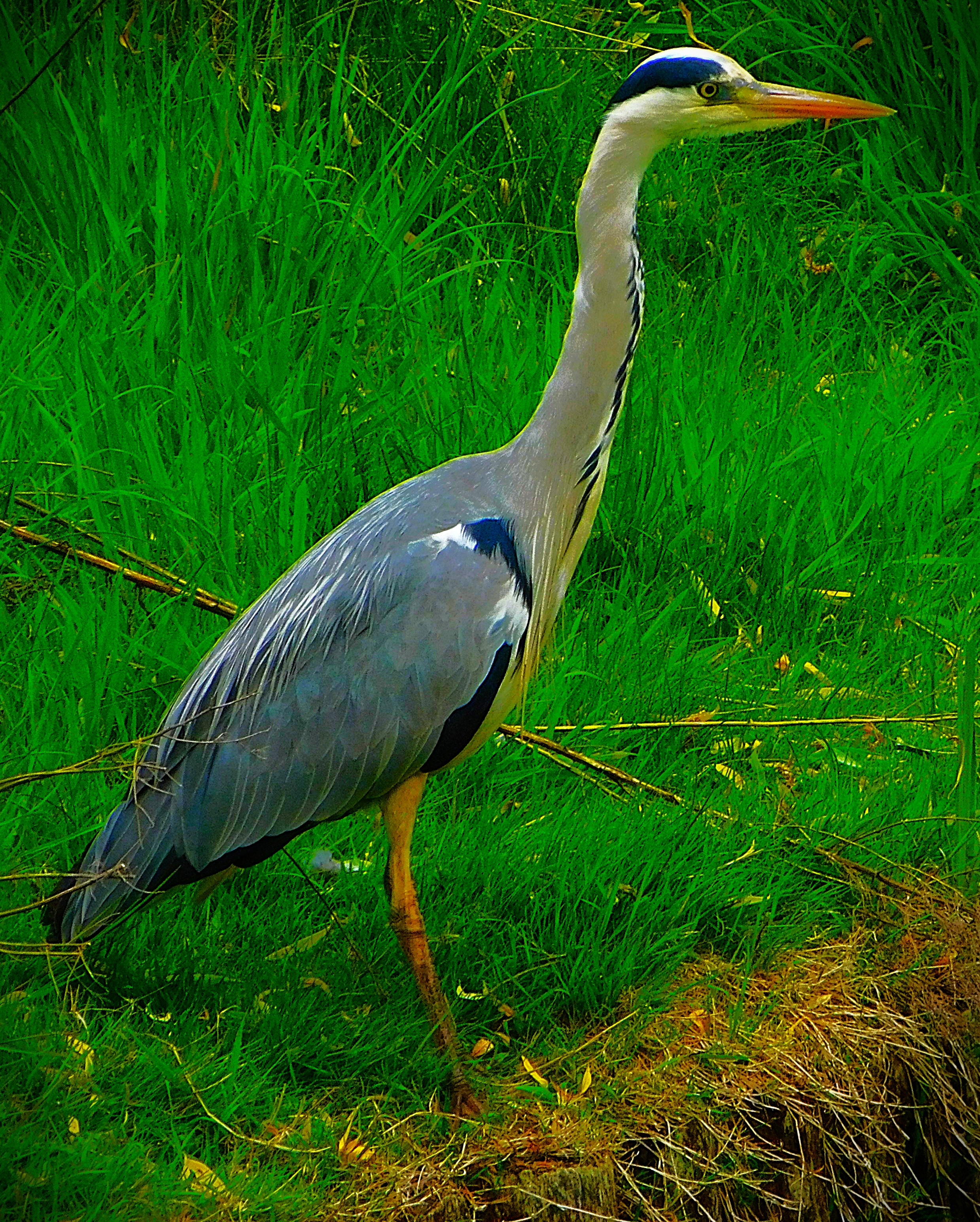
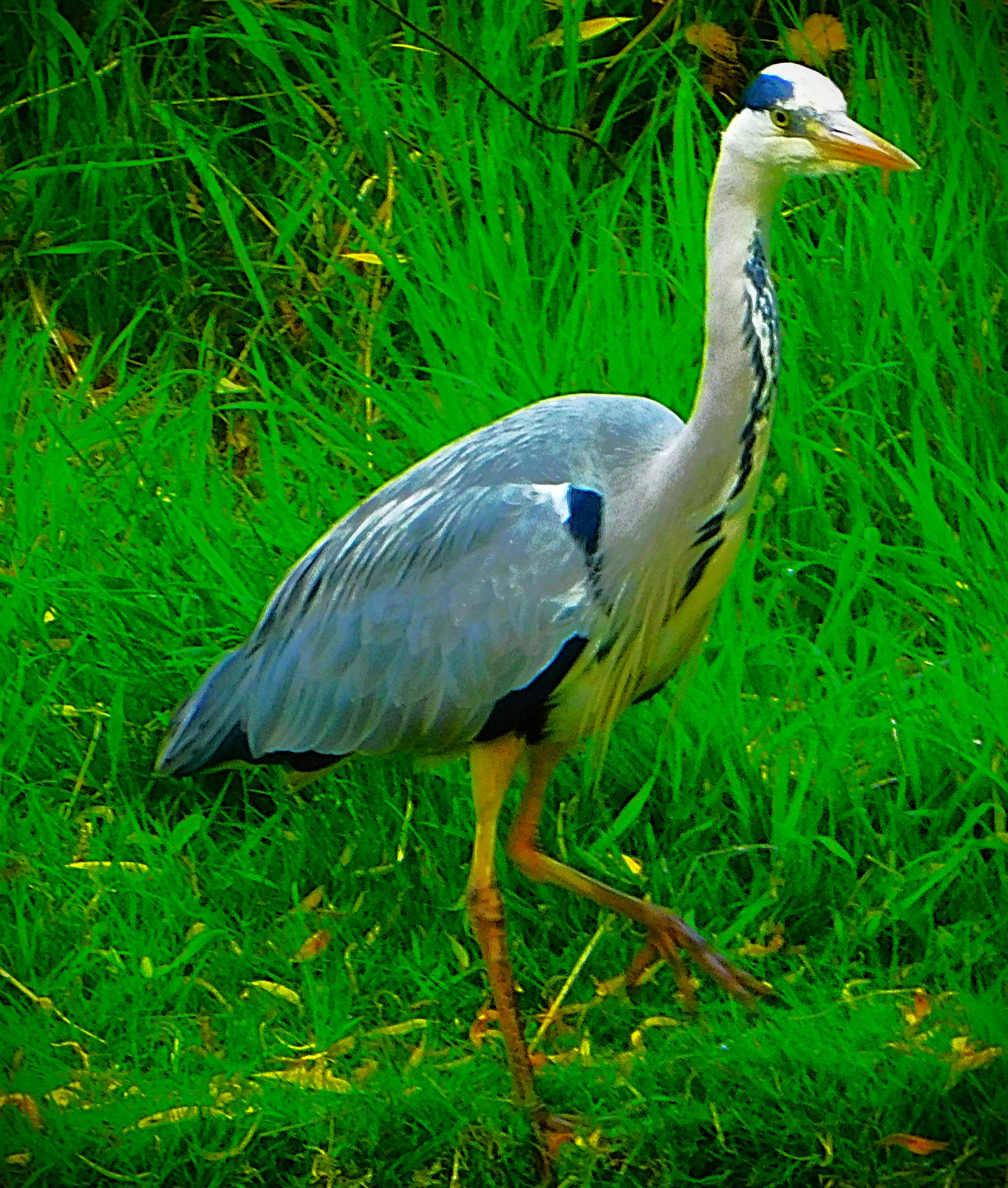
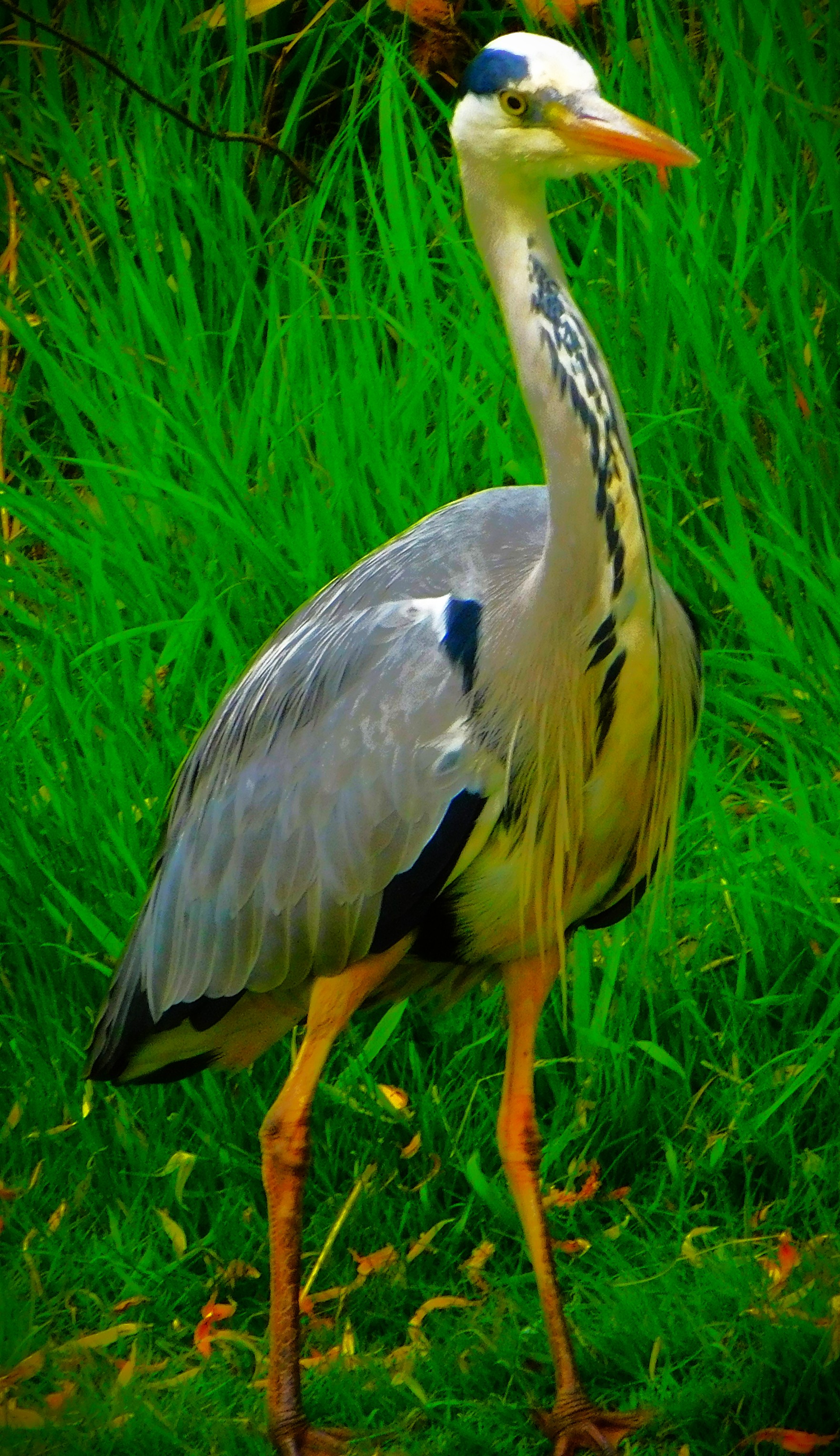
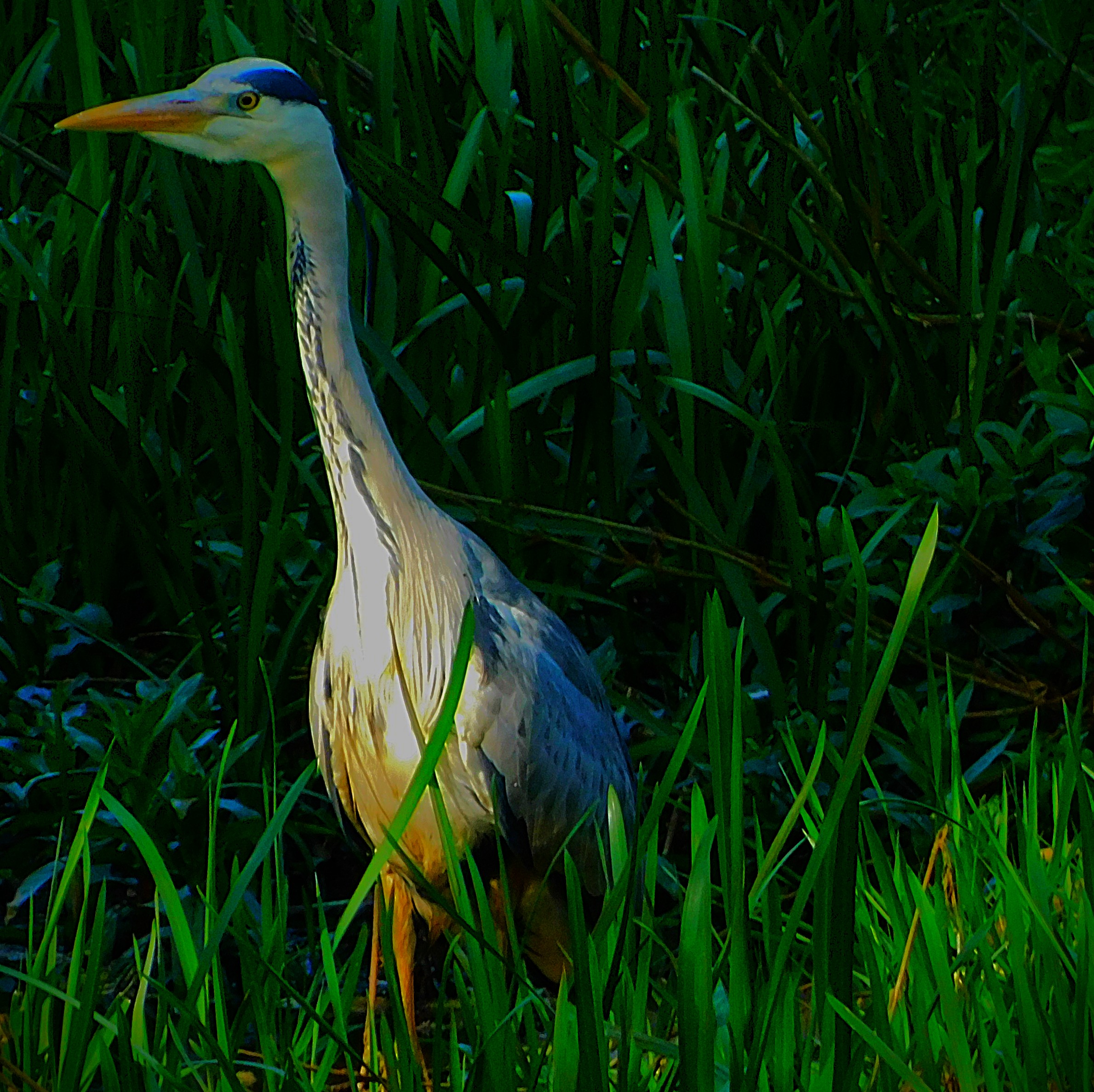
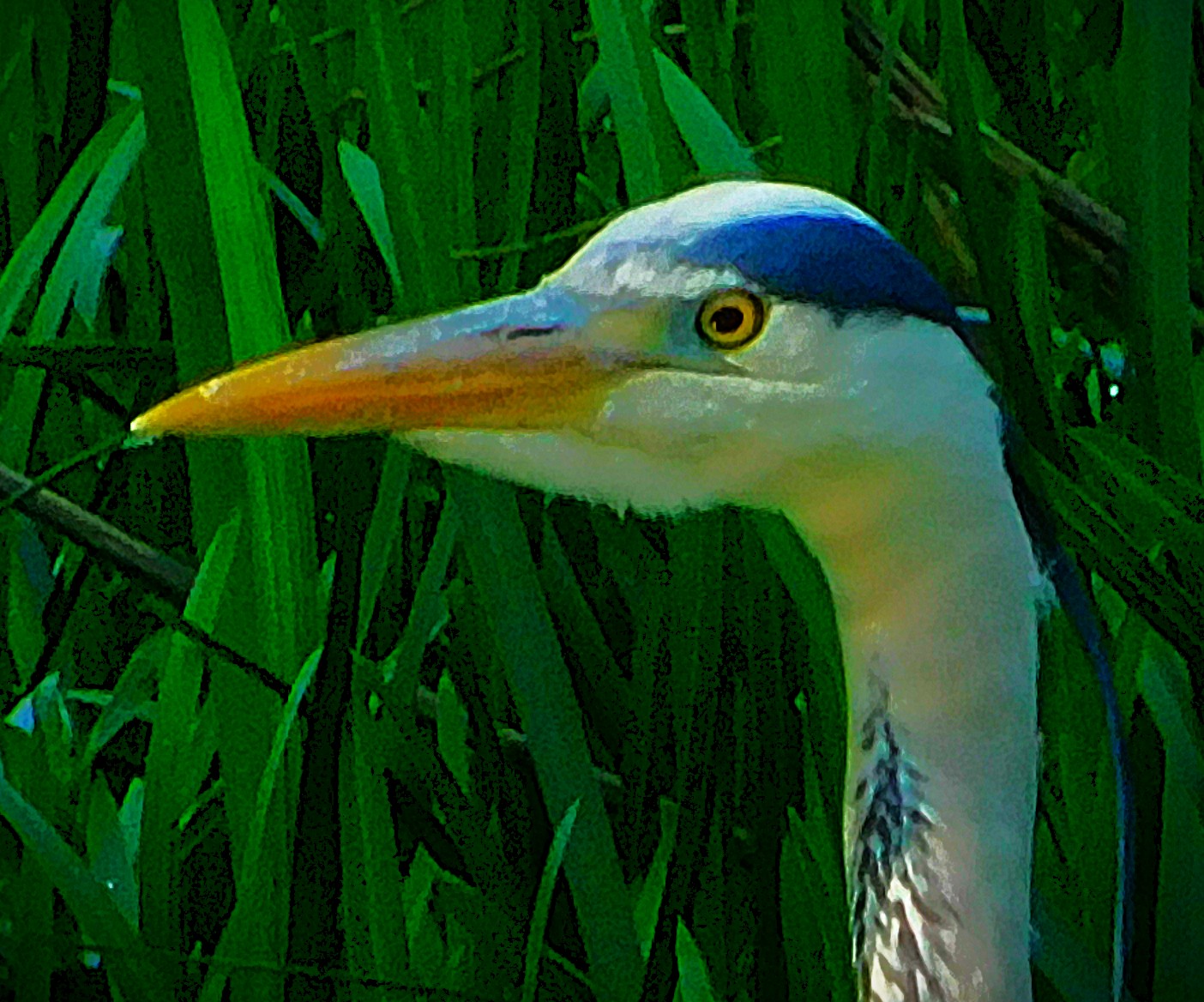
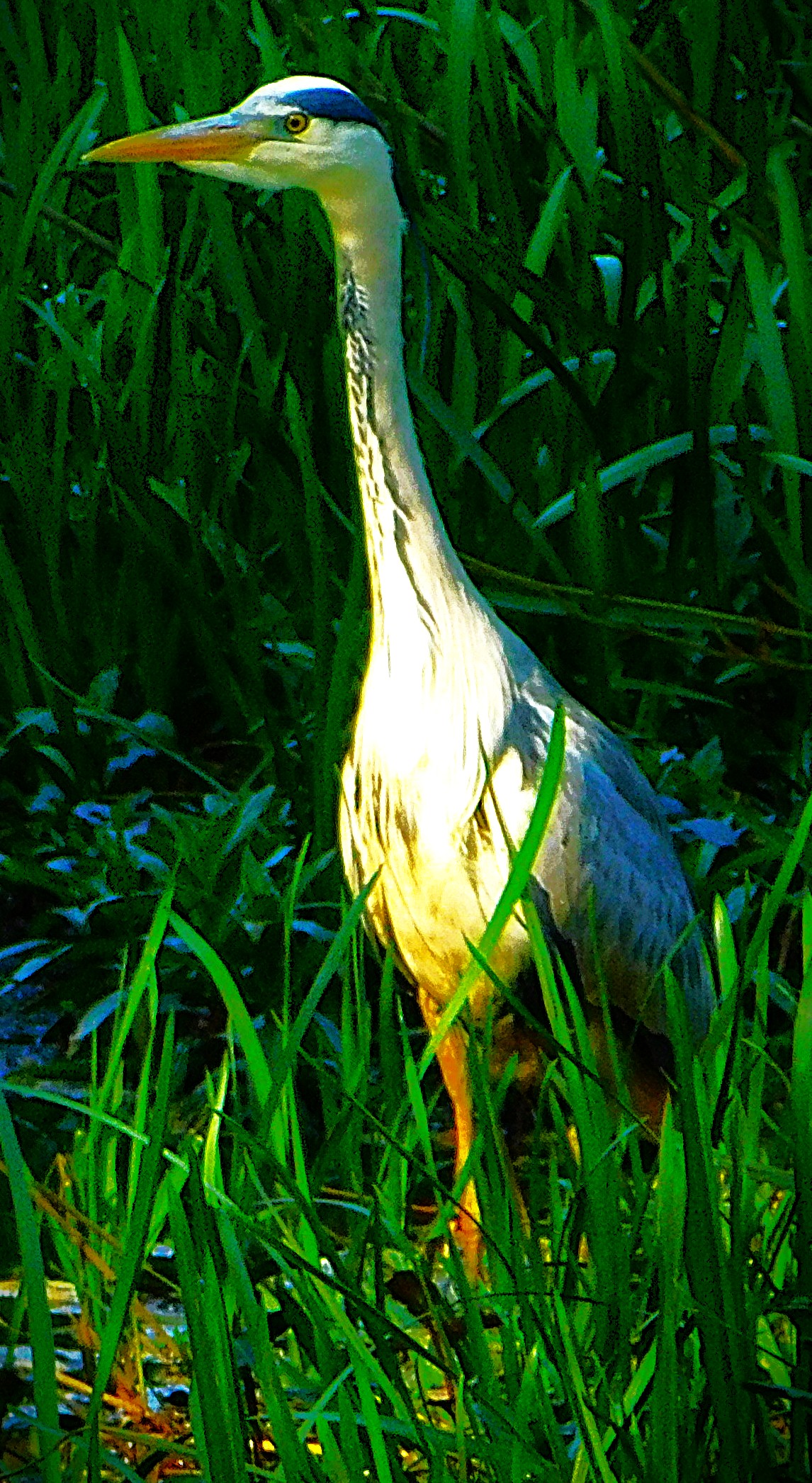
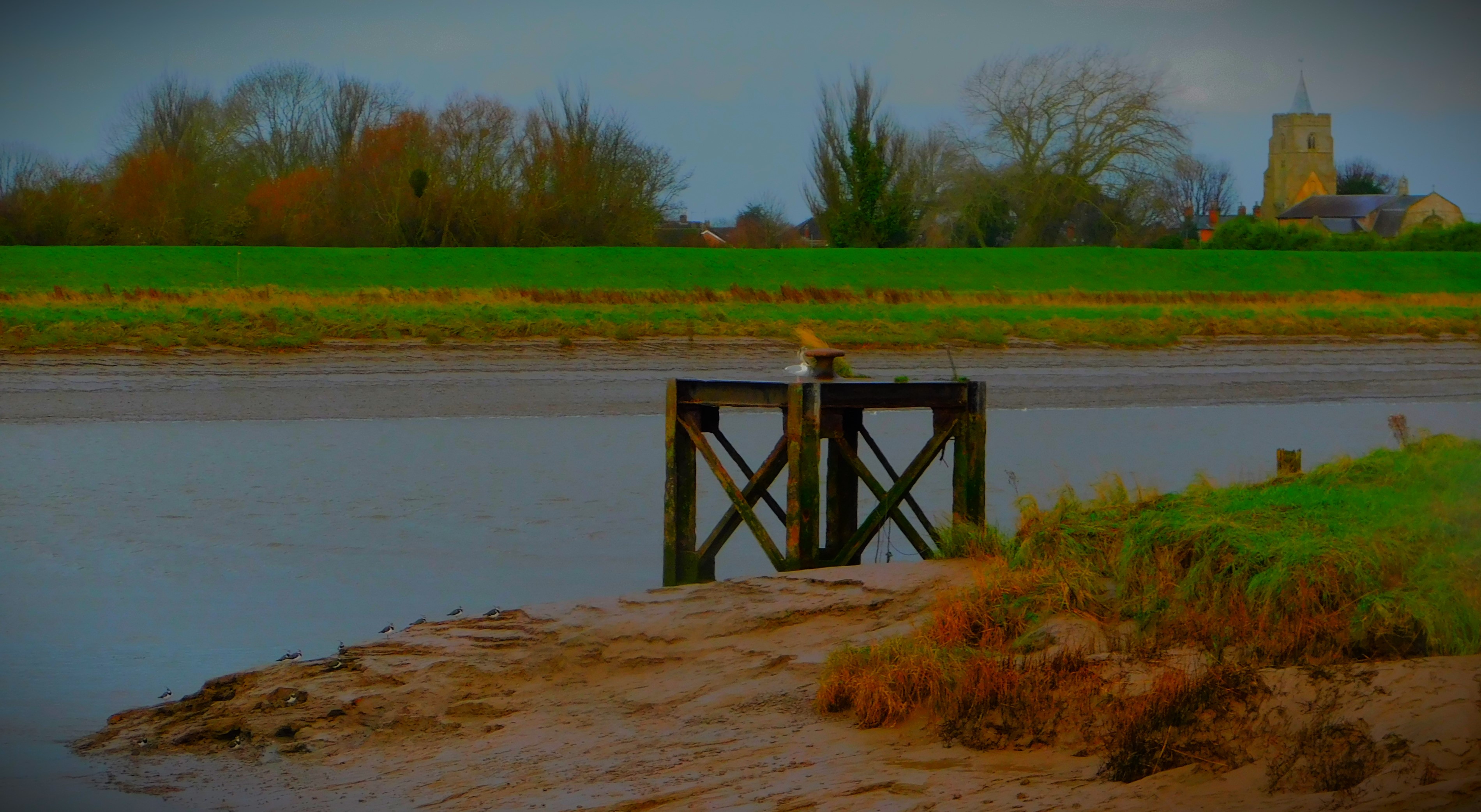
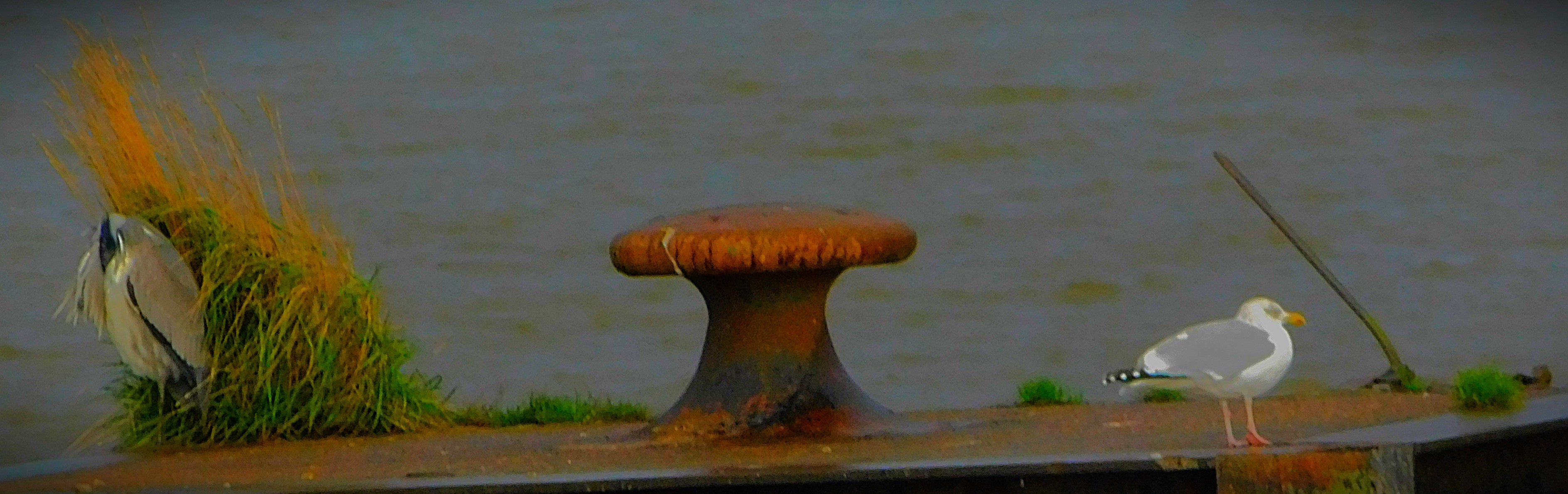
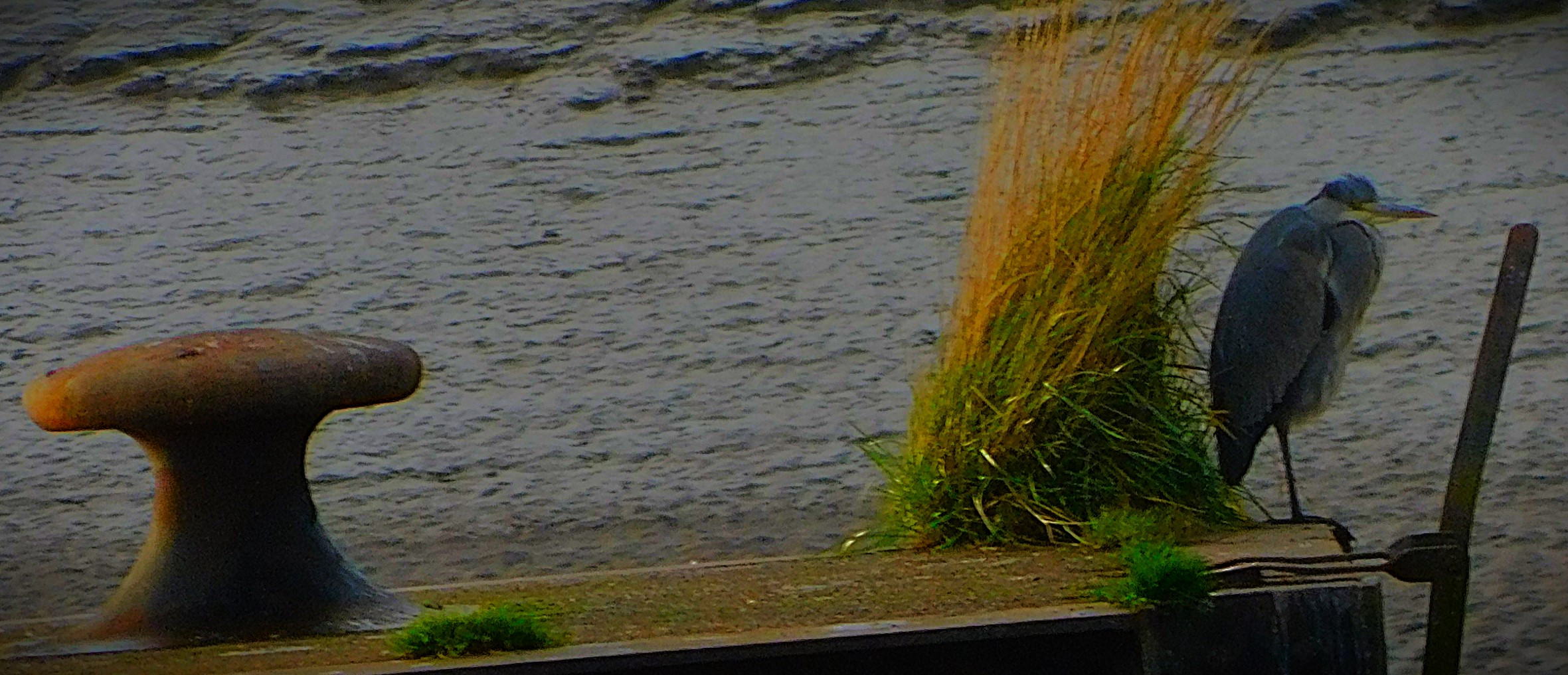
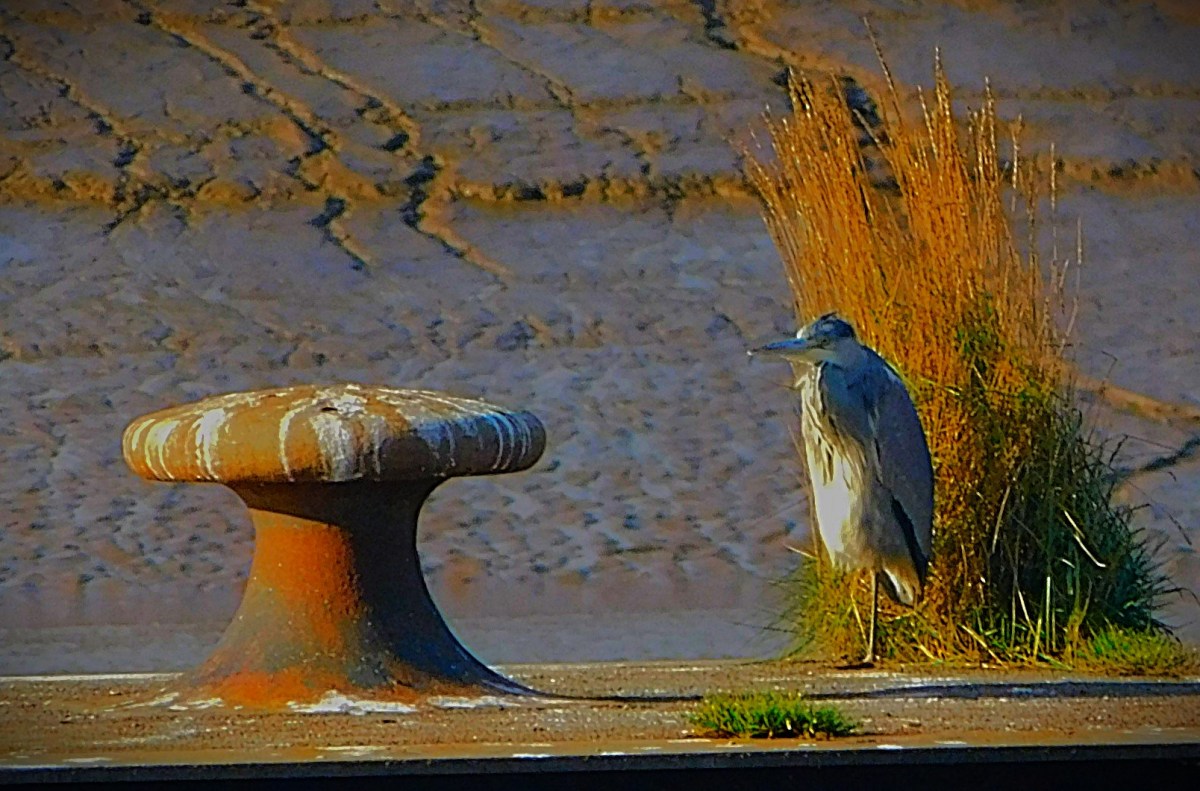
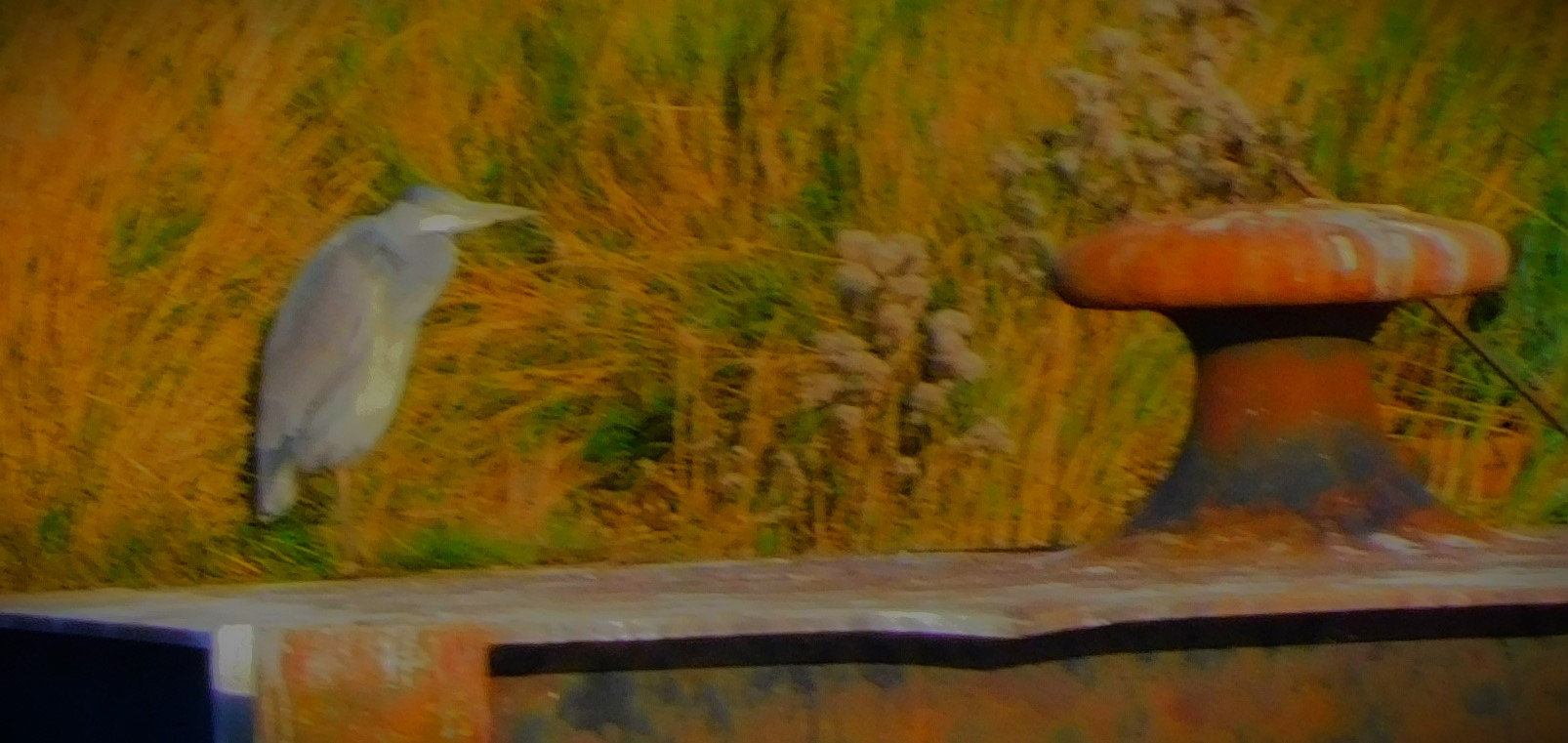
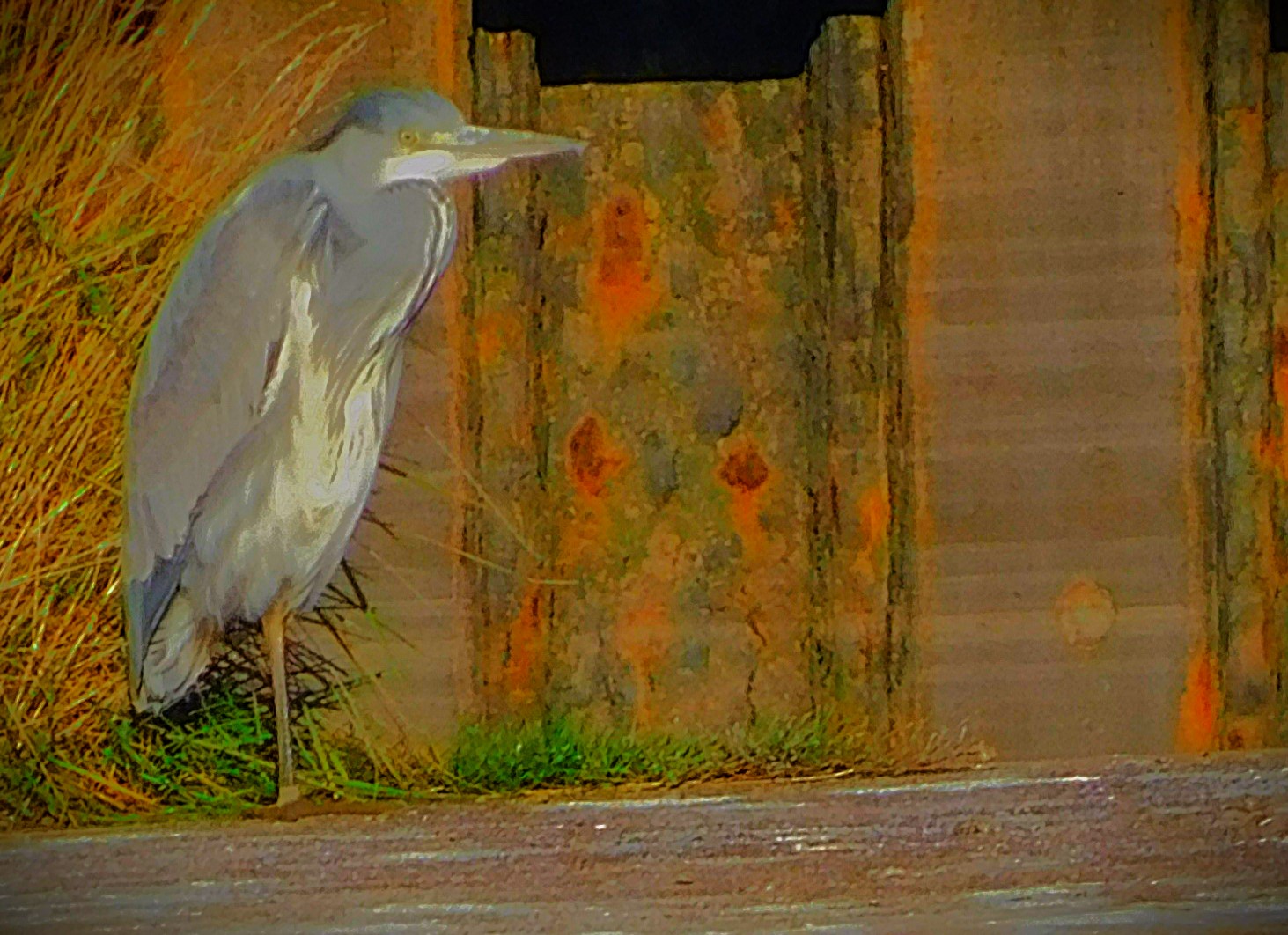
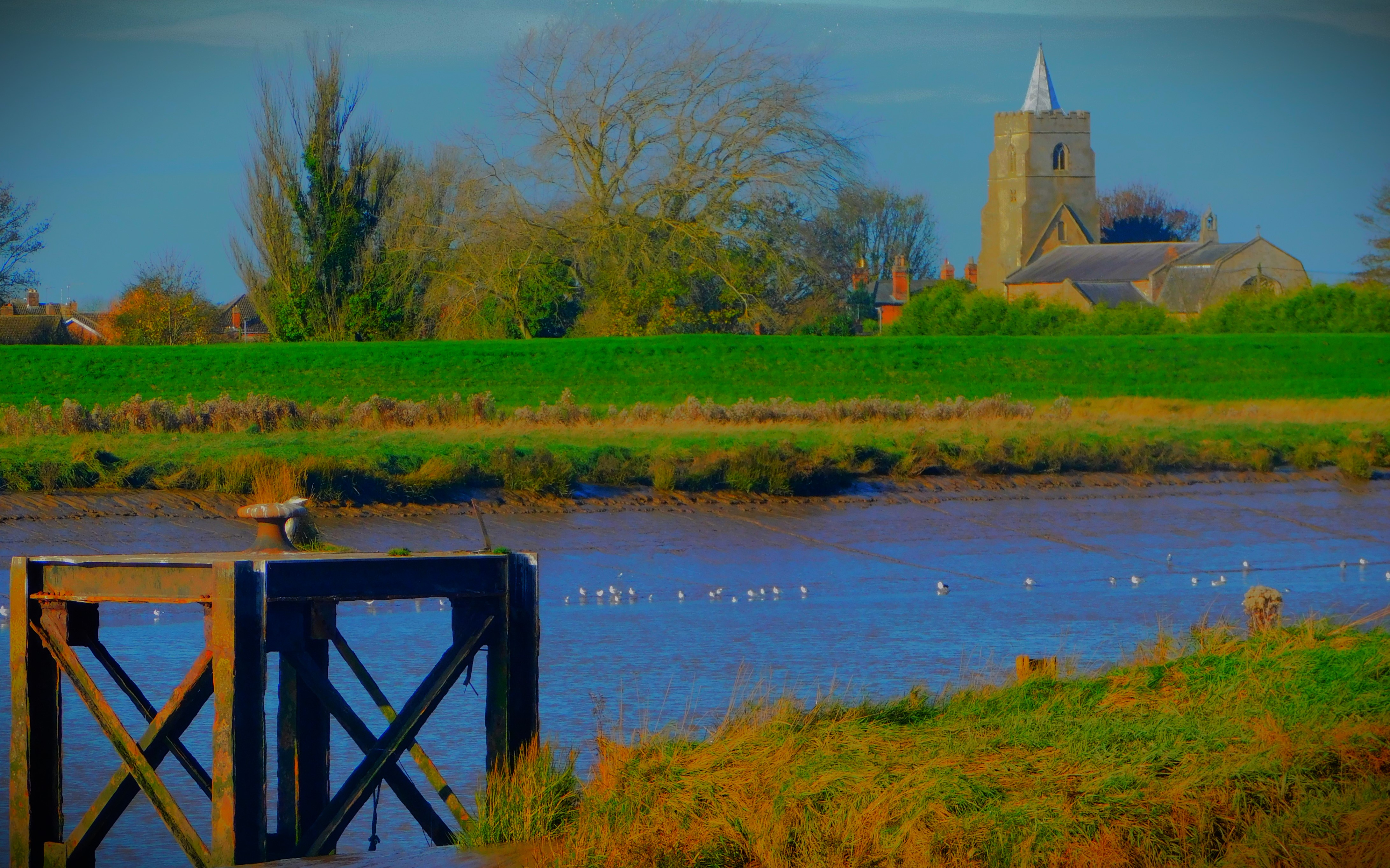
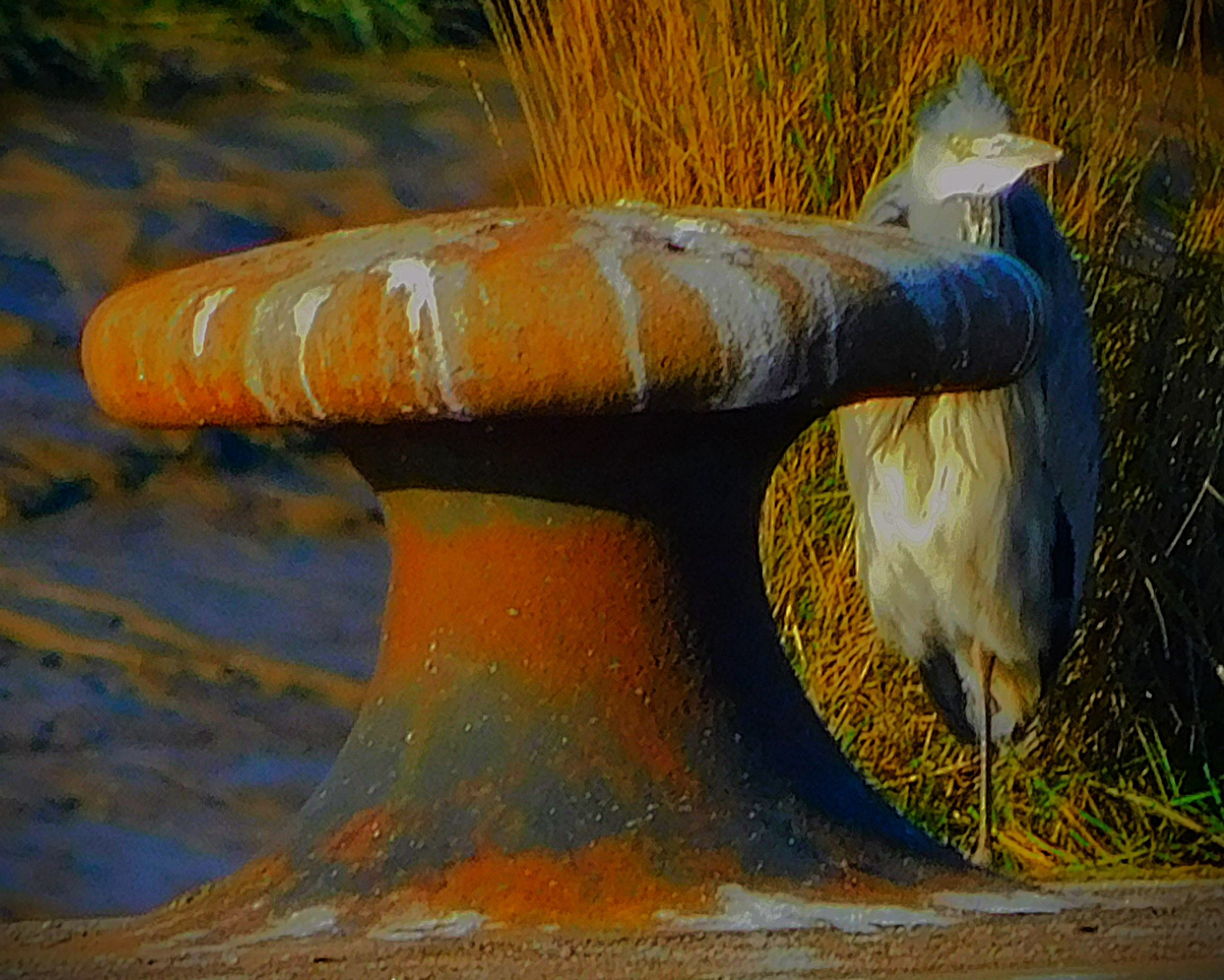
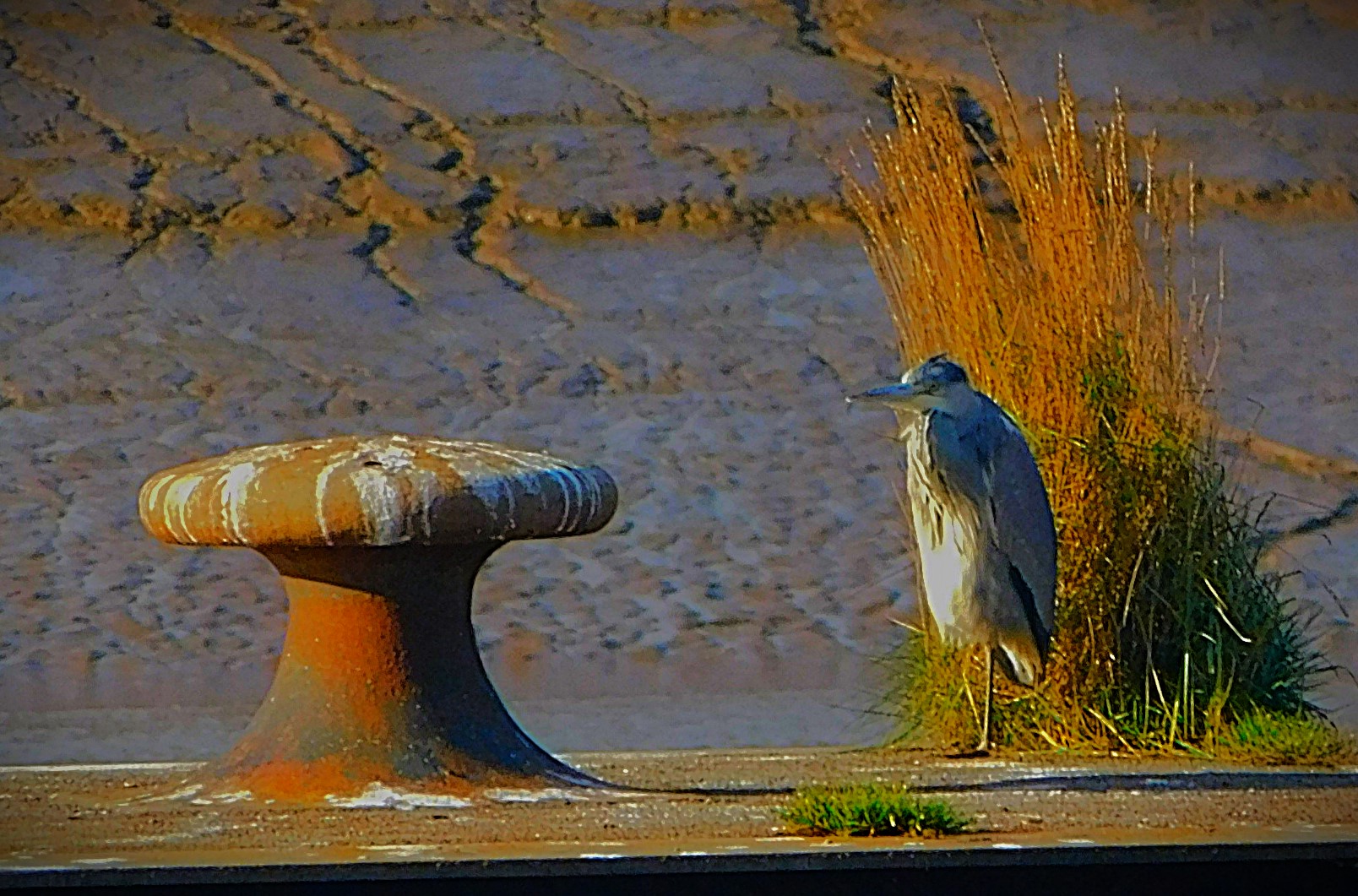
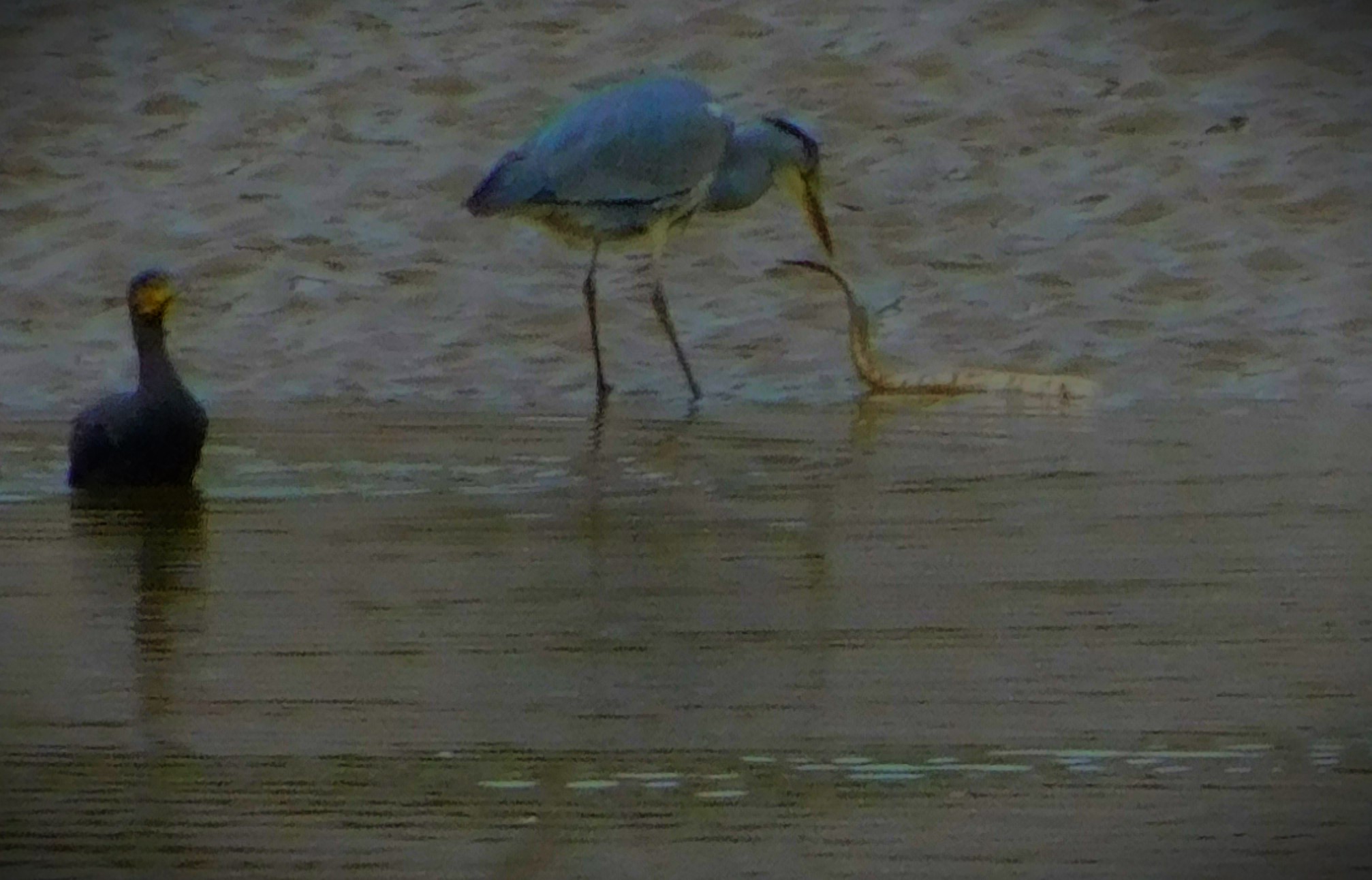
The next port of call was ‘Cormorant Platform’, although none of the birds that led me to give it that name were present on this occasion. There was a heron there however…
The heron and platform in the foreground, West Lynn church in the background.
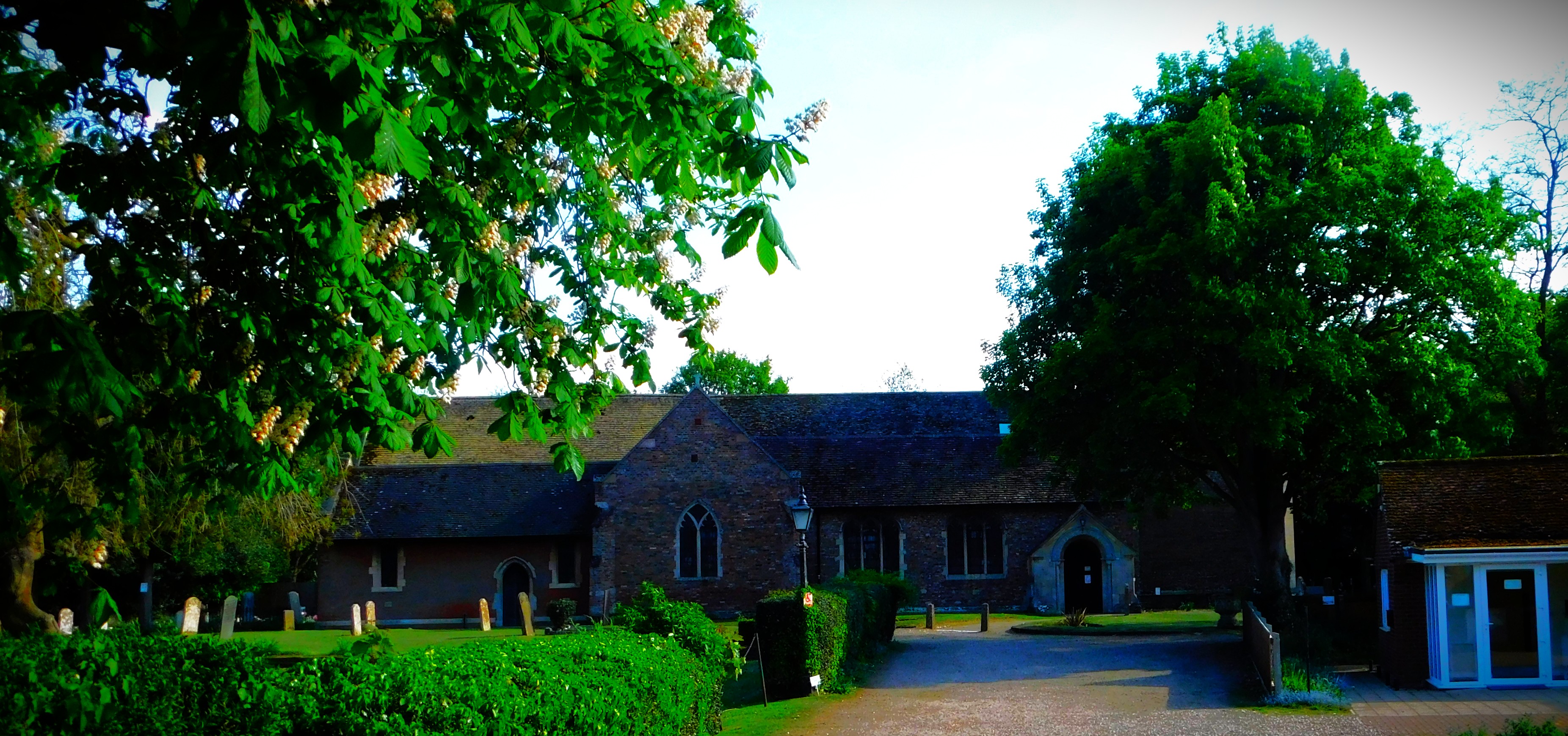
From here I headed on to a dike which can be muddy, but as we have had little rain of late I knew would be fine, and followed it until the path bifurcated – one route led to more of the Great Ouse, and the possibility of following that river as far as Purfleet Quay, but on this occasion i took the other, heading across another part of Hardings Way, through a gateway and down a side road which leads to play area that is at the meeting point of several roads, one of which leads to All Saints Church, reckoned to be the oldest church in King’s Lynn and then by way of Hillington Square to Millfleet.
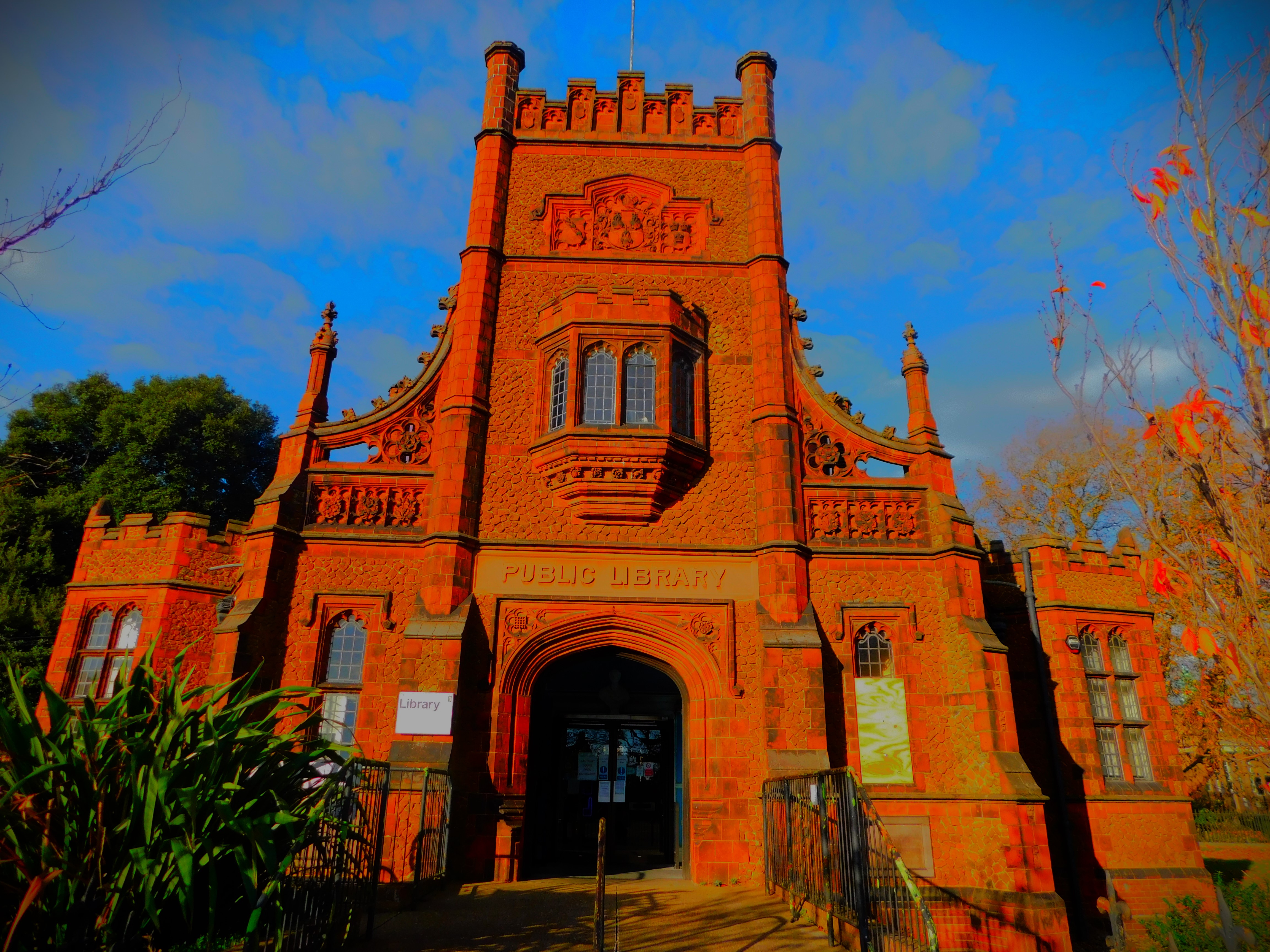
I crossed Millfleet at a light controlled crossing, headed up past the library, though on this occasion I did not visit that establishment as I already had a number of books out. I then went past the war memorial and Greyfriars Tower, before heading on to Tower Street and thence to the bus station, though I was merely passing through, not intending to catch a bus. From the bus station I headed along Railway Road, crossed at a light controlled crossing and walked along the northernmost section of Norfolk Street to arrived a triangular road crossing that invariably involves two waits if you are a pedestrian, followed Littleport Street until the junction with Kettlewell Lane, passing through the greenery to the second of the two ponds mentioned earlier in this piece, but I now did not entirely duplicated the starting route, instead heading along Loke Road, on to Columbia Way, and then availed myself of a recently opened cut through to the private road behind my house and thus got home.
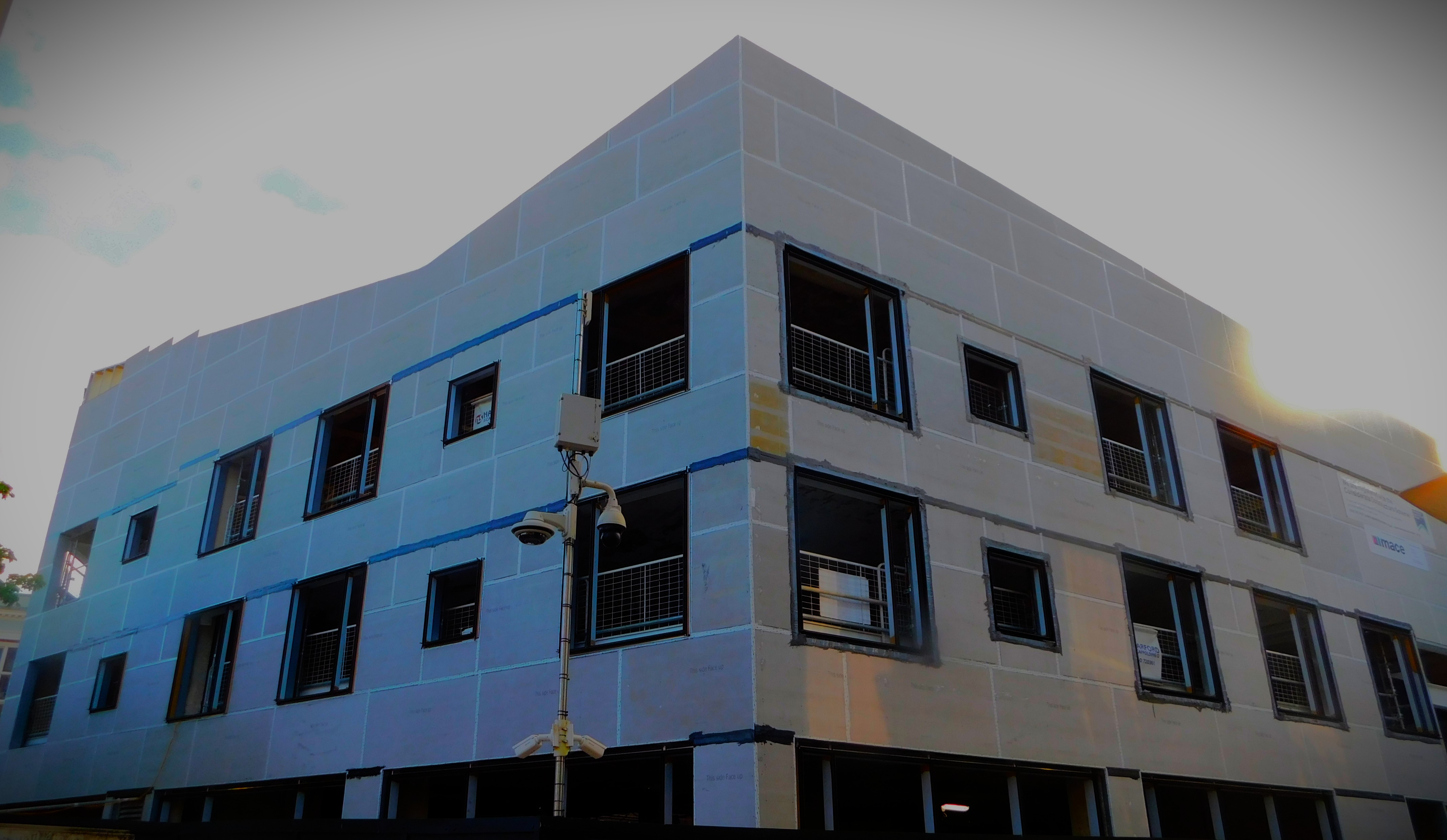
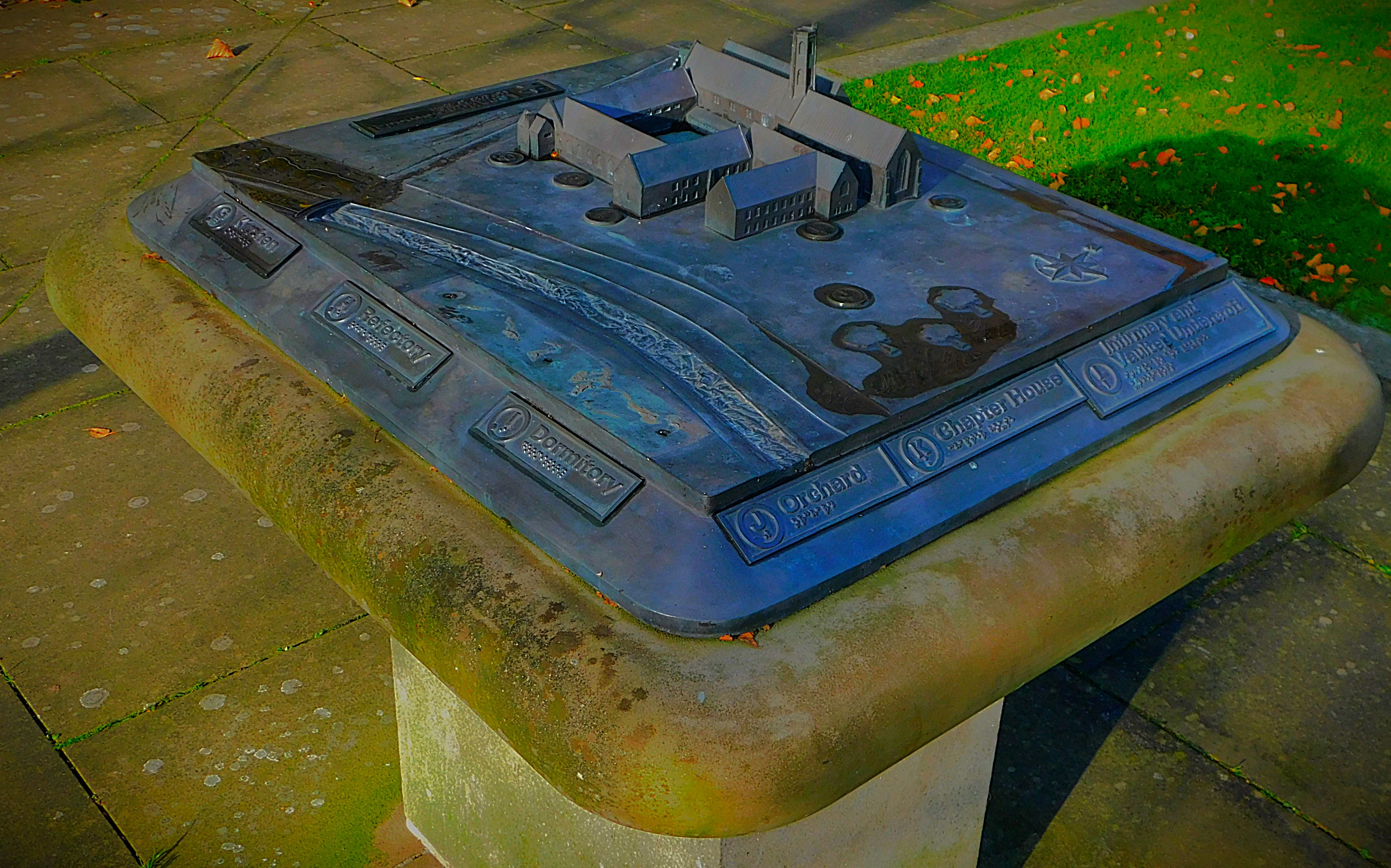
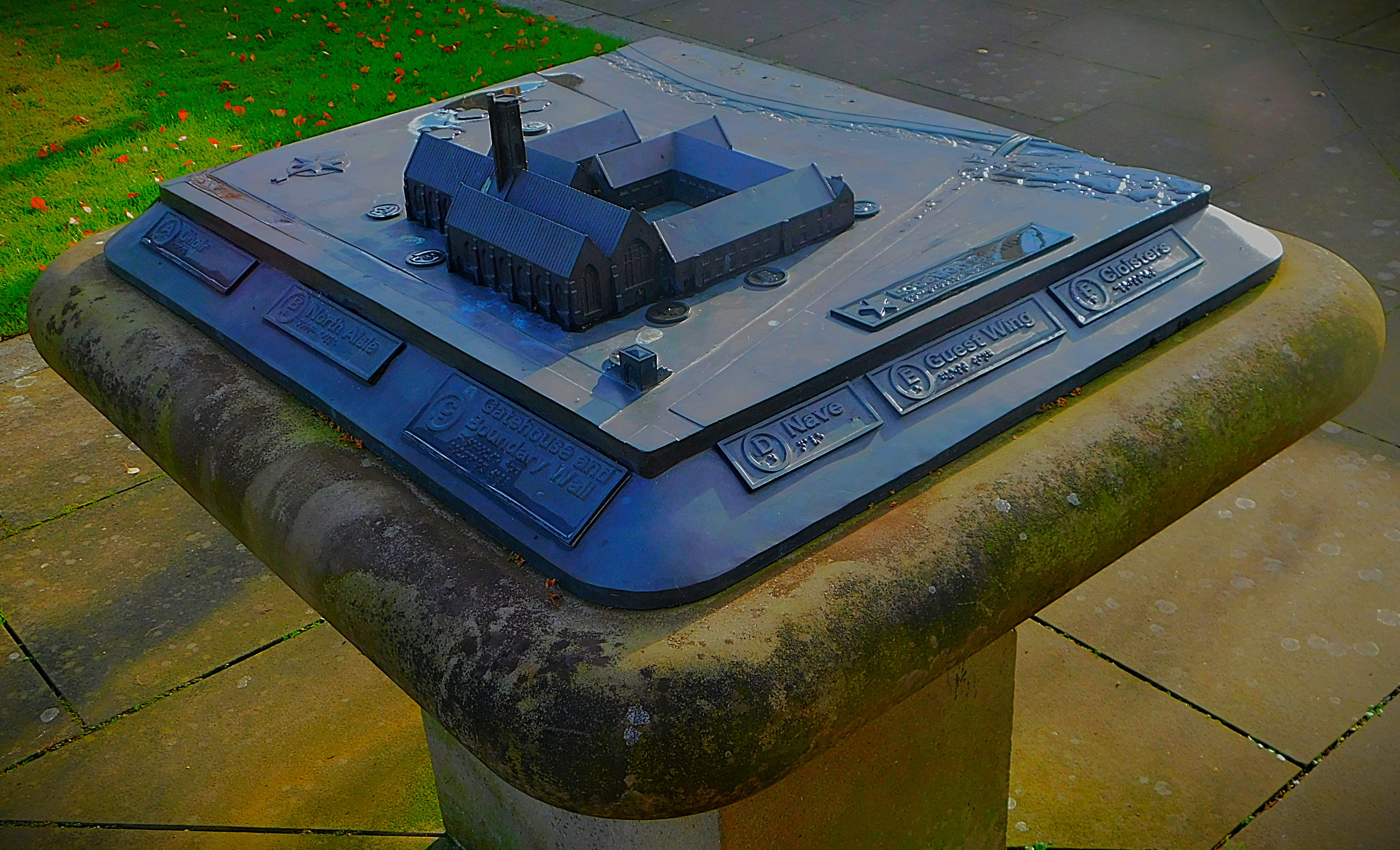
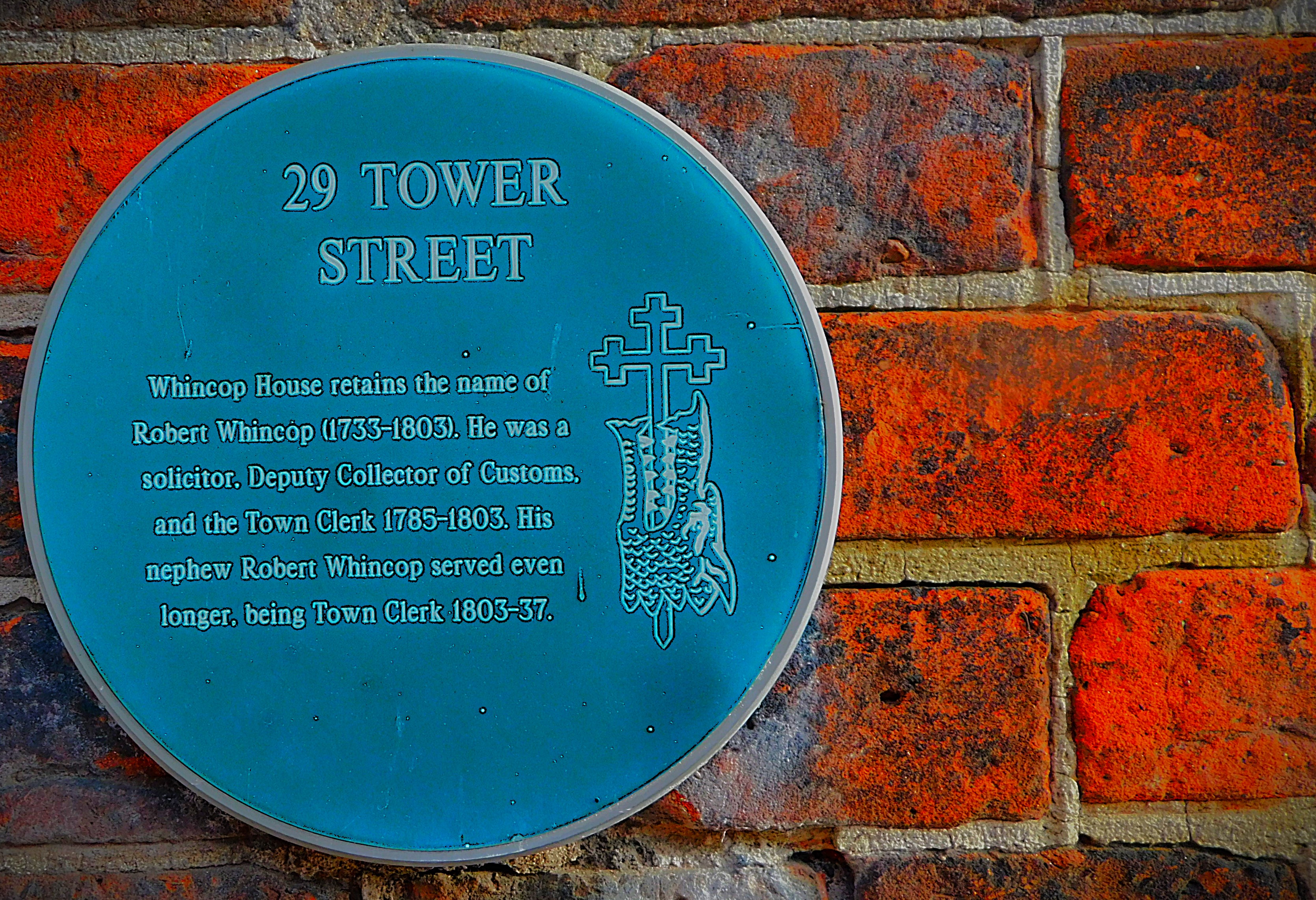
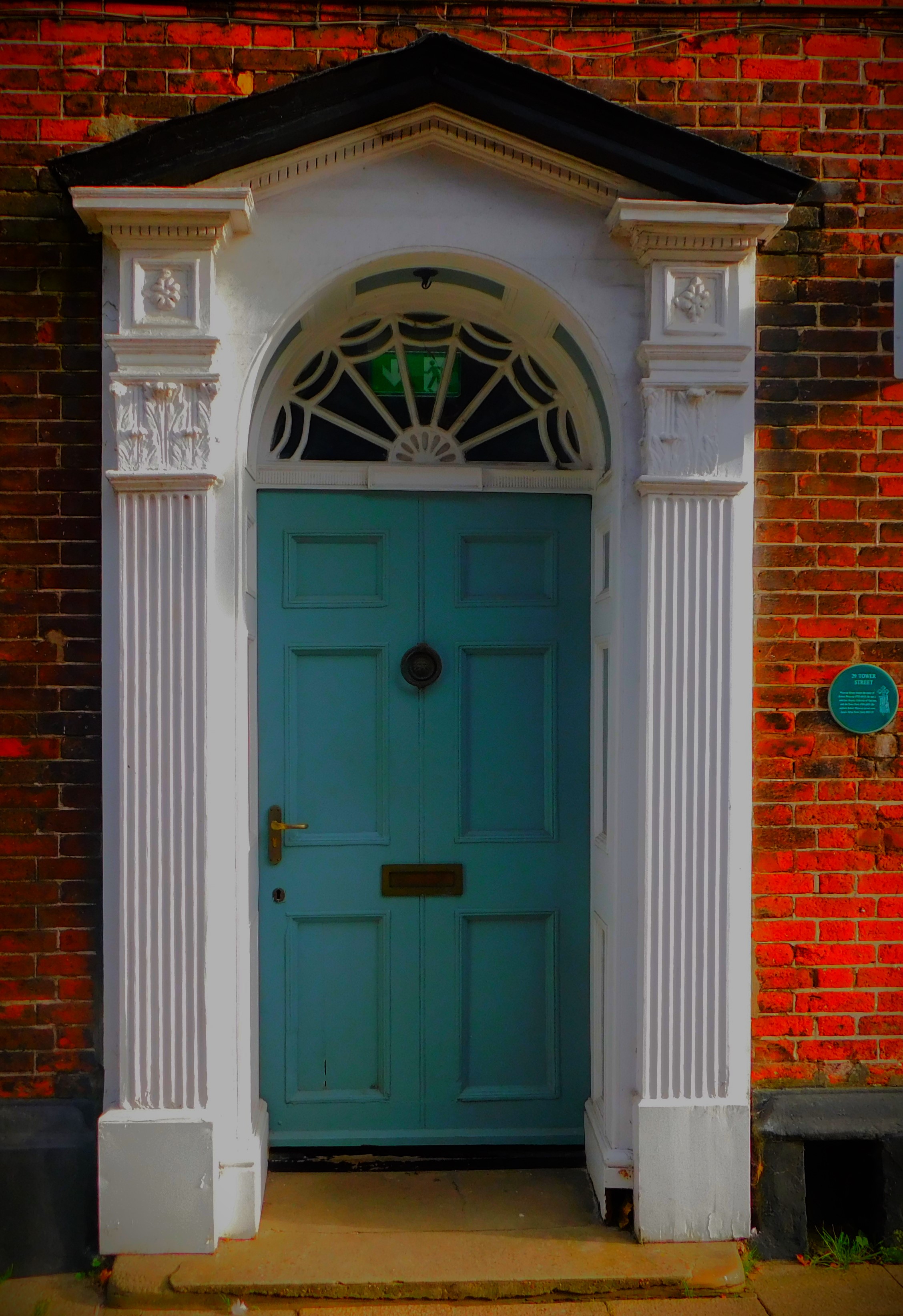
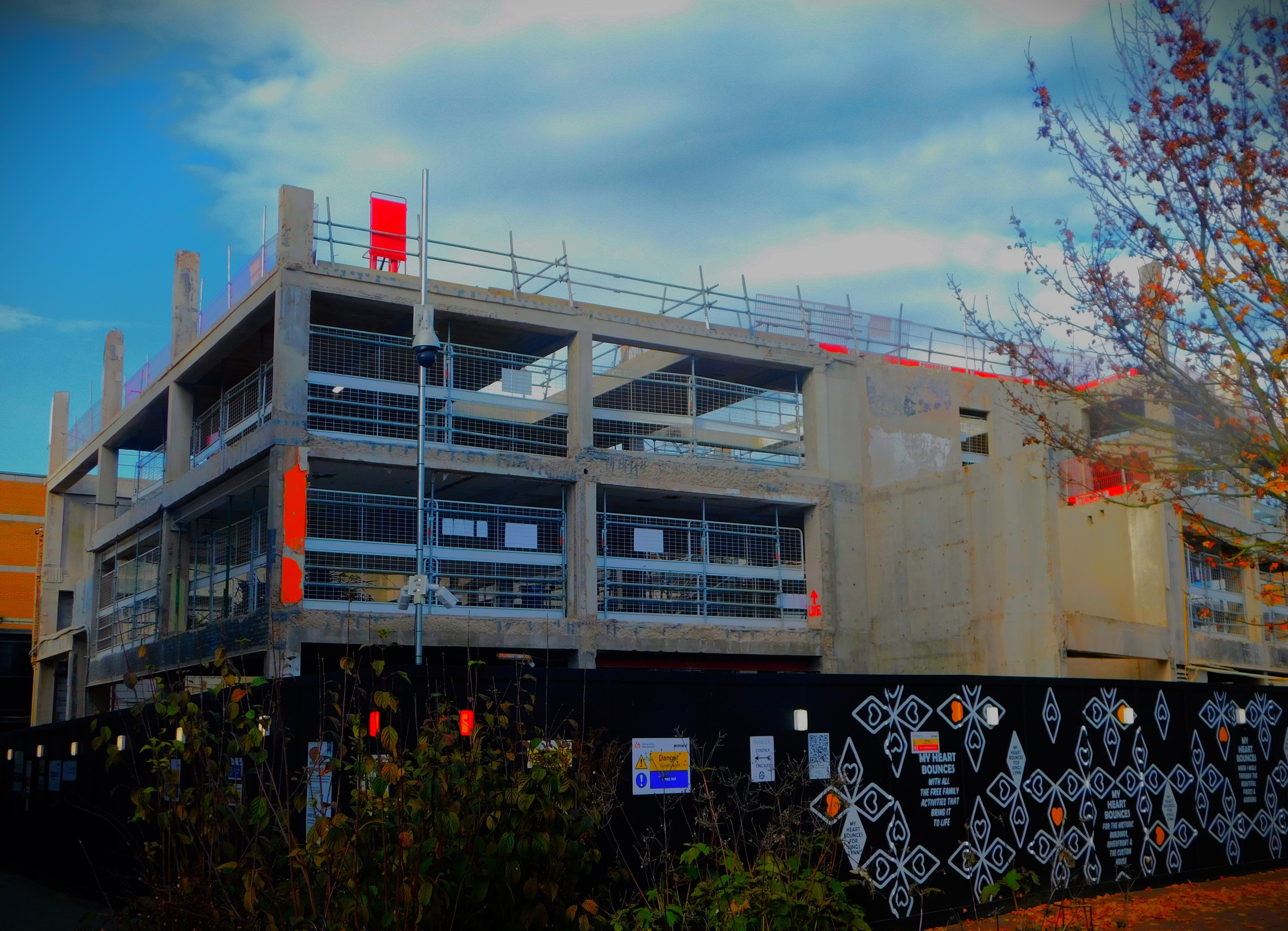
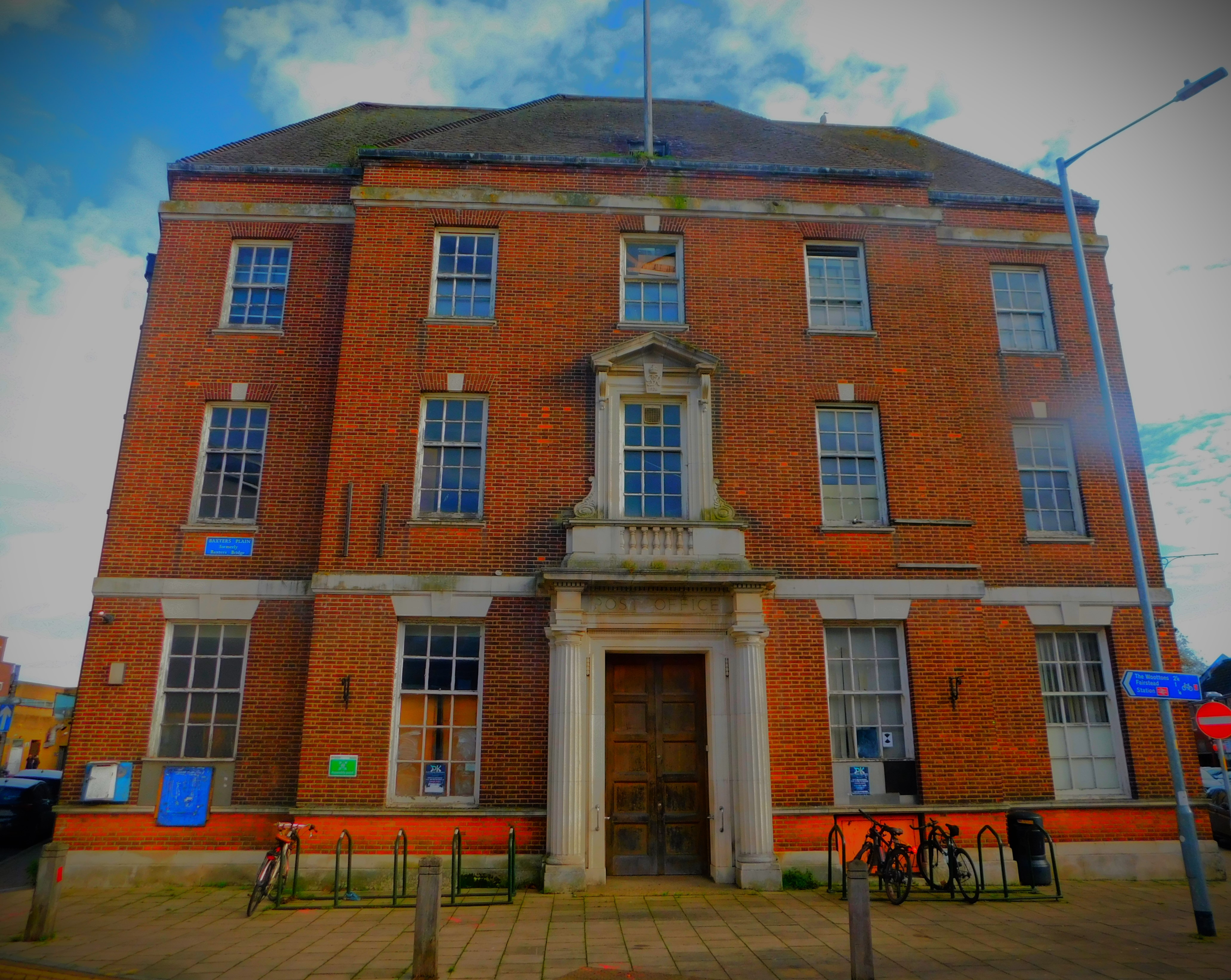
King’s Lynn library.The war memorial and Greyfriars Tower.Two images of a scale model showing what the Franciscan Friary would have been like in its 13th/ 14th century heyday.An arched doorway on Tower StreetThis used to be Argos, and when work on it is finished it will be a Library and community hub for King’s Lynn. The old building will remain fully accessible to the public whatever use it may be put to.Once upon a time, when such things still existed, this was King’s Lynn Main Post Office.
I hope you have enjoyed this account of a variation on one of my favourite walking themes, that of the three rivers.
A look at the early stages of England’s ODI tour of the West Indies and a photo gallery.
An England men’s white ball squad is currently in the West Indies for a three match One Day International series. This series has been arranged because England owe West Indies a favour dating back to 2020, when it was West Indies who travelled to play in England under stringent covid restrictions, and have not been able to repay it until now. This post looks at what has happened so far.
THE ENGLAND SQUAD
England travelled with a necessarily experimental squad, the multi-format players being required for the upcoming tour of New Zealand the start of which overlaps with this one.
ENGLAND’S CHOSEN XI
England named four debutants in the XI – Jacob Bethell, a batter who bowls a bit of left arm spin, Dan Mousley, enough of an off spinner to be described as a batting all rounder, Jamie Overton, making an ODI debut at the age of 30 and down to bat at number eight an known to not be fit enough to bowl, and John Turner, a fast bowler and number 11 batter. The side as a whole was inexperienced, with Adil Rashid, a leg spinner officially listed to bat at number ten, having more career ODI runs than any of his team mates. However, no degree of inexperience could excuse the horror show of a batting performance that was about to unfold.
FAILURE TO ADAPT
West Indies won the toss and put England in to bat. For all that is named in honour of an all time batting great and one of the first players to truly master the art of limited overs batting, the Sir Viv Richards Stadium rarely provides pitches on which batting is straightforward. On that basis one might argue that a total of 204 in 45.2 of a possible 50 overs was not a terrible achievement. However, it was the manner in which the innings developed that was so very disappointing. Virtually every dismissal was self inflicted, and the mistakes leading to those dismissals were all of the same type – essaying cross batted shots on a pitch on which hitting the ball straight was a necessity. One or two such dismissals could possibly be allowed for, but the collective failure/ refusal to adapt to the nature of the pitch was inexcusable. Liam Livingstone and Sam Curran batted best in a poor display, but neither could get as far as 40.
The West Indies was delayed by rain, and then interrupted again by more rain, but there was not enough rain to save England. Evin Lewis played a superb innings which put the ‘efforts’ of the England batters into sharp perspective.
A large part of the problem (and something that the ECB are to blame for) is that the best English white ball players only now play 50 over cricket in an international setting – the English domestic One Day Cup because of when it takes place is basically a tournament for second team and youth cricketers. Thus they approach the game with a T20 type mindset and rapidly become impatient if they are not scoring at high speed. The second match of this series takes place today, starting at 1:30PM UK time.
Some highlights from a remarkable auction that took place today, and a photo gallery.
Today saw the second day of James and Sons’ October auction. Under the hammer were mainly coins, but also some banknotes and cheques. This post looks back at a sale that was the stuff of dreams.
A FAST START
Some bidders were actually present at James and Sons HQ in Fakenham, there was at least one telephone bidder, and the both the online platforms used for our auctions, the-saleroom.com and easyliveauction.com were well patronized (I was following the action by way of the latter). Lot 501, with an estimate of 1,500-2000 soared to 3,800.
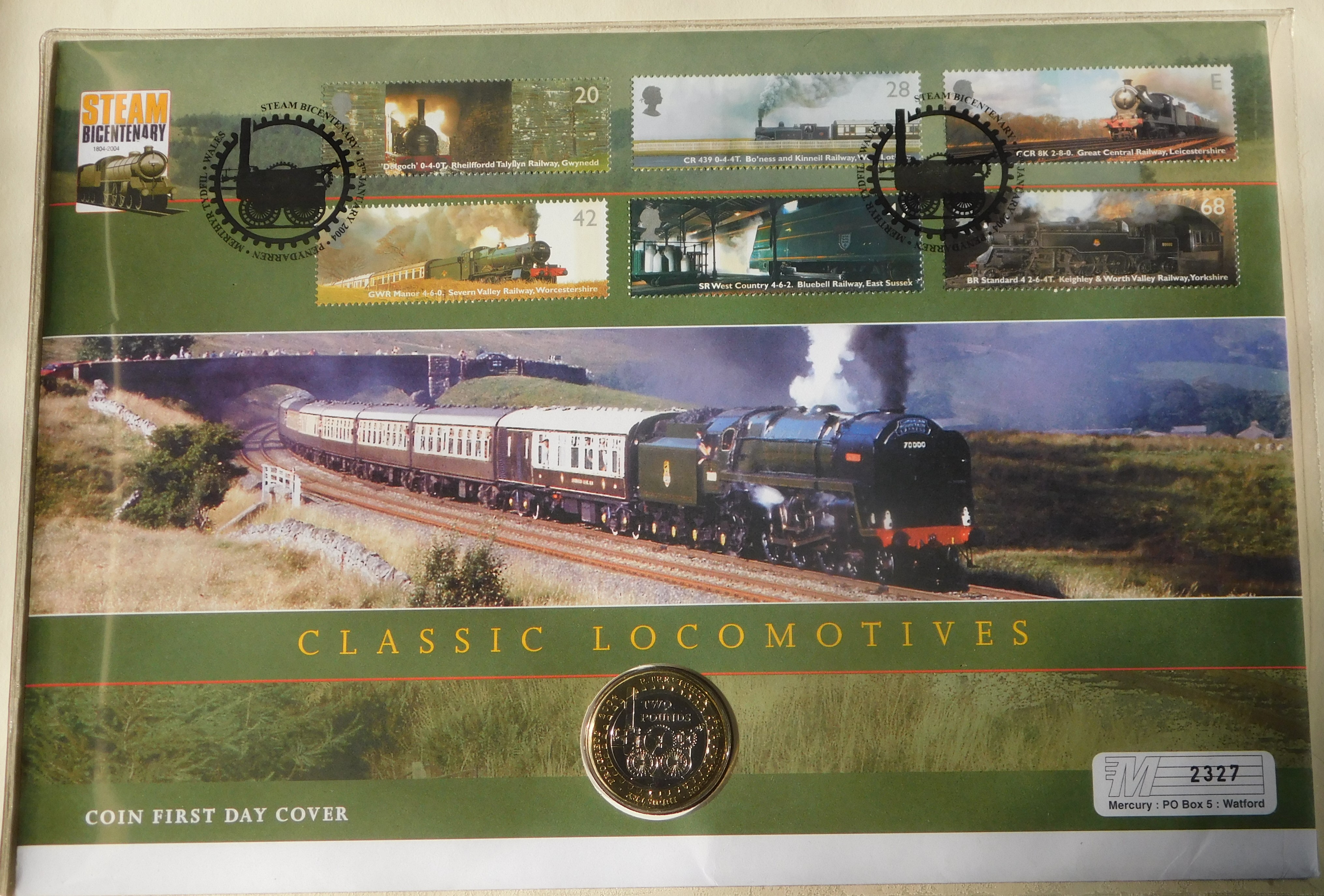
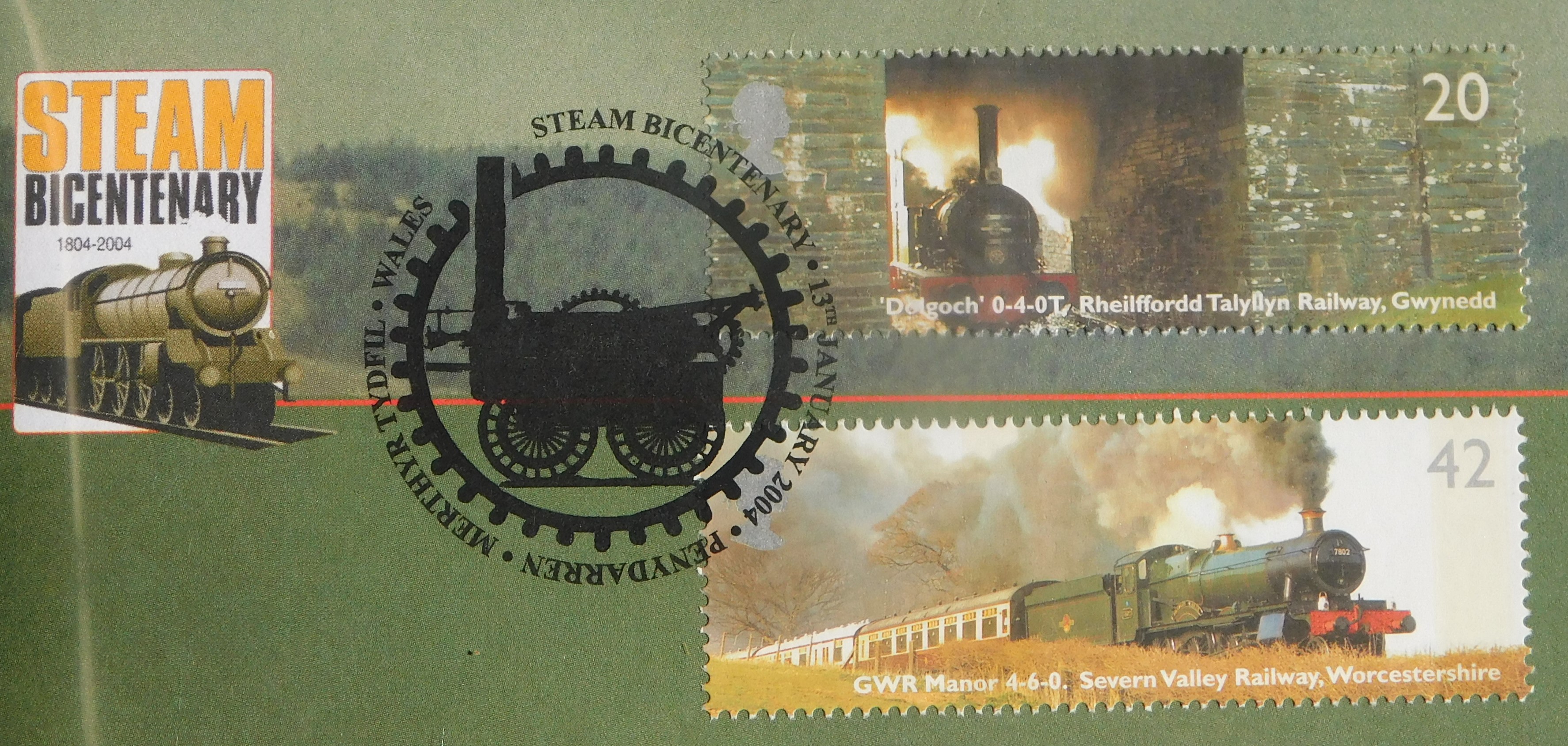
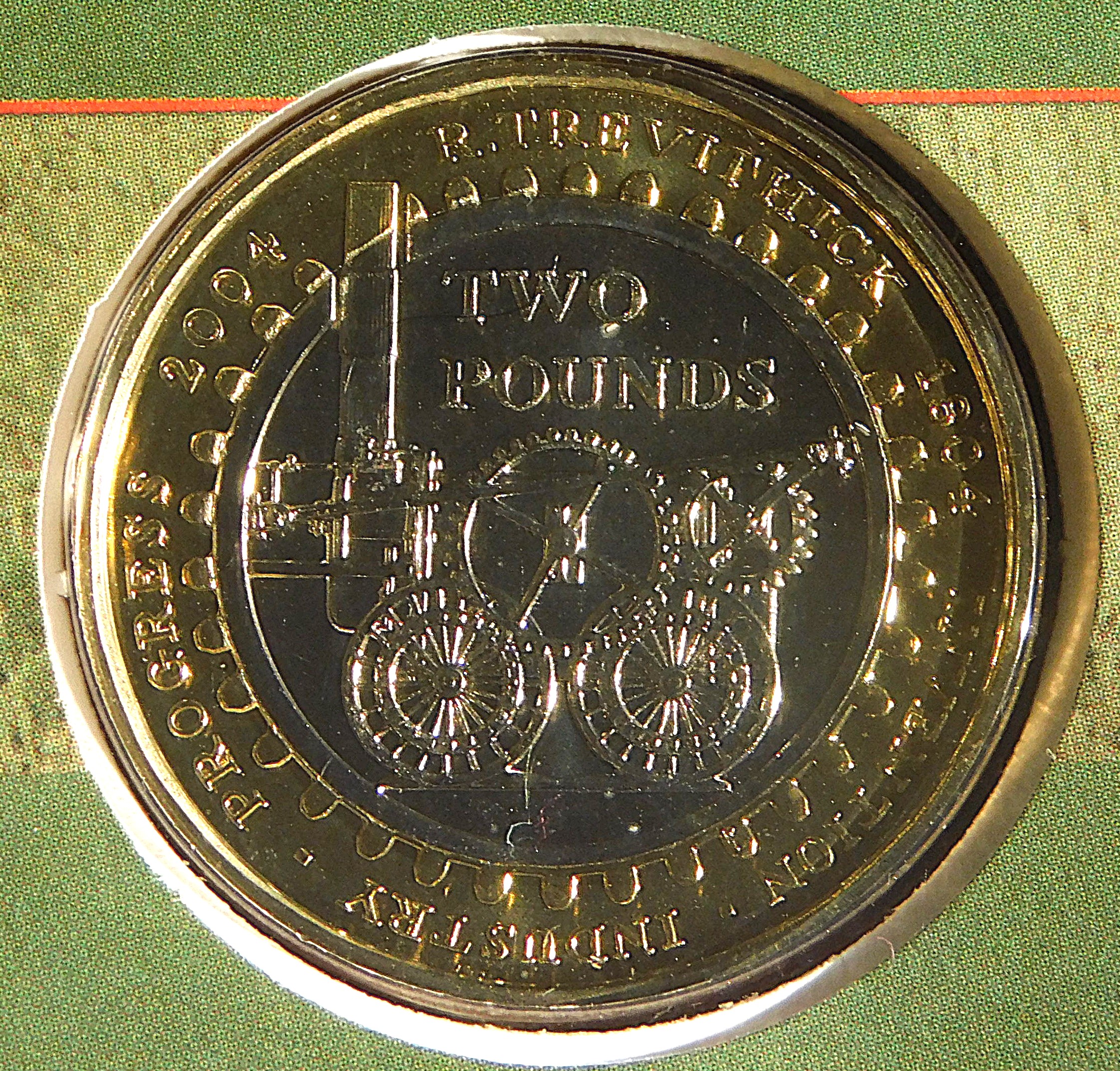
A UK 1980 gold proof set showing the heads side.The tails side of the same set.A close up of the tails side of the biggest coin.
LOT 502 – THE ULTIMATE TRIUMPH
Lot 502, a rare (so rare that my employer, who has been in the business almost 60 years and one of whose specialities is coins has never previously auctioned one) 1911 specimen coin set carried an estimate of 3,000 – 5,000. By the time the auctioneer’s verbal description of the item was complete the bidding was already close to the £10,000 mark, and by the time the bidding finally stopped the hammer price was £11,800! I have been involved with James and Sons for 11 and a half years and this is comfortably the highest price I have seen for a single lot of any type in all that time…
The set in its display box, heads side uupThe same, tails side up.The heads side of a single coinThe tails side of a single coinThe top of the boxAn image focussing only on the coins, to accompany a press release I hope to be sending out tomorrow.
OTHER HIGHLIGHTS
After a start like that the rest of the auction was bound to be somewhat ‘after the Lord Mayor’s show’, but a few items succeeded spectaculalrly.
Lot 639, a Queen Victoria penny with an estimate of 50-60 was in relative times the success of the whole auction, going for an eye-popping £1,100
Lot 647, a gold coin from the reign of George III not in the best condition, went for £340.
Lot 670, a Canadian five cent coin from 1885 fared even better, fetching £380.
Lot 673, a Canadian gold coin of recent vintage expected to fetch 15-20 ended up going for £80.
Lot 705 was the last big success of the auction (the auction ended at lot 756), going for £160.
I bring this section to an end with an item that did not fare especially well. Lot 731 was knocked down to me.
PHOTOGRAPHS
A reminder that all pictures can be viewed at a larger size by clicking on them. Now for my regular photo gallery.
A look back at Essex v Surrey in the T20 Blast yesterday and a bumper photo gallery.
Yesterday afternoon there were various fixtures in the T20 Blast competition, and the one that I opted to follow was between Essex and Surrey. This post looks at that match and its wider context within the competition as a whole.
THE SITUATION GOING INTO THIS ROUND
The T20 Blast competition features two groups of nine teams, divided on geographical lines into a North group and a South group. The top four sides from each group progress to the quarter finals, with the top two in each group being rewarded for their extra success by getting to host their quarter final. The semi-finals and final are all played on one day to end the competition. Sussex were not in action this round, though their win in their previous match had put them second in the group. Gloucestershire were in action playing against Glamorgan, and that was the match most likely to impact on this one. Surrey knew that a win of any sort would guarantee them a home qualification, while Essex knew that at least a share of the points would ensure that they qualified. Surrey were not at full strength for various reasons but their line up still looked formidable. Essex did have a full strength side. In spite of the fact that there was other sporting action on the ground at Chelmsford was full.
THE SURREY INNINGS
Surrey batted first. Will Jacks played a superb innings, and was supported by various others along the way. Even so, with three balls to go Surrey had 178 on the board and Essex were reasonably hopeful. Cameron Steel ensured that those last three balls went for 11 runs and Surrey thus had 189 to defend. Jacks had scored 86 off 46 balls, and the best bowler for Essex was leg spinning all rounder Matthew Critchley, whose 4-0-22-2 was especially outstanding given the way the other Essex bowlers were treated. Critchley has been doing well in all formats lately, and if he continues to do so he may be a candidate for the next Ashes tour as English off spinners do not fare well down under, and there aren’t a lot of left arm spinning options.
THE ESSEX INNINGS
Dean Elgar, for many years a South Africa test cricketer, went cheaply, for just 9, but a successful chase looked possible while Adam Rossington and Michael Pepper, the latter fresh off a match winning 120* in Essex’s last outing were together. However, Pepper’s dismissal to the first ball of the tenth over, for 27, triggered something of a collapse, as 87-1 became 104-4 and then 124-5. At 148, with the required run rate getting out of hand, Essex’s last hope vanished when Rossington was caught by Jamie Overton off Sam Curran for 78 (46). That left Essex needing 42 off 15 balls with no front line batters left. They fought bravely, with news coming through that Gloucestershire had trounced Glamorgan, but the ask was just too much, and Surrey ran out winners by 13 runs, ensuring that they will play their quarter-final match at home. Gloucestershire’s big win moved them up to fifth and gives them a better net RR than Essex, which means that if they win their last group game and Essex lose theirs Essex will go out. Sussex and Somerset are fighting over which of them will end up in the top two and secure a home quarter final. In the other group the Birmingham Bears are qualified, but everyone else down to Derbyshire in seventh has some sort of chance of also doing so.
PHOTOGRAPHS
This gallery only contains about half of the new photos that I have ready to share, and there are more still on my camera…
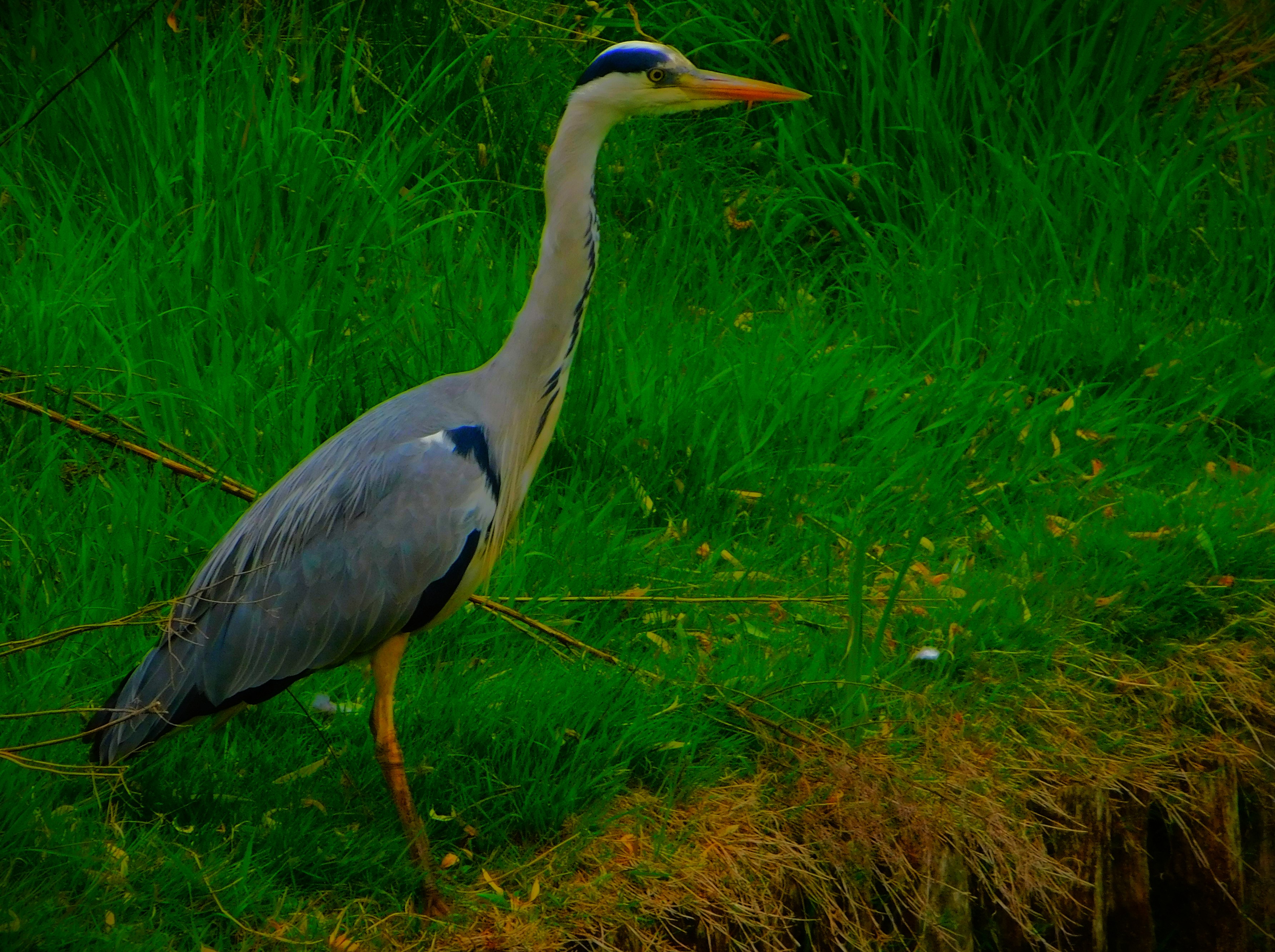
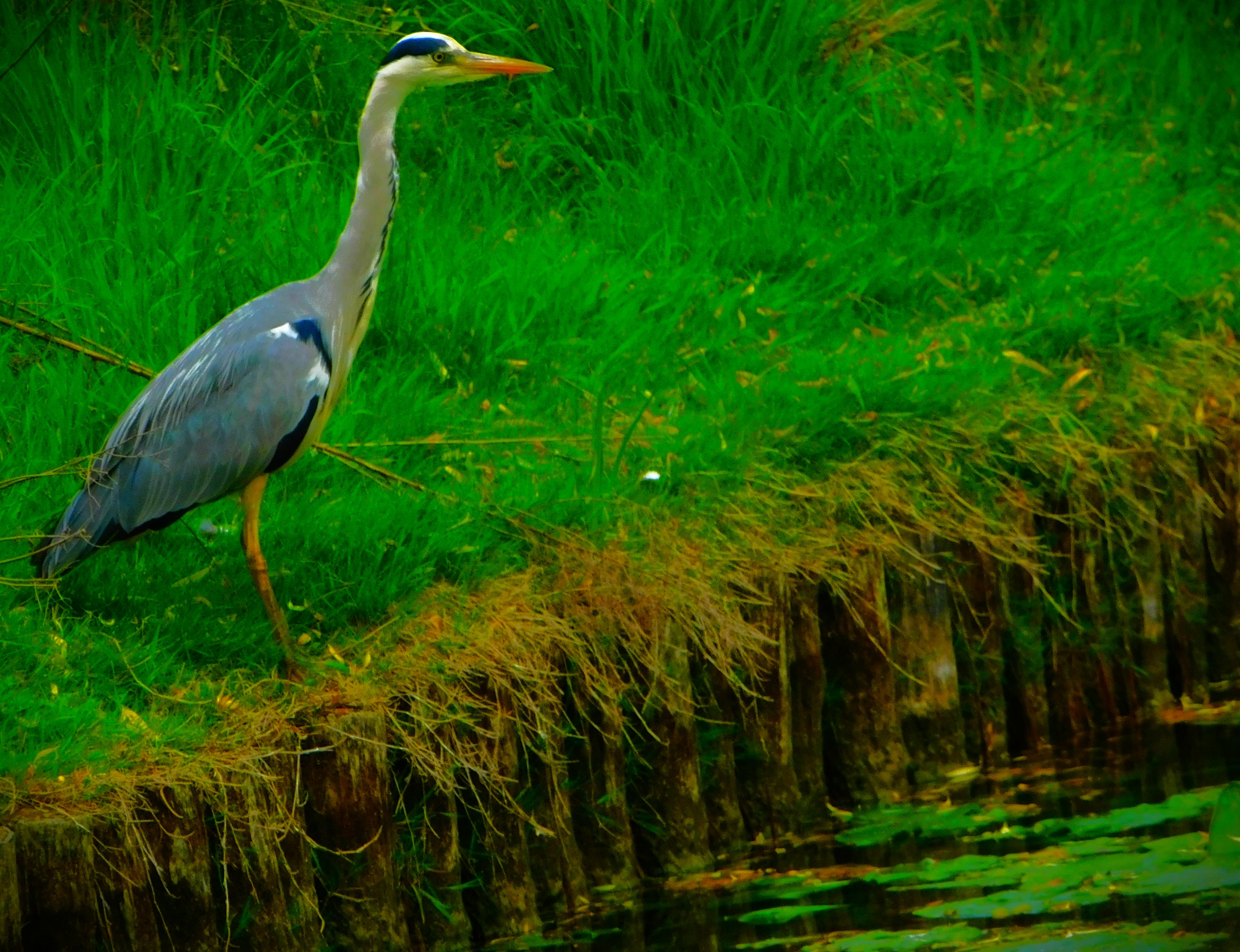
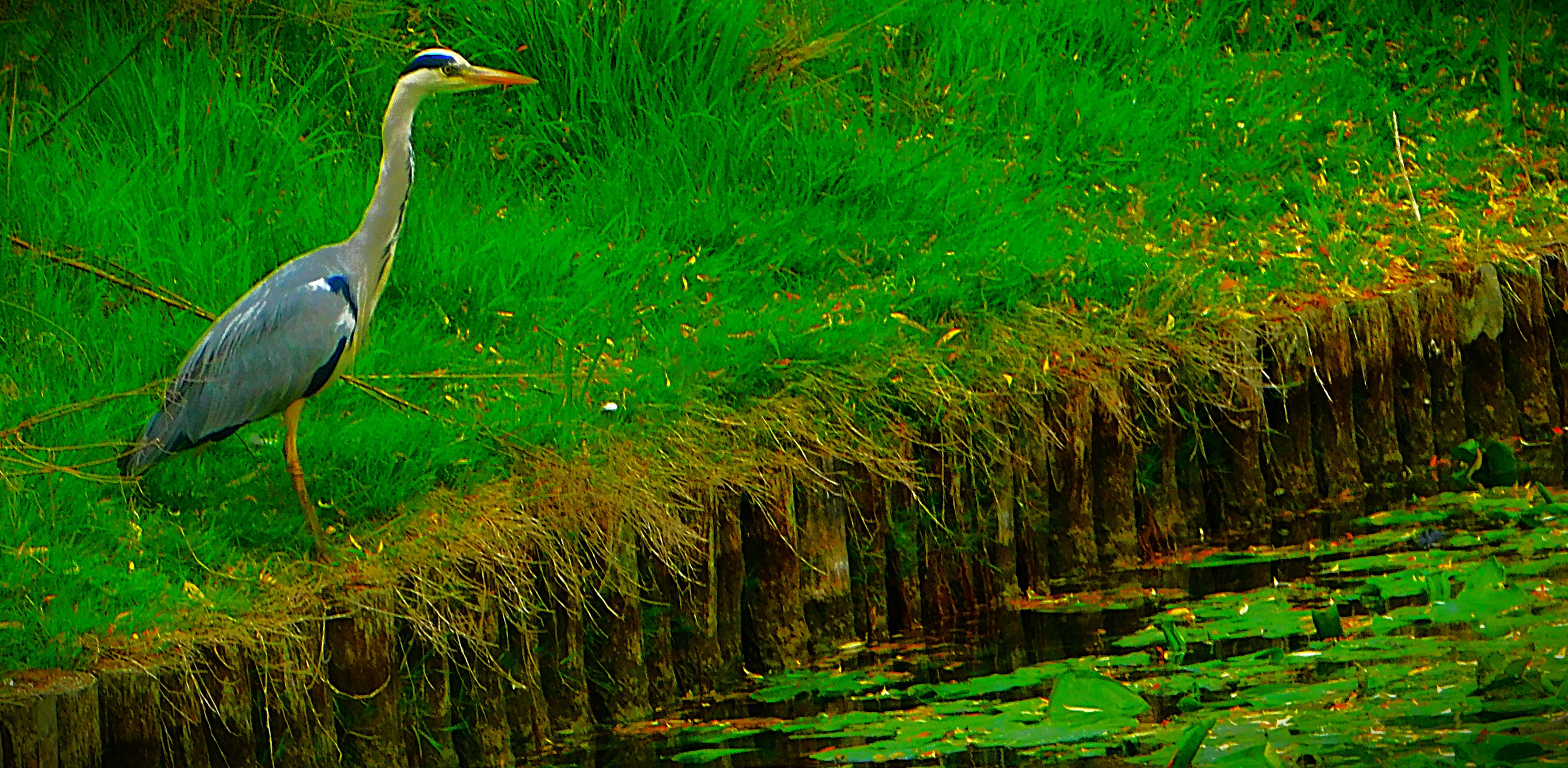
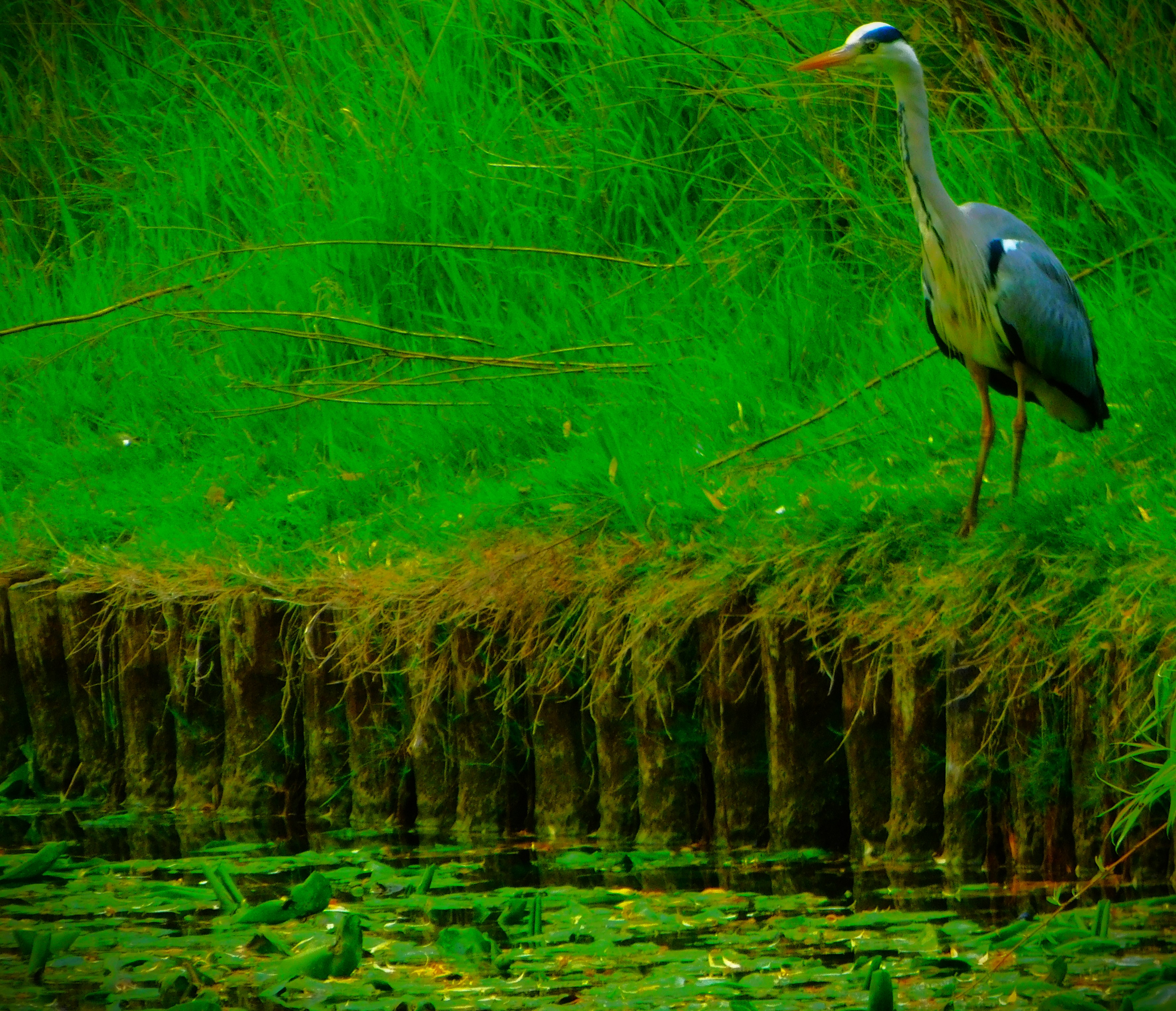
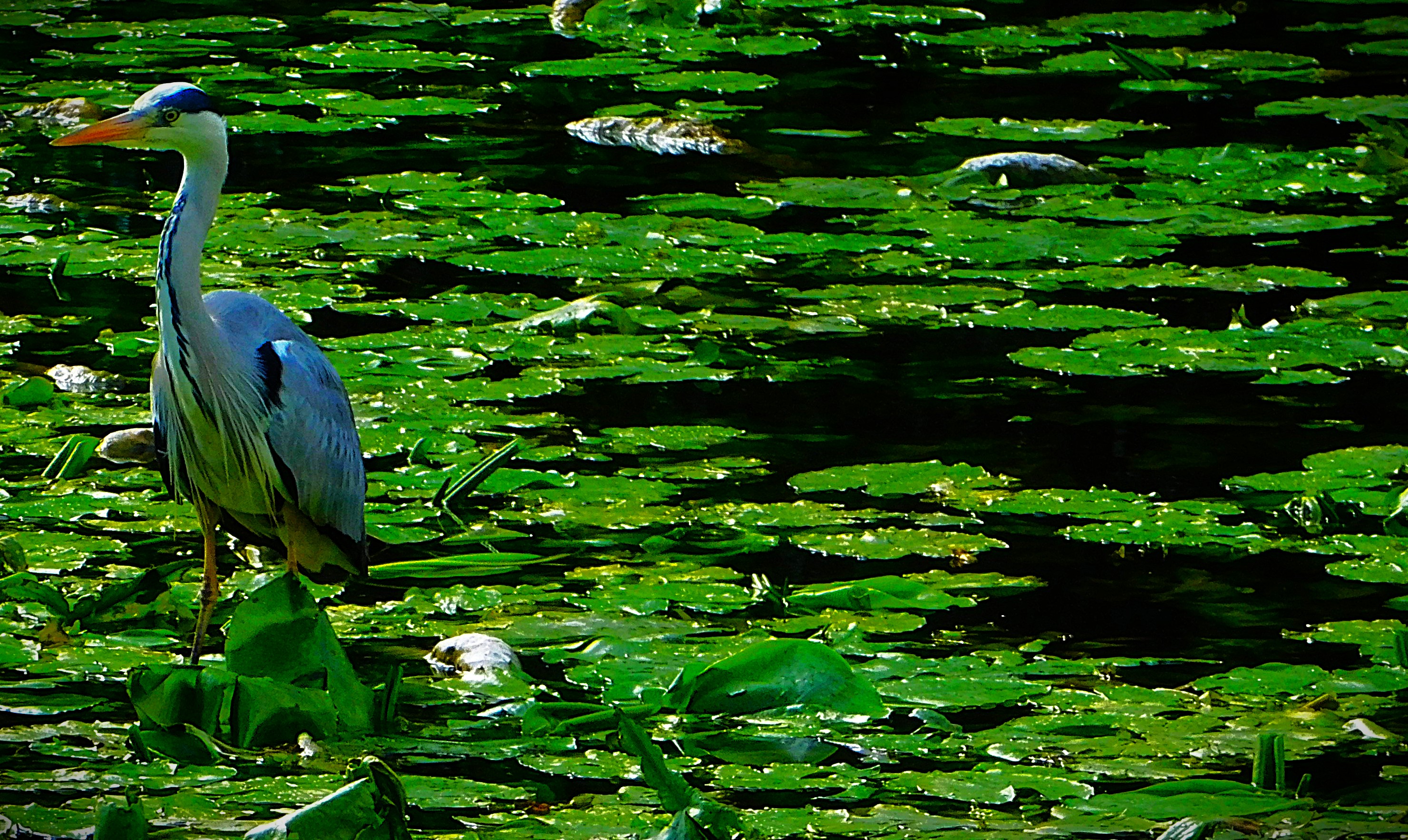
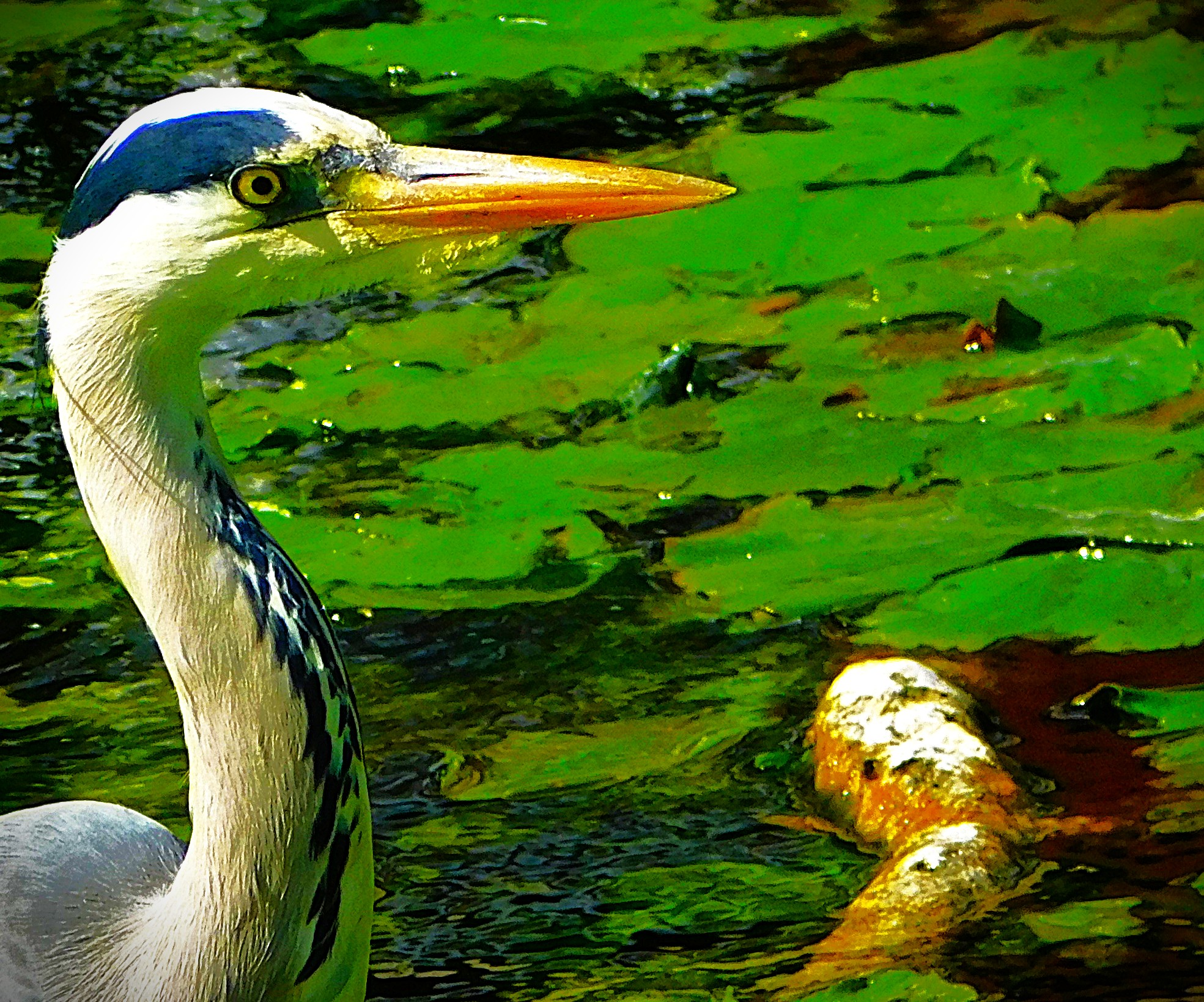
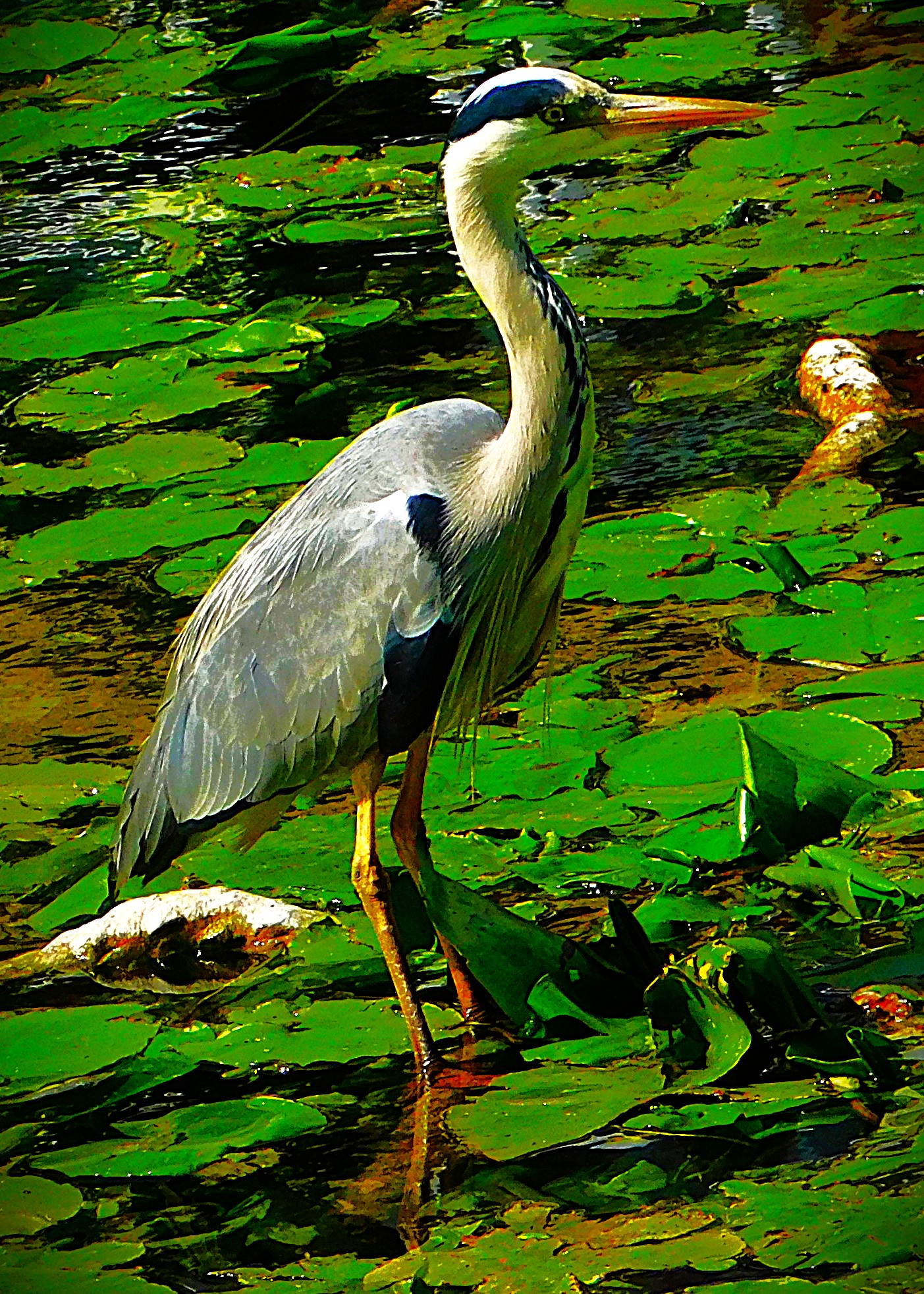
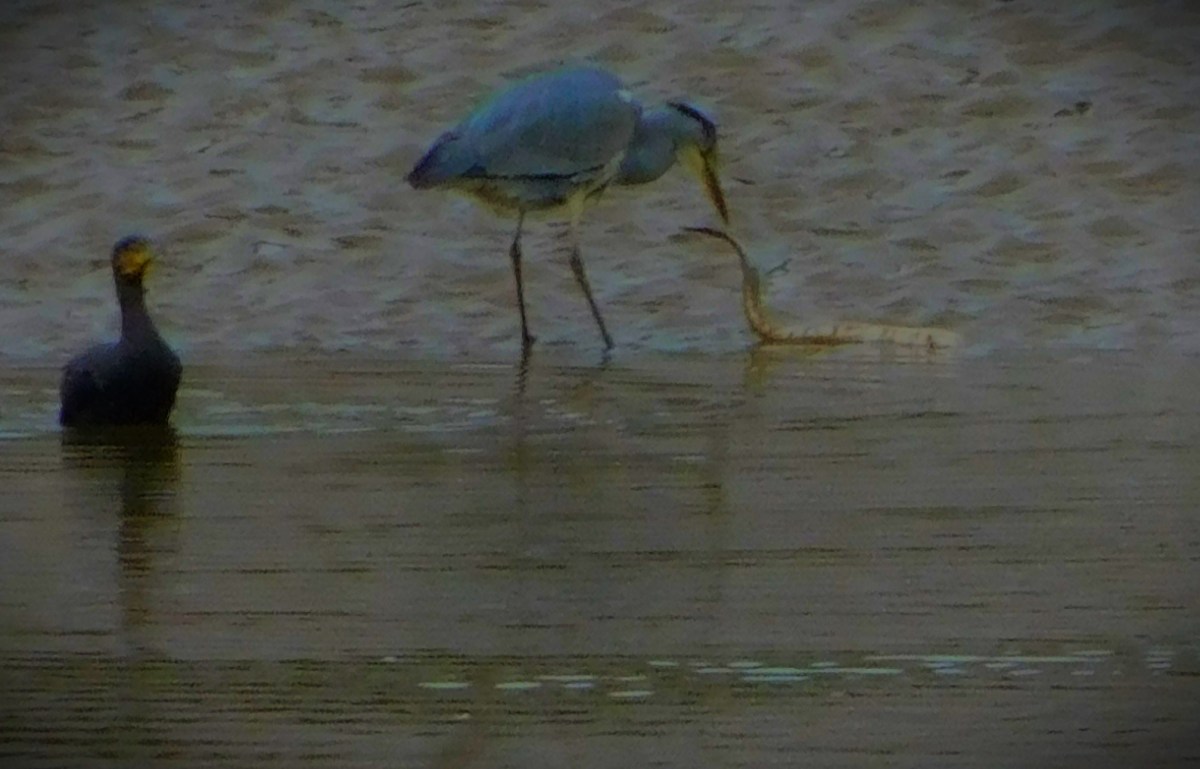
A pill bug (so called because its defence mechanism is to roll itself up presenting that armoured exoskeleton to potential attackers.A heron surveying the scene where the Nar flows into the Great Ouse.While I was there it moved to the other side of the Great Ouse.
A look at goings on in the county championship, with the focus on Surrey v Somerset. Also a bumper photo gallery, including some interesting butterflies.
The second round of county championship matches is reaching its conclusion, and this post looks at what has been going on, with the focus principally on Surrey v Somerset.
A GREAT FIGHTBACK BY SOMERSET
Surrey led by 143 on first innings, and when Lewis Goldsworthy’s brave resistance ended yesterday the score was 162-6, a mere 19 runs ahead. However Lewis Gregory, supported first by the highly impressive youngster Kasey Aldridge and then by Craig Overton looked to have saved Somerset time ticked on (some bad weather which took the first hour out of the day’s play also helped Somerset). His dismissal for 80 was the first of three very quick wickets to end the innings, as Migael Pretorius played a truly awful shot, and Shoaib Bashir was pinned LBW. All three of these wickets went to Cam Steel, giving hjim five for the innings, nine for the match, 14 for the season and 51 in all first class cricket. That left Surrey needing 209 in 20 overs, however the start of the Surrey second innings has been delayed by more bad weather. Surrey clearly intend to have a go when the innings is allowed to start – Jamie Smith and Dan Lawrence opening the batting.
ELSEWHERE
Between the weather and the tall scoring almost every other game is either confirmed as a draw or soon will be. However Essex still have a chance of outright victory in the Thames Estuary derby (Kent will be delighted to escape with a draw if they manage it). Gloucestershire and Yorkshire are also still duking it out, with the latter just about in with a chance of winning, although four wickets is a good many to take in not much time.
PHOTOGRAPHS
My usual sign off…
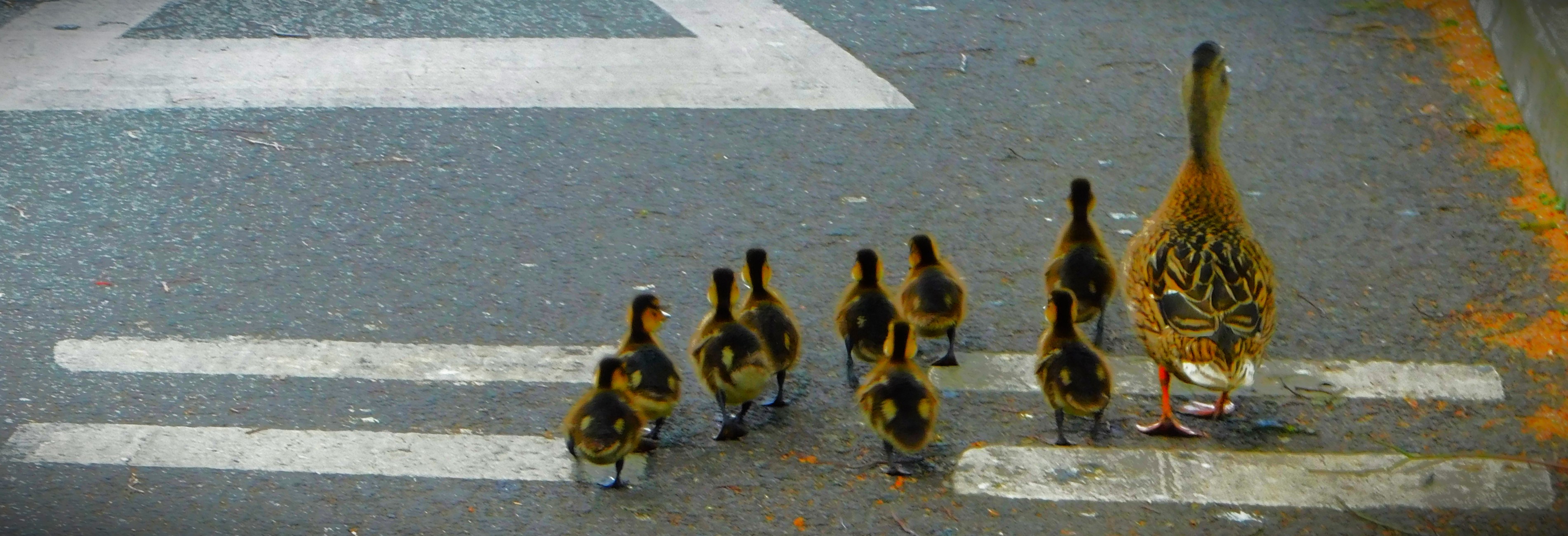
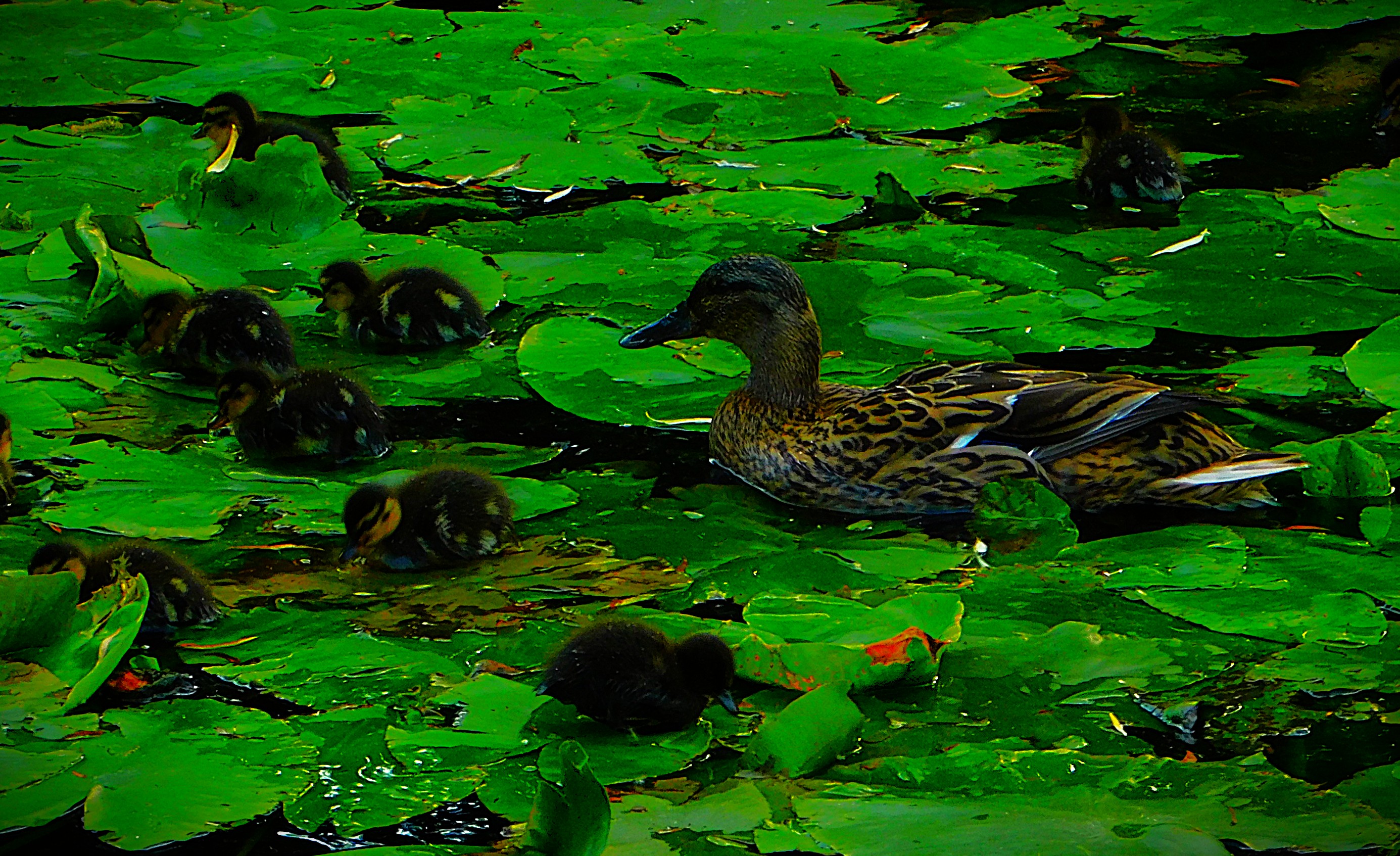
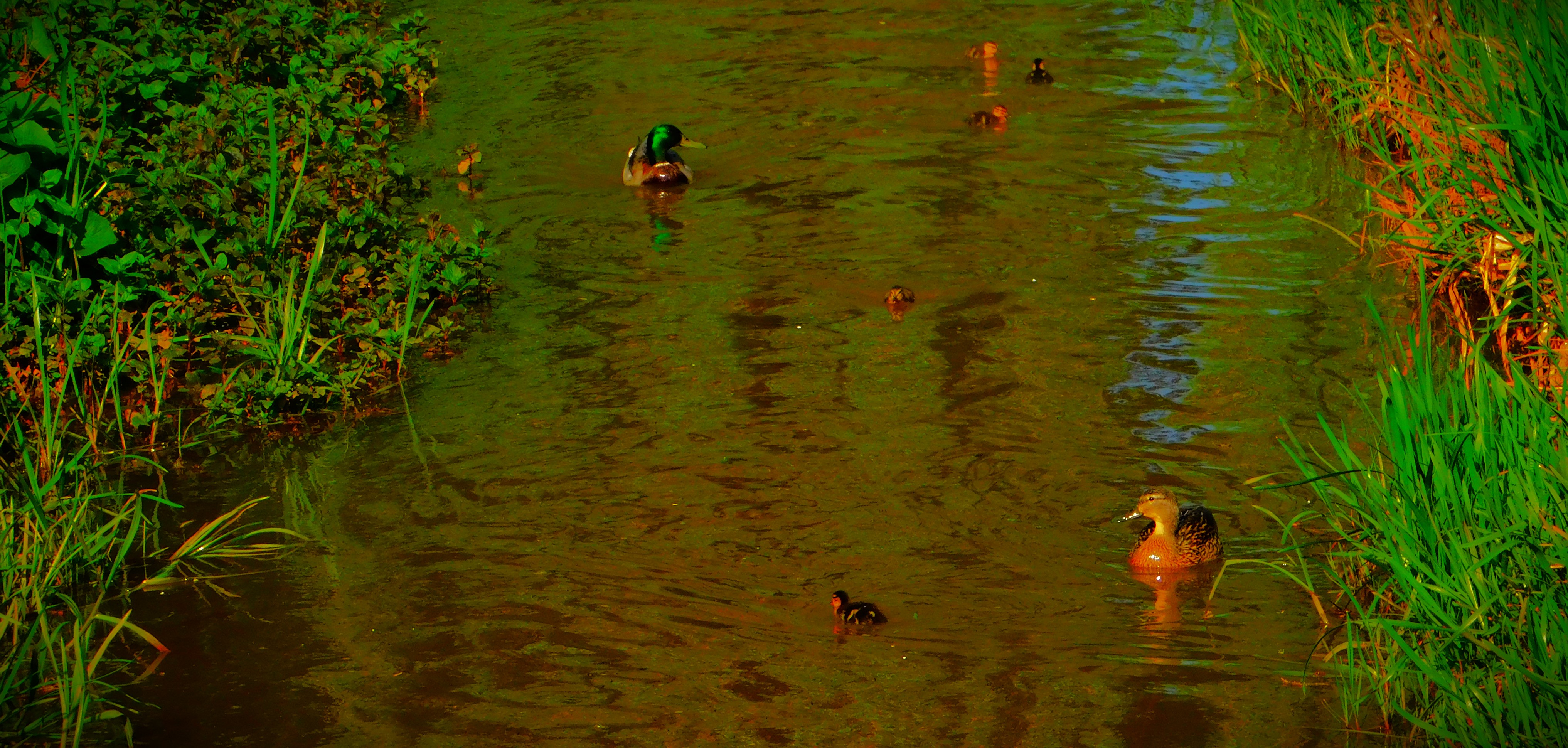
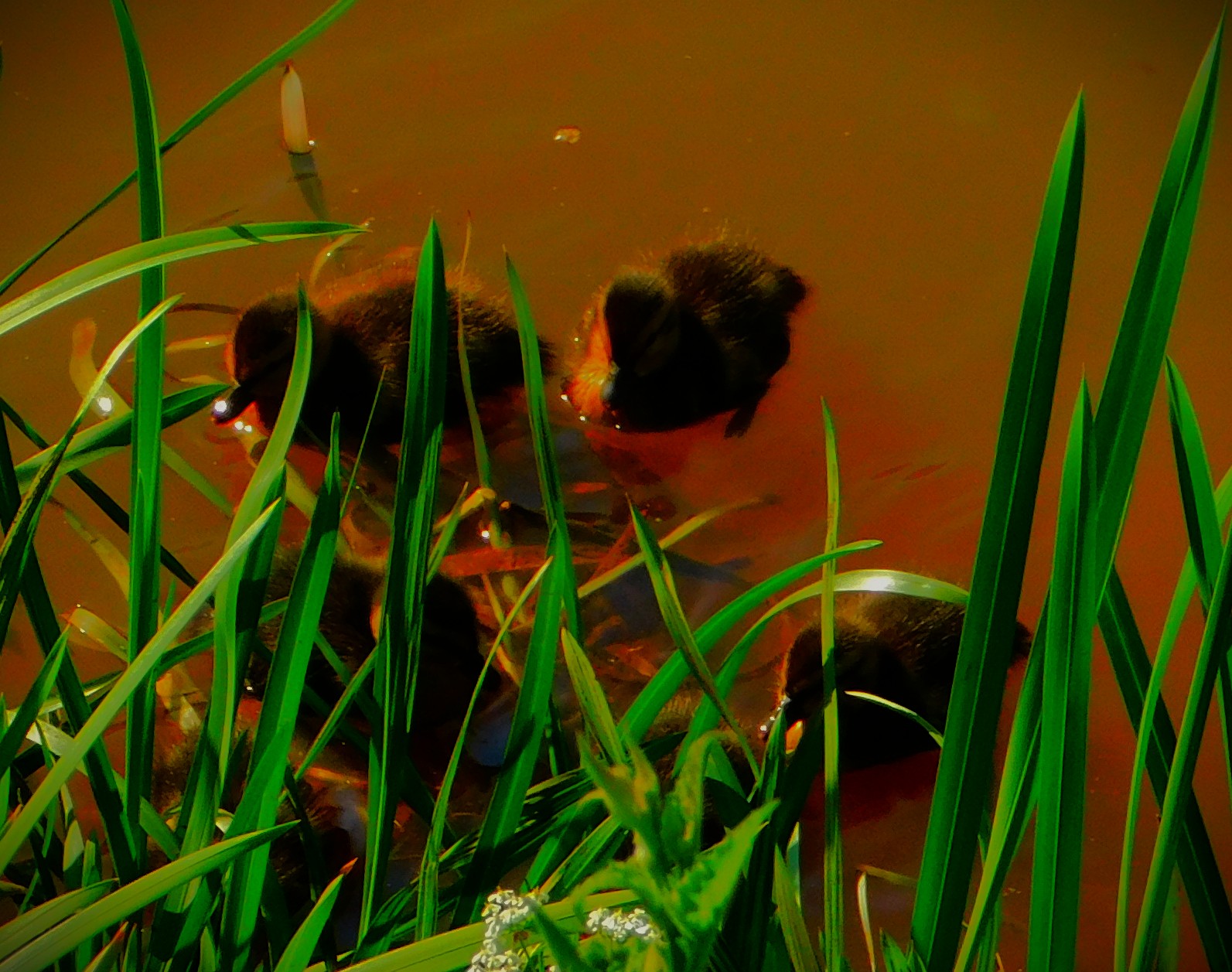
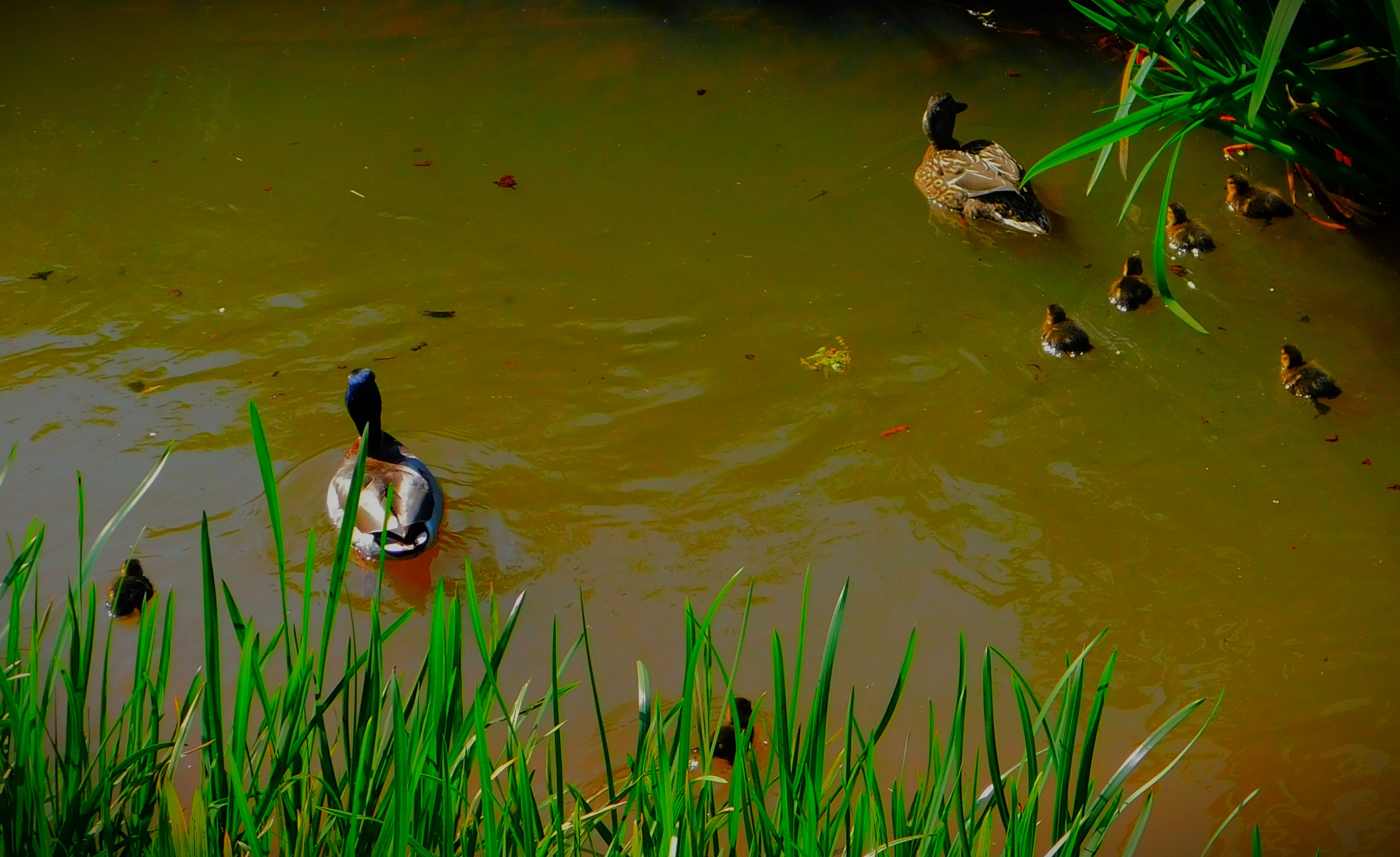
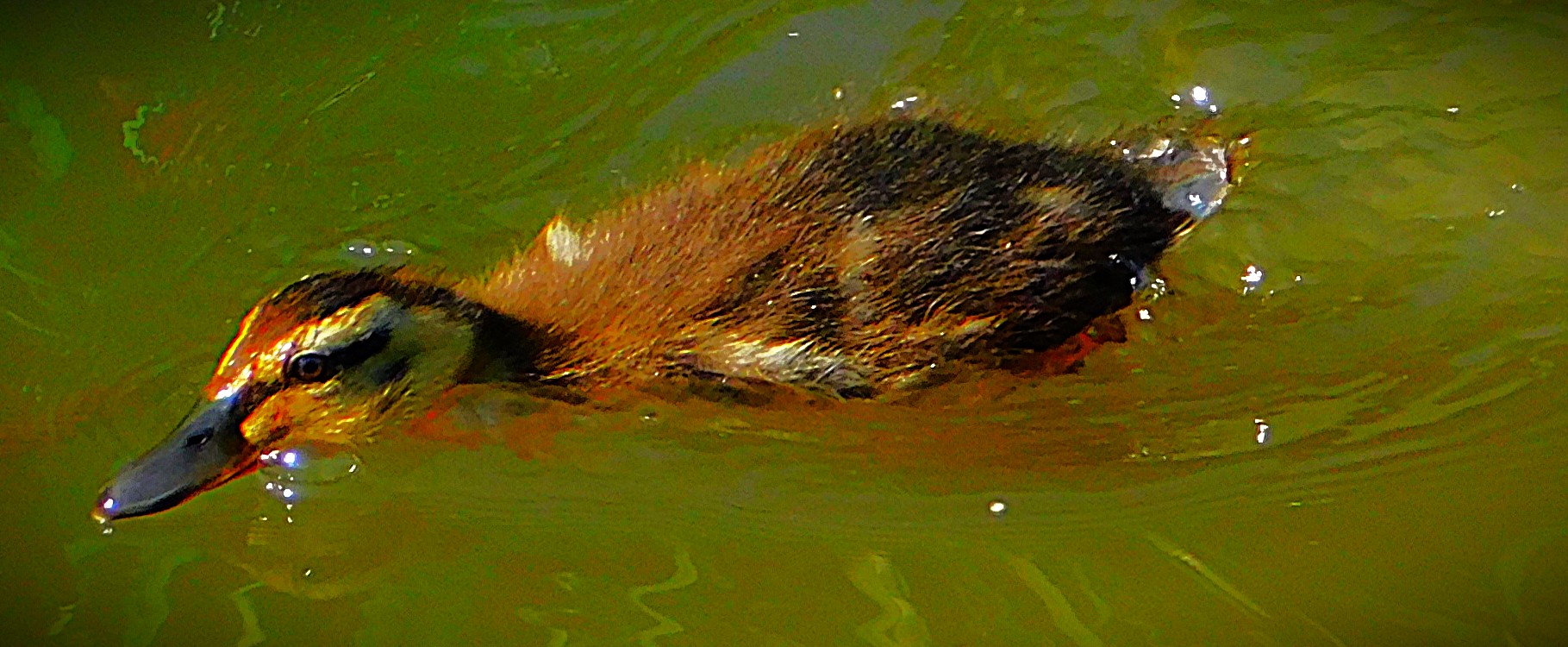
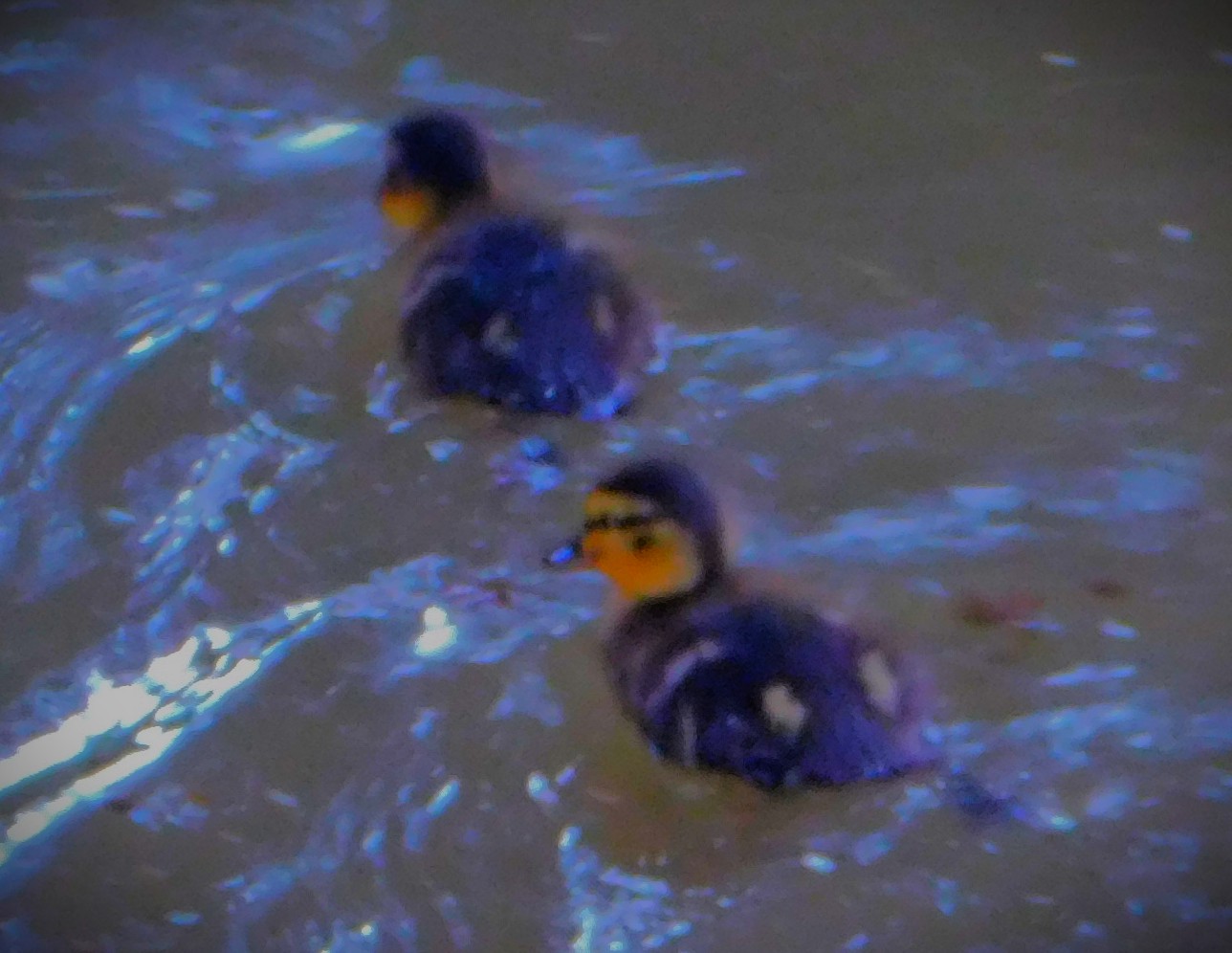
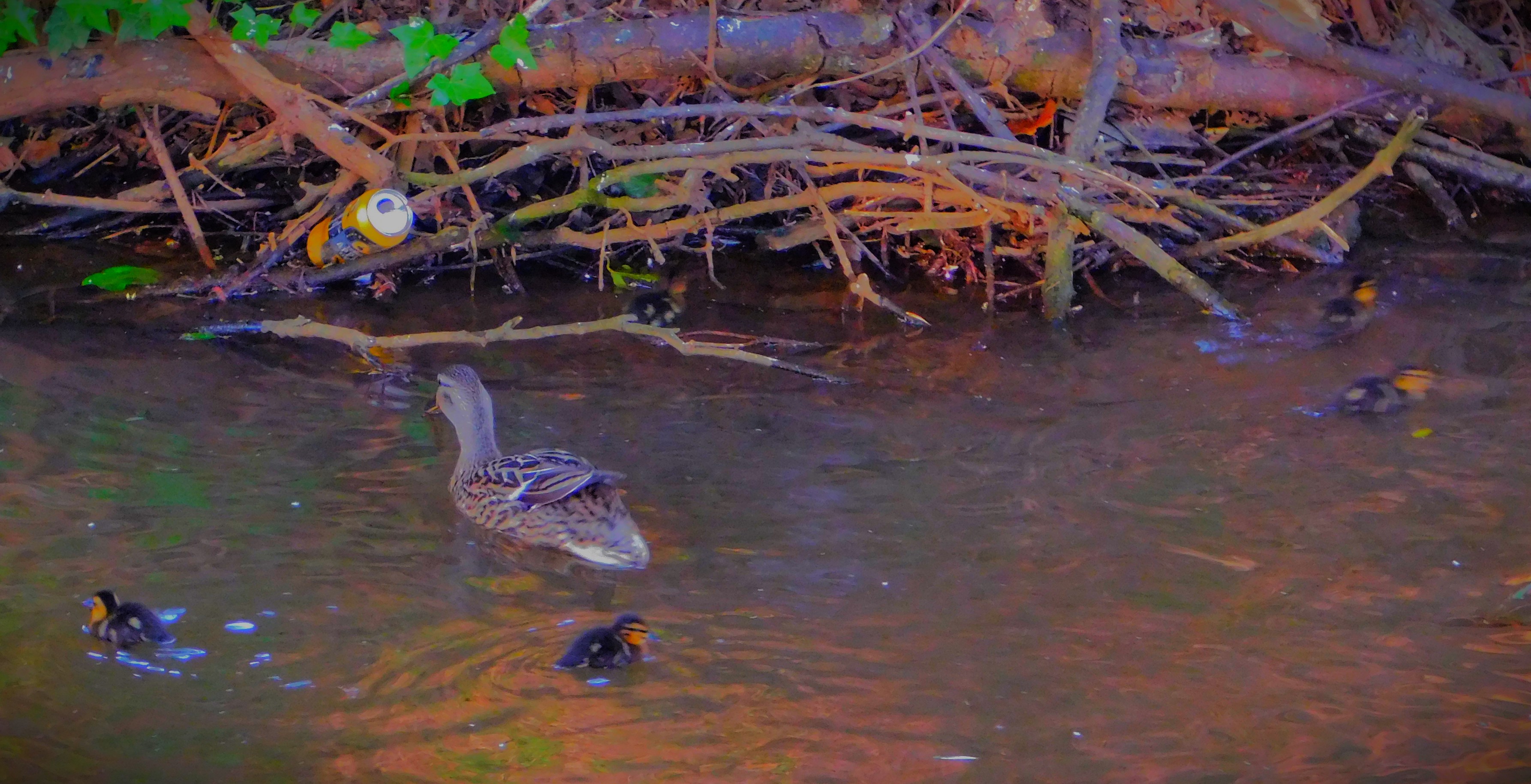
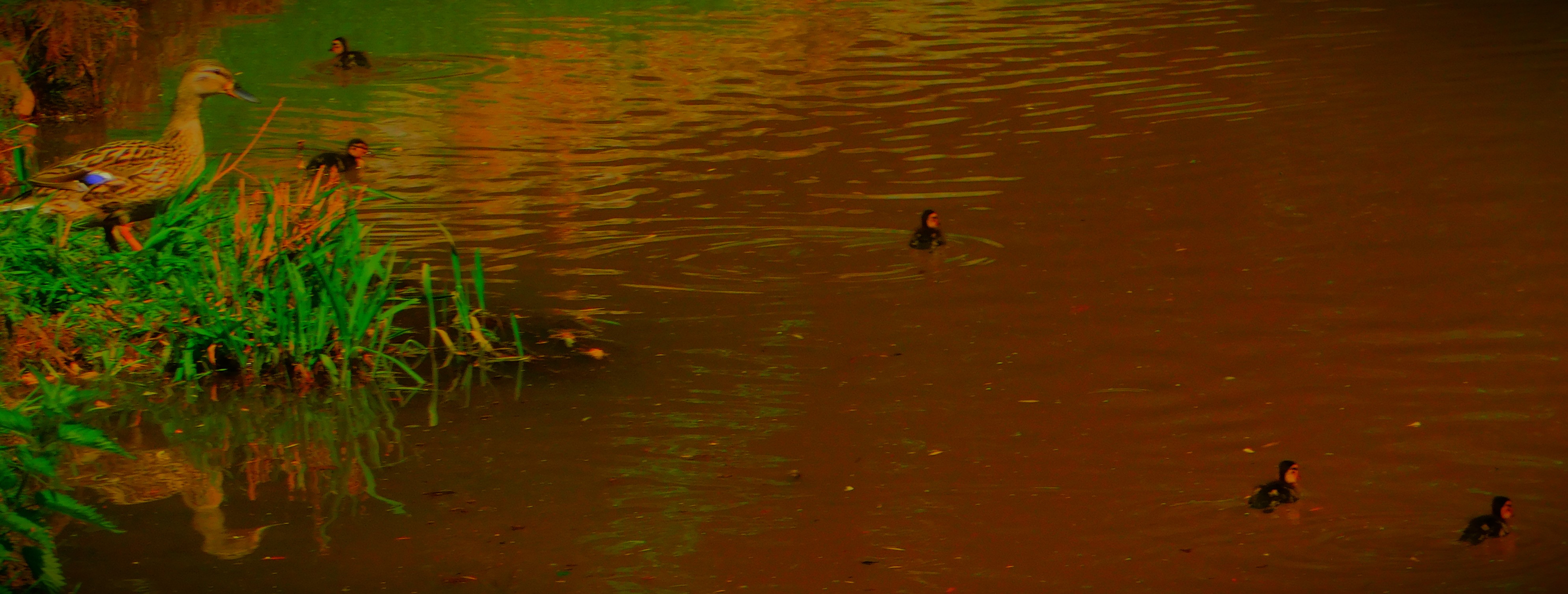
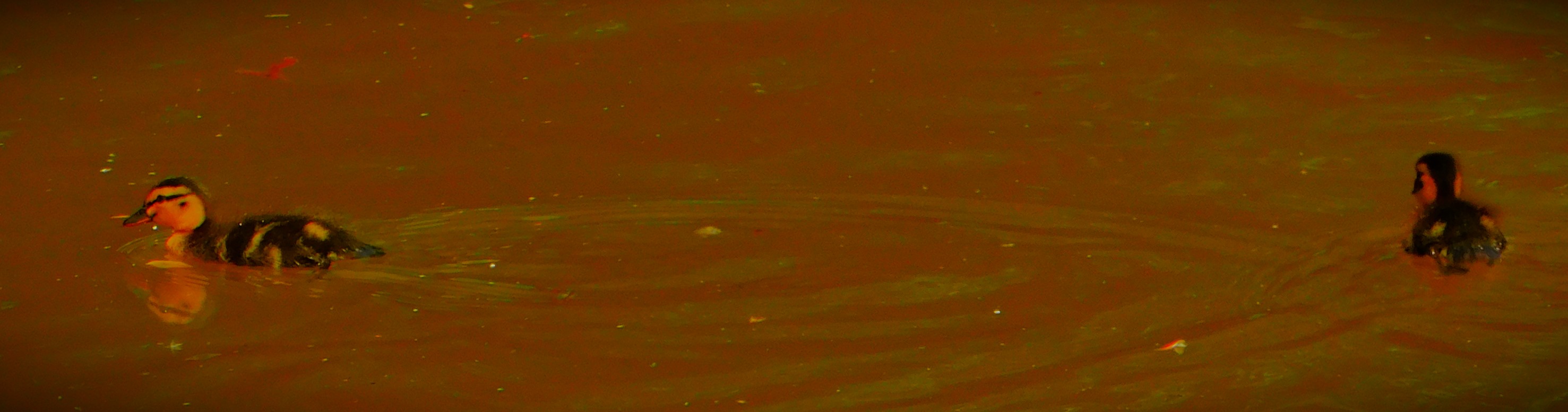
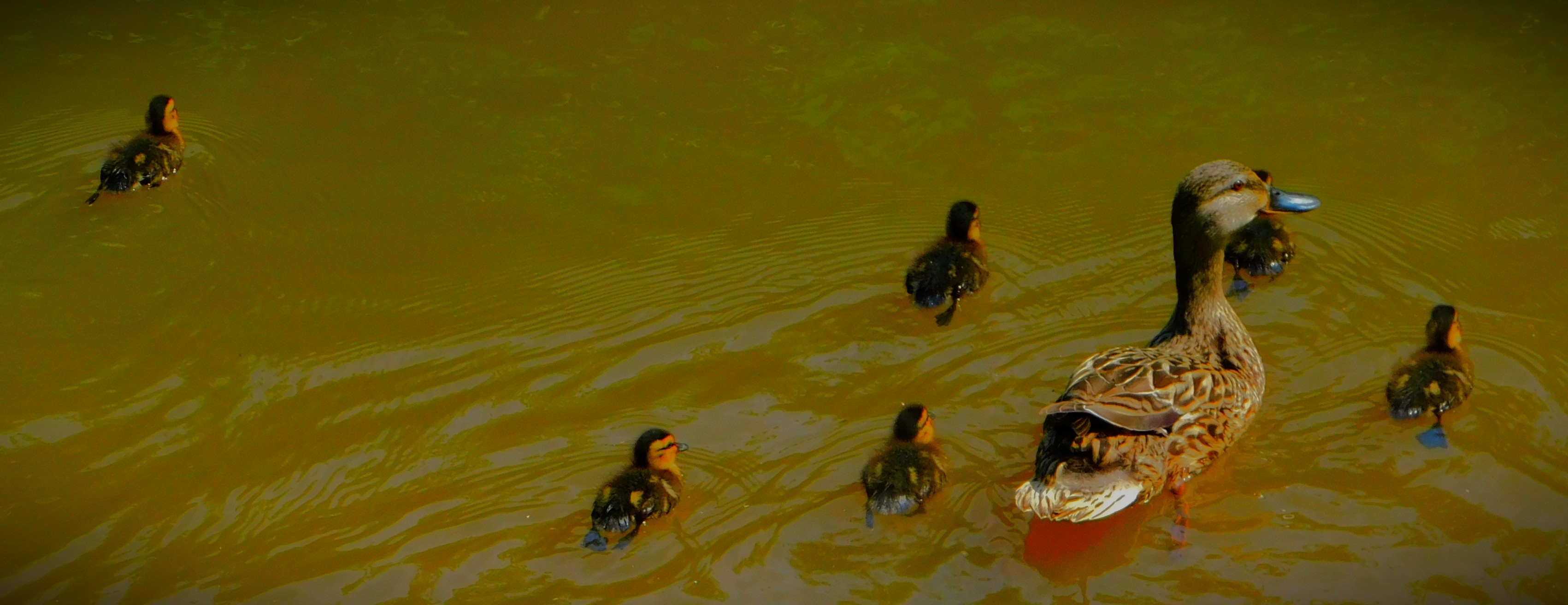
This heron took wing as I was preparing to photograph it, but I did manage tio capture it.A closer crop of the flying heron.This small blue butterfly was moving too fast for me to zoom in really closely.This white butterfly with a black body has a very intricate veining pattern on its wings.An orange tipViewed close up (next pic is even clser) the tips that give it its name segue from orange to brown at the extreme edge and there is the faintest hint of blue in the head area.A large brood of ducklings.
While I was preparing this for publication Surrey scored 50 off the first five overs of their innings – the weather may stop them, but it doesn’t look like Somerset can.
A look back at the Melbourne derby in the Big Bash League, and a bumper crop of photos.
This morning UK time saw the Melbourne Derby in the Big Bash League. The Renegades were already eliminated from the tournament, while Stars knew that if they won both their remaining matches they would progress to the final. It was also Aaron Finch’s final game as a professional cricketer, since that worthy had decided that a Melbourne derby was a fitter stage for his last bow than an entirely meaningless game in Sydney, which is where Renegades’ campaign will finish.
THE STARS INNINGS
Stars never really got going at any stage, with only Glenn Maxwell, 20 off 10 balls, ever looking truly in command. Beau Webster took 34 balls to score 29, which is never acceptable in a T20, Hilton Cartwright was less unimpressive, but 38 off 30 is no great shakes in T20. Opening batter Thomas Rogers managed 23 off 17. Kane Richardson (right arm fast) managed 2-17, Akeal Hosein (left arm orthodox spin) 2-18. Stars had managed 137-8, which looked inadequate.
THE RENEGADES RESPONSE
Aaron Finch ended a long and distinguished professional career with a highlu unimpressive duck, but Shaun Marsh, another oldster, and Jake Fraser-McGurk had an excellent stand for the second wicket. They were still together at the halfway stage, and had moved their side into control. They took the Power Surge for overs 11 and 12, the earliest point at which it can be taken, with a view to killing the game there and then. Those two overs yielded 19 runs but also three wickets, those of Fraser-McGurk, Jordan Cox and Will Sutherland. However, they were well ahead of the required rate, and after Sutherland was out the experienced Jonathan Wells joined Shaun Marsh, and these two veterans never looked in any hint of trouble, as Renegades coasted home with six wickets and 2.4 overs to spare. This means that Stars are no longer in control of their own destiny – if Adelaide Strikers win their final group match they will qualify and Stars will be eliminated.
PHOTOGRAPHS
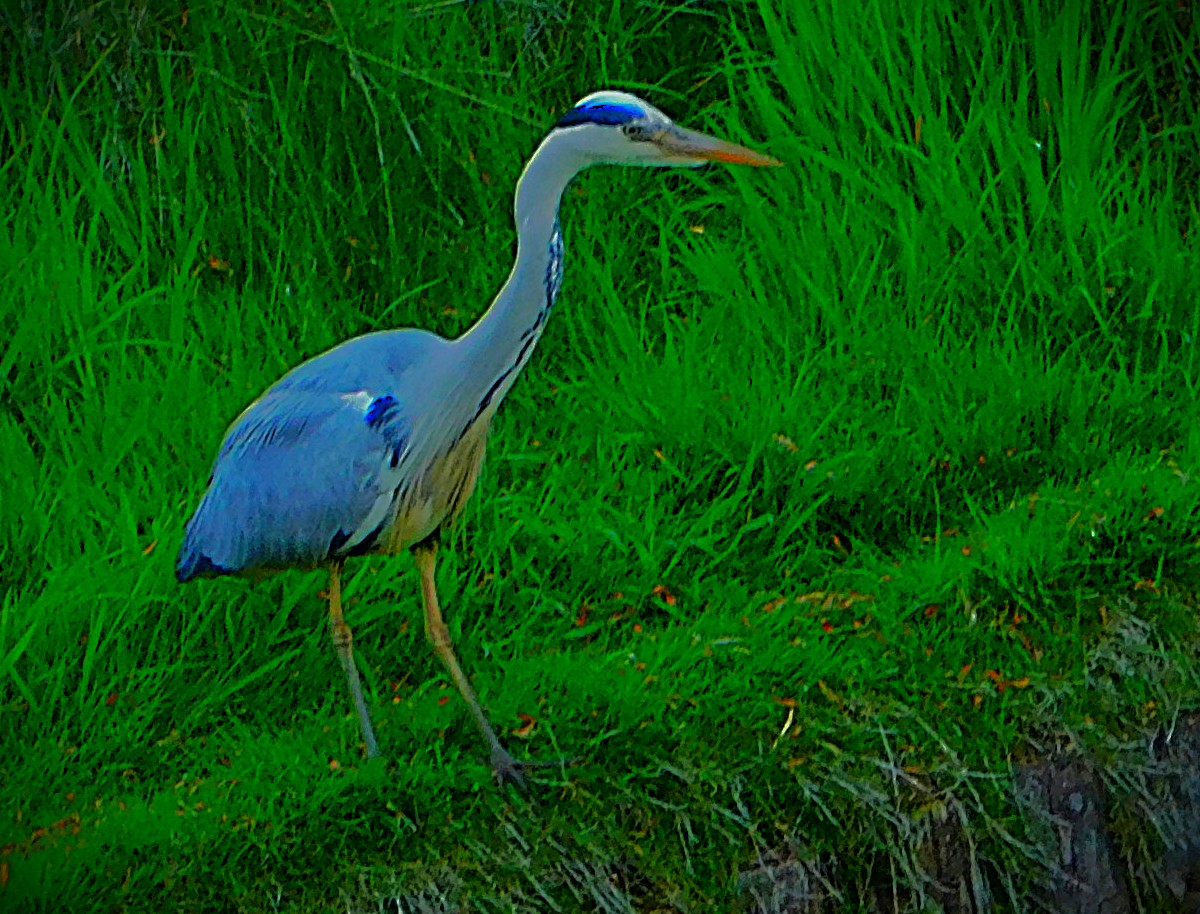
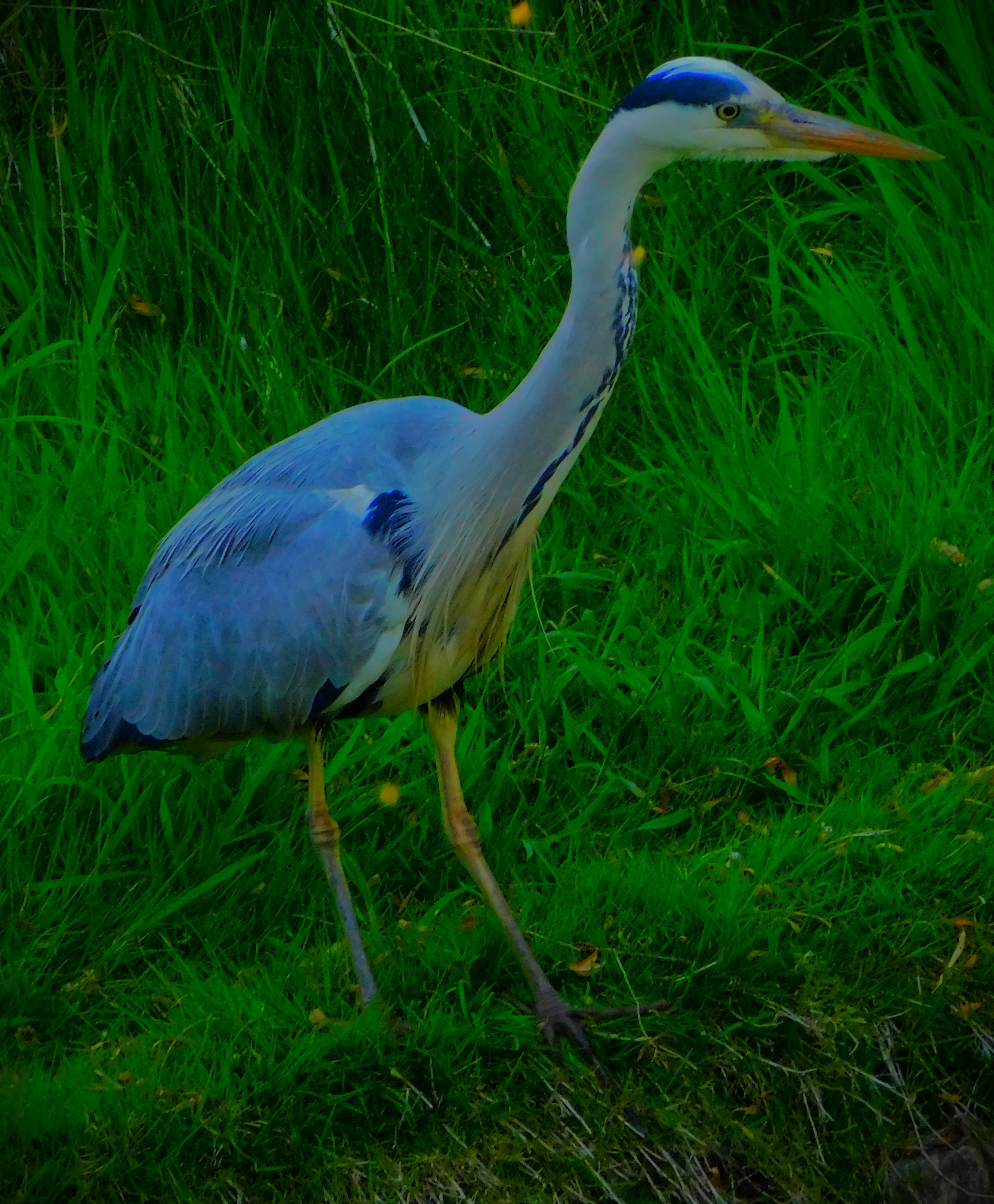
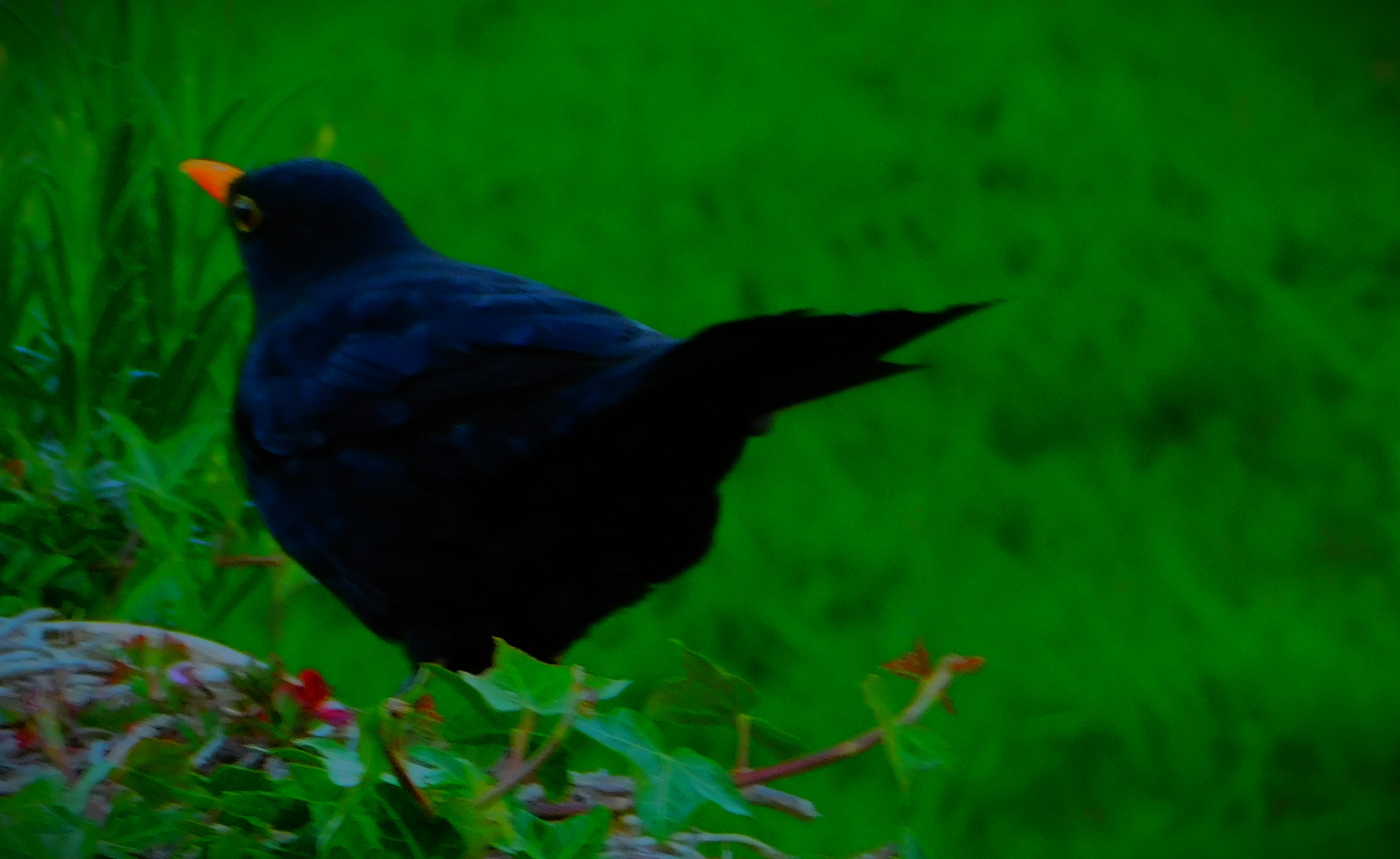
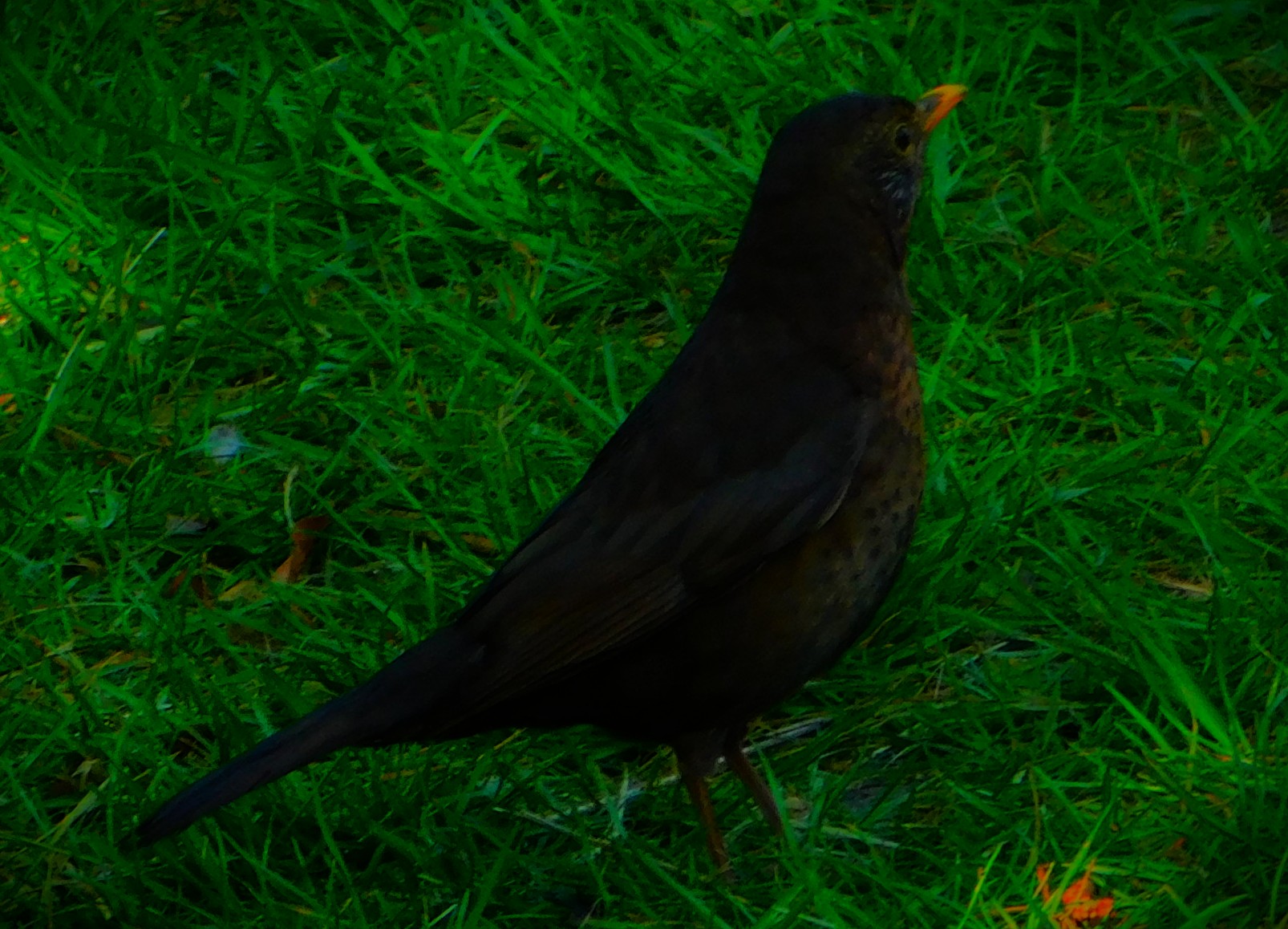
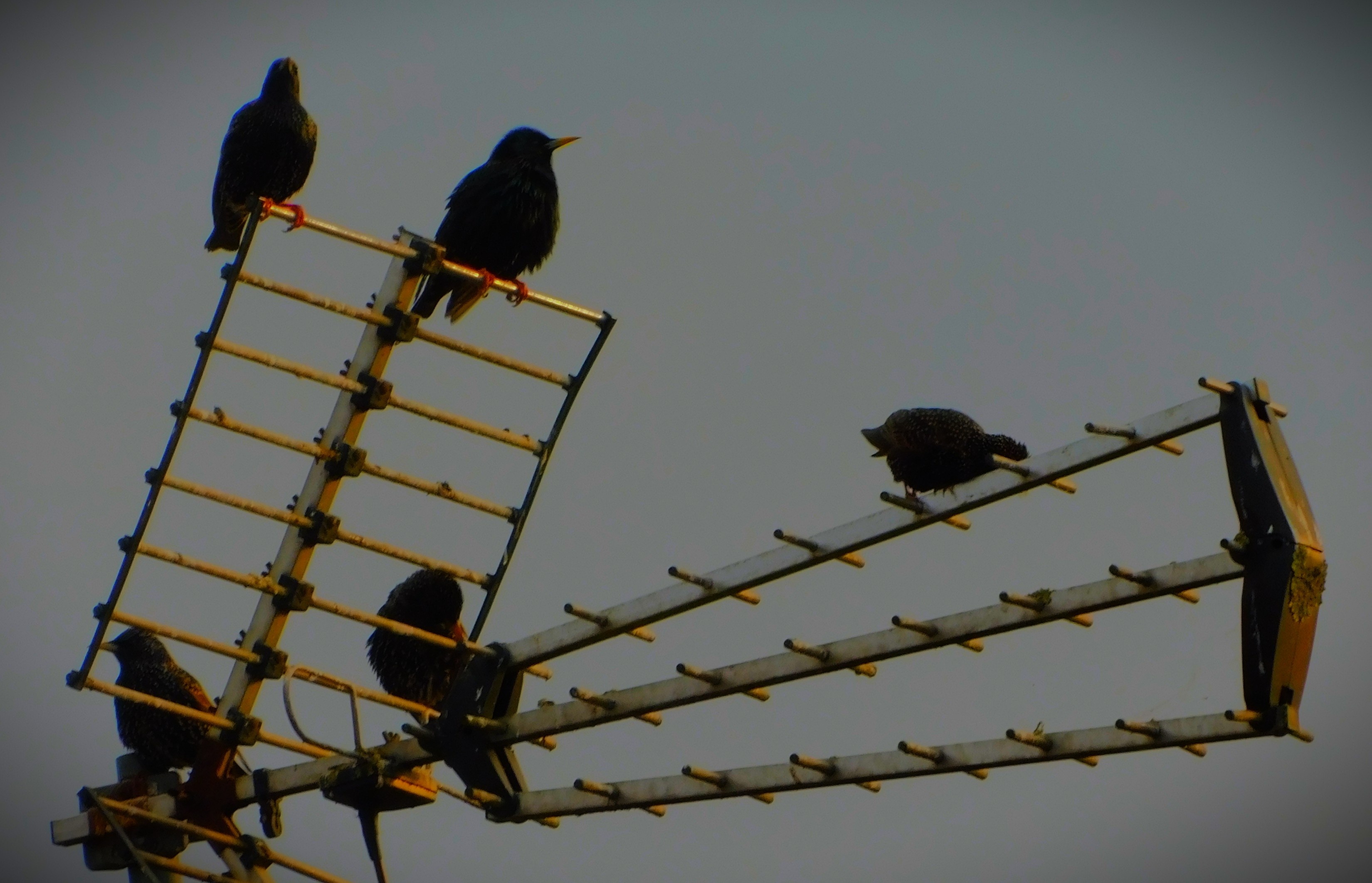
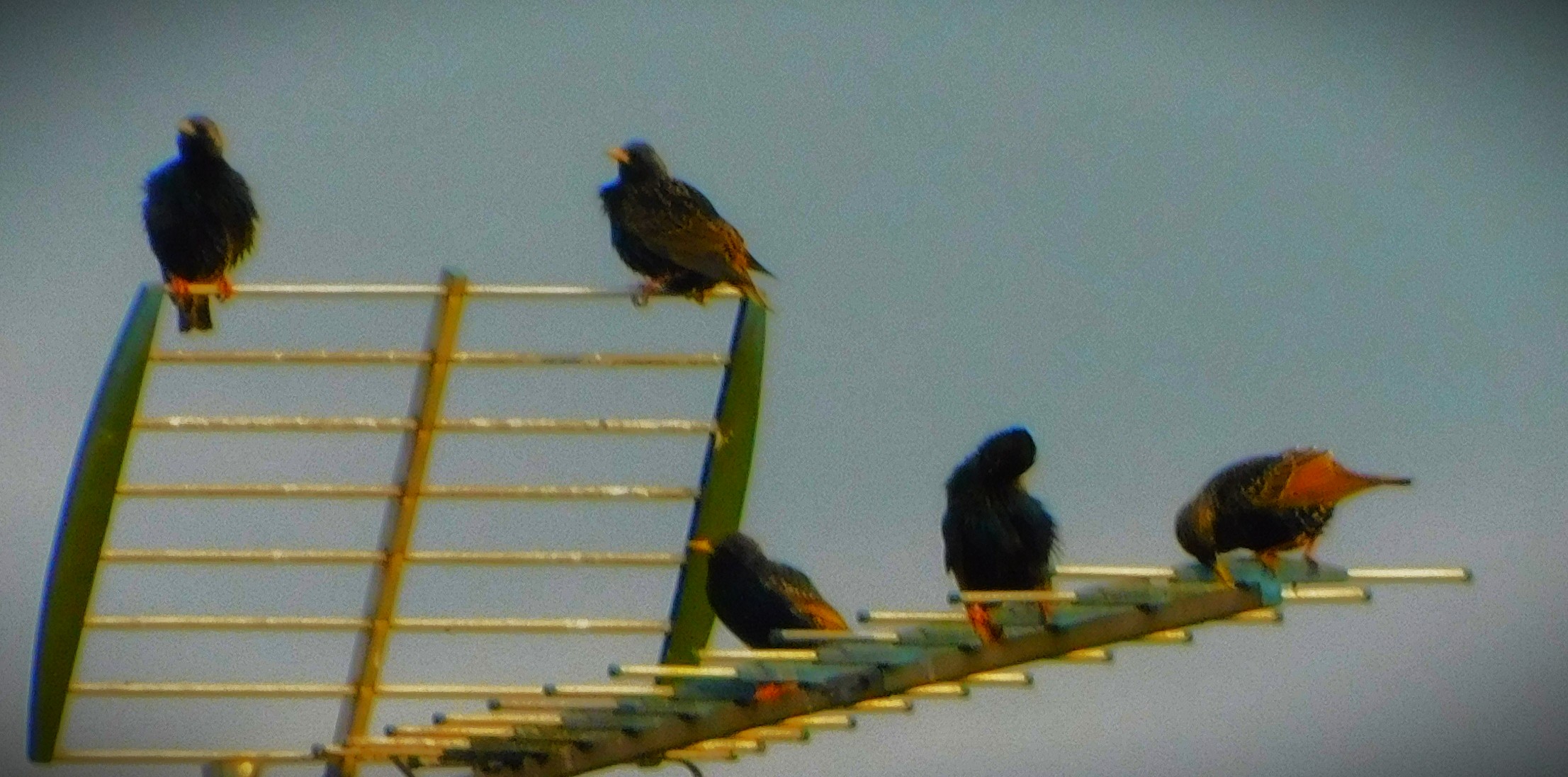
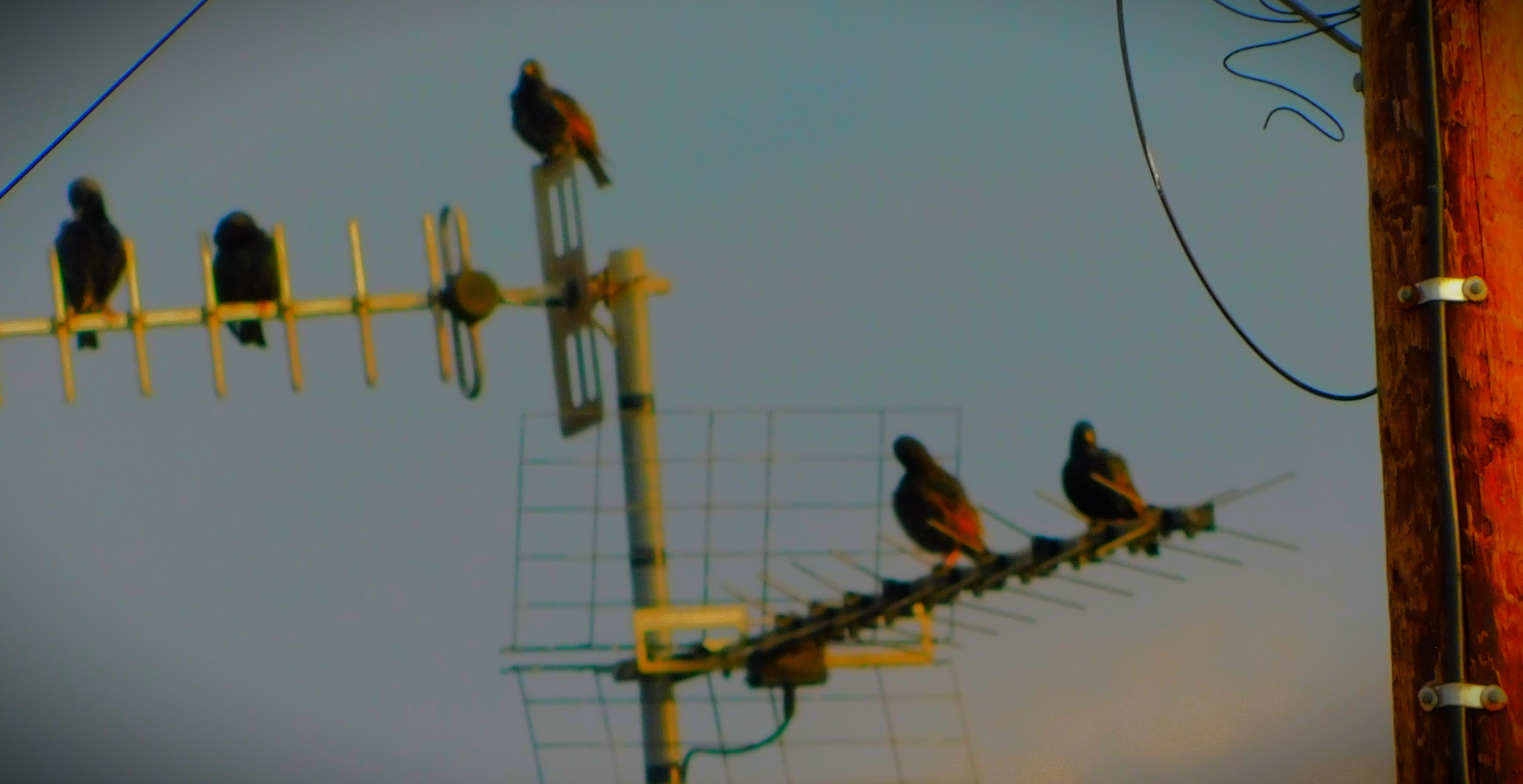
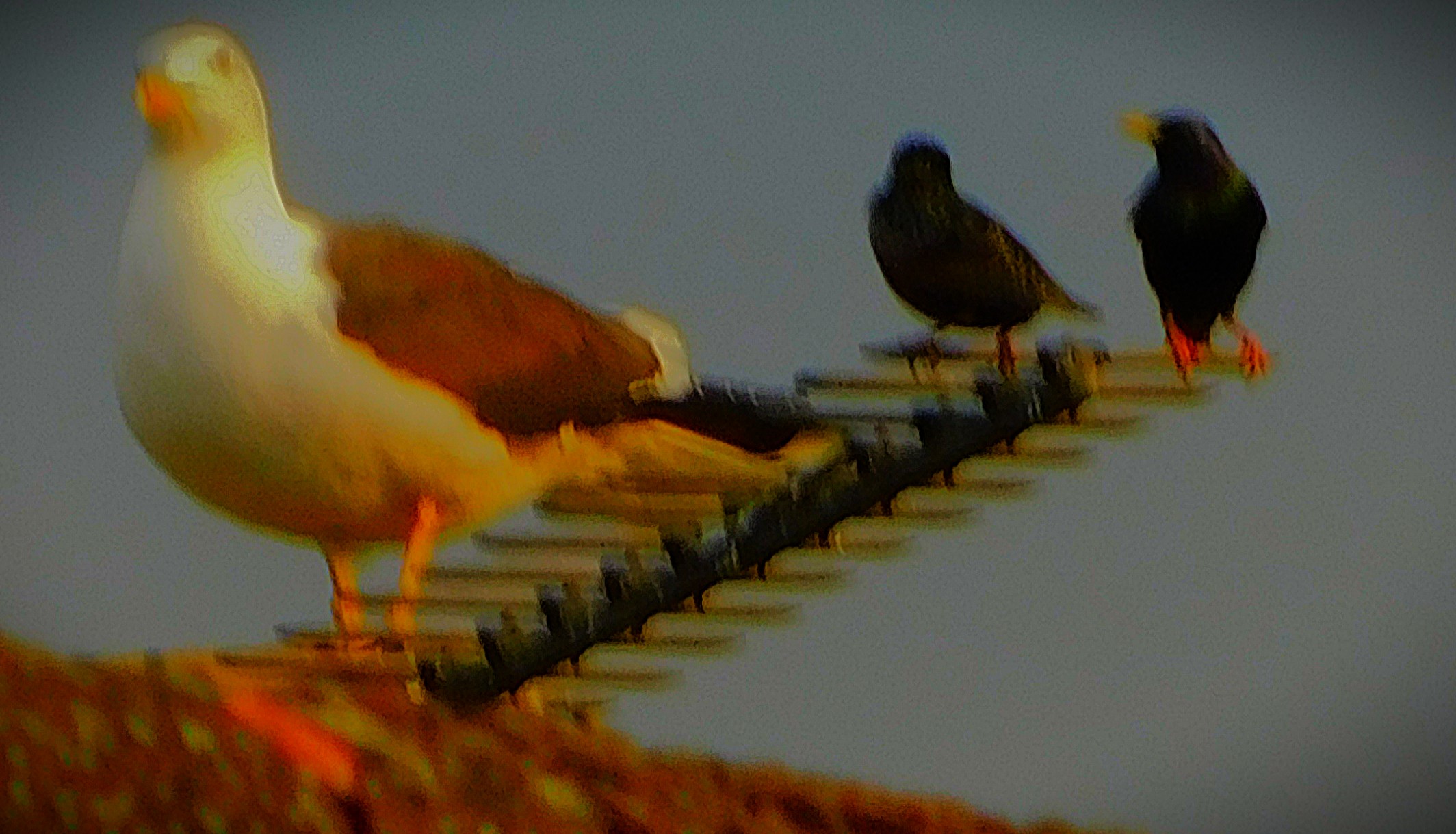
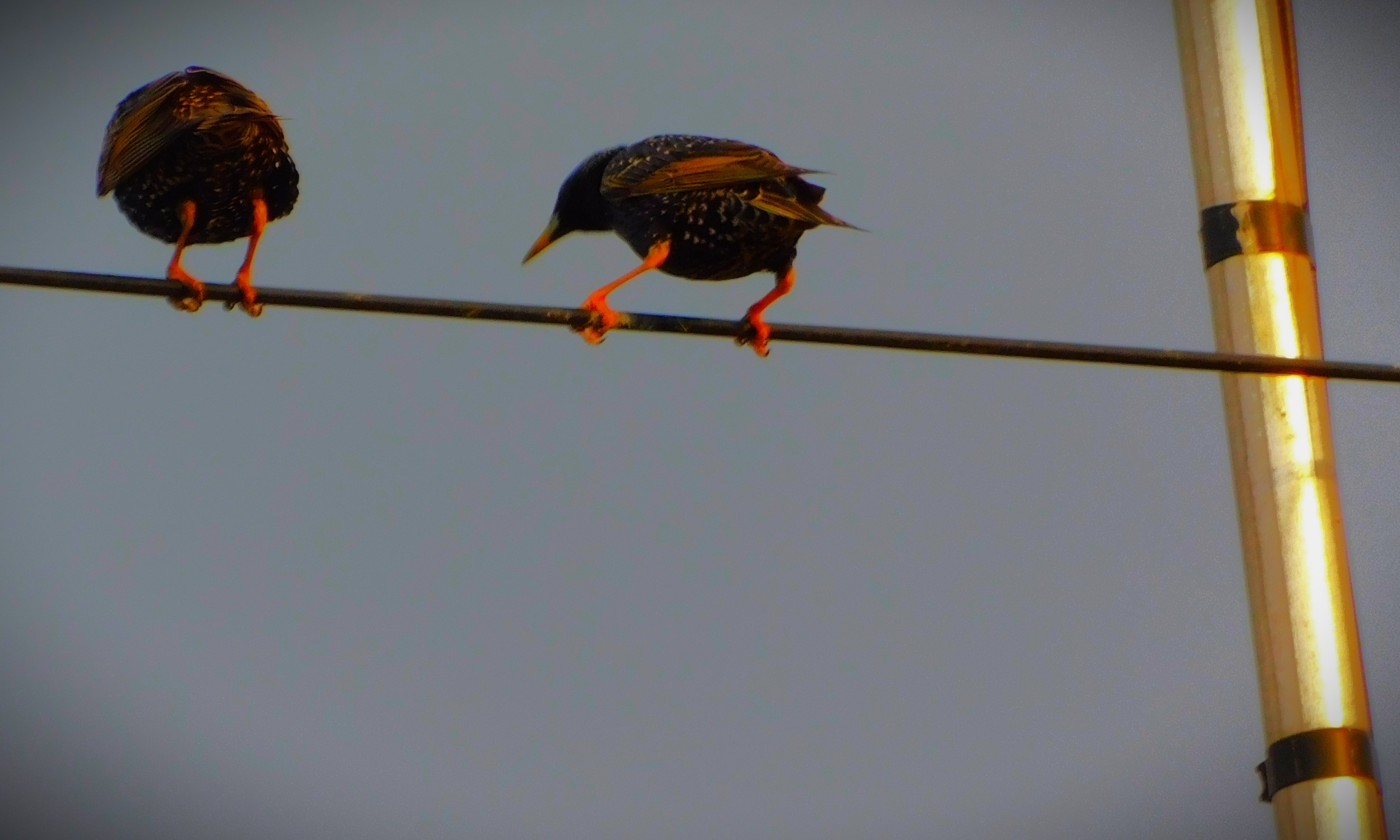
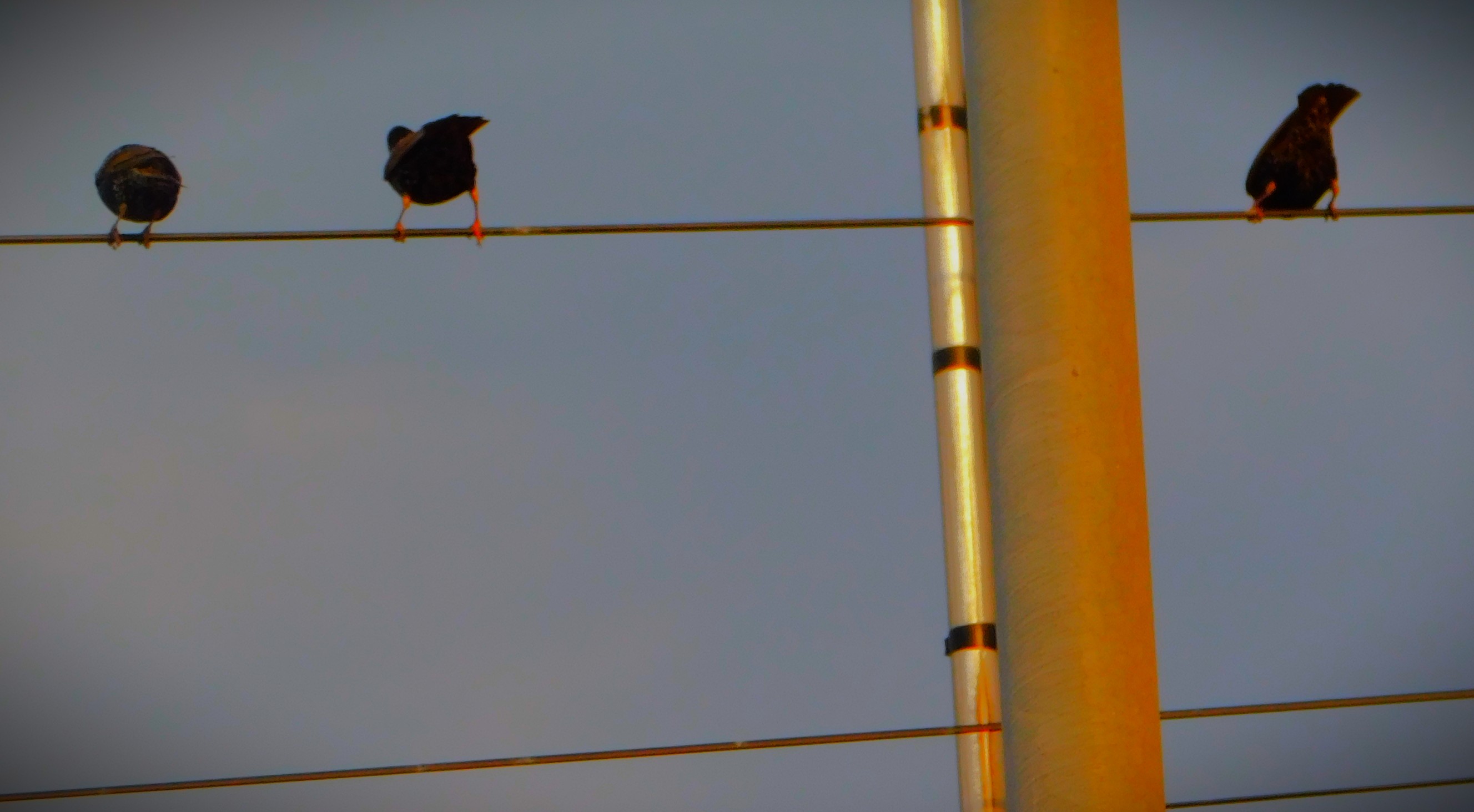
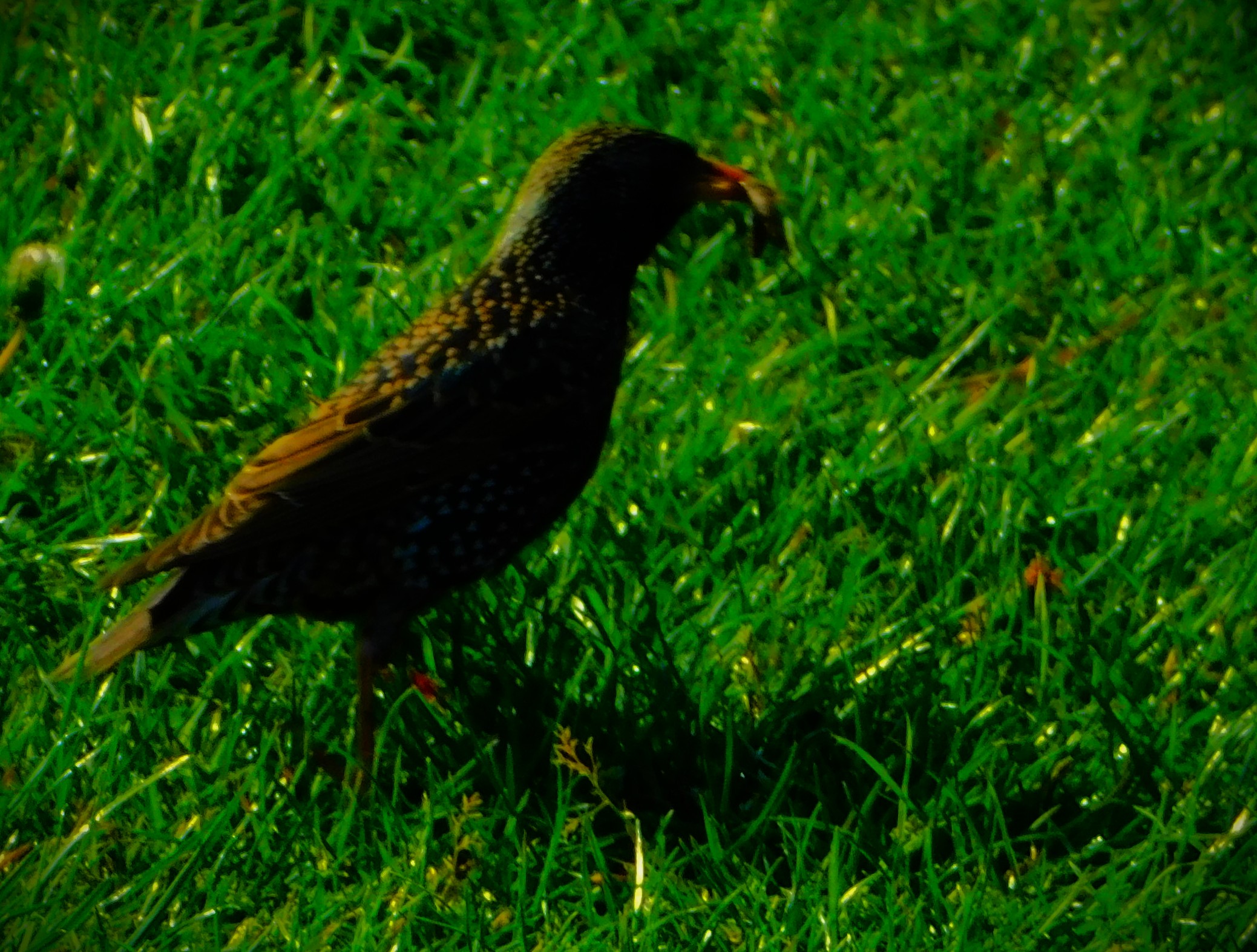
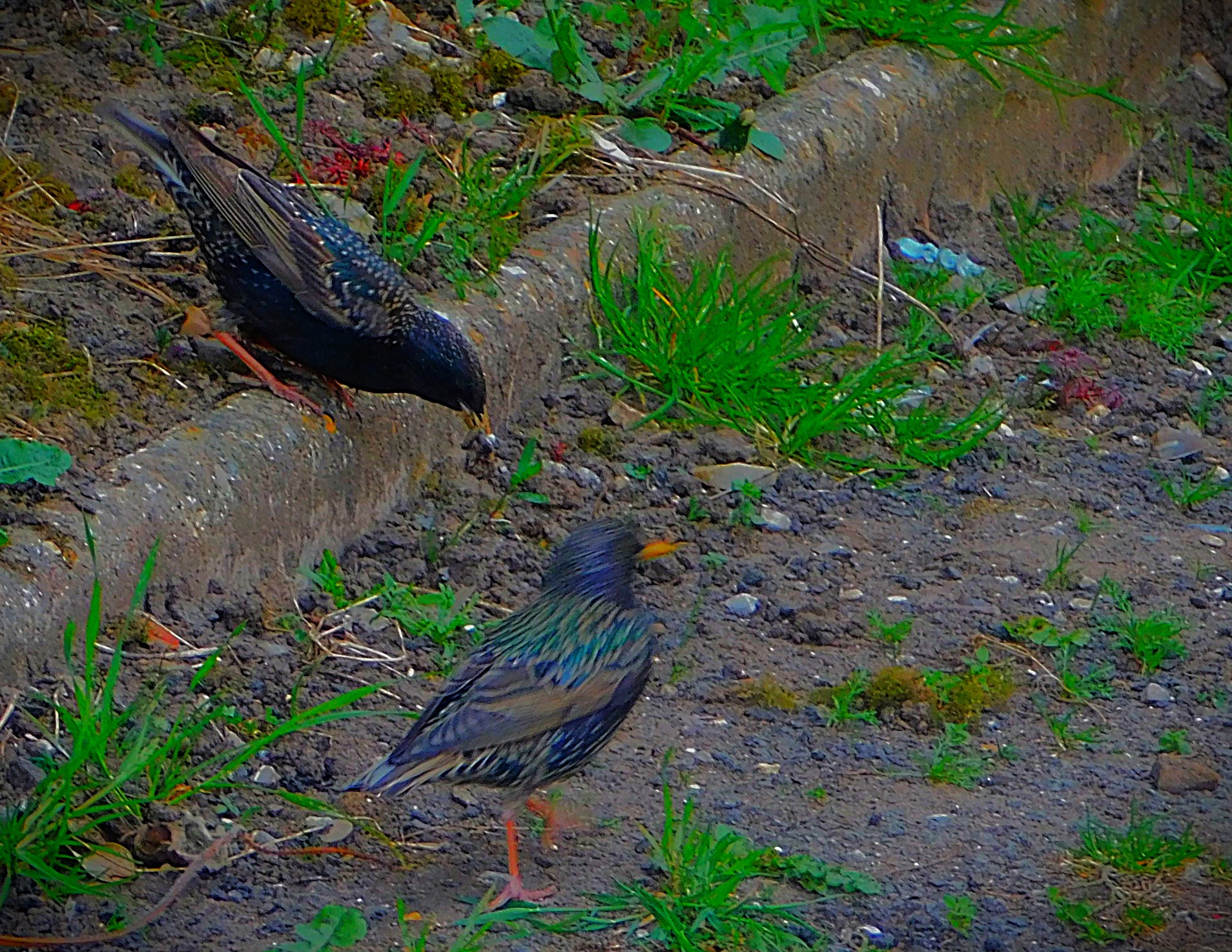
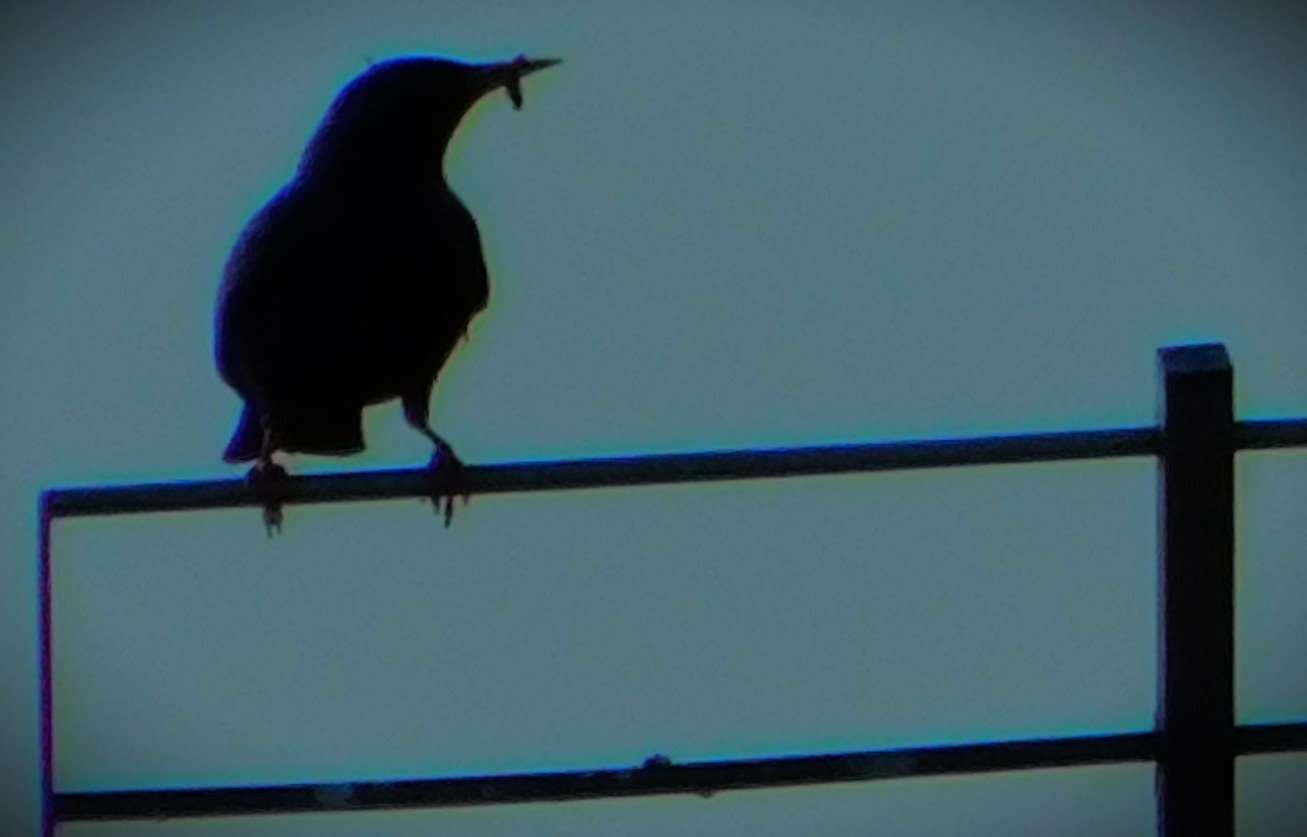
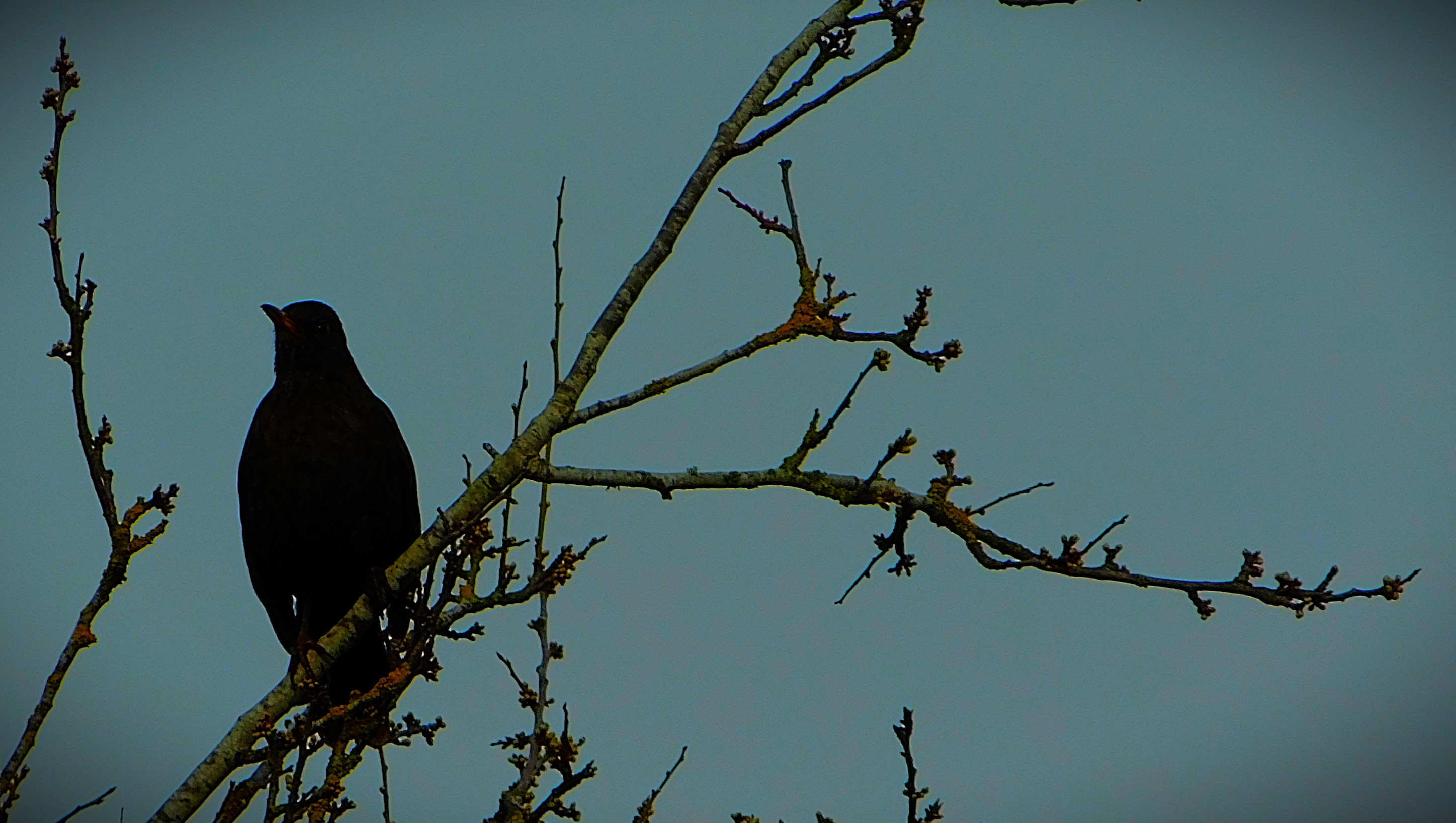
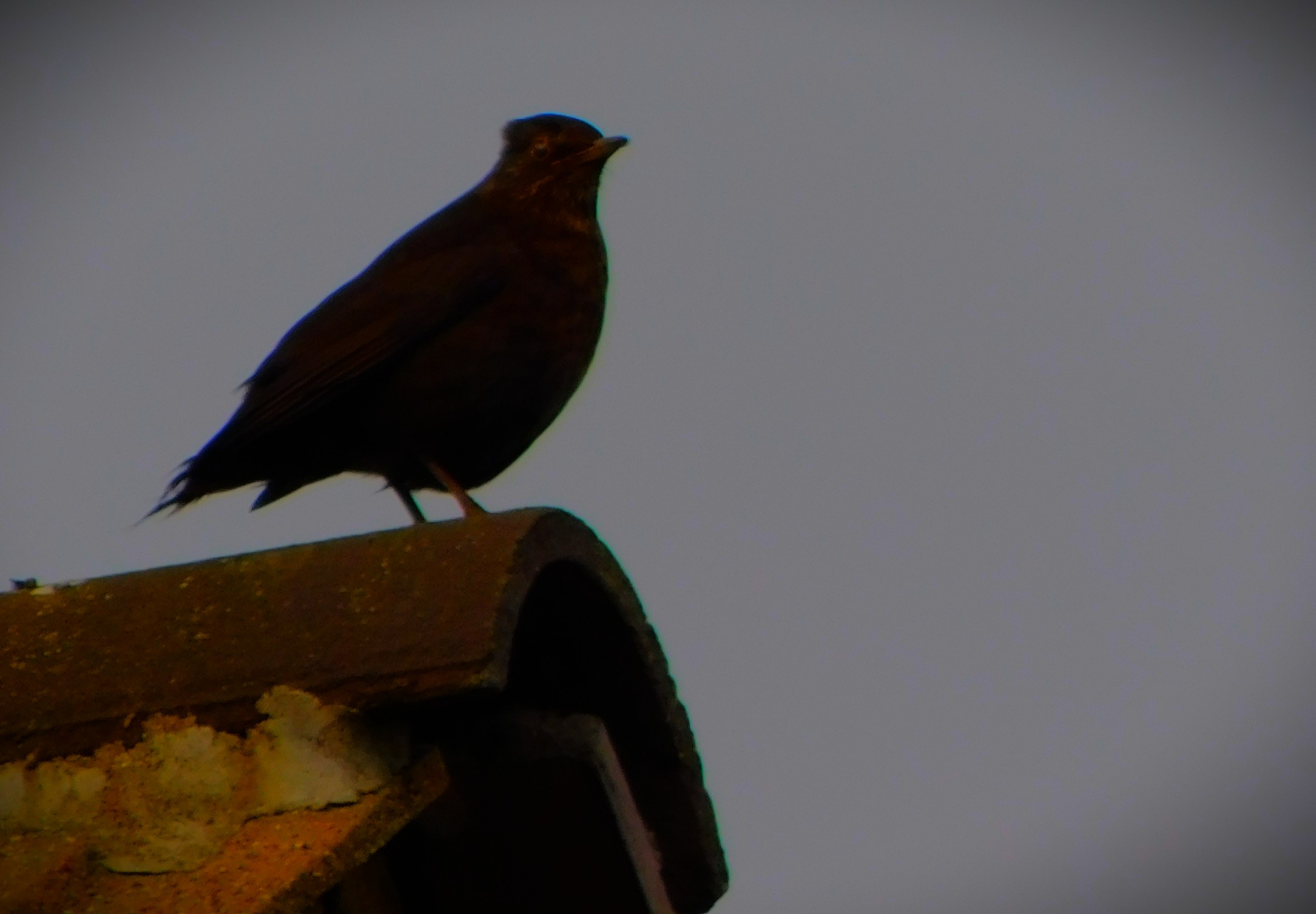
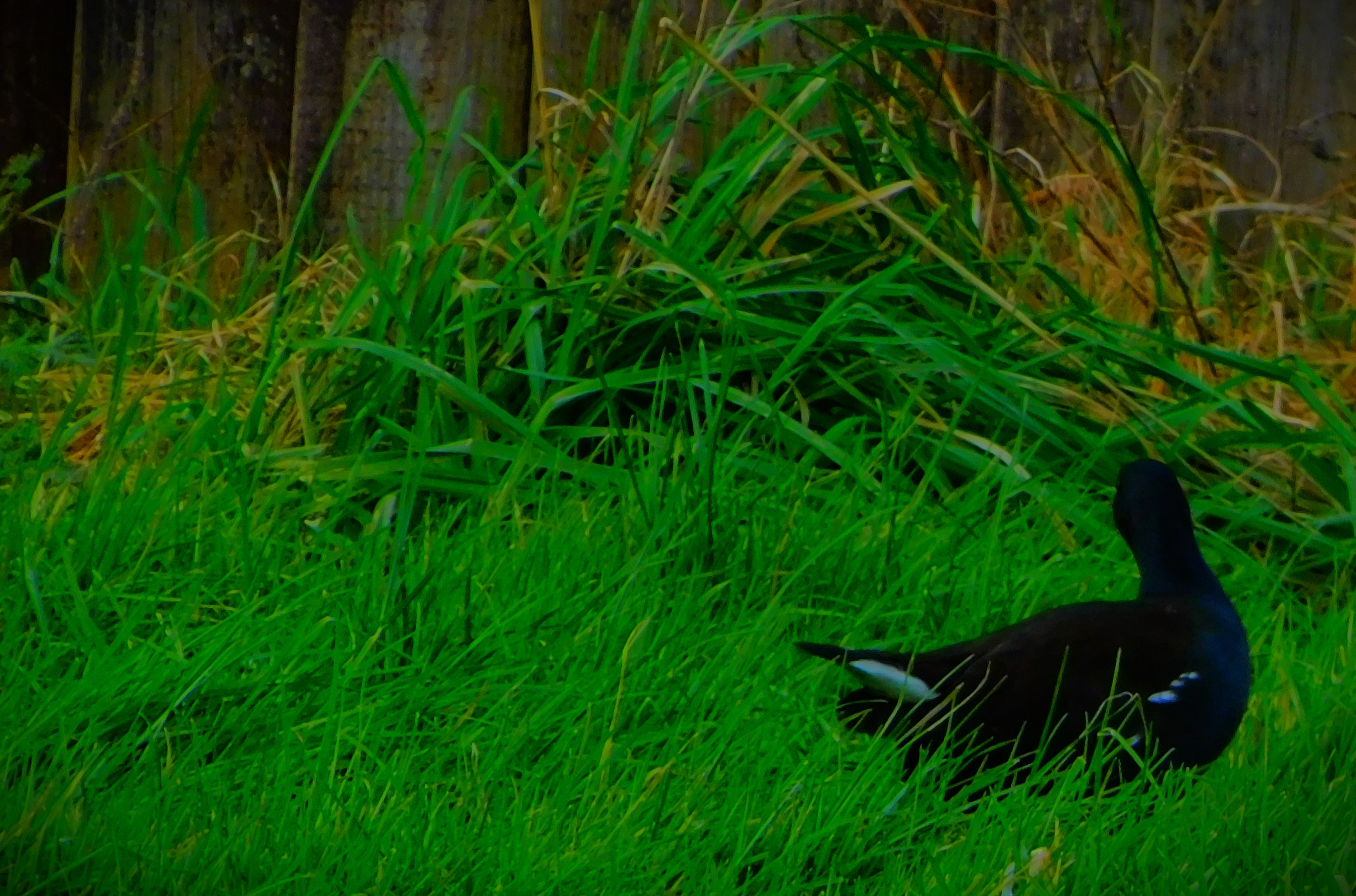
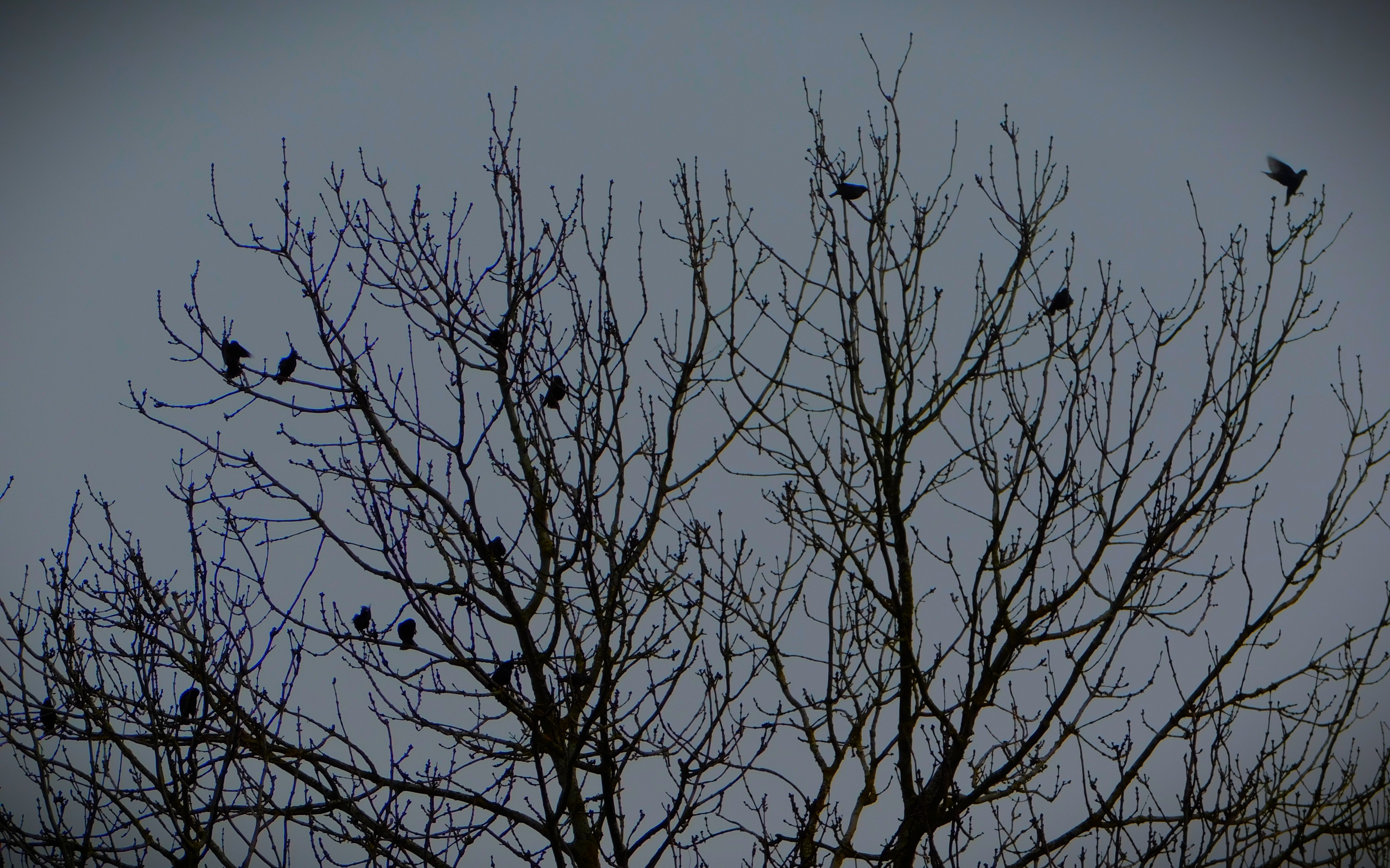
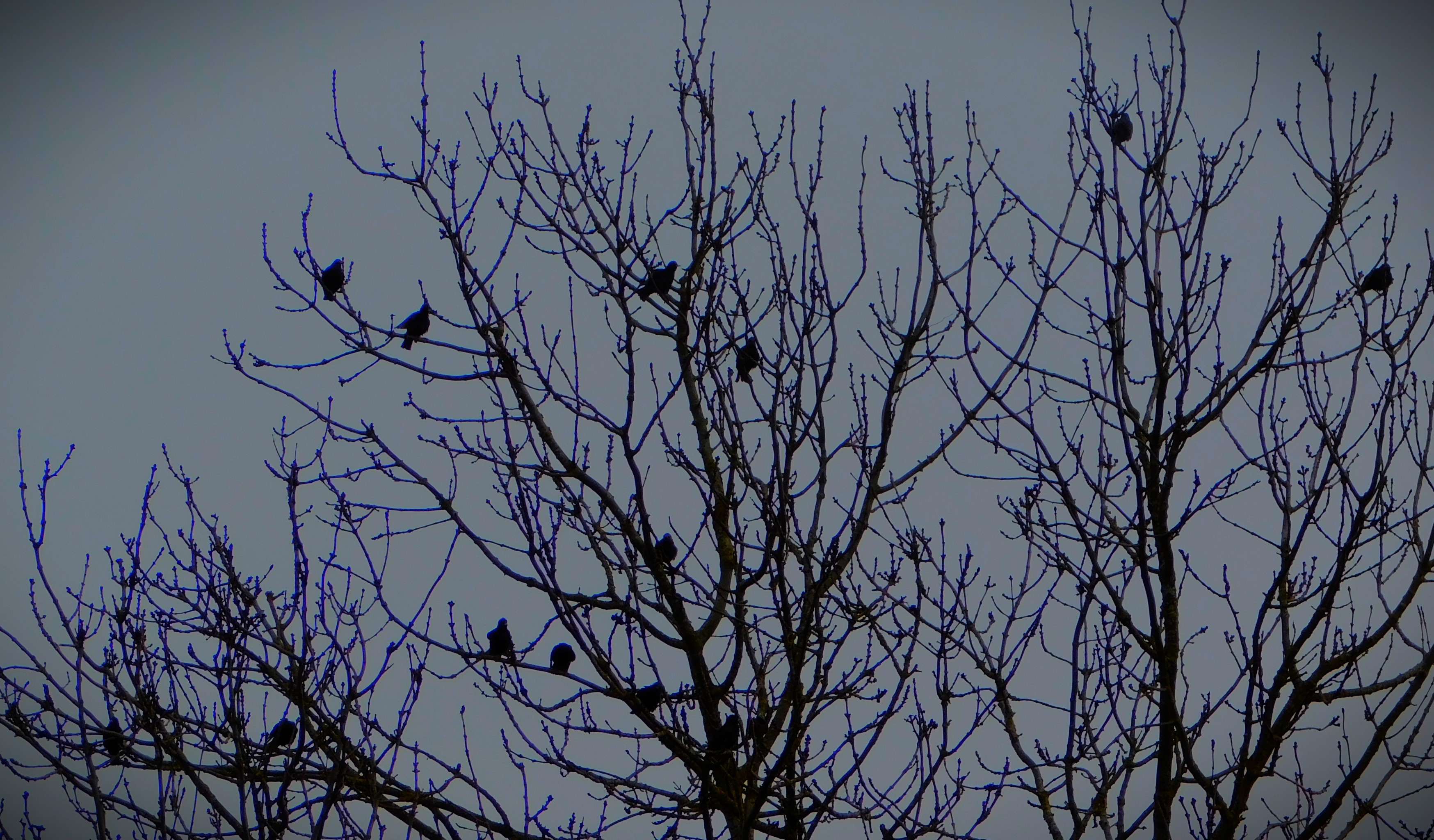
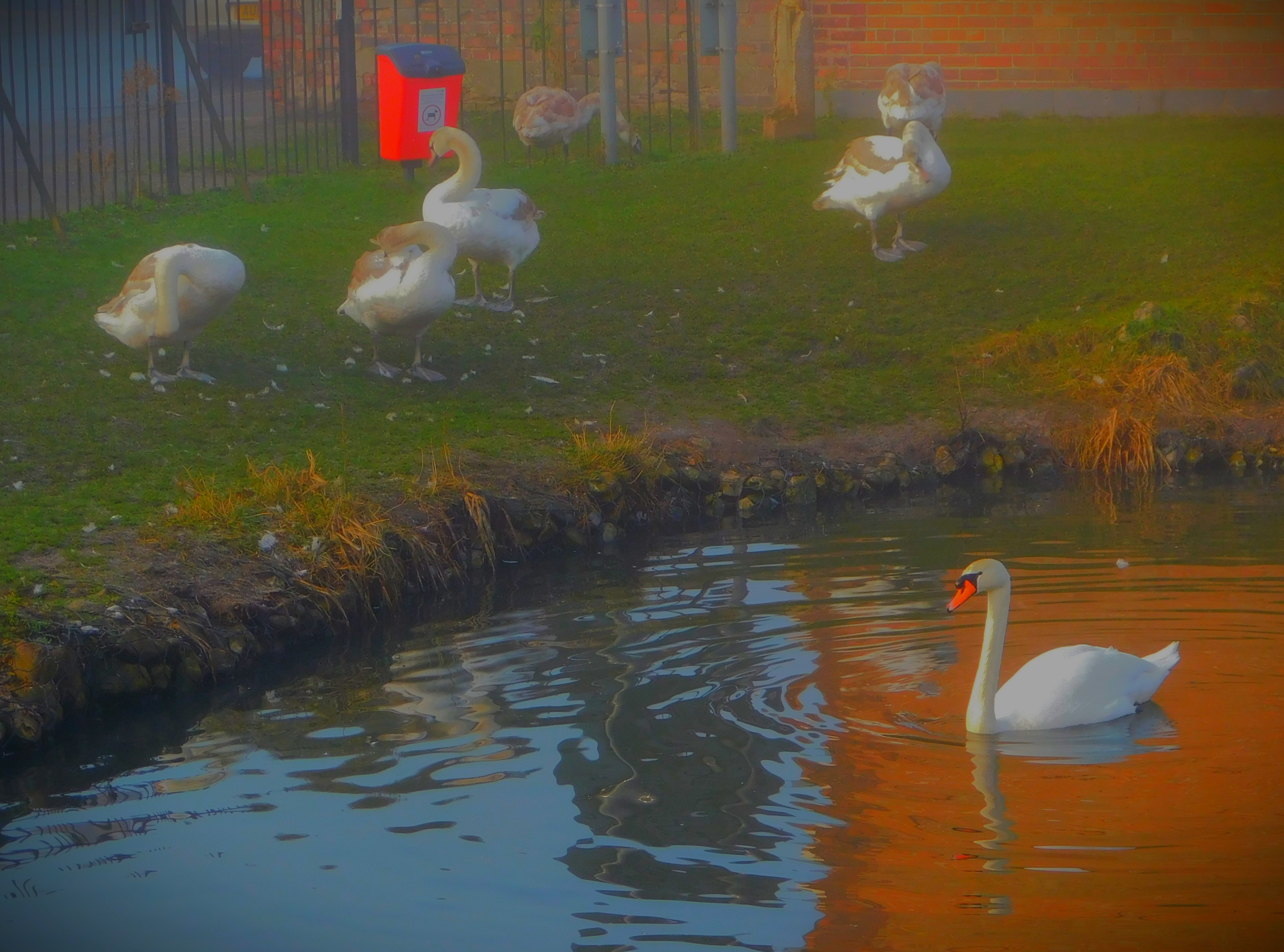
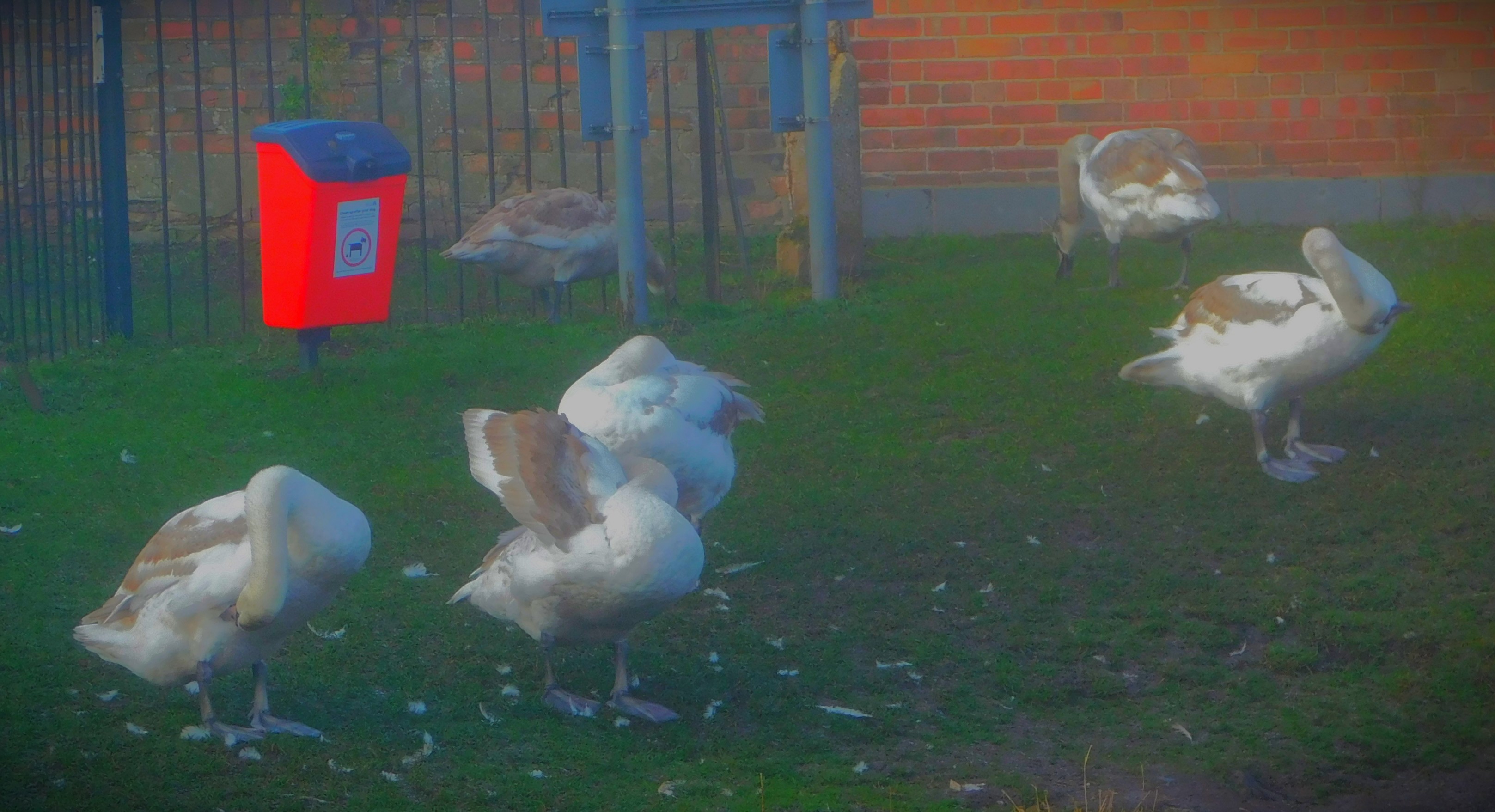
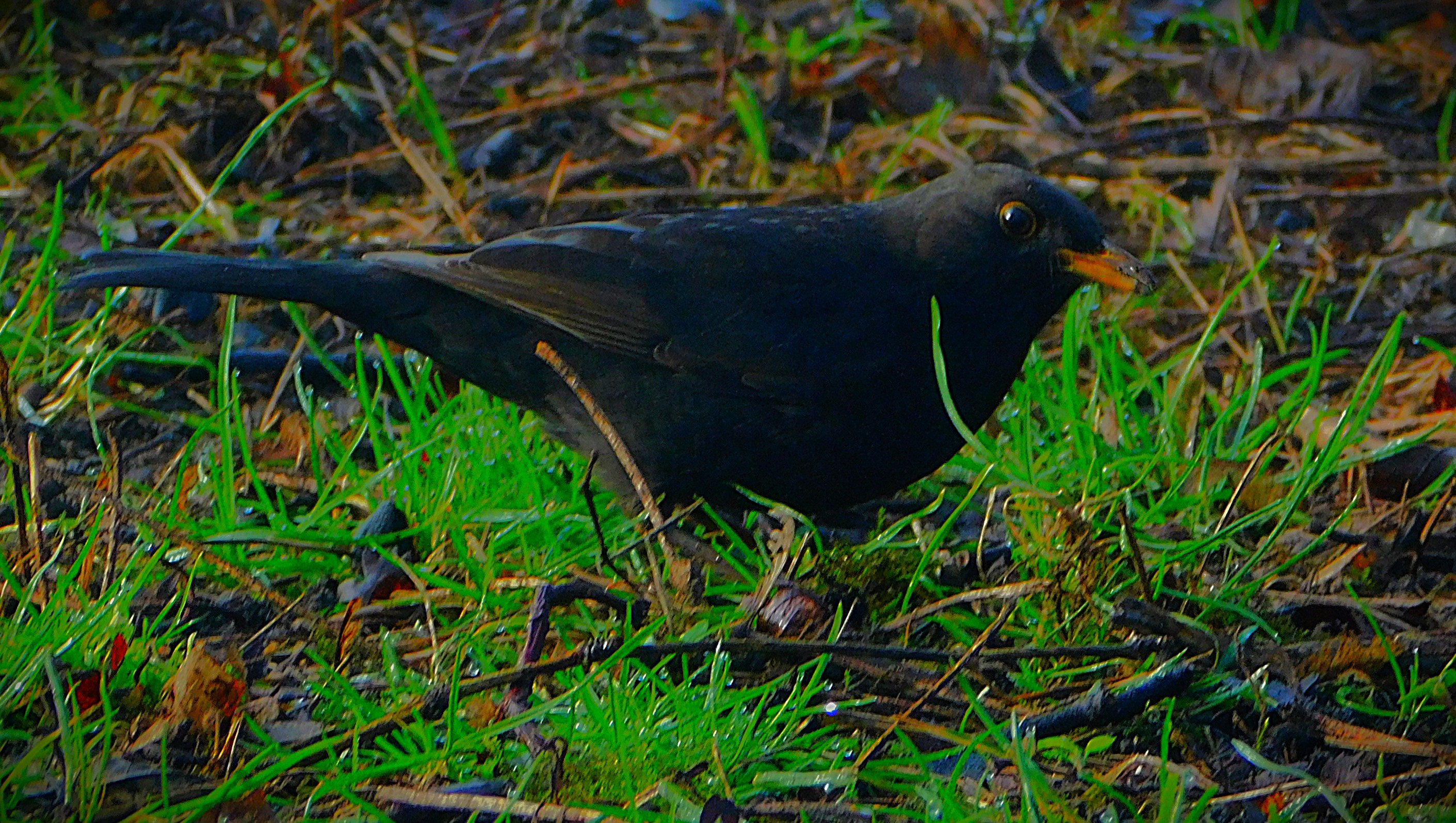
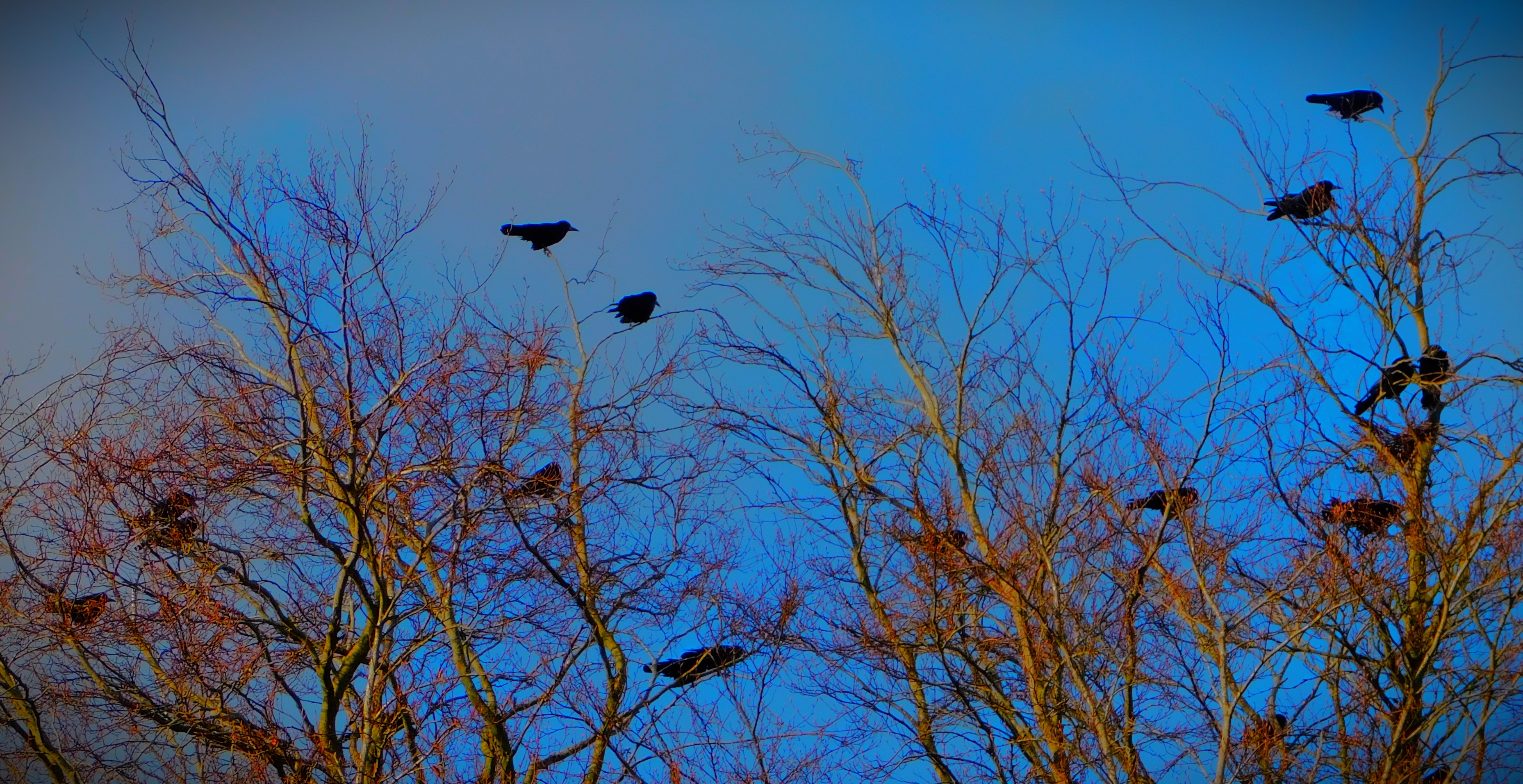
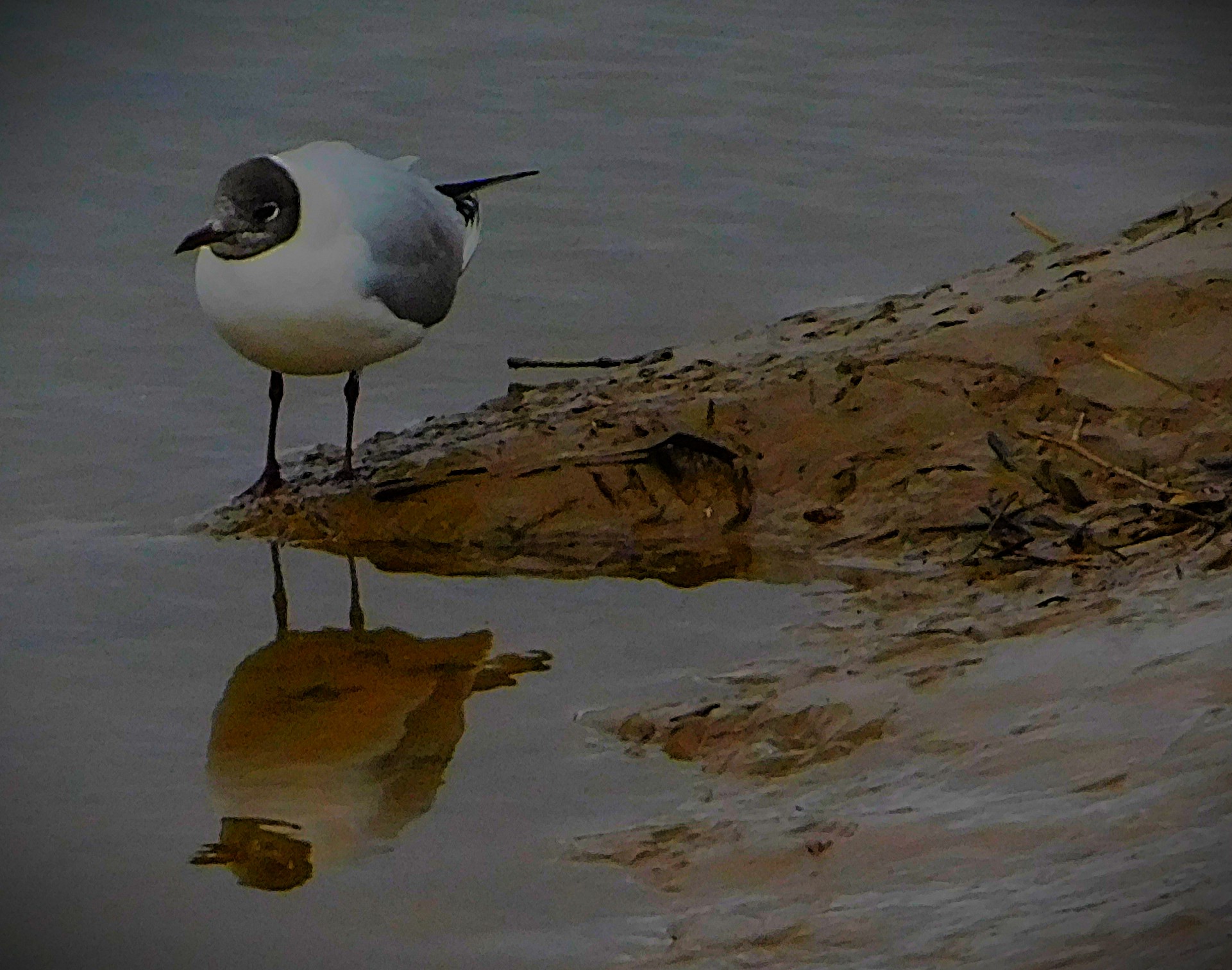
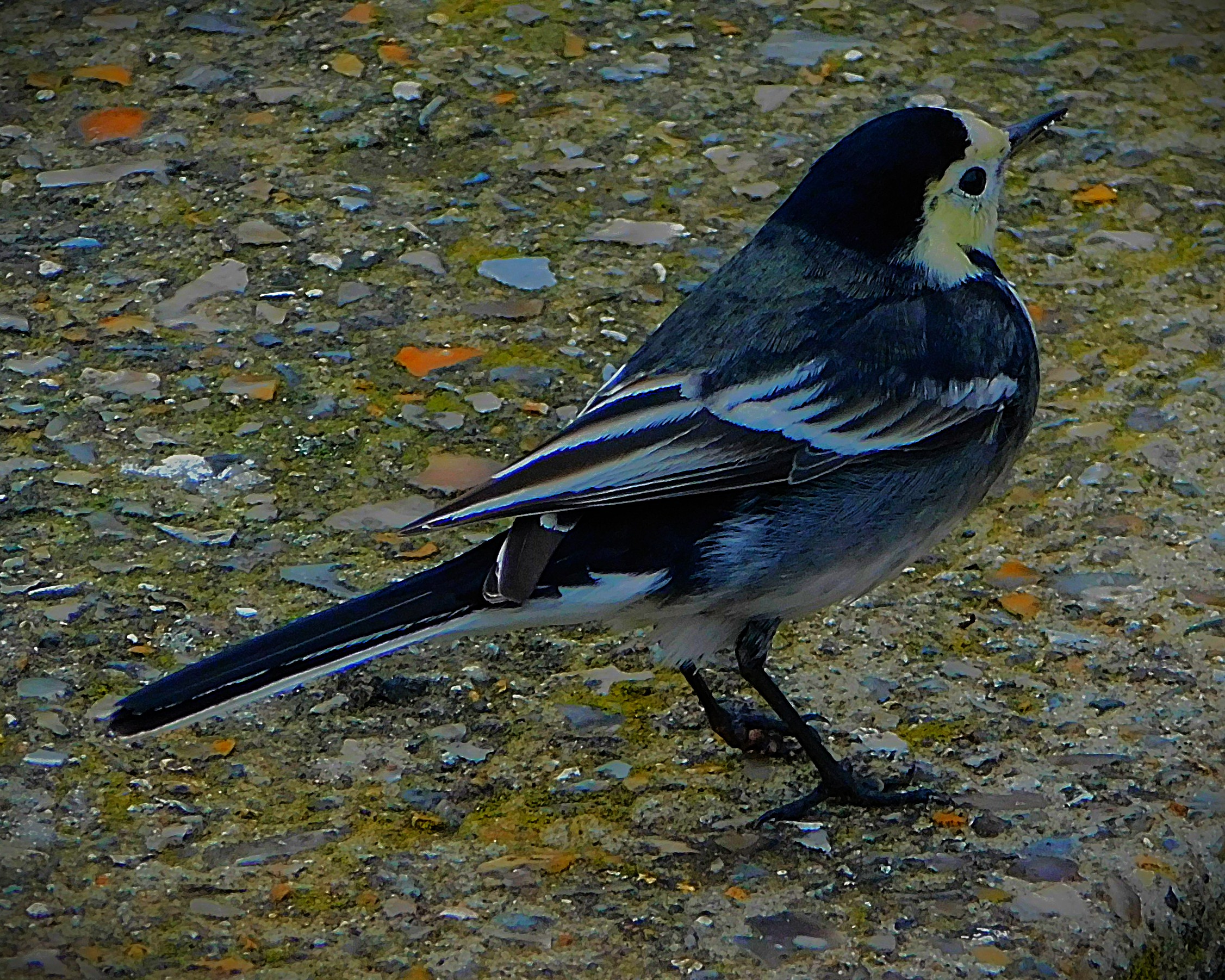
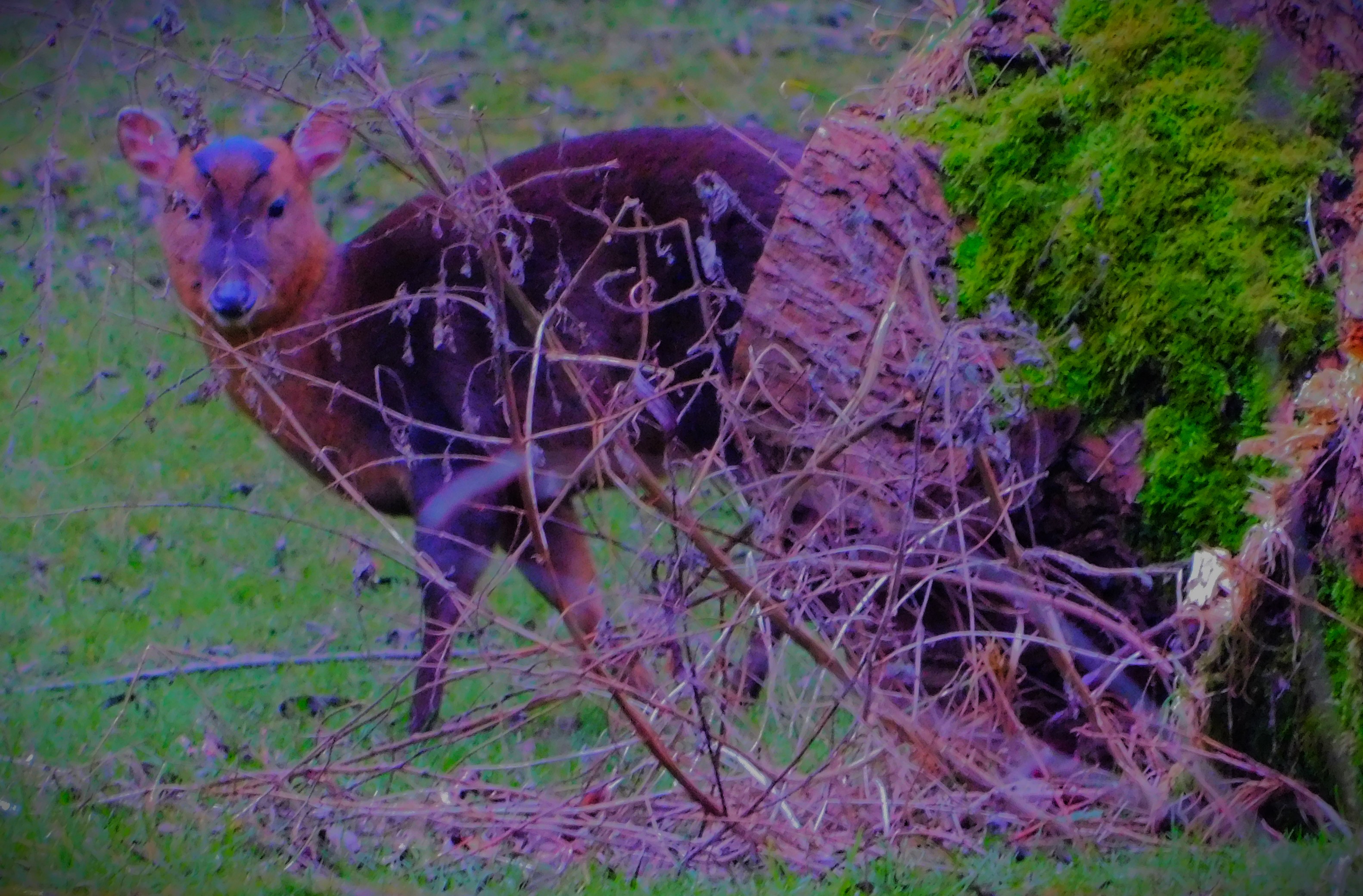
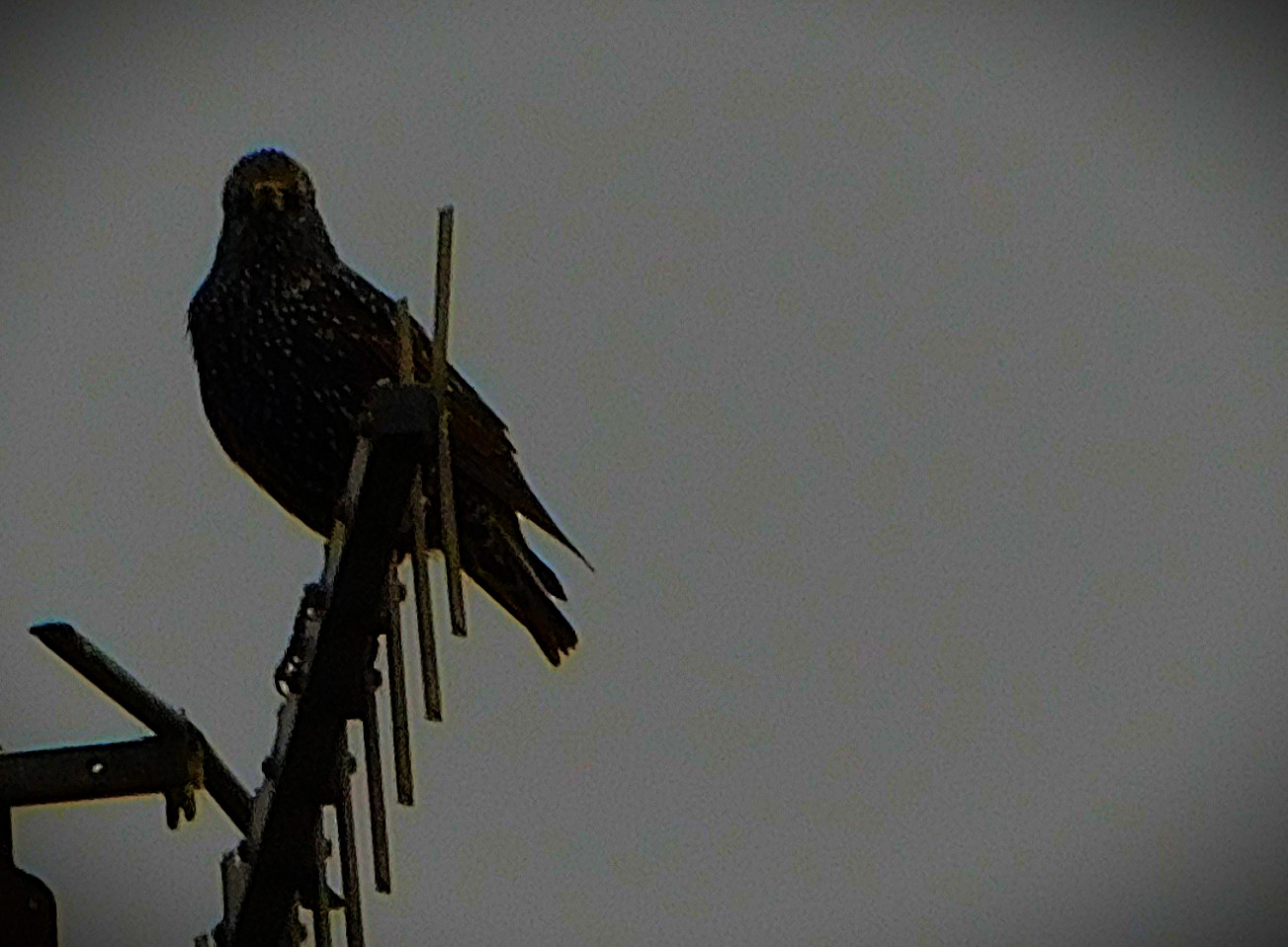
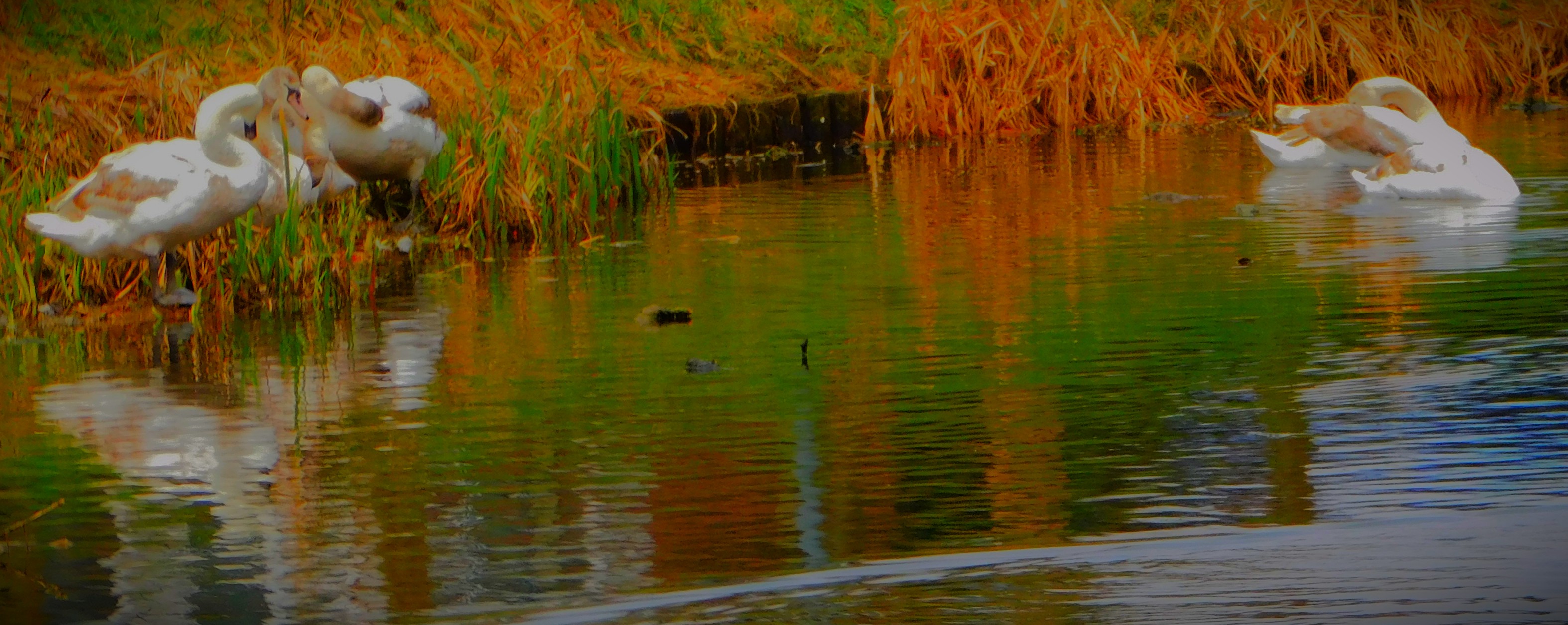
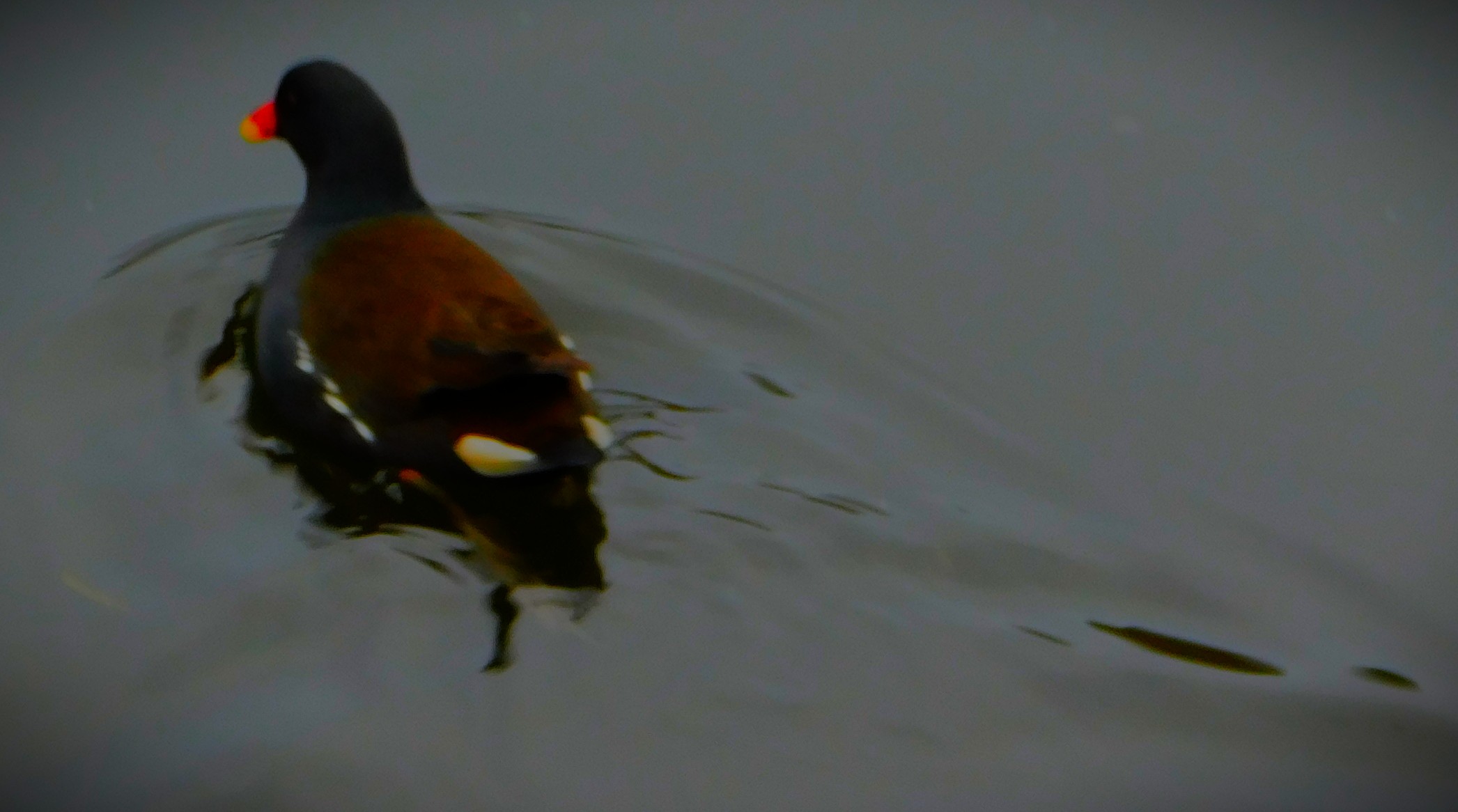
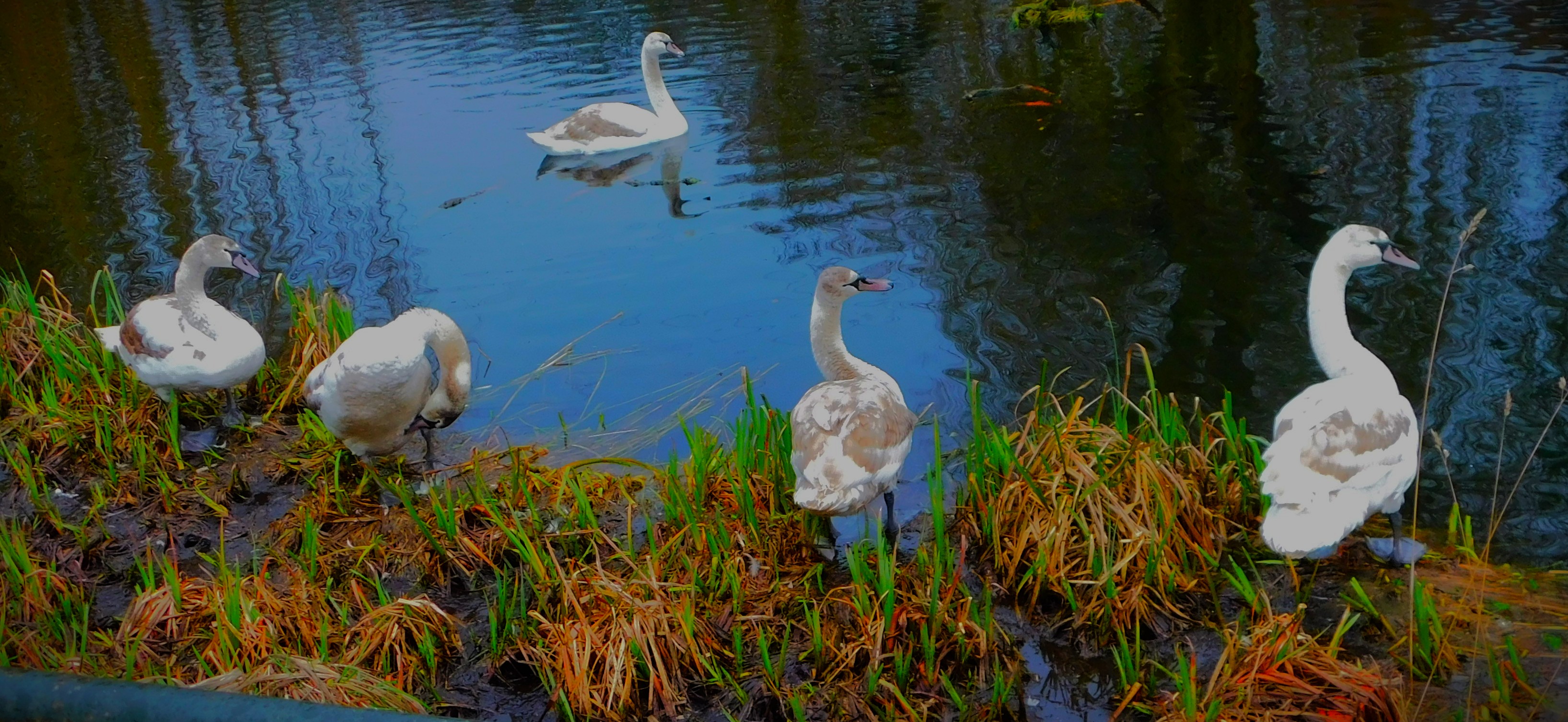
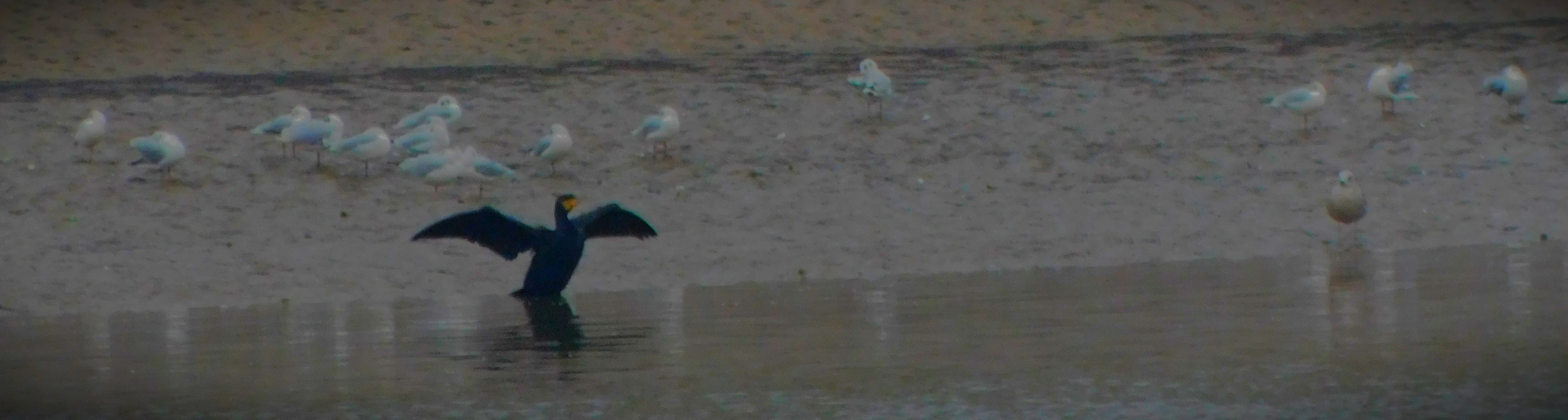
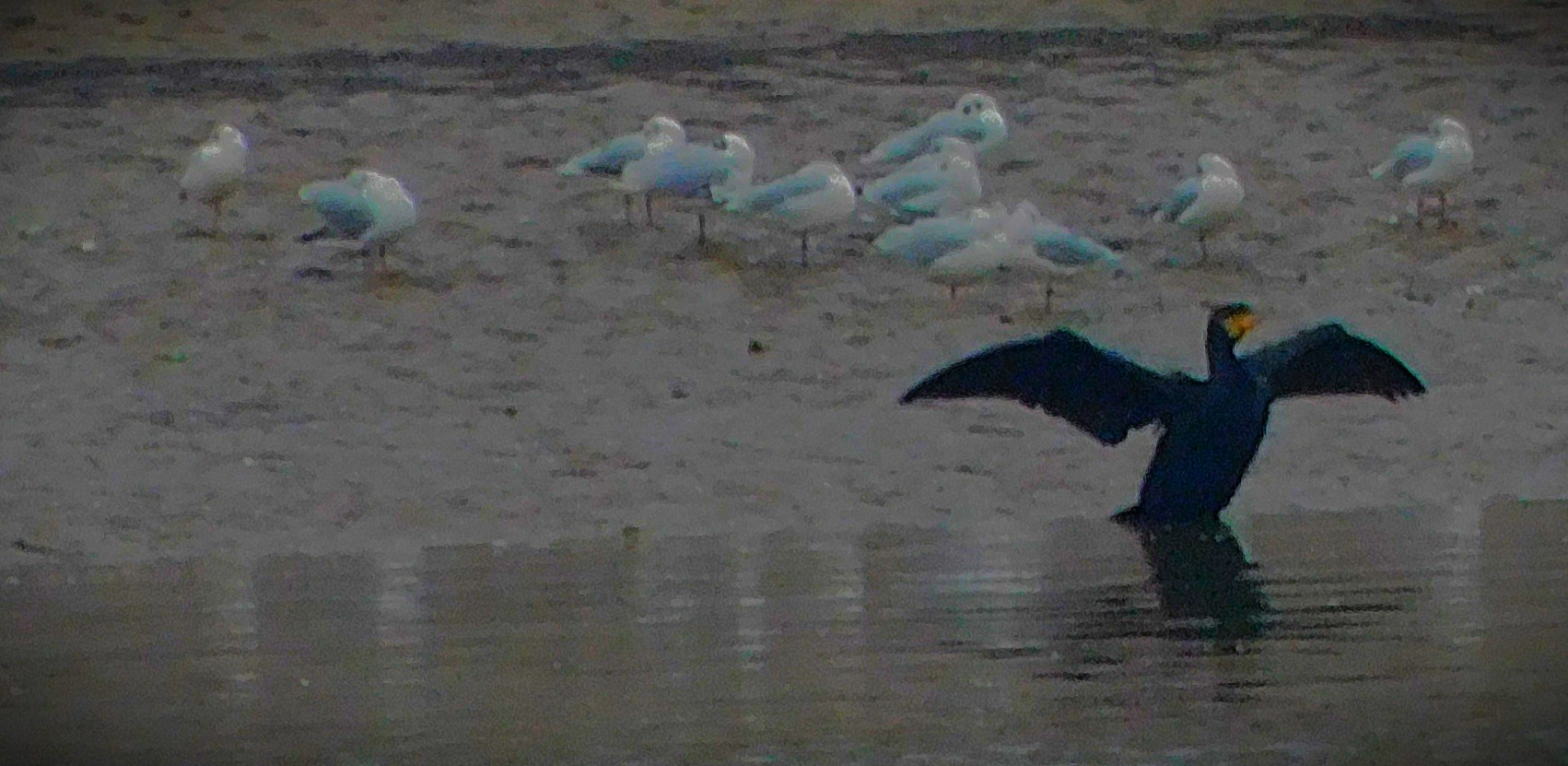
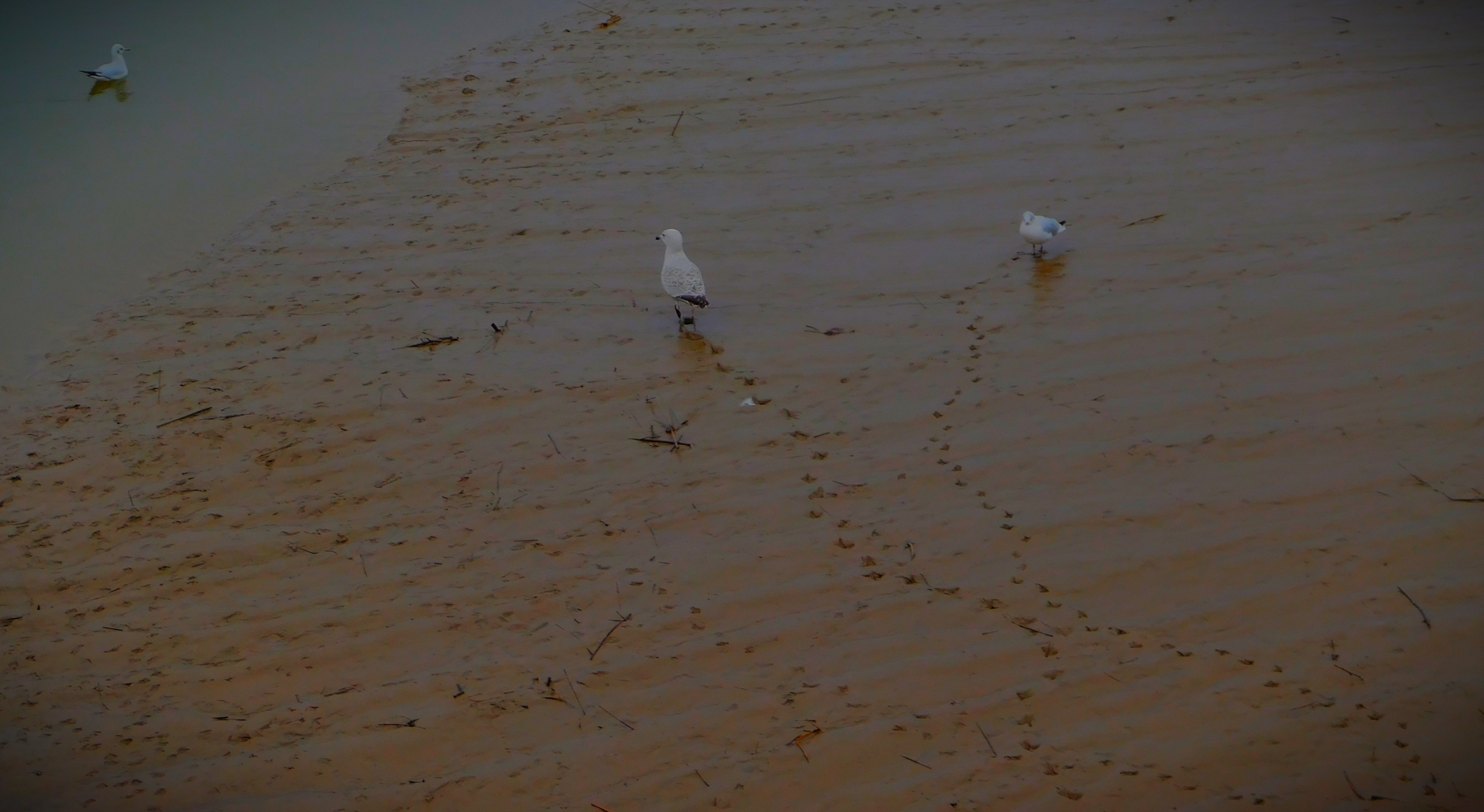
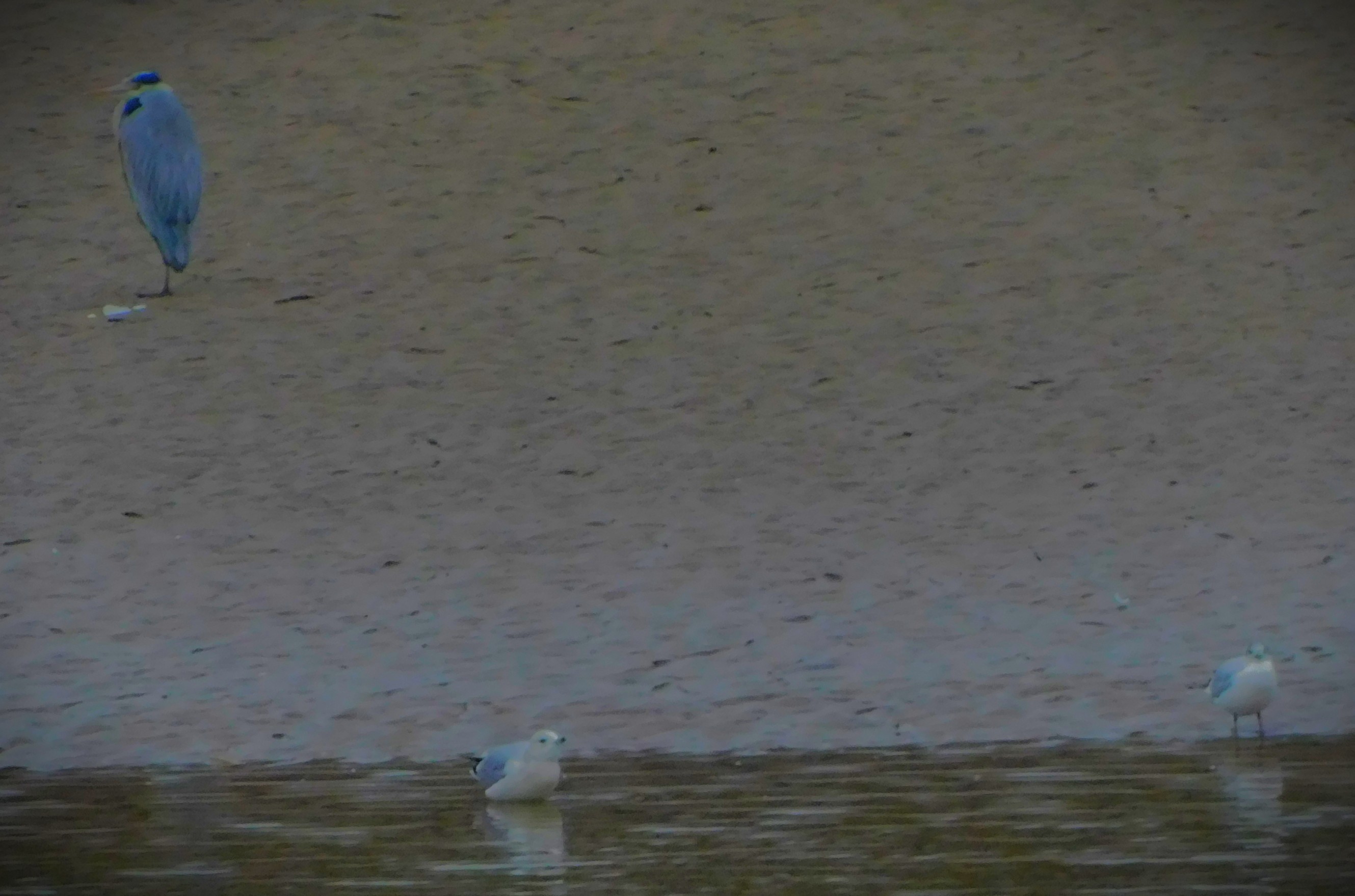
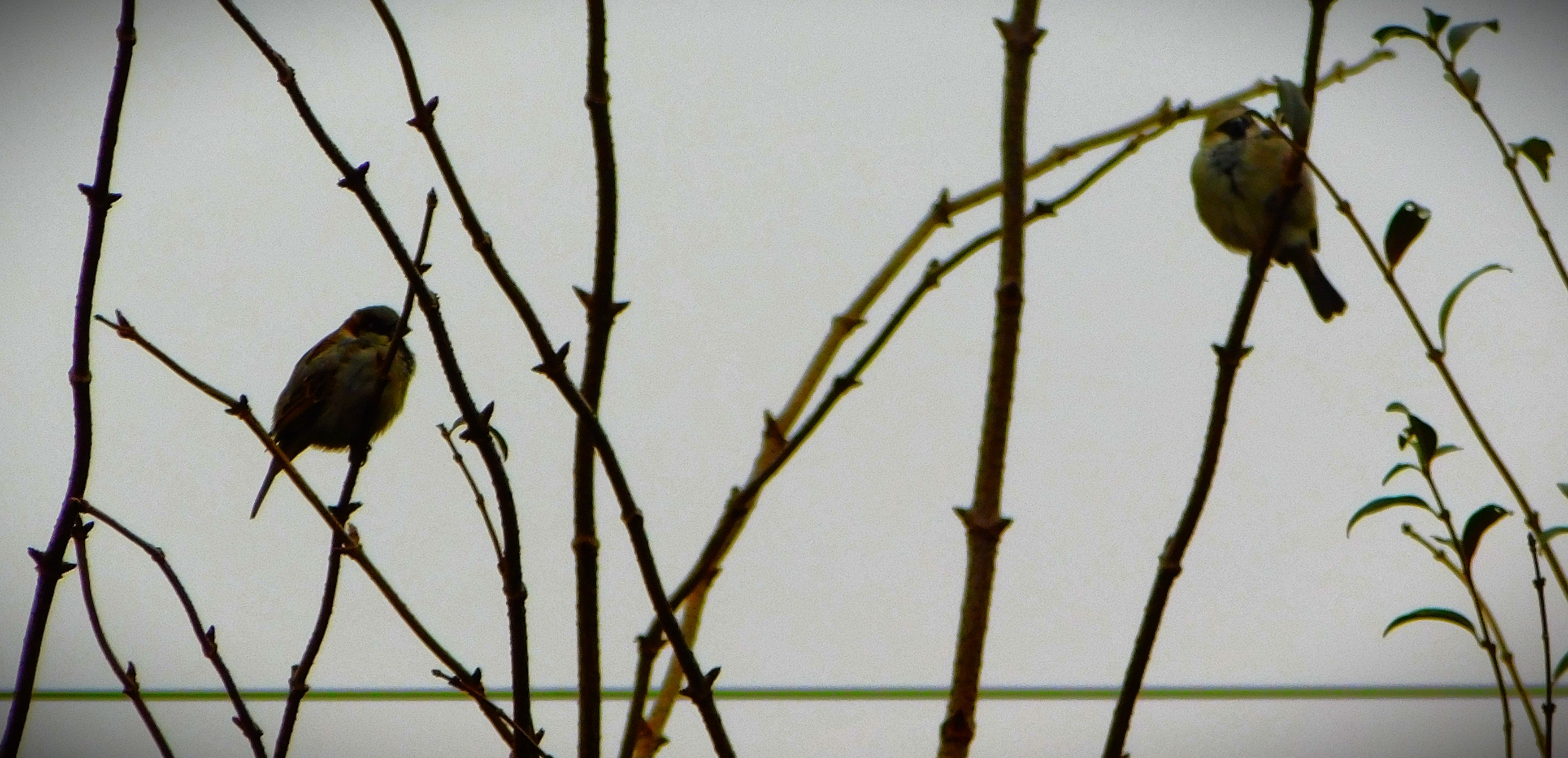
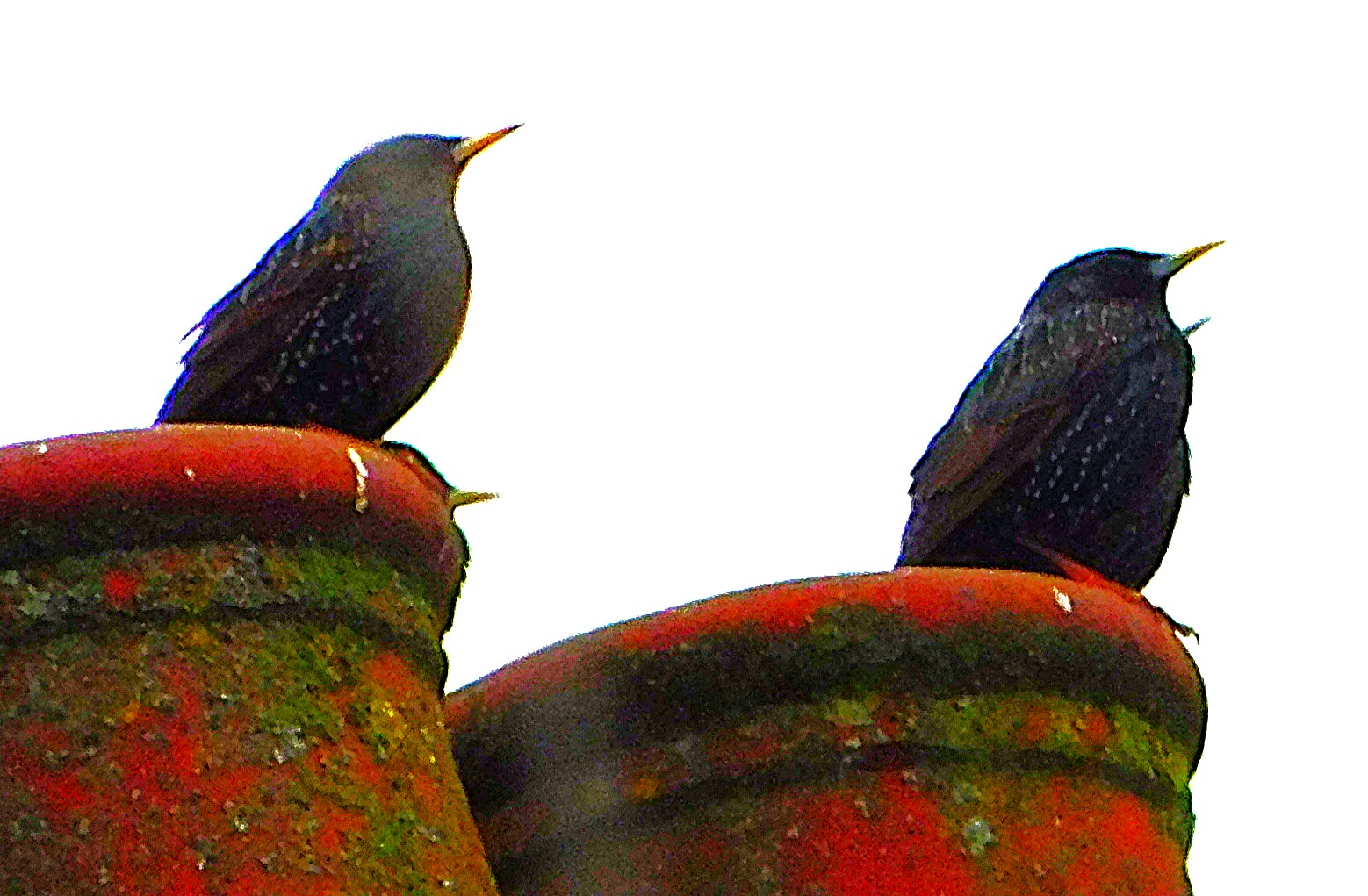
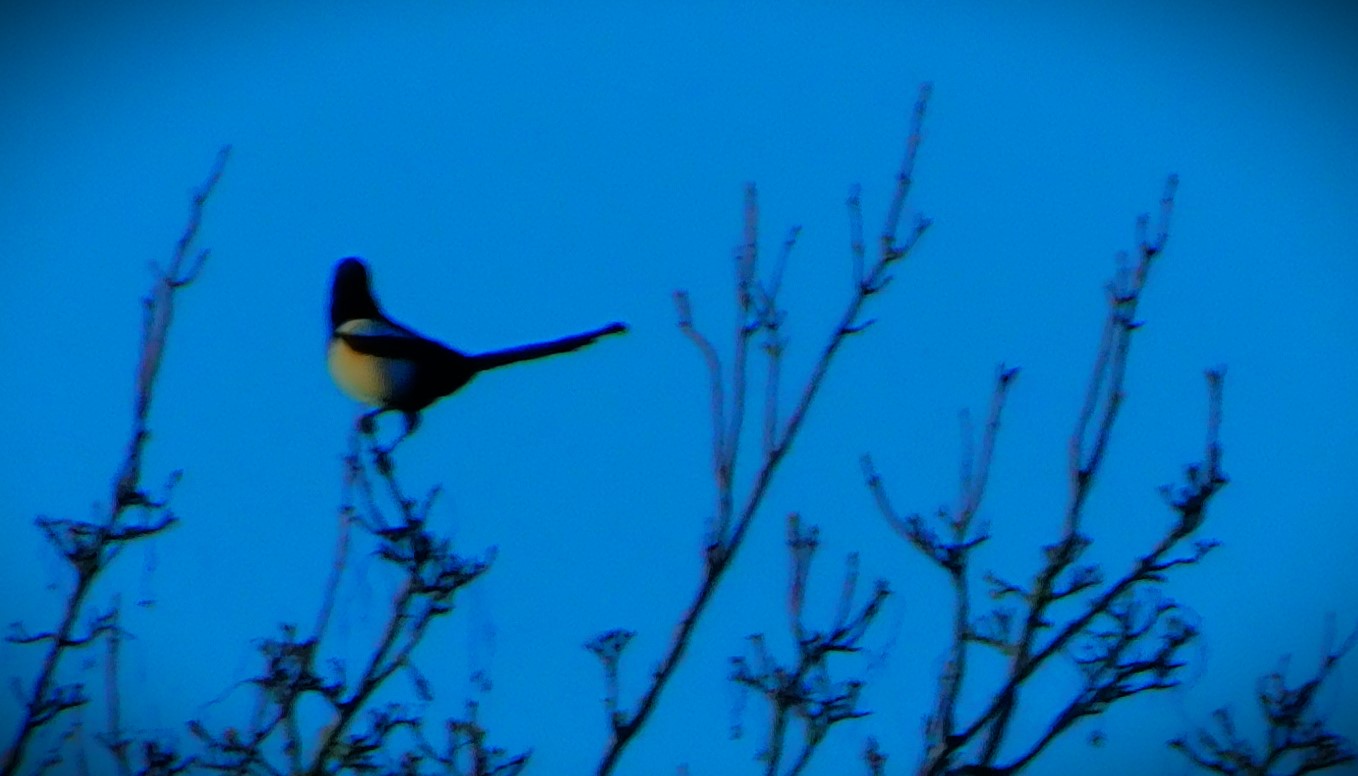
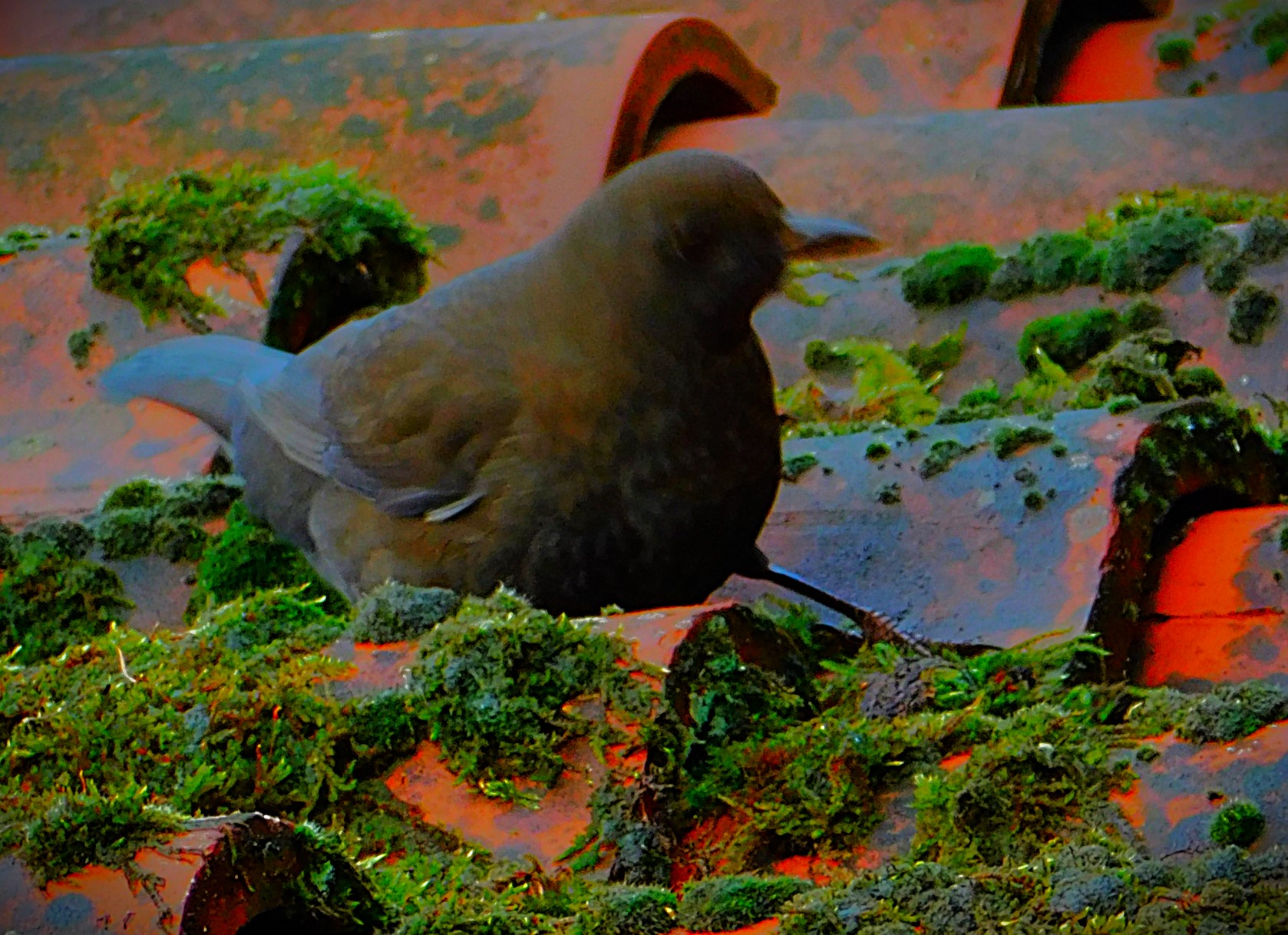
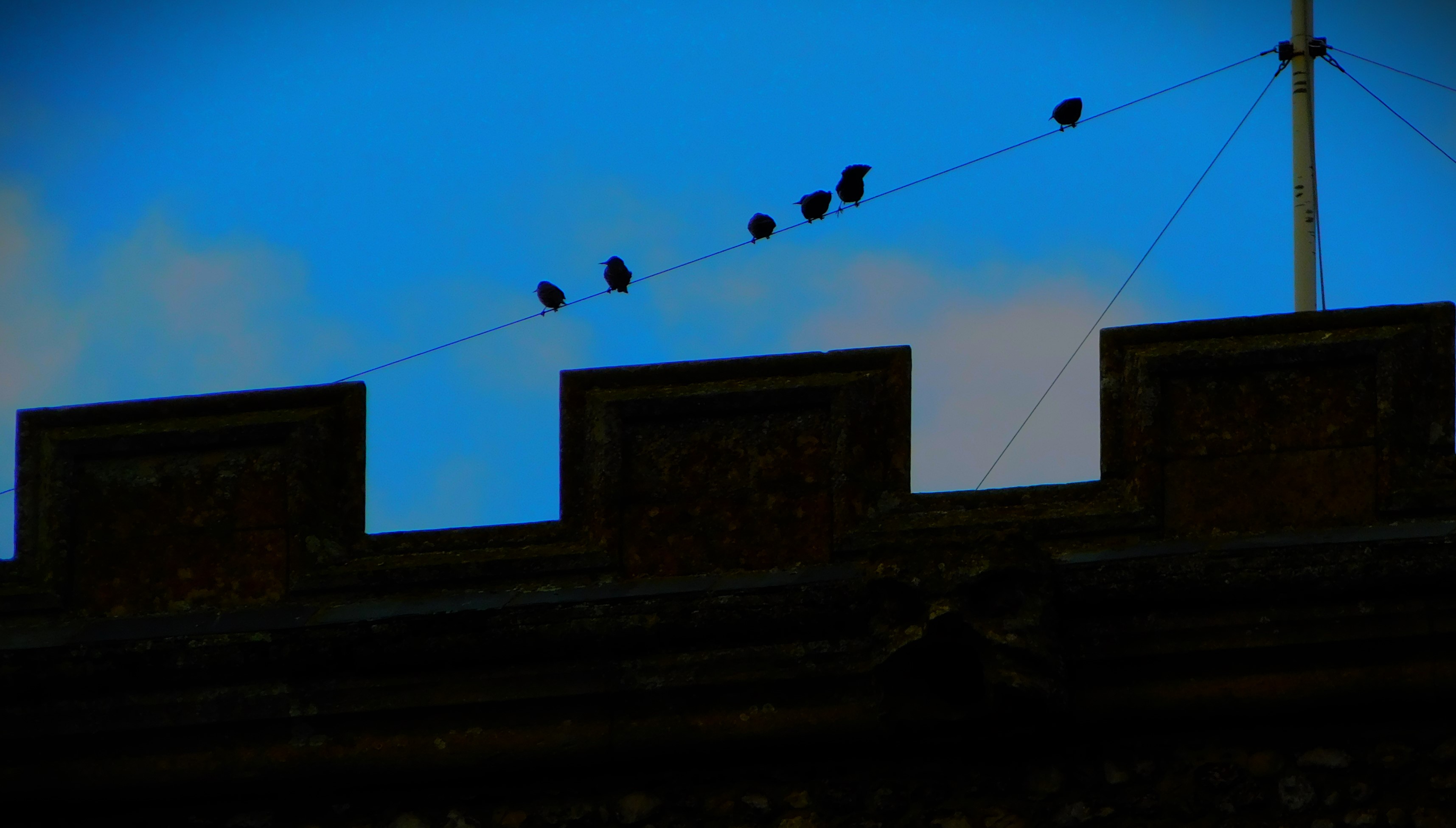
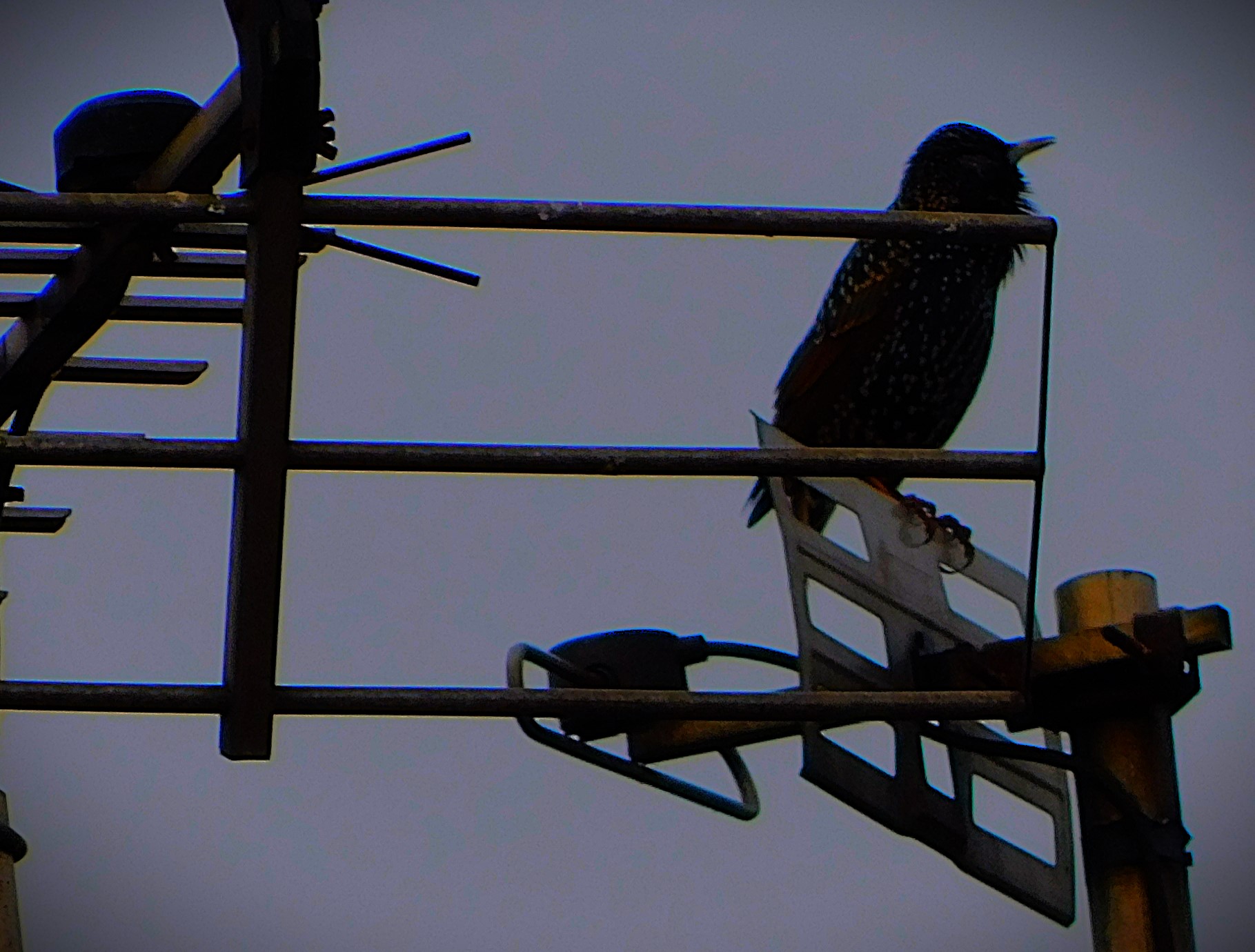
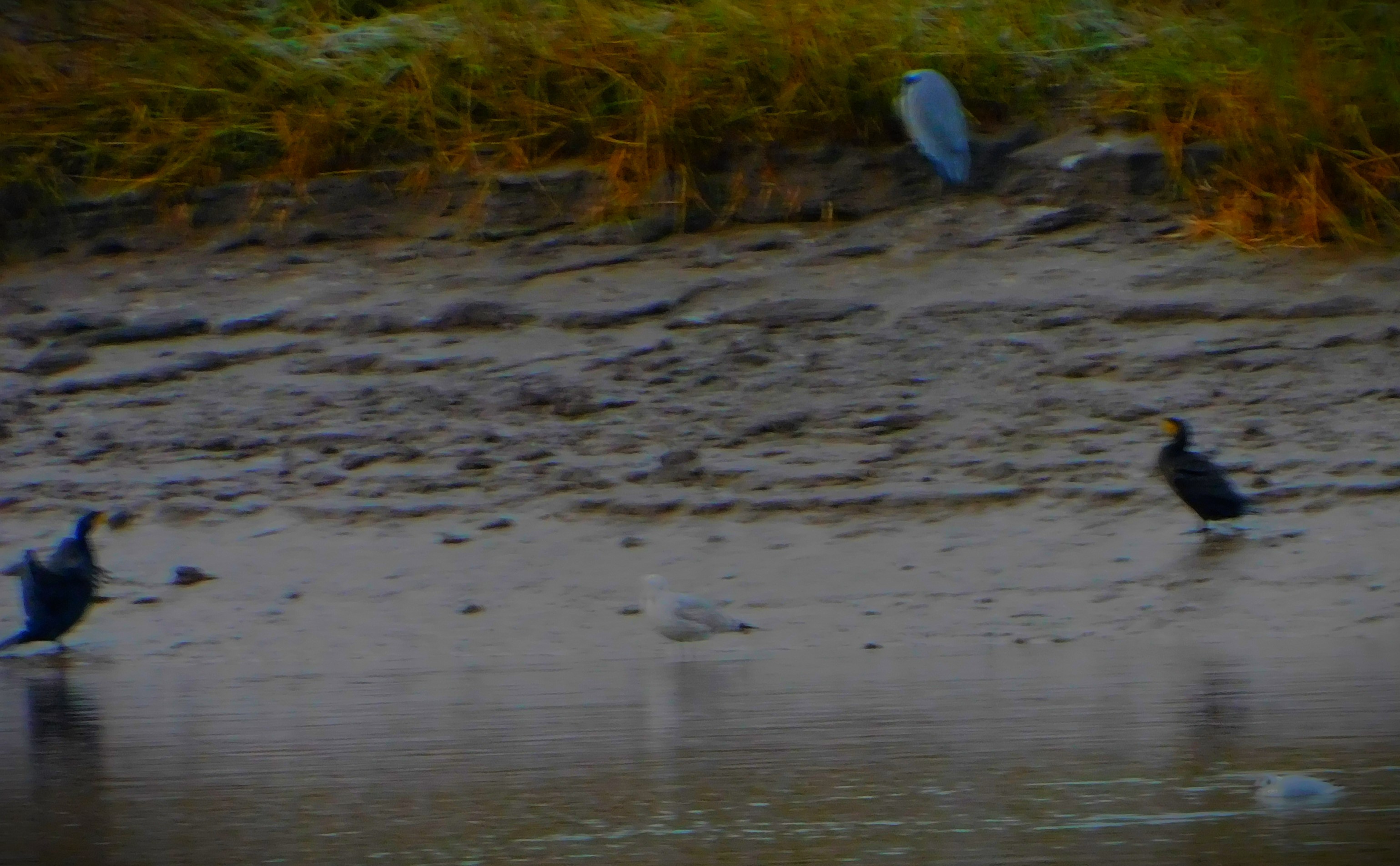
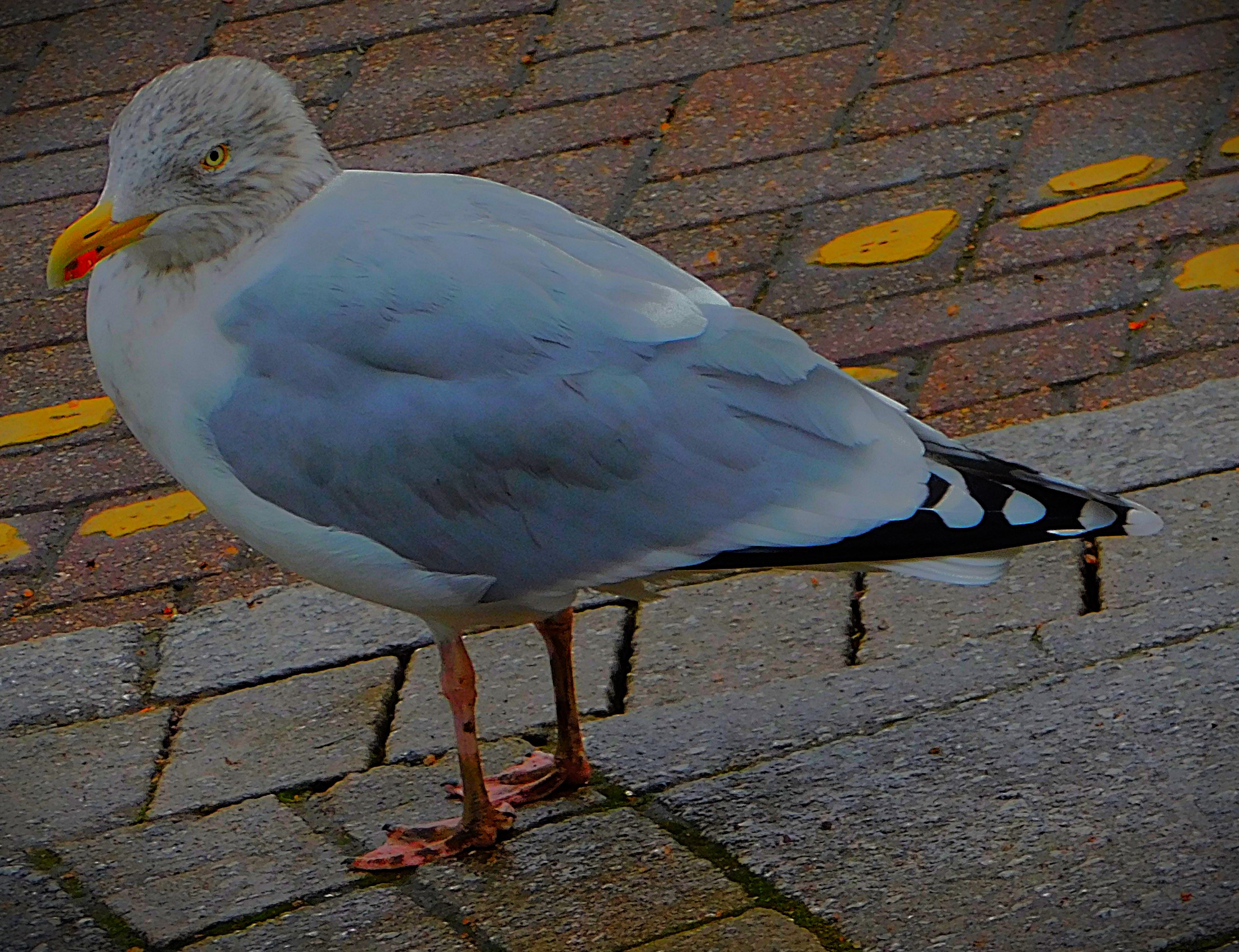
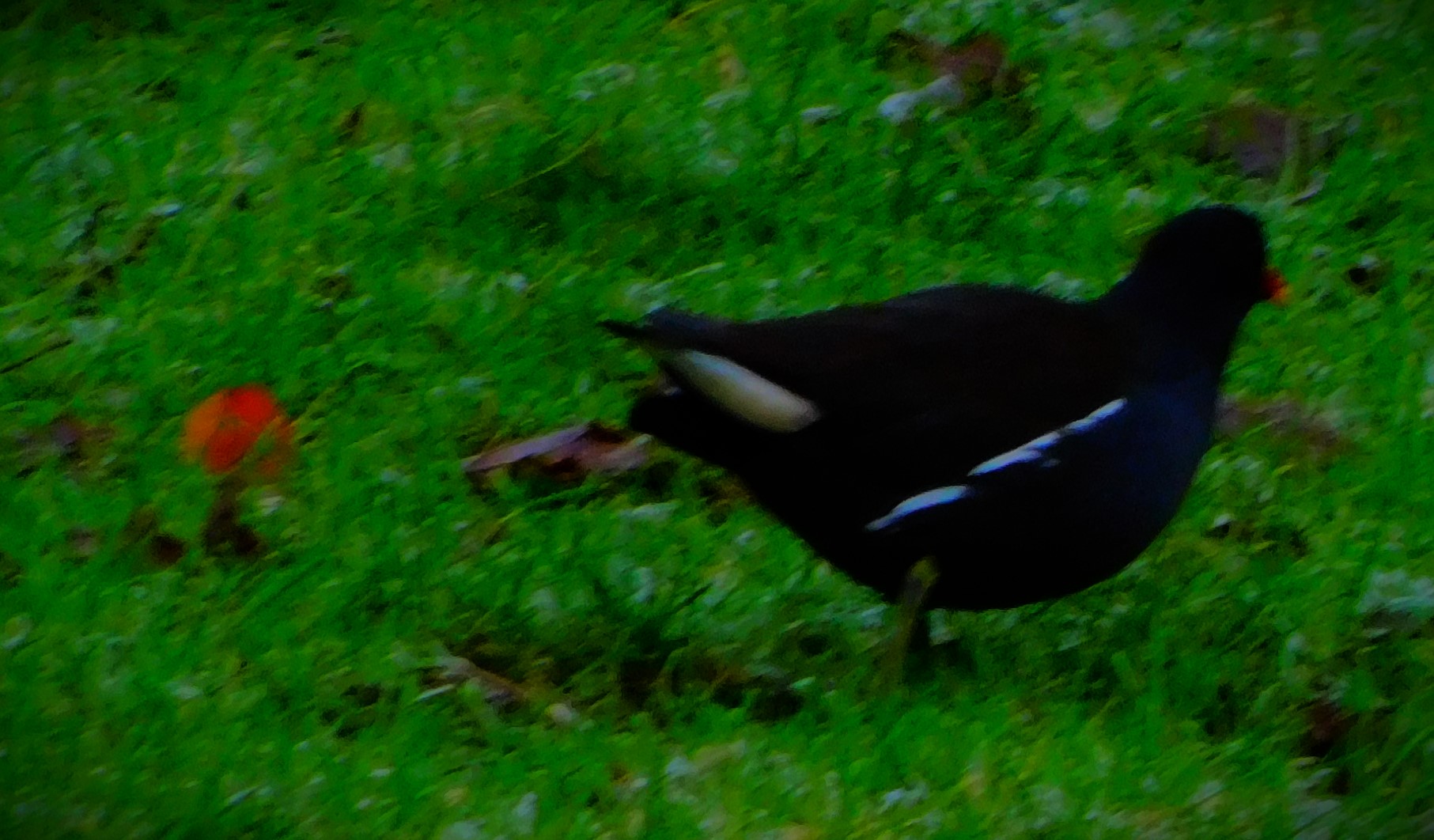
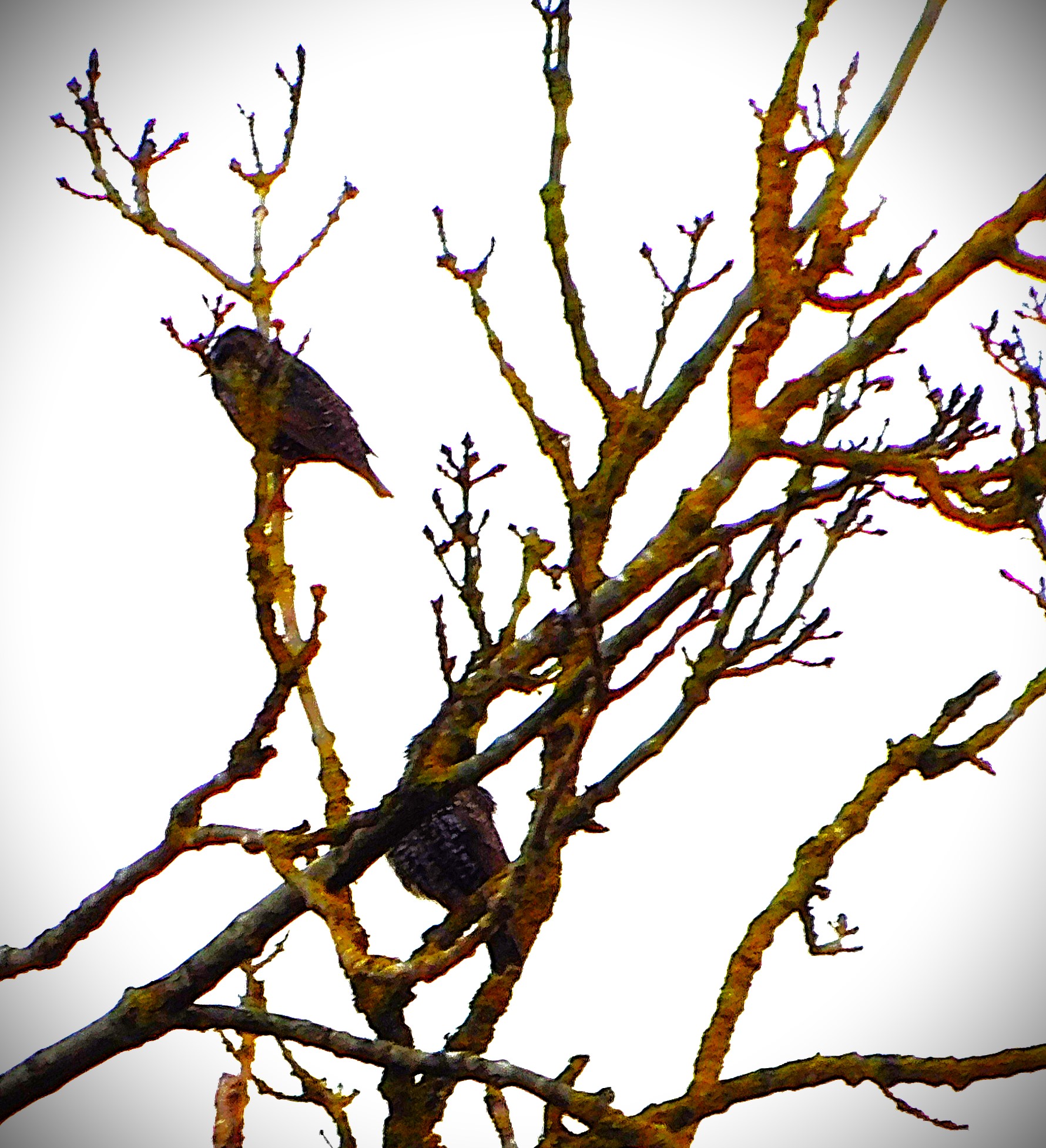
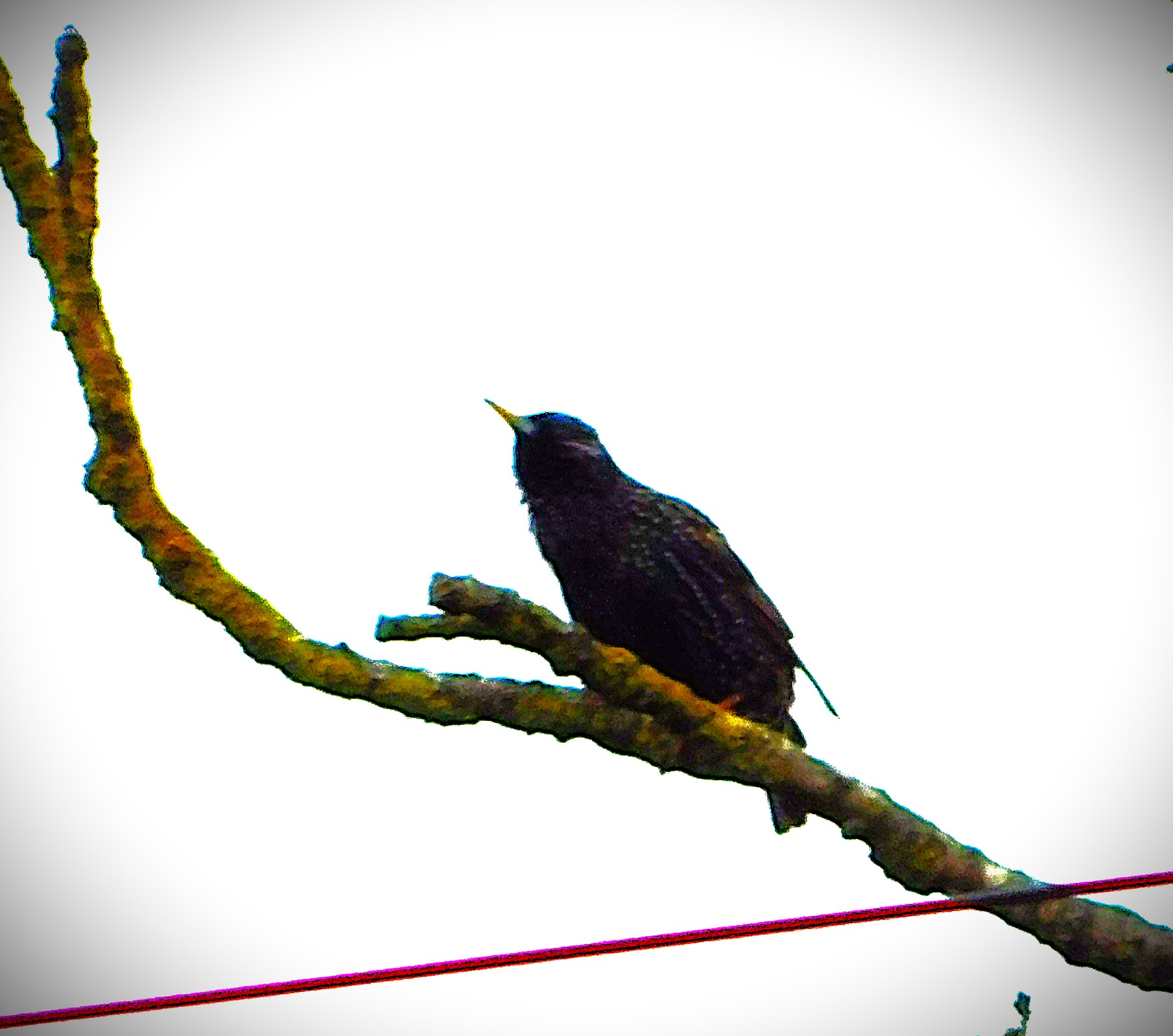
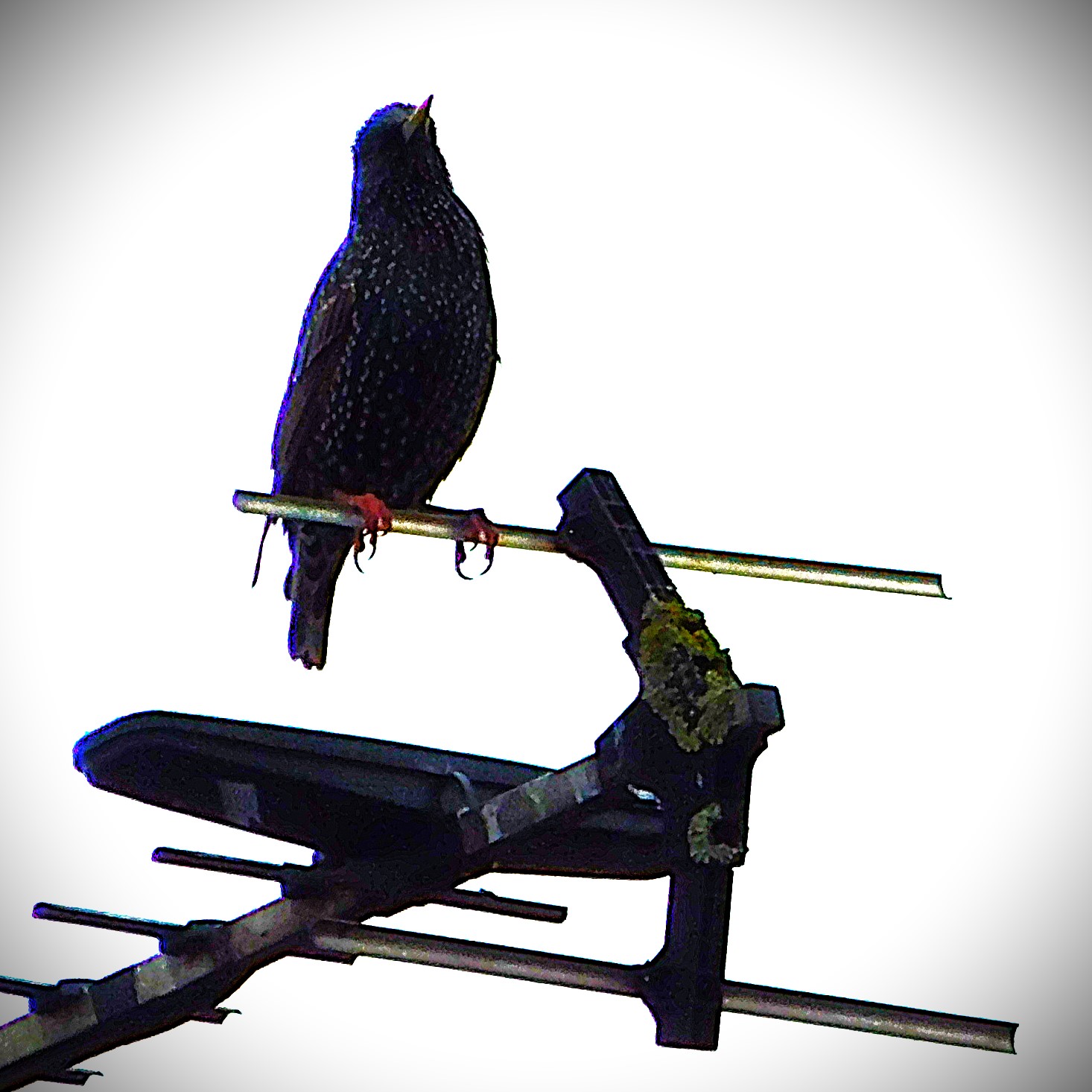
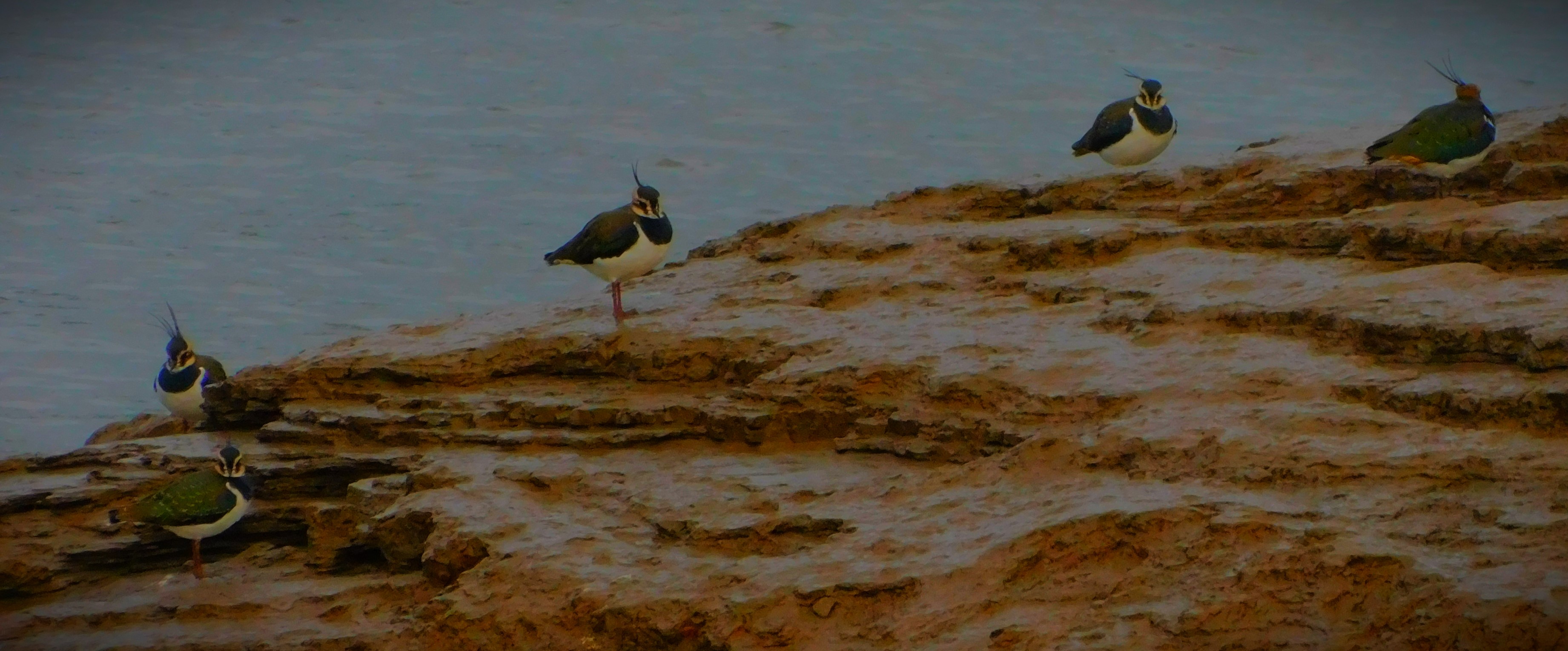
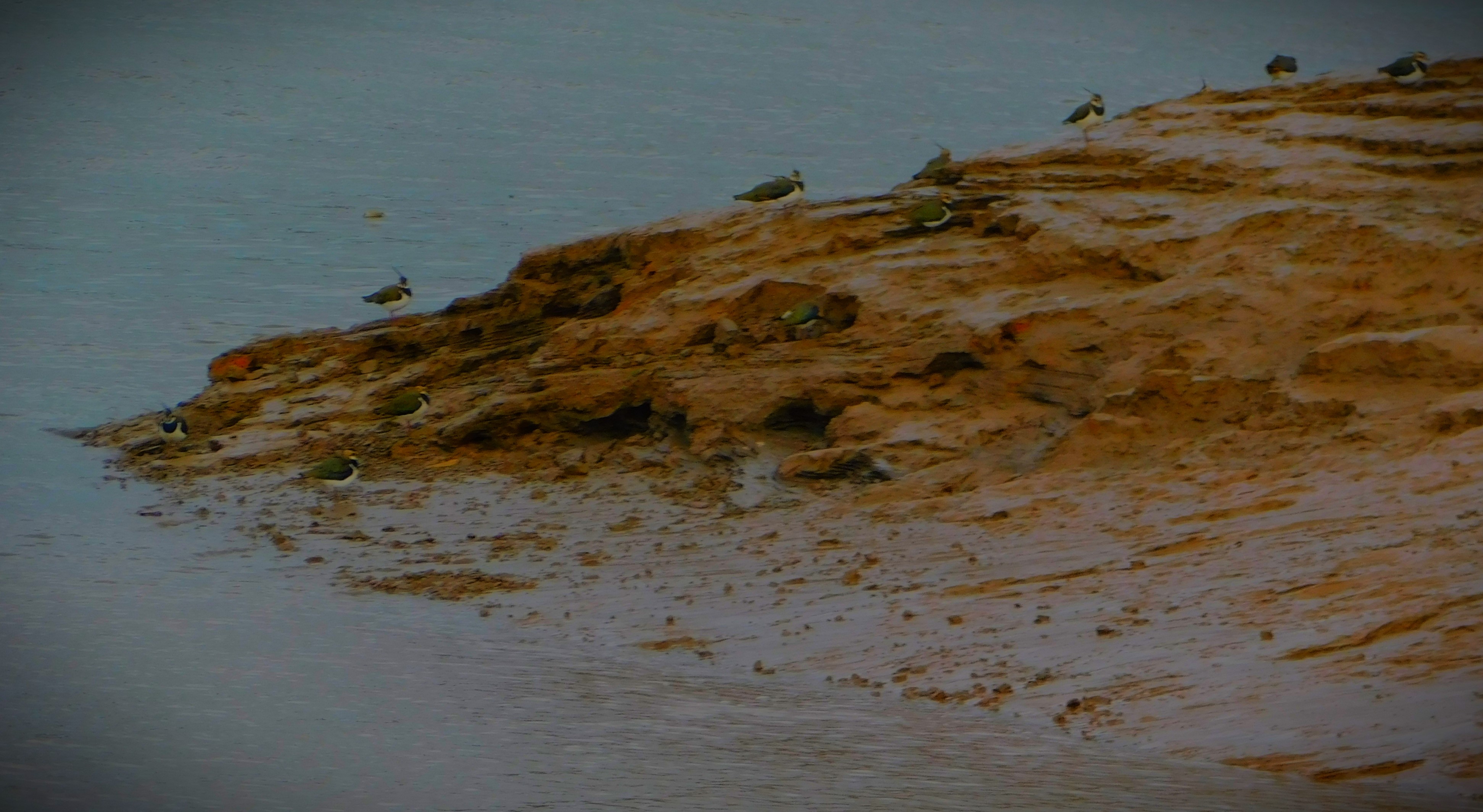
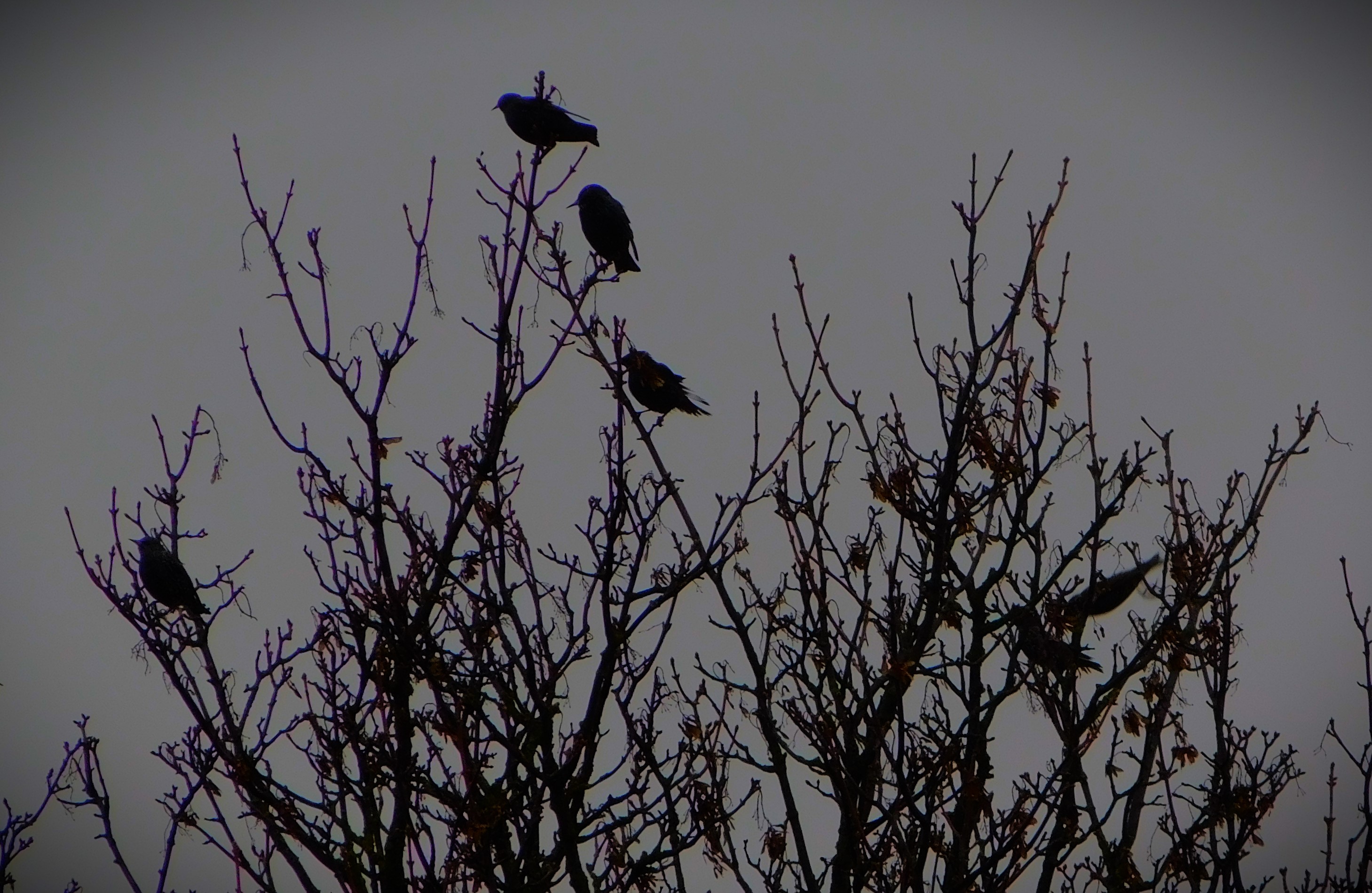
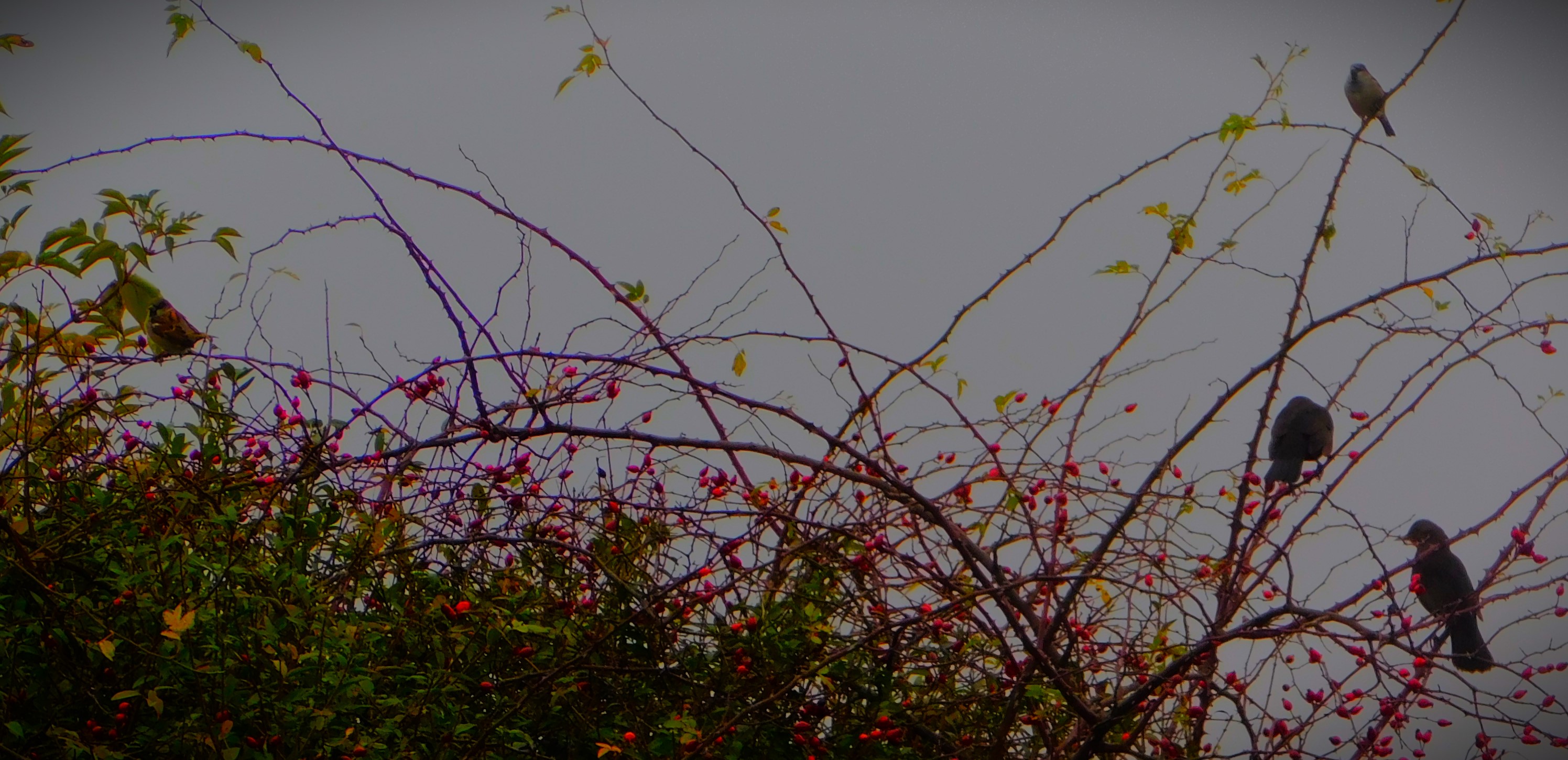
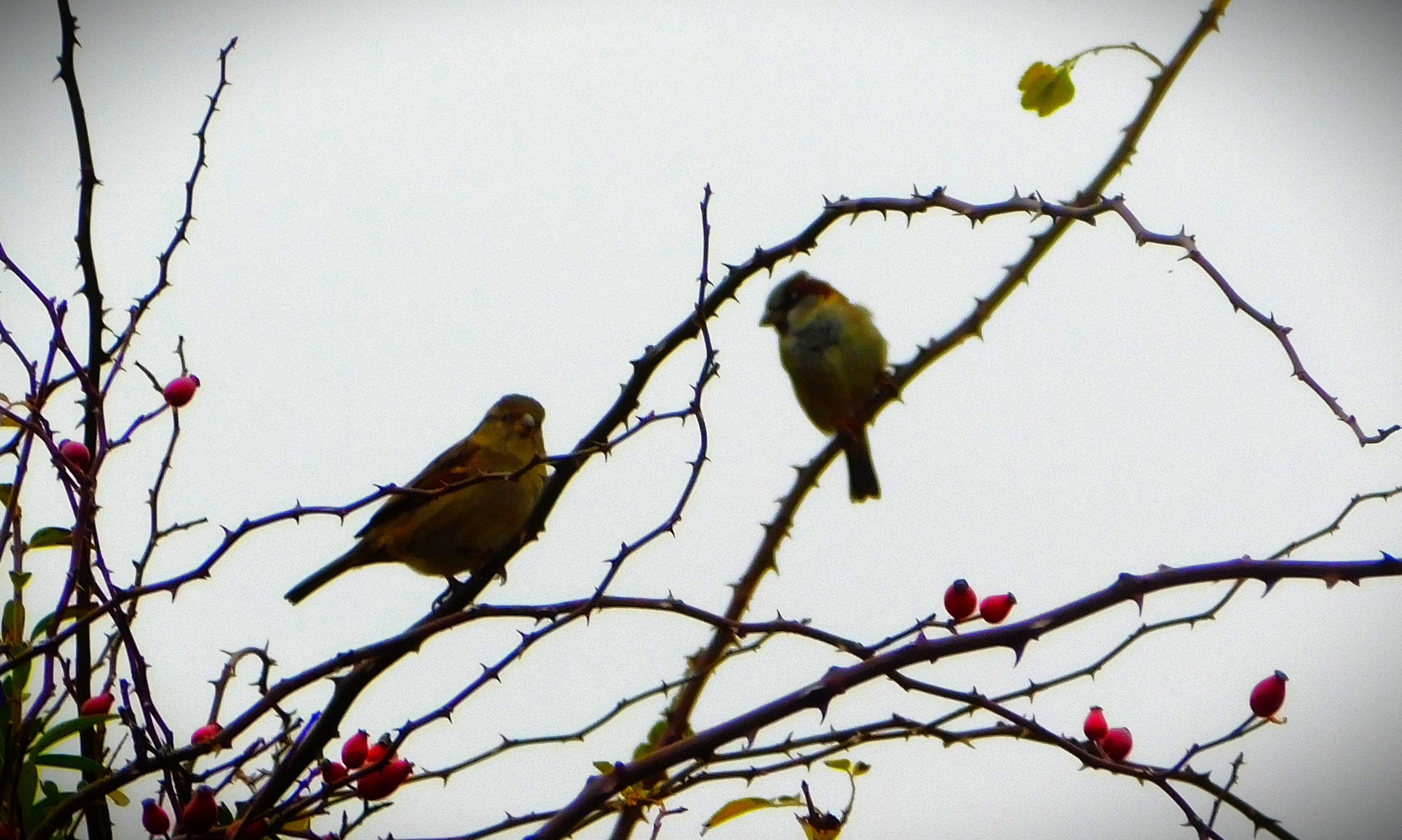
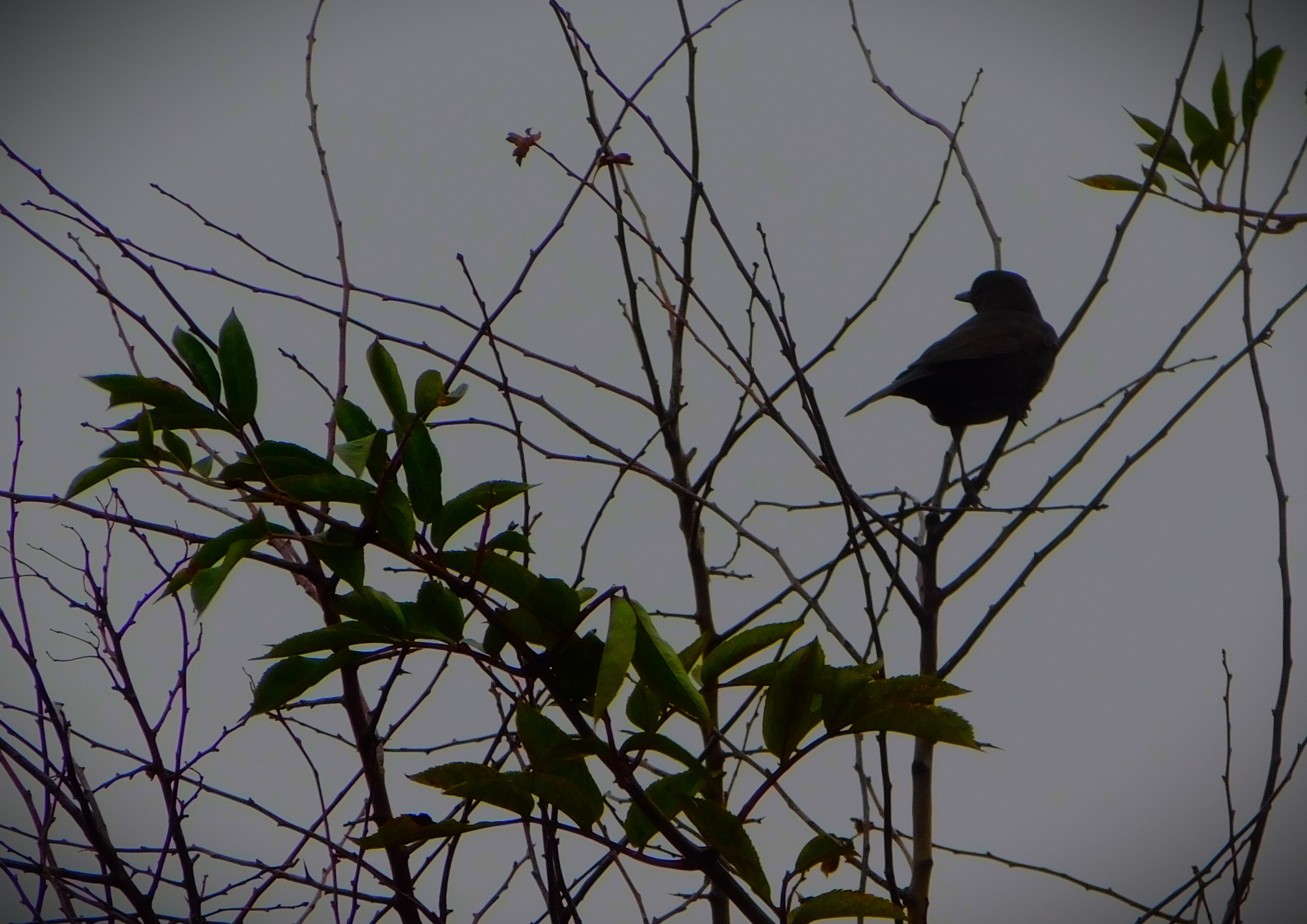
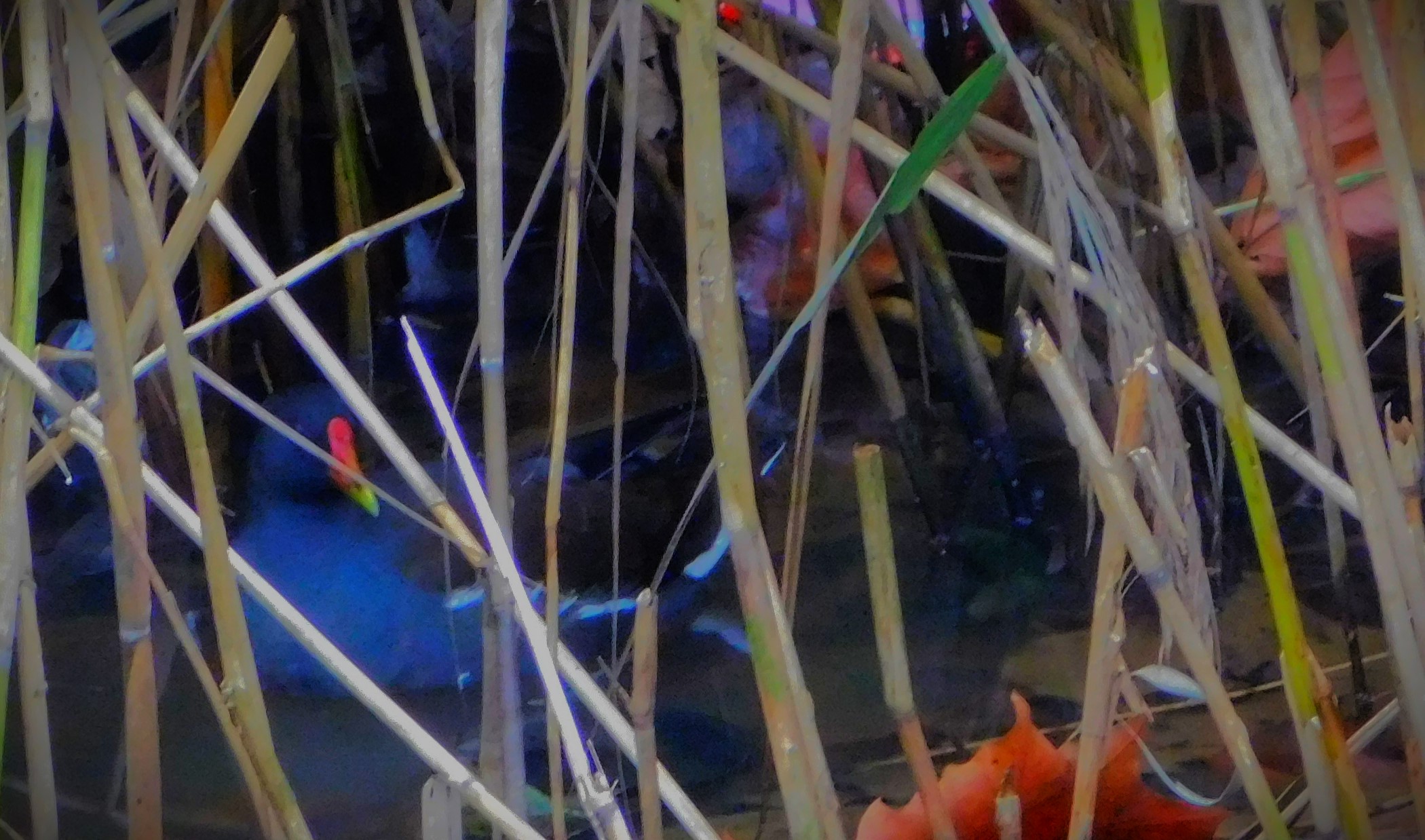
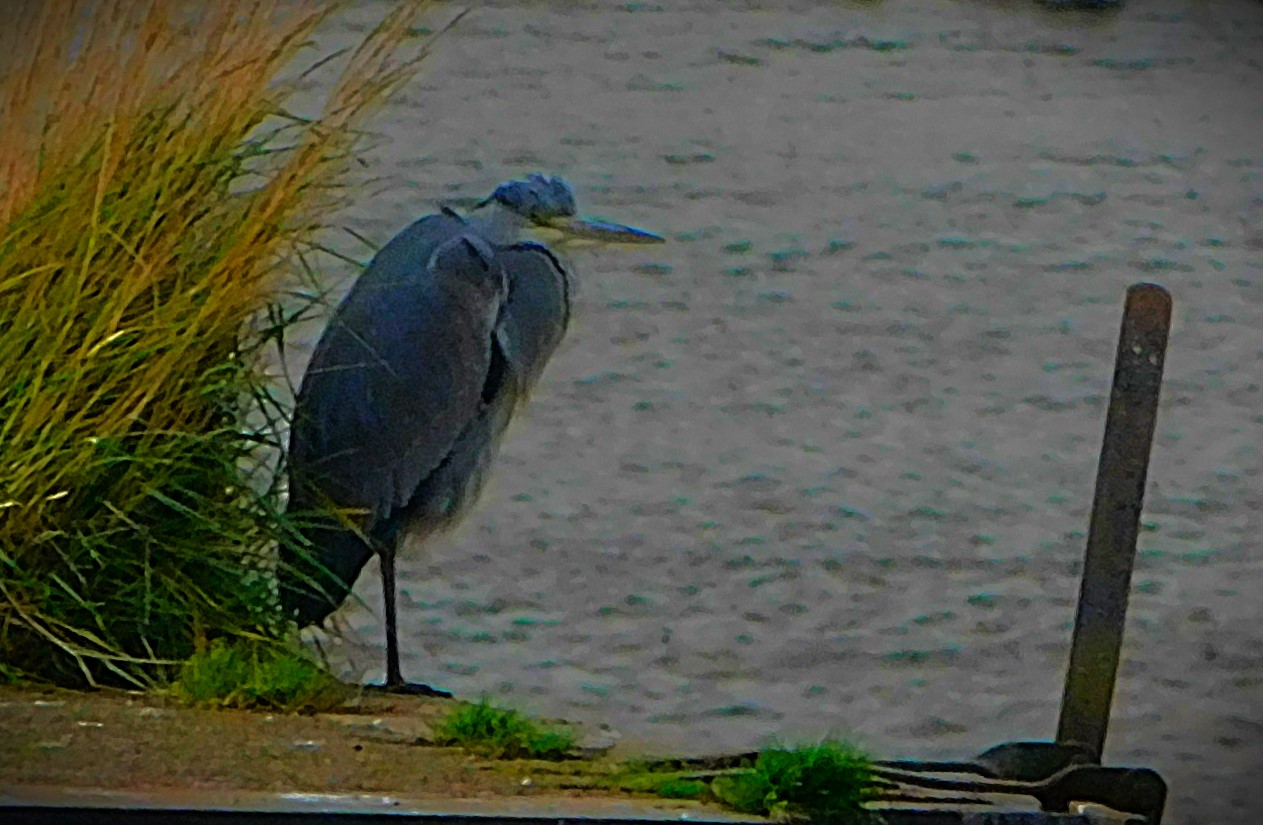
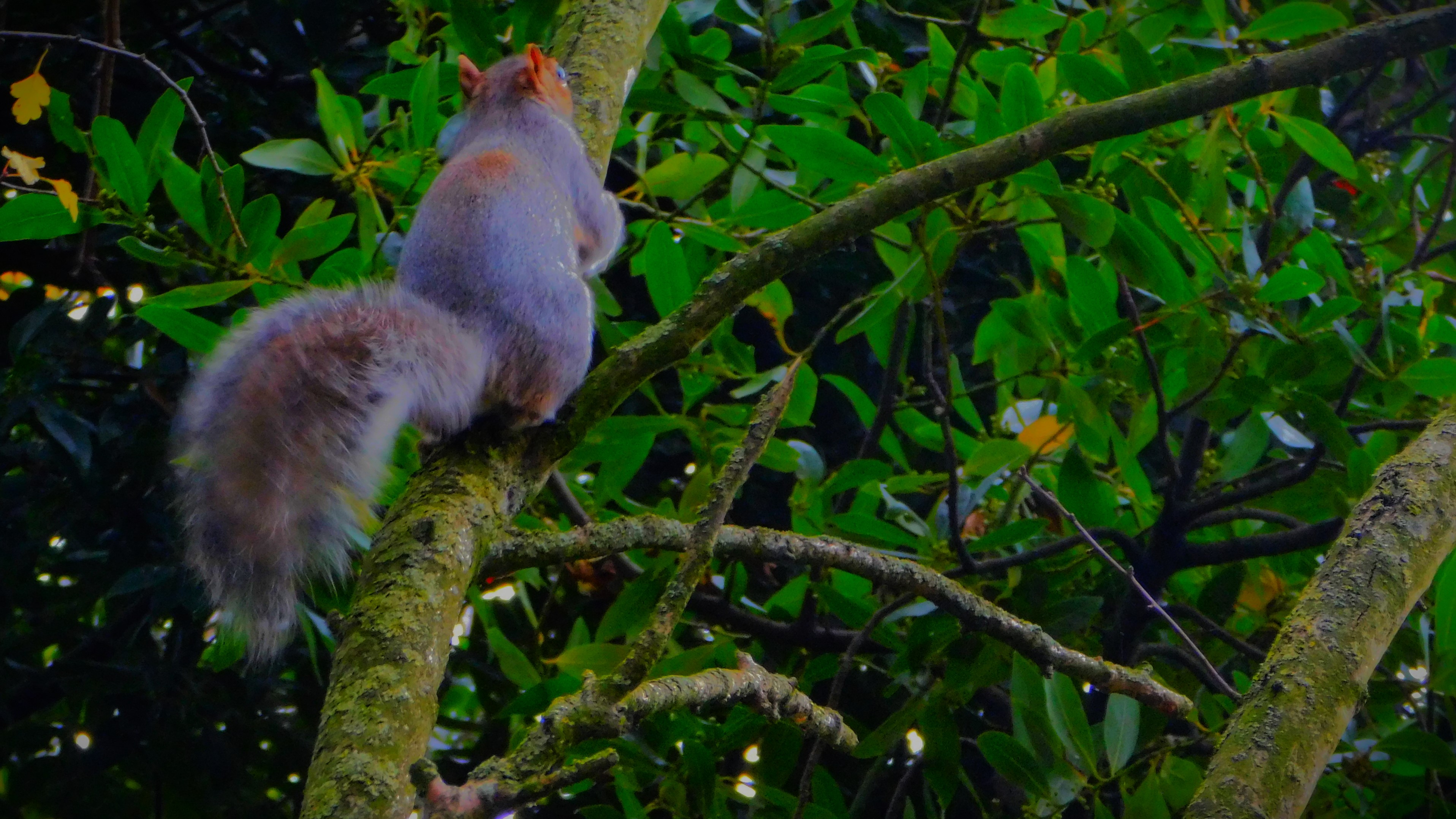
My usual sign off. Today was by January standards quite pleasant – dry, and the odd hint of sun poking through, and yielded a bumper crop of photos, including a grey heron, a large group of lapwings, cormorants in two very different locations, starlings, blackbirds and five squirrels (they were close enough together that there are two pictures featuring all five)…
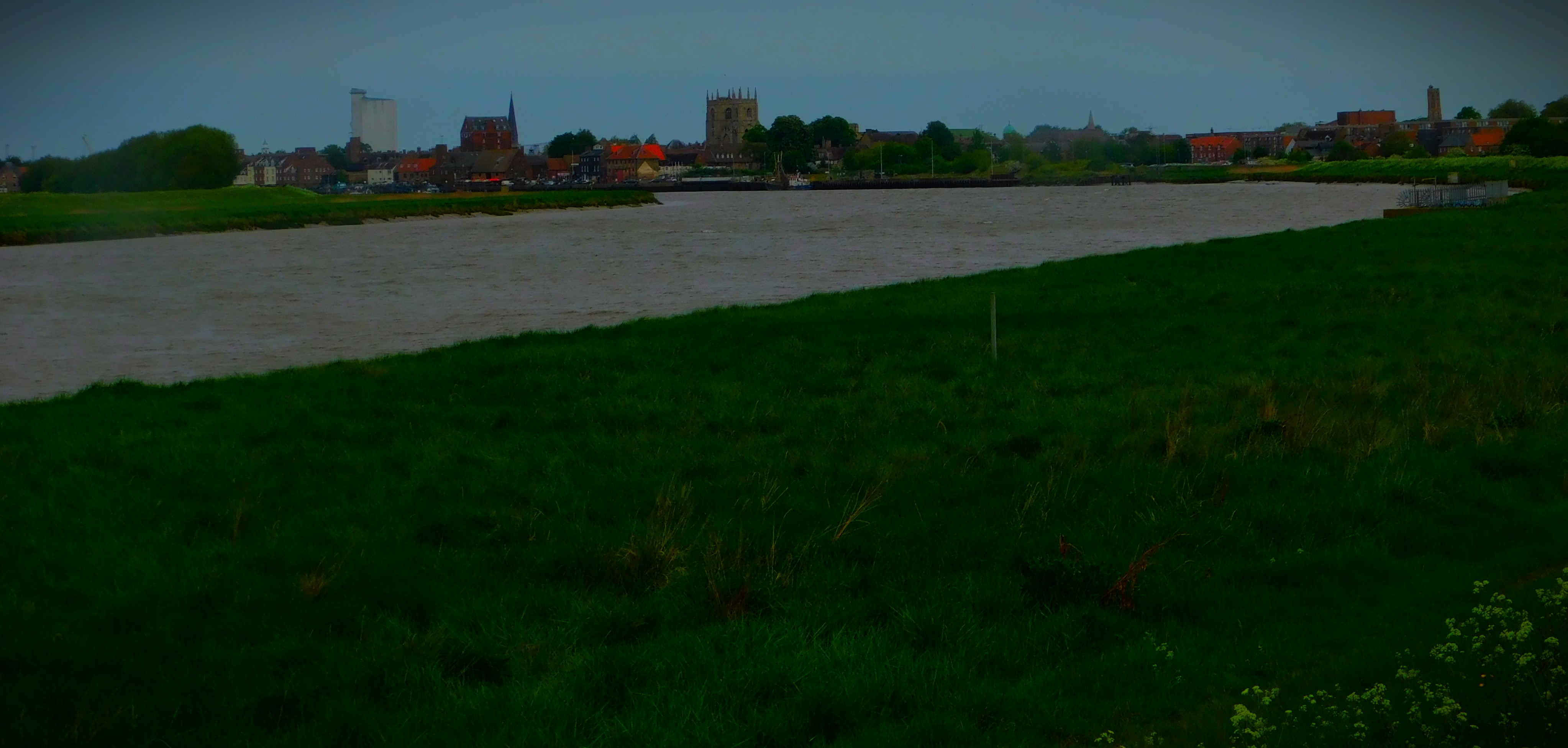
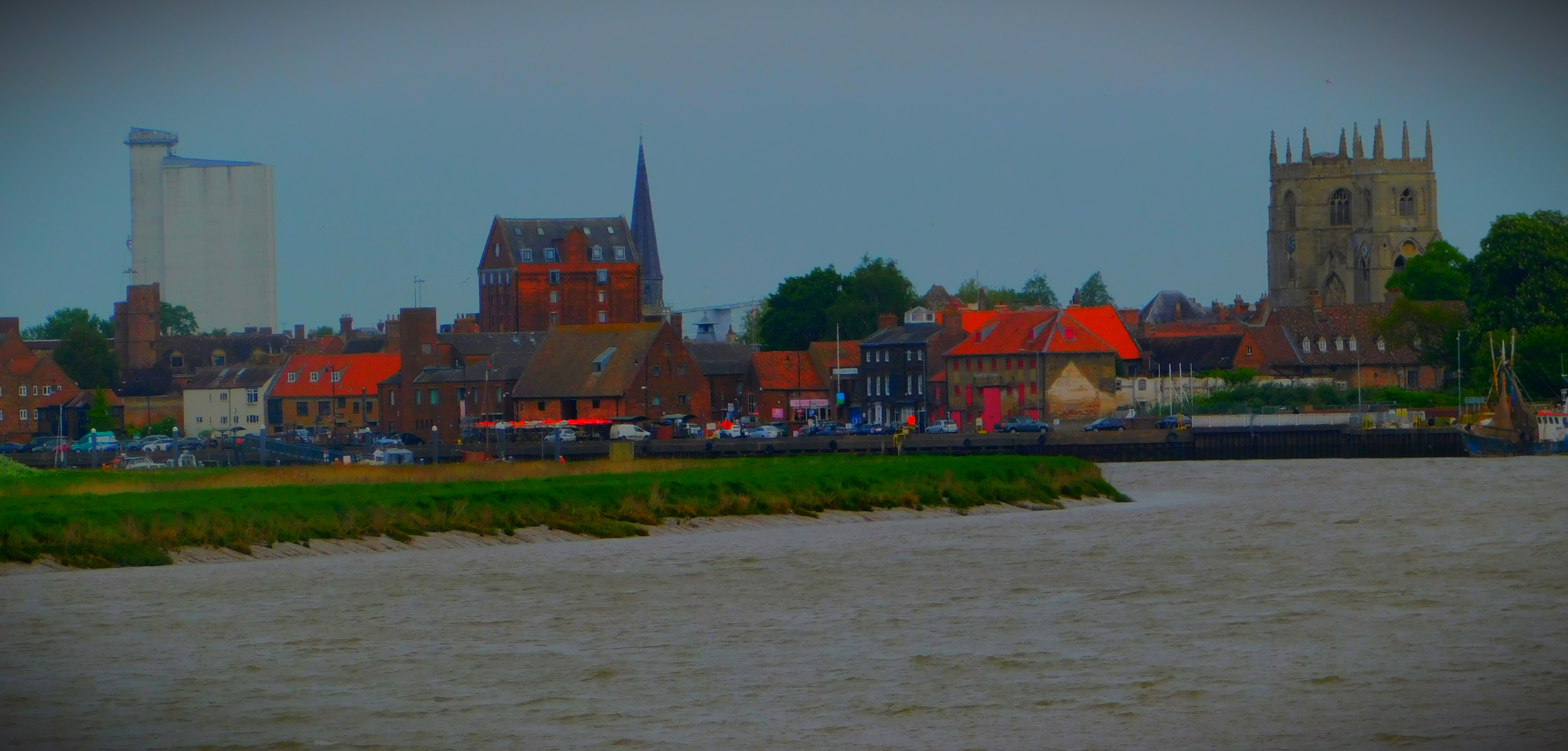
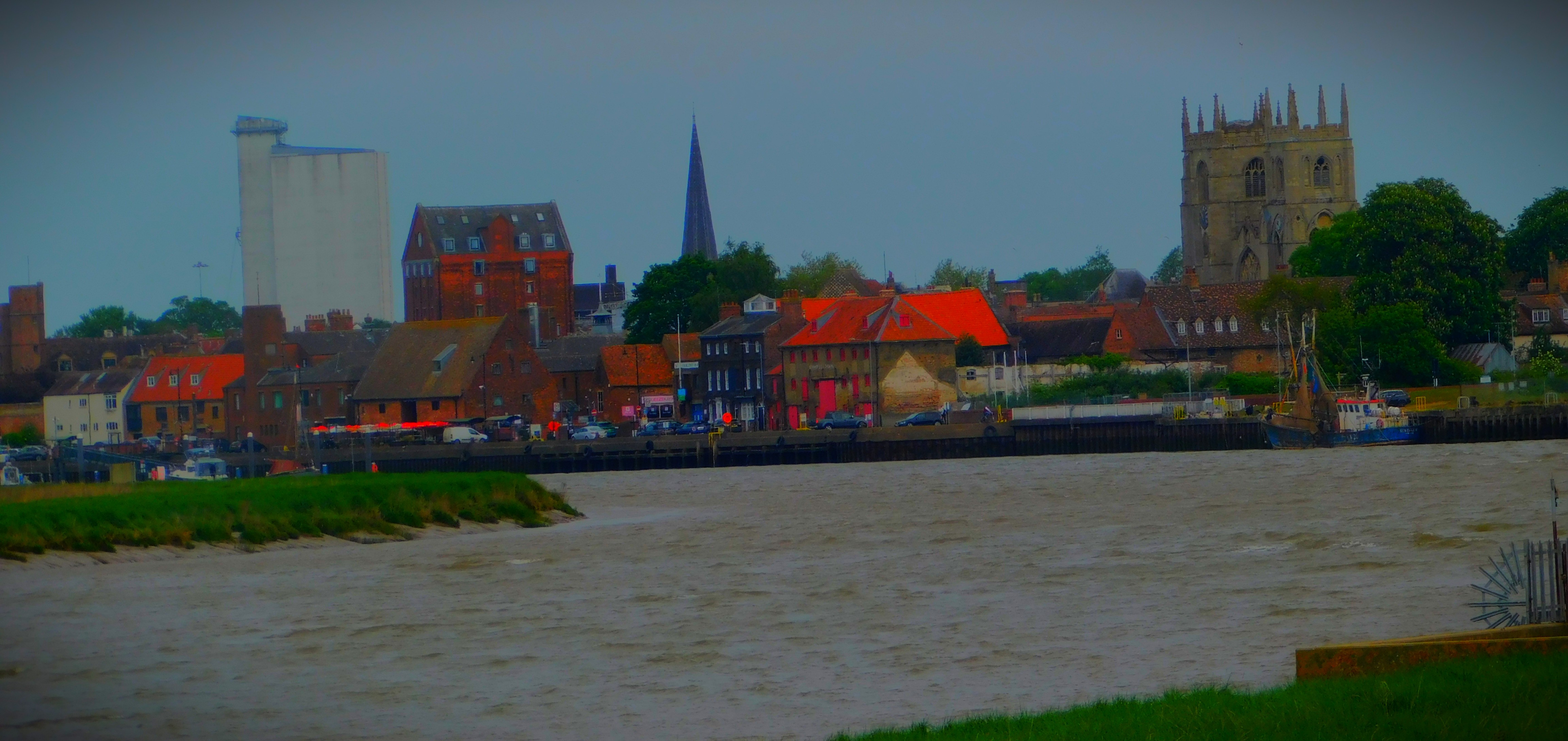
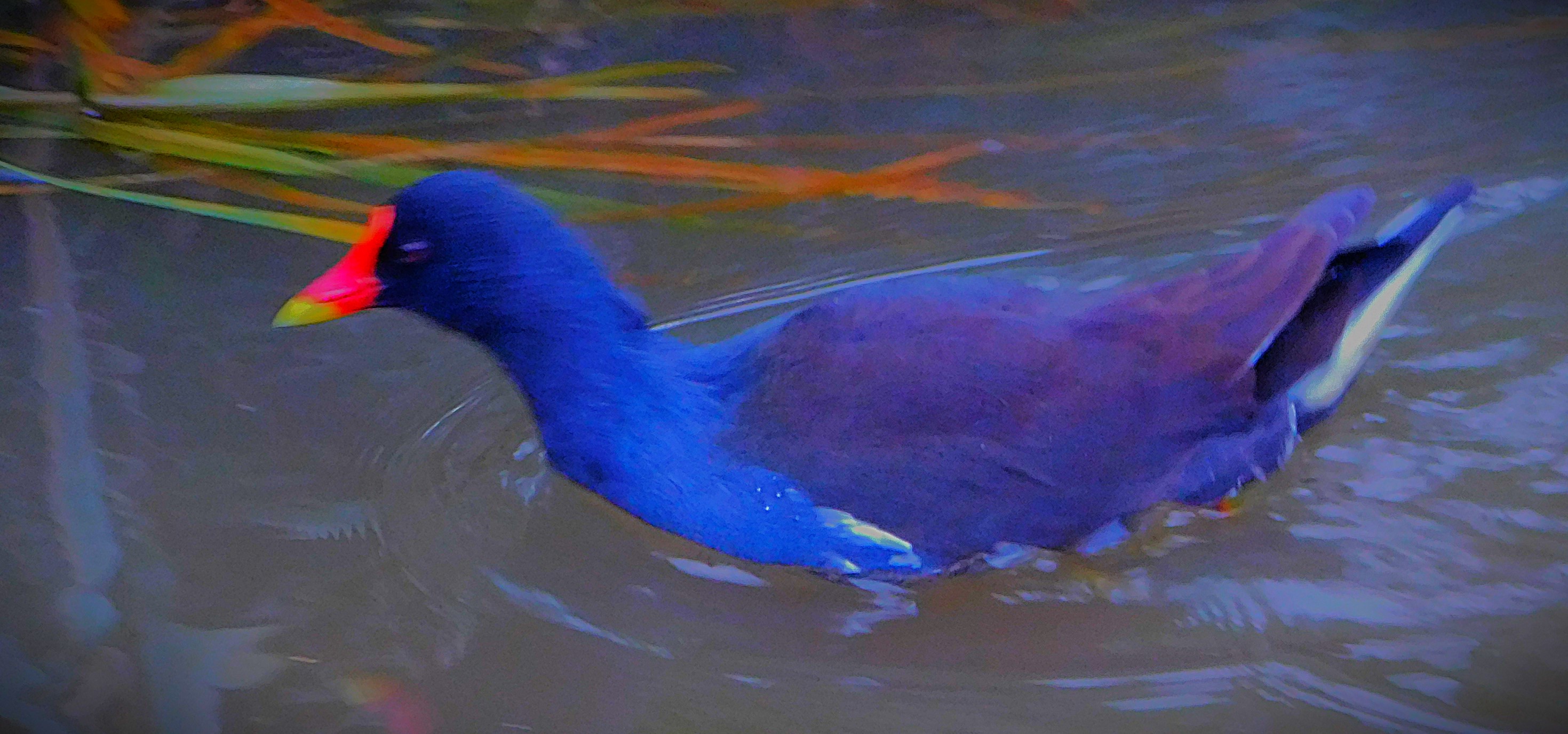
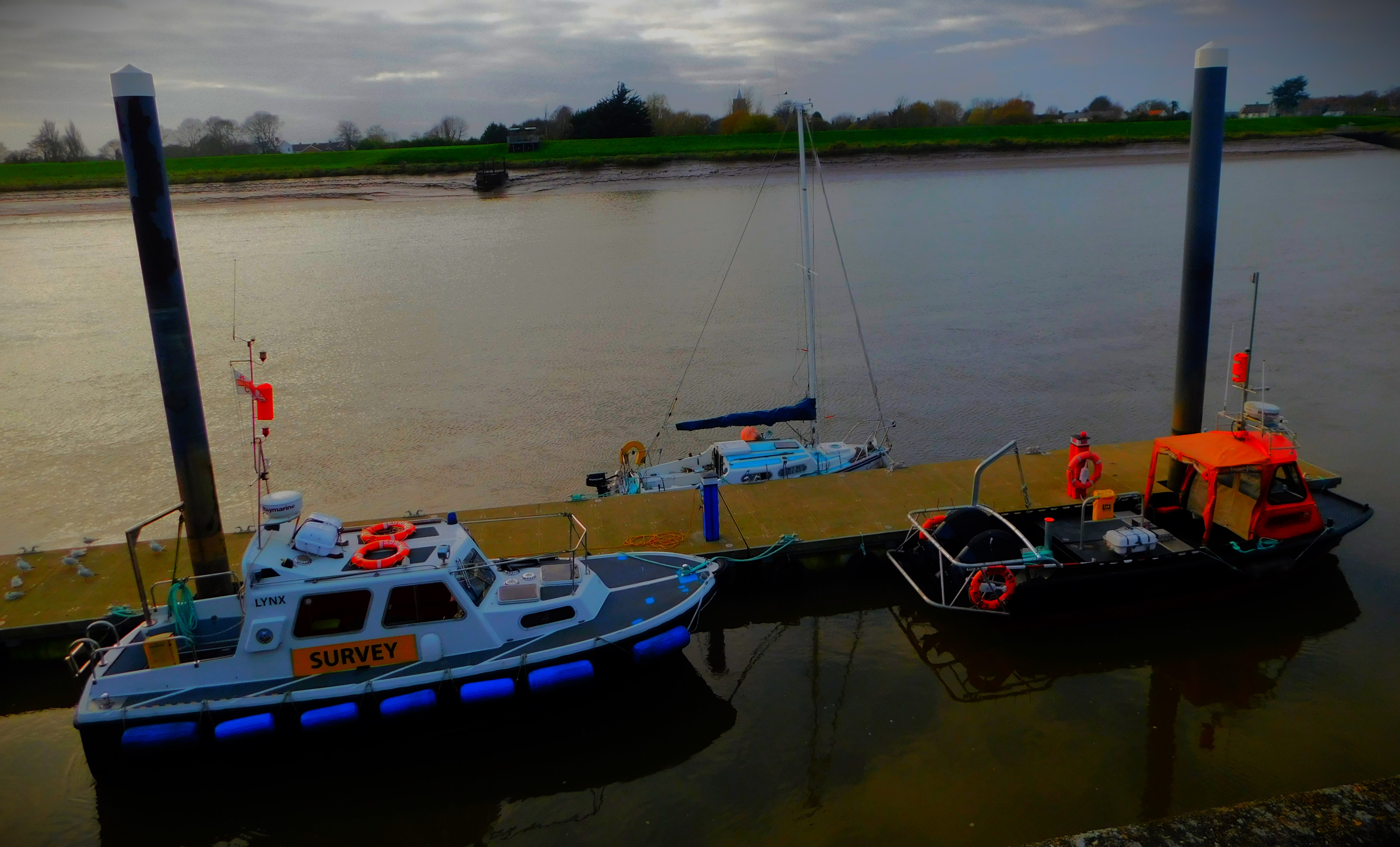
A cormorant on the far side of the Great OuseThe heronCormorants on the structure I call “Cormorant Platform”Lapwingscloser views of lapwingsThe squirrelsA cormorant swimming in the Gaywood river.