The penultimate post in my series about Saturday’s West Norfolk Autism Group outing to Pensthorpe on Saturday, looking at the trauker ride.
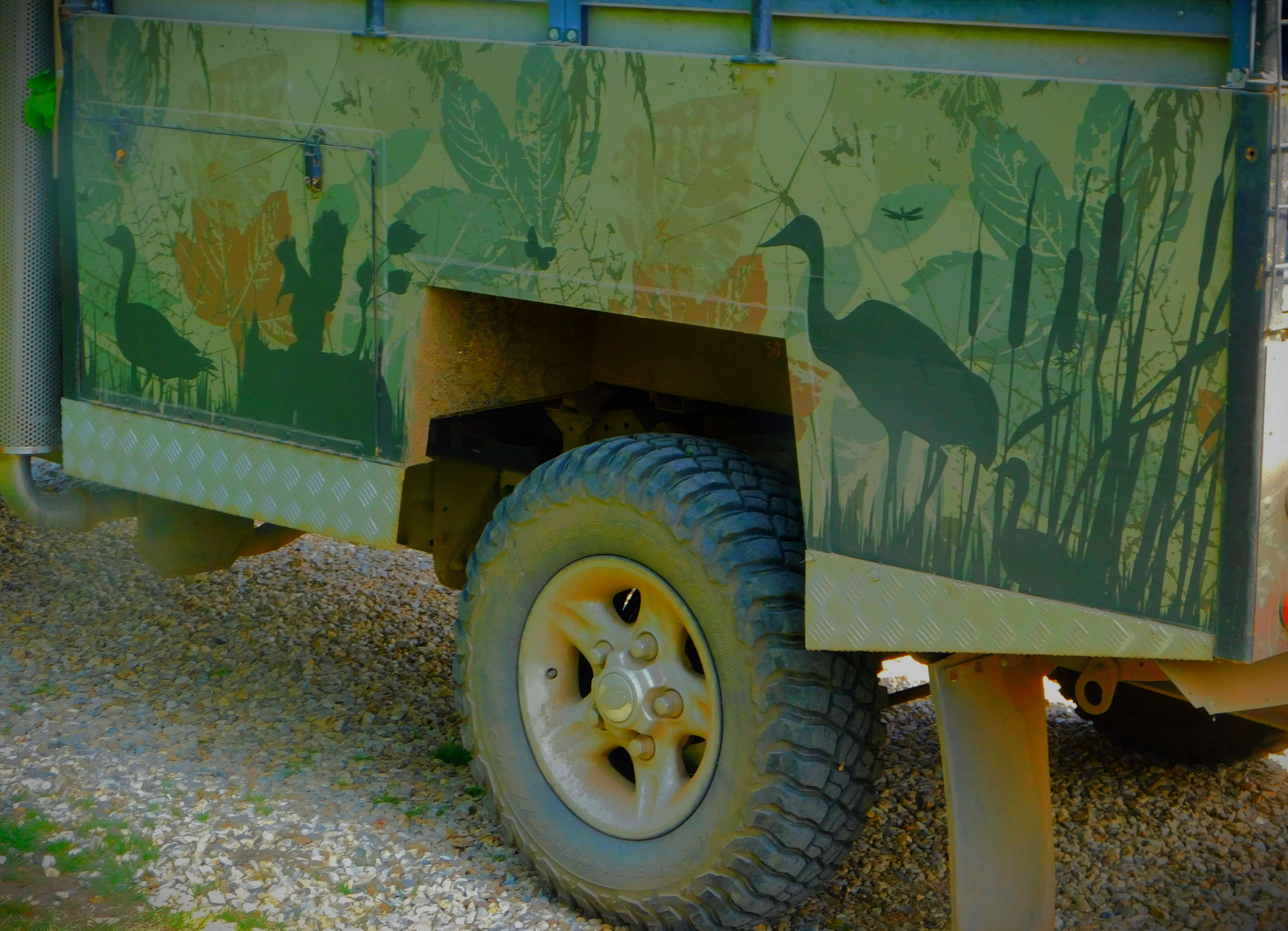
Welcome to the penultimate post of my mini-series about the West Norfolk Autism Group outing to Pensthorpe which took place on Saturday. So far there has been an introductory post, a post covering the Discovery Centre and those general pictures not shared in the opener and a post dedicated to the Cranes and Flamingos. This post zeroes in on the trailer ride, for me an essential part of the Pensthorpe experience.
SEEING THE BITS THAT ARE NOT WALKABLE
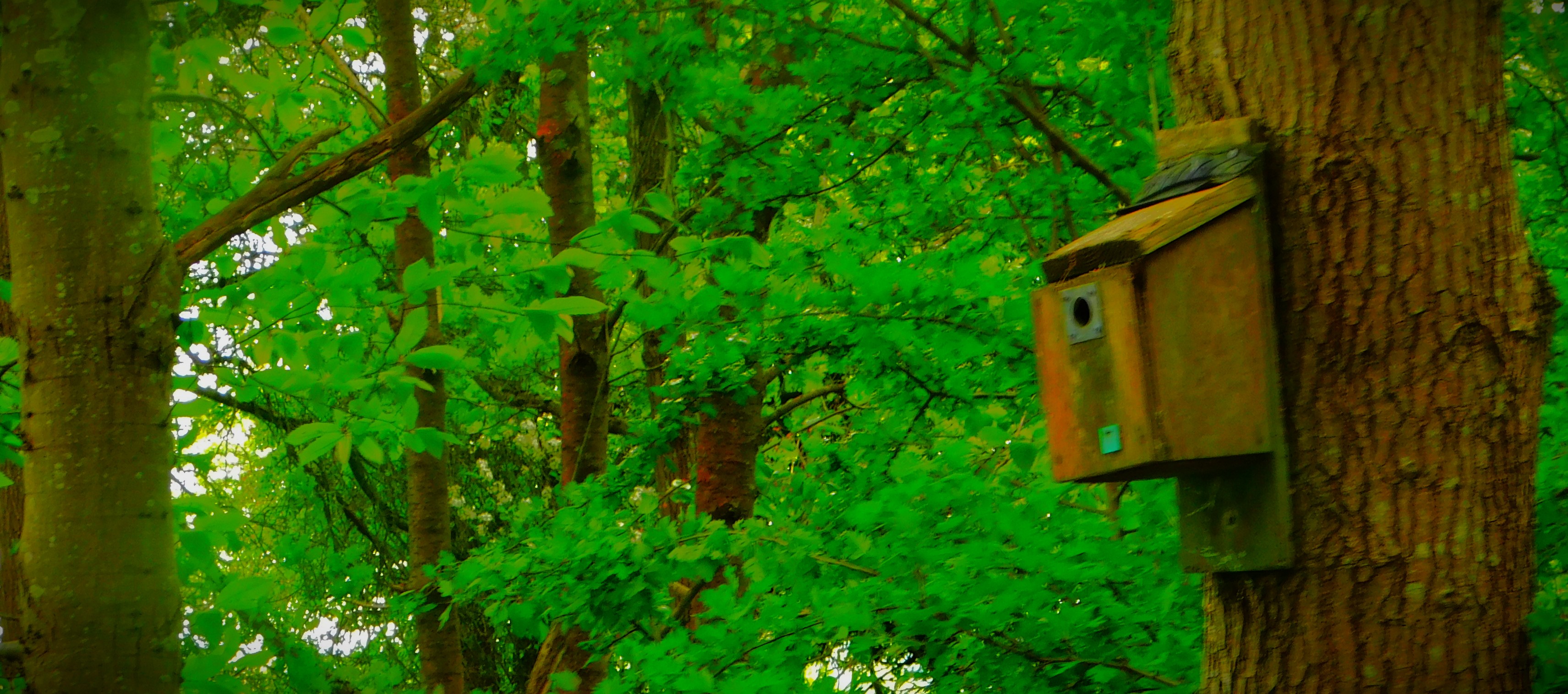
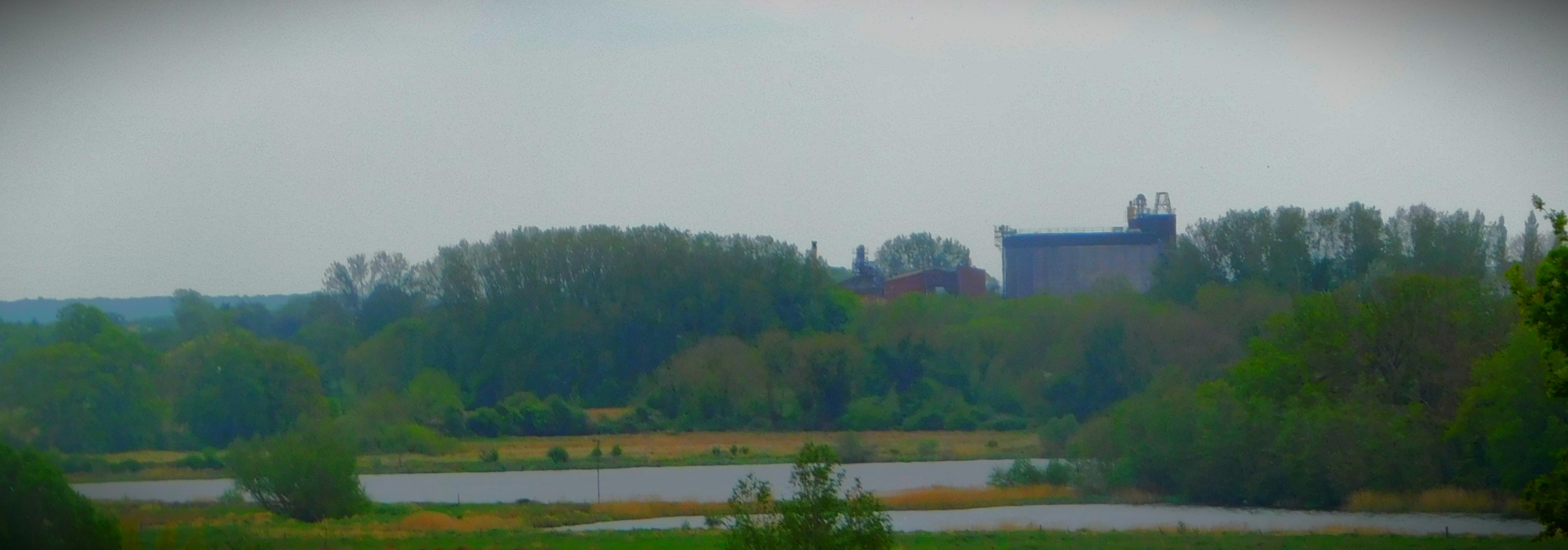
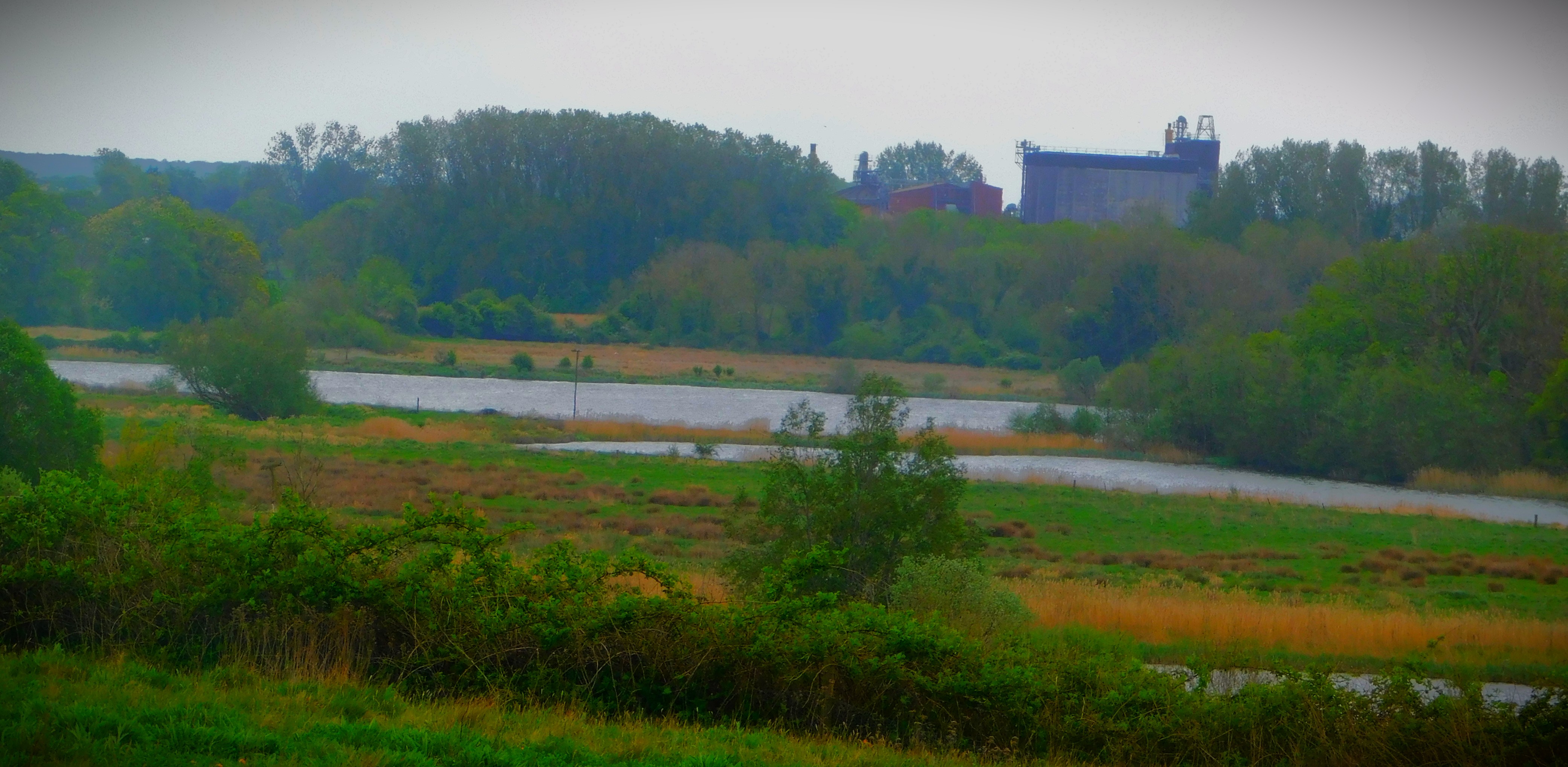
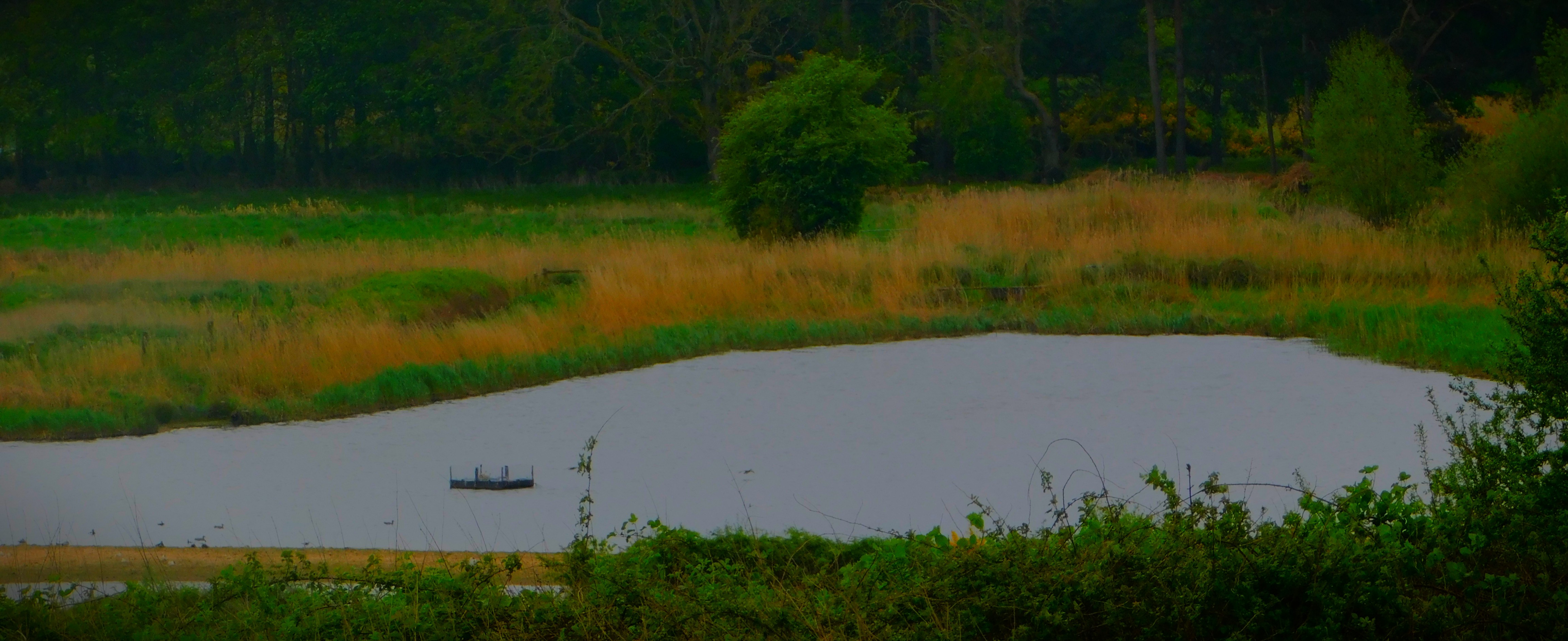
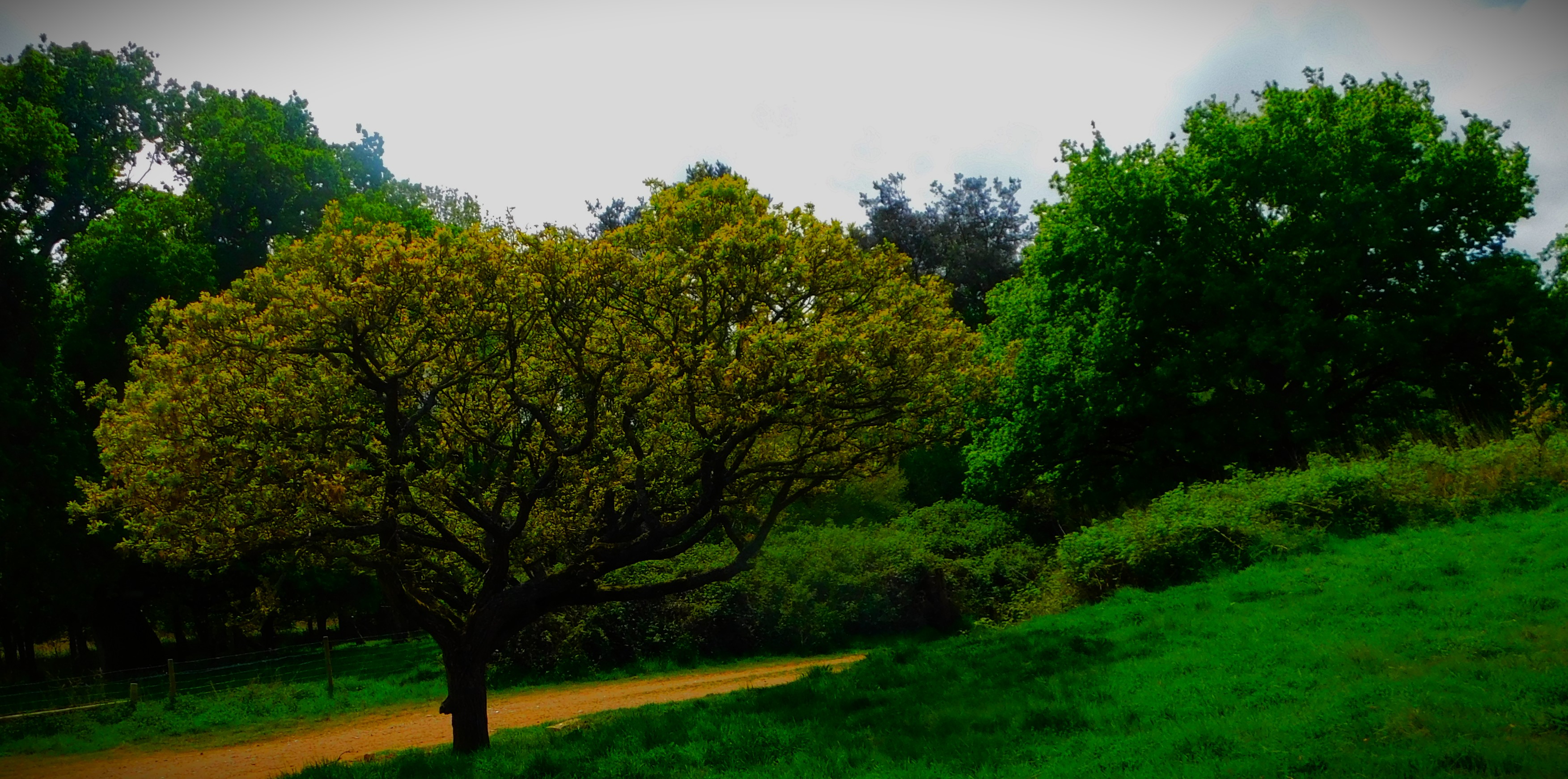
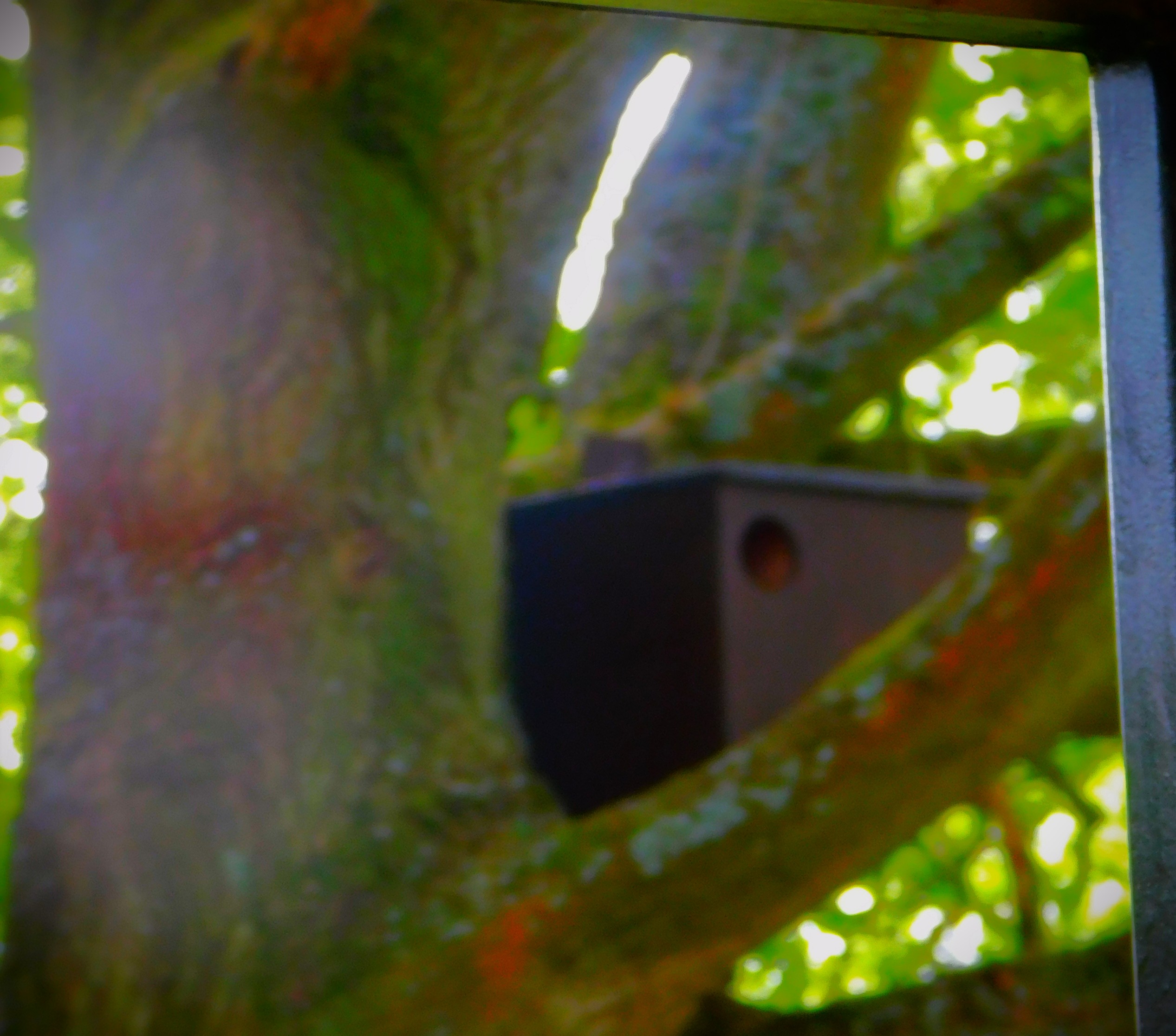
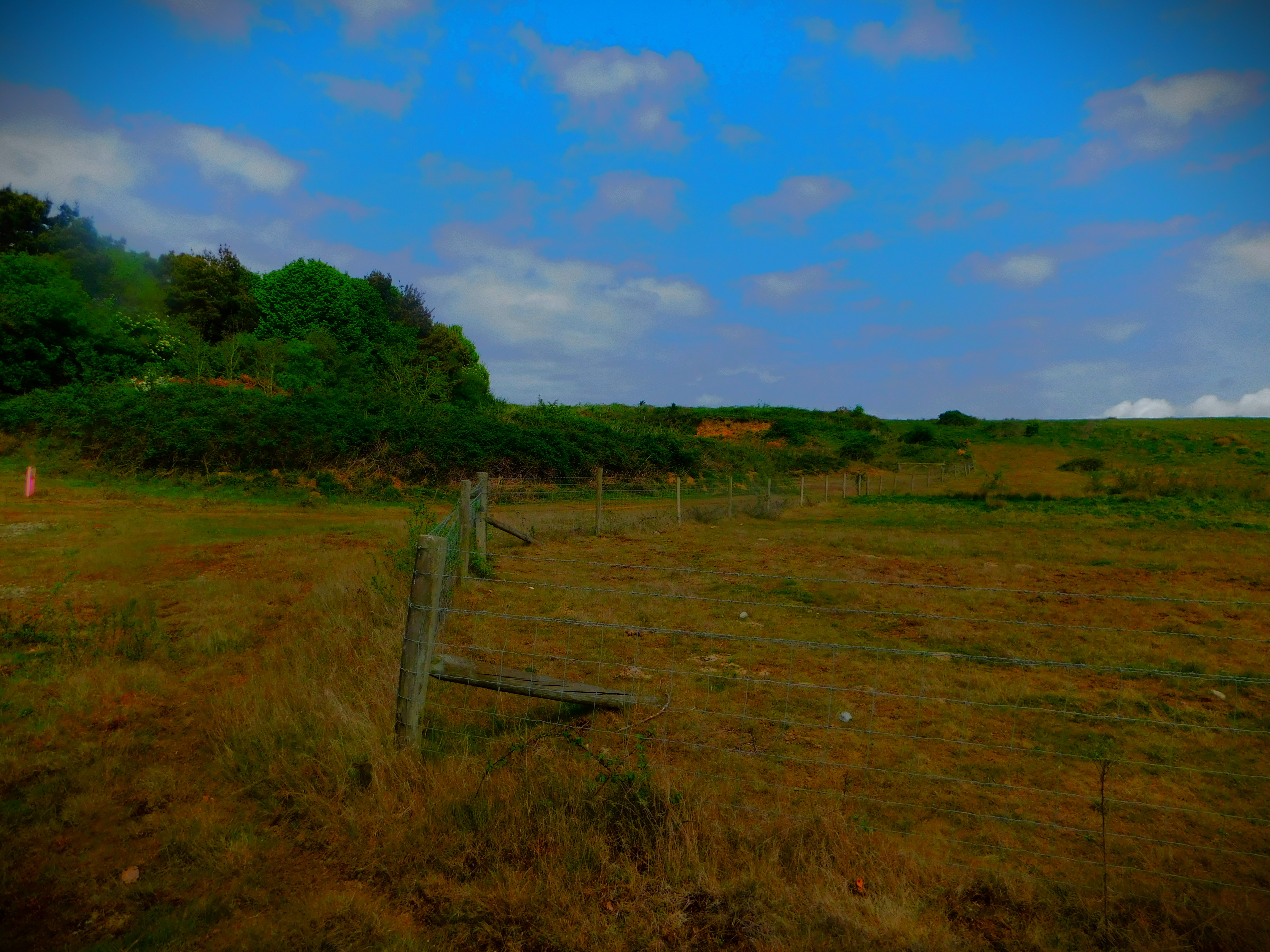
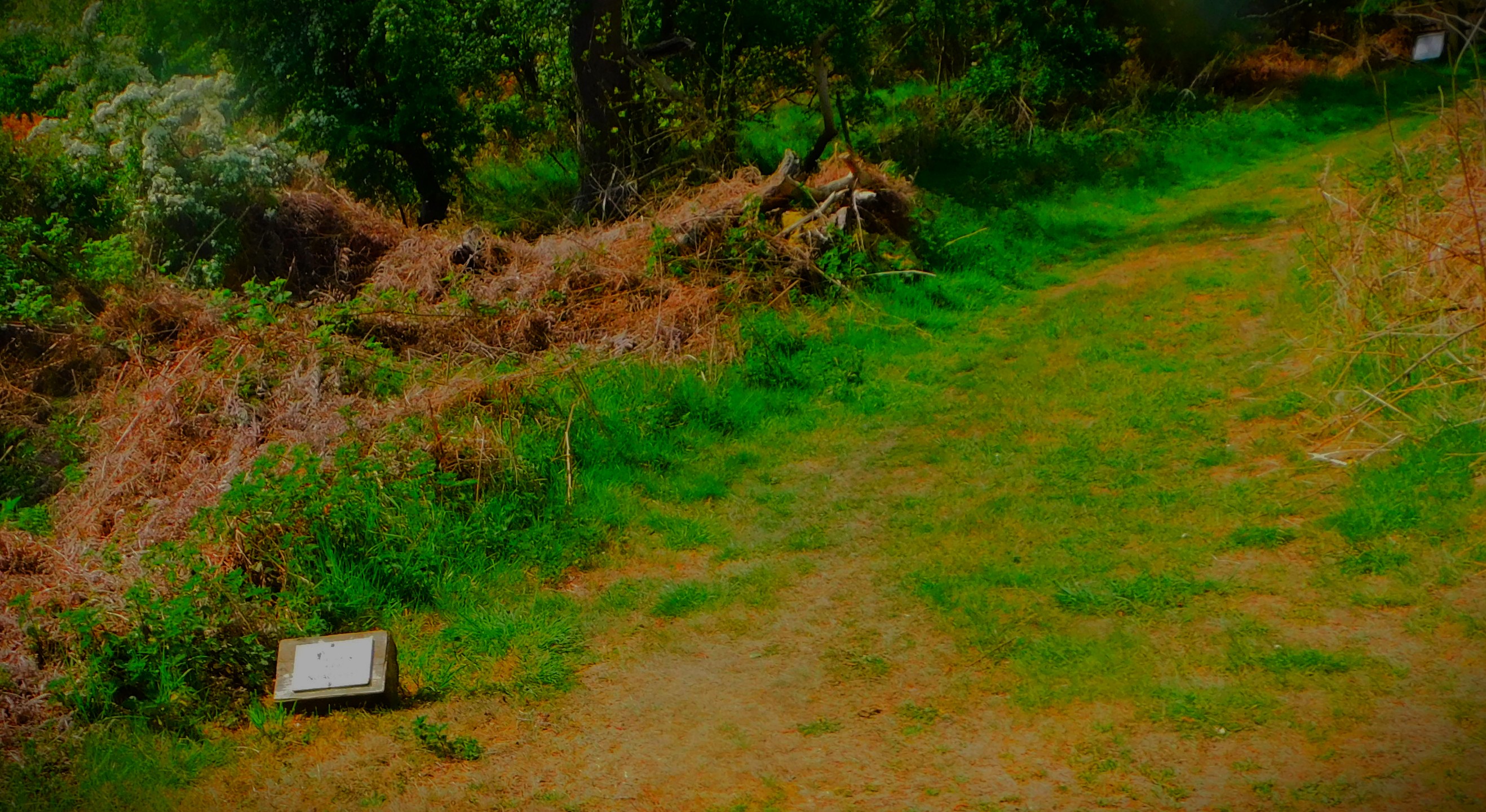
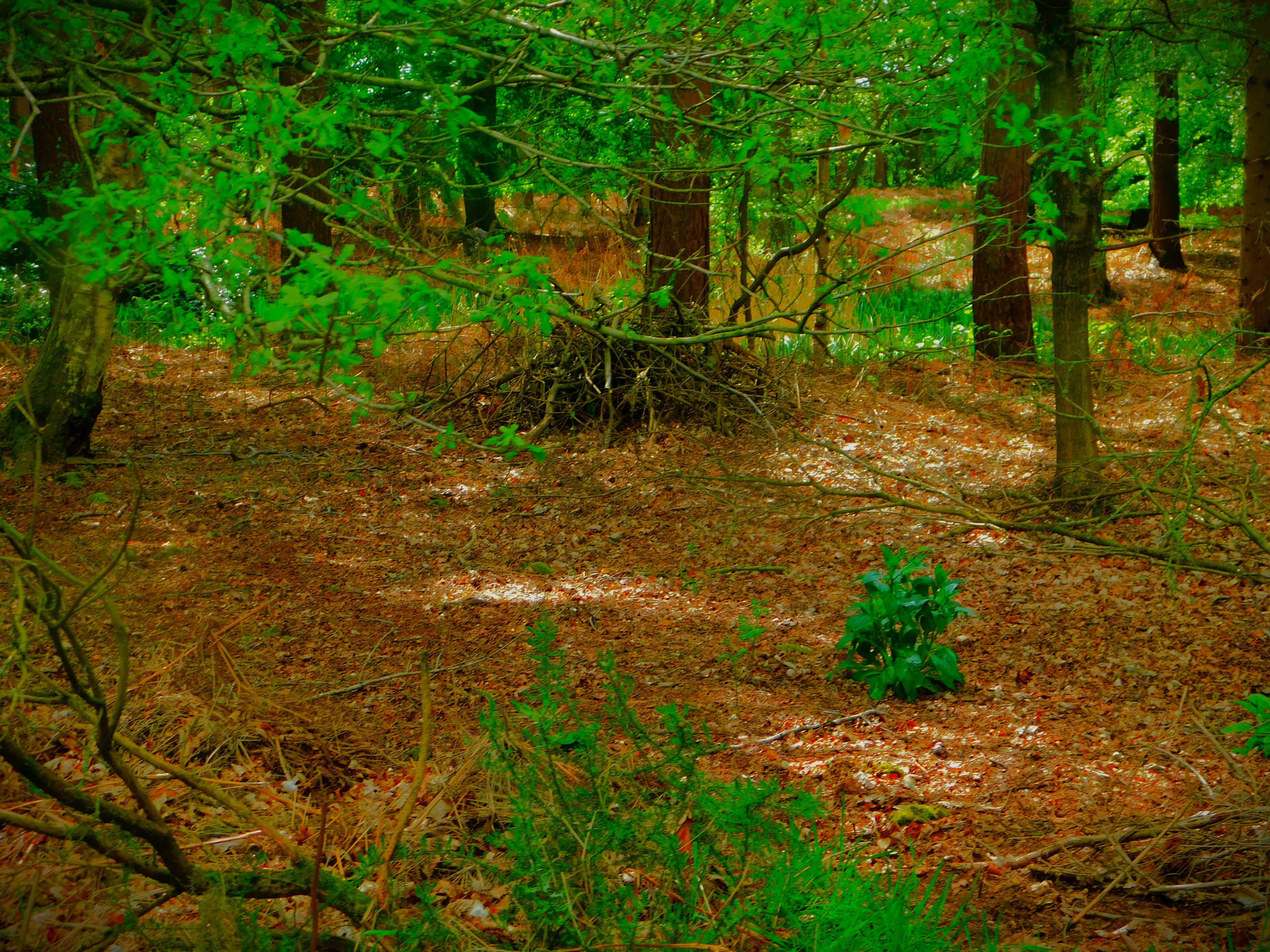
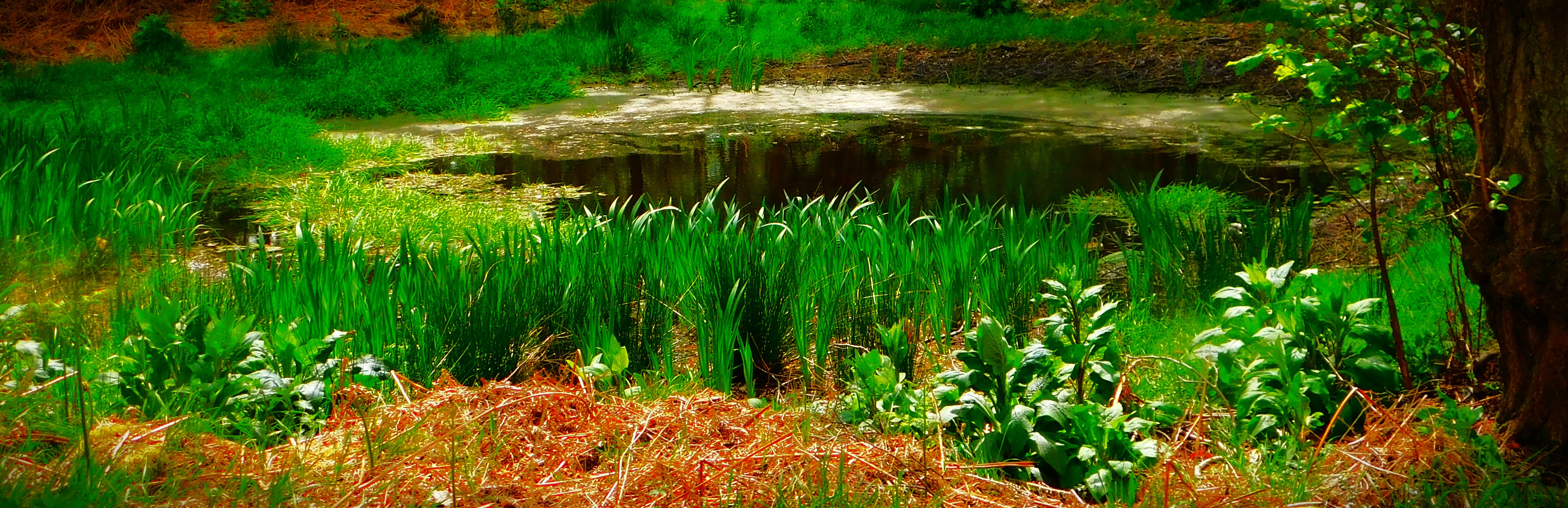
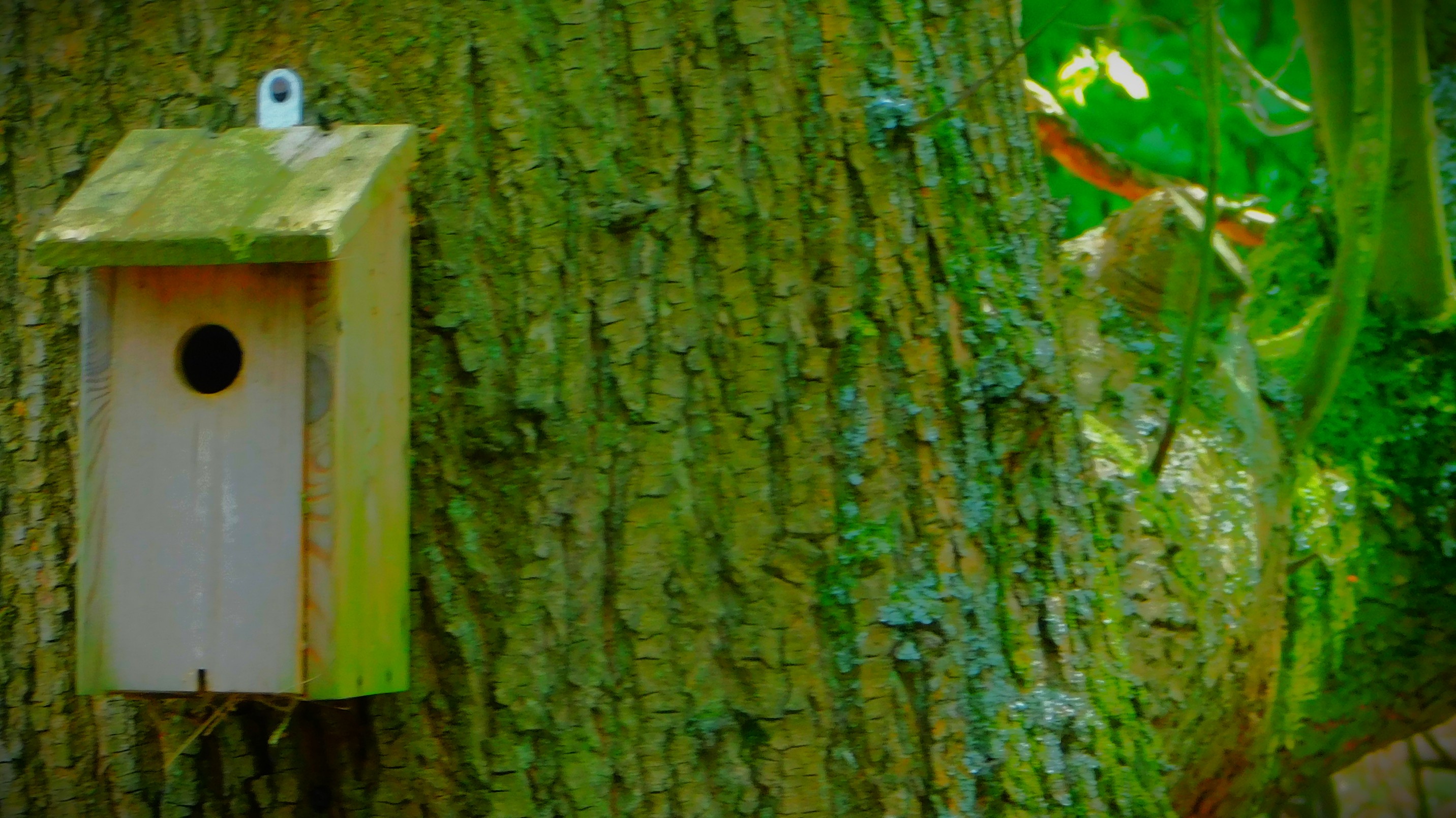
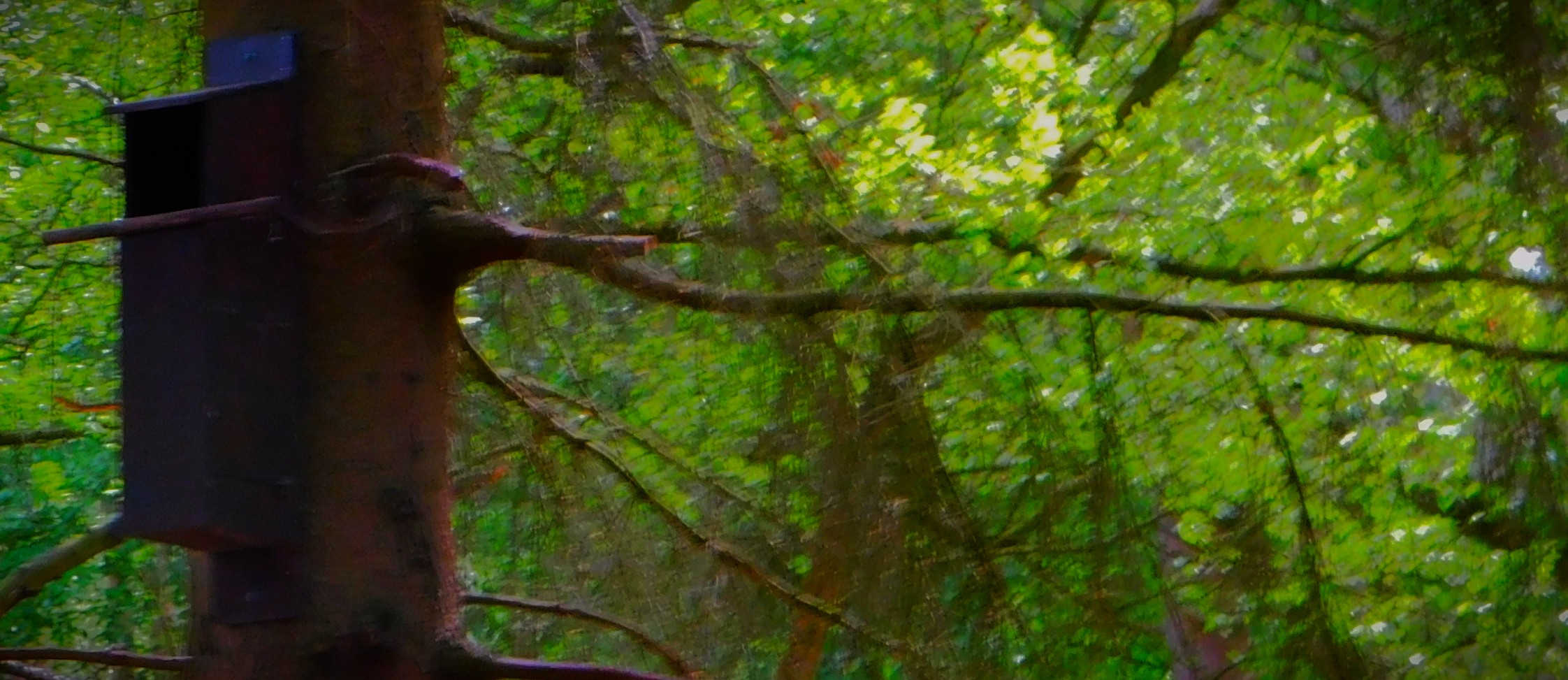
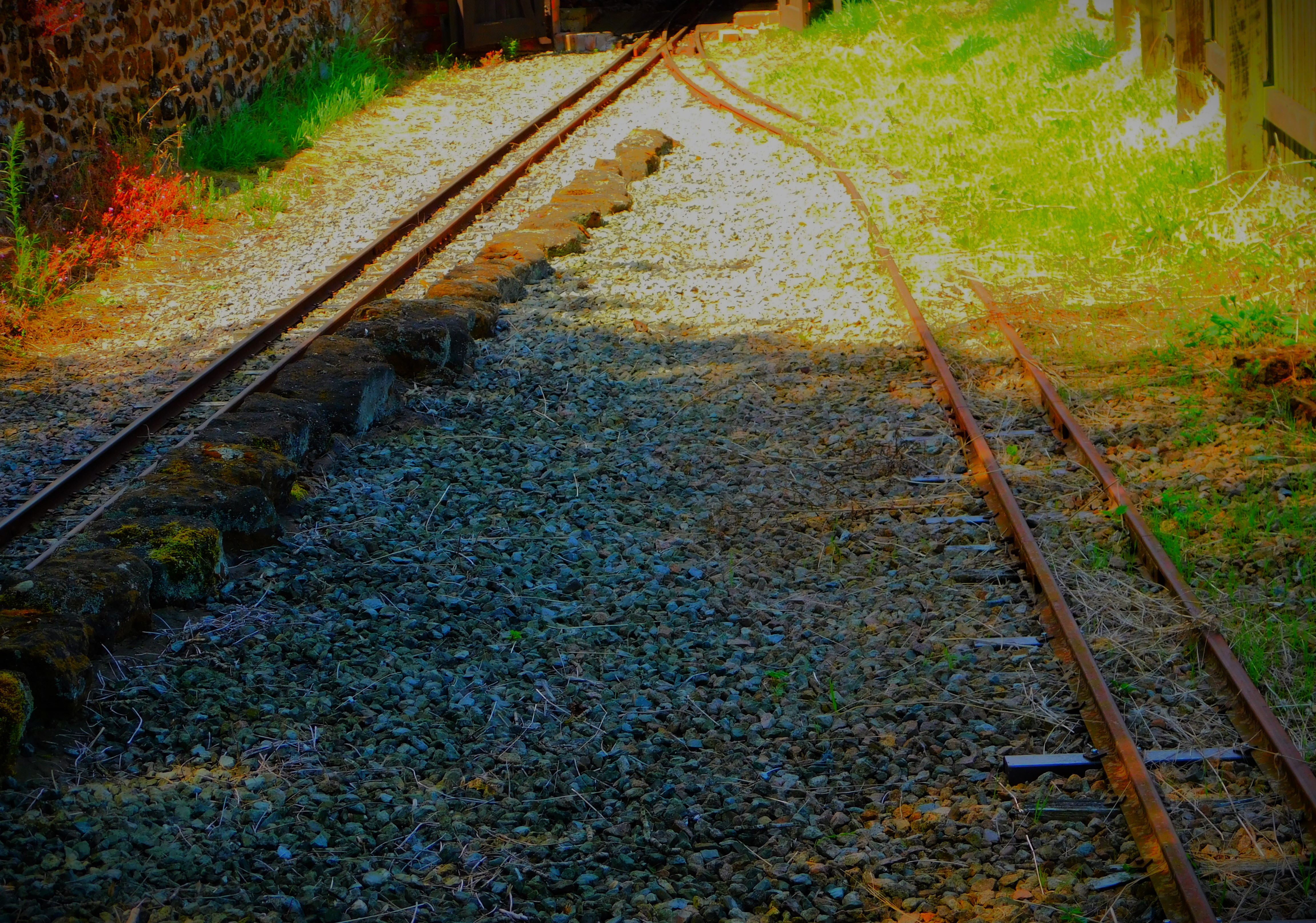
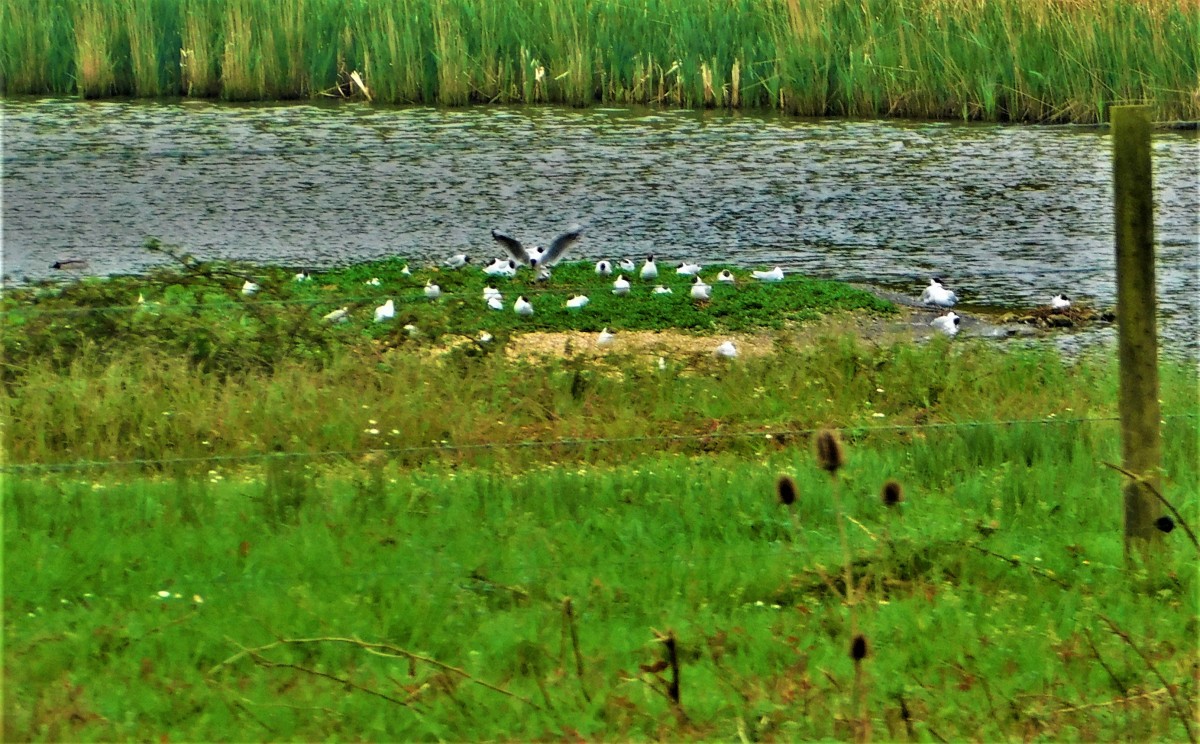
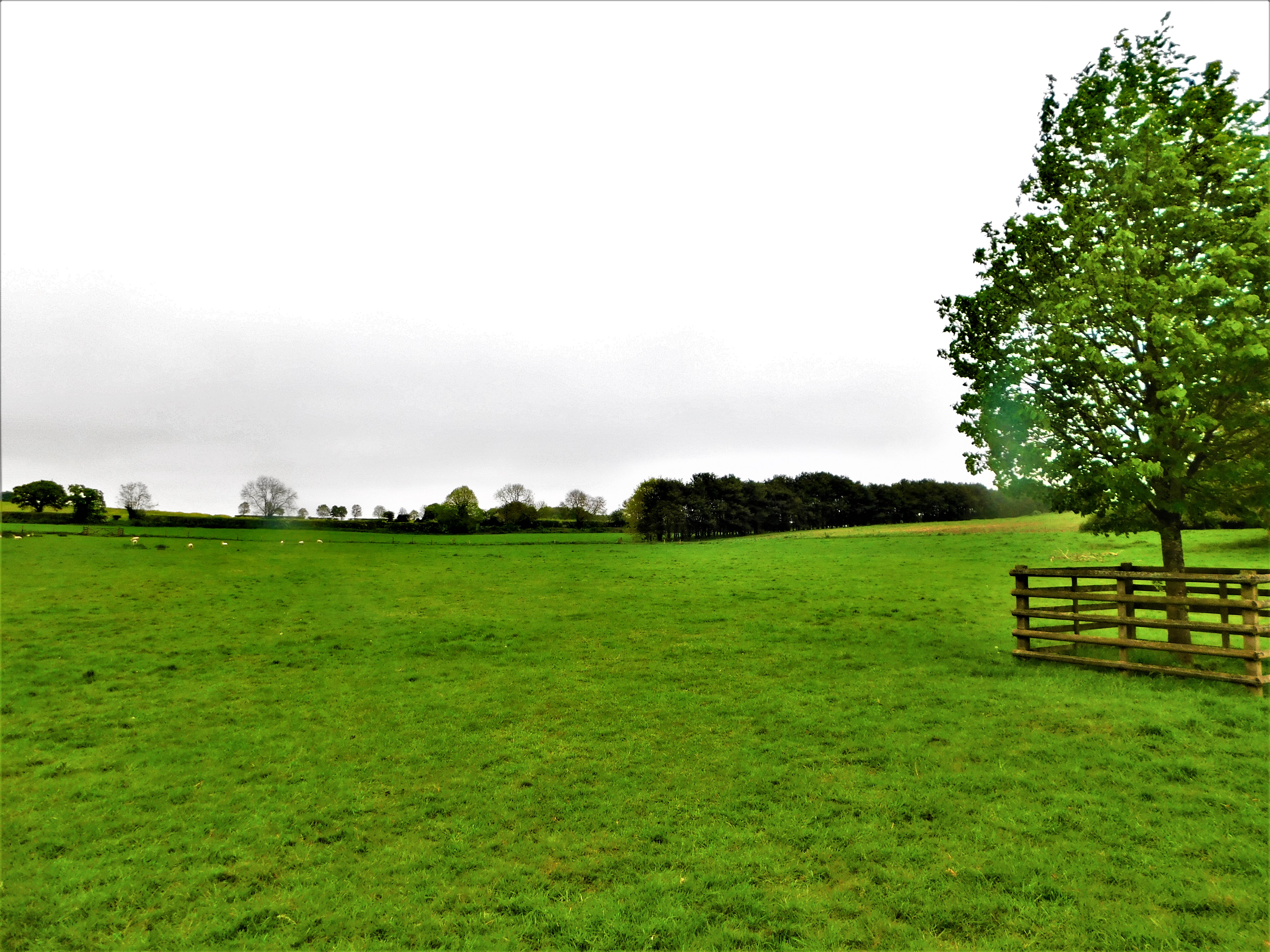
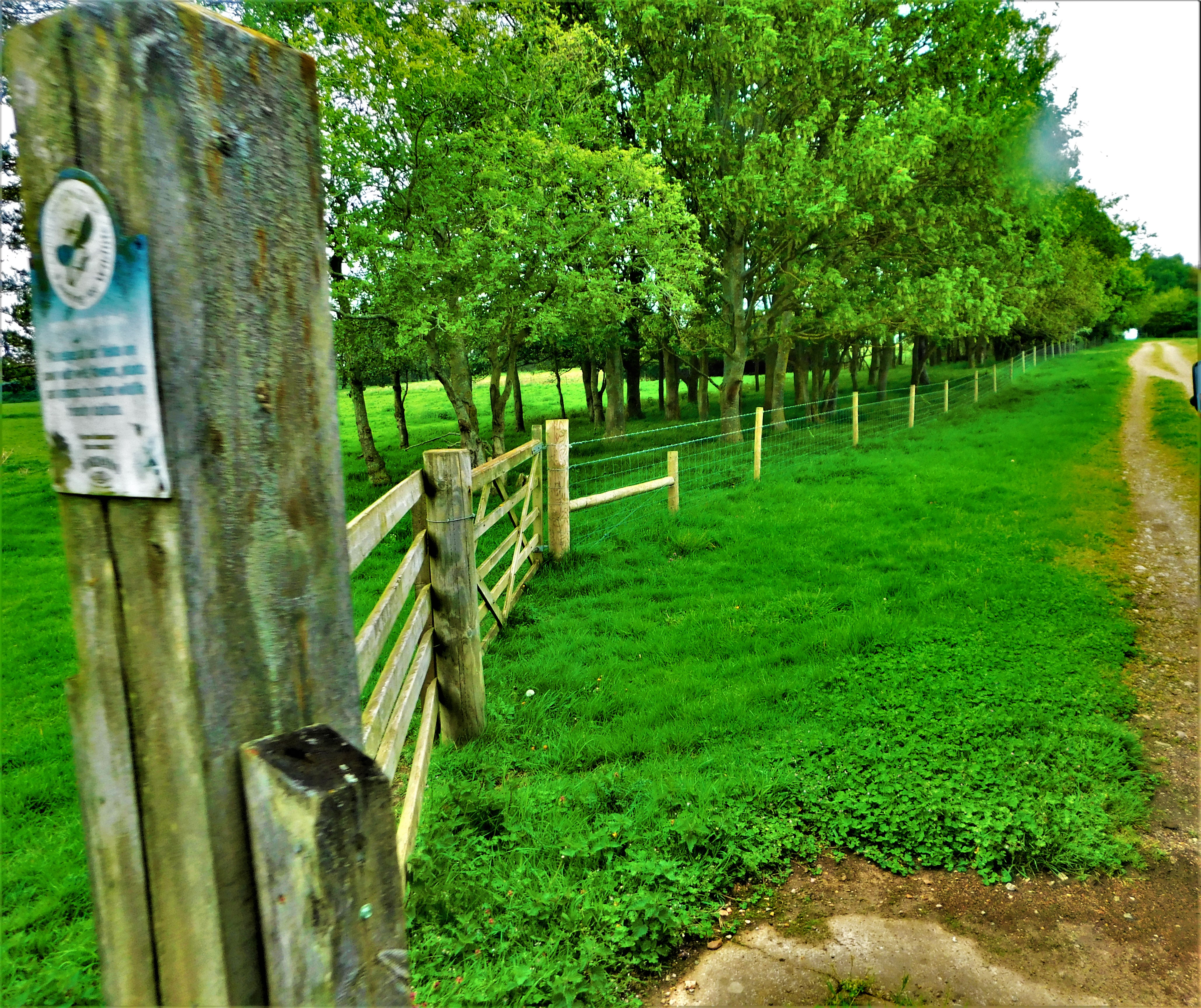
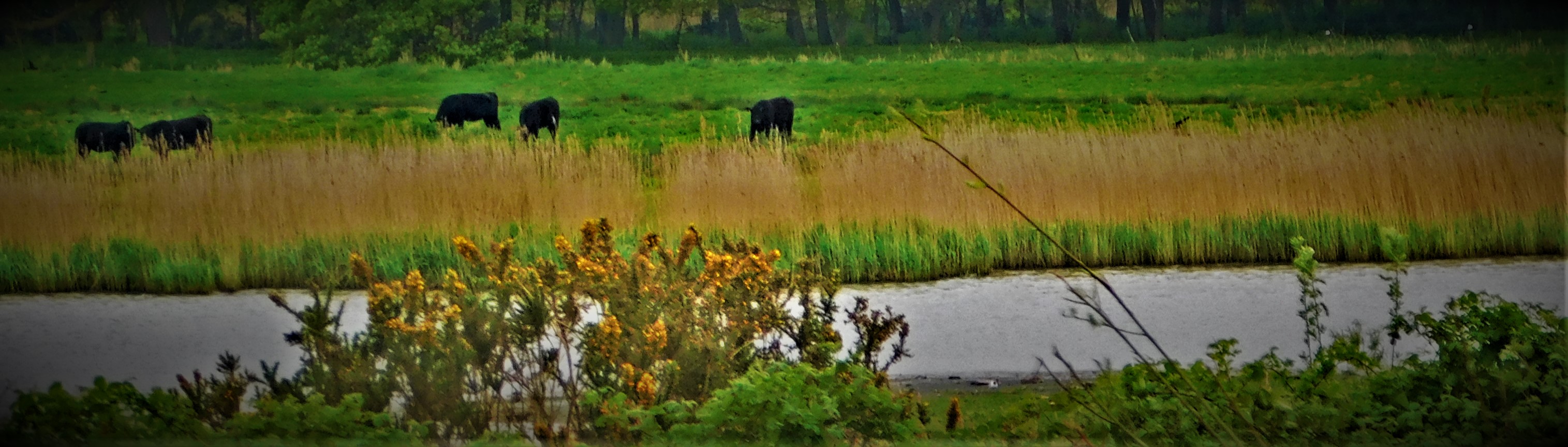
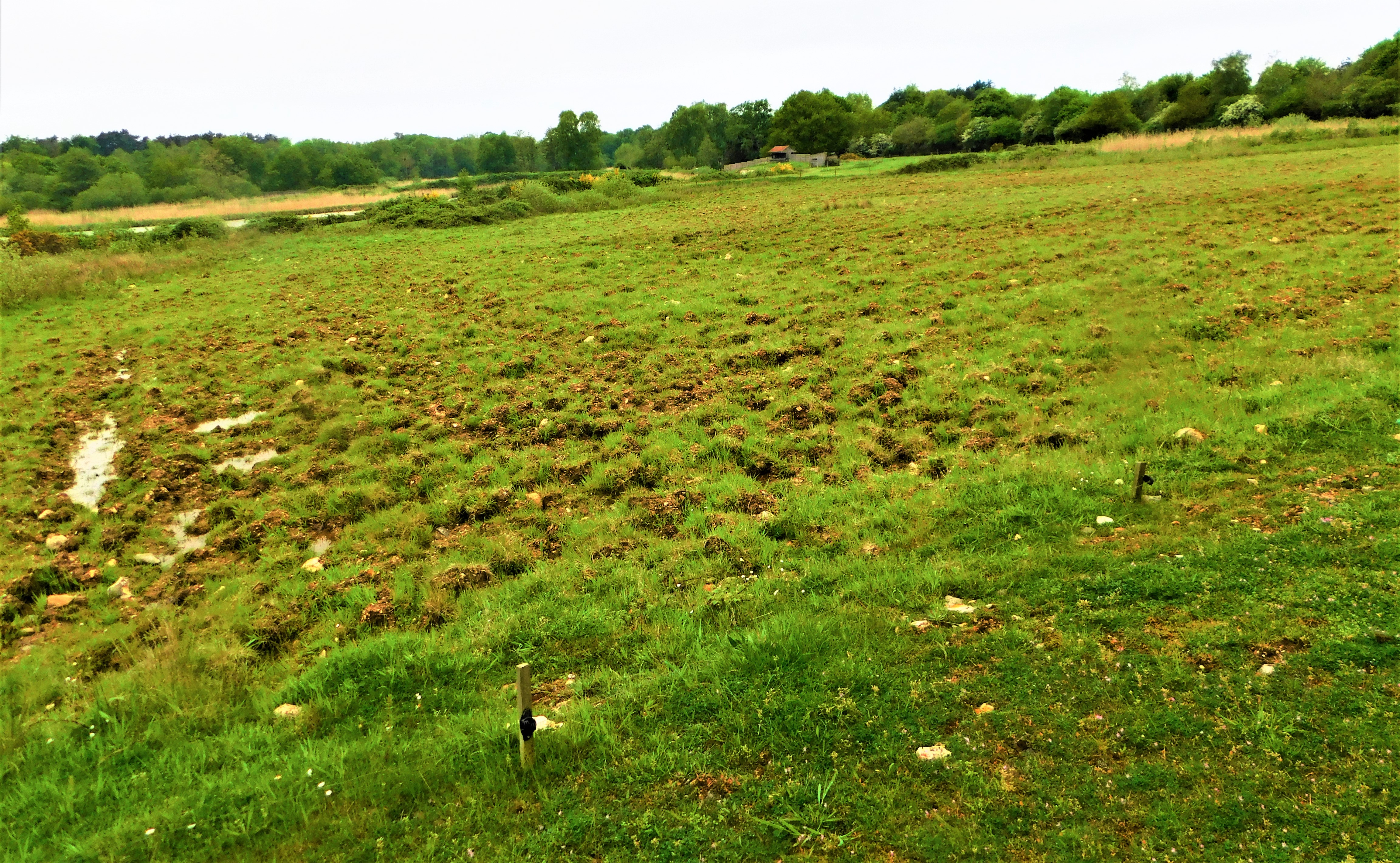
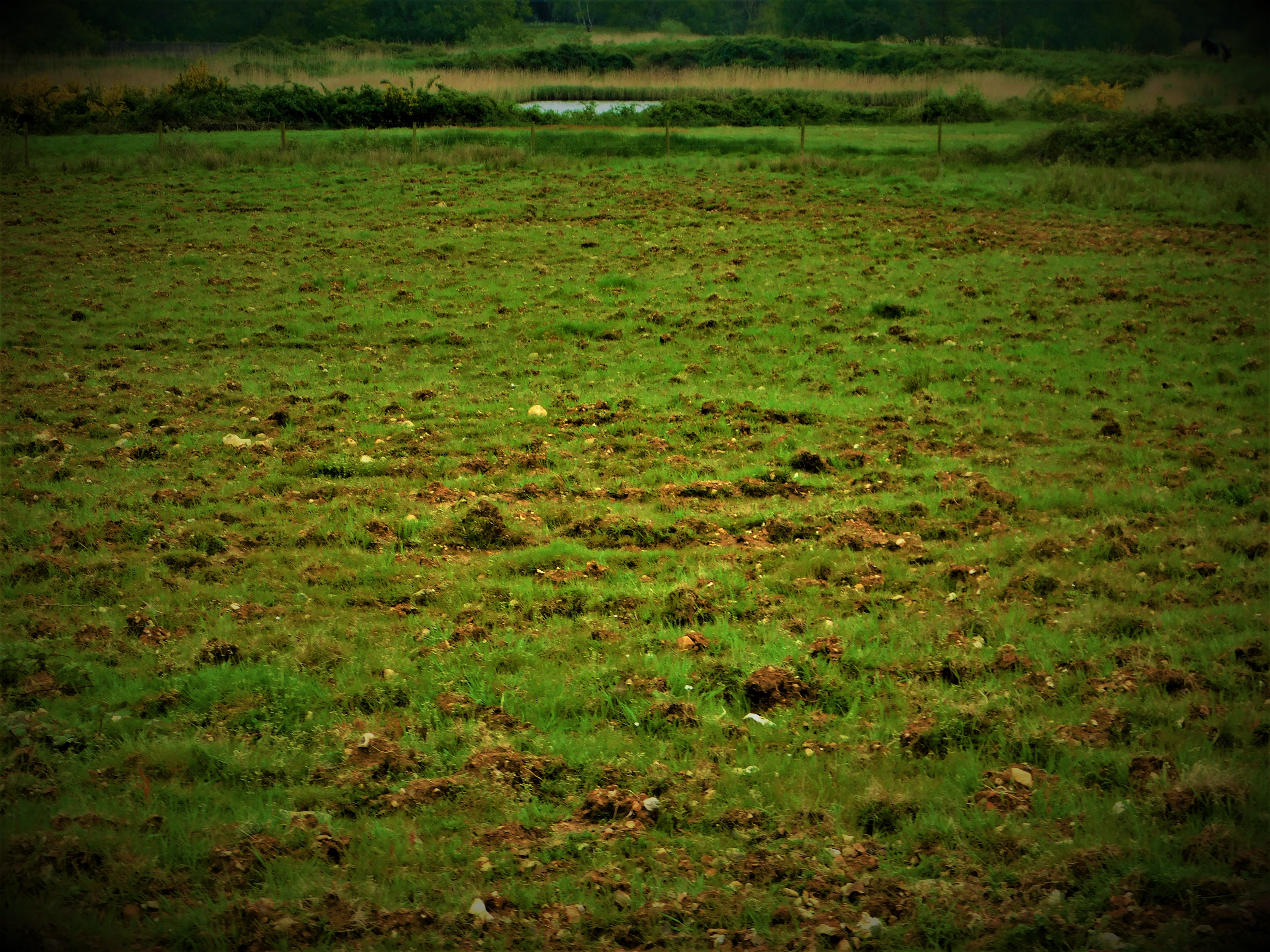
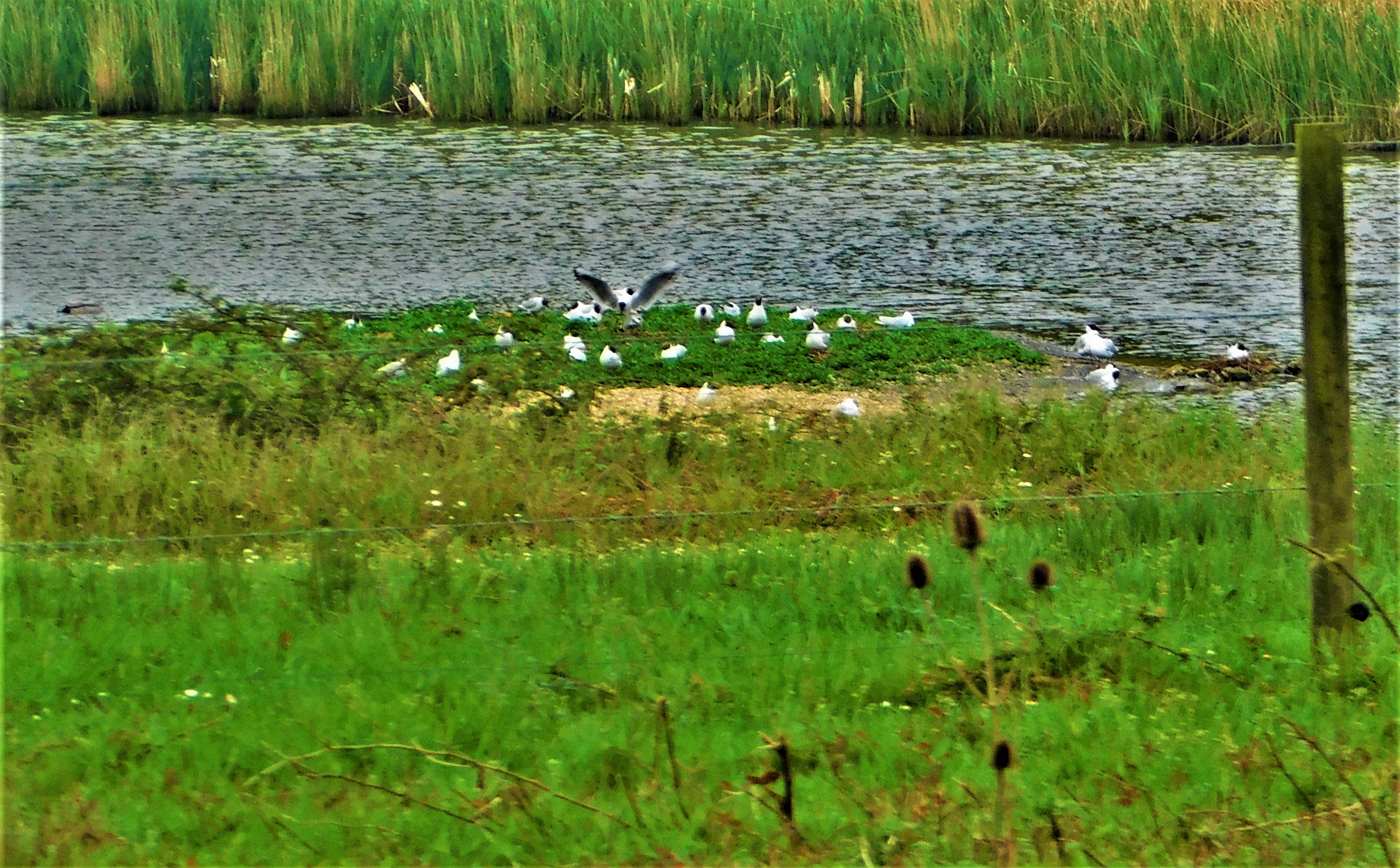
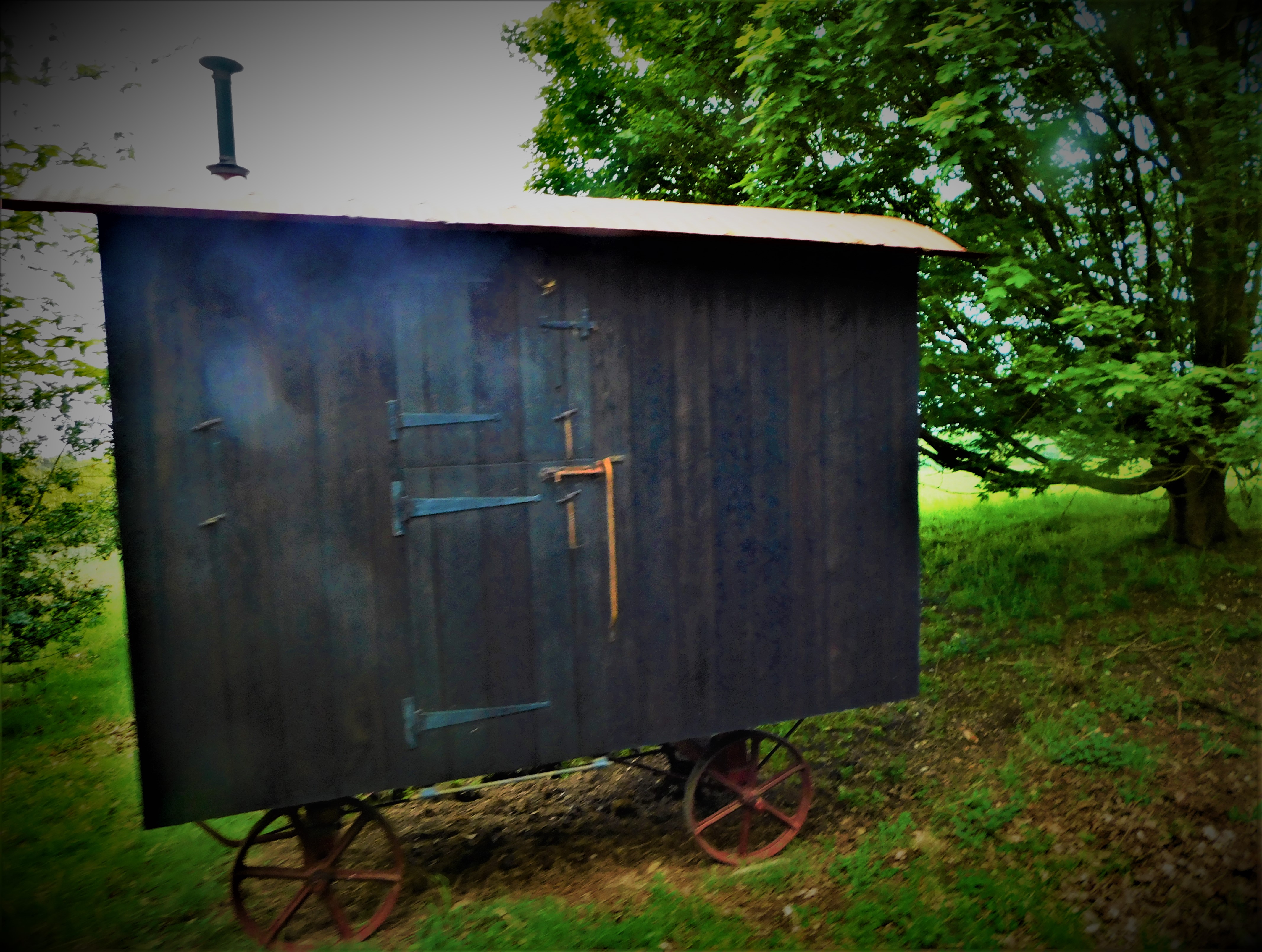
Pensthorpe is a very large site (from Anglo-Saxon times until the 14th century Pensthorpe was a town, larger than nearby Fakenham), and there are some parts that cannot be accessed on foot, which is where the trailer ride comes in. On this occasion there was a small delay on the stated start time of the ride. As well as a natural park/ nature reserve, Pensthorpe owns farm and grazing land, and generates all its own electricity, mainly via solar panels. Among the beasts that are taken to graze here in the appropriate season are sheep, Aberdeen Angus cattle and longhorn cattle. There is both old and new growth woodland, with one section having started life as a classic intensive conifer plantation, now being thinned out to allow more sunlight to reach the forest floor. One also gets distant views of some of the lakes, including ones equipped with nesting platforms for Common Tern. There are two sections of the route that were once parts of railways, both closed in the early 1960s, and the infrastructure destroyed. At one stage there is a direct view of a ‘maltings’ building (making malted barley is the first stage of the process of beer making). There were dragonflies about, though I was unable to capture any on camera – strictures regarding moving targets when you yourself are in motion apply as much to the only kind of shooting I am interested in as to the other kind. There are many kinds of bird and bat box to be seen. Also reminders of the natural history of the area in the form of small lakes where water has filled holes originally gouged out by glaciers. These are important habitats for creatures such as frogs. The site’s single most important asset is the river Wensum, a chalk stream, and a such heavily protected. I enjoyed my journey on the trailer, and having remembered that I travelled on the non-drivers side on previous occasions I sat on the driver’s side this time round.
PHOTOGRAPHS
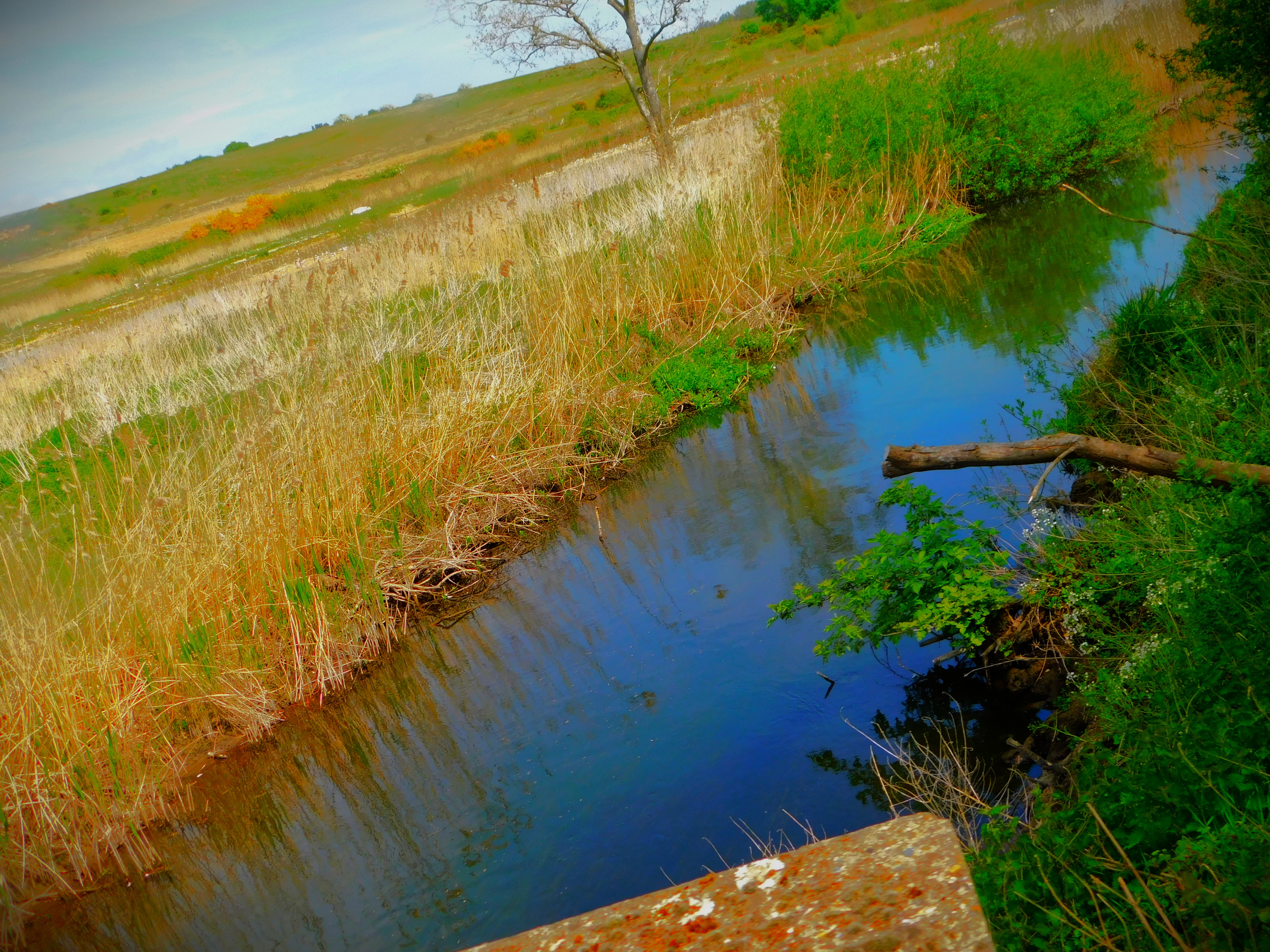
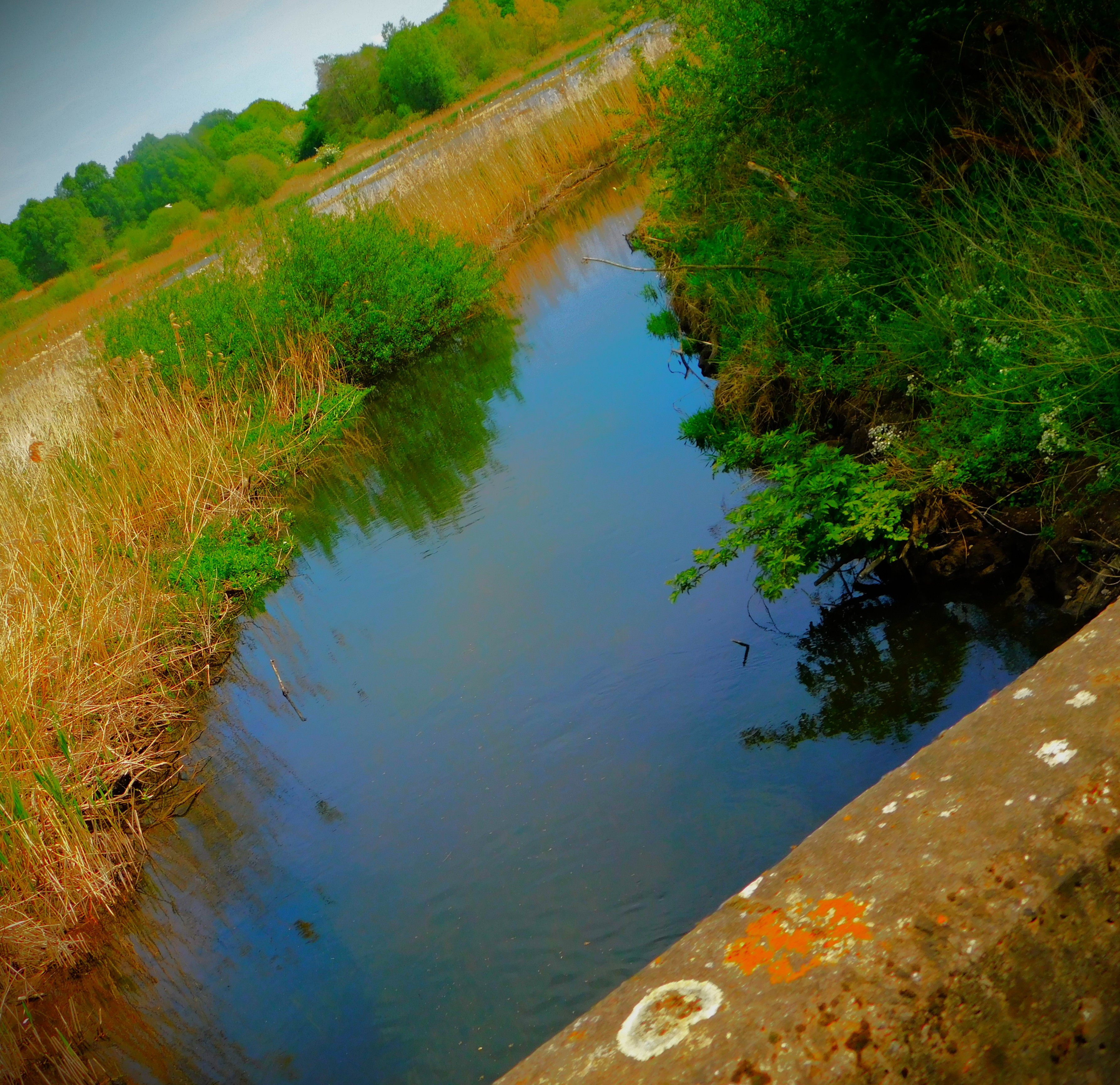
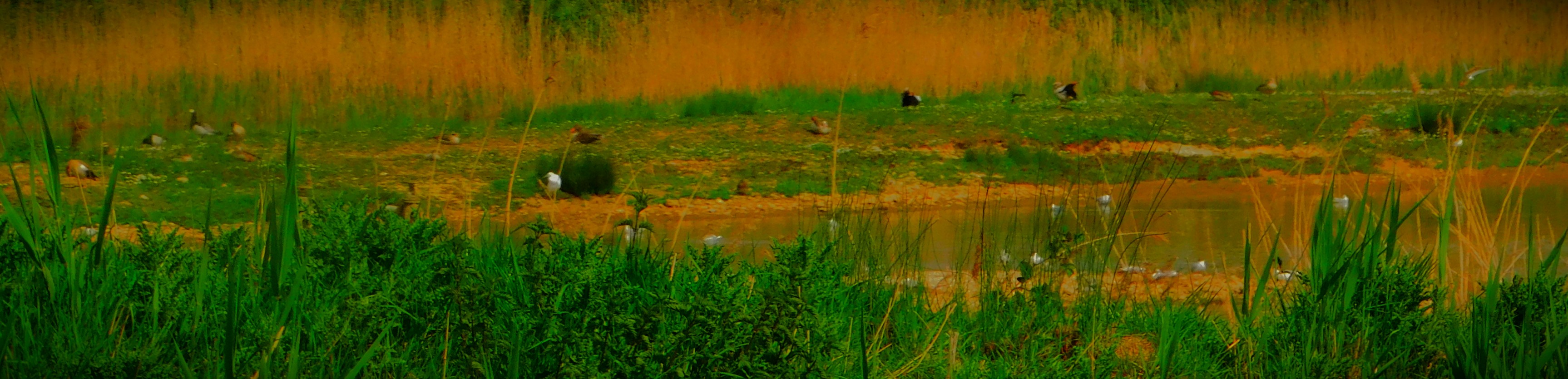
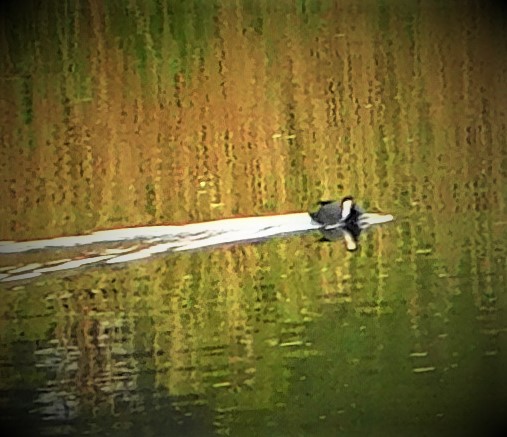
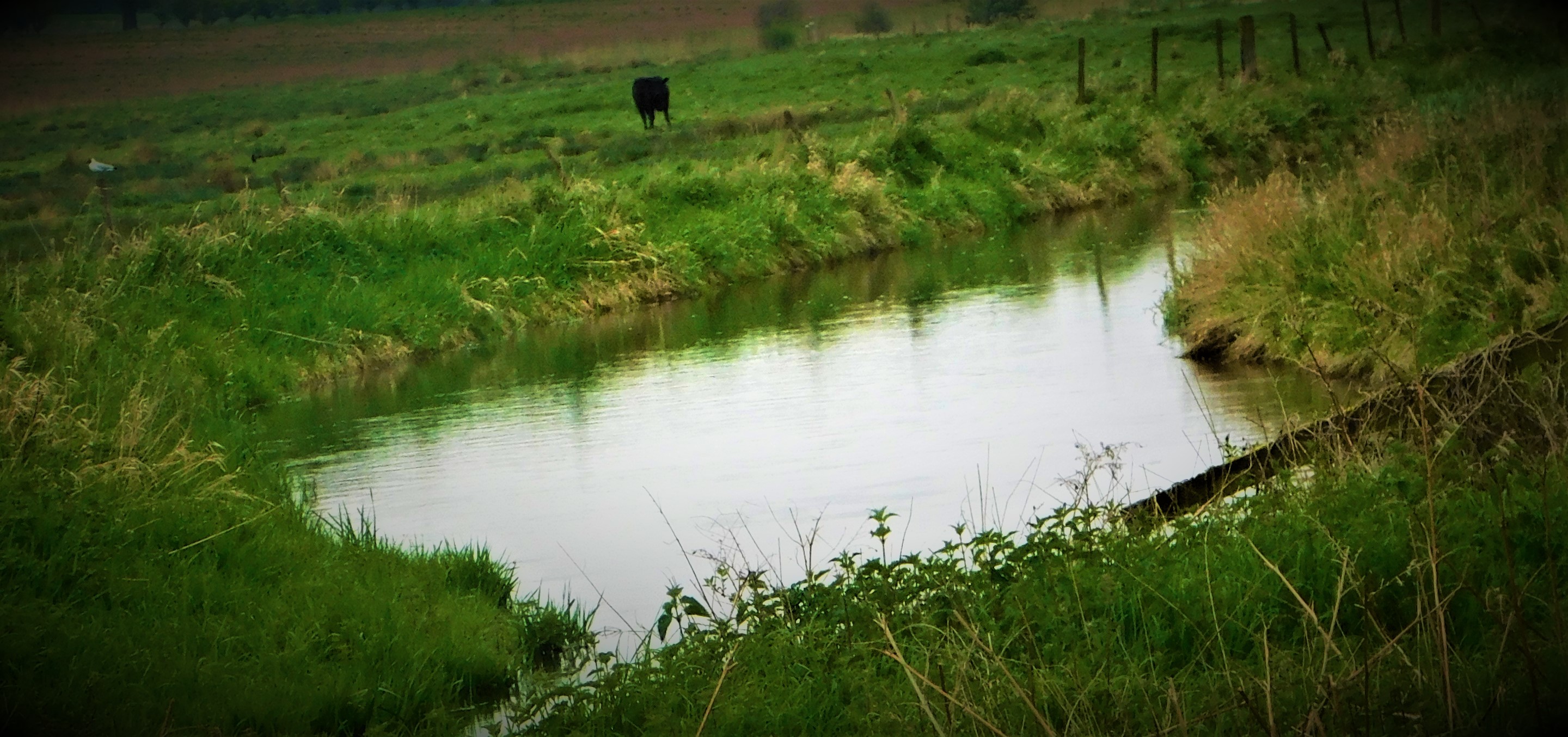
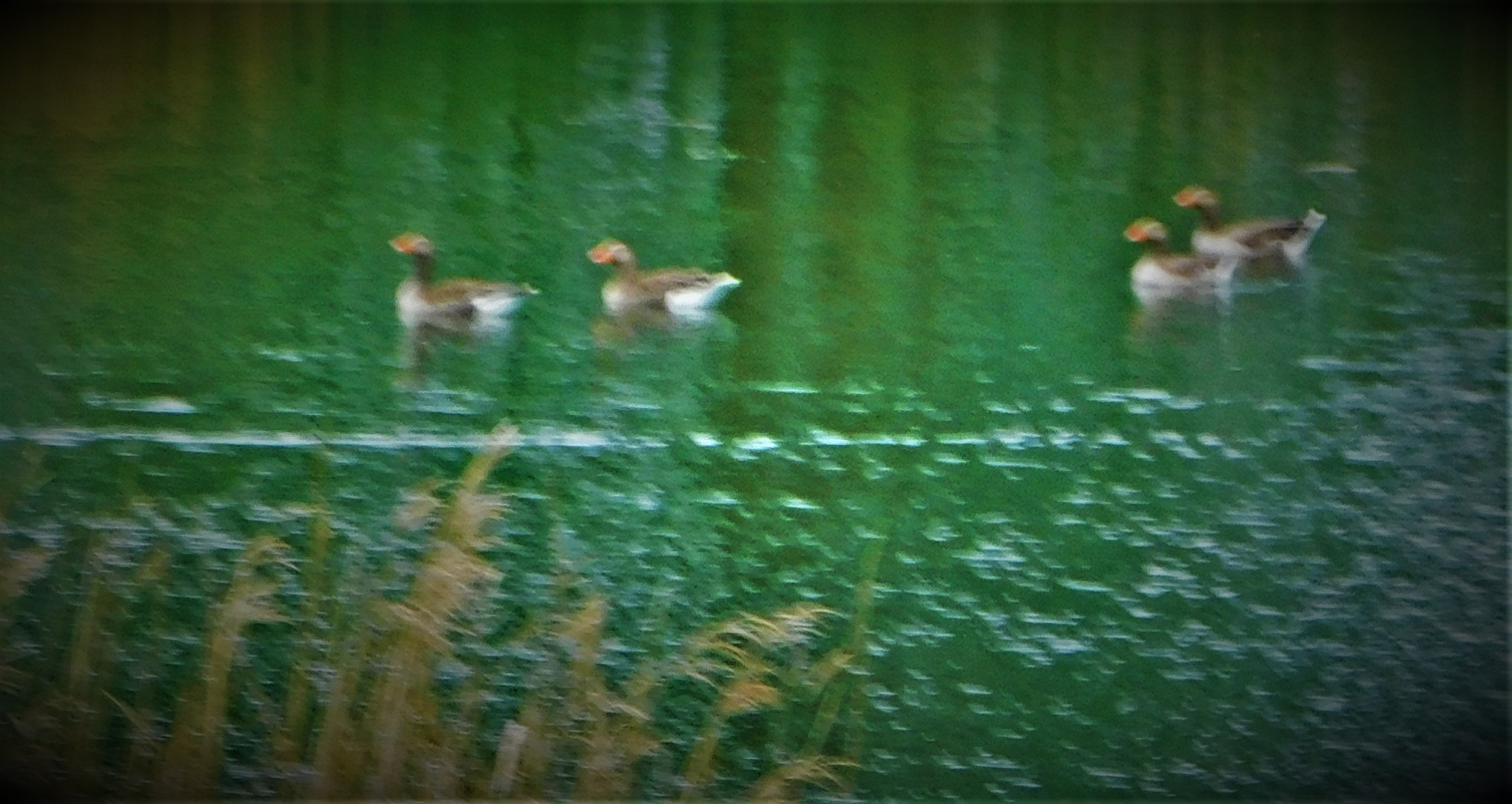
Here are the pictures from the trailer ride…
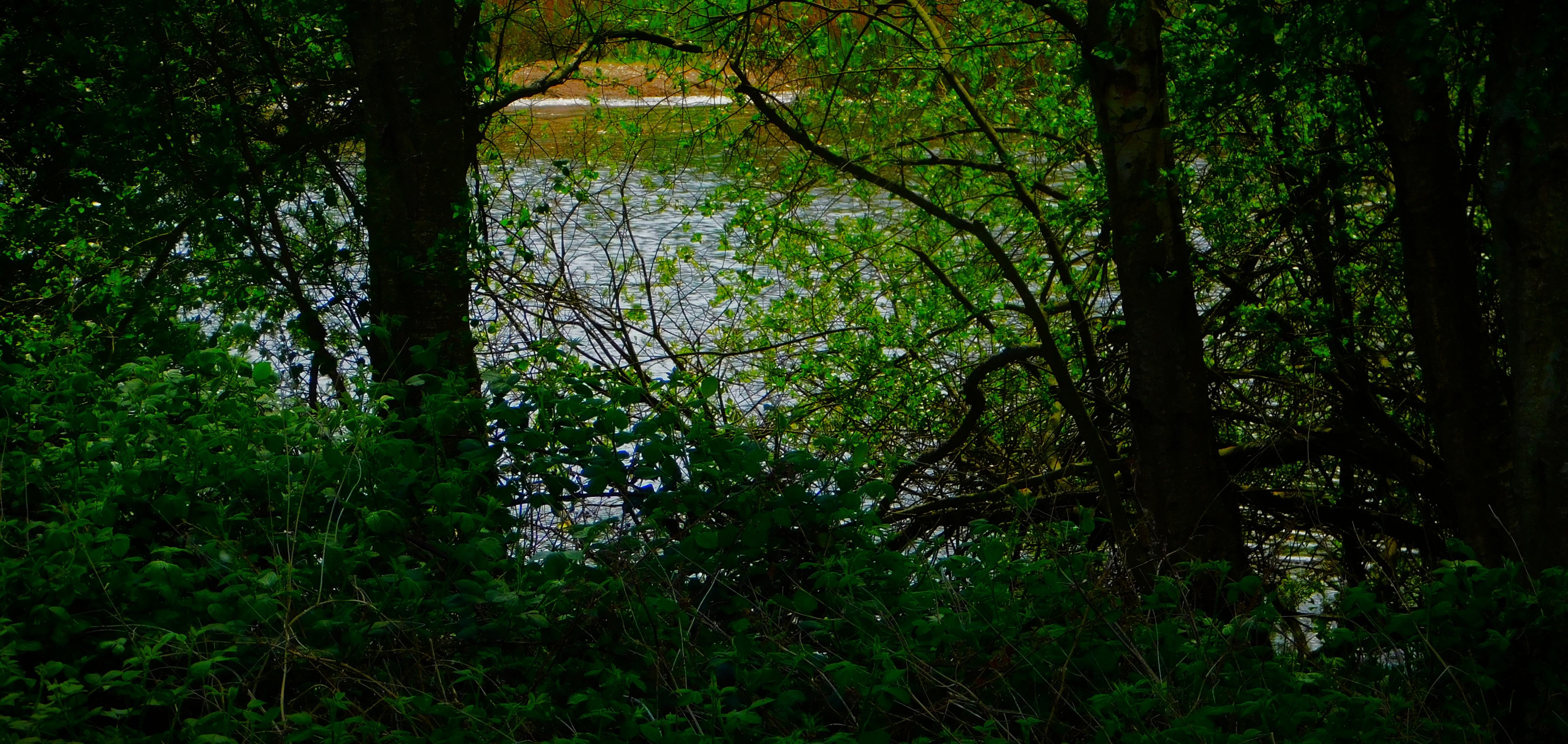
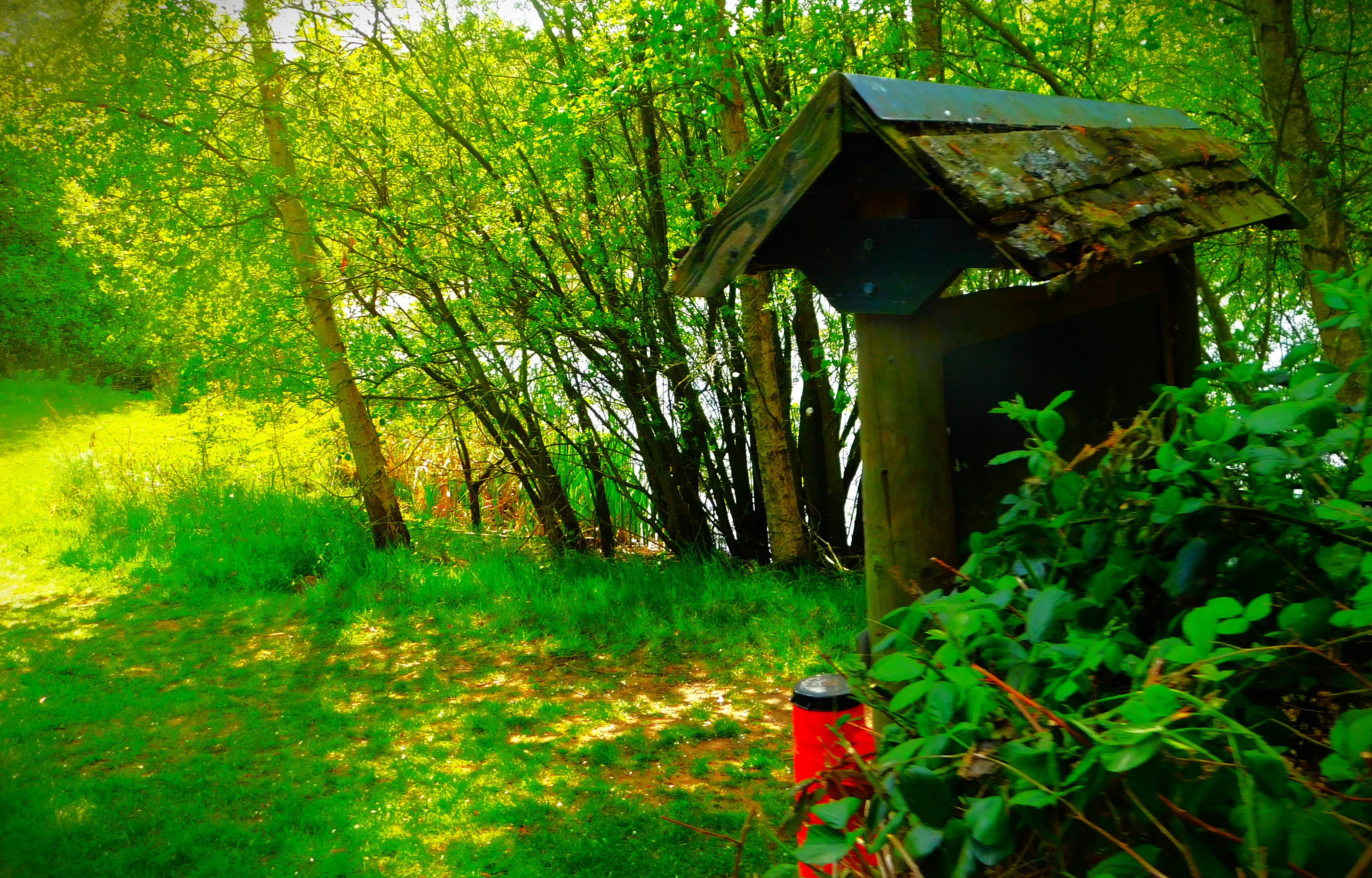
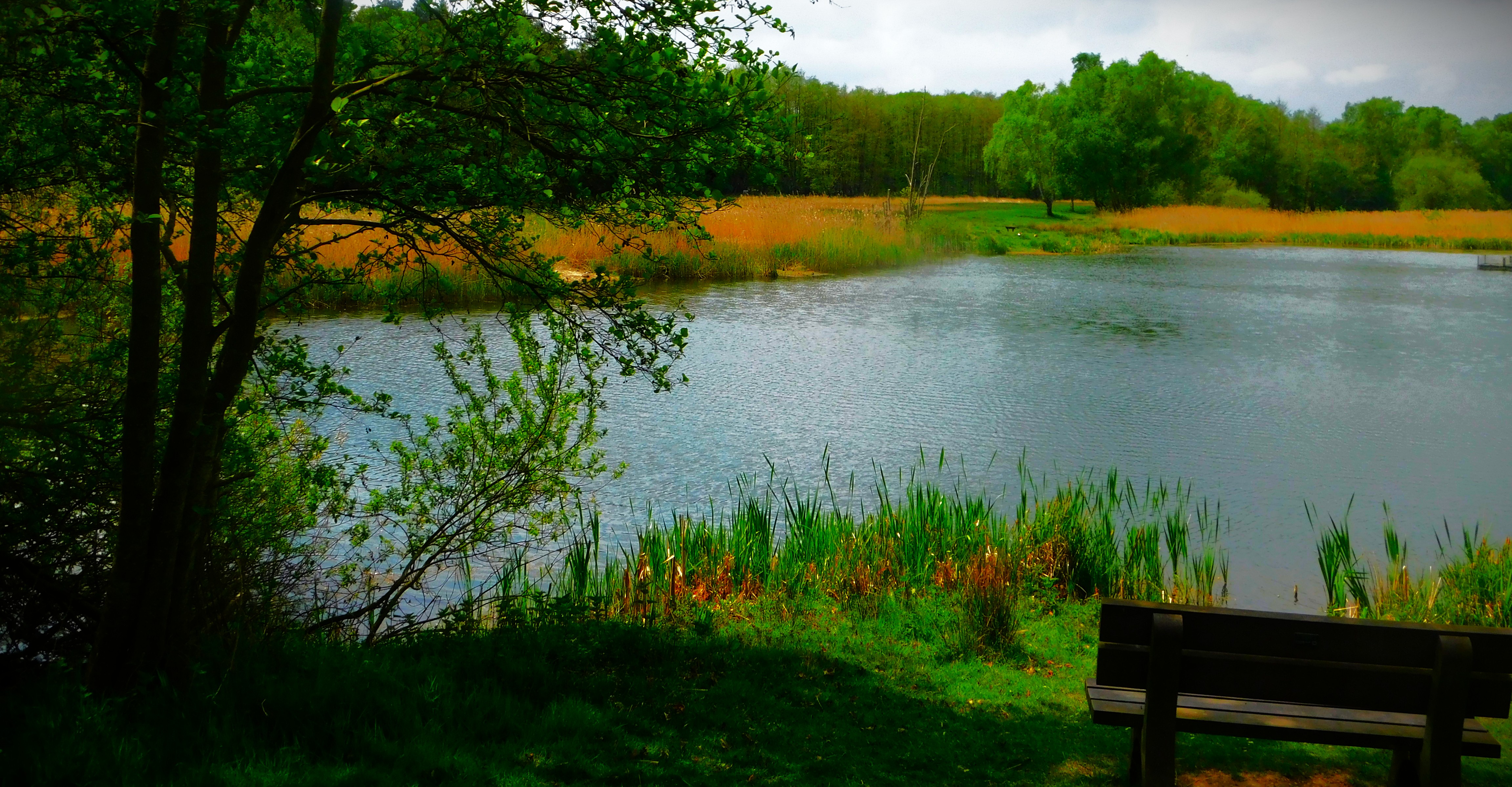
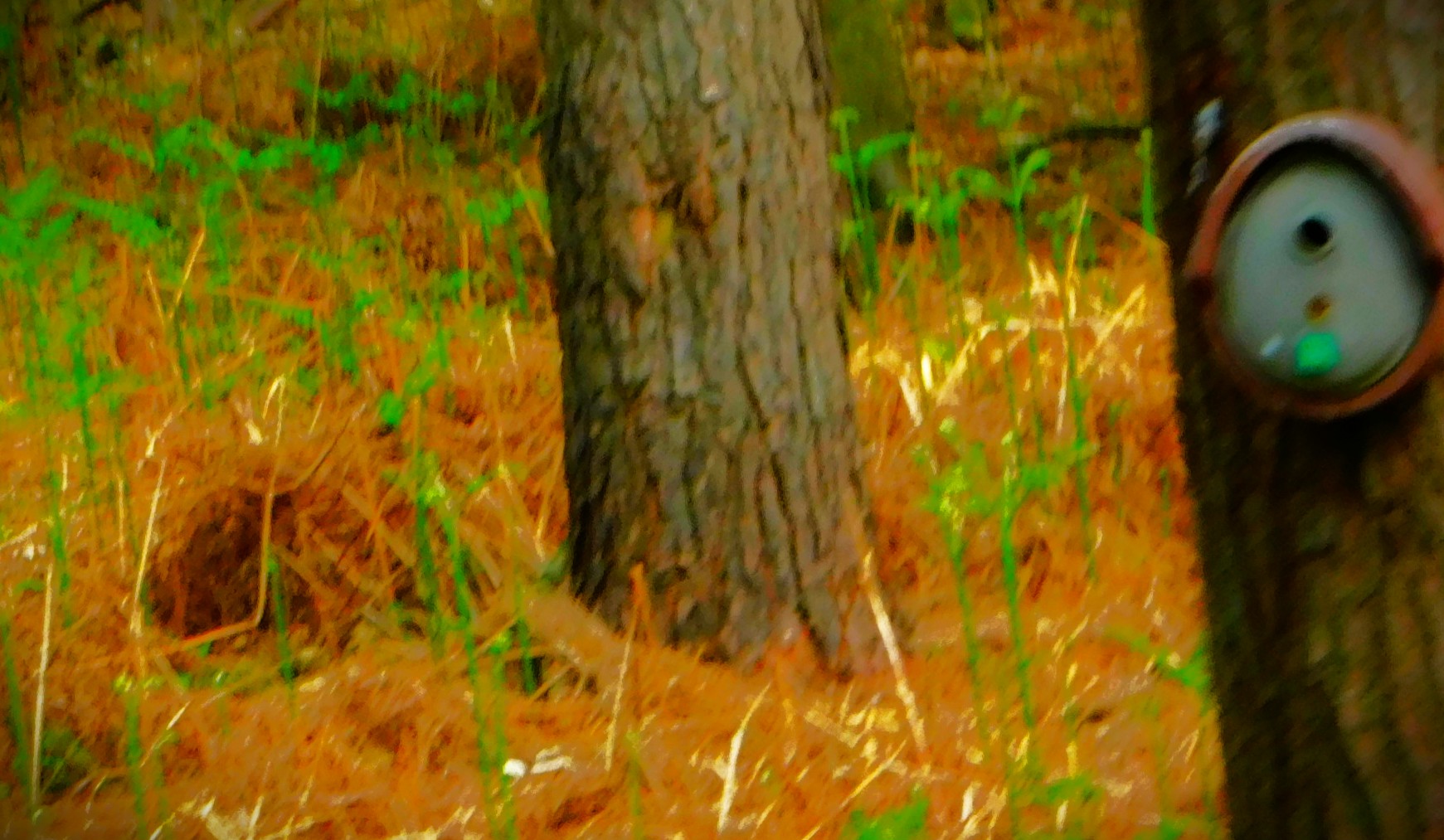
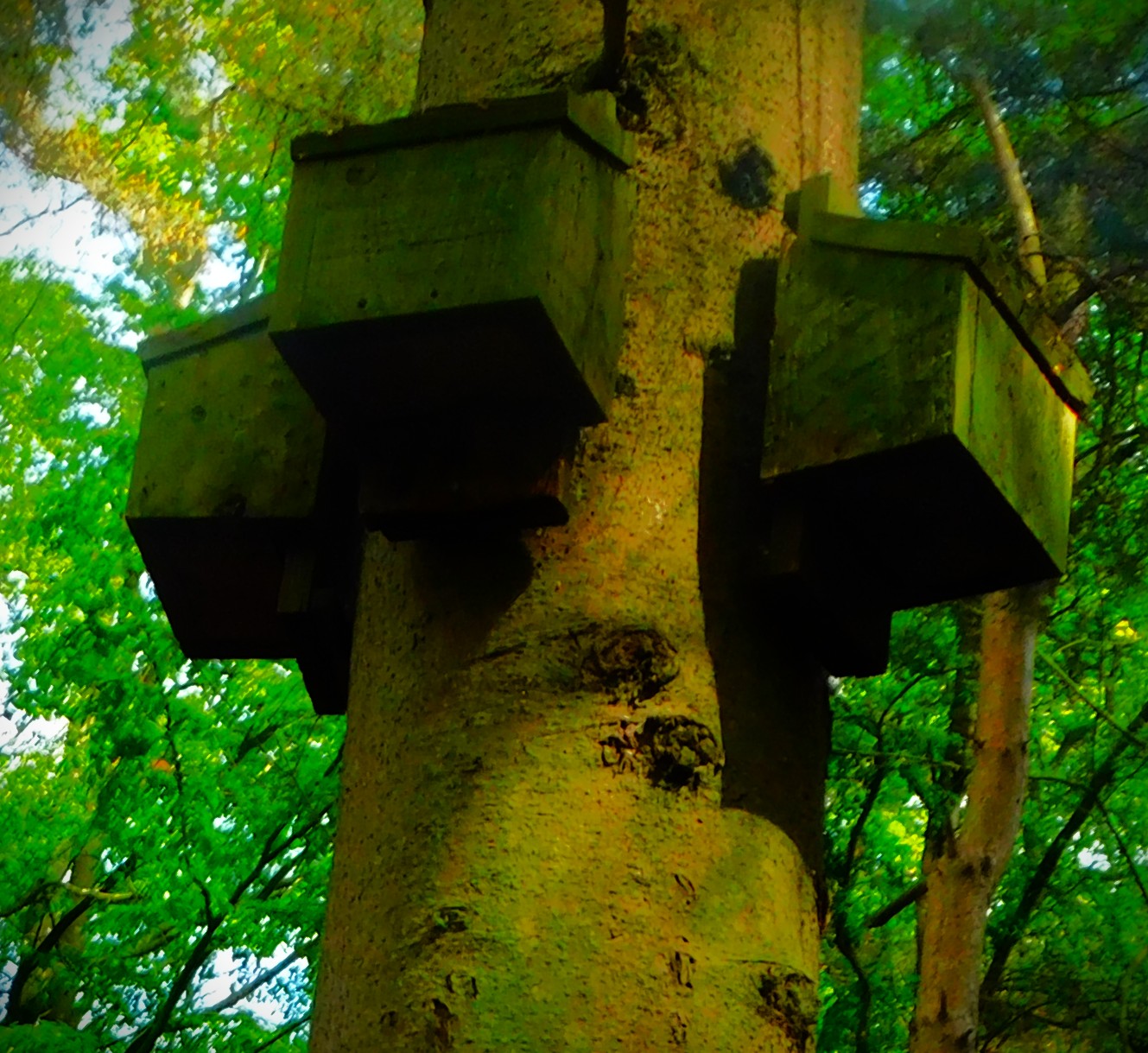
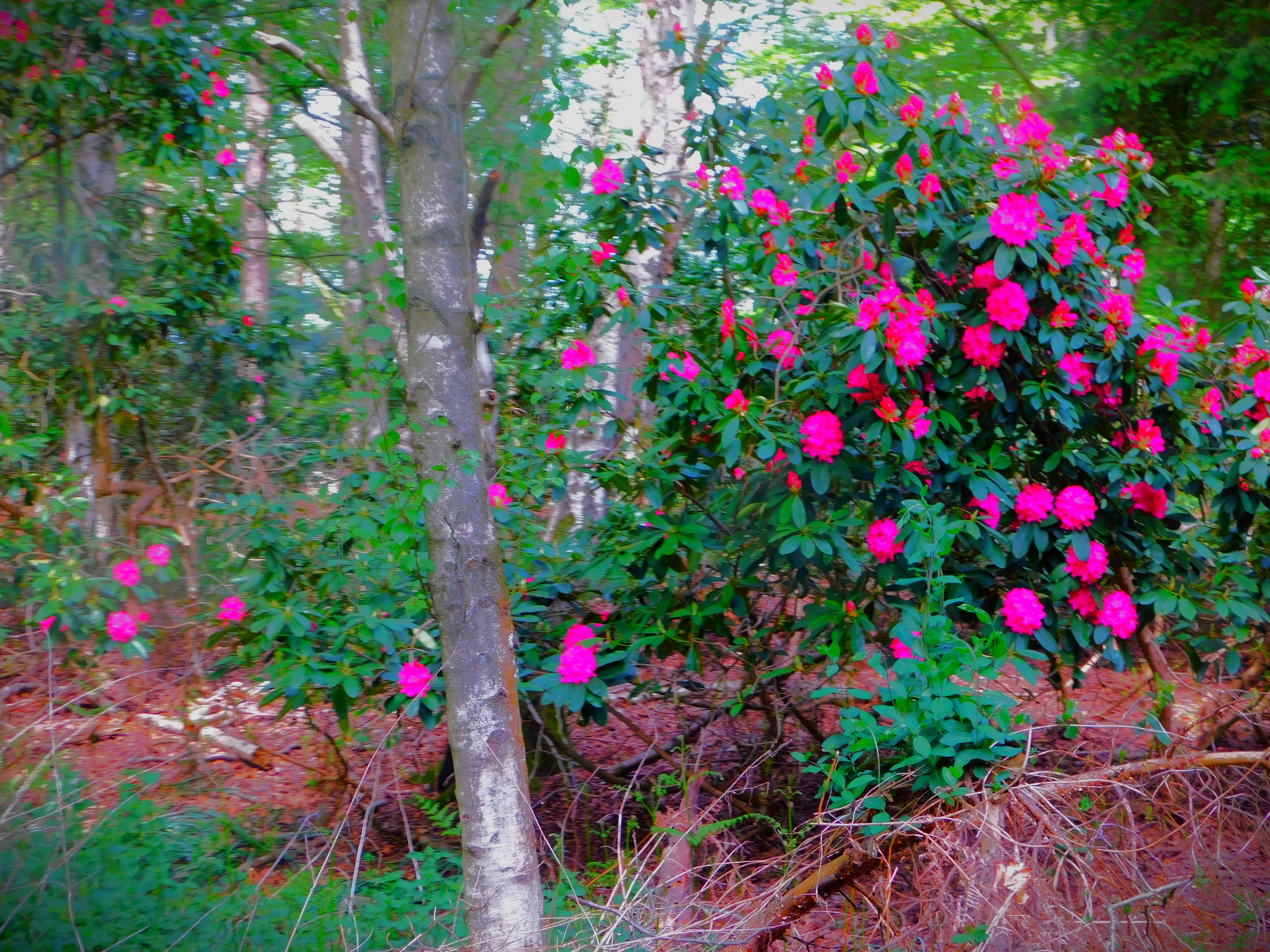
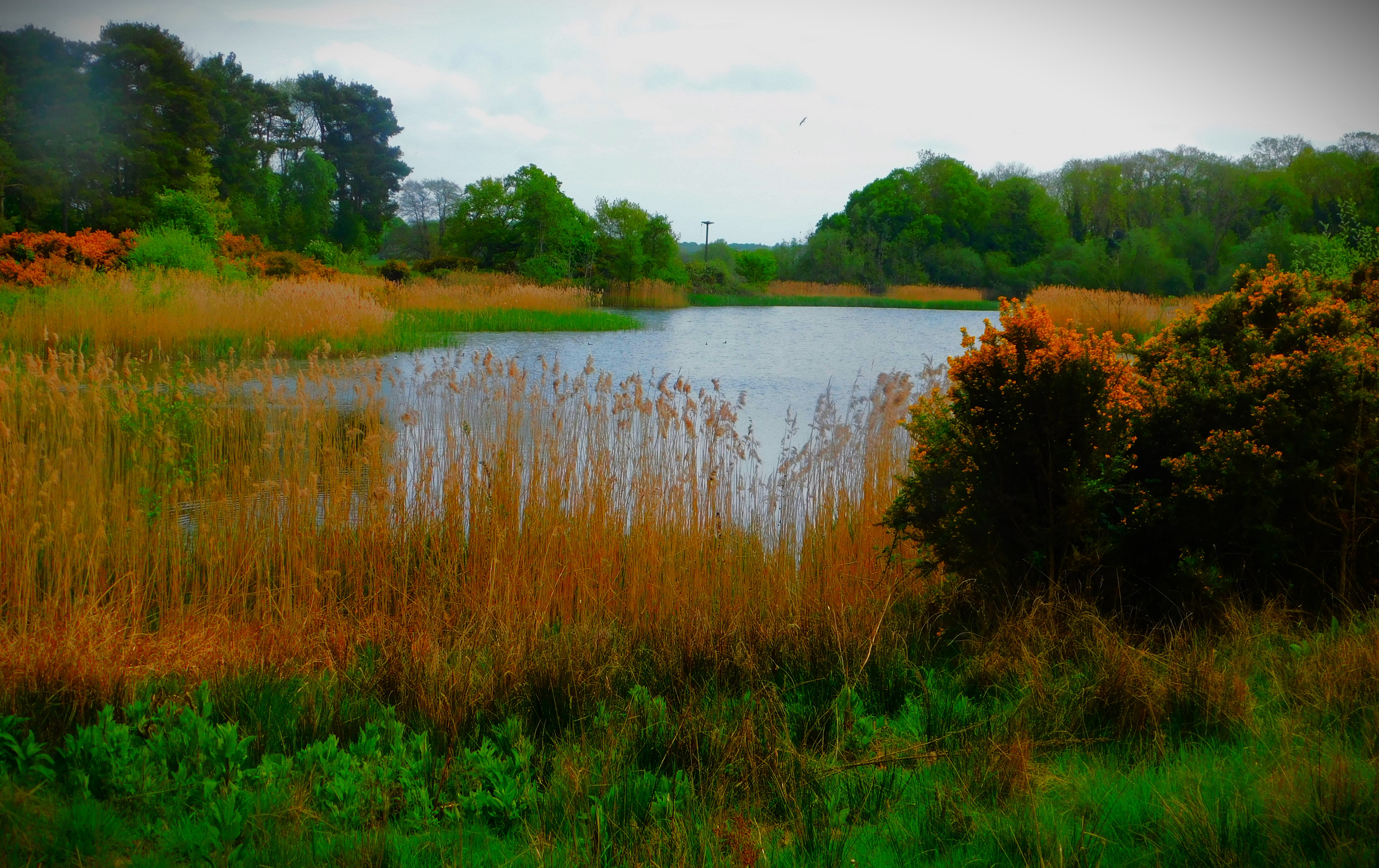
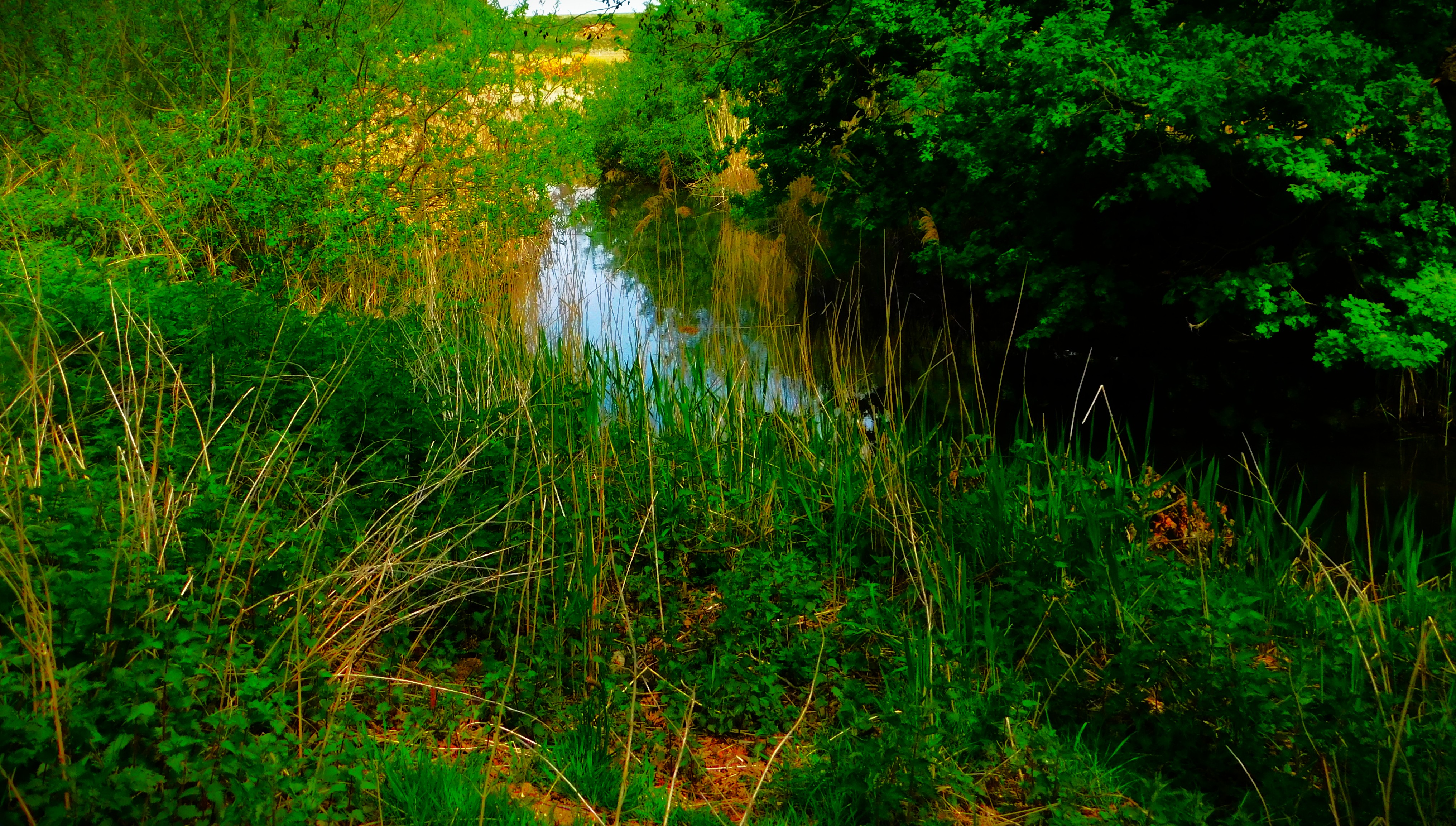
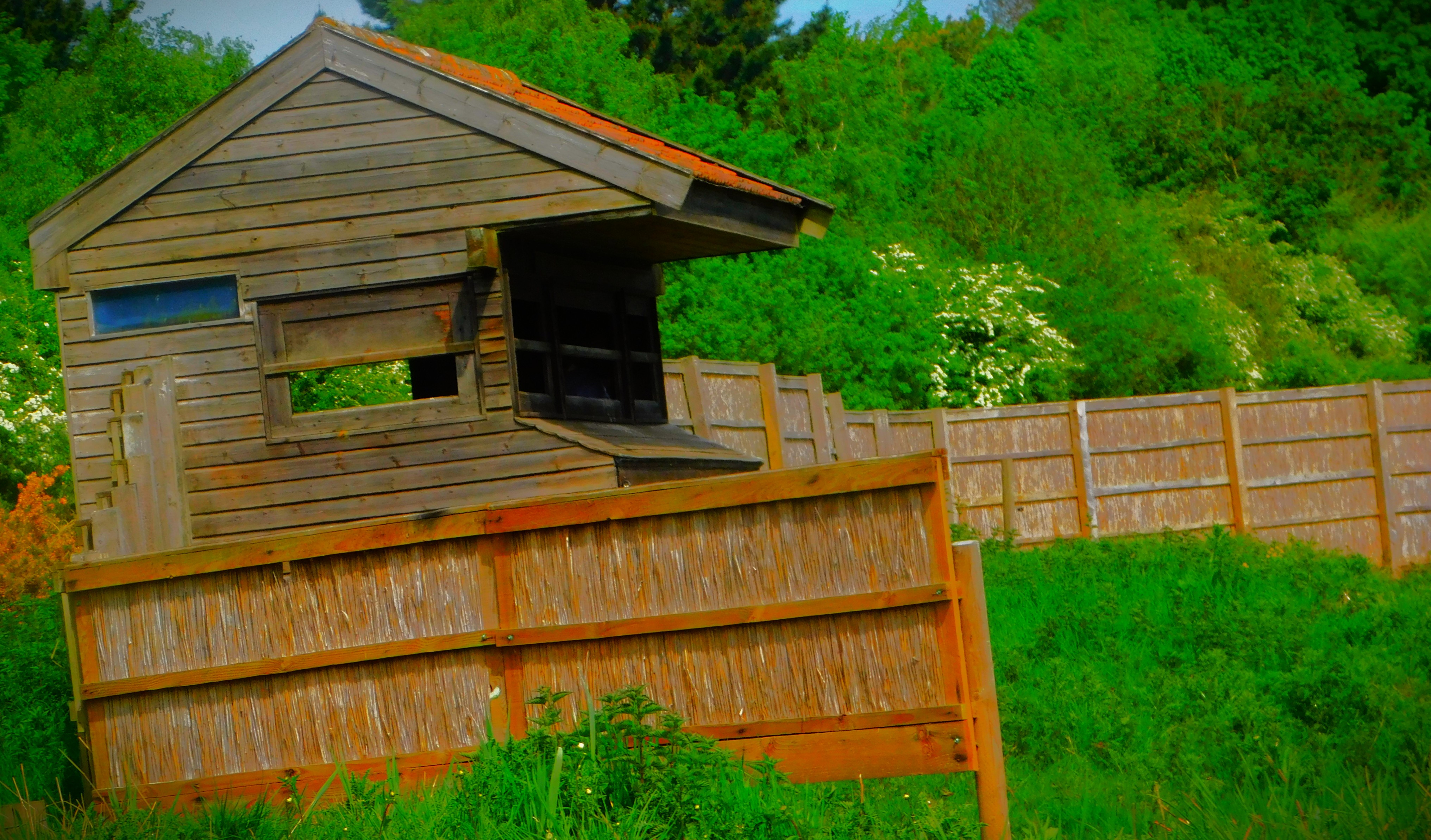
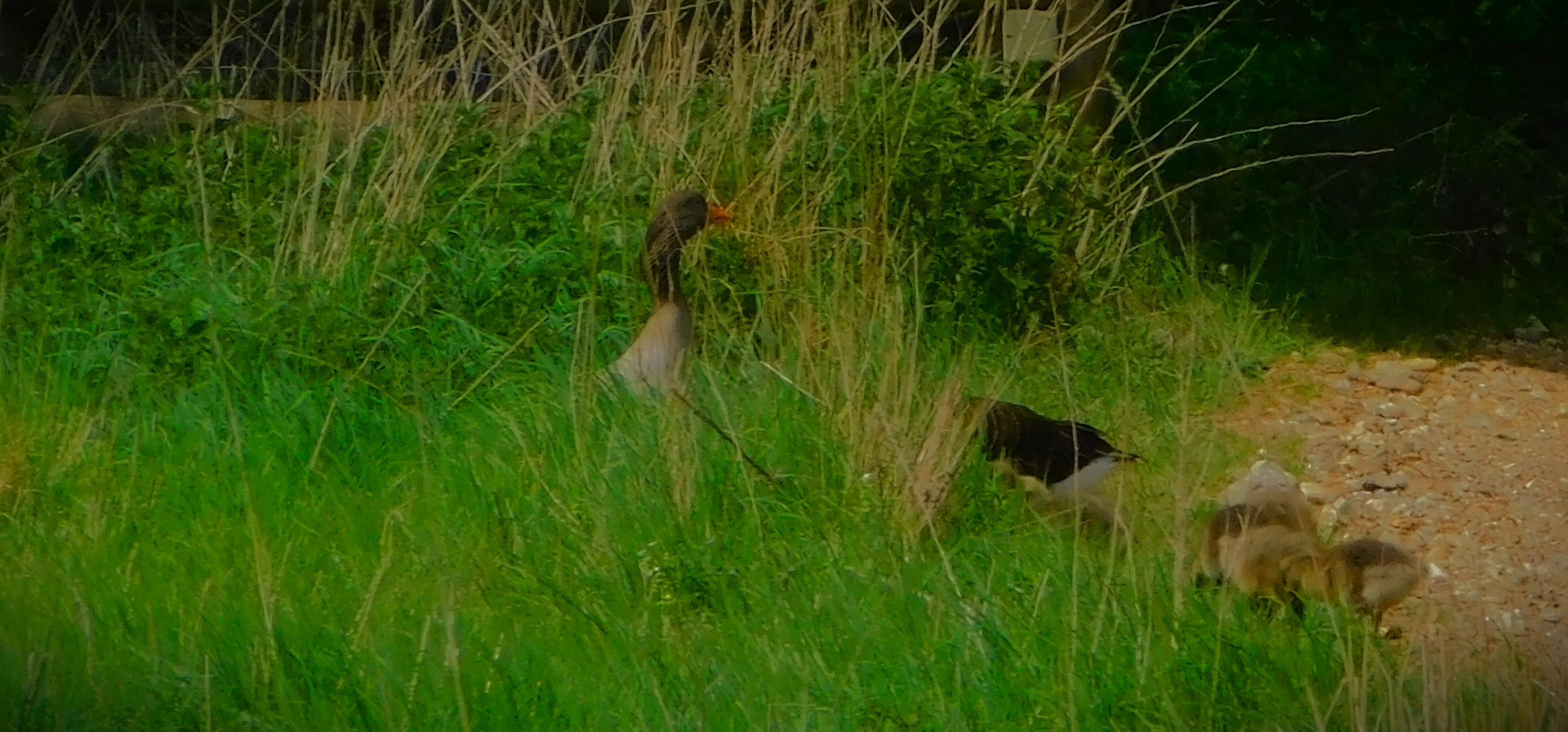
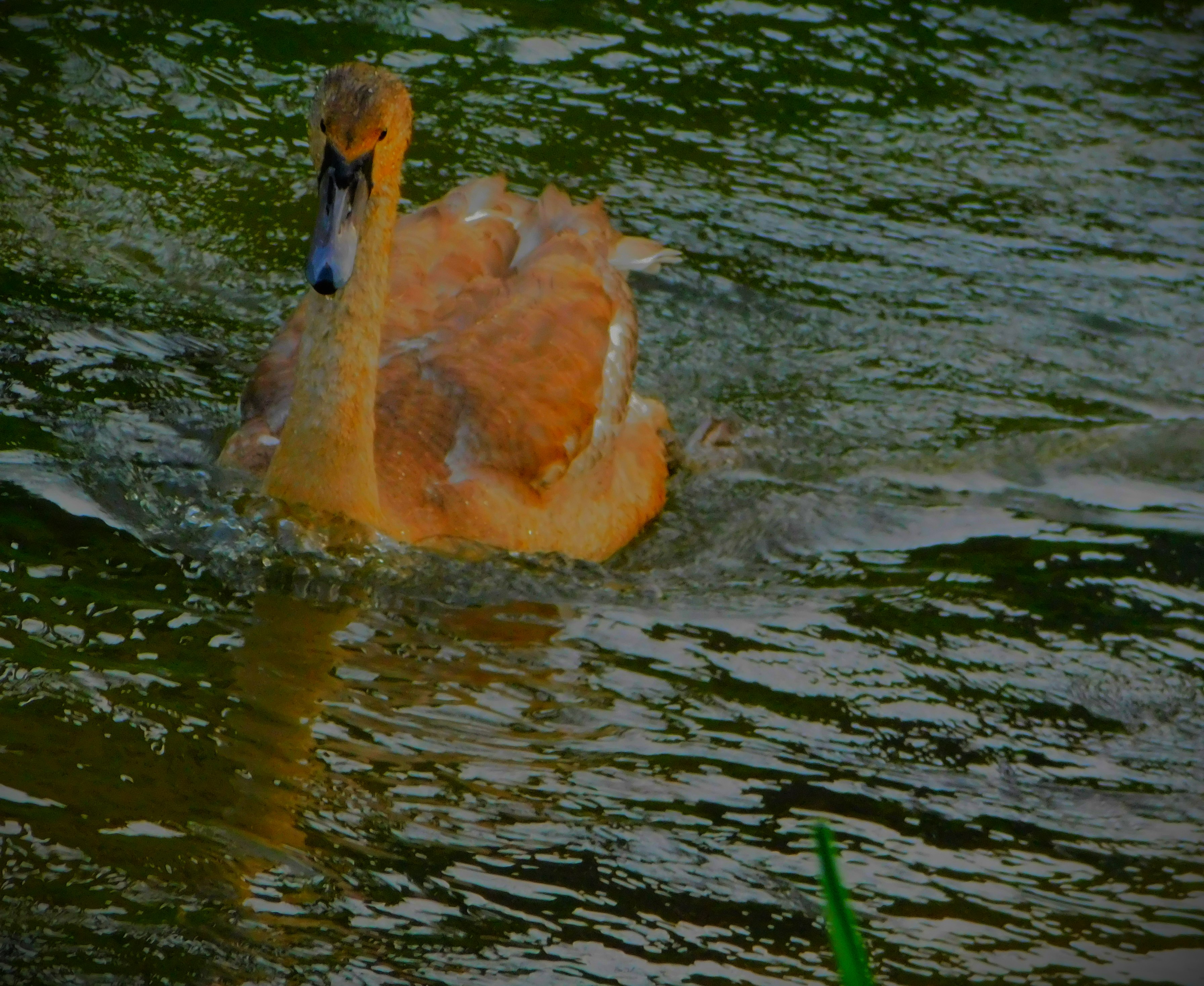
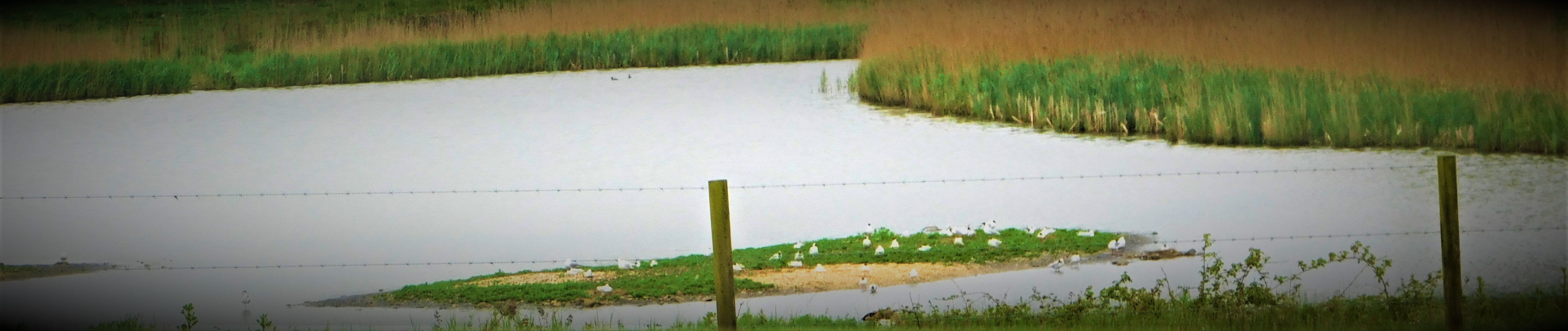
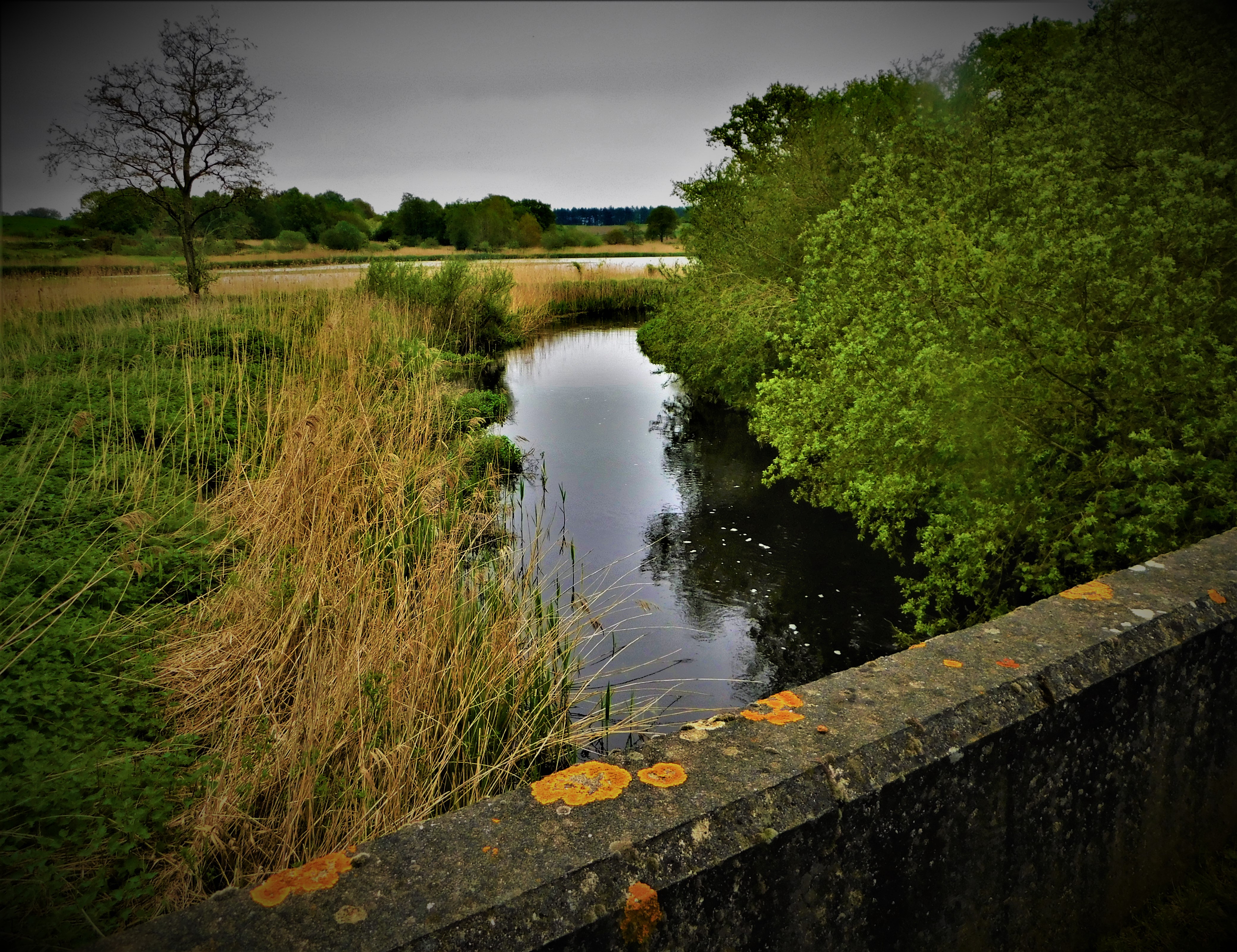
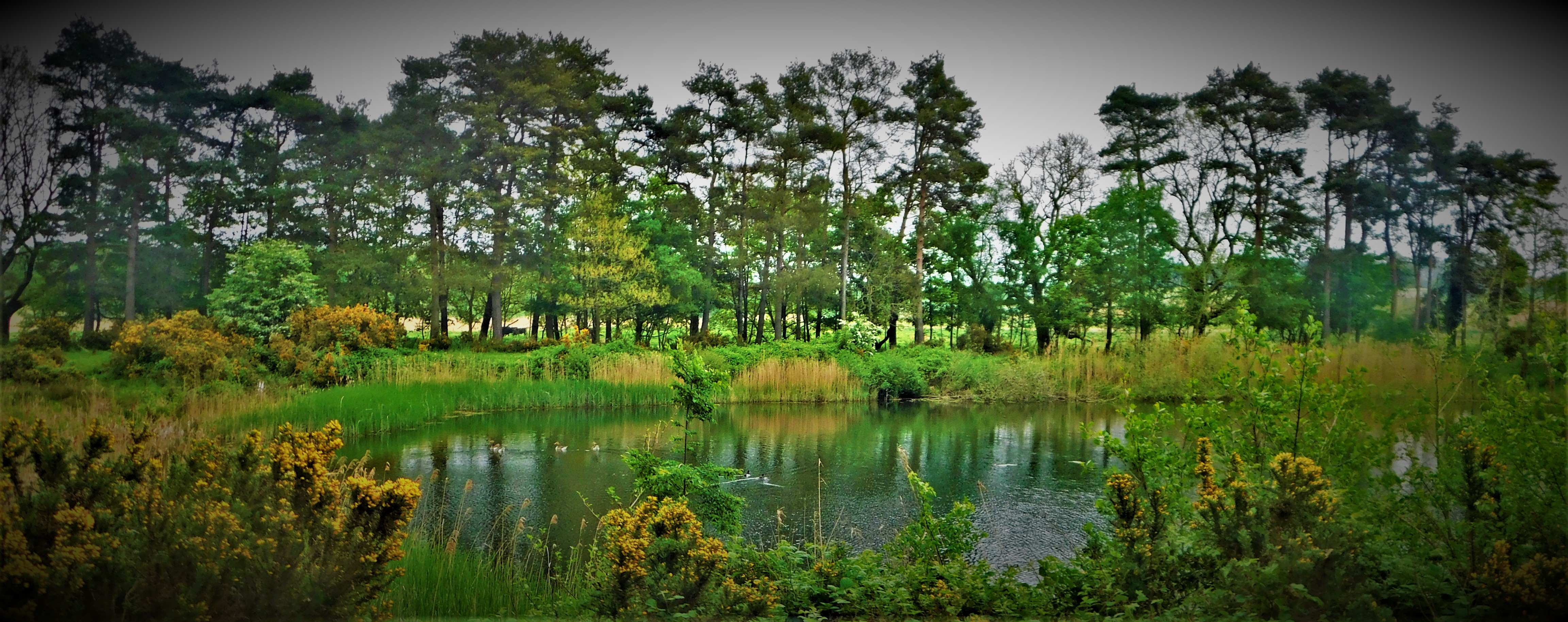
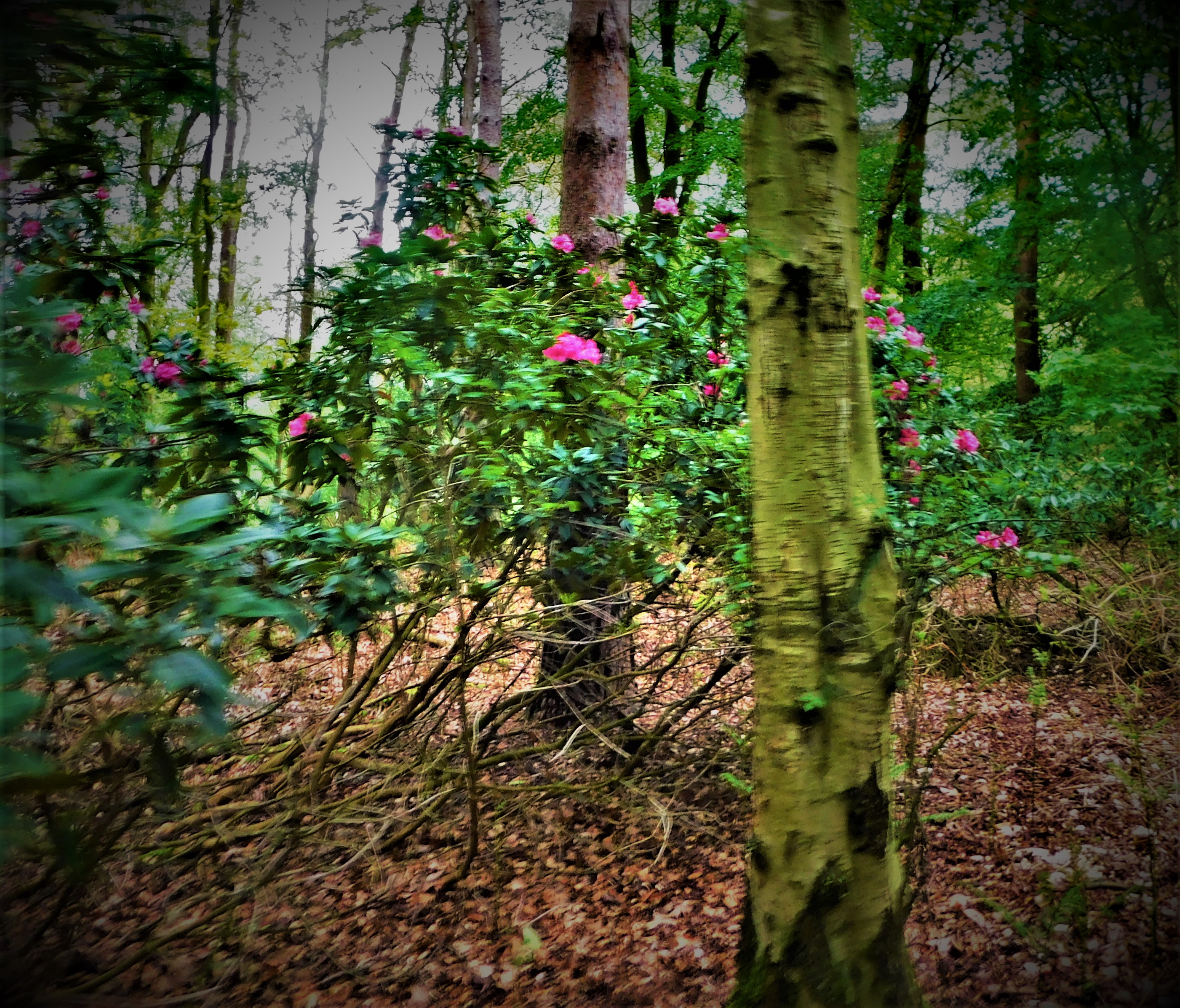
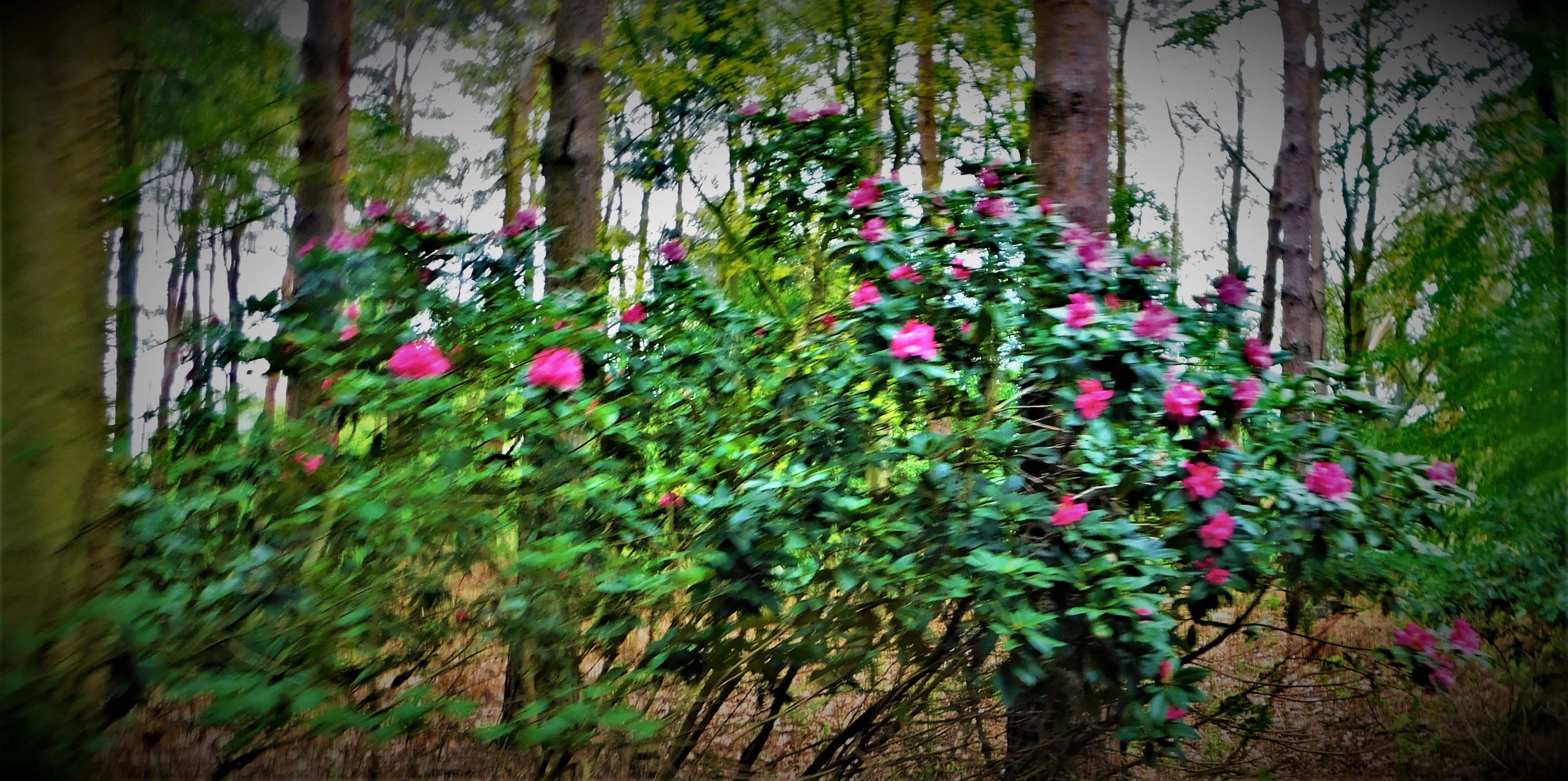
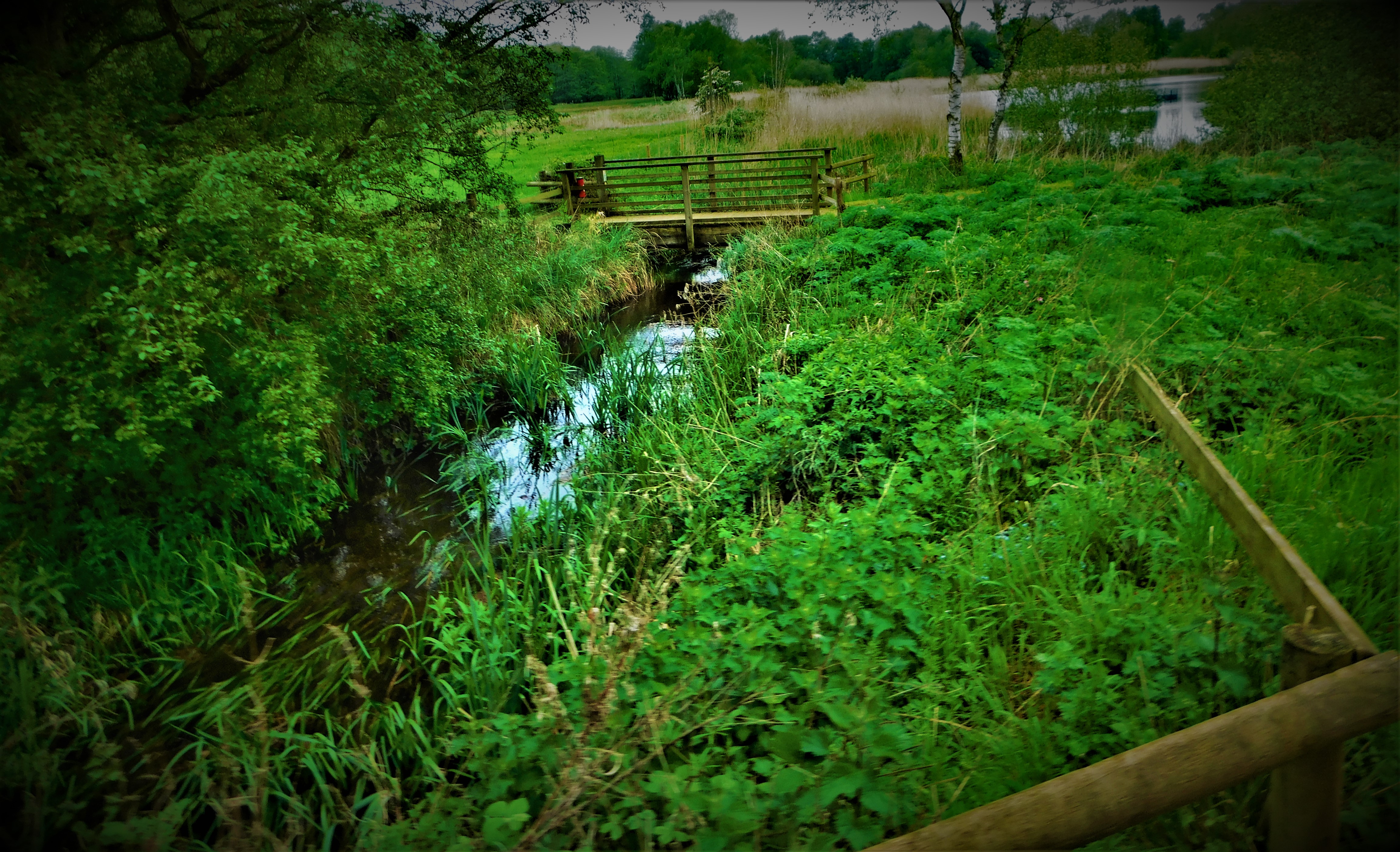
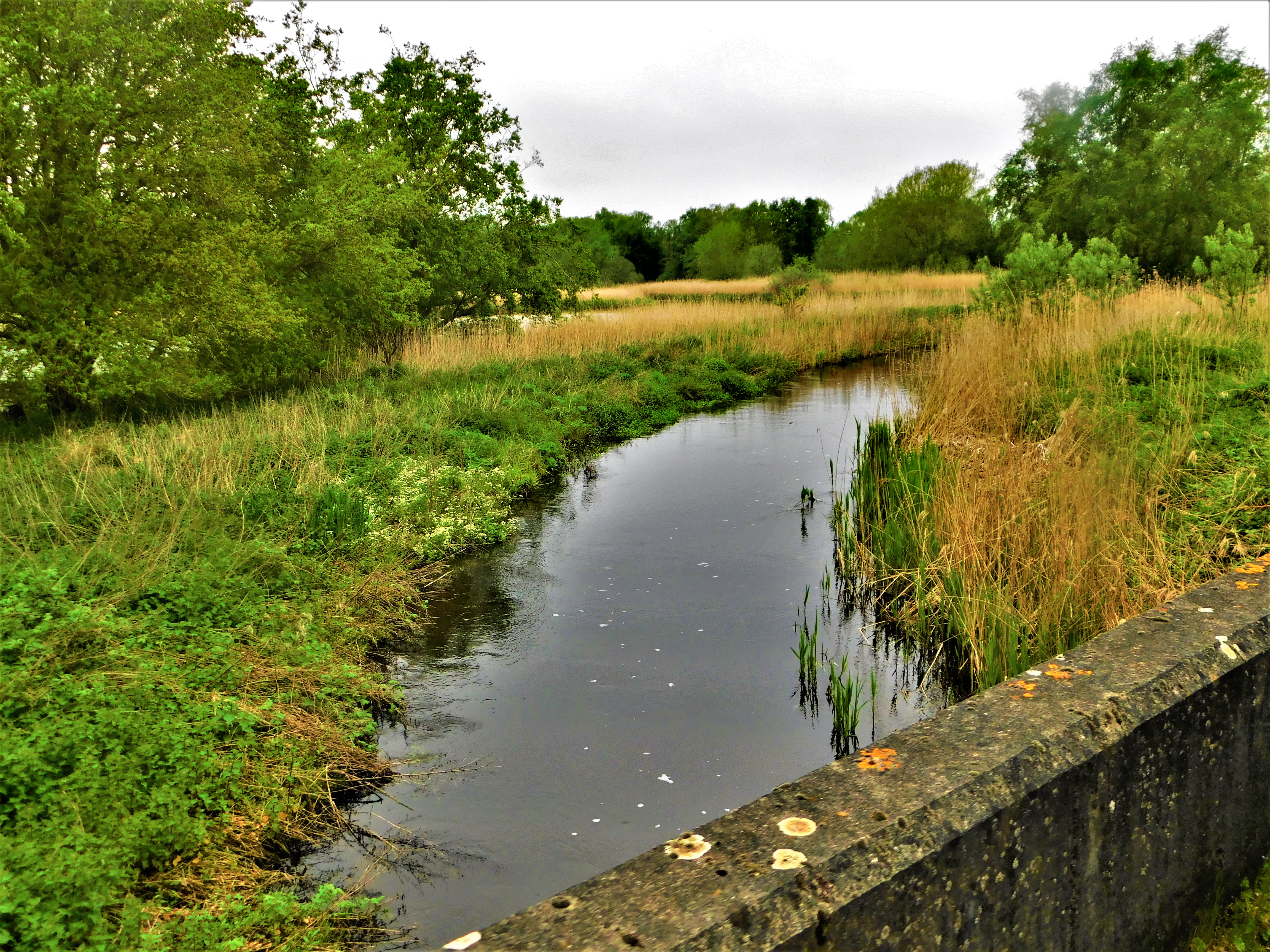
Crossing the Wensum.A place for hedgehogs to hibernate in the winter.Bat boxes, circling the tee so that bats using them can always position themselves as far from the sun as possible. RhododendronsA Greylag Goose family.
A look back at two women’s T20 matches which have taken place in the last 24 hours – South Africa v England and Melbourne Renegades v Brisbane Heat, the final of WBBL10. Also a substantial photo gallery.
Two important women’s T20 matches took place in the space of the last 24 hours. This post looks at both.
POMS PUMMEL PROTEAS
A multi-format series between the South African and England women’s teams is in progress. Yesterday saw the third of three T20Is that started the series off. England had already won the first two matches, and South Africa had weakened side for this match. South Africa batted first and had a horrible start. Lauren Filer, the quickest bowler on either side in this series (the absence of Shabnim Ismail from SA ranks ends all debate on this subject) clean bowled Anneke Bosch with the second ball of the match. In the second over another Lauren, the 6’1″ seamer Bell had Faye Tunnicliffe caught by Bouchier and it was 3-2. Annerie Dercksen got to 19 but then holed to Nat Sciver-Brunt off Bell to make it 25-3. Sune Luus and Chloe Tryon tried to revive things, but the last ball of the sixth over, off spinner Charlie Dean’s first, saw Luus caught by Knight. Eight balls and a mere three runs later Tryon also fell to the Knight/ Dean combo. Nadine de Klerk and Nondumiso Shangase shared a good stand until Shangase was stumped by Amy Jones off the bowling of left arm medium pacer Freya Kemp to make it 97-6. South Africa eventually reached 124, their last wicket falling to the final ball of the innings, with number 11 Ayanda Hlubi run out for 7 to end it. Charlie Dean had 3-26 from her four overs, while the other spinner Sophie Ecclestone had 1-16 from her four, the wicket being that of Eliz-Mari Marx, bowled by an absolute ripper of a delivery. This total looked modest on a pitch with a good deal of bounce (Centurion pitches tend to have this attribute) but little in the way of actual mischief. England soon made it look downright risible. Maia Bouchier and Danni Wyatt-Hodge got things going with a stand of 56 in 5.4 overs before Bouchier was out for 35 (21). That brought Sophia Dunkley out to join Wyatt-Hodge. Dunkley hit one massive six, but it was Wyatt-Hodge who was leading the charge by this stage. There were still 8.3 overs scheduled to be bowled when Wyatt-Hodge hit the four, her tenth to go with one six, that took her to 53* (31) and England to a nine-wicket win. Dunkley had scored 24* off 17 balls, and South Africa had damaged their own cause by conceding 16 extras. I will draw a veil over their bowling figures. A full scorecard can be seen here.
FROM ZEROS TO HEROS
In the ninth edition of the Women’s Big Bash League, last year, the Melbourne Renegades were an absolute laughing stock of an outfit, taking the wooden spoon and never really looking like doing anything else all the way through.
In the small hours of this morning UK time they completed a remarkable transformation, with some assistance from the Duckworth-Lewis-Stern (DLS) method, winning the final against Brisbane Heat to lift the trophy.
Brisbane Heat won the toss, and with weather interruptions threatening opted to bowl first. DLS recalculations frequently do benefit chasing sides. Renegades were less than impressive in totalling 141-9 from their 20 overs, for which they were indebted to Hayley Matthews, already confirmed as Player of the Tournament, who held things together for them with an innings of 69. Charli Knott took three wickets and Grace Parsons two, but the most impressive bowling performance for Heat came from 18 year old Lucy Hamilton who capped a memorable first WBBL tournament of her career by producing figures of 4-0-19-1.
Heat were 19-2 after 3.2 overs when the rain came. The adjusted target once play could resume was 98 off 12 overs, meaning that Heat needed 79 off 8.4 overs from the resumption to win the match. Renegades could bowl two bowlers for three overs each if they so desired but otherwise two overs per bowler was the new limit. Heat never came close to getting on terms with the chase, and it was only a by then irrelevant six from Nicola Hancock off the final ball of the match reduced the margin to seven runs. Hayley Matthews had 2-24 to put alongside her 69 and was the clear-cut Player of the Match. Matthews this tournament has scored 324 runs at an average of 40.50 and a strike rate of 130.64 runs per 100 balls, and taken 14 wickets at 17.78 a piece, with an economy rate of 6.98 and taking a wicket every 15.2 balls on average.
The DLS recalculation undoubtedly worked against Heat because they had lost those two early wickets when the rain came, but I do not believe that it changed the outcome of this match – Heat were not favourites by the time the rain started, and were somewhat more clearly second favourites after the adjusted target was issued.
PHOTOGRAPHS
These pictures were all taken yesterday, in the course of two walks – yesterday morning was dull but not cold, yesterday afternoon was genuinely pleasant. Here are the photographs, plus a reminder that they can be viewed at a larger size by clicking on them…
An account of a walk in and around King’s Lynn. This particular variation on a favourite walking theme of mine took place yesterday late morning. There are plenty of photographs.
It is no secret to followers of this blog that I do a lot of walking, and that I go nowhere without my camera. This post looks in detail at a recent walk.
WALKING IN AND AROUND KING’S LYNN
One of my favourite themes around which to construct walking routes in and around King’s Lynn is what I call the ‘three rivers’. The three rivers of that title are the Gaywood, multiple sections of which are encompassed, the Nar, which is crossed twice at different points, and Great Ouse, the main river in this part of the world, alongside which some of the walk takes place. The particular walk that this post uses for detail took place yesterday, when the weather was bright and sunny but cold.
THE WALK
I started by leaving my house by the back door, as I was heading at first in the general direction of the town centre. The road that runs behind the row of houses in which I live is a private road and is unnamed. It disgorges on to Raby Avenue, which I crossed, and then headed down Townshend Terrace, a side road which forms a right angle, running from Raby Avenue to a pond at which point it swings 90 degrees and disgorges onto another road. However, as you will see I was not going that way. The pond usually yields pictures, and it did so this day as well…
While Townshend Terrace goes on way, a footpath leads in the opposite direction, through to Loke Road. On the far side of Loke Road, almost directly across from this footpath is a side road called Harewood Parade, which leads round the side of a second pond, until it terminates and is replaced by footpath which heads into a section of greenery flanked on one side by a section of the Gaywood River and on the other by Kettlewell Lane. Although the second pond did not yield anything for the camera on this occasion, the rest of this segment of the walk did…
Kettlewell Lane leads out on to what at that stage is Littleport Street, though a little way north it becomes Gaywood Road. By this stage one is very close to the town centre, but one is not committed to main roads. I crossed Littleport Street at the light controlled crossing on Eastgate Bridge, and headed down Highgate, past a little patch of greenery that sometimes yields pictures though not on this occasion, and down a little side passage that leads to a small bridge back over the Gaywood to the town side and another little section of greenery, which I exited on to Wyatt Street at the other side. I then crossed Wyatt Street, and took a footpath that runs alongside Eastgate primary school before coming out on Blackfriars Road, the road that runs past King’s Lynn station. At this point, for a brief period there are no further options for main road avoidance, so I followed the road round past the station, and shortly after the station headed into the park called The Walks. I headed alongside another section of the Gaywood (heavily sculpted at this stage of its route) until I reached the white metal bridge that leads in to the Vancouver Garden wherein is located the bandstand. I exited the Vancouver Garden by the other bridge from it, crossed the Broadwalk, and headed for the Seven Sisters exit. This section did not yield many pictures, but there were a few…
The Guanock Gate
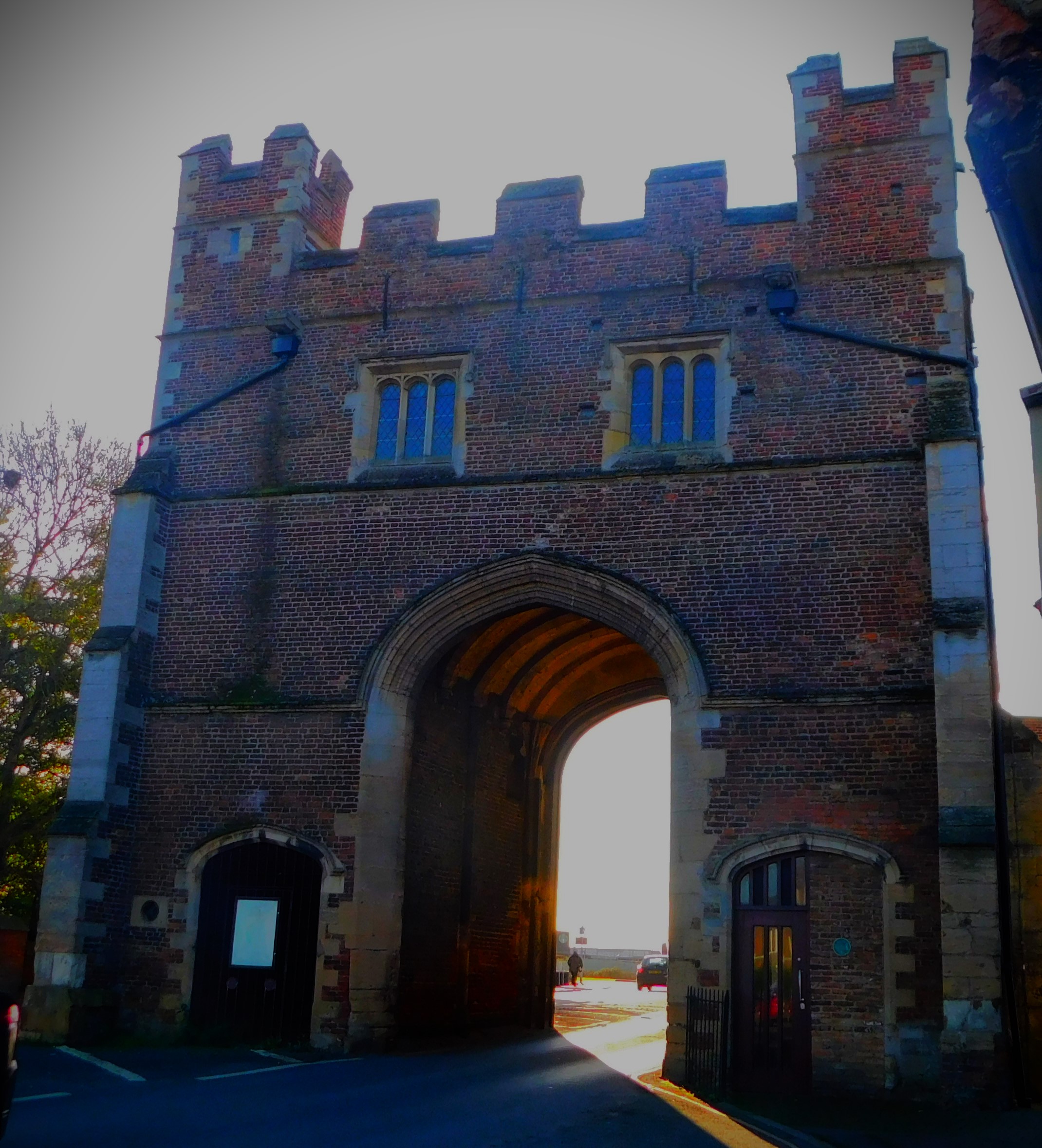
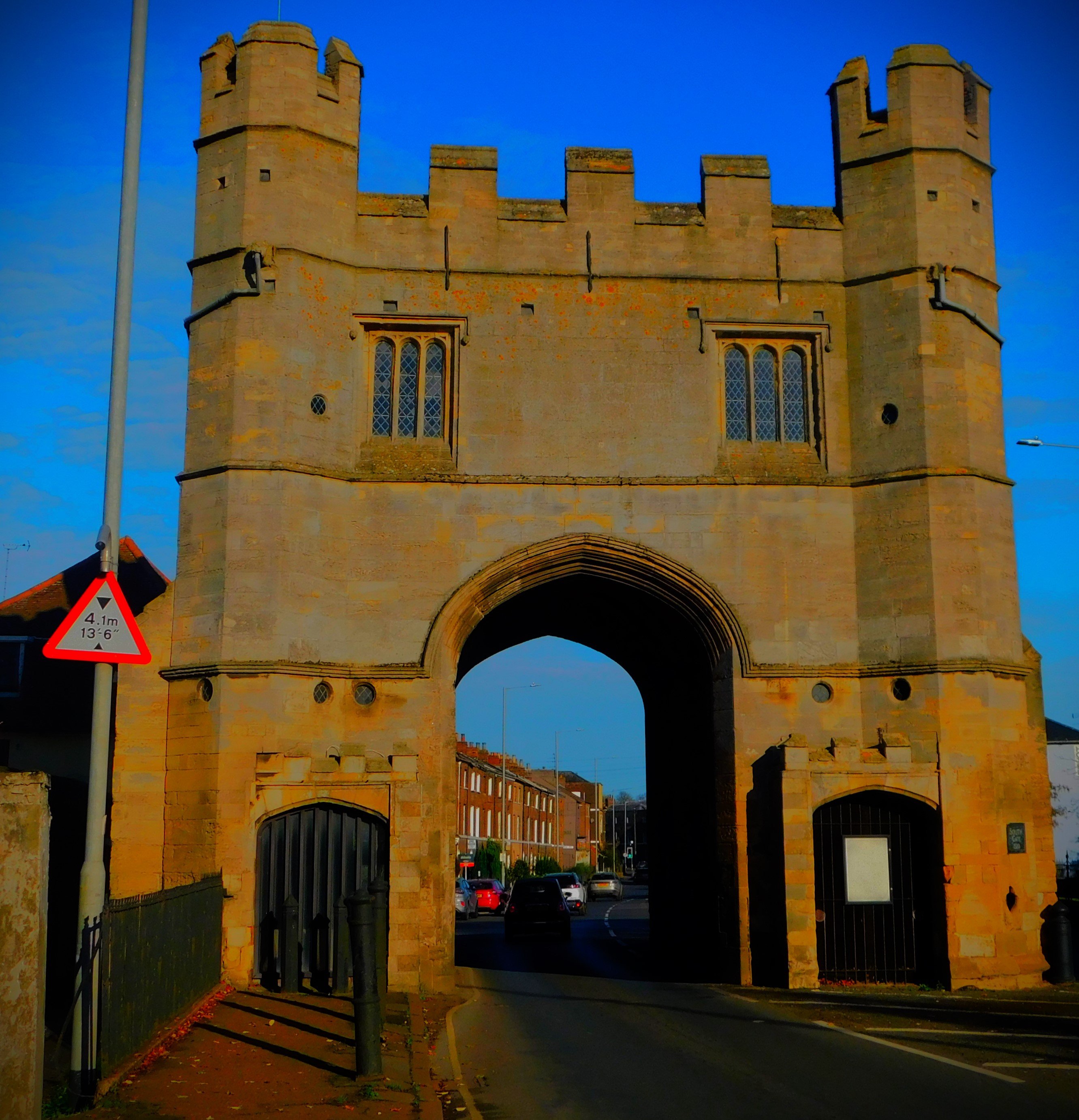
From the Seven Sisters exit I headed to where a passage leads through to London Road, joining that road at a light controlled crossing, which I availed myself of. I then headed away from town, passing the South Gate and then turning down the road that crosses the Nar, which I exited on to Hardings Way before taking a footpath through Hardings Pits to the Great Ouse at a point south of the town.
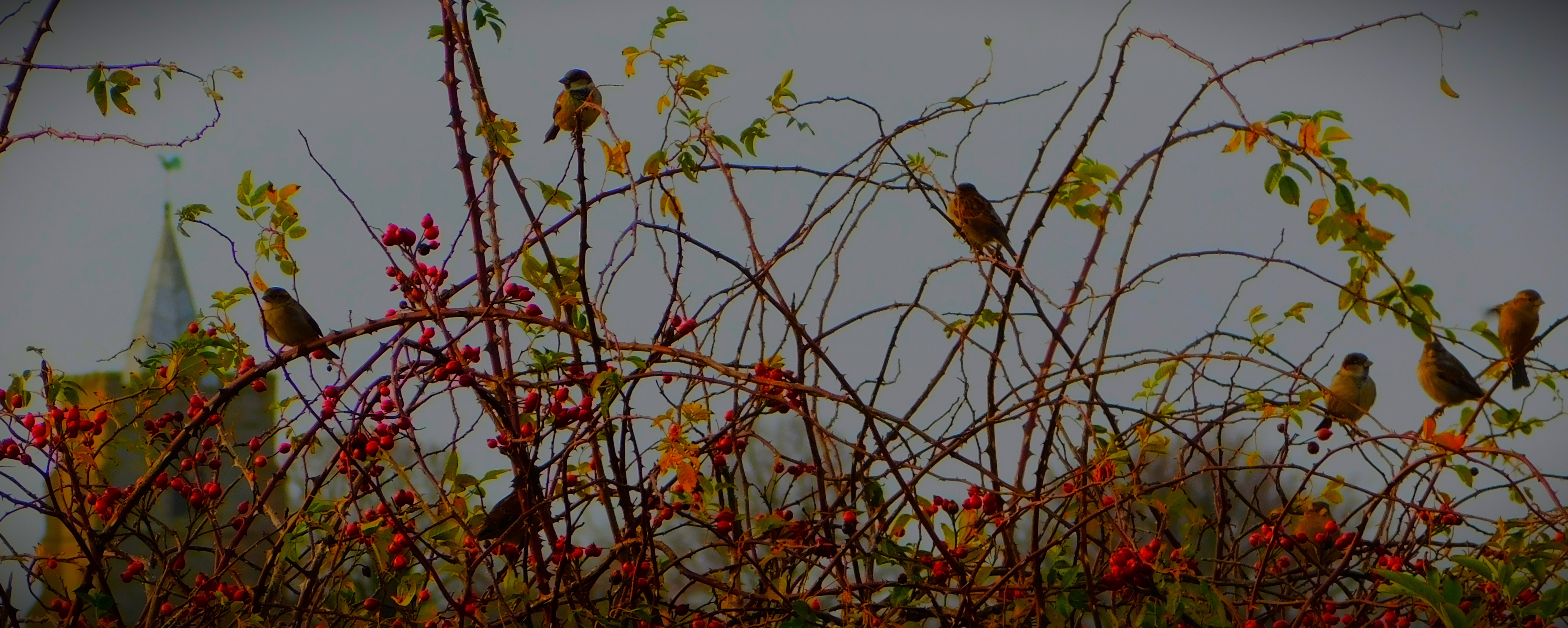
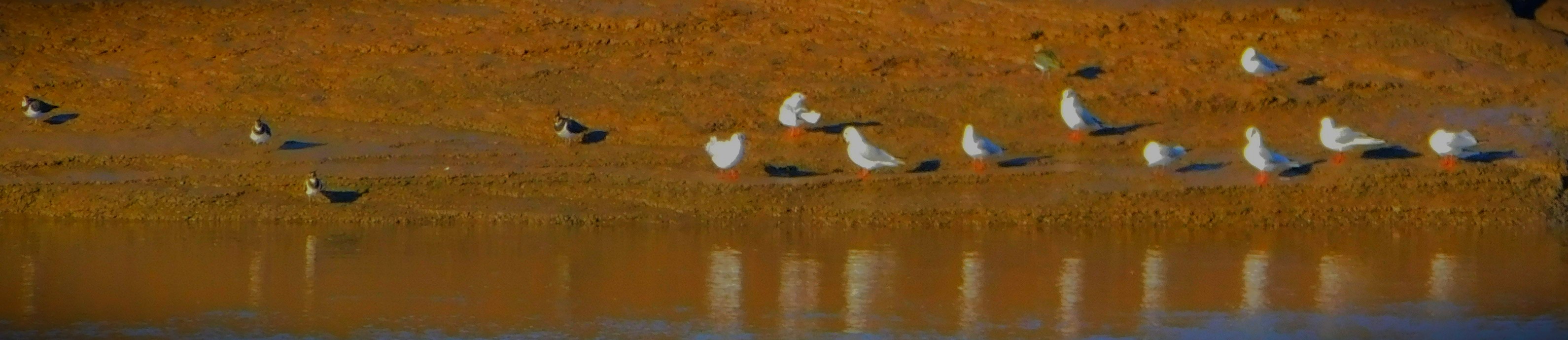
The South Gate (town side)The South Gate (out of town side).The only picture I got in Hardings PitsLapwings and Gulls at the far edge of the Great OuseKing’s Lynn viewed from the river bank on leaving Hardings Pits/A gathering of birds.
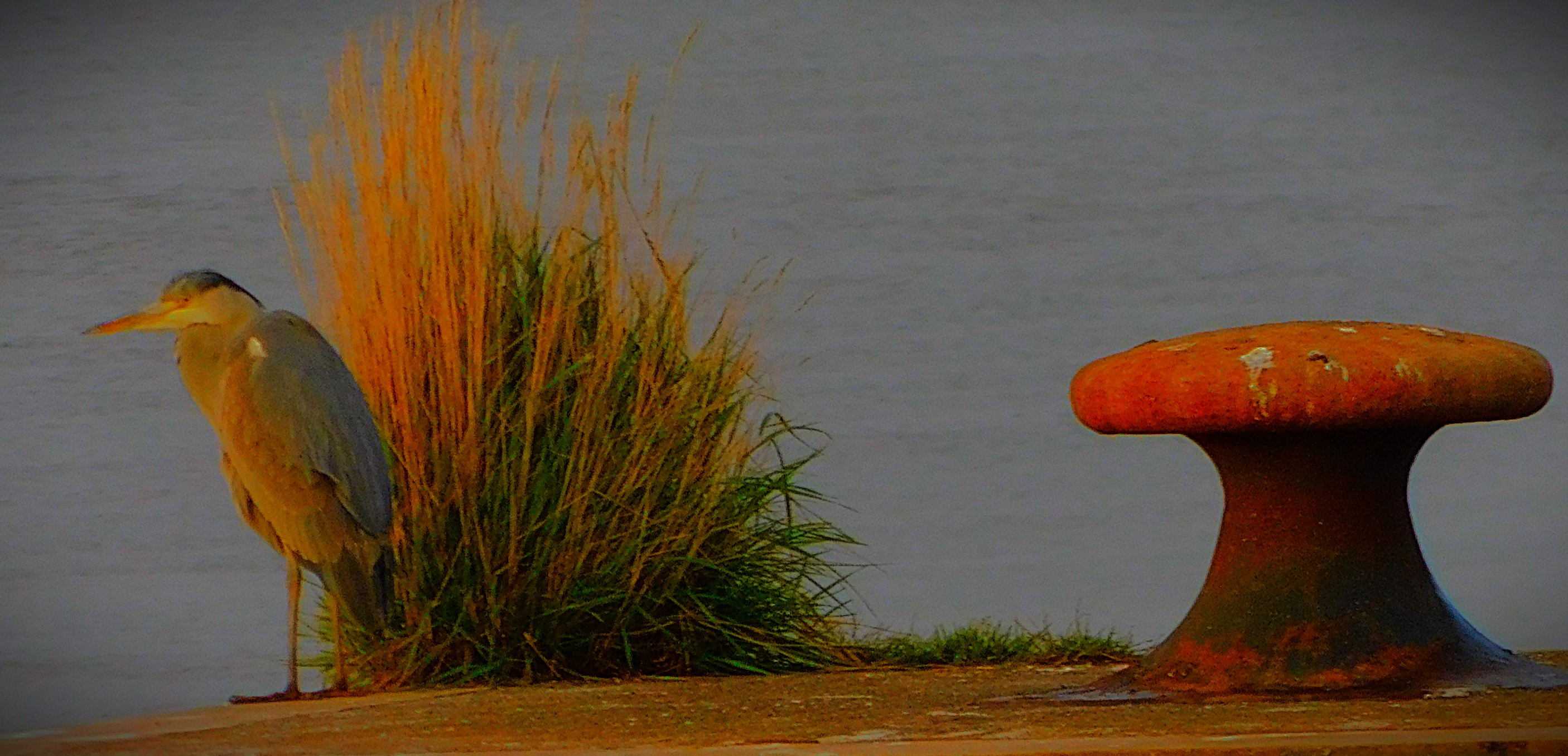
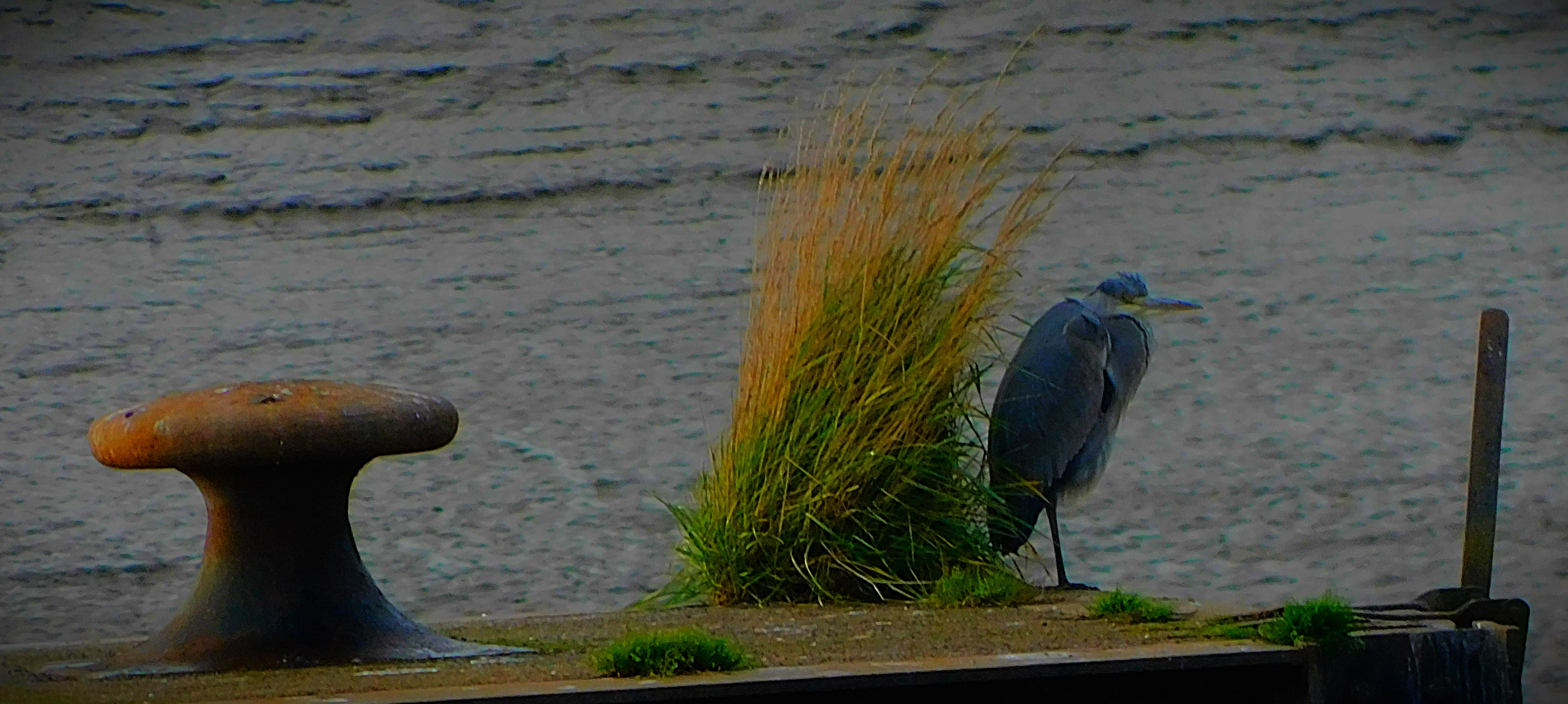
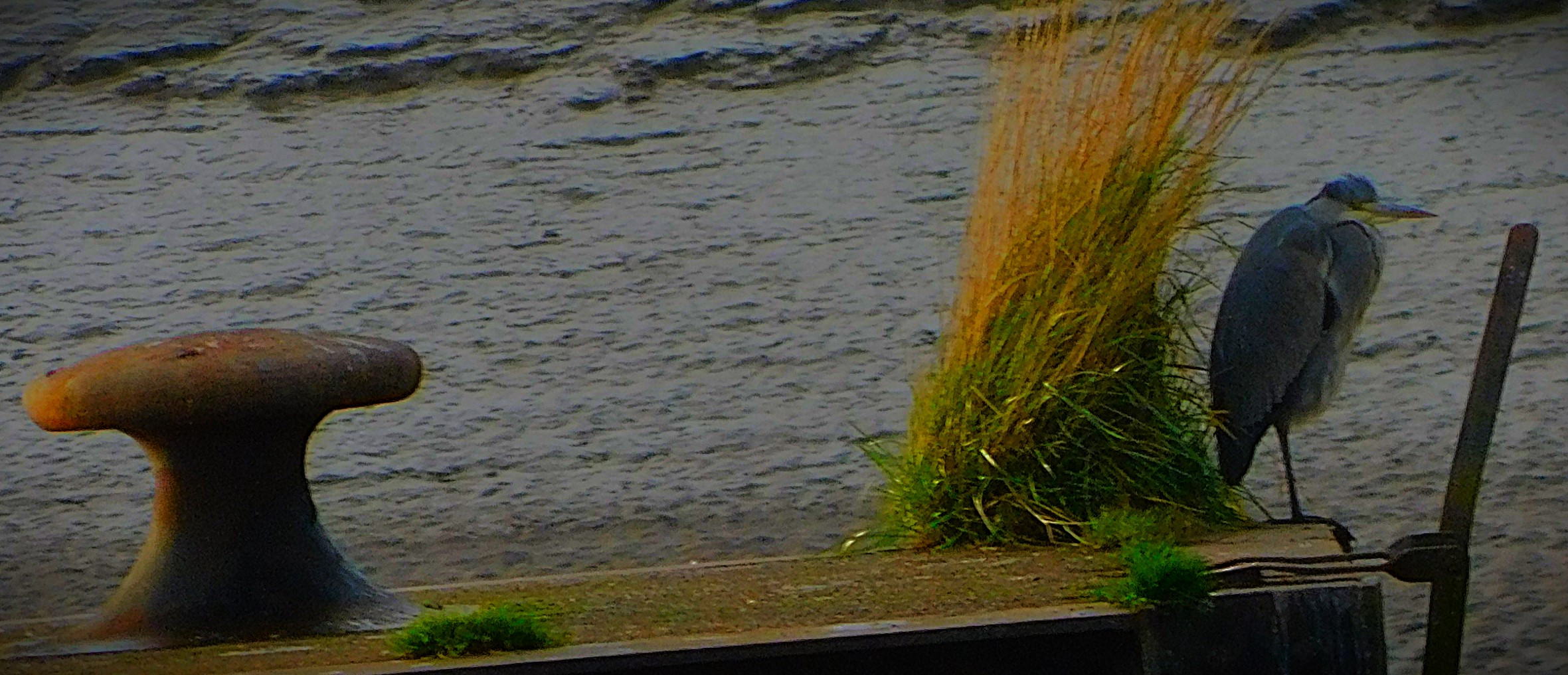
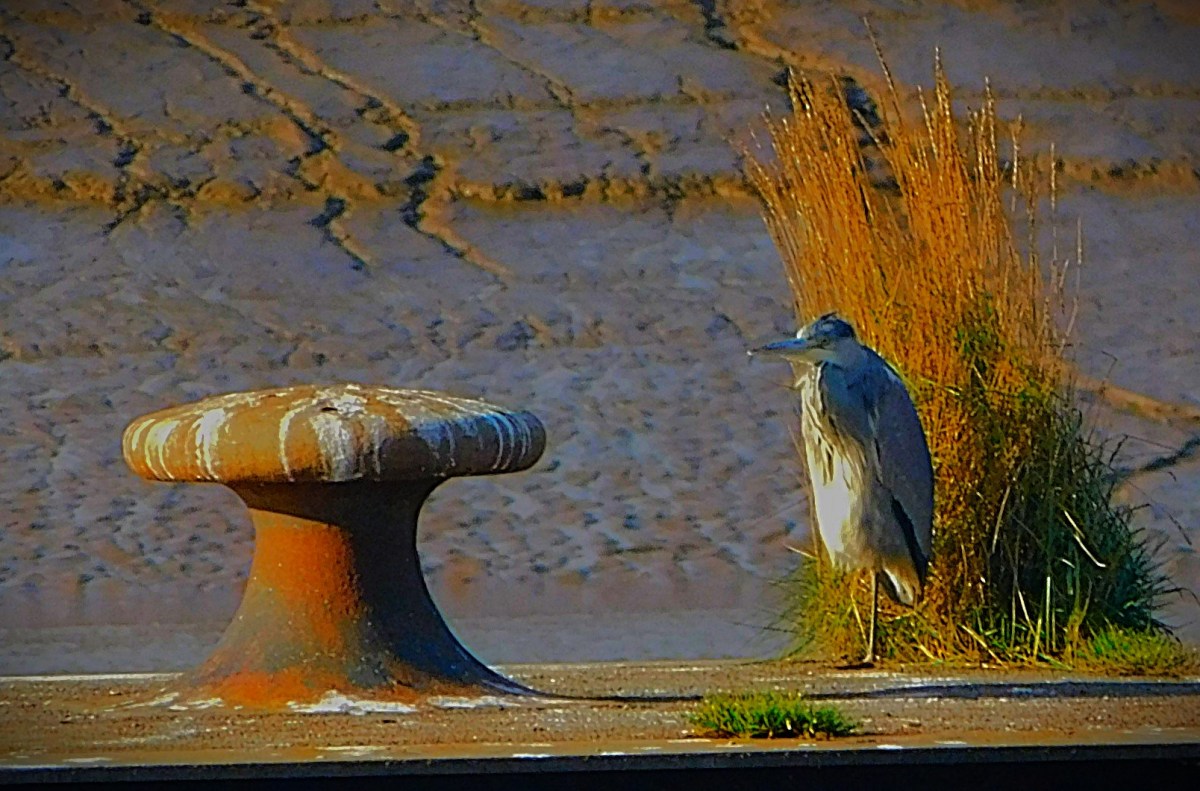
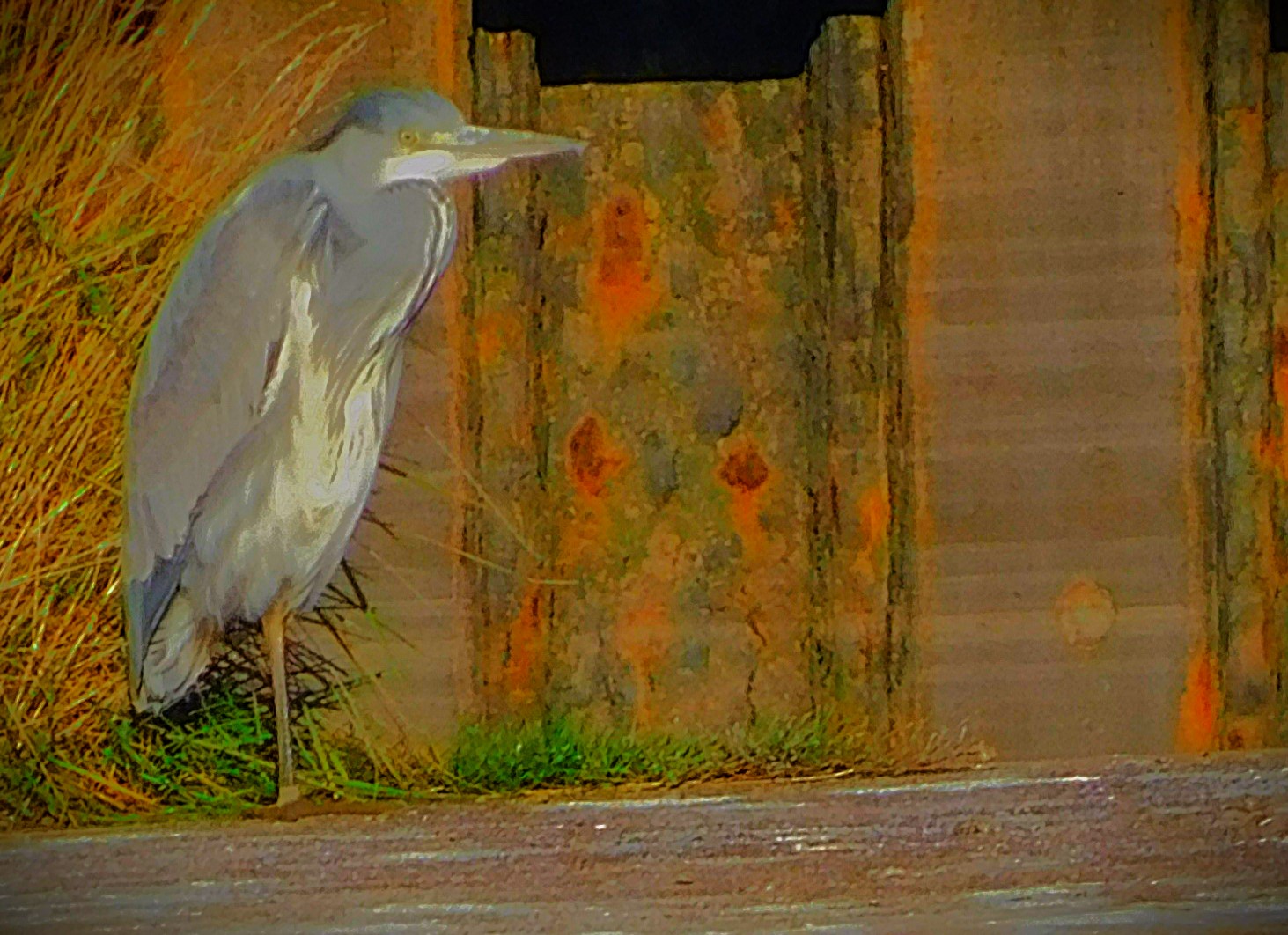
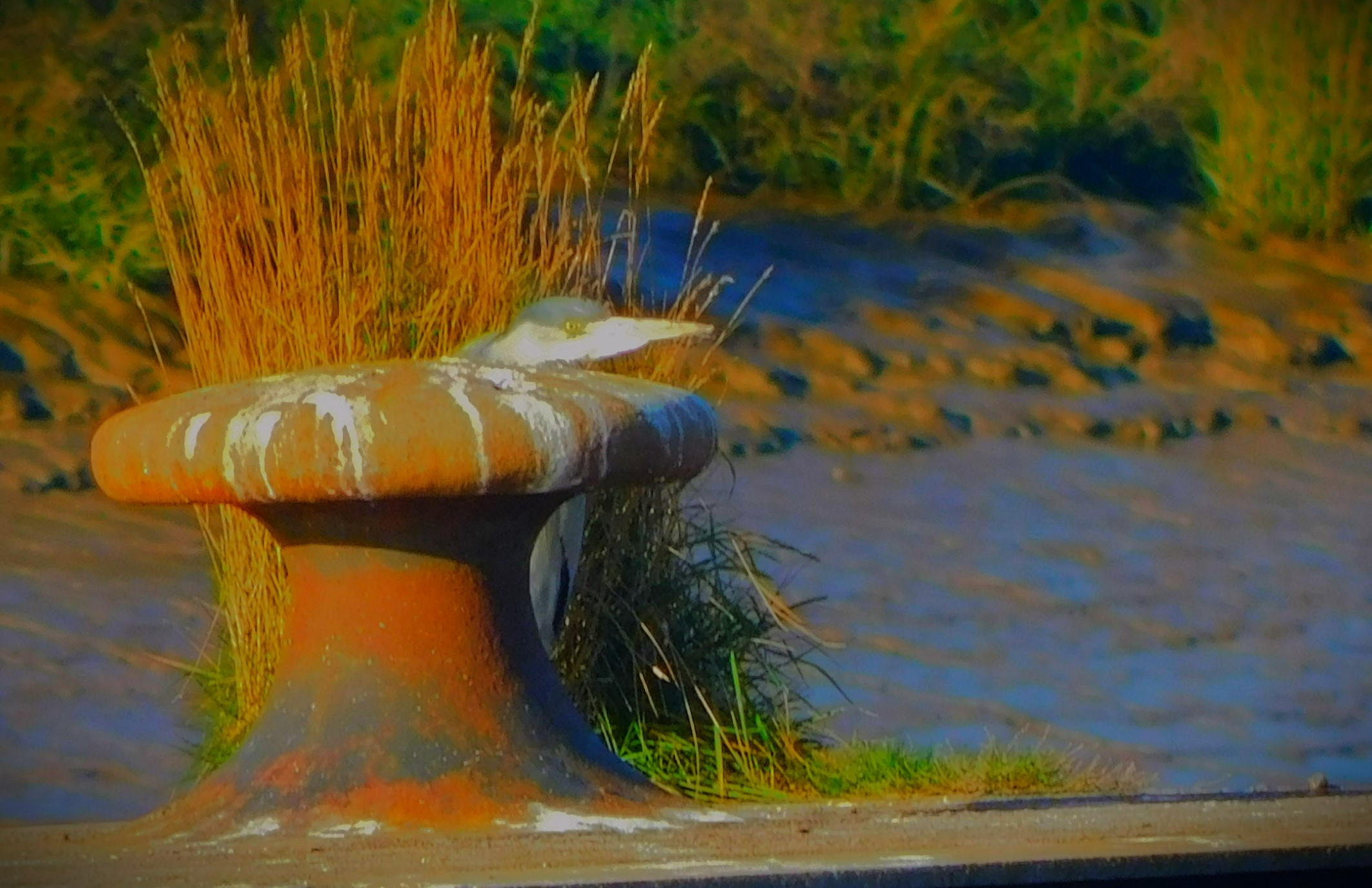
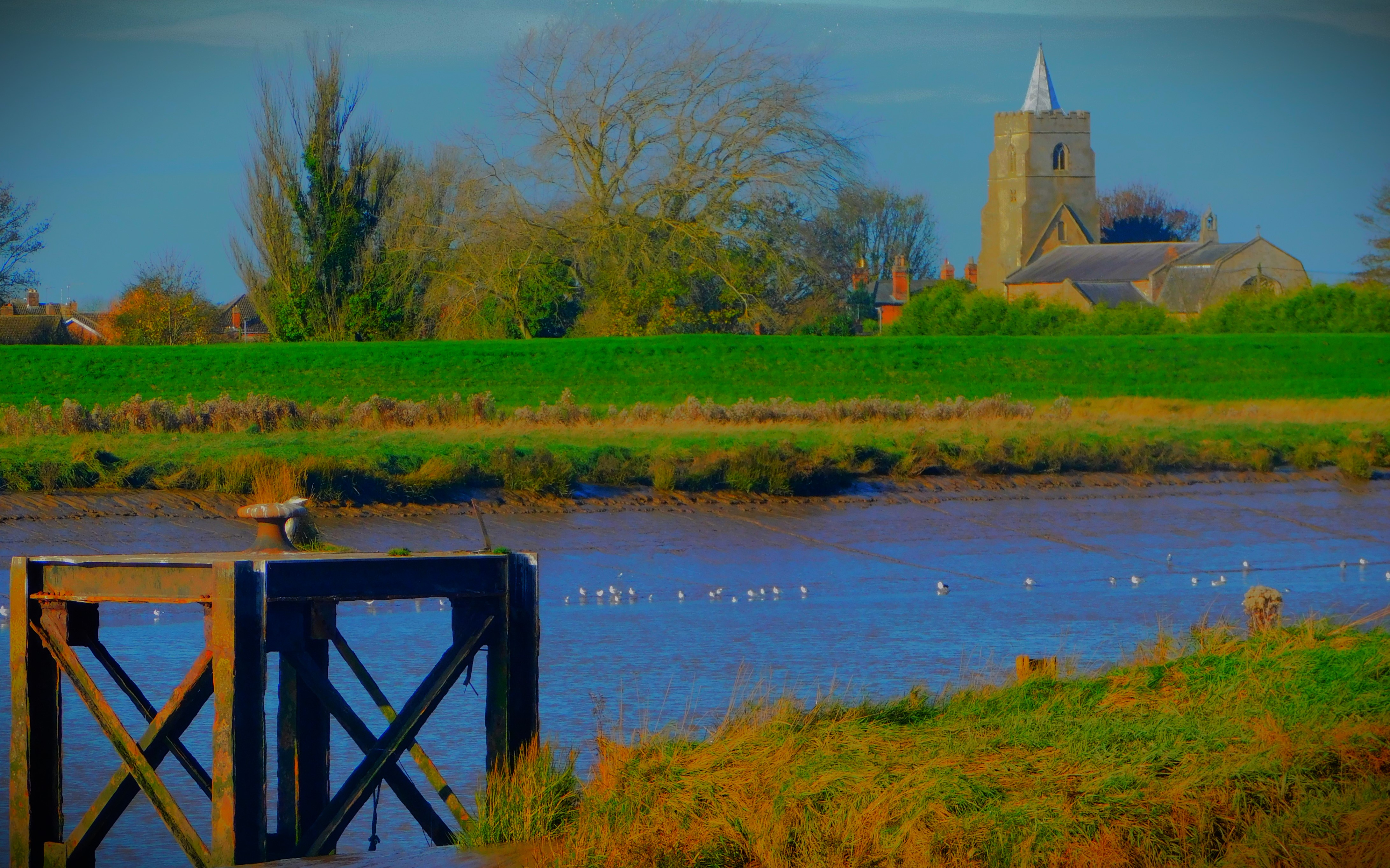
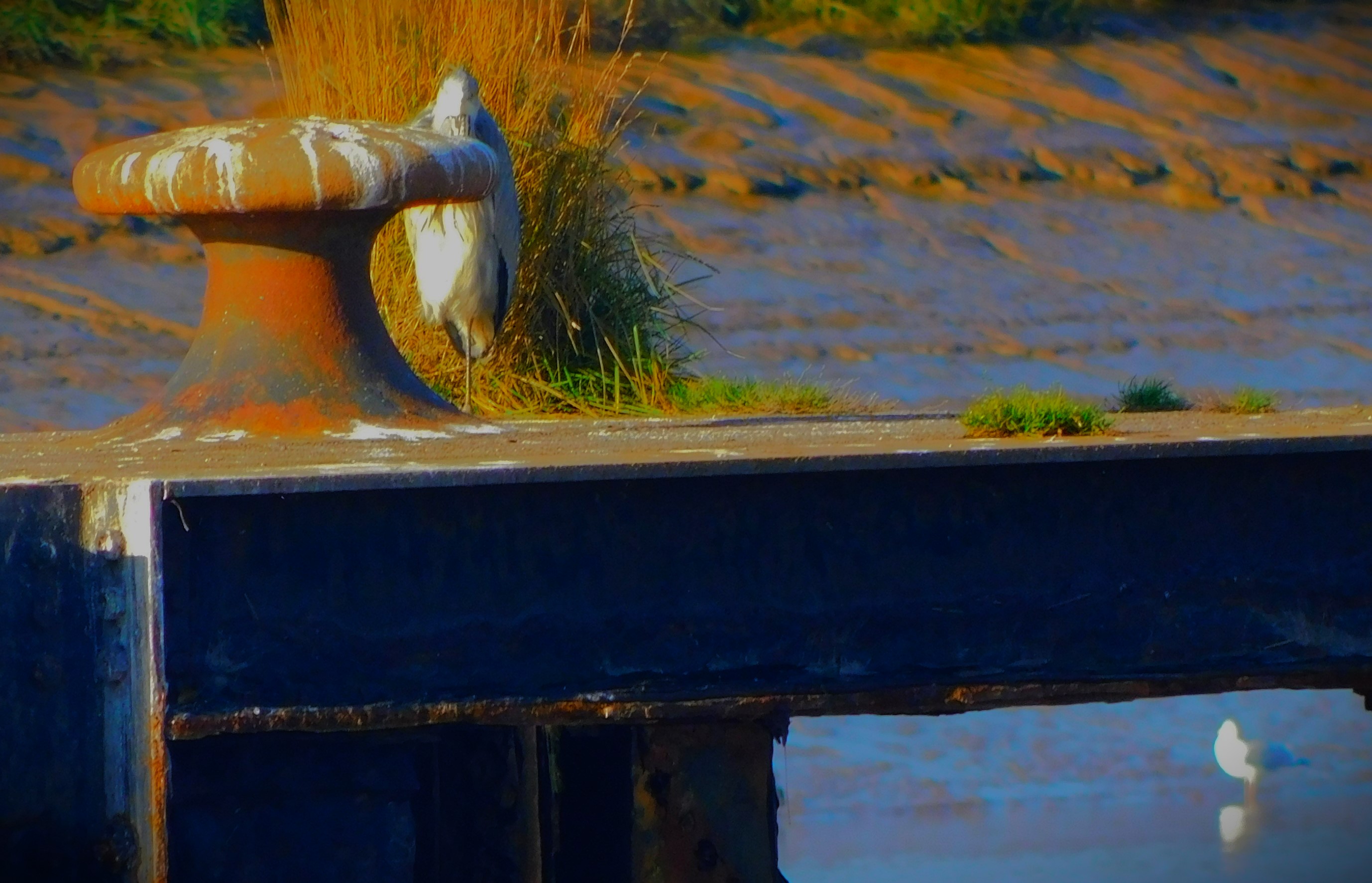
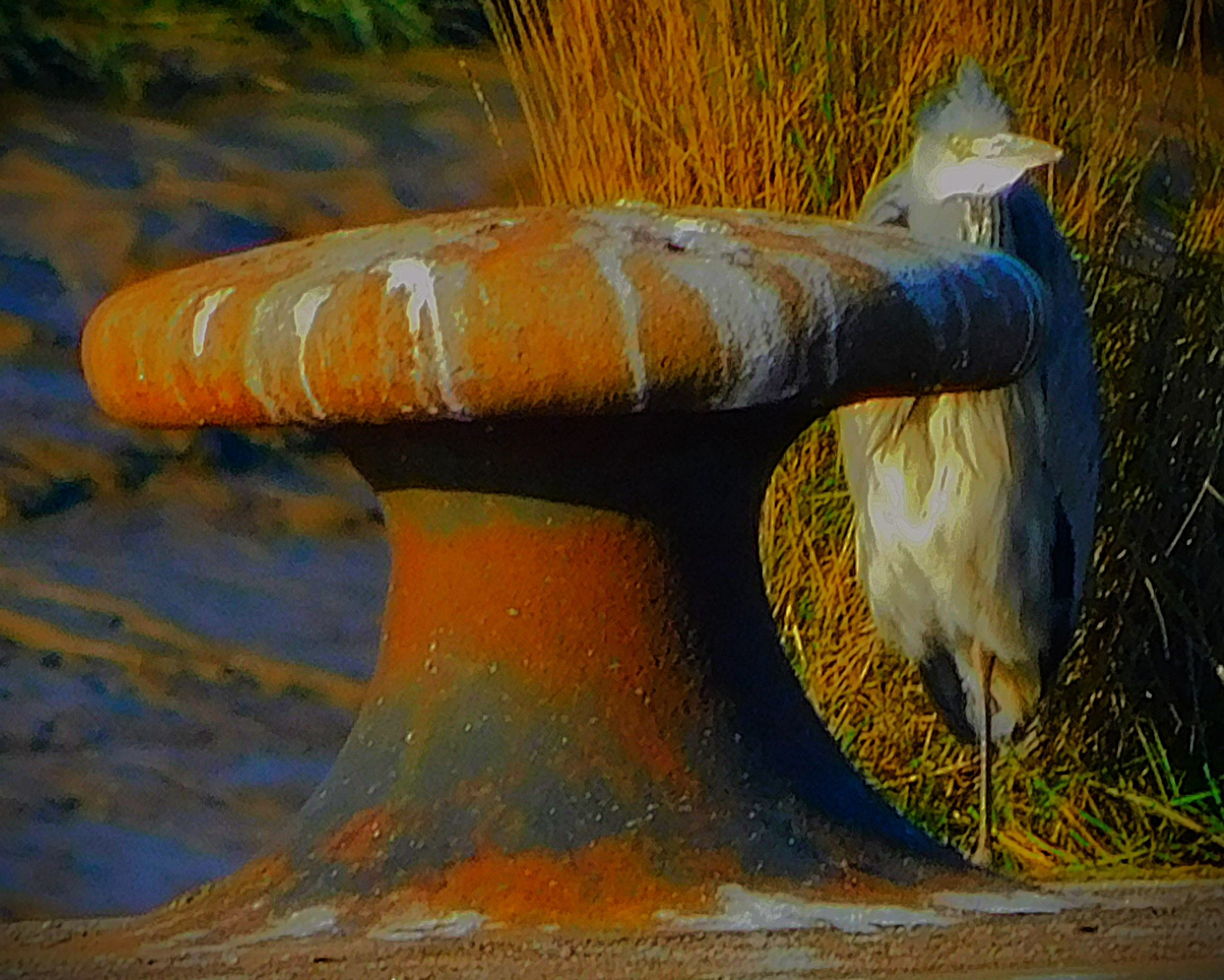
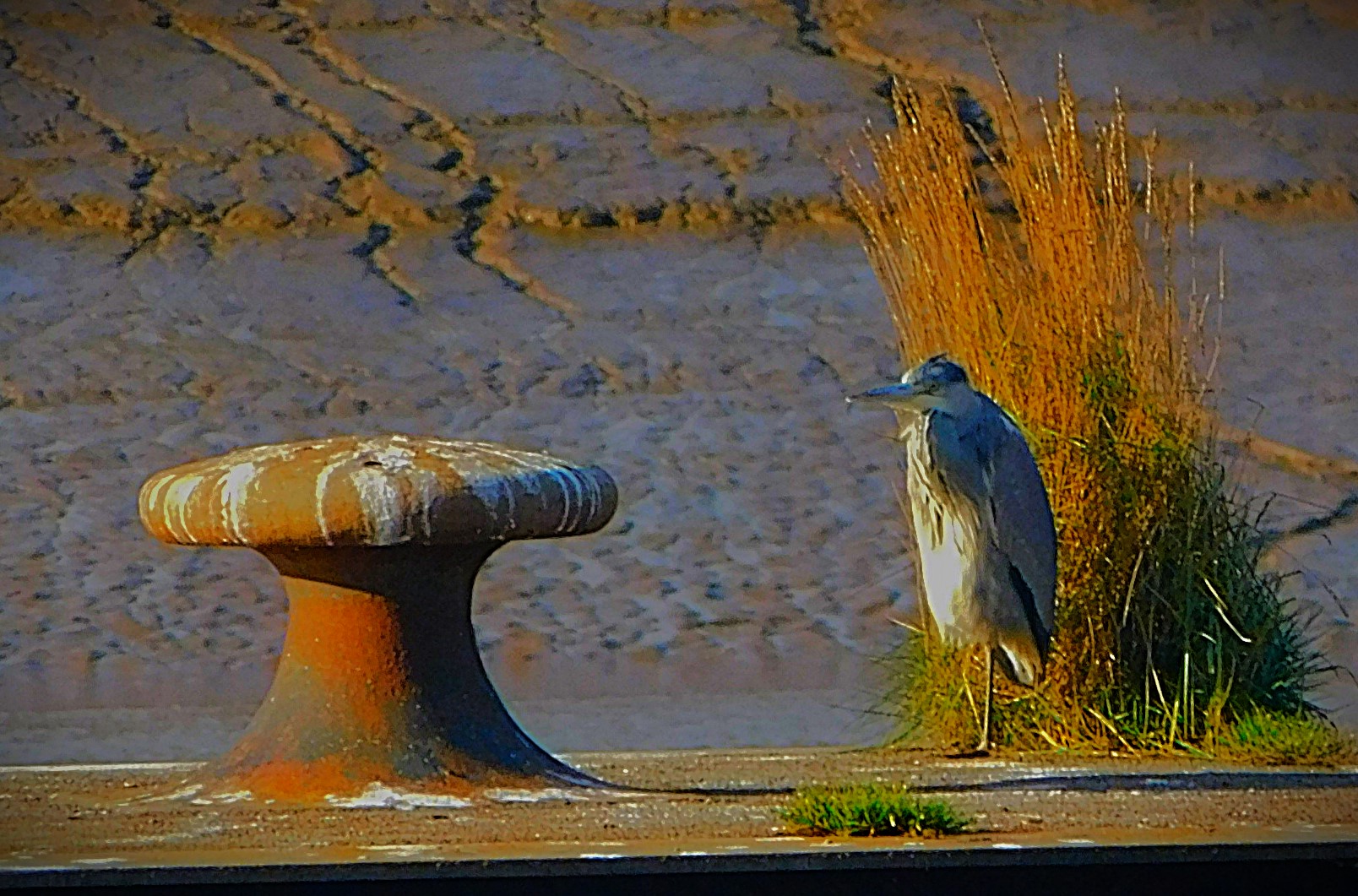
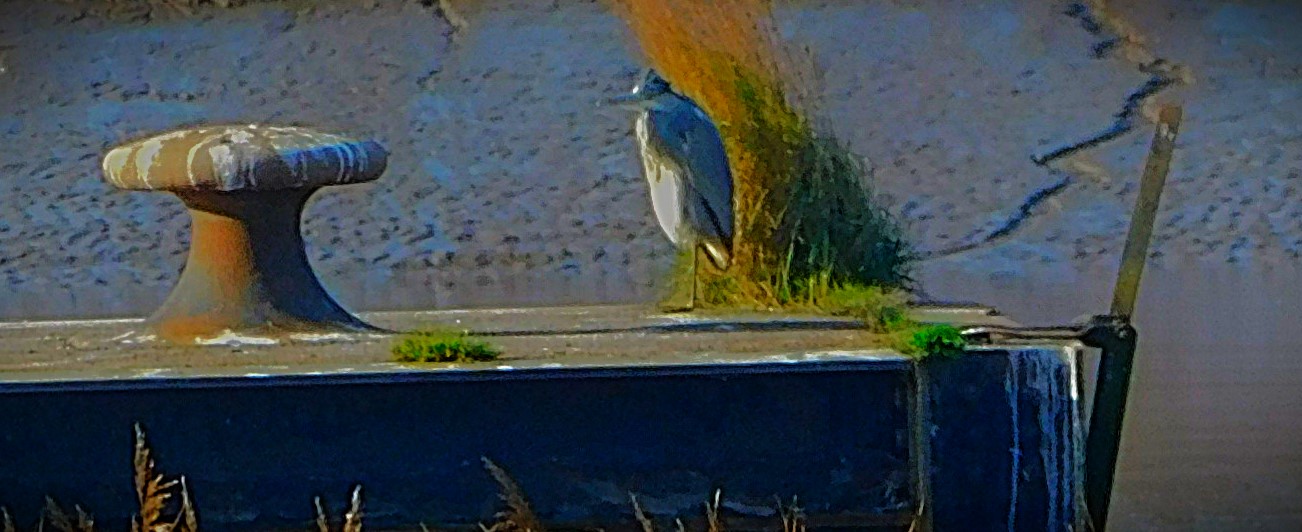
The next port of call was ‘Cormorant Platform’, although none of the birds that led me to give it that name were present on this occasion. There was a heron there however…
The heron and platform in the foreground, West Lynn church in the background.
From here I headed on to a dike which can be muddy, but as we have had little rain of late I knew would be fine, and followed it until the path bifurcated – one route led to more of the Great Ouse, and the possibility of following that river as far as Purfleet Quay, but on this occasion i took the other, heading across another part of Hardings Way, through a gateway and down a side road which leads to play area that is at the meeting point of several roads, one of which leads to All Saints Church, reckoned to be the oldest church in King’s Lynn and then by way of Hillington Square to Millfleet.
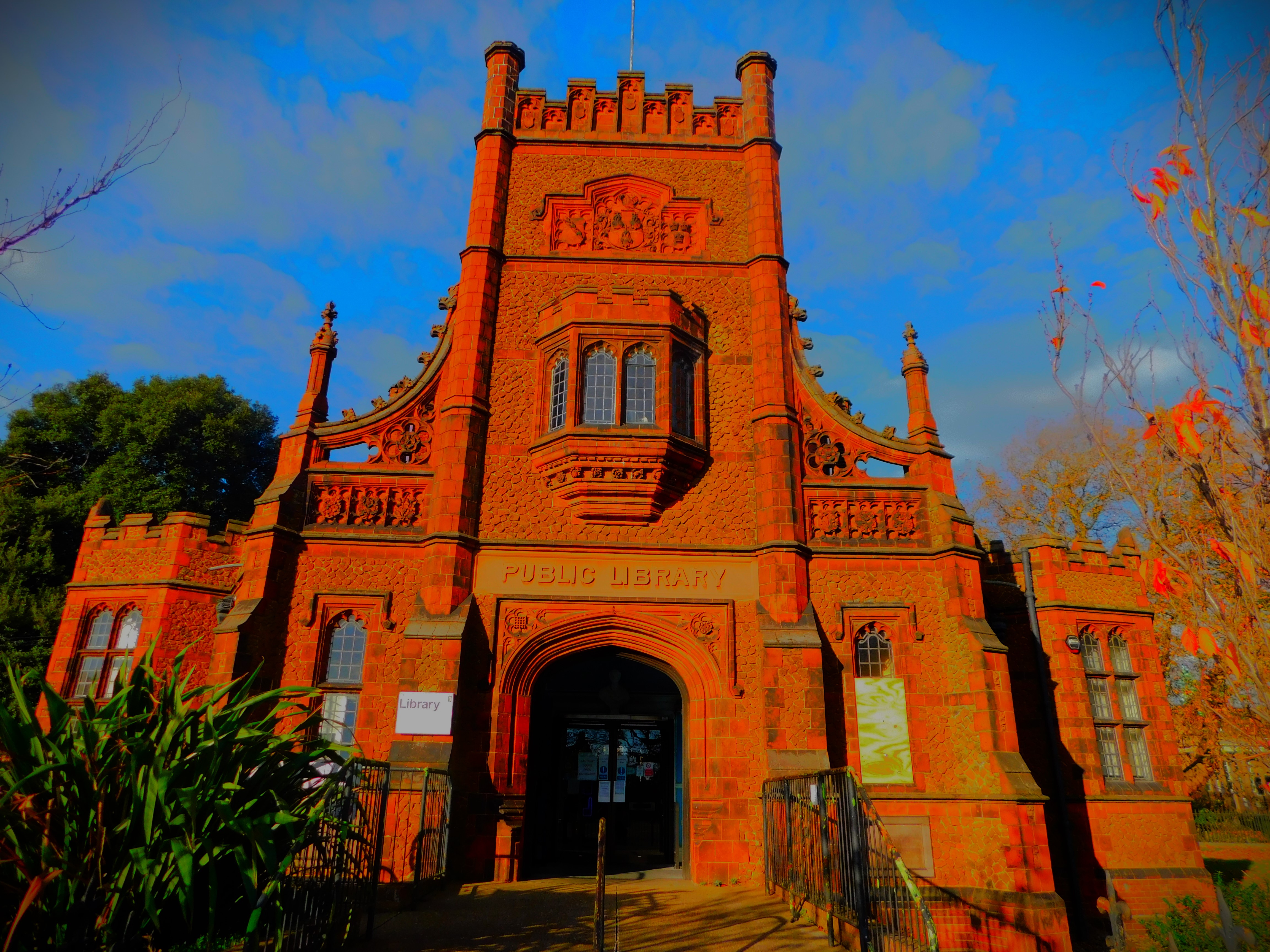
I crossed Millfleet at a light controlled crossing, headed up past the library, though on this occasion I did not visit that establishment as I already had a number of books out. I then went past the war memorial and Greyfriars Tower, before heading on to Tower Street and thence to the bus station, though I was merely passing through, not intending to catch a bus. From the bus station I headed along Railway Road, crossed at a light controlled crossing and walked along the northernmost section of Norfolk Street to arrived a triangular road crossing that invariably involves two waits if you are a pedestrian, followed Littleport Street until the junction with Kettlewell Lane, passing through the greenery to the second of the two ponds mentioned earlier in this piece, but I now did not entirely duplicated the starting route, instead heading along Loke Road, on to Columbia Way, and then availed myself of a recently opened cut through to the private road behind my house and thus got home.
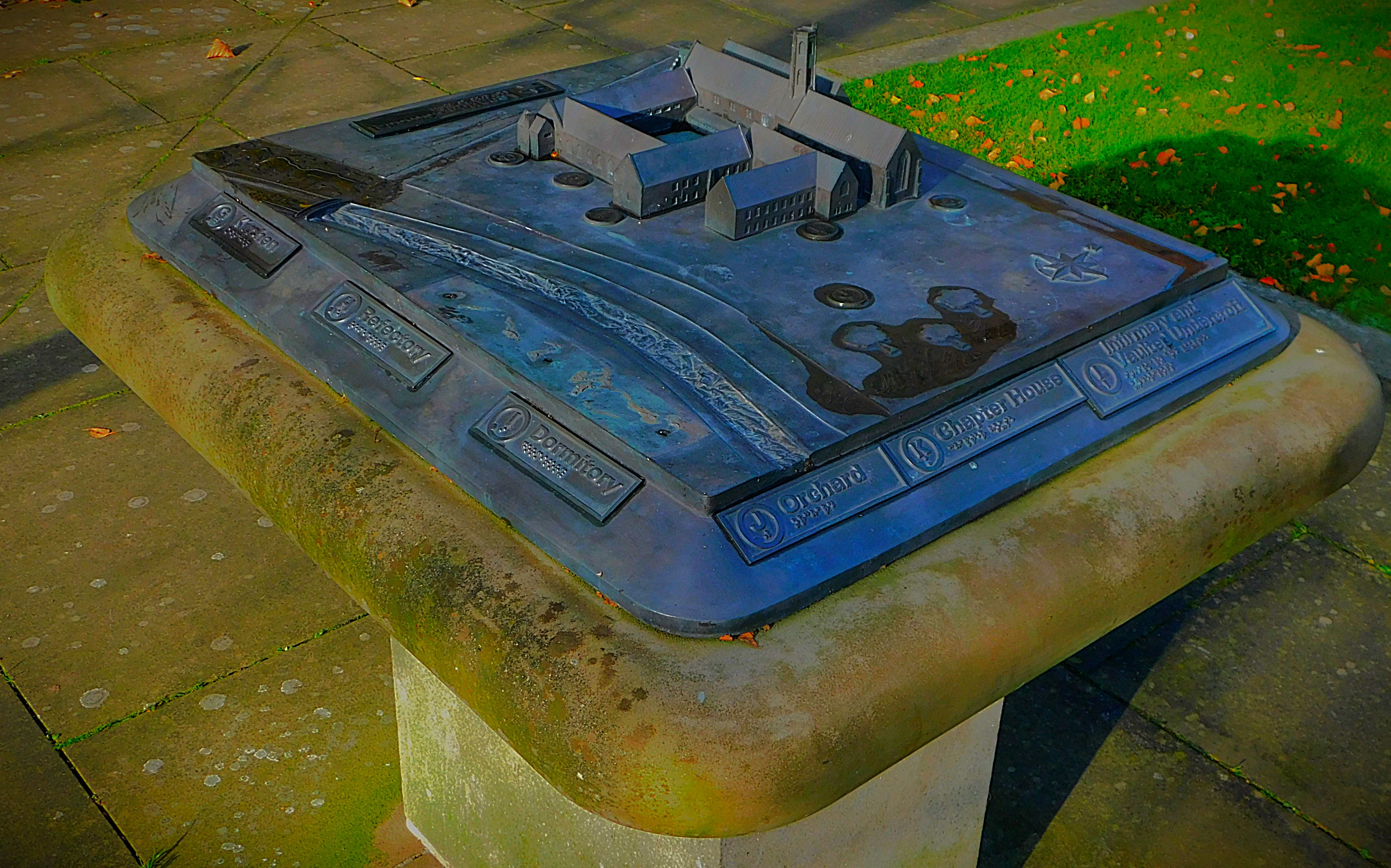
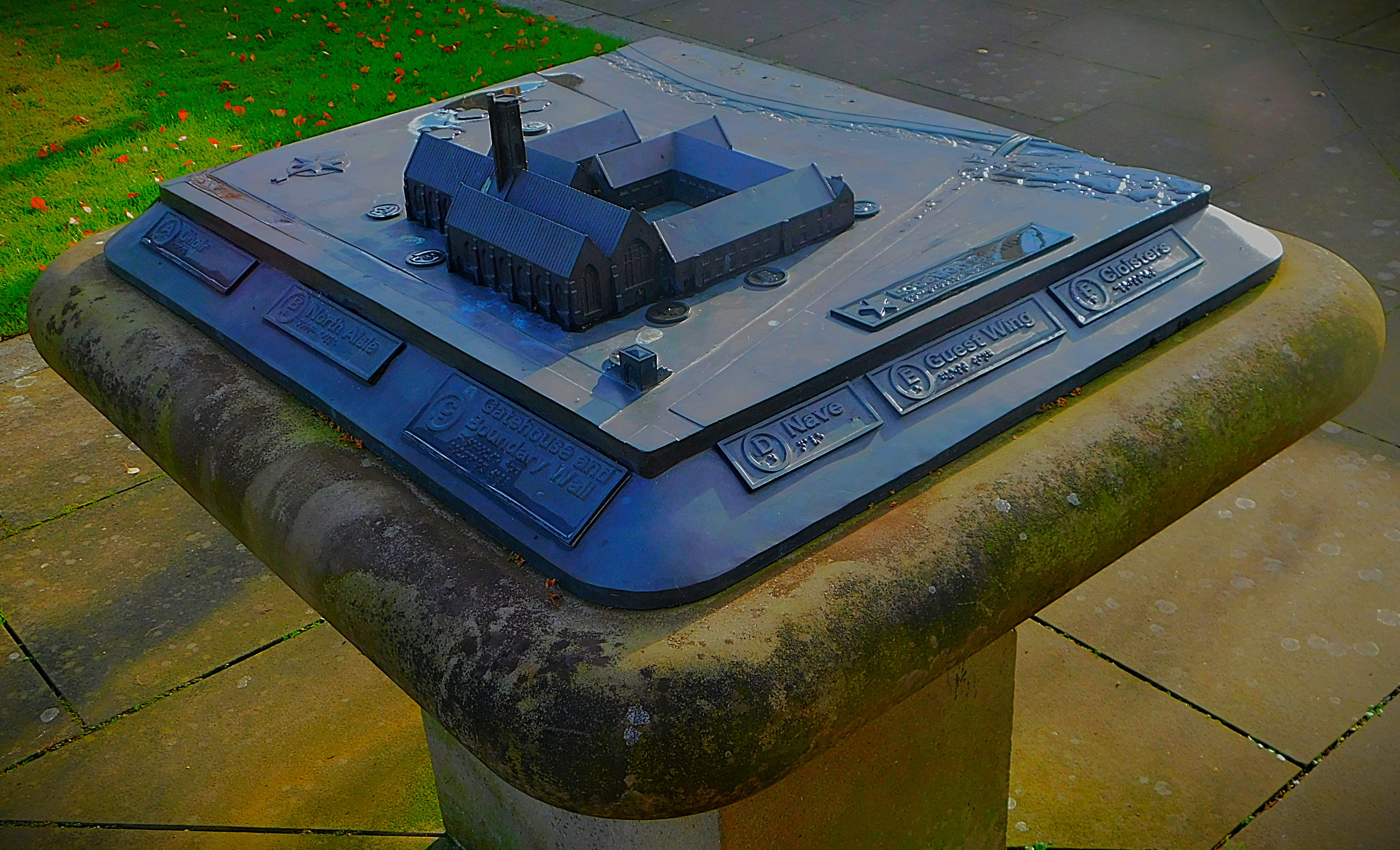
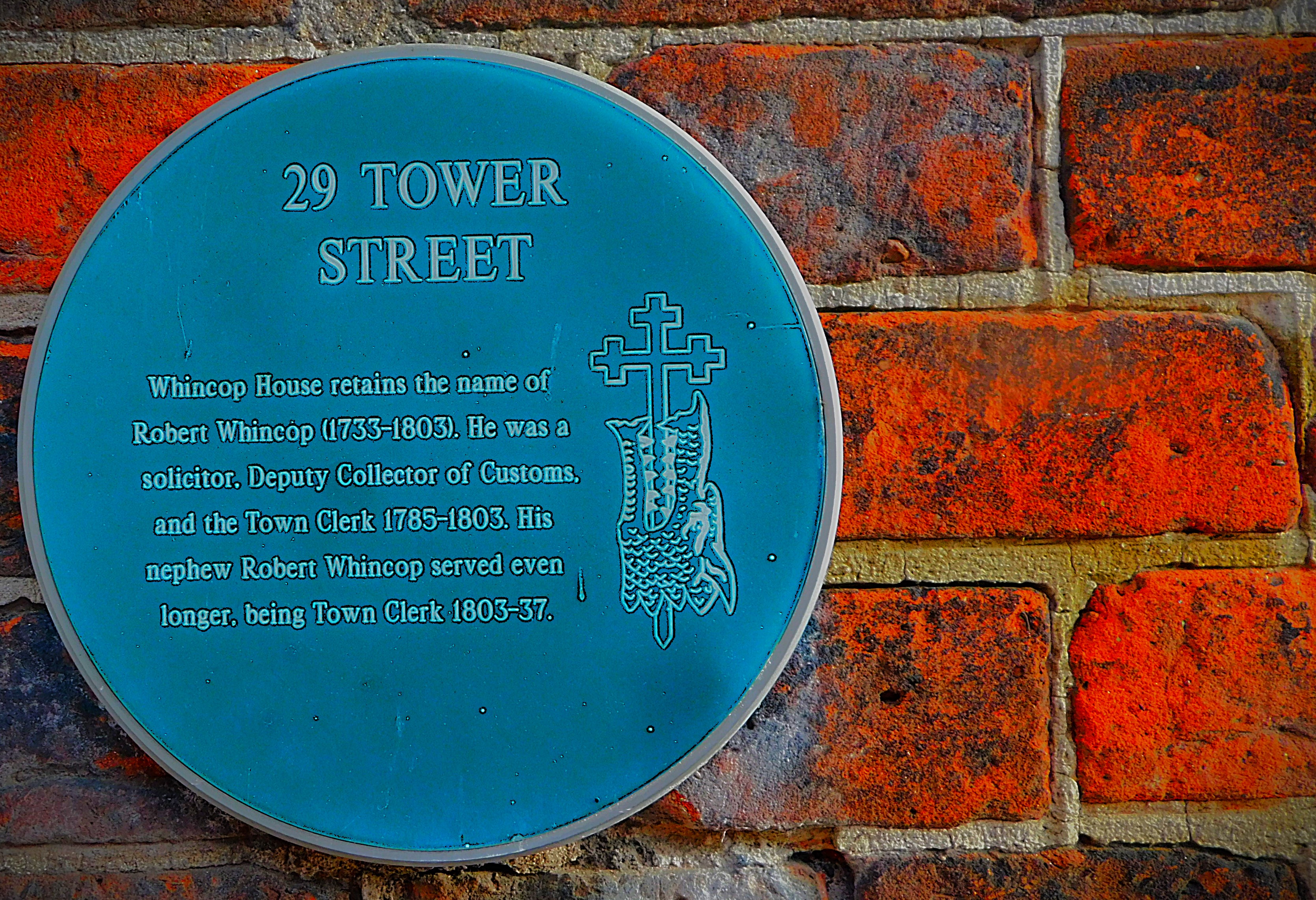
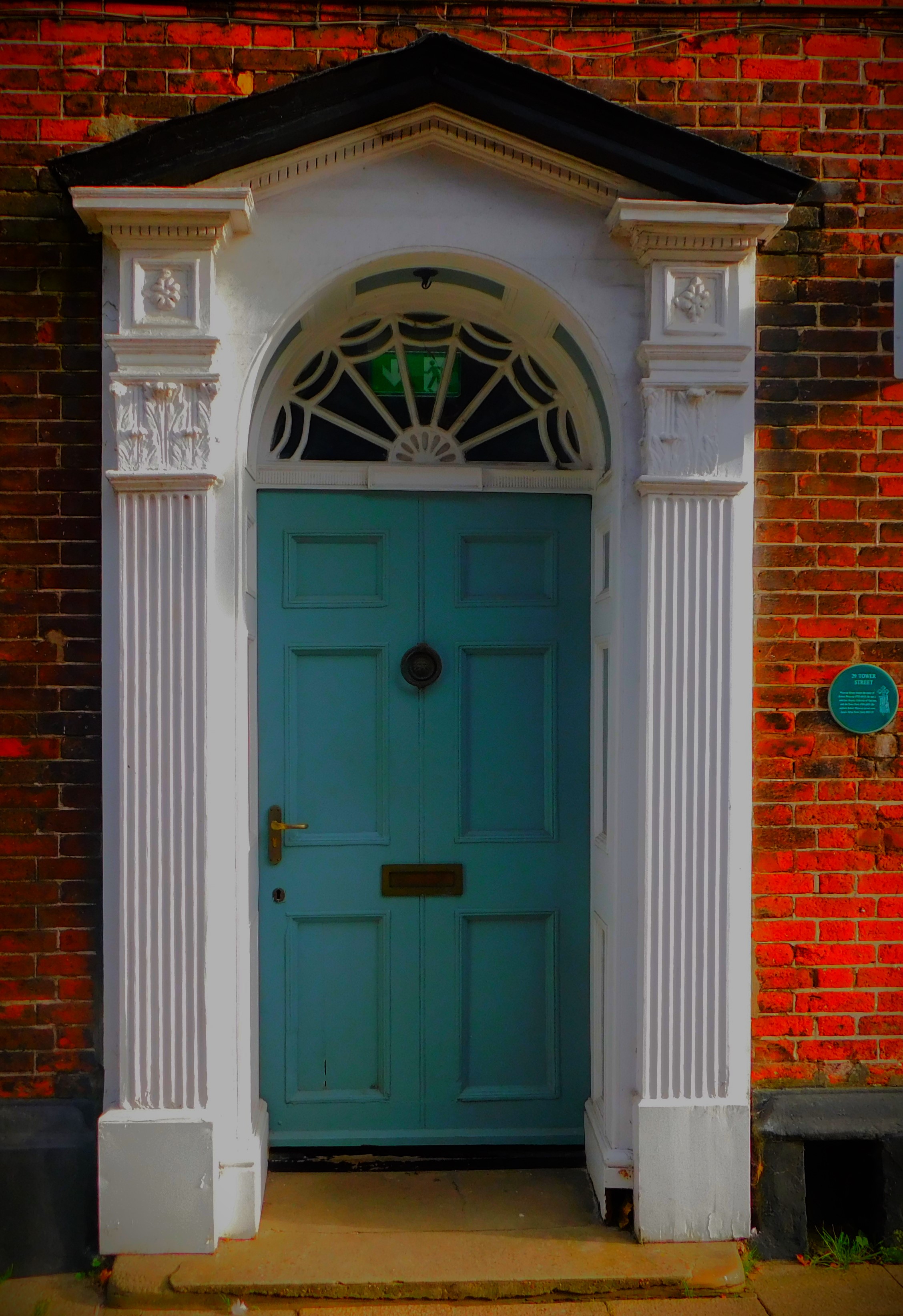
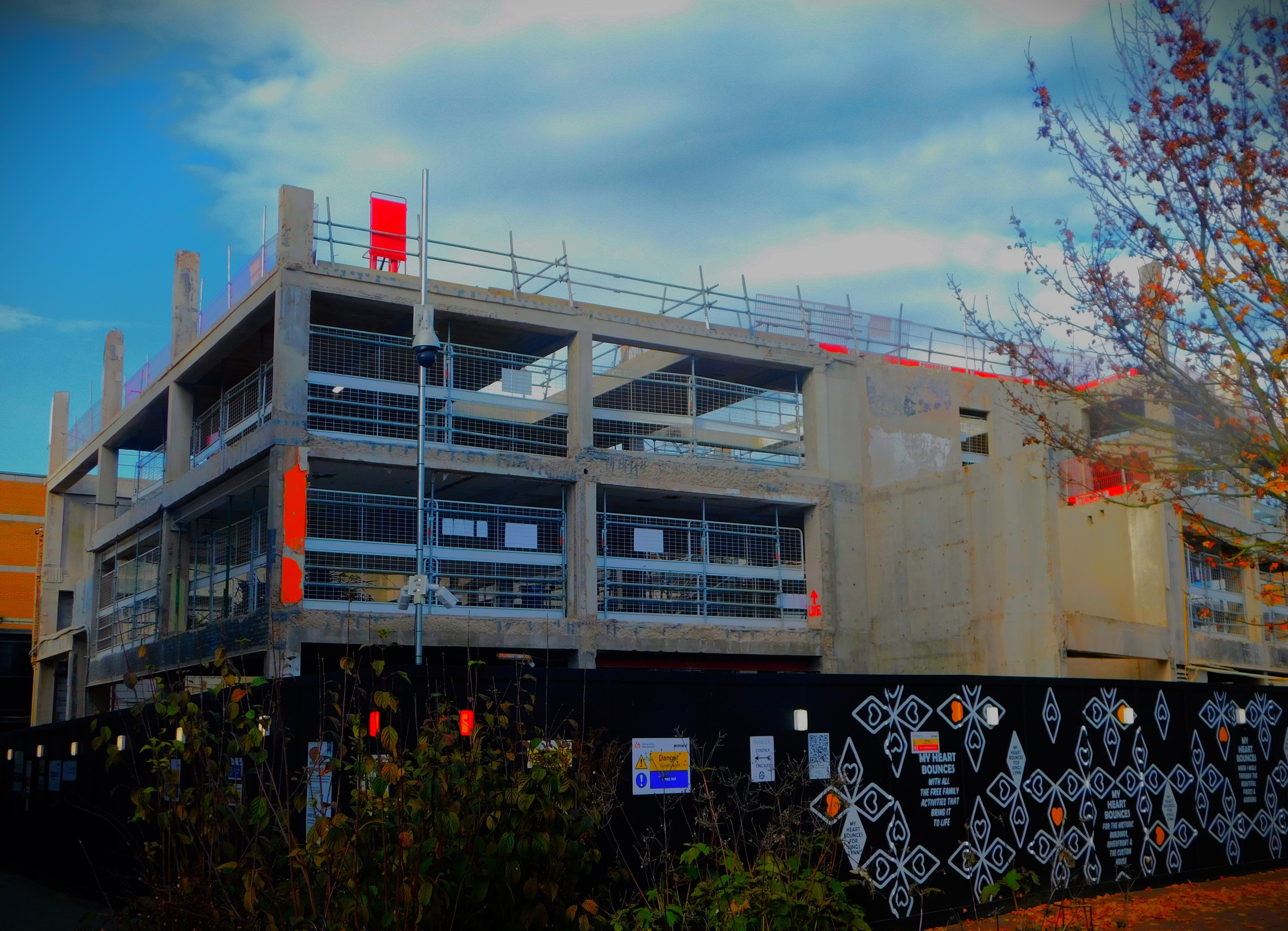
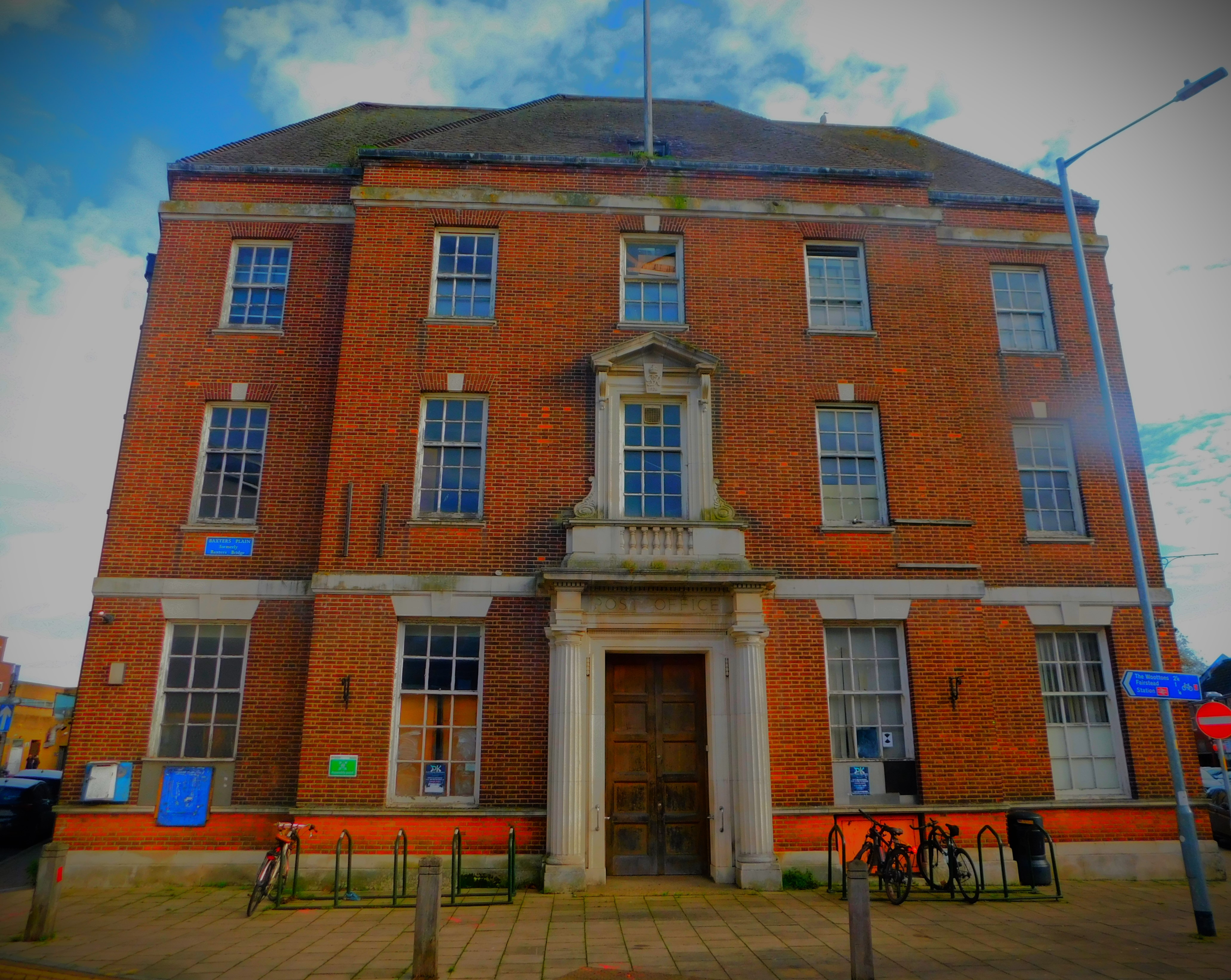
King’s Lynn library.The war memorial and Greyfriars Tower.Two images of a scale model showing what the Franciscan Friary would have been like in its 13th/ 14th century heyday.An arched doorway on Tower StreetThis used to be Argos, and when work on it is finished it will be a Library and community hub for King’s Lynn. The old building will remain fully accessible to the public whatever use it may be put to.Once upon a time, when such things still existed, this was King’s Lynn Main Post Office.
I hope you have enjoyed this account of a variation on one of my favourite walking themes, that of the three rivers.
An account of my visit to Norton Hill near Snettisham yesterday.
On Sunday I was at Norton Hill, where the Hunstanton & District Rotary Club were running an event and had very kindly invited the West Norfolk Autism Group to have a stall. This post looks back at the event.
THE PLAN
I had said I would come on the Sunday as there was no way I could go on the Saturday (see my previous post). As I was envisaging leaving early due to having an evening commitment and wanting to catch up on the cricket at some point I planned being there as early as possible – which meant 11AM for the start of setup. I had arranged to travel by bus with another member of ours, and had picked out the number 35 leaving King’s Lynn bus station at 10:10 as the best option. I wasn’t over worried about buses back as there are at least three bus routes that run between Snettisham (Norton Hill is a few minutes walk from Snettisham town centre) and King’s Lynn, and even on a Sunday the services are pretty frequent (King’s Lynn – Hunstanton, which passes through Snettisham is Lynx Bus’s most important route). I hoped to help get things set up, take a look around and sample Norton Hill’s feature – a light railway. I did accomplish this.
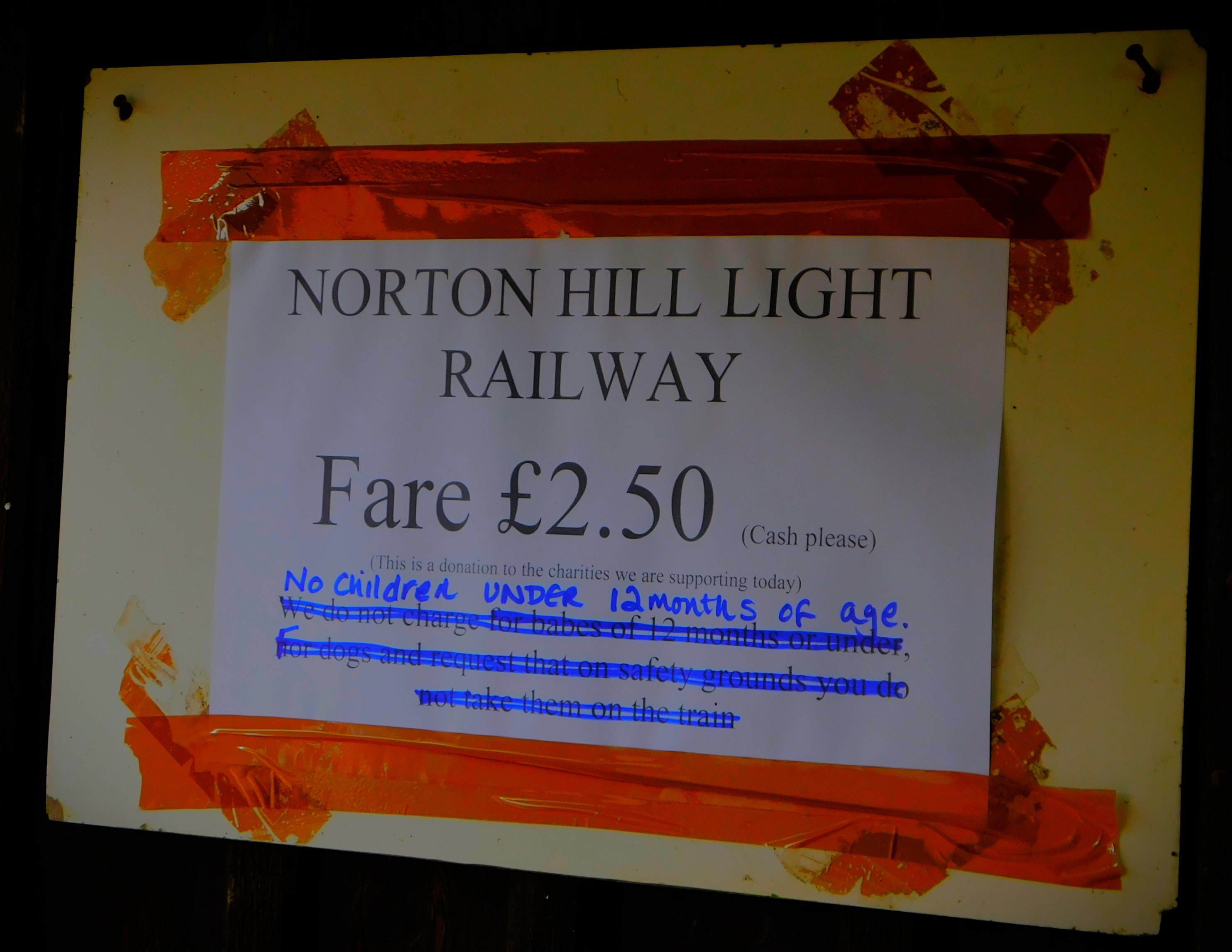
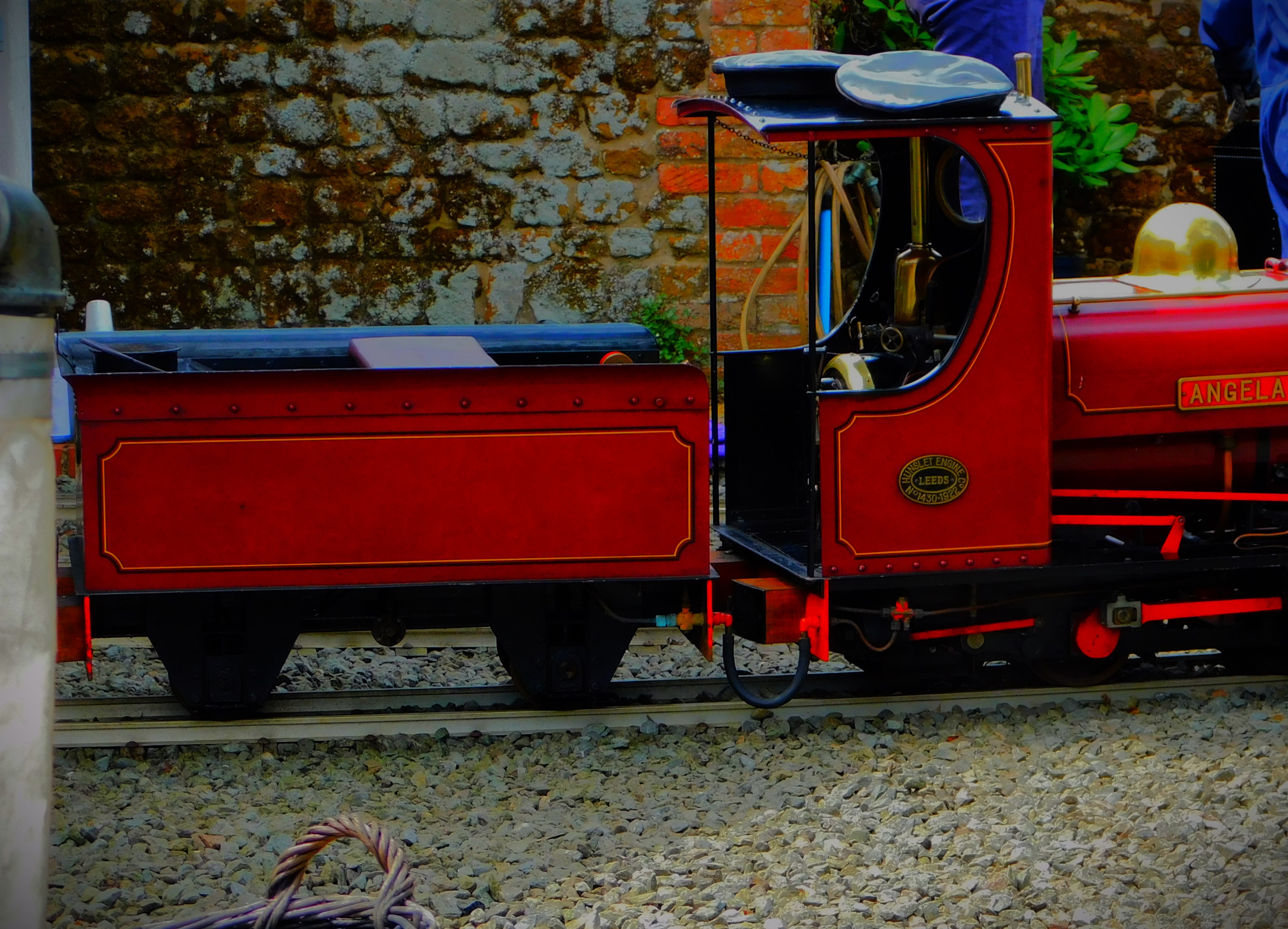
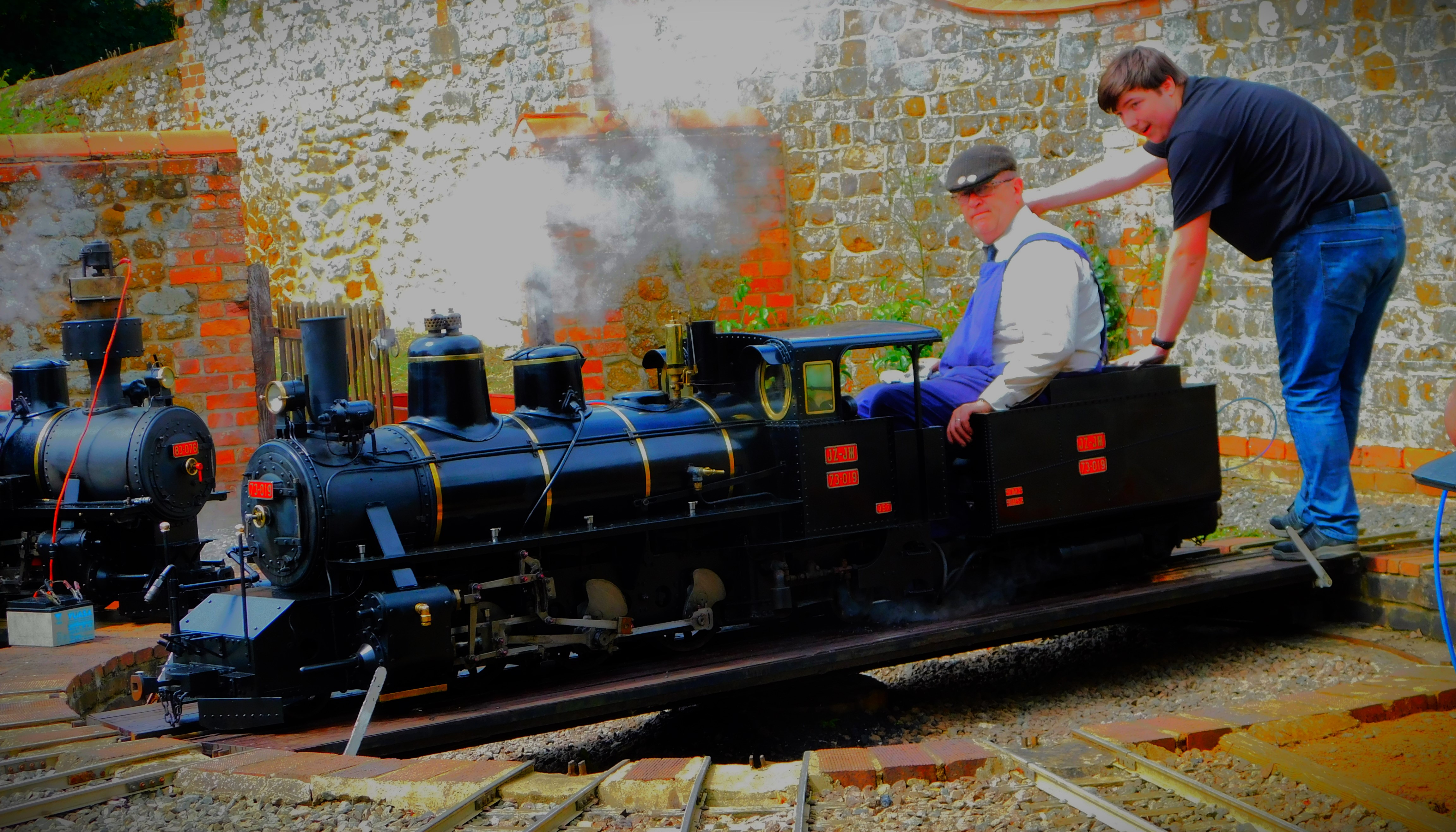
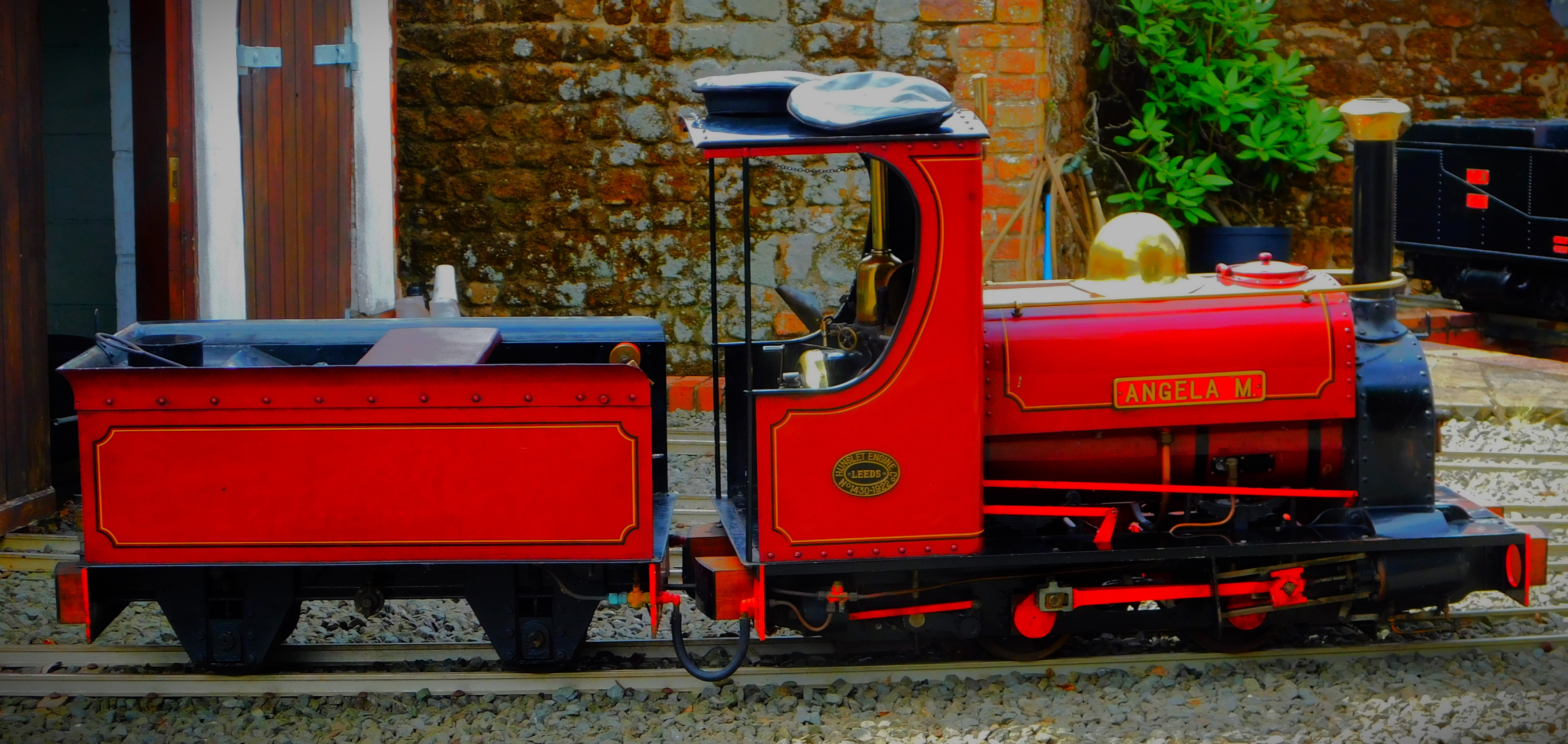
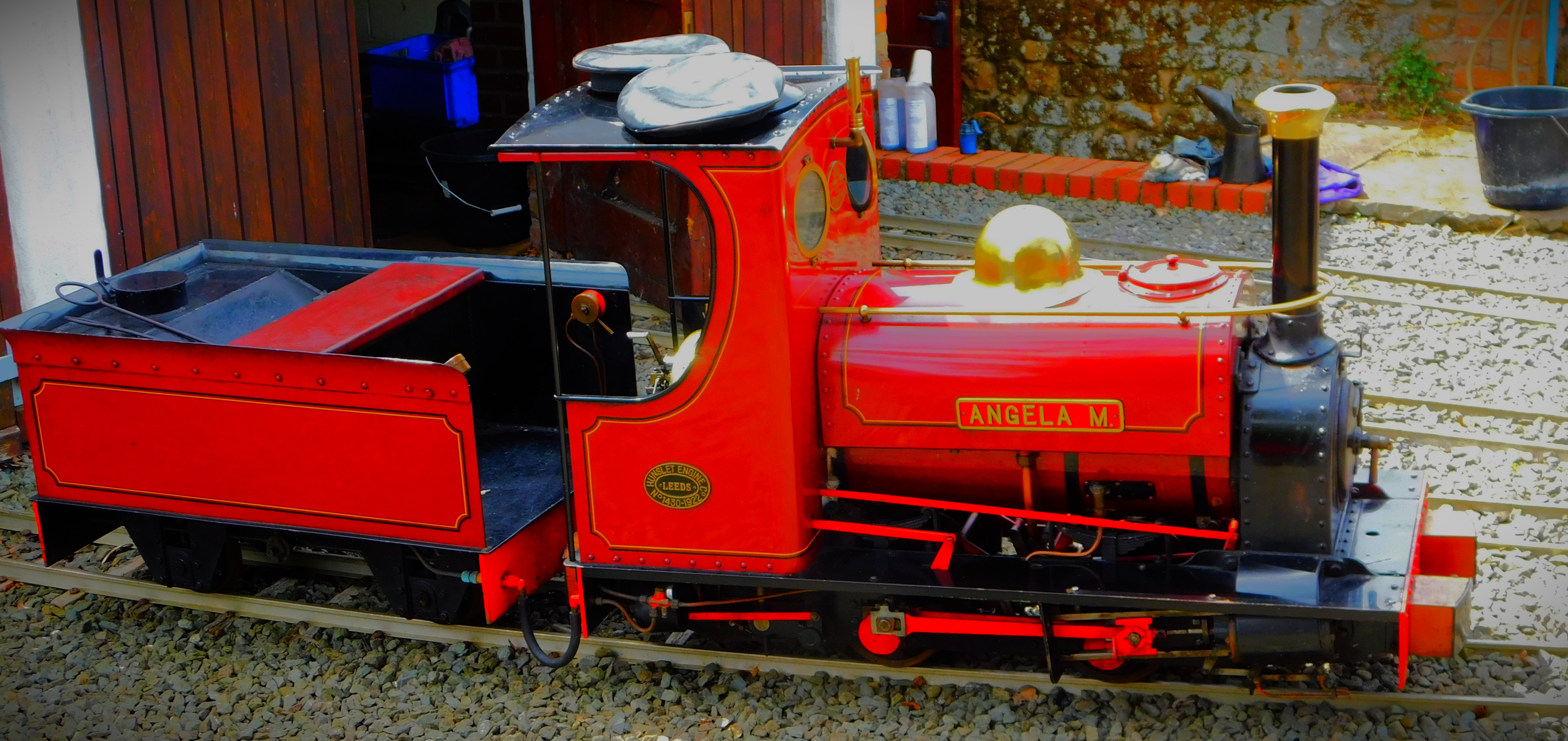
THE NORTON HILL LIGHT RAILWAY
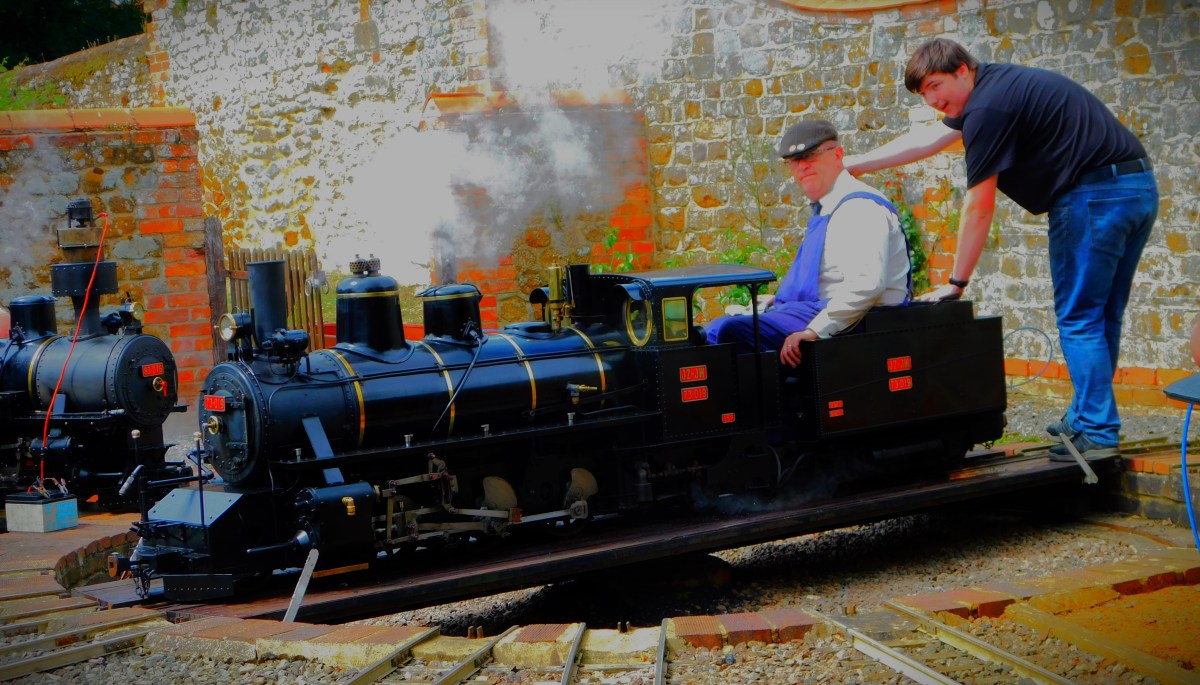
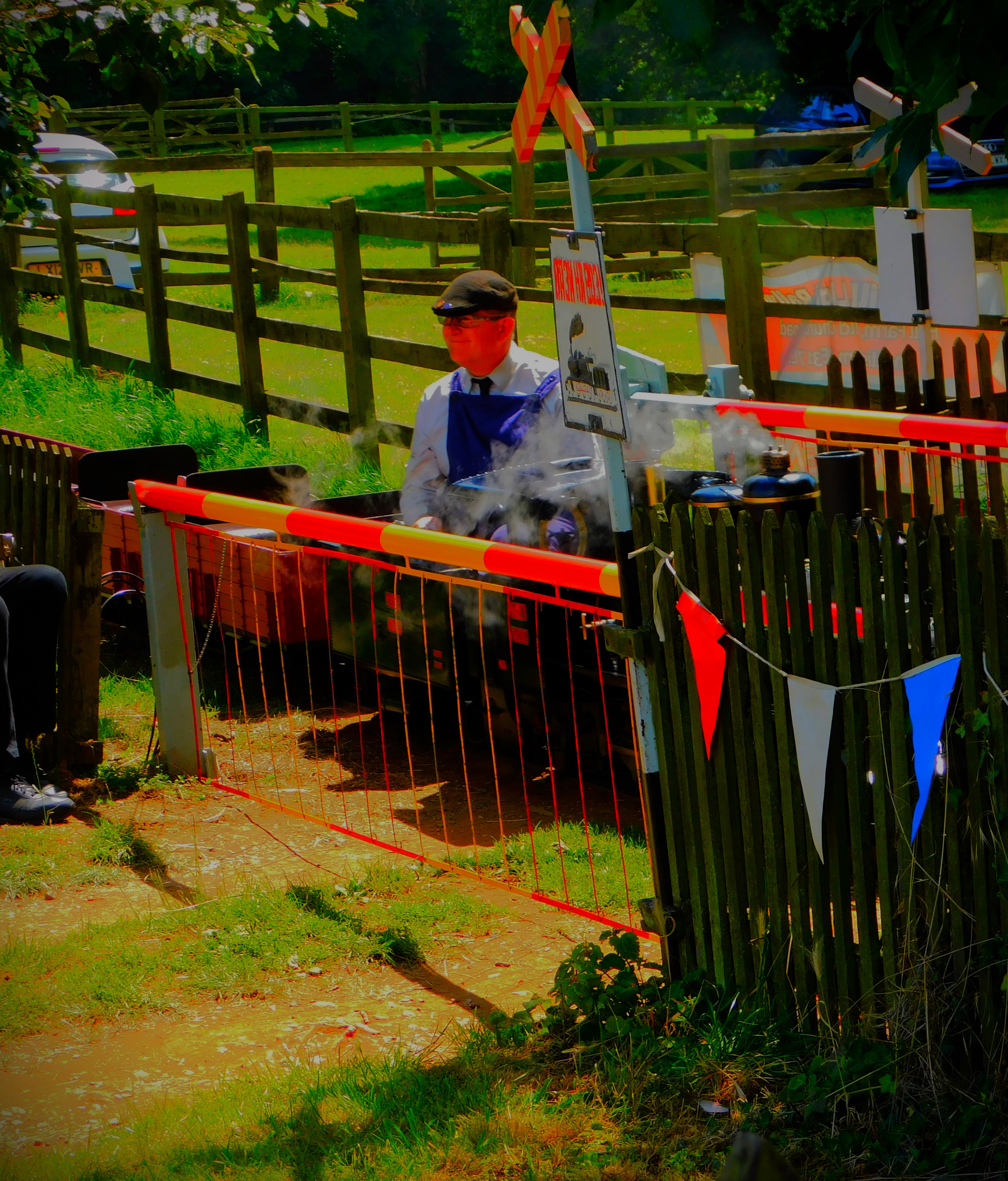
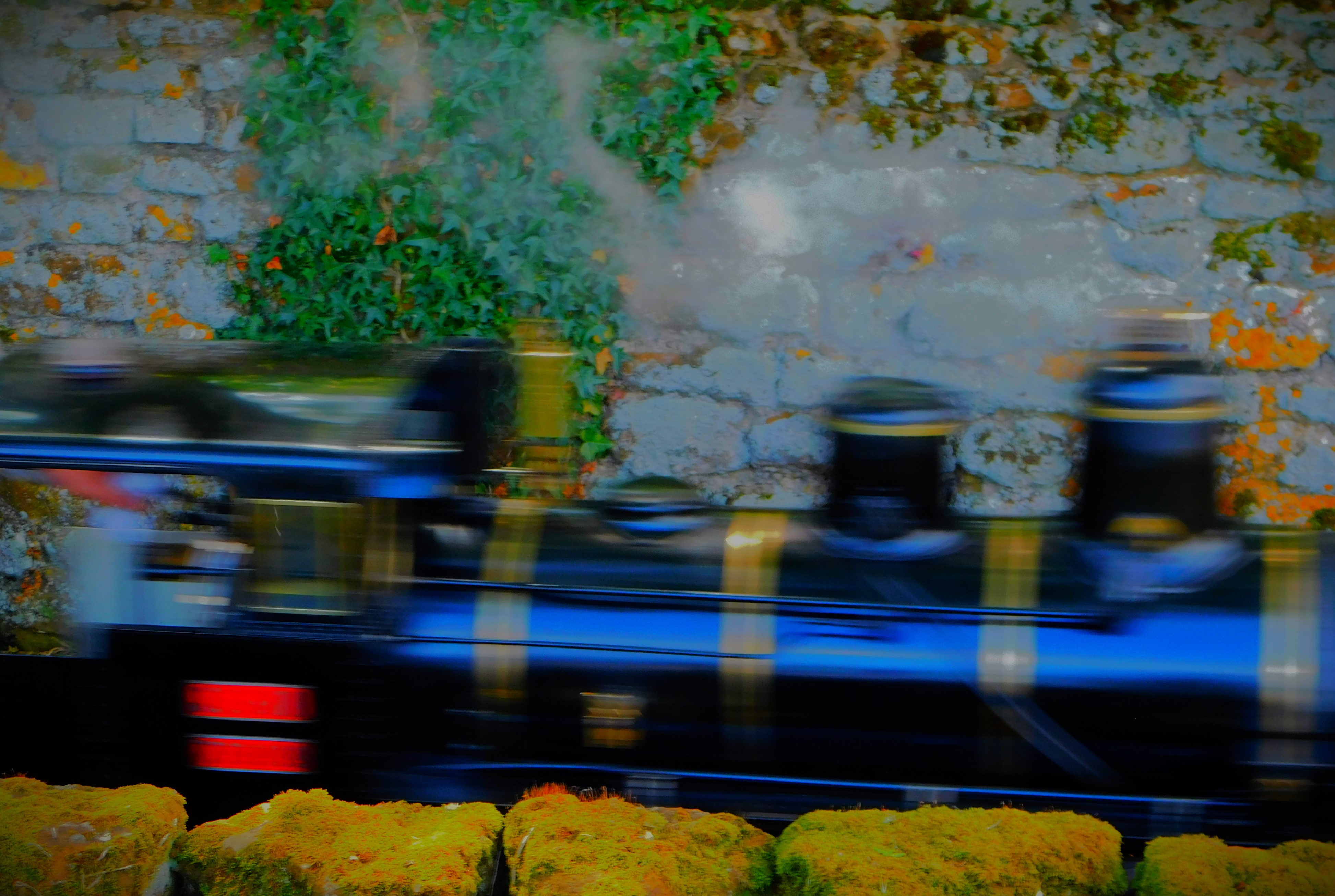
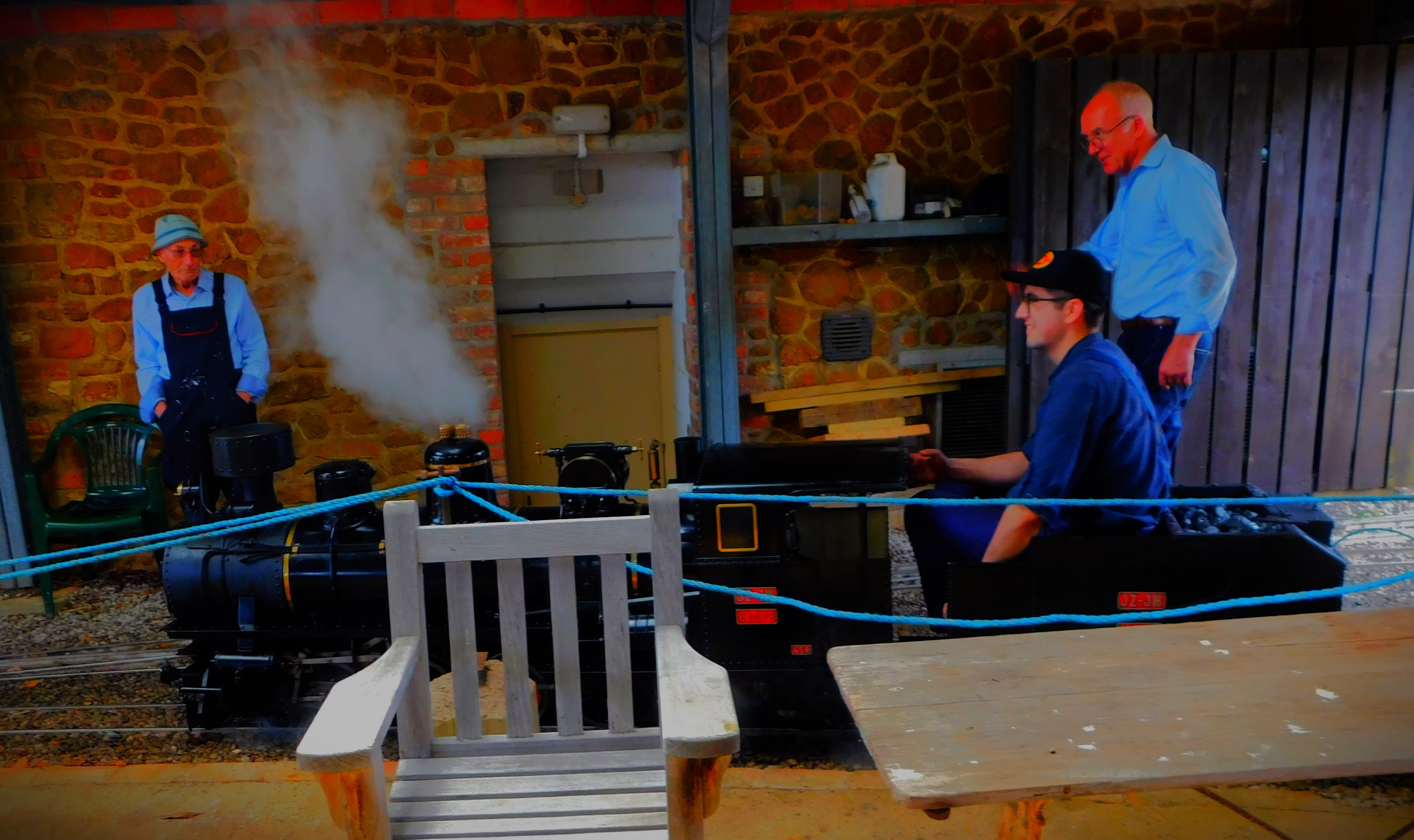
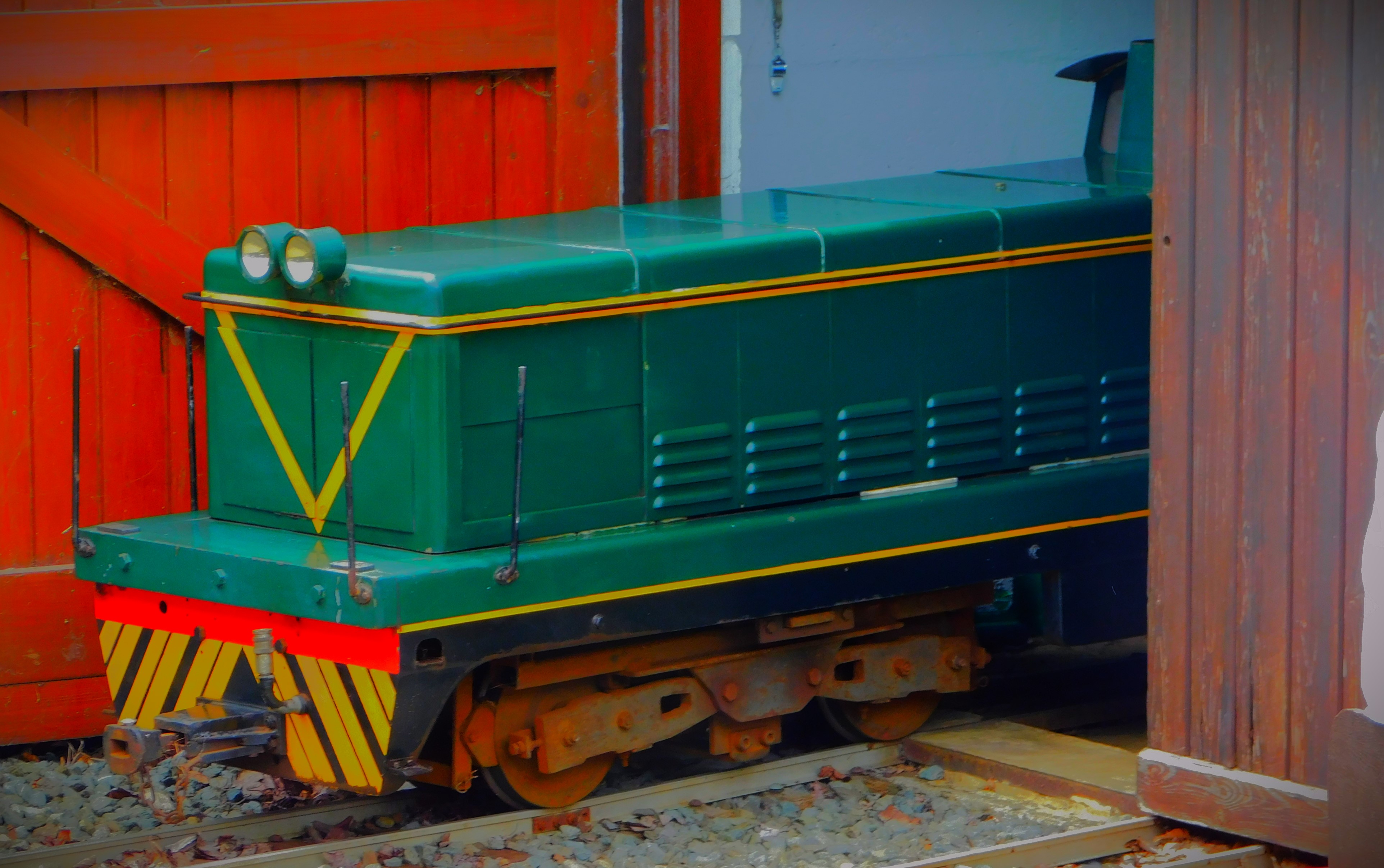
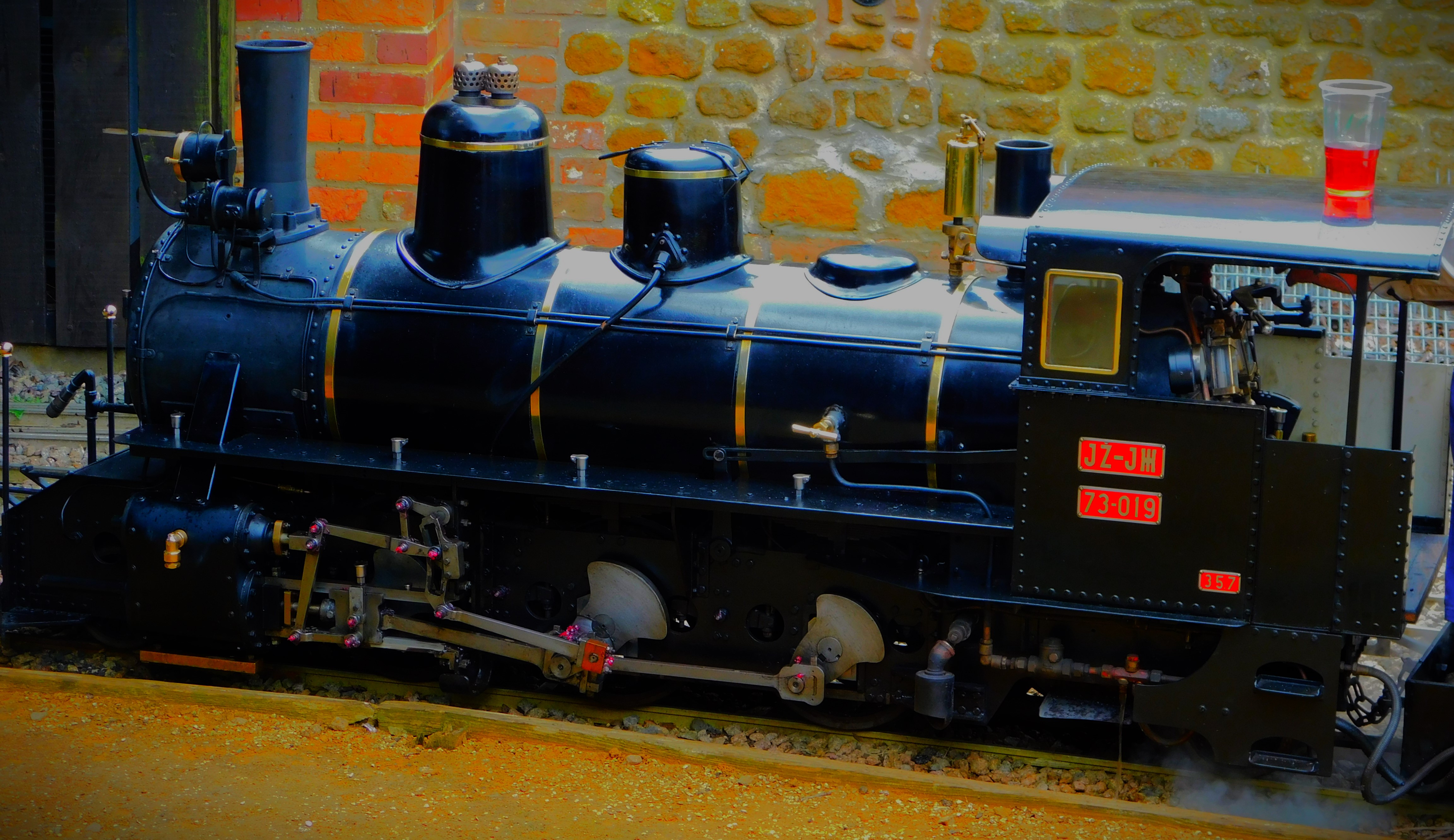
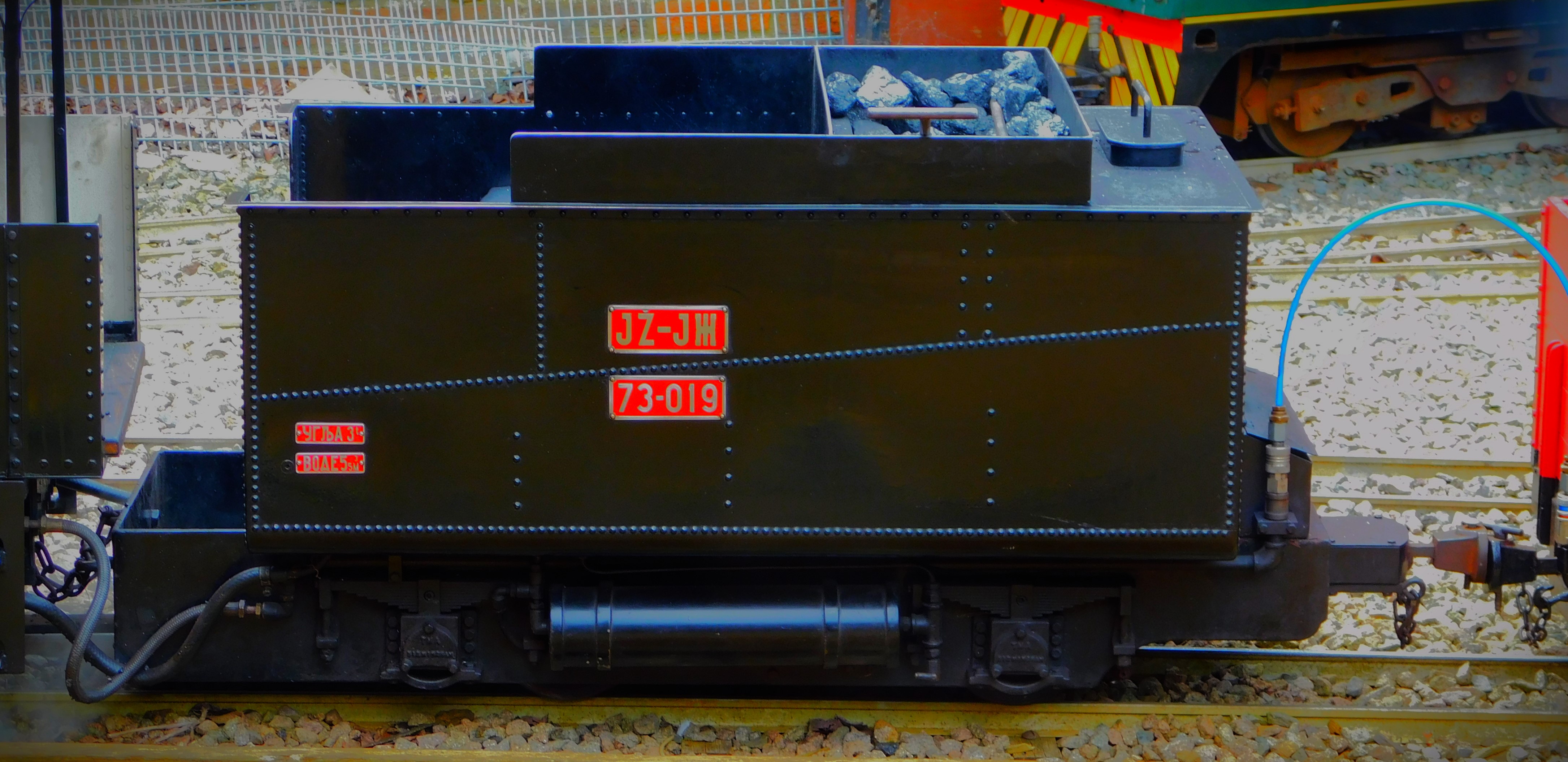
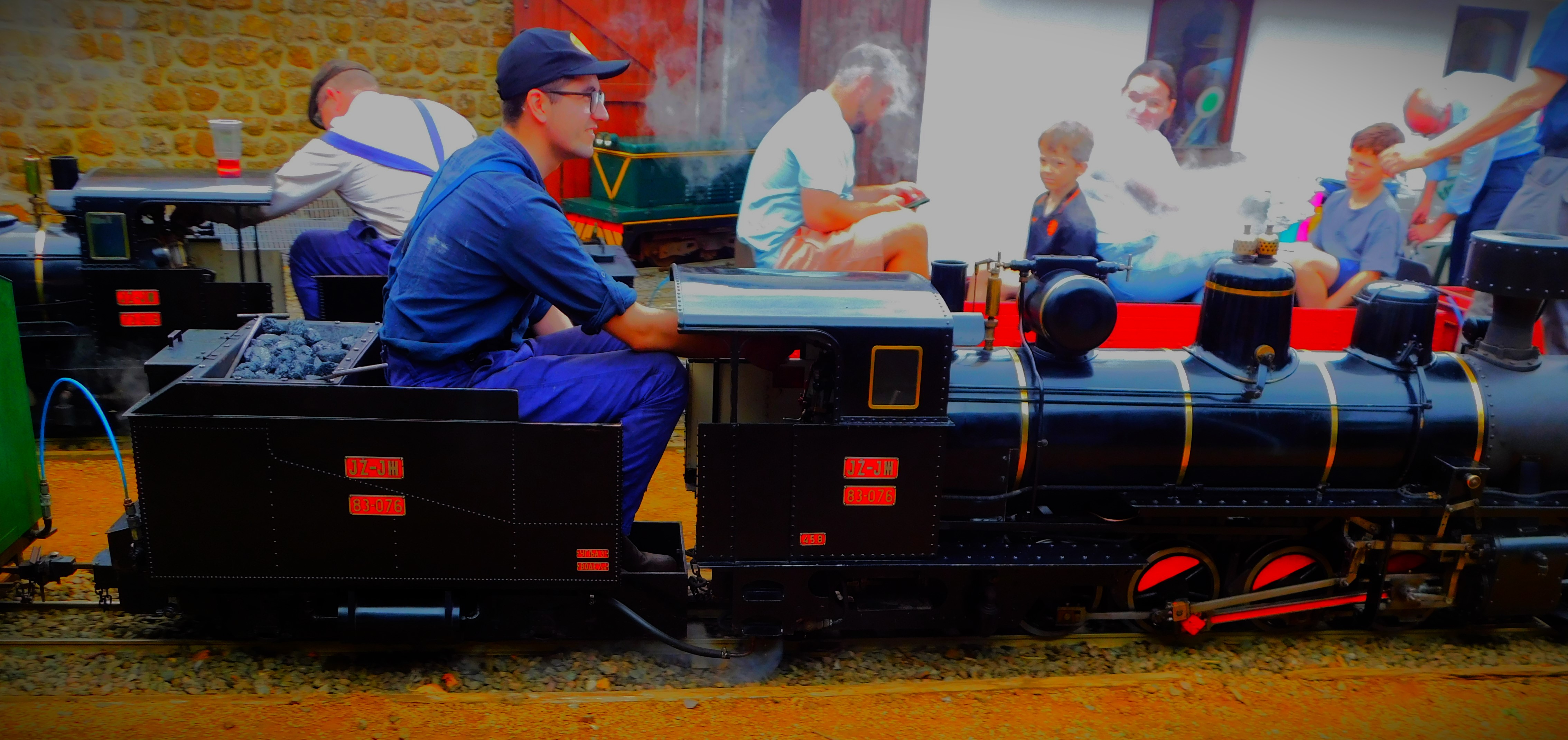
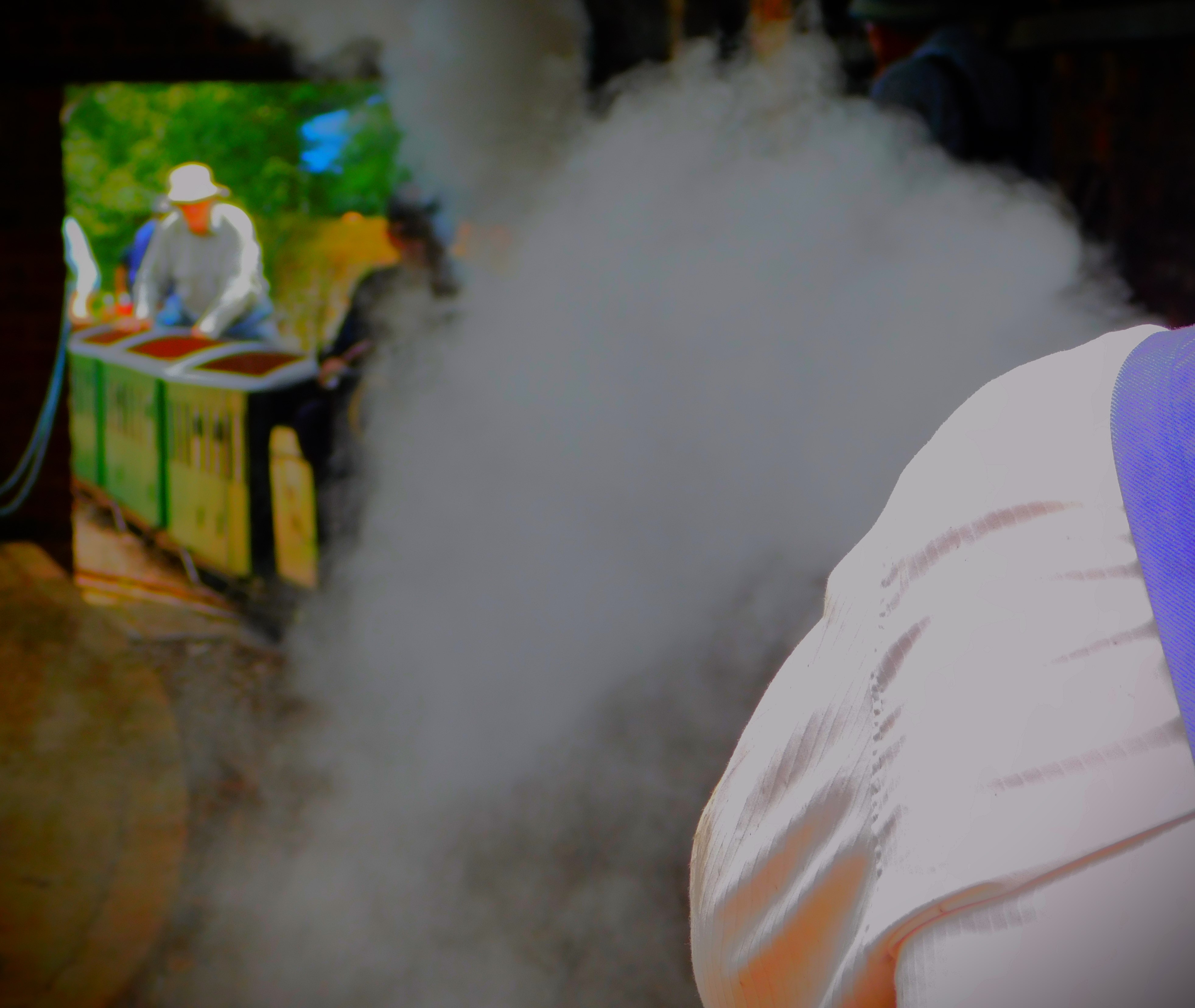
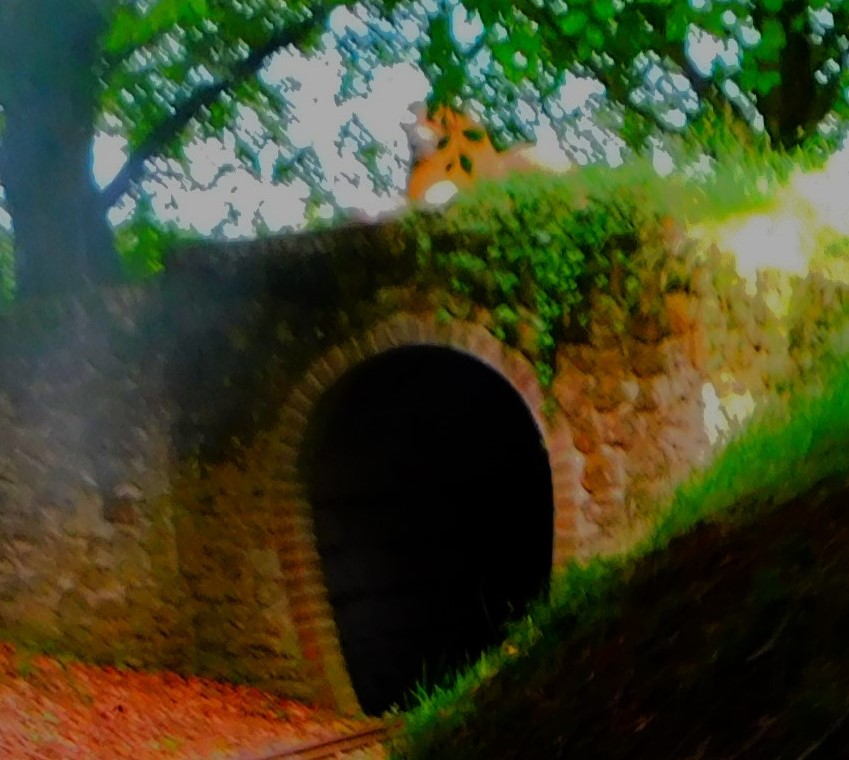
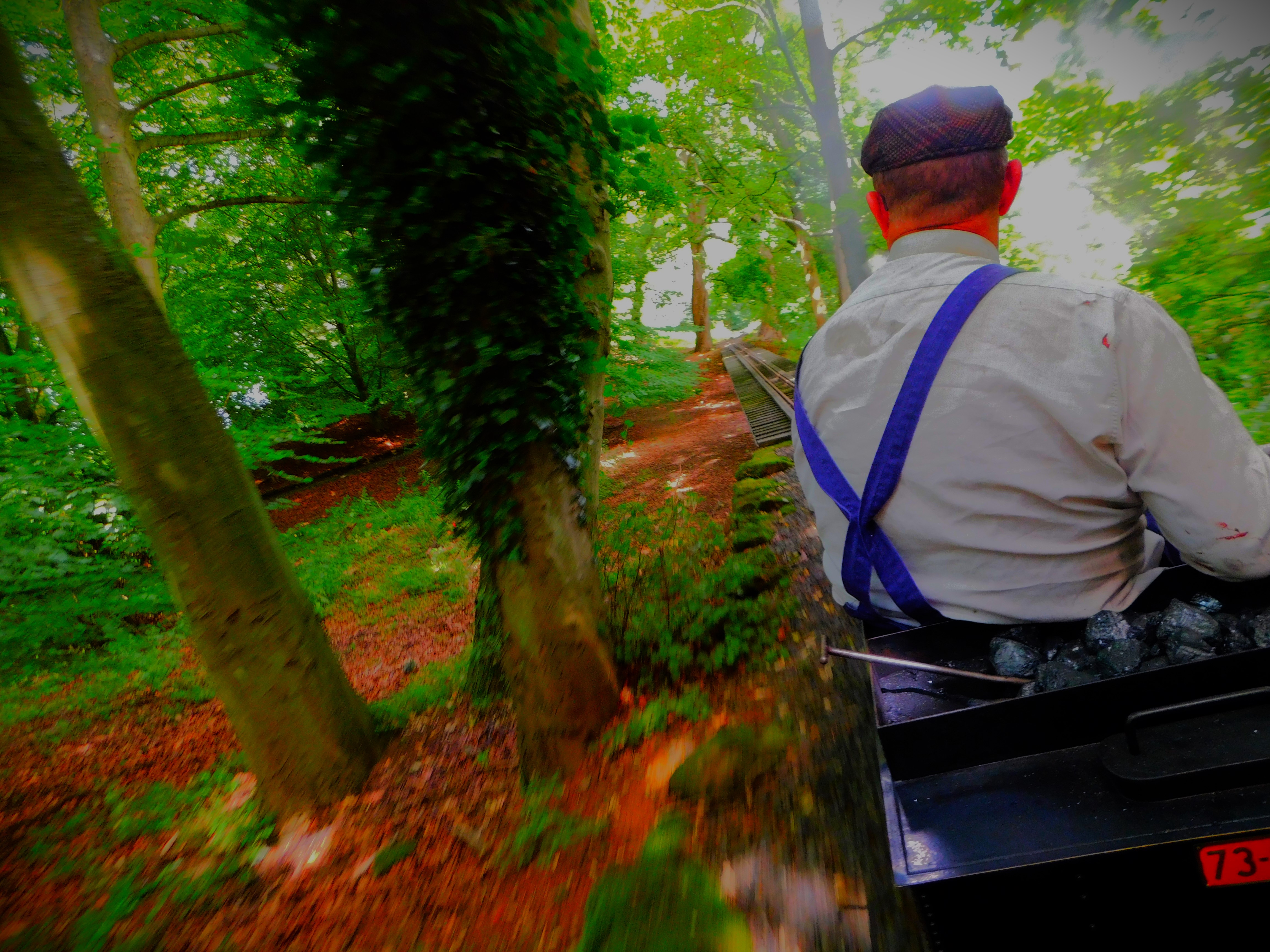
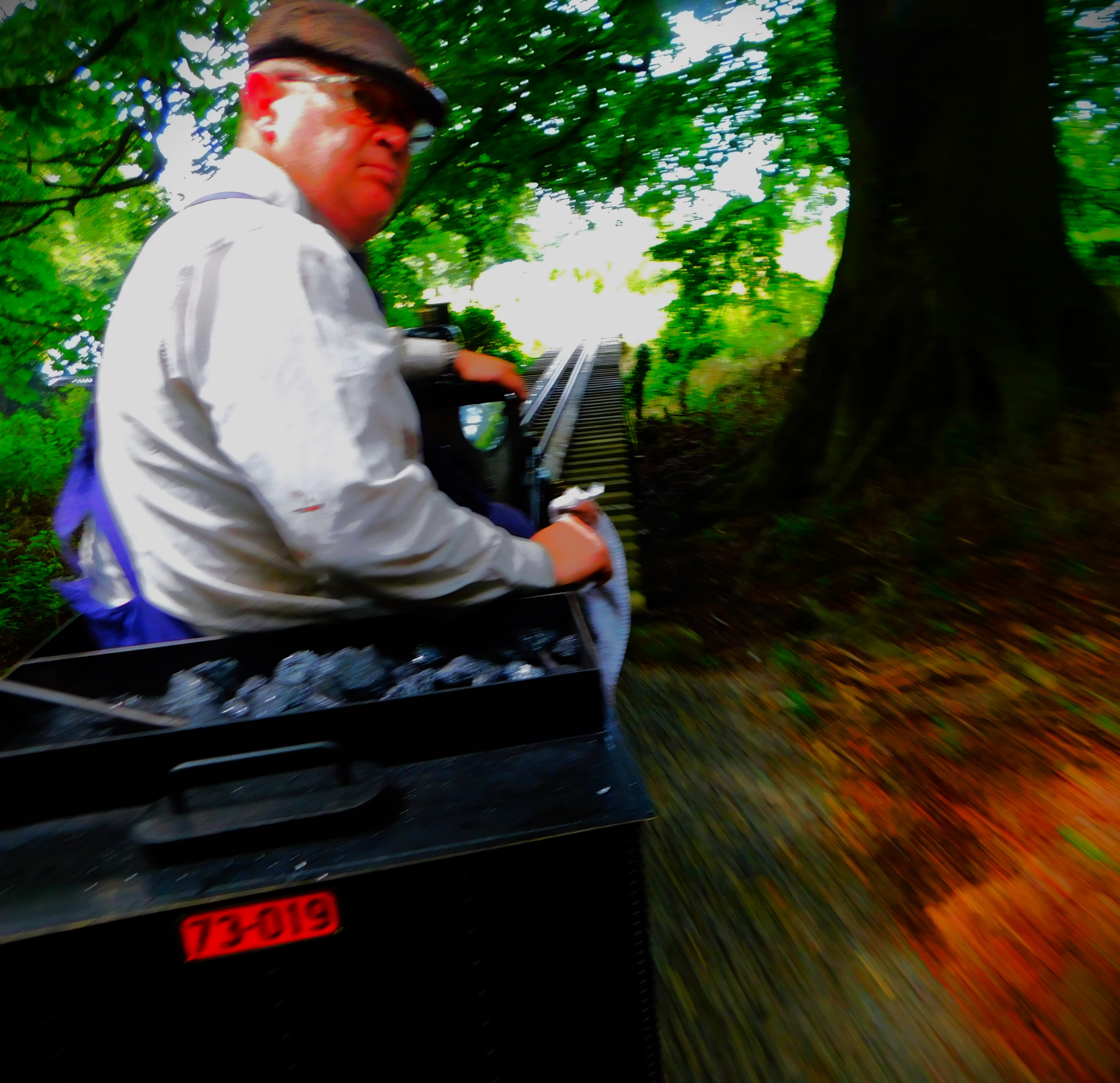
This railway runs for one kilometre (a circular journey), on tracks with a gauge of about nine inches. The locomotives though small are genuine steam locomotives. I managed to get there before it got really crowded, though I had a fairly long wait in the end, as I just missed getting on one train, and the next was reserved for a group of travelling singers, and actually broke down, meaning that the diesel locomotive kept for such emergencies had to be pressed into service. Fortunately the other steam train, on which I was travelling had no such issues. I enjoyed the journey, though the seating on the train I was on was very uncomfortable, and one kilometre was plenty from that point of view. On this short route a lot of pieces of railway infrastructure are duplicated in miniature – there are viaducts, there is one tunnel, which though not very long is impressively dark. This is very much a summer activity – there is no shelter for passengers. We got the bus back at around 3PM – it was 3:25 when we got in to King’s Lynn bus station. I was thus able to catch up with the cricket, though as you will see in my next post my evening engagement meant that I missed the conclusion.
PHOTOGRAPHS
Here is my Norton Hill gallery…
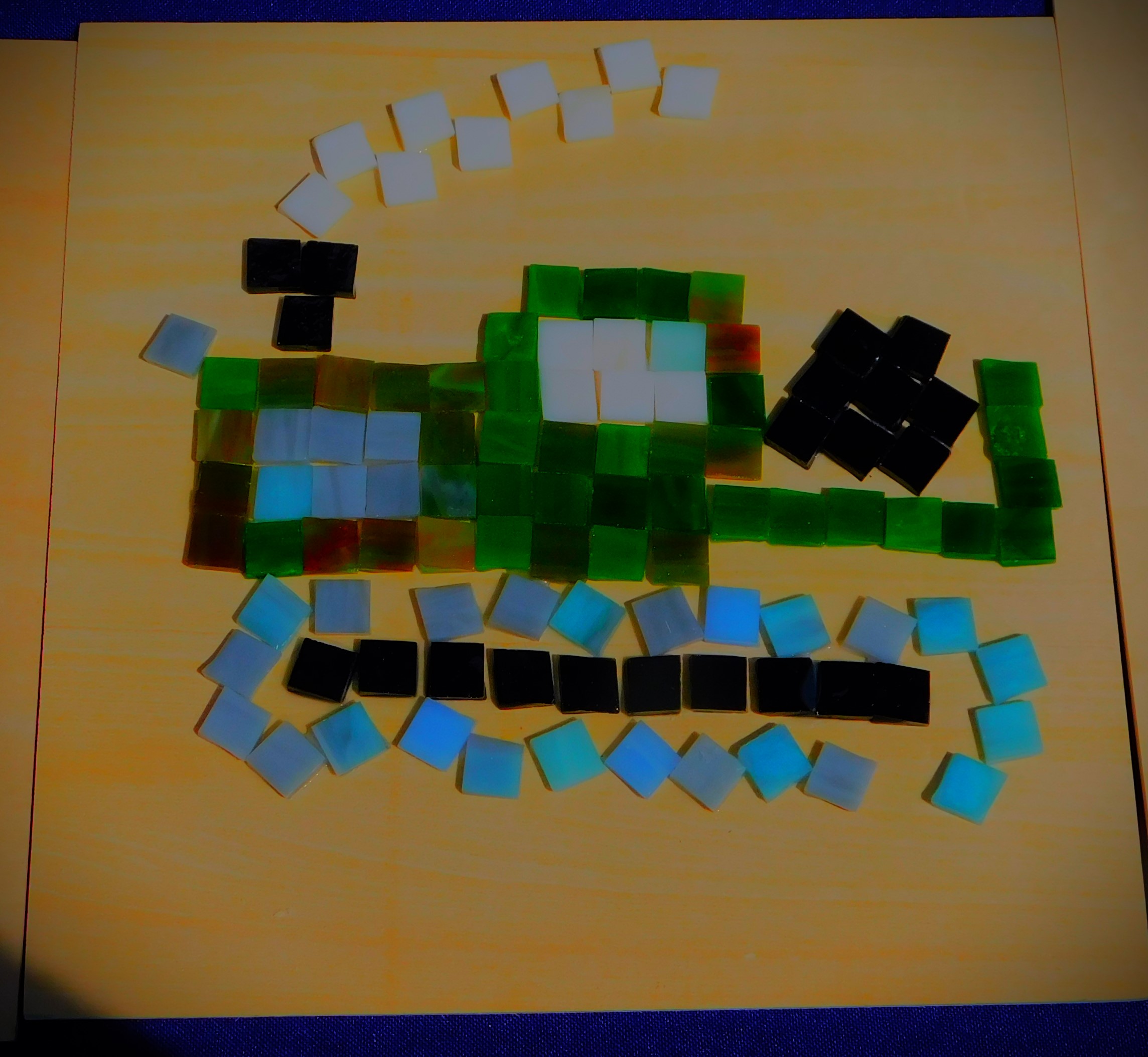
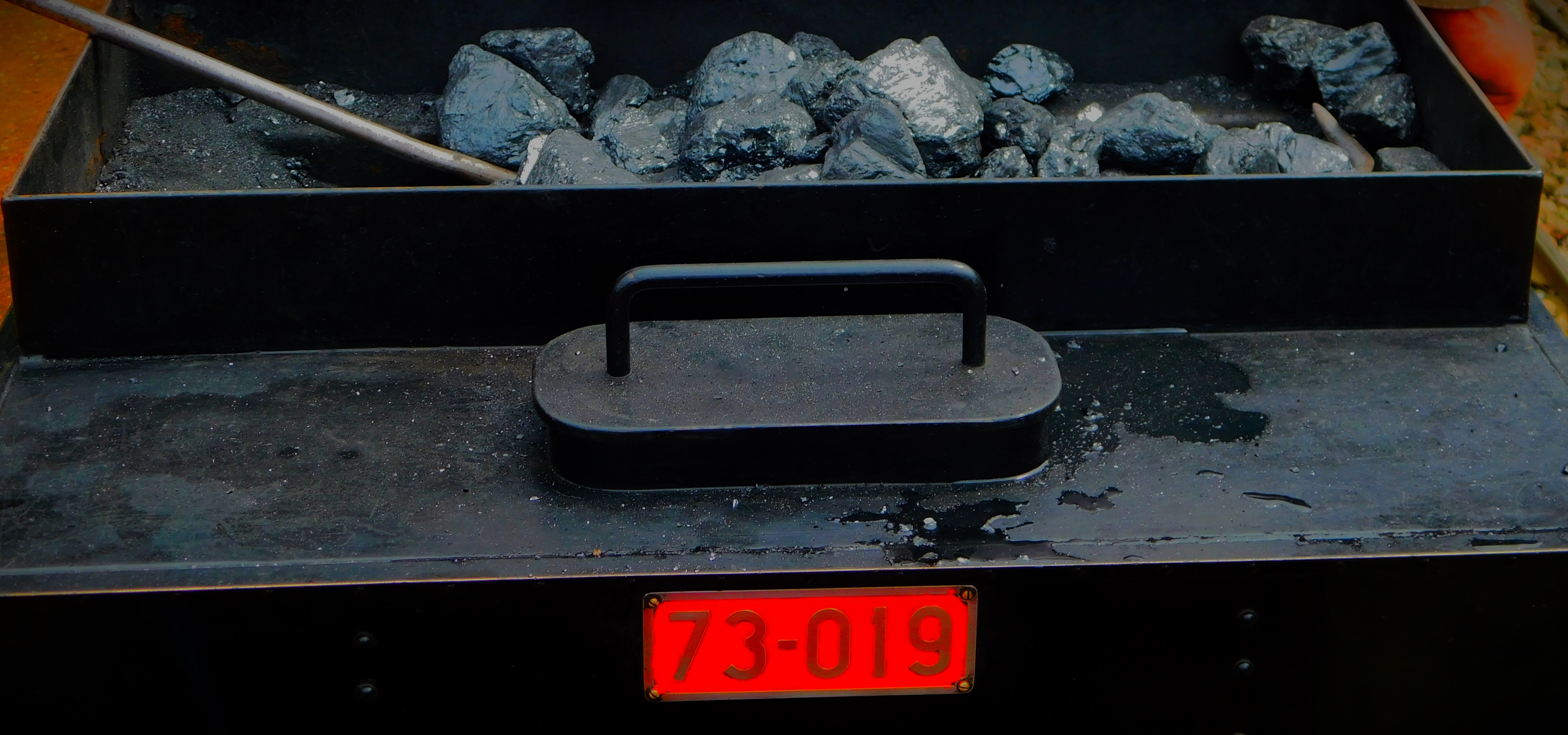
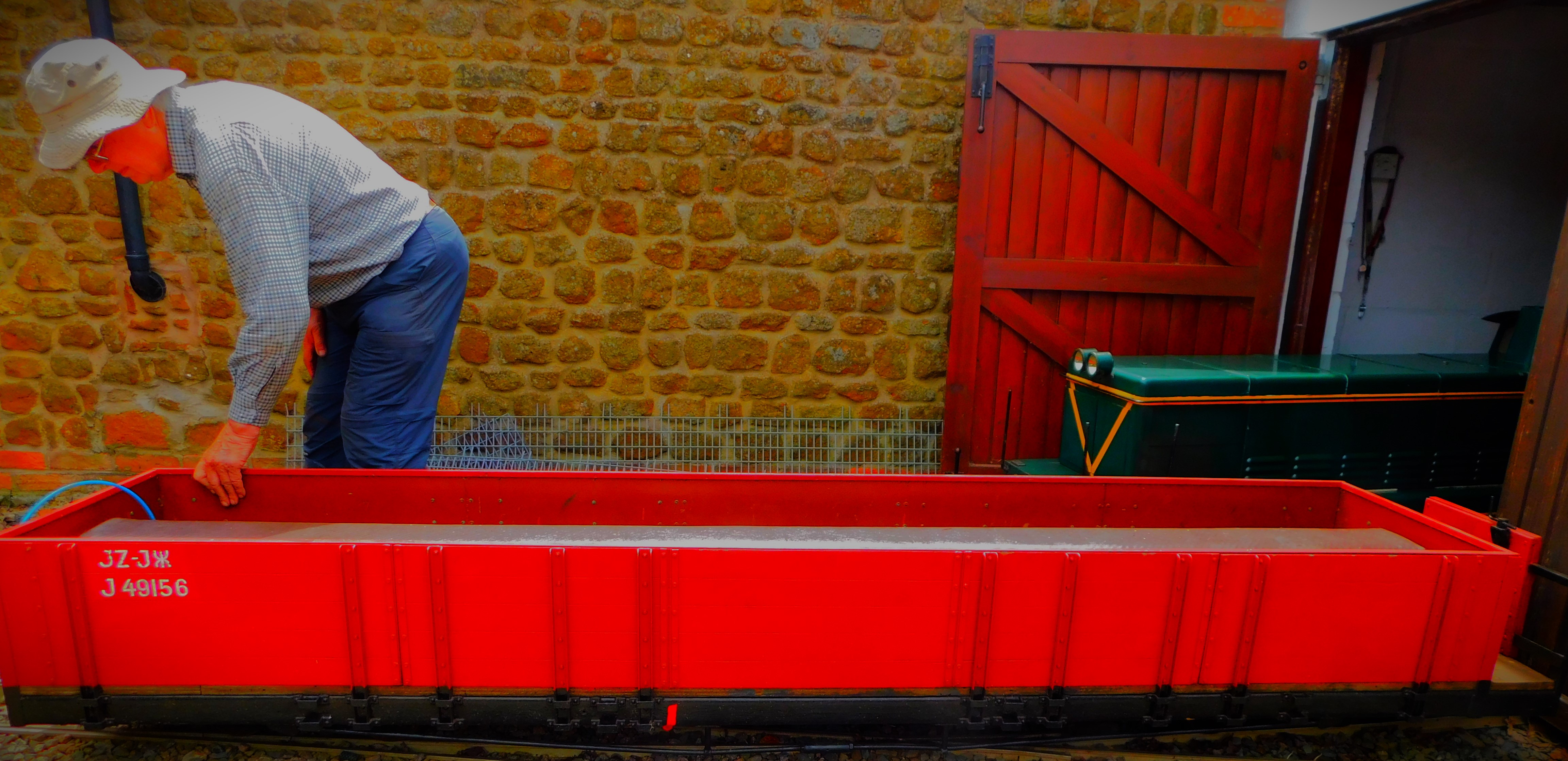
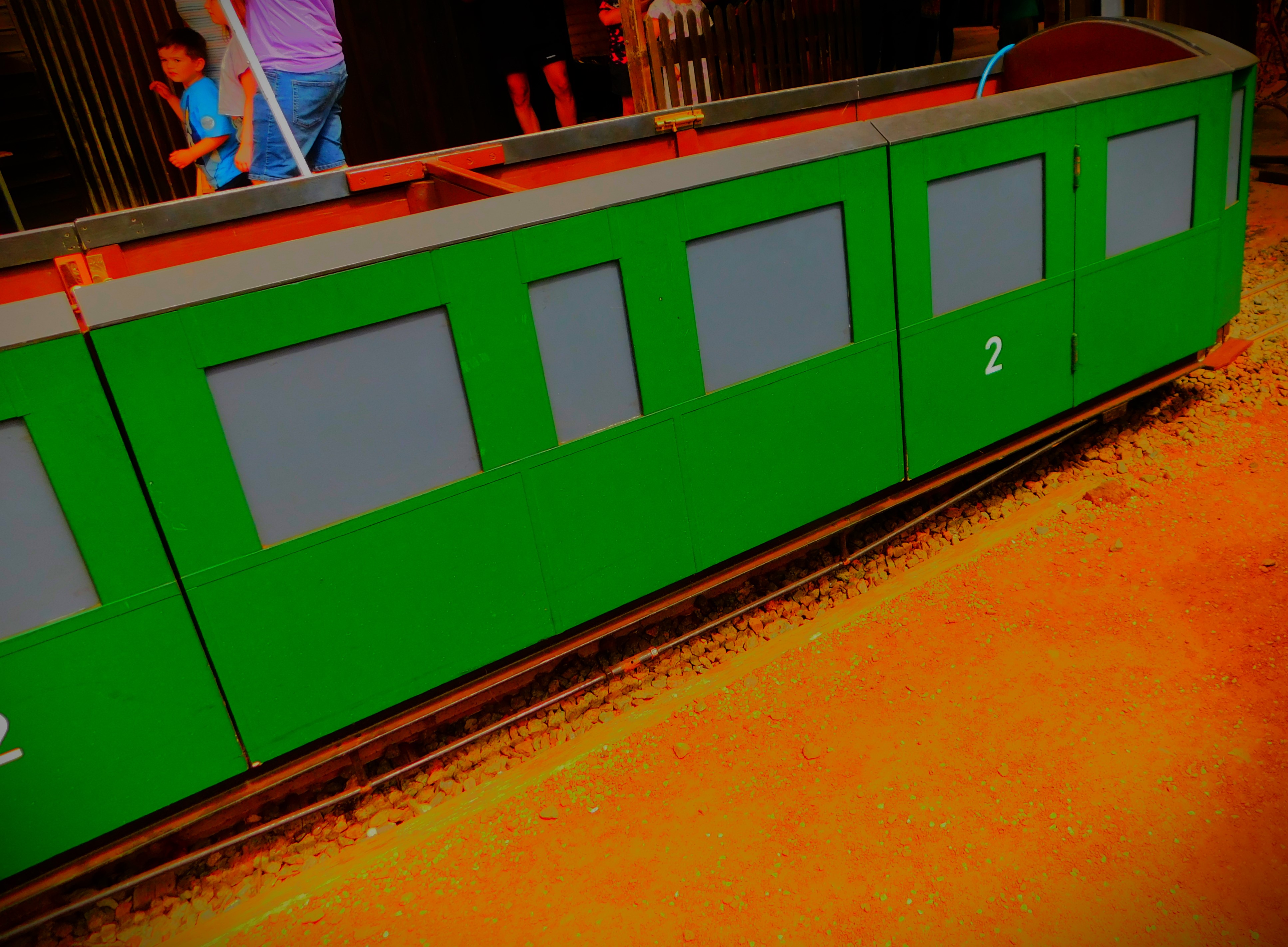
This was one of a number of mosaics made by a member of ours and available for a donation. I didn’t actually buy it.This was the type of wagon I travelled in.A viaduct section.Approaching the tunnelThe locomotive that pulled my train on the turntable.This locomotive has yet to be pressed into service.
Setting the scene for a series about my recent holiday in Scotland.
I usually have a short holiday around the time of my birthday. This year, due to the place my mother was able to organize for us to stay at only being available for a few days I had the main celebration yesterday and have spent most of today travelling. This post sets the scene for what will be a series of blog posts about my brief sojourn in Scotland.
GETTING THERE
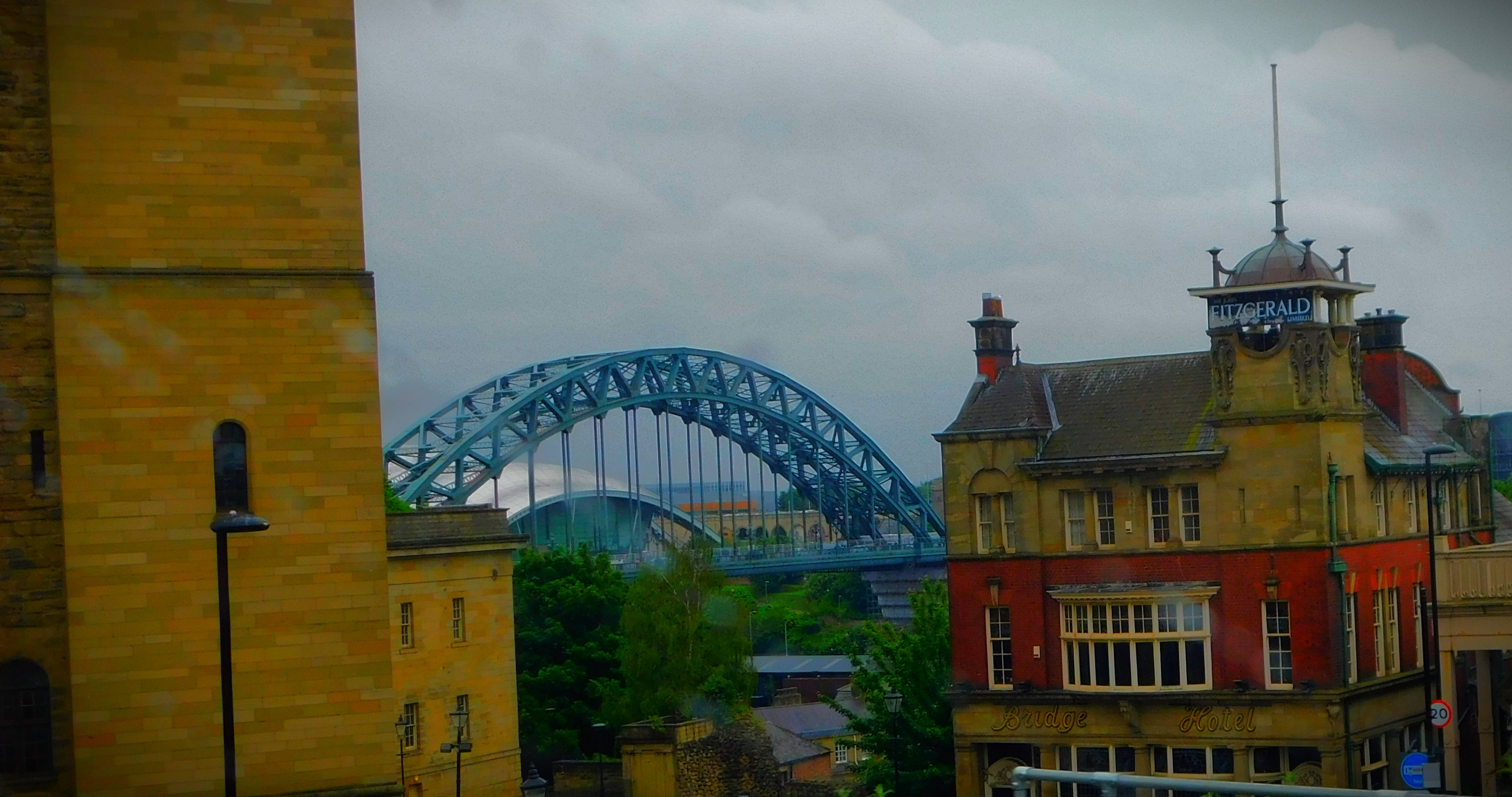
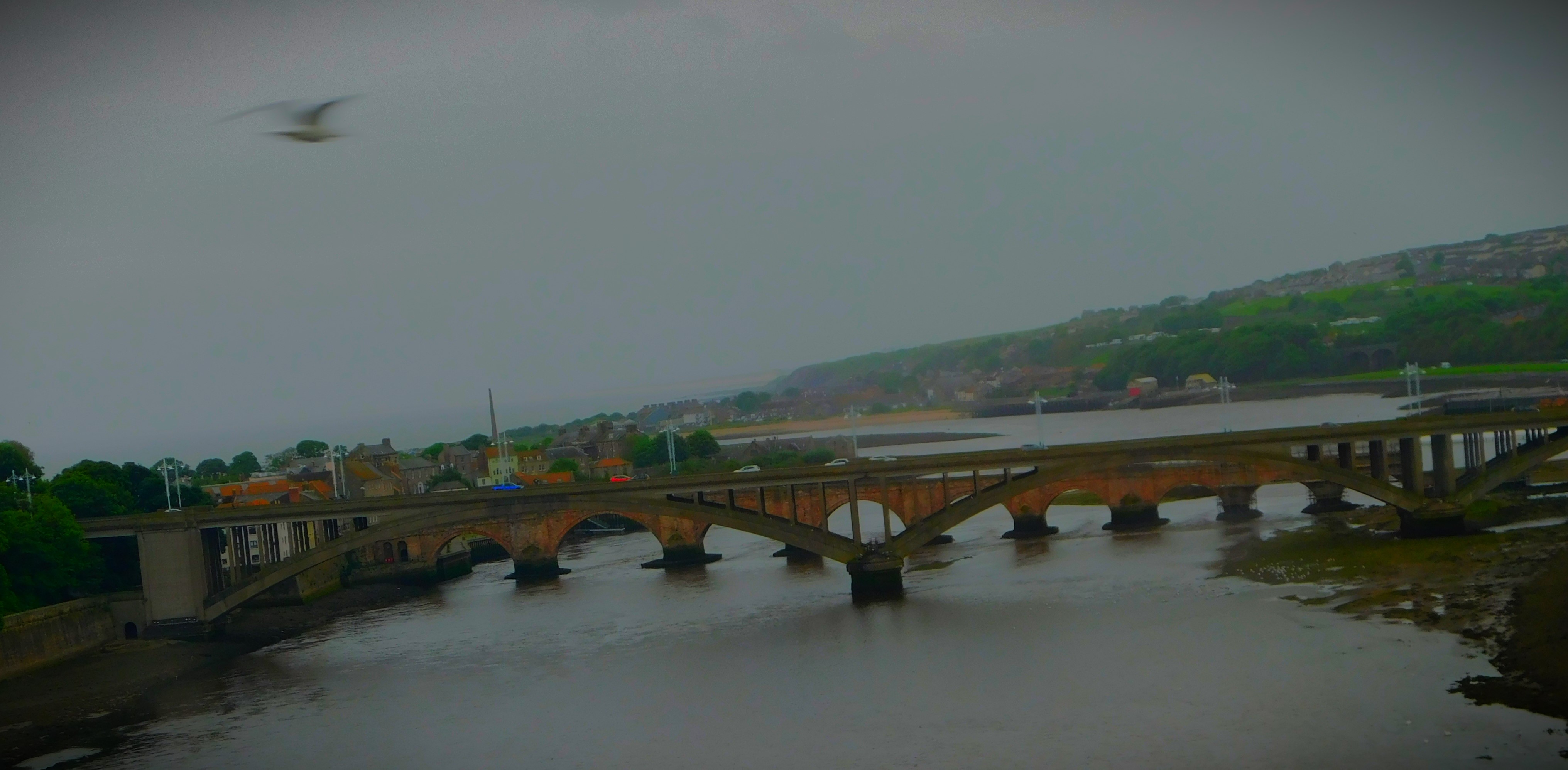
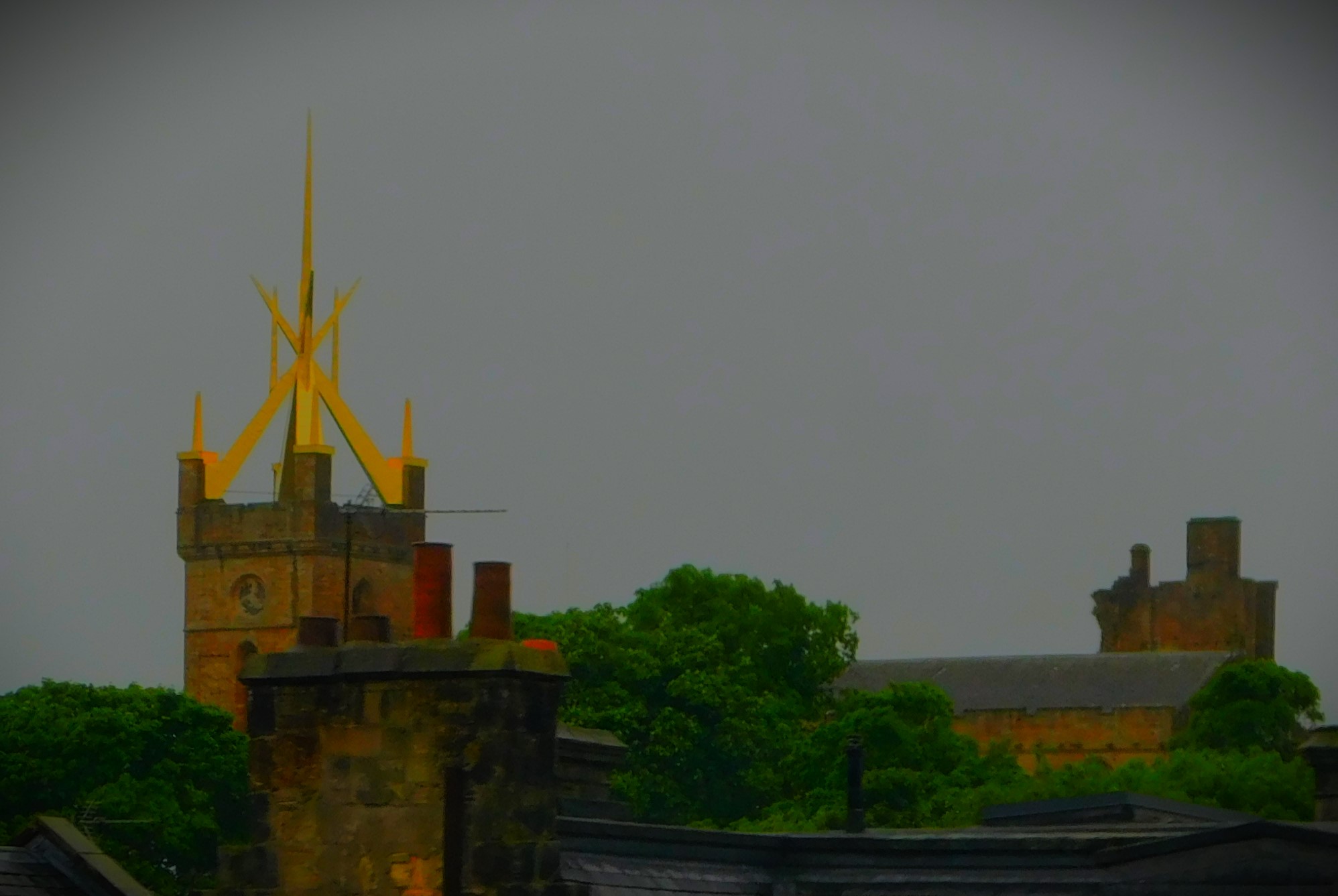
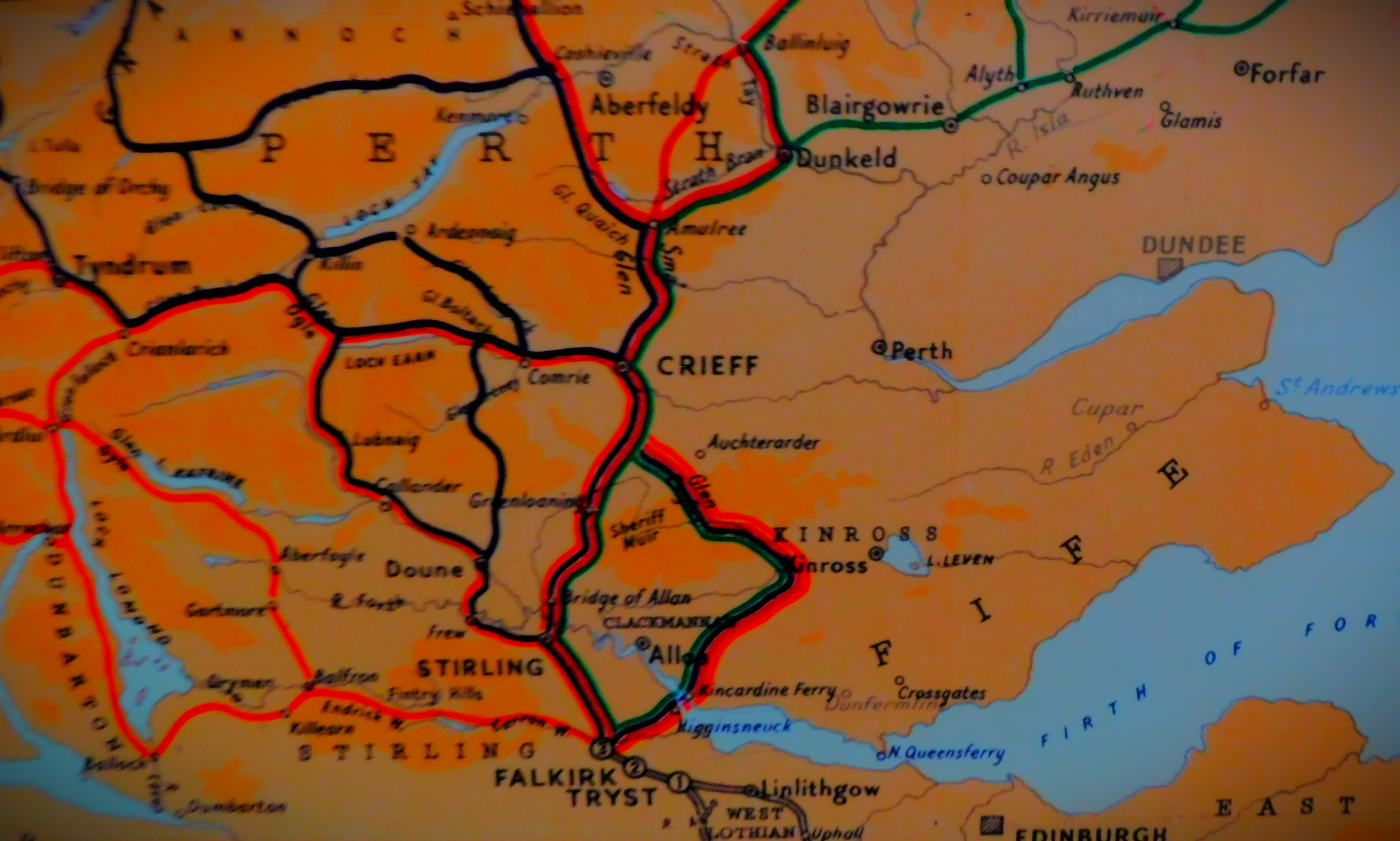
We were staying at the Charles Rennie Mackintosh building in Comrie, which was one of that worthy’s earliest design projects. I arranged to travel by public transport between King’s Lynn and Perth, the nearest major town to Comrie. The public transport element of my outbound journey consisted of four stages: King’s Lynn to Peterborough by bus, Peterborough to Edinburgh Waverley by rail (an Azuma train, the new stock being used by LNER, with a very streamlined front), a Scotrail stopping train from Edinburgh Waverley to Stirling (ultimate destination Dunblane) and then a Scotrail intercity train from Stirling to Perth. By the time I reached Perth, where my parents were meeting me by car for the rest of the journey to Comrie I had been underway for just over eight hours, and another hour would pass before we reached our destination. I will be covering the public transport element of the journey in fuller detail in a later blog post but for the moment here is sampler gallery…
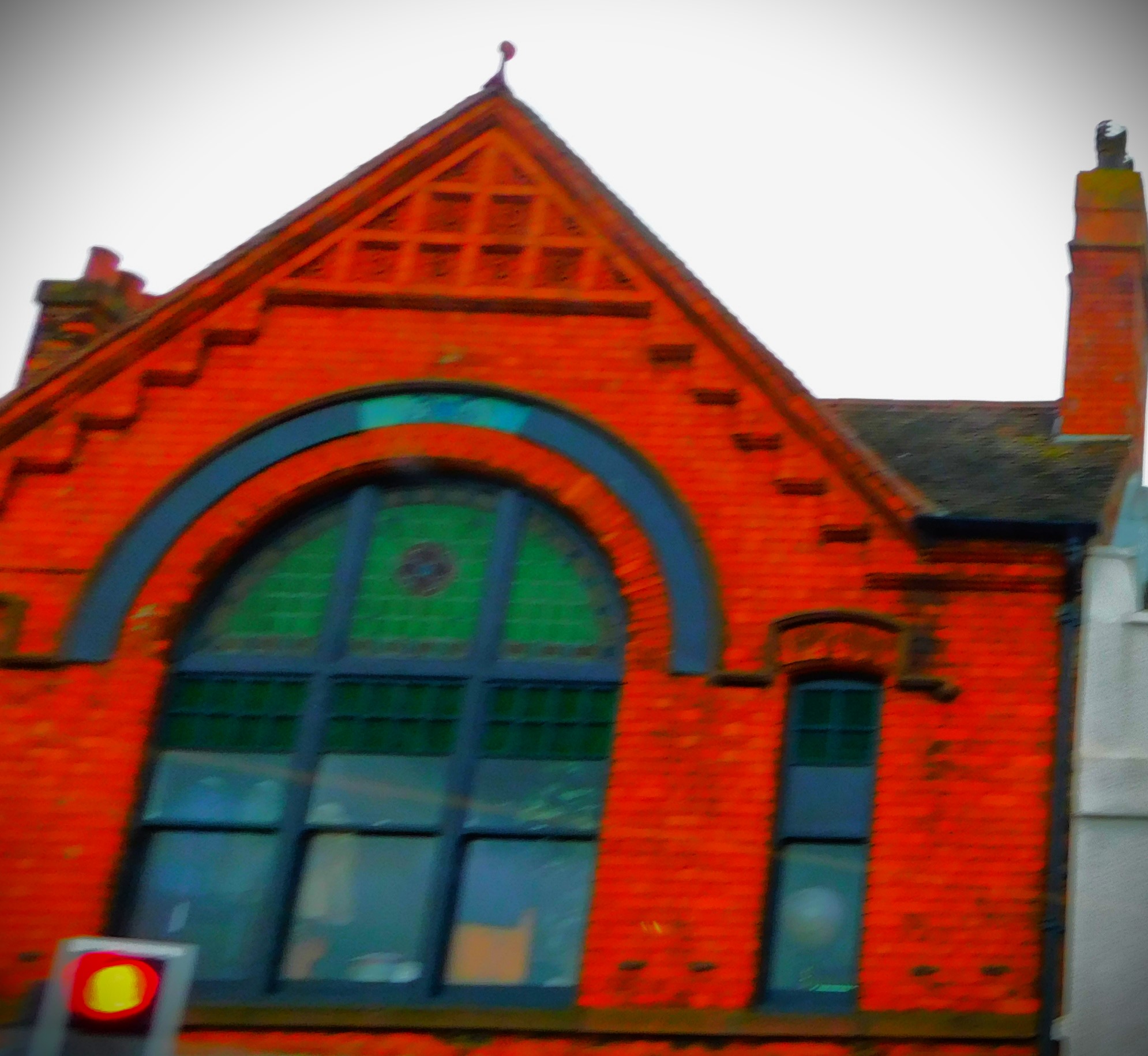
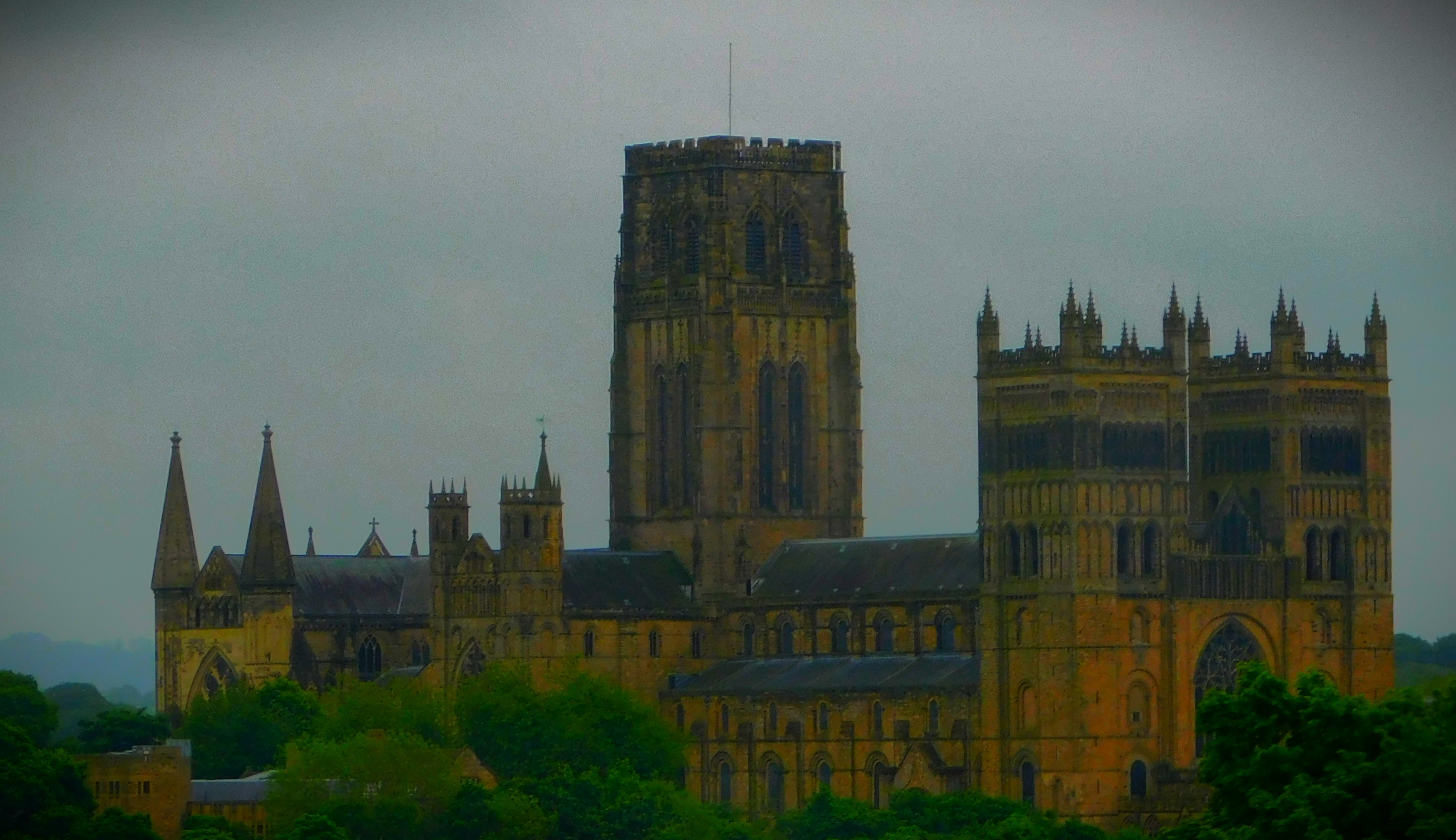
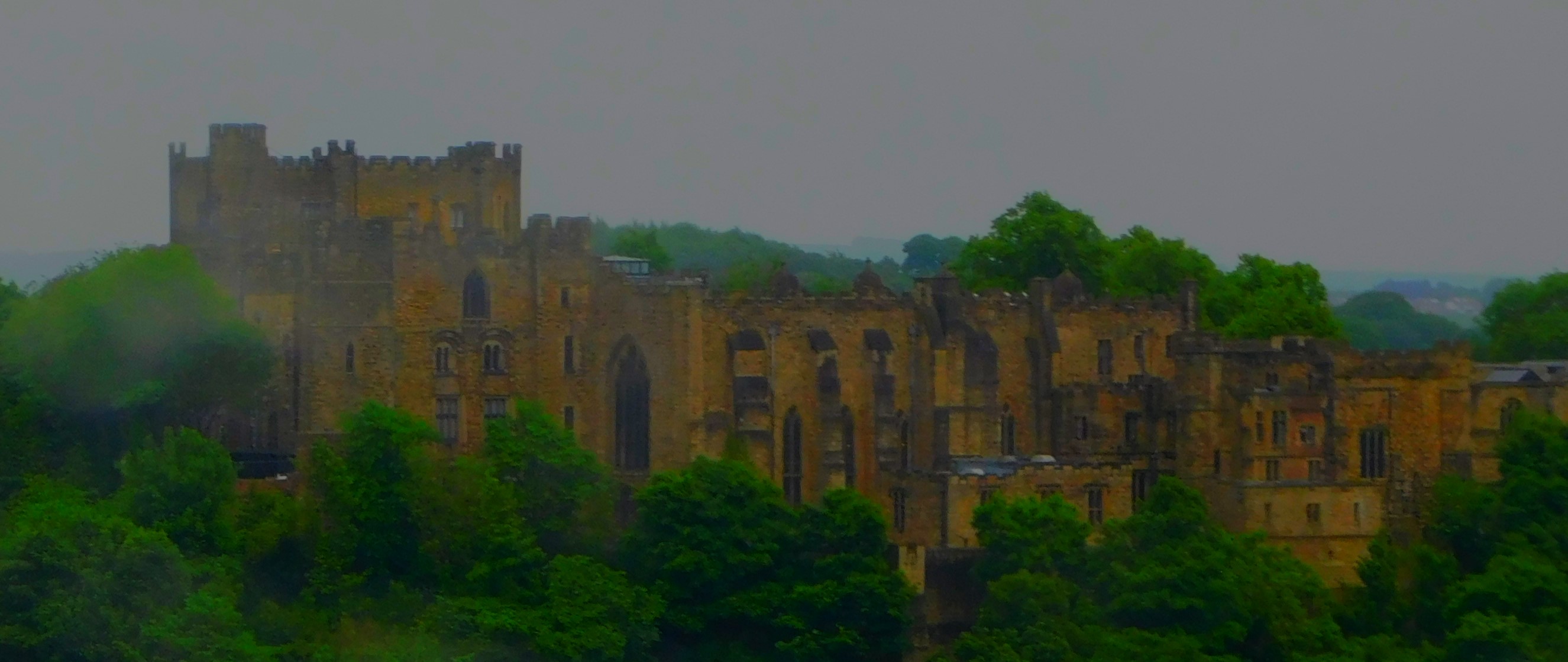
This frontage is in Wisbech, near the start of my journey.Durham, in the middle of the journey (two pics)NewcastleLeaving England and heading into Scotland (this is Berwick, where the train did not stop)This tower with the gold coloured ornamentation is near Linlithgow, nearing the end of the Edinburgh-Stirling leg of the journey.
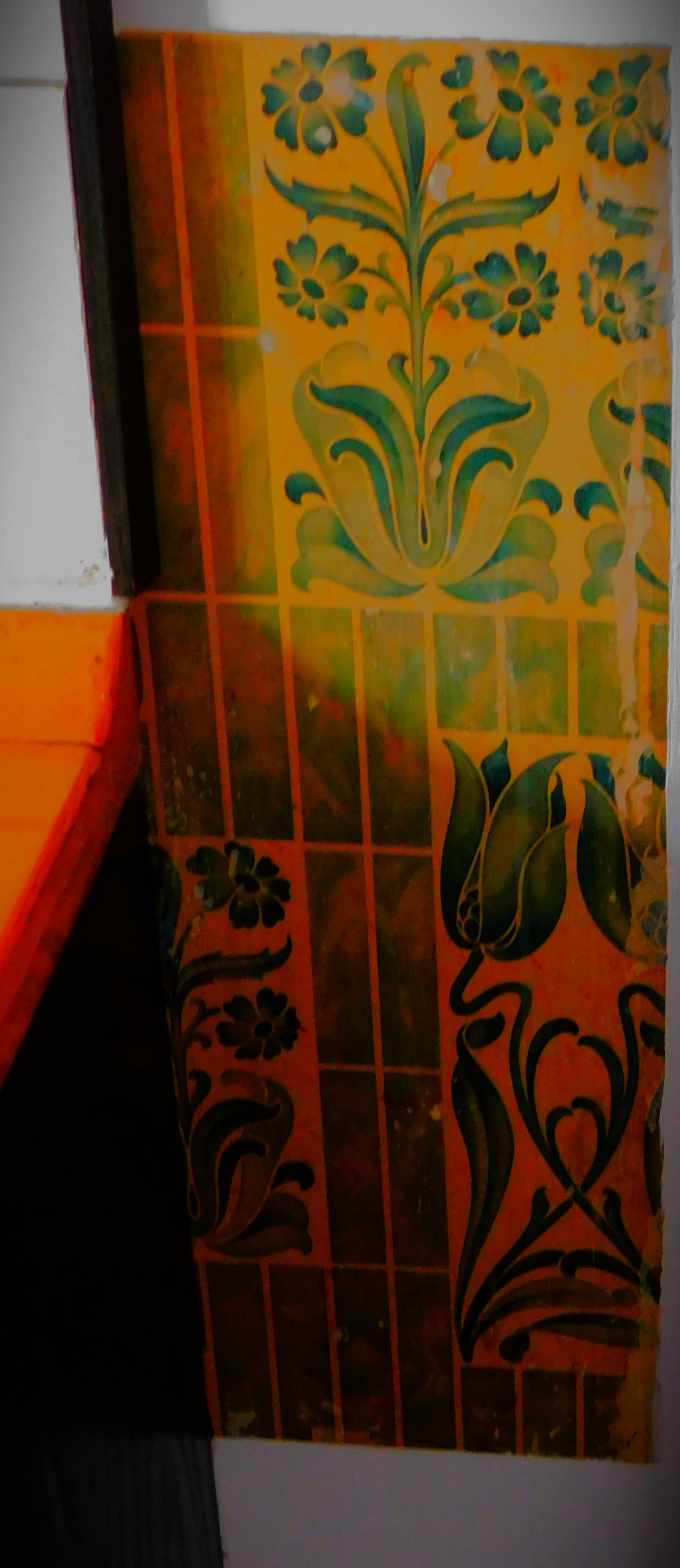
THE HOUSE
I will be covering the house and its immediate surrounds in more detail later, but here are a few pictures to whet the appetite…
Everything in these three pictures is Mackintosh designed.
ACTIVITIES
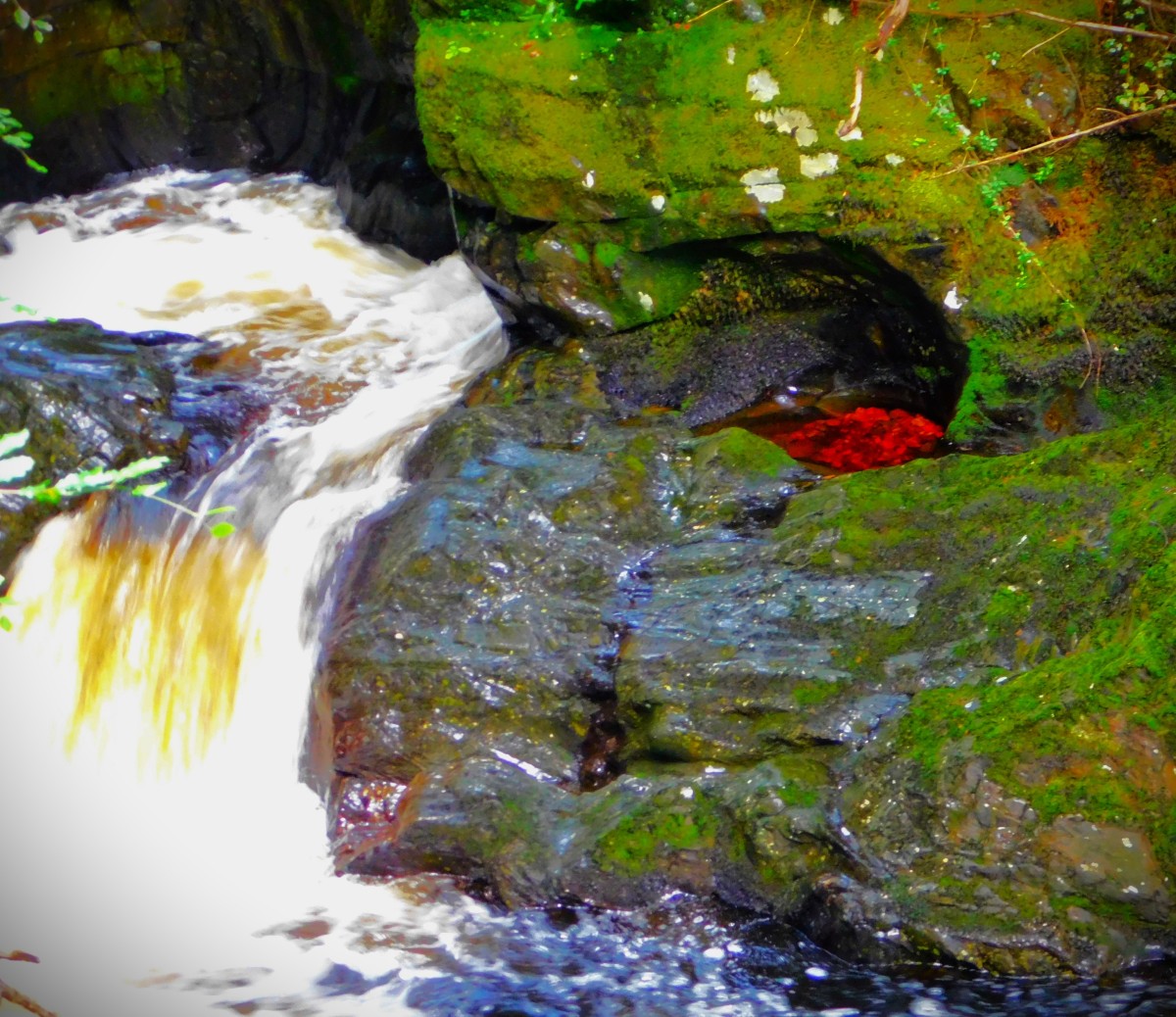
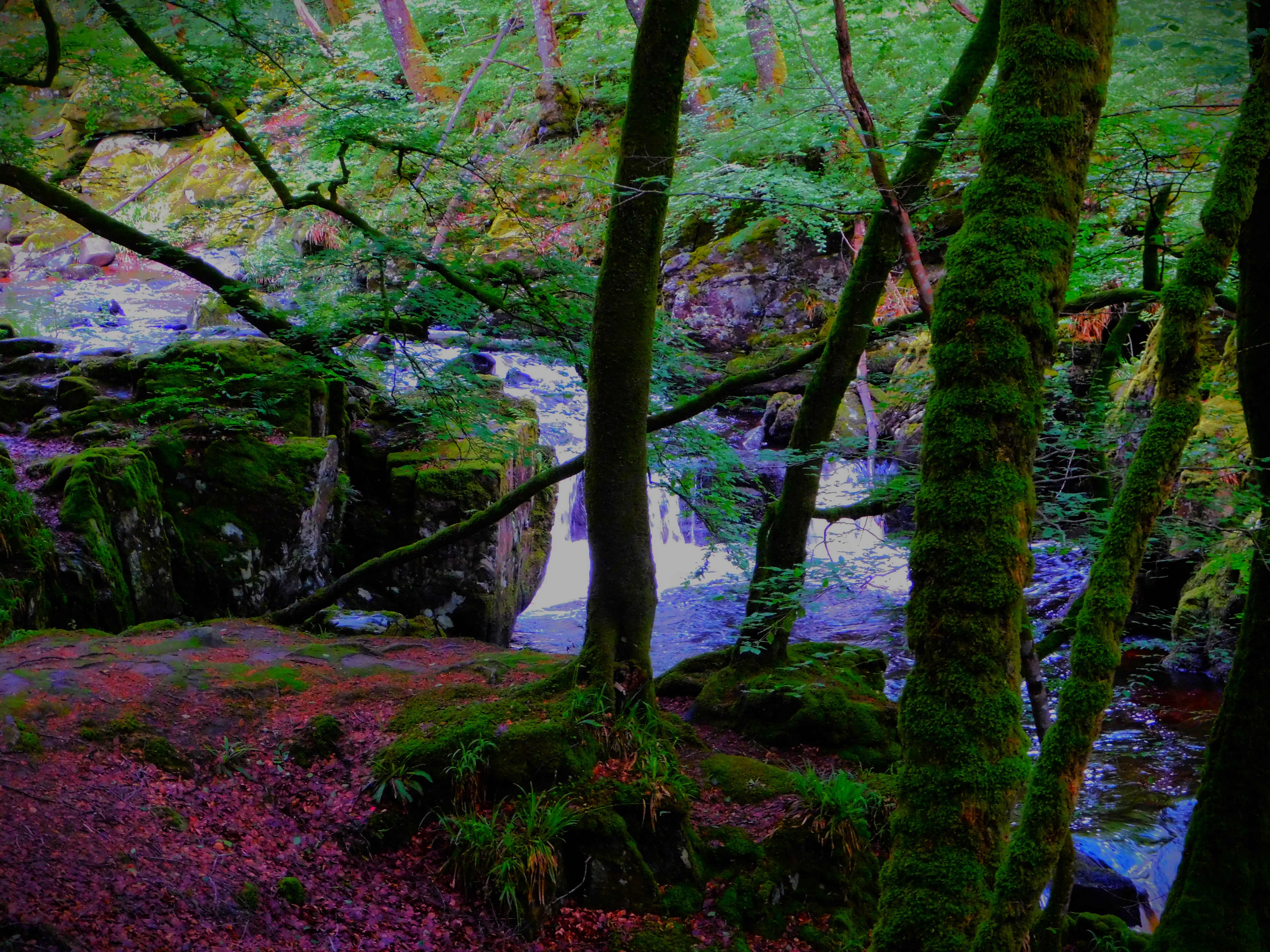
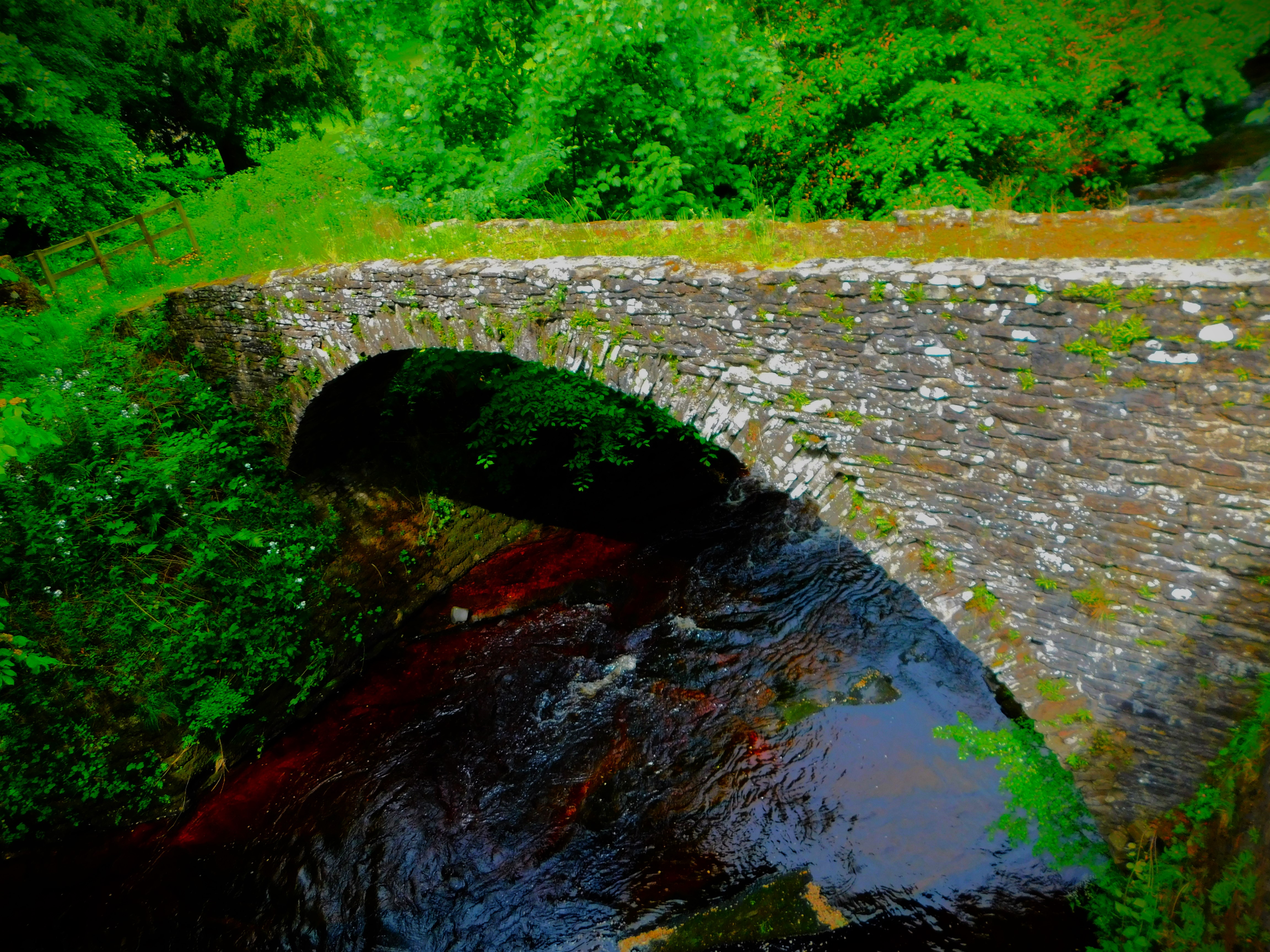
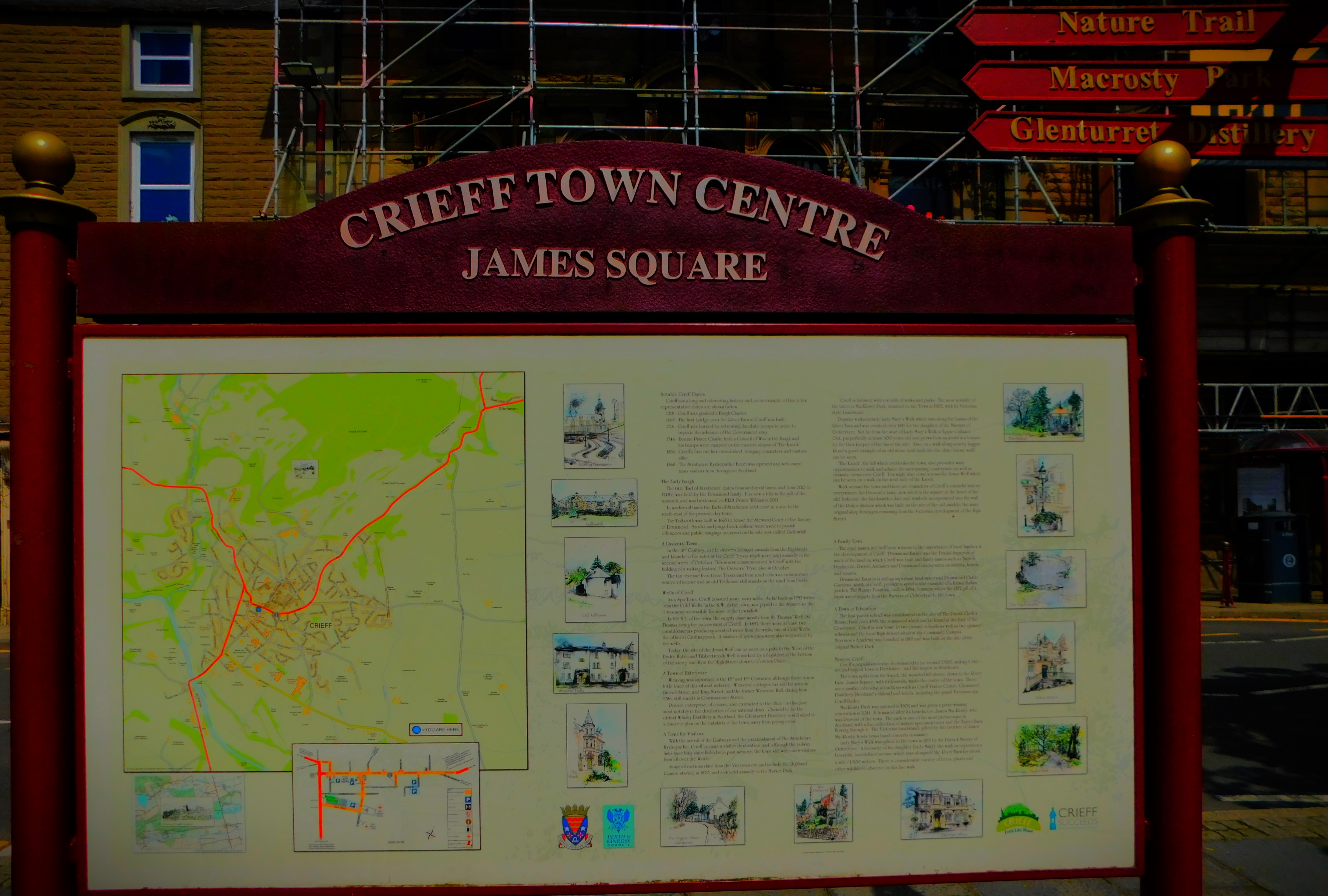
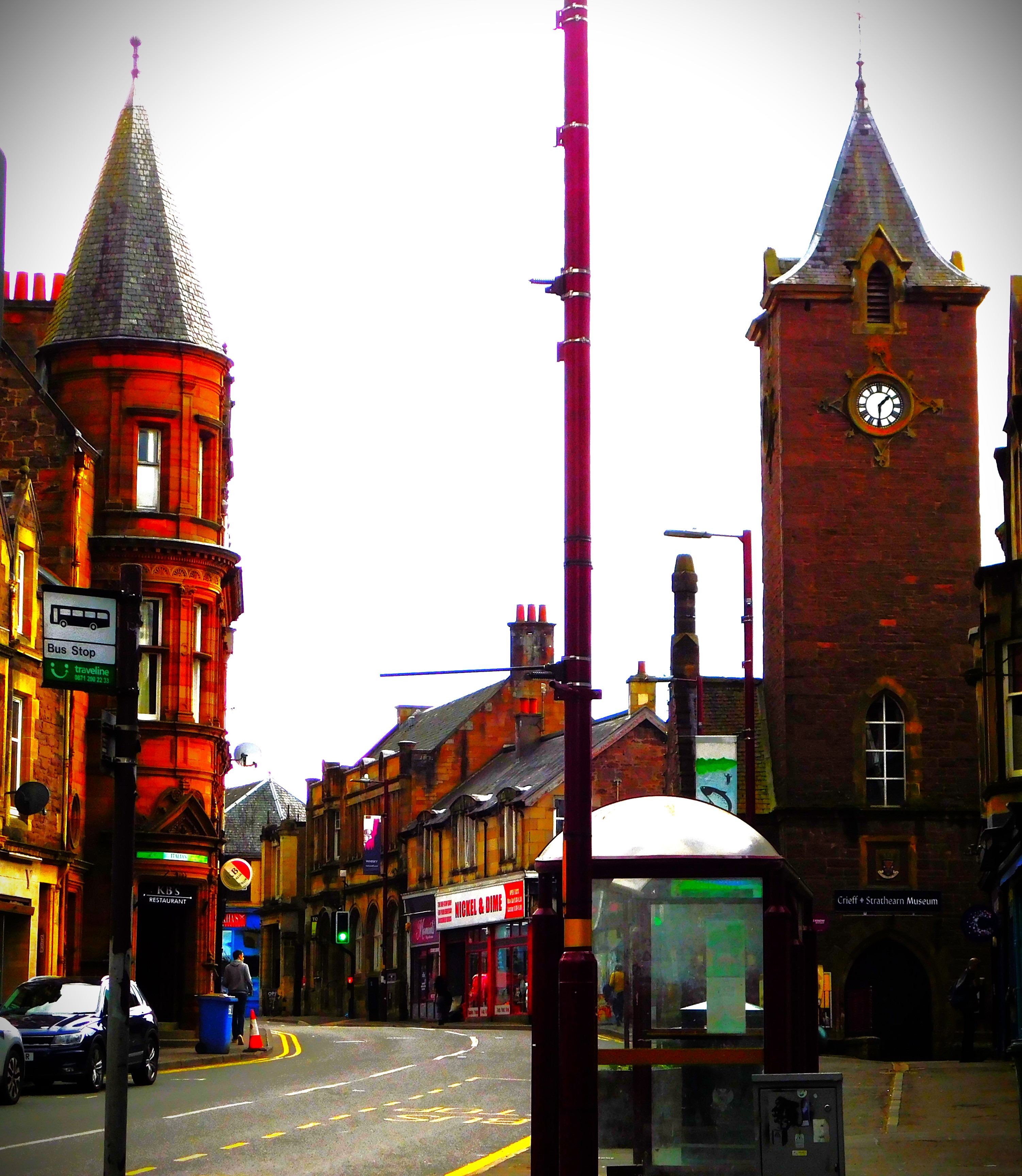
As you might imagine the Tuesday evening was pretty much a dead loss as far as activities were concerned, but Wednesday and Thursday were well filled. I explored along the river Earn on the Wednesday morning, and we all walked up to the Deil’s Caldron just before lunch that day, before doing some of the Earthquake Walk in the afternoon (Comrie used to be known as the ‘shaky toon’ because of its proximity to a fault line, and was possibly the first place in the world to have earthquake recording equipment, with the house in which that equipment lived, and where there is a still a functioning seismoscope, being the centrepiece of the walk). On Thursday we visited a WWII POW camp at Cultybraggan, also had a look at an old Roman fort, and near the latter we also saw a much younger but still impressively old stone packhorse bridge across the Earn and also paid a visit to Crieff, once an important staging post on an epic cattle droving route that began in the extreme west of Scotland and ended in Stirling. The birthday meal was Thursday evening. Here is a sample gallery from some of these activities…
Three shots of the Caldron (the colour of the water is down to dissolved peat from the uplands – water in Scotland is not in the hands of greedy privateers).A couple of items at Cultybraggan and the packhorse bridge.
THE RETURN JOURNEY
The public transport element of my return journey started with a journey from Perth to Edinburgh Waverley, not by way of Stirling, then the fast journey from Edinburgh Waverley to Peterborough and finally a bus from Peterborough to King’s Lynn. The train from Perth ran late, and there were moments of worry about making the interchange at Edinburgh (the train from Perth arrived only eight minutes before my second train, to Peterborough, was due to depart, but I hustled myself between platforms and in the end reached my seat with six of those eight minutes to spare. I haven’t yet edited the photos from I took en route. I end with a mini-gallery from earlier in the stay…
A stone bridge over the Earn, which we crossed on our way to the Earthquake House.the Earthquake House from the road.
A look at the exhibition at Brockhole, which proved well worth a visit.
Welcome to the latest instalment in my series about my holiday in the Lake District. This post is the second about Brockhole, and has a single focus, the exhibition about the Lake District.
A VERY EFFICIENTLY ORGANIZED EXHIBITION
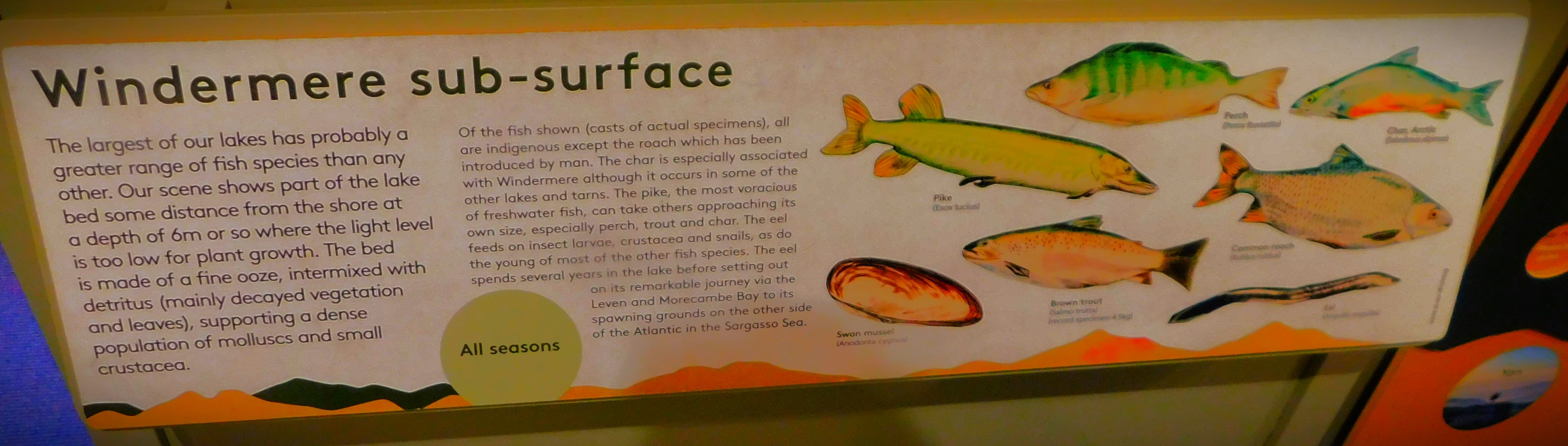
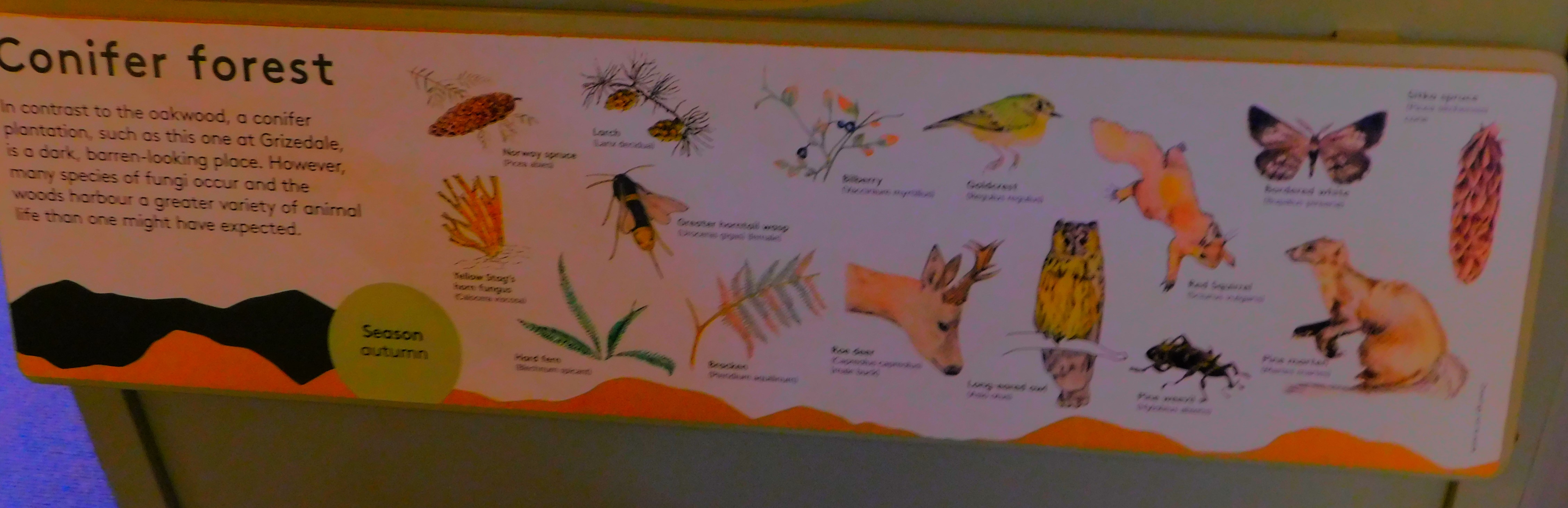
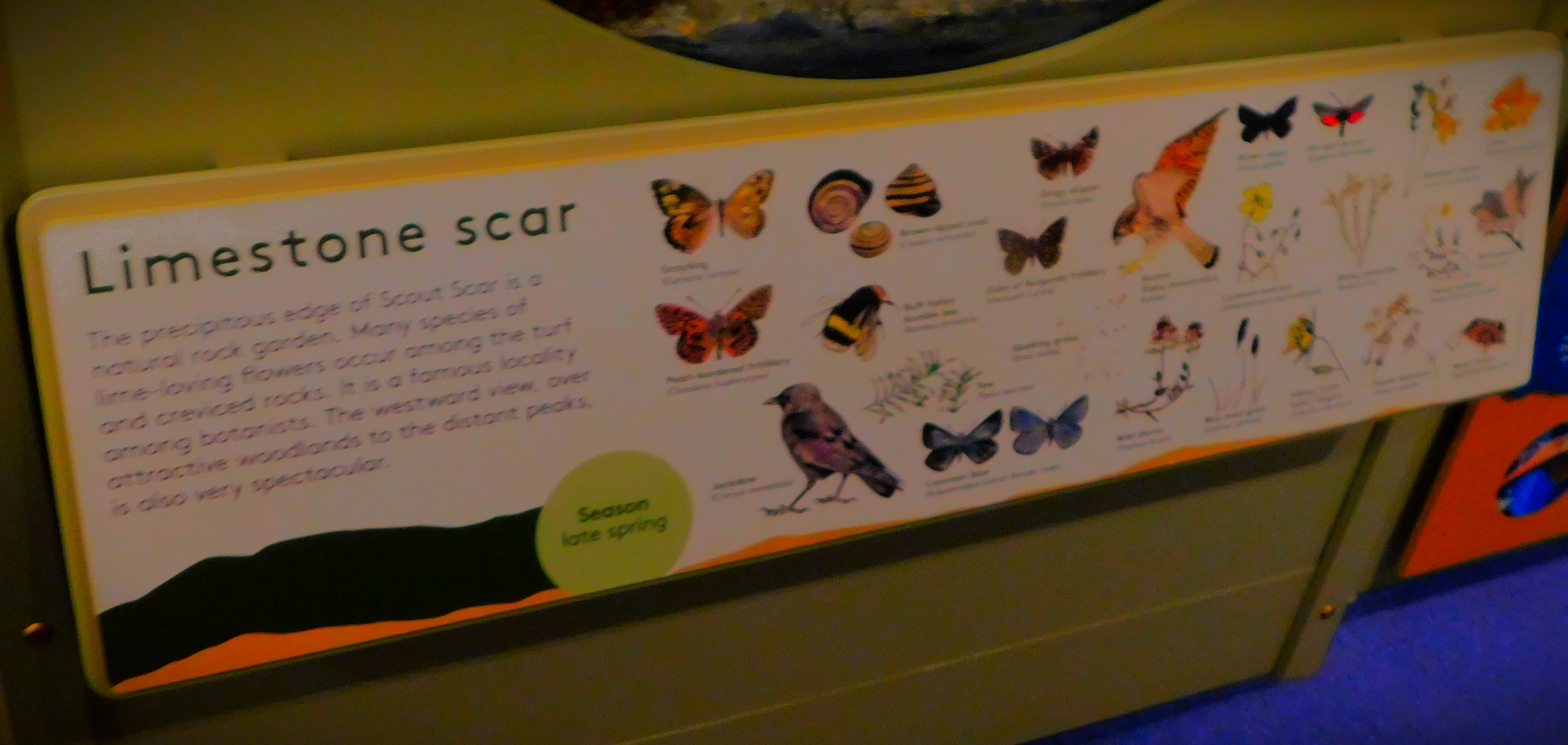
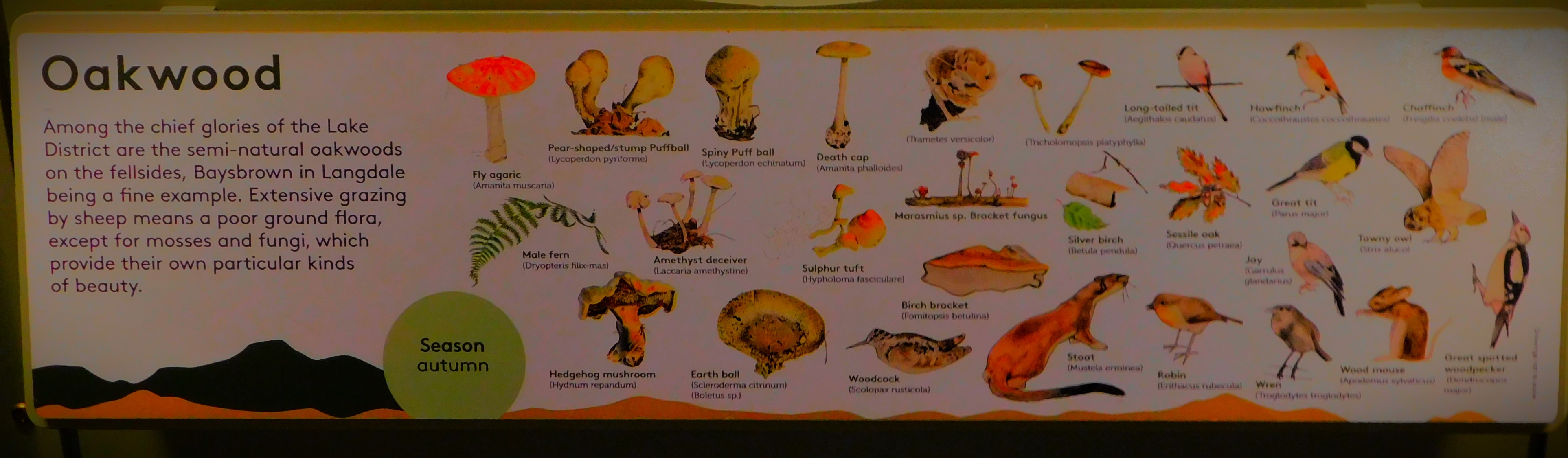
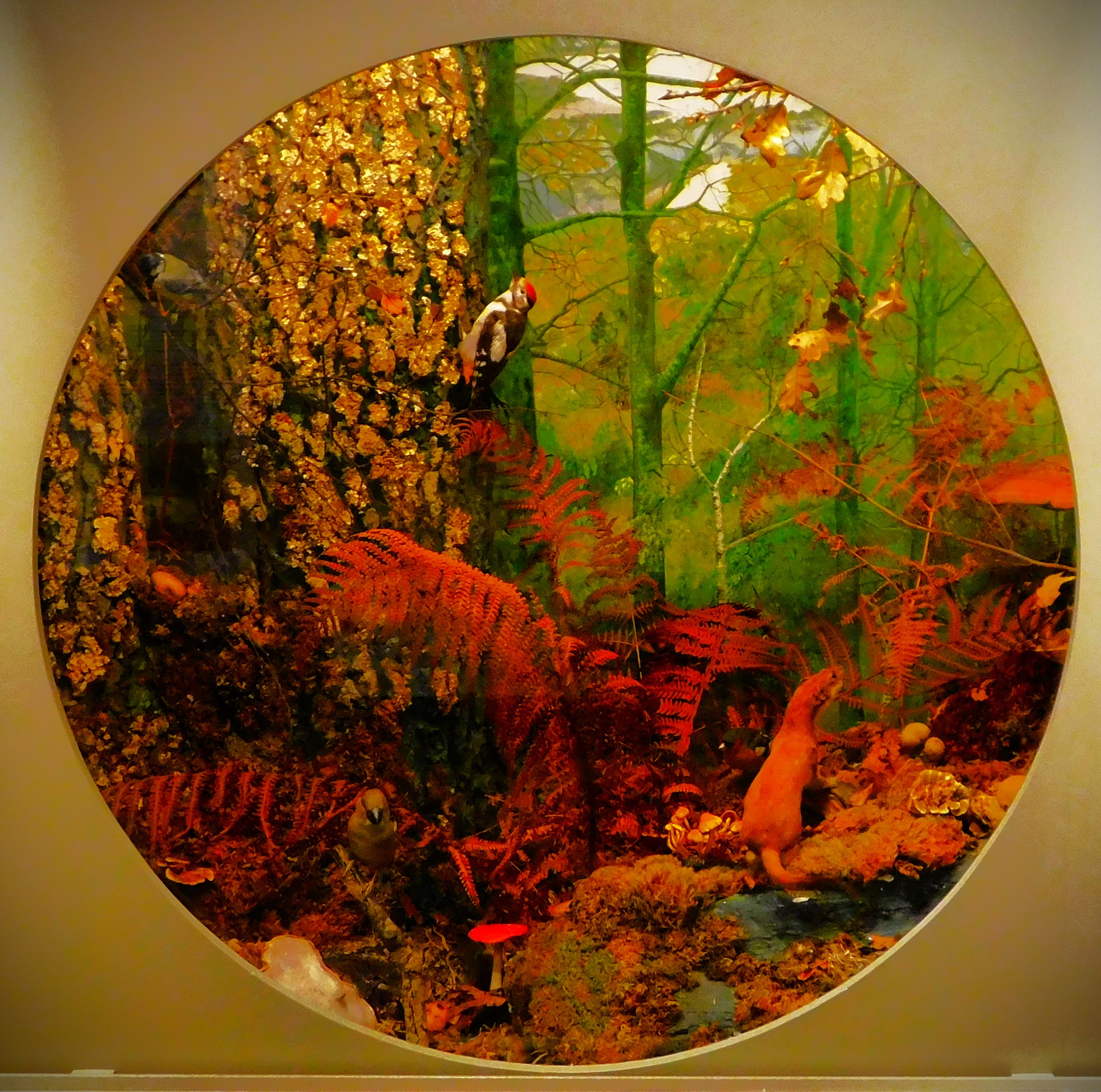
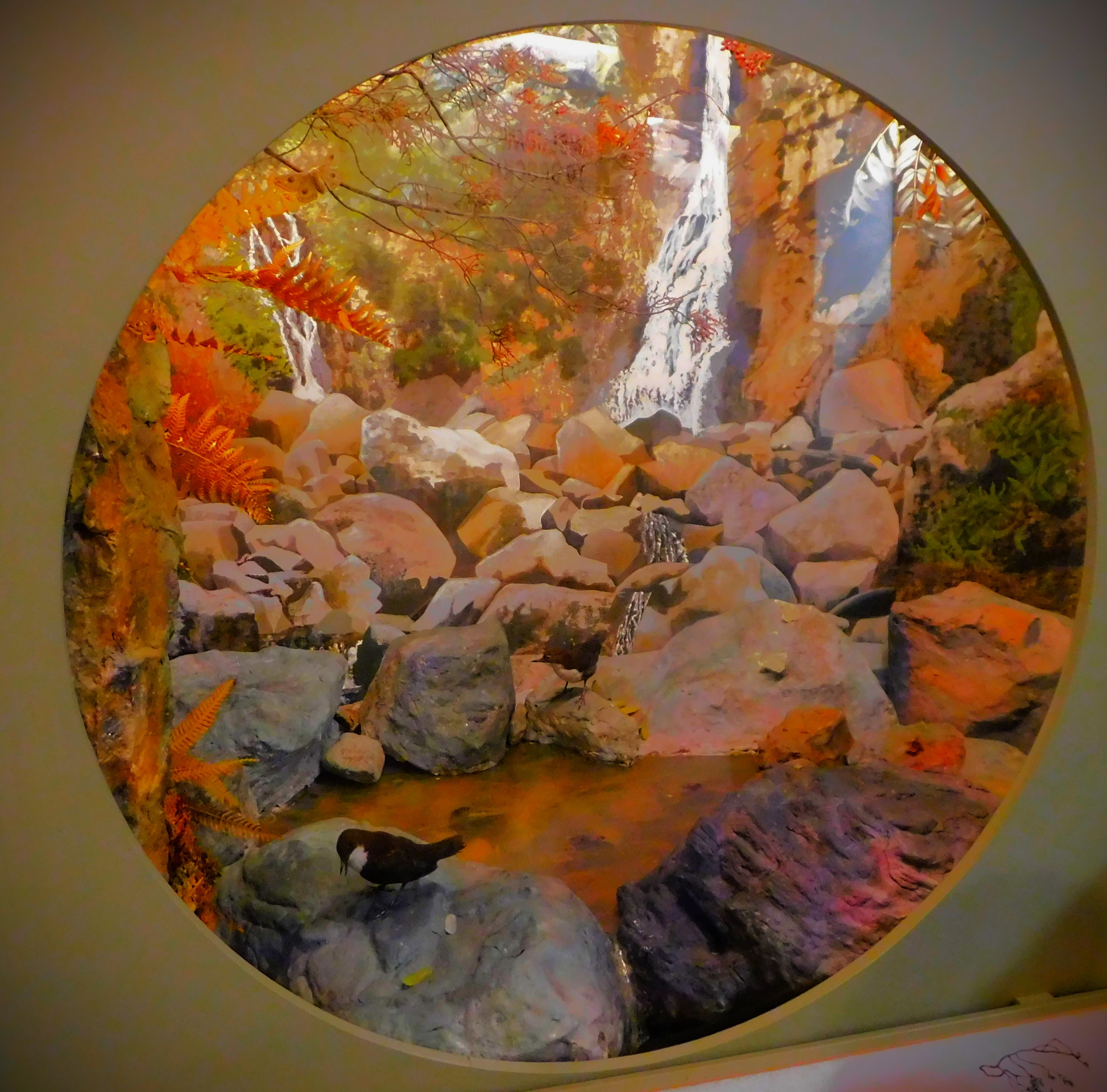
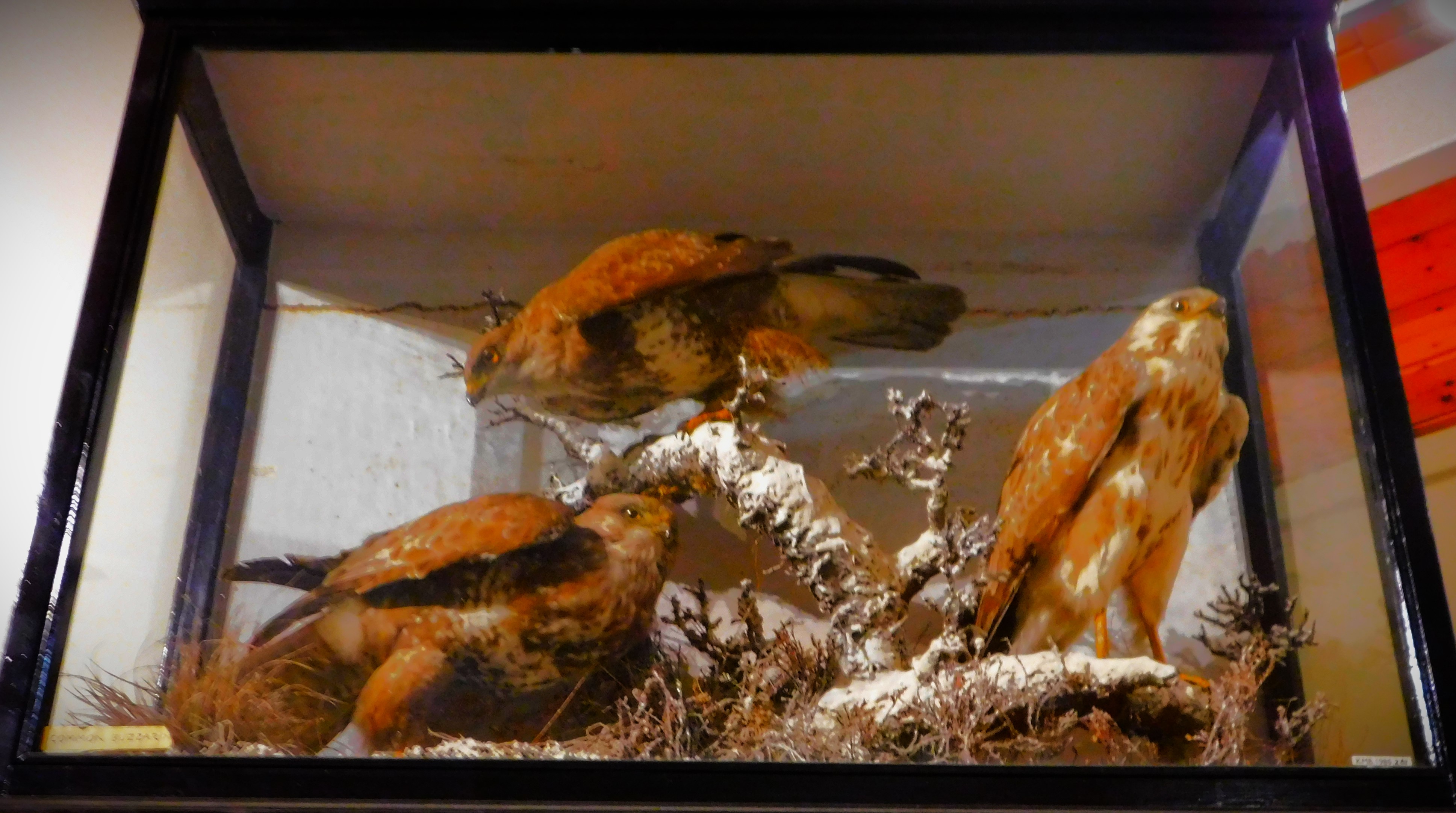
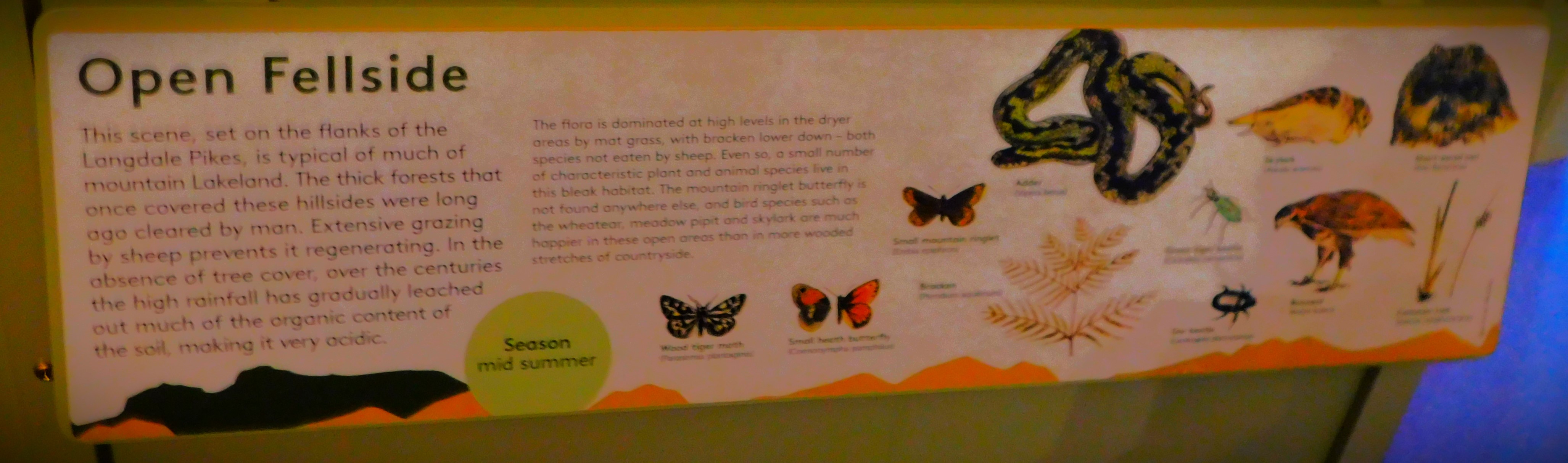
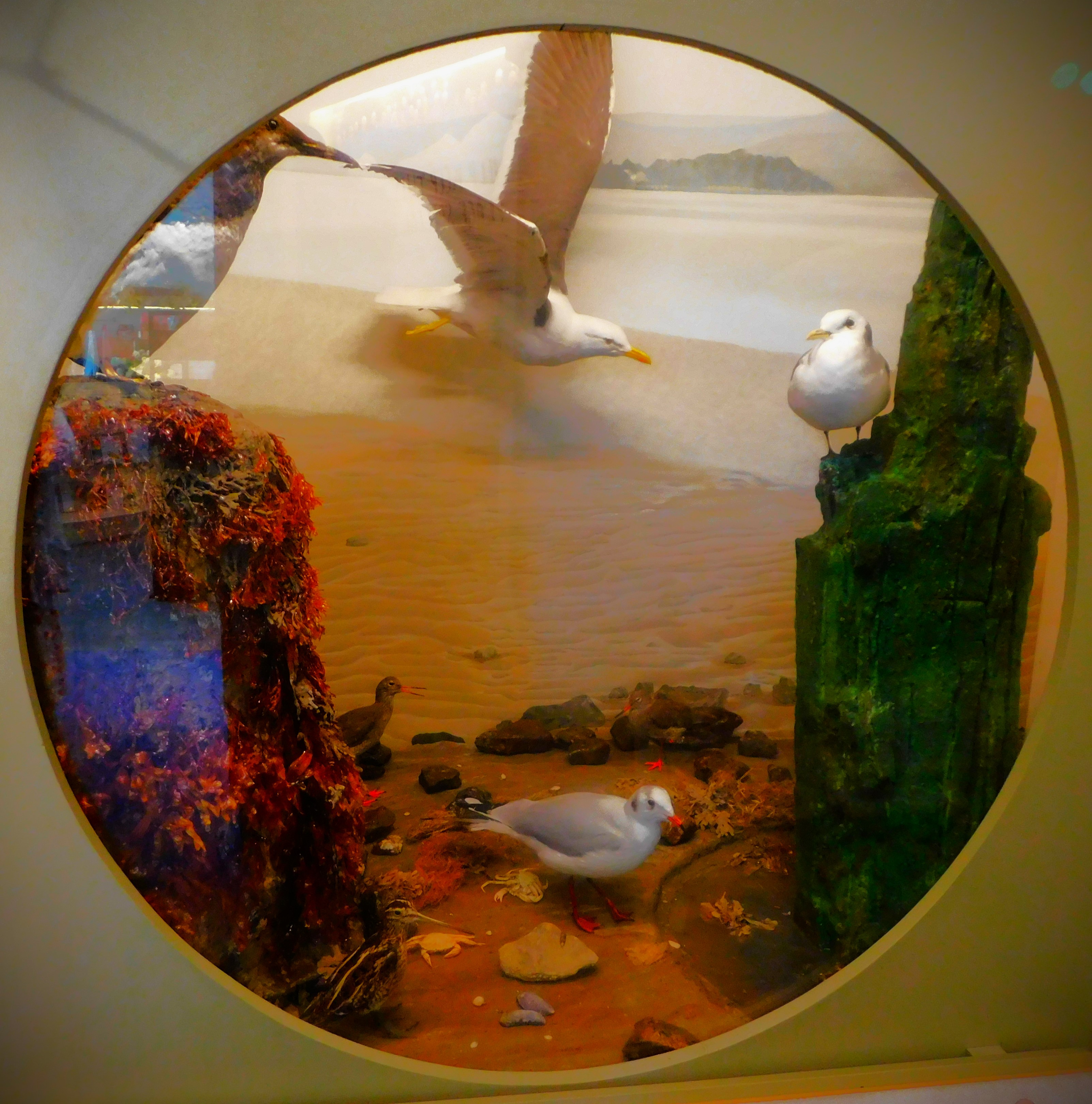
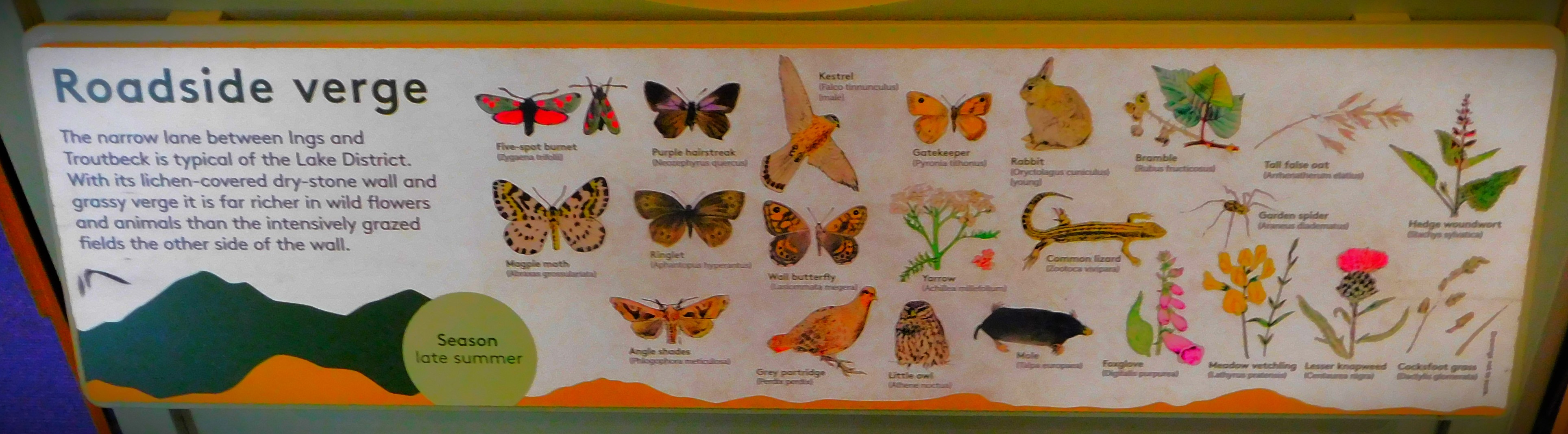
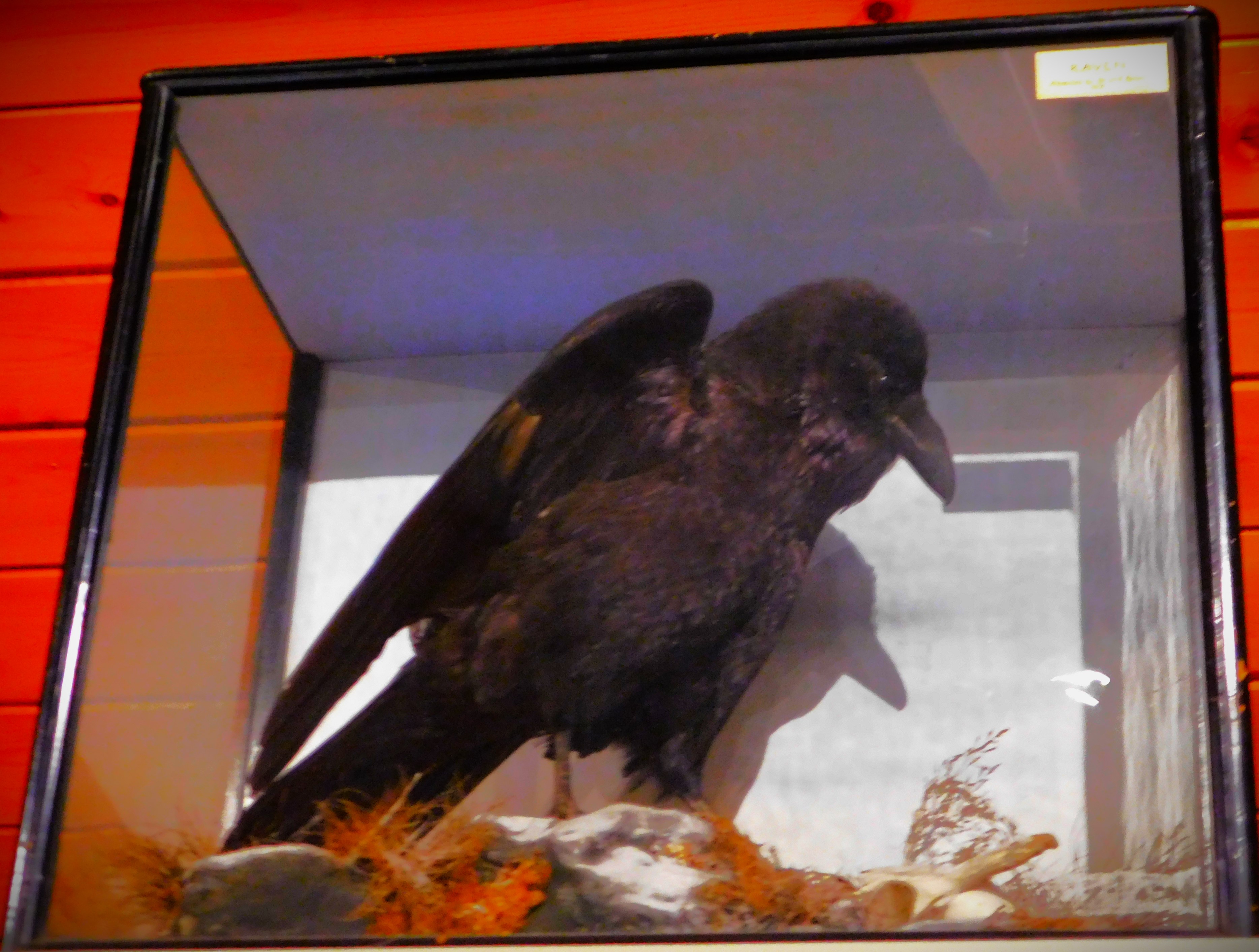
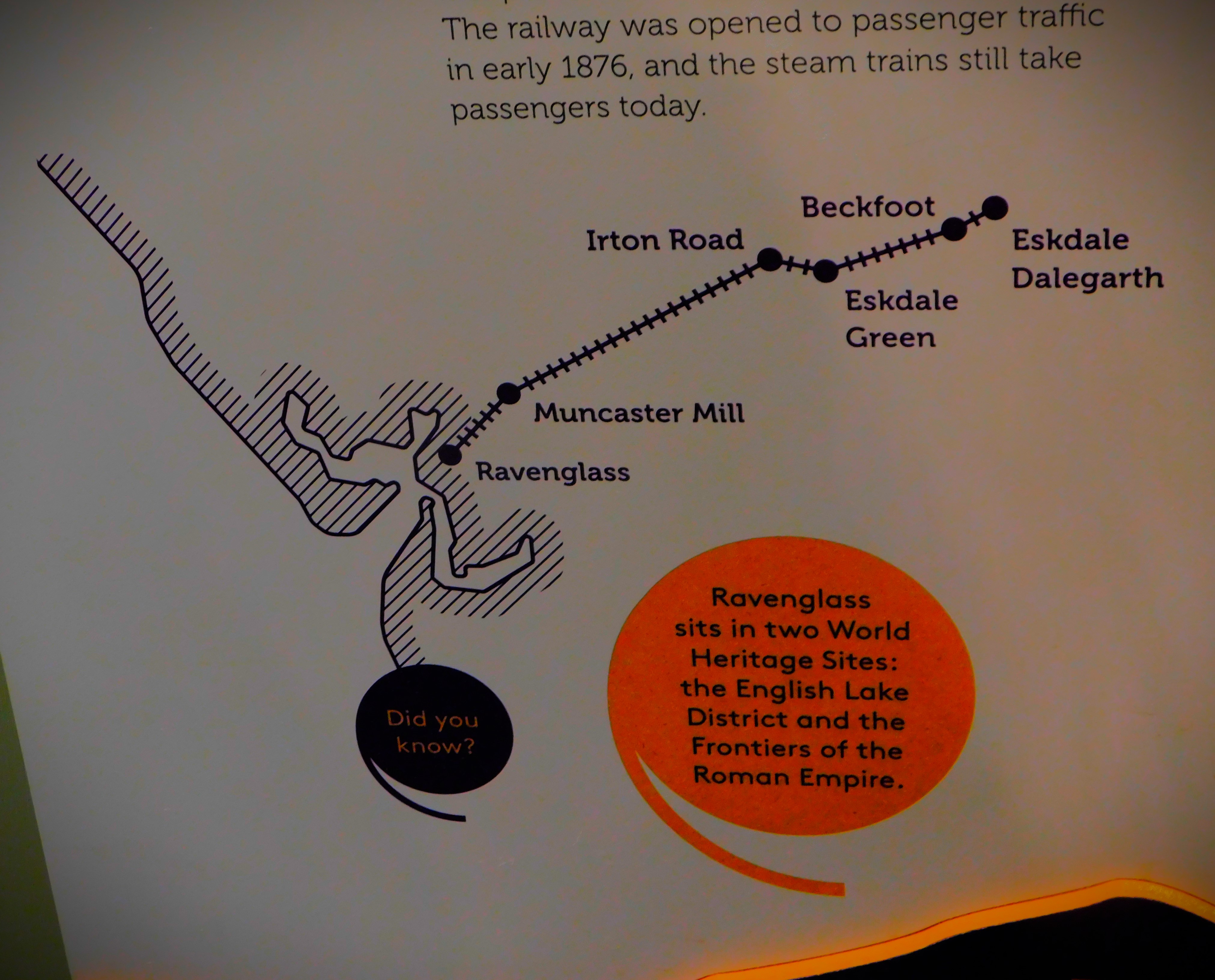
Considering how small an area it occupies this little exhibition covering many details about the Lake District is remarkably comprehensive. The pictures will tell the story…
The penultimate post in my Pensthorpe series, dealing with the Explorer ride.
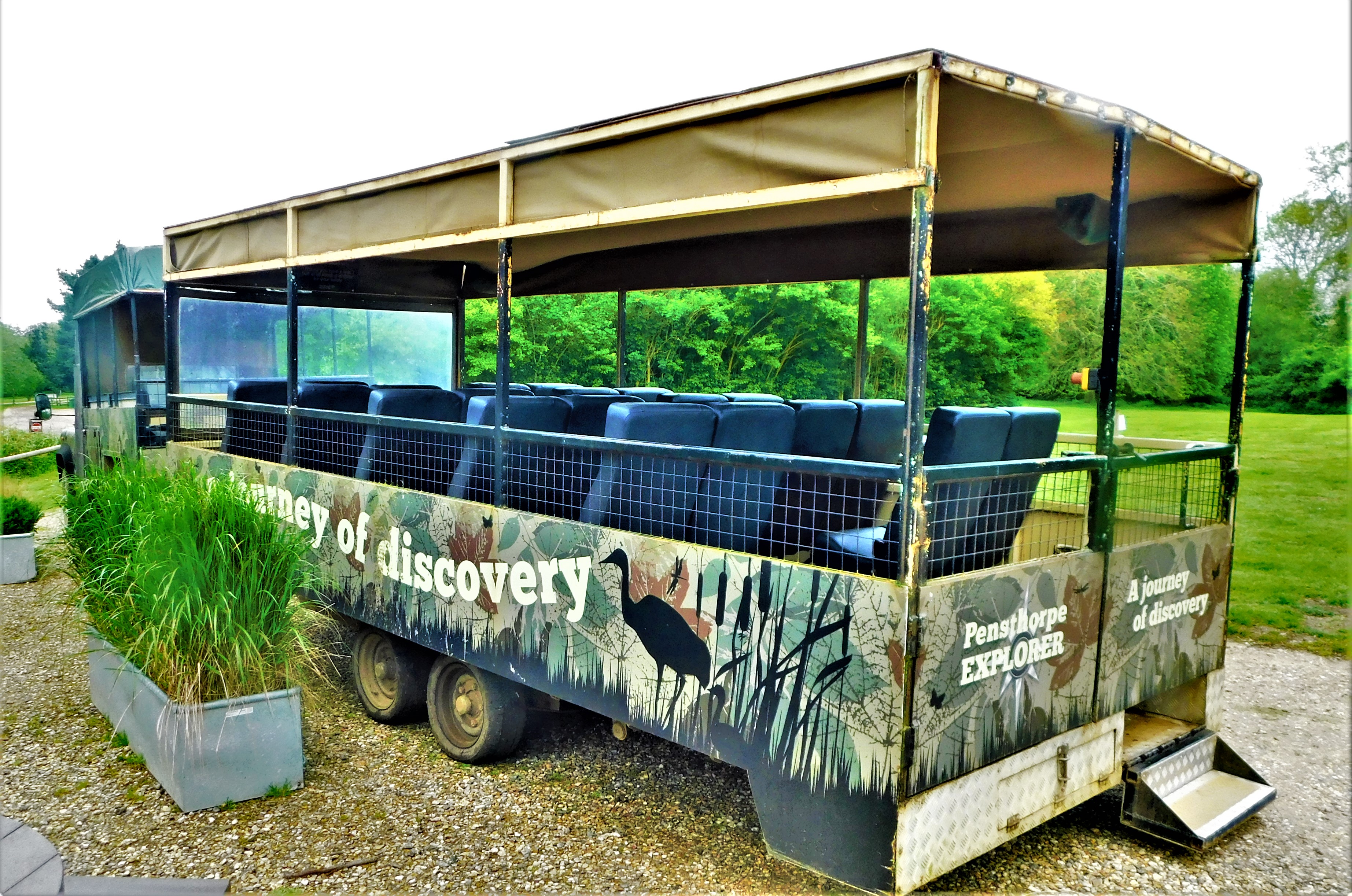
This is the fourth post in my series about my part in the West Norfolk Autism Group excursion to Pensthorpe on Saturday. This one looks at the trip on the explorer which showed as the stuff we could not get on foot.
AN INFORMATIVE JOURNEY
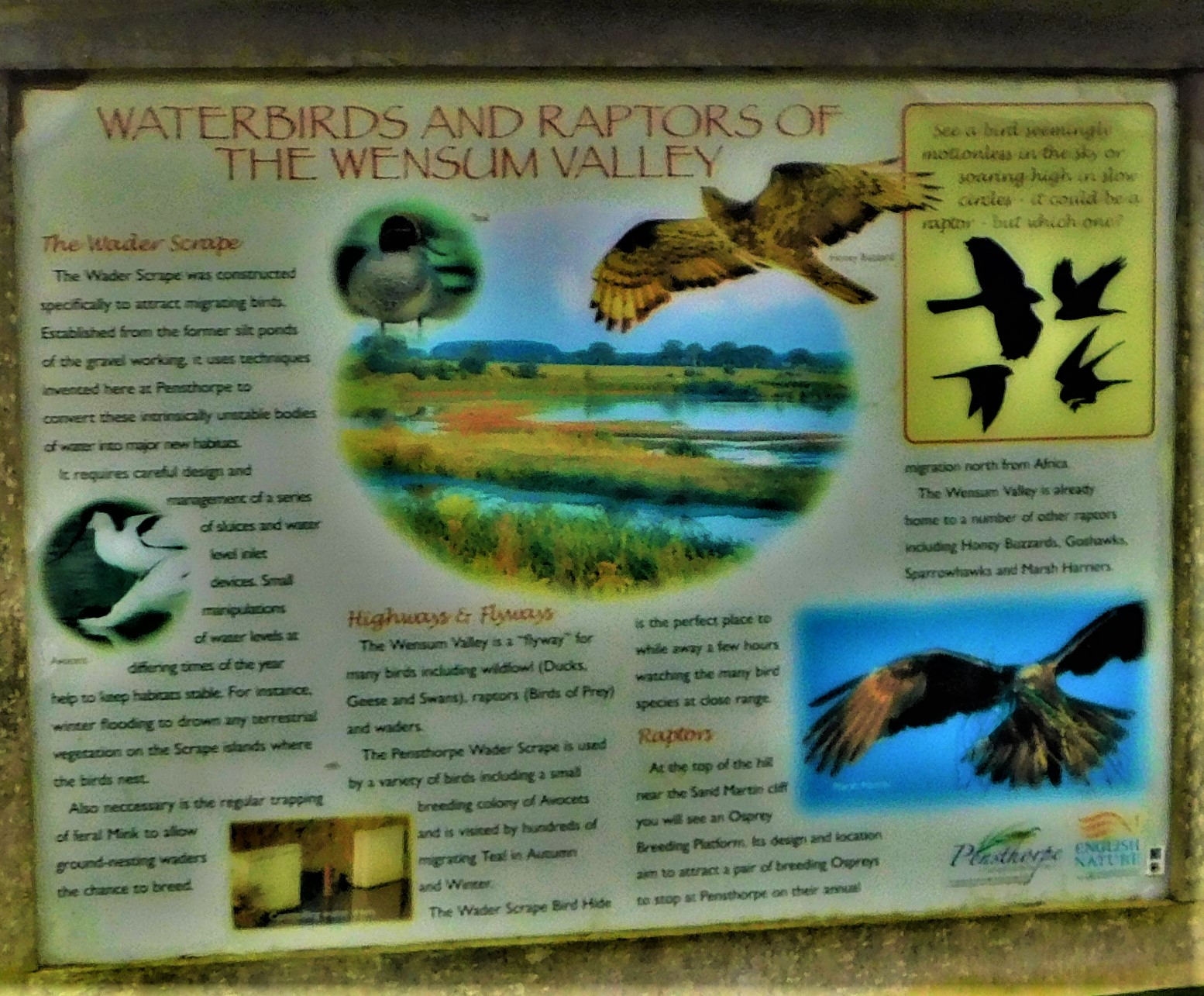
With the explorer due to leave at 12:00 I was ready for it by 11:50, and I got an excellent seat, at the front left of the trailer (most of the really interesting sights are off to the left as one travels, so sitting on the left side of the vehicle is a good idea). Our driver/guide gave us extraordinarily wide ranging information of everything from present arrangements at Pensthorpe, to the effects of WWII on the land (food shortages meant that every last ounce of crop had to be extracted from the land, which meant that the soil was hugely overworked and took a long time to recover), to the history of human settlement at Pensthorpe, to details of Pensthorpe’s position at the southern edge of the northern ice-sheet during the last era of glaciation and the effect that that had on the local landscape. There were also details about oak trees, and how the three survivors of the great storm of 1987 could be proven to be such (oaks don’t produce acorns until they are 40 years old or more, which means that an acorn bearing oak dates from 1983 at the earliest, and all three trees are acorn bearing), nesting boxes of various kinds (three different species of owl were catered for, plus bats (specifically pipistrelles, a tiny species about the size of a human thumb) whose boxes were organized in a group of three at different angles, as bats don’t like to be warm, so need to be able to move out of the sun), and other nesting platforms. The ecological importance of the Wensum, as a chalk river, was also stressed. One part of our route had once been a railway line, transporting goods (it never had a passenger service), which fell victim to Dr Beeching 60 years ago.
It was a cold journey due to the weather, which is one reason why I did not go round a second time, but it was very enjoyable in spite of the conditions.
Continuing my account of my visit to Pensthorpe with a look at the discovery centre and at the sculptures dotted around the place.
This is my third post in a mini-series about my part in a West Norfolk Autism Group excursion to Pensthorpe which took place on Saturday. It is a two part post, and represents the mid-point of the series – there will be two further posts afterwards.
PART ONE: DISCOVERY CENTRE
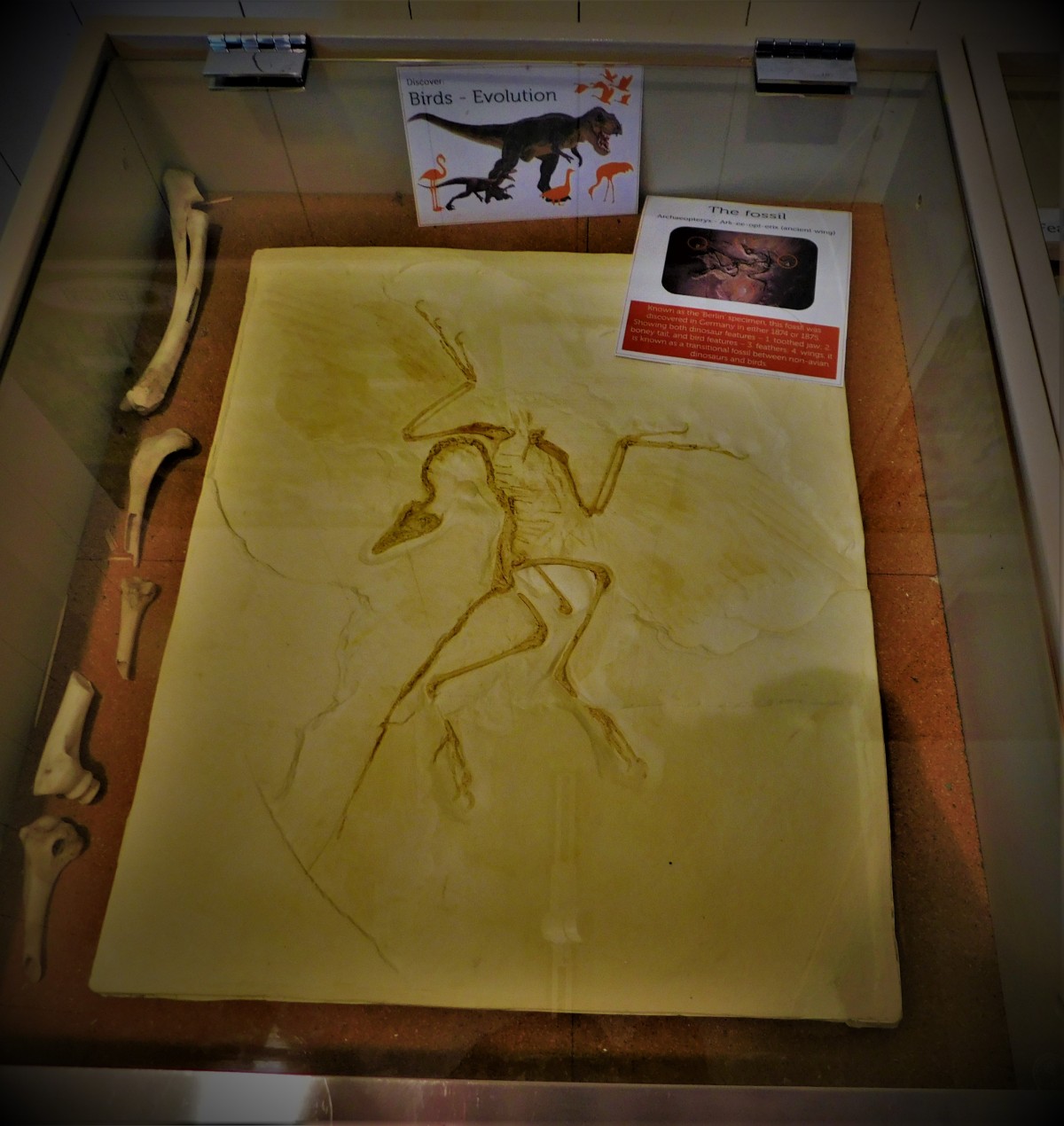
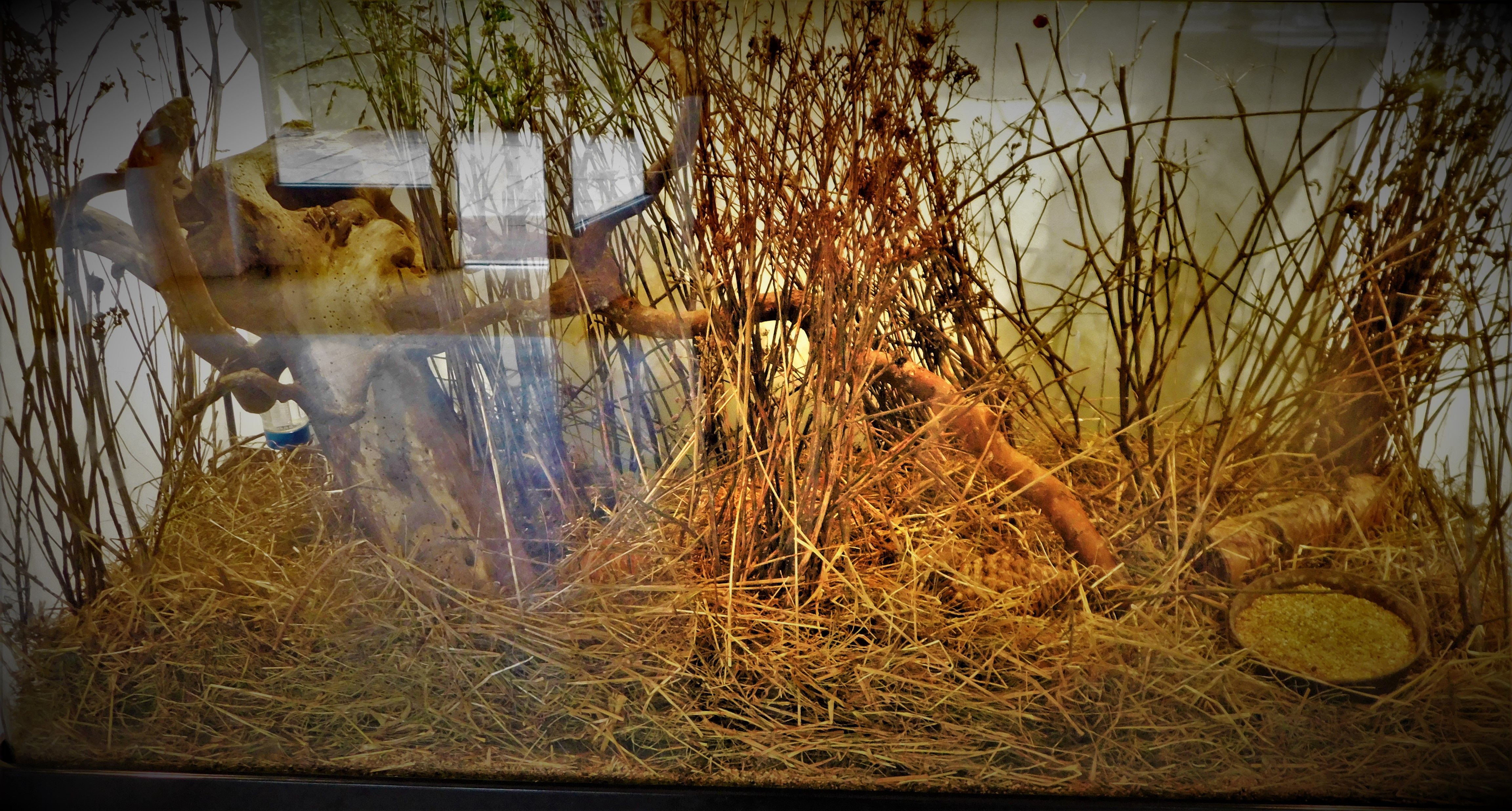
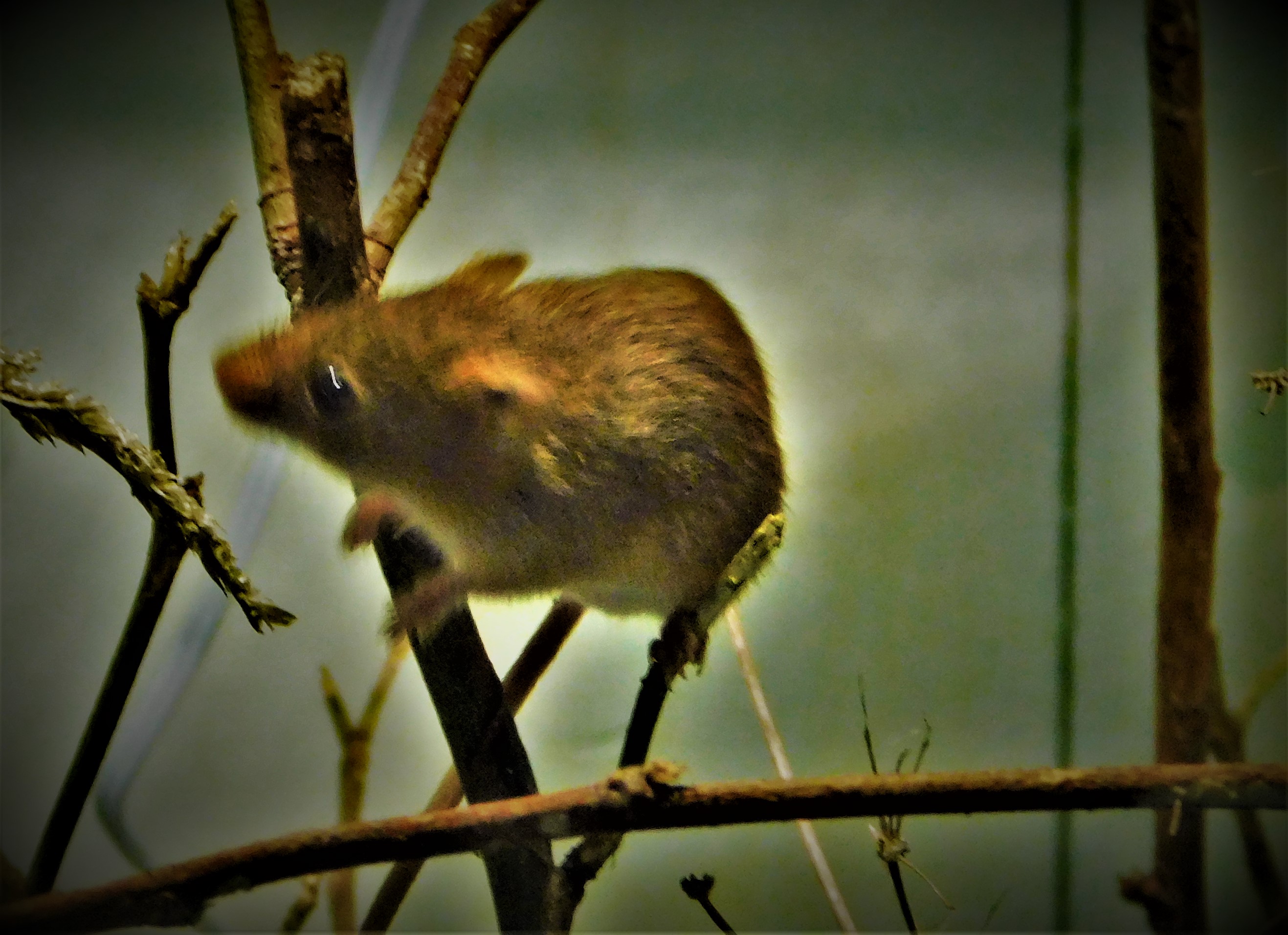
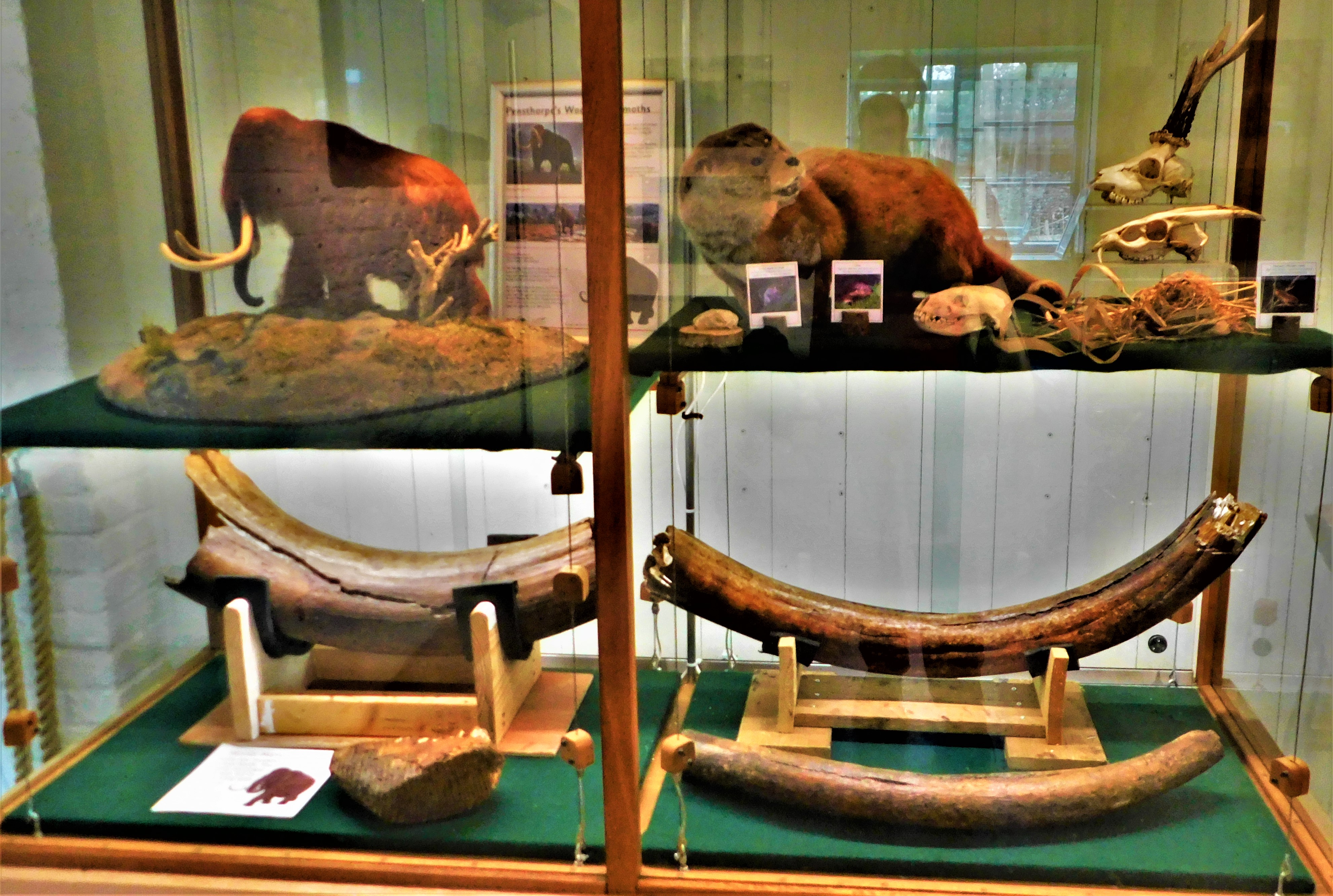
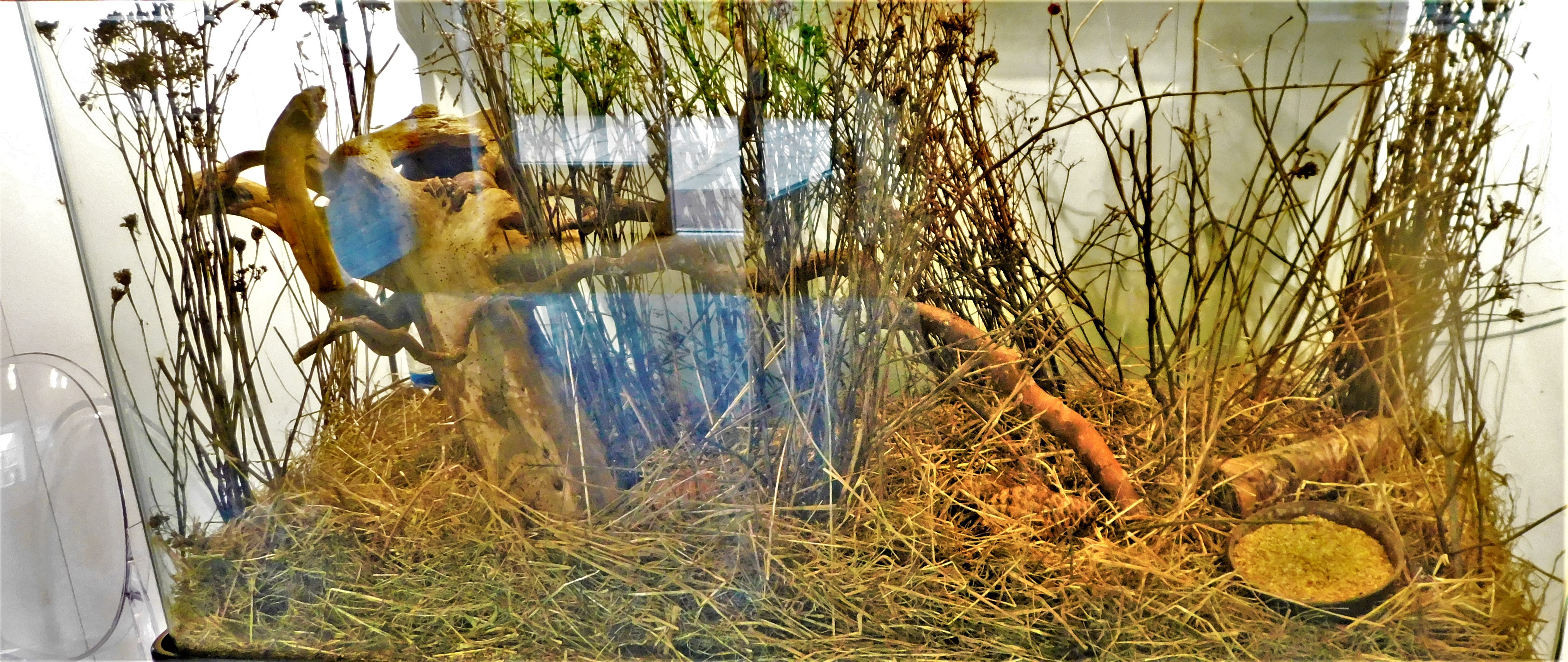
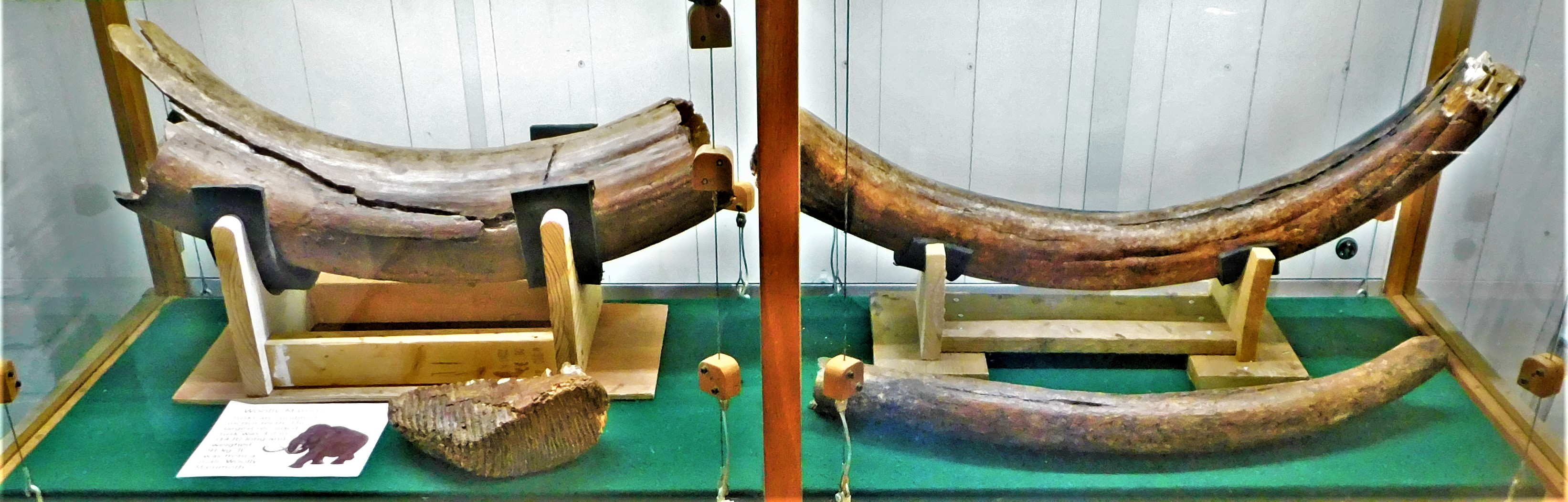
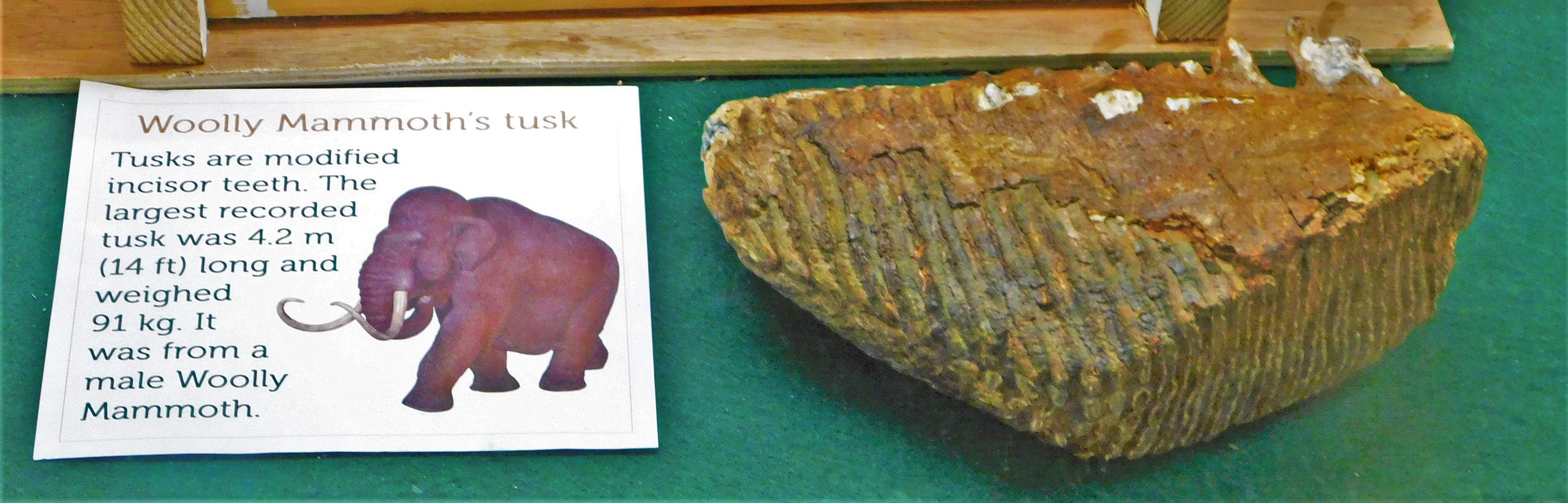
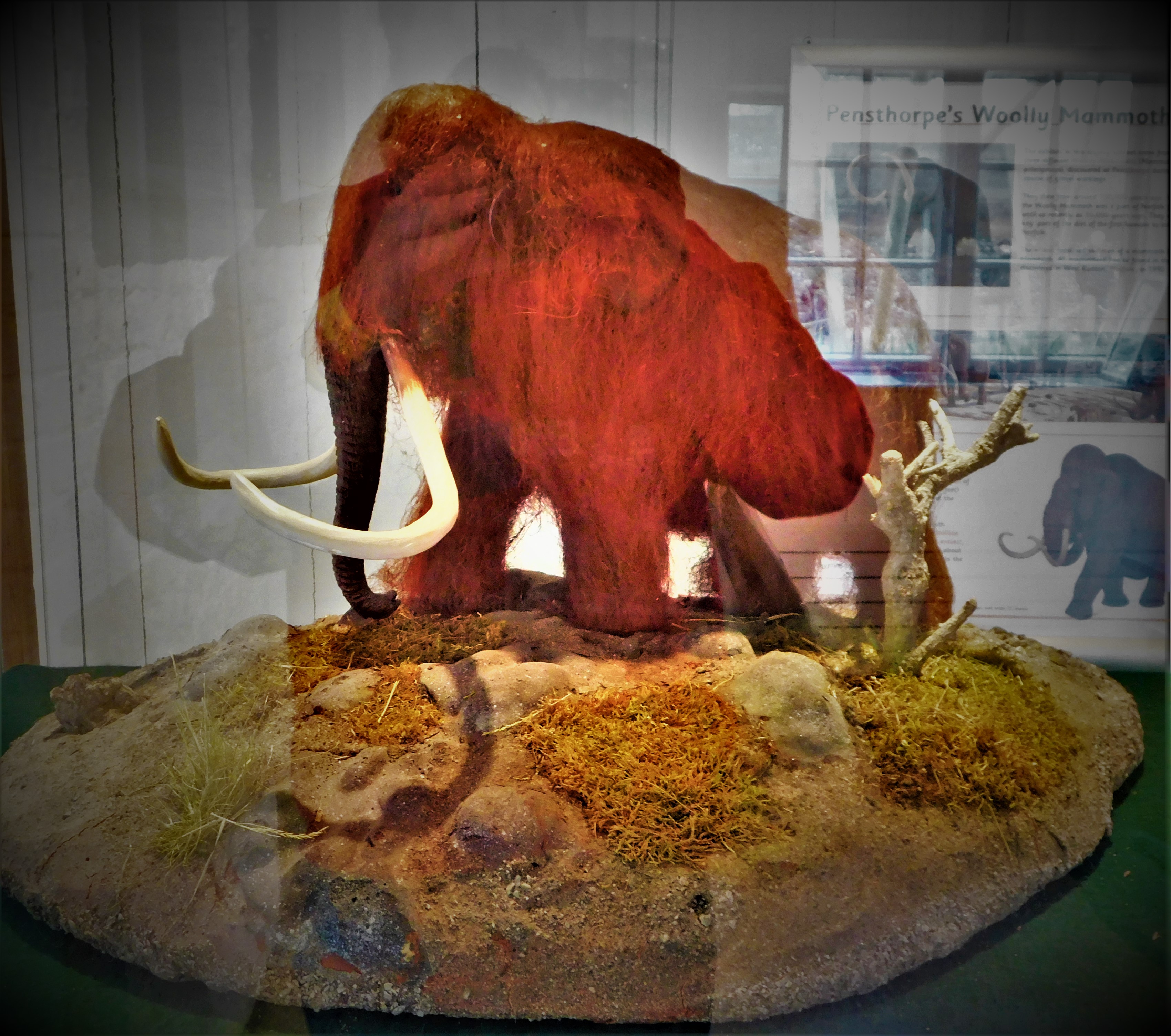
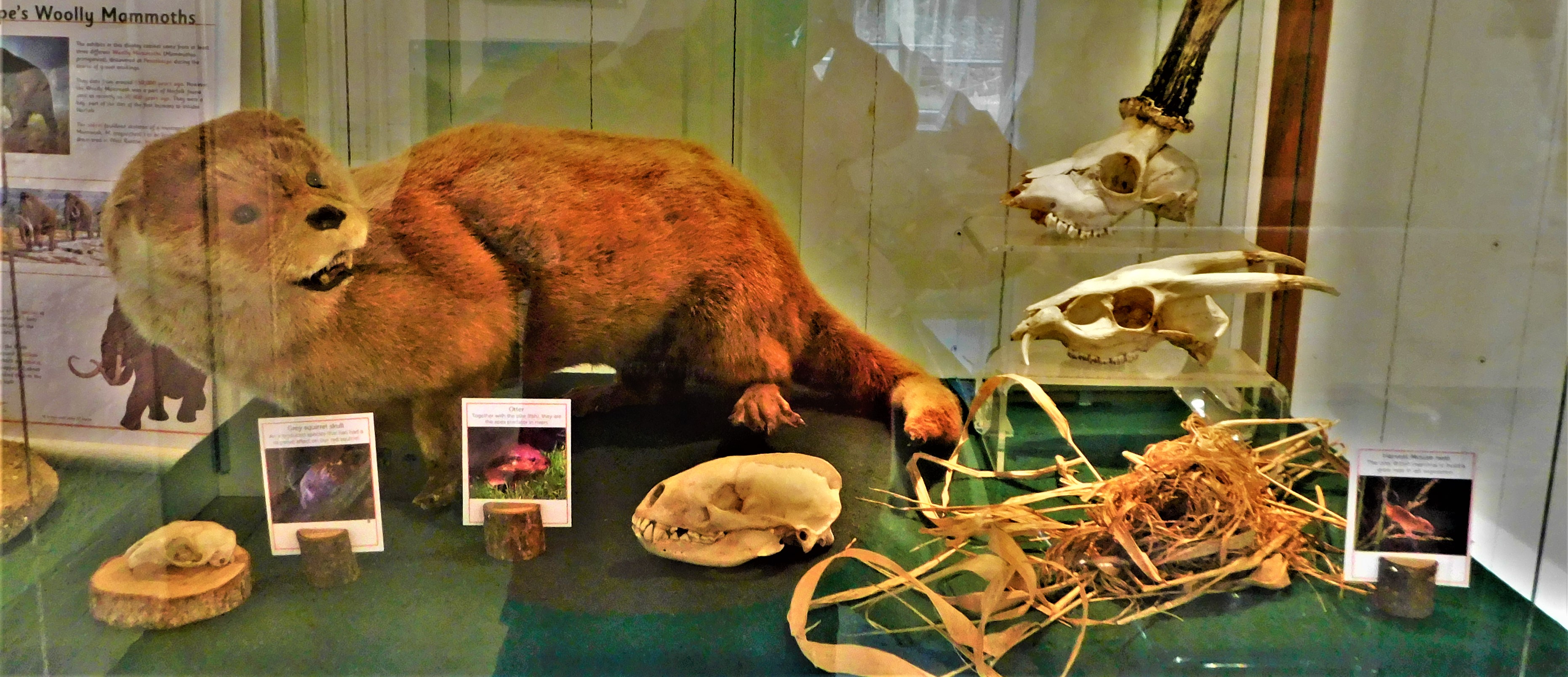
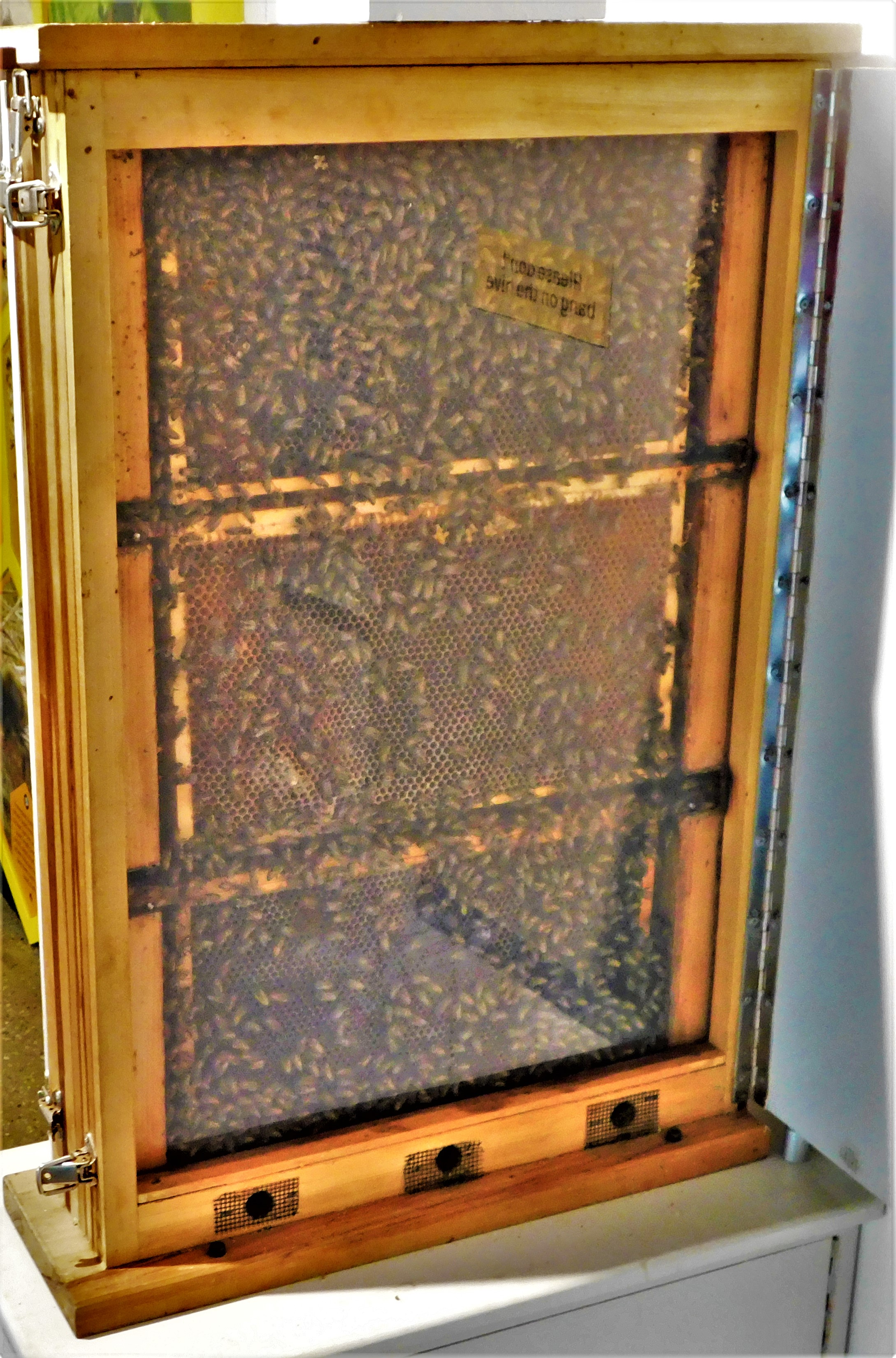
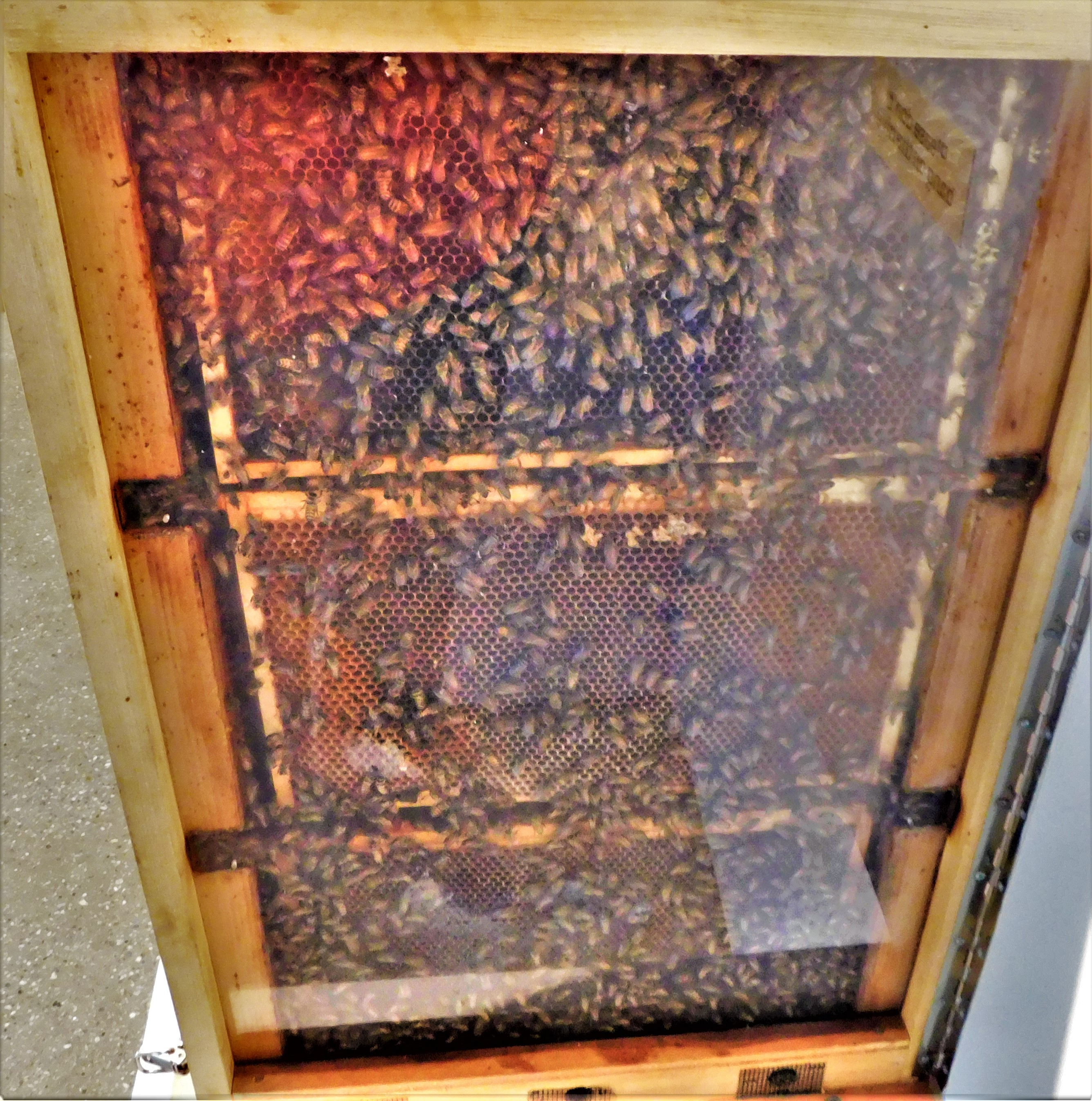
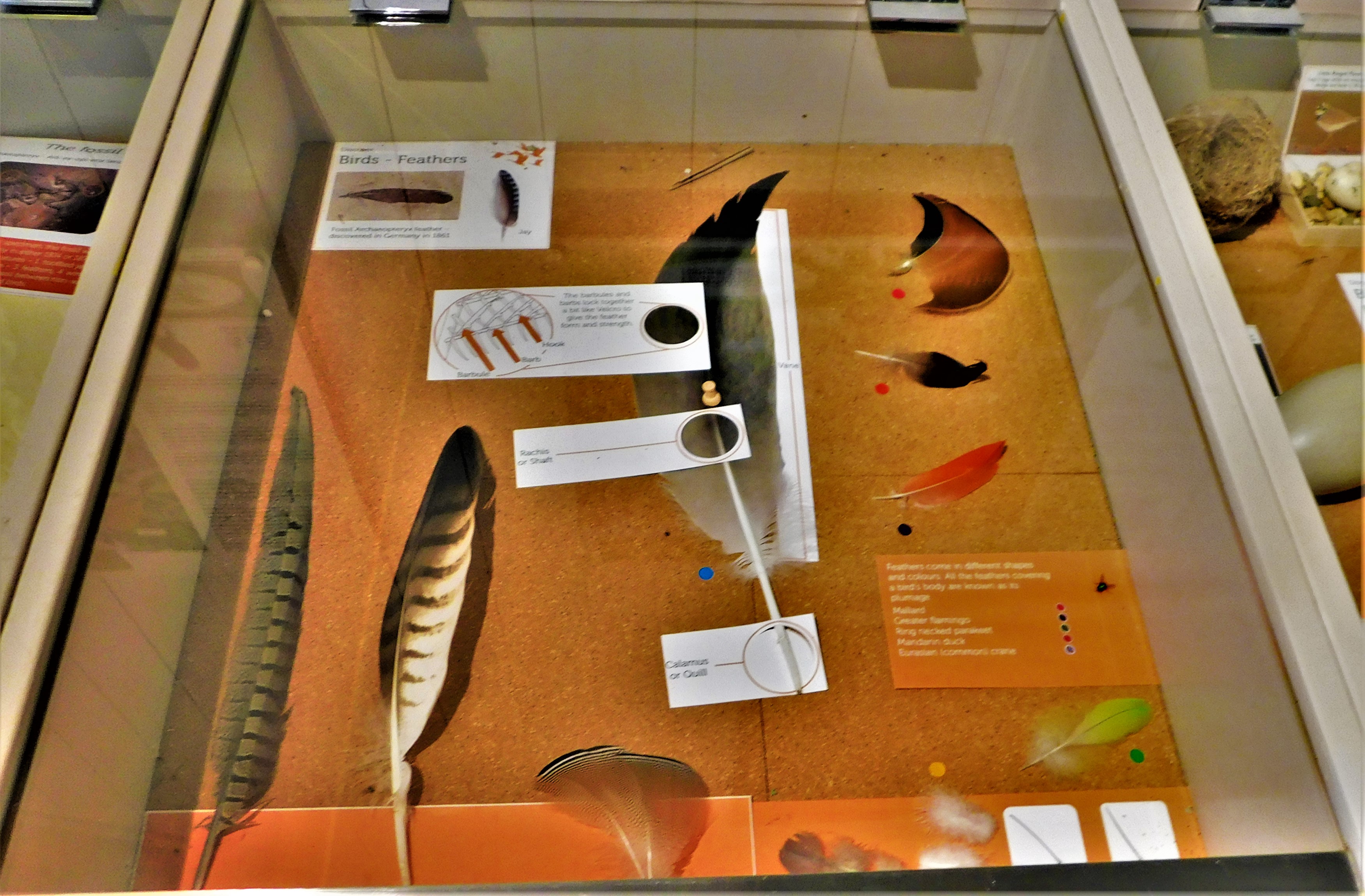
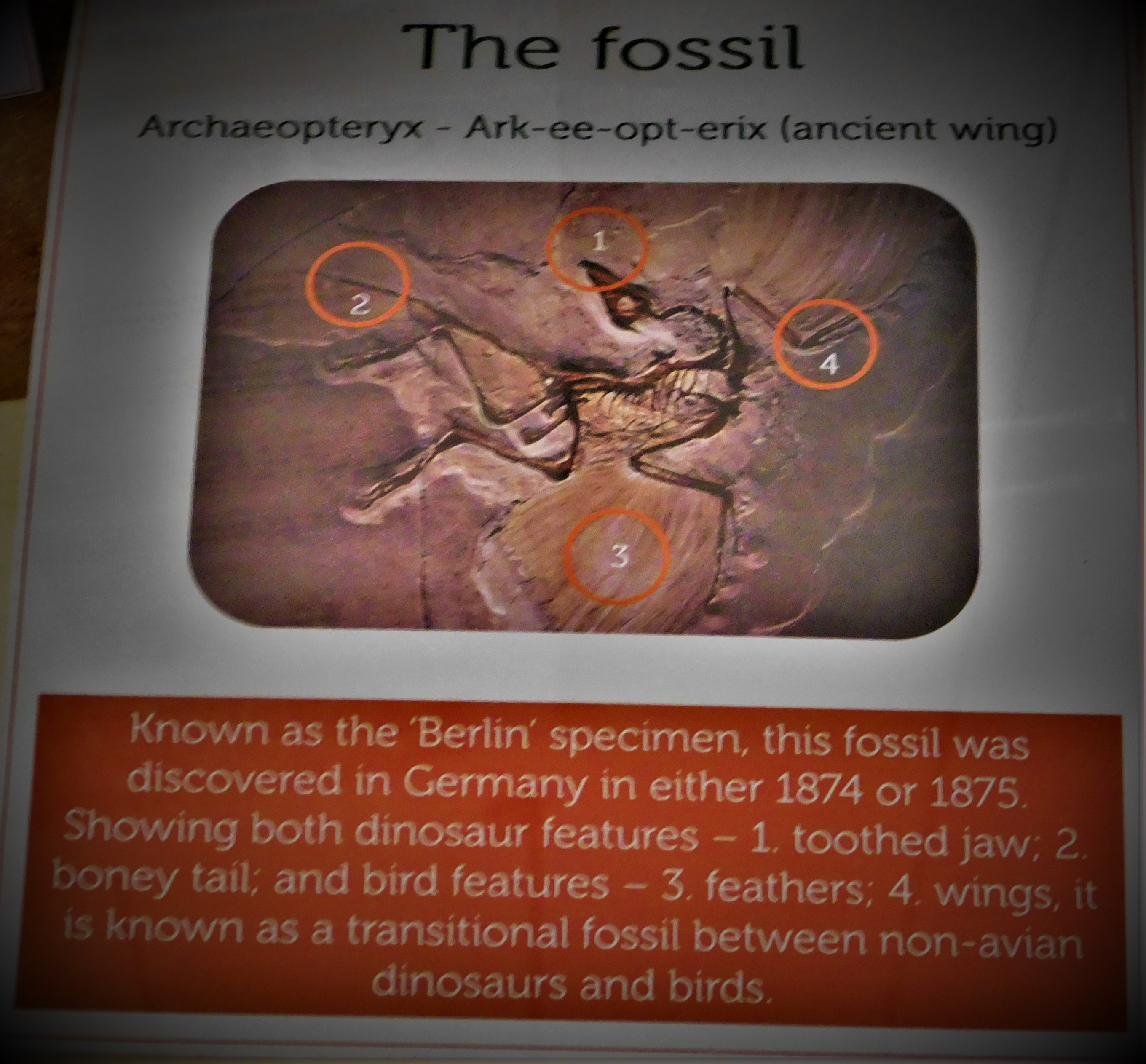
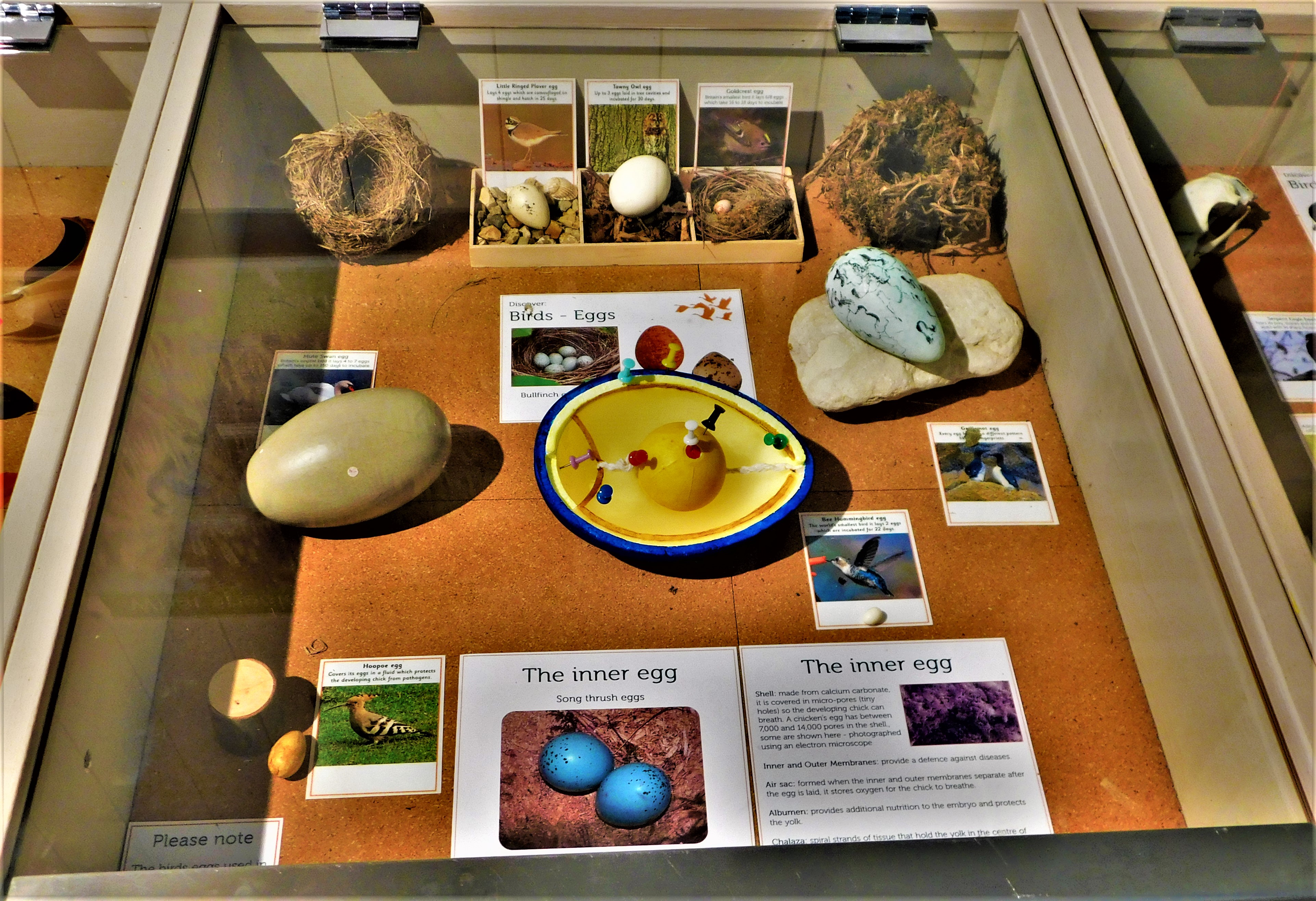
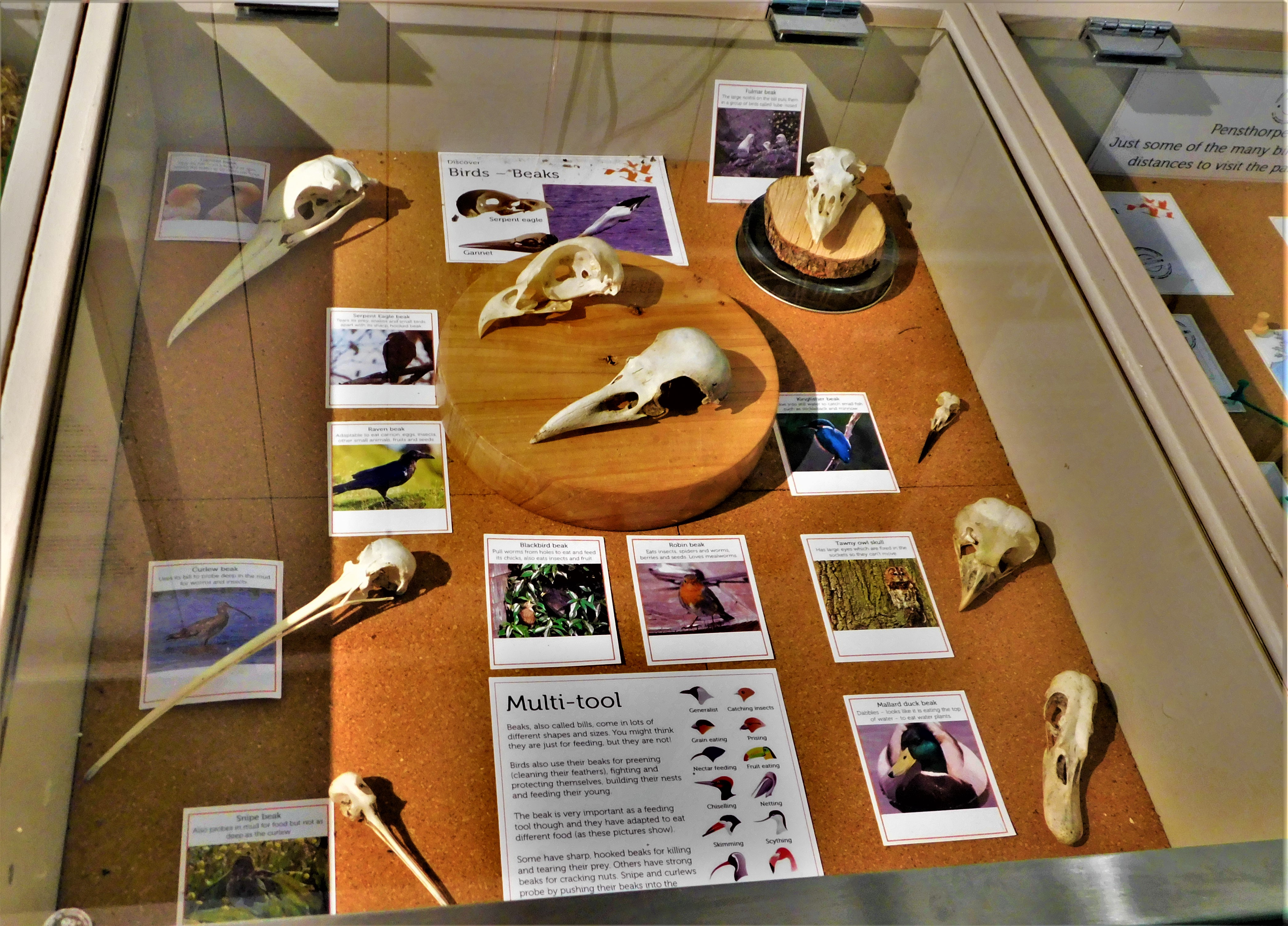
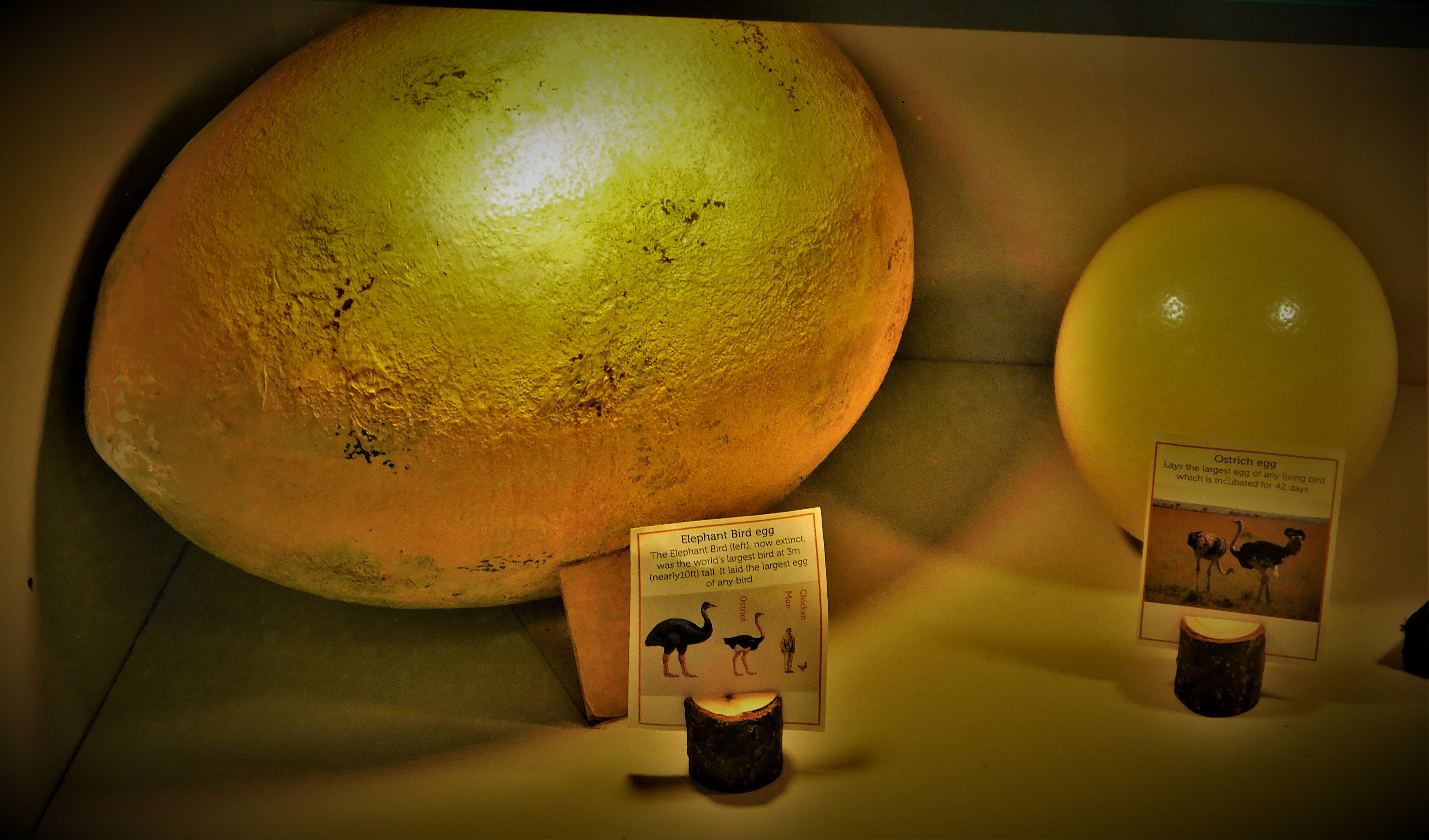
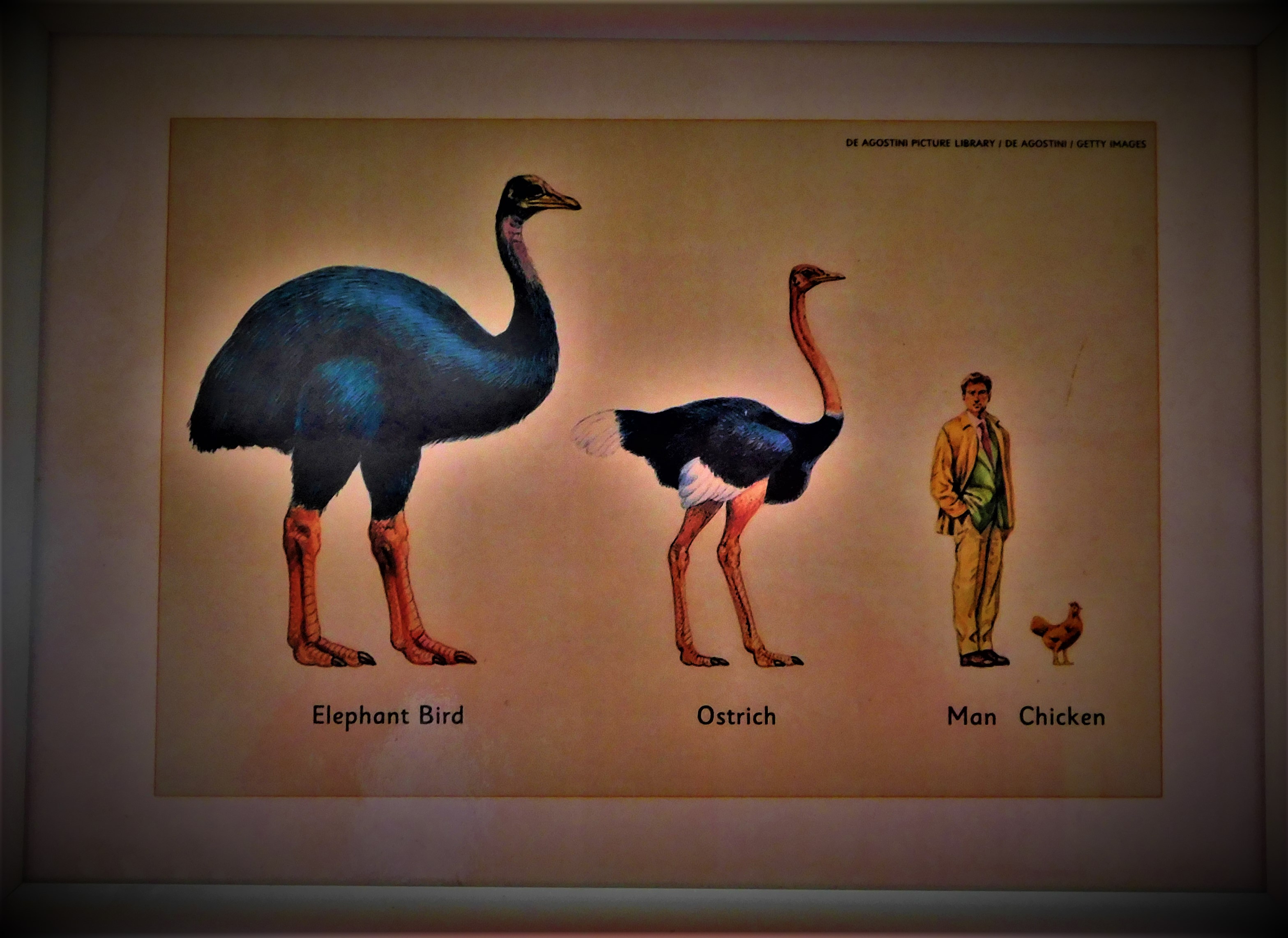
The discovery centre at Pensthorpe contains many features of interest, including a harvest mouse, a glass fronted beehive, a tank containing small water creatures, exhibits about bird evolution and giant birds, some woolly mammoth remains, dating back approximately 10,500 years to a time when Norfolk was at the southern edge of a massive ice sheet extending all the way from the north pole, and other stuff. It is also inside, which on day like Saturday gave it extra value – I made a total of three visits…
A rare occasion on which the harvest mouse made itself visible.
THE SCULPTURES
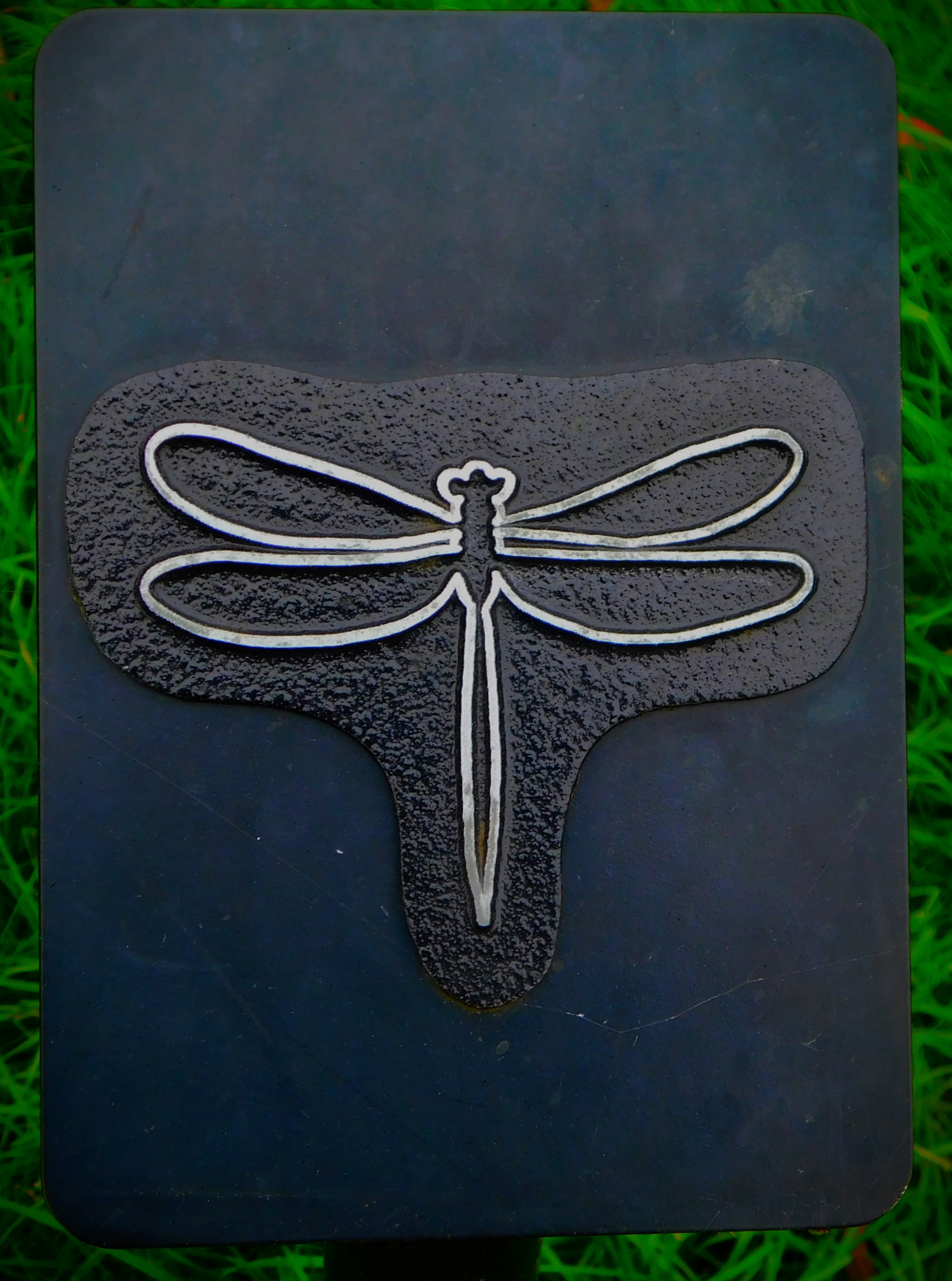
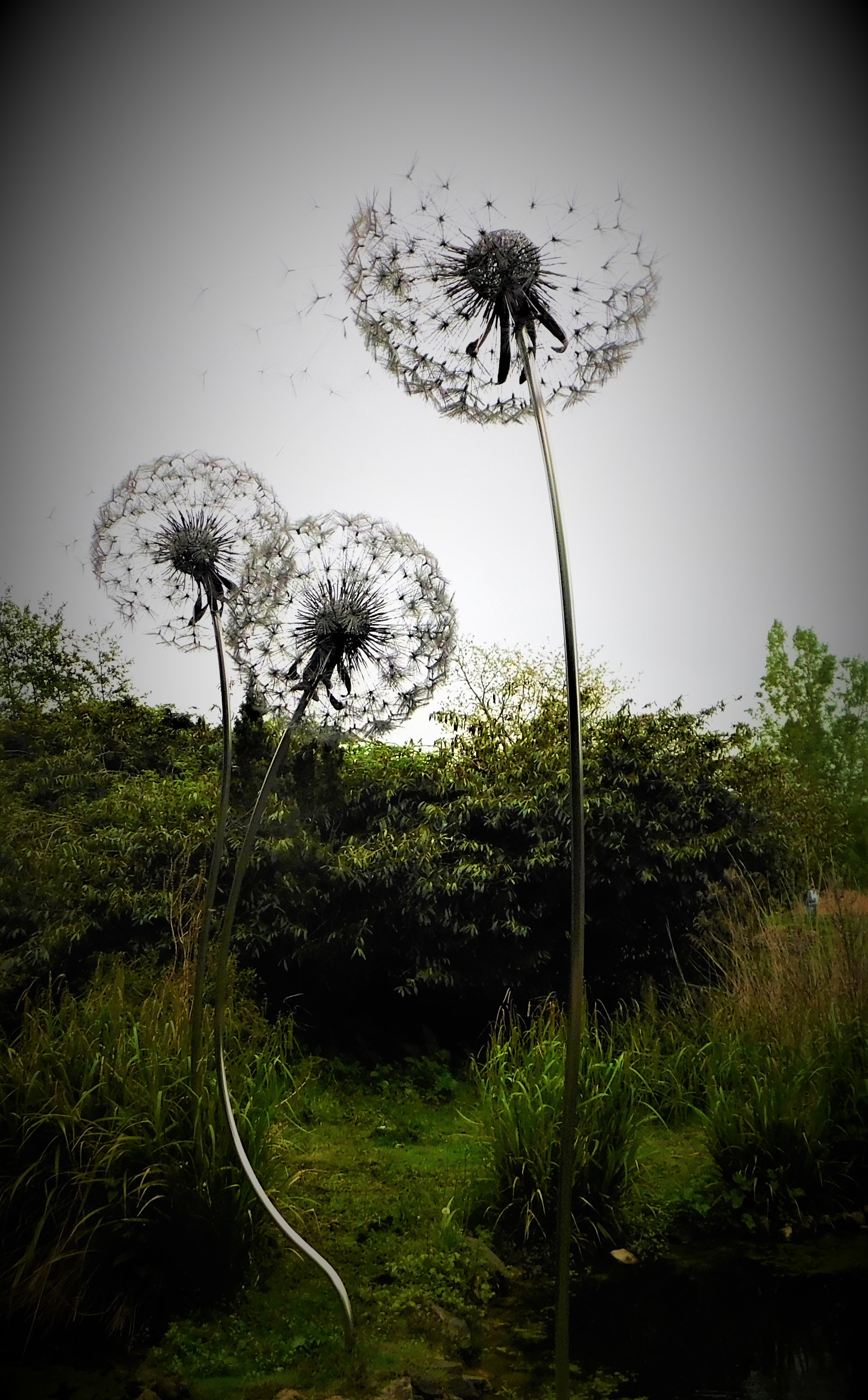
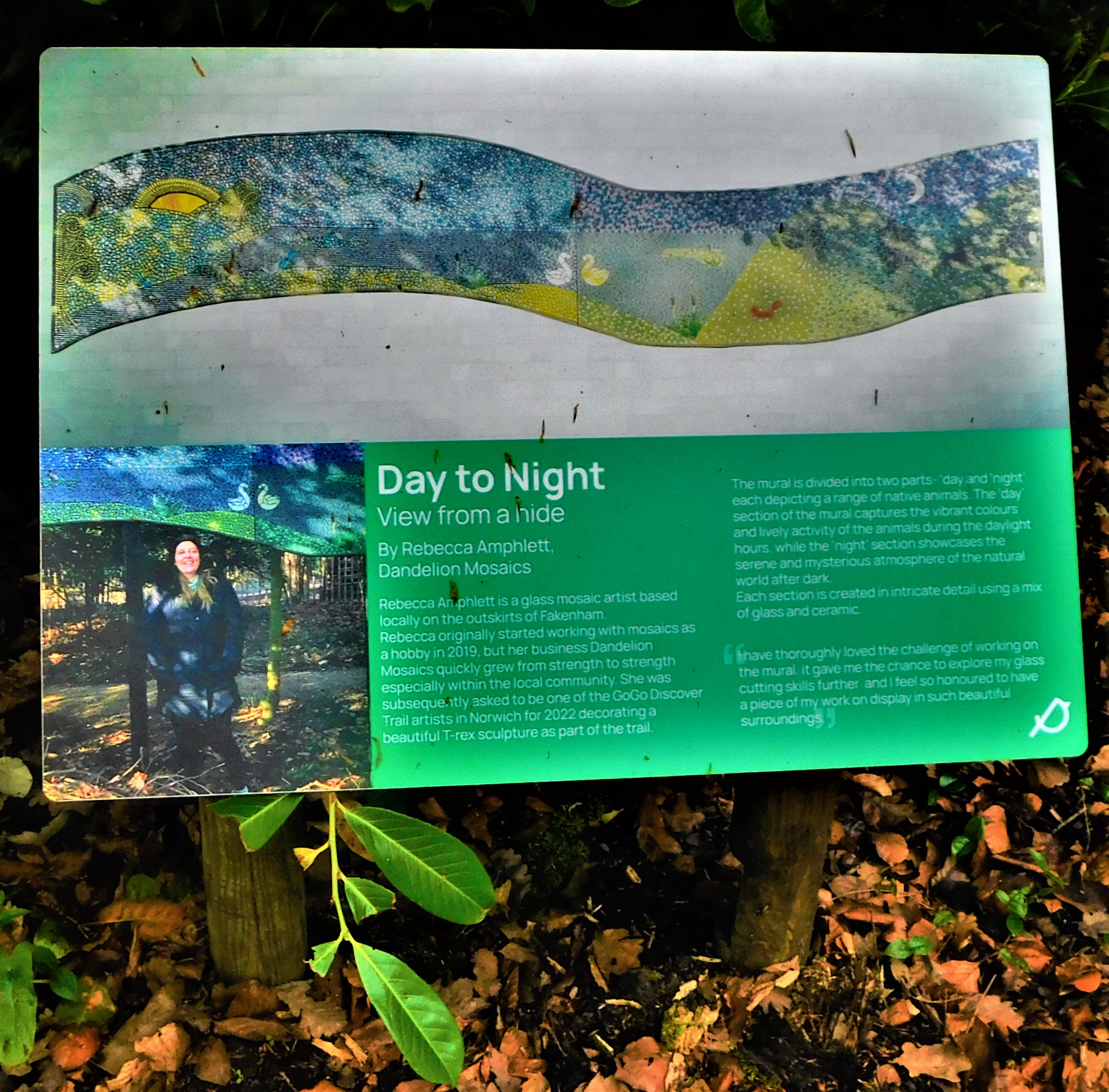
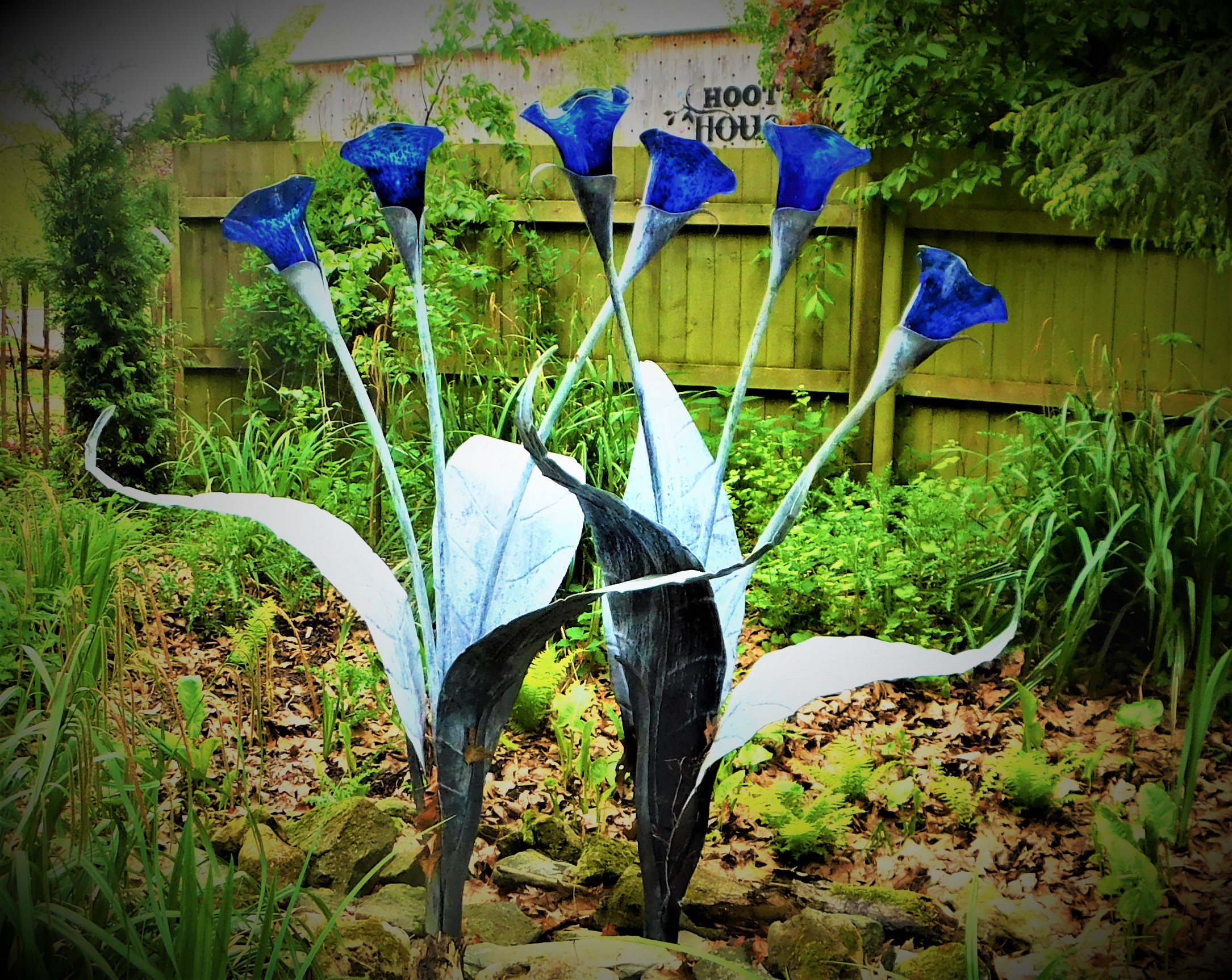
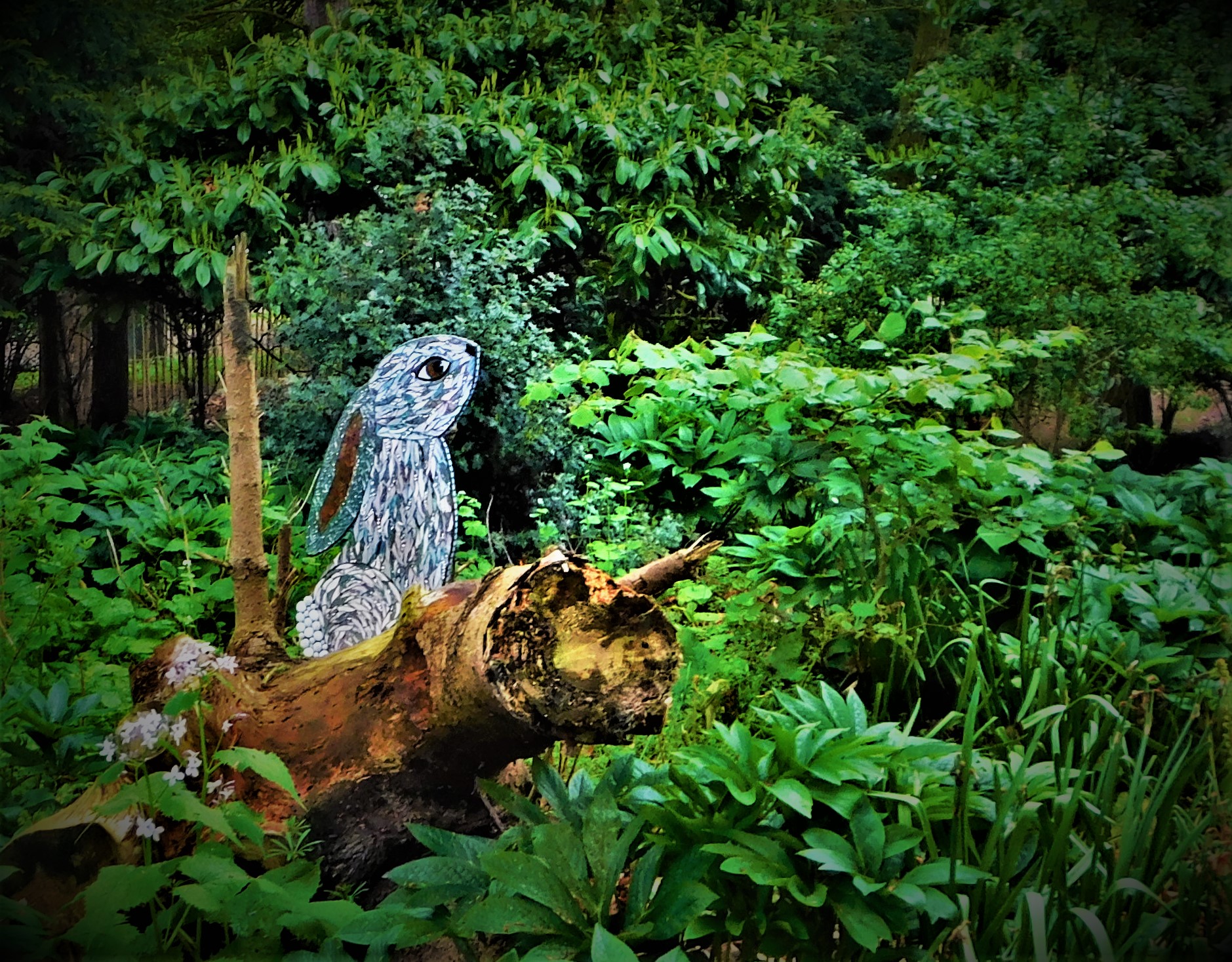
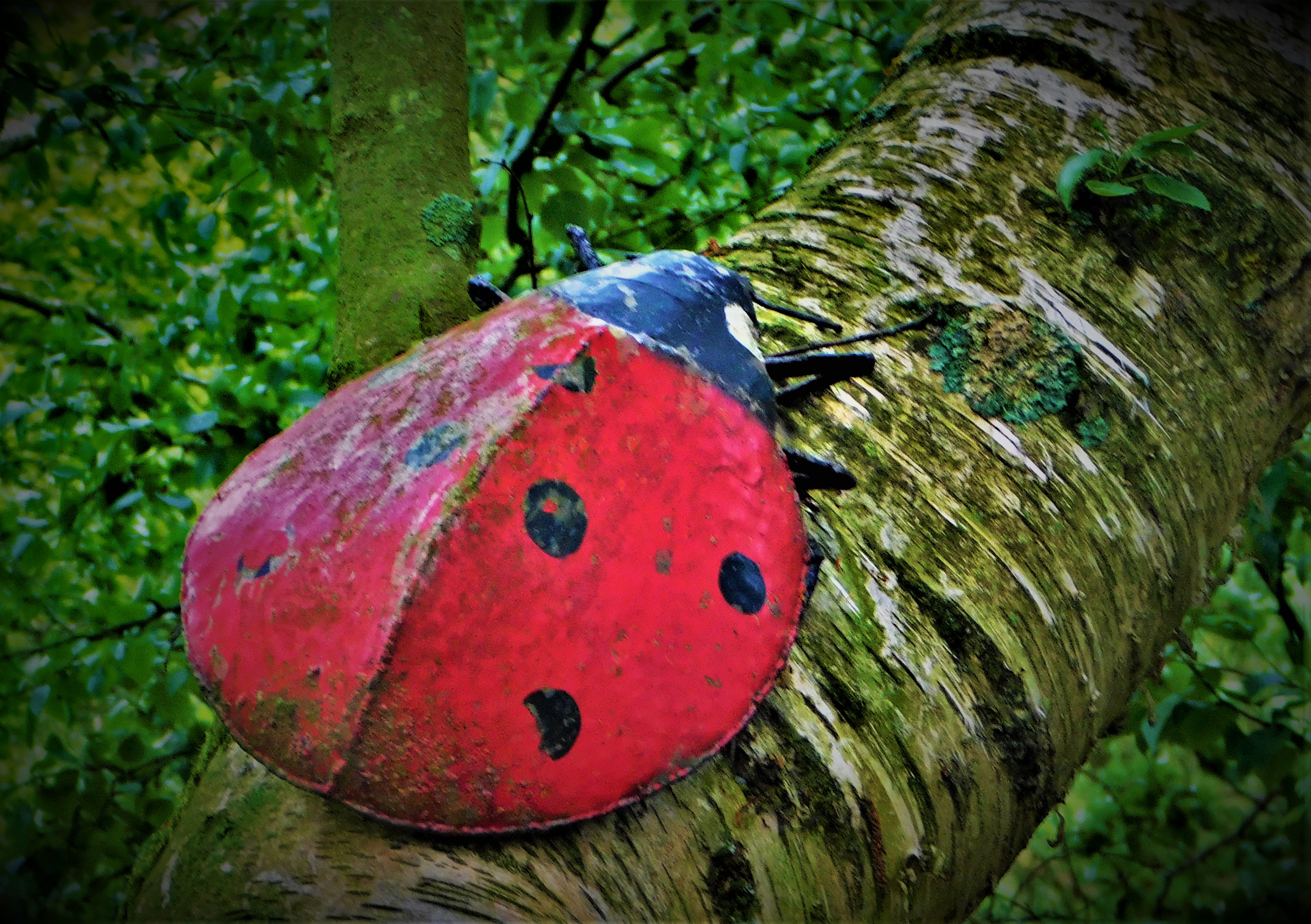
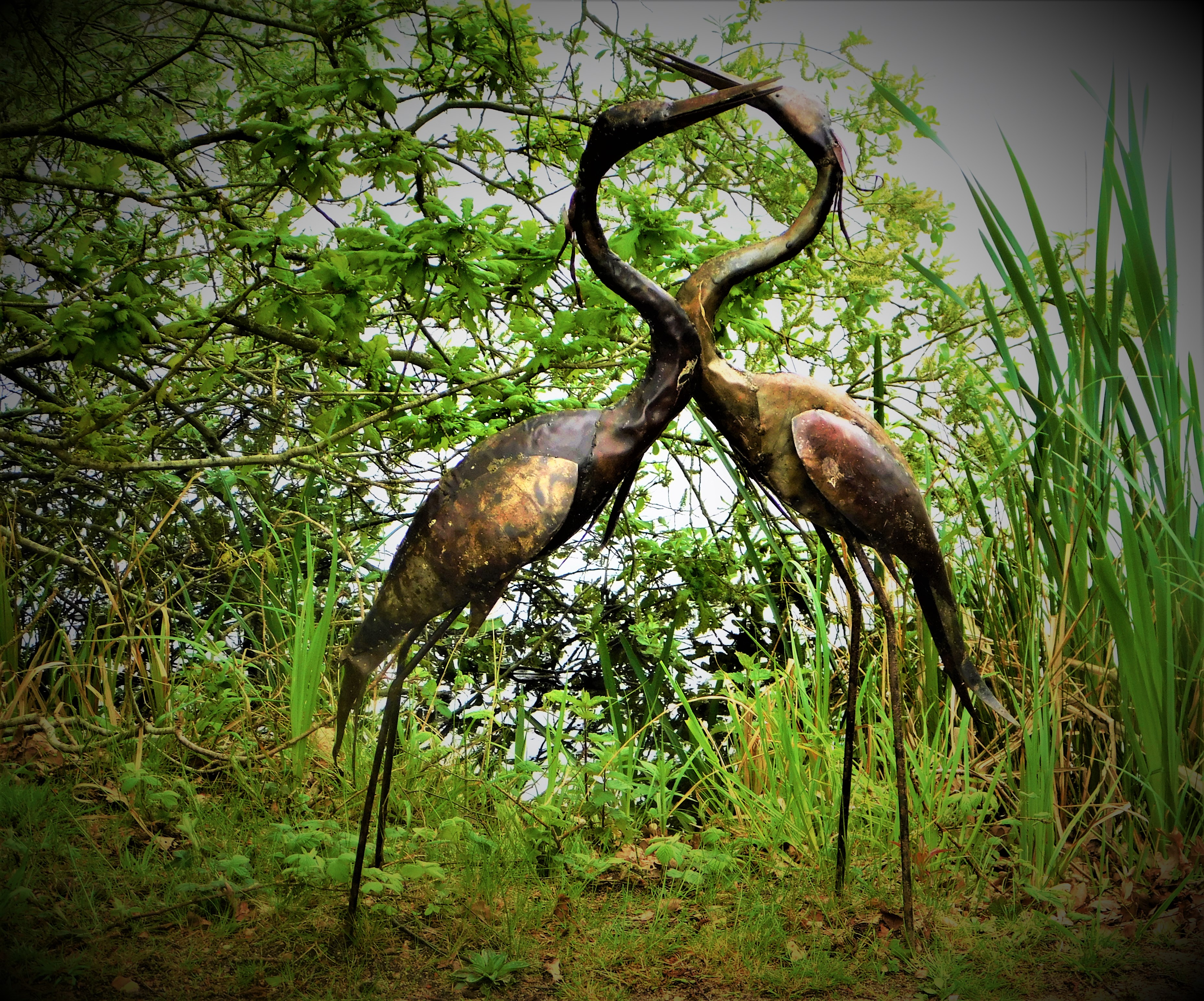
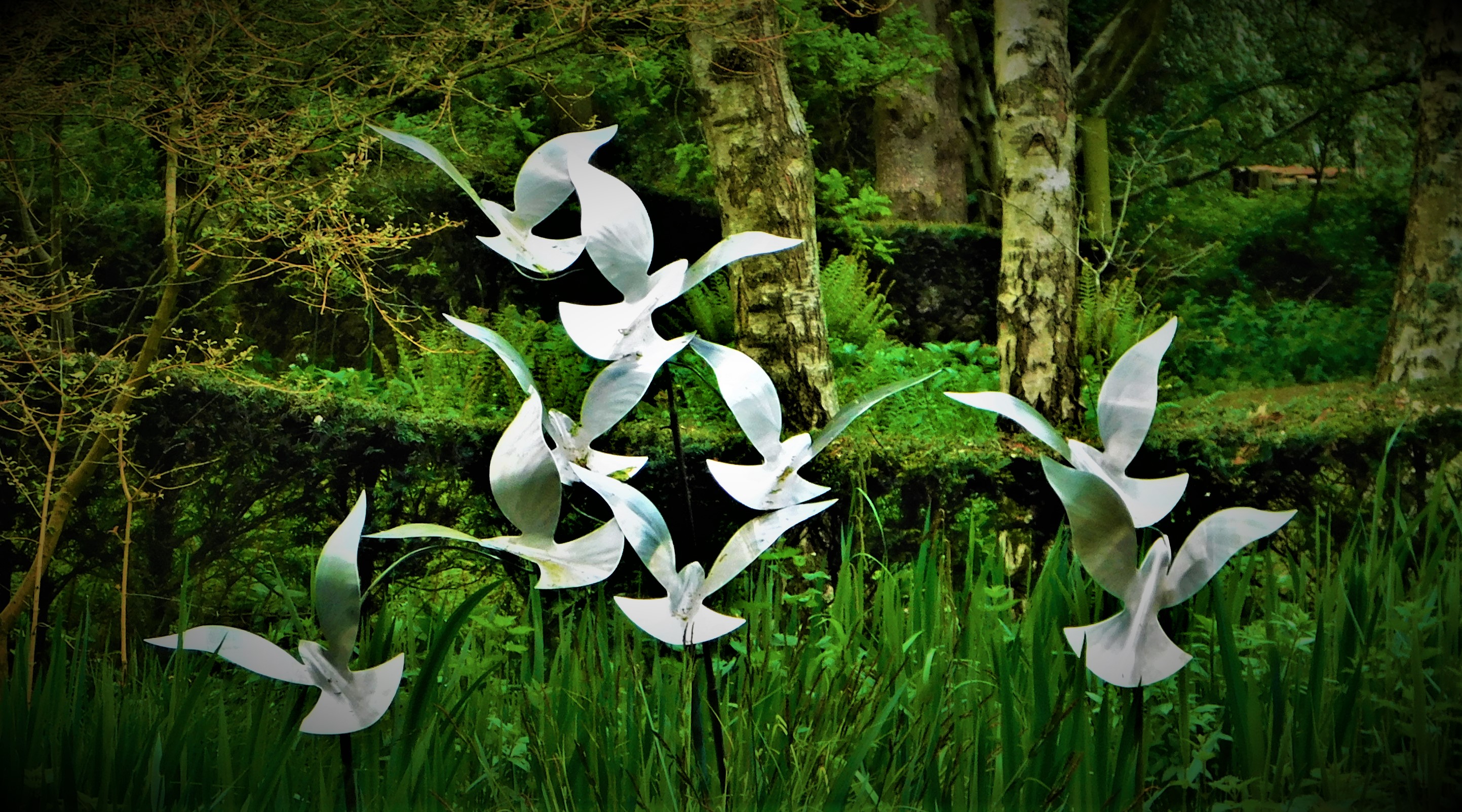
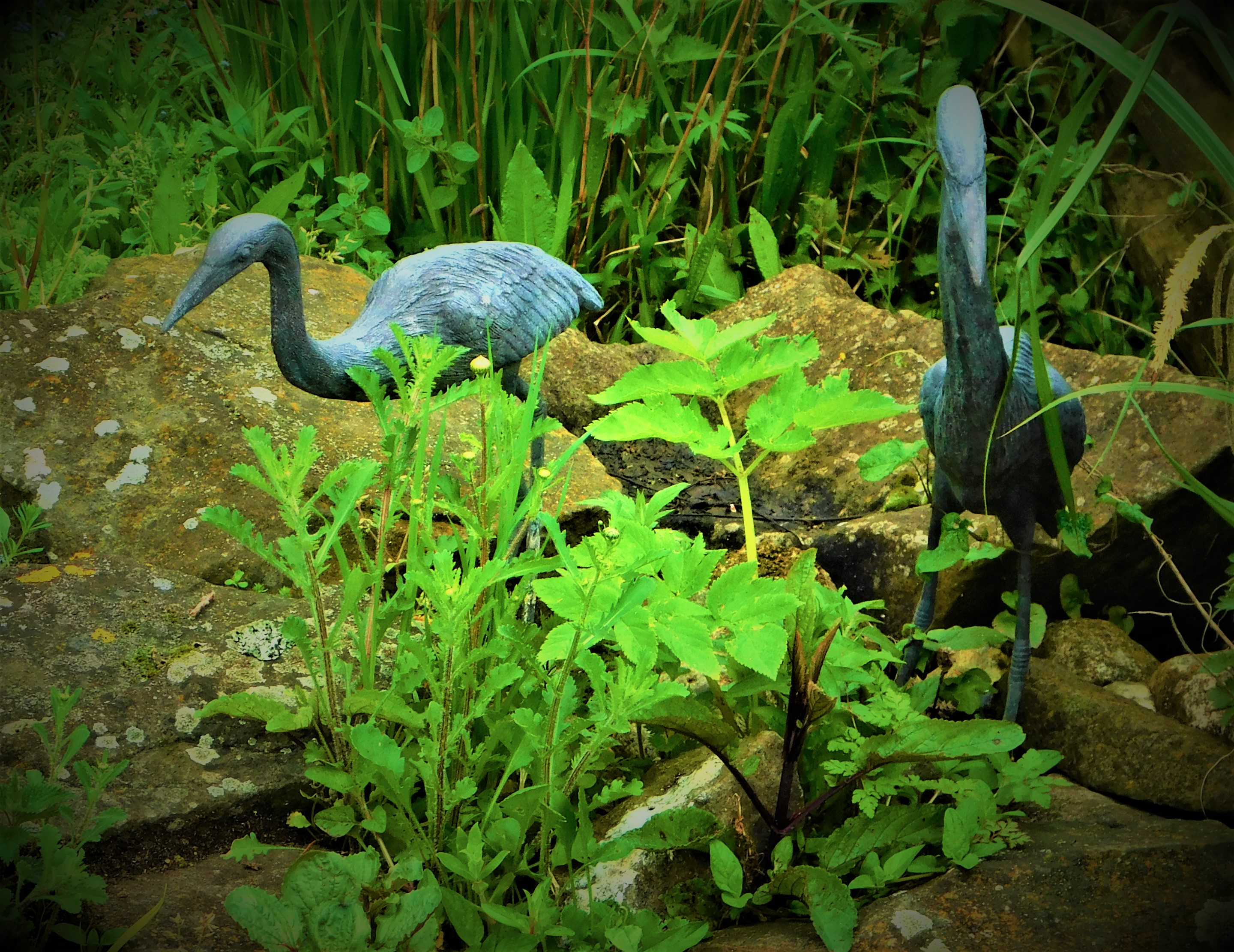
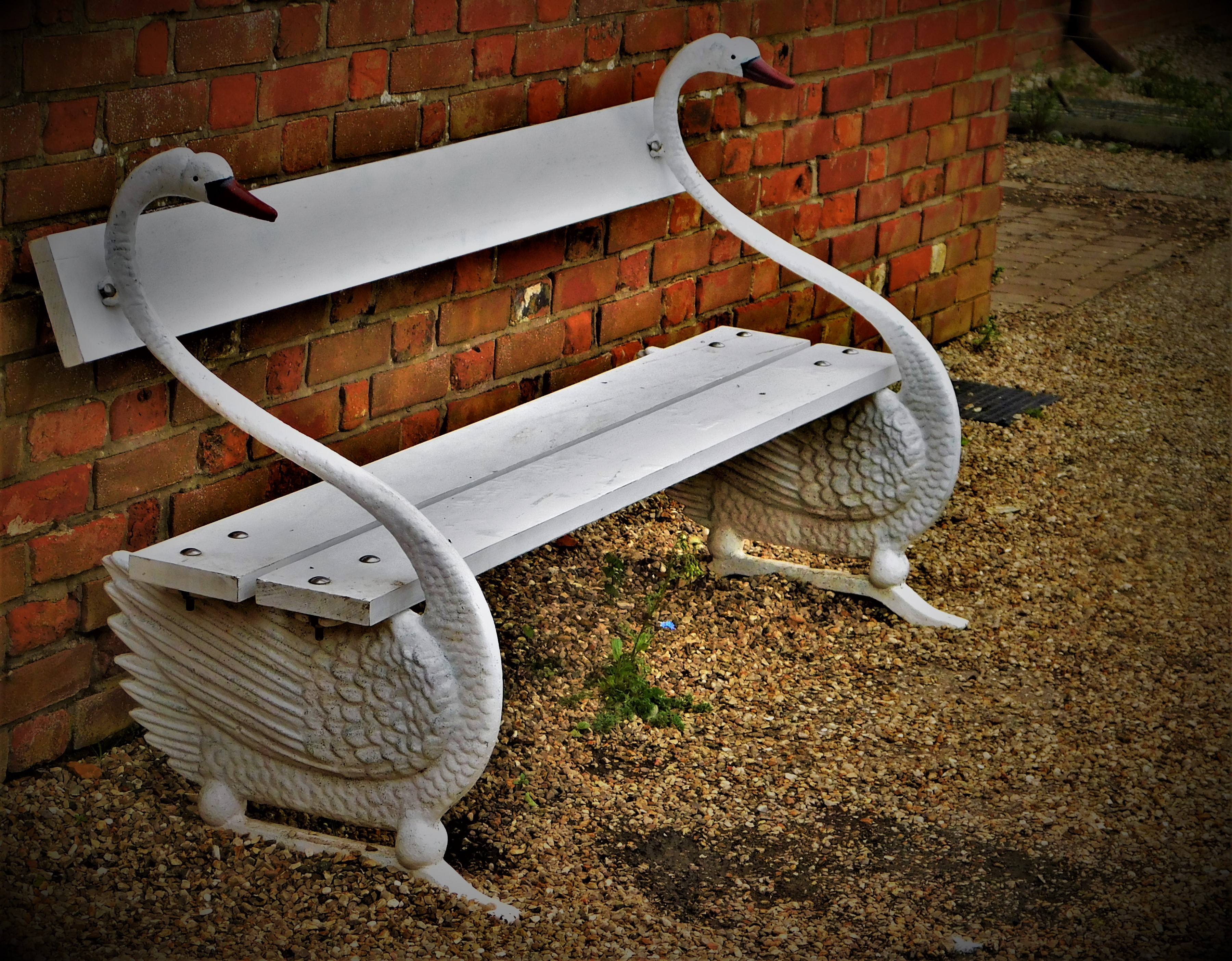
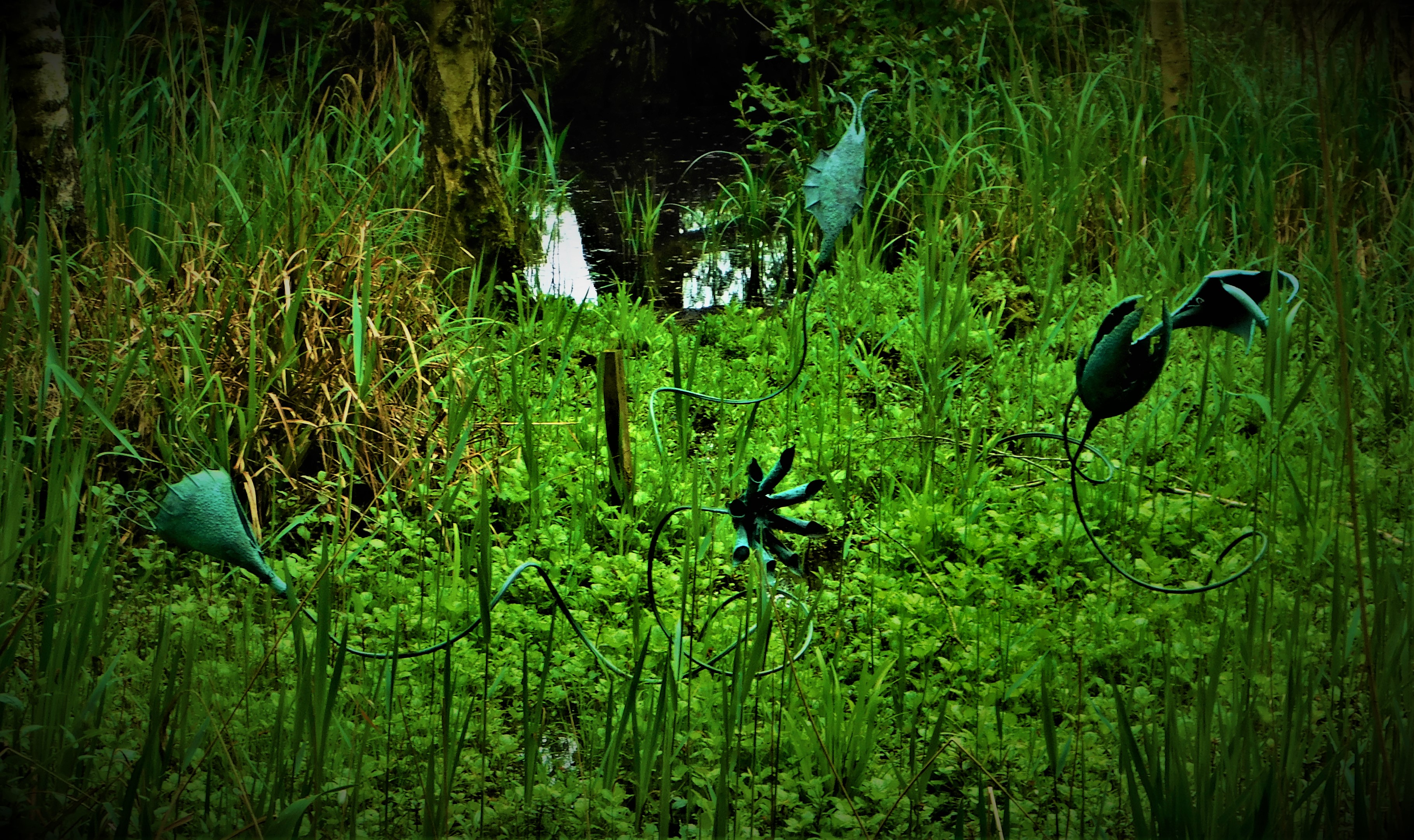
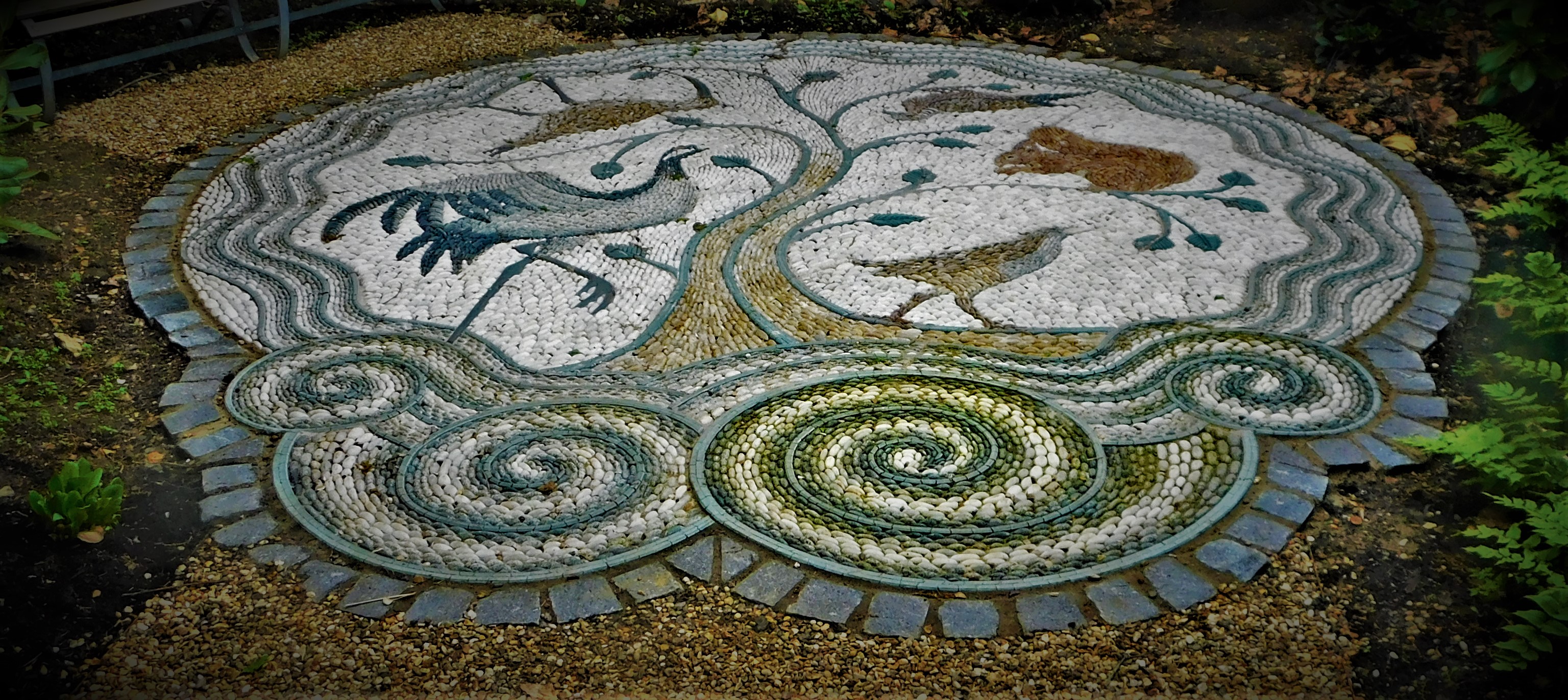
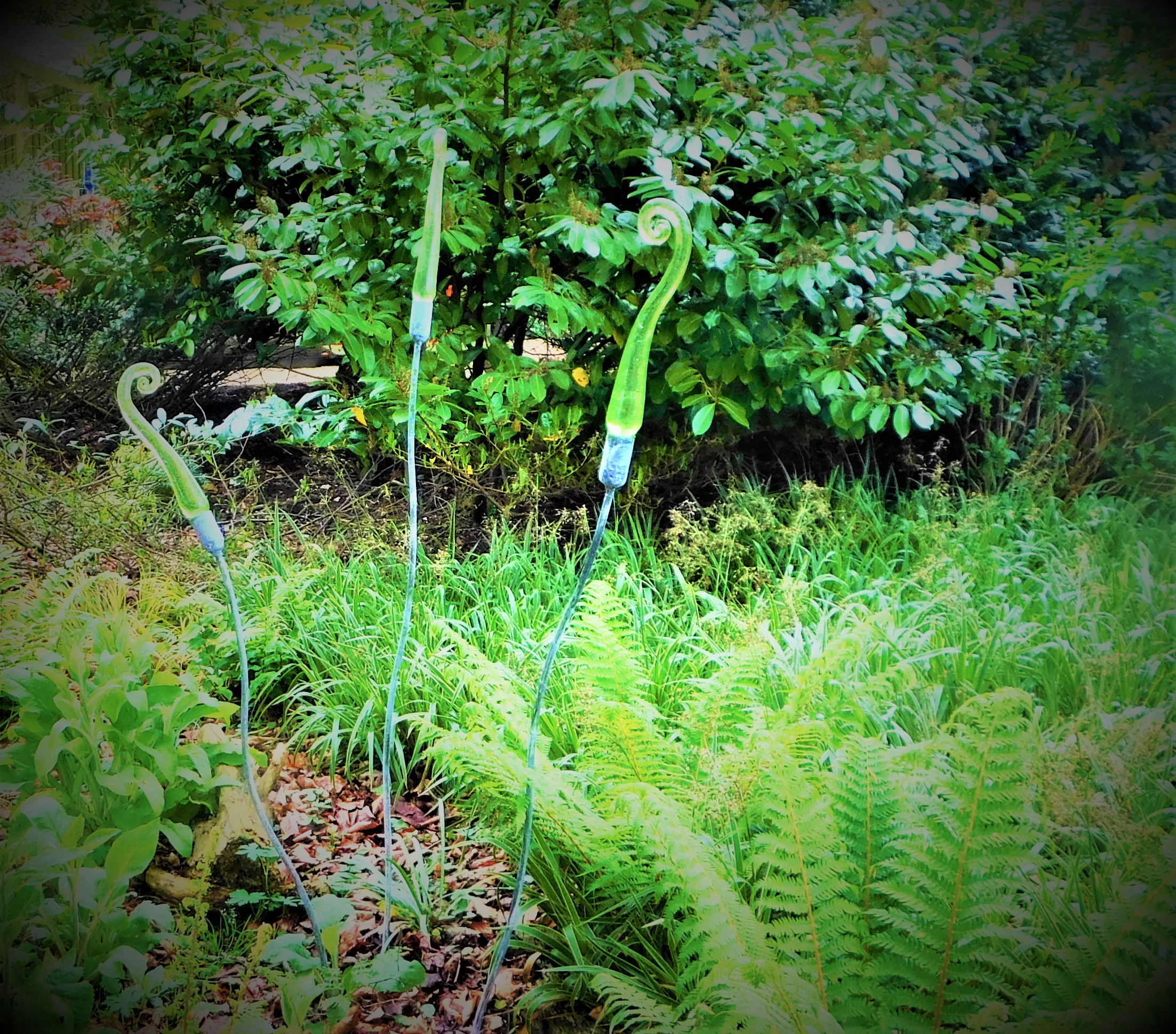
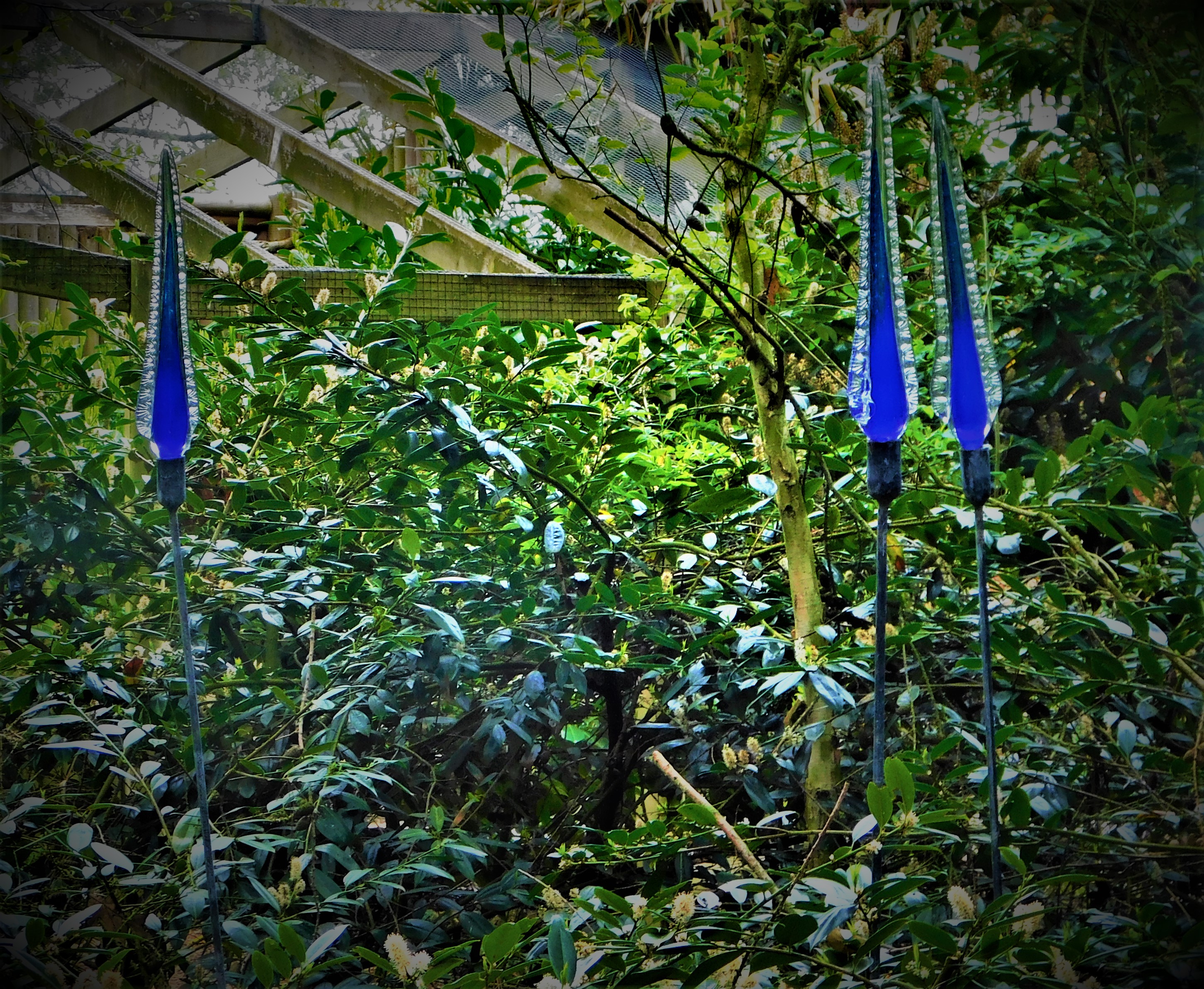
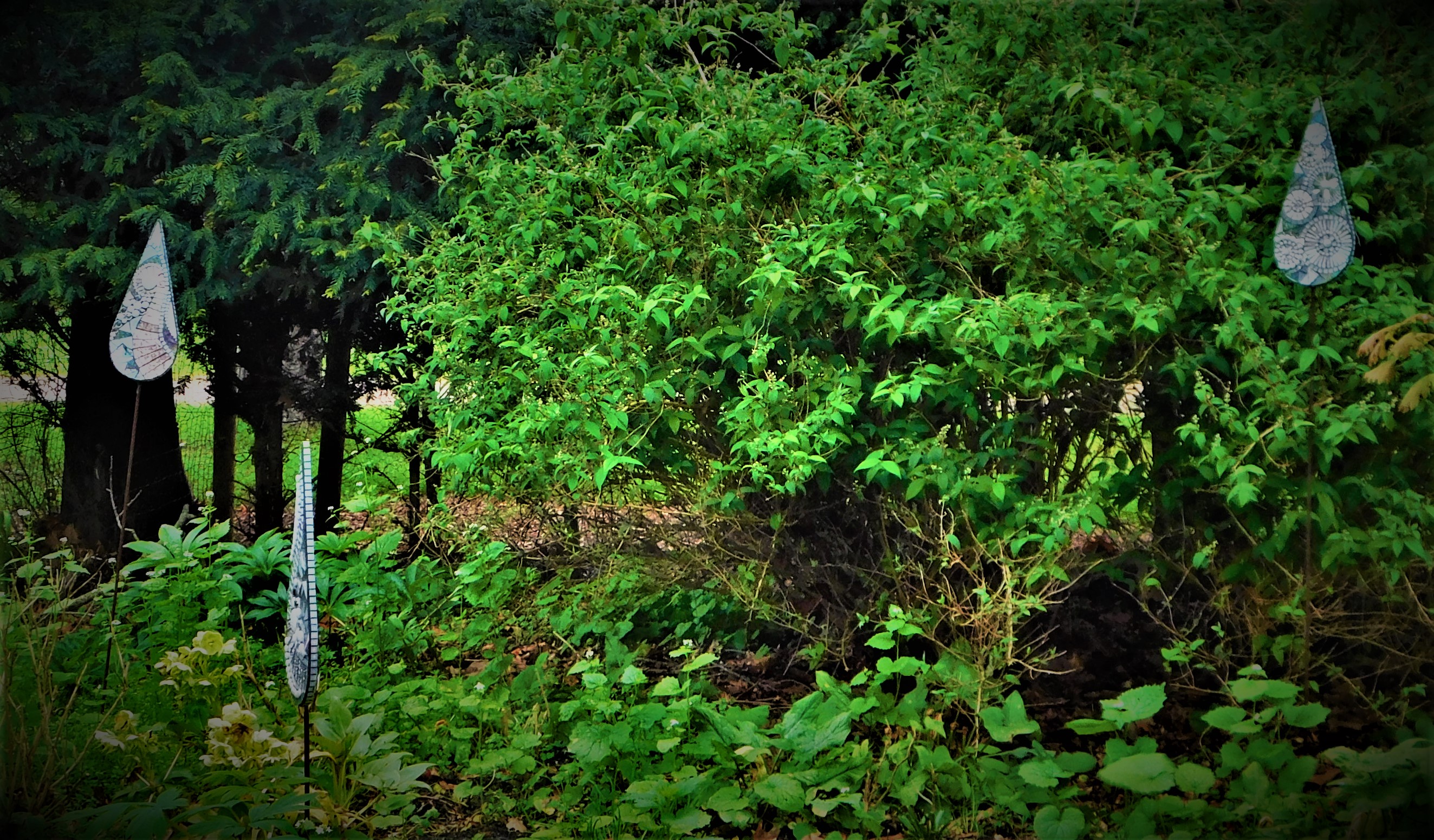
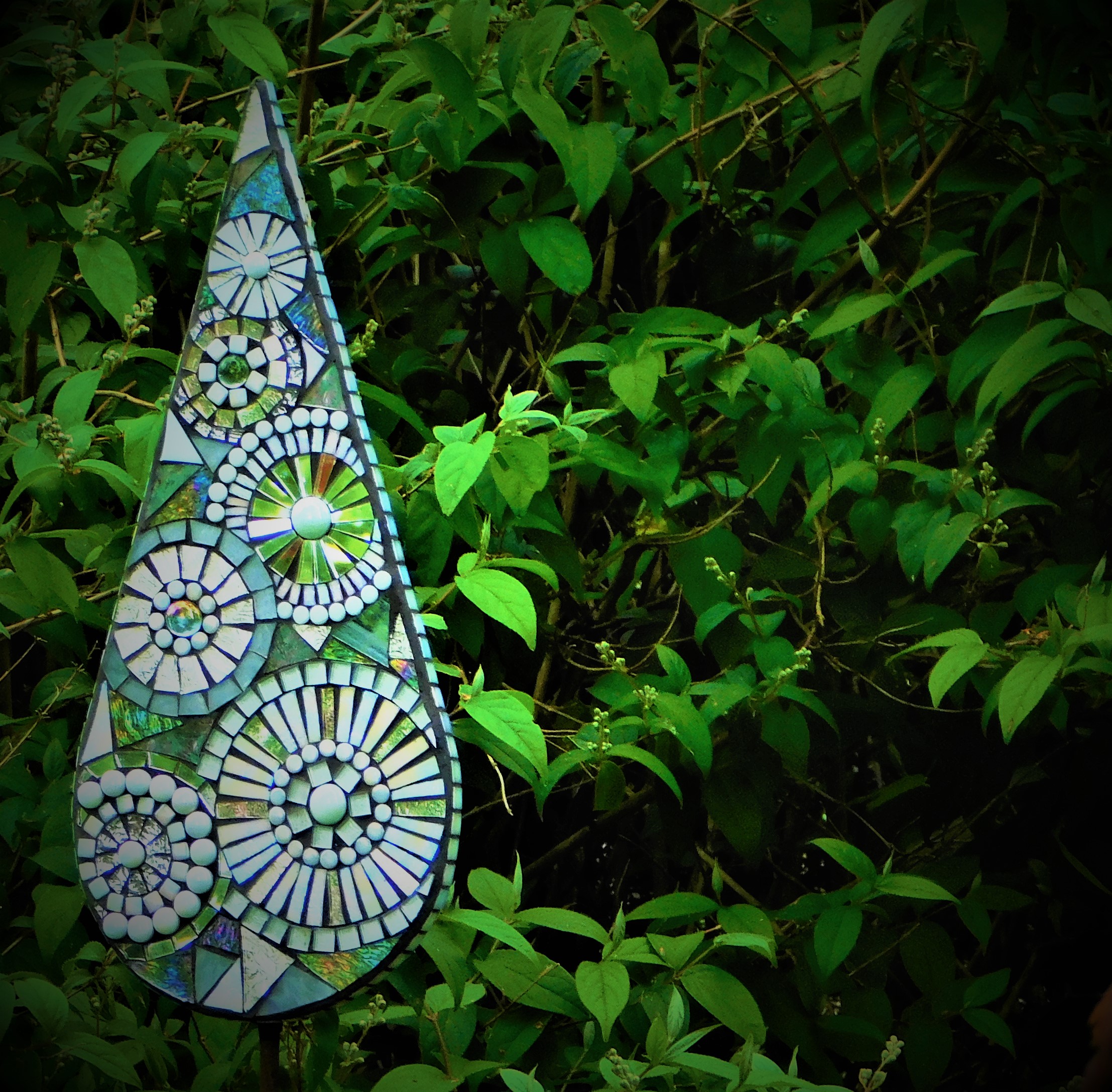
There are sculptures dotted around Pensthorpe, and they definitely enhance the experience. I have slightly extended the range of objects that would usually be described as sculptures by including a bench and also a mosaic. I did not specifically set myself a task of finding and imaging sculptures, I just imaged them when I happened to find them, but one could undoubtedly plan to identify and photograph every sculpture at Pensthorpe. I favour a freestyle approach to somewhere like Pensthorpe but some may prefer to be more regimented/ organized.
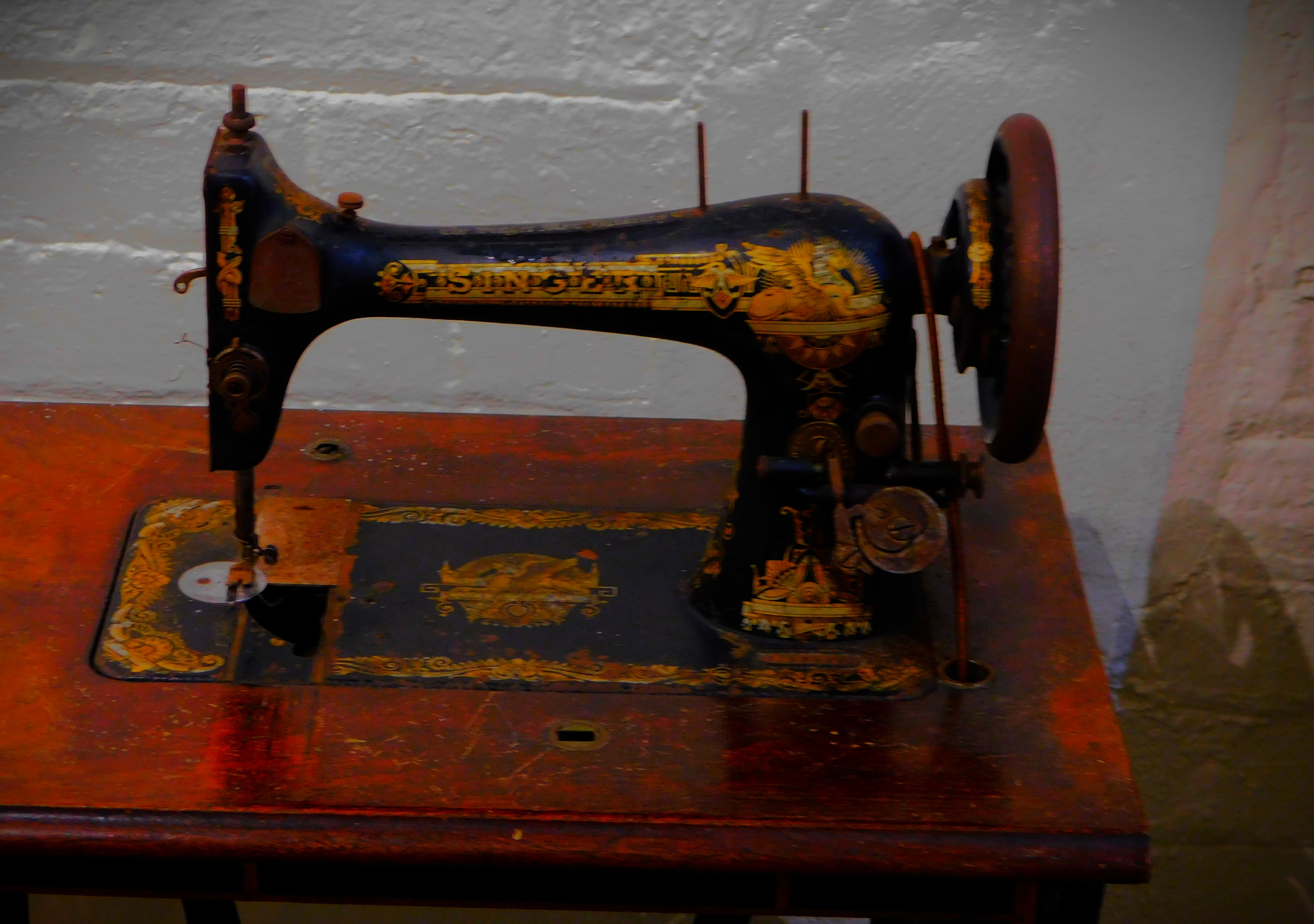
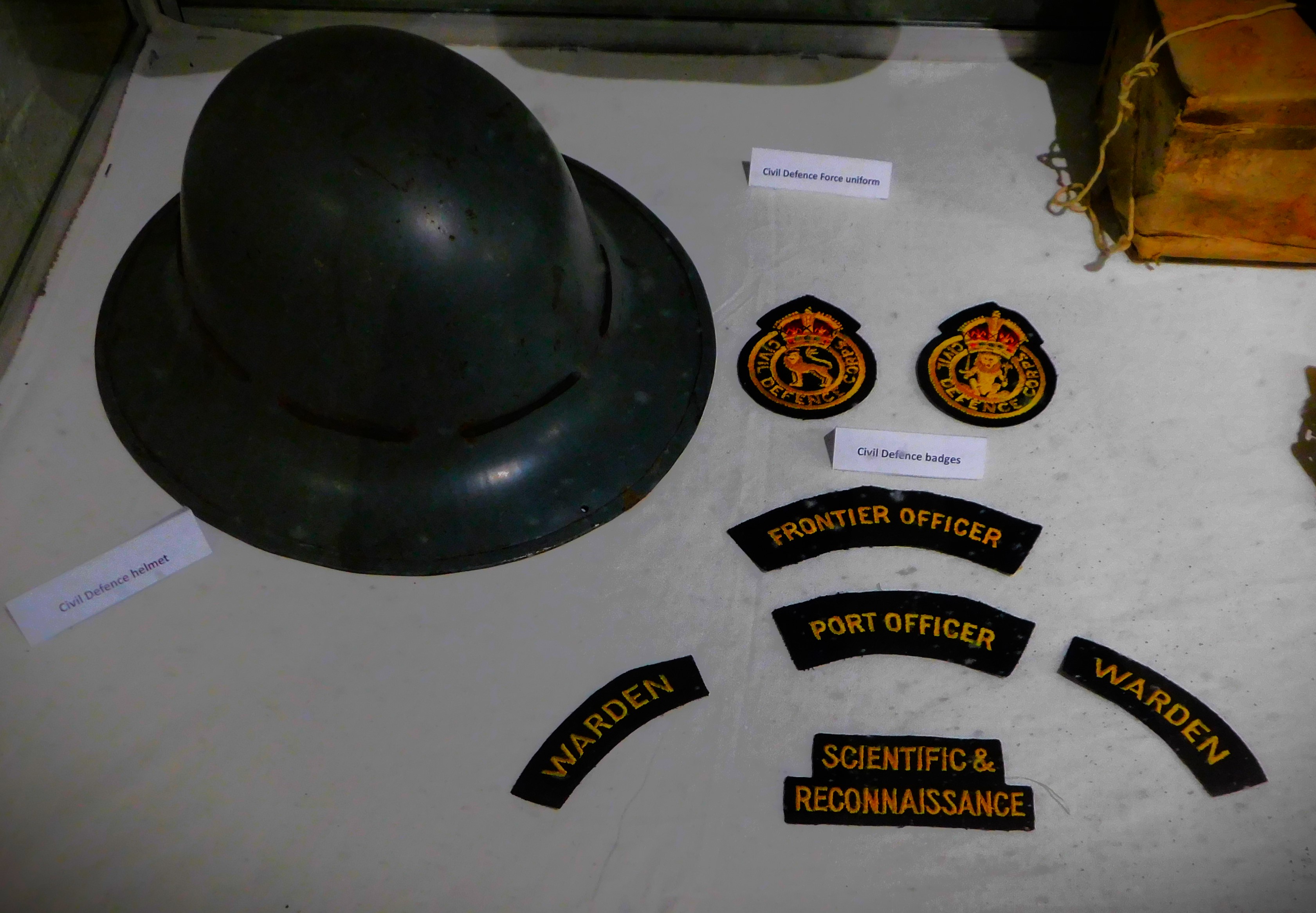
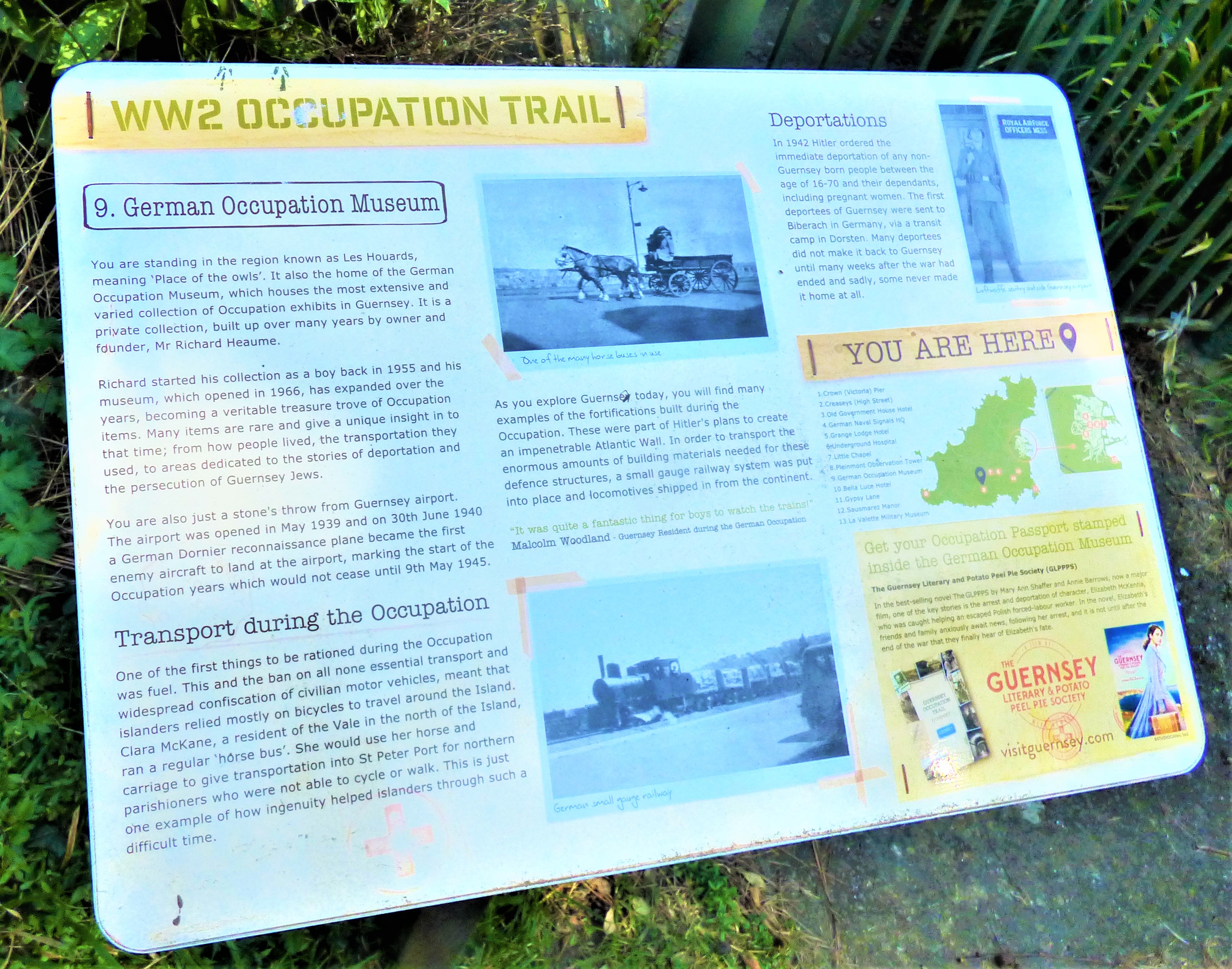
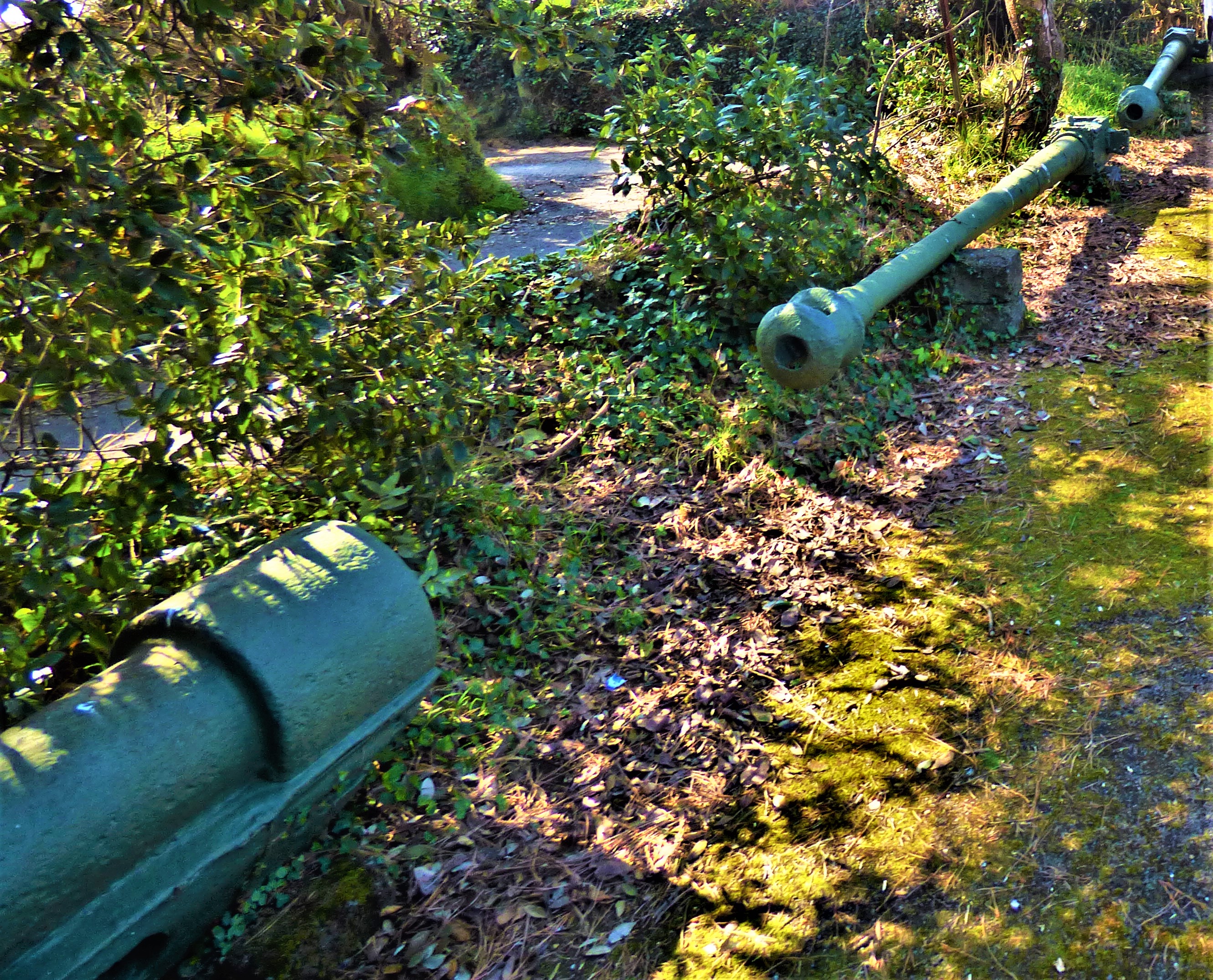
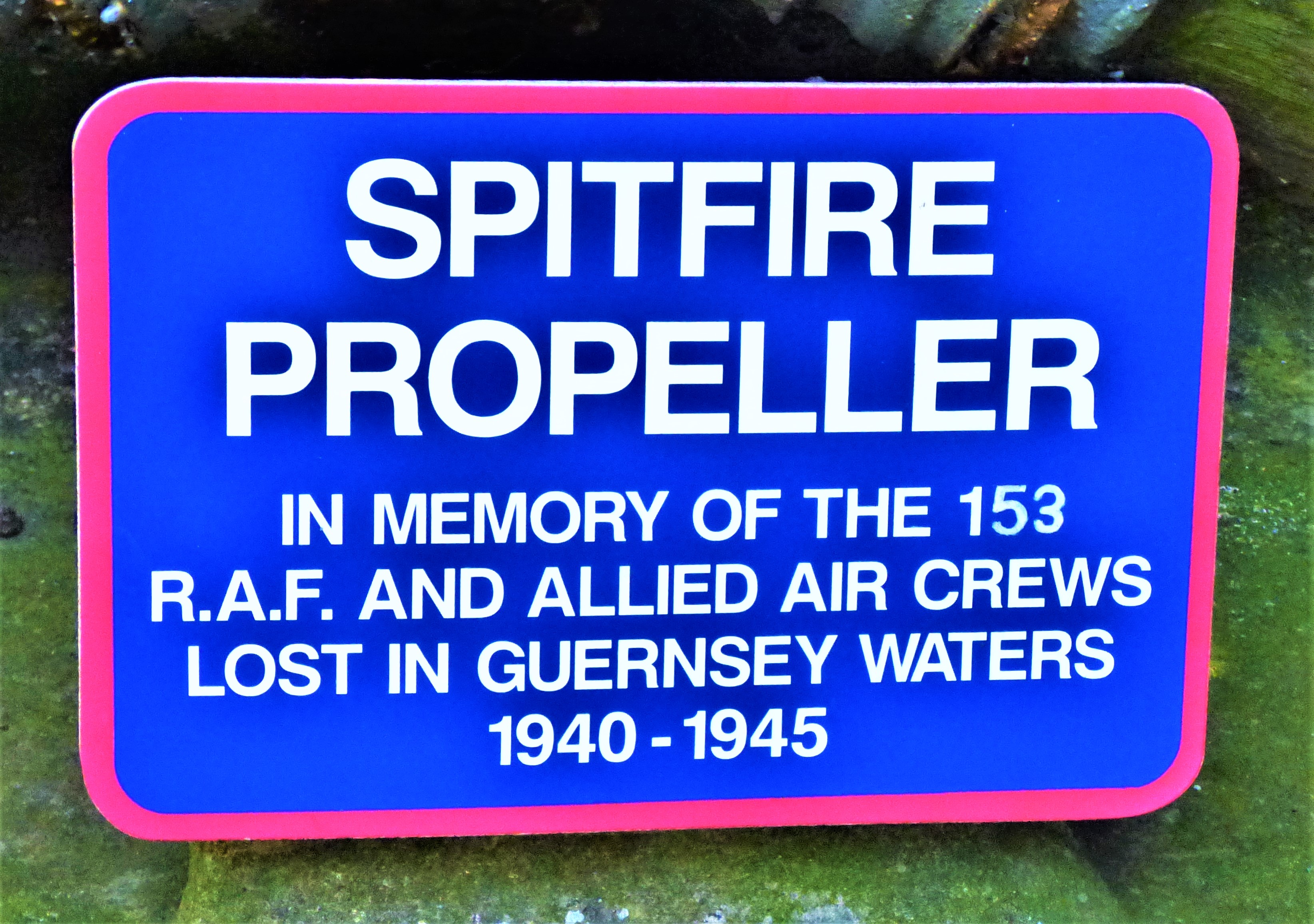
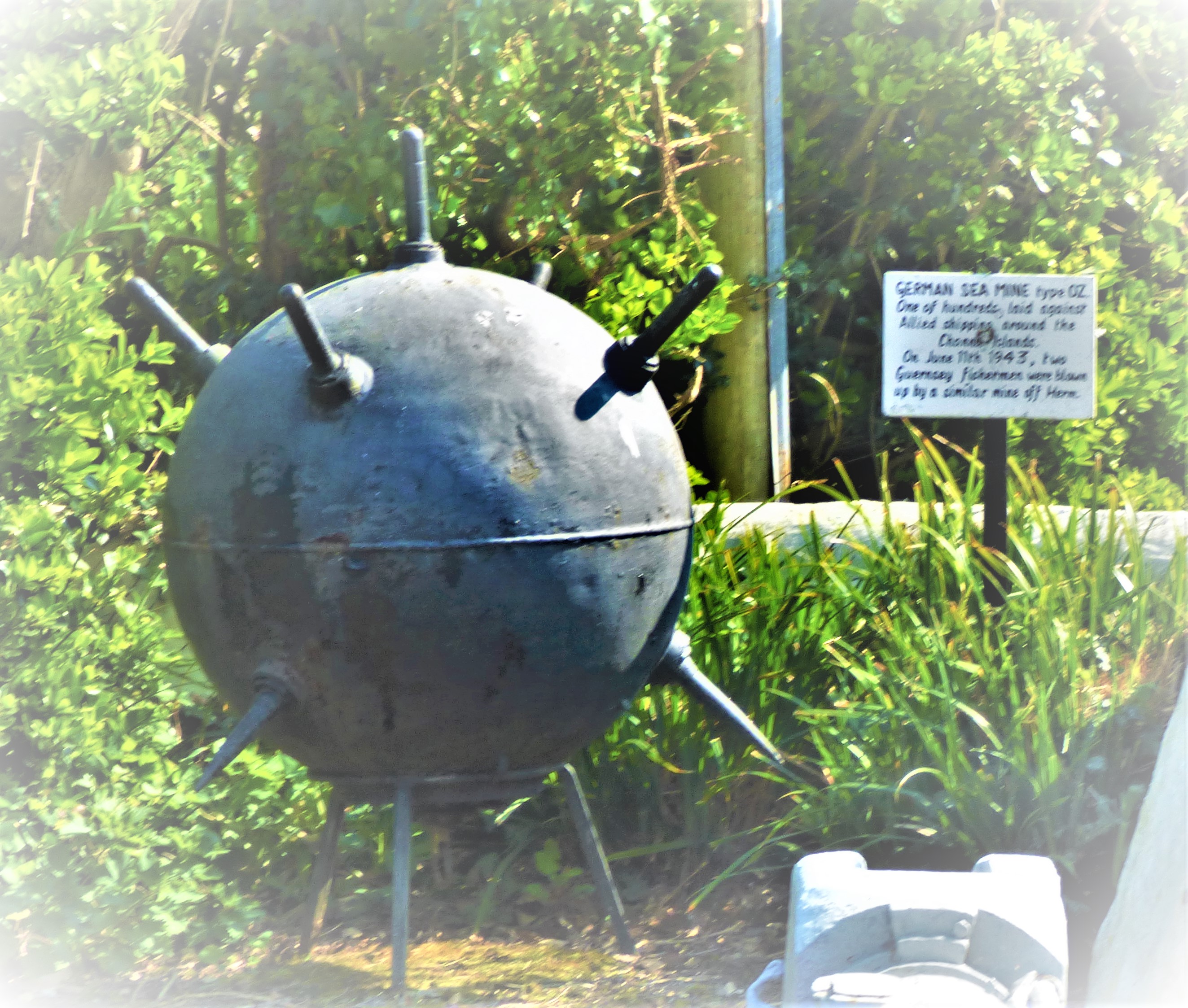
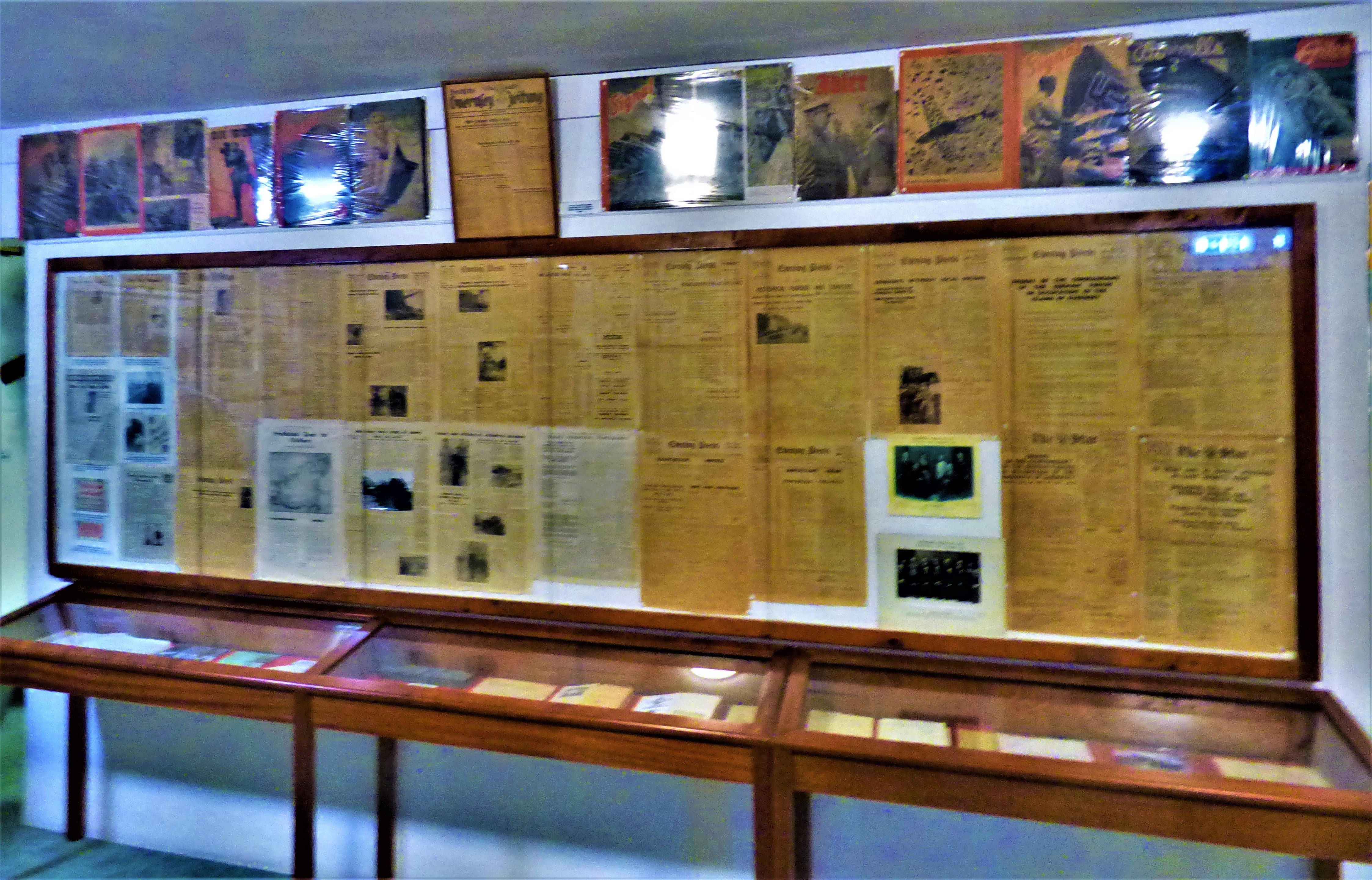
Continuing my account of my holiday in the channel islands with the first of two posts about the occupation museum.
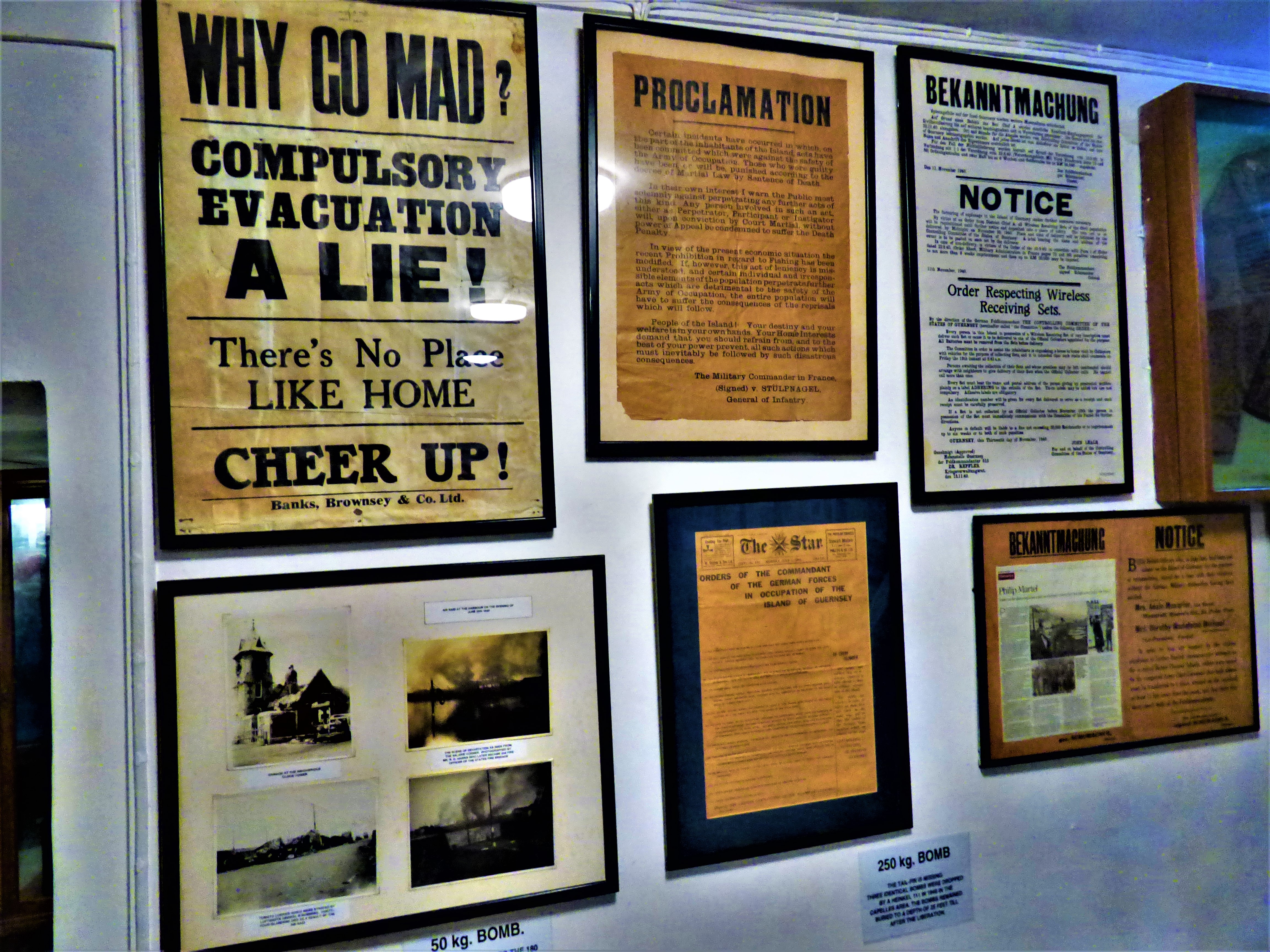
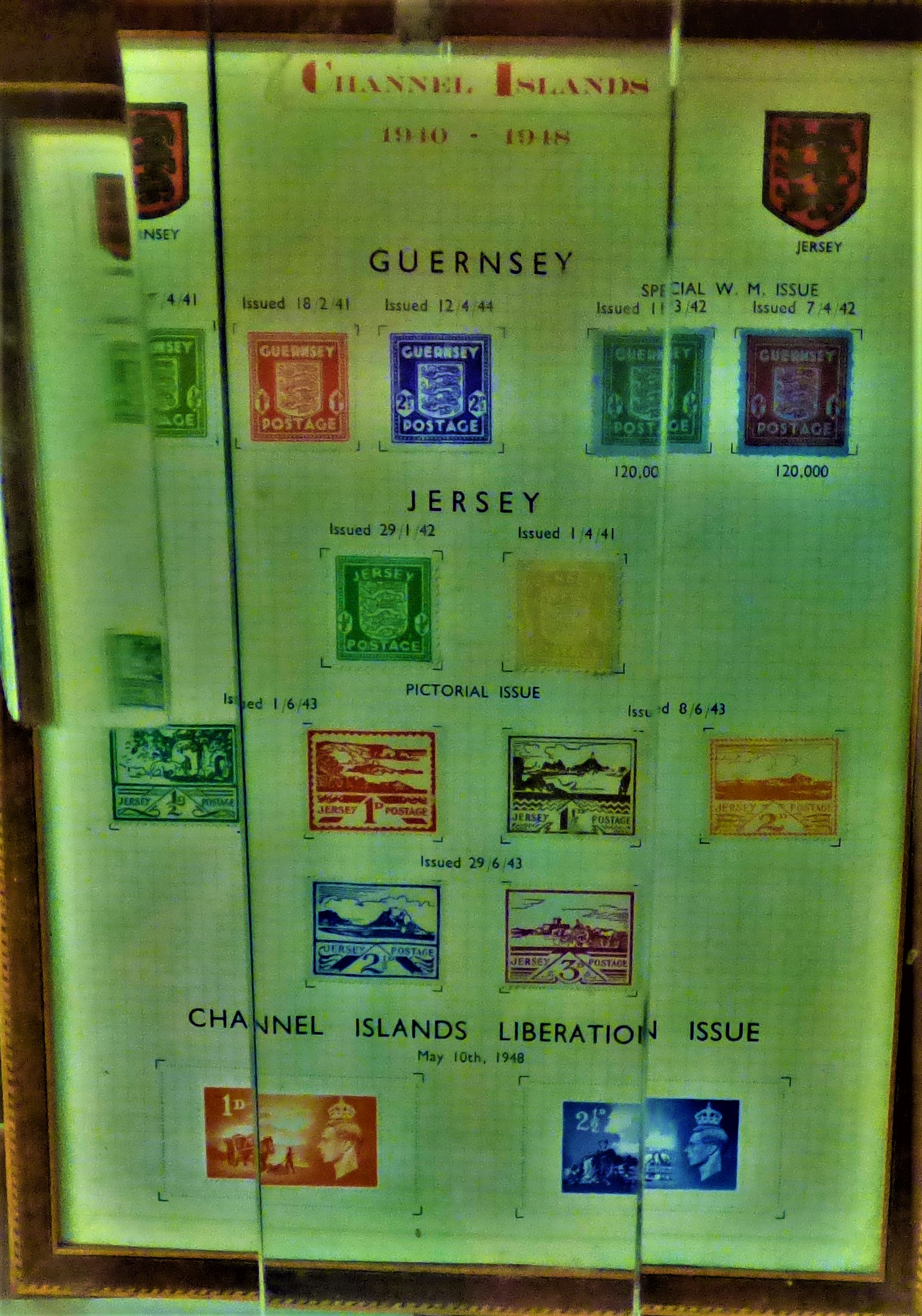
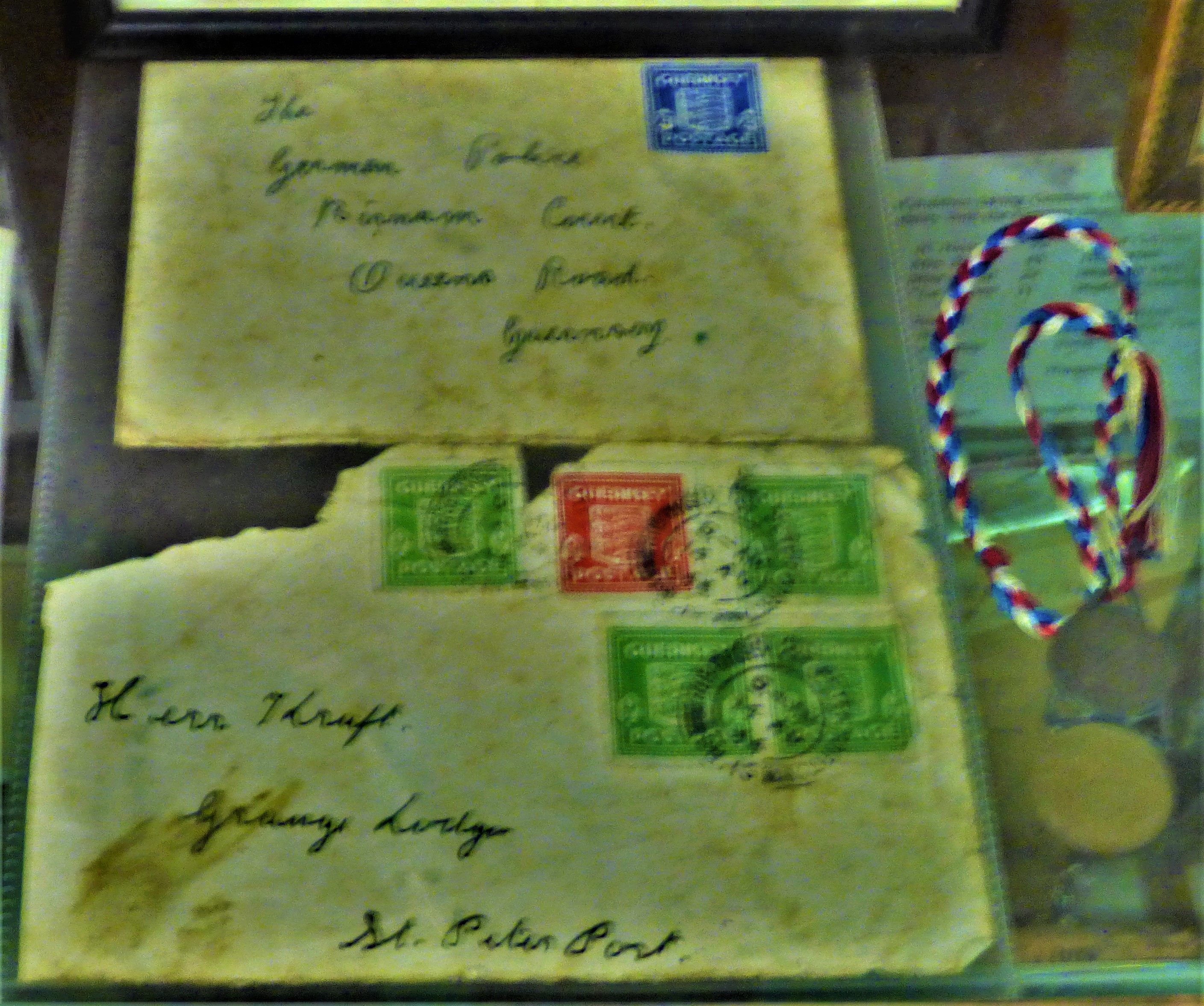
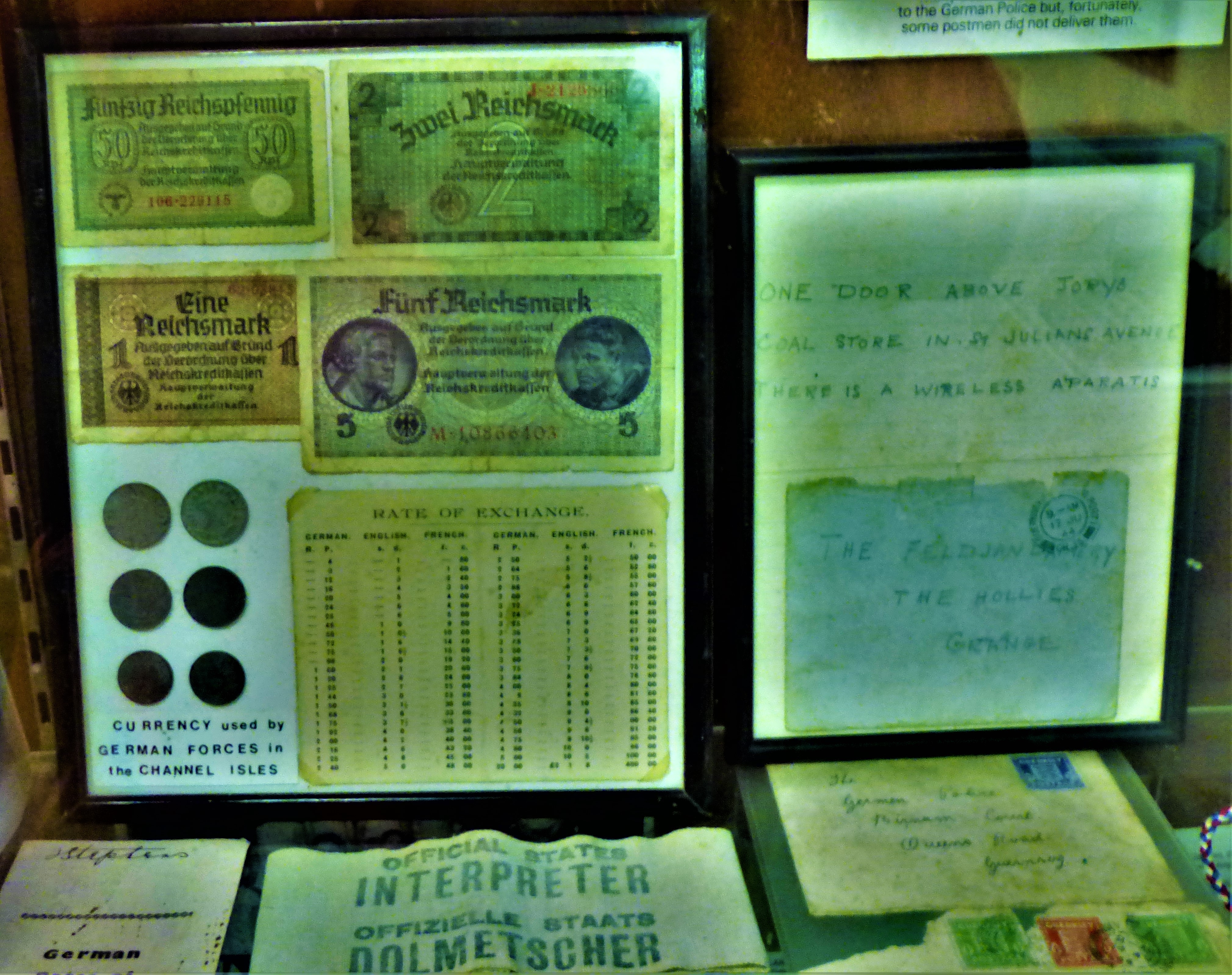
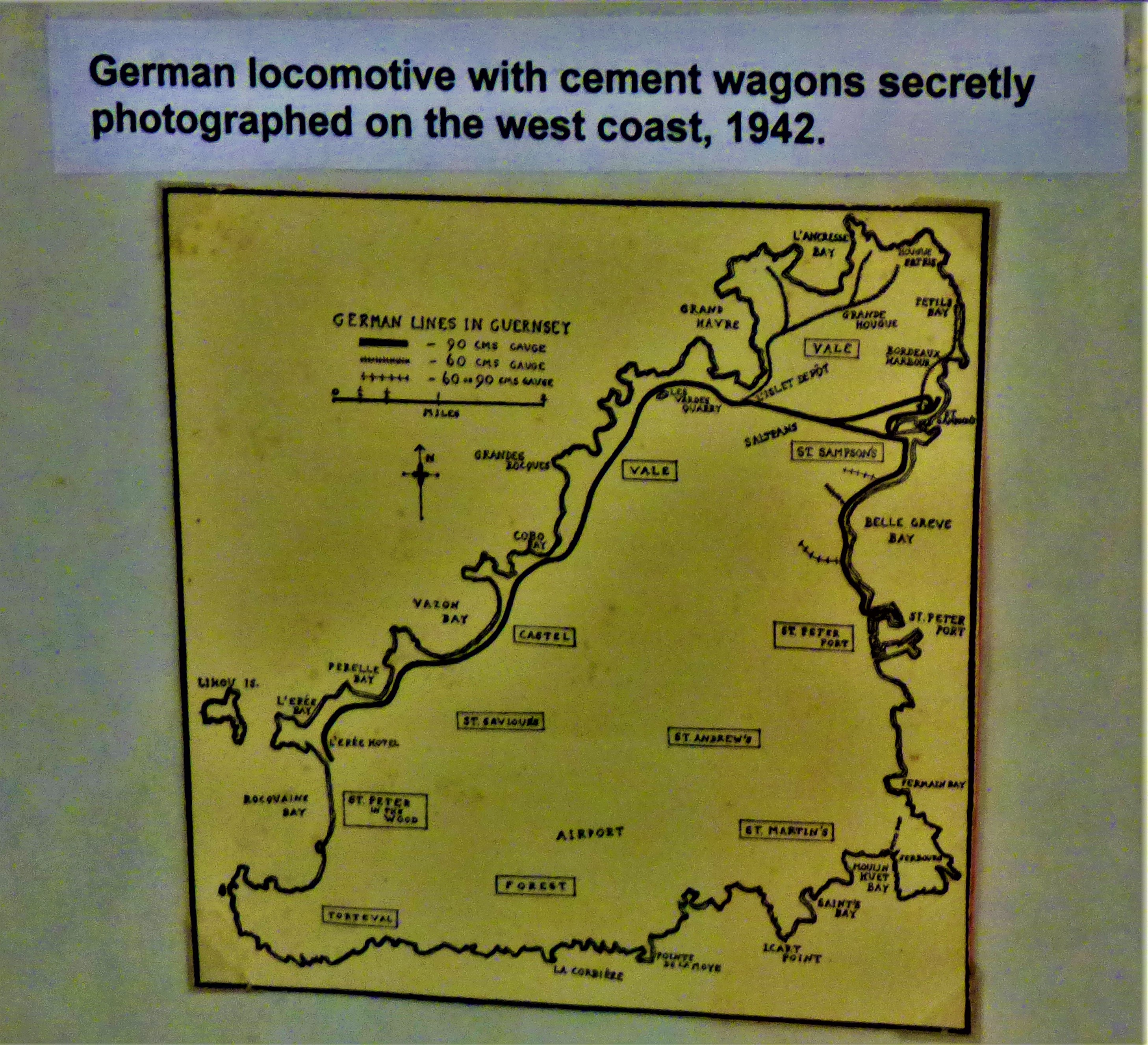
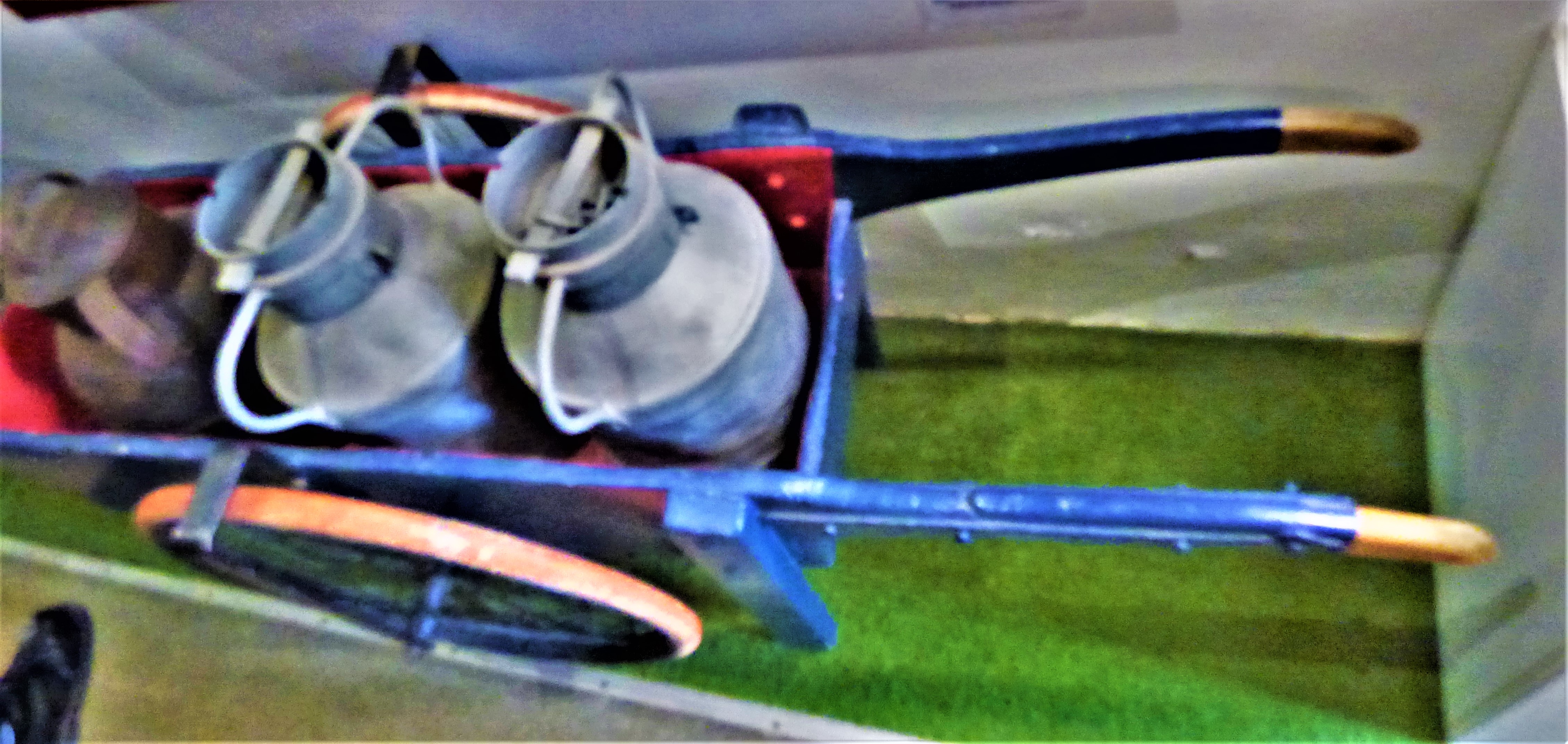
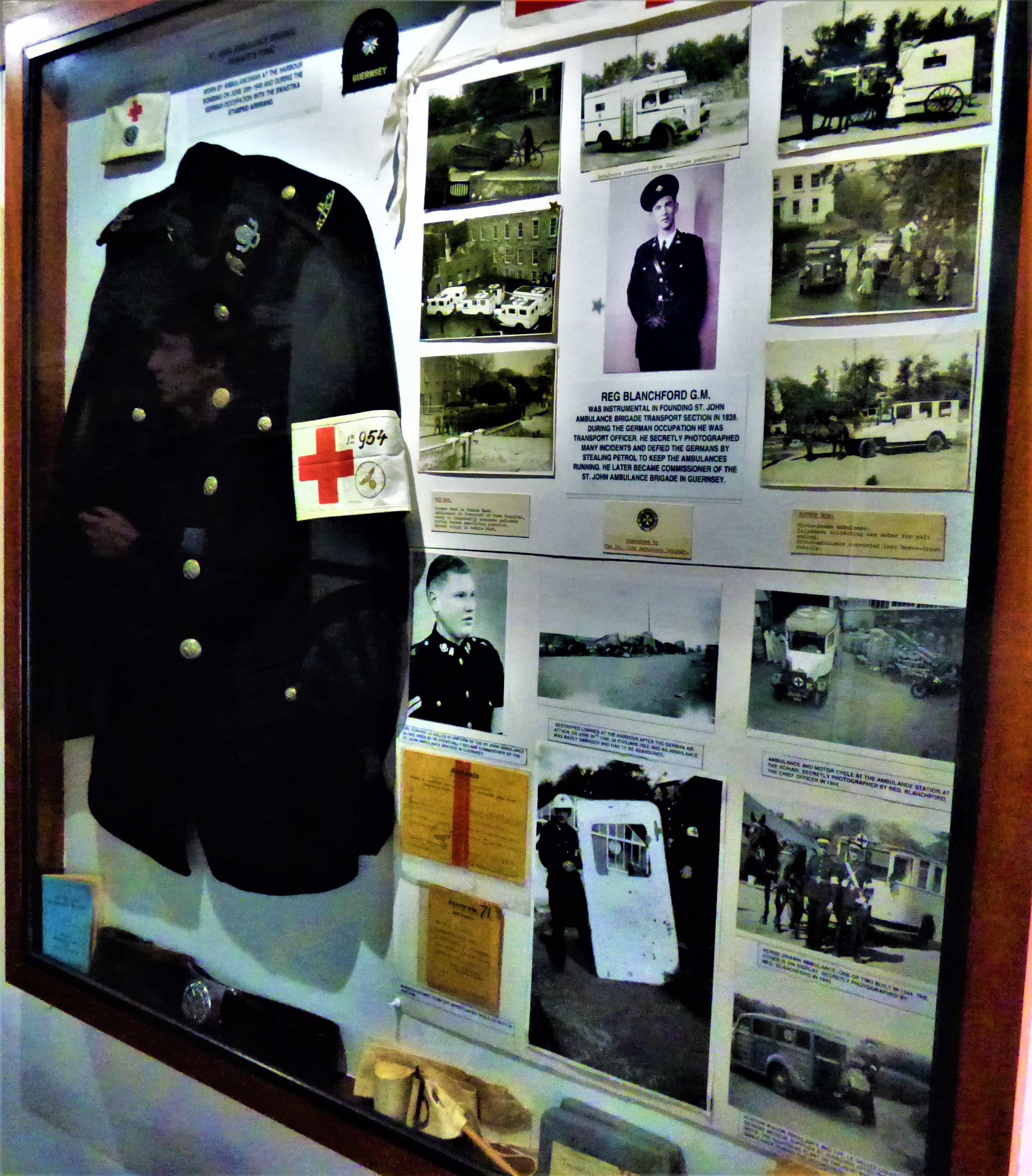
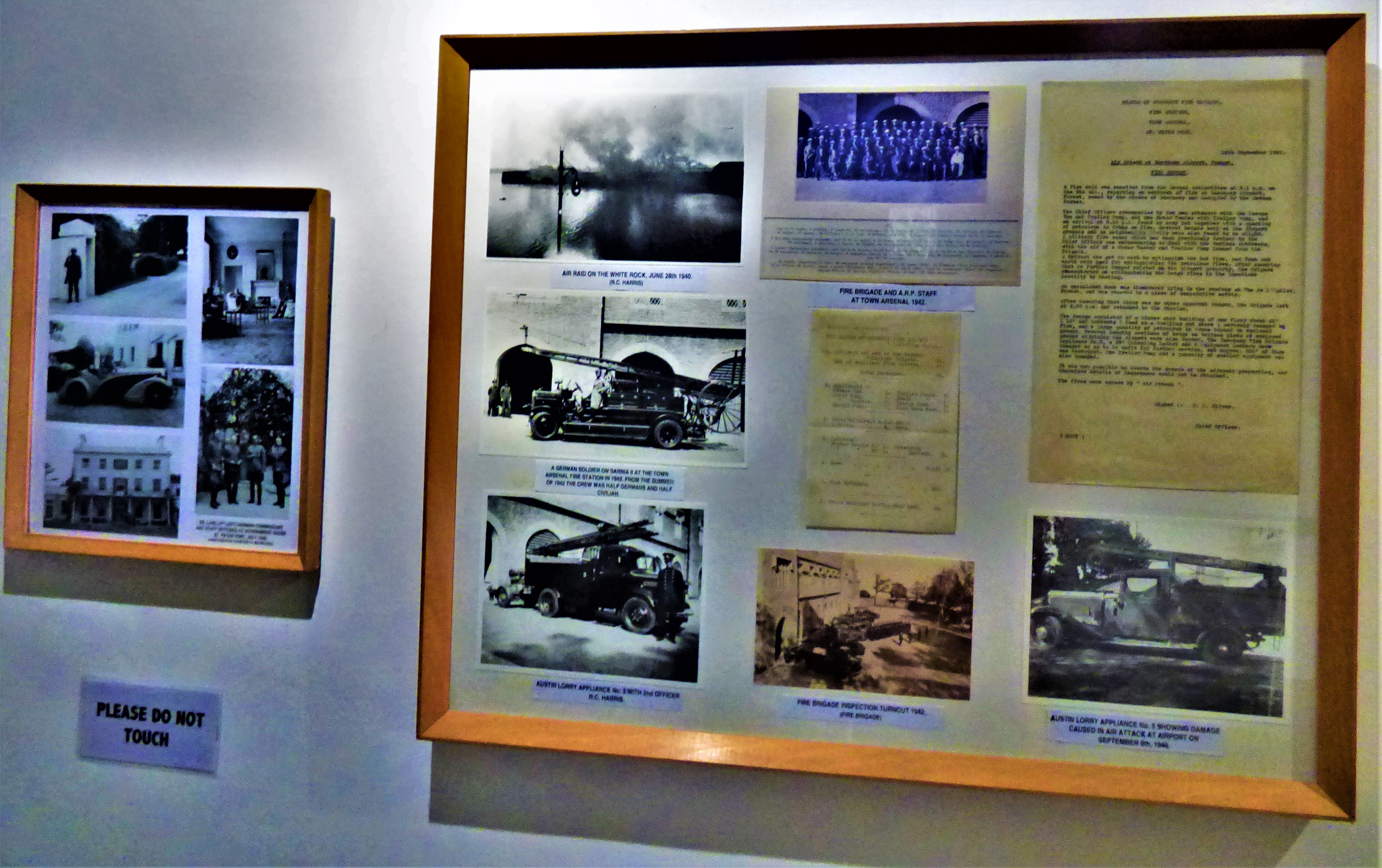
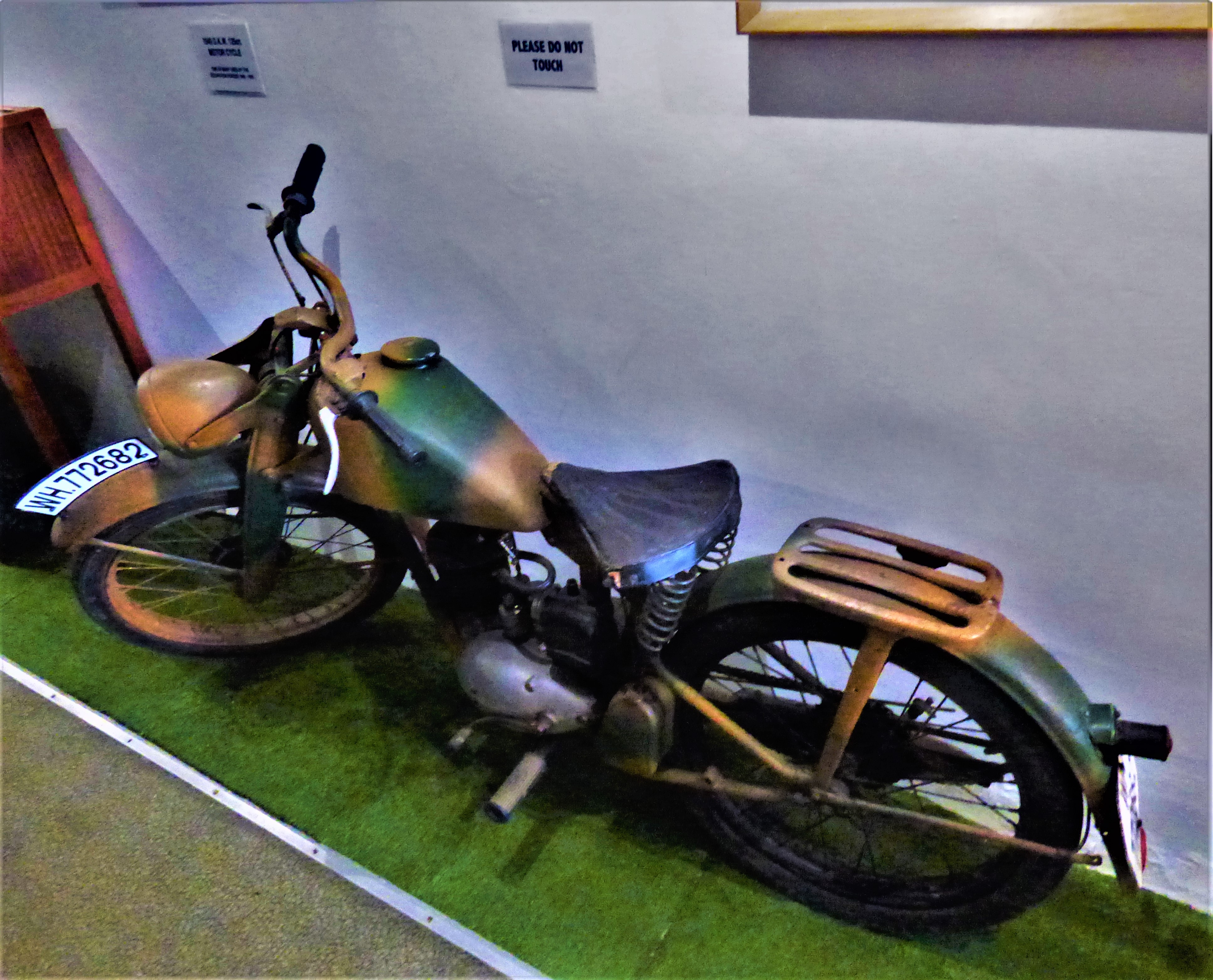
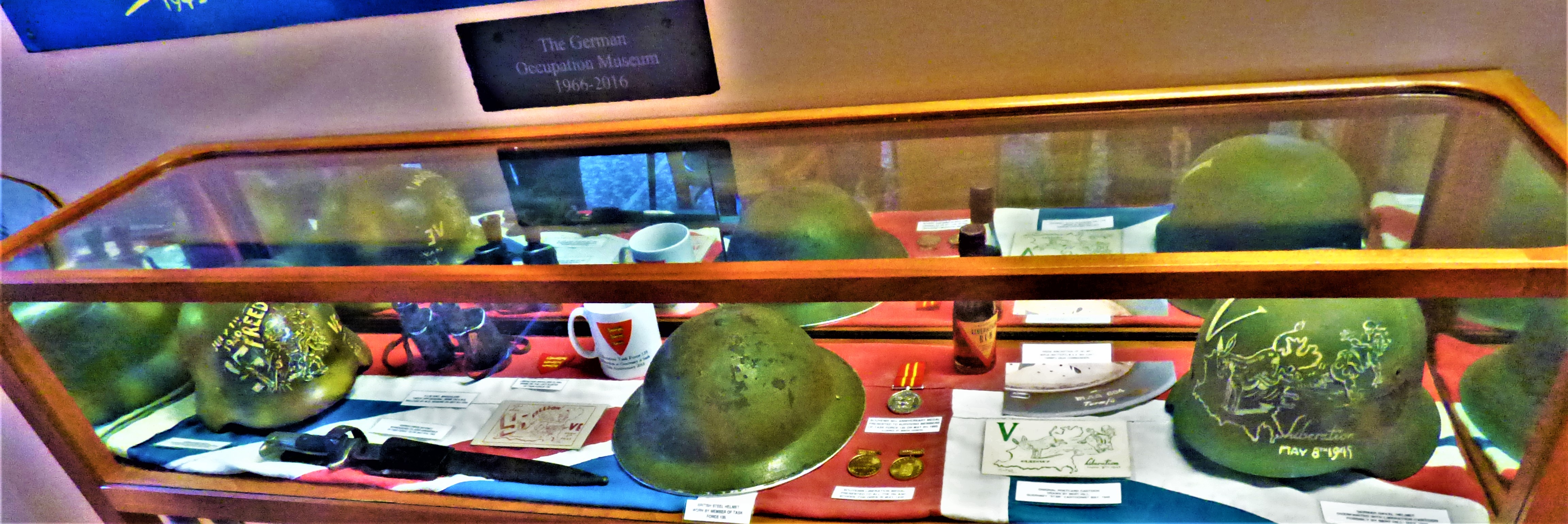
Welcome to the latest post in my series about my holiday in the channel islands. This is the first post about the museum dedicated to the German occupation of Guernsey between 1940 and 1945.
THE OPENING VIDEO
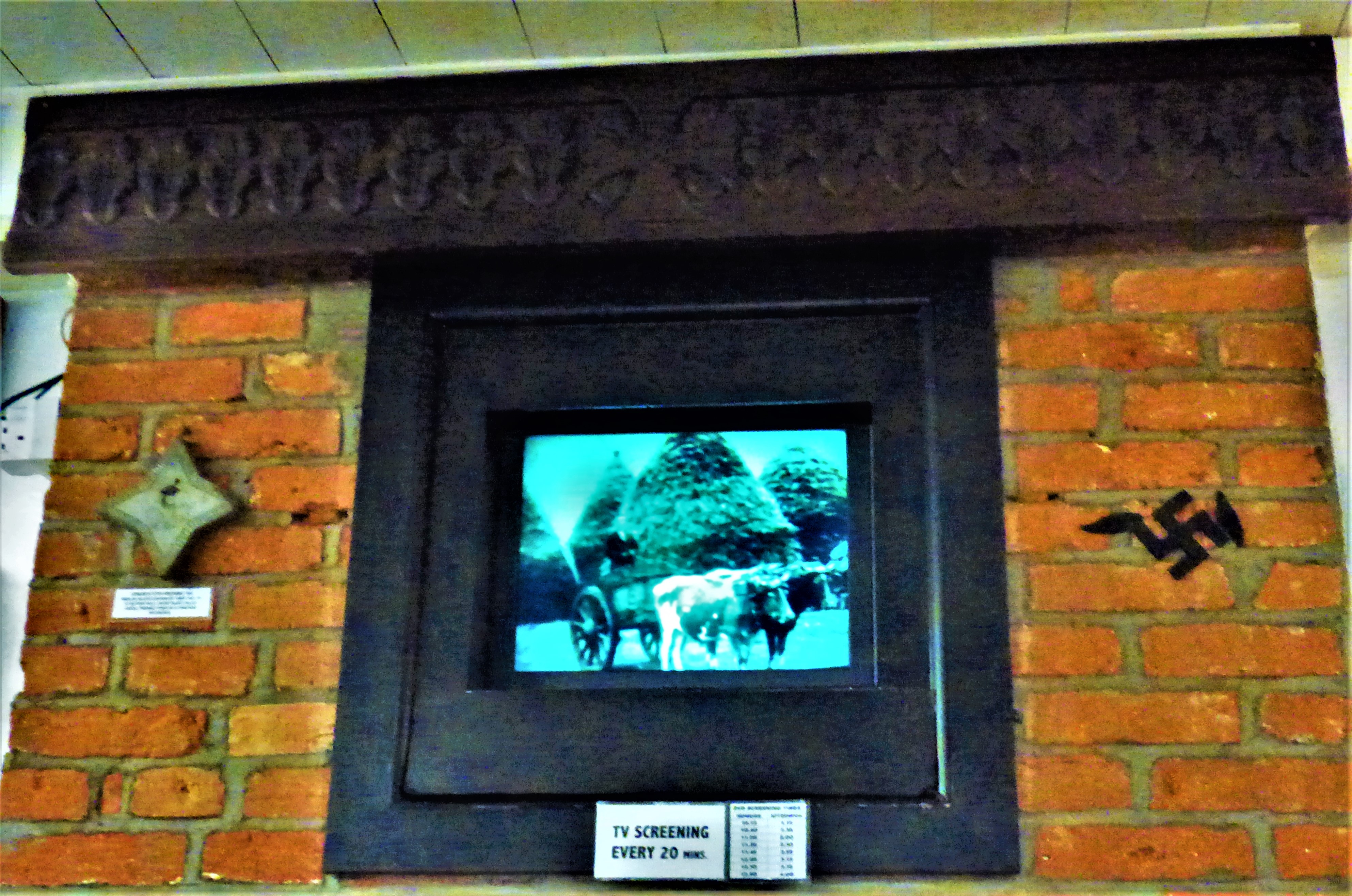
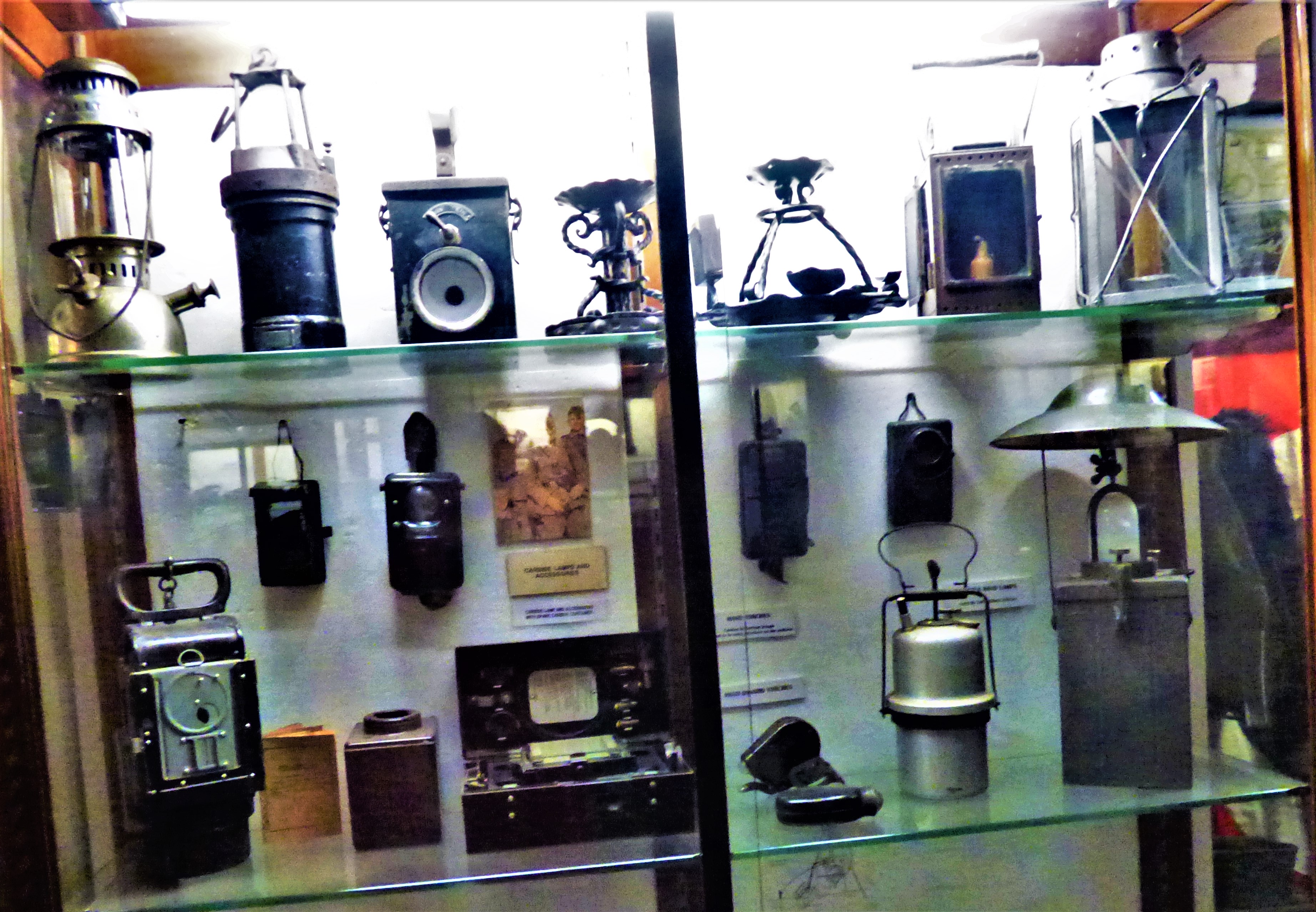
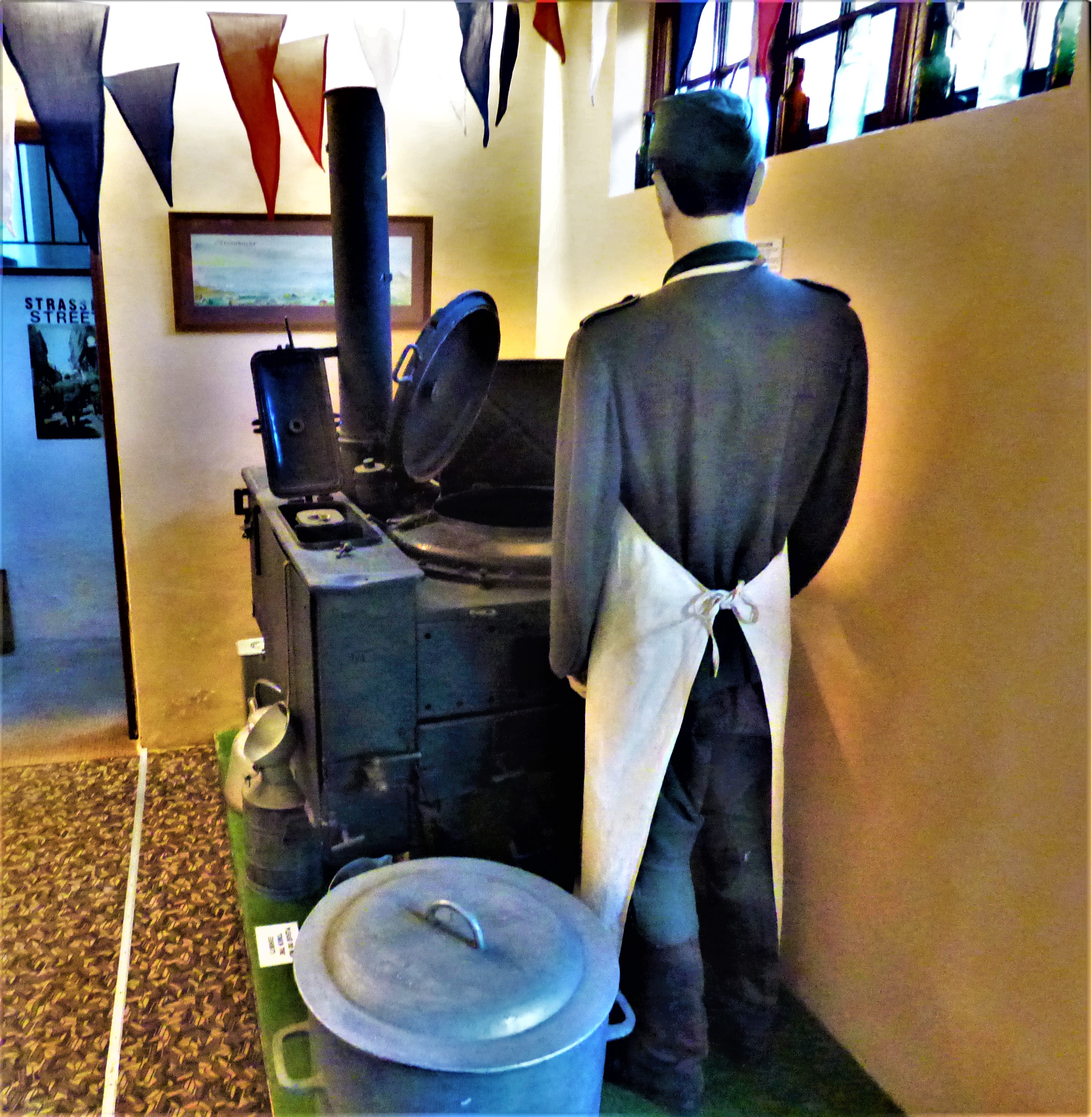
The museum experience starts with a video about the occupation, which is well worth watching. There are then a set of rooms full of exhibits and then separated from them by the cafe is ‘Occupation Strasse’ – a reconstruction of a street in the time of the occupation. The short video sets the scene very nicely.
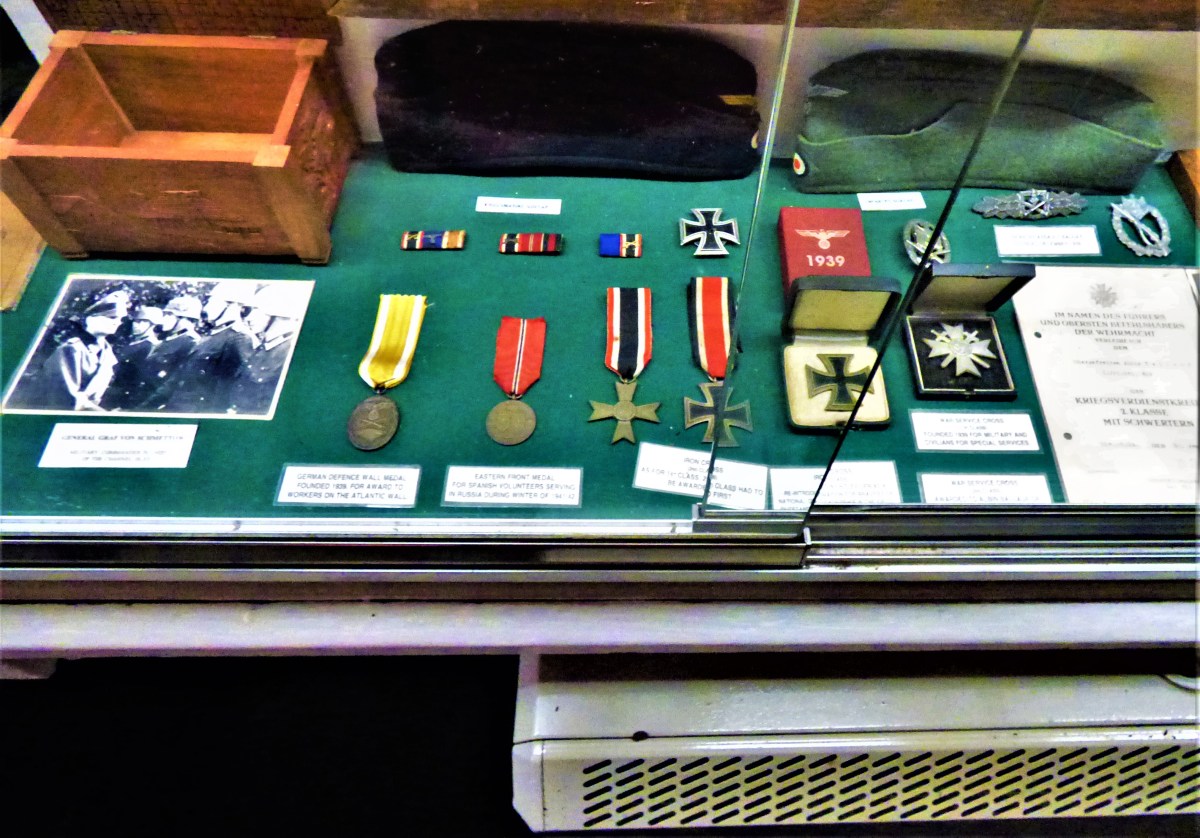
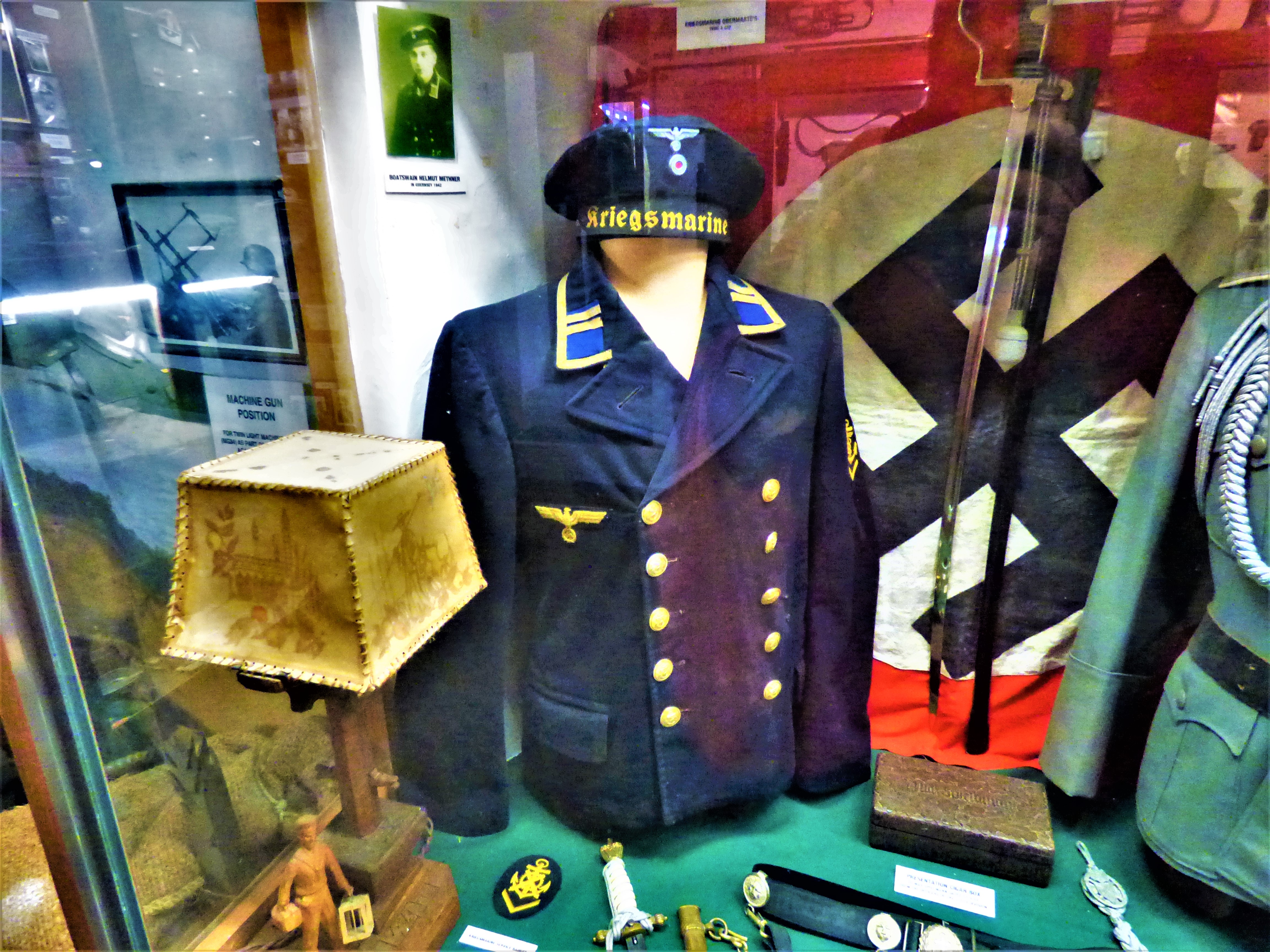
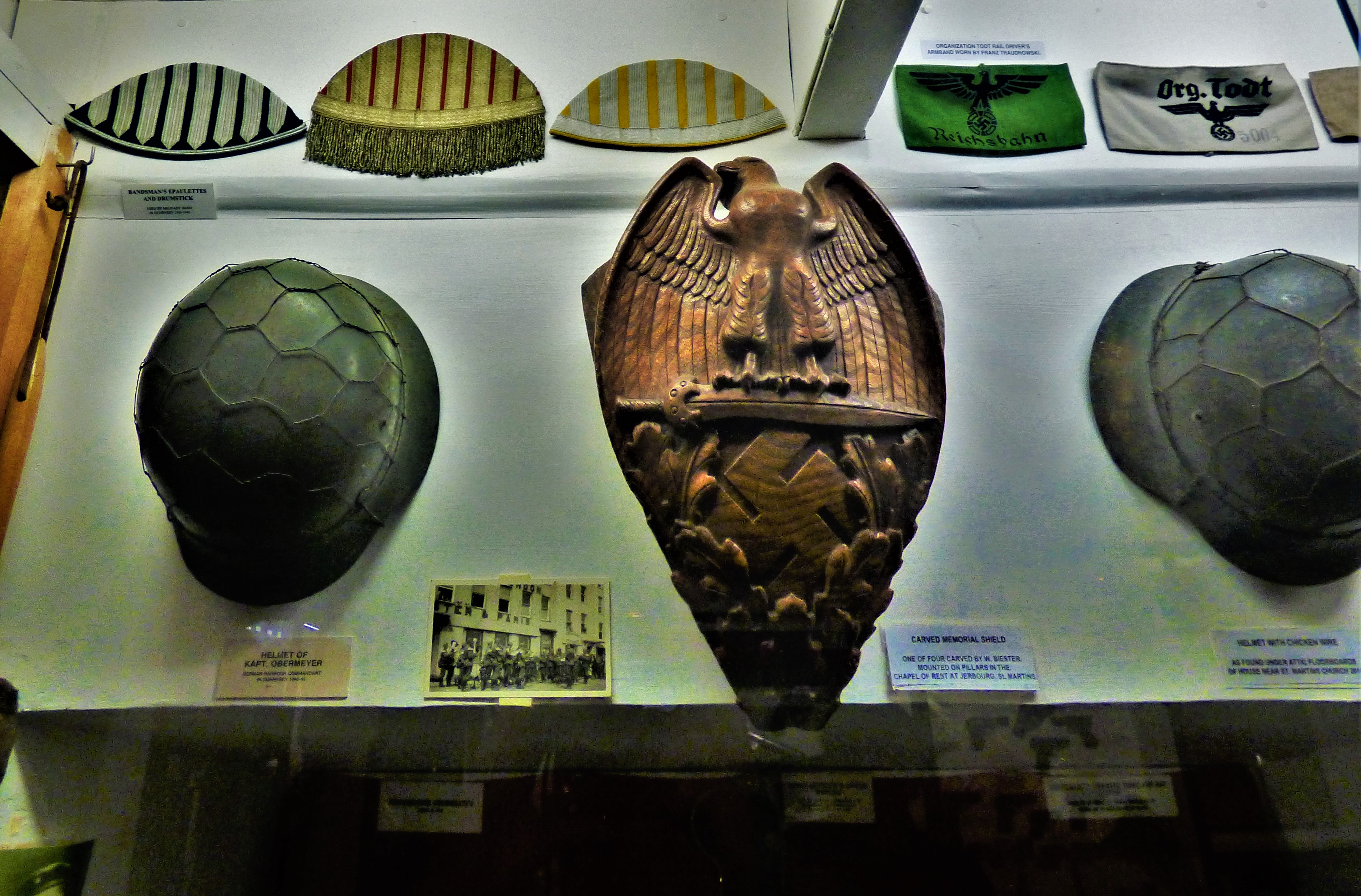
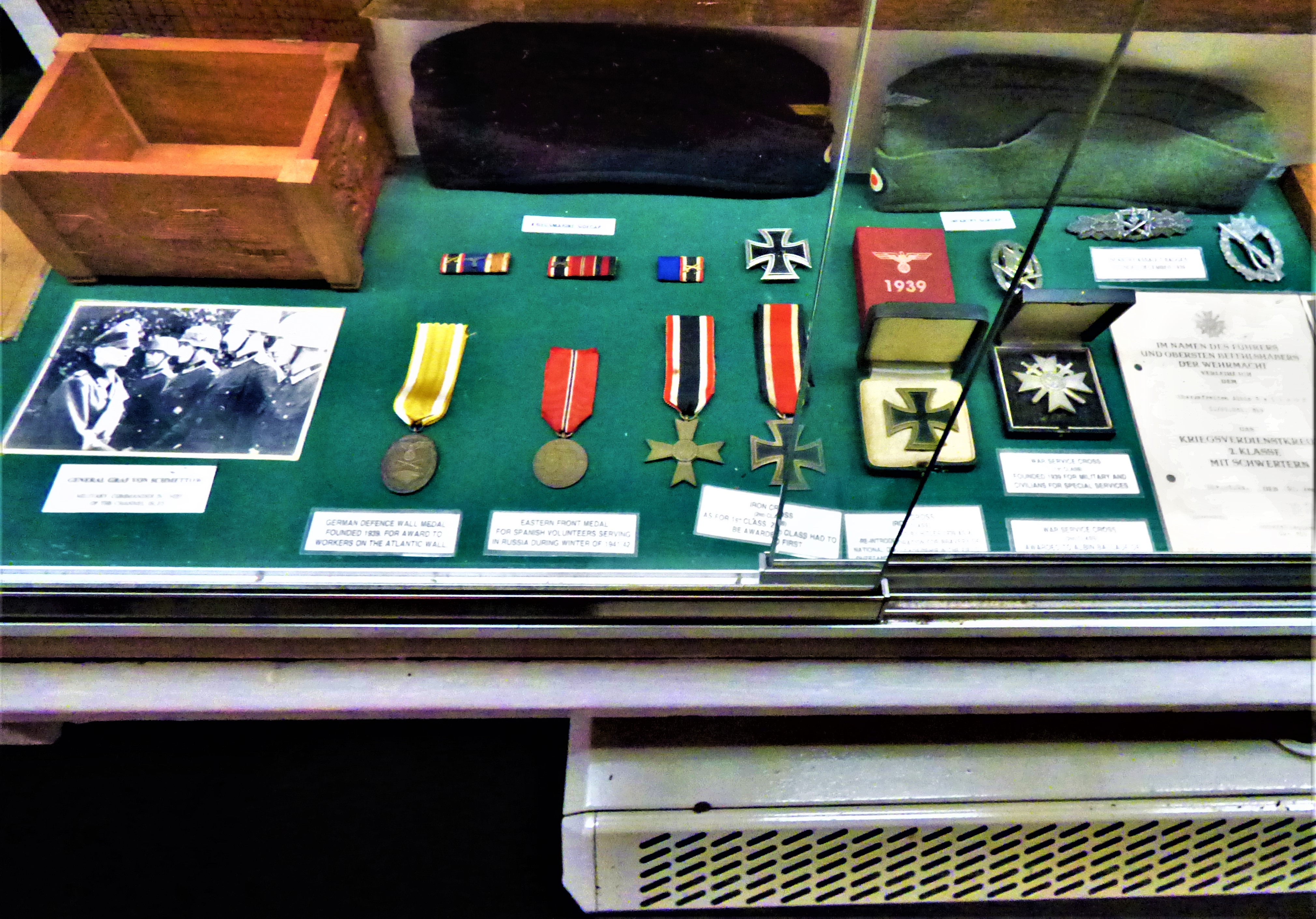
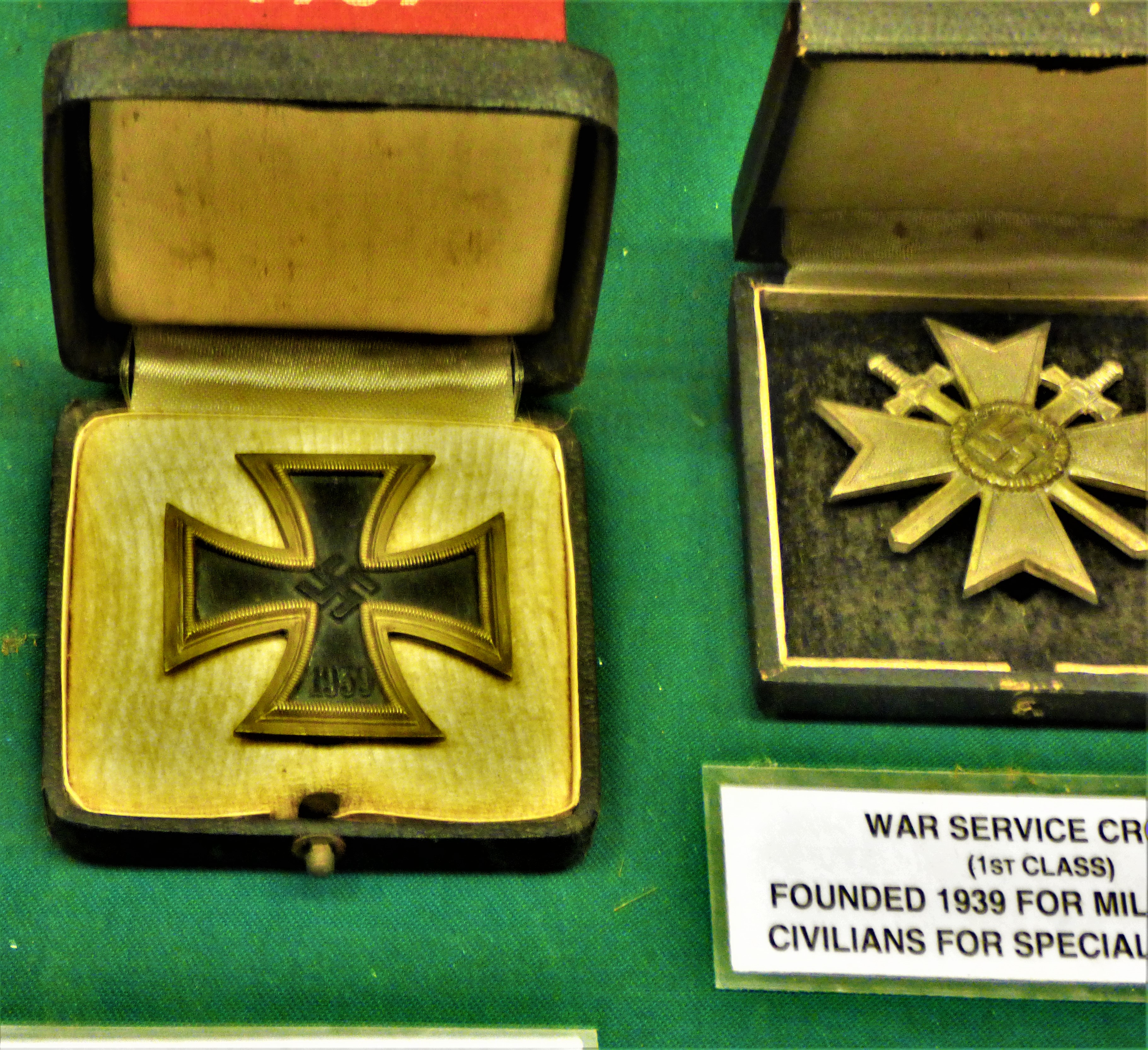
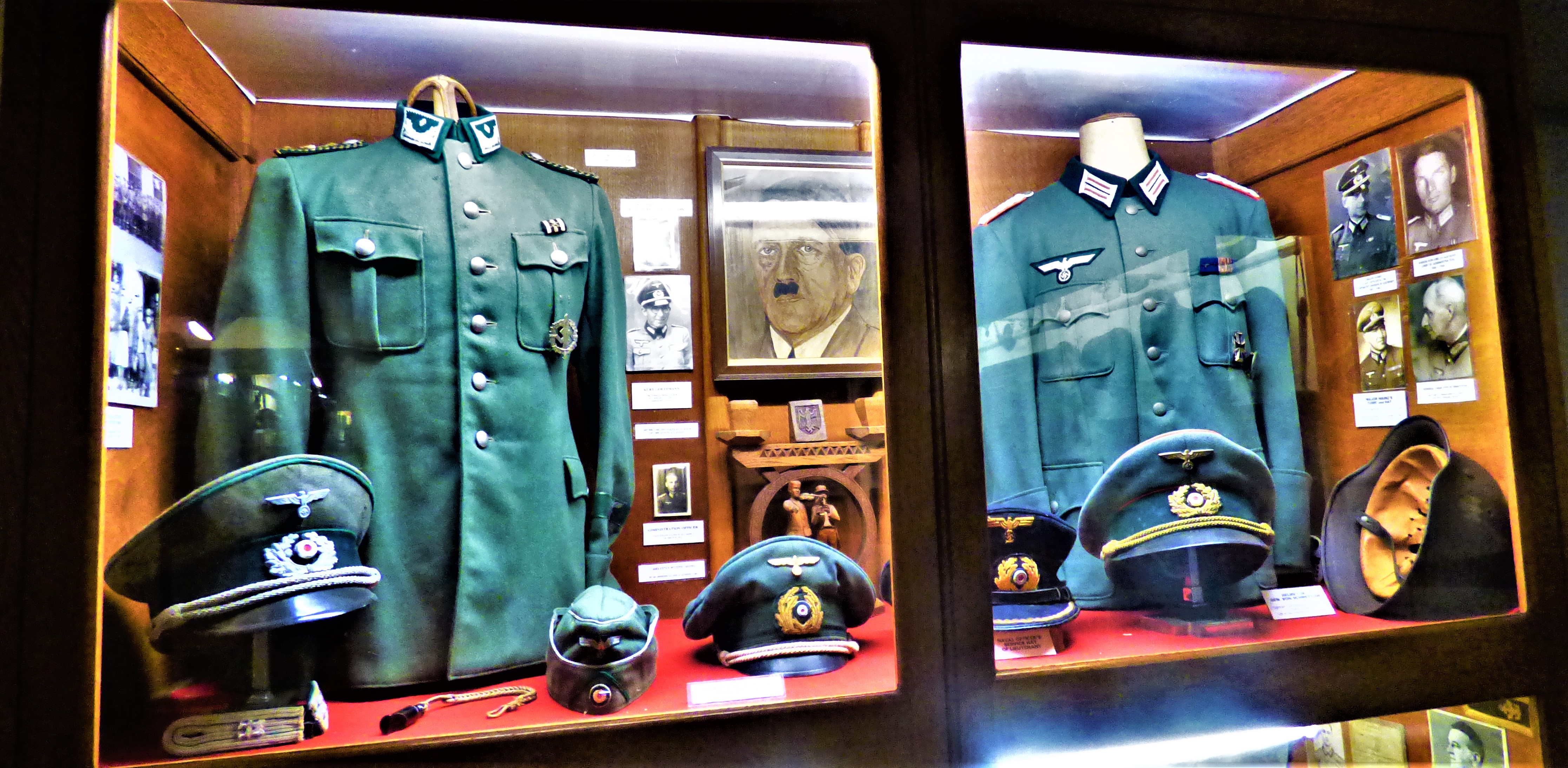
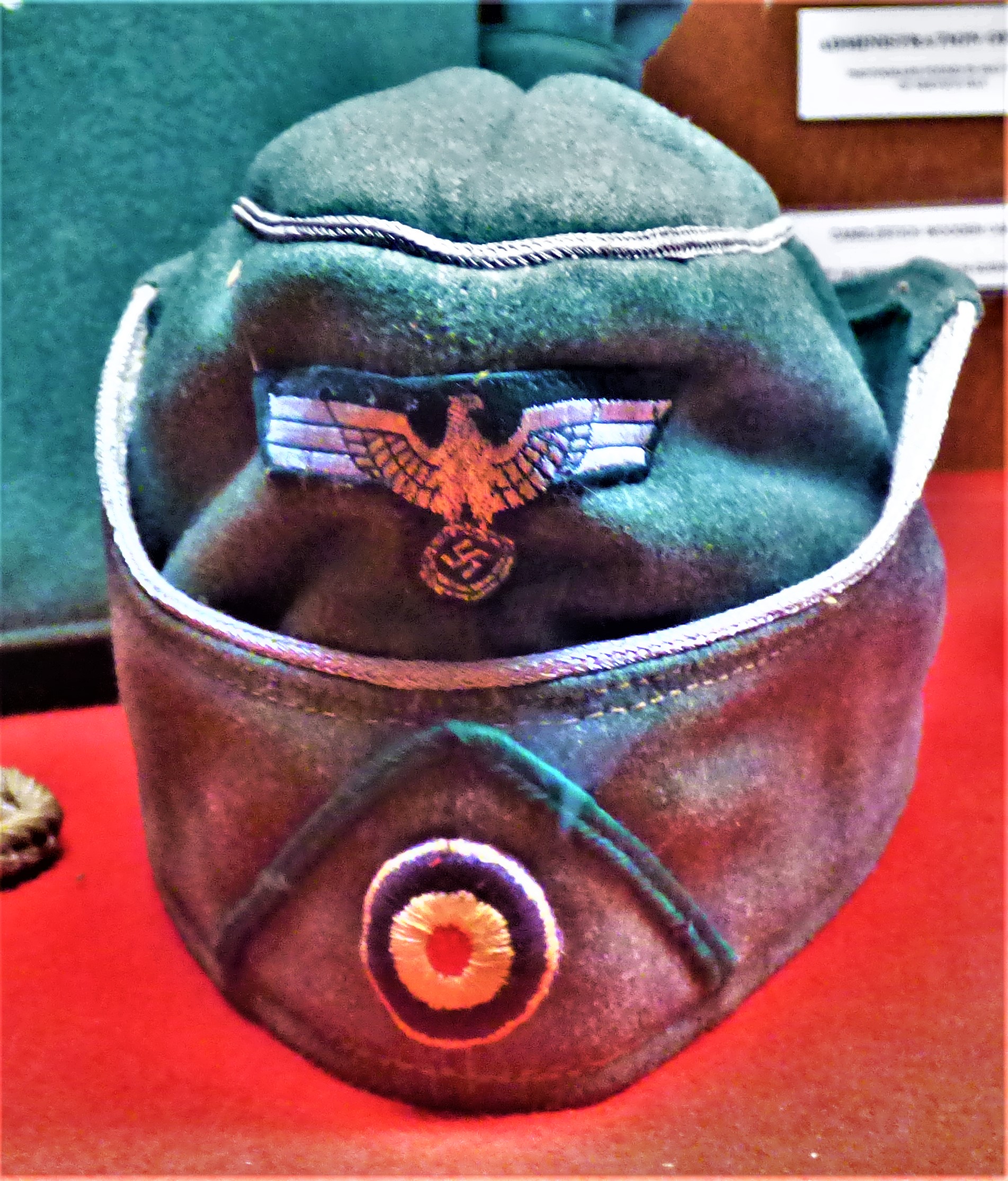
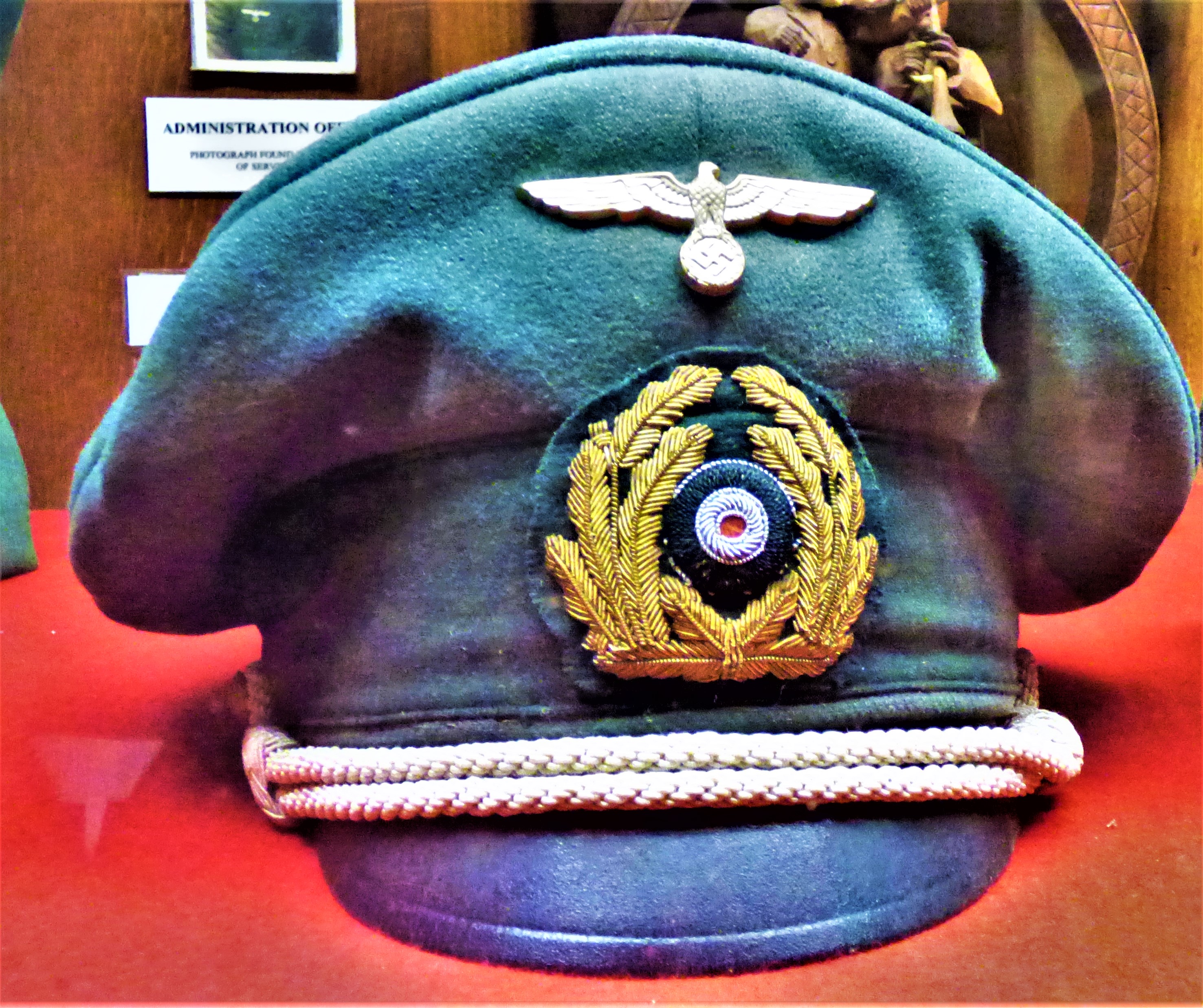
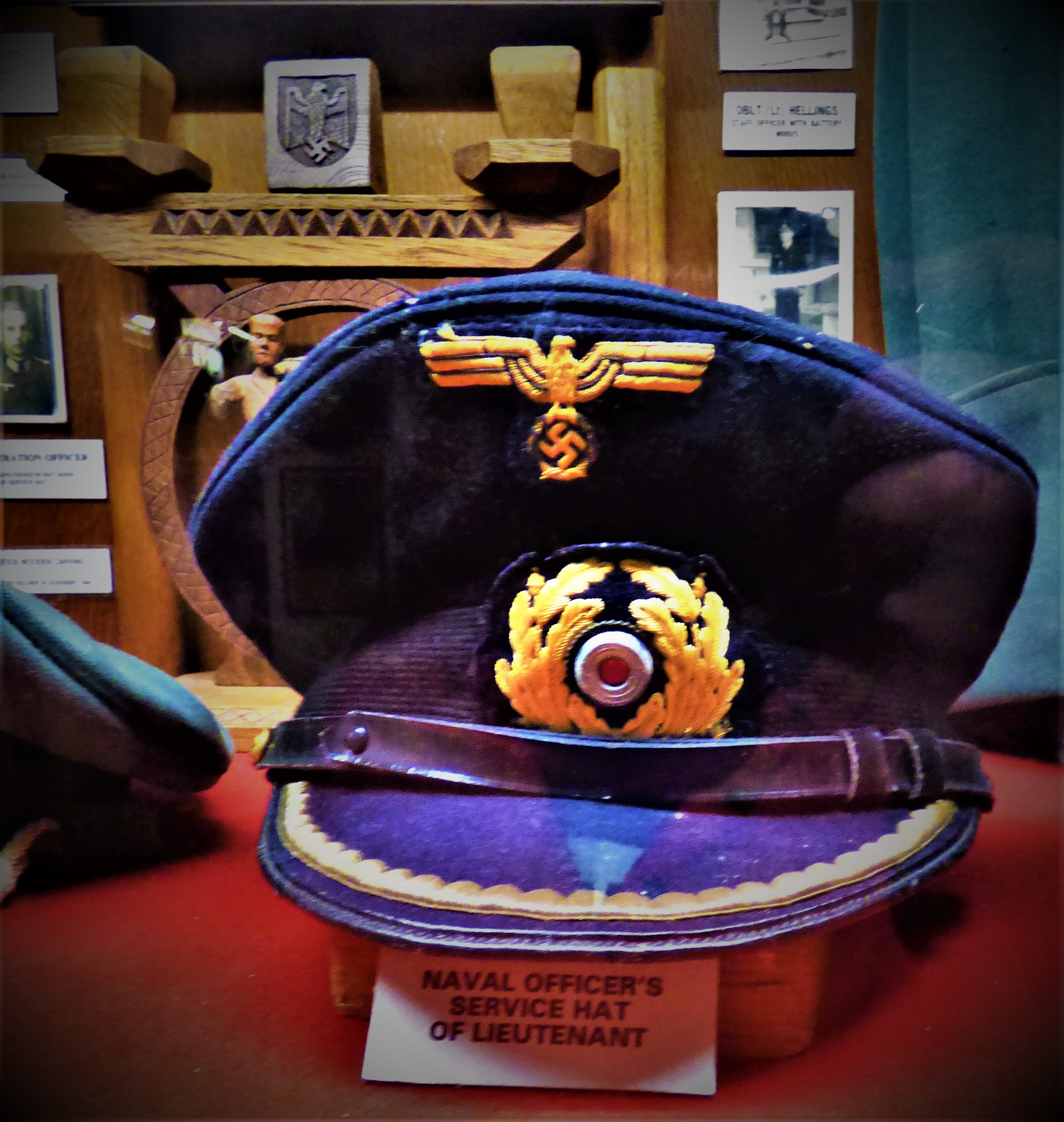
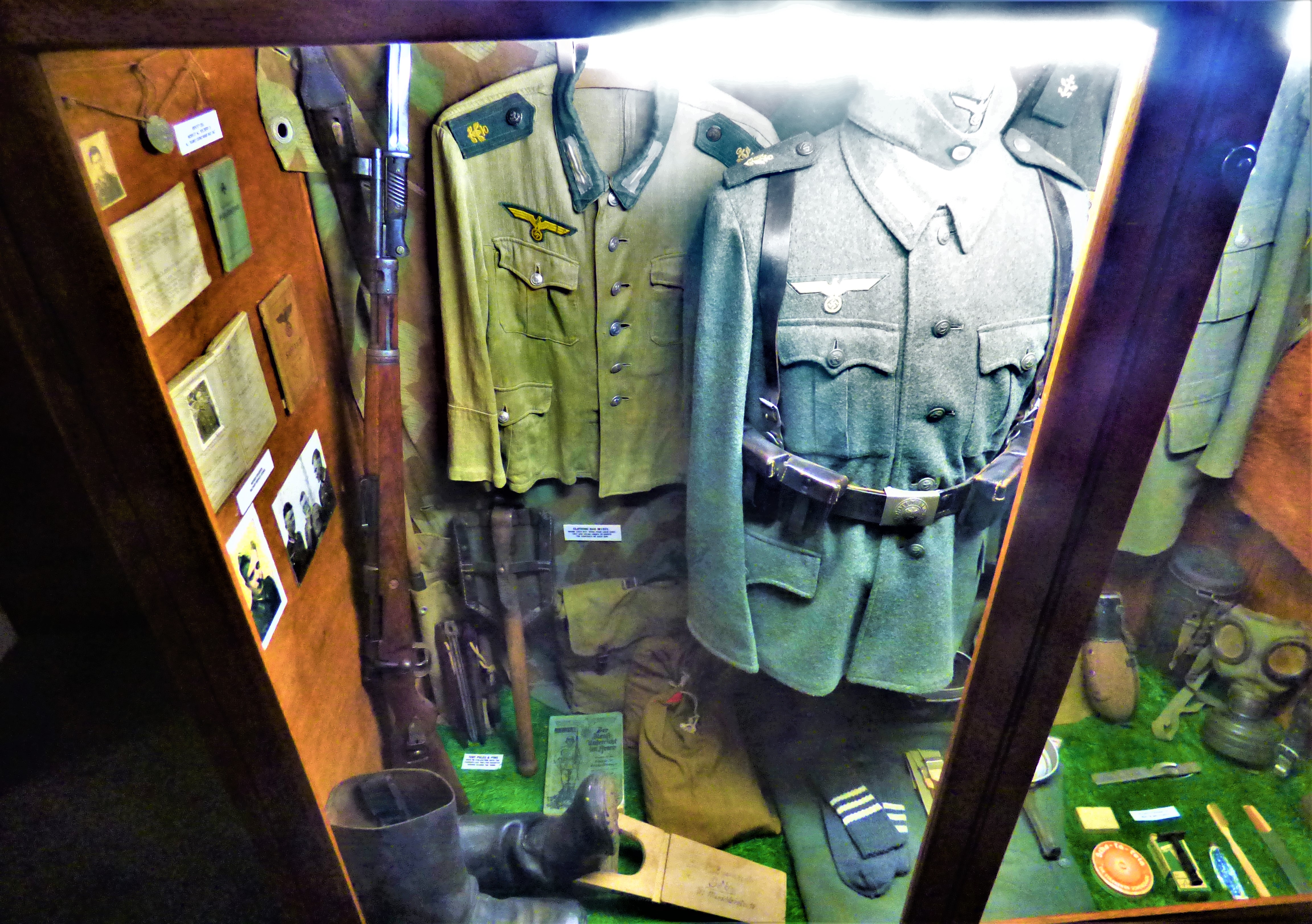
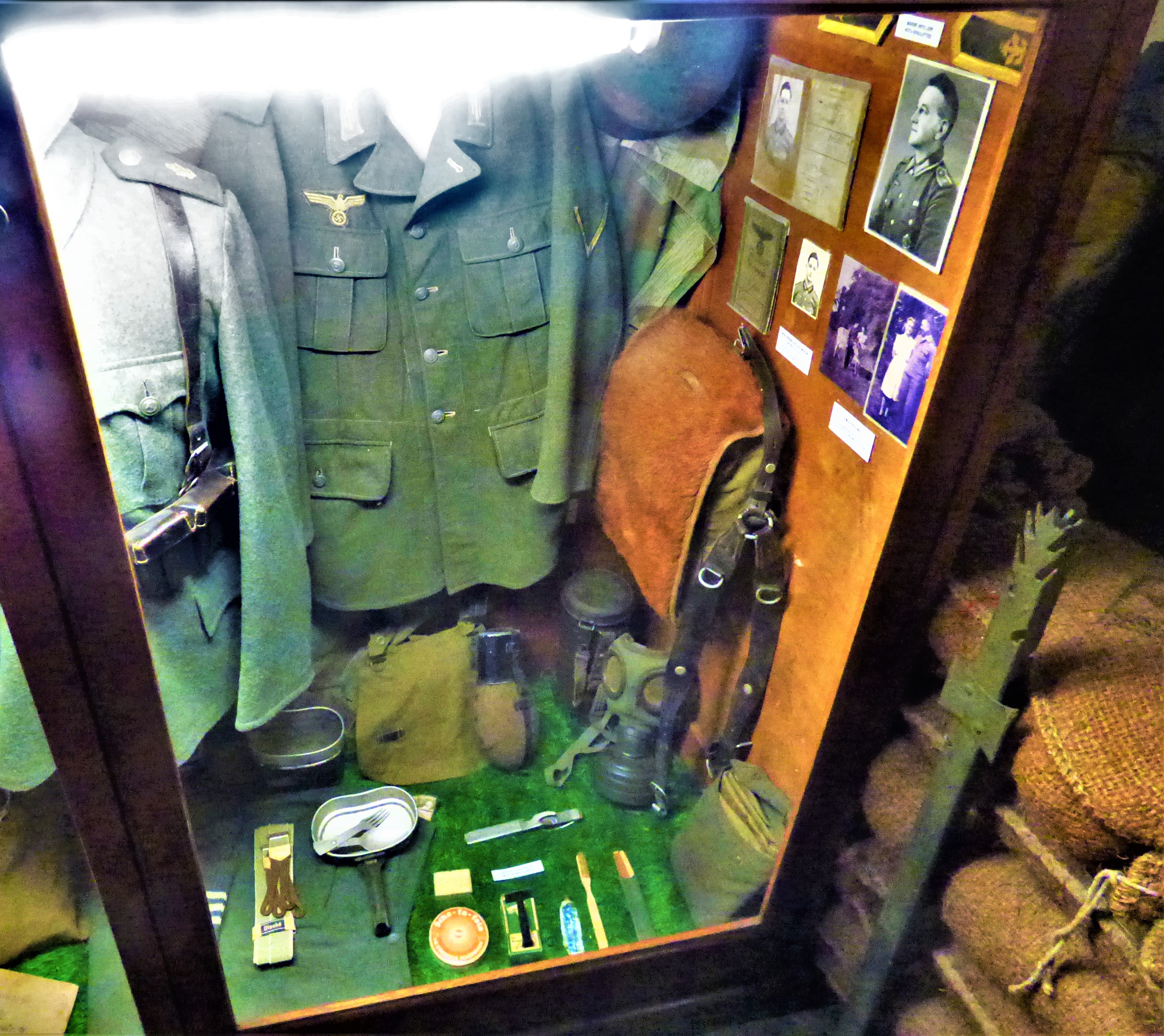
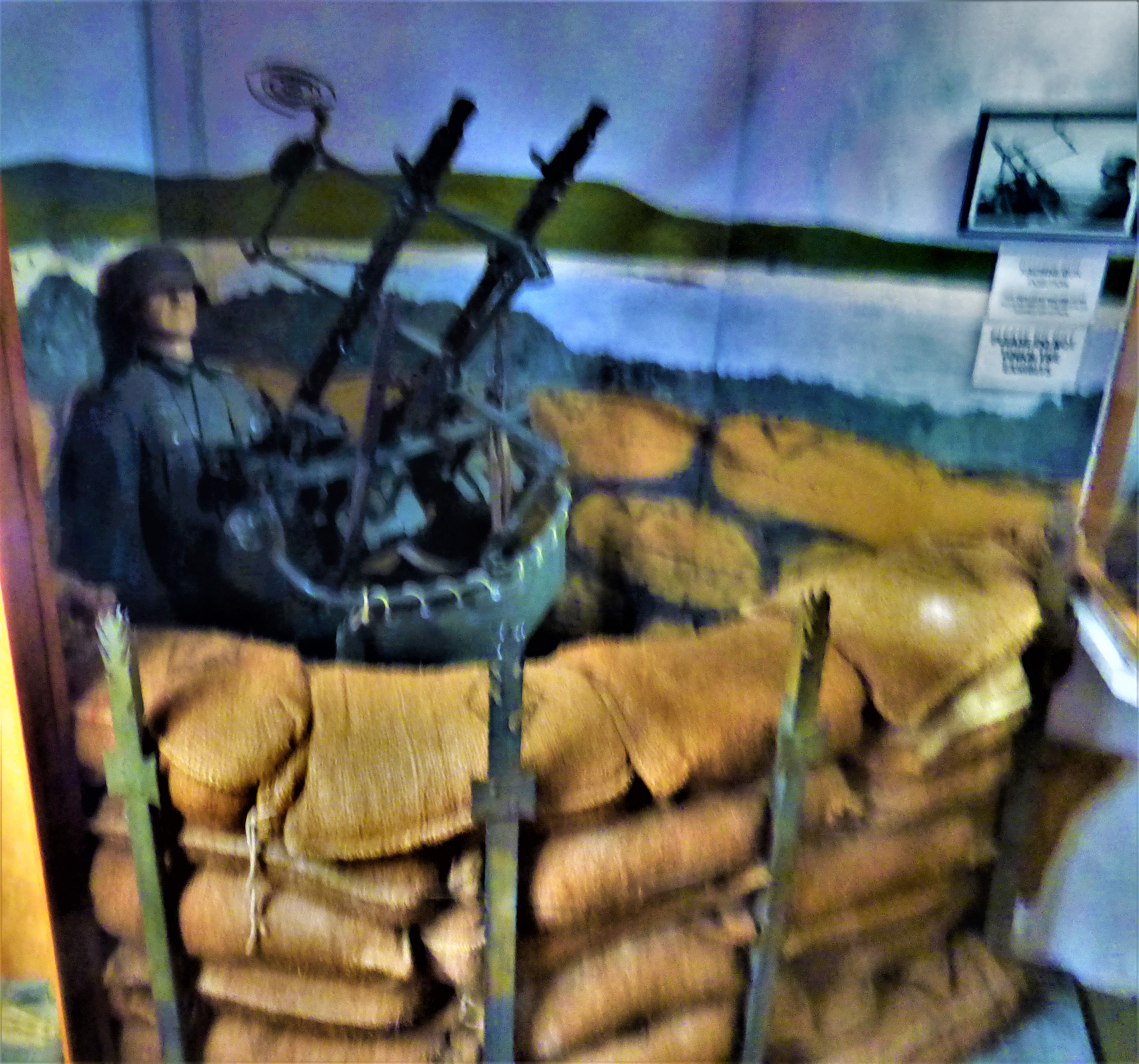
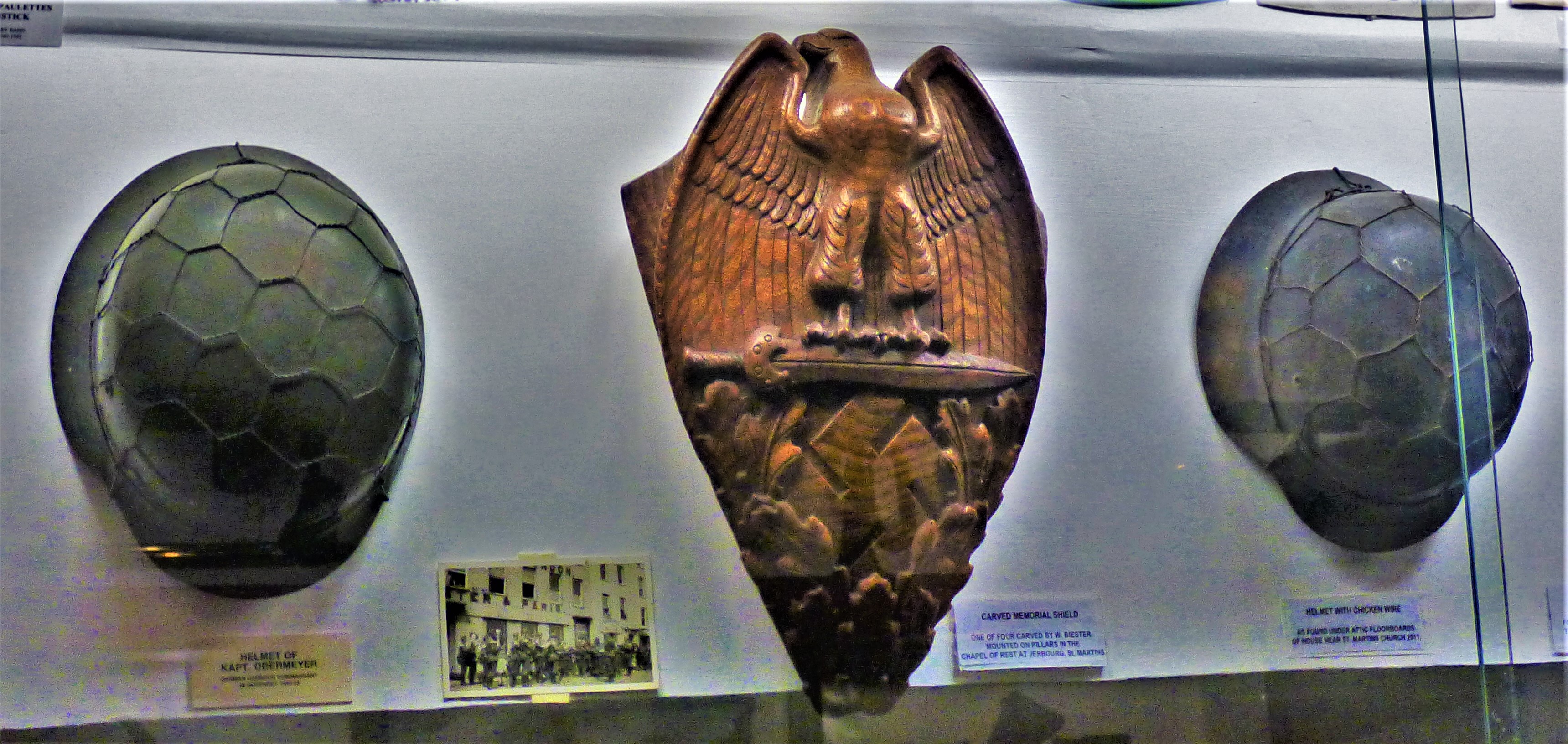
A LARGE COLLECTION OF GERMAN MILITARIA
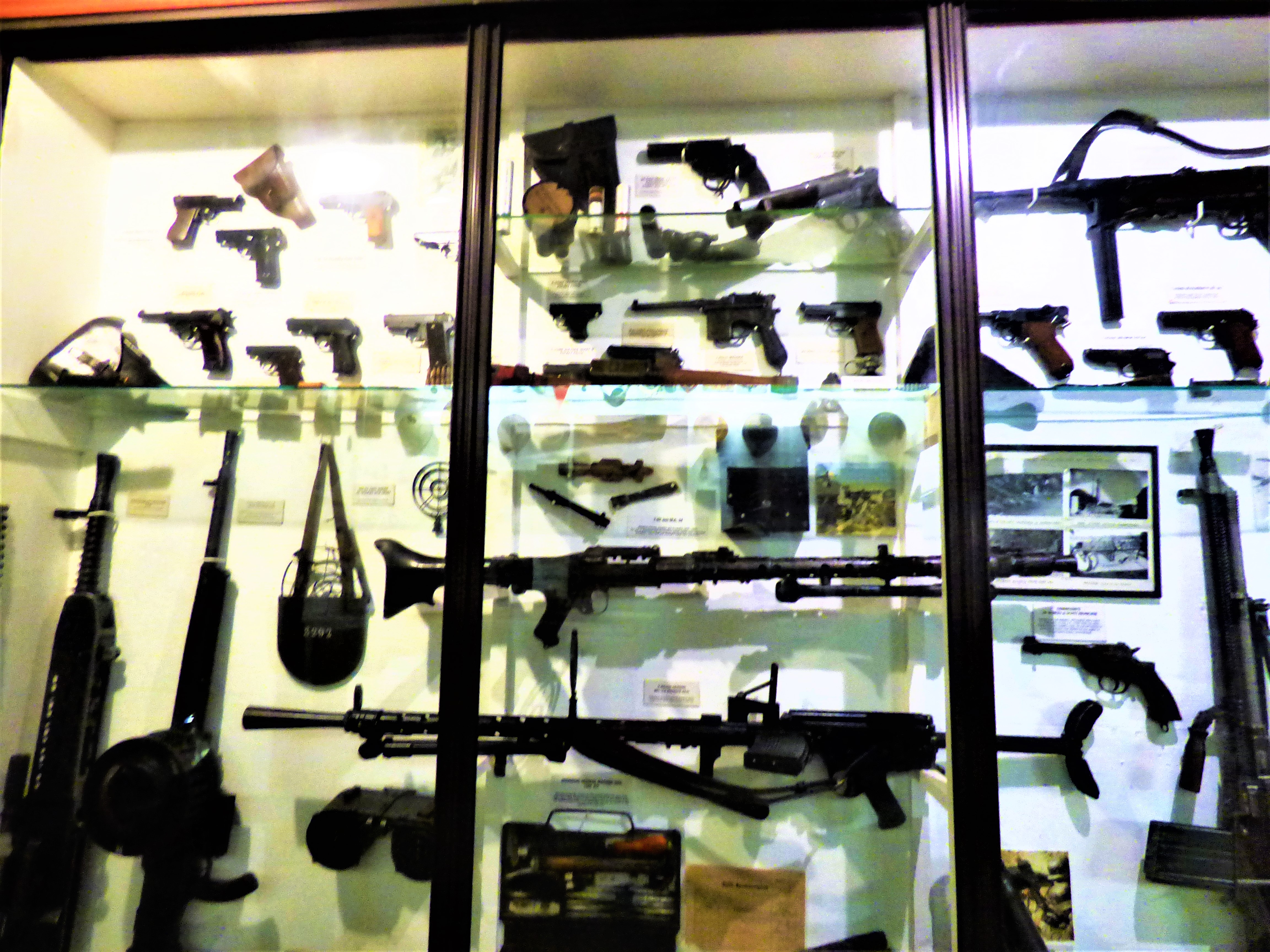
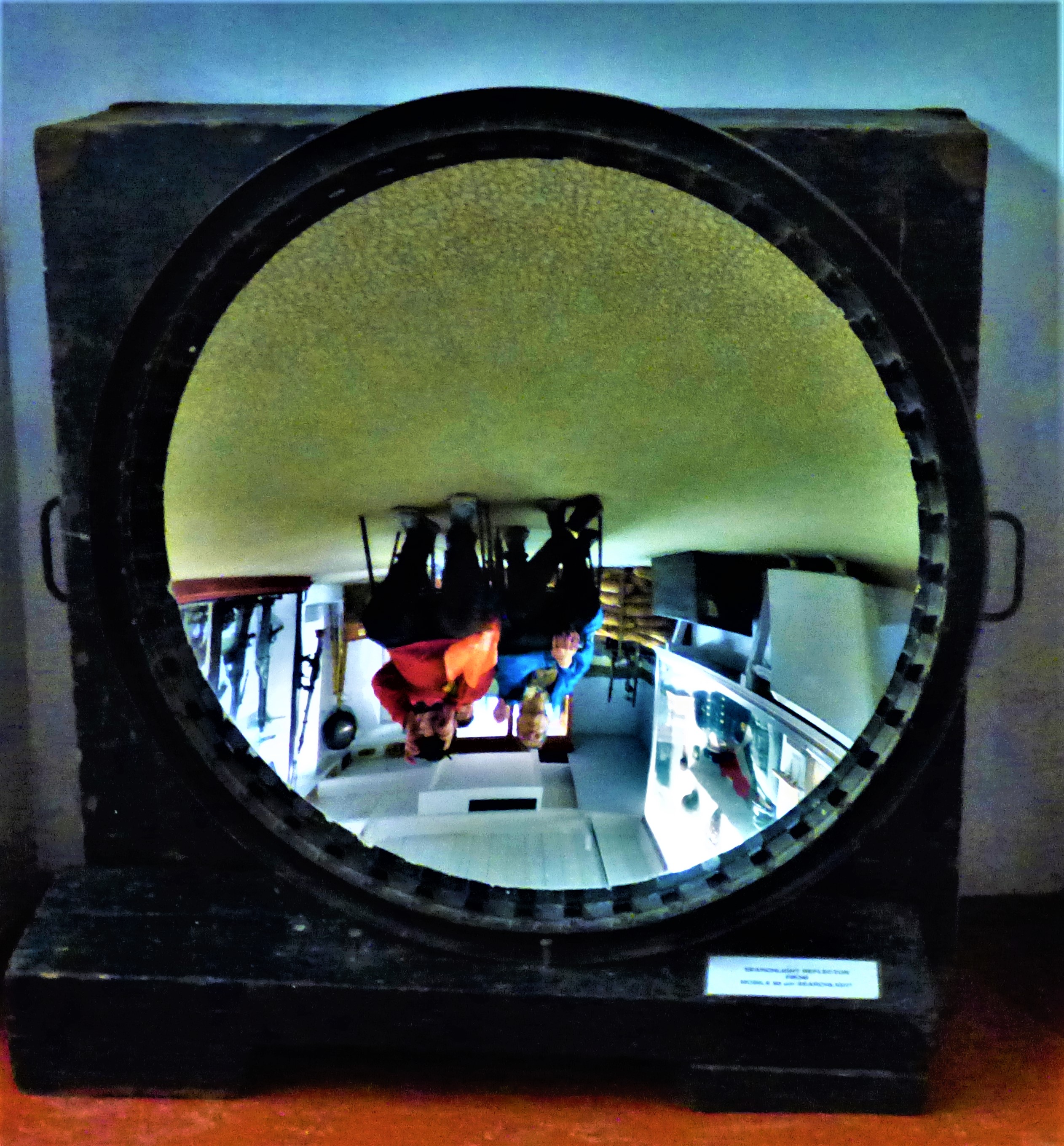
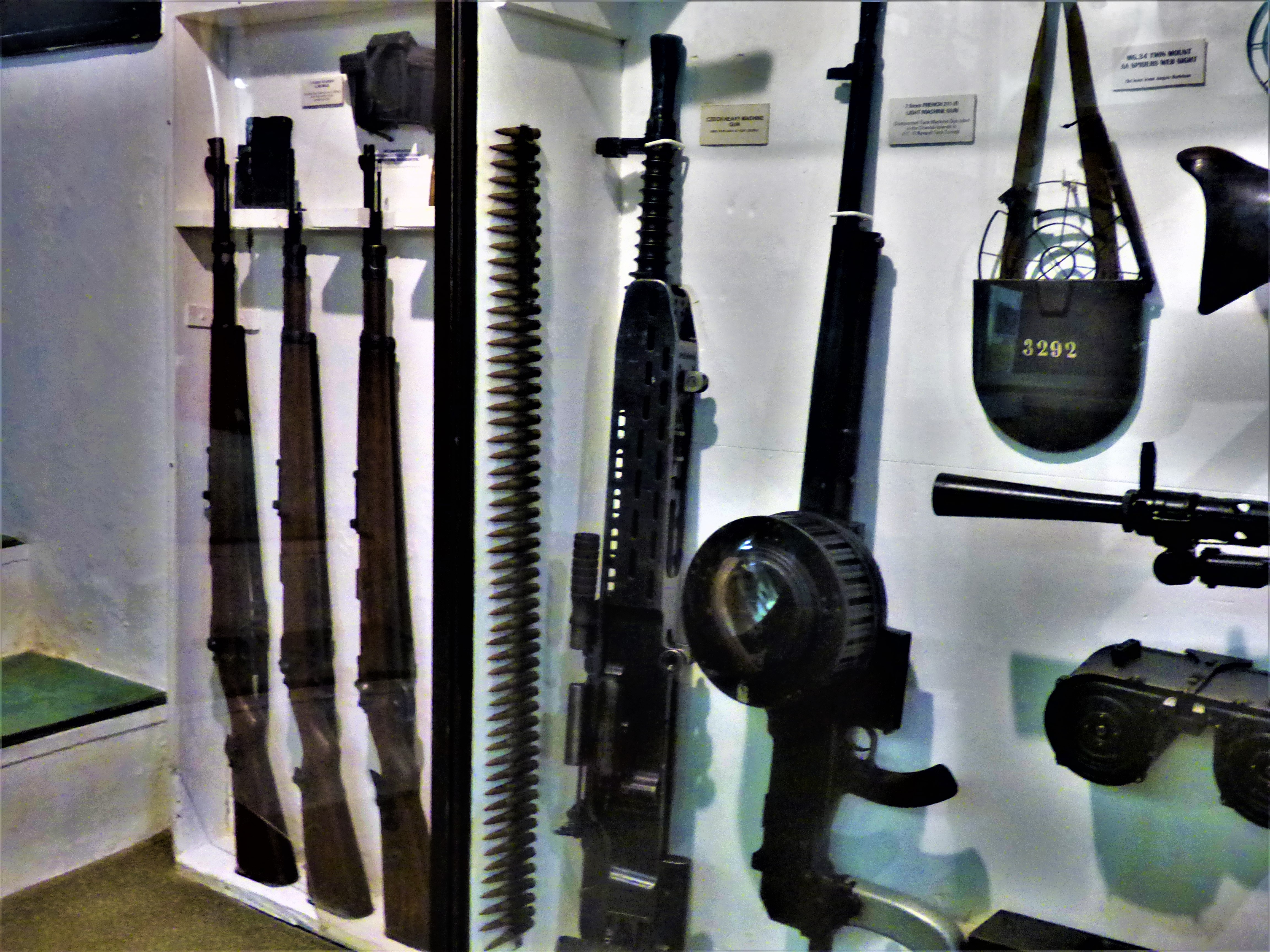
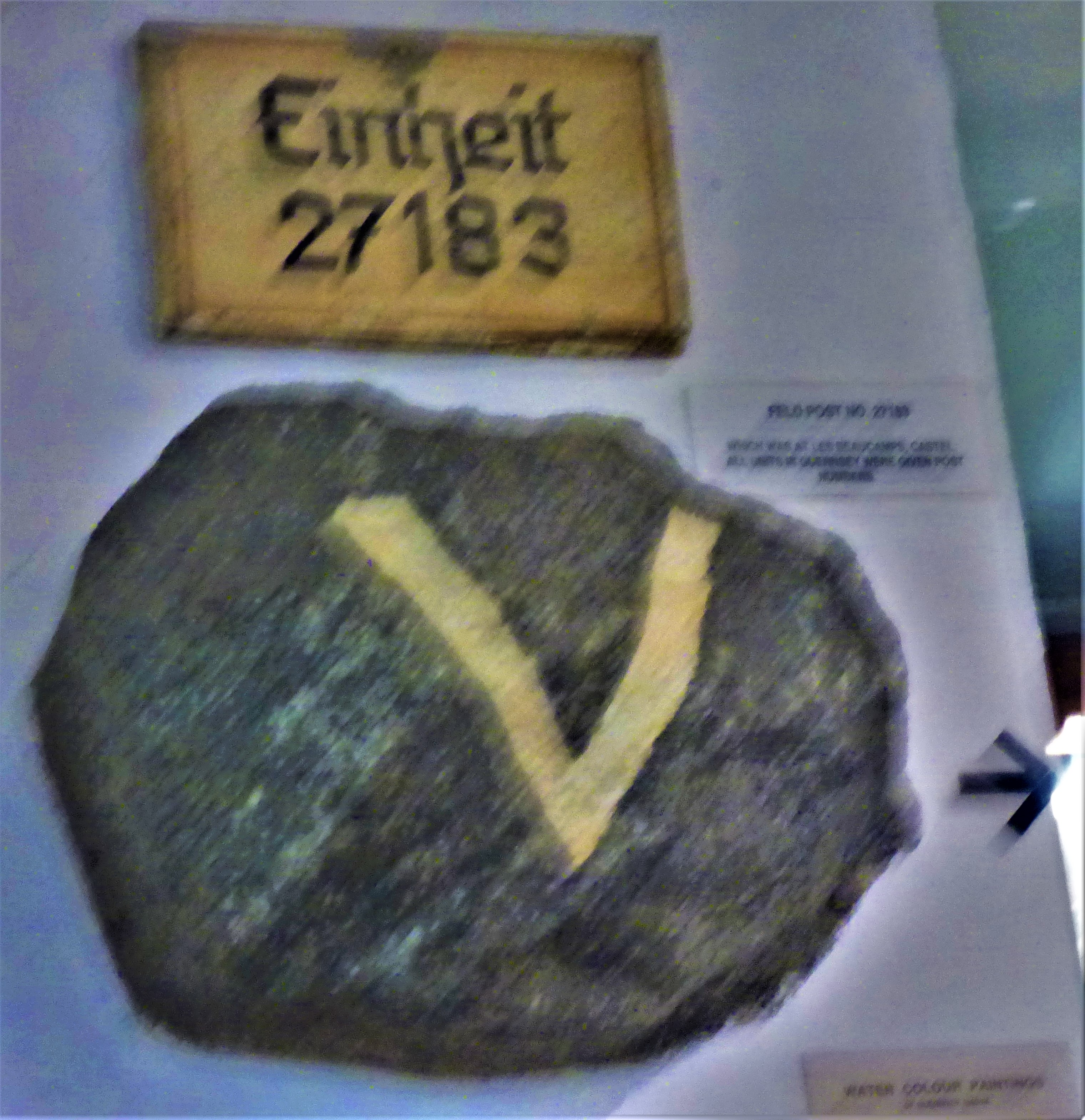
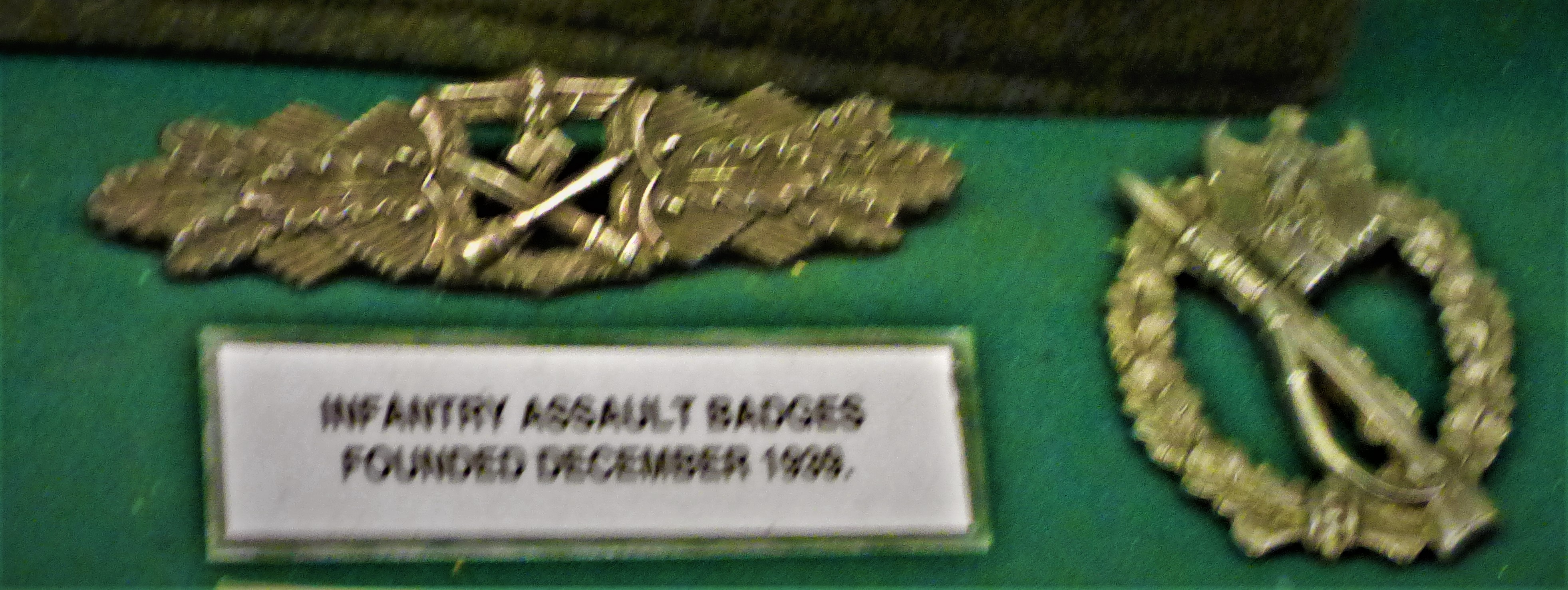
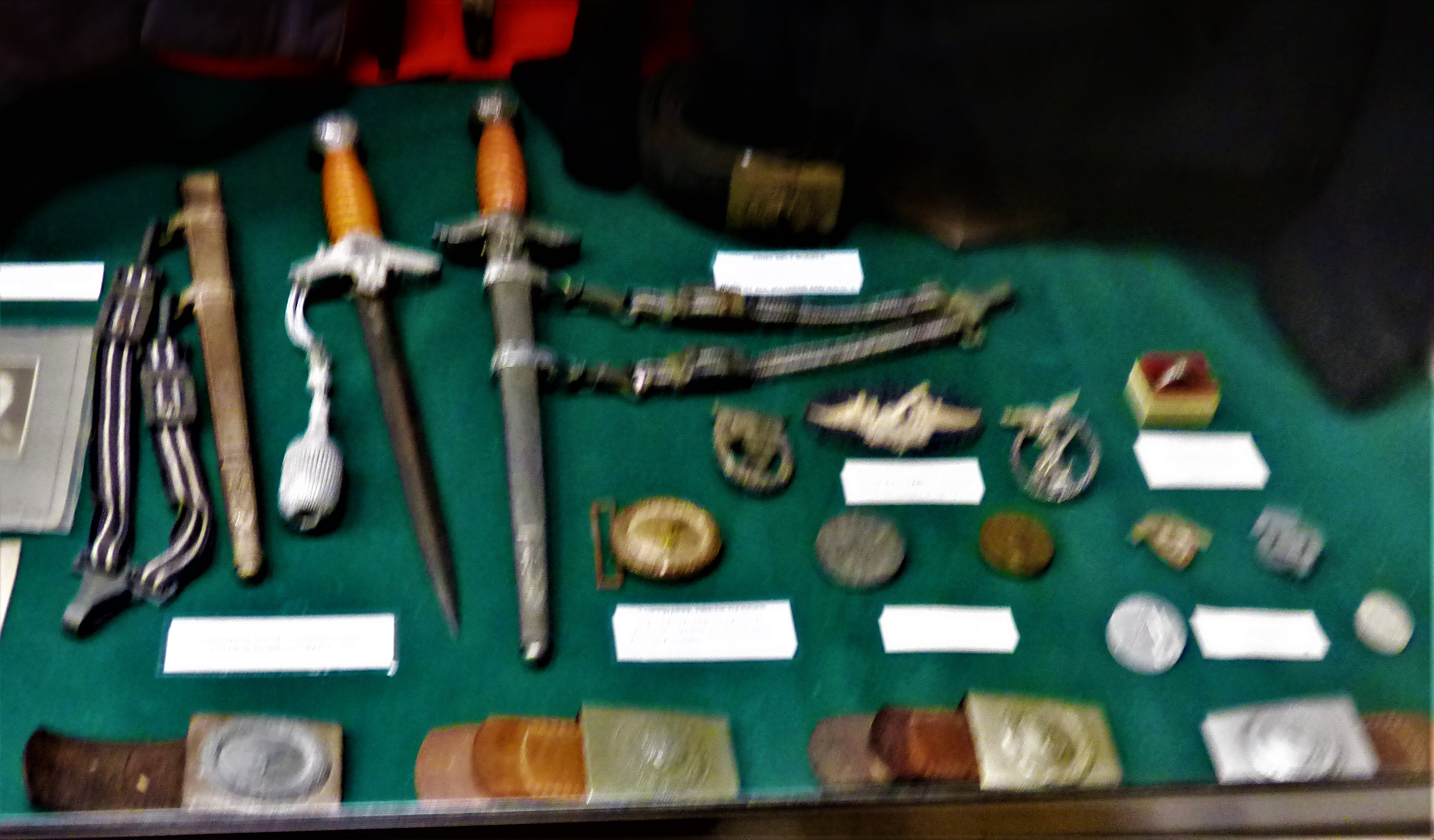
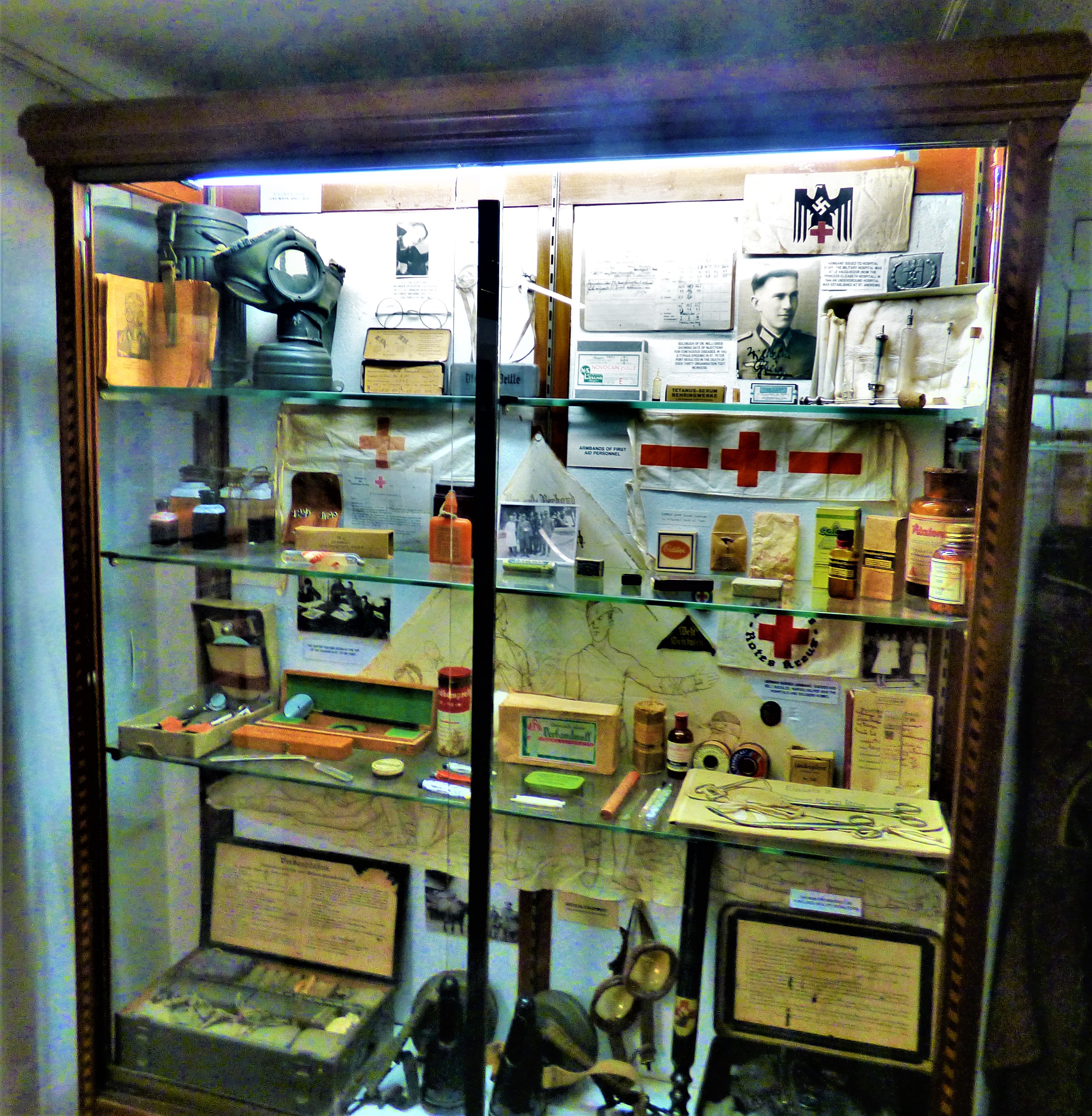
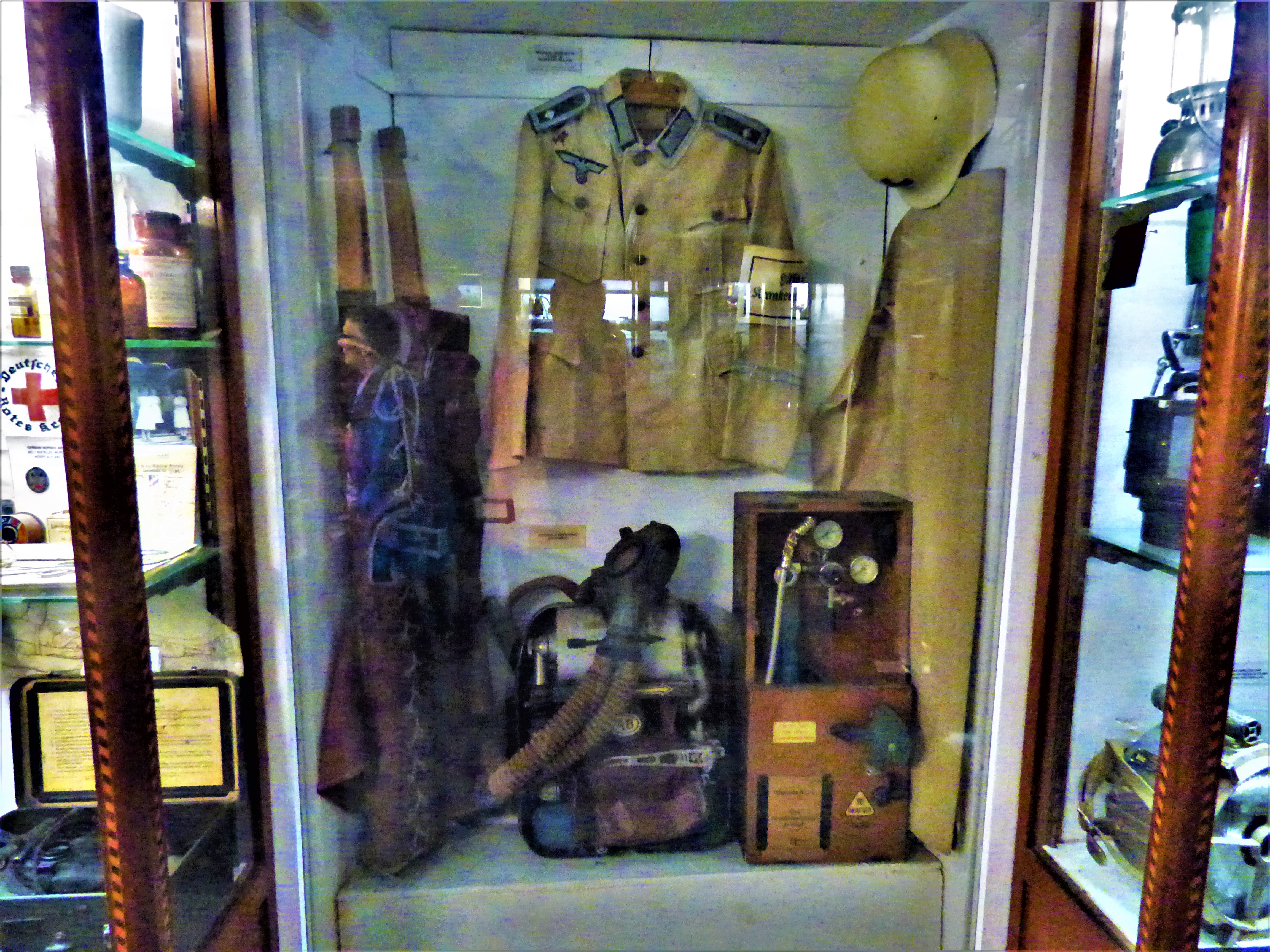
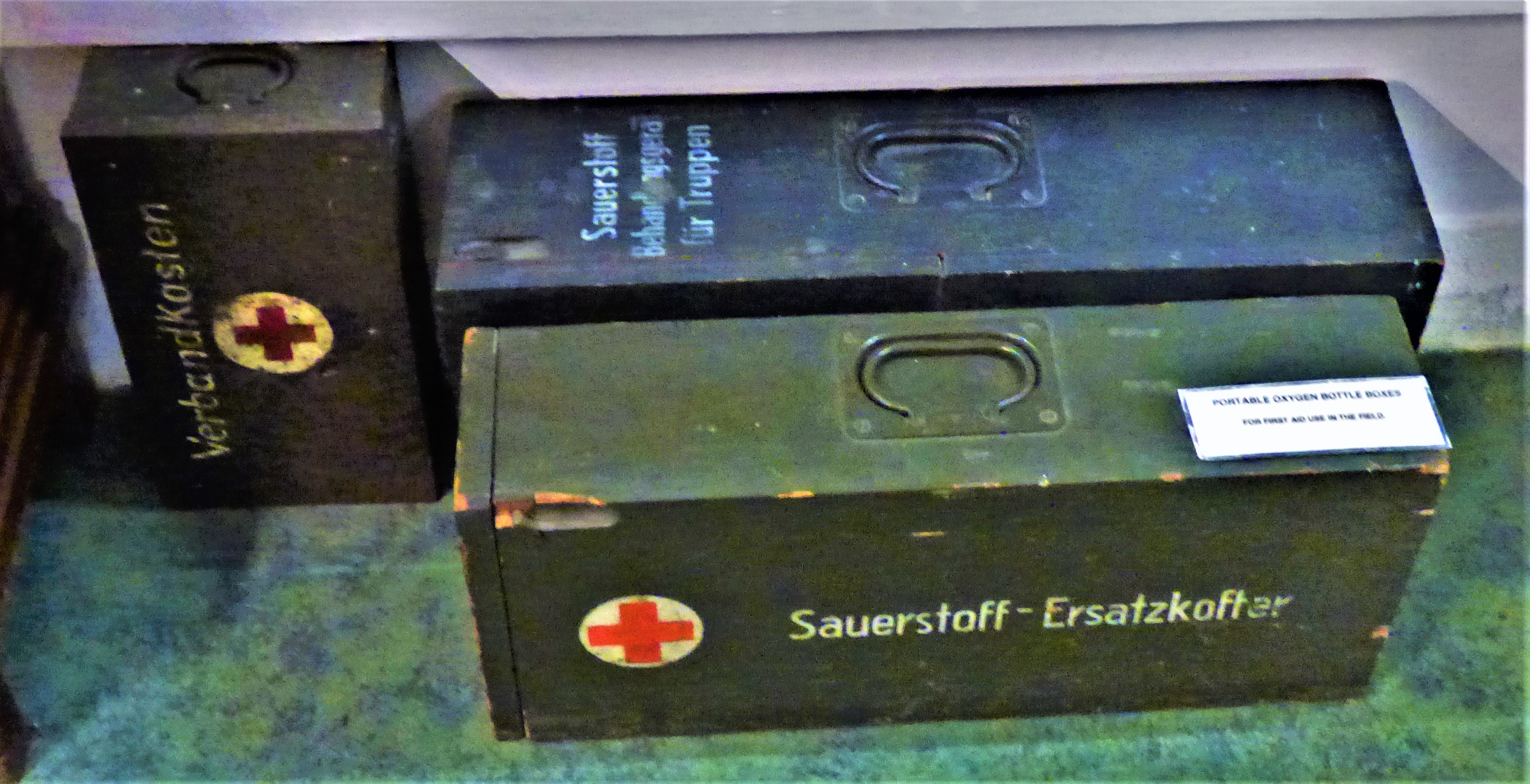
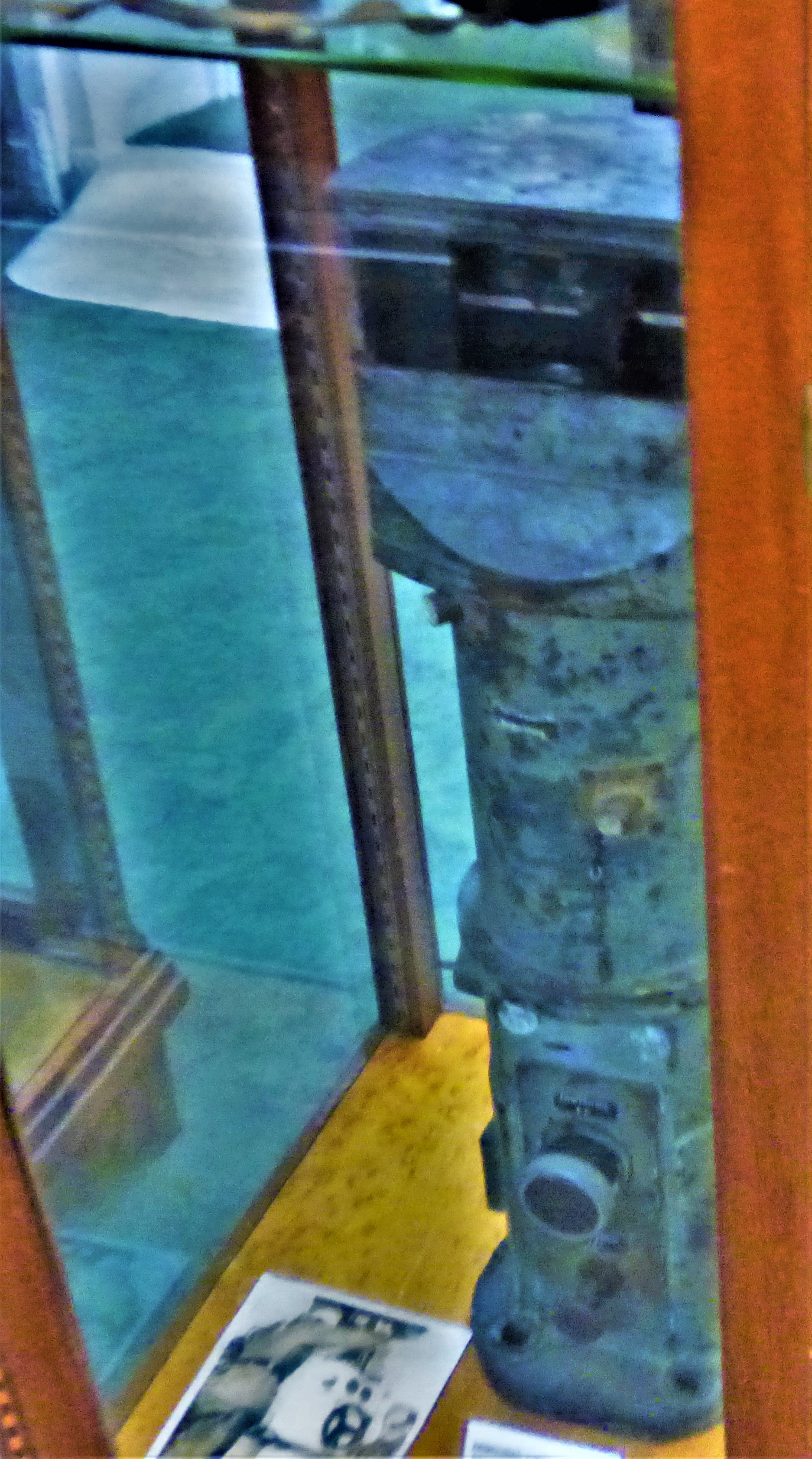
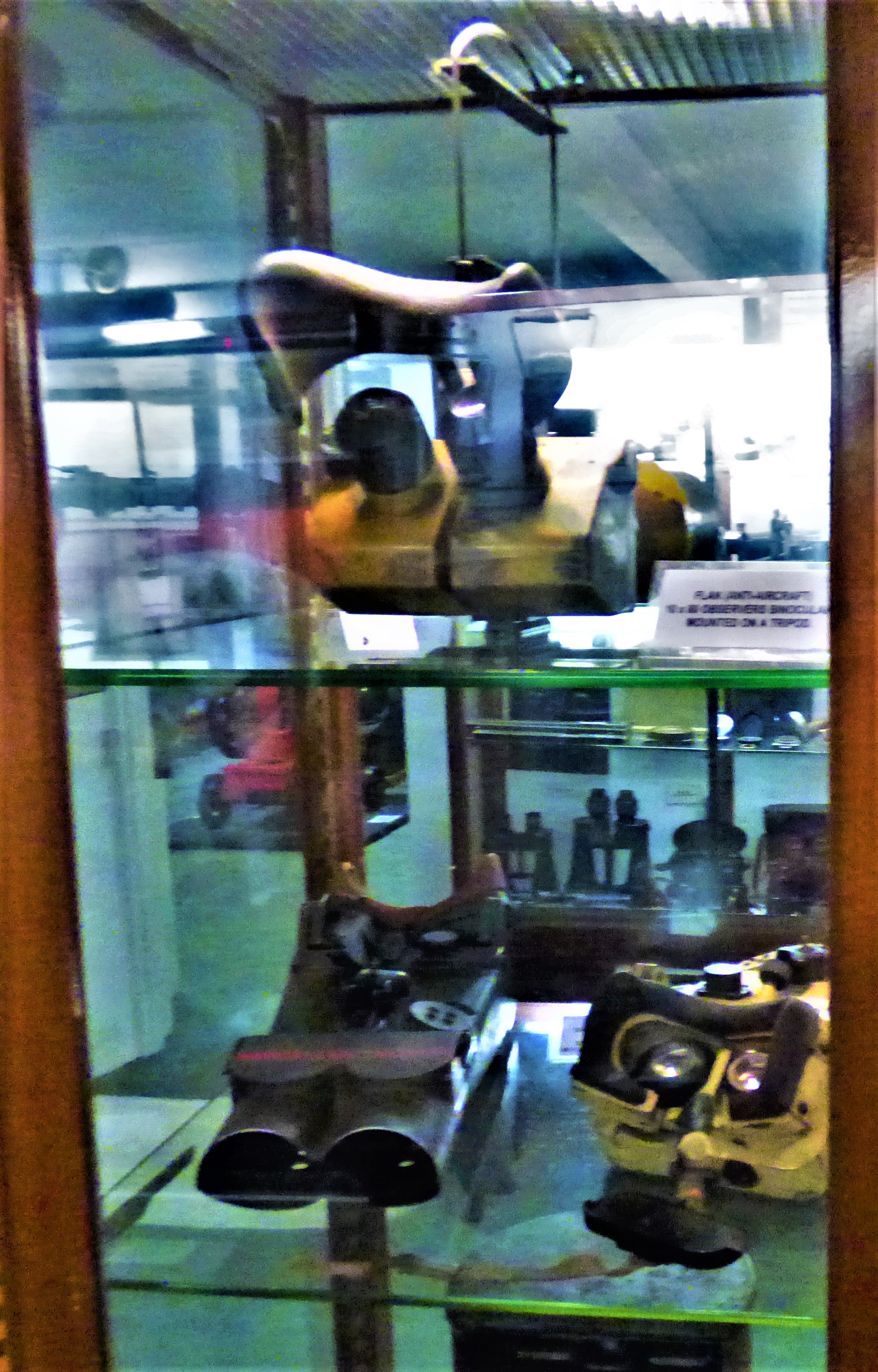
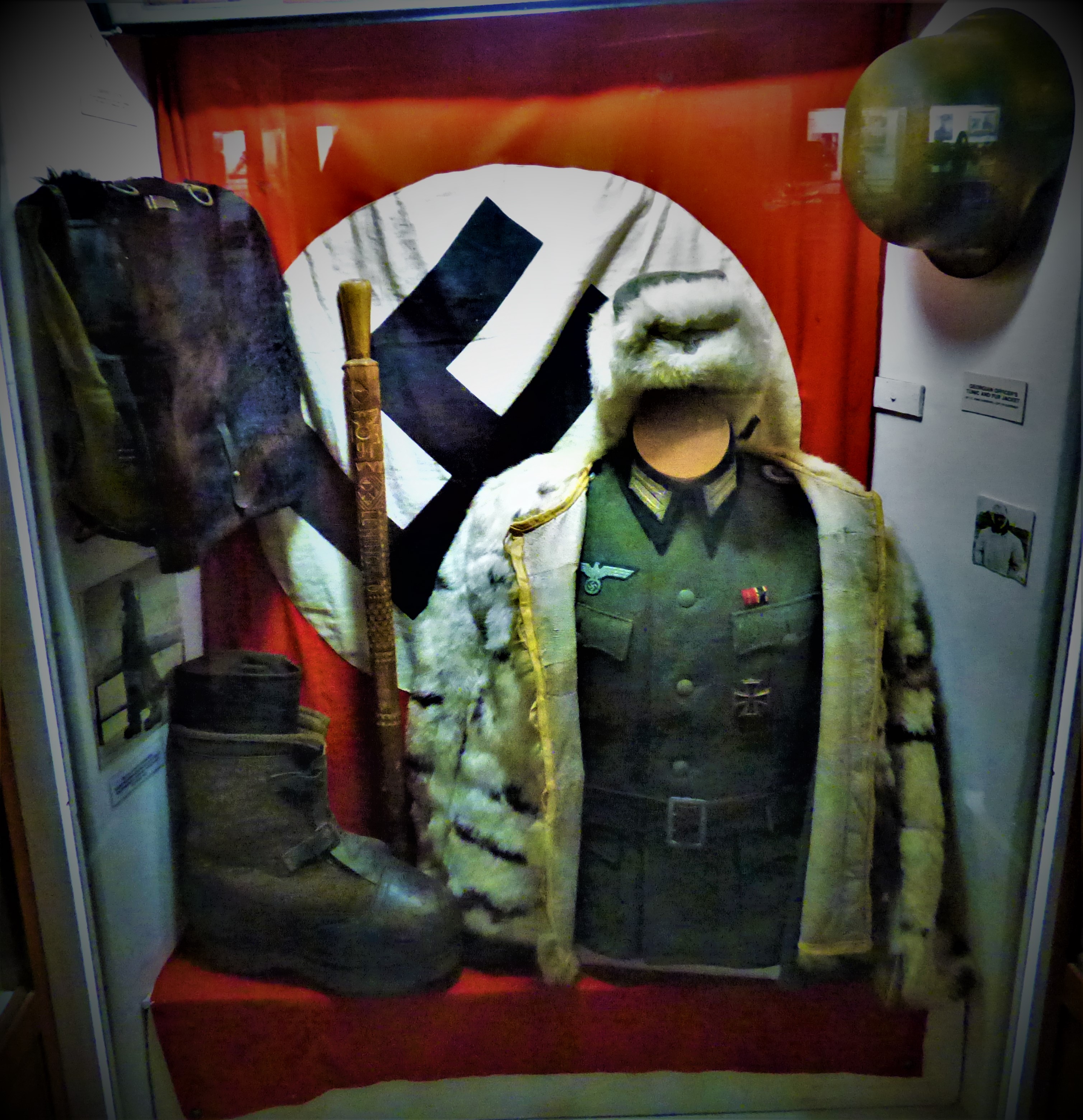
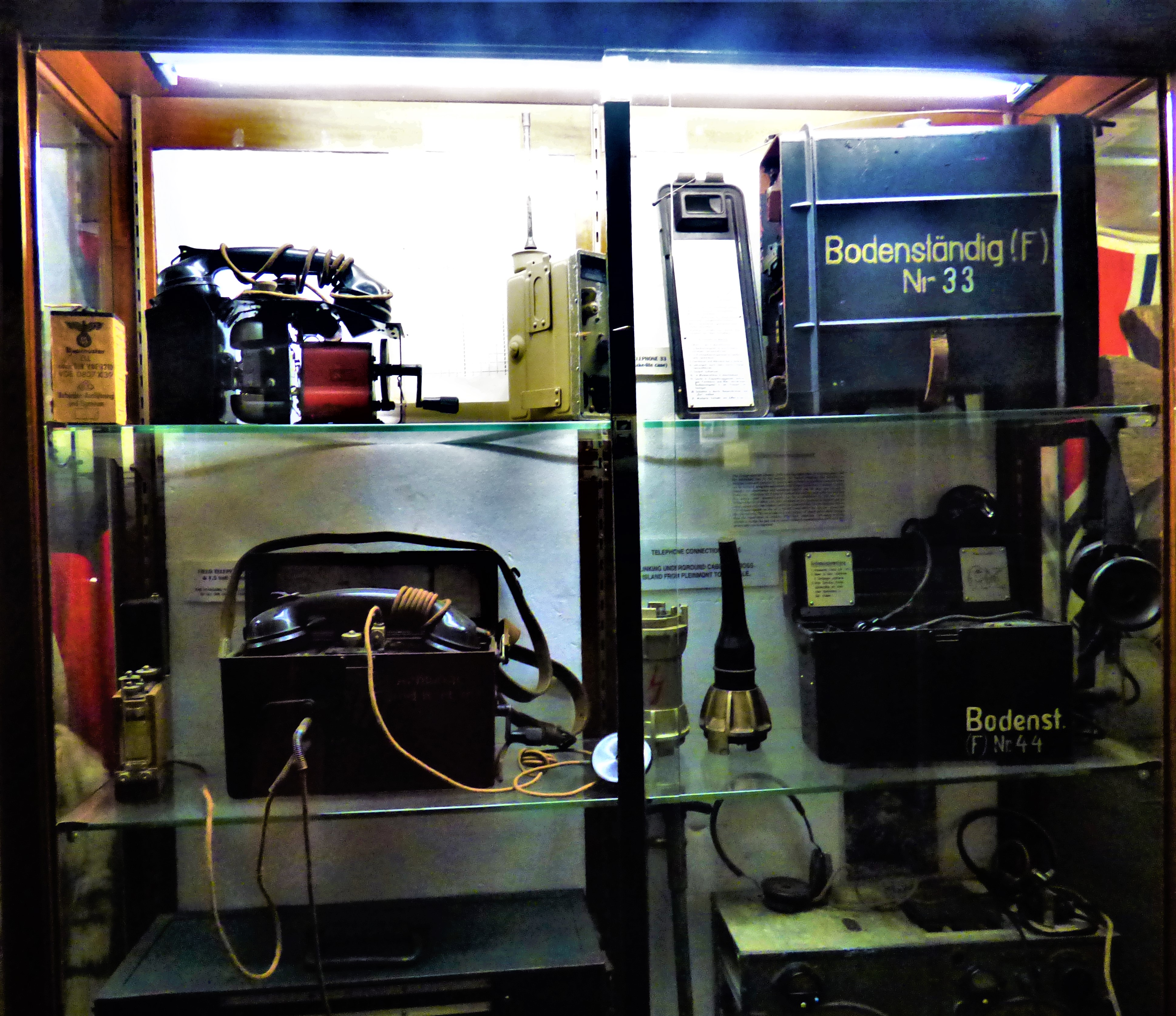
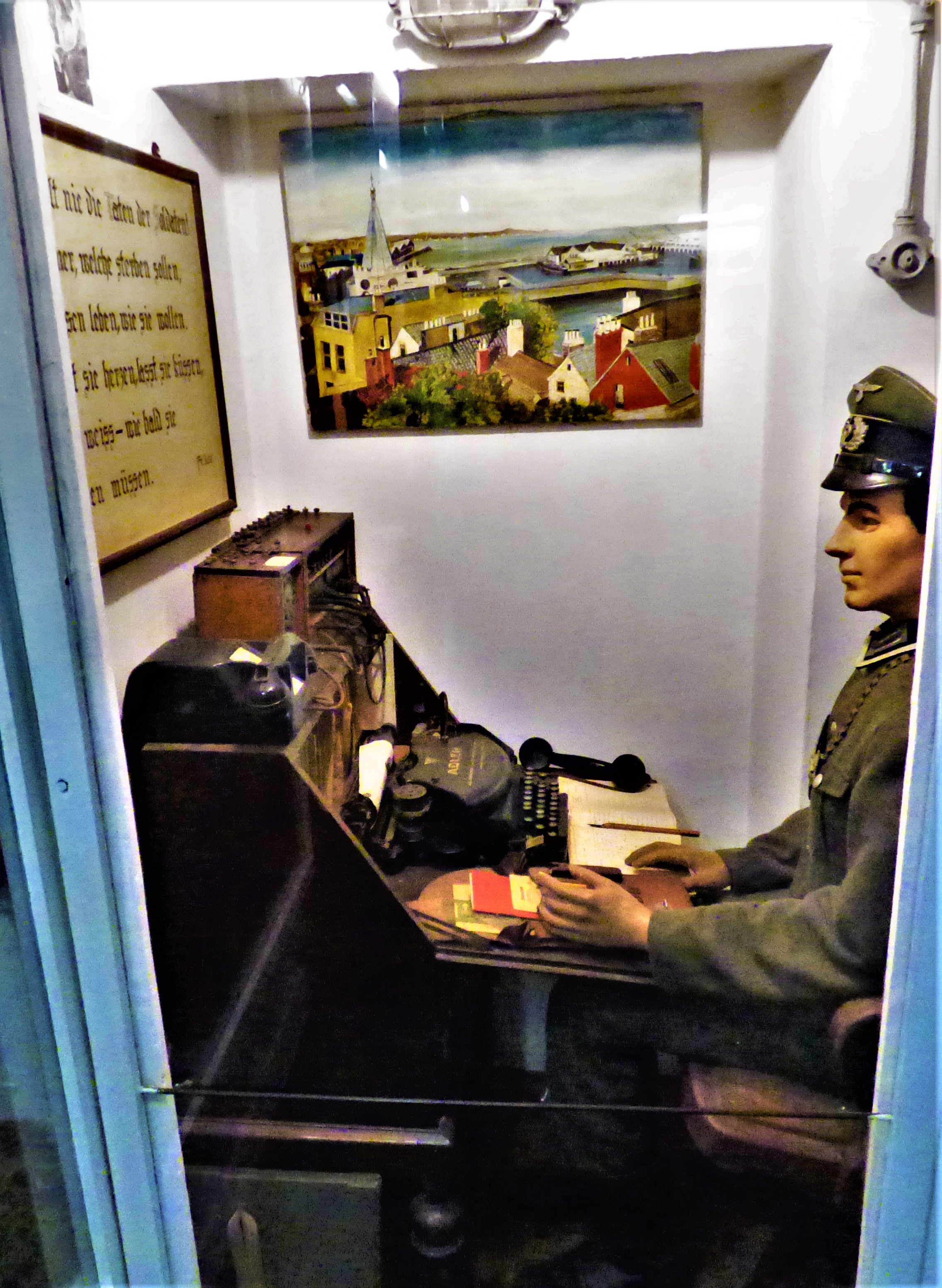
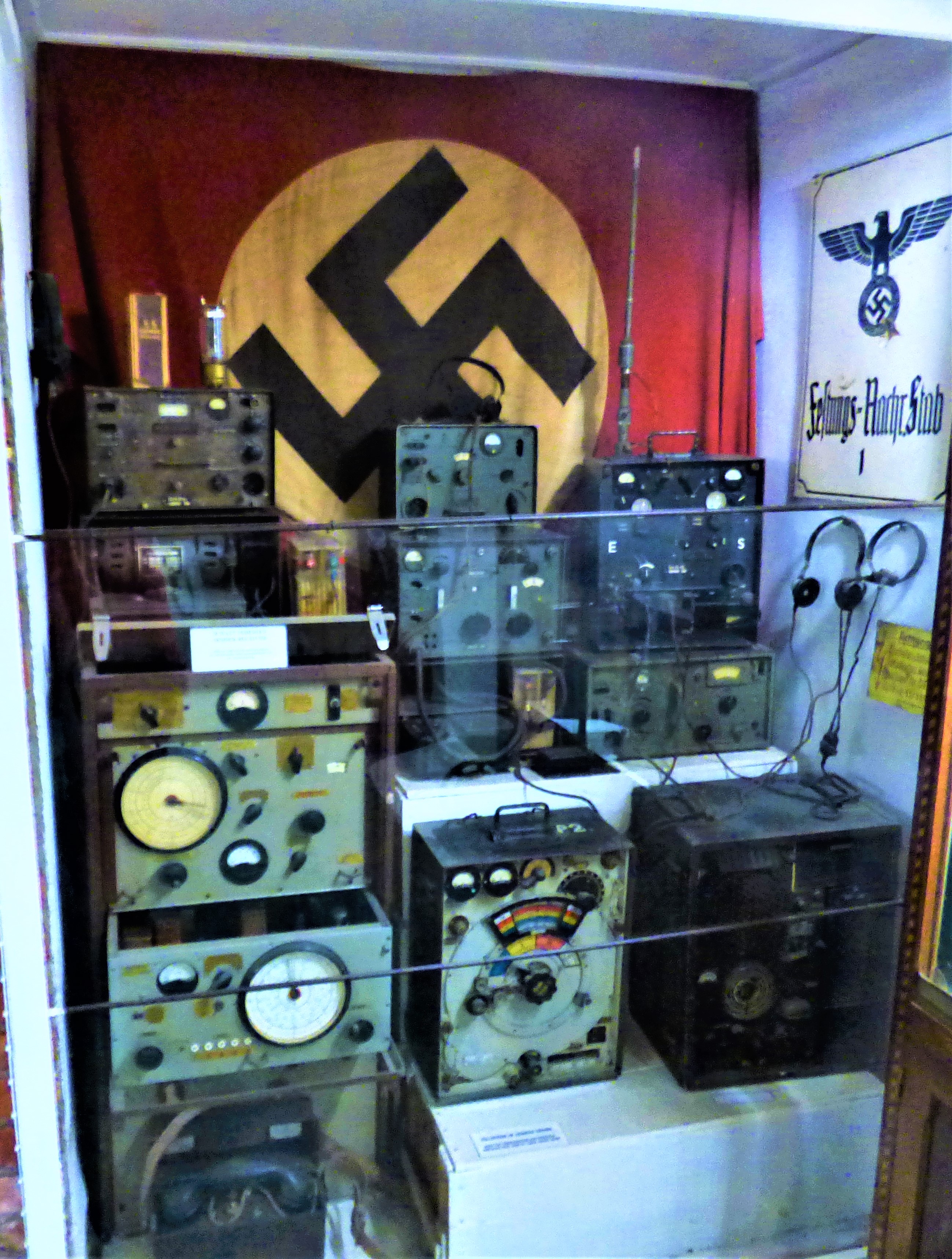
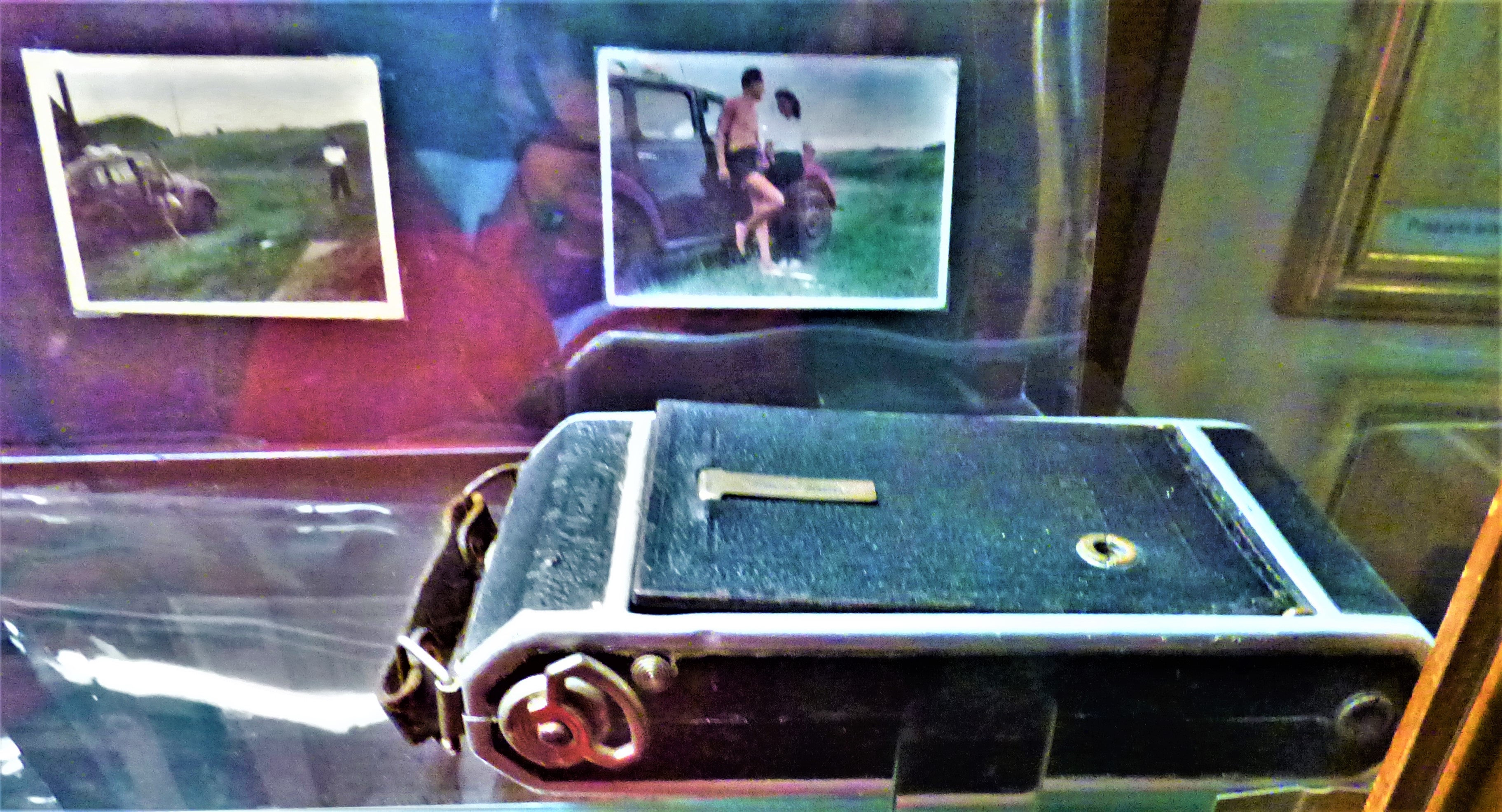
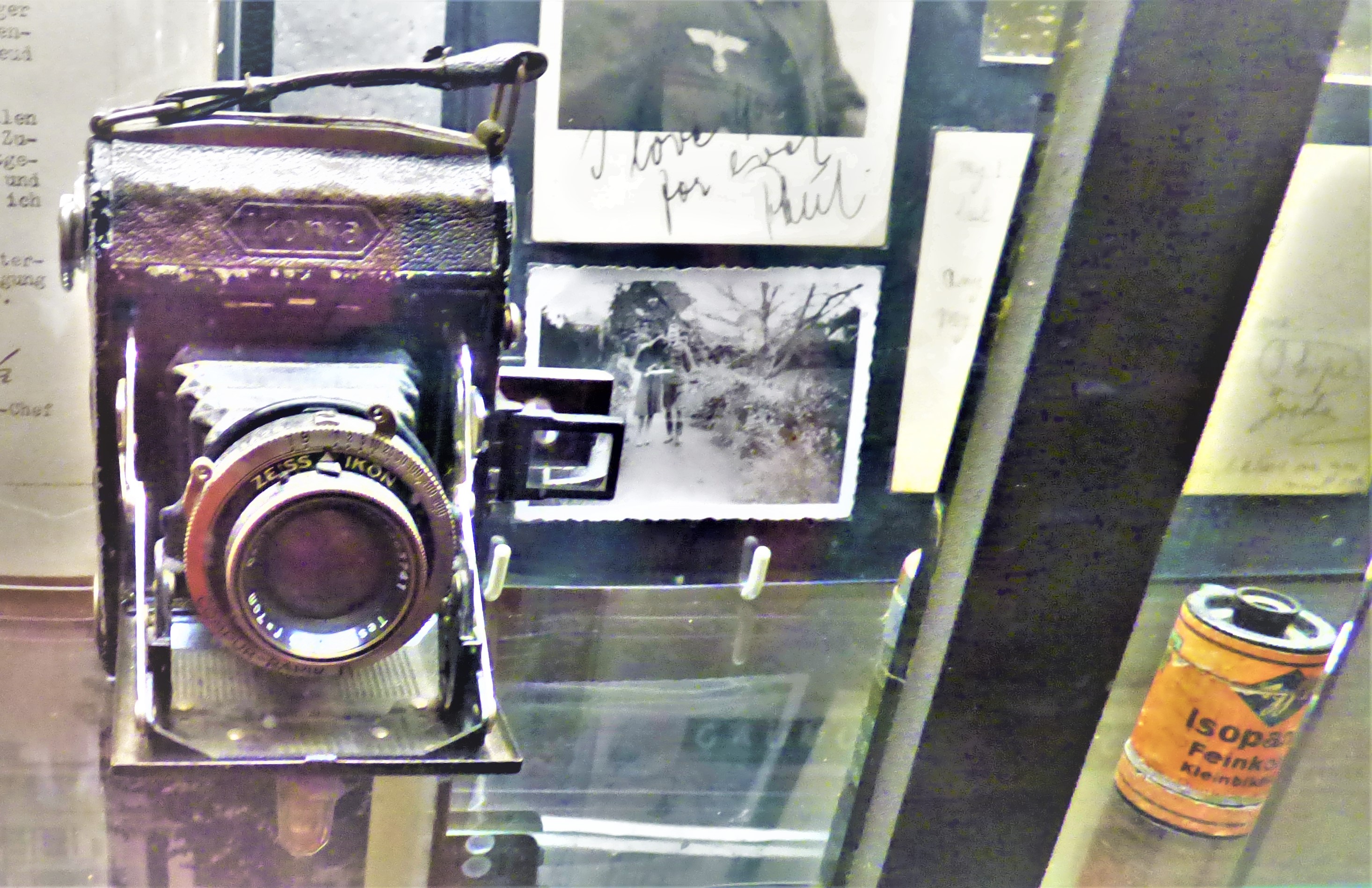
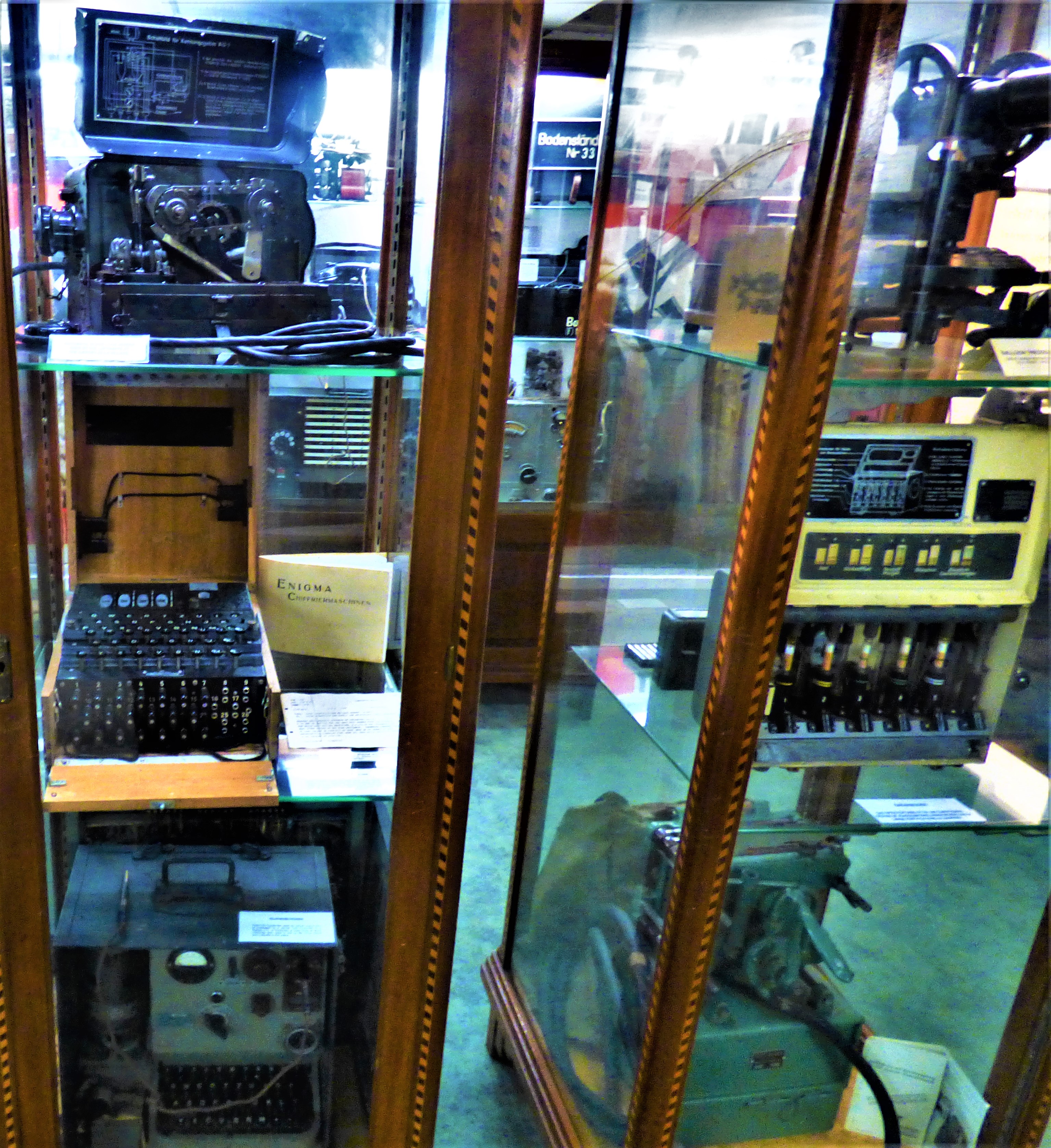
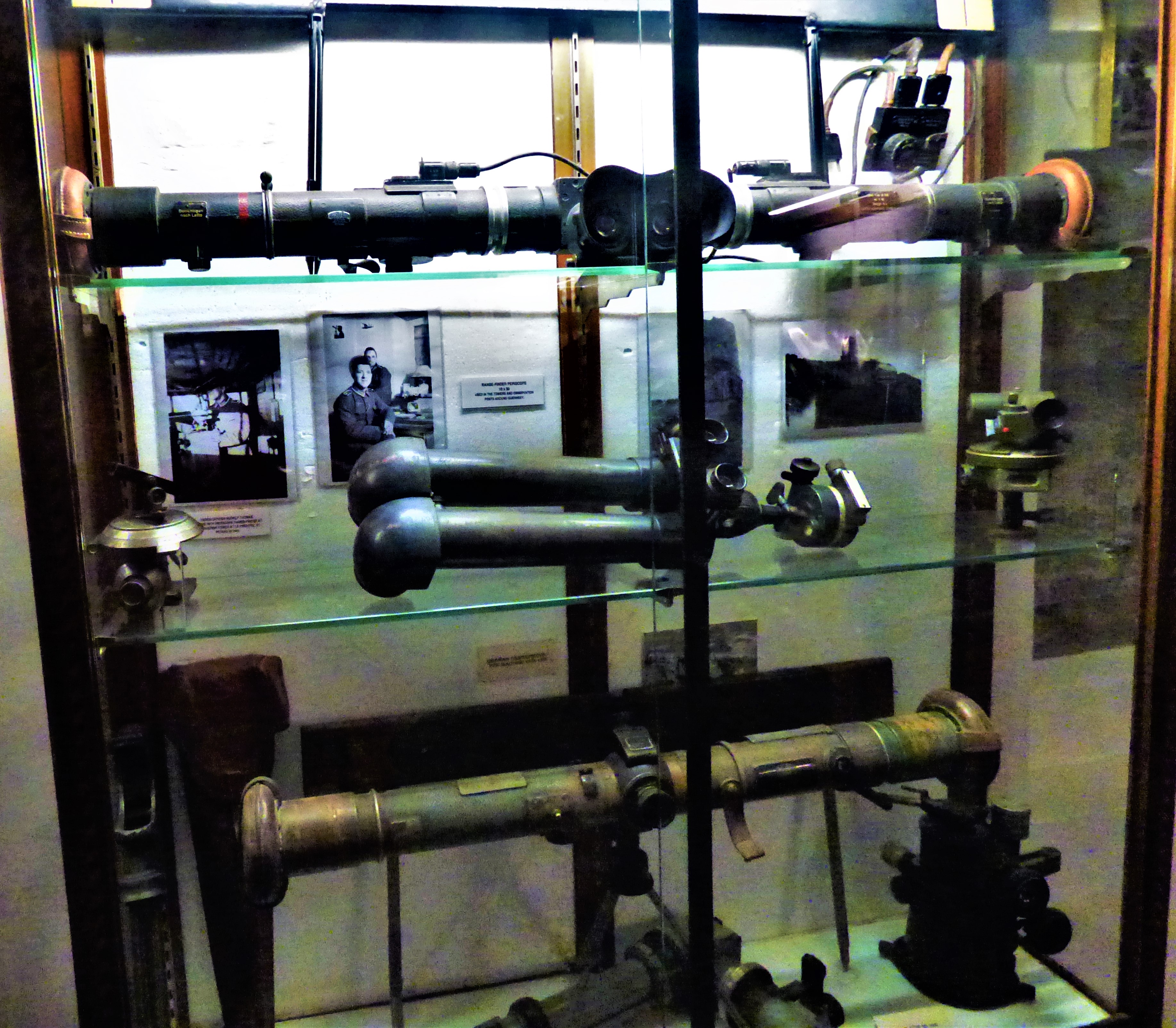
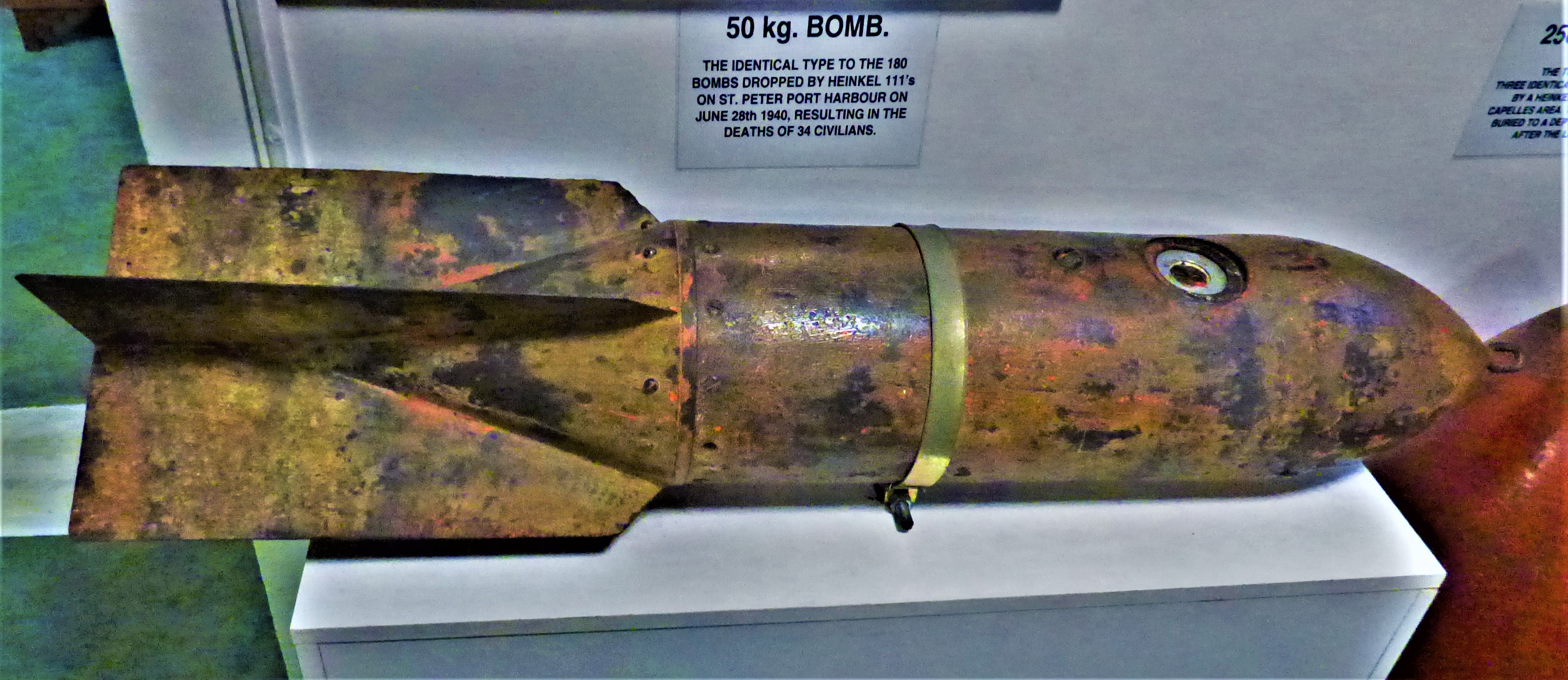
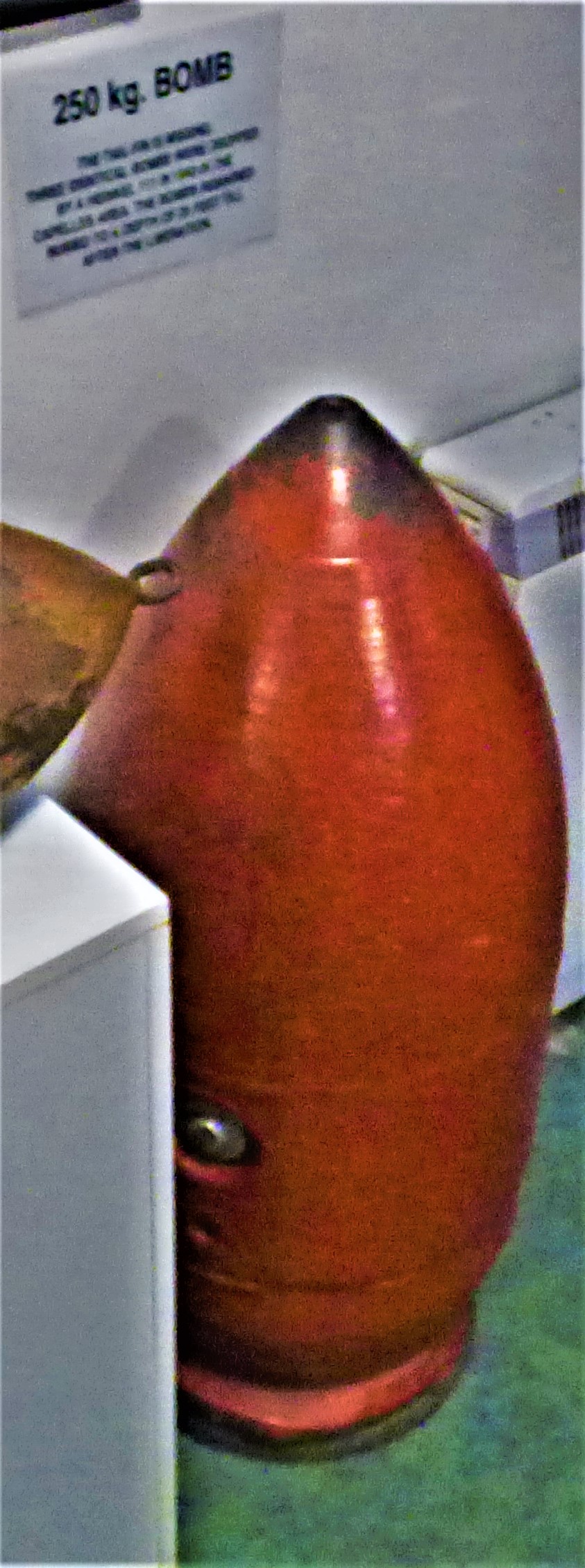
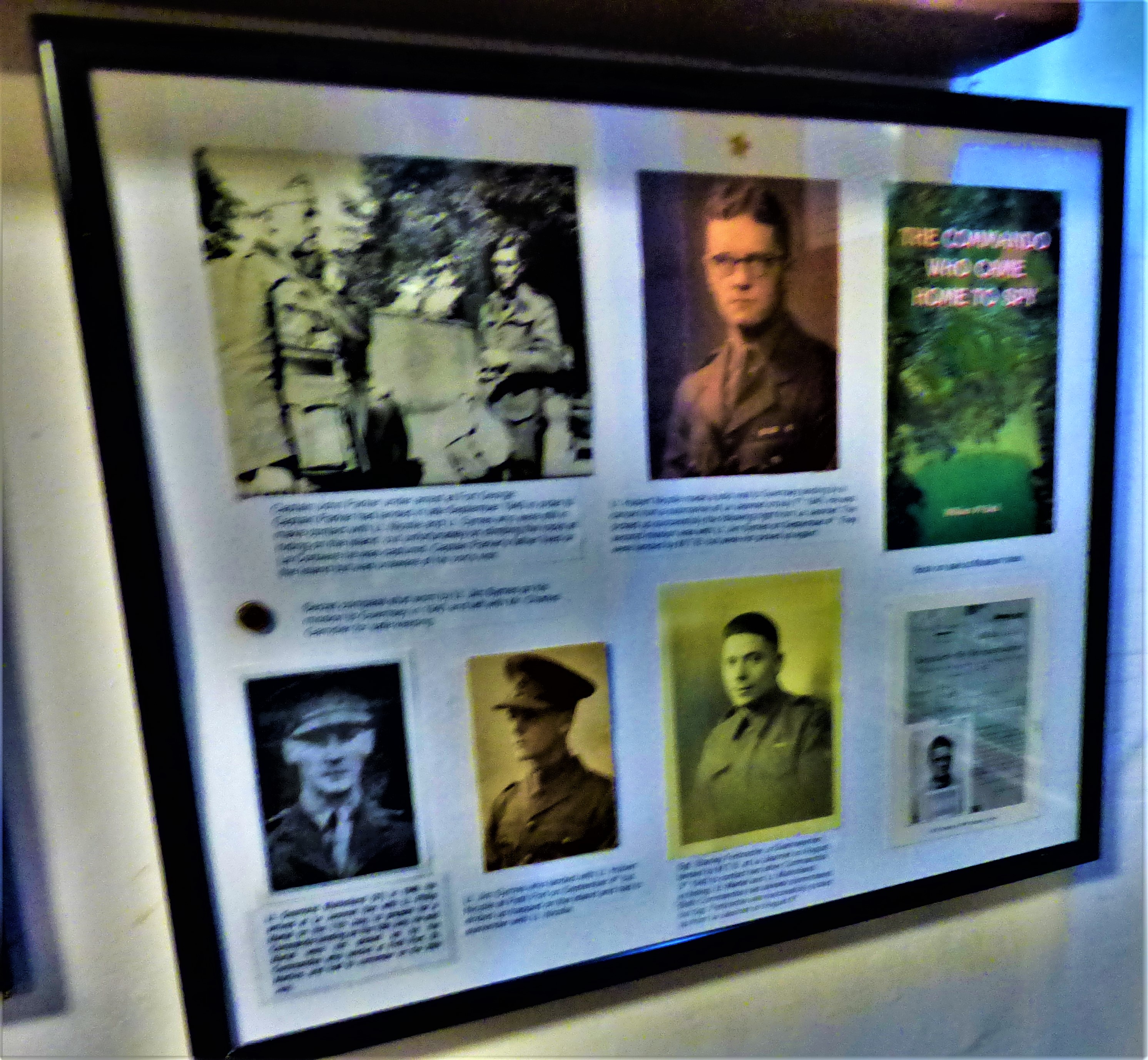
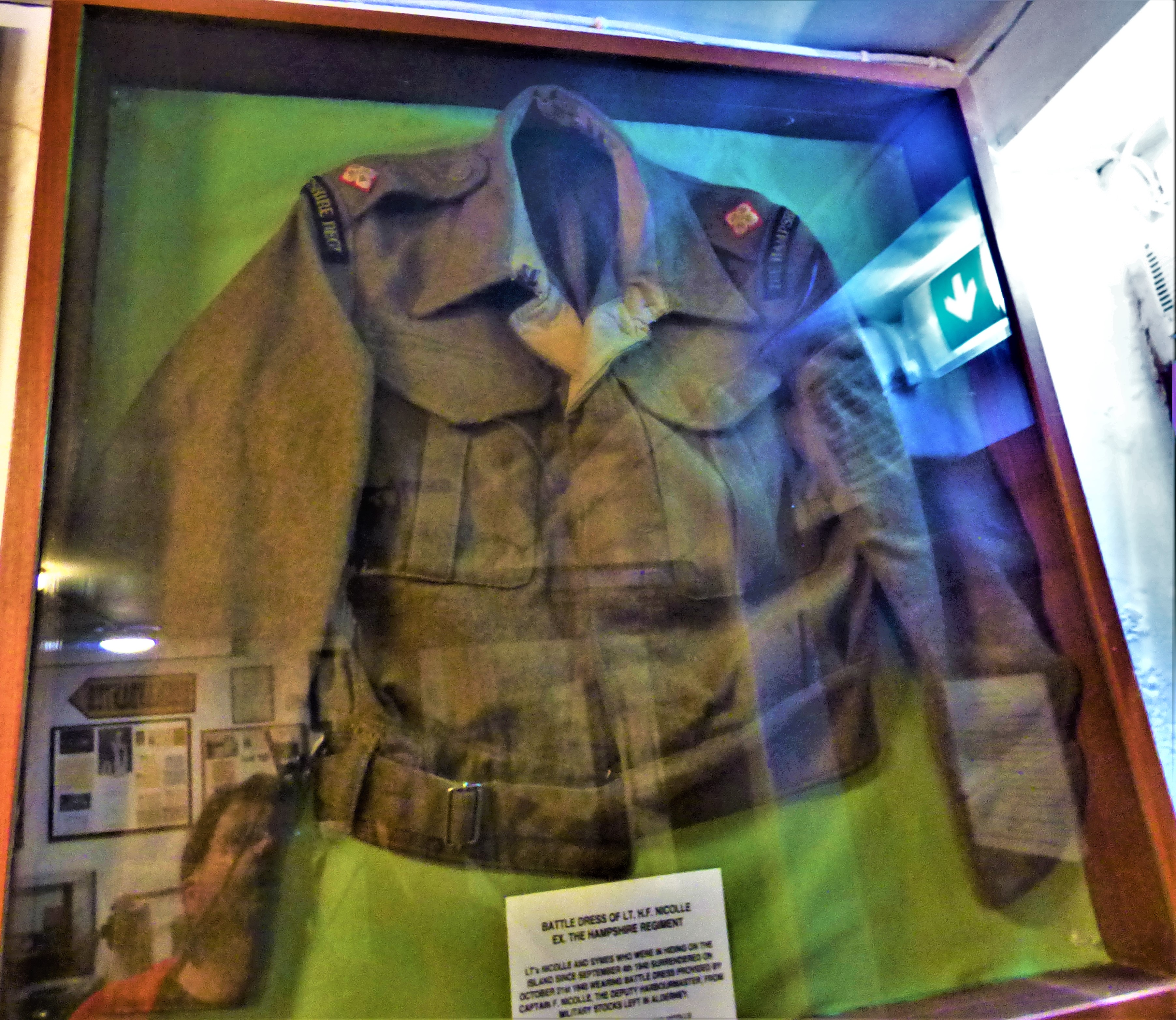
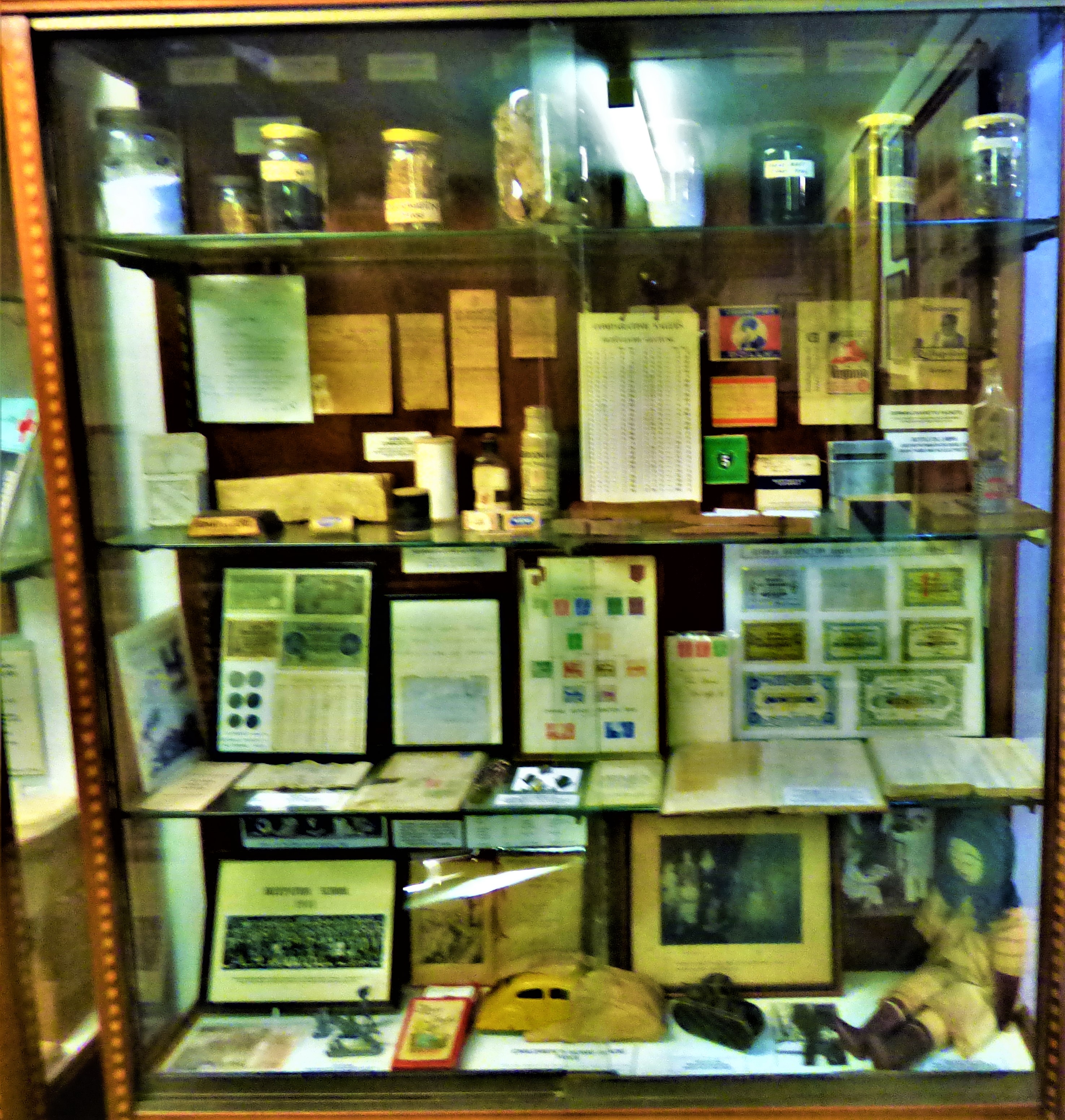
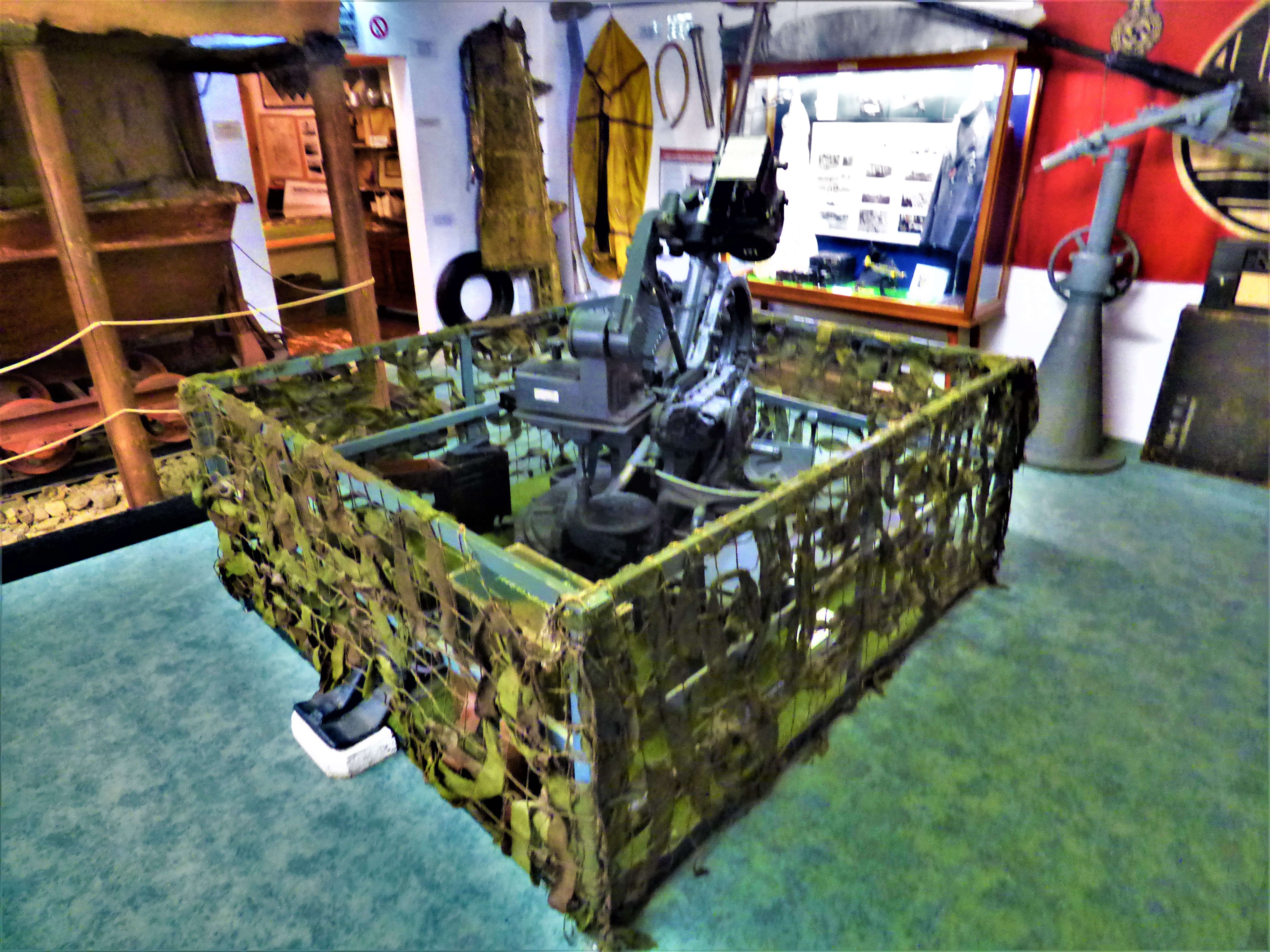
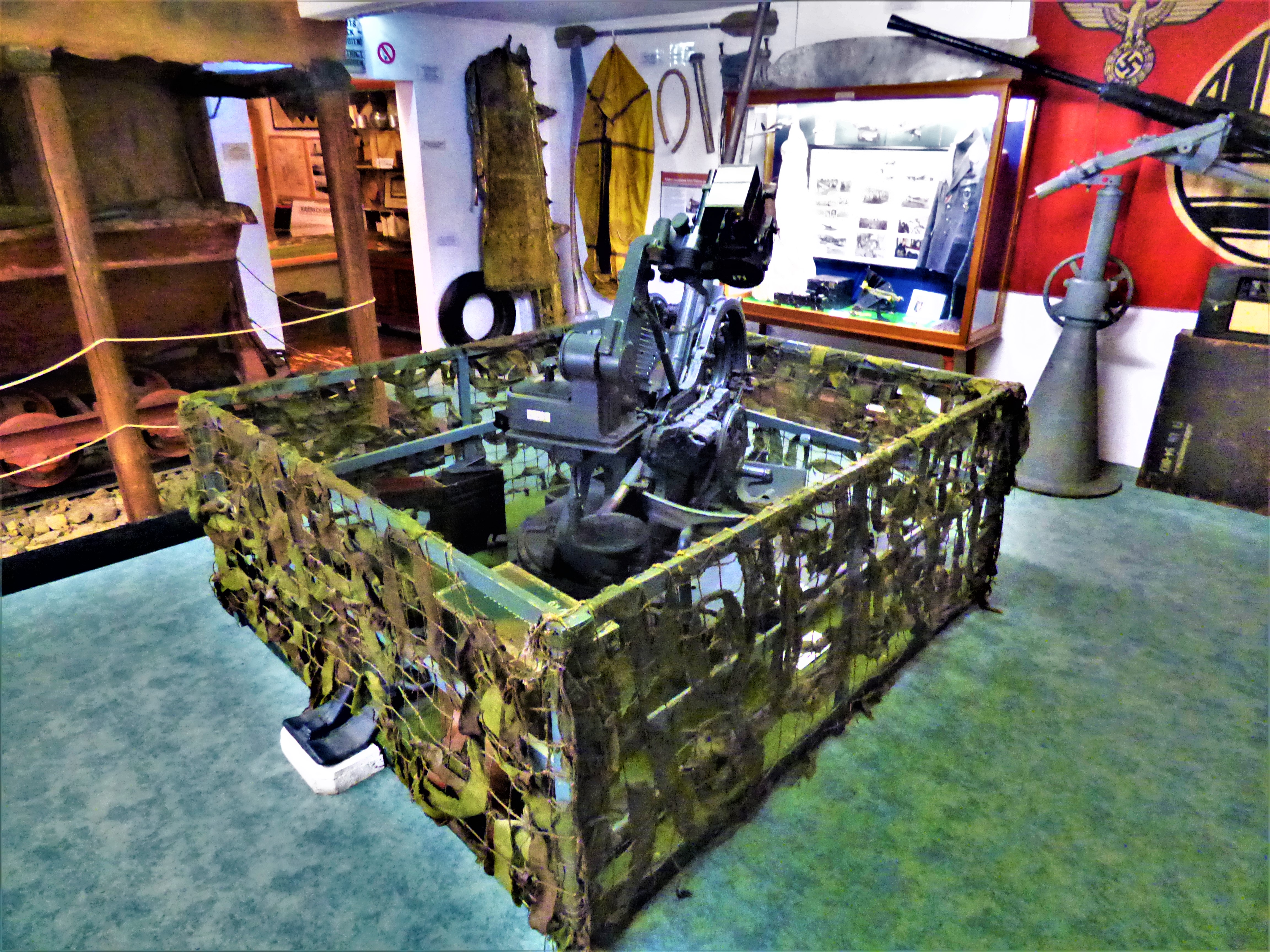
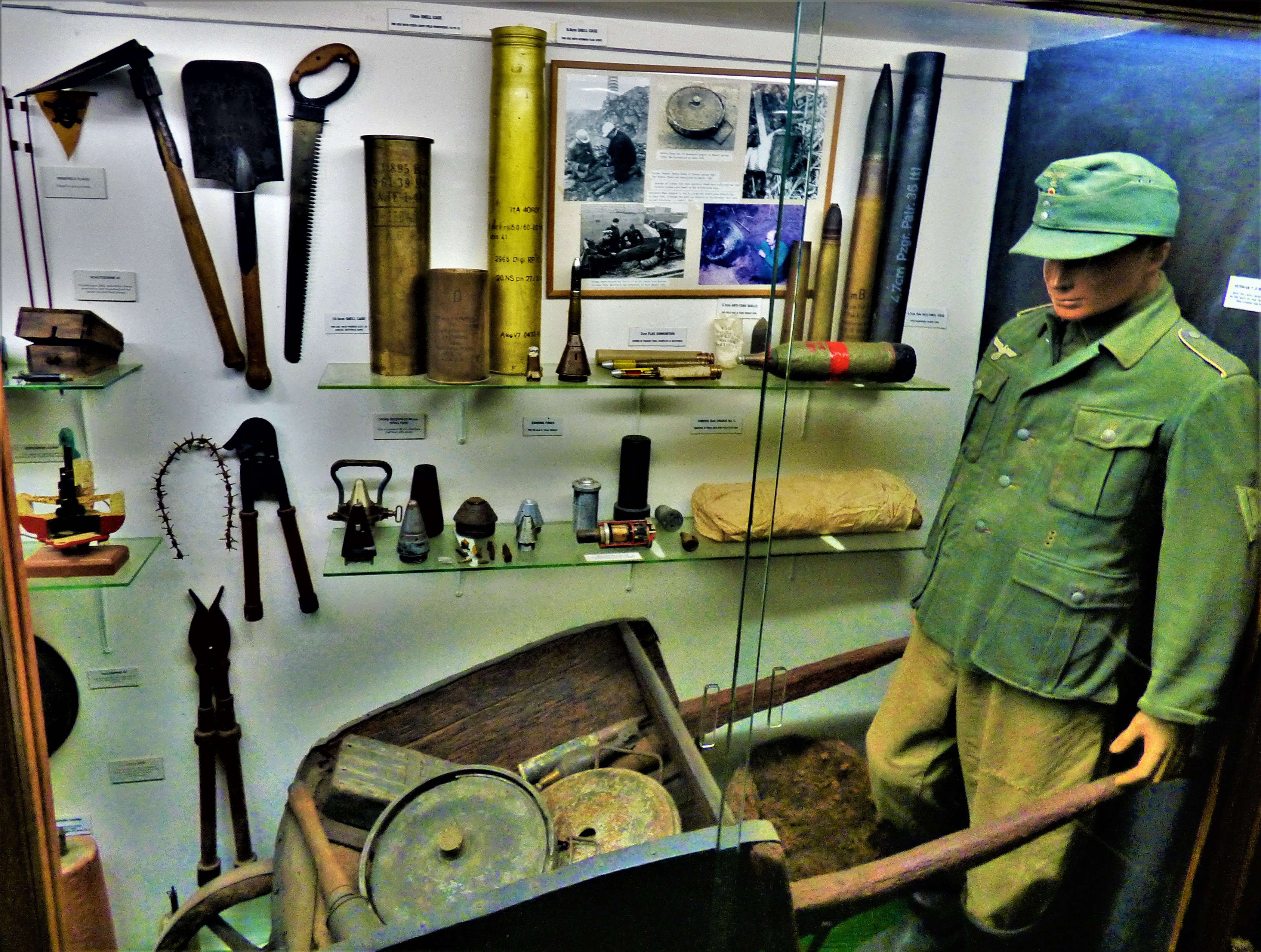
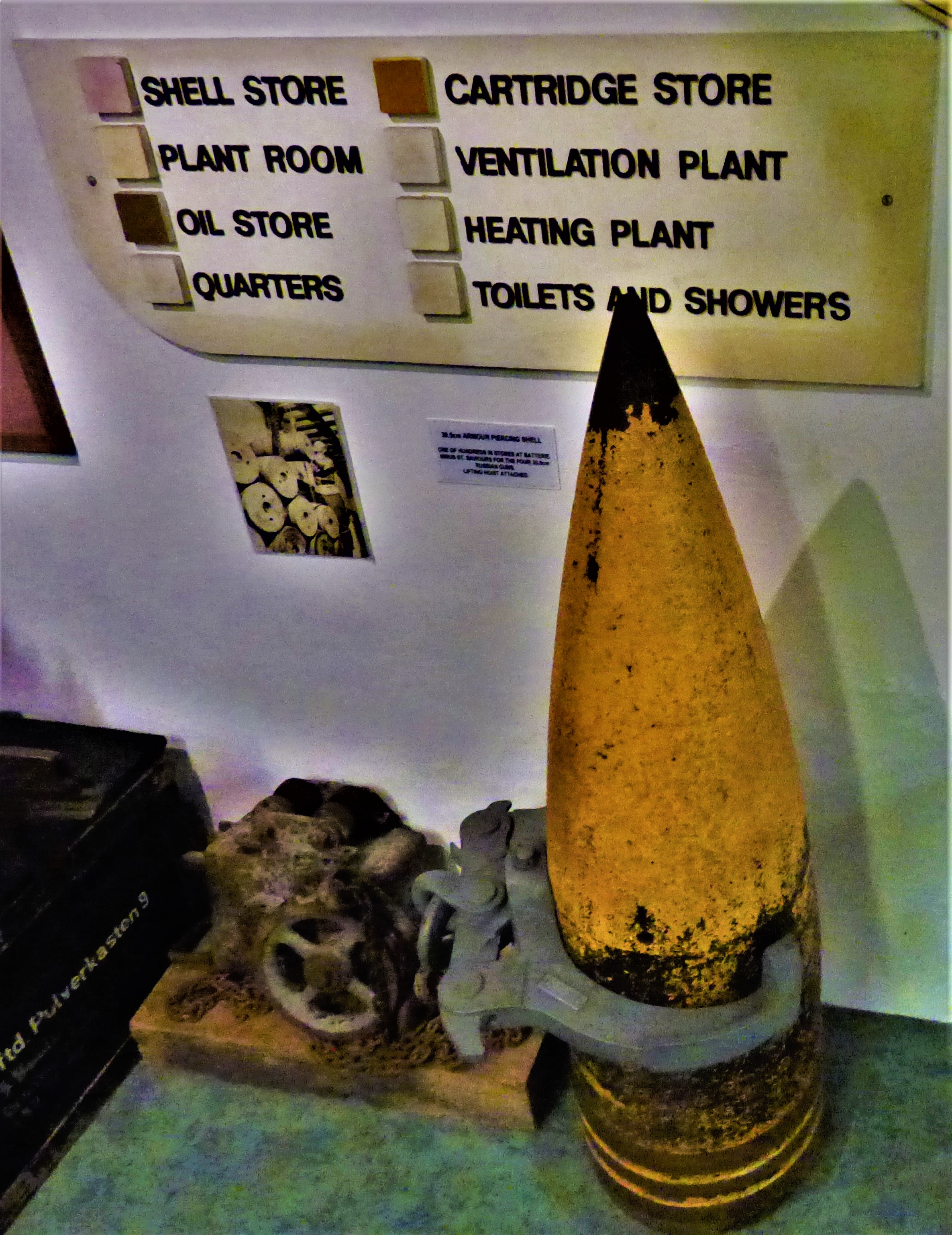
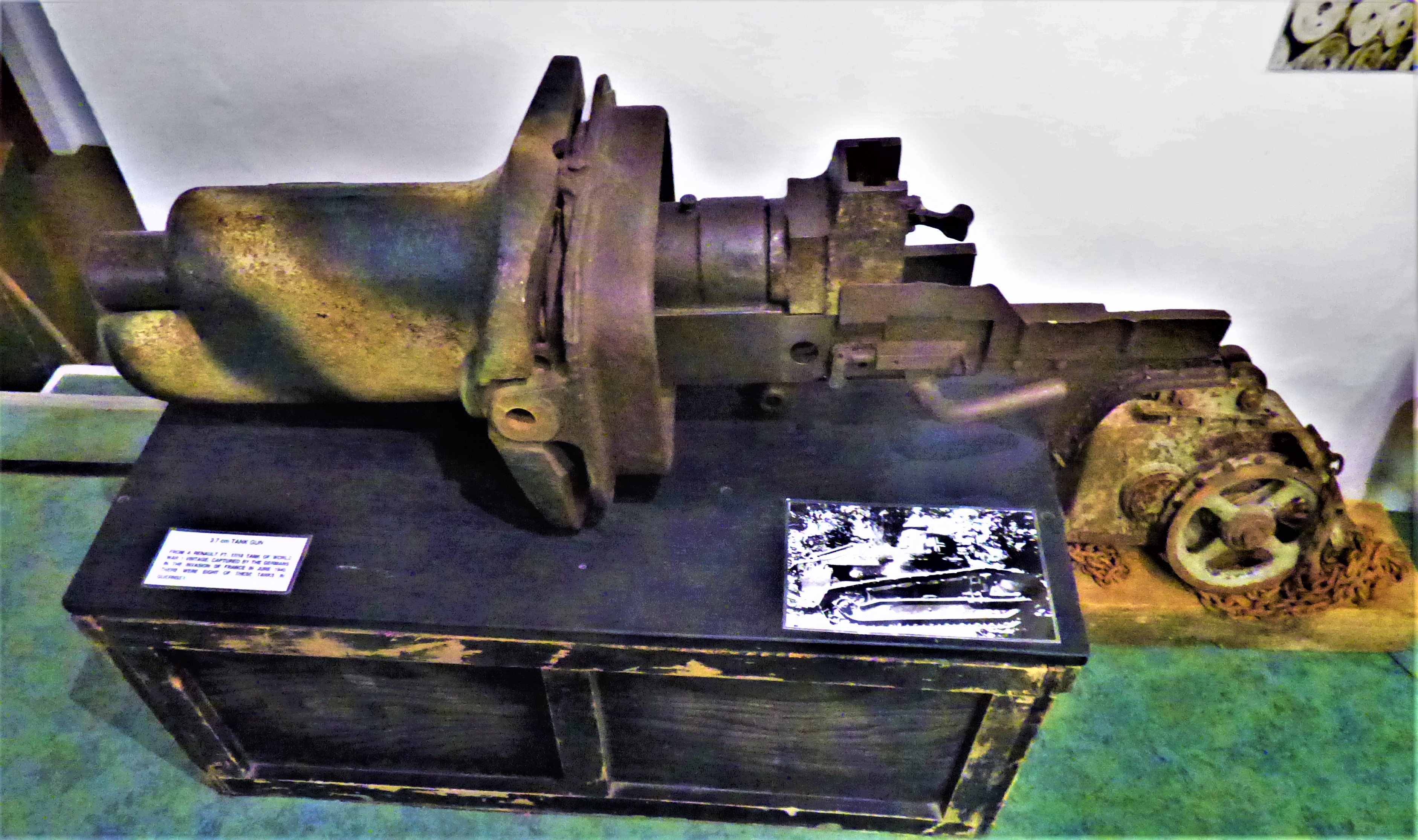
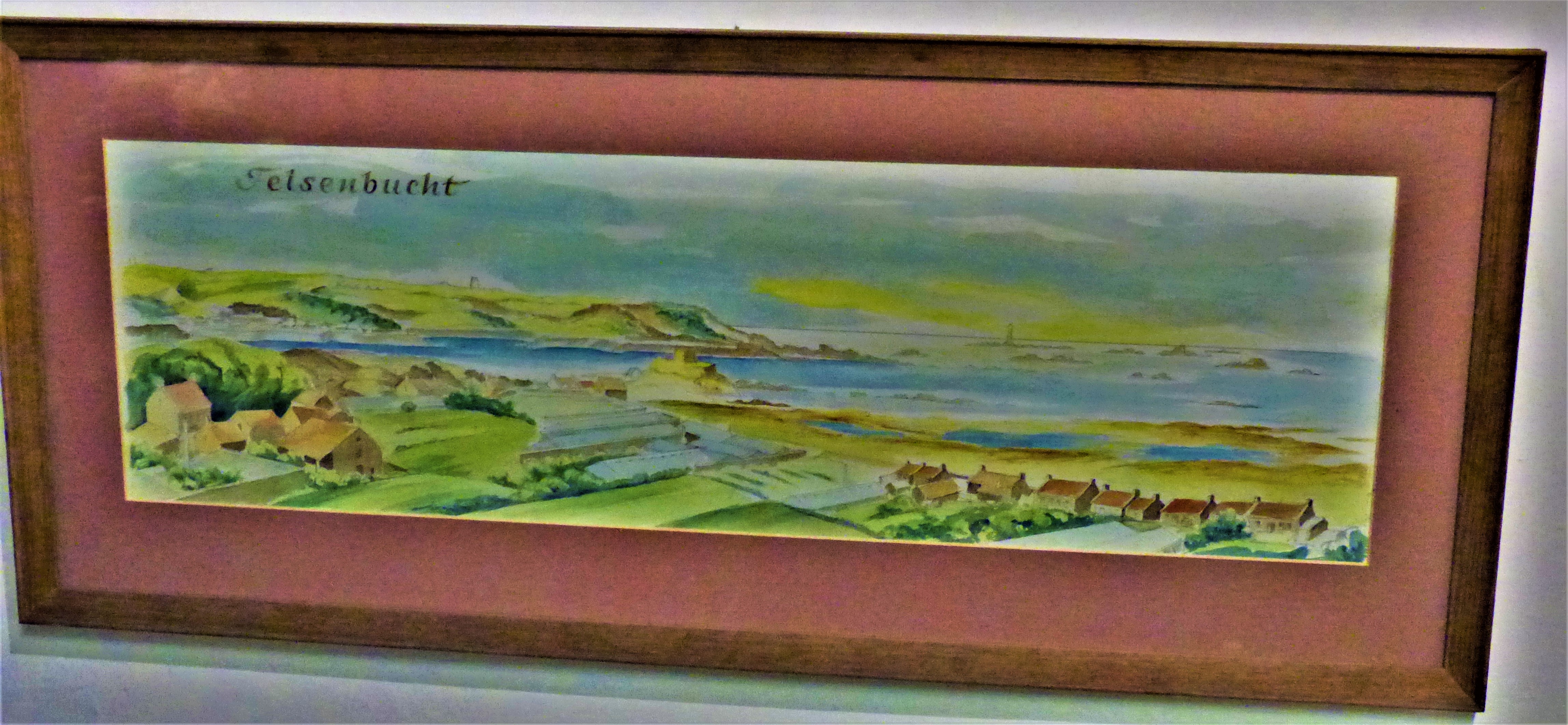
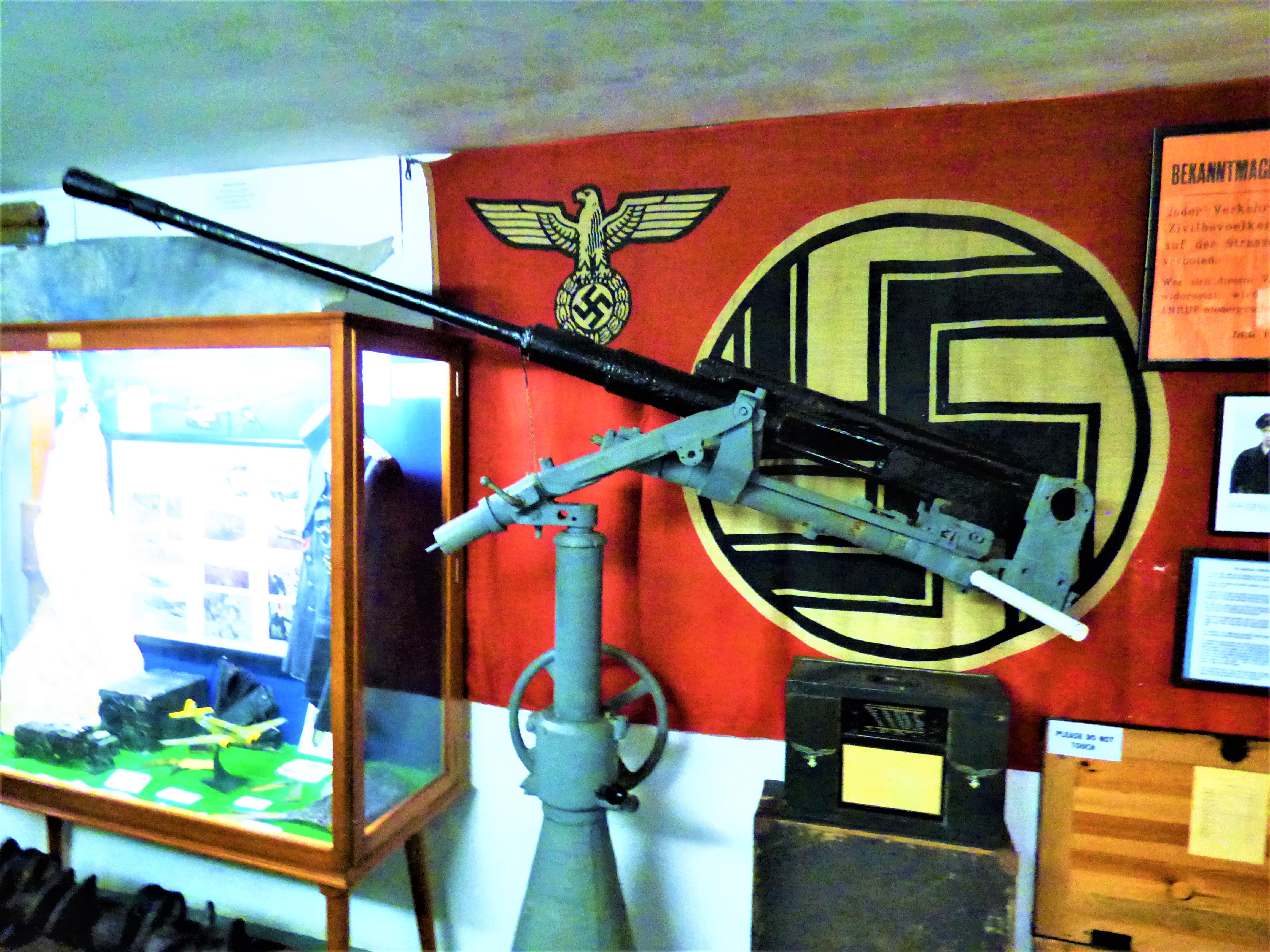
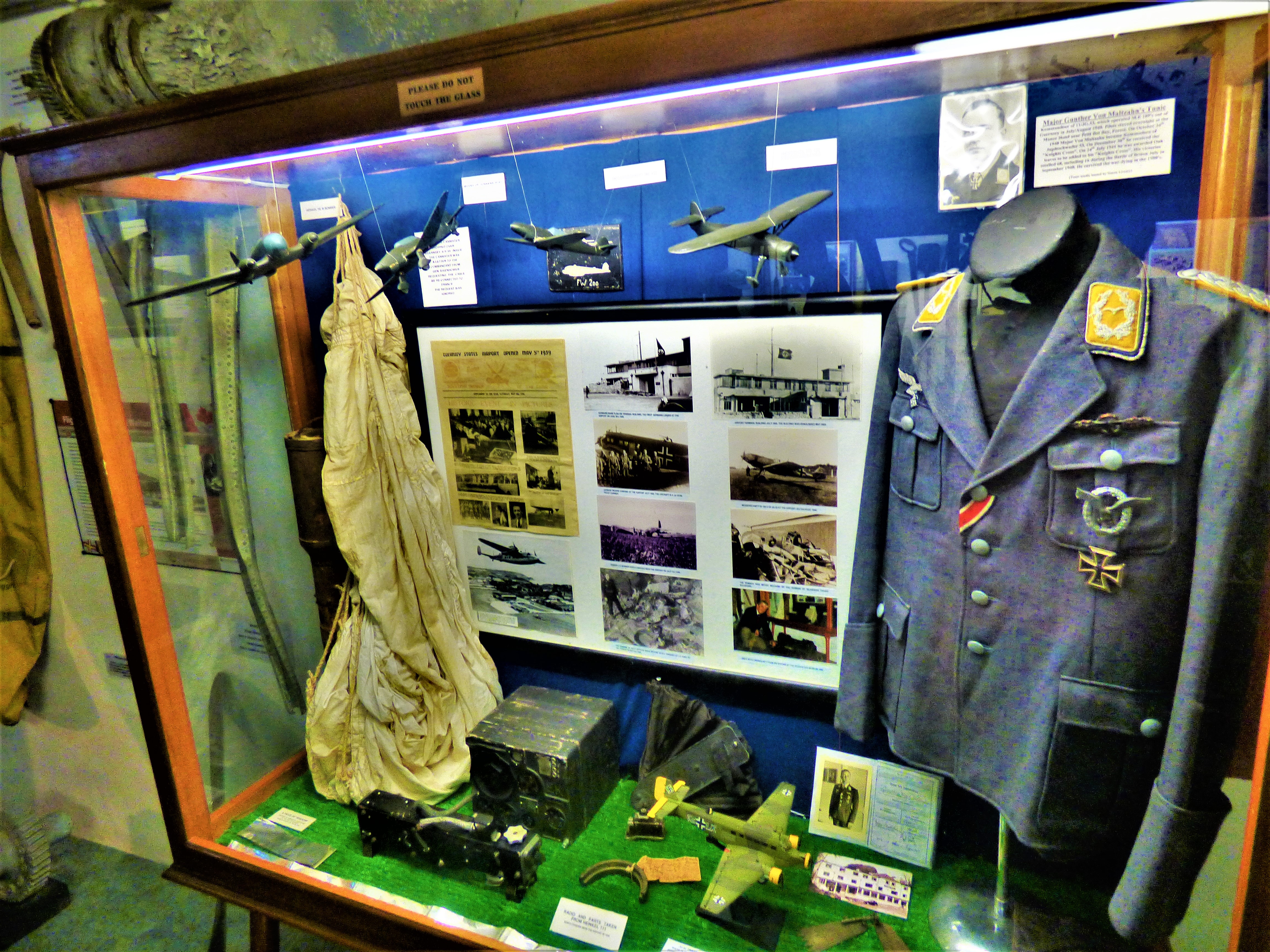
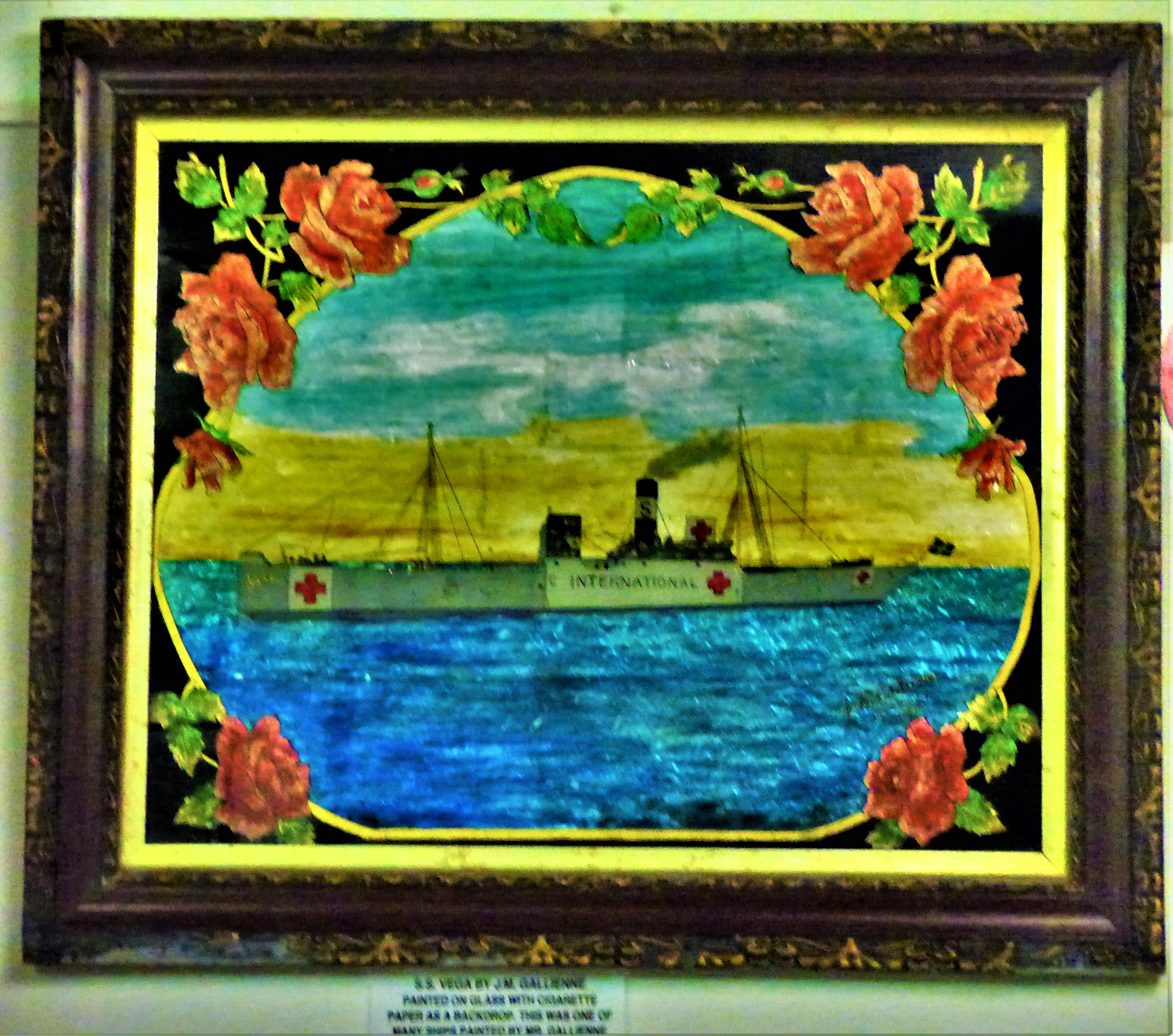
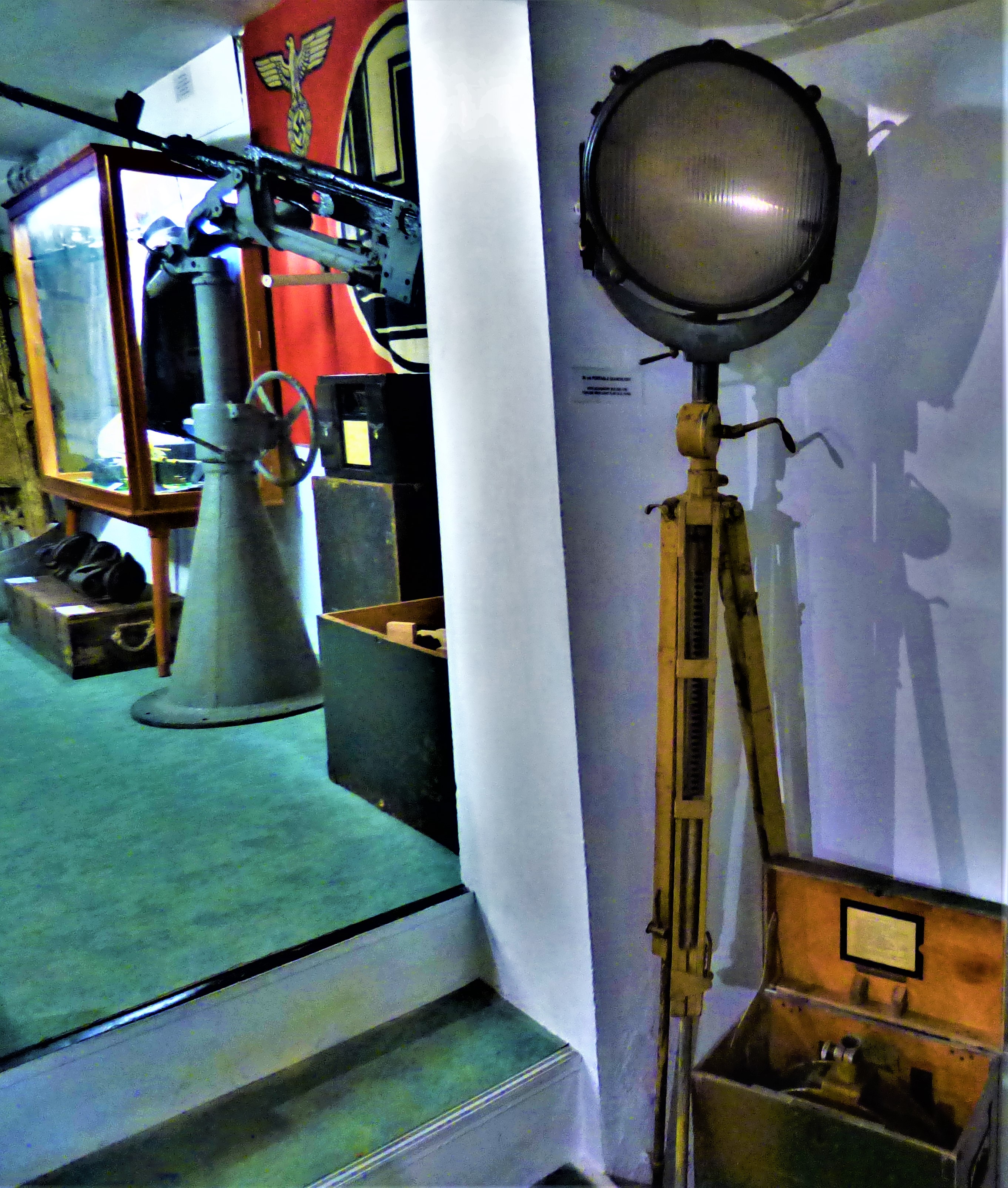
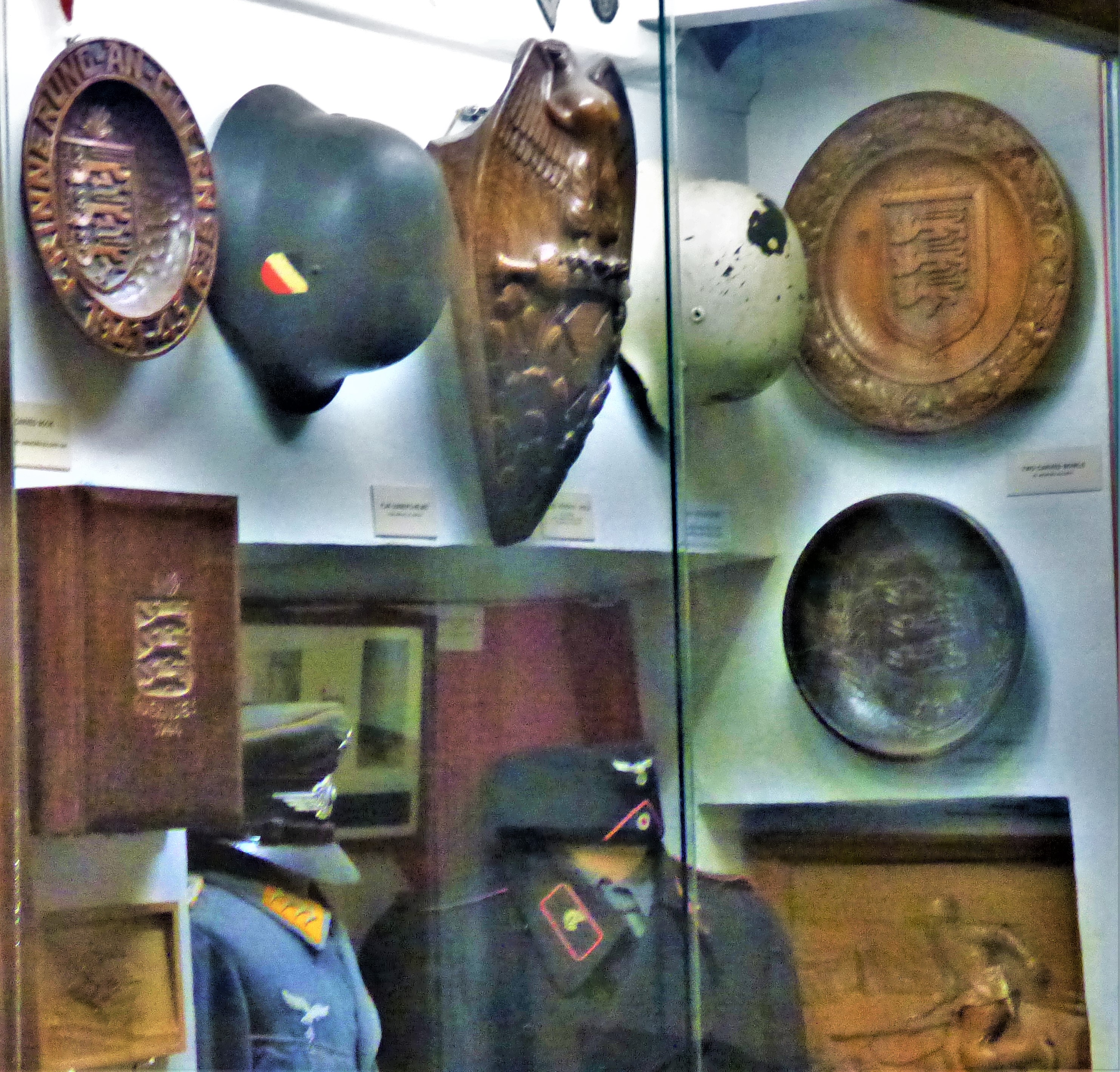
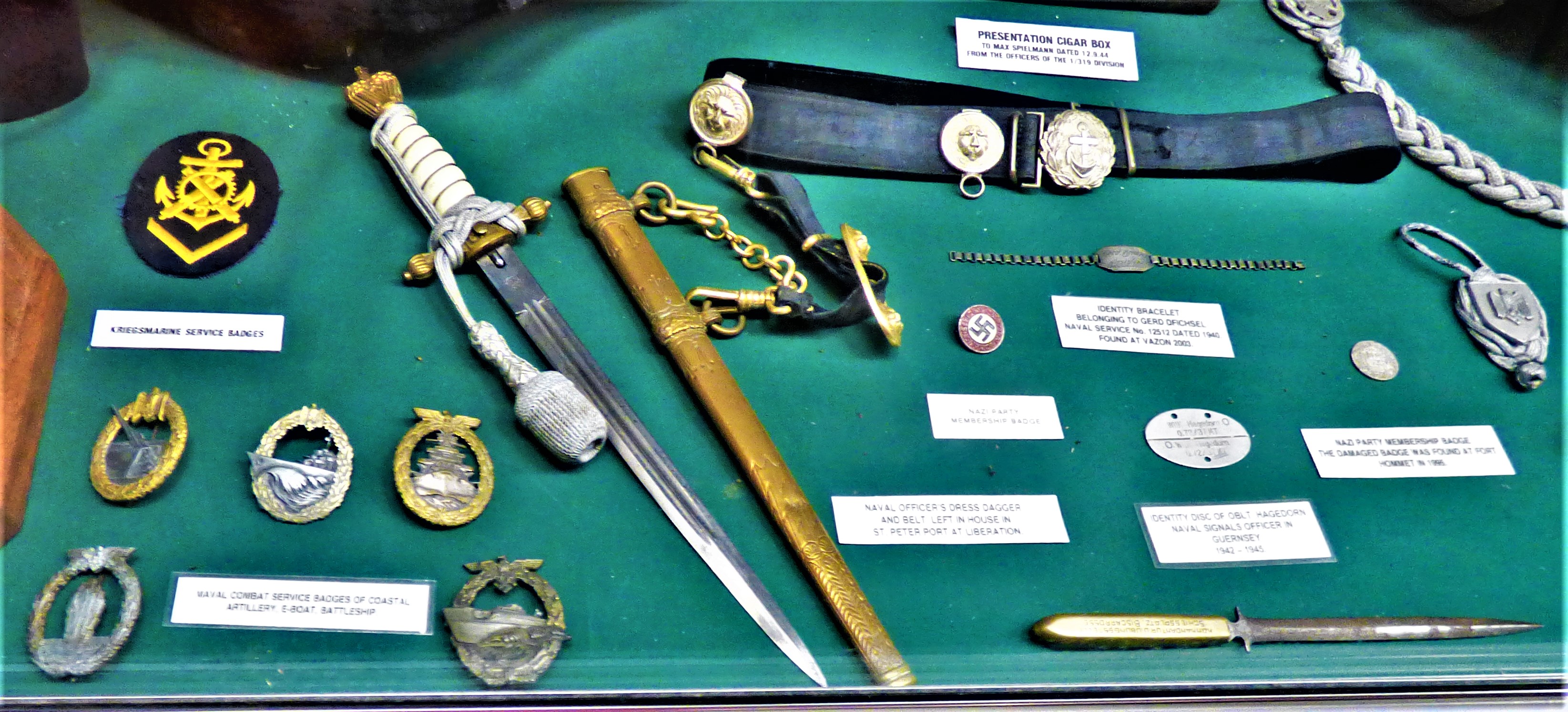
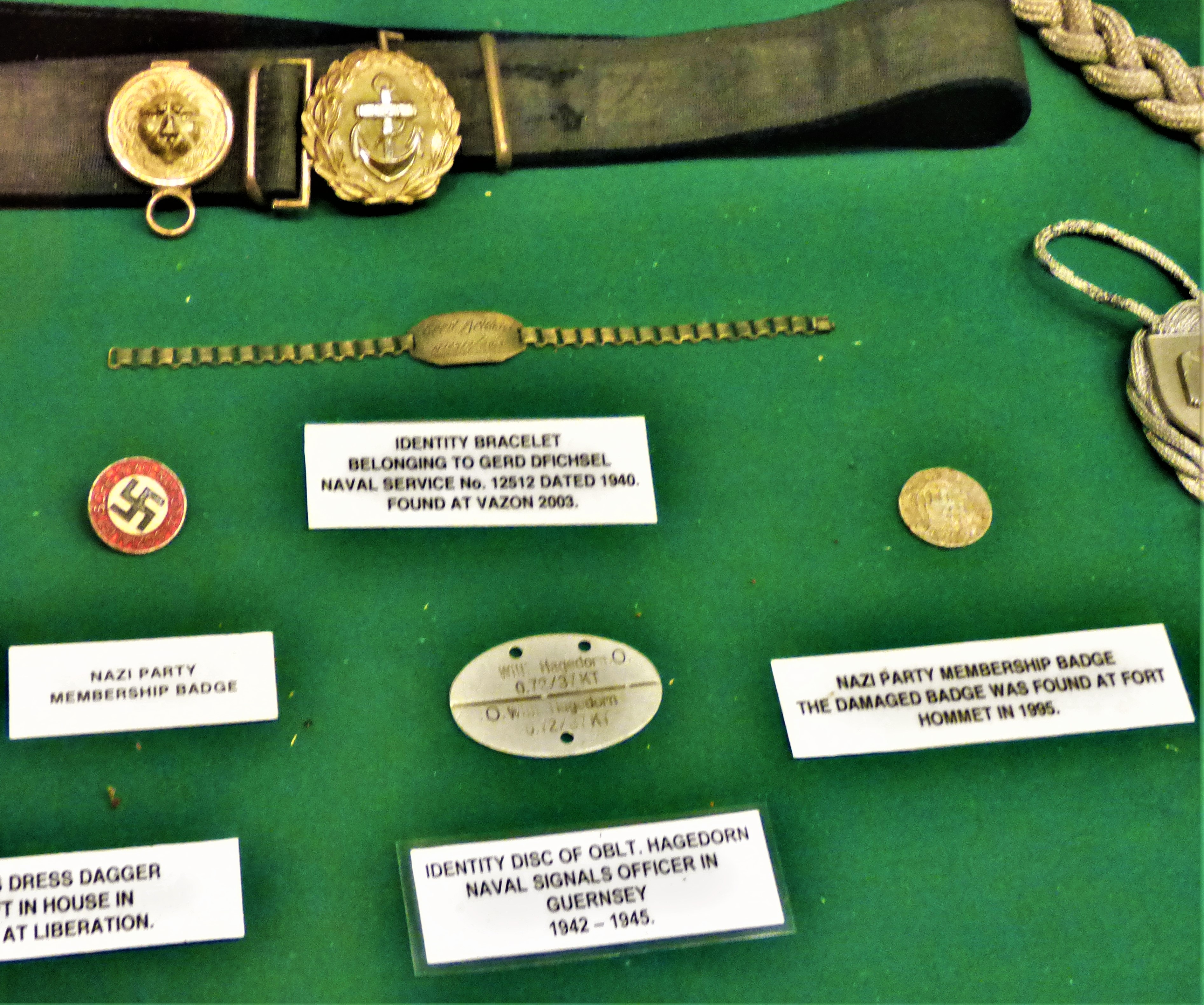
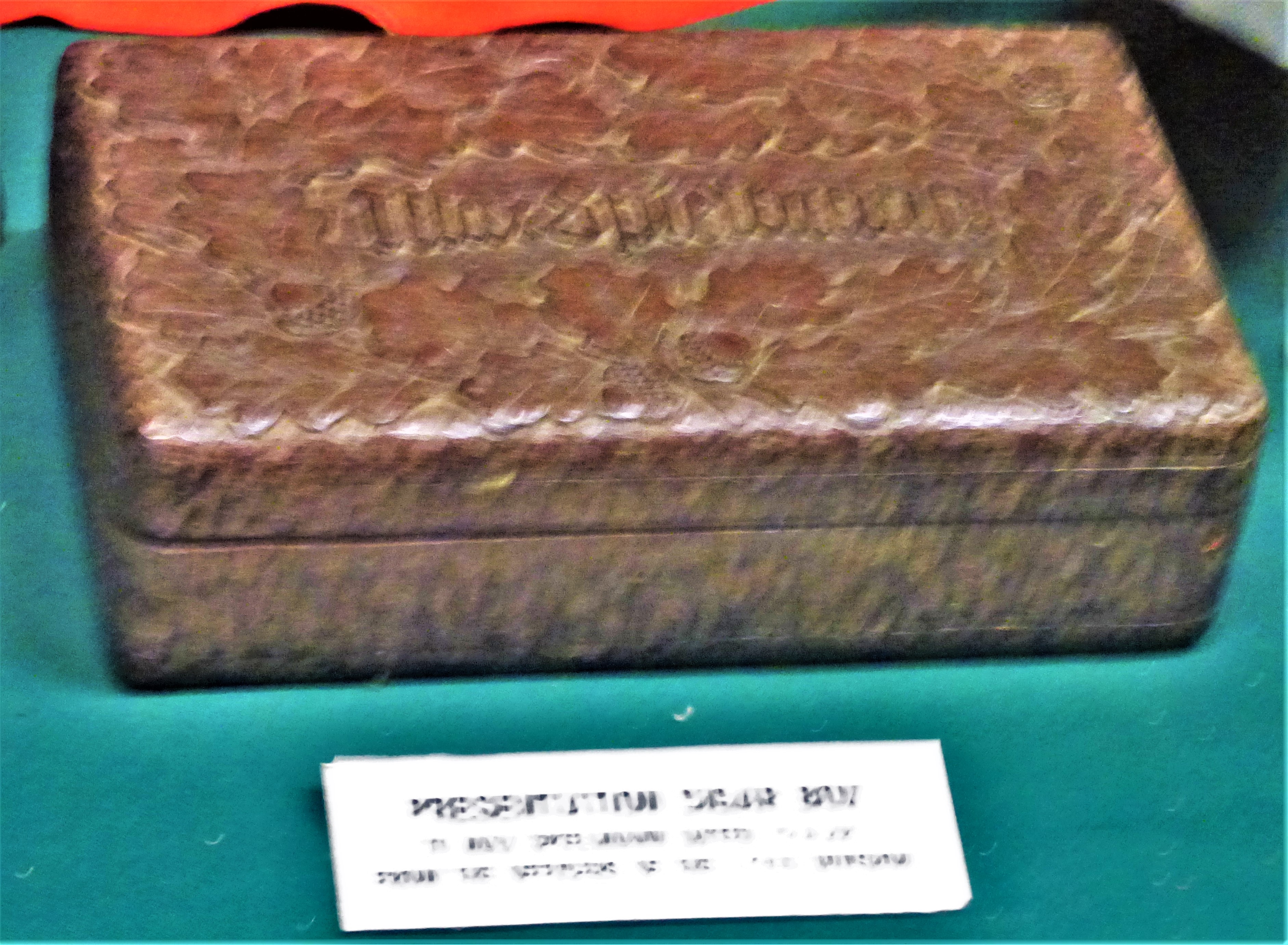
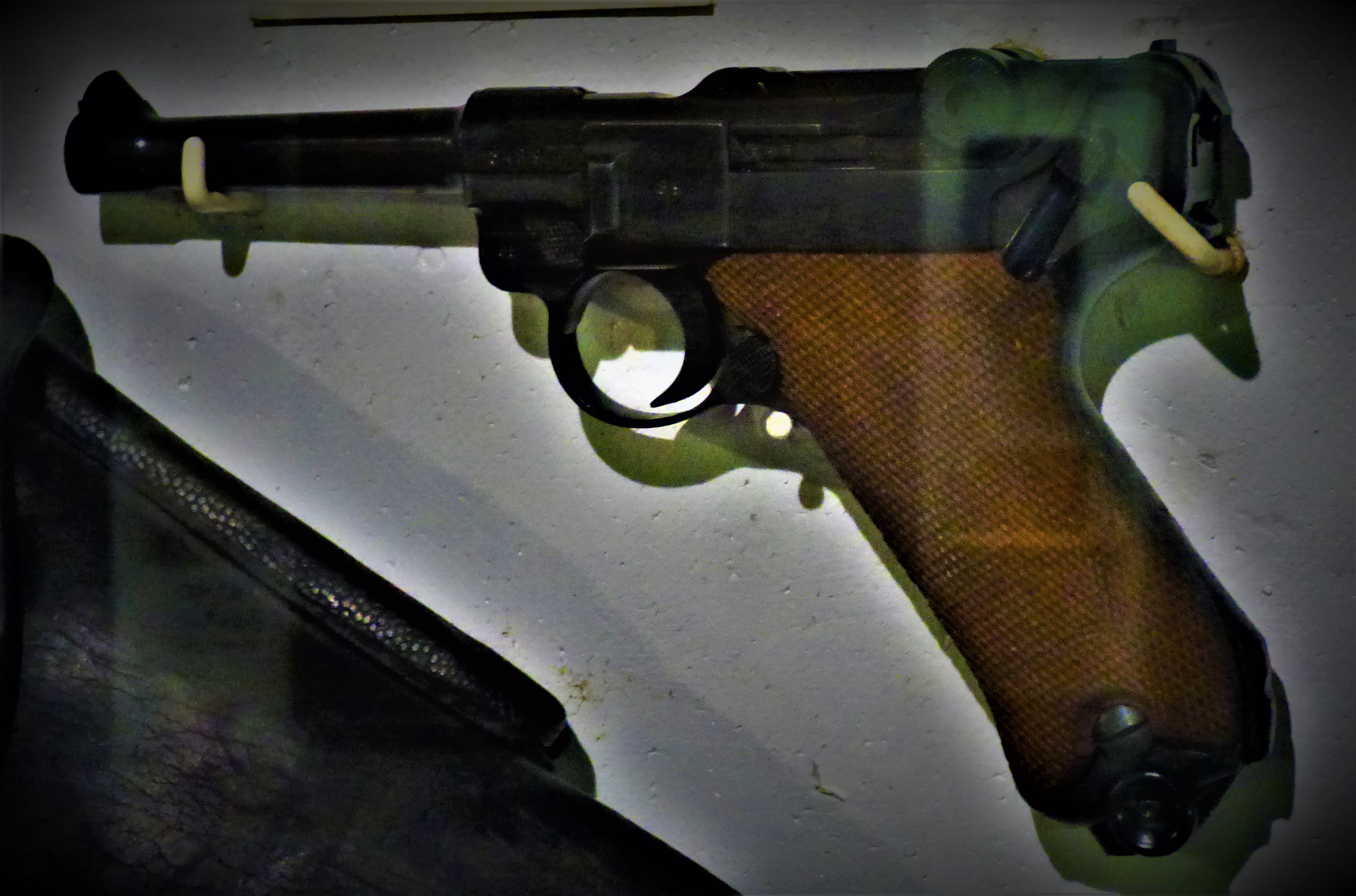
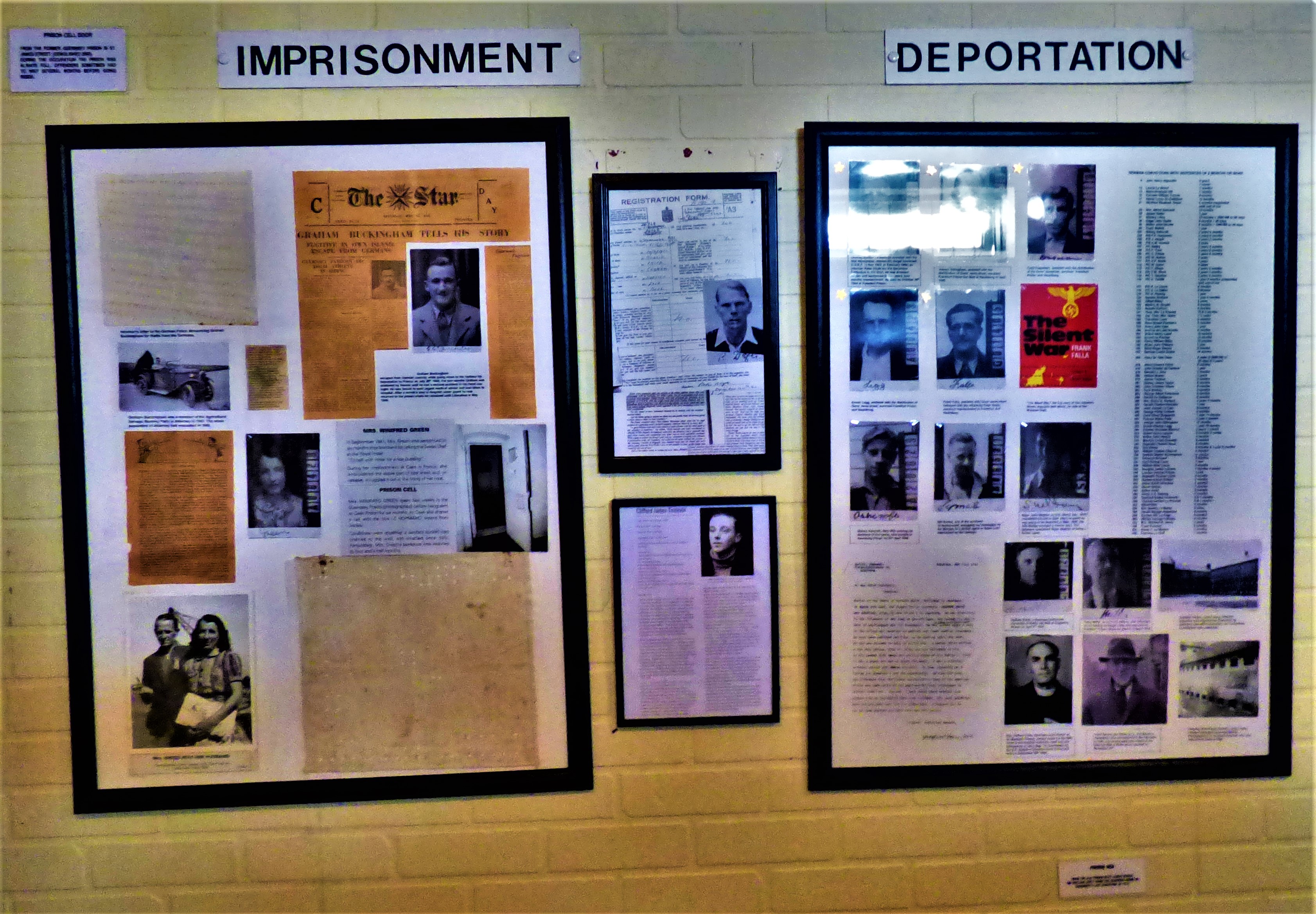
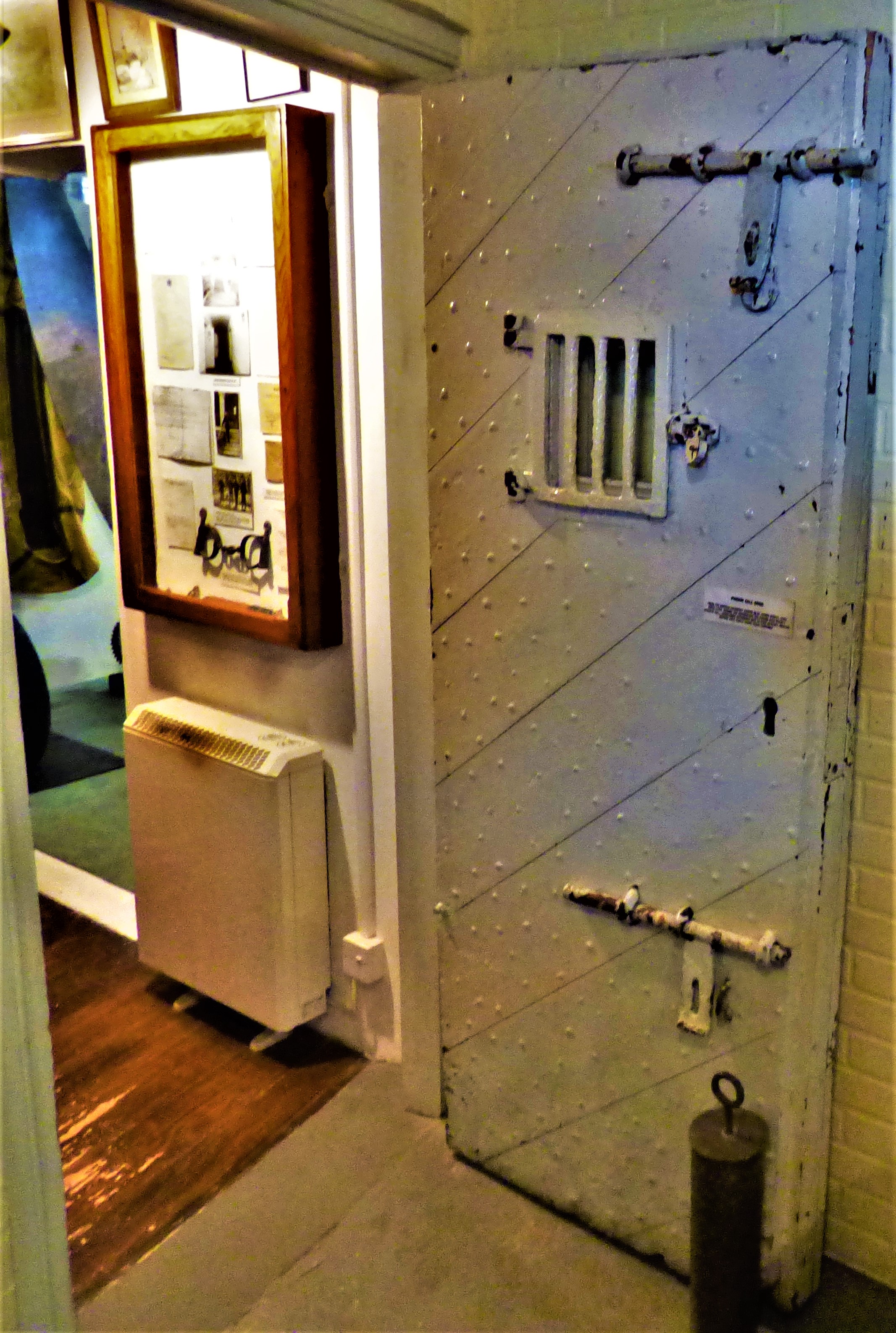
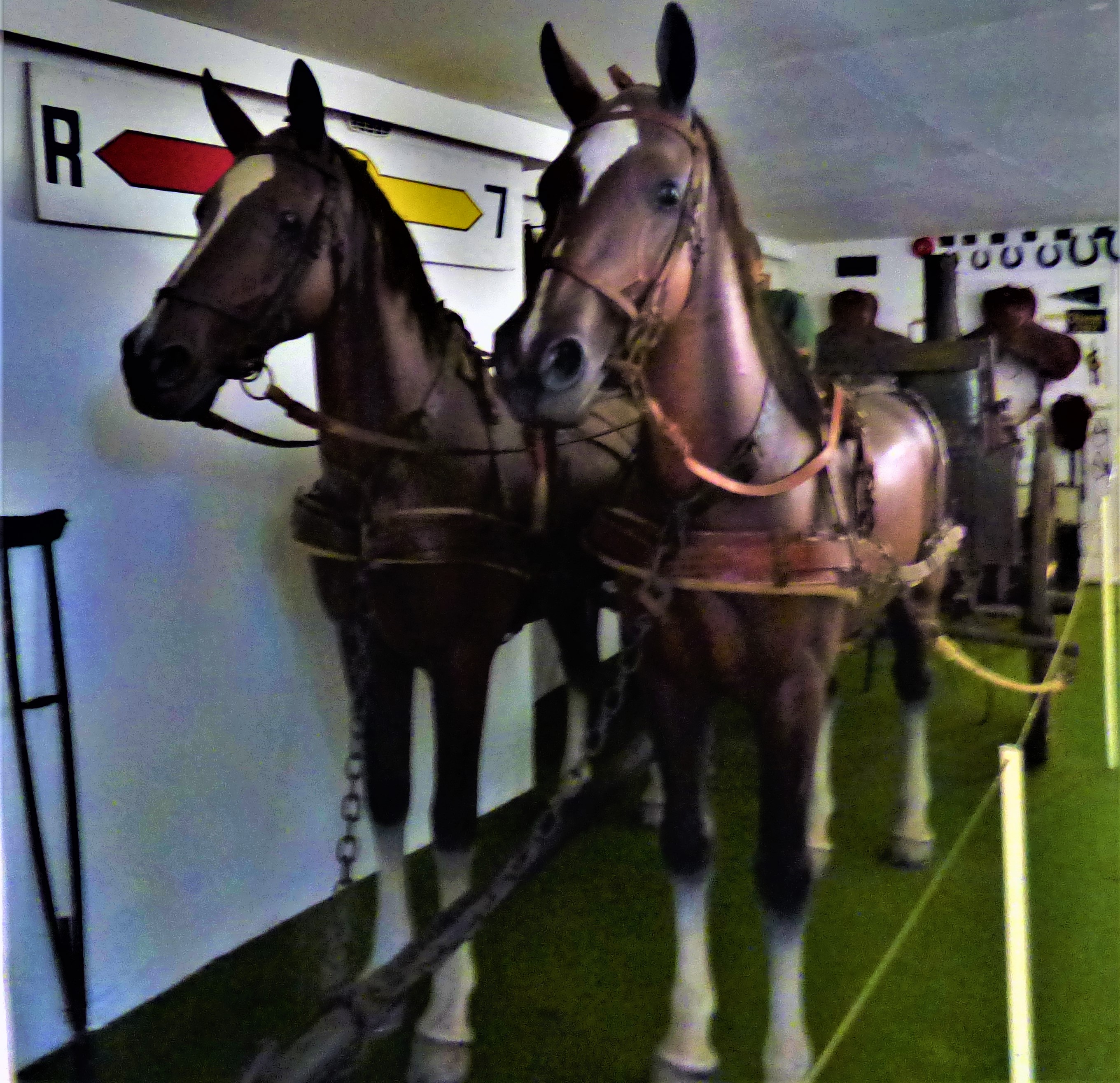
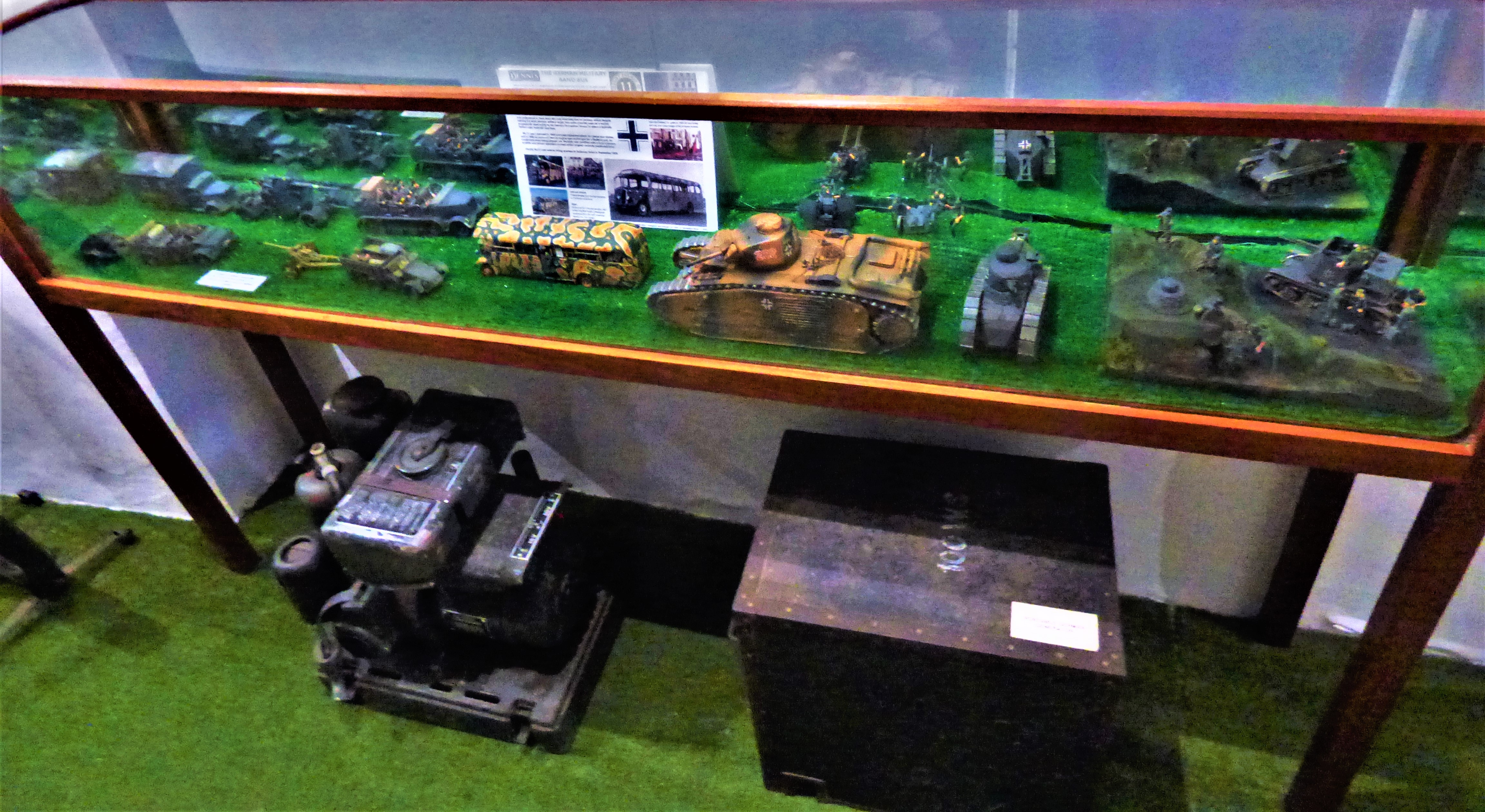
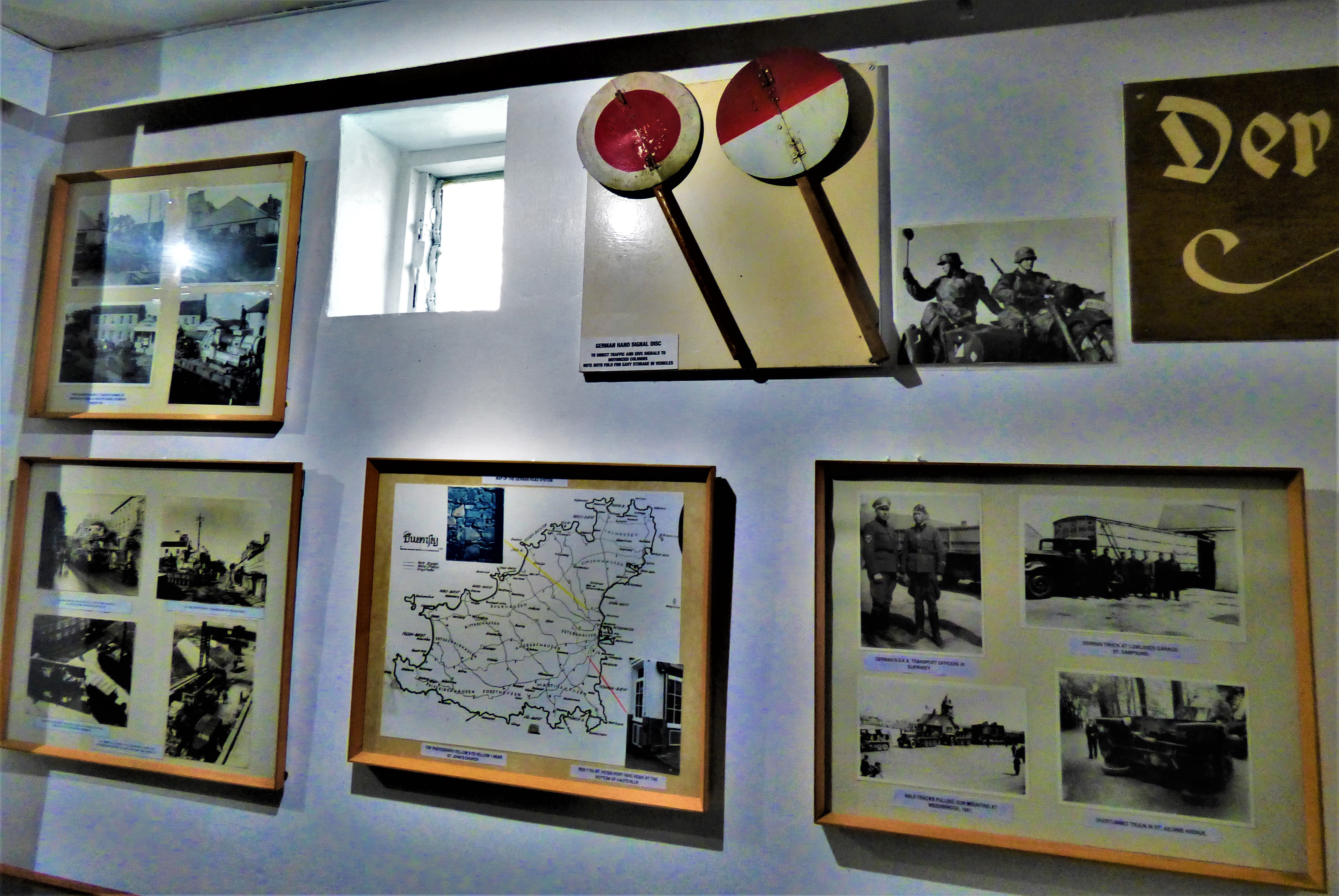
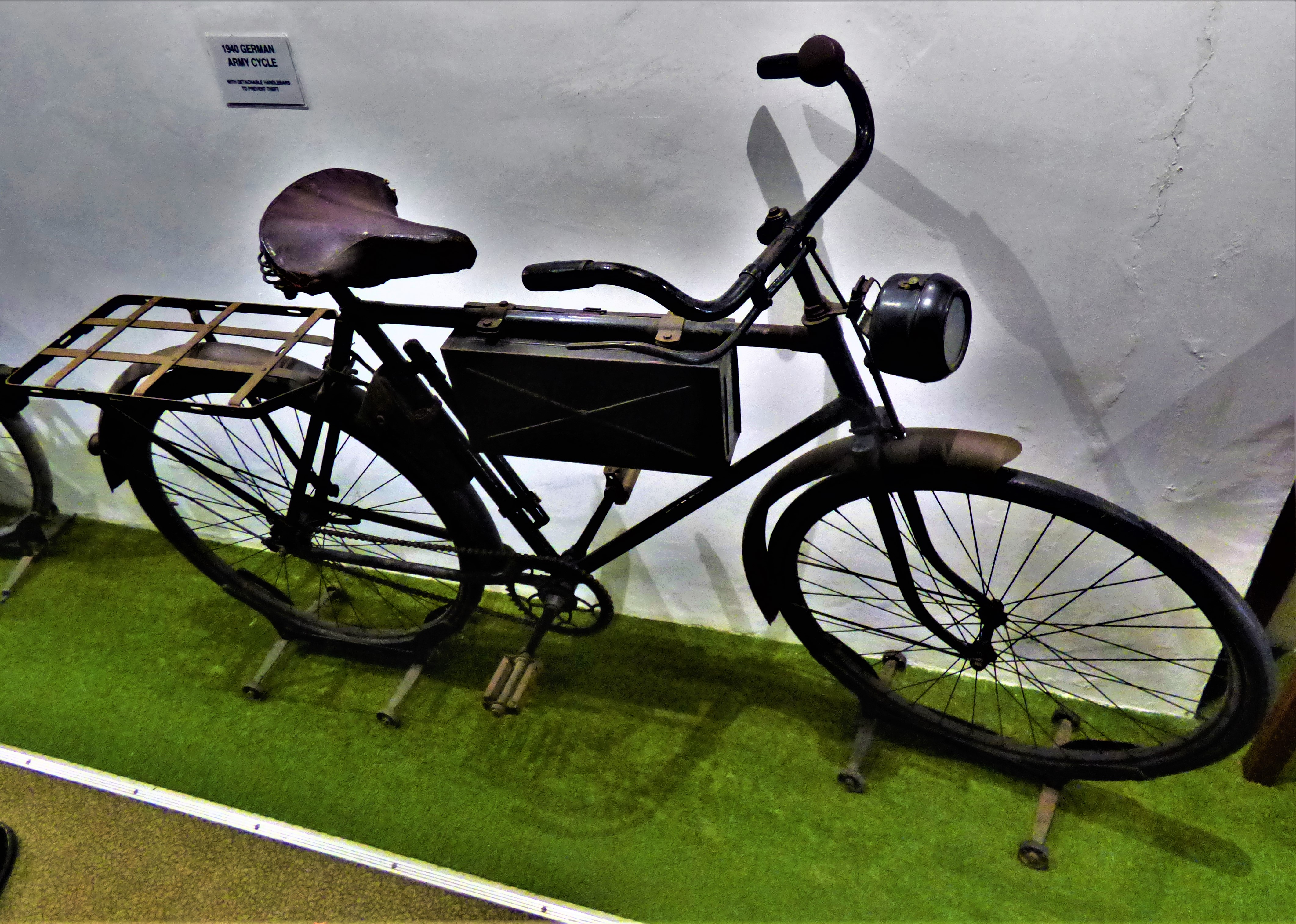
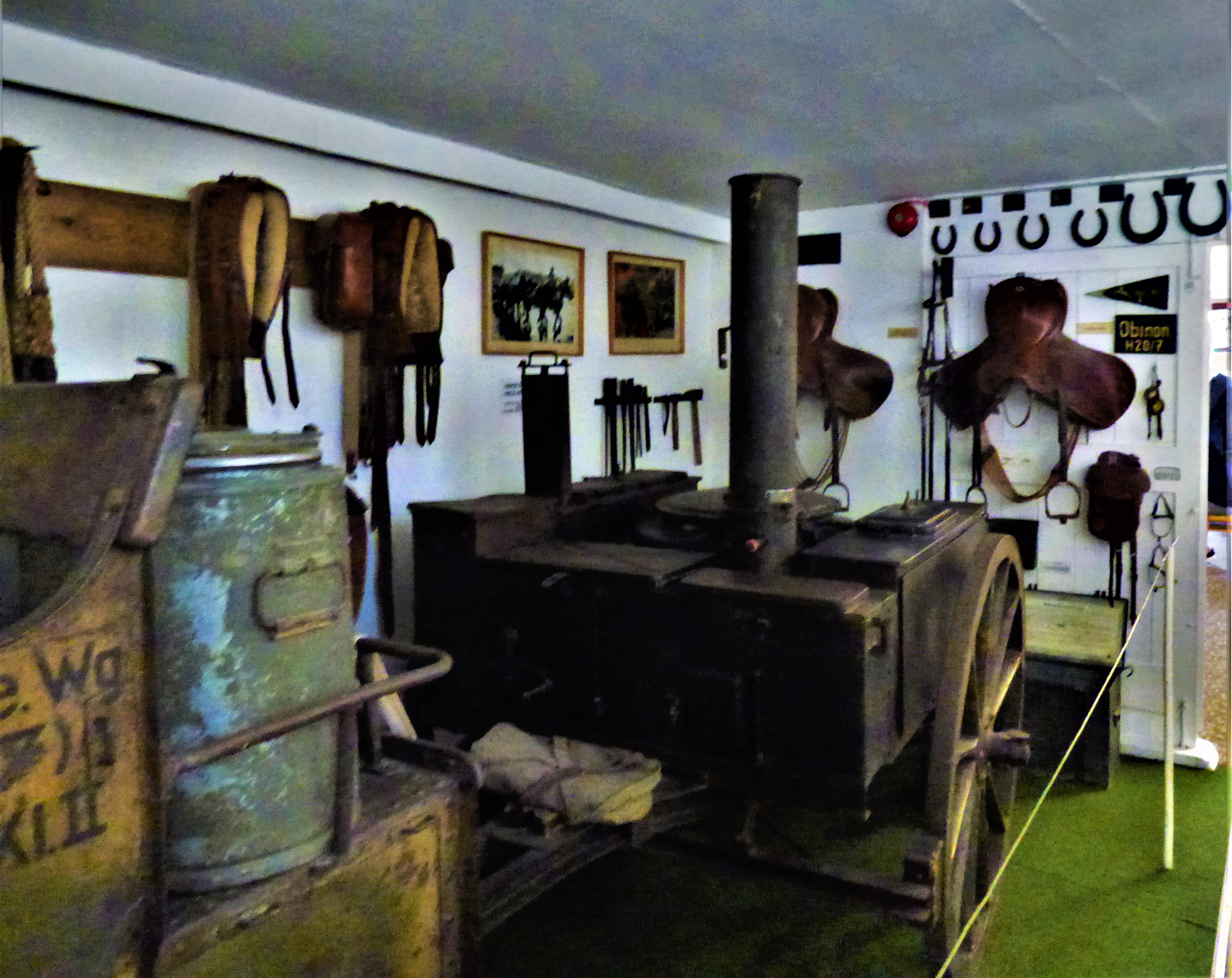
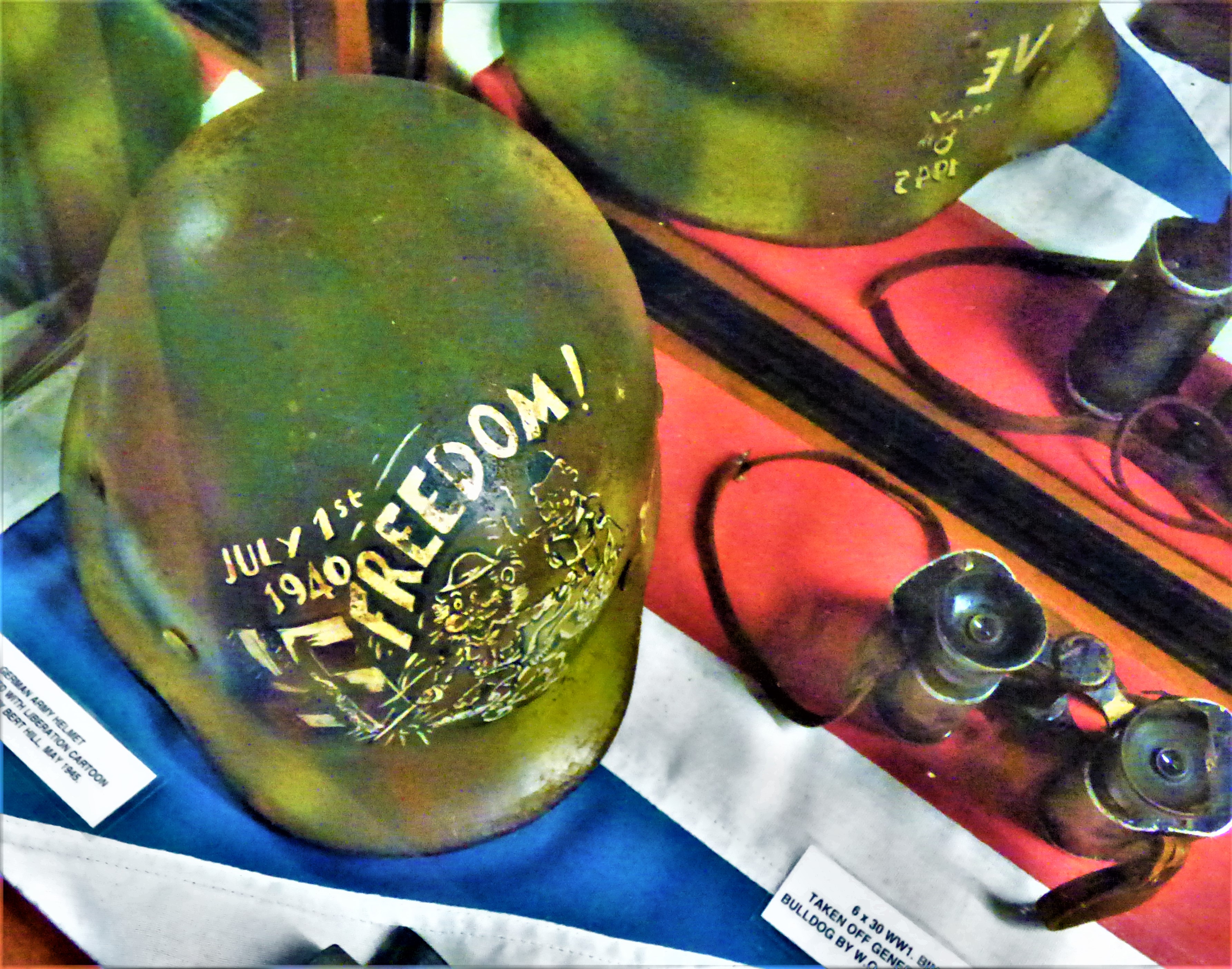
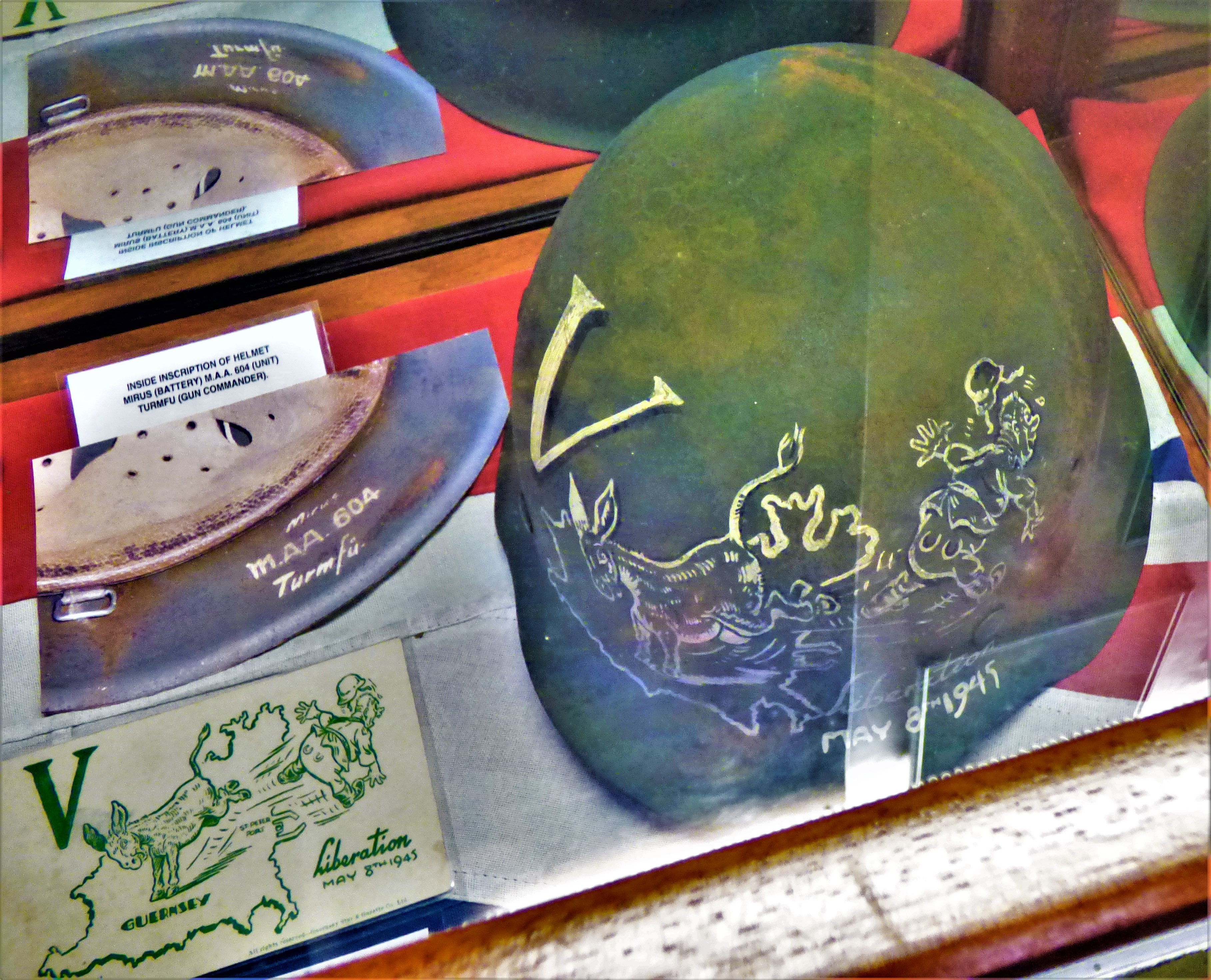
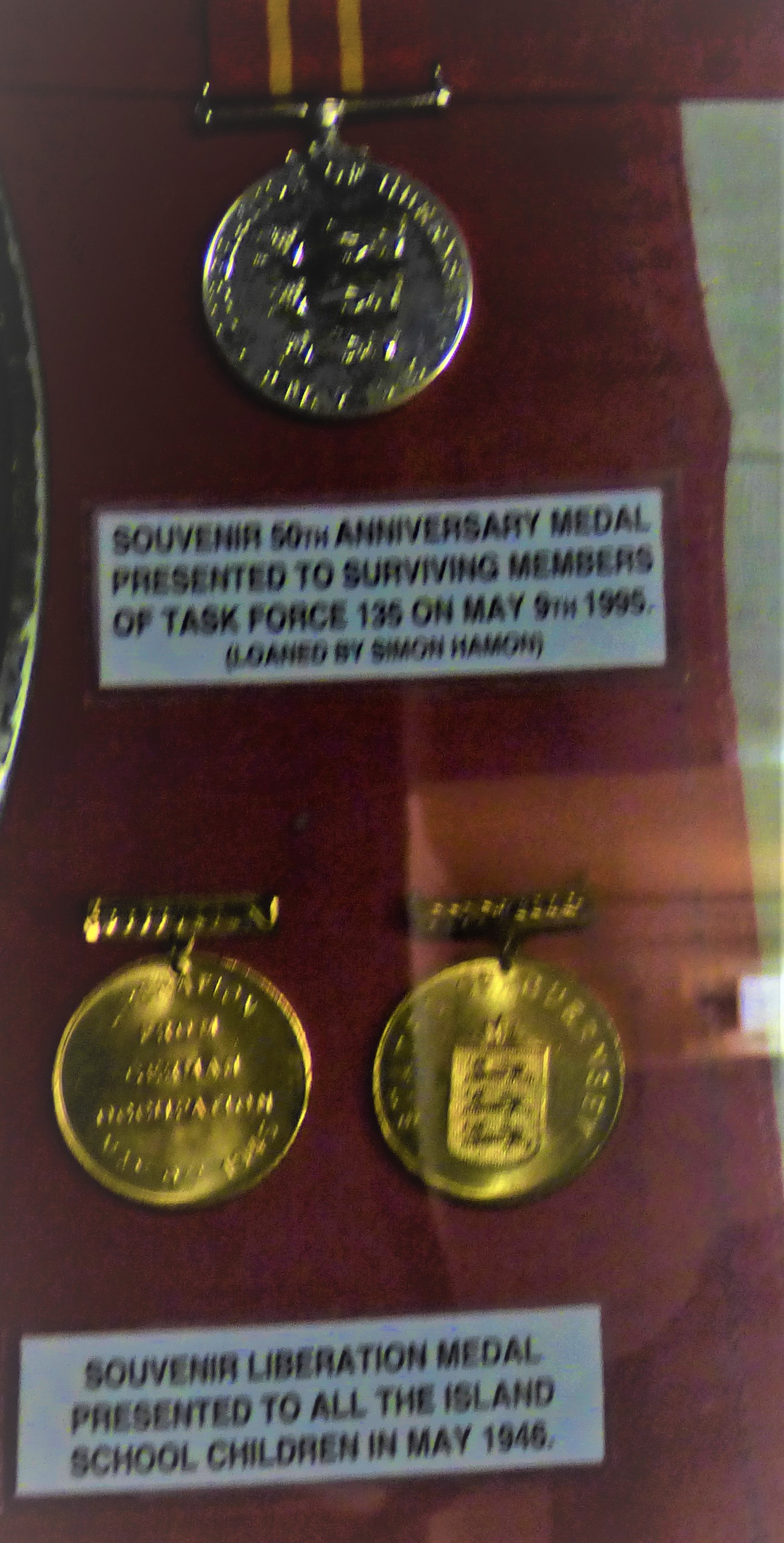
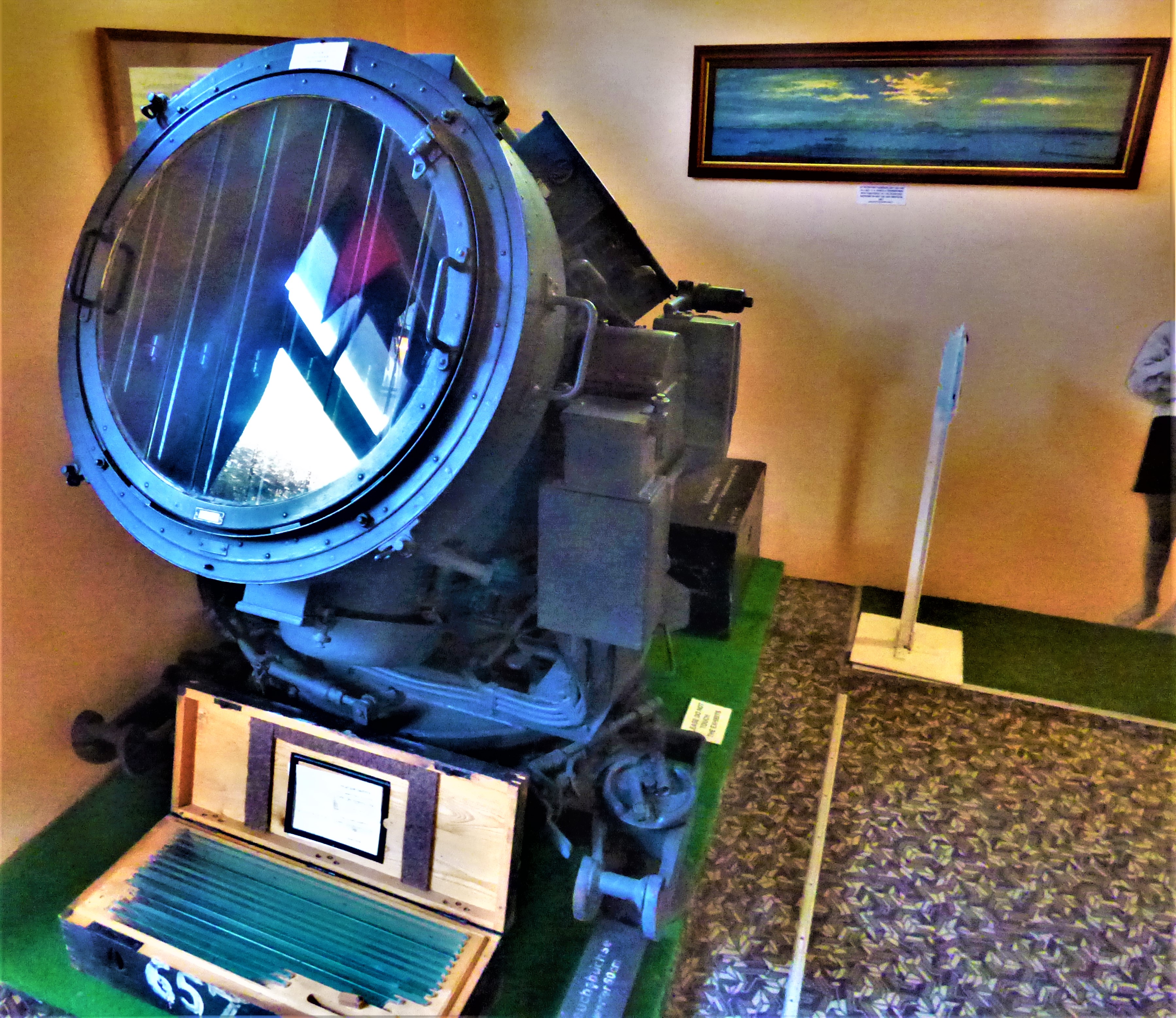
The first exhibits are large quantities of German militaria. This stuff was all genuine (I work for an auctioneer, and German military is notorious for featuring a heavy preponderance of fakes, some convincing and others utterly blatant – I would go so far as to say that if you see German militaria listed in an auction catalogue regard it as fake until and unless proved otherwise).
Yesterday was Heritage Open Day 2021, and this is my account of the day as I experienced it.
Heritage Open Day in King’s Lynn happens on the second Sunday in September (except last year when for reasons not needing elaboration it did not happen at all), which this year was yesterday. This post describes the day as I experienced it, and is rather longer than my usual posts.
THE BEGINNING: TUESDAY MARKET PLACE
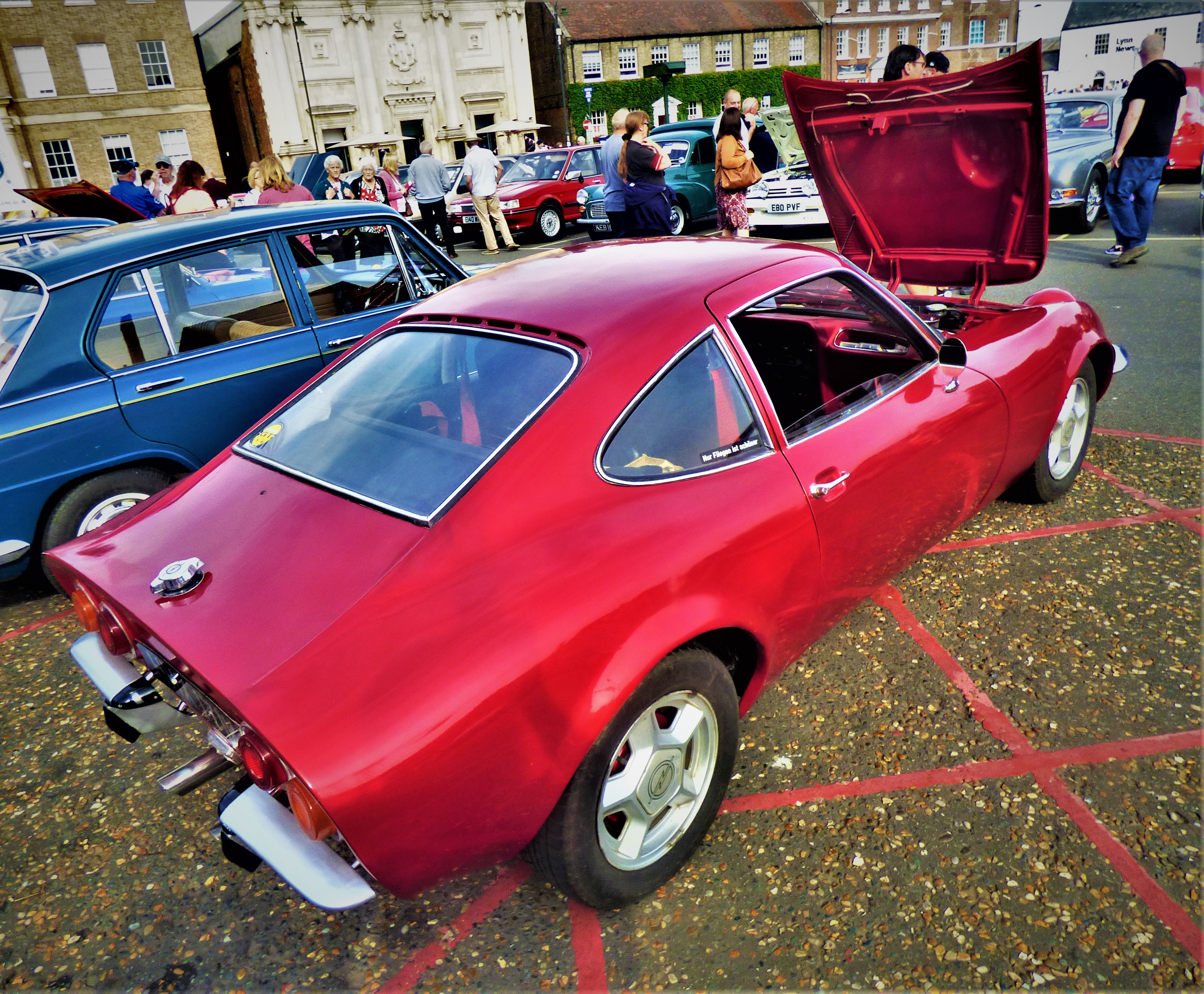
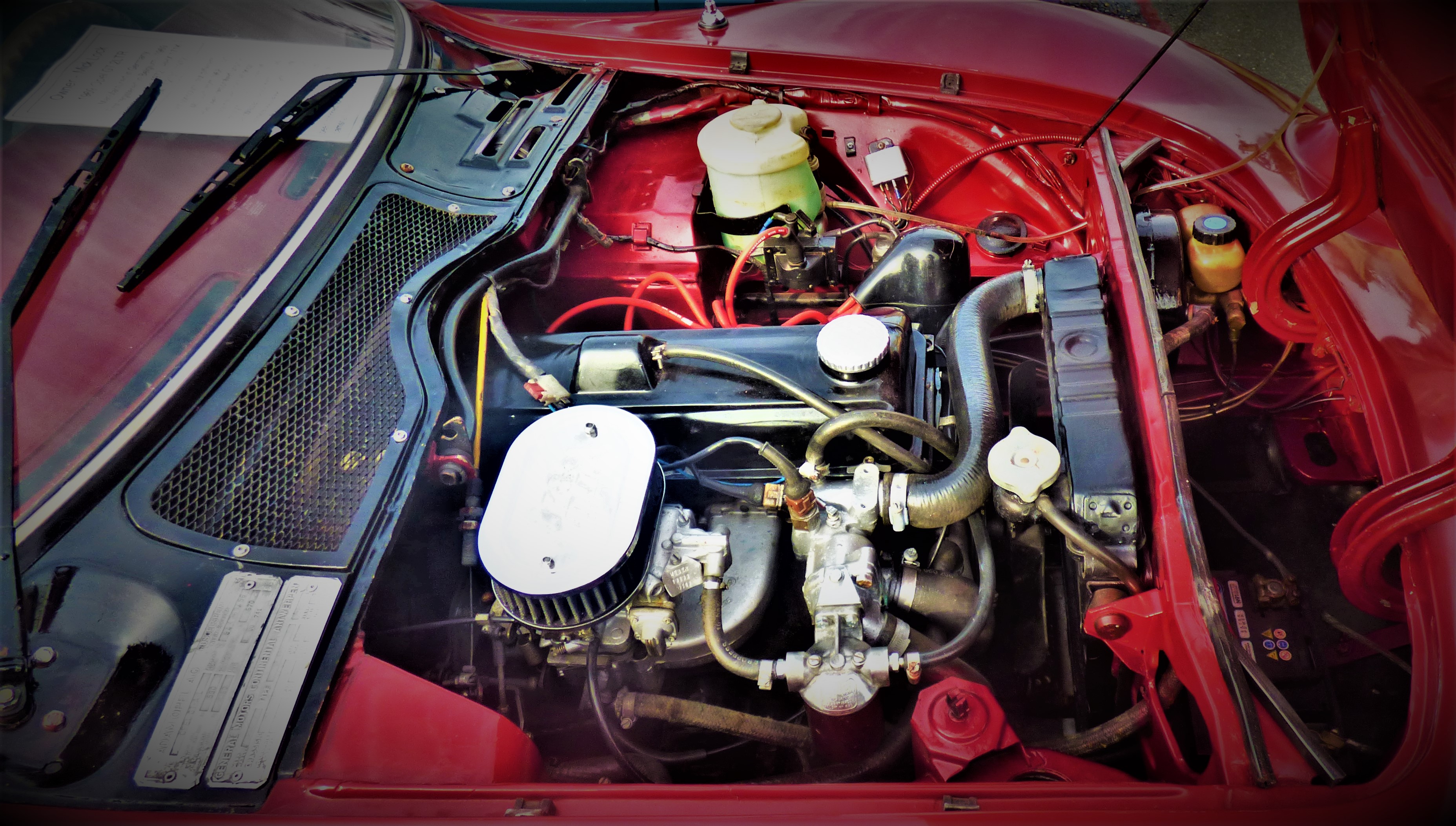
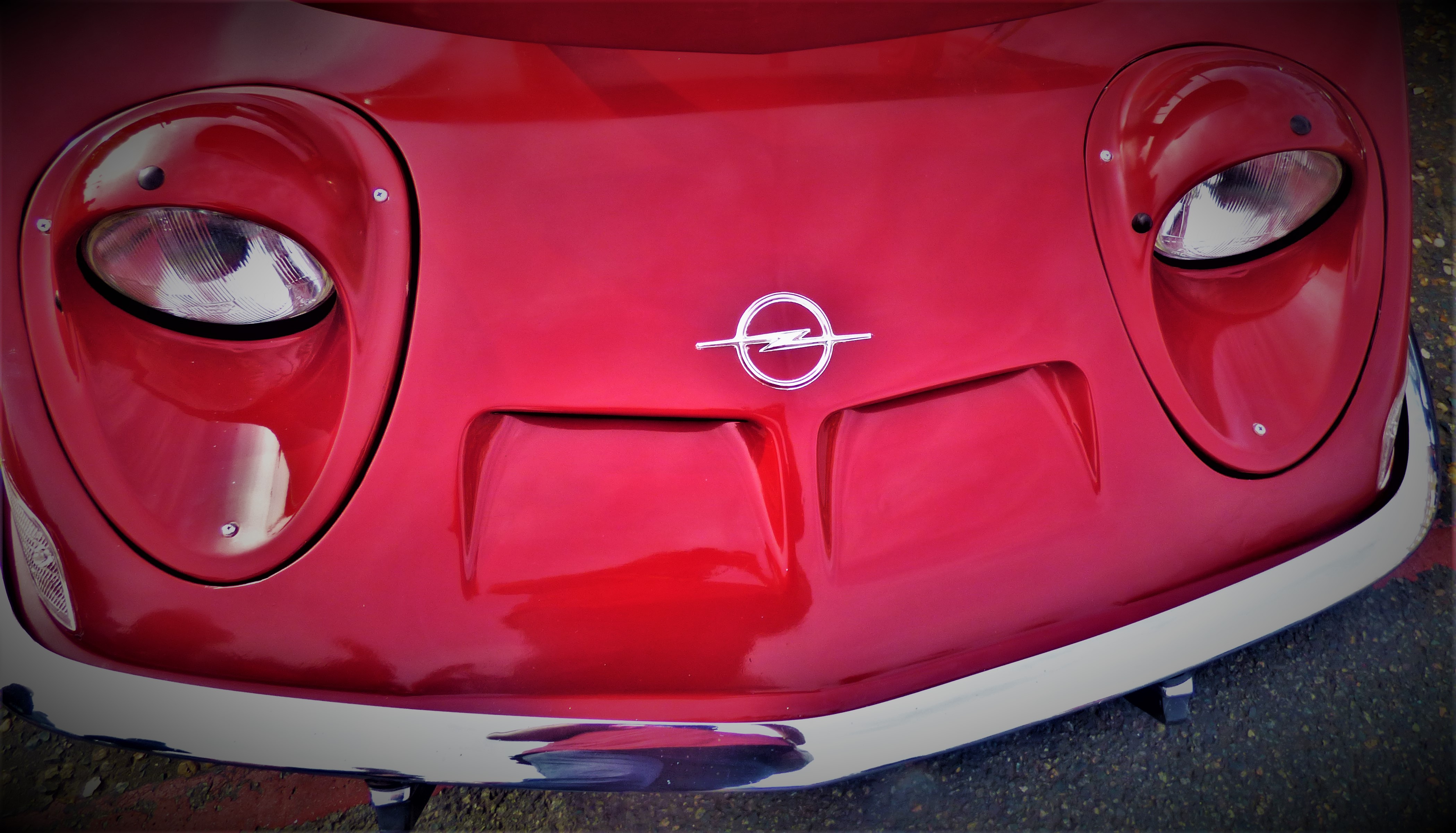
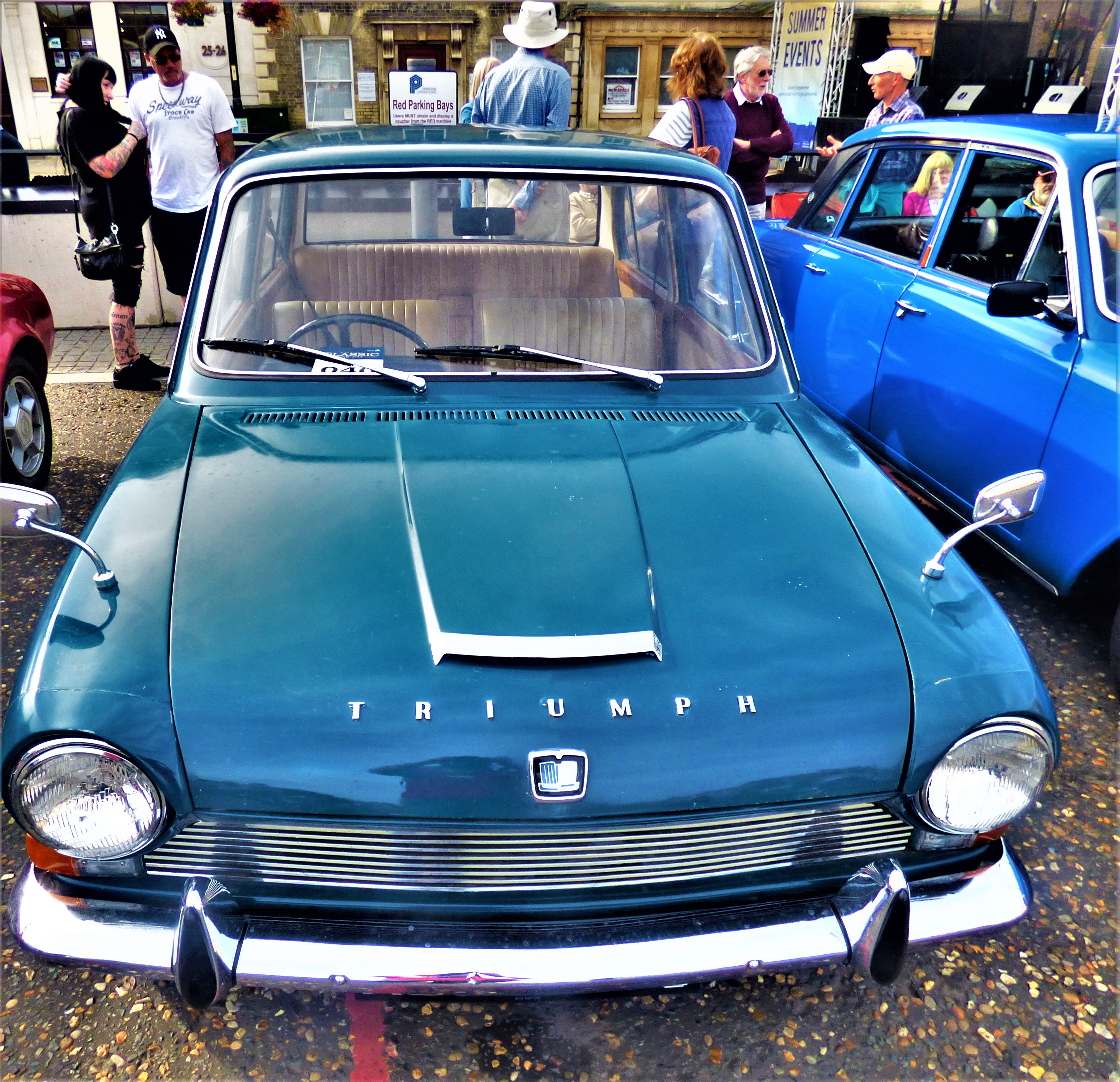
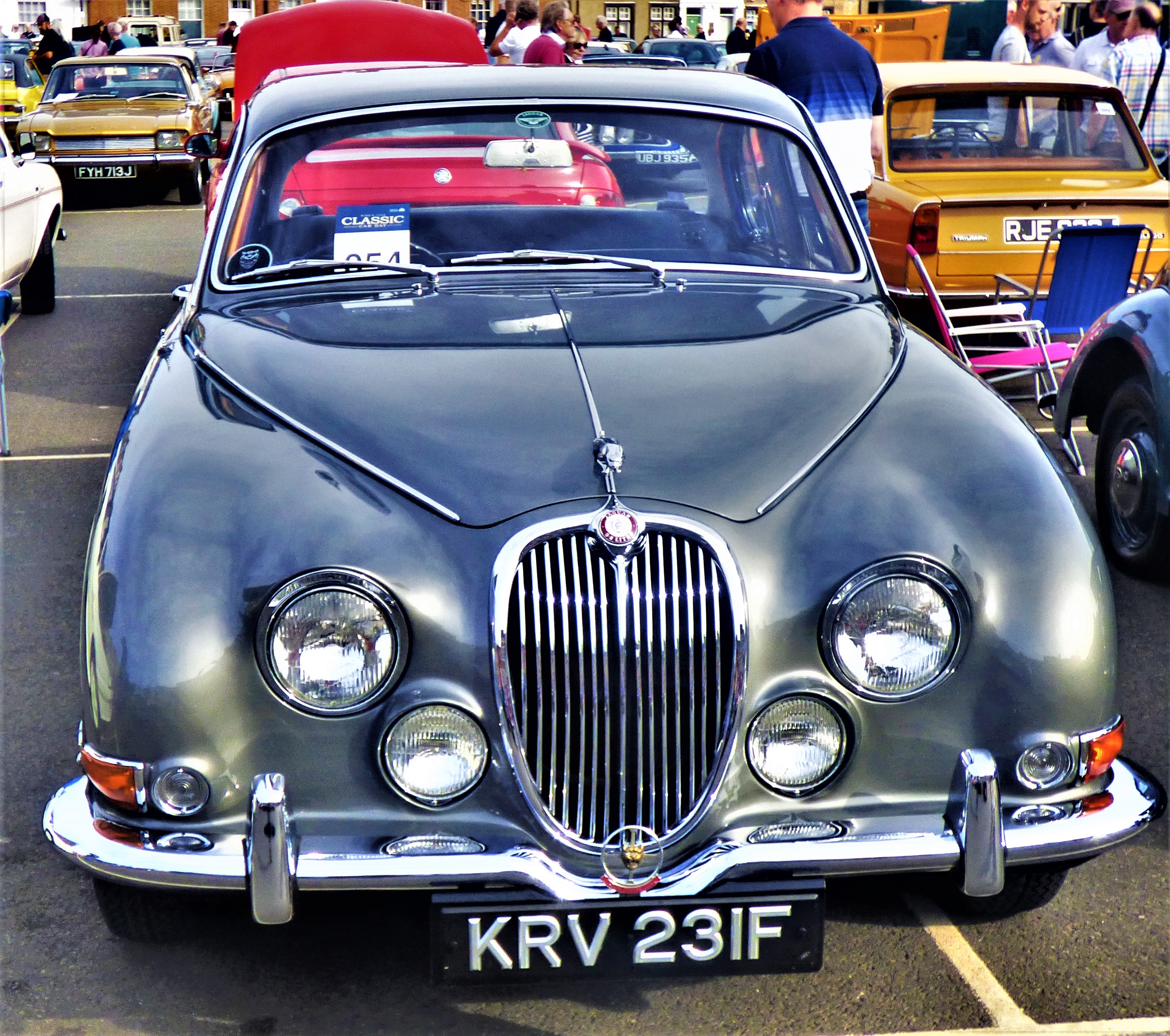
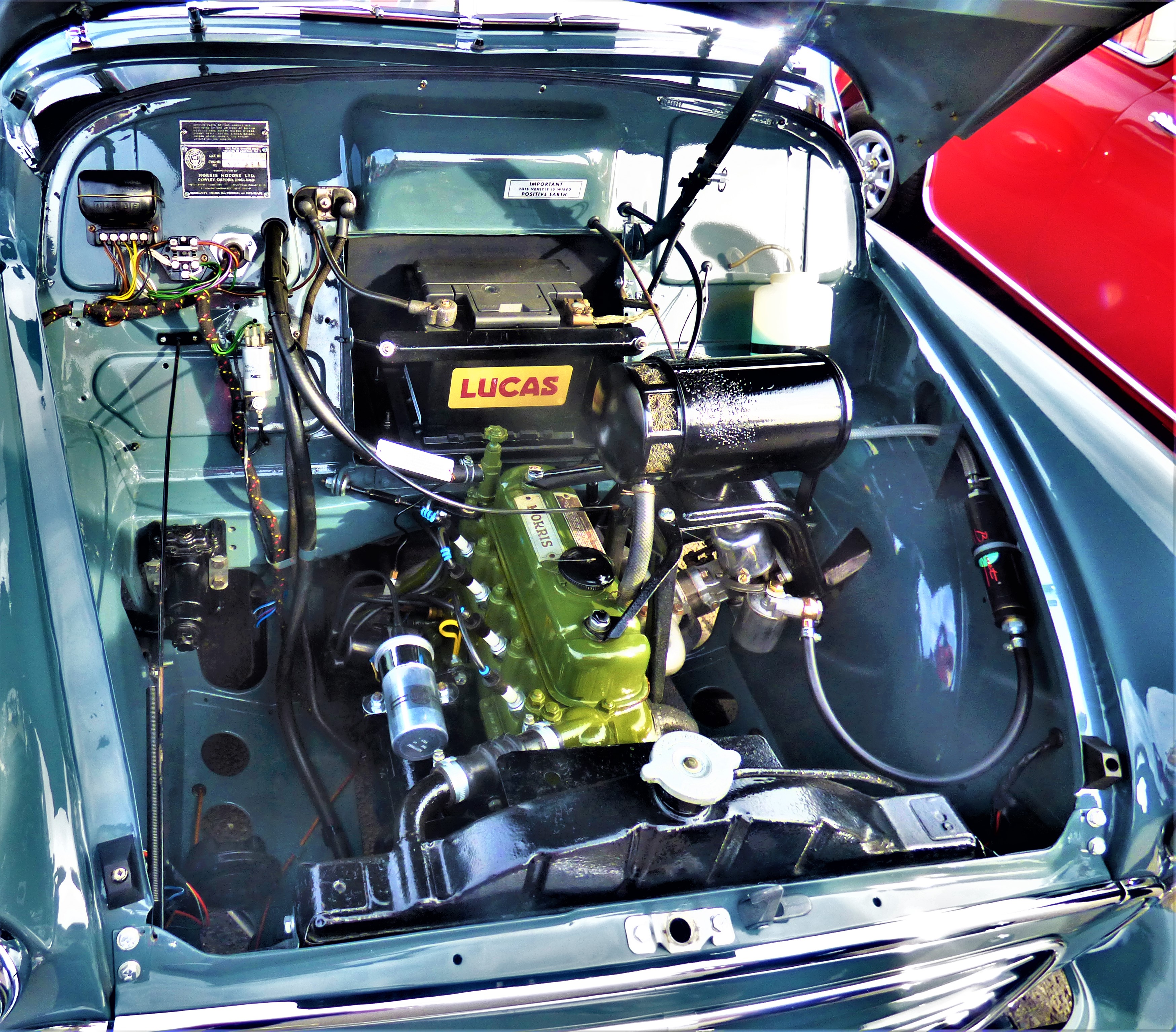
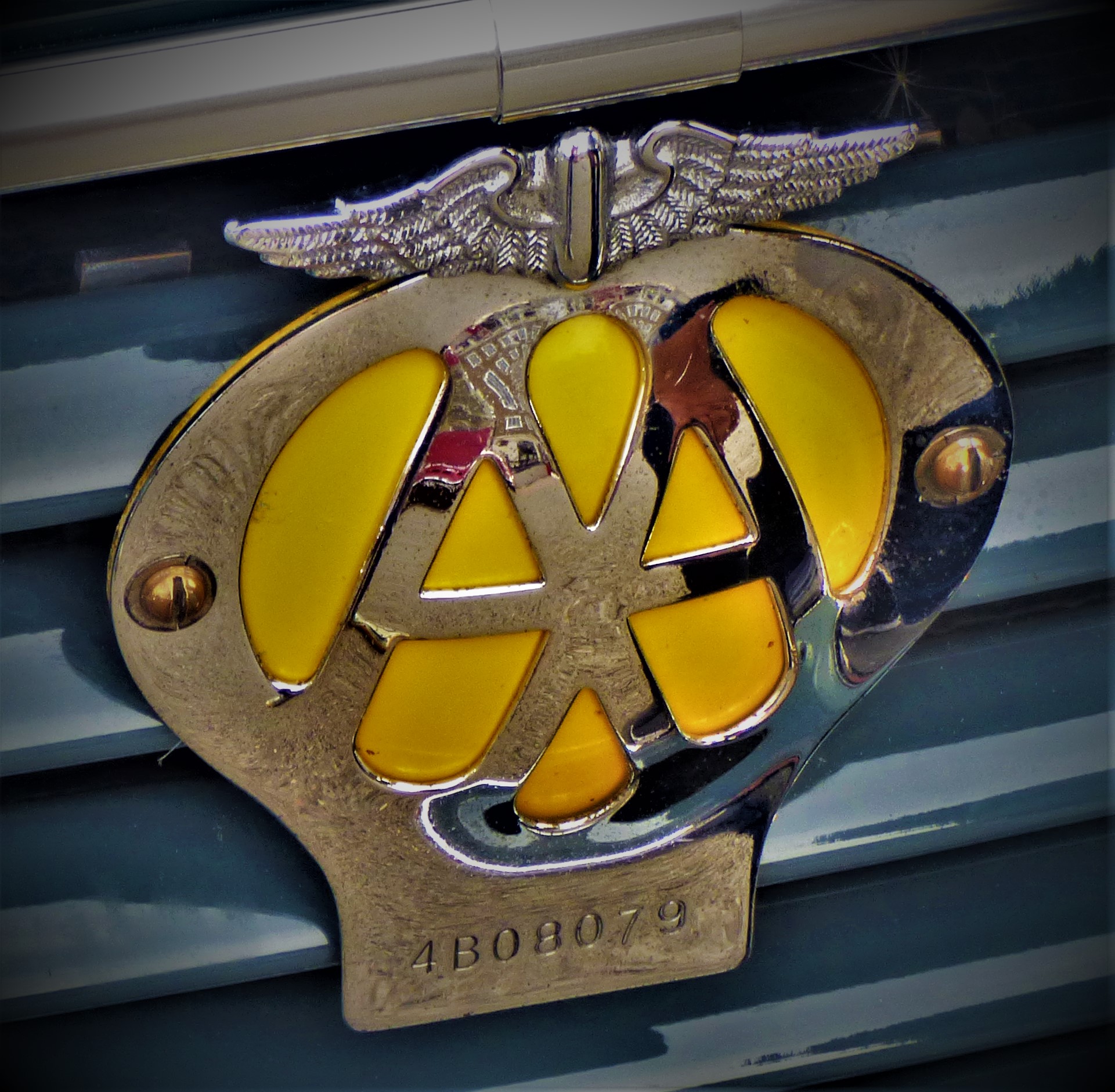
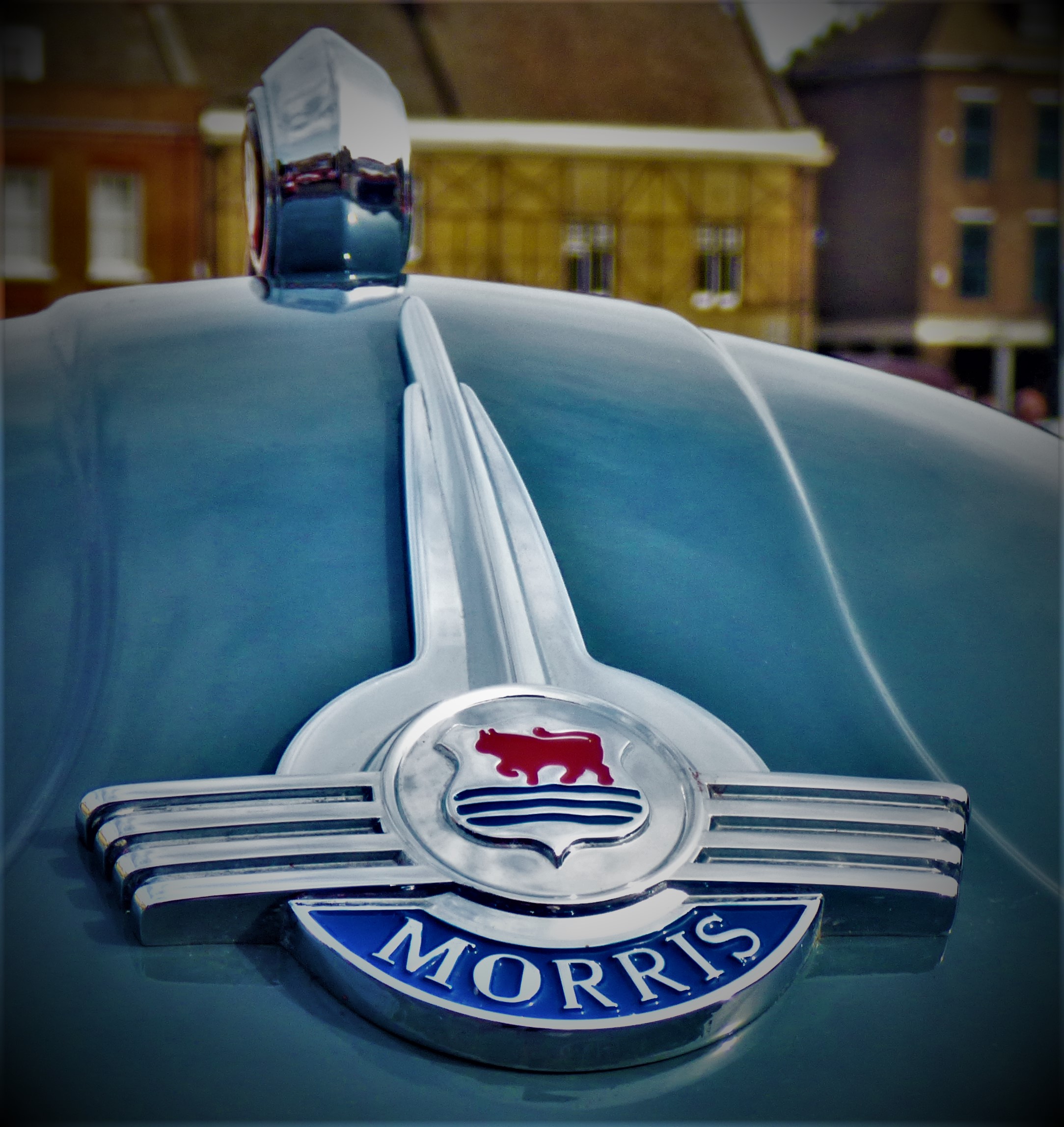
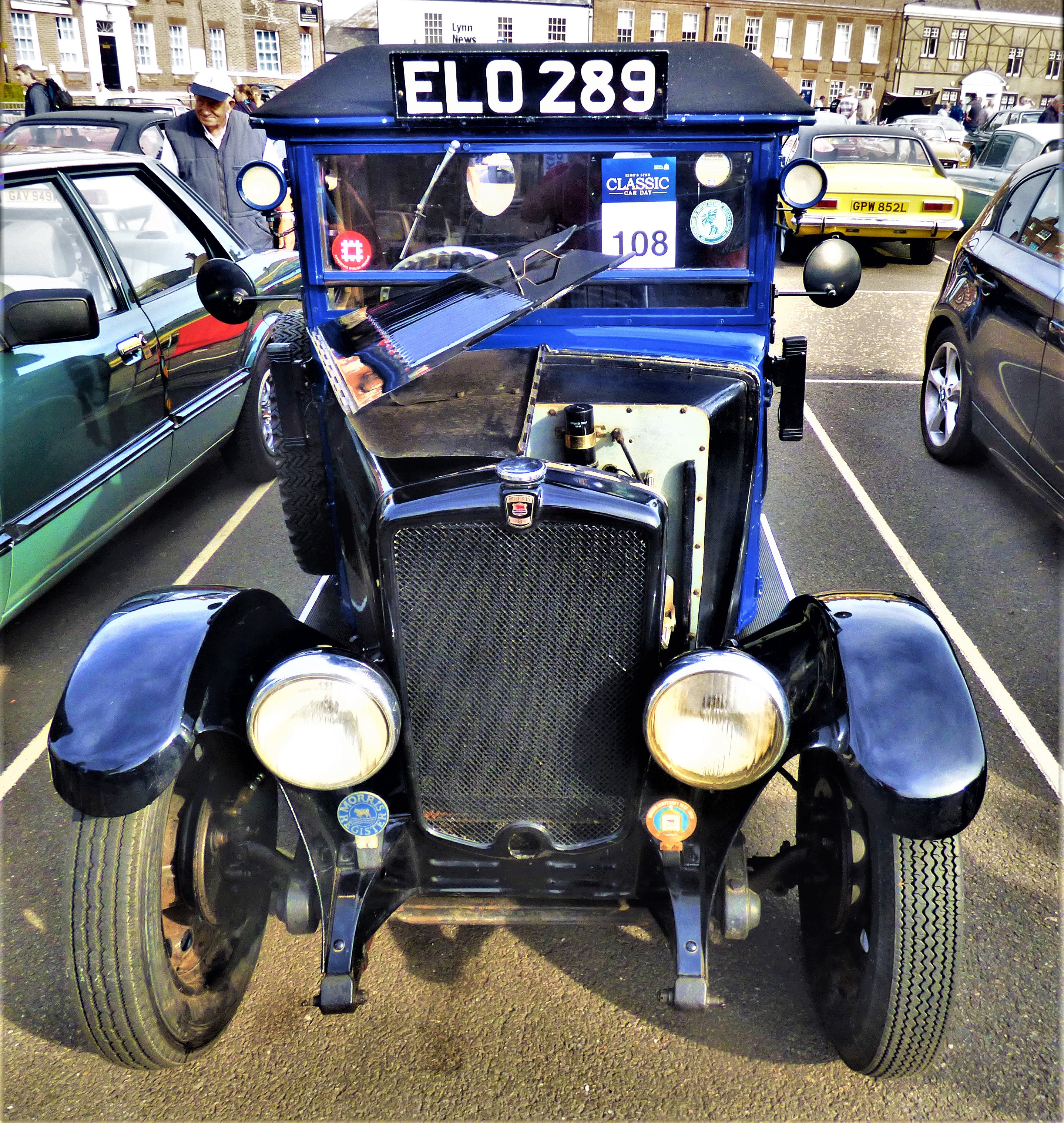
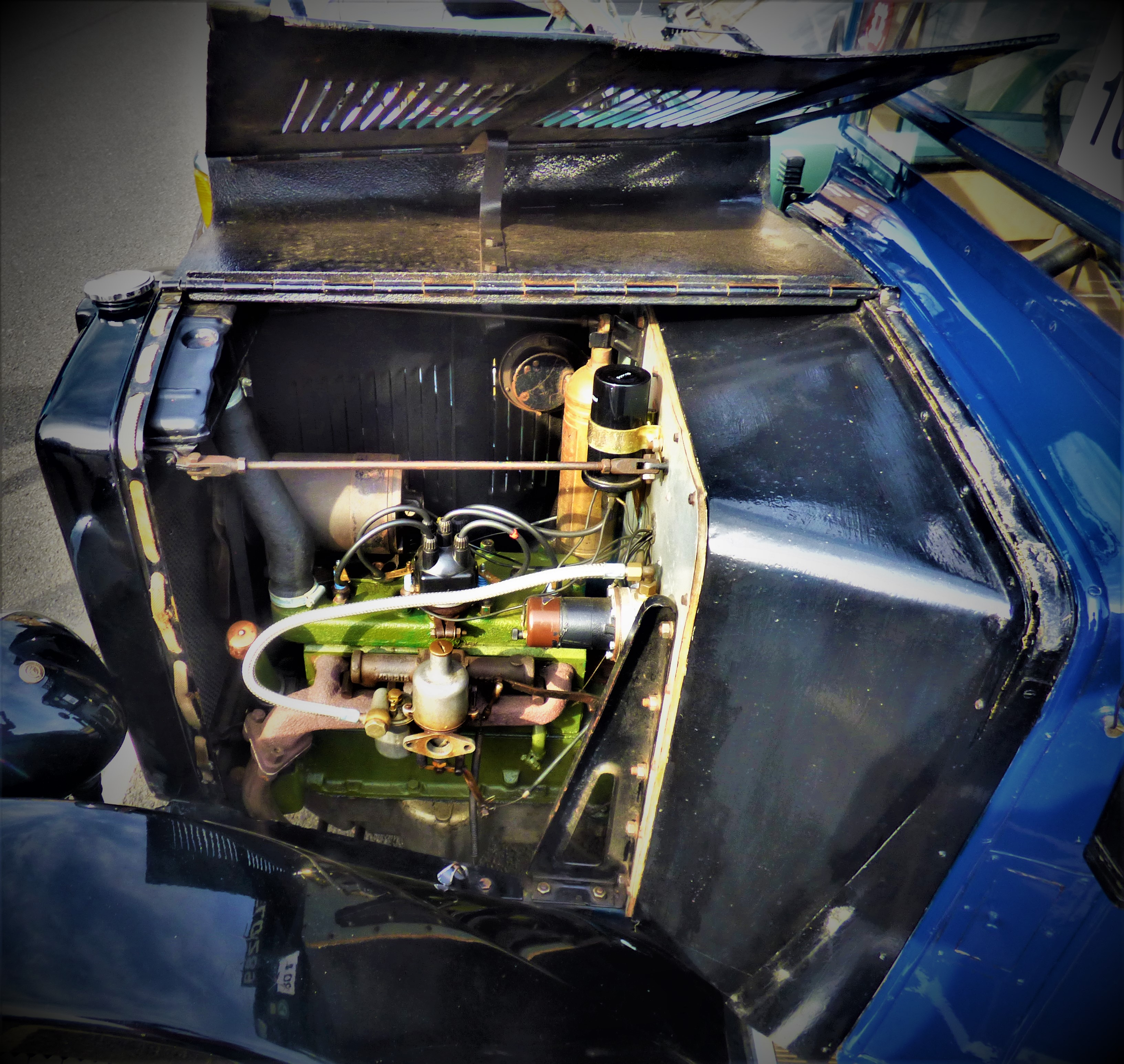
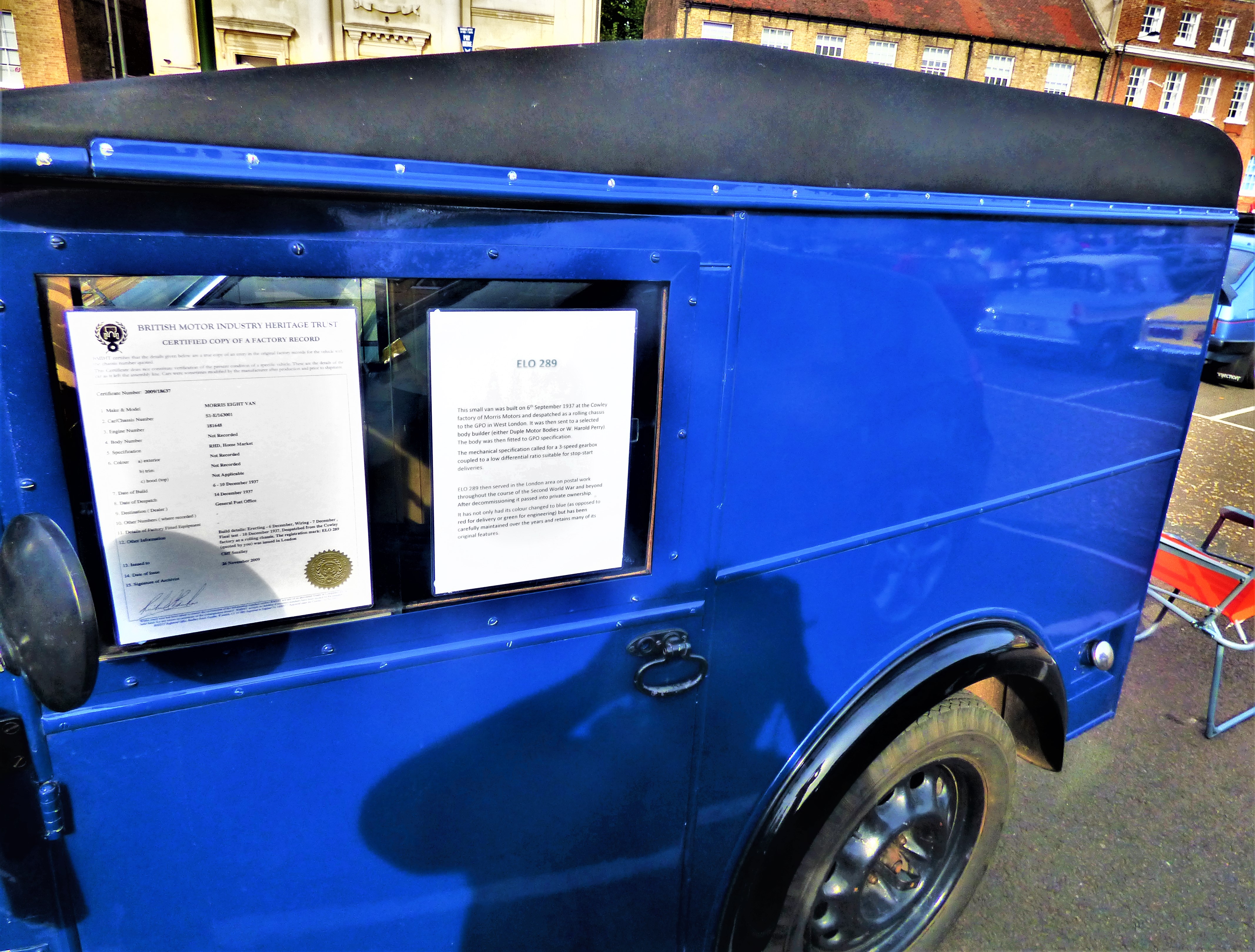
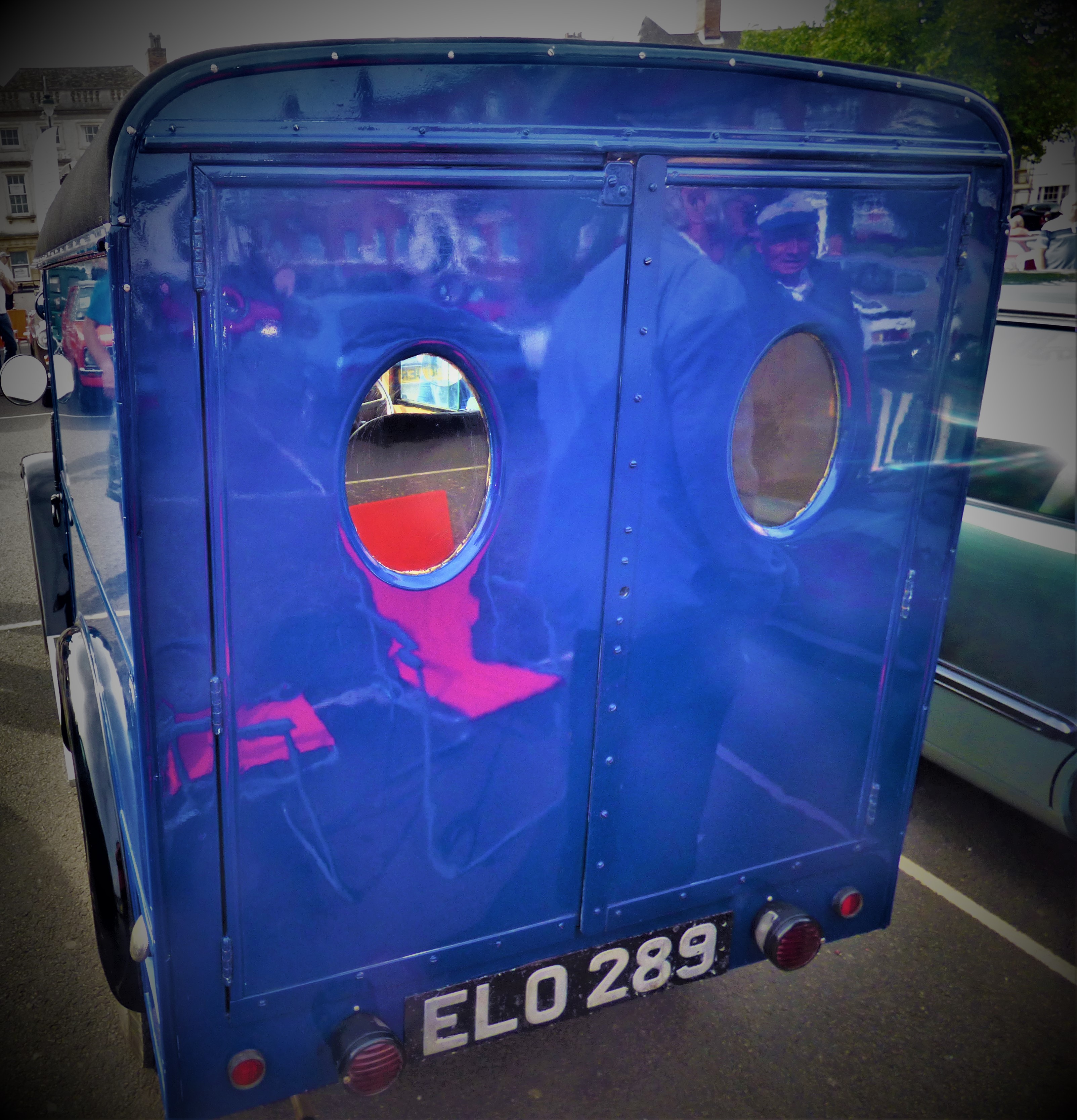
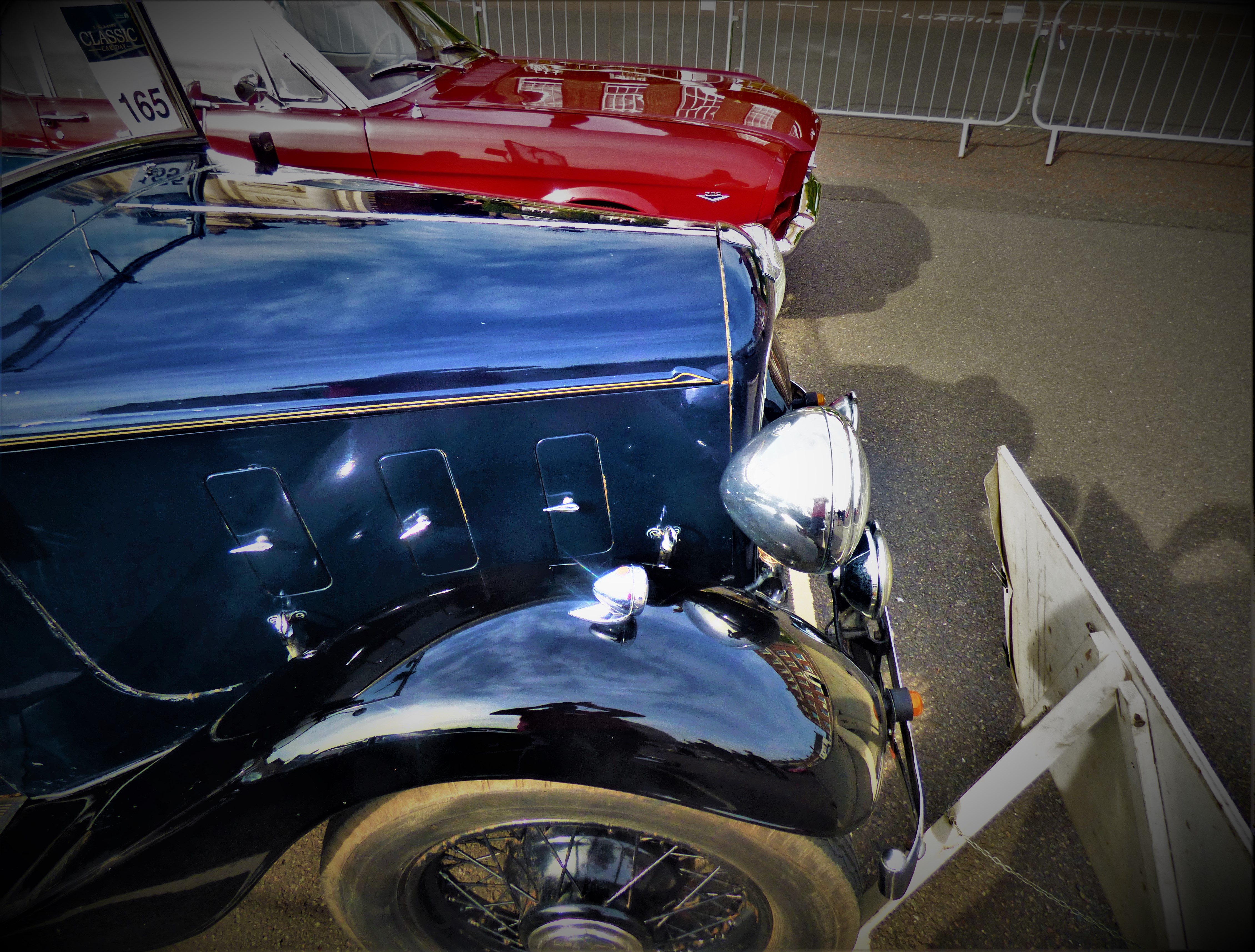
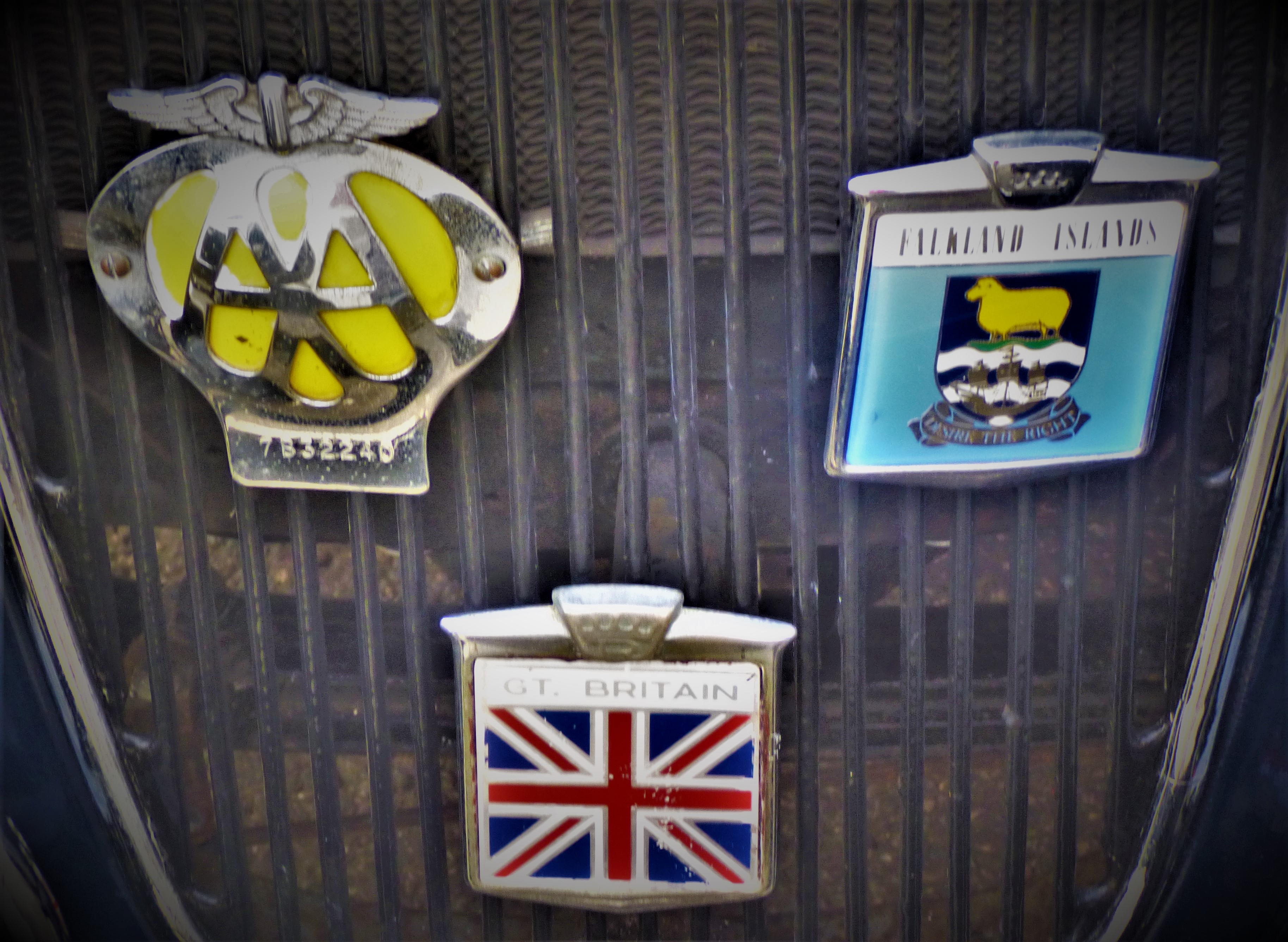
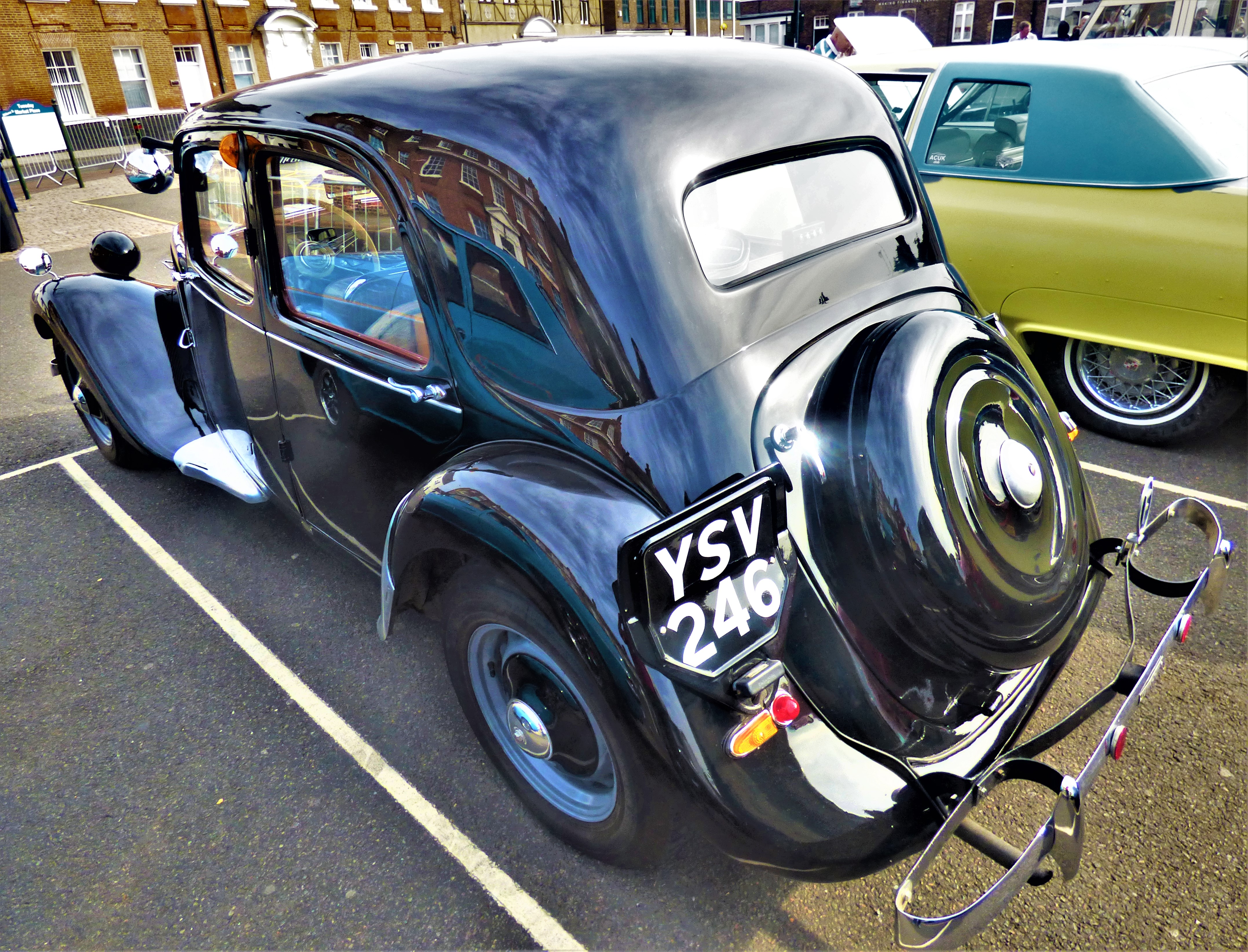
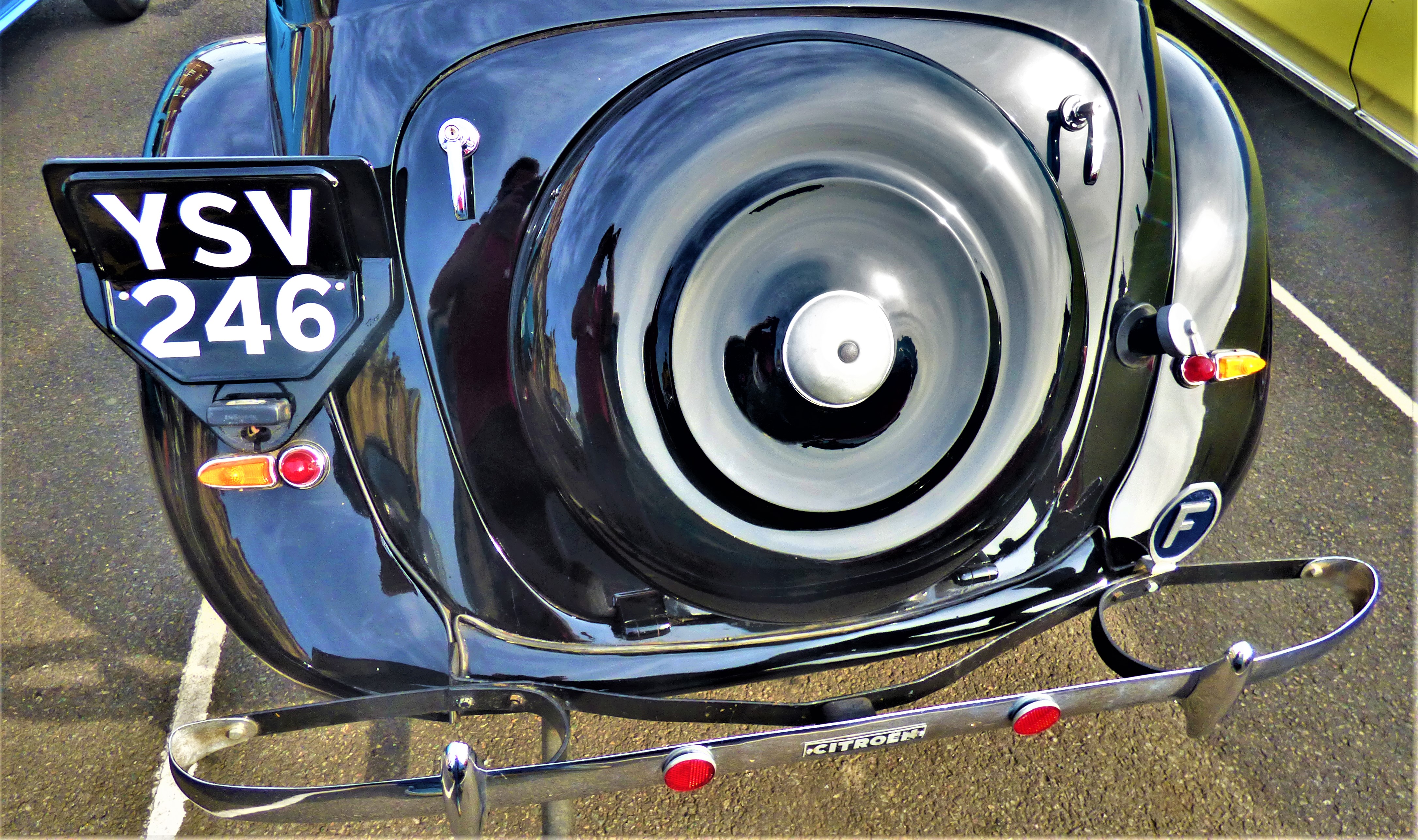
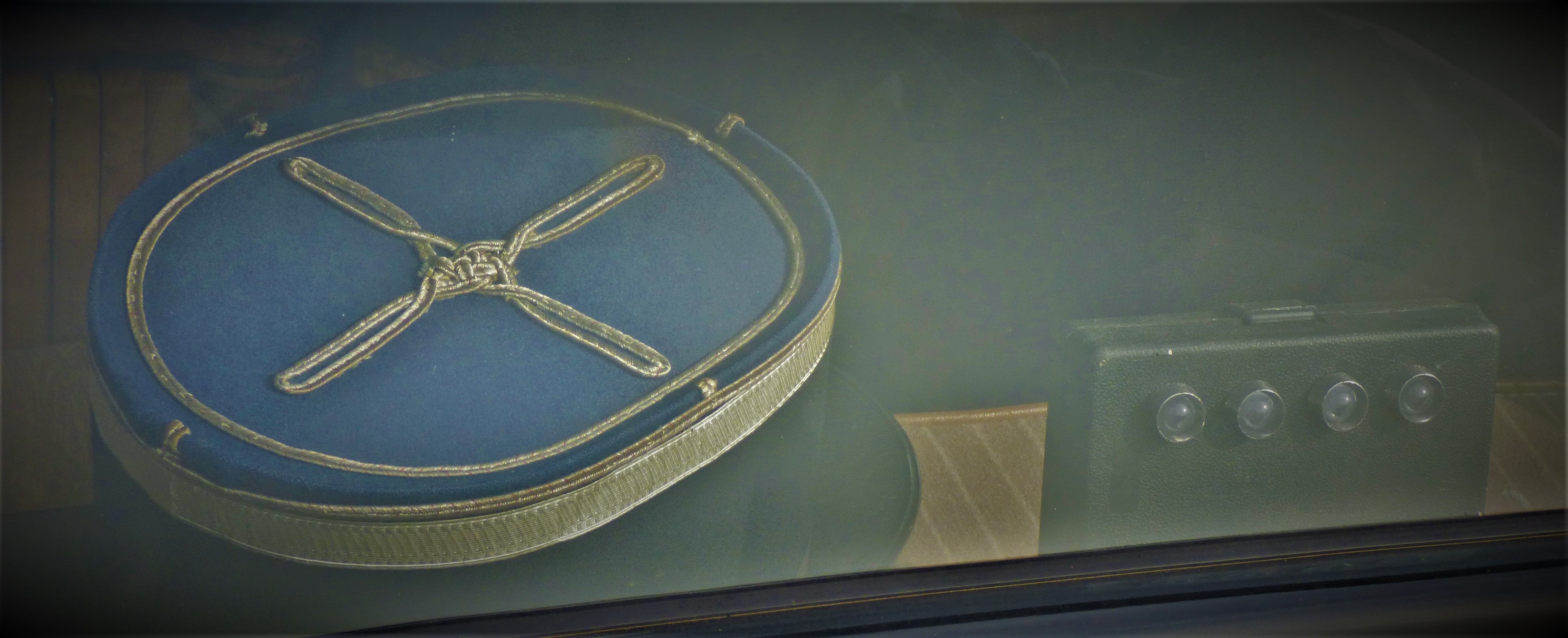
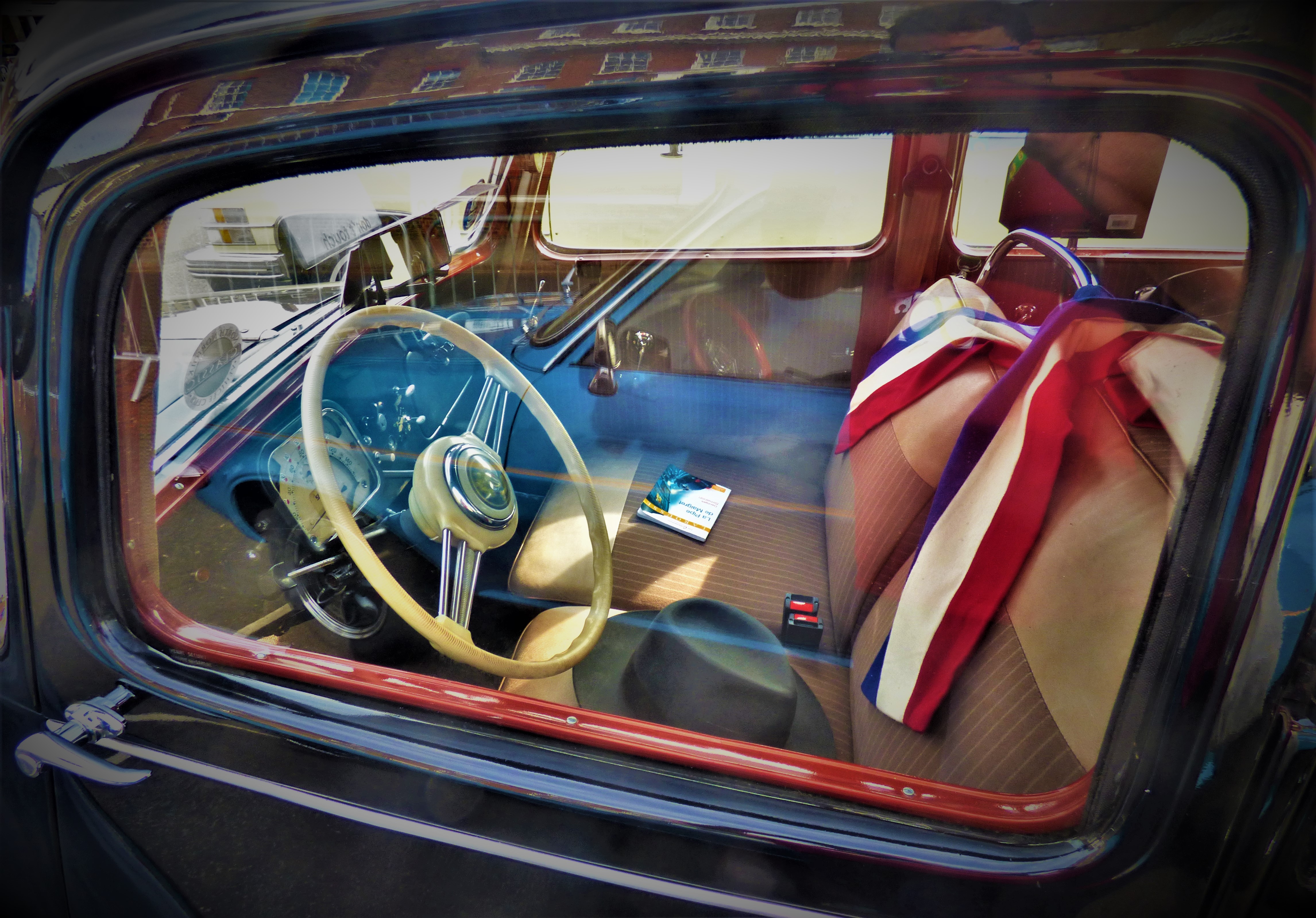
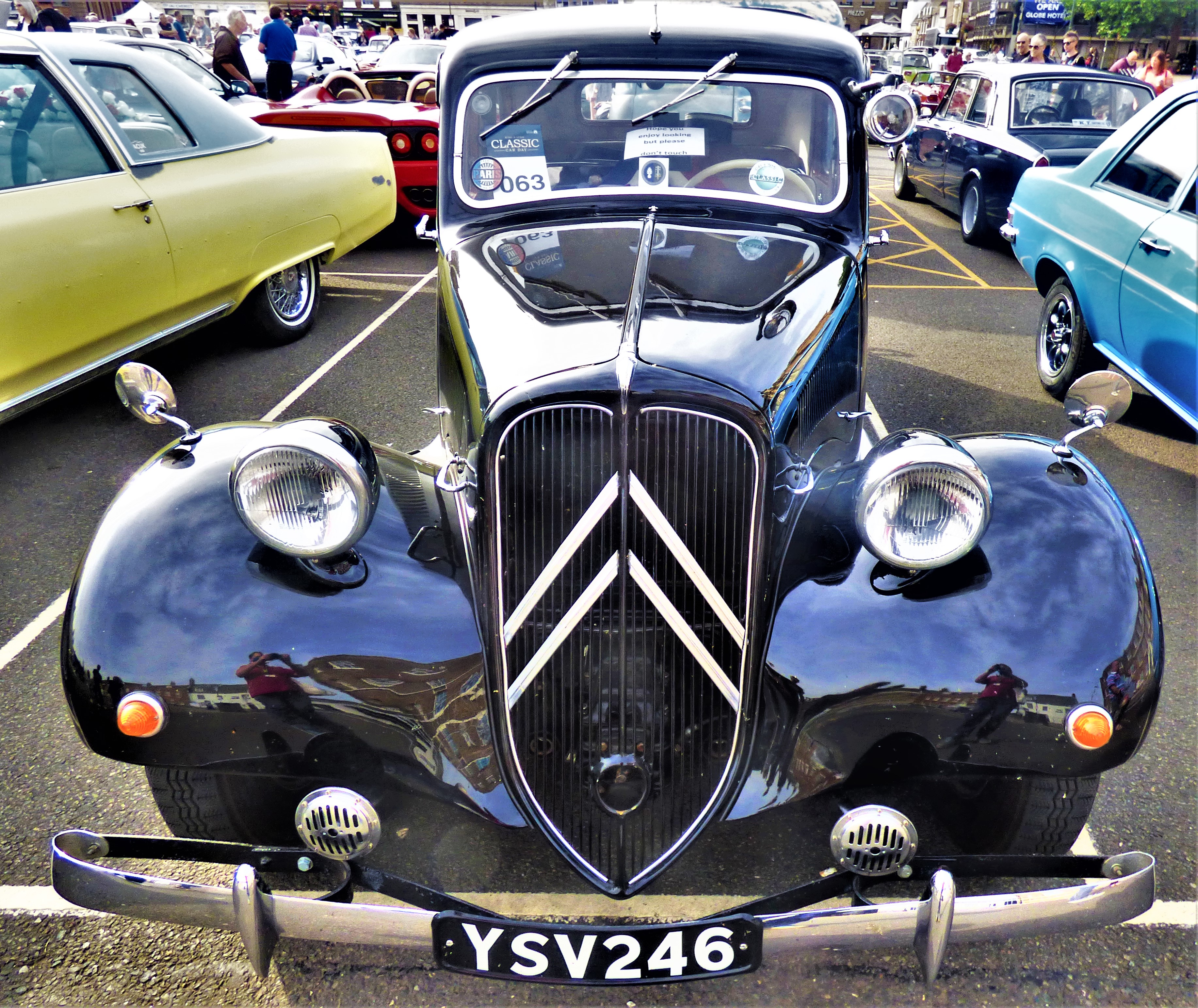
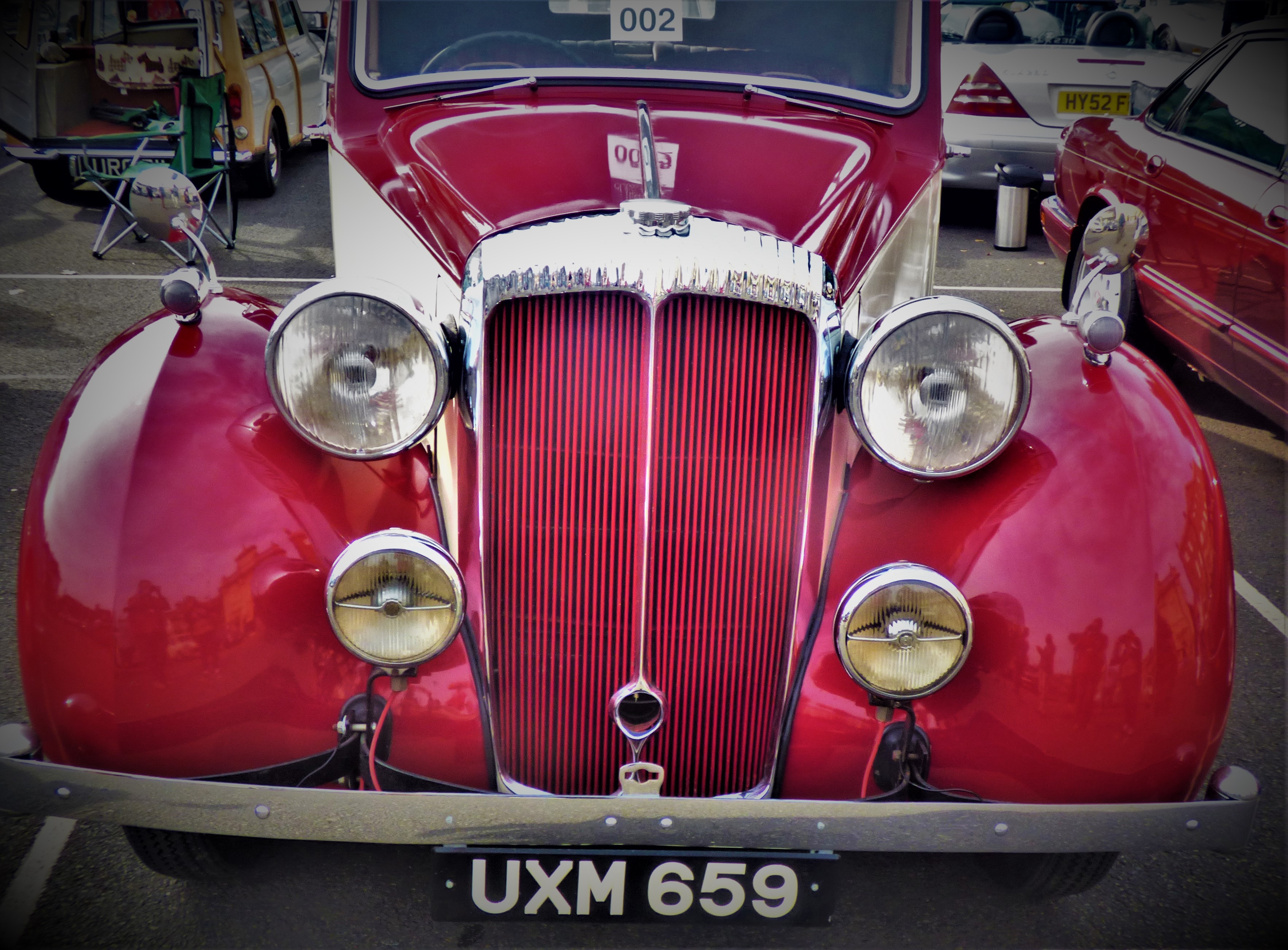
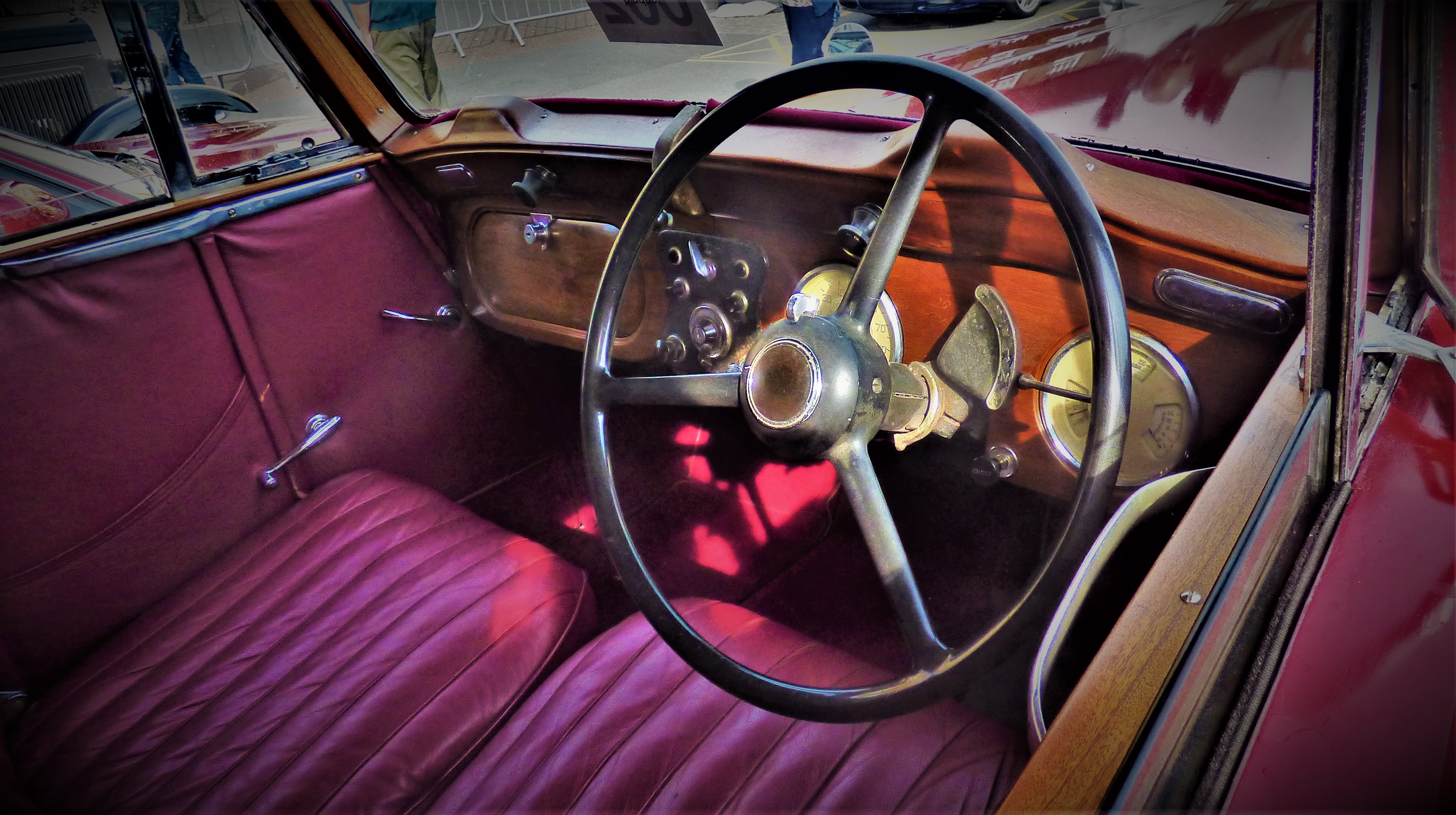
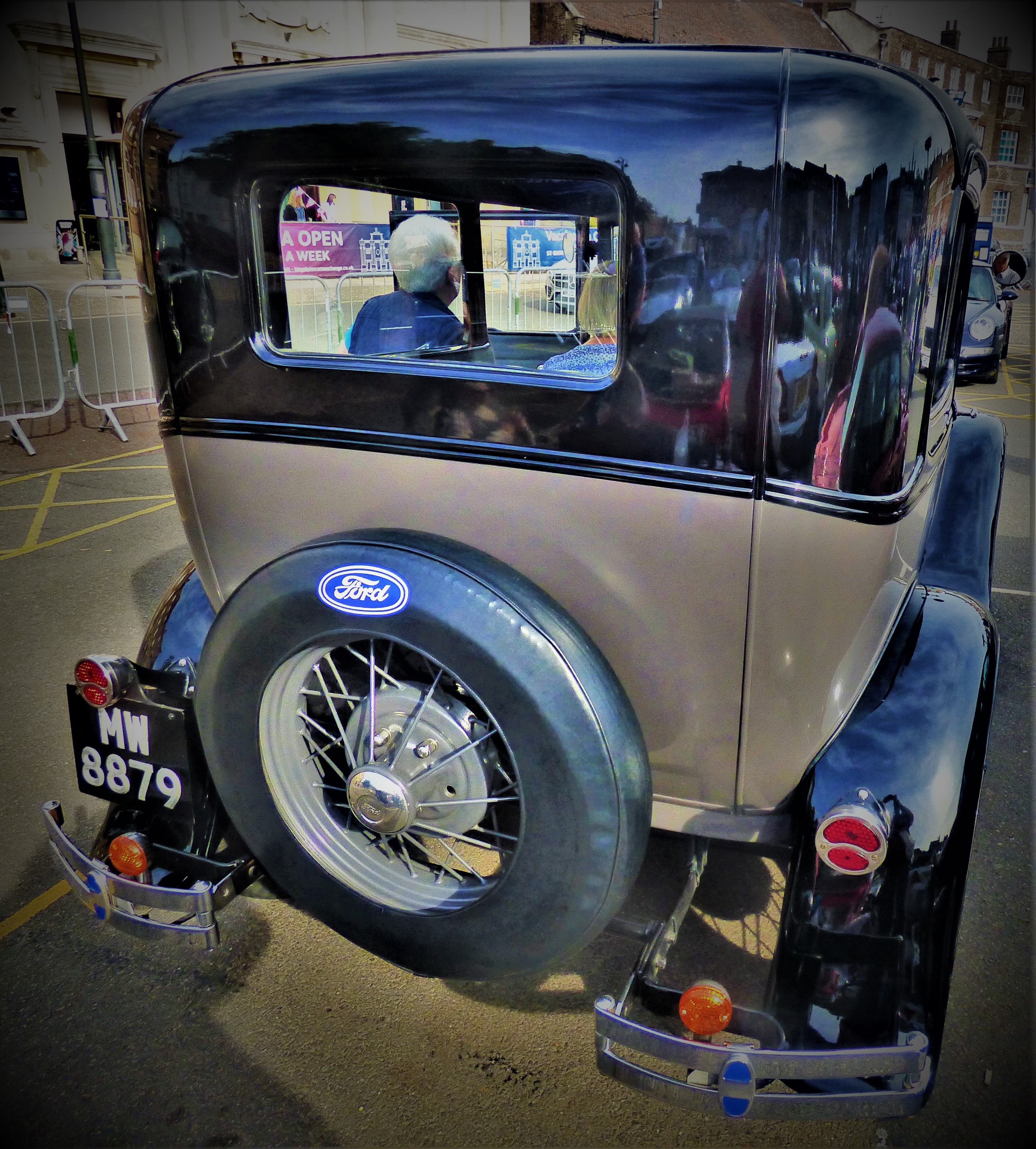
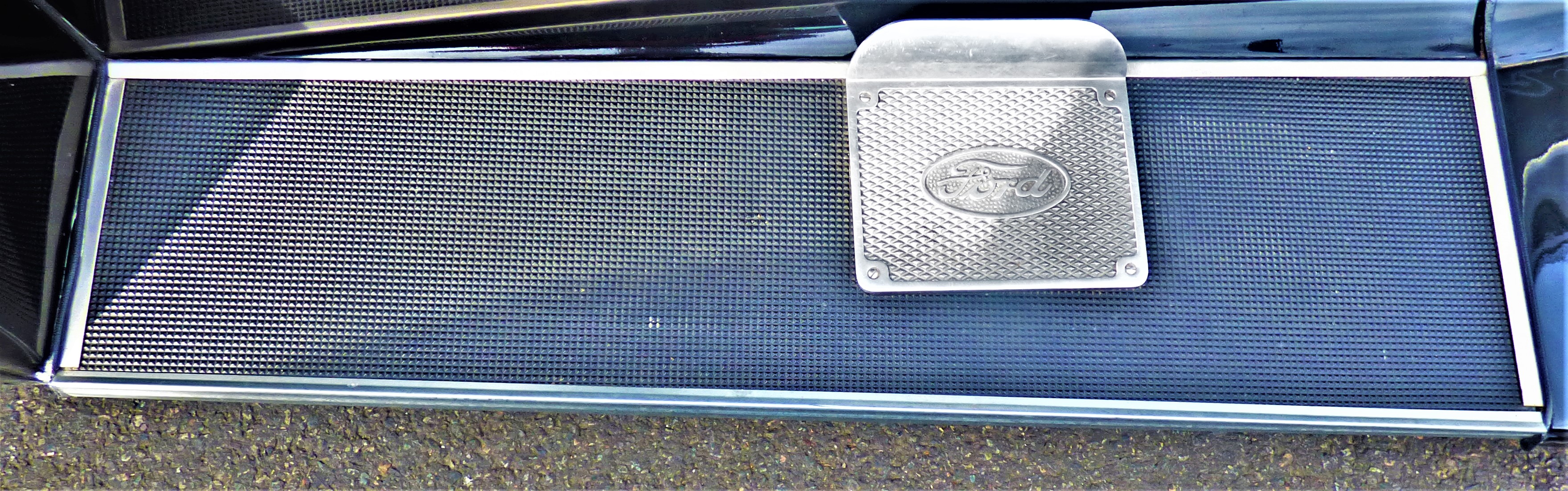
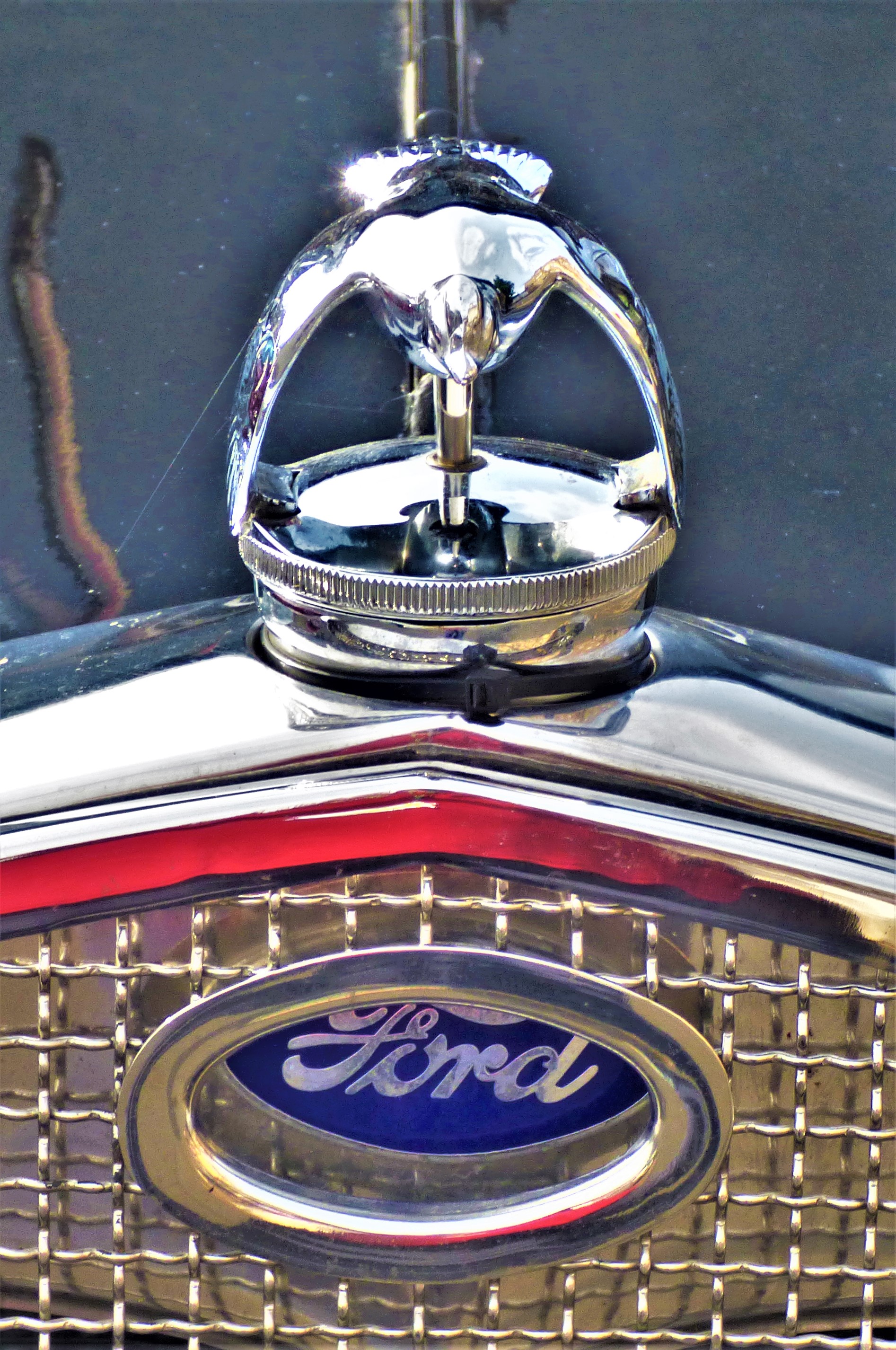
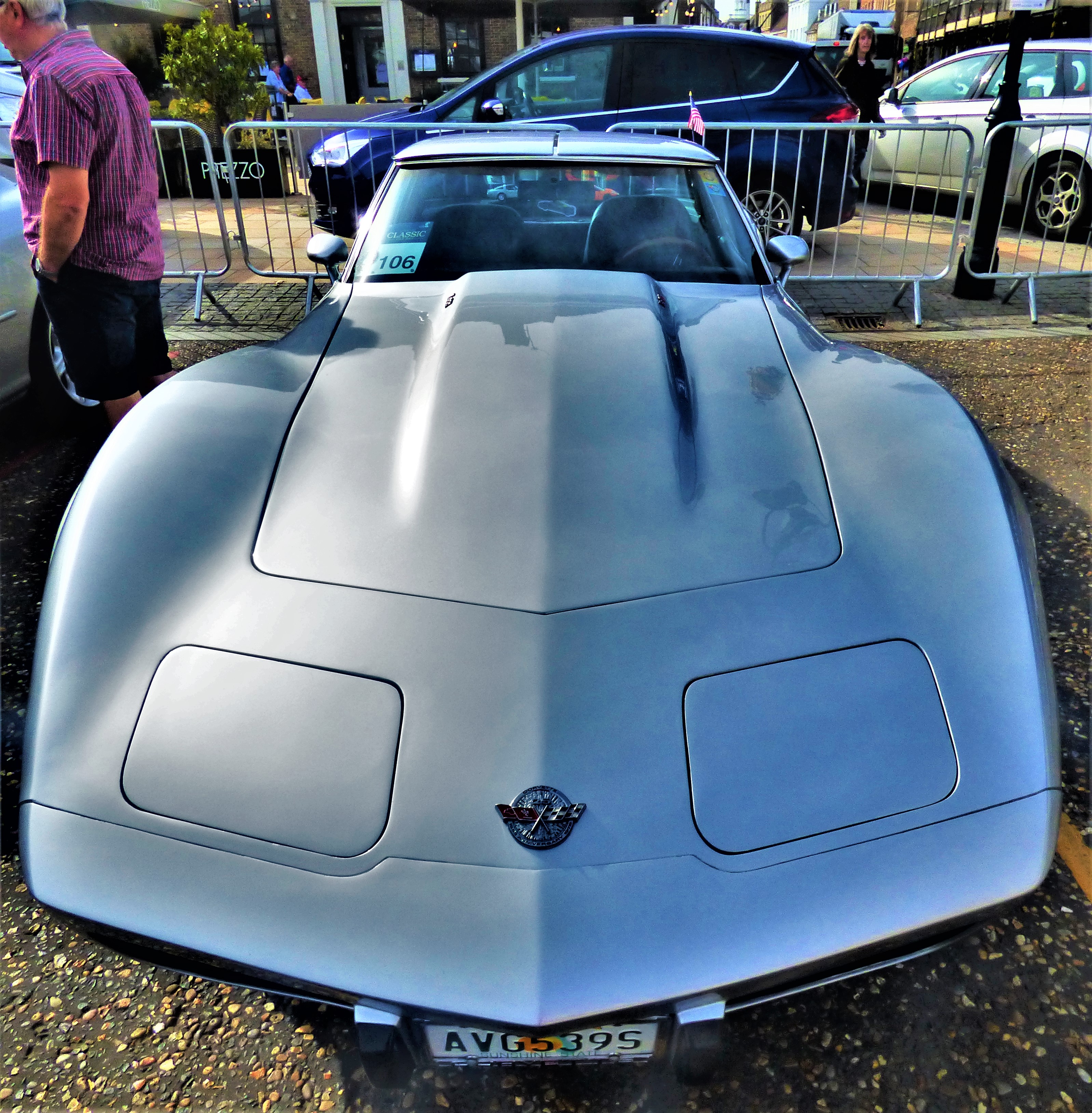
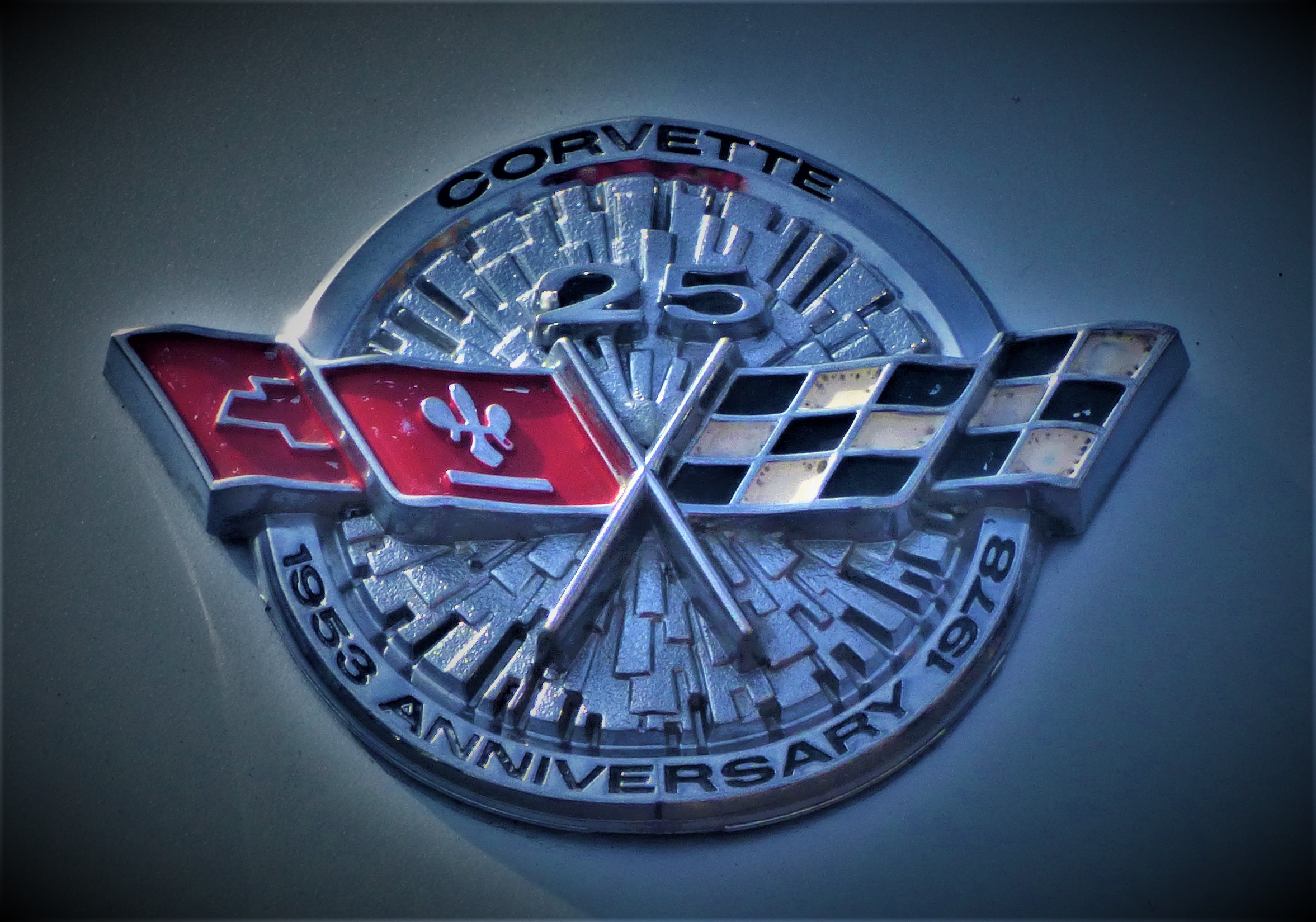
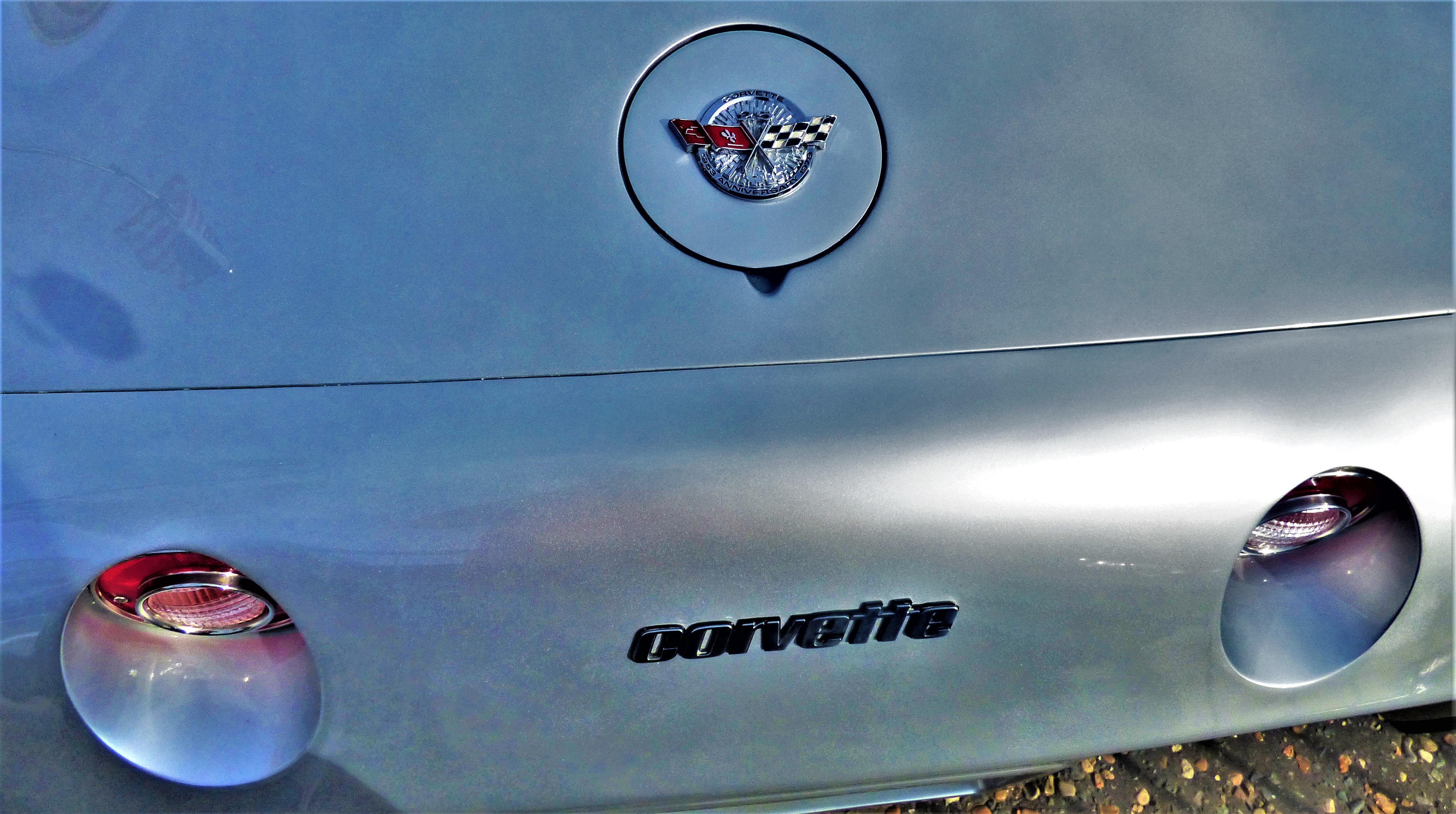
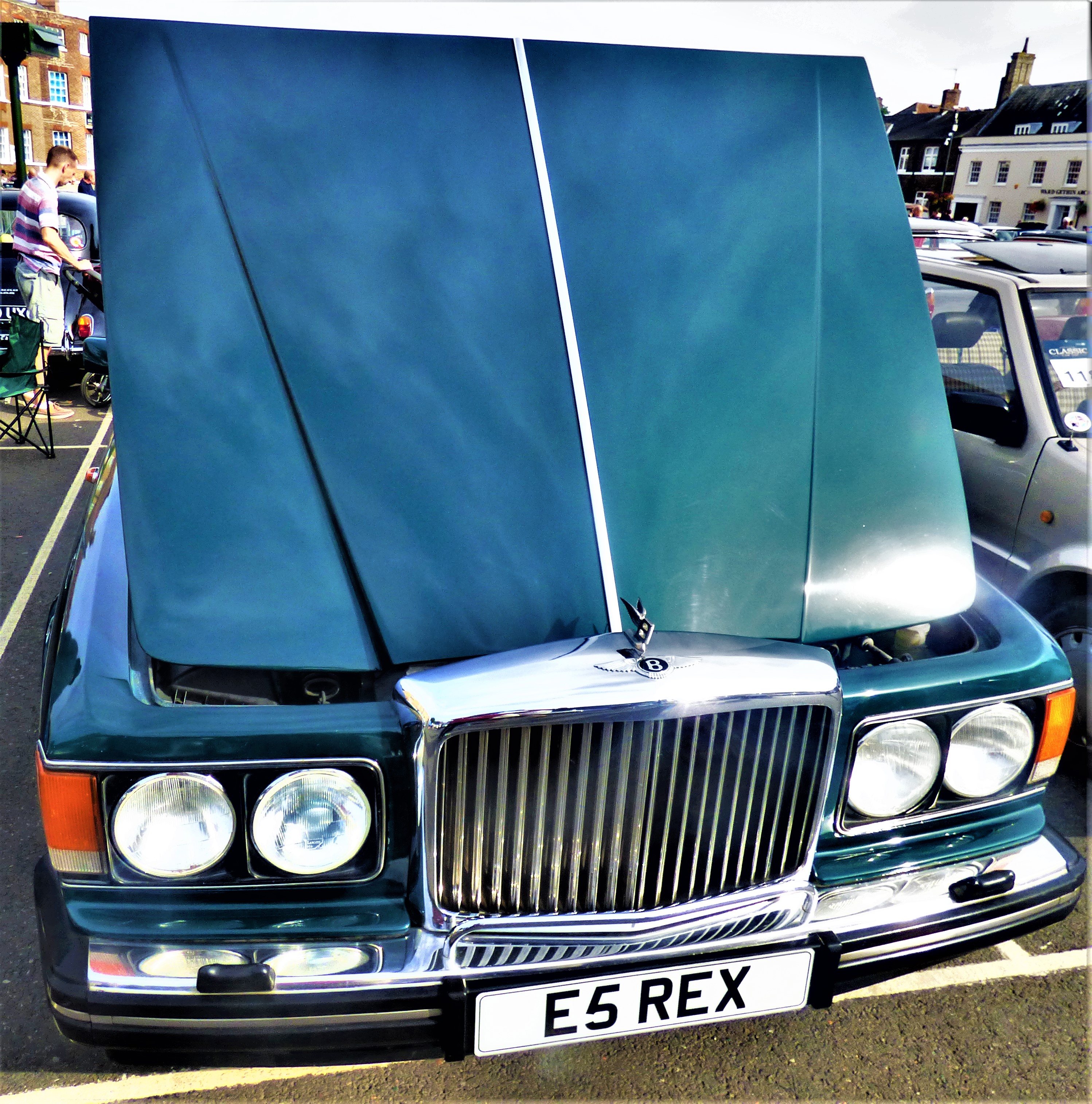
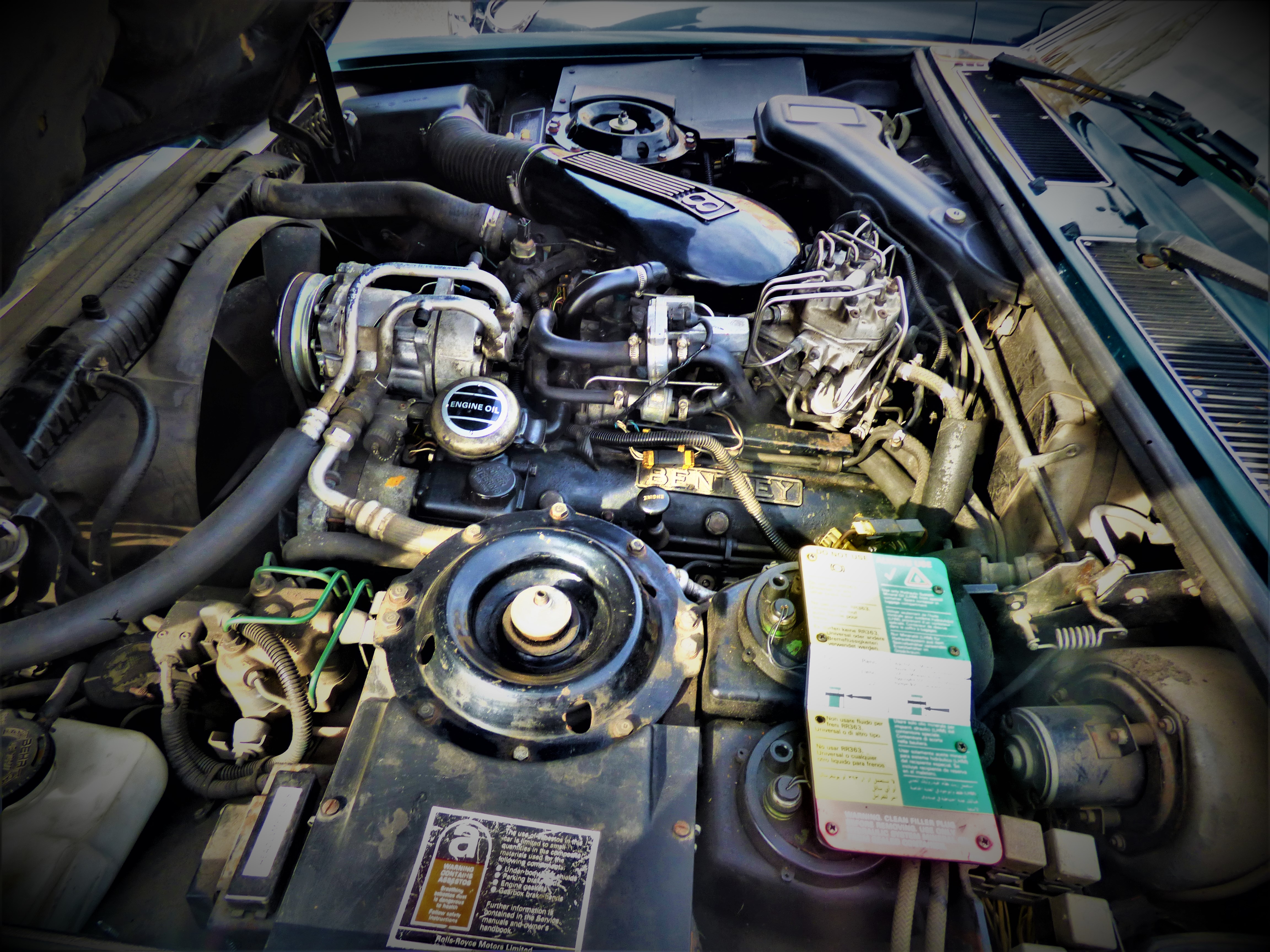
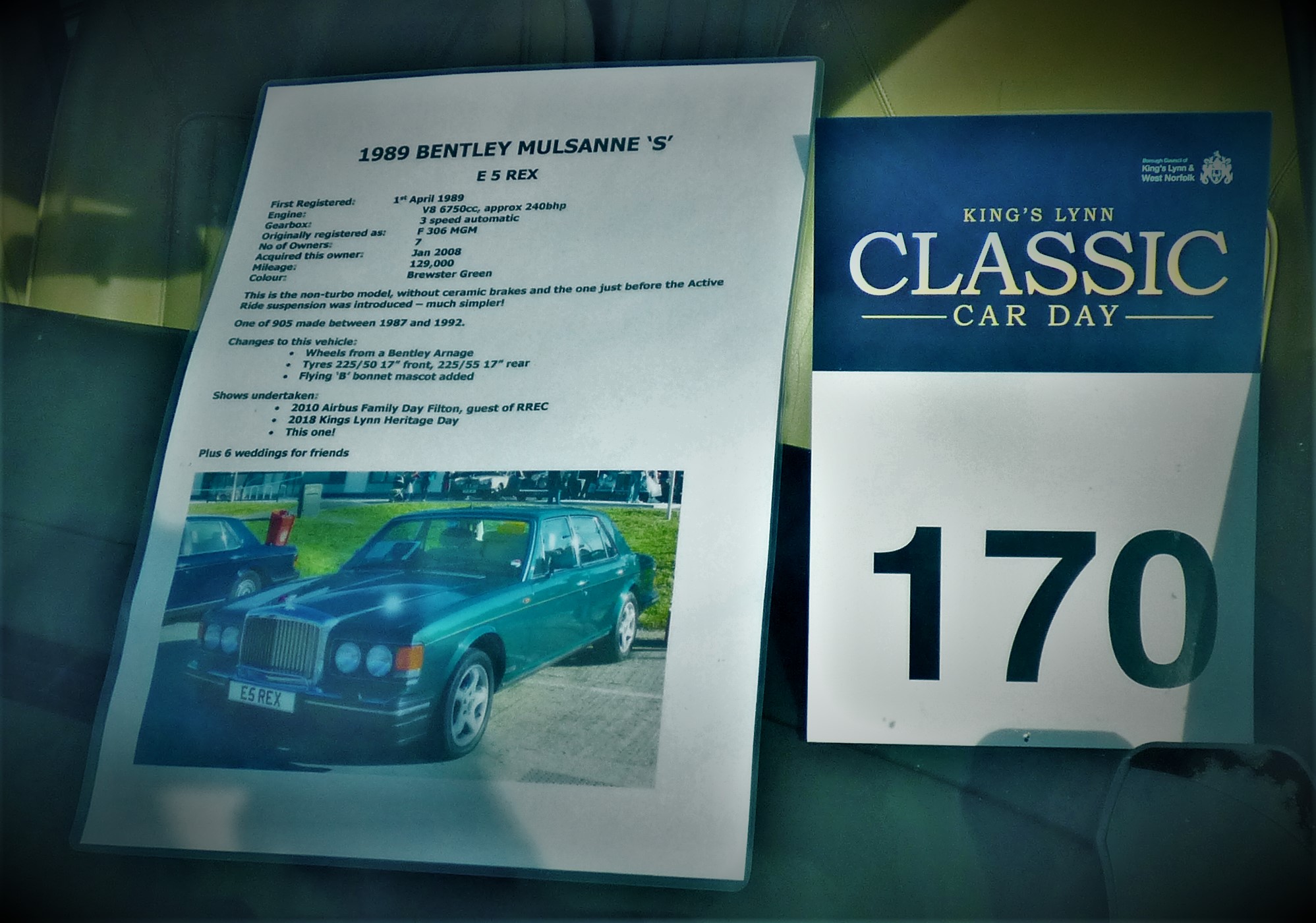
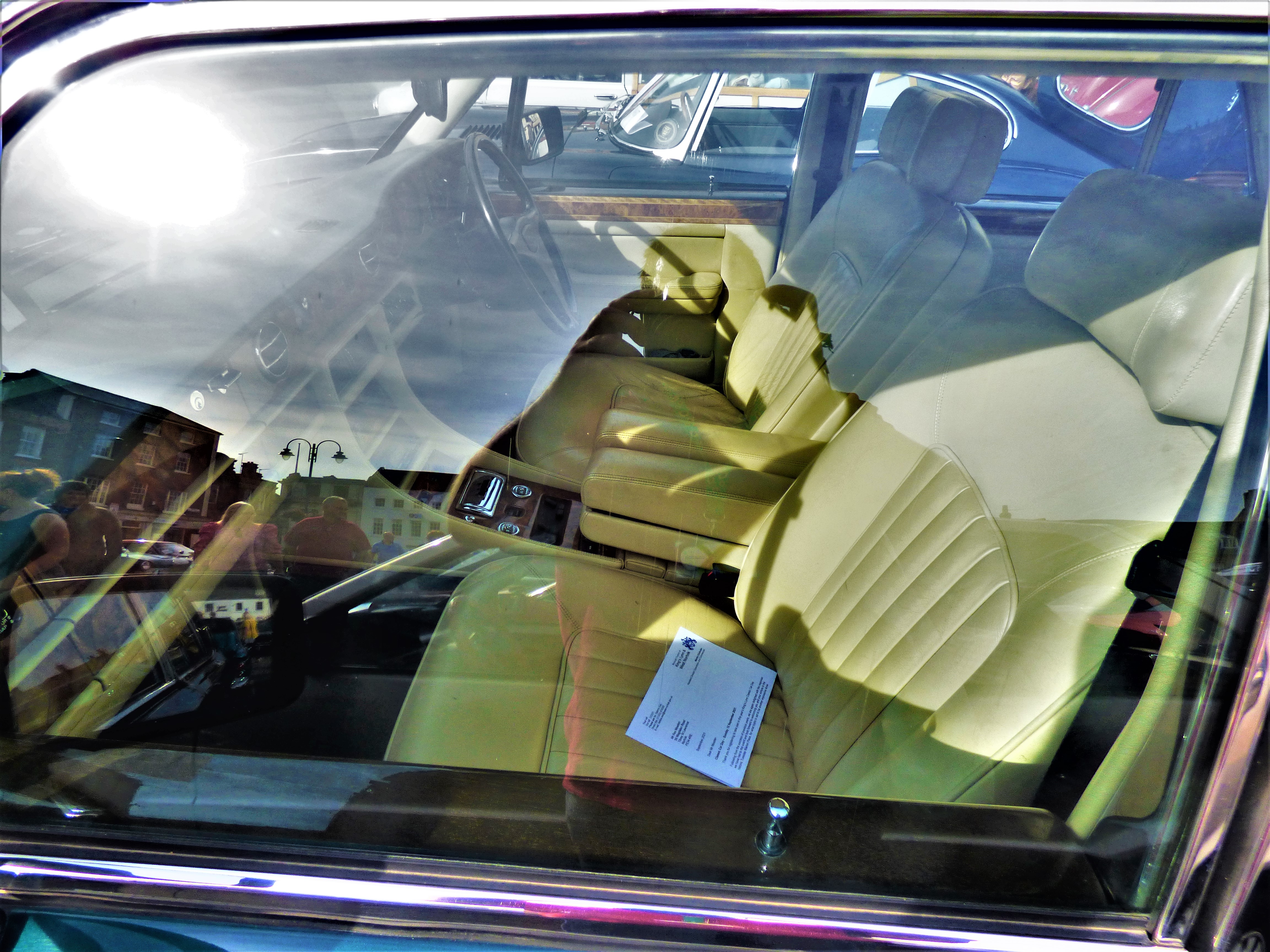
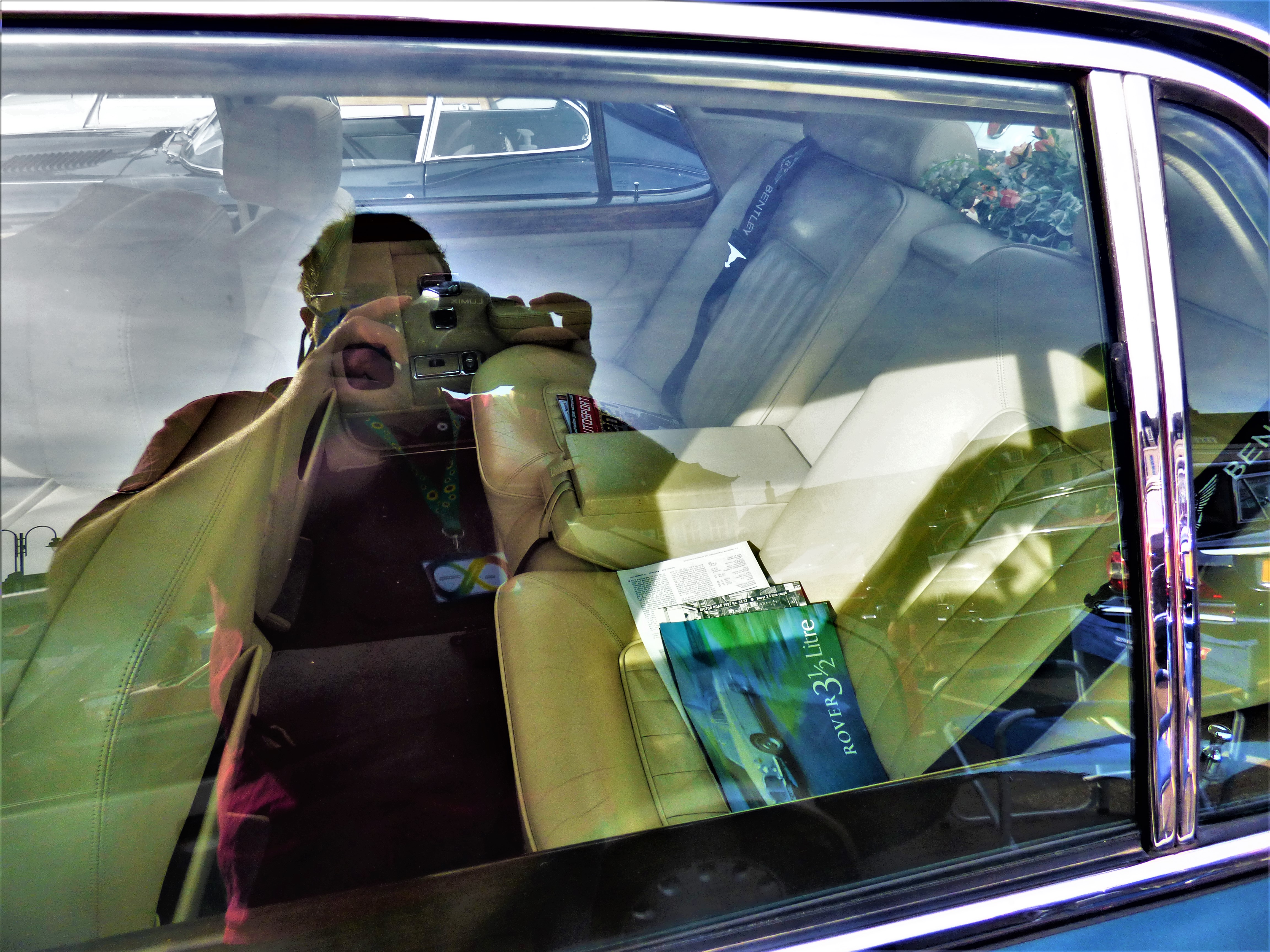
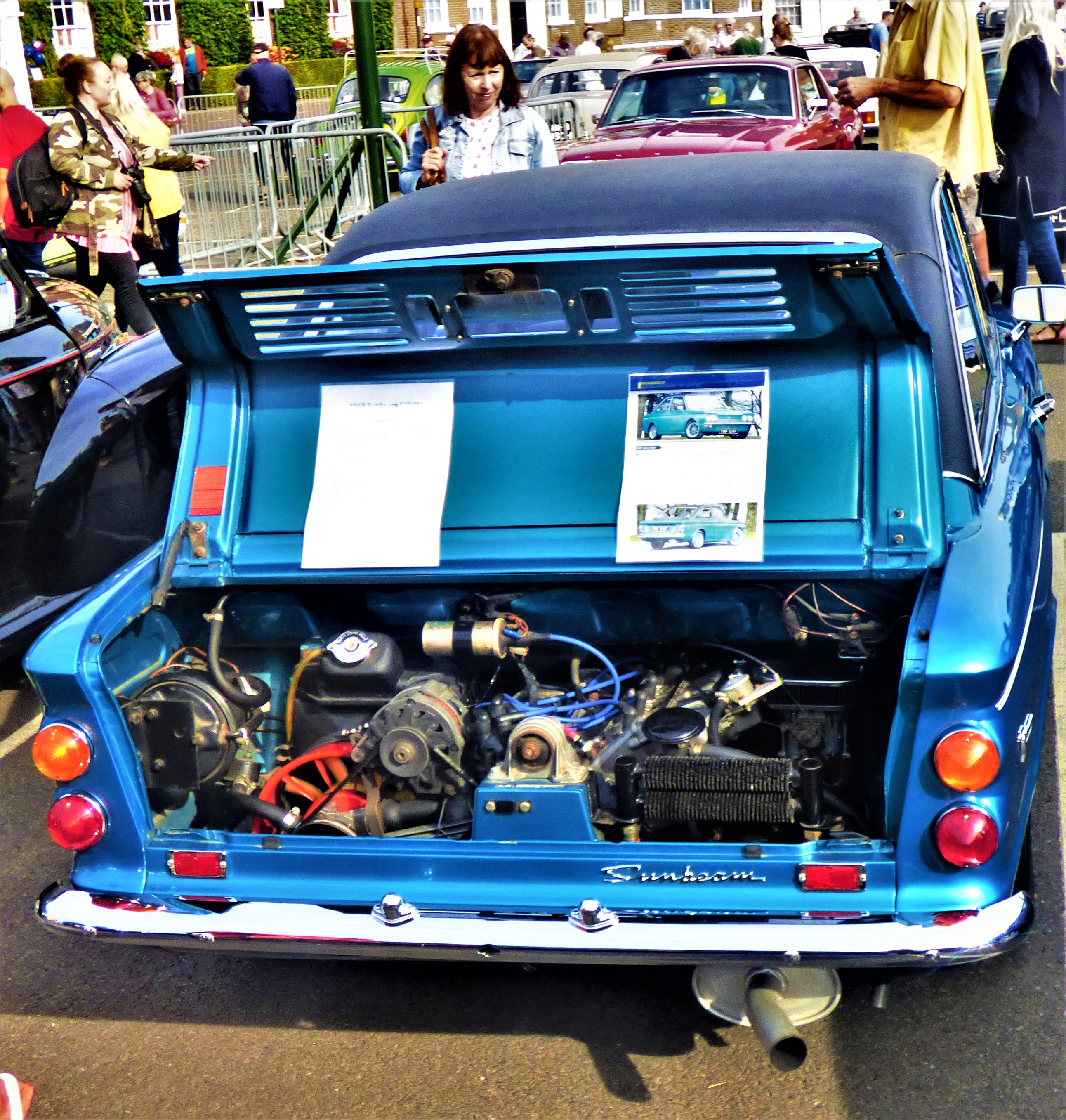
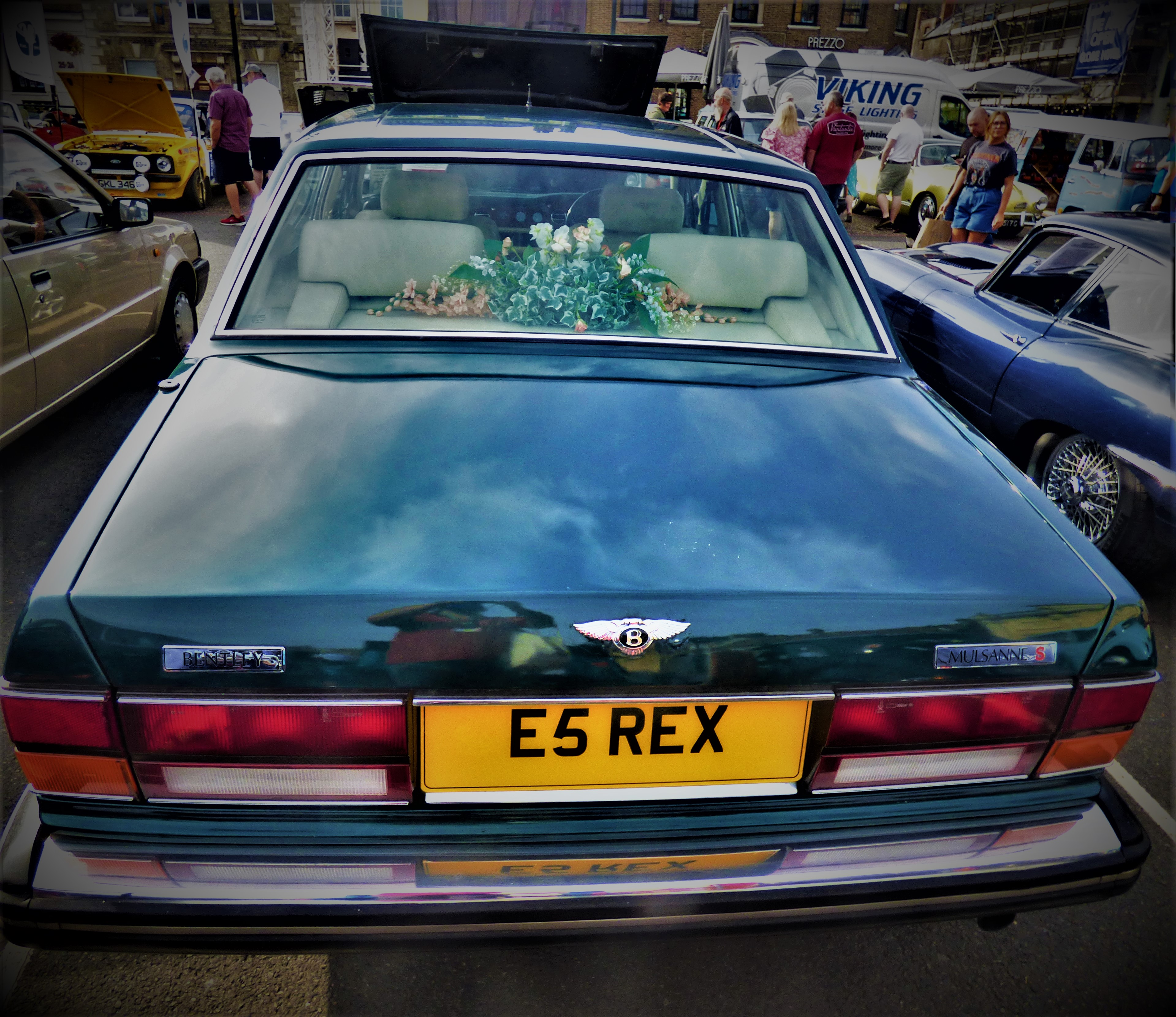
There is a classic car show in the Tuesday Market Place in conjunction with Heritage Open Day, and viewed as the museum pieces that such contraptions should become some of the specimens are seriously impressive…
THE CUSTOM HOUSE
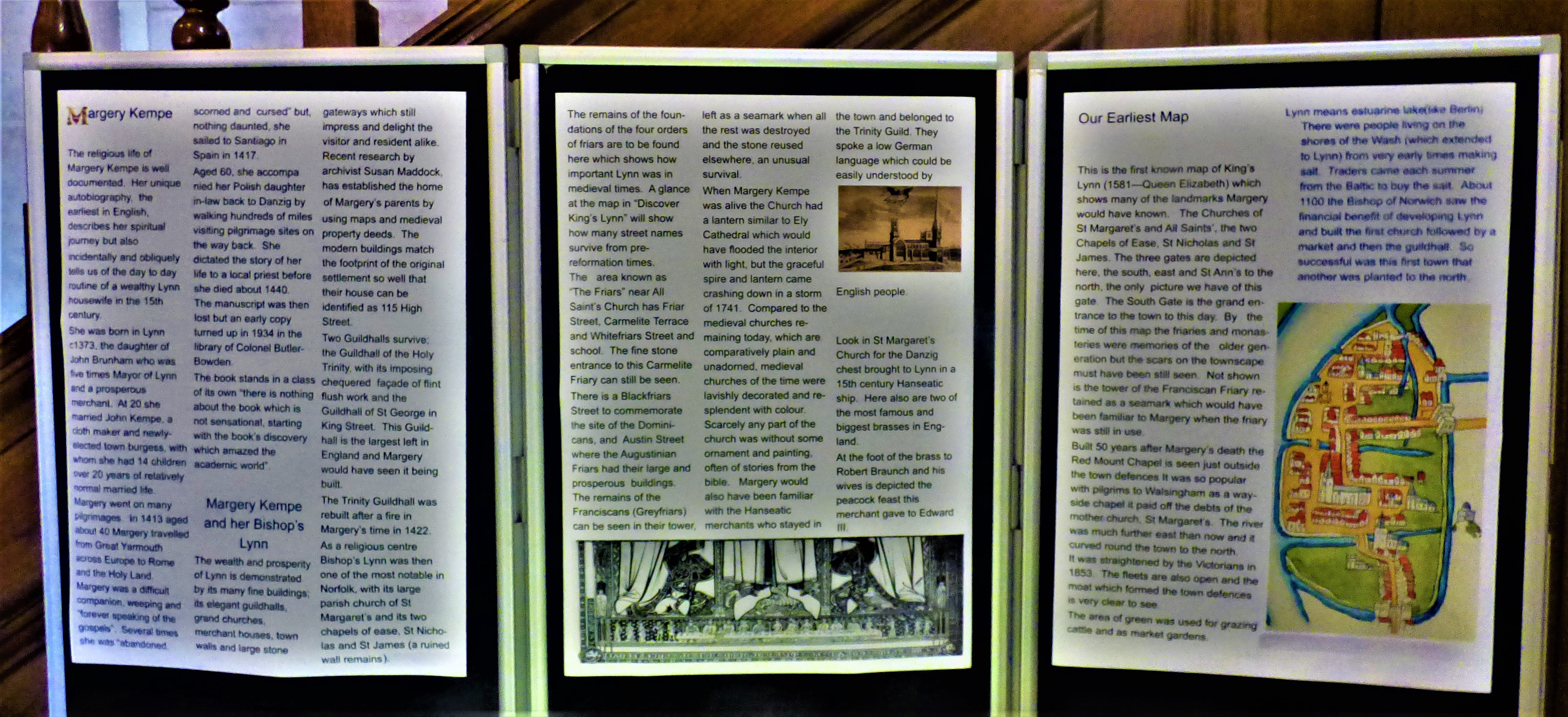
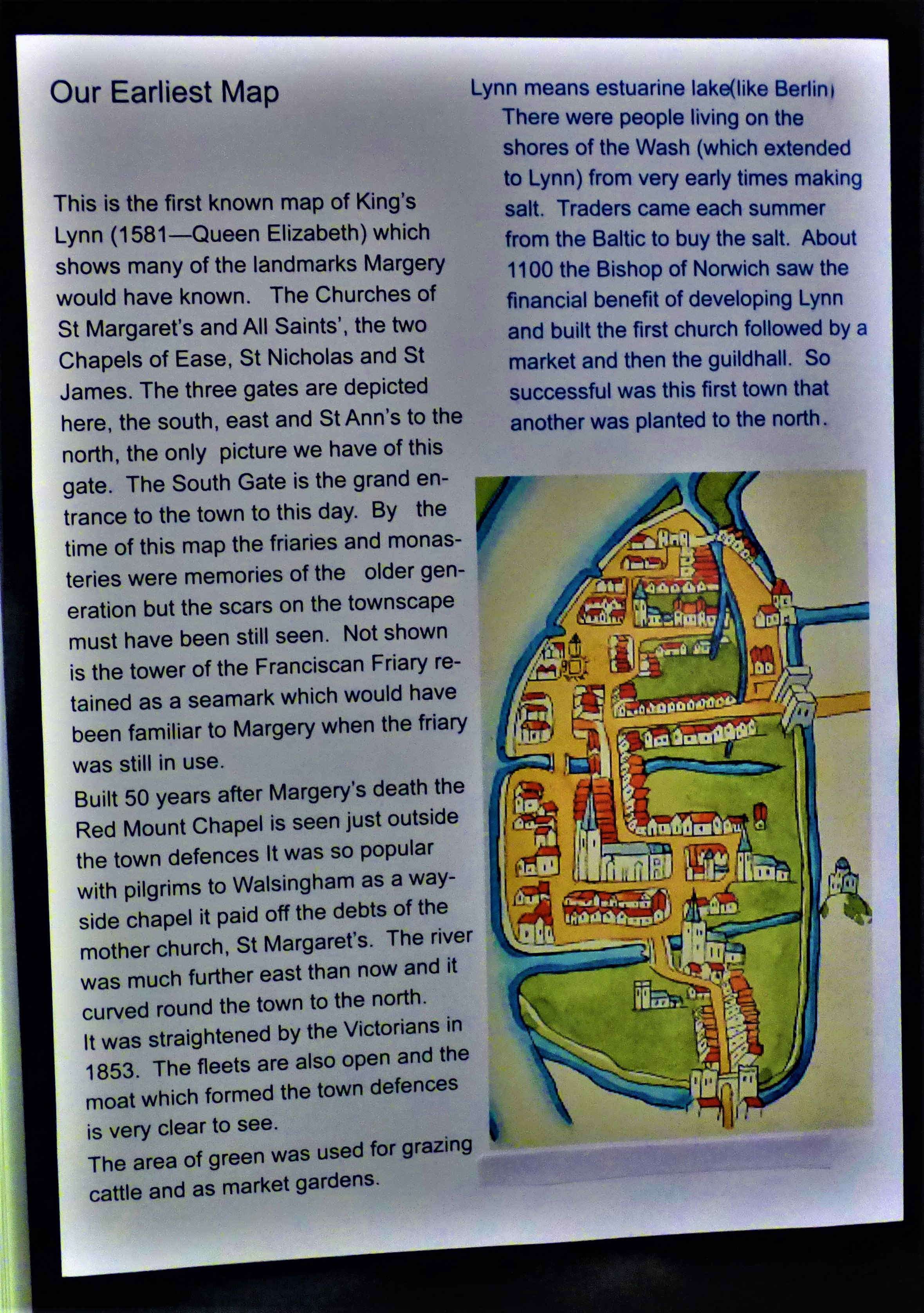
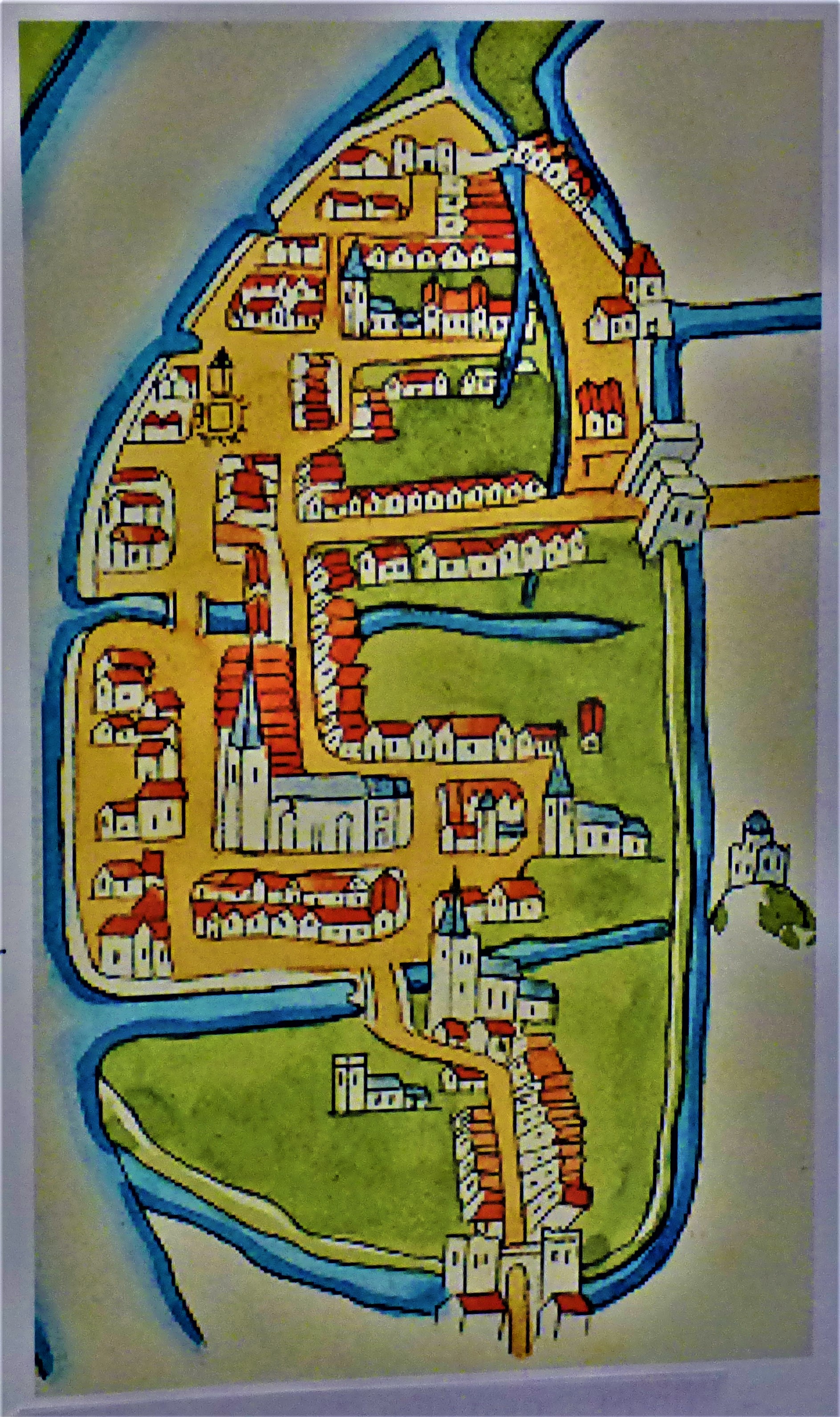
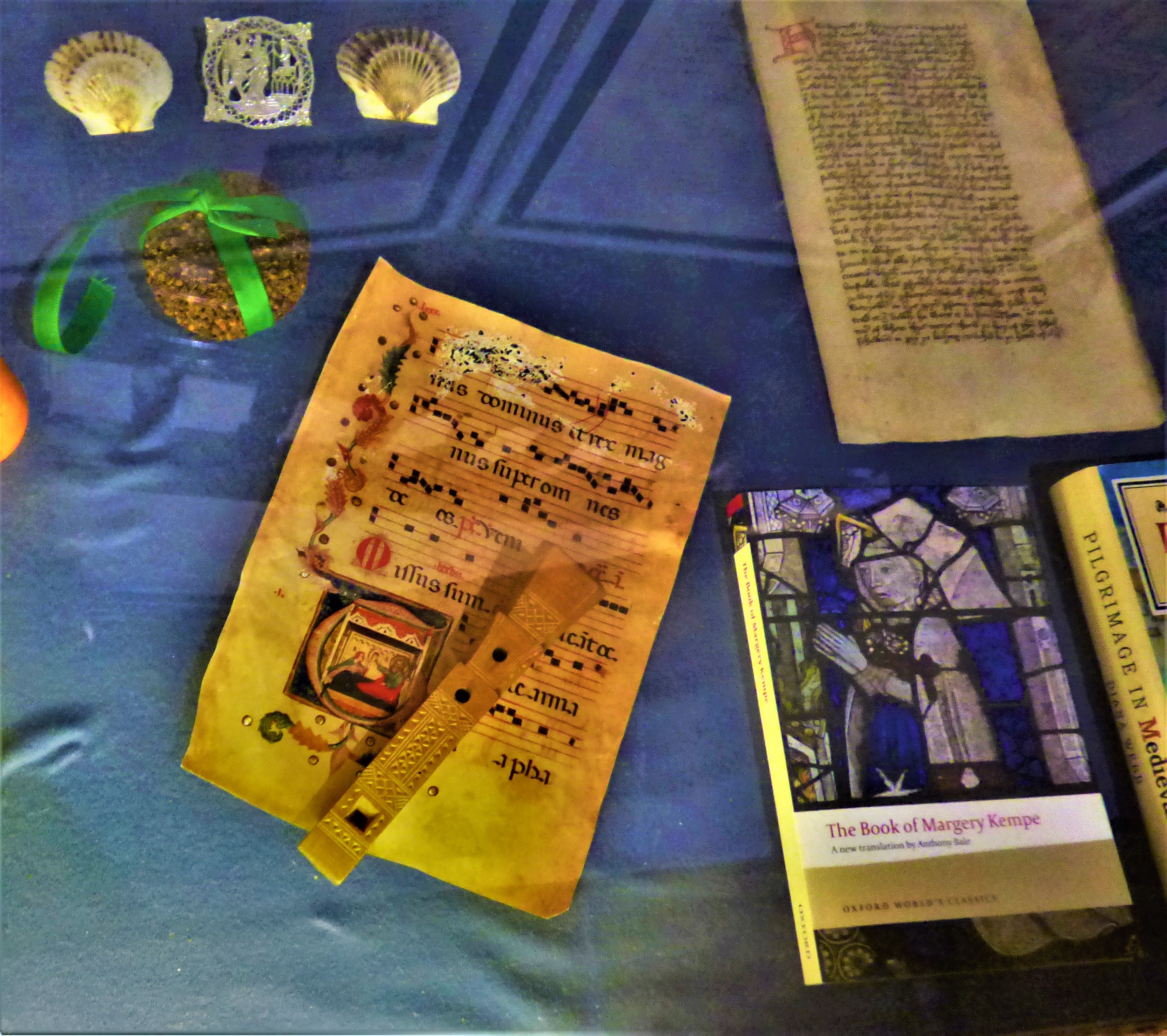
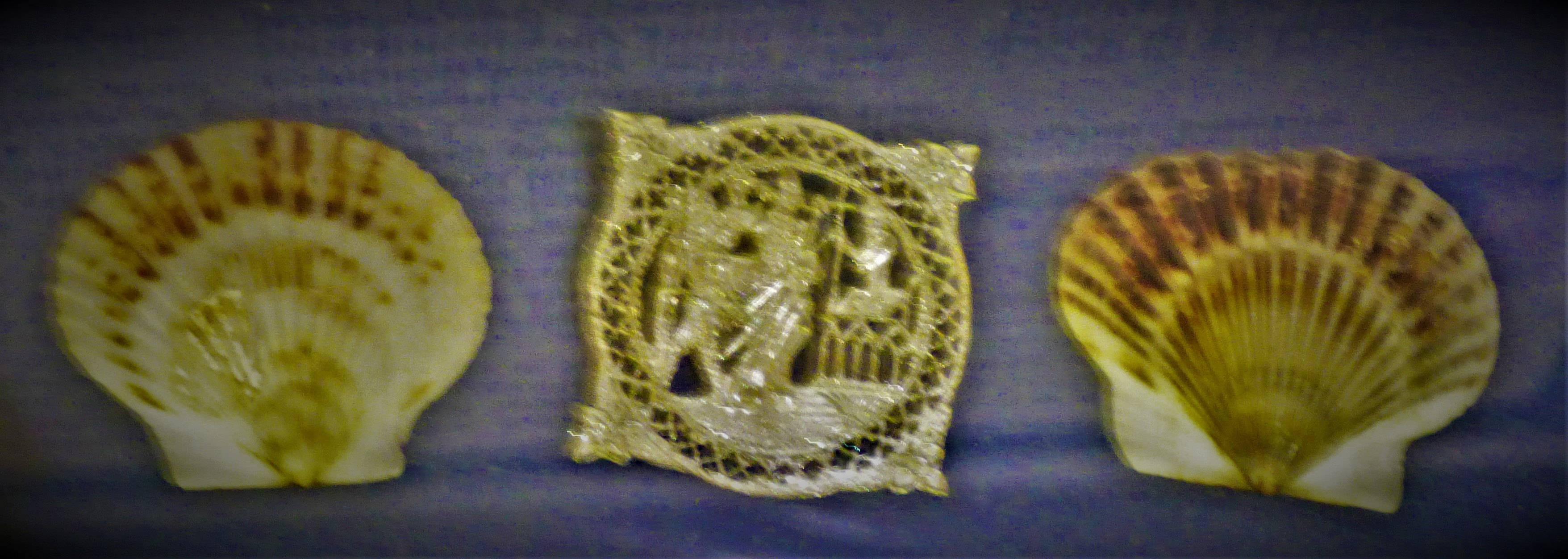
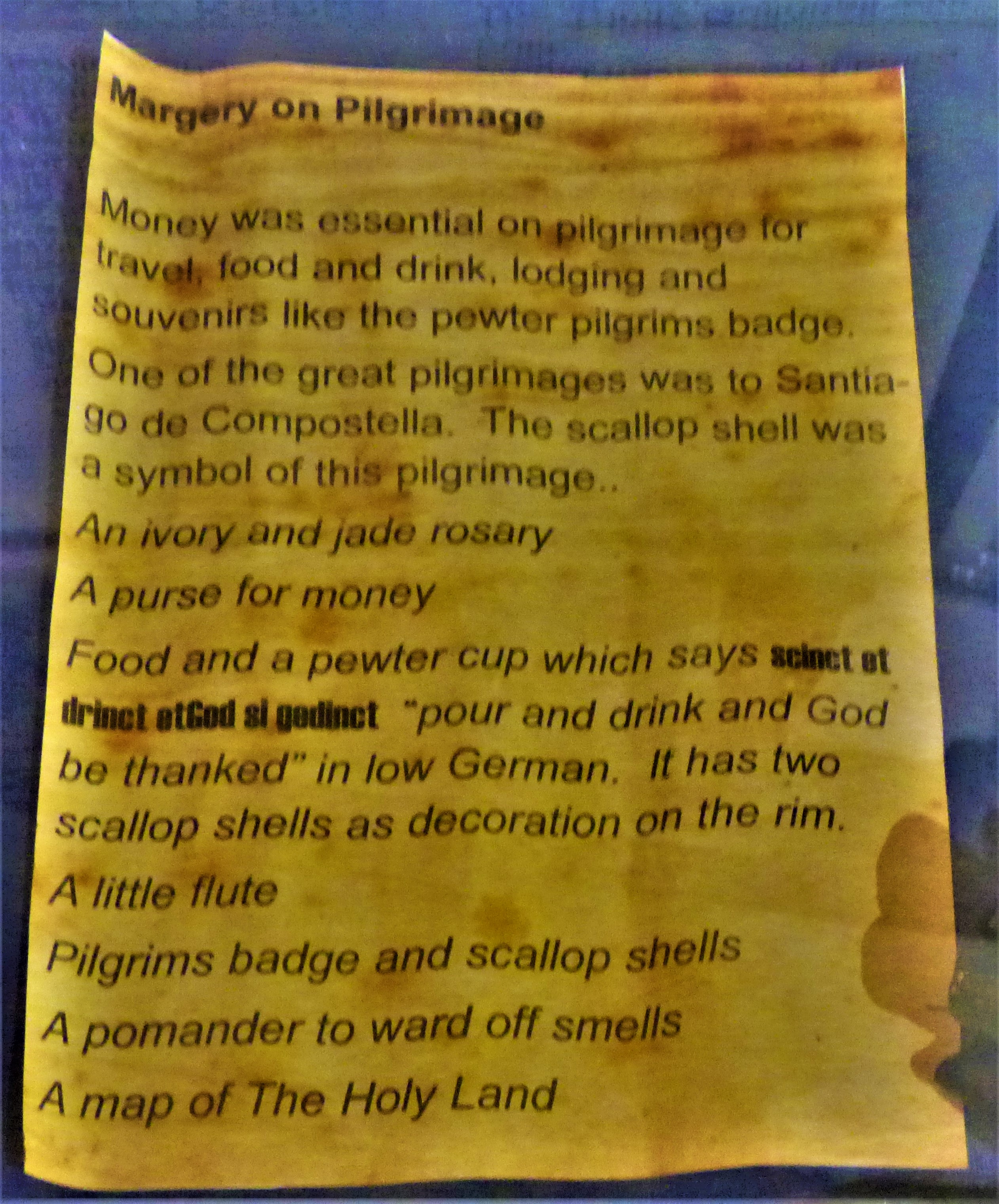
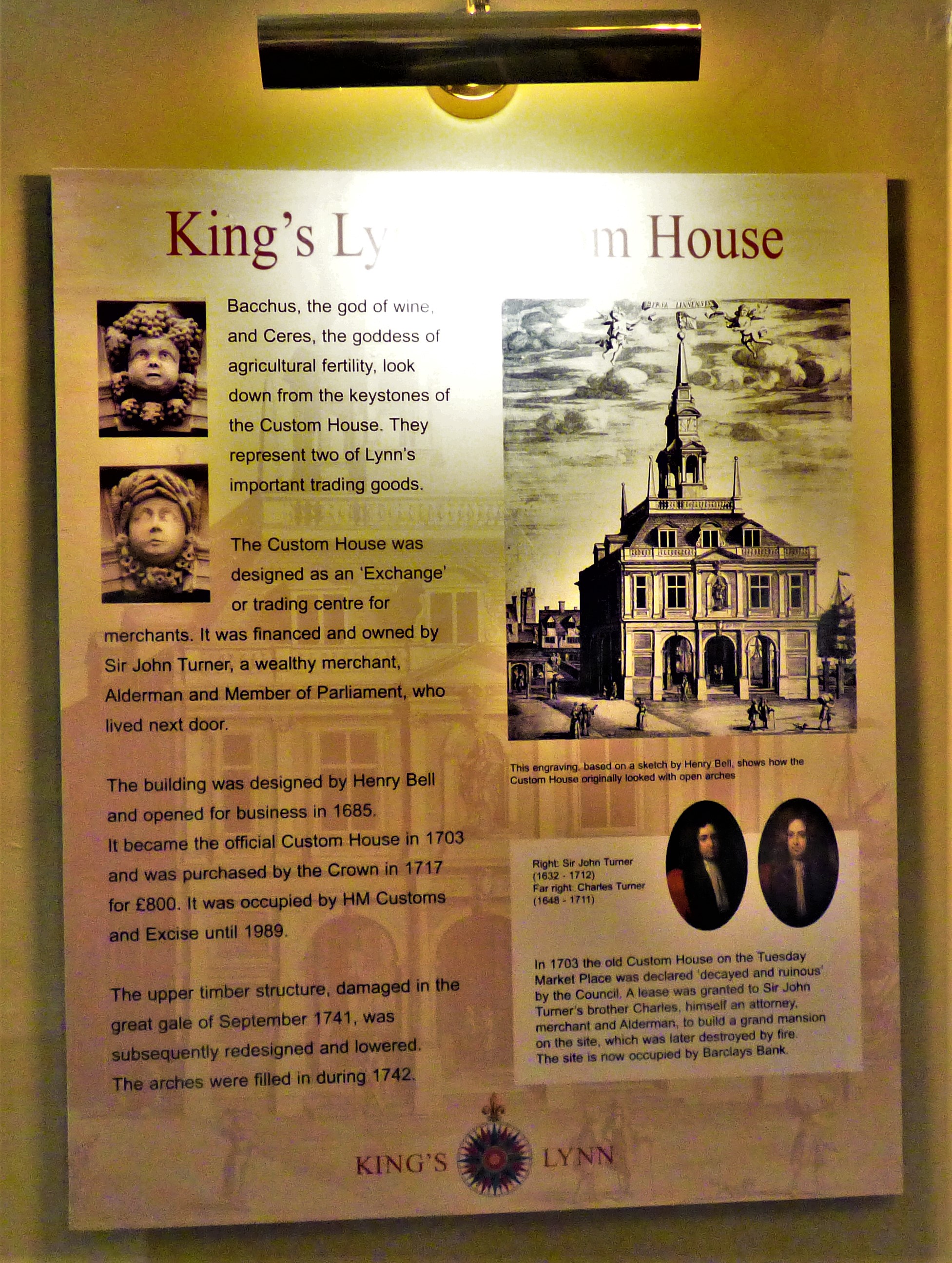
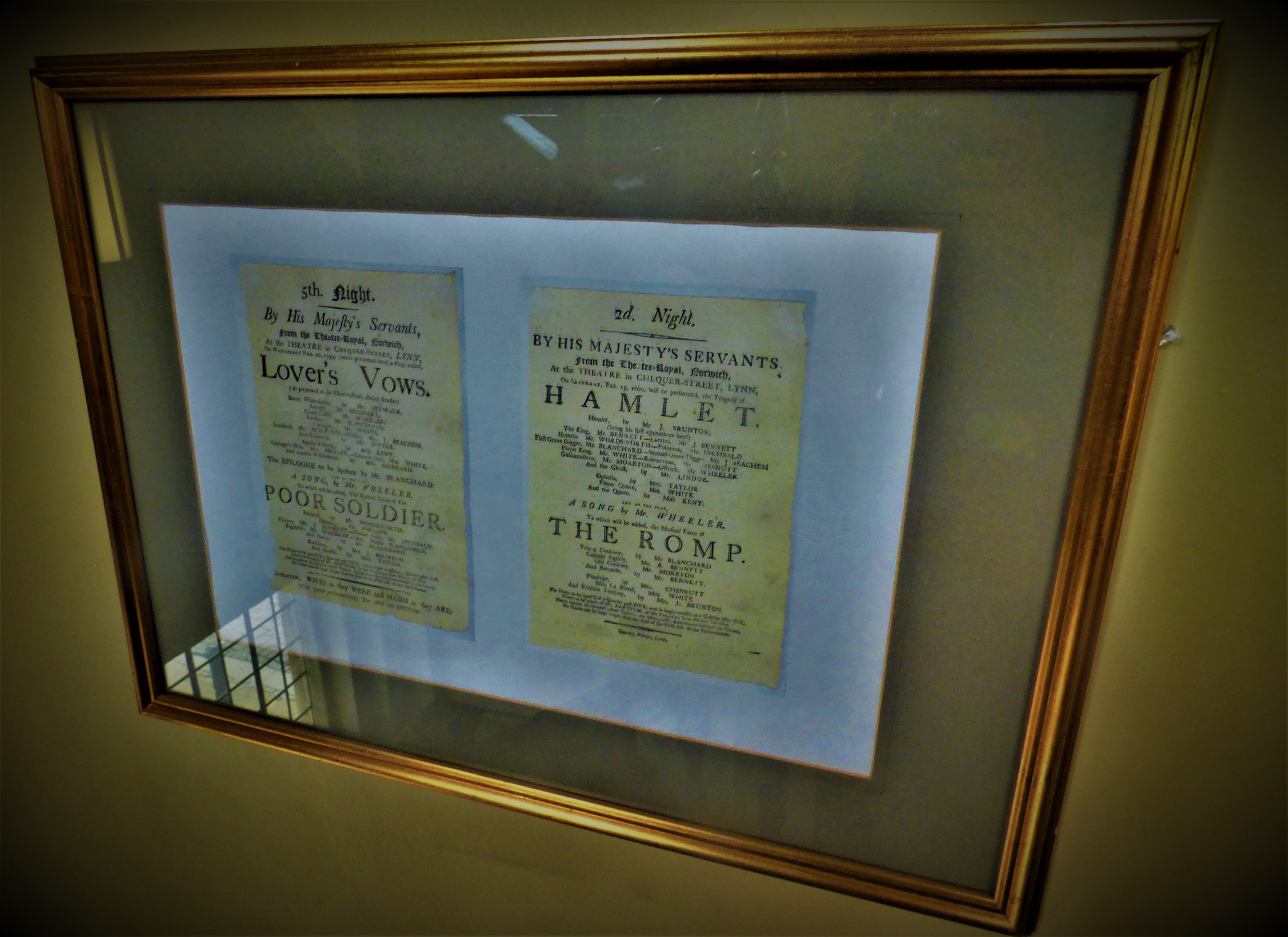
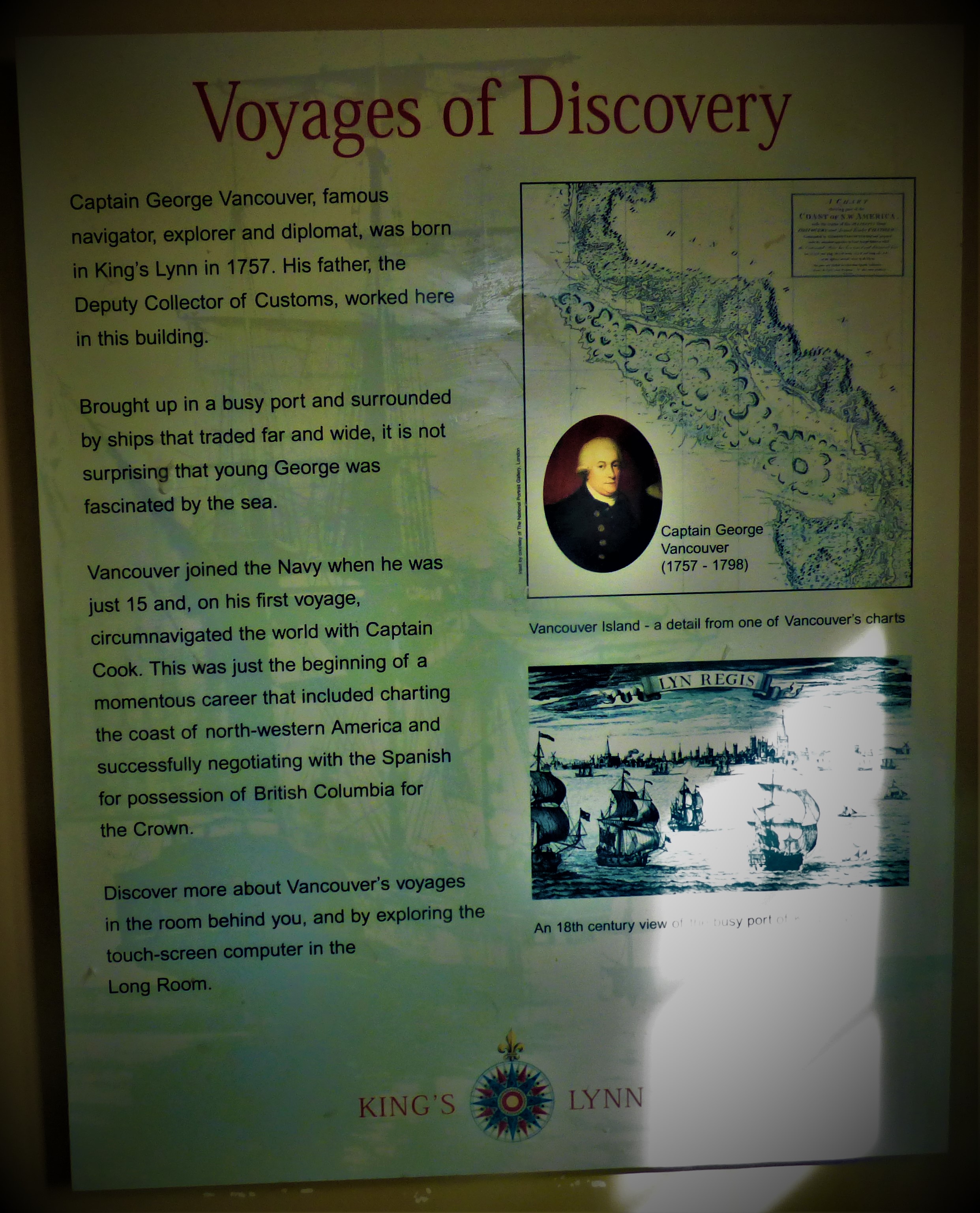
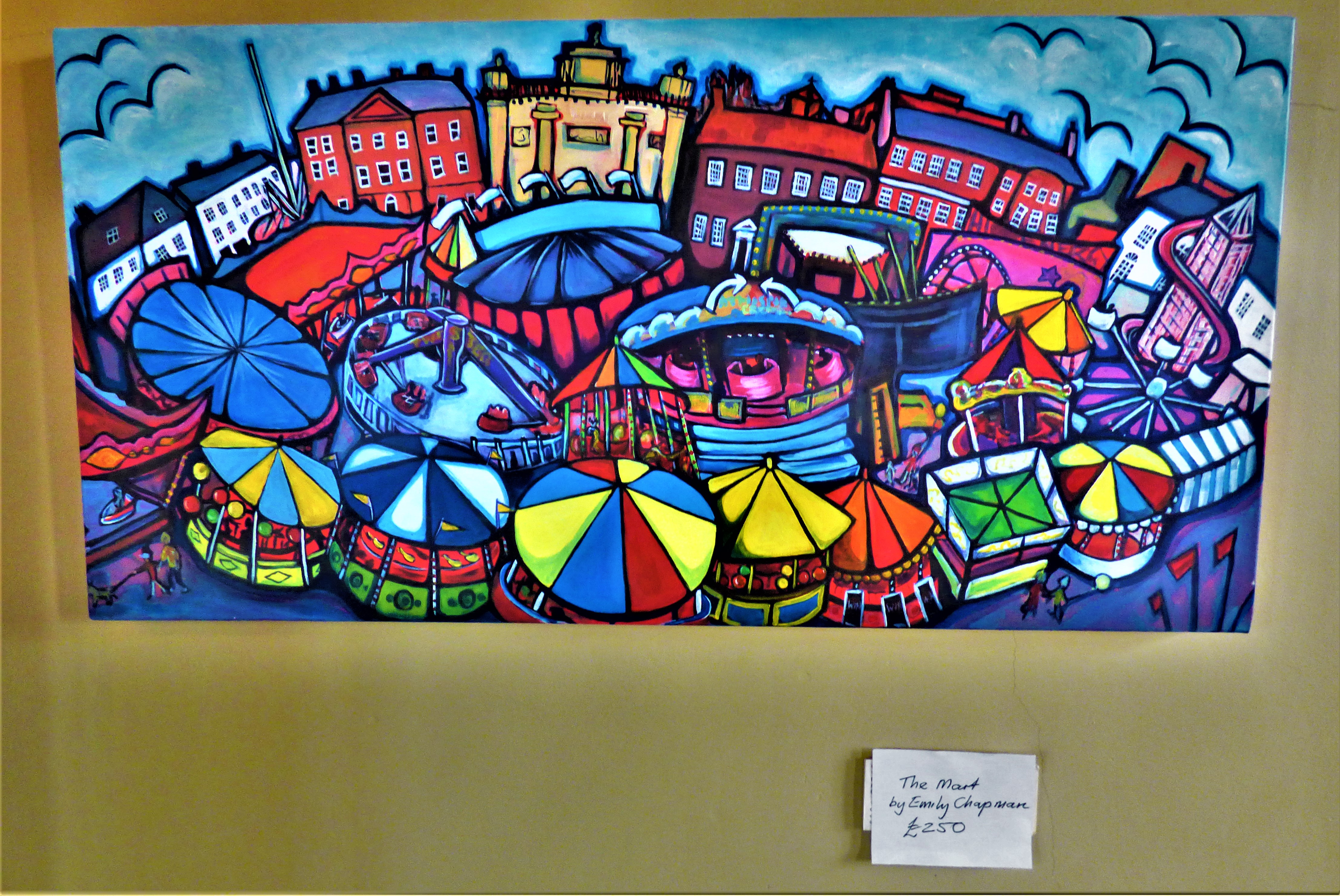
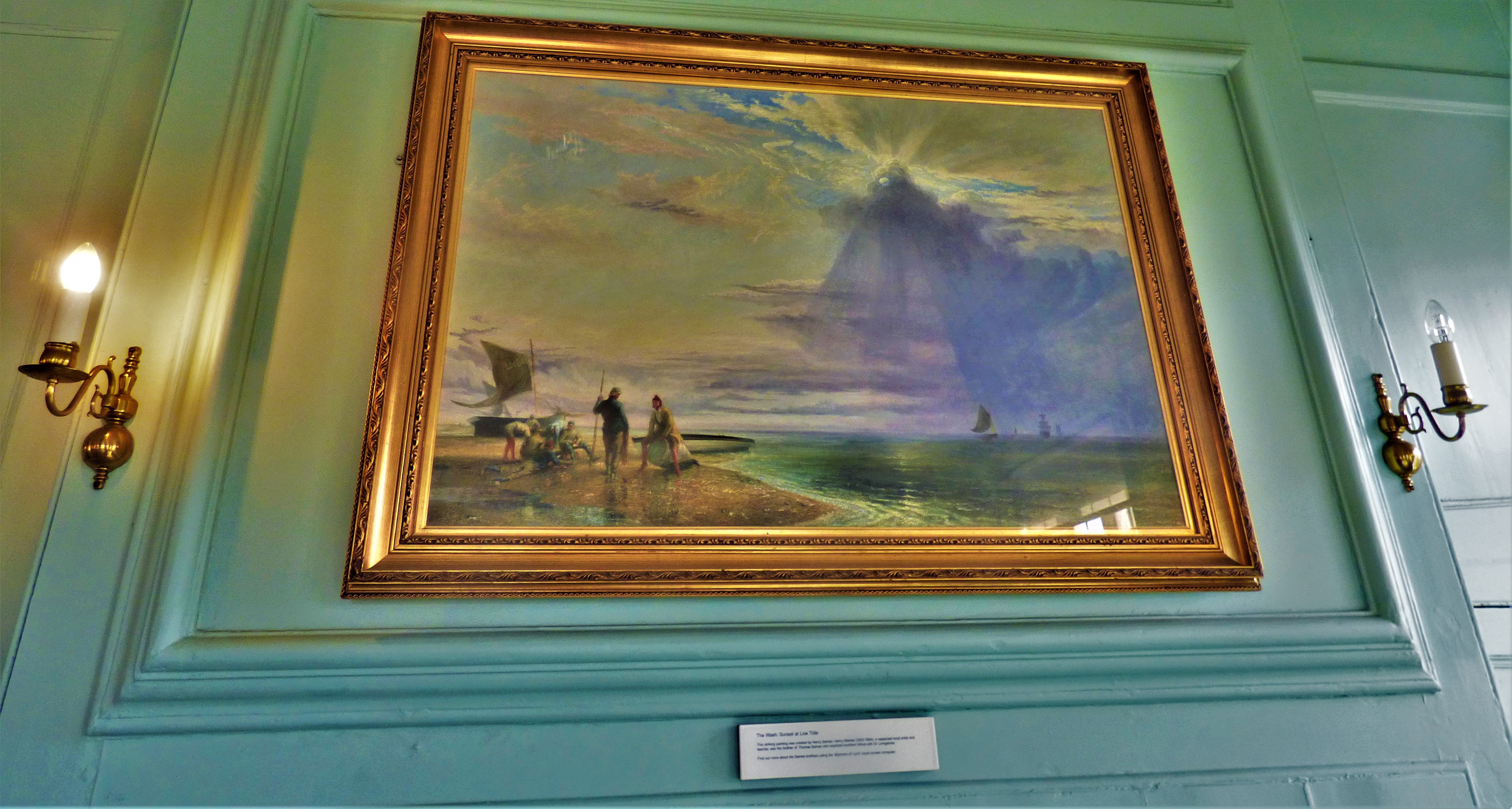
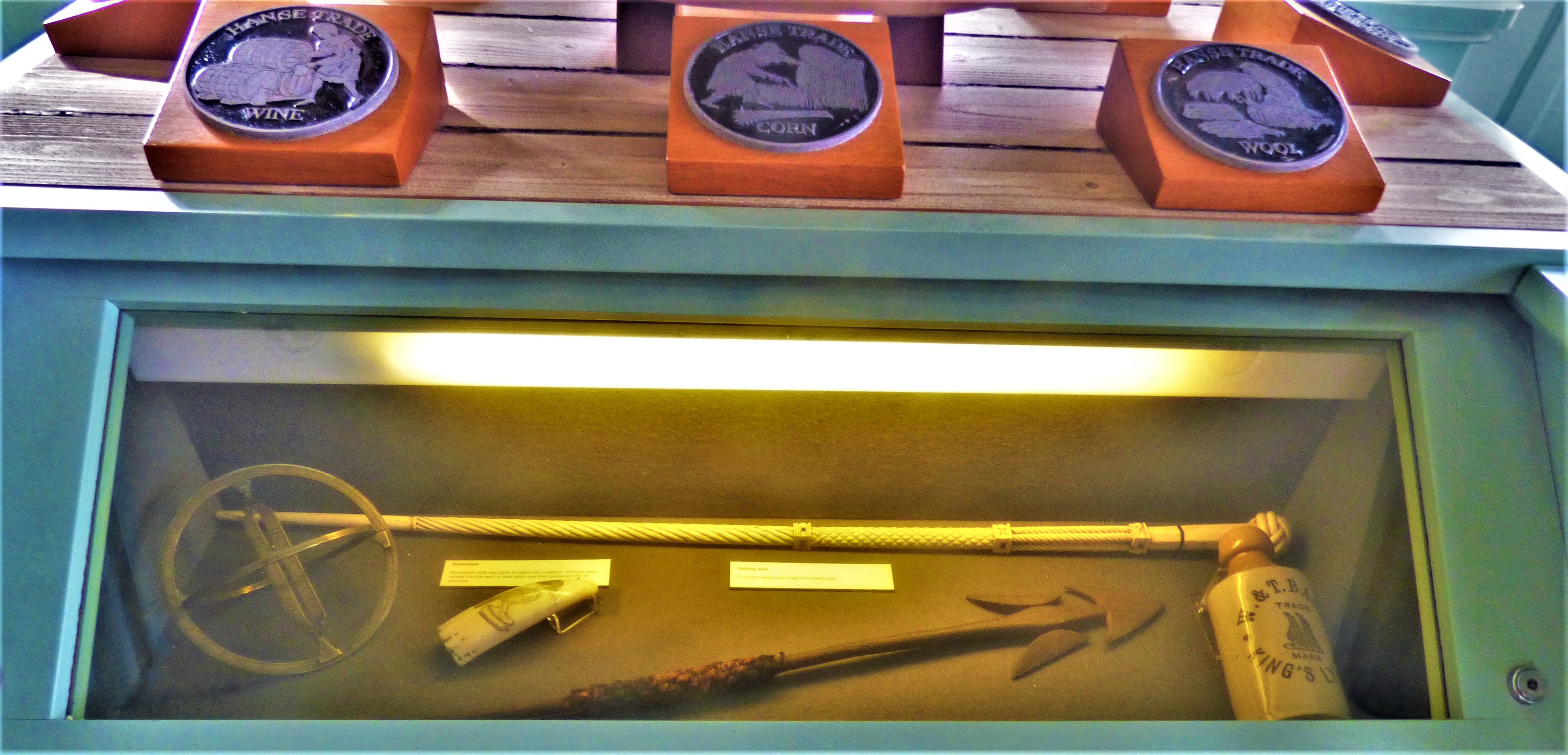
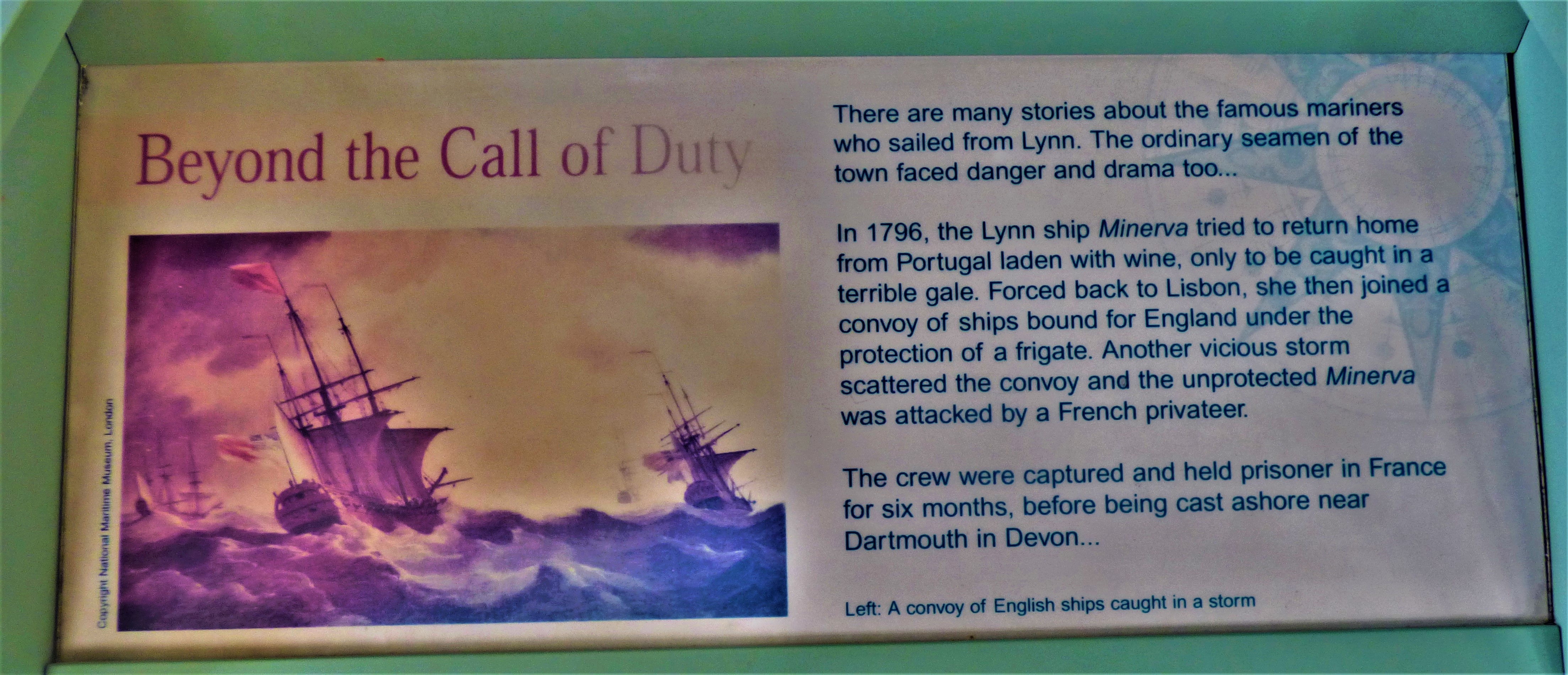
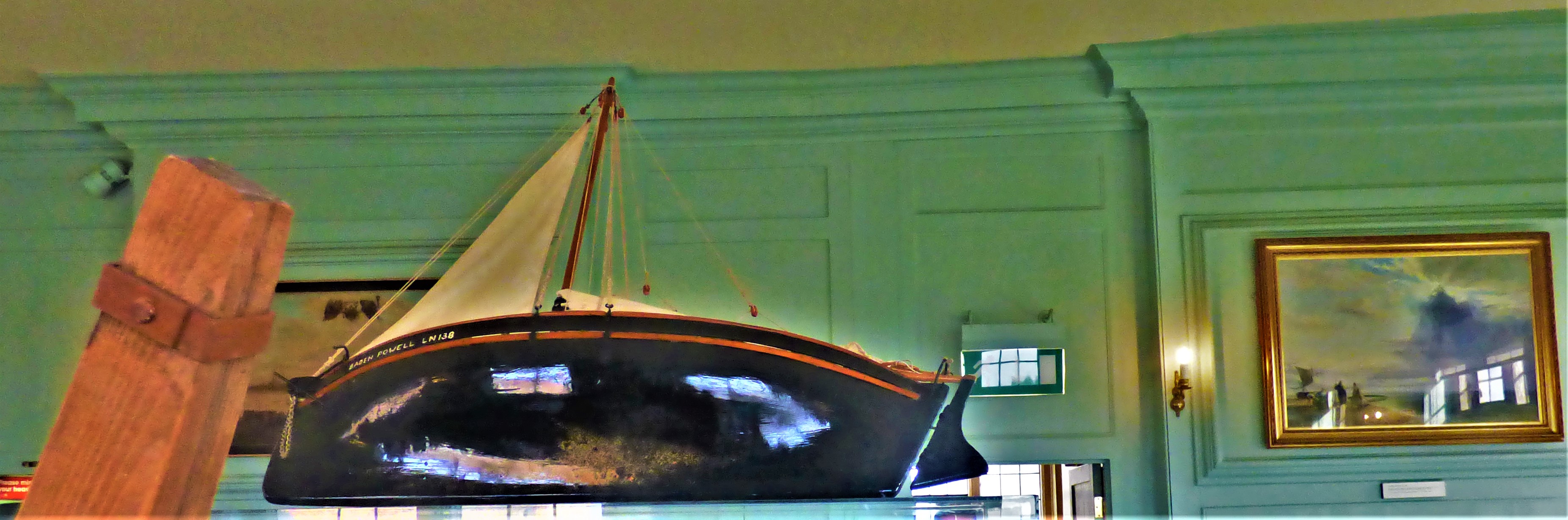
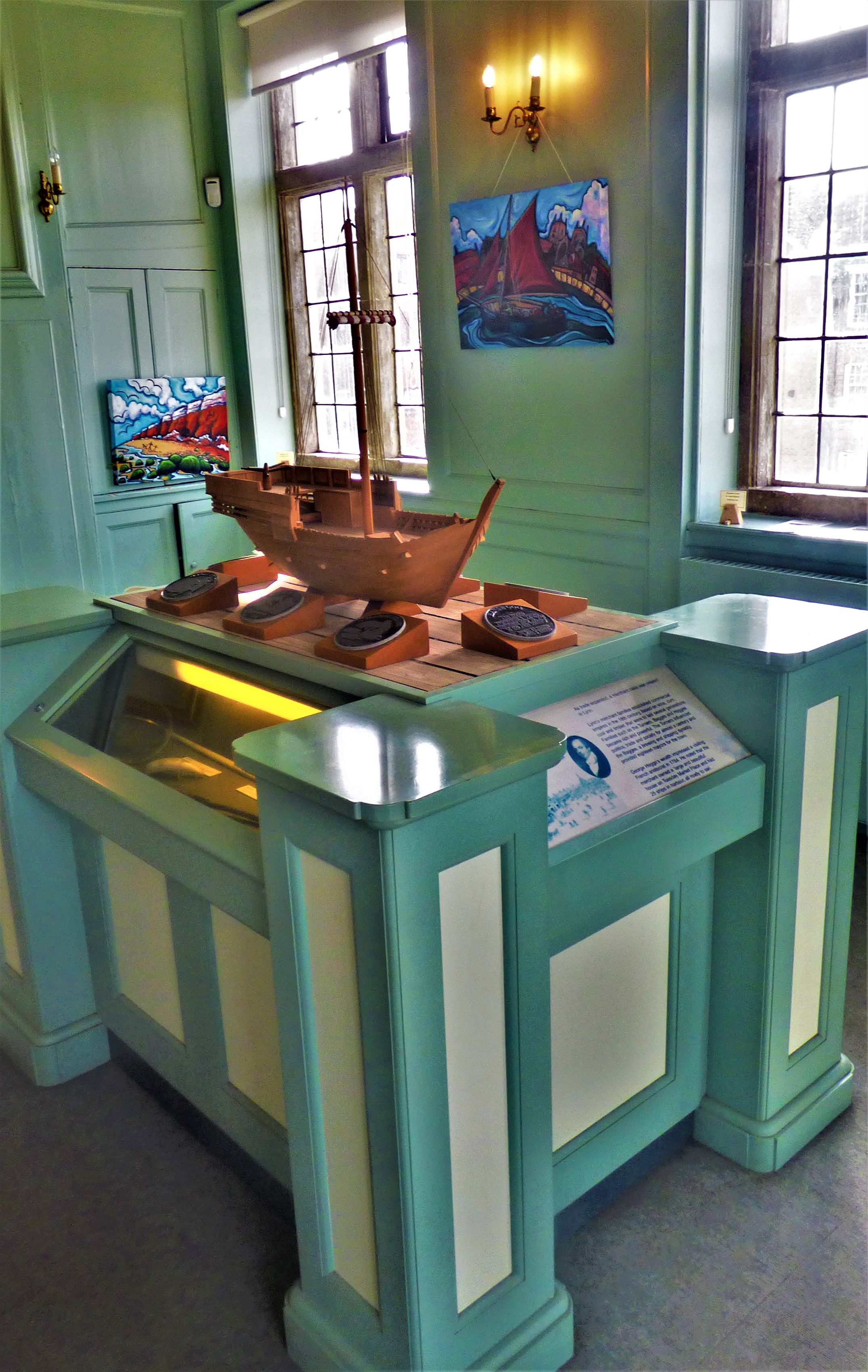
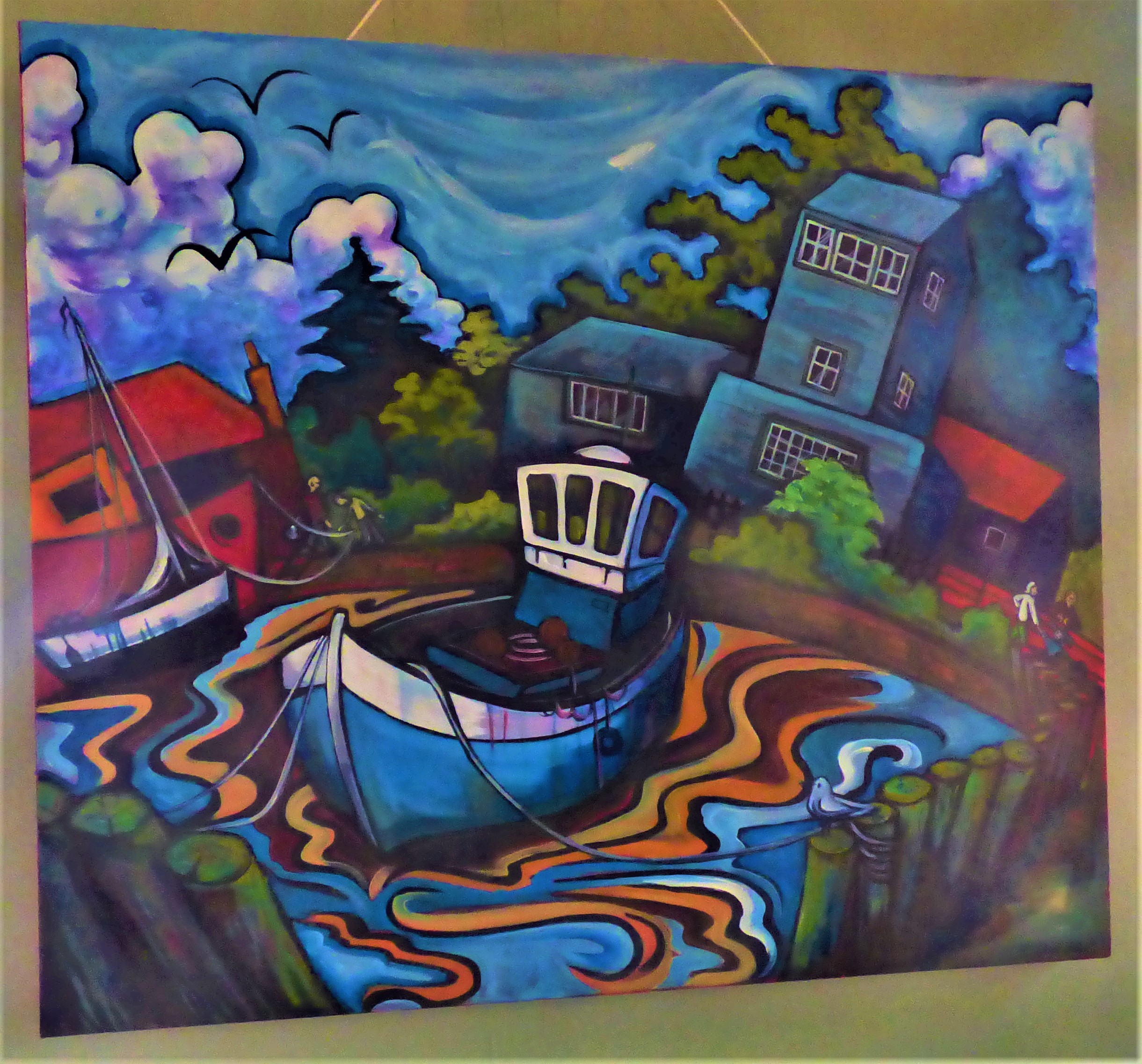
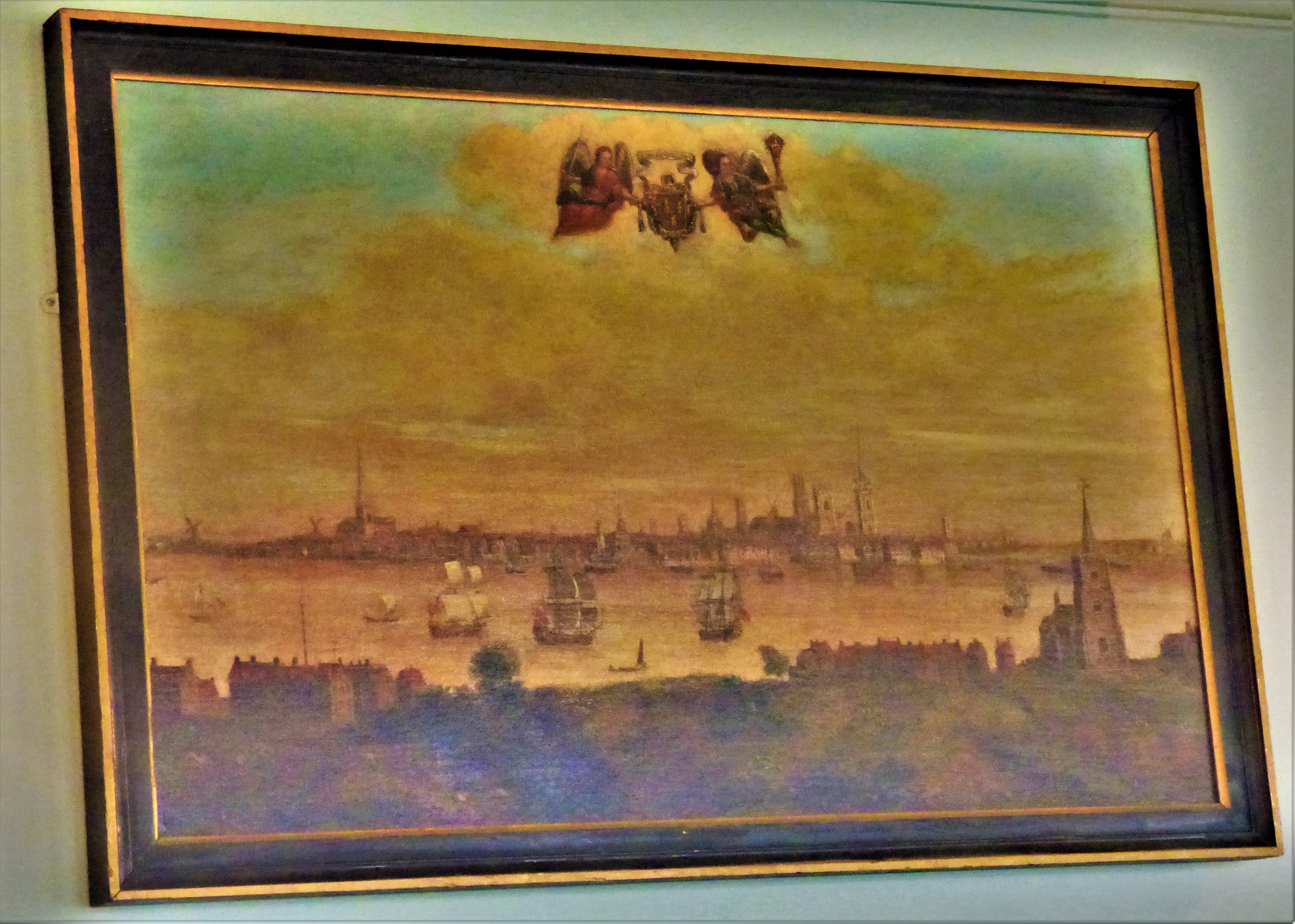
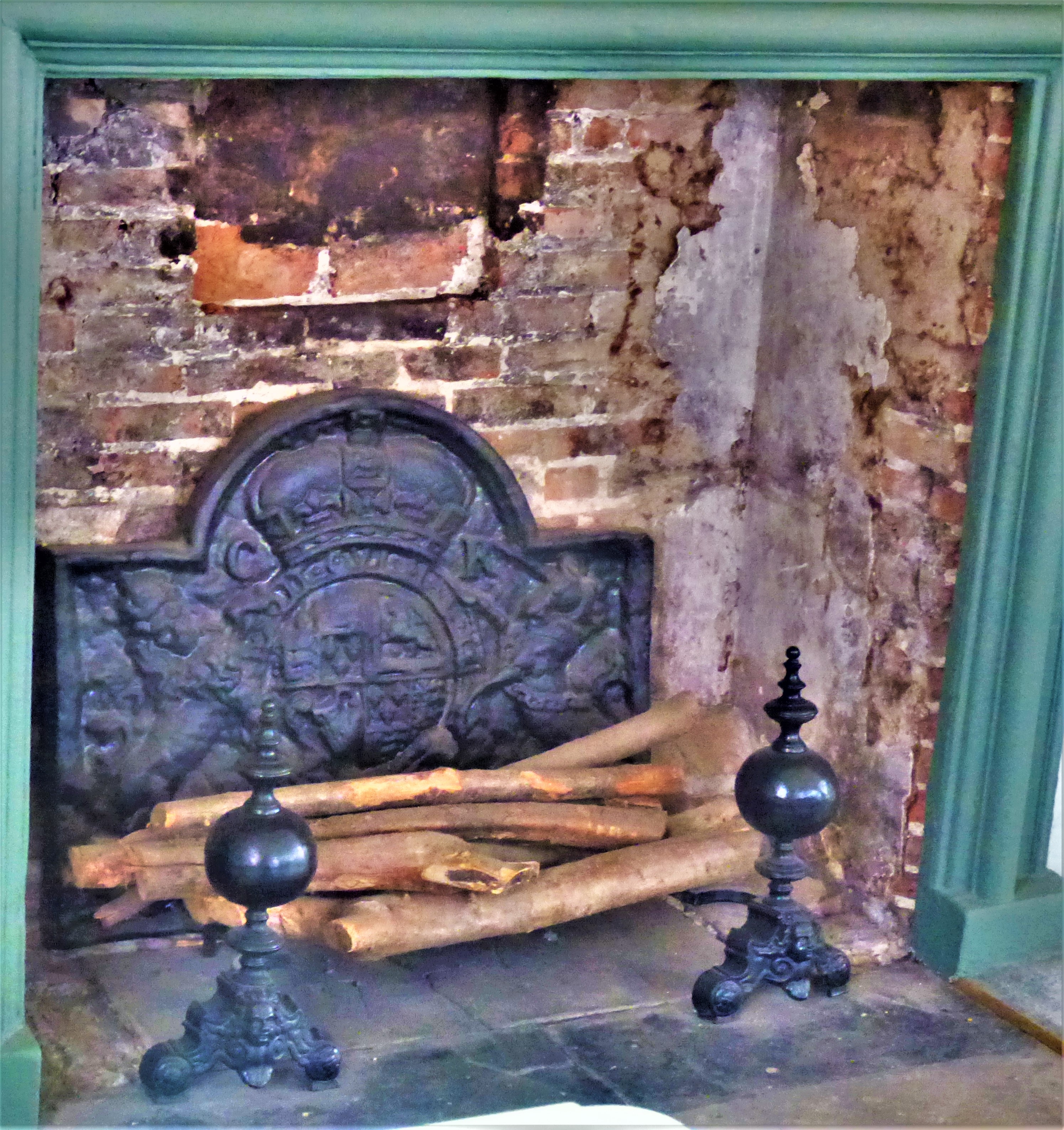
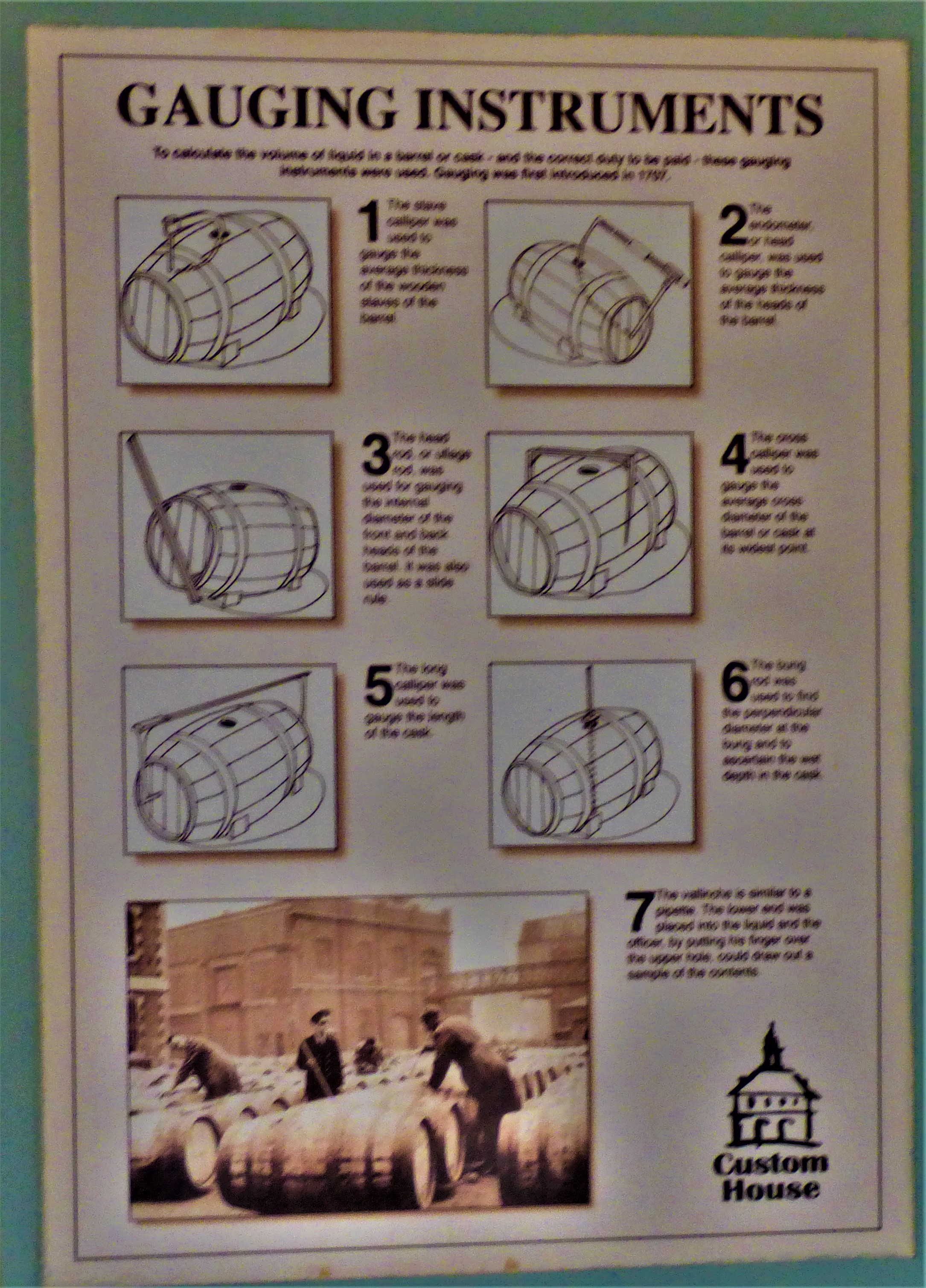
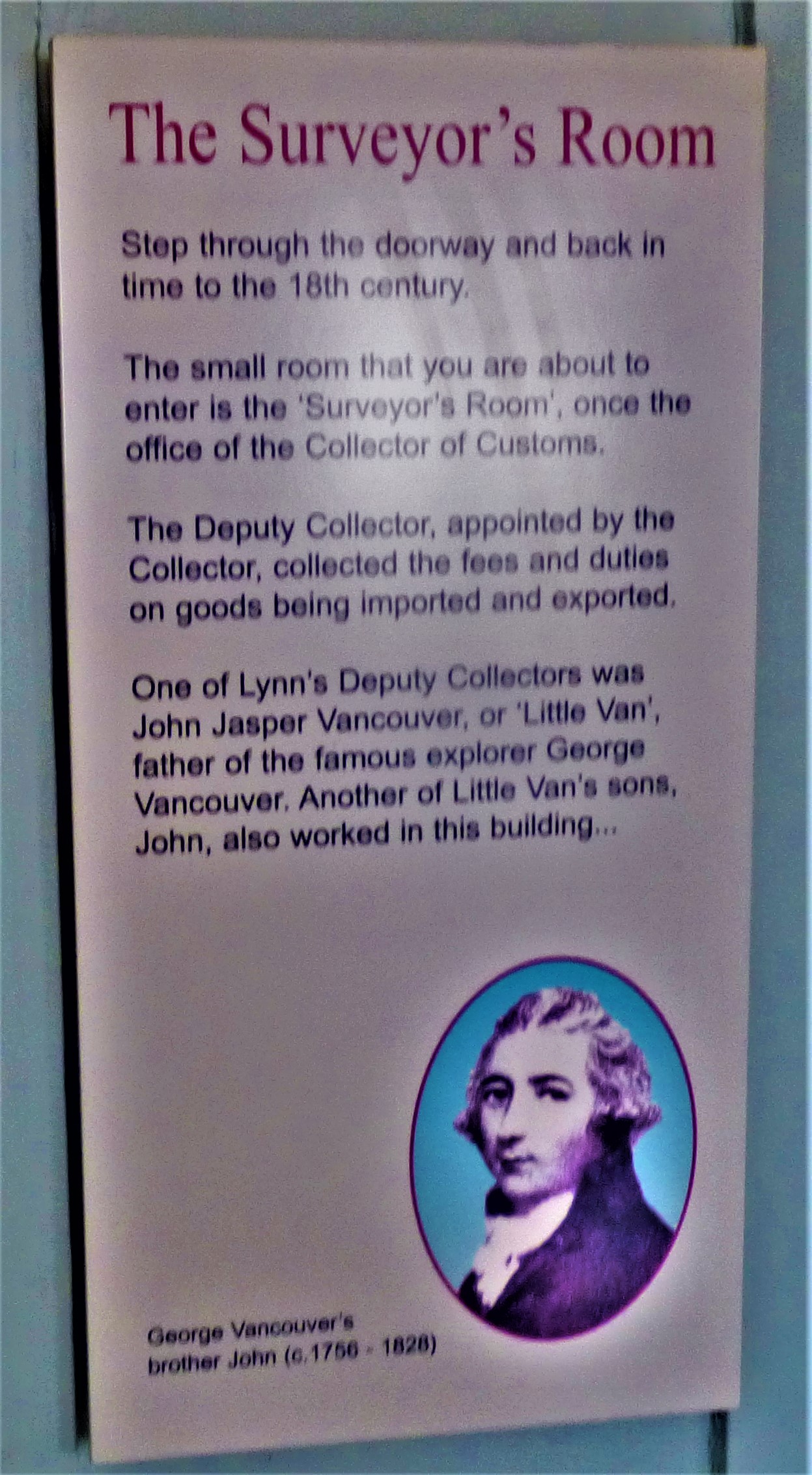
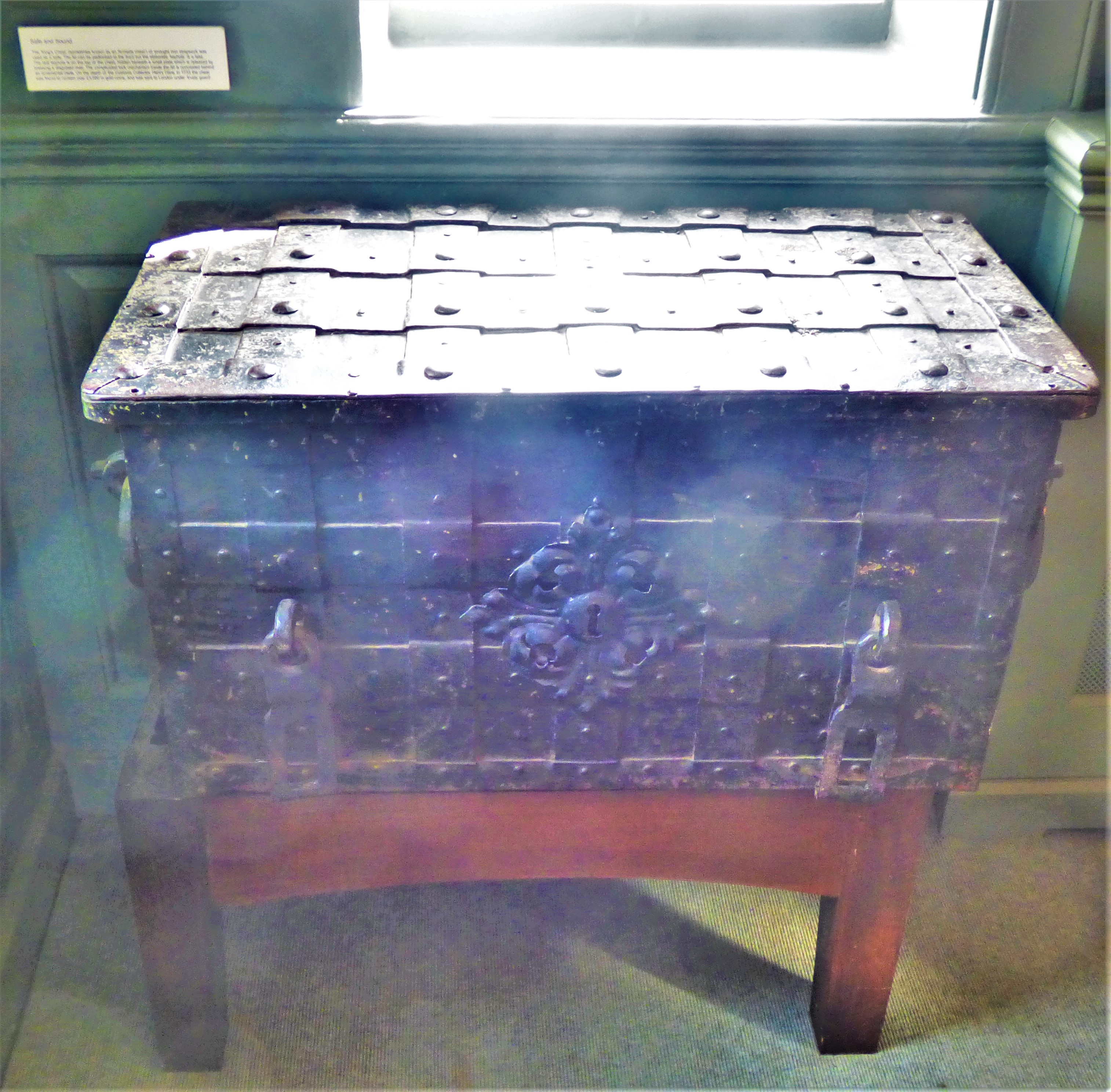
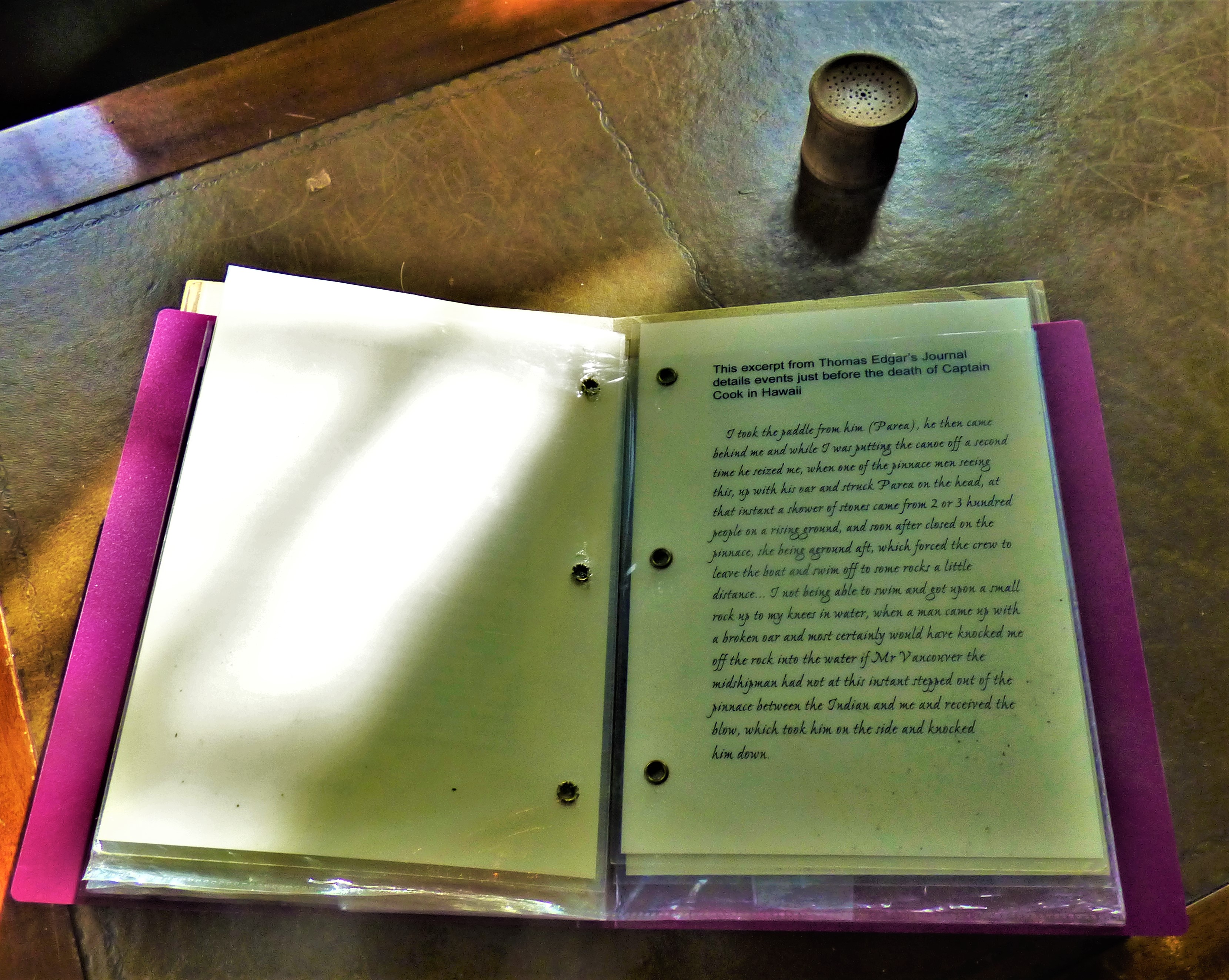
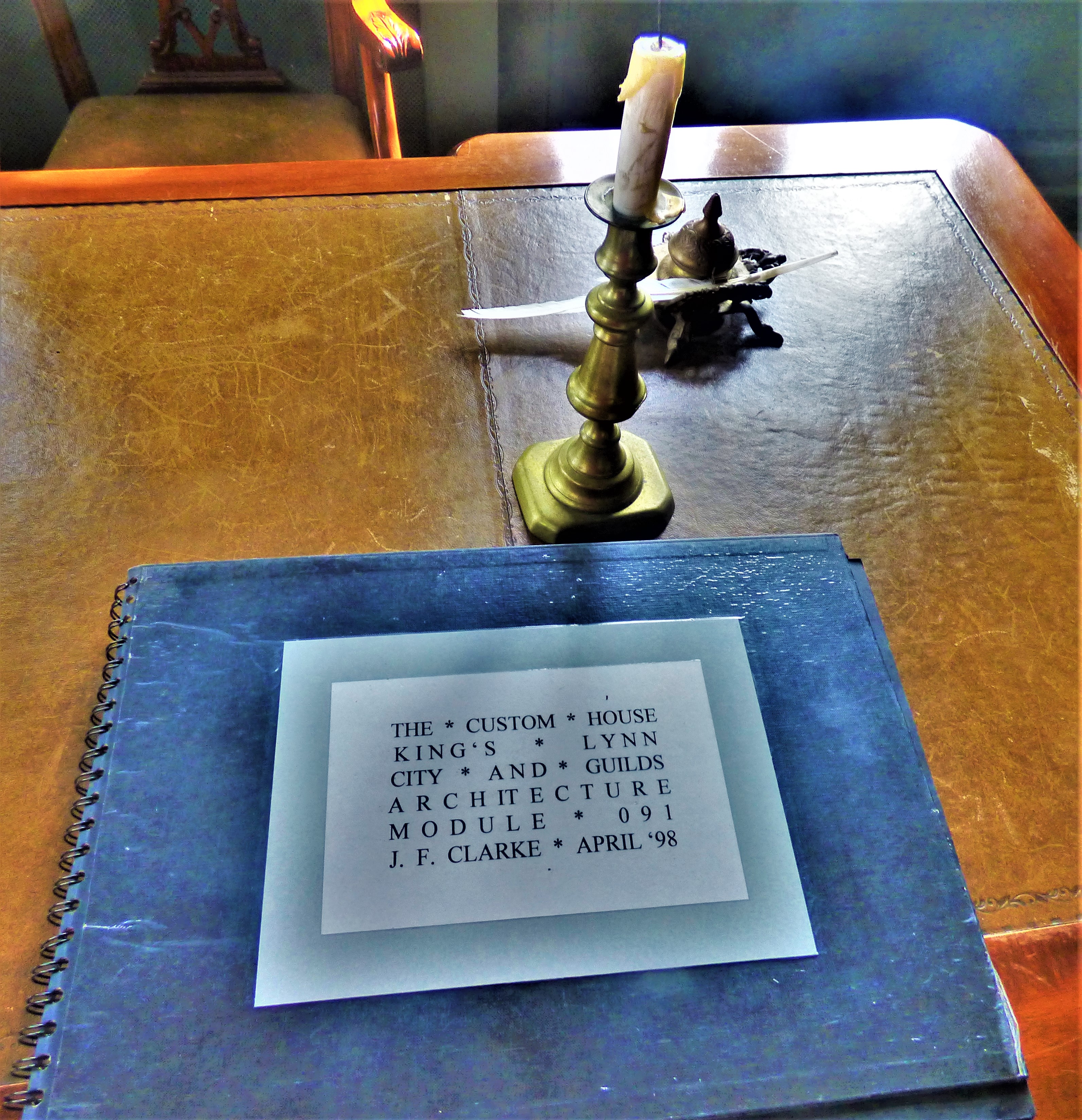
The first building I visited this time round was The Custom House, one of the two most iconic buildings in Lynn (The Townhall/ Guildhall is the other). They have an excellent little display upstairs, and it was well worth venturing indoors to see it…
King’s Lynn in 1581
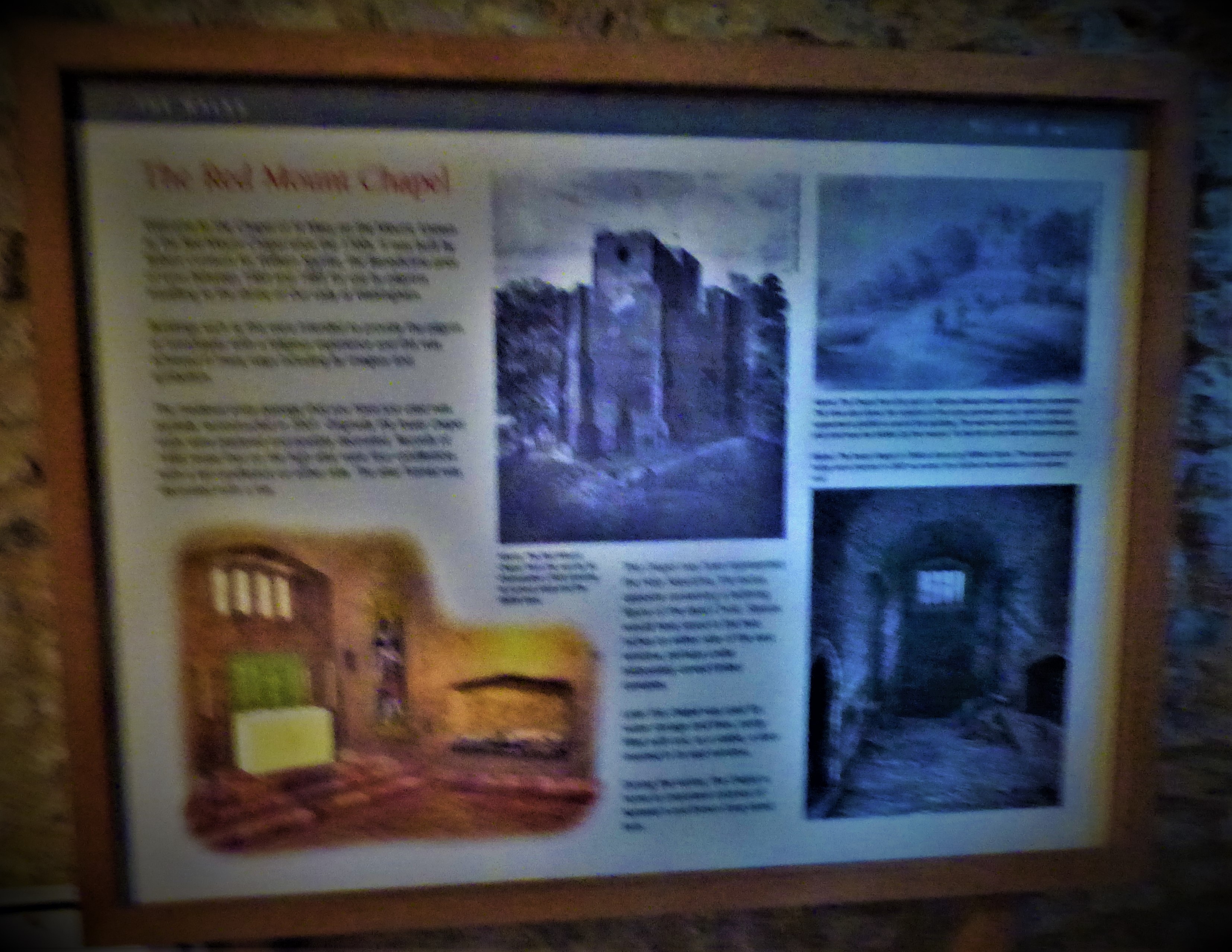
THE RED MOUNT CHAPEL
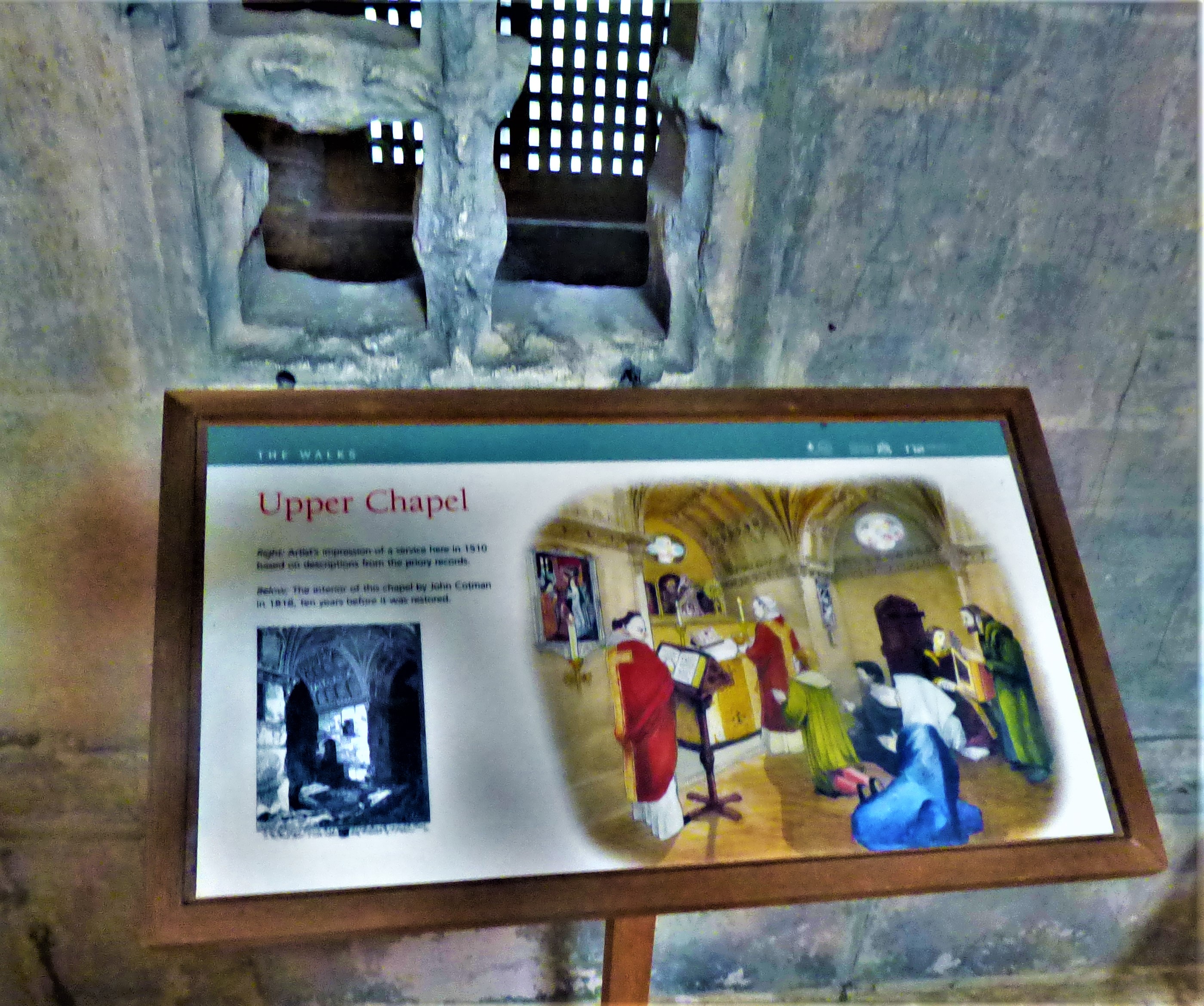
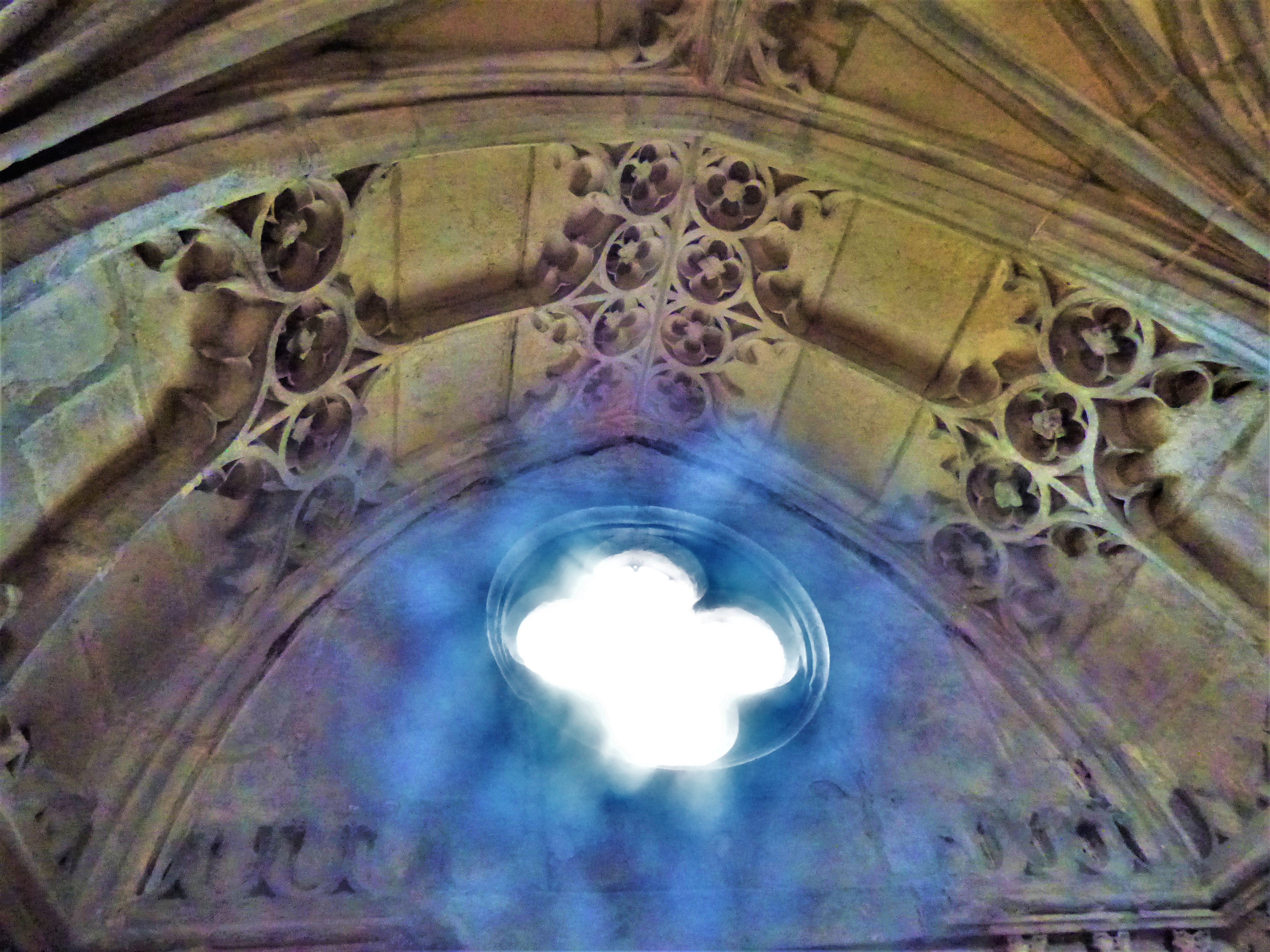
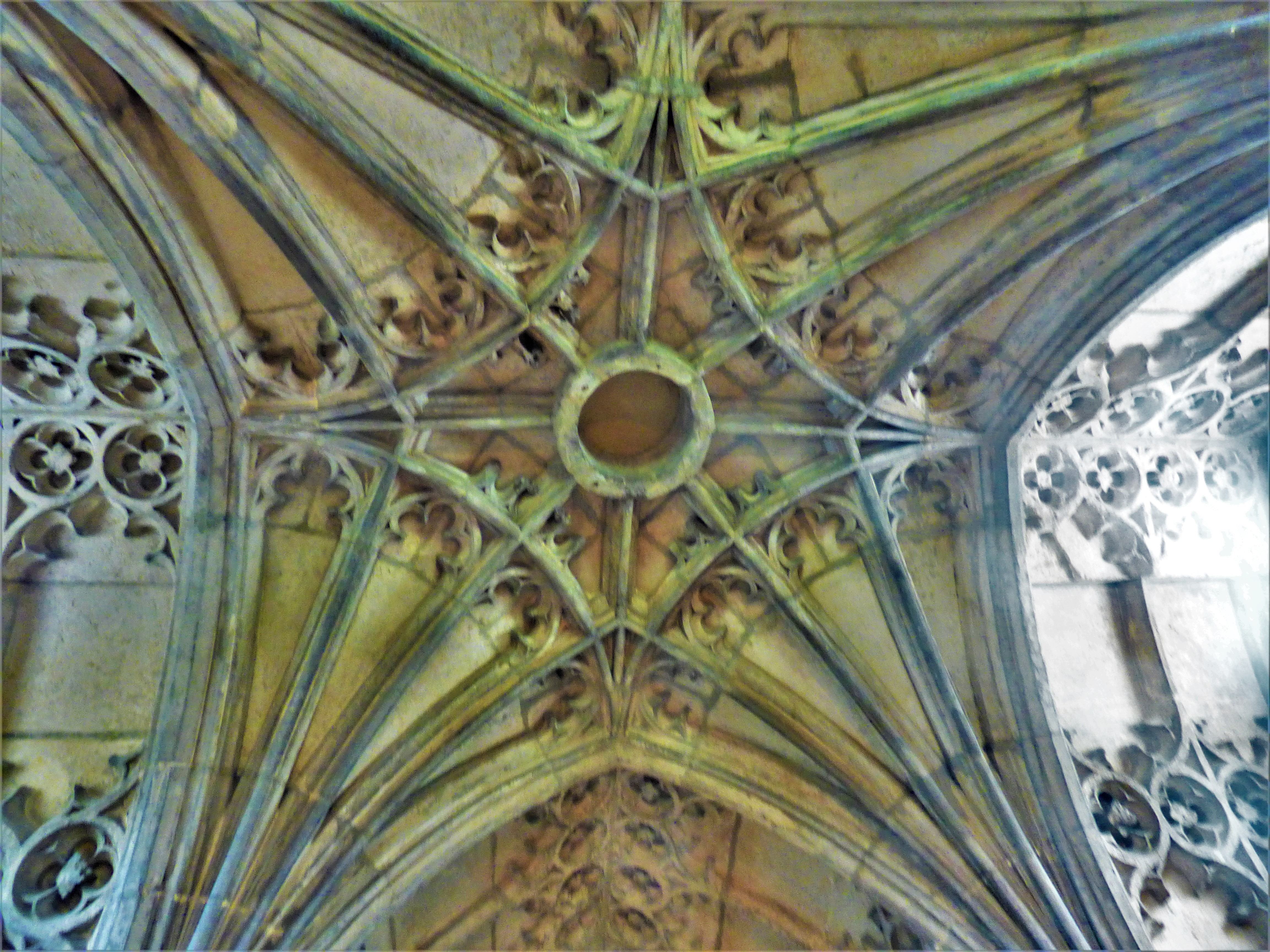
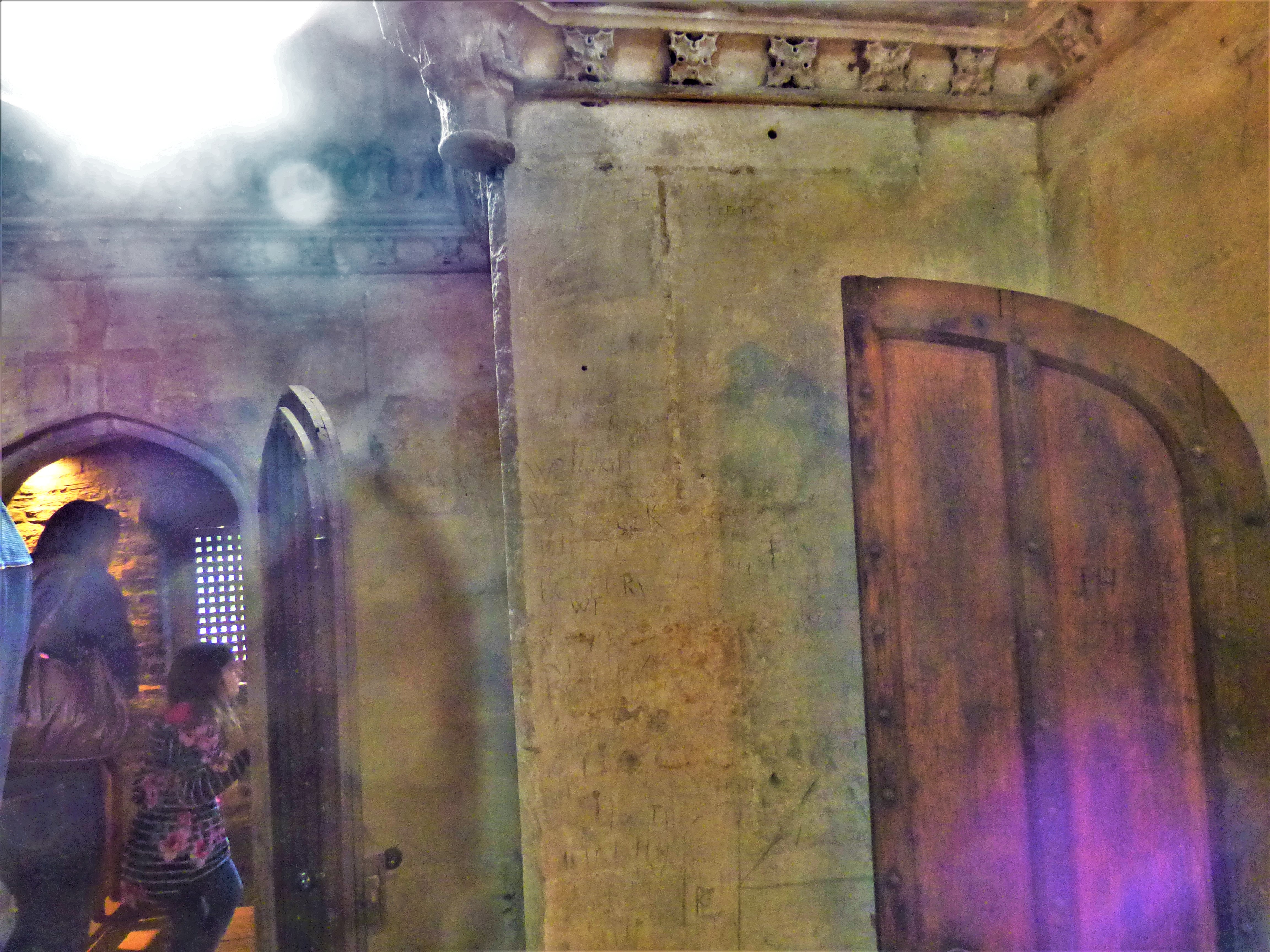
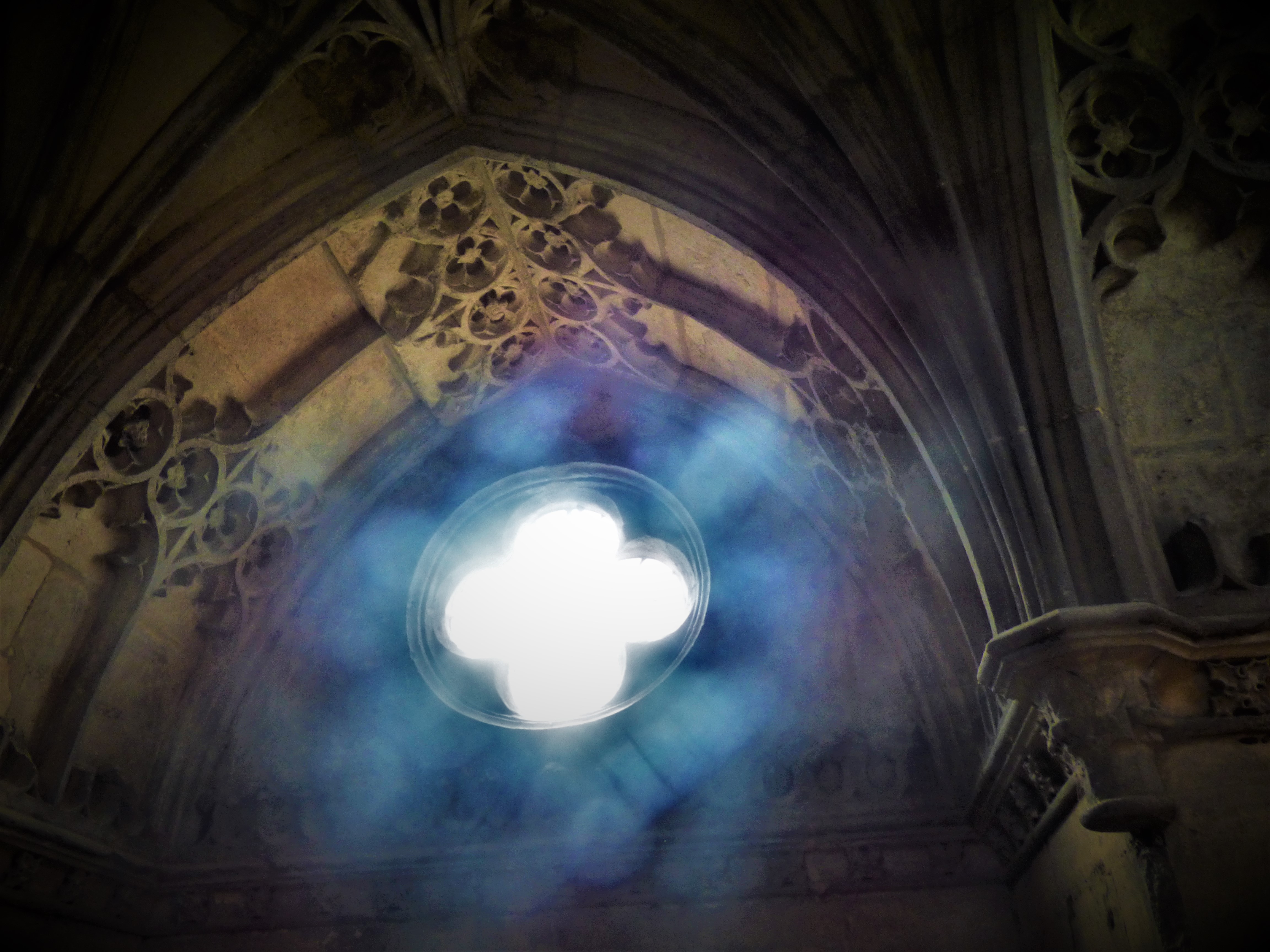
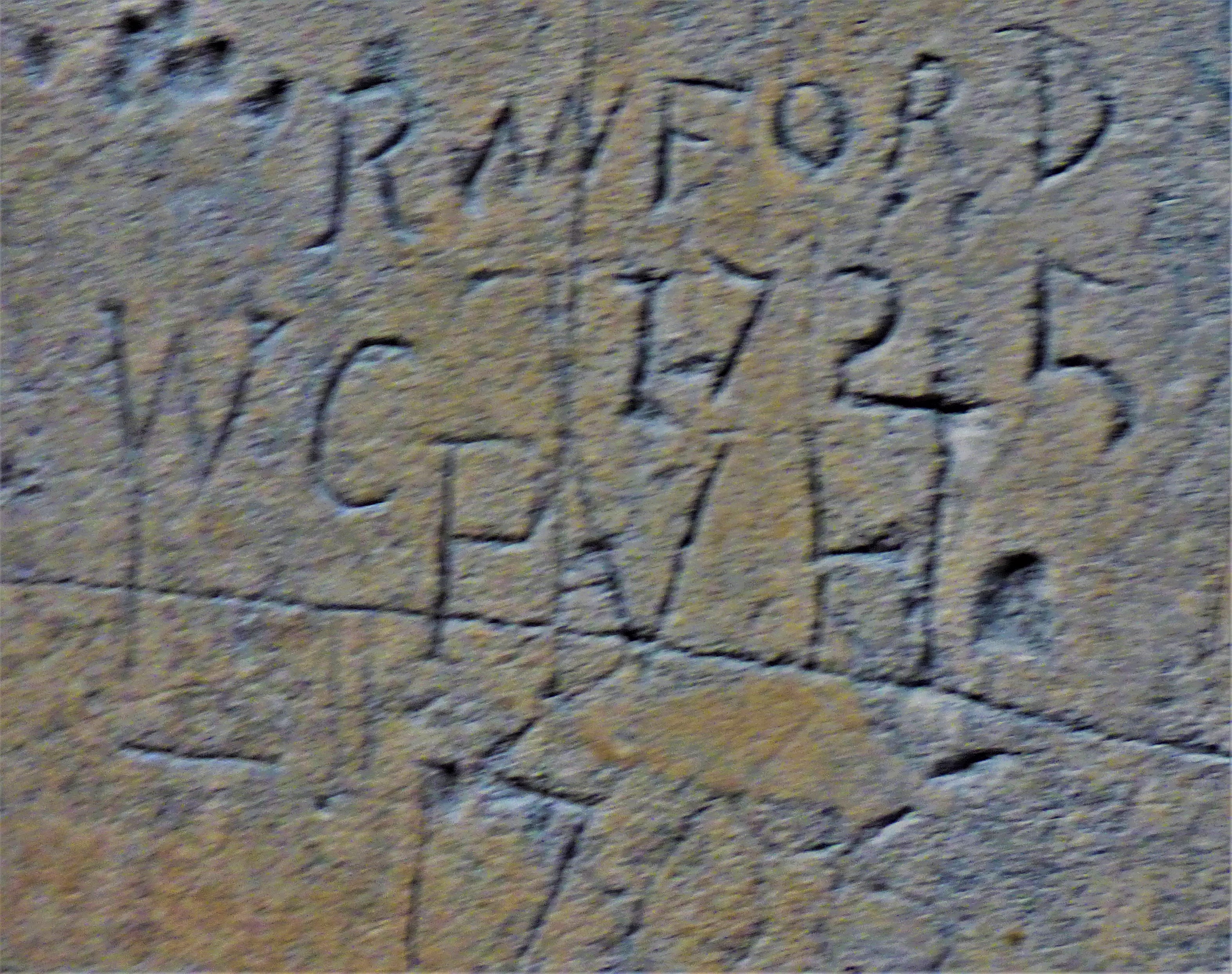
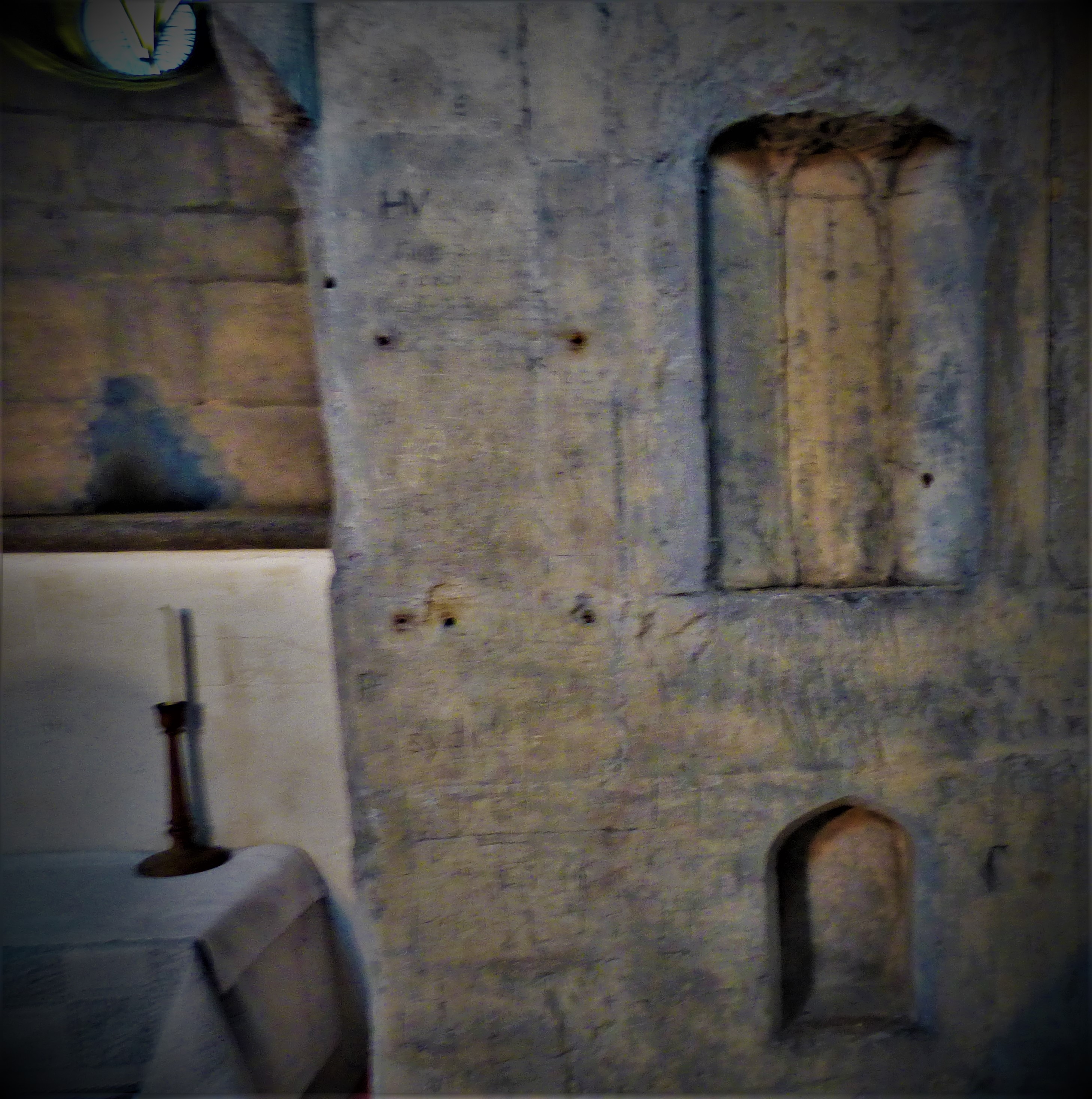
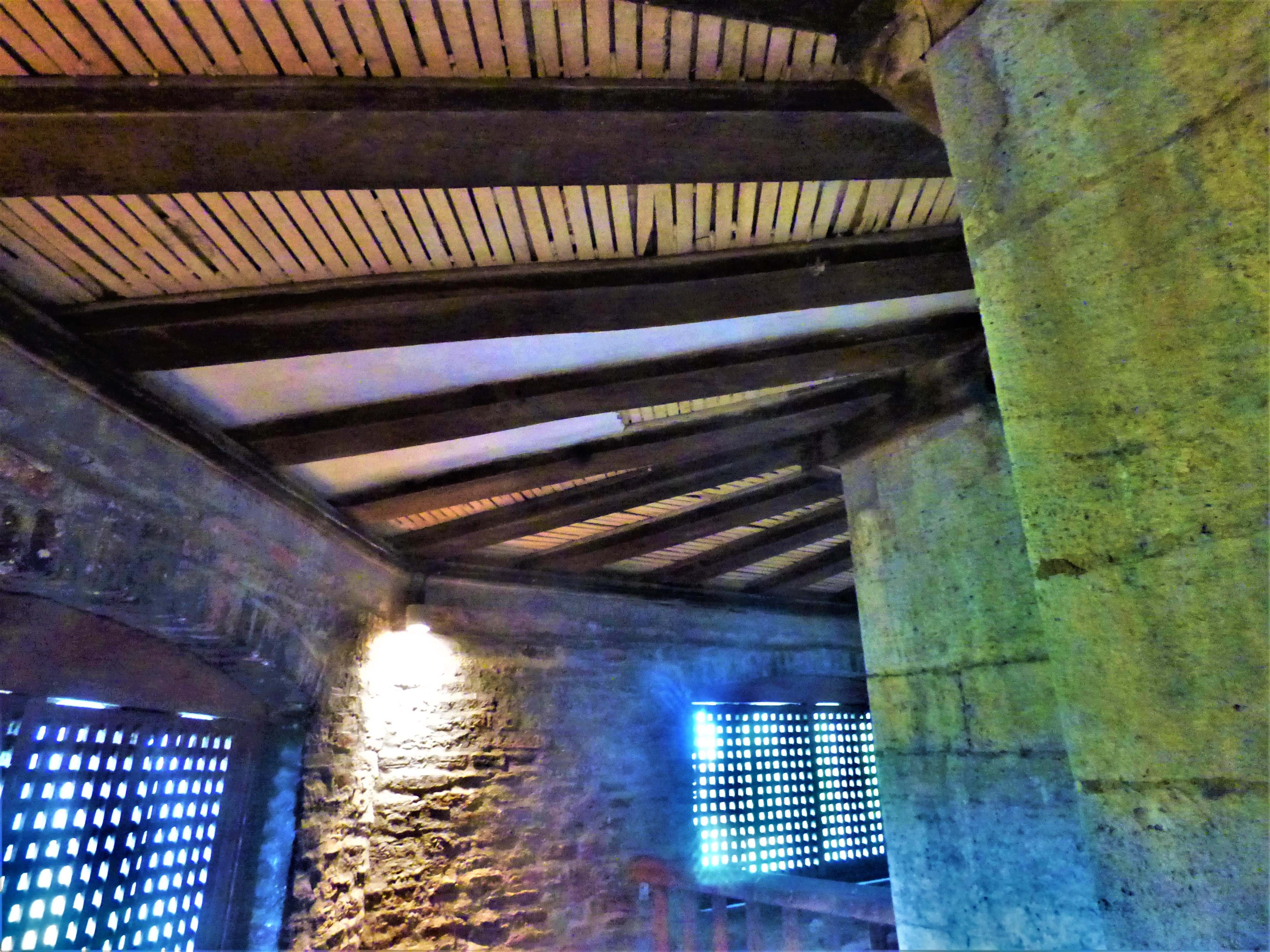
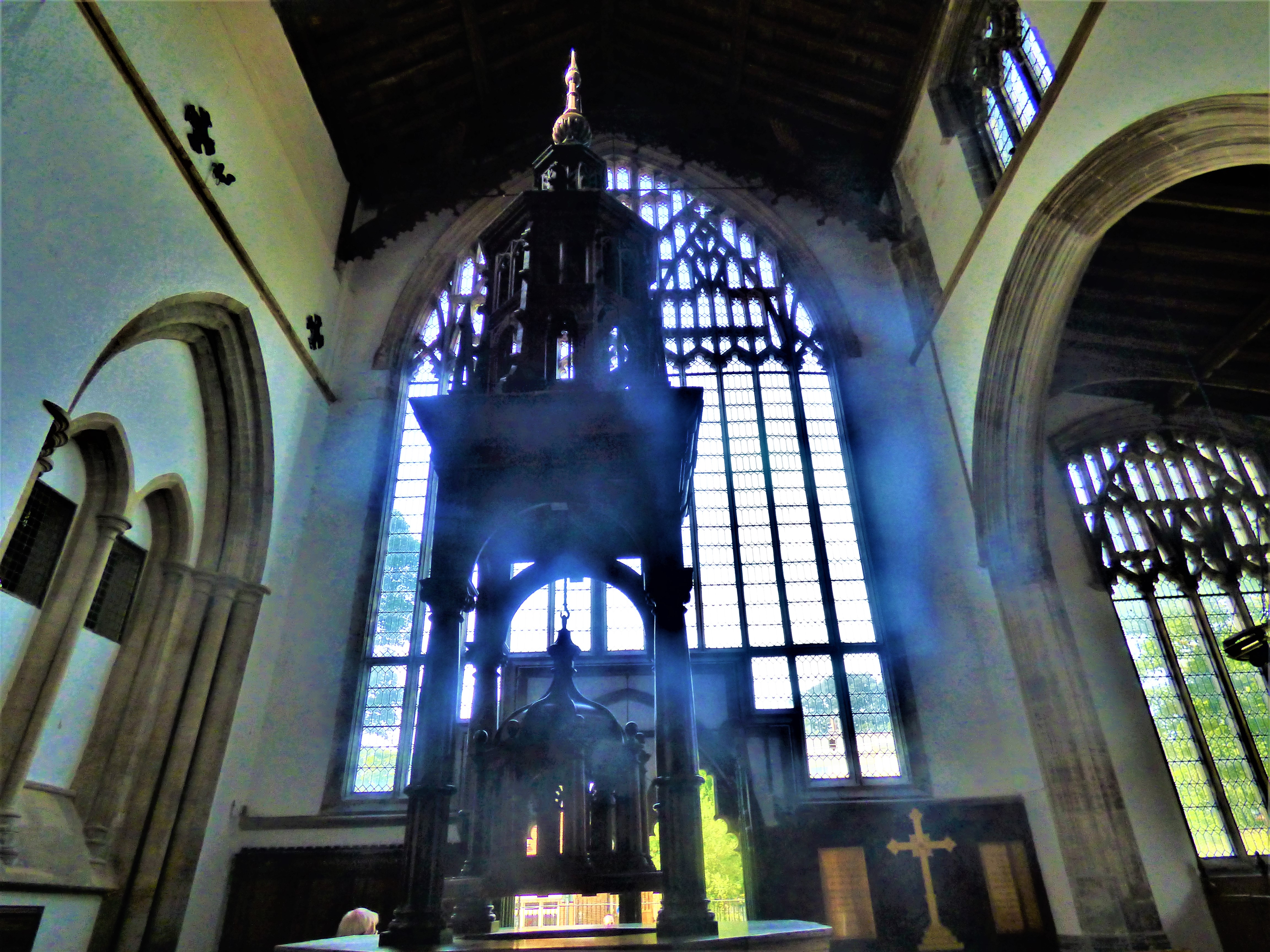
A favourite of mine, standing on its own in the middle of an area of parkland, with the bandstand visible through the trees and the ruins of the Guanock Gate about 100 yards away. There are actually two chapels, the upper chapel and the lower chapel, and the thick walls and small windows that the outside of the building features are testament to the need to guard against religious persecution in earlier times…
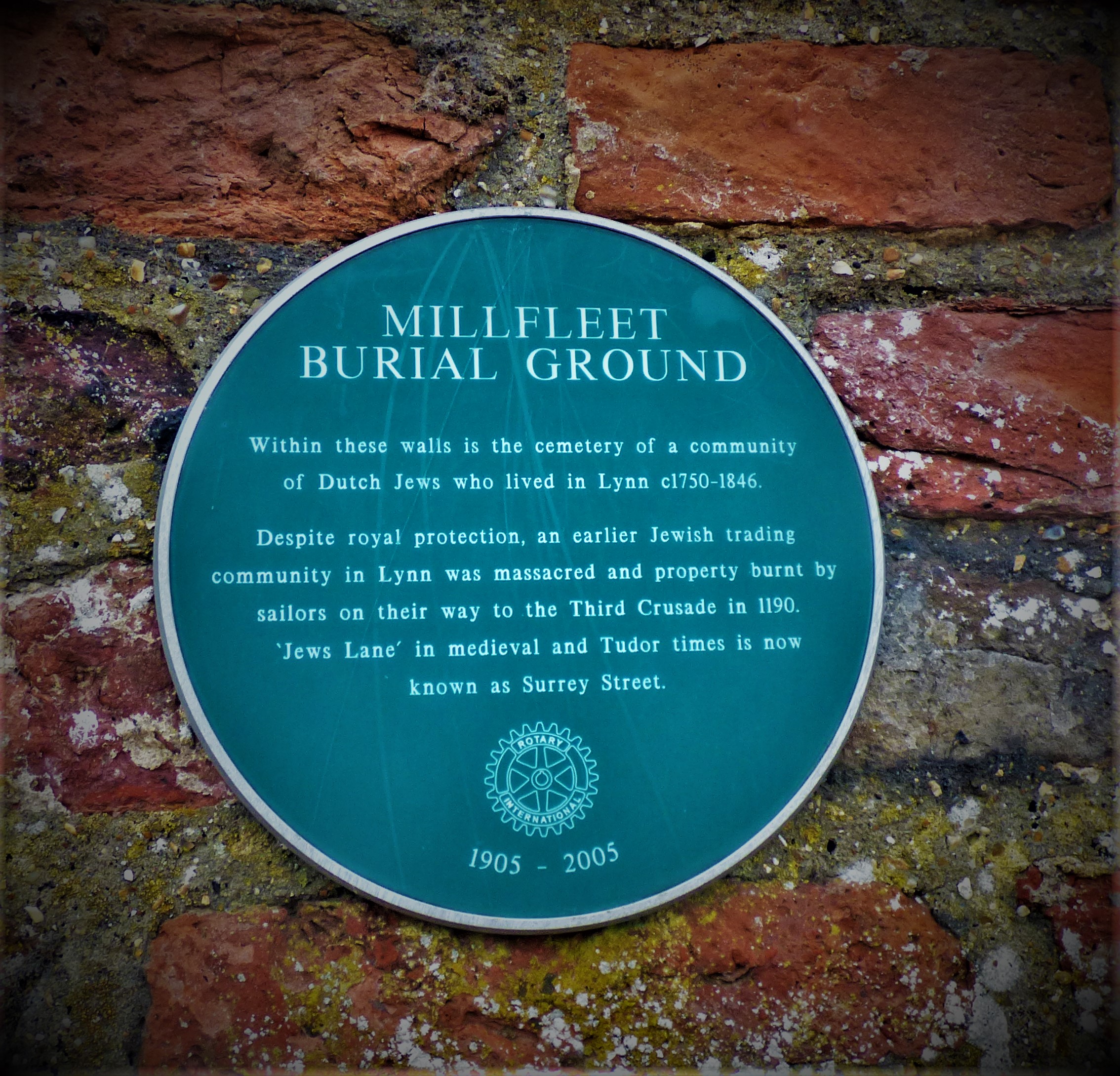
THE JEWISH CEMETERY
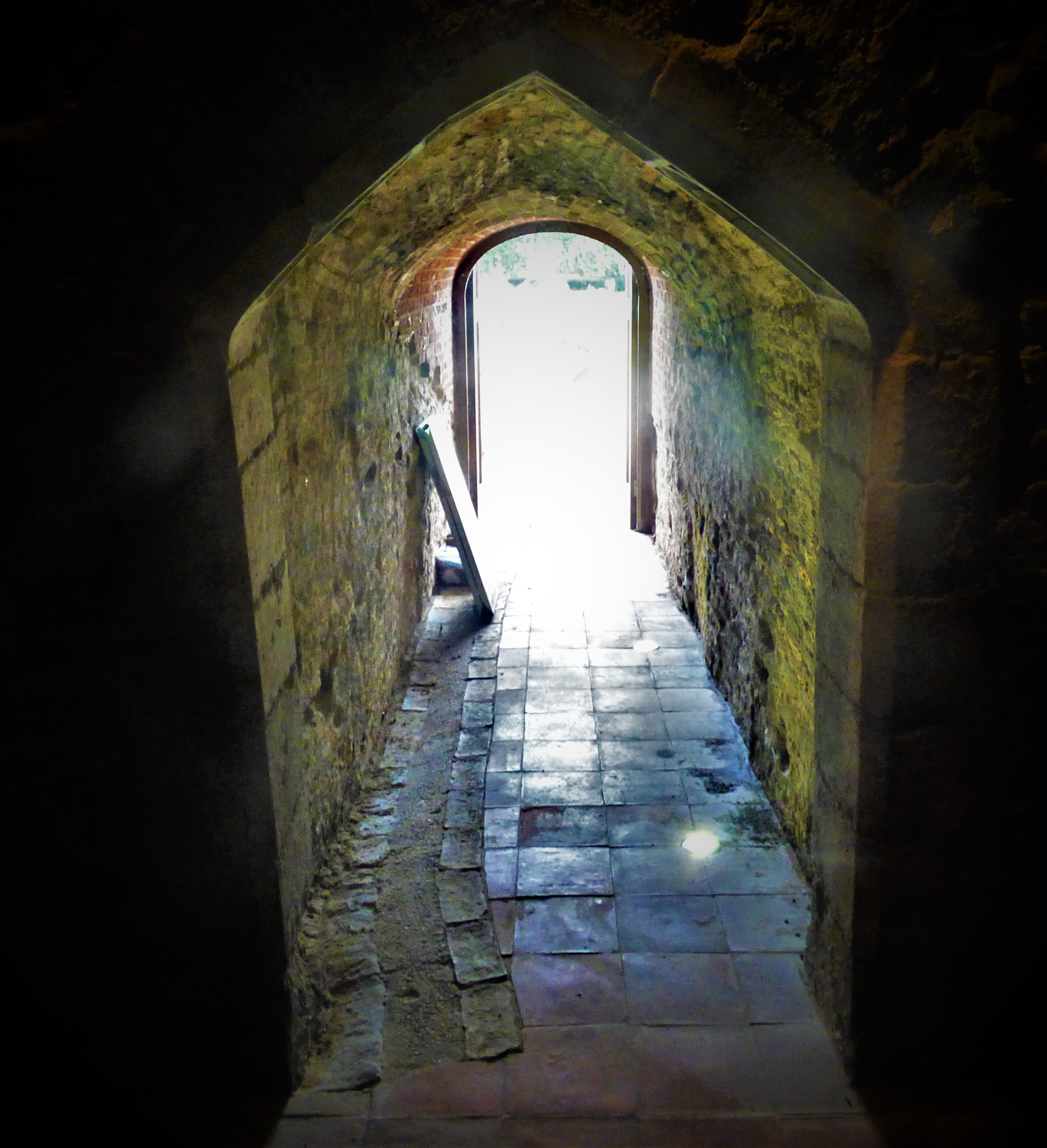
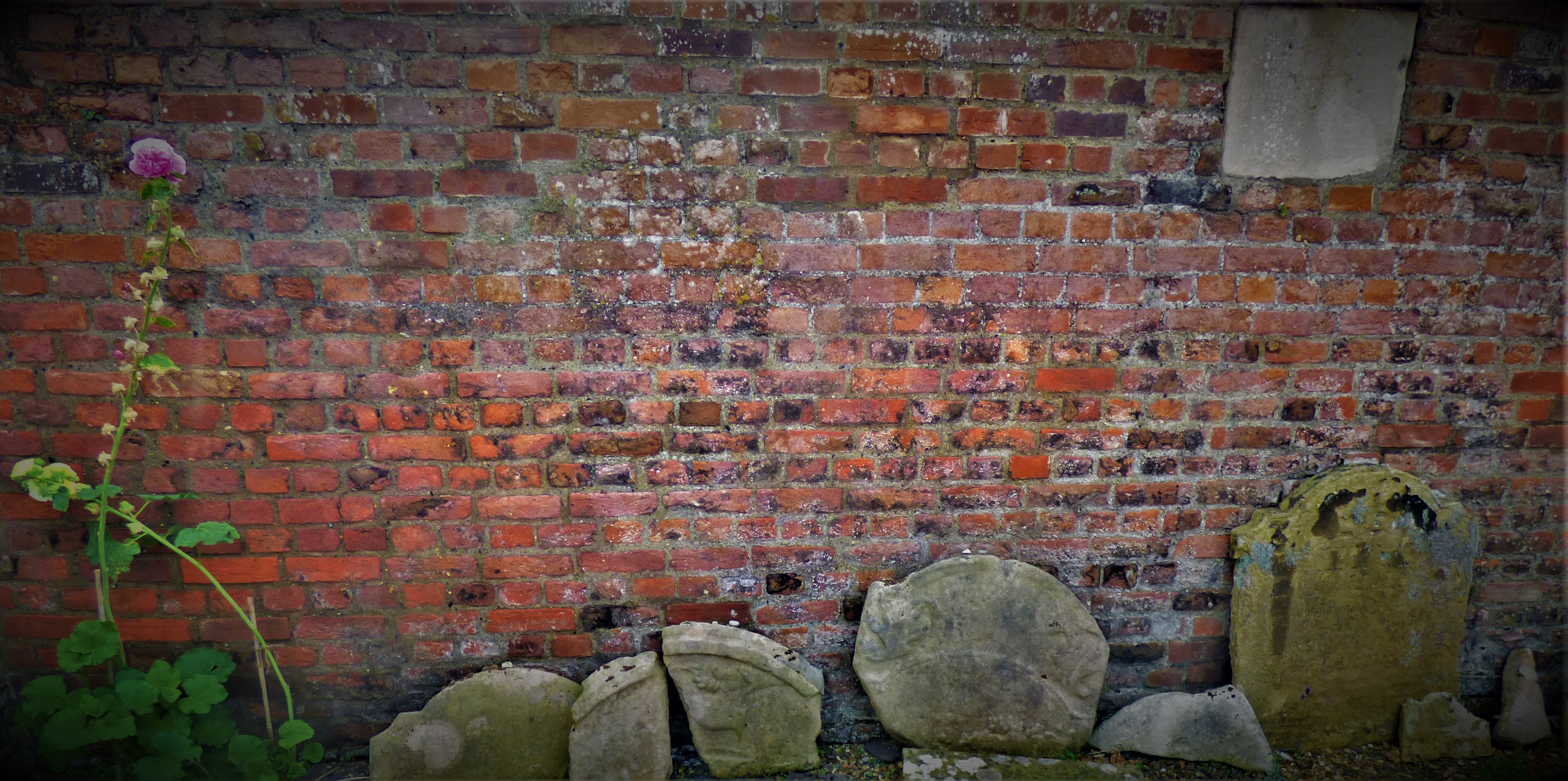
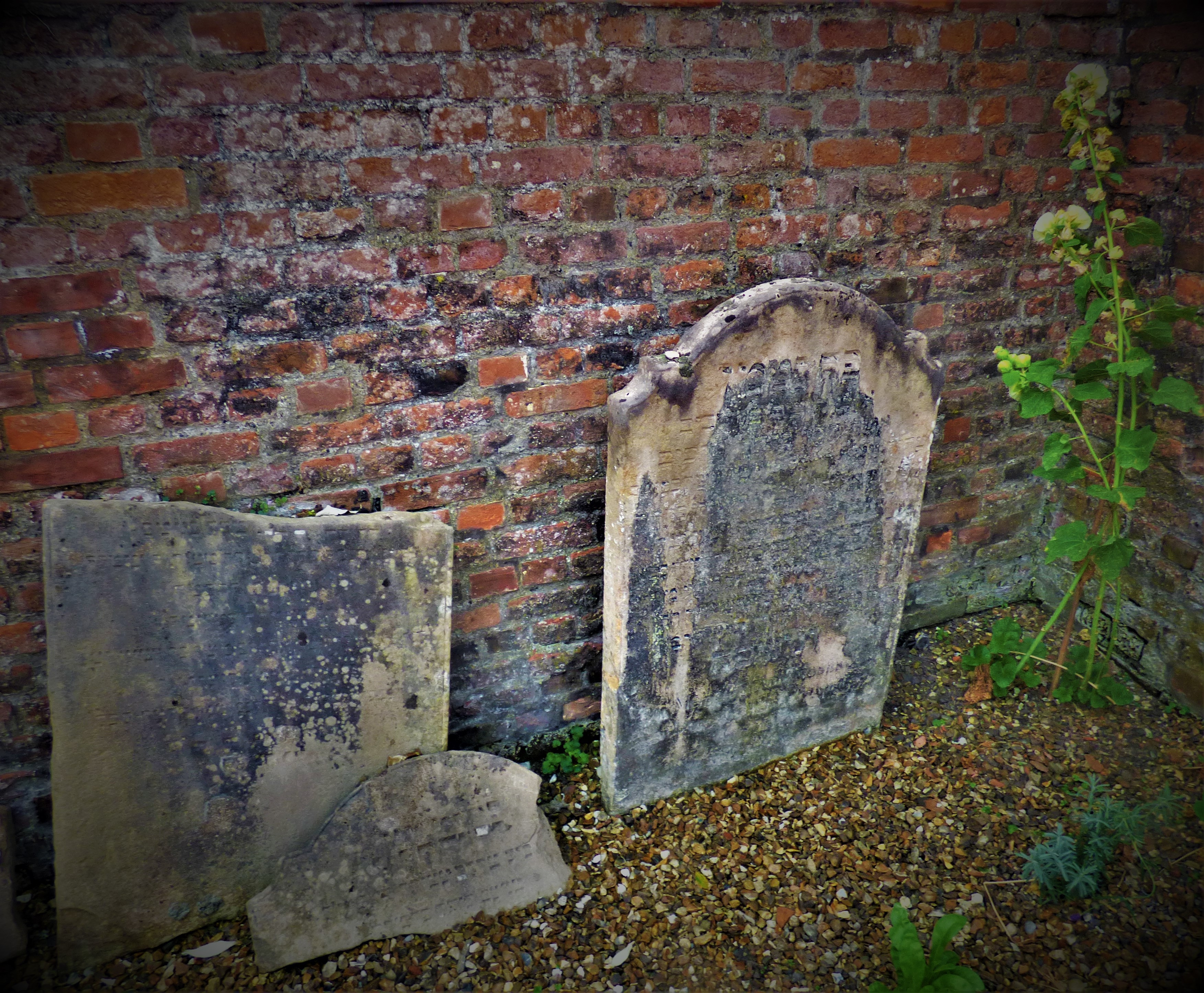
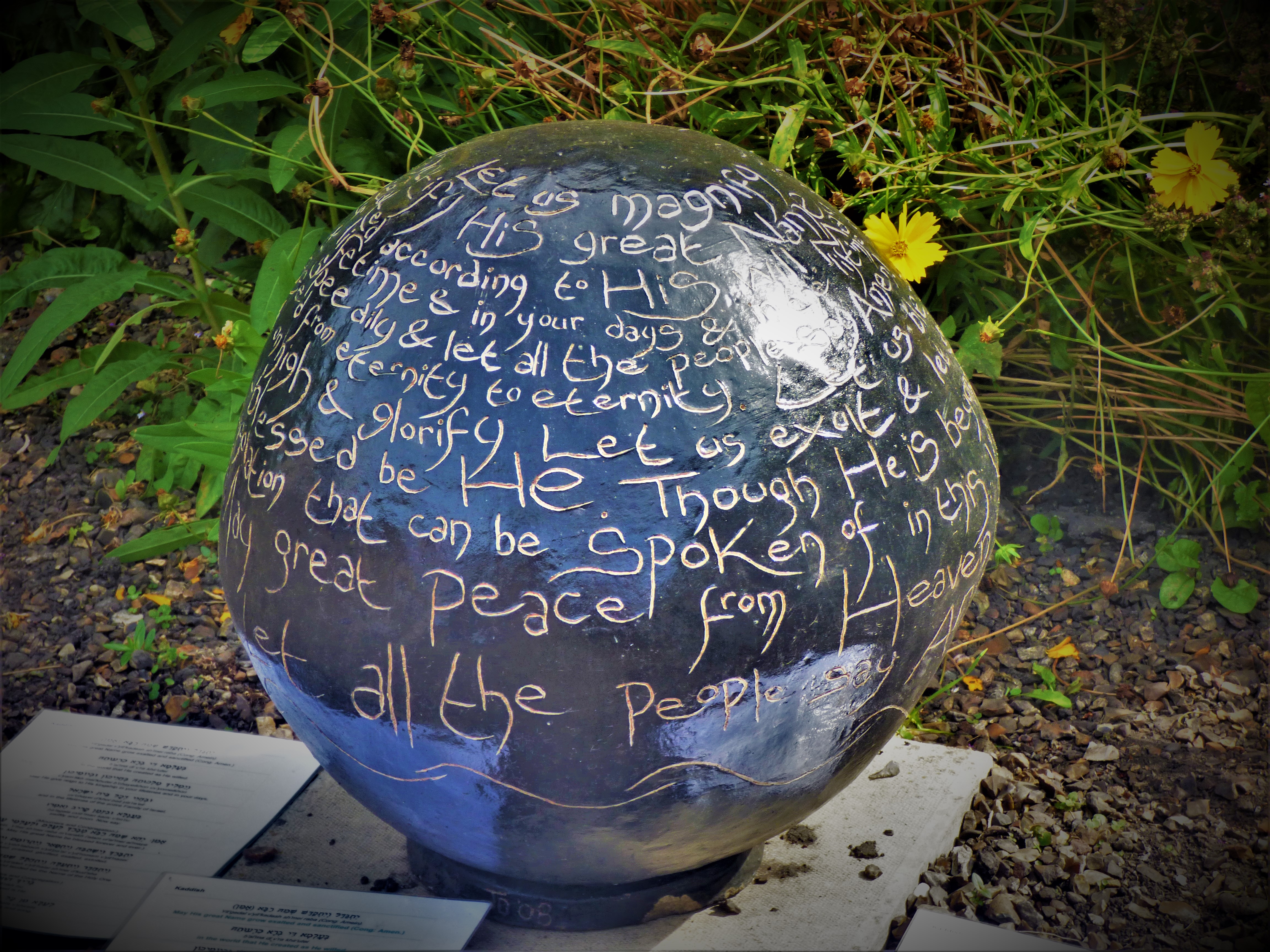
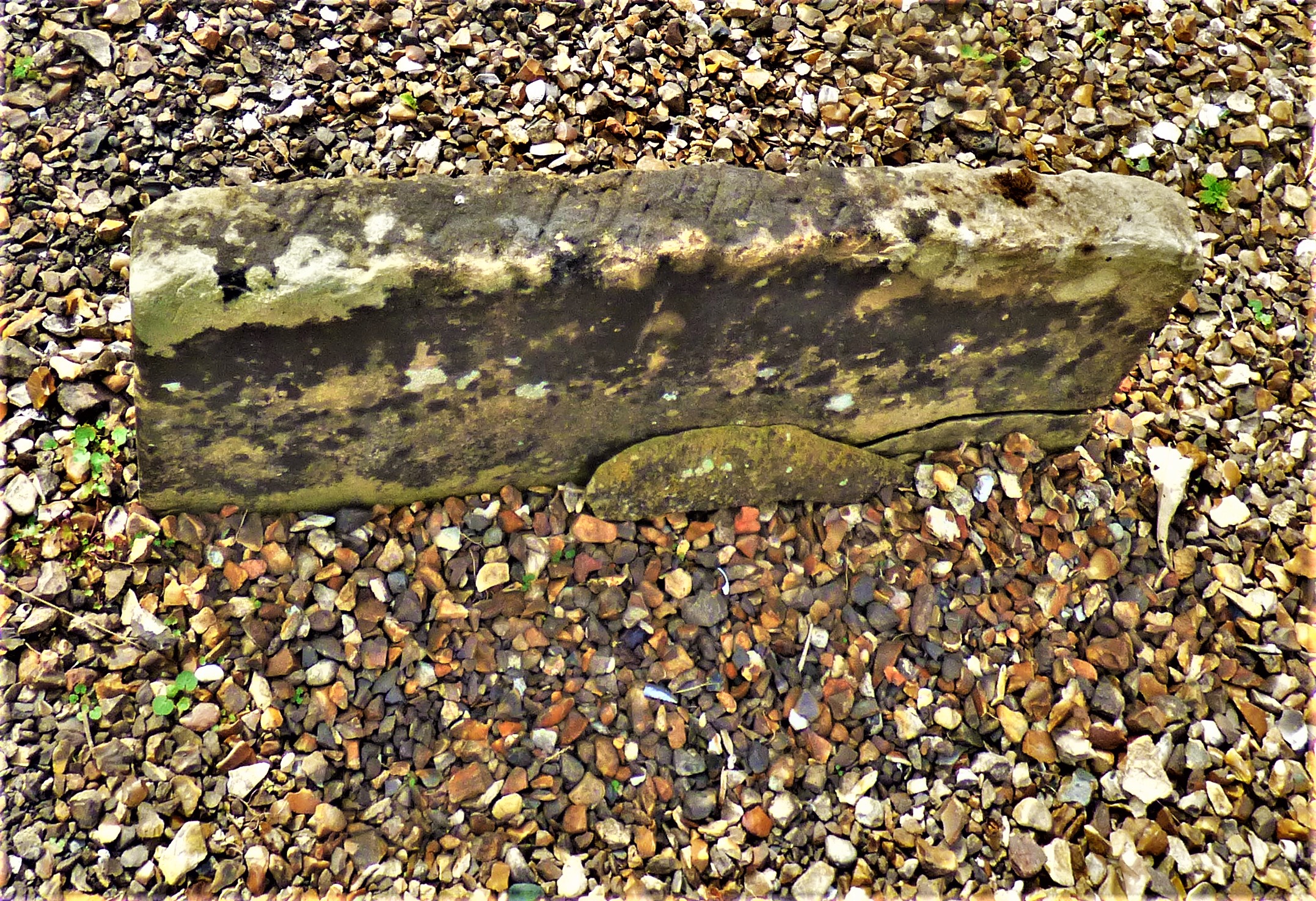
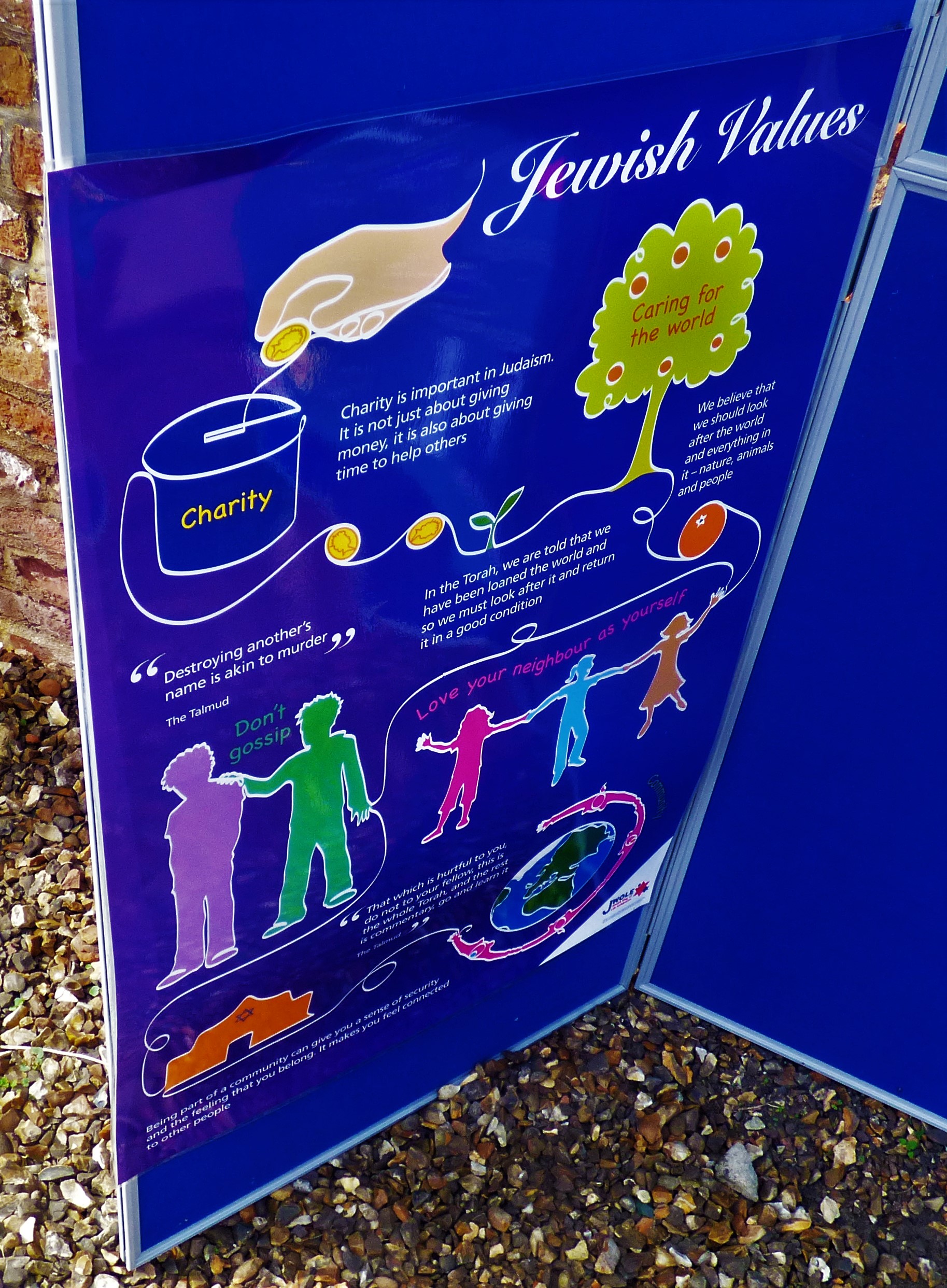
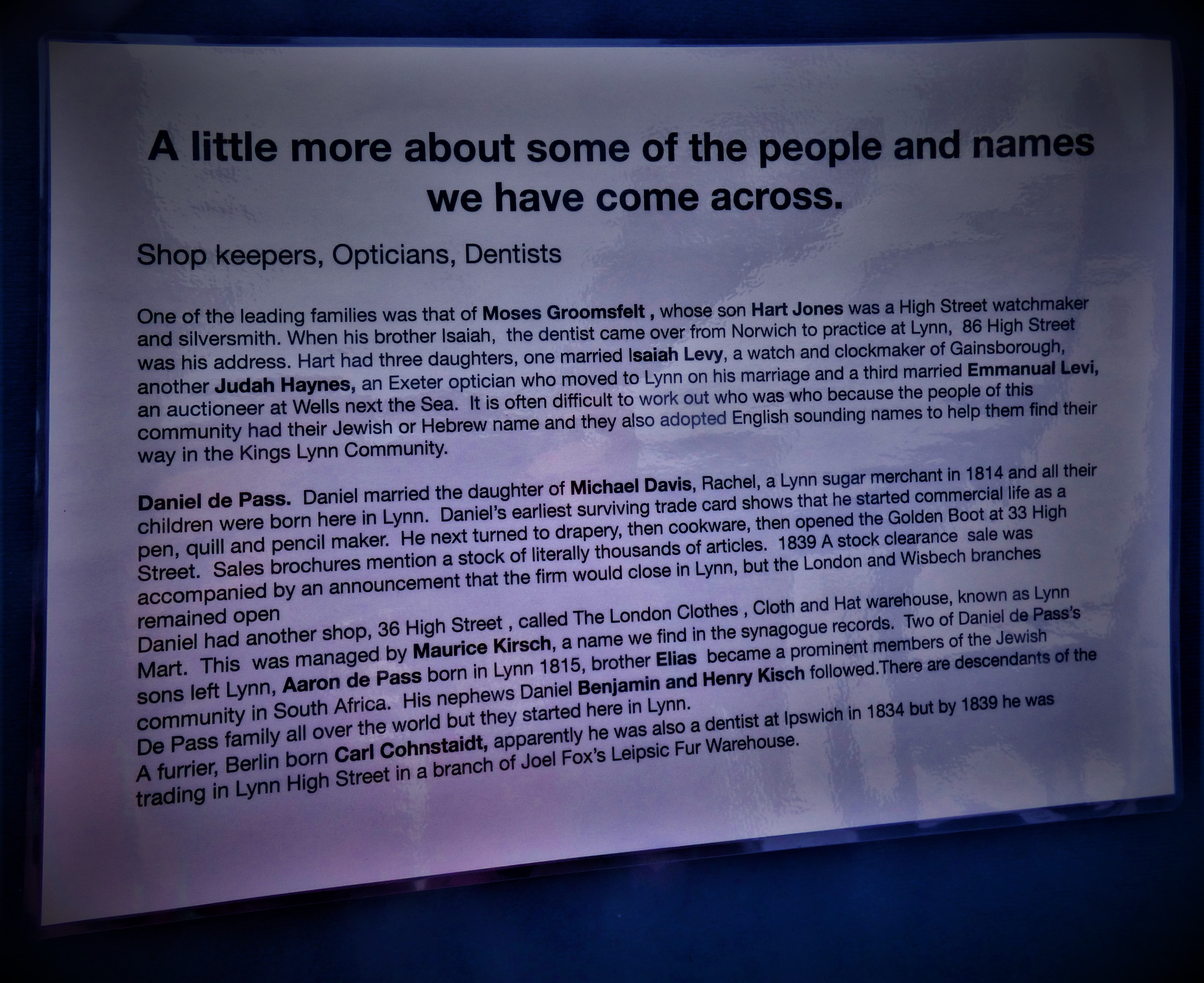
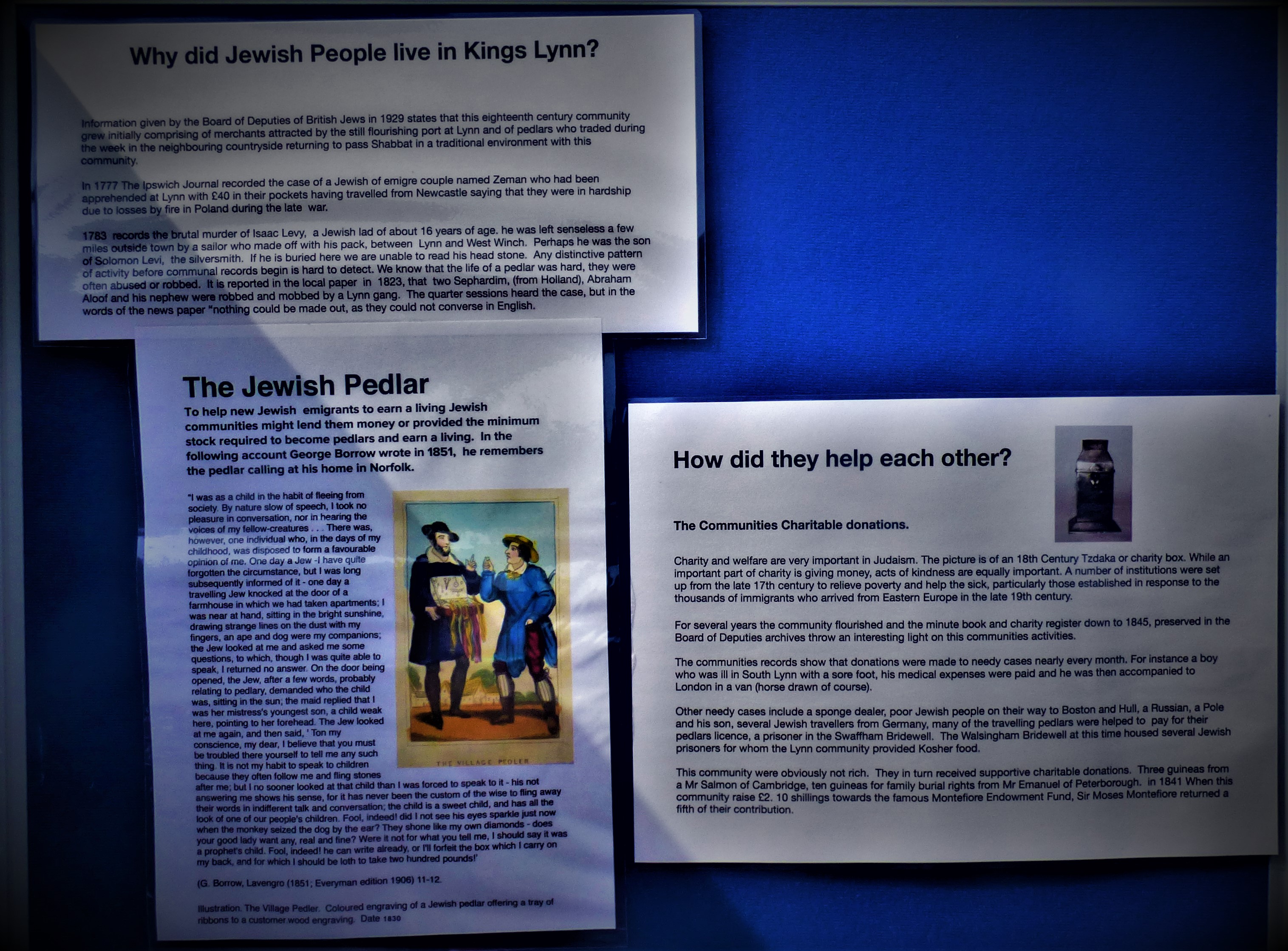
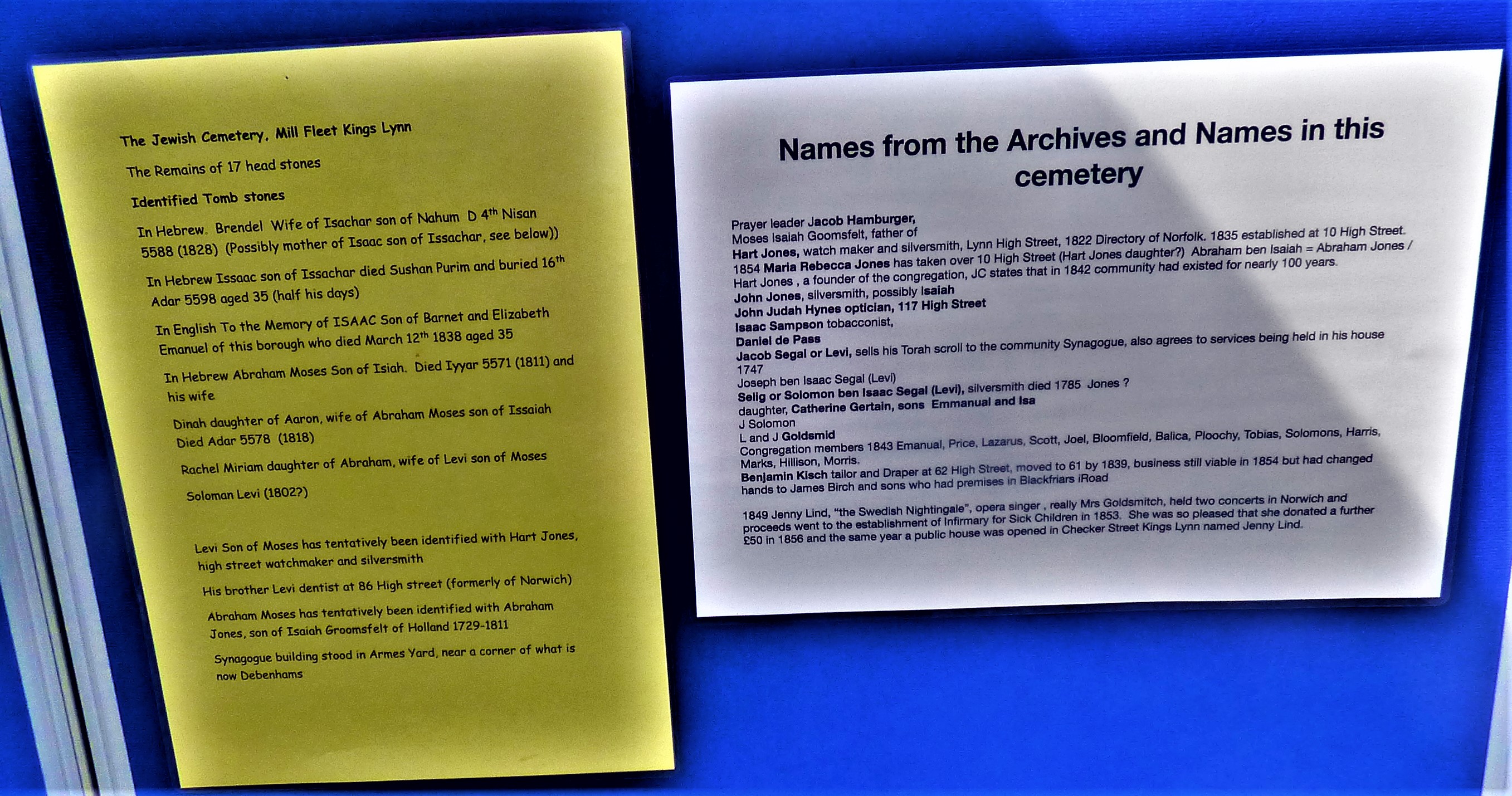
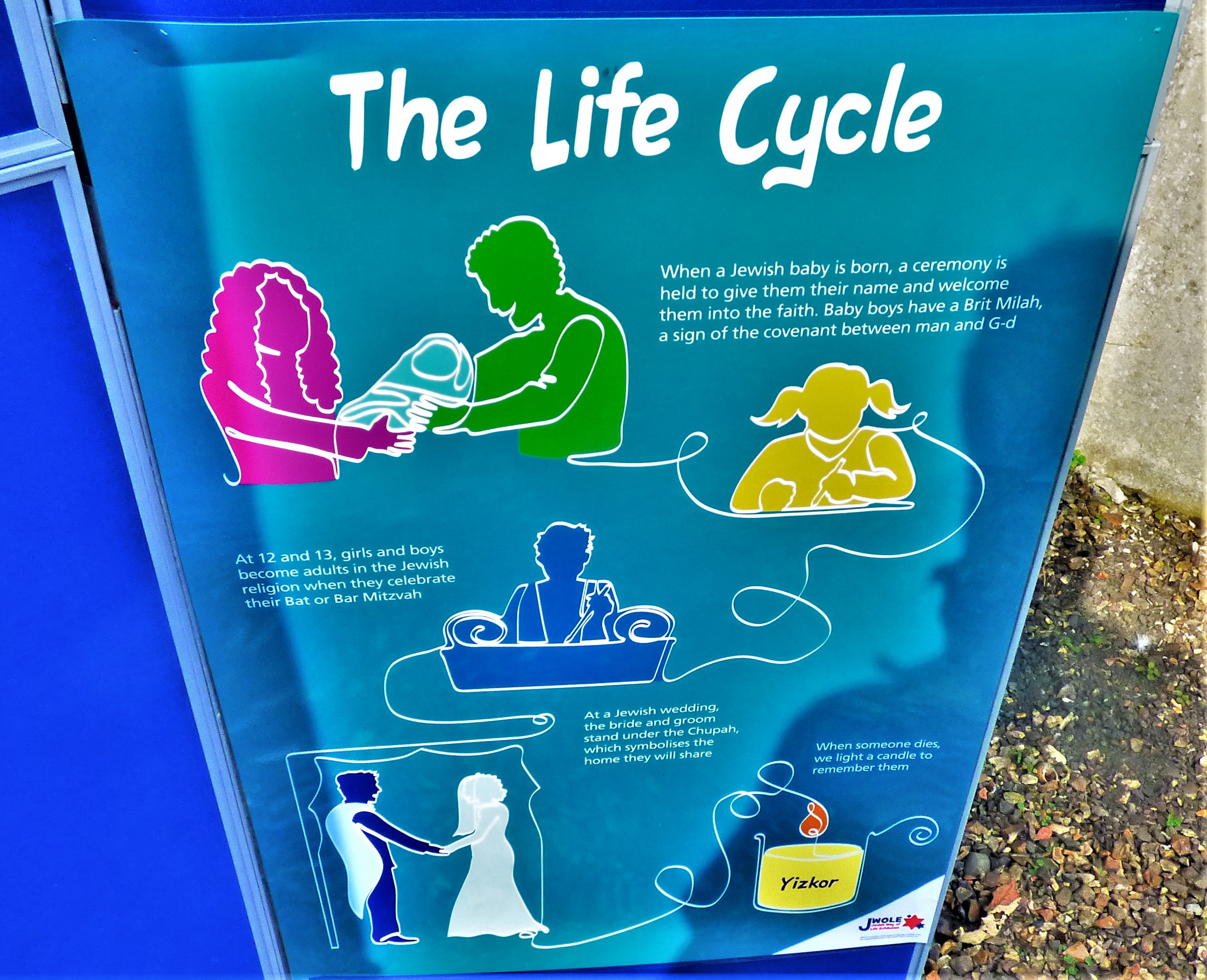
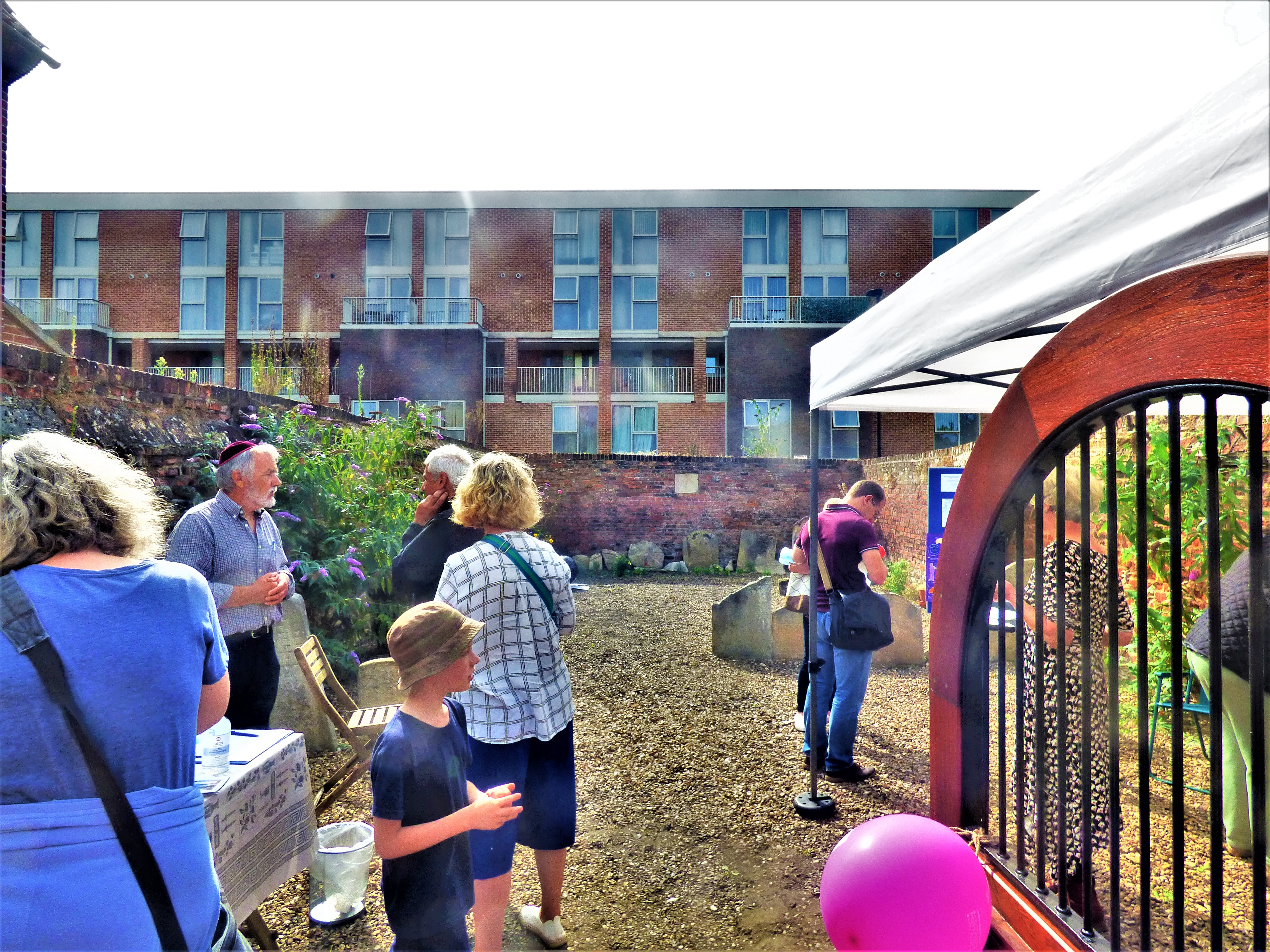
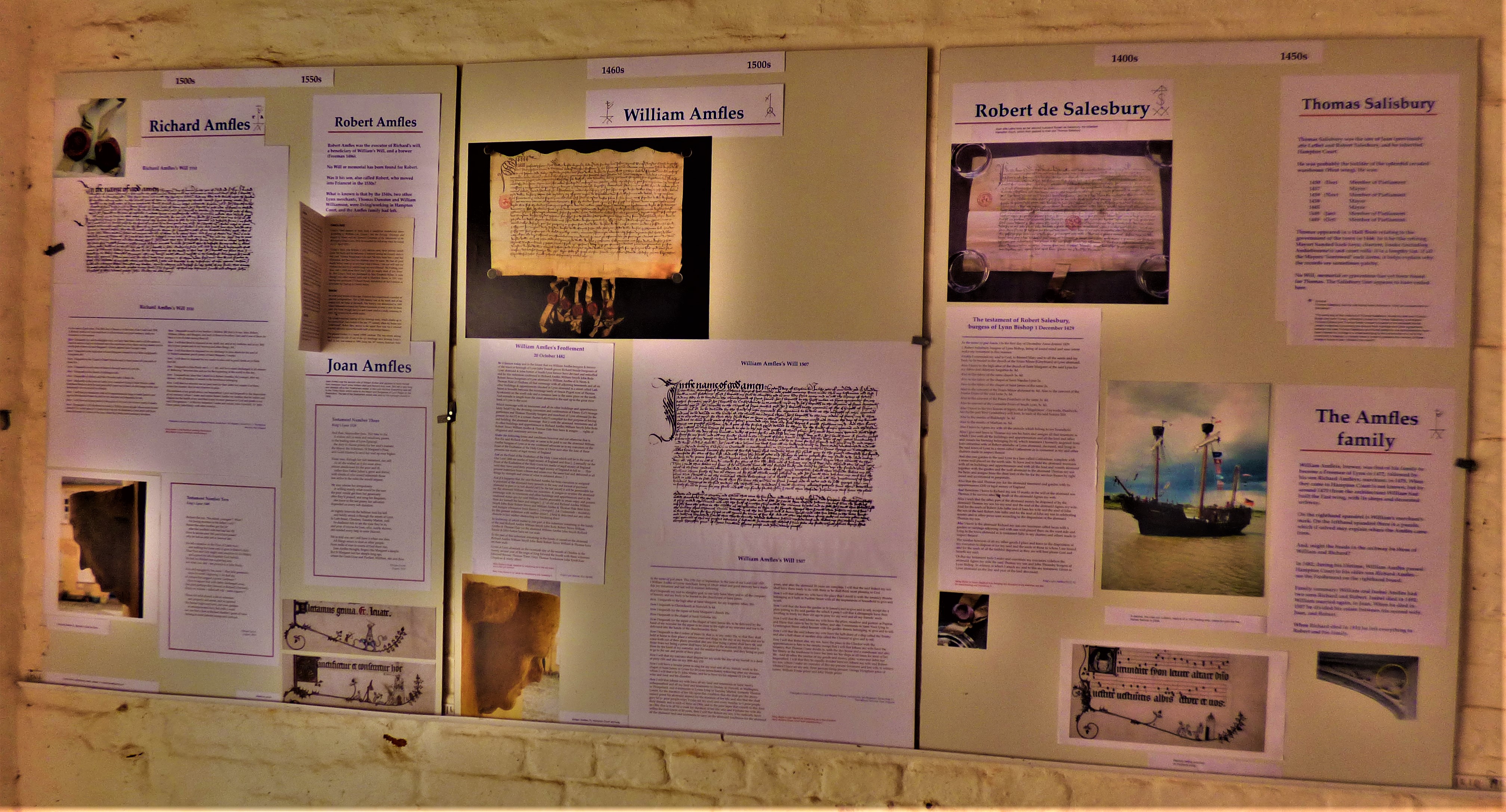
This is near the top end of Millfleet, and most of the year if one spots it one can glimspe through the gate and see some of it. It was fully open for Heritage Open Day, and with lots of extra information made available…
ST NICHOLAS CHAPEL
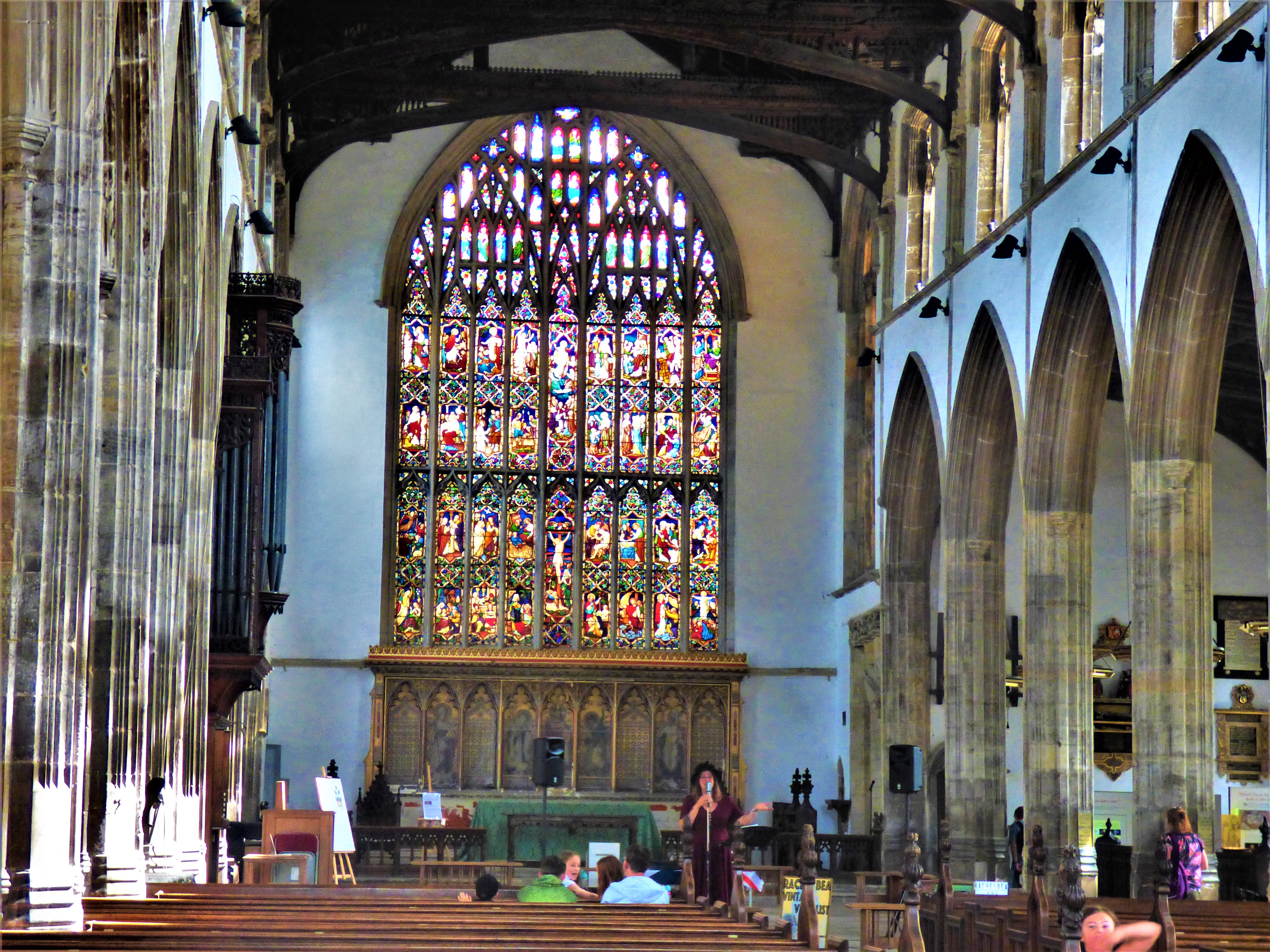
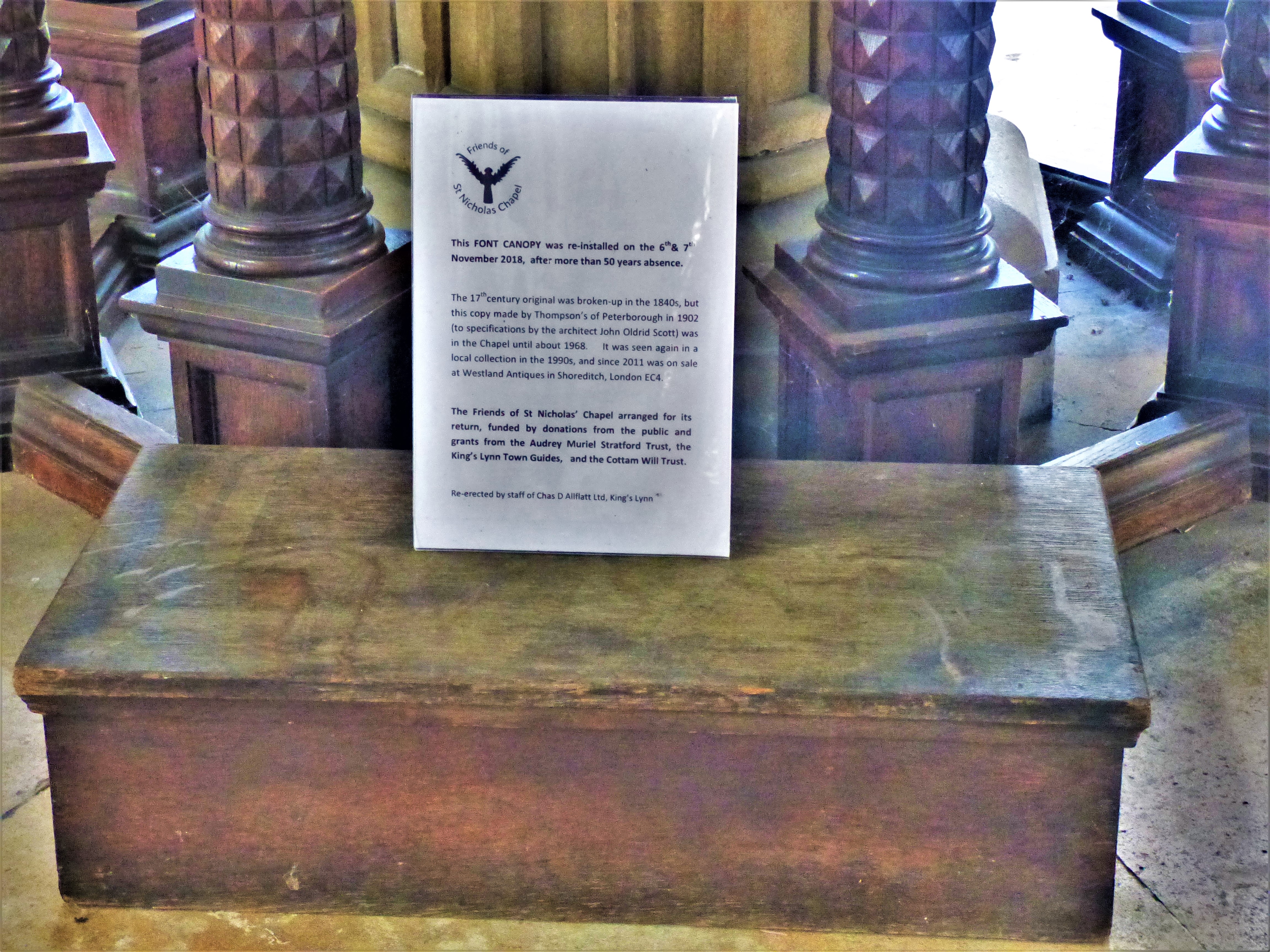
I know this place well, but was interested to see what might be happening there in Heritage Open Day, and have no regrets about having ventured in.
VOLUNTEERING: HAMPTON COURT GARDEN
I was assigned the 2PM to 4PM shift at Hampton Court Garden, also referred to as the Secret Garden, because most of the time very few people are aware of it’s existence – the only clue from the street any time other than Heritage Open Day is a very ordinary looking navy blue door set into the wall, an even the passage providing direct access from the courtyard is one that you would only know as such if you had been told (the extreme lowness of the door into the garden that way means that it cannot be used on Heritage Open Day for Health and Safety reasons). There are at least three places called Hampton Court, the famous one in Surrey, another in Herefordshire, and this one (Wolsey’s former pad in Surrey is the parvenu of the three). This Hampton Court is named in honour of John Hampton who was responsible for the newest side of the courtyard, which actually made it a courtyard (even this, two centuries younger than anything else there, dates from the 17th century). He was a baker who made good use of being based at the heart of a town that was the third busiest port in England at the time – he specialized in ship’s biscuits, for which he had a captive market.
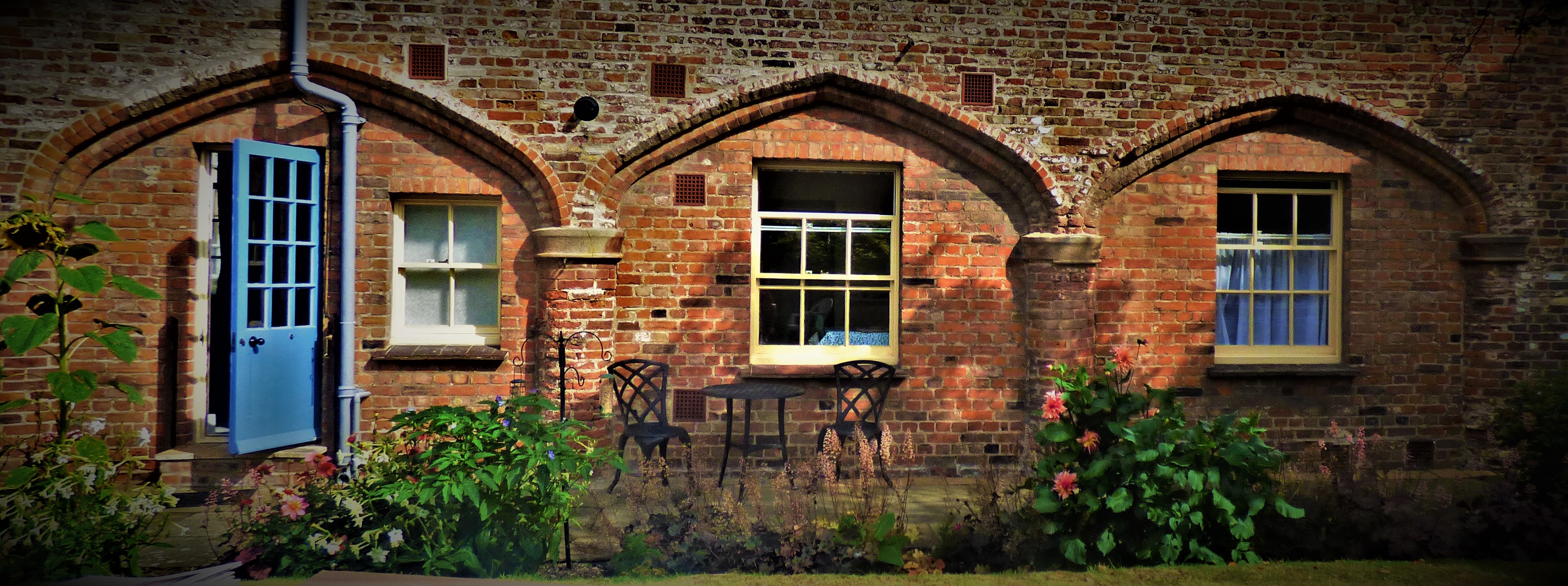
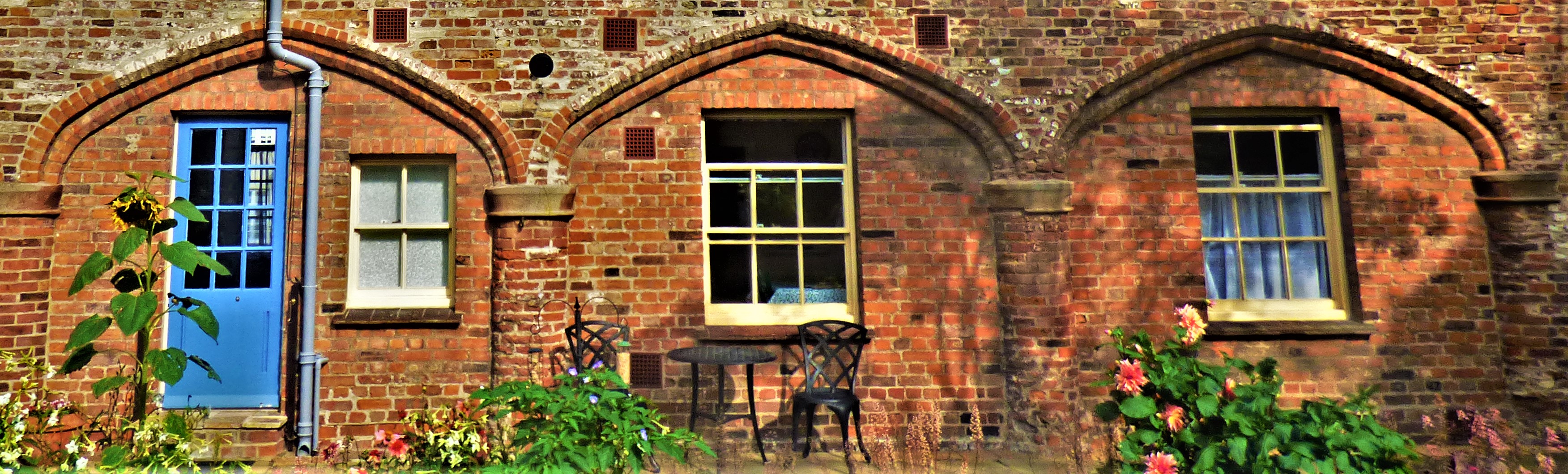
The part of Hampton Court visible from the garden dates from 1440 and started life as an arcade fronted warehouse facing directly onto the river (it is the last surviving example of such a frontage in England). The earliest part of Hampton Court dates from 1350, and the first expansion happened in 1400.
The warehouse lost its raison d’etre through two factors: ships got bigger, and the river silted up. A new quayside was constructed resulting in the relocation of the river to its current location fractionally east of Hampton Court, and this left the warehouse quite literally high and dry.
It was nearly lost forever in the mid 20th century, because in the 1930s Hampton Court was basically derelict. At one time the council intended to knock it down and replace it with a modern block of flats but then a very determined lady by the name of Mrs Lane came on the scene. She bought the place up bit by bit and renovation work started. From this the King’s Lynn Preservation Trust came into being, and they own the freehold on Hampton Court to this day, with the individual flats, which are all different from one another, being leasehold properties.
My chief responsibility in my stewarding role was take note of numbers of people coming to visit. These numbers were reassuringly high – by the end of the day the tally was in the region of 500 visitors, and there were many expression of surprise and delight from those to whom it was a new place.
The first of two pictures showing the remains of the arcaded frontage – when this was first built those arches were completely open and good were off loaded directly from ships into the warehouse, where they would other have gone upstairs to be stored or straight through to the shops that fronted onto what is now Nelson Street.
OTHER PHOTOGRAPHS
These remaining photographs were taken at various places in and around town during the day but do not belong in any specific section…
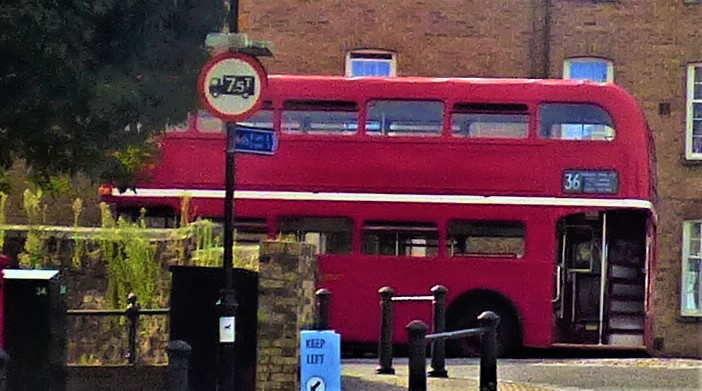
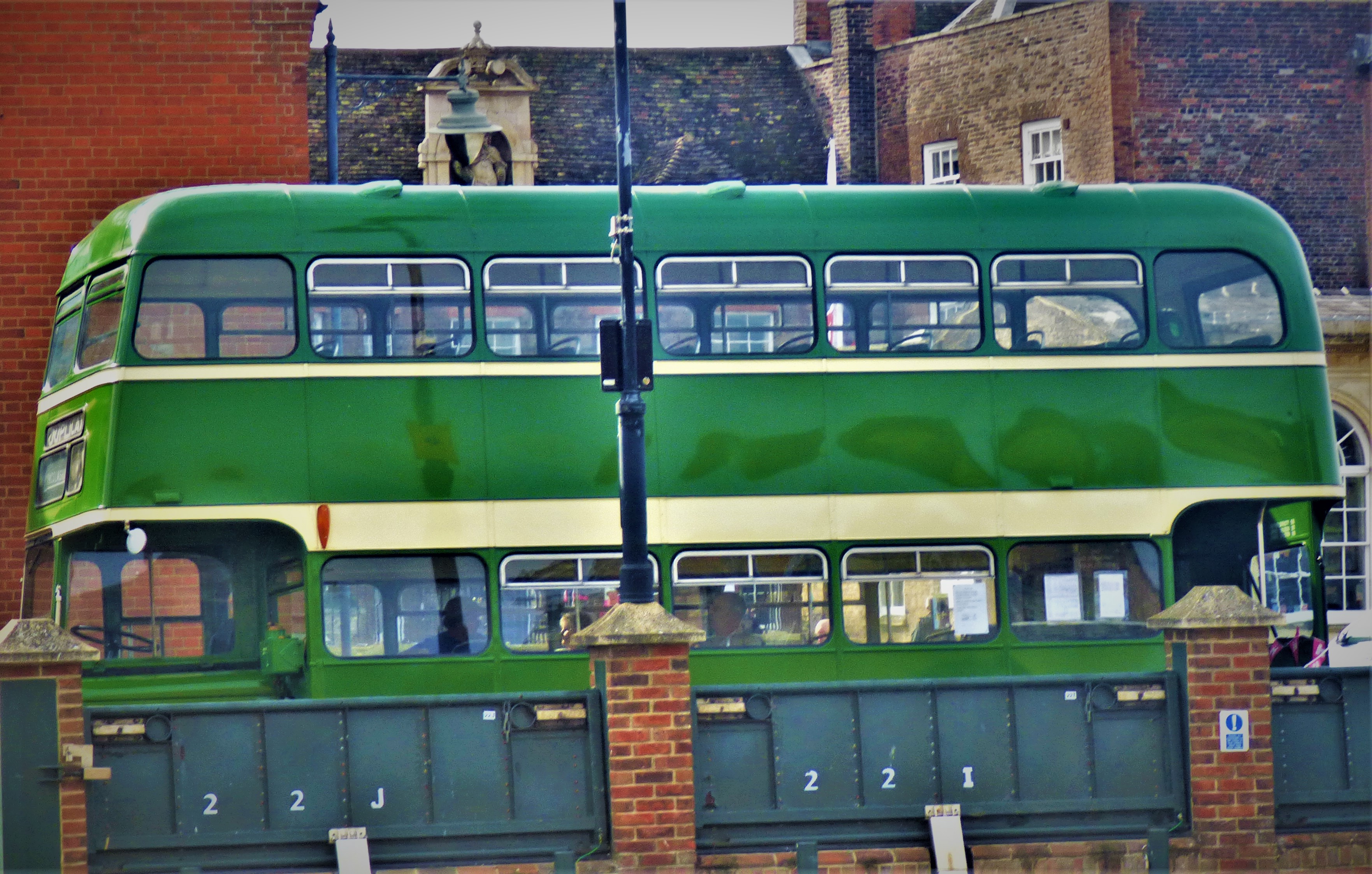
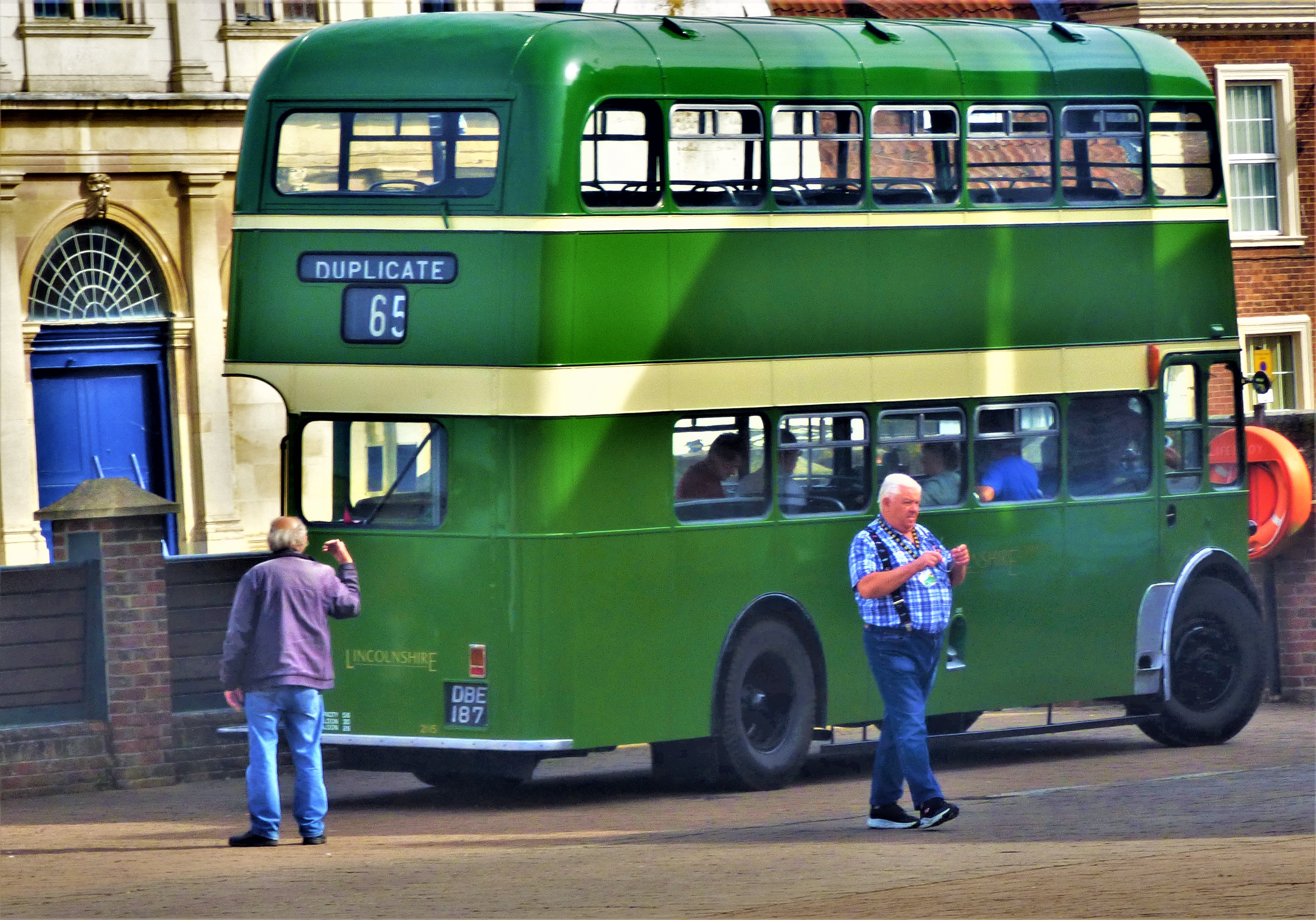
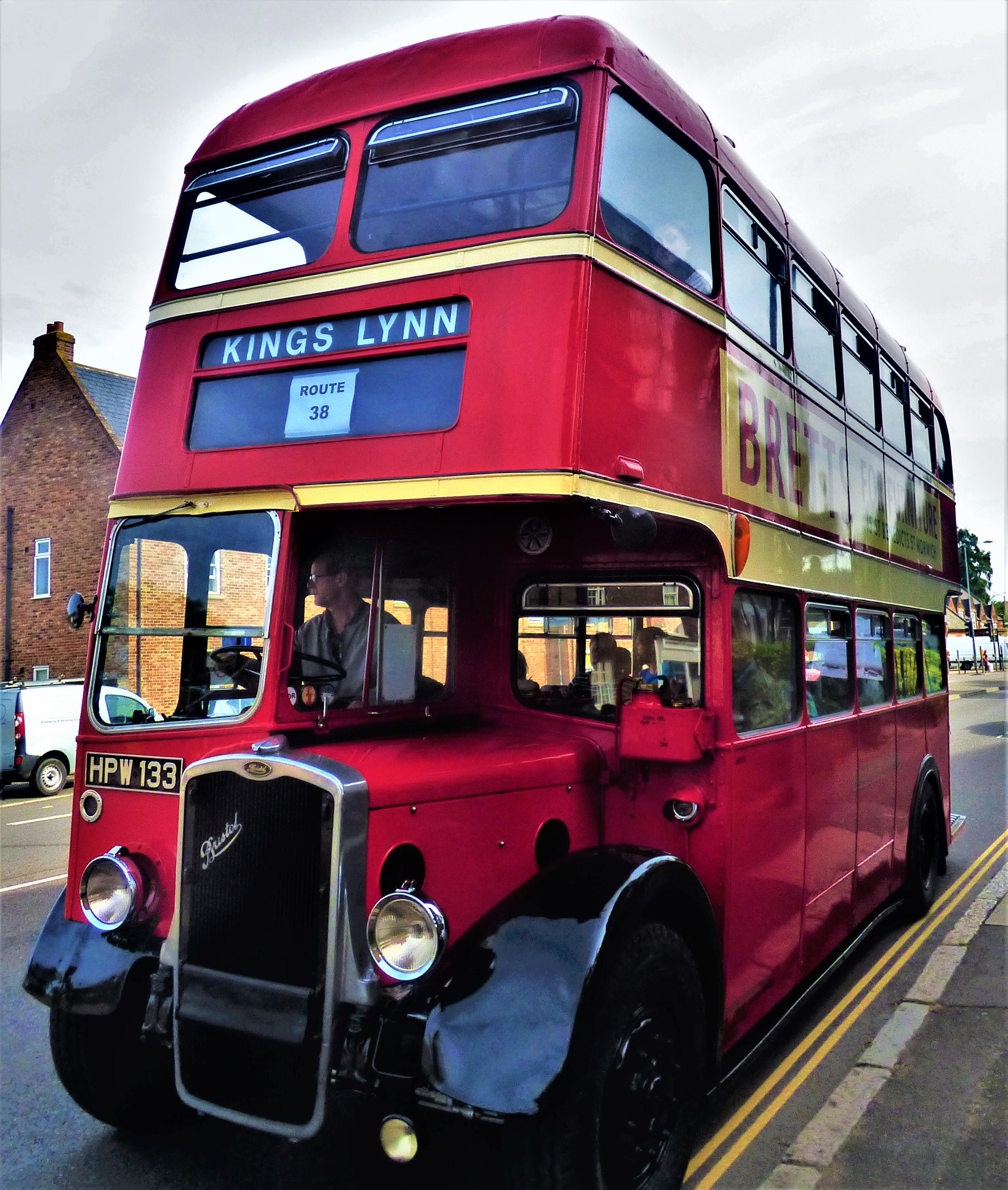
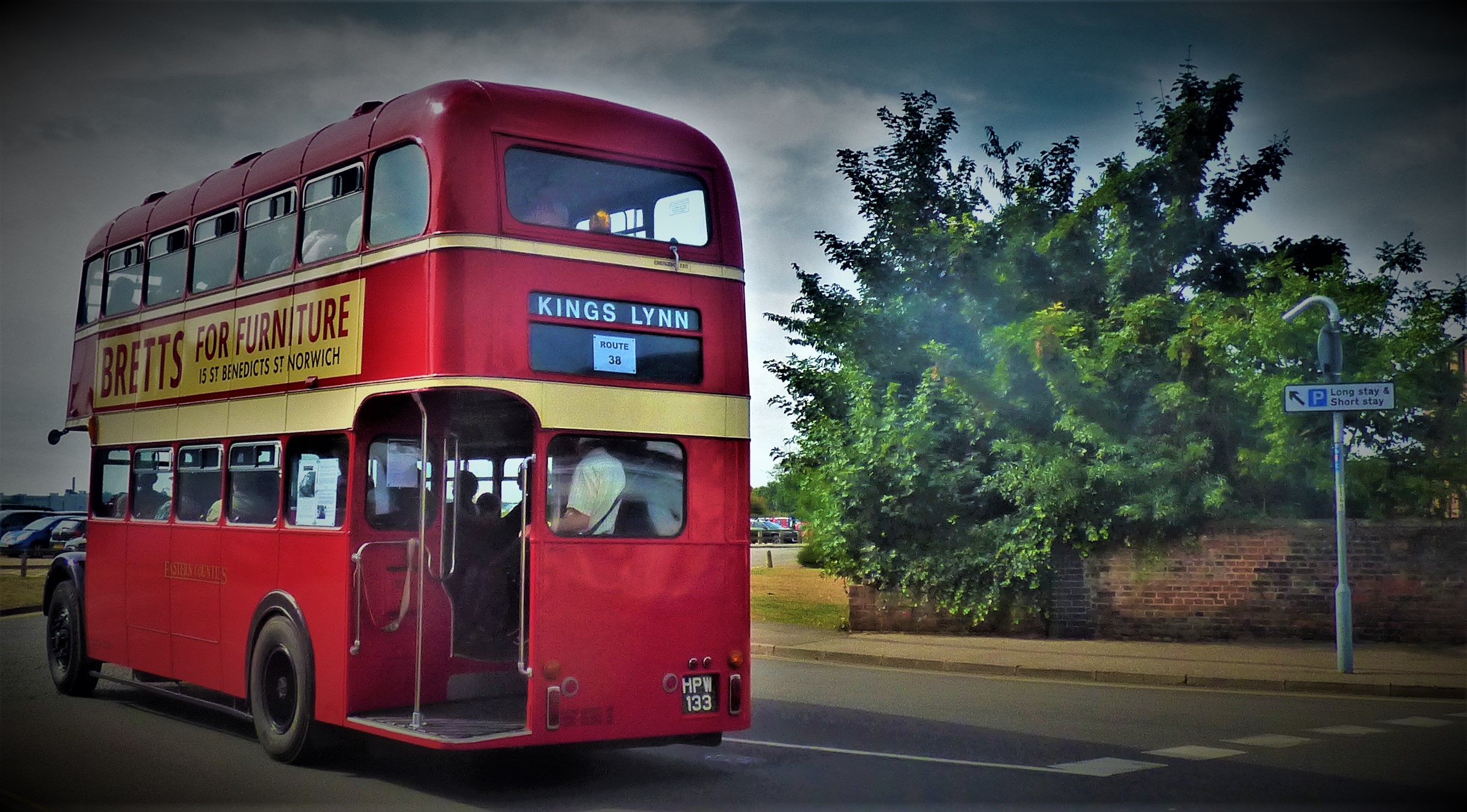
There were many antique buses providing tours for those who wanted to see things that way. This particular example is actually old London Transport stock – buses of this type were still in regular service in London during my childhood and adolescence.
“Norfolk Militia” strutting their stuff outside the Custom House.
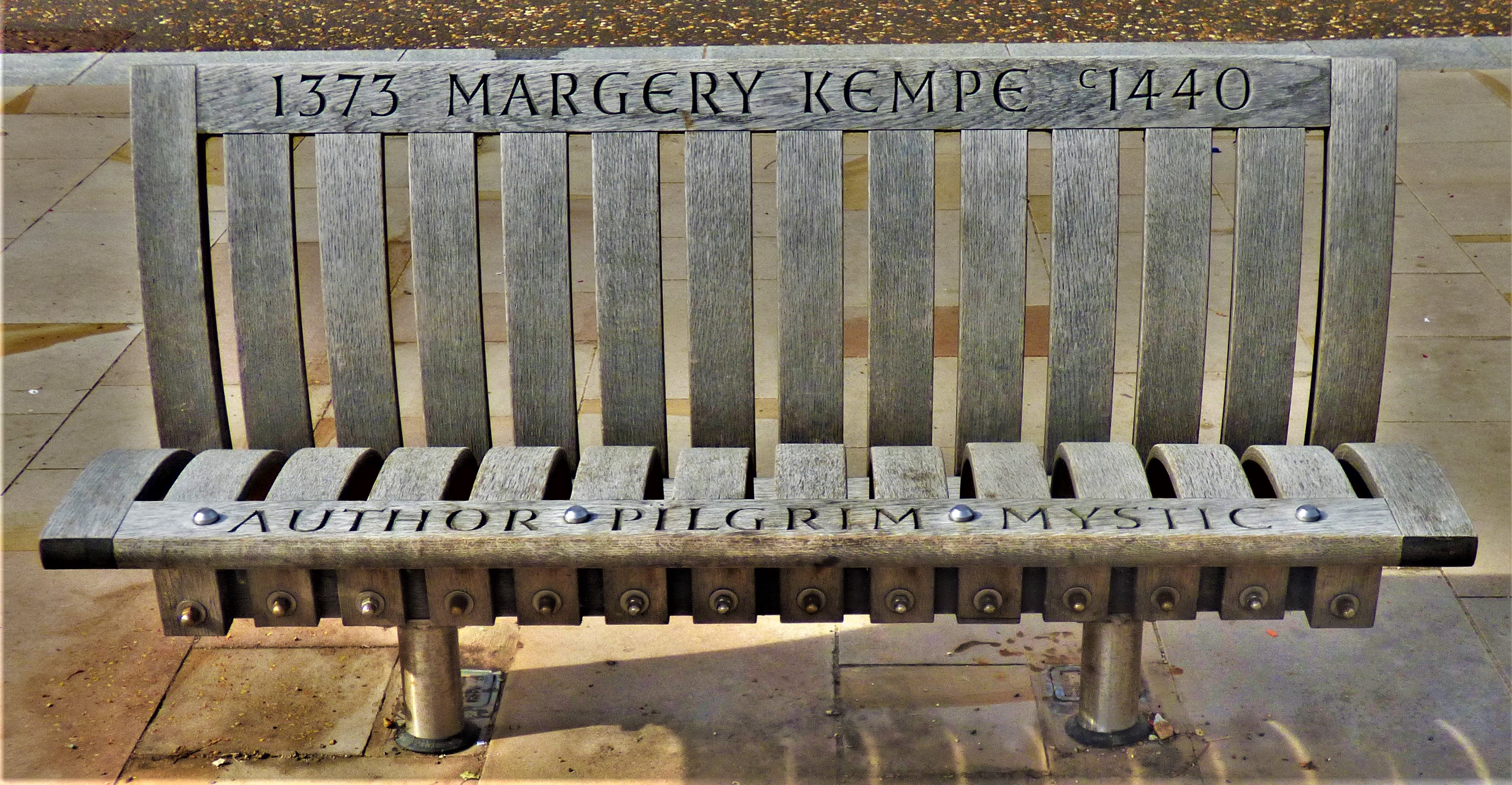
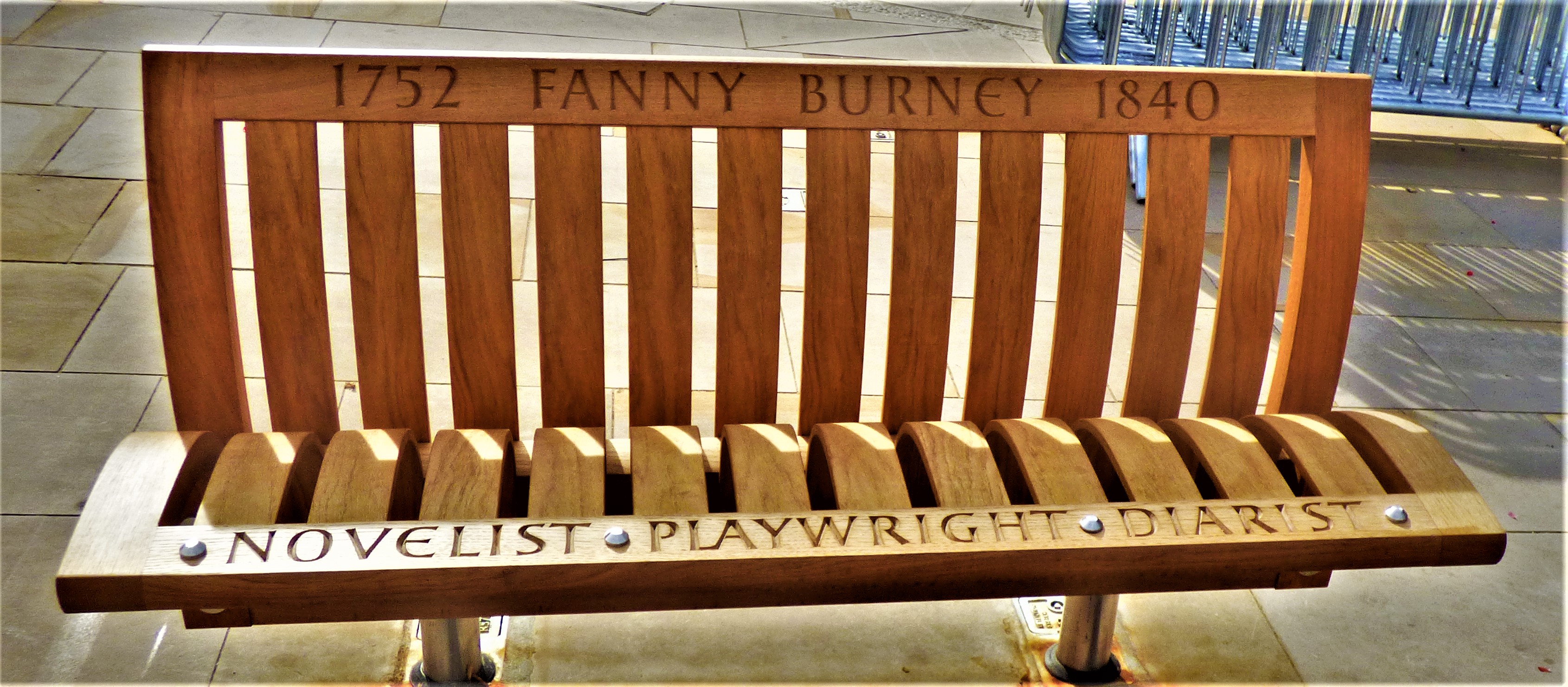
Benches honouring two notable ladies associated with this area…


















































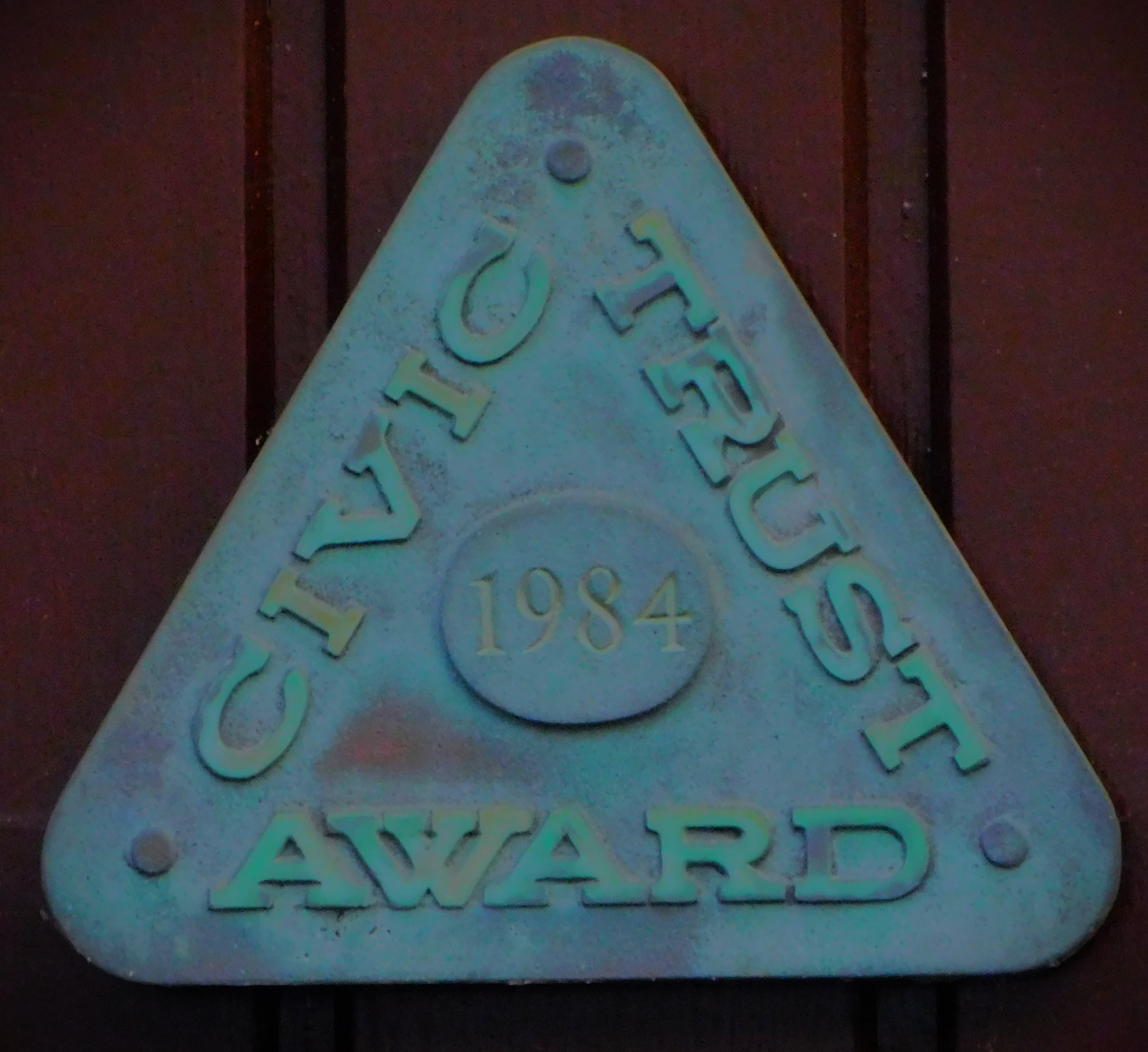


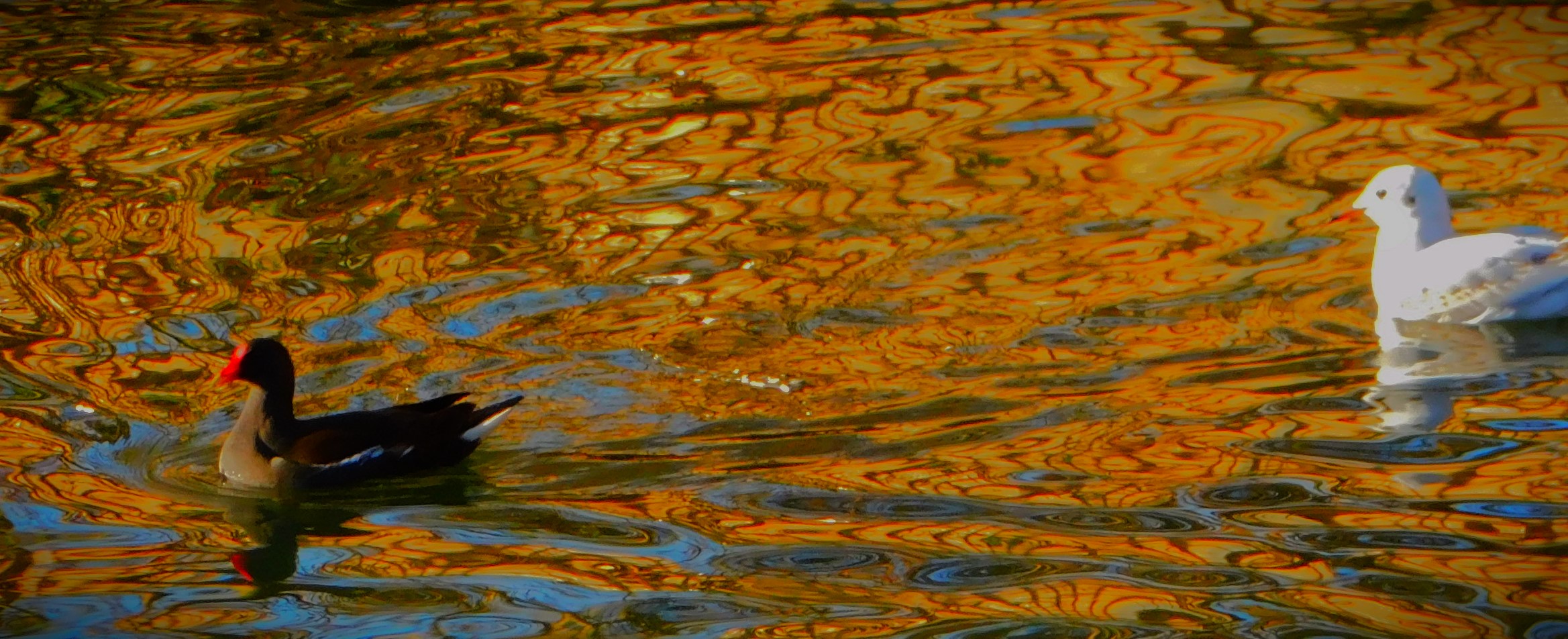
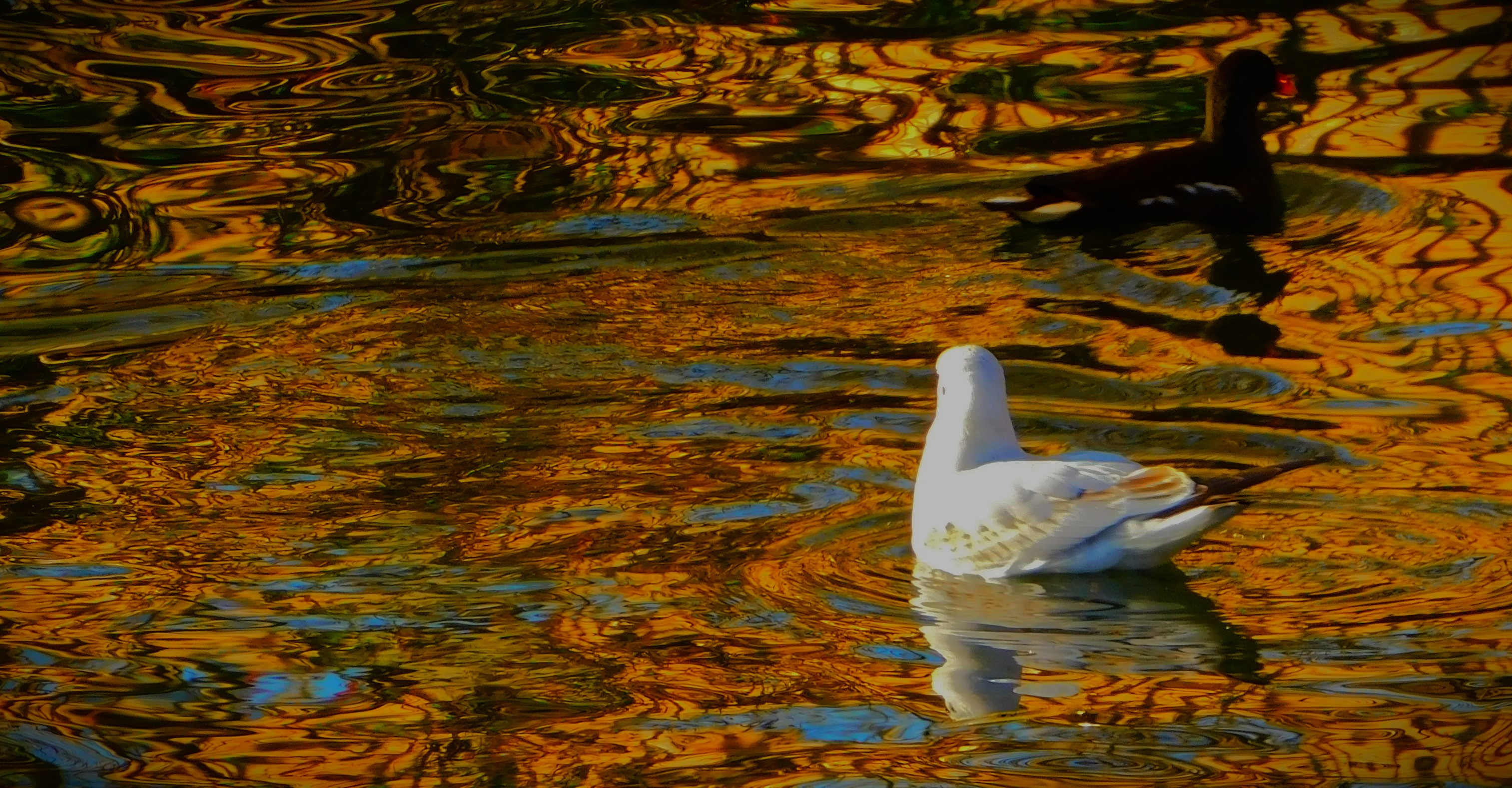

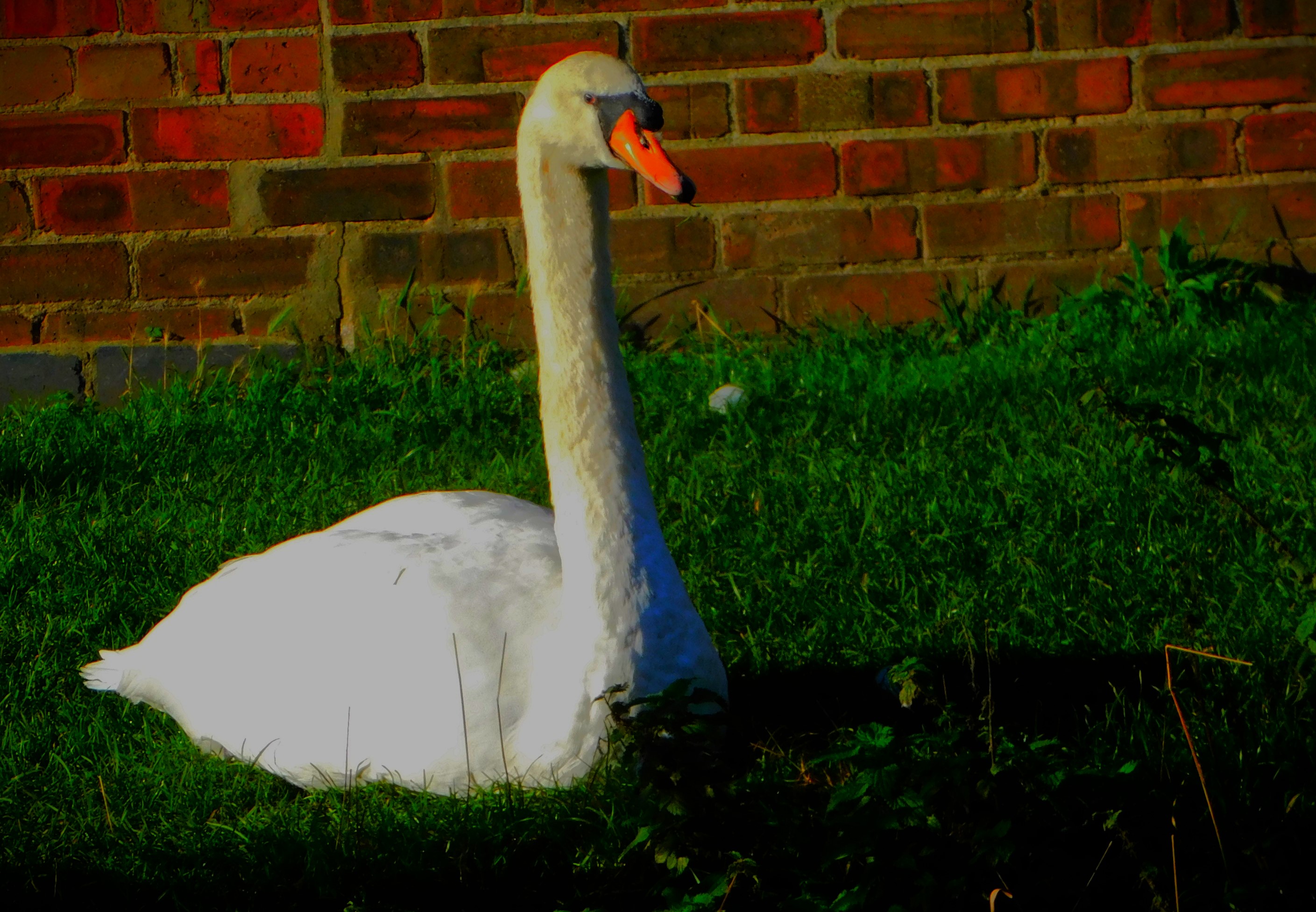
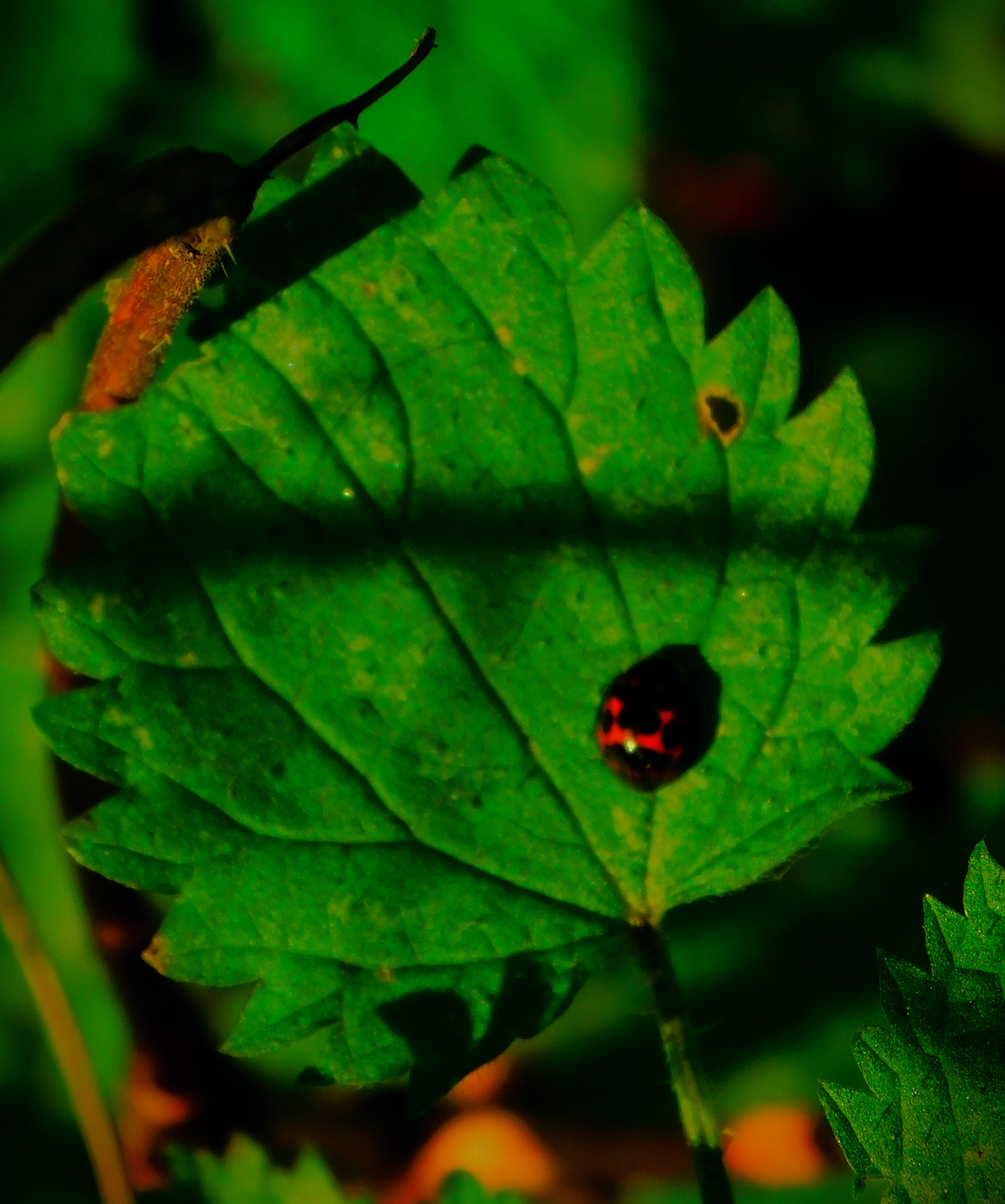














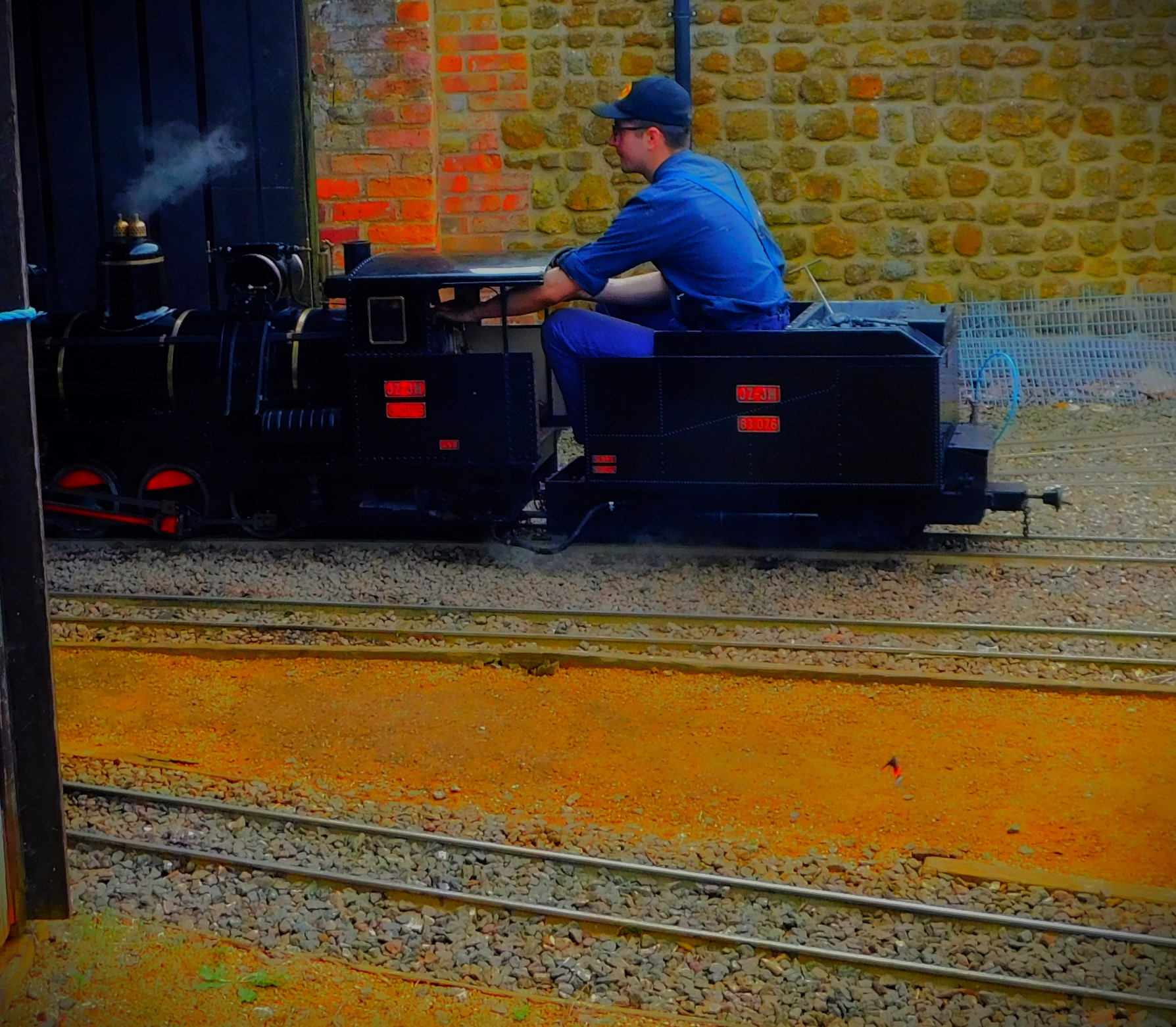
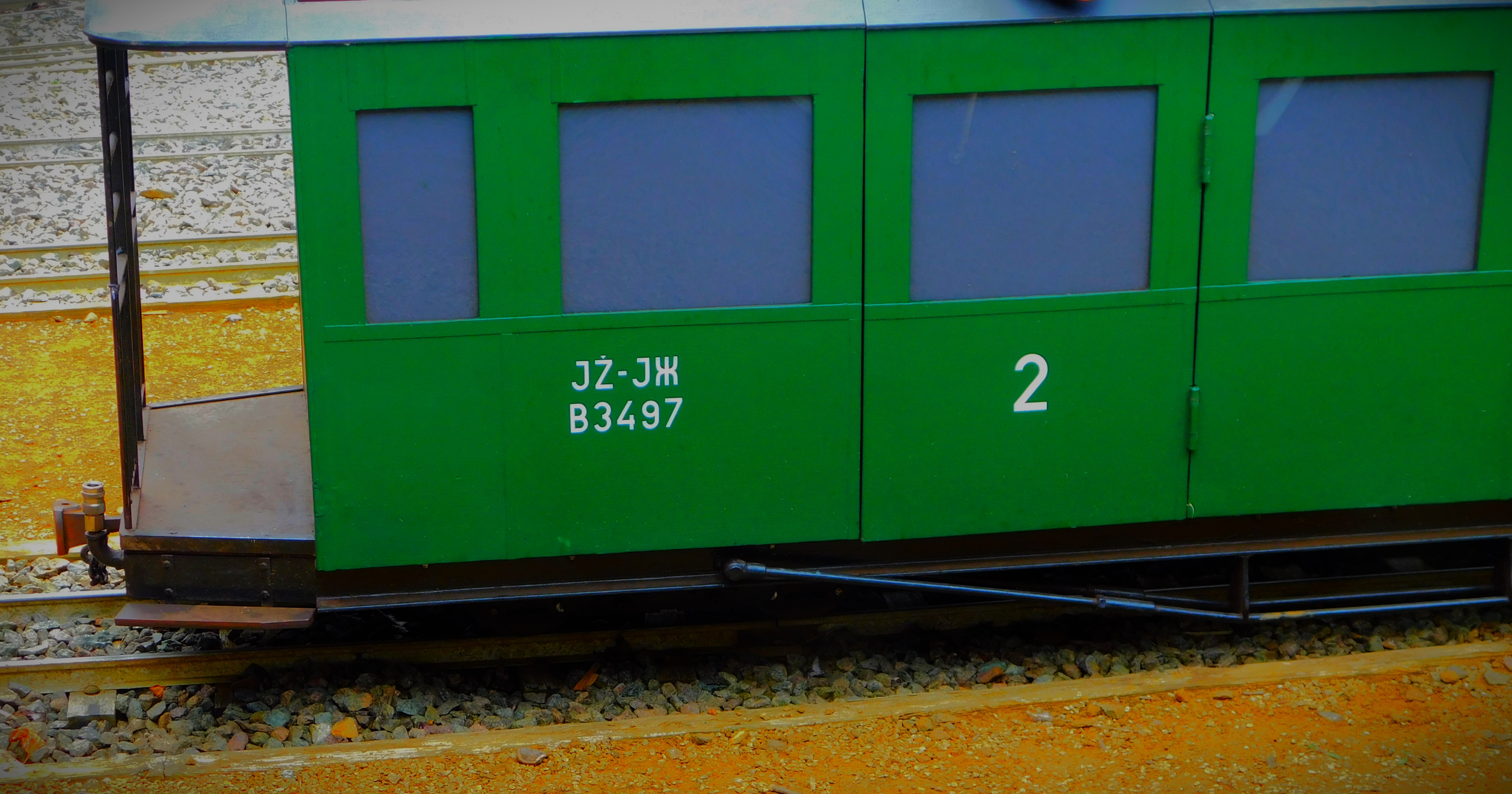
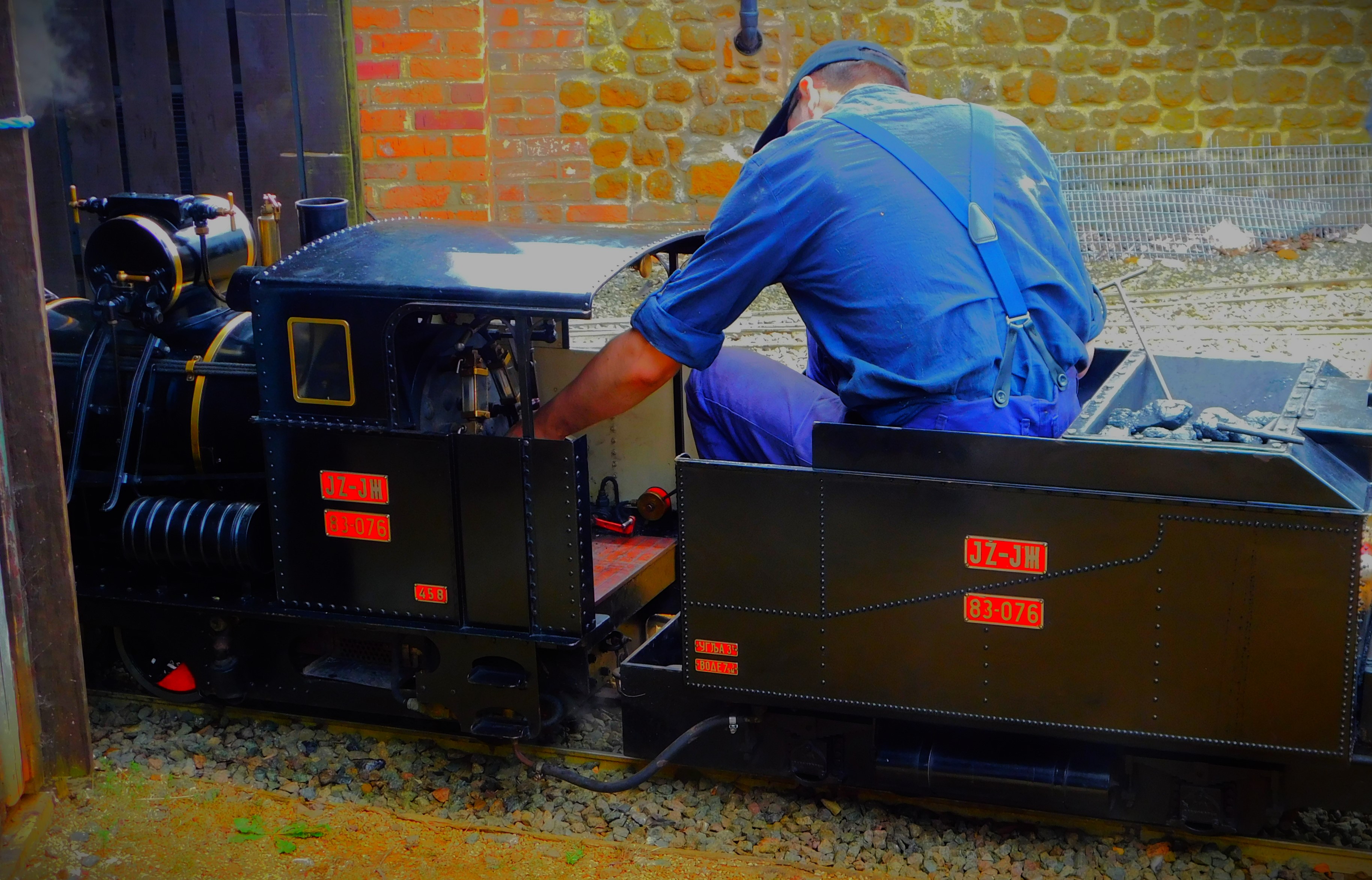


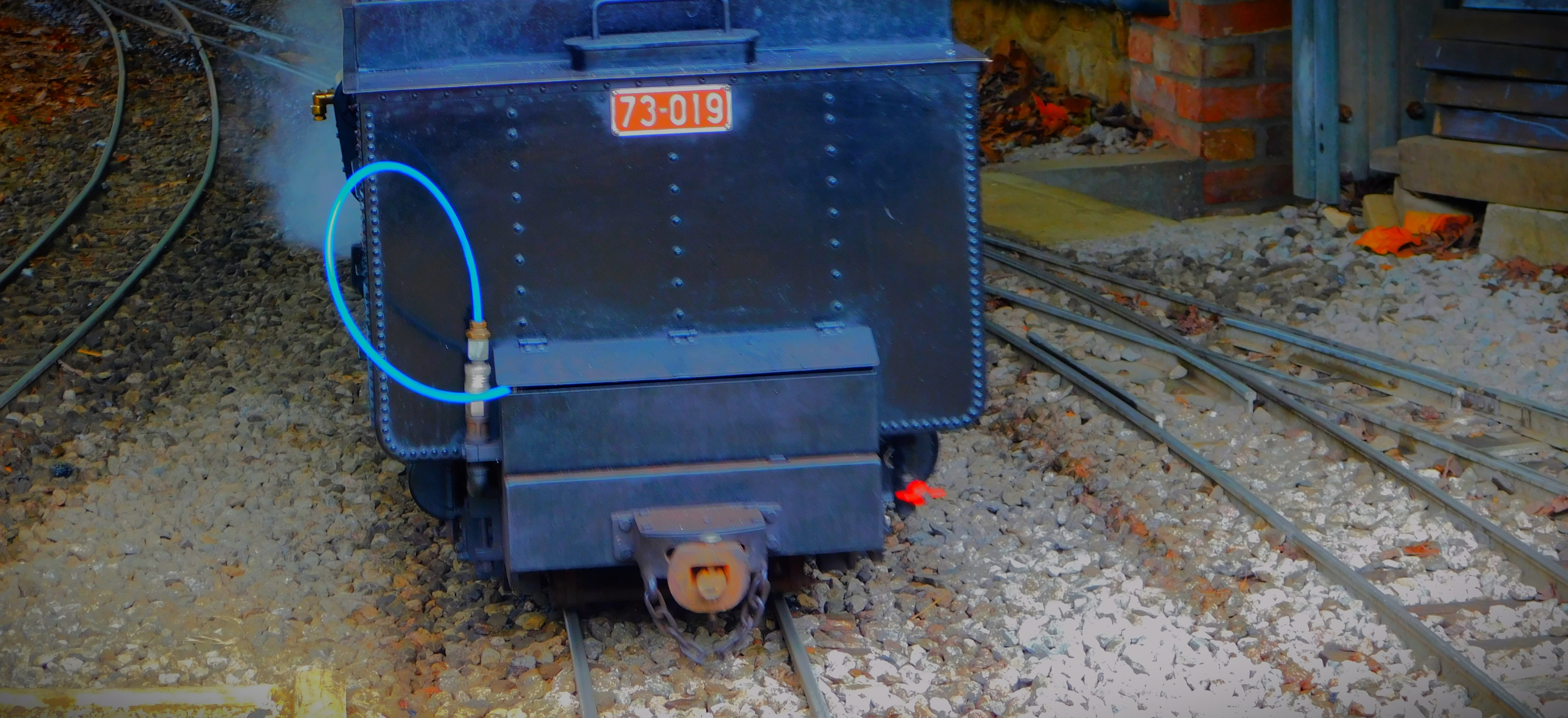








































































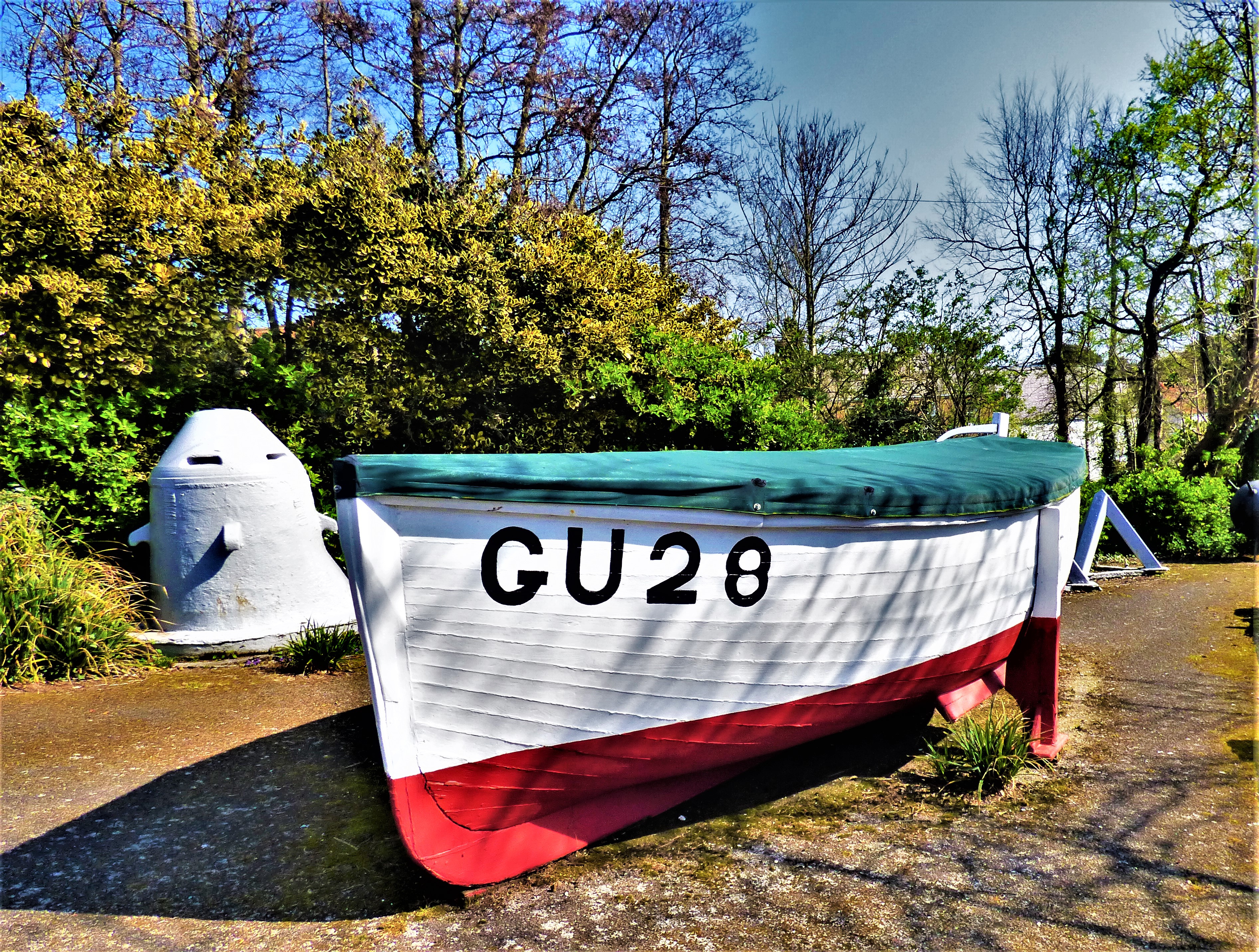
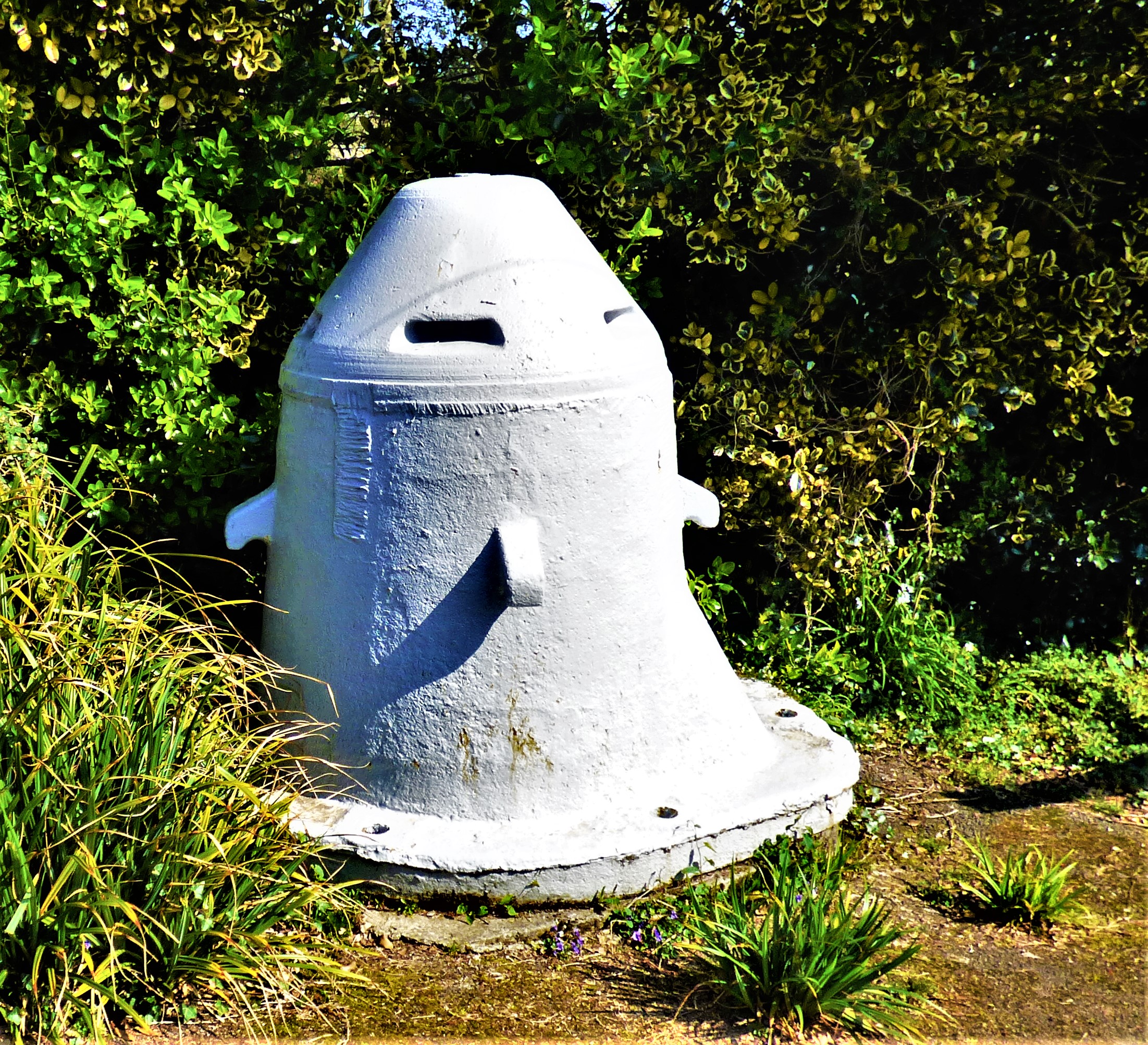
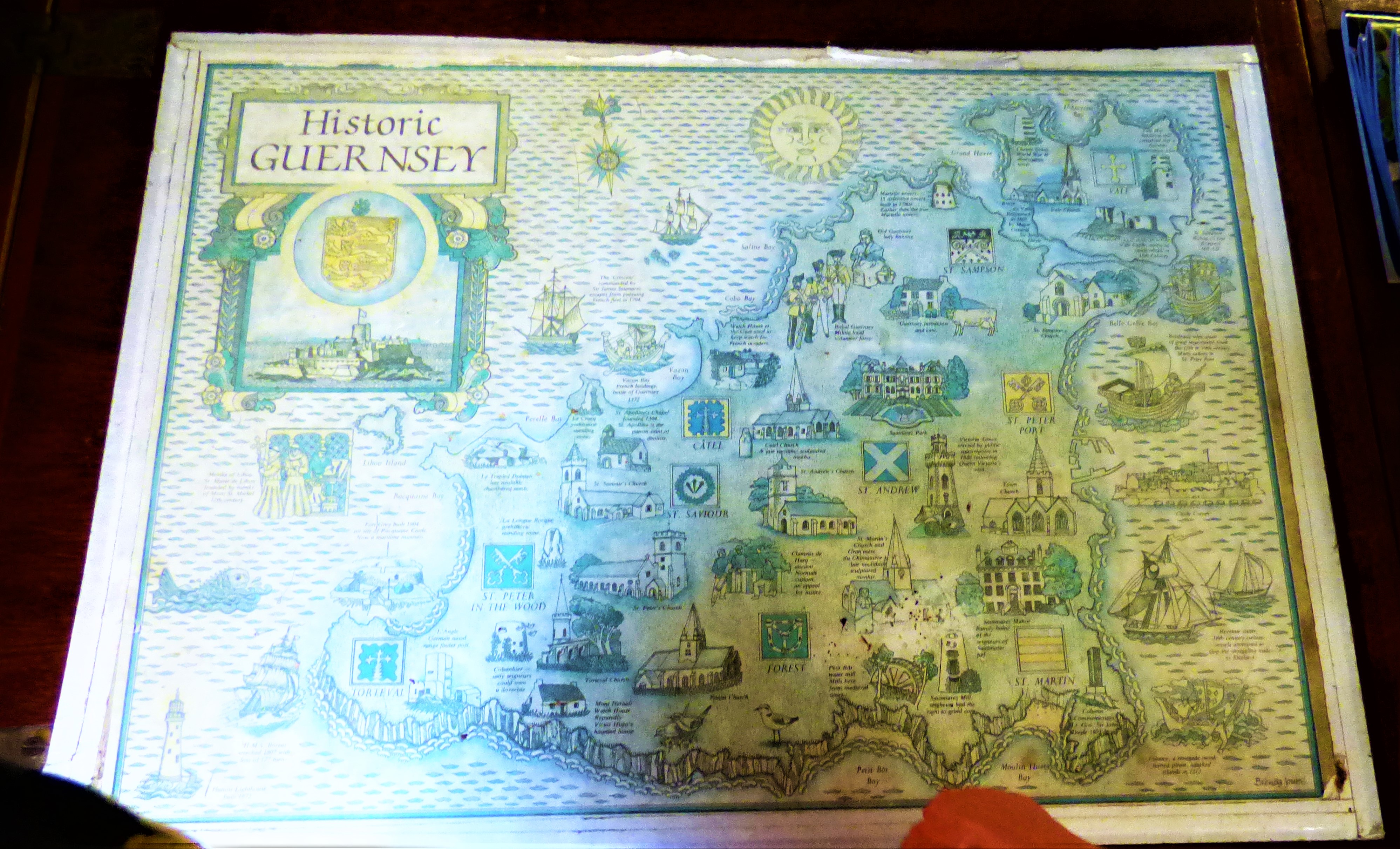
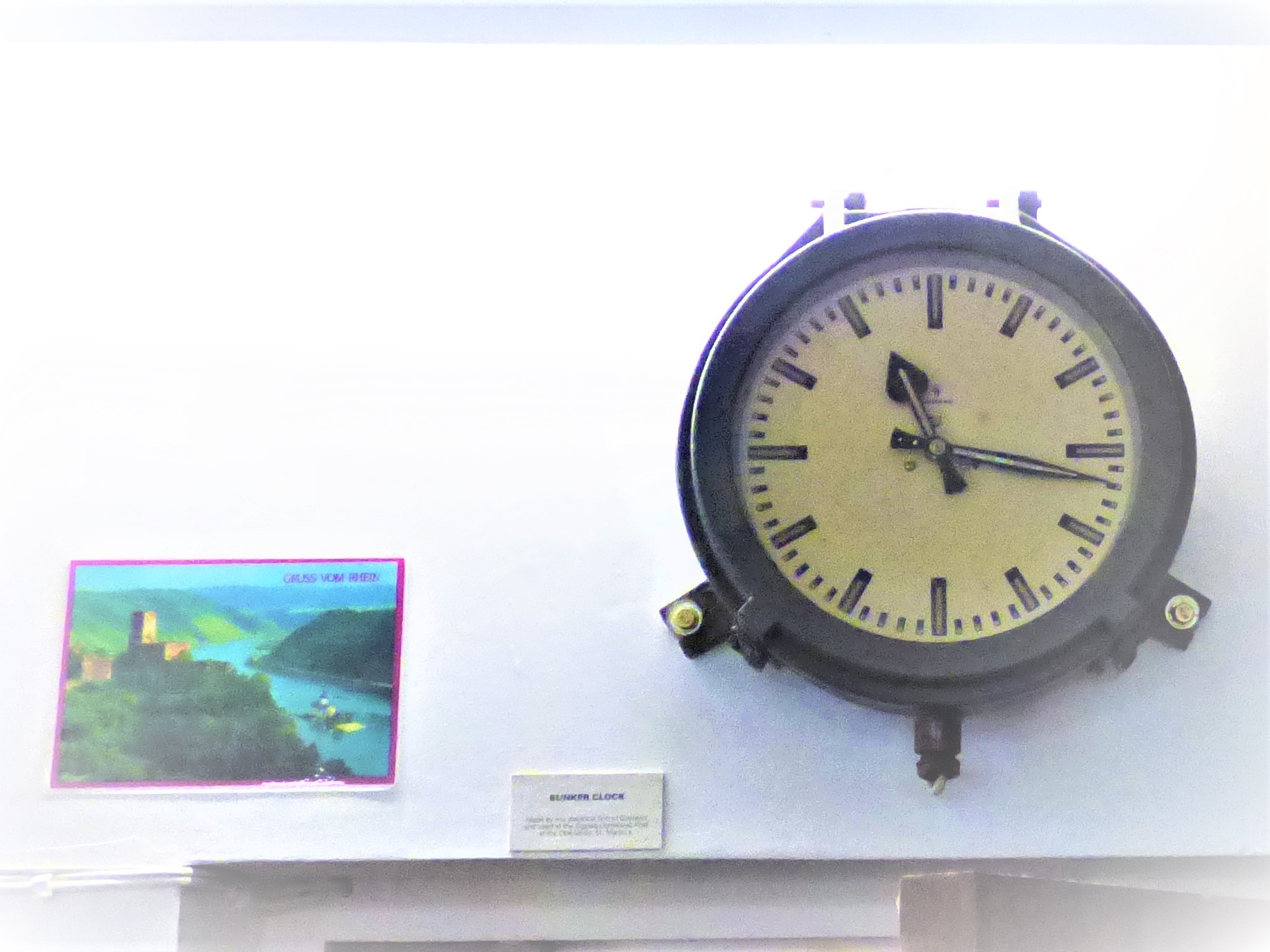





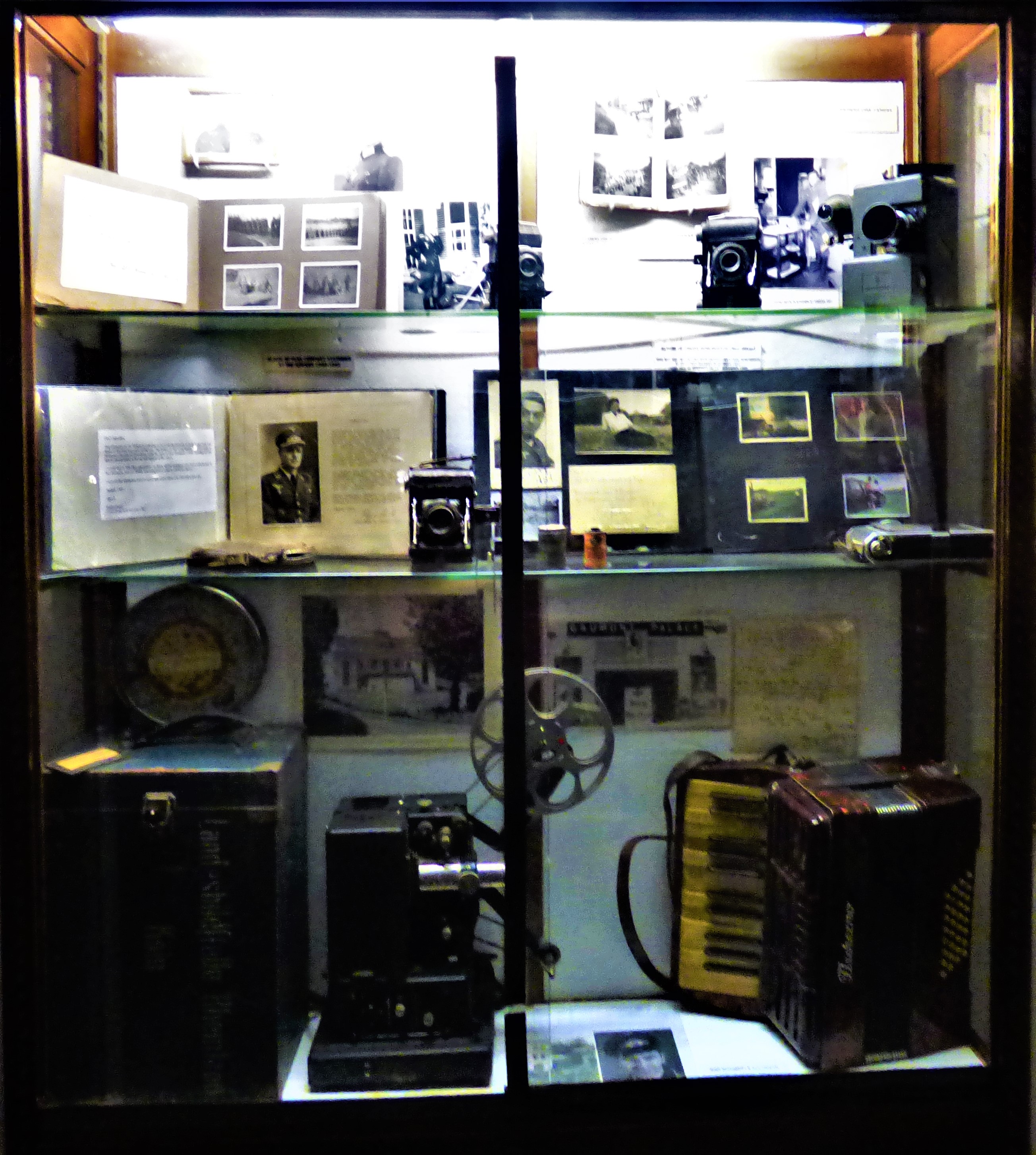
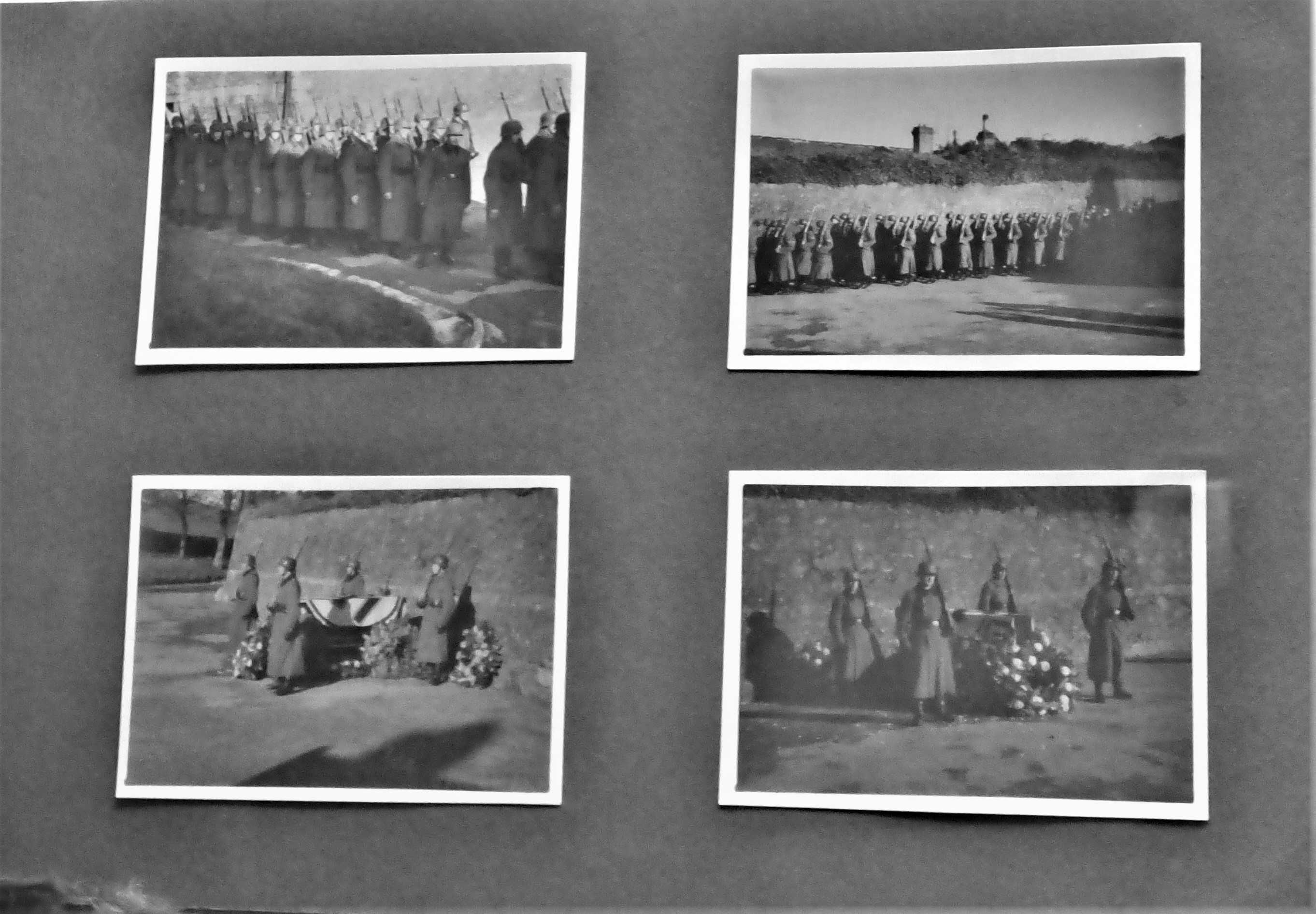









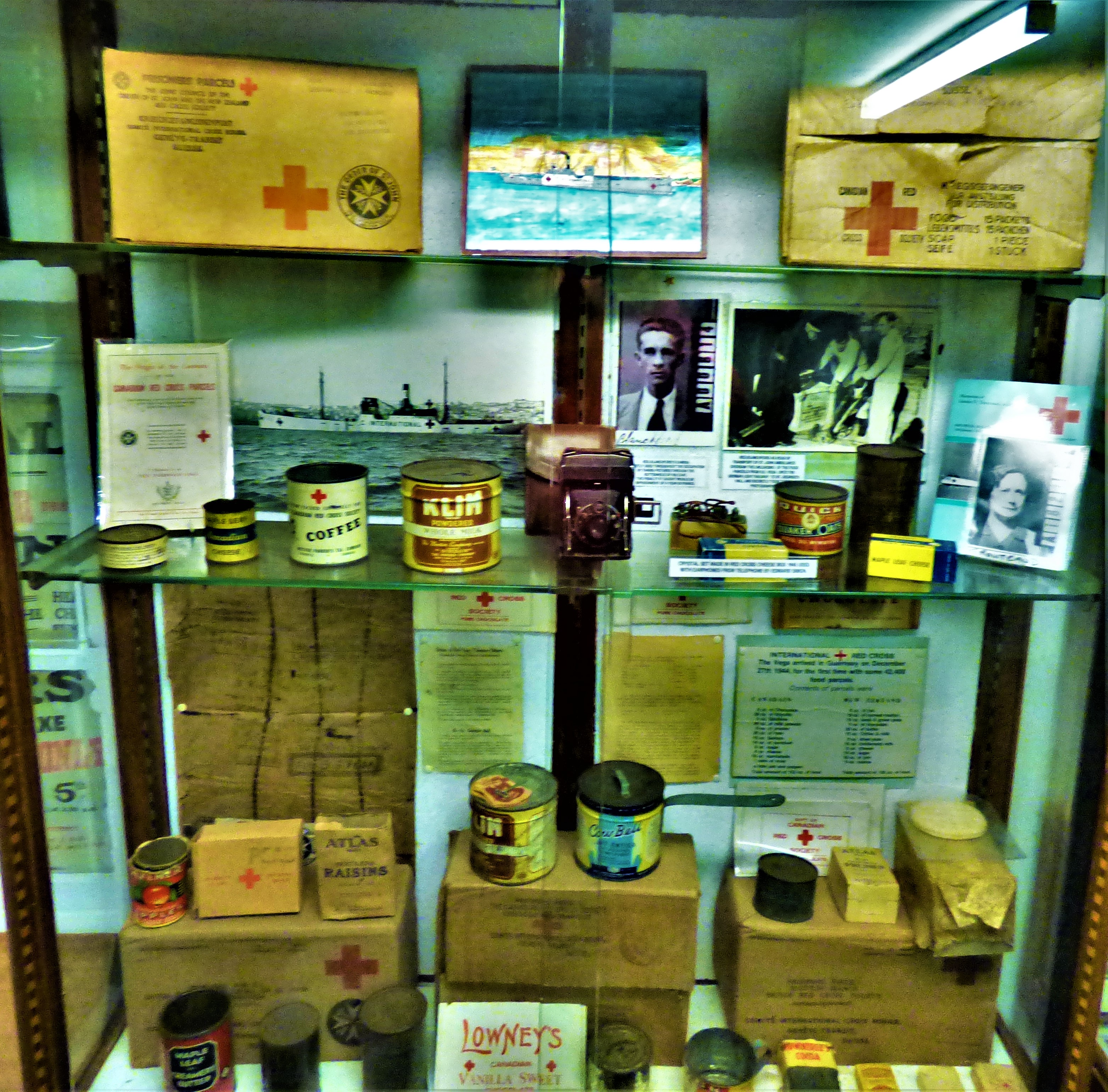
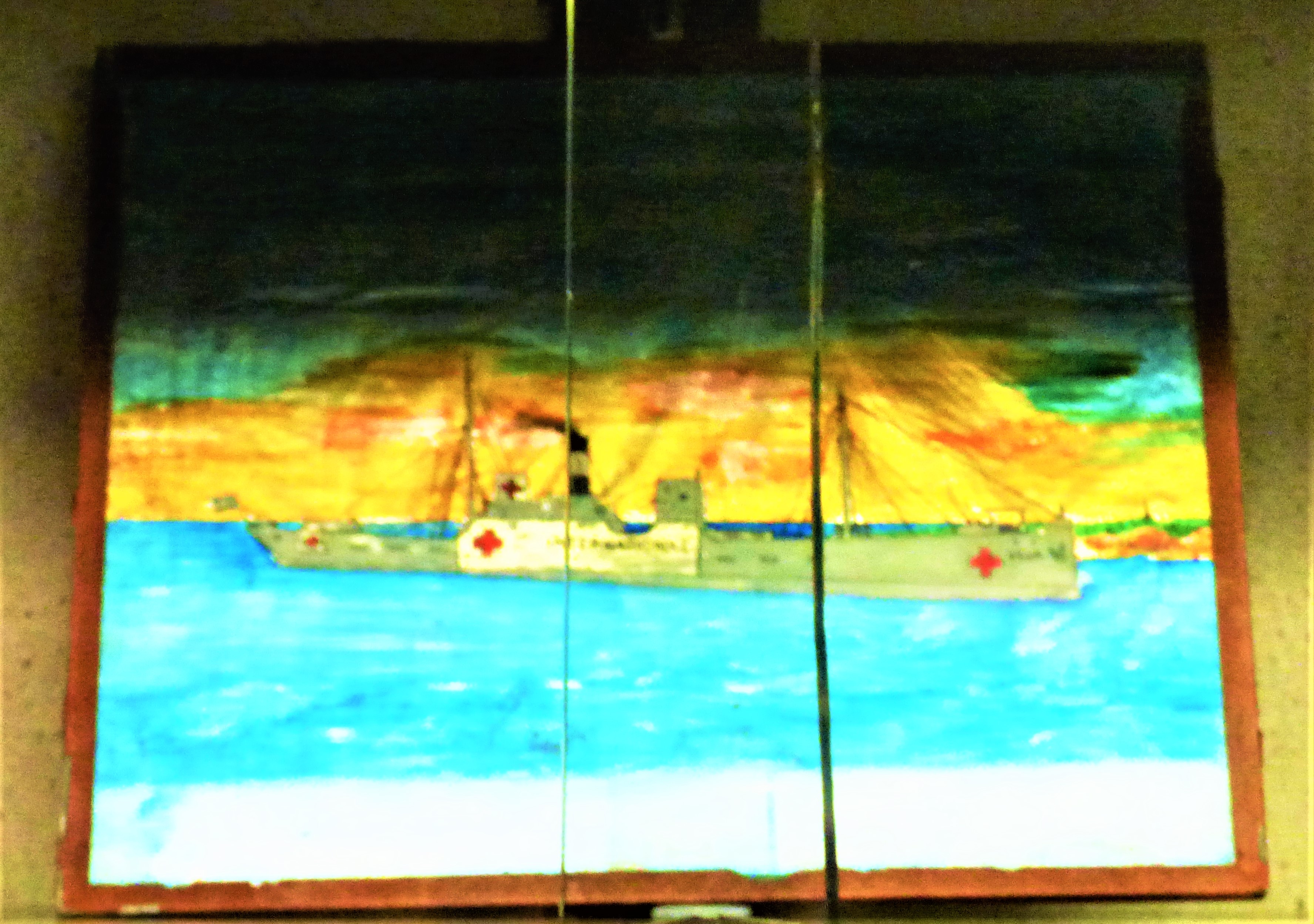
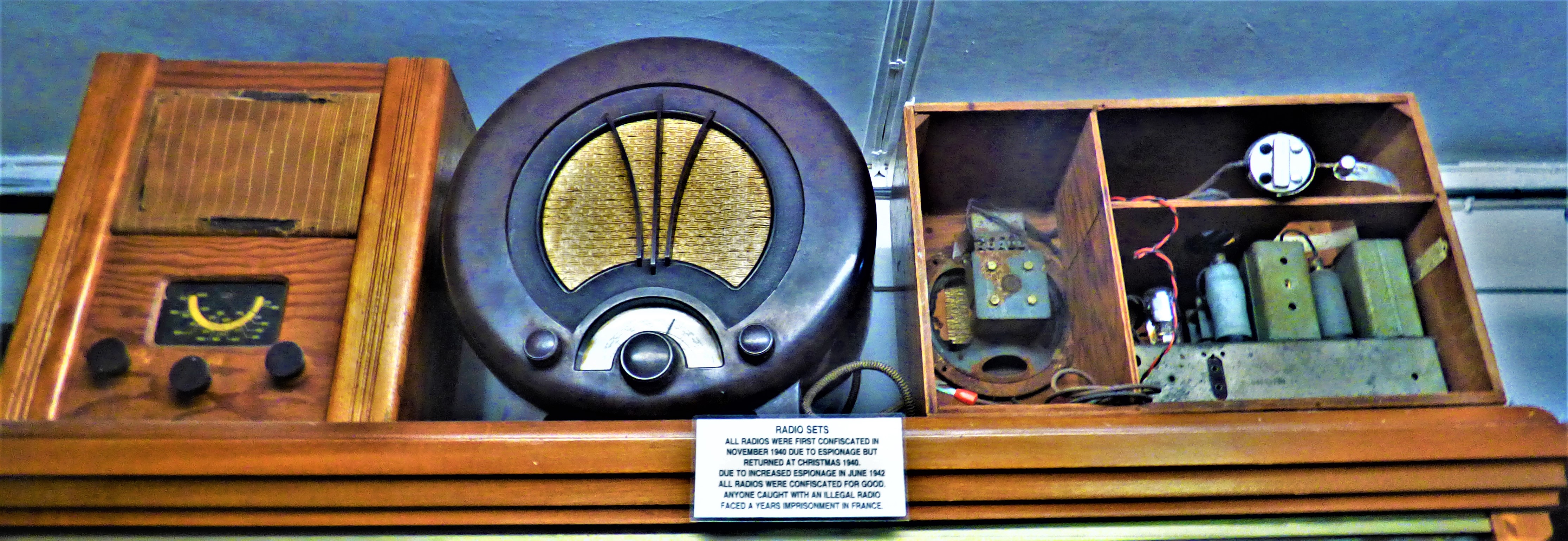
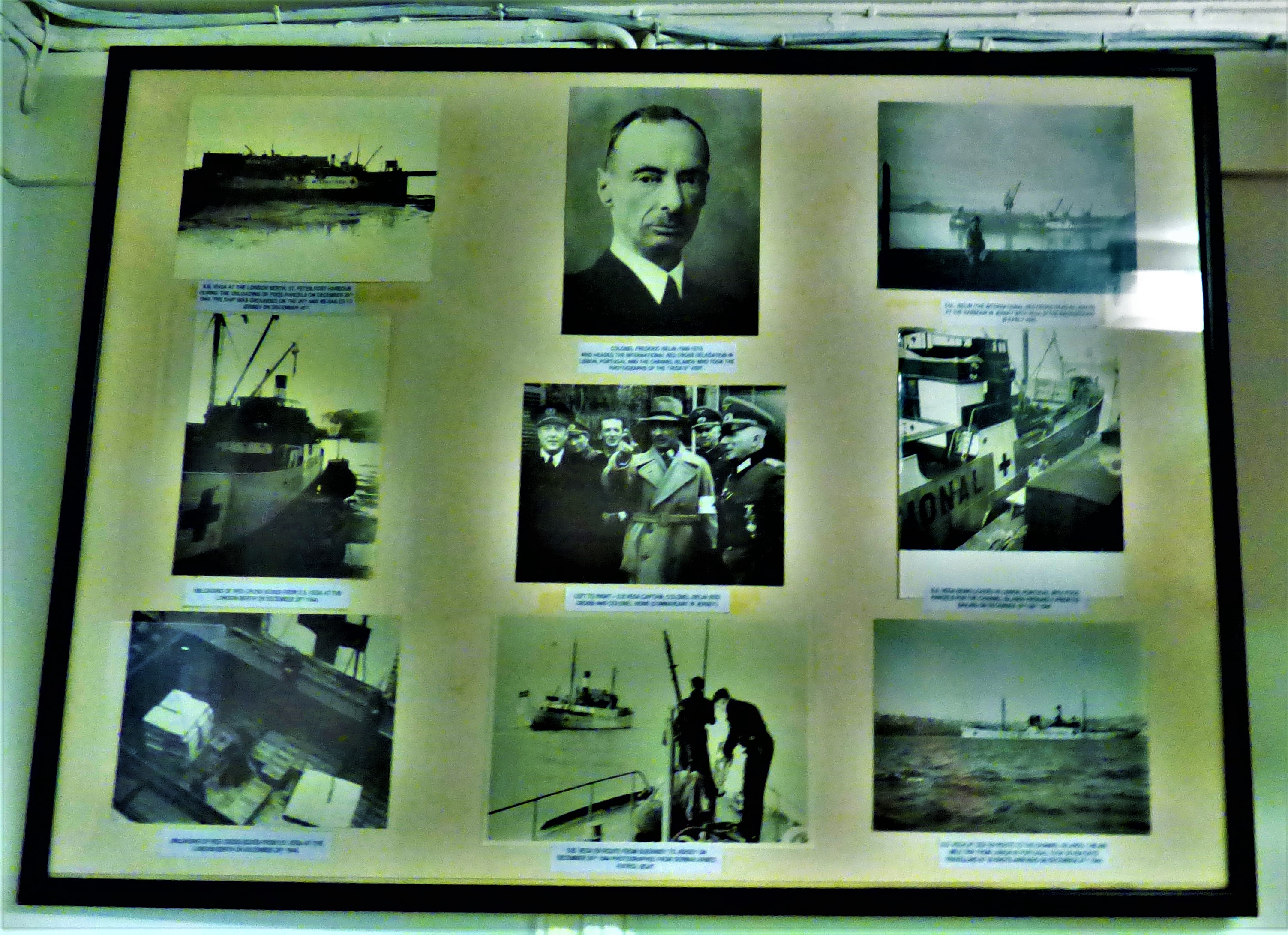

































































 aspiblog