Continuing my account of my visit to Cornwall, with the ascent of St Michael’s Mount.
INTRODUCTION
Welcome to the latest post in my series about my stay in Cornwall. This post takes us up St Michael’s Mount and covers some of the stuff at the top. There will be at least two and possibly three more posts about the day.
BASE CAMP (!)
Among the places at ground level, before the ascent begins are the restaurant where we would be having lunch and a visitor’s centre which provides a comprehensive introduction. After these one passes through a field that contains a dairy cottage before the ascent begins.
No sops for creationists here! The straight truth about the formation of the granite of which the mount consists – it was formed longer before the dinosaurs roamed the earth than we are after the last dinosaurs disappeared.
THE ASCENT BEGINS
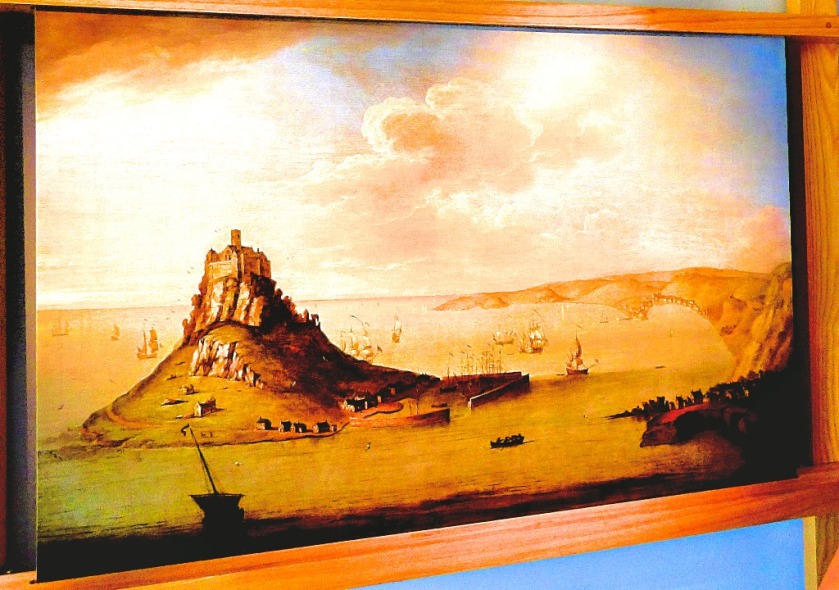
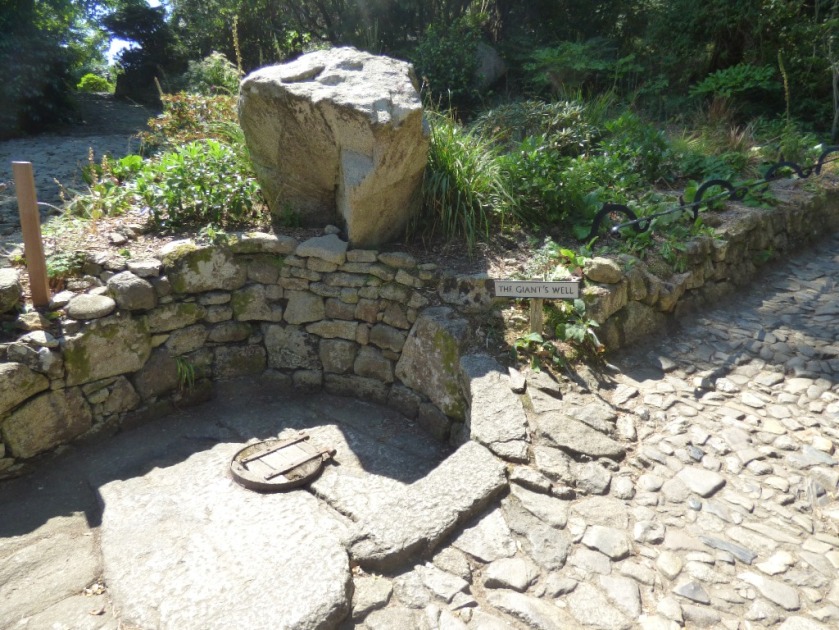
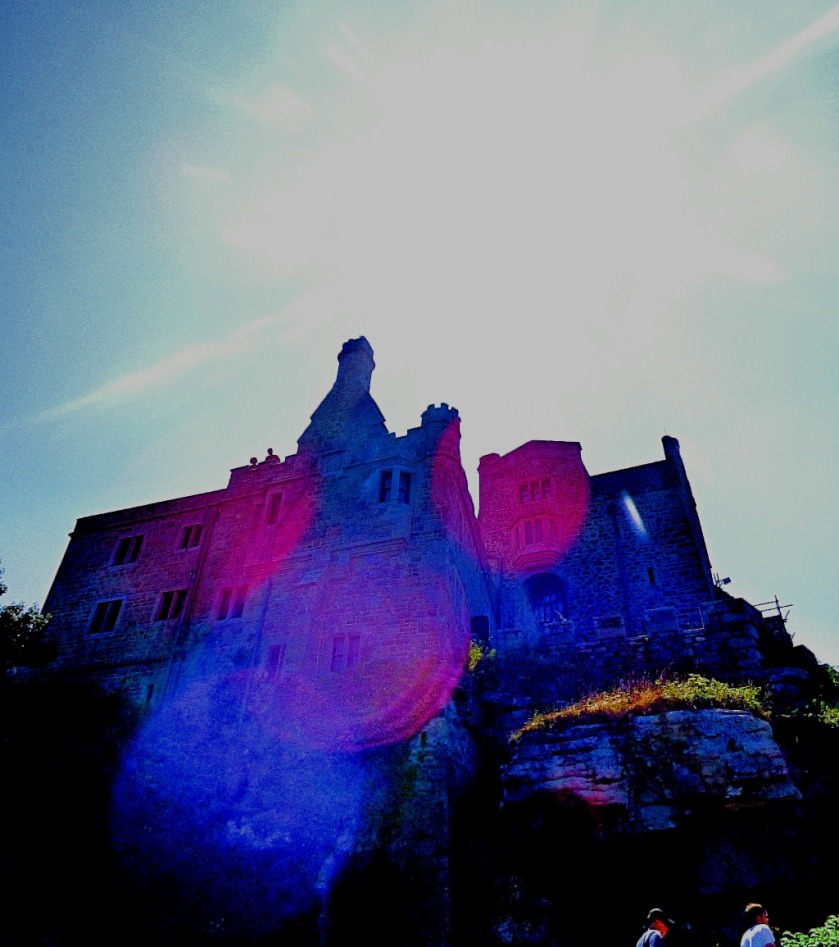
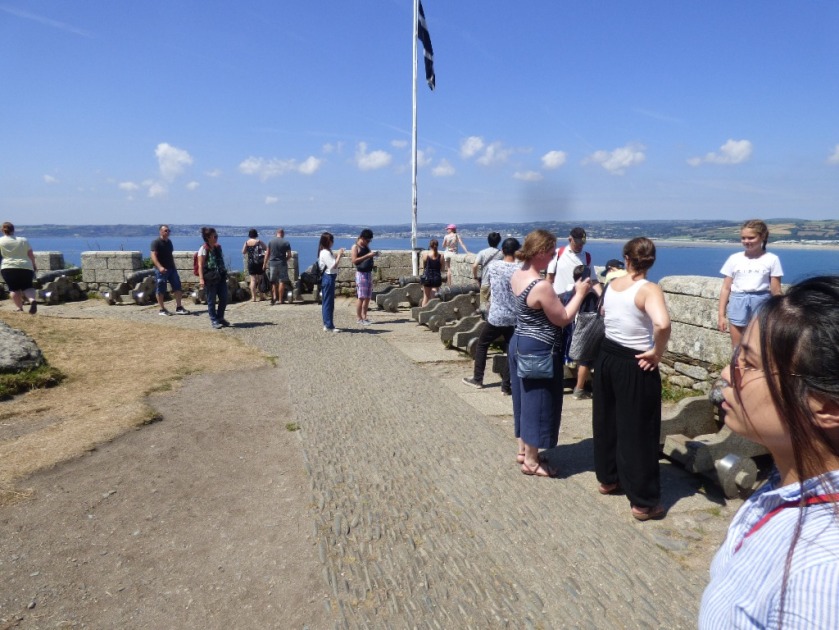
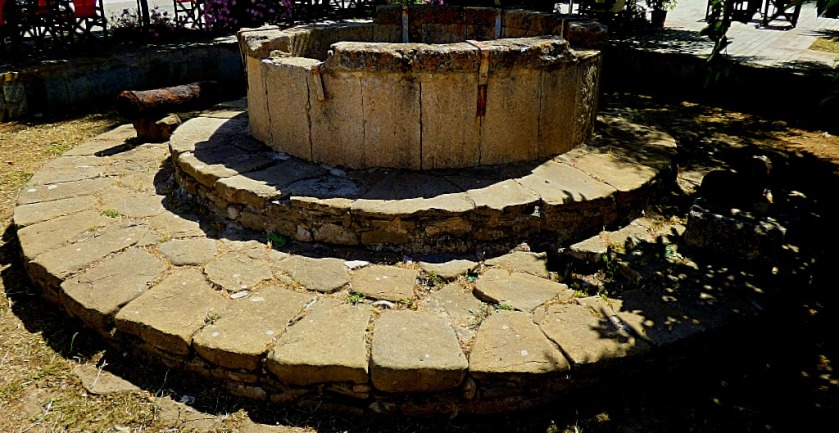
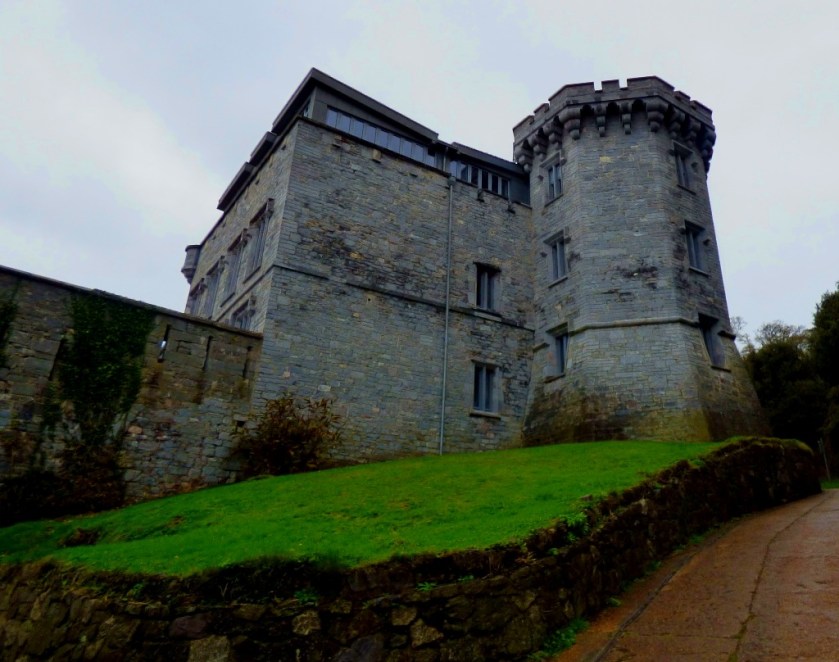
The climb up to the buildings on top of the mount begins by way of The Pilgrims Steps, continues past the Giant’s Well and the Giant’s Heart and a cannon emplacement. Then comes the first indoor section and a roof terrace where we pause until the next post in this series…
The Giant’s Well – from an old folk tale
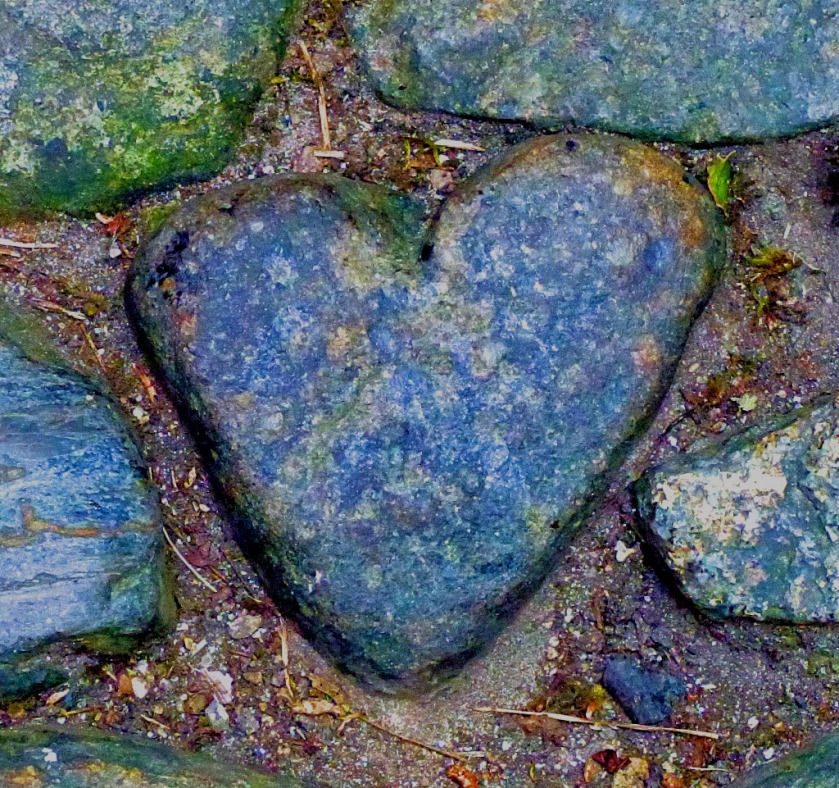
And about 50 yards further along The Giant’s Heart.
The actual heart!
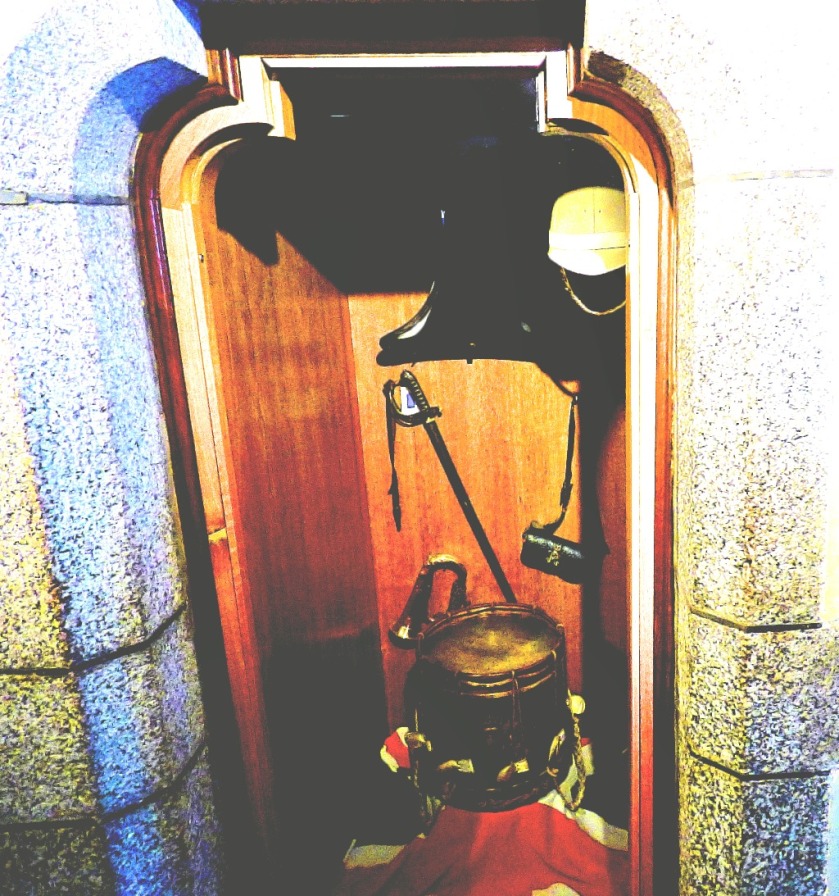
The first weapons display – in the next post you will see another one.
Us hoi polloi can only view these gardens from above – we never actually get into them.
Through a combination of work commitments and still having large numbers of photos to edit it has been a while since I posted, so just to remind people I was in Greece from May 12th to May 19th, and have so far produced five posts relating to that holiday:
Aperiftif – setting the scene for subseqent posts going into more detail about the holiday and various aspects thereof.
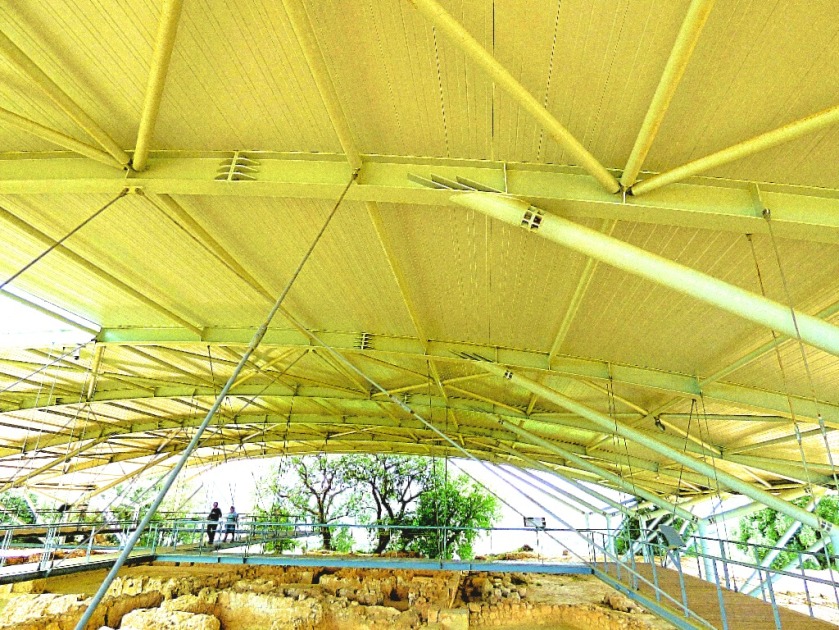
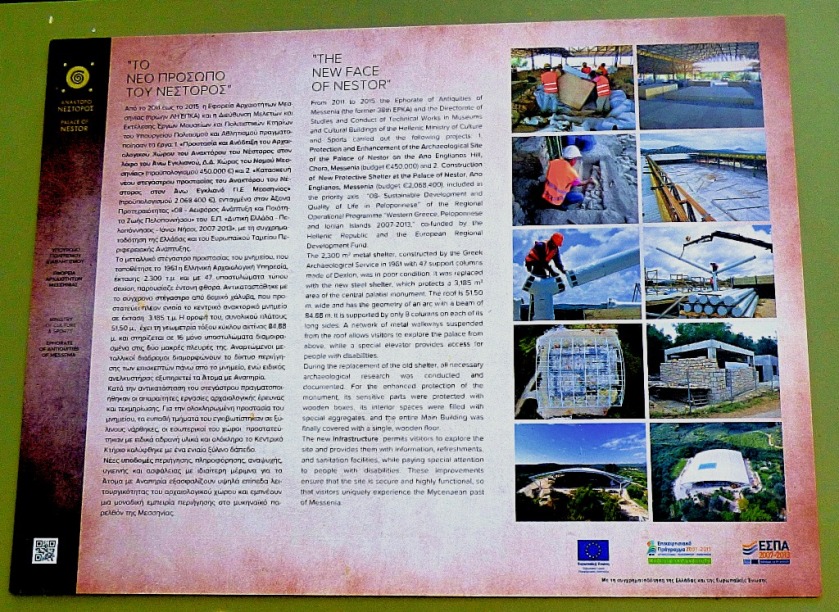
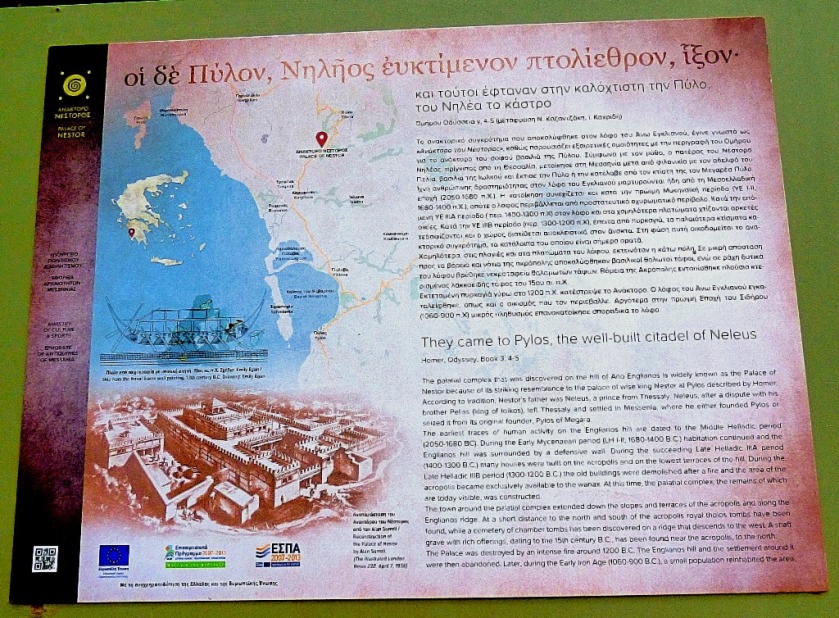
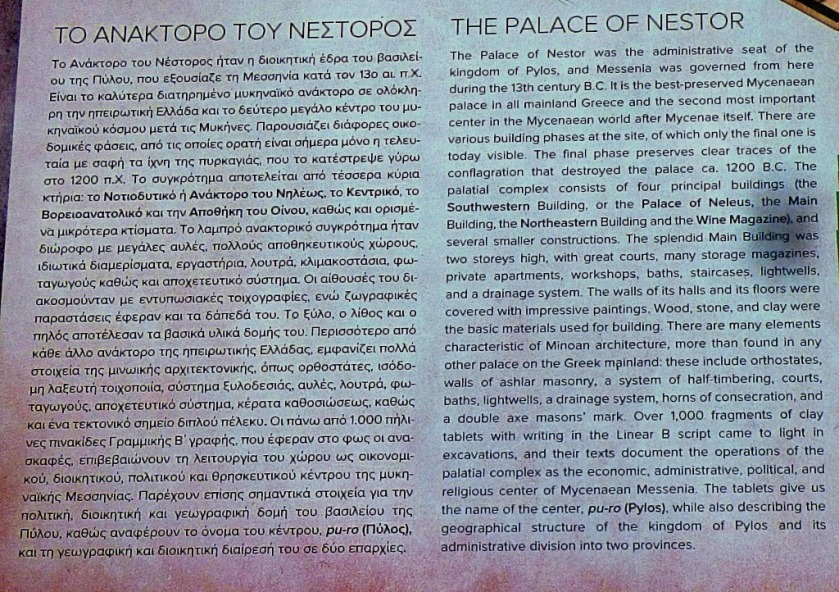
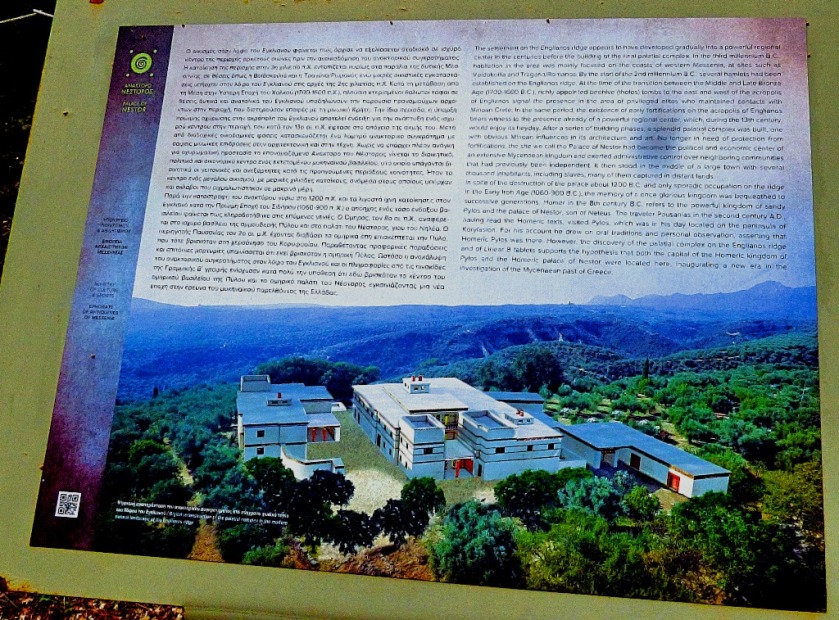
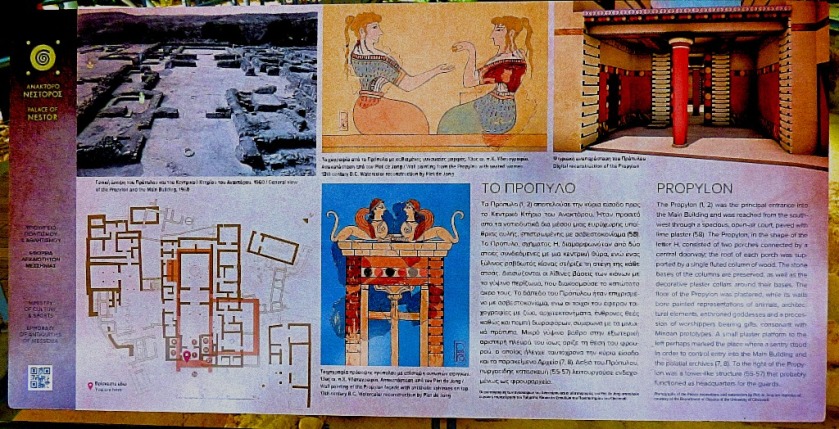
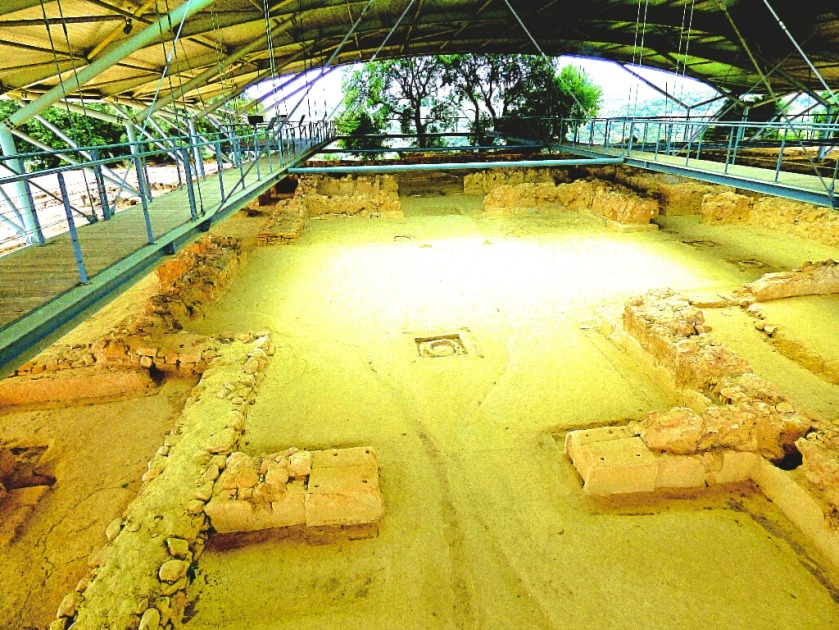
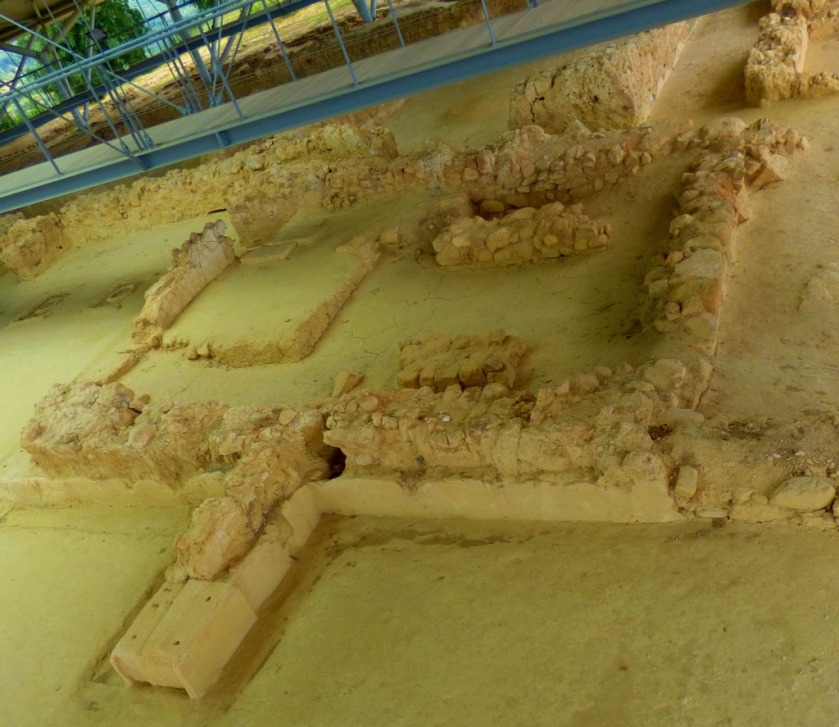
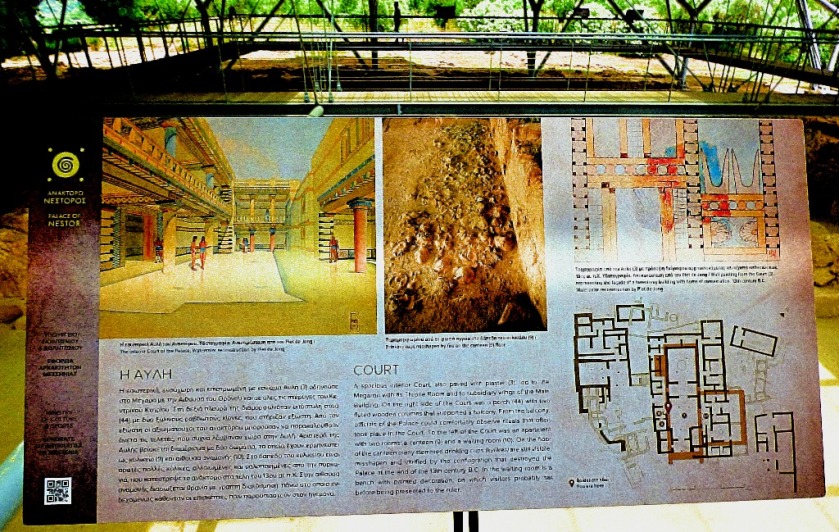
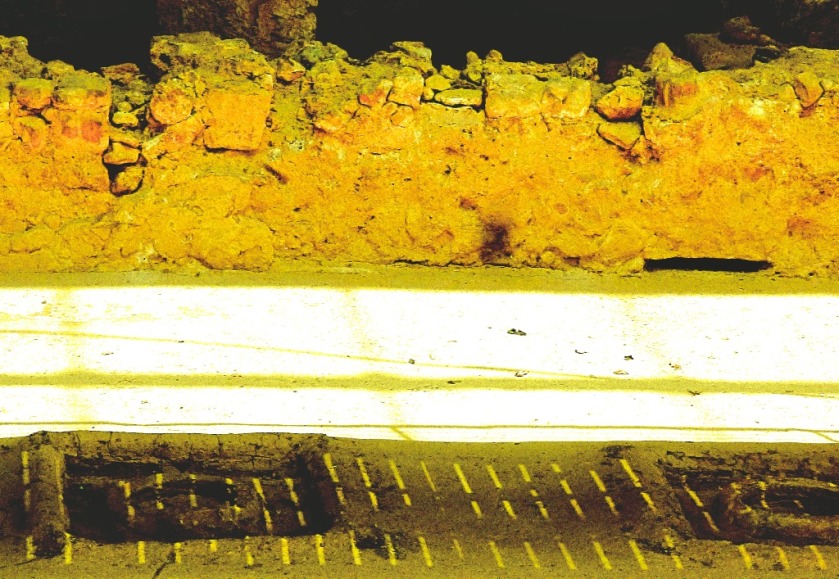
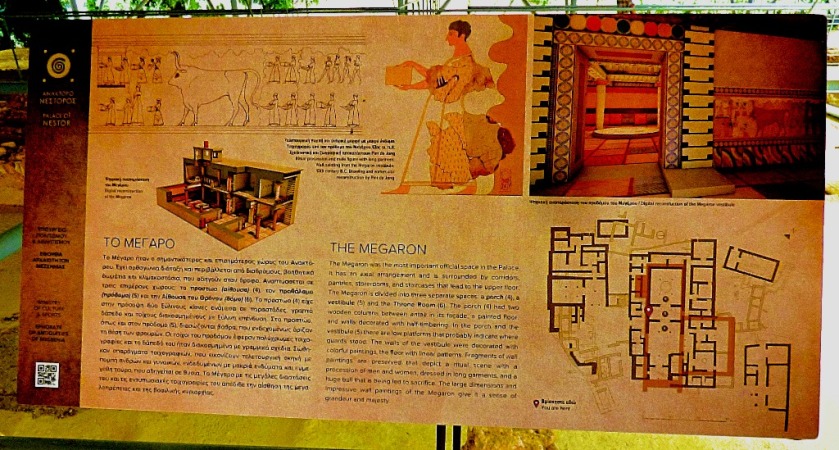
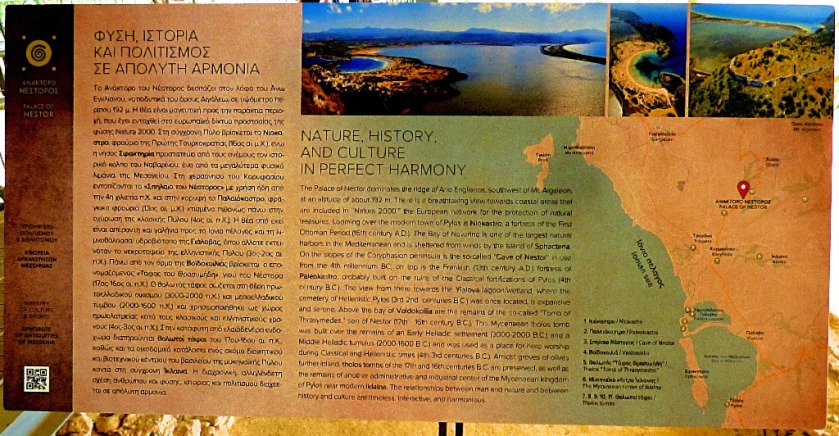
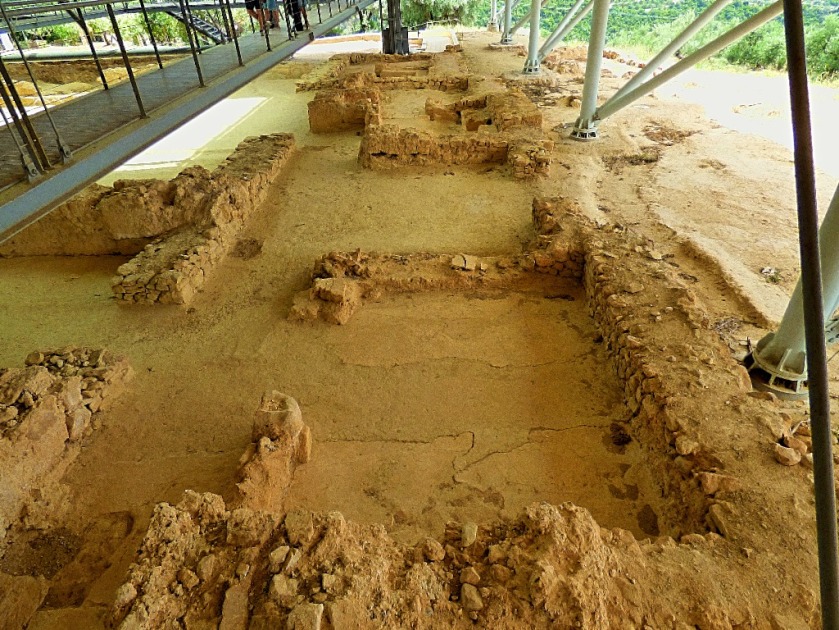
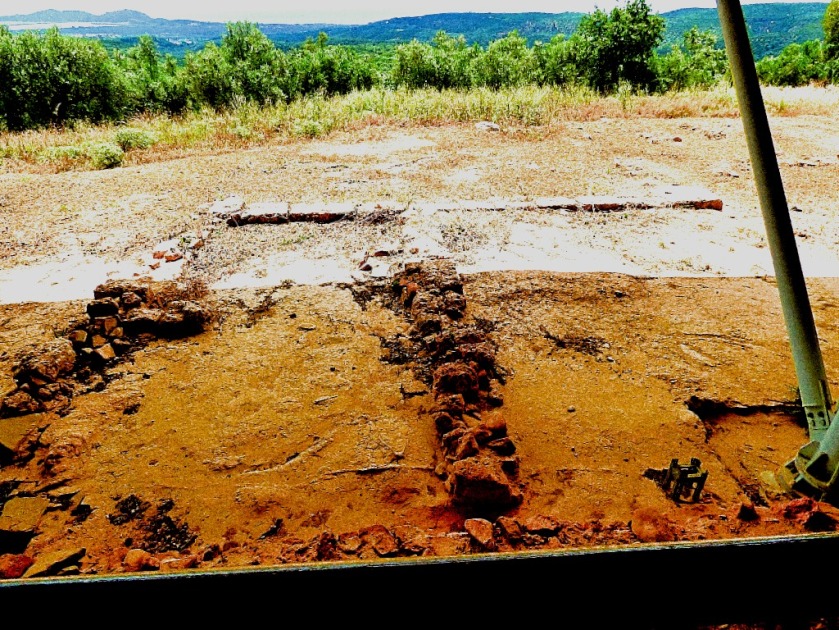
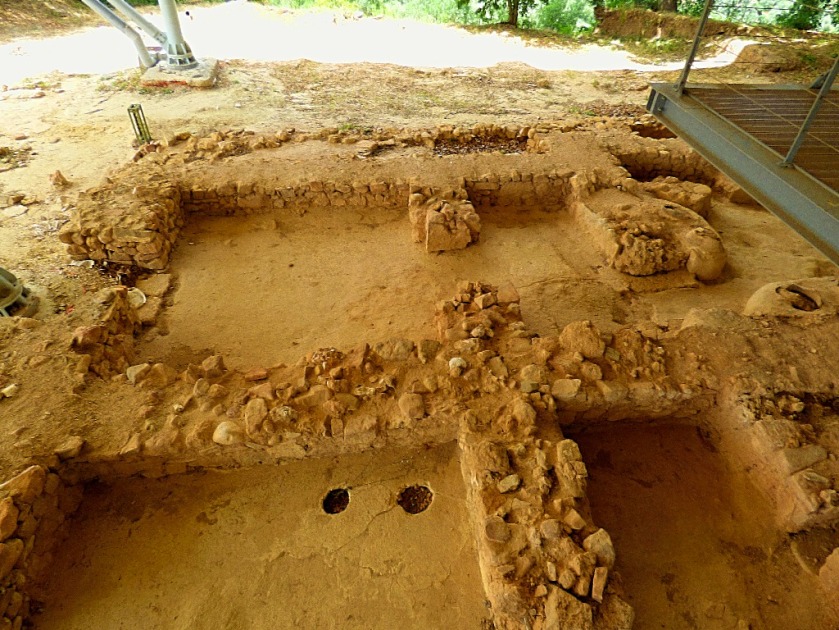
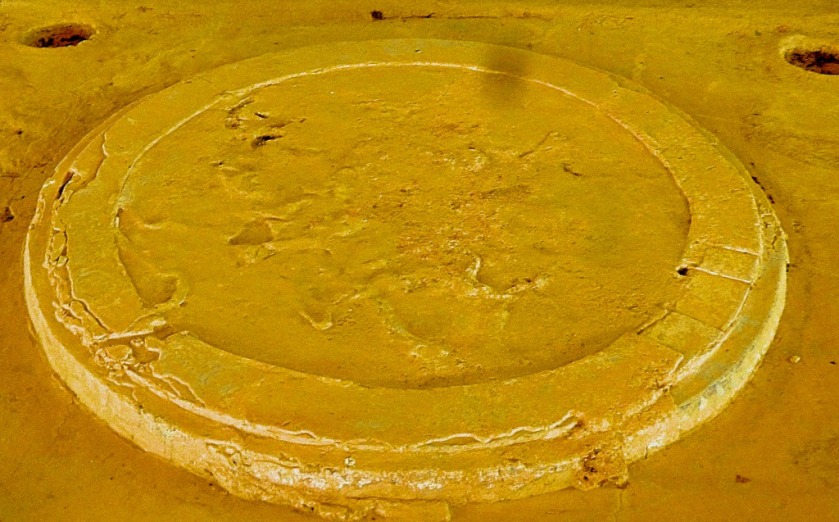
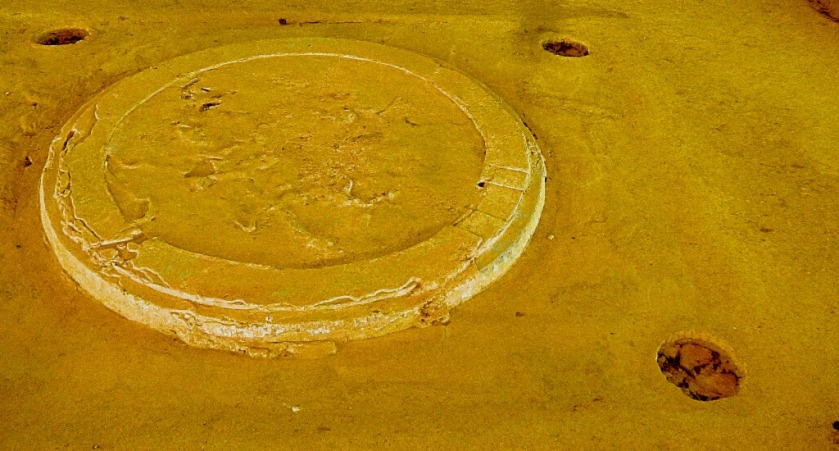
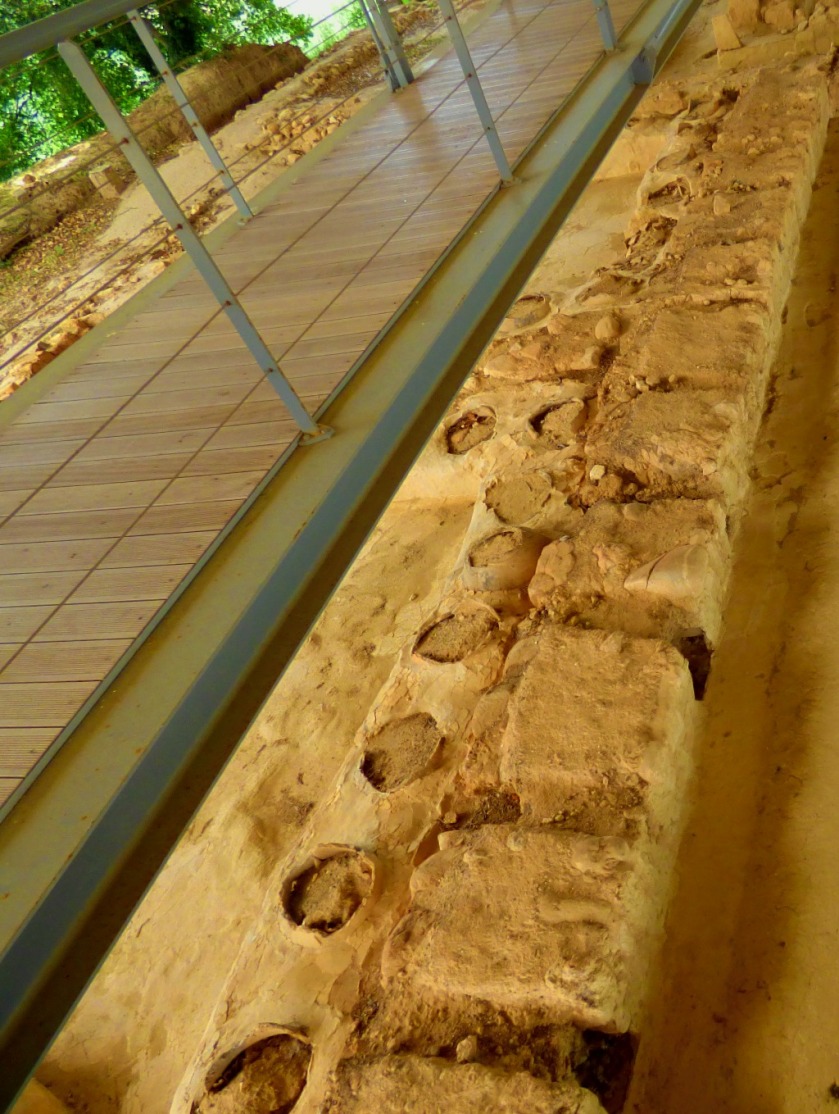
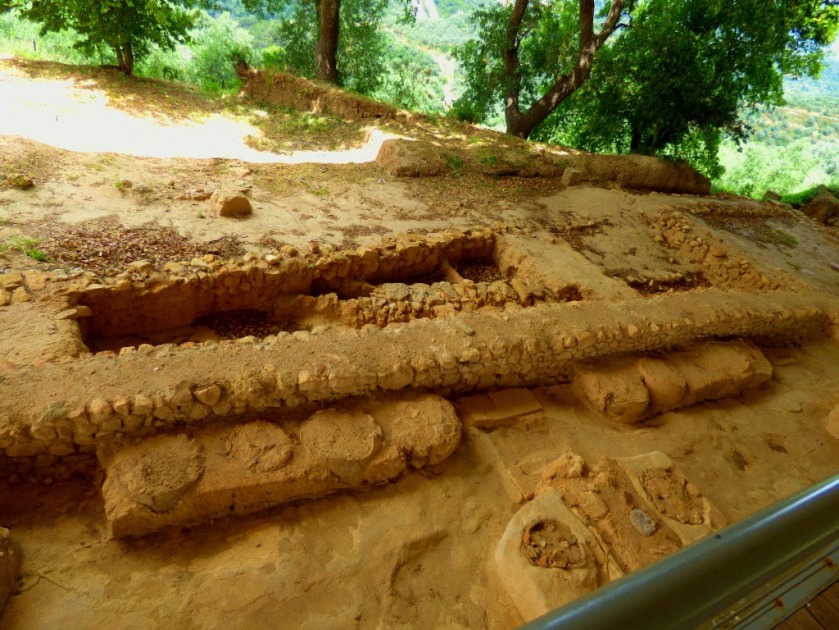
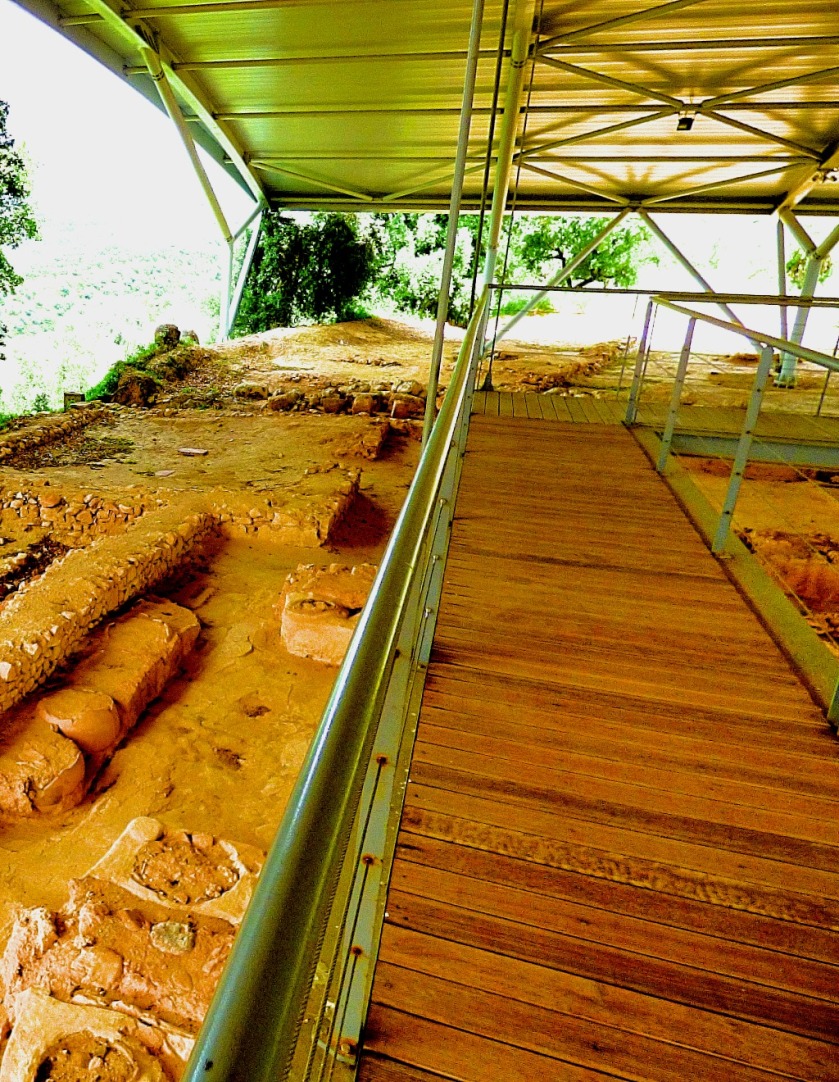
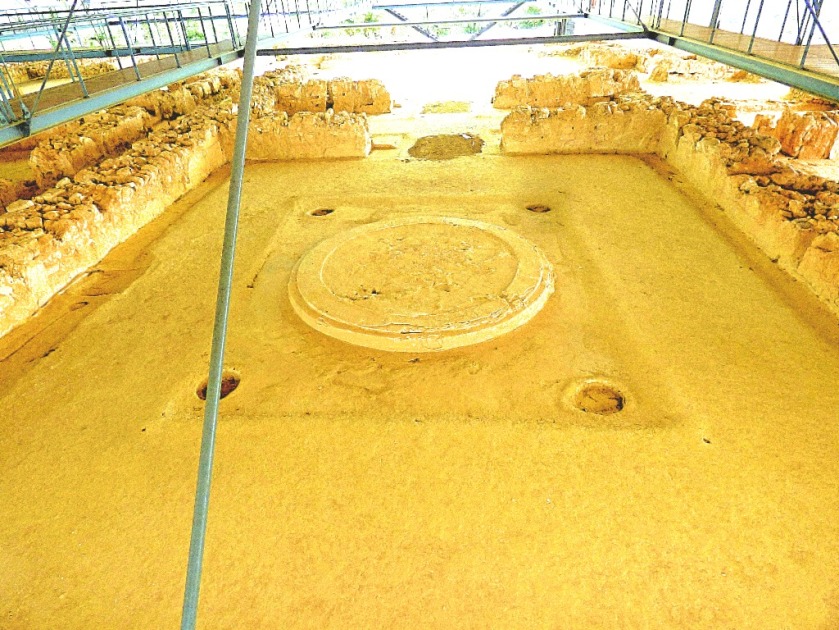
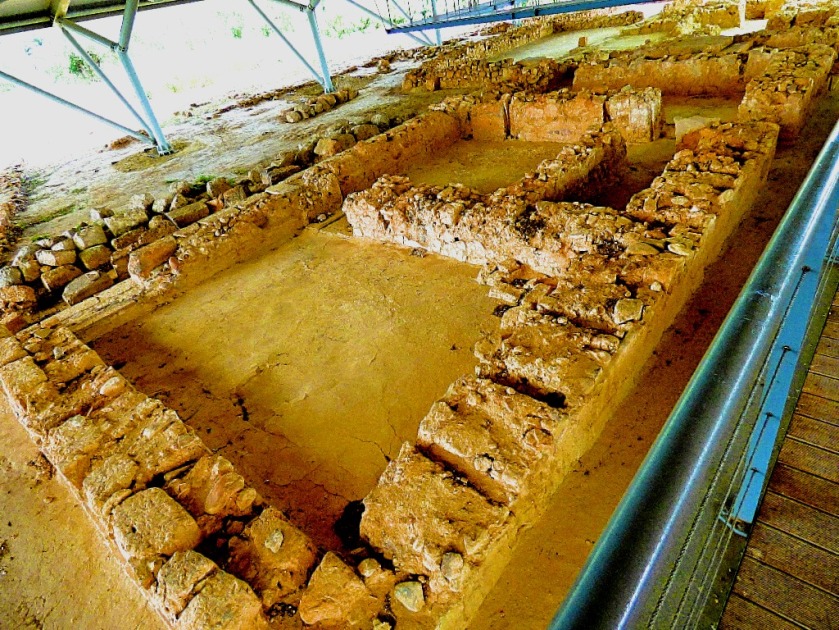
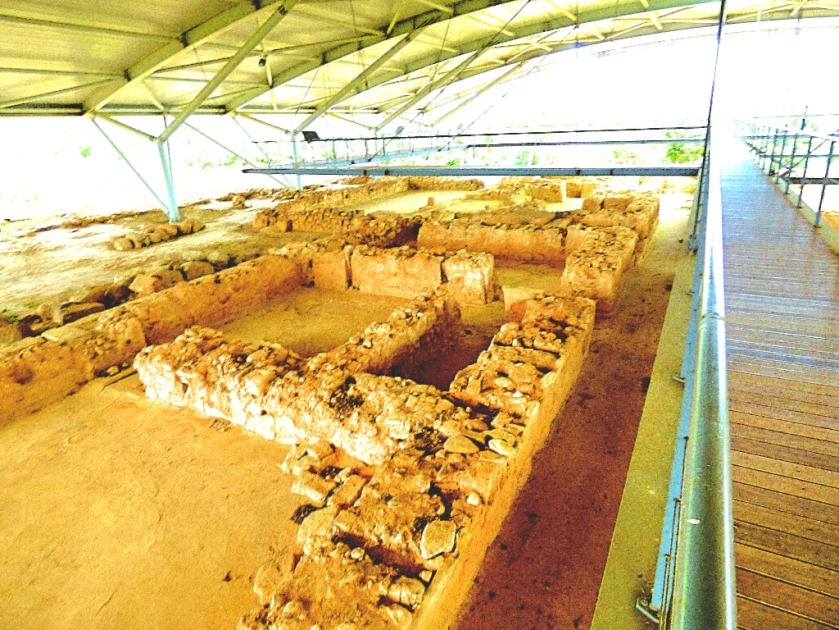
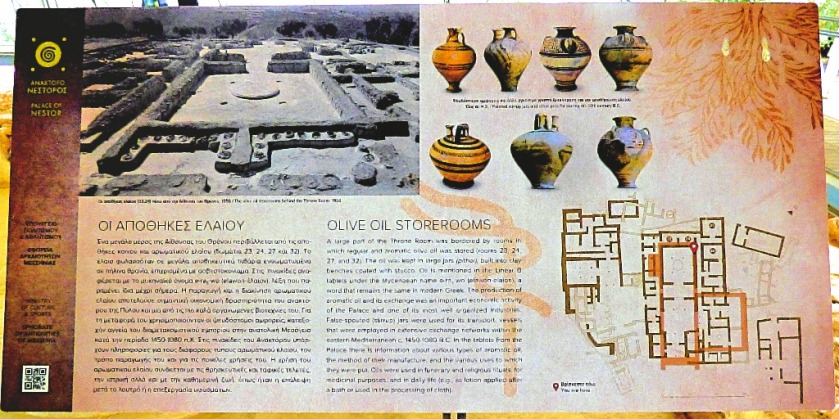
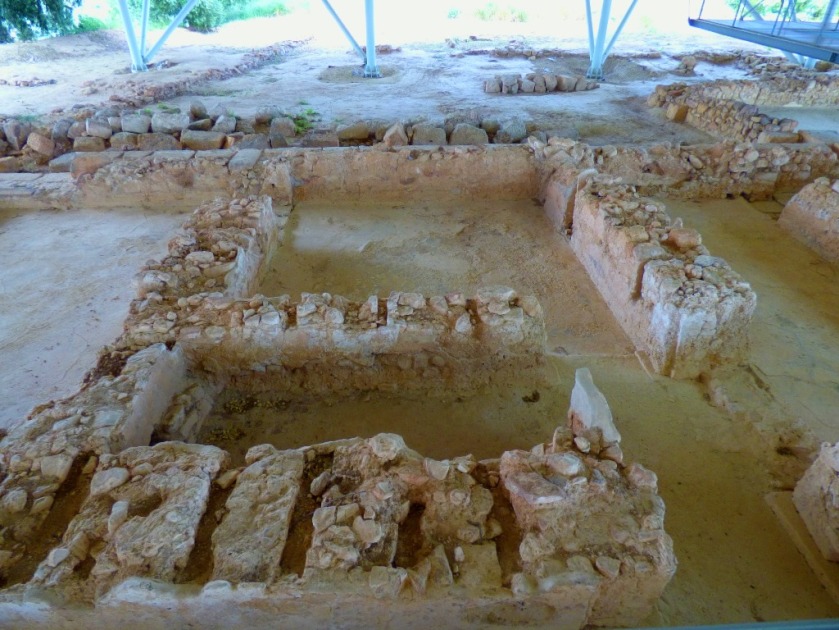
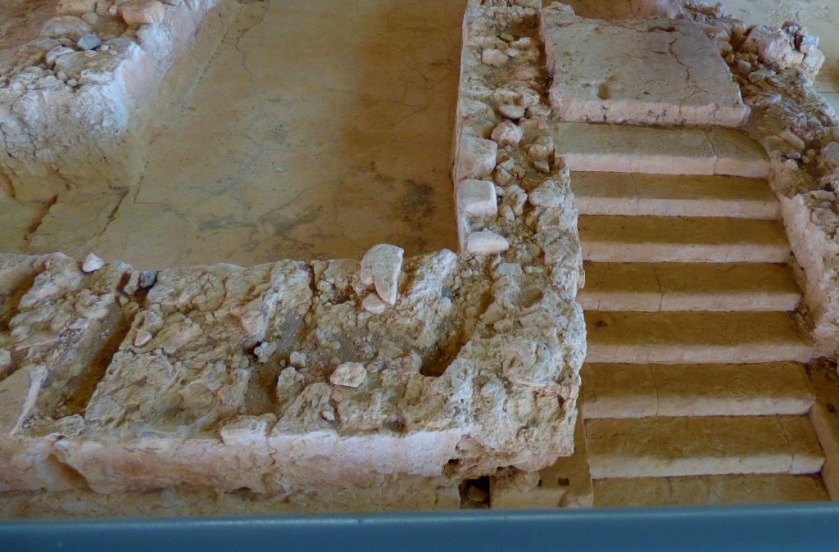
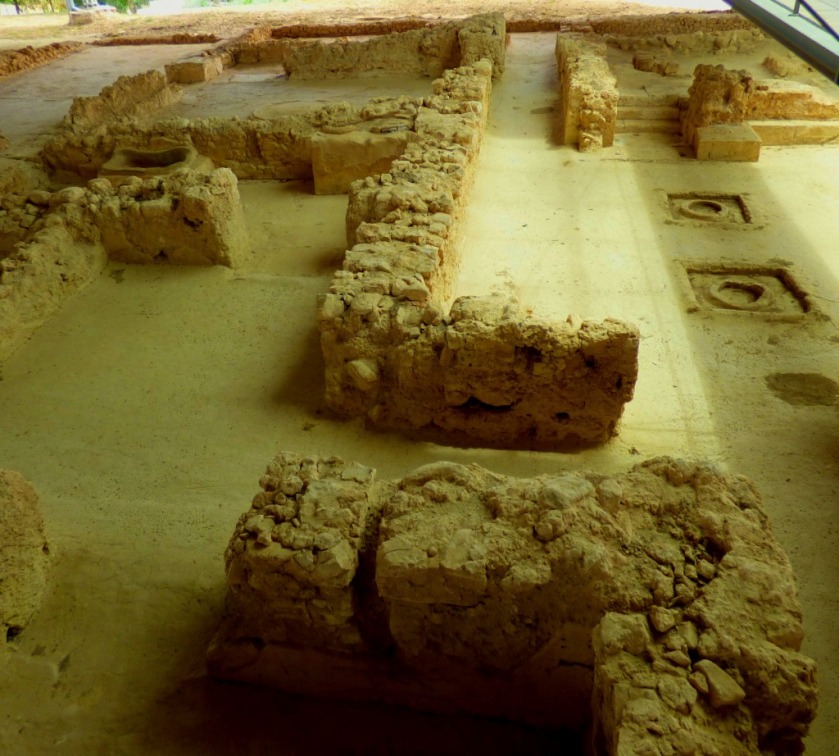
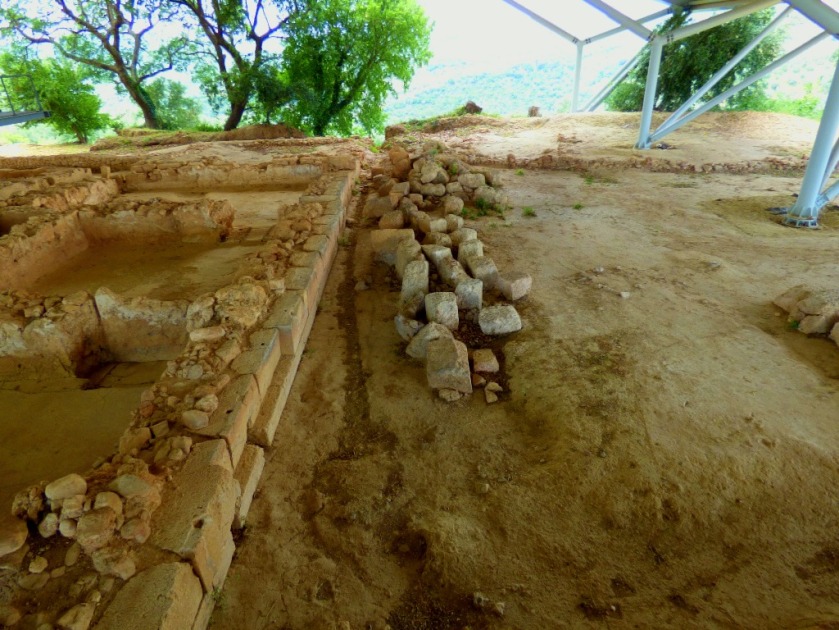
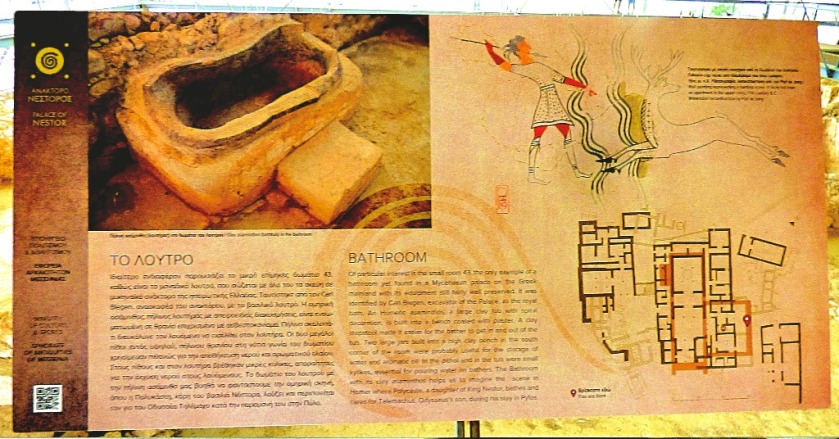
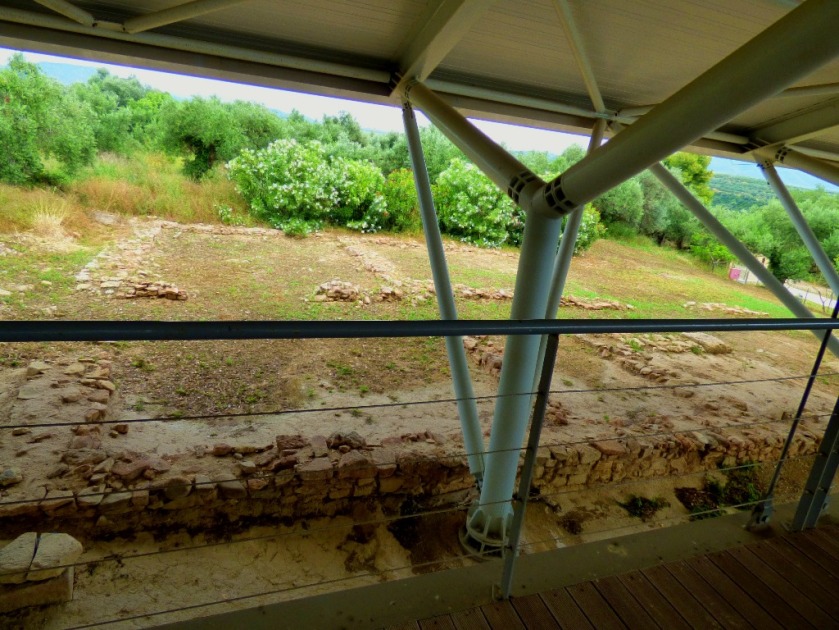
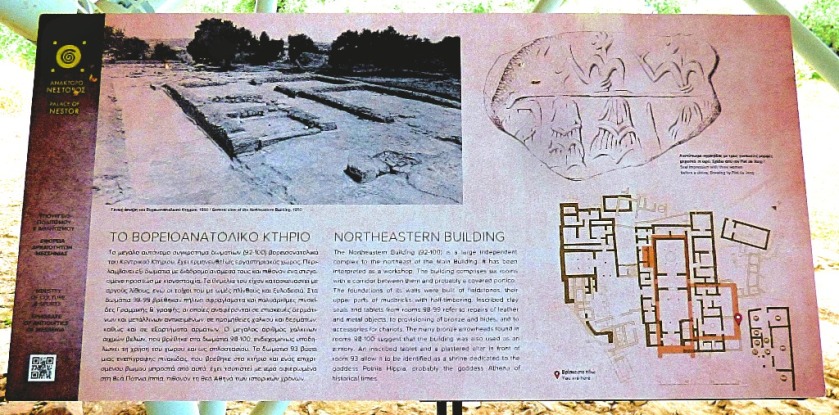
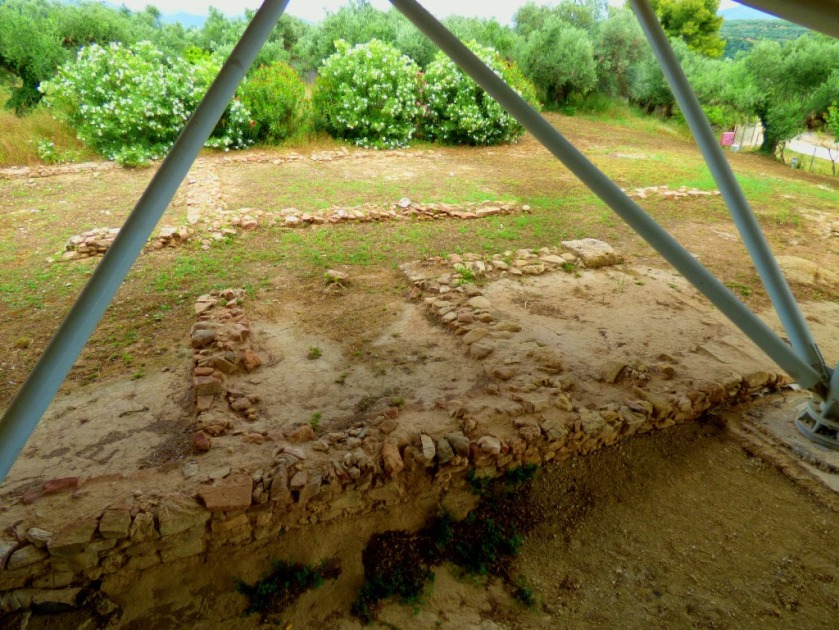
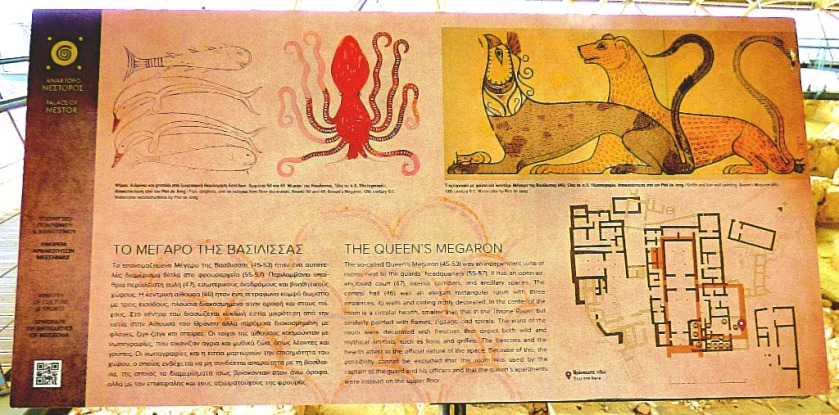
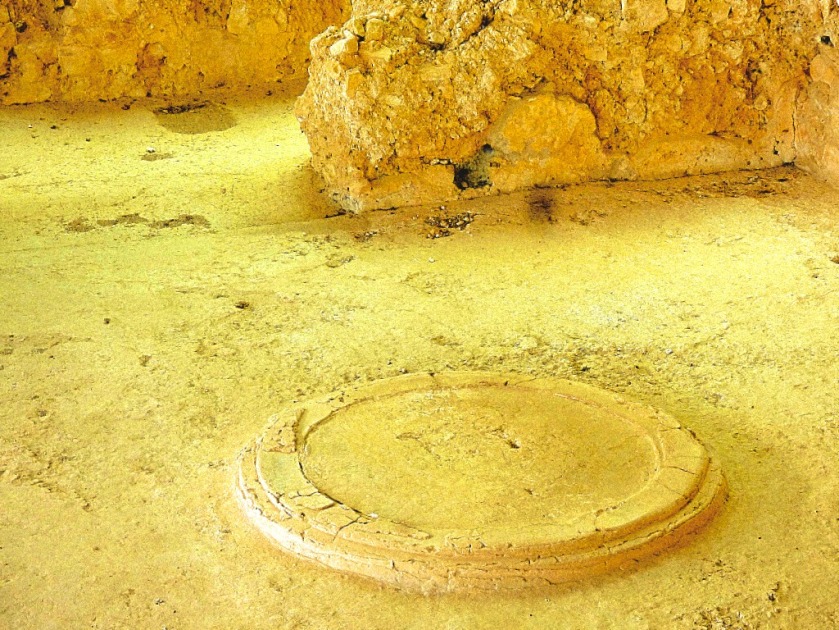
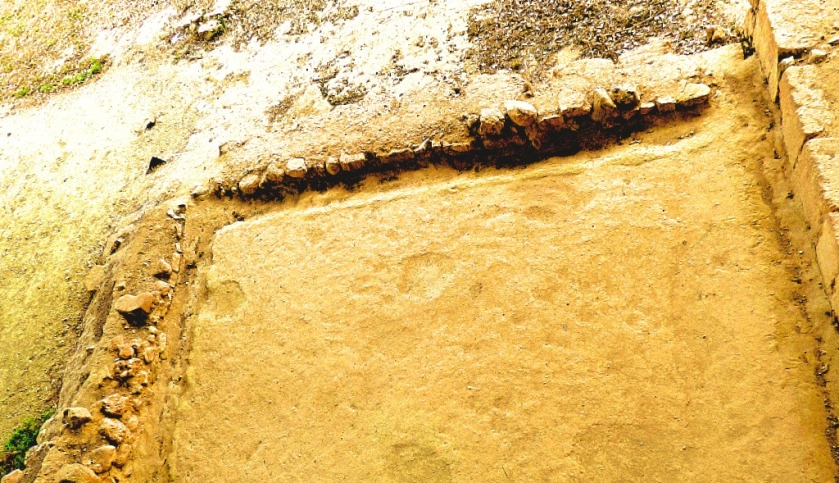
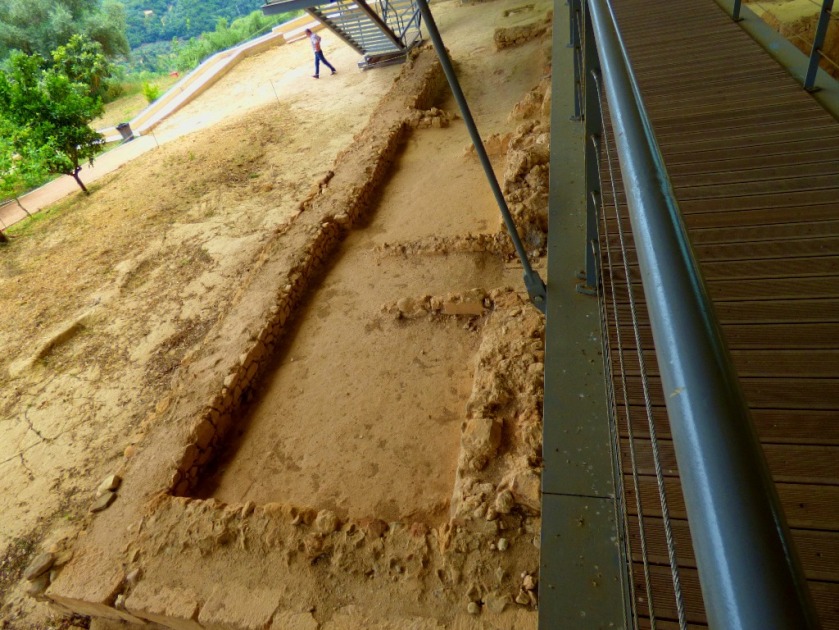
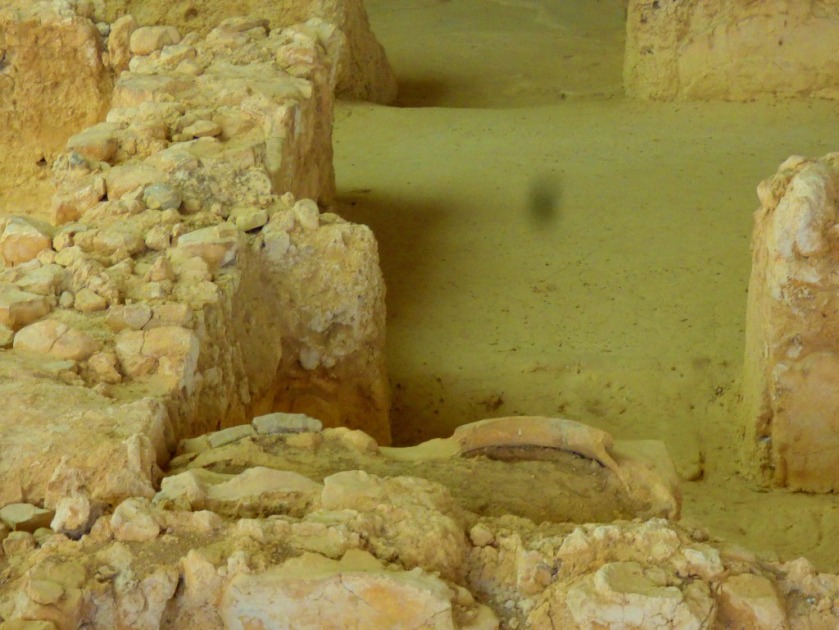
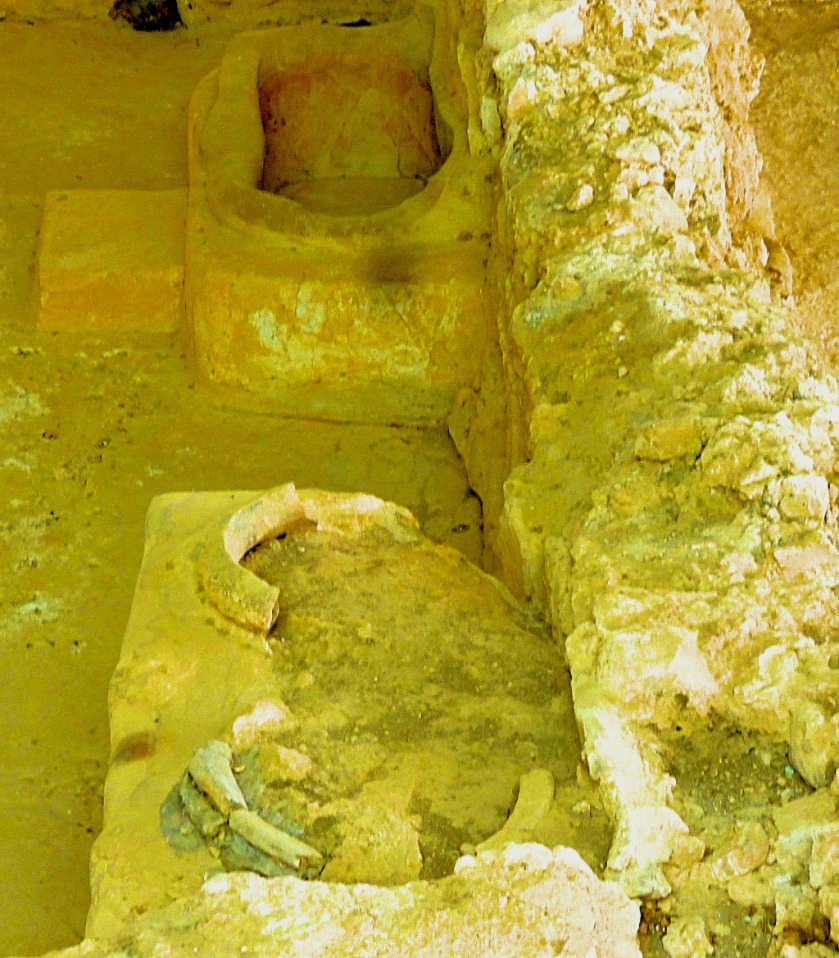
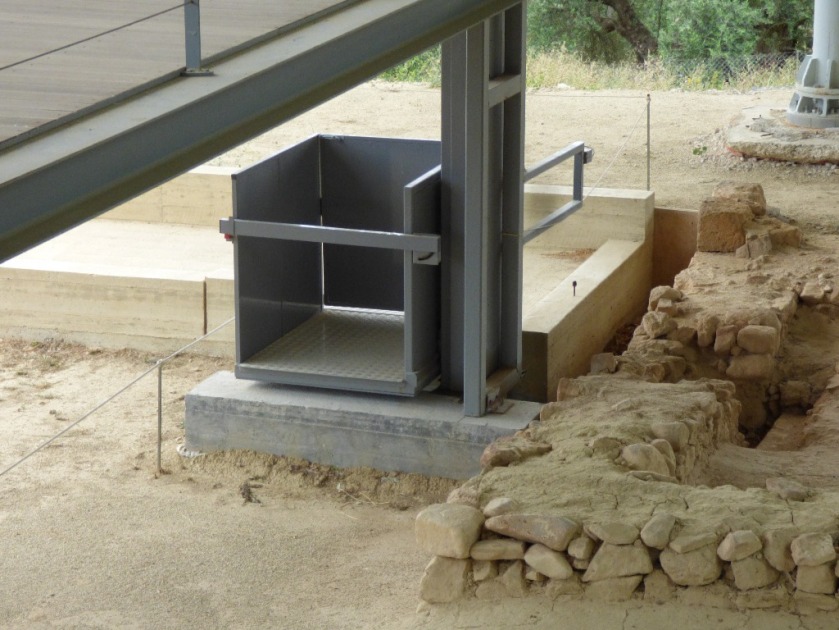
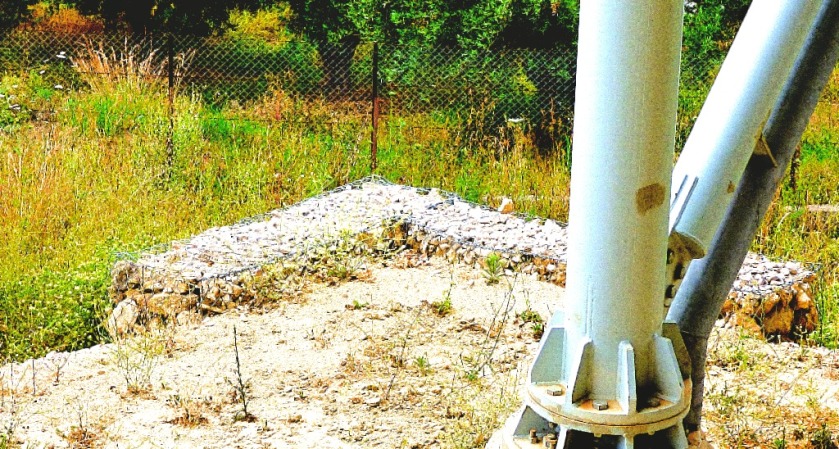
Whereas nothing at Methoni is above 800 years old, and most of it is around half that age (making it a youngster in terms of Greek sites) Nestor’s Palace at Pylos (about 15 kilometres from the modern town of that name) was in its pomp 3,300 years ago or thereabouts, which means that even by Greek standards it counts as old (although Gortyn on the island of Crete is about twice as old as even this). In an effort to preserve these remains a shelter has been built around the site, and part of this structure is a raised walkway from which visitors view the site – no walking round at ground level these days.
NESTOR’S PALACE IN PICTURES
It is now time for the combination of my camera and photo-editing skills to take over and give you a virtual tour of Nestor’s Palace…
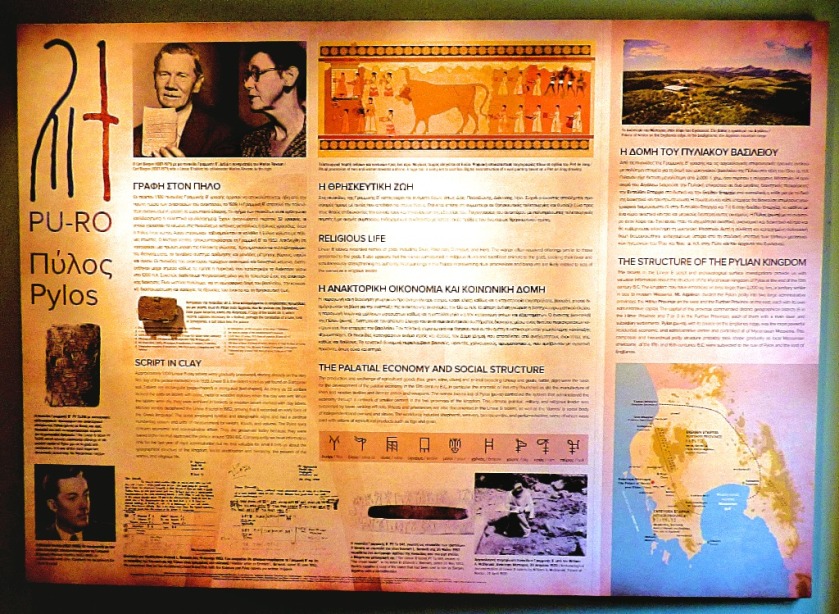
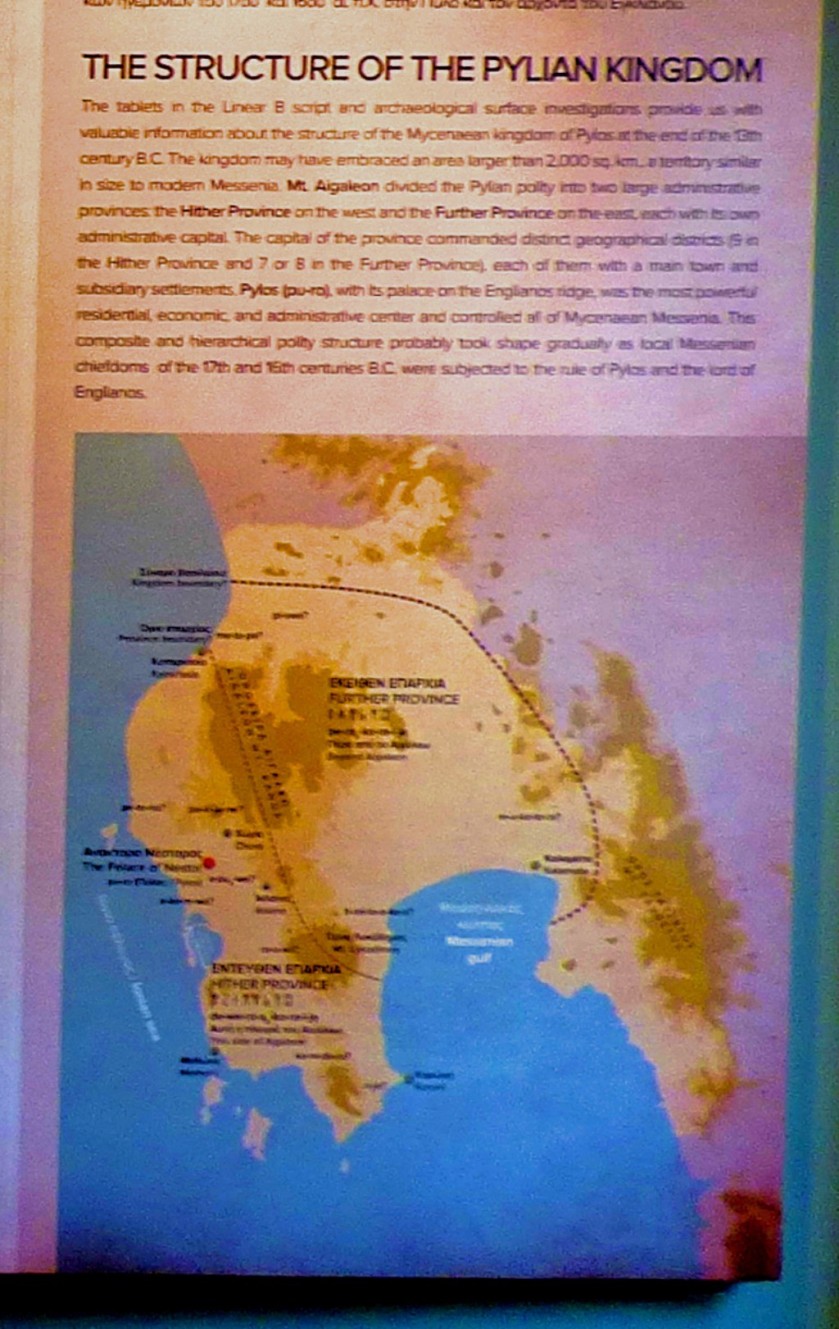
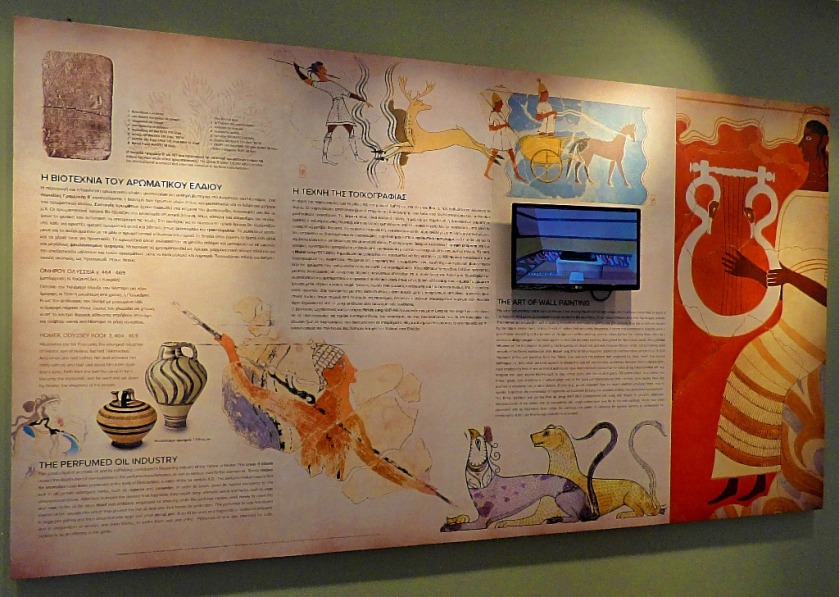
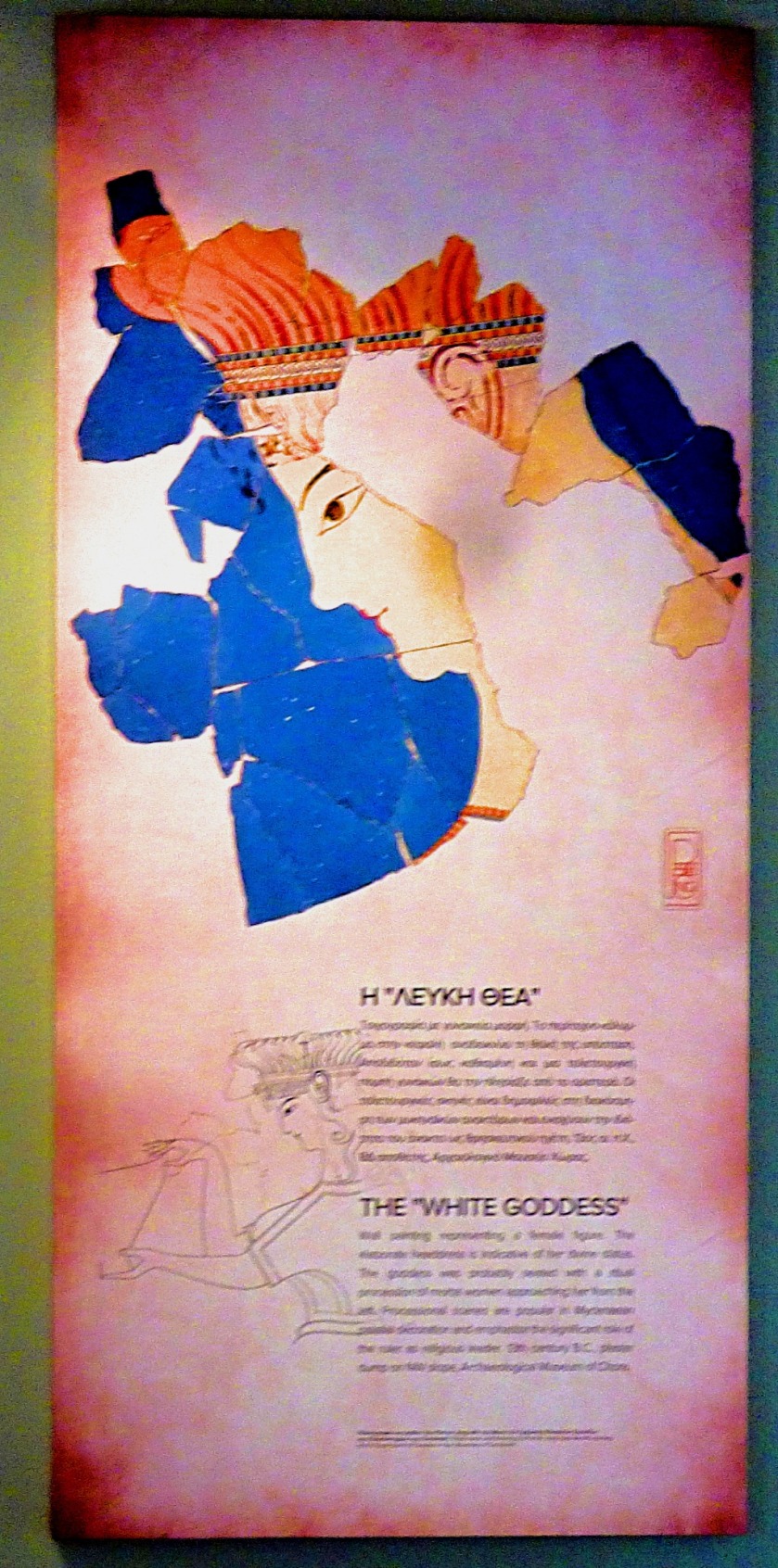
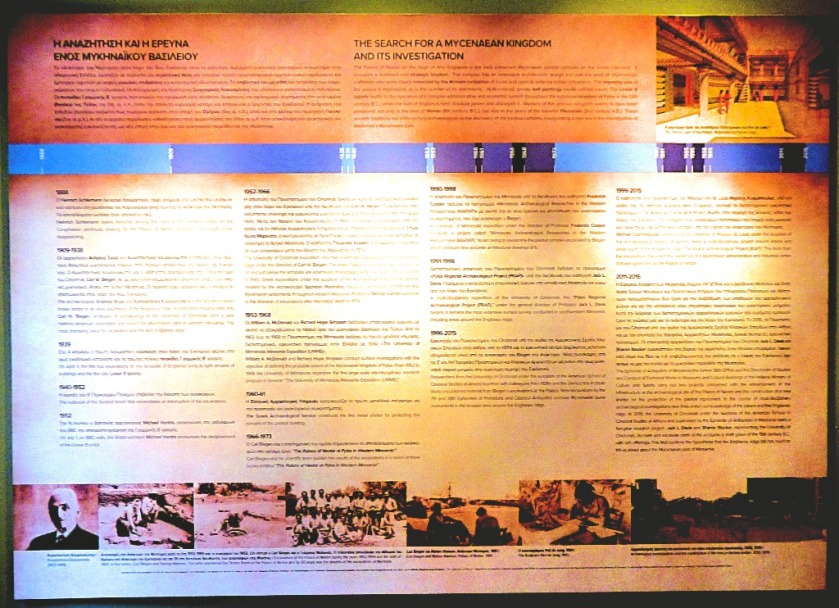
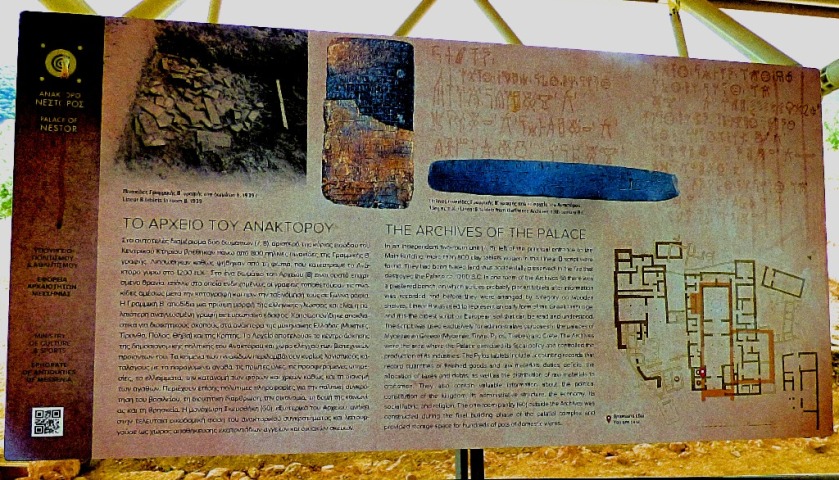
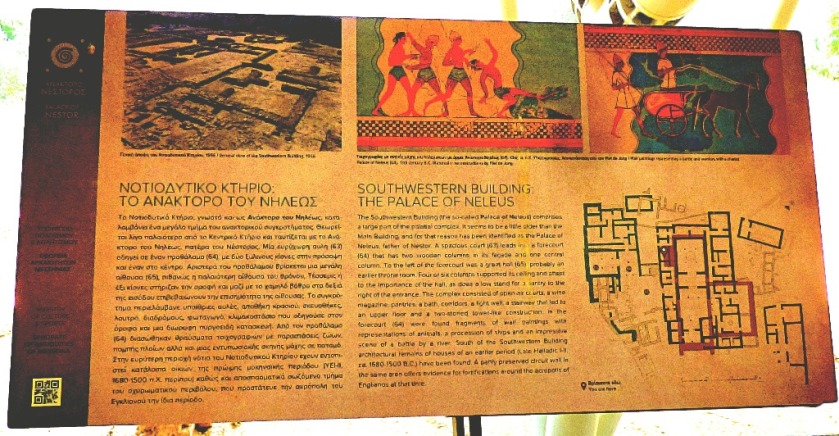
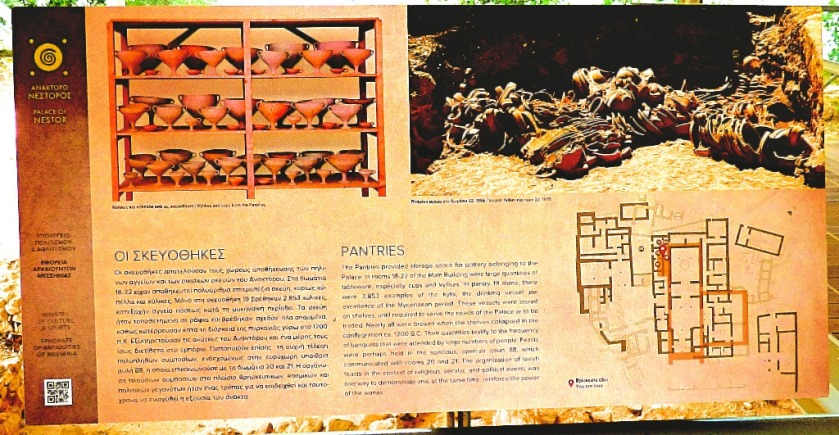
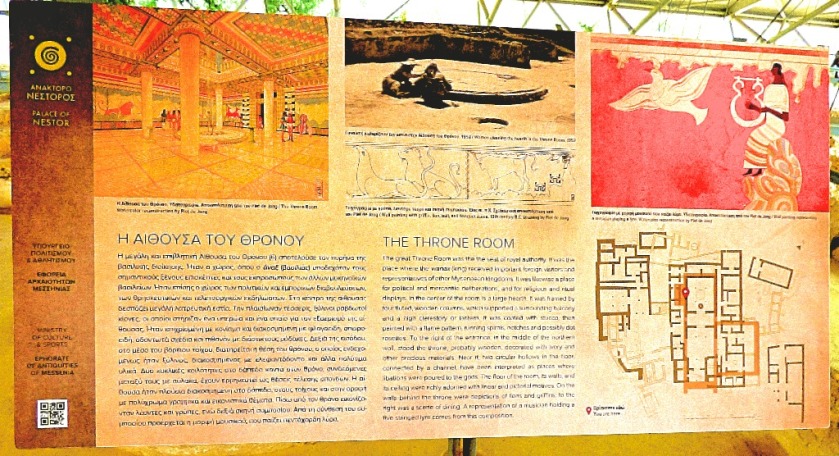
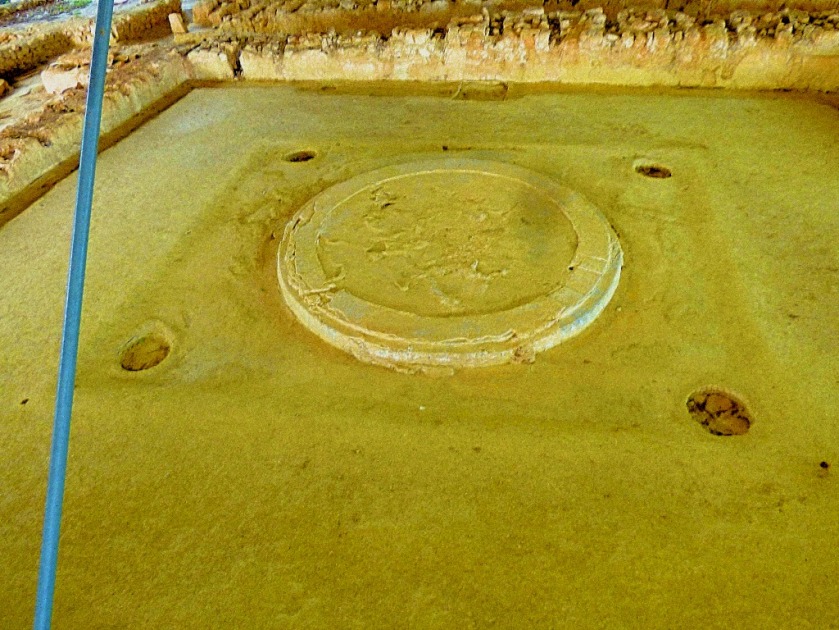
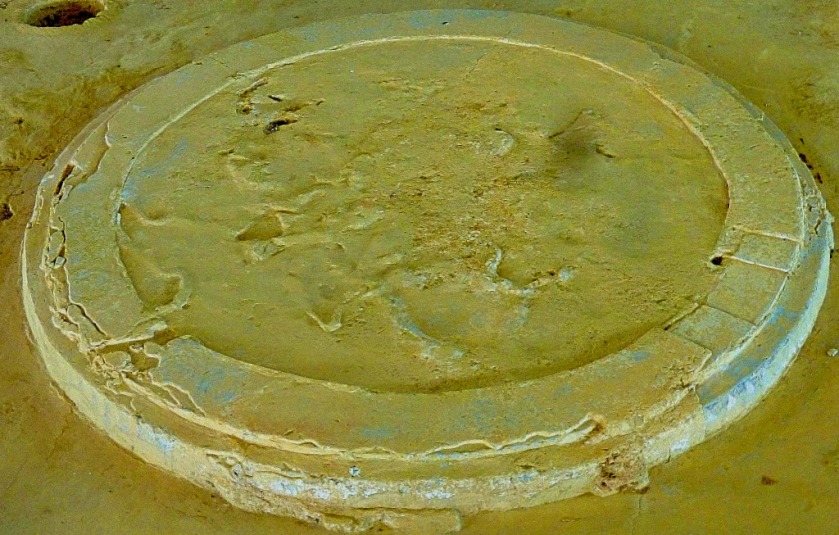
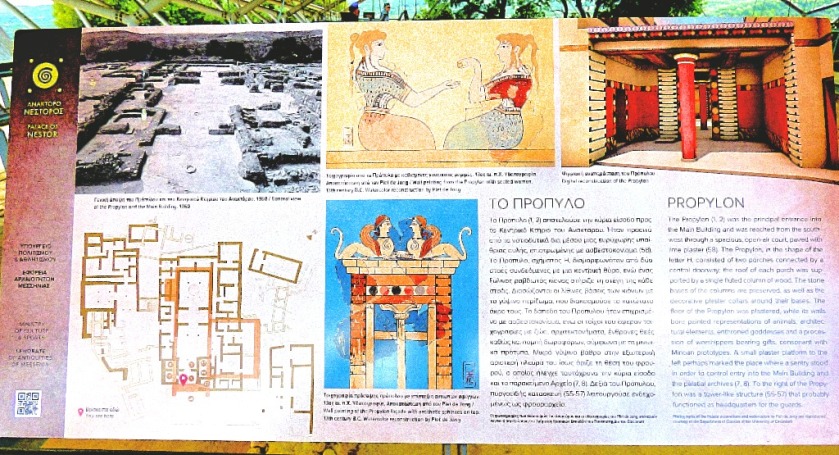
There is lots of informatrion about the palace and the kingdom it was a part of.
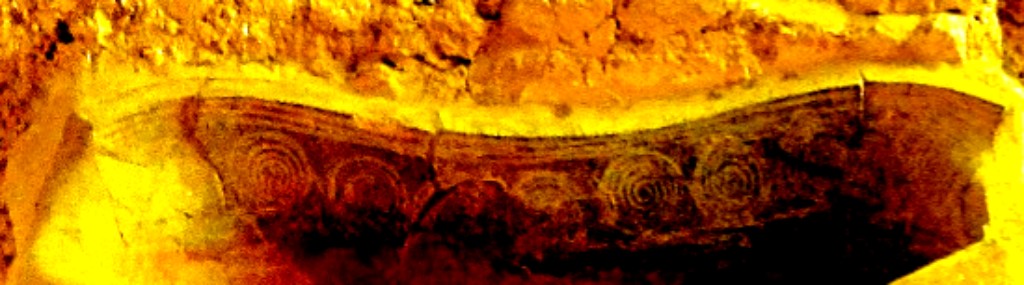
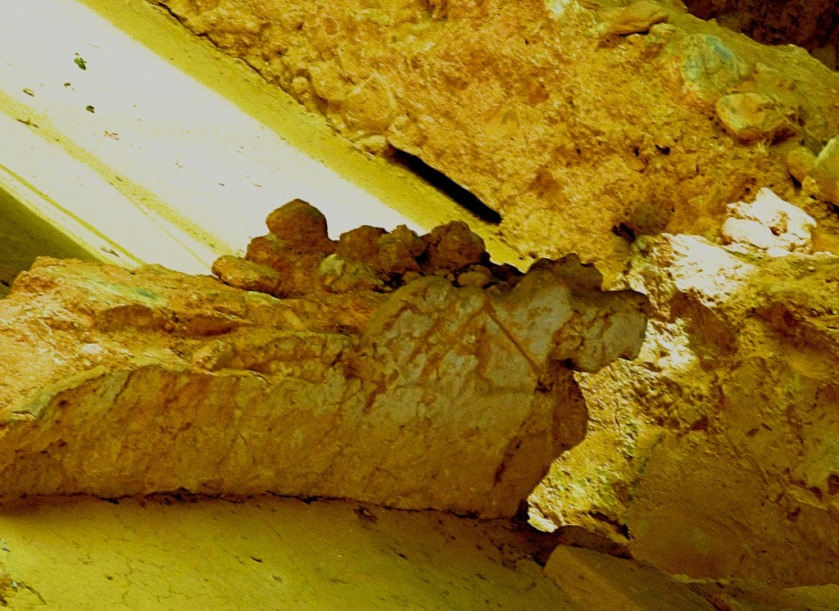
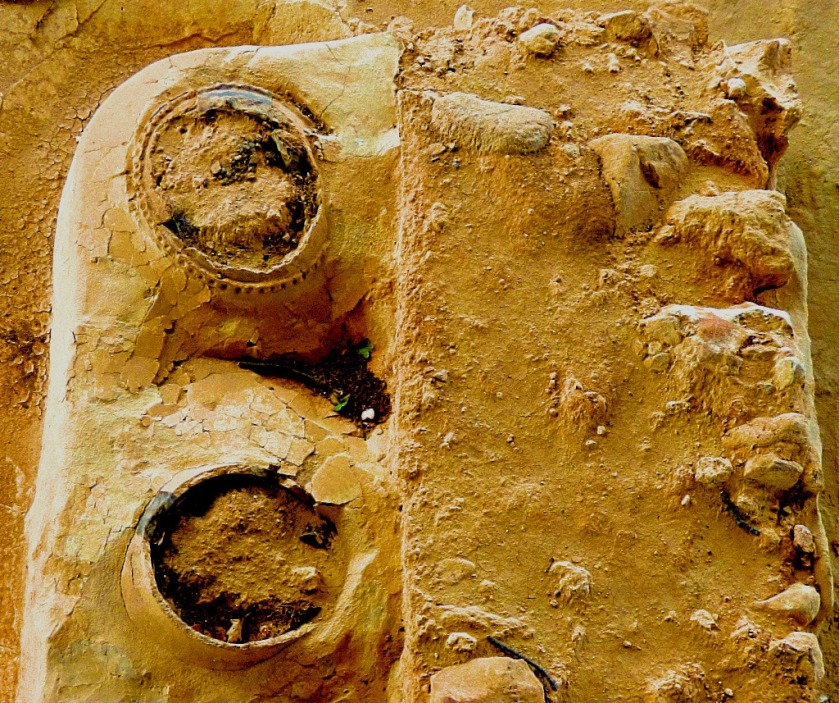
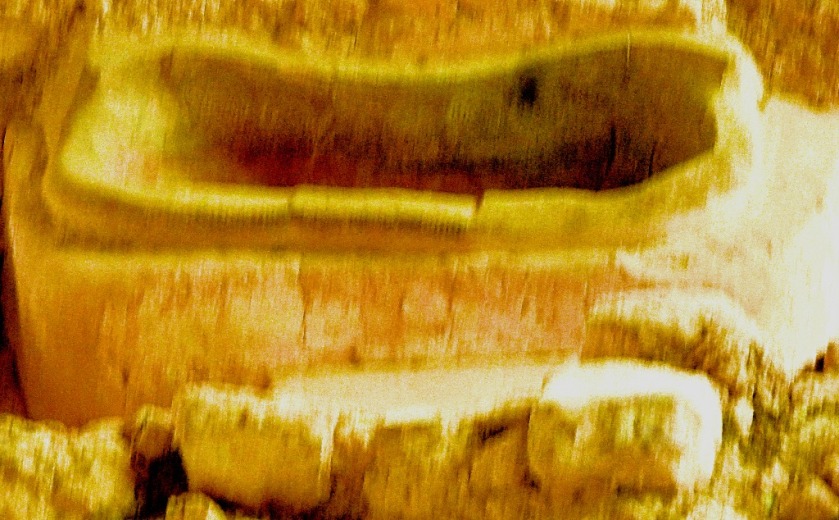
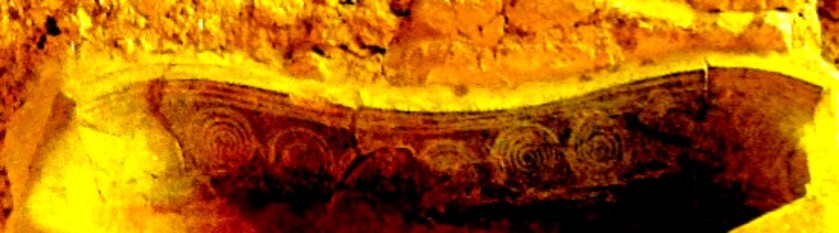
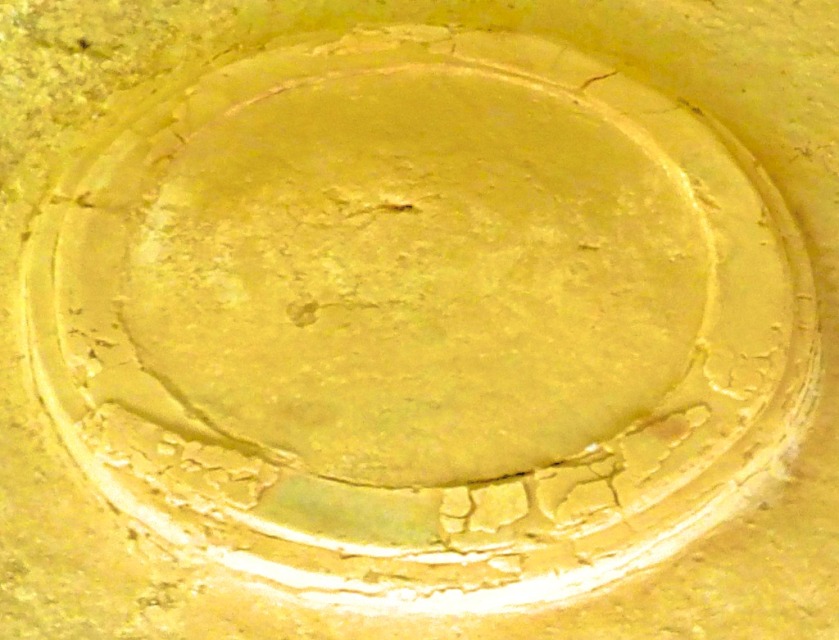
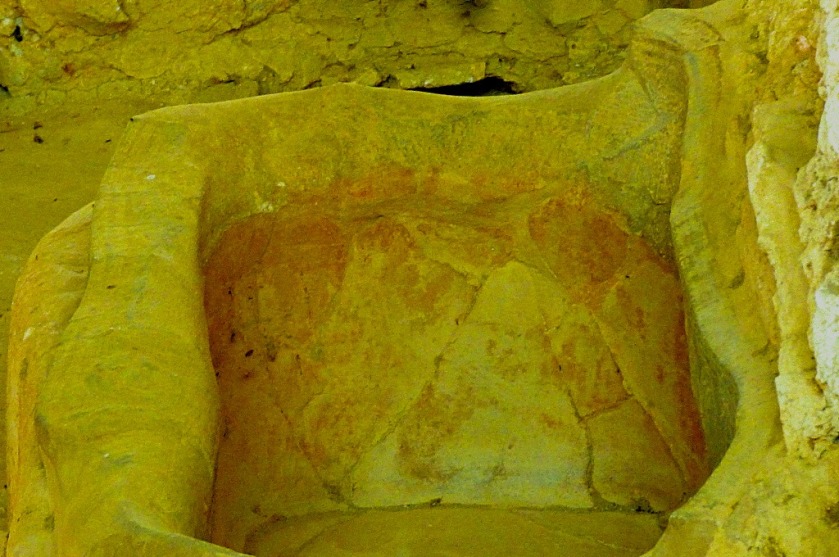
some detail from the inside facing of Nestor’s bath.
The first of several sea views I captured from Nestor’s palace.
SEA VIEWS FROM THE PALACE
Here are my remaining sea views from the palace itself…
Setting the scene for the accounts of Methoni and Nestor’s palace.
INTRODUCTION
On the Tuesday of my Greek holiday (Tuesday 15th May) we visited first the Venetian castle at Methoni and then Nestor’s palace at Pylos. This post sets the scene for the rest of that day by describing things up to the point at which we were poised to visit the castle.
UNDER WAY
We had intended to get underway by nine o’clock and we did. Although being in the back of a hatchback with small rear windows is somewhat limiting of what one can photograph I got a few shots as we approached our main destination.
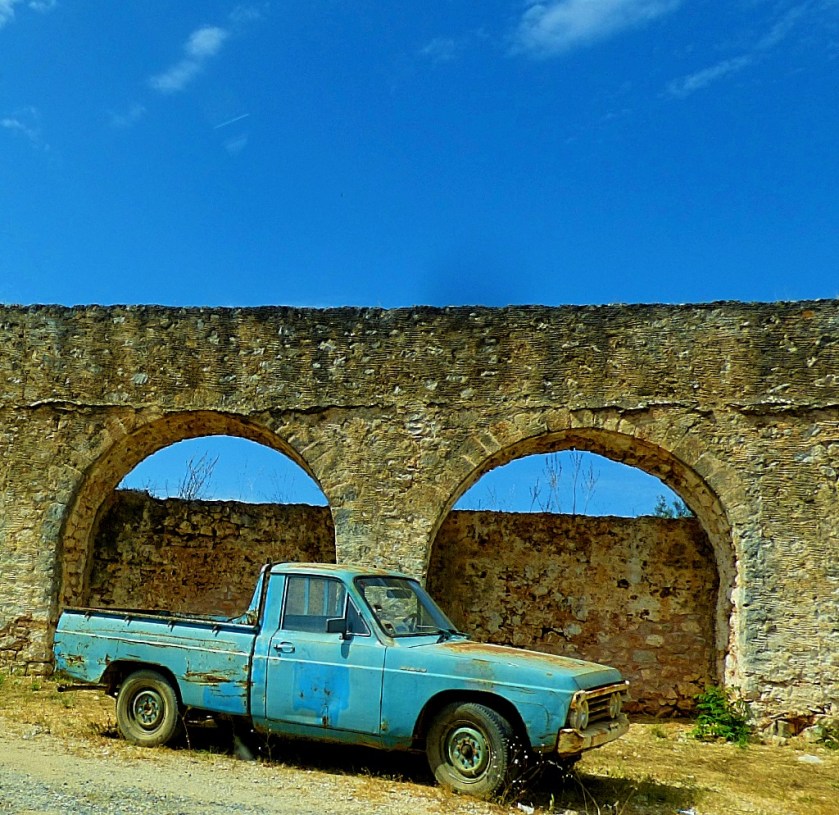
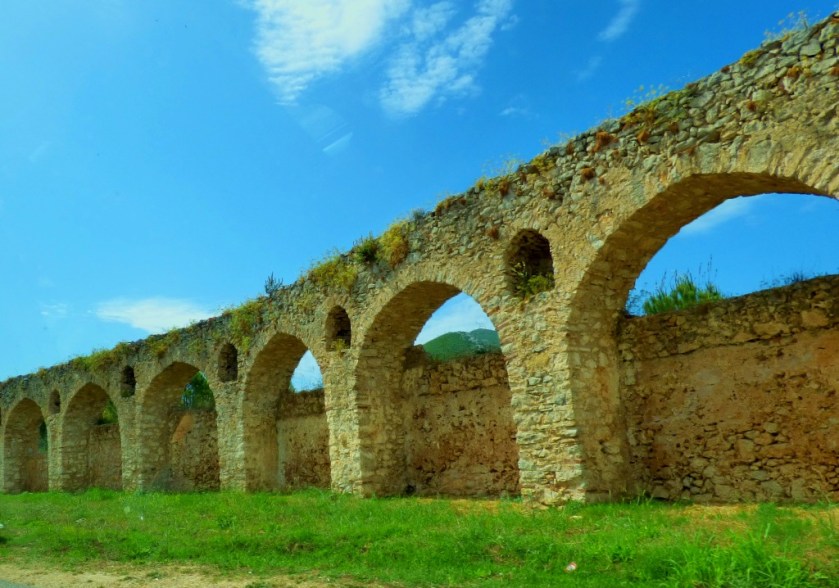
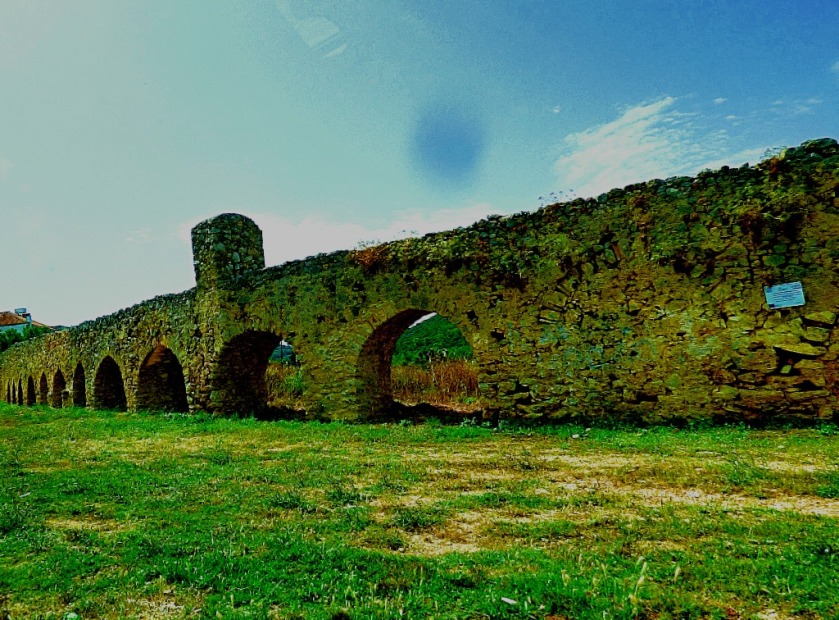
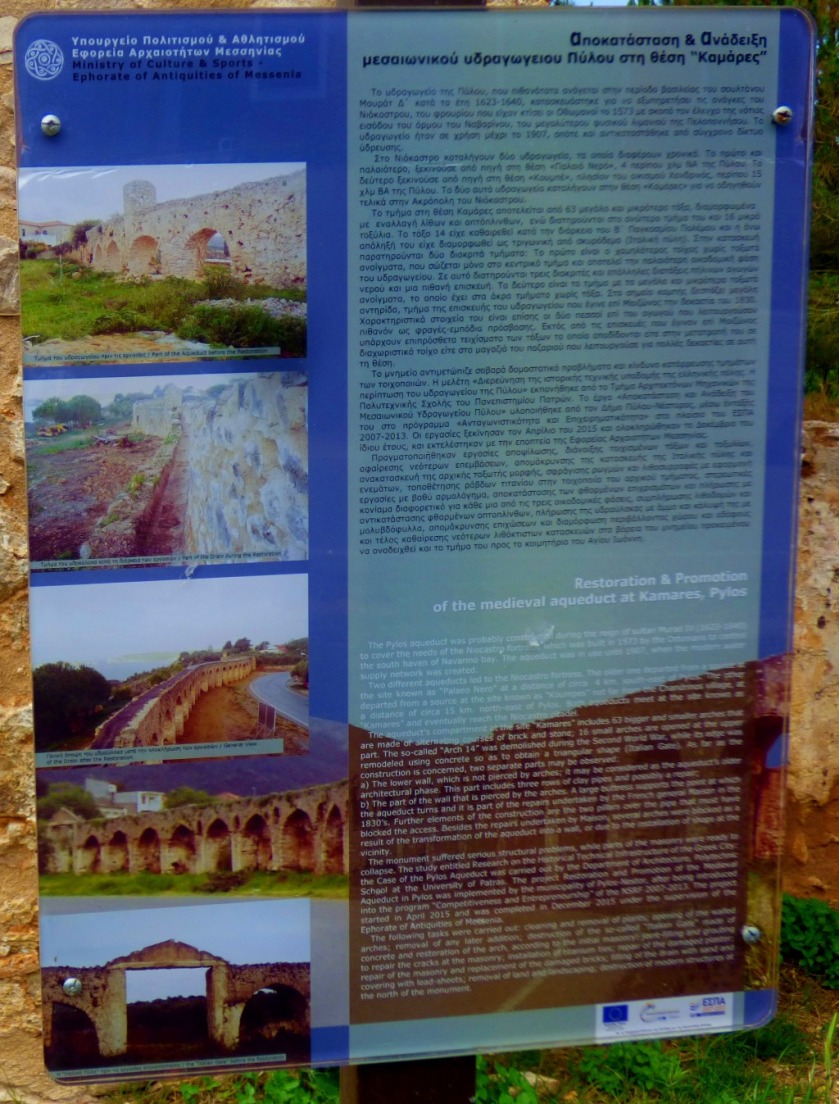
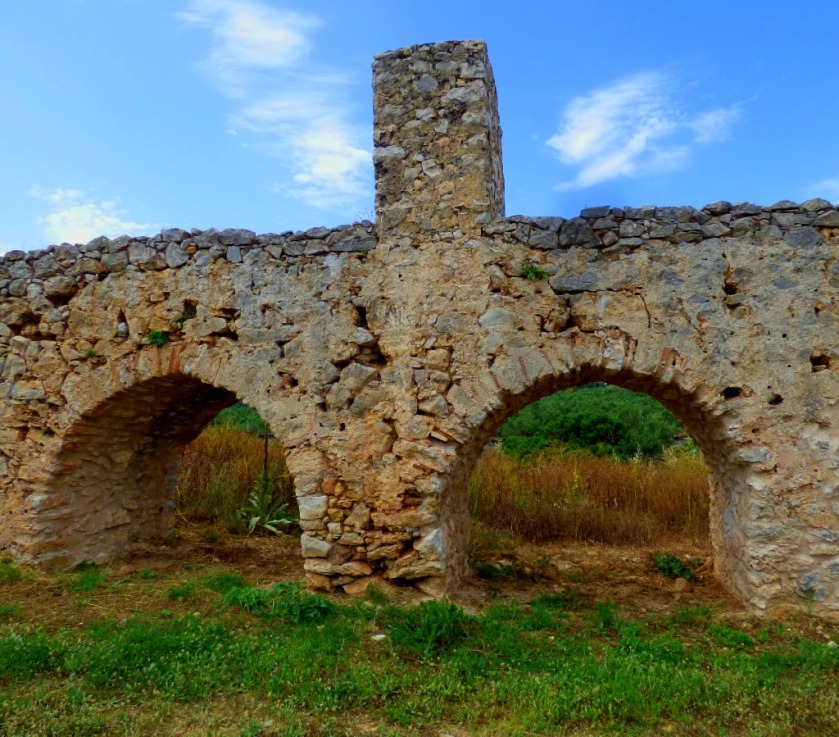
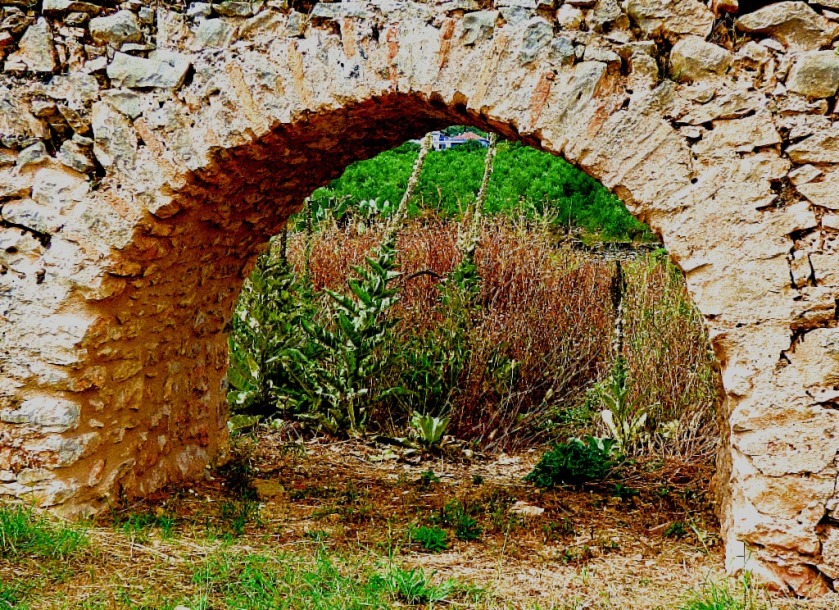
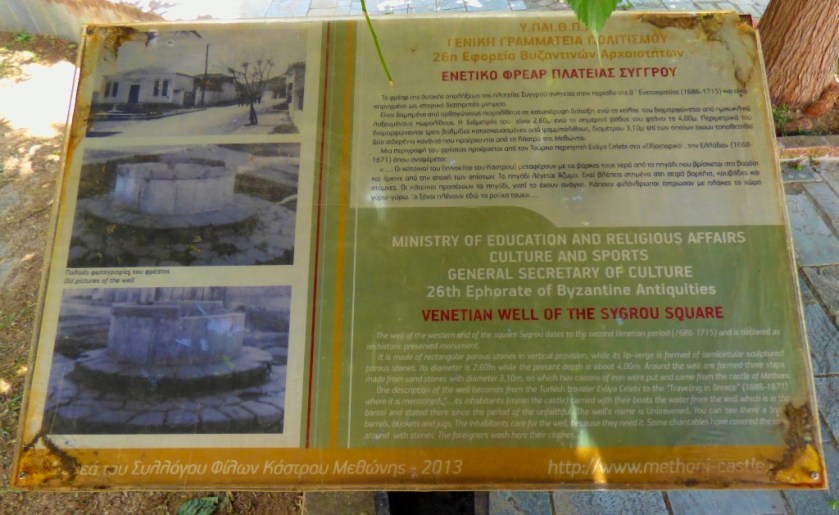
This is a Turkish built medieval aqueduct, and I got three shots of it from the car, before we stopped because there was an information board about it.
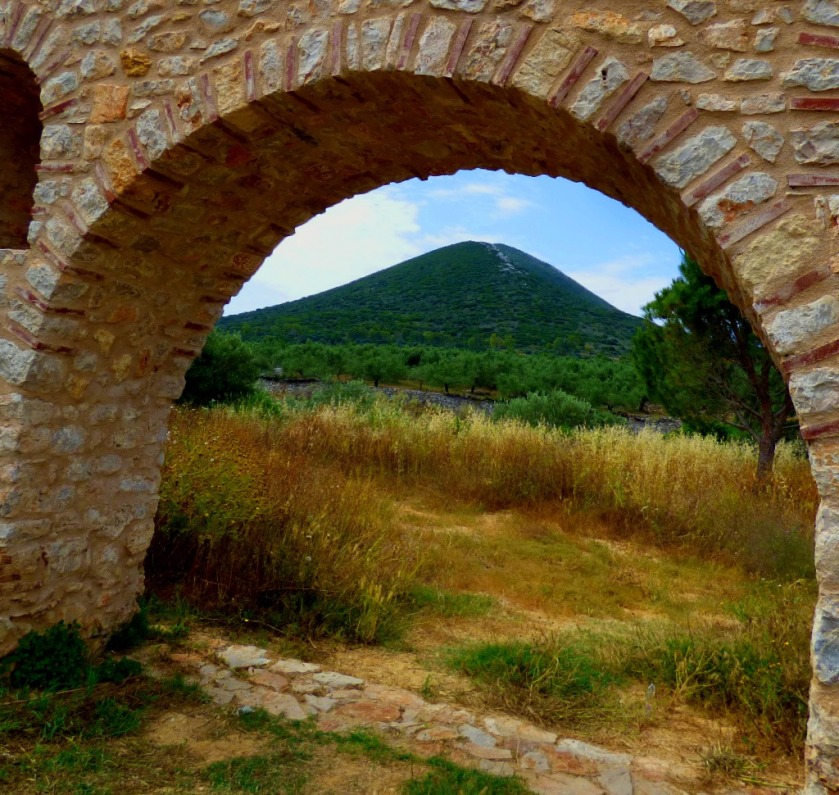
THE AQUEDUCT CLOSE UP
I took full advantage of our brief stop…
The Information board.
THE FINAL APPROACH TO METHONI
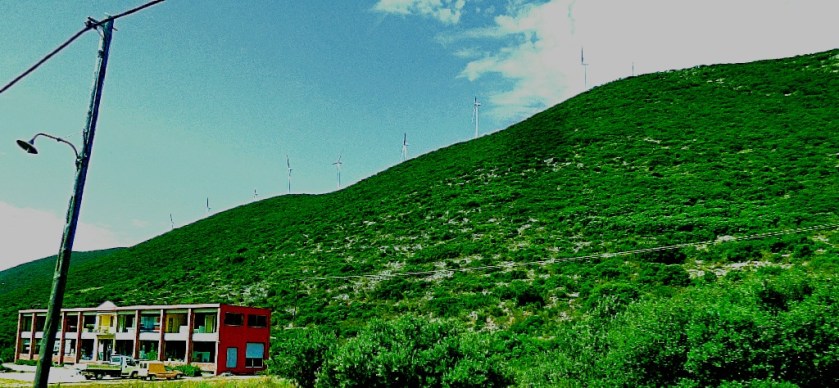
We passed a scene that featured both good and bad…
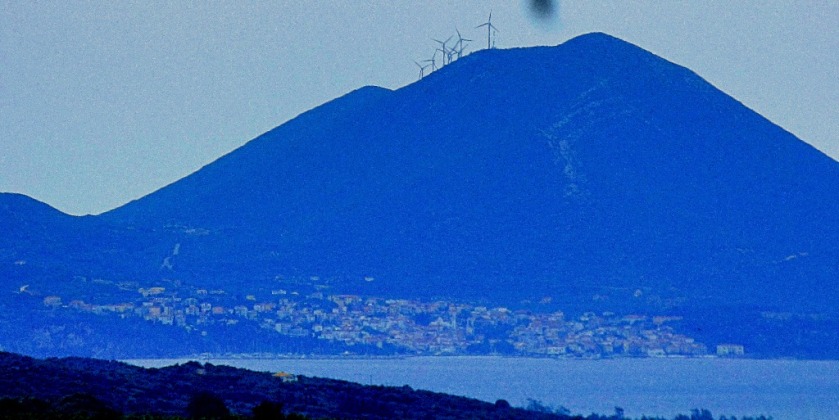
The wind turbines on the hill are a positive sign, but the derelict shell of a building at the bottom is unfortunate to say the least. After parking in Methoni we passed the Venetial Well en route to a cafe…
At the cafe we were served water and decided to sample their chocolate crepes, which proved to be ill-advised. These were served in absurd quantities, and the principal covering was nutella. I realised after eating one of the three crepes I was served that I needed to scrape away the nutella before continuing with the others. Half way through the second I gave up, realising that trouble was in store if I continued eating the stuff. This decision came too late to entirely save me from adverse consequences, but at least meant that I only became a little nauseous rather than ever actually feeling or being sick.
Once we were all finished it was time to visit the castle, which will form the subject of my next post.
An account of a visit to the villages of Kingsand and Cawsand.
INTRODUCTION
The feature of yesterday was a walk along the coast from Fort Picklecombe to the villages of Kingsand and Cawsand, and then back. I have many photos from yesterday, and will be sharing the general ones here. I have a fairly sizeable collection of pictures of boats and ships already, and I will be doing a special post about these immediately I have completed this one.
FORT PICKLECOMBE TO THE VILLAGES
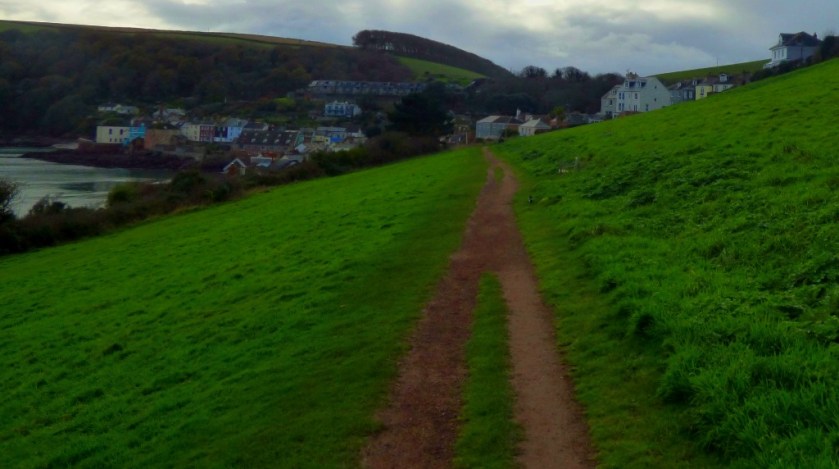
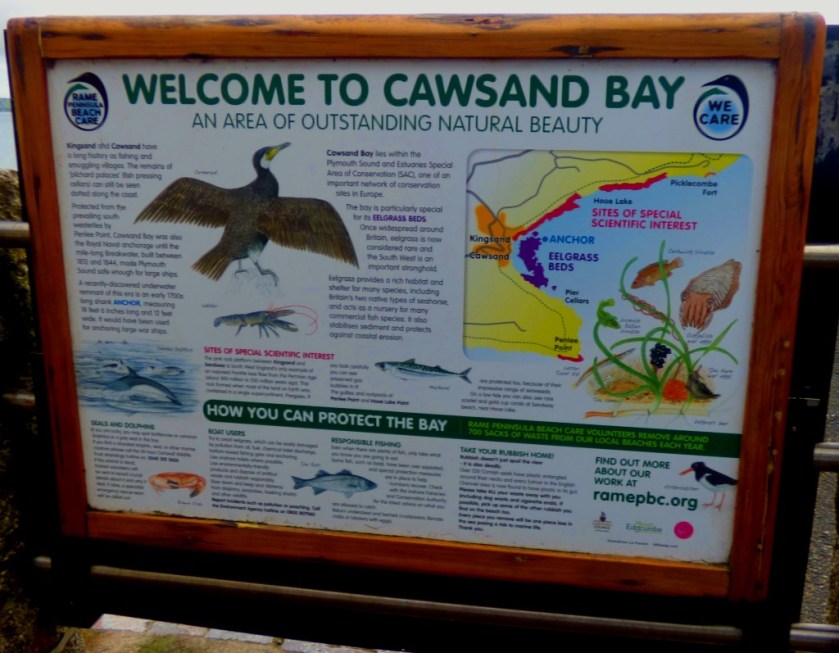
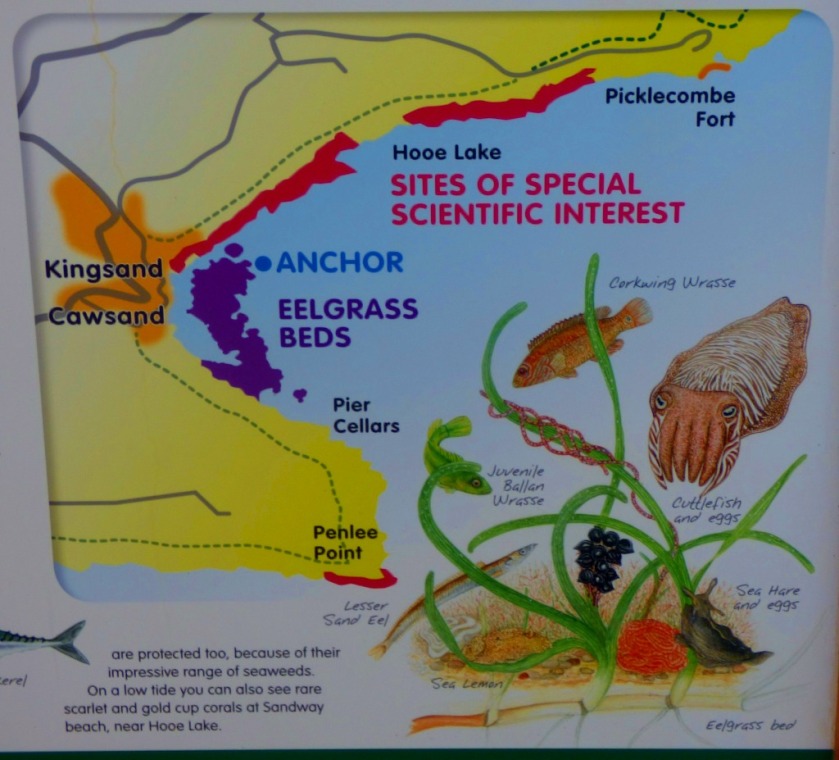
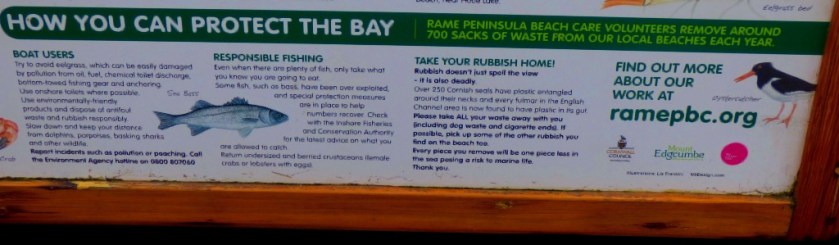
In olden times the two villages in this post were on opposite sides of the Devon/ Cornwall boundary – Kingsand in Devon and Cawsand in Cornwall, but nowadays both are comfortably within Cornwall, since the county boundary is the Tamar River. This part of Cornwall, known as the Rame Peninsula has its own official website. The coast path which we followed on our way to the villages is good although a little sticky in places (prolonged heavy rain would undoubtably turn it into a quagmire). Here are some photos from this section of the journey:
KINGSAND AND CAWSAND
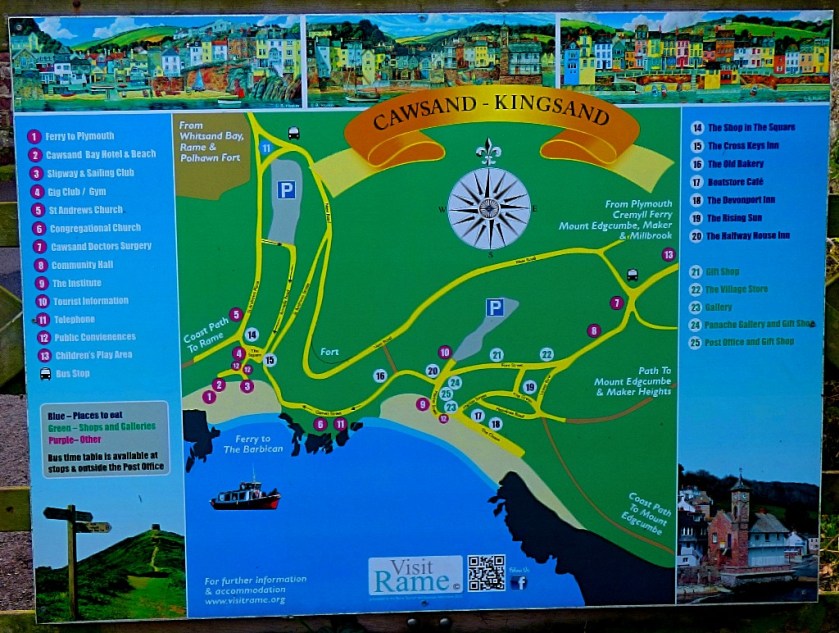
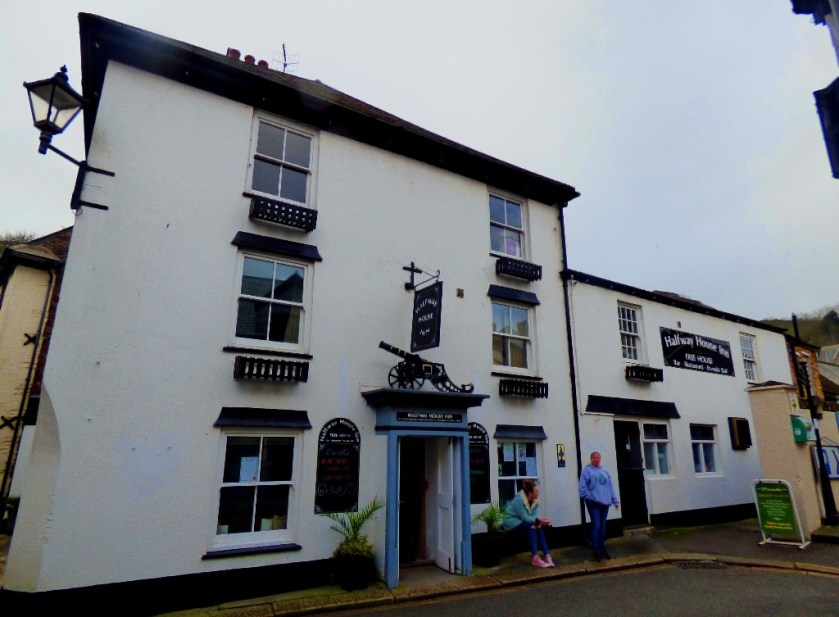
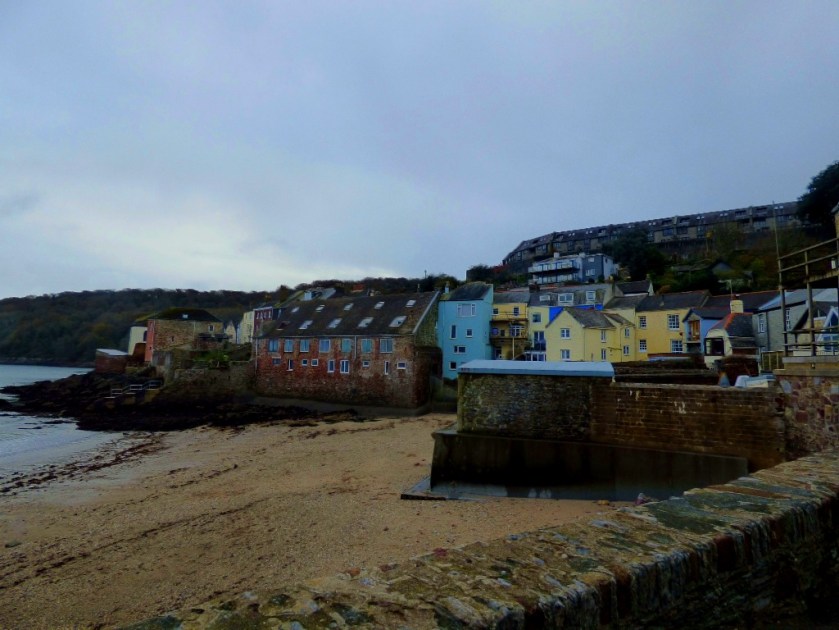
We visited the Post Office, where my parents had some stuff to post and something to collect, and then walked down to the sea front by way of a road that was unsuitable for motor vehicles. Here are some pictures from Kingsand and Cawsand…
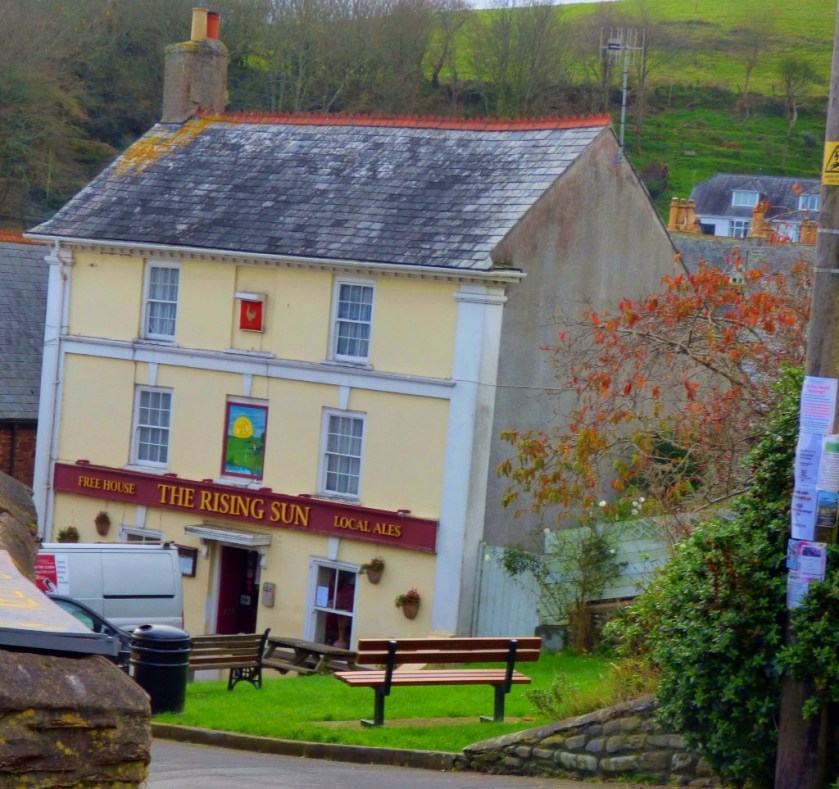
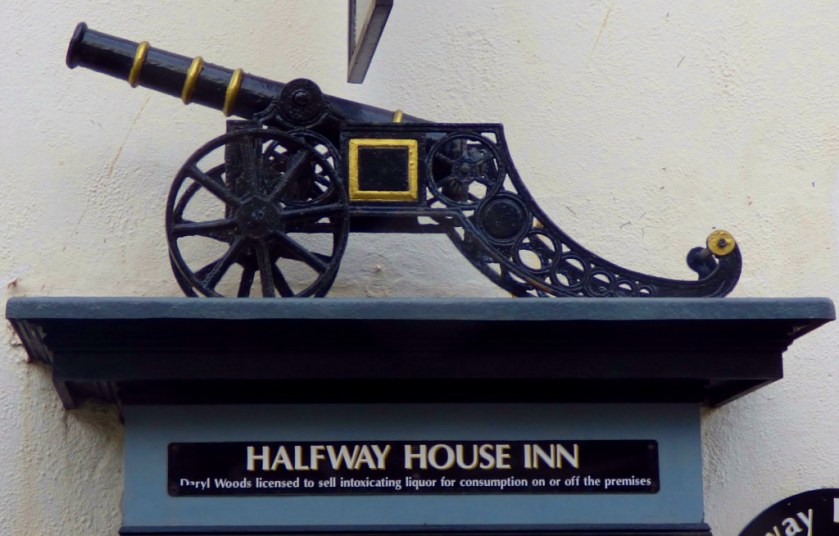
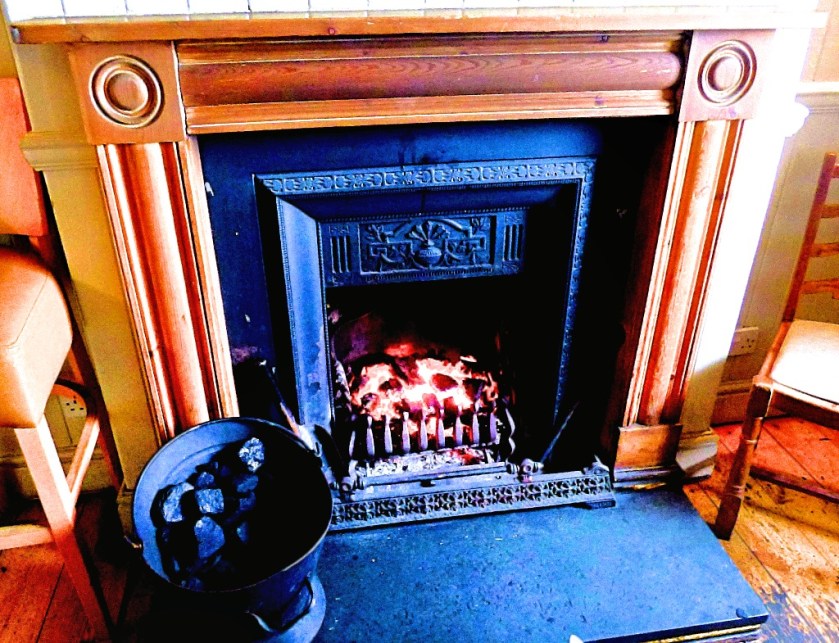
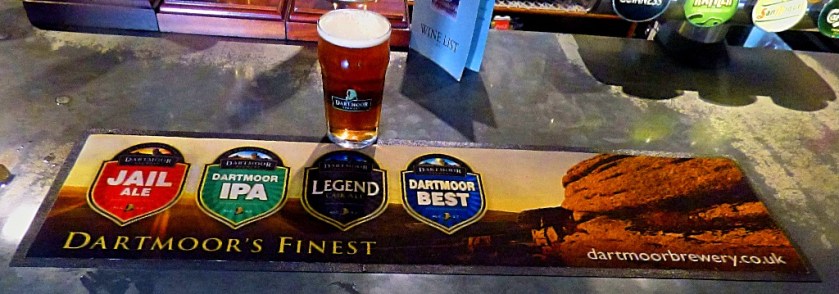
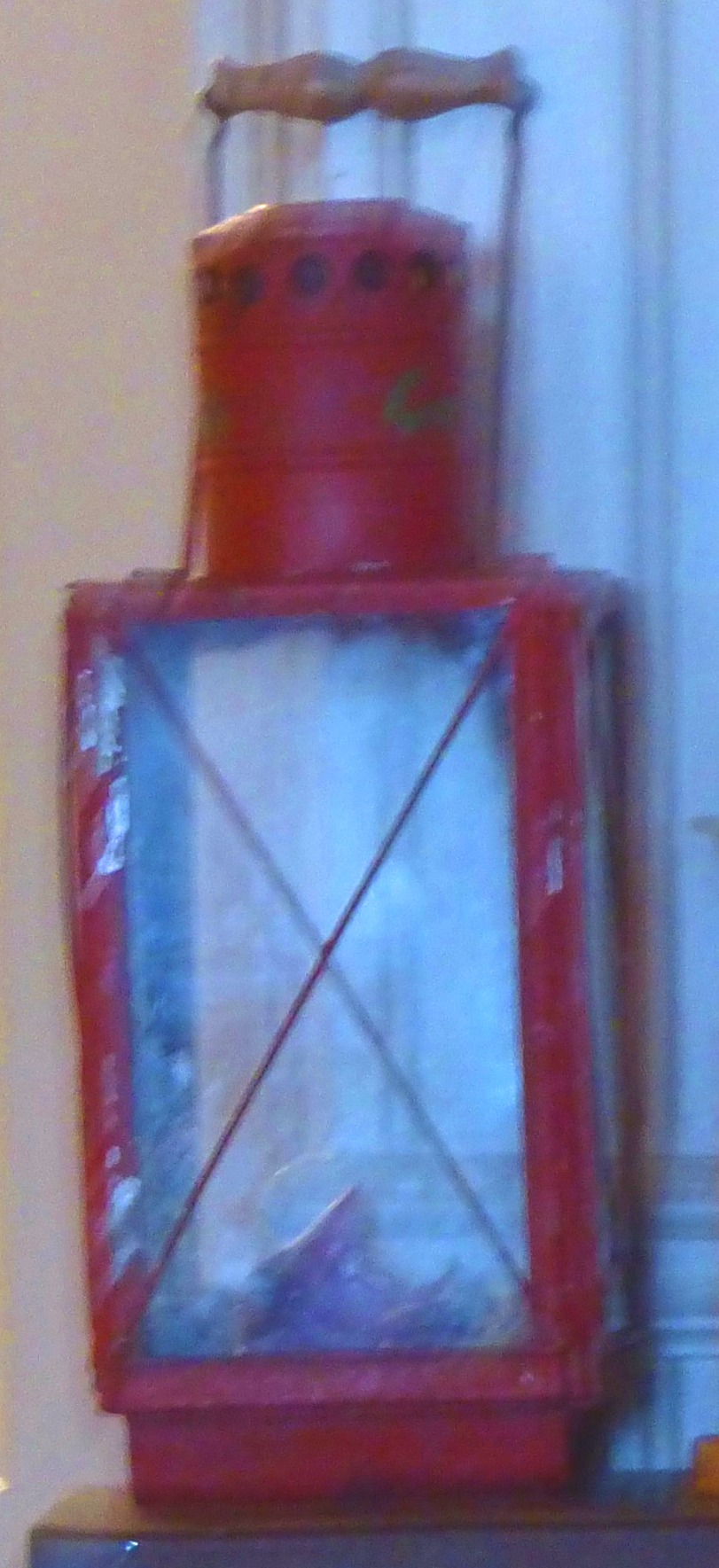
This establishment ticked one box instantly – investigation of the bar revealed the presence of locally brewed cask ale. They had three of the Dartmoor Brewery’s products available, and as someone who is a dedicated Holmesian as well as a fan of locally brewed ales I opted for “Legend”, with its connection to “The Hound of the Baskervilles”. This proved to be a very good choice – it was an excellent drink. As well as the website, which I linked to in the heading of this section they have a twitter account, @devonport_inn. Here are some pictures taken while enjoying my pint…
THE WALK BACK
We started out along the sea front. My mother abandoned this route quite earlu, but my father and I continued along the sea front rather longer (in retrospect this was an over adventurous decision given some of the terrain we had to contend with). By the time we saw a wooden staircase leading up to a campsite near the fort we were glad of a definite way back to the official route. I conclude this post with some photos from the walk back…
I was intrigued by this claw, but in accordance with Sutcliffe’s Rule for enjoying nature and enabling others to do so (take nothing except photographs, leave nothing except footprints), I left it in place for others to see if they happened to go that way.
An account of an educational event about the Gaywood River that took place in the Scout Hut on Beulah Street on Sunday.
INTRODUCTION
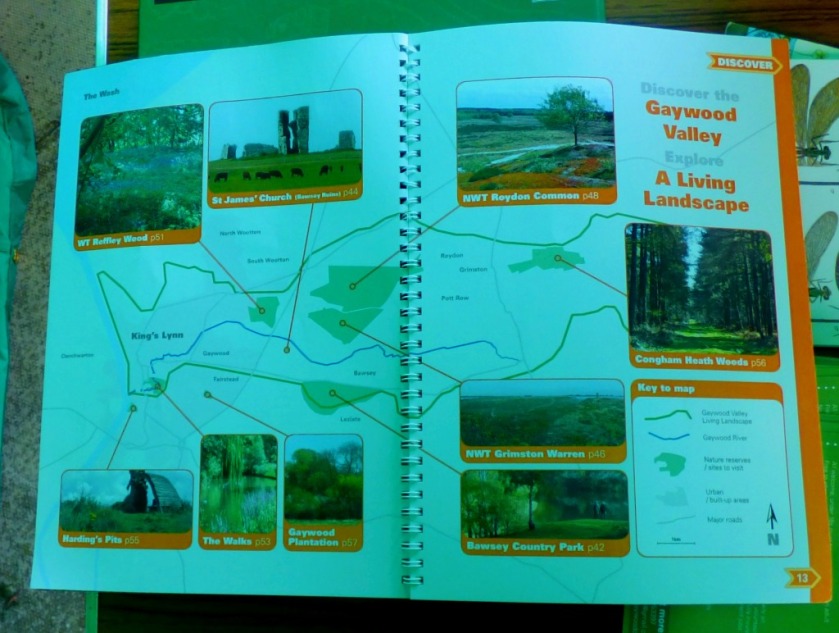
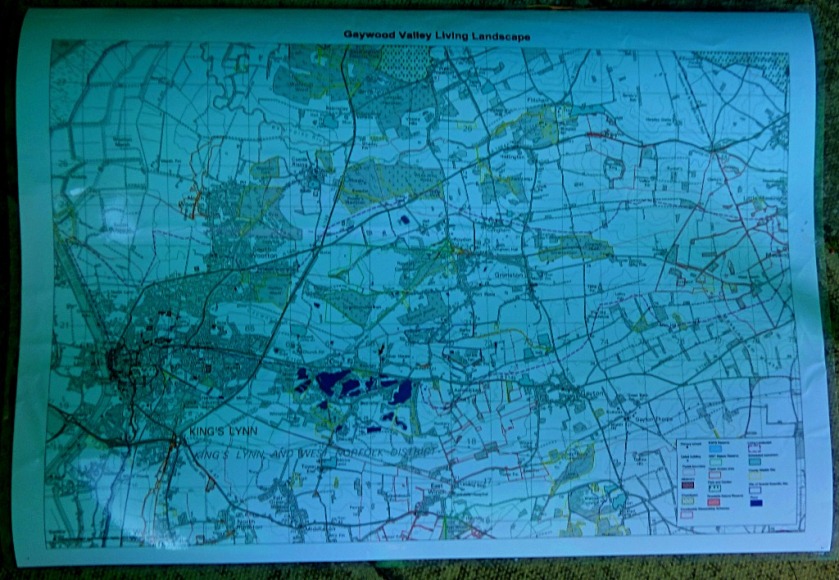
I have had a very busy few days, which is why there have been no new posts here since Saturday. I will mention my activities since Monday in later posts, but this post is solely concerned with the activity that dominated (in a good way) my Sunday. At the end of this post I will be including a variety of links related in various ways to its content. Here is a map showing the course of the Gaywood River:
FINDING OUT ABOUT THE EVENT
I got an email from my aunt a few days before the event was due to happen explaining her role in it and asking if I wished to meet her there and go back to hers for sausage and chips or if I would prefer a saturday supper. I decided that the event could be quite interesting, so I opted for the former course of action.
GETTING THERE
Since the event was taking place at the Scout Hut on Beulah Street, which is on the bank of the Gaywood (Beulah Street ends in a bridge that crosses the Gaywood into the car park that serves the Scout Hut) I was going to walking, and since it was a bright, sunny morning I decided on an extended route. Leaving my flat I headed across Baker Lane Car Park to the bridge over the upper Purfleet, heading across King Street to the north bank of the lower Purfleet. Here are some photos from that early part of the walk:
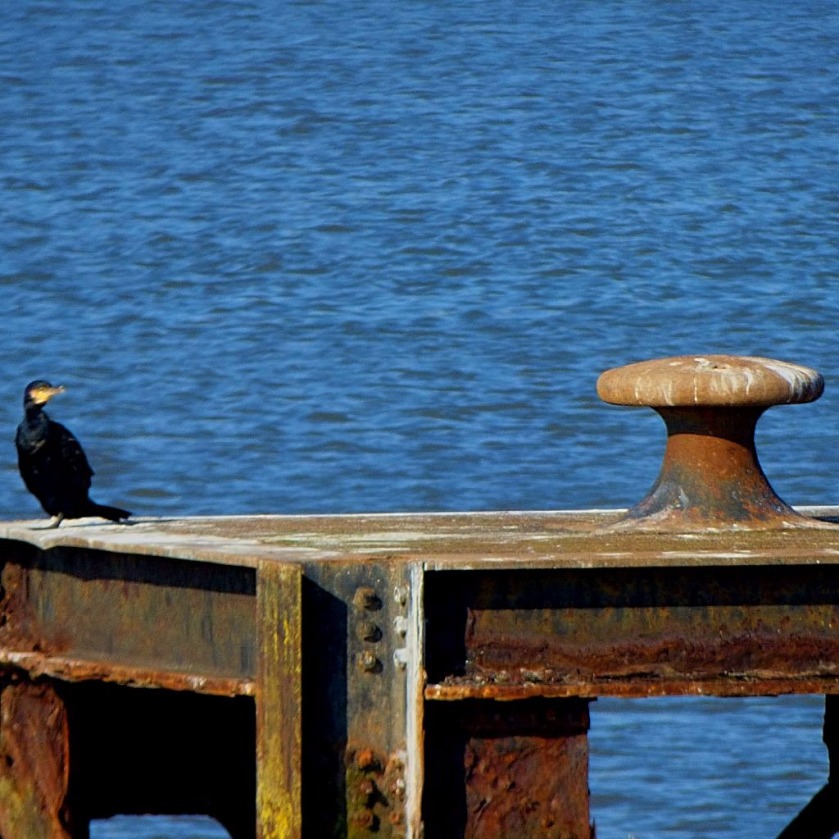
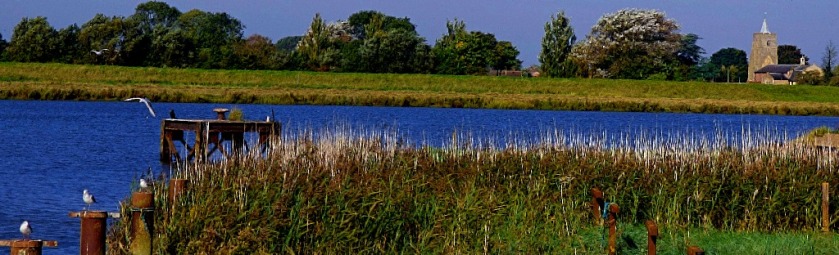
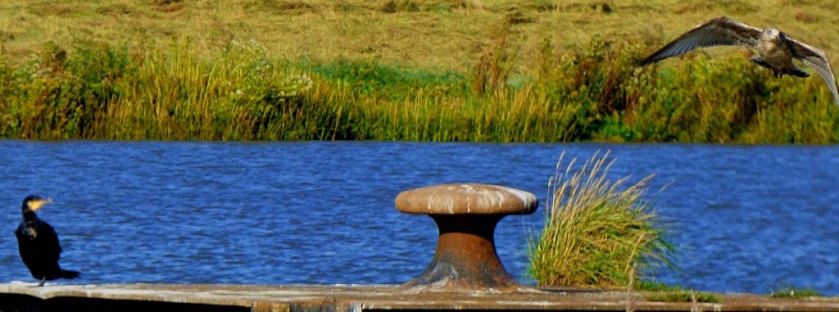
From there I followed the line of the Great Ouse as far as my favourite cormorant observation point…
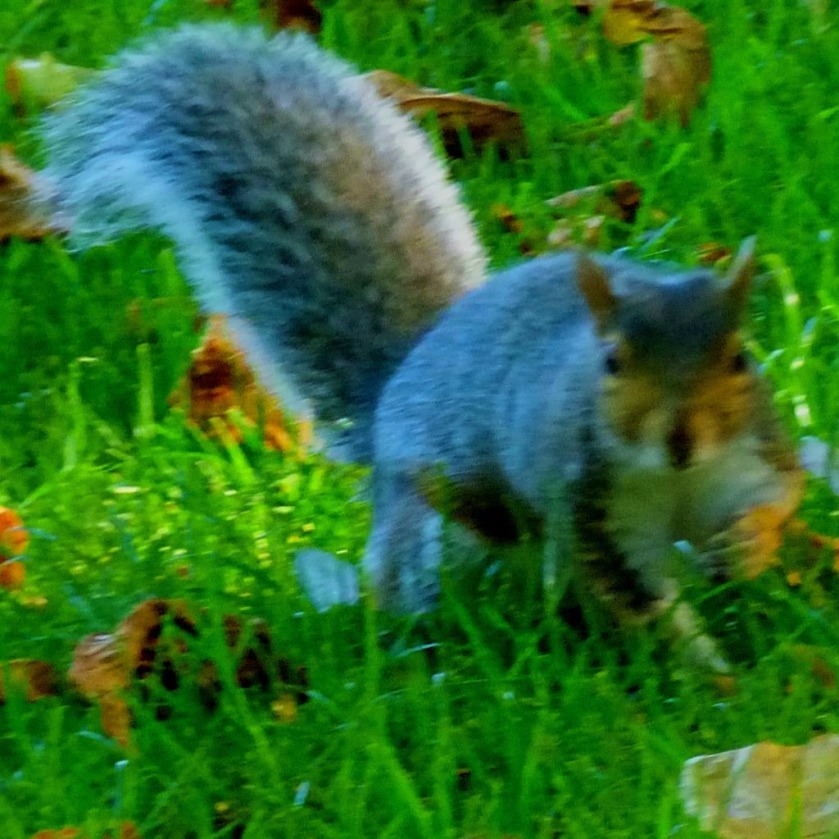
…before heading round by way of All Saint’s Church to the Library and entering the parkland area, following the Broadwalk until the path through the Vancouver Garden splits off from it, when I followed that and then the path out of the Vancouver Garden that joins the Tennyson Road end of St John’s Walk, at which point I was back on what would be the officially recommended walking route to Gaywood. There were squirrels about (in King’s Lynn only the grey ‘bushy-tailed rat’ variety as opposed to the red ‘Squirrel Nutkin” variety), though it is not always easy to get good photos of them…
This picture and the next feature the heavily sculpted segment of the Gaywood River that passes through the parkland.
Apart from photograph opportunities the other plus side to being held up a by a train at the Tennyson Road level crossing is that you can cross the road itself in perfect safety as the cars are all stationary.
From Tennysod Road I followed the footpath the runs between the King Edward VII Academy and the Lynn Academy to Gaywood Road, which I crossed, then crossing the Gaywood on a pedestrian bridge before following its bank all the way to the Scout Hut.
Although darker than their usual colouring I think from the markings that this is a peacock butterfly.A section of the Gaywood River
AT THE SCOUT HUT
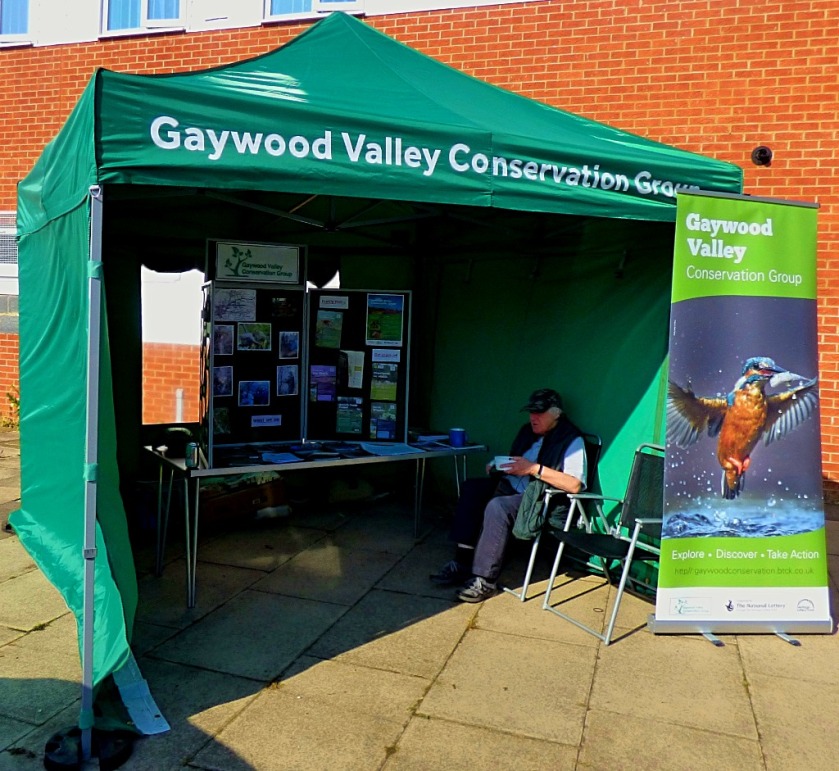
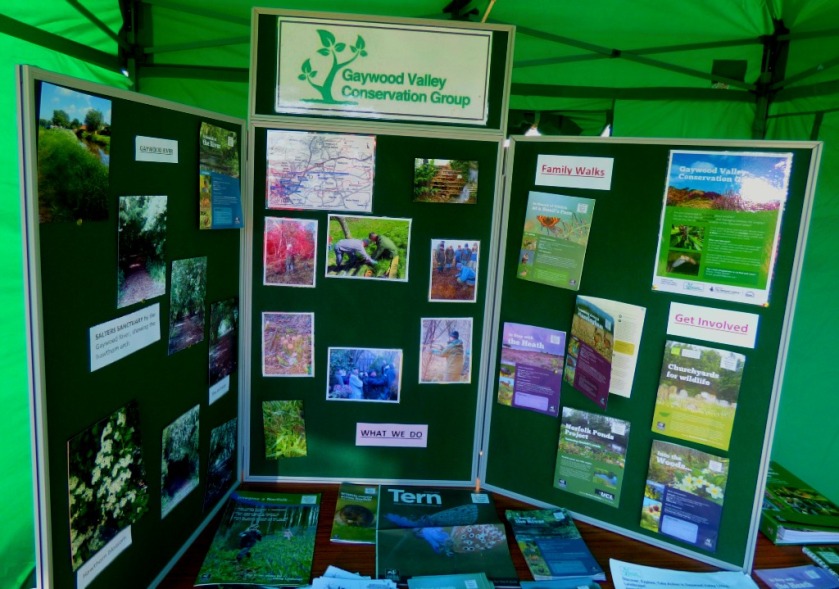
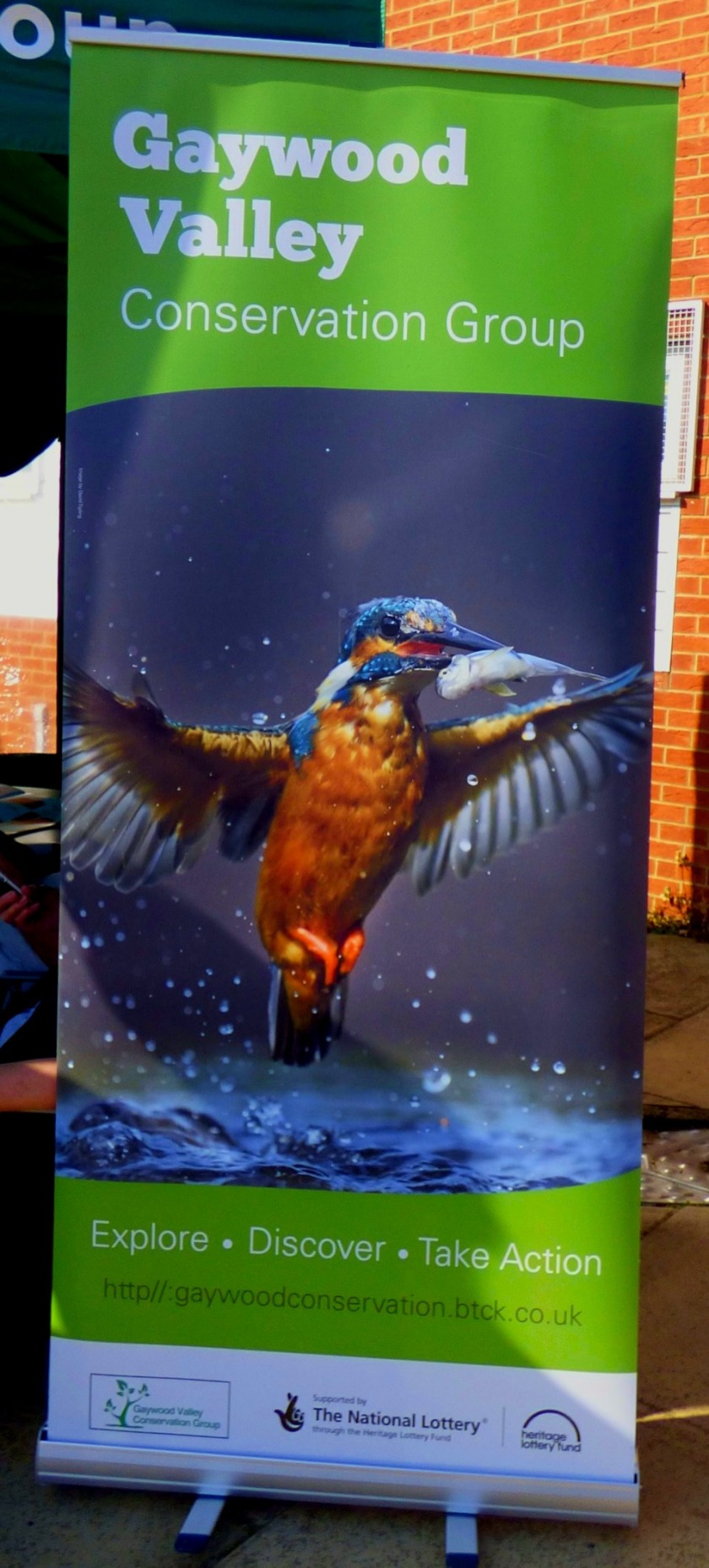
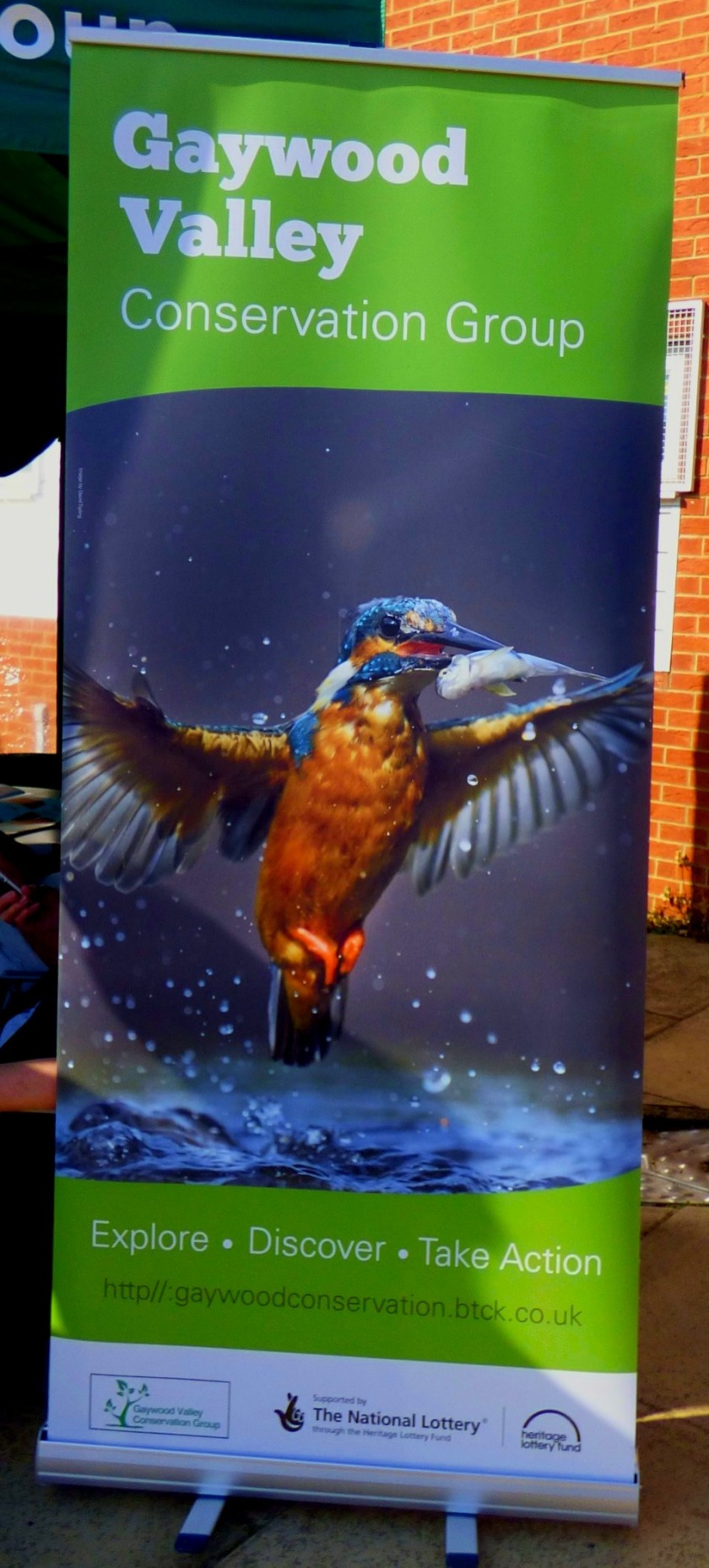
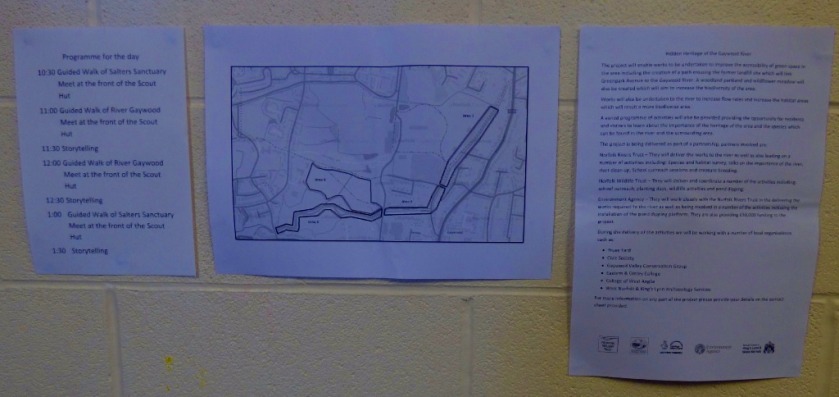
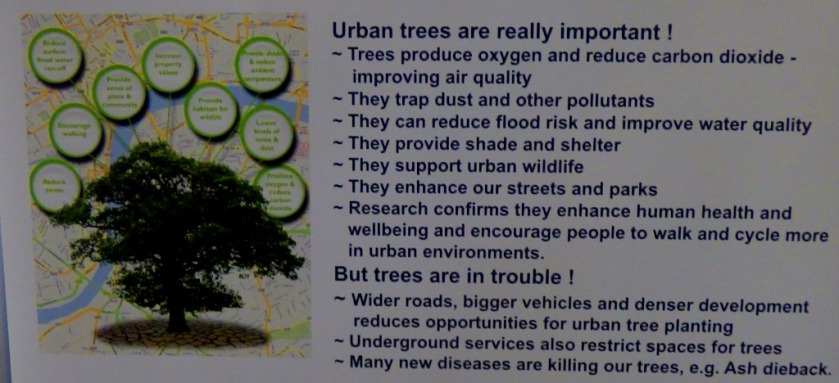
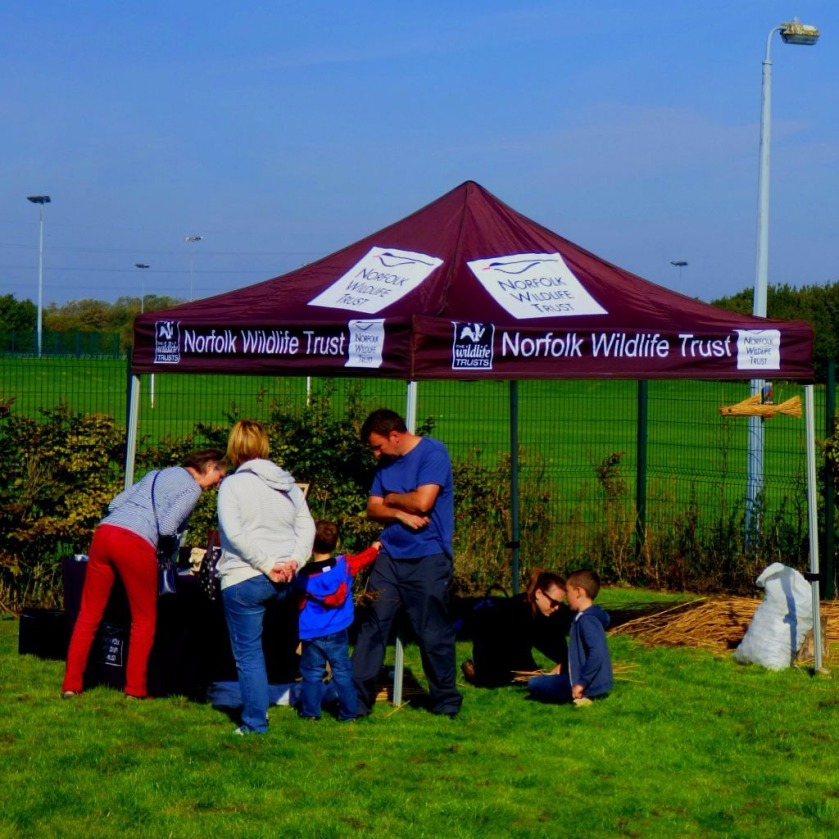
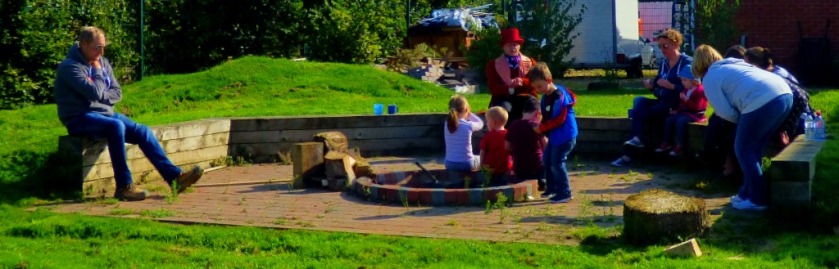
Immediately outside the Scout Hut the Gaywood Valley Conservation Group had a gazebo and display boards (it was there that I took the photo that appears in the introduction).
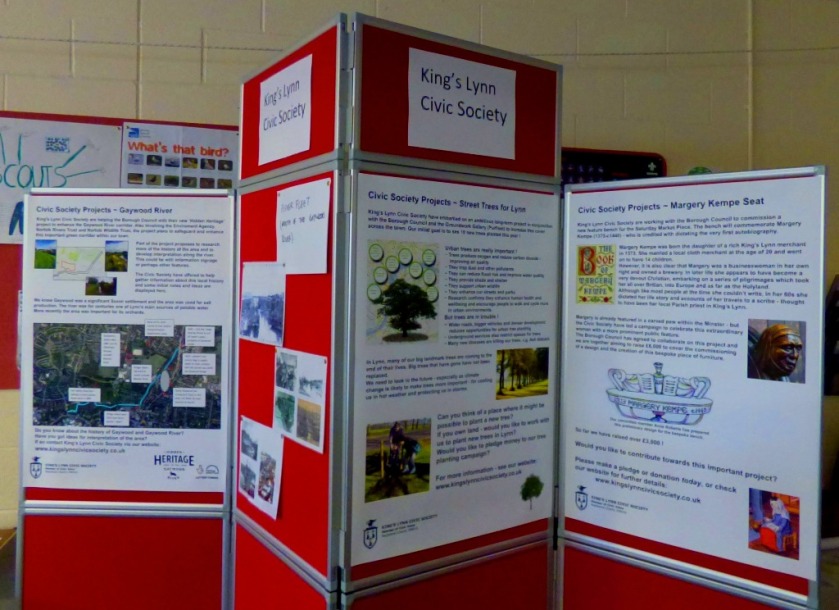
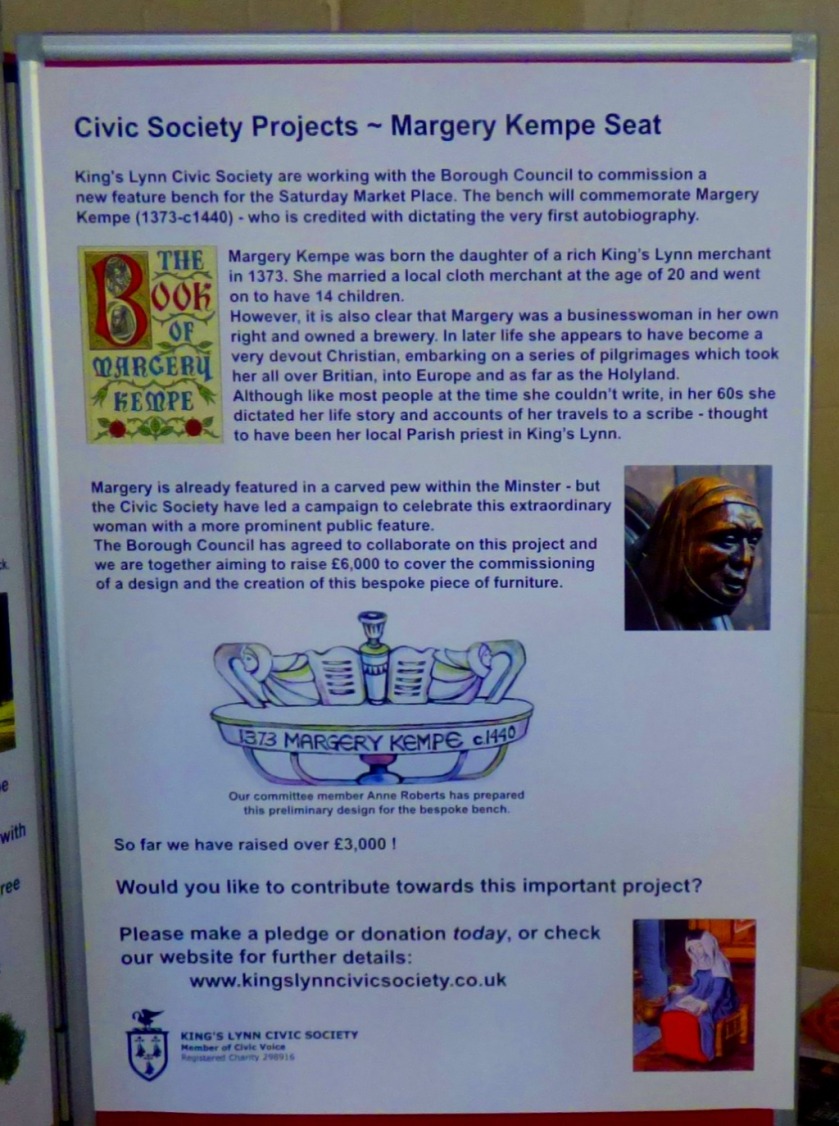
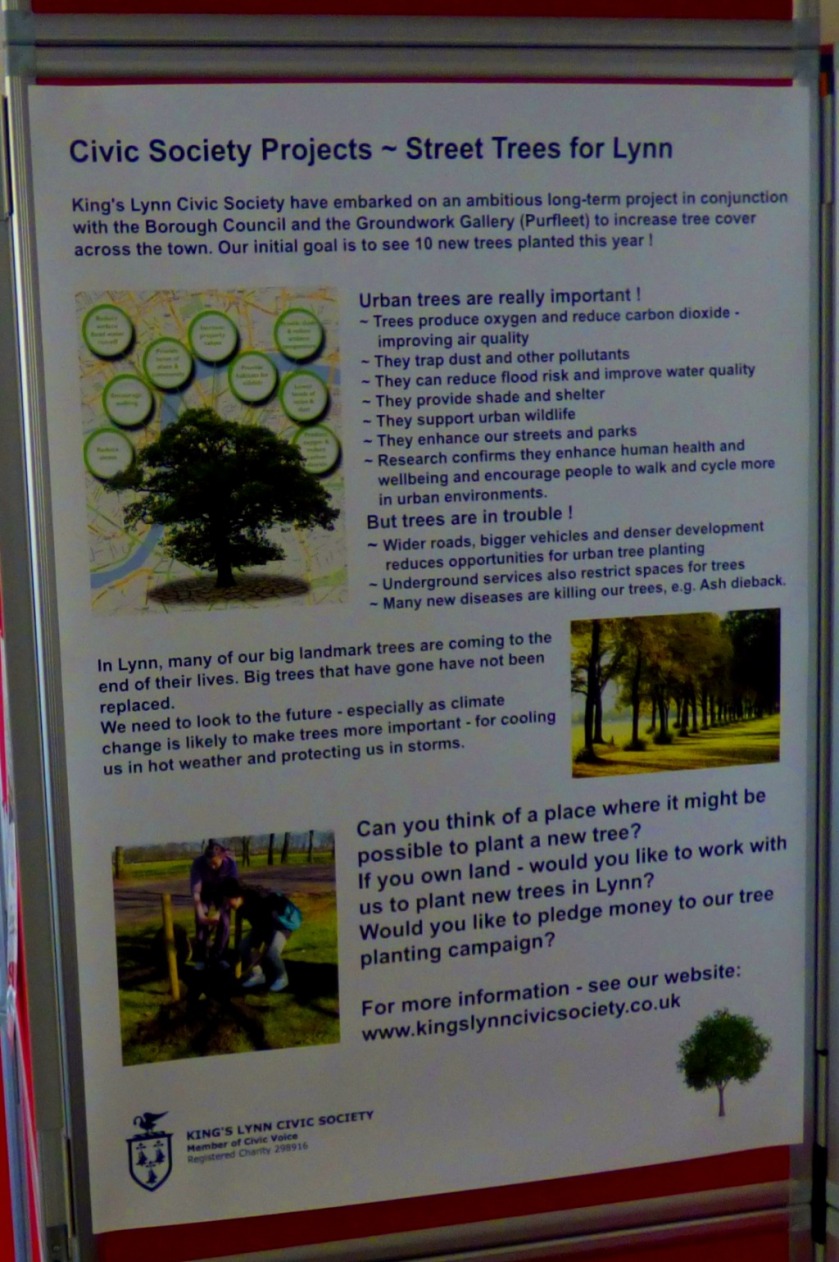
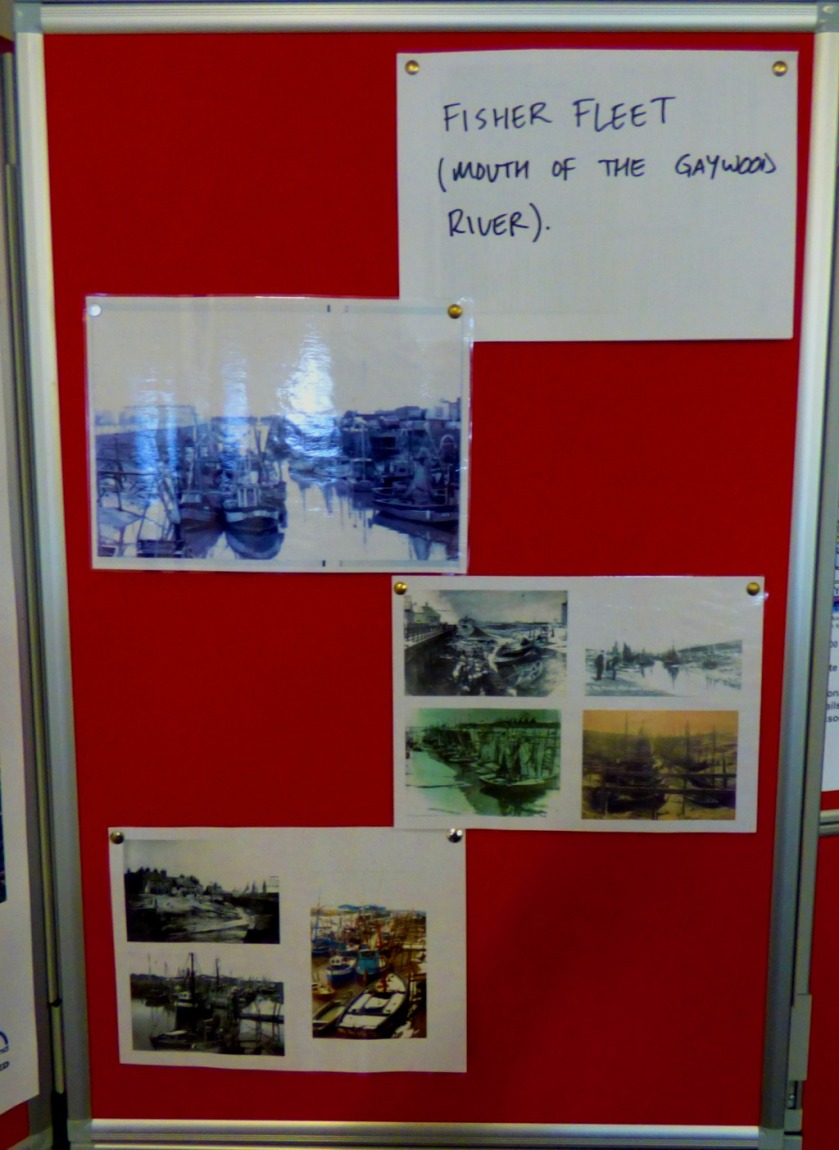
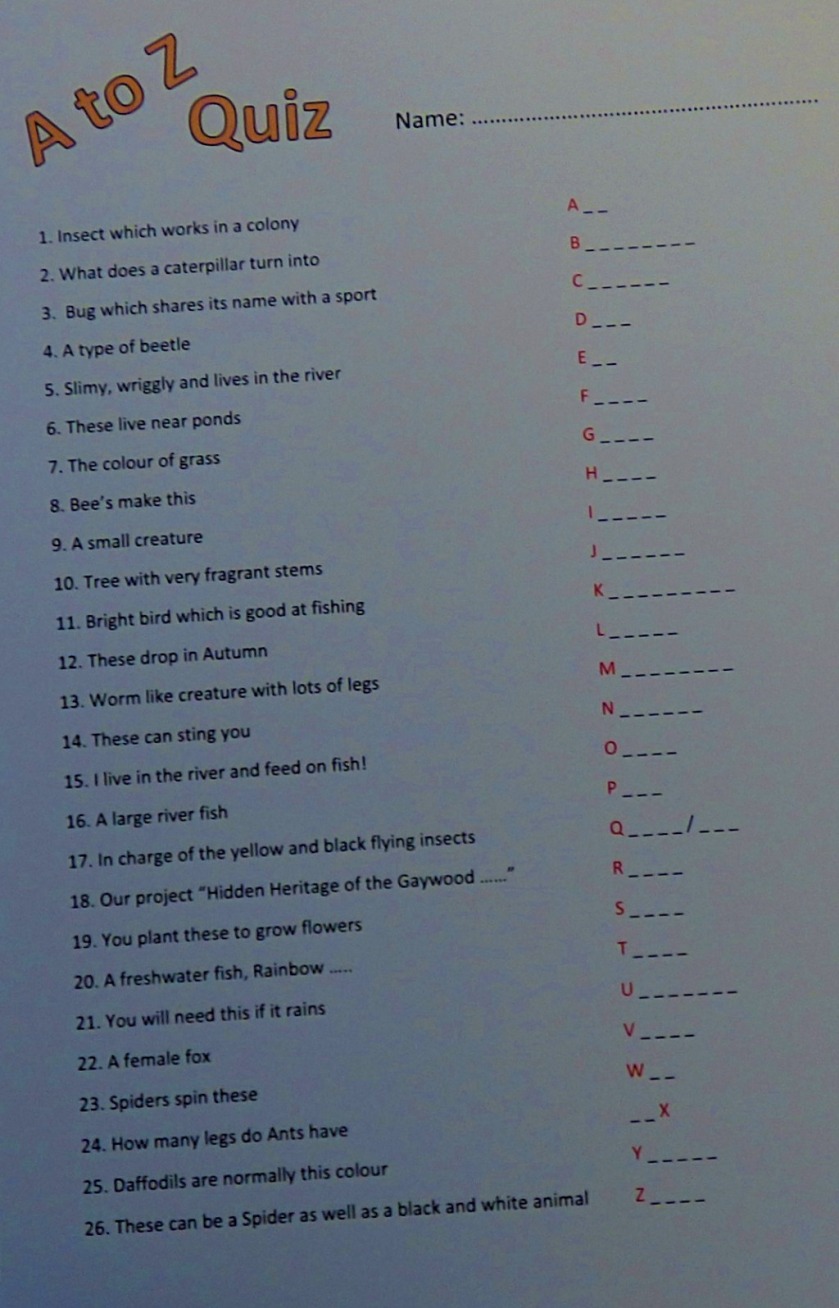
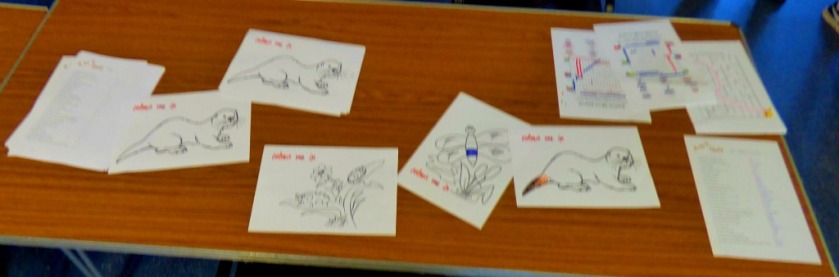
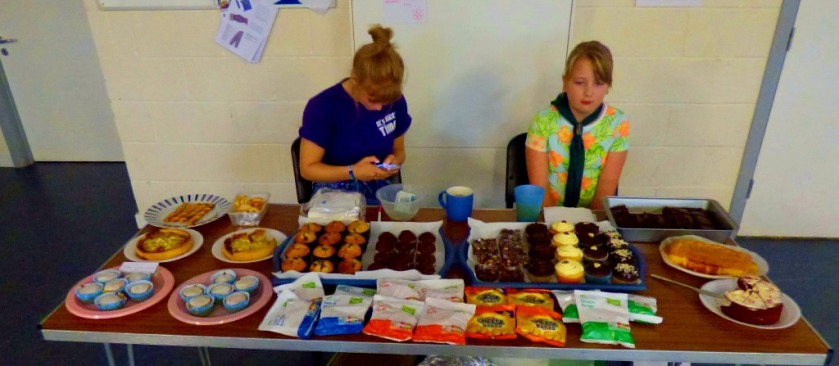
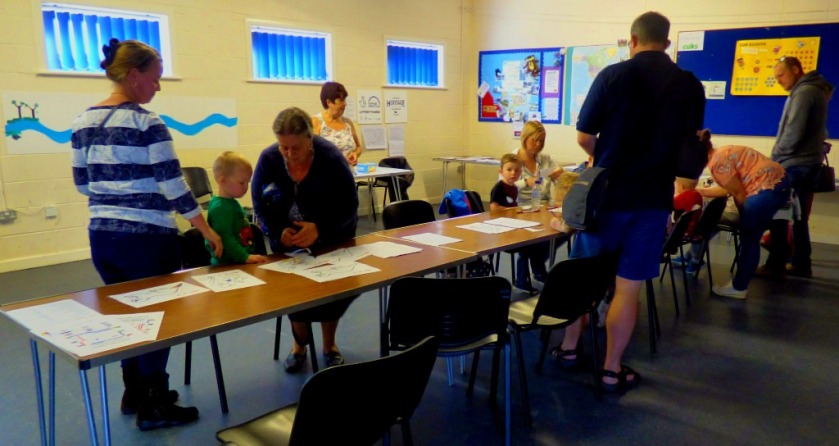
Inside the hut was the Civic Society Stall, a cake stall, and various river related learning activities (colouring in pictures of river creatures for the artistically minded, an A-Z quiz of which more later). Although it was not the first thing I looked at, because it was my aunt’s reason for being there I start with…
THE CIVIC SOCIETY STALL
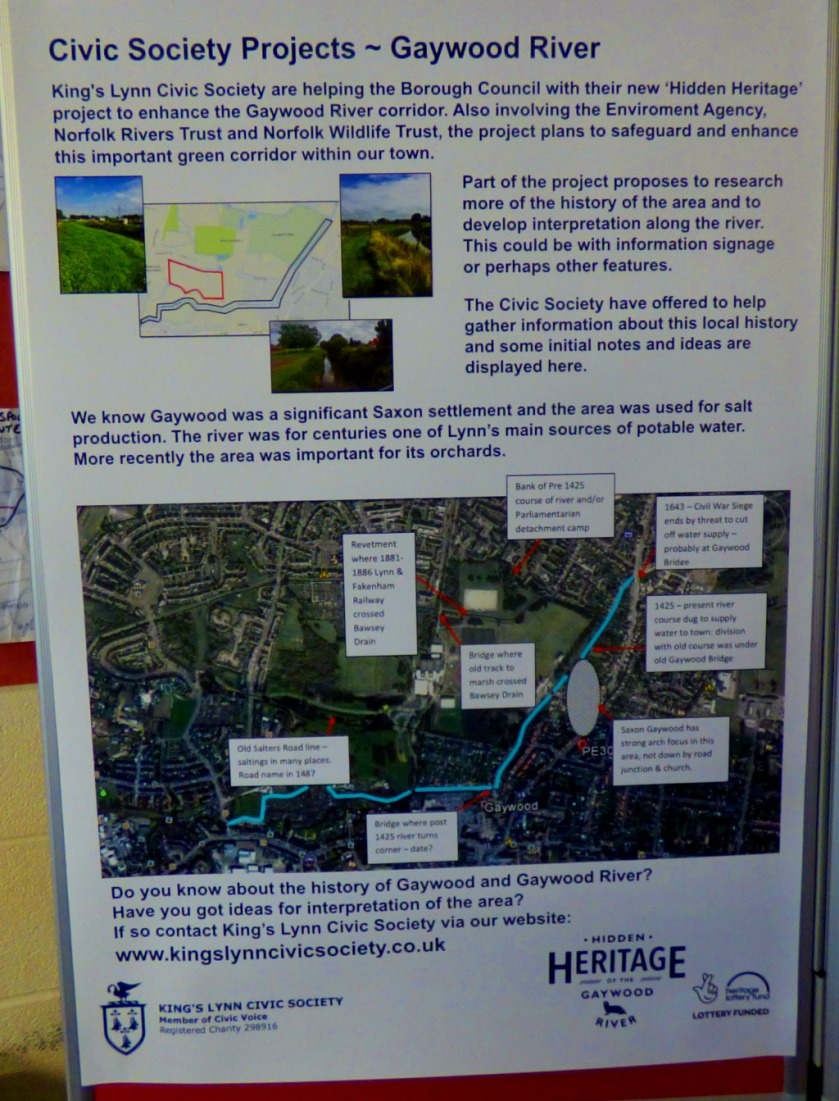
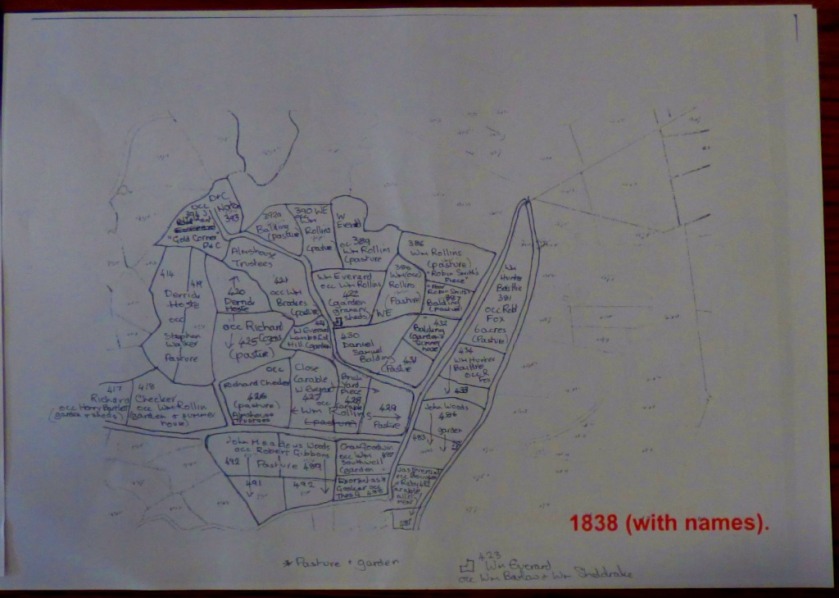
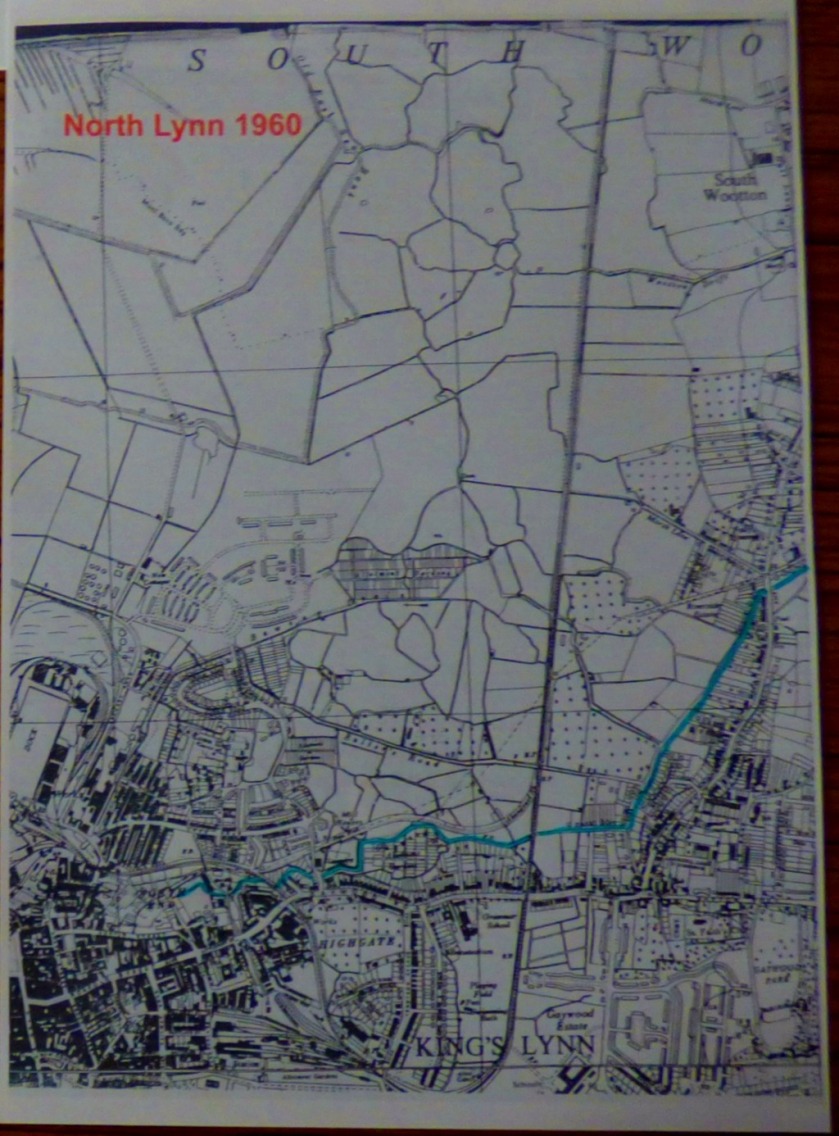
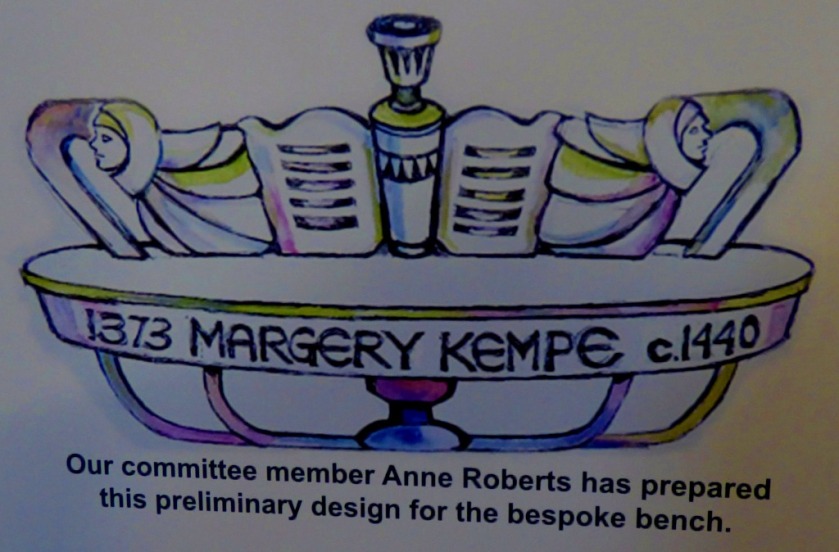
They were looking for people who knew about the history of the Gaywood river, because information boards will be going up at various points along it. They already had some good stuff, but wanted more.
Now we turn out attention to…
THE REST OF THE INDOOR ACTIVITIES
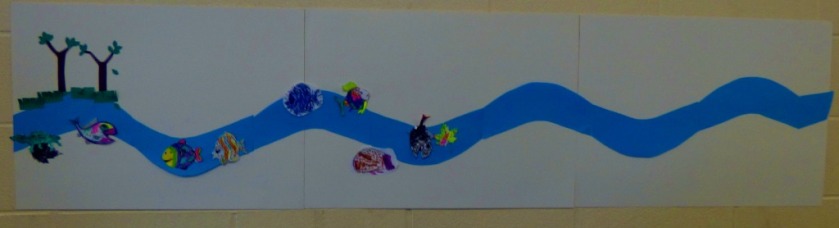
The cake stand looked awesome but discipline prevailed, and I did not sample any of the products. Although it was not really aimed at people my age I did the quiz, and predictably got all the answers in short order. The colouring proved popular, and many of the coloured creatures were then stuck on to a large picture of a river on the wall of the hut.
I will reveal the answers (just in case anyone did not get them all) in a later post.
That is the inside stuff finished, but there was also plenty going on…
IN THE BACK GARDEN
There were two major centres of activity in the back garden, and I make my first port of call there, as I did on the day, at…
THE NORFOLK WILDLIFE TRUST GAZEBO
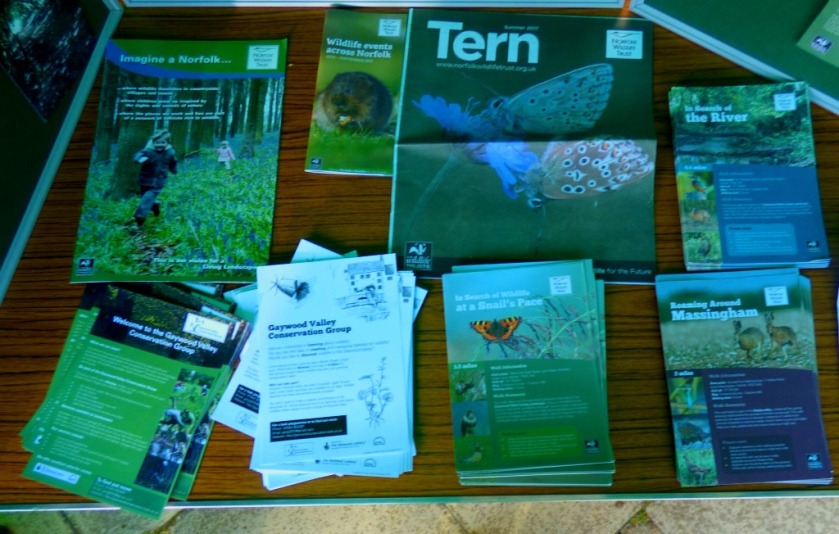
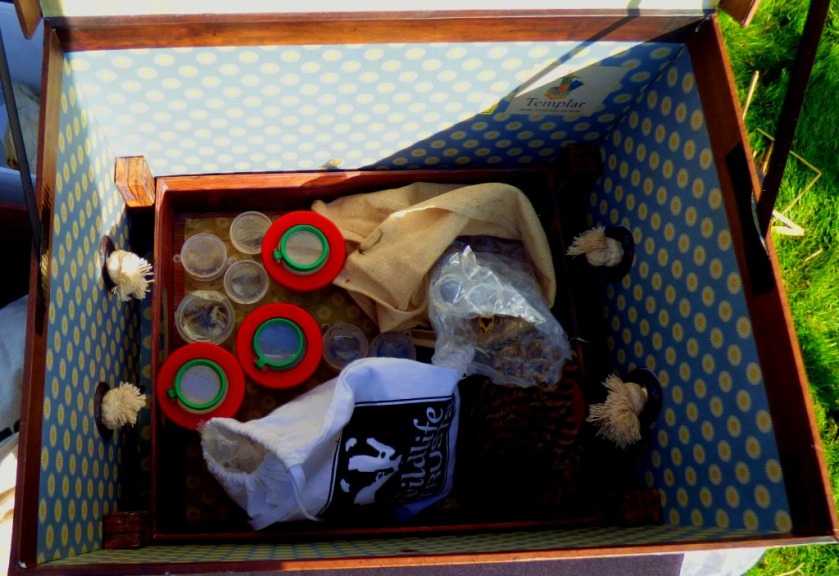
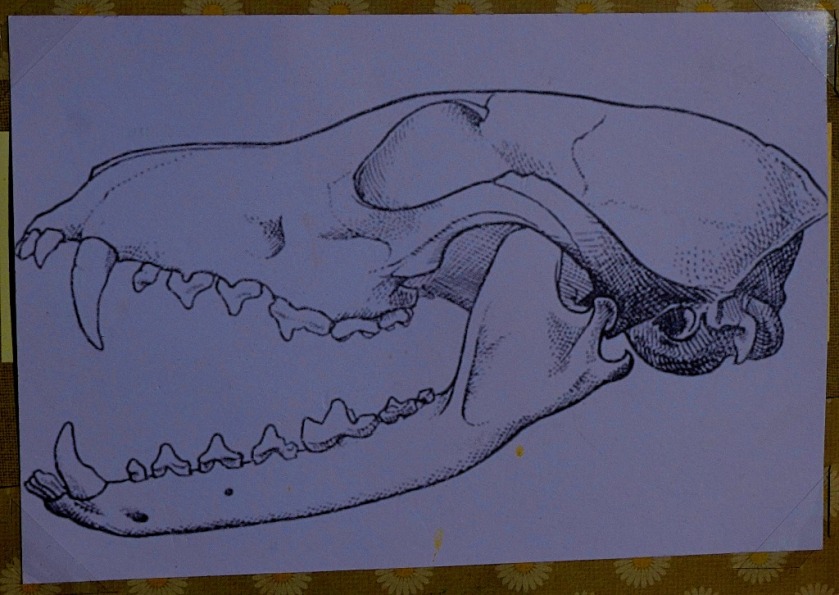
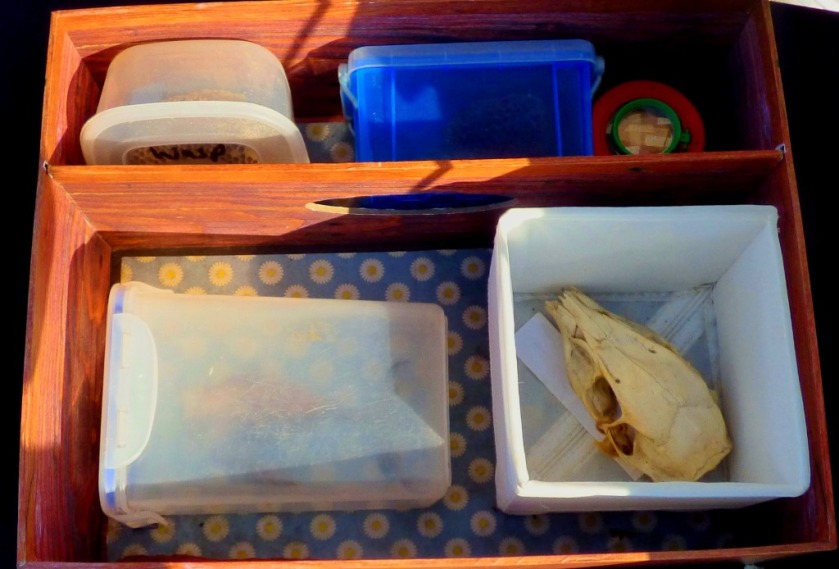
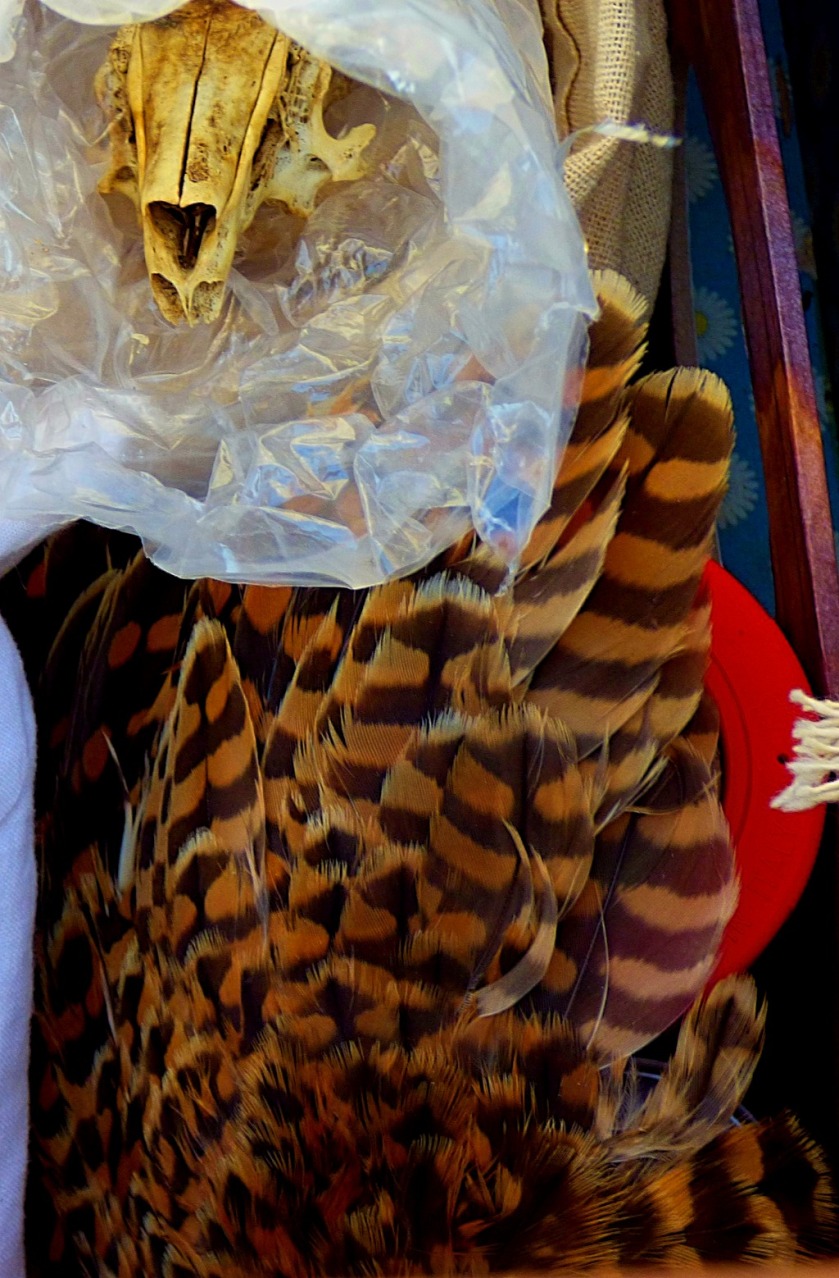
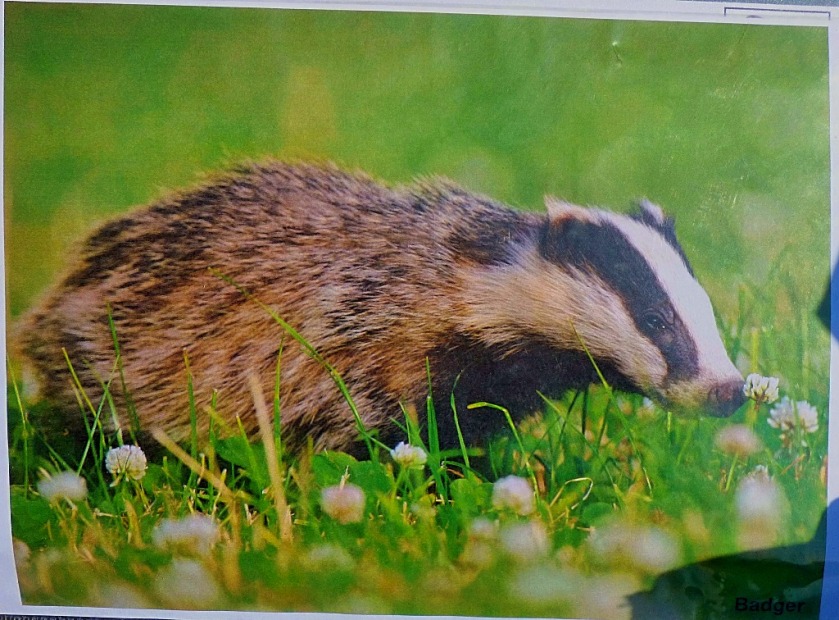
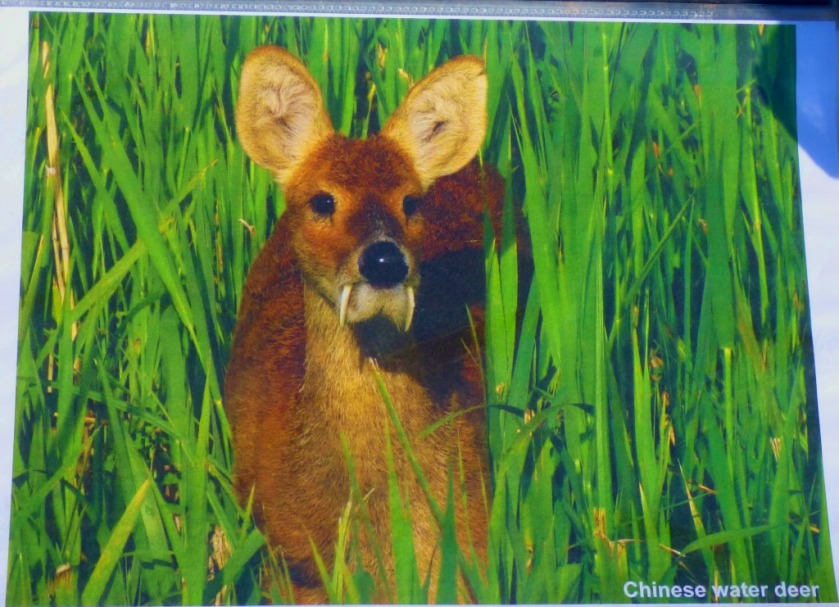
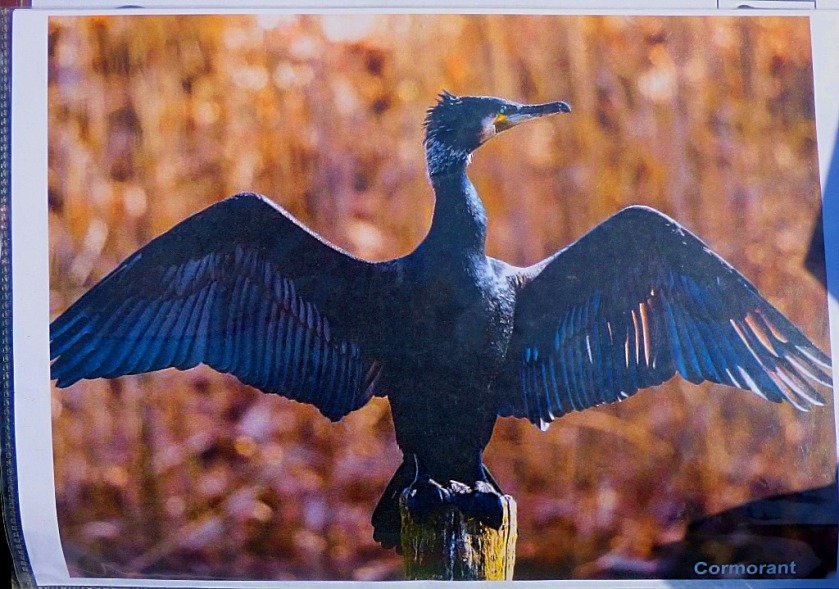
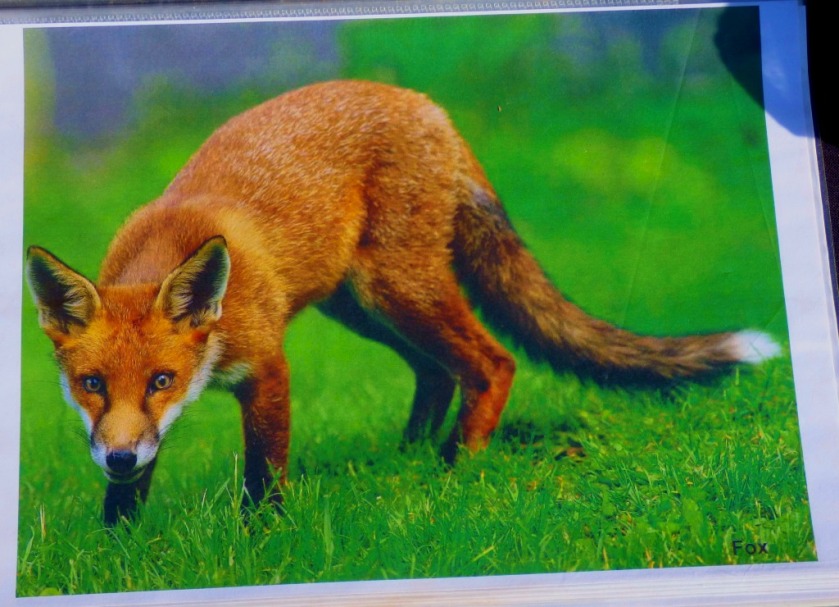
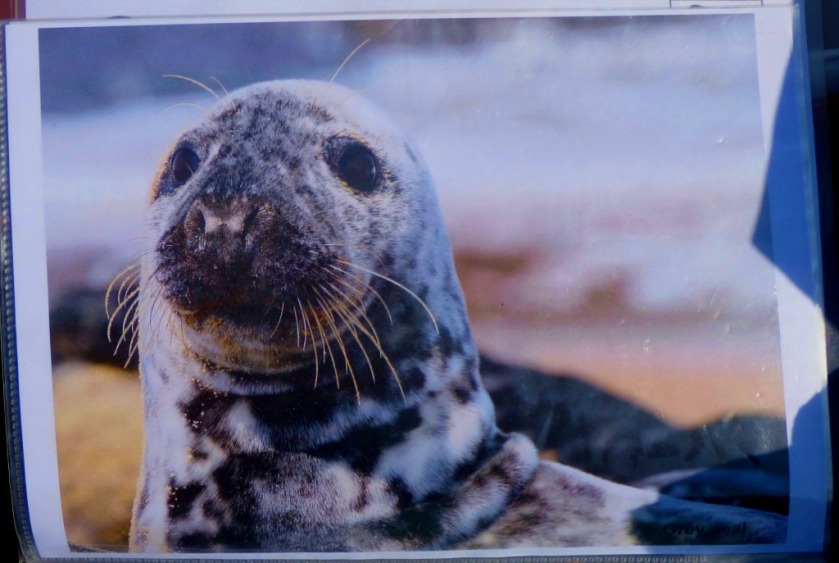
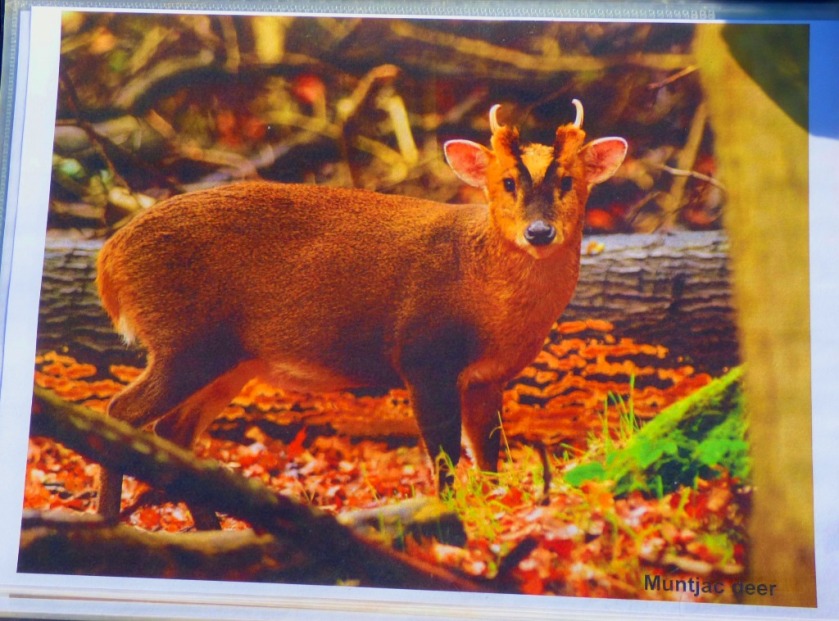
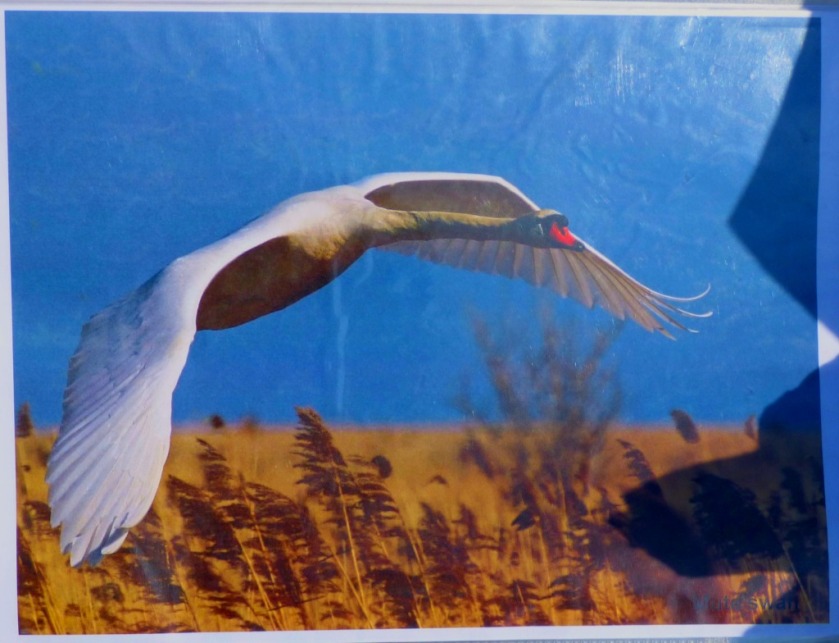
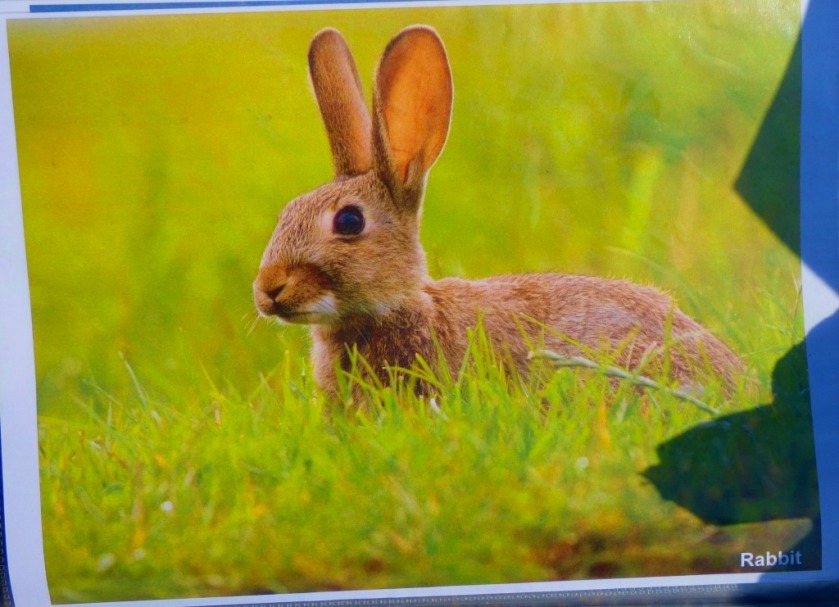
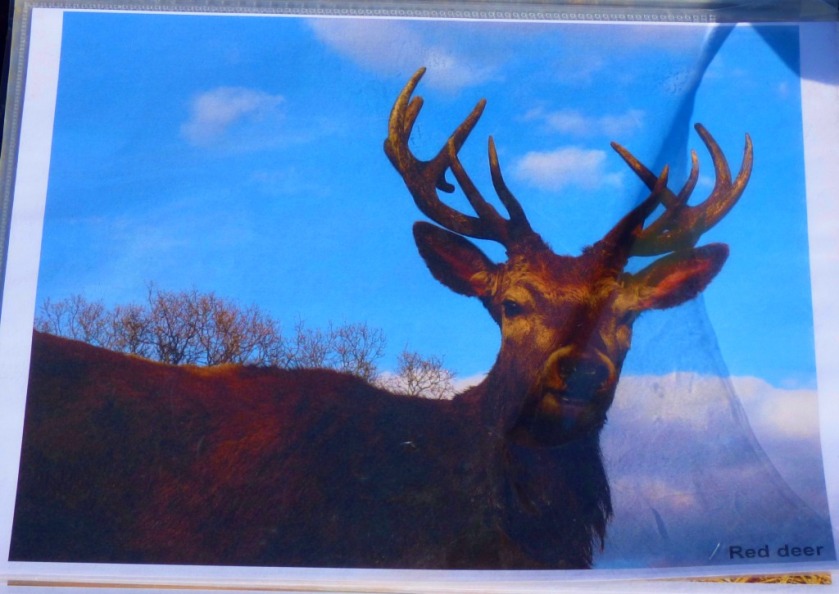
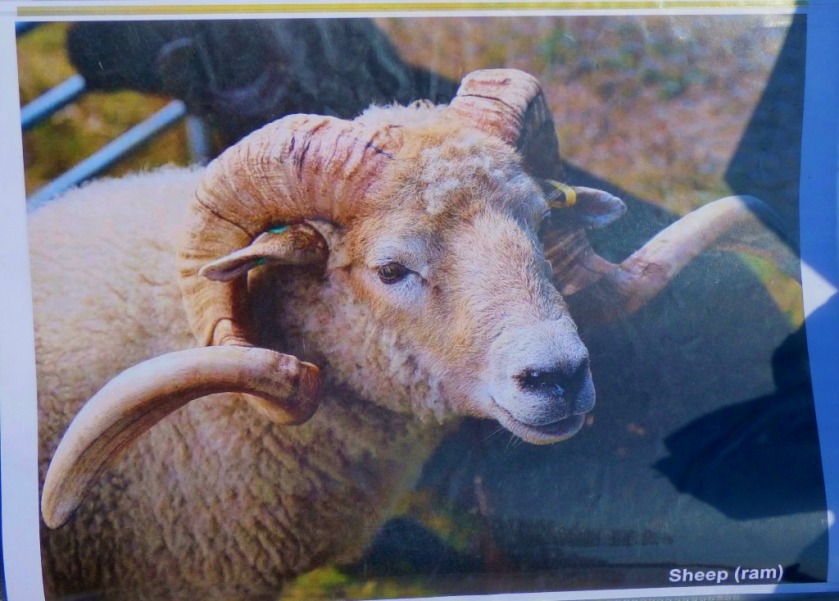
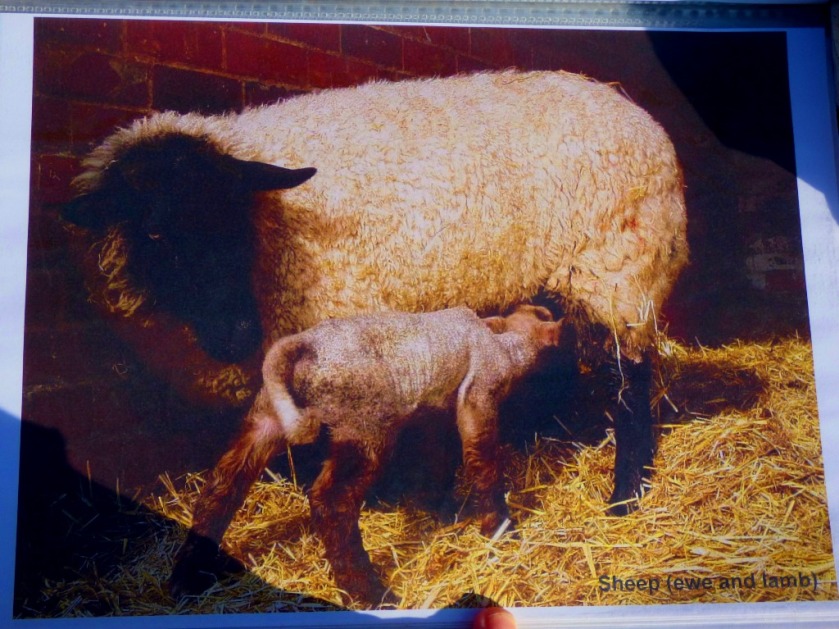
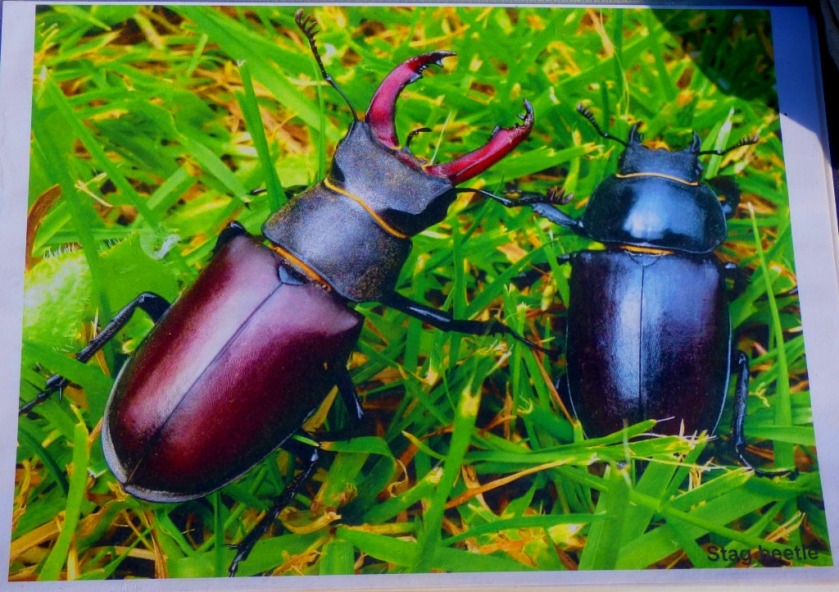
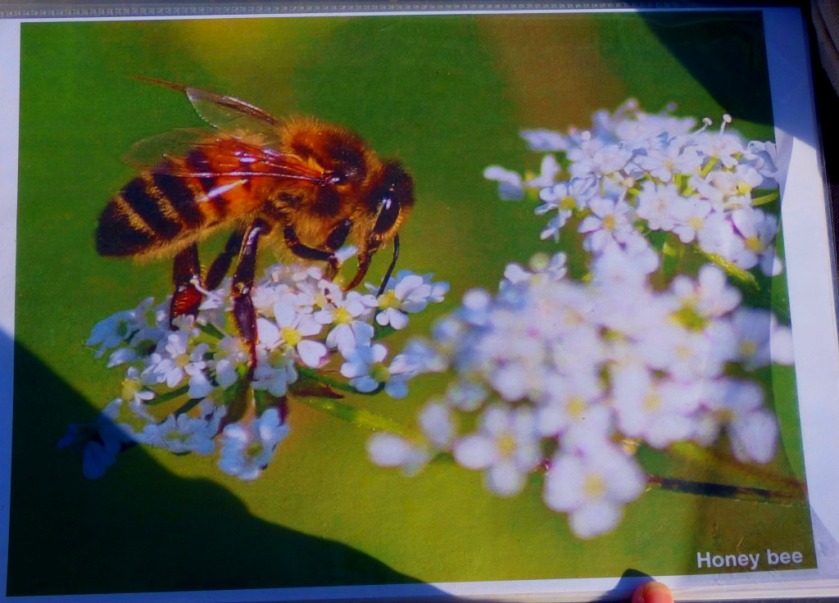
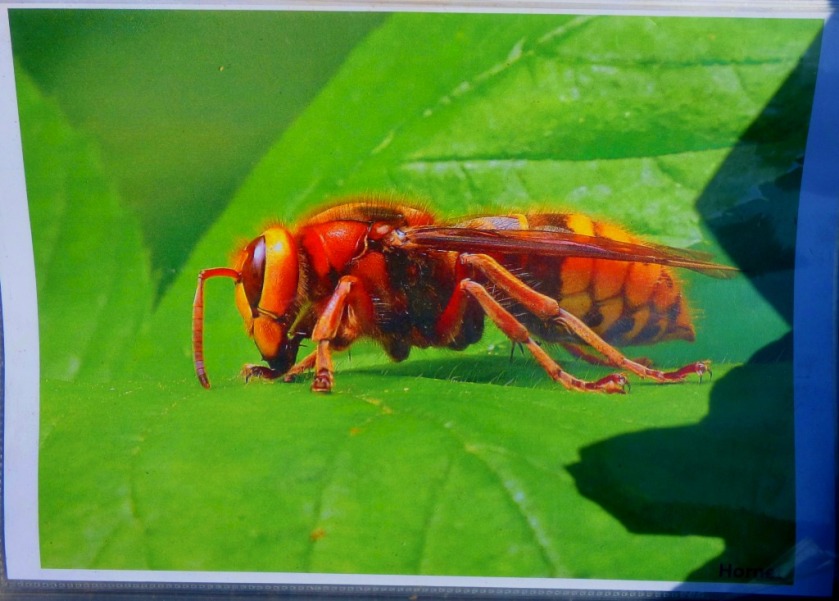
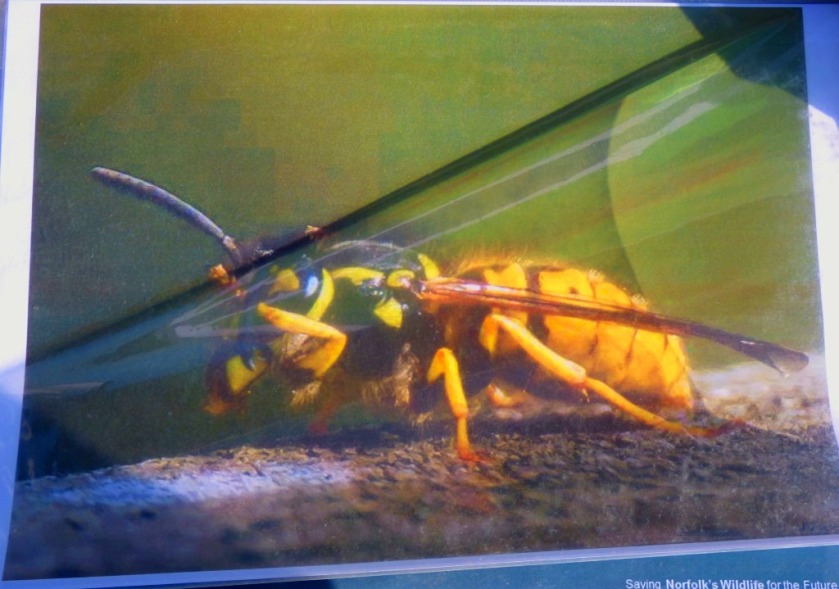
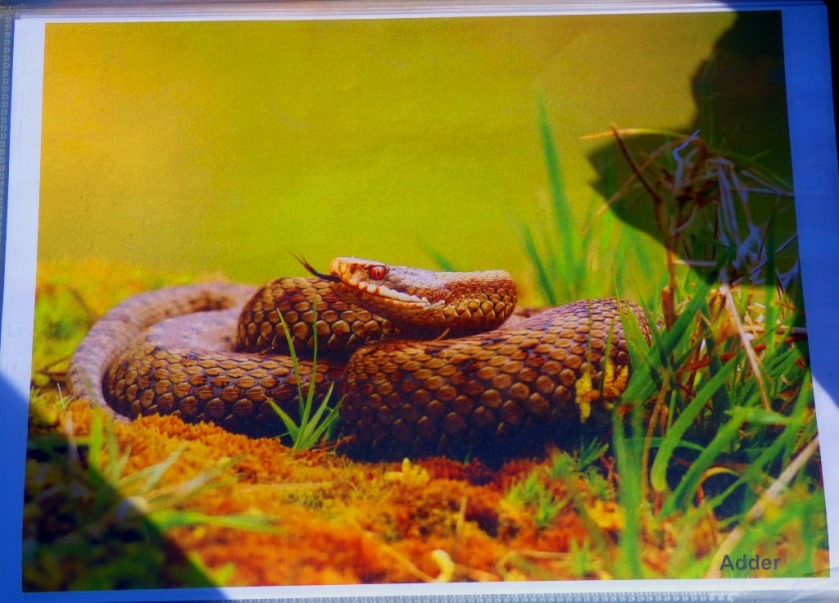
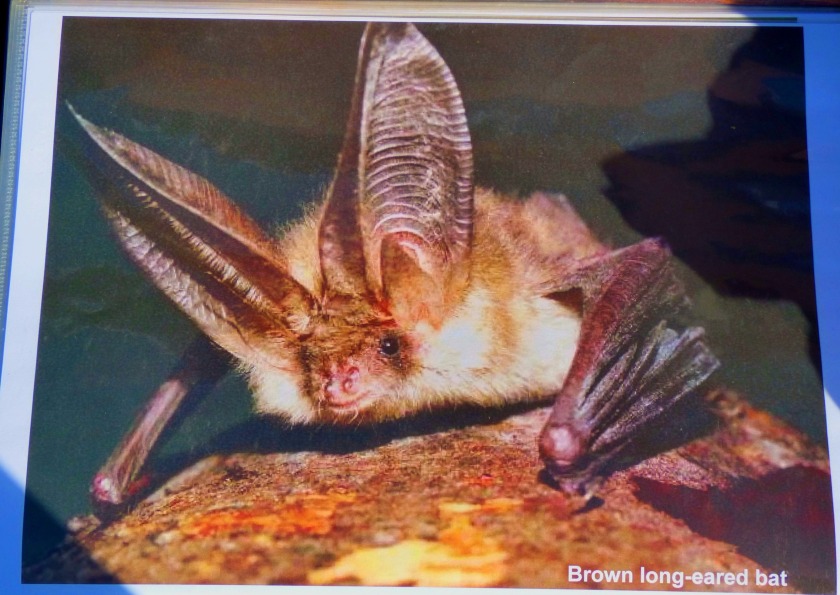
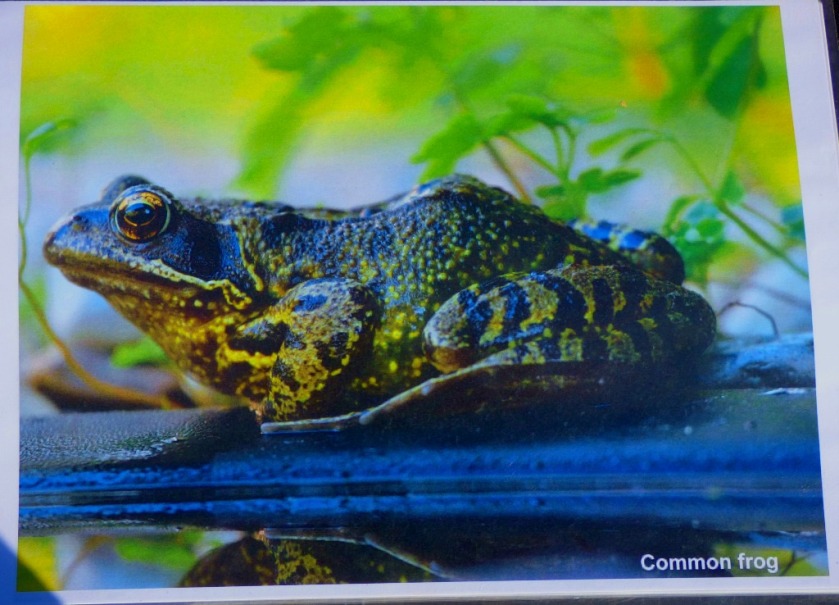
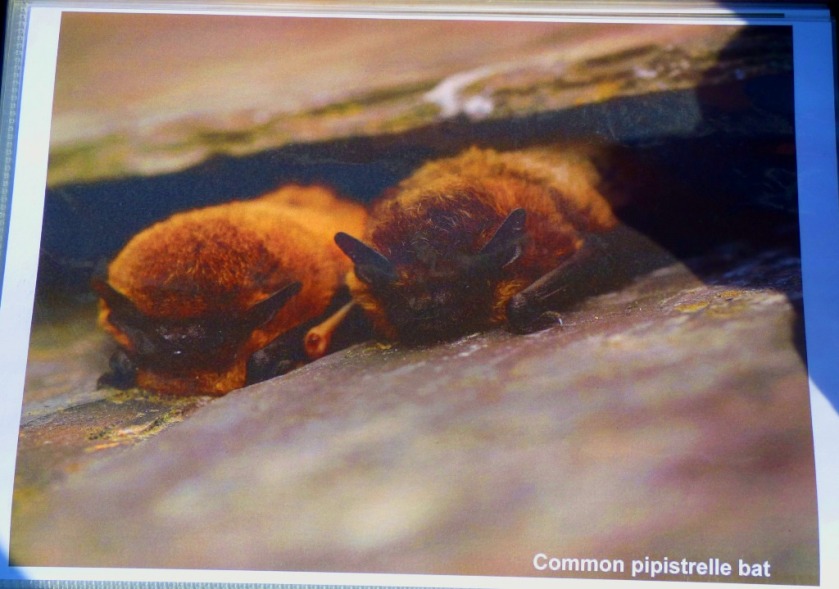
The Norfolk Wildlife Trust were showing children how to make portable ‘bug hotels’, and they also had a natural history display including a folder full of photographs of animals, and a stash of leaflets, to which I may return in a later post.
We now come to what was for me the best of all the exhibits, courtesy of…
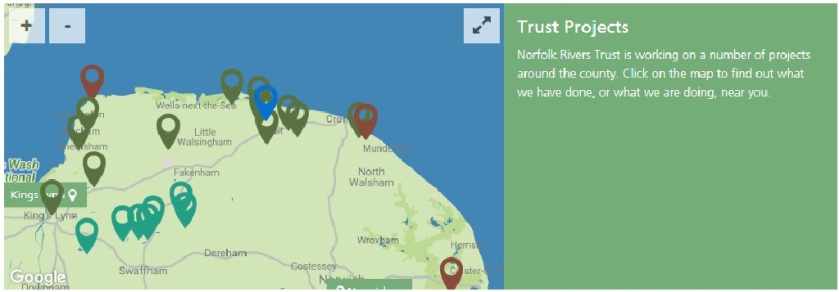
THE NORFOLK RIVERS TRUST
There were two parts to this exhibit. The minor part was display showing graphically how different treatment of land in the winter affects the soil:
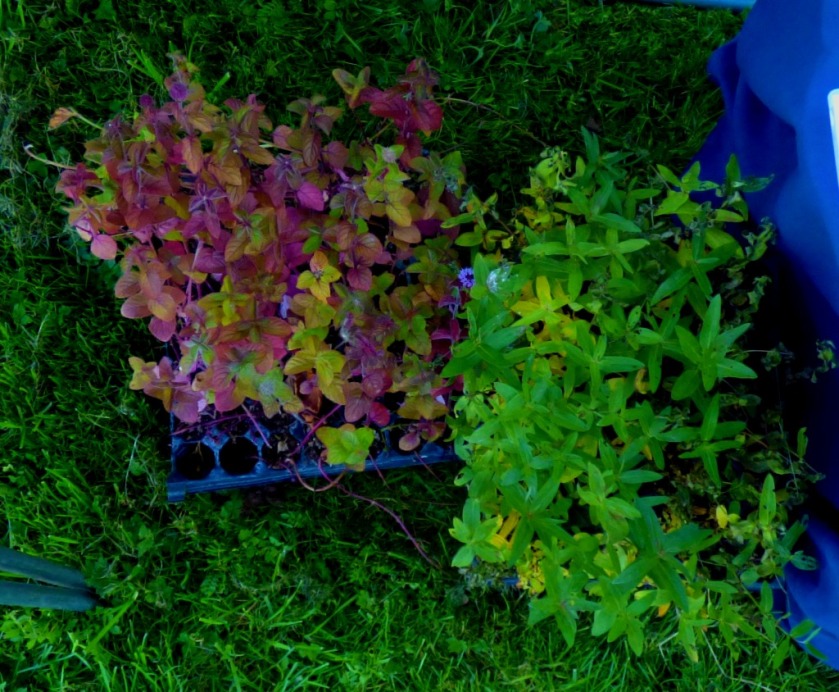
These three models were side by side demonstrating what happens to soil when there is nothing there at all – gets washed straight into the river)…When there are dead leaves covering it – still lots of it ends up in the river……and what happens when something suitable is planted – note the much clearer water at the end – most of this soil remains in place.
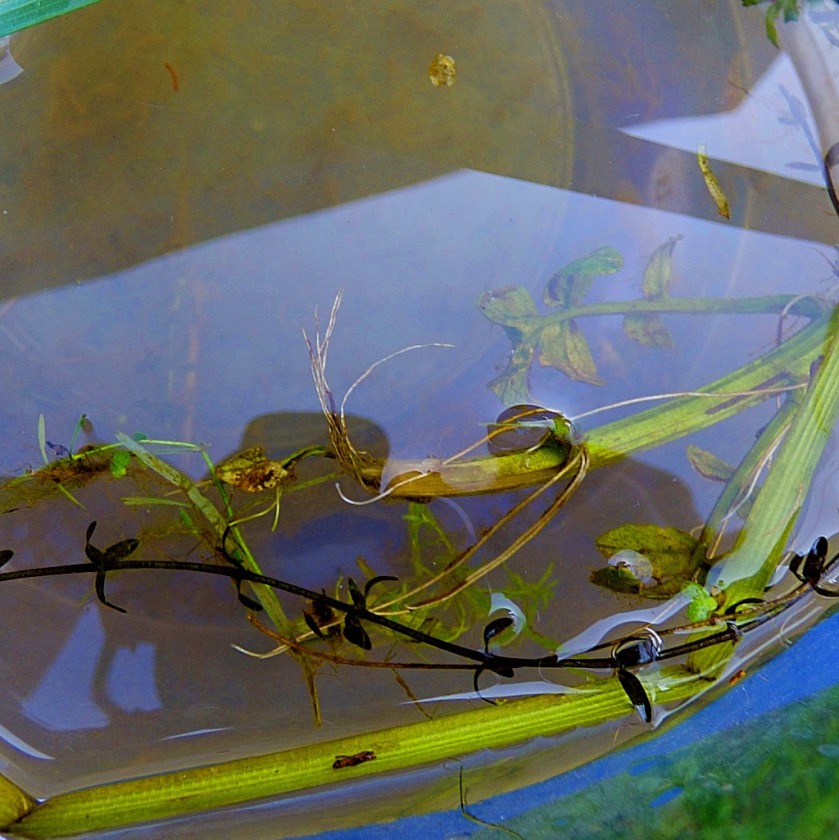
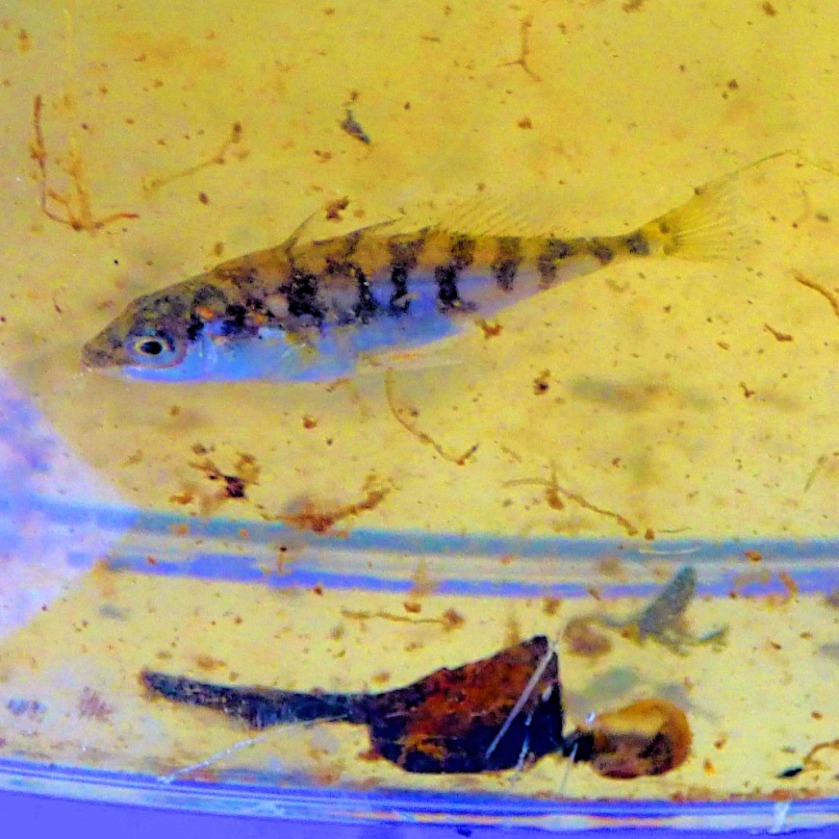
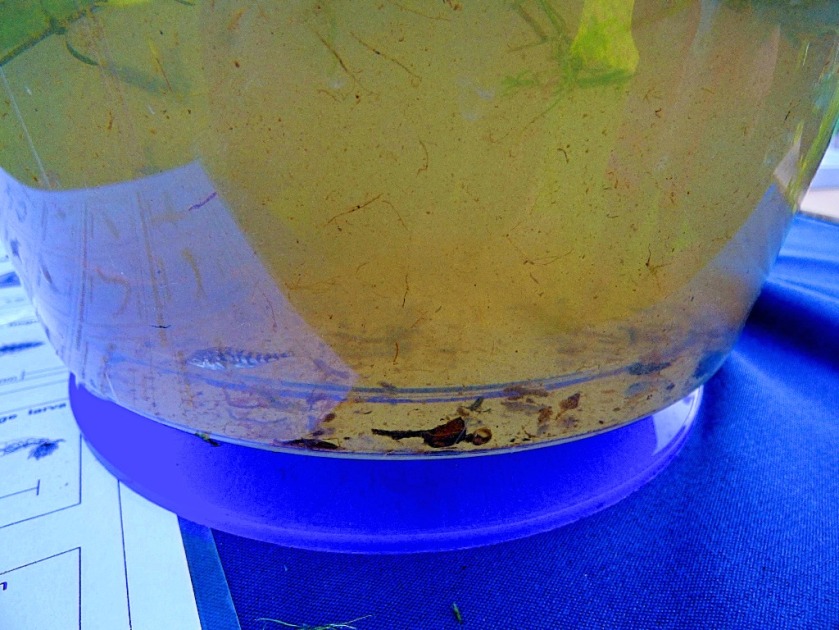
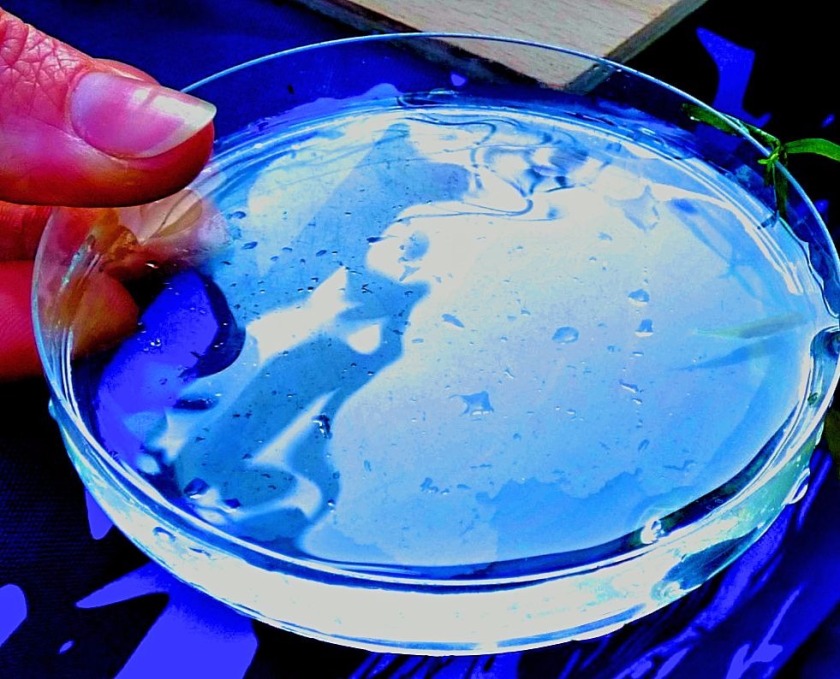
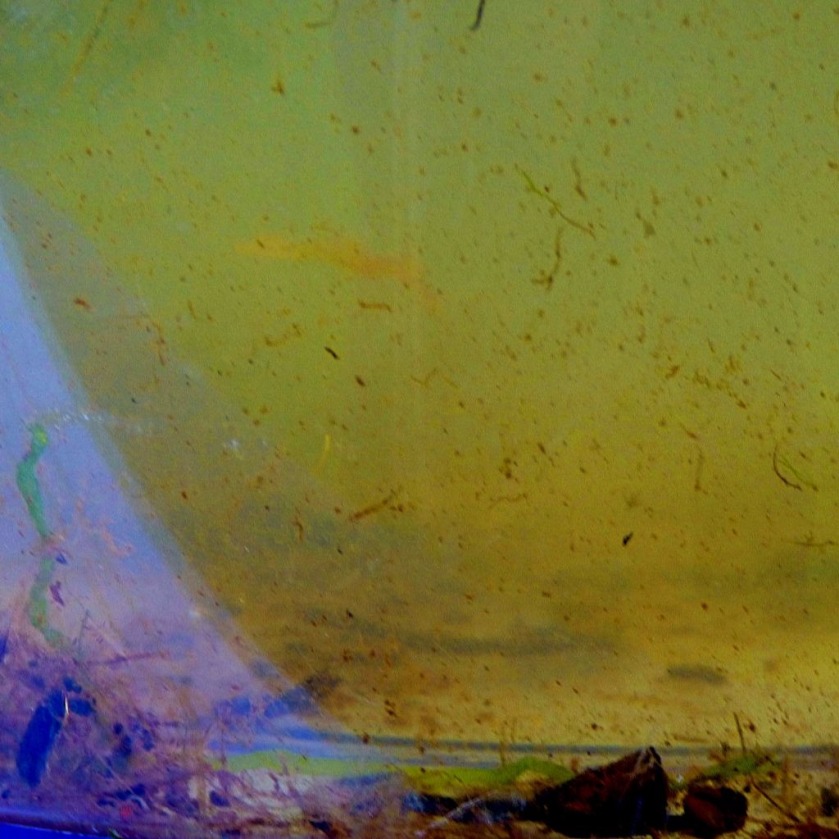
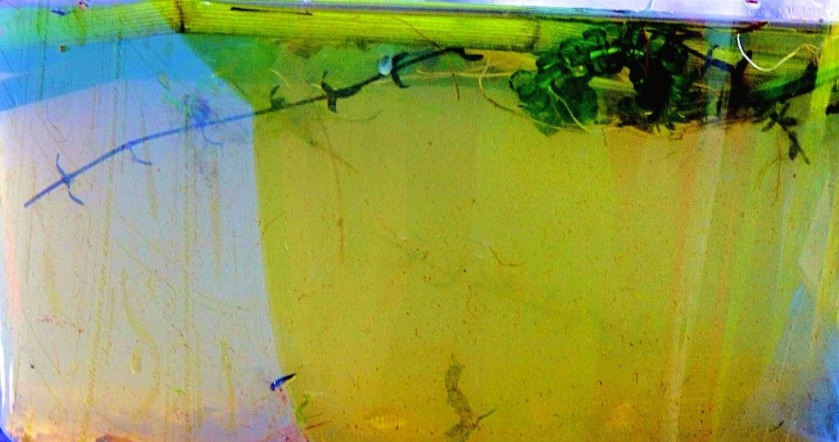
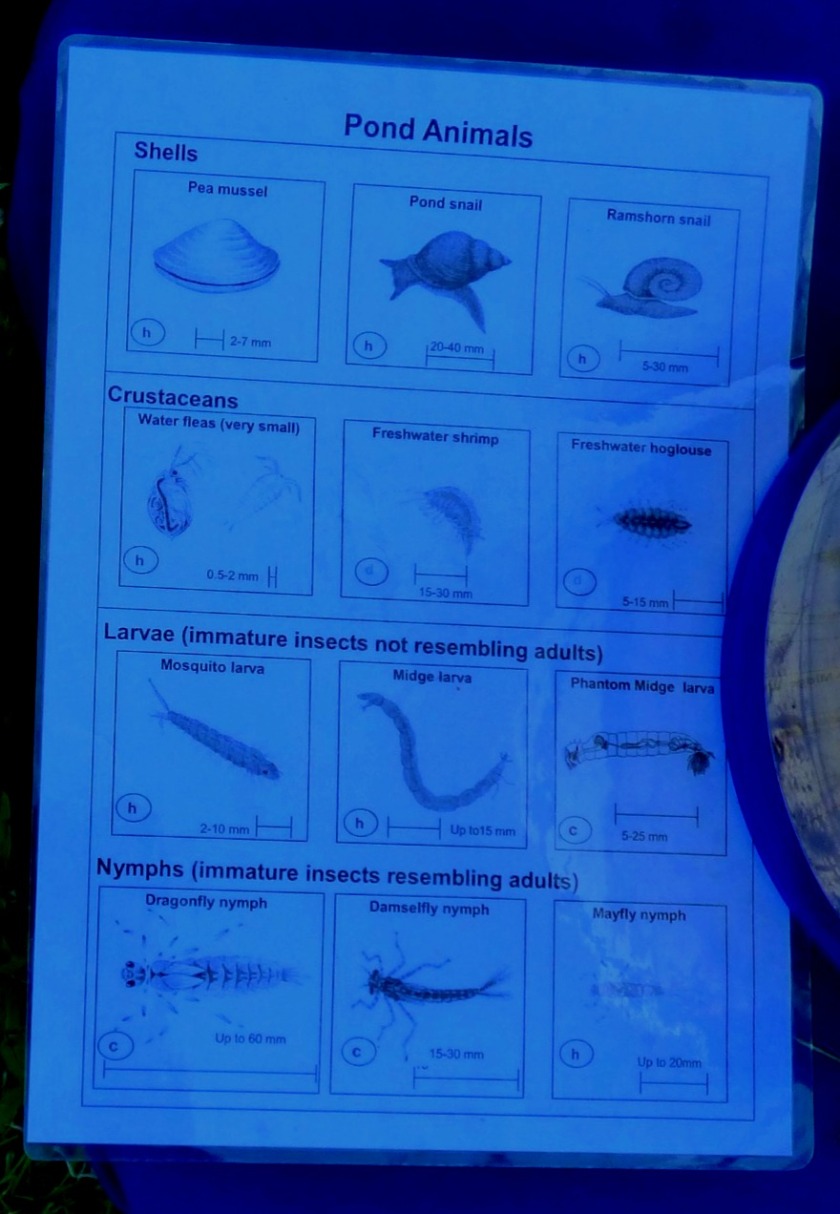
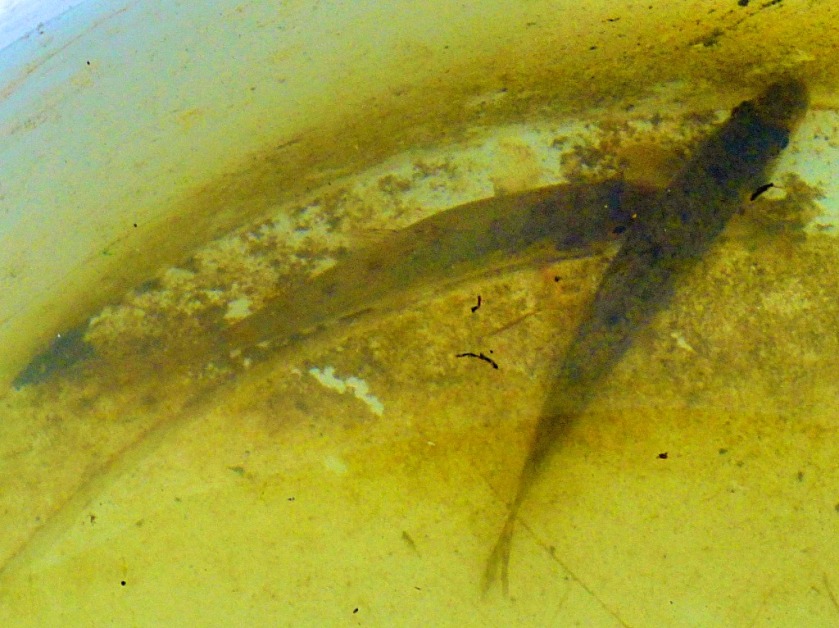
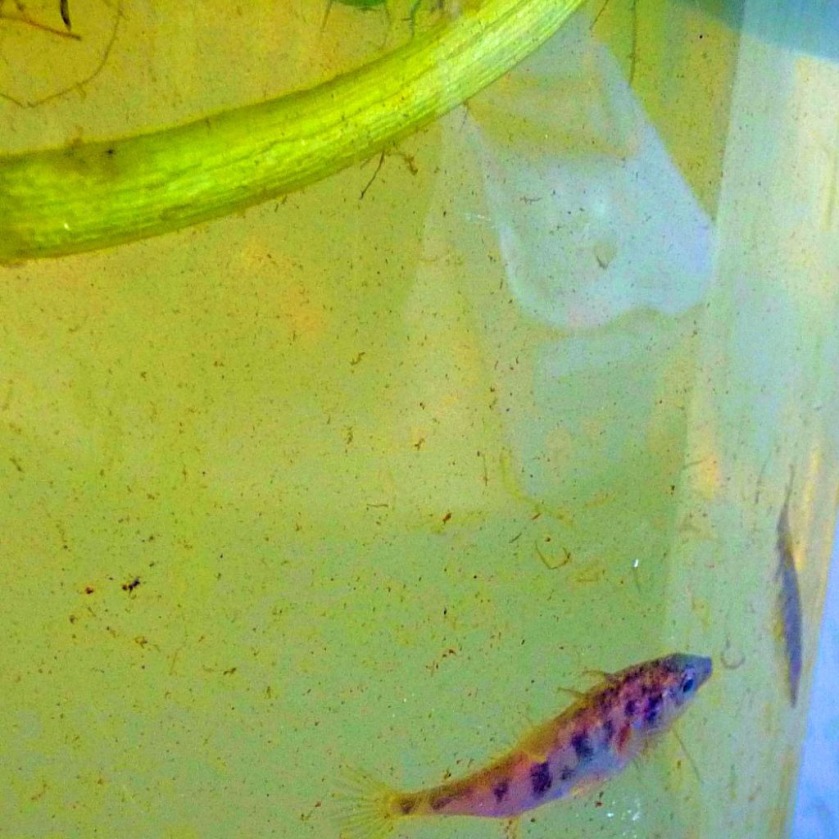
The second part of this display was a living exhibit from the river – two large buckets of river water with creatures that naturally live in it there to be seen (the amount of dissolved sediment in the water, the small size of these creatures and the fact that some of them live on the bottom of the river means that this the only way to make them visible). There was also a small sample dish which the person running the exhibit used to show as very small curiosities…
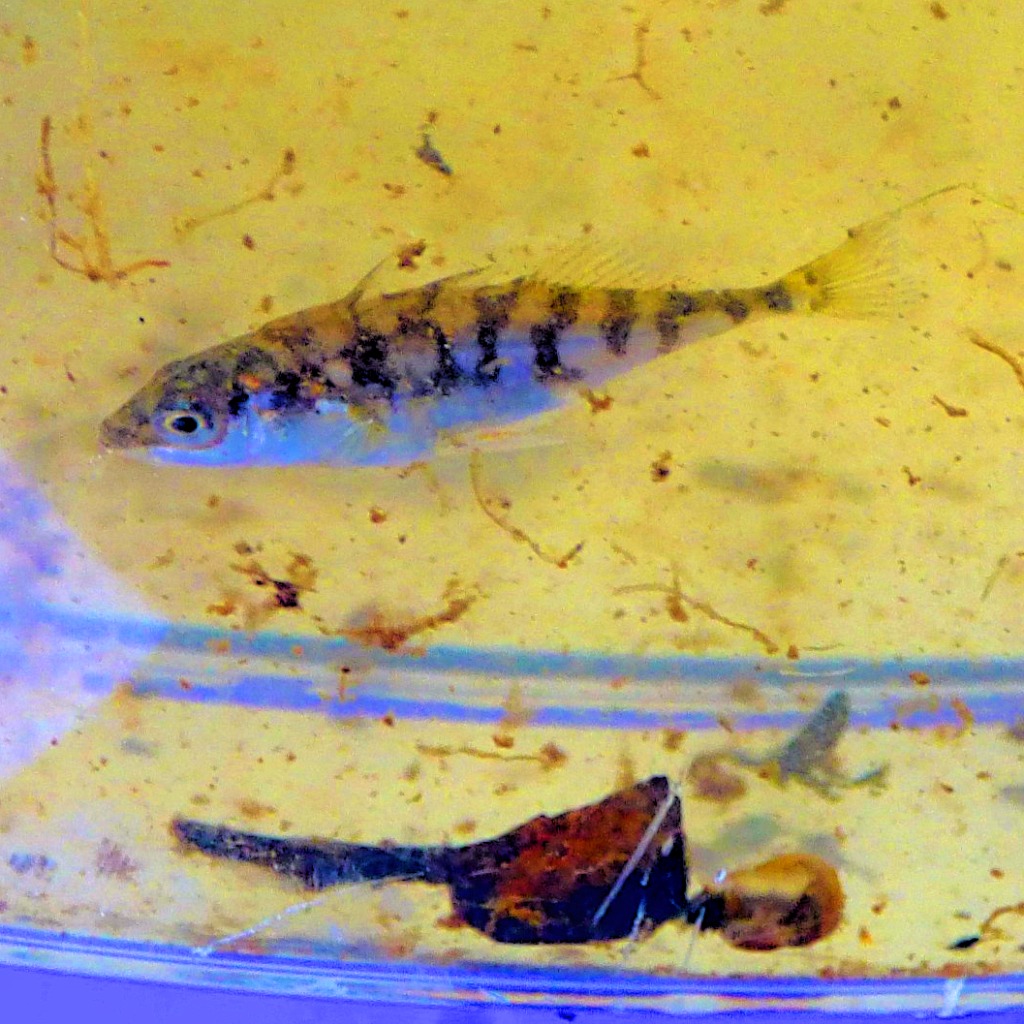
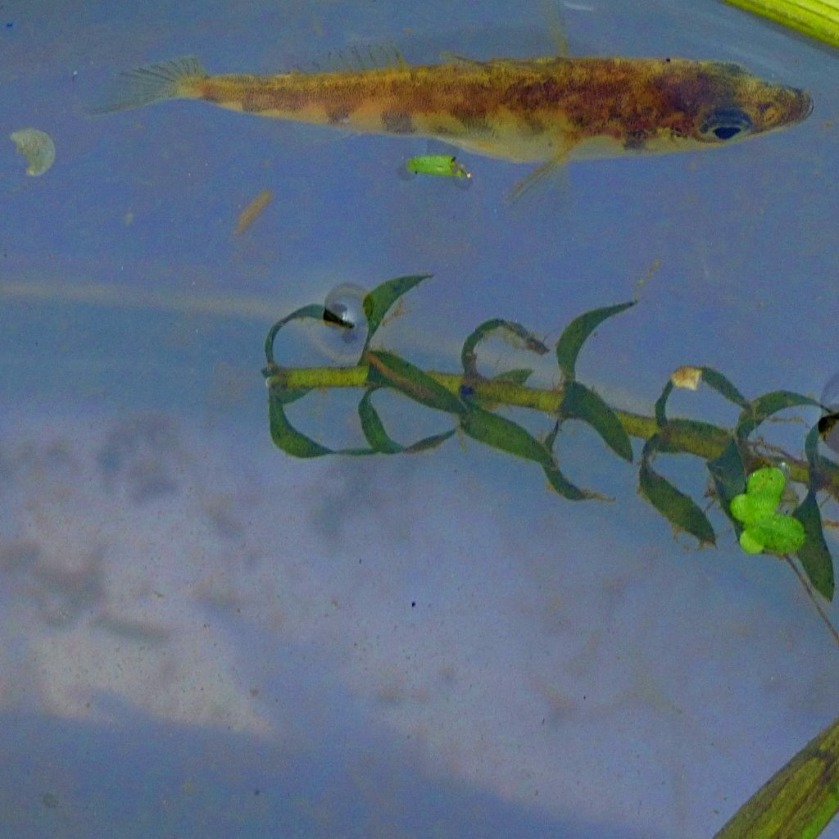
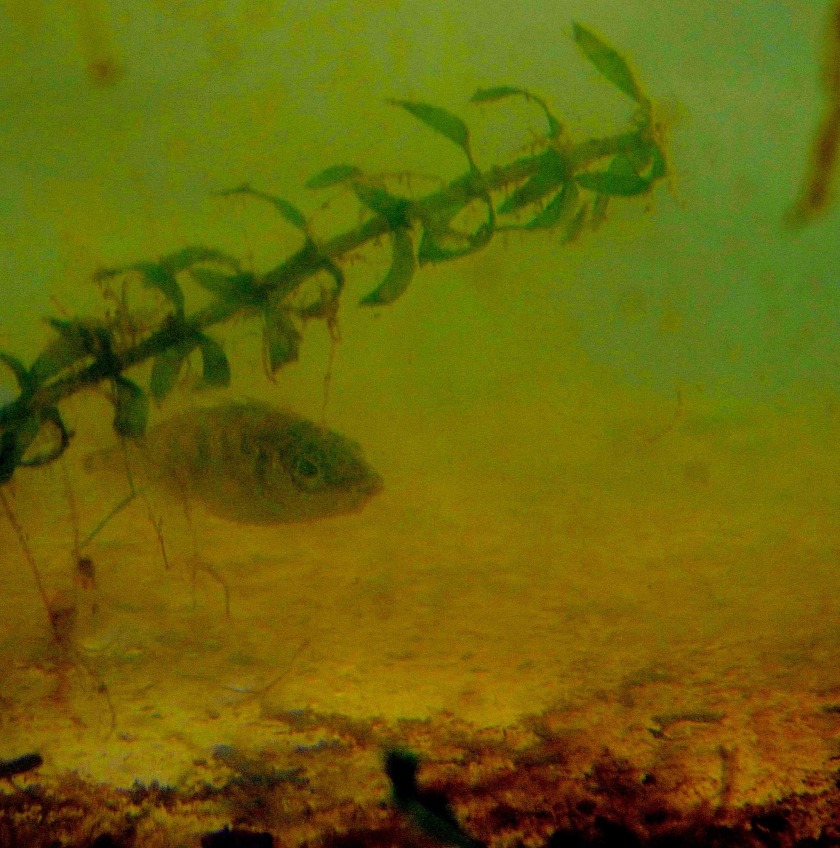
This is one of nature’s smallest houses – within it is a caddis fly larva, and at some point the adult fly will emerge.The next three shots are of small sticklebacks.
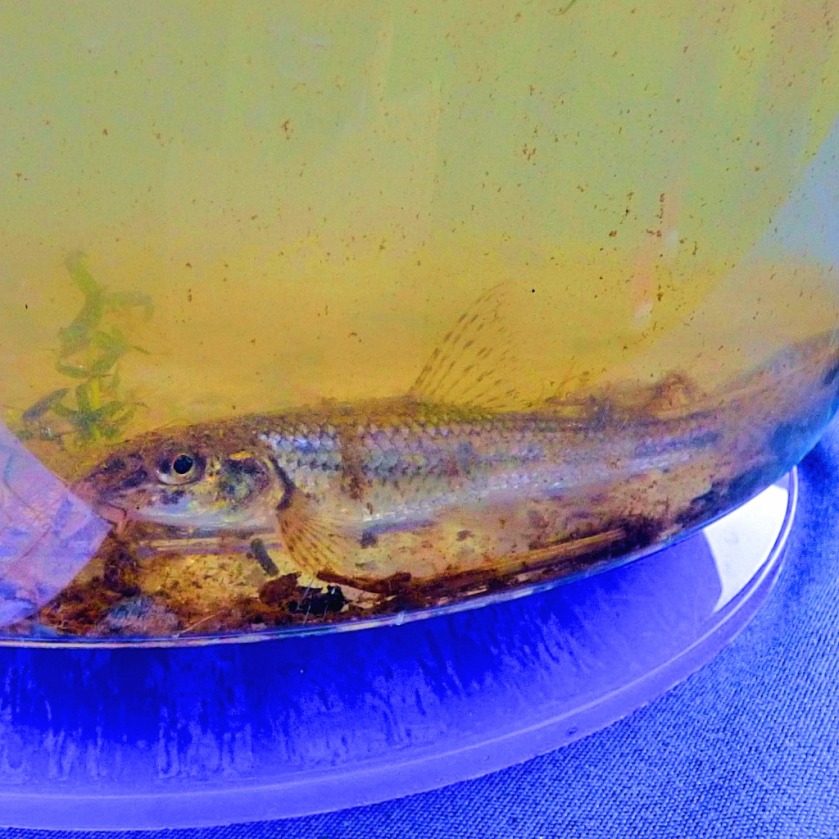
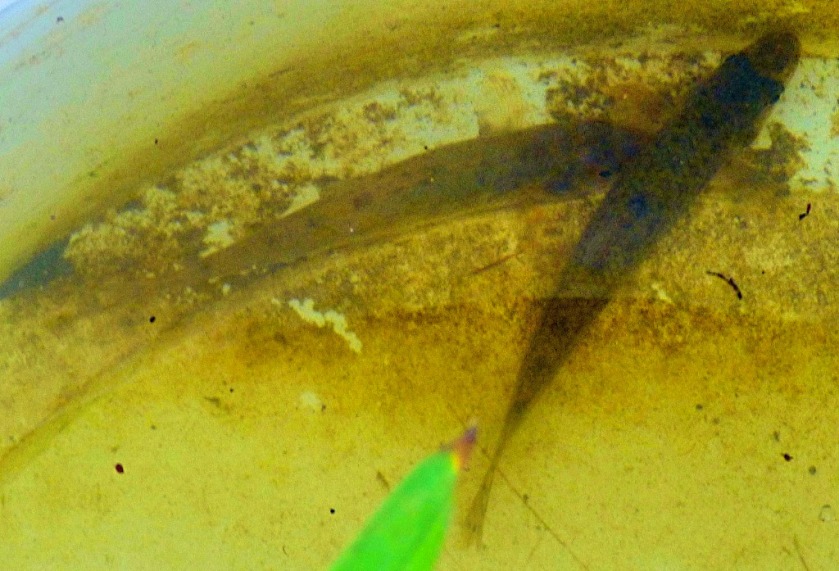
This was described as a gudgeon, but looks different to the other gudgeons we will see later. The silvery sheen to its scales suggests a dace to my eyes.
I am not sure what this piebald fish is, though it could be a stickleback.
This shot of the sample dish showing the thumbnail of the dxemonstrator reveals just how tiny that Caddis fly home actually is – it was in this same dish that I saw it.
Two gudgeons in the second bucket – note that as would be the case in the river they are at the bottom.
There was also a story teller outside…
LINKS
To start this section we look at organisations who were actually involved in some way or other with this event:
Wildlife & Planet – interesting stuff about wildlife from all over the world.
WEIT– the website that grew out of Jerry Coyne’s classic book Why Evolution is True.
Science Whys – the blog of Brandeis biology professor James Morris.
Rationalising the Universe – sets about accomplishing the big task laid out in its title and does a good job of it.
Faraday’s Candle – a science website that will really illuminate your life.
I conclude this section by mentioning a couple of bloggers who regularly feature nature in their work:
CindyKnoke – keen photographer and nature lover. Below is the feature image from (and link to) her most recent post:
Anna – her posts about fighting to save nature in her part of the world are always inspiring, and her two recent series of posts “Paradise on Earth” and “Butterflies in Trosa” are both stunning. Below is the feature image from (and link to) her most recent butterfly post.
CONCLUSION
This was an excellent event and I learned a good deal about the history and nature of the Gaywood River. I have one kvetch which is that the event was poorly publicised – I only found out about it through my aunt and then only a few days before it was happening, meaning that anyone else I might have alerted would almost certainly have had other plans. If half of you have enjoyed this post even half as much as I enjoyed the event I have done a good job. I finish by urging you to take the time to follow up those links.
Continuing my account of Heritage Open Day 2017 with an account of the unique opportunity presented by the fact that 2 Hampton Court is currently being renovated.
INTRODUCTION
This post continues my account of Heritage Open Day 2017, which started with an overview and continued with a post about my experience volunteering at 27 King Street. This post deals with an opportunity that was available for the first and probably last time this year. Having anticipated the effect that my two-hour volunteering stint was likely to have on me I had decided this warranted being seen before that.
SOME HISTORICAL BACKGROUND
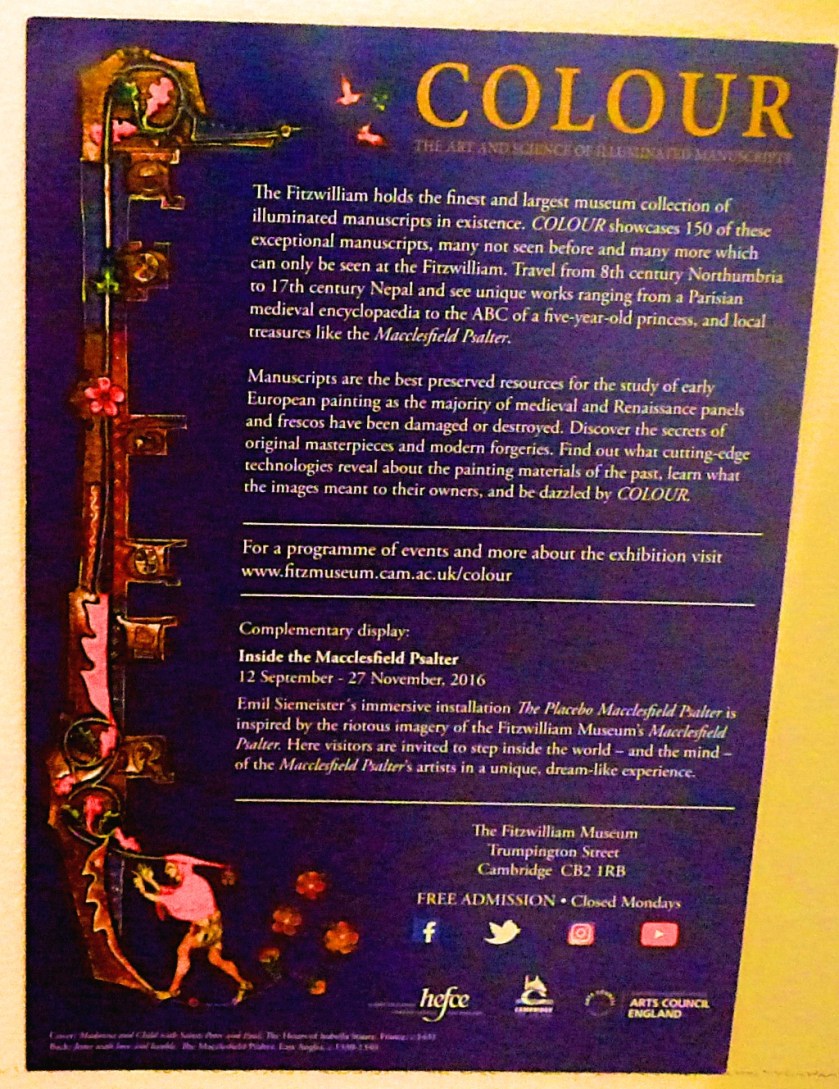
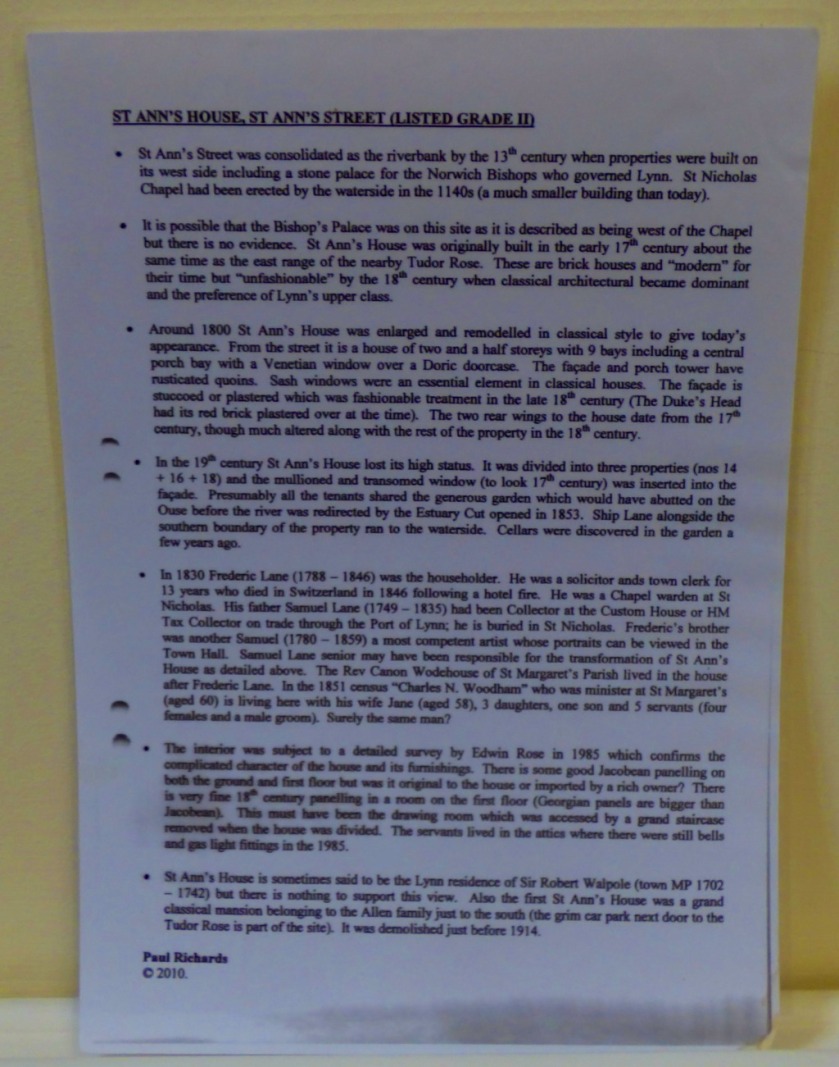
A double sided A4 information sheet about some of the history of the place had been put together by Hendrina Ellis:
There is no connection between this Hampton Court and the famous Hampton Court in Surrey (there are in fact at least three places with this name, the other being in Herefordshire, and the one in Surrey is the newest of the three, being a touch under 500 years old).
2 HAMPTON COURT IN PICTURES
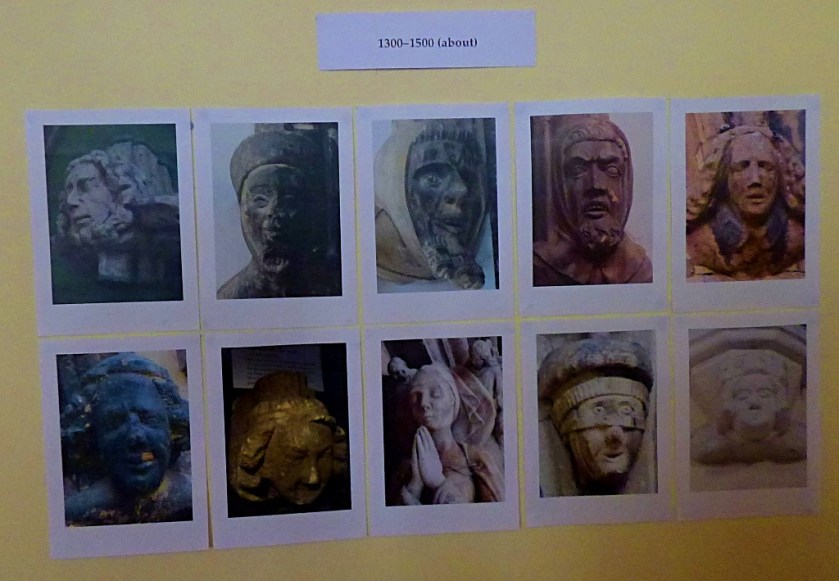
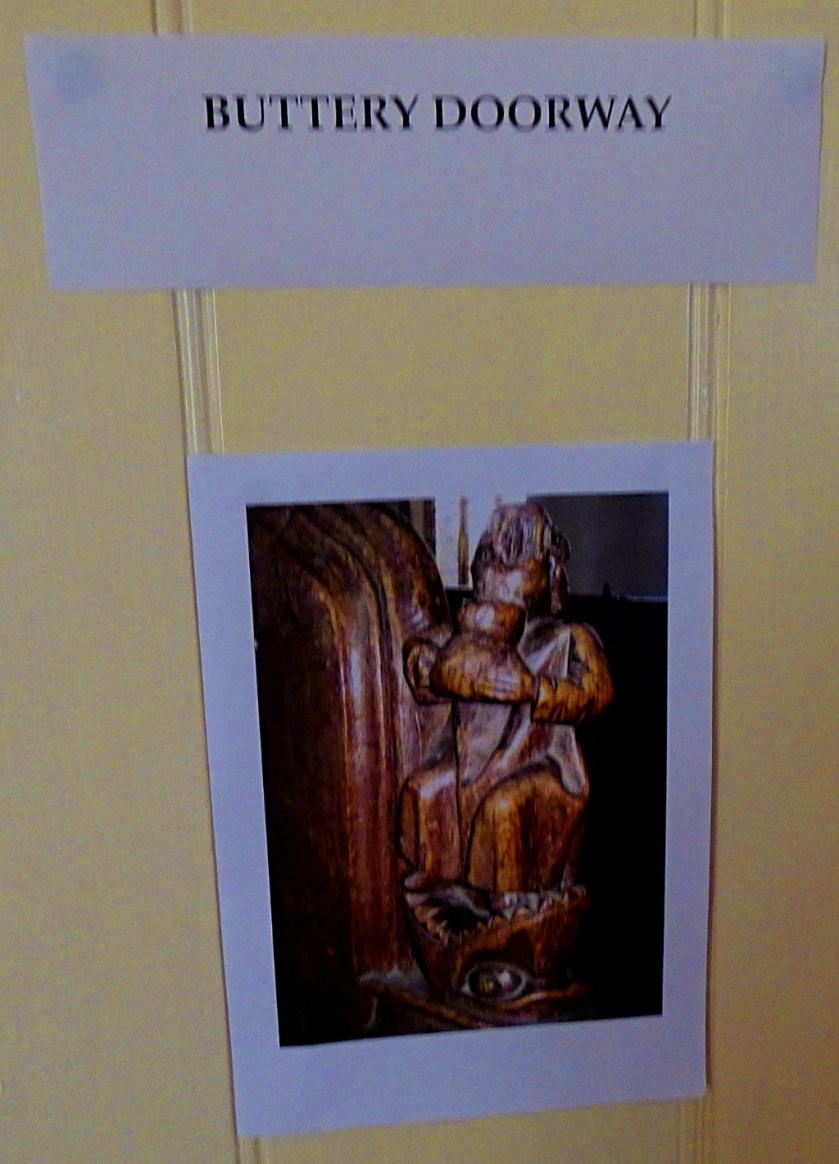
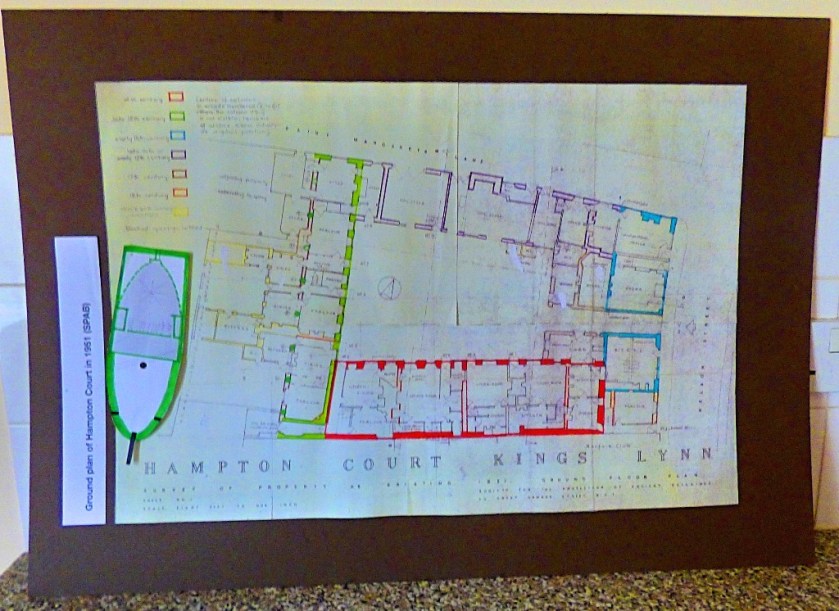
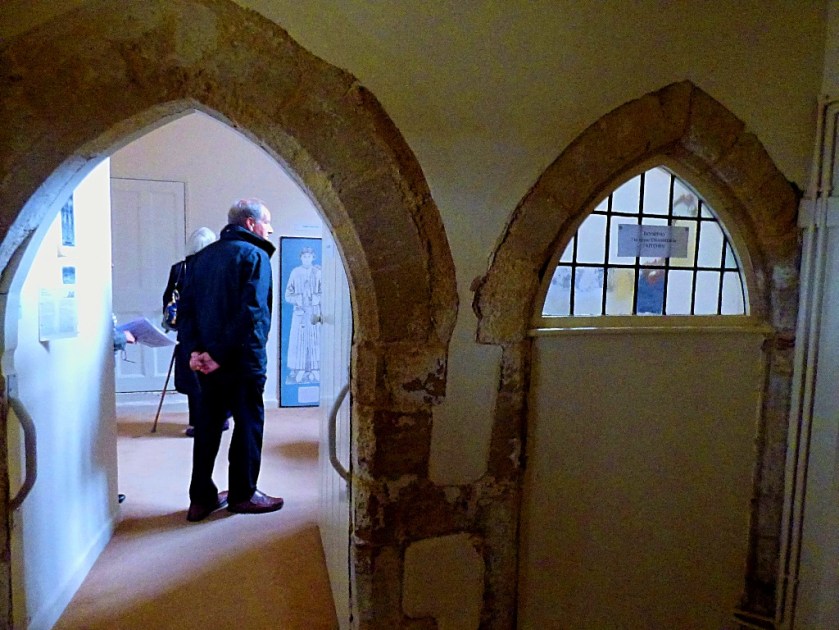
As well as the building itself there was a small exhibition about the history surrounding it. For the rest of this post my camera takes centre stage, giving you the chance to see what I managed to capture of this unique experience:
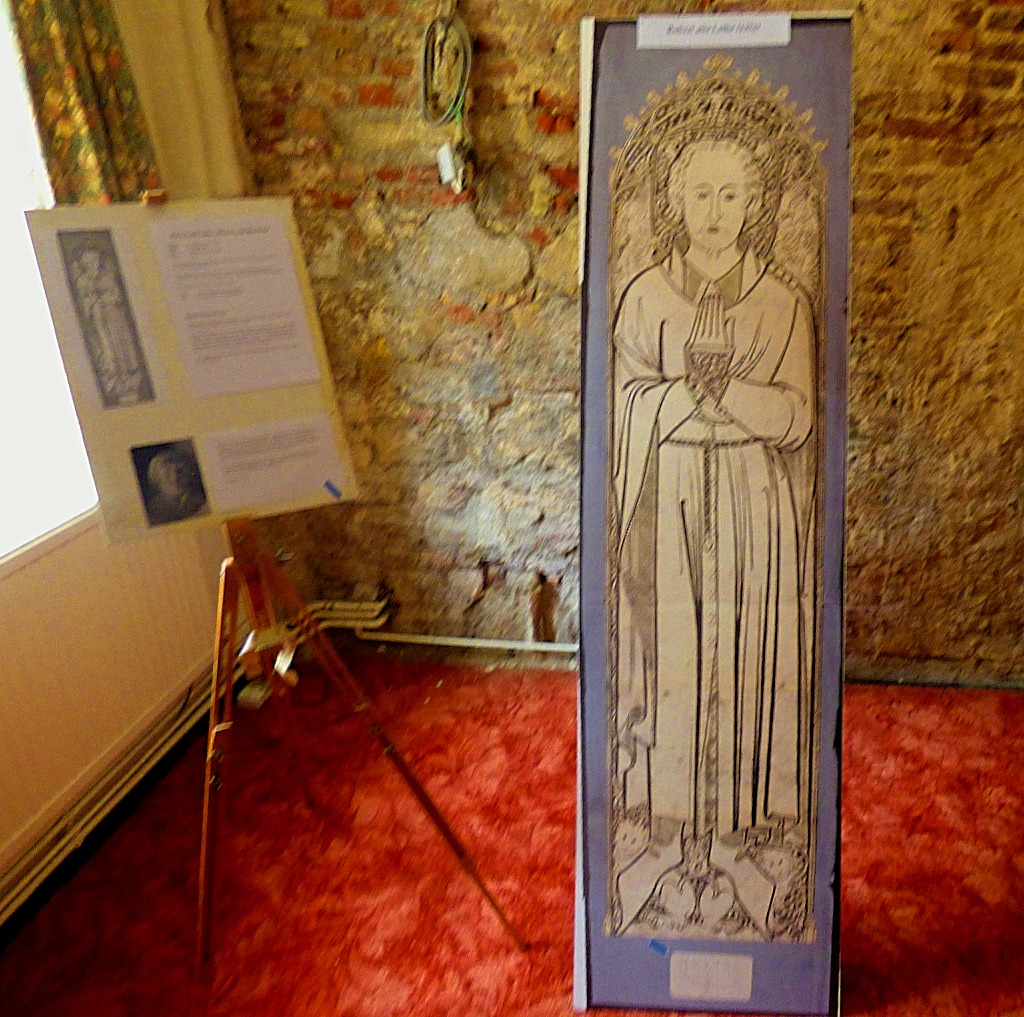
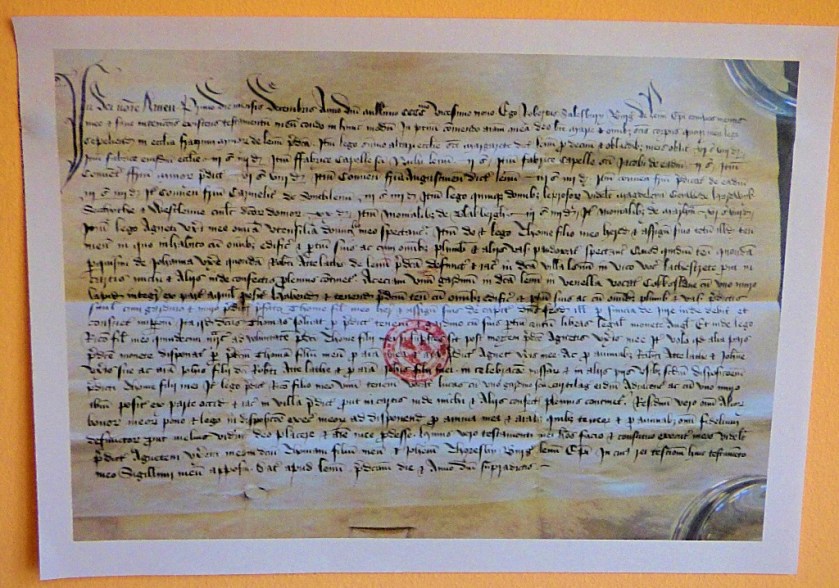
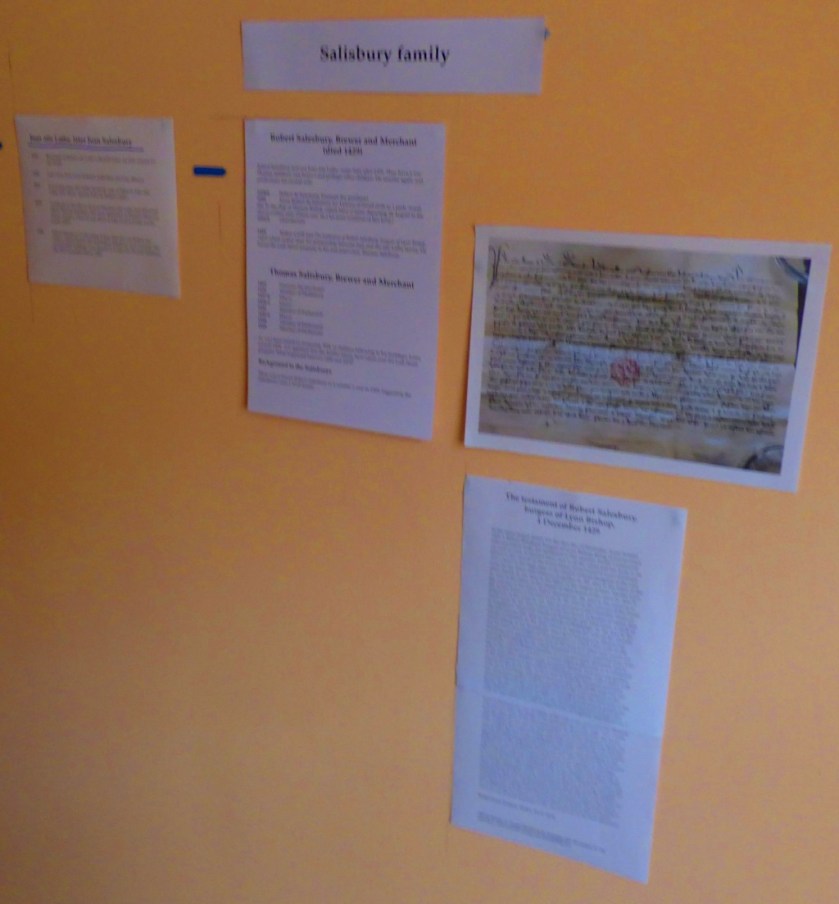
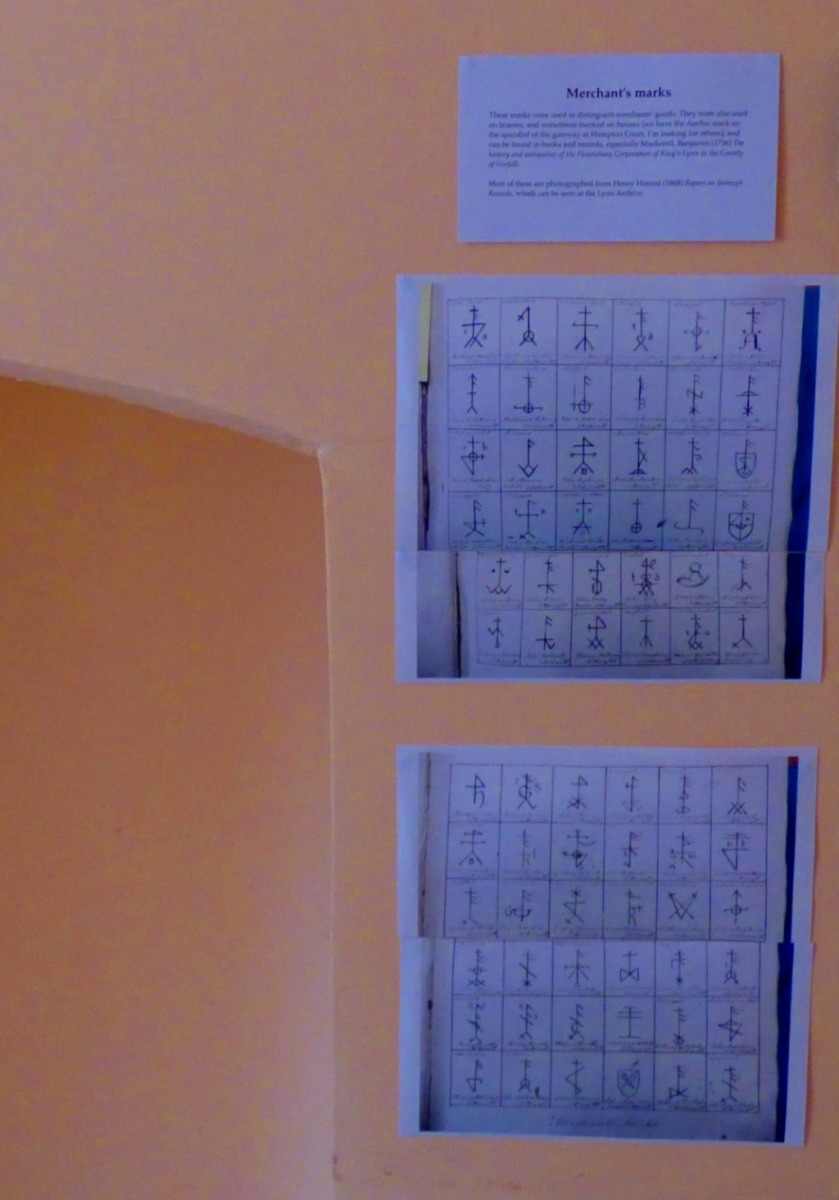
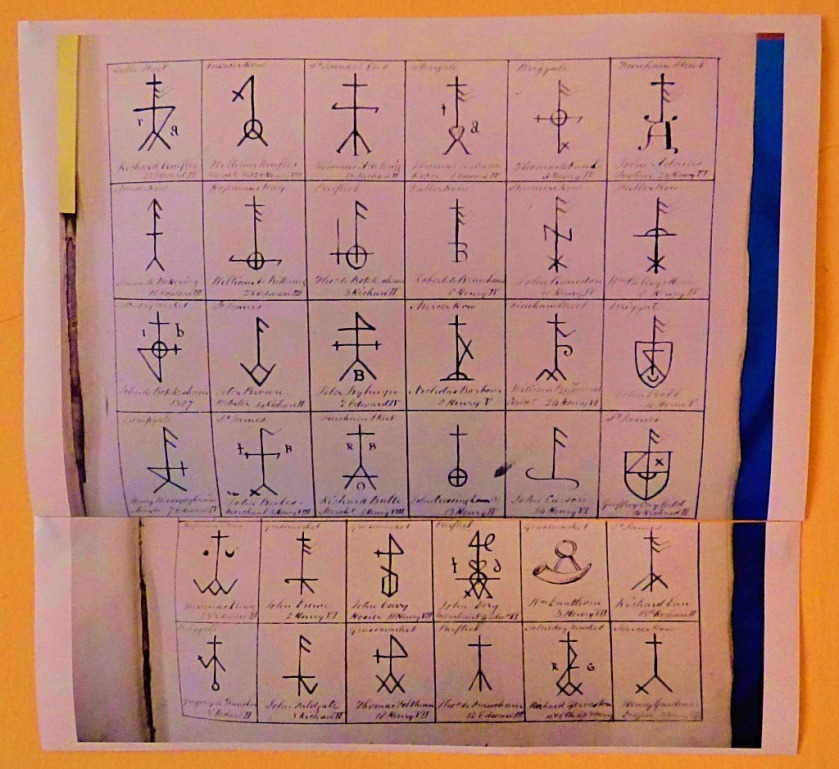
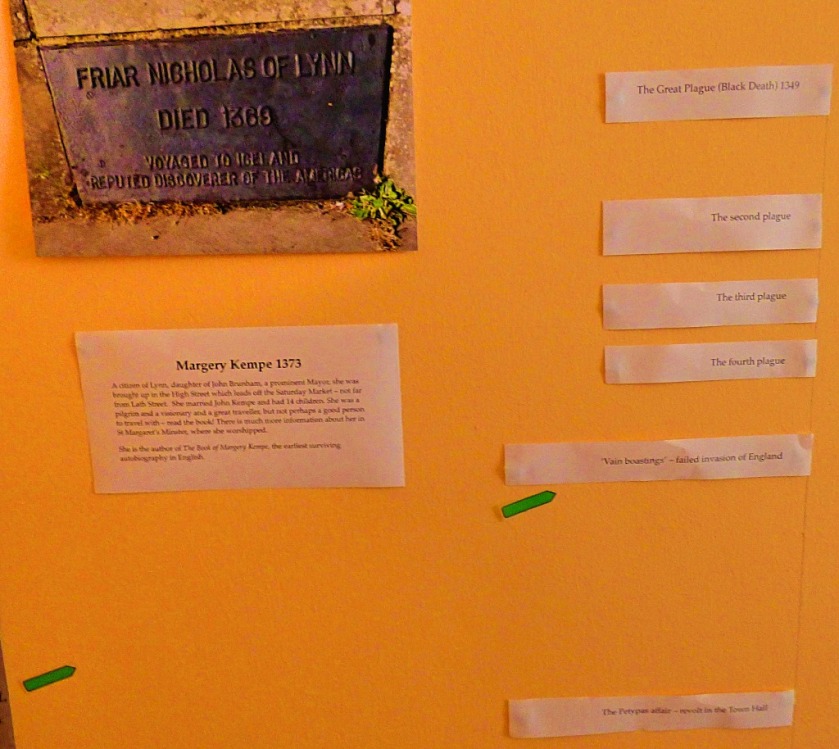
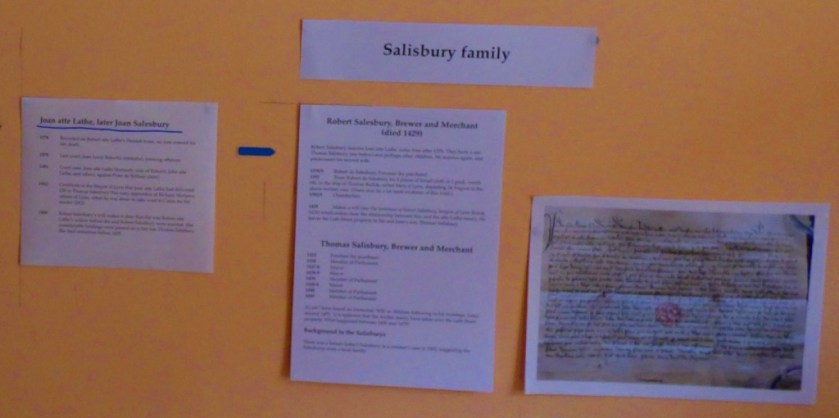
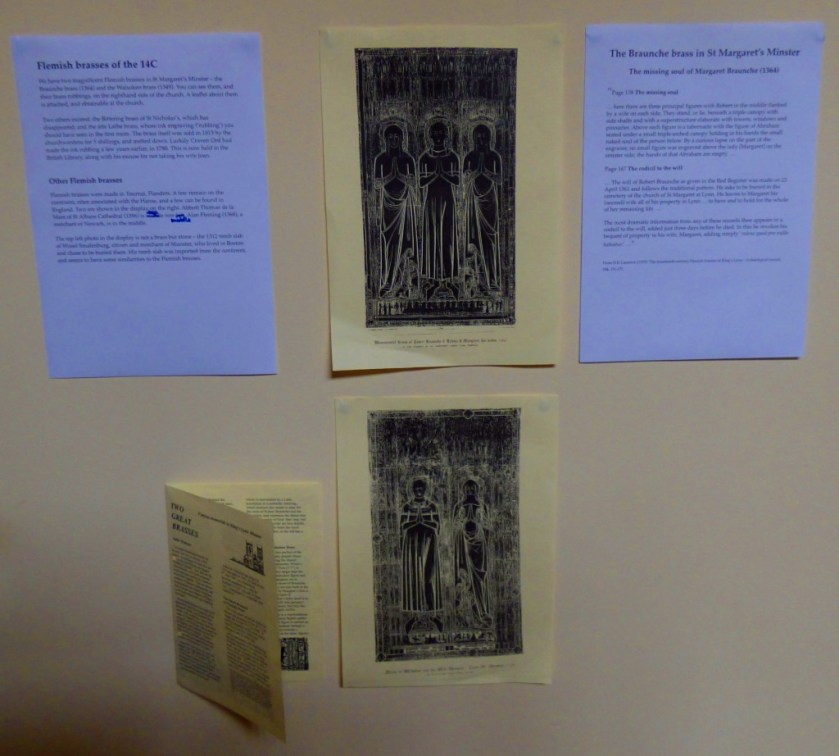
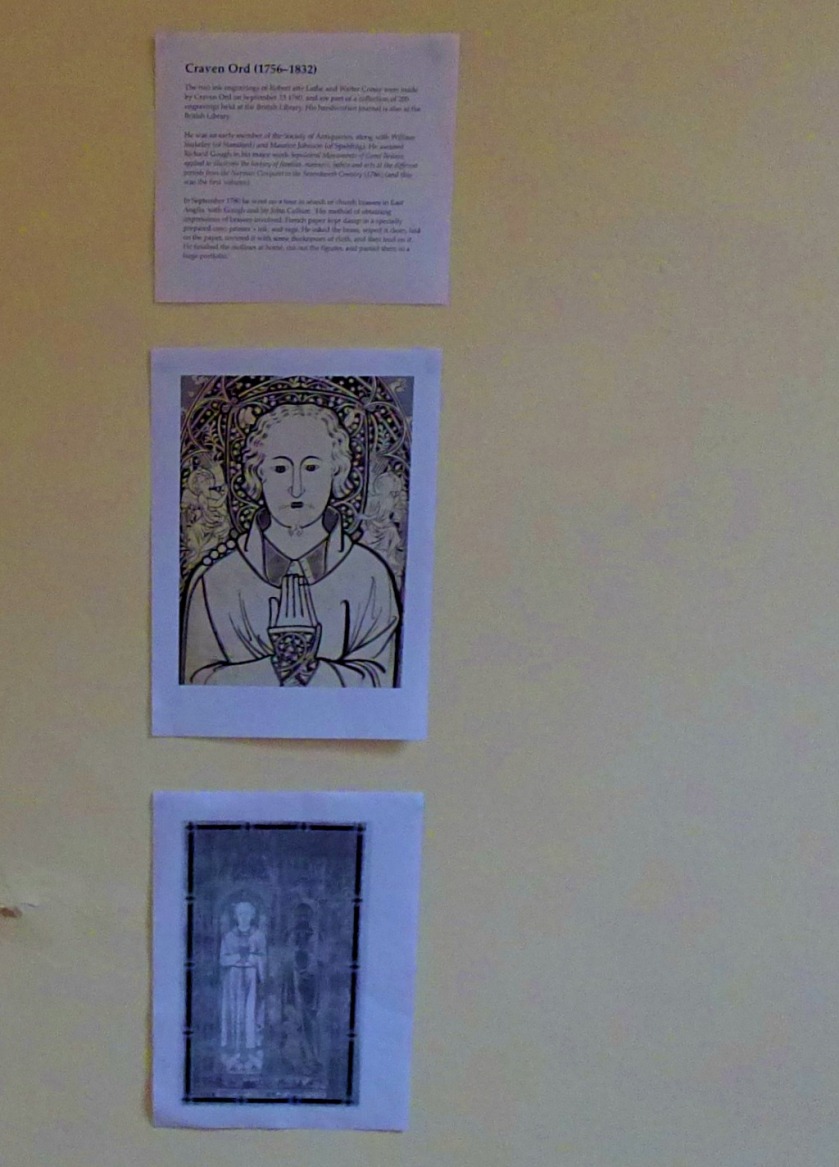
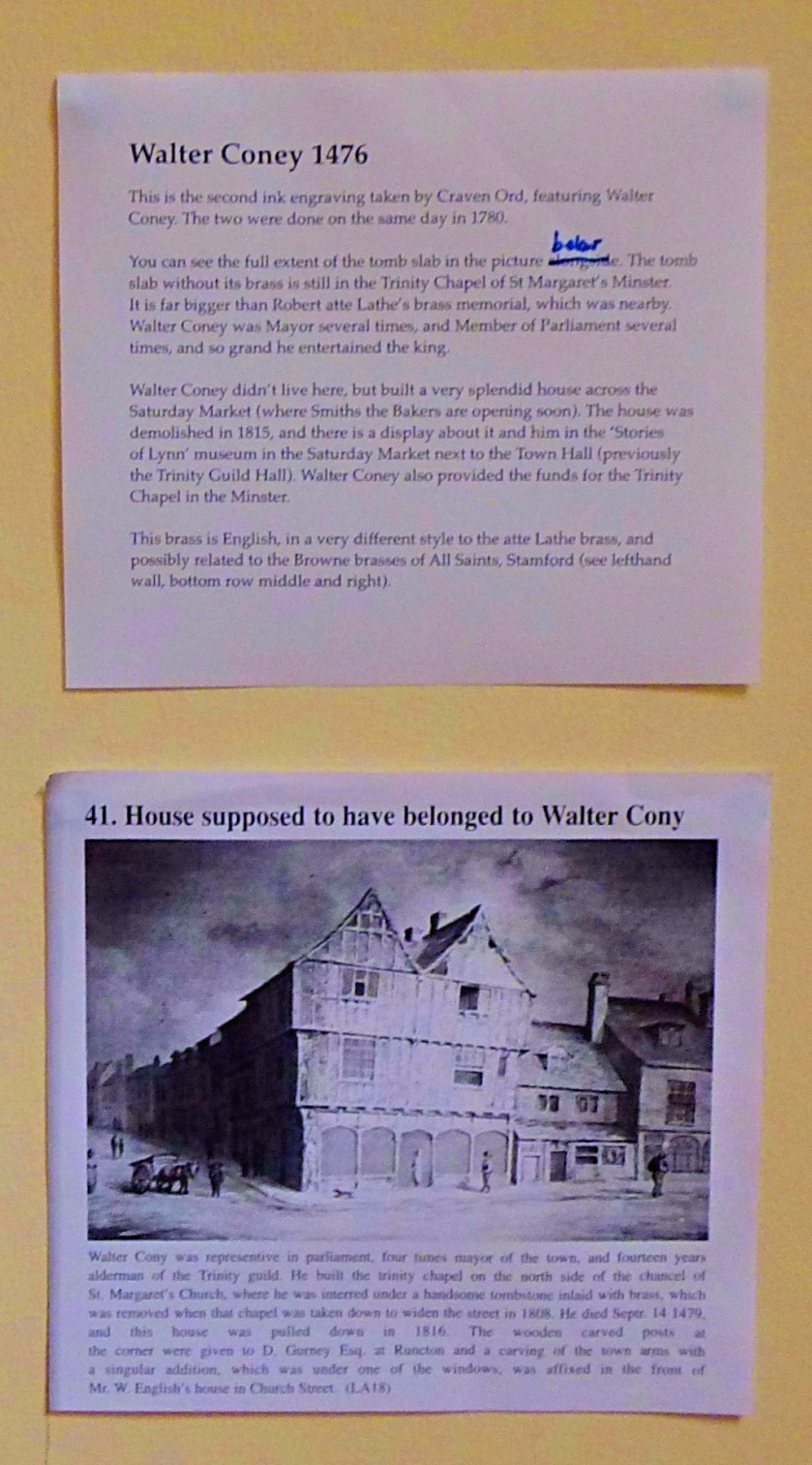
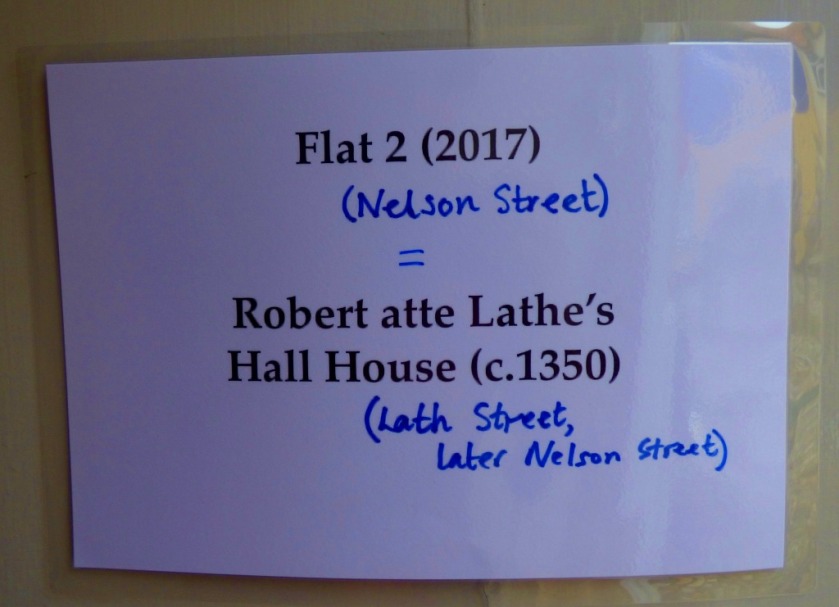
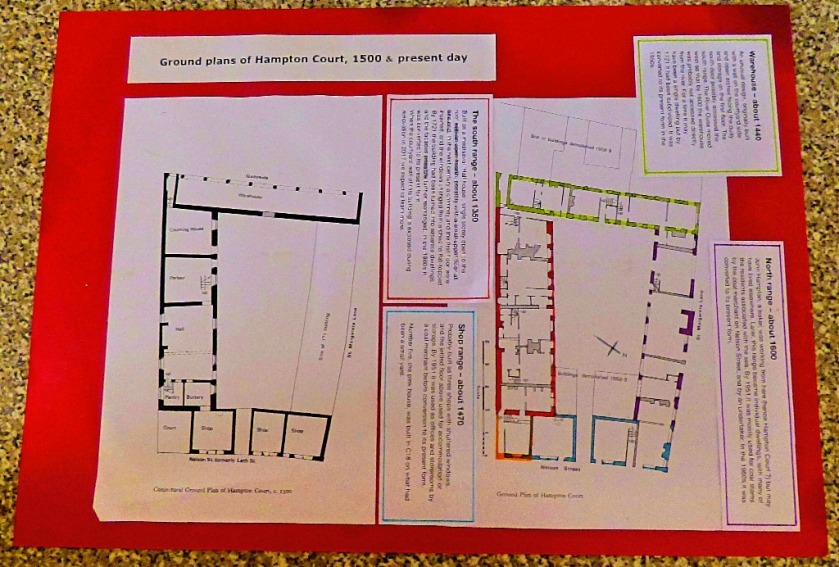
I was so impressed by this display that……I took close up shots of each individual sheet
CONCLUSION
This was an excellent start to Heritage Open Day. The King’s LynnPreservation Trust did a splendid job of presenting this building to best effect.
An overview of Heritage Open Day 2017 and the solution to a mathematical problem.
INTRODUCTION
Yesterday was Heritage Open Day in KIng’s Lynn, and as readers of this blog will know I was one of the volunteers helping to run the event. This post is a scene setter, giving an overview and indicating which parts of the day I will be giving individual posts to later on. At the end of this post I will include the answer the puzzle I posed at the end of my previous post.
STARTING THE DAY
I was going be stewarding at 27 King Street from 12 until 2, and knowing that I would find that experience a draining one I decided to see a handful of places before 12. The first place I visited was the one I had marked down as “must see”, because it was probably the only time the opportunity would be there do so –
NO 2 HAMPTON COURT
This property being currently vacant and of considerable historic interest it was open, and within was a little local history exhibition as well as the place itself. I will be giving this a dedicated post, so here for the moment is a single picture to whet your appetite:
I decided to head for King Street by way of the river front, and between this property and the river front is…
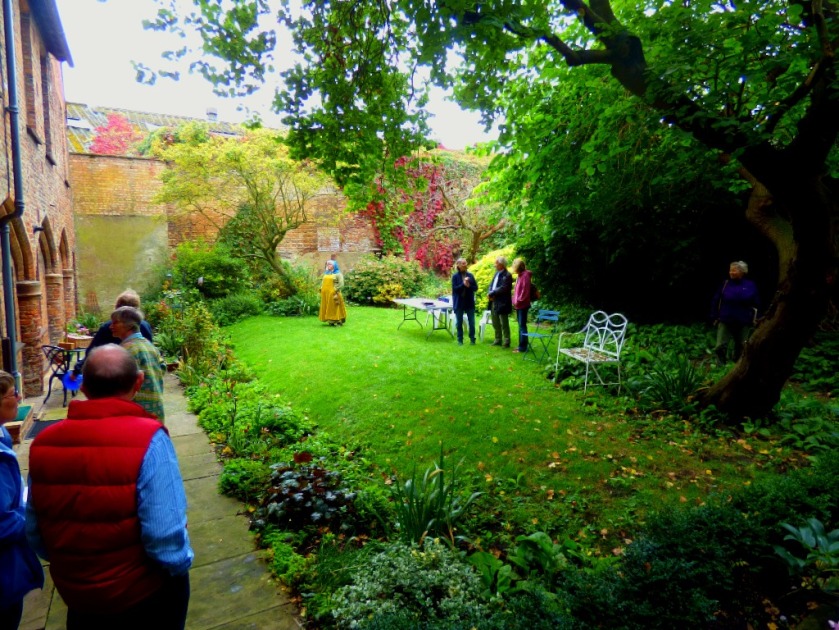
THE SECRET GARDEN
I knew that my aunt would be running things in this garden, so a quick visit seemed in order.
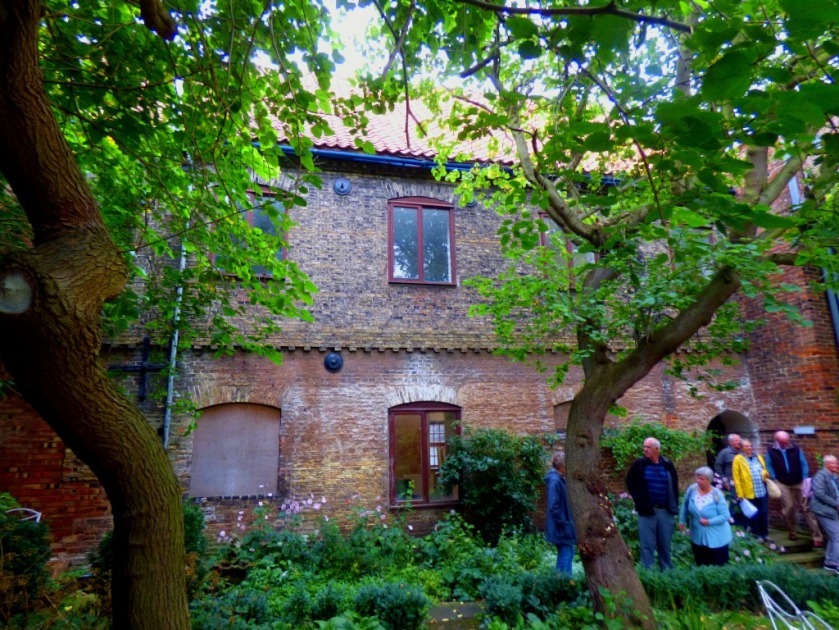
When this was first built those arches fronted directly on to the river.
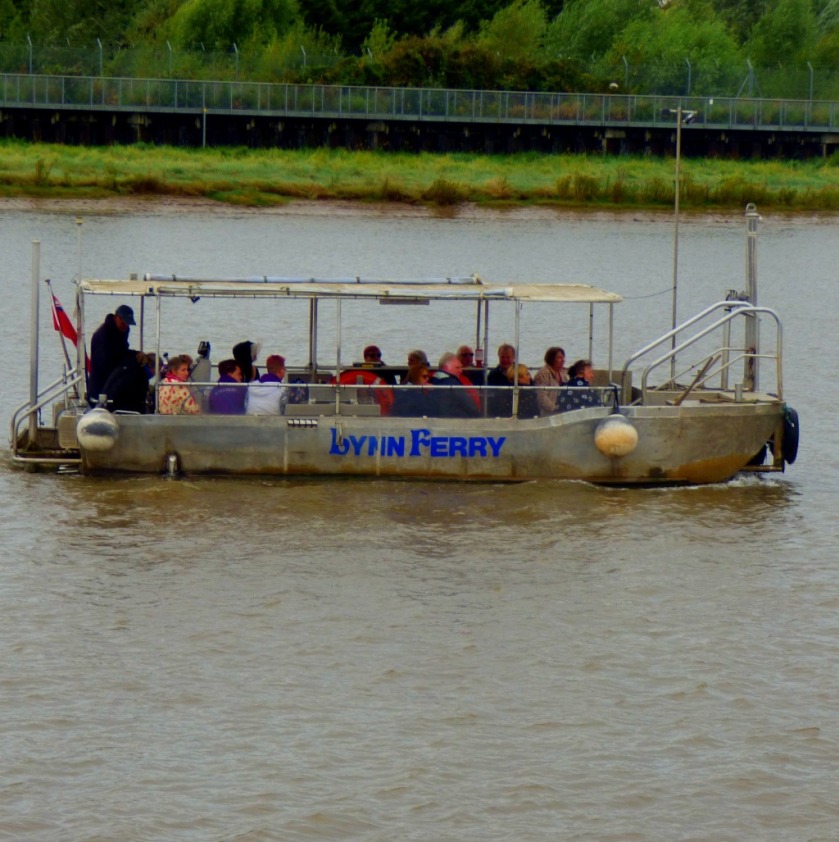
The main attraction (especially as the cockling boat Baden Powell was absent) down at the river front was, as on previous occasions…
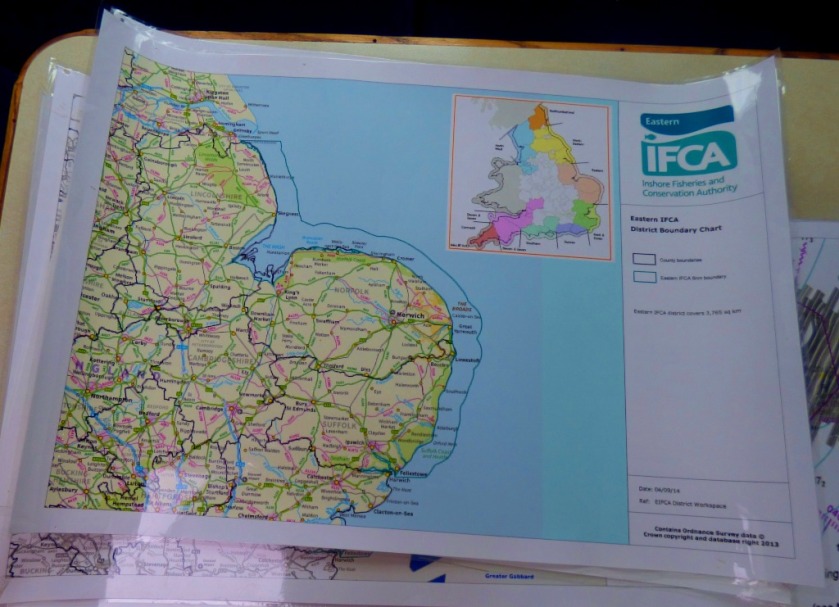
THE IFCA RESEARCH VESSEL
IFCA stands for Inshore Fisheries and Conservation Authority, and their remit is to insure that population levels of sea creatures living within six nautical miles of the shore do not decrease too dramatically. I will be creating a dedicated post about this, so I offer this picture as bait…
My plan on leaving this vessel was to…
PAY A PRELIMINARY VISIT TO 27 KING STREET
I deemed it sensible to familiarise myself with the building that I would be stewarding, so that was my next port of call. As I was at the river front I decided to go by way of the Lower Purfleet, where there was sure to be something interesting happening…
The first three pictures were taken on my out from my flat, before we get to stuff from the section between the river and King Street.
THE TUESDAY MARKET PLACE AND ENVIRONS
After my preliminary look around No 27 King Street I had half an hour to spare, so headed in the direction of the Tuesday Market Place. I paid calls at three buildings in that area, Bishop’s Lynn House, St Ann’s House and St Nicholas Chapel before heading back to no 27…
VOLUNTEERING AT 27 KING STREET
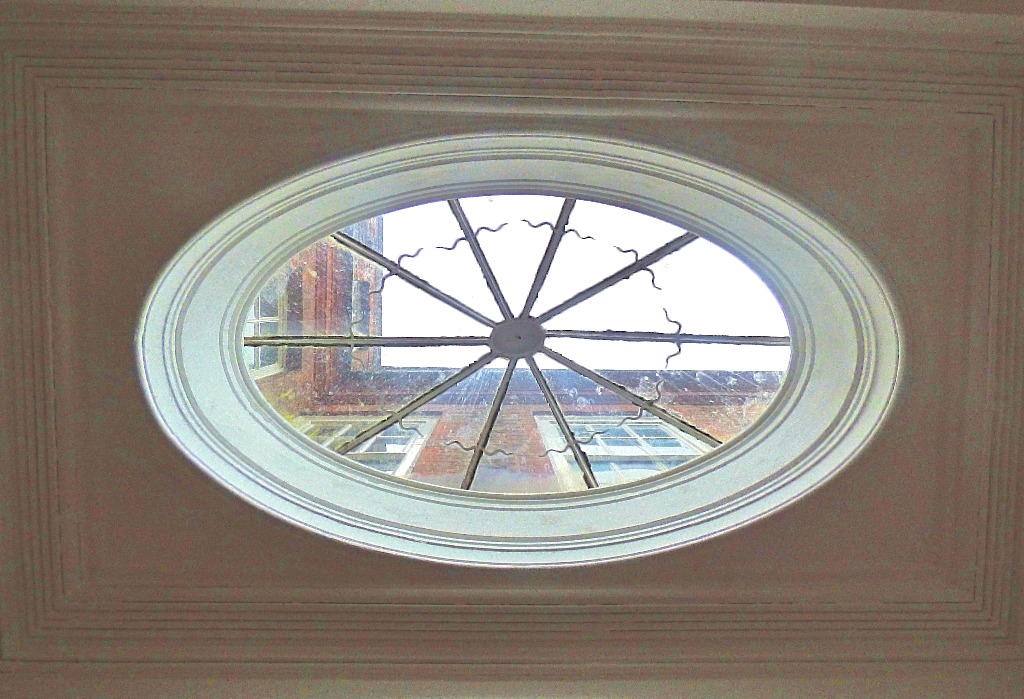
I arrived back at no 27 a few minutes early. My fellow steward for the 12PM to 2PM slot turned out to be veteran councillor Lesley Bambridge. As I will be writing a dedicated post about this I will say no more here. For a picture, here is a quirky architectural feature:
I have never seen a skylight shaped like this – for the moment until I get more information I will call it the Ellipsoid Skylight.
A CLUB ON FERRY LANE
After finishing at 27 King Street I made my next port of call the Ouse Amateur Sailing Club, where I consumed a pint. After that I decided it was time to call it a day as I was unsurprisingly feeling ‘peopled out’ – 27 King Street attracted a lot of visitors while I was there. Here is a picture taken while at the club:
This is the view looking downriver from the club’s terrace.
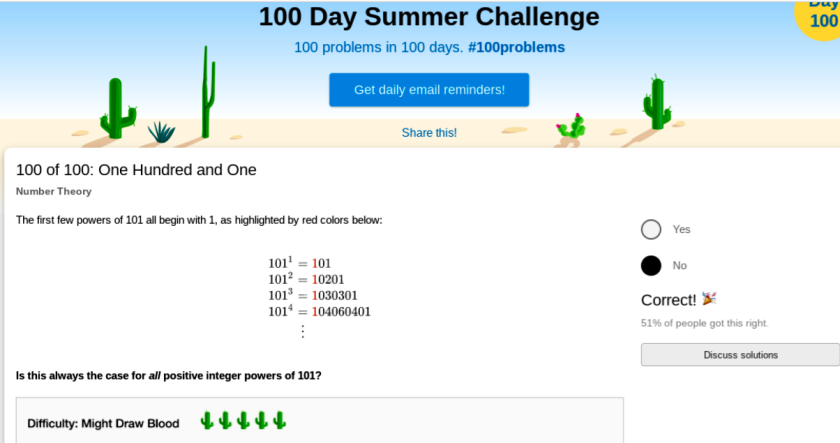
There at least three areas of mathematical knowledge that would give you an ‘in’ to this one – logarithms, compound interest and Pascal’s triangle. Since I have some knowledge of all three this problem barely brought a crease to my brow. Here are a couple of good solutions from others:
The second solution I am sharing here had a particular appeal to me:
Just to finish, the exact power (in terms of positive integers) of 101 that is the the first to begin with a number other than 1 is 70, and 101 ^ 70 runs to 140 digits.
The last of my series of “Super sharing Saturday” posts, includes some of the lighter moments of the last few days.
INTRODUCTION
I finish this day of sharing with my last few bits. These are in the main fairly light-hearted pieces, although more than one touches on serious issues.
GIANT PHARAOH STATUE
DISCOVERED IN MUD PIT
For more about this statue, possibly of Ramesses II, please click on the image below to read the article posted on livescience.com
EMMA WATSON CLASSIC RESPONSE
TO DONALD TRUMP’S ELECTION
Somebody failed to proofread a church bulletin, resulting it being much funnier than intended. The image is below, and links to the piece on whyevolutionistrue where I first saw it.
A SLICE OF (JONATHAN) PIE
This one was also brought to my attention by WEIT and is a classic example of the fictional (and very foul-mouthed – you have been warned) newscaster at his best. Here he is getting seriously aerated by the fact that there is ban on public swearing in Salford (where the BBC are based these days):
PHOTOGRAPHS
Here are some of my pictures to end this post:
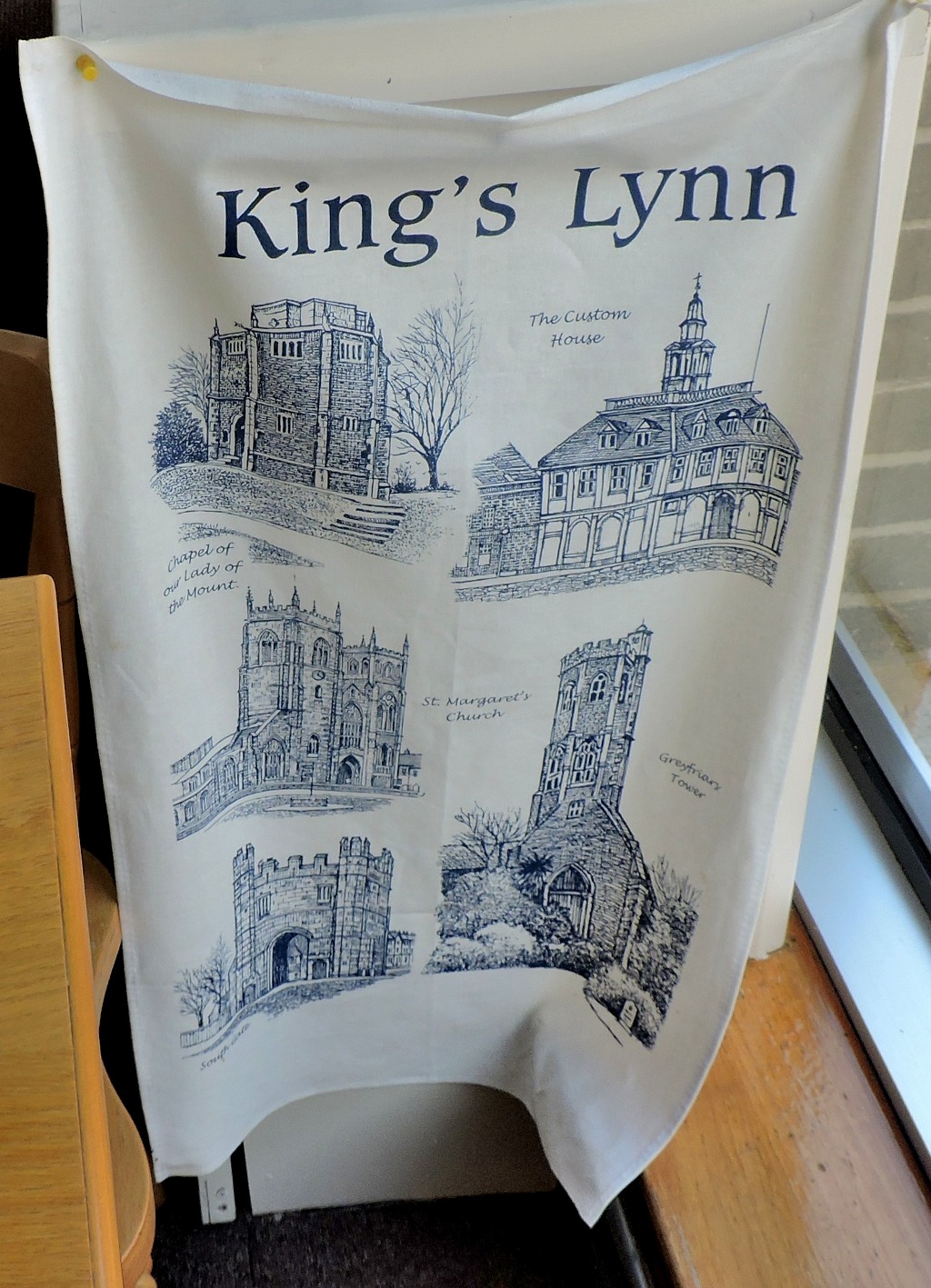
Close up of Norfolk cost tea towel.This tea towel is in the window of the coffee shop.
Three prints side by side – from L to R as you look these are of Greyfriars tower, the Custom House and the almshouses on Queen Street.NAS branches mapLondon has its own branches map on the reverse.
In due course I will be using this walk in a piece about St Albans on my London transport themed website, www.londontu.be but for now, enjoy…
St Alban’s is first recorded as a Celtic British Iron Age settlement, known as Verlamion. After the Roman conquest of Britain in AD 43, it grew into Verlamium, the third largest town in Roma…

















































































.jpg.aspx?ext=.jpg&width=238&maxsidesize=422)



































 aspiblog