England Go 1-0 Up In India

An account of an amazing finish in Hyderabad and a mention of another in Brisbane.

This morning saw two superb test match finishes. I was following the India v England match on Talk Sport2, while over on Five Live Sports Extra TMS were covering Australia v West Indies. A West Indies side who lacked most of their best known names and had been written off in brutal terms in the run up to the series, and who were 0-1 down in a two match series (this latter is an abomination that should never occur) managed to overcome Australia, winning by a slender eight runs. The body of this post is devoted the action I was listening to, in Hyderabad.

England resumed 126 runs ahead of India with four second innings wickets standing (see here for an account of days 1-3). Rehan Ahmed and Tom Hartley both provided good support to Ollie Pope, while the Surrey man headed towards a double hundred. At 173 he established a new record for a visiting number three batter in a second innings in India, beating the 172 scored by Ken Barrington at Kanpur in 1961. At 177 he passed Alastair Cook’s record for the highest second innings score in India by any English batter. The loss of Hartley and Wood in quick succession, which brought a limping Leach to the crease (the left arm spinner has a knee injury, though he managed to both bat and bowl today) derailed Pope’s advance on the 200 mark, and in the new circumstances he essayed a somewhat desperate reverse sweep and was out for 196. Given the circumstances (India, pitch showing signs of misbehaviour – the ball that got Rehan Ahmed went through very low indeed, England under the gun for much of his innings) this was as good a test knock as has been played by an English batter in my lifetime. England had reached 420, setting India 231 to win the match. Lunch was taken at the end of the England innings. Few Indian bowlers had cause to enquire to closely as to their figures, but the shining exception was Jasprit Bumrah, who somehow conjured up figures of 4-41. Bumrah now has 146 test wickets at 20.85, which means that of bowlers who have finished with more wickets than him precisely two, Sydney Francis Barnes of England, 189 at 16.43 each and Alan Keith Davidson of Australia with 186 at 20.53 each have better averages than the Indian pace ace.

Rohit Sharma began well for India, while Tom Hartley, perhaps heartened by having batted so well, was a different bowler from the guy who took only just more than 20 overs to concede 100 in the first innings. Hartley got Jaiswal, who had given him a lot of stick in the first innings, and also got Shubman Gill cheaply. Gill has talent to burn, but the hard facts are that after a decent number of tests he now averages below 30 at that level, which is not the stuff of which number threes are made. At 63 Hartley made his most important intervention to date, pinning Sharma LBW for 39 (the Indian skipper sent it upstairs, but it couldn’t have been much plumber than it actually was). Axar Patel was promoted to number five in the hope that the presence of a left hander would disrupt Hartley. He batted reasonably until with 17 to his name he pushed one straight back to Hartley and it was 95-4. At 107 KL Rahul fell LBW to Leach. At 119 came a double blow which virtually settled the issue, Jadeja being run out by Stokes’ direct hit throw and then Shreyas Iyer being caught by Root off Leach. That left India needing 112, with keeper Bharat, off spinning all rounder Ashwin and the two rank tail enders Bumrah and Siraj to score them. Bharat and Ashwin threatened for a while, scoring 57 together before Hartley got one through Bharat;s defences for his fifth wicket of the innings. One run later a smart stumping by Foakes off Hartley sent Ashwin on his way, leaving the two specialist bowlers to attempt to score 54 more for victory. Virtually every ball, especially those faced by Siraj, looked capable of yielding the final wicket, but the end was prolonged deep into the extra eight overs, claimed by England to finish things today, as fortune favoured the batters for a time. Eventually Siraj charged down the pitch against Hartley and missed his shot giving Foakes the easiest of stumping chances, which the keeper made look every bit as easy as it was. India were all out for 202 giving England victory by 28 runs. Hartley, so awful in the first innings, had redeemed himself with 7-62 second time round. Pope, who had taken a couple of catches early in the Indian innings to go with his magnificent 196 was deservedly named Player of the Match. Without his innings there would have been nothing for England to defend. India had cause to rue the cavalier way in which they batted in the first innings – they could and should have scored well over 500 against the England bowling of that innings, and that would have prevented any chance of them facing a target in the face of which they could collapse.

Here are links to full scorecards of this match and AUS v WI.

My usual sign off…

One L Of An XI

An all time XI of players whose given names begin with L, a number of honourable mentions and a large photo gallery.

Today, with England Women in the process of thrashing India Women in a T20I and with England Men getting underway in the second ODI against West Indies Men at 5:30PM UK time we meet an all time XI all of whose given names begin with the letter L, and a few honourable mentions.

  1. Laurie Fishlock (England, left handed opening batter). Unsuccessful at the very highest level, partly due to World War II, which coincided with what should have been his best years as a player, his FC record was excellent.
  2. Len Hutton (England, right handed opening batter). One of the greatest openers there has ever been, and all the more remarkable given the effects of WWII – not just an enforced six year absence from playing, but also a training accident that left one arm shorter than the other.
  3. Laura Wolvaardt (South Africa Women, right handed batter). An average of 45.69 in ODIs is a fine achievement, and that it is way ahead of her T20I average suggests that longer formats suit her.
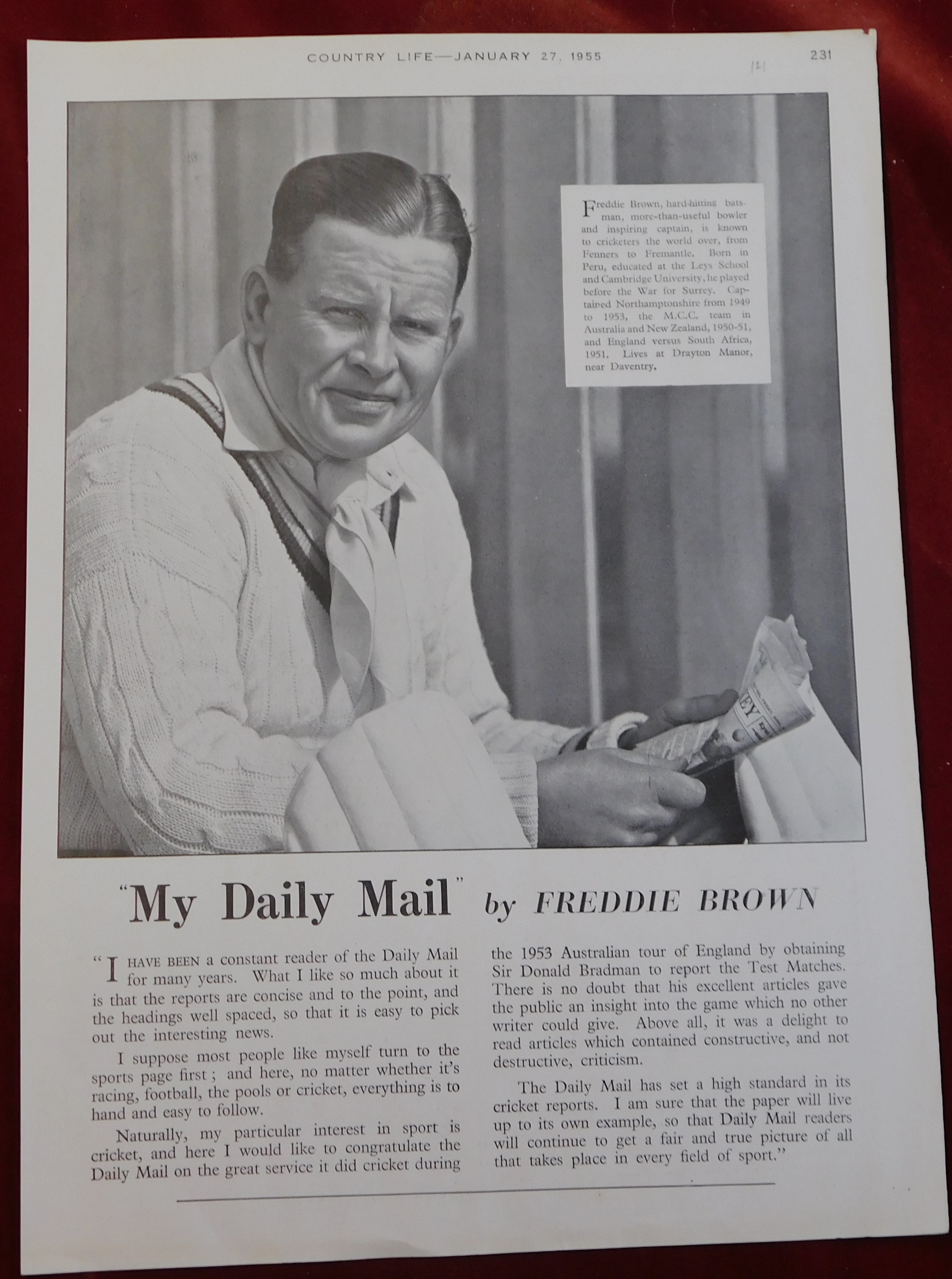
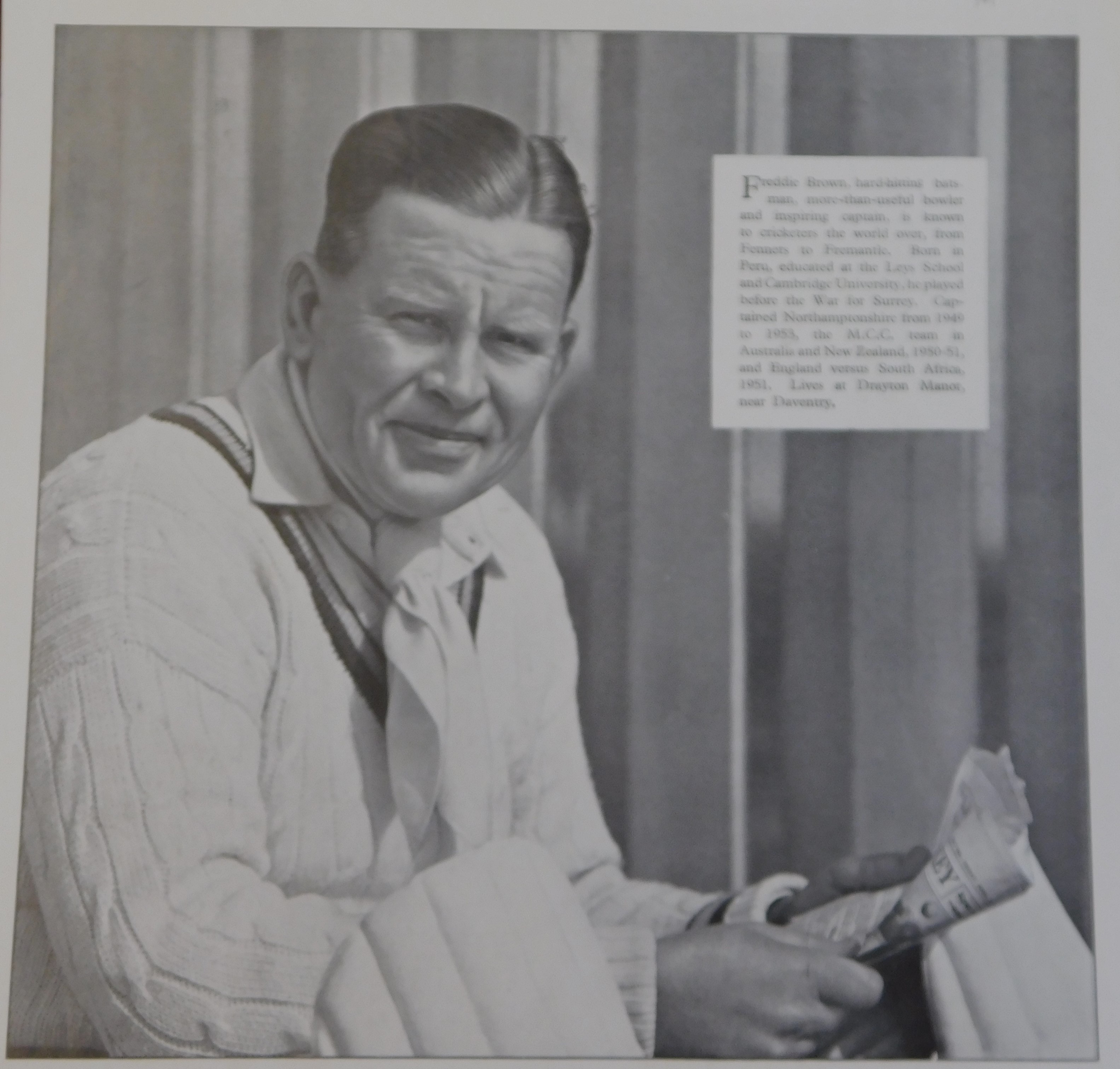
  4. *Lindsay Hassett (Australia, right handed batter, captain). His career was disrupted by WWII, but he still emerged with an excellent test record. Although Hutton won the only series in which he and Hassett were opposed as skippers I have noted that the only two of the first four matches which got close enough to completion to enable one to form a view were both heading Australia’s way when time ran out. Hassett had also got the better of Freddie Brown in 1950-1 down under, especially in the first match, when rain created a vicious sticky, Brown attempted to redress the balance by declaring at 68-7 to get Australia in on the treacherous surface, Hassett countered with a declaration of his own at 32-7, and England made such a hash of surviving the remainder of this hectic day that they closed on 30-6, including McIntyre being run out coming back for a fourth.
  5. Len Braund (England, right handed batter, leg spinner). A fine county all rounder who had his moments at test level. His batting was better than his record might suggest – almost the whole of his career happened before WWI, and he encountered a lot of poor pitches, and often didn’t have much support from the rest of the Somerset batting line up, which was notoriously brittle.
  6. +Les Ames (England, wicket keeper, right handed batter). The first test match keeper to also be a genuinely front line batter, his career highlights included 120 against Australia in an innings victory at Lord’s in 1934, a score which remained an Ashes record for a keeper until Alan Knott scored 135 at Trent Bridge in 1977.
  7. Liam Dawson (England, right handed batter, left arm orthodox spinner). He was called up for England before he was really ready for elevation and has been overlooked ever since (though with a test tour of India looming that may change), but he has been improving, and his all round skills played a large part in Hampshire faring well in the 2023 season.
  8. Learie Constantine (West Indies, right arm fast bowler, right handed batter) An explosive all round cricketer who had some great moments for the West Indies and became a legend in the Lancashire League for Nelson.
  9. Lance Cairns (New Zealand, right arm fast medium bowler, right handed batter). A fine bowler and a big hitting lower order batter.
  10. Lasith Malinga (Sri Lanka, right arm fast bowler, right handed batter). His career highlights include taking four wickets in four balls in each of two international formats.
  11. Lance Gibbs (West Indies, off spinner, right handed batter). He briefly held the record for career test wickets, going past Fred Trueman’s 307, ending with 309, which stood until Dennis Lillee went past it.

This XI has good batting depth, with a strong top seven and explosive bowling all rounders at eight and nine. The presence of so many multi-dimensional players, including the keeper Ames, enables the side to have an enviably balanced and well varied attack, with Malinga, Constantine and Cairns attending to pace/swing/seam and Gibbs, Dawson and Braund covering the spin department nicely.

I nearly went for an all-Yorkshire opening pair, with Louis Hall joining Hutton at the top, but Fishlock’s left handedness swung the verdict his way. Les Berry of Leicestershire and Lionel Palairet of Somerset were also potential openers. In the middle order Lala Amarnath, Hilary Angelo ‘Larry’ Gomes (the latter could have had the number three slot that I gave to Wolvaardt, giving me a second left hander) and another South African, Lizelle Lee, were all potential picks in this area. Lahiru Thirimanne of Sri Lanka was talented but ultimately failed to deliver on that talent. Liam Livingstone would at one stage have seemed a candidate, but his red ball form his been non-existent for some time, and in white ball cricket England seem to be treating him as a bowling all rounder, with his batting now considered of secondary importance. Lance ‘Zulu’ Klusener just missed out on an all rounders slot. A few years ago I would have expected Lewis Gregory to be worth a place in this XI but his career his flatlined. Len Hopwood, a left arm seamer and right handed batter for Lancashire, would have been a candidate for the number eight slot except that he failed absolutely in both of his test appearances. Len Coldwell spearheaded the Worcestershire bowling attack when that county when two championships in the 1960s but was found wanting at international level. Len Muncer of Middlesex and Glamorgan could spin the ball both ways, and played a significant role in the latter county winning its first championship in 1948, but he never played at international level. Laxman Sivaramakrishnan bowled leg spin for India in the 1980s, but not well enough to merit a place in this XI. Lisle Nagel, a tall right arm seamer in the 1930s once took an eight-for against a visiting England side in a tour match, but did little at international level. Two contemporary pacers, Lockie Ferguson of New Zealand, and Lance Morris, on the fringes of the Australian test side, would both have their advocates. Ferguson is a limited overs specialist, and if I were picking an XI for limited overs he would get the nod. Morris may yet force his way in to the reckoning, but at the moment he is unproven. Lebrun Constantine, father of Learie, was a fine wicket keeper but not fine enough to displace Ames.

I have a fine photo gallery to end with…

England Women have won their match against India Women, by 38 runs, which is a huge margin in a T20. Nat Sciver-Brunt scored 77 with the bat, and Sophie Ecclestone took 3-15 in her full four overs with the ball.

All Time XIs – G for Glory

An all time XI of players whose given names begin with G, a massive honourable mentions section which includes mention of today’s WBBL Challenger match, and a photo gallery.

Today I choose an all time XI of players whose given names begin with Gs. This letter poses particular challenges which I will explain in the course of the post, and there are a vast number of honourable mentions.

  1. *Graeme Smith (South Africa, left handed opening batter, captain). A superb playing record and an outstanding captain.
  2. Gordon Greenidge (West Indies, right handed opening batter). One half of the West Indies greatest ever opening pair. His highlights include twin tons on the most difficult surface of the 1976 series, two contrasting double centuries against England in 1984, one a brutal match winning knock at Lord’s after England had the temerity to declare their second innings closed on the final morning (and some reckoned they should have done so earlier), and the other a ten hour marathon innings which put his side fully in control of the match at Old Trafford.
  3. George Headley (West Indies, right handed batter). Nicknamed ‘Atlas’ because he seemed to carry his side on his shoulders, he is among the select few to have played over 20 test matches and have an average of above 60 – 60.83.
  4. Graeme Pollock (South Africa, left handed batter). Another member of the select club referred to above. In what proved to be South Africa’s last series before isolation he set an individual scoring record for that country with 274 against Australia. That score has been beaten by four players since South Africa’s readmission – Daryll Cullinan, Gary Kirsten, Graeme Smith and Hashim Amla.
  5. Greg Chappell (Australia, right handed batter, occasional medium pacer, occasional leg spinner). A superb batter, one of the safest slip fielders the game ever saw and a part time bowler of two types.
  6. Garry Sobers (West Indies, left handed batter, left arm bowler of every type known to cricket). The most complete player the game has ever seen, and therefore, as always when he is eligible for selection, the first name on the team sheet for this XI.
  7. Gilbert Jessop (England, right handed batter, right arm fast bowler). The ultimate X-factor player, with an approach to batting ideally suited to someone coming at number seven in a strong side.
  8. +George Duckworth (England, wicket keeper, right handed batter). A great wicket keeper, and in a side with the batting guns possessed by this one I am not worried about his limited skill in the latter department.
  9. George Lohmann (England, right arm medium fast bowler, right handed batter). Of bowlers to have taken at least 100 wickets he has the best average by some way, a barely believable 10.75, and also the best strike rate – a wicket every five and a half overs on average.
  10. George Dennett (Gloucestershire, left arm orthodox spinner, left handed batter). Never capped for England, but 2,151 FC scalps at 19.82 a piece. England were exceptionally well served by left arm spinners in his playing days – Rhodes, Blythe, the all round skills of Frank Woolley and Roy Kilner etc.
  11. Glenn McGrath (Australia, right arm fast bowler, right handed batter). We have our ‘enforcer’, one of the greatest of all time.

This side has a stellar top six, including the most complete player the game has ever known, the ultimate in x-factor players at number seven, a great keeper and three great specialist bowlers. The bowling does not have quite the dazzling array of options possessed by some of my sides, but I do not think that McGrath, Lohmann, Dennett, Jessop and Sobers would be likely to find capturing 20 opposition wickets beyond them on any surface.

This will require a systematic approach, so I shall work my way down the order…

Glenn Turner, the only New Zealander ever to score 100 first class hundreds is the biggest miss here, but Gautam Gambhir of India would also have his advocates, Gary Kirsten of South Africa deserves a mention (and can have the head coach job that England infamously refused to give him allegedly because his power point presentation wasn’t good enough) and George Gunn, who played for England many years ago, and absolutely did things his way also deserves a name check.

These guys missed out because of the stellar cast available to fill these slots. Geoff Howarth of New Zealand, Gundappa Viswanath of India and Gilbert Parkhouse of England would all have merited serious consideration for a letter less well stocked with world beating batters, but none can get in here.

The presence of five of the greatest ever specialist batters and Sobers limited the scope for the inclusion of all rounders. Luminaries such as George Giffen (Australia, right handed batter, off spinner), George Hirst (England, right handed batter, left arm fast medium) and two leg spinning all rounders, Greville Stevens (England) and Garnet Lee (Nottinghamshire, Derbyshire) all missed out. Had I been picking with limited overs in mind Glenn Maxwell of Australia would have been one of the first names on the team sheet, but I preferred Jessop at seven, and the only one of the top six who I could even have contemplated not picking was Greg Chappell. George Pope of Derbyshire and England was a good enough all rounder to merit a mention as well. George Ulyett, who played for England in their very early days and had an HS of 149 and a BB of 7-36 was also unlucky.

Godfrey Evans was the nearest challenger to Duckworth, wkith Graham Manou, a fine keeper who was scurvily treated by the Aussie selectors of his day and Gil Langley of Australia also in the mix.

George Simpson-Hayward, the last underarm bowler to make a serious impression at test level (over 20 wickets in his only test series, against South Africa in South Africa) was close to dislodging Dennett. George Macaulay of Yorkshire and England never managed much at test level.

It is in this category that we meet the greatest number of top cricketers to miss out for this letter. Garth Le Roux, the giant South African quick of the 1970s and 80s never got to play test cricket, otherwise he might well have had a slot. Graham McKenzie, the best Aussie pacer between the retirement of Davidson and the rise of Lillee was also close. George John was rated by CLR James as the finest of the early West Indian fast bowlers, but he was finished before they started playing test cricket. Gideon Elliott who had a very brief but freakishly successful fast bowling career in the late 1850s and early 1860s (48 wickets at less than 5 a piece, including innings figures of 9-2) deserves a mention. George “Tear ’em” Tarrant was a hugely successful fast bowler in the era immediately before the rise of WG Grace, but the way the good Doctor quelled those who before he came along had intimidated by dint of sheer pace on often treacherous pitches explains why I overlooked him. Had I not had Sobers to perform the role, two candidates for the role of left arm pacer would have been Gary Gilmour (Australia) and a gamble on George Garton, yet to establish himself as an England player. George Freeman, whose 288 FC scalps came at less than 10 a piece was another in the mix. George Geary might have had the slot I gave to Lohmann, but my feeling is that the difference between their test records is too great to be put down solely to the flat pitches on which Geary had to operate at that level. Glenn Chapple of Lancashire is a what might have been – injuries prevented him from gaining international recognition, and as fine a player as he was in domestic cricket I cannot justify dropping either Lohmann or the other Glenn to make way for him.

I was not able to include a female in this XI, but the Challenger in the Women’s BBL took place today, and Grace Harris with a superb innings, Georgia Redmayne with a great display of wicket keeping, and Georgia Voll with a stellar bowling performance all had big days out in a superb win for Brisbane Heat over Perth Scorchers, while Georgia Adams, a spin bowling all rounder, is also making a name for herself. Of the players I have named the most likely to earn a place in this squad in years to come is Redmayne, who if she continues to keep the way she did today could challenge Duckworth.

I have doubtless missed some of the riches available for this XI, though I do remind people wishing to comment that I have declared a policy of not selecting anyone who made rebel tours of Apartheid South Africa. Please feel free to make suggestions, so long as you examine the effect they would have on the balance of the side. With five batters and a batting all rounder having ironclad cases for inclusion fitting in enough bowling is a challenge for this letter.

My usual sign off…

All Time XIs – Given Name Begins With B

An all time XI of players whose given names begin with B with a lot of honourable mentions, a look at plans for the creation of a new library/ community hub in King’s Lynn and a large photo gallery.

Today I look at cricketers whose given names begin with B. My XI is I believe a very good one and quite a few fine players had to miss out.

  1. Bert Sutcliffe (New Zealand, left handed opening batter, occasional off spinner). The Kiwi left hander, scorer of the two highest first class innings ever played by anyone from that country (385 and 355) and successful at test level as well deserves his place here.
  2. Barry Richards (South Africa, right handed opening batter, occasional off spinner). He played in what turned out to be the last series of South Africa’s first incarnation as a test nation, and in four matches scored 508 runs at 72.57 with two centuries. Normally I would not read much into such a small sample size, but pretty much everyone who saw him bat and has expressed an opinion on the matter reckons that he was good enough to have maintained that average over a long test career had he been given the chance (among them Don Bradman, who officially consigned South Africa to exile from the international arena) and that domestic cricket was just too easy for him to keep him properly motivated.
  3. Brian Lara (West Indies, left handed batter). The holder of the world first class and test record individual innings (501* and 400*), also scorer of 688 runs in a series in which he, a left hander, had to contend with Muralidaran on pitches made to measure for the off spinner.
  4. Babar Azam (Pakistan, right handed batter). One of the finest of contemporary batters.
  5. Basil D’Oliveira (England, right handed batter, right arm medium pacer). In spite of the fact that due to the circumstances of his birth (born in South Africa and possessed of dark skin) the opportunity to play international cricket arrived far later than it should have done, and at an age when many are thinking about the impending end of their careers he established a fine test record.
  6. +Ben Foakes (England, wicket keeper, right handed batter). This slot was one of the first to be filled in this XI.
  7. *Ben Stokes (England, left handed batter, right arm fast medium bowler, captain). I have named him as captain of this XI due to his success with the England test team, and placed him at number seven because I think he is well suited to batting in that position in a strong line up, which this is.
  8. Bart King (Philadelphians, right arm fast bowler, right handed batter). over 400 wickets in 65 first class appearances at just 15 runs a piece, and a batting average of 20 as well. In the last of his four visits to England with Philadelphian touring sides he topped the first class bowling averages for the season, claiming 87 wickets at 11 each.
  9. Brian Statham (England, right arm fast bowler, right handed batter). For England, where he was generally number two bowler to either Tyson or Trueman, and had to take the end they did not want he took 252 wickets at 24 a piece. For Lancashire, when he had the choice of ends, he claimed wickets at just 18 a piece.
  10. Bishan Singh Bedi (India, left arm orthodox spinner, right handed batter, vice captain). I don’t always name a vice-captain in these XIs, but although there are several other former skippers in this XI I feel that while Stokes has to be skipper, Bedi stands far enough clear of the rest to warrant being named vice-captain. 266 test wickets at 28.71 each earn him his place in this XI.
  11. Bhagwath Chandrasekhar (India, leg spinner, right handed batter). Whereas Bedi was a classic left arm orthodox spinner and was simply better at doing what such bowlers do than most other such this guy was an absolute one of a kind bowler. The pair were regular team mates through their careers, and I reckon they would do even better in this side than they did in actual life.

This side has a powerful batting line up – a very strong top four, and arguably four all rounders, with King’s batting and bowling averages being the right way round. The bowling, with Statham and King opening the attack, Stokes and D’Oliveira available as back up seam options, two superb specialist spinners, and the opening batters able to bowl fill-in off spin if needed is both strong and superbly varied. This side will take a lot of beating.

Before I get into the actual honourable mentions there are two things to be cleared up to set the scene.

Bill and Billy are nearly always diminutive forms of William, and would therefore belong under the letter W in my classification. The two main exceptions I can think of are Billy Stanlake and Billy Taylor, both of whom were actually given the name Billy. Neither have records that would enable them to dislodge any of my choices, though Stanlake would enter the reckoning were I thinking in limited overs terms. Similarly, Bob and Bobby are generally diminutives of Robert and would be filed under R. NB while it is a diminutive Ben escapes this because it is short for either Benjamin or Benedict, which begin with the same letter.

I will go through the actual honourable mentions in batting order. Belinda Clark of Australia was closest to dislodging either of my chosen openers, though not massively close. Brendon Kuruppu, scorer of Sri Lanka’s first ever test double century did little outside of that one huge innings, while two Bens, Compton and Charlesworth, have yet to be given the opportunity to show their mettle at the highest level. Barry Wood would have merited serious consideration for a limited overs XI – his list A record was outstanding, and in that format his medium pace was often very valuable as well. Brad Hodge like so many of his generation missed out on international recognition due to the sheer strength of Australian sides in that era. Basil Fitzherbert Butcher had a fine test record, but not good enough to dislodge any of my chosen batters. There have been many quality keepers whose given names begin with B: Ben Barnett, Brian Taber, Brad Haddin, Budhi Kunderan and Brendon McCullum being five who deserve a mention, with the last named obviously getting a coaching gig. Brian Close had a fine record for Yorkshire and later for Somerset, where he taught a county unused to winning how to do so, but his England record does not stack up. Another Yorkshire Brian, Sellers, could only have been considered had I been struggling for a skipper, and I wasn’t. Brian McMillan had a fine record for South Africa, but not good enough IMO to dislodge D’Oliveira. Bruce Taylor of New Zealand was a decent all rounder, but not good enough to dislodge Stokes or King. Ben Hollioake’s untimely death in a car accident prevented him from qualifying. Brett Lee had a respectable record as a fast bowler, but he was somewhat expensive. Bruce Reid might well have had a place had he been able to keep himself in one piece for any length of time, but his actual record does not qualify him for selection. Ben Hilfenhaus was a useful fast-medium bowler, but in the 2010-11 Ashes when confronted with a strong batting line up he looked decidedly unthreatening. Brydon Carse is genuinely quick, but is also very erratic and hence always likely to be expensive. The almost anagrammatical Brian Brain fell too far short of the necessary class for me to accommodate him. Brian Langford and Bruce Yardley were fine off spinners, but with Bert Sutcliffe and Barry Richards both part time offies I preferred the Indian duo of Bedi and Chandrasekhar as my specialist spinners.

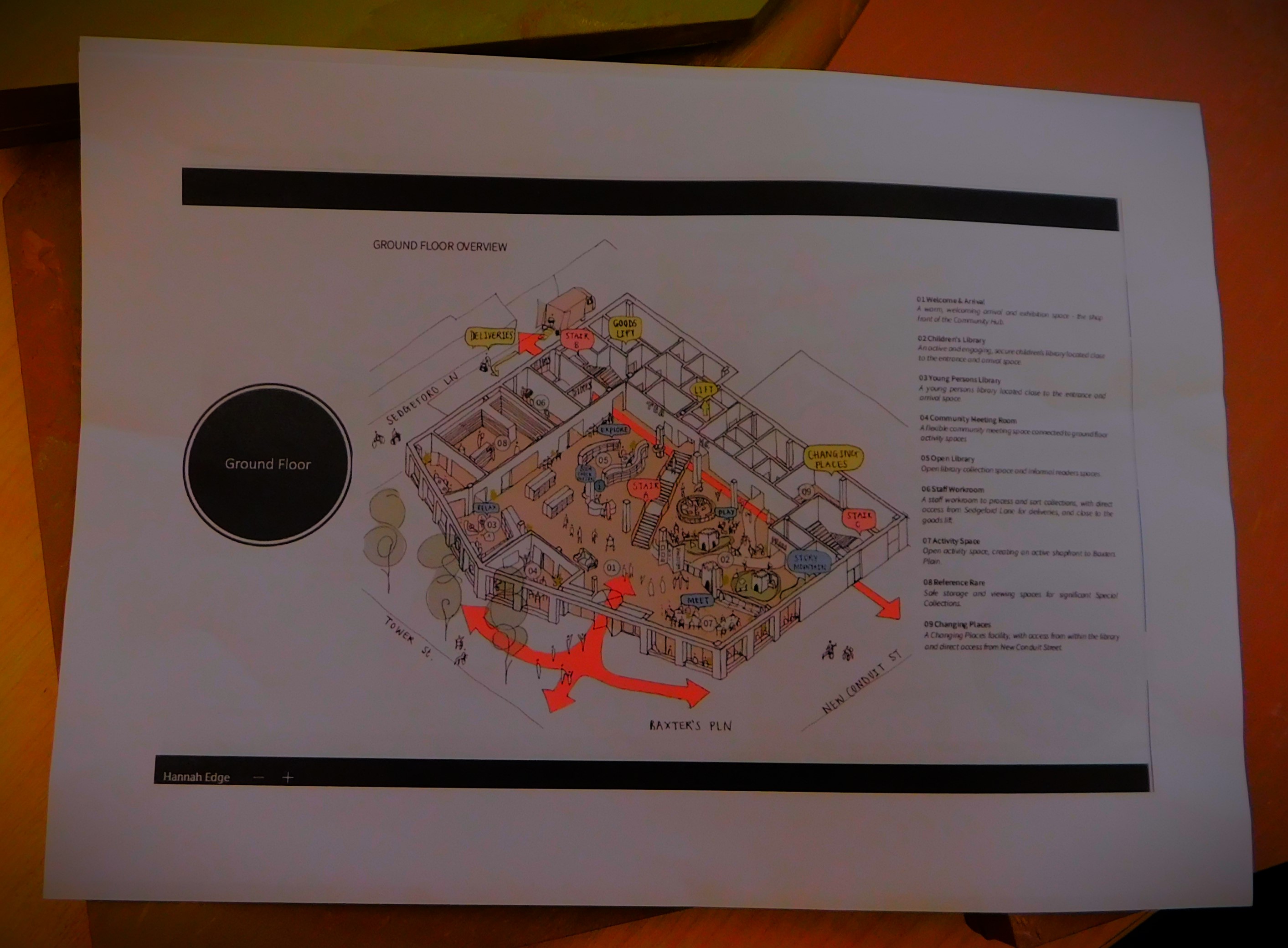
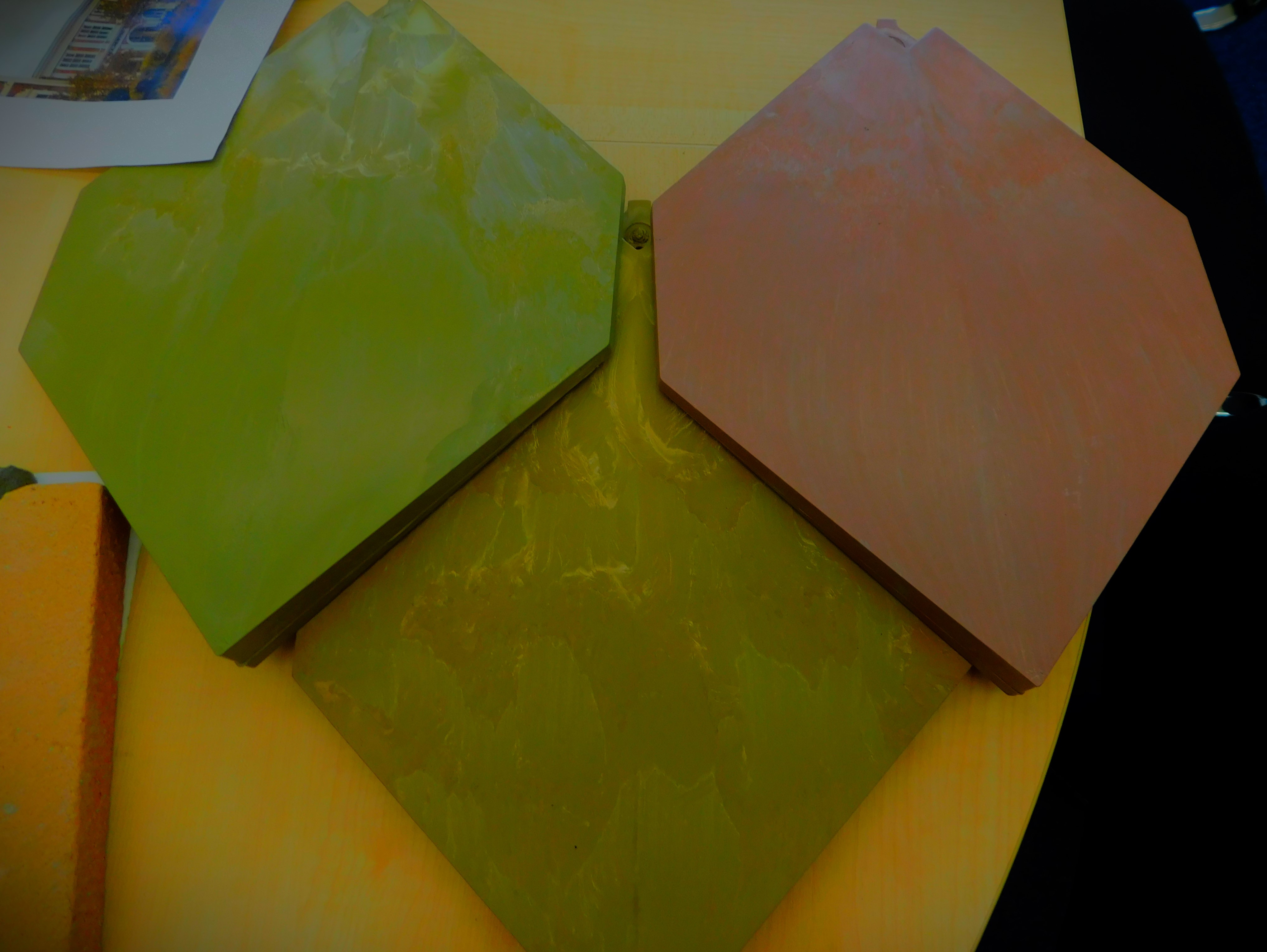
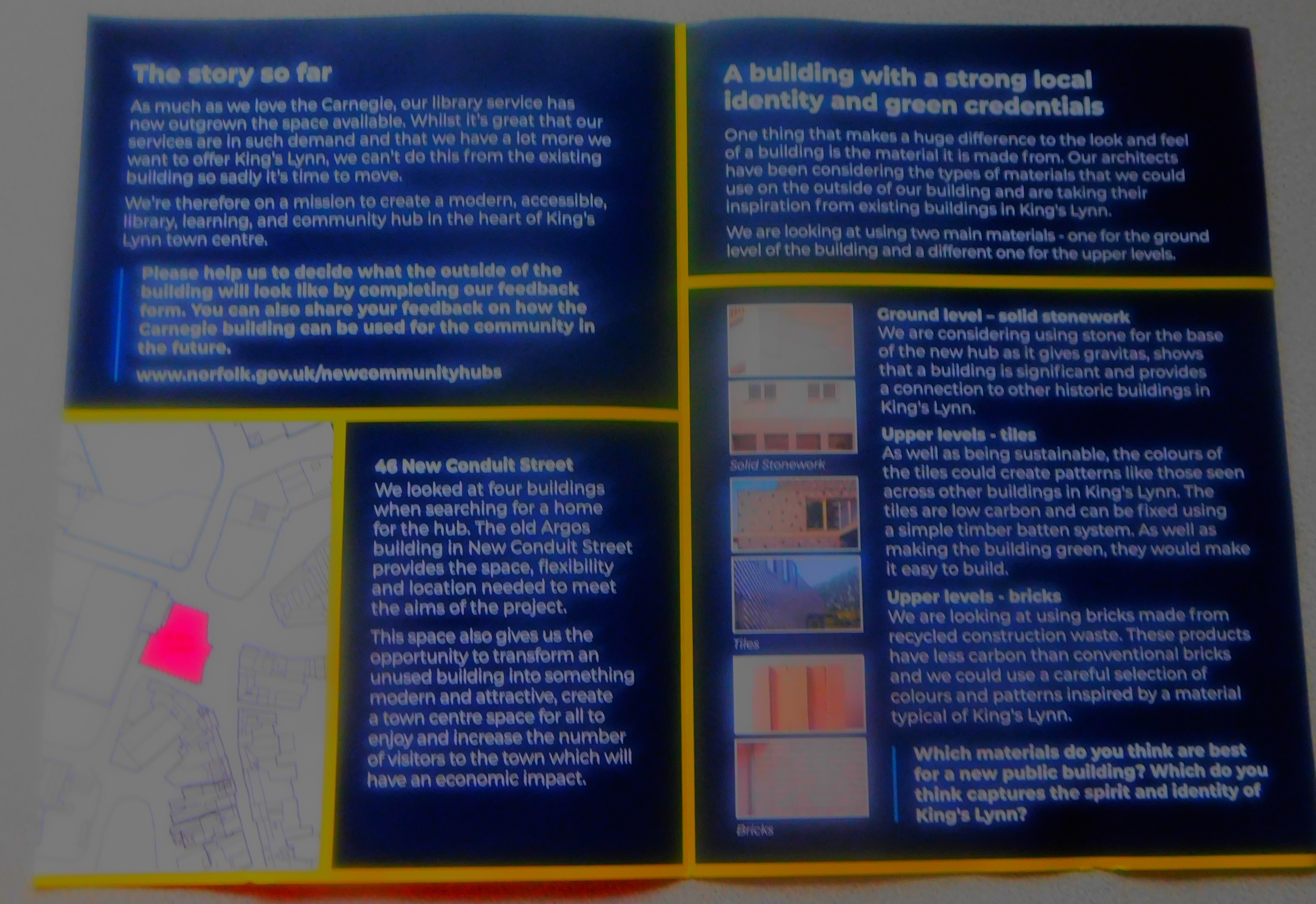
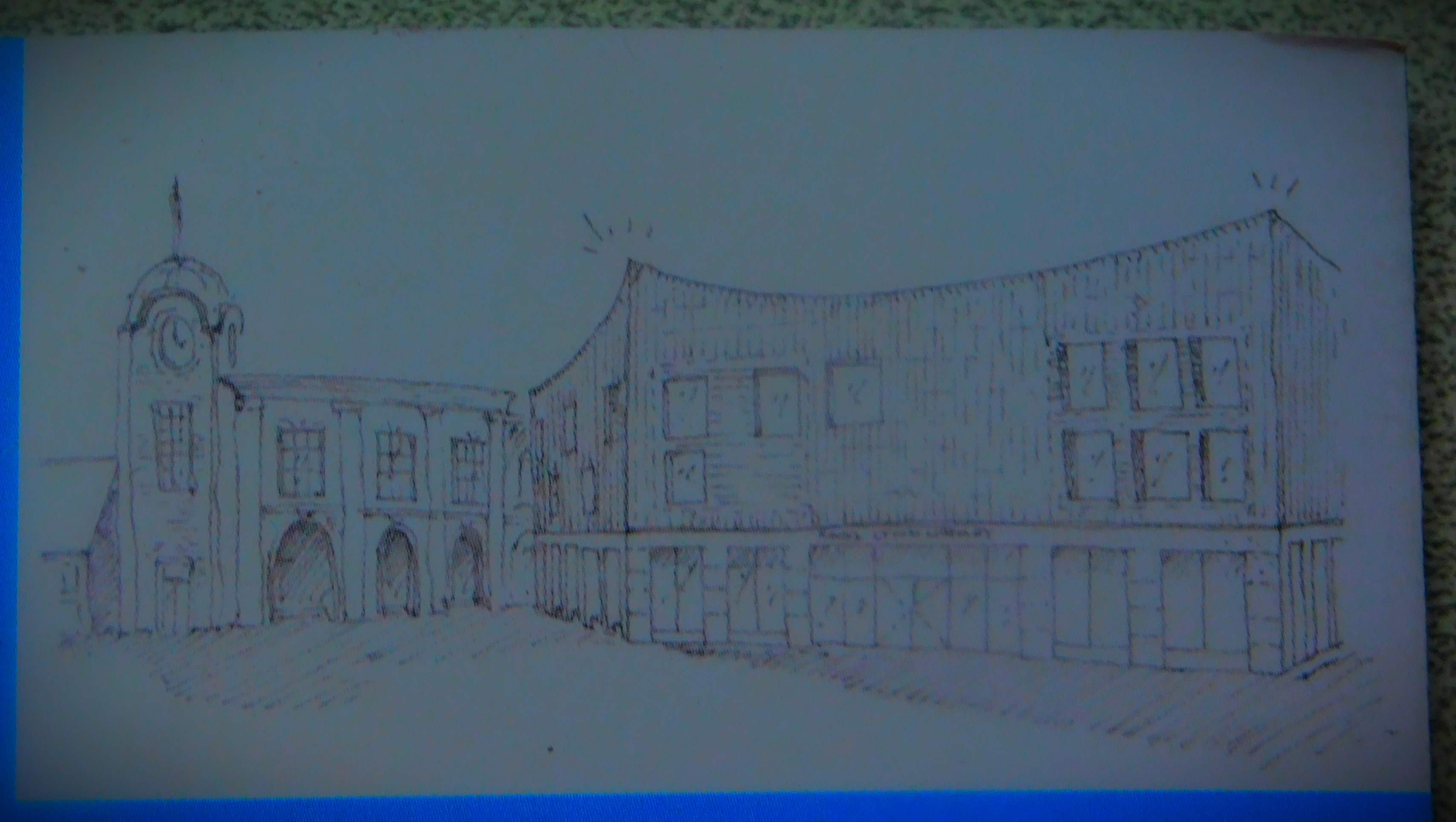
King’s Lynn Library will be moving from its current premises to the site of what used to be the King’s Lynn branch of Argos. The current premises are a listed building and therefore have to be preserved, and it is an essential part of the plan that whatever the current premises become it will be something that is fully accessible to the public (so no flats, no private business premises etc.). The new building will be constructed using environmentally friendly materials, with the ground floor featuring stone, and the upper floors and the roof featuring bricks and tiles, the latter made from recycled materials (I have seen samples of such materials at the library, and was favourably impressed). There is an initial consultation taking place which has two days to run (click here). If this scheme is carried out properly the new library/ community hub could become a modern landmark fully in keeping with Lynn’s history as a medieval town, as well as serving its purpose as library and community hub. Also a vibrant new establishment in place of the shell of the old Argos cannot fail to be an improvement.

Time for my usual sign off…

Australia Win The 2023 ODI Cricket World Cup

A look at the final of the 2023 ODI Cricket World Cup between India and Australia, which took place earlier today. Also a large photo gallery.

The final of the 2023 ODI Cricket world cup took place today in Ahmedabad, India. The contending sides were India who had won 10 straight matches to get there and Australia who had finished third in the round robin and beaten South Africa in a tense semi-final. India had won two previous men’s world cups, in 1983 (one of the greatest upsets ever seen, when an unfancied side managed to down the West Indies, going for a third straight title after being rolled for 183 in their innings) and 2011 when they beat Sri Lanka in the final. Australia had won the trophy five previous times, in 1987 when they beat England in a hard fought final, 1999 when they squeaked past South Africa in the semi-final and Pakistan then went MIA in the final, 2003 and 2007 when they dominated both tournaments and 2015 when they beat New Zealand in the final.

Australia won the toss and chose to field first, a decision that looked quite likely to backfire at the time. Both teams were unchanged from their previous games.

Shubman Gill was out early, but Rohit Sharma played the sort of innings he has been playing throughout the tournament, and the Power Play looked to have gone India’s way when they finished those 10 overs on 80-2, Sharma contributing 47 from 31 balls. Shreyas Iyer was then out cheaply to leave India three down, and it was the next passage of play that started the rot for India – Virat Kohli and KL Rahul dug in, as they had to with the team three down fairly early and having a very vulnerable tail to it, but they were too cautious, especially Rahul. KL Rahul did not hit a boundary until the 60th ball of his innings. Kohli was fourth out, not long after completing a 50, and India promoted Jadeja one place up the order, feeling it was too early for Suryakumar Yadav to come in. Jadeja did his job up to a point, but he was too defensive in approach to serve India’s best interests. When he and Rahul fell in quick succession that left Suryakumar Yadav to shepherd the most vulnerable tail of any of the top sides through an uncomfortably long period, and though he did just about see the innings through so that India batted their whole 50 overs a final total of 240 did not look great, and Suryakumar’s own innings of 18 off 28 balls was a poor one. Kuldeep Yadav and Mohammad Siraj batted together at the very end. Cummins with 2-34 from his 10 overs was Australia’s best bowler on the day, and had a new record wicket tally for a captain at a single world cup, overhauling Kapil Dev’s 1983 mark, while Adam Zampa had 1-44 from his 10, and that wicket drew him level with Muthiah Muralitharan for the most wickets taken by a spinner at a single world cup with 23 scalps. I think this effort in a final and across the tournament as a whole goes some way to answering Sidestream Bob as to why I included the leggie in my team of the tournament. India had a moderate total to defend, but while their batting, especially Sharma, Kohli and Rahul, had been good all tournament it had been their bowling that had set them apart from everybody else, and those worthies needed to prove themselves one last time to secure the trophy…

Early wickets were needed for India to have a chance, and Bumrah and Shami obliged, having Warner, Mitchell Marsh and Smith back in the pavilion before the end of the Power Play. With the score 47-3 Australia looked in some trouble, and even at the end of the 10th over at 60-3 they were hardly comfortable. However, Travis Head, already Player of the Match in the semi-final, overcame a streaky start to play a quite magnificent innings, and while he always looked to attack Marnus Labuschagne dug in at the other end. In essence the partnership between these two did successfully what Kohli and Rahul had tried and failed to do for India. As the innings progressed Australia became firmer and firmer favourites, with few signs of the partnership being broken being apparent at any stage. Head completed his century off 95 balls, to almost no response from the packed Ahmedabad crowd. By the time Labuschagne reached 50 that crowd was decidedly less packed as many spectators having read the writing on the wall (which by then was metaphorically 1,000 point bold capitals) had made early exits. With just two needed for victory, and cricinfo’s win predictor giving Australia a win percentage of 99.99 Travis Head holed out for a magnificent 137. That brought Glenn Maxwell to the crease to apply the finishing touch, and he duly took two off his first and only ball of the match to give Australia victory by six wickets with seven whole overs to spare. Head was unsurprisingly named Player of the Match, while Virat Kohli, scorer of over 750 runs in 11 matches, was named Player of the Tournament. In the end, Australia, as they so often do, had found something extra in a really big match and it was a sixth ODI world cup for the Aussie men, to go with the seven that their women’s team gave already won.

My usual sign off…

My Team of the 2023 ODI World Cup

My world cup team of the tournament in more detail than the BBC website allows, plus a large collection of recent photographs, including a new bird sighting.

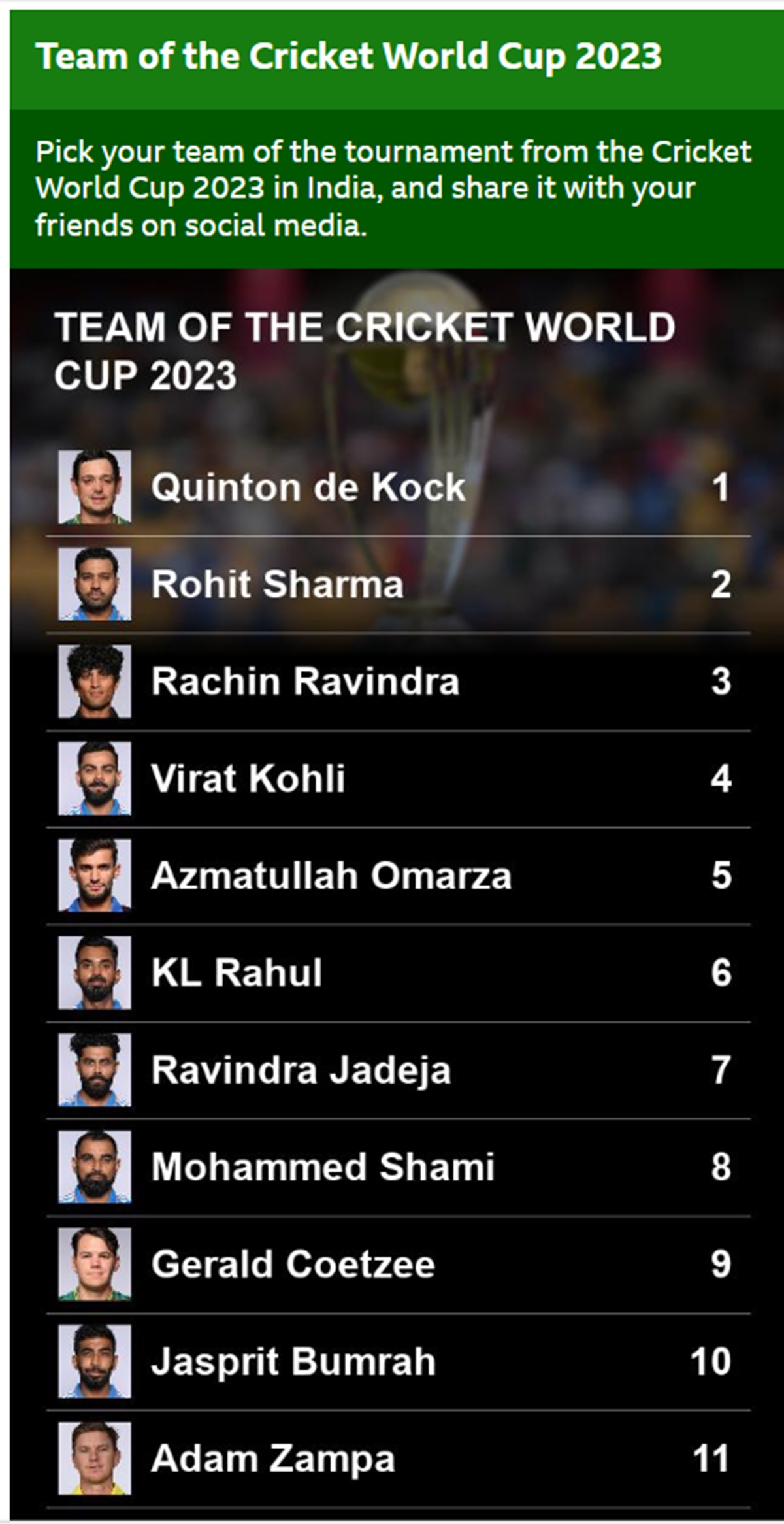
The BBC have an exercise running inviting visitors to their cricket section to pick a team of the tournament which I have just done. I am going into a bit more detail here than the website allows and will list an official 12th man, something again prohibited.

  1. +Quinton de Kock (South Africa, left handed opening batter, wicket keeper). A last hurrah in this format for one his country’s greatest ever limited overs players, and it has been one to remember, with a number of fantastic knocks.
  2. *Rohit Sharma (India, right handed opening batter, occasional off spinner, captain). He has led his side superbly and is very likely to be holding the trophy aloft in about 50 hours from now. His batting contributions even when not massive scores have made big impacts, getting India away to fast starts and taking pressure off those coming in later.
  3. Rachin Ravindra (New Zealand, left handed batter, part time left arm orthodox spinner). This has been a break out tournament for the Indian born New Zealand left hander, and he has had moments with the ball as well as with the bat.
  4. Virat Kohli (India, right handed batter, occasional right arm medium pacer). Has had a great tournament, in the course of which he has become the first to reach the career landmark of 50 ODI centuries.
  5. Azmatullah Omarzai (Afghanistan, right handed batter, right arm medium fast bowler). The young all rounder has been consistently impressive for a side who punched way above their weight at this tournament, making a very serious run at qualifying for the semi-final (at the opposite end of the punching vs weight scale would be England who failed to land a blow on anyone of any significance until it was far too late to be of any use to them).
  6. KL Rahul (India, right handed batter, occasional wicket keeper). Has been a steady hand when India have needed one – in their very first match of the tournament he came in at 2-3, when it seemed like all the good work of the bowlers could be going to waste and saw his side to victory, and there have been many other notable performances from him since then.
  7. Ravindra Jadeja (India, left handed batter, left arm orthodox spinner). Has made some useful contributions as India’s last recognized batter and has always been tidy with the ball. He is also probably the finest fielder of his generation, and has had a major impact in that department as well.
  8. Mohammad Shami (India, right arm fast bowler, right handed batter). The 8-11 in this team may need some rejigging in terms of where they actually bat – I was concerned to get the right bowlers, and not overly worried about their actual positions. He was not initially in the Indian starting line up, but has been superb since getting the chance. In the semi-final against New Zealand he became the first Indian ever to take a seven-for in an ODI, and he is for me a shoo-in for Player of the Tournament even if he doesn’t have a great day on Sunday.
  9. Gerald Coetzee (South Africa, right arm fast bowler, right handed batter). Has bowled with fire and enthusiasm – he has the best wicket celebration of any bowler at this tournament, a celebration he has been able to demonstrate quite frequently.
  10. Jasprit Bumrah (India, right arm fast bowler, right handed batter). One of the best bowlers of the current generation, and though his figures are not on a par with Shami’s, he has looked every inch the great bowler he is at this tournament.
  11. Adam Zampa (Australia, leg spinner, right handed batter). Has had an excellent tournament and is no small part of why his side have made the final. I have no witnessed enough of Zampa the white ball bowler to make a massive call and say that he is the best white ball leg spinner his country has ever had (yes in limited overs cricket he rates ahead of SKW for me).
  12. Glenn Maxwell (Australia, right handed batter, off spinner). He played on of the greatest ODI innings ever seen to win his side the match against Afghanistan, but unlike Omarzai who I selected he has not been consistently impressive. I have thus named him as 12th man.

This side his great batting power, a quality keeper, a reserve keeper available in the form of Rahul if needed and a stellar bowling unit. Omarzai as sixth bowler gives genuine flexibility in the unlikely event of one of the front five having a poor day.

Obviously, even with the tournament limited to ten teams, there has been an absolute galaxy of talent on display, and sensible cases could made for lots of the players concerned. Please feel free either to use the BBC cricket site’s tool to select your XI or use the comments section here to explain your thinking. This is my team of the tournament and I will stick to it. It is no coincidence that three of the the five front line bowlers have come from the team who I fully expect to see lift the trophy – it is the teams with the best bowling units who usually win out in the long term.

Time for my usual sign off…

All Time XIs – ODI Special

In the absence of live cricket to write about I have created a clash between a team of players from before ODI cricket was a thing and a team of ODI players to do battle with one another. Also a photo gallery.

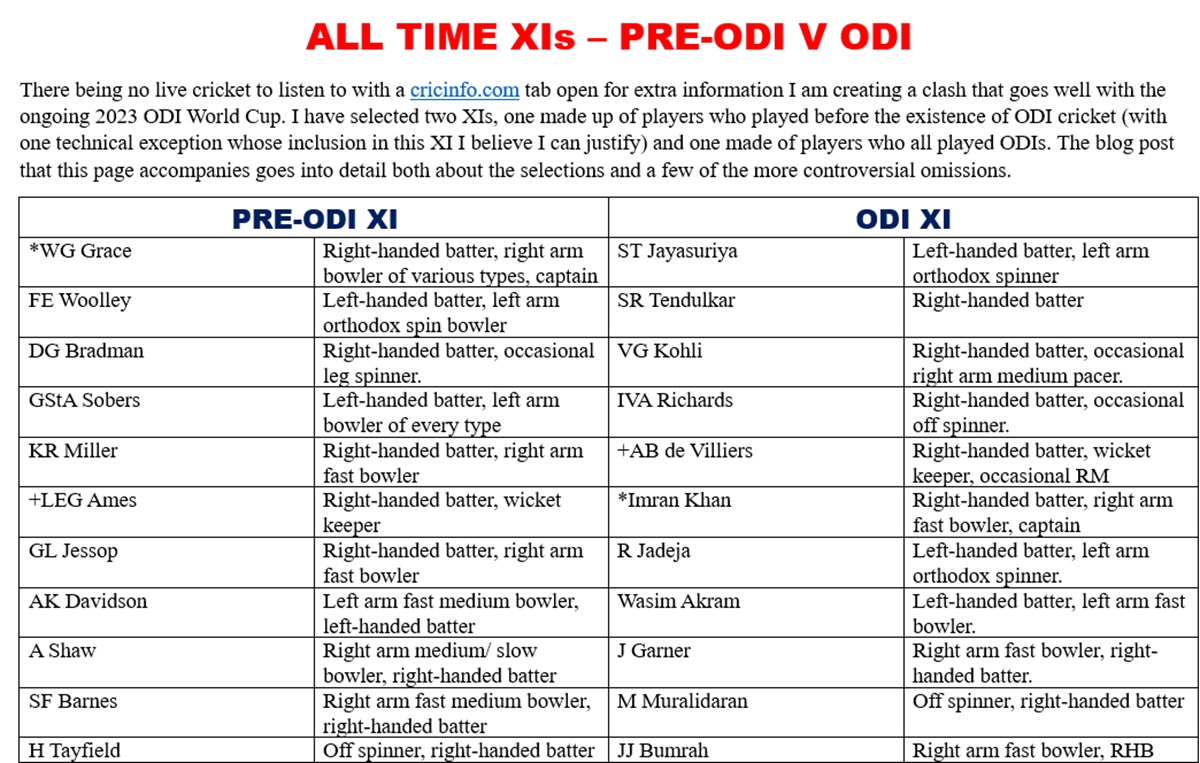
There is no live cricket today, so with the ODI World Cup 2023 approaching its final phase I have decided to produce a contest between two XIs – one of players whose careers took place before ODI cricket existed (with one very minor exception explained when we come to him) and one of ODI players. The following playing conditions would apply to what would be a five match ODI series: only one new ball per innings – using two as happens currently deprives us of old ball skills such as reverse swing because a ball that is only in use for 25 overs doesn’t get old, two minute time limit between a wicket falling and the new batter being ready to face (I am not expecting any ‘Timed Out’ dismissals but I am making sure that situation is covered anyway) and my own playing condition regarding overs not bowled within the time limit: The batting side to be awarded 10 runs or twice the current scoring rate, whichever is the greater, for each unbowled over, counting incomplete overs as ‘unbowled’ for this purpose.

  1. *WG Grace (right handed batter, right arm bowler of various types through his career, good close catcher, captain). His commitment to attacking cricket is without question, his captaincy record is superb, and he was the dominant cricketer of his era.
  2. Frank Woolley (left handed batter, left arm orthodox spin bowler, excellent close catcher). A fast scorer, a fine bowler and an excellent close fielder. Only one cricketer ever achieved the first class career treble of 10,000 runs, 1,000 wickets and 1,000 catches – Woolley.
  3. Don Bradman (right handed batter, occasional leg spinner, excellent outfielder). The most prolific batter the game has ever known and capable of scoring seriously fast as well.
  4. Garry Sobers (left handed batter, left arm bowler of every type known to cricket, excellent fielder). Before the pedants fly in, yes he did play a solitary ODI near the end of his career, in which he scored a duck. That is not enough to class him as an ODI player in my book, and I refuse to not pick the most complete player the game has ever known, so I include him in this XI.
  5. Keith Miller (right handed batter, right arm fast bowler). One of the greatest all rounders ever to play the game, and both his attacking approach to batting and his willingness to experiment with the ball would be well suited to ODI cricket.
  6. +Les Ames (right handed batter, wicket keeper). Twice winner of the Lawrence trophy for scoring the fastest first class hundred of the season, and maker of over 1,000 wicket keeping dismissals in his career.
  7. Gilbert Jessop (right handed batter, right arm fast bowler, gun fielder). The most consistently fast scoring batter the game has ever known, a more than useful bowler and a brilliant fielder. I have listed him at seven in this order but I would expect Grace to display some flexibility in this matter – if wicket number 1,2,3 or 4 falls with say 10 overs to go I expect Jessop to come in.
  8. Alan Davidson (left arm fast medium bowler, left handed batter, brilliant fielder). Among bowlers to play exclusively post WWII, to have ended their careers and to take 150 or more test wickets the one with the most economical bowling average is Davidson, with 186 test scalps at 20.53 each. He also had moments with the bat even at the highest level, averaging 24 in test cricket with an HS of 80 and his fielding earned him the nickname ‘the claw’.
  9. Alfred Shaw (right arm medium/ slow bowler, right handed batter). The man who bowled more FC overs than he conceded runs at that level, and took just over 2,000 FC wickets at 12 a piece just has to be in this XI.
  10. Sydney Francis Barnes (Right arm fast medium bowler, right handed batter). He would grumble about only being allowed 10 overs, but I would fully expect him to make superb use of those overs – he was probably the most skilful bowler ever to pick up a cricket ball.
  11. Hugh Tayfield (off spinner, right handed batter). The leading test wicket taker for South Africa in their first period as a test nation, and by some way at that. He was also notoriously miserly with the ball, once sending down 137 successive dot balls including 16 successive eight ball maidens.

This side has seven top line batters and a capable number eight in Davidson. However the true jewel in this side’s crown is the bowling, with that front four of Davidson, Barnes, Shaw and Tayfield backed by all rounders Miller, Jessop, Sobers, Grace and Woolley. The only recognized bowling type not covered is leg spin, and Syd Barnes’ signature weapon largely fills that gap. Also there are few if any ‘passengers’ in the field in this XI, and a number of genuinely outstanding fielders. This is a side that would take a lot of beating.

New Zealander Bert Sutcliffe would be well suited to the left handed opener’s gig, but he does not have Woolley’s advantage of also offering a bowling option. Mulvantrai Himmatlal ‘Vinoo’ Mankad was another possibility, but I rated his batting not explosive enough. Mushtaq Mohammad could have been selected in place of Keith Miller had I been really desperate for leg spin representation. Among the bowlers I regretted not being able to include were Bill O’Reilly, Clarrie Grimmett, Hedley Verity, Johnny Wardle and Wilfred Rhodes (his approach to batting rules him out of an upper order slot in this format IMO). Billy Bates instead of Hugh Tayfield would strengthen the batting, but I think the South African was the finer bowler.

Various white South Africans around the time ODIs were first getting going had limited opportunities to showcase their talents, and while several could make cases for inclusion I have opted not to pick any – I could not count them as ODI players since they never got to play those, and it would have been against the spirit of the exercise to pick them in the above line up. I will repeat something I have previously stated about this issue: these individuals deserve some sympathy, but not as much as the non-white South Africans who were entirely deprived of the chance to showcase their talents, going all the way back to Krom Hendricks in the 1890s.

  1. Sanath Jayasuriya (left handed batter, left arm orthodox spinner). He gets this gig for his stellar role in Sri Lanka’s only World Cup win back in 1996.
  2. Sachin Tendulkar (right handed batter). His record tally of ODI centuries has just been equalled, but his claim to this slot is in my view unarguable.
  3. Virat Kohli (right handed batter, occasional right arm medium pacer). Currently the co-holder of the record for ODI centuries.
  4. Viv Richards (right handed batter, occasional off spinner). The first truly great ODI batter.
  5. +AB de Villiers (right handed batter, wicket keeper, occasional medium pacer). The man known to fans as ‘Mr 360’ because he could score literally anywhere in the whole 360 degree arc.
  6. *Imran Khan (right handed batter, right arm fast bowler, captain). One of the greatest all rounders ever to play the game, and his leadership in the ‘cornered tigers’ world cup of 1992 removes any doubt about who has that role in this side.
  7. Ravindra Jadeja (left handed batter, left arm orthodox spinner, gun fielder). One of the finest all rounders of the modern era.
  8. Wasim Akram (left arm fast bowler, left handed batter). A great bowler and a handy lower order batter.
  9. Joel Garner (right arm fast bowler, right handed batter). His immense height meant that he posed problems in 3D geometry for opposition batters, and very few could surmount them.
  10. Muthiah Muralidaran (off spinner, right handed batter). One of the stars of that 1996 world cup win – the Sri Lankan seamers Vaas and Wickremasinghe often bowled only their opening spells, the remainder of the overs being bowled by spinners, and this man invariably bowled his full ten overs, generally with fine figures.
  11. Jasprit Bumrah (right arm fast bowler, right handed batter). One of the reasons India have won all nine of their group games at the current tournament has been the excellence of their bowling, and this man is the spearhead of that attack.

This side is well equipped batting wise, and has a stellar bowling line up, with Jayasuriya likely to be seventh bowler. There is no leg spin – to accommodate either of the two best ODI leg spinners I have seen in action I would have to drop Jadeja and promote Akram to number seven.

Some would have ignored Jayasuriya’s bowling and selected Adam Gilchrist to open the batting and keep wicket. Some Indian fans would want Dhoni to be both keeper and captain, but I disagree, and they already have four players in my chosen XI. A live alternative for the number seven slot, though it would remove a spin option would be one of two South African bowling all rounders: right arm seamer Shaun Pollock or left arm seamer Marco Jansen. Some would pick McGrath ahead of Garner as the tall mean right arm pacer and in test cricket I would agree, but in ODIs I rate the West Indian just ahead of the Australian. Feel free to volunteer further suggestions in the comments, but remember to consider how your choices would affect the balance of the sides.

My usual sign off…

Group Stage of ODI Cricket World Cup Done

A brief account of the last group match at the 2023 Cricket World Cup, a look at the final group standings, and what the rest of the tournament may hold. Also a link to an important petition. Finally, a photo gallery.

The last group match of the 2023 ODI Cricket world cup took place today between India and the Netherlands. The former had already won the group and were looking to make it a perfect nine wins out of nine at the group stage, while the latter knew that a win would qualify them for the 2025 Champions Trophy. Both teams were unchanged, and India won the toss and elected to bat.

India had an innings in three parts. They made a blazing start, making 500 look a distinct possibility, then they slowed down in the middle, but in the closing stages of their innings Shreyas Iyer and KL Rahul were imperious, and although the record breaking innings tally did not materialize, India managed 410-4, with all of their top five topping the half century mark. Iyer and Rahul reached centuries, off 82 and 64 balls respectively, while Logan van Beek had a century of a different and less welcome kind – 10-0-107-0.

The Netherlands showed fight, as they had all tournament, but never looked like threatening the Indian total. As it became obvious that India were in no danger whatsoever, some part time bowlers put in appearances for them – Shubman Gill, Virat Kohli, Suryakumar Yadav and Rohit Sharma all taking turns. Kohli picked up a wicket, and Sharma, bringing himself on as ninth bowler for the 48th over of the innings took the final wicket, that of Nidamanuru for 54. Since Sharma conceded only seven runs, six of them to the shot that completed Nidamanuru’s 50 and took the Netherlands to 250 he now has the best bowling average at this world cup – 7.00 per wicket. Among the more serious bowlers Jasprit Bumrah had 9-1-33-2, and Siraj, Kuldeep Yadav and Jadeja also picked up two wickets a piece.

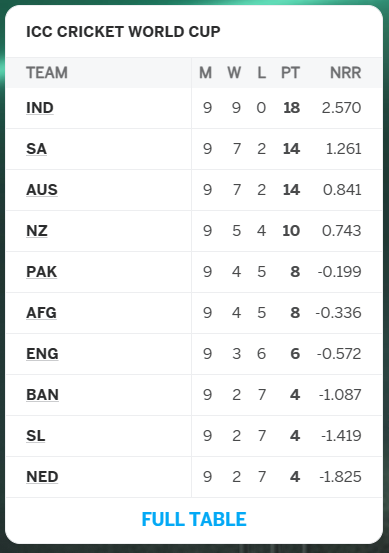
The final table reads as follows:

Thus India will play New Zealand in semi-final one on Wednesday and South Africa will play Australia in semi-final two on Thursday. Pakistan, Afghanistan, England and Bangladesh are all qualified for the 2025 Champions Trophy and Sri Lanka and the Netherlands leave with nothing. Afghanistan did superbly well to threaten to qualify for the semi-finals, while without a doubt the team with the most cause to be embarrassed about/ ashamed of their performance at this tournament is England, winners four years ago, falling at the first hurdle this time round. My initial expectation was that teams with a won six, lost three or better ratio would qualify automatically and that teams with a won five, lost four ratio would be split be net run rate. In the end, a combination of dominance by the top three and the fallibilities near the end of the tournament of both Afghanistan and Pakistan meant that only one side had 5:4 record and it was enough for them to qualify without relying on net RR. India look heavy favourites right now, but in 1996 (two groups of six, rather than one of 10) South Africa won every group game and looked a superb unit going into the quarter finals, where they were knocked out. That is by way of a reminder that there are four teams still in this competition, and that whichever of them wins two successive knock out matches will take the trophy. While I will congratulate India with all sincerity should they go on to win, and might even genuinely mean a few words of praise if Australia do the same, my own hope as someone whose inclination is to support the underdog is that one or other of the two ‘Cinderella’ sides, New Zealand or South Africa end up winning the title.

First, a link to an important petition, against a planned road development that would literally undermine Stonehenge. Please click here to read, sign and share this petition.

Now it is time for my usual sign off…

England Exit but take Pakistan with them

A look back at today’s world cup matches, especially England v Pakistan, , analysis of the group standings with one group match to go, a mention of a couple of upcoming auctions being held by my employer and my usual sign off.

Today saw two group matches at the 2023 ODI World Cup, Australia v Bangladesh and England v Pakistan. Most of this post is dedicated to the second of these fixtures. In the early game Bangladesh posted just over 300, and Australia chased them down very comfortably, Mitchell Marsh setting a new record for an Australian number three in ODIs by scoring 177 not out.

England were already eliminated, while Pakistan had a very outside chance of staying in the tournament. The least vanishingly unlikely scenario to allow this to happen would have seen Pakistan bat first, score a huge total and bowl England out cheaply. Going this way round would still have left Pakistan needing to win by 287 runs to go ahead of New Zealand on net RR. As it happened Buttler won the toss and decided to bat. This meant that the first landmark for England to reach was 169, at which point Pakistan would be in the position of needing at least one no-ball from England even if they hit everything for six if they were to overhaul New Zealand on net RR.

In the event England batted the best they had all tournament, and it was soon very obvious that any scenario involving Pakistan overhauling New Zealand was not so much vanishingly as Daniel Dennett’s usage of Vanishingly unlikely (in the book “Darwin’s Dangerous Idea”). Various players contributed for England, and all Pakistan’s bowlers took a fair amount of stick. In the end England posted 337 from their 50 overs.

Pakistan never looked at the races, and there were times when it looked like their net RR was going to take such a battering that they dipped below Afghanistan into sixth place. The magic number to avoid that was 187, and they reached that figure with eight wickets already gone, losing a ninth shortly afterwards. The last pair of Mohammad Wasim and Haris Rauf then managed to connect with some meaty blows, but long before they were even close to worrying England one such shot went higher than it did long and Stokes managed to get himself underneath it. Pakistan were all out for 244, beaten by 93 runs. Two England bowlers reached career landmarks along the way – David Willey whose retirement is already confirmed reached 100 ODI wickets with the second of his three scalps, and Adil Rashid claimed his 200th ODI wicket. Willey was given the Player of the Match award, making the decision not to award him a new central contract look even sillier than it already did (while the timing of the central contract details being made public, right in the middle of a tournament, verged on the criminally insane). England are in seventh place, and unless the miracle of the tournament happens tomorrow and the Netherlands somehow beat India by a really big margin in the last group match seventh is where they will finish. However, two of their three wins came after their eliminations was already confirmed, and those two late consolation victories should not be allowed to overshadow just how dire a tournament this was for the team who “didn’t come here to defend anything”.

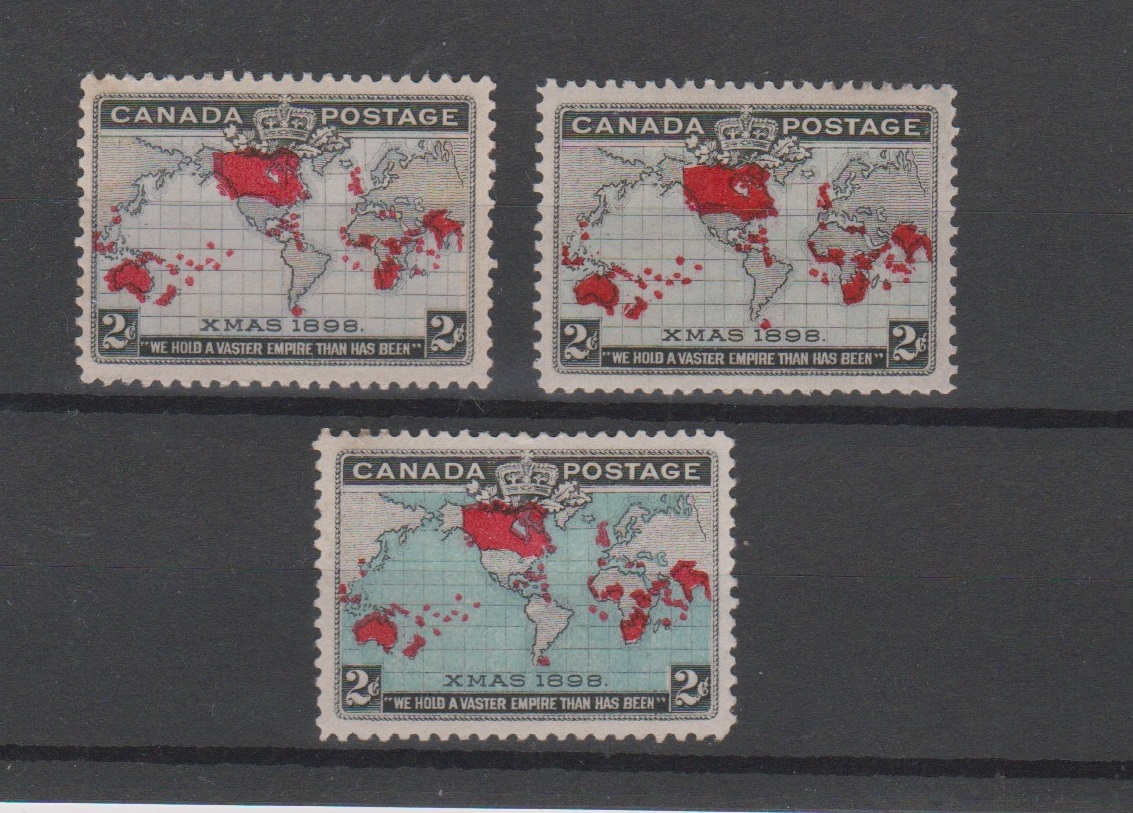
James and Sons’ November auctions (on Tuesday 21st and Wednesday 22nd) are now ready to view online.

Tuesday’s auction features stamps and postal history, and contains 500 lots. Lot 105 (below) is one of them:

There are two ways to view a catalogue listing and/or sign up to bid online:

Saleroom Easyliveauction

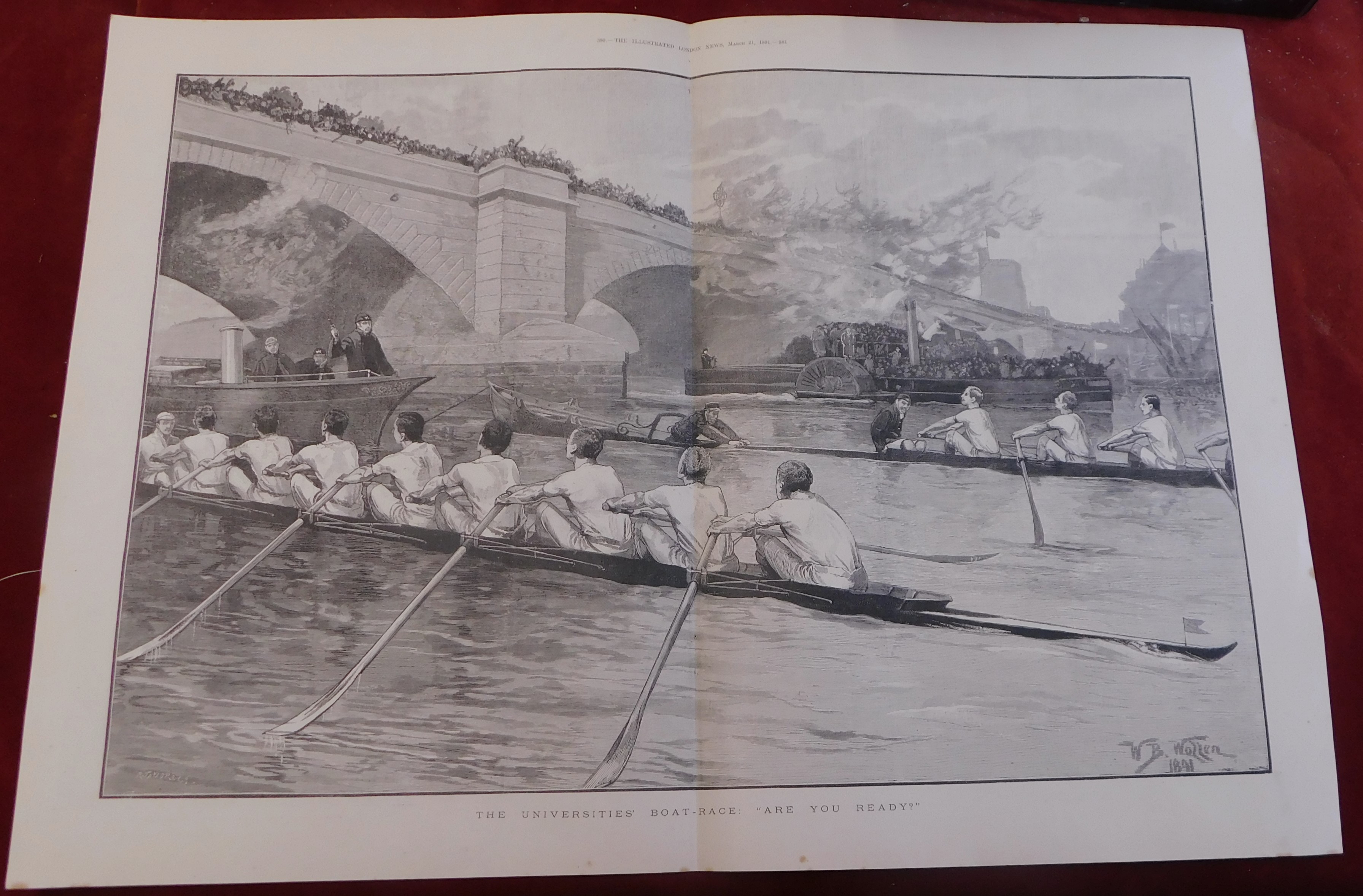
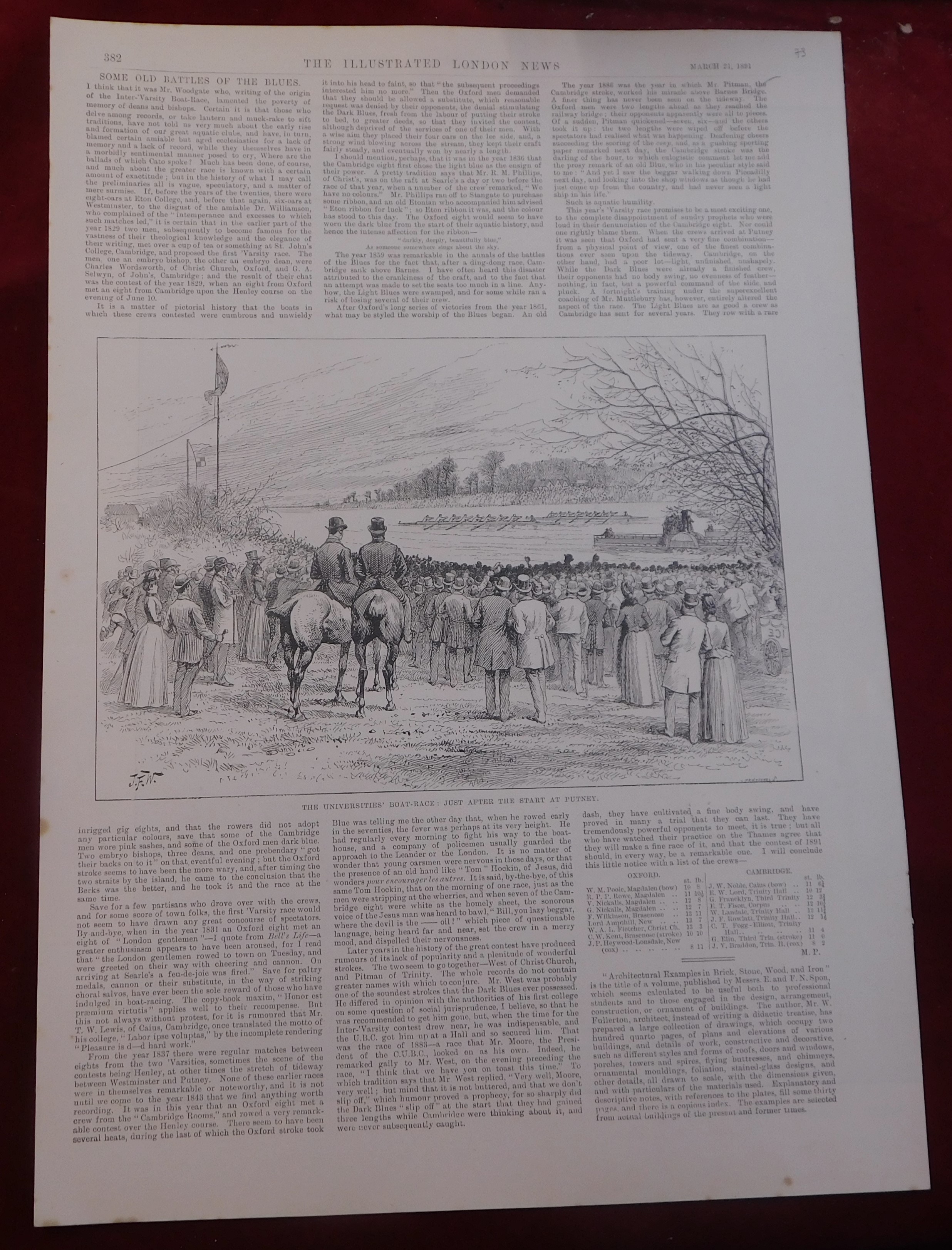
The second day’s sale features advertising and ephemera. The main feature image is the centrepiece of lot 702, a poster sized picture of the 1891 Boat Race crews in action:

Full catalogue listing online, starting from lot 501

Saleroom Easyliveauction

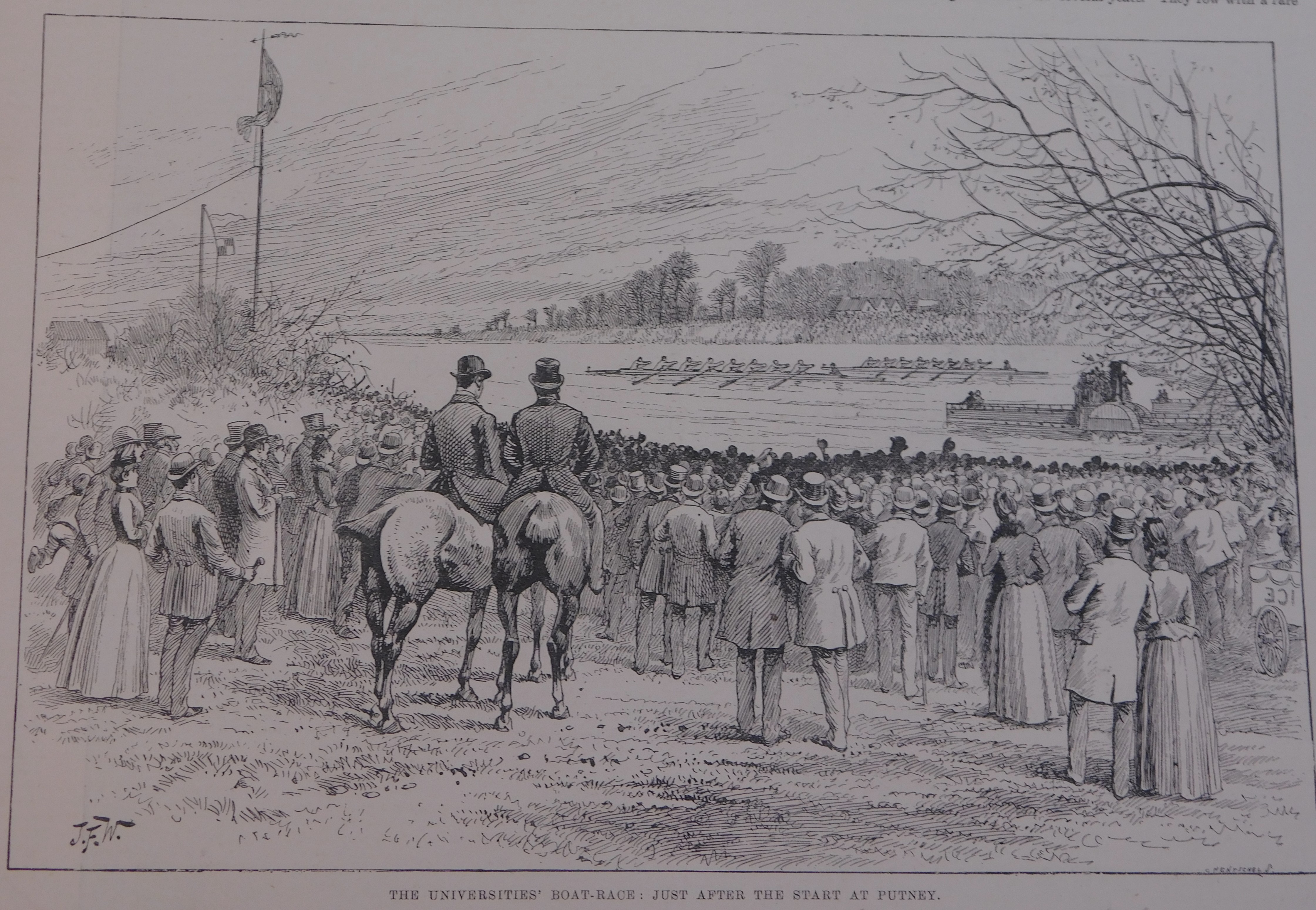
As a lead in to the final section I have a few more ephemera images, including the rest of the gallery for lot 702…

It is getting to the time of year when really good things to photograph become harder to come by, but I do have my usual sign off…

Afghanistan in the Hunt for Semi-final Slot

A look at today’s world cup match between Afghanistan and the Netherlands, and the affect that the result has on the battle for semi-final qualification. Also a very large photo gallery.

Today’s world cup match saw Afghanistan facing the Netherlands. This post looks back at that match and at the fight for a semi-final slot. I did not catch a single ball of yesterday’s game in which India obliterated Sri Lanka (another “we’ll have a bowl” disaster at this world cup – India put in to bat tallied 357 from their 50 overs and Sri Lanka sank to 55 all out in response).

Afghanistan opted to go with four front line spinners, relying on Fazalhaq Farooqi and Azmatullah Omarzai to bowl such seam as was required. The Netherlands won the toss and chose to bat first, clearly the correct decision on a turner. However, winning the toss and making the right decision are the first two steps of a three-step process, with the third step, playing good cricket, by far the most important…

The Netherlands started very well, but the dismissal of O’Dowd, run out for a rapid 42, put the skids under them. That dismissal made it 73-2, and Colin Ackermann and Sybrand Engelbrecht put on 19 together before Ackermann became the second run out victim of the innings. Scott Edwards was then given Run Out first ball to make it 92-4. This was unlucky for Afghanistan keeper Ikram Alikhil, who pulled off a superb piece of work behind the stumps and deserved by credited with a stumping, but apparently Edwards had made contact with the ball, which meant that officially it had to be called a run out. Five runs later Bas de Leede played a wild shot at Mohammad Nabi and succeeded only in edging to Ikram Alikhil to make it 97-5. Saqib Zulfiqar offered Engelbrecht some support, but after scoring a very slow 3 he edged one from Noor Ahmad into the safe gloves of Alikhil and it was 113-6. Logan van Beek stayed while a further 21 runs accrued, of which his share was 2, before he was stumped by Alikhil. Roelof van der Merwe helped the Netherlands past the 150 mark, but shortly thereafter caused the run out of the determined Engelbrecht for 58 (86), and it was 152-8. Roelof van der Merwe and Aryan Dutt devoted themselves almost solely to seeing out overs at this point. The first really aggressive shot by either, from van der Merwe resulted in a lobbed catch to Ibrahim Zadran off Noor Ahmad to make it 169-9. Dutt and Paul van Meekeren cobbled together another 10 for the last wicket before Mohammad Nabi trapped van Meekeren LBW. The Dutch number 11 reviewed it, but it was plumb and the Netherlands were all out for 179 in 46.3 overs. 38.3 of those overs had been bowled by spinners, an all time record for a men’s world cup match. Ikram Alikhil had had a hand in six of the wickets, the three officially credited to him, and three of the four run outs (one was a direct hit throw from Azmatullah Omarzai), and with the four run outs and one official stumping this was the first ever men’s world cup innings in which as many as five batters had been out through being out of their crease at the wrong time. The Netherlands had lost their last nine wickets for 106 runs, and their last eight for 87.

Can be summed up with one word: clinical. Although both openers were out cheaply Rahmat Shah and Hashmatullah Shahidi had a fine partnership for the third wicket, and then Azmatullah Omarzai joined Shahidi in the stand that saw Afghanistan over the winning line with 18.3 overs to spare. Rahmat Shah scored 52 (54), Omarzai 31* (28) and Shahidi 56* (64), a thoroughly professional display from the numbers three, four and five for Afghanistan. This puts Afghanistan firmly in the mix for a semi-final slot. If they can beat either Australia or South Africa, their last two opponents, that will probably be enough for them. New Zealand look the most vulnerable of those currently in qualifying slots – they have lost three in a row, while India and South Africa are both guaranteed to qualify, and Australia could only be dragged into the dogfight for the fourth slot if they somehow lose against bottom of the table England tomorrow.

Just before I terminate this post, two posts ago I included in my gallery two street names which each connected to two cricketers. The connections are as follows: Wyatt Street – current England T20I women’s opener Danni Wyatt and former England men’s captain Bob Wyatt, and Archdale Street – England women’s first ever captain, Betty Archdale, and former long serving Somerset wicket keeper the reverend Archdale Palmer Wickham.

Now for my usual sign off…