Australia 1946-62

A look at Australia in the period 1946-62 and some photographs.

Today’s post looks at Australia immediately after WWII (for the significance of 1962 as a dividing year check this post). Please note that in this XI positions 7-10 in the order are flexible – Australia in this era was well equipped with bowlers and keepers who could bat well in the middle and lower order. Australia have not had so many multi-dimensional test players in later eras, and the mighty side of the late 1990s and early 2000s tended to rely on six specialist batters, a keeper and four specialist bowlers.

THE XI IN BATTING ORDER

  1. Arthur Morris (left handed opening batter). Picked by Don Bradman as the left handed opening batter in his all time world XI. His peak series came in England in 1948 when he scored 696 runs at 87.00.
  2. Sidney George Barnes (right handed opener). Like his English near namesake of an earlier era, Sydney Francis Barnes, he often failed to see eye to eye with authority figures, which along with WWII was one reason his appearances at the highest level were limited. In the few appearances he did get to make art the top level he averaged 63 with the bat, with a highest score of 234 at Sydney in 1946.
  3. Don Bradman (right handed batter). Not quite the overwhelming force with the bat that he had been before WWII, but still the best around, albeit he benefitted from a controversial call in the first match of the 1946-7 Ashes when he sent a shoulder high catch to Jack Ikin at second slip, stood his ground and was given not out.
  4. Neil Harvey (left handed batter). The only 1940s test cricketer still alive (95 years old as I write this), he was part of the Invincibles of 1948, on which tour he scored his maiden test century. He scored over 6,000 test and averaged 48 in his career.
  5. Norman O’Neill (right handed batter, occasional leg spinner). His debut was in the Brisbane 1958 snoozefest. In the final innings of that match, immediately after Trevor Bailey had snailed his way to 68 in 458 minutes (428 balls faced, of which 388 were dots) he scored 71* in less than two and a half hours to see Australia to victory. He would average 46 overall in test cricket, and he retained his commitment to playing his shots throughout his career.
  6. Keith Miller (right handed batter, right arm fast bowler, occasional right arm off spinner). A superlative all round cricketer and possibly the best captain Australia never had (Rod Marsh and Shane Warne of later eras are also in the mix for this one).
  7. Ray Lindwall (right arm fast bowler, right handed batter). One of the greatest of all fast bowlers, and in an example of how cricket transcends national boundaries he modelled his run up and action on Harold Larwood, Australia’s nemesis in the 1932-3 Ashes.
  8. Alan Davidson (left arm fast bowler, left handed batter, occasional left arm spinner). His greatest match performance came in the first ever tied test match at Brisbane in 1960: 5-135, 44, 6-87, 80, becoming the first male test cricketer to score 100 runs and take 10 wickets in the same match. 186 wickets at 20.53 places him among the greatest ever masters of his type of bowling, and he was also a superb fielder, referred to as ‘the claw’ for his habit of grabbing unlikely catches.
  9. *Richie Benaud (leg spinner, right handed batter, captain). In the first phase of one of the most outstanding careers connected with cricket he was the first player to achieve the test career of 2,000 runs and 200 wickets, and the time of his retirement he was Australia’s leading wicket taker at that level with 248 scalps. He was also a superb skipper, hence why I gave him that job, rather than Bradman who had it for the interwar team. He went on once his playing days were done to establish himself as ‘the Bradman of TV Commentators’ (yes, that far ahead of the rest IMO).
  10. +Don Tallon (wicket keeper, right handed batter). Named by Bradman as keeper in his all time world XI. A combination of selectorial politicking which denied him a place on the 1938 tour of England and WWII meant that he was past his very best by the time he got the opportunity at test level, but his only rival as a keeper in that era was Godfrey Evans of England.
  11. Bill Johnston (left arm fast medium bowler, left arm orthodox spinner, left handed tail end batter). Australia’s leading wicket taker in three series immediately postwar, when he was very effective at sweeping up after Lindwall and Miller had made early inroads. He was injured on the 1953 tour of England, but with the connivance of some his team mates (who when they realized the possibility was there got themselves out to preserve his average) he became only the second person to average over 100 with the bat for a full season in England (102.00, with 16 of his 17 innings being not outs), after Don Bradman’s 115.66 in 1938.

This XI is awesomely strong in batting, with a powerful top five, one of the all time great all rounders at six, and a collection of players in slots 7-10 who while batting was the second string to their bows were all capable of match winning knocks on their day. The bowling has two great right arm fast bowlers, one of the greatest of all left arm fast bowlers, a left armer who could bowl seam or spin according to team necessity, a great leg spinner, and Miller could turn his hand to off spin if needed. This side ticks every box and would take a lot of beating, especially with Benaud captaining them.

HONOURABLE MENTIONS

Colin McDonald was a gritty right handed opener in the 1950s, and Bobby Simpson made his debut near the end of the era in question. Most of the bowlers who bowled Australia to a 4-0 series win in 1958-9 had dodgy actions, being either throwers, draggers or both of the foregoing, ruling them out of serious consideration. Ernie Toshack did a useful job as a fill-in bowler while Lindwall and Miller were resting in the immediate postwar era. Australia had three other fine keepers besides Tallon in this era: Gil Langley, Len Maddocks and Wally Grout. Ken ‘Slasher’ Mackay, a left handed blocker and workaday medium pacer had a respectable test record but was hardly a challenger to any of those I included. Ron Archer might have become a great fast bowling all rounder, but he suffered a career ending injury in Pakistan in 1956-7 at a very young age.

PHOTOGRAPHS

My usual sign off…

All Time XIs – The Letter M

Continuing my exploration of the all-time XIs theme with a look at the veritable dragon’s hoard of talent available in the form of cricketers with surnames beginning with M.

I continue my exploration of the all-time XIs theme with a look at players whose surnames begin with the letter M. This was difficult, because as Sherlock Holmes said about this letter in reference to his own files, the collection of Ms is a fine one – so fine that as you will see in the honourable mentions a number of extraordinary players miss out.

THE XI IN BATTING ORDER

  1. Arthur Morris (Australia). The man rated by Donald Bradman as the best left handed opener he ever saw in action. His absolute peak came in the 1948 Ashes when he scored 696 in the series at 87.00, a series that Bradman, captain of that side, described him as having dominated.
  2. Vijay Merchant (India). There were a number of candidates for this slot, all with respectable test averages, but Merchant got the nod for two reasons: his test career was more spread out than that of other contenders, and in first class cricket where the sample size is much larger has average of 71.20 puts him second only to Bradman among qualifiers.
  3. Charles Macartney (Australia). The ‘Governor General’ as he was nicknamed is probably the most controversial pick in my XI given the other contenders for his slot in the XI, but what swung it for him was that he offered a genuine extra bowling option with his left arm orthodox spin (he won a test match for Australia in this capacity).
  4. Phil Mead (Hampshire, England). A dour left hander, Mead holds the records for most FC centuries (138) and runs (48,809) for a single team, Hampshire. Only three batters scored more FC runs in their careers than him: Hobbs, Woolley and Hendren, and only three scored more FC centuries than his 153: Hobbs, Hendren and Hammond
  5. Javed Miandad (Glamorgan, Pakistan). Rated by many as Pakistan’s all time number one batter, he went through an entire very long test career without his average ever dipping below 50 at that level, which amounts to an absolutely ironclad claim to greatness.
  6. *Keith Miller (Australia). One of the greatest all rounders ever to play the game, and a supreme entertainer. A wartime flying ace with the RAAF he was always aware that he had been lucky to emerge from the horrors of WWII still alive, which informed his attitudes thereafter. Once when asked about the pressures of international cricket he made the immortal reply “There is no pressure in cricket – pressure is flying a Mosquito with two Messerschmidts up your arse”.
  7. +Rodney Marsh (Australia). A superb wicket keeper and a more than capable middle order batter.
  8. Malcolm Marshall (Hampshire, West Indies). Probably the greatest fast bowler of the golden age of West Indies fast bowling, and therefore without any question among the greatest of all time, he was also a capable lower order batter – indeed Hampshire, whom he served loyally as overseas player for a number of years, regarded him as an all rounder. The record for most wickets in an English FC season in the period since the championship programme was drastically pruned to make space for the John Player League in 1969 is held by Marshall with 134.
  9. Fazal Mahmood (Pakistan). A right arm fast medium bowler whose speciality was the leg cutter, he was the first bowler of any type from his country to claim greatness. Pakistan’s first win on English soil, at The Oval in 1954 owed much to him – he claimed 12 wickets in the match.
  10. Muttiah Muralitharan (Lancashire, Sri Lanka). His 800 test wickets is comfortably an all comers record in that format, with only Warne among other bowlers having gone past 700. It seems unlikely the even the apparently ageless James Anderson can keep going long enough to overhaul his tally. His finest match came at The Oval in 1998. Sri Lankan skipper Ranatunga won the toss and put England in. On a flat pitch Murali took 7-155 in that first innings as England scored 445. Sri Lanka replied by claiming a lead of 150, with Jayasuriya hitting a double century, and then on a pitch just beginning to wear Murali ran through England’s second innings with 9-65, leaving Sri Lanka with a mere formality of a target to knock off.
  11. Glenn McGrath (Worcestershire, Australia). The spearhead of the Australian pace attack in the most dominant period their men’s side ever had, in the late 1990s and early 2000s. It is significant that in the only Ashes series of his career that Australia did not win he was absent injured for both defeats. He signed off an illustrious career at his home ground in Sydney by contributing to a victory that gave Australia only the second 5-0 sweep of a series in Ashes history after Warwick Armstrong’s 1920-21 side.

This side contains a superb top six, including two all rounders of different type, a keeper who could bat and a quartet of superb and well varied bowlers. A bowling attack that has Marshall, McGrath, Fazal Mahmood and Miller to bowl pace and Muralitharan and Macartney to bowl spin is both deep and balanced. Mahmood’s skill with the leg cutter at least partly compensates for the absence of a genuine leg spinner.

HONOURABLE MENTIONS

This section is the most difficult of its kind that I have yet had to create. It begins with individual highlights of a great batter and two great all rounders who I think deserve special coverage…

PETER MAY

Peter Barker Howard May was undeniably a very great batter. For someone who was by instinct an attacking stroke maker to have a test average of 46 in test cricket’s lowest, slowest scoring decade, the 1950s, was an extraordinary achievement. I simply felt that Macartney, bringing with him a bowling option has he did was an even better choice for the number three slot, while Mead’s left handedness gave him an edge (Macartney batted right handed).

MULVANTRAI ‘VINOO’ MANKAD

One of the greatest all rounders India ever produced, but I preferred Macartney as the finer batter. If you want to slot him in somewhere I won’t argue – but consider the effect on team balance.

MUSHTAQ MOHAMMAD

Another great all rounder, and one who would have given me a leg spin option. I felt that Fazal Mahmood’s leg cutters more or less covered that element of bowling, and that as great a cricketer as ‘Mushy’ undoubtedly was, Miller was even greater.

OTHER HONOURABLE MENTIONS

Other than the pair I named a number of openers commanded attention. Hanif Mohammad was probably the greatest of those I overlooked, but Roy Marshall, Colin McDonald and Archie MacLaren were all fine openers in their different ways. Arthur Milton, though not really good enough to be seriously entertained has a place in sporting history as the last to play the England men’s teams in both cricket and football. The elegant Indian left hander Smriti Mandhana was the closest female cricketer to earning consideration, and would have been very close indeed had I been selecting with limited overs cricket in mind.

Other than May to whom I gave a whole paragraph of his own, Billy Murdoch and was also in the mix for the number three slot.

Stan McCabe was another of the unlucky ones, his right handedness costing him the slot I gave to Phil Mead. Daryl Mitchell of New Zealand, the best current cricketer to have a surname beginning with M could not quite command a spot in that powerful middle order.

Mushfiqur Rahim with initials MR is deeply unfortunate – both letters I might sneak him in under have all time great keepers already available. Arthur McIntyre of Surrey and England was a good keeper batter in the 1950s, but hardly a challenger to Marsh.

It is particularly in the bowling department that there is a huge overflow of talent for this letter. Leg spinner Arthur Mailey was a trifle too expensive to command a place, paying 34 a piece for his wickets. Ted McDonald, Devon Malcolm, Danny Morrison, Manny Martindale, Alan Mullally, David Millns, Martin McIntyre and Kyle Mills are among the fast bowlers who might have been considered.

For limited overs matches Eoin Morgan, Mitchell Marsh, Tom Moody, Tymal Mills and Adam Milne would all be in the mix as well.

If he can stay fit for a decent length of time Lancastrian quick Saqib Mahmood may be knocking on the doors in a few years time.

PHOTOGRAPHS

Our cricketing journey through the letter M is at an end, and it remains only to apply the usual sign off…

All Time XIs – Double L v Double T

An ‘all time XI’ post that continues the double letter theme from a couple of days ago. A team of players whose surnames contain a double L are pitted against a team of players whose name contains a double T.

After my recent post about cricketers with double letters in their names I am exploring the theme further with a team of players all of whom have a double L in their surnames taking on a team of players all of whom have a double T in their surnames.

TEAM DOUBLE L

  1. Roy Marshall – right handed opening batter. He was part of the 1950 West Indies team that toured England, and there were those who reckoned that in terms of pure talent he was the equal of any of the three Ws. However, his main distinction was a brilliant overseas player for Hampshire, including playing a key role in their first ever County Championship.
  2. Bill Woodfull – right handed opening batter. He averaged 65 in first class cricket, 46 in test cricket. He once went two whole years without being out ‘bowled’ at all. Although both were right handers he represents a good contrast to Marshall as he was a blocker, while Marshall preferred a more flamboyant approach.
  3. Graeme Pollock – left handed batter. A test average of 60.97, including a highest score of 274.
  4. Jacques Kallis – right handed batter, right arm fast medium bowler. A man who averaged over 50 with the bat and in the low 30s with the ball. Just as Woodfull was a blocker to accompany Marshall the hitter, so Kallis’ approach is much more staid than was that of Pollock.
  5. *Clive Lloyd – left hander batter, captain. 7,515 test runs for the Guyanese giant. He scored the joint second fastest first class double hundred ever, reaching that mark in precisely 120 minutes v Glamorgan, thereby equalling Gilbert Jessop who reached 200 in the same length of time for Gloucestershire v Sussex. He made a century in the final of the first ever men’s cricket world cup (the women had taken their bow in this format two years previously).
  6. Keith Miller – right handed batter, right arm fast bowler, occasional off spinner. Australia’s greatest ever all rounder, and one the two individuals in whose honour the Compton-Miller medal was named. He once took a seven-for in his secondary bowling style, on a Brisbane pitch (uncovered in those days) that had been turned into a mud heap by heavy overnight rain.
  7. Ray Lindwall – right arm fast bowler, right handed batter. He scored two test centuries with his batting, while has bowling record was outstanding.
  8. +Don Tallon – wicket keeper, right handed batter. Rated by many of those who saw him (including Bradman) as the greatest of all keepers, and a capable batter.
  9. Malcolm Marshall – right arm fast bowler, useful lower order batter. An all-time great of fast bowling.
  10. David Allen – off spinner. The Gloucestershire bowler took his first class wickets (over 1,200 of them) at 23.64, and was unlucky that his prime years coincided with those of Titmus and Illingworth, which limited his test exposure. I opted for him over Illingworth because he was a slower bowler than Illingworth, contrasting nicely with my other front line spinner who was notably quick for a bowler of his type…

  11. Bill O’Reilly – leg spinner. He bowled his leg breaks at a briskish medium pace and had a well concealed googly in his armoury. Although the pair famously did not get on Bradman rated O’Reilly high enough to include him in his all time World XI, covered in detail by Roland Perry in “Bradman’s Best”.

This team has a stellar top five, a legendary all rounder at six, a great bowling all rounder at seven, an all-time great keeper who could also bat at eight and three quality bowlers to round out the order. Only David Allen, included for reasons of balance (apologies Mr D K Lillee, four fast bowlers plus Kallis with only O’Reilly as a spin option just doesn’t look right). could be considered other than great. Another fast bowler who could not be accommodated on similar grounds was big Bob Willis. Phil Tufnell might have had the second spinner’s berth, but his successes were too sporadic to make him eligible as far as I am concerned.

TEAM DOUBLE T

  1. *Len Hutton – right handed opening batter, captain. Take a look at his outstanding record and then consider that he missed six years of his prime due to World War II, from which he also emerged with one arm shorter than the other following an accident.
  2. Charlie Barnett – right handed opening batter. Again combining a blocker and a hitter for our opening pair. In the Trent Bridge test of 1938 he was 98 not out by lunch on the first day, opening with Hutton. There is a story that a spectator once arrived a few minutes late a Bristol and saw that one over had gone and the score was 20-1 – Barnett had hit five fours and then been dismissed by the sixth ball!
  3. Jonathan Trott – right handed batter. From 2010 to 2012 he was a superb no3, including scoring two centuries in an Ashes series in Australia, the first to help save the first match at the Gabba and the second to bury Australia at the MCG after the hosts were dismissed for 98 on the opening day.
  4. Mike Gatting – right handed batter, occasional medium pacer. A combination of a very slow start at international level and the fact that he played on for too long at the end makes his test record look ordinary, but for the second half of the 1980s he was superb at that level.
  5. George Ulyett – right handed batter, right arm fast bowler. A test best score of 149, and he also had a seven-for at that level.
  6. Albert Trott – right handed batter, right arm slow bowler. He made a sensational start to his test career, taking 8-43 in one innings of his debut match and also scoring 110 undefeated runs in his own two batting innings (38* and 72*). He also featured prominently in his second test match, but was surprisingly overlooked for the 1896 tour of England captained by his brother Harry. He travelled over anyway, signed for Middlesex, and was a few years the best all rounder in the game. Even after his star had faded he had occasional spectacular moments, such as the devastating spell in his benefit match where in a short space of time he took four wickets in four balls and followed up with another hat trick to finish things, unfortunately to the detriment of his financial well being. He played three times for England against South Africa, and his test record from five matches played shows a batting average of 38 and a bowling average of 15 (26 wickets, including two five fors, but no ten wicket match).
  7. +Alan Knott – wicket keeper, right handed batter. One of the greatest of all glovemen and he tended to score his runs when they were most needed.
  8. Tom Emmett – left arm fast bowler, left handed batter. At a time when such were much scarcer than today he was good enough with the bat to score a first class hundred, and his averages at that level are the right way round – 14.84 with the bat and 13.55 with the ball. Test cricket came too late for him (he was already 35 when he played in the first ever test match, the first of seven such appearances).
  9. Albert ‘Tibby’ Cotter – right arm fast bowler. Had a fine record for Australia in the first decade of the 20th century.
  10. Clarrie Grimmett – leg spinner. 216 test wickets in 37 matches at that level, and more first class wickets (1,424) than anyone else who never played in the County Championship.
  11. George Dennett – left arm orthodox spinner. 2,151 first class wickets at 19.82 and never played for his country. Against Northamptonshire in 1907 he had match figures of 15-21, only to see rain save his opponents in the end. Gloucesterhsire scored 60 all out in the first innings, Northants then crumbled for just 12, Dennett 8-9, Jessop 2-3, Gloucestershire then made 88 at the second attempt, and set 137 to win Northants were 40-7, Dennett 7-12, when the rain made its final decisive intervention.

This side has depth in batting, with everyone down to Emmett at eight capable of making a significant contribution, a superb bowling attack with Emmett, Cotter and Ulyett to bowl fast, and Grimmett and Dennett two great spinners.

PHOTOGRAPHS

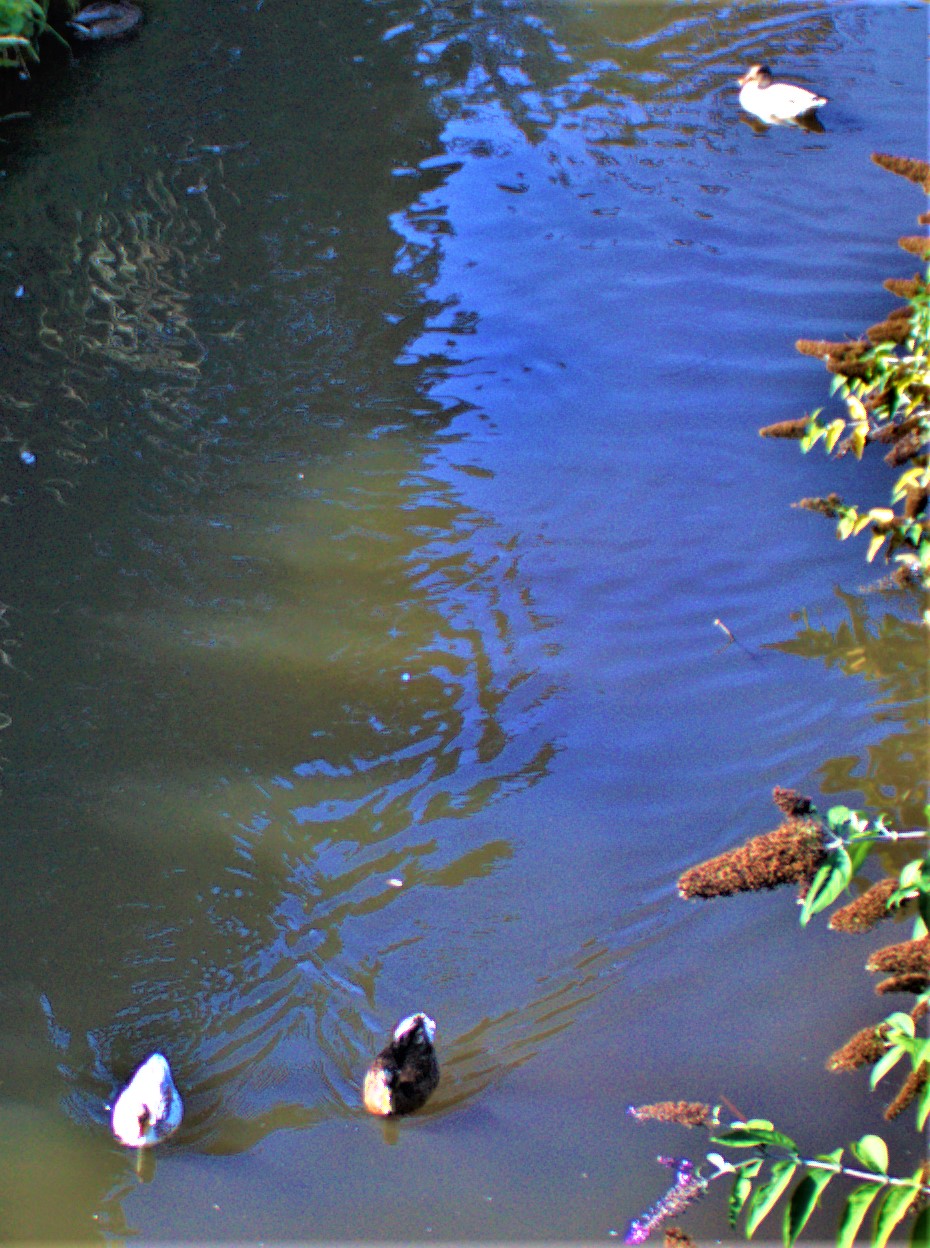
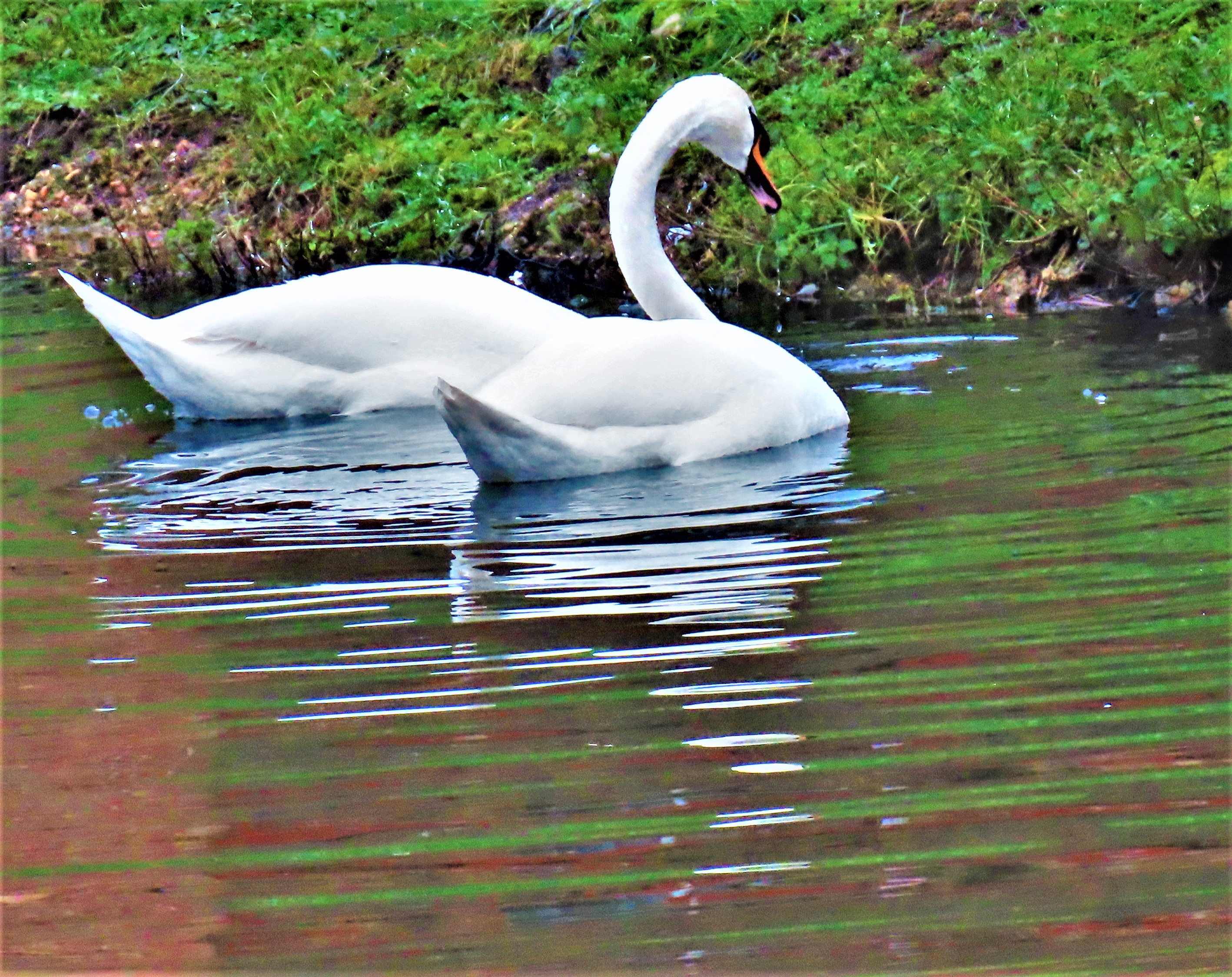
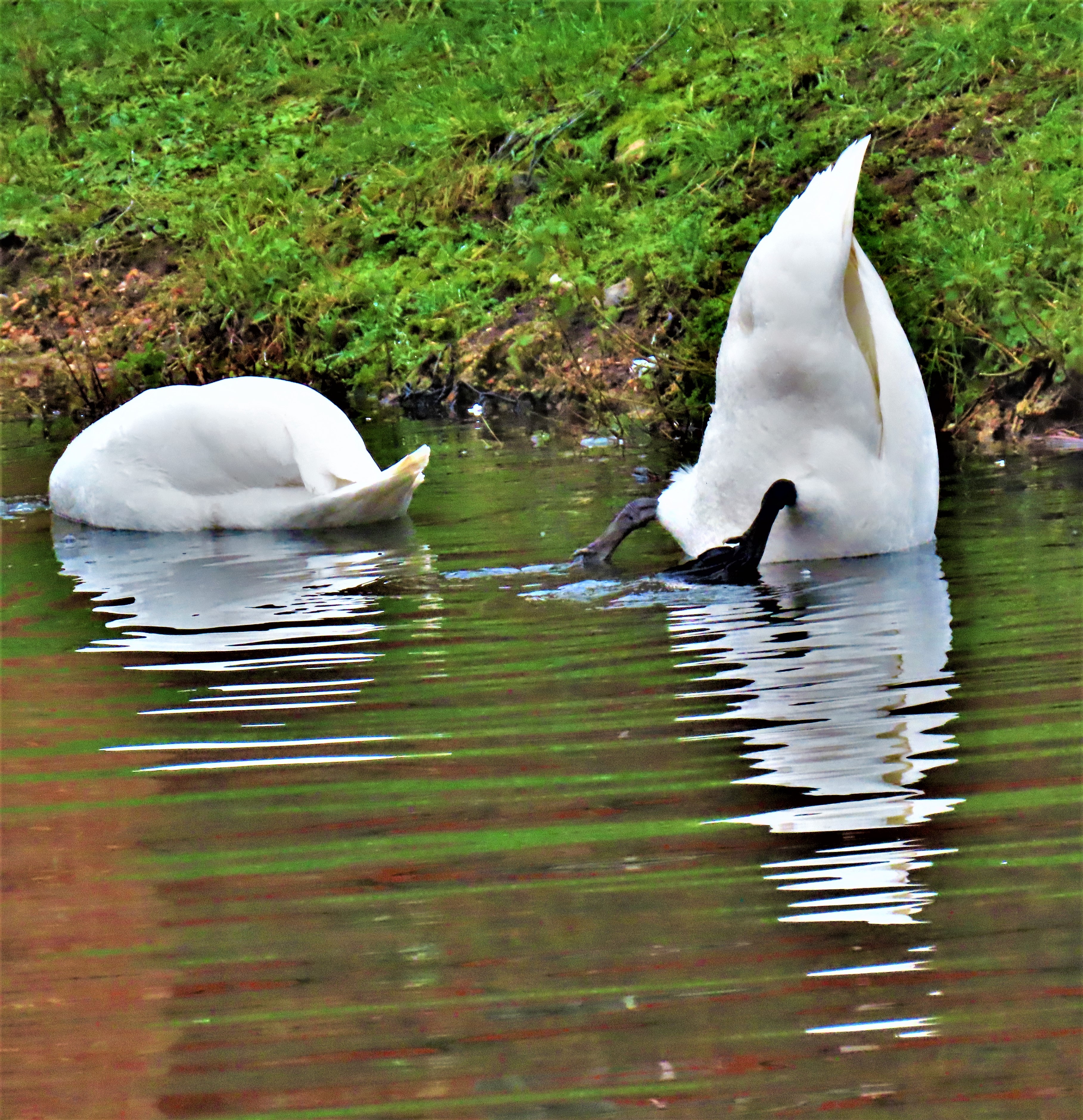
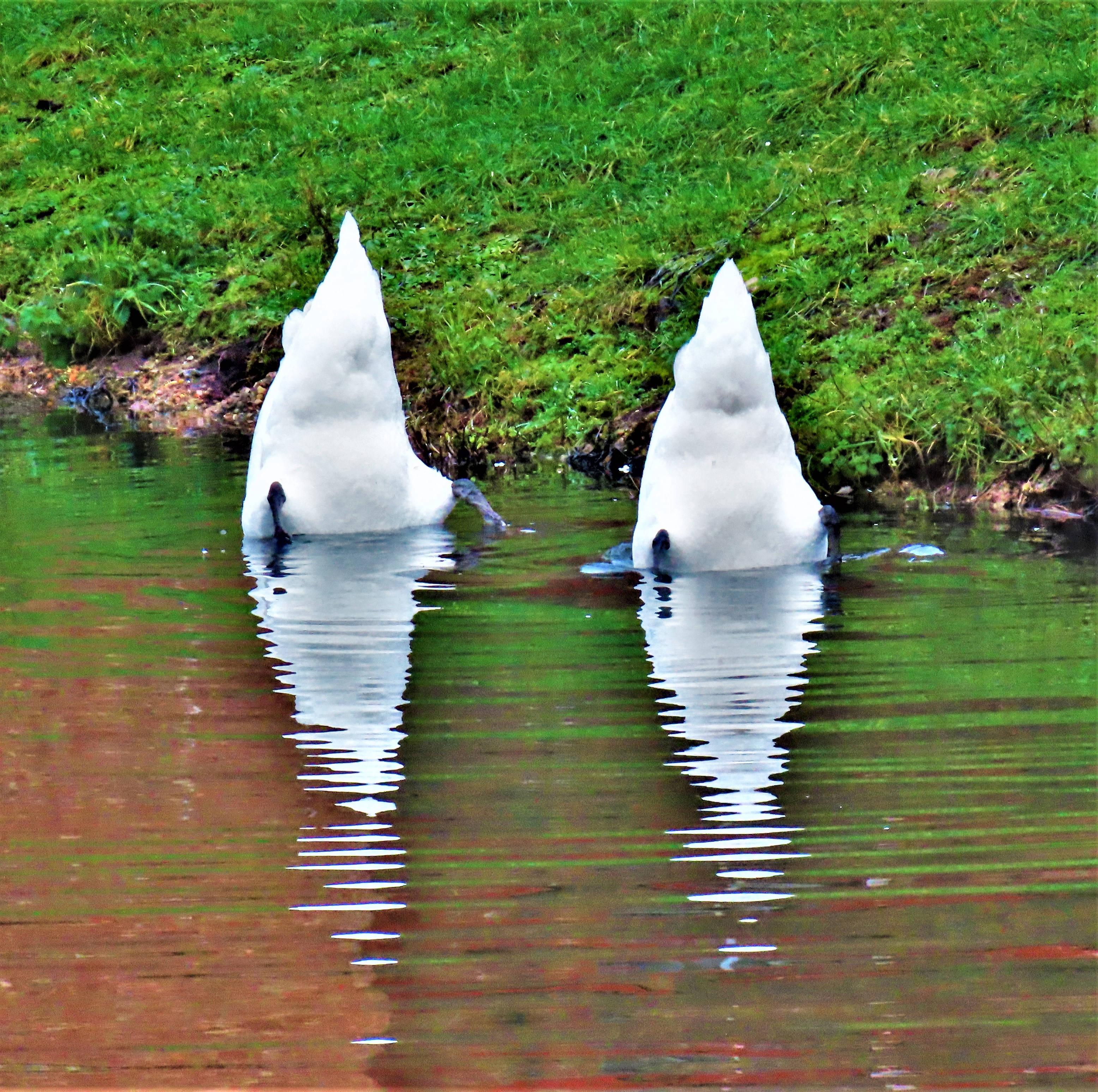
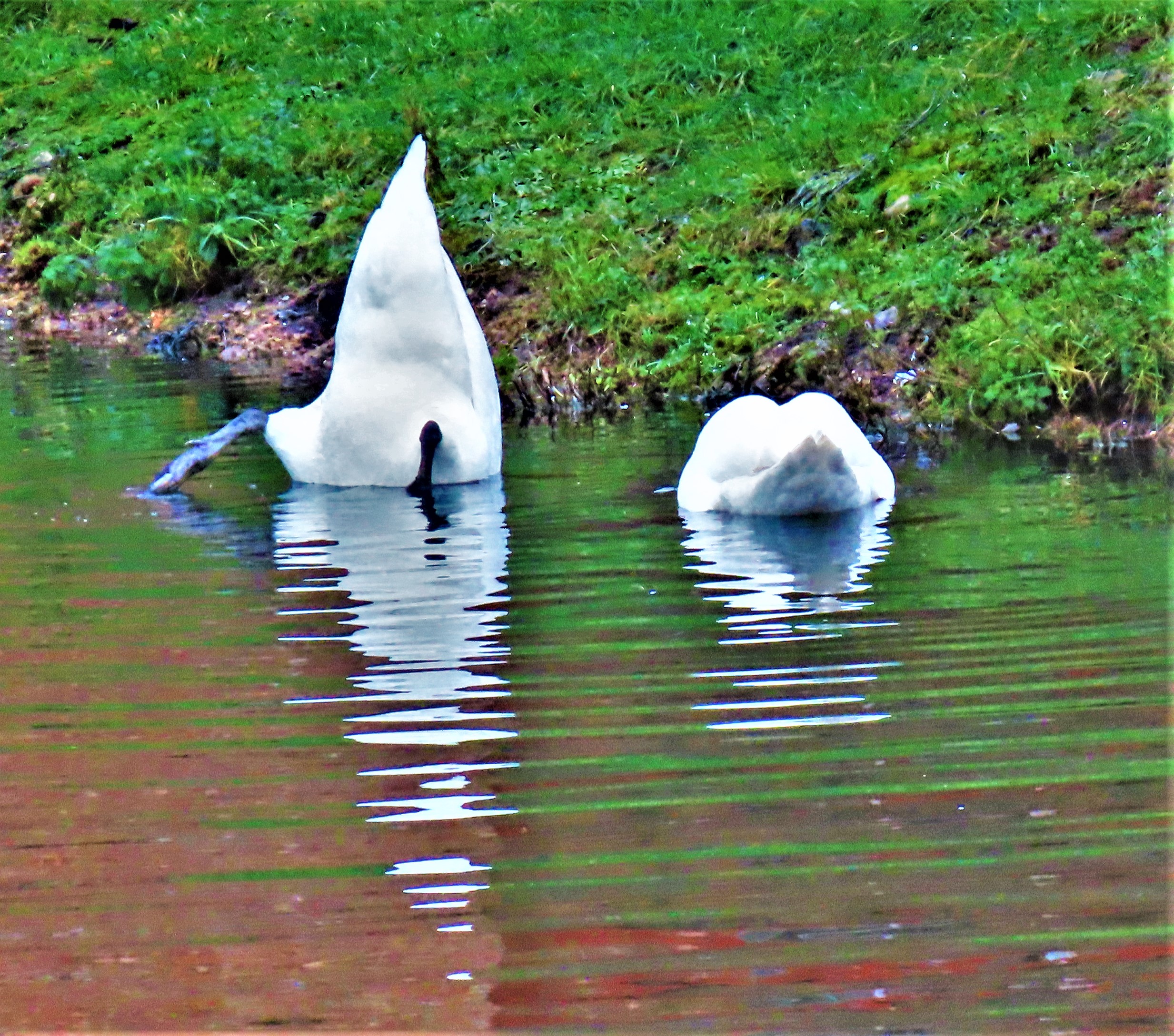
I have a fine collection of photos for you, including swans demonstrating synchronized diving:

All Time XIs: Functional Left Handers v Elegant Right Handers

My latest variation on the ‘All Time XI’ theme, the answer to yesterday’s maths teaser, an important petition, a soupcon of science and nature and some photographs – enjoy!

INTRODUCTION

Another day brings another variation on the ‘All Time XIs‘ theme. Today’s is based on a well known piece of cricket folklore – the belief that left handers are naturally more elegant than their right handed colleagues. Like all good folklore it has a basis in fact, but it is definitely an overstatement of the case. Thus today I challenge it by providing an XI of strictly functional left handers and to oppose it an XI of notably elegant right handers. Note that some the bowlers in the left handers XI  batted with their right hands – it is their bowling for which they are picked, and mutatis mutandis for the right handed batter who bowled with his left. First to parade their skills are…

THE FUNCTIONAL LEFT HANDERS XI

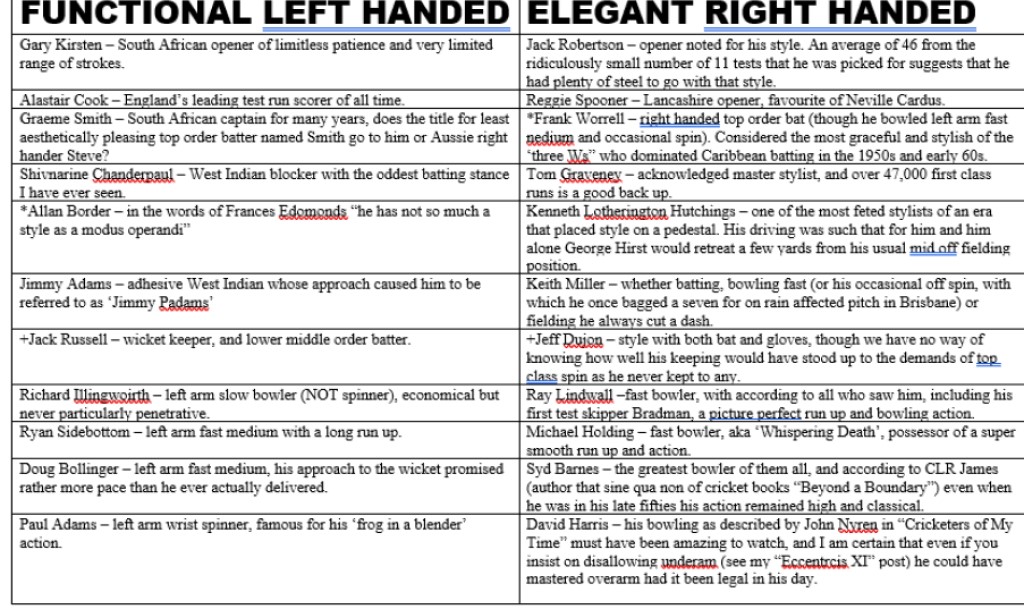
  1. Gary Kirsten – the South African, half brother of Derbyshire’s Peter Kirsten, had seemingly limitless patience and concentration but a decidedly limited range of strokes.
  2. Sir Alastair Cook – the Essex and England man, his country’s all time leading scorer of test runs, was another who cultivated a limited range of strokes but used those he did possess to great effect.
  3. Graeme Smith – the former South African was mighty effective, but an aesthetic disaster (among top order batters named Smith it is an interesting question as to whether he or current Aussie right hander Steve represents the greatest aesthetic outrage).
  4. Shivnarine Chanderpaul – the Guyanese stayer had the oddes batting stance I have ever seen, so open that he was almost at 45 degrees to the bowler as opposed to the recommended side-on position (Austin Matthews who played for Glamorgan many decades ago as a bowler of medium pace and lower middle order batter wrote a coaching manual after his retirement in which he stated “cricket is a sideways game”), and while the method worked for him it was very much ‘one not to watch’.
  5. *Allan Borderthe nuggety NSW, Queensland and Australia middle order man had in the words of Frances Edmonds “not so much a style as a modus operandi”. This quote appears in “Cricket XXXX cricket” her humorous book about the 1986-7 Ashes (she also wrote “Another Bloody Tour”, which somehow managed to be amusing about England’s unqualified disastrous Caribbean excursion of 1985-6. For about the first decade of his long career he pretty much was, in batting terms, Australia’s resistance.
  6. Jimmy Adams – his obdurate approach saw him dubbed ‘Jimmy Padams’.
  7. +Jack Russell – wicket keeper and as a batter just about the ultimate in lower middle order irritants, sometimes very usefully for his country.
  8. Richard IllingworthWorcestershire and England slow left armer (emphatically NOT a spinner – if he ever turned one I never saw it). His economical, reliable but unthreatening methods were often preferred by England selectors of the time to the higher risk Phil Tufnell.
  9. Ryan Sidebottom – the Yorkshire, Nottinghamshire and England fast medium bowler had long run up which his pace never quite seemed to justify.
  10. Doug Bollinger – the NSW and Australia fast medium bowler was another whose run up appeared to promise more pace than he actually proved capable of delivering. I saw him bowl live at Adelaide v the West Indies in 2009, and, the first innings scalp of Gayle not withstanding he looked unimpressive, while his ‘efforts’ at the same ground in the 2010 Ashes match there were of a very low order.
  11. Paul Adams – the left arm wrist spinner’s action was once memorably likened to a frog in a blender. South Africa have not in recent times been overly understanding or supportive of spinners, and Adams probably should have played more test cricket than he actually did.

This line up has a solid top six, though no genuine all rounder, a splendid keeper who could do useful work with the bat and four bowlers of differing left handed types. They would take some digging out and might put up some decent totals because of that, but they would struggle to capture 20 wickets unless Paul Adams found some assistance in the surface. Now we meet their opponents…

THE ELEGANT RIGHT HANDERS

  1. Jack Robertson – the Middlesex man was a highly regarded stylist, and although he only got picked for 11 test matches an average of 46 at that level suggests that he had steel to go with that style.
  2. Reggie Spooner – opener for Lancashire and occasionally England. Noted for grace and poise at the crease. Neville Cardus used to watch Lancashire whenever he could in his schooldays, and later, established through his decades of work for the Manchester Guardian as one of cricket’s finest writers he waxed lyrical about Spooner and his part of what Cardus claimed as a uniquely distinctive top three – MacLaren, Spooner, JT Tyldesley. (the latter an ancestor of Michael Vaughan – can elegant batting be inherited?!). Spooner was the first ever to score 200 in a ‘Roses’ match, and did so in under four hours at the crease – they were not always dour affairs.
  3. *Sir Frank Worrell – the first black captain of the West Indies (yes, as with England and so-called ‘amateur’ skippers the Windies had their own captaincy fetish, in their case a belief that blacks had to be led by someone white skinned), and generally reckoned the most stylish of the ‘Three W’s” who dominated Caribbean batting in the 1950s and early 1960s.
  4. Tom Graveney – another whose grace and elegance at the crease had folk waxing lyrical – and he backed it up with over 47,000 first class runs.
  5. Kenneth Lotherington Hutchings – noted as one of the most attractive batters in a very successful Kent unit (four championships in seven years) that was also noted for playing particularly dazzling cricket. Such was the nature of his driving that for him and him alone George Hirst would retreat a few yards from his usual mid off position.
  6. Keith Miller – whether batting, bowling fast (or his occasional off spin with which he once took a test match seven-for on a rain affected Gabba pitch) or fielding he never failed to cut a dash. Once when playing in a ‘picnic match’ at East Molesey (the opposite bank of the Thames to Hampton Court Palace) he took on a challenge to land a ball on Tagg’s Island, a carry of 140 yards (just over 125 metres), and was only just short of making it.
  7. +Jeff Dujon – wicket keeper who kept with panther like grace to the quick bowlers (given the nature of Caribbean bowling units is his day it is impossible to comment on his keeping to class spinners) and batted attractively in the middle order, scoring four test centuries and averaging 30 at that level.
  8. Ray Lindwall – fast bowler, attacking lower order bat. His run up and bowling action are routinely described as being ‘poetry in motion’, and in addition to the pace he possessed he could swing the ball both ways seemingly at will.
  9. Michael Holding – fast bowler, referred to as ‘Whispering Death’ on account of the silence of his approach to the bowling crease. His opening over to Boycott at Bridgetown in 1981 has become a classic cricketing scare story – the Yorkshireman was beaten by four of the six deliveries, got bat on one and was comprehensively bowled by the sixth. Five years earlier, on a pitch at The Oval from which no one else could even raise a squeak he had recorded match figures of 14-149, the best ever test match figures by a West Indian.
  10. Sydney Barnes – the greatest bowler of them all. Even at Warwickshire in 1894 where he achieved little his bowling action was noted for its beauty, and CLR James, watching a 59 year old Barnes in action in the Lancashire League, noted that his arm remained classically high and straight. Mr James, by the way is the author of that sine qua non of cricket books “Beyond a Boundary’, which takes as its theme the question “what do they know of cricket who only cricket know?”, and my collection also features a book of his writings titled “Cricket”, and he contributed a chapter about Worrell to “Cricket: The Great Captains”, as well as being the author of “Black Jacobins”, a history of the Toussaint l’Ouverture rebellion in what is now Haiti.
  11. David Harris – cricket’s first great bowler (see Phil Edmonds “100 Greatest Bowlers” and John Nyren’s “Cricketers of My Time”) and even if you refuse to permit under arm (he played in the late 18th century when all bowling was under arm) I counter by saying that I reckon he could have mastered over arm had it been legal in his day. See also my Eccentric XI post for my opinion on real under arm, as opposed to Trevor Chappell style grubbers (although Harris was in part responsible for a change in cricket’s approach from relying on balls either rolling or at least shooting through to looking to cause problems by generating extra bounce, which he was an expert at – the very early bats looked more like hockey sticks than today’s cricket bats precisely because they were intended to counter balls at ground level, and it was Harris who was more responsible than any other for the shape of bats changing towards what we now recognize). Late in his career Harris suffered dreadfully from gout, but such was the value of his bowling that his team would bring an armchair on to the field, and when not actually engaged in bowling he would have a sit down. The Hambledon ace, who I felt I could not mention in connection with Hampshire, for all that he lived there, gets his moment in the sun this time round.

This team as a high quality to five, a great all rounder at six, an excellent wicket keeper at seven and four varied bowlers (Barnes, for all his official fast medium designation, can be classed as a spinner, while Harris if his actual bowling style is permitted offers a variation of a different sort, Miller as mentioned had off spin as a variation, and Worrell was a recognized bowler of left arm fast medium who also occasionally turned his hand to left arm spin.

THE CONTEST

I suspect that what I shall provisionally call the Strauss/ Trumper trophy, honouring a functional left hander and a stylish right hander, would go to the Elegant Right Handers, because while the functional left handers would take a lot of dislodging I have no doubts that the right handers could take 20 wickets, whereas the left handers are lacking in that department. The big question for Worrell as captain of the right handers, given that Barnes would not tolerate not being given the new ball is which of Holding or Lindwall does not get it – my reckoning is probably that Lindwall shares the new ball with Barnes and Holding comes on first change when Lindwall needs a rest.

A QUESTION ANSWERED

Yesterday I included a teaser from brilliant.org:

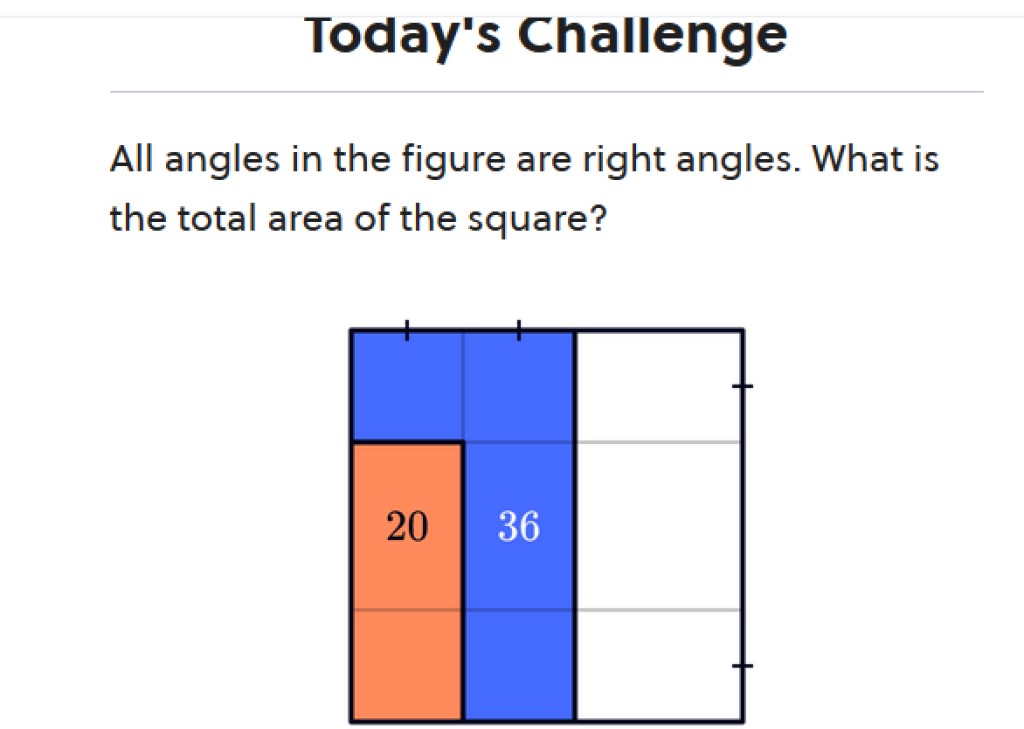
Brilliant Challenge

The four possible answers were 94, 96, 98 or 100.

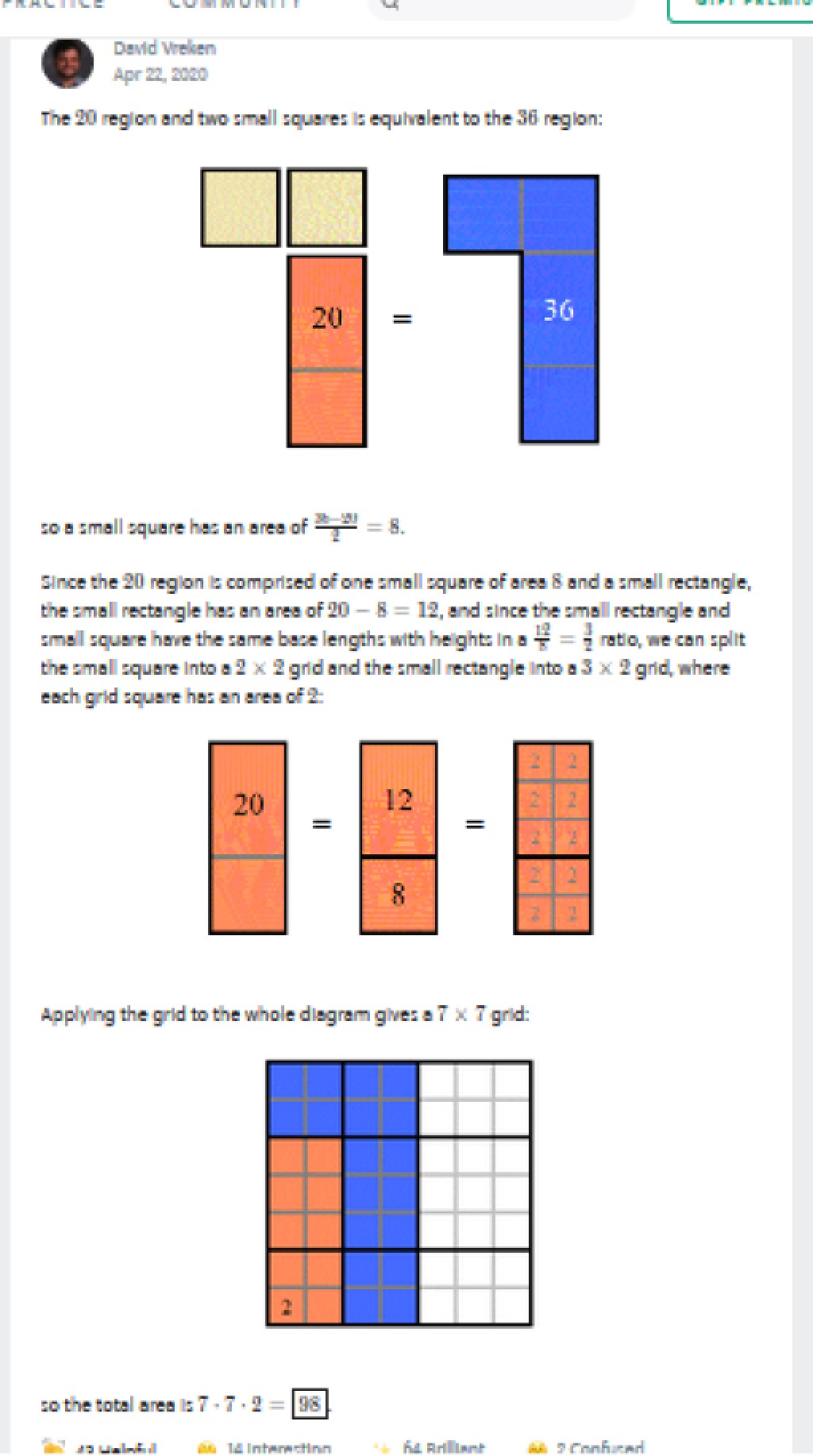
My own method of solving this, a mixture of cheat and punt, was to start by ruling out 100, as that is a square number, and it would therefore be out of keeping with brilliant for it to be the right answer. I then looked at the the areas given and noted that they added up to 56 – could I see a connection between 56 and one of the other answers? Yes, a very appealing one came instantly to mind – both have seven as a factor. A quick mental calculation confirmed that the ratio of 98 to 56 was 1.75, and that was enough for me to take a punt (I had already ensured that my problem solving streak had gone into another day – and it is now equal in days to Bobby Abel’s indvidual Surrey record innings in runs), and I was right.

Here is a more authentic solution courtesy of David Vreken:

DV Sol

LINKS AND PHOTOGRAPHS

As we move towards the conclusion of today’s post I have a few links to share.

  • The pinchhitter have given me an extended mention in today’s offering, and apparently a copy of one of the ‘Chapelli’ books I mentioned in yesterday’s post is en route to pinchhitter HQ. If you have found this blog by way of pinchhitter please comment, and likewise, if anyone has found pinchhittter by way of me why not let them know.
  • A very important petition on change.org, calling for the surcharge that penalises NHS and Care workers from abroad to be scrapped – as someone who owes a huge debt of gratitude to workers in both categories I urge you to sign and share.
  • A science piece from Culture’s Ways about Sagittarius A*, believed to be the location of a supermassive black hole – the picture below is formatted as a link:
    Sagittarius A*, thought to be the location of a supermassive black hole Culture's Ways

And now it is time to sign off with my usual photographic flourish…

P1320093 (2)P1320093 (3)P1320099 (2)

P1320100 (2)
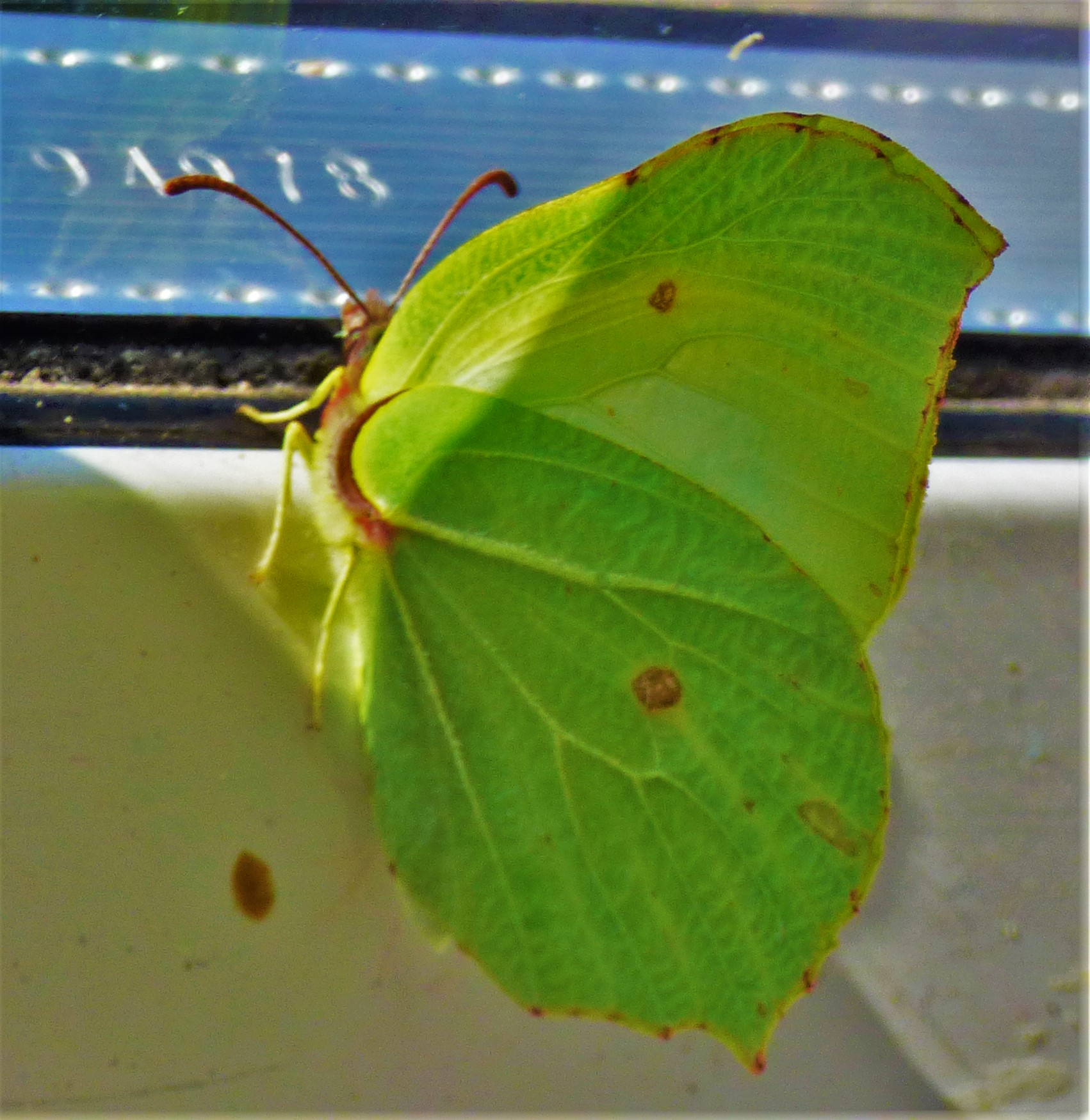
This butterfly, which strayed into my bungalow yesterday, set me a poser – it was not in a my Butterfly book. My sister responded to my twitter inquiry with a reference to butterflyconservation.org and a suggestion of either Brimstone or Clouded Yellow. My own feeling having visited the site and looked at their pictures is that is a Brimstone.

P1320101 (2)P1320102 (2)P1320103 (2)P1320105 (2)P1320107 (2)P1320109 (2)

P1320110 (2)
The combination of the colour and the delicate veining in the wings lends them the appearance of small green leaves – a fine example of mimicry in the natural world.

P1320112 (2)P1320115 (2)P1320116 (2)P1320118 (2)P1320119 (2)P1320120 (2)P1320123 (2)P1320129 (2)P1320131 (2)P1320132 (2)P1320133 (2)P1320134 (2)P1320136 (2)P1320136

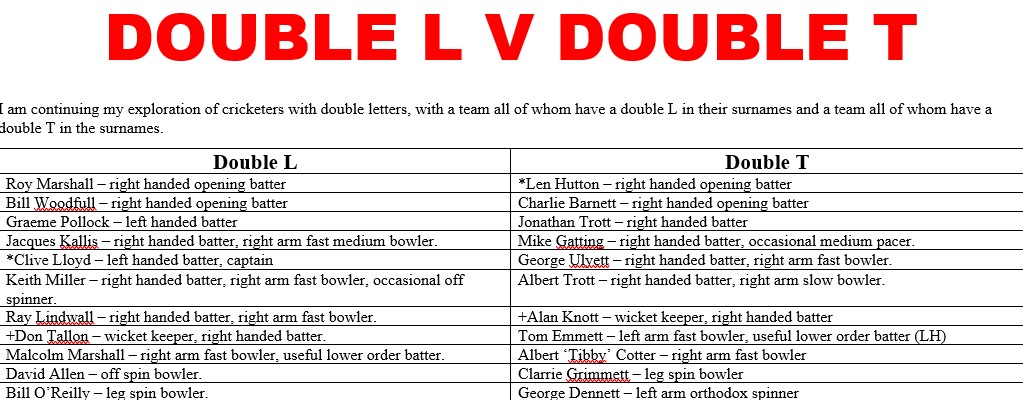
The teams
The teams in tabulated form with abridged comments.