A look back at the Boxing Day activities of my Christmas in Cornwall, with a video and lots of photographs.
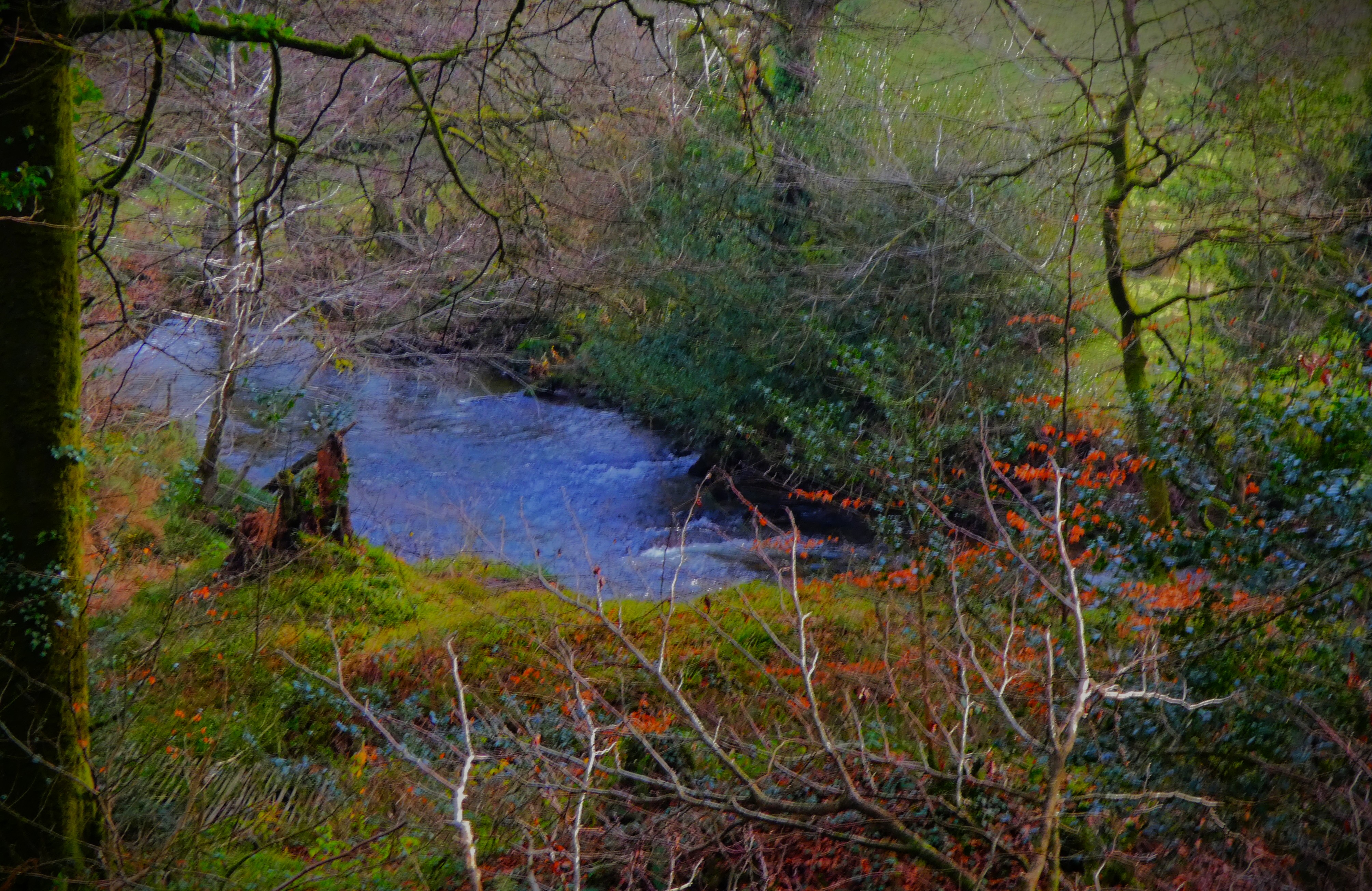
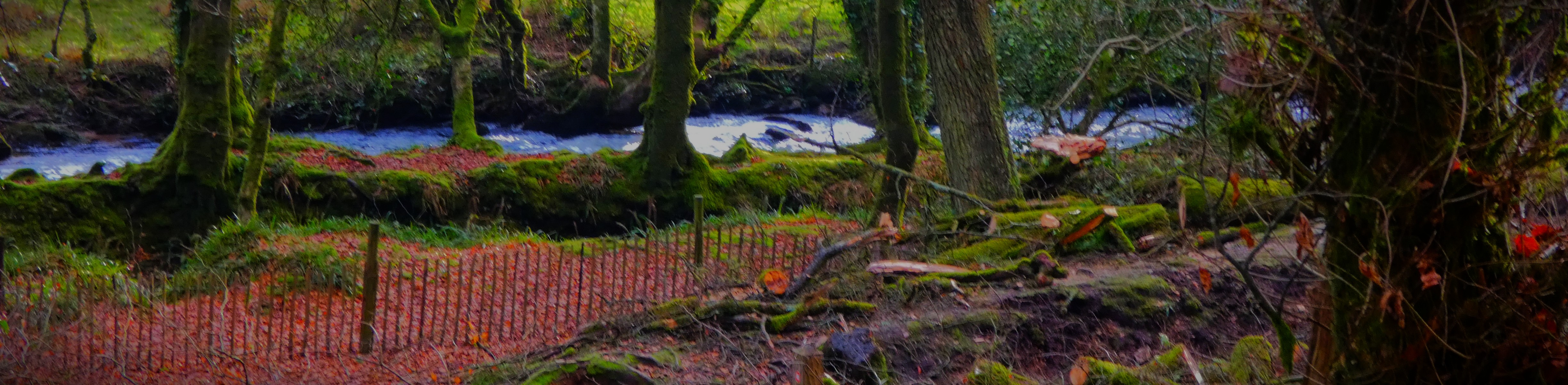
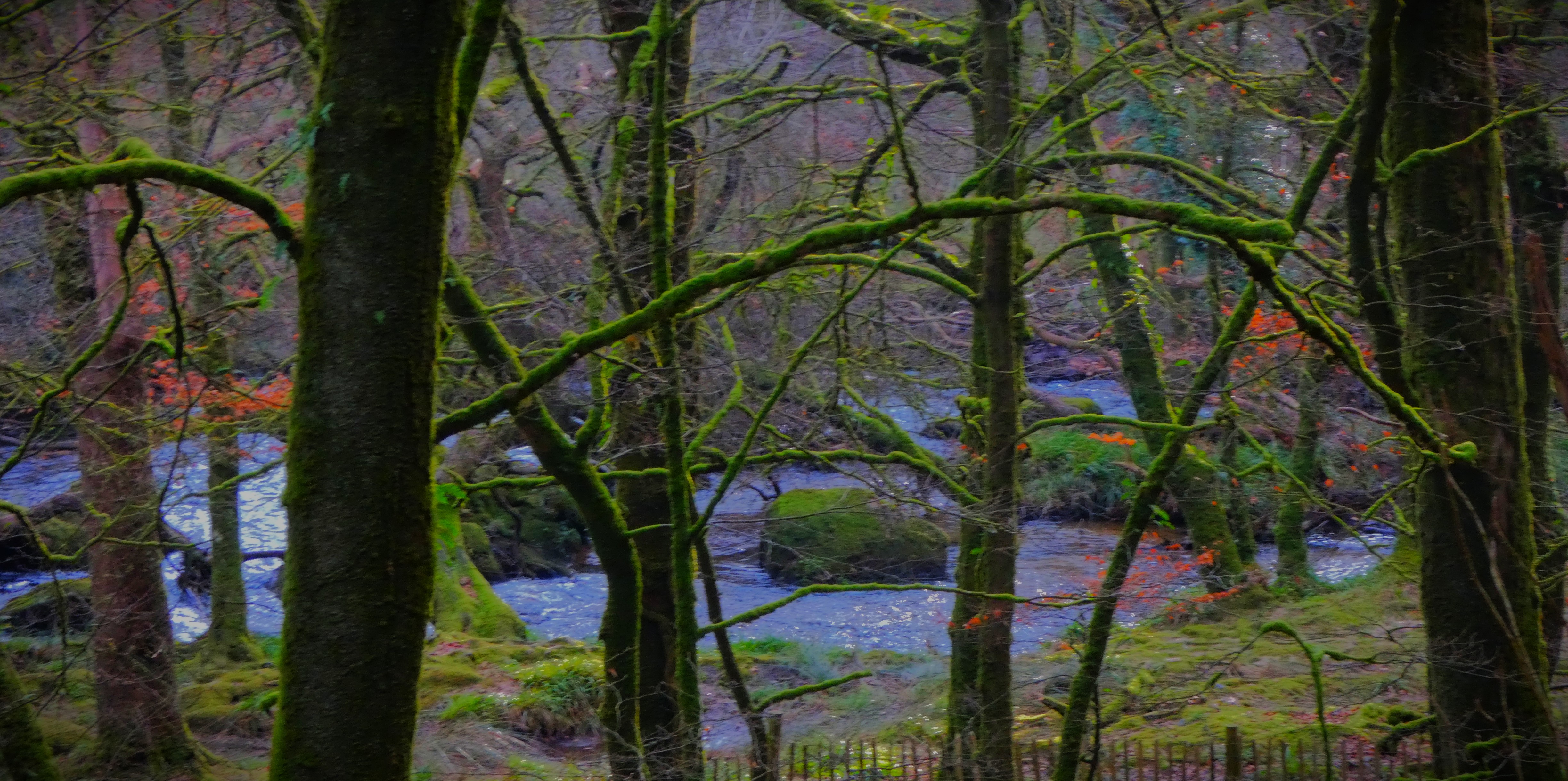
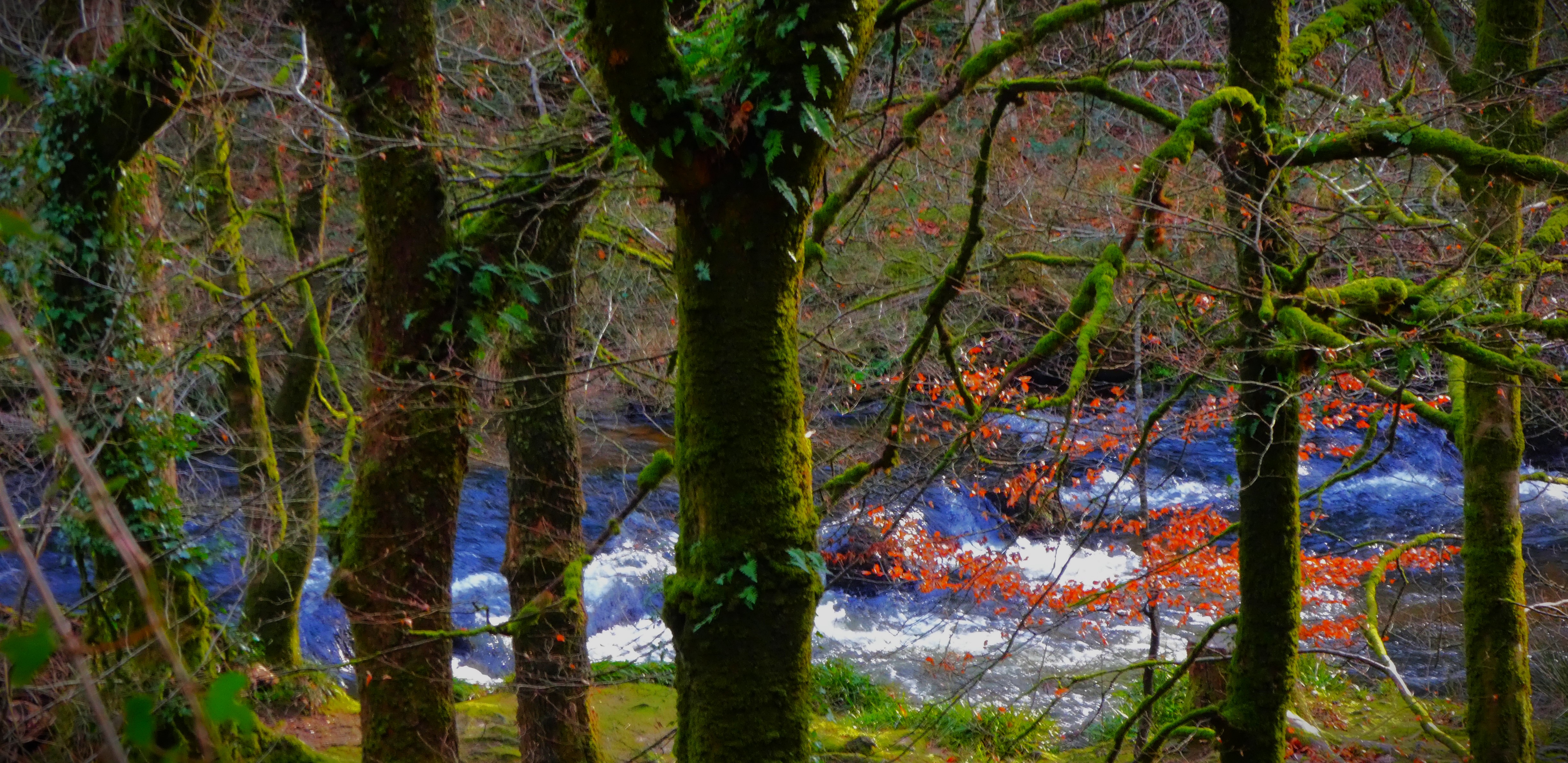
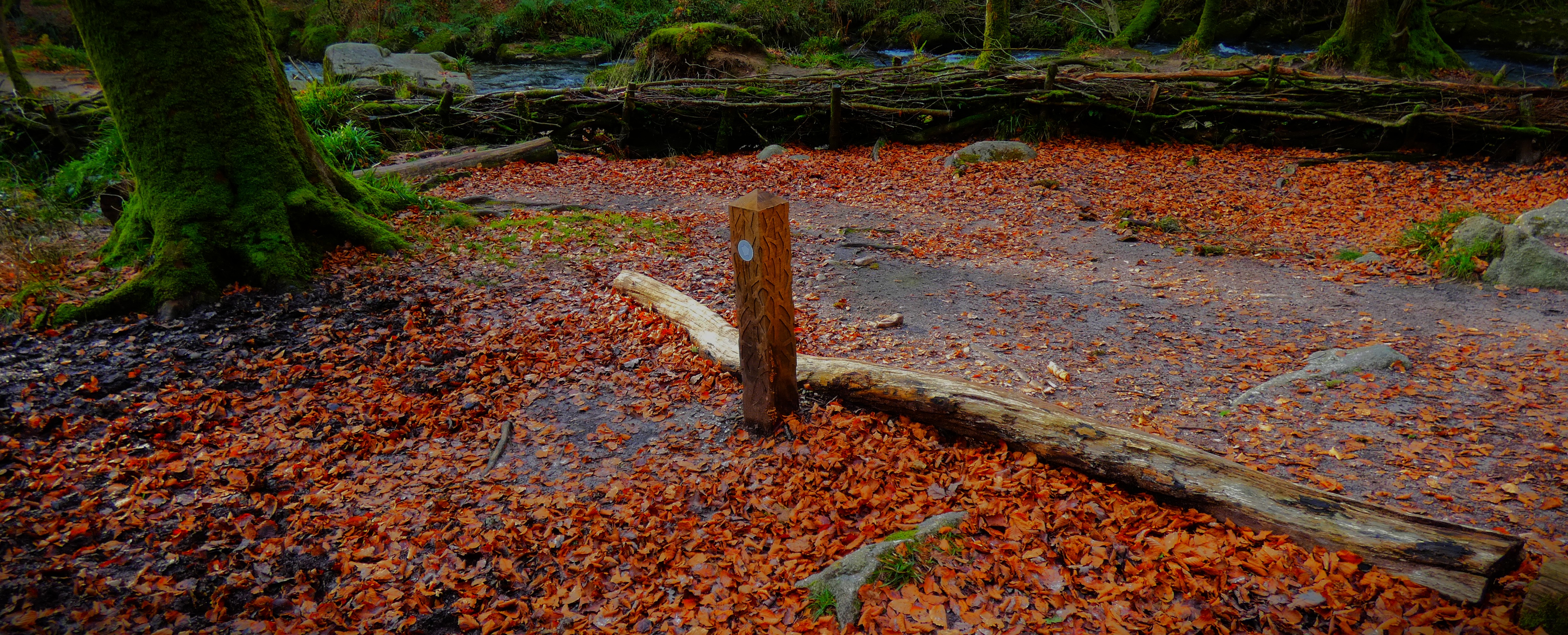
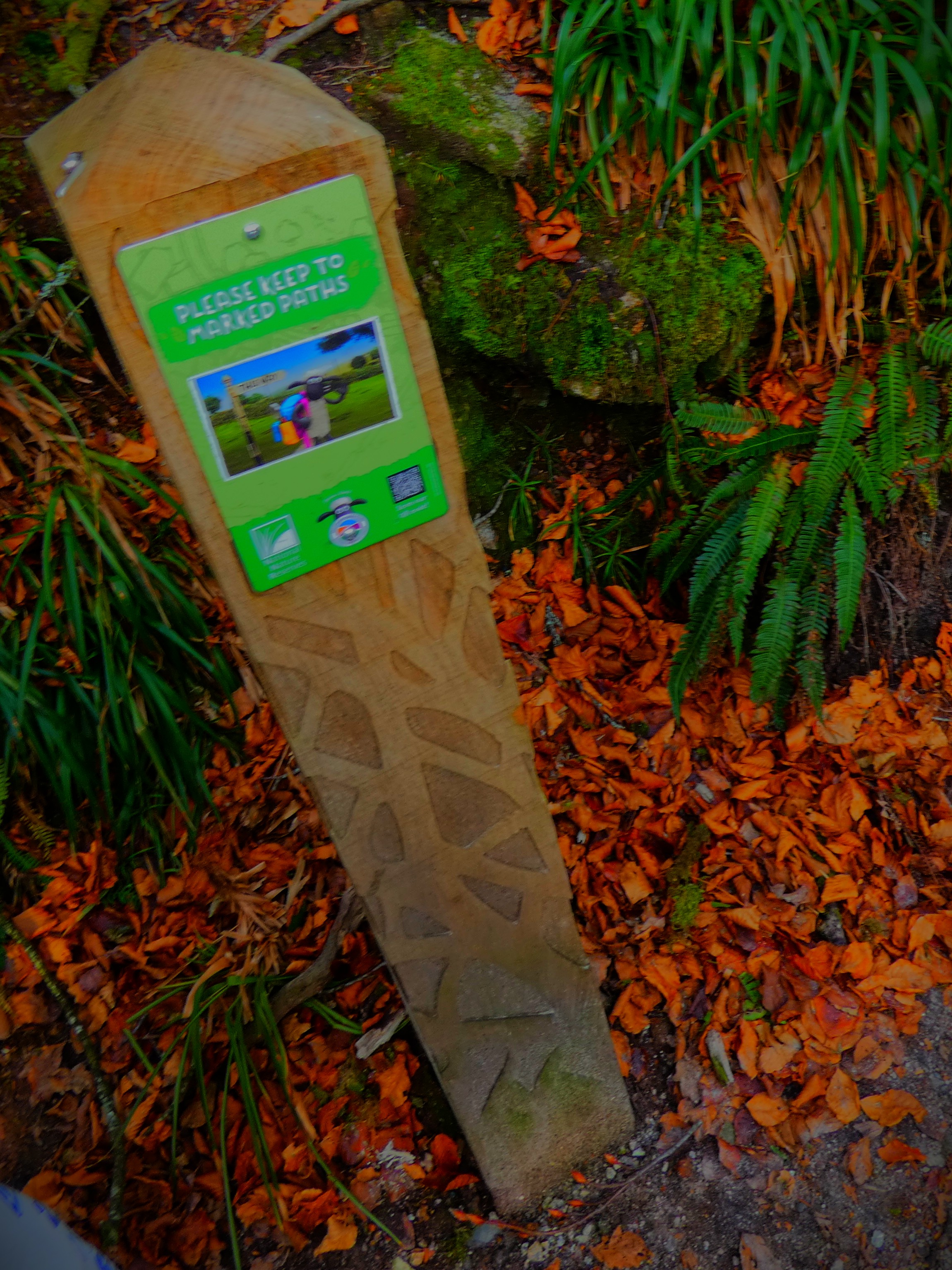
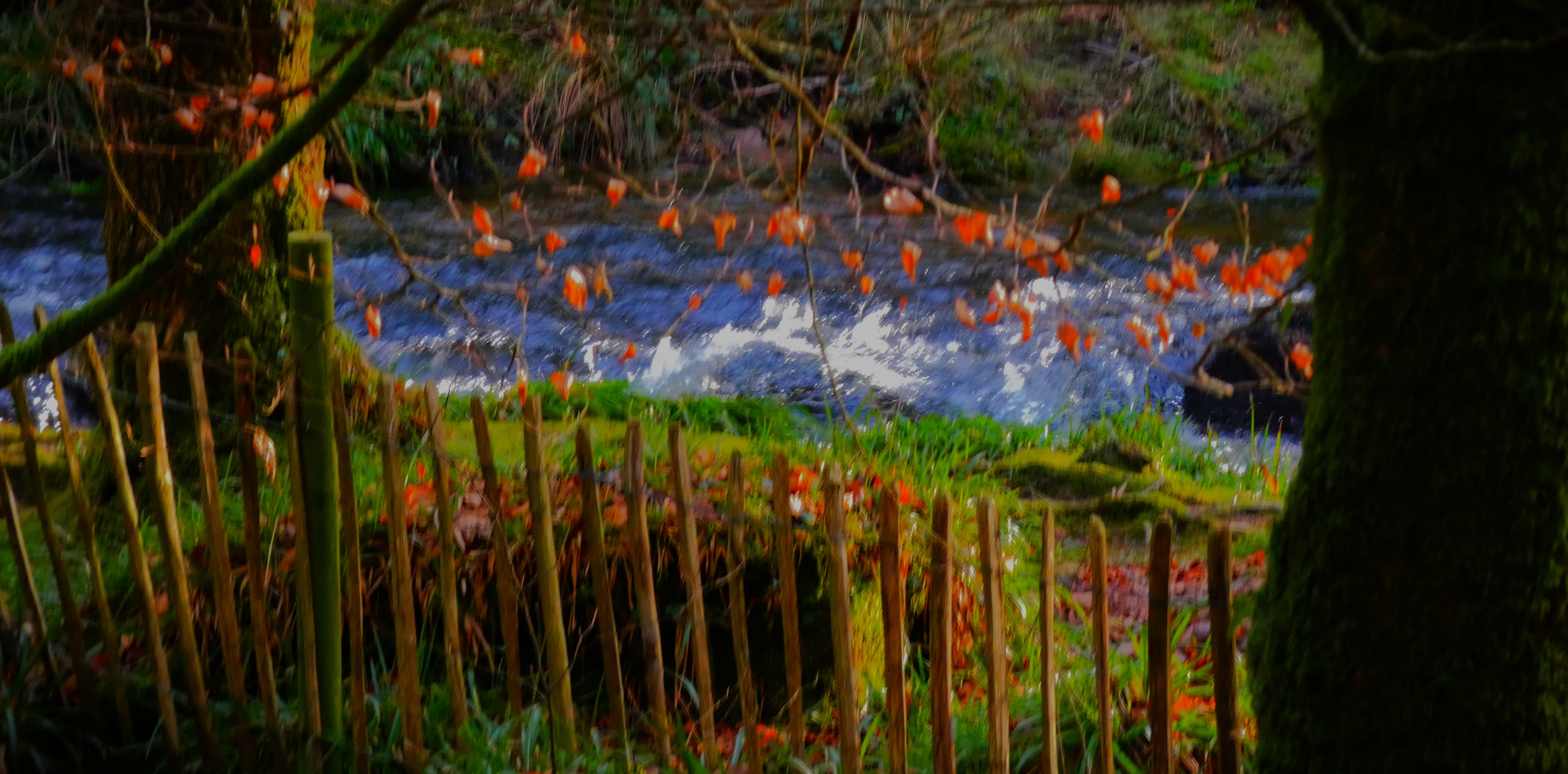
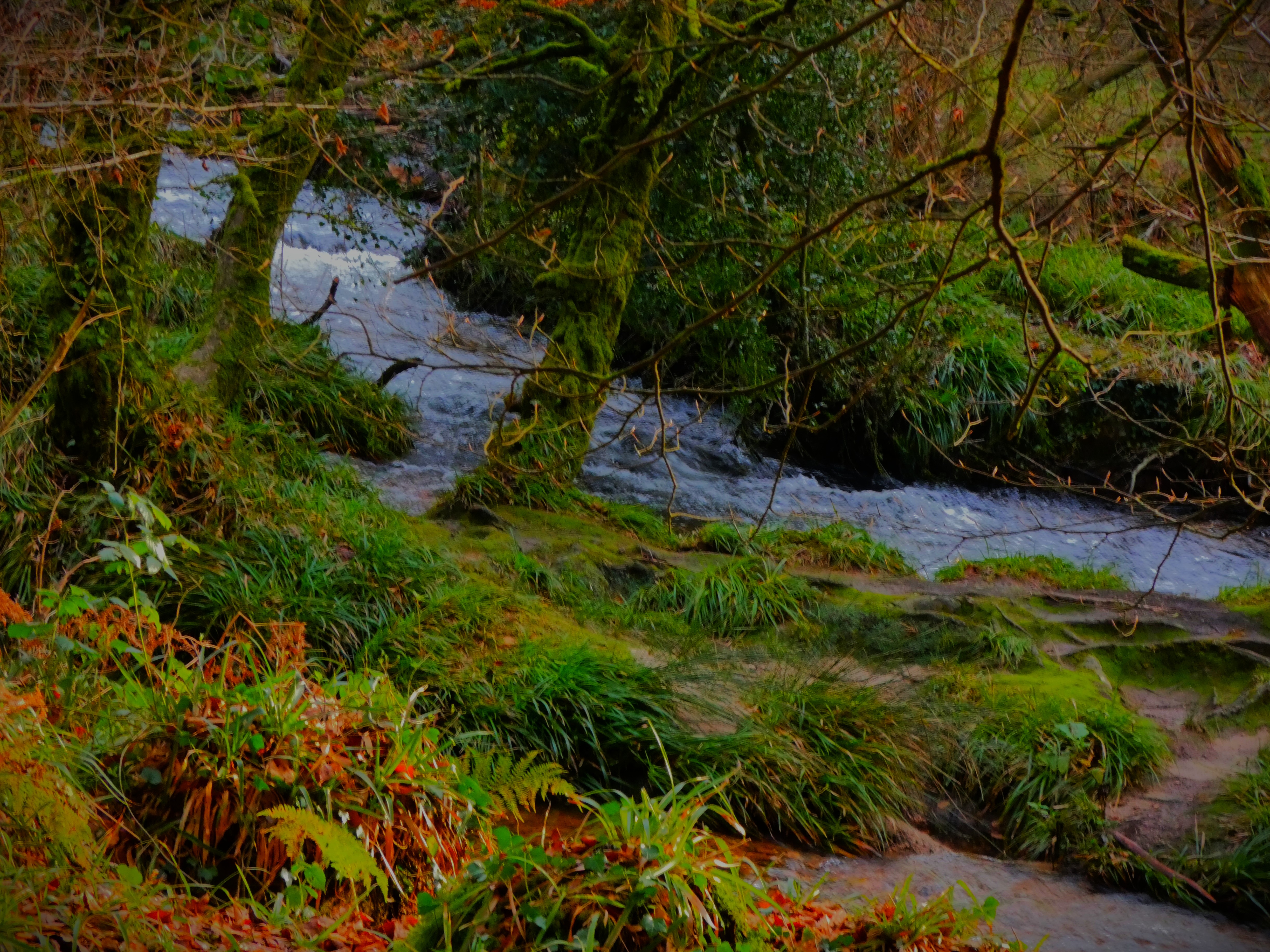
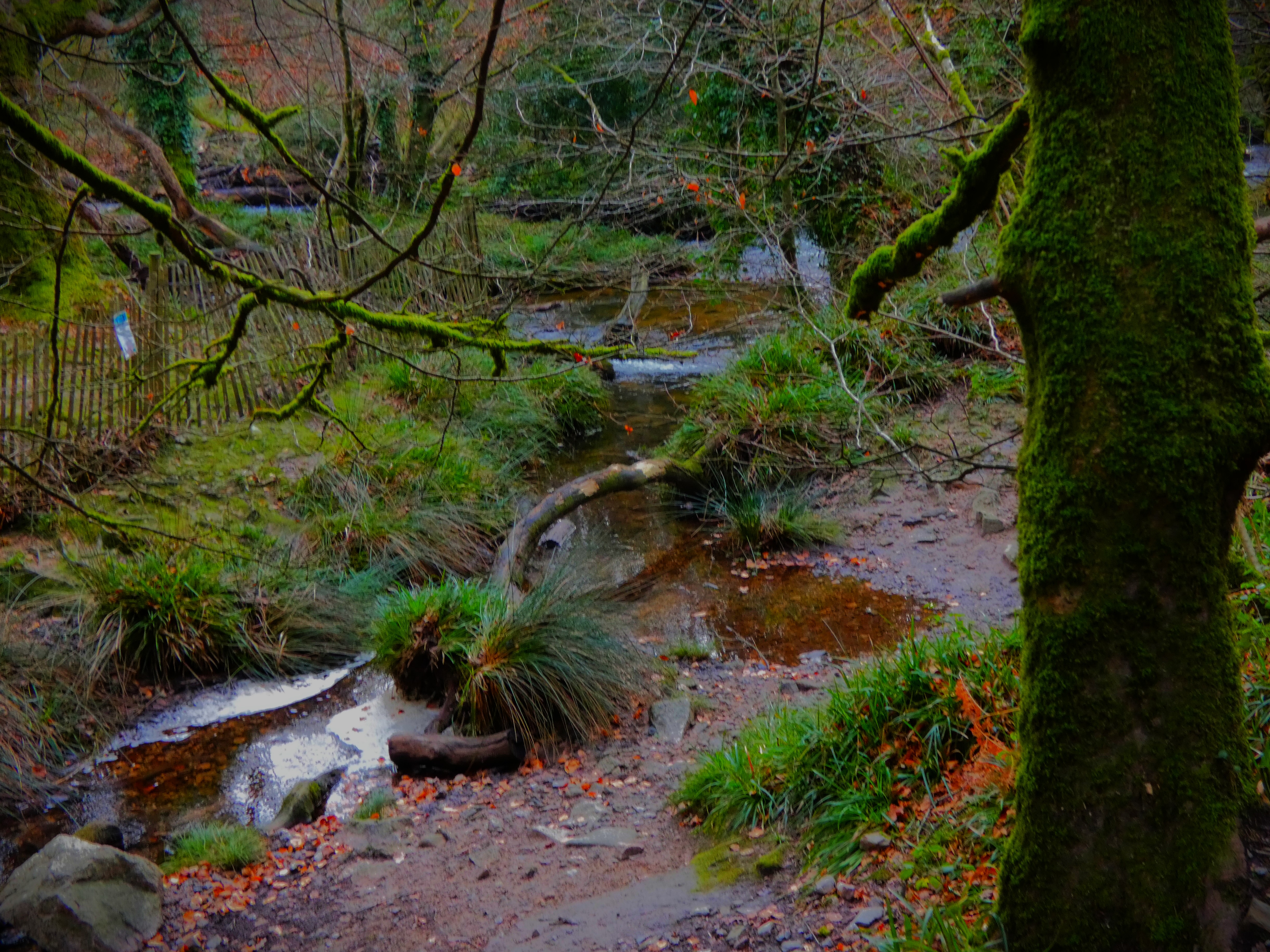
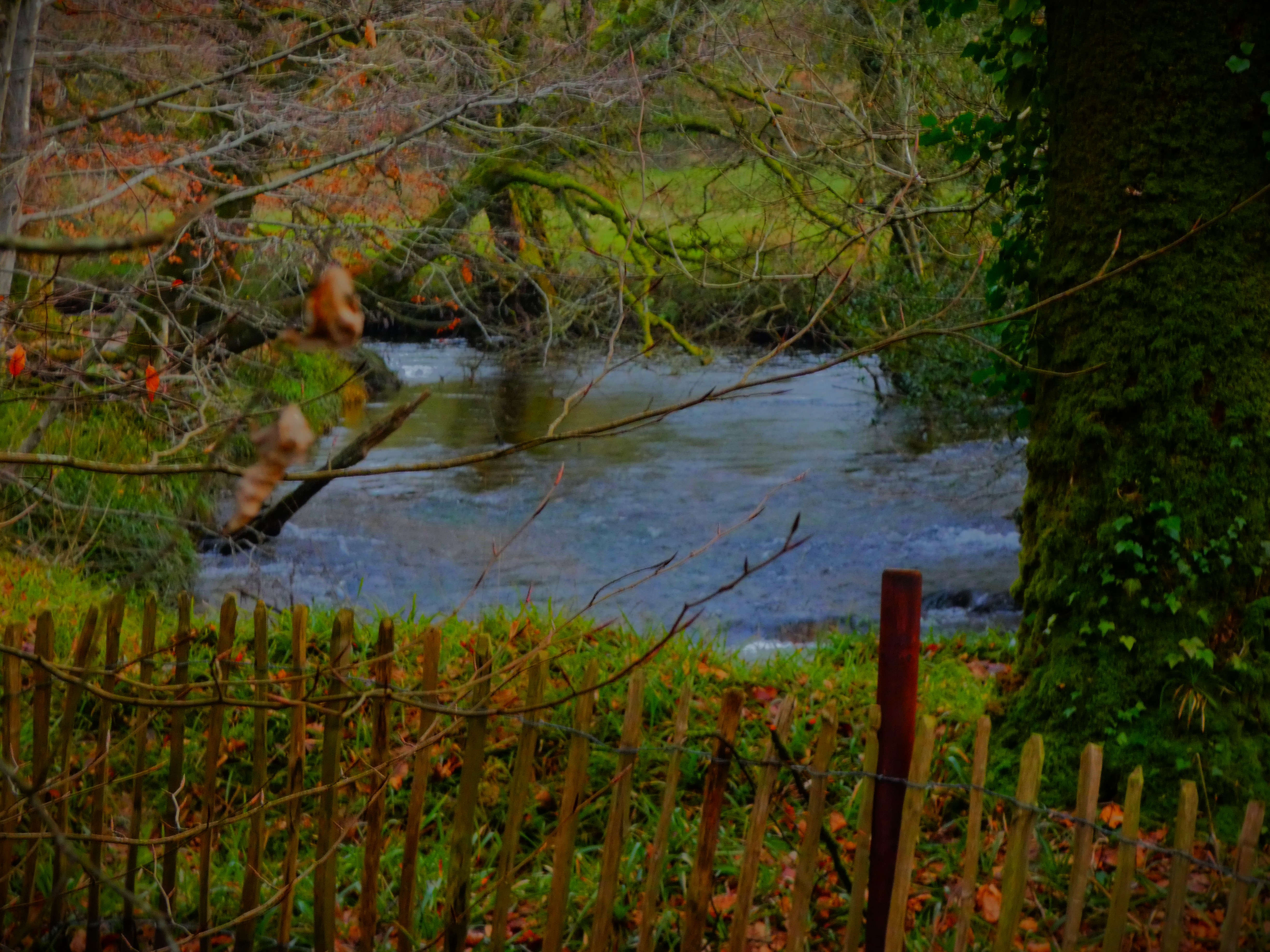
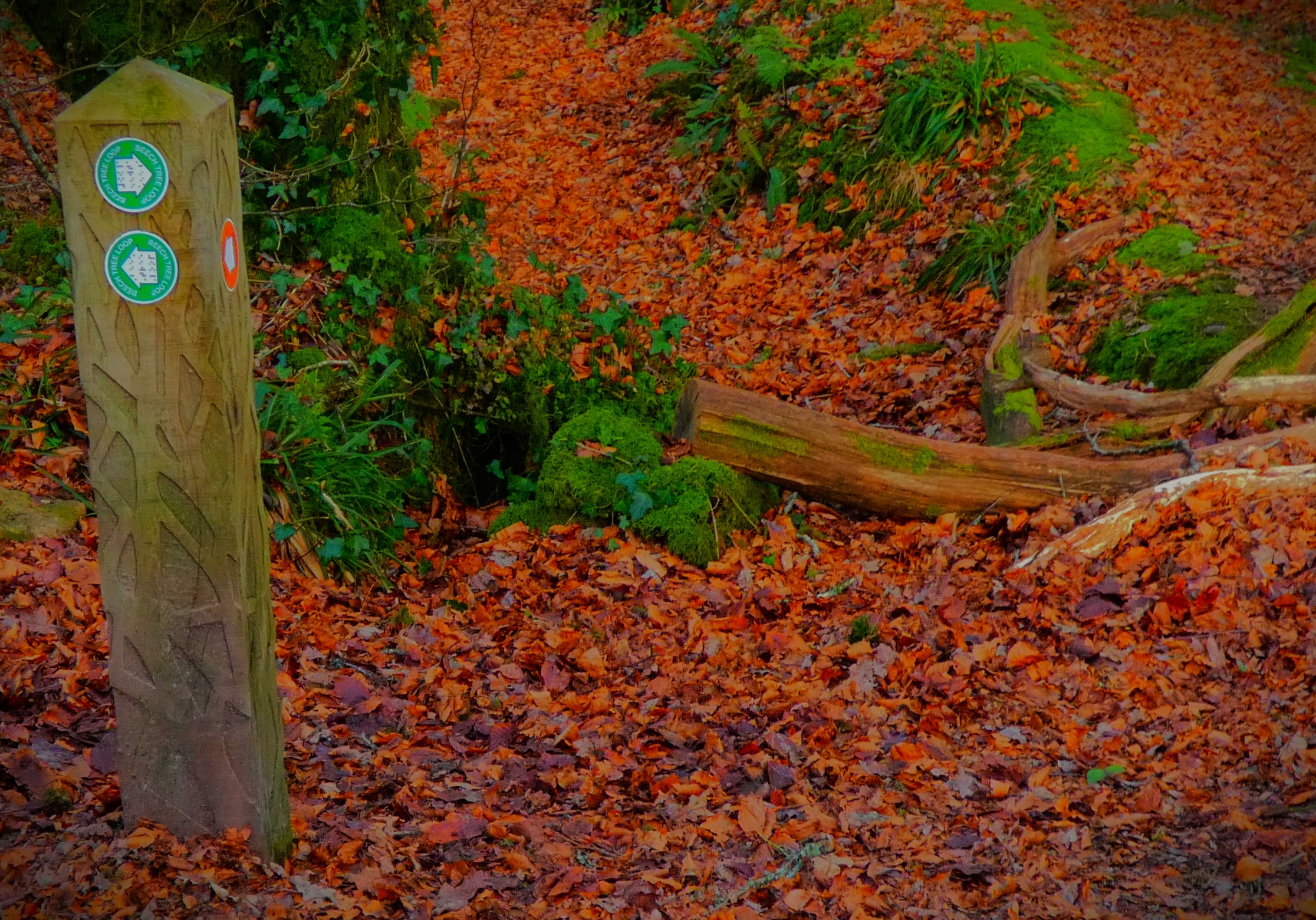
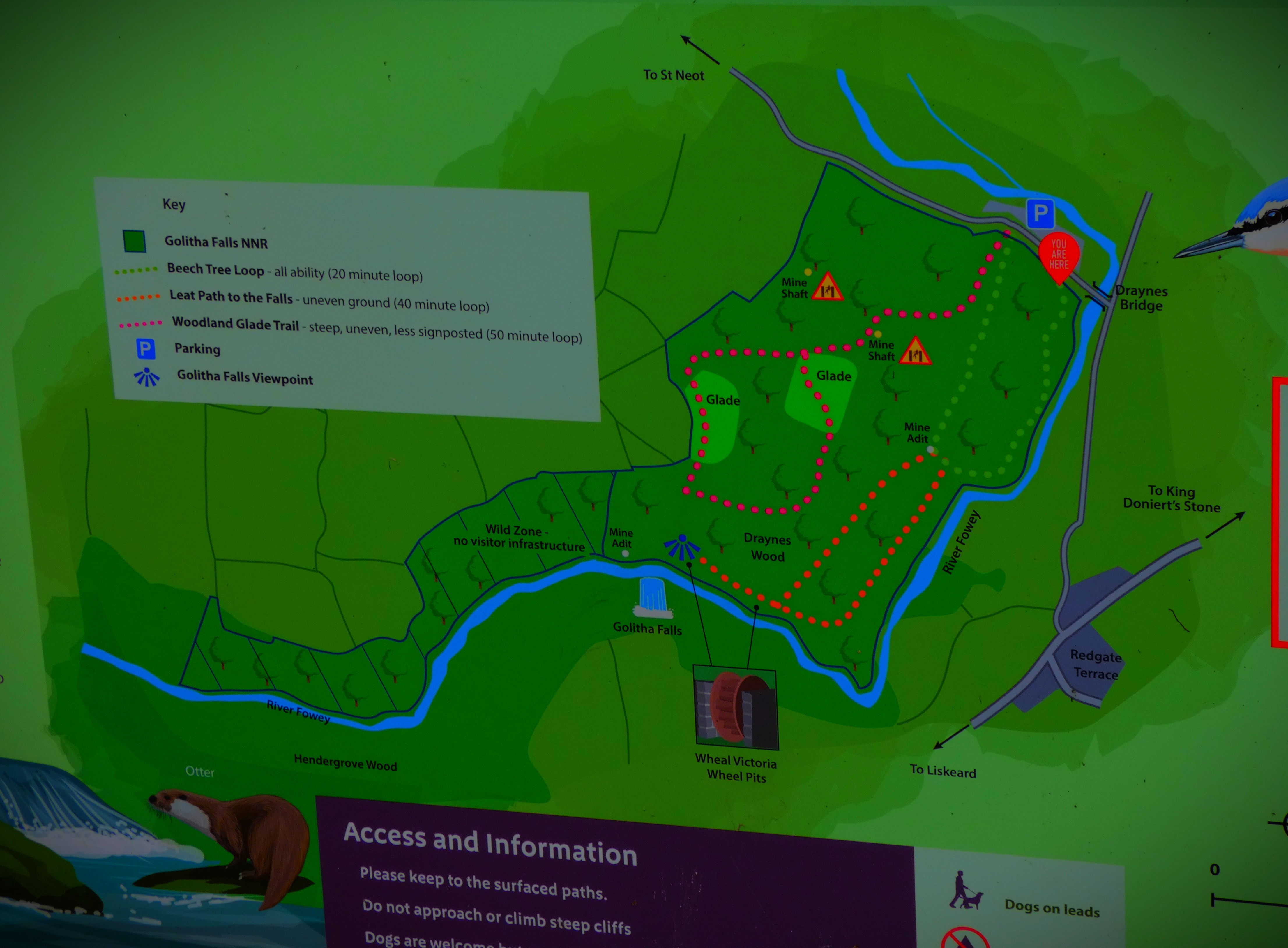
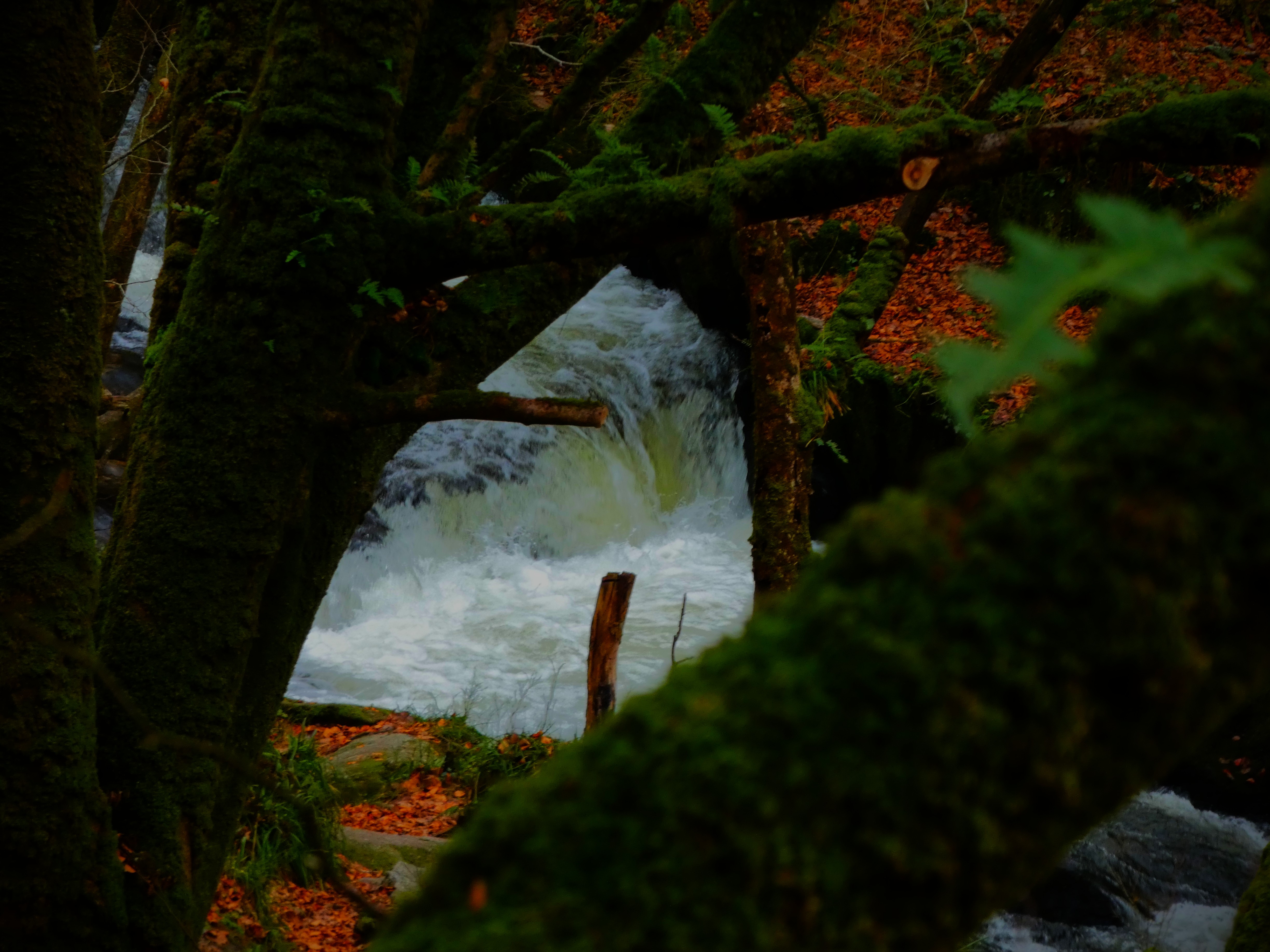
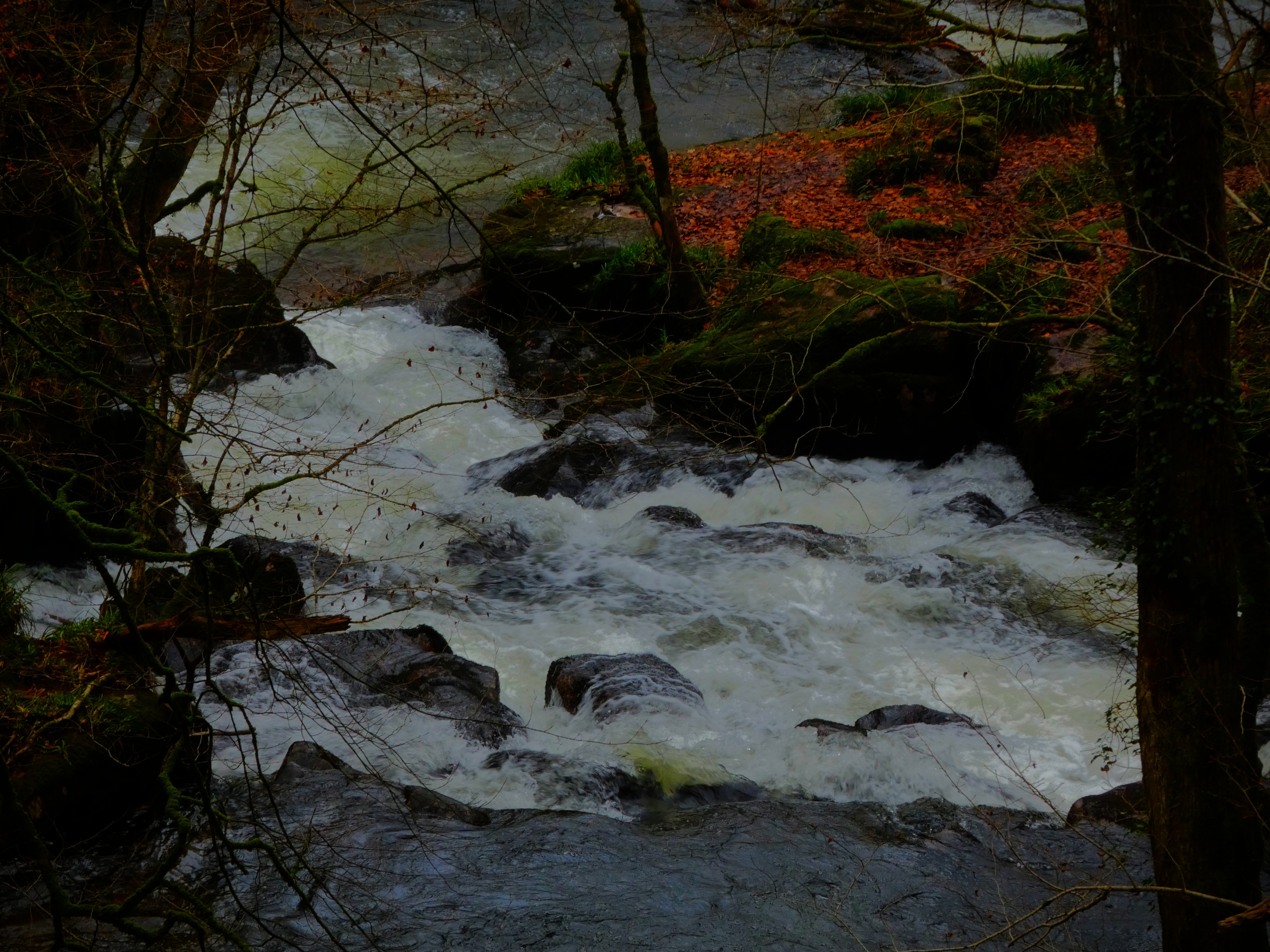
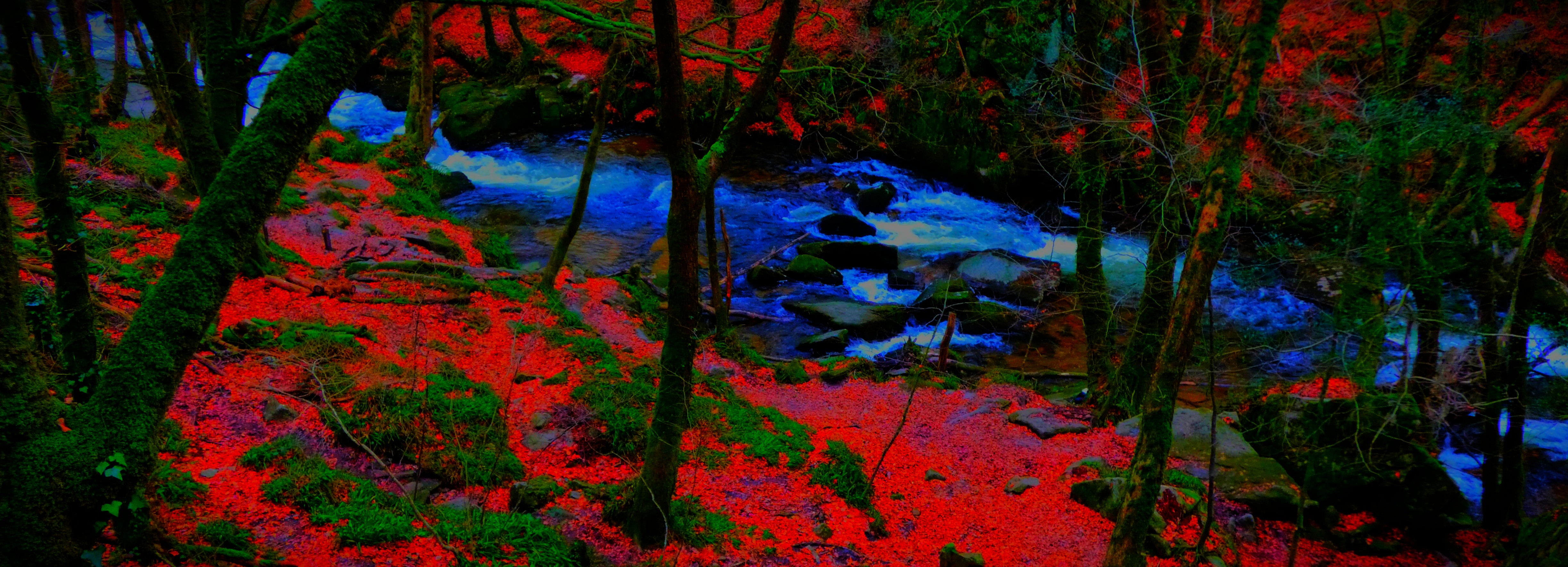
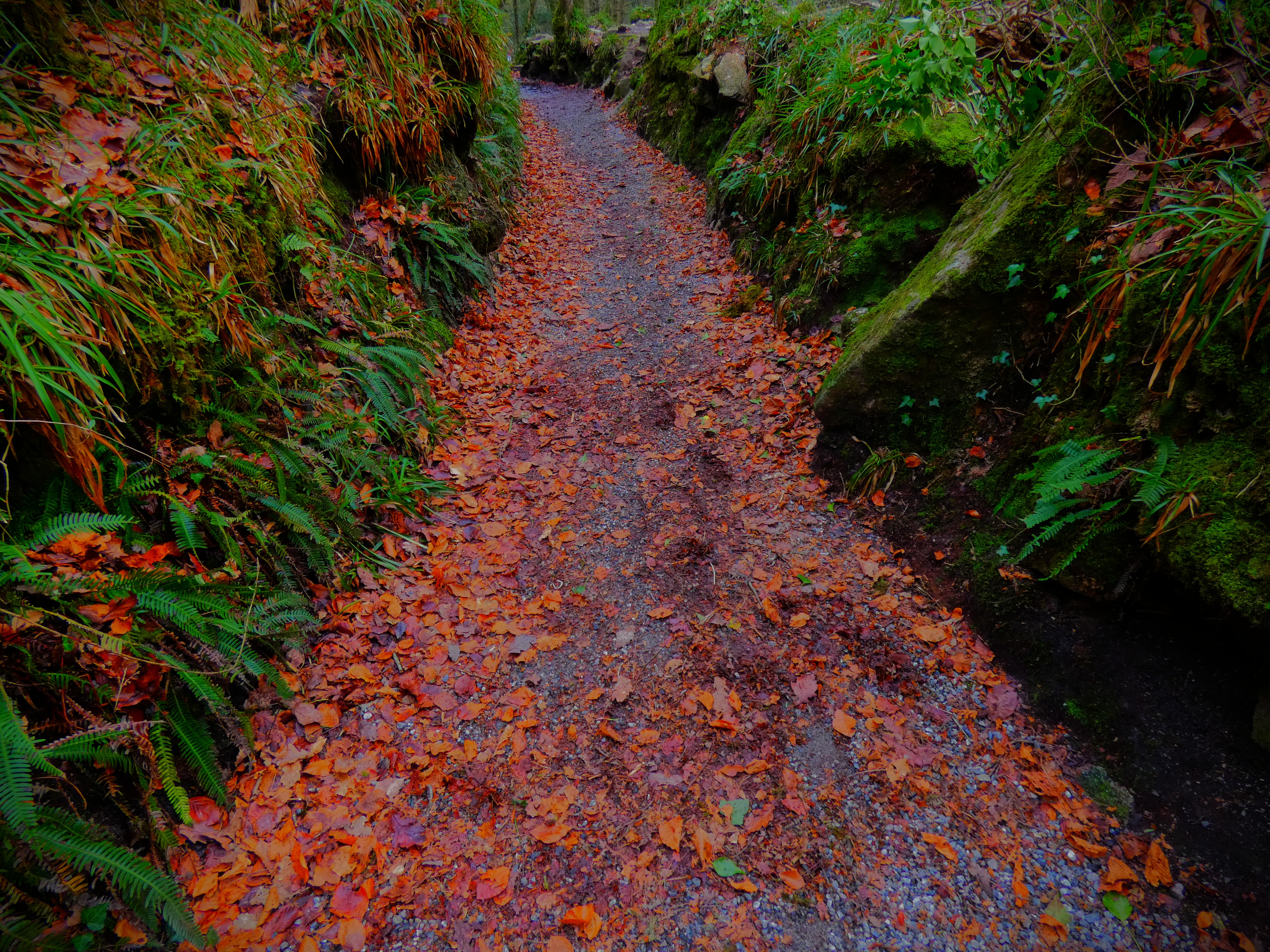
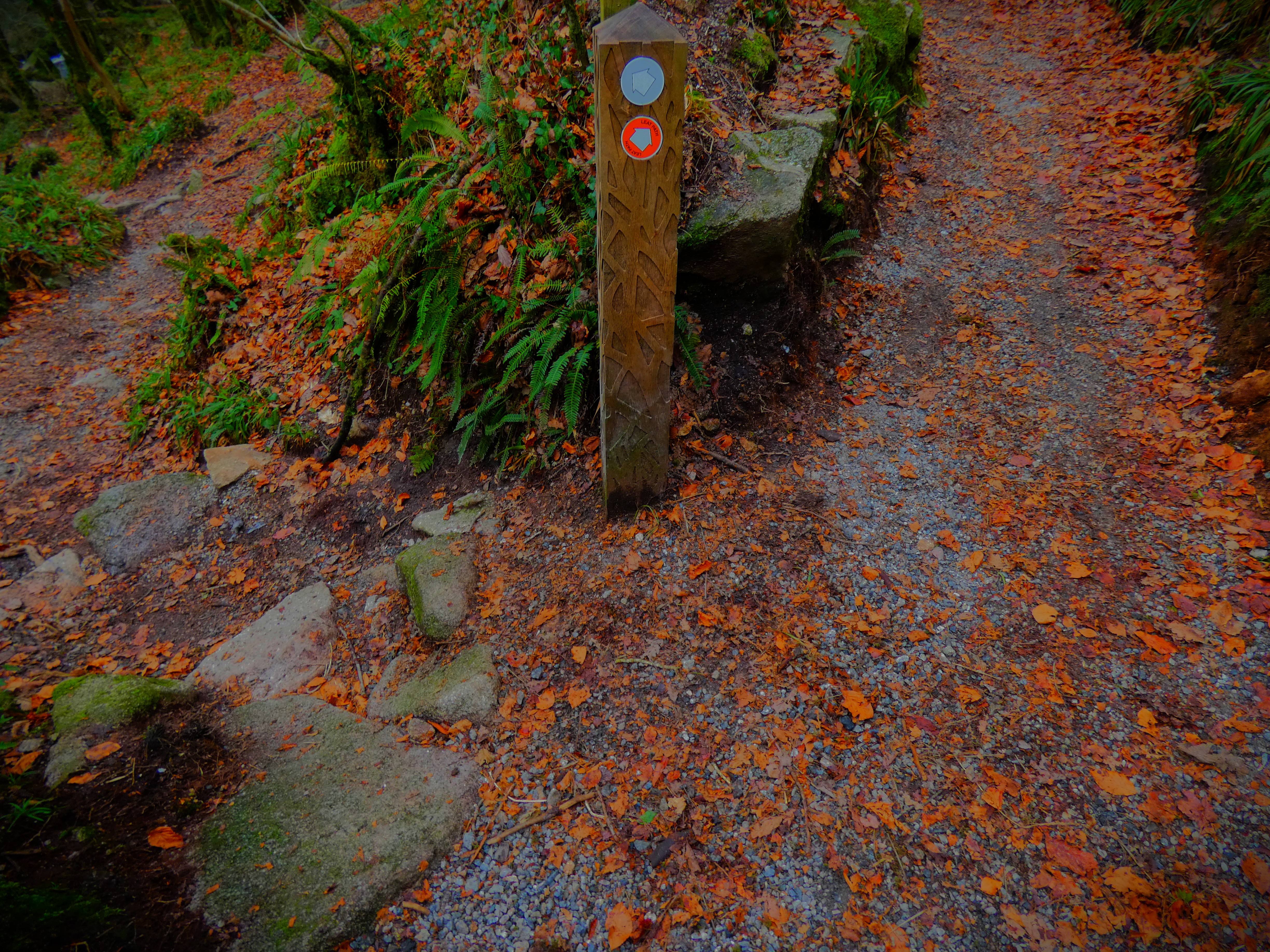
On Boxing Day we went out walking. Our original plan was to do a circular walk beginning with the Golitha falls Nature Reserve and continuing with a circular walk. This was later modified.
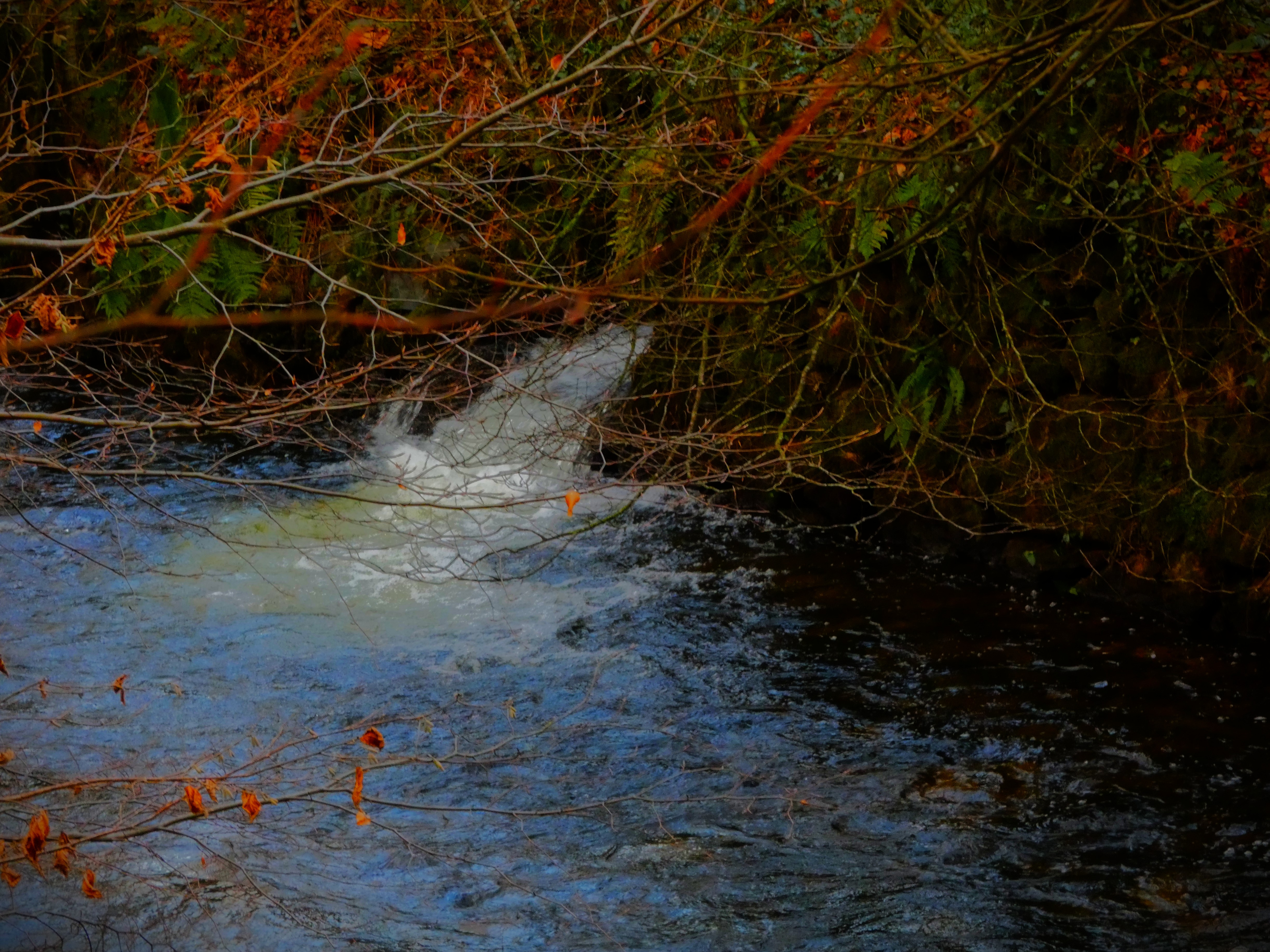
GOLITHA FALLS
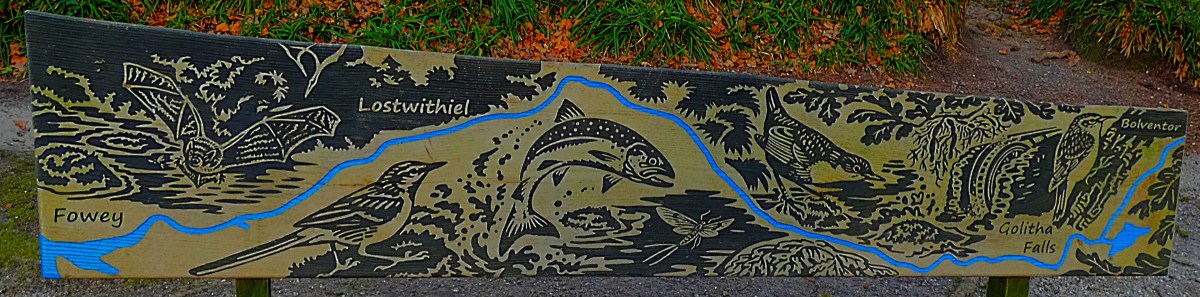
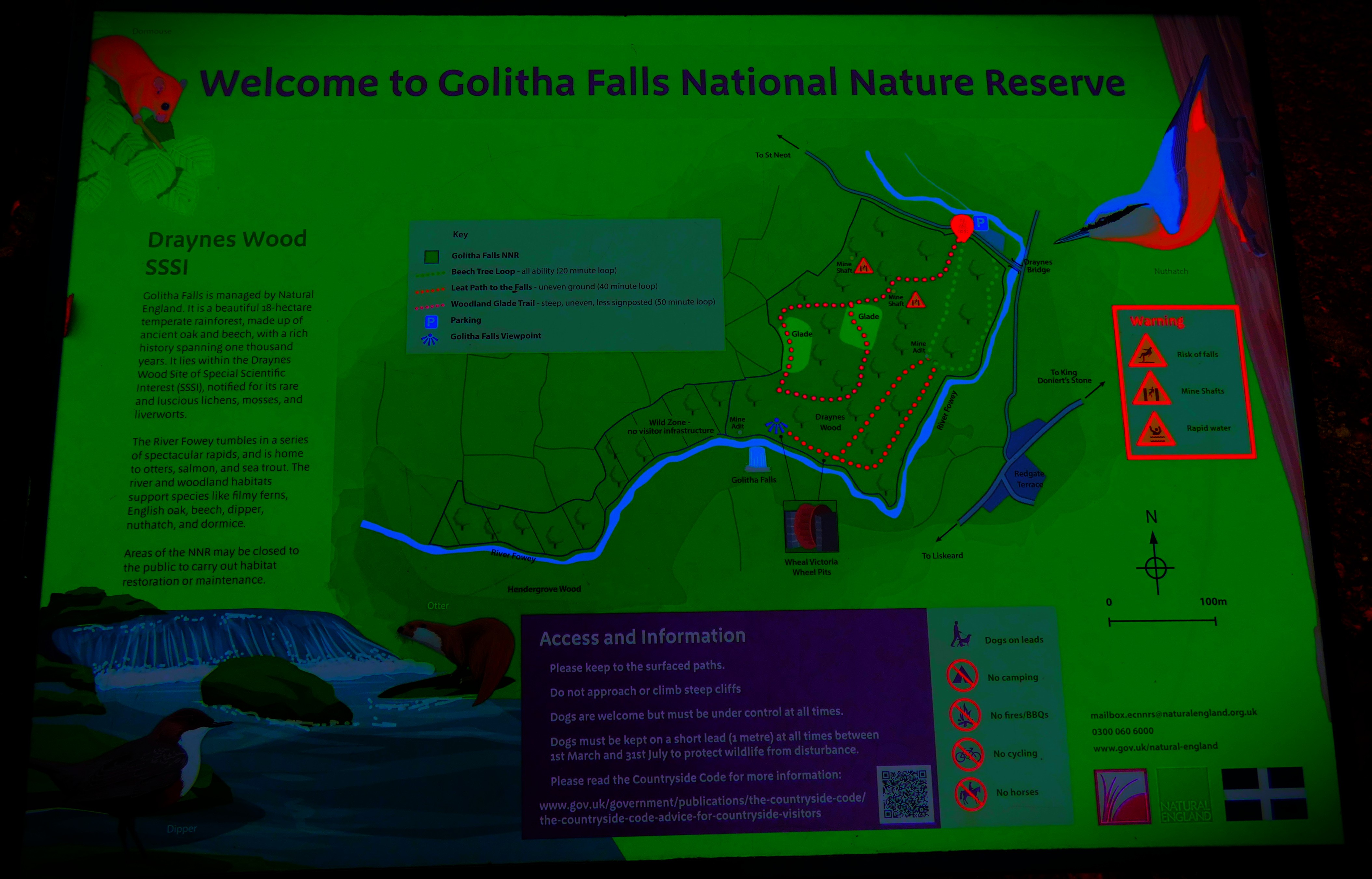
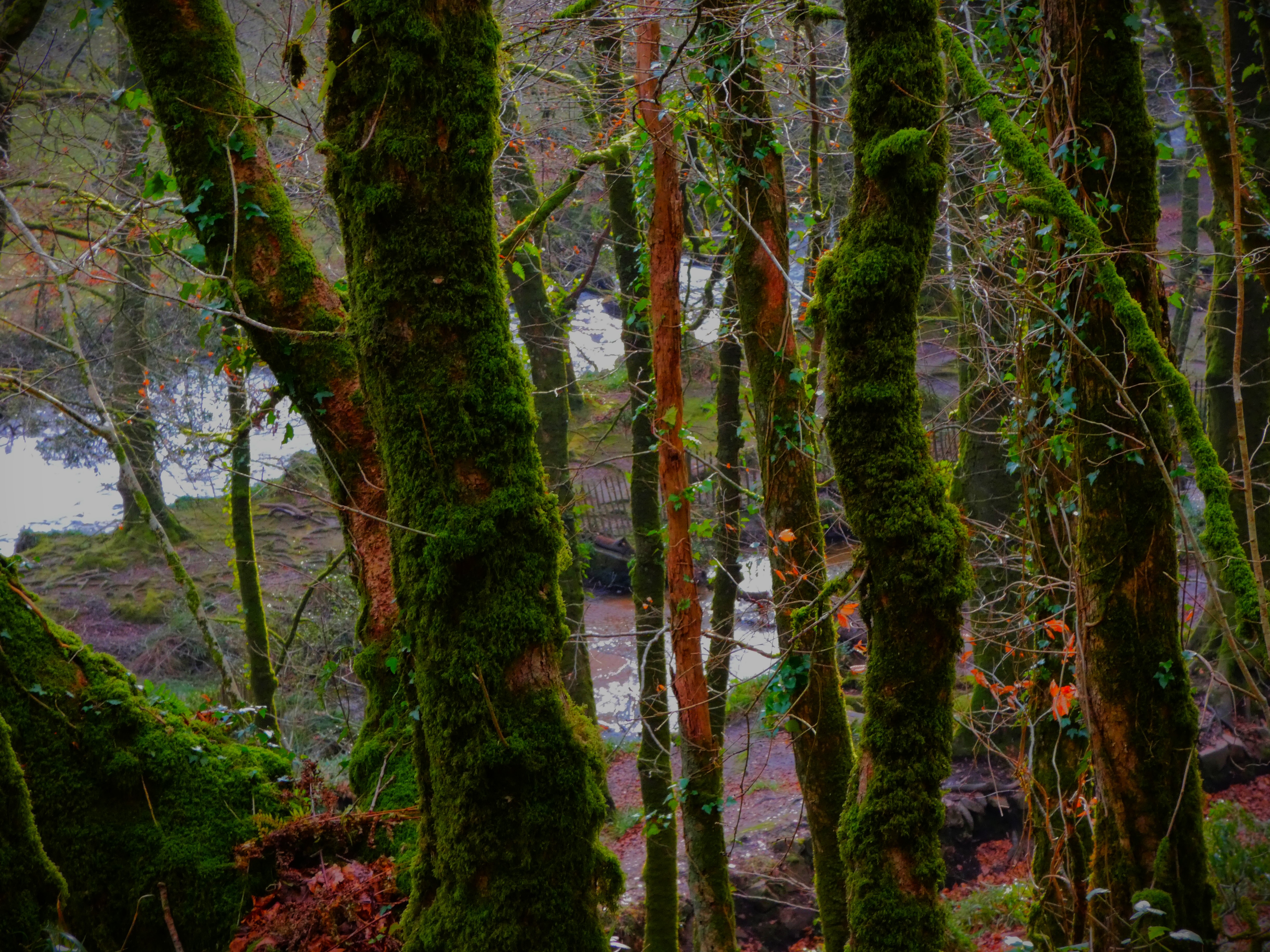
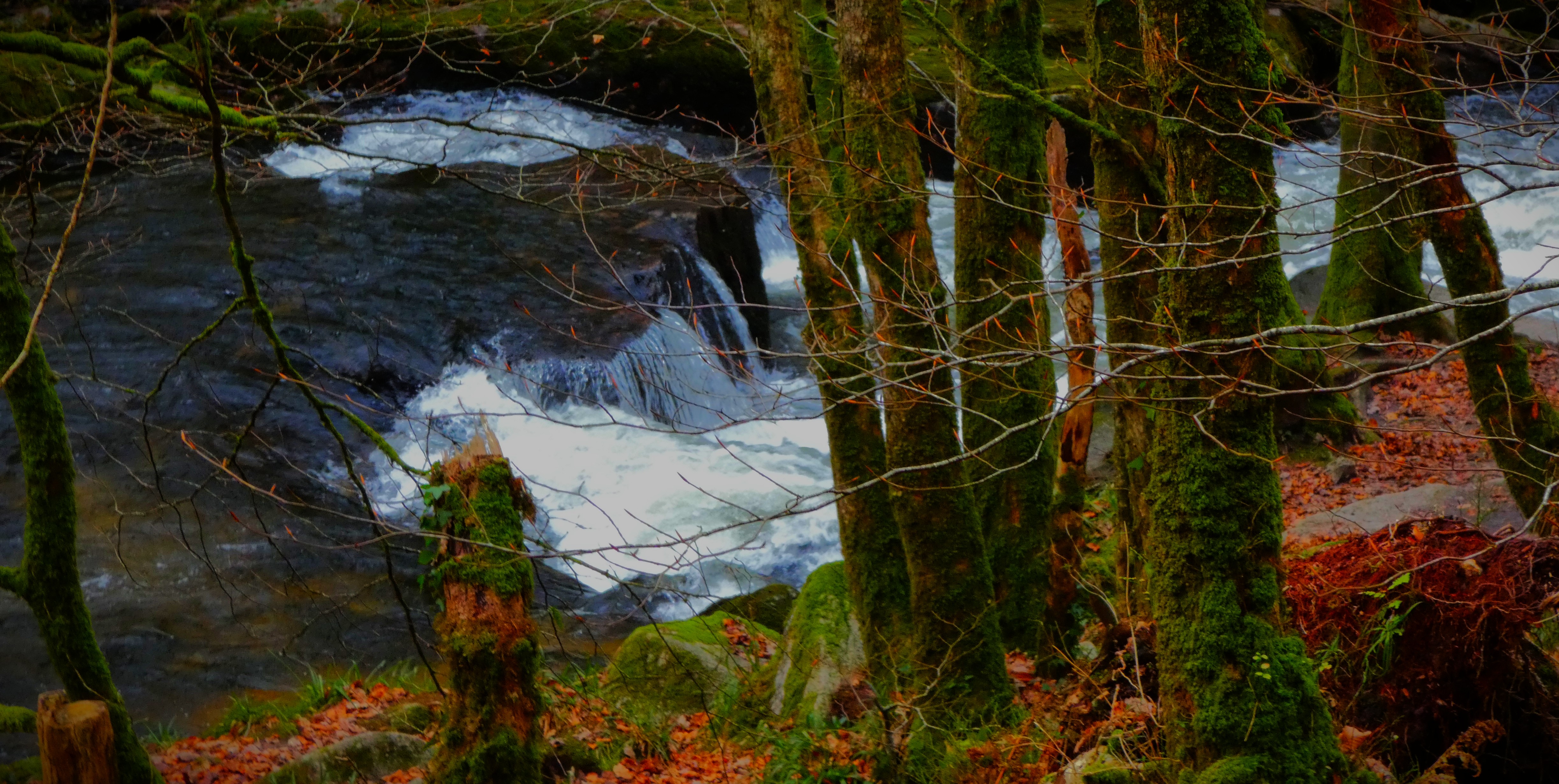
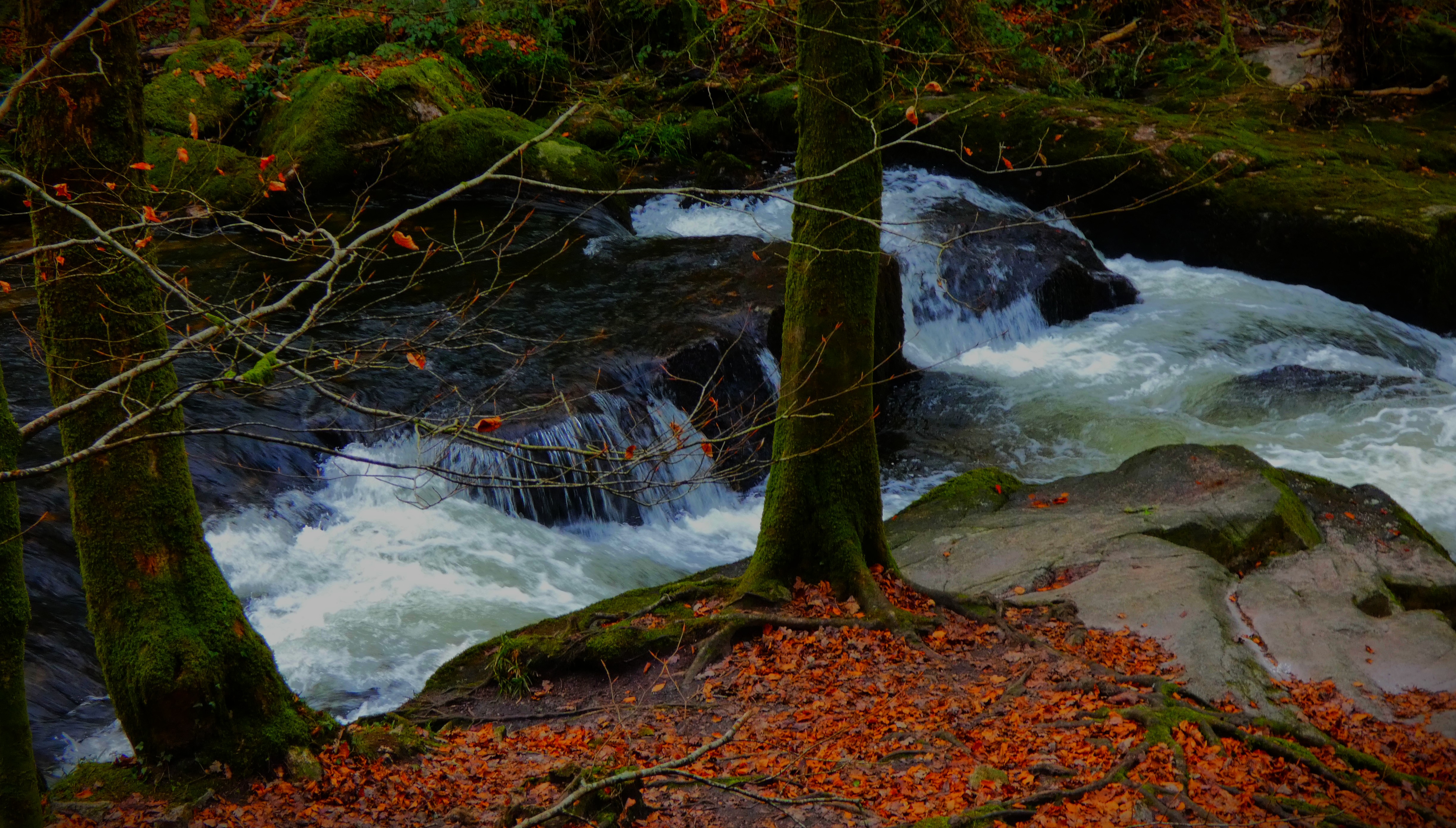
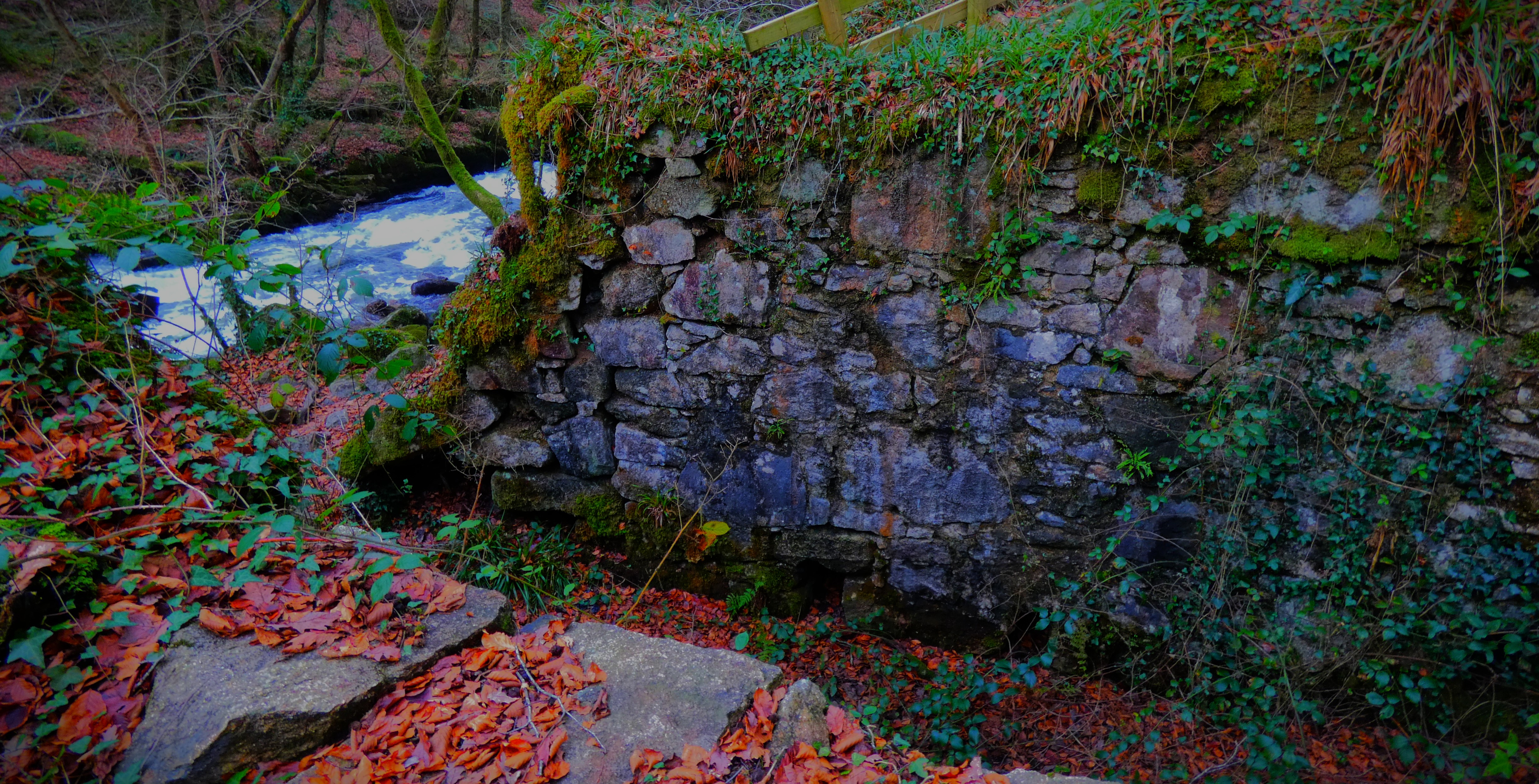
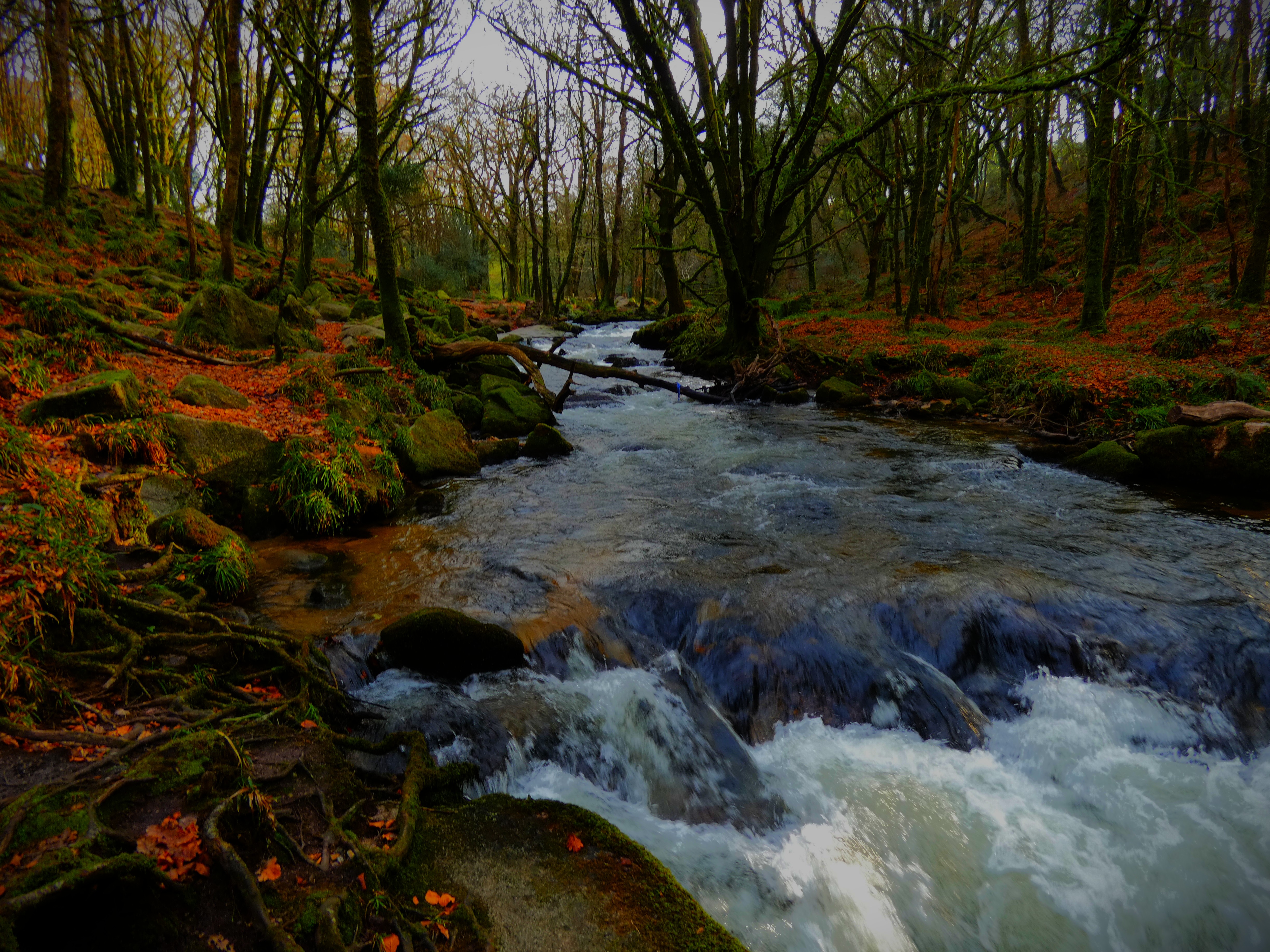
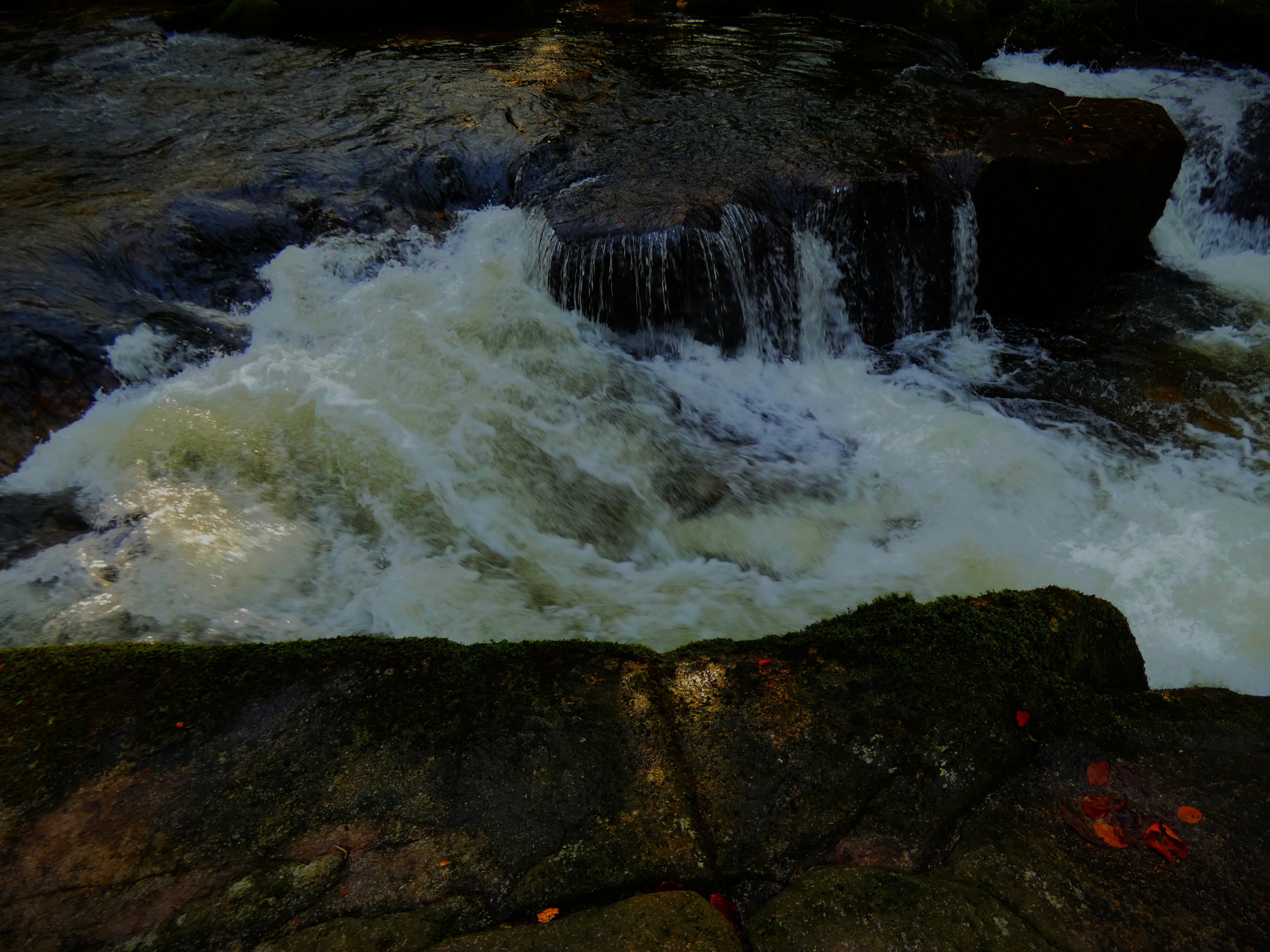
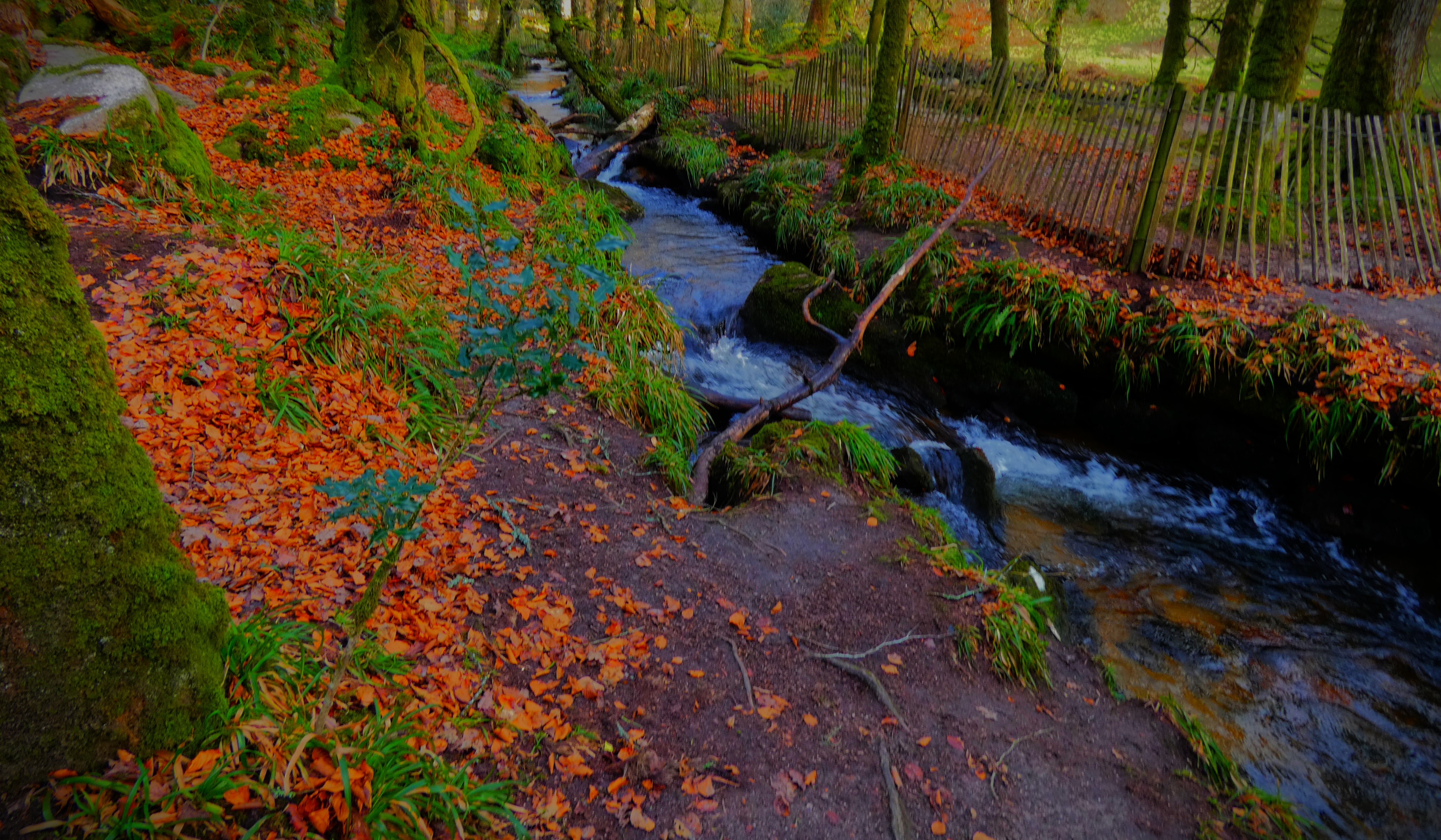
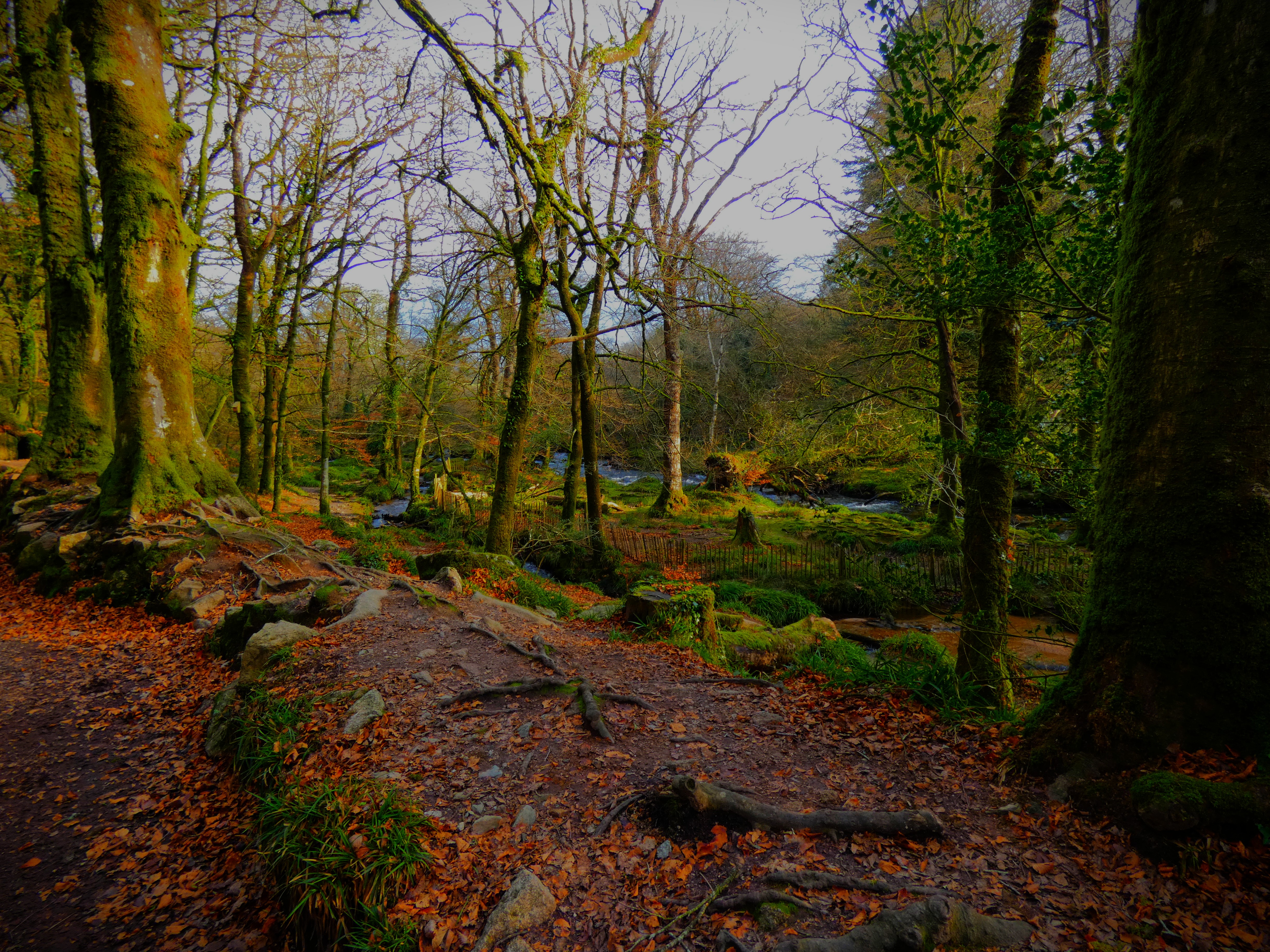
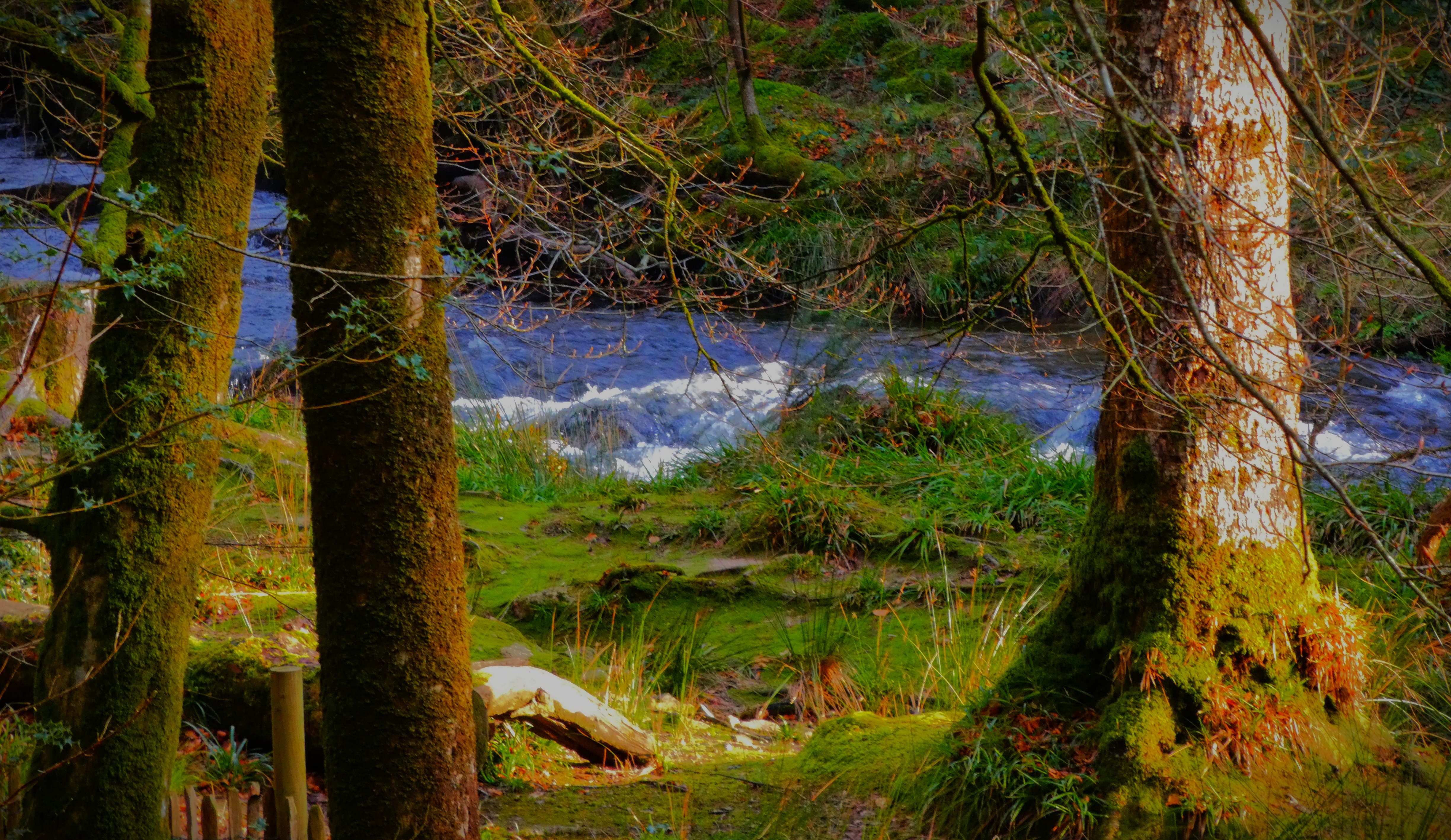
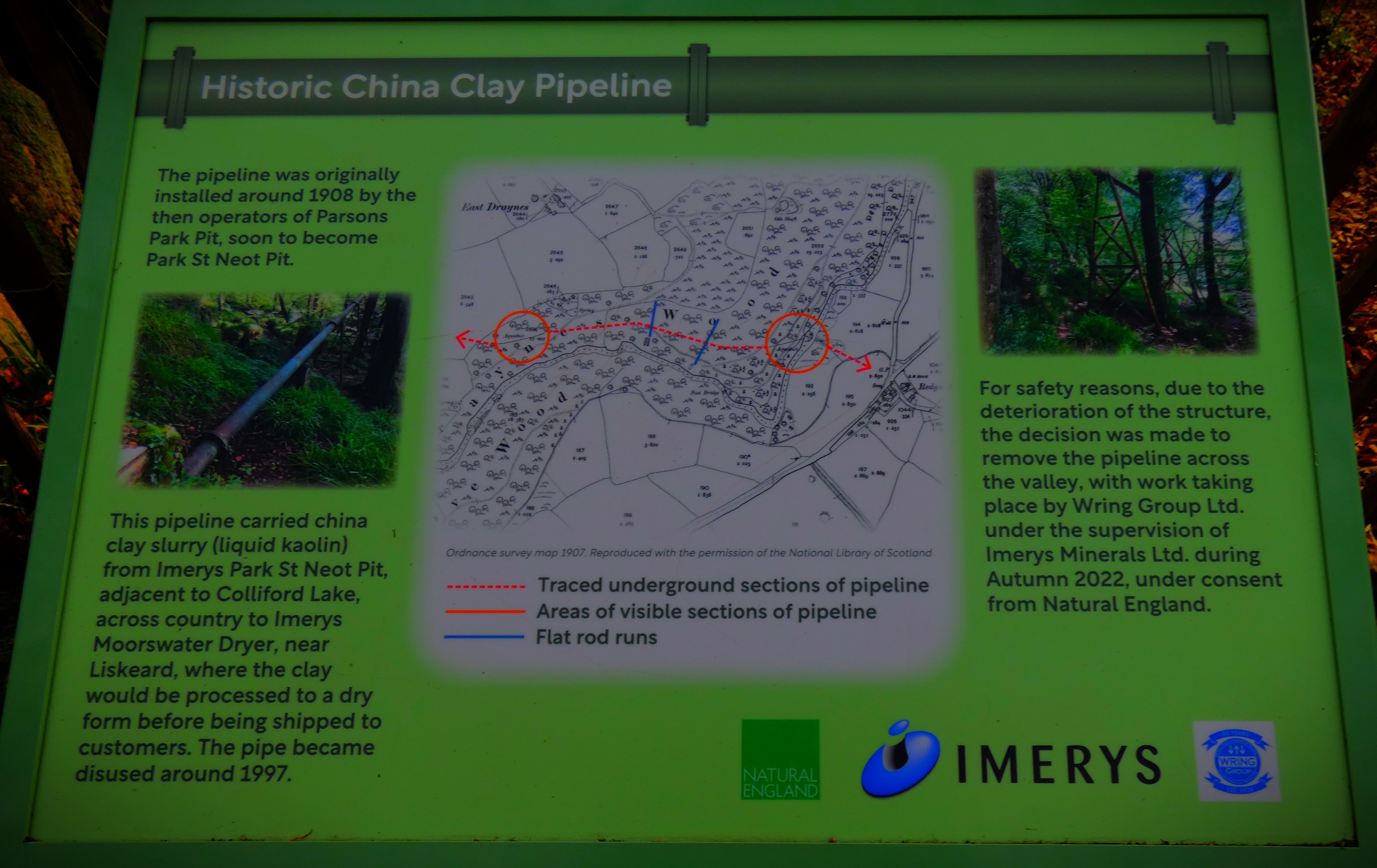
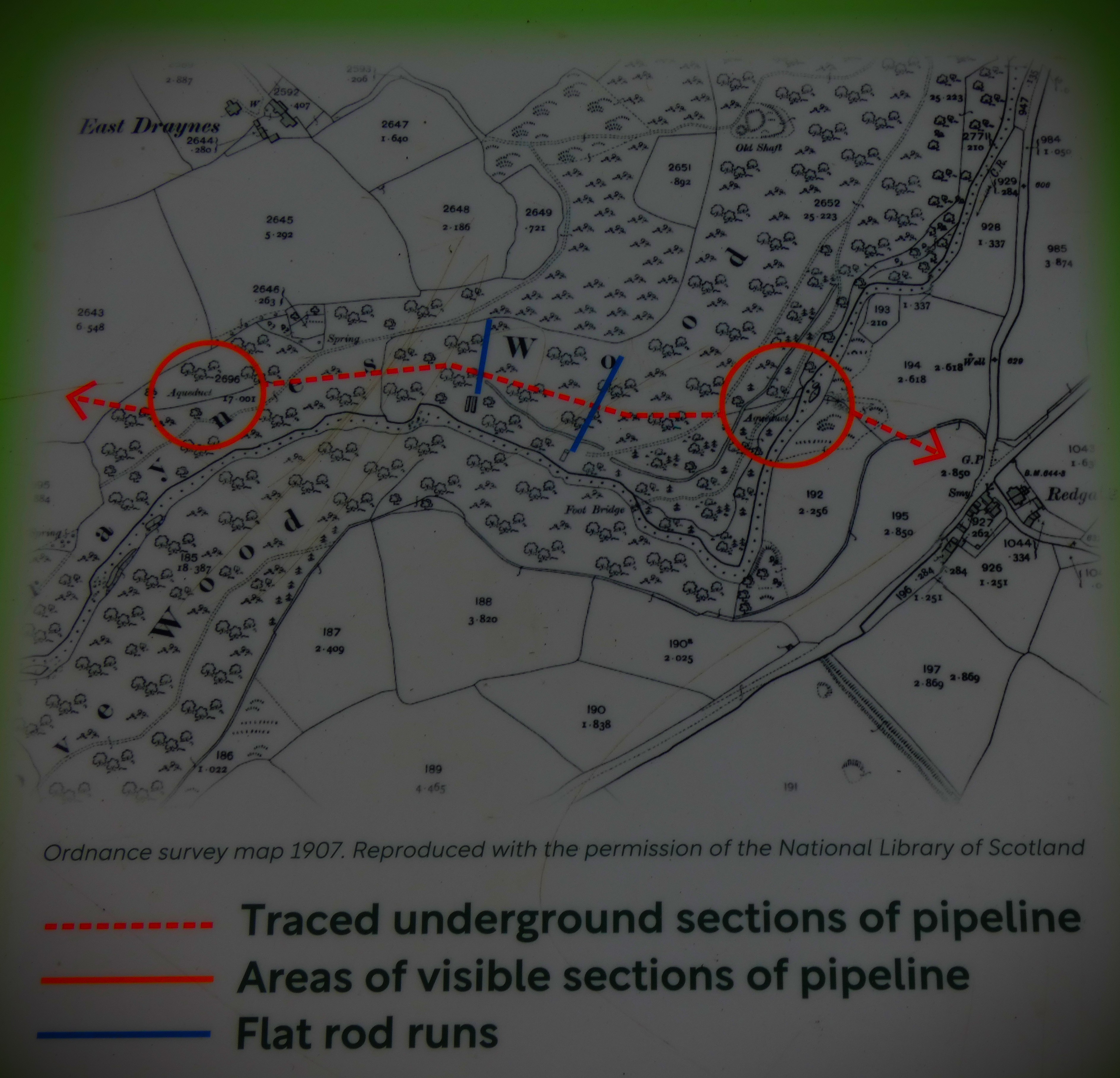
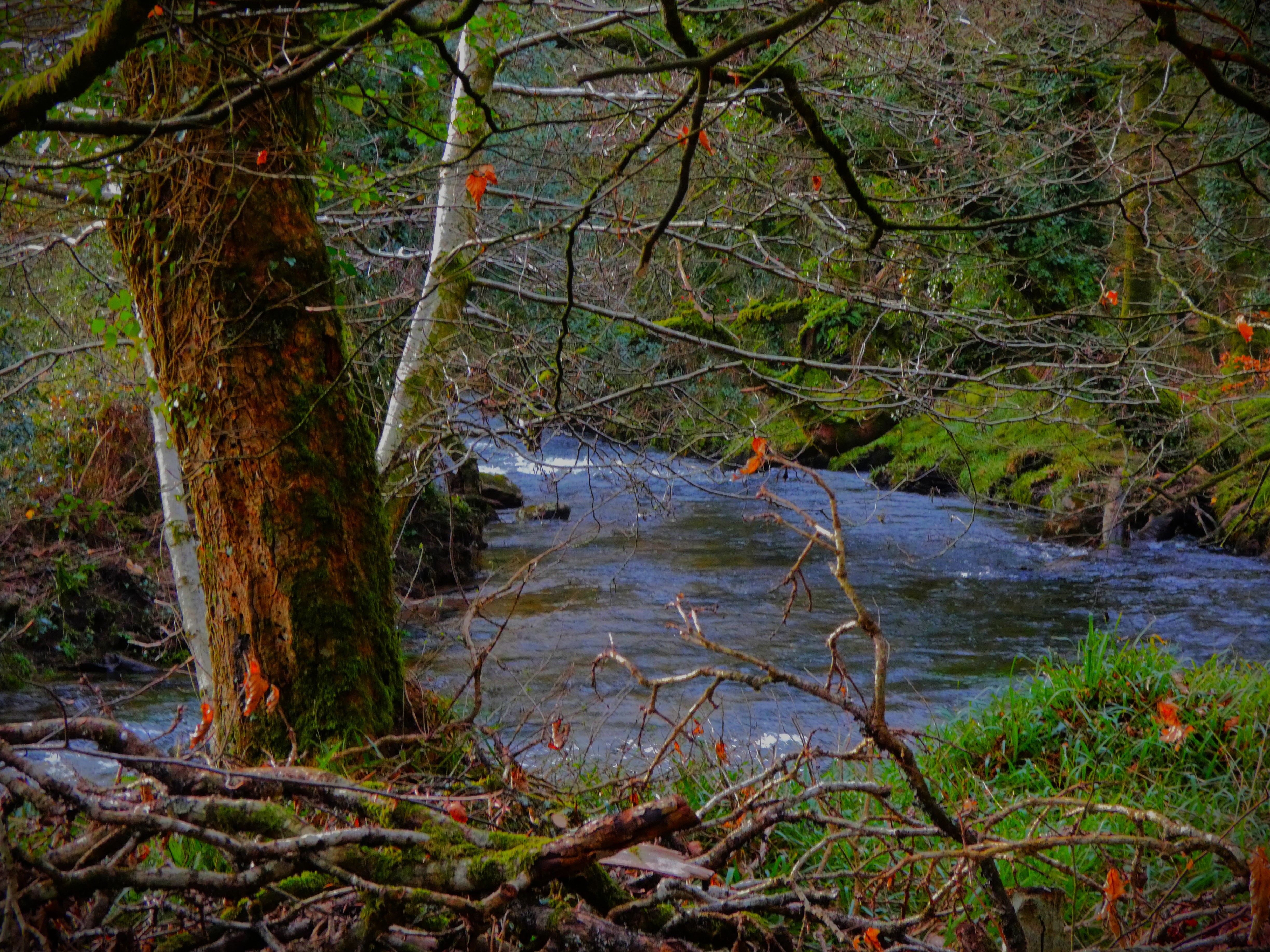
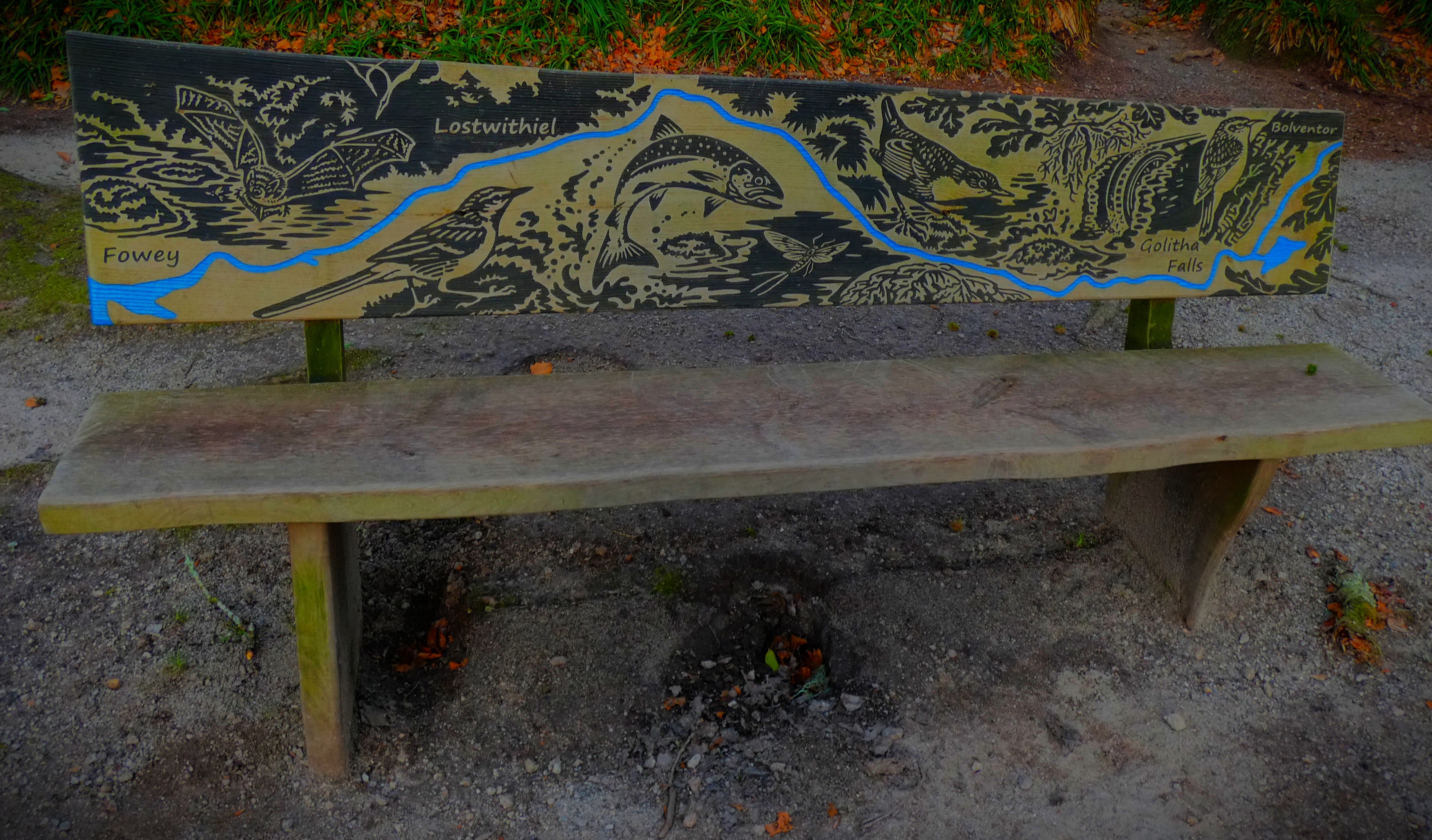
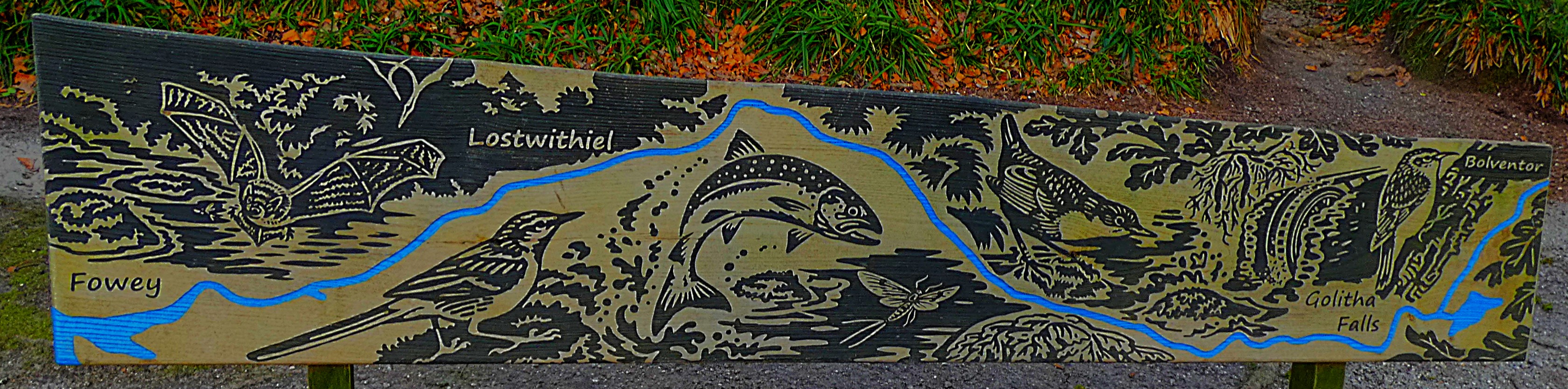
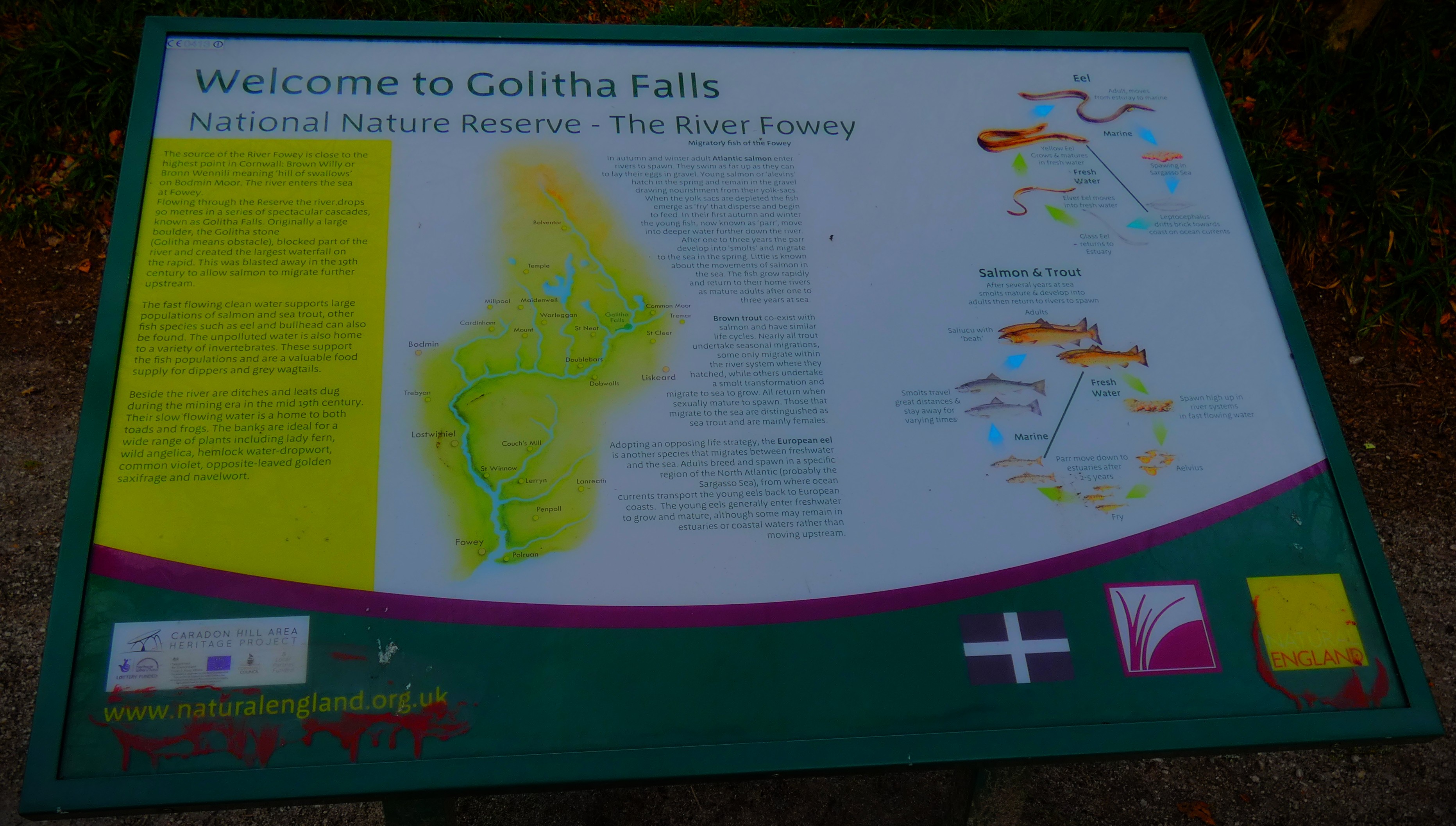
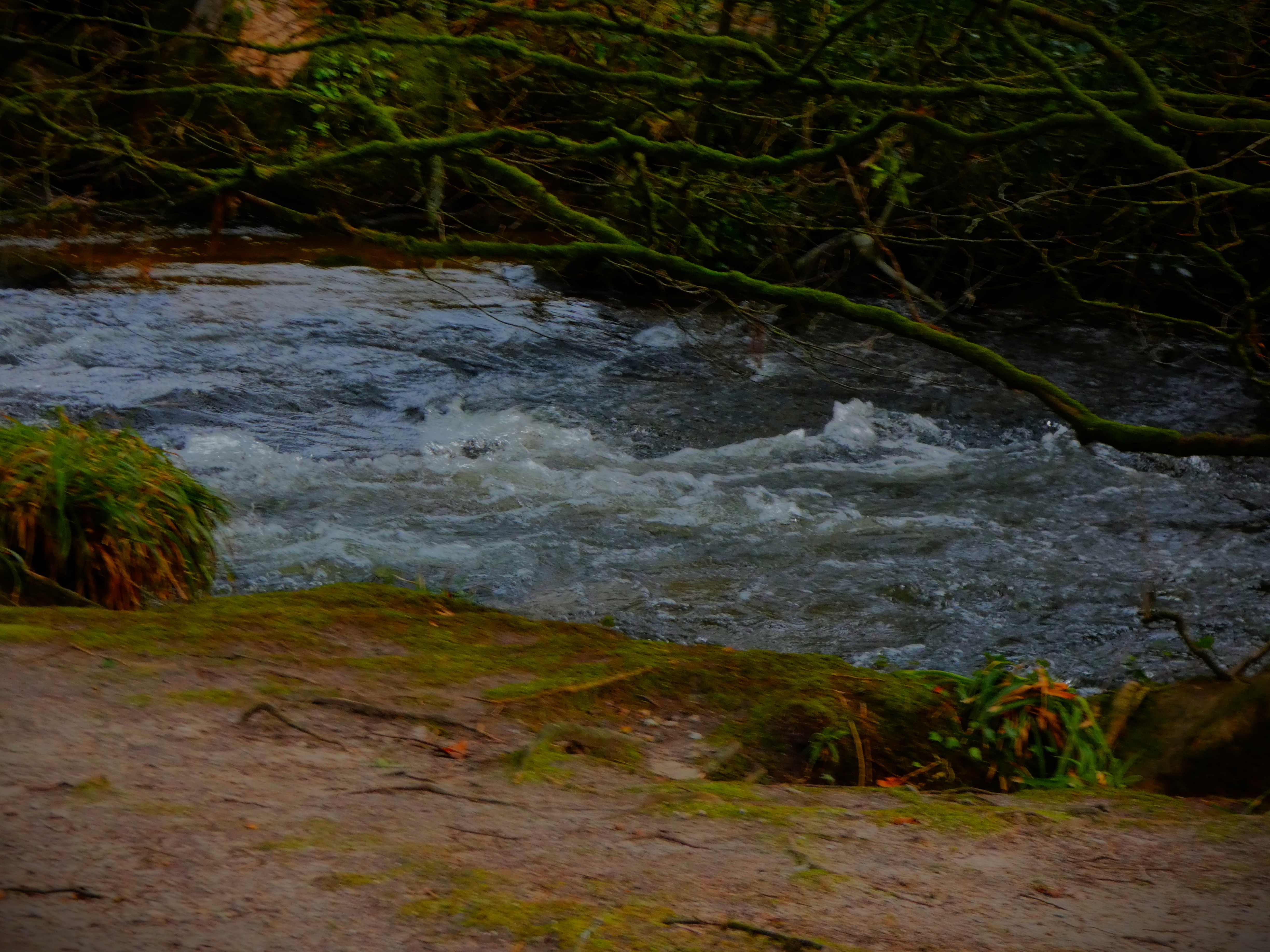
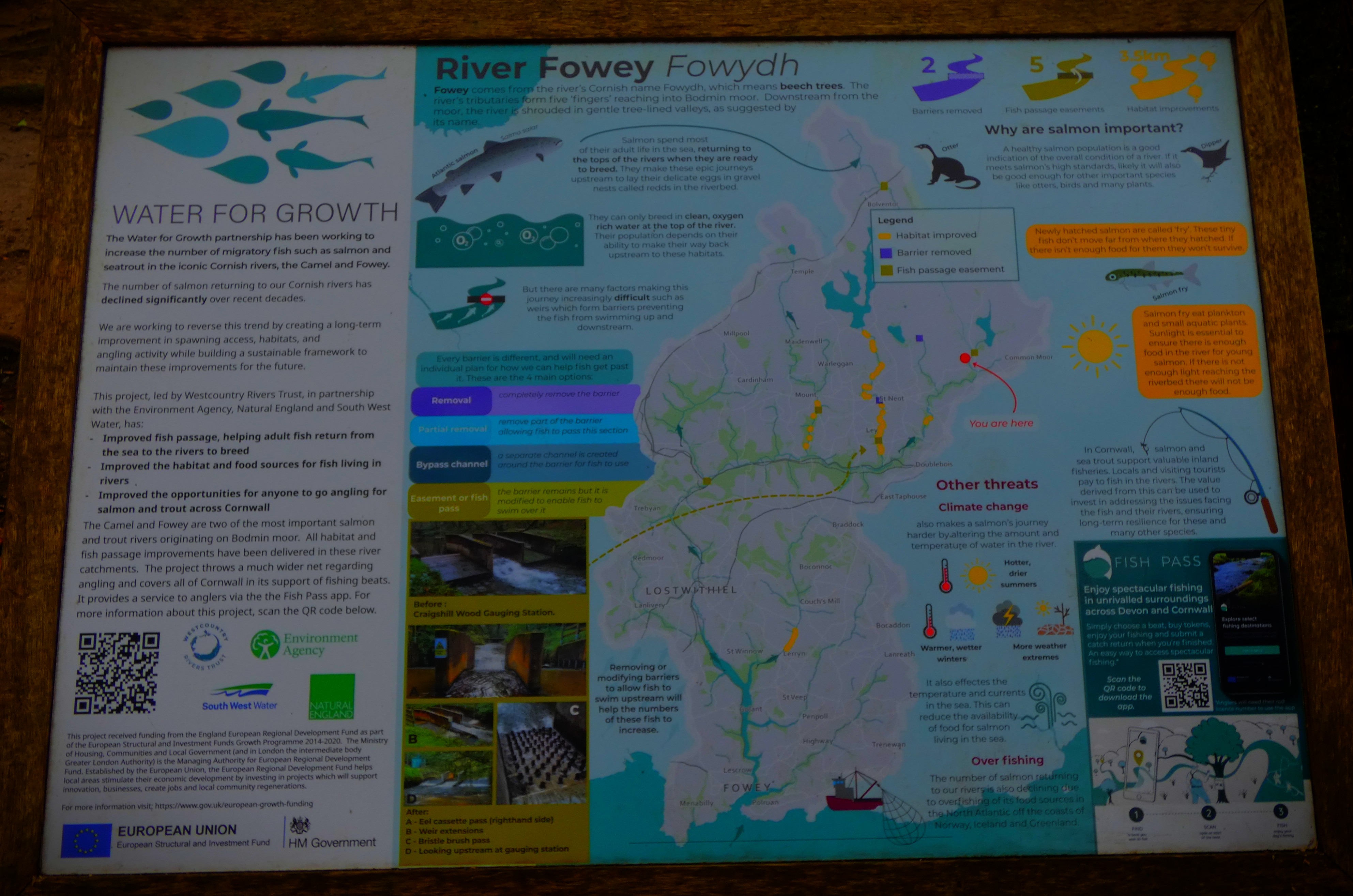
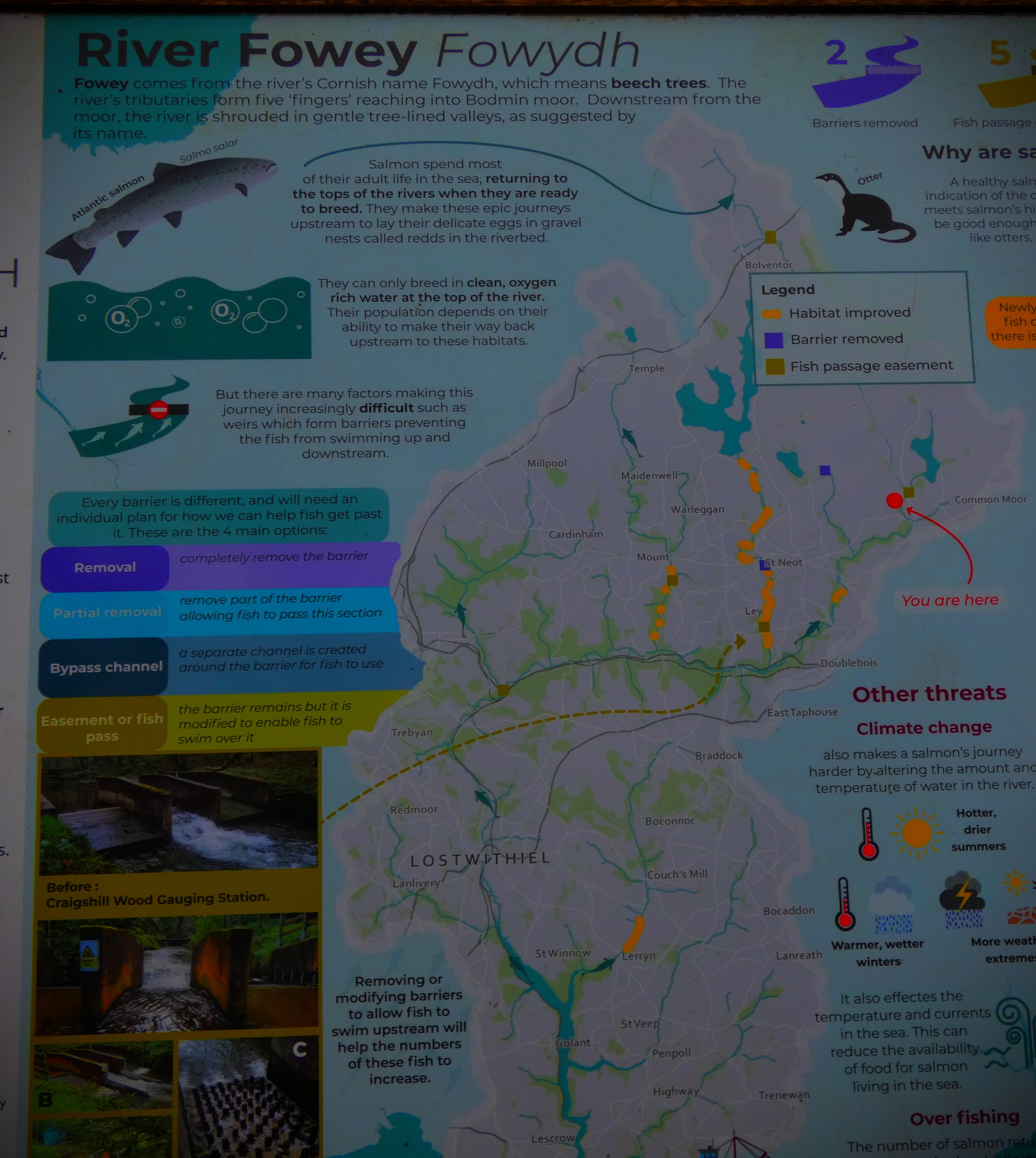
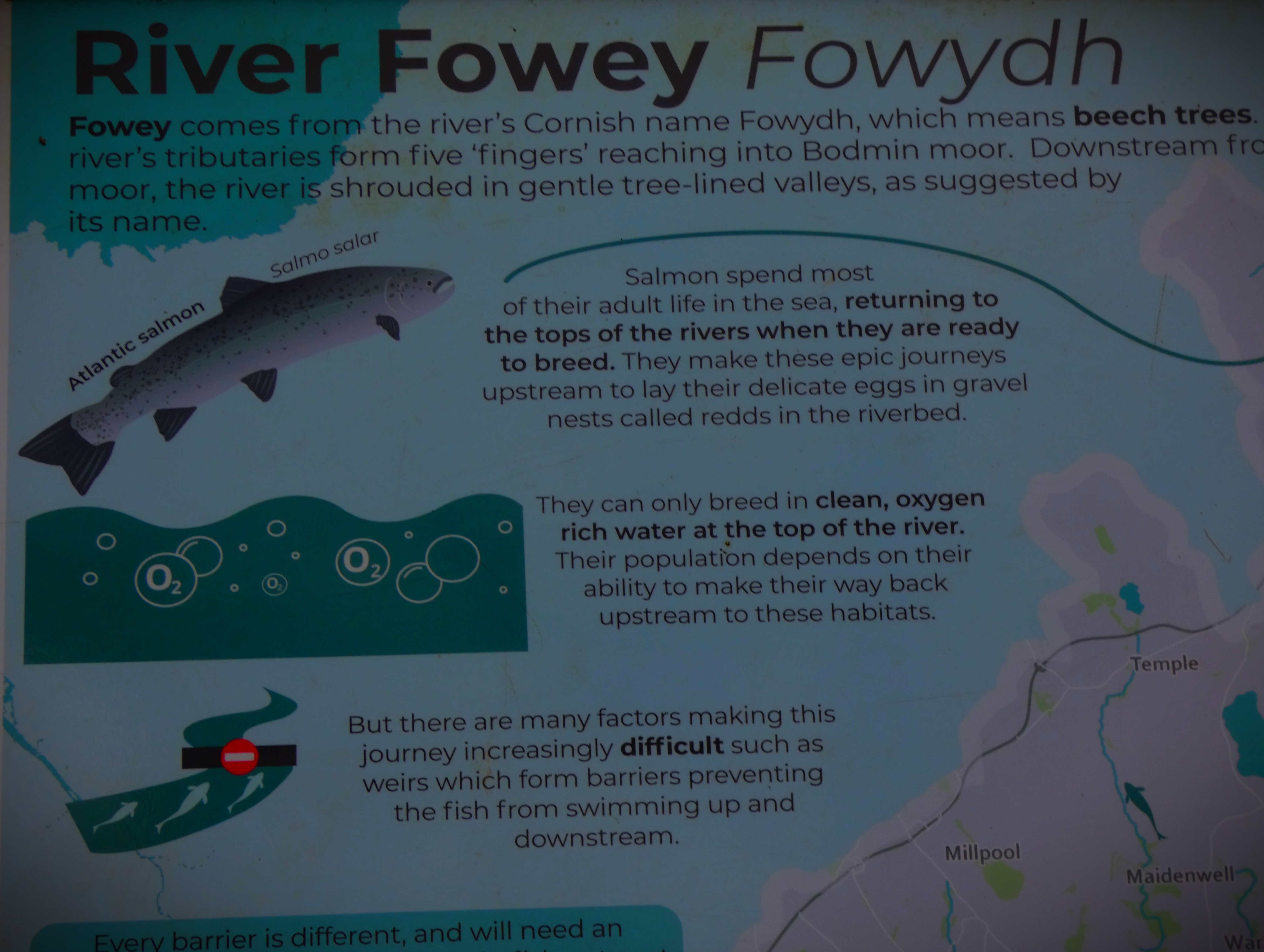
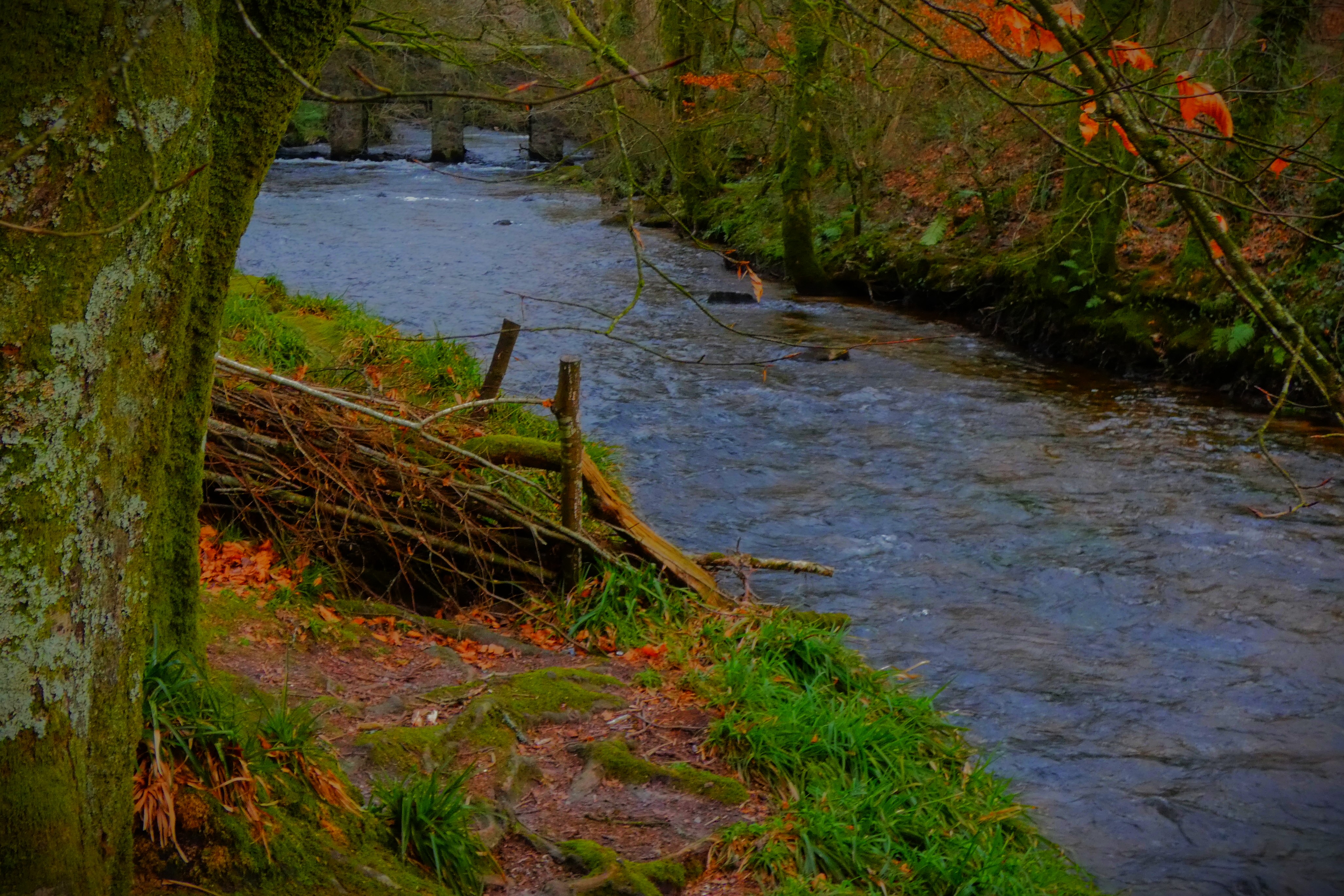
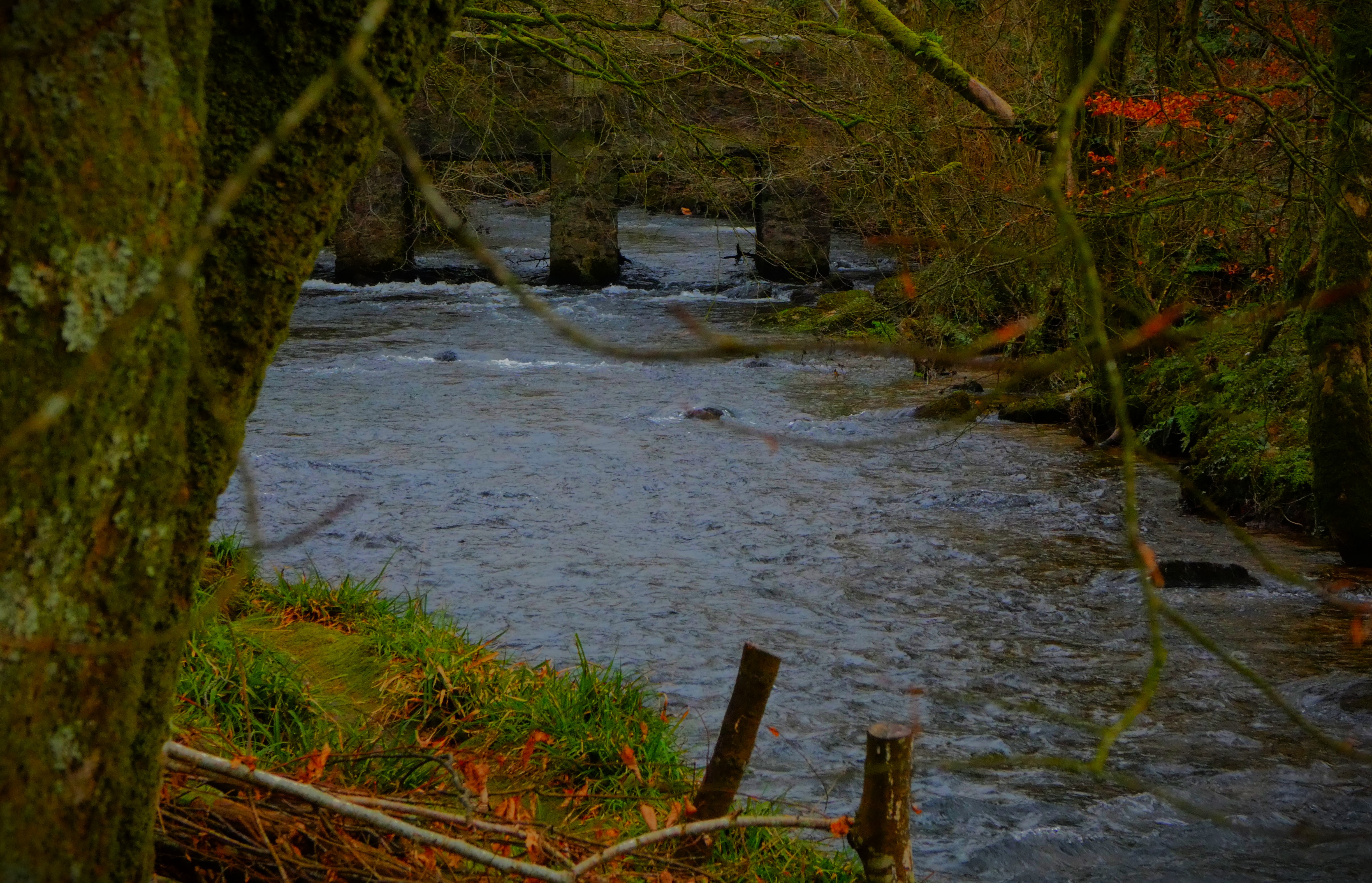
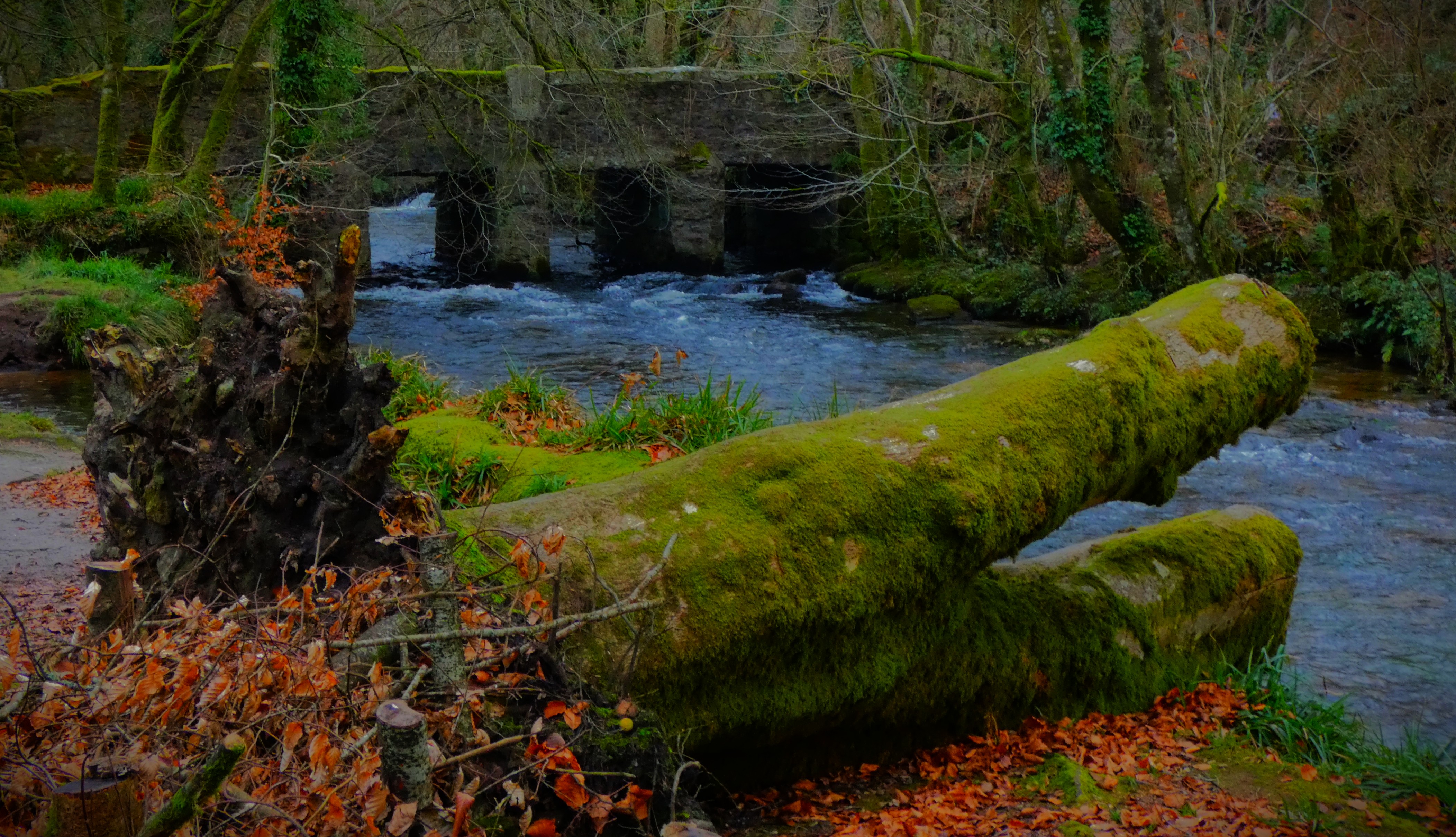
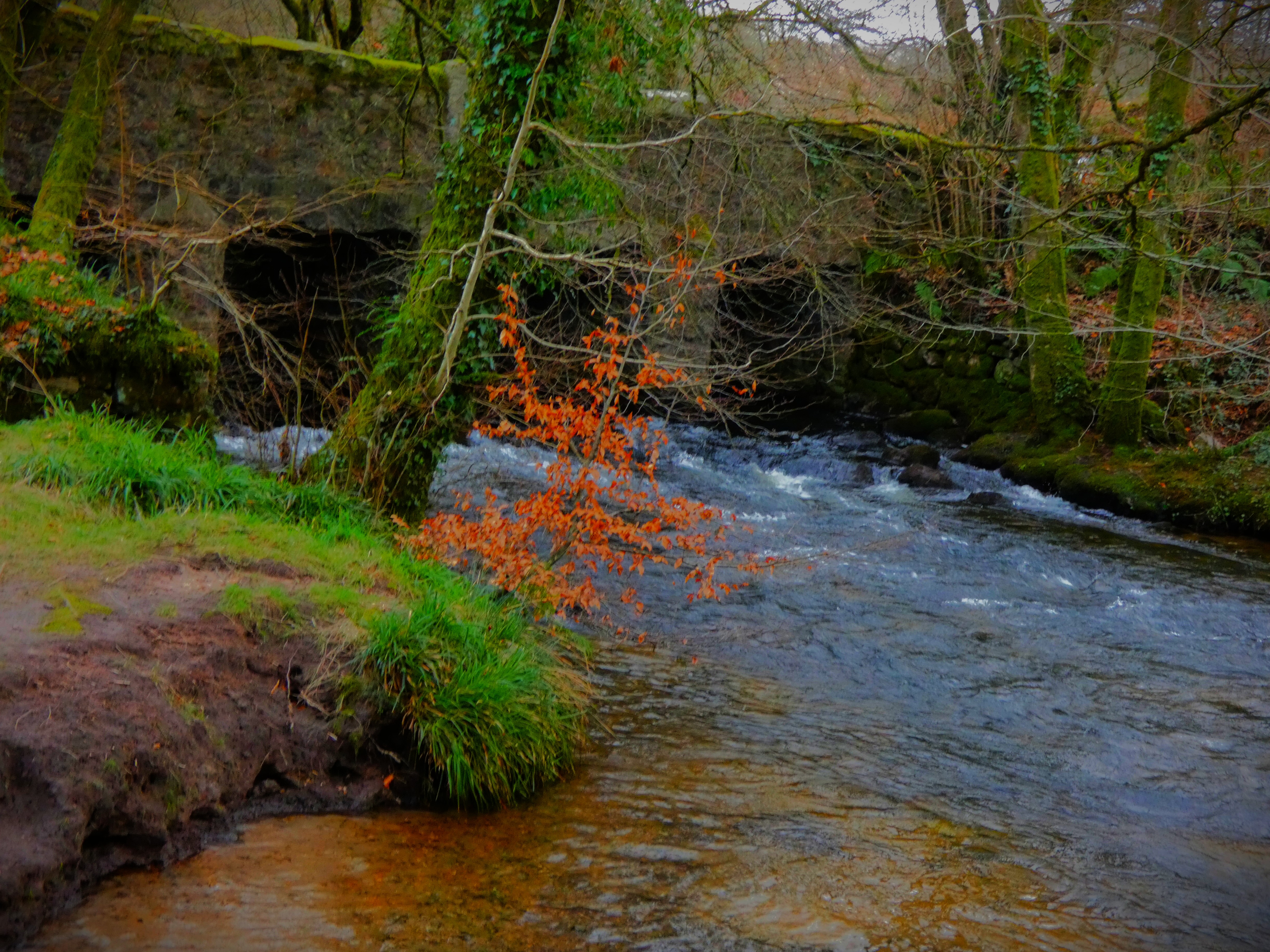
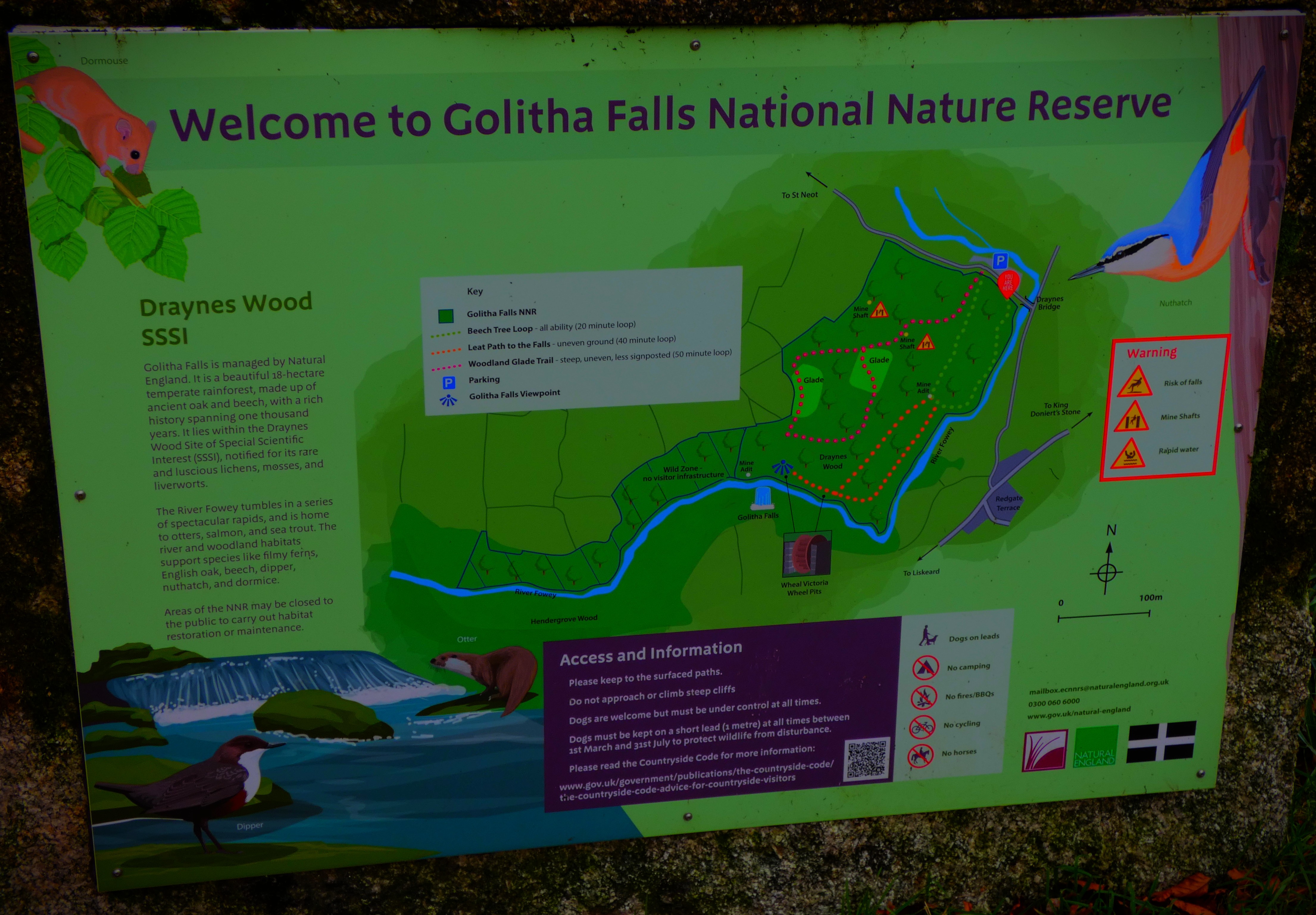
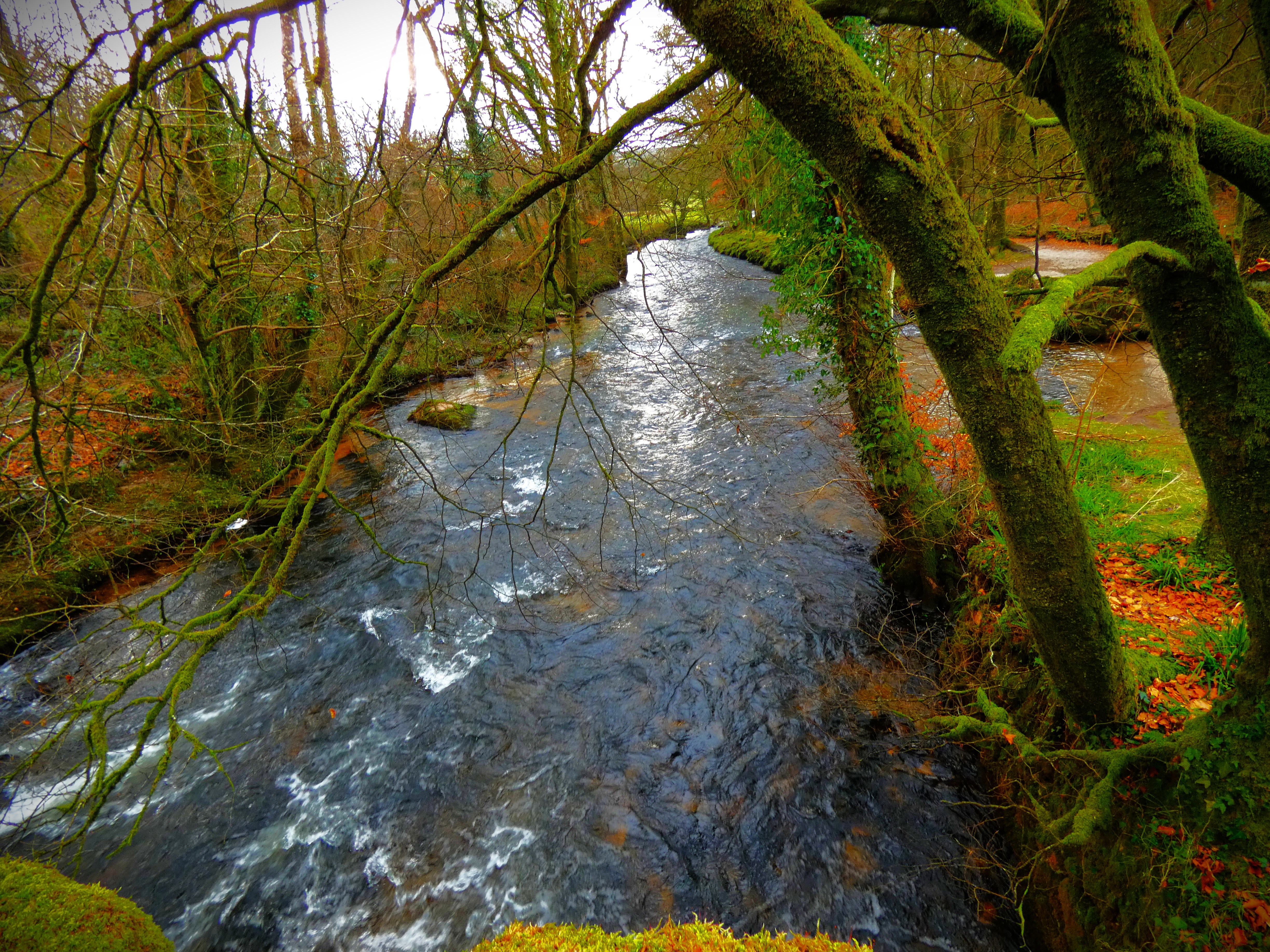
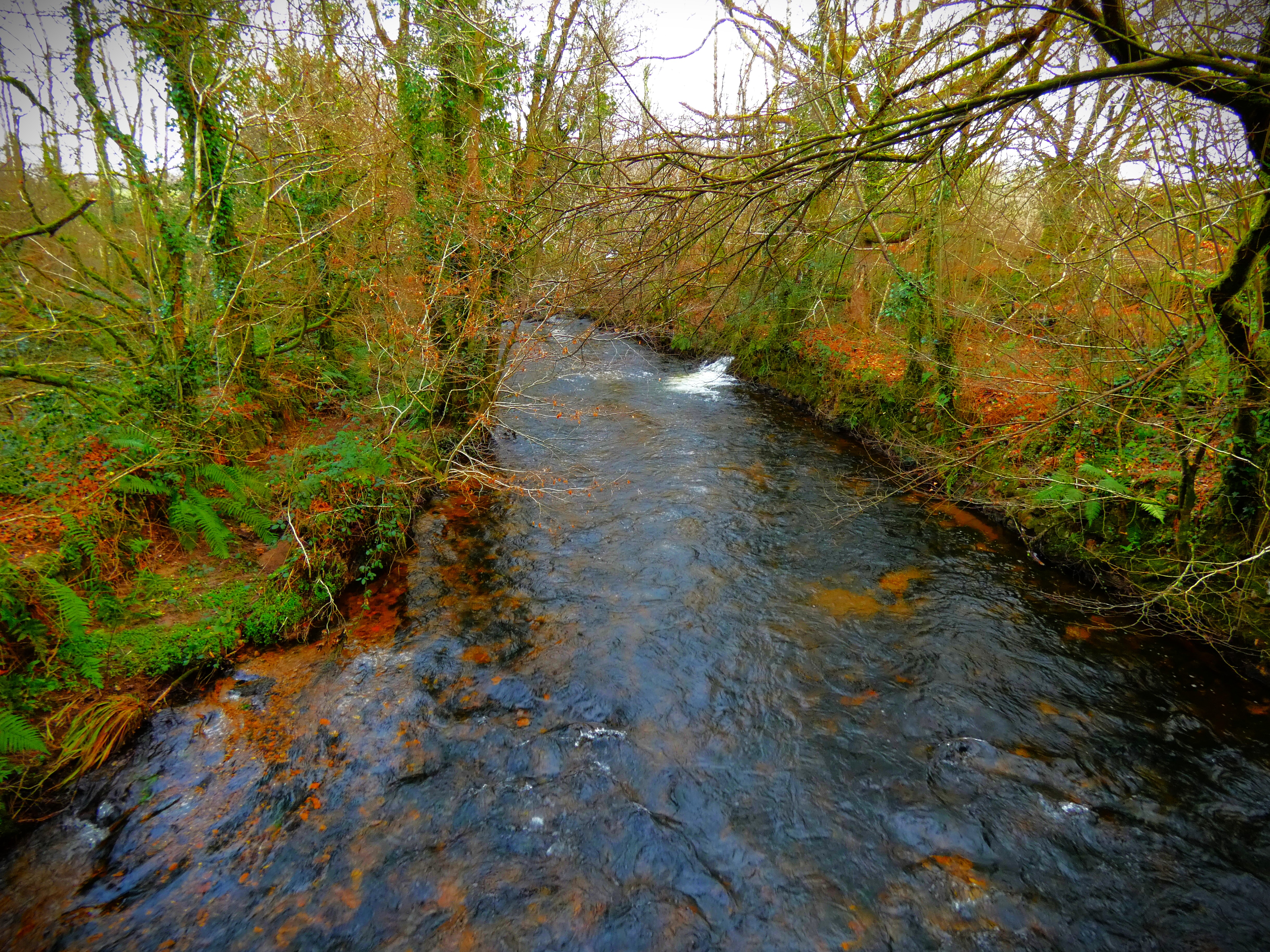
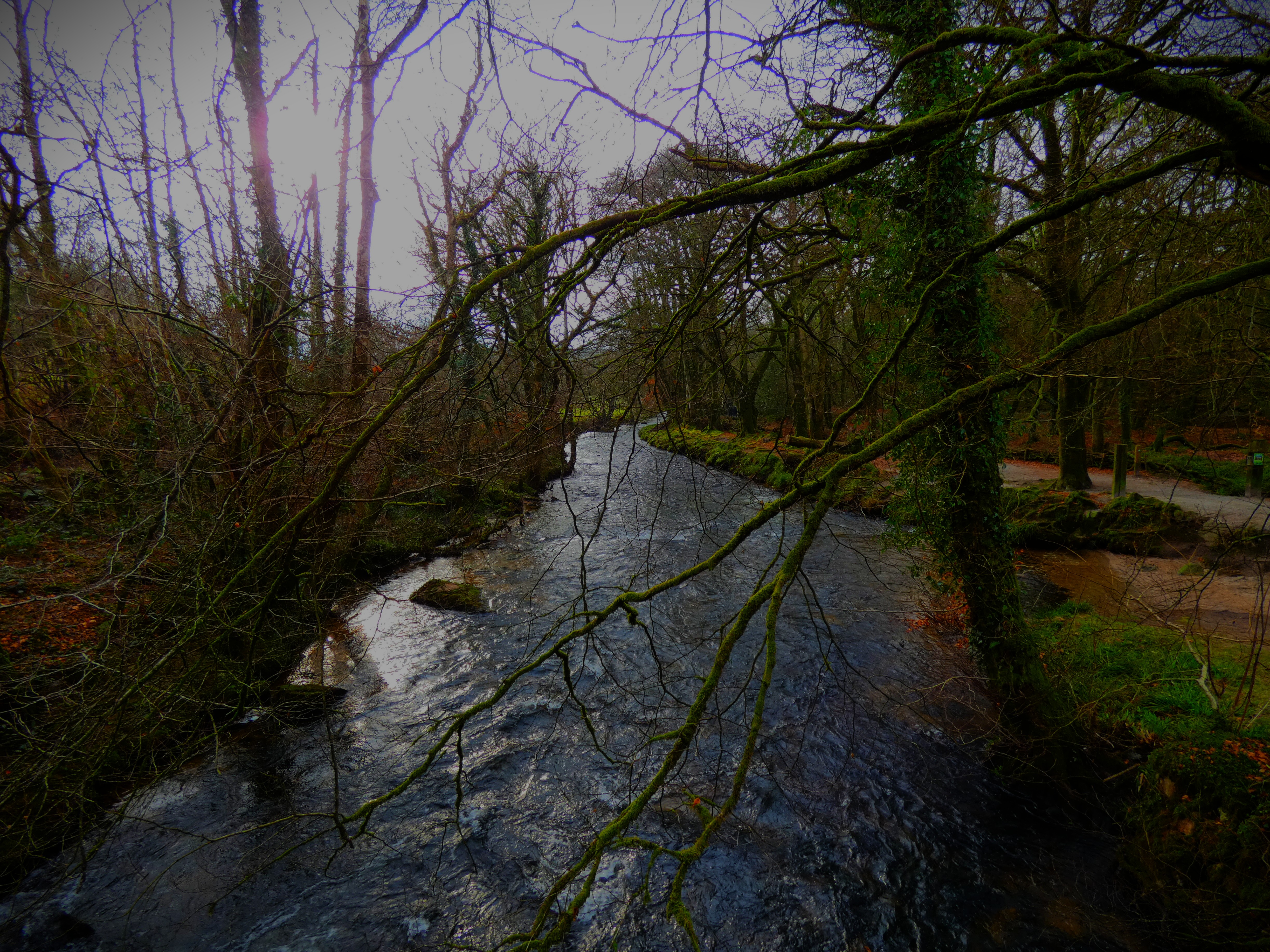
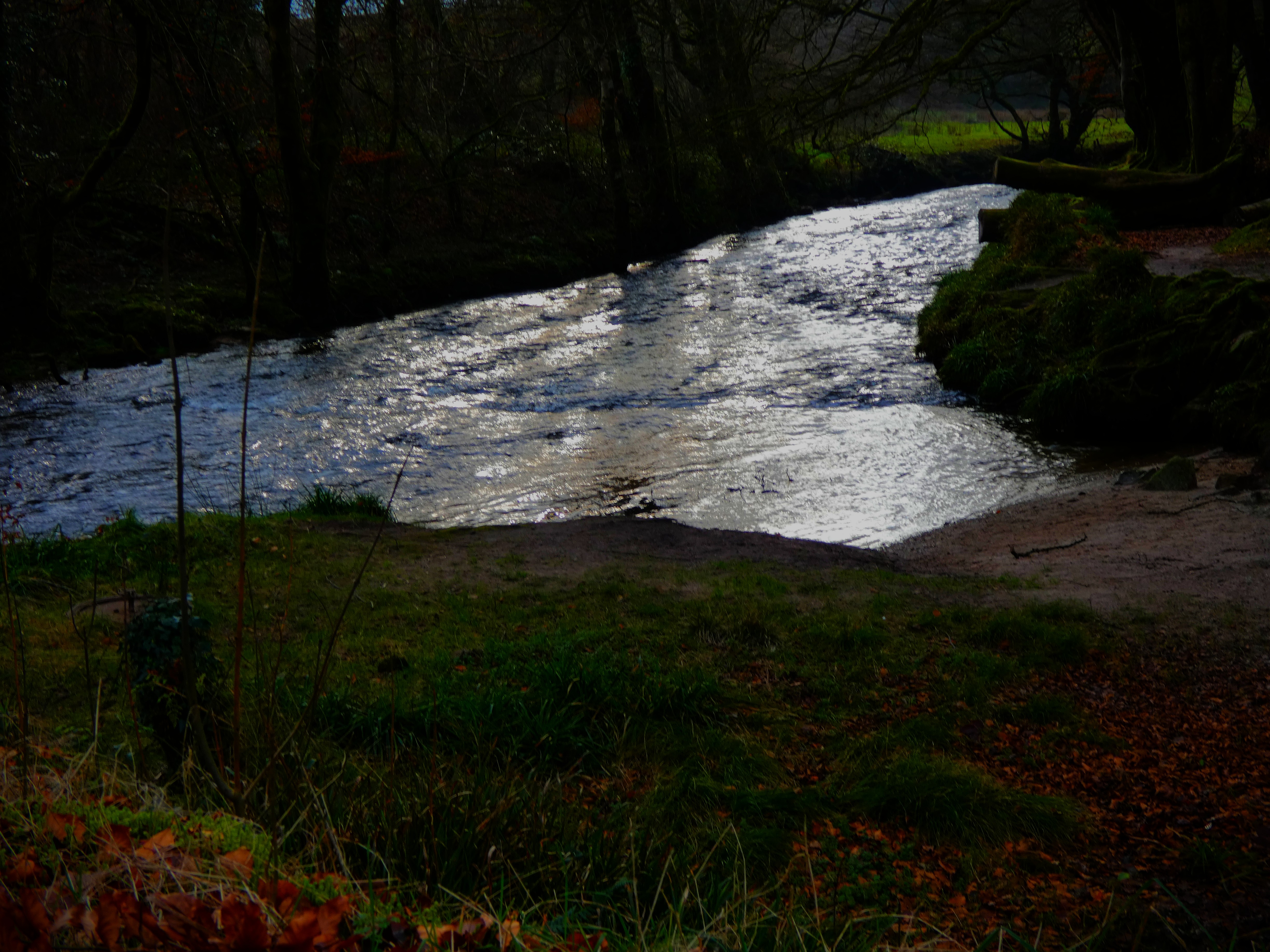
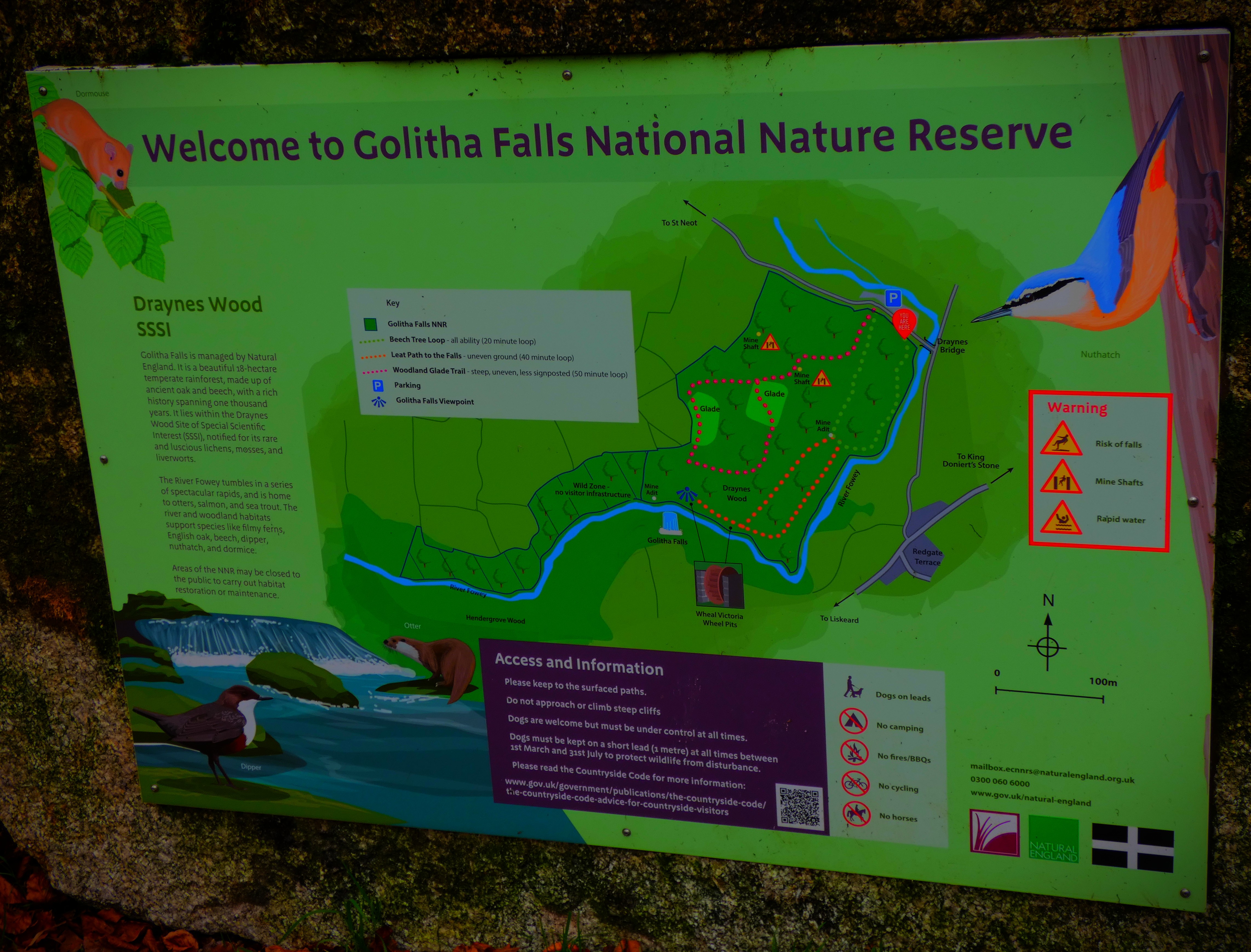
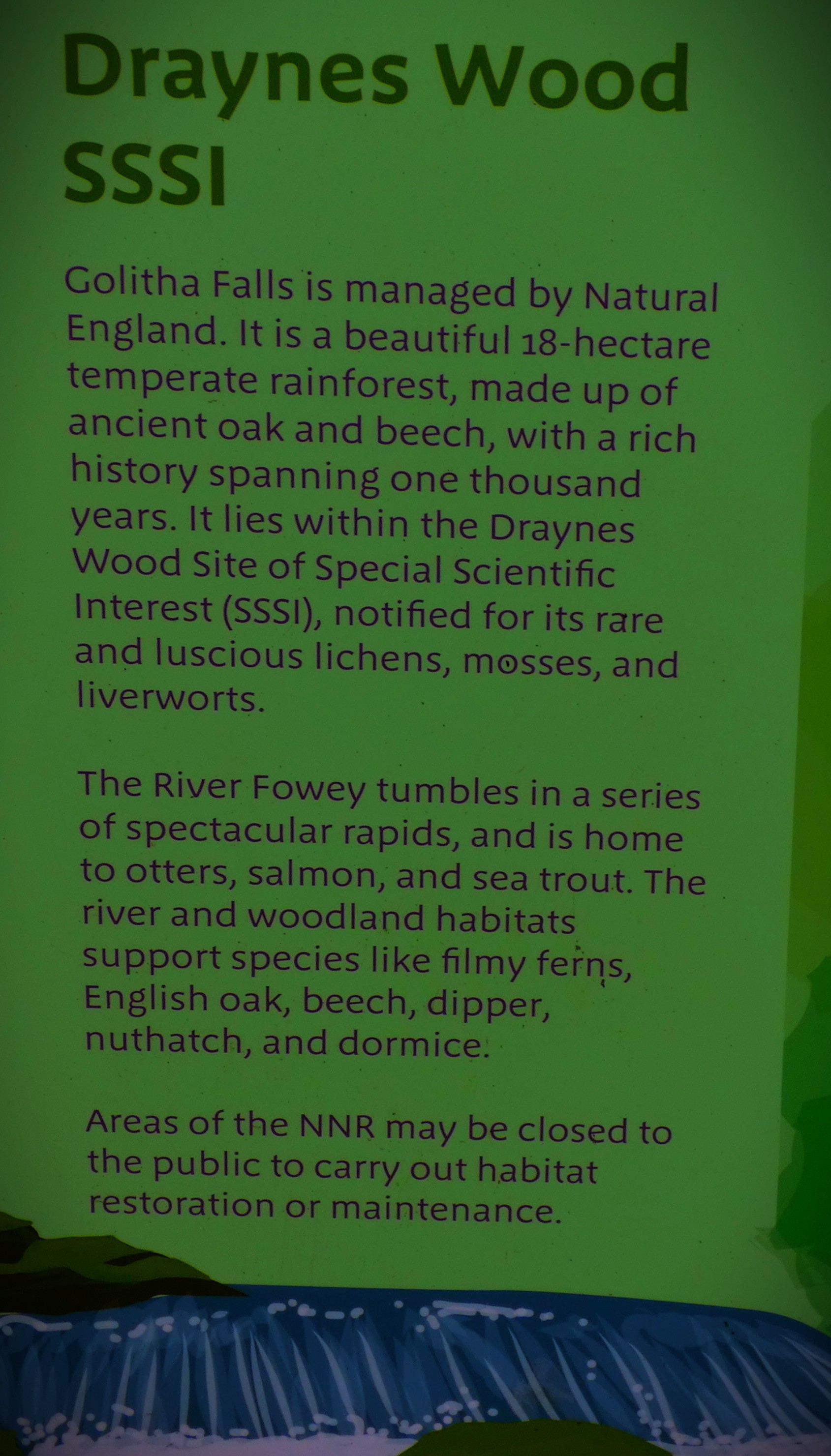
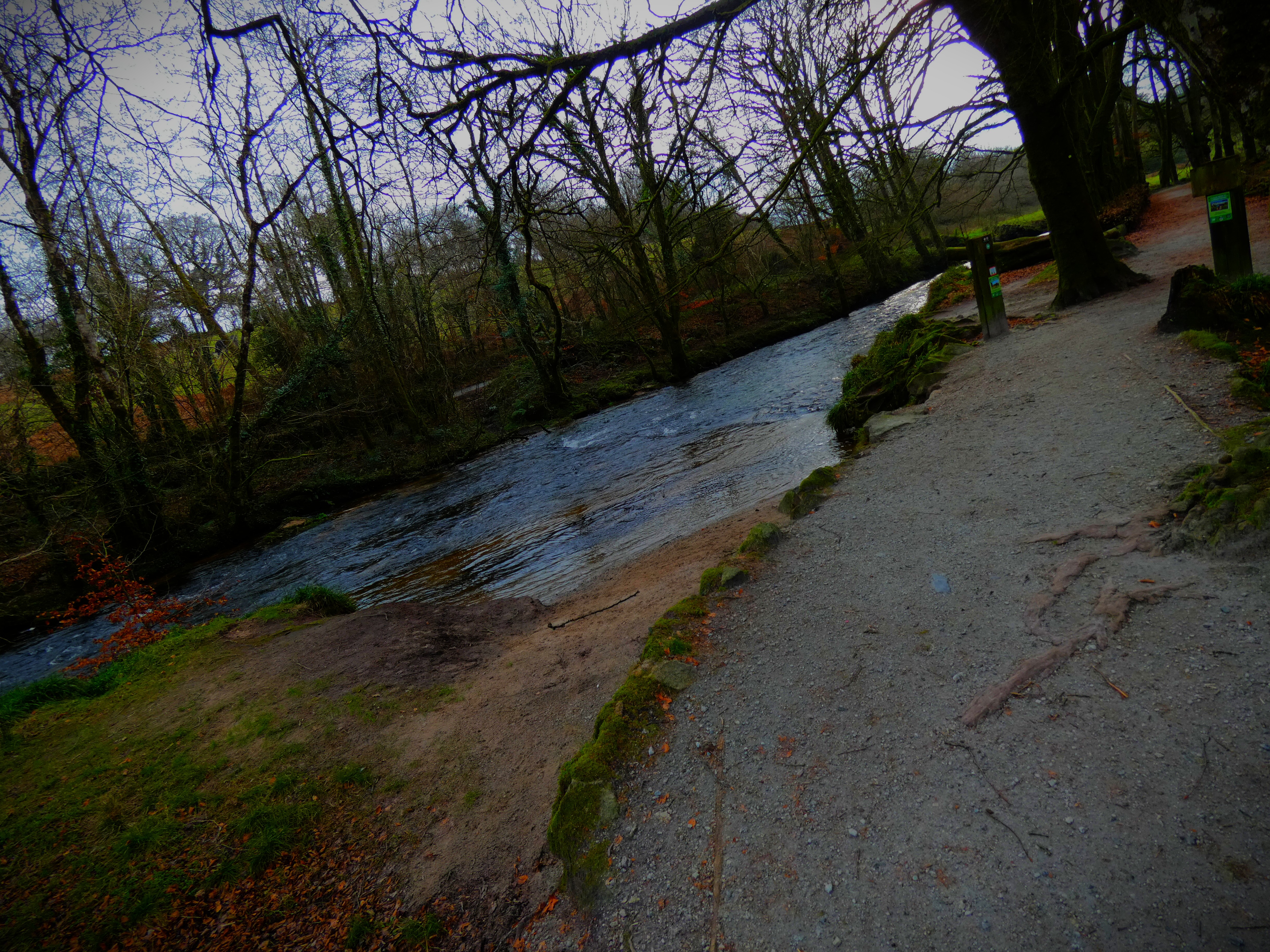
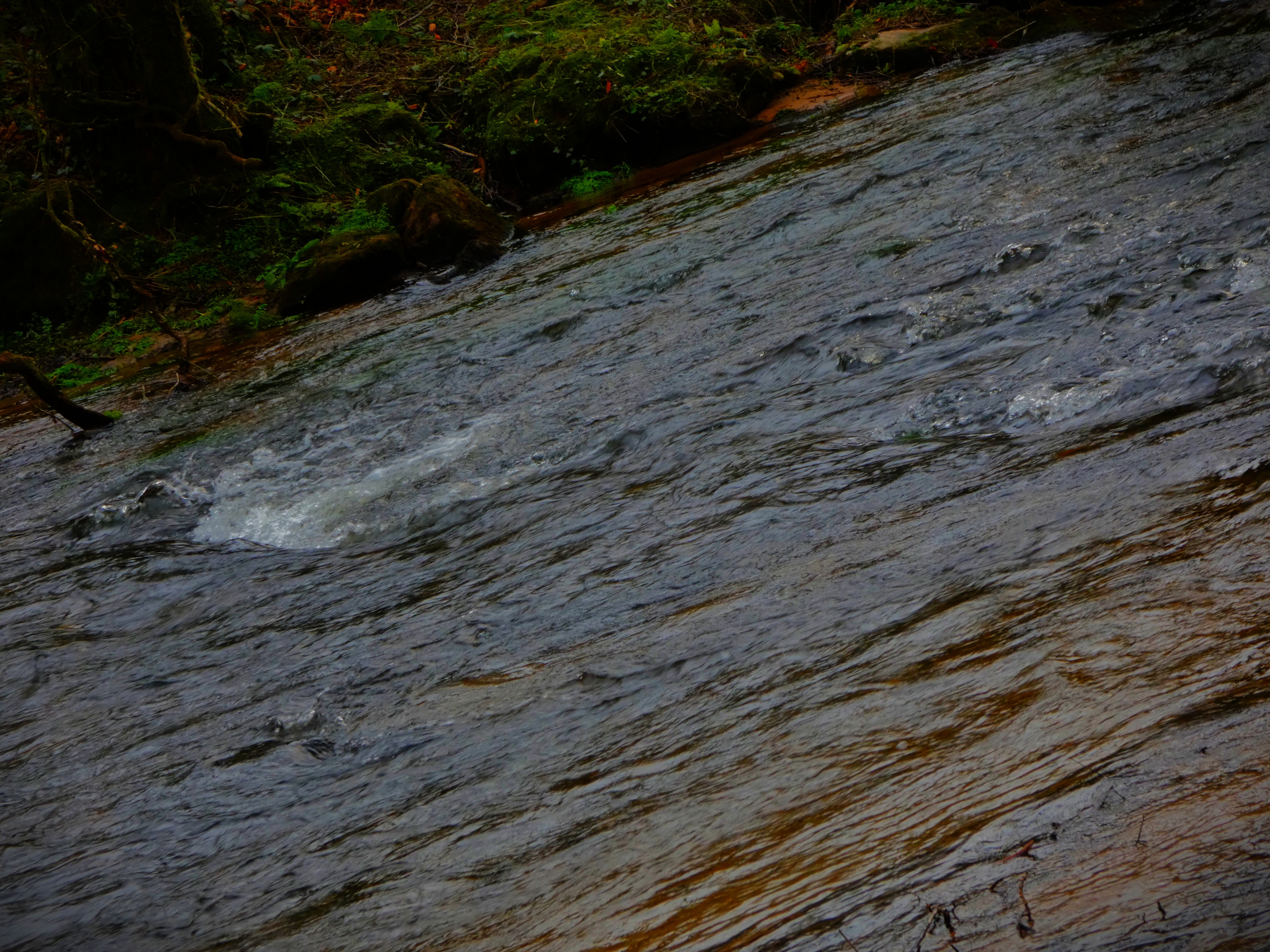
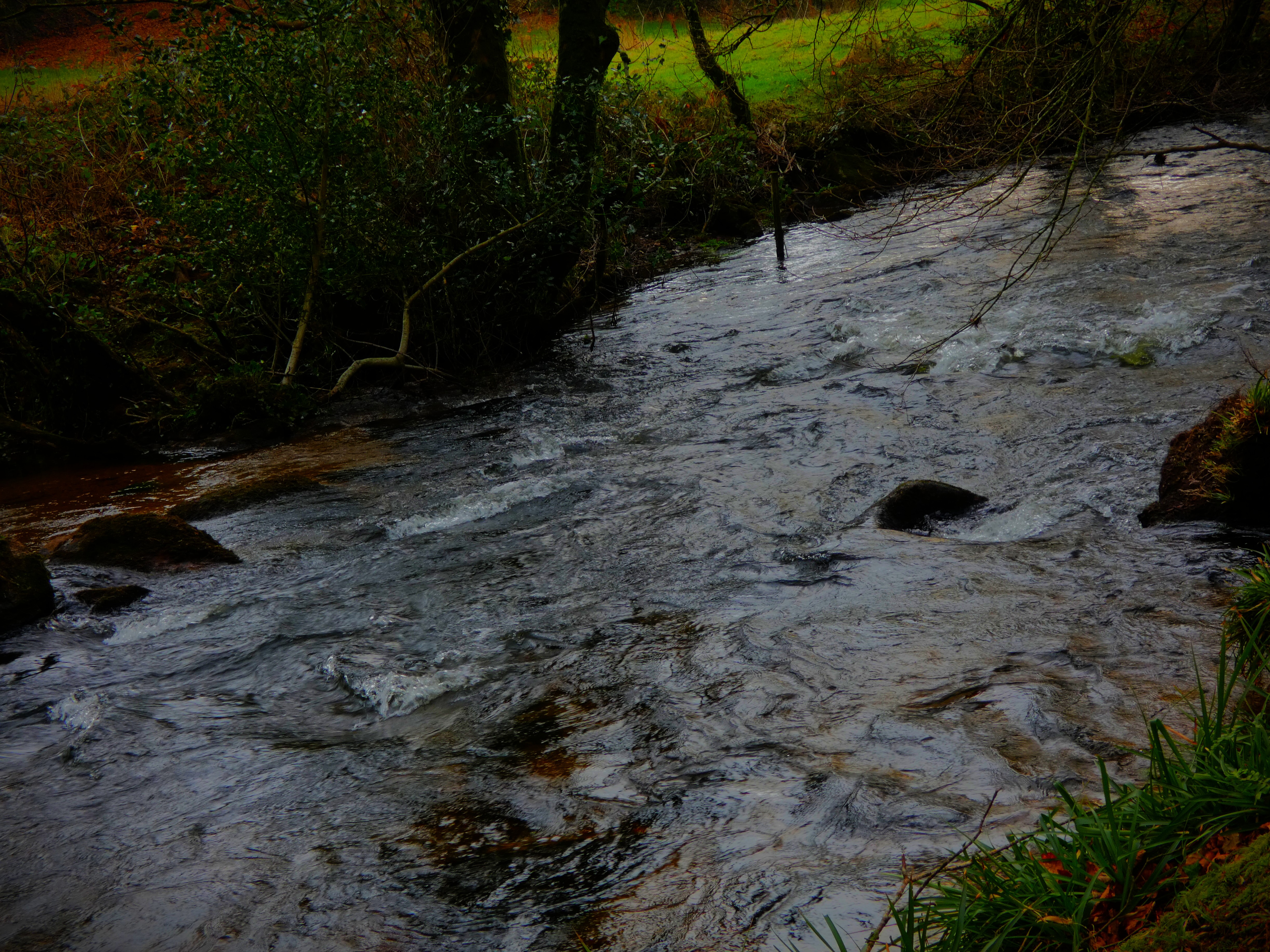
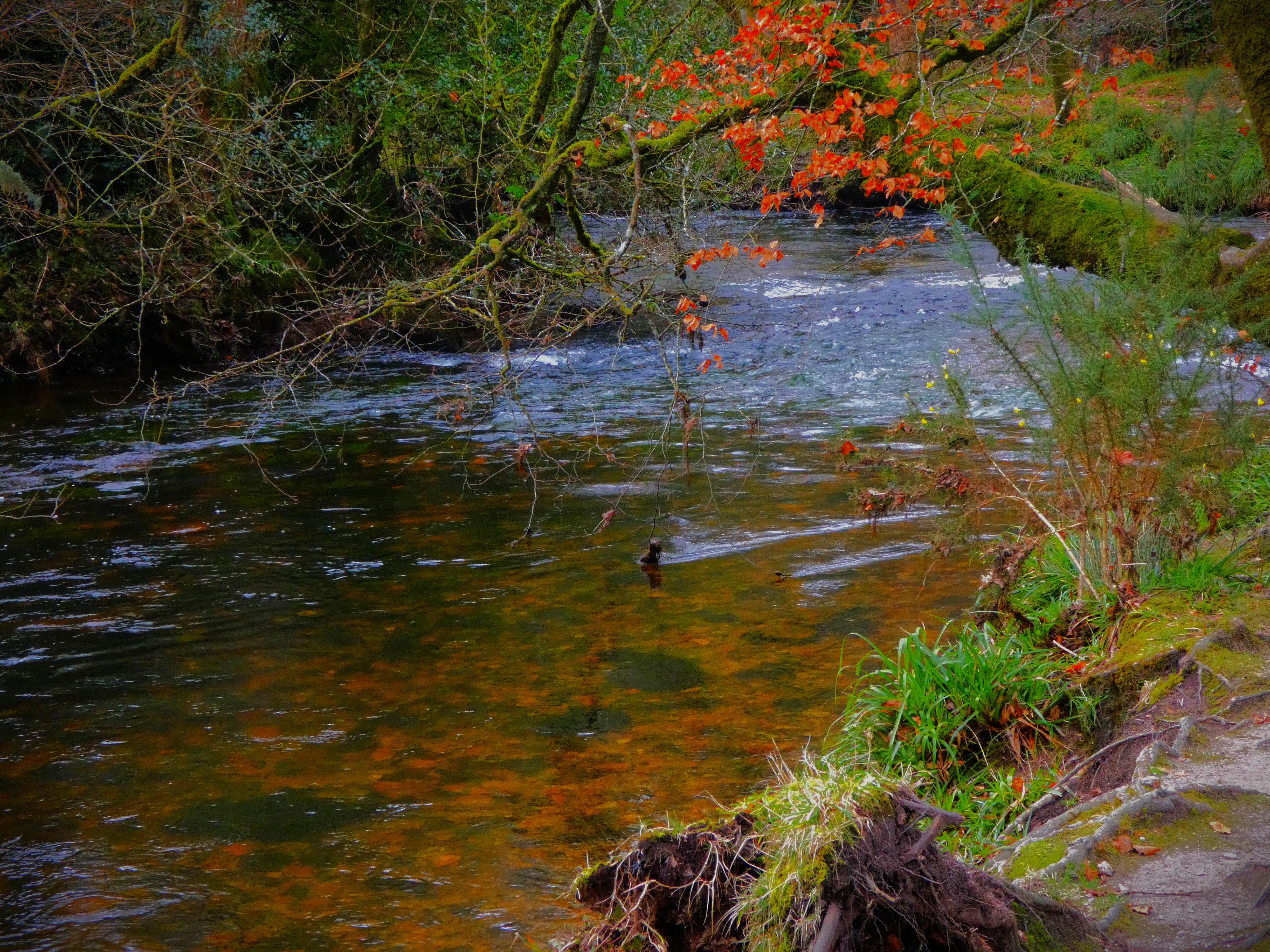
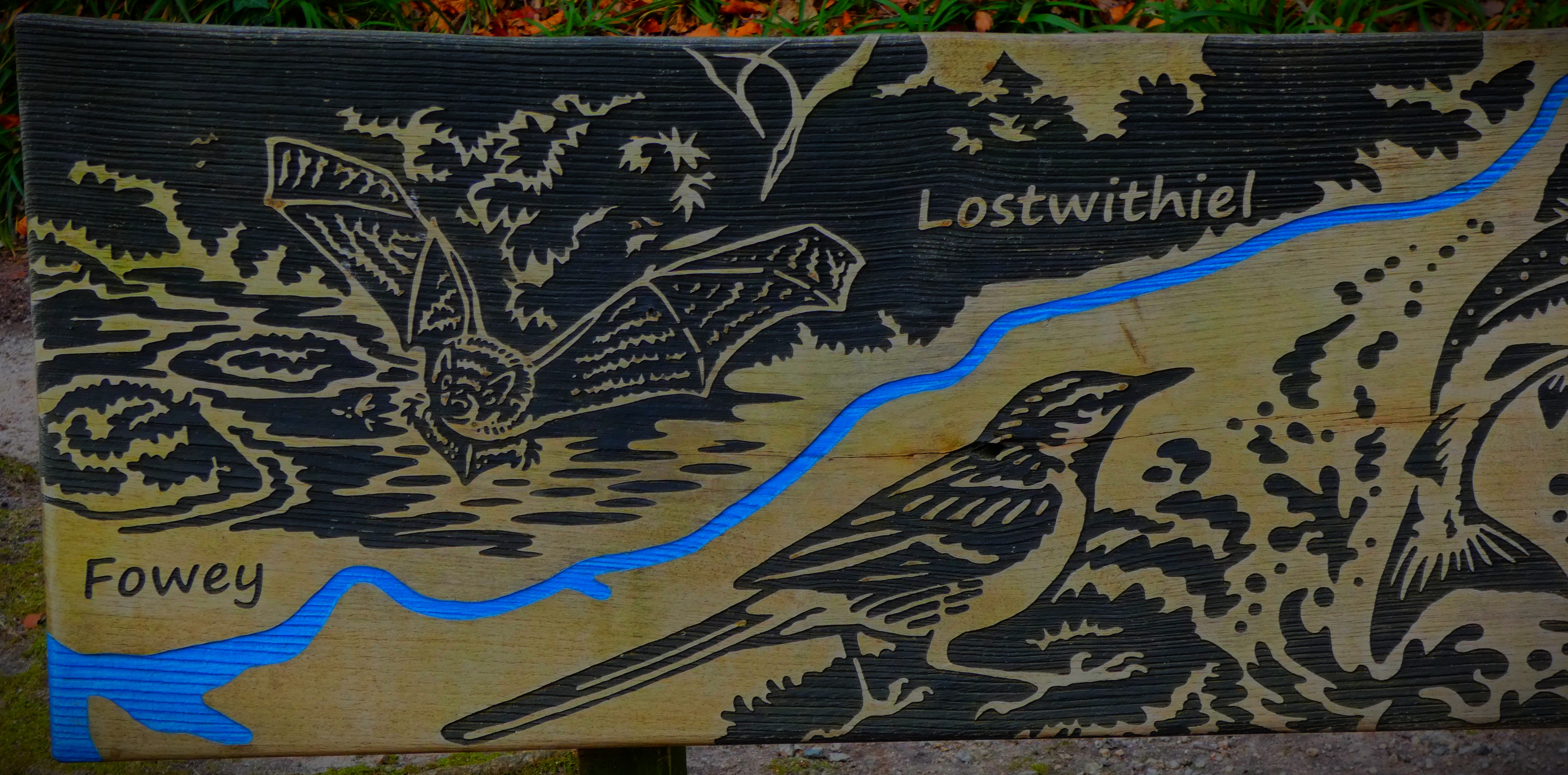
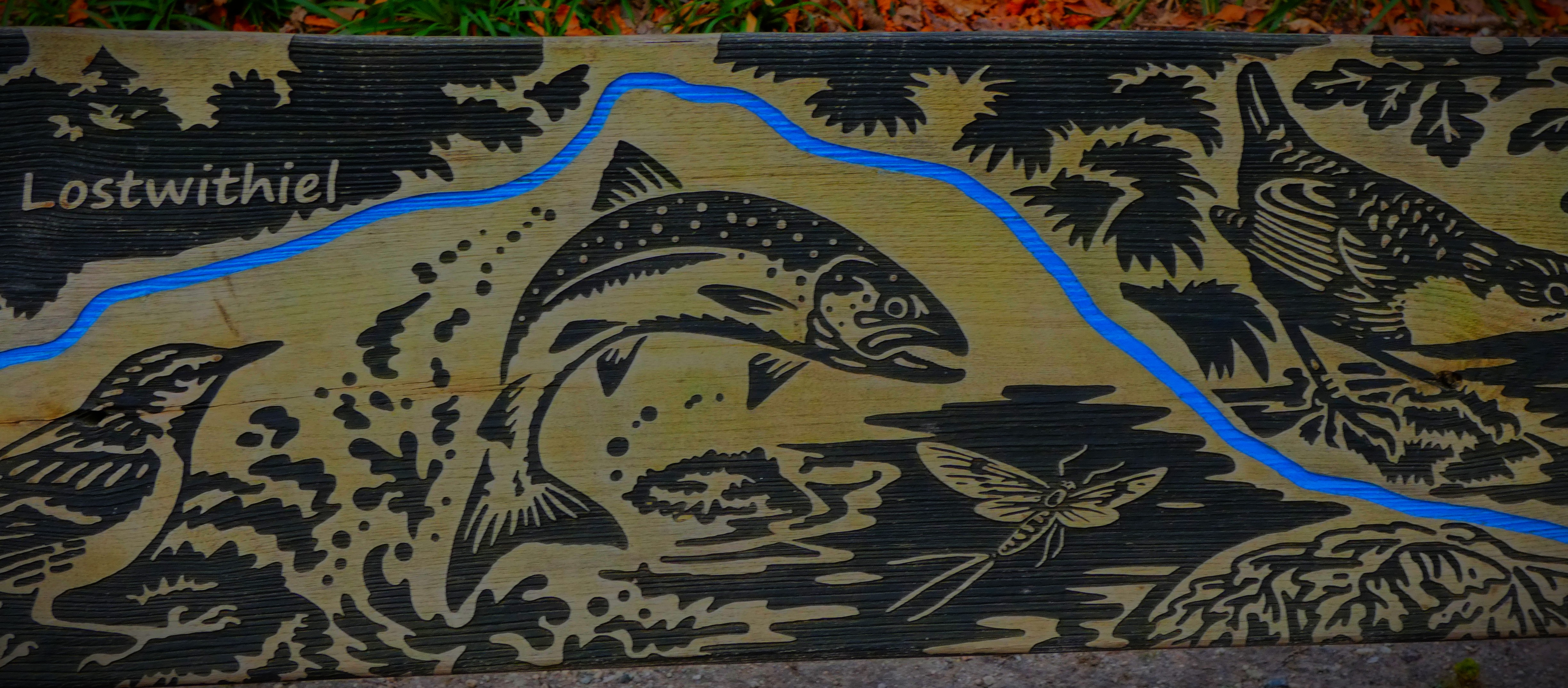
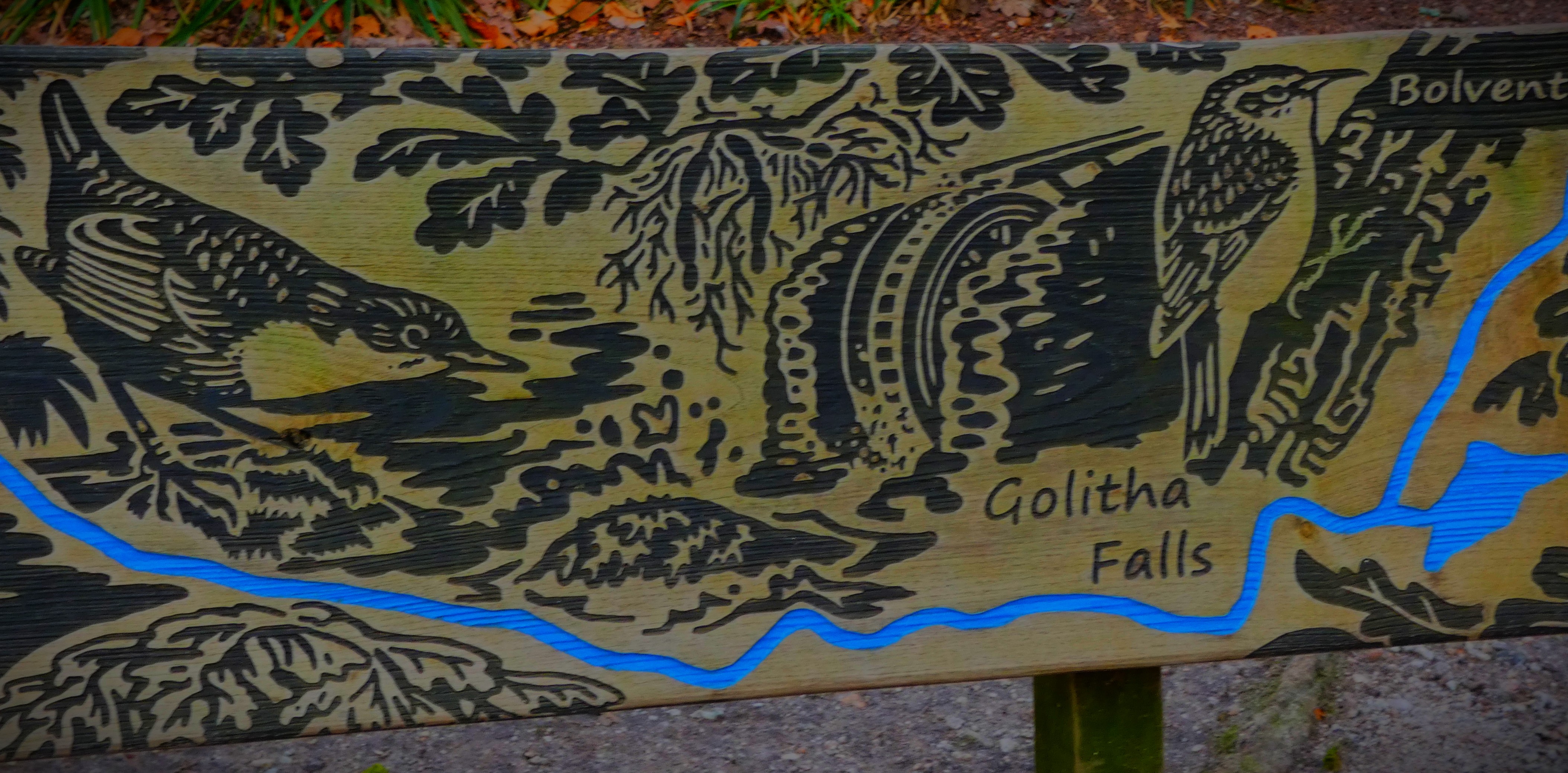
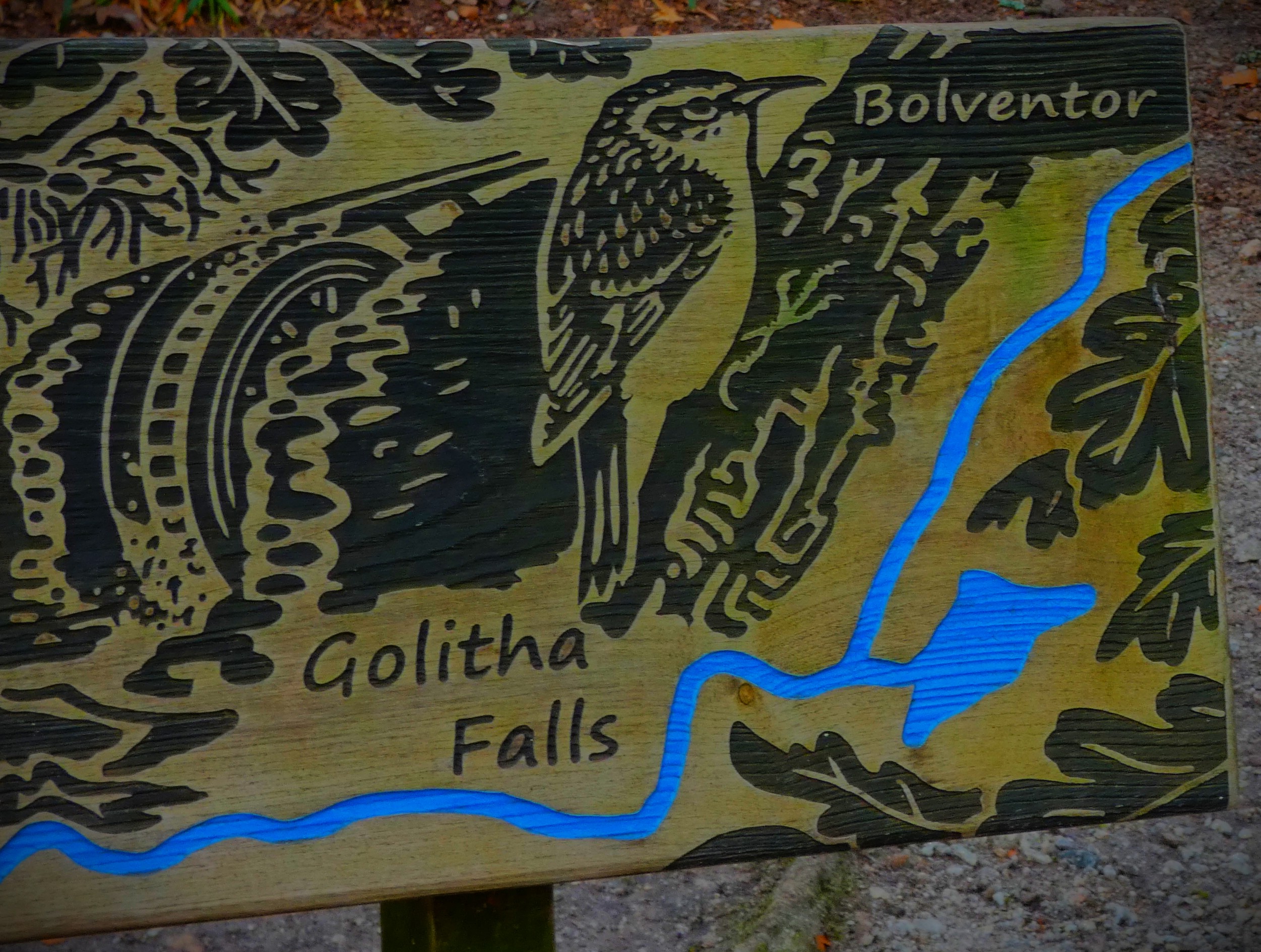
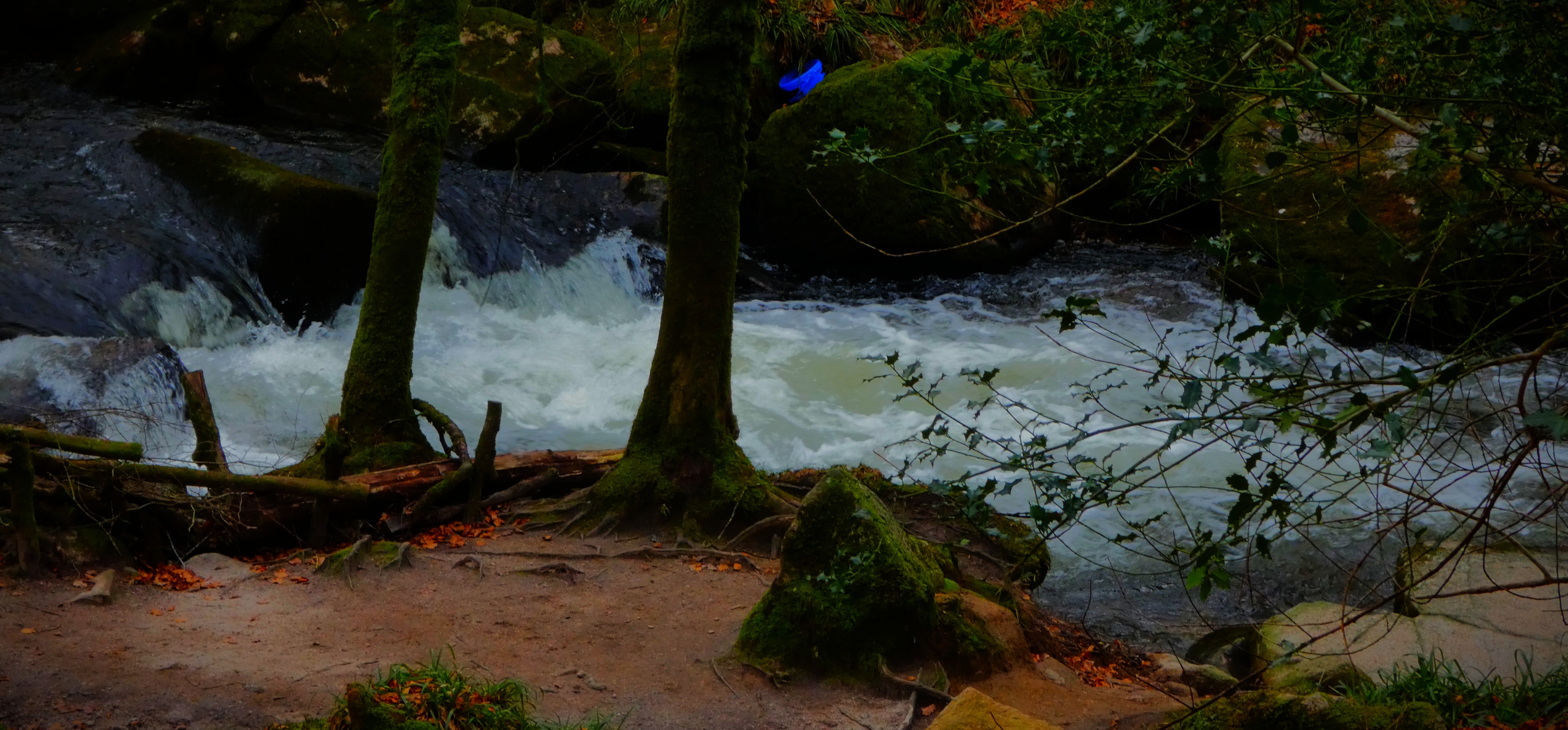
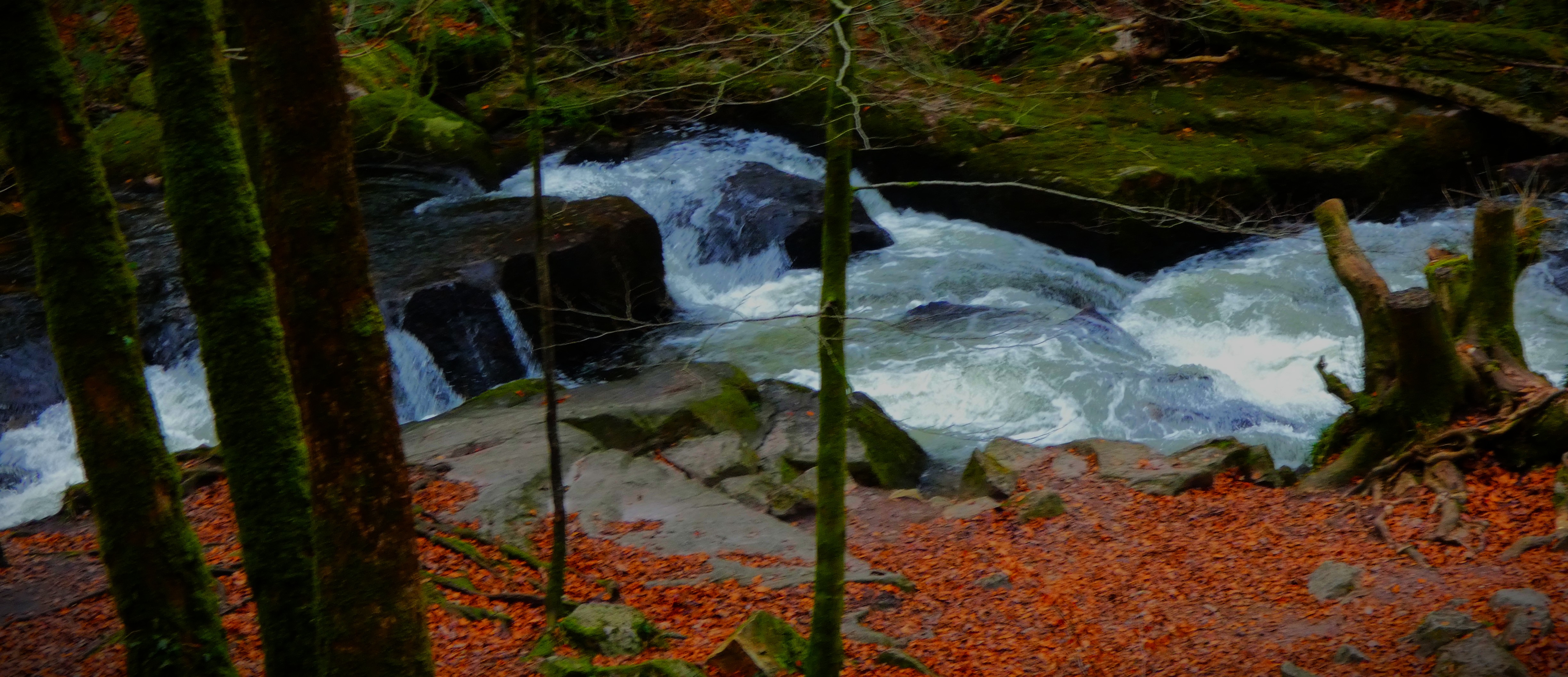
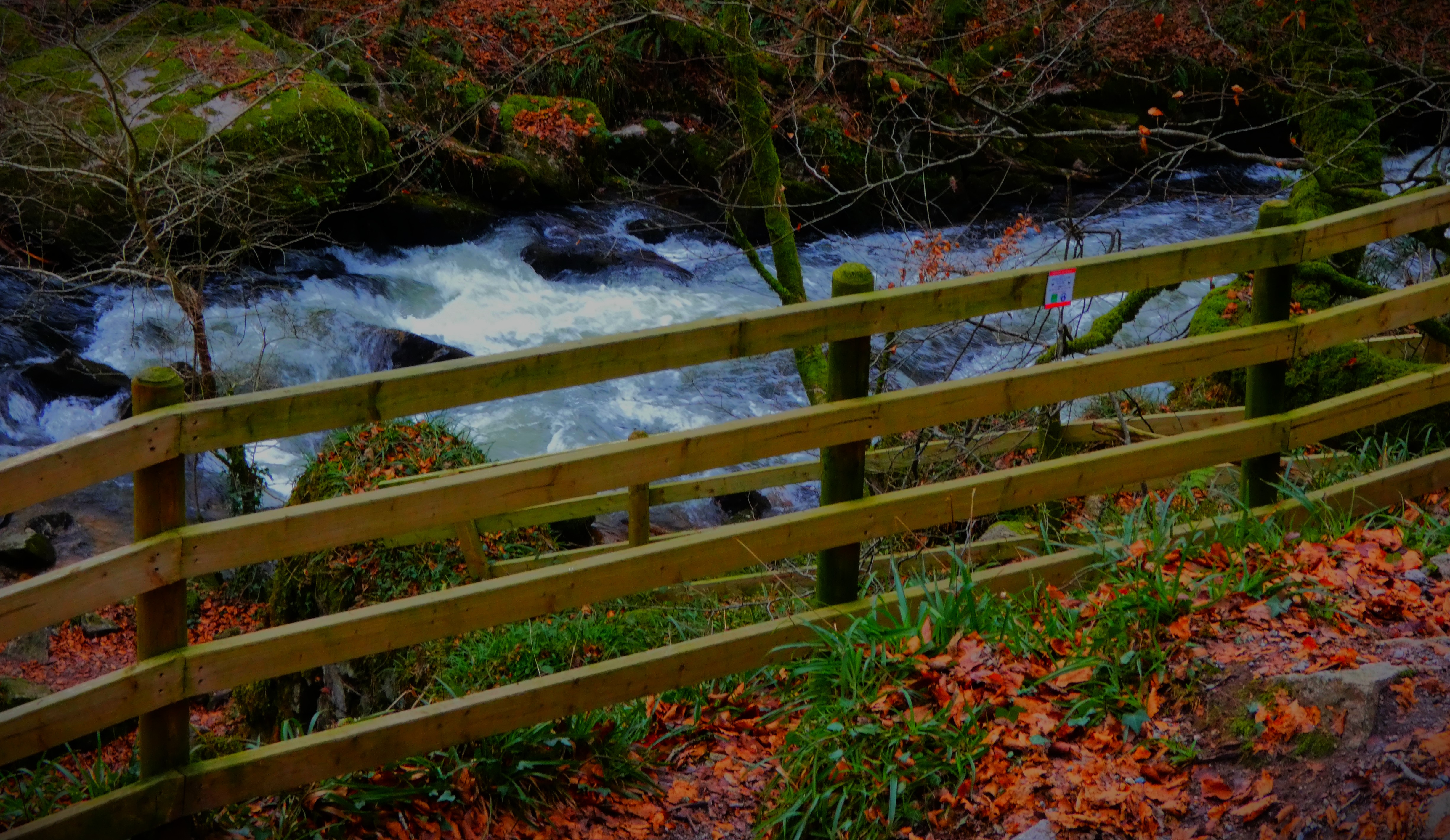
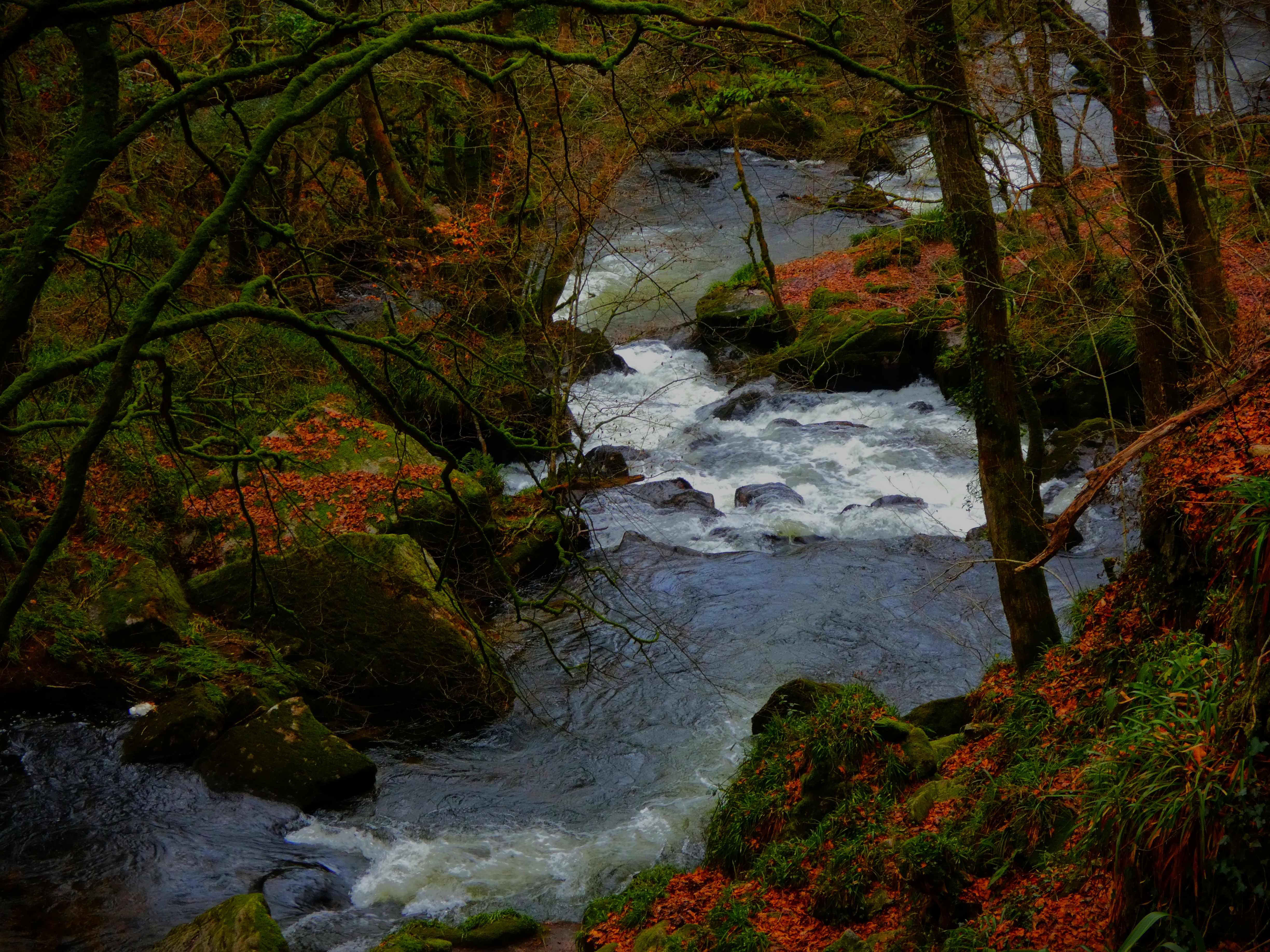
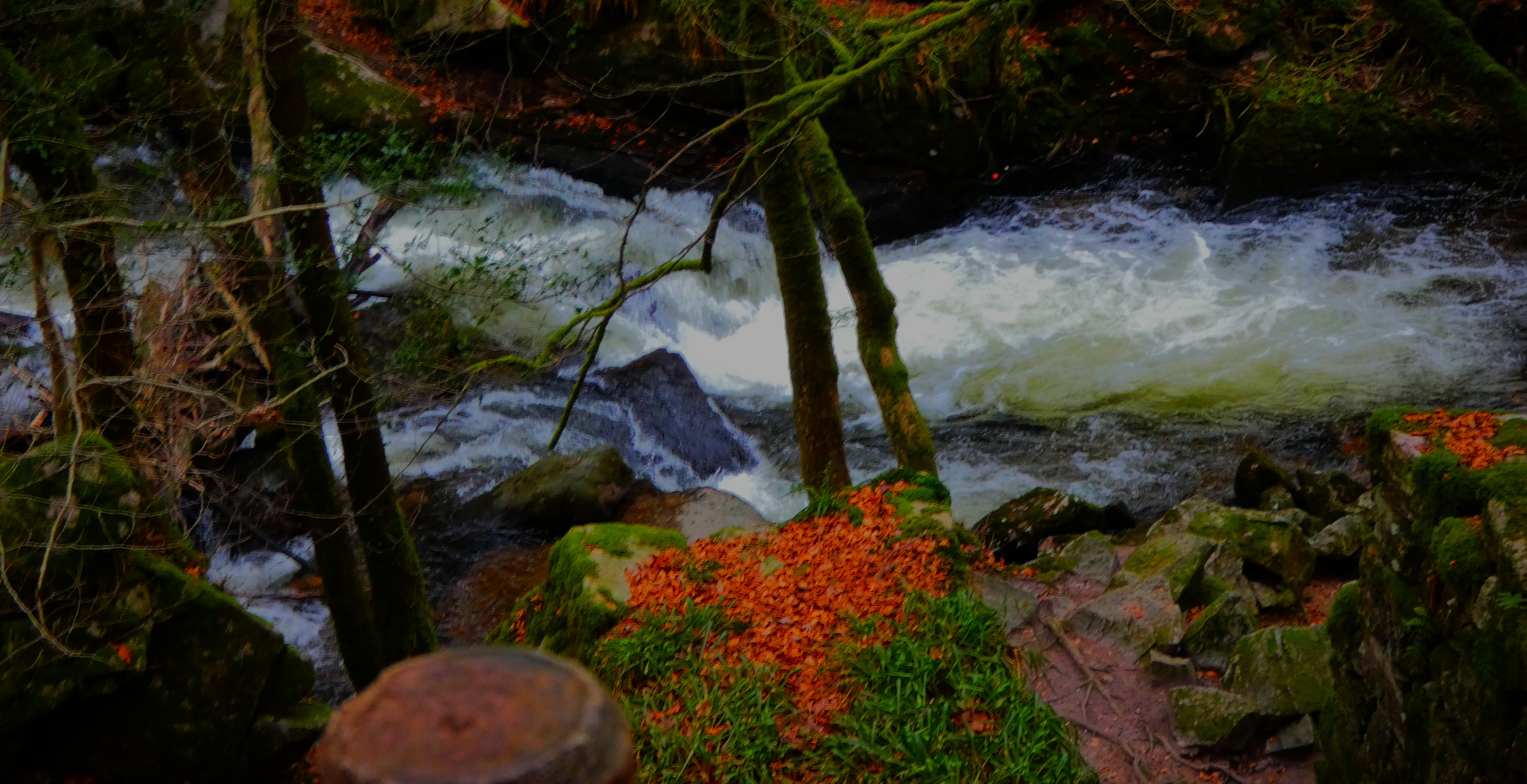
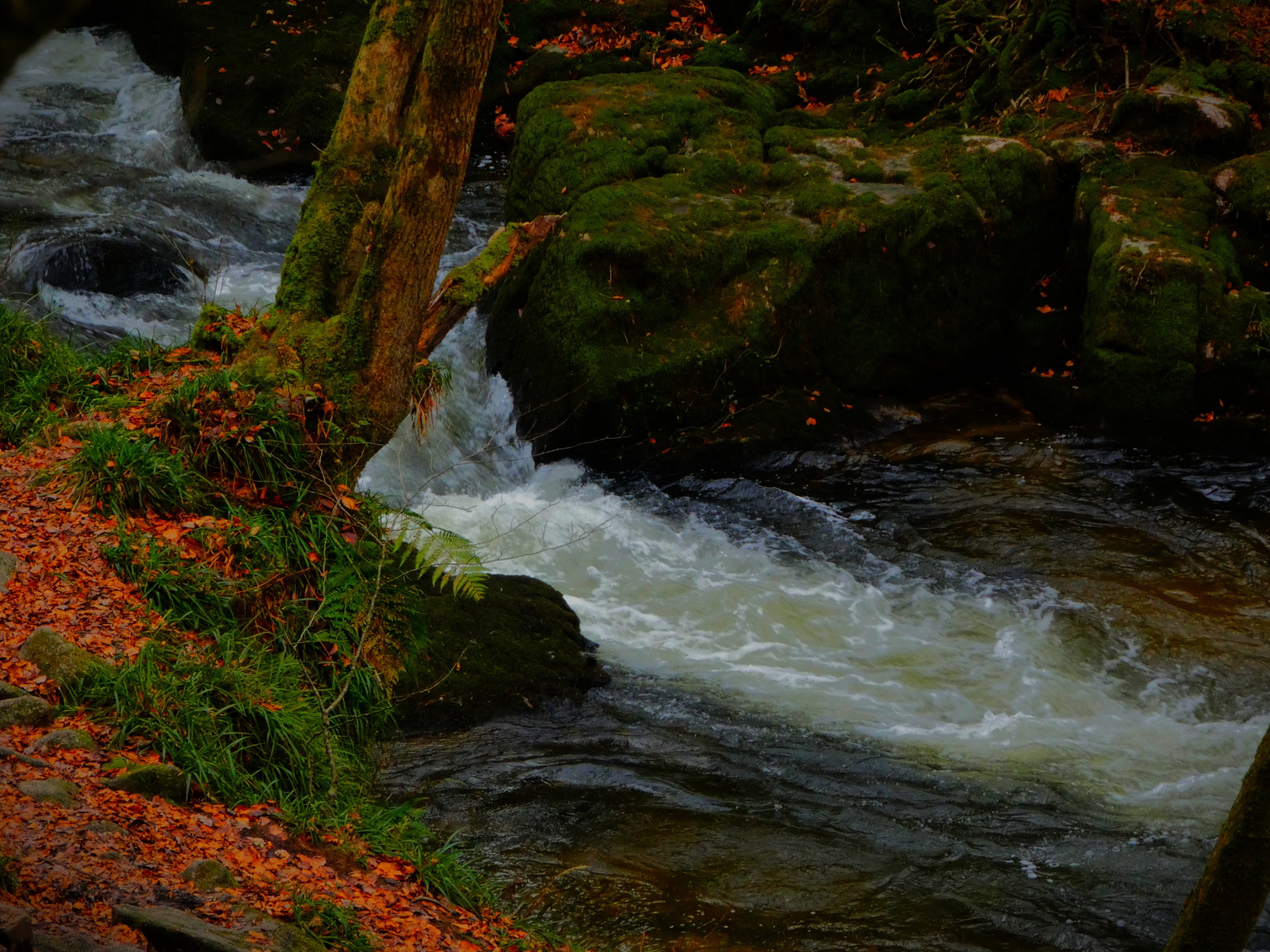
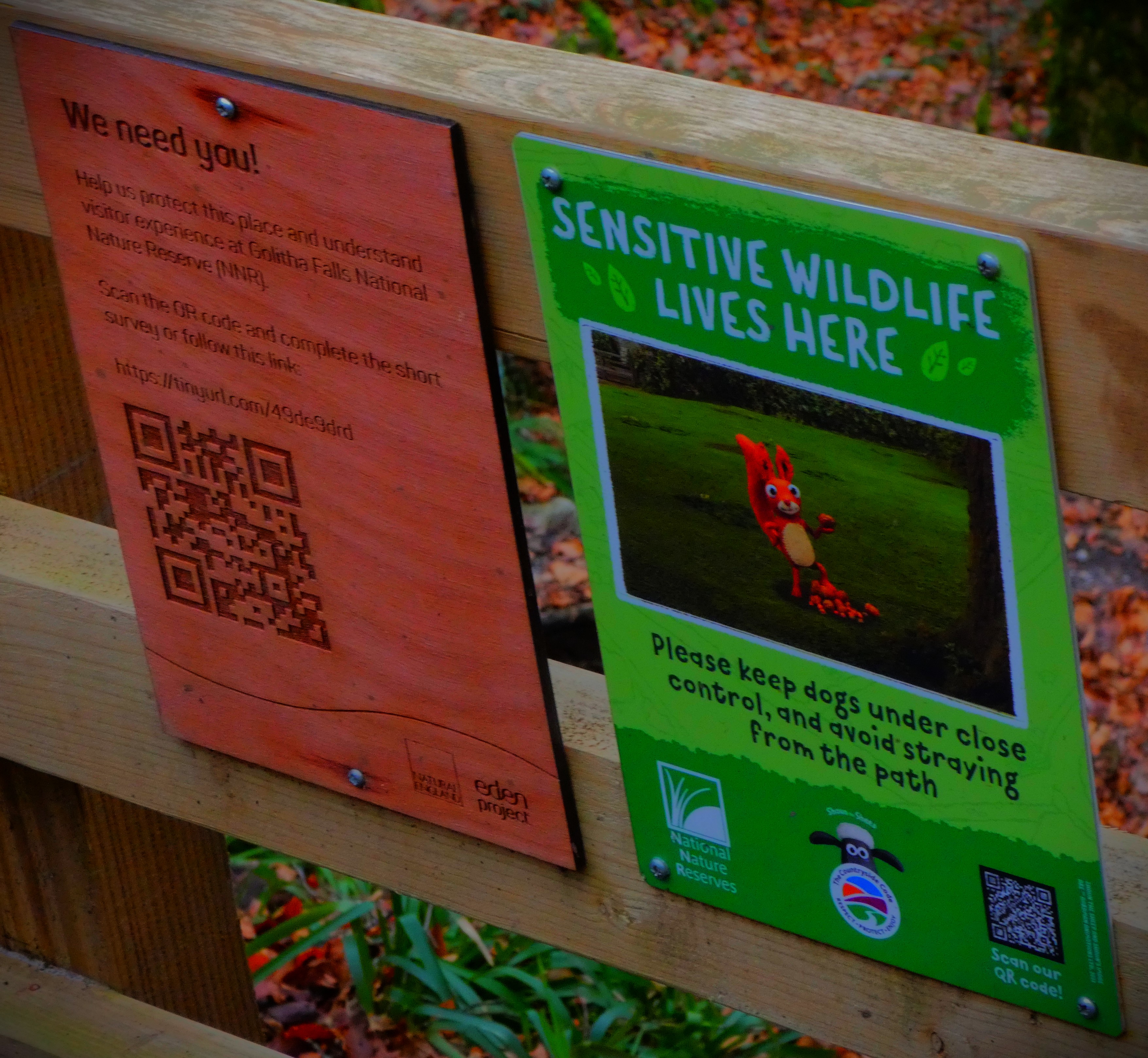
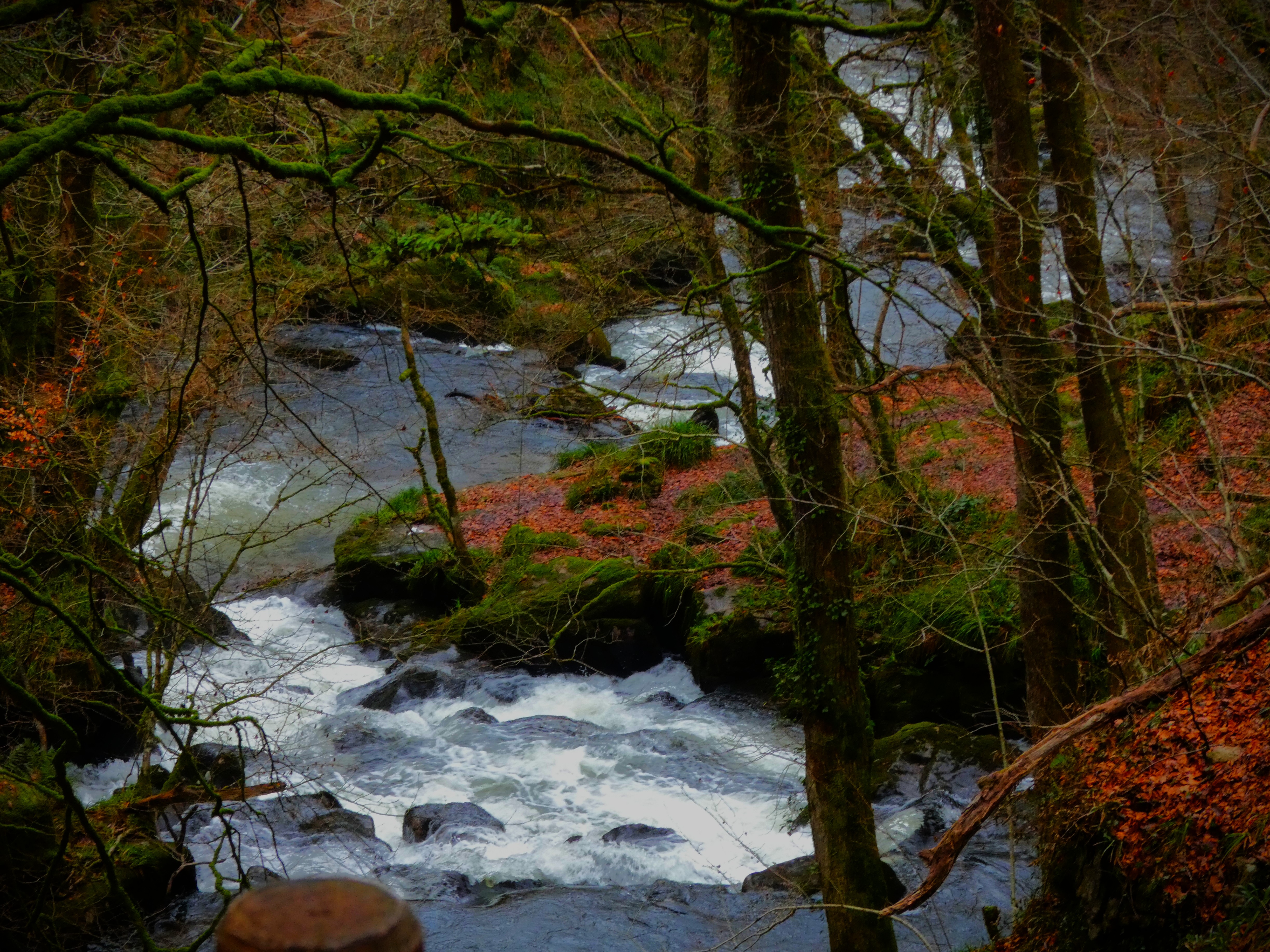
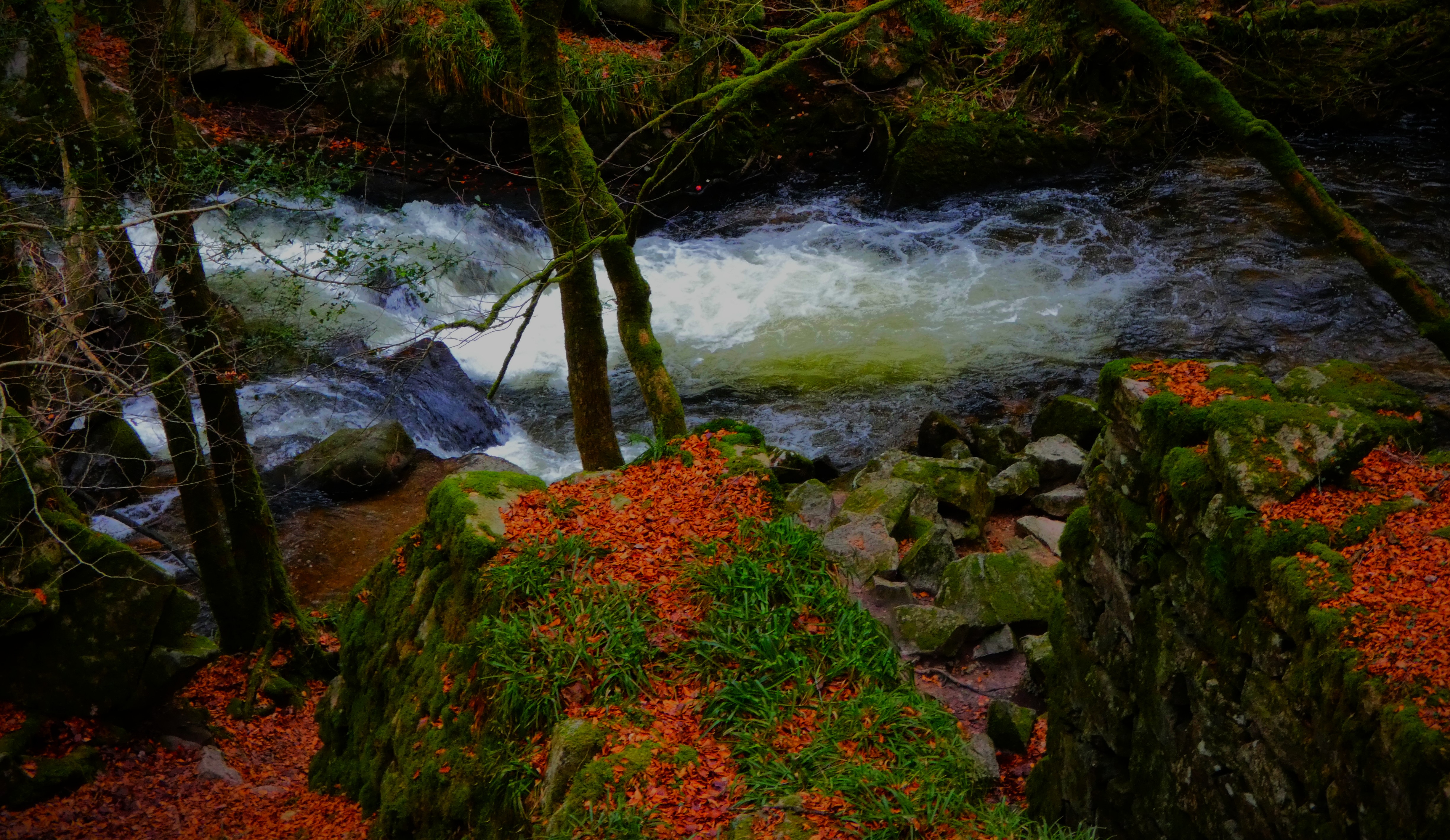
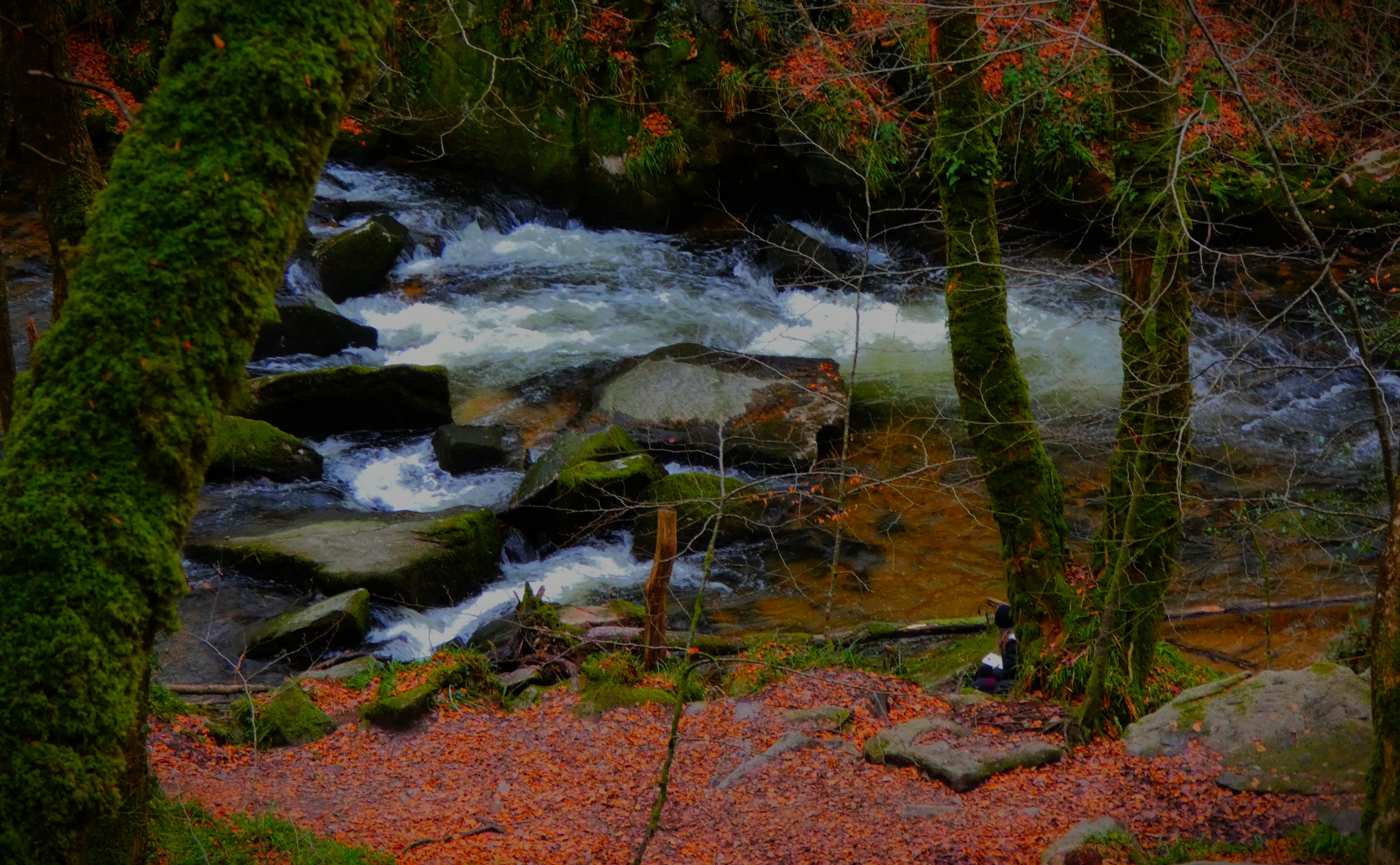
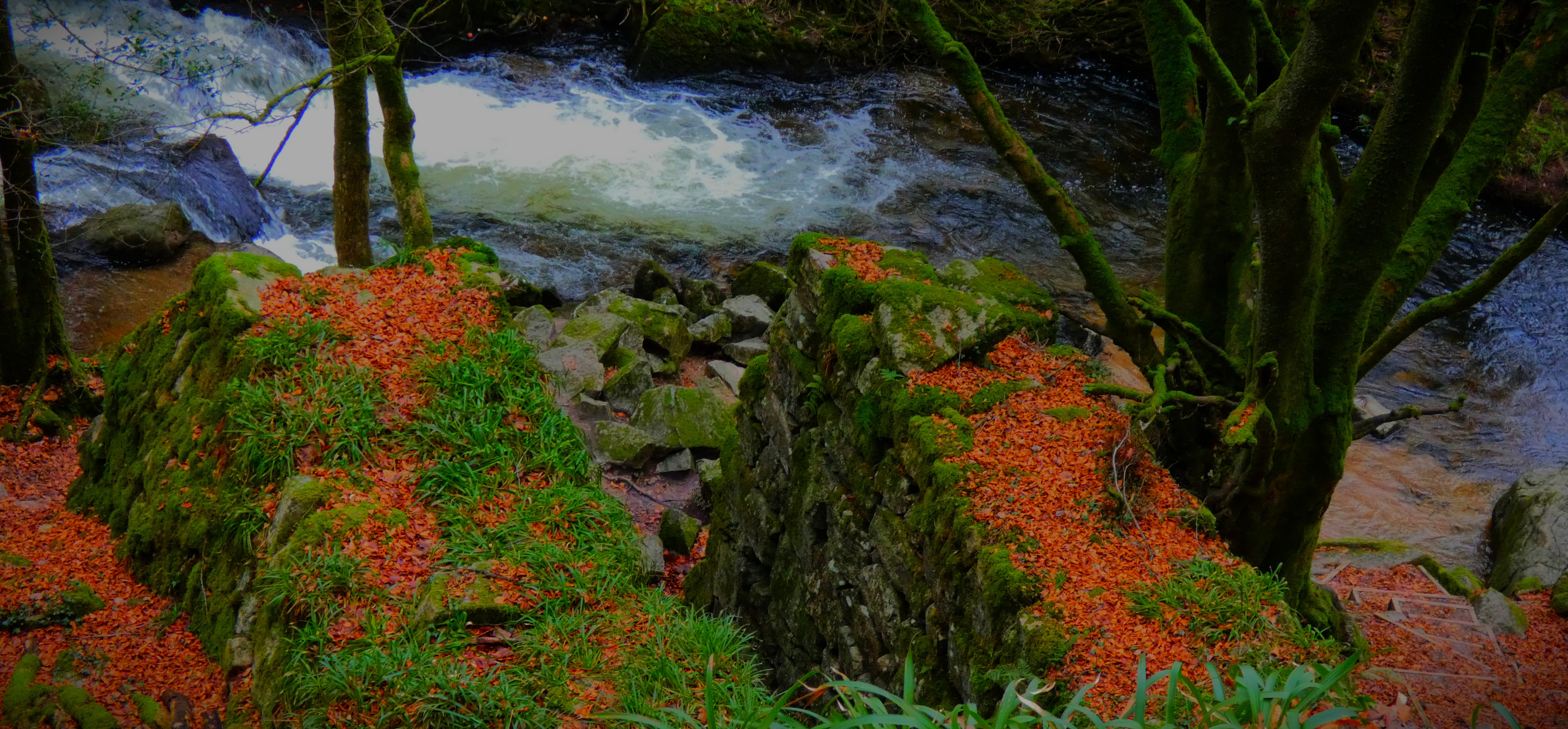
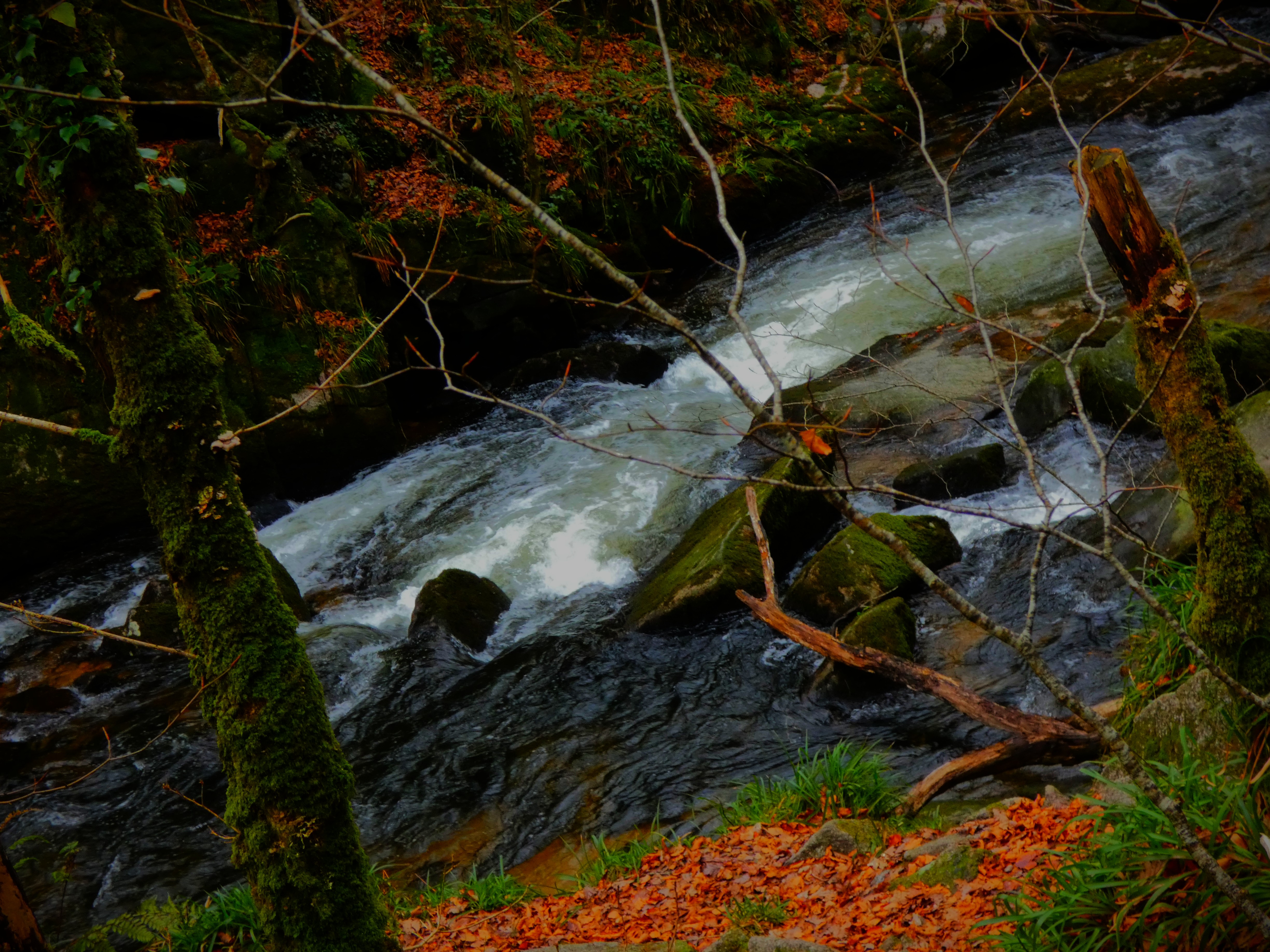
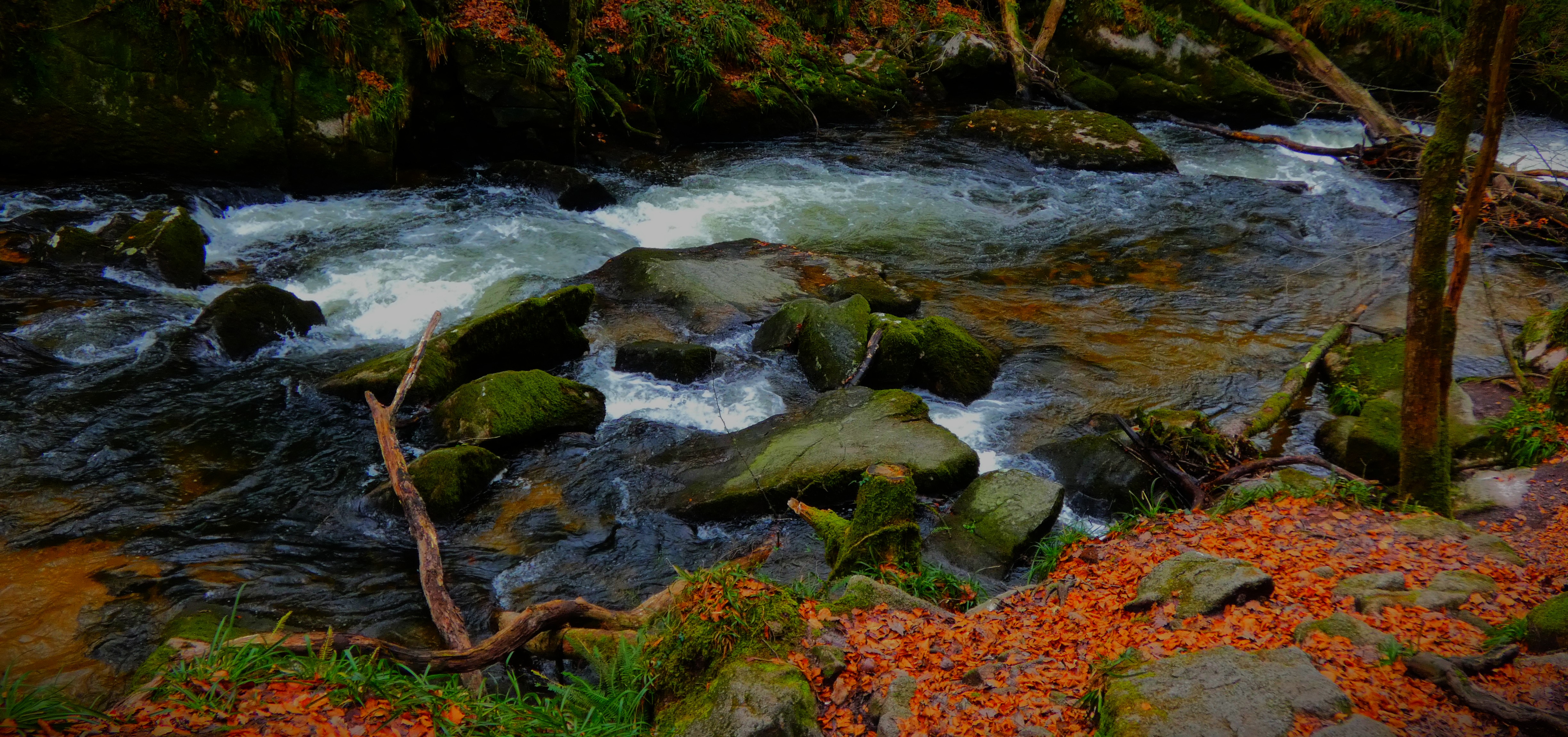
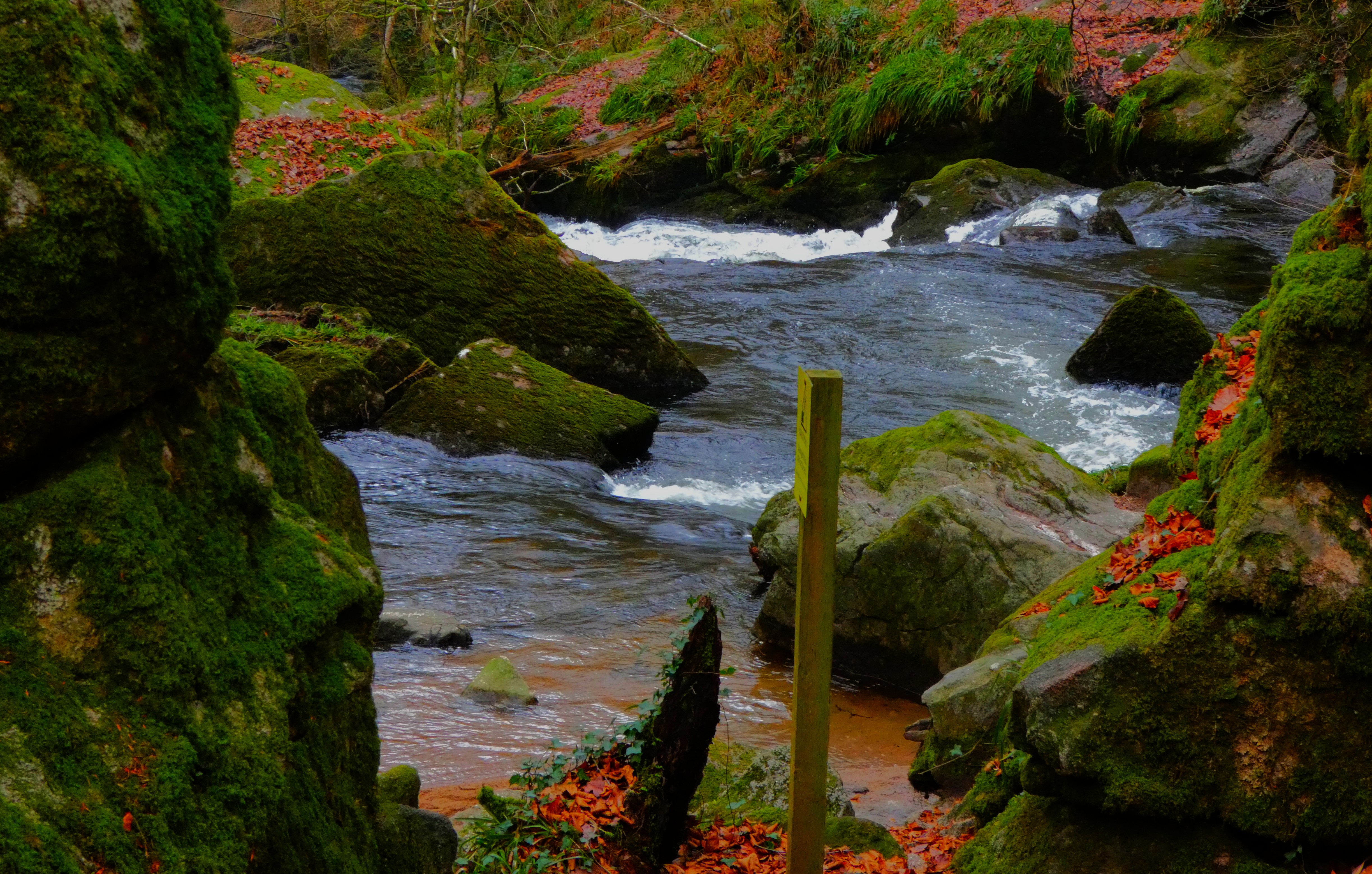
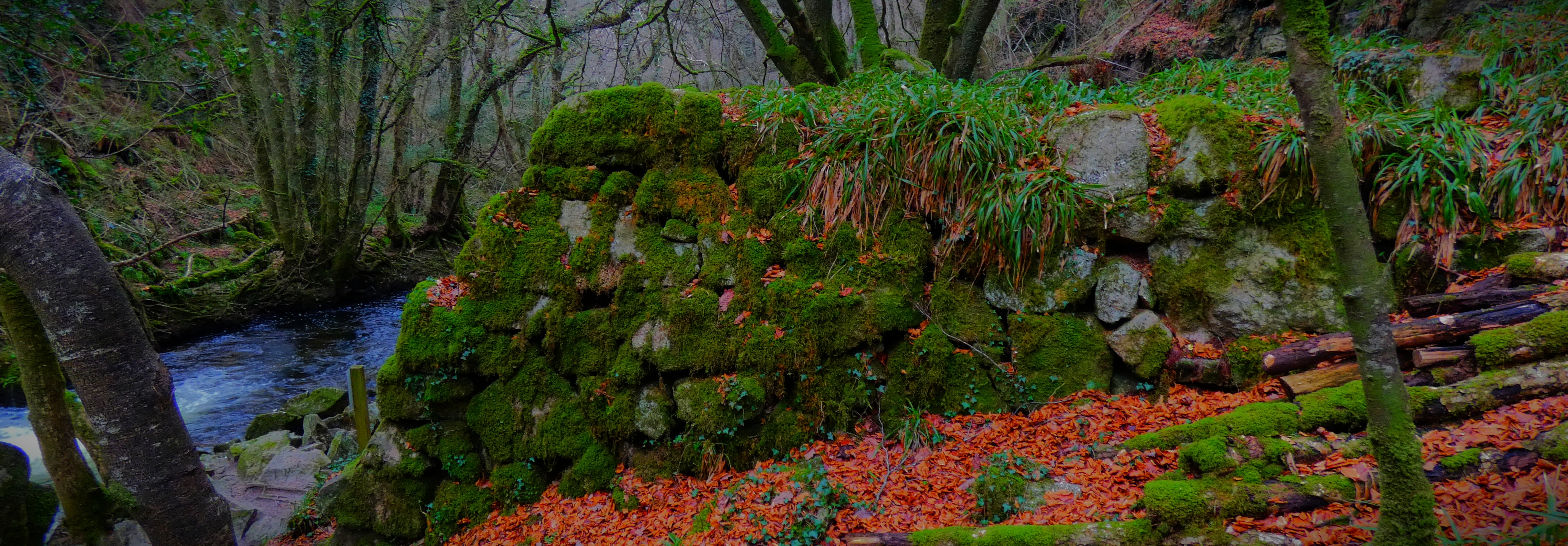
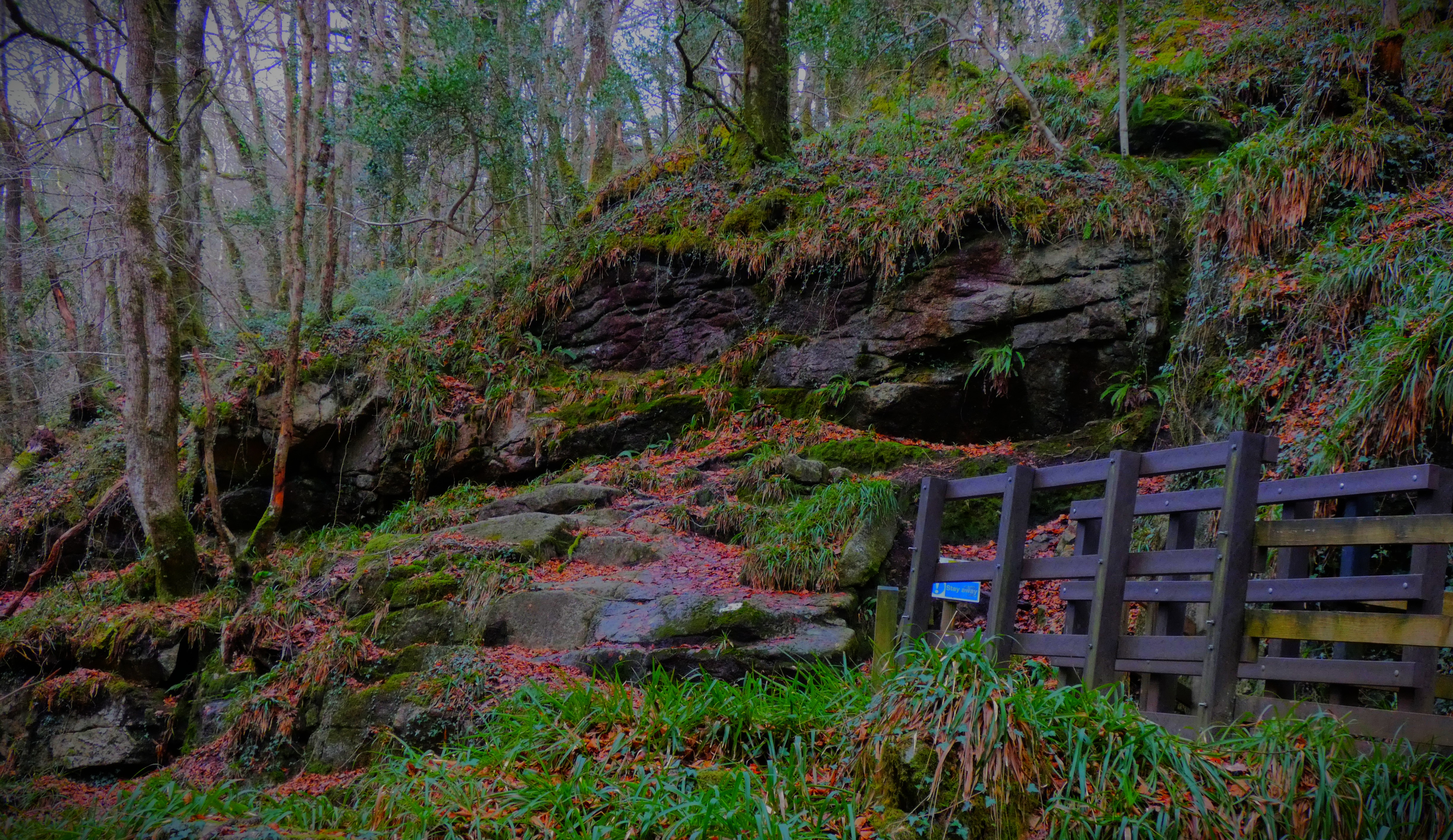
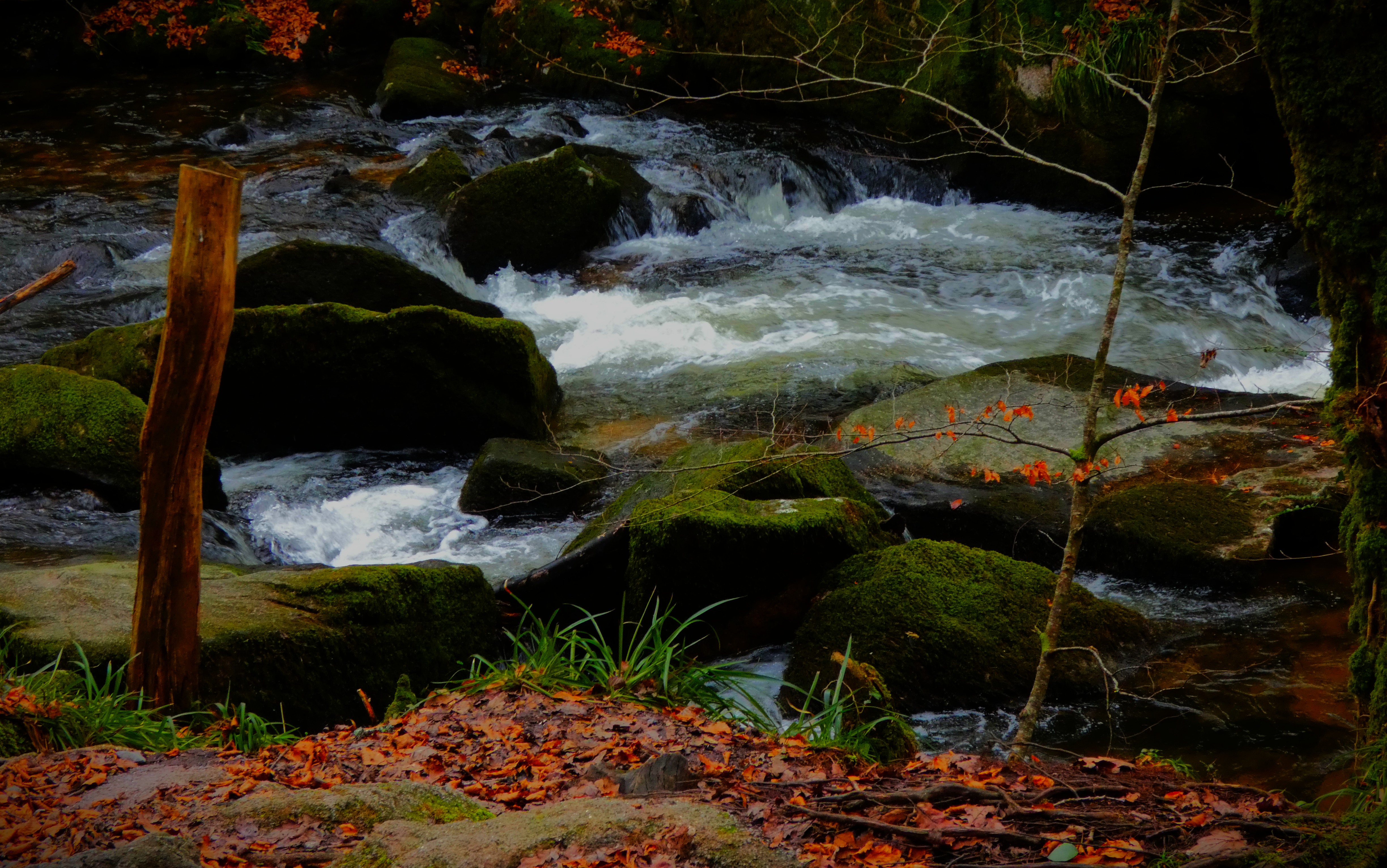
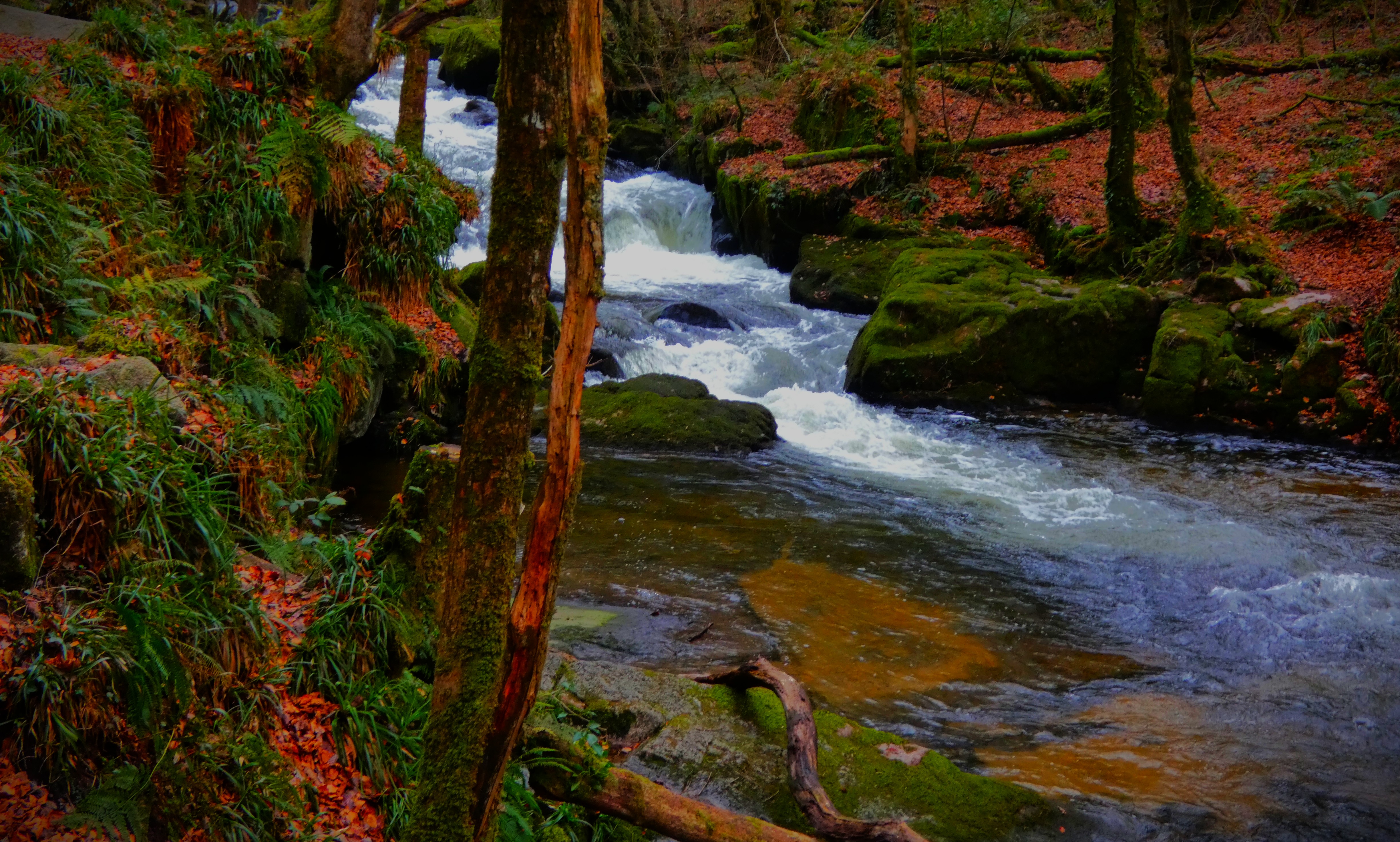
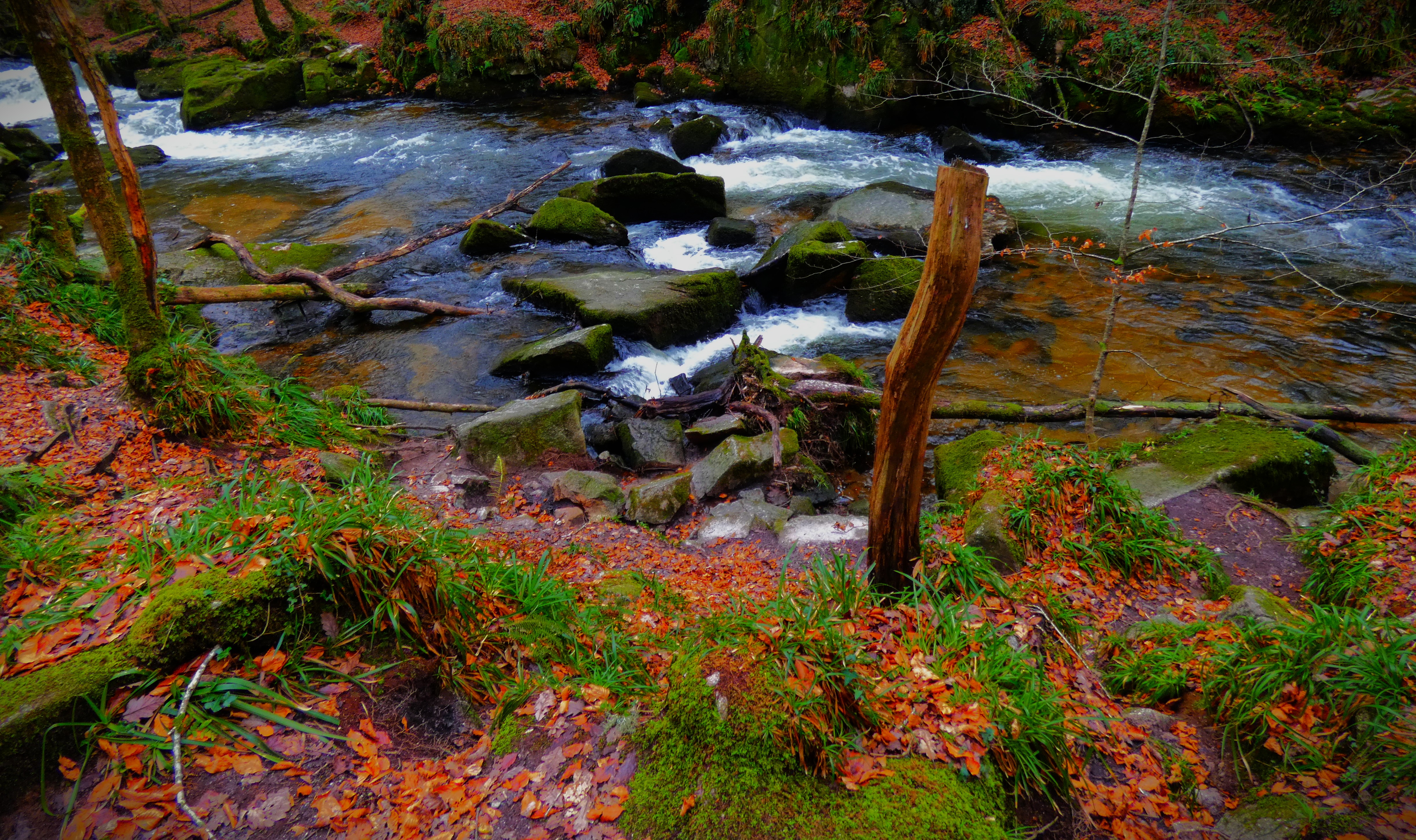
Golitha falls are actually more a series of rapids on the river Fowey than falls as such. The nature reserve is very beautiful and has some interesting historic connections – the town of Fowey, at the estuary of the river Fowey used to be important in the pottery trade, and the clay from which the china was made passed through this region. In the course of our explorations we saw details of a pipeline that had once carried liquid kaolin.
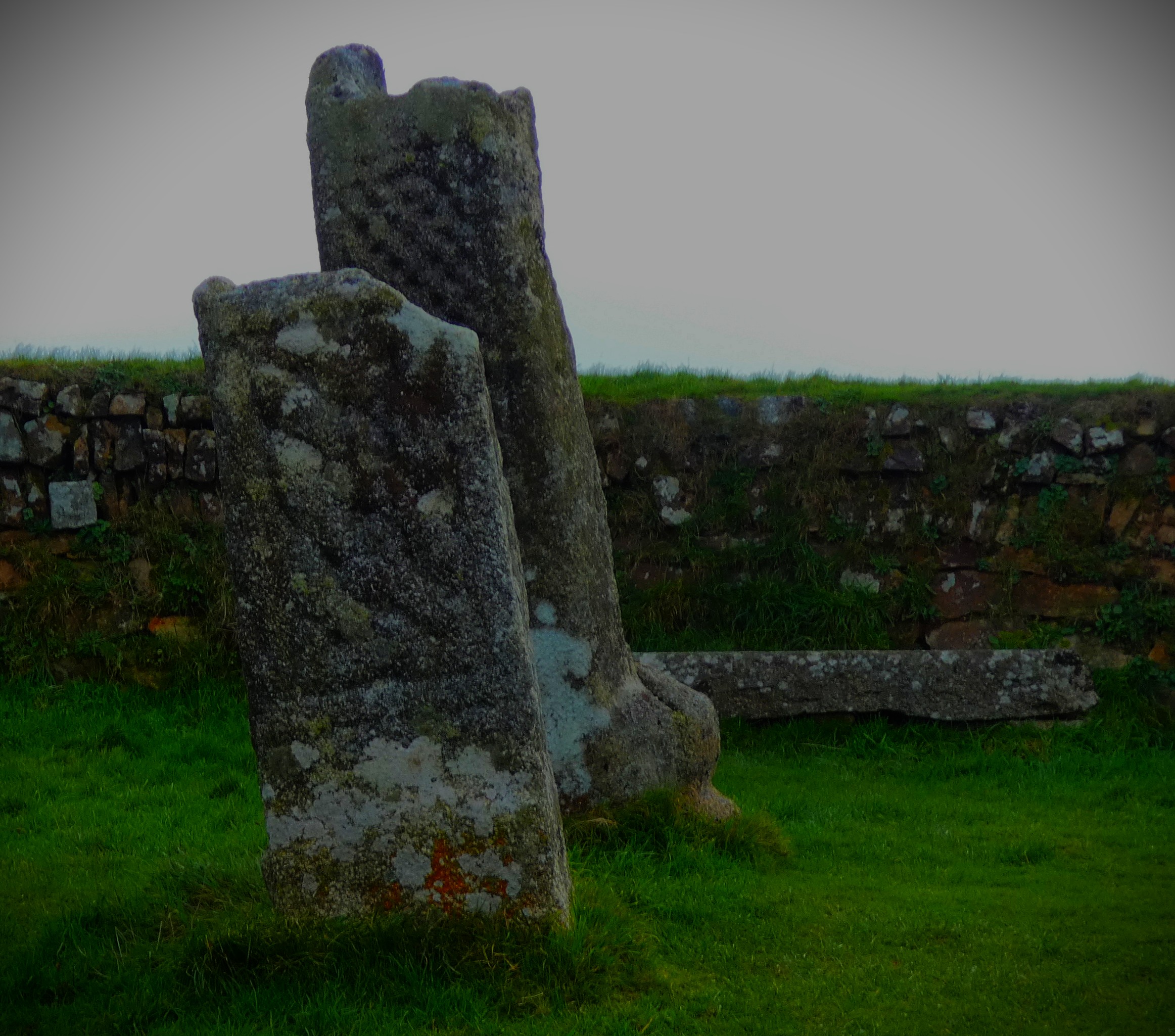
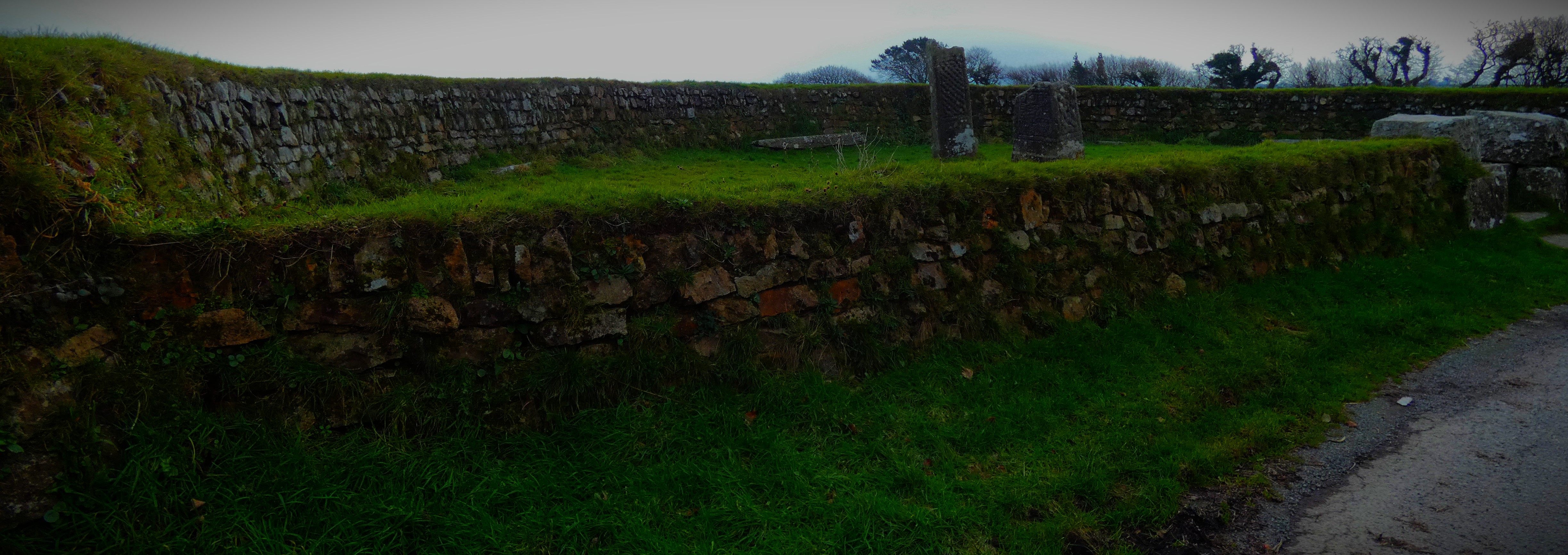
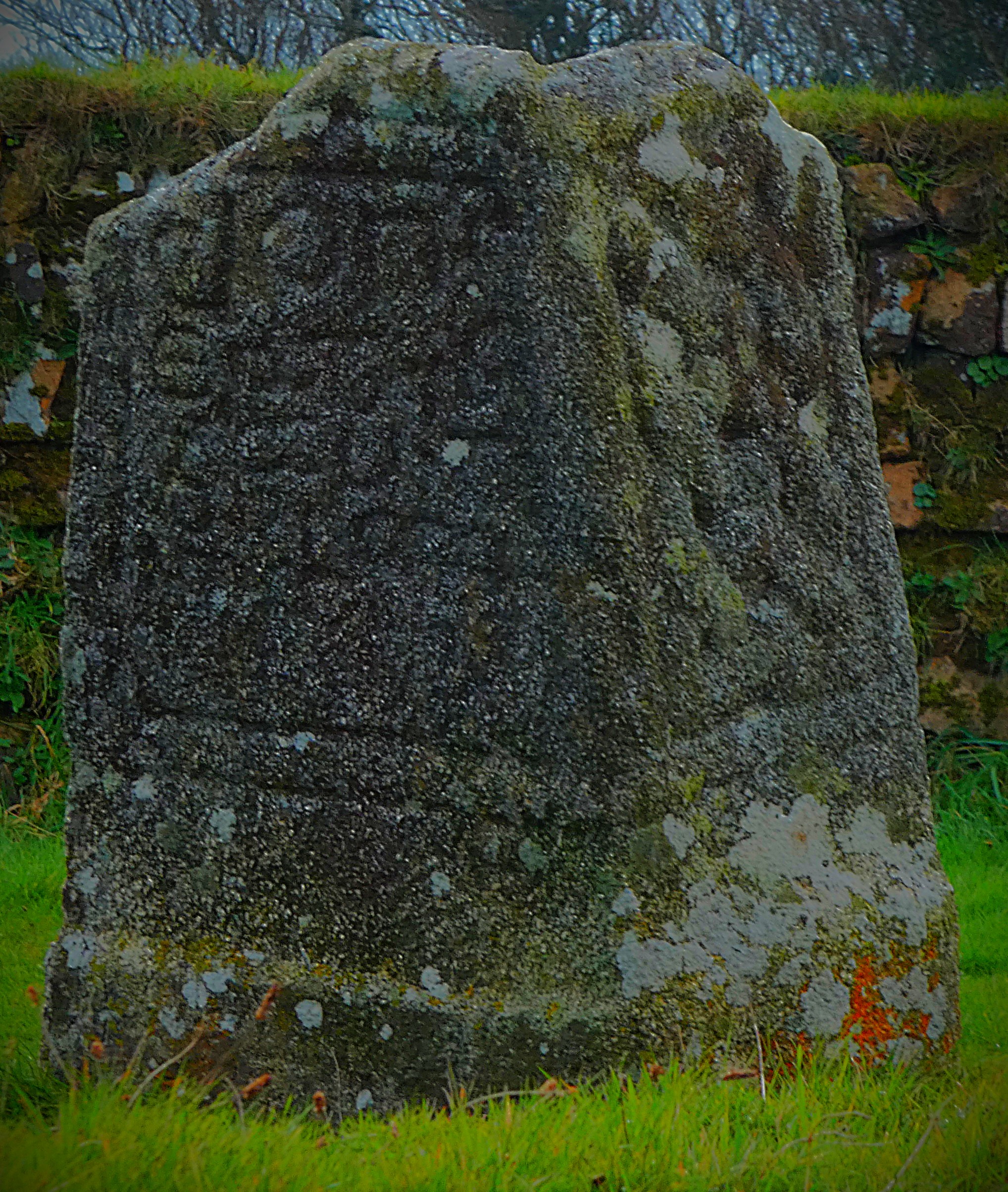
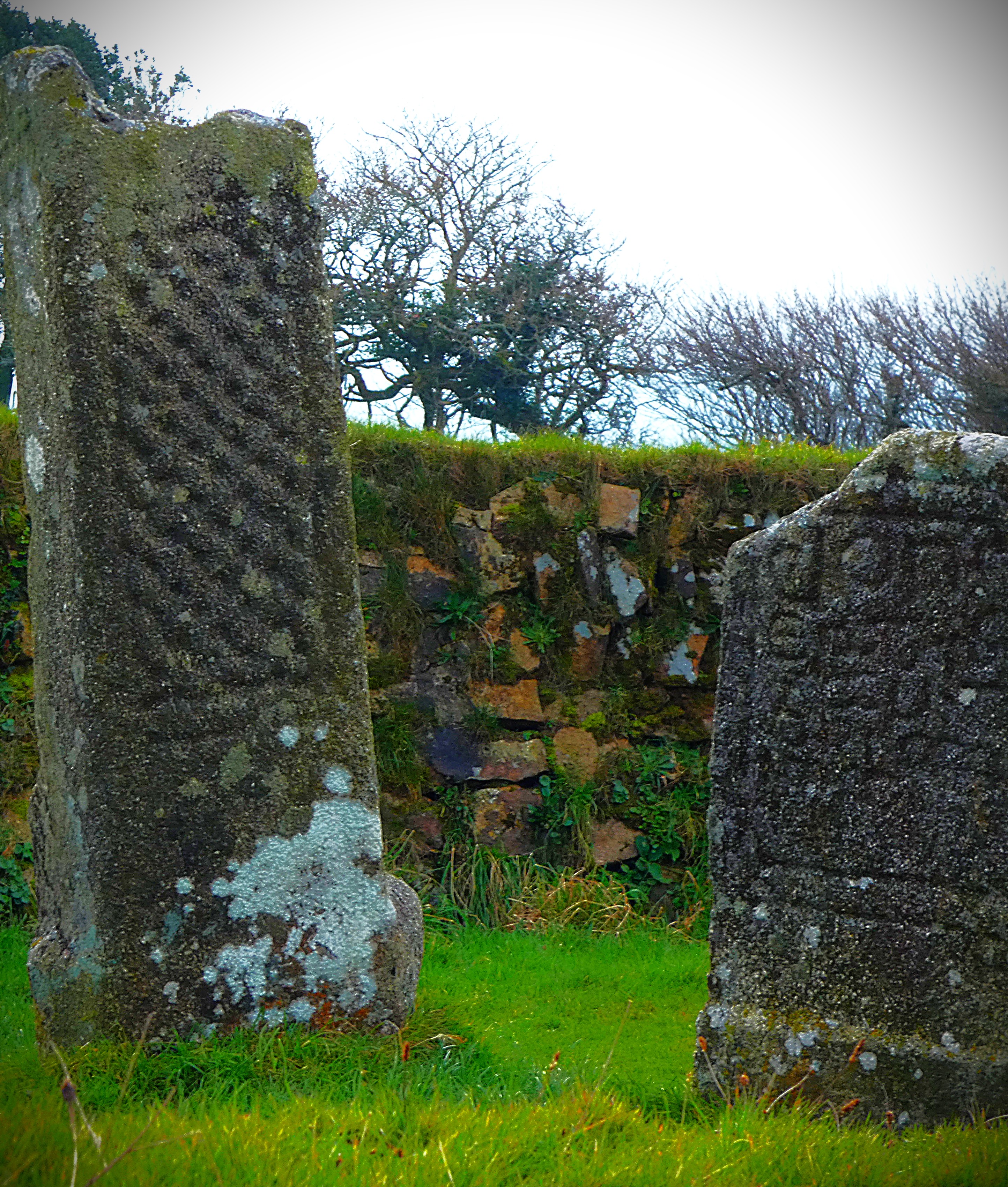
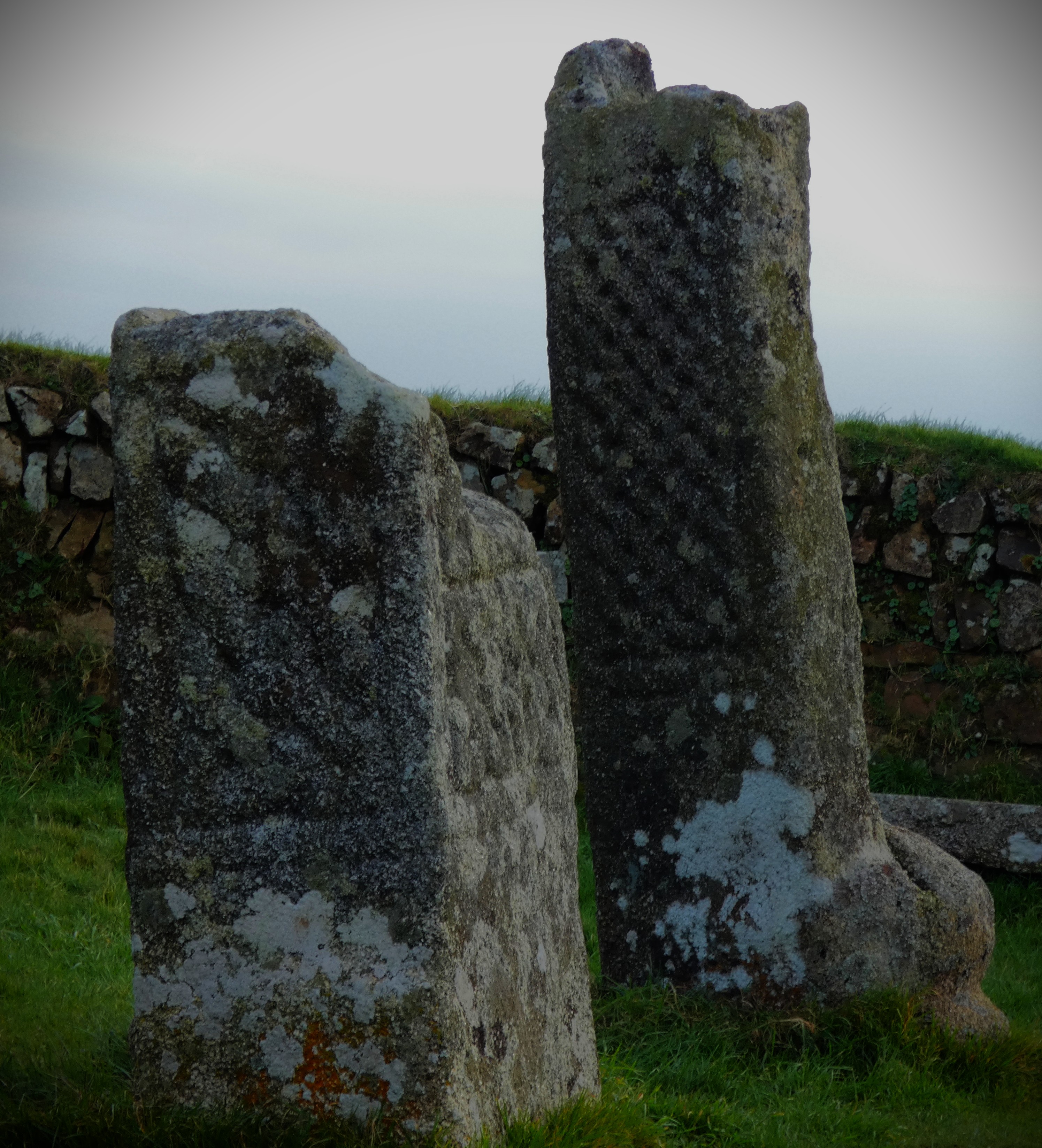
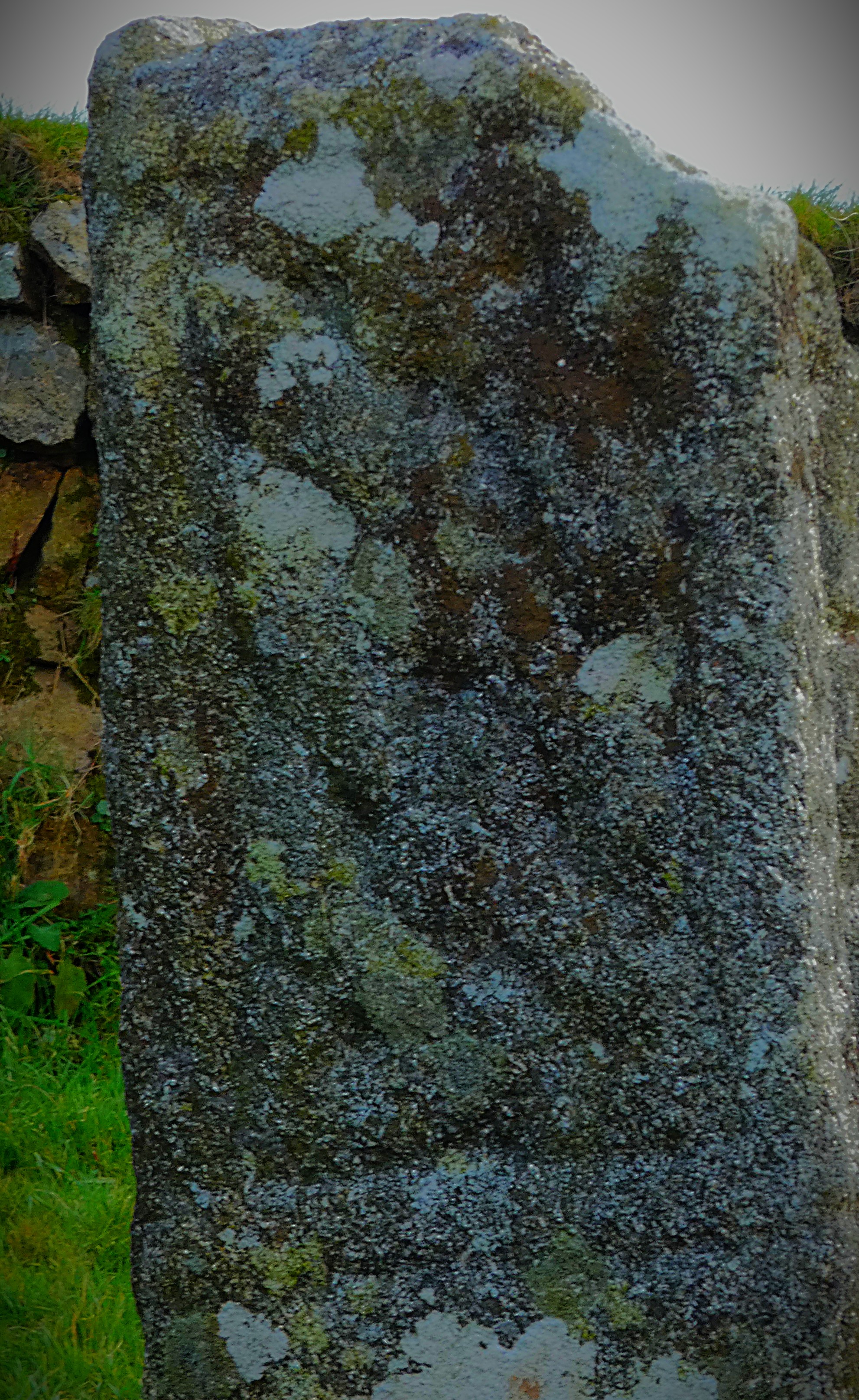
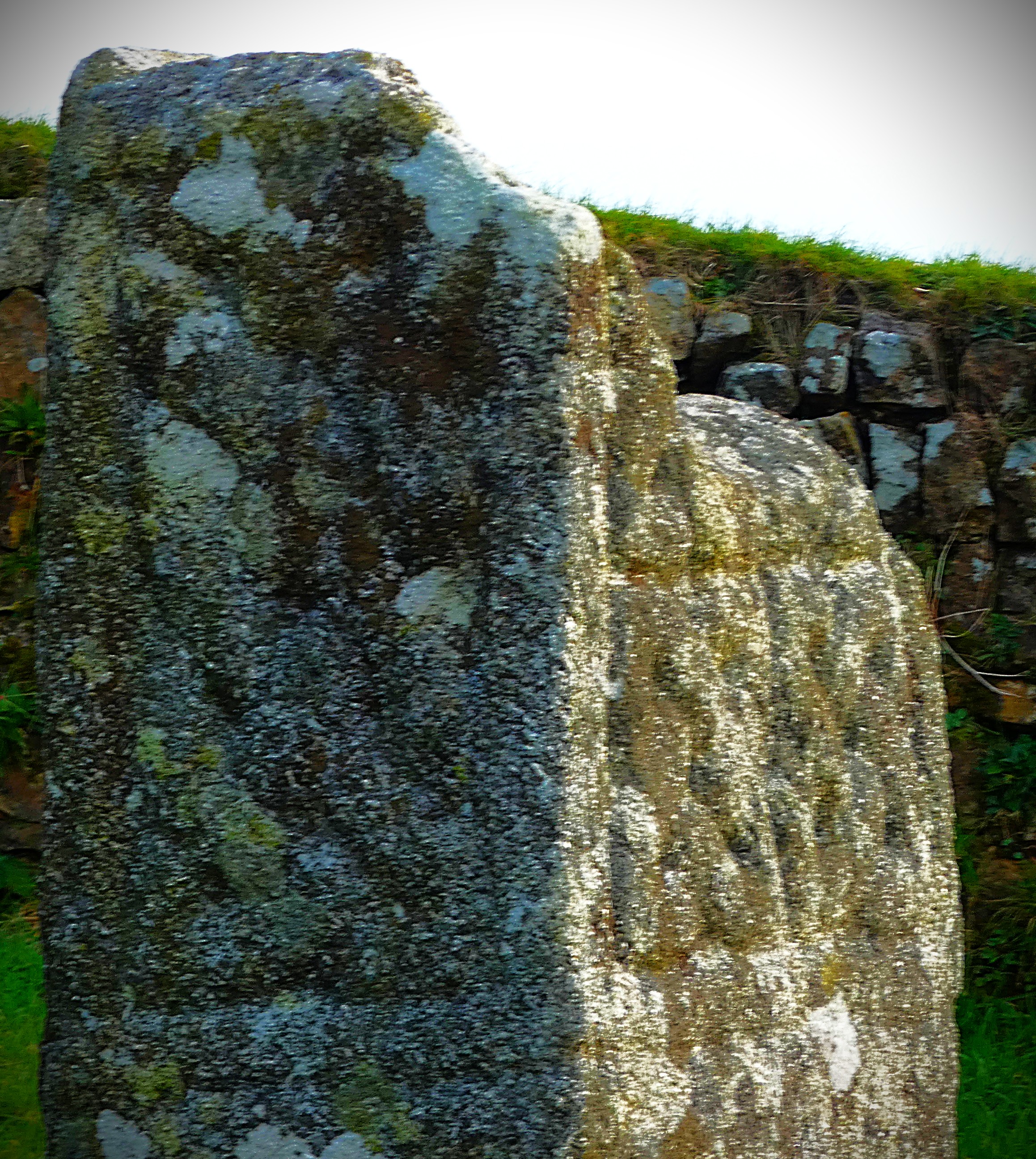
THE DONIERT STONE
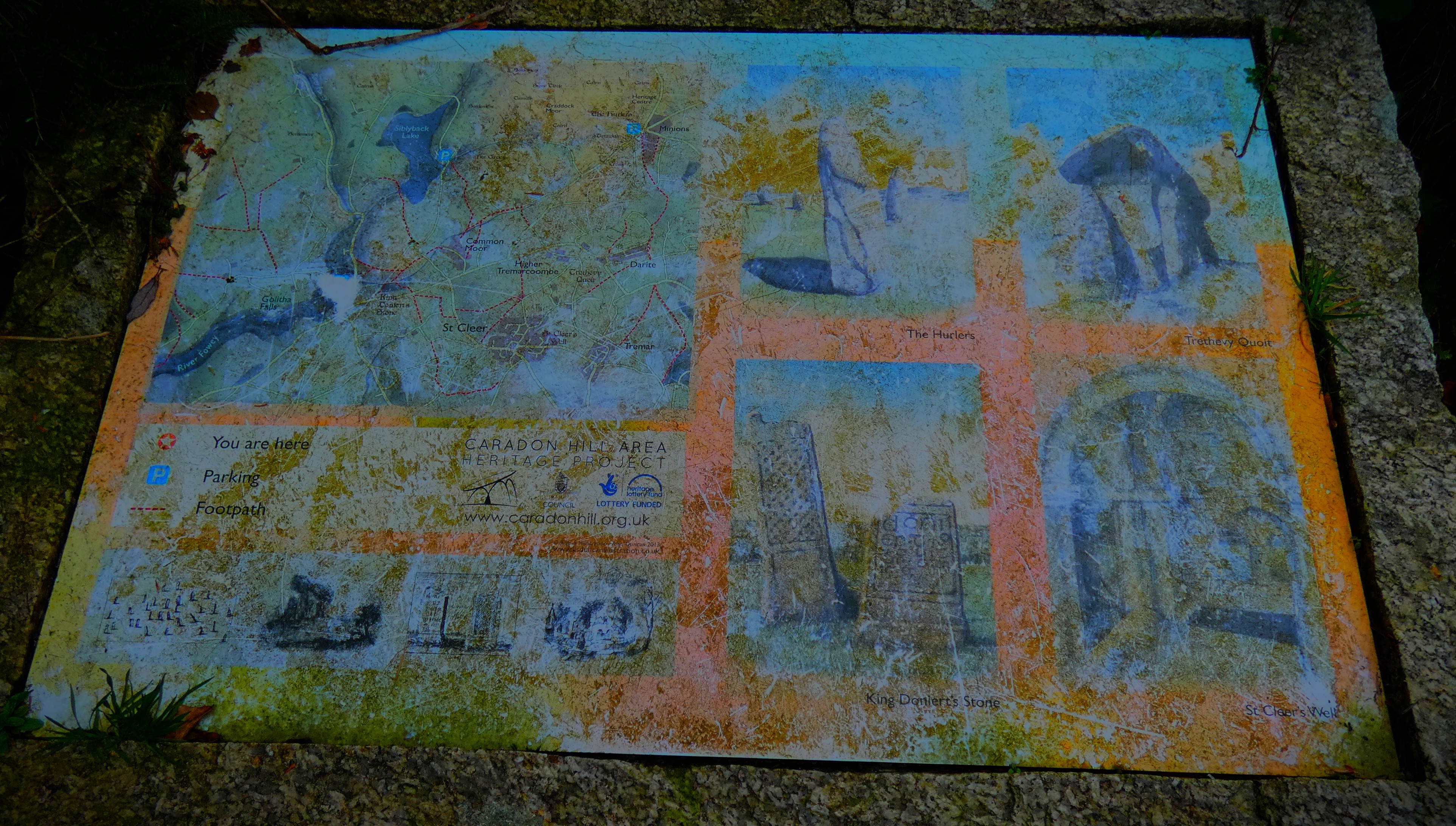
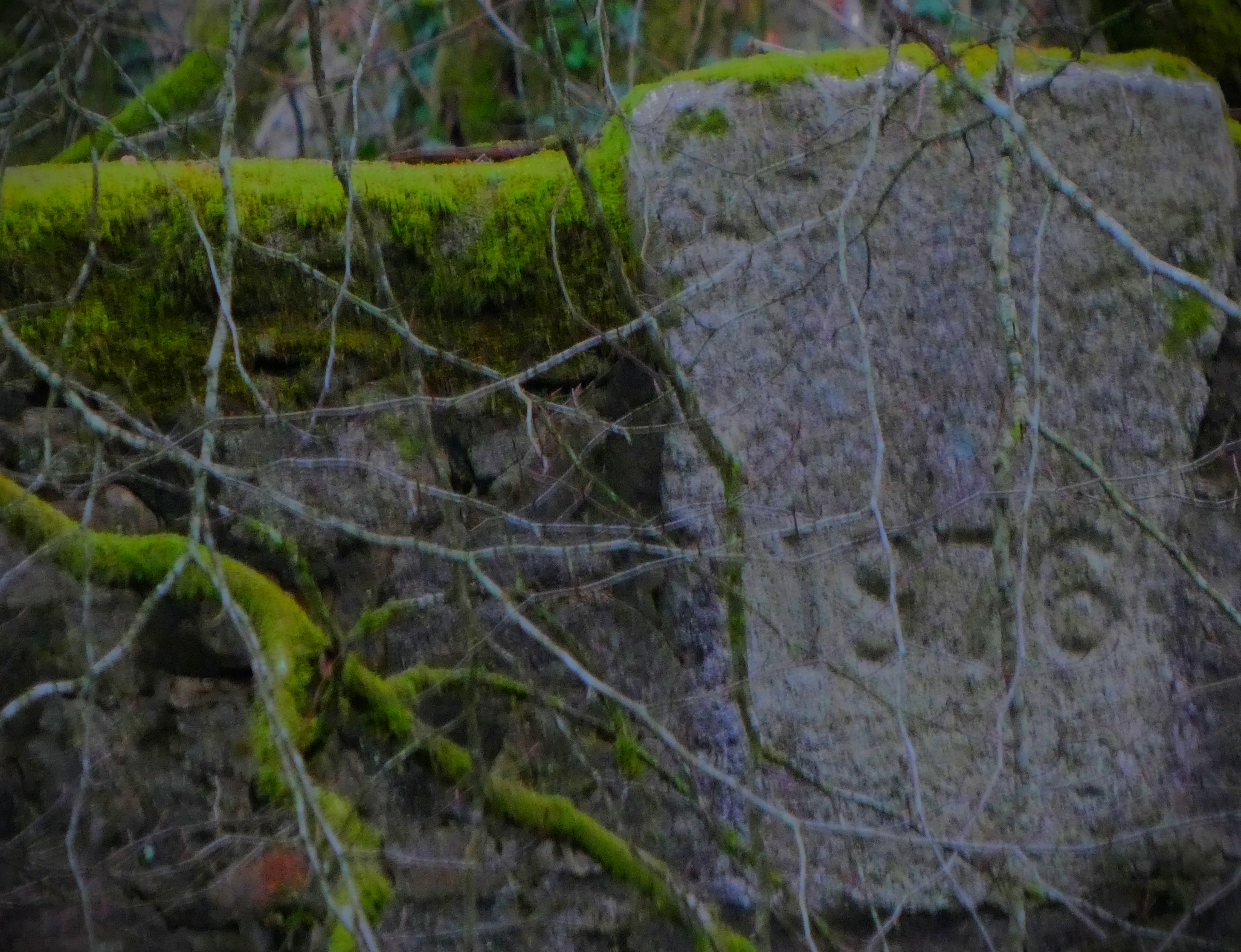
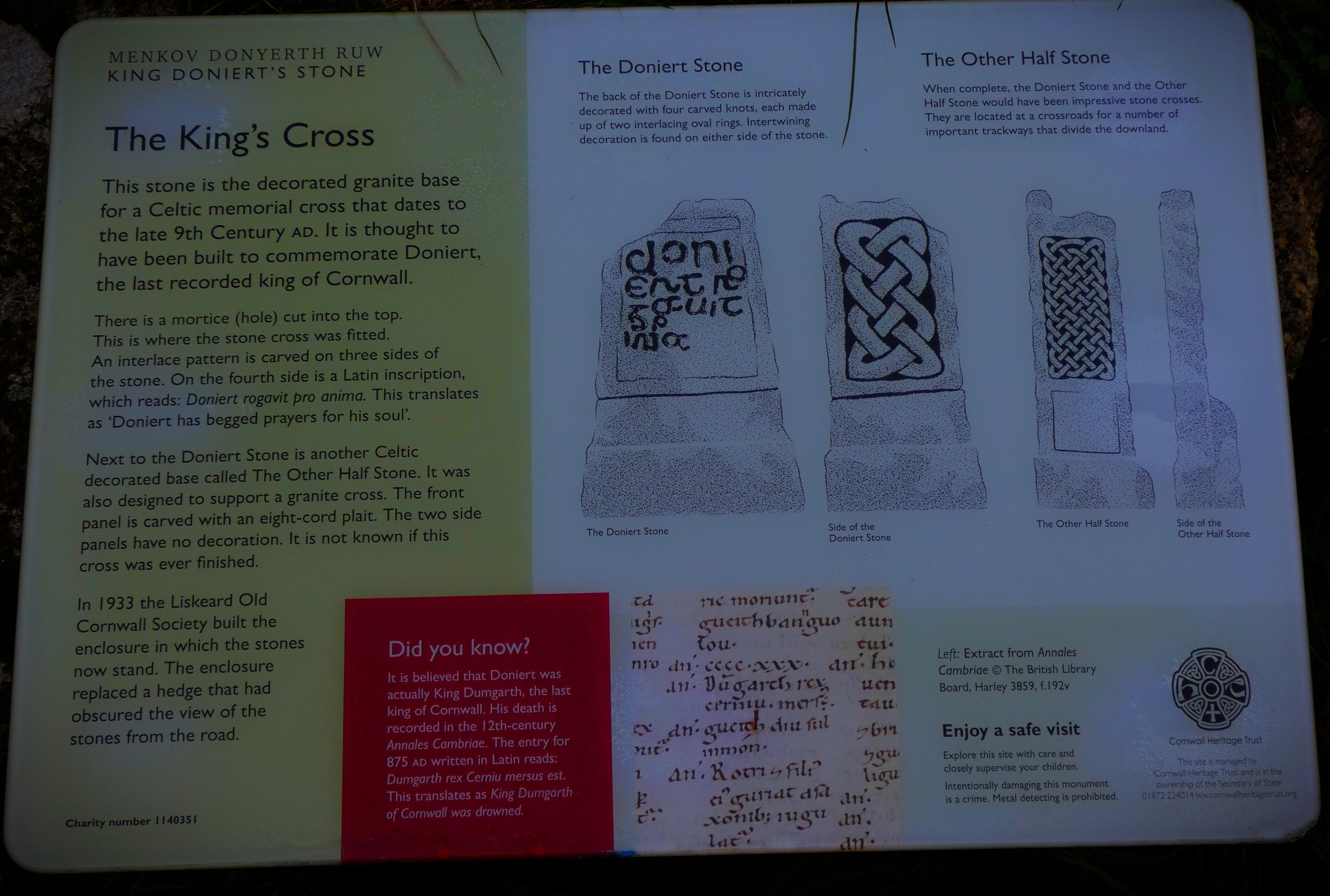
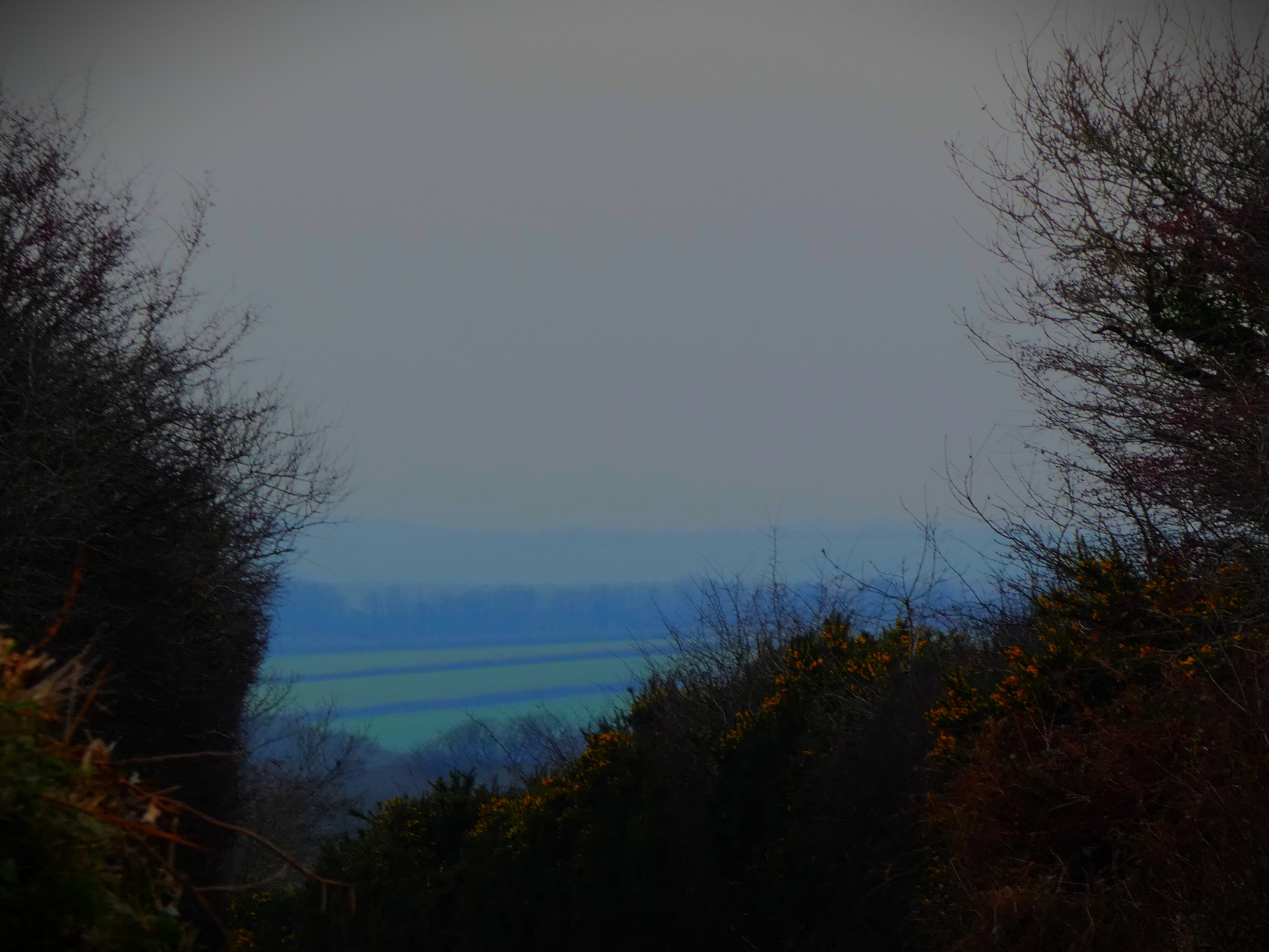
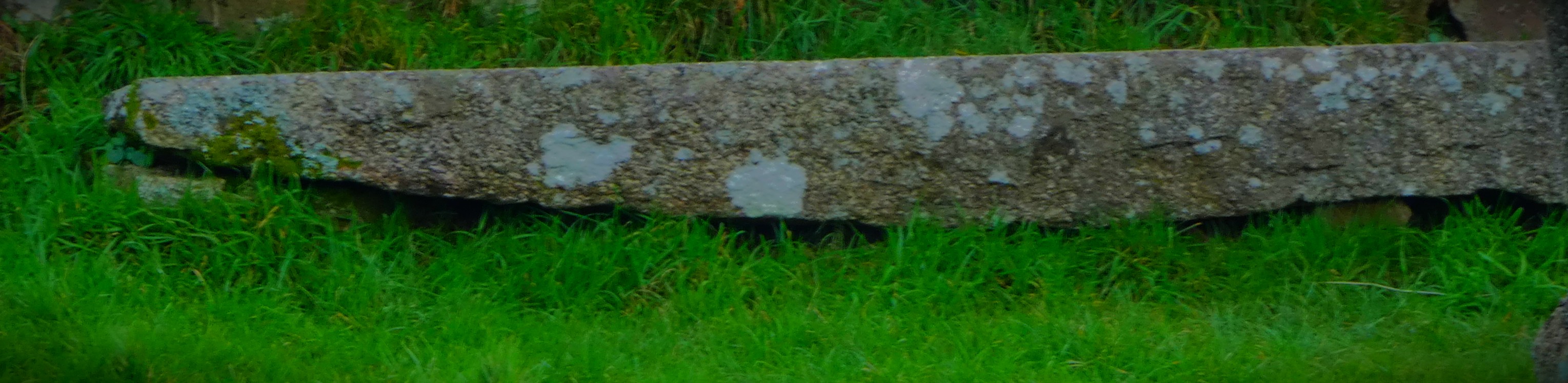
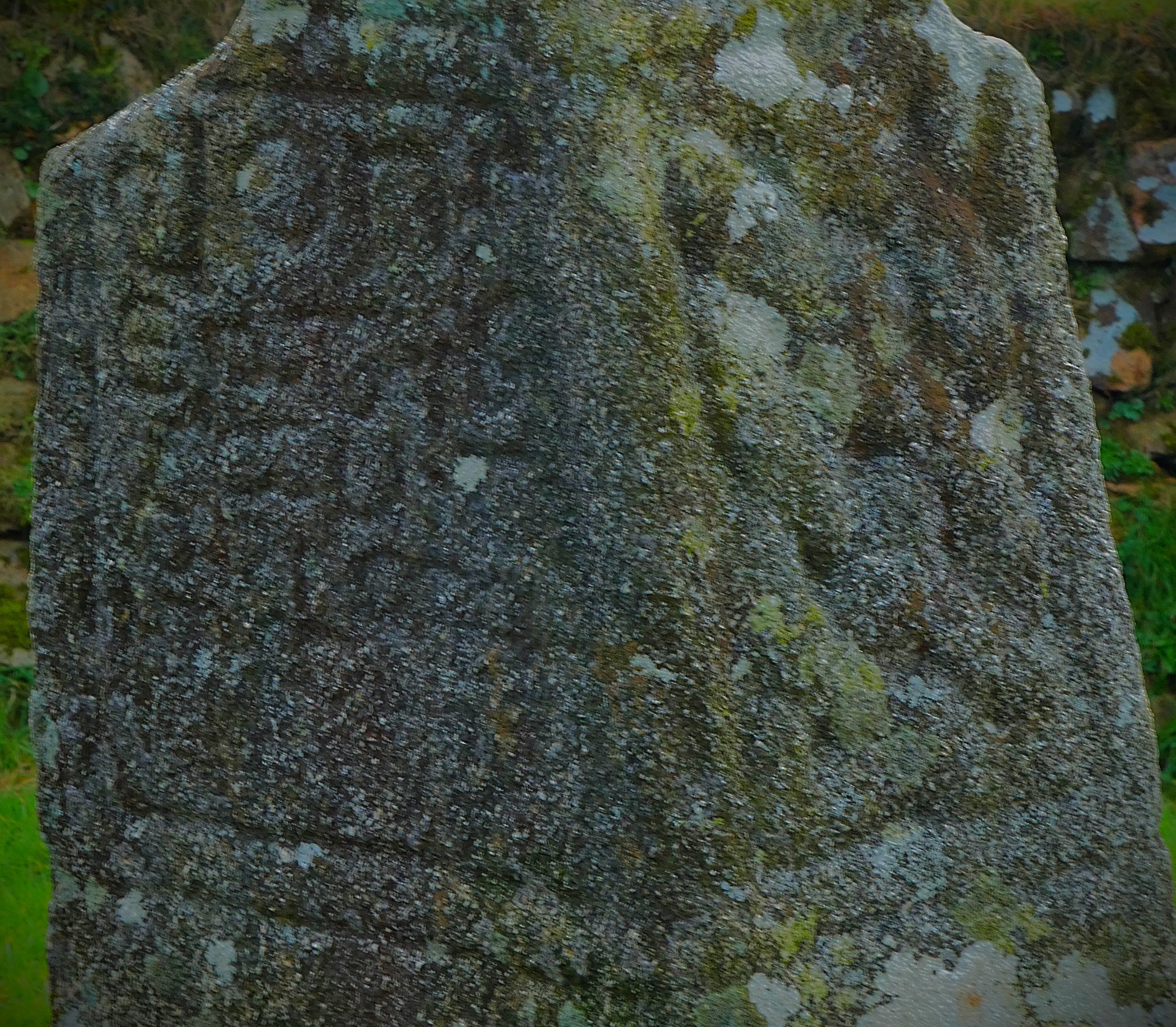
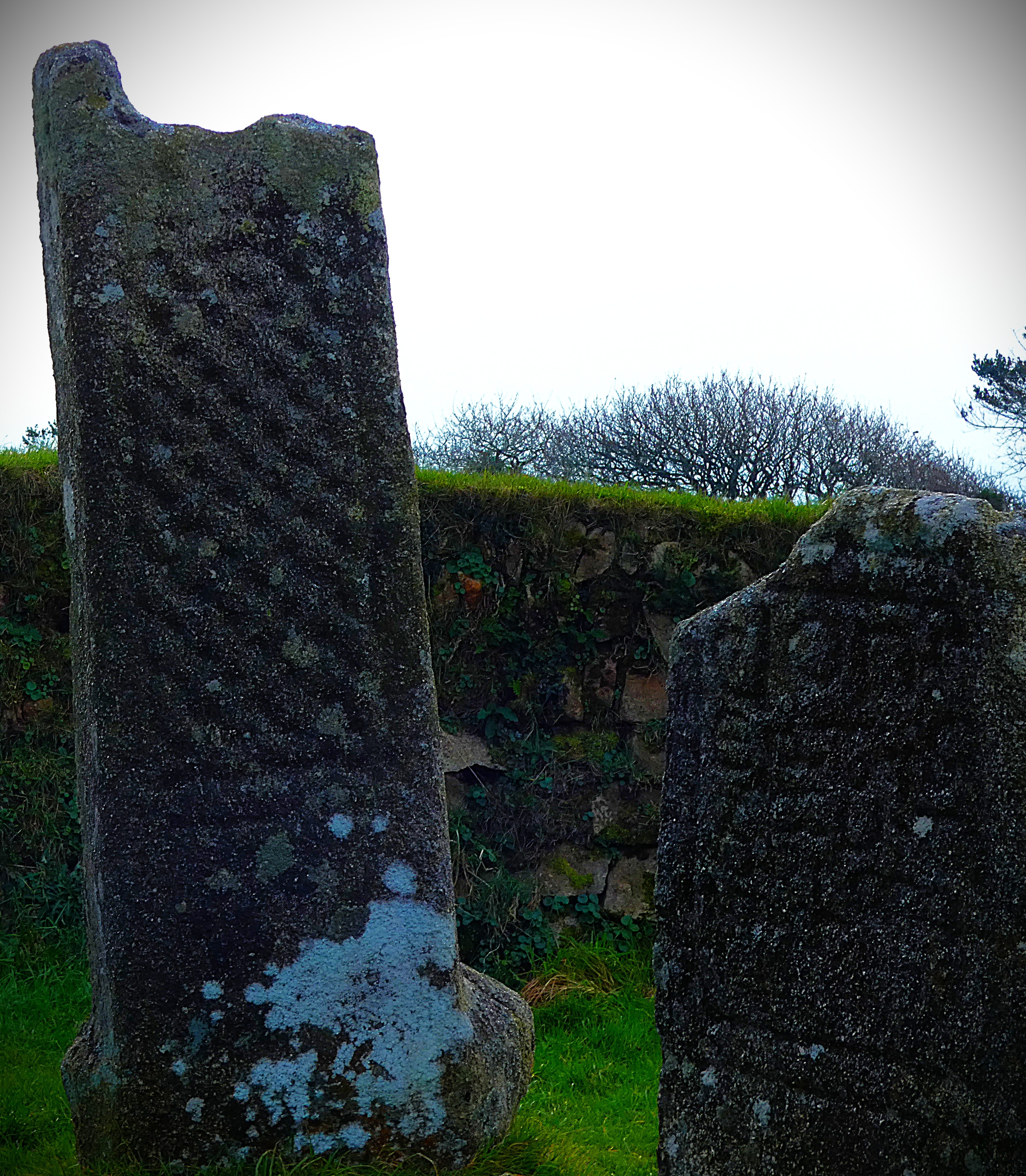
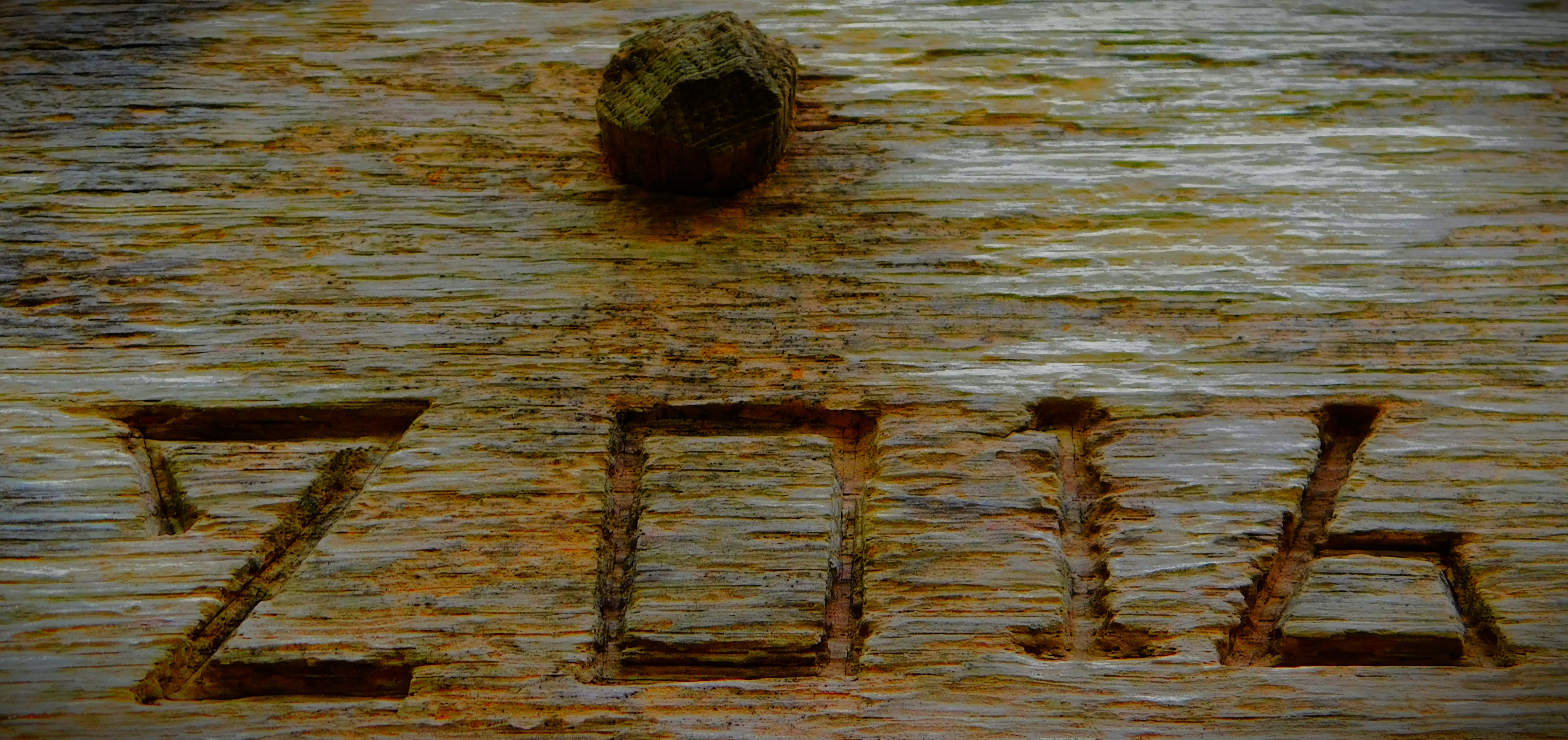
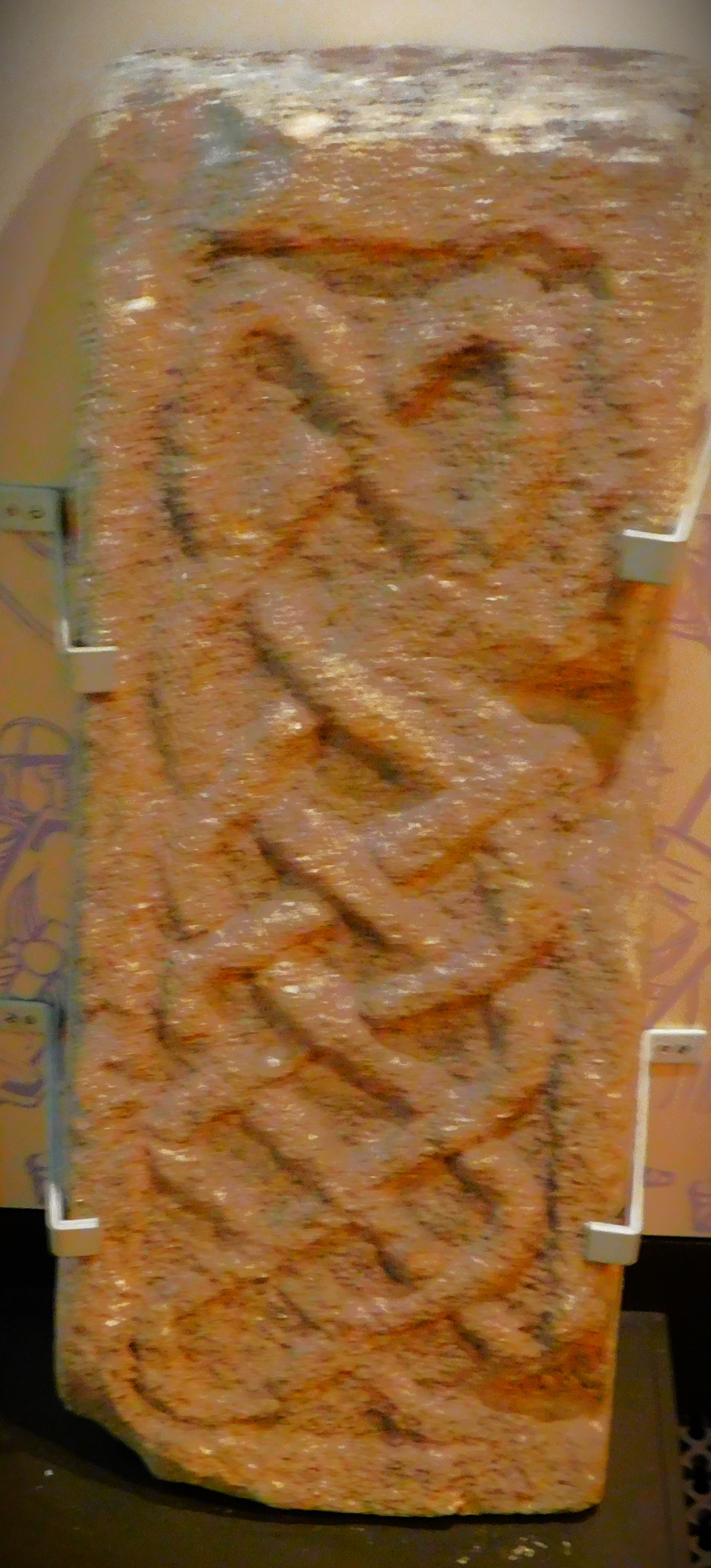
Doniert was the last recorded King of Cornwall back in the ninth century. His stone and an accompanying half stone sit in a semicircular enclosure just off a road. Although our original walk plan had to be abandoned to a stretch that was too muddy to be passed – I had a shoe sucked off before we abandoned our original plan – we were able to find an alternative route to the Doniert Stone and see this very interesting historical relic.
Continuing my account of my holiday in far western Scotland around the time of my 50th birthday with an account of the birthday meal.
Welcome to the latest post in my series about my holiday in the far west of Scotland around my 50th birthday. Following on from the post about the morning and afternoon of the day itself (Saturday 31 May) we now deal with the evening, when we having the birthday meal.
MINGARY CASTLE
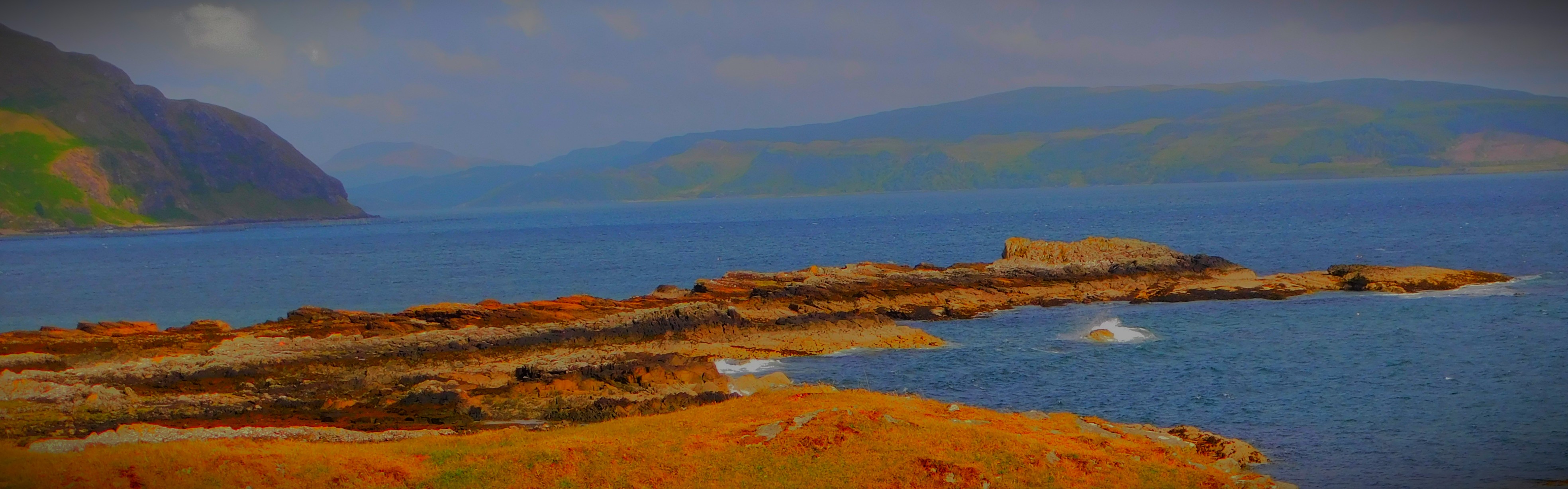
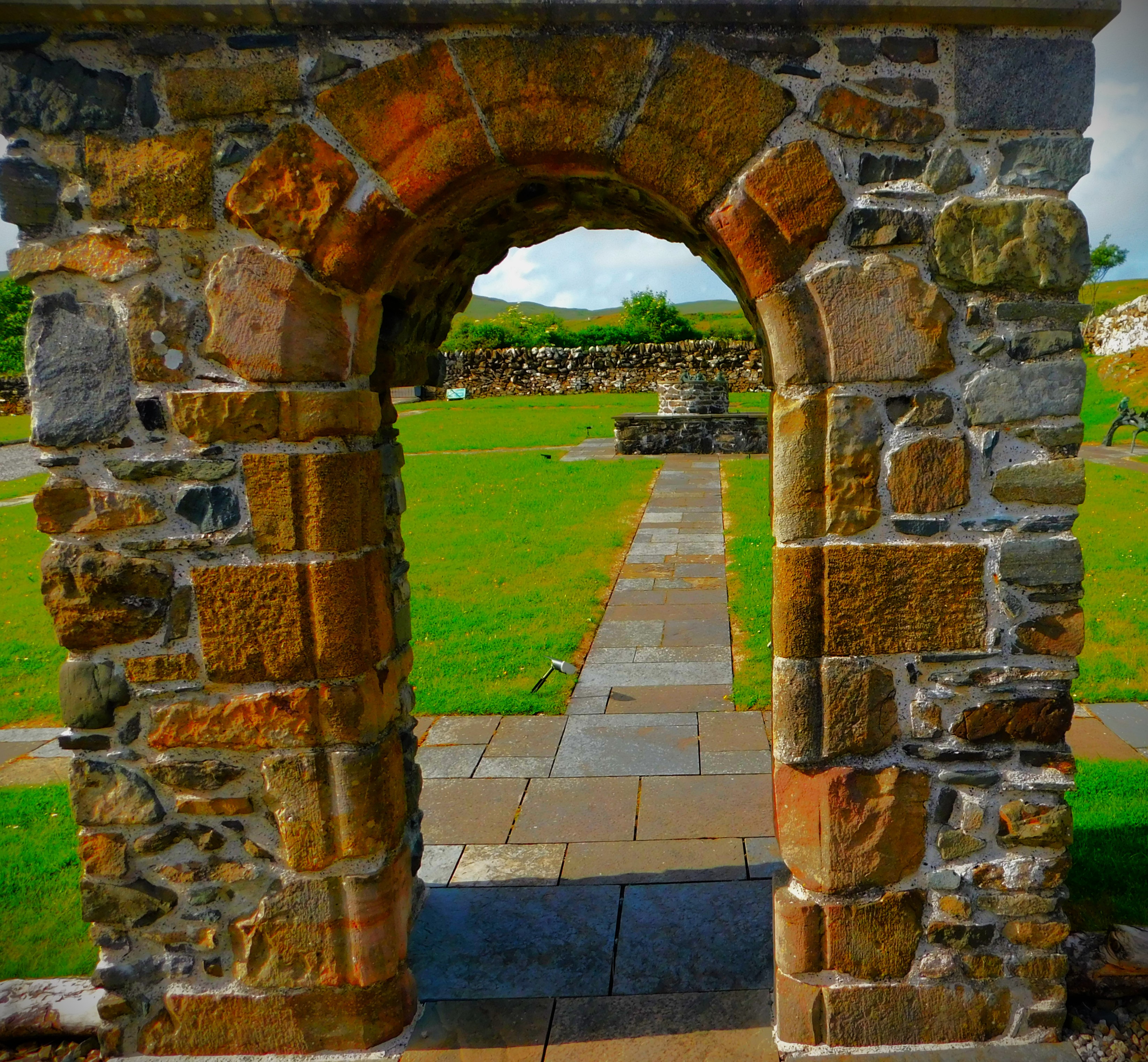
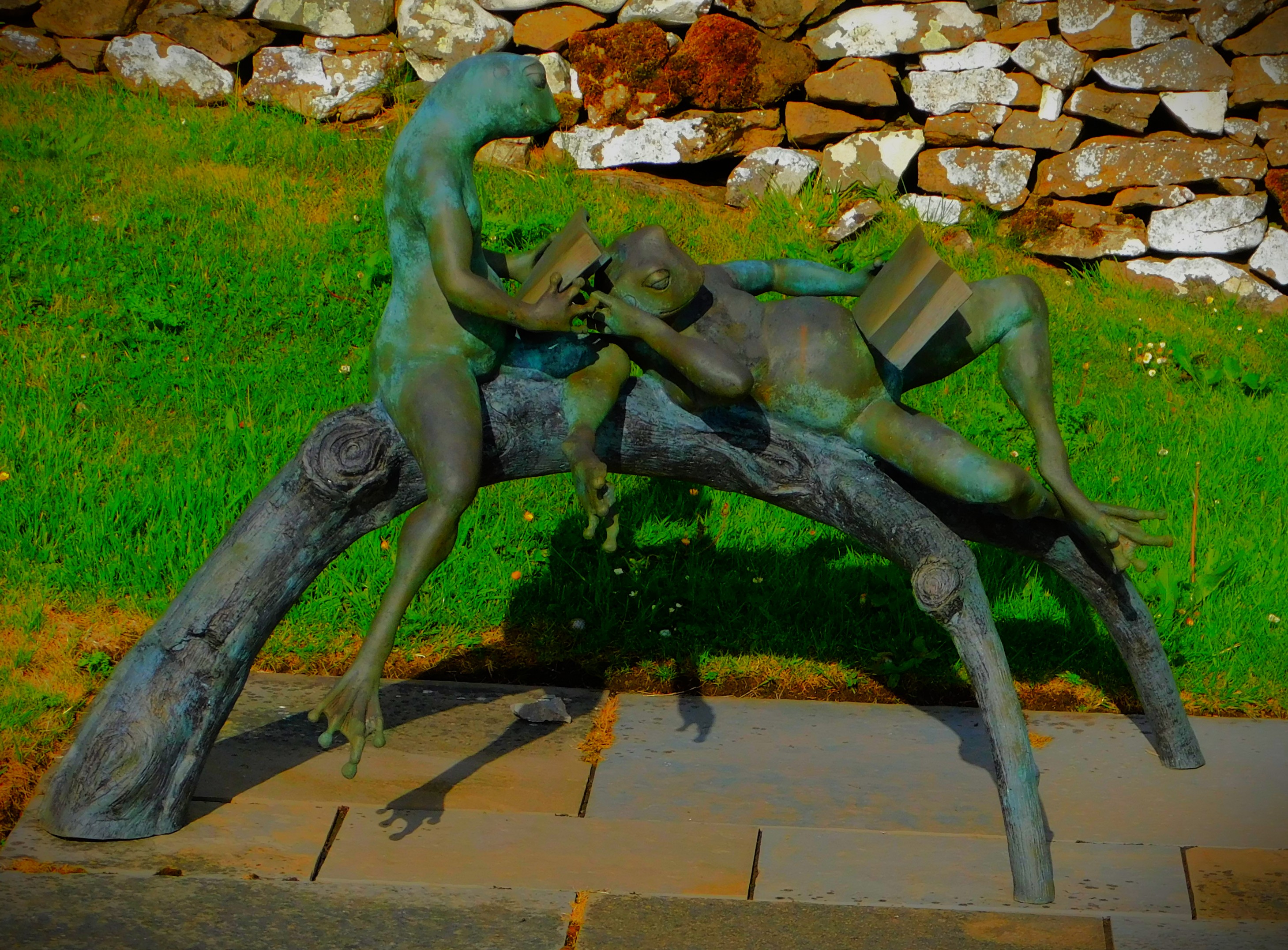
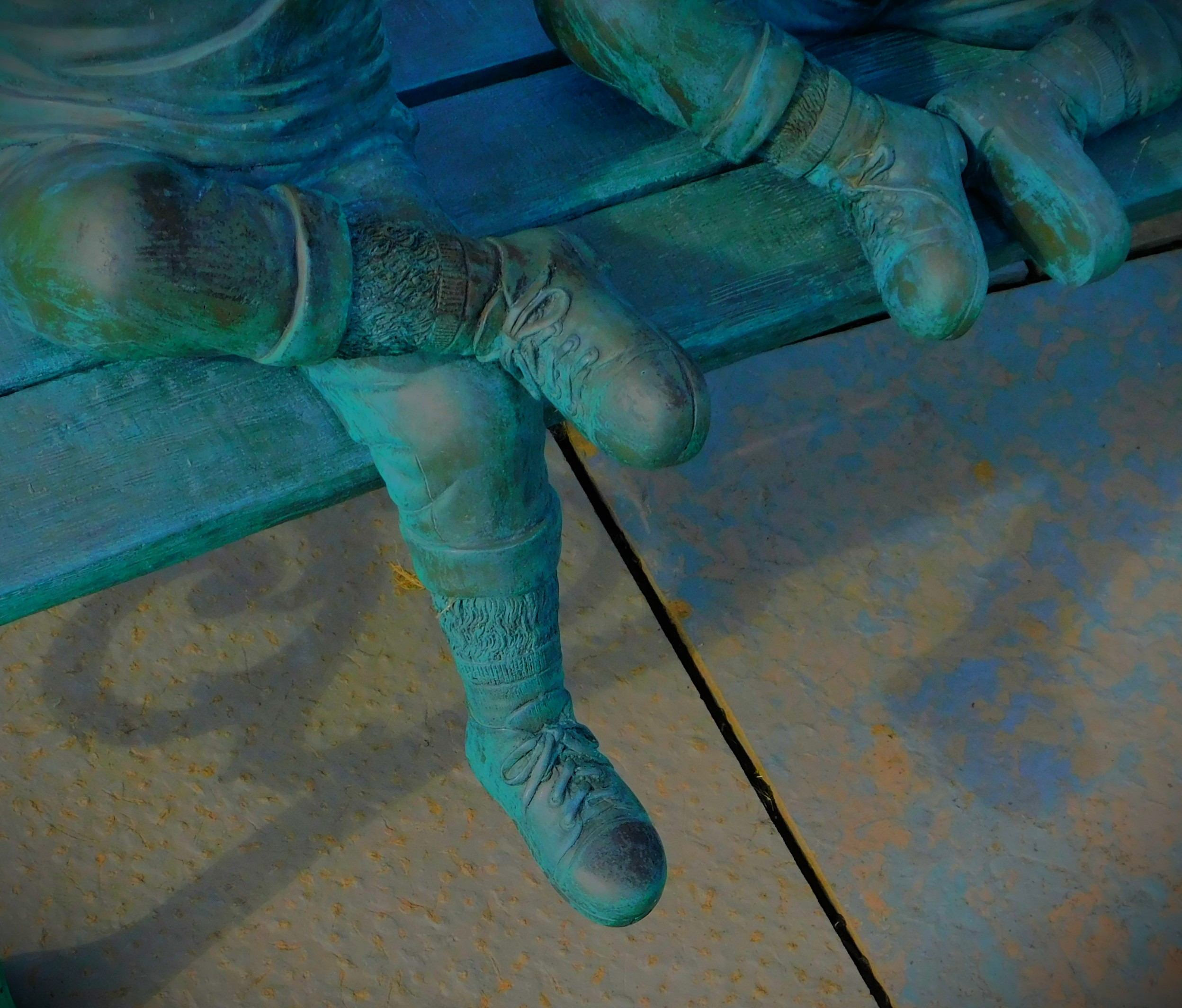
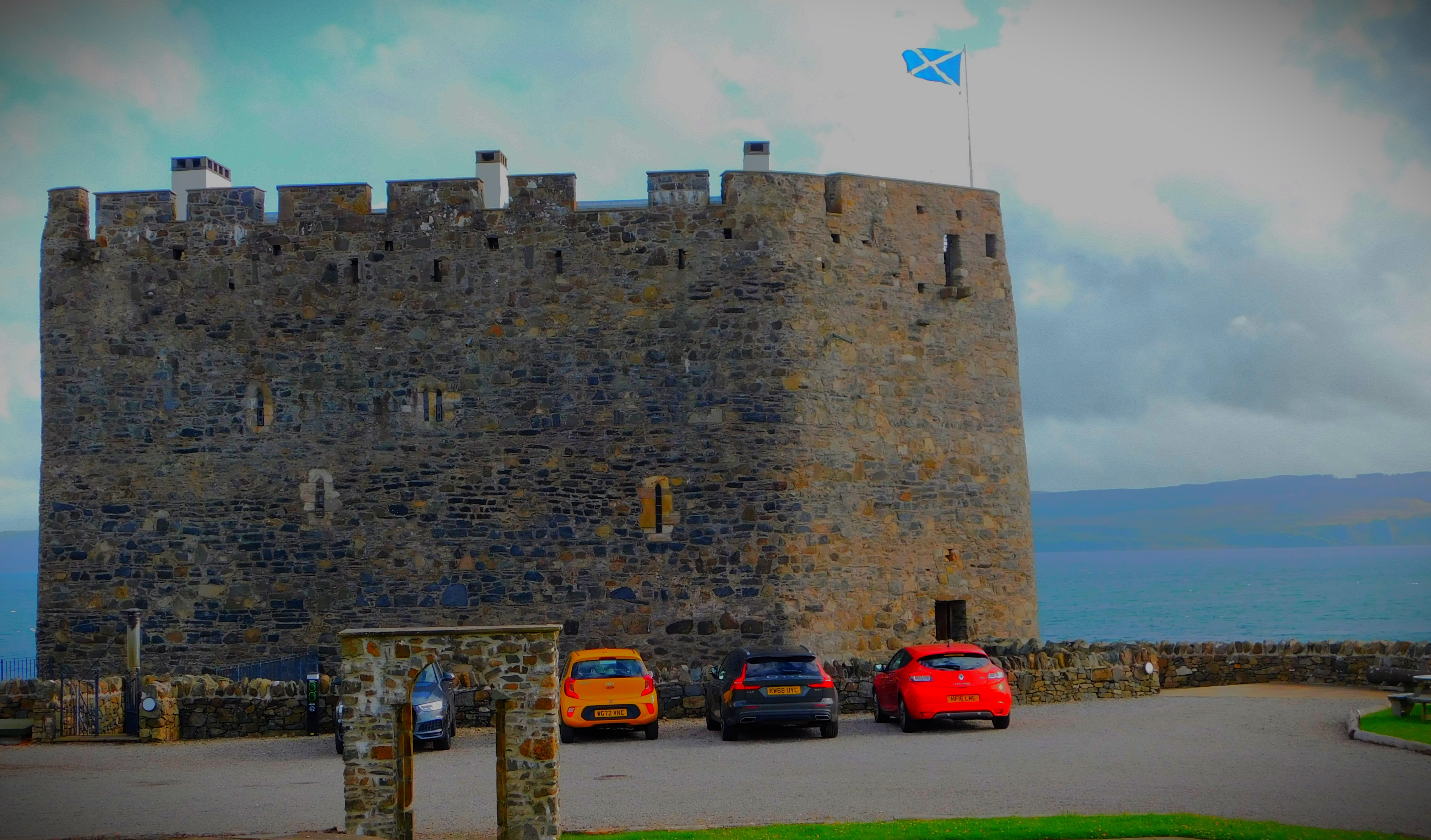
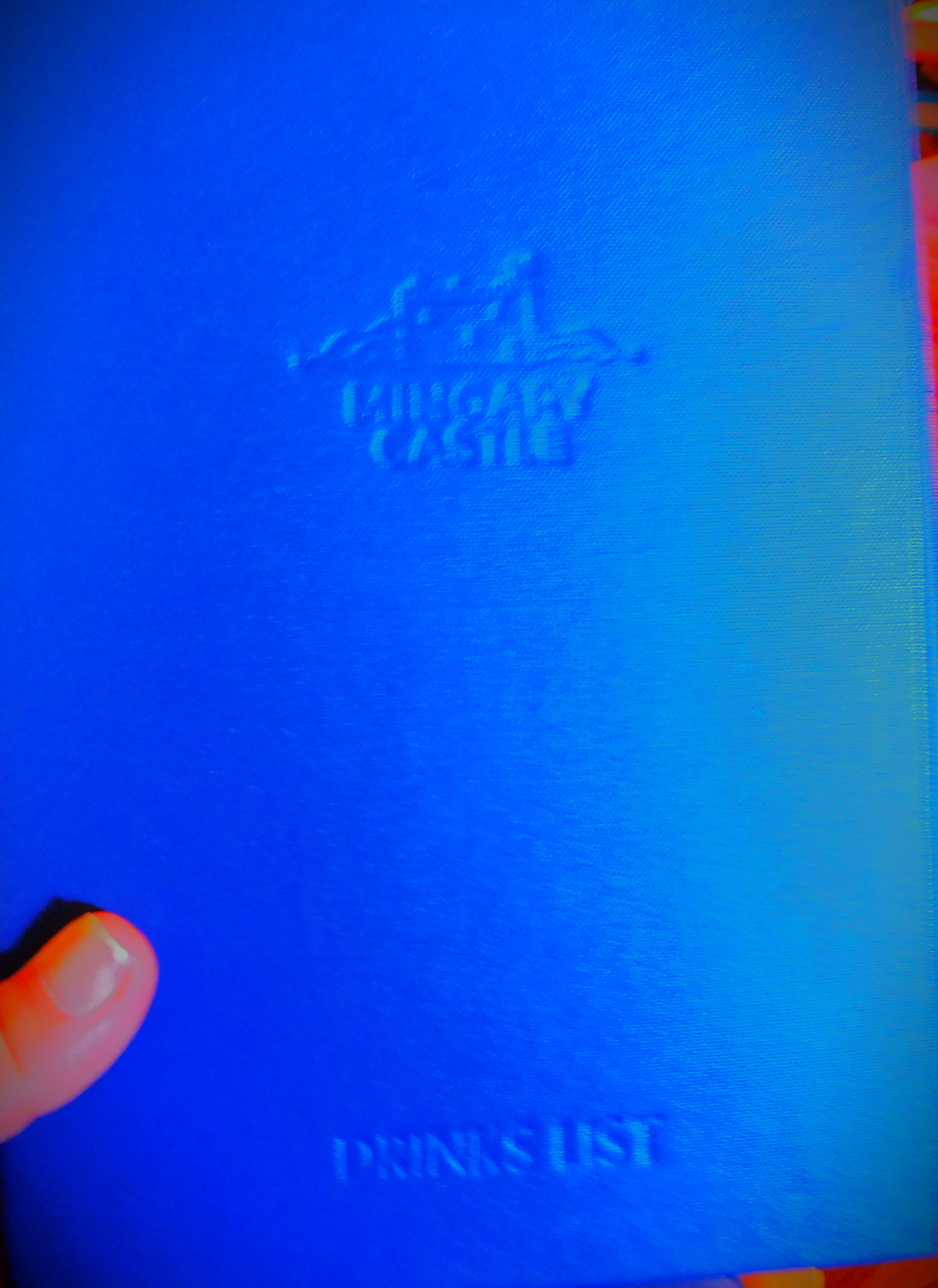
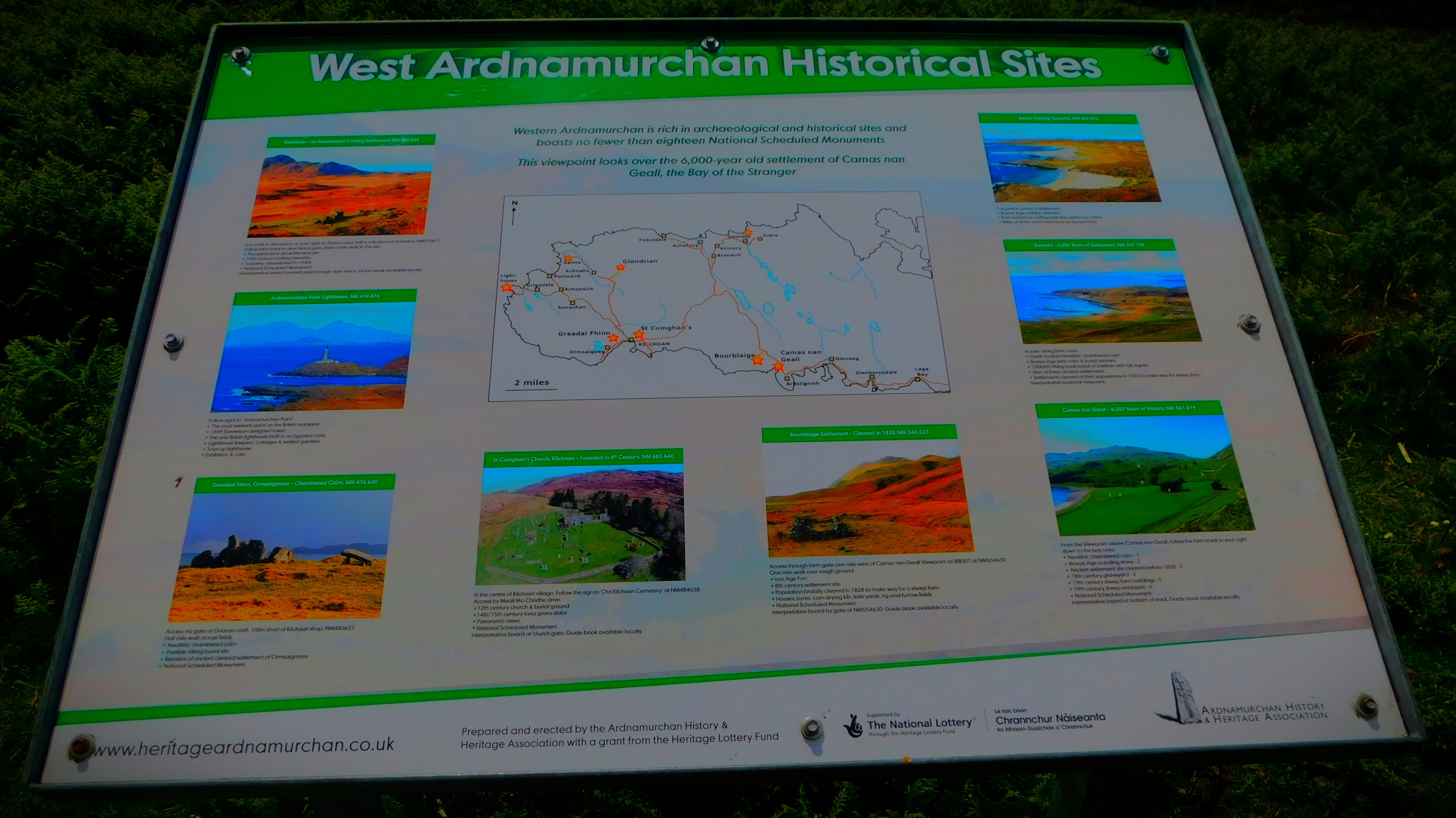
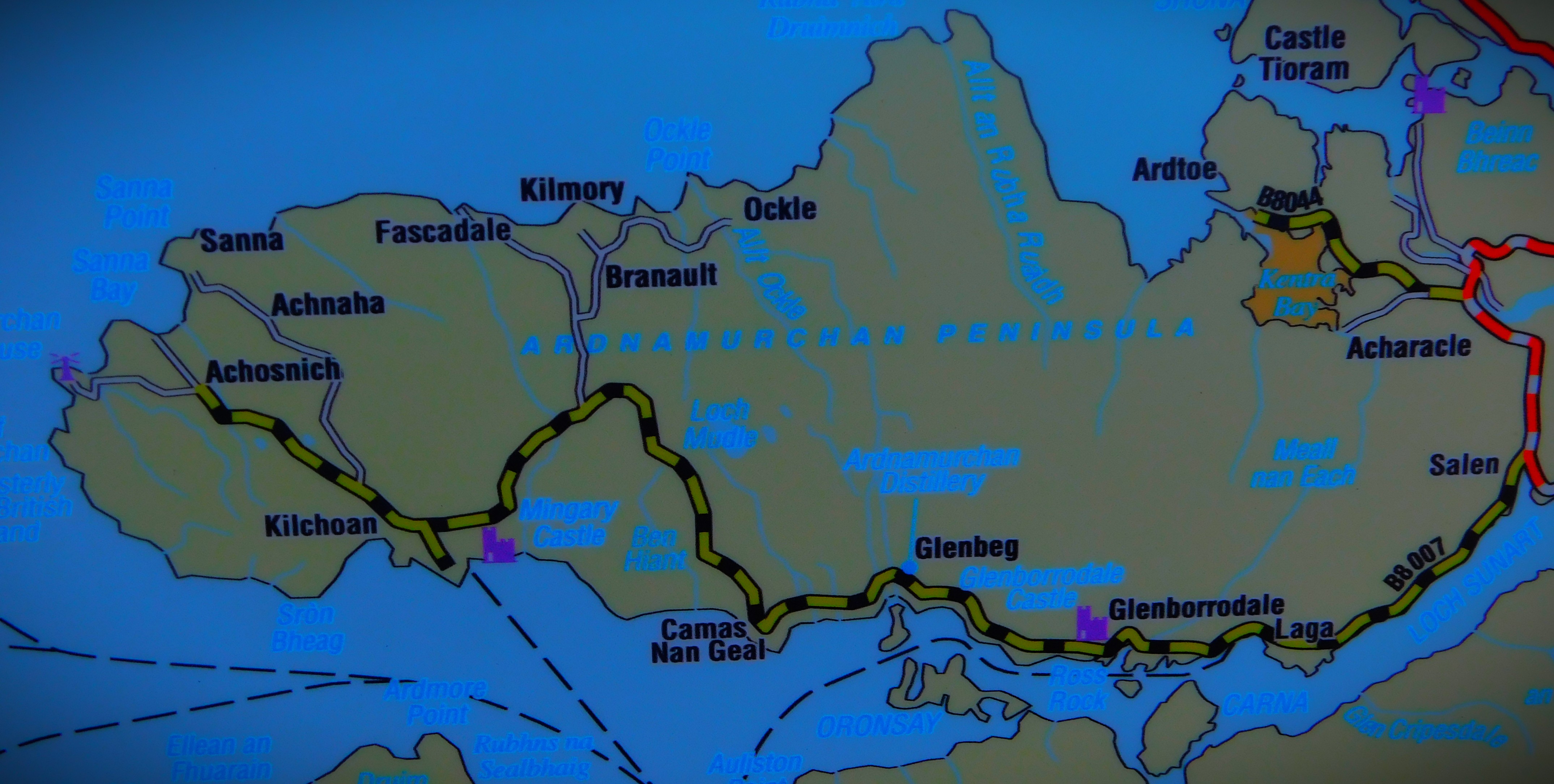
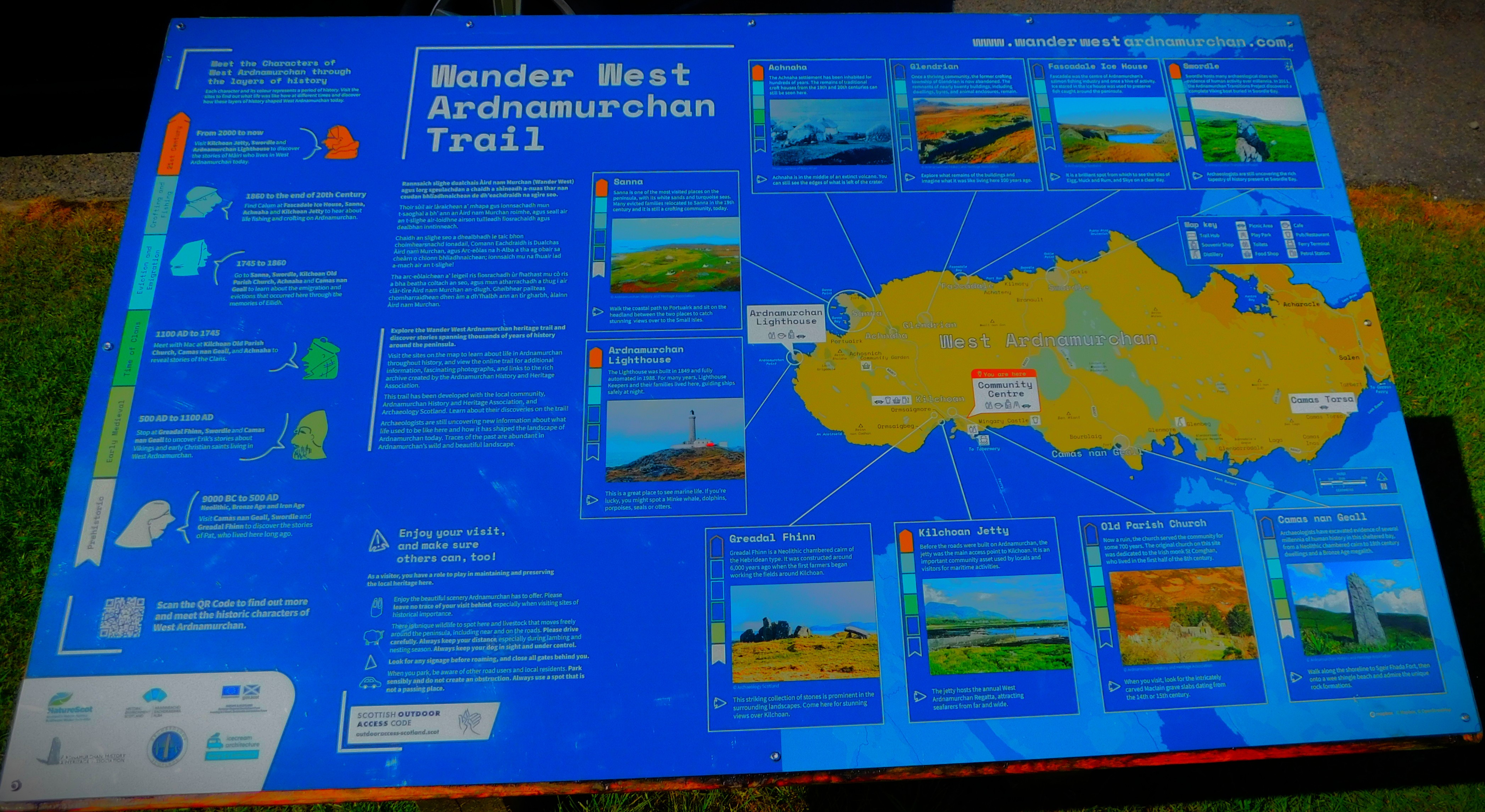
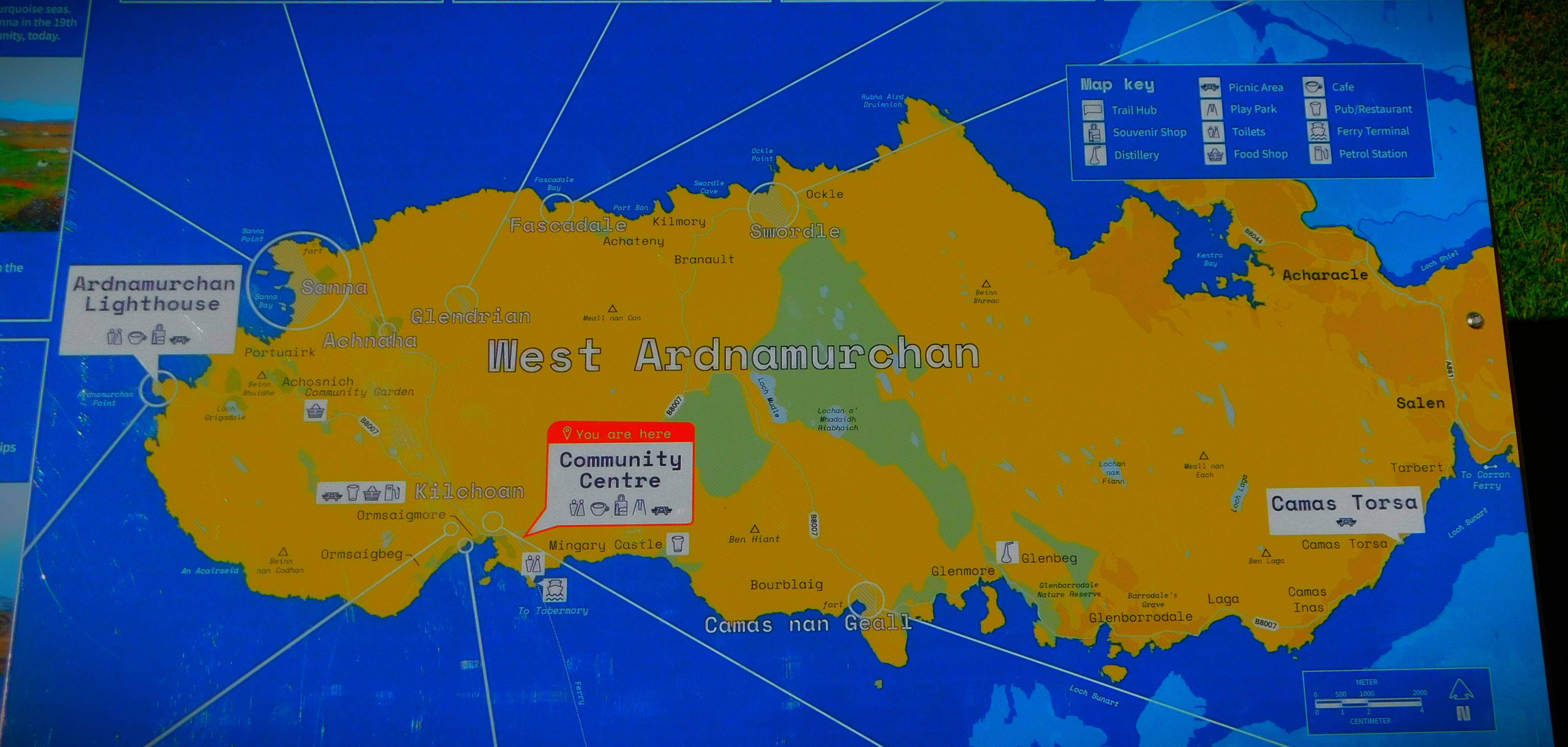
The birthday meal was booked for the Mingary Castle restaurant, and it seemed logical to arrive a bit early and have time to look at the castle and its grounds. In appearance Mingary Castle looks much as Tioram Castle, at the extreme east of the Ardnamurchan Peninsula, would had it not been allowed to fall into ruins (check this post from three years ago for more about Tioram). There are some splendid sea views from the grounds (while the castle does have windows they are effectively functionless). There is also an interesting little display near the car parking area including sculptures of two frogs and a bench on which three monkey sculptures sit side by side, one seeing no evil, one hearing no evil and one speaking no evil. Inside the castle is quite impressive as well.
THE MEAL ITSELF
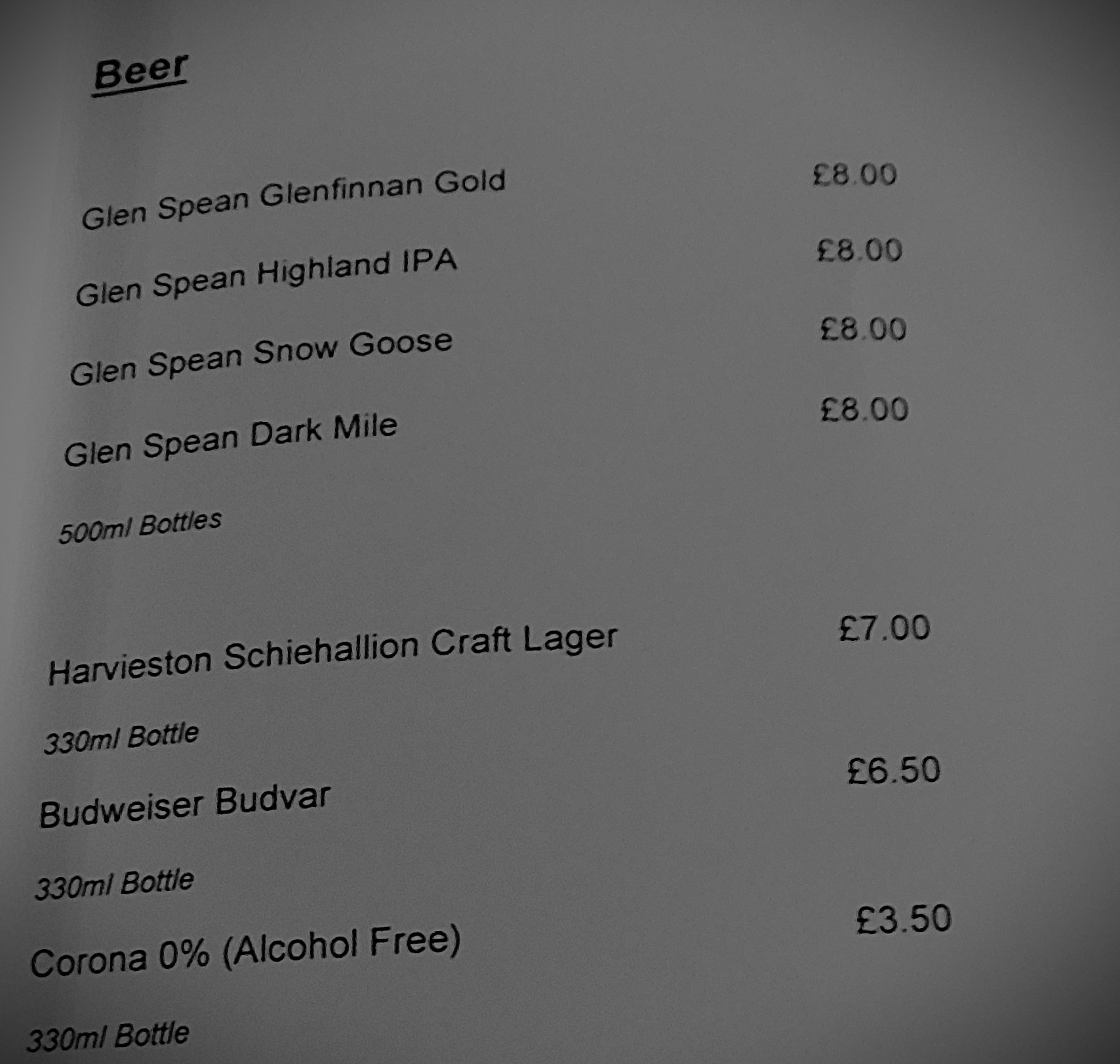
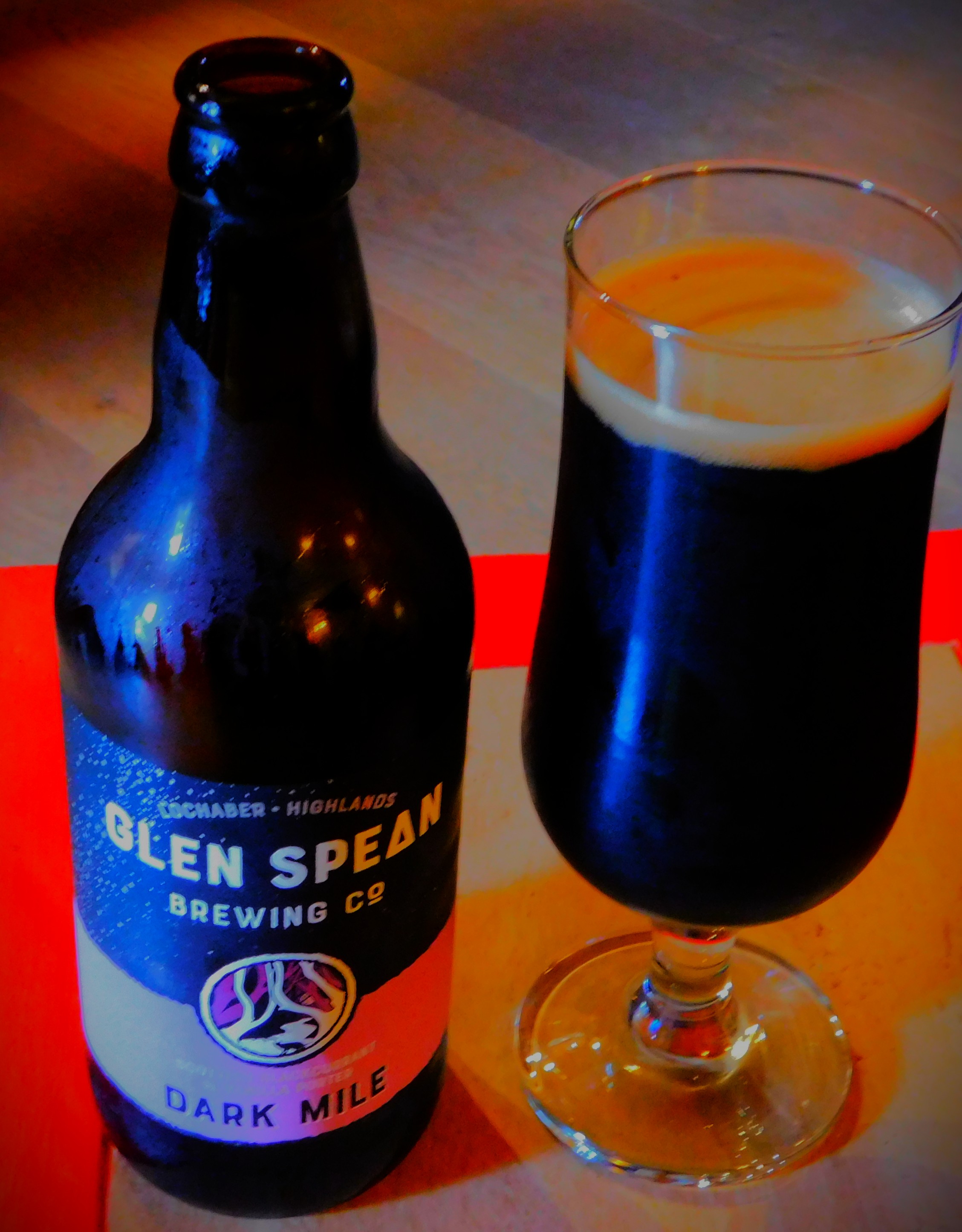
There were some things that would be served anyway, and we had to choose two course out of three from a set menu. Since the starter was entirely tomato based we went for the main course and the dessert. When it came to drinks they had beer available – I chose a local product called Dark Mile, which proved to be excellent. The meal was magnificently cooked, especially the lamb for the main course, which was done in three different ways.
PHOTOGRAPHS
Here are my photographs from the evening…
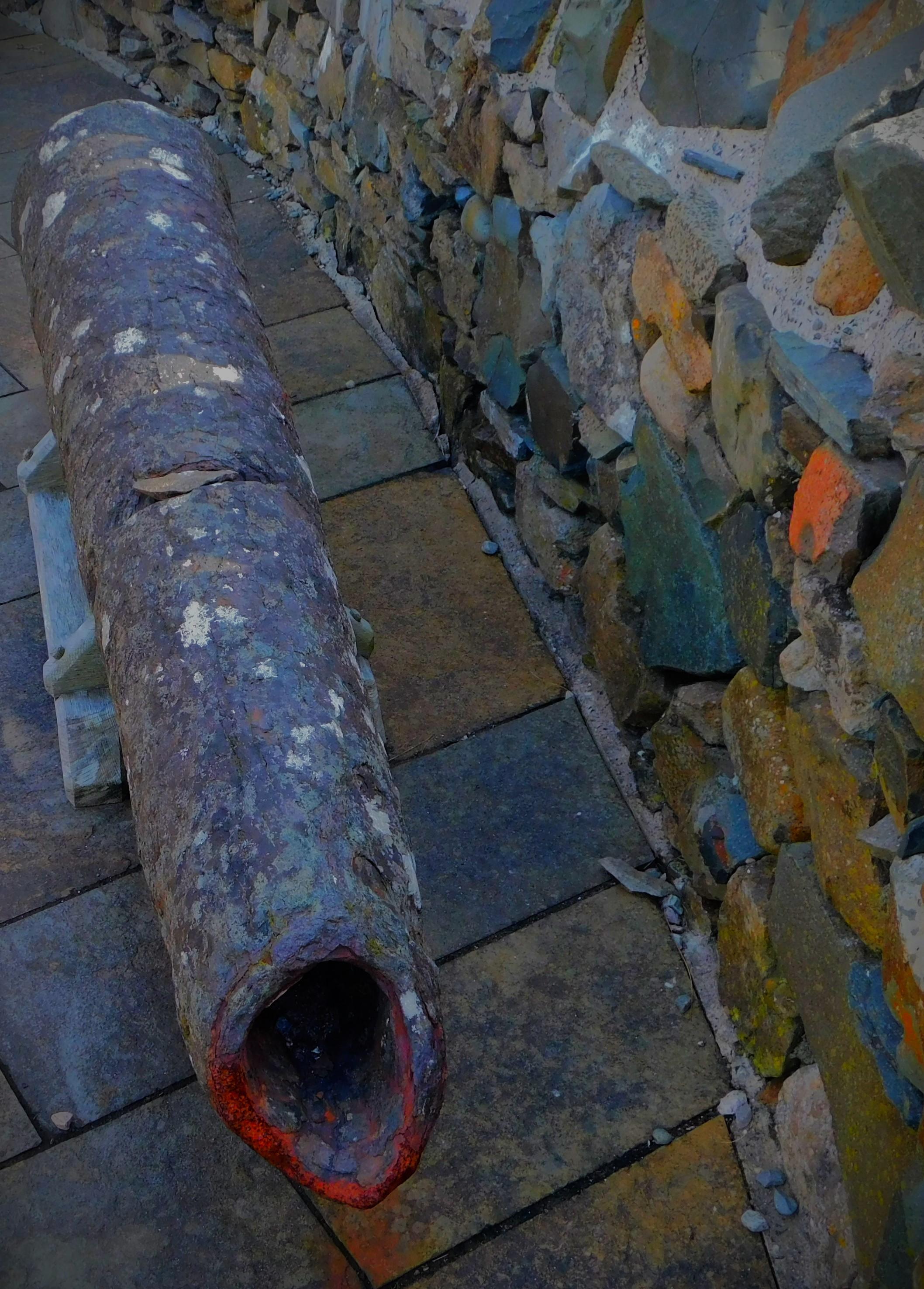
The frogs.The three monkeysAn outside view of the castle.Dark Mile
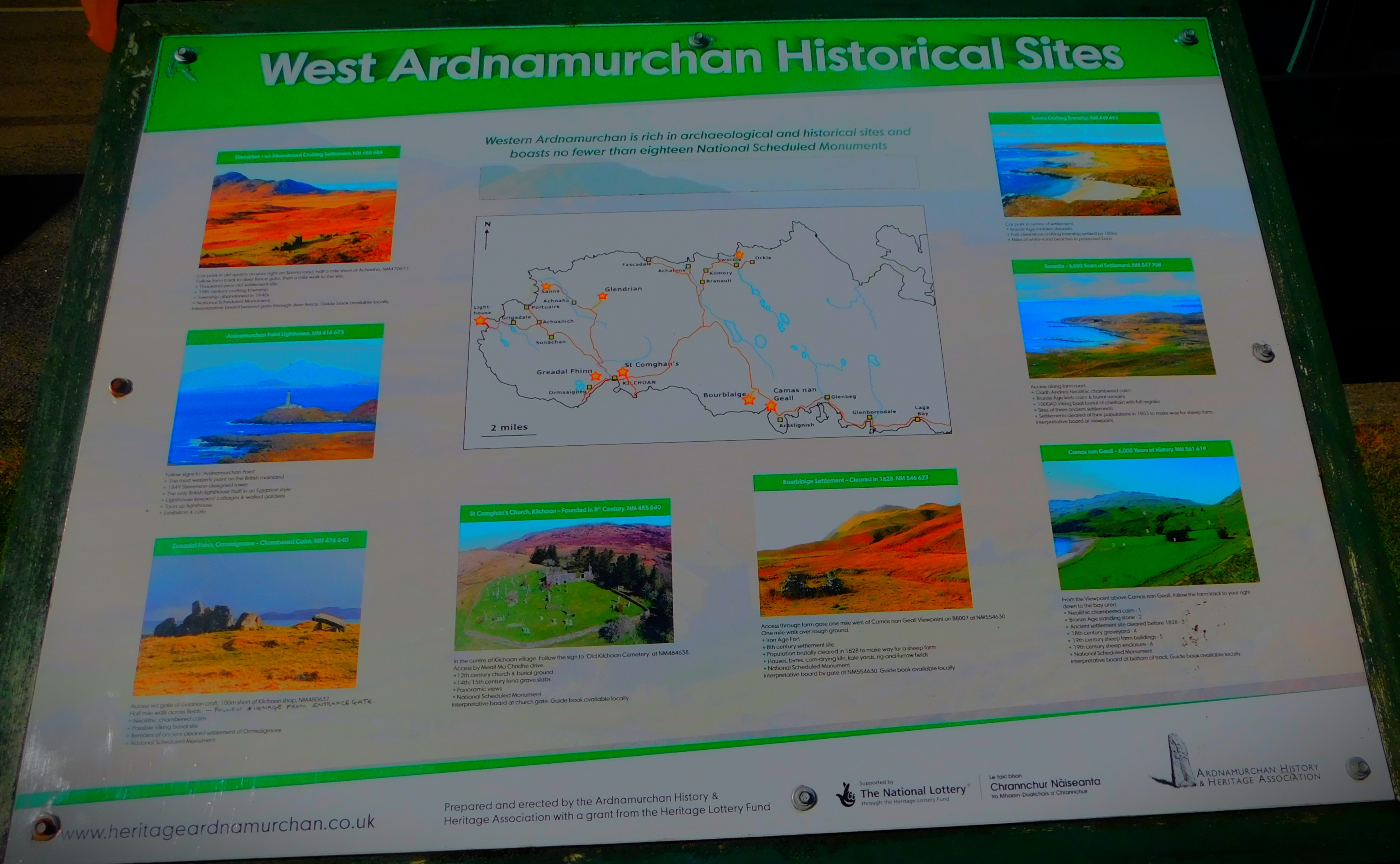
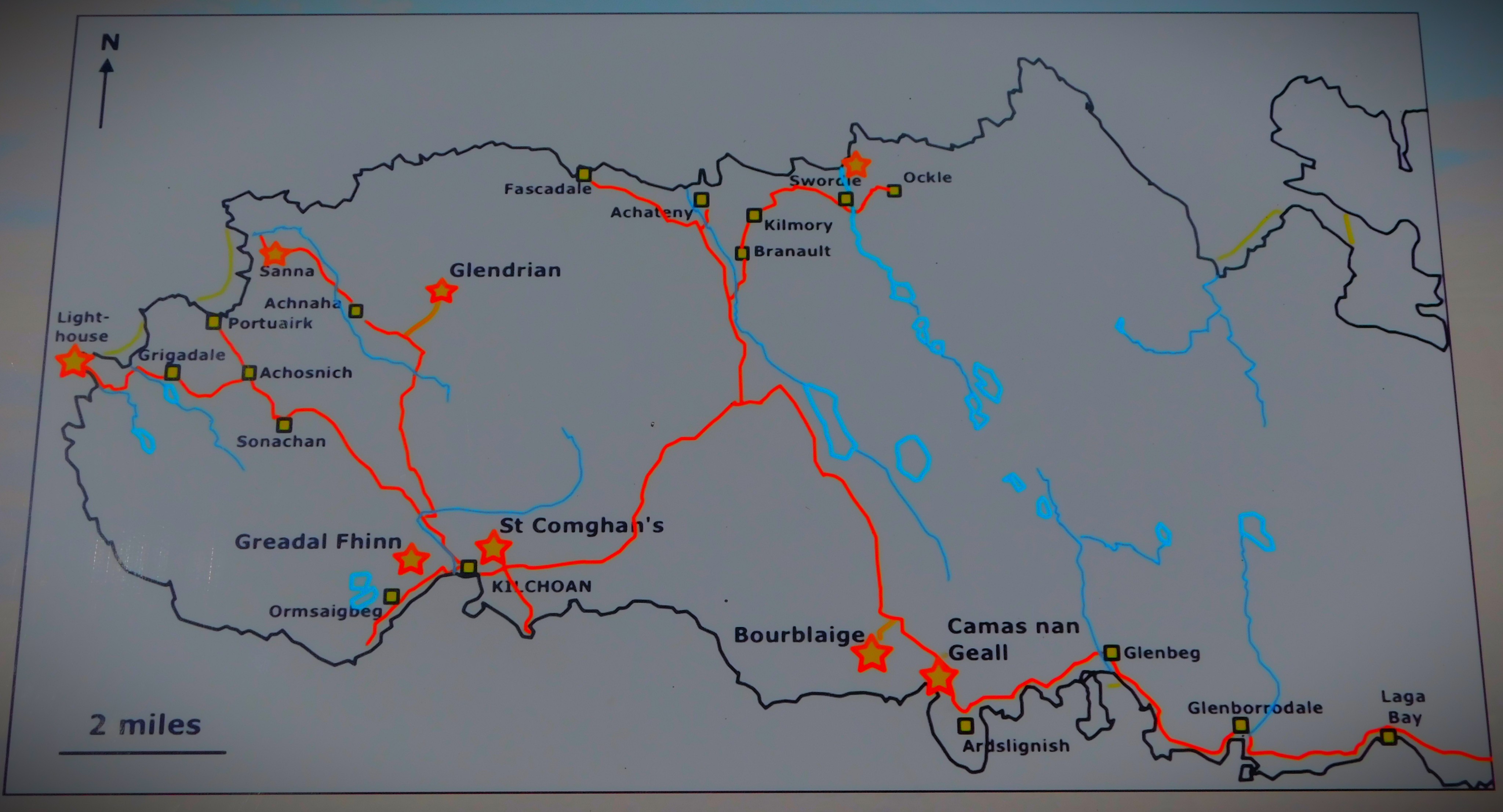
The middle part of the Friday of my birthday holiday – Camas Nan Geall, Kilchoan Jetty, an abortive attempt to access Greadal Fhinn and a successful location of St Comghan’s church.
Welcome to the latest post in my series about my holiday in the far west of Scotland around the time of my 50th birthday. This post follows naturally from its immediate predecessor in the series.
CAMAS NAN GEALL
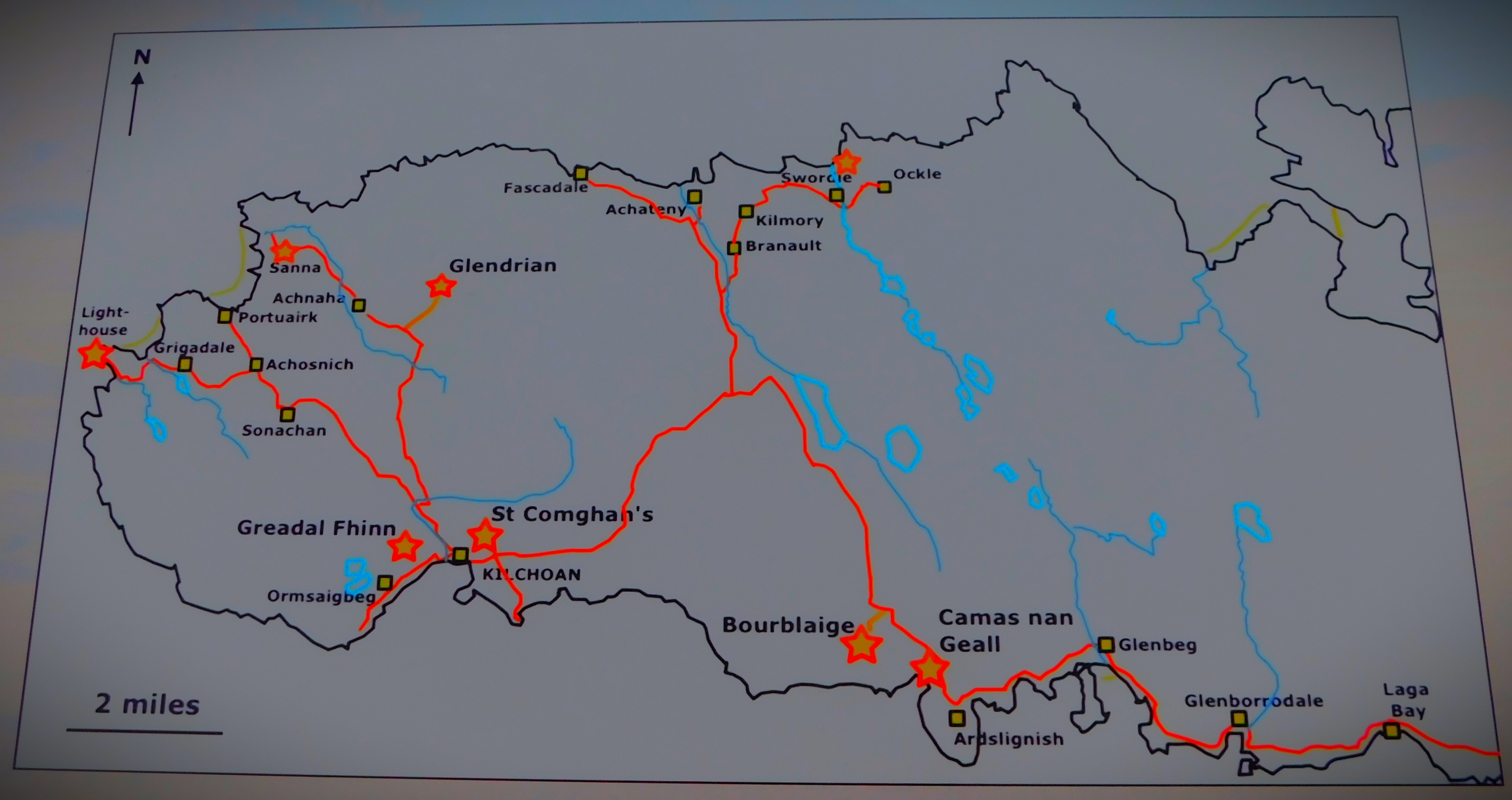
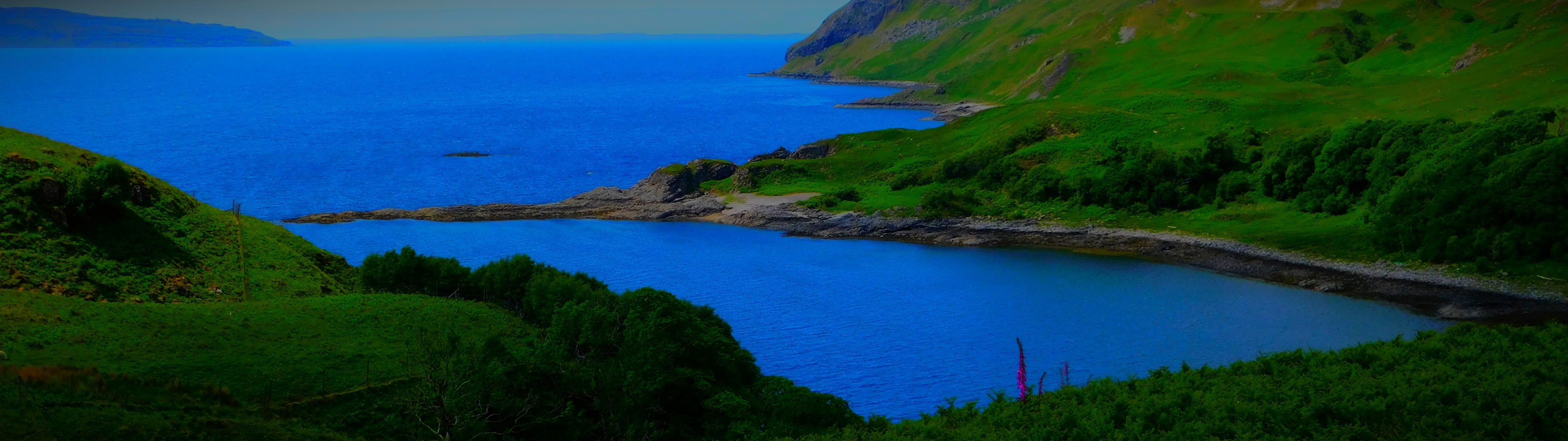
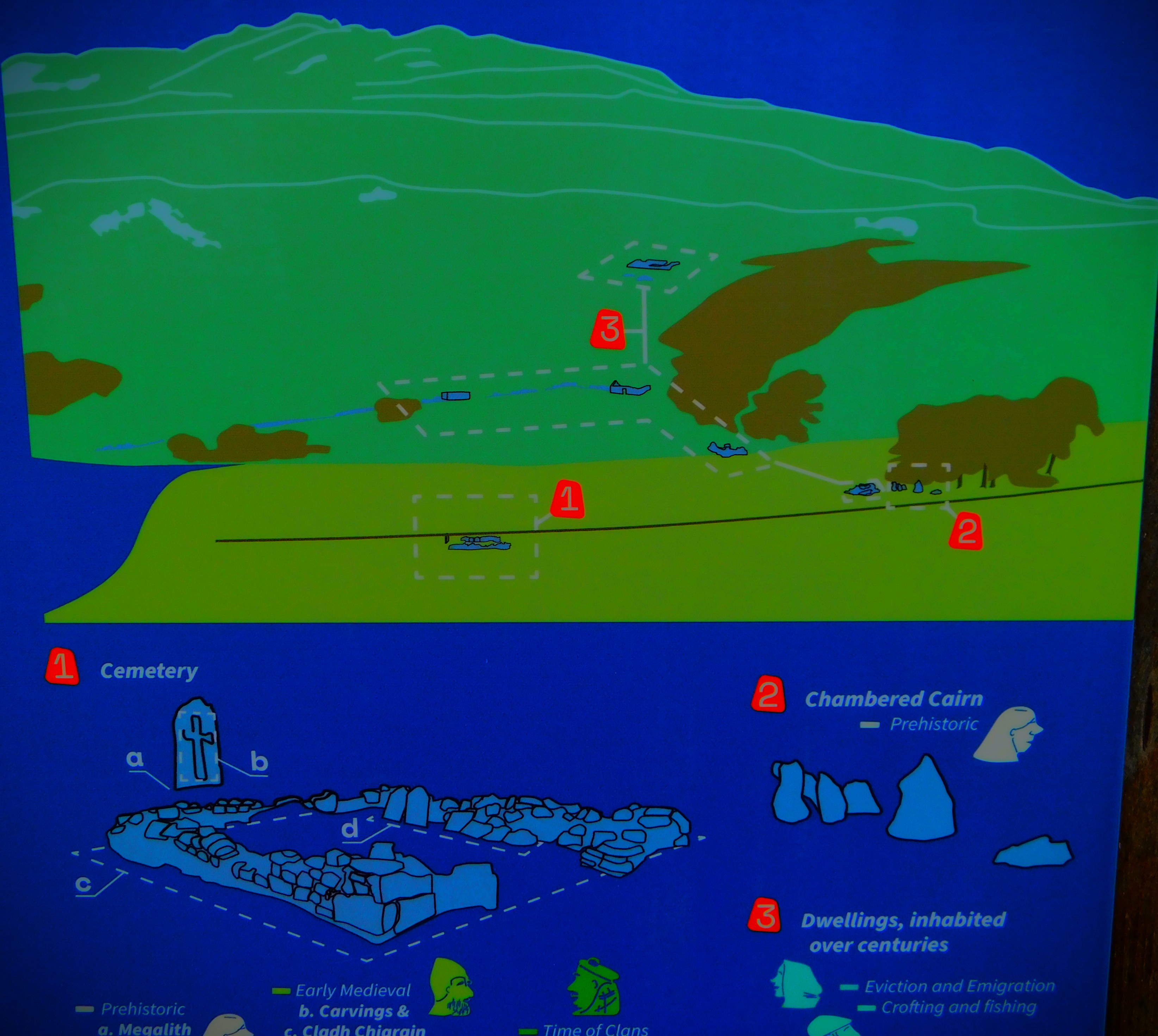
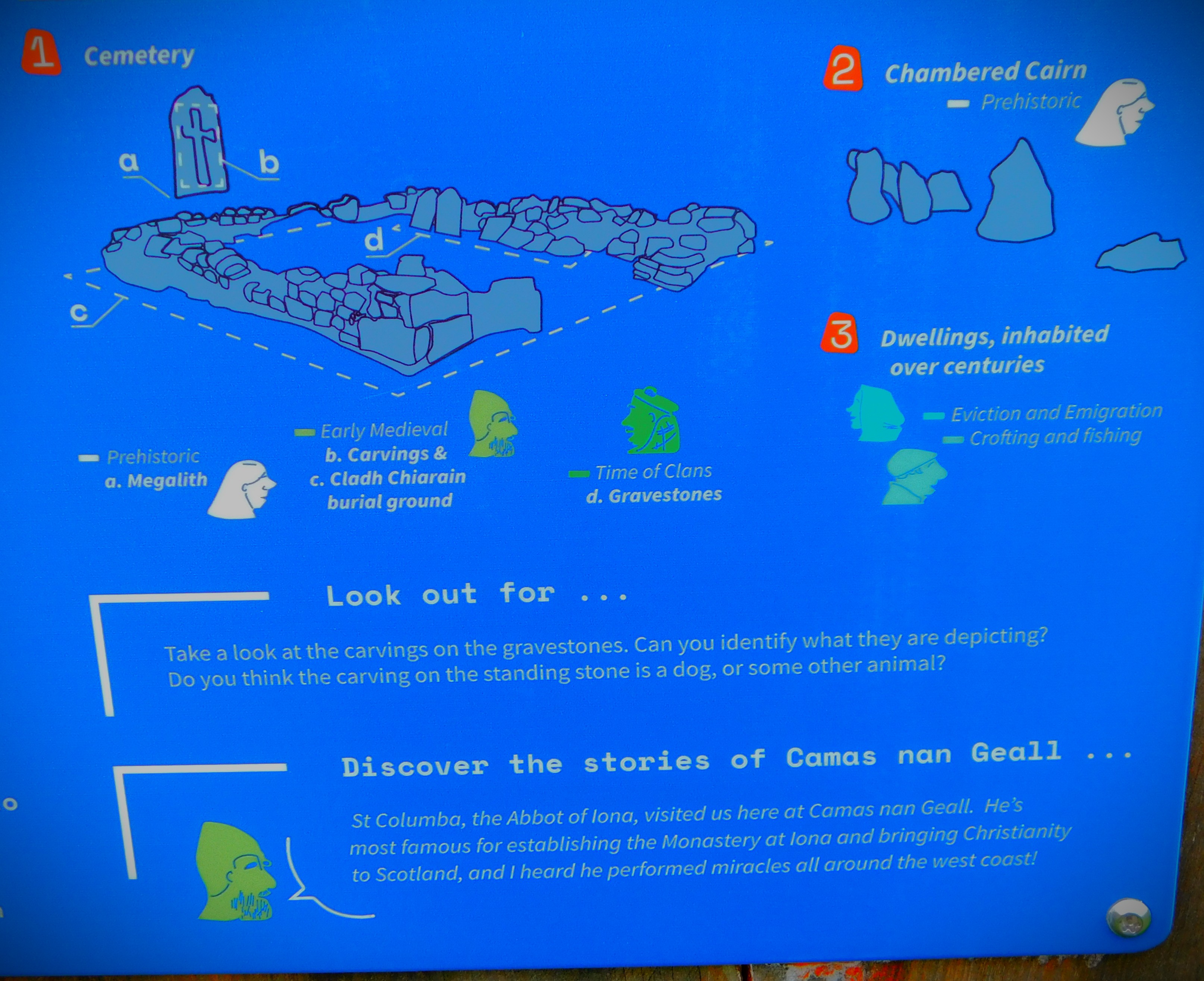
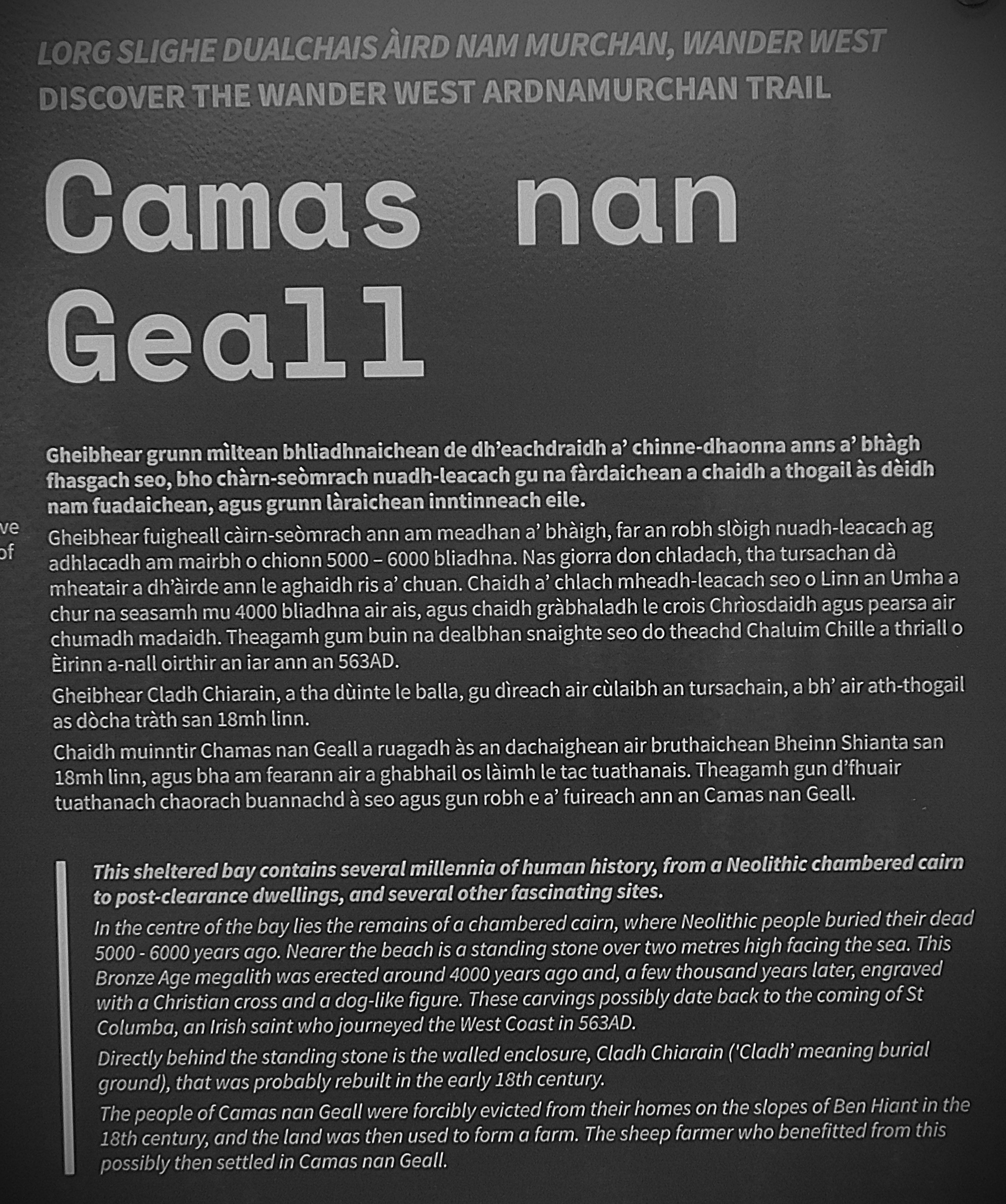
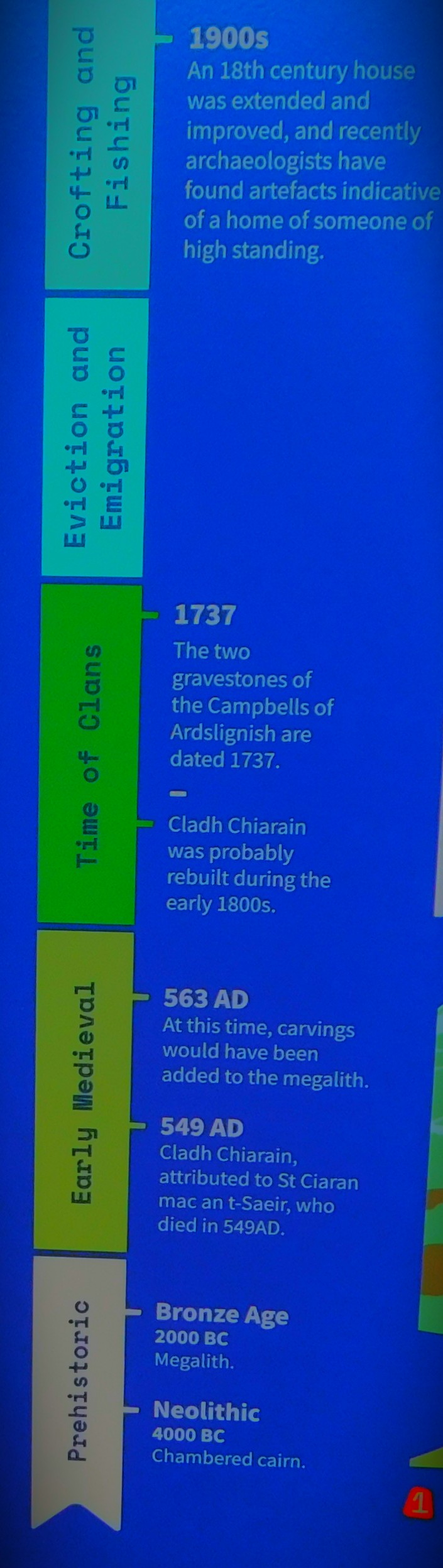
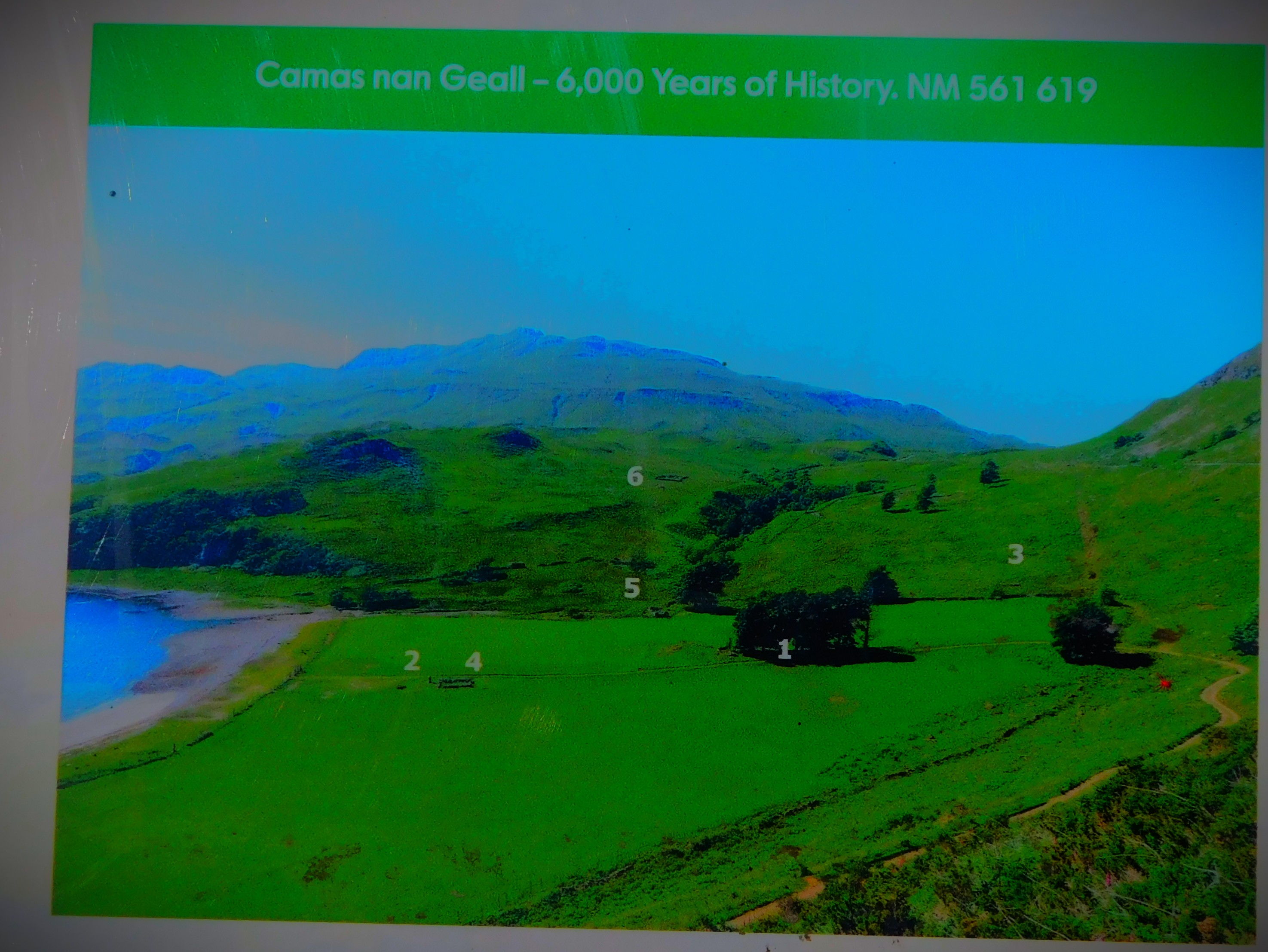
We had passed this on our way to the nature reserve and wanted a closer look, so on the way back we stopped there. We did not go all the way down to the seaside, but there was nevertheless plenty to see. We encountered a group of birdwatchers who had eyes on a white tailed eagle (it was too distant to be seen without binoculars). We had prepared sandwiches for lunch and I ate mine here.
KILCHOAN JETTY AND AN ABORTIVE WALK
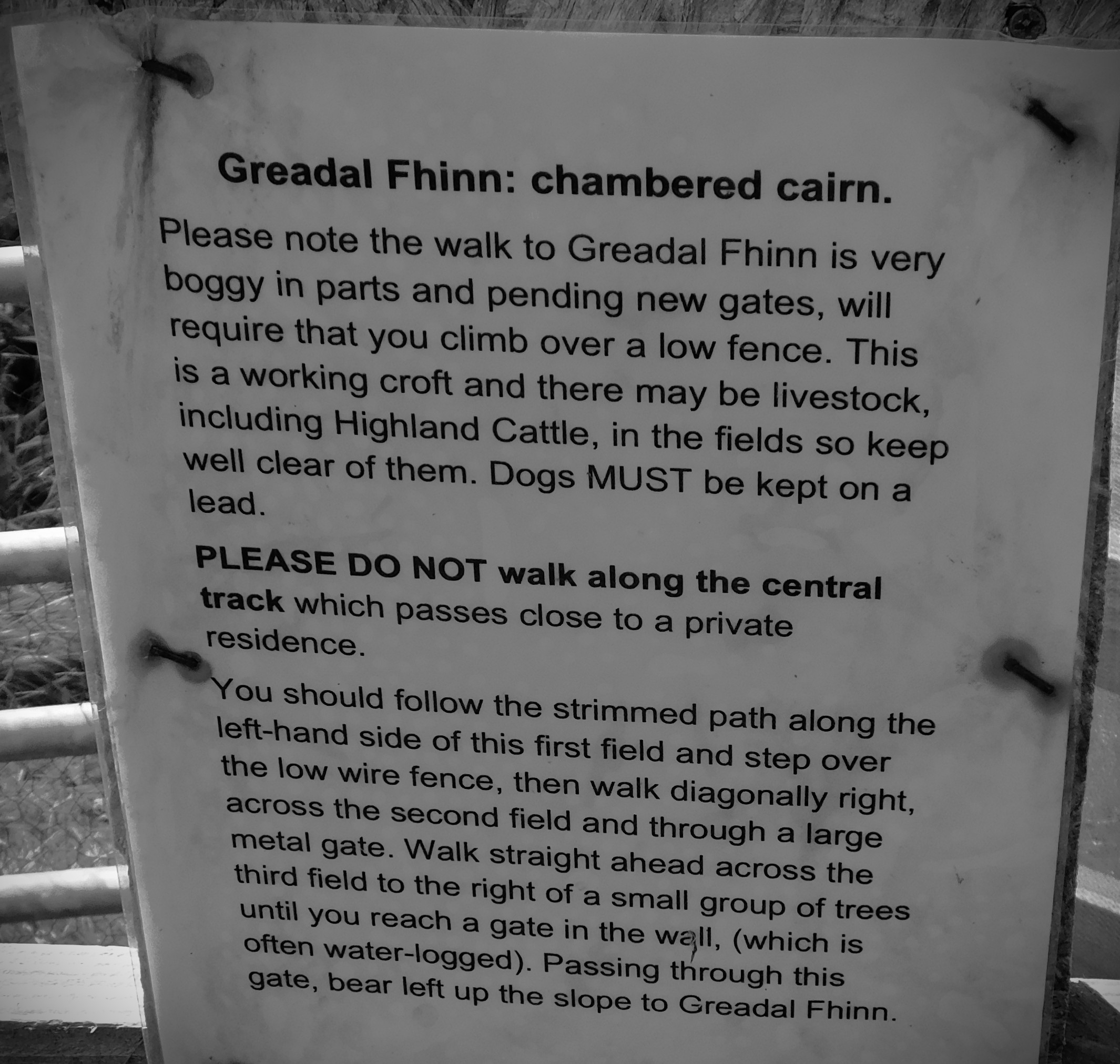
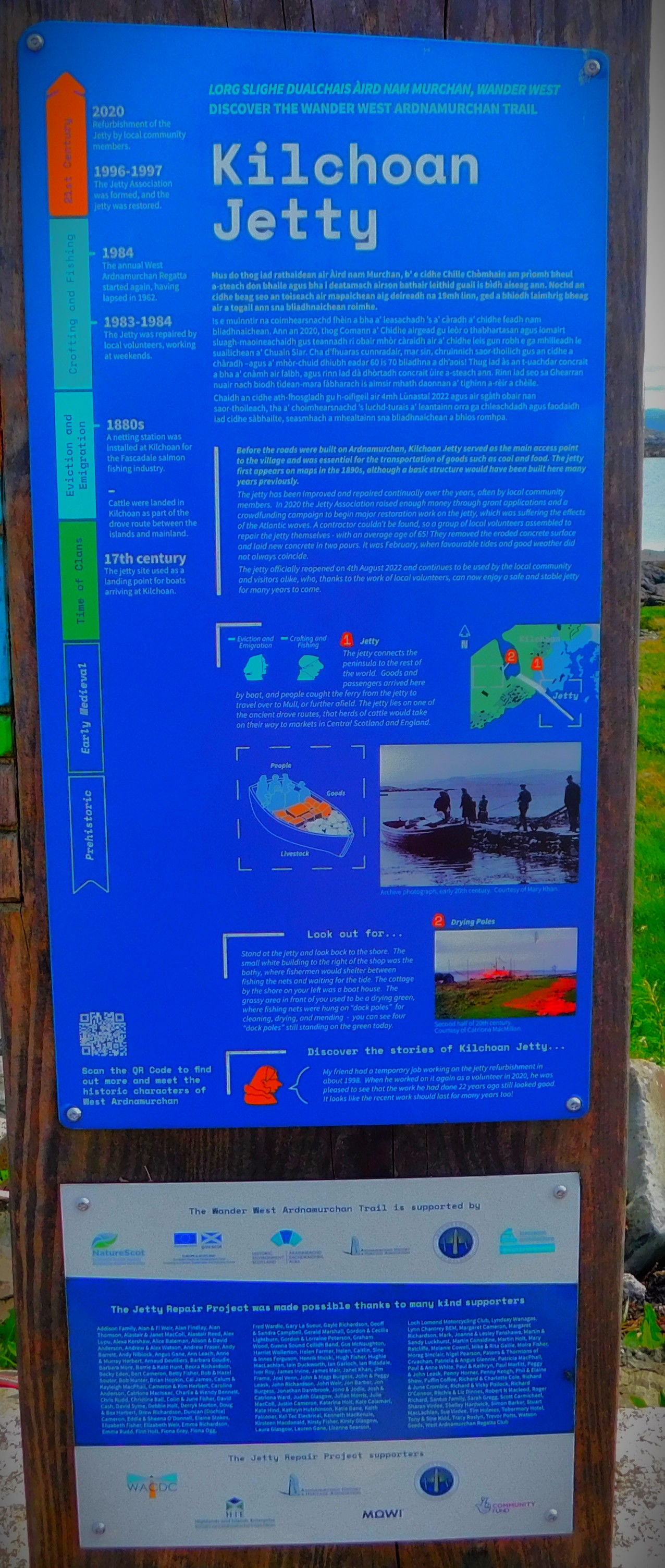
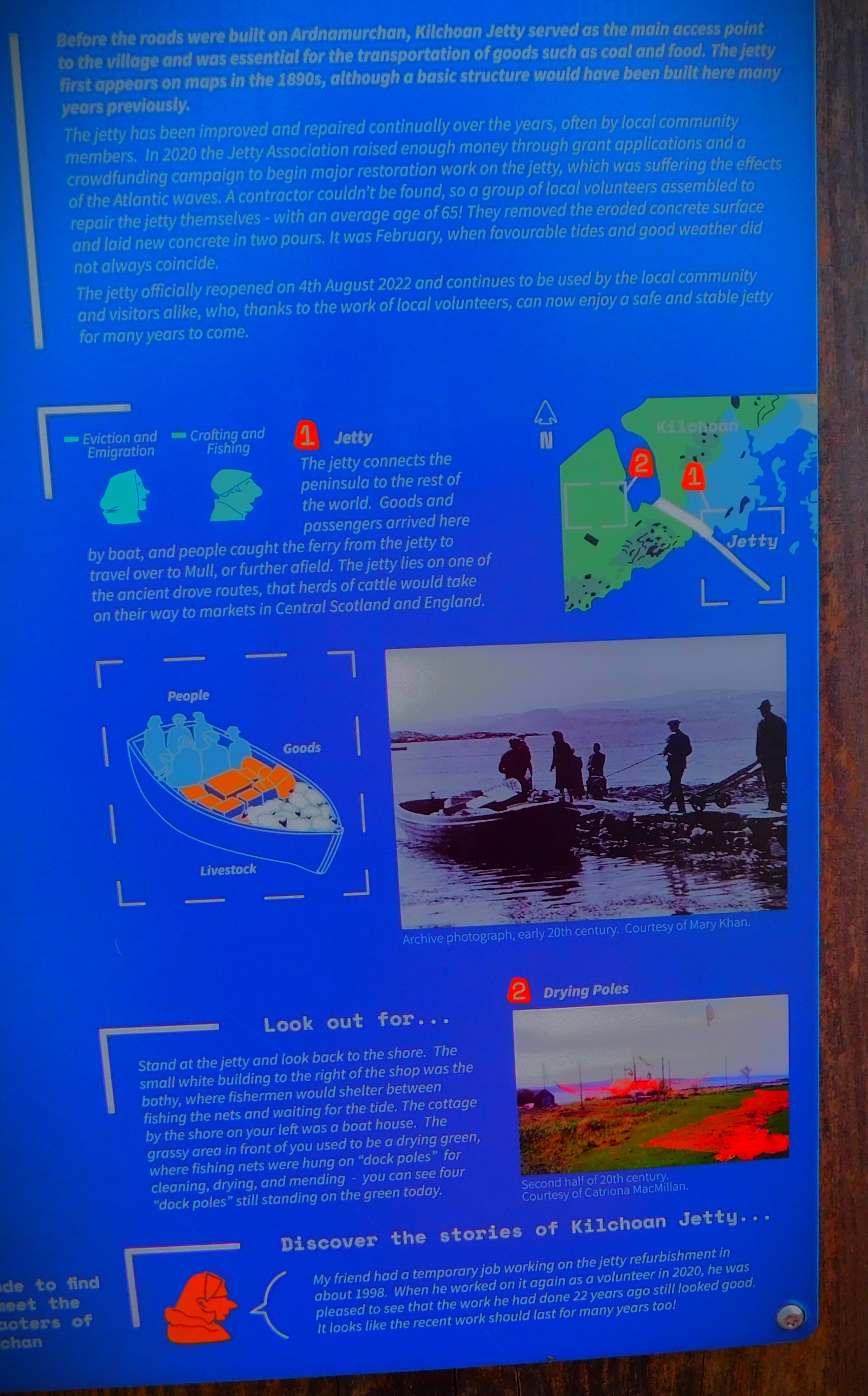
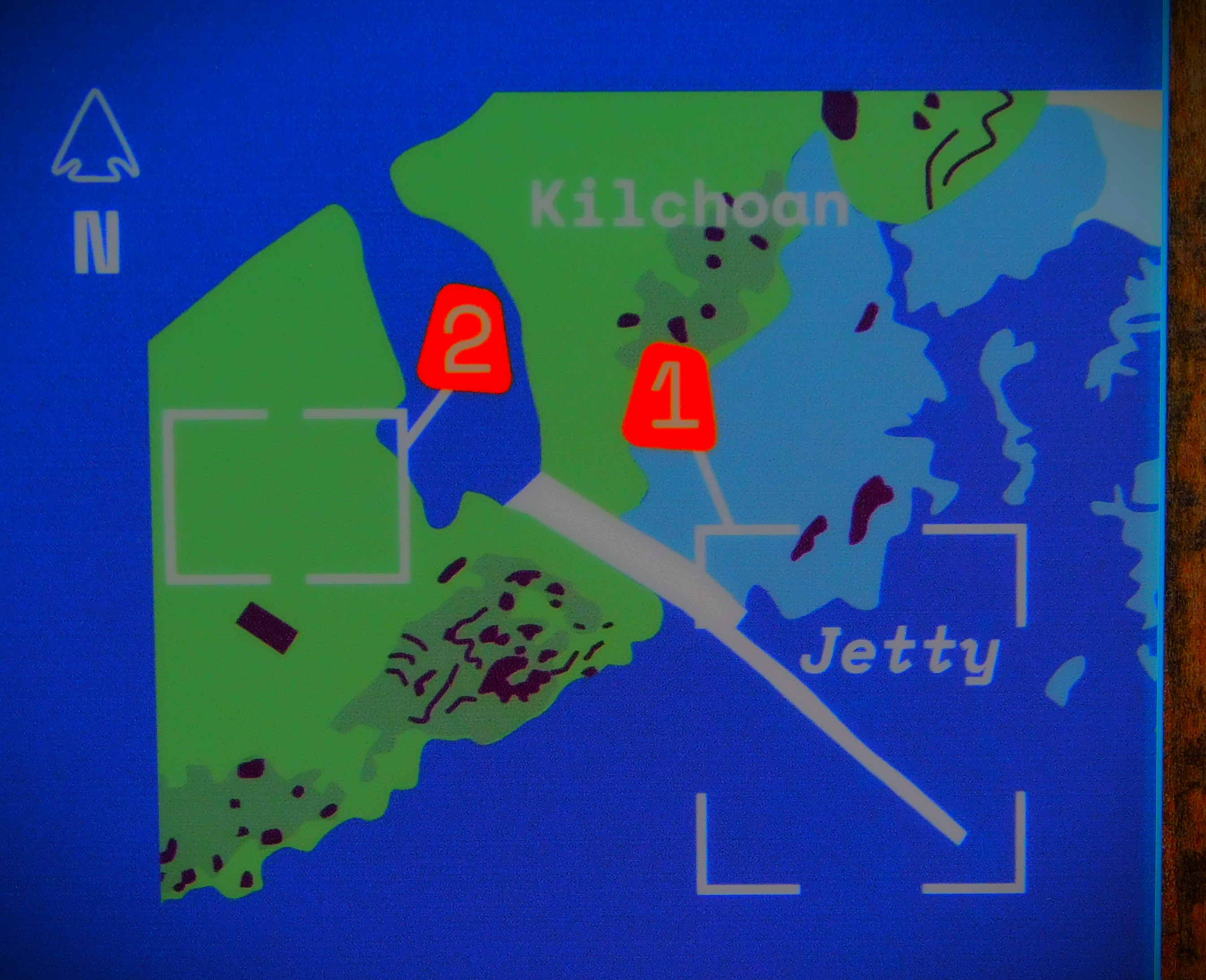
We needed to visit the shop in Kilchoan anyway, and Kilchoan Jetty is very close to the shop. We also attempted to visit an old burial site called Greadal Fhinn but that proved abortive.
KILCHOAN OLD CHURCH
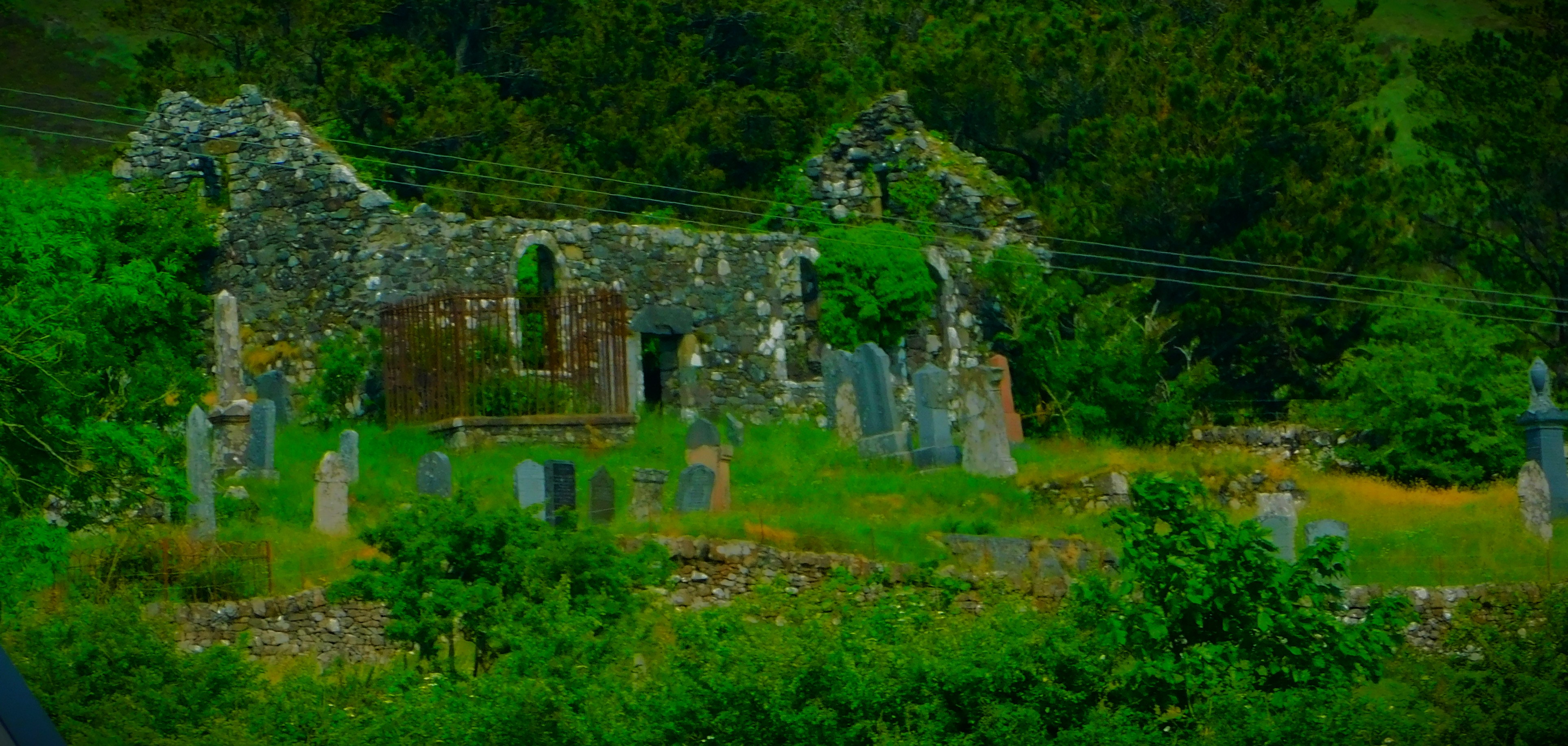
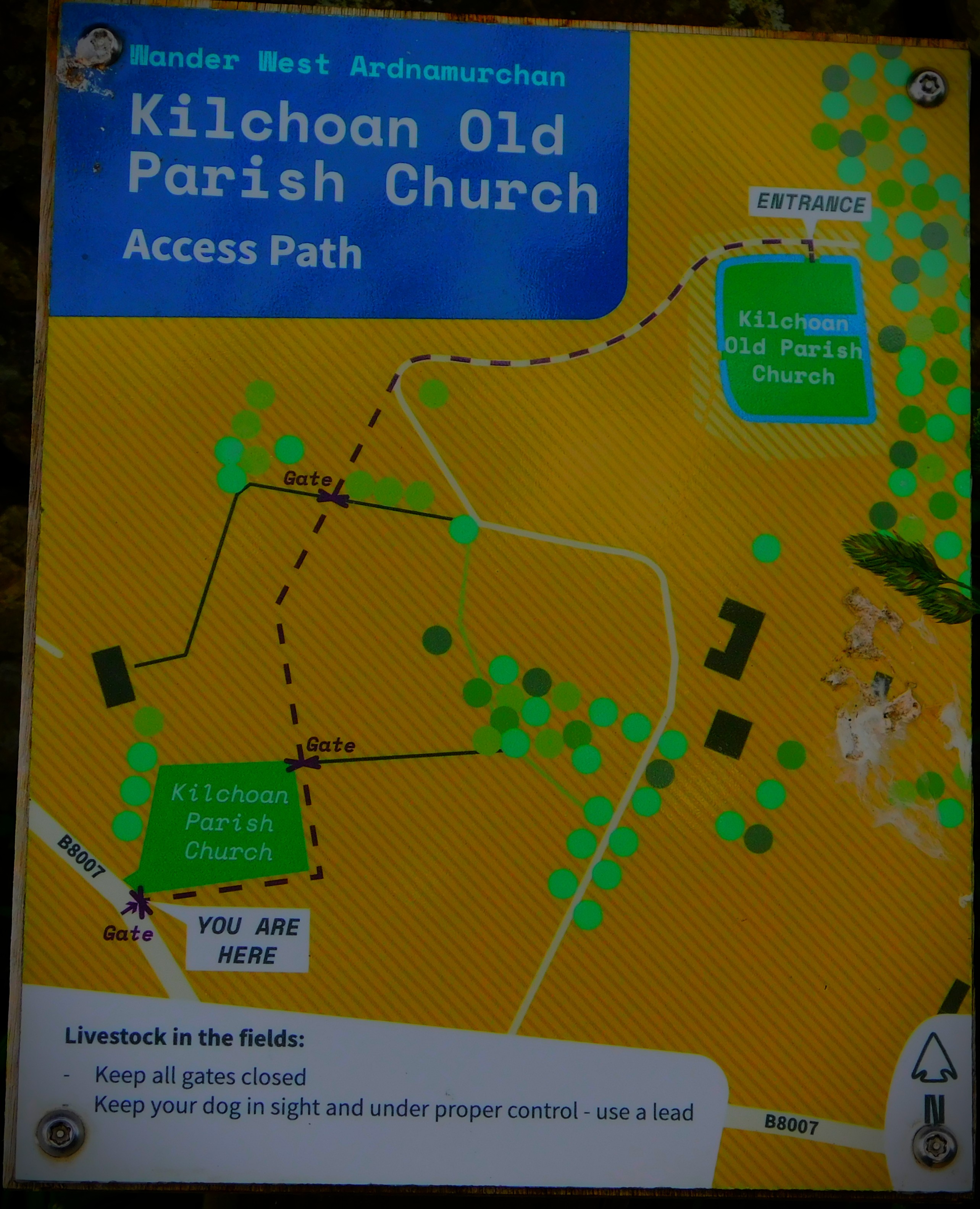
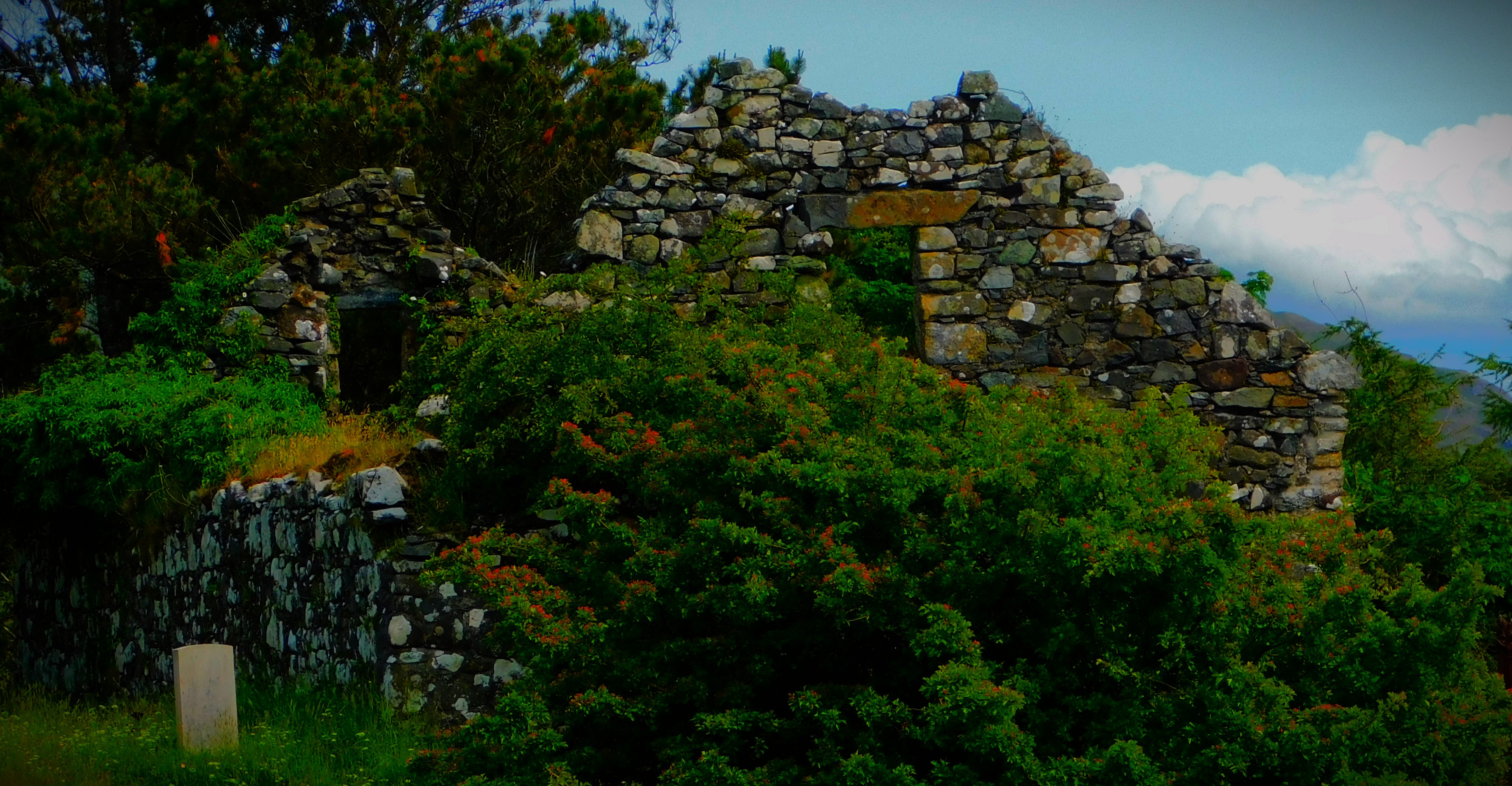
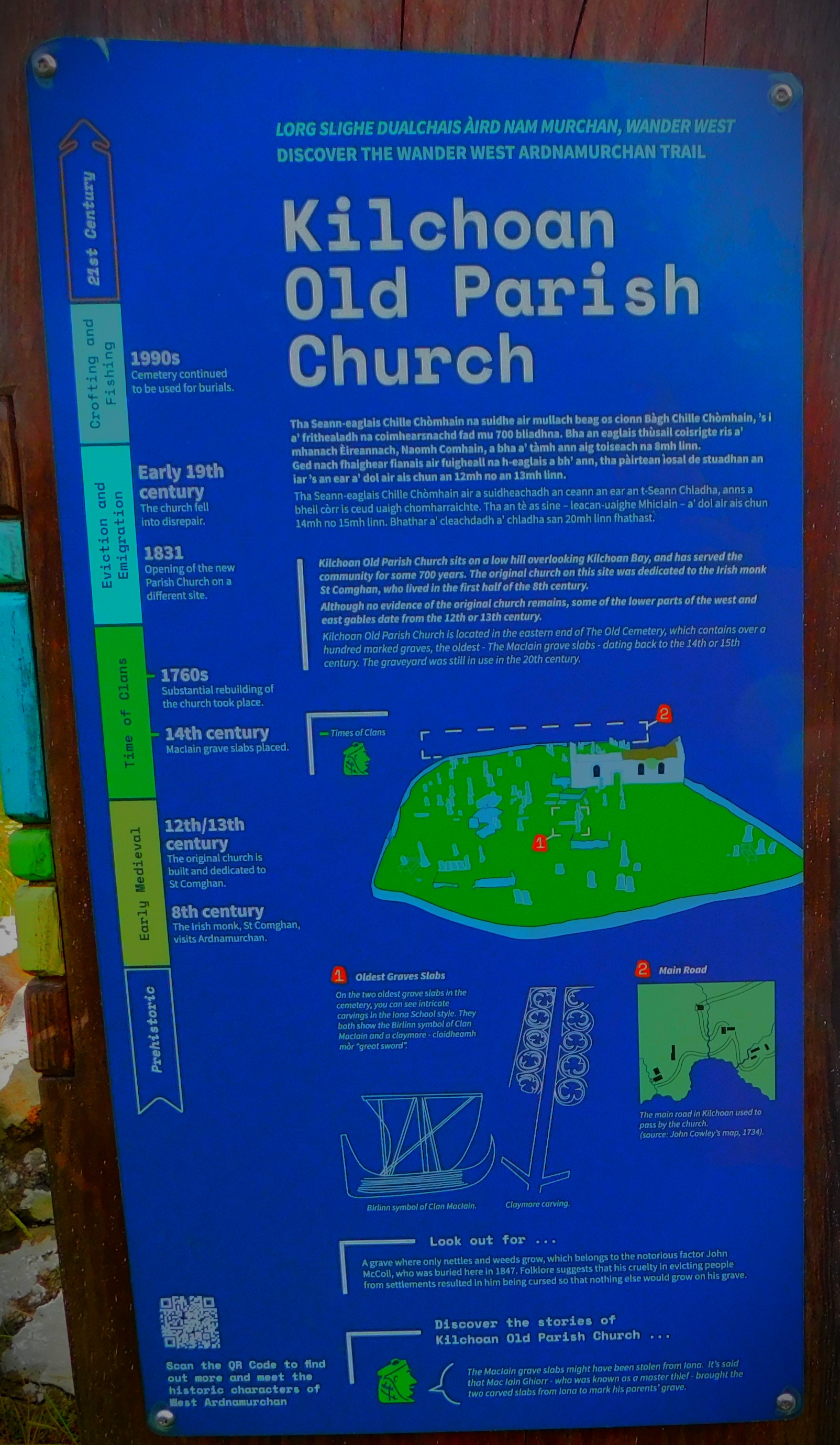
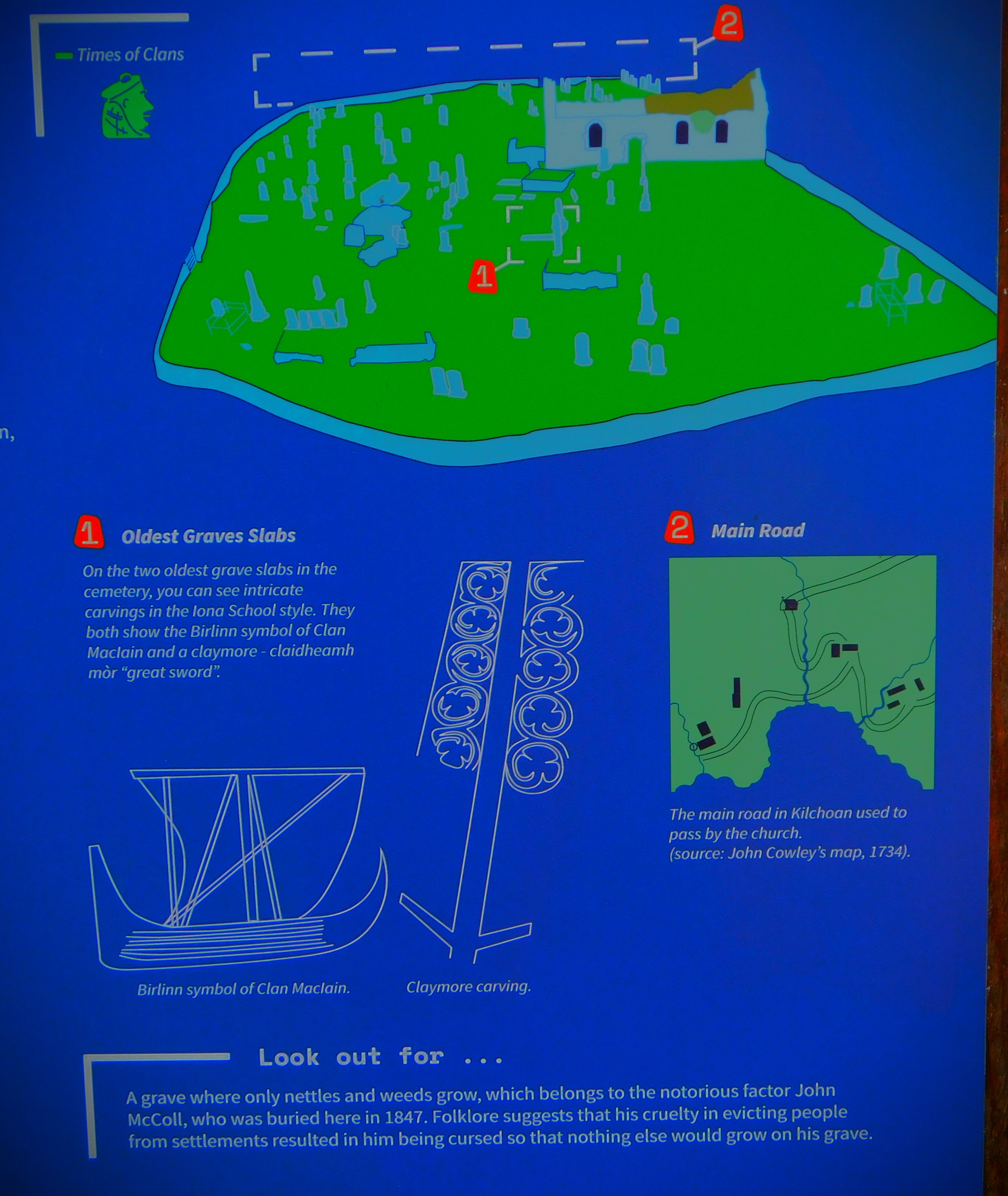
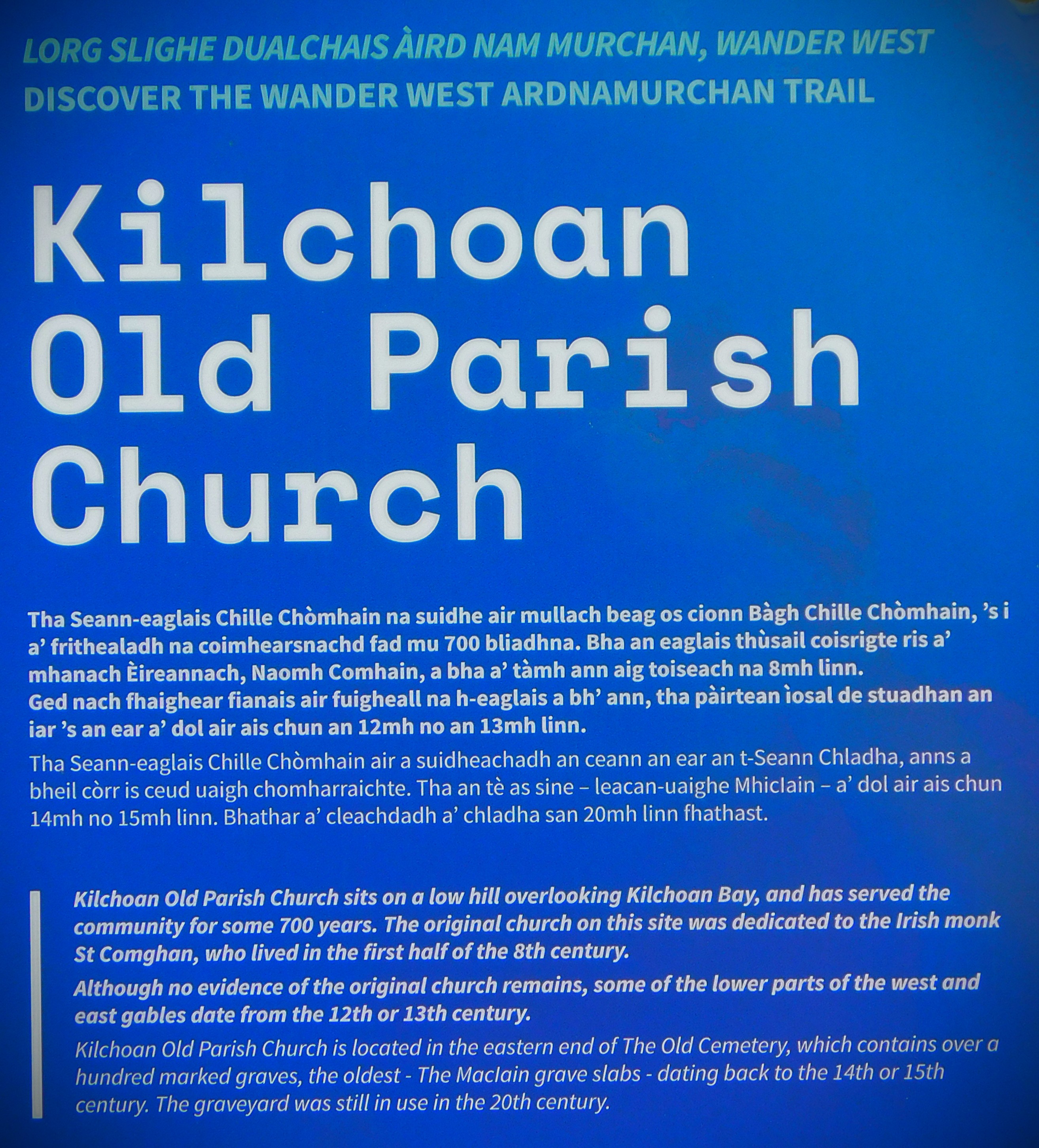
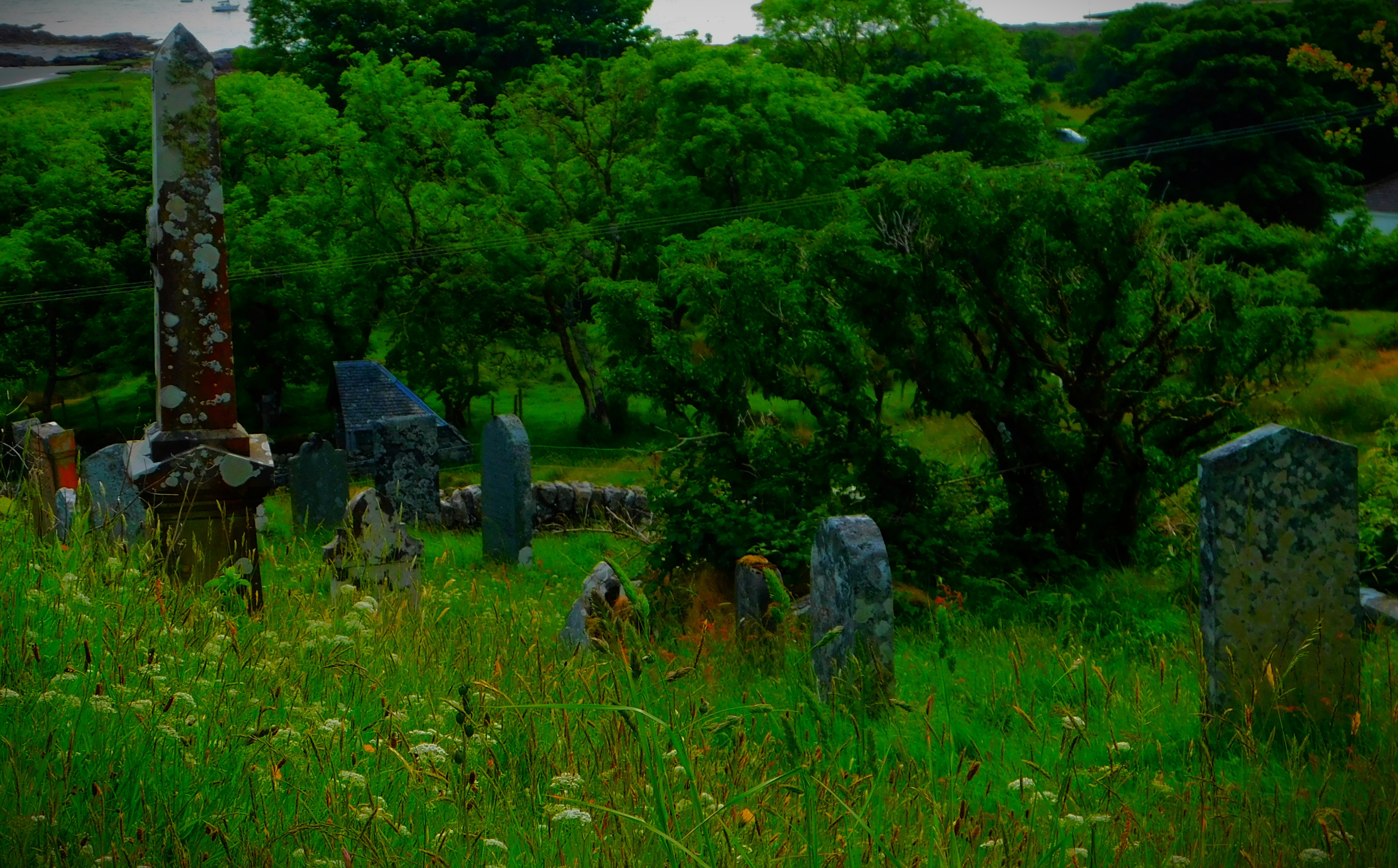
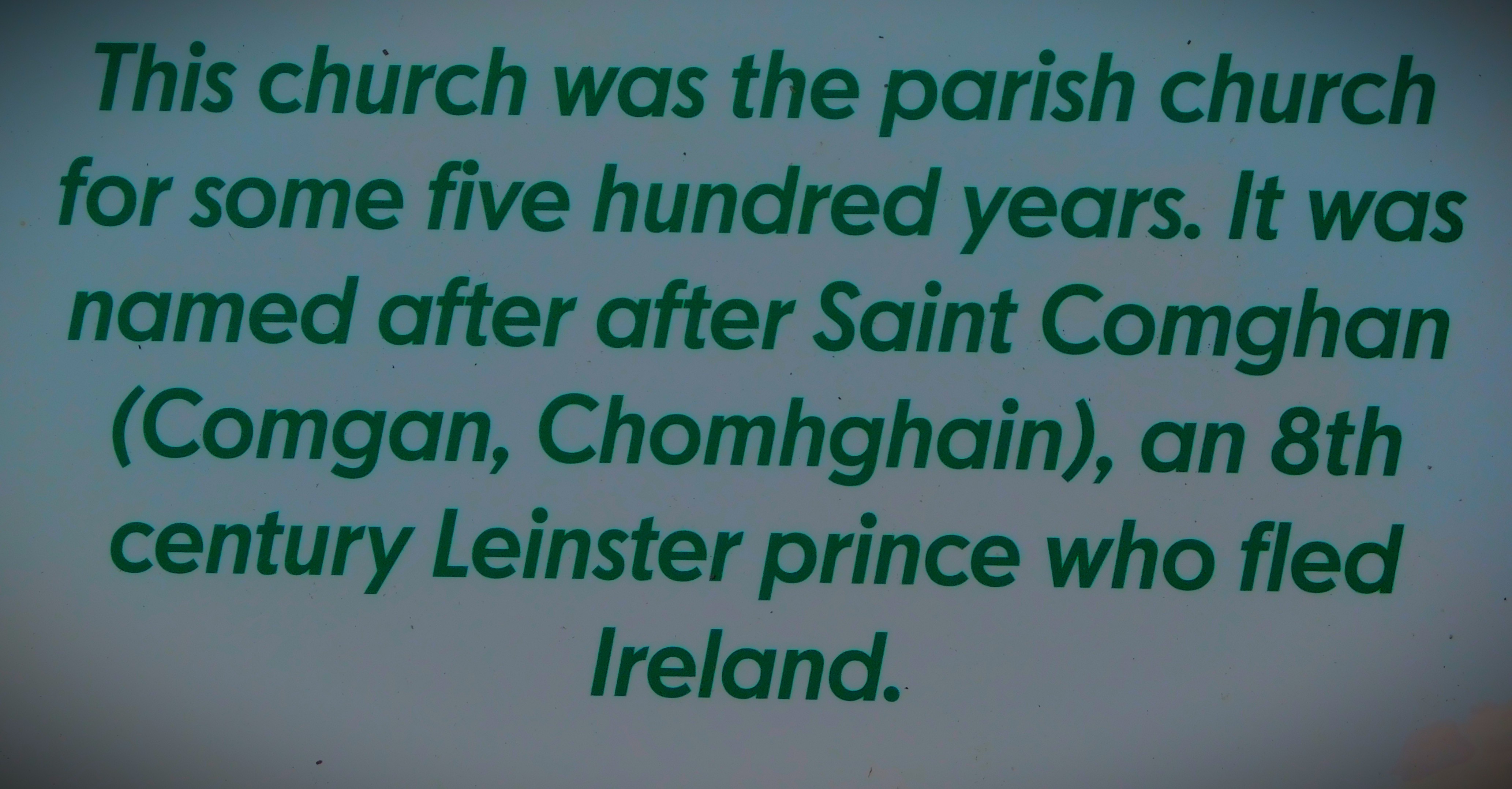
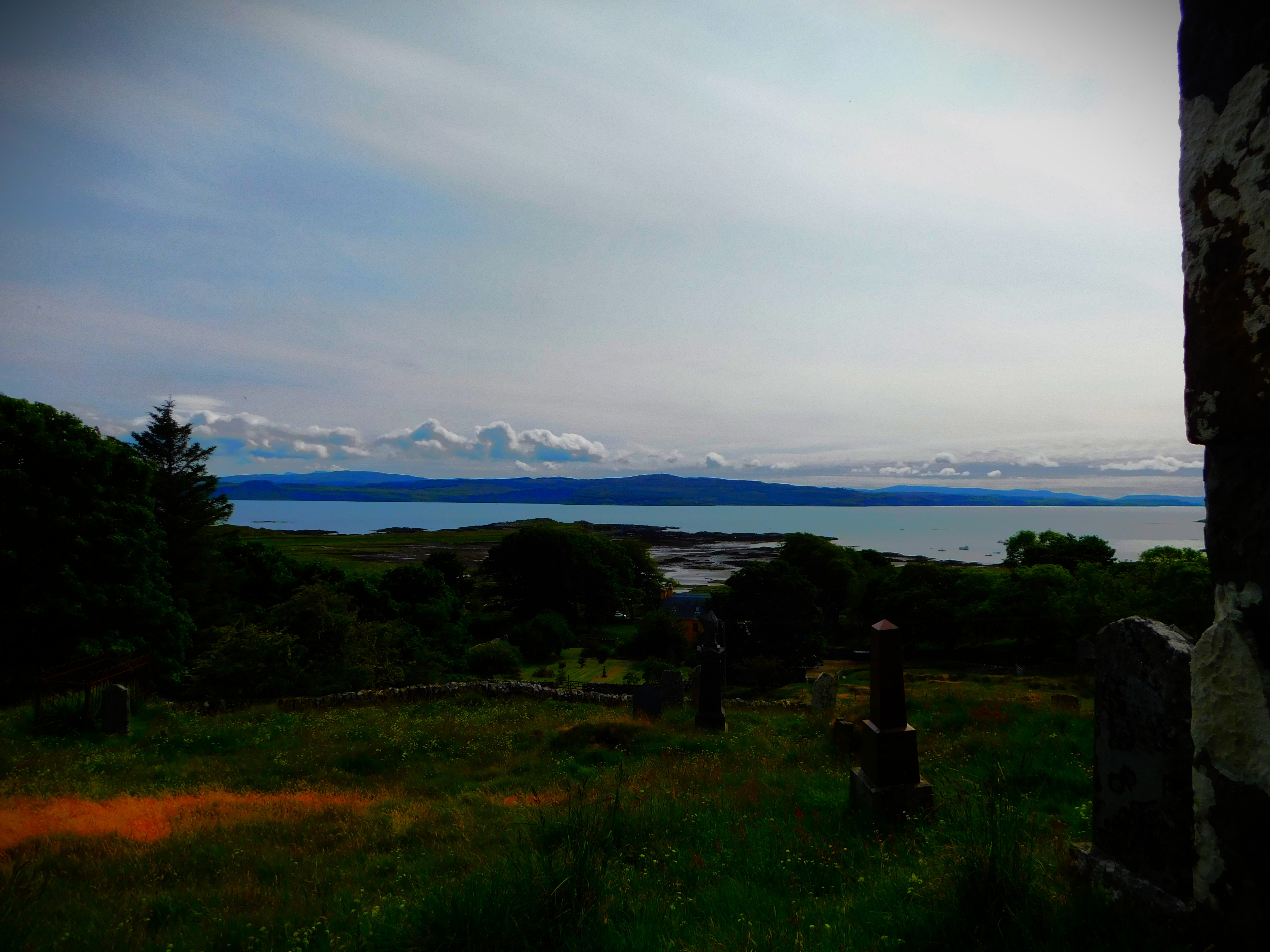
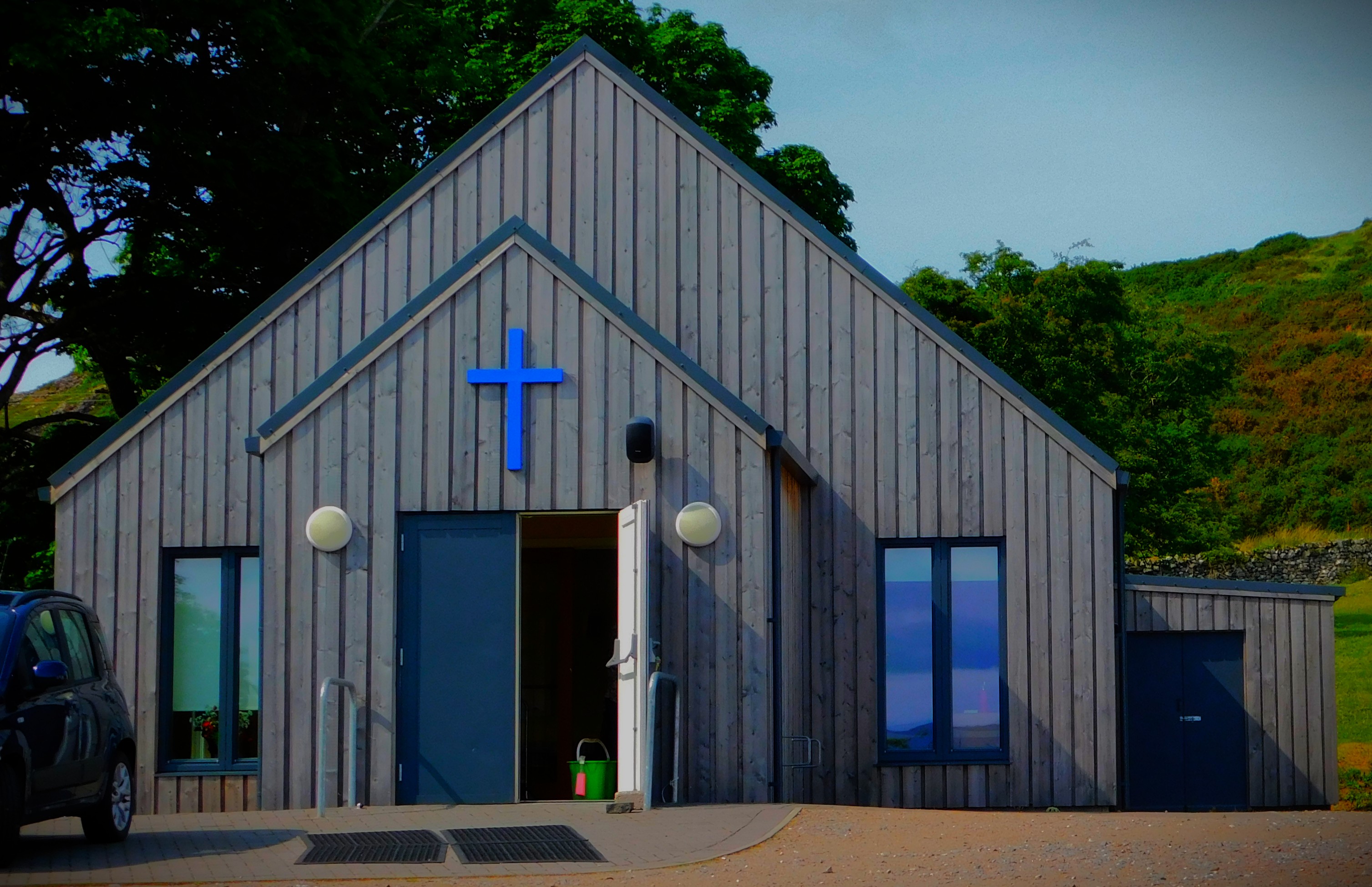
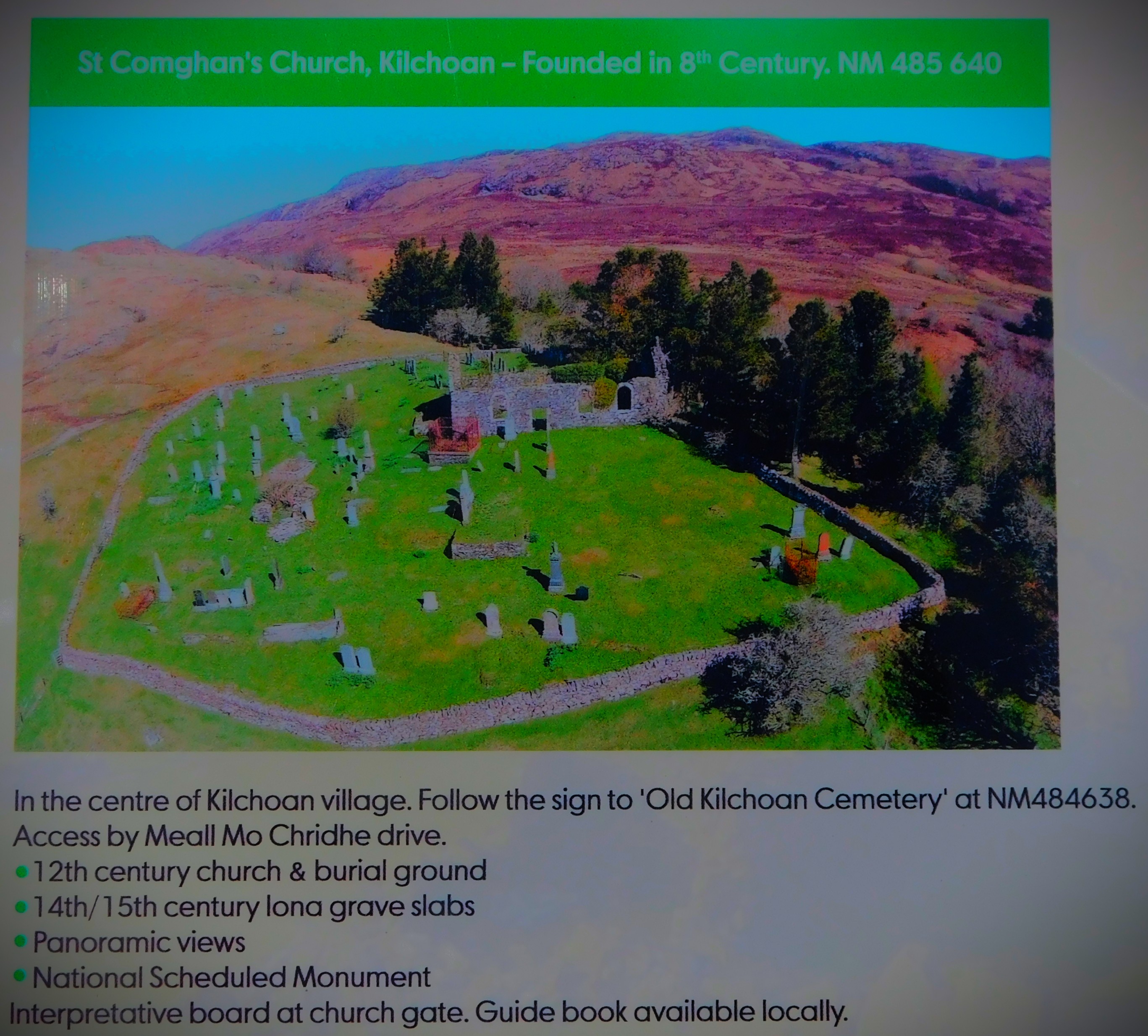
We were able, after a small amount of confusion over how to access it, to get to the old, now ruined, church of Kilchoan, dedicated to St Comghan. The new church and accompanying new manse have car parking space, and the walk up to the old church, which goes through two fields and along a stretch of what was once the old manse’s driveway. The site is very attractive and commands some splendid views. St Comghan started life as an eighth century prince of Leinster, but fled his native land and came to Scotland. The church named in his honour served Kilchoan for at least half a millennium. I end this post at this point, because our final port of call on this day, Sanna, merits a post of its own.
PHOTOGRAPHS
Here are my photographs from this part of Friday…
Camas Nan Geall starts here.The Kilchoan section begins here.A distant view of St Comghan’s.
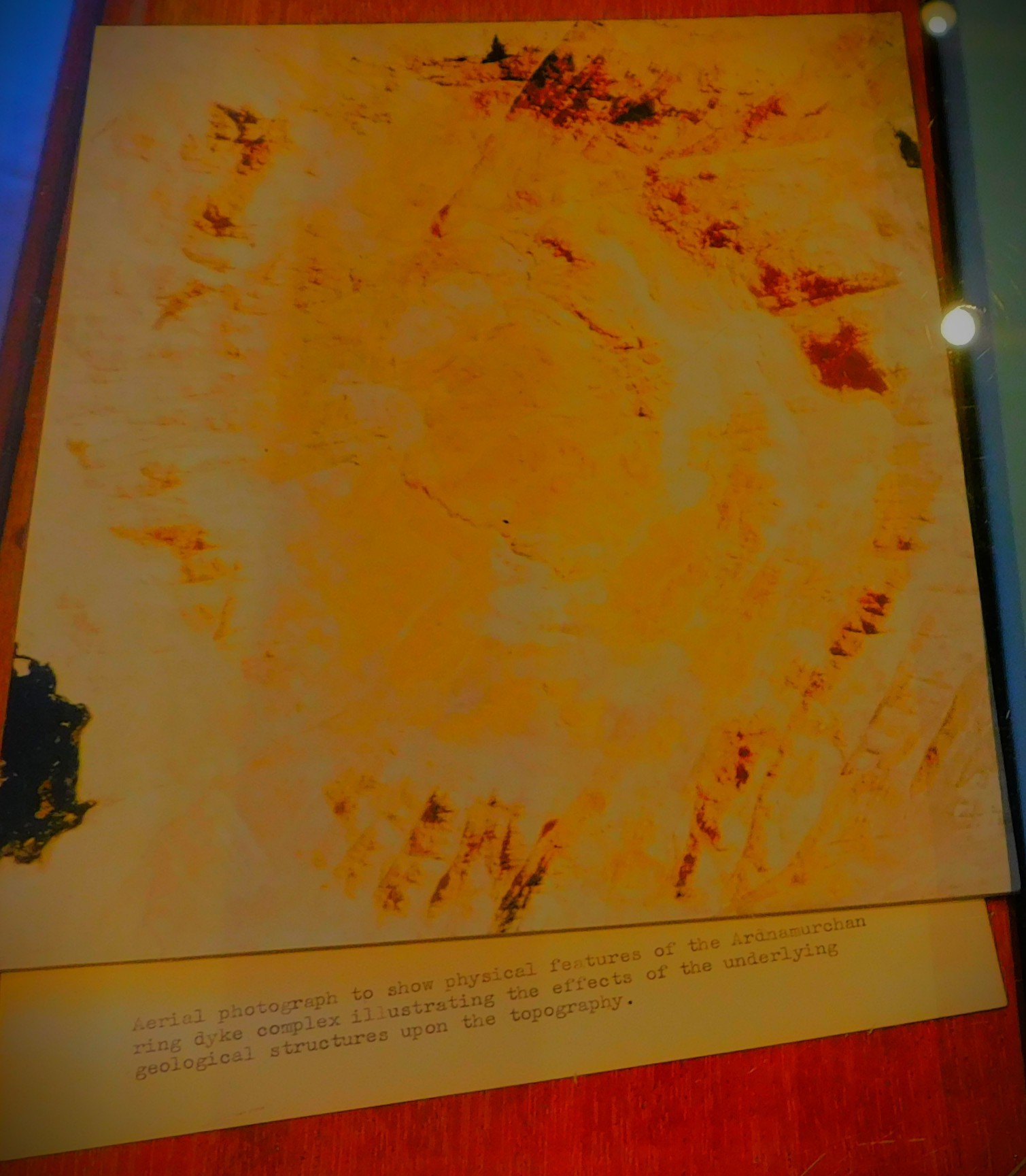
A special post about the geology of the Ardnamurchan Peninsula, prompted by a small but captivating display at the Kilchoan Community Centre.
This post is somewhat out of sequence given that most of the photographs which provide the information were taken yesterday. It is the third post in a series I am doing about a holiday I am currently on in the far west of Scotland (see here and here).
KILCHOAN’S TREASURE TROVE
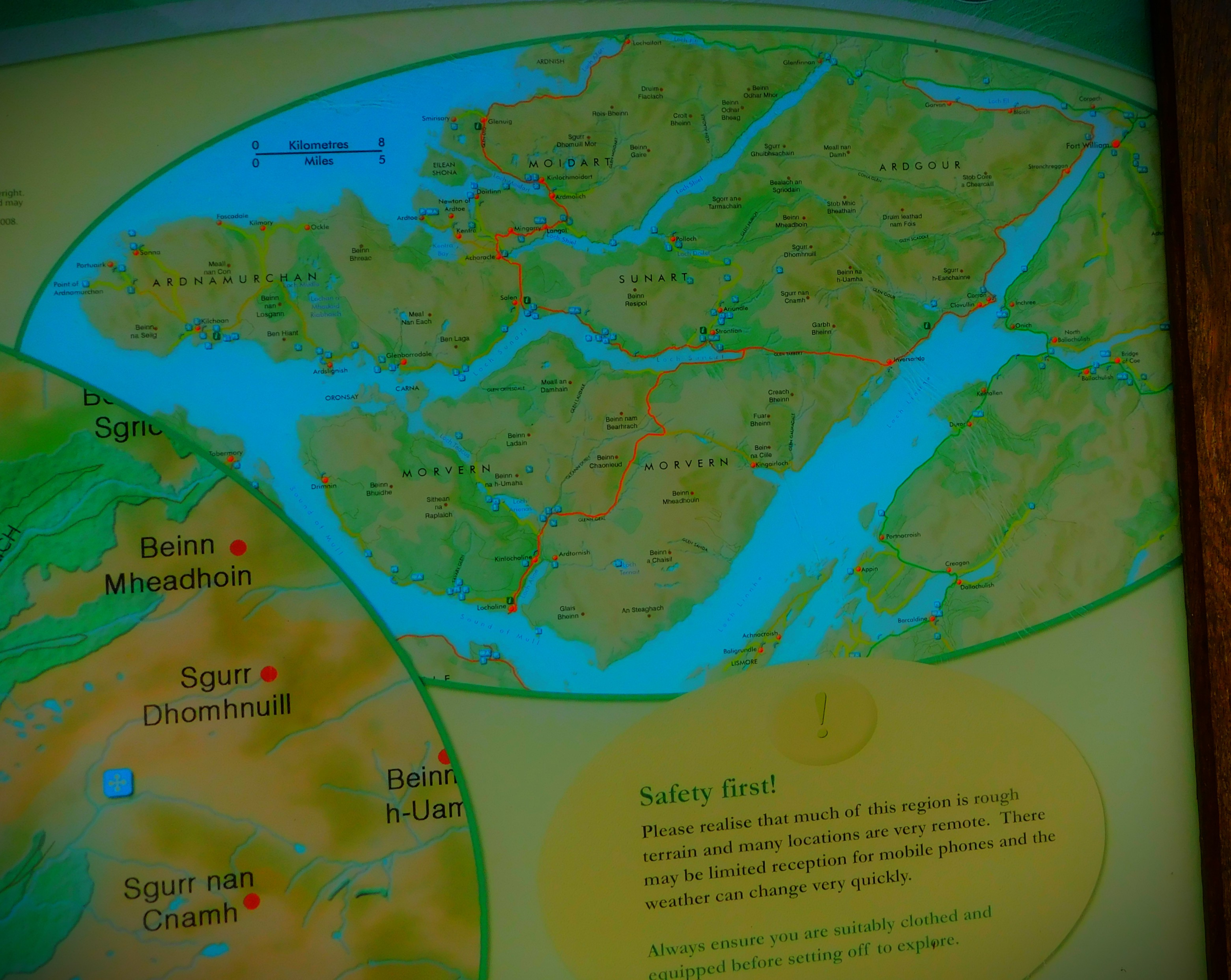
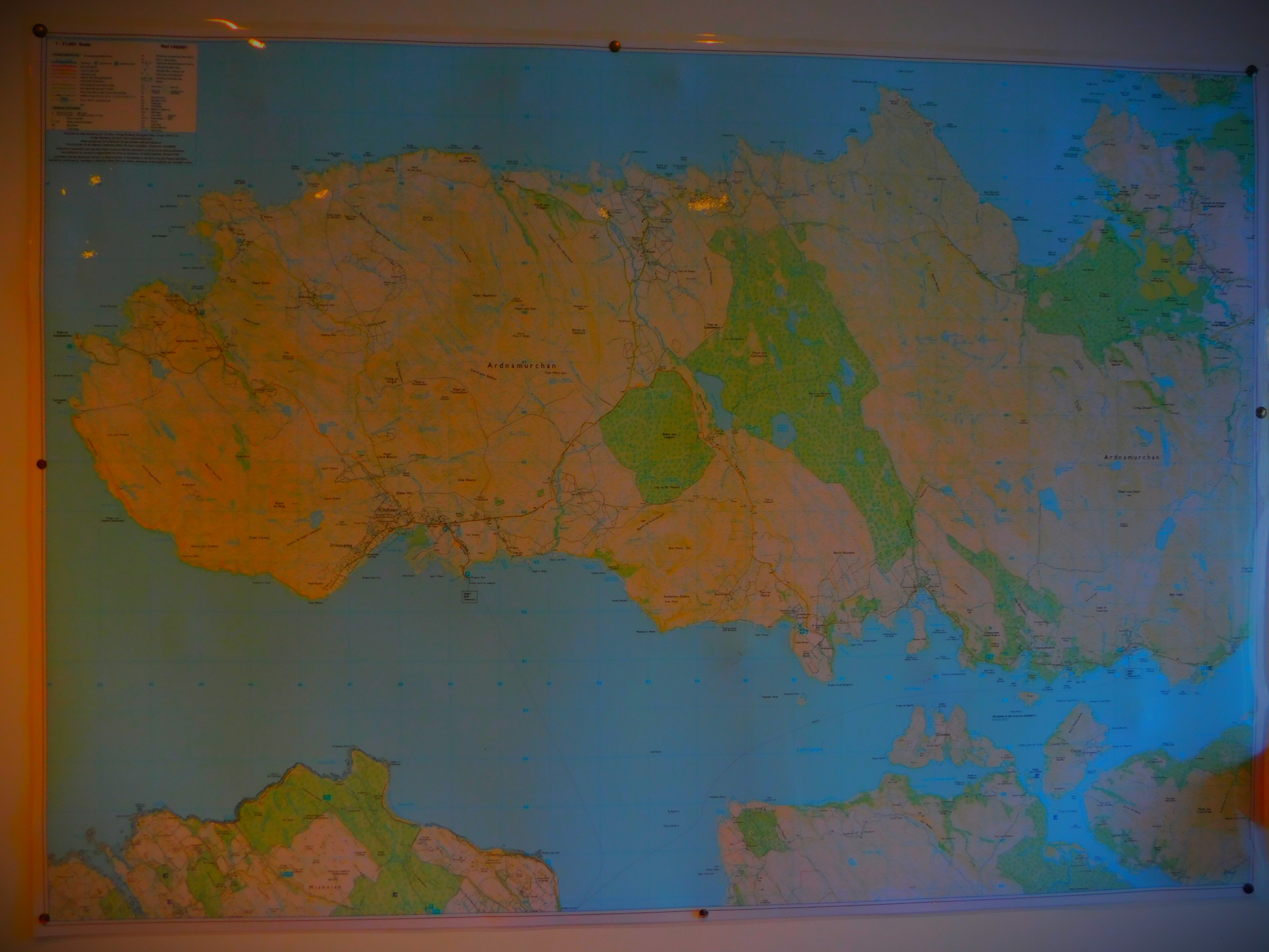
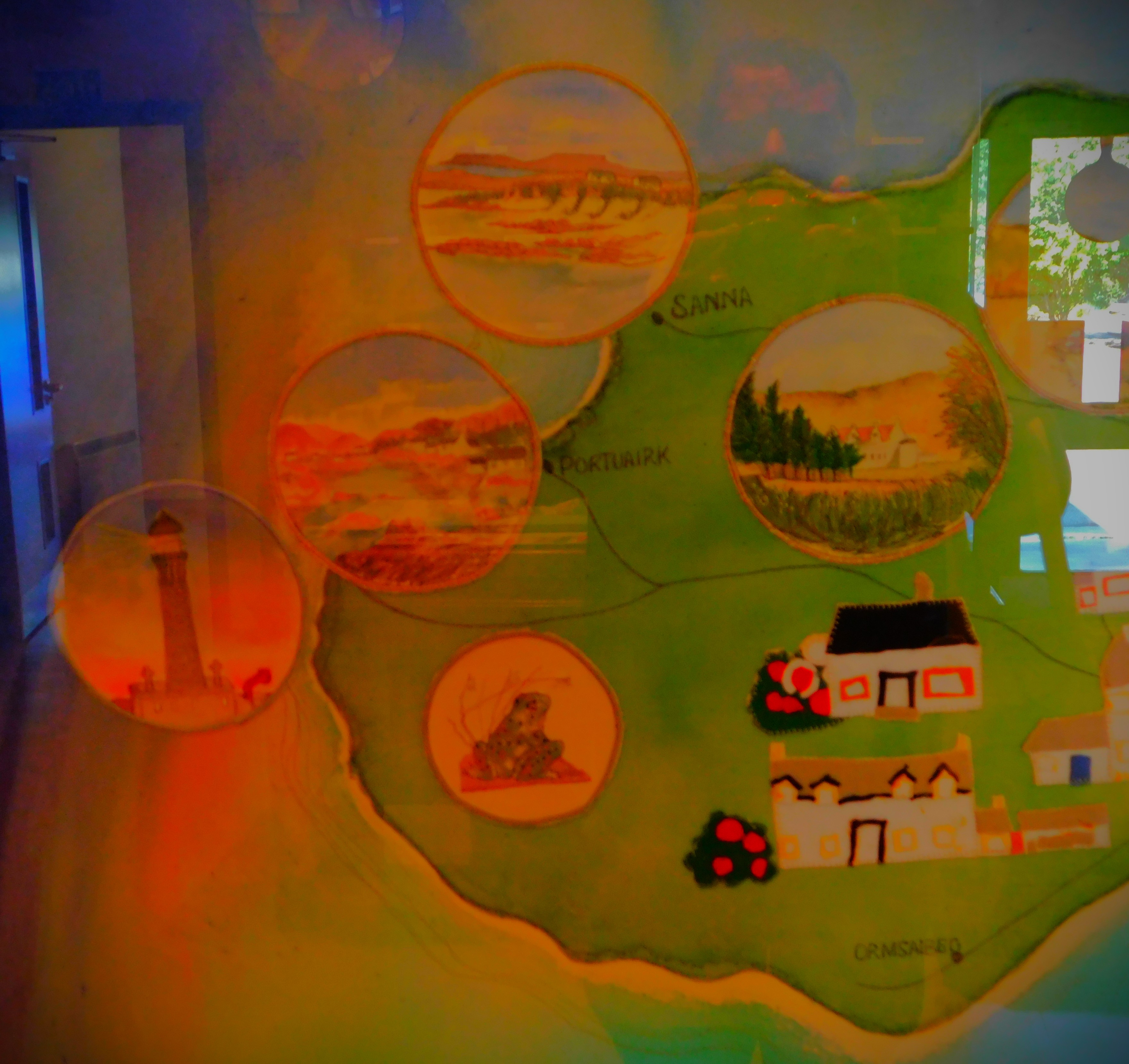
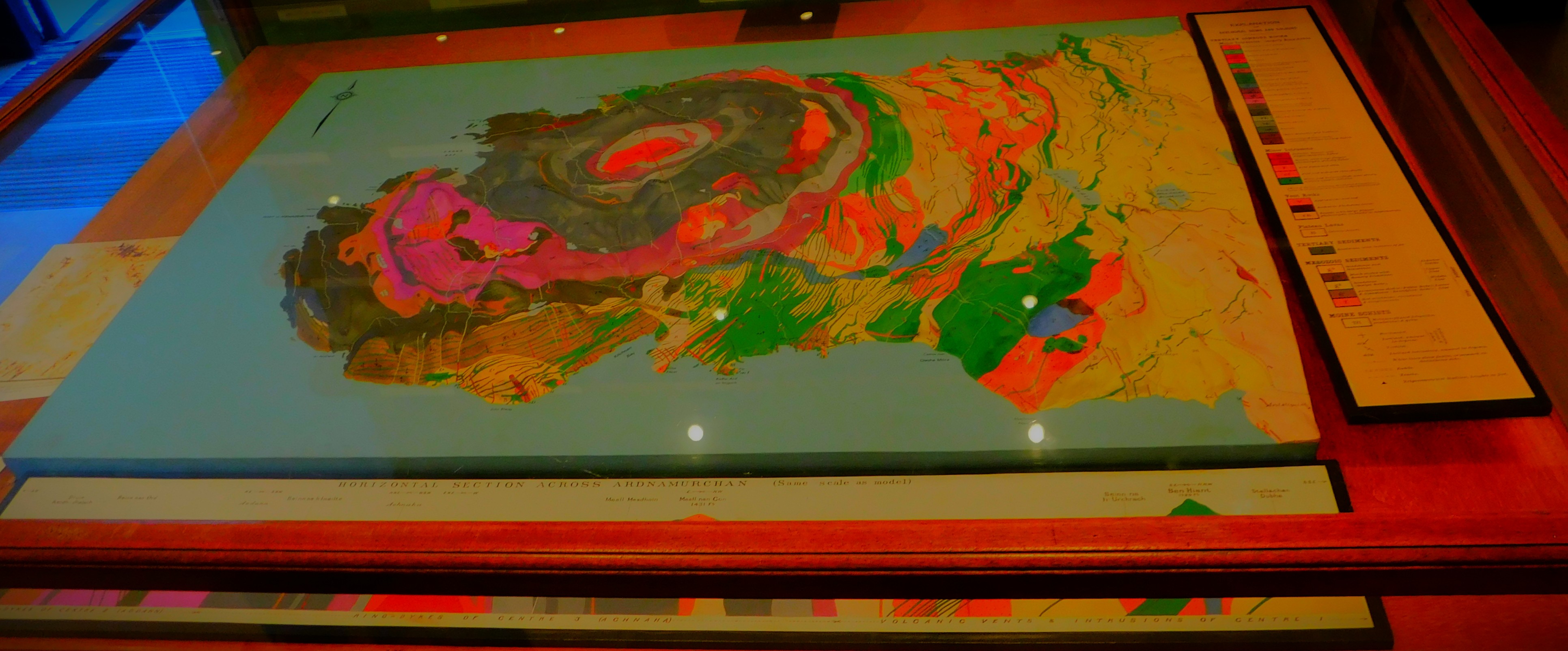
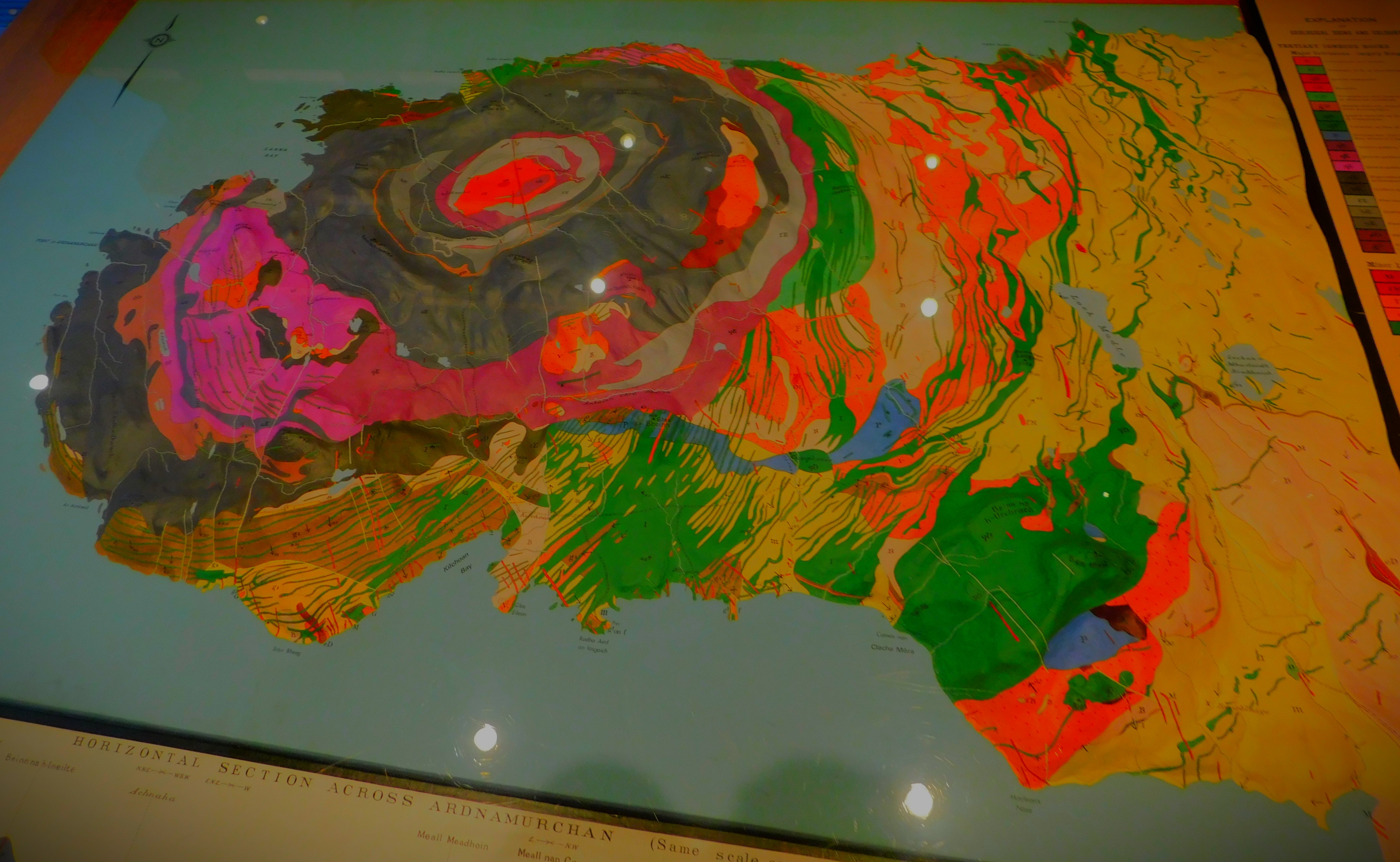
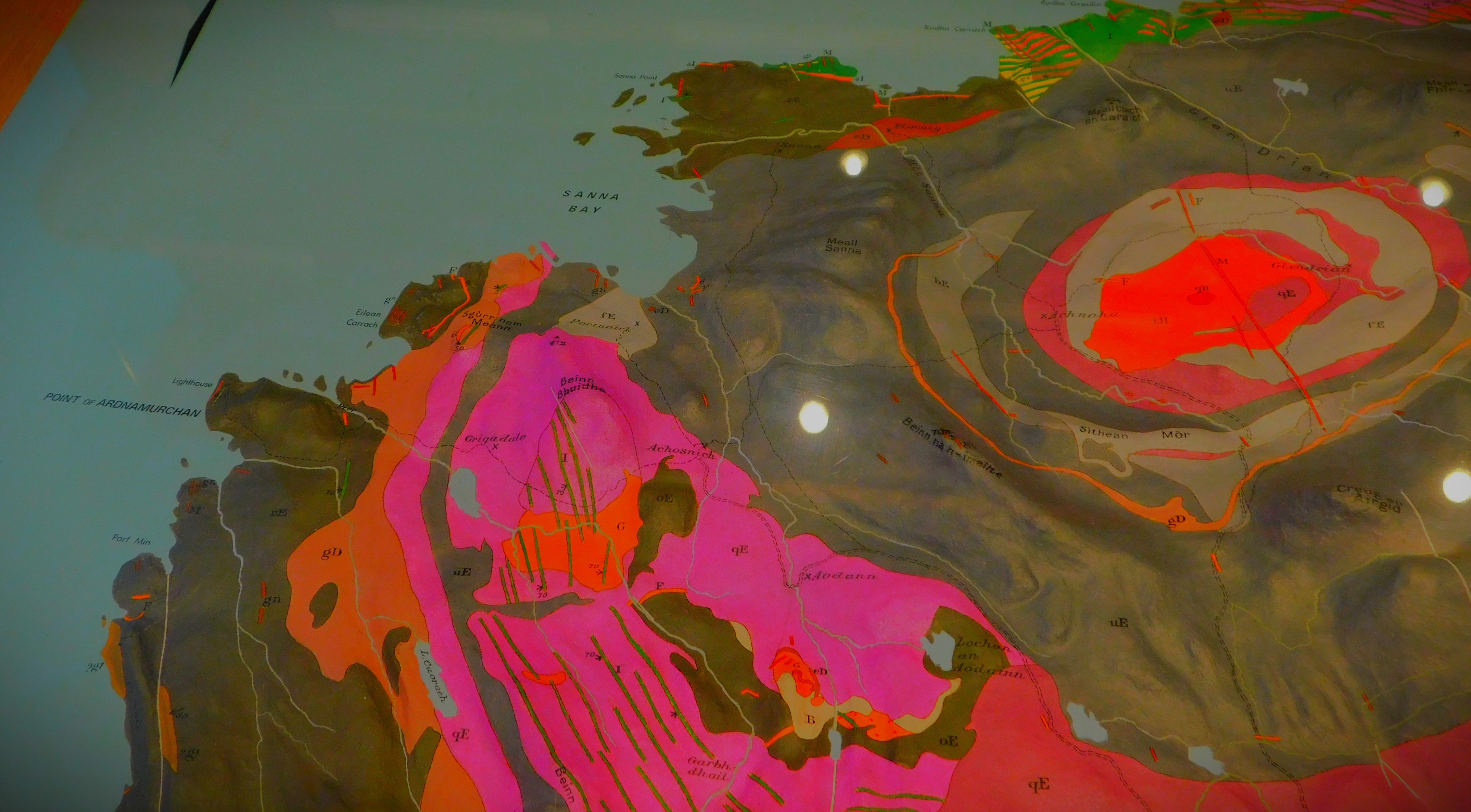
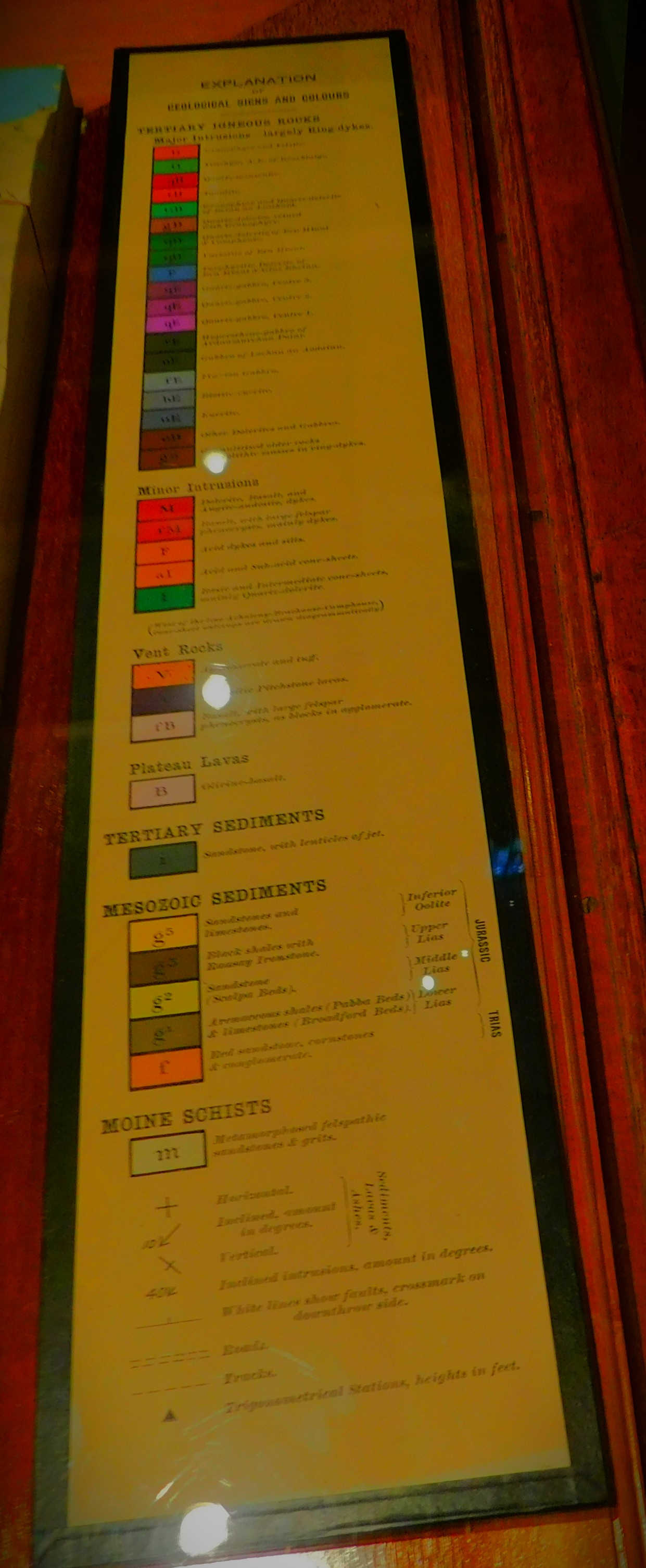
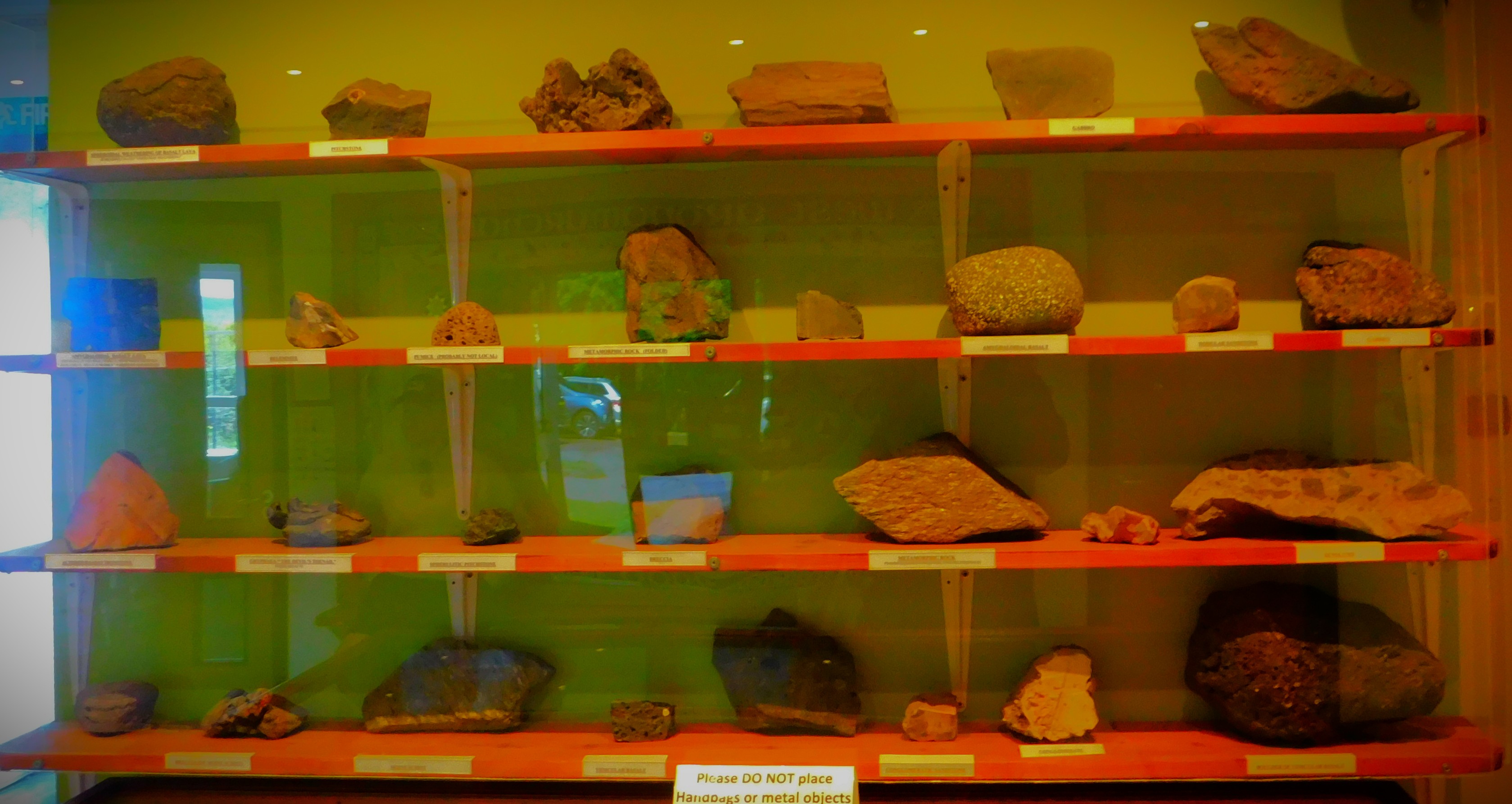
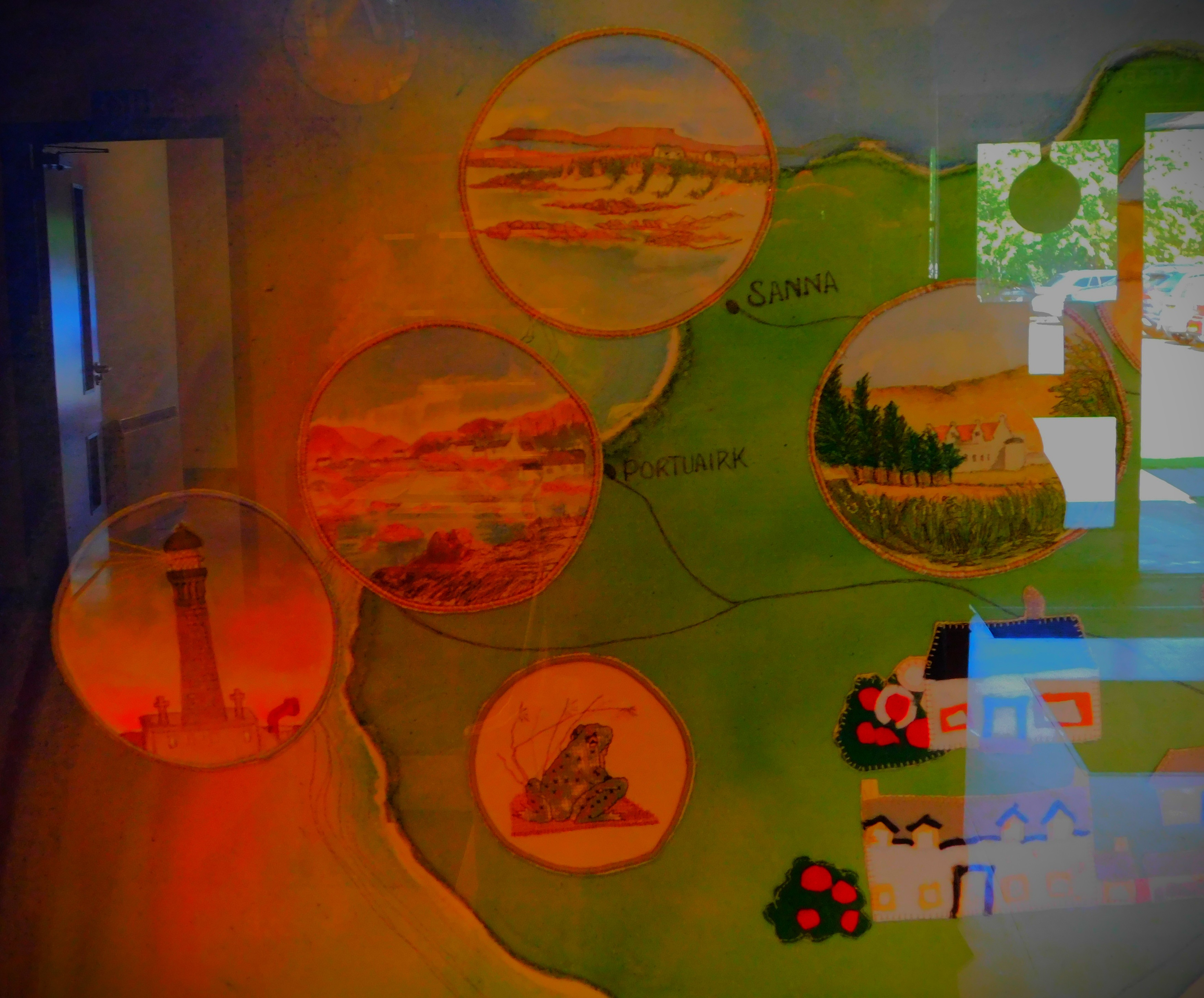
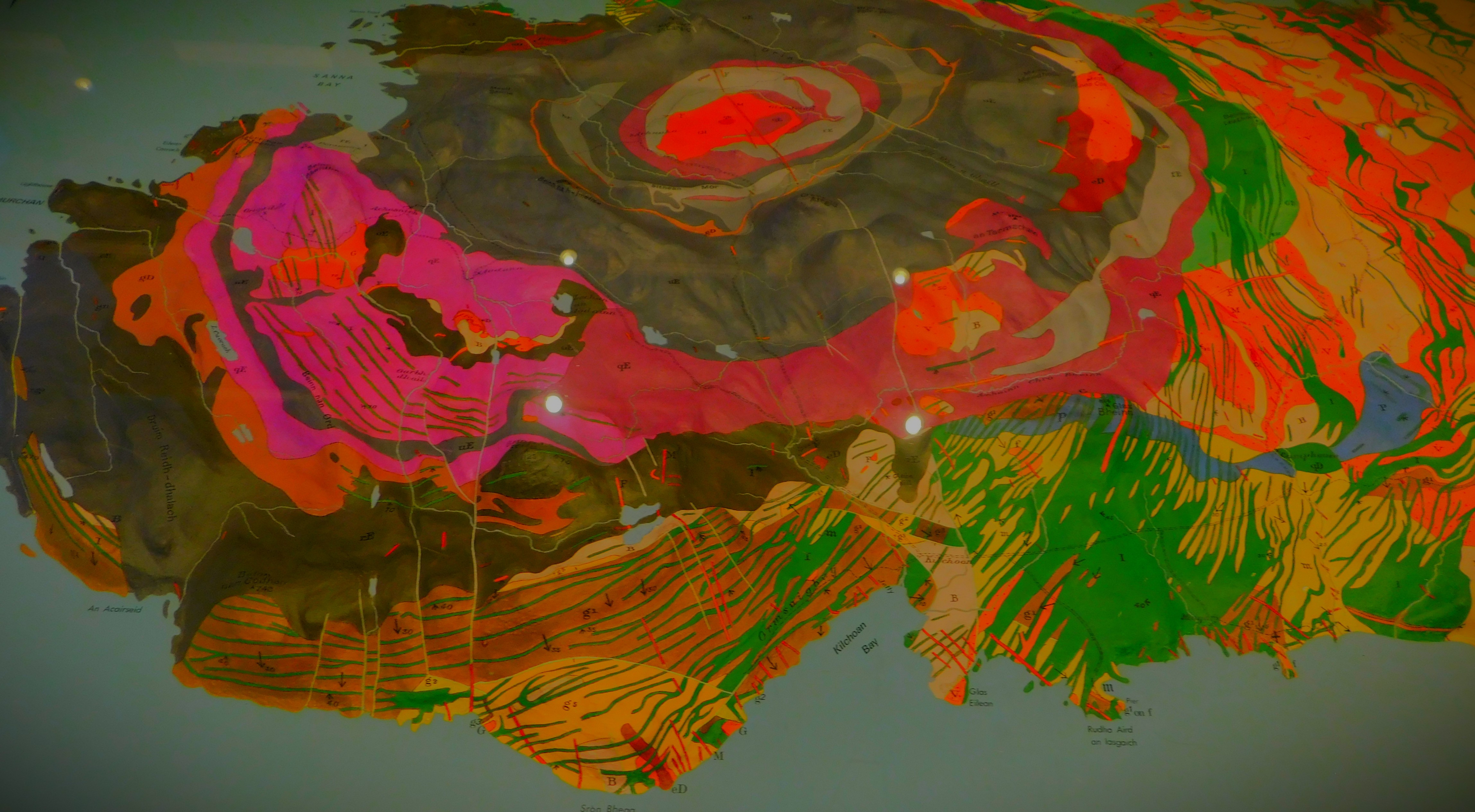
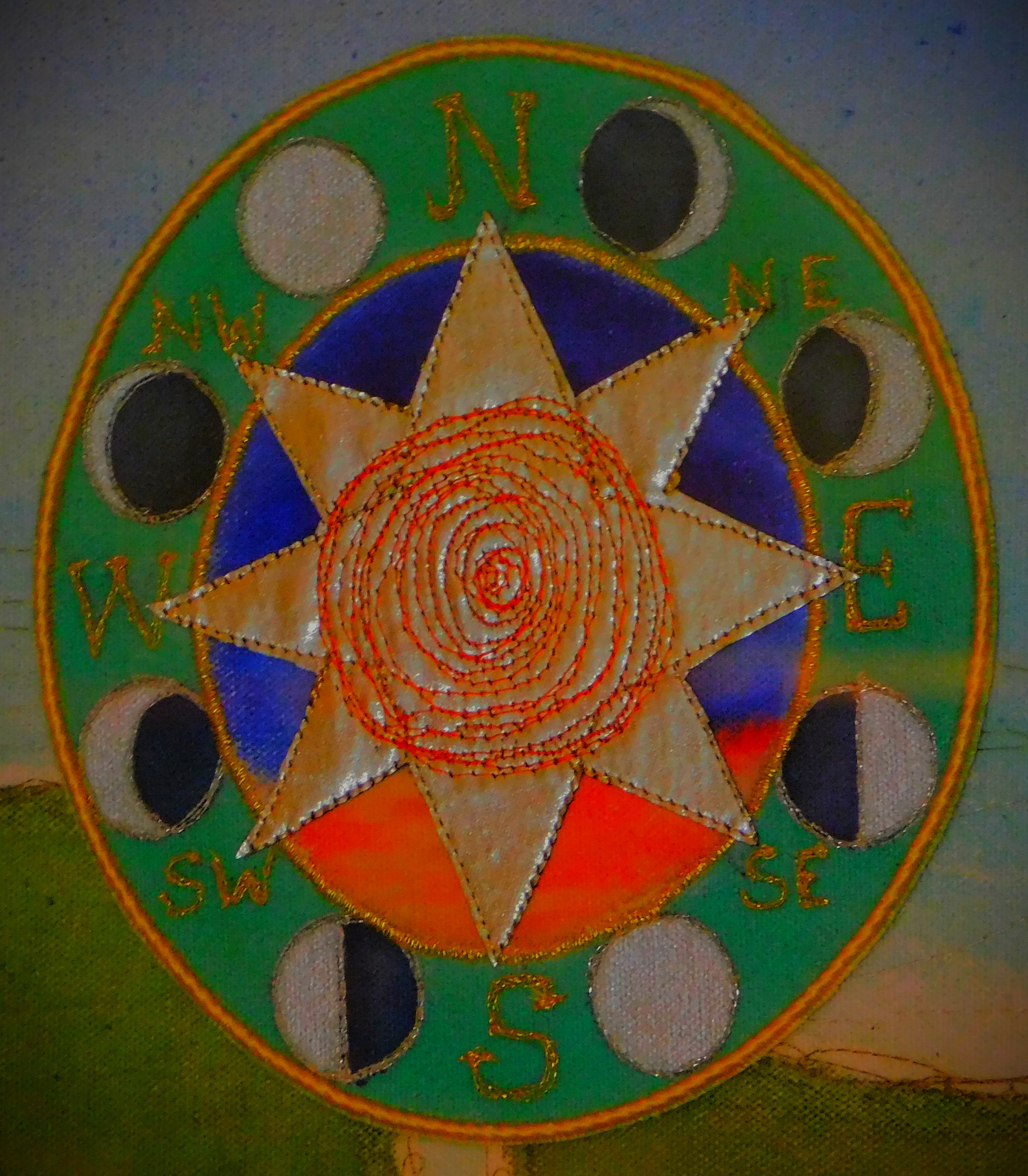
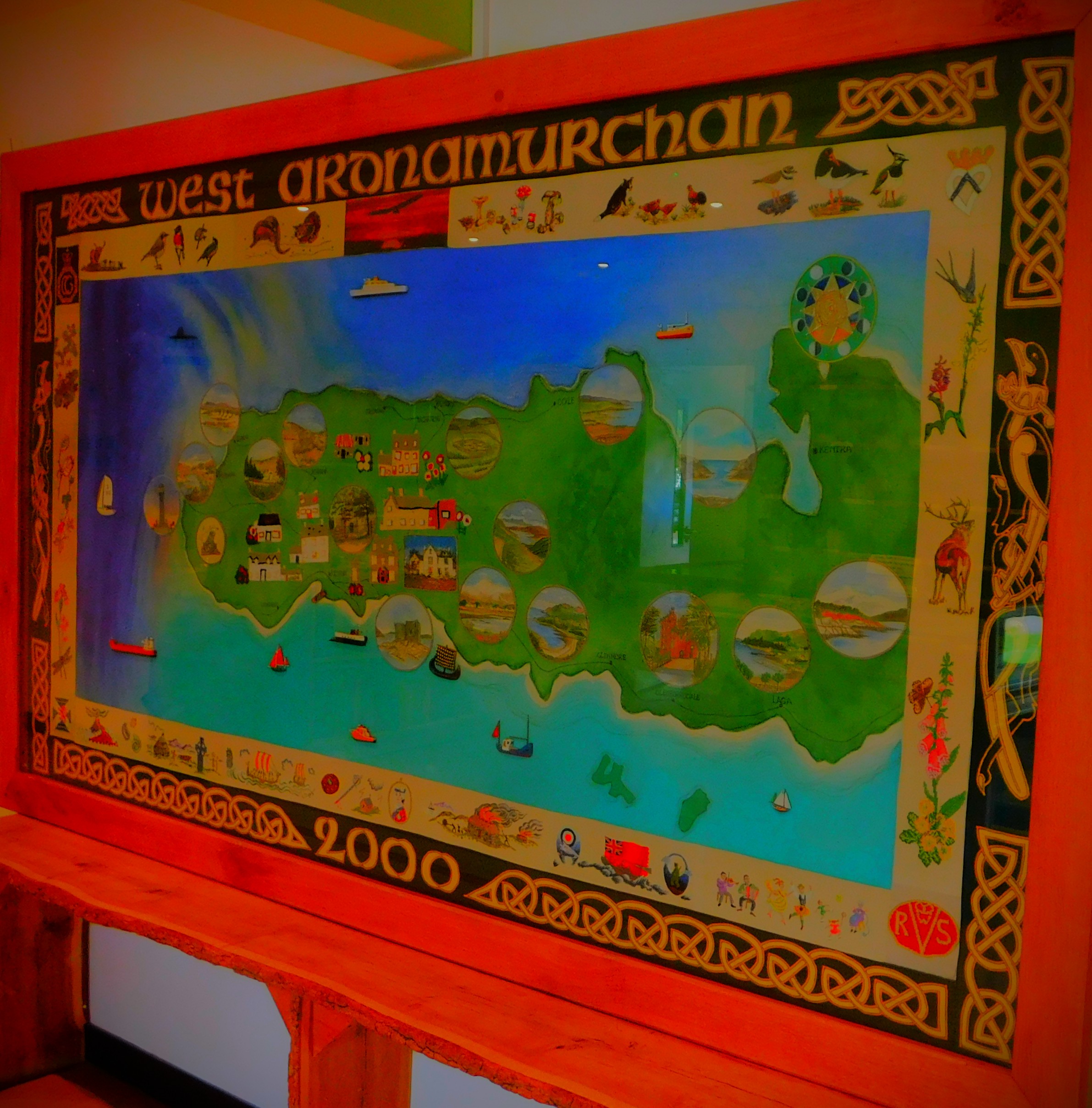
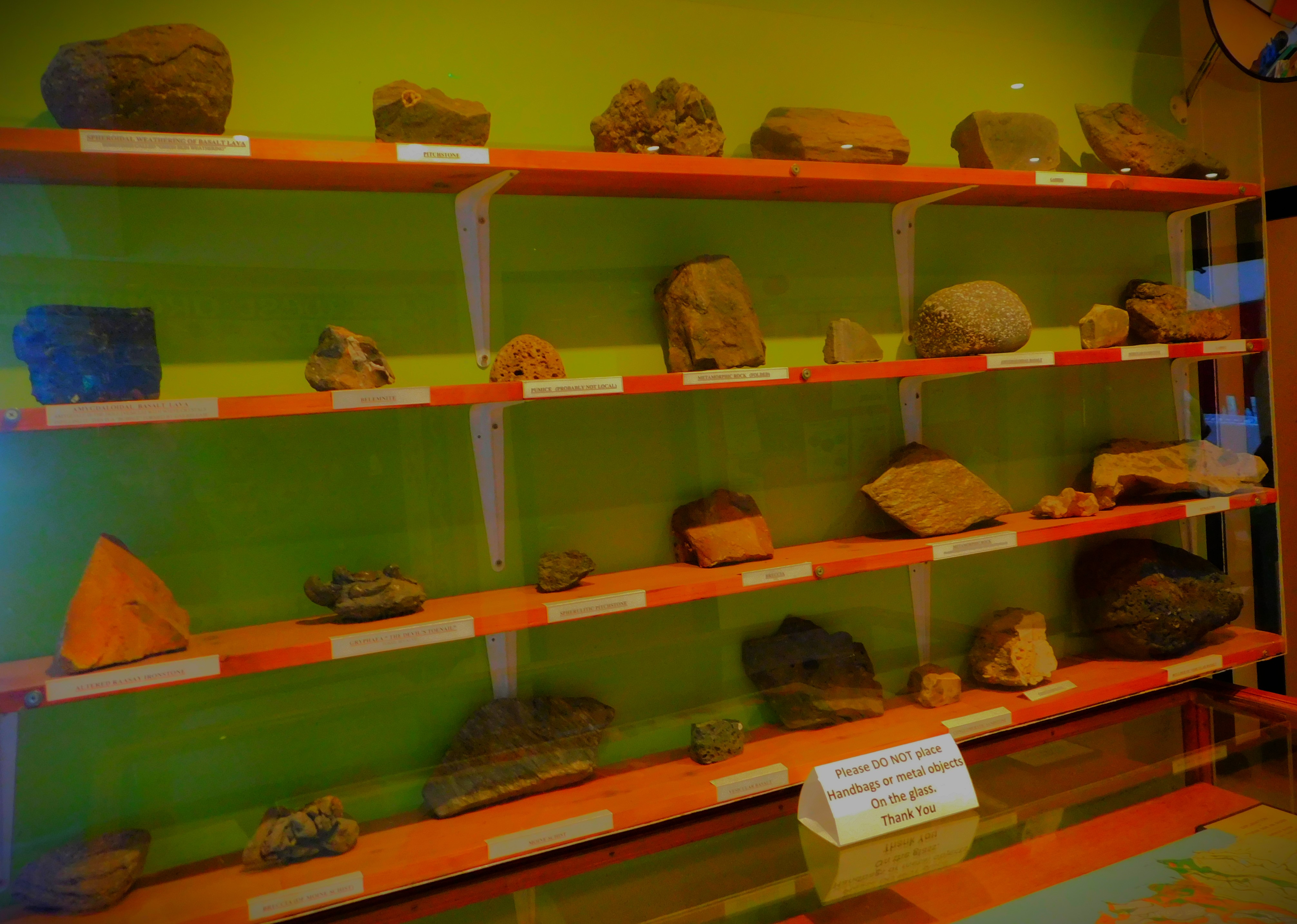
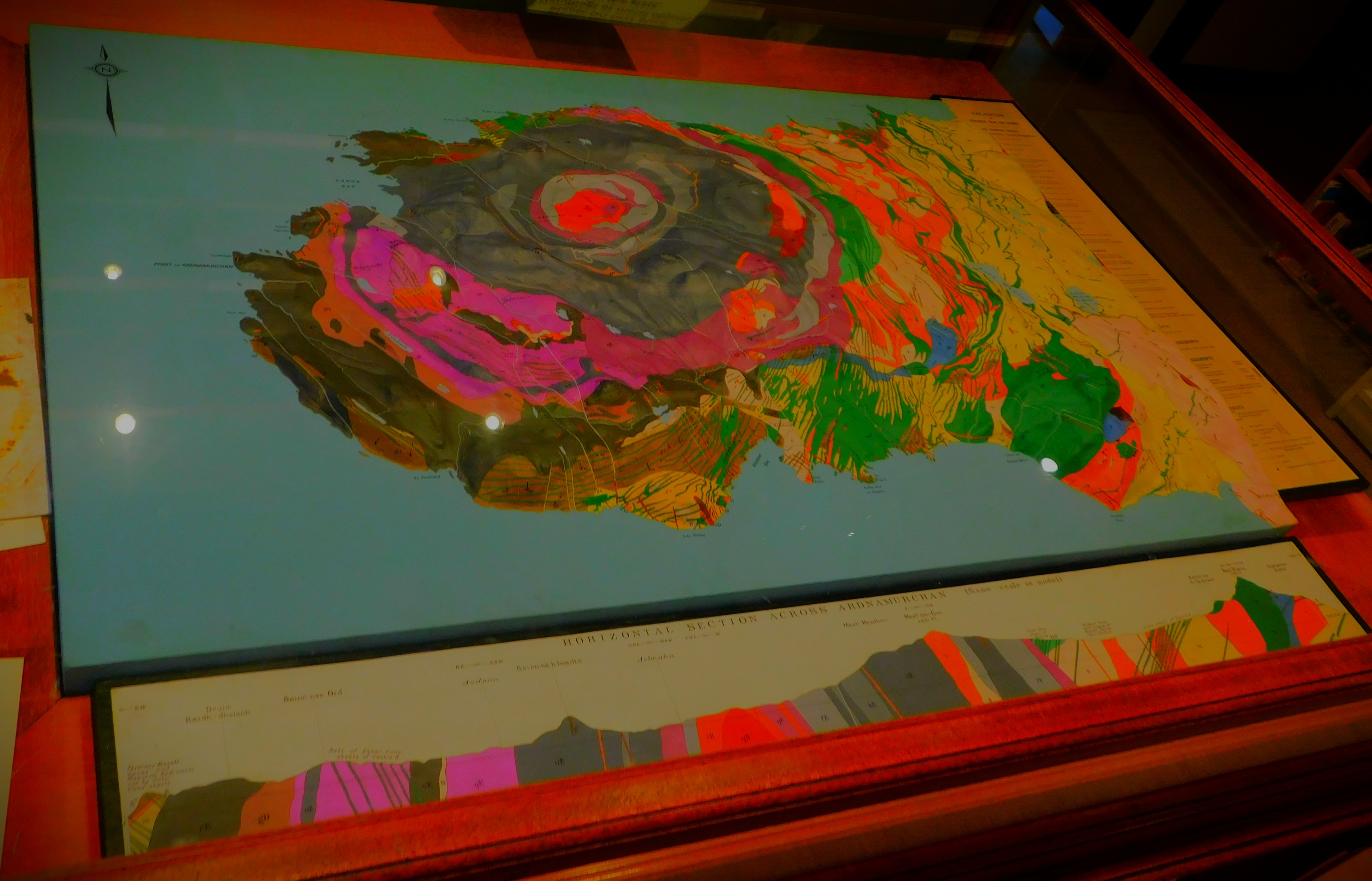
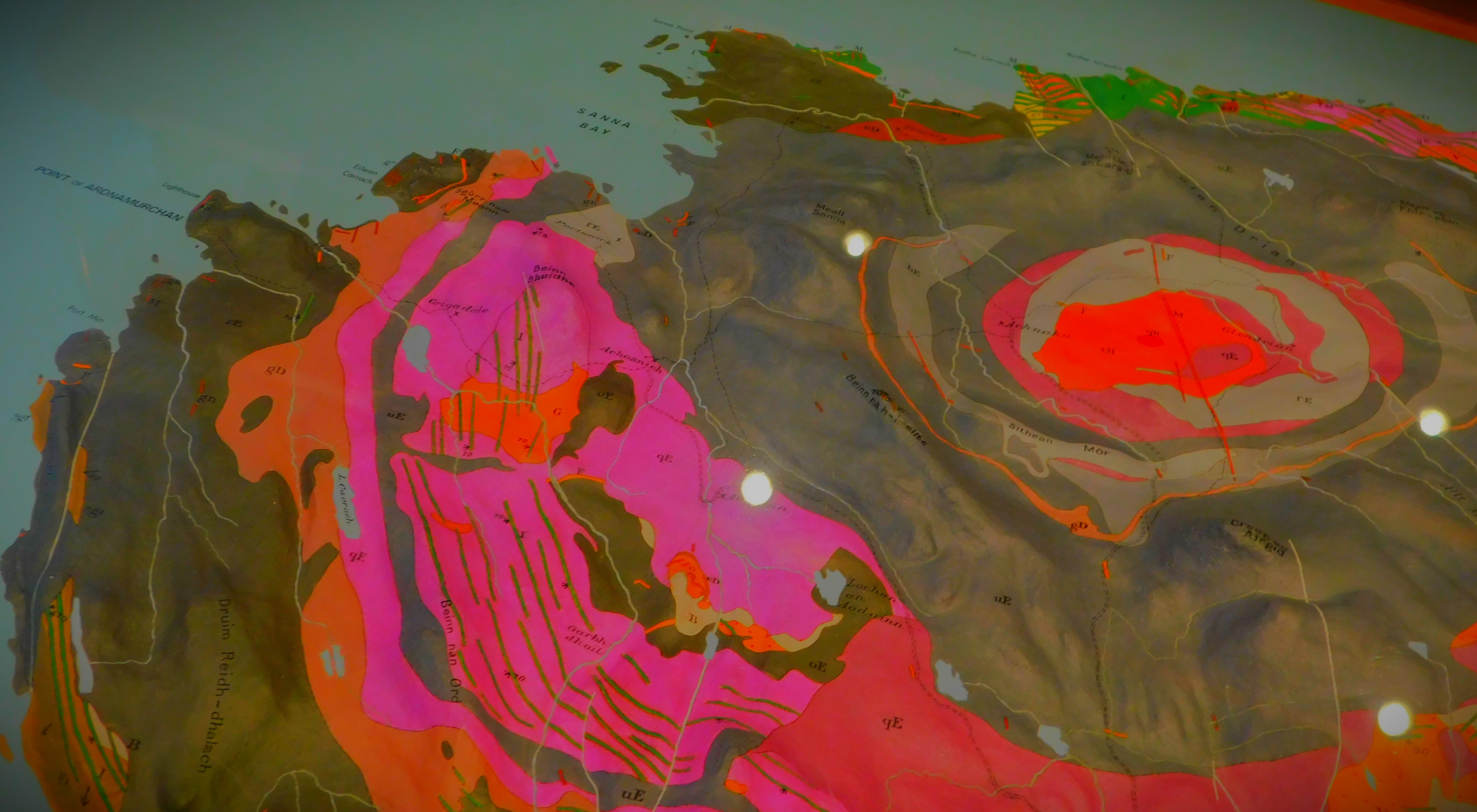
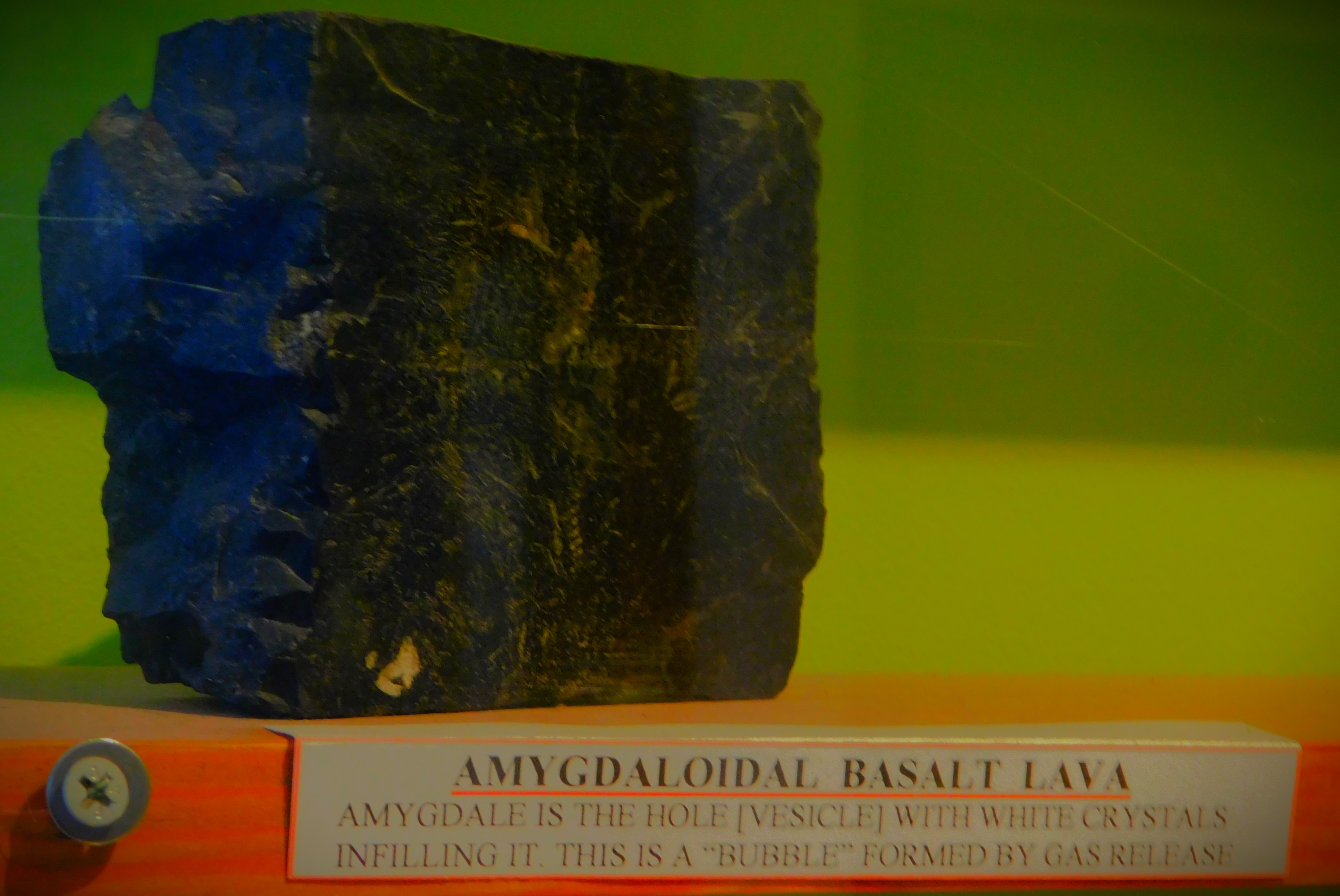
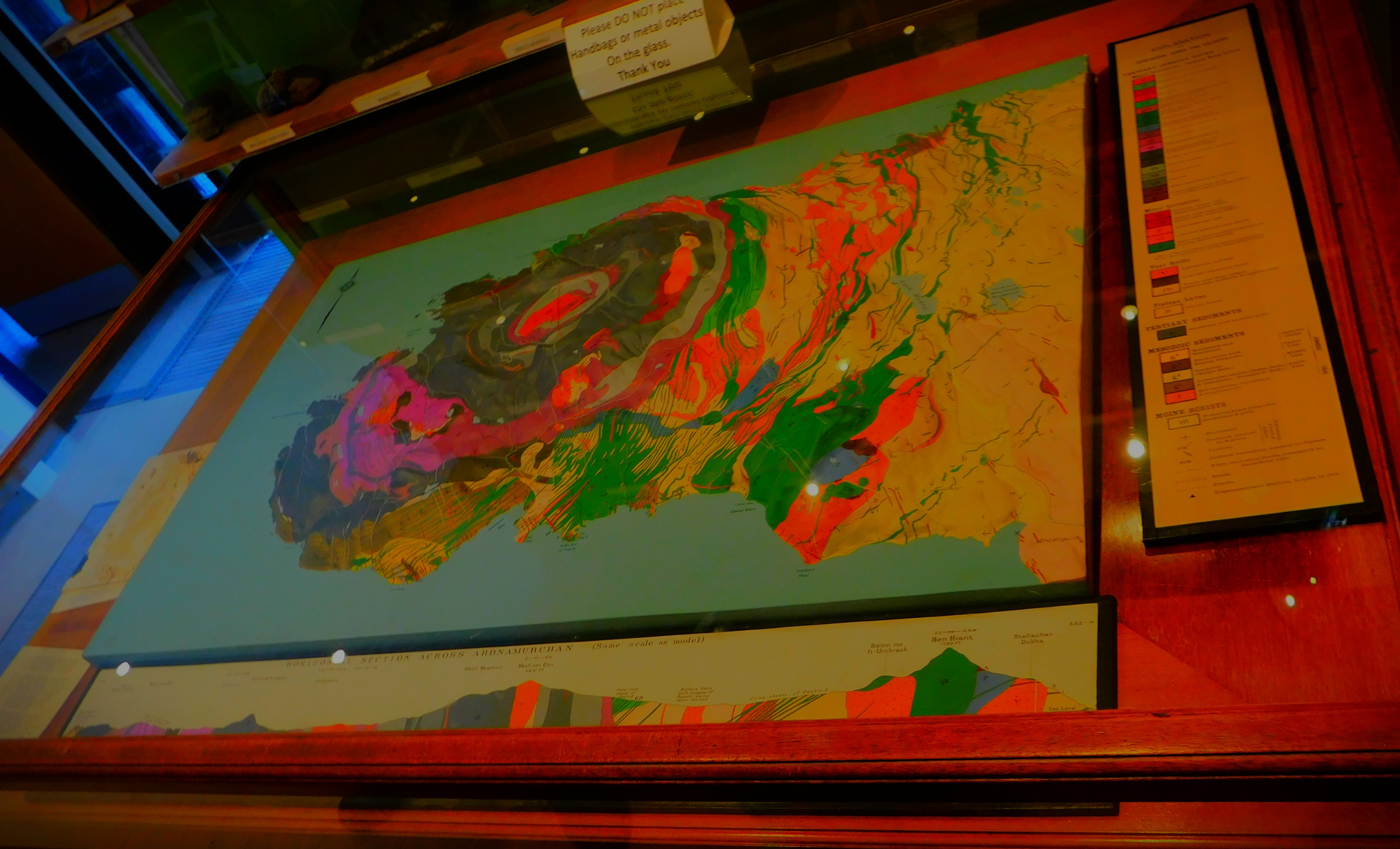
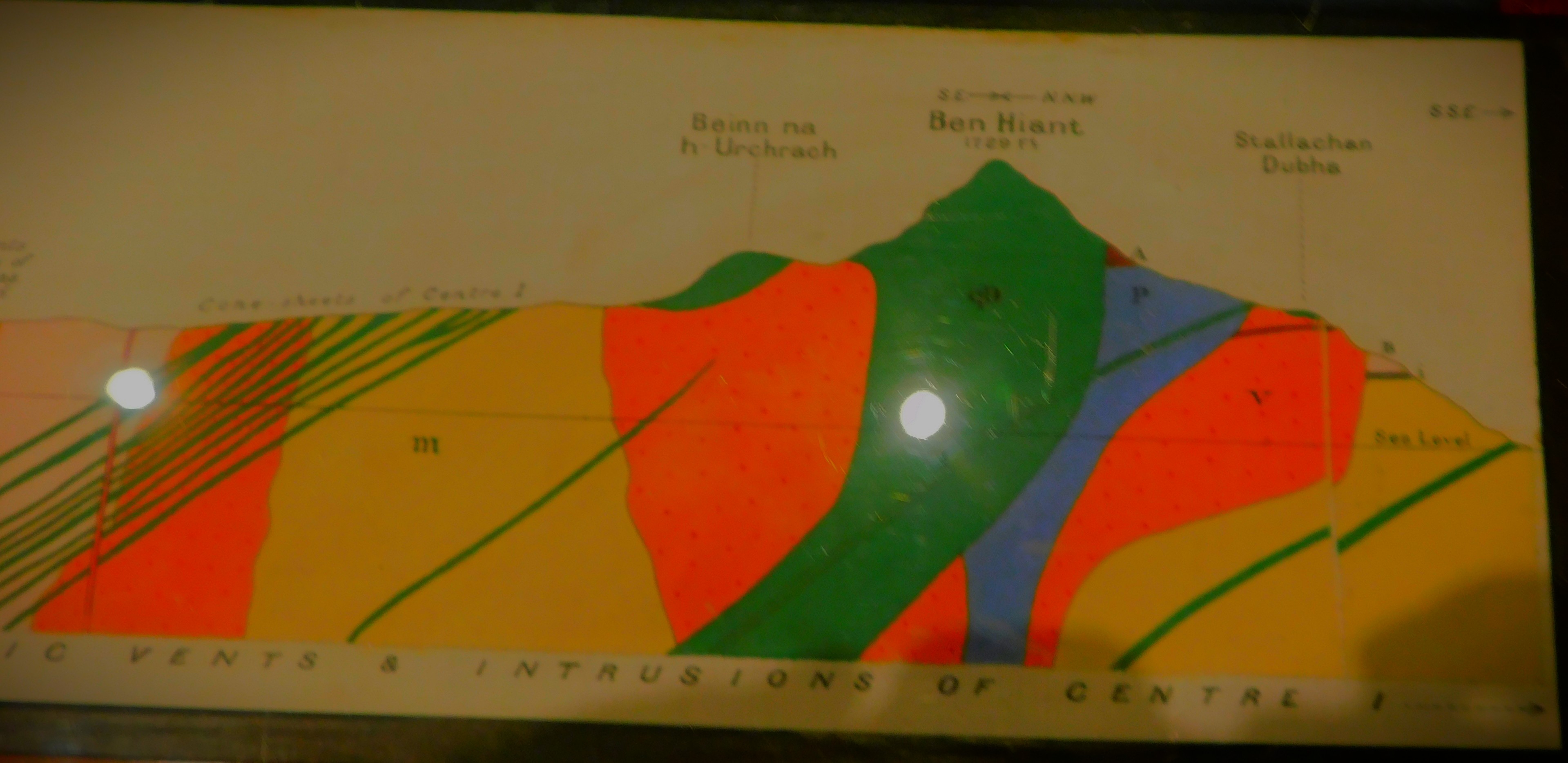
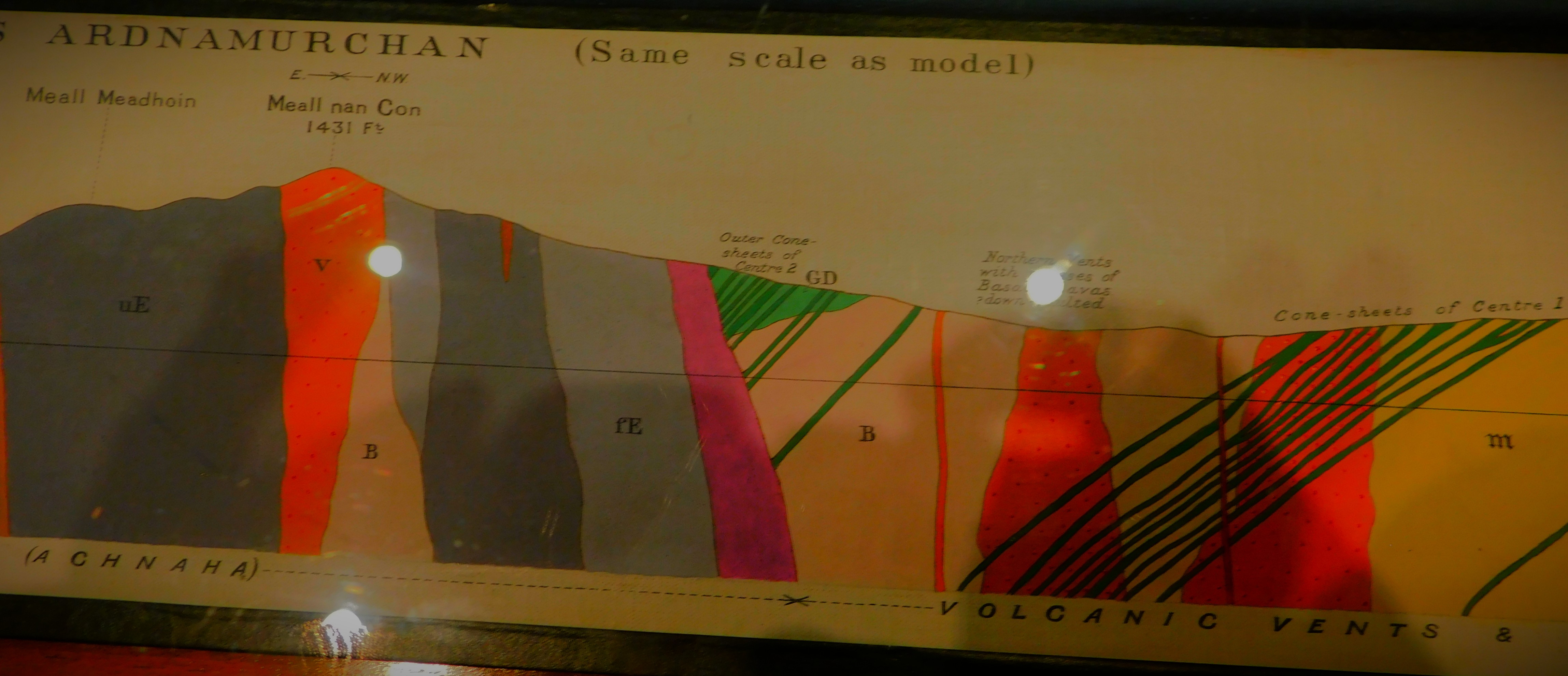
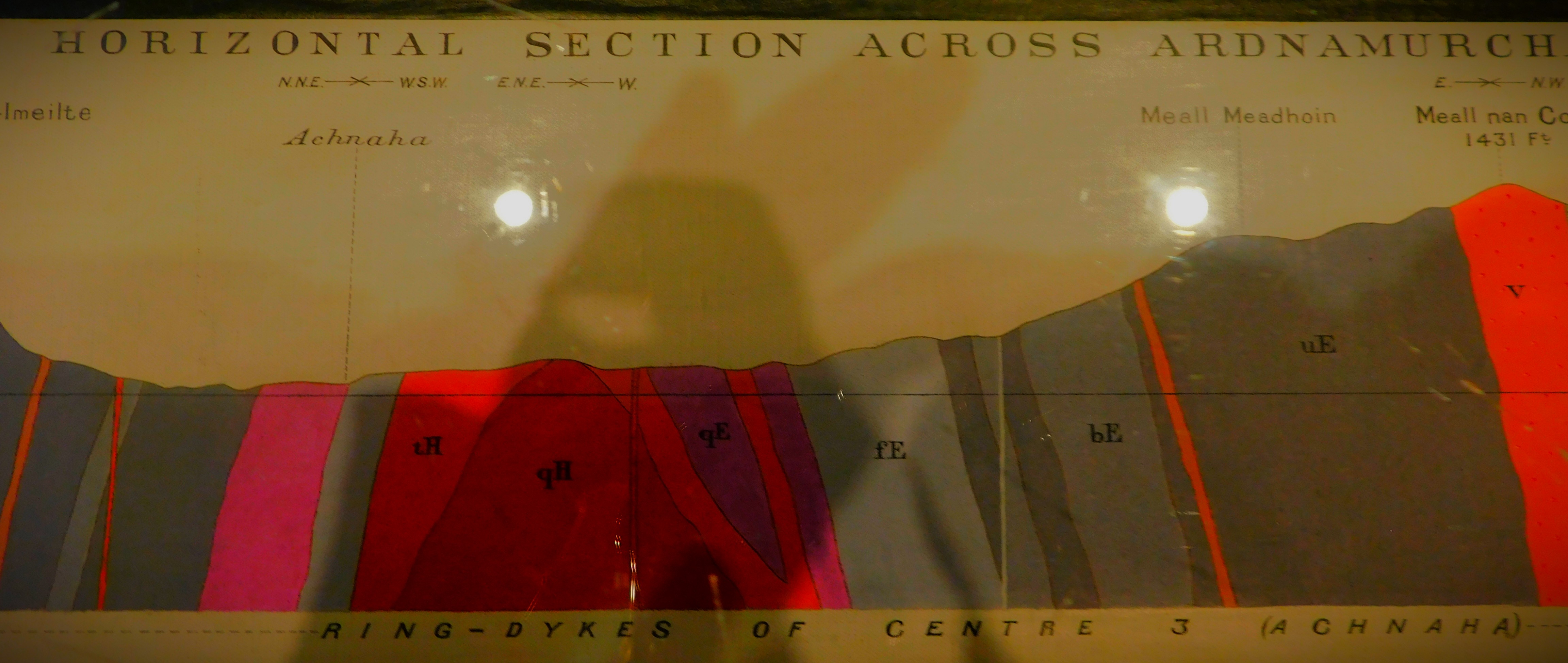
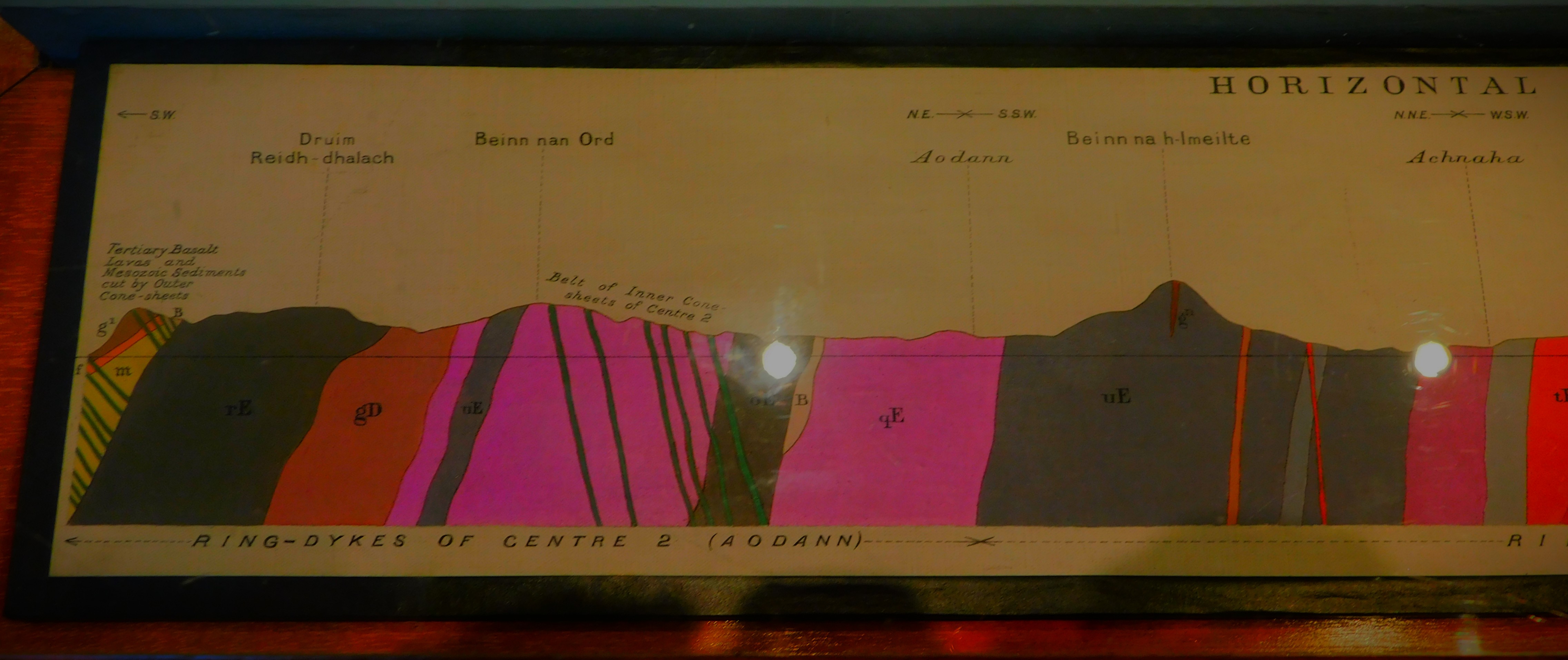
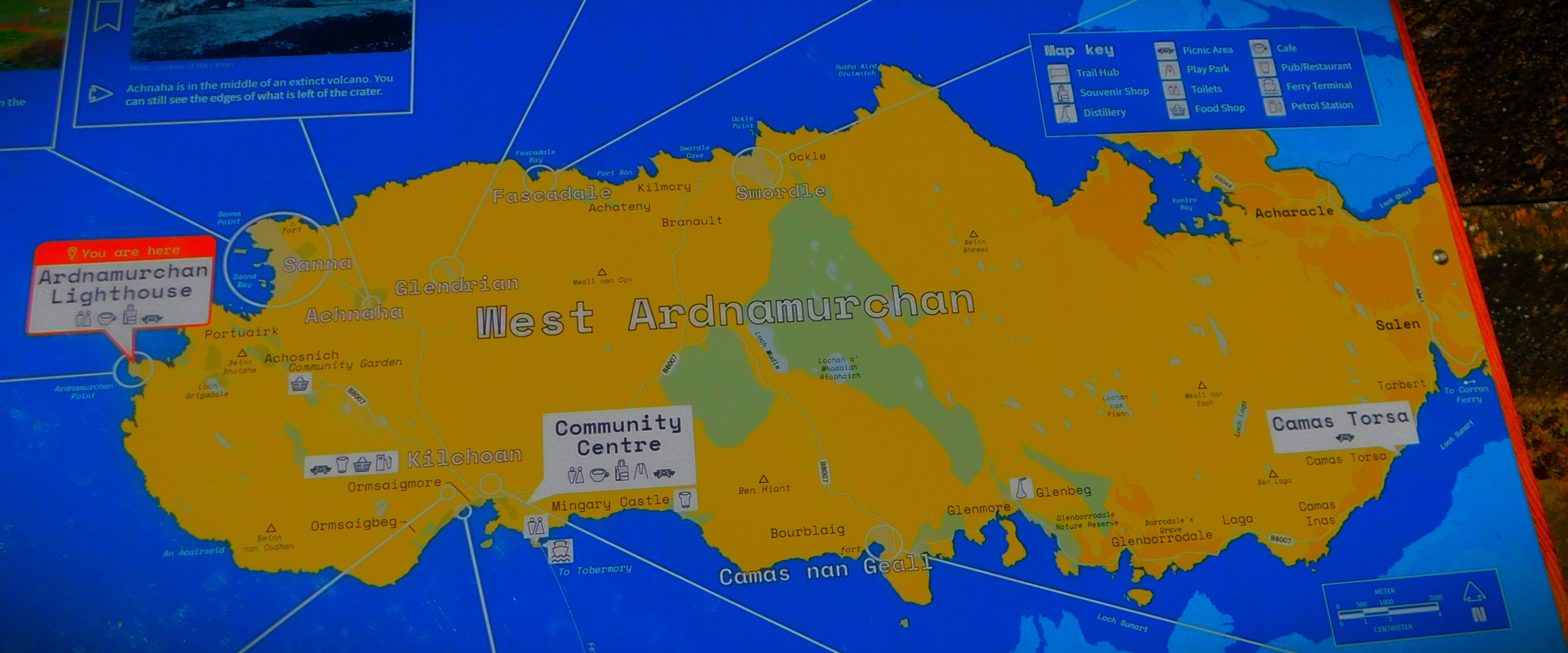
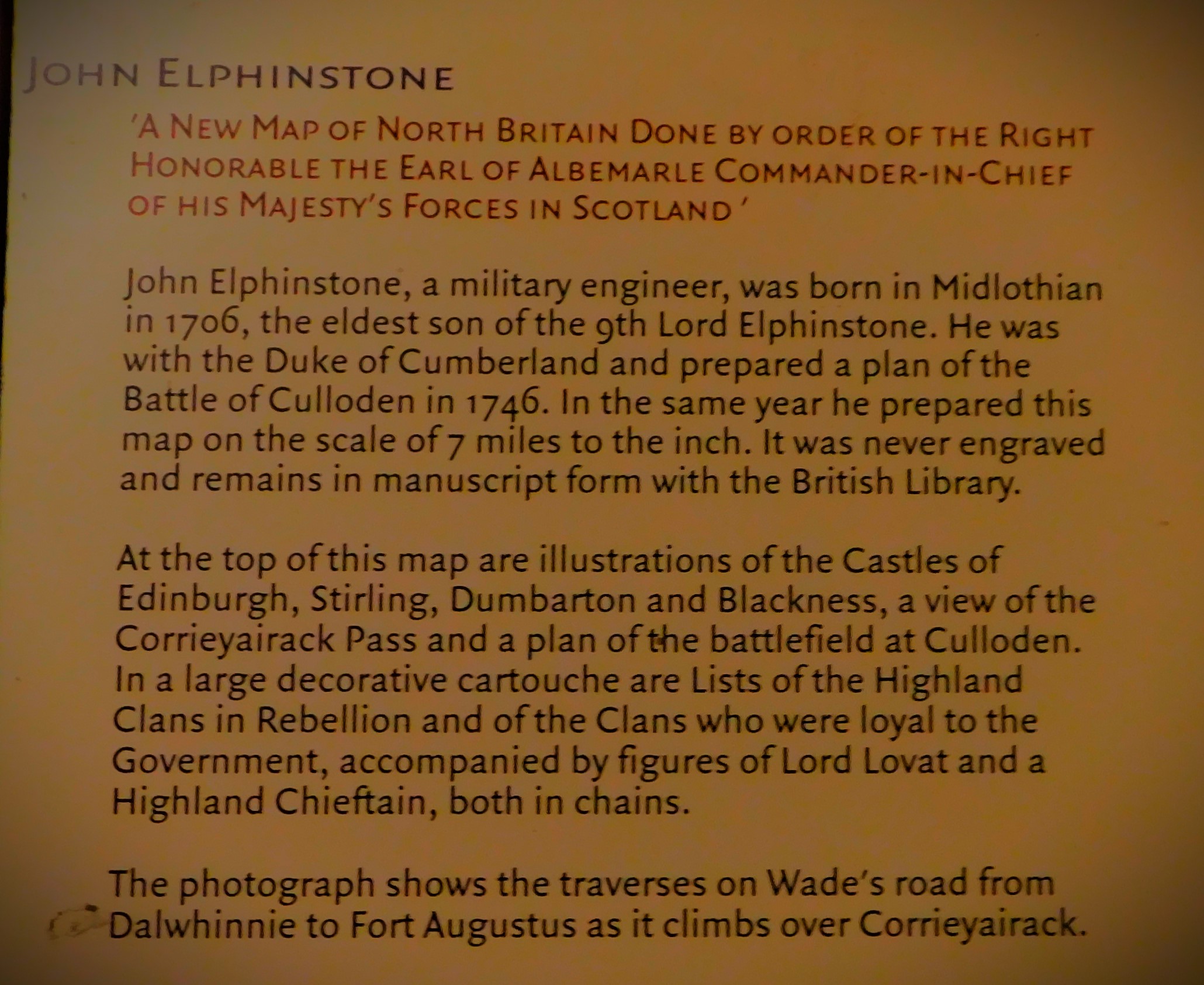
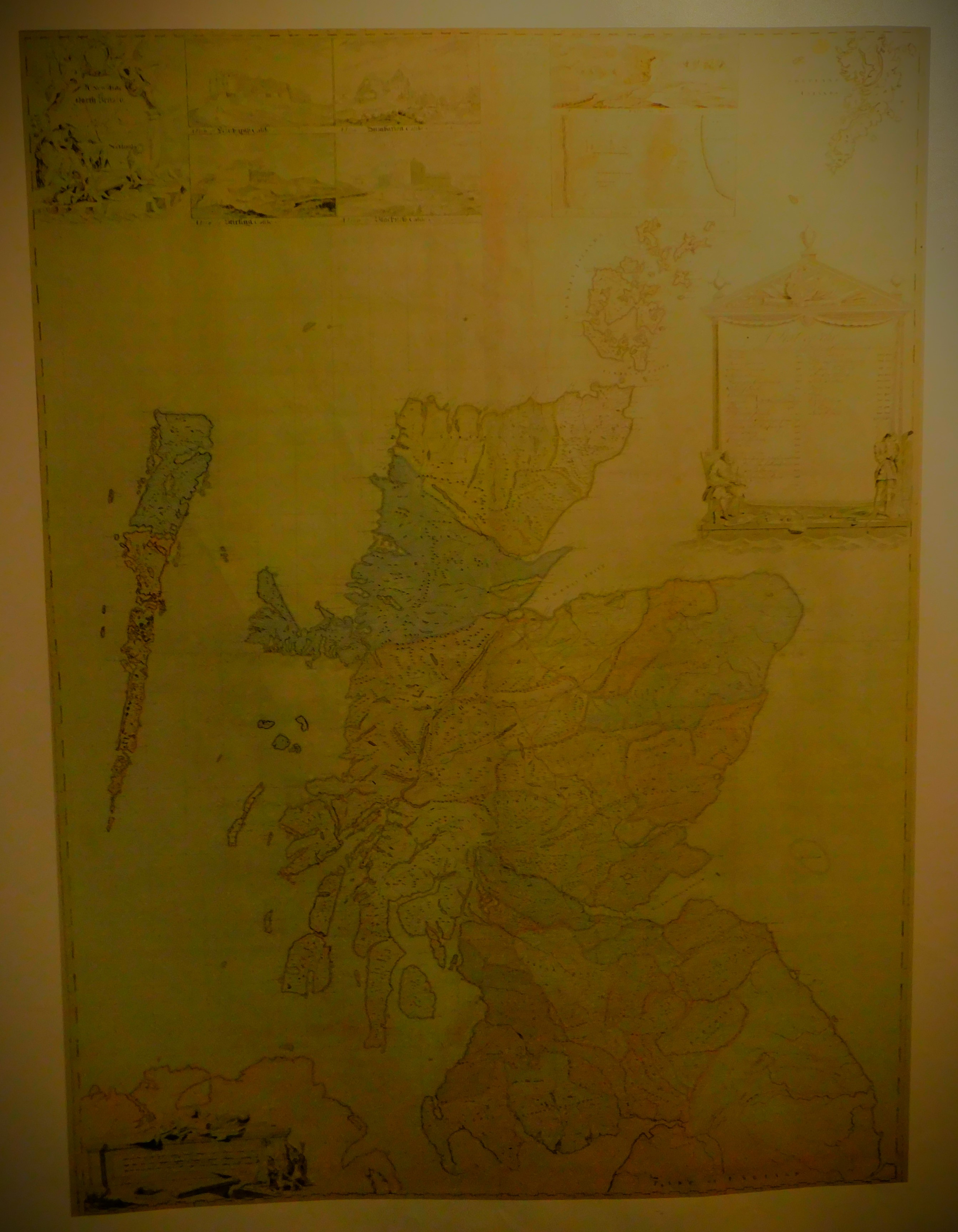
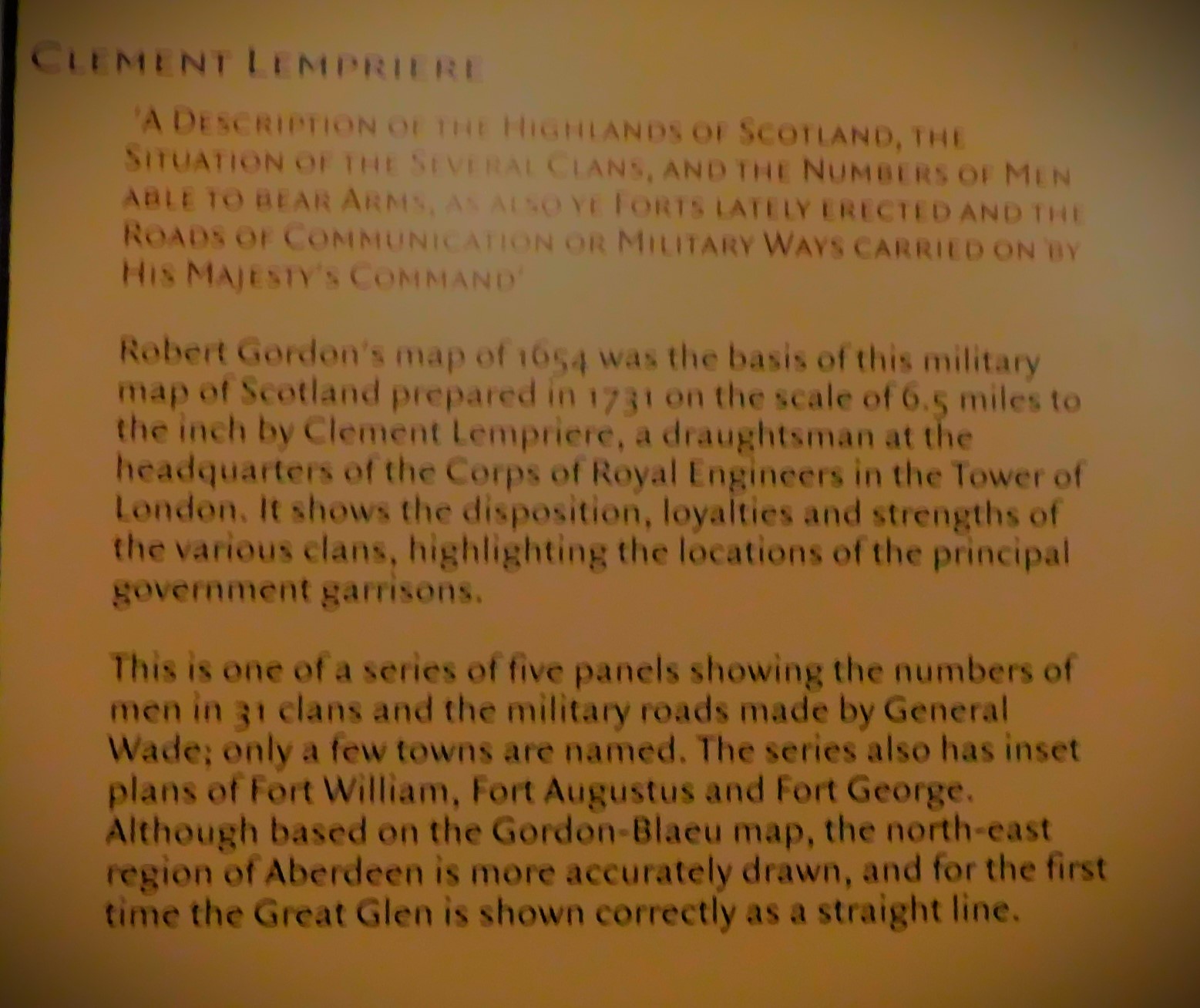
Yesterday we went to visit a craft market in Kilchoan, a very small town that serves as a ferry terminal as well. The community centre boasts a very mini museum – two maps, one an elaborate wall mounted one and the other a three dimension relief map in a glass case with accompanying key and notes, and some rock samples showing all the types of rock in the area. The market was very worthwhile in and of itself – we got some good food there, including bread of superlative quality, but I would regard the display at the community centre as worth seeing in its own right as well.
A VOLCANIC REMNANT
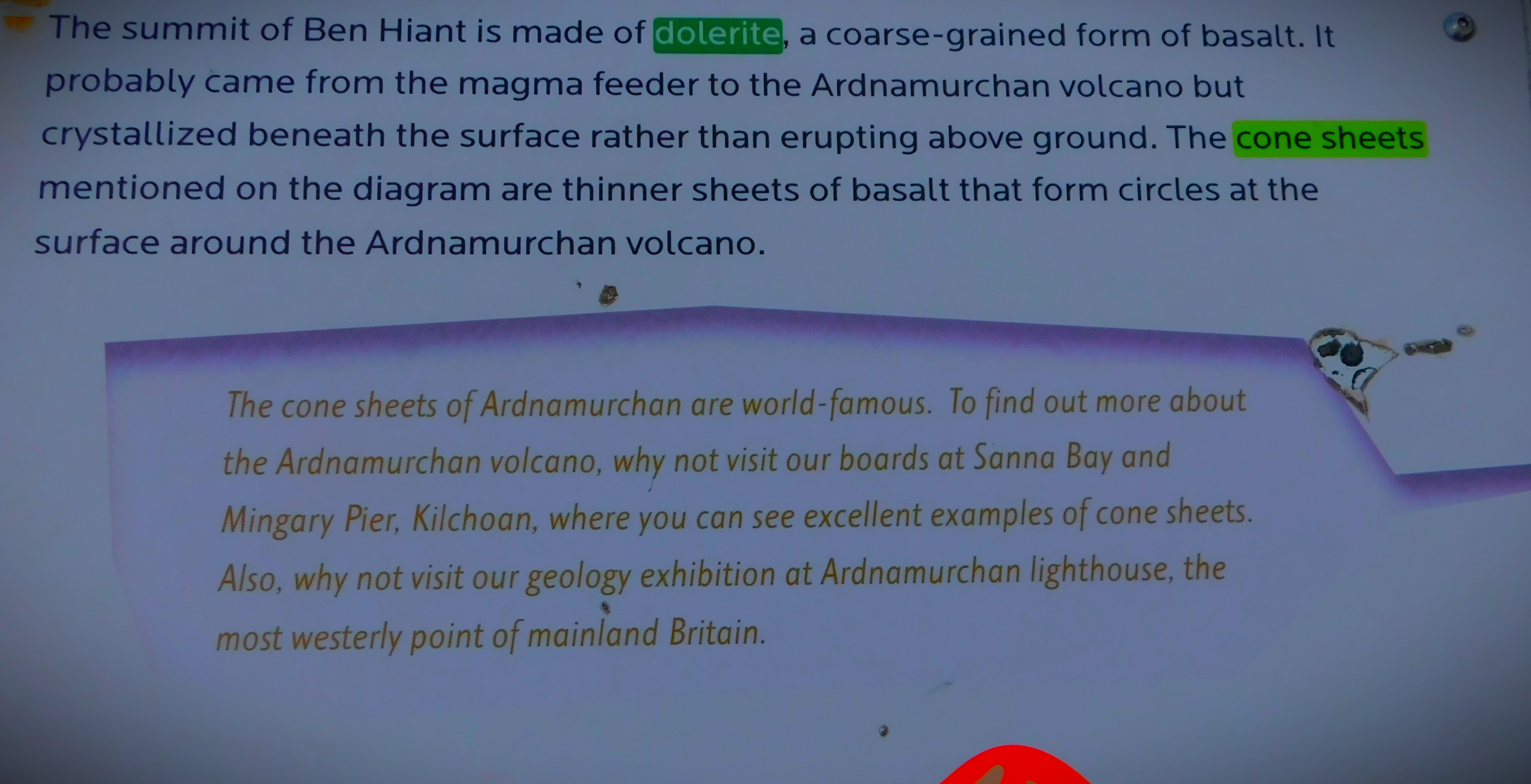
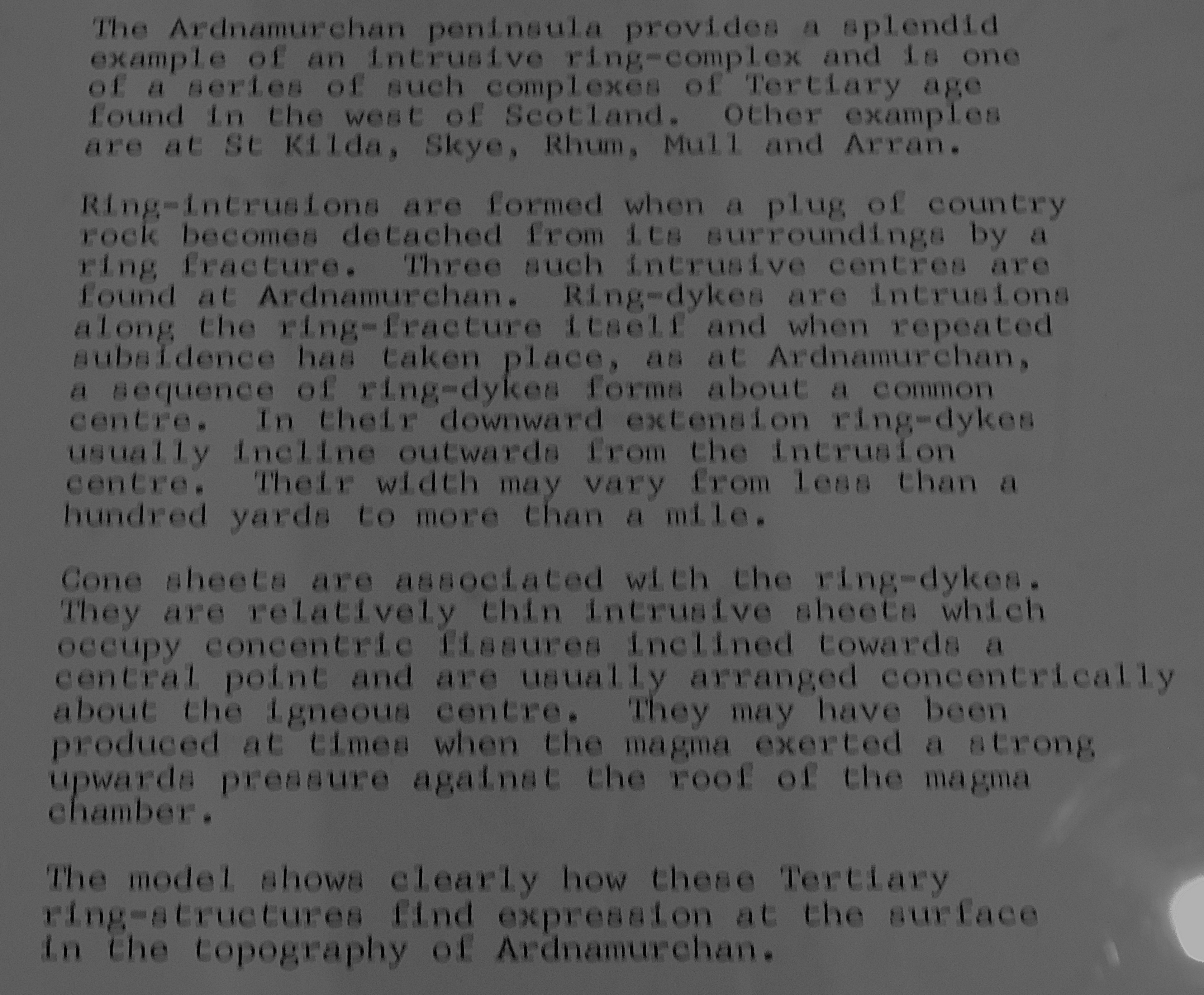
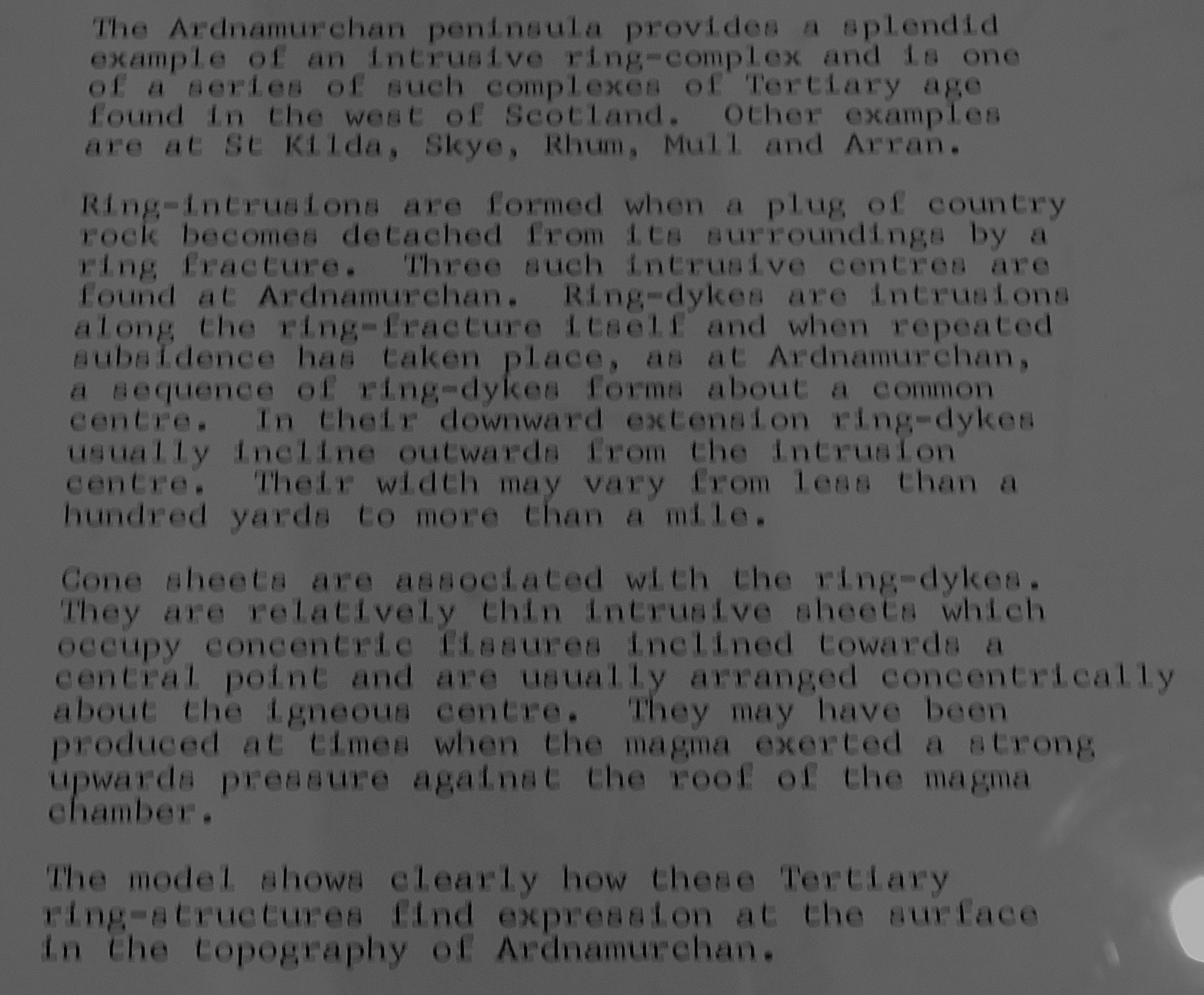
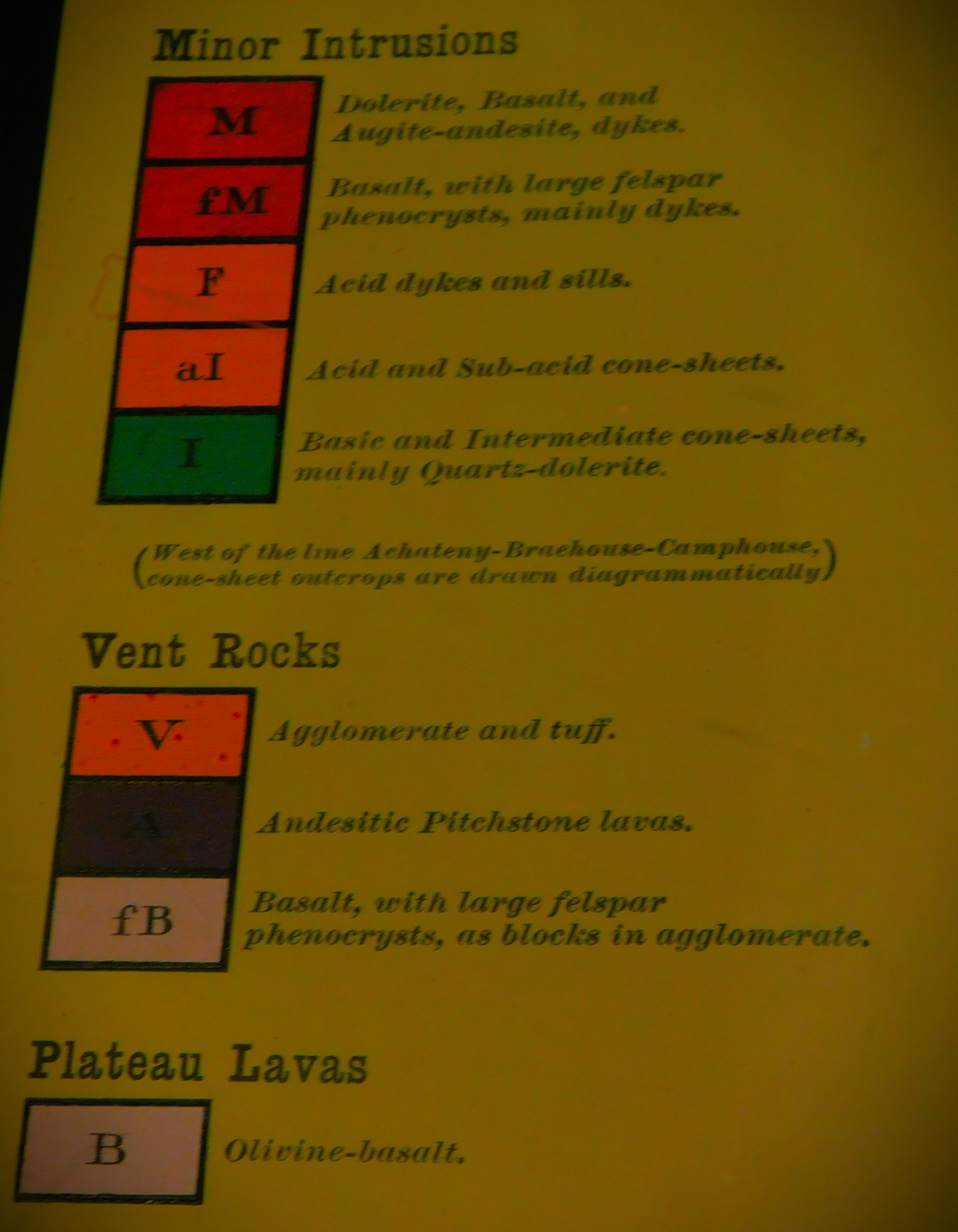
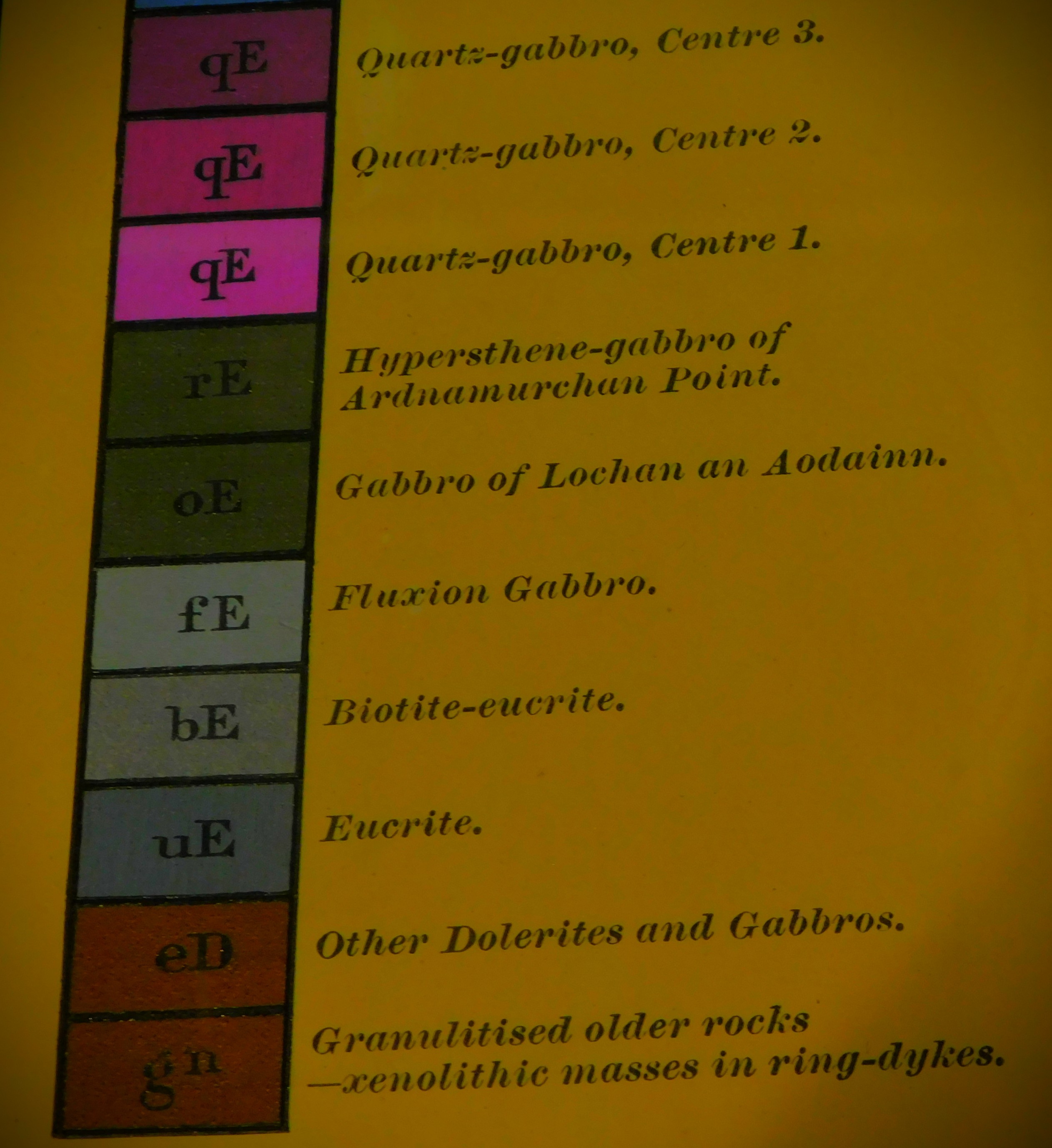
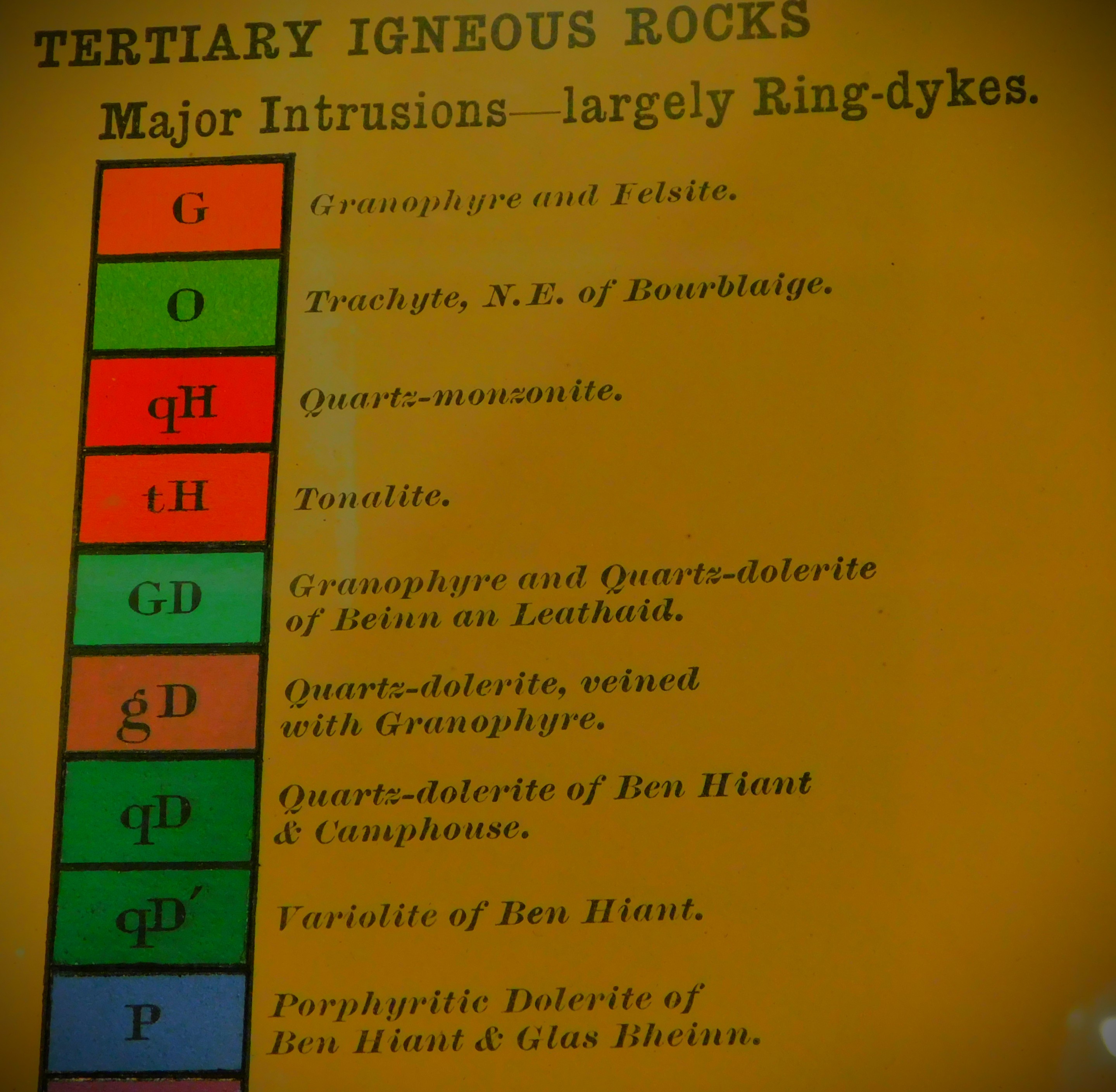
The above image contains a lot of text, and just to make sure everyone can access that text I reproduce it below:
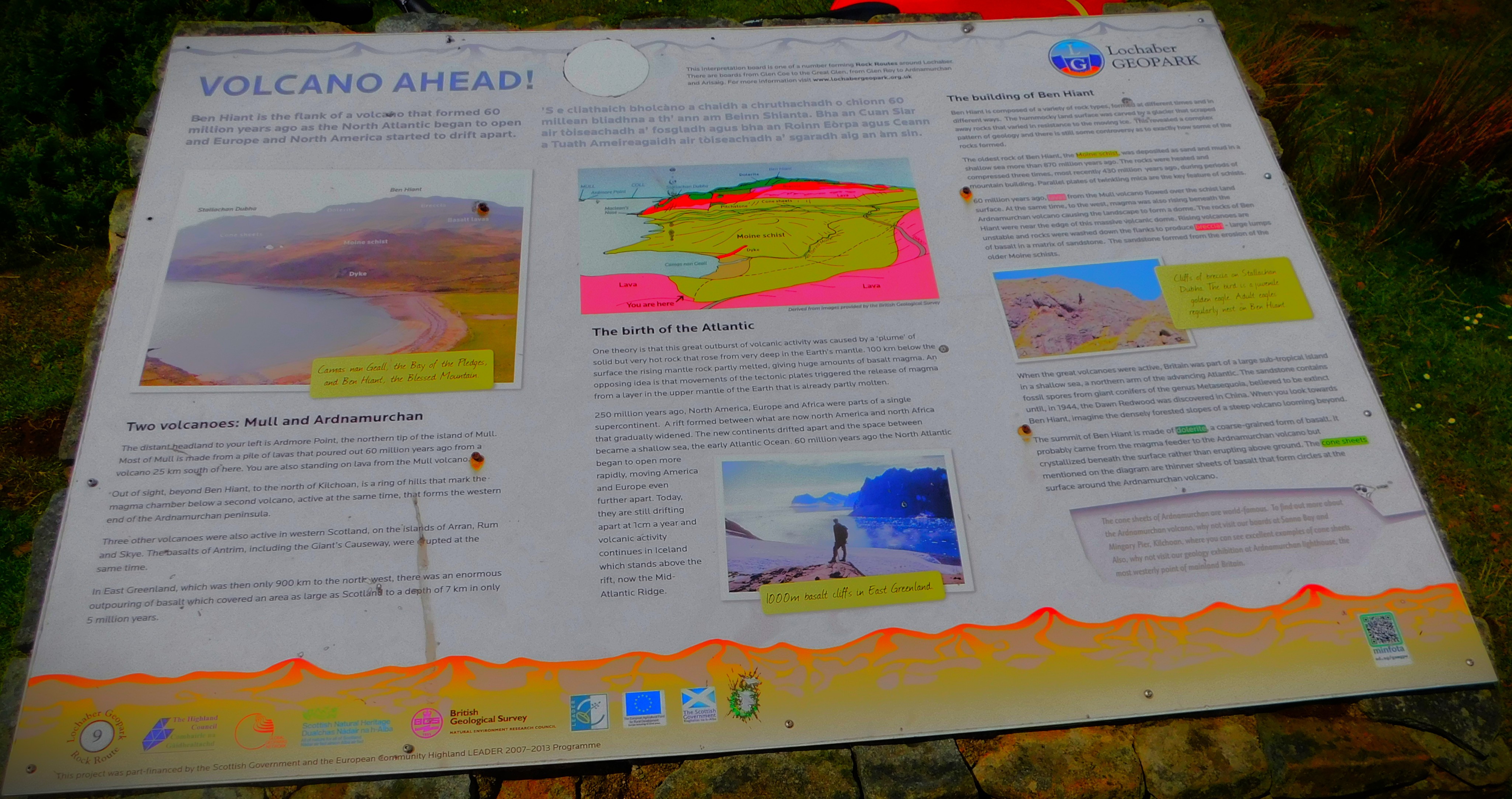
The Ardnamurchan peninsula provides a splendid example of an intrusive ring-complex and is one of a series of such complexes of Tertiary age found in the west of Scotland. Other examples are at St Kilda, Skye, Rhum, Mull and Arran.
Ring-intrusions are formed when a plug of country rock becomes detached from its surroundings by a ring fracture. Three such intrusive centres are found at Ardnamurchan. Ring-dykes are intrusions along the ring-fracture itself and when repeated subsidence has taken place, as at Ardnamurchan, a sequence of ring-dykes forms about a common centre. In their downward extension ring-dykes usually incline outwards from the intrusion centre. Their width may vary from less than a hundred yards to more than a mile.
Cone sheets are associated with the ring-dykes. They are relatively thin intrusive sheets which occupy concentric fissures inclined towards a central point and are usually arranged concentrically about the igneous centre. They may have been produced at a time when the magma exerted a strong upwards pressure against the roof of the magma chamber.
The model shows clearly how these tertiary ring-structures find expression at the surface in the topography of Ardnamurchan.
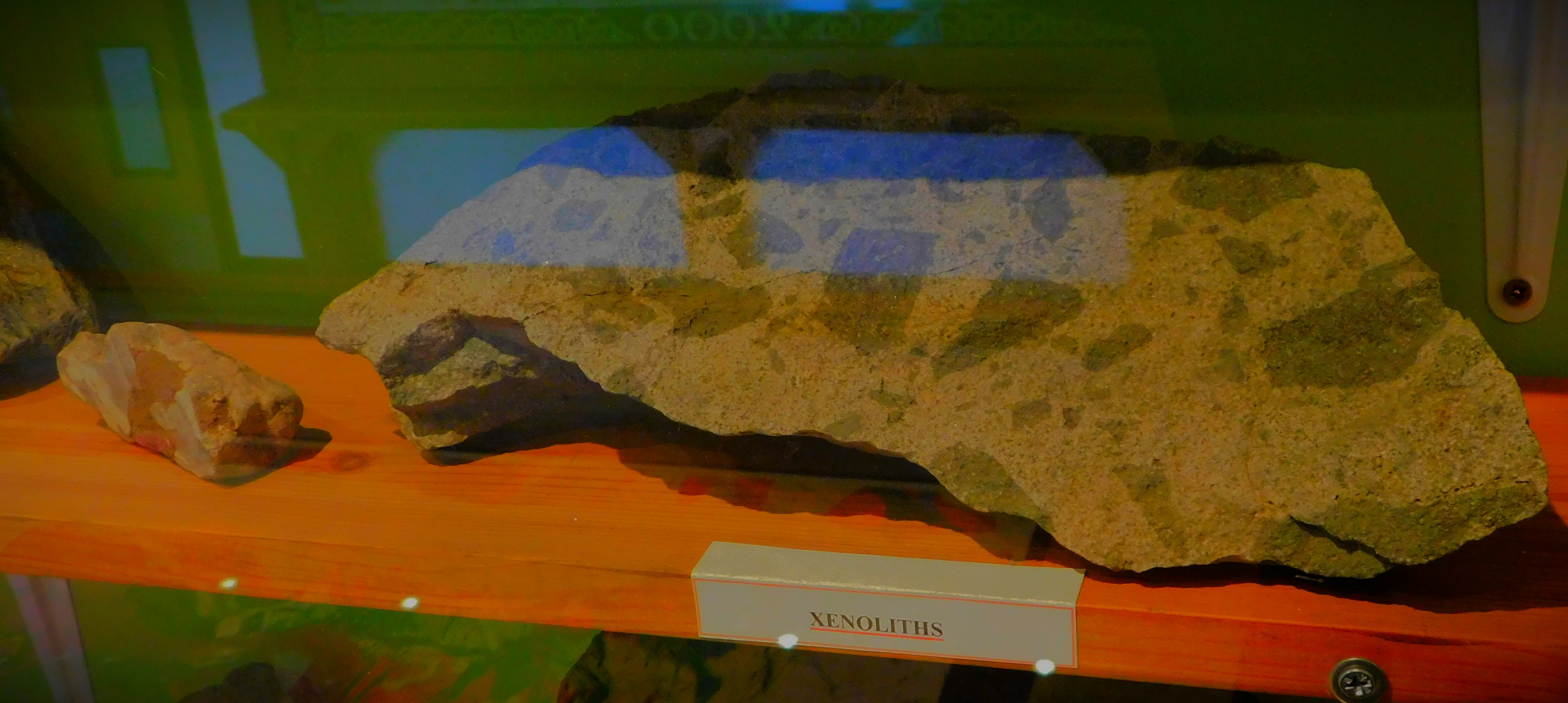
The rock samples on display include granite, basalt and xenoliths. Xenoliths (from the Greek, meaning literally ‘alien stone’) are rocks formed particularly deep within the earth, and hence not commonly seen at the surface.
PHOTOGRAPHS
My photographs relating to the above post…
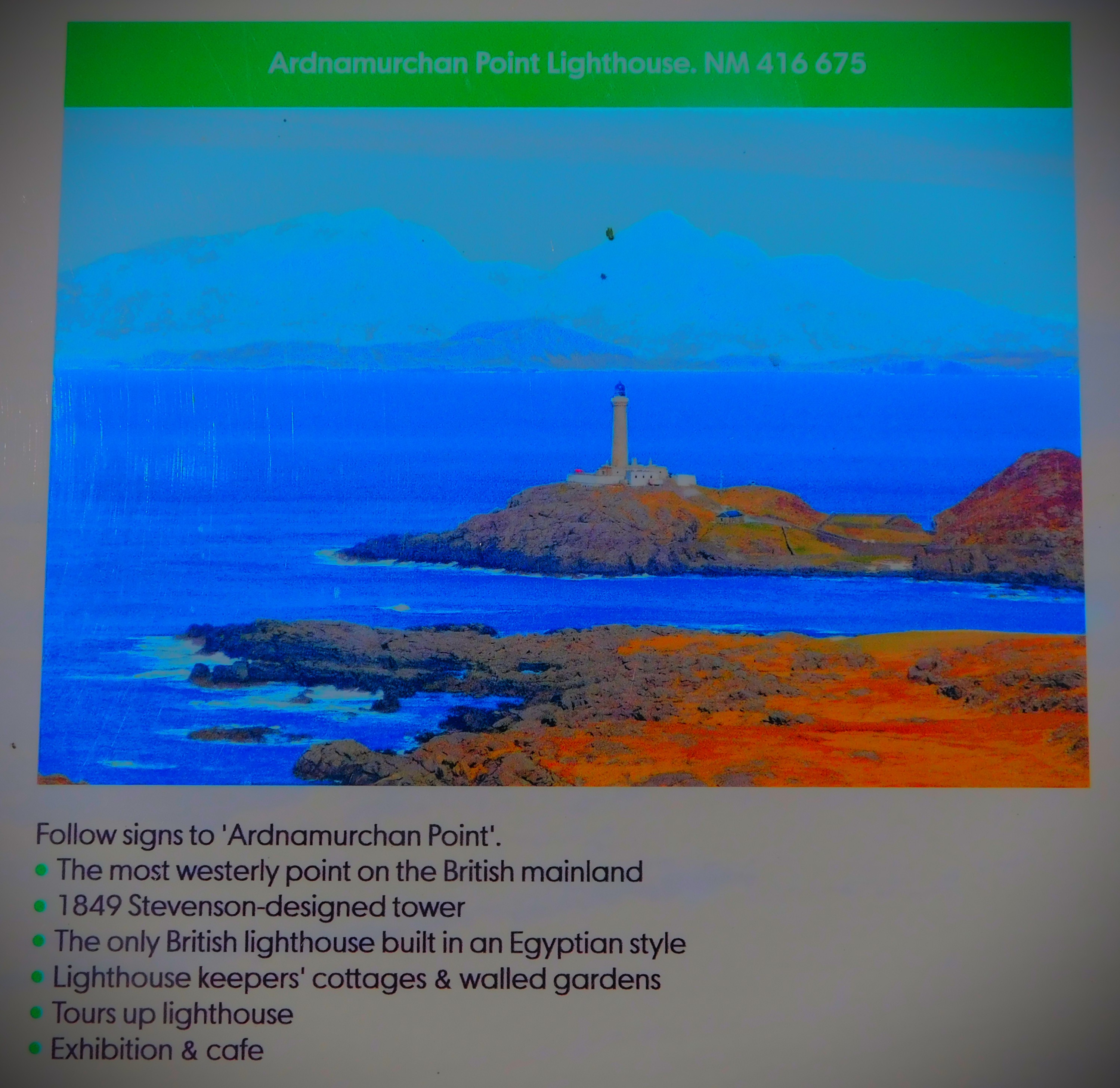
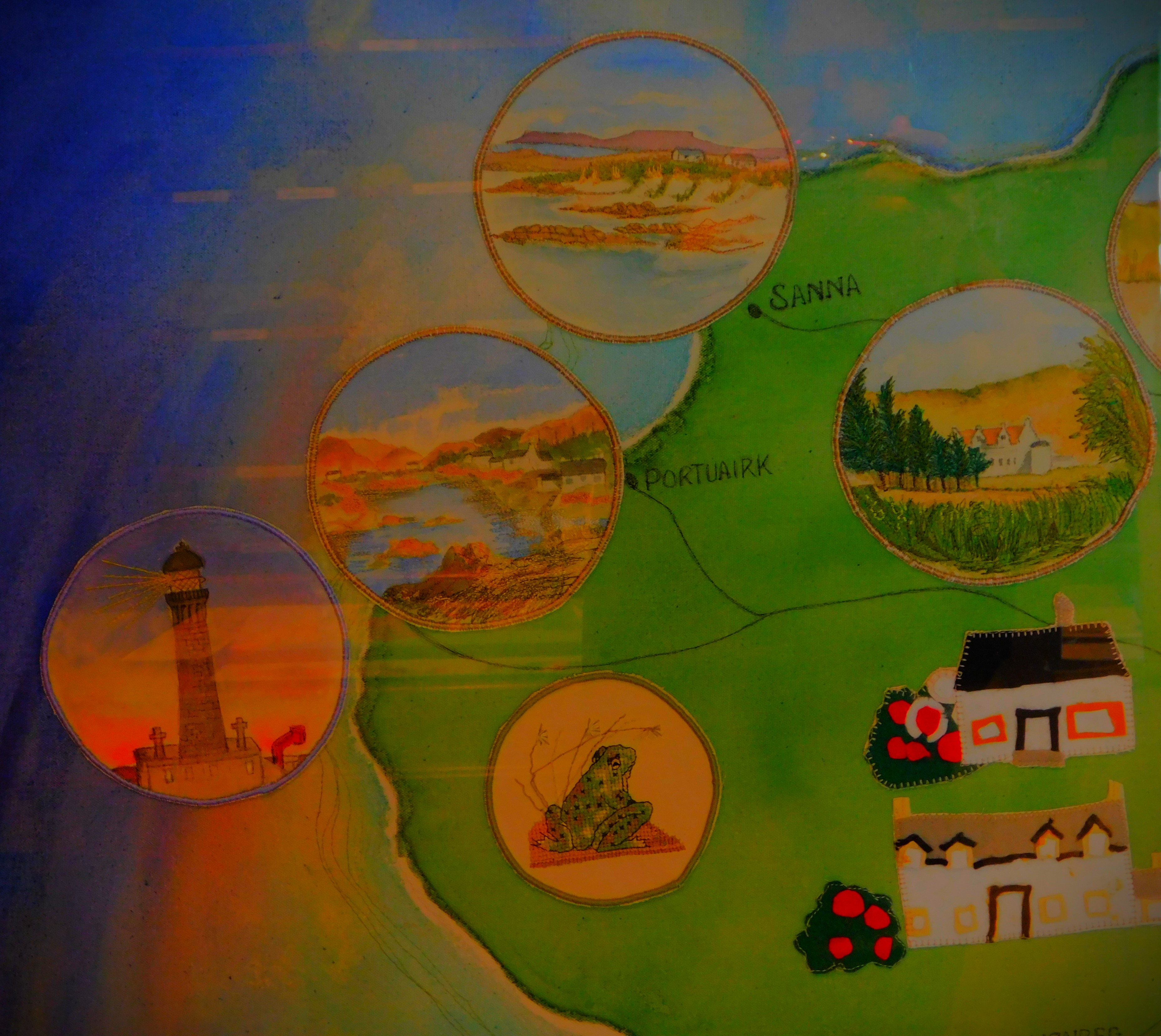
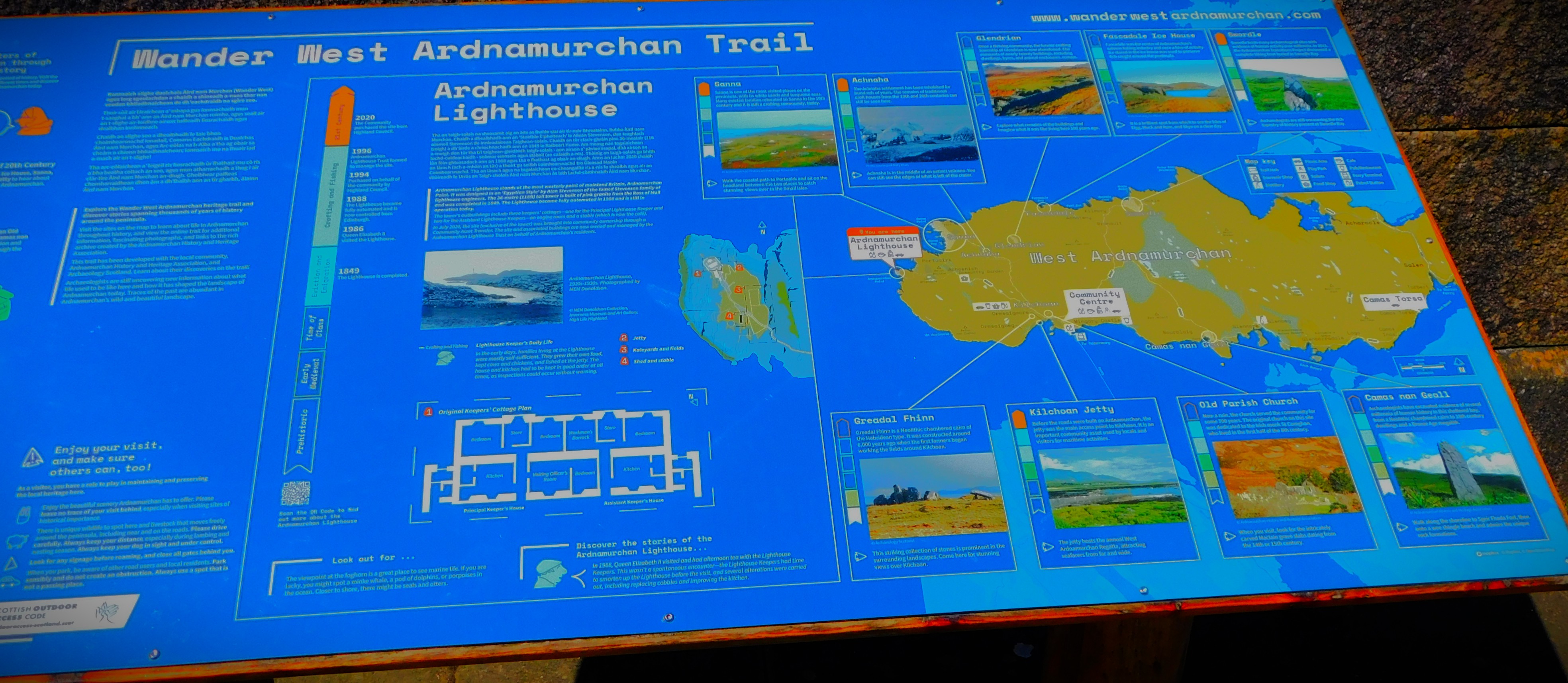
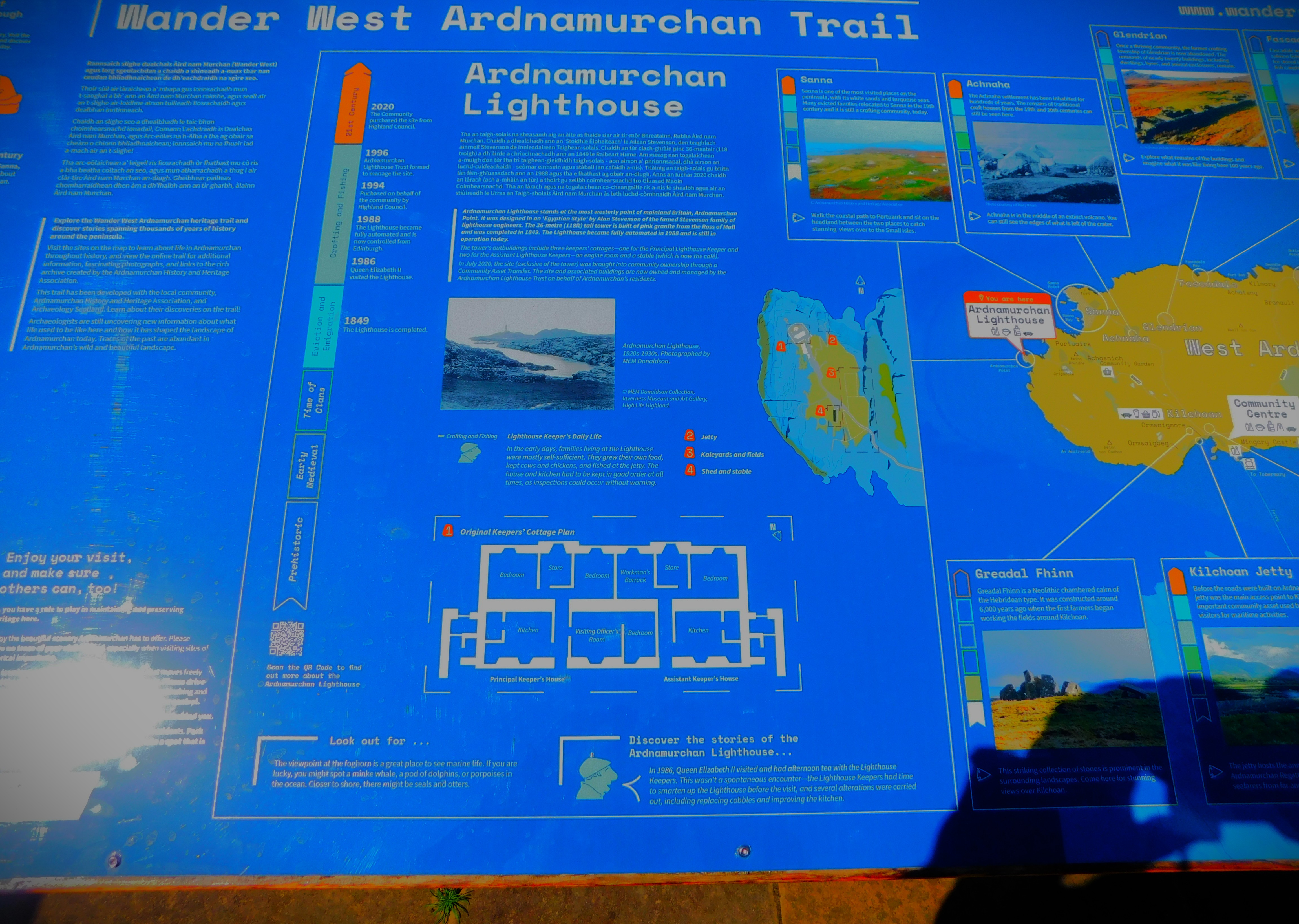
This is the wall mounted map ,memtioned in the post.This is the 3D map/ model that prompted the post.These last few pictures are from Ardnamurchan lighthouse.
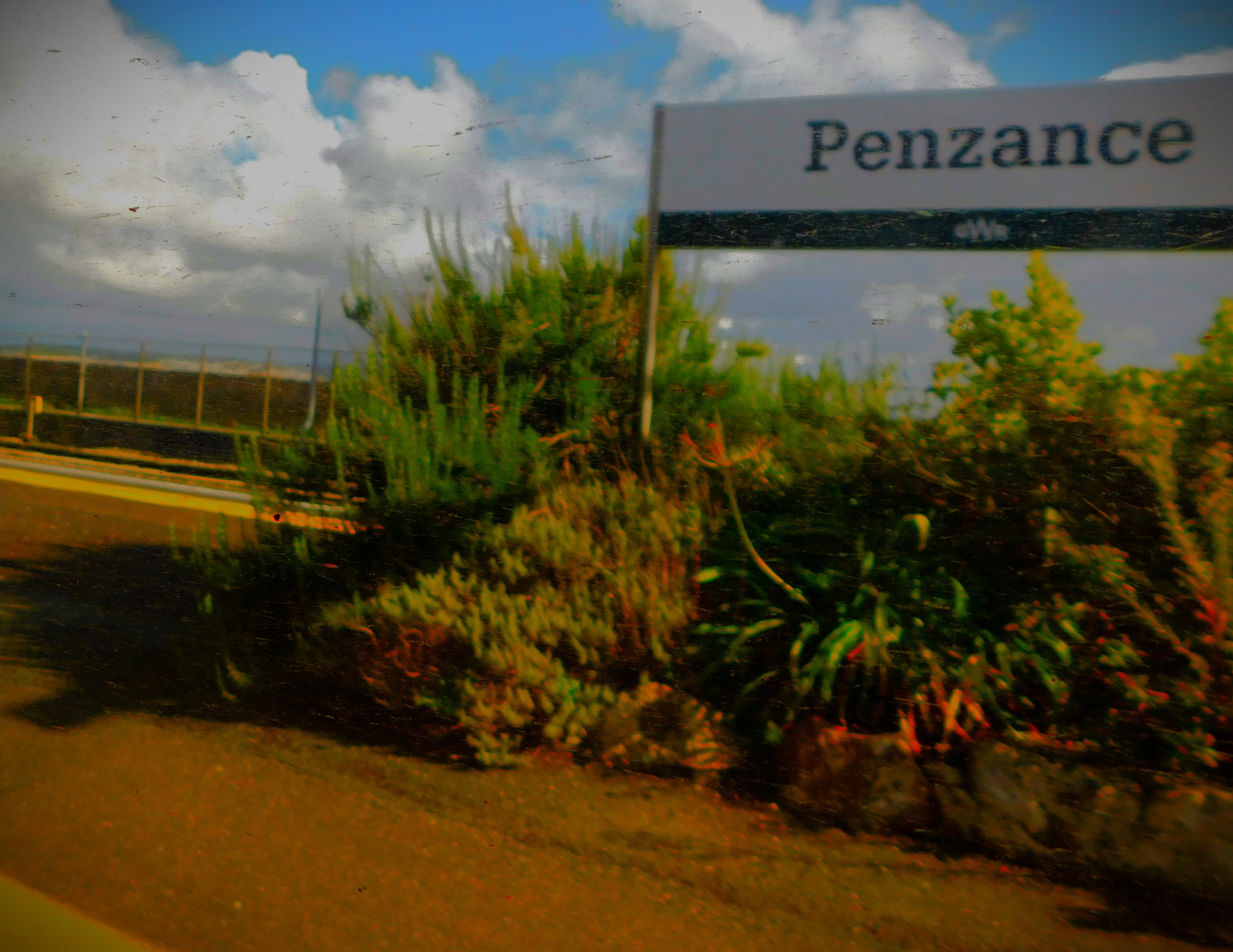
An account of my return journey from Penzance to Liskeard to bring the Penzance ‘series within a series’ to a conclusion.
I am writing this post from a hotel room in Plymouth where I am spending the last night of my excursion, due to a mix up over holiday dates (I booked my train tickets based on my parents flying out to Crete tomorrow, whereas they are actually doing so today). I will cover the events of today in considerable detail in a later post. Suffice it to say for the moment that I am happy with my room. For today I complete my coverage of my excursion to Penzance with an account of the return journey.
PENZANCE TO LISKEARD
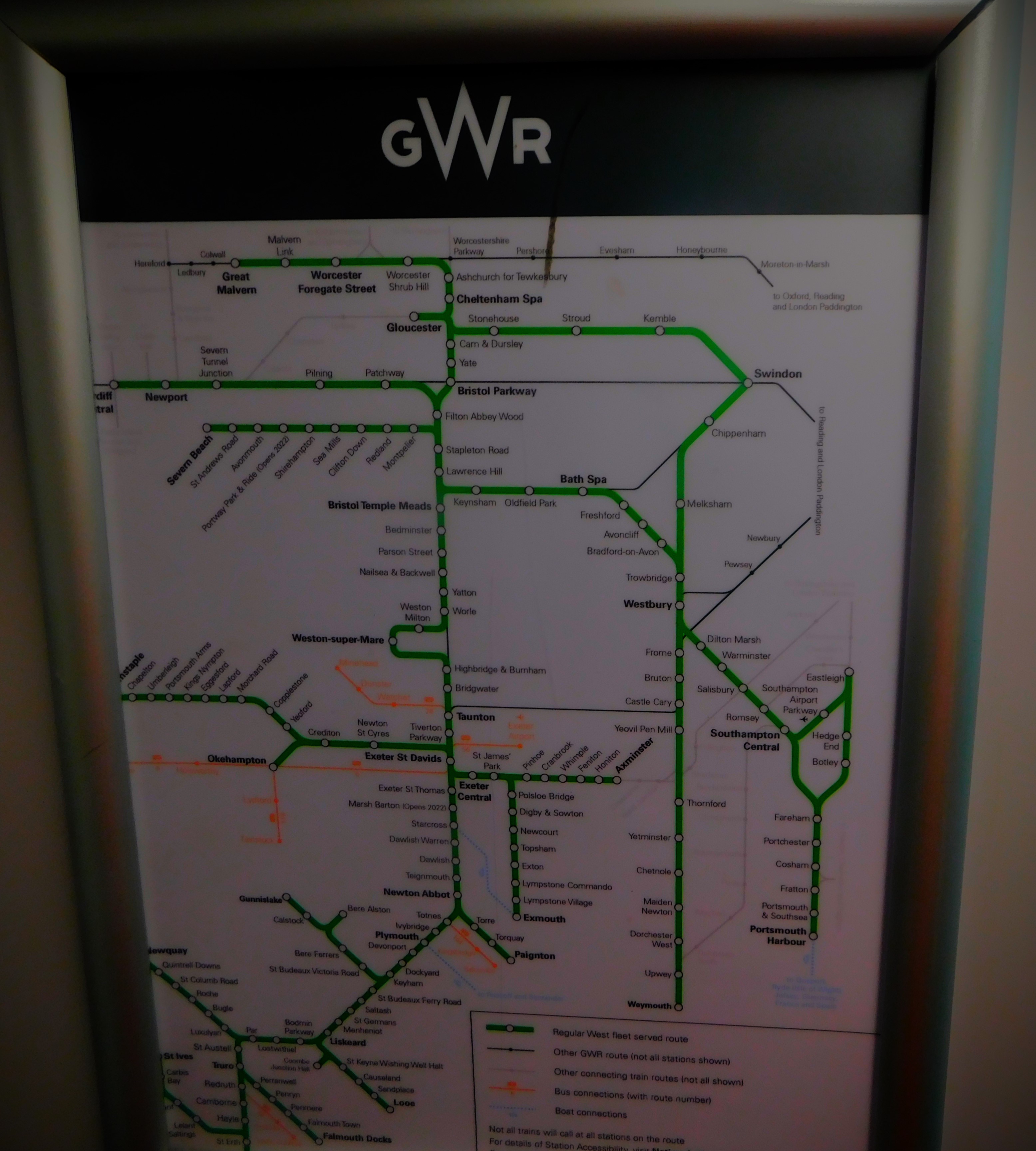
While I was heading east from Penzance to Liskeard my sisters was heading westwards towards Plymouth, from where she would be picked up. In the event although my train reached Liskeard some while after hers reached Plymouth I was back at Fort Picklecombe first due to the shorter journey from Liskeard as compared to Plymouth. There were two short stoppages on my journey from Penzance to Liskeard, but overall it was a smooth run. I got some good pictures along the way.
PHOTOGRAPHS
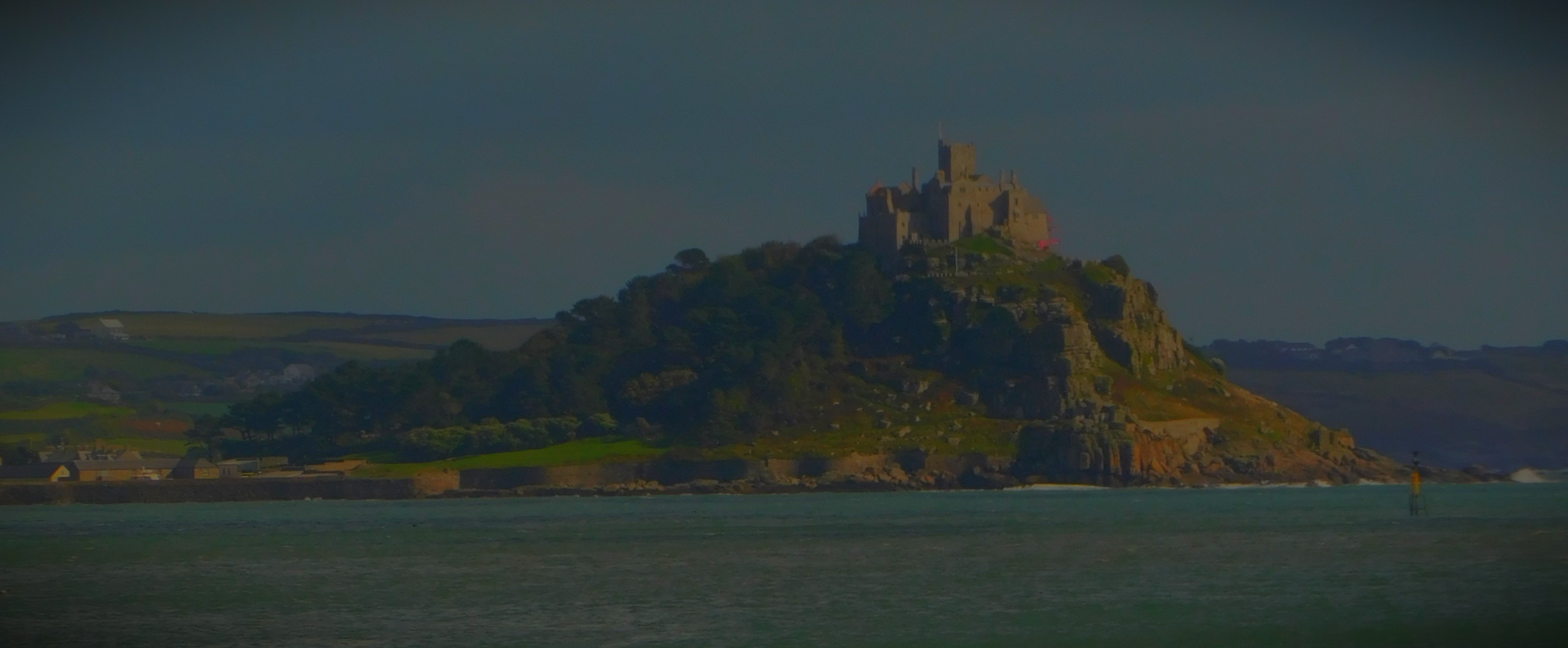
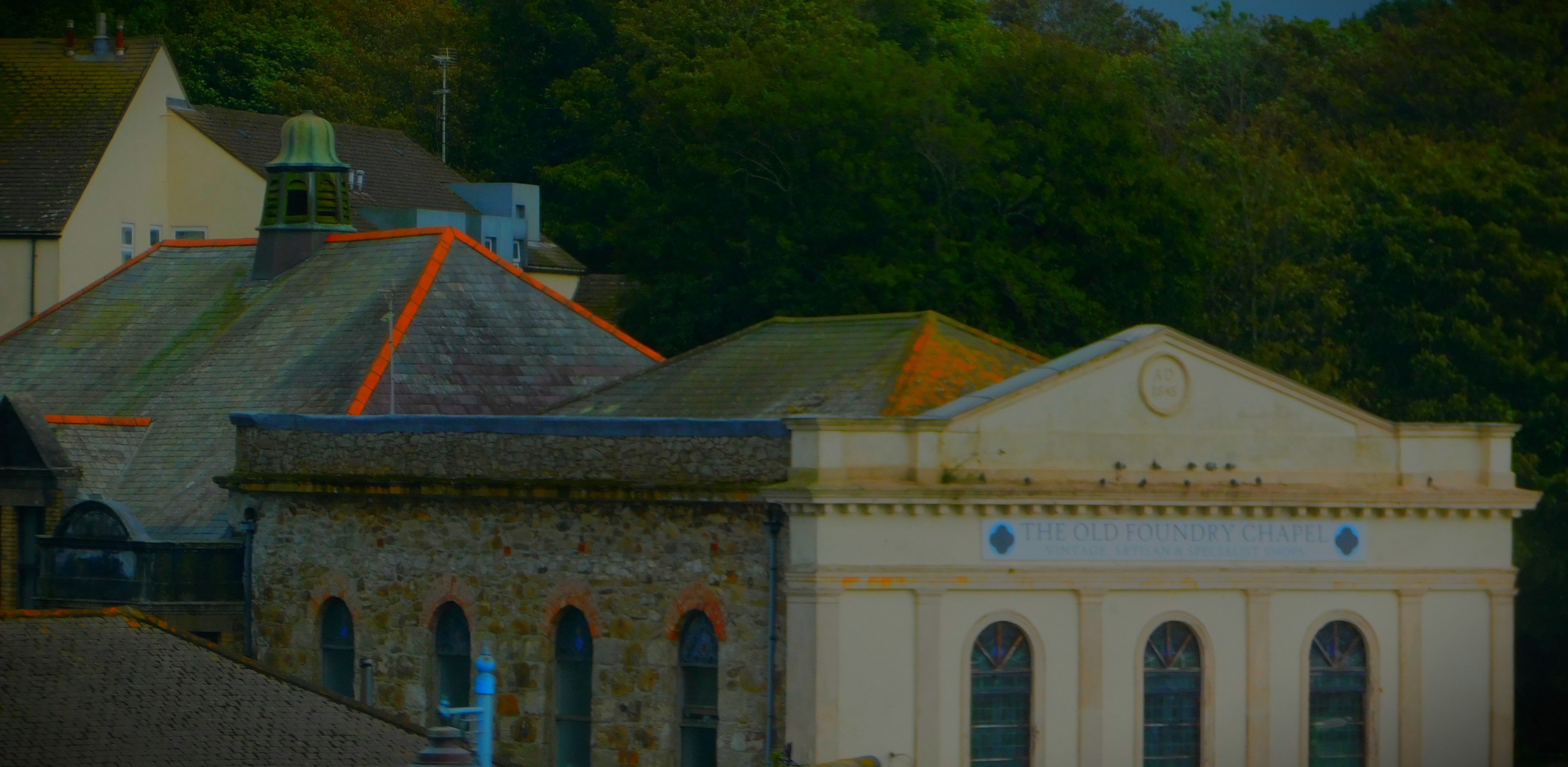
Here are the photographs from the return journey…
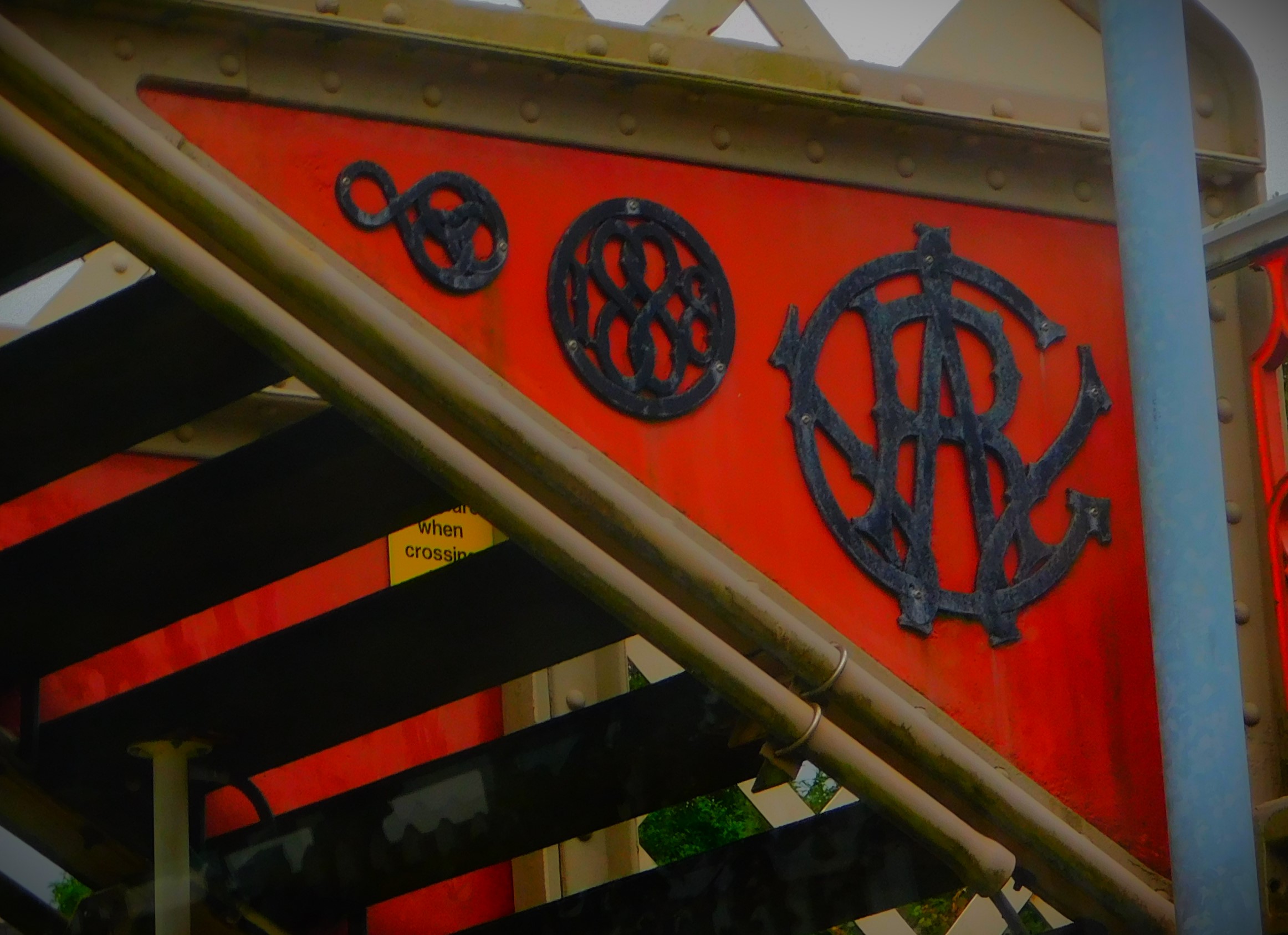
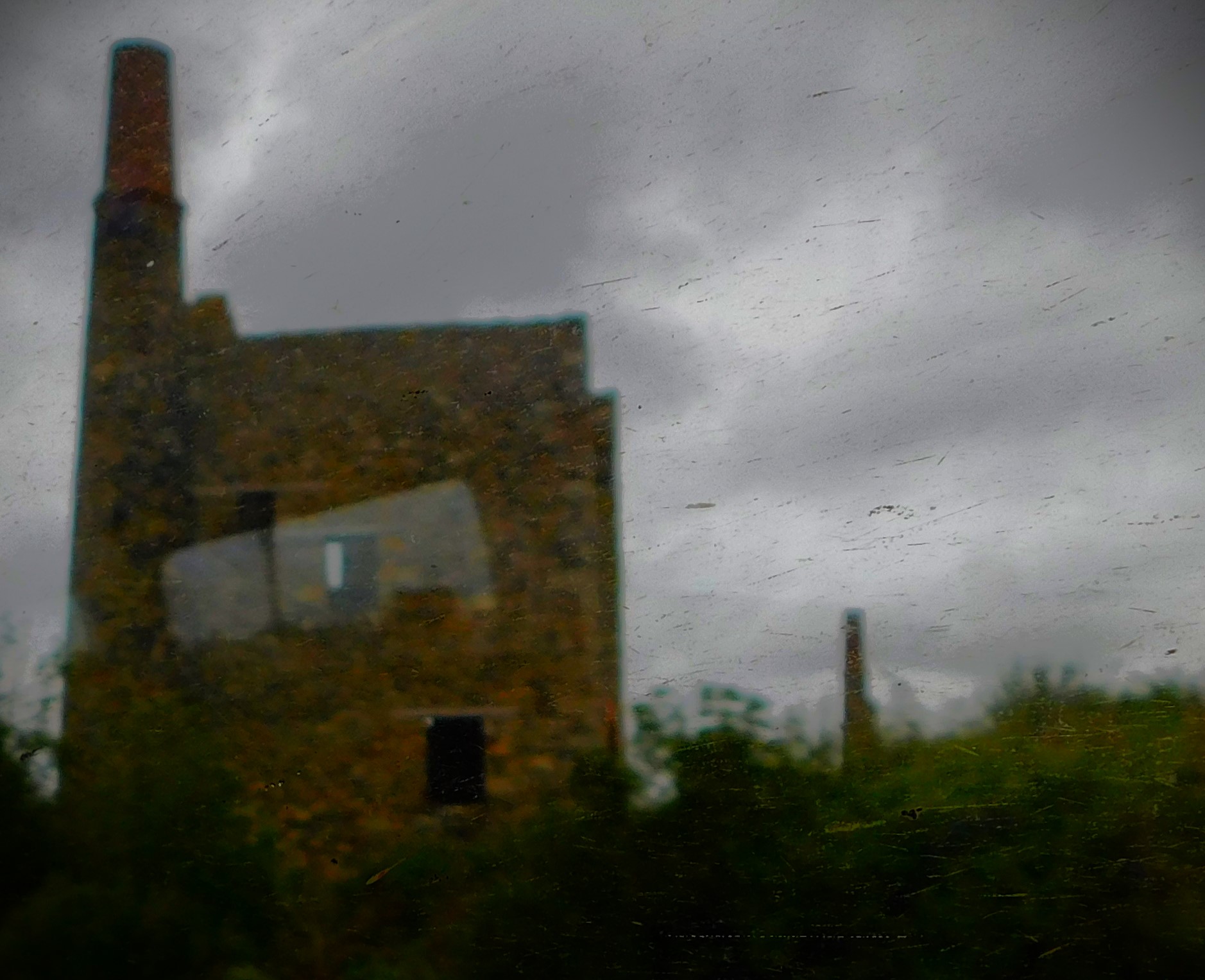
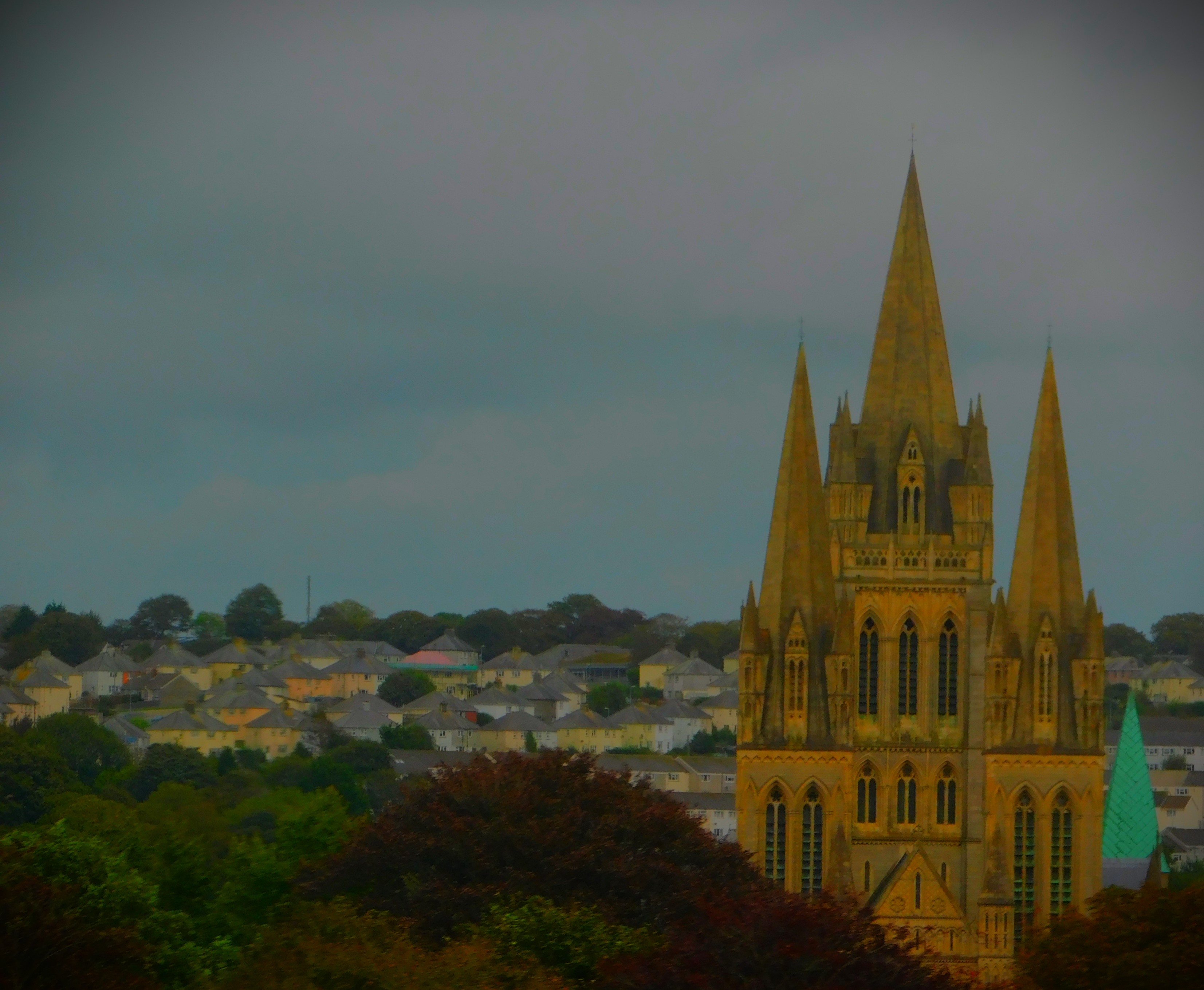
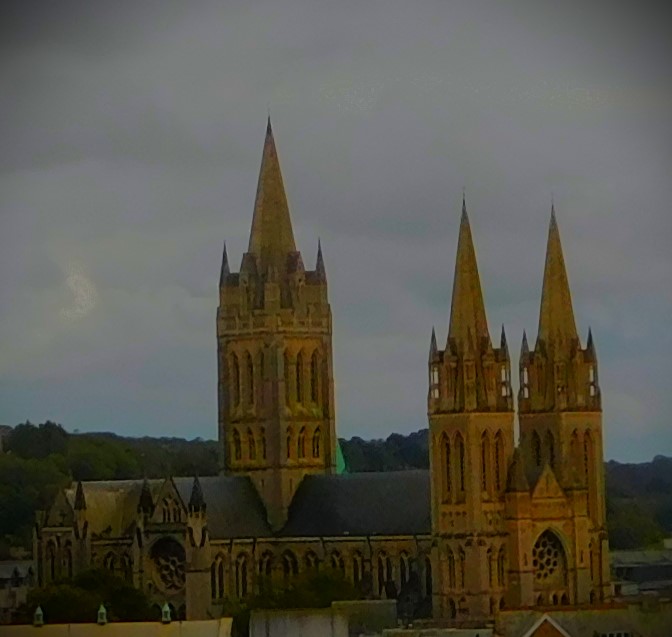
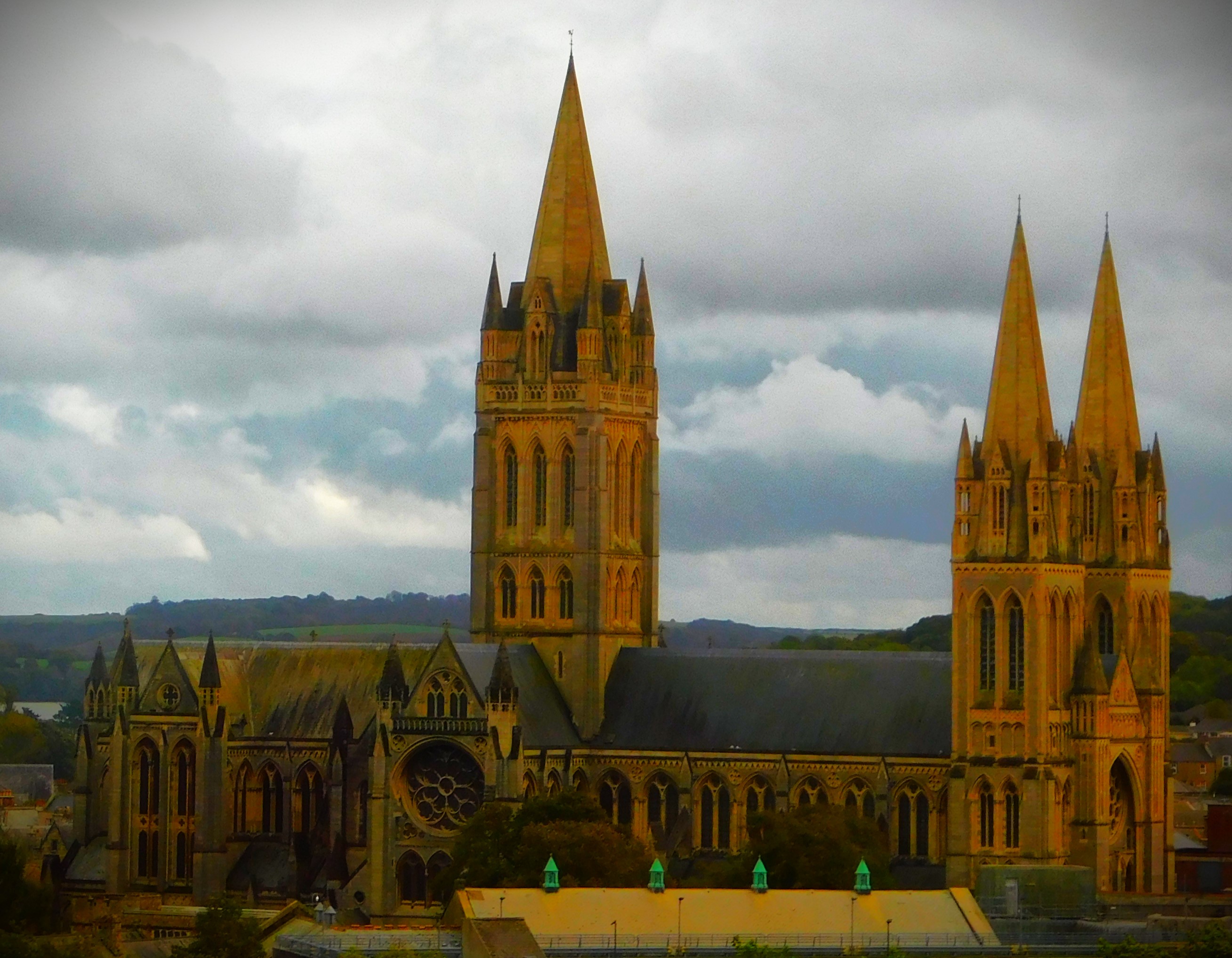
The photos from the return journey start here.Truro Cathedral in as much of its glory as can be captured through a train window.
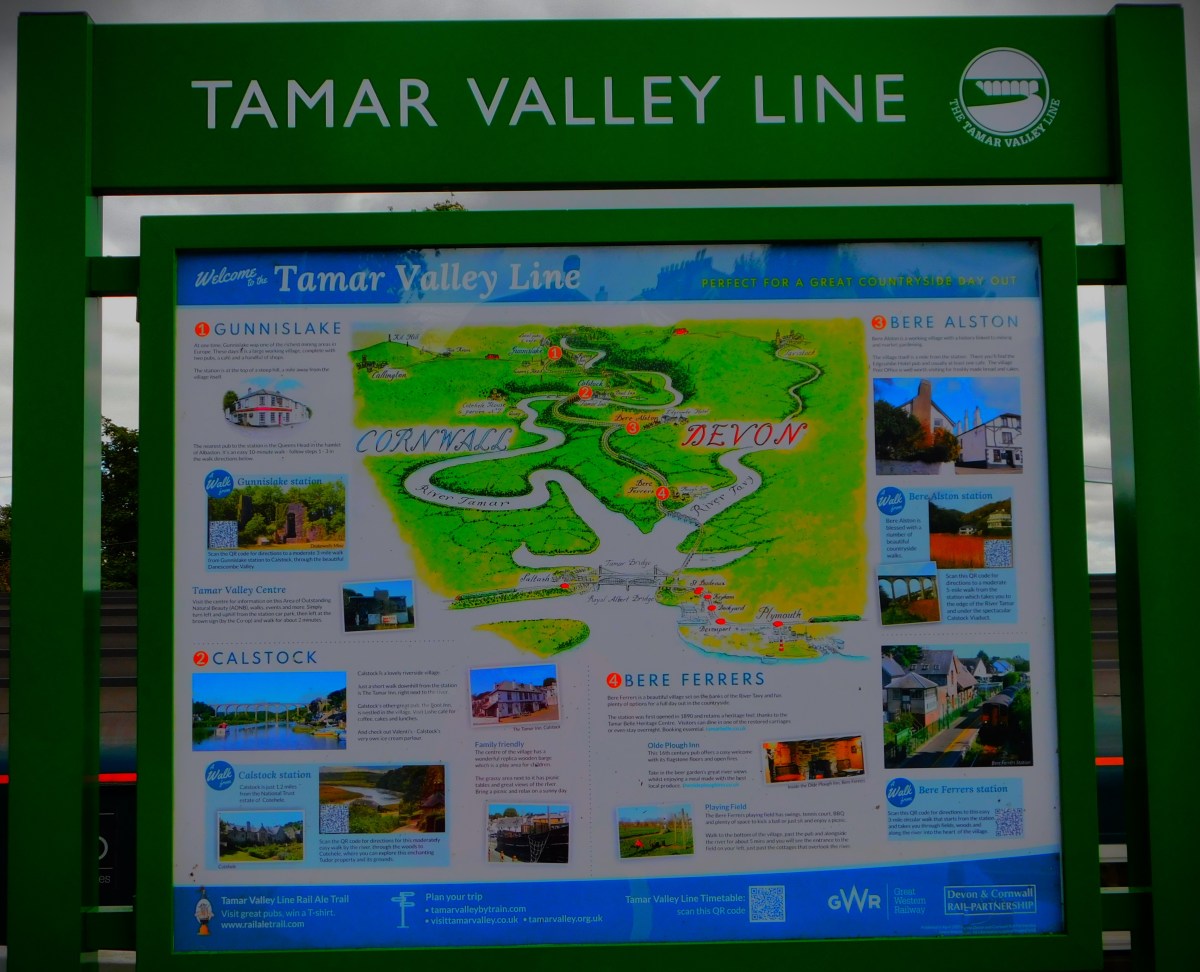
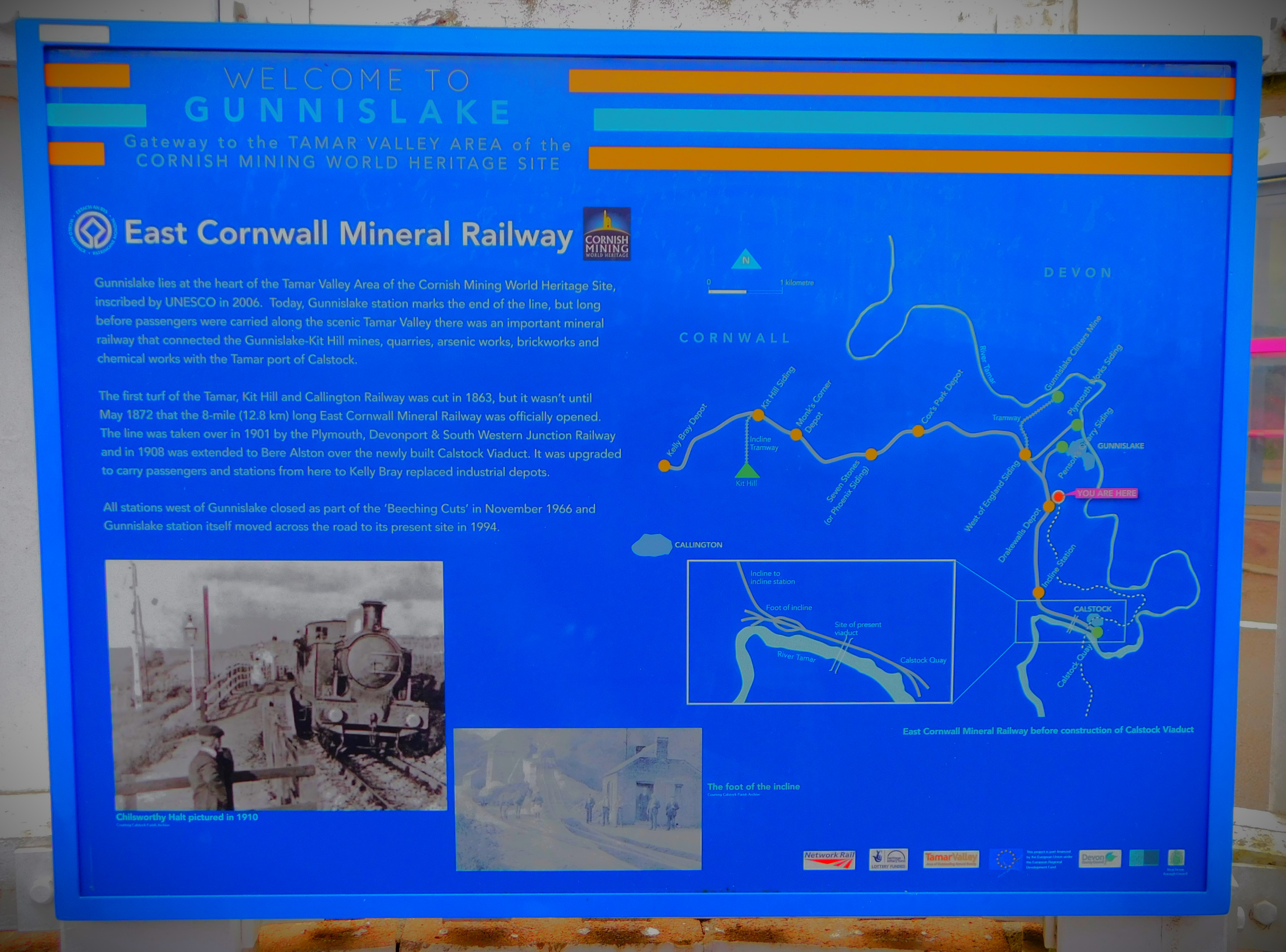
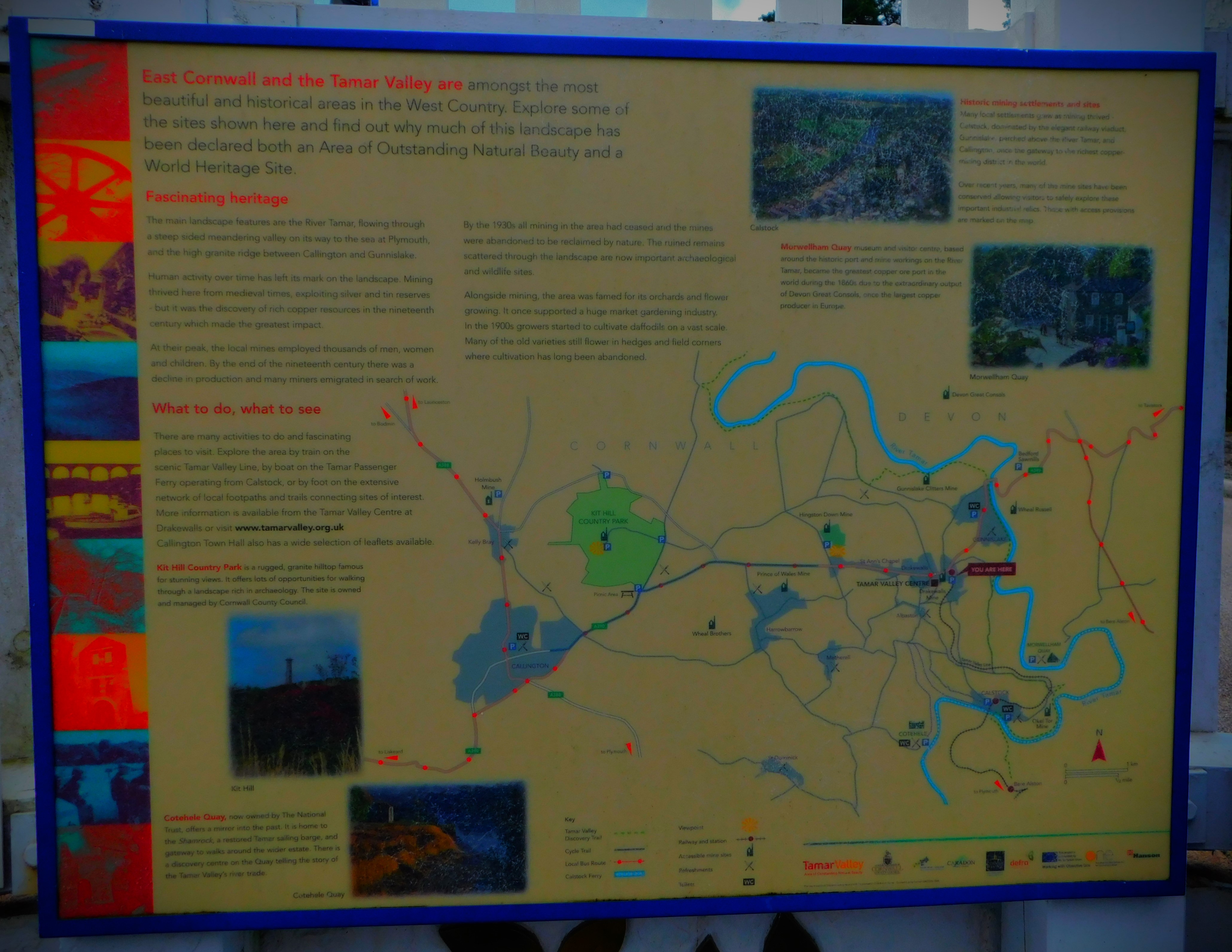
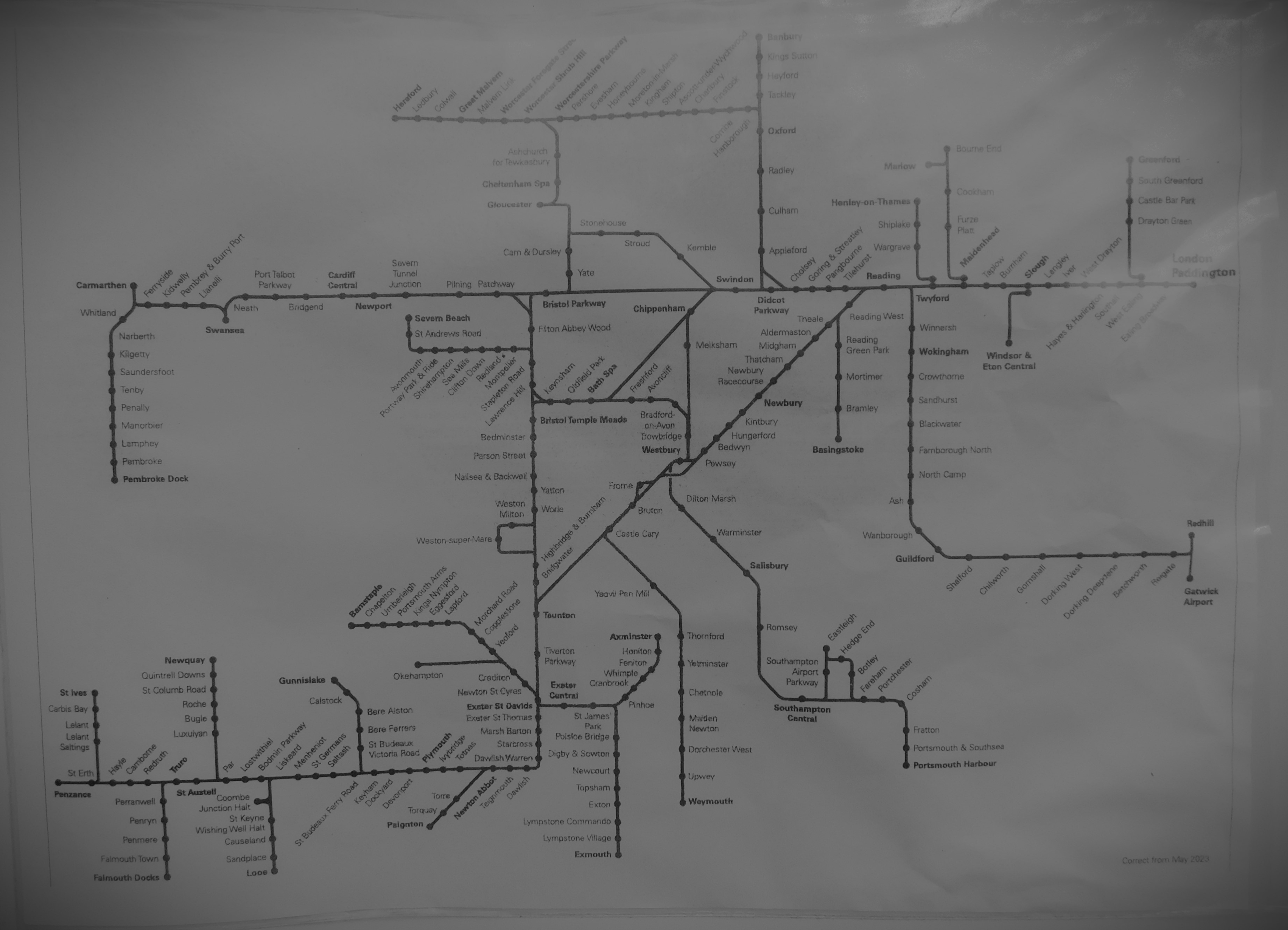
An account of a trip on the Tamar Valley line, complete with large photo gallery.
Yesterday was the first full of my stay in Cornwall, and this post describes my main activity for that day. Today the weather is truly vile – high winds, lashings of rain and more recently to add to the mix fog as well so that the lighthouse that is usually clearly visible from my parents apartment is currently entirely shrouded from view.
A PLAN MISFIRES
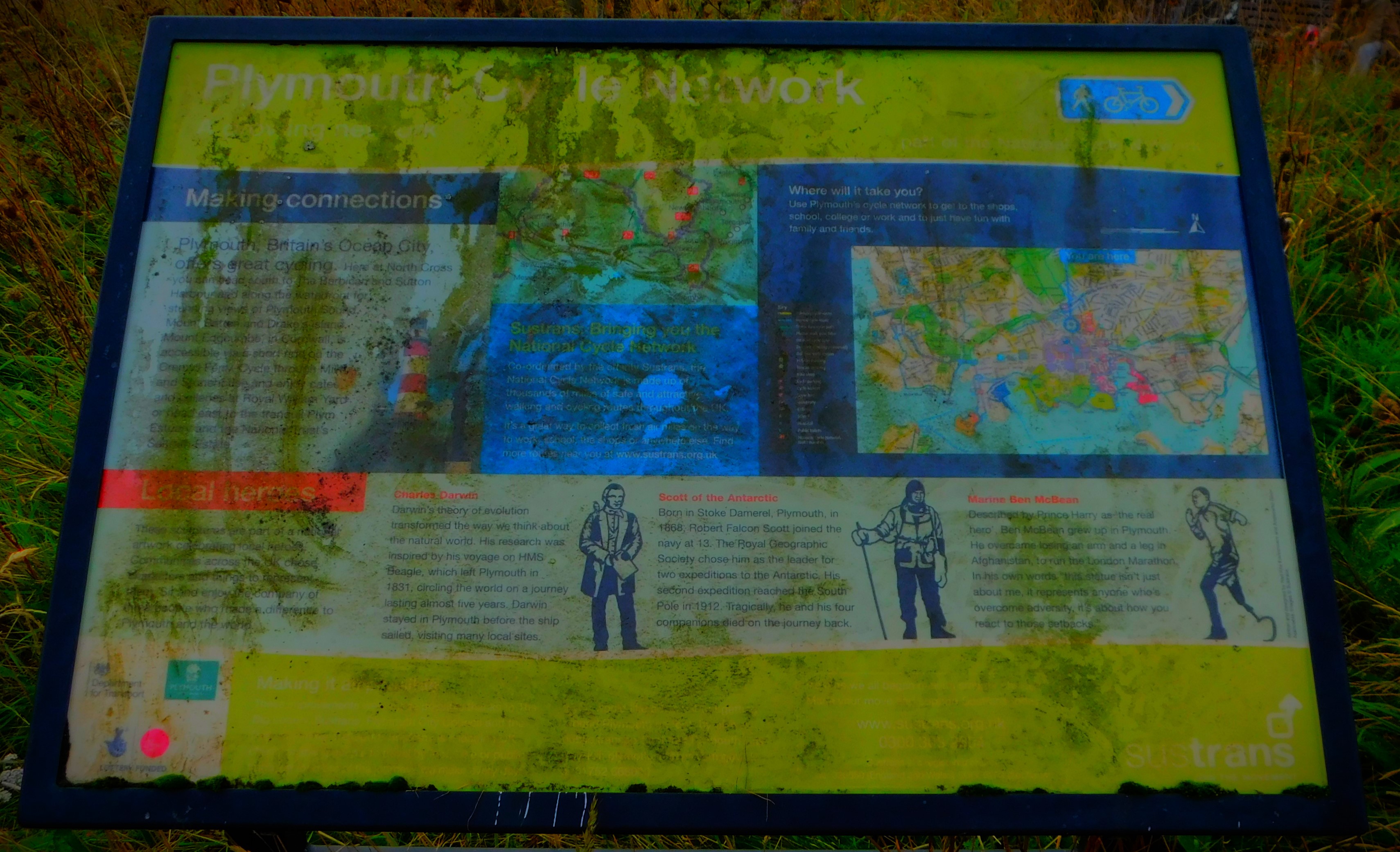
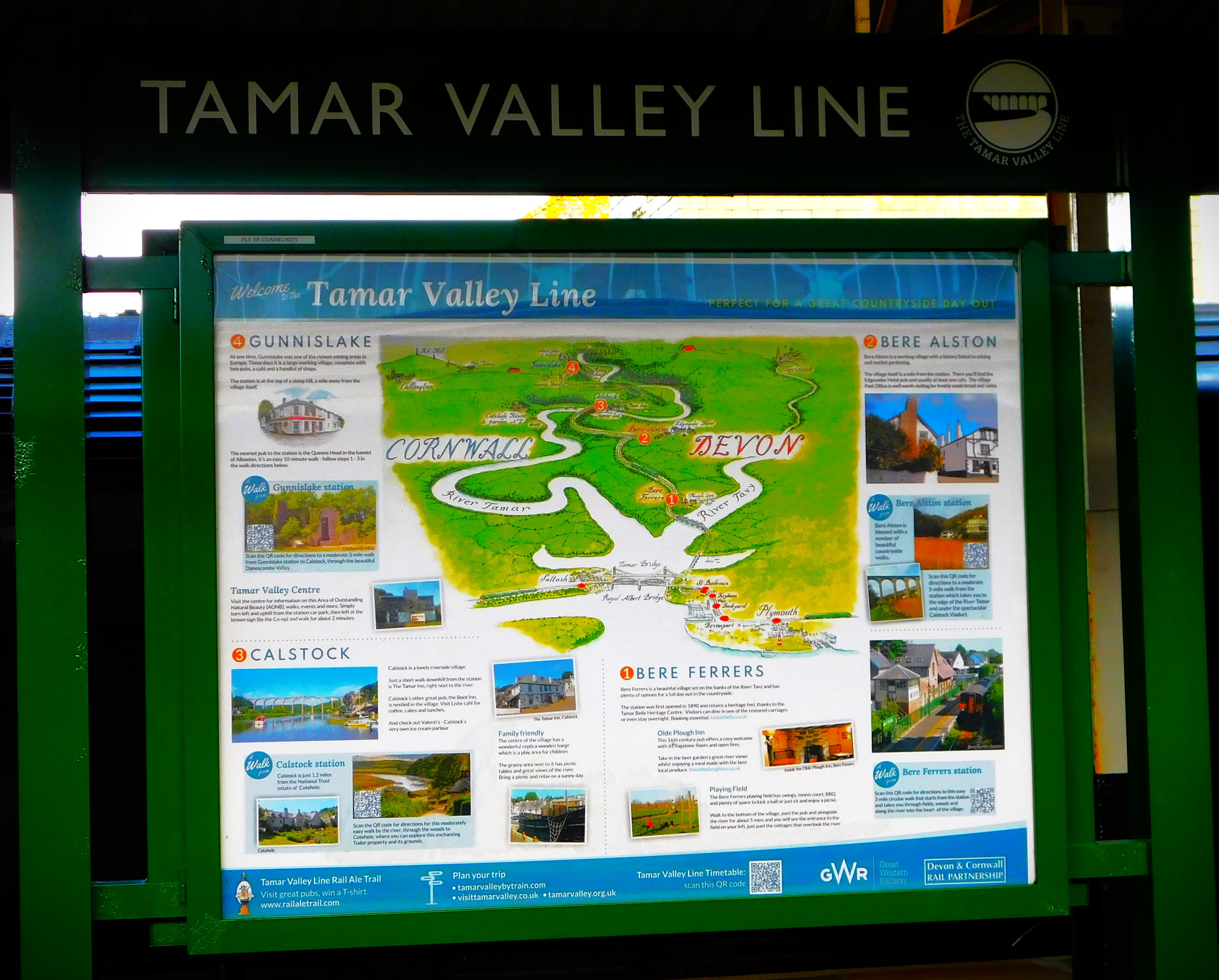
I was dropped in Plymouth yesterday with a view to purchasing a Devon and Cornwall railcard (cost £12) to gain a 1/3 discount on all train fares in the region for a year. Unfortunately such a card can only be obtained if documentation relating to an address in the area can be produced and I had no such documentation. However I bought a return ticket to Gunnislake, northern terminus of the Tamar Valley Line, cost £7.90. I had over an hour before the next train to Gunnislake was departing, so filled some of the time by gaining greater familiarity with the environs of Plymouth station. Pedestrian access from the station to other areas of town comes by a way of path that leads under a roundabout. The central area of the under-roundabout path is dedicated to wild flowers and is pleasant walking. The hour of my journey arrived…
A SCENIC JOURNEY
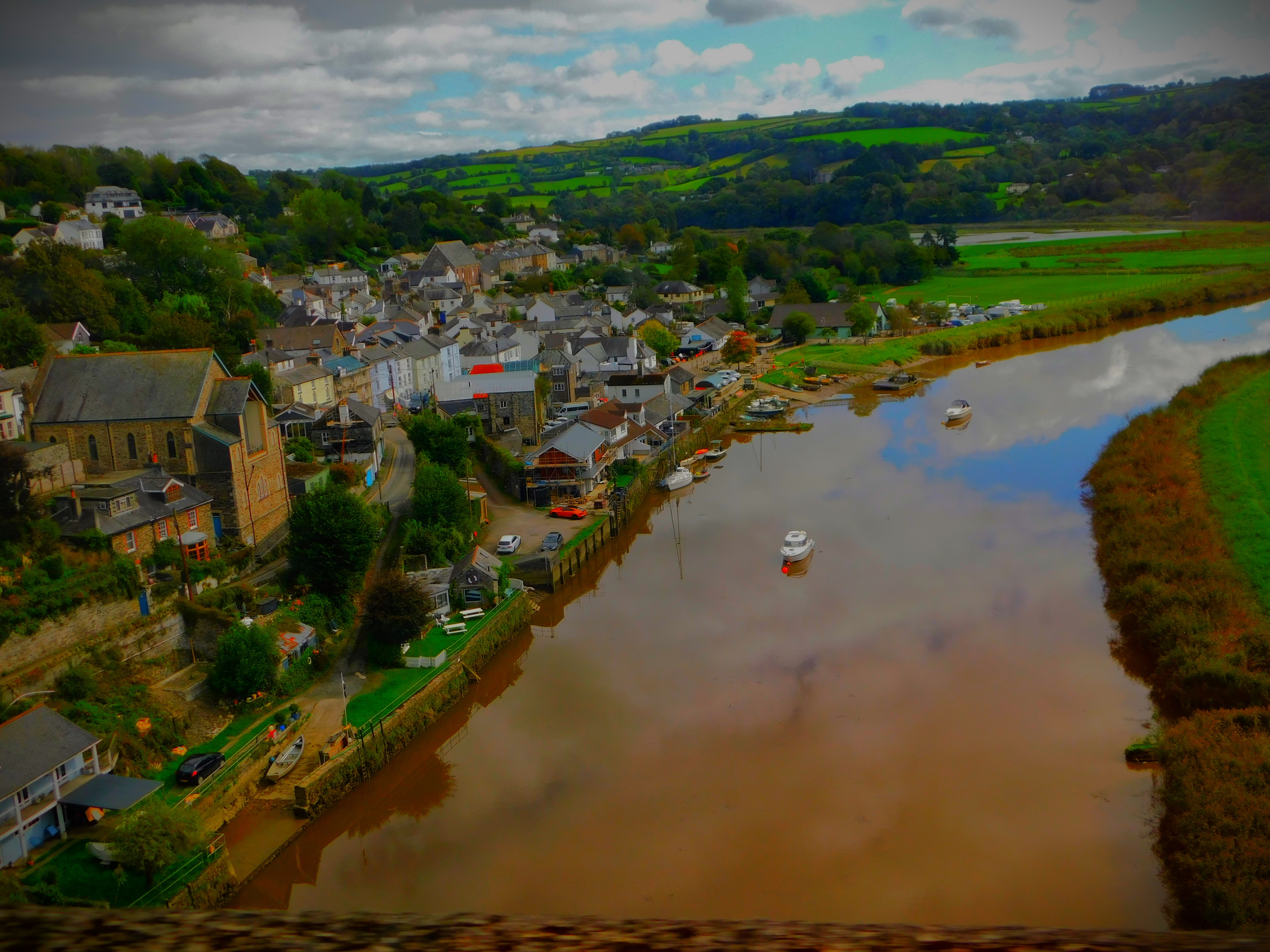
The journey to Gunnislake could be described as a journey of two parts in two different ways:
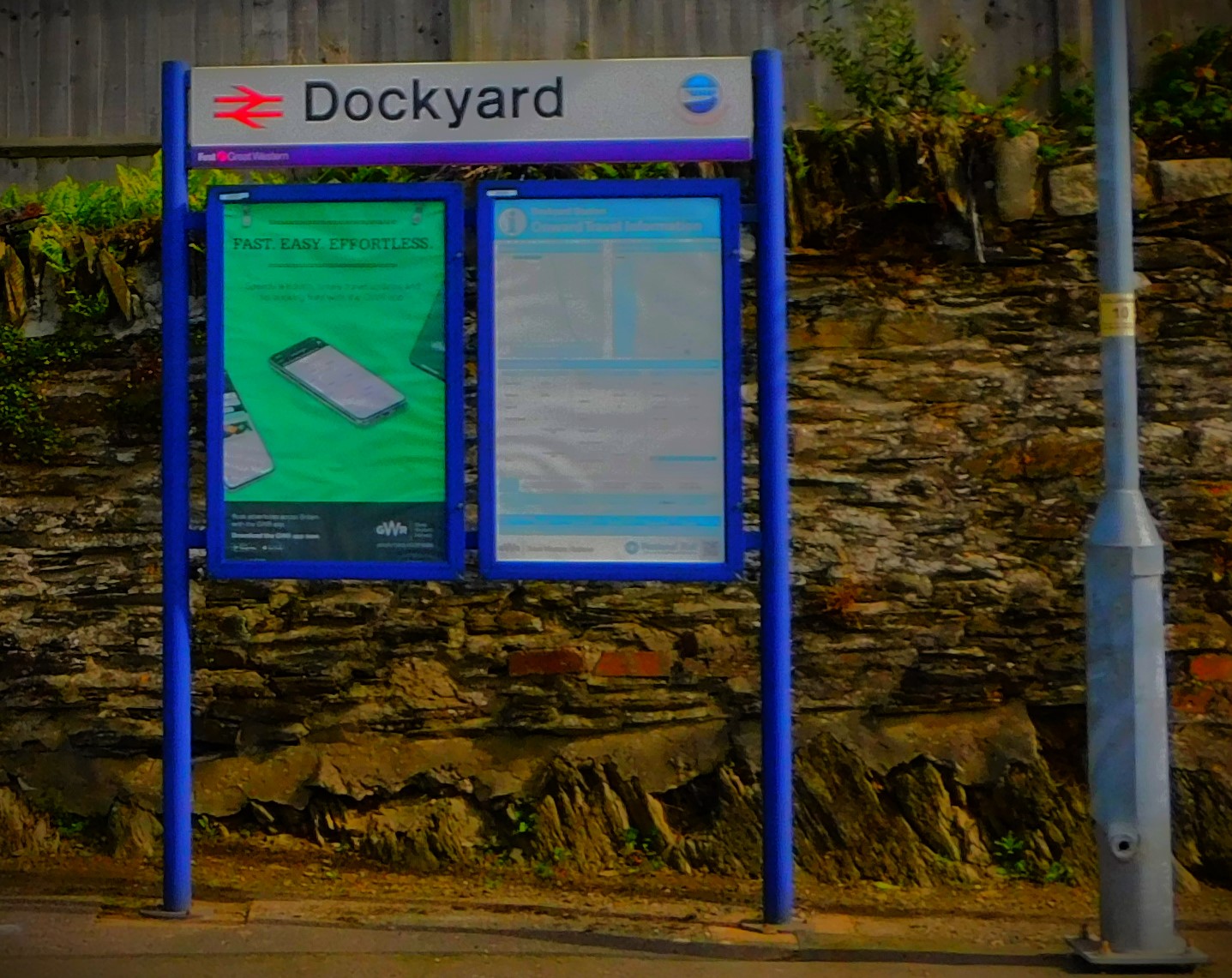
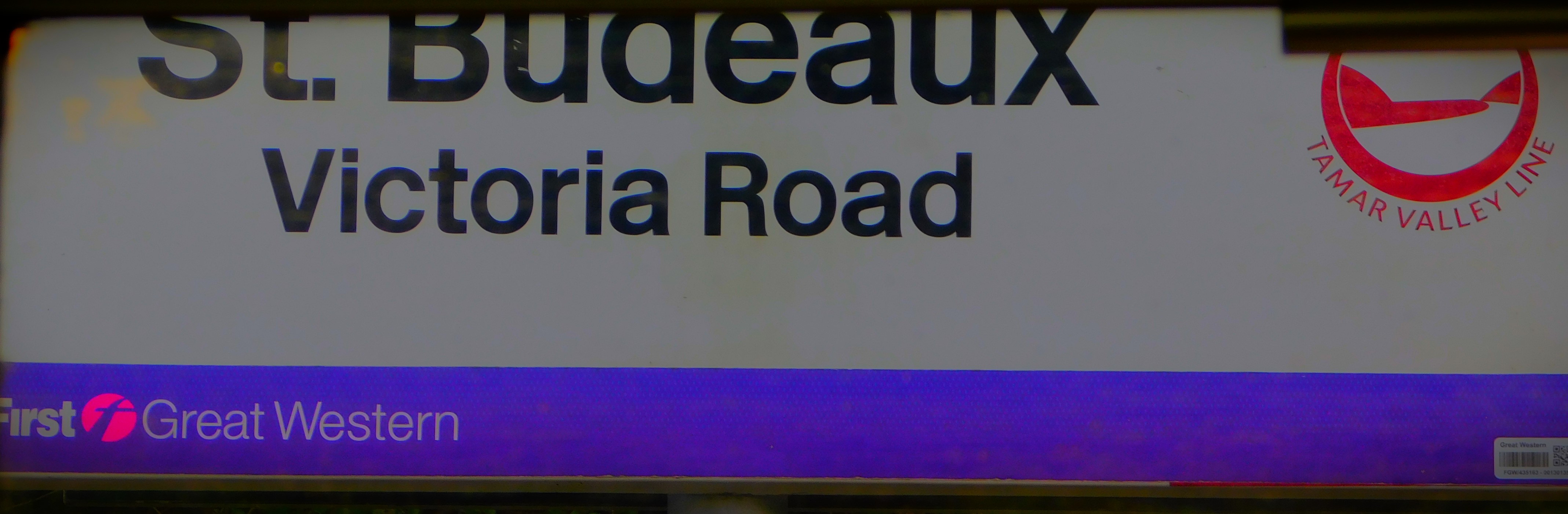
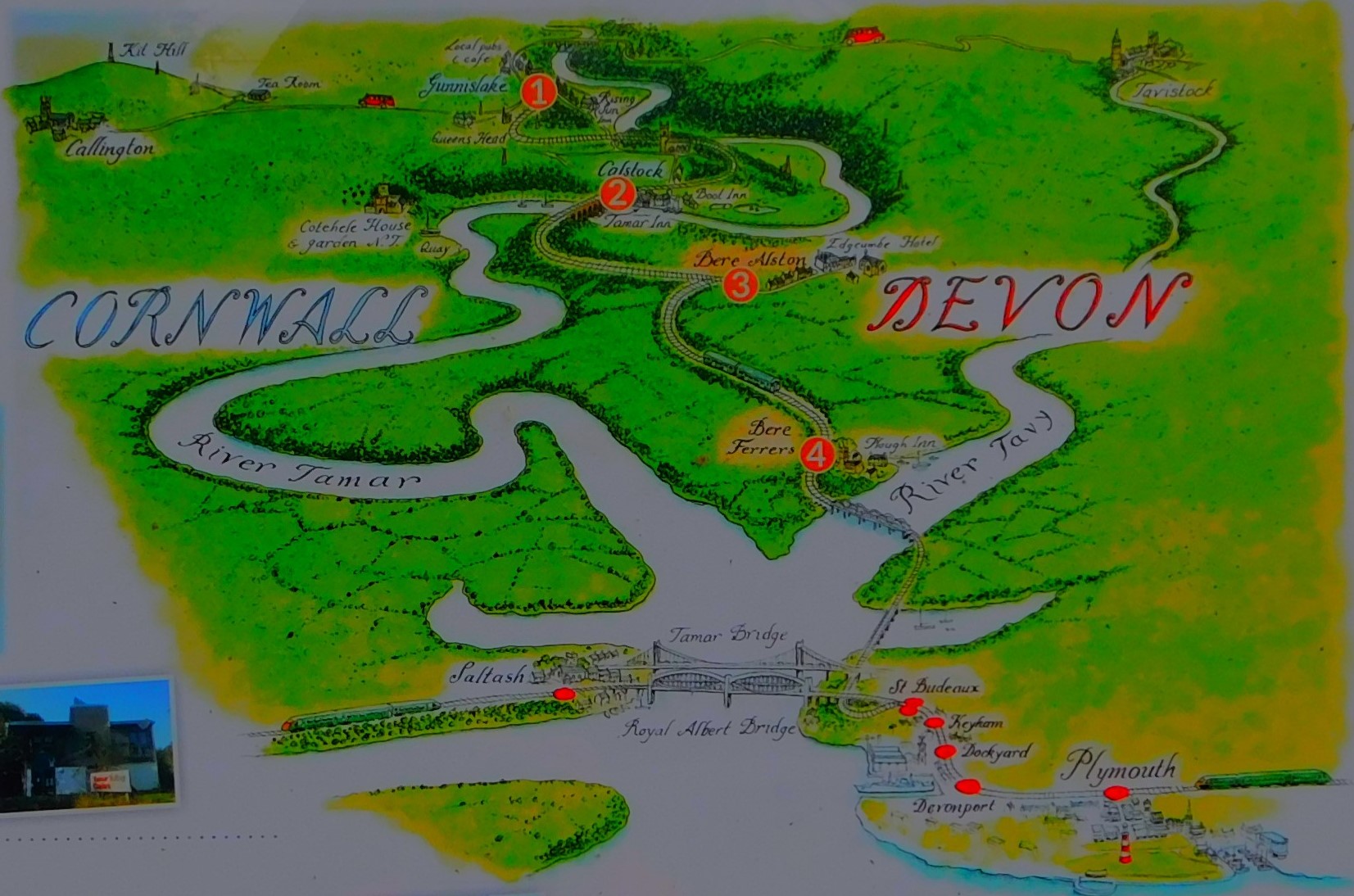
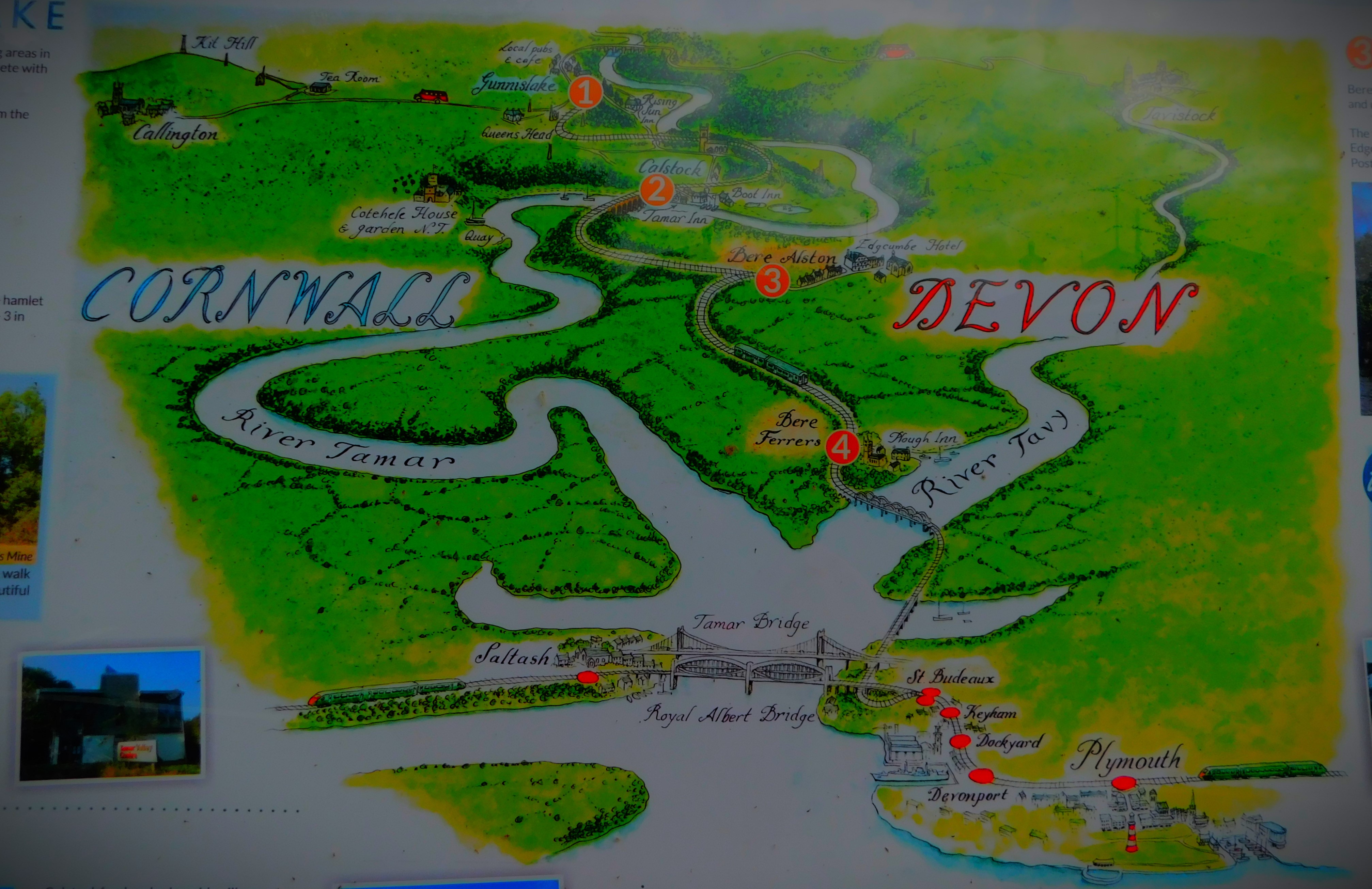
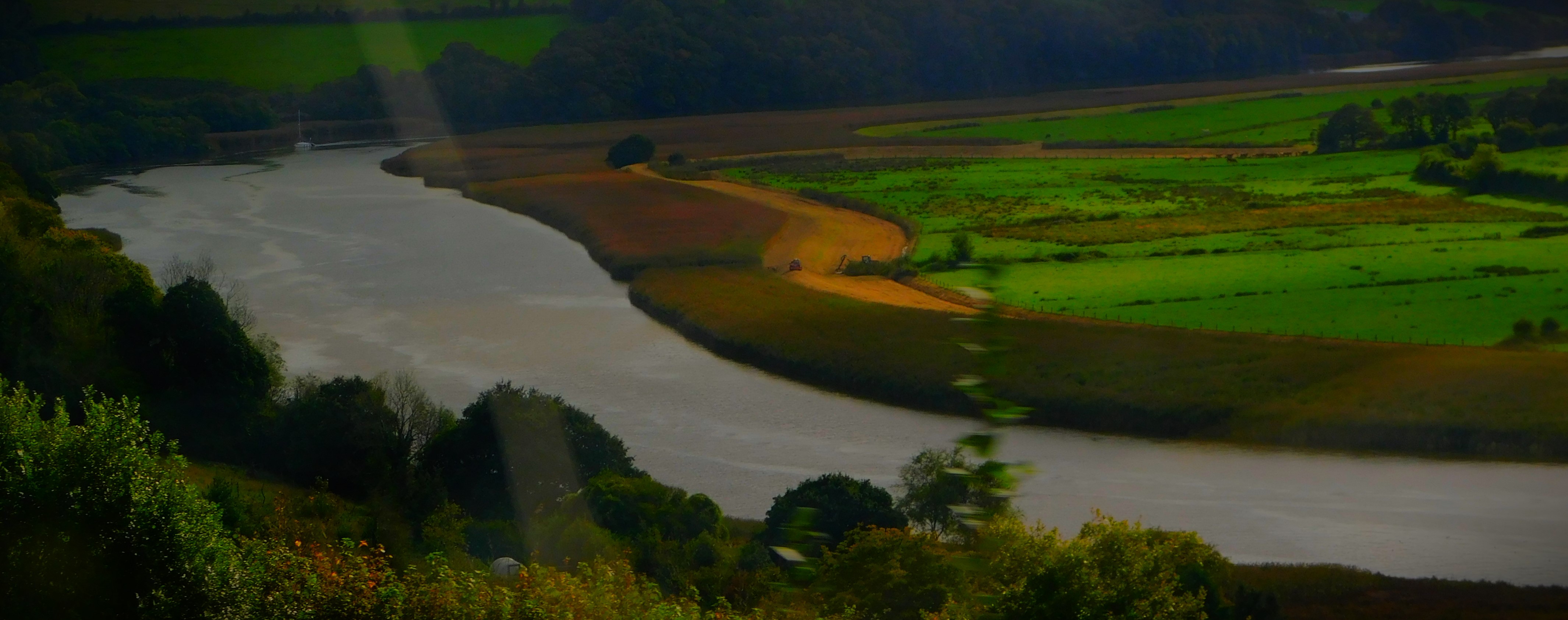
For the first small portion of line (Plymouth – St Budeaux Victoria Road)the stops are frequent and the surroundings urban, specifically a commercial port area whose best days were long in the past, before the line then becomes very rural in character and the stops become much more widely spaced.
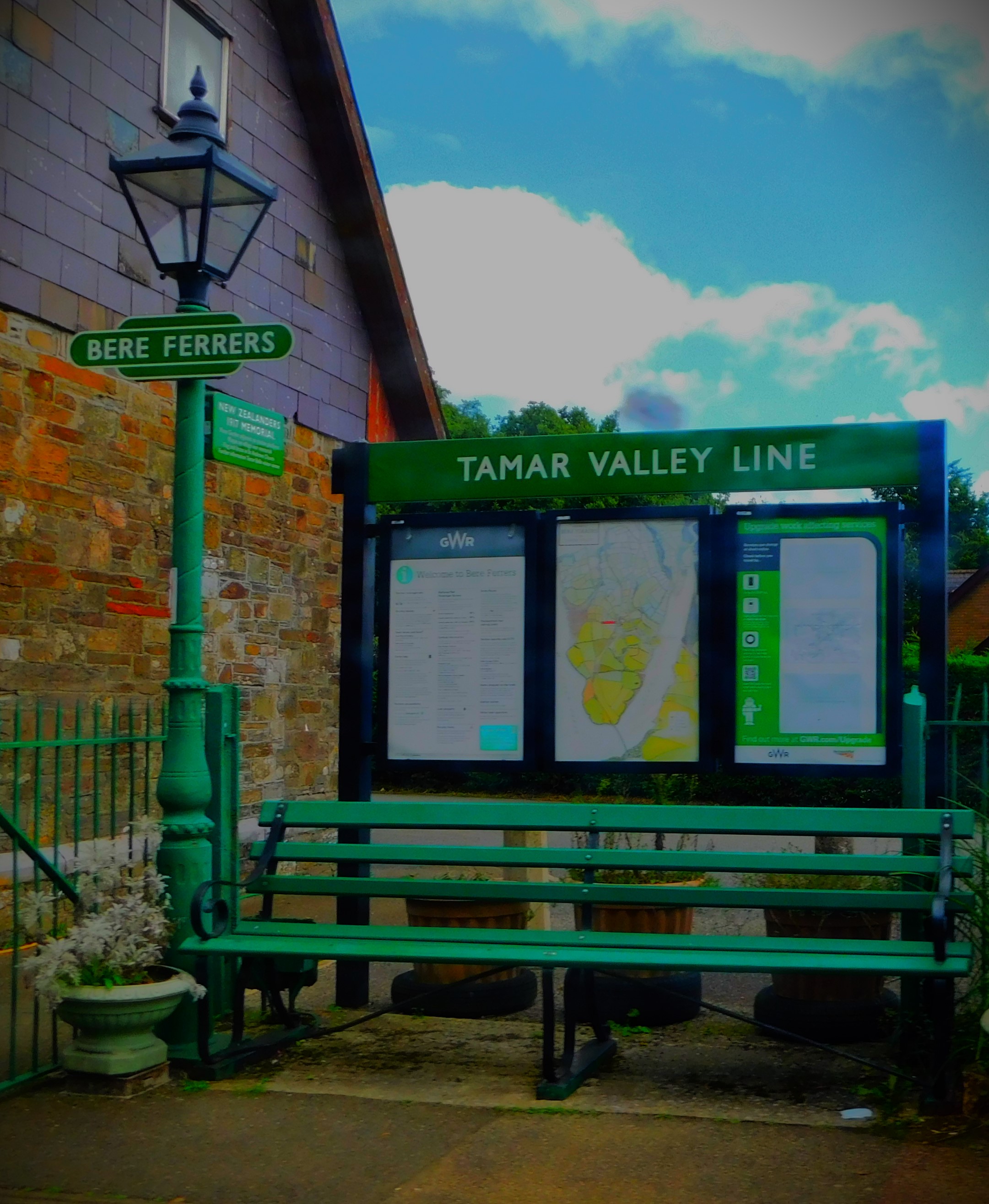
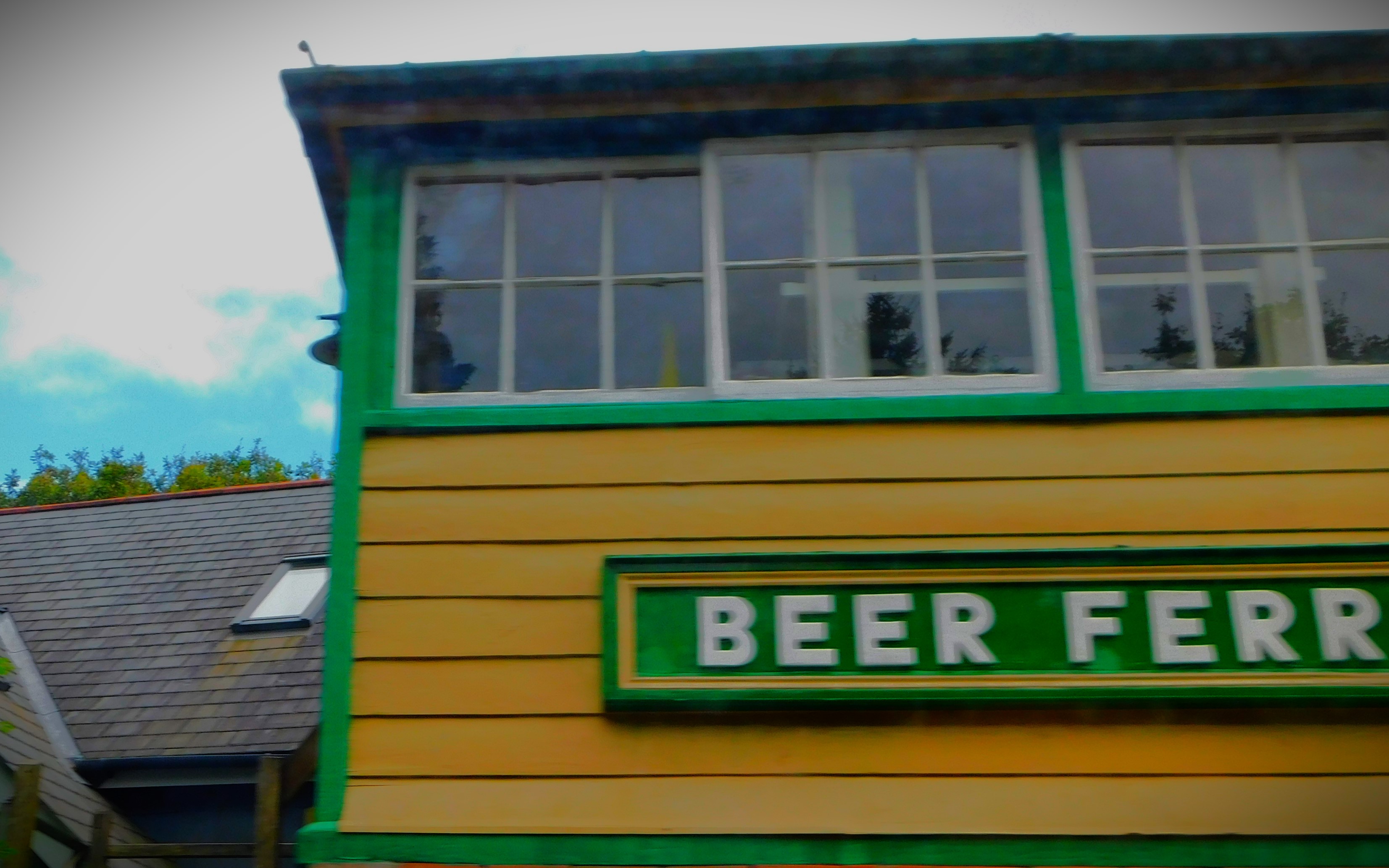
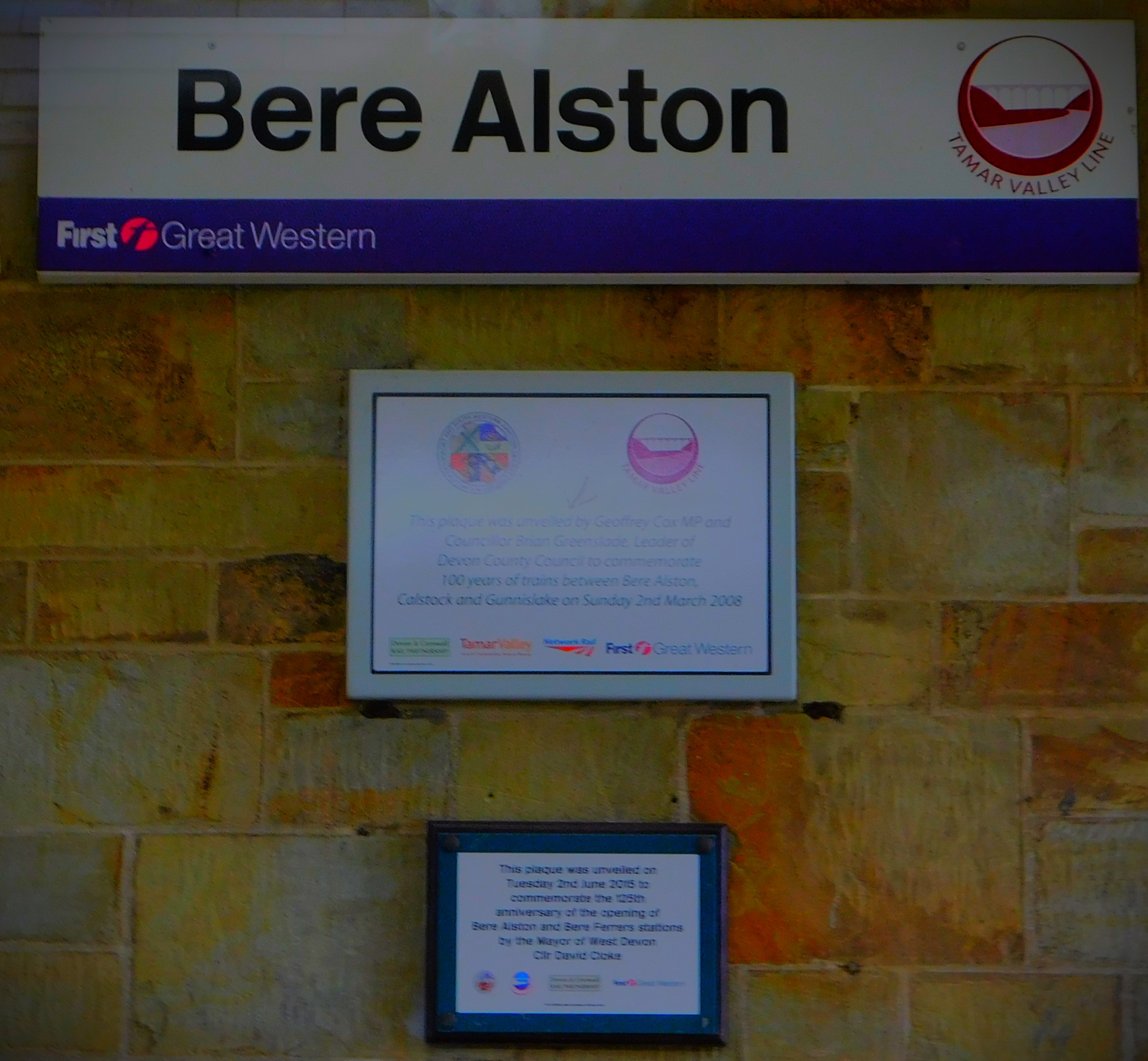
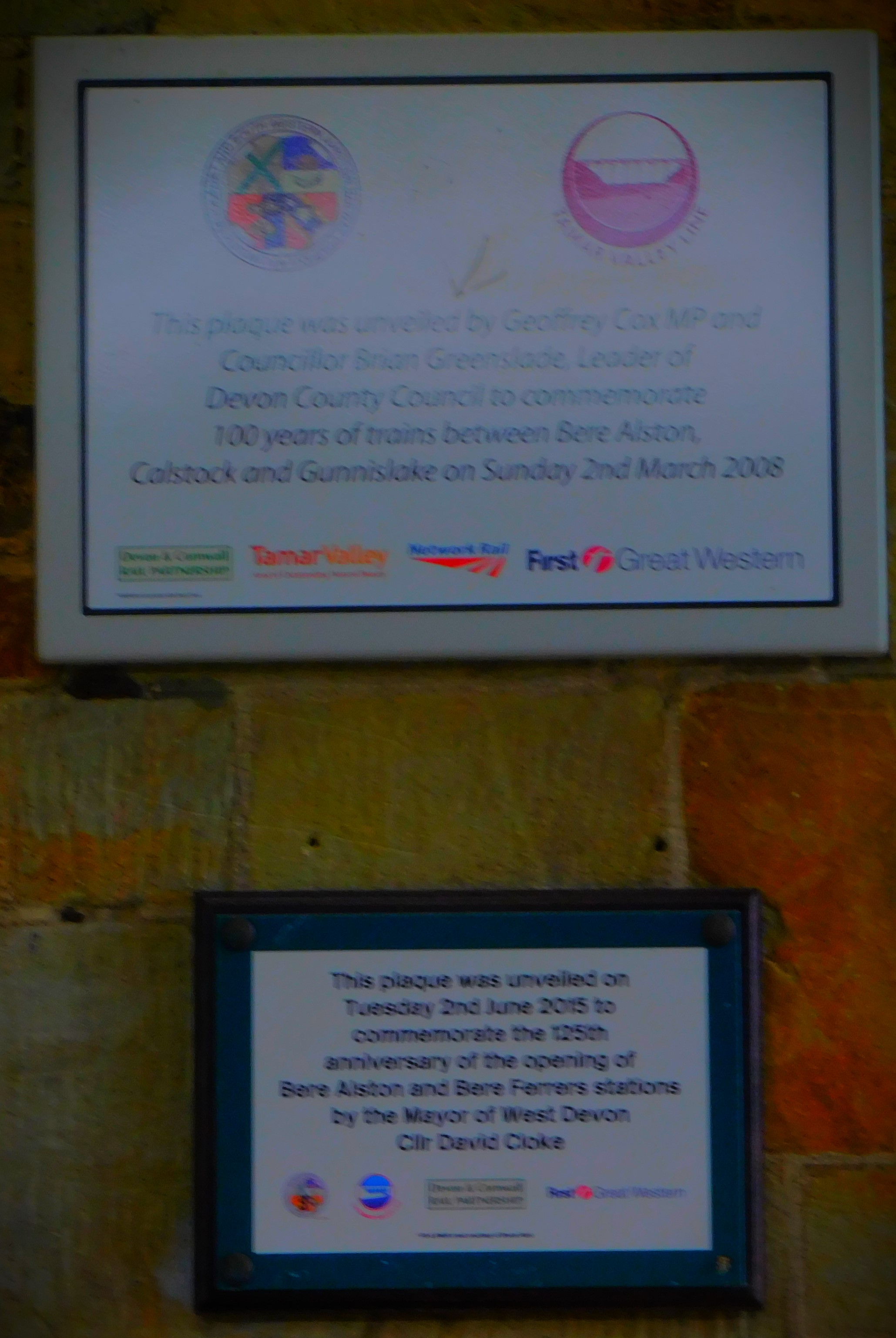
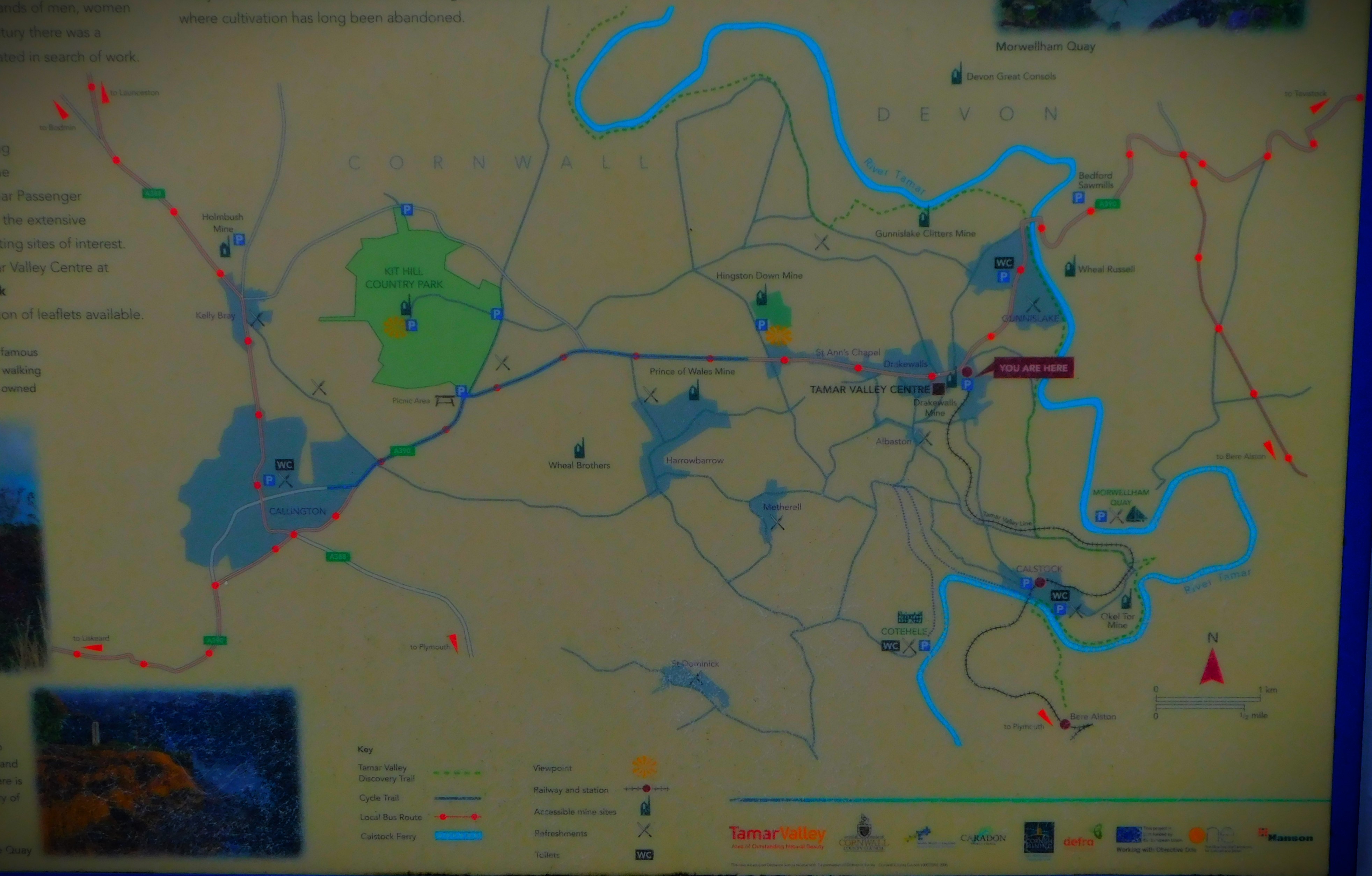
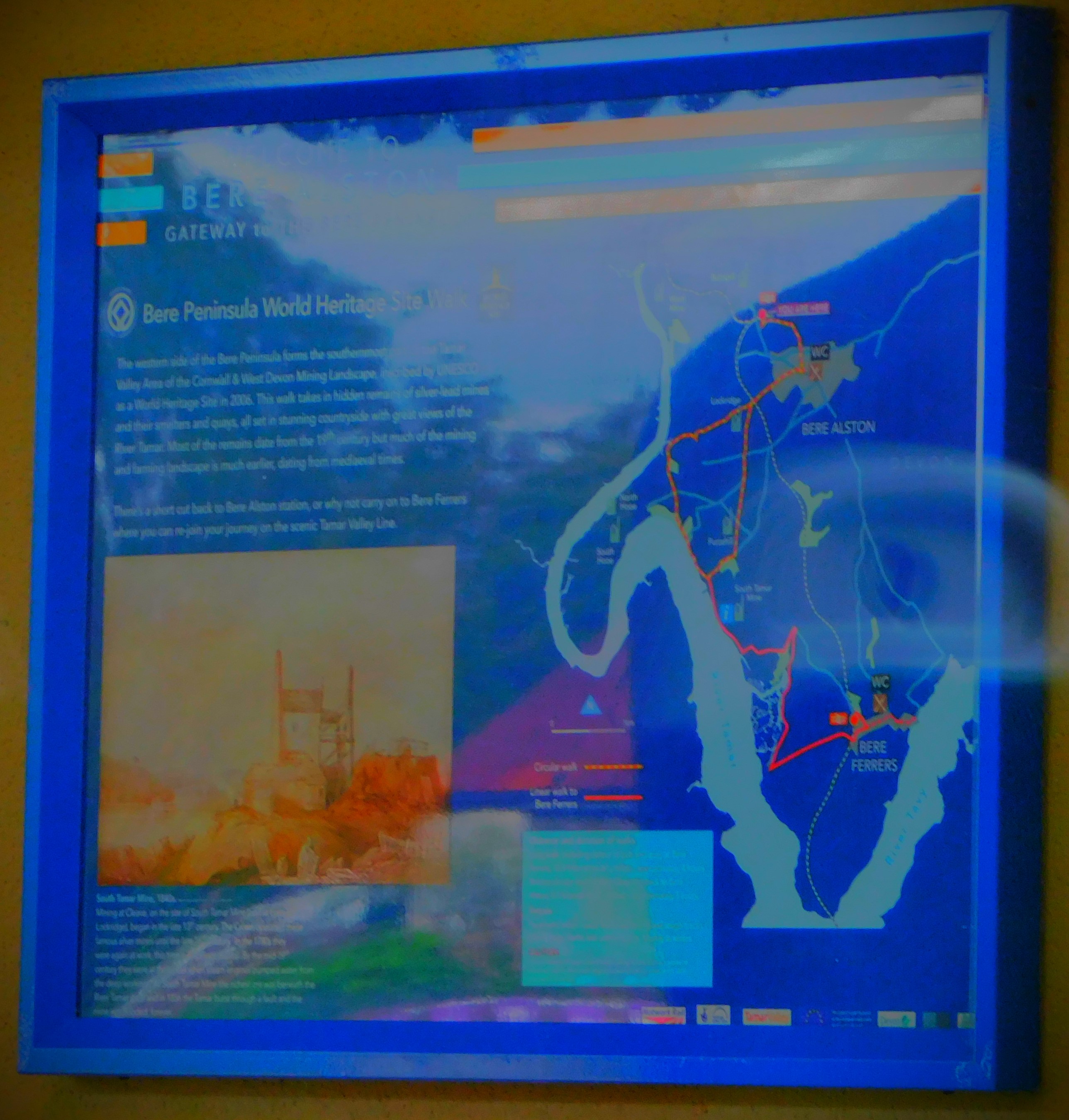
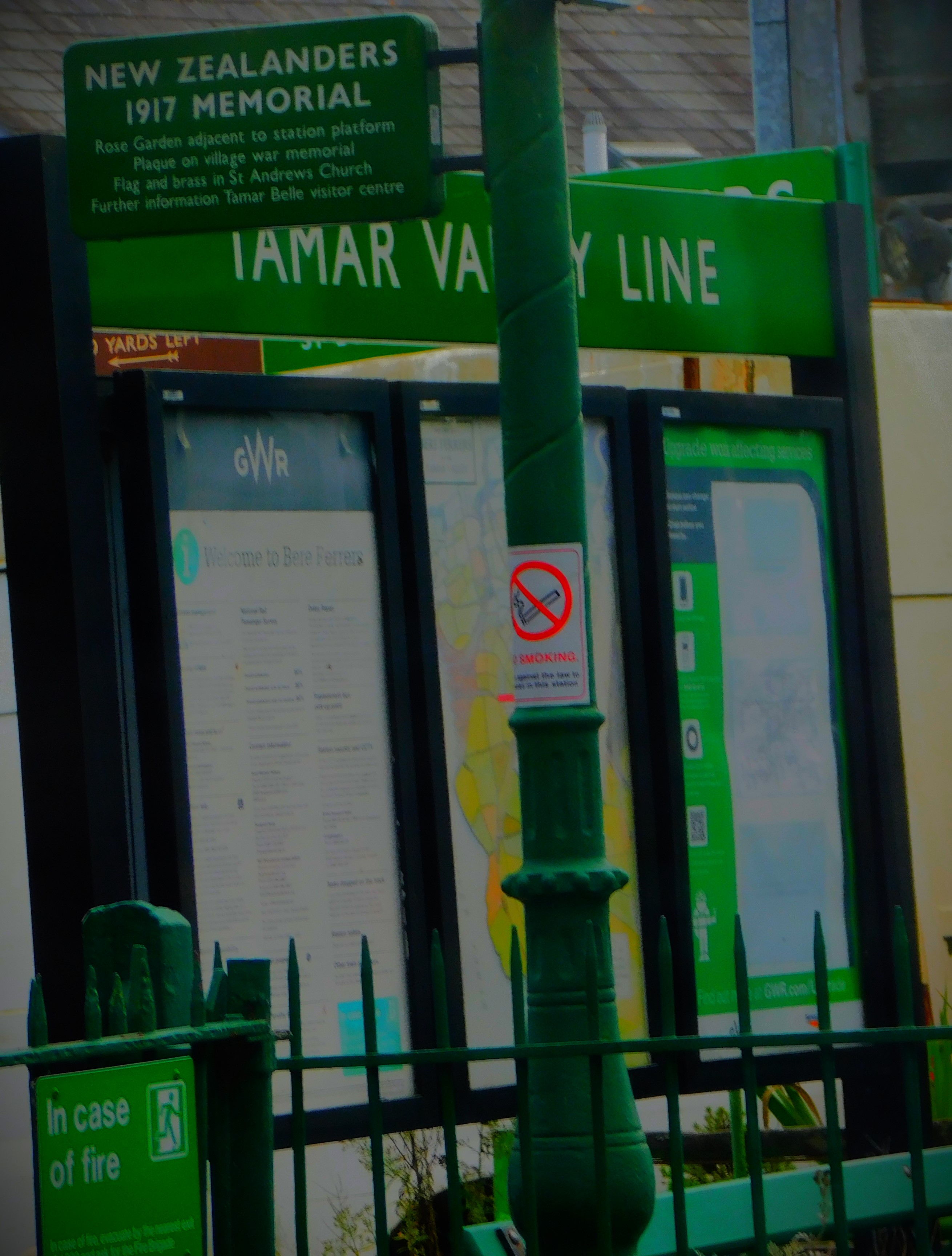
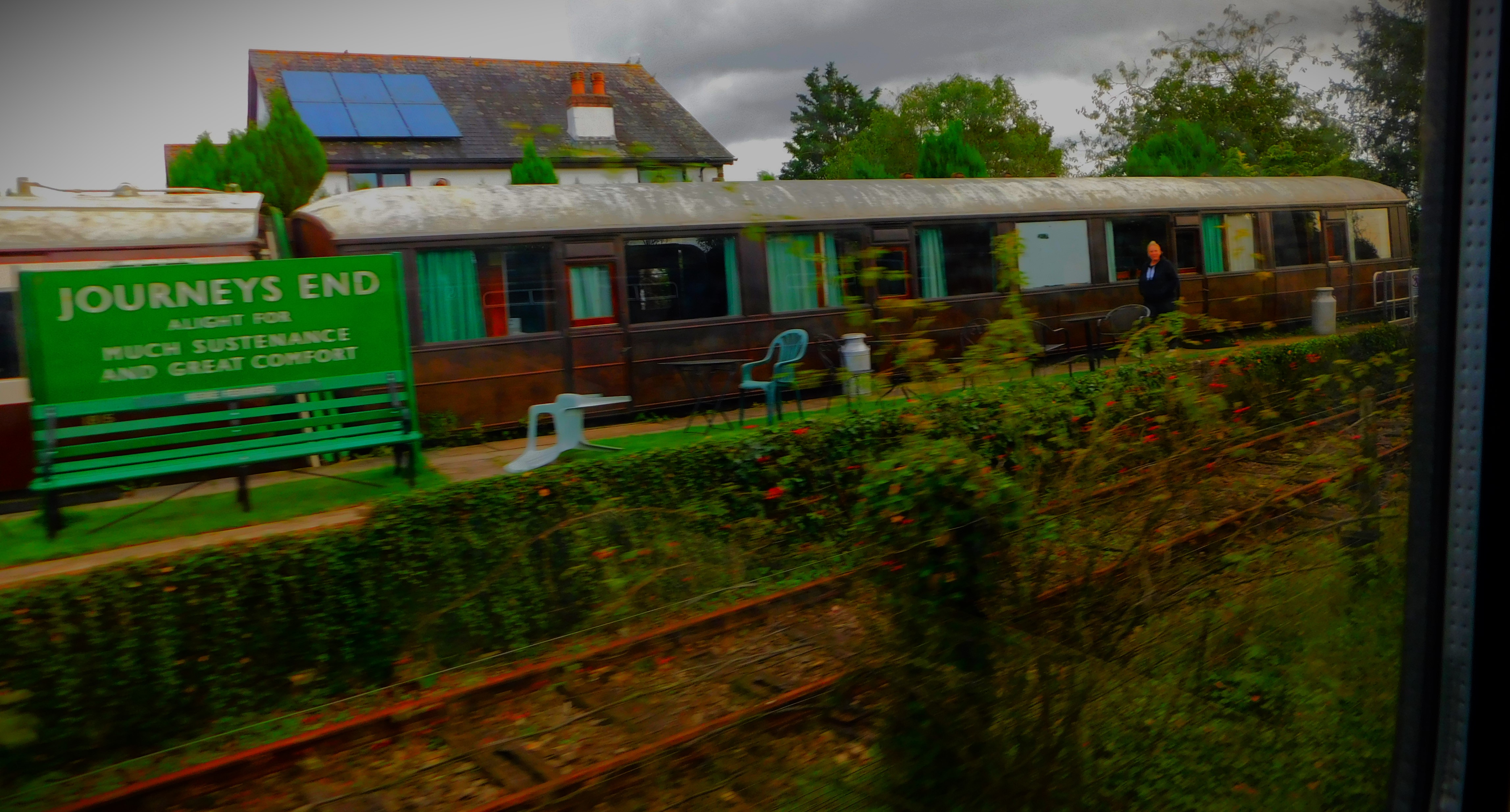
The route has a hairpin at Bere Ferrers, so that the train reverses its direction fo travel for the last three stops on the route (Bere Alston, Calstock and Gunnislake).
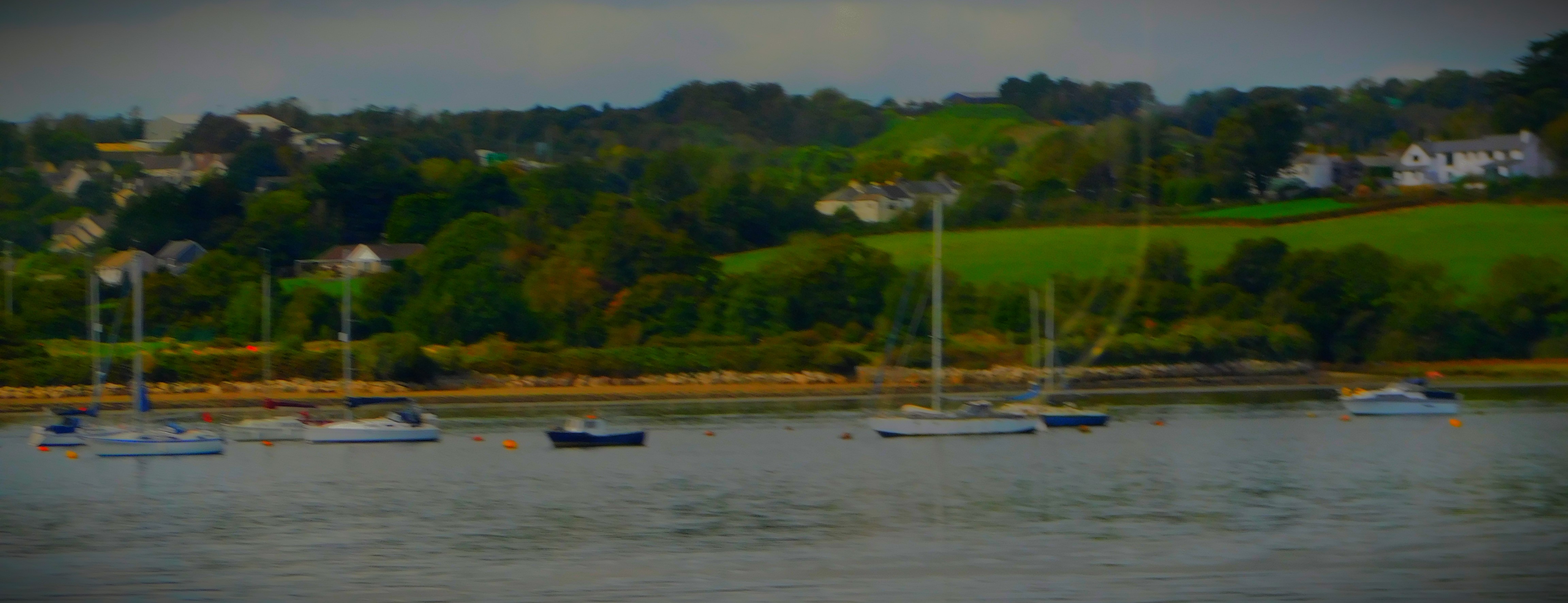
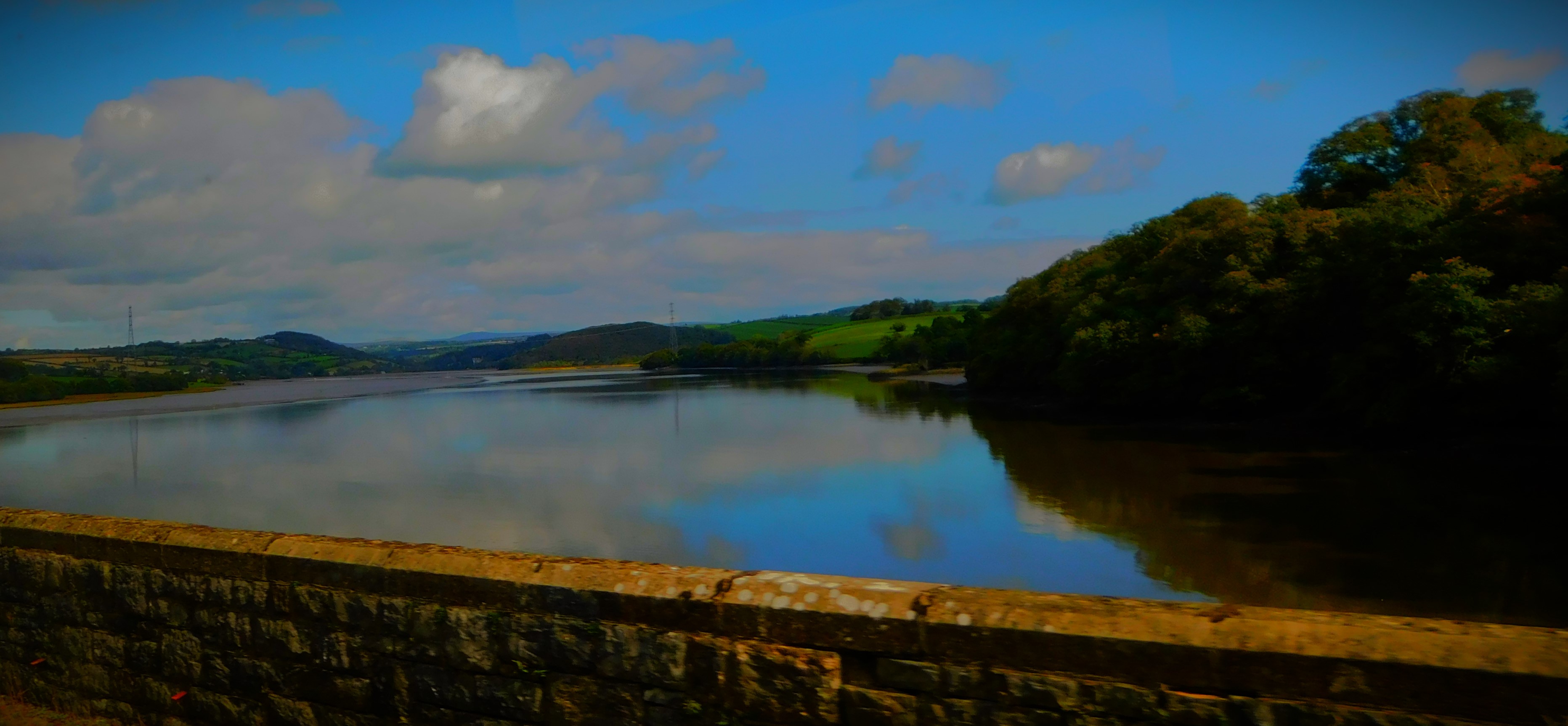
Also, as I failed to realize for the outbound journey the windows on the side of the train from which you board at Plymouth and at Gunnislake for the return journey offer much finer views than the other, which is why the majority of my best photos from the two train journeys were taken on the return one where I positioned myself correctly.
GUNNISLAKE
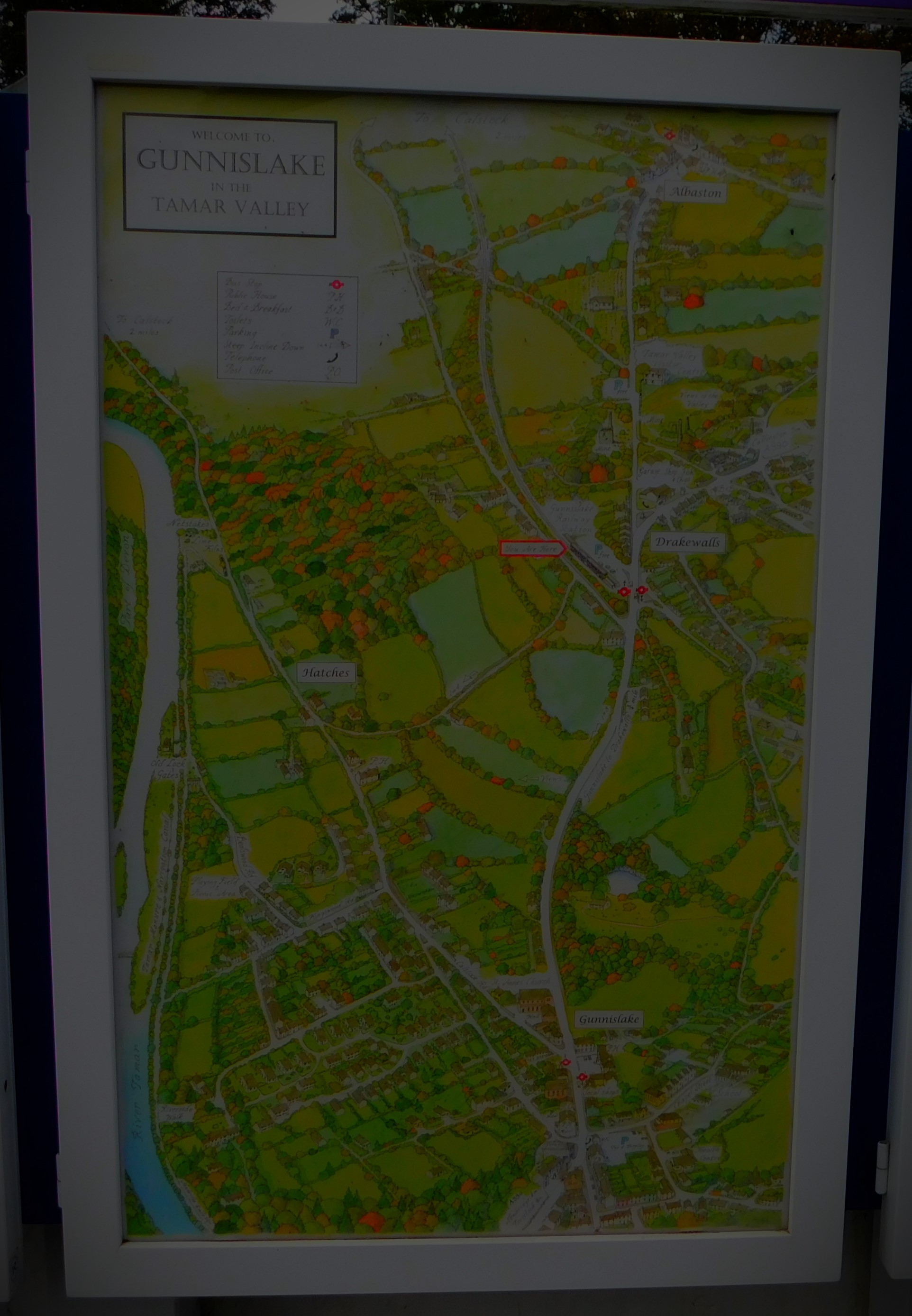
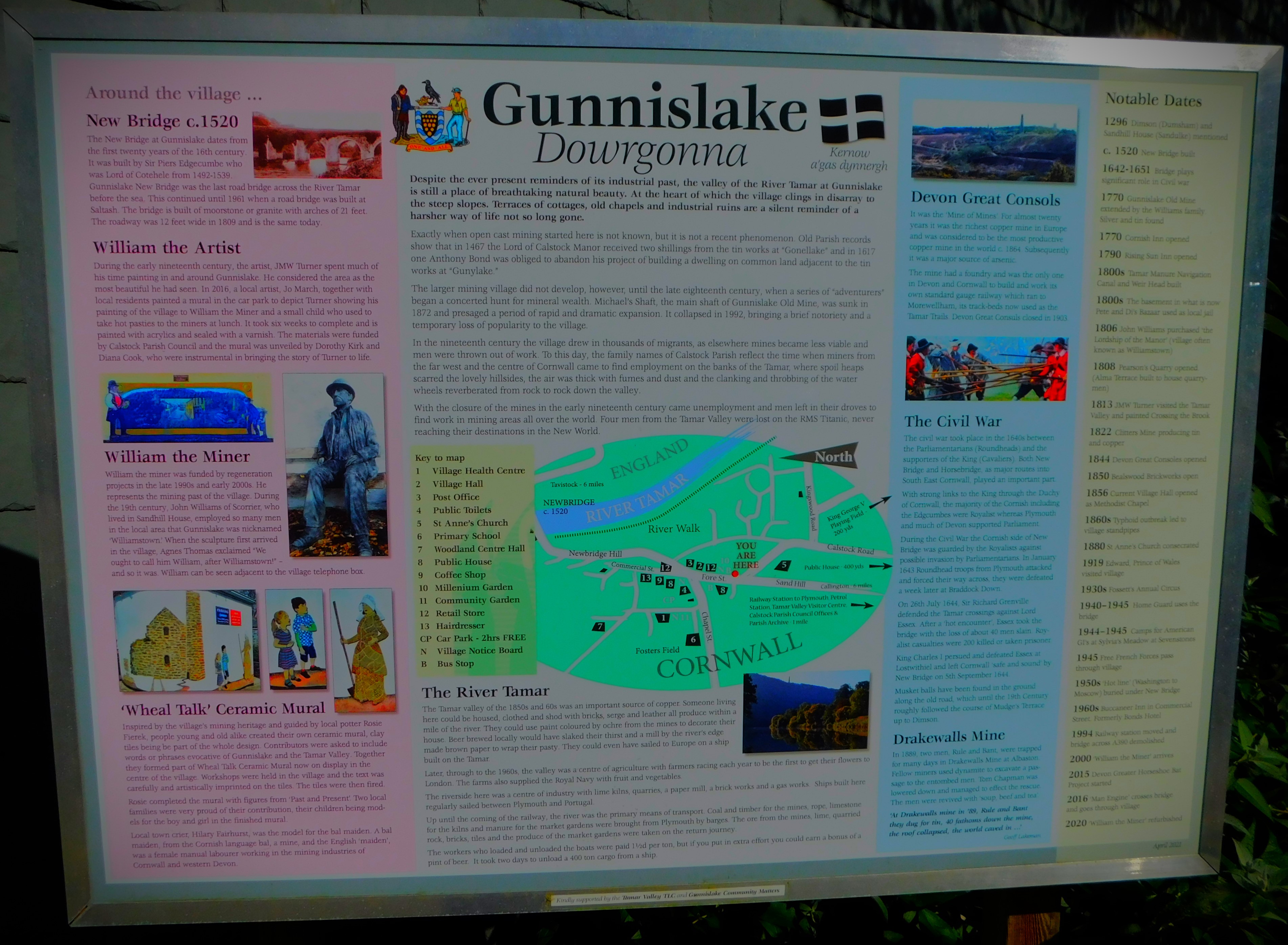
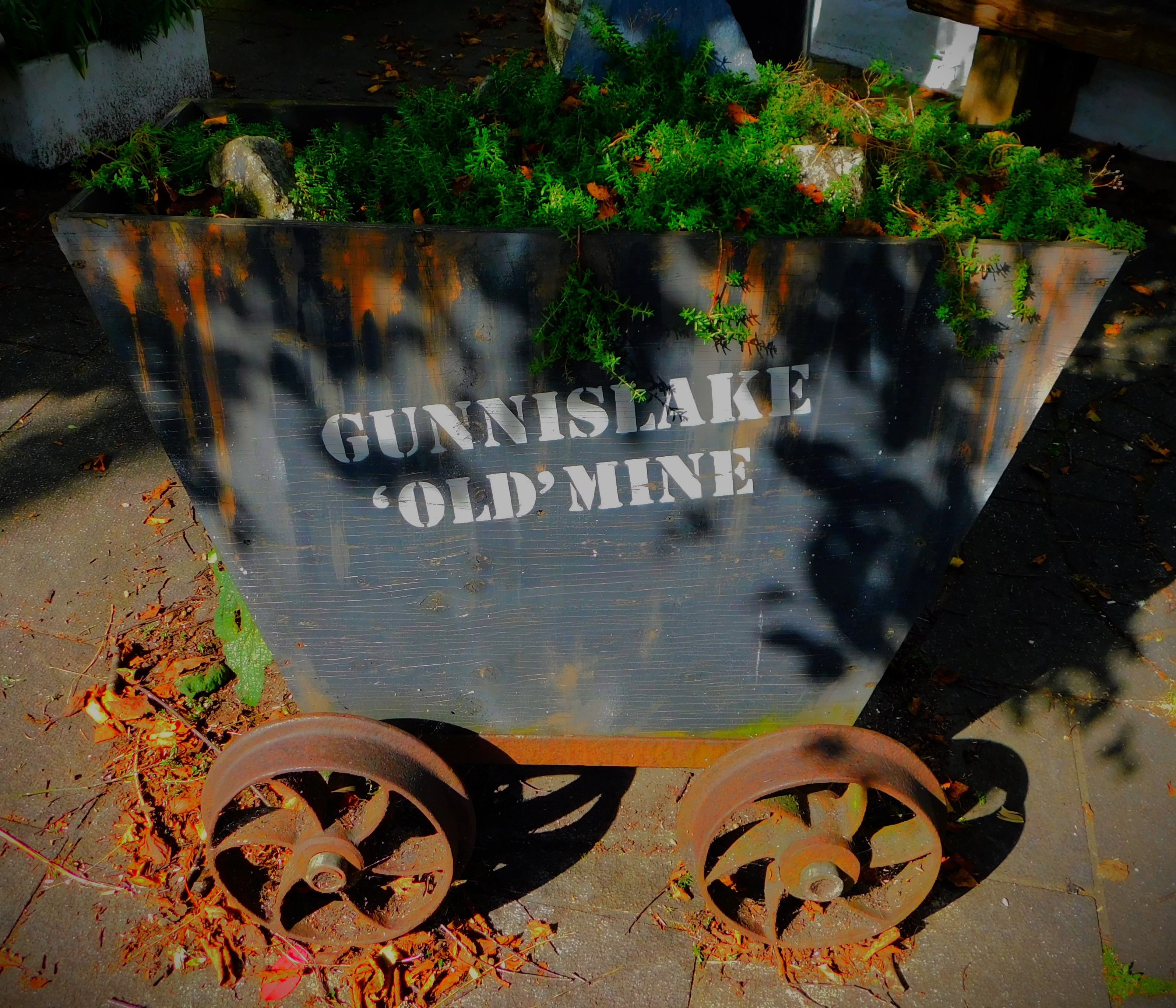
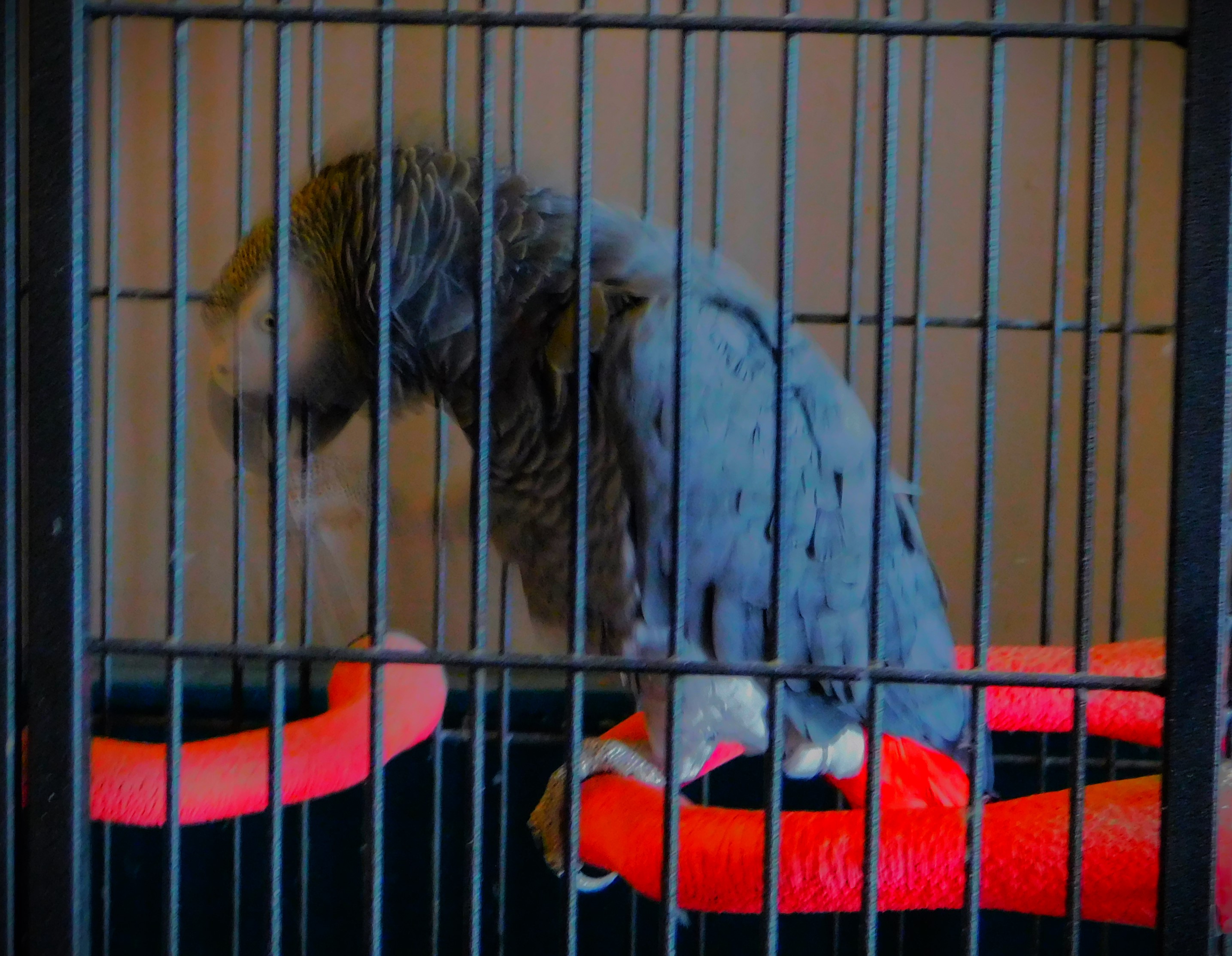
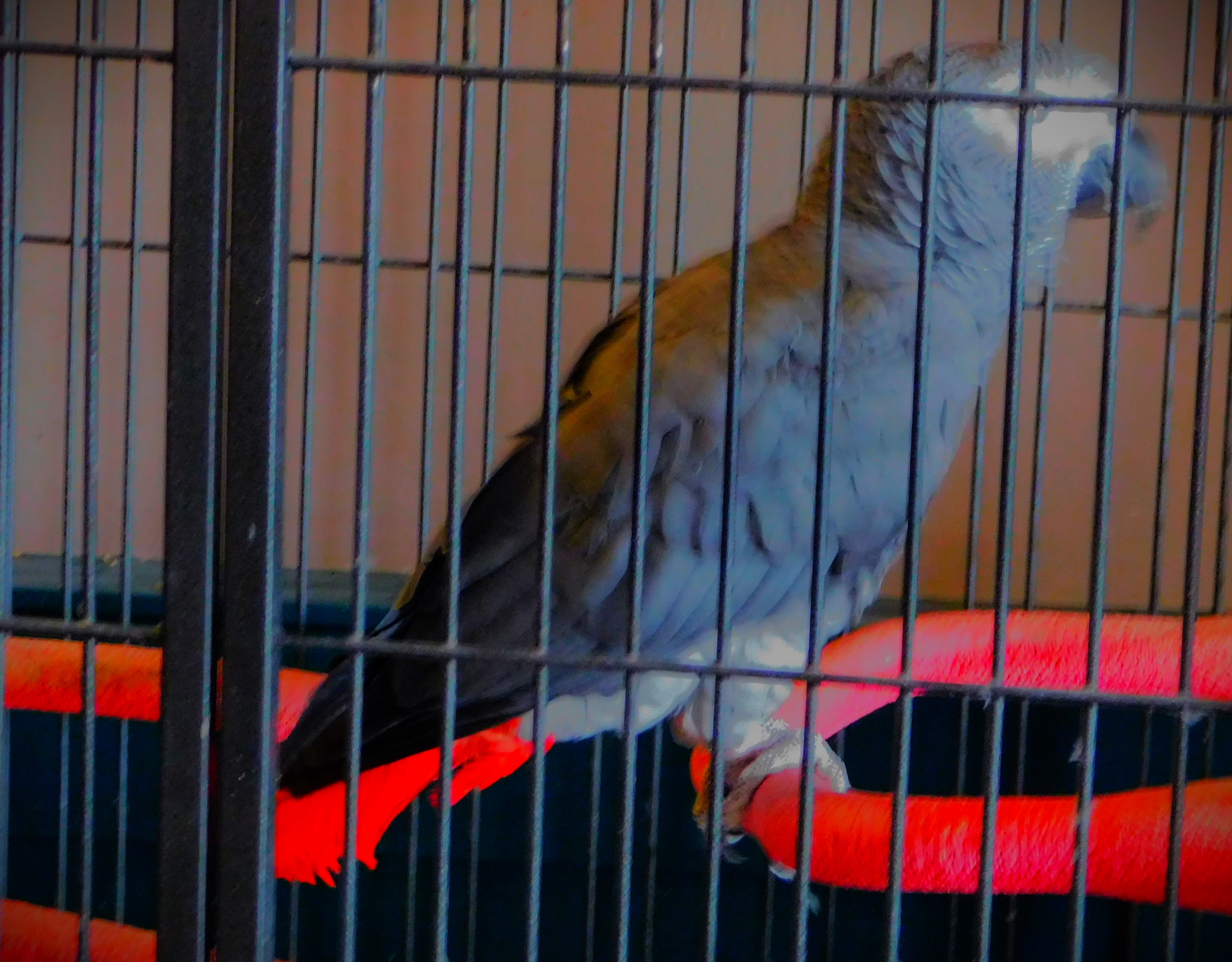
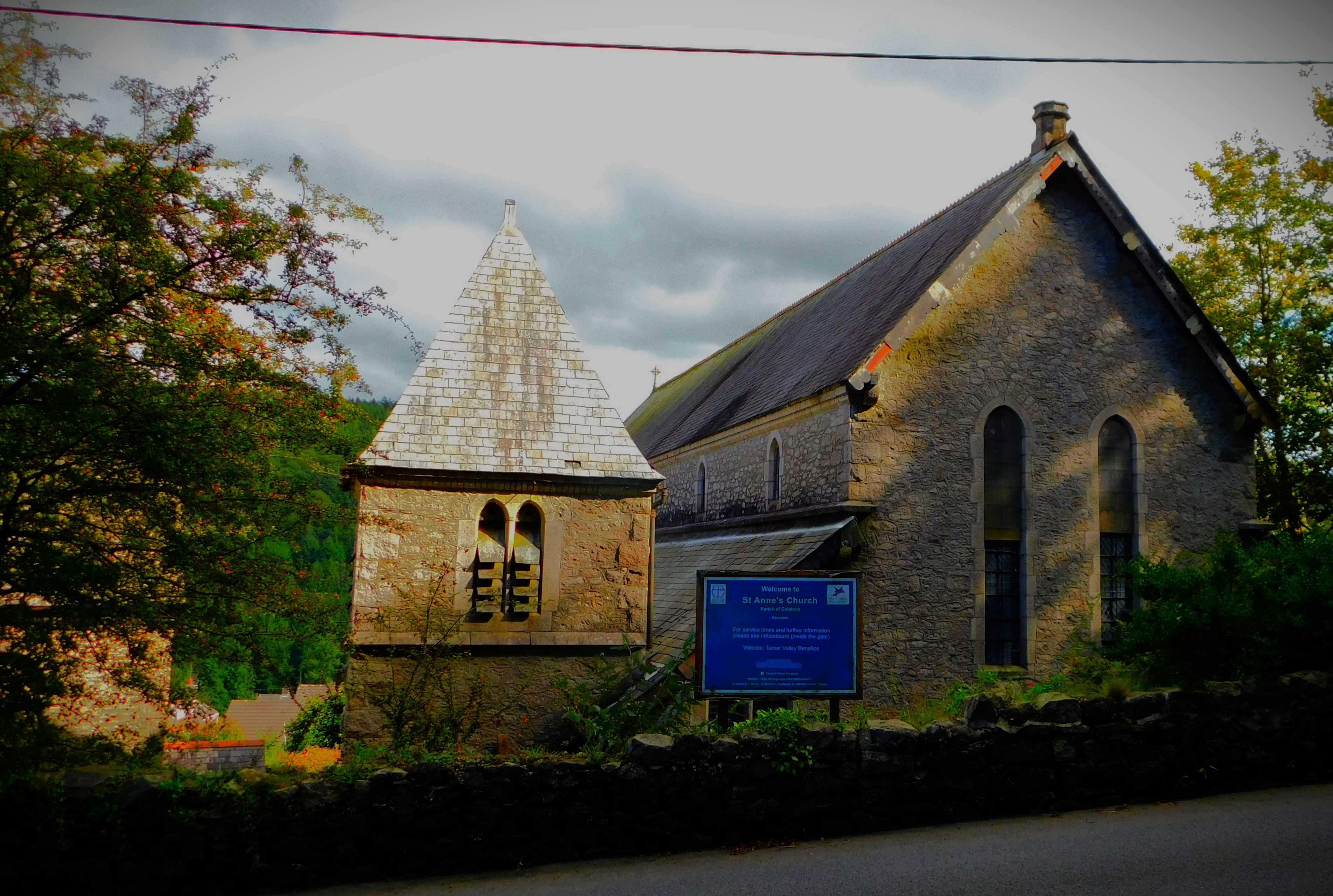
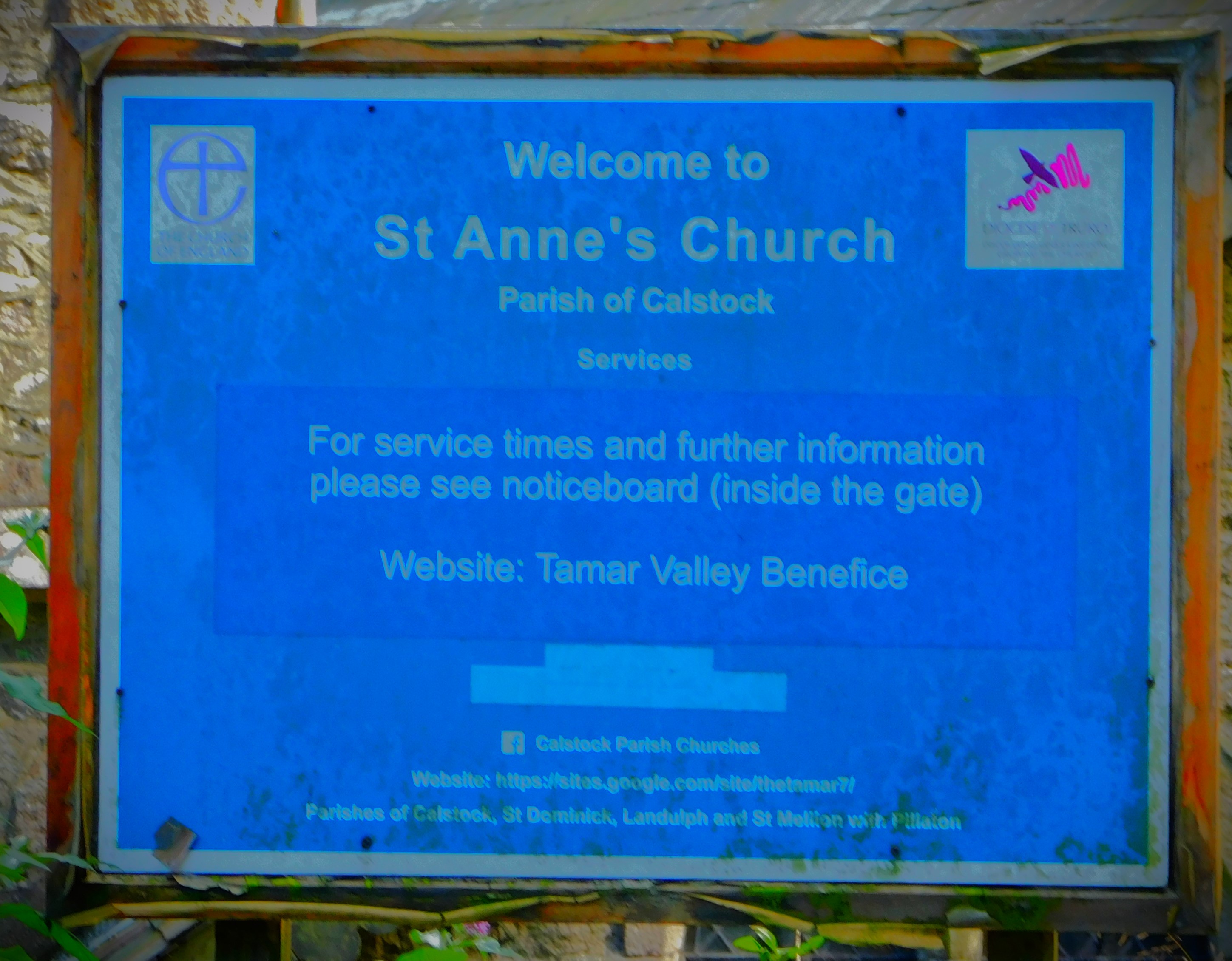
Gunnislake village is down a significant hill from Gunnislake station, and Tamar Valley is still further down (I did not venture right down into the valley). The Cornish Inn offered an acceptable pint, and also a view of what I suspect to be Gunnislake’s most intriguing resident, an African Grey Parrot named Ozzy, complete with warning notice written from his perspective.
THE RETURN JOURNEY
It was sufficiently warm that I removed my jumper while in Gunnislake. The train (a two coach crawler, and fairly basic, though less spartan than the laughably misnamed ‘sprinters’ that used to do the Sheffield to Barnsley run when I lived in that part of the world) was due to depart at 15:14, and it actually did precisely that. The return run went well, and I made up for not having had many successful pictures on the outward run as you will see. I think that if I make a second excursion on this line at some point I will book to Bere Alston, walk from there to Bere Ferrers and pick up the return train at Bere Ferrers.
PHOTOGRAPHS
Here are the pictures I took yesterday…
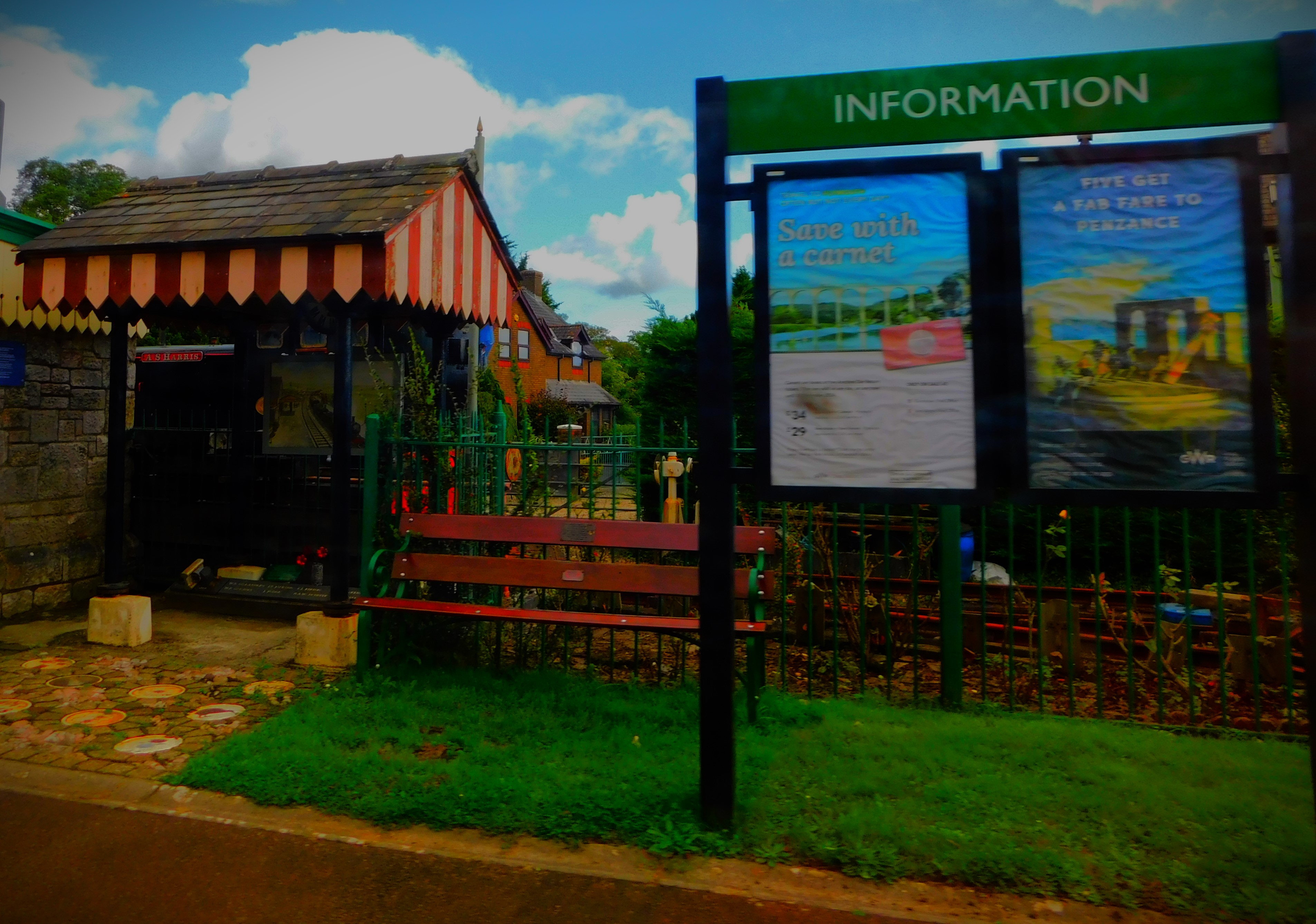
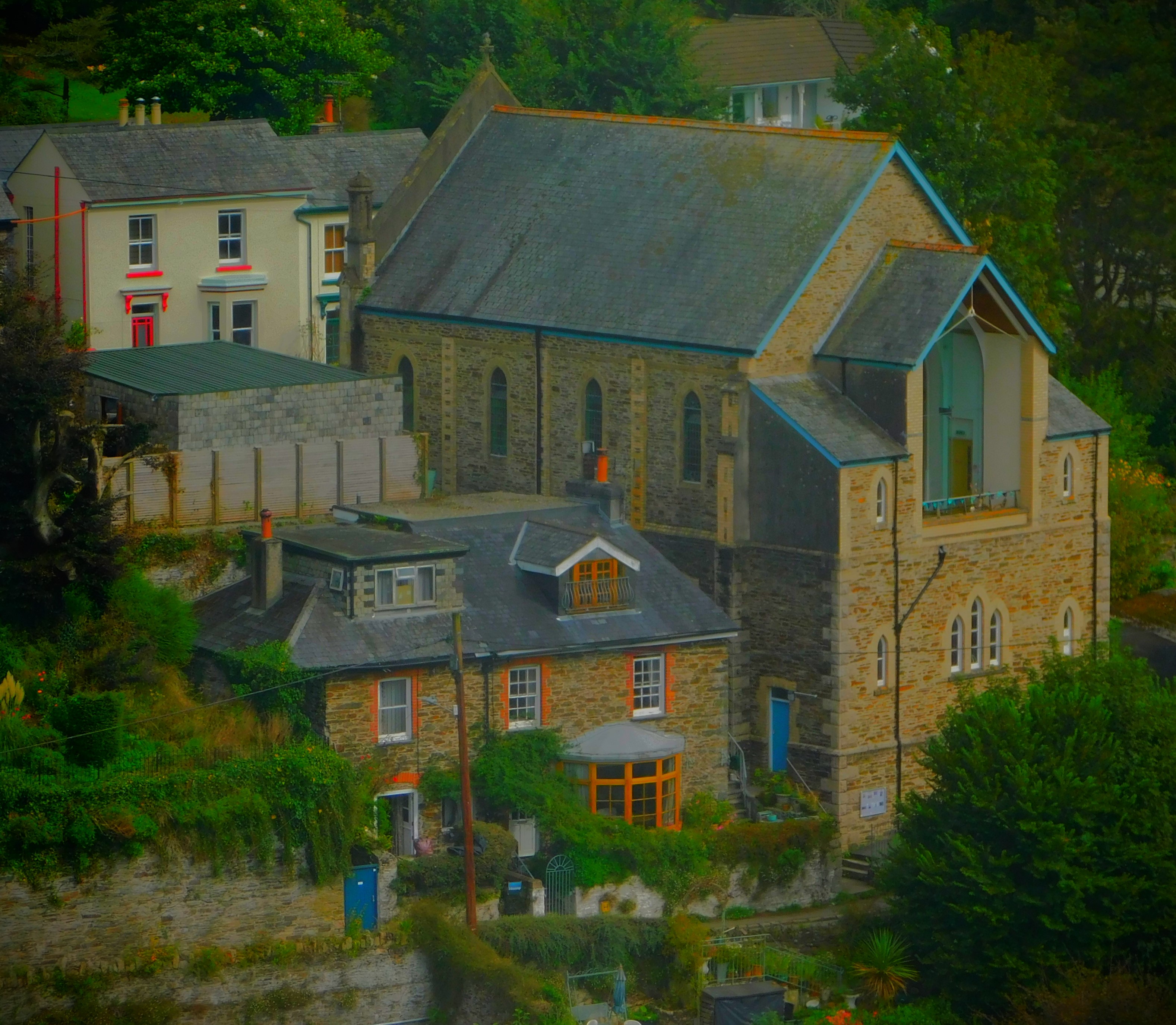
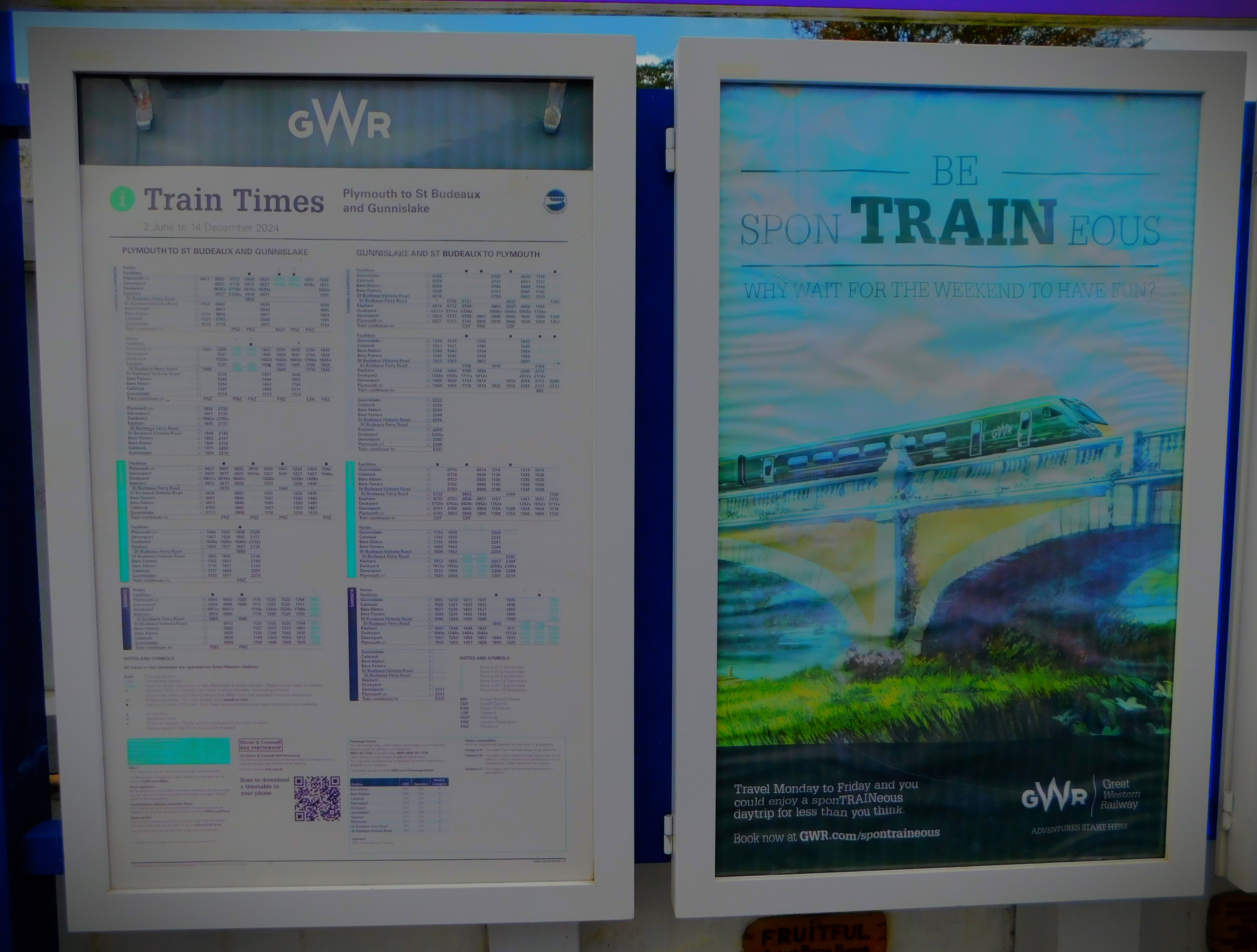
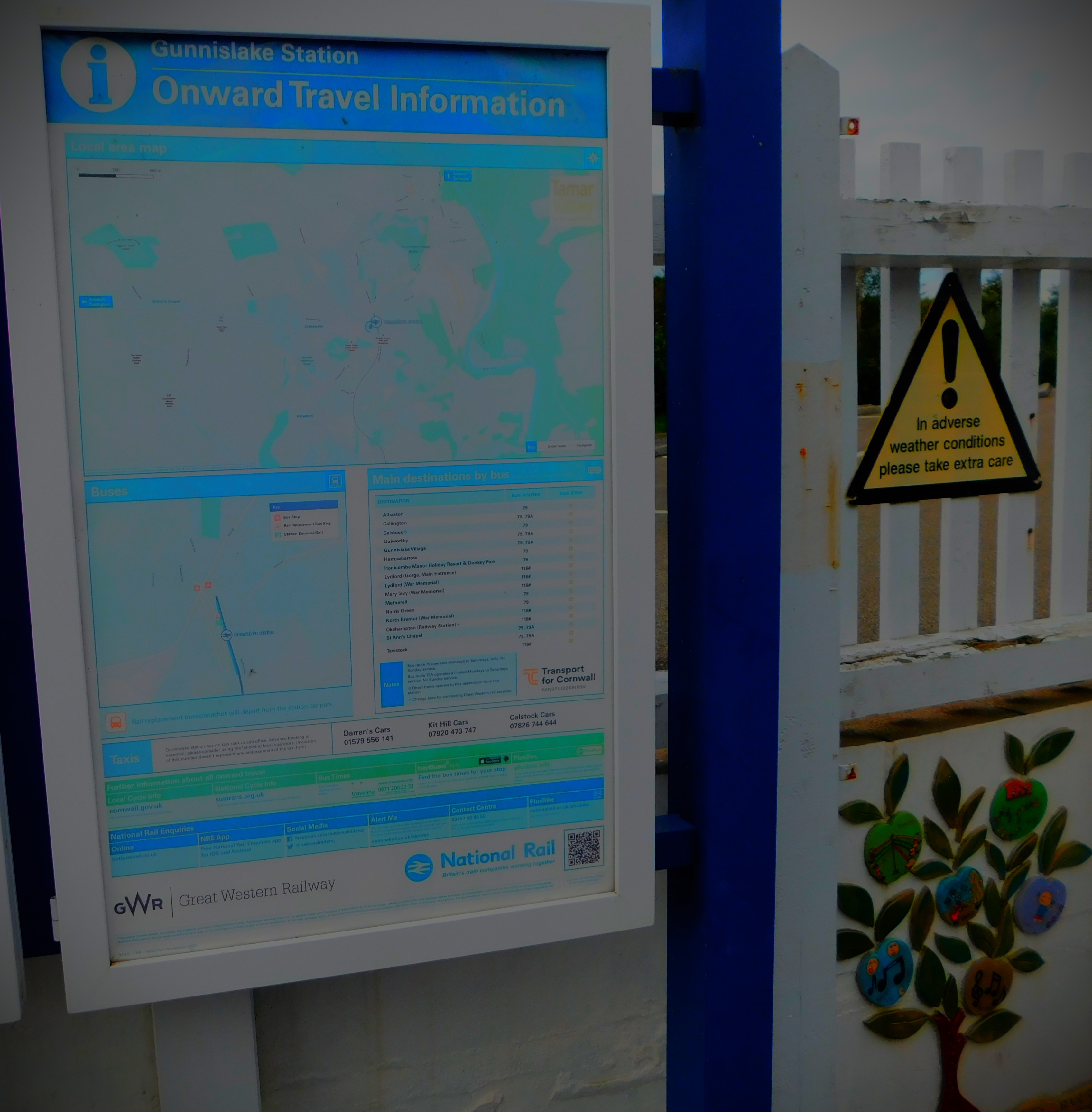
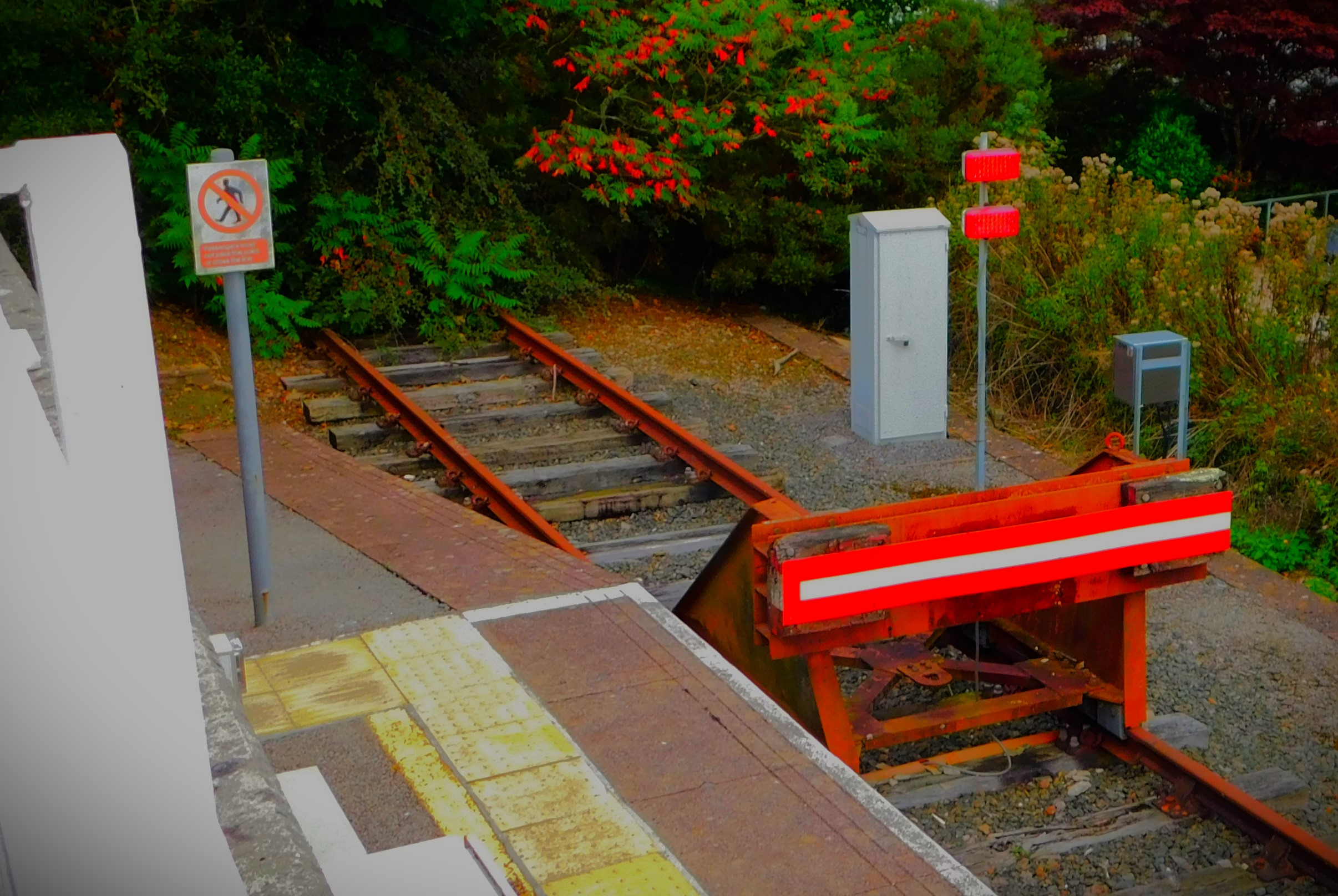
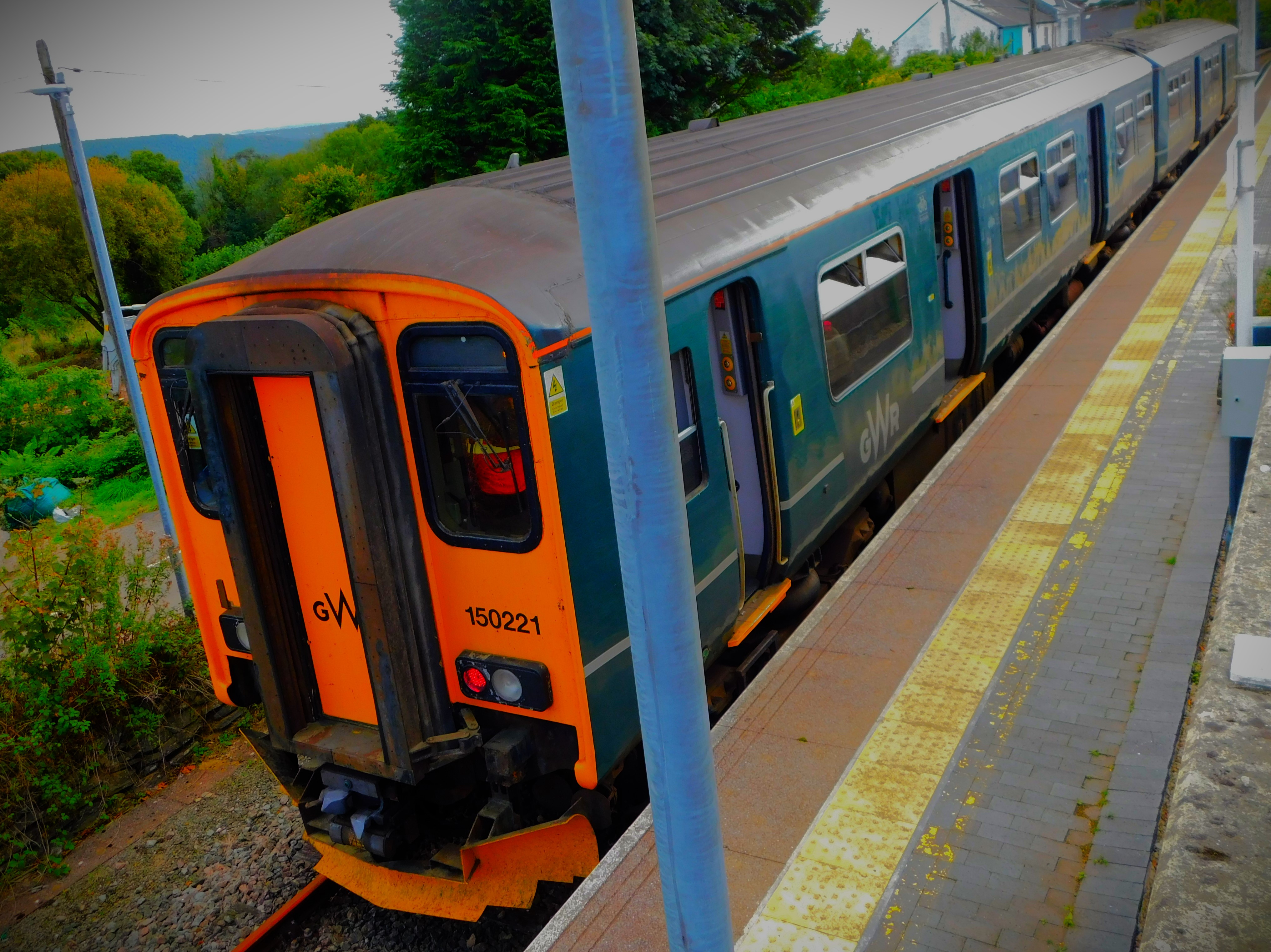
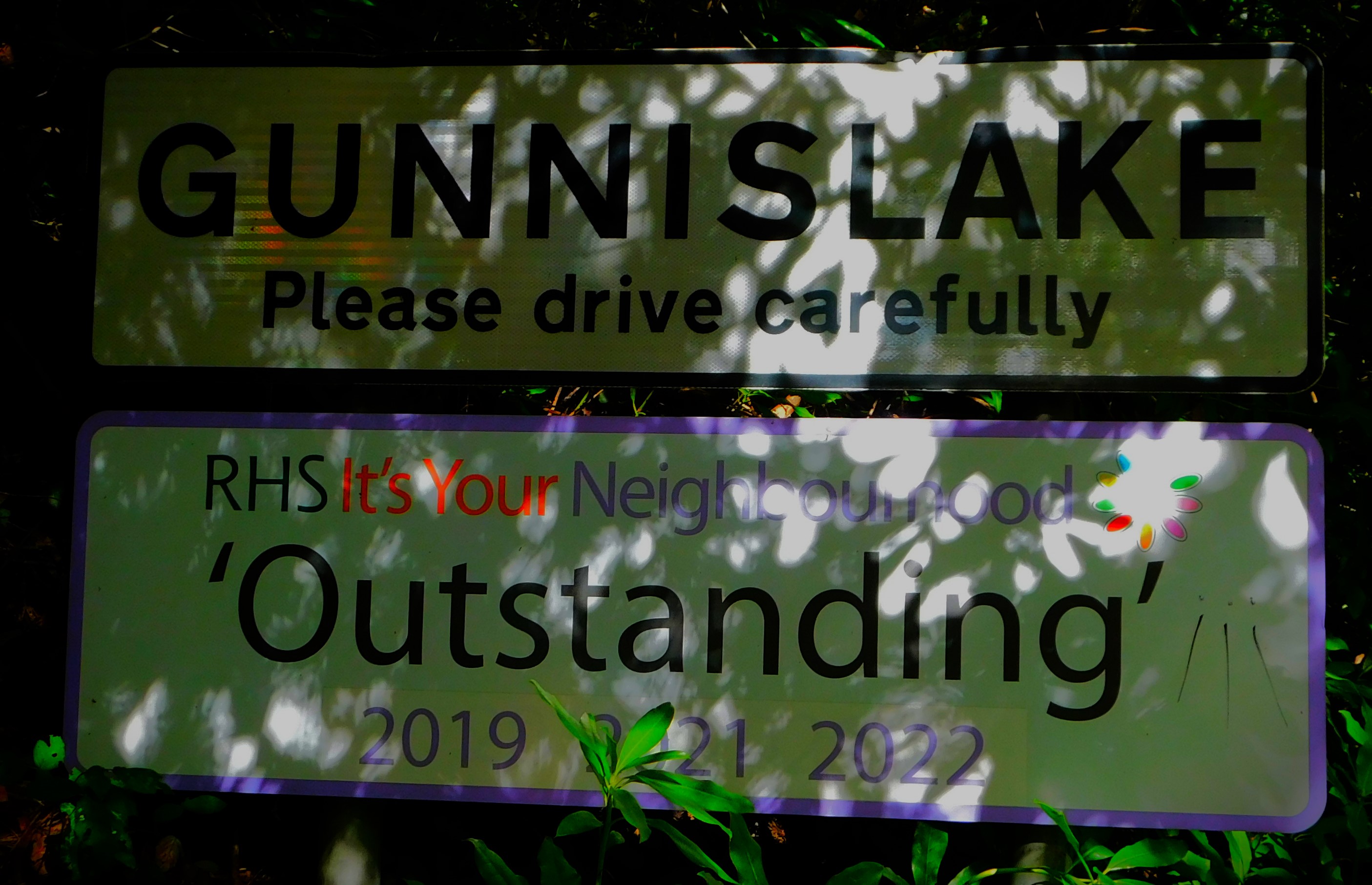
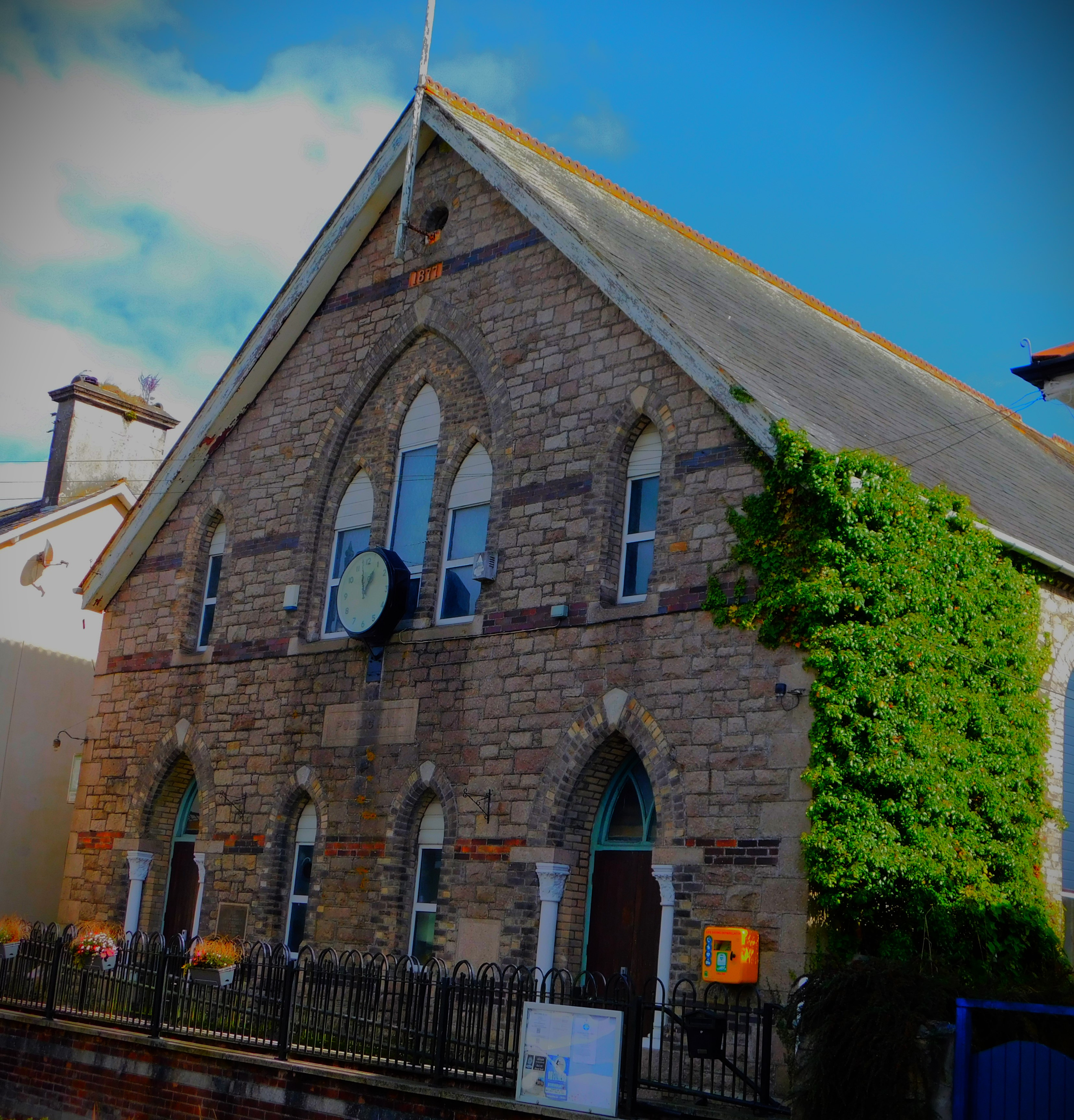
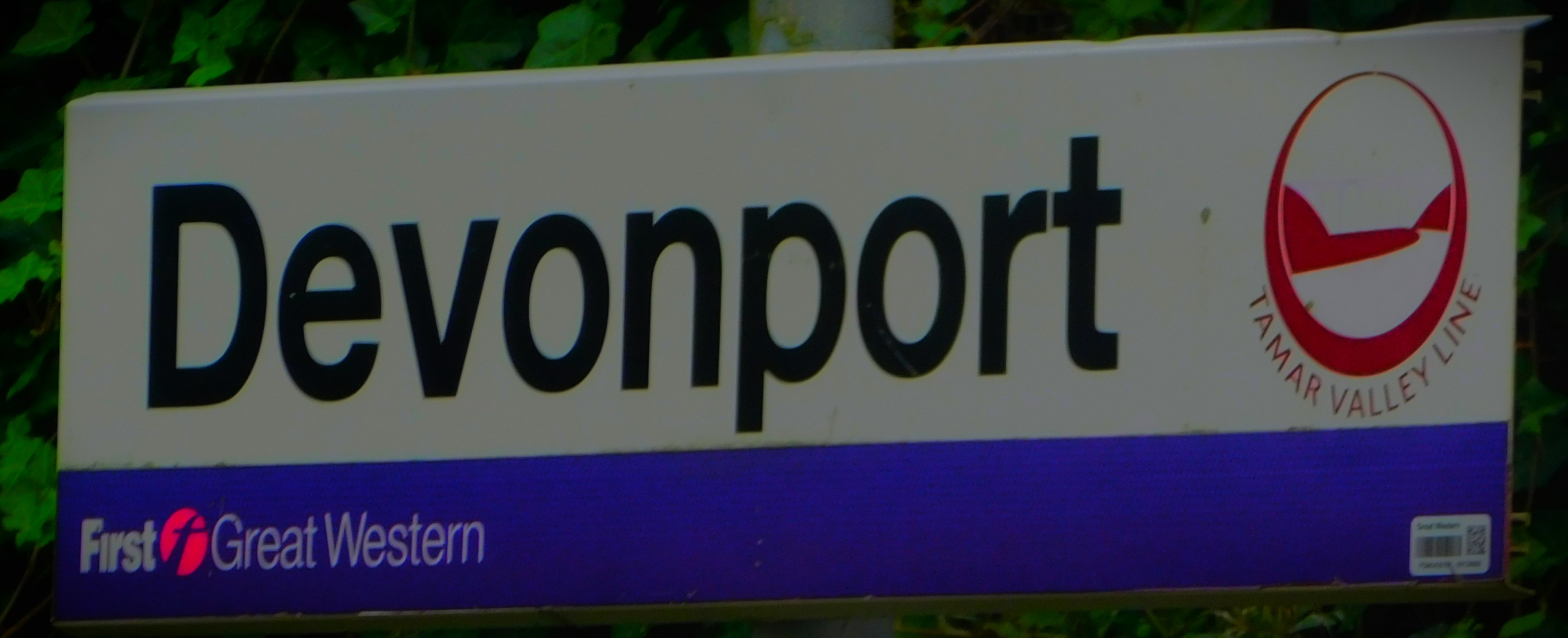
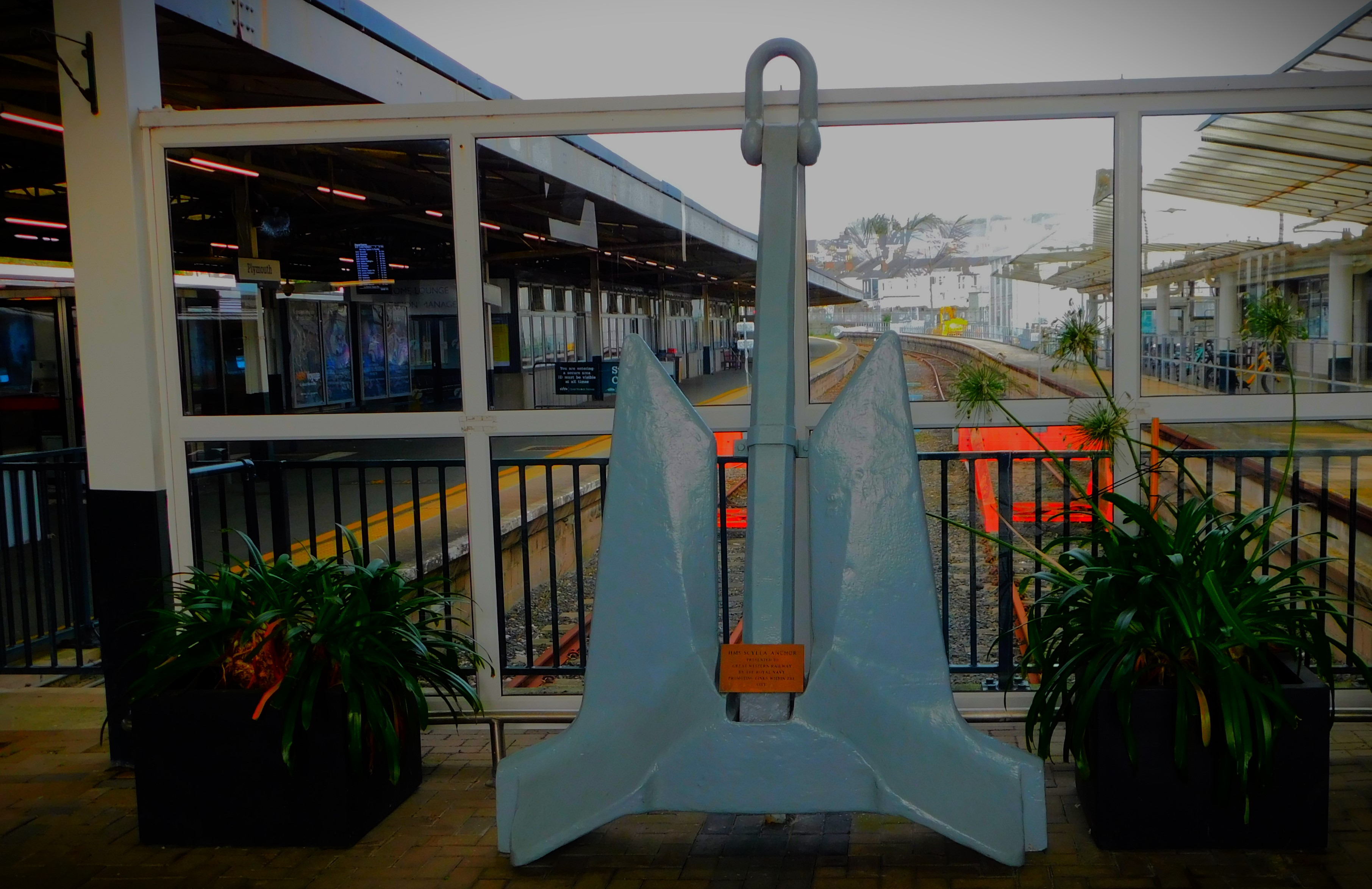
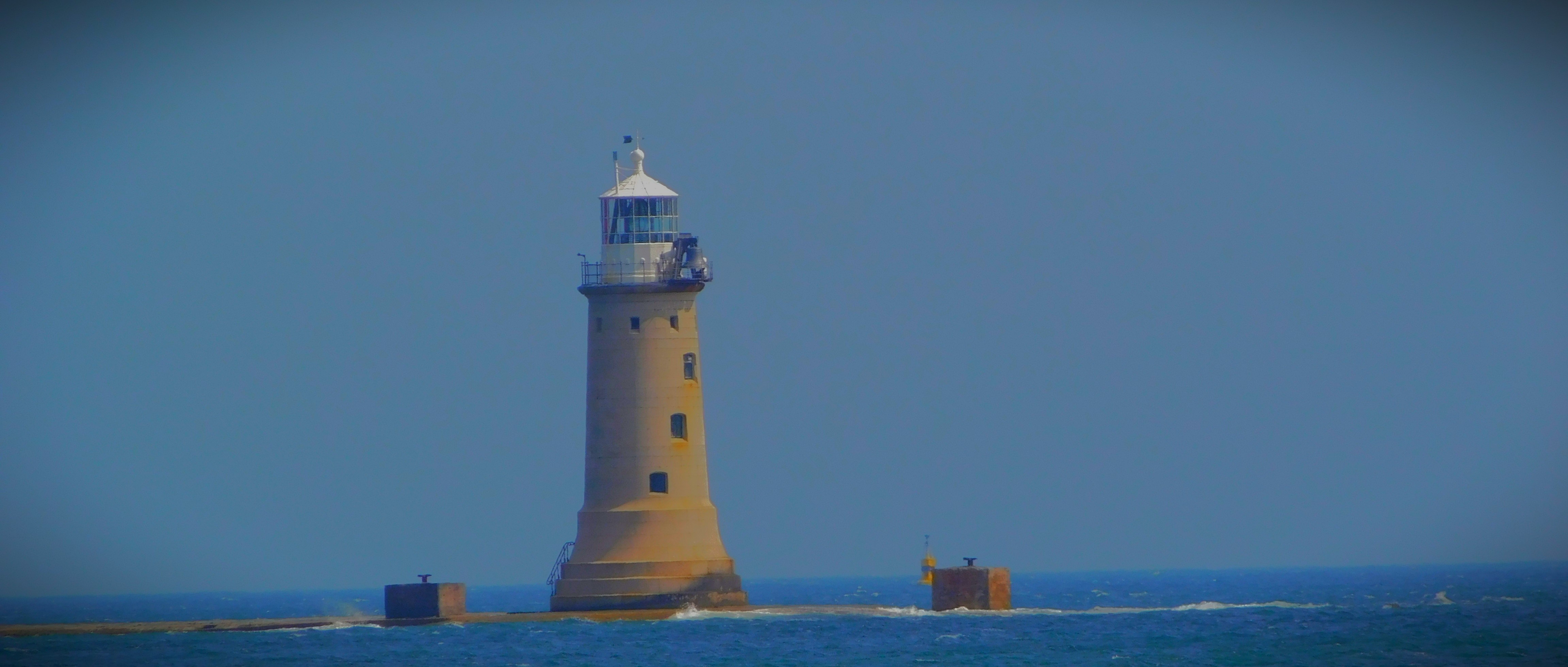
This one was taken through the window of my parentt’s apartment.A few pictures from Plymouth Station and its immediate environs.The Tamar Valley section of the gallery begins here.The view from Maker Heights on the way from Plymouth to Fort Picklecombe.The lighthouse mentioned in the introduction, taken from outside the fort yesterday.
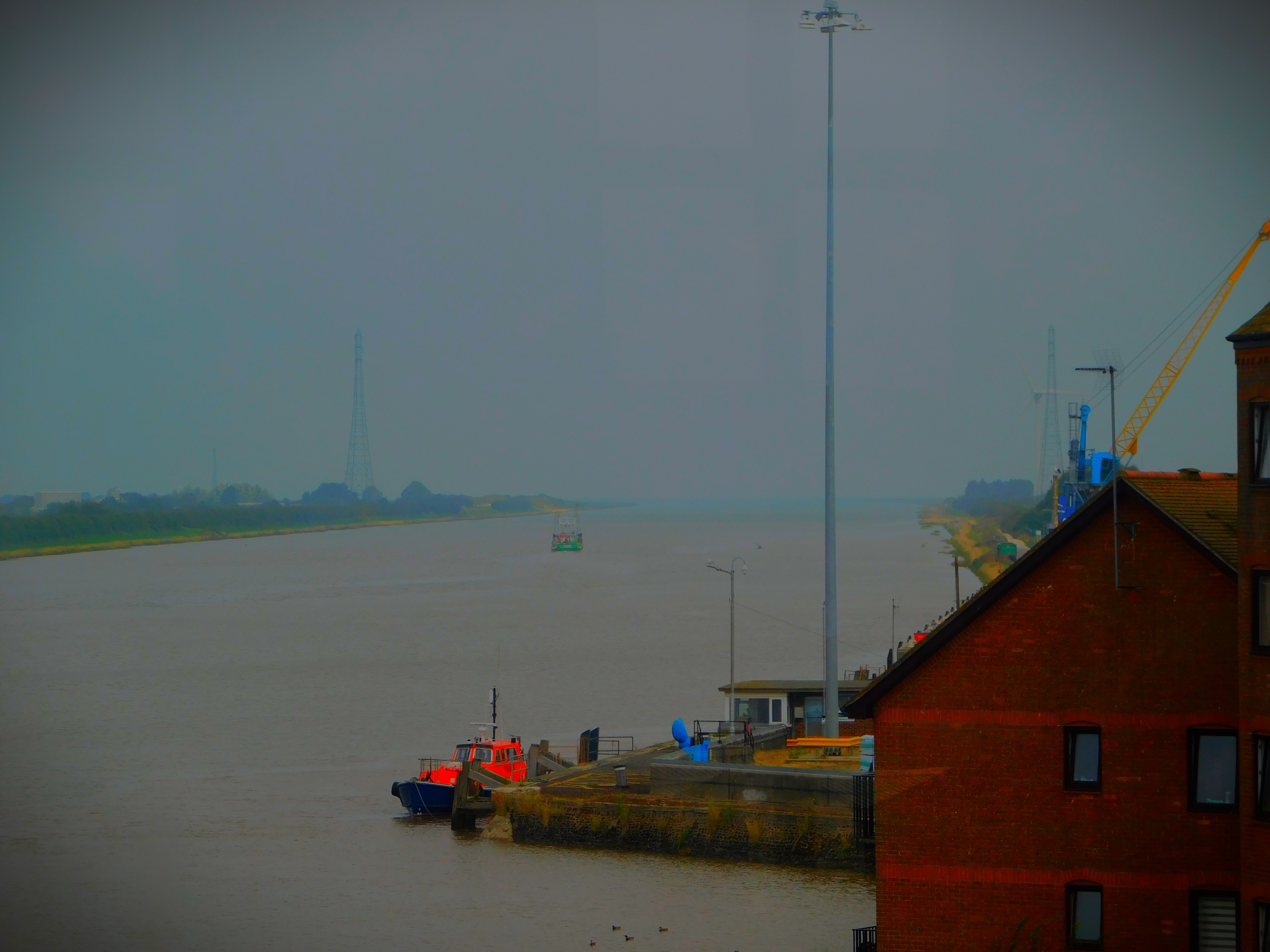
Yesterday was Heritage Open Day in King’s Lynn. I had a stewarding commitment at the Pilot’s Office between 10AM and Noon. This post looks back at the day.
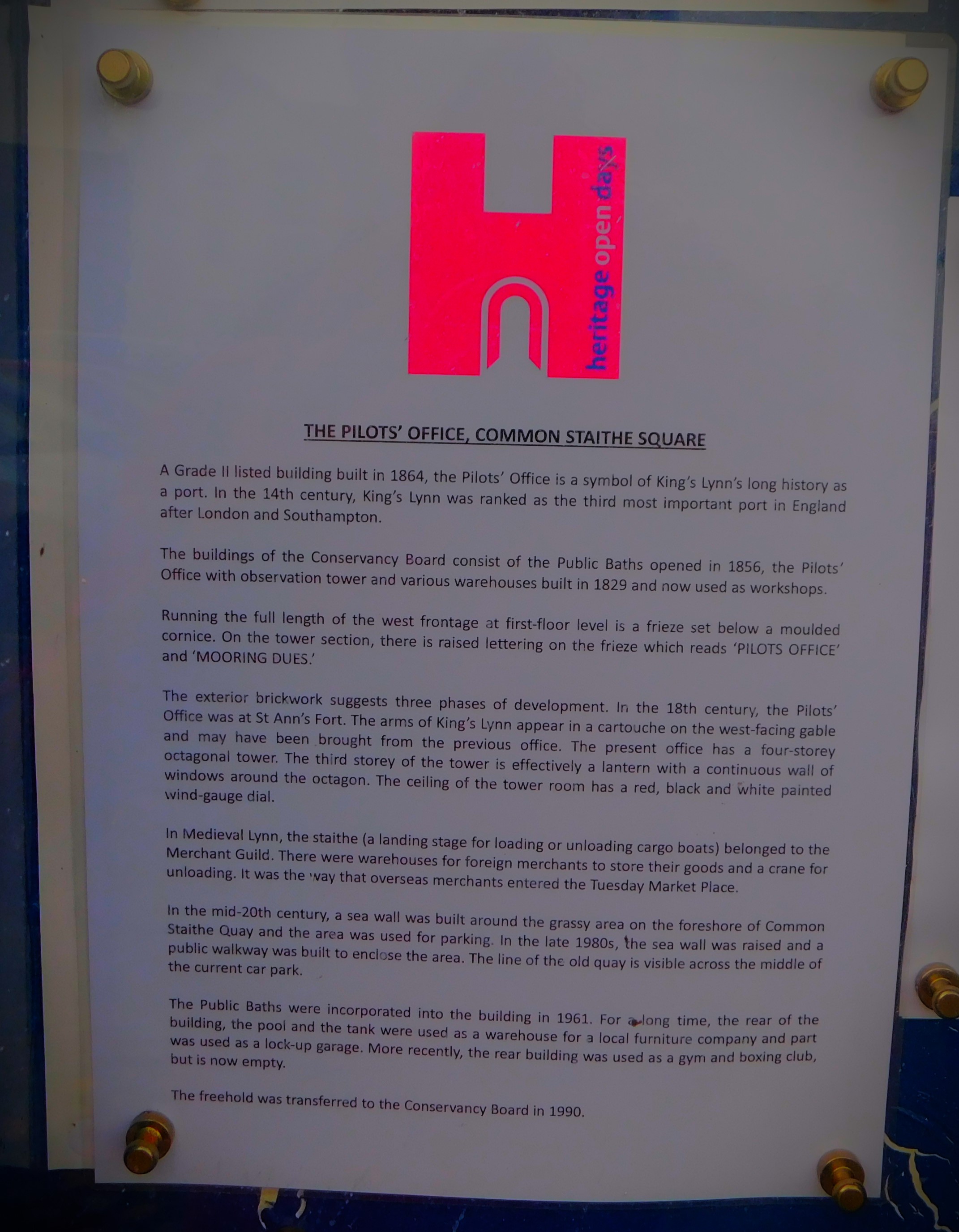
THE PILOT’S OFFICE
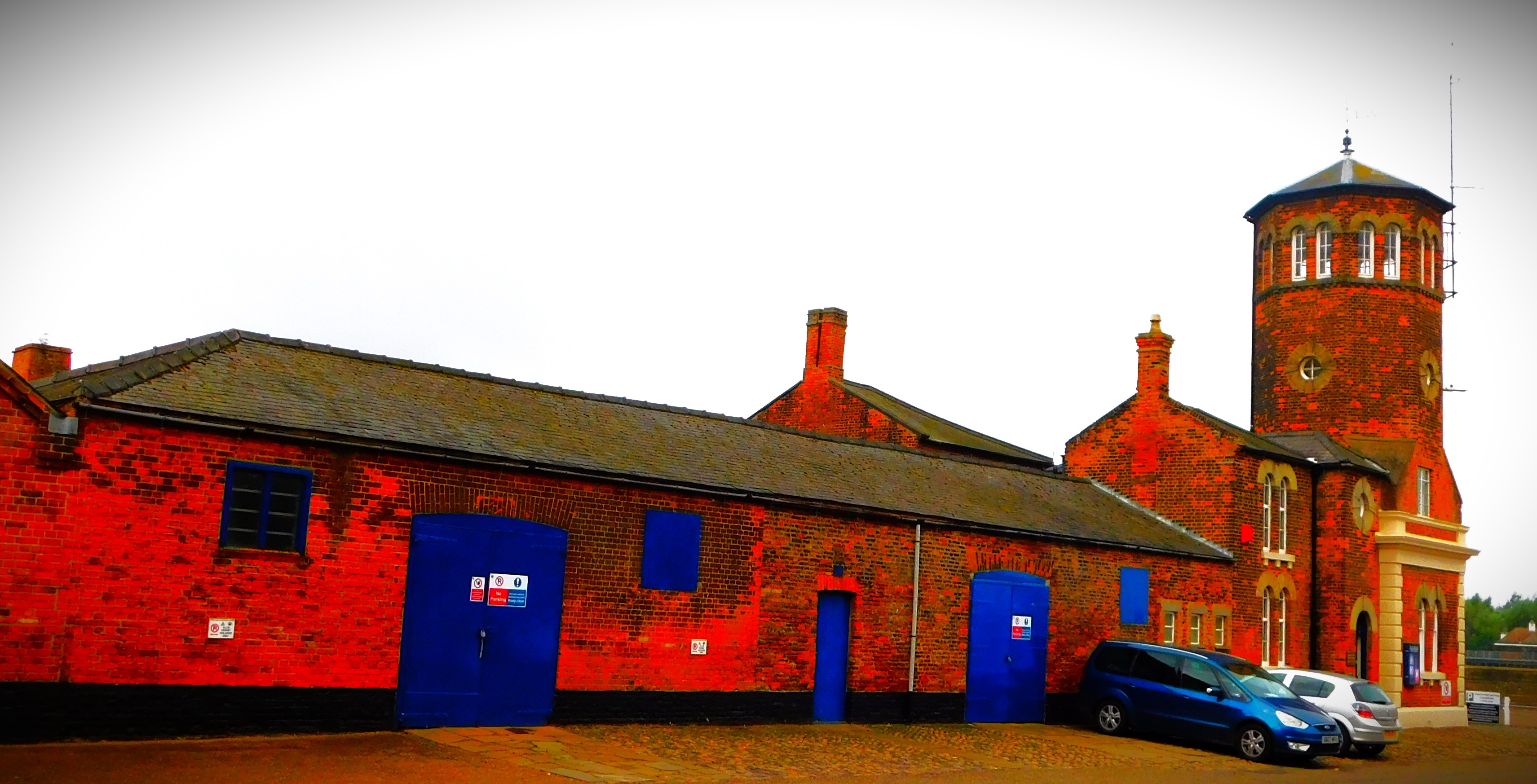
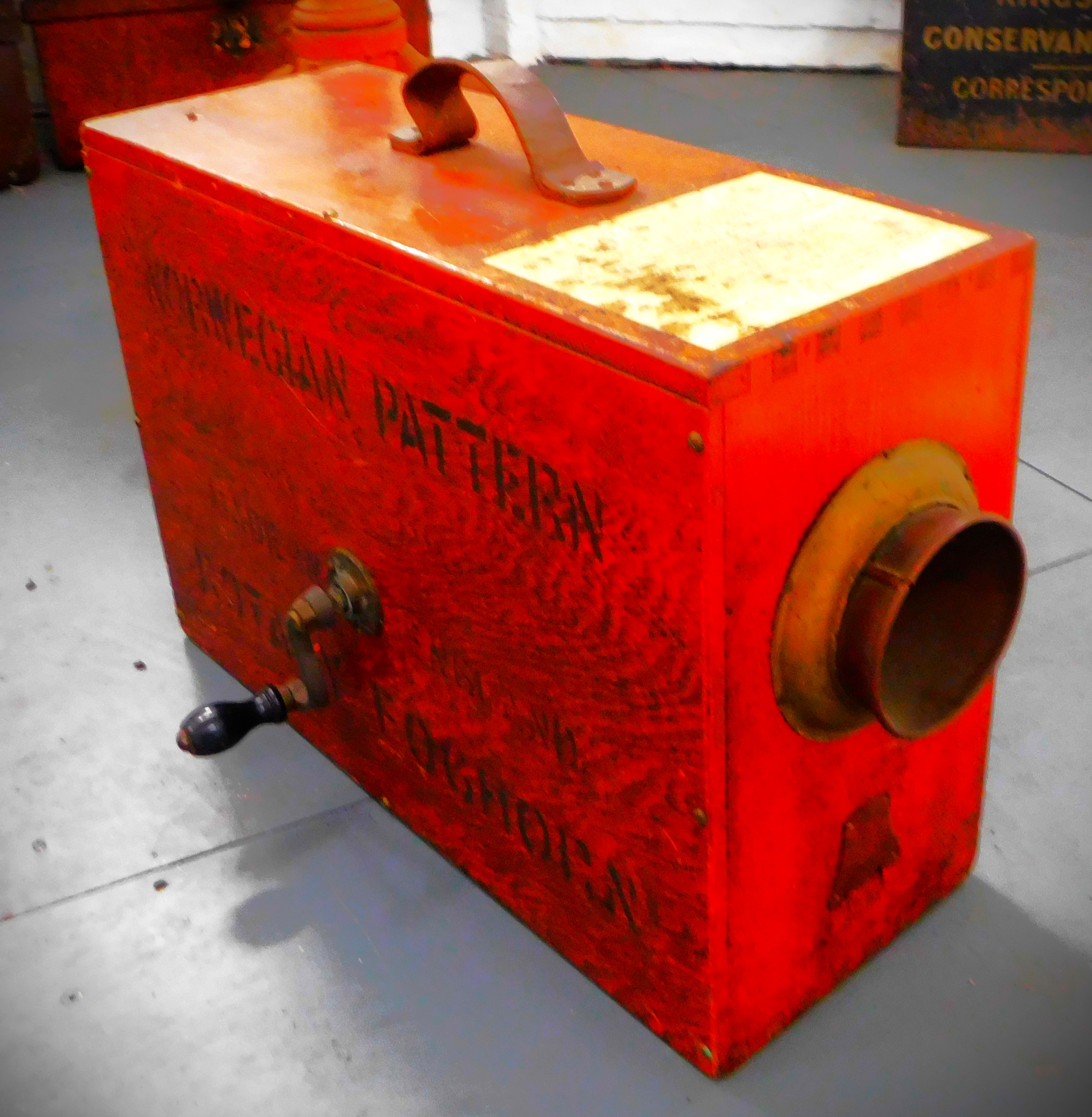
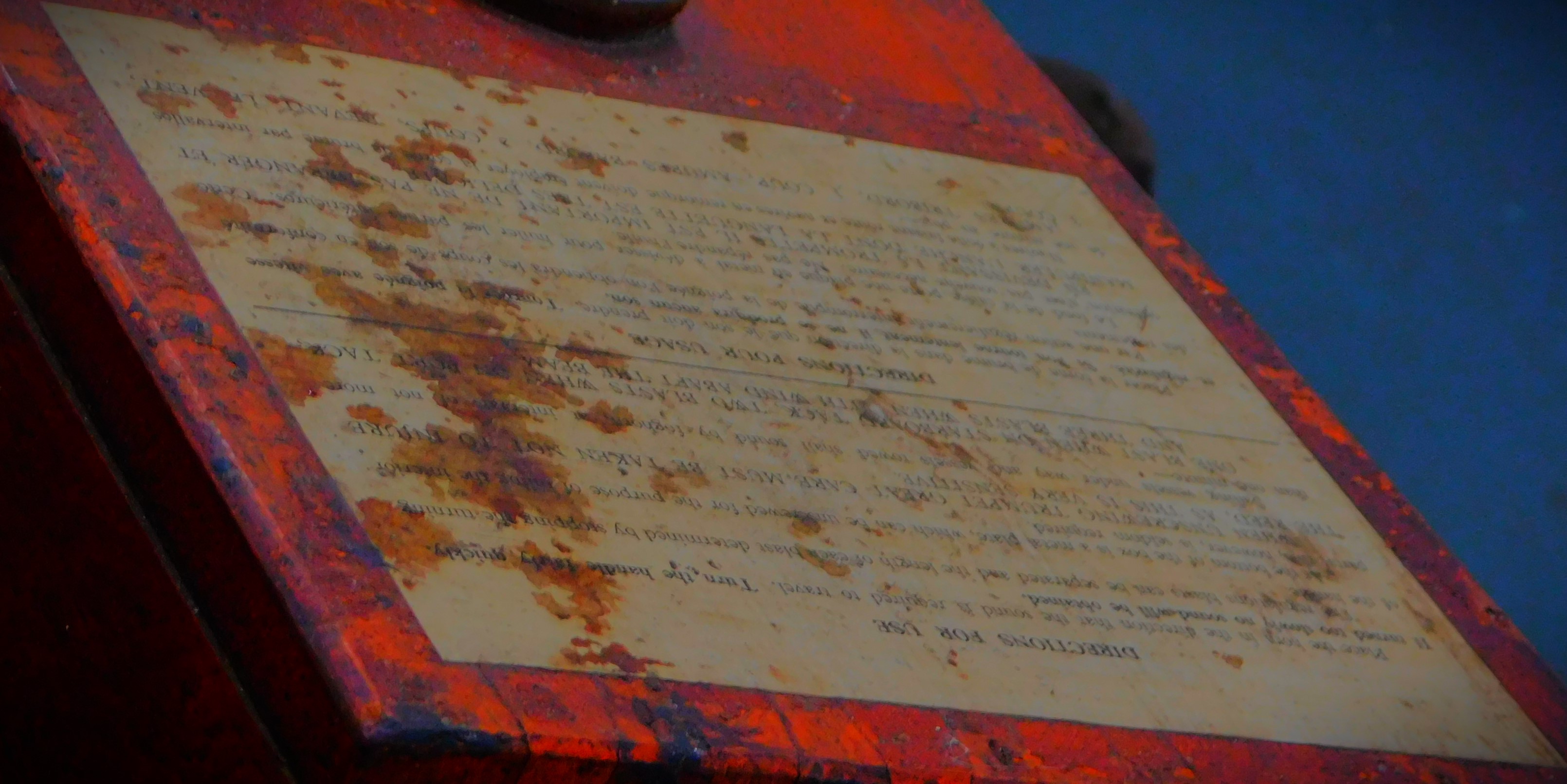
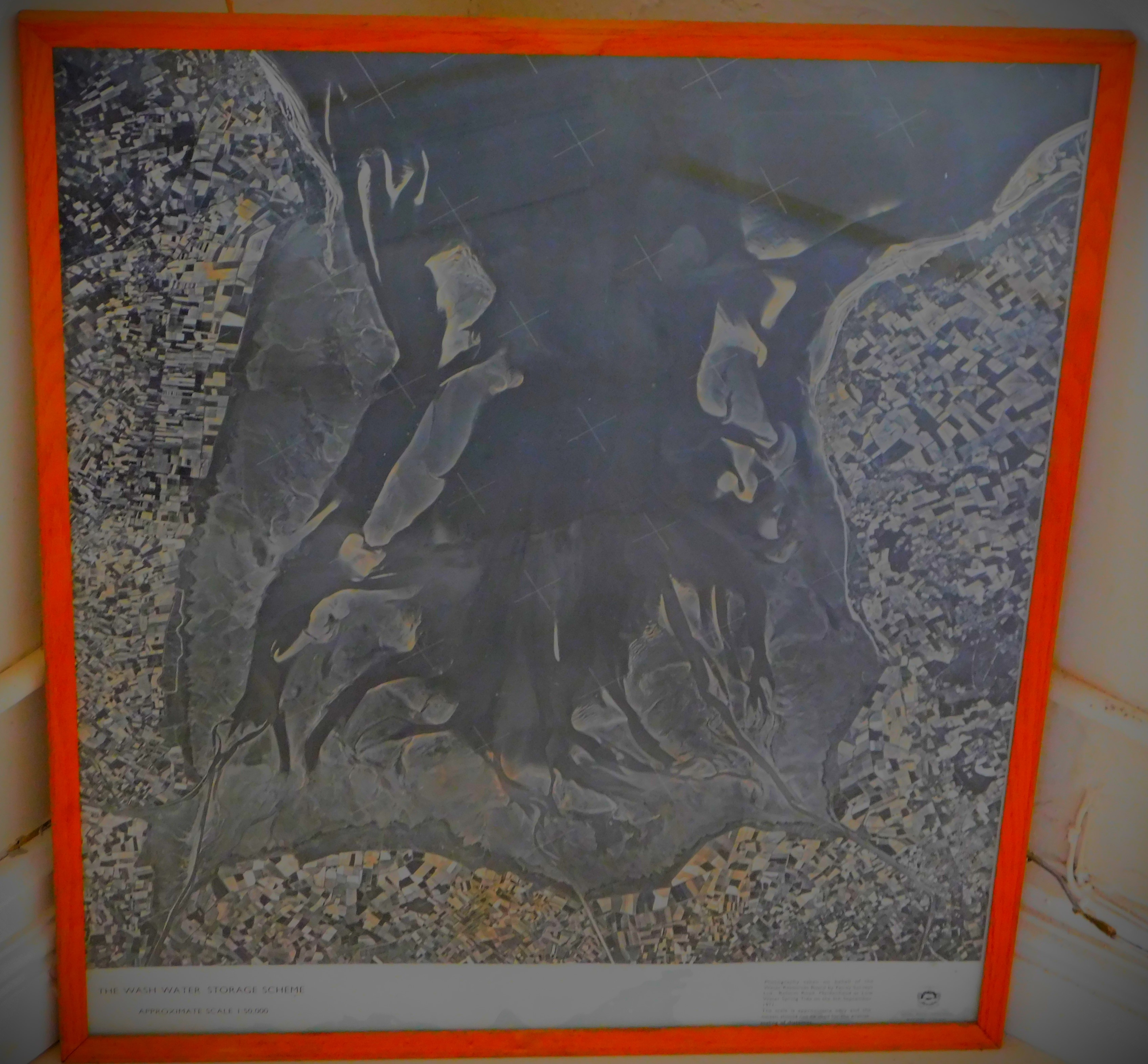
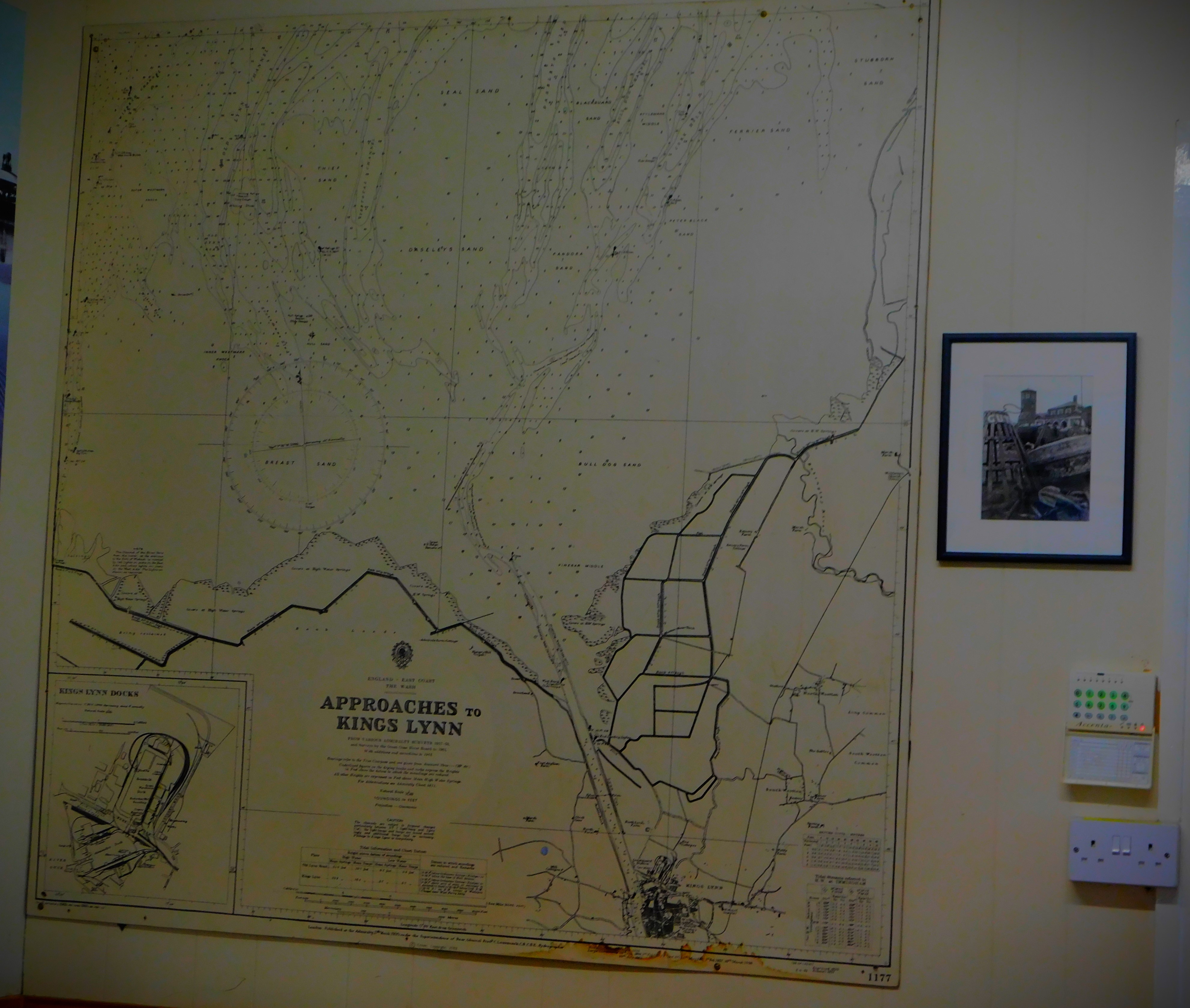
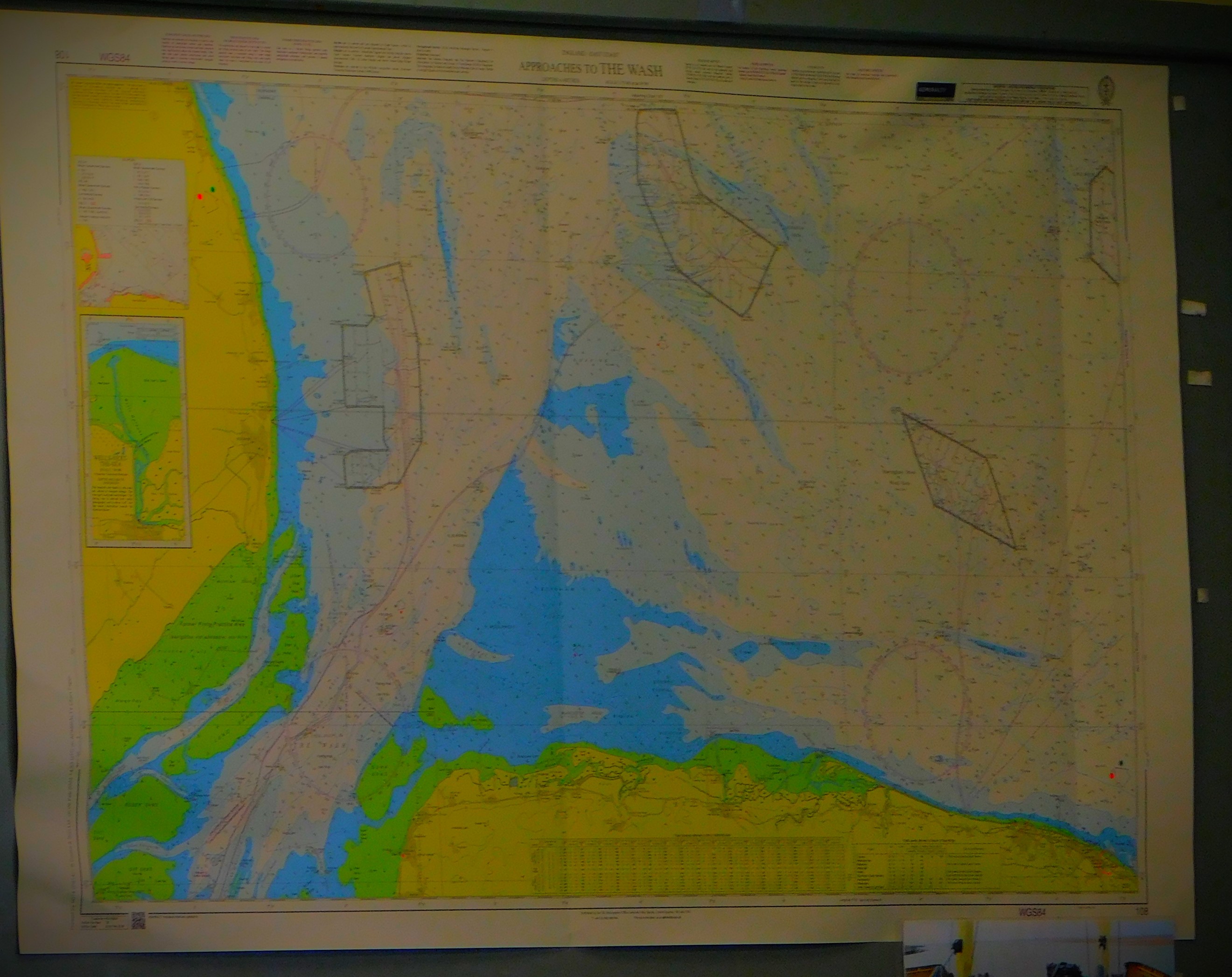
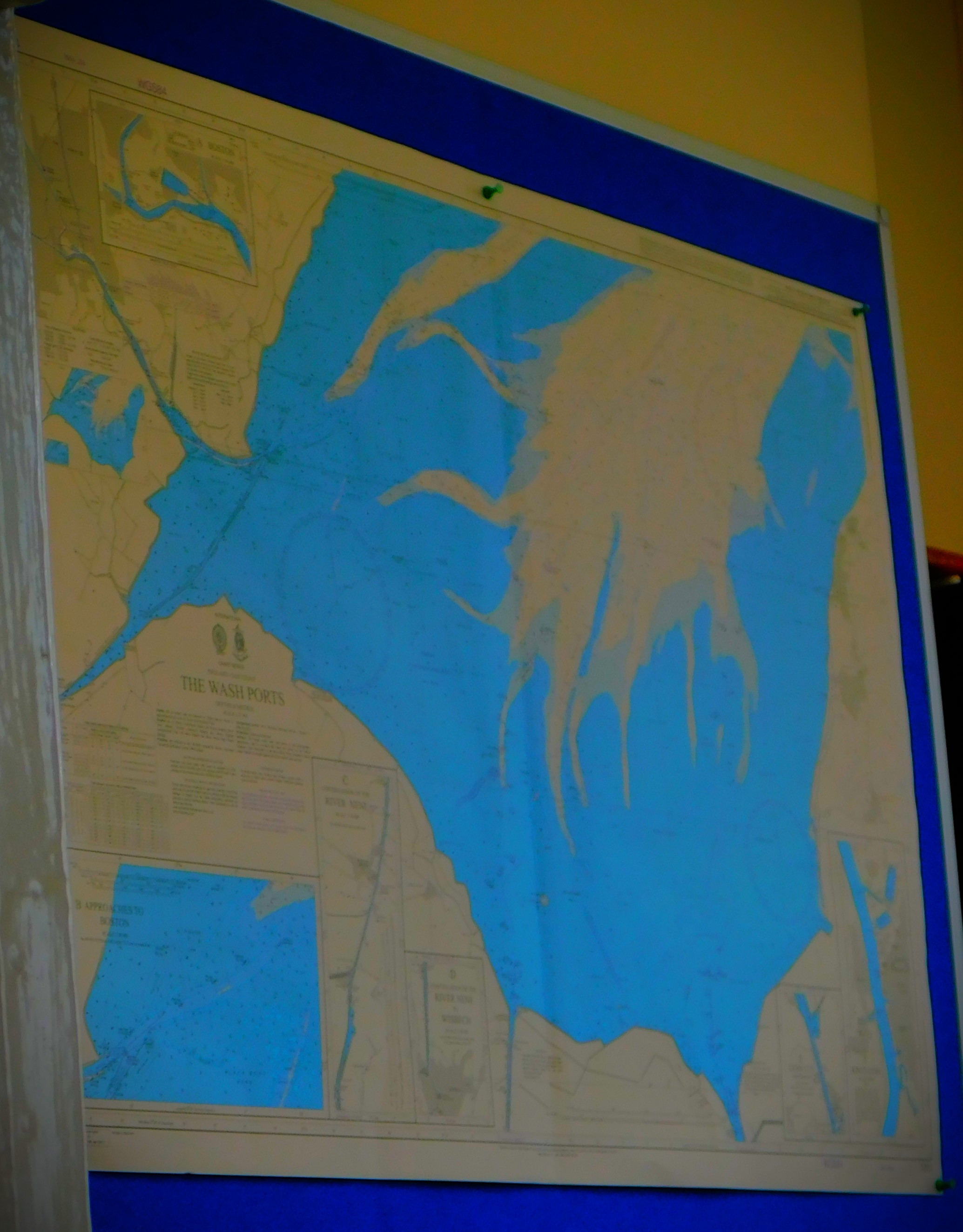
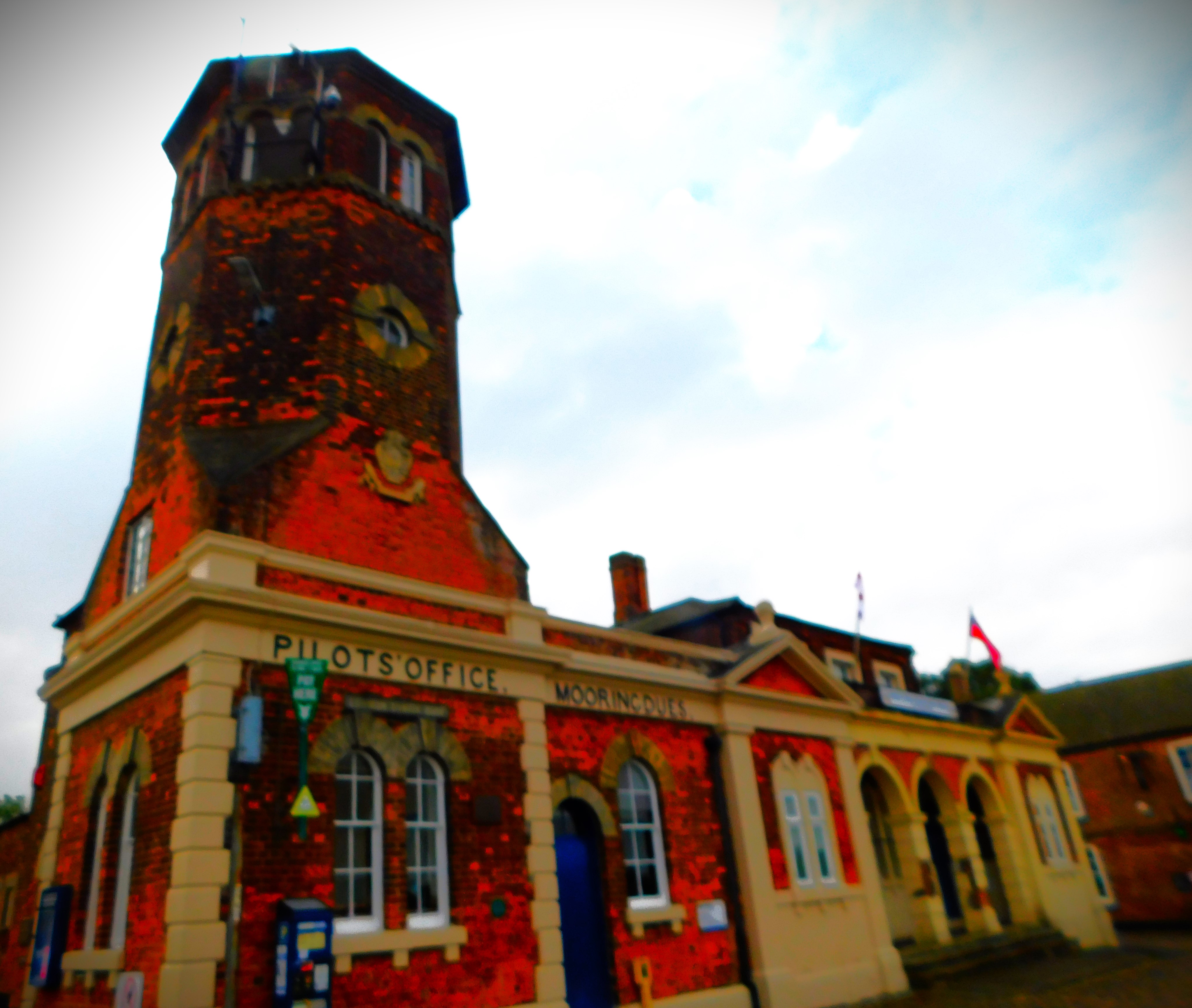
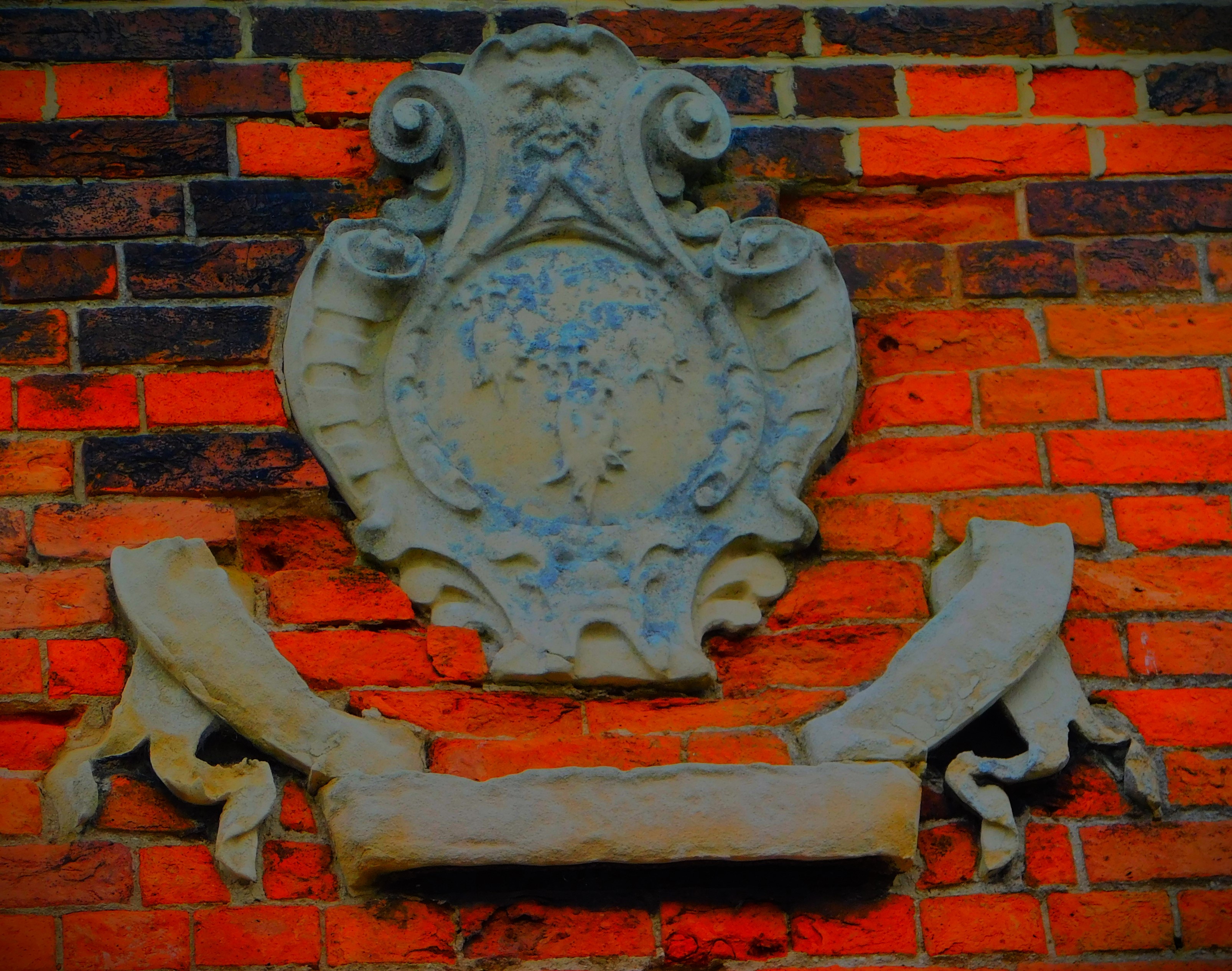
I arrived at the Pilot’s Office at 9:45 as intended, and had the opportunity as I had hoped to have a quick look around before Heritage Open Day started. Unfortunately the other steward did not turn up, so I was on my own in that regard (fortunately the conservancy board were doing a good job inside the building) until the two stewards for the 12-2 slot arrived. About 130 visitors went into over the course of the time I was there. No one had seen fit to tell me that the conservancy board were being very cautious about how many people they would allow up the tower at any one time, so some people had longer waits than would be ideal, until I realized the problem and started warning people about the issue. The weather was co-operative (weather like we have today would have been a disaster).
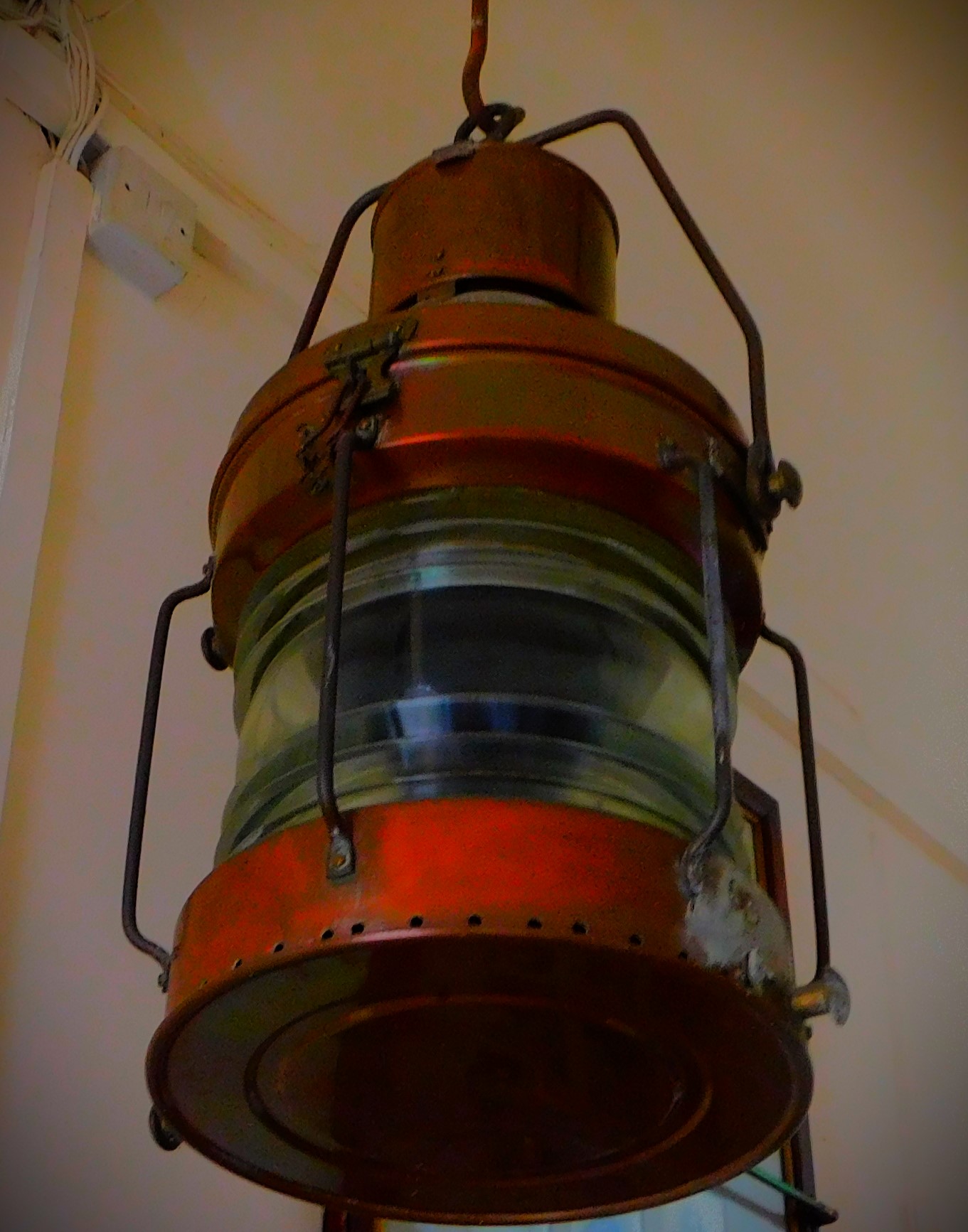
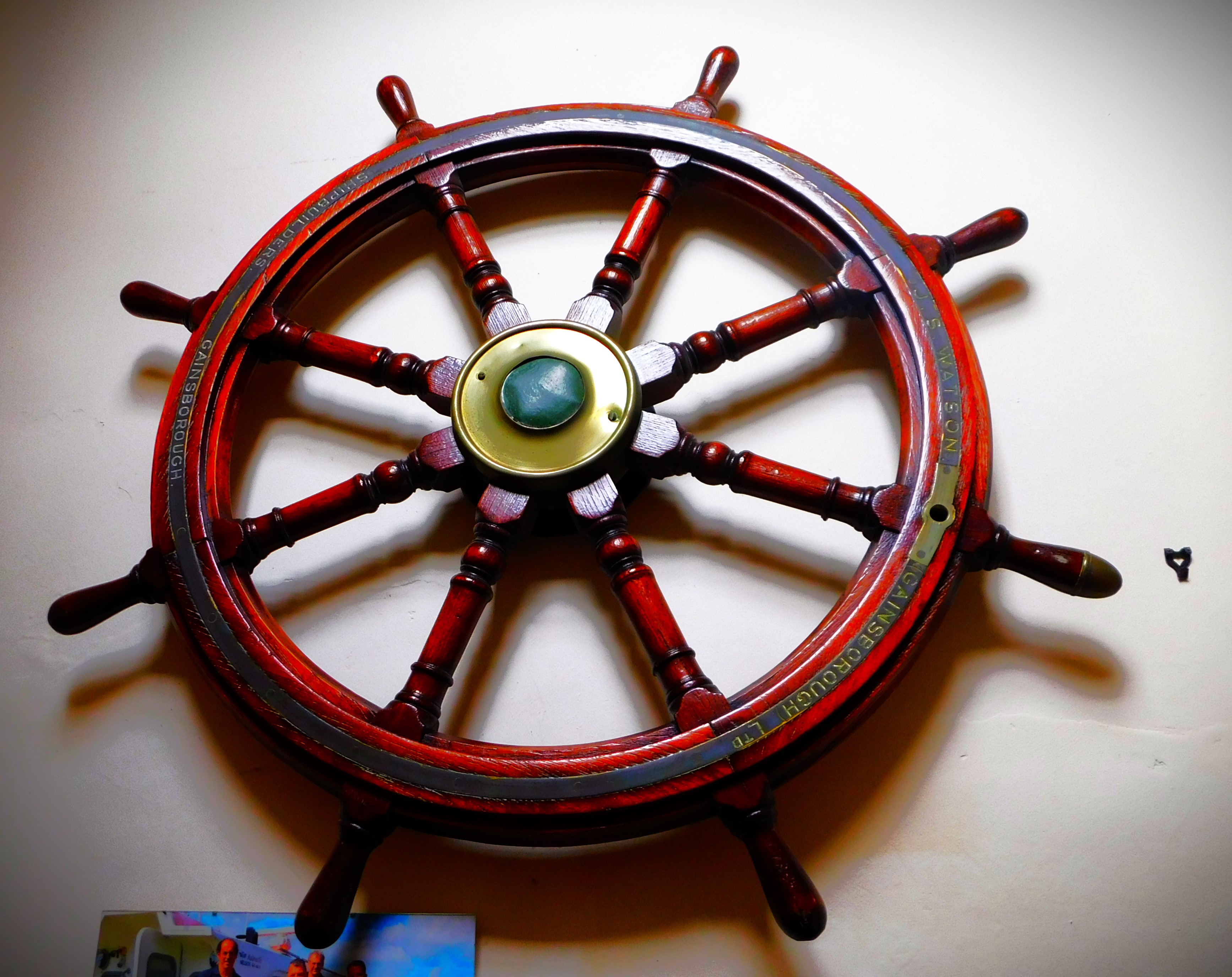
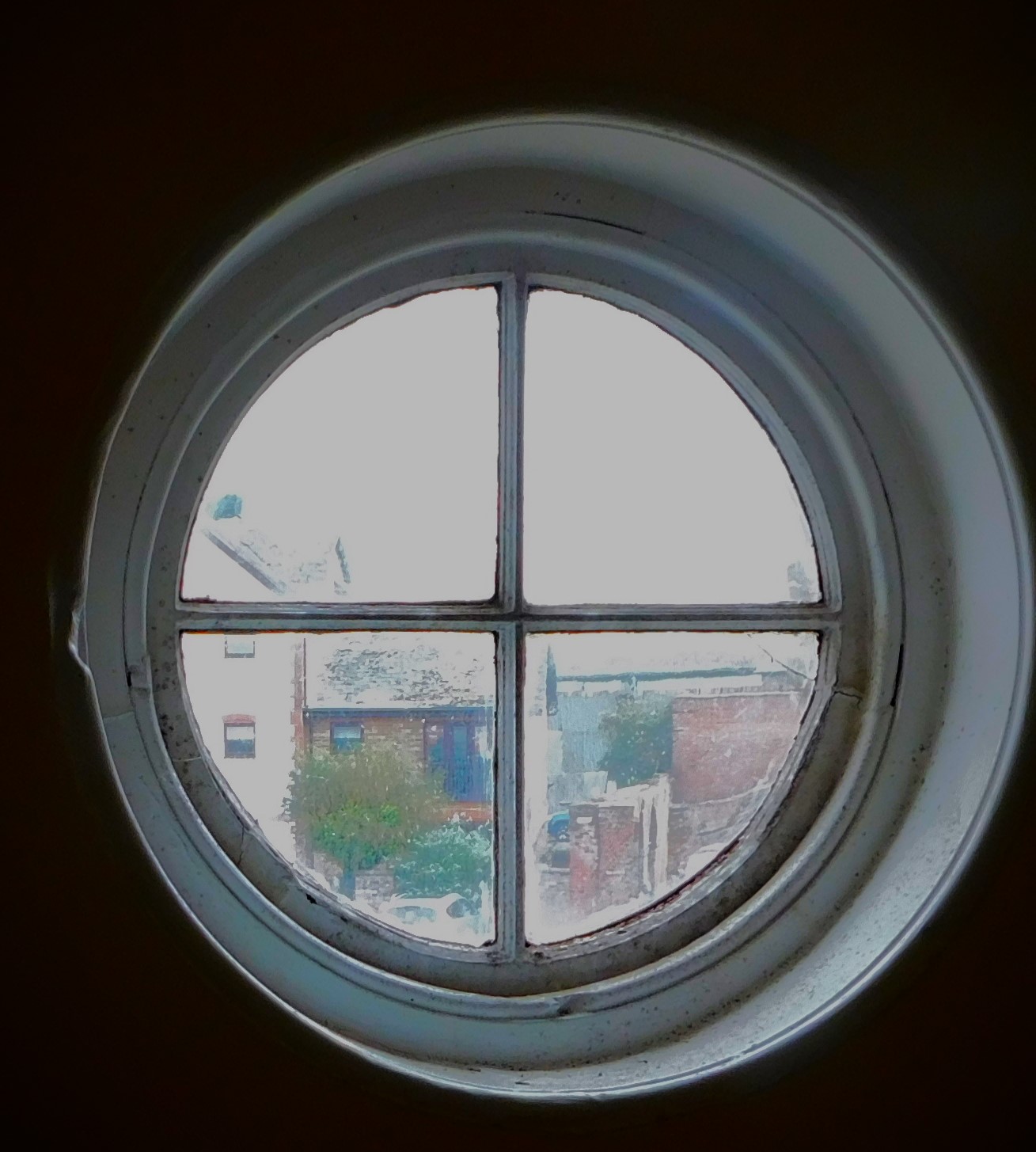
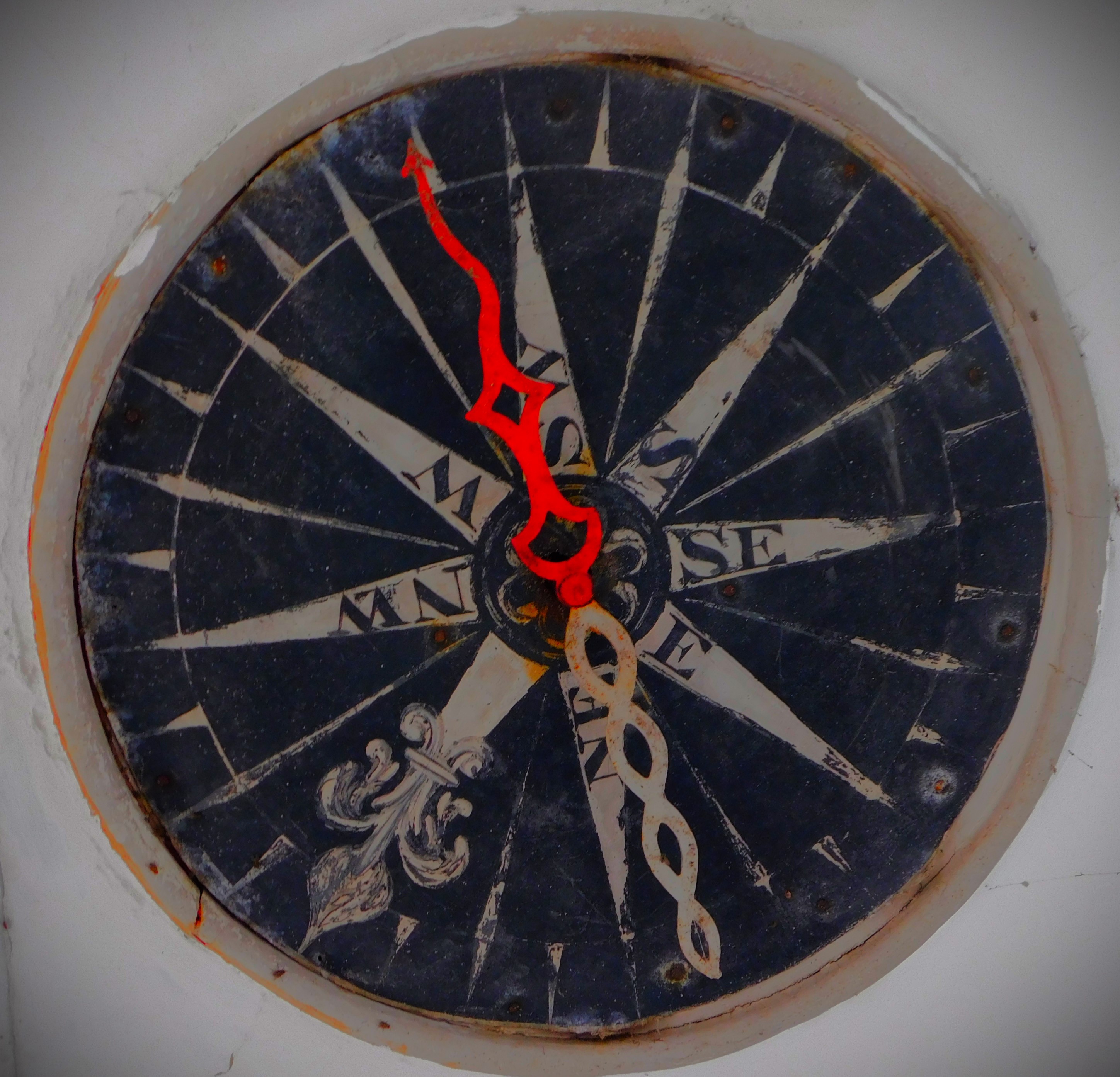
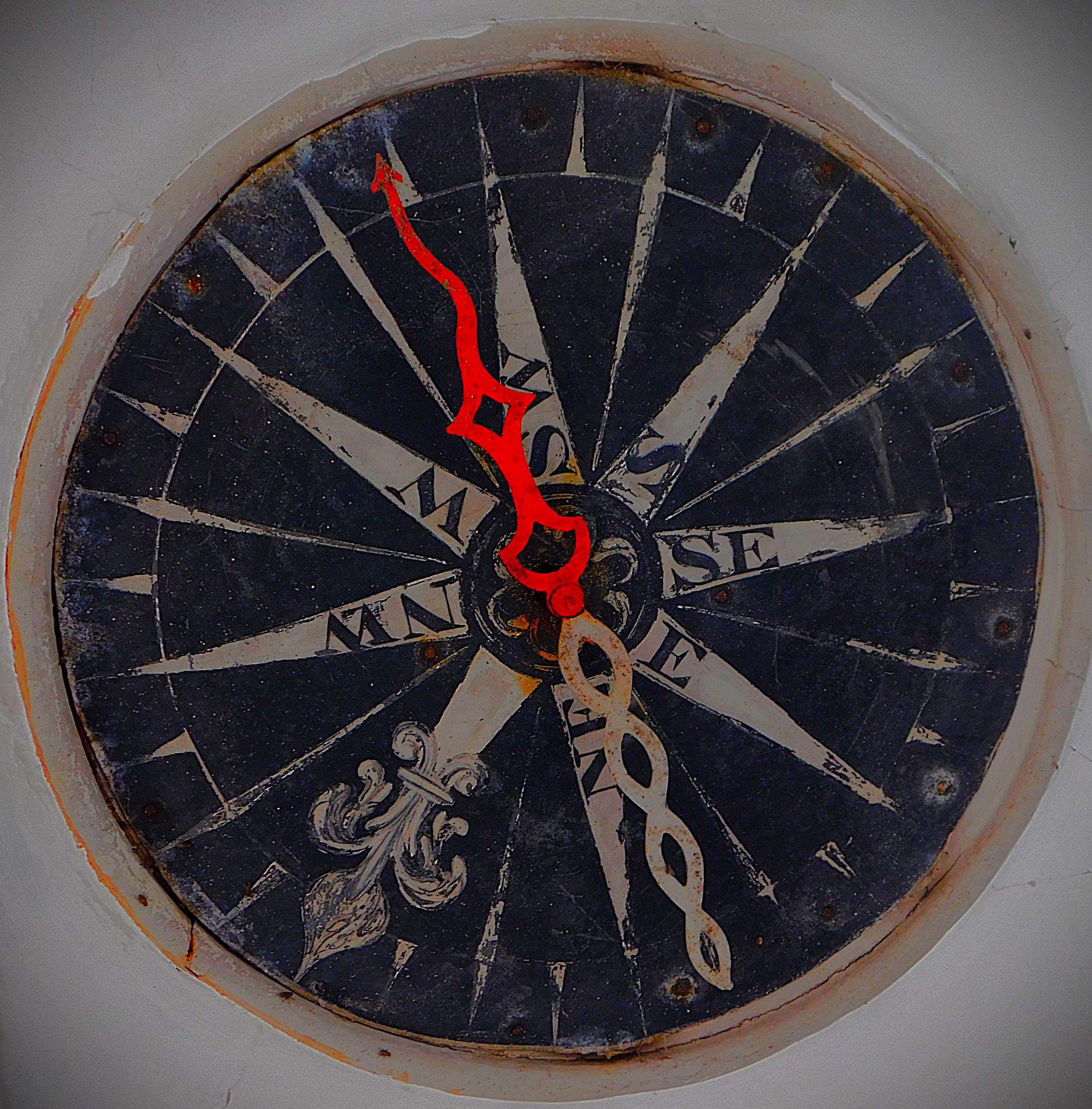
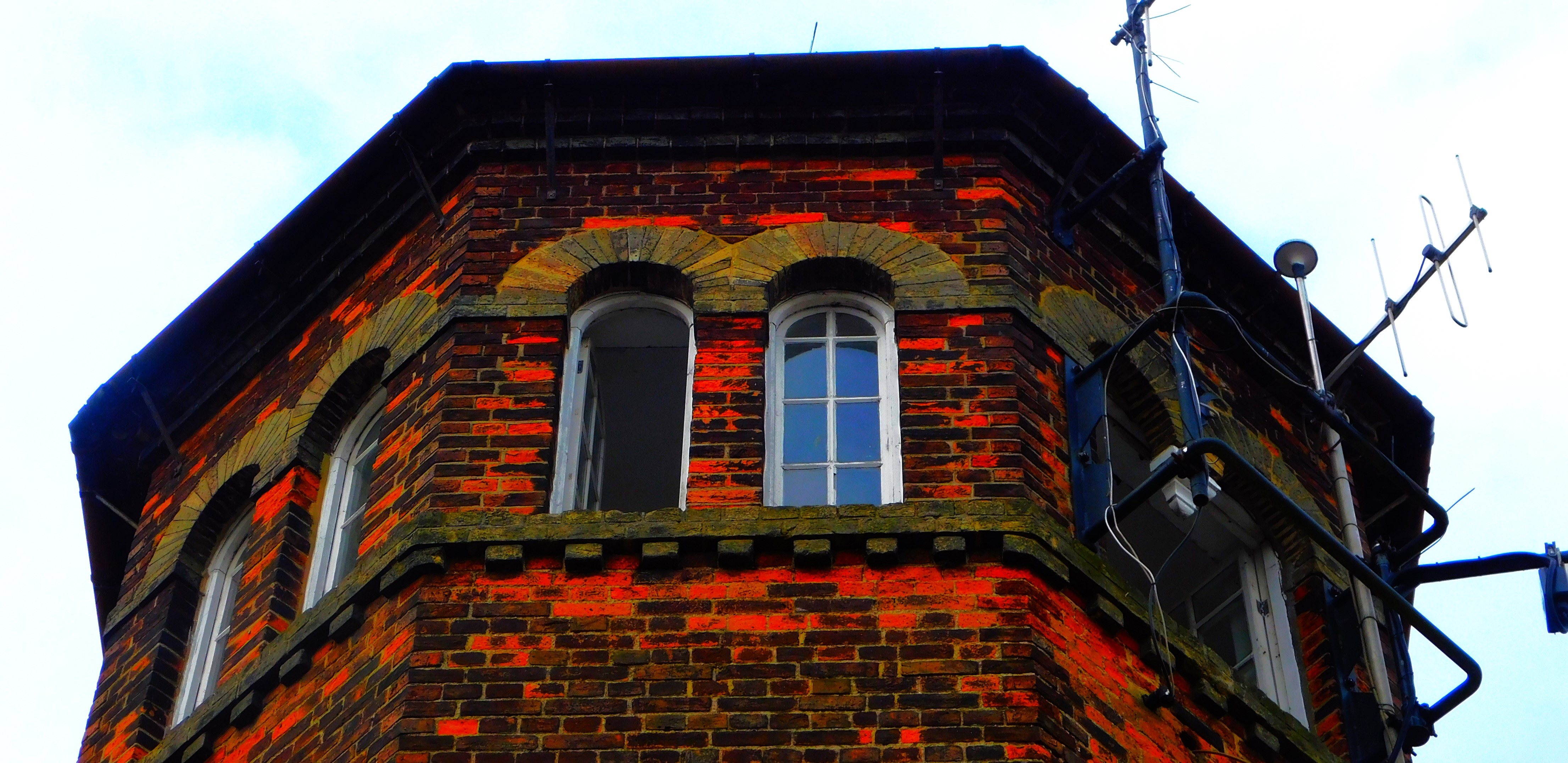
The view from the top of the tower, looking towards The Wash.This is on the ceiling of the room at the top of the tower.The frontage of the building on to which the Pilot’s Office was tacked in 1864, the former public baths.
THE NORMAN HOUSE
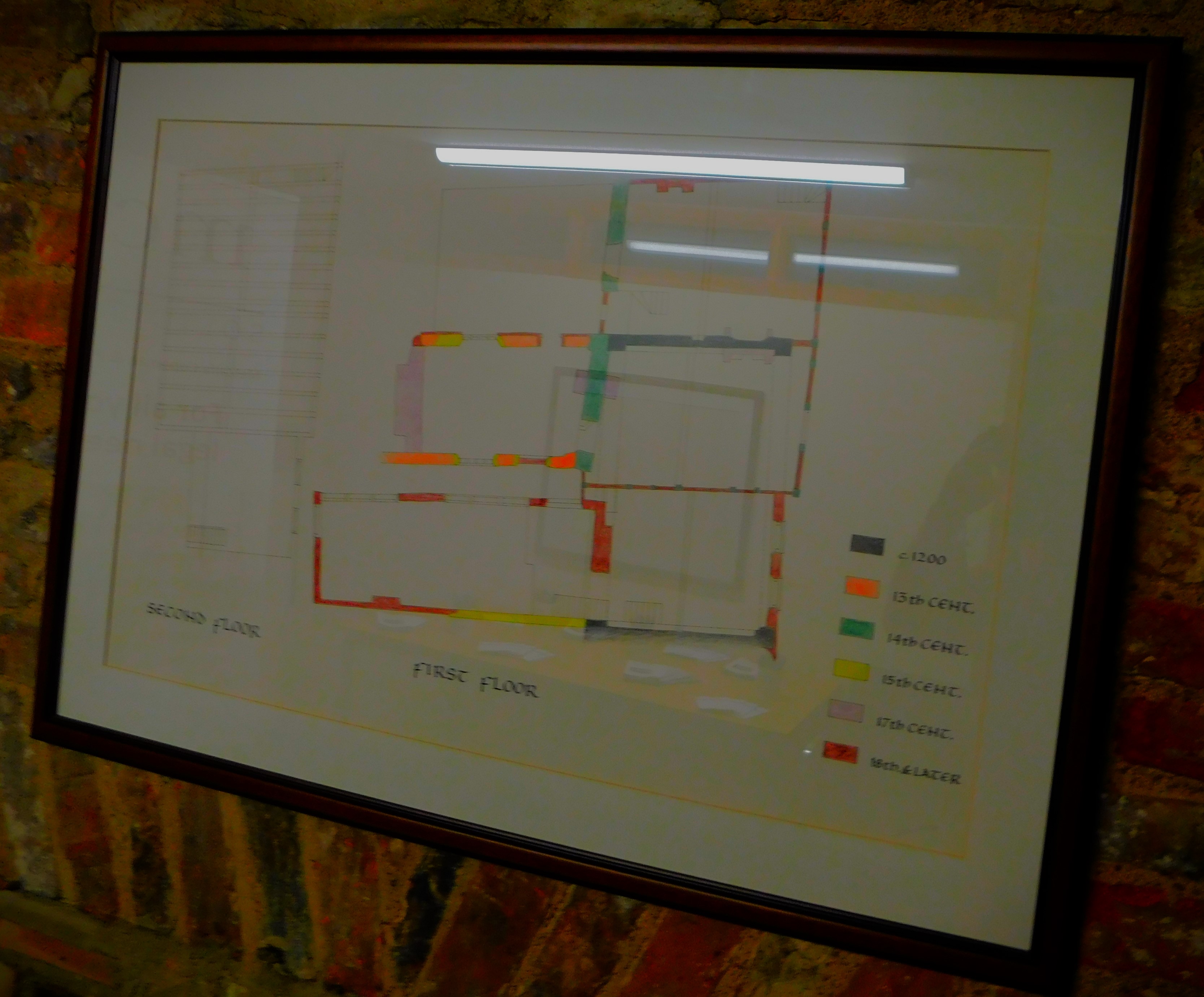
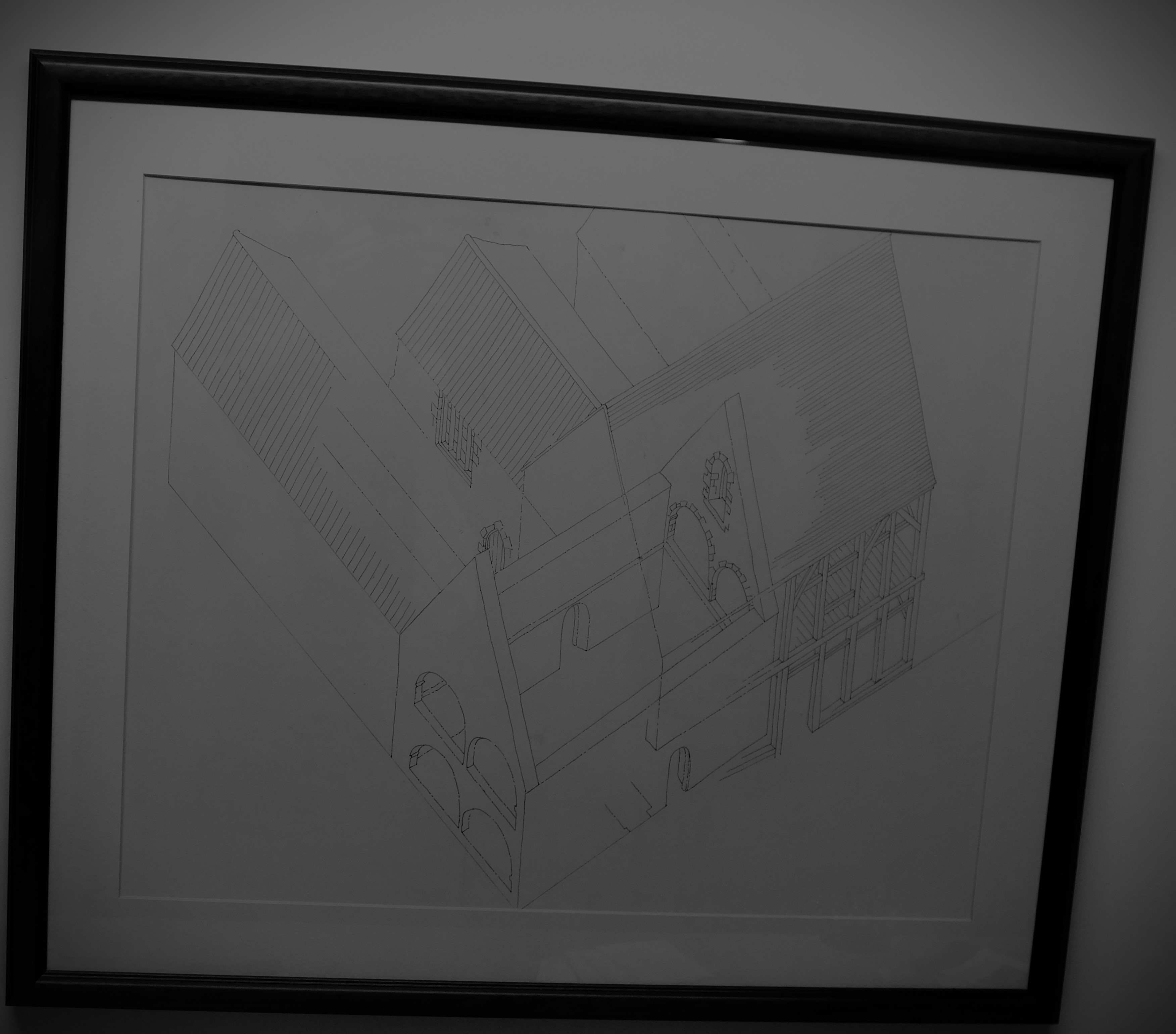
This is one of my old favourites, and I revisited it as soon as my stewarding commitment ended. It is on King Street and houses a firm of lawyers. The Norman stuff is not readily apparent from the street.
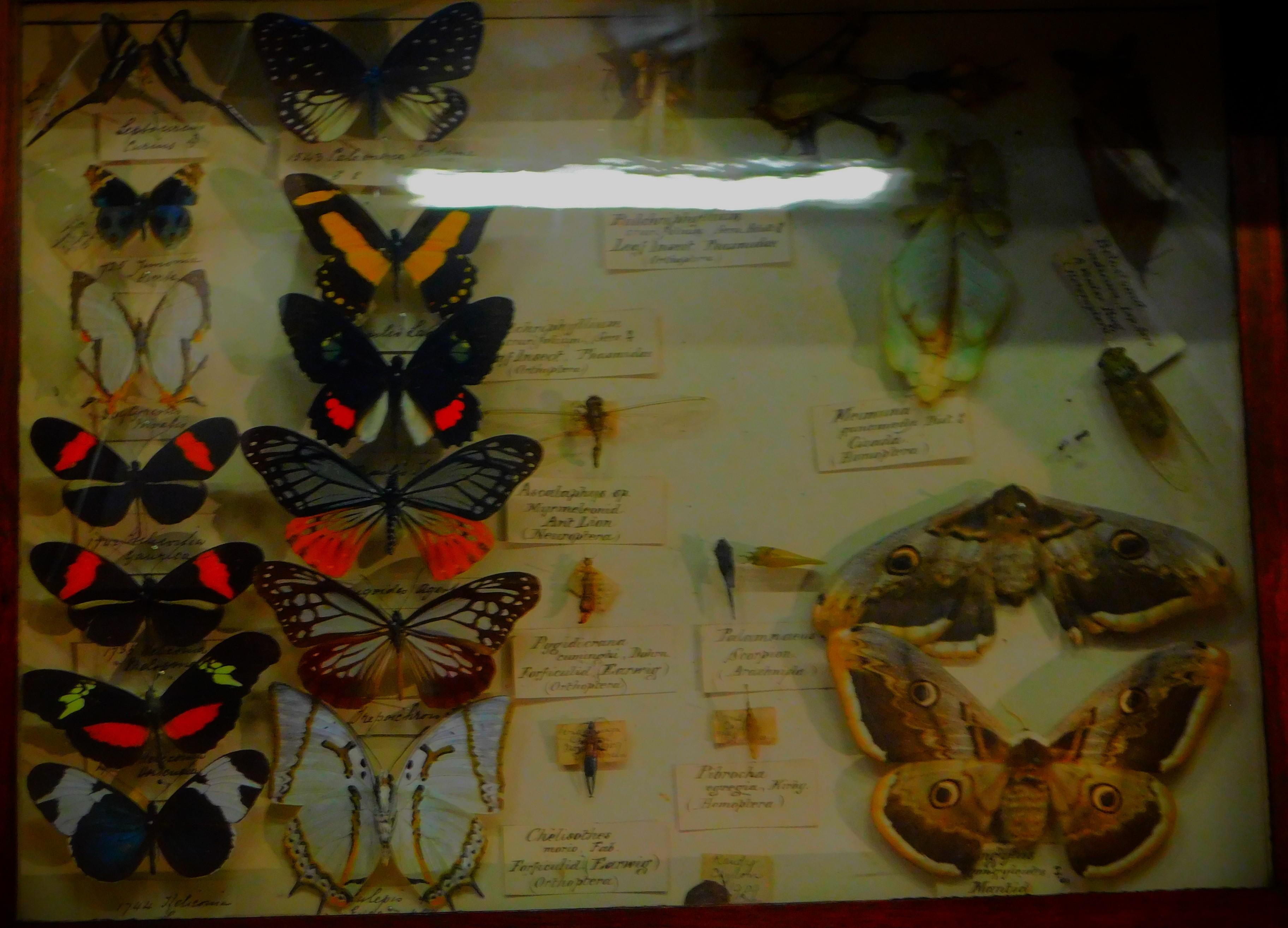
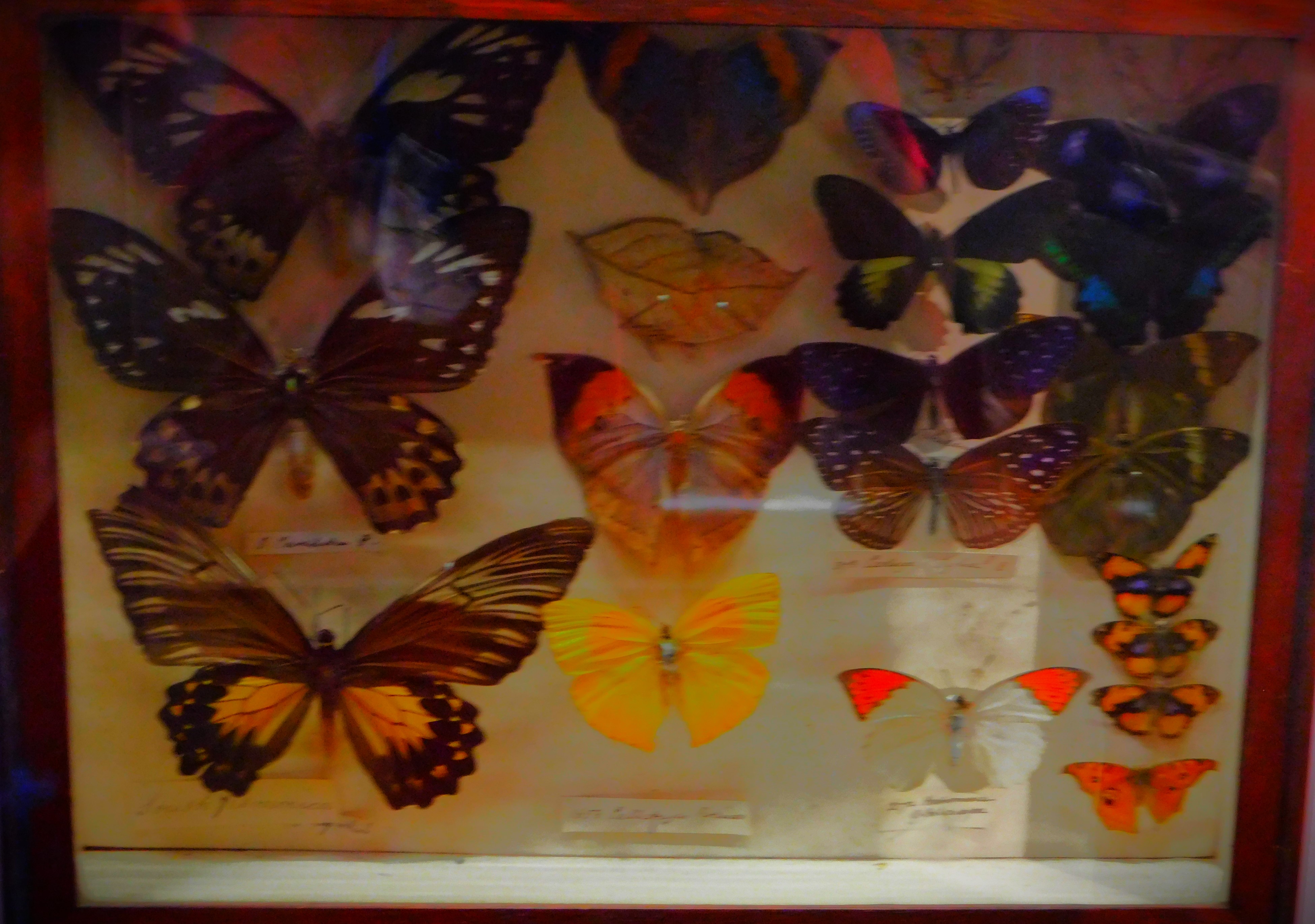
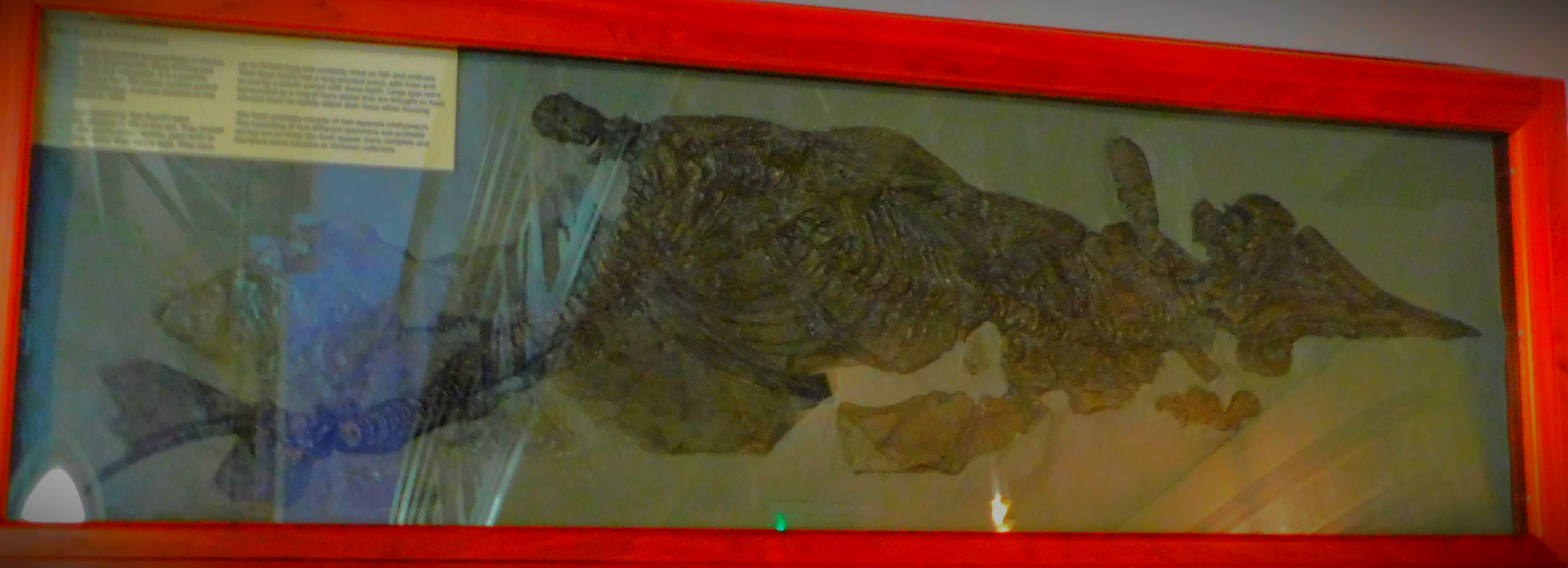
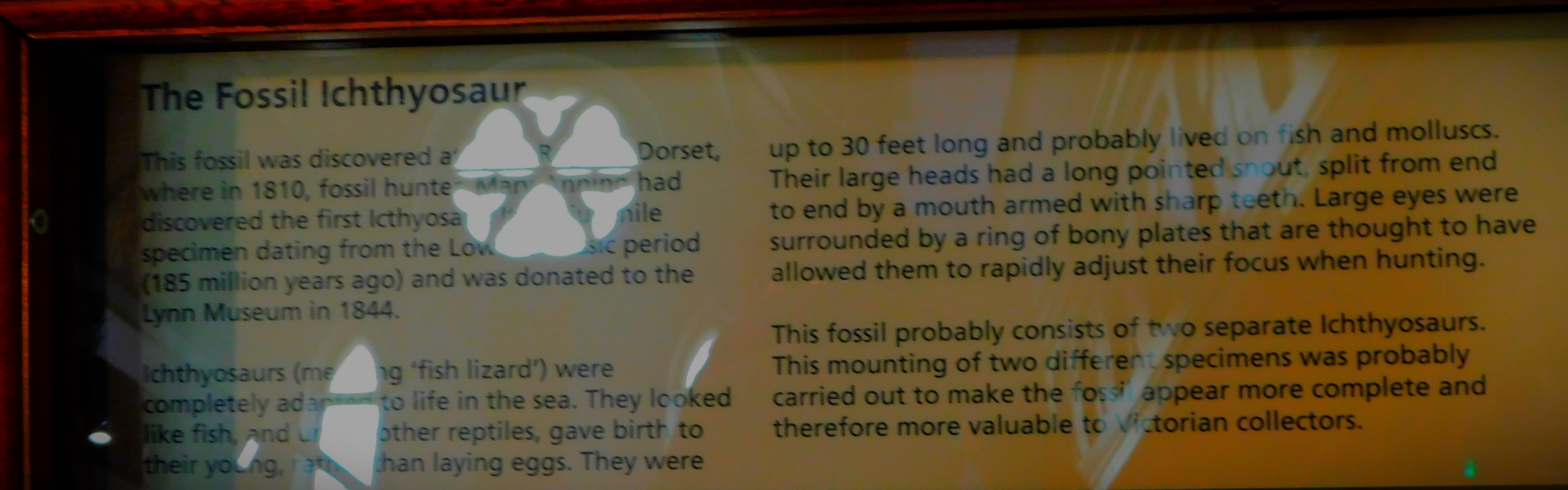
THE LYNN MUSEUM
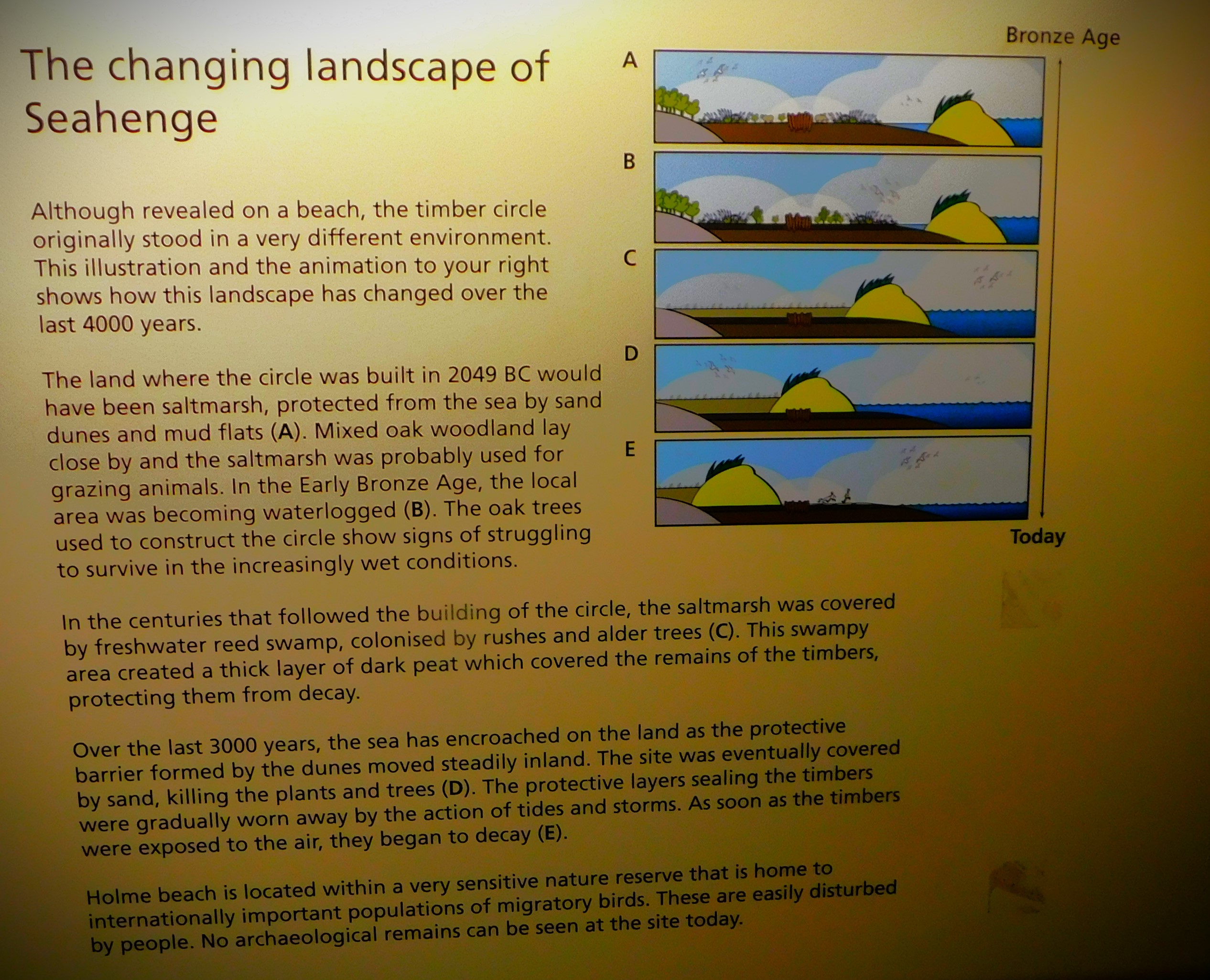
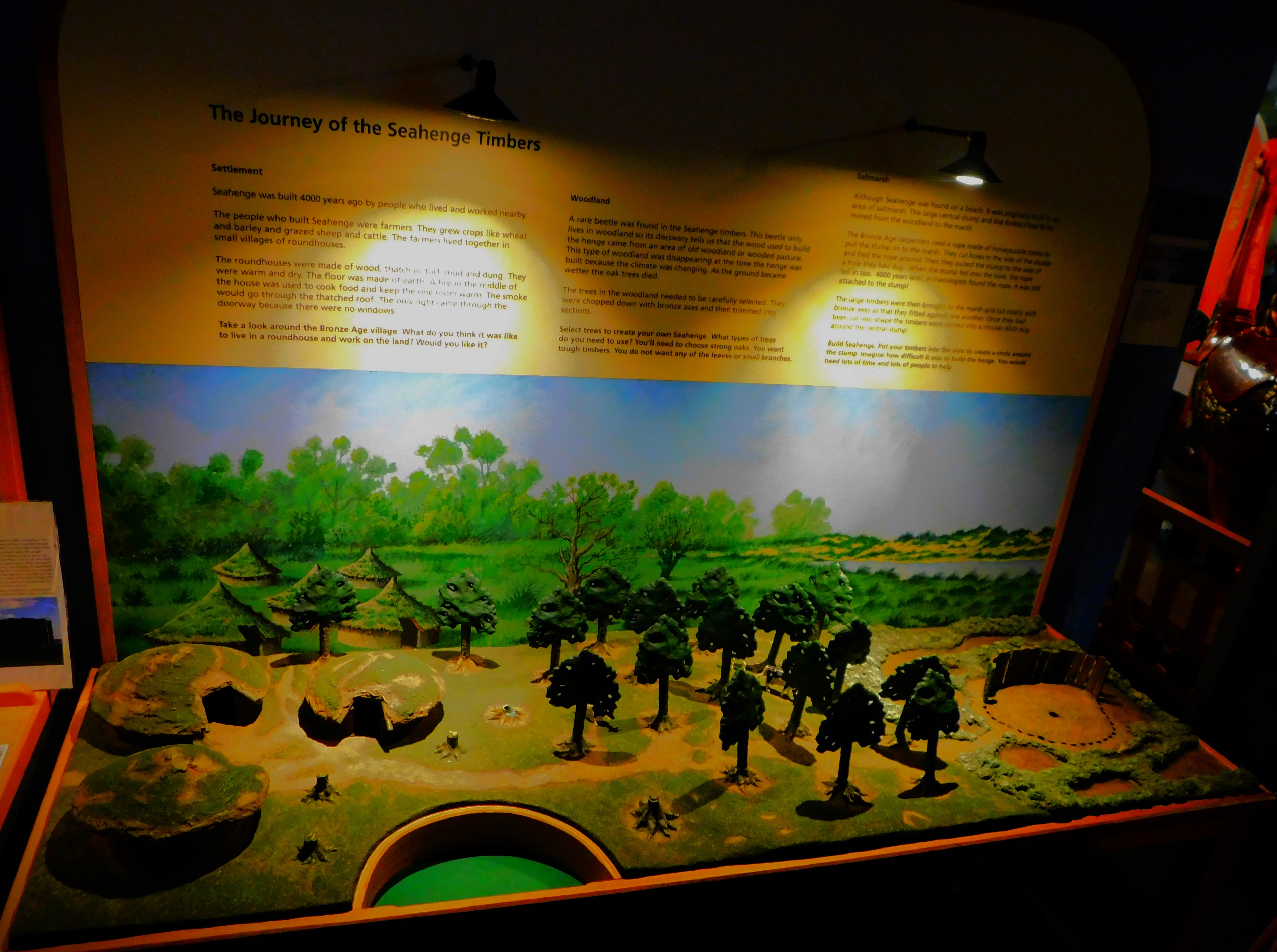
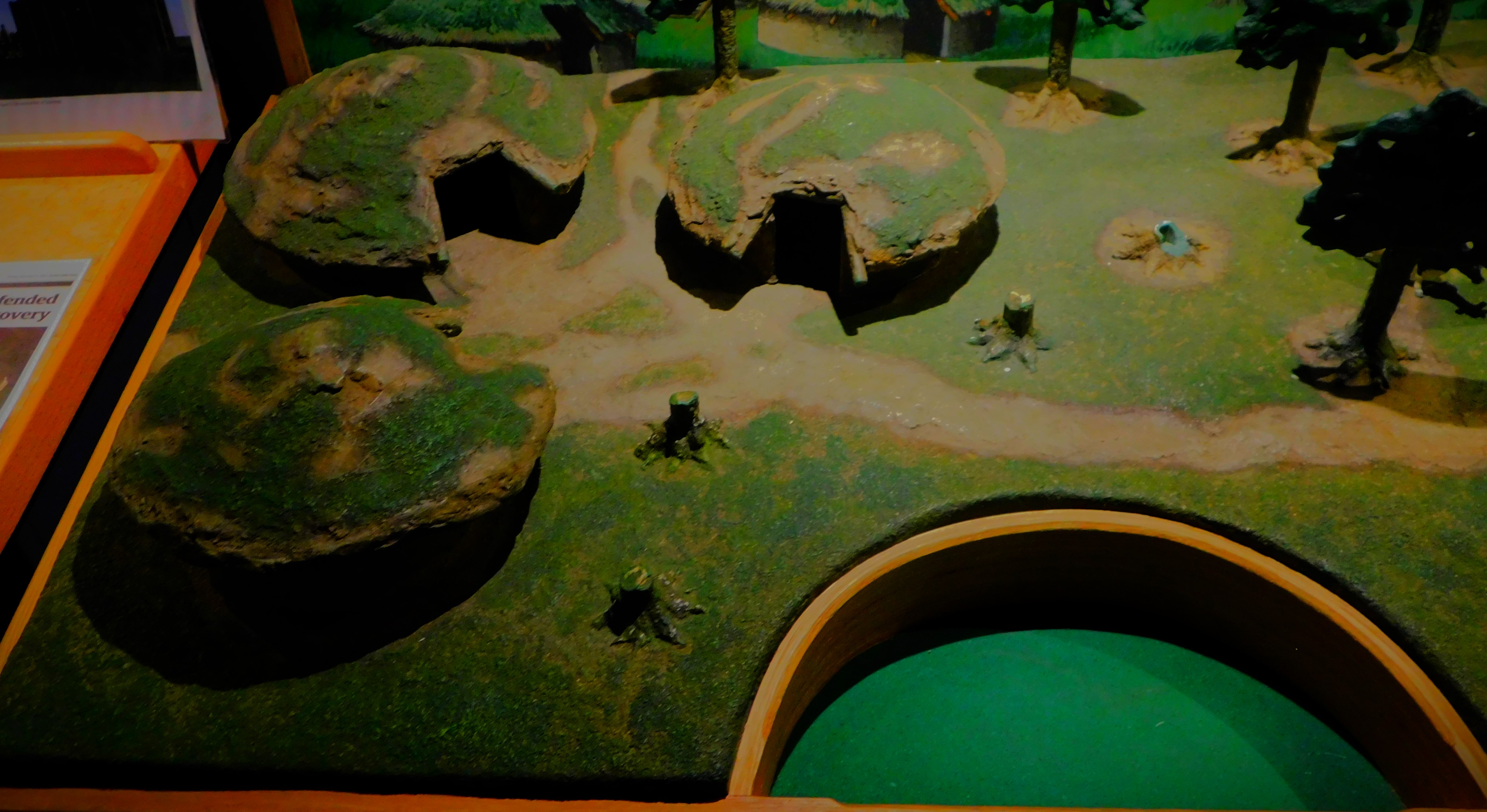
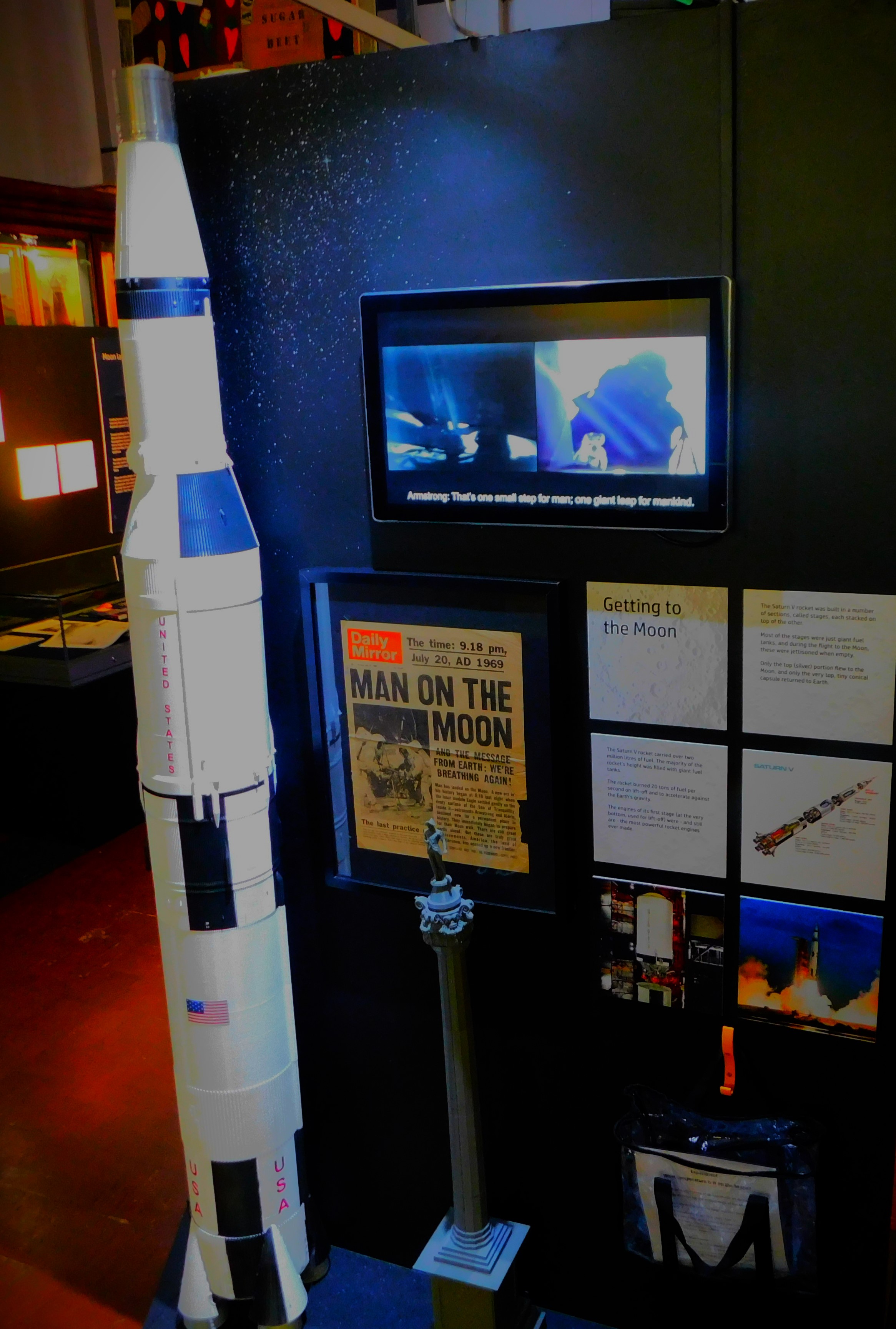
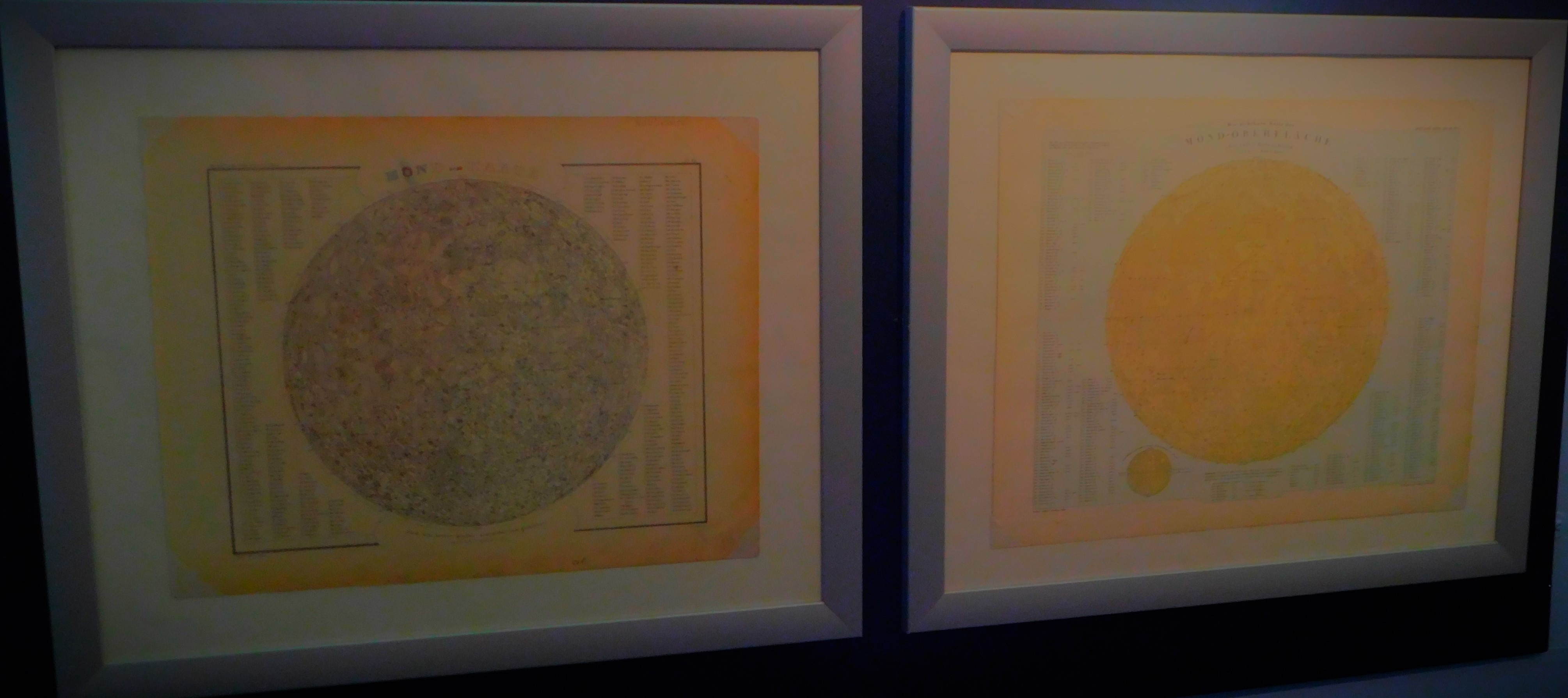
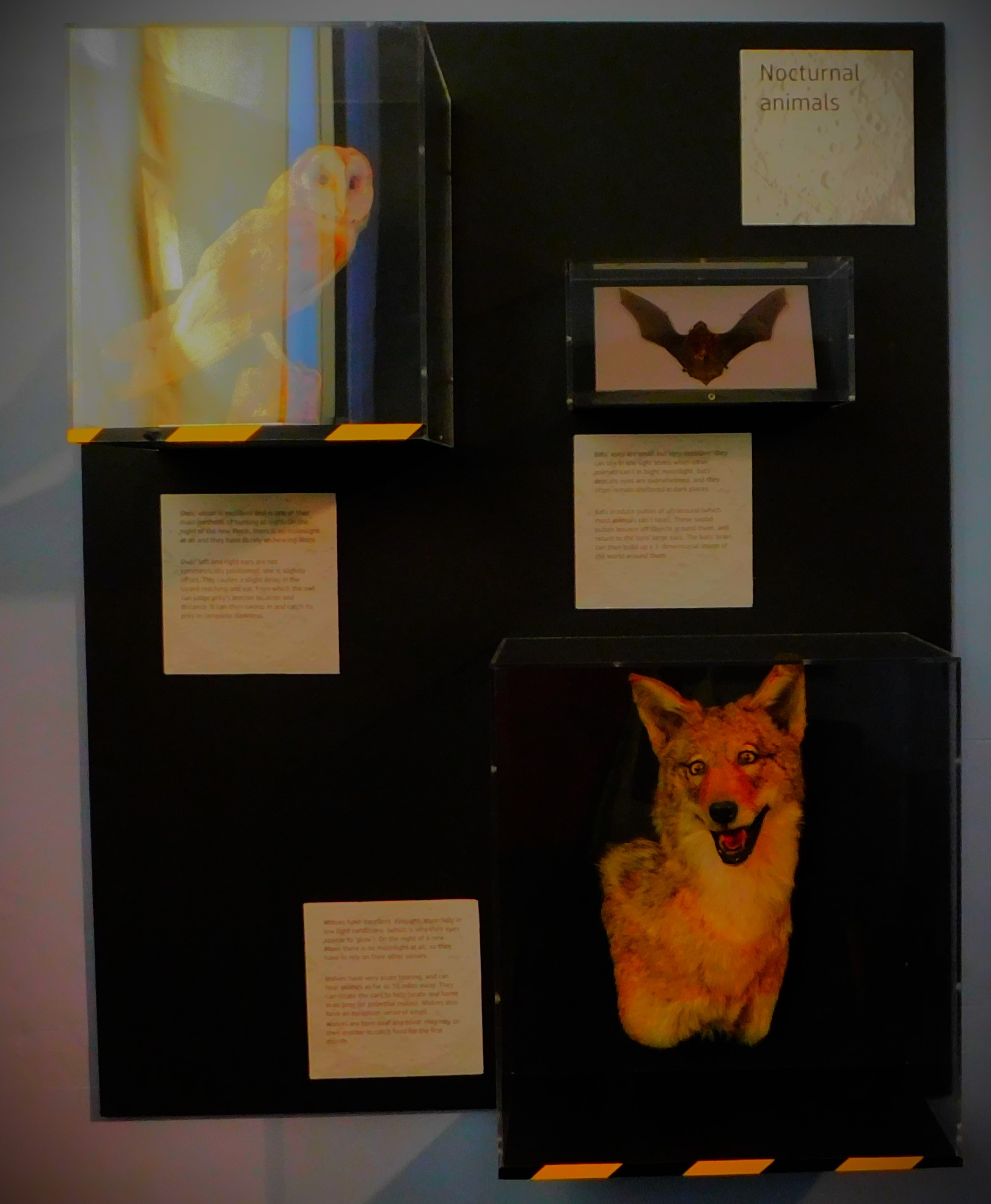
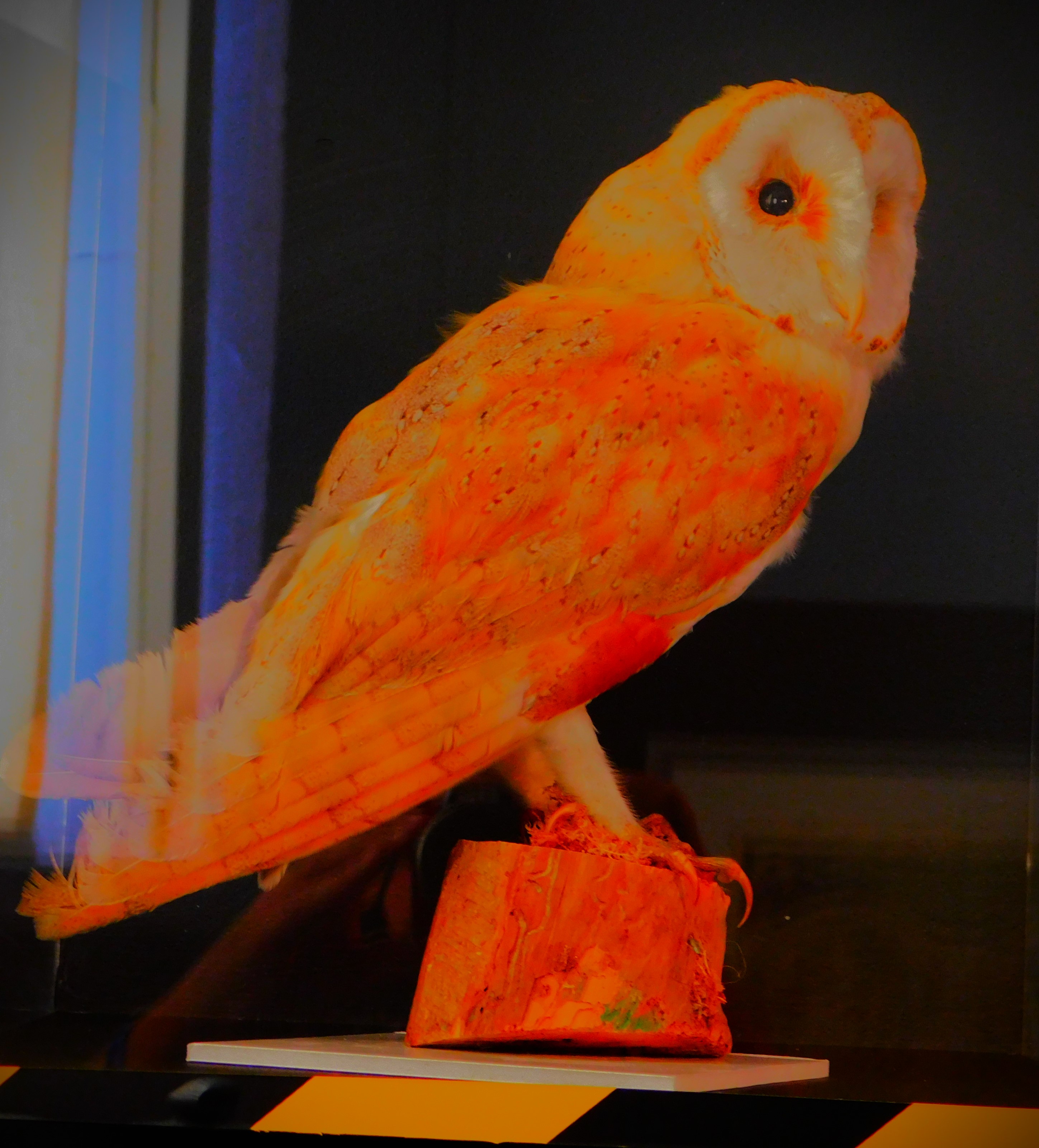
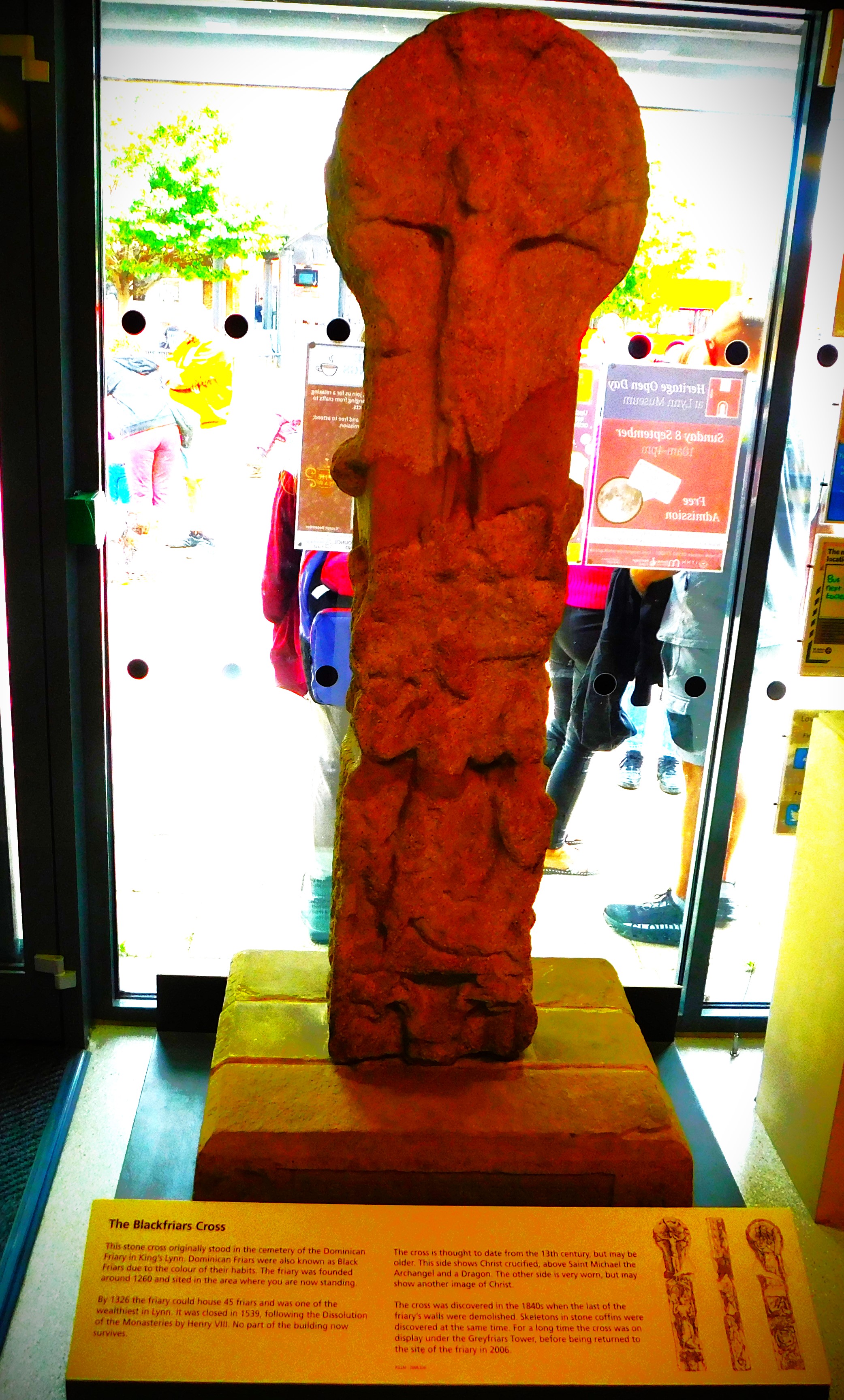
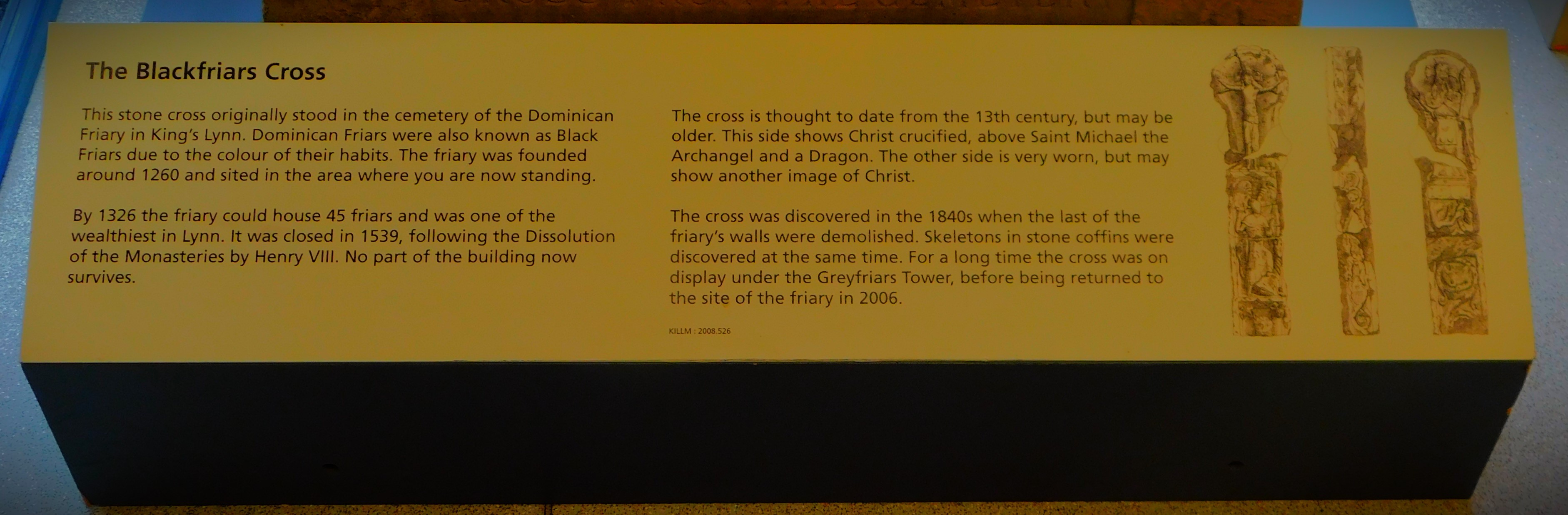
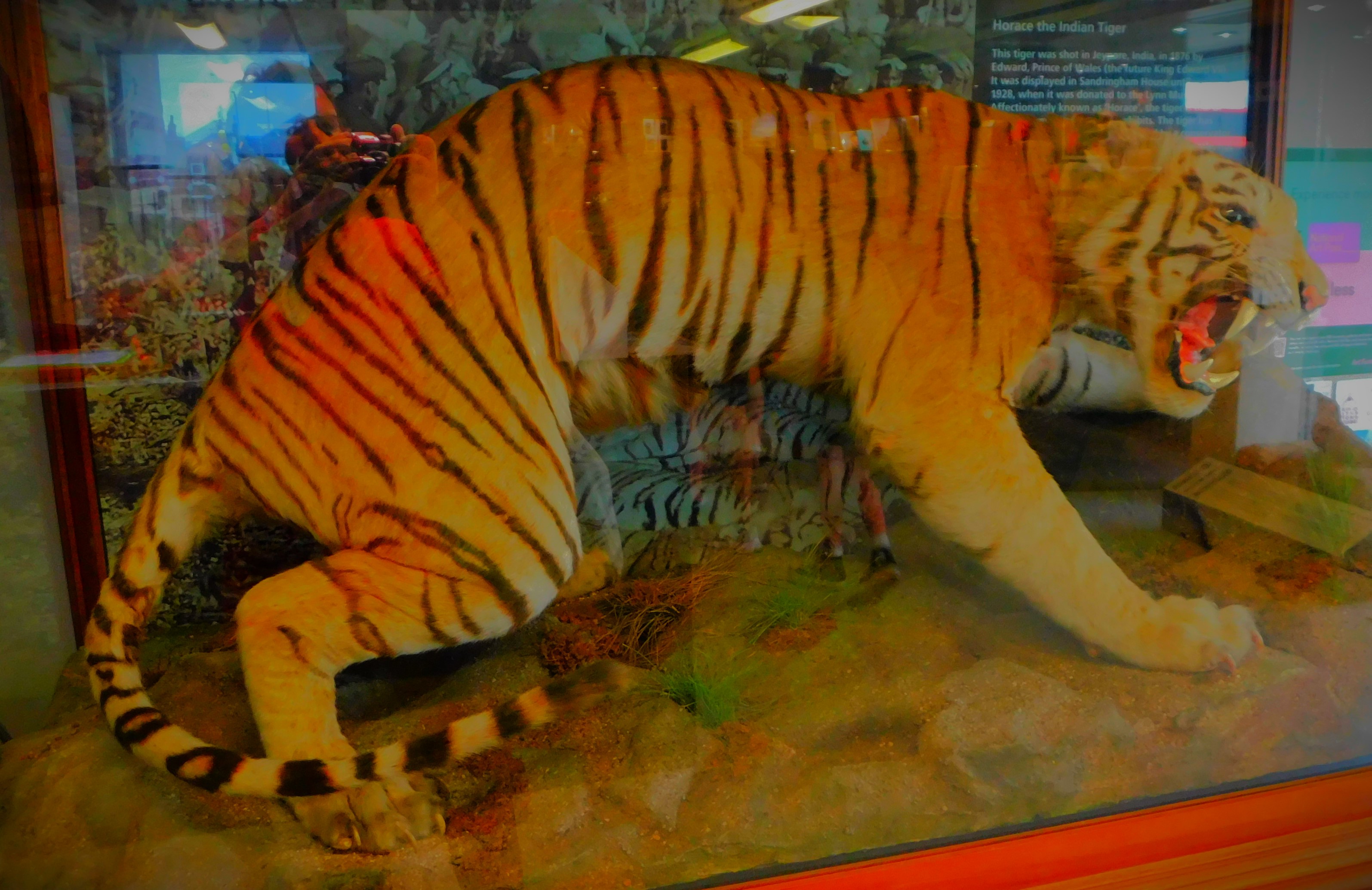
The Lynn Museum was open free of charge as part of Heritage Open Day. I took advantage of this. There are a number of famous regular exhibits, notably ‘Seahenge’, and at the moment (though not for very much longer) there is also an exhibition about the moon.
This model of the moon is absolutely huge.
HERITAGE OPEN DAYGENERAL
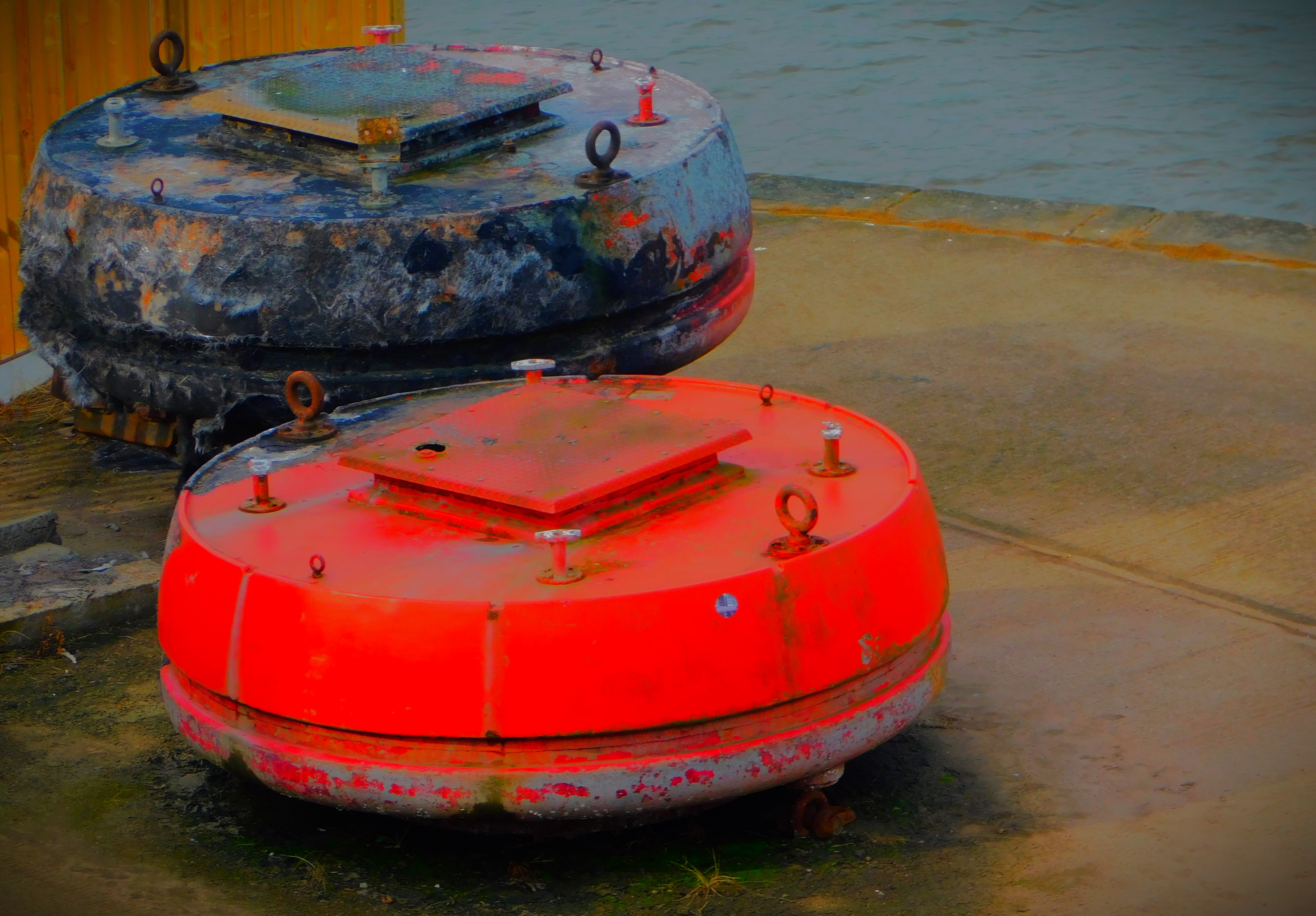
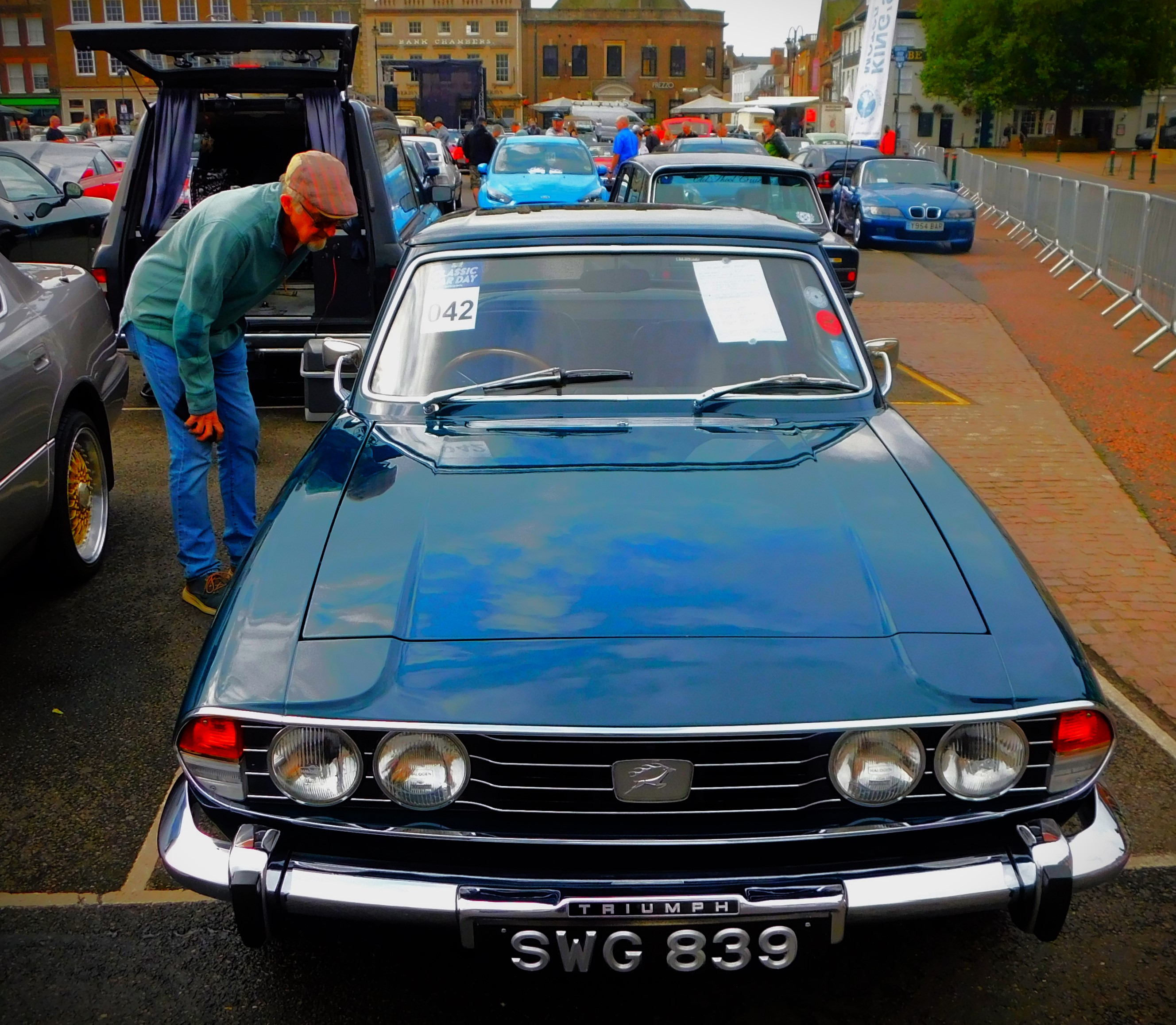
I end this photo dominated post with a few random shots from Heritage Open Day.
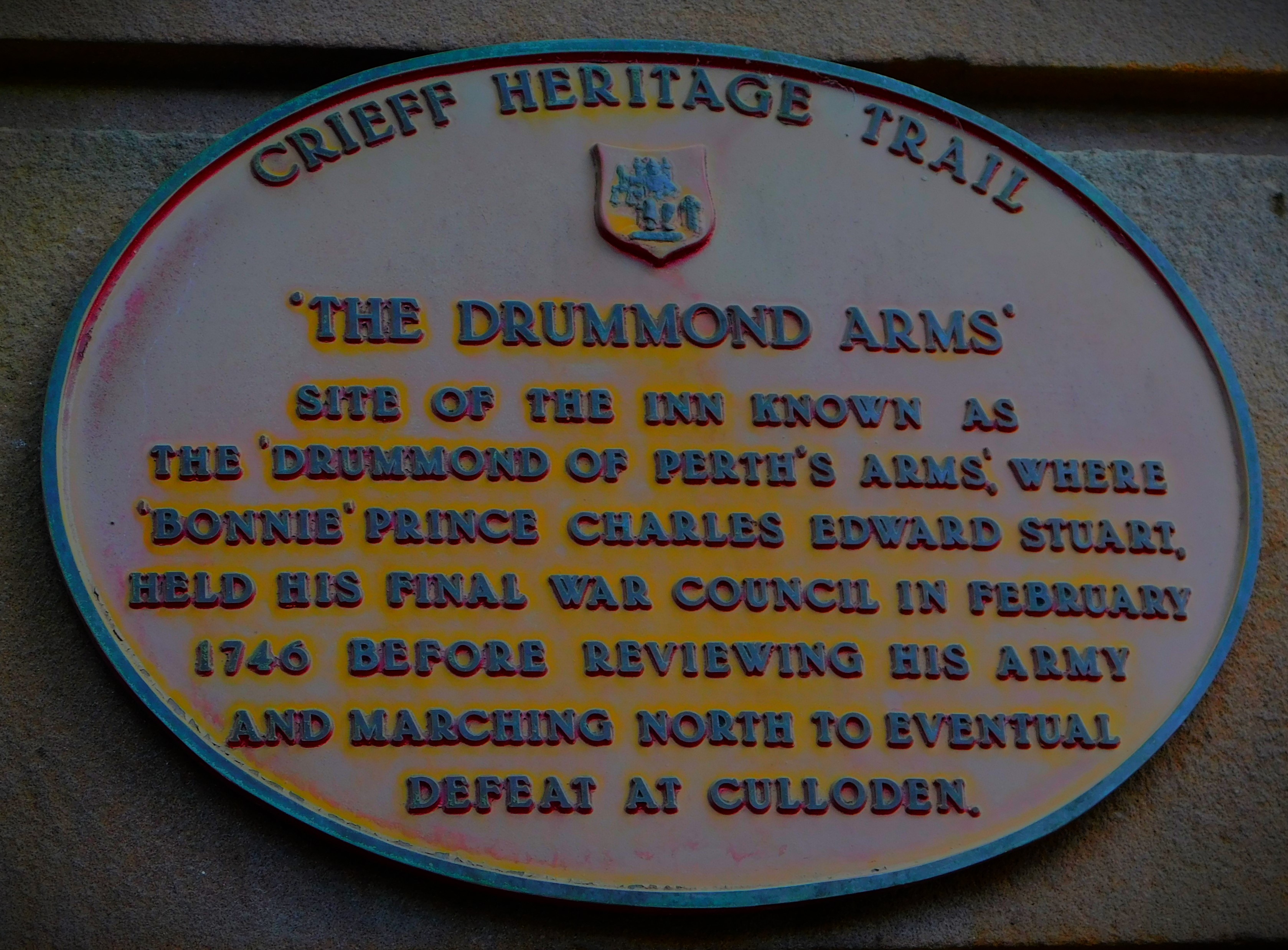
Continuing my account of my Scottish holiday with a look at Crieff.
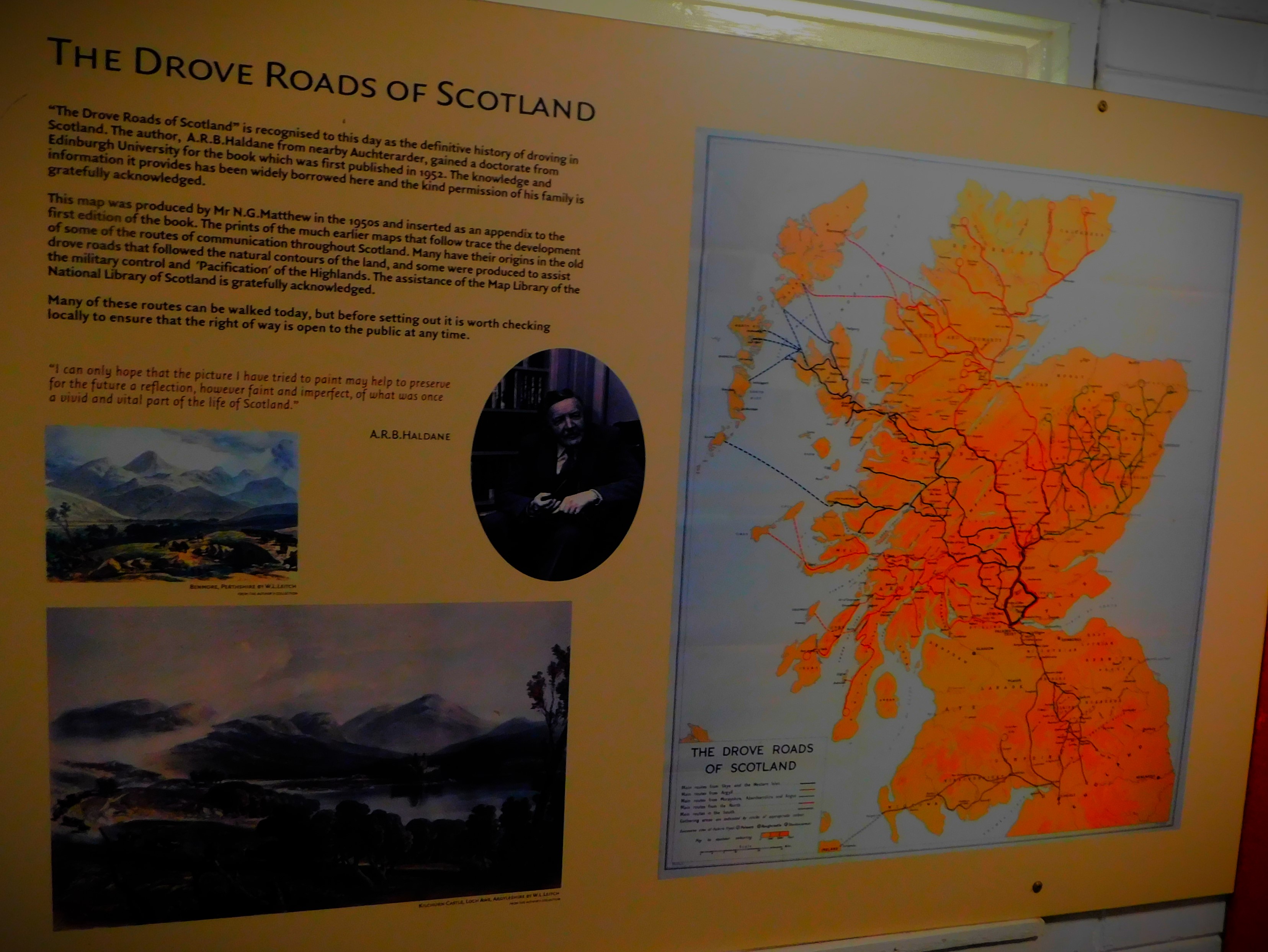
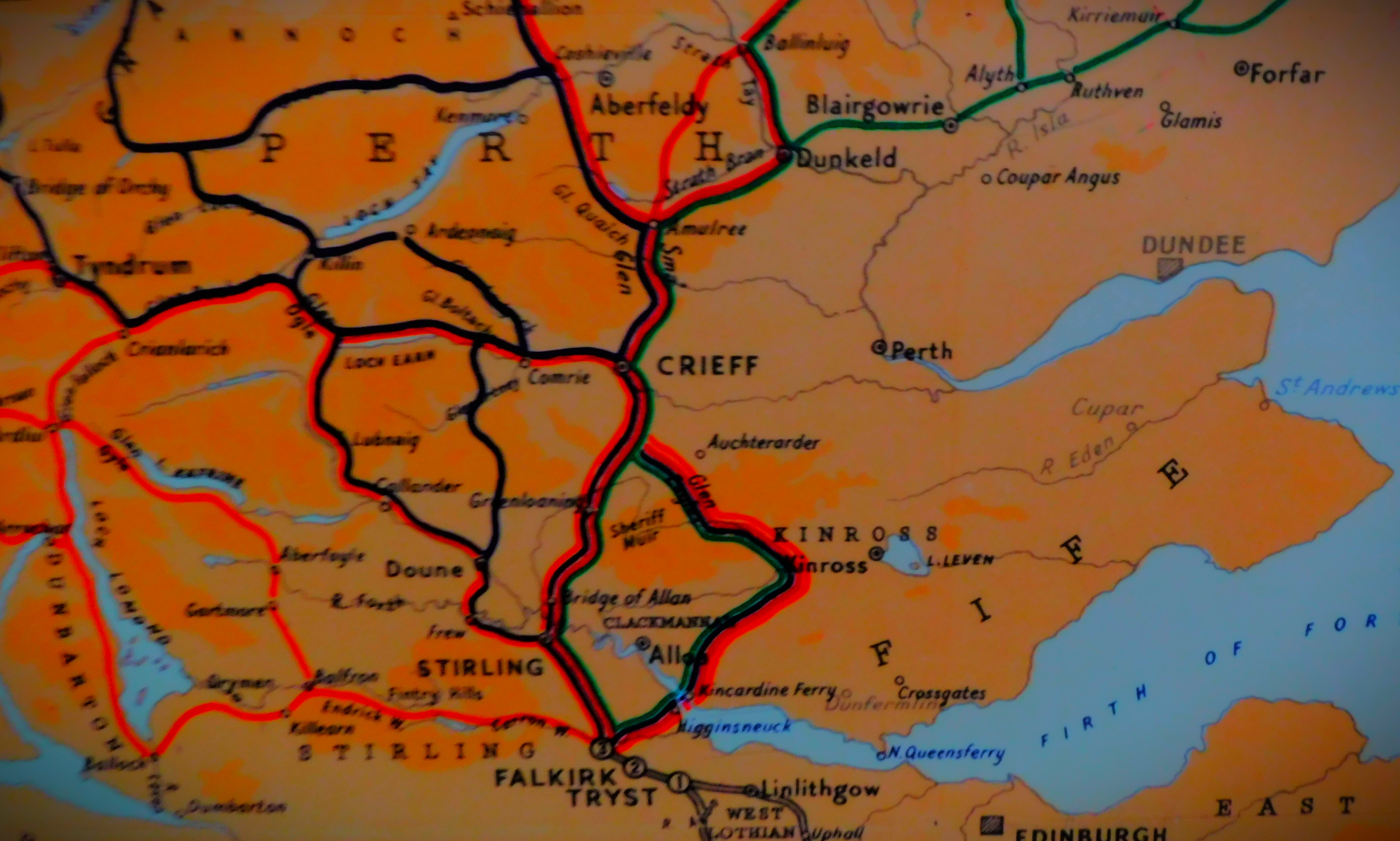
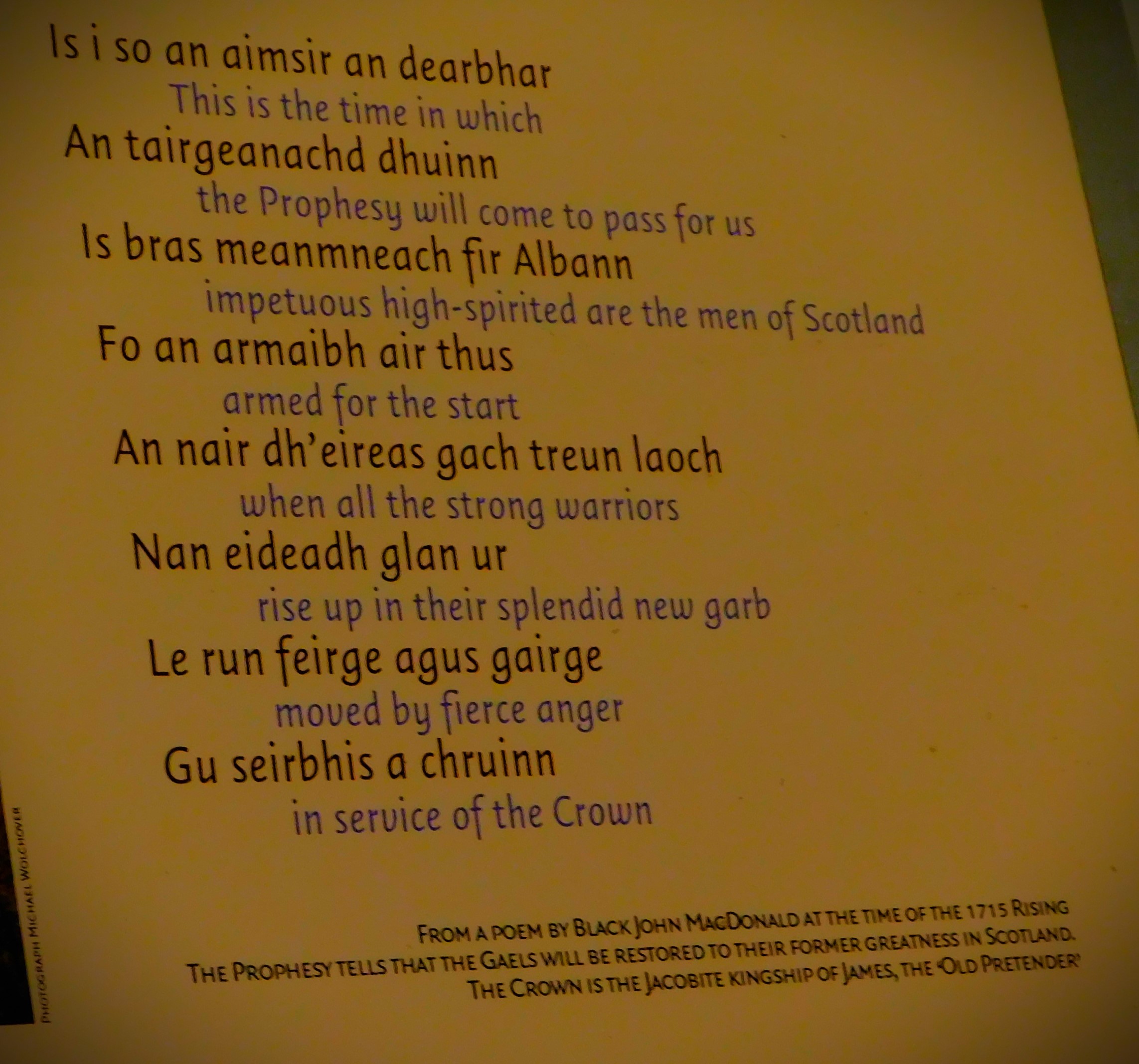
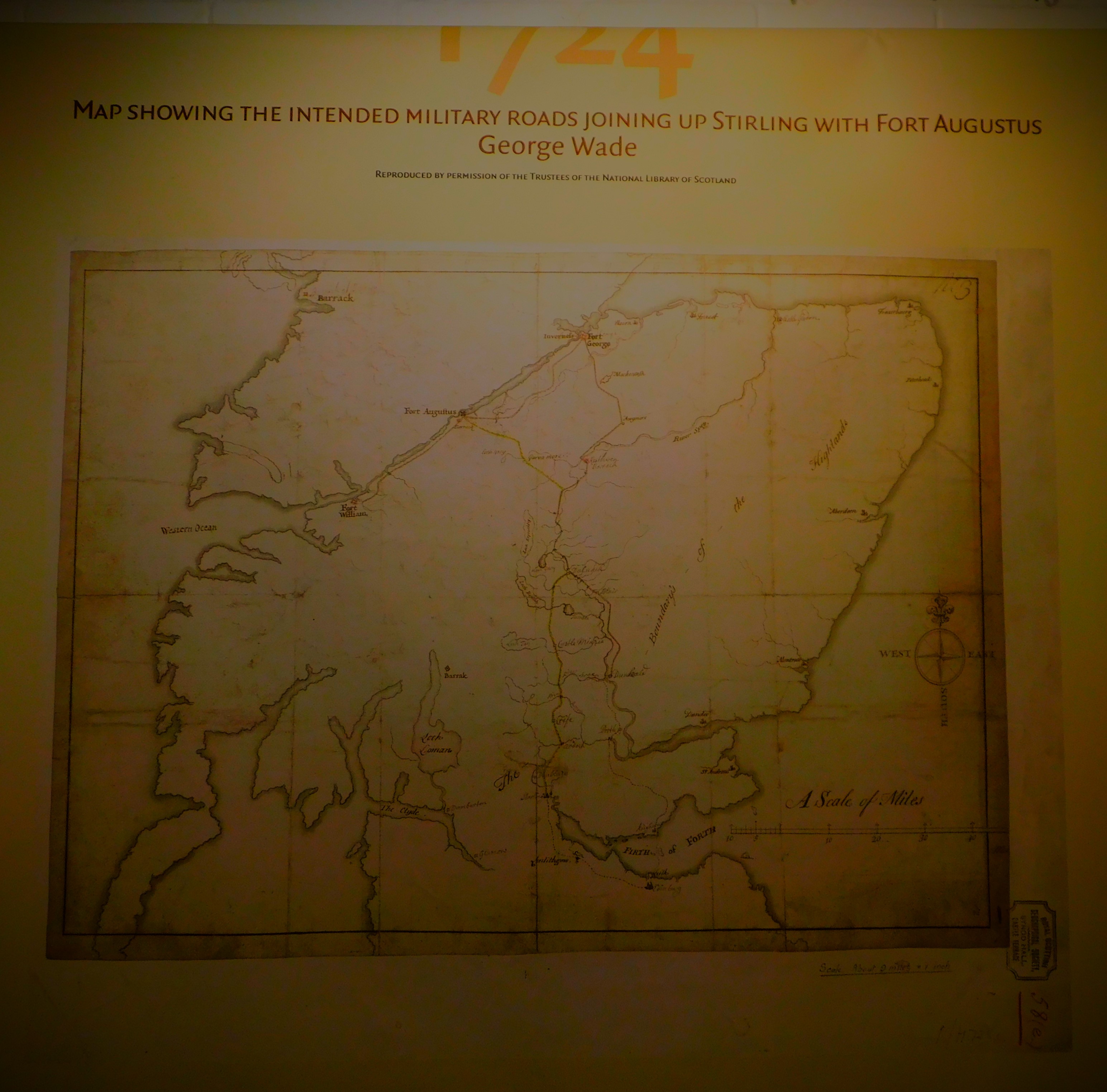
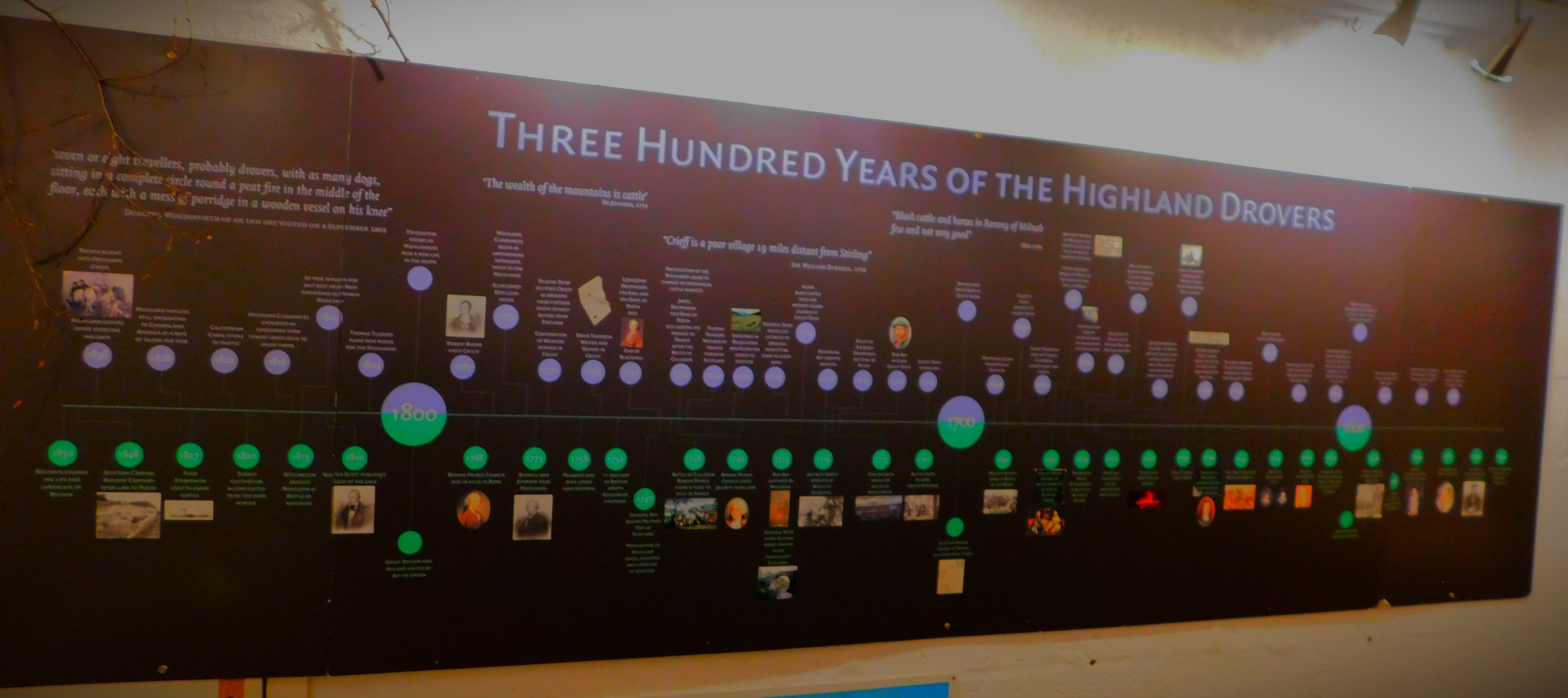
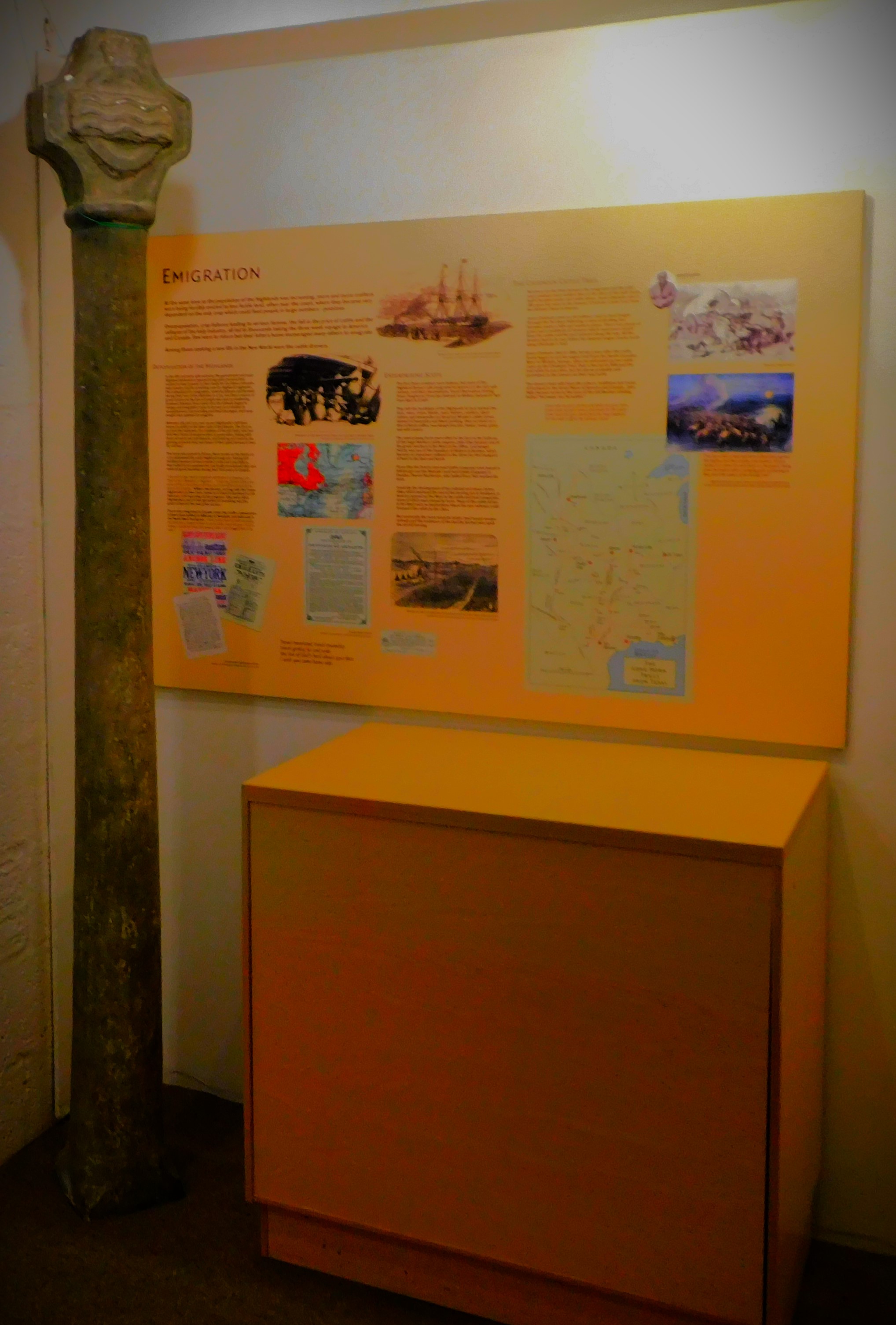
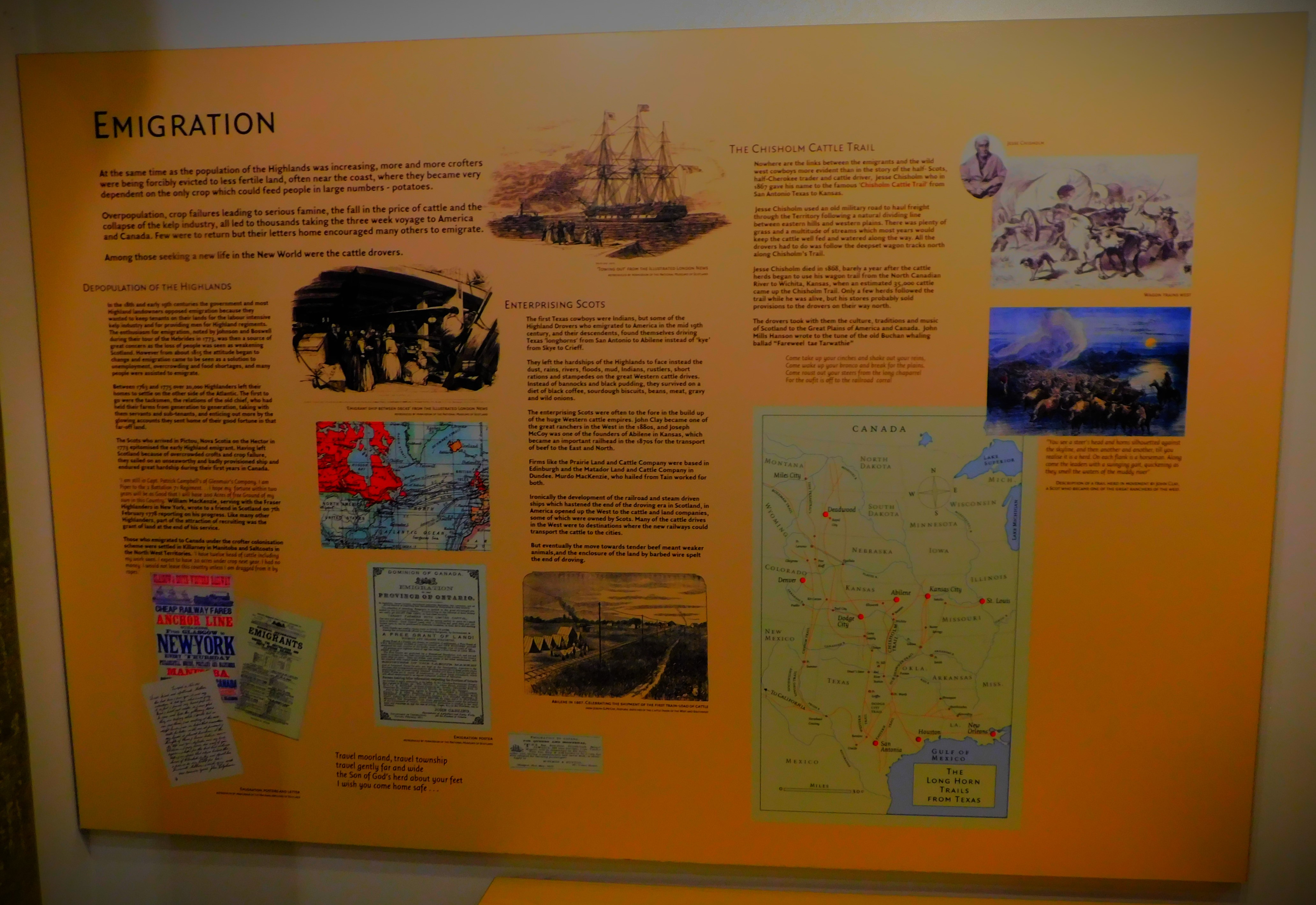
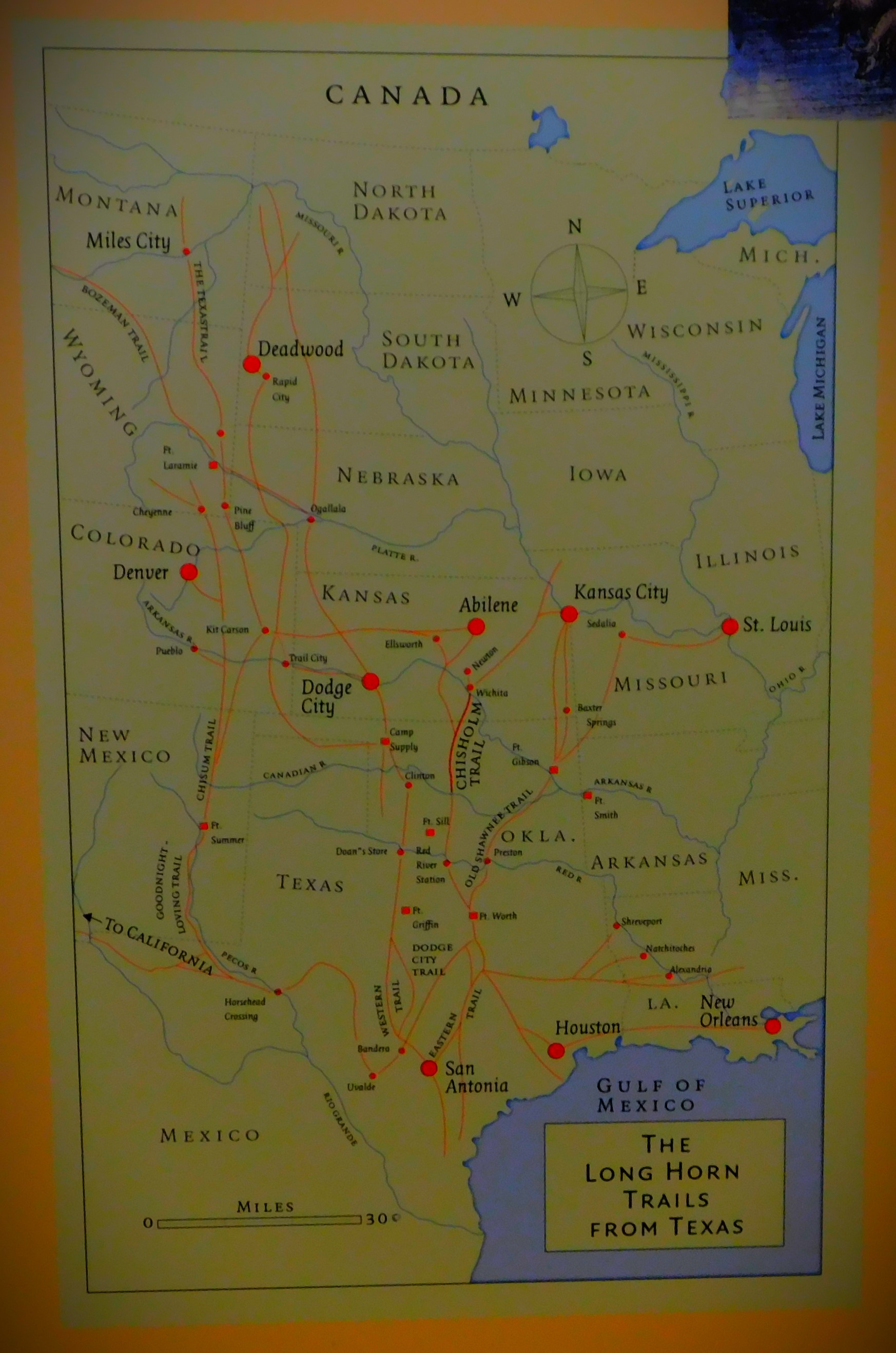
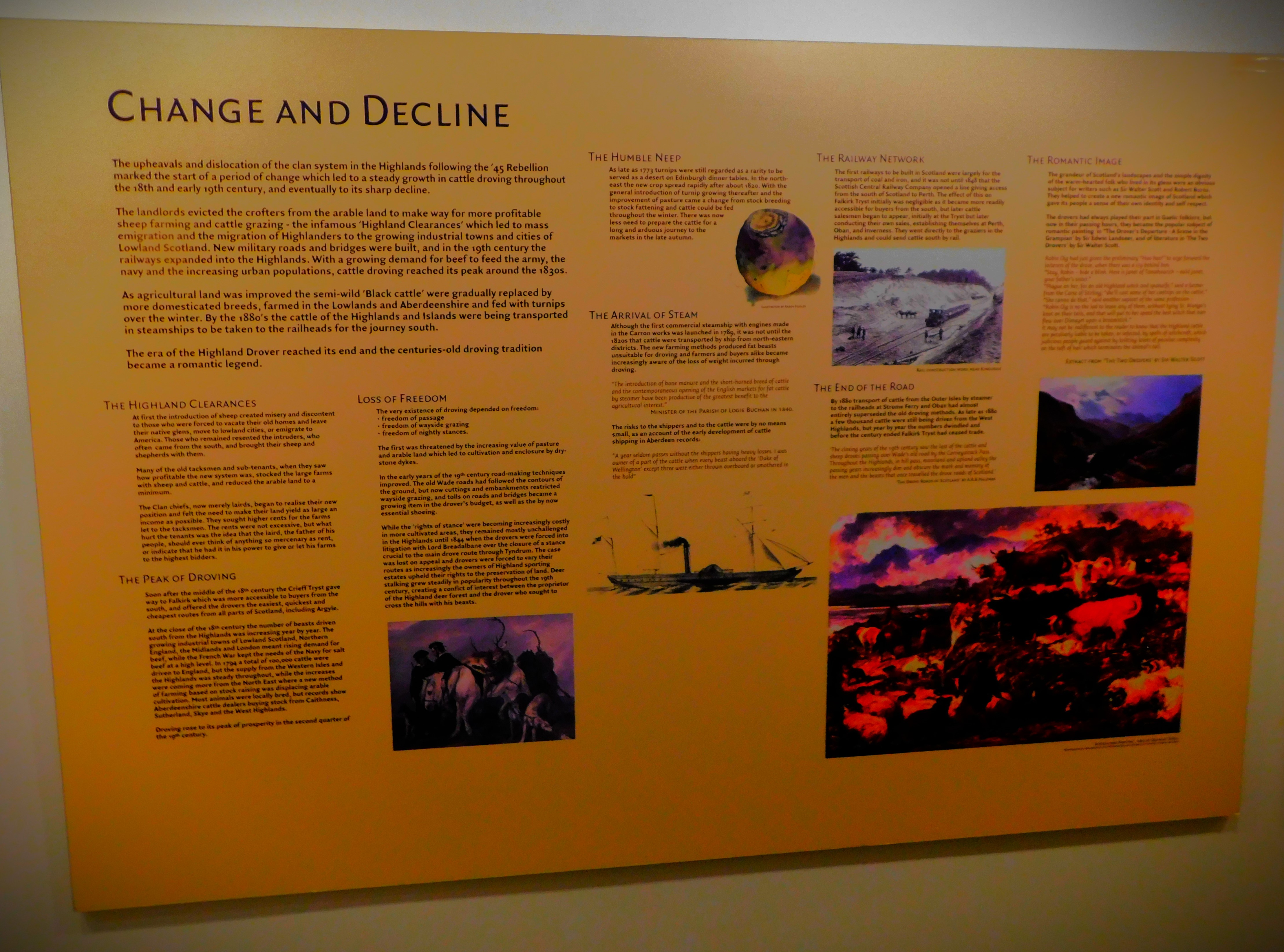
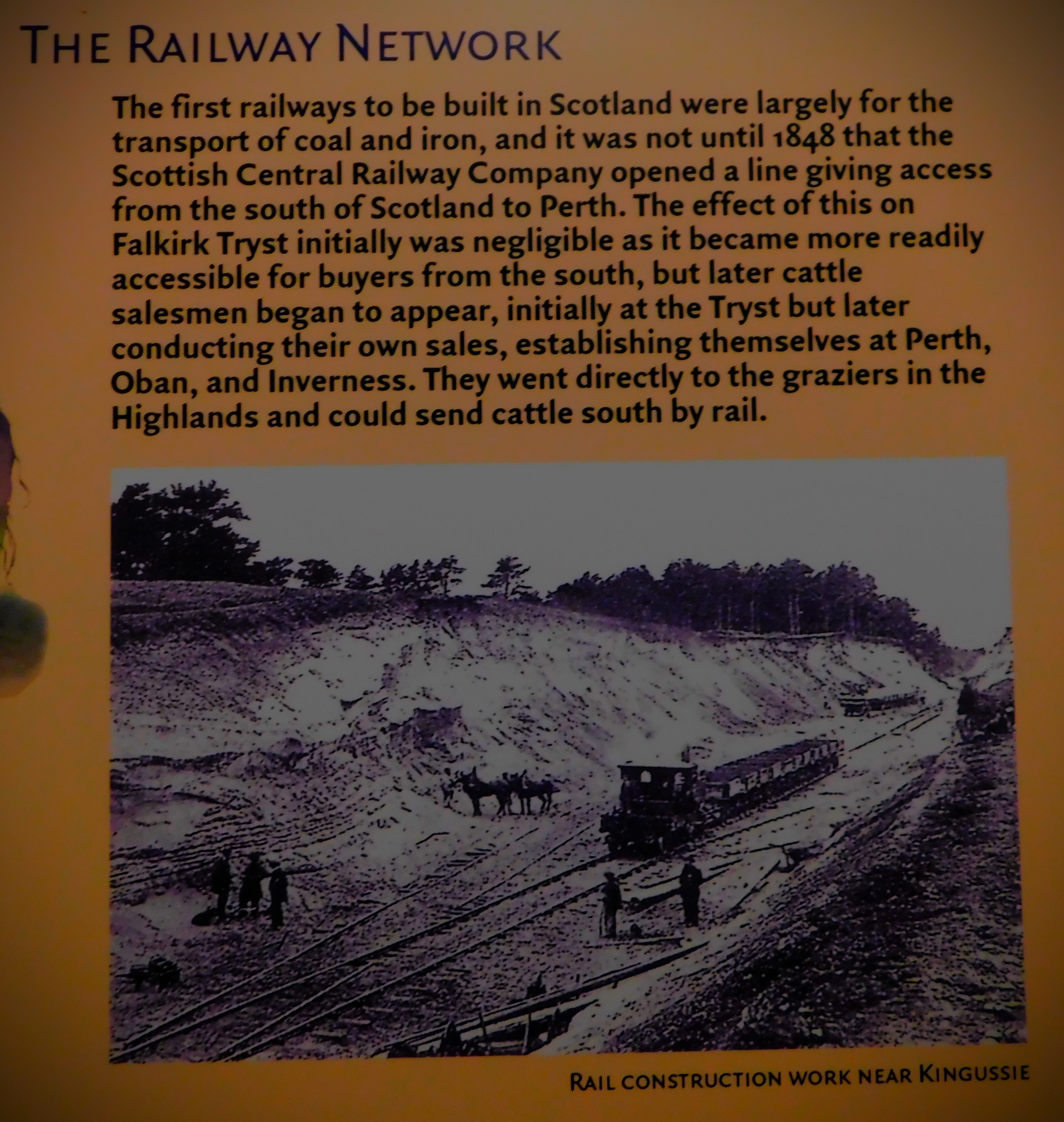
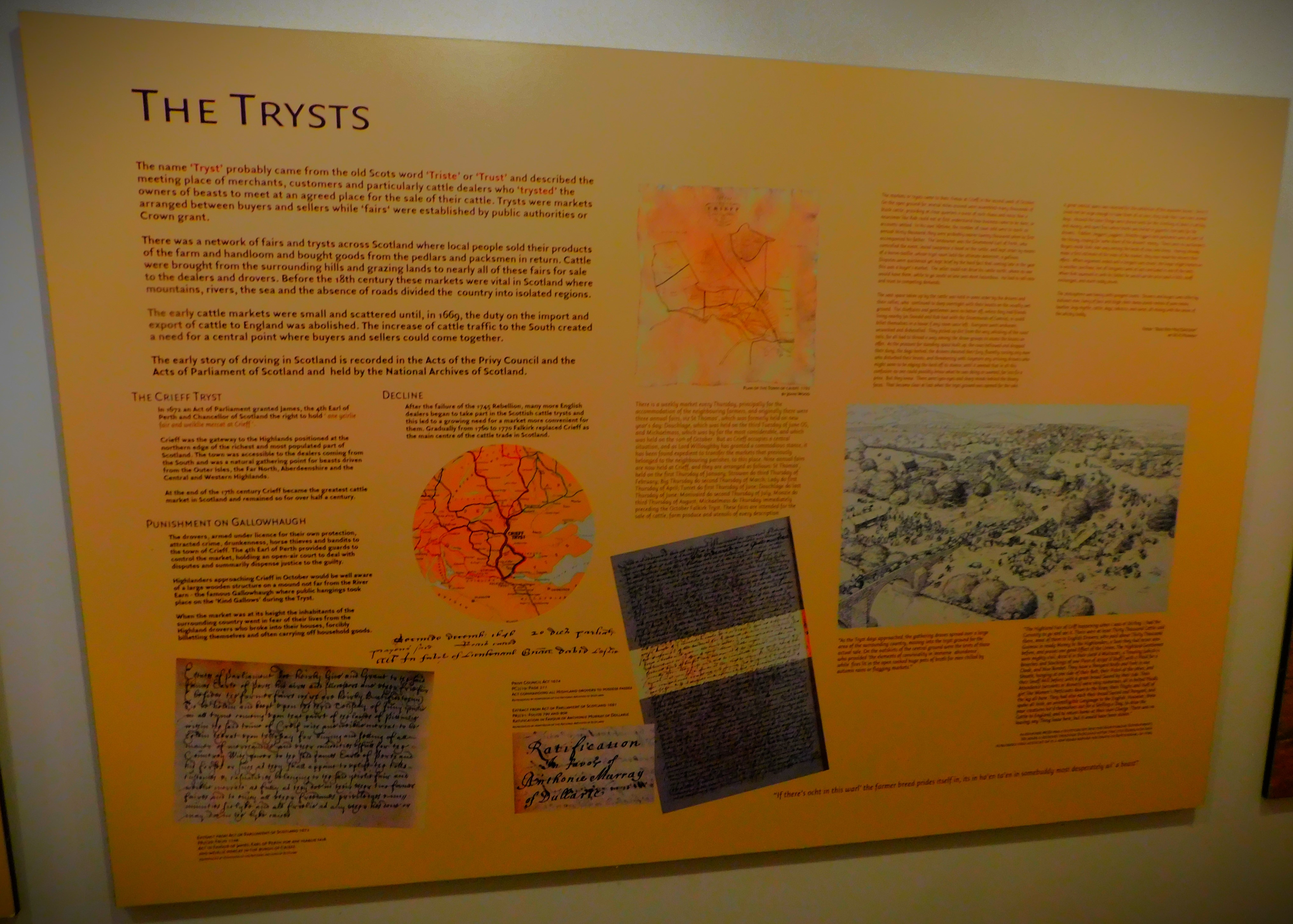
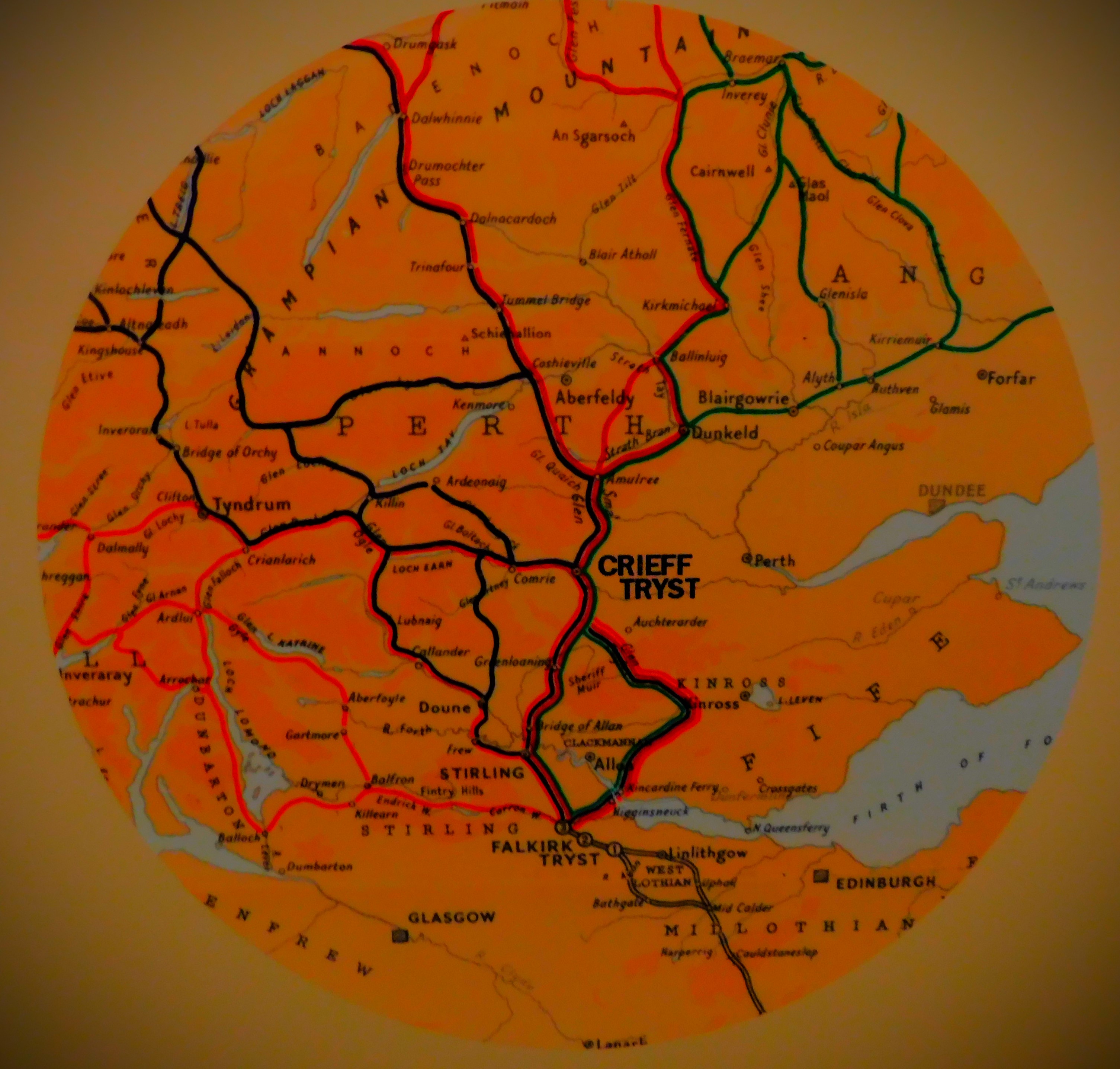
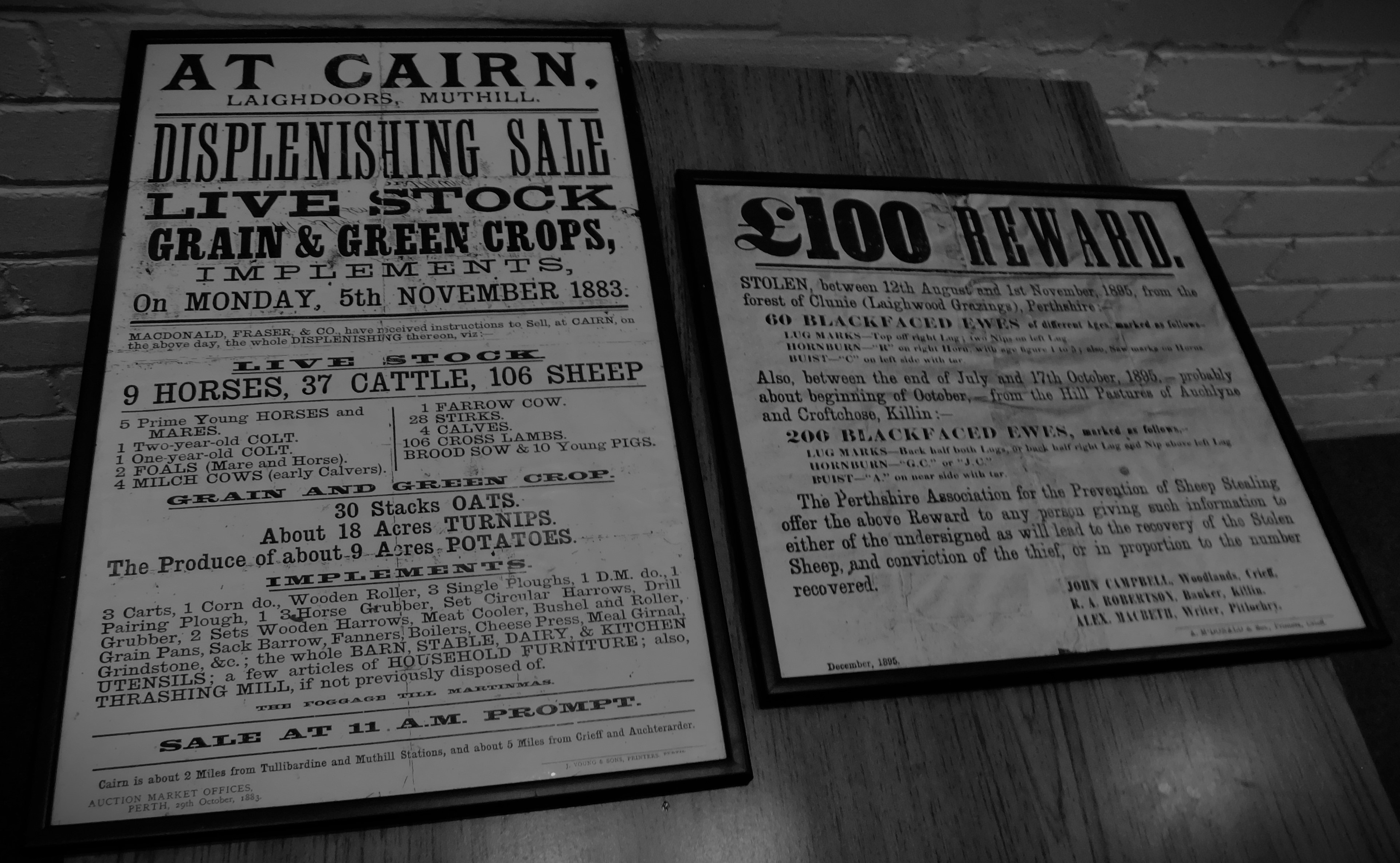
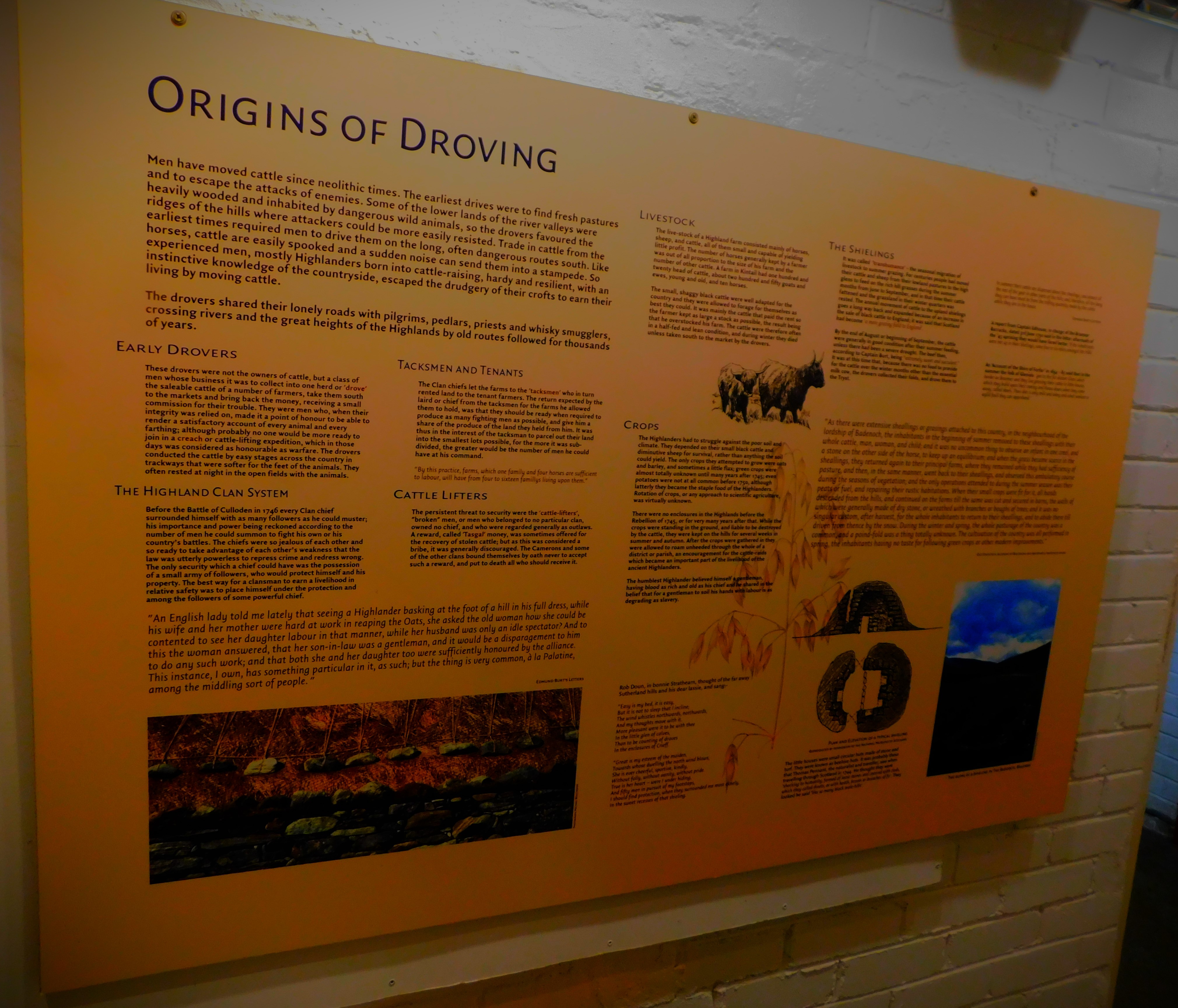
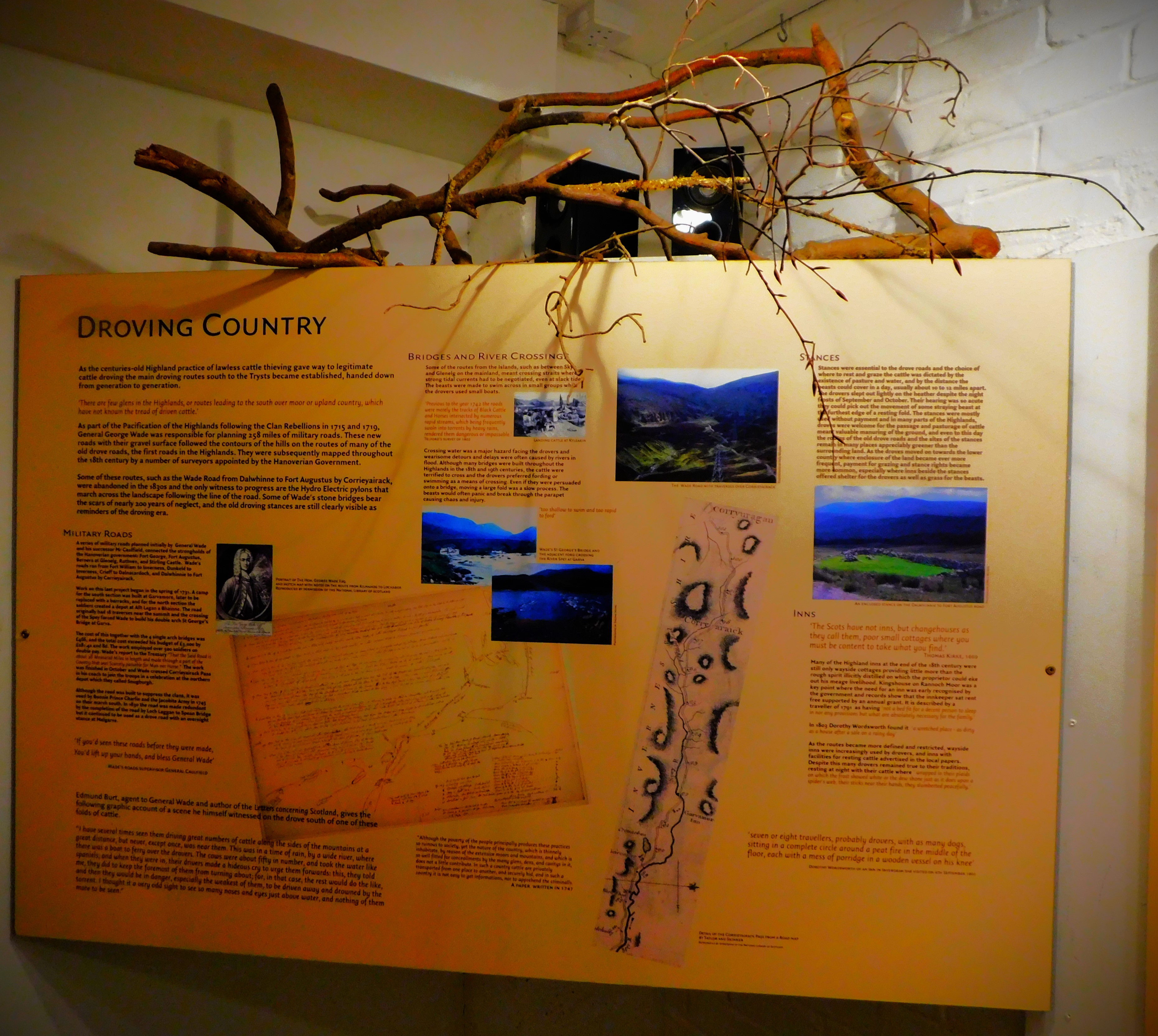
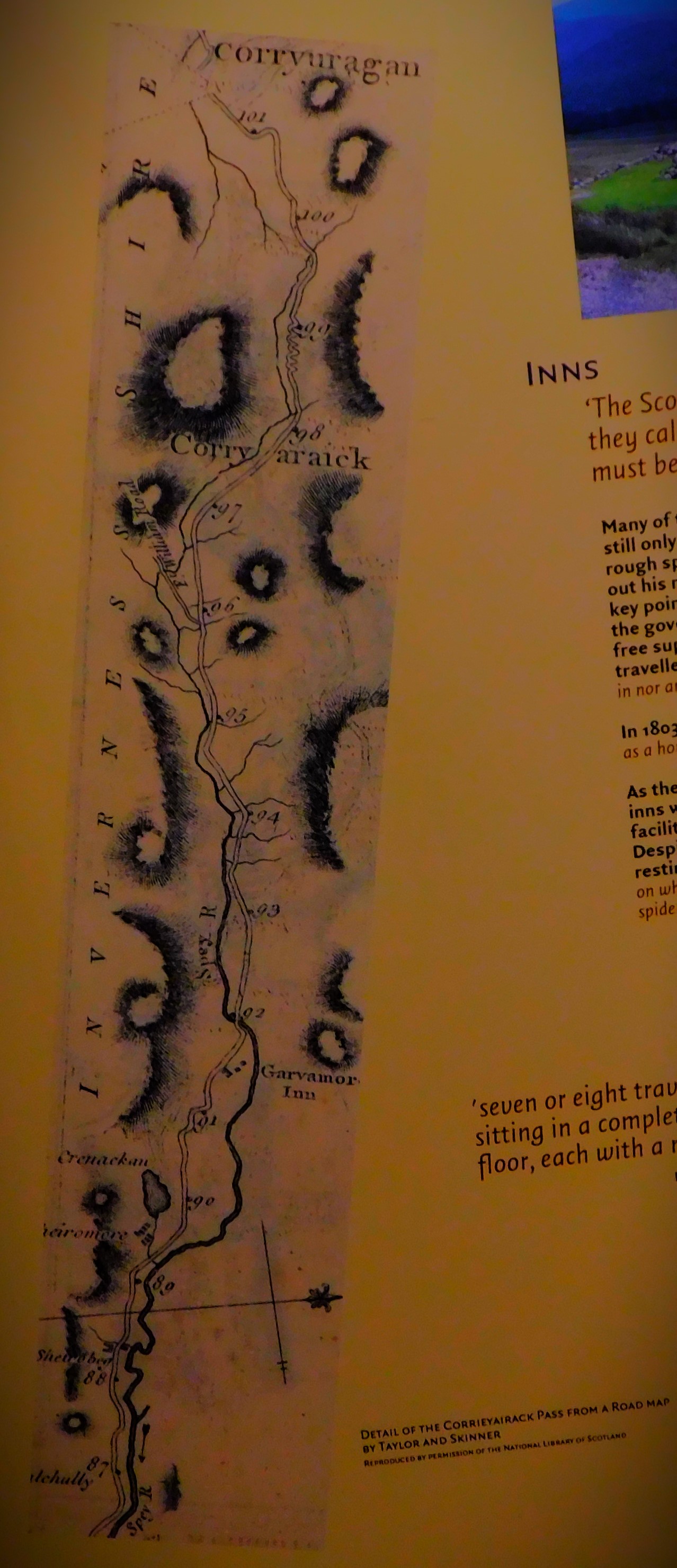
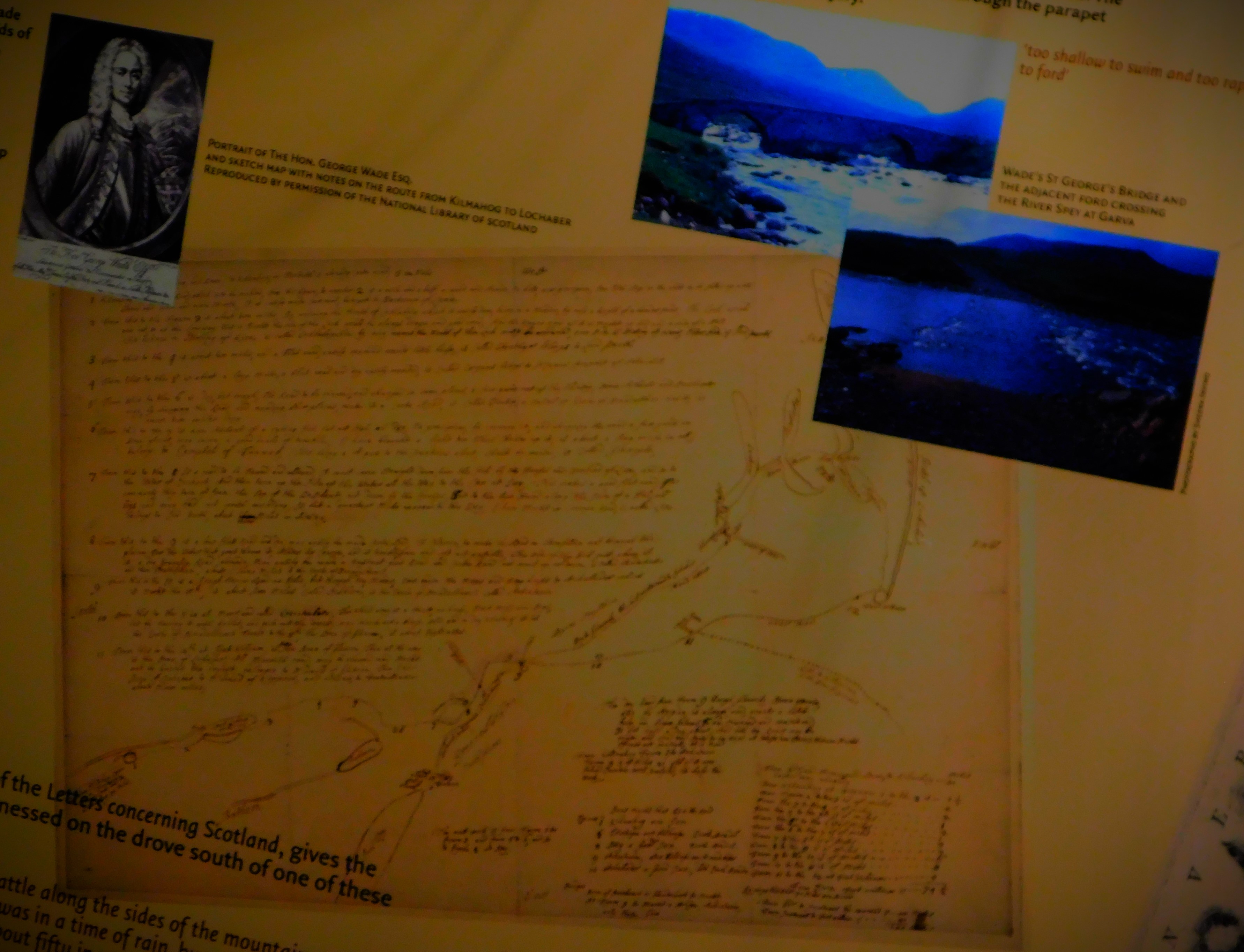
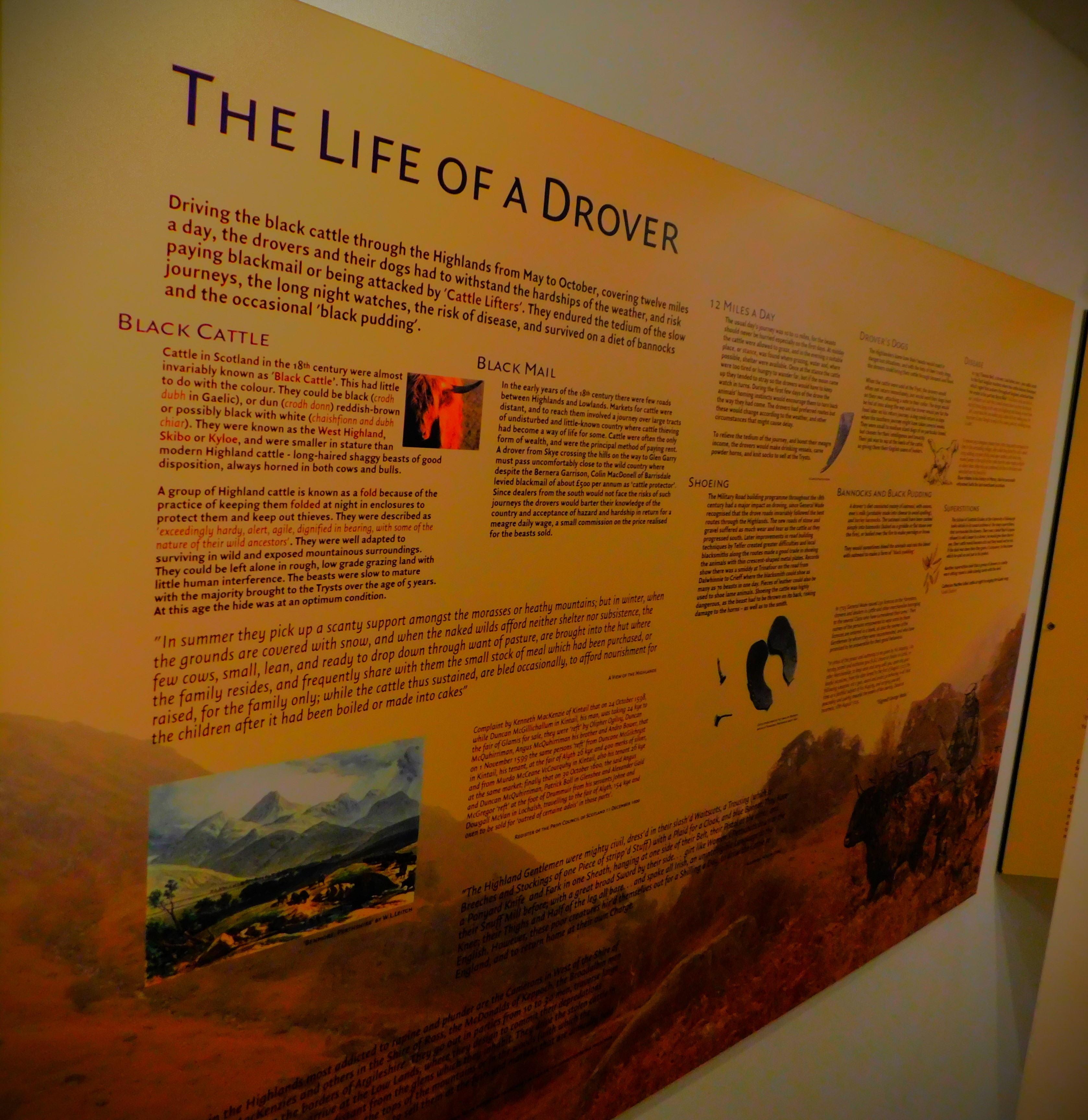
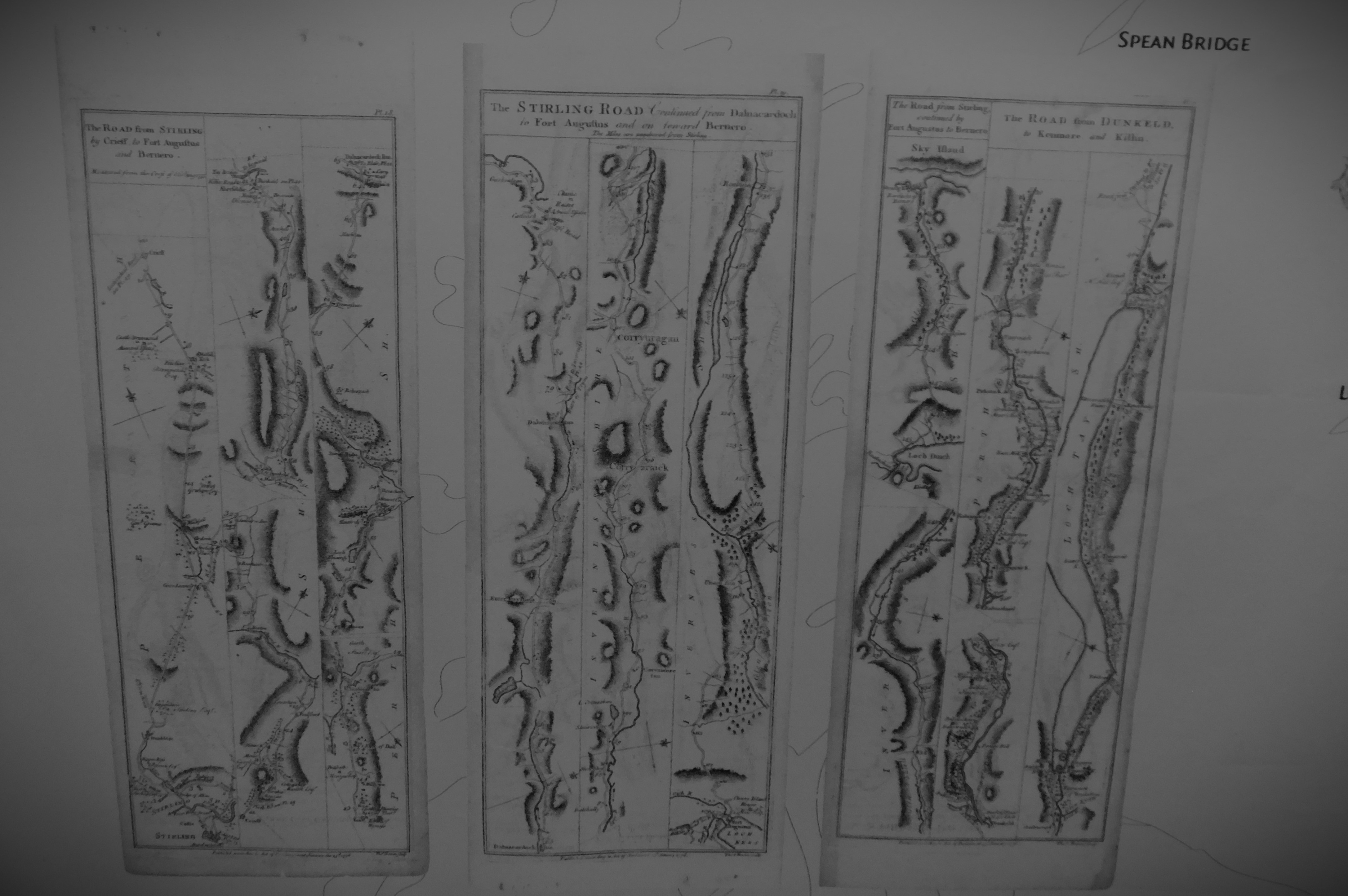
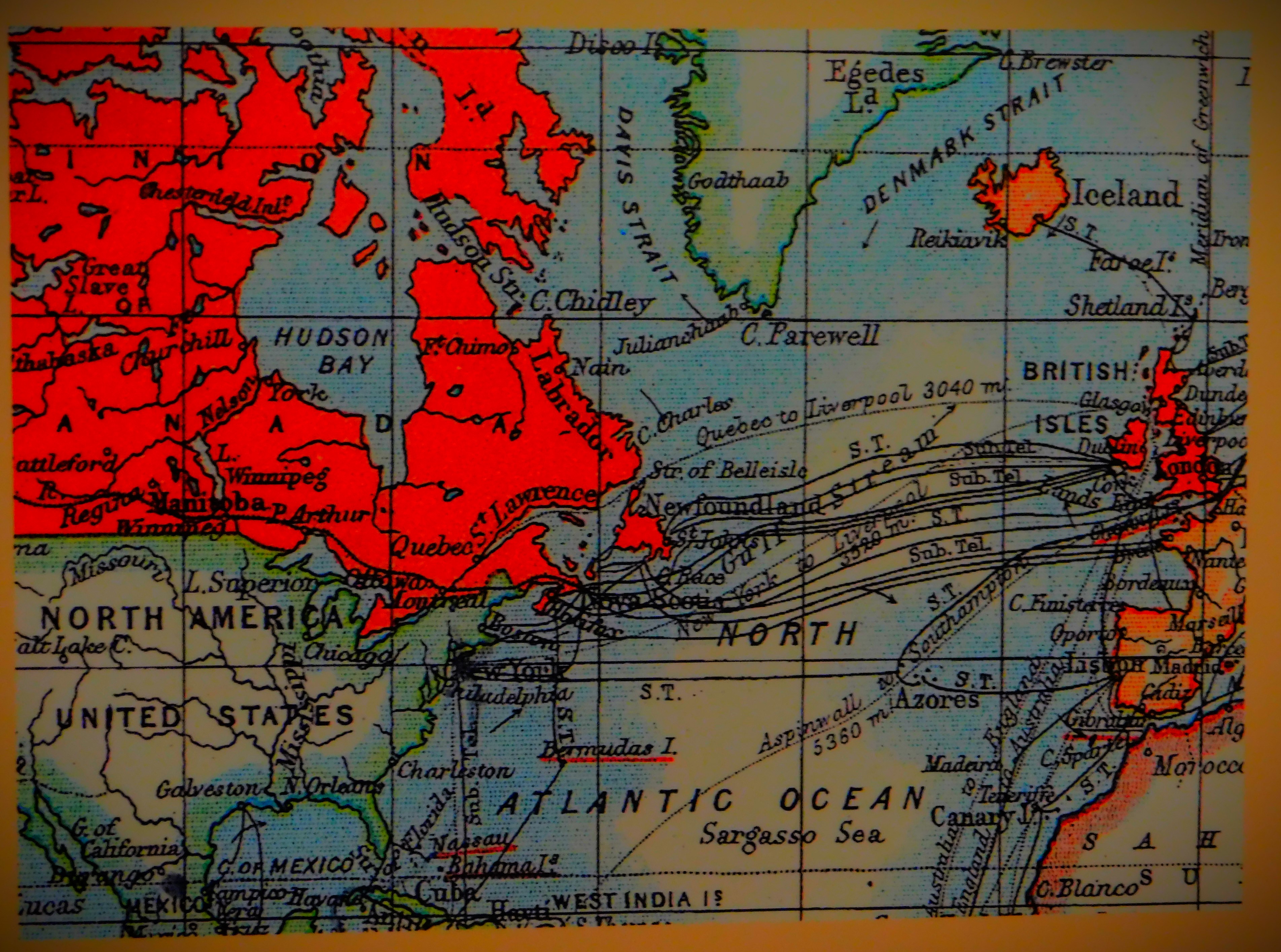
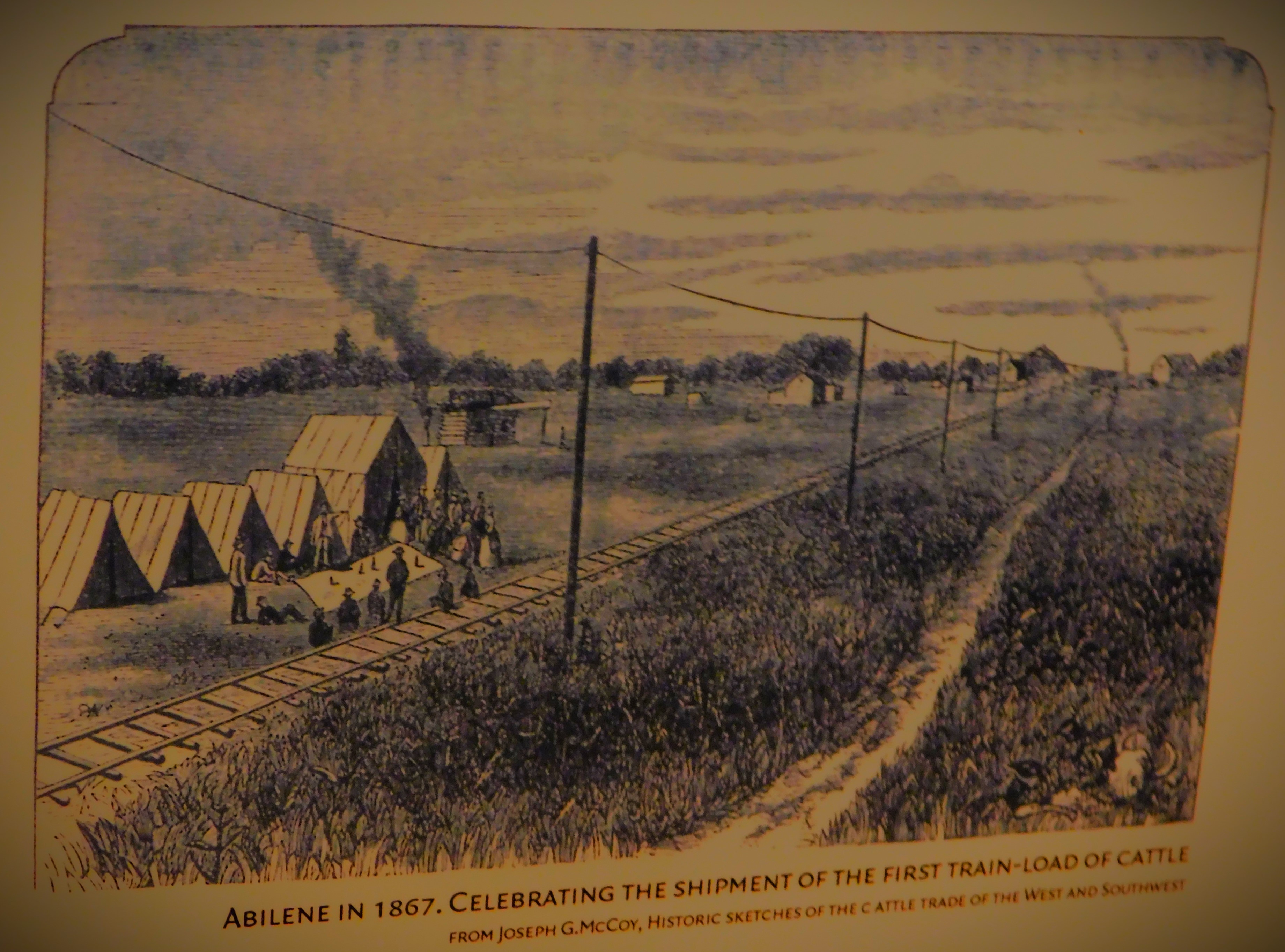
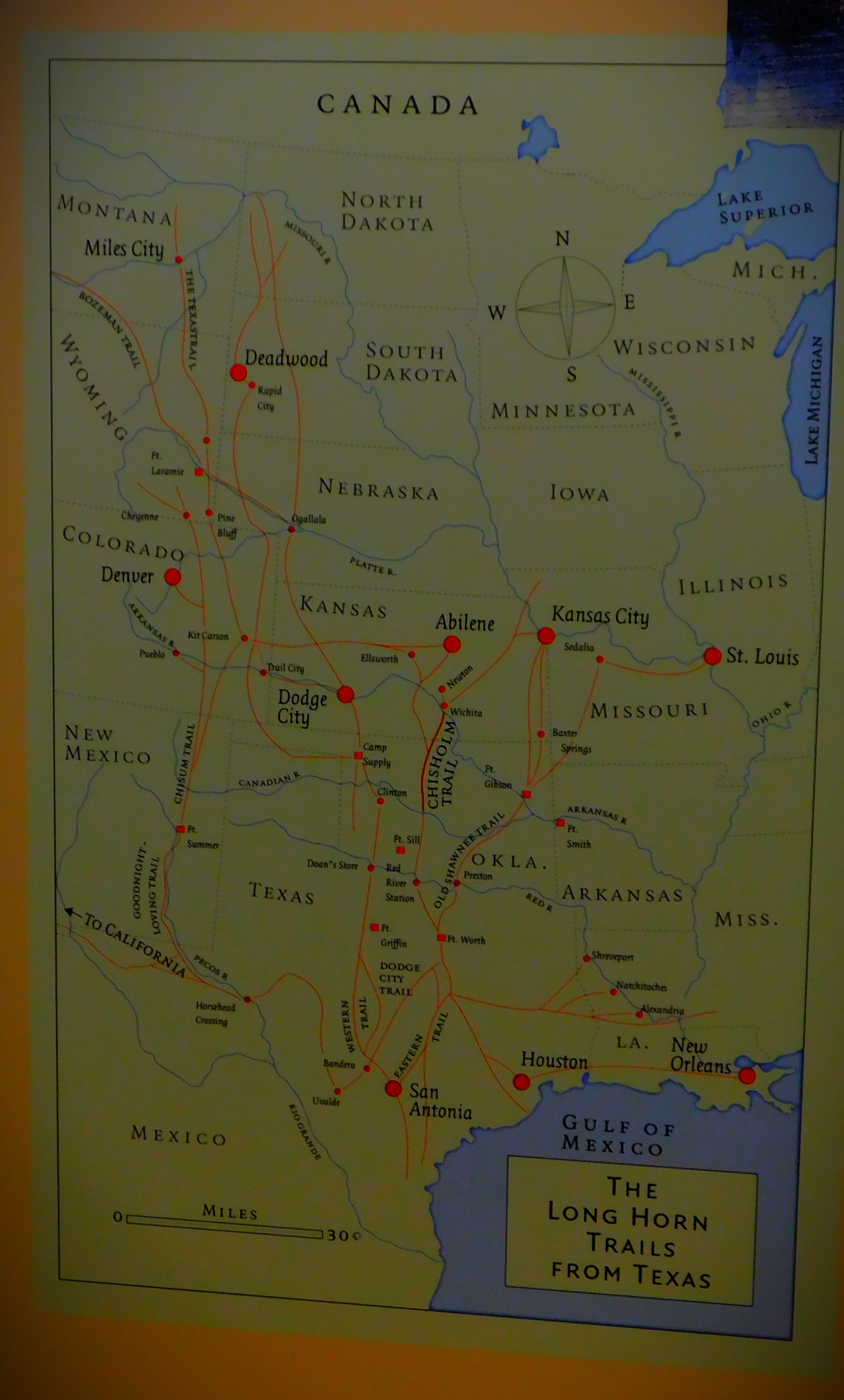
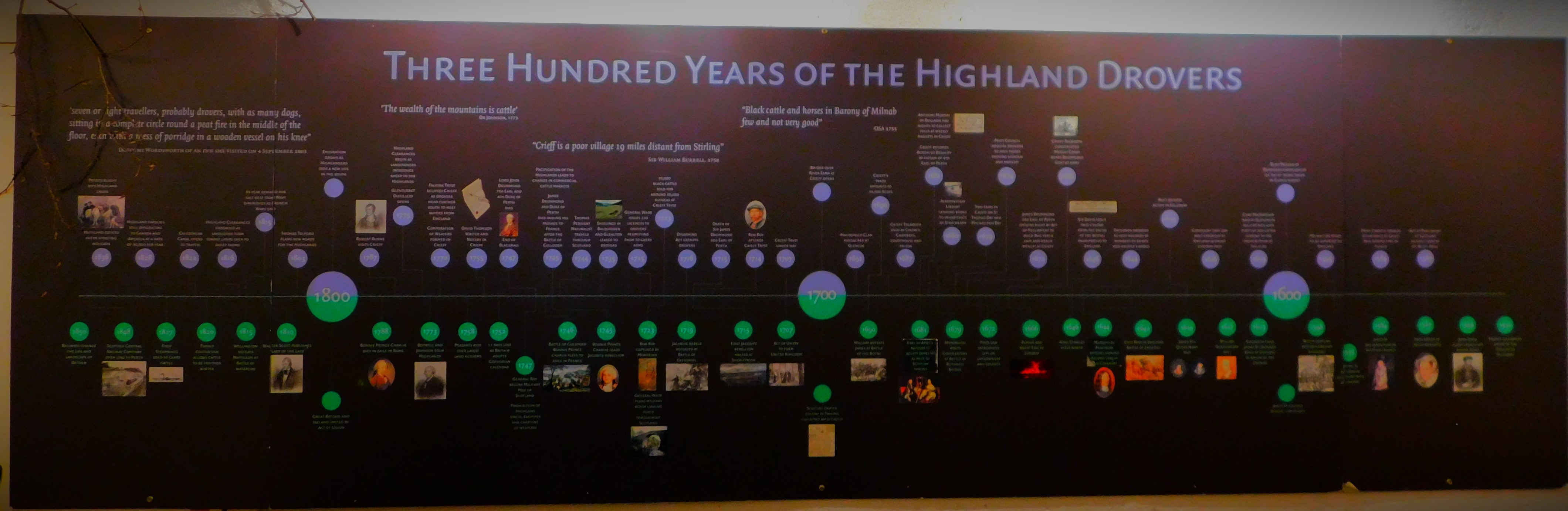
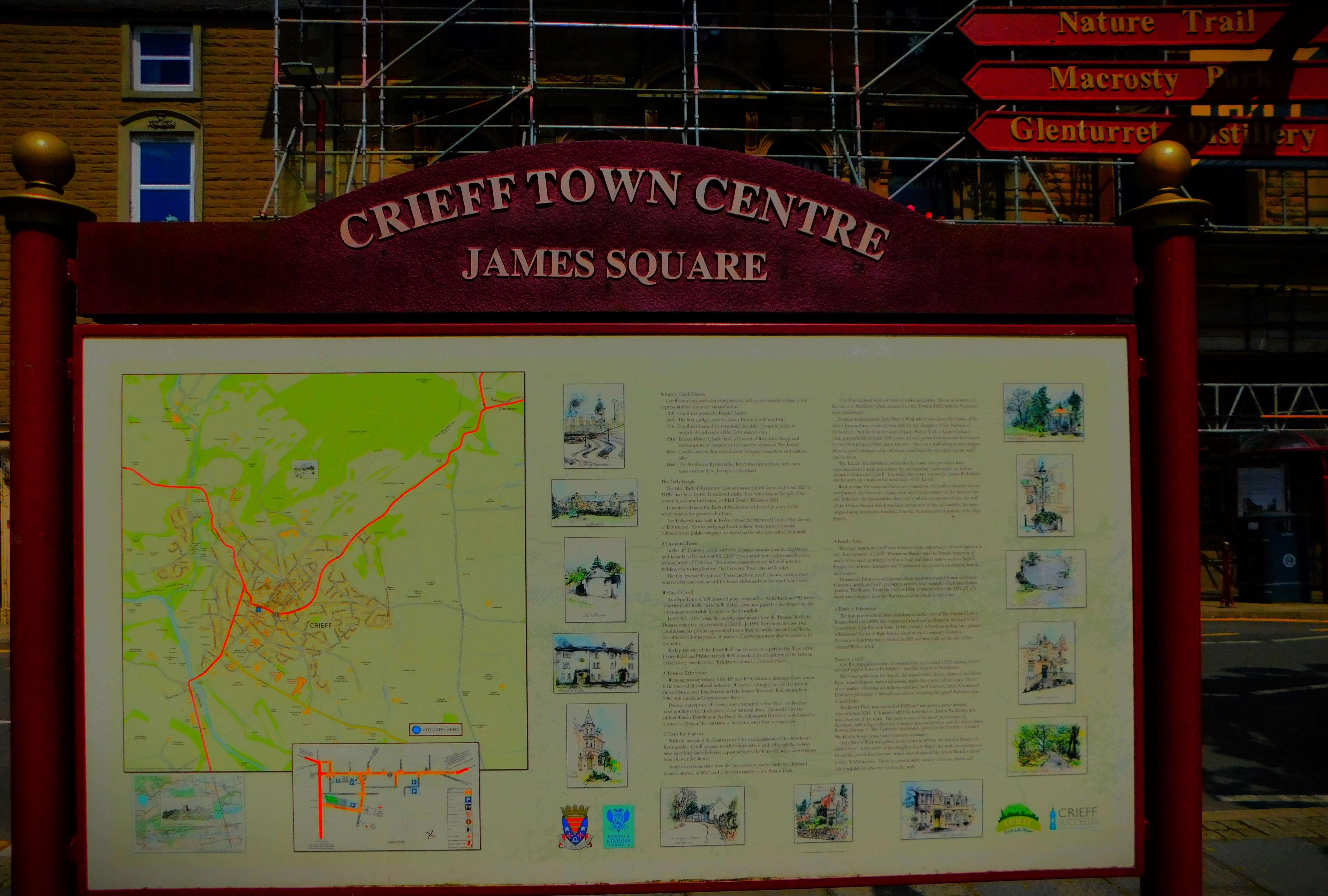
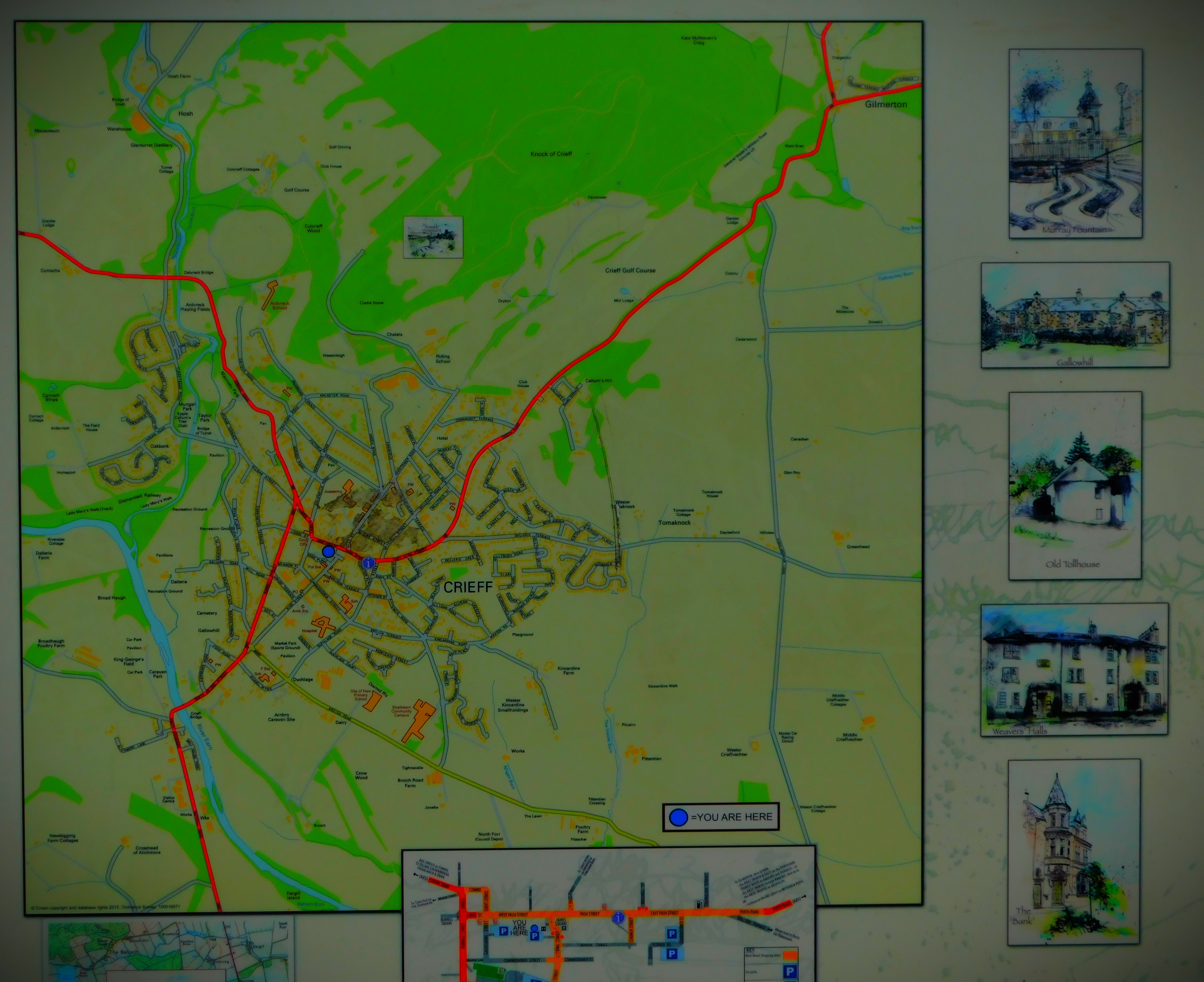
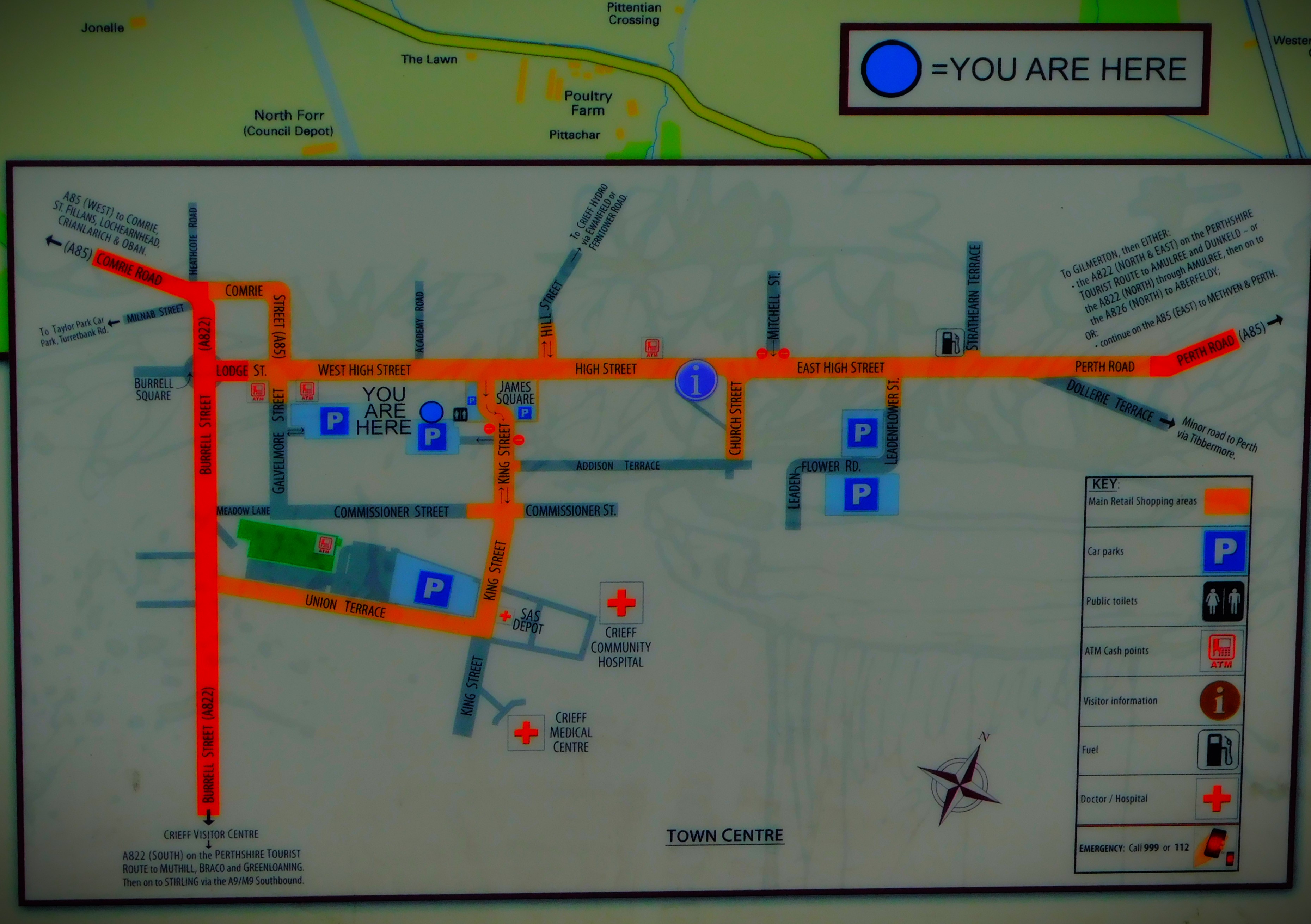
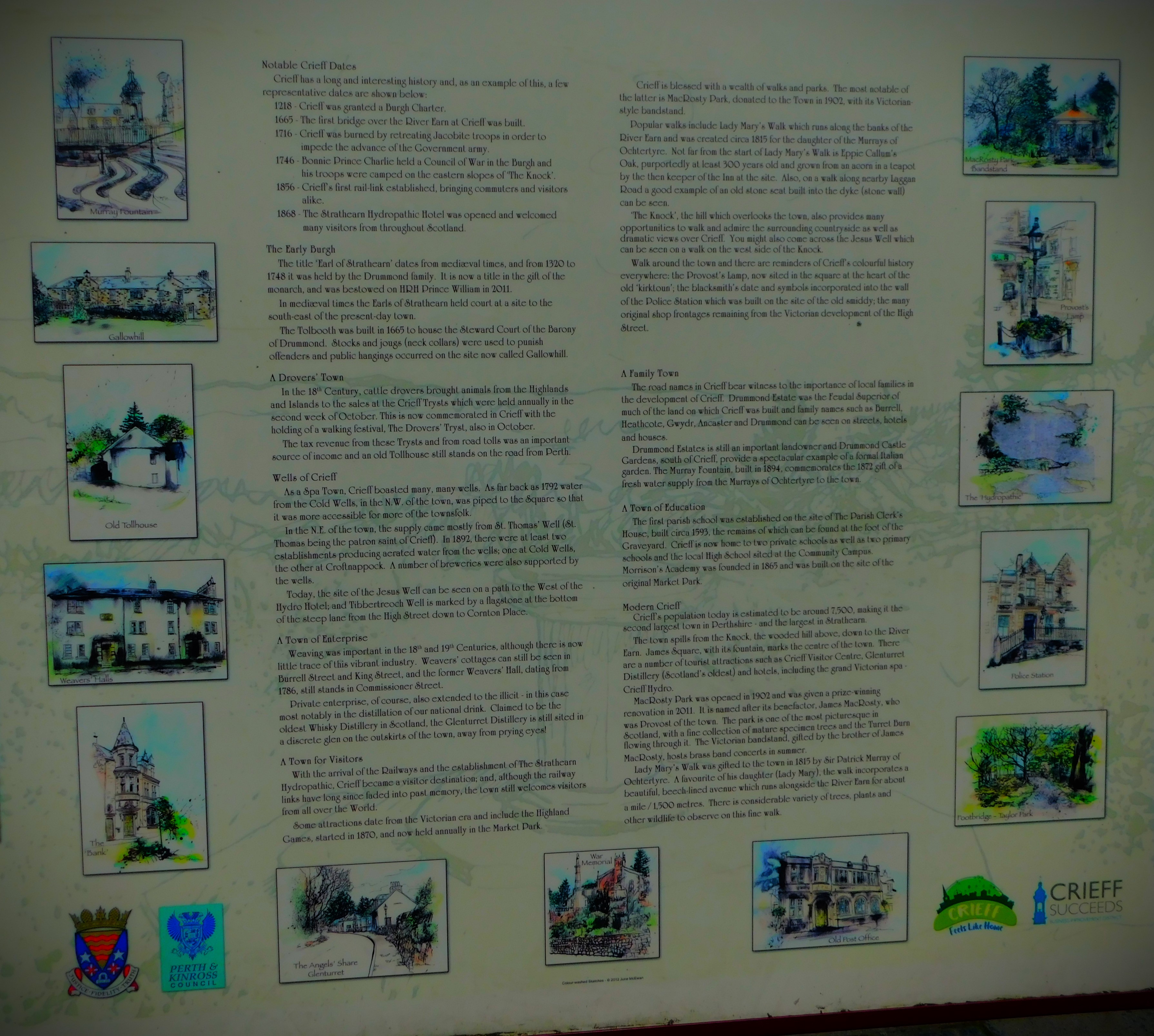
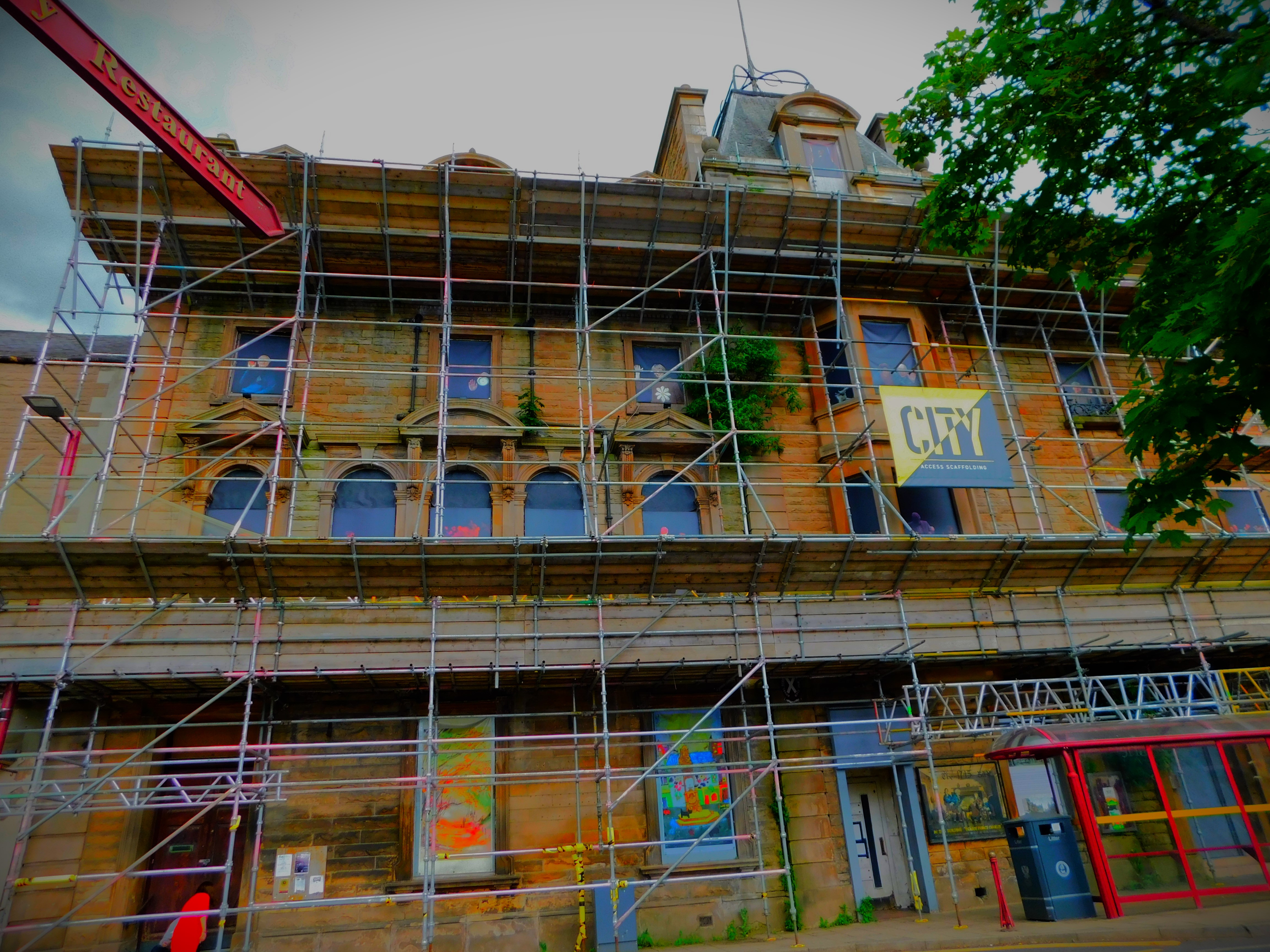
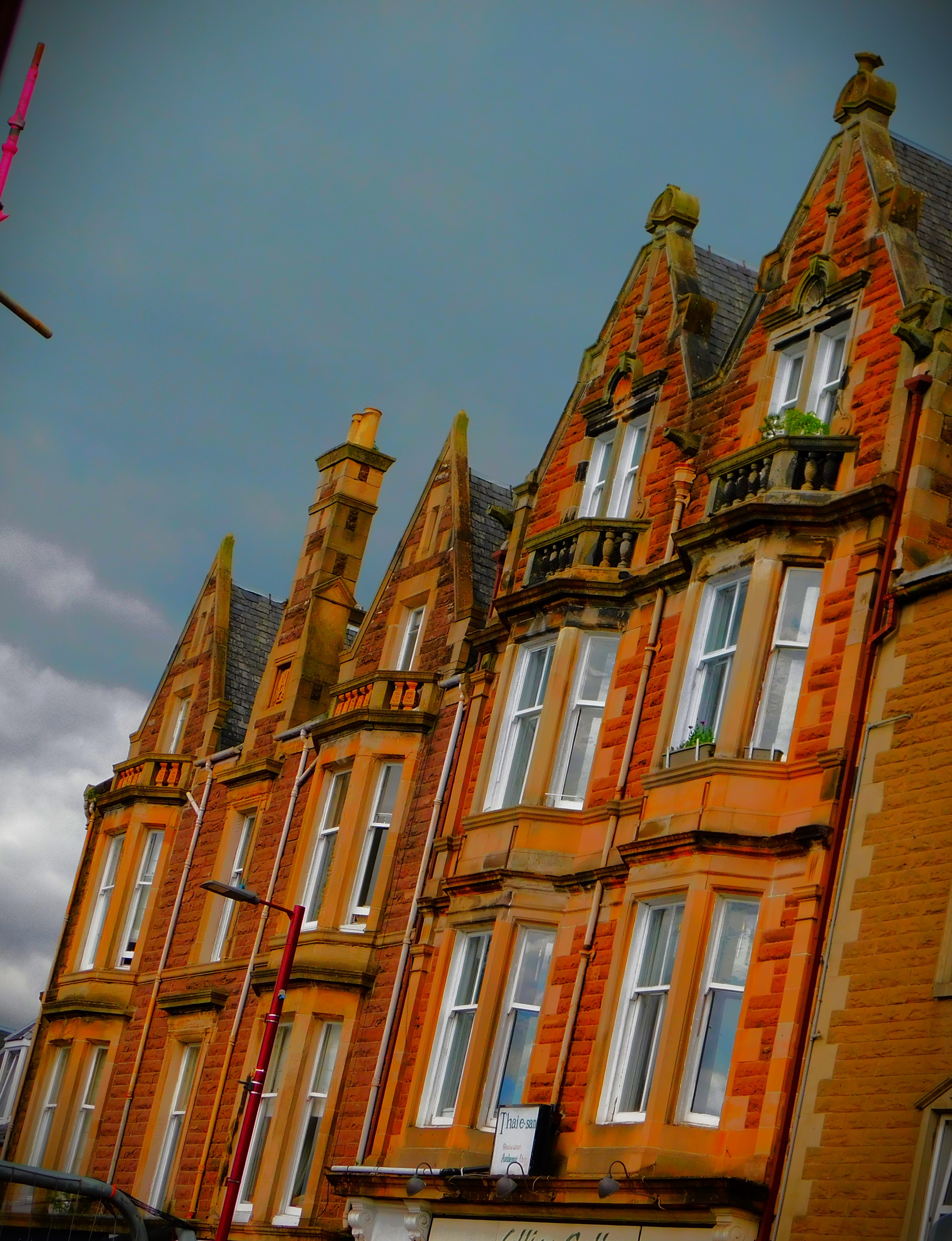
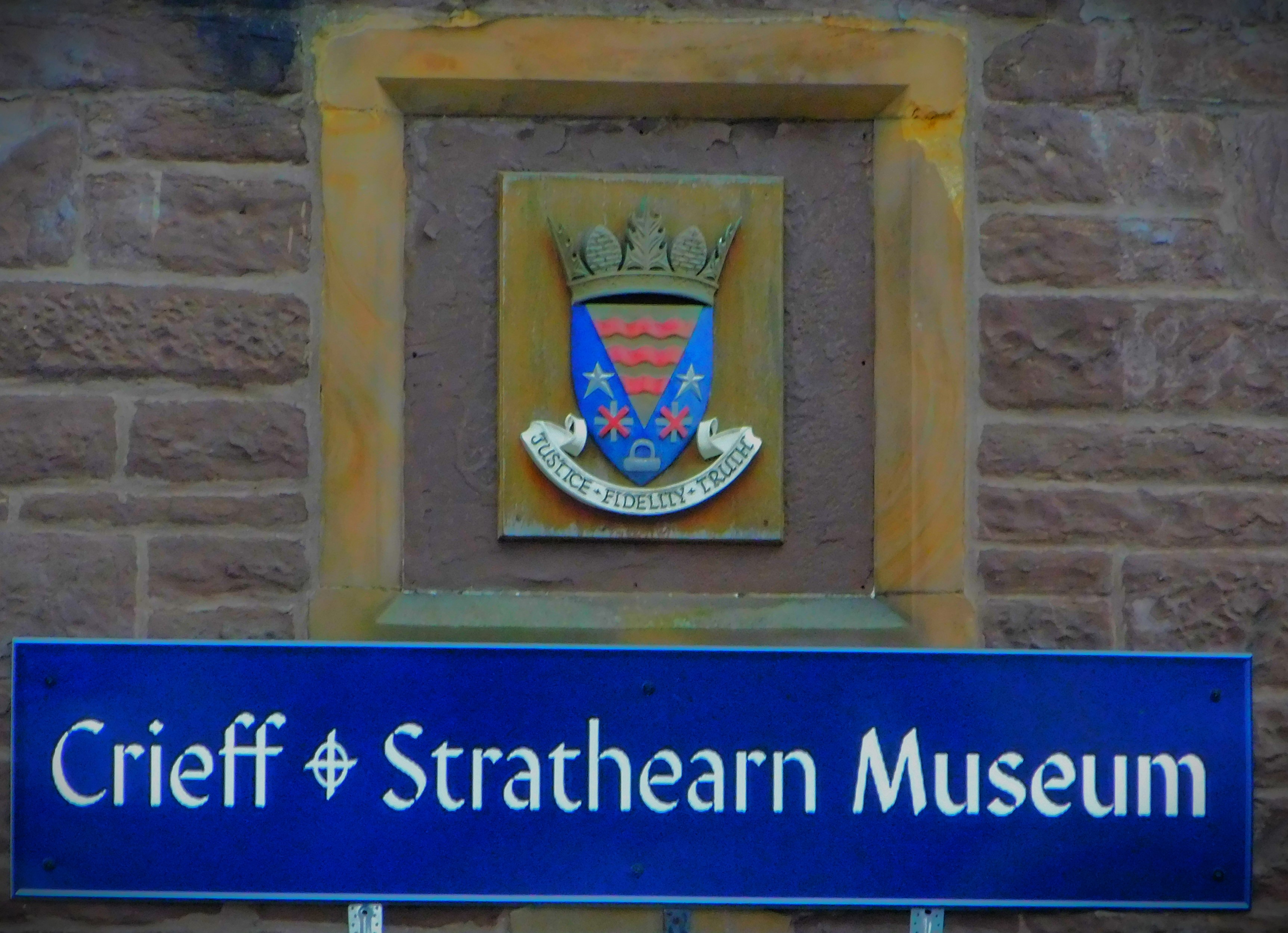
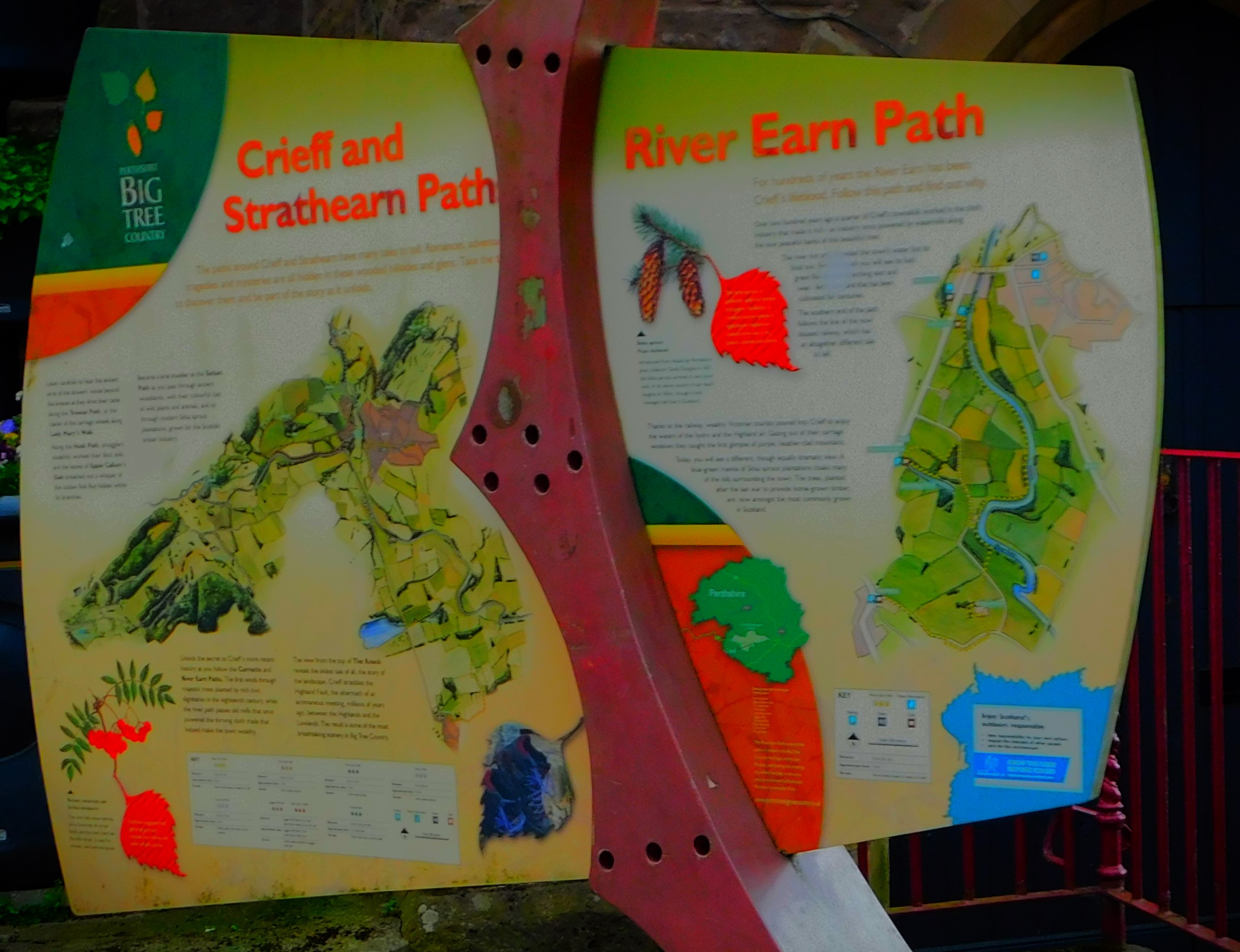
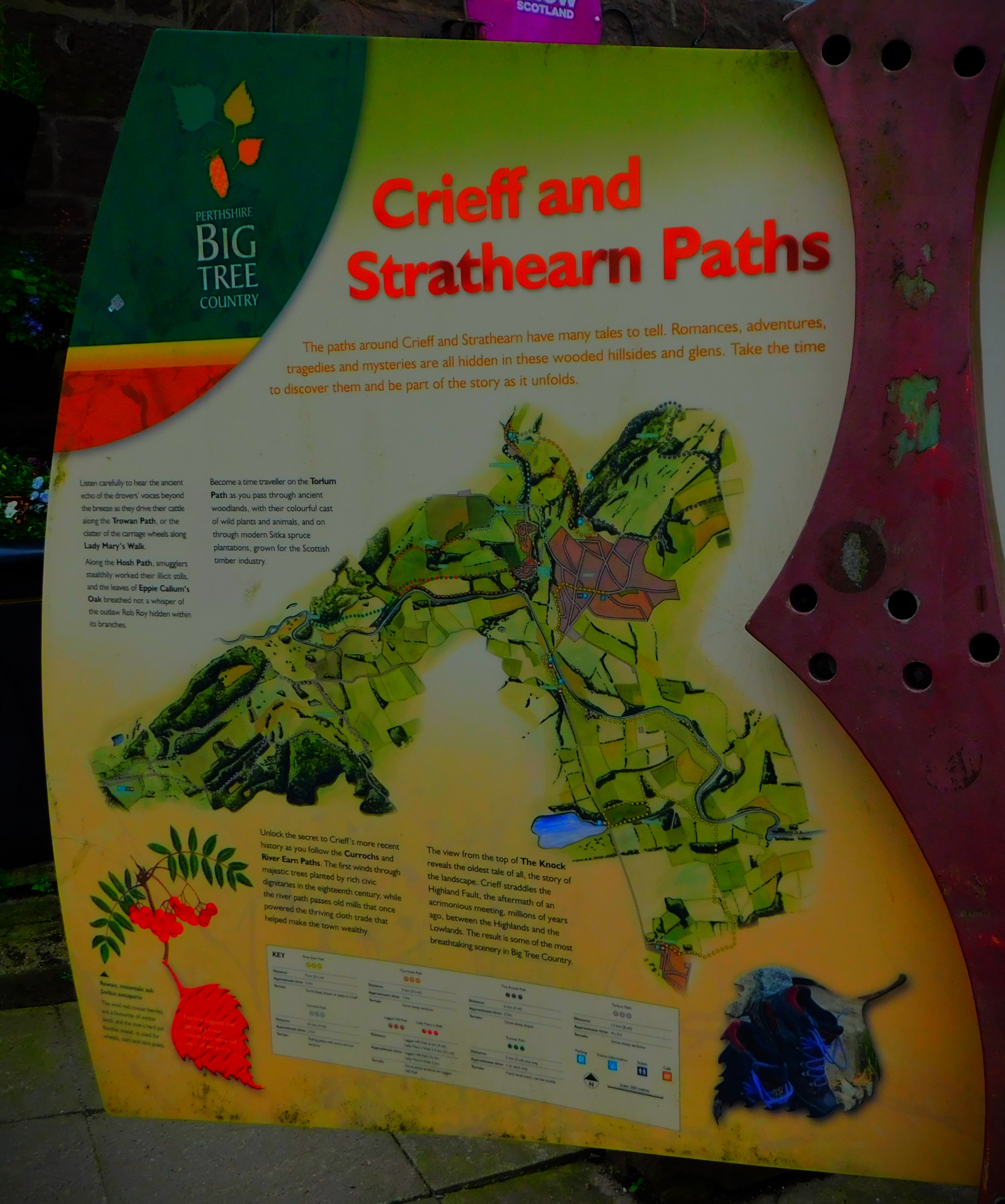
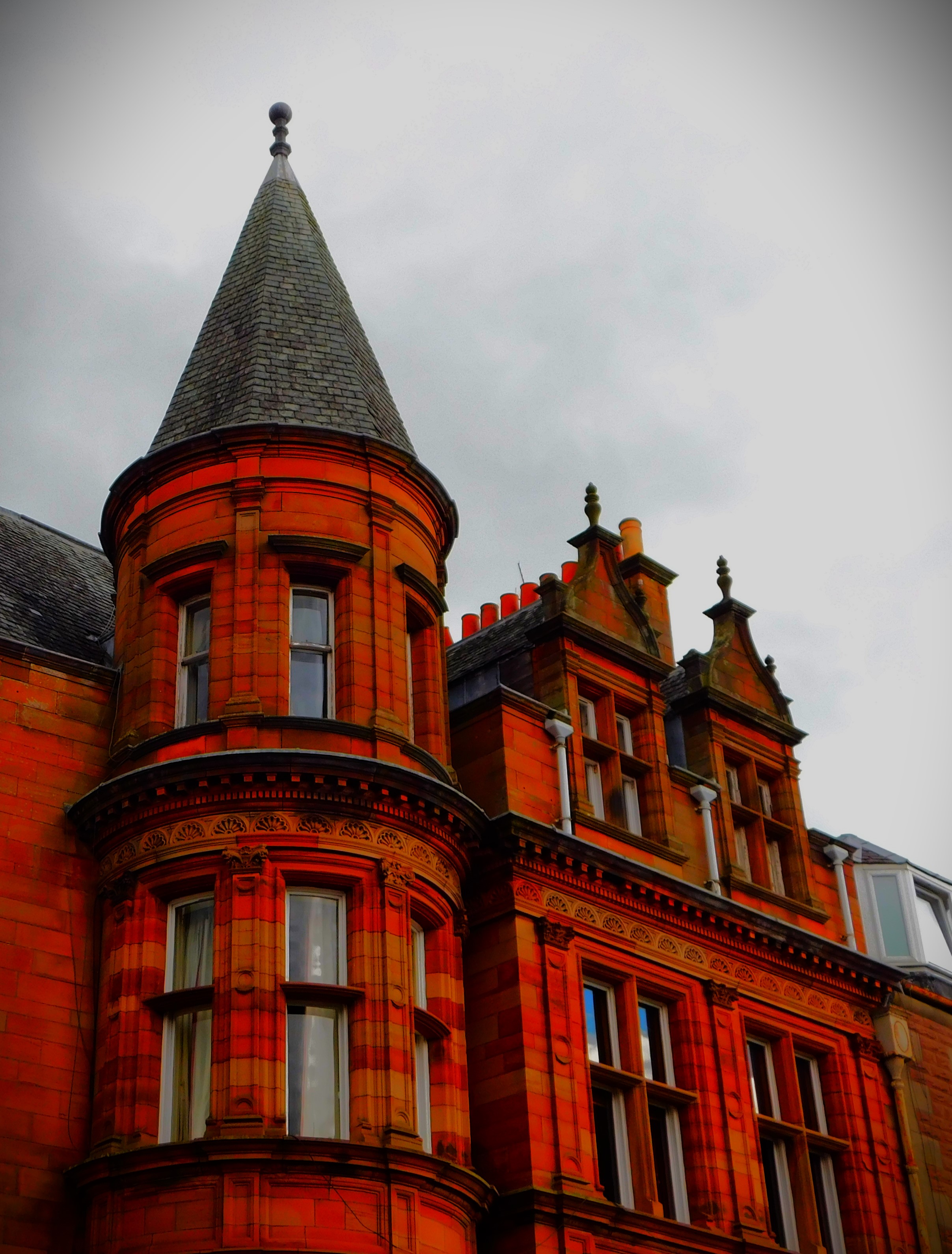
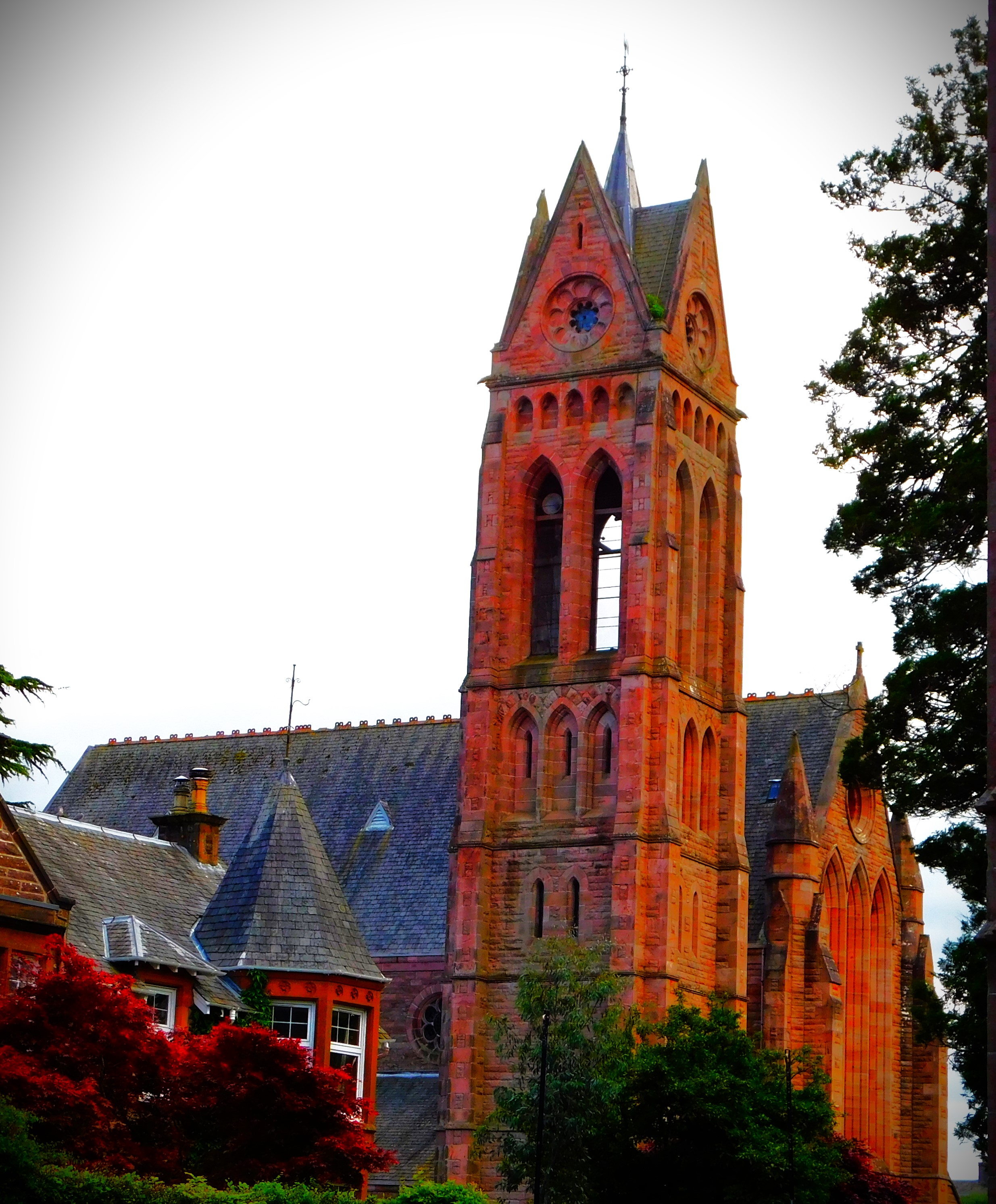
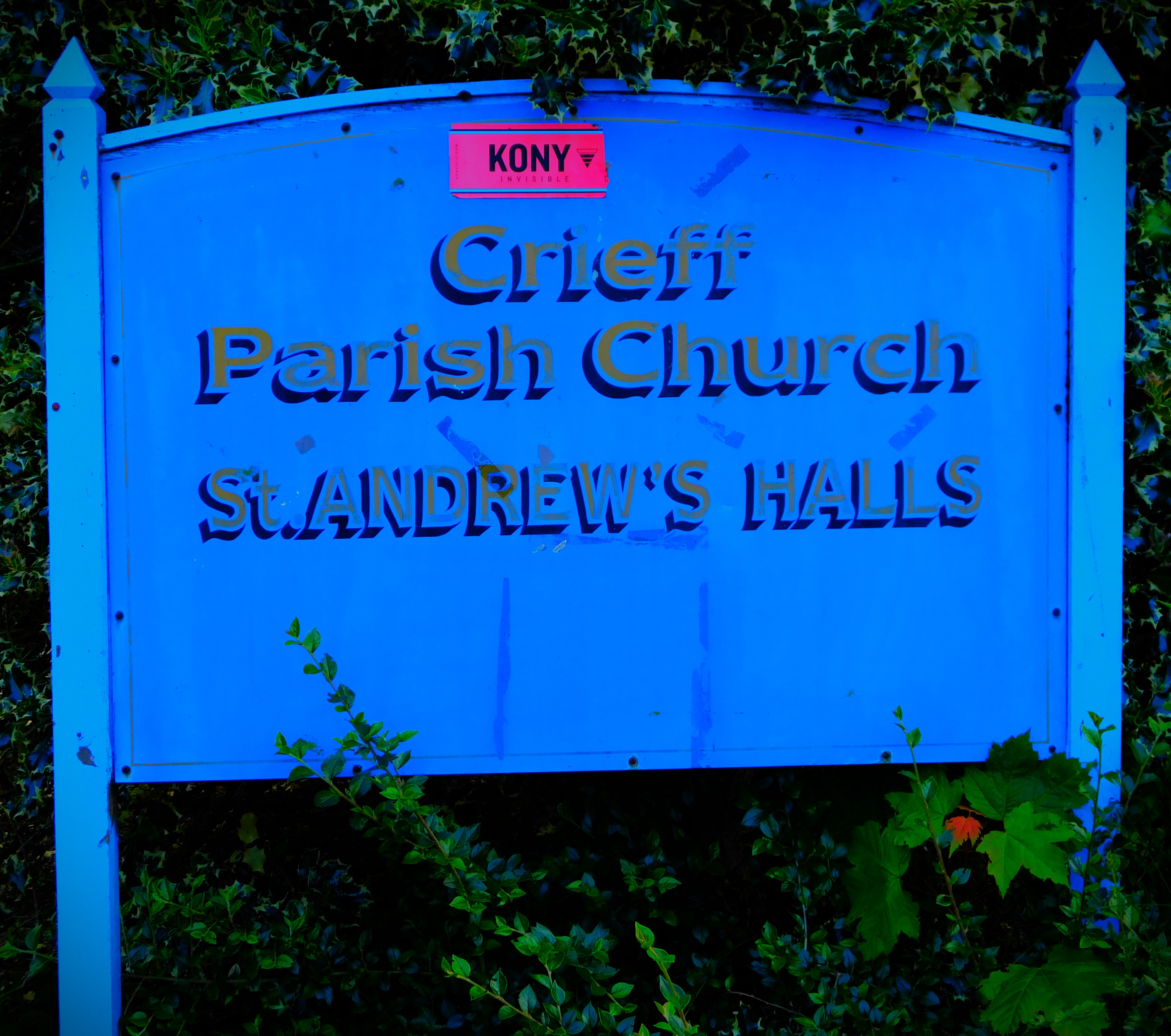
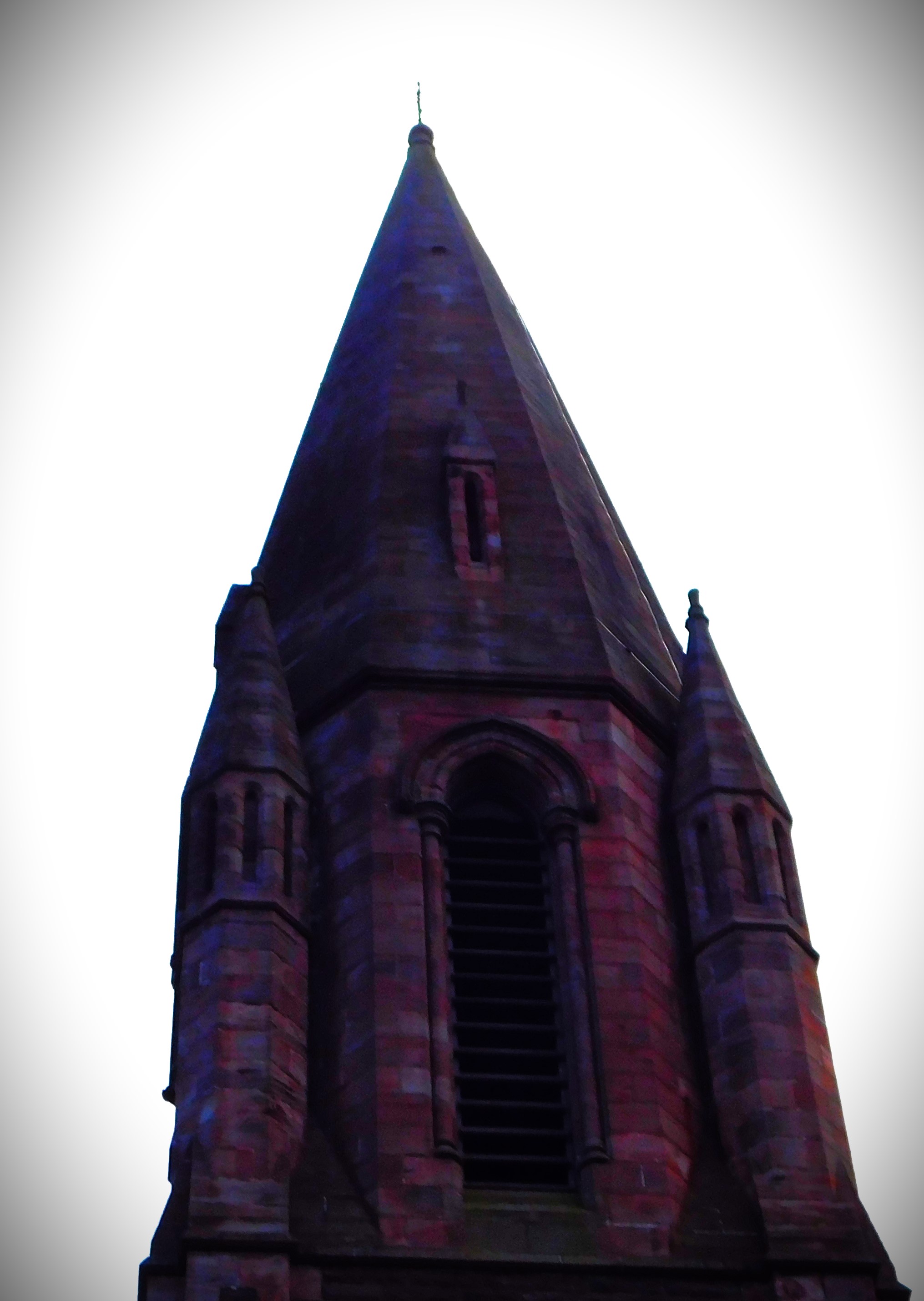
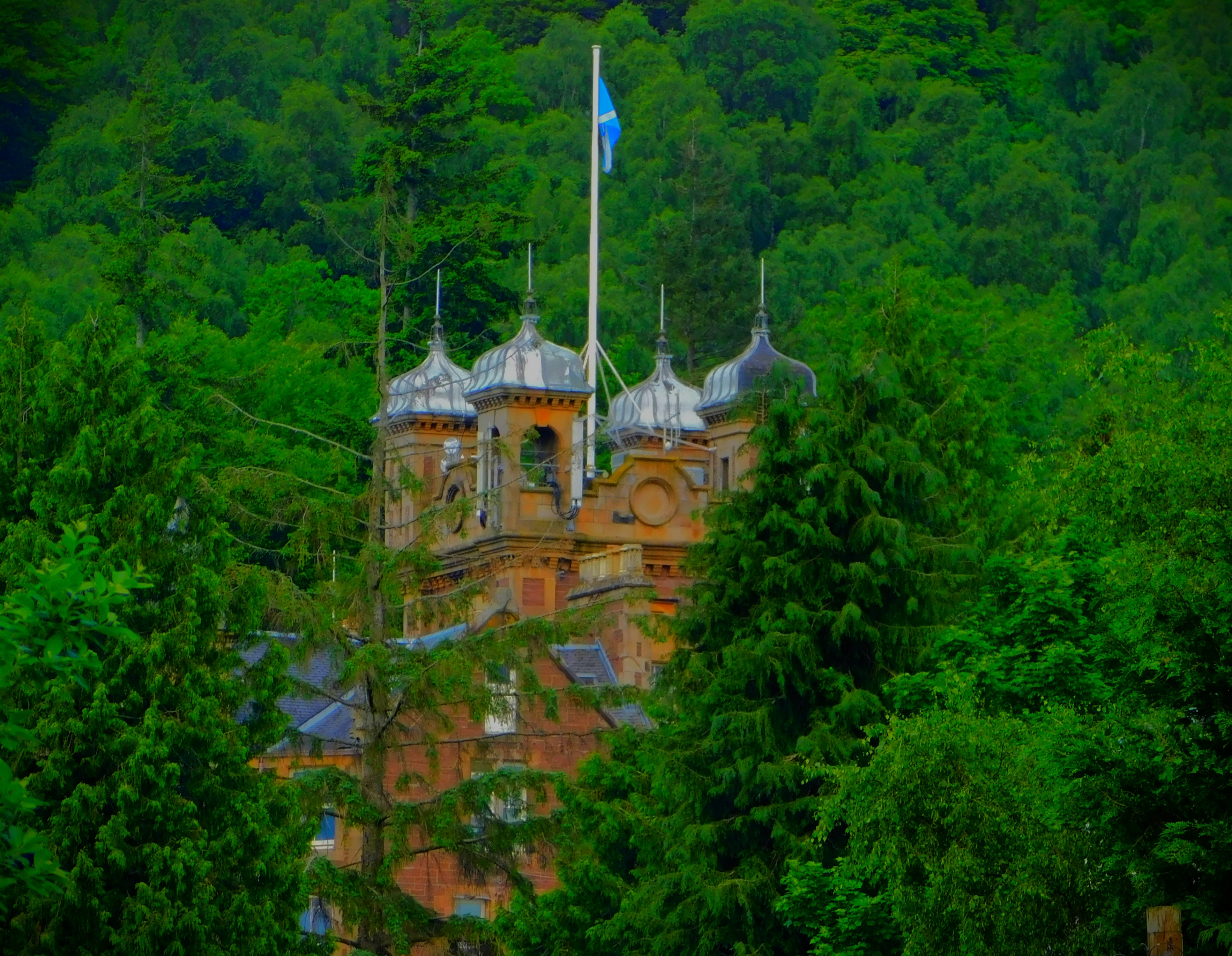
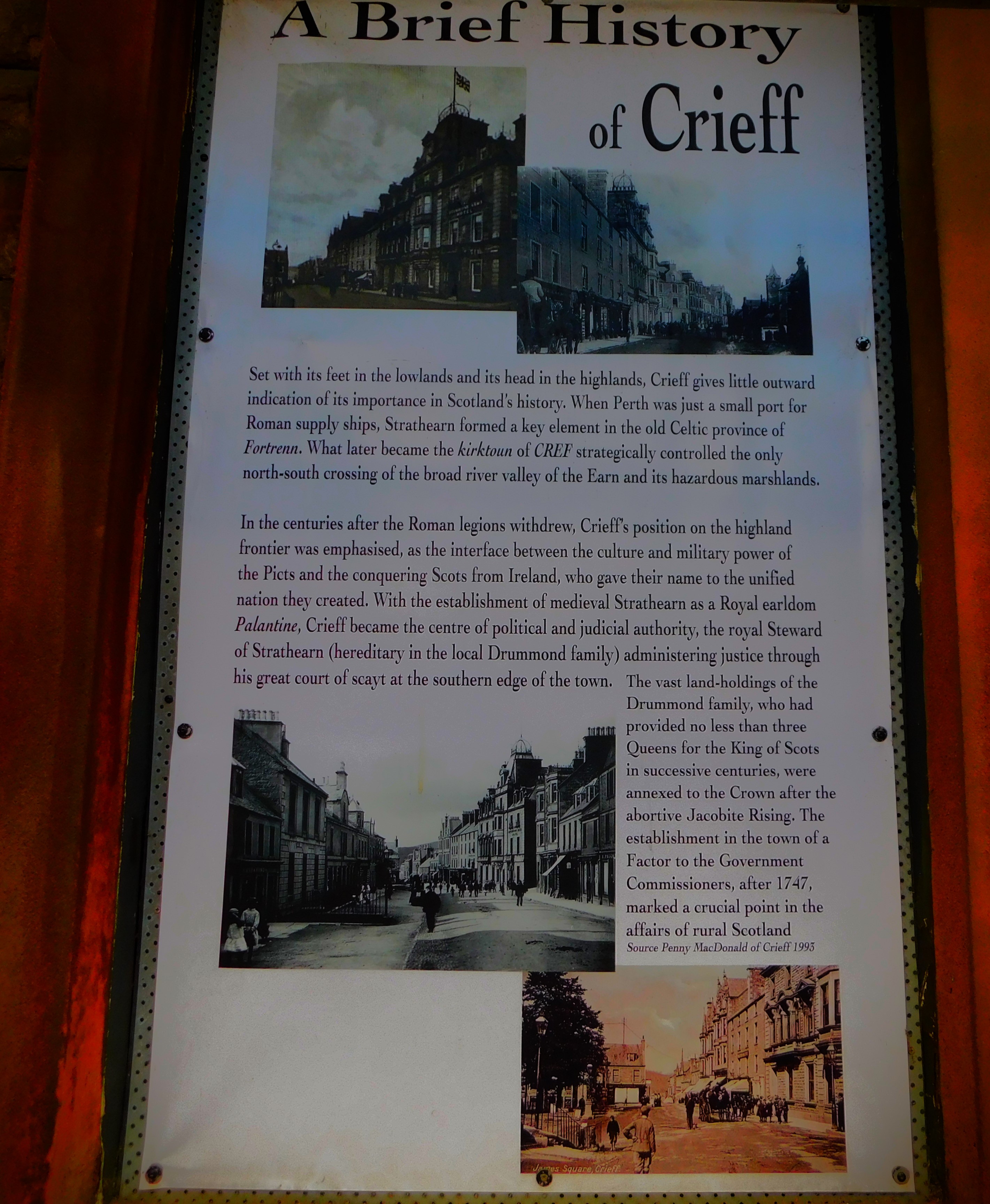
This is the penultimate post in my series about my recent holiday in Scotland. After Cultybraggan Camp and Ardoch Roman Fort we headed for Crieff. There is an excellent visitor centre, with a small museum about the cattle drovers who back in the day travelled from the far west of Scotland to Stirling with their cattle, with Crieff being an important staging post on the route. In the 19th century some of these people migrated to the US and Canada in search of better lives, and this was also covered in the museum. Crieff is home to some very fine buildings but time constraints limited our exploration of the town itself.
An all time XIU of players whose given names begin with V, some honourable mentions and a photo gallery.
Today I present an all time XI of players whose given names begin with V, plus some honourable mentions, including two players given whole paragraphs to themselves. I also have a photo gallery which includes pictures taken while travelling to and from Cambridge today. I am not going to publish an XI of players whose given names begin with U because such an XI owes more to cricinfo than it does to me, and is also far from great.
THE XI IN BATTING ORDER
Victor Trumper (Australia, right handed opening batter, occasional medium pacer). A great player and according to all available reports a great human being as well. His finest hours came on the 1902 tour of England, in an exceptionally wet season on uncovered pitches. In first class matches on that tour he scored 2,570 runs including 11 centuries. The highlight of this procession round England came in the fourth test match of the series at Old Trafford, when with England on a mission to ‘keep Victor quiet before lunch’ he proceeded to become the first player ever to reach a test ton on the first morning of the match.
Vijay Merchant (India, right handed opening batter). Only ten test matches, spread over 18 years for him, in which he recorded a career batting average of 47. In all first class cricket he averaged 71.22, a figure which places him second only to Bradman among those who played enough matches to qualify (another Australian, Norman Calloway, played a solitary a first class match, scoring 207 in his only innings at that level, before going off to fight in WWI, where he was killed in action).
Viv Richards (West Indies, right handed batter, occasional off spinner). One of the greatest of all time.
Virat Kohli (India, right handed batter). Across formats the best batter of the current era.
Vijay Hazare (India, right handed batter, right arm medium pacer). At a time when few Indians had great test records he averaged 47 with the bat at that level. In first class cricket he once scored 309 in a total of 387 all out, the lowest FC innings total to include a triple century.
Vyell Walker (England, right handed batter, right arm slow bowler). One of only two players to have scored a century and taken all ten wickets an in innings of the same first class match, WG Grace being the other.
Vallance Jupp (England, right handed batter, off spinner). Achieved the double of 1,000 runs and 100 wickets in first class matches in each of eight successive English seasons in the 1920s. In all he scored 23,296 first class runs at 29.41 and took 1,658 first class wickets at 23.01.
+Victoria Lind (New Zealand, wicket keeper, right handed batter). Finding a wicket keeper for this XI was difficult, and I have selected someone who did not actually have the gloves when I saw her in action (she was playing as a specialist batter, with Katey Martin keeping wicket), but who was a recognized keeper.
Vanburn Holder (West Indies, right arm fast medium bowler, right handed batter). Was part of the first WI pace quartet in 1976.
Vernon Philander (South Africa, right arm fast medium bowler, right handed batter). In test cricket he claimed 224 wickets at 22.32 a piece, enough to underwrite his claim for a place in this XI.
Vince van der Bijl (South Africa, right arm fast medium bowler, right handed batter). His entire career happened while South Africa were banned from the international arena, but 767 FC wickets at 16.54, taken at a rate of fractionally below five per match and the universally high opinion of all who encountered him are good enough for me.
This side has a powerful top five, two genuine all rounders of different style, a keeper who could bat and three excellent specialist bowlers. The bowling attack should be able to capture 20 opposition wickets in most conditions.
HONOURABLE MENTIONS
First of all…
THE VERY VERY SPECIAL ONE
Vangipurappu Venkata Sai Laxman, universally known by his initials VVS, had a test average of only just over a run per innings less than that of Hazare, and maintained over larger number of matches. That fine career record included a thunderous 281, at the time the individual record score for an Indian in test cricket, against the mighty Aussies in 2001. However my feeling was that Hazare offered a back up bowling option as well as his batting, and was part of a less strong batting order than Laxman had the luxury of belonging to. Had Laxman been a left hander, of whom there are none in this order, he would have had the nod, but I felt Hazare had the edge and selected accordingly.
VIRENDER SEHWAG
Virender Sehwag was the first Indian ever to score a test triple century, and achieved that feat twice, but he did not do much outside Asia, and especially he did not do much against the swinging or seaming ball, whereas the attacking opener I did select, Trumper, was at his very finest on an overseas tour in conditions that would have been massively alien to a Sydneysider – one of the wettest English summers ever.
OTHER HONOURABLE MENTIONS
Vernon Ransford was the best left handed batting option available for this squad. Vic Wilson, the only other left hander worth mentioning was even further adrift, though he could be named as designated fielding substitute. With Richards and Kohli absolutely certain selections he could only have been accommodated at the expense of Hazare, and my feeling is that getting a left hander in isn’t worth sacrificing an average of ten runs per innings for. Vic Richardson, a legendary all round sportsperson and grandfather of two Aussie skippers, did not have a good enough record at test level to merit inclusion. Vikram Solanki was a good county batter, but such international success as came his way did so in limited overs cricket. Vic Jackson, an Aussie who bowled both medium pace and off spin, and played for Leicestershire as well as his native NSW was in the mix for an all rounders slot. Varun Aaron was a quicker bowler than any of three specialists I selected, but he was also much more erratic, and 18 test wickets at 52.61 hardly constitutes a strong basis for a challenge. Vinod Kambli was hugely talented, and was probably cast aside too soon by the Indian selectors, but unfortunately when up against Richards, Kohli and Hazare, with Laxman also deserving a mention a player who only gained 17 test caps, even one who averaged 54 with the bat at that level cannot be included.
PHOTOGRAPHS
My usual sign off…
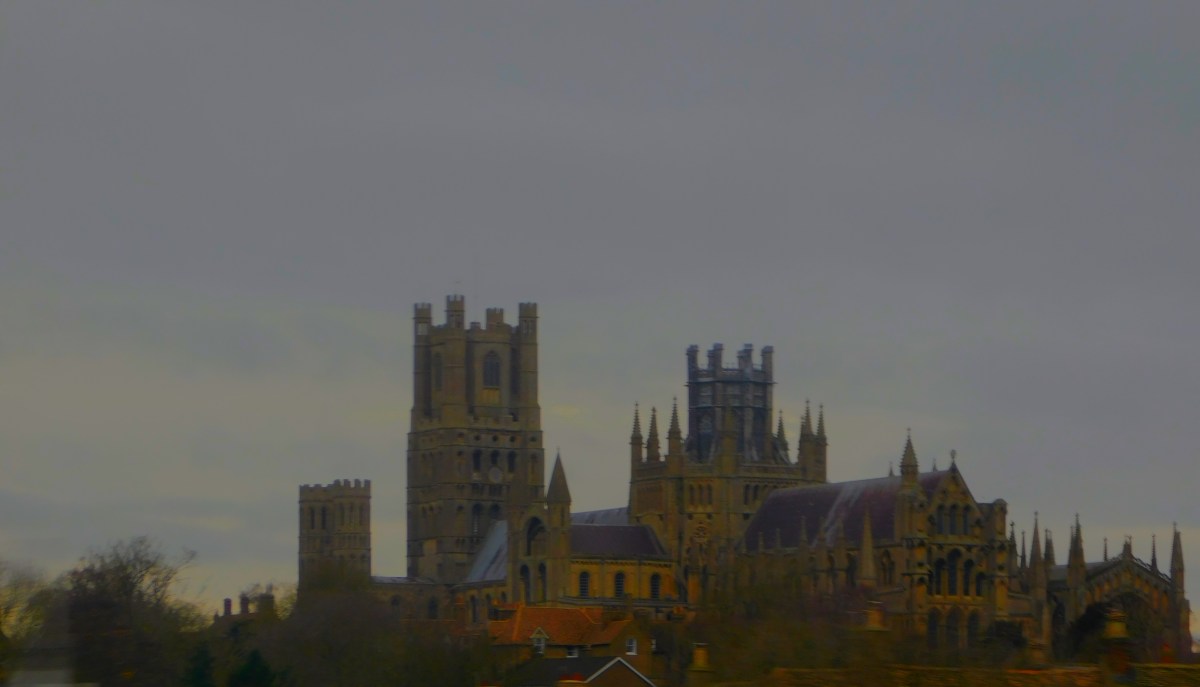
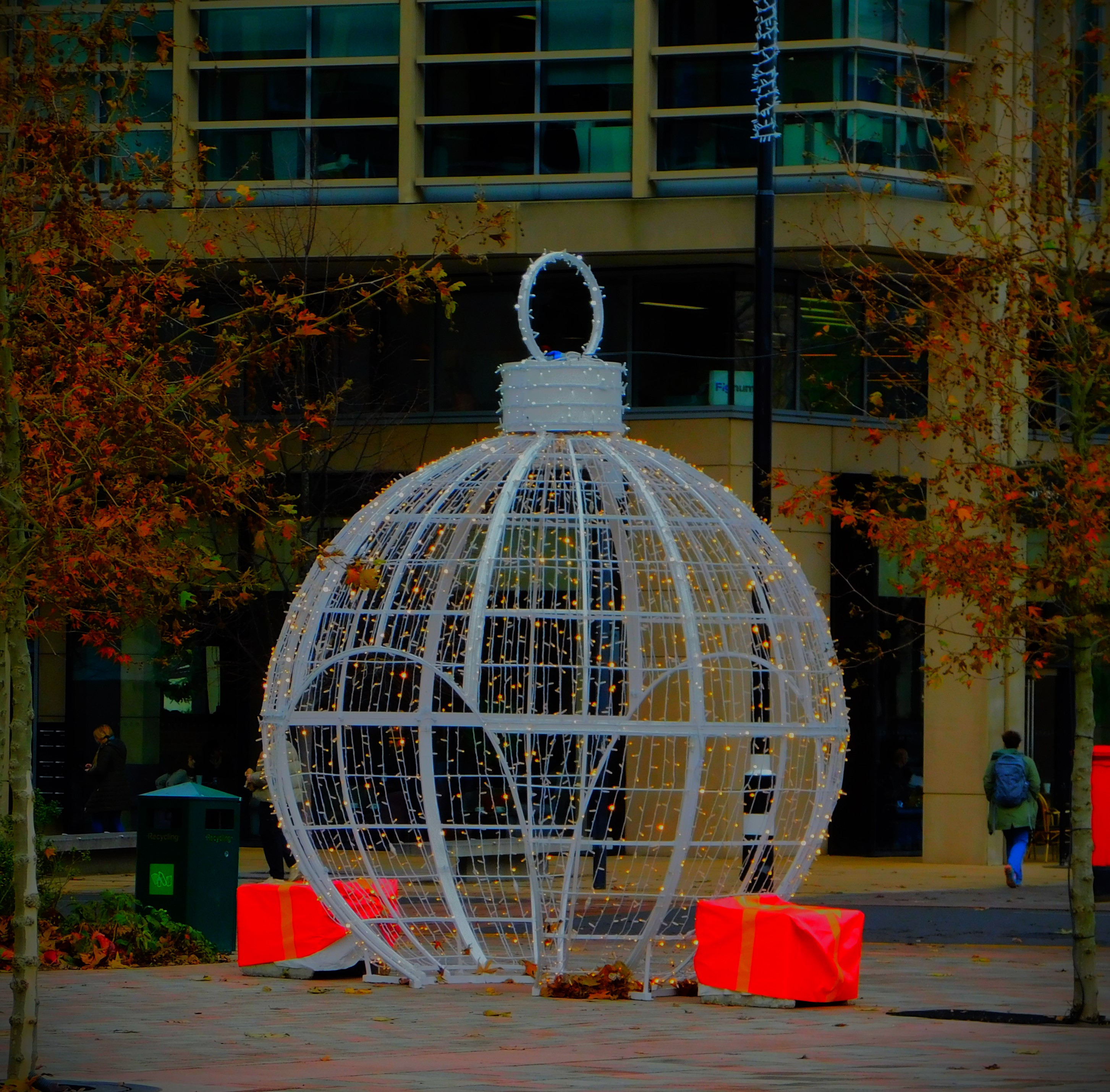
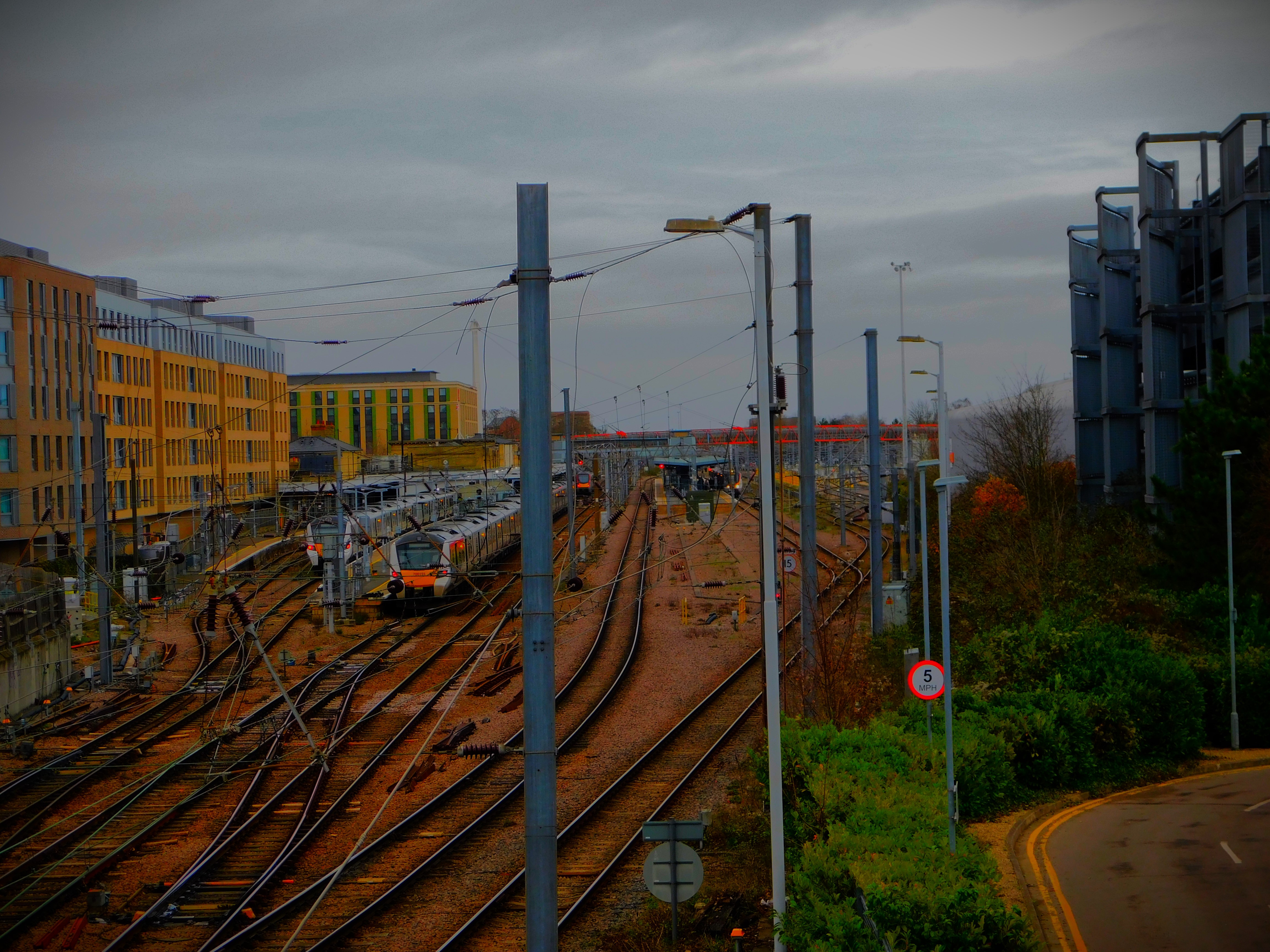
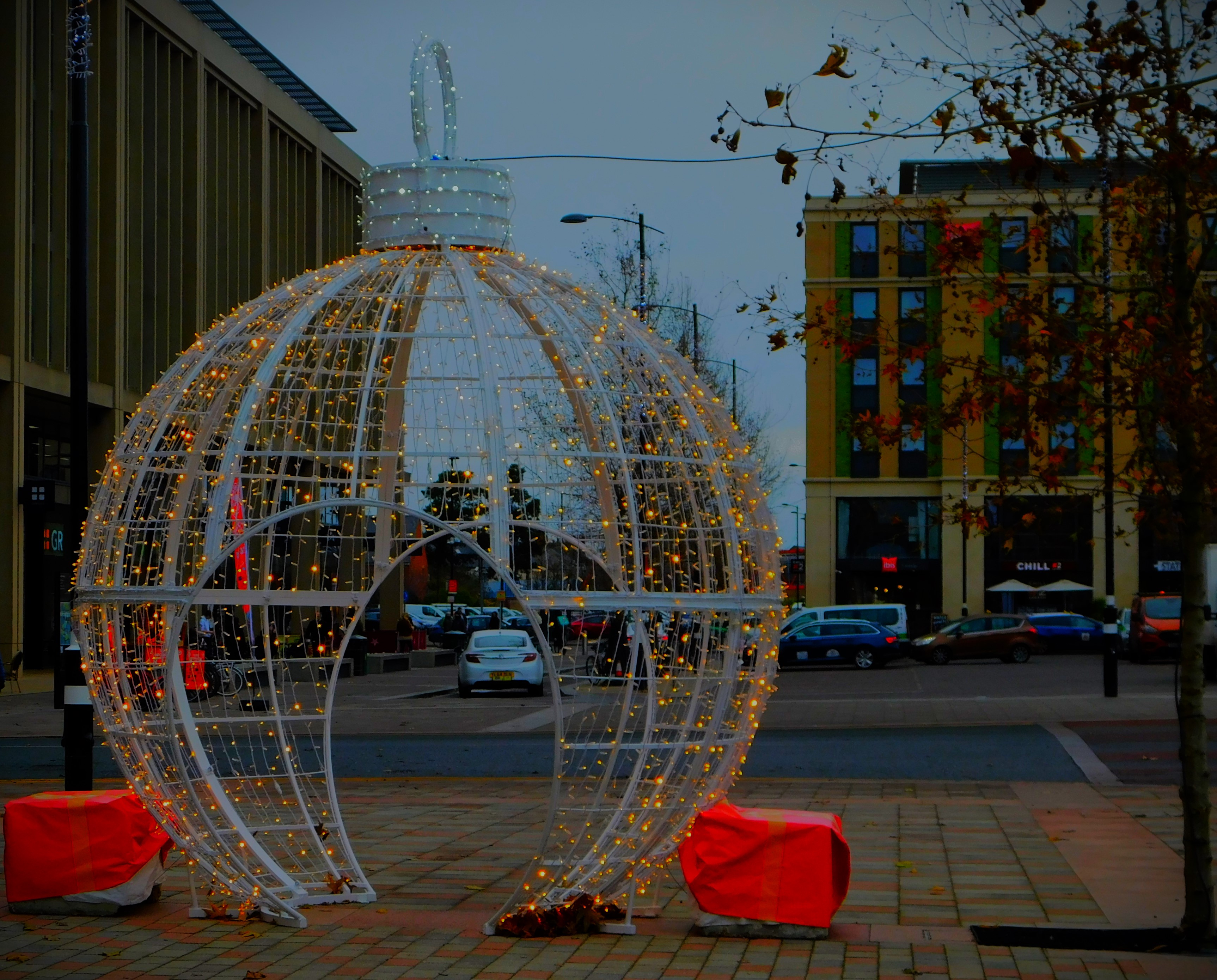
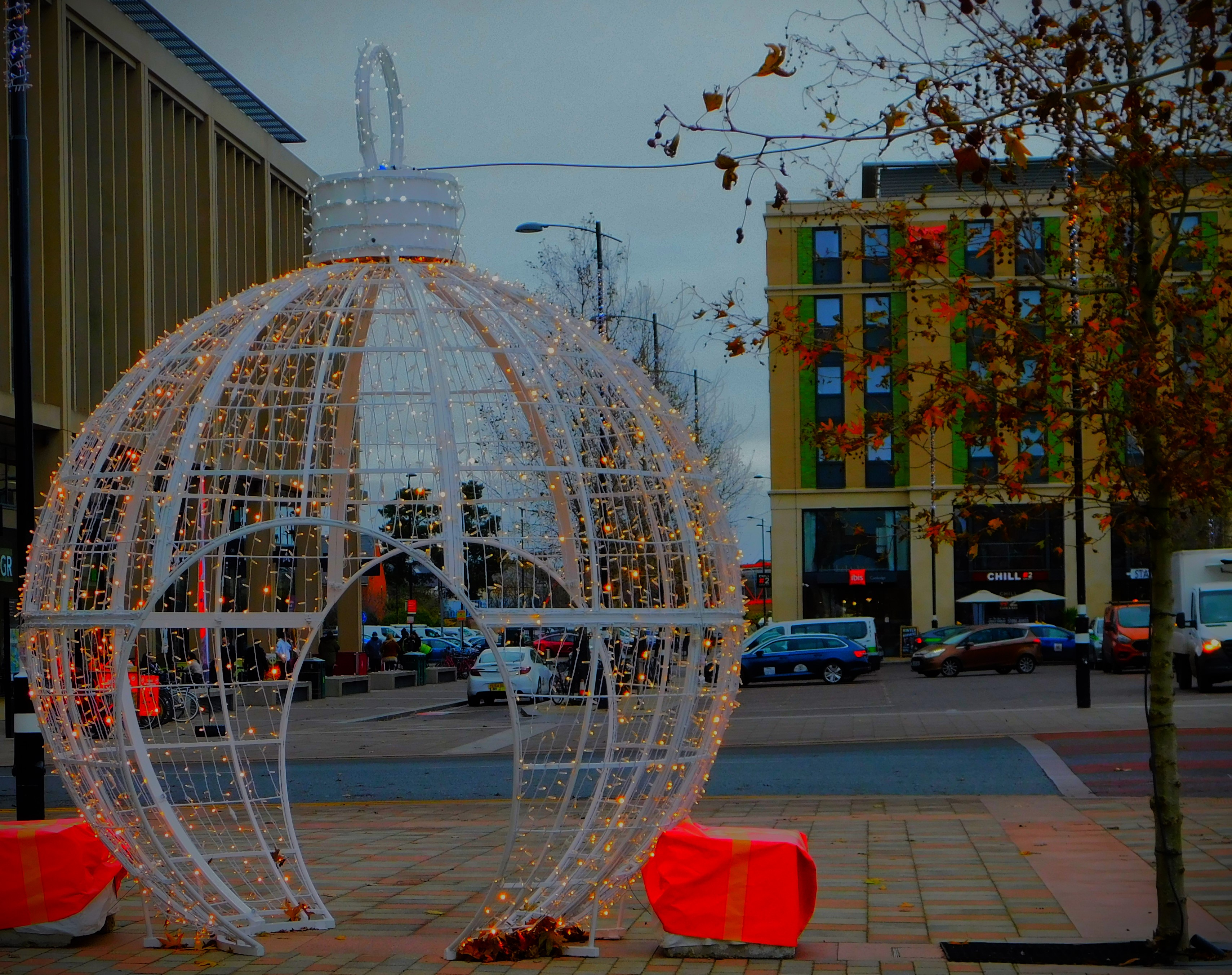
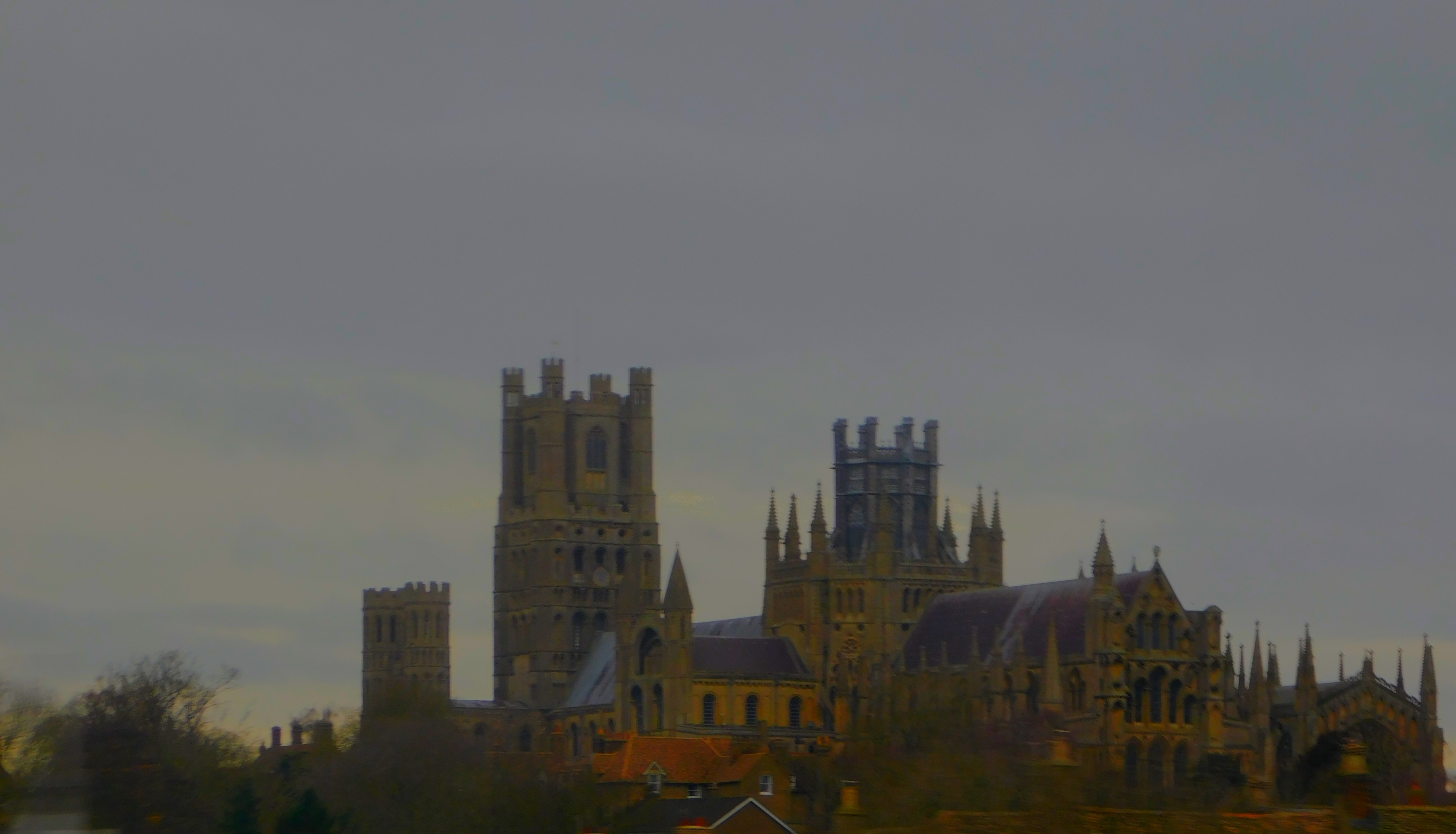
Cambridge station, as viewed from where Hills Road crosses the railway line.A giant Christmas bauble near Cambridge station.Ely Cathedral
Continuing my mini-series about my long weekend in Cornwall with a close look at Fort Picklecombe.
I am finally in position to continue my mini-series about my long weekend in Cornwall. Between a busy Sunday, not getting home until almost 8PM on the Monday and work yesterday I have not had much opportunity for blogging. Following on from my post about the journey to Cornwall I now look at Fort Picklecombe, my base for the weekend.
AN OVER REACTION
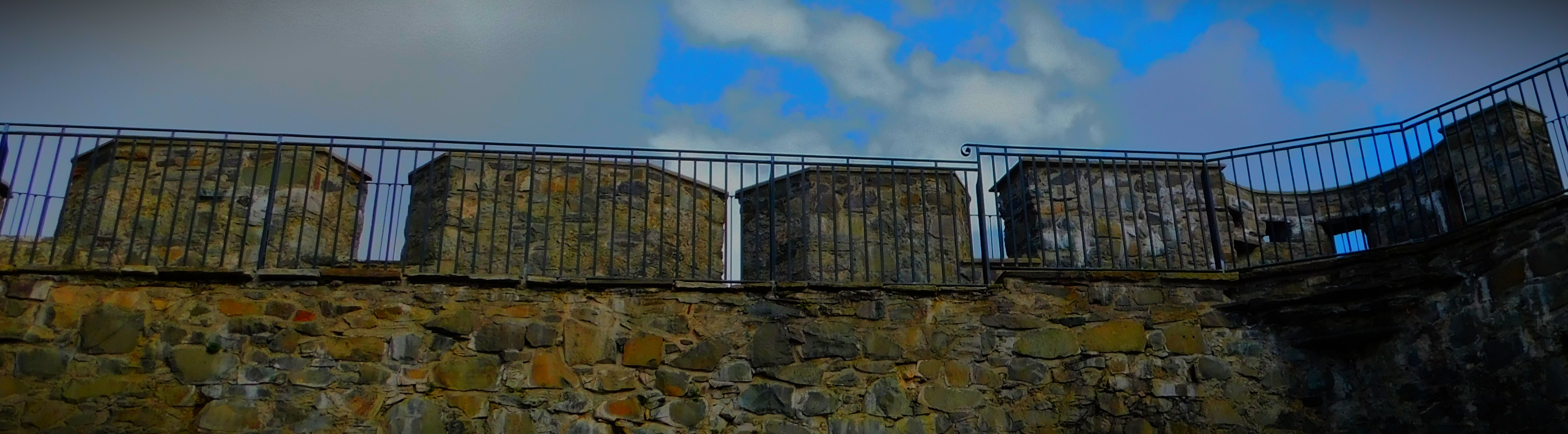
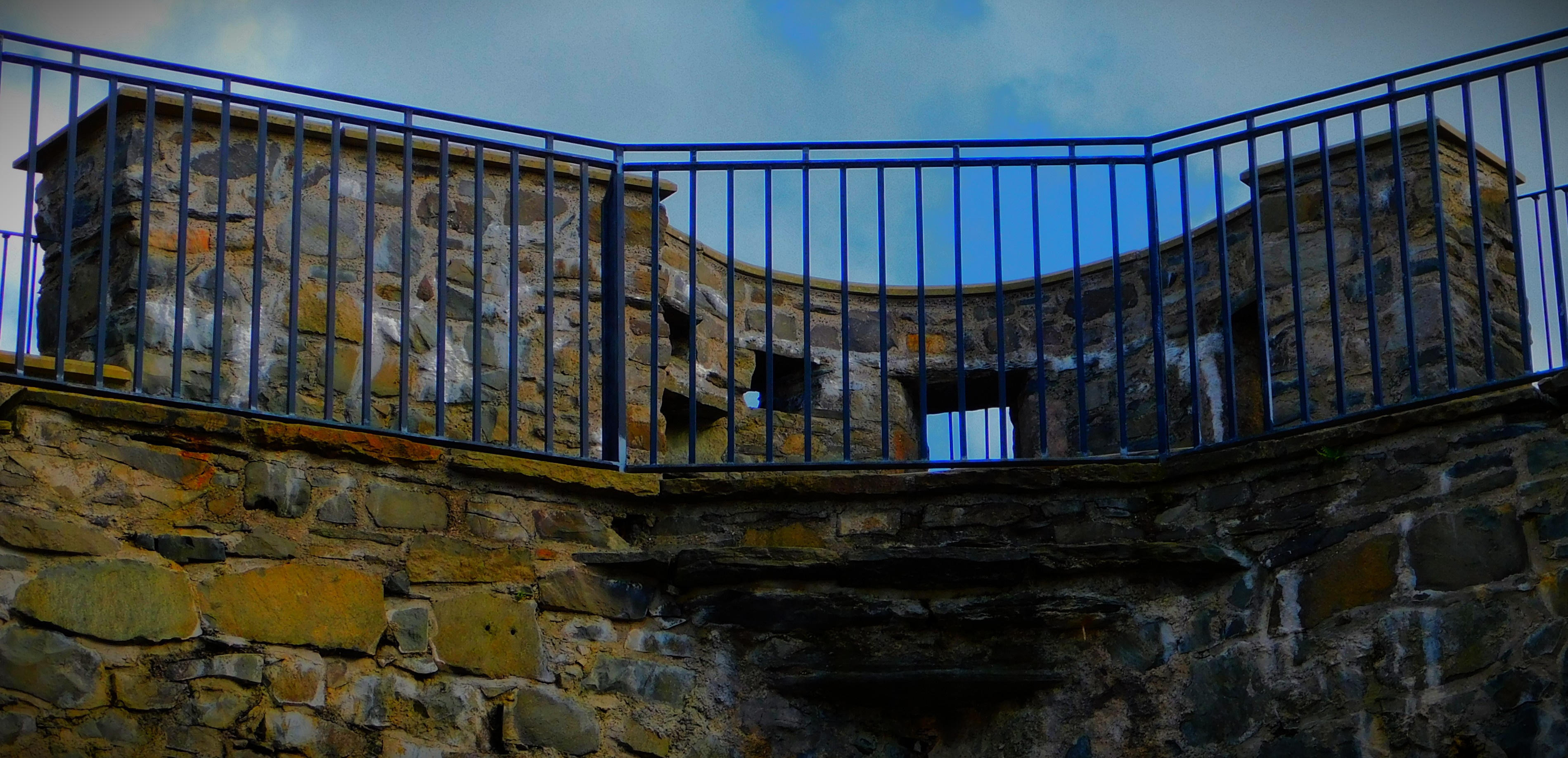
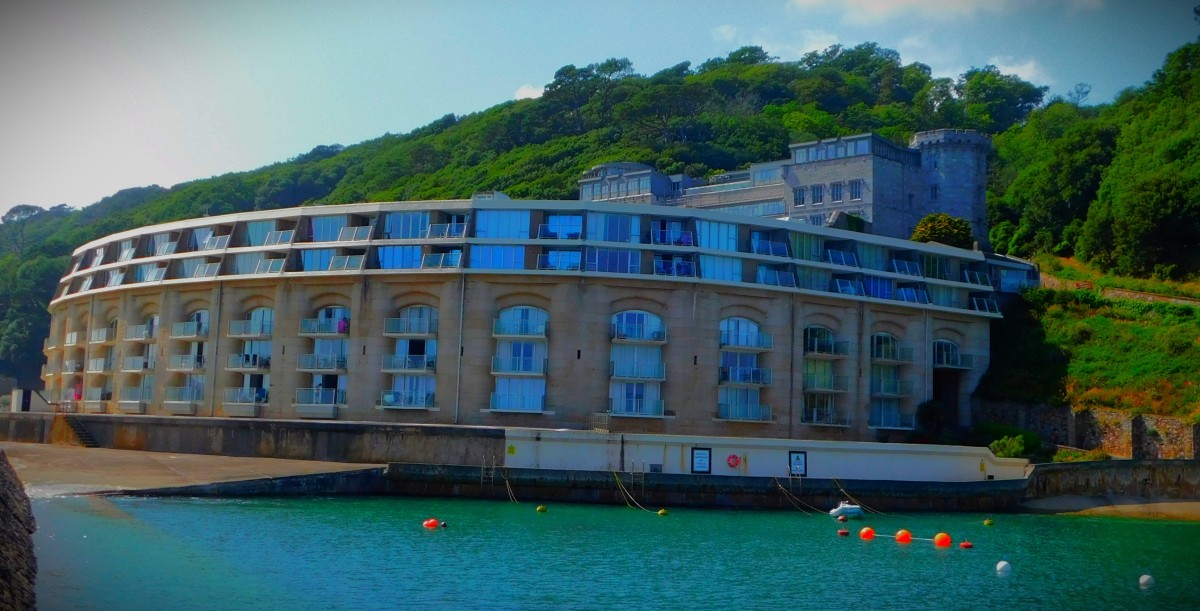
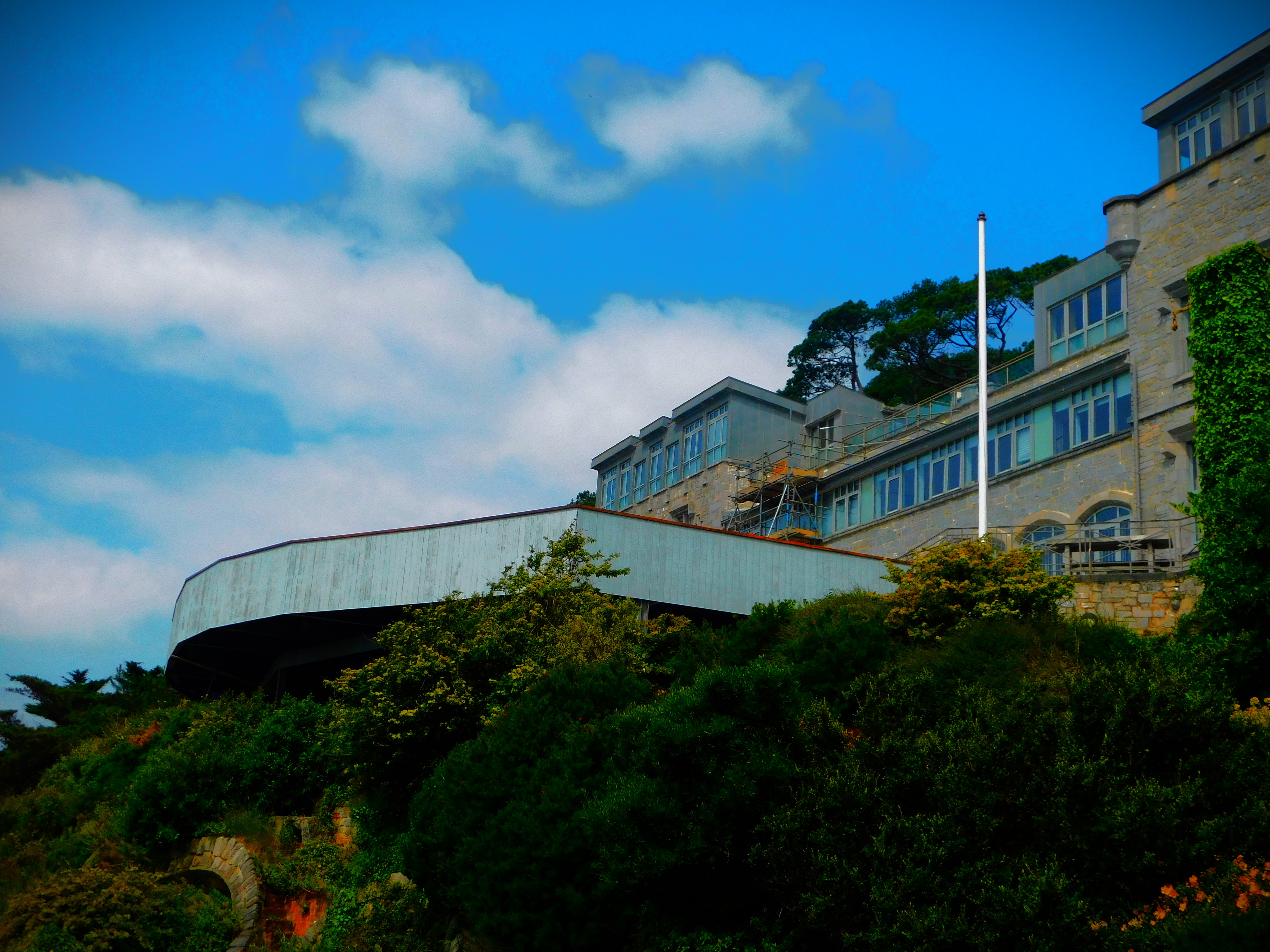
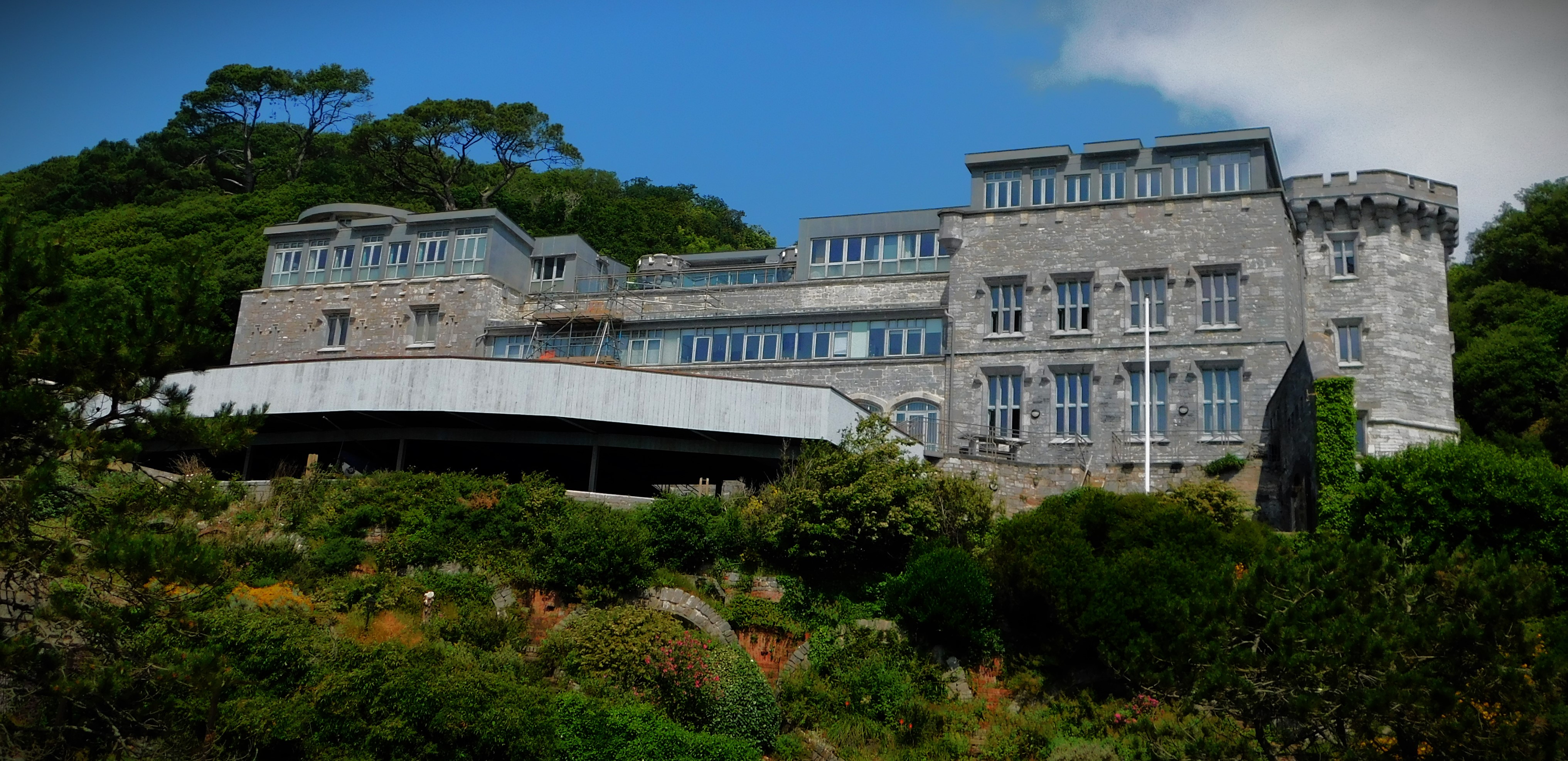
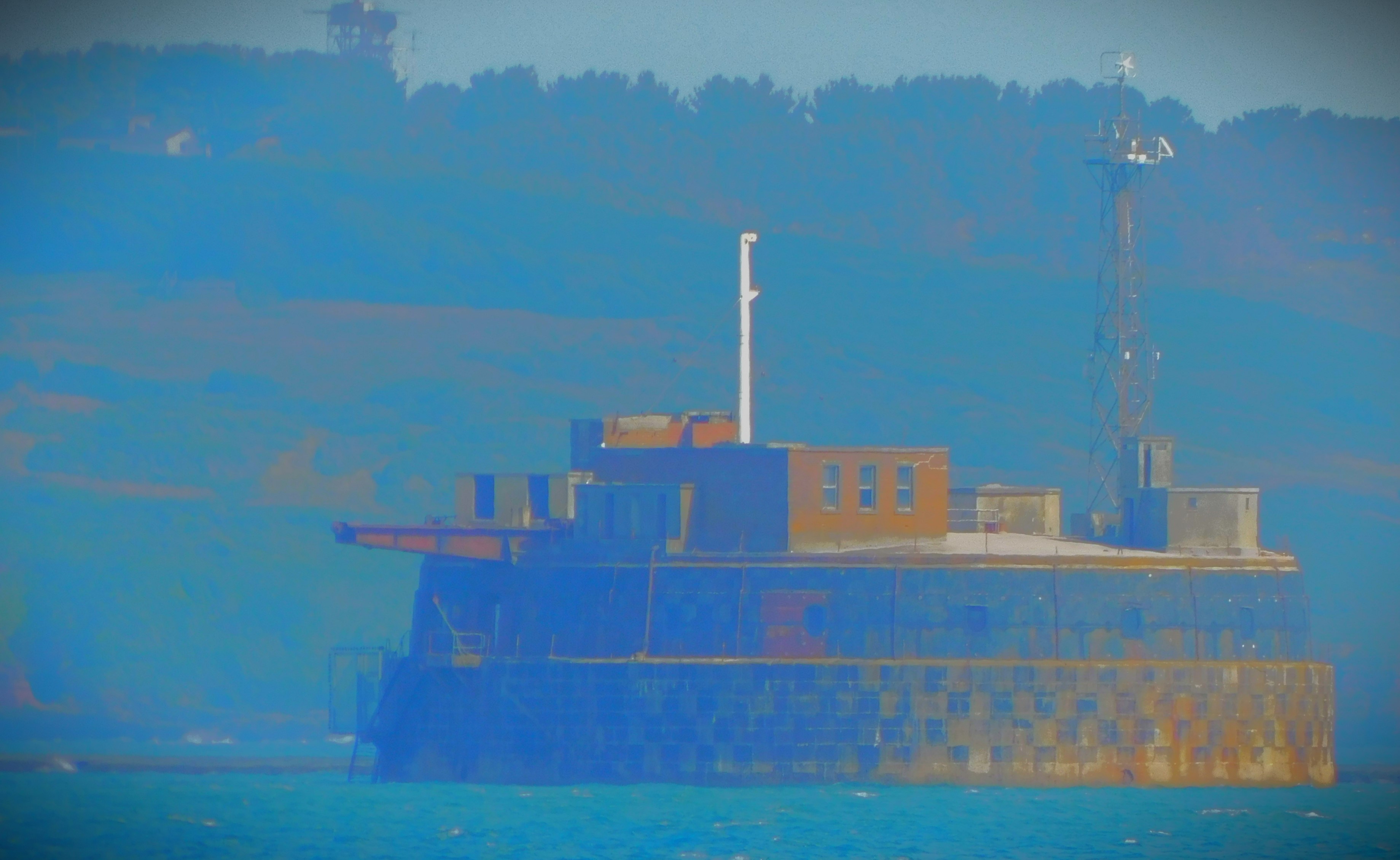
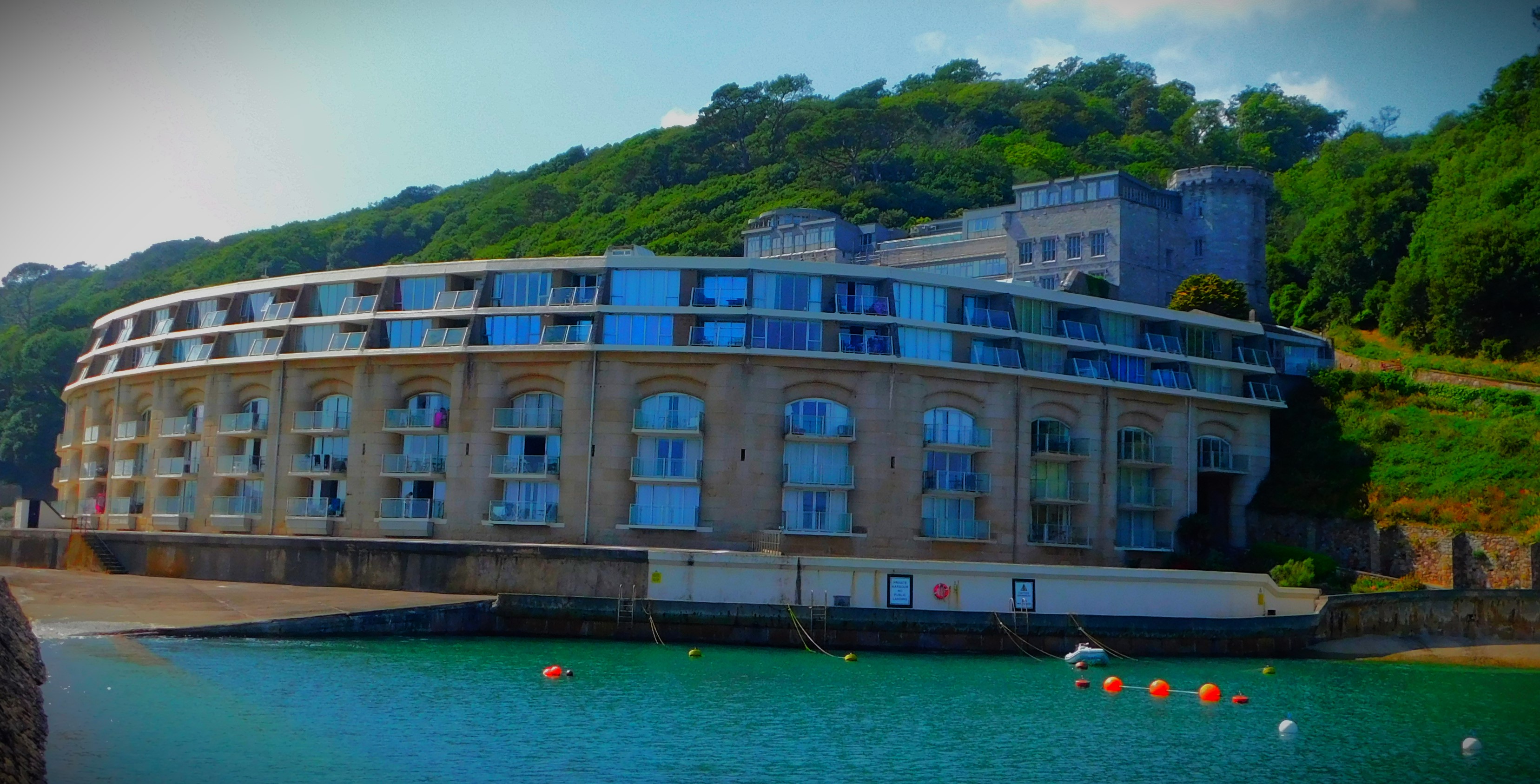
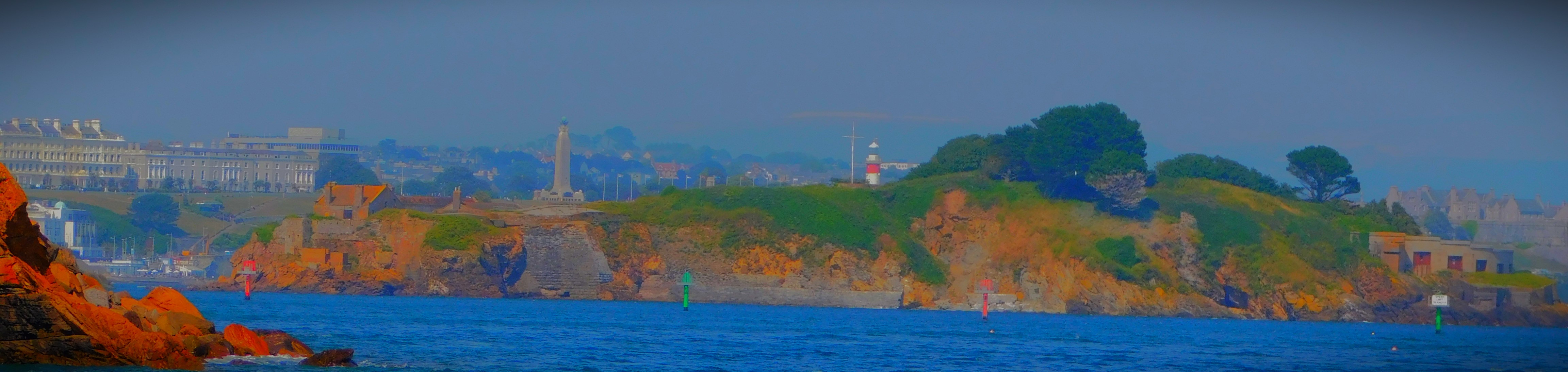
Lord Palmerston ordered the building of a number of fortifications of various kinds in southwestern England during the mid 19th century, in the mistaken belief that the French intended to invade. Fort Picklecombe was one such, and to make it even more curious the landholder only allowed it to be built if it was made to resemble Warwick Castle. These days it is home to about 100 apartments, one of which, tucked away on the fourth floor of the outer wall, with a glorious view out over the sea, is my parents home.
A CLOSER VIEW OF THE FORT
There are two complete circuits of this part of the fort available, on the third floor, and in the basement, which is also home to a carpark where everyone has a space. My parent’s flat also has a marked outside parking place where a vehicle can be left for up to 24 hours, which is readily accessible from the ground floor. The basement passages are quite narrow, and unlit until someone actually enters one (and even then the level of illumination is not great), but there is the compensating advantage that this ring of passageways is also home to the fort’s library (I did not make use of it this visit but have done in the past). The third floor walkway is much pleasanter in summer, though I can imagine it being horrible on a windy winter’s day. The lifts are among the slowest in the western world and come with recorded announcements that feature high in the ‘statement of the bleeding obvious’ category, e.g. “Fourth floor, lift going down”. What? You mean it is not going ‘up and out’?!
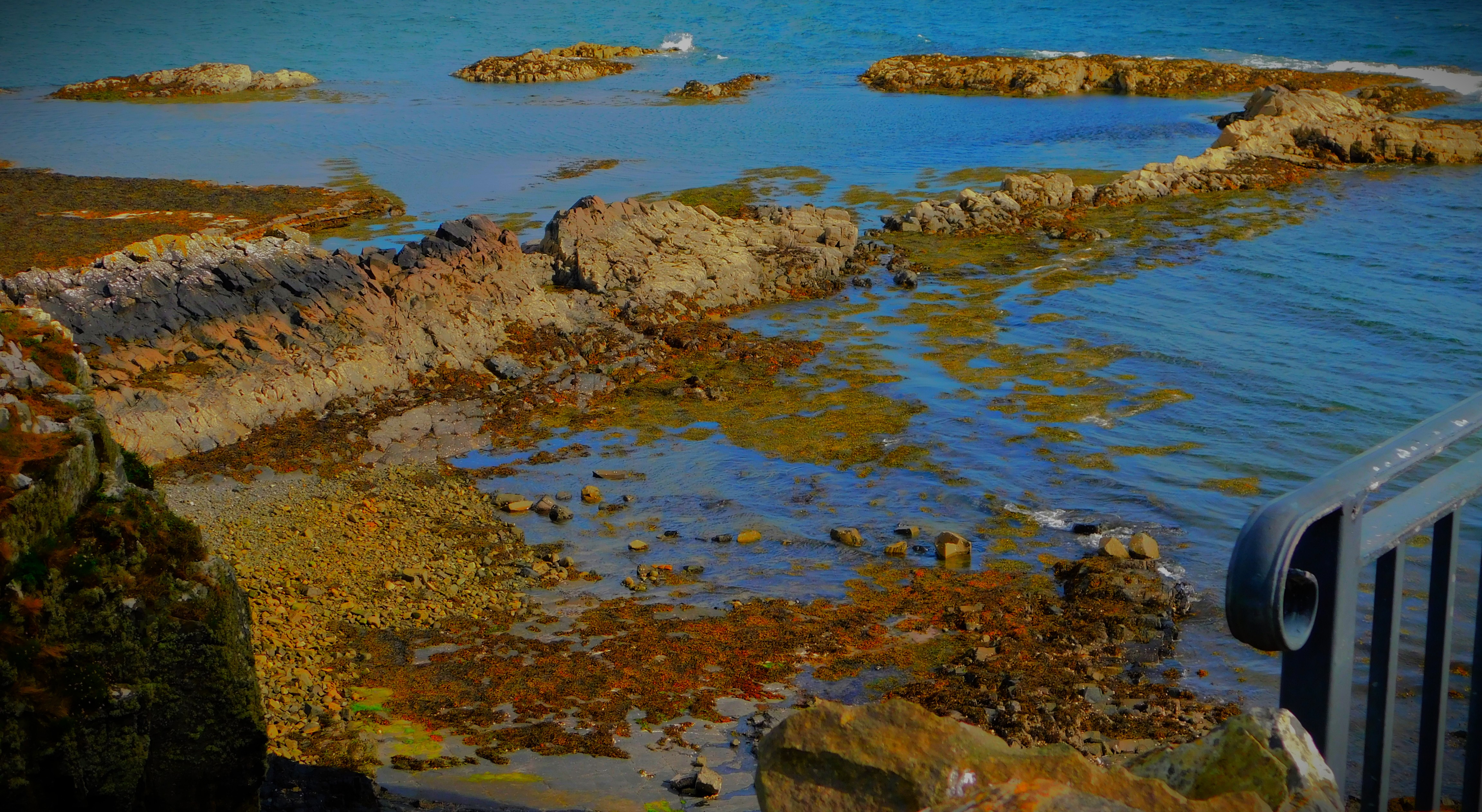
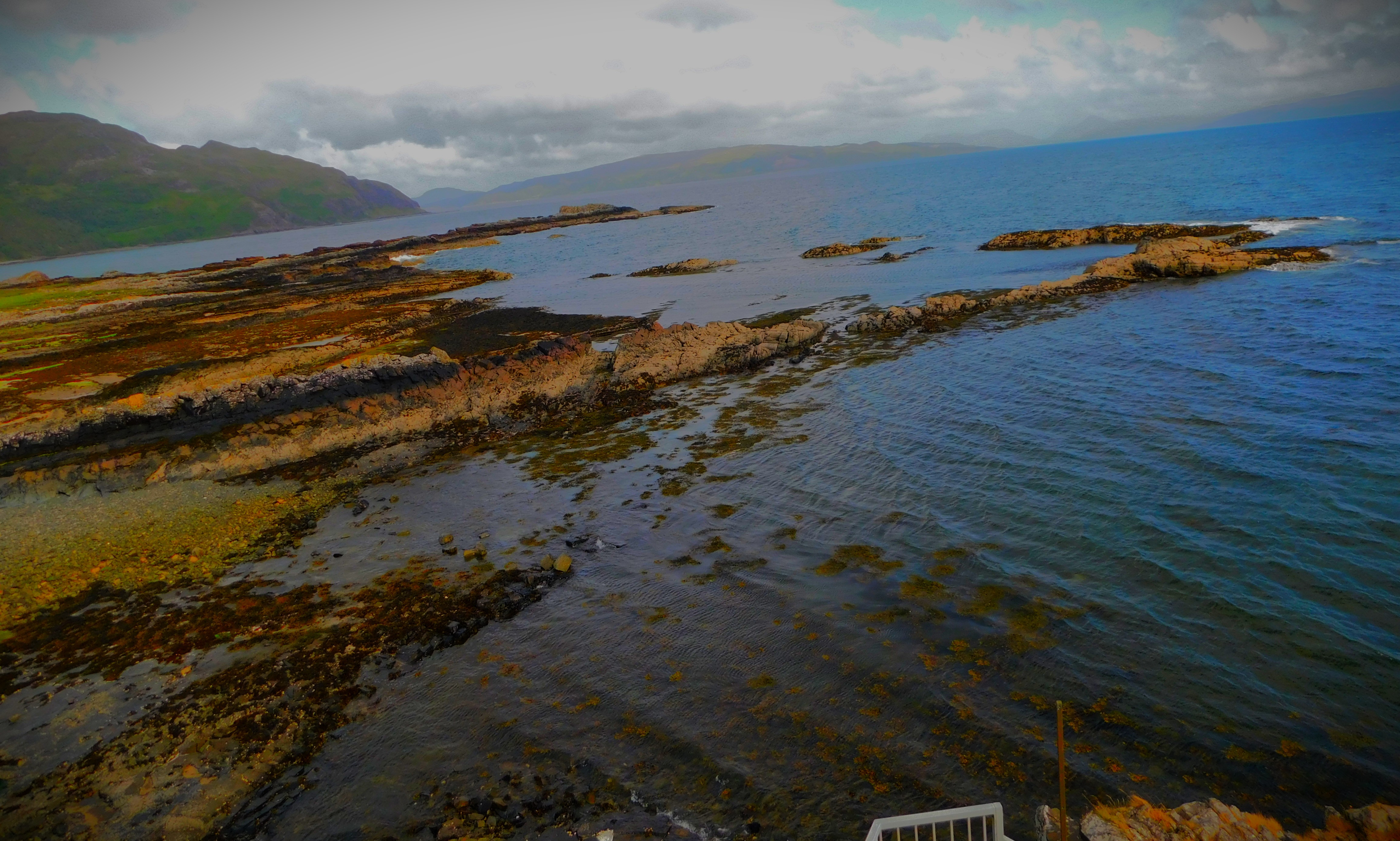
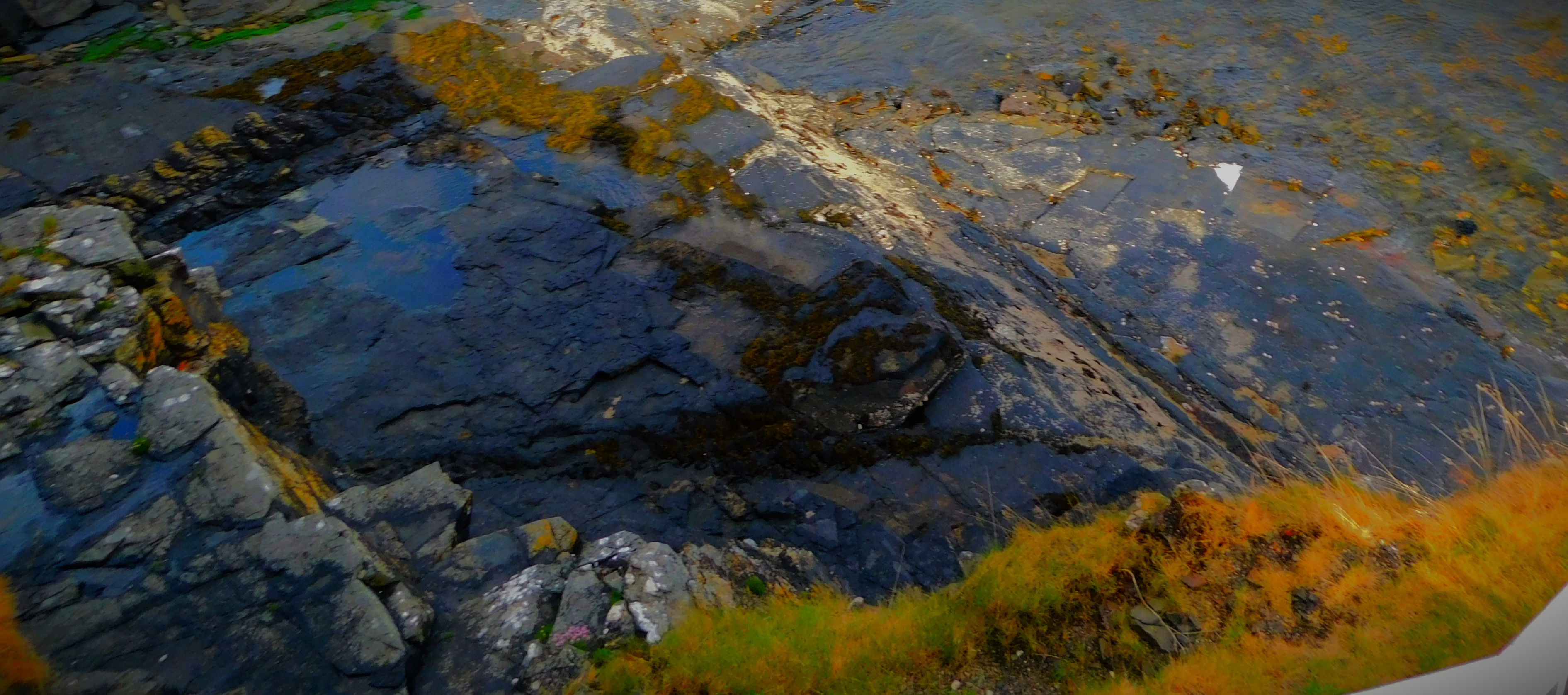
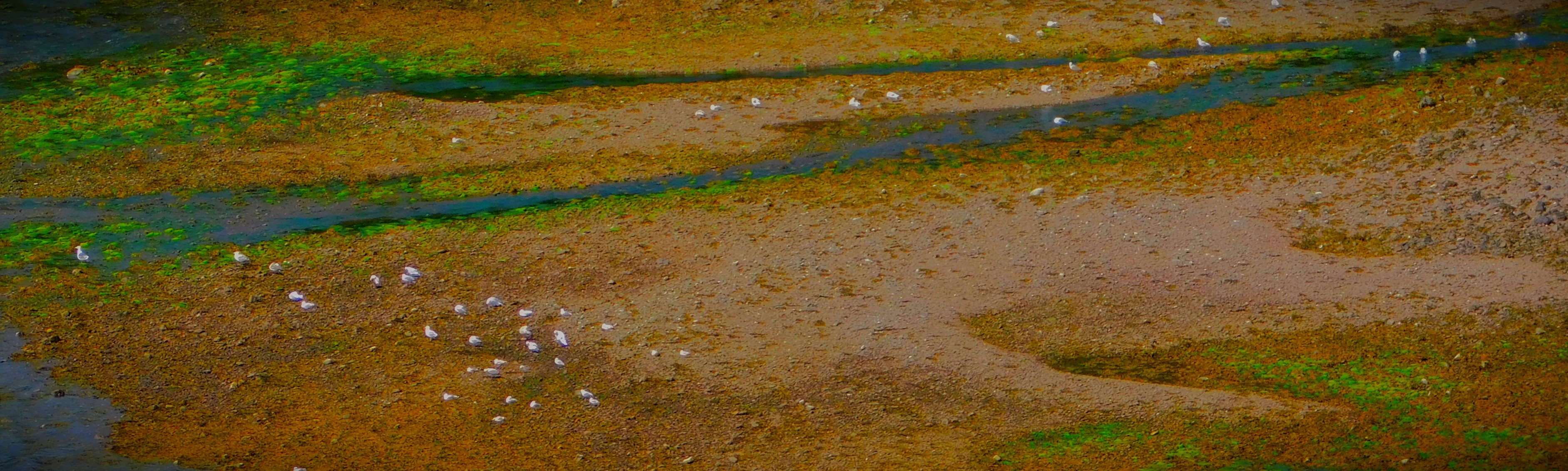
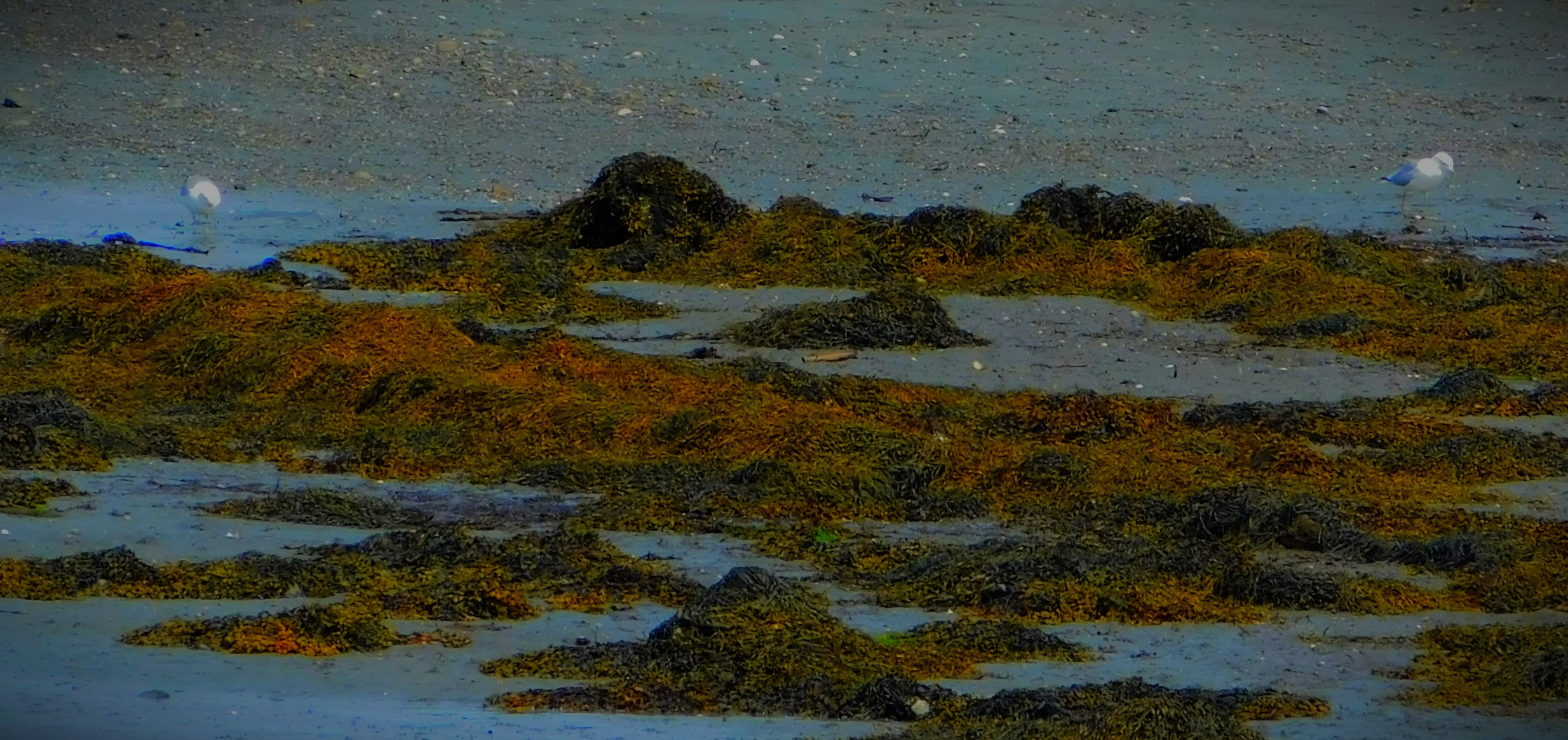
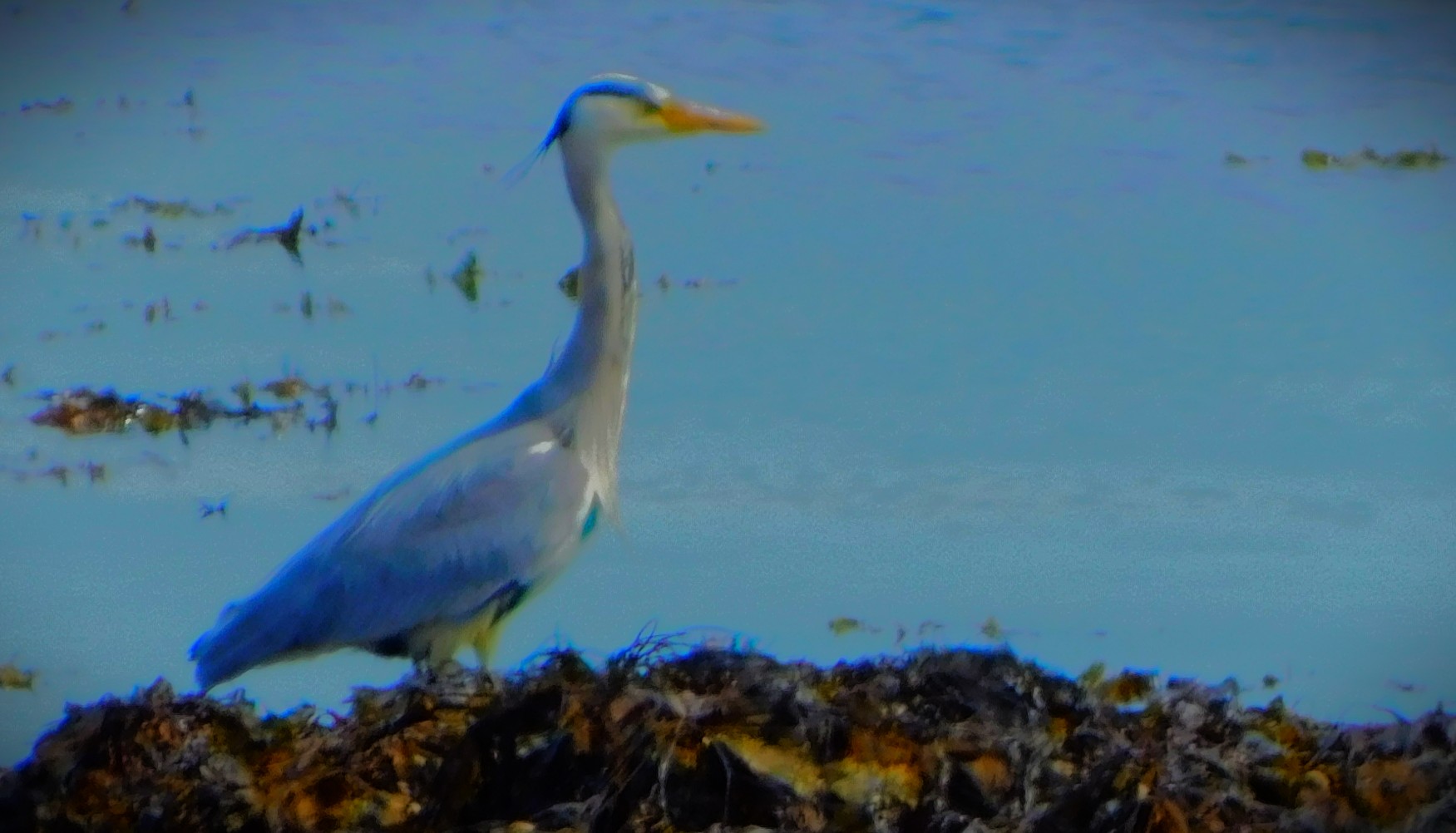
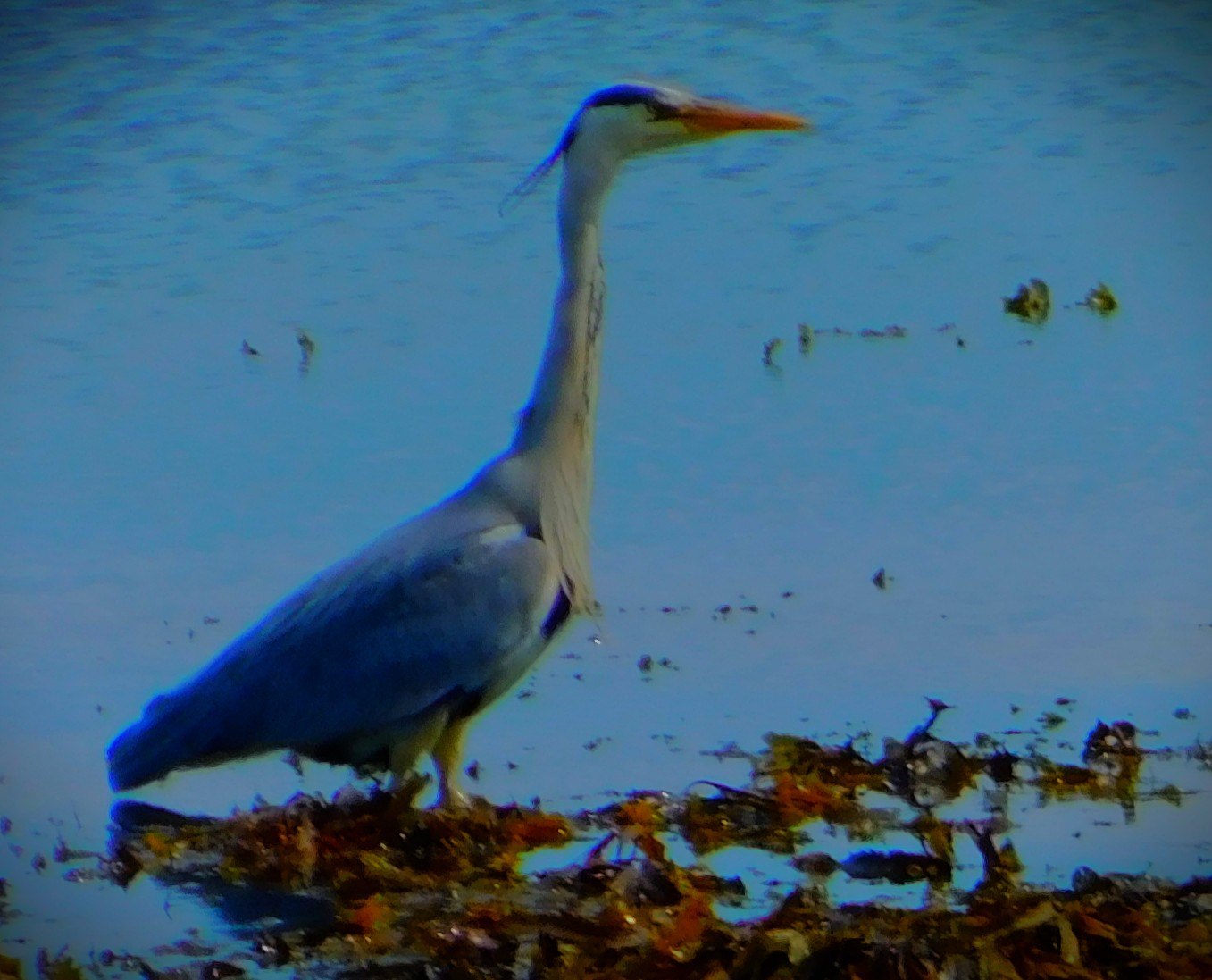
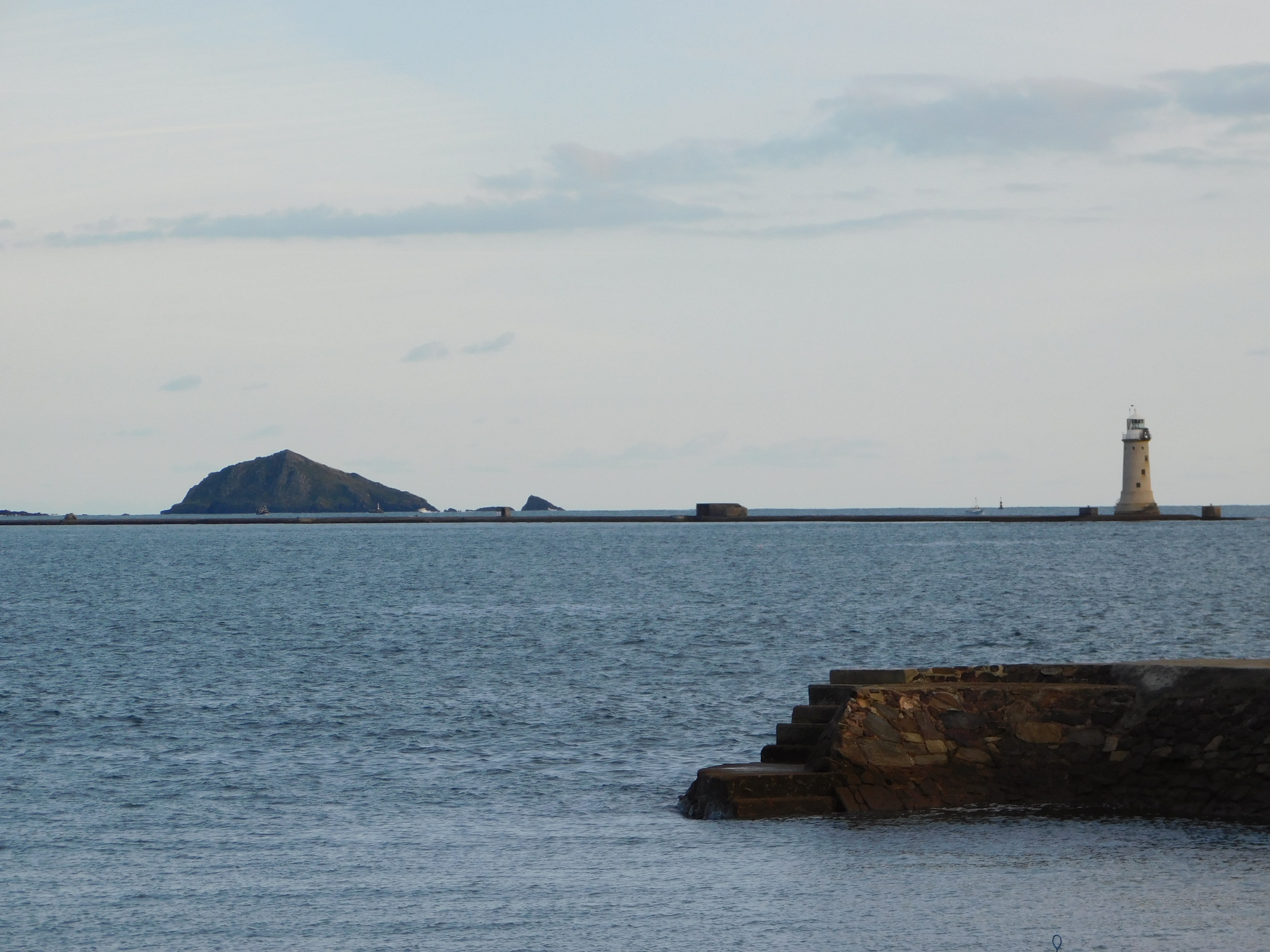
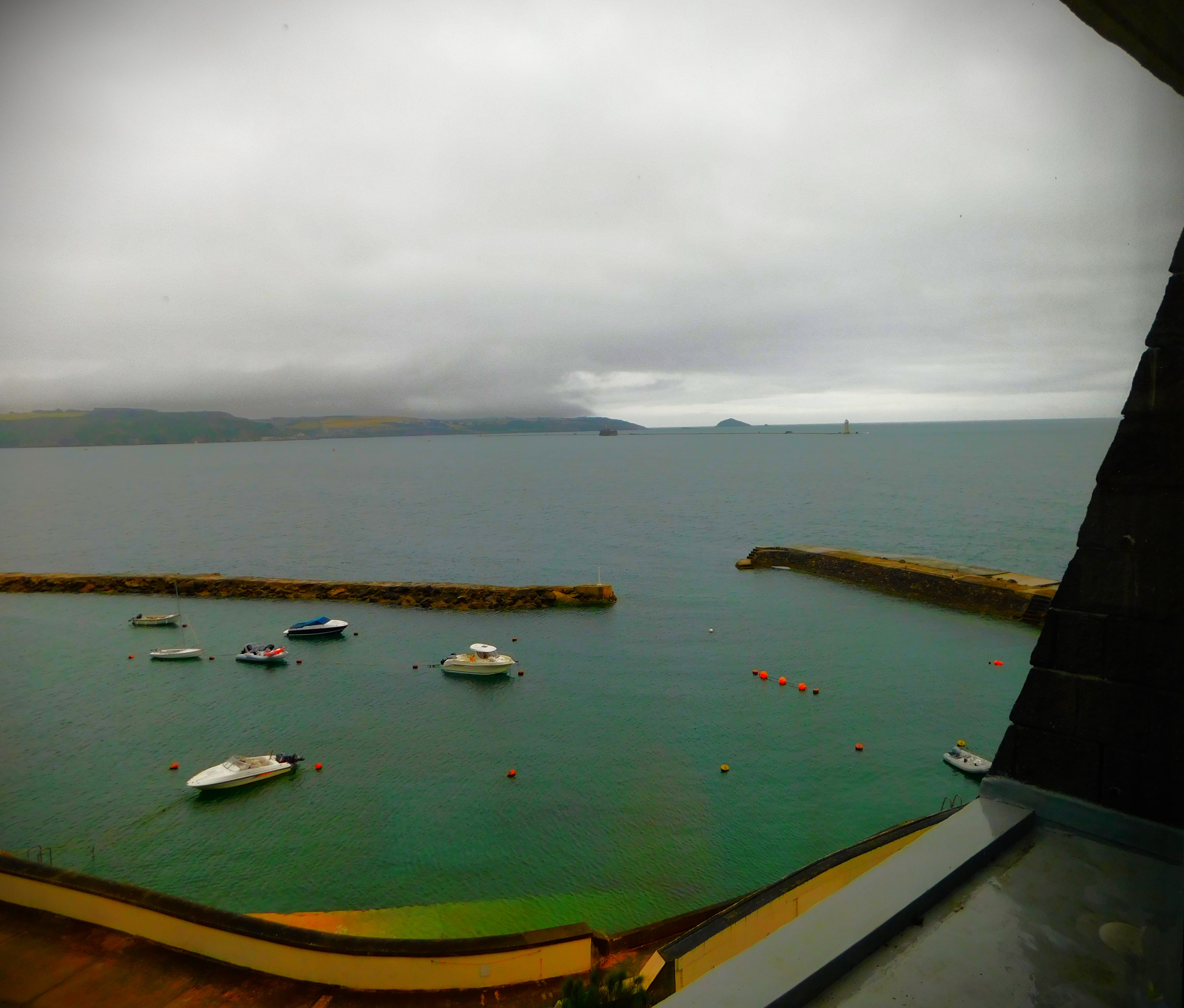
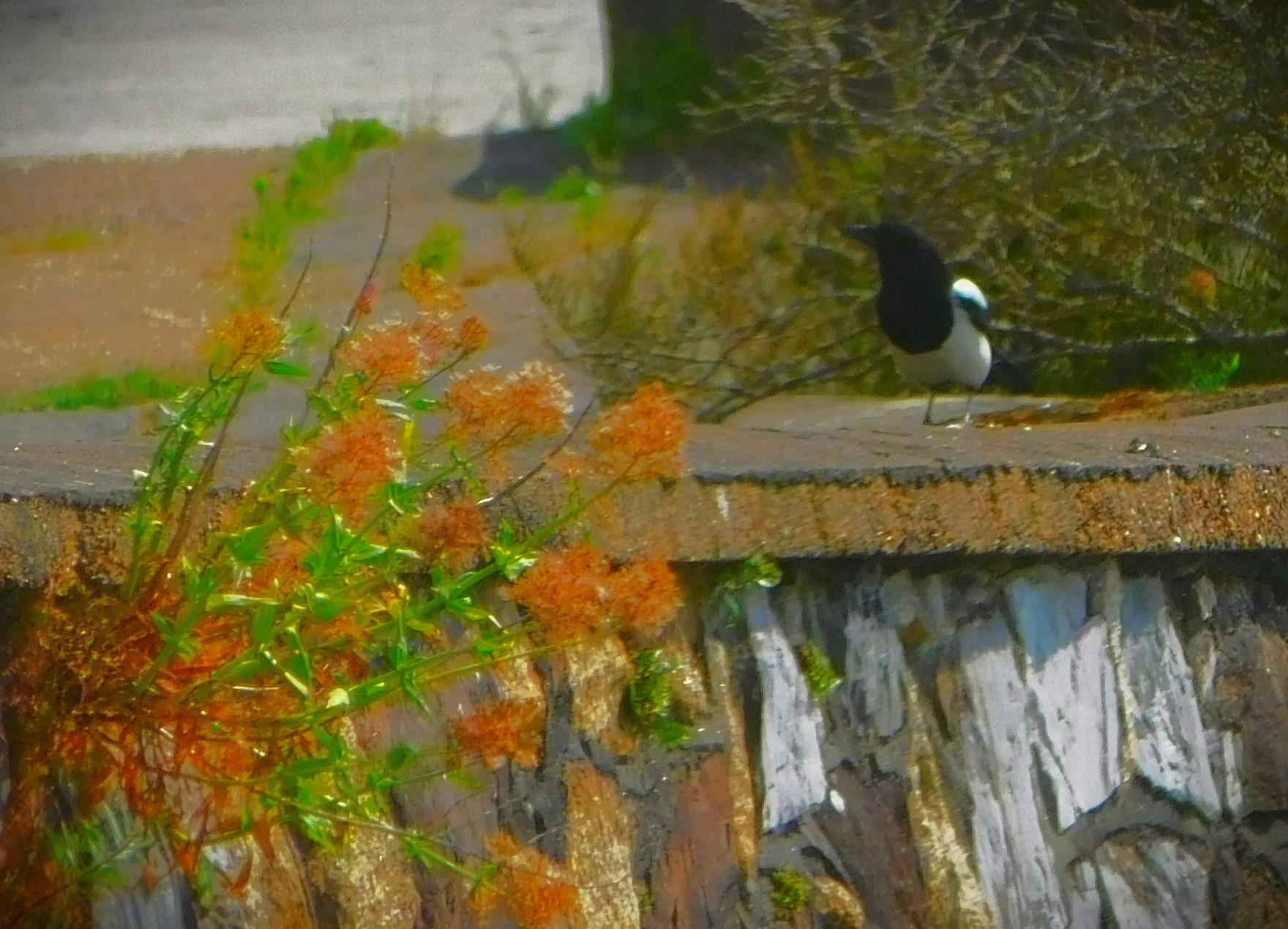
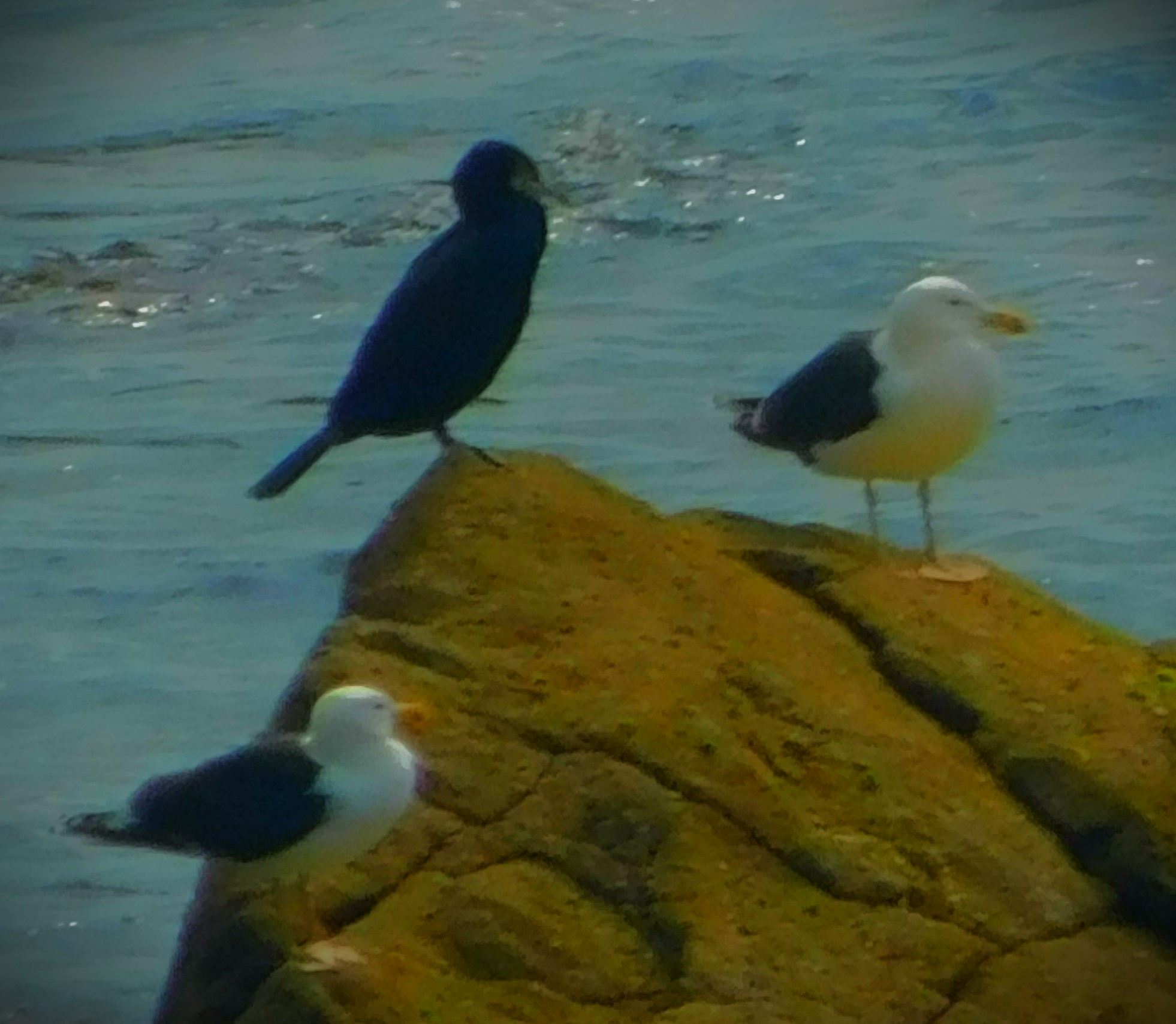
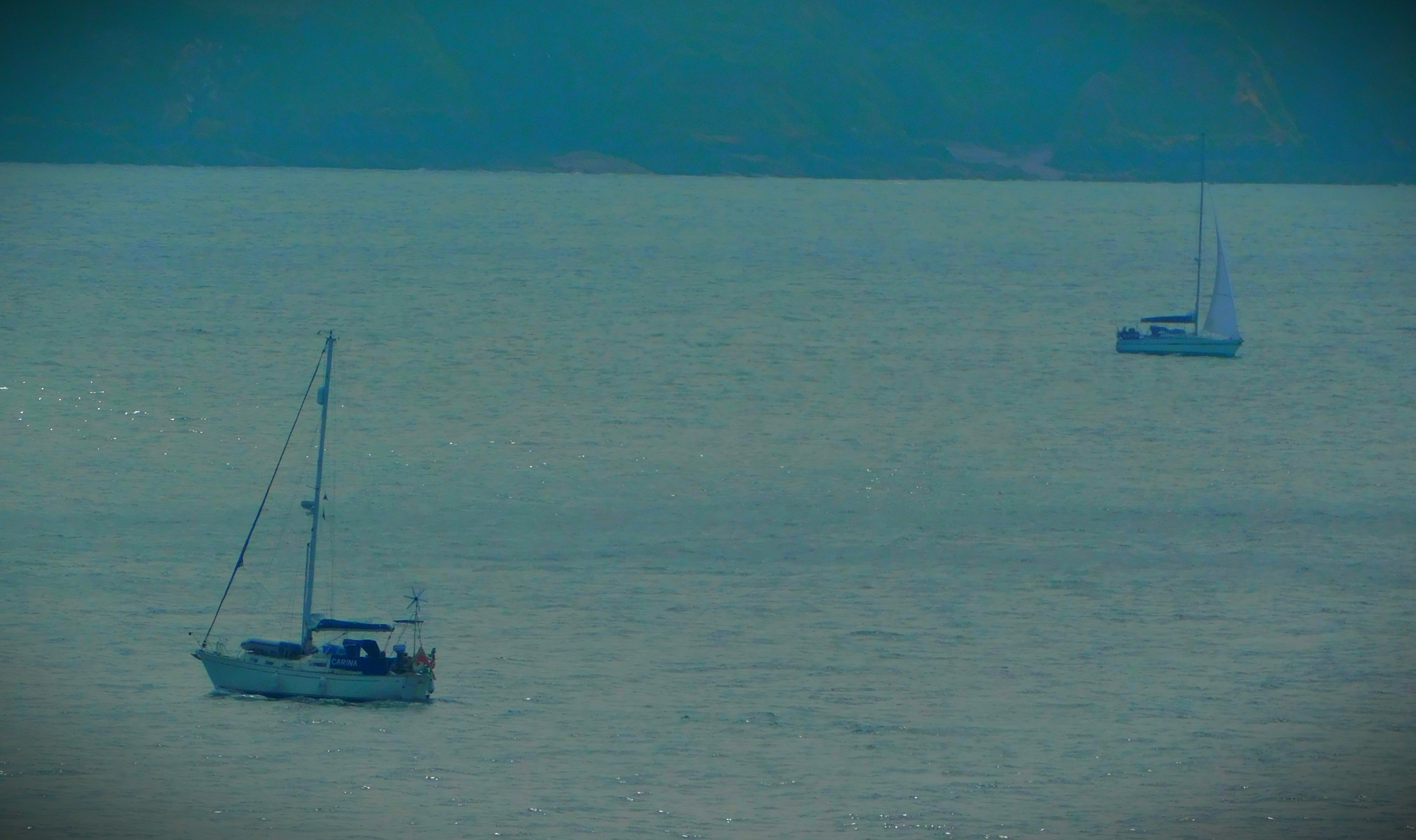
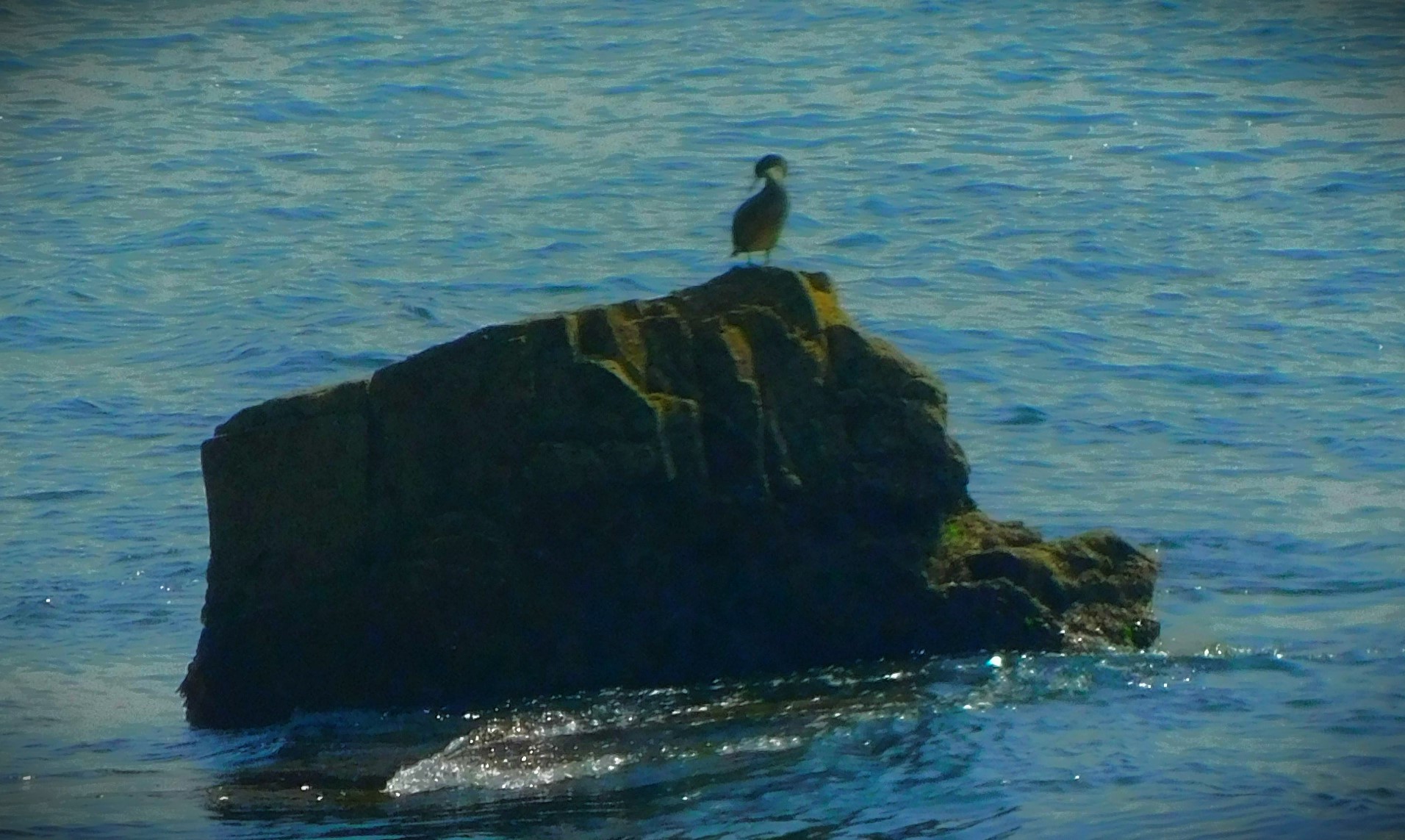
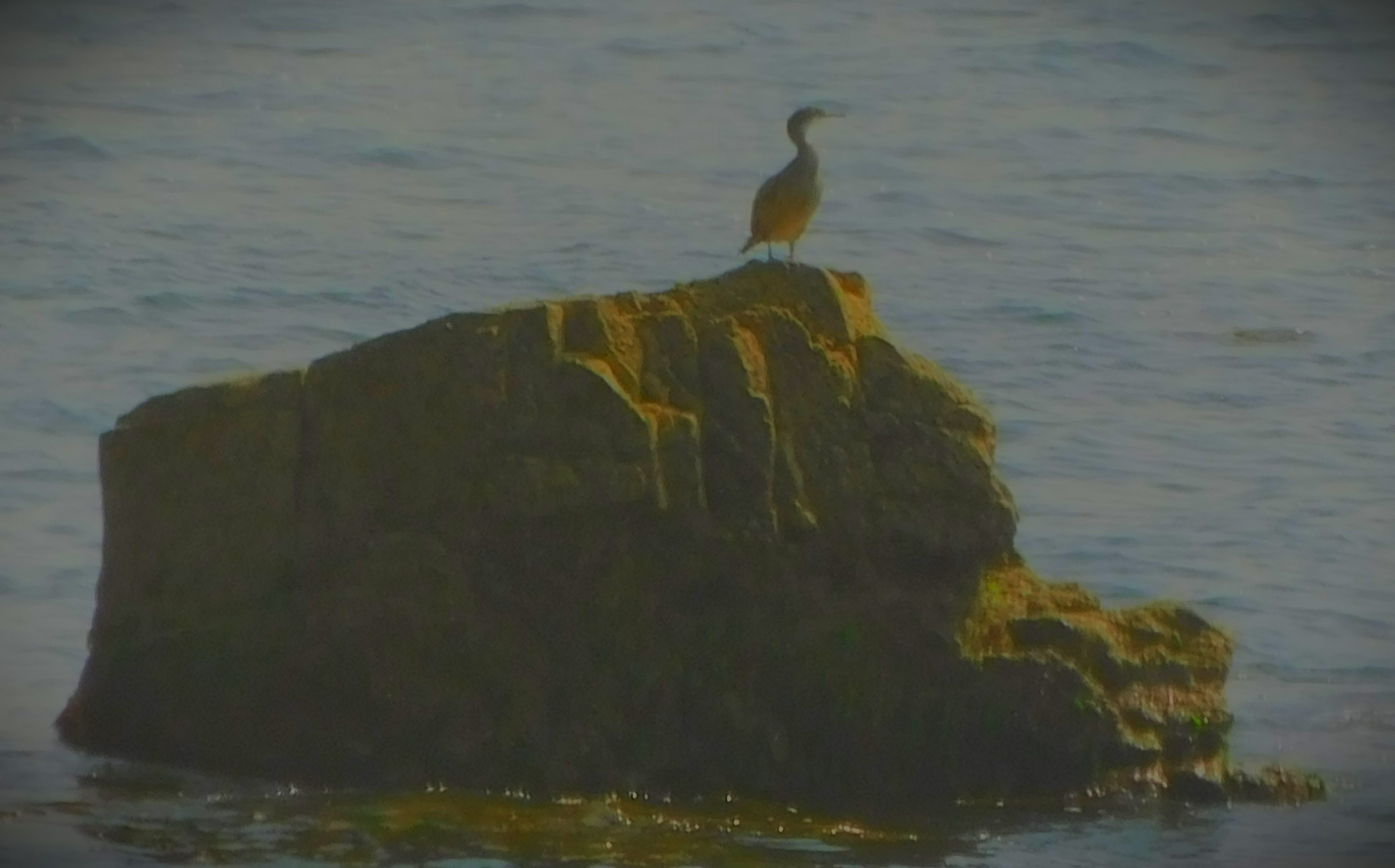
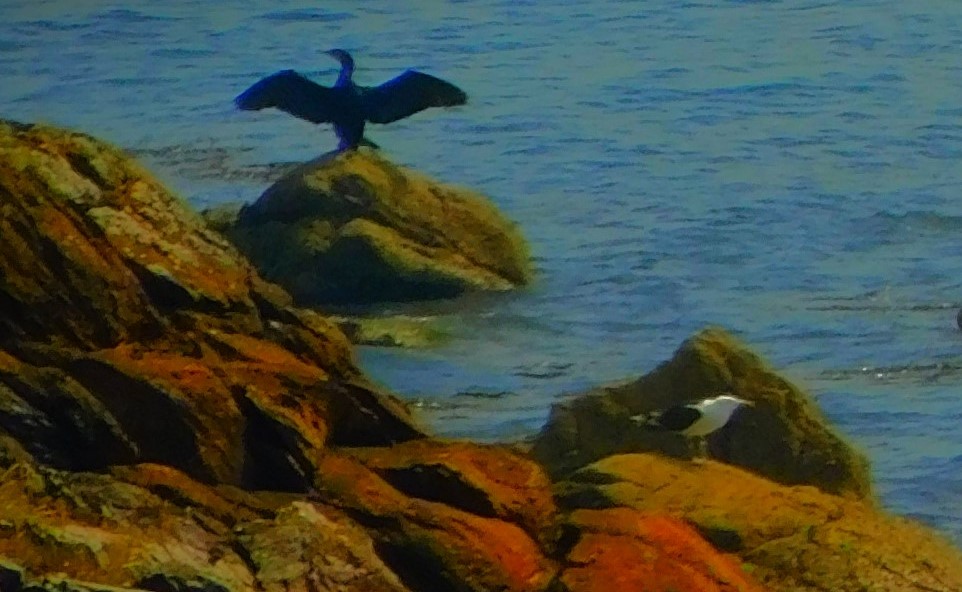
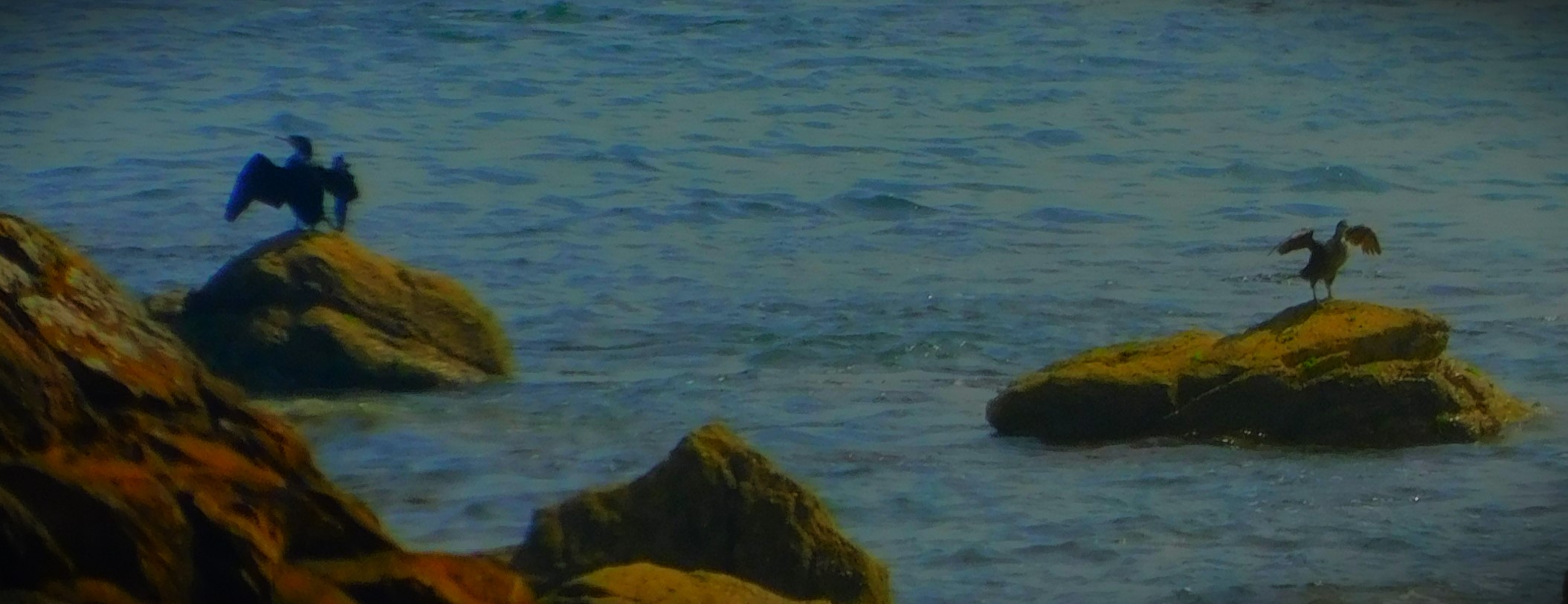
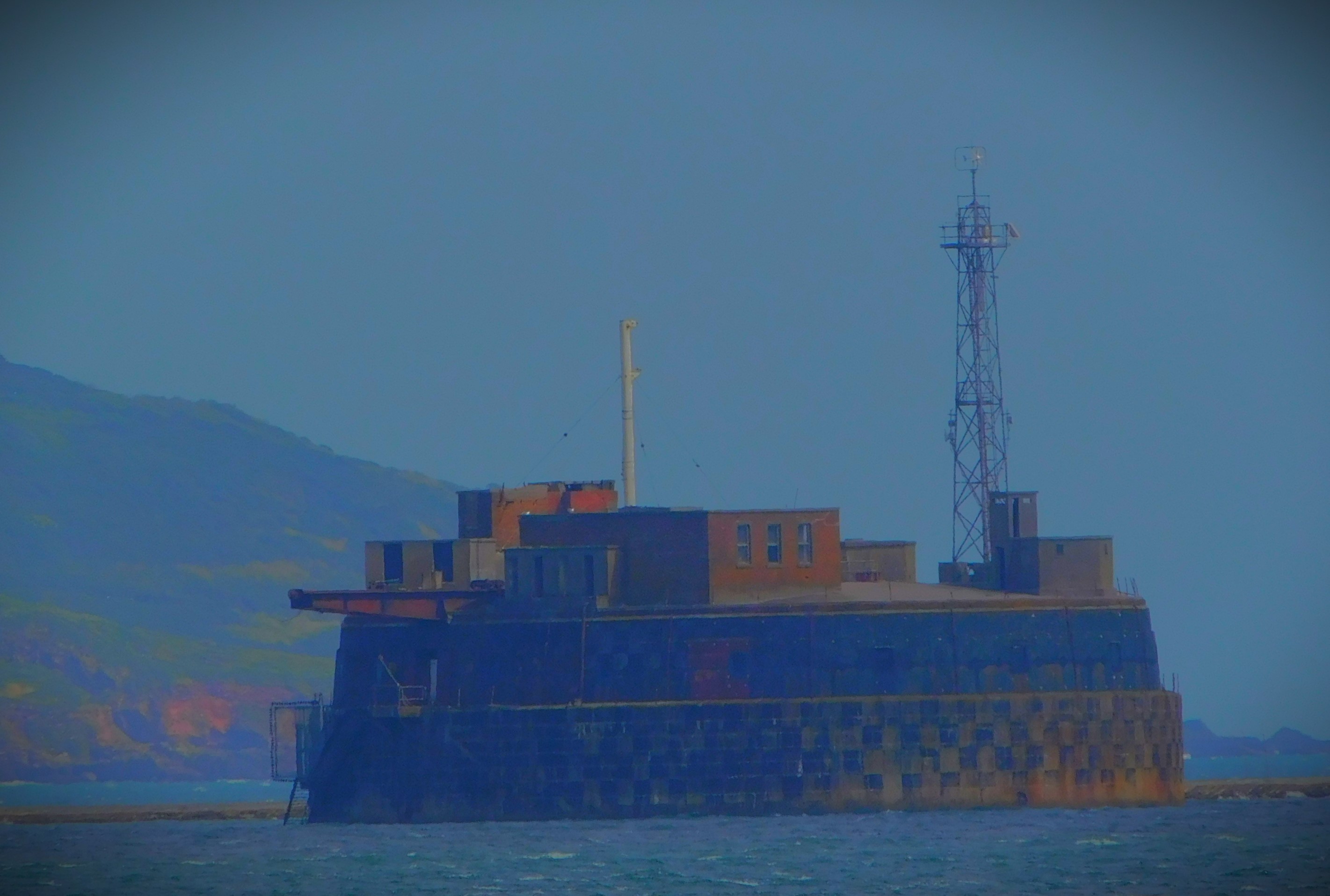
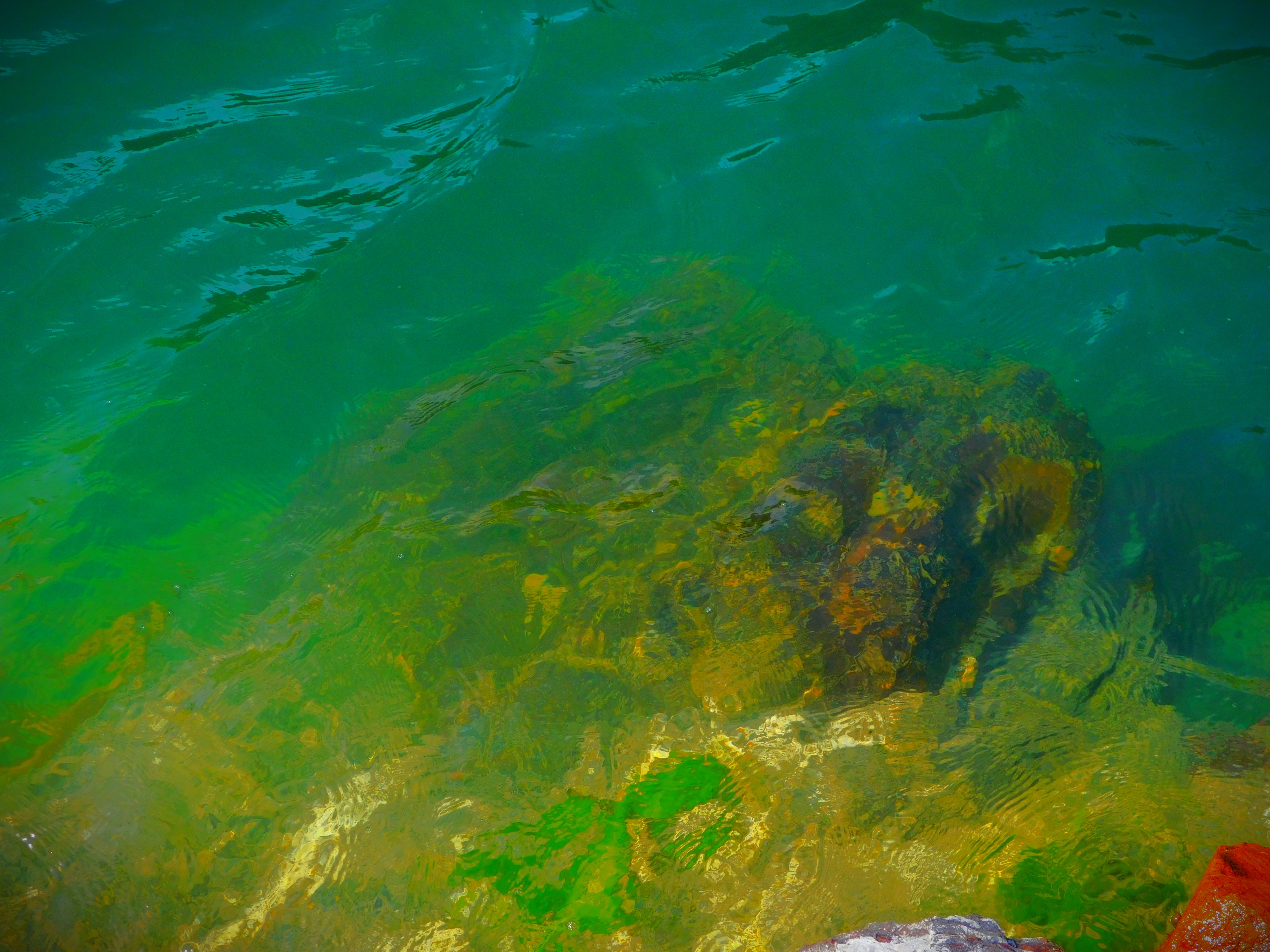
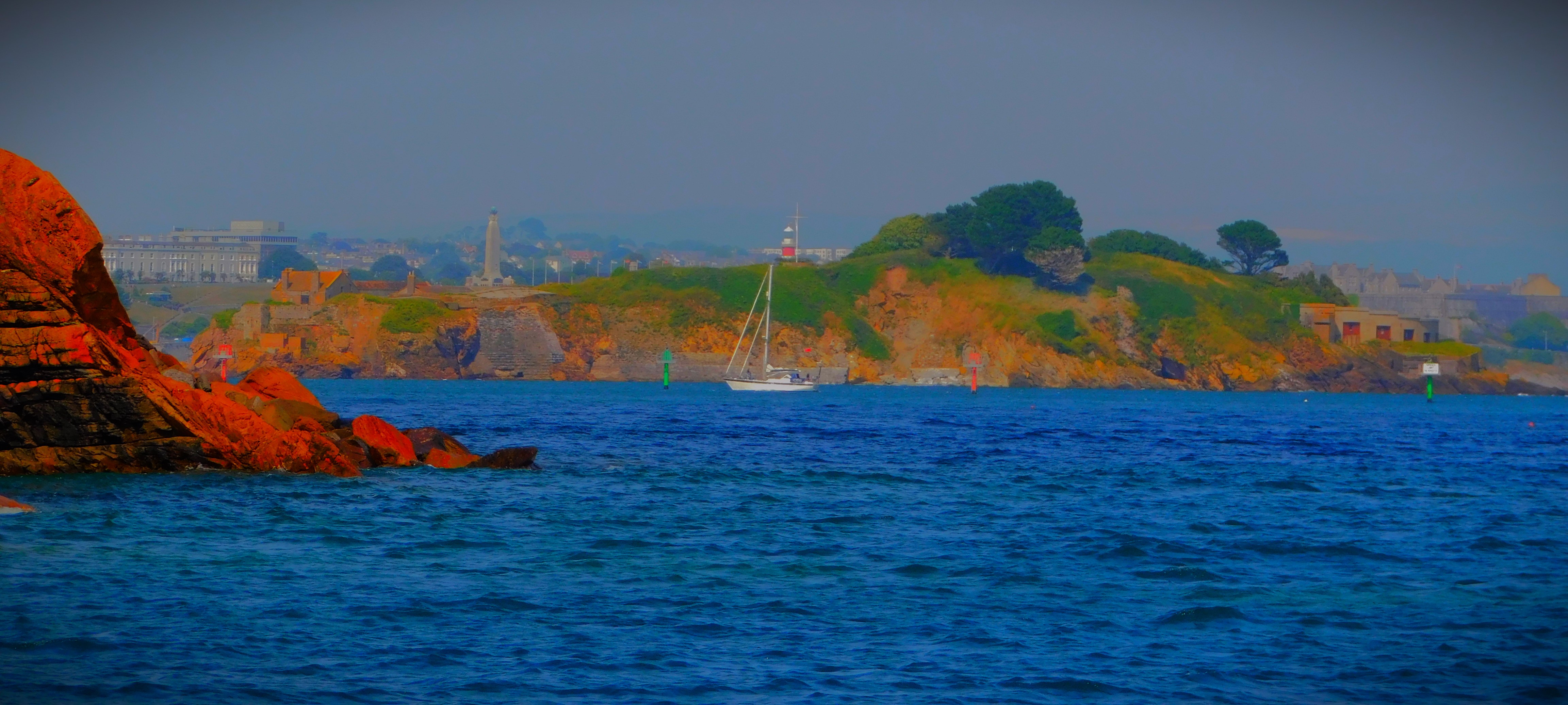
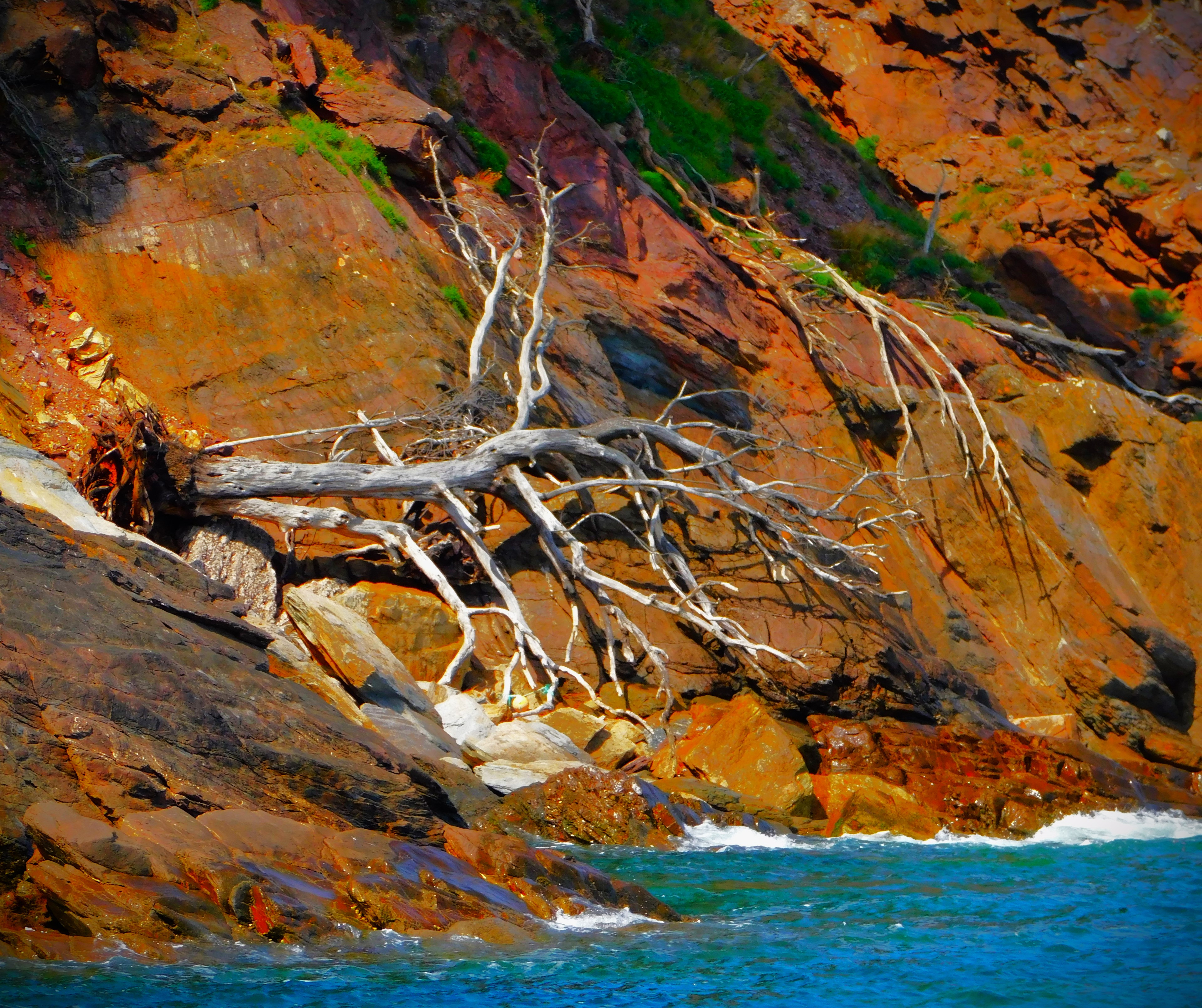
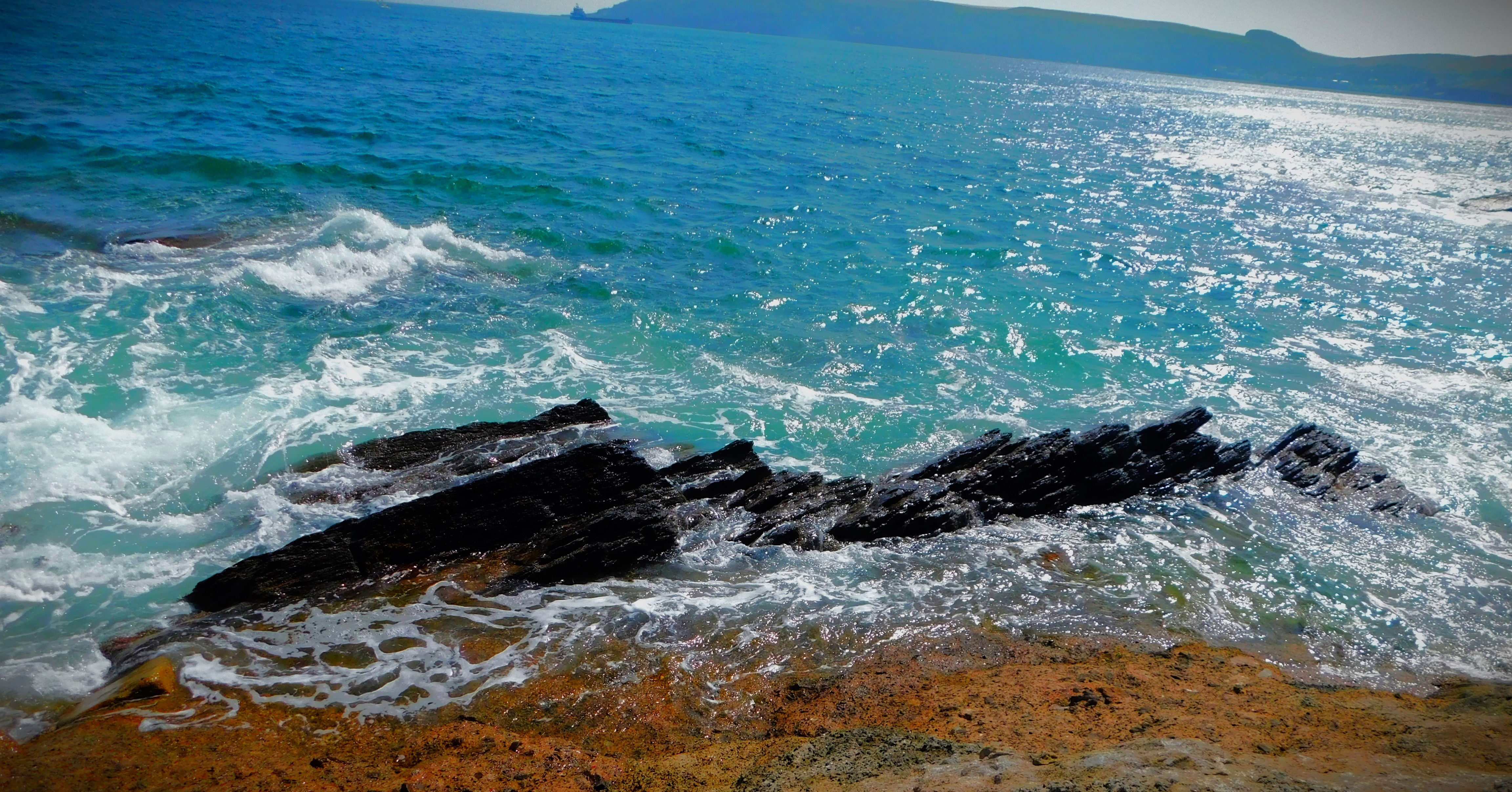
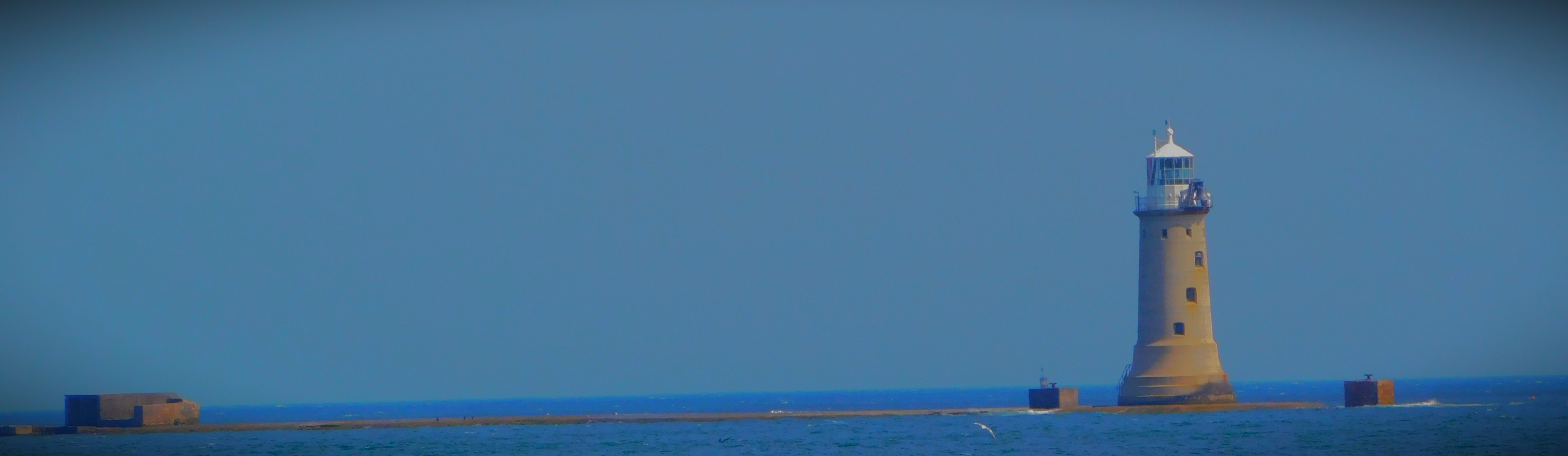
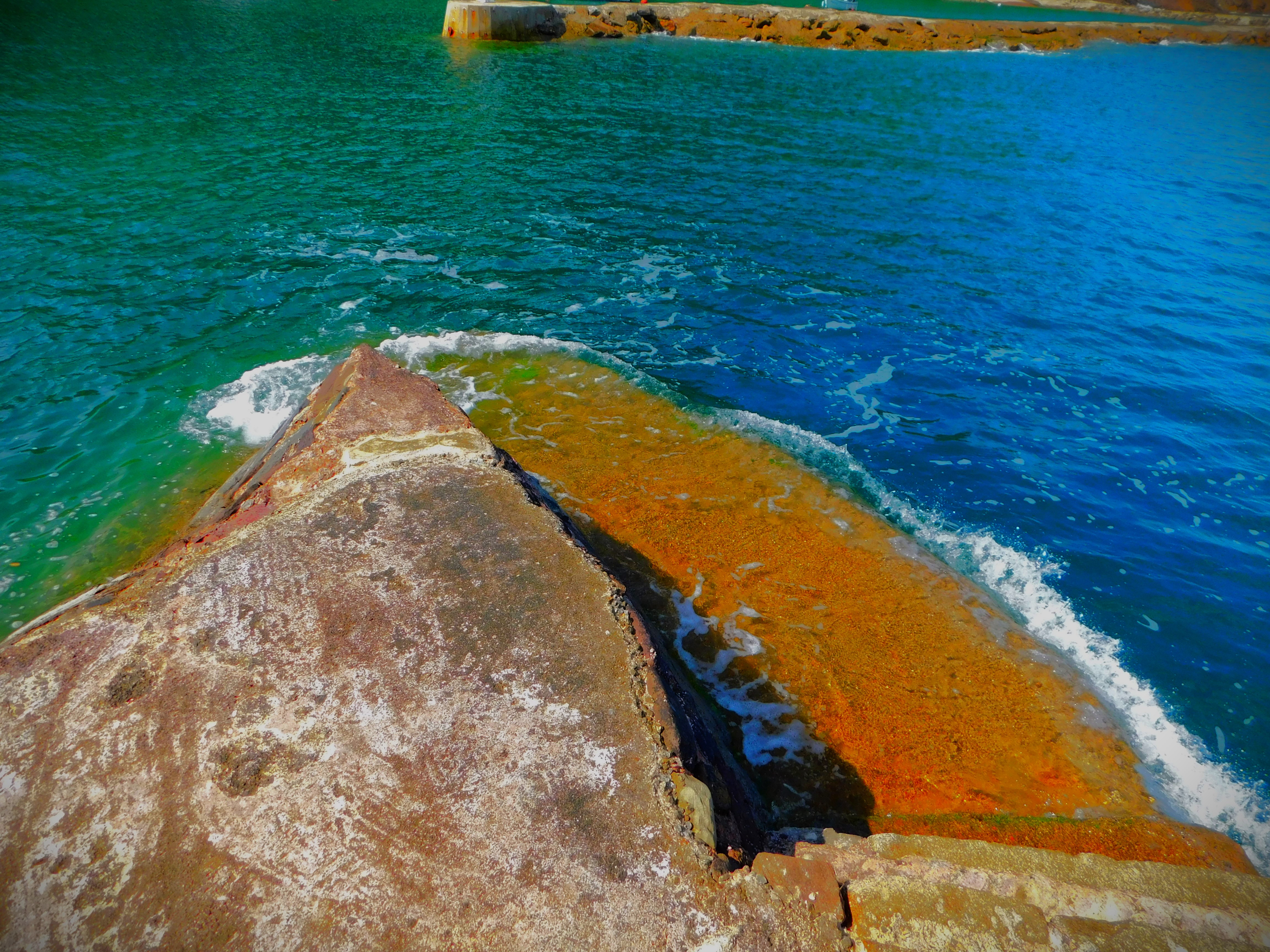
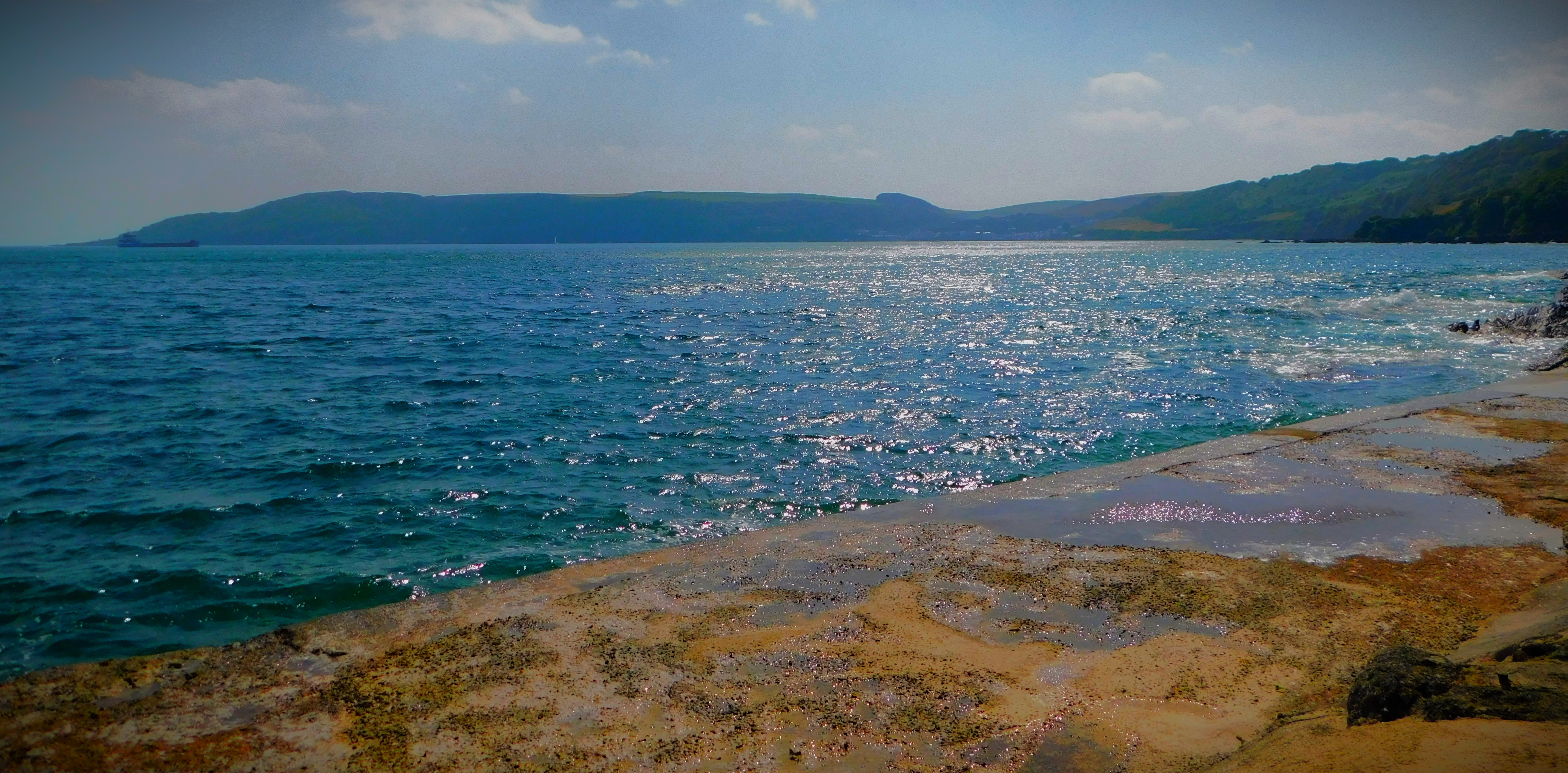
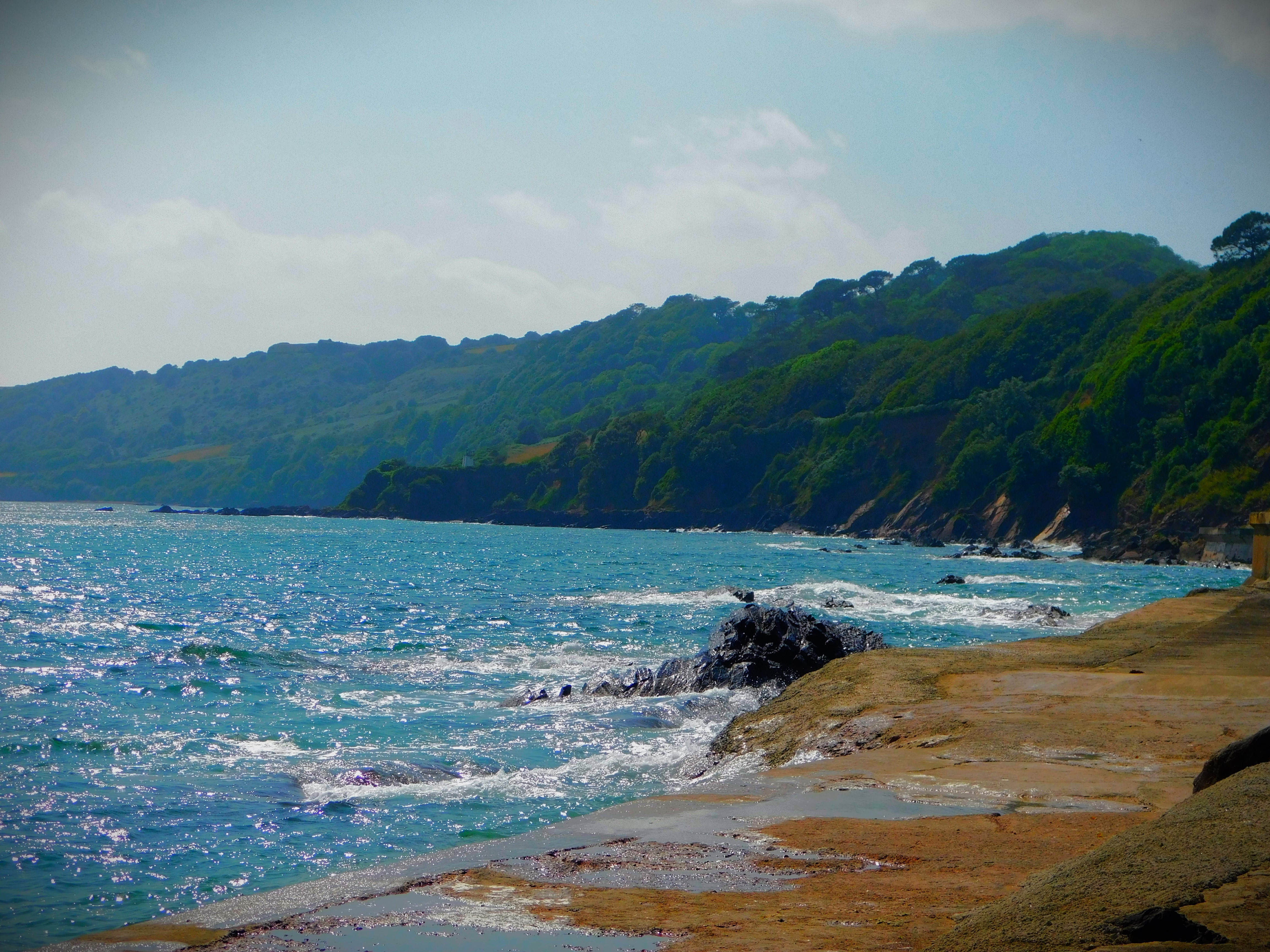
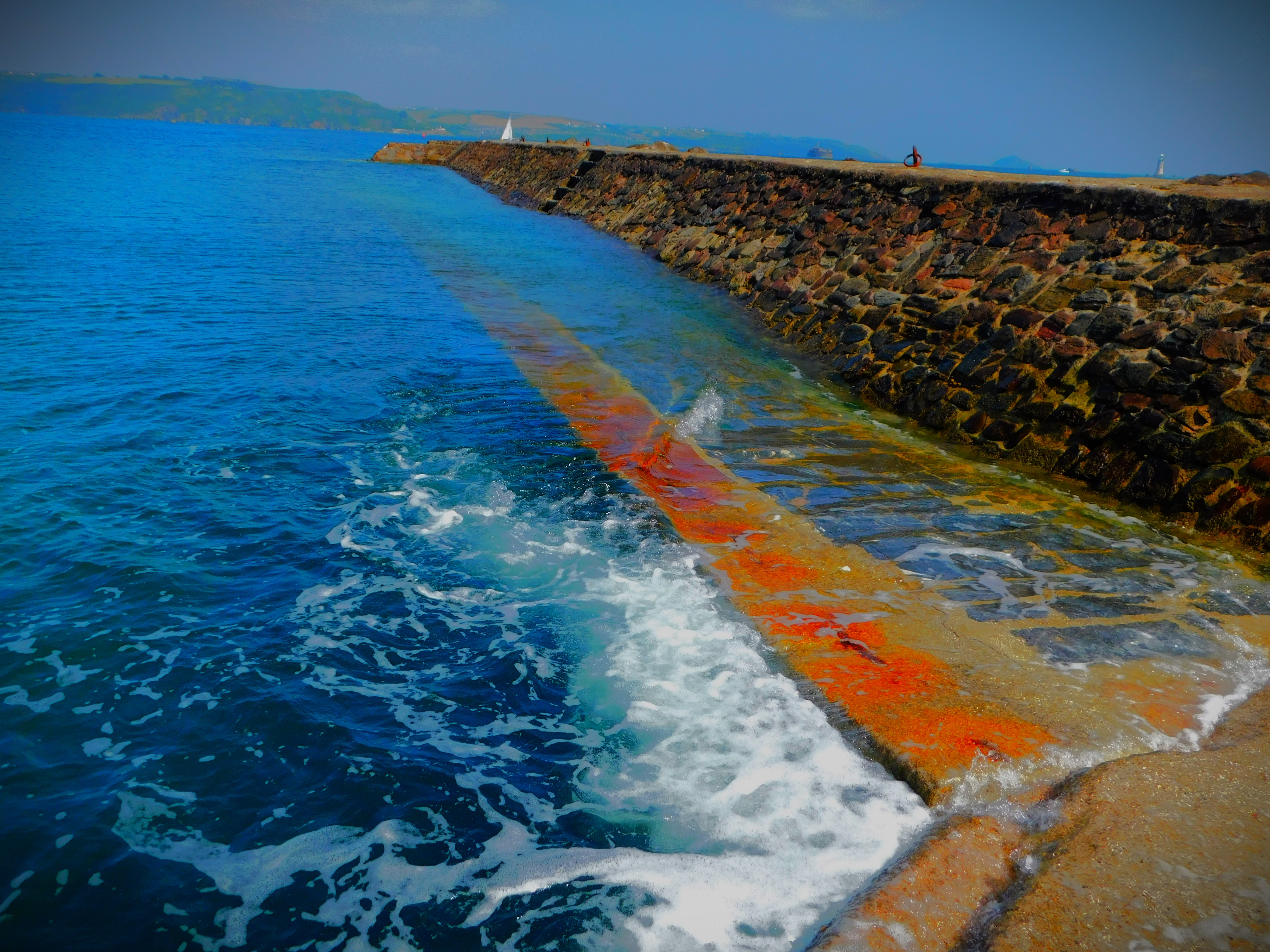
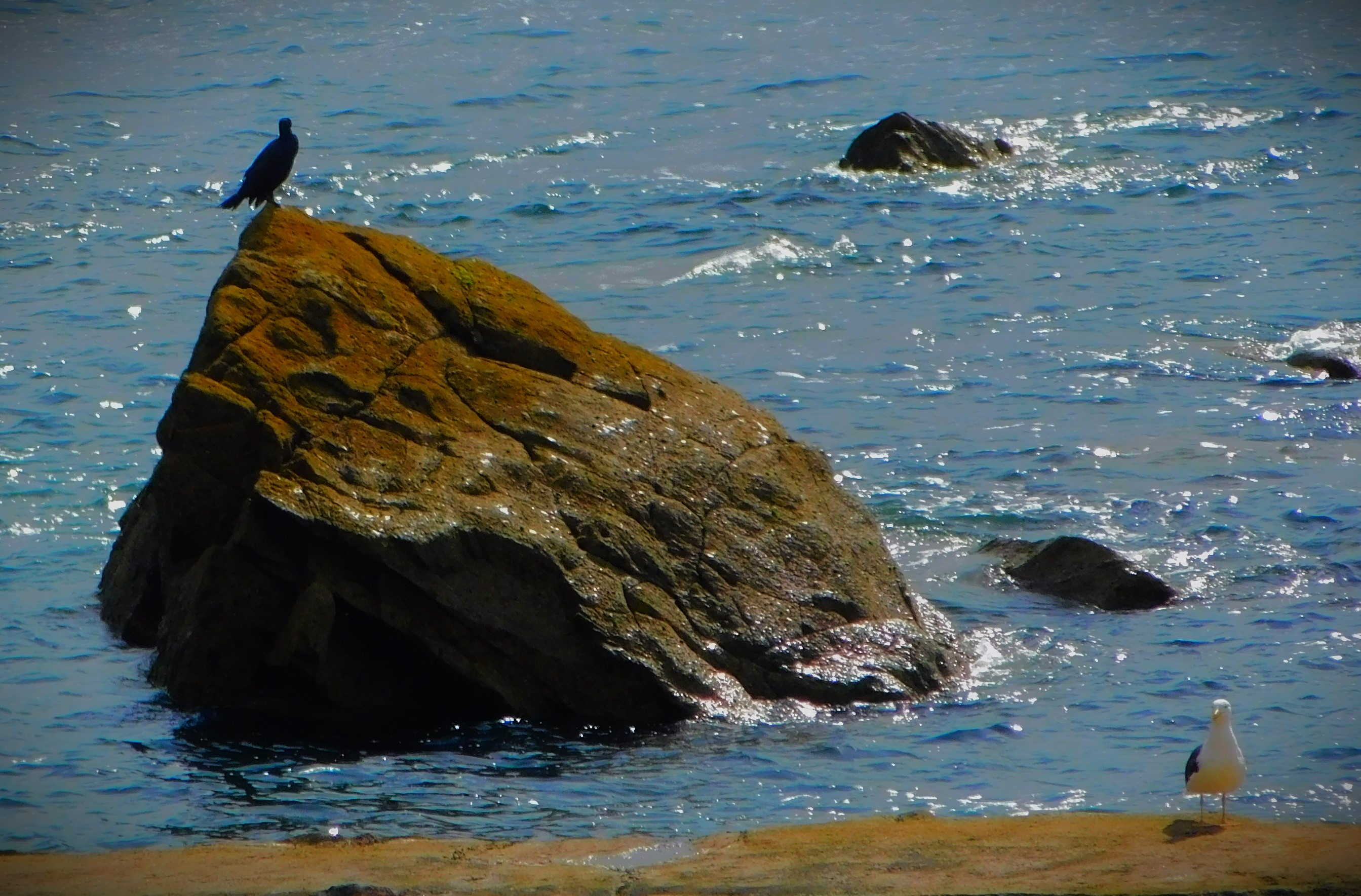
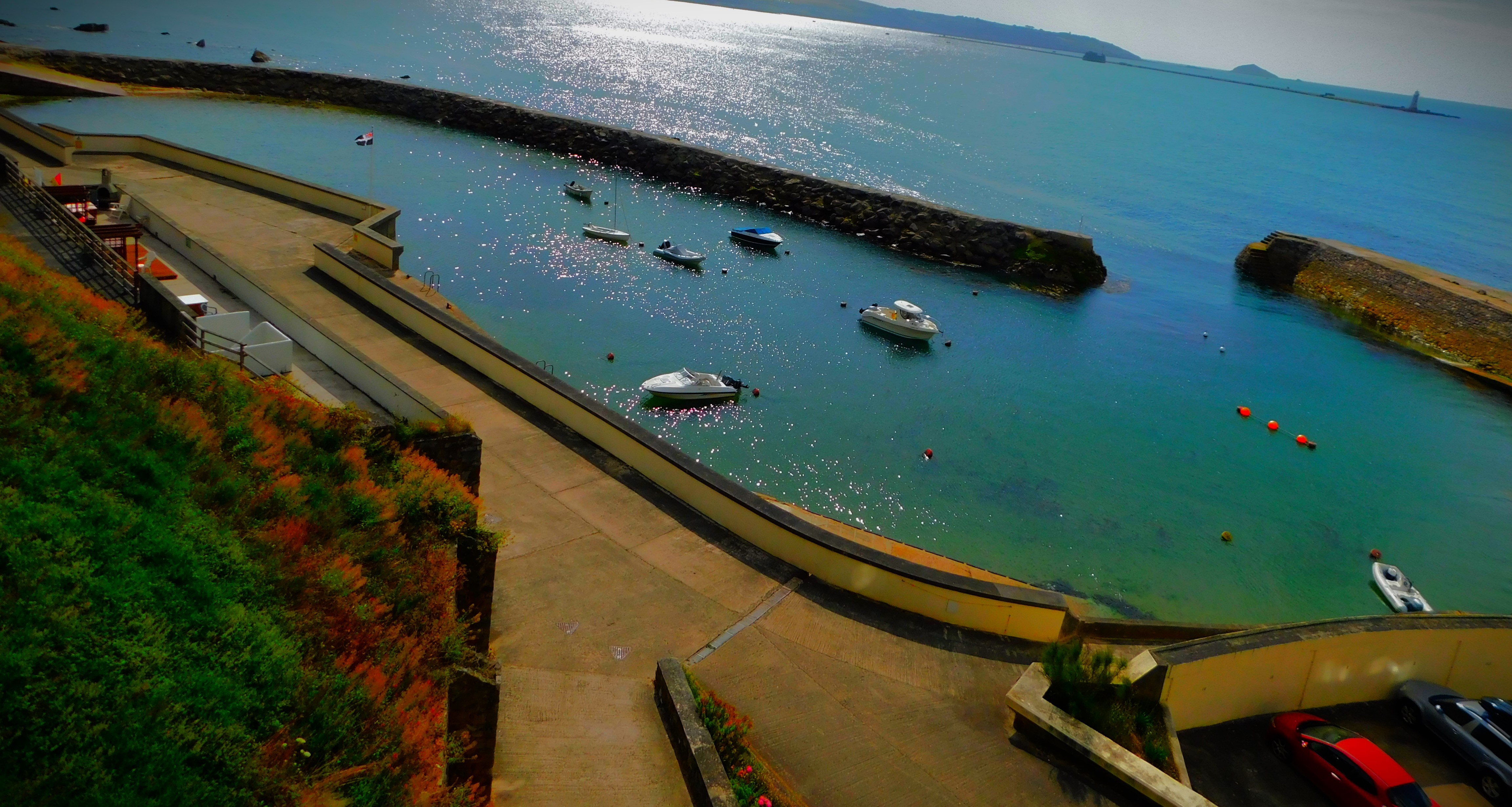
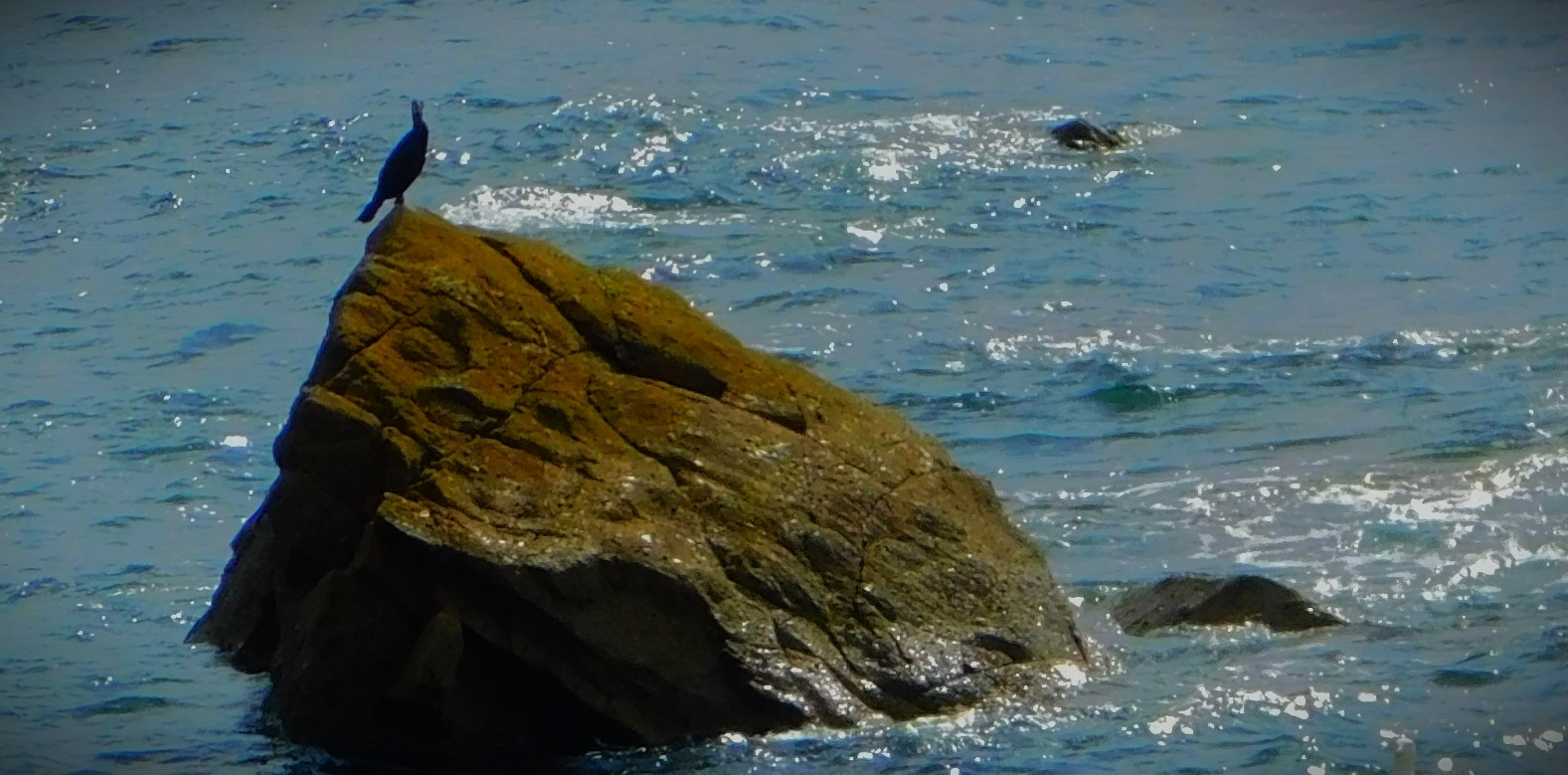
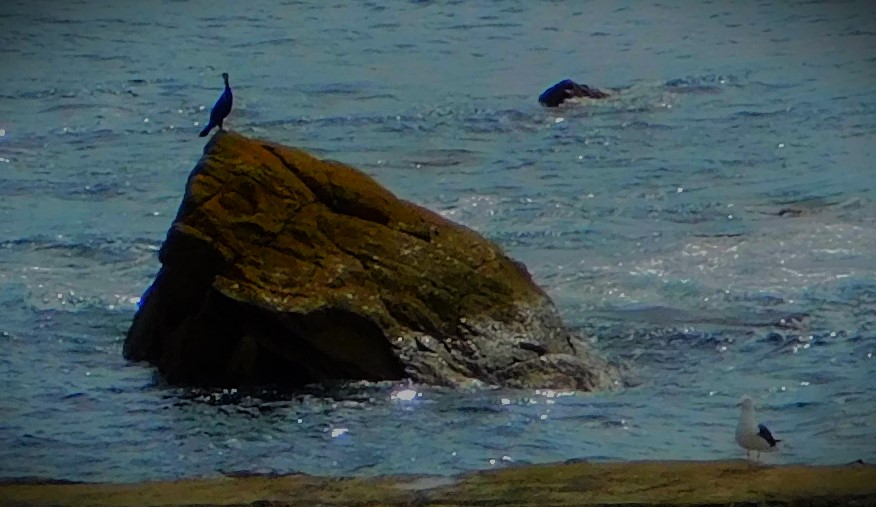
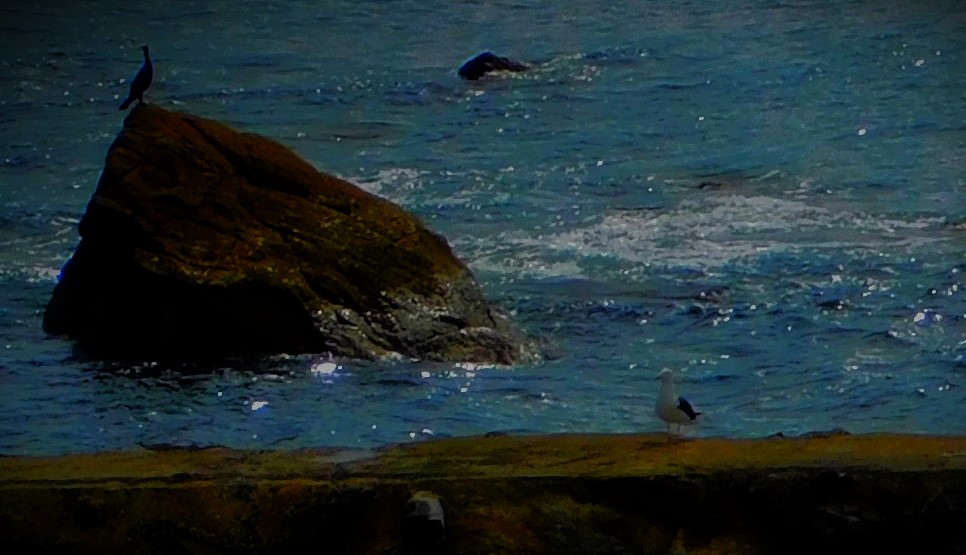
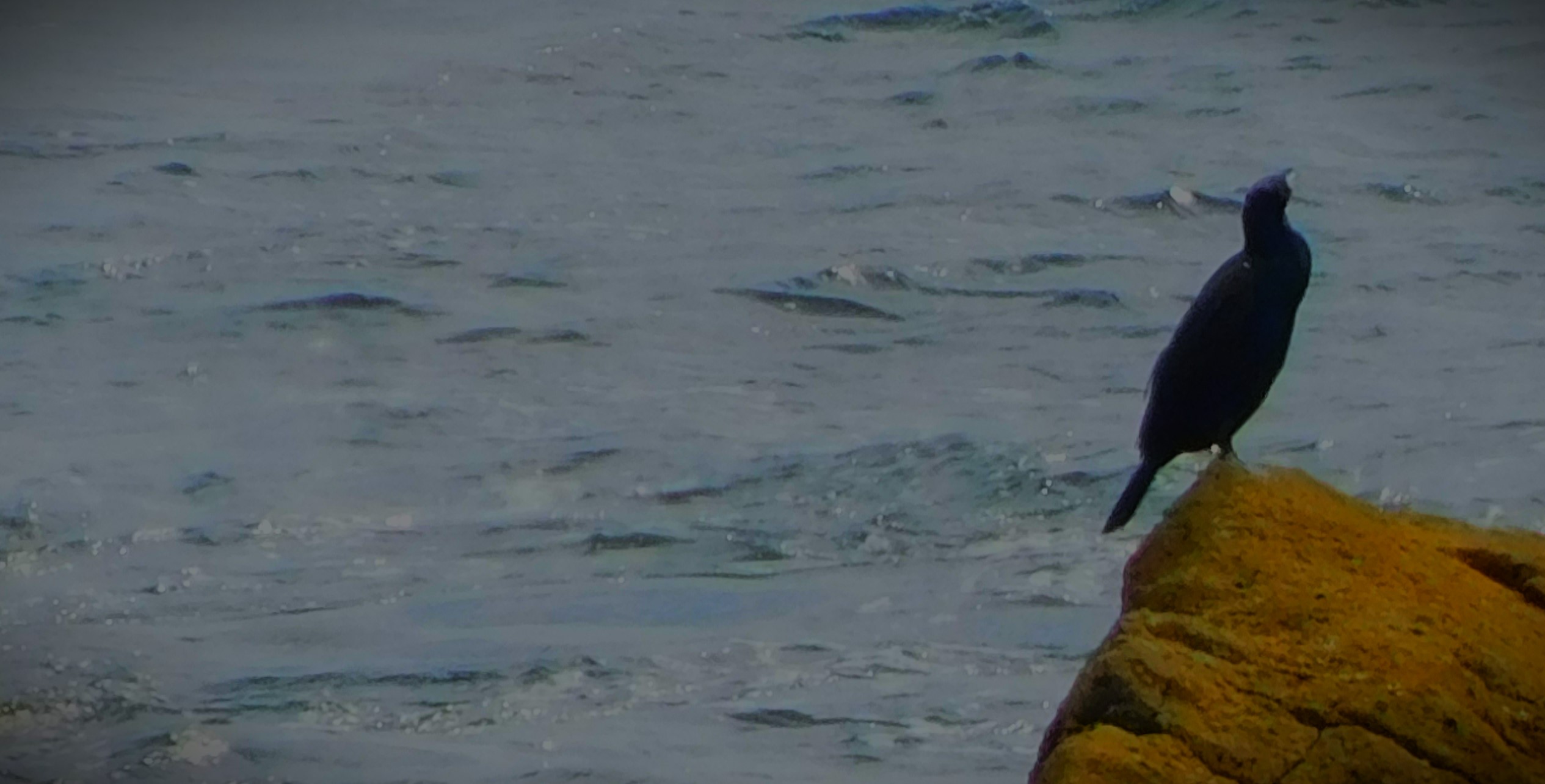
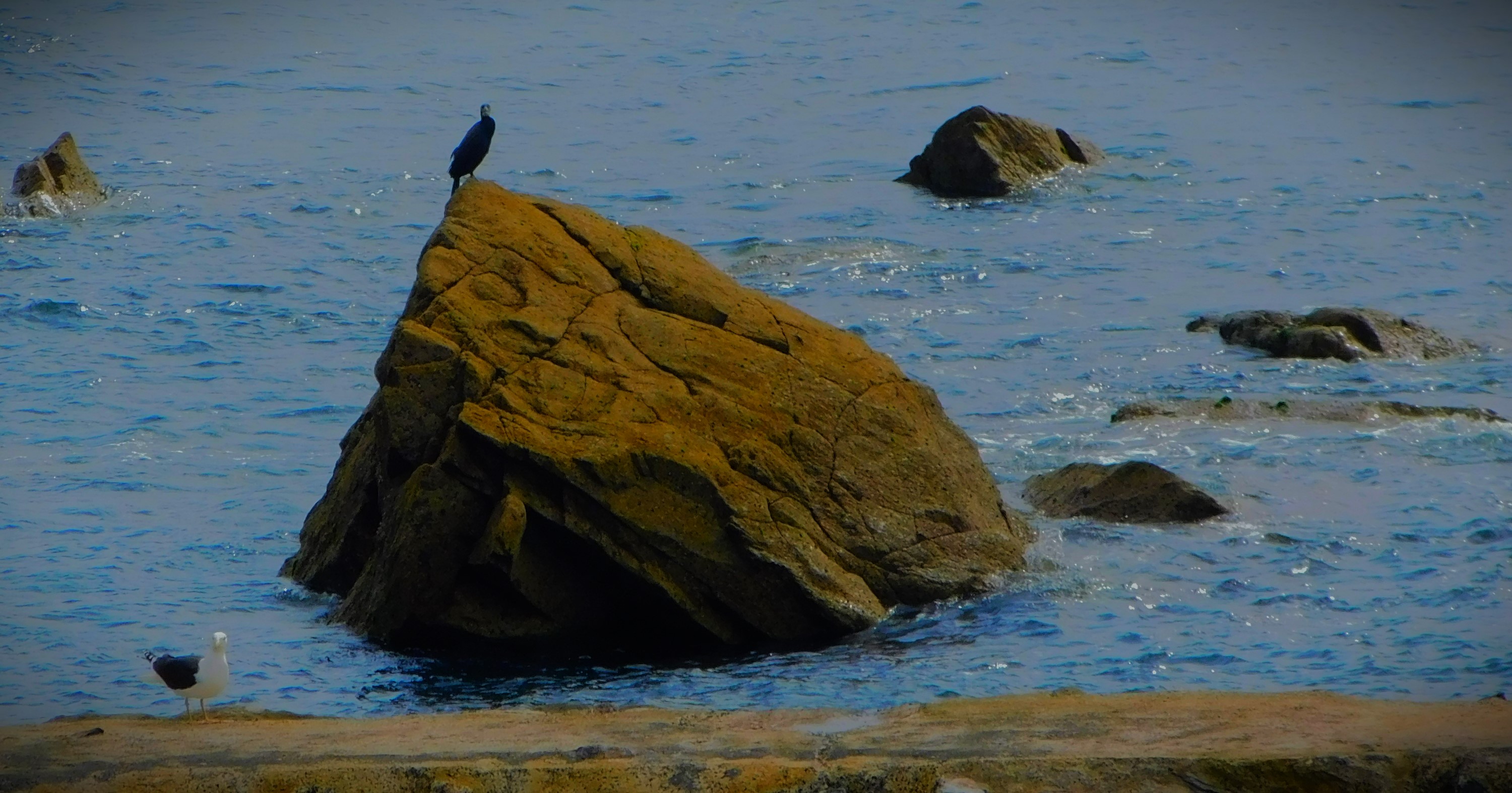
The fort has its own small harbour, and at low tide a number of rocks are exposed, and used by birds as perches. At high tide the smaller harbour wall gets a lot of water over it, while the larger one stays dry.
PHOTOGRAPHS
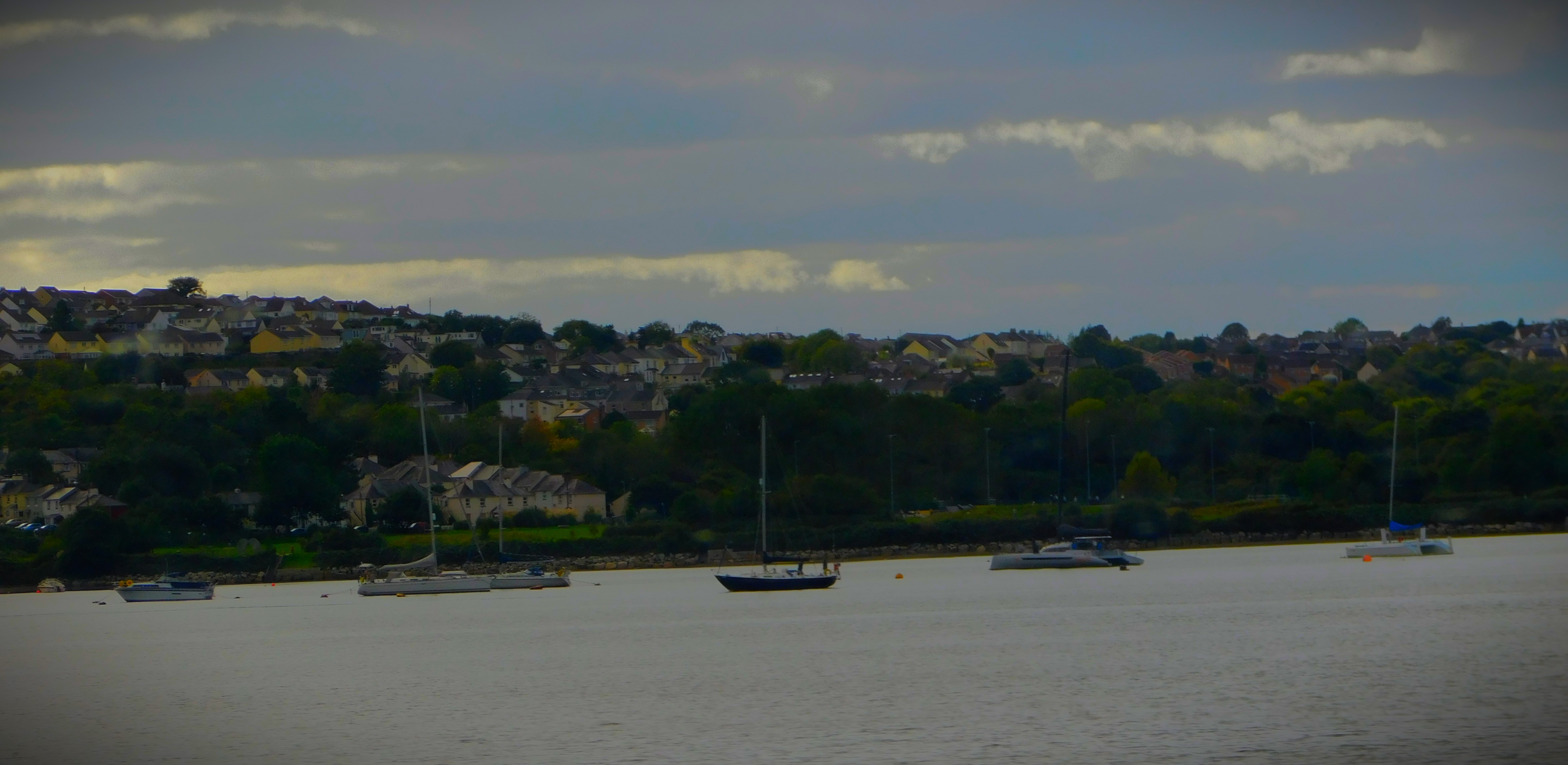
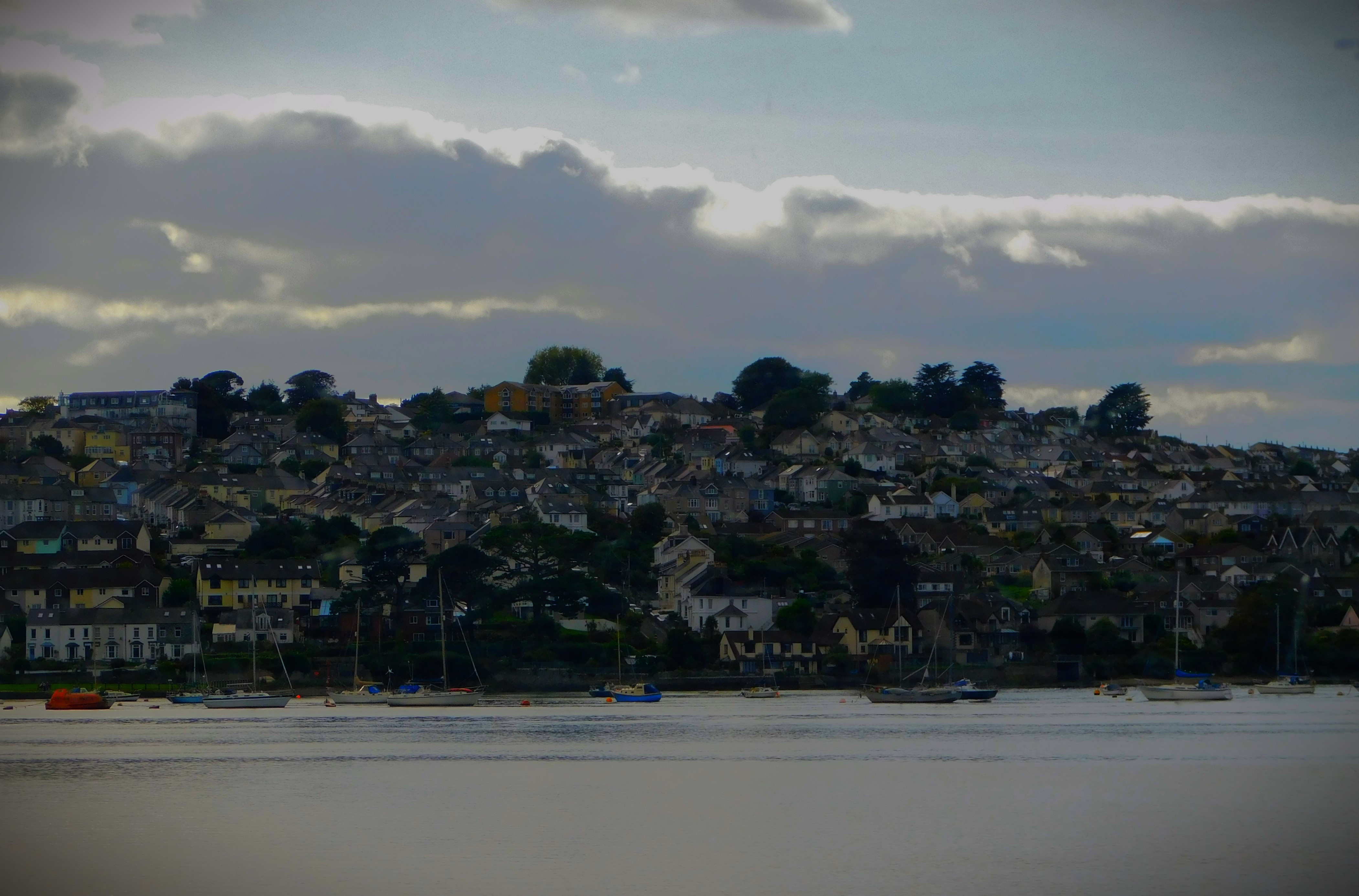
Here is a gallery comprised of photos taken either while in the fort or while waling around the harbour…
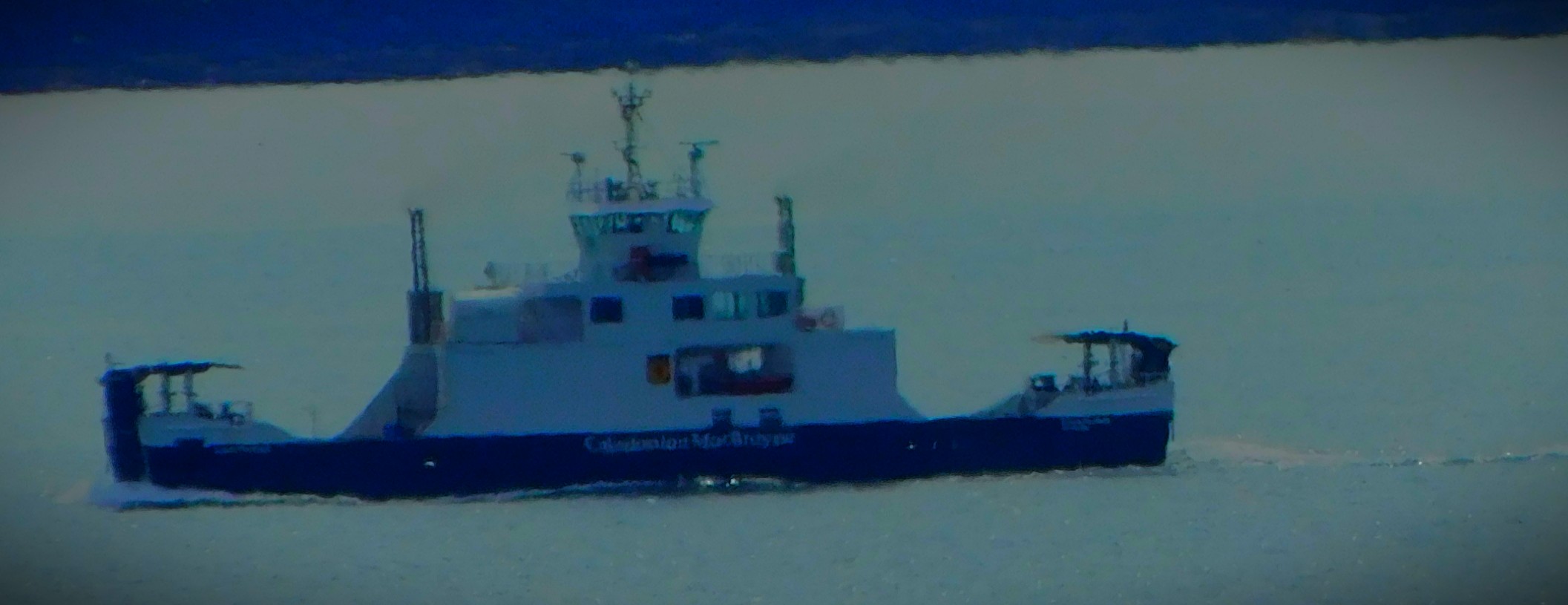
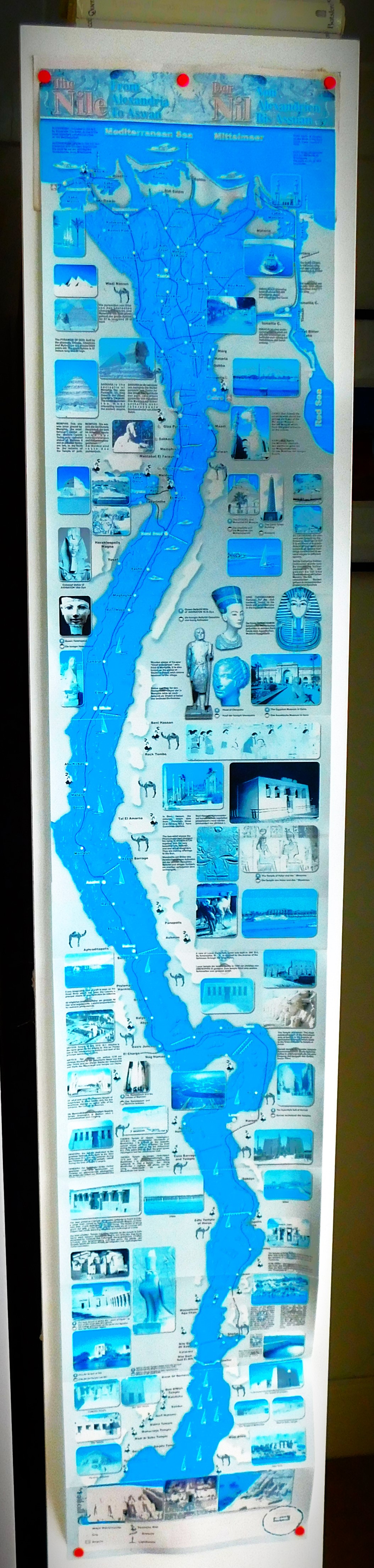
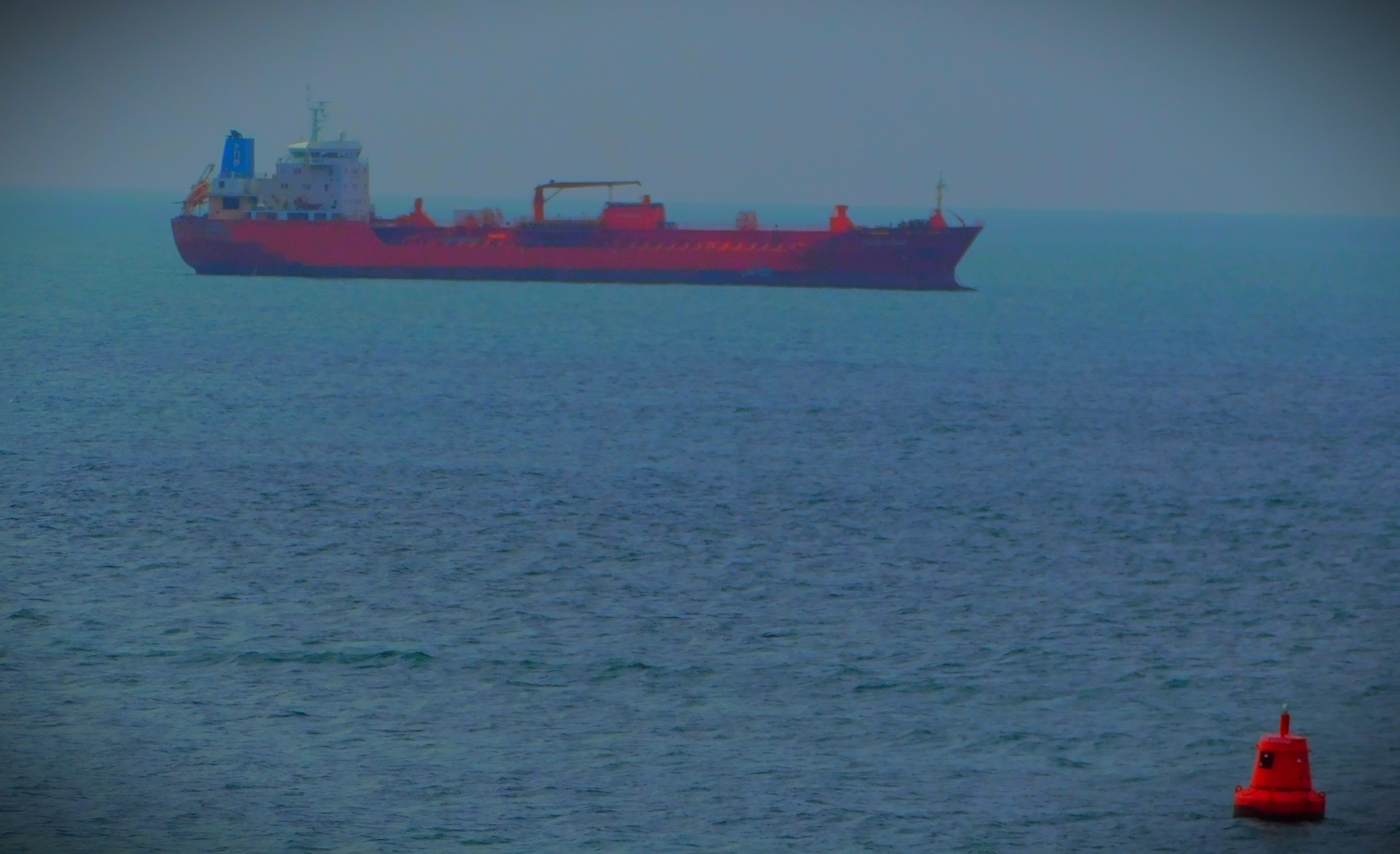
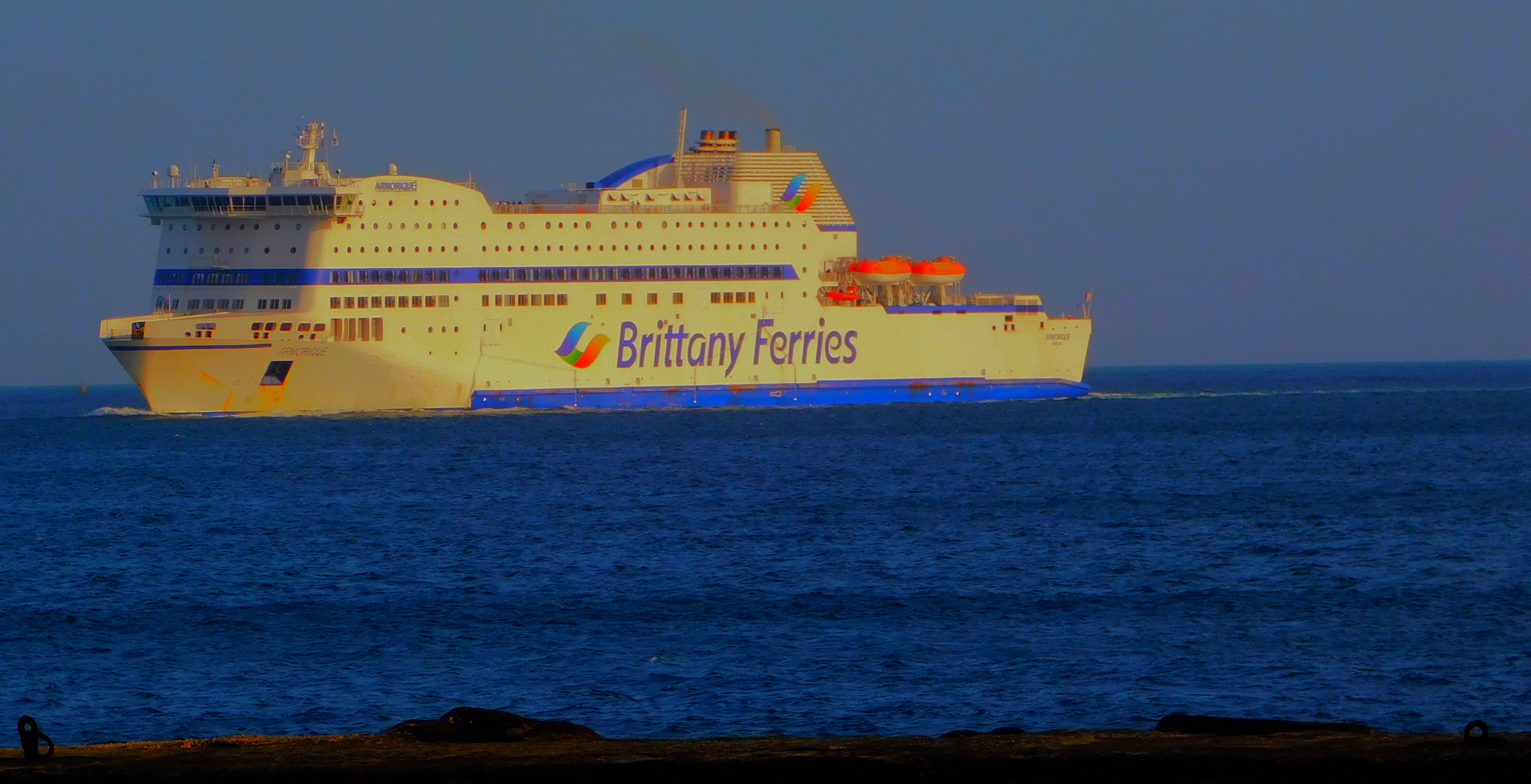
A pictorial map of the Nile between Alexandria and Aswan (Syene in ancient times).A comprehensive view of Fort Picklecombe, obtained from the larger of the two harbour walls.The end of the larger of the end of the larger of the two harbour walls – the tide was fairly high, so care was required out here.A nearly complete view of the harbour (I could not find a location from which a complete view was obtainable)A gigantic ferry on its way into Plymouth – the following day I saw one heading outwards.








































































































































































































































 aspiblog