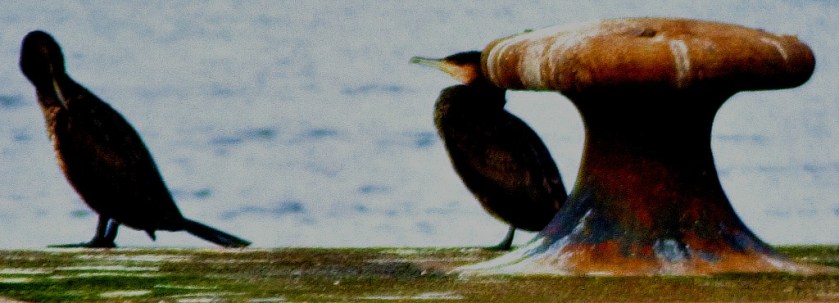
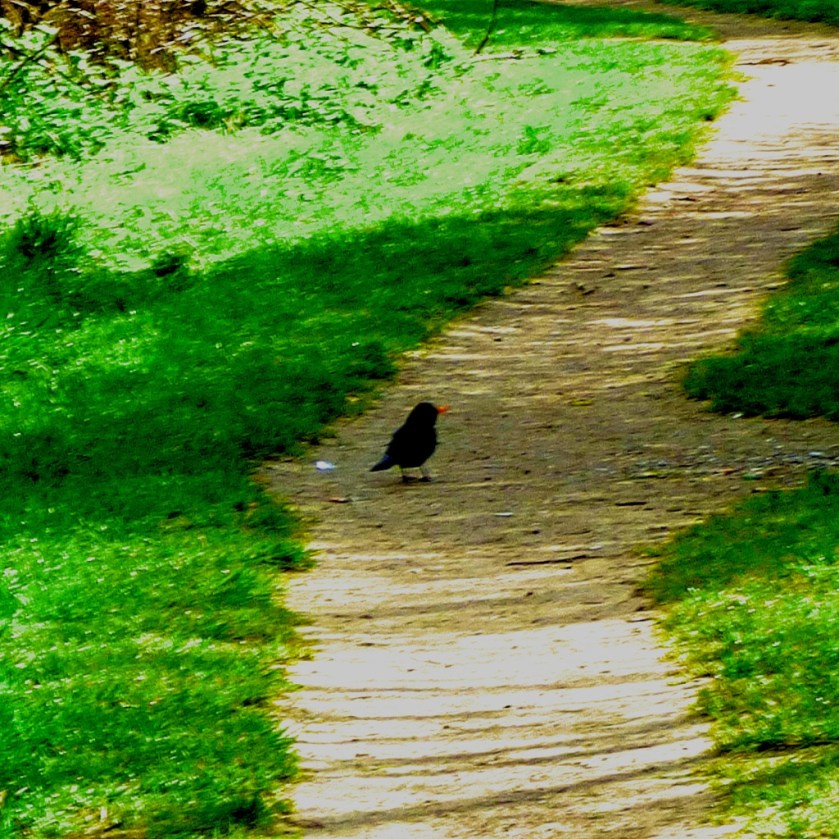
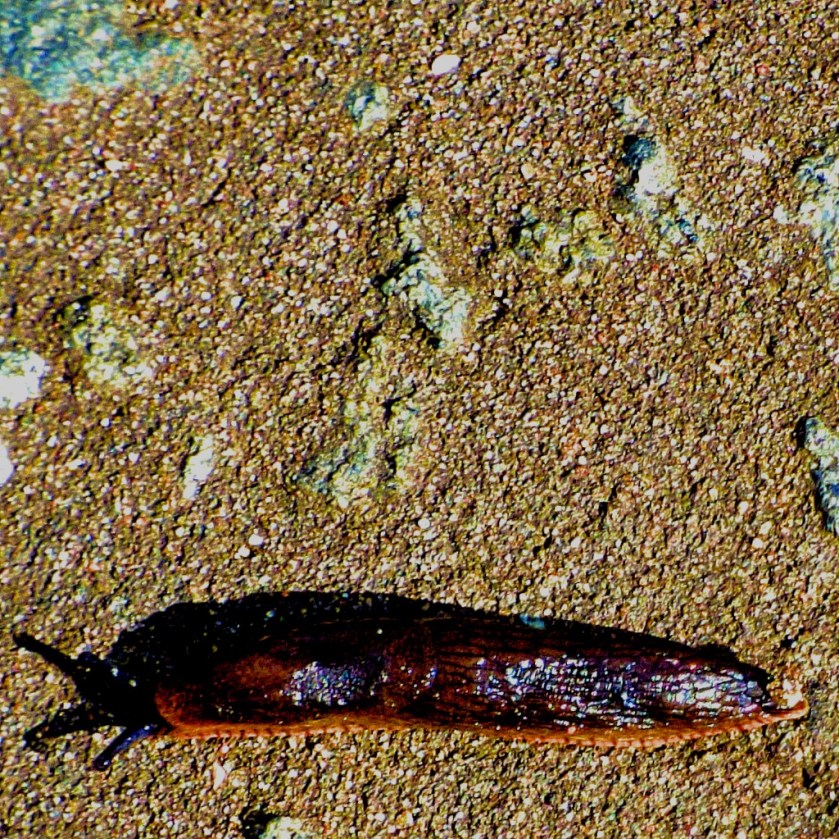
Welcome to the penultimate post in my series about Marxism 2018 (to be followed in the not too distant future by a series that I will title “A Grockle’s Eye View of Cornwall” following my recent visit to Cornwall (more on that curious word grockle at the start of said series). I missed only one of the environmentally themed meetings at Marxism 2018 (it clashed with a meeting about mental health, which I attended instead), the one featuring John Bellamy Foster.
MEETING 1: MARTIN EMPSON ON CLIMATE CHANGE
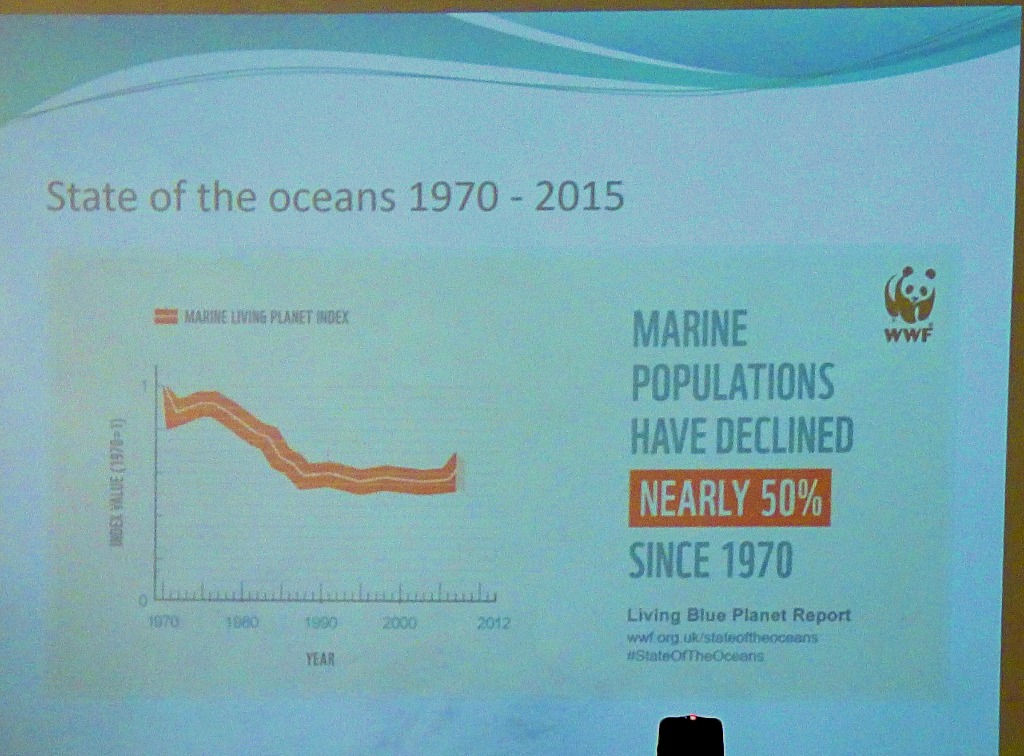
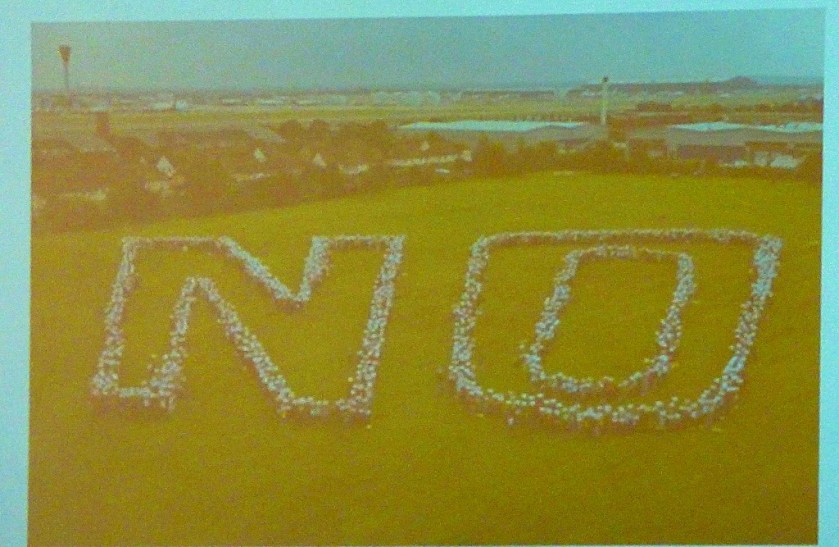
THis meeting was the subject of my first Marxism 2018post. Here is the featured image:
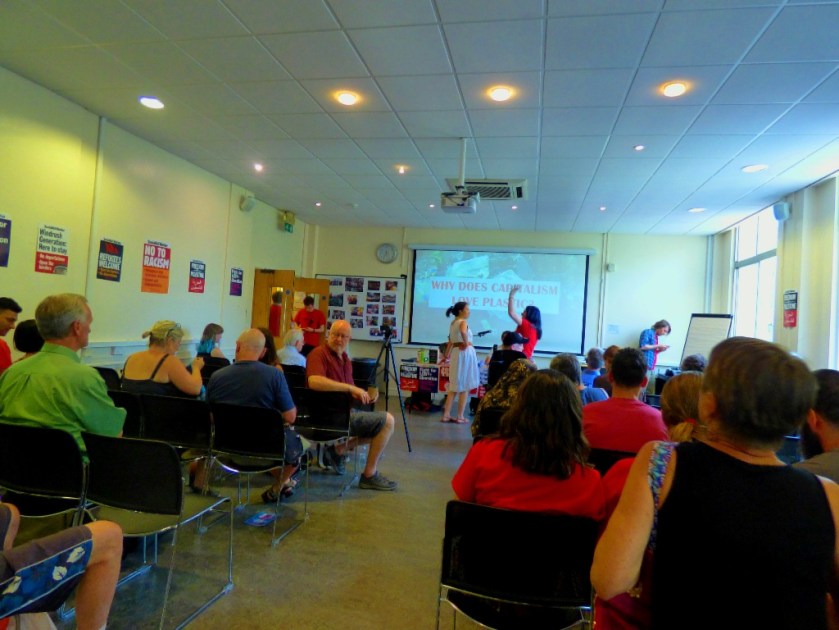
WHY DOES CAPITALISM LOVE PLASTIC?
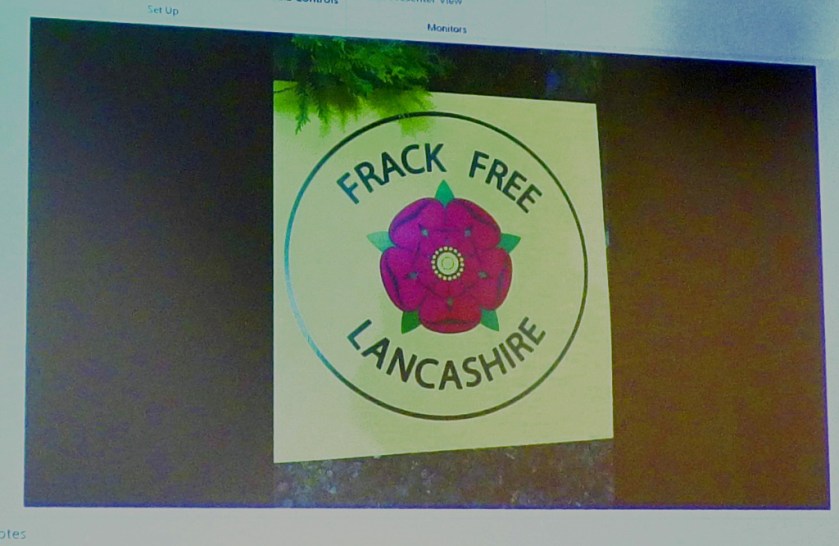
Amy Leather started her talk with a potted history of the development of plastics. She then talked about plastics as a by-product of fossil fuel extraction, linking in to controversies over fracking. She also talked about how when disposable plastic first became a thing there were advertising campaigns to persuade people to dispose of the stuff. During the discussion James from north Derbyshire mentioned that the company who are seeking to engage in fracking in his part of the world and against whom he and others are fighting are primarily a plastic making company, and their interest in fracking is based on a desire to use by products of fracking to make more plastics.
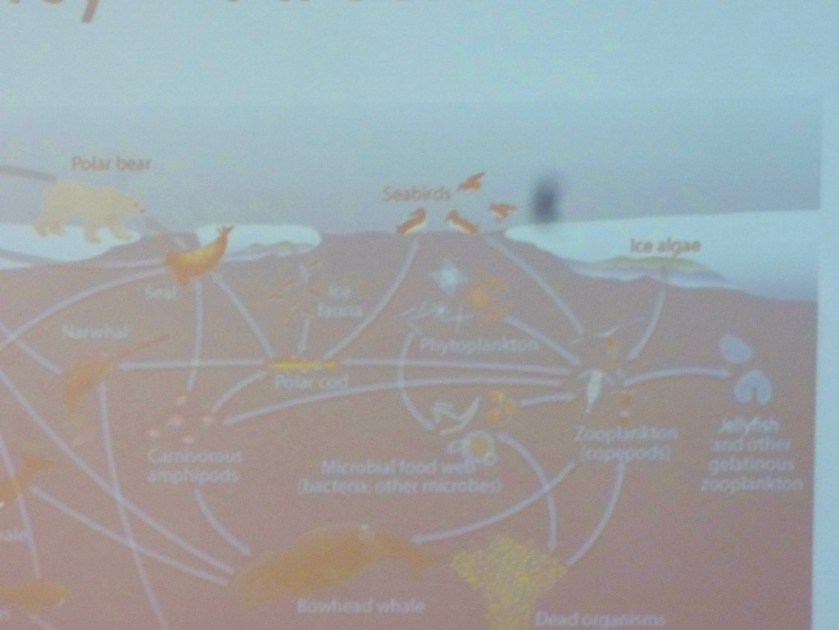
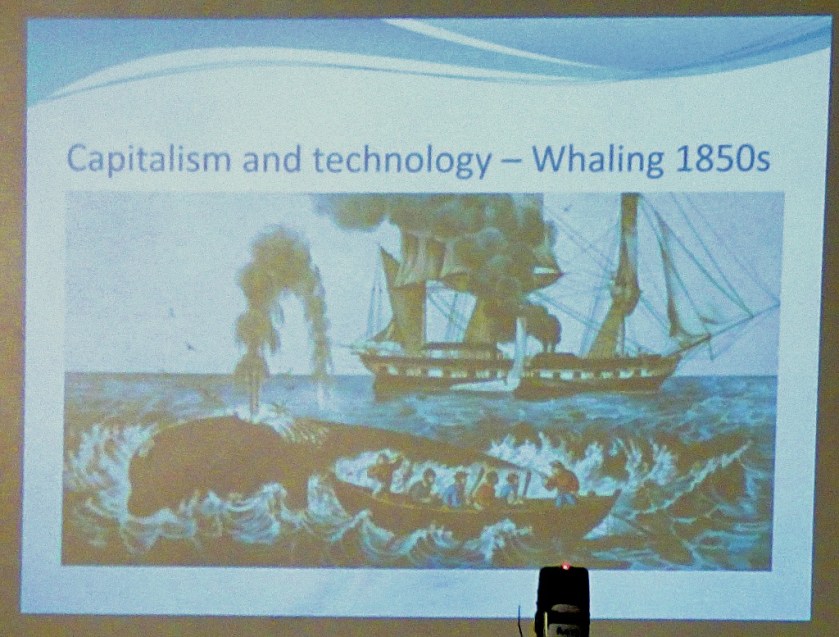
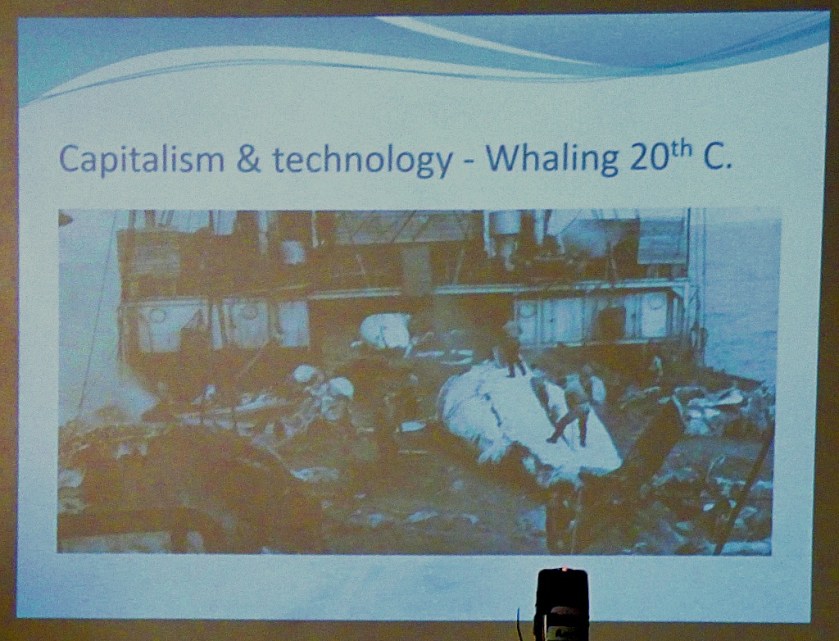
SARAH ENSOR AND IAN RAPPEL ON CAPITALISM AND EXTINCTION
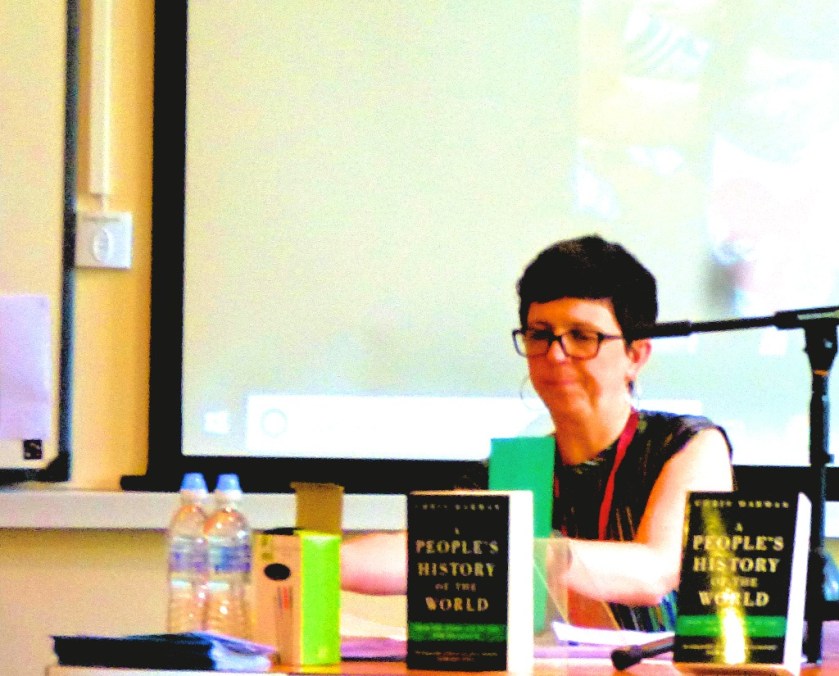
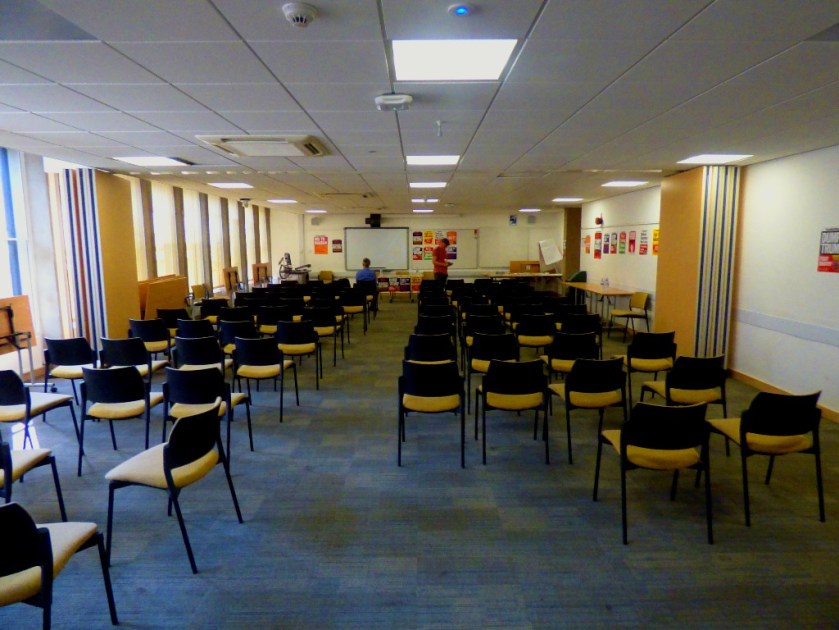
This was the first meeting of the Sunday. The Institute of Education has a somewhat curious system of floor numbering, whereby you enter the building from outside on level 4. This meeting was in a room on Level 8, and I chose not to use the lift (I have been known to opt for the stairs at both Russell Square – 175 – and Covent Garden – 200 – stations, so for a mere four floors it was barely even a question).
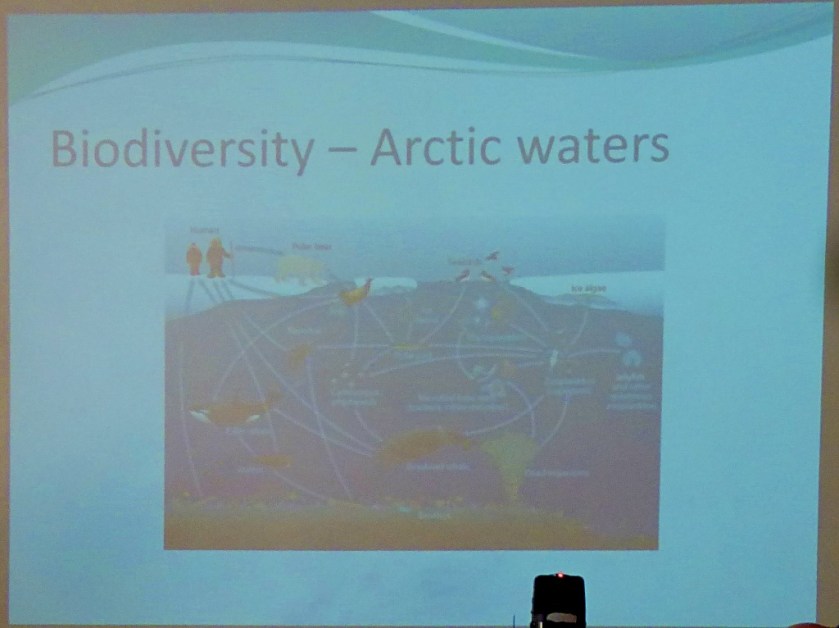
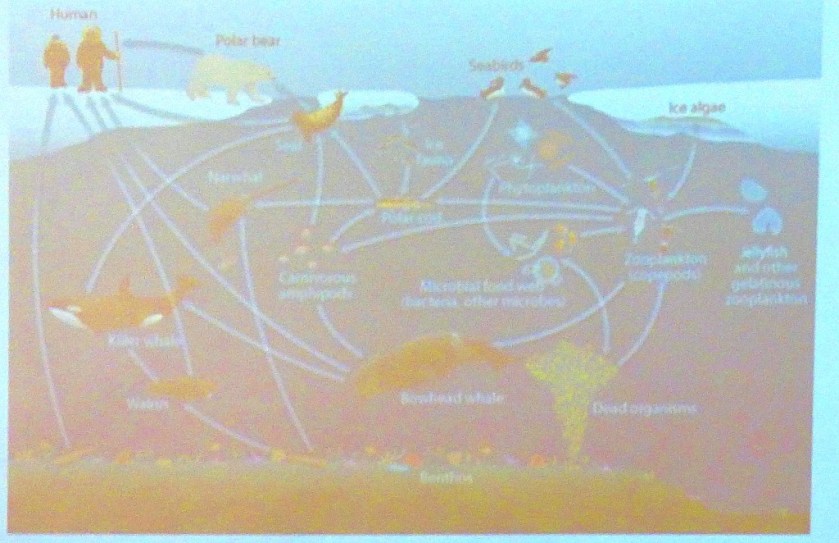
I enjoyed the meeting – both speakers were excellent, and although the sun prevented the presentation from being seen to best effect (even with blinds drawn and the lights off in the key part of the room – the latter a suggestion on the part of yours truly) it was still well worth the climb up and down.
DIRTY ENERGY AND CAPITALISM: WHAT’S THE REAL STORY
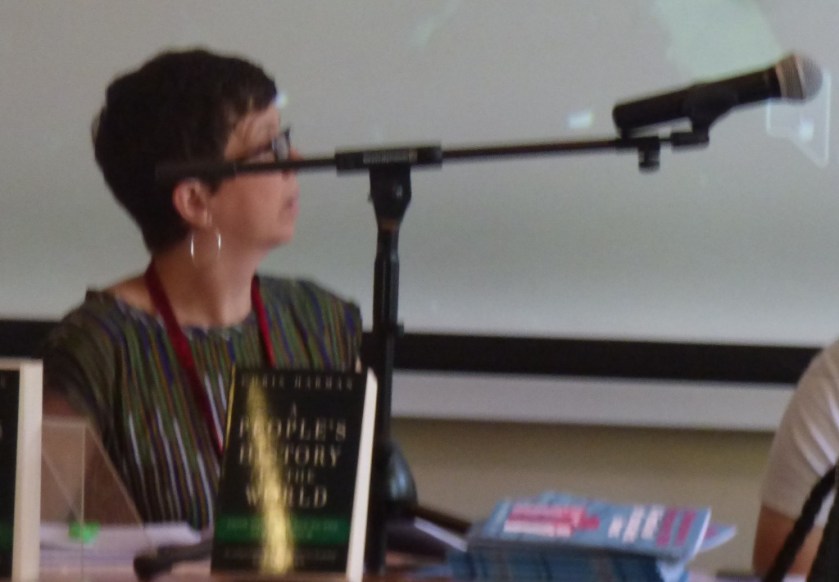
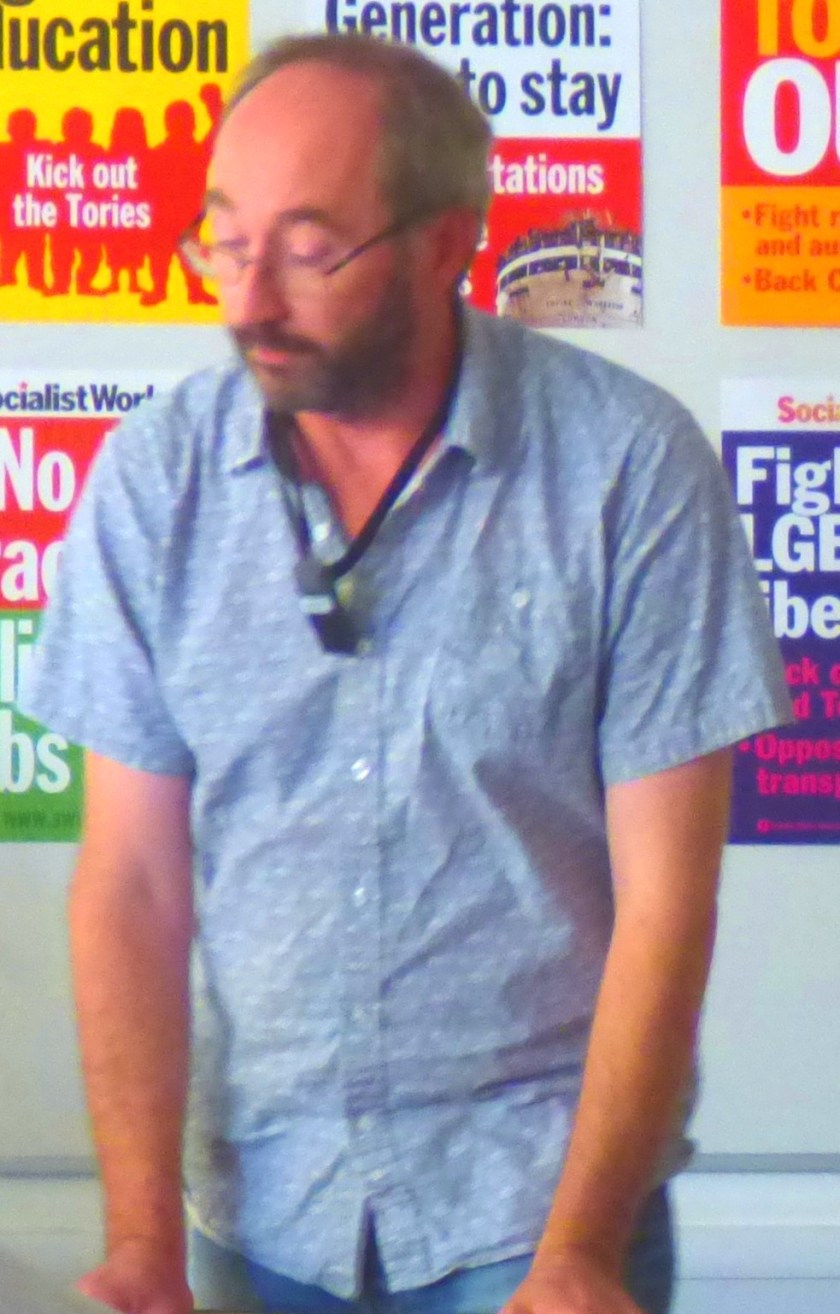
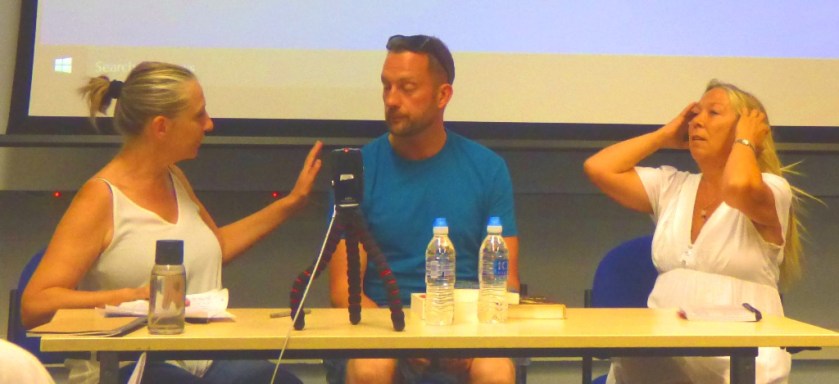
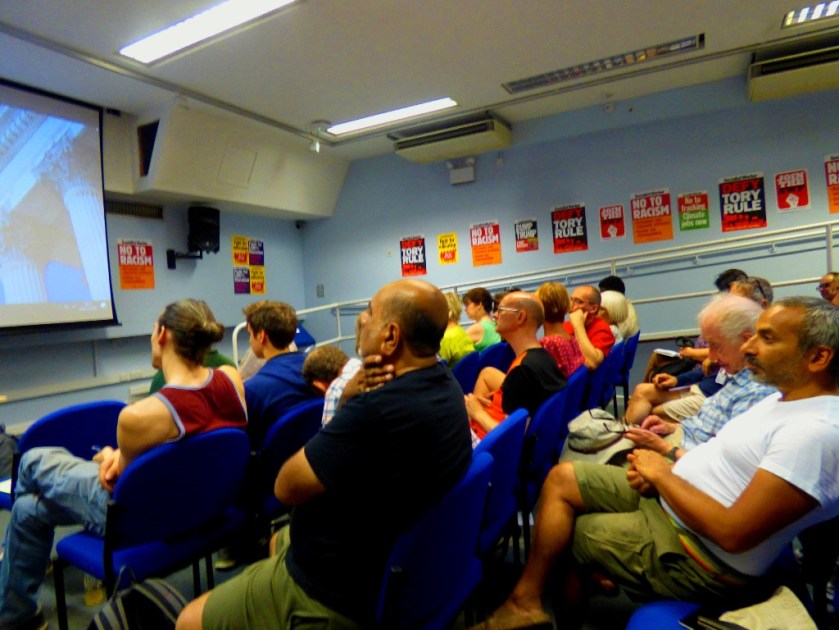
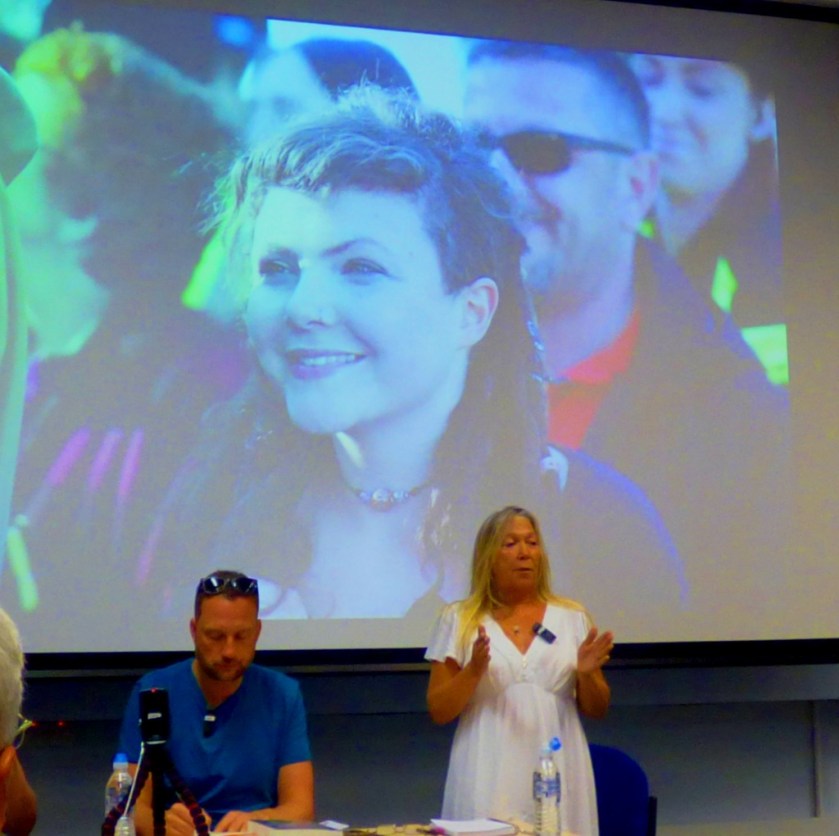
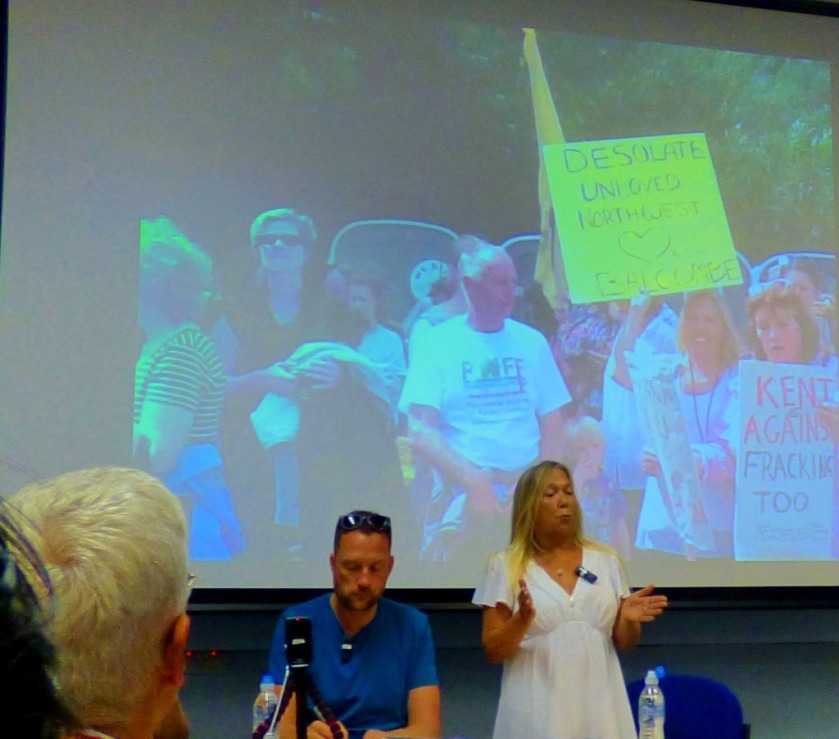
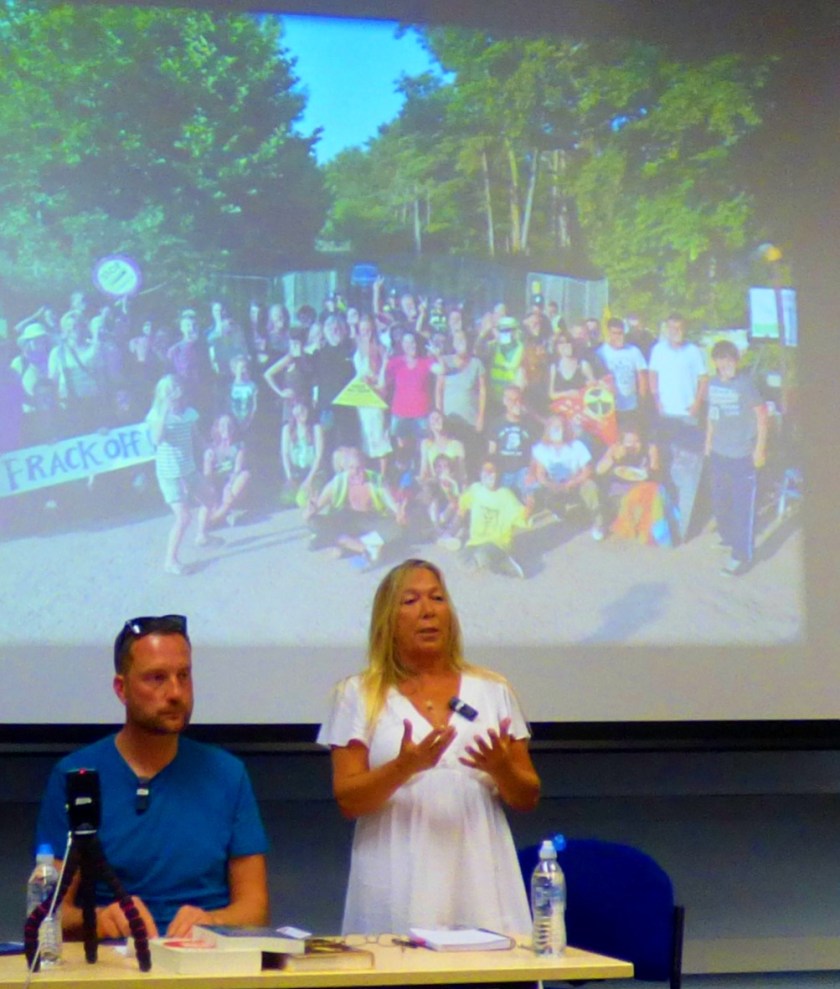
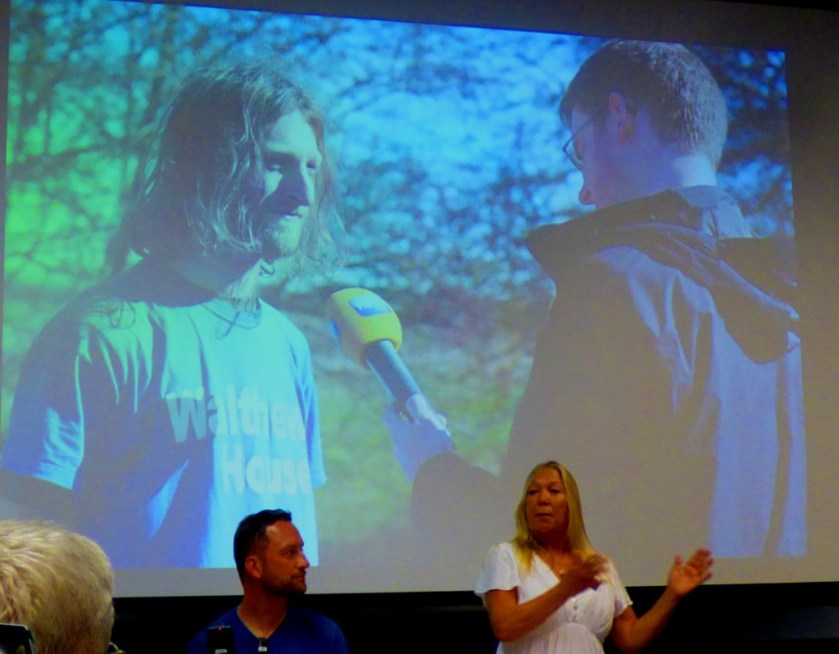
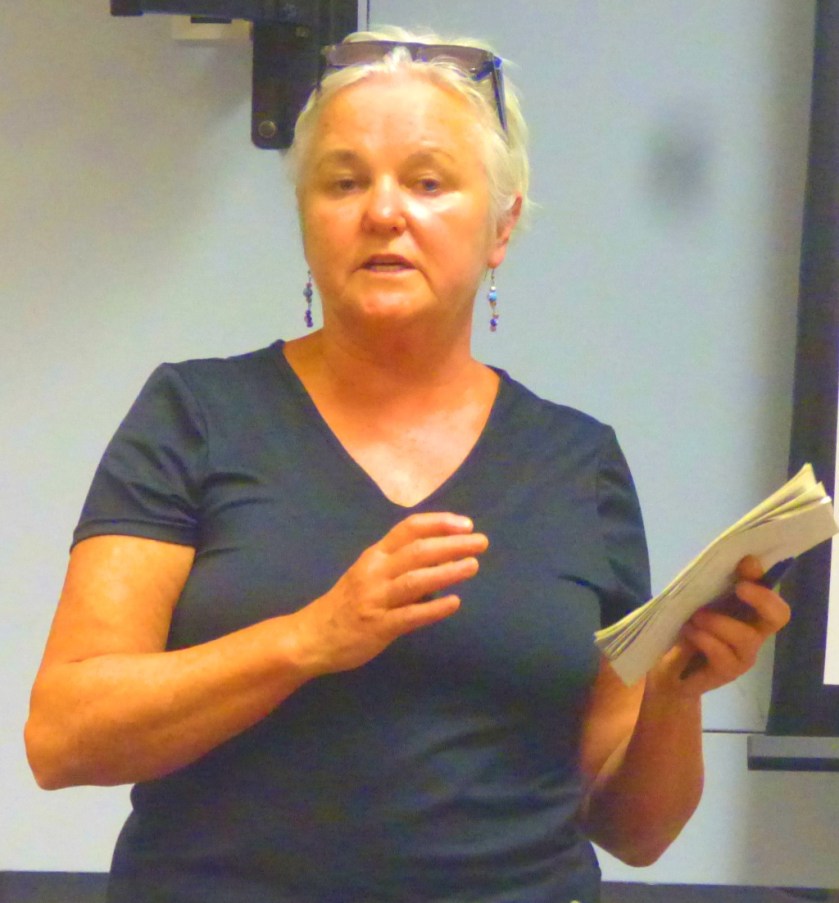
This meeting which featured Suzanne Jeffery and anti-fracking campaigner Tina Louise Rothery took place in Clarke Hall, on Level 3 of the Institute of Education in the post lunch session of the Sunday. It had been made even more topical by the fact that in the run up to the event the Tories had simultaneously refused to provide funding for the Swansea Tidal Lagoon (capable of supplying 10% of the country’s energy needs had it gone ahead) and forced through the 3rd runway at Heathrow. Both speakers were excellent, and during the discussion Brid Smith TD talked about a bill she is trying to get through the Dail which would mean that no more fossil fuels will be extracted from Ireland (it has already passed its first reading).
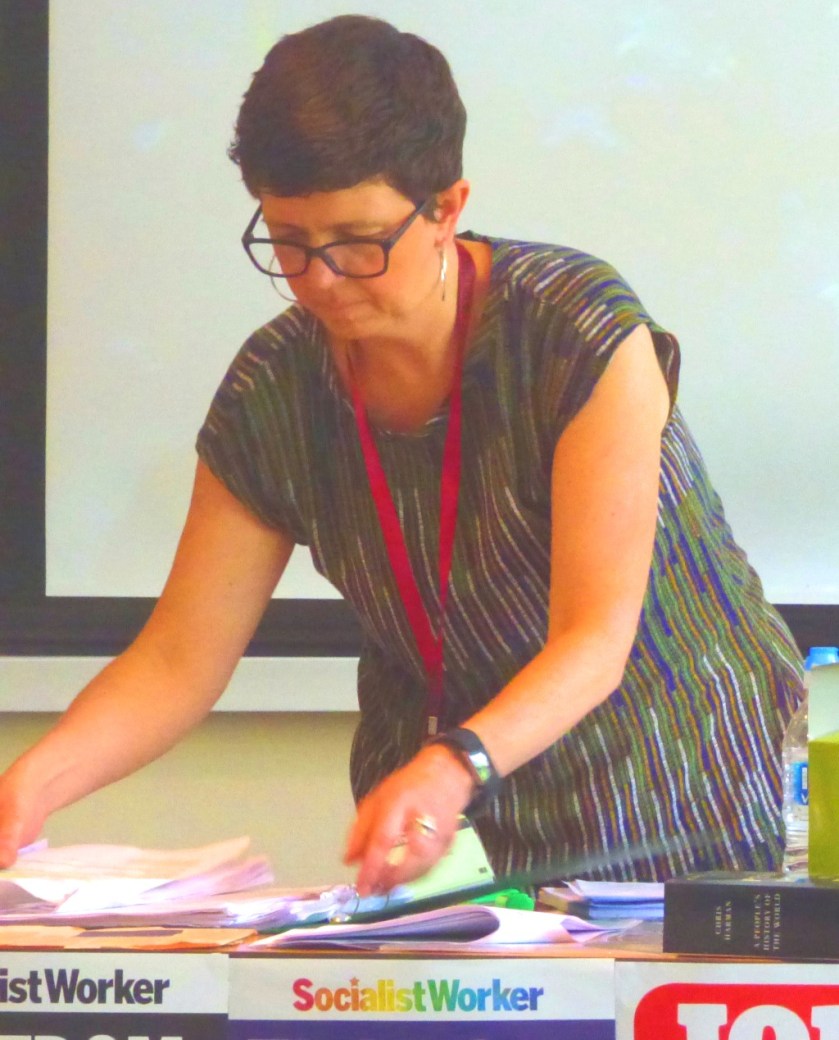
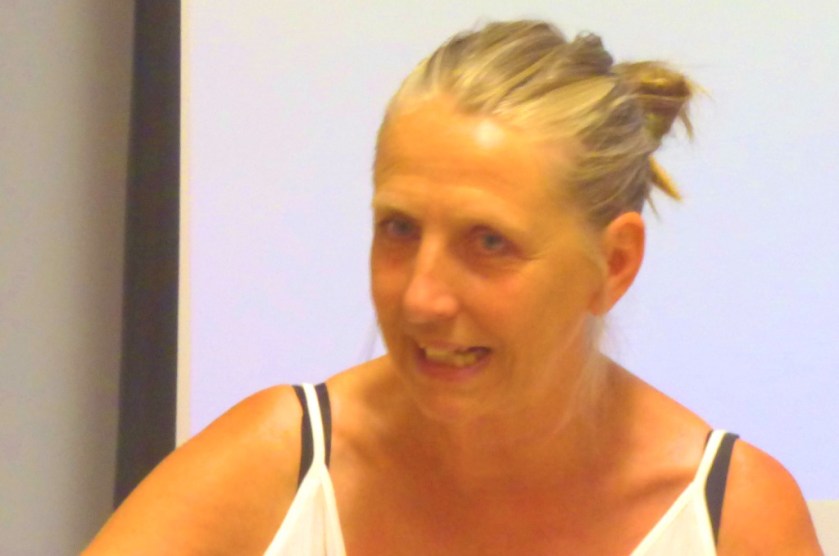
Suzanne Jeffery
Tina Louise Rothery
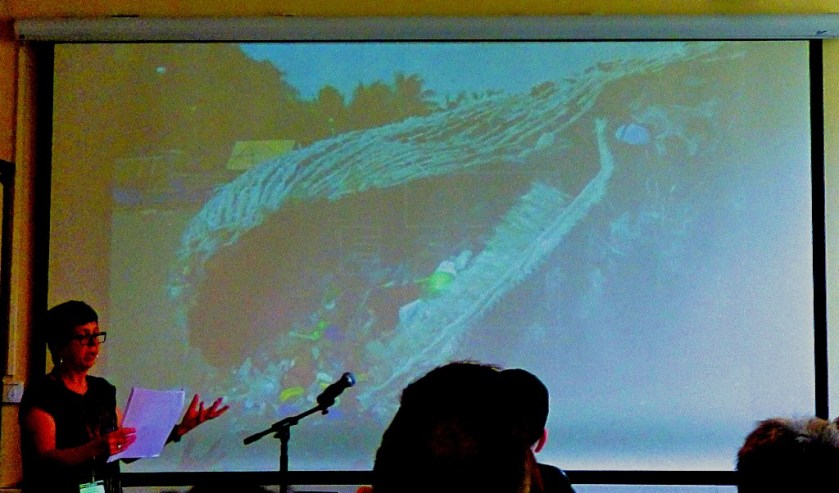
Brid Smith talks about her fossil fuels bill that is curfrently going through the Dail
AN EXAMPLE OF A CAMPAIGN
A common theme running through these meeting was the necessity of supporting campaigns all over the world. I therefore conclude this post with a mention of the Save Trosa Nature campaign. You can find out more about this campaign by reading Anna’s posts about it. There is a petition currently running which you can sign here.
A post celebrating recent successes for the England men’s and women’s cricket teams.
INTRODUCTION
The last few weeks have been magnificent for English cricketers of both sexes. Each side has been very dominant through a sequence of games, and each have set a team scoring record during the sequence of games.
THE WOMEN
The women warmed up with an ODI series against South Africa, losing the first match but winning matches 2 and 3 very comfortably, in each case with their efforts being spearheaded by centuries from Tammy Beaumont. Then they moved into a T20 tri-series featuring South Africa and New Zealand, the latter fresh from three straight 400-plus ODI tallies against Ireland, the last of which featured the first part of a ‘script rejection’ performance by Amelia Kerr – 232 not out with the bat, and then to settle things 5-17 with the ball. No author of a cricket themed novel would dare have a 17 year-old do that in an international match, but it happened in real life.
On Day 1 of the tri-series New Zealand opened proceedings by scoring 217 from their 20 overs against South Africa, which at the time was a new record in that form of the game, and won them the match comfortably. That record lasted until later that same evening when England took on South Africa, and with Beaumont scoring yet another century (getting there in a mere 47 balls) and Katherine Brunt responding to a promotion up the order by running up 42 not out off just 16 balls reached a total of 250-3. This proved way out of SA’s reach. On Saturday, the second set of games in the tri-series, England lost to South Africa but bounced back to beat New Zealand in the other match.
THE MEN
The men started the limited overs segment of their summer by losing to Scotland at The Grange, but then they commenced a five match series against Australia and were absolutely dominant through the first four matches, winning all comfortably and racking up 481-6 in the third match. The fifth match was a very different kettle of fish. Australia were all out for 205, a modest total that featured the most misjudged leave-alone in cricket history (perpetrated by Ashton Agar). England then collapsed to 114-8 and I was getting ready to point out that wins in dead rubbers don’t really count. However, Jos Buttler was still there, and now Adil Rashid provided some sensible support, and the pair put on 81 for the ninth wicket, turning the match into a nail-biter. Jake Ball, the England no 11 only scored 1 not out, but he survived 11 deliveries, while Buttler first completed an astonishing hundred (with a six that on sheer distance should probably have been a nine) and then sealed England’s one-wicket victory in this game and with it a 5-0 whitewash against the old enemy.
Tim Paine thus became the second Tasmanian born captain with a surname that begins with P to surrender a match in which the opponents had needed 92 with only two wickets left (look up Mohali 2010 for more details).
Buttler’s innings secured him both the player of the match and player of the series awards. Buttler was 110 not out in a score of 206-9, and the joint second biggest scores were 20 for Alex Hales and Adil Rashid, and he finished the series with 275 runs at a handy 137.50. In the course of this innings he passed 3,000 ODI runs. Unlike most of his previous big innings which have been all about putting opponents to the sword (his 3,000th ODI run came up off only just over 2,500 balls faced in this form of the game) this one involved getting his team out of trouble and probably rates as his finest for precisely that reason.
MAJOR CONTRIBUTORS
Both the men’s and women’s teams have benefitted from the fact that everyone has contributed somewhere along the line, but each also have had certain players who have been especially outstanding (see Buttler above), and I offer the following composite list of the best:
Moeen Ali: Watching the way the Aussies tackled his off-spin you might have thought they had been put in a time machine and taken back to 1956.
Jonny Bairstow: about the only thing he did wrong all the way through was get out in the game at The Grange when he was putting Scotland to the sword and would have had England firmly in control had he batted a few more overs. None of the Aussie bowlers, even the highly impressive Billy Stanlake, had any idea where to bowl at him.
Tammy Beaumont: the smallest player in physical stature in this list (5’3″ tall) she has been a metaphorical giant in these matches with three centuries from her position at the top of the order.
Katherine Brunt: In the first match she made 72 to give England something to defend. After her 42 not out in the 250-3 T20 game she followed up by picking up 2-18 from her four overs. Ignore talk of imminent retirement – so long as her body remains in one piece she will keep going.
Jos Buttler: The batsman-keeper did all that was asked of him in the first four matches of the series against Australia and when the going got tough in fifth match he got going and carried England to victory.
Alex Hales: started these matches as favourite to miss out once Stokes was available again but played several incredible innings, and I would now say that for all his all-round credentials Stokes has to be considered as far from certain to regain his place.
Adil Rashid: another of the ‘role-reversal’ aspects of this series was that on this occasion it was Aussie batsmen who looked like rabbits in headlights when facing an English leggie. In addition to his success with the ball he played that crucial little innings in the final match.
Jason Roy: the leading run scorer of the series with 304, including a ton which spearheaded the chase-down of 310 in the 4th game.
Anya Shrubsole: reliable as ever with the ball, and when really needed in the game against New Zealand on Saturday she delivered some quick runs.
Sarah Taylor: quite possibly the best wicketkeeper of either sex on the planet at present and she also scored some important runs.
Danielle Wyatt: opening with Beaumont in the 250-3 game she was quite magnificent, and she had other successes through the season.
PHOTOGRAPHS
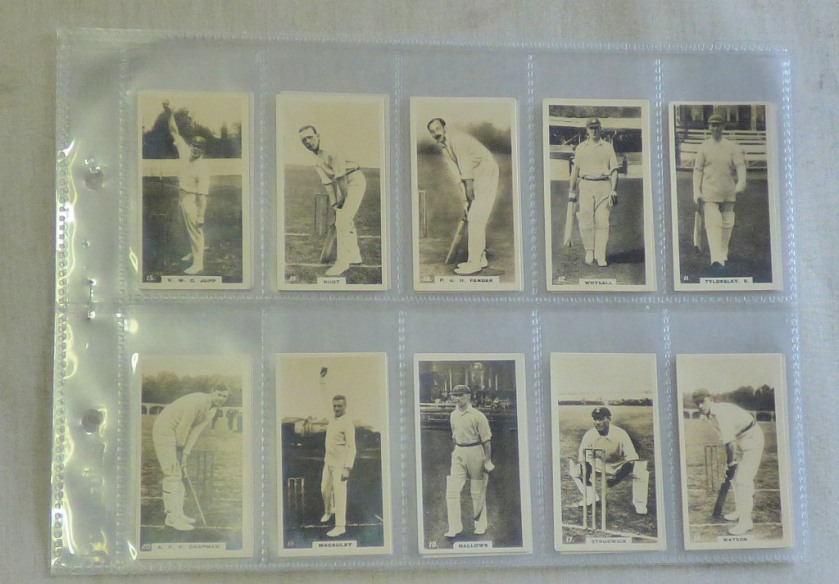
Time now for some photographs, starting with a cricket themed one from James and Sons’ upcoming cigarette cardauction.
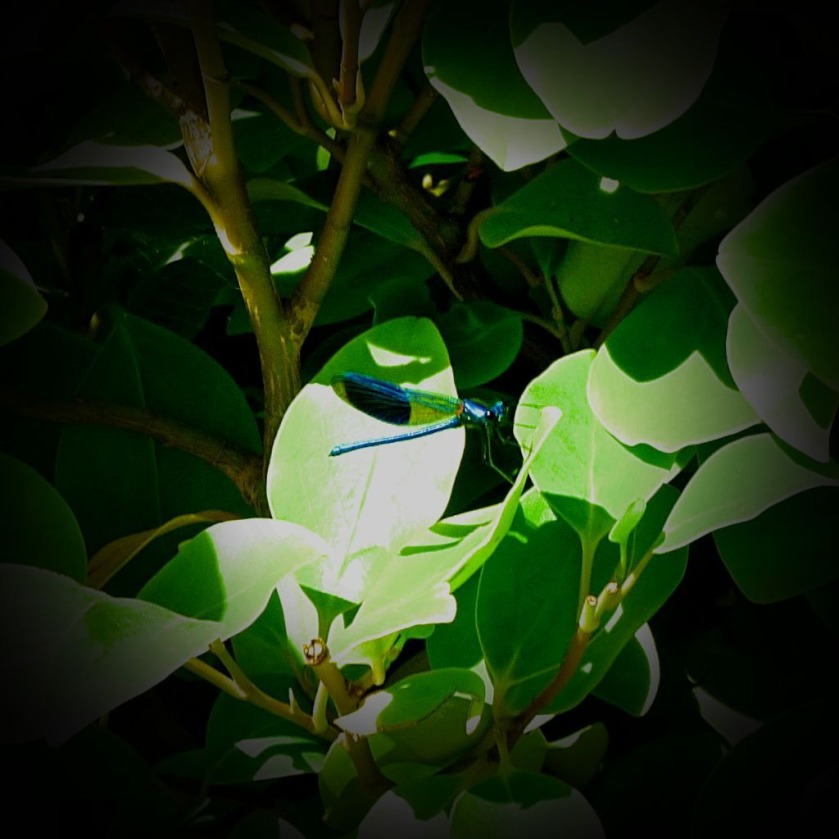
While not super-famous these cricketers all have some noteworthy achievements: Vallance Jupp achieved the double of 1,000 runs and 100 wickets in each of eight successive seasons, Fred Root once took a seven-for against Australia. Percy Fender once reached a century in 35 minutes. Dodge Whysall batted no 3 for Nottinghamshire for many years. Ernest Tyldesley scored more first class runs for Lancashire than anyone else. Percy Chapman led England to victory in each of his first eight matches as captain. George Gibson Macaulay was a very successful bowler and enough of a batsman to have scored 76 in a test match. Charles Hallows was one of three cricketers to score 1,000 first-class runs within the month of May (half a dozen others reached 1,000 first class runs for the English season before the start of June, but had runs in April in that record). Herbert Strudwick was England’s first-choice keeper for 15 years in spite of regularly batting at no 11. Frank Watson was a good county player, who once made a triple-century.A spectacular creature, presumably some form of dragonfly.
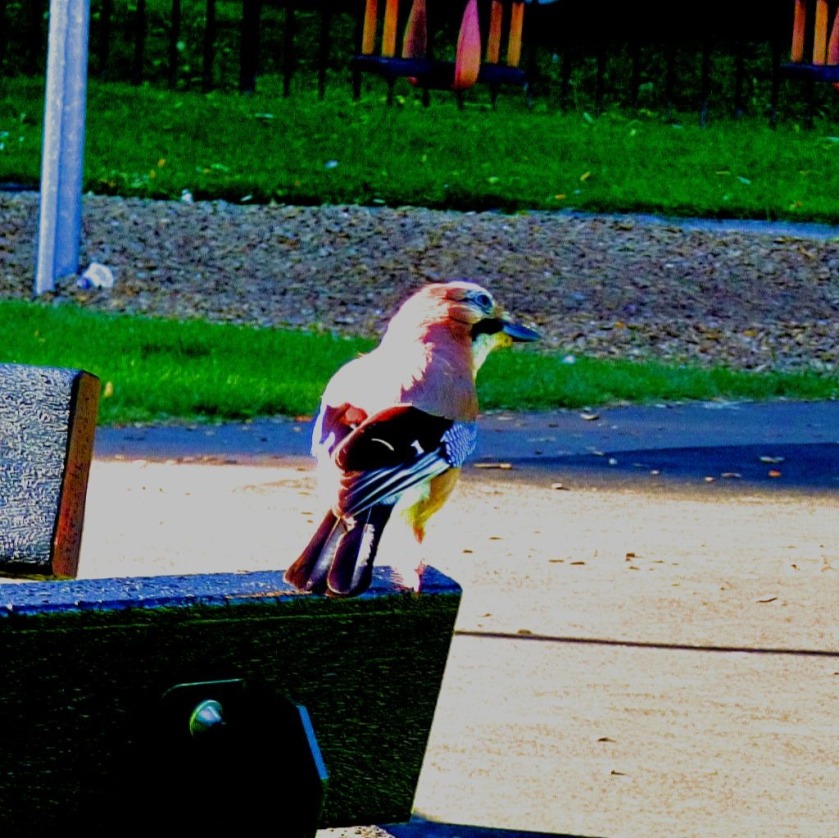
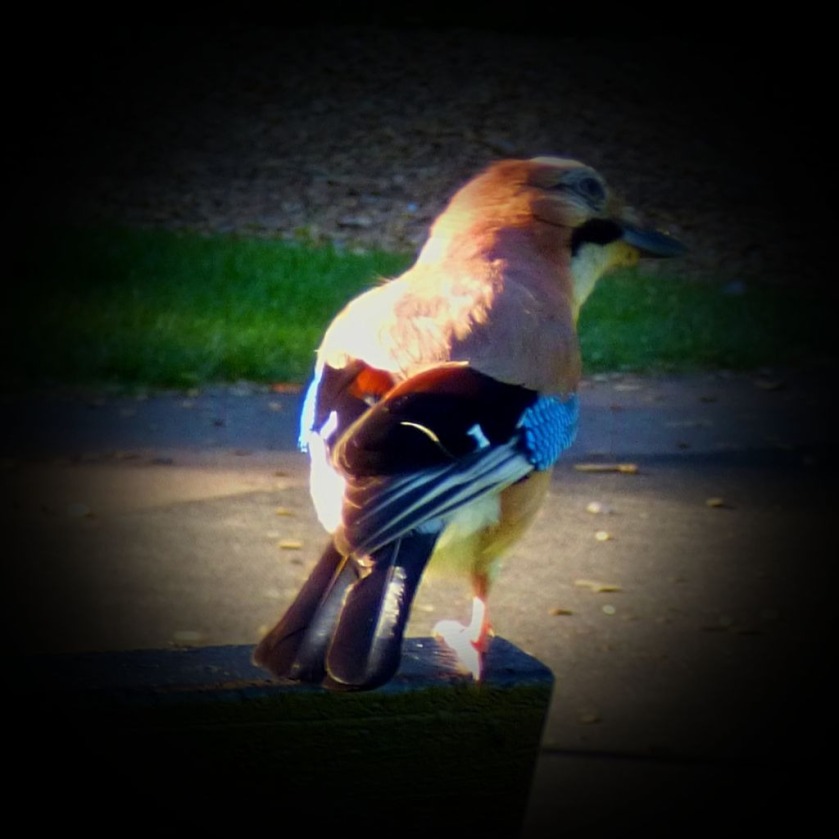
I saw this jay yesterday. This species is not threatened, but I use this caption to draw your attention to one that is, the nightingale. There is a petition to protect a threatened habitat for this bird at Lodge Hill – please sign and share it.
hjälpa nästa generation att få uppleva orörd natur på samma sätt som tidigare generationer.
hjälpa Trosa kommuns ekonomi på fötter genom att föreslå att stryka onödiga vägbyggnadskostnader.
ge er själva chansen att fortsätta ert bullerfria och utsläppsfria friluftsliv i Vitalisskogen, Hungaskogen och naturen på Tureholmshalvön.
På https://www.skrivunder.com/avbryt_infart_vastra_trosa
kan ni ge oss en klimatsmartare framtid genom att skriva på uppropet Behåll Trosas närnatur istället för att bygga Infart västra Trosa. Du behöver bara ange ditt namn och din epostadress. Epostadressen blir inte synlig i listan av undertecknare.
Save Trosa Nature petition
You can help us save Trosa nature for
future generations. They gonna need it badly if we fail to reach the climate goals.
better municipality economy by stopping the far too expensive road building project
improve your own chances to one day visit beautiful Trosa nature
Some of the creatures I observed in the course of my holiday in Greece.
INTRODUCTION
Welcome to the latest post in my series about my holiday in Greece (12th to 19th May). This one is an almost purely pictorial post showing some of the plant and animal life that I encountered there.
THE FLORA AND FAUNA I CAPTURED
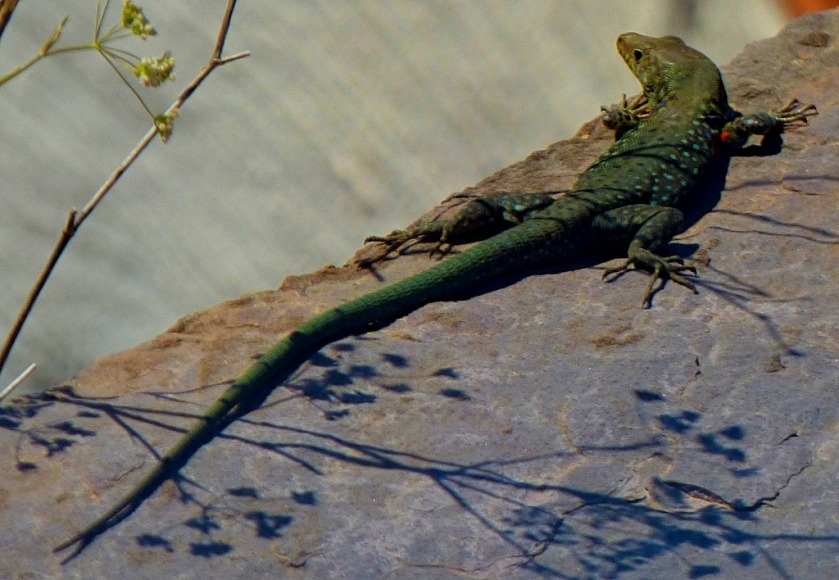
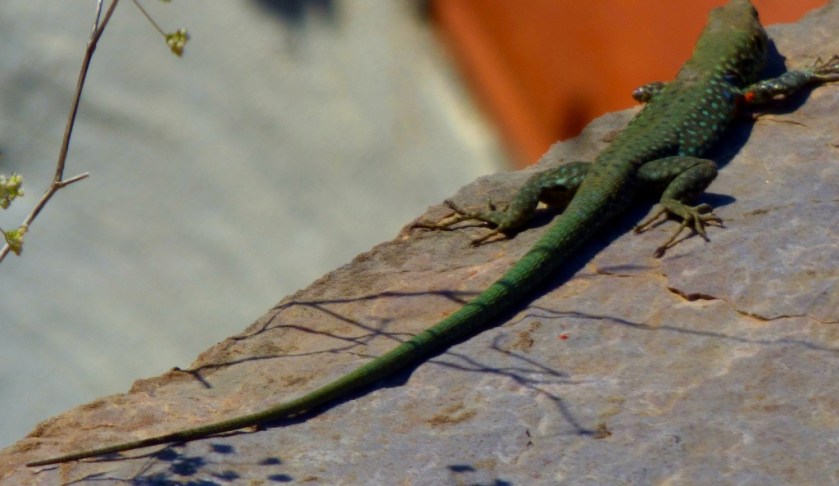
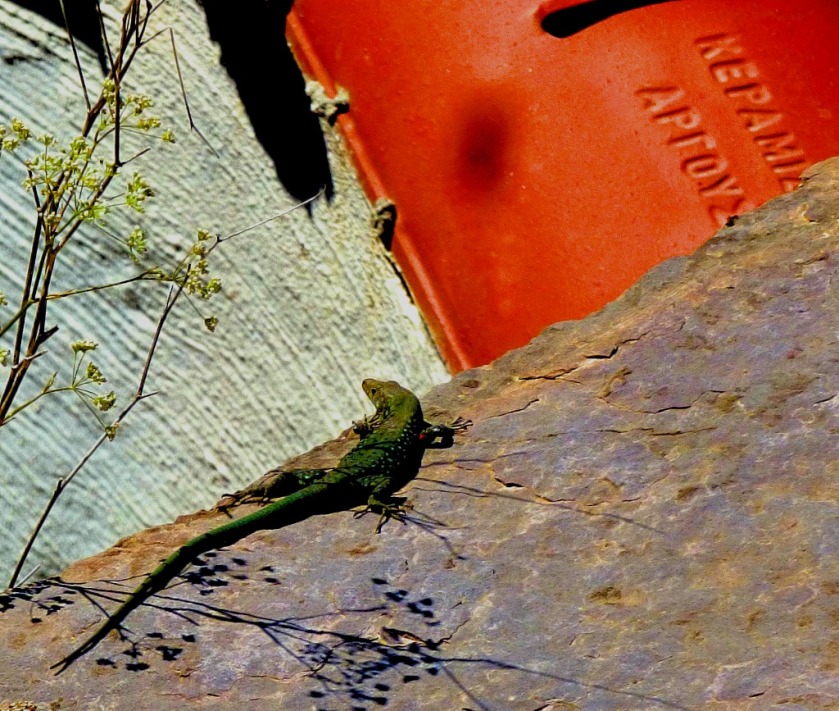
This little green lizard was the only such creature I amanged to capture on camera, but I also saw a larger yellow/brown lizard at Methoni, although it made itself scarce before I could photograph it.
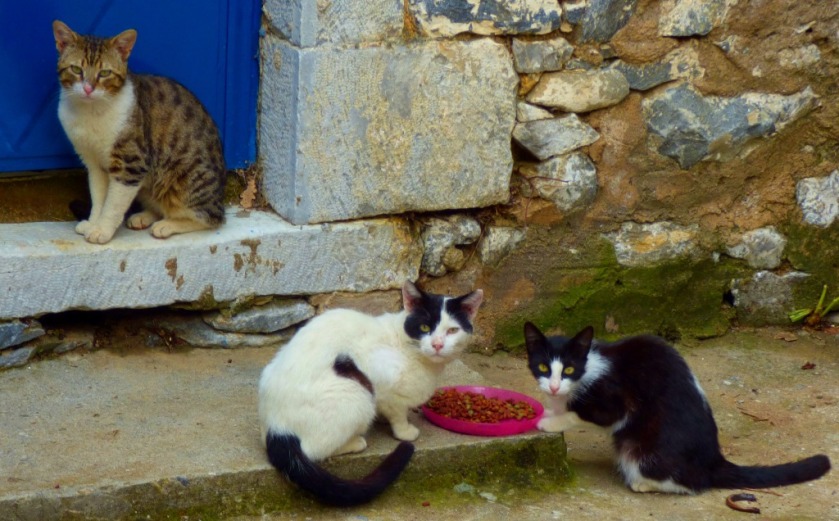
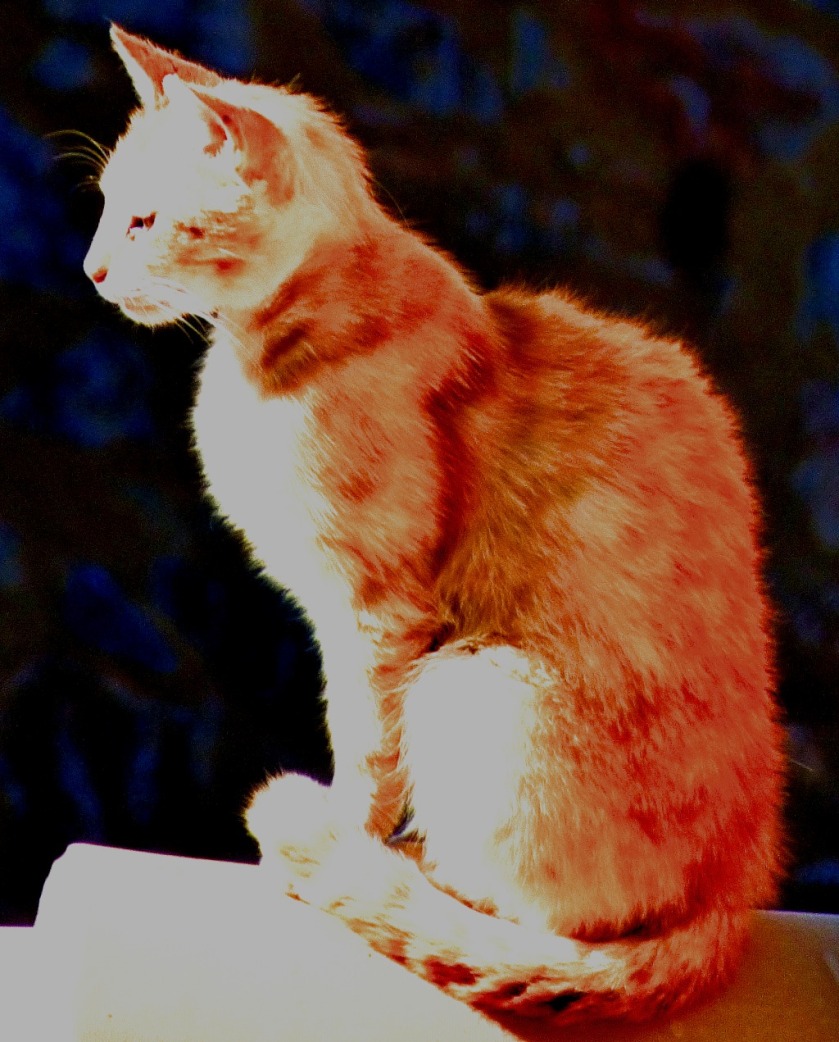
We had decided that we would put out cat food, but no treats, so the cats who visited were genuinely hungry..
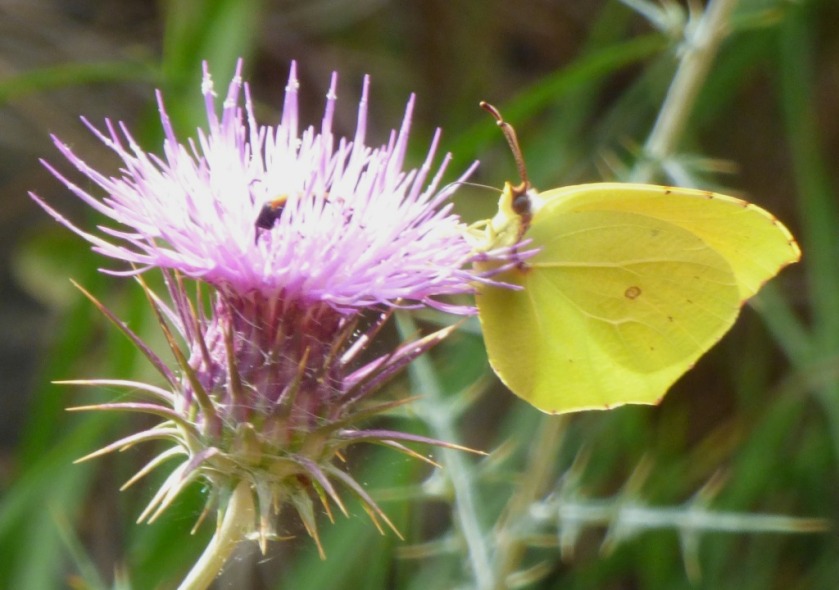
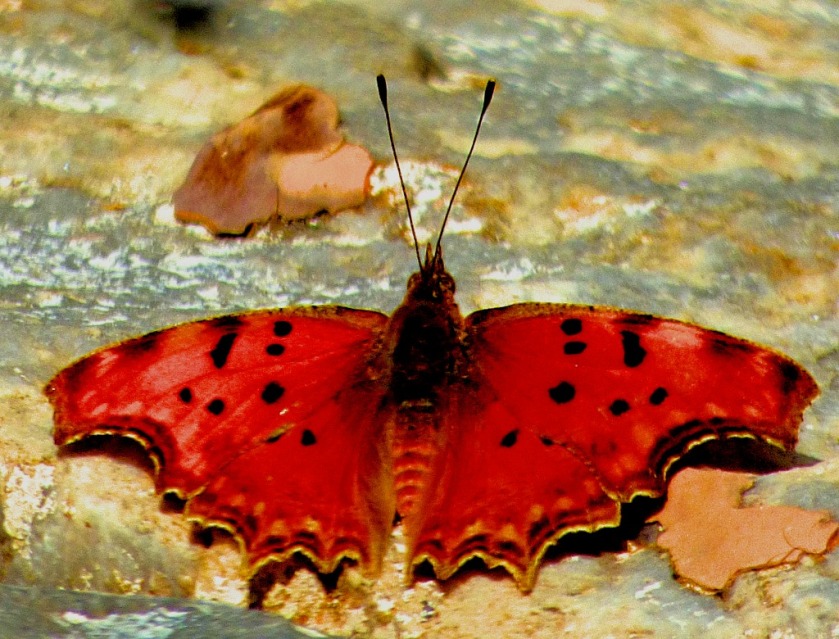
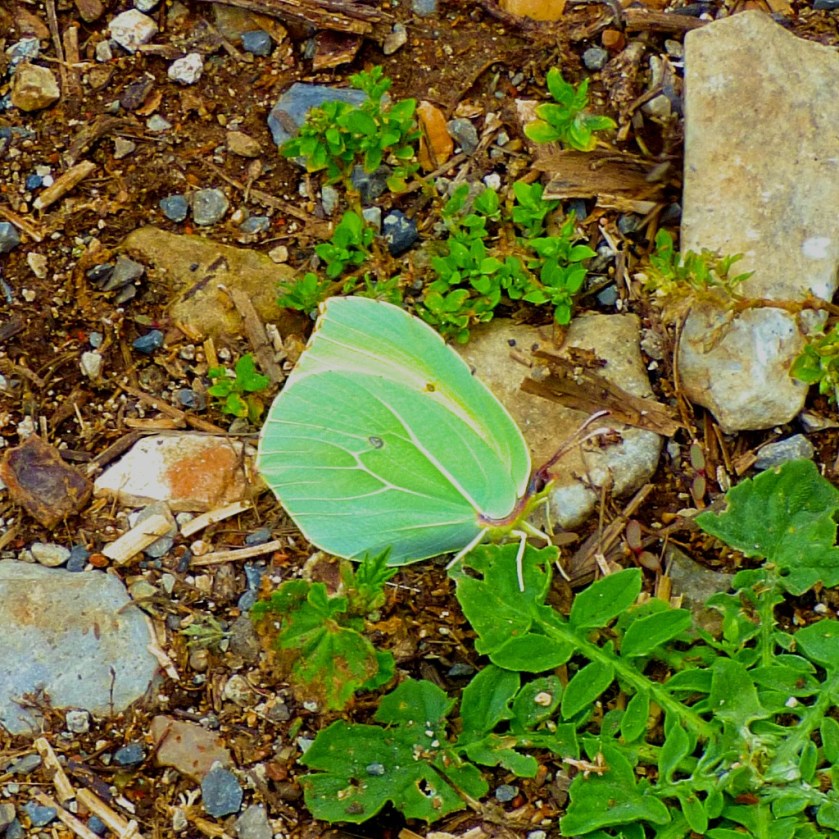
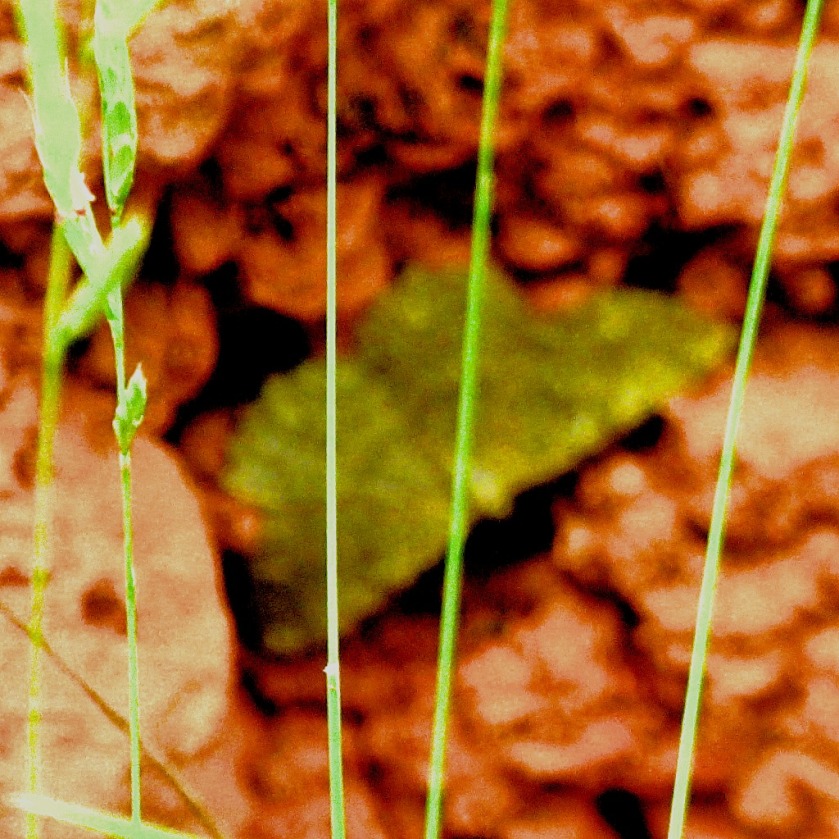
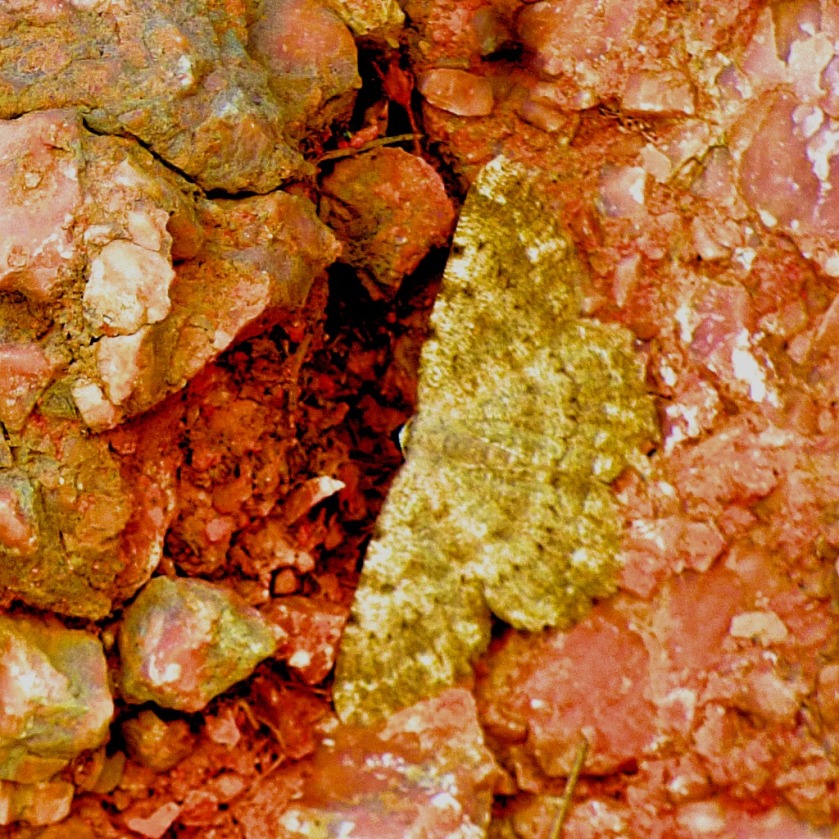
This picture and the next demonstrate that not all the butterflies in Greece are brightly coloured.
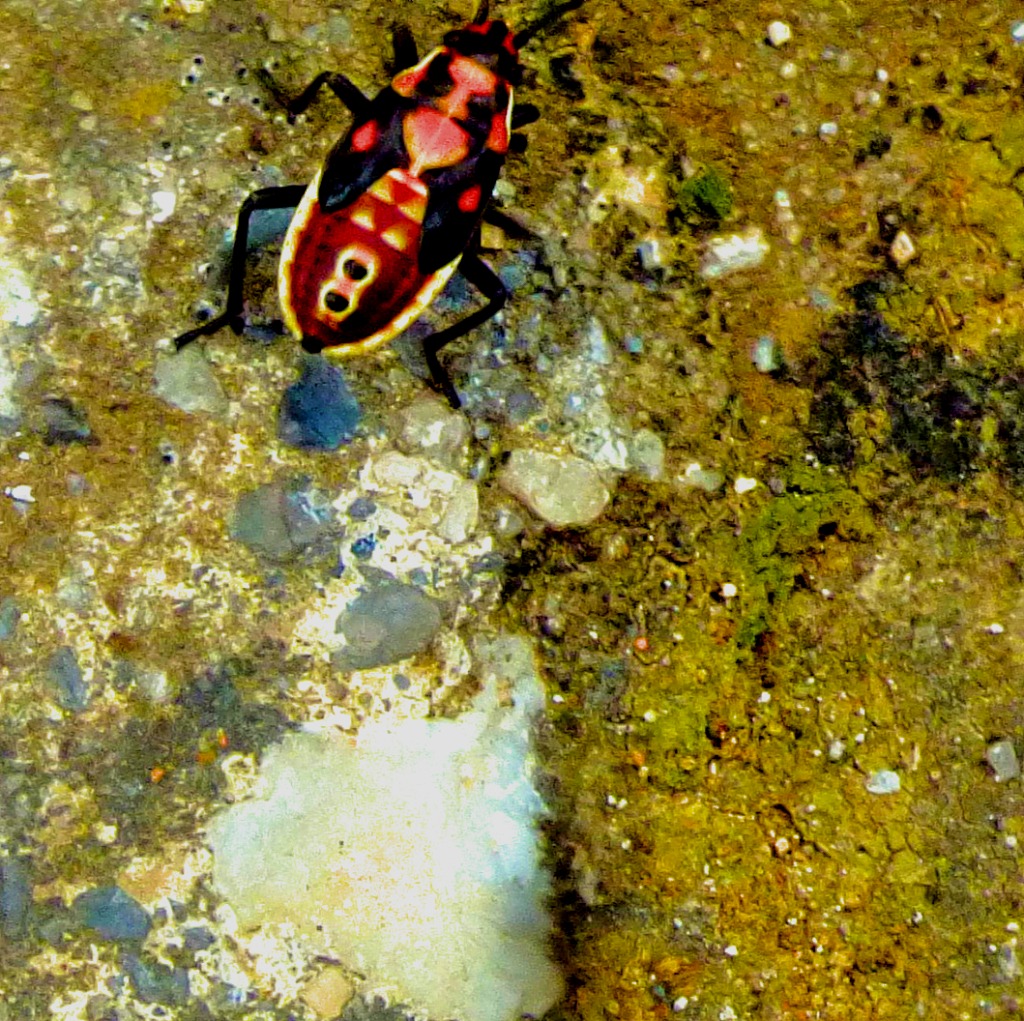
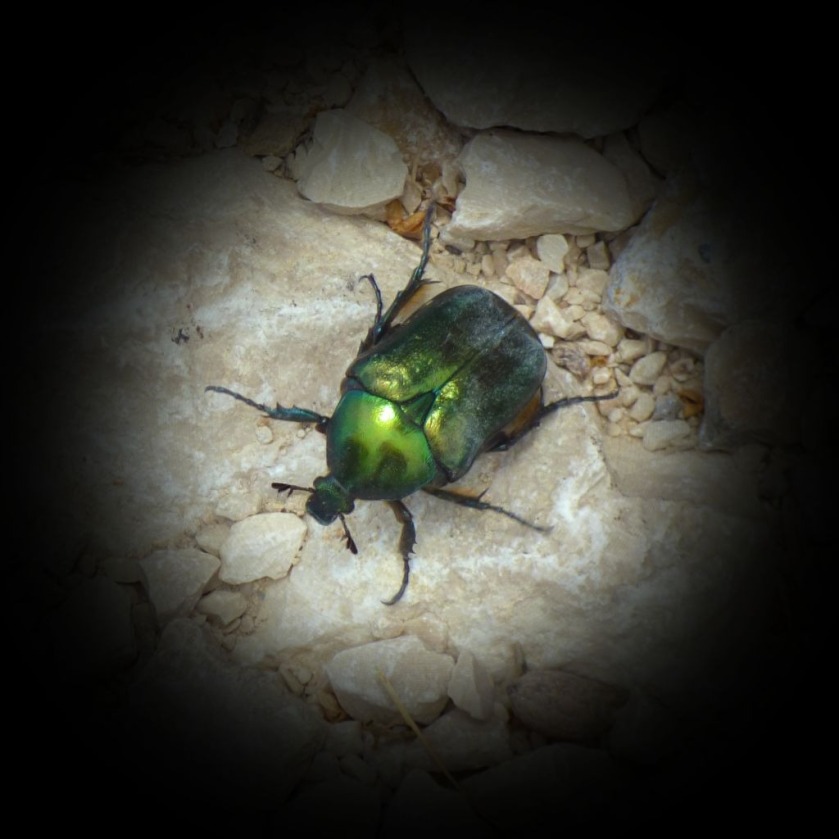
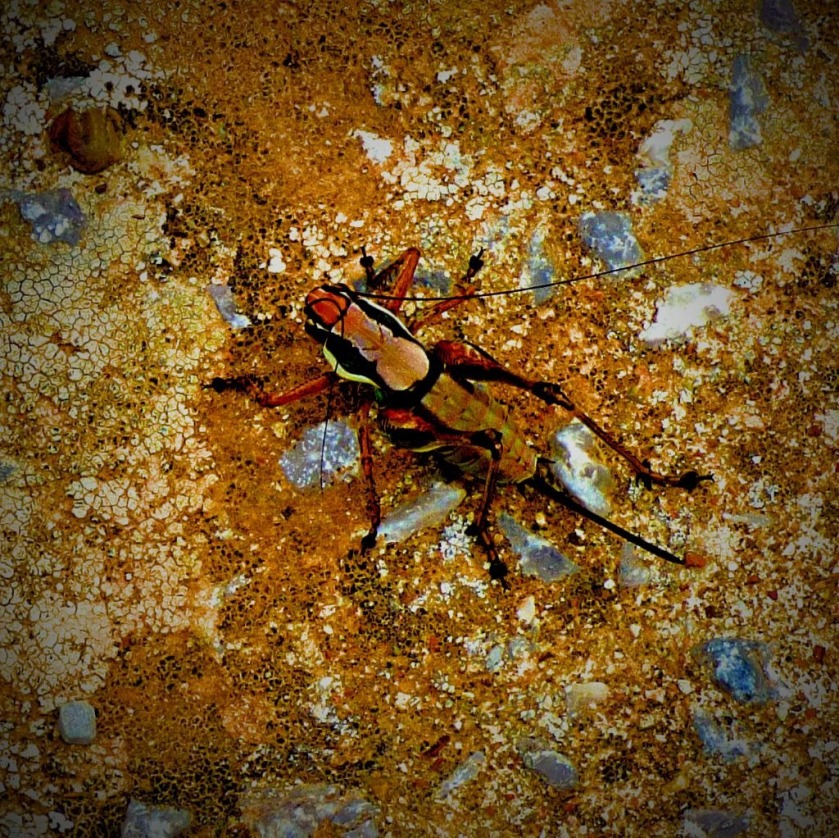
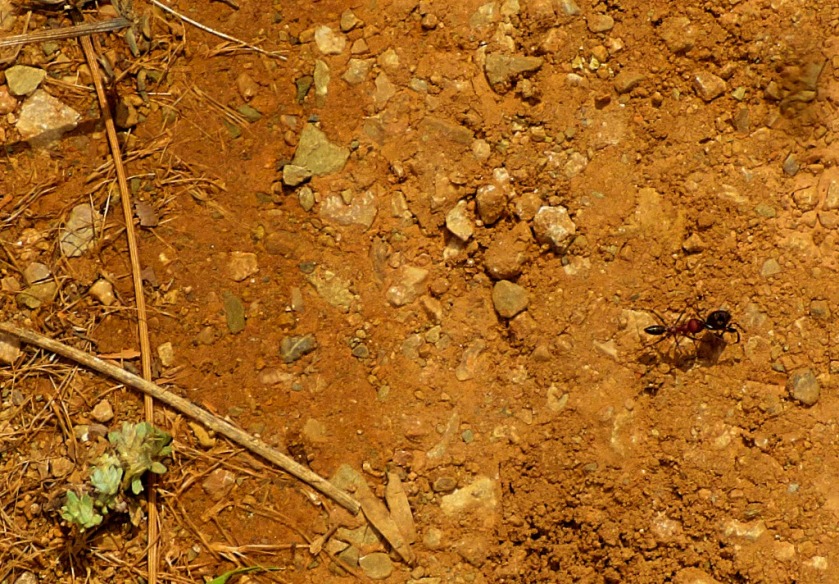
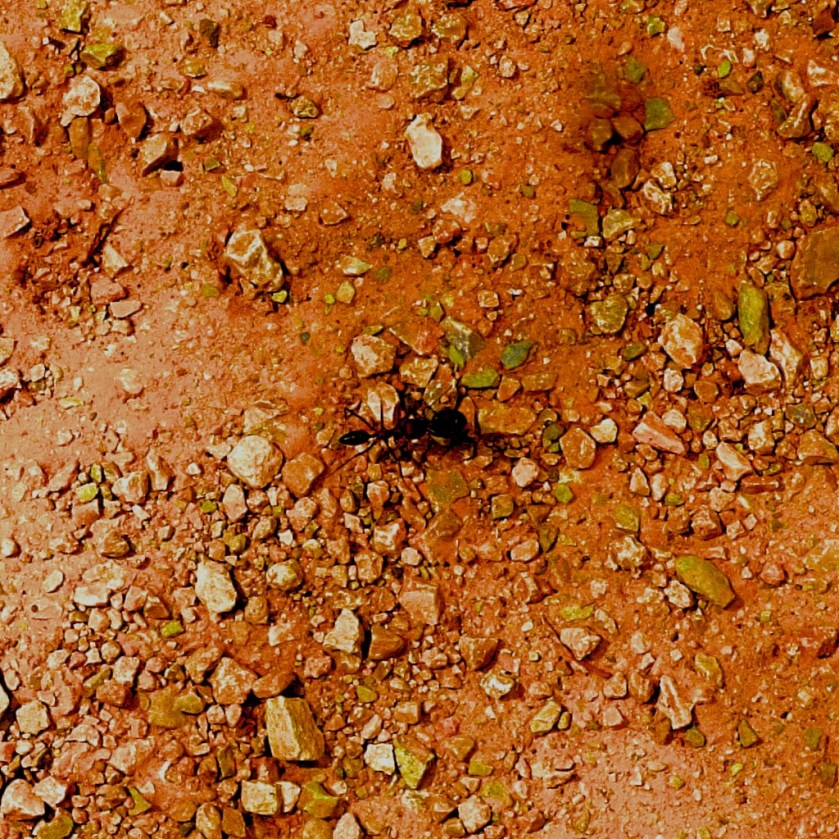
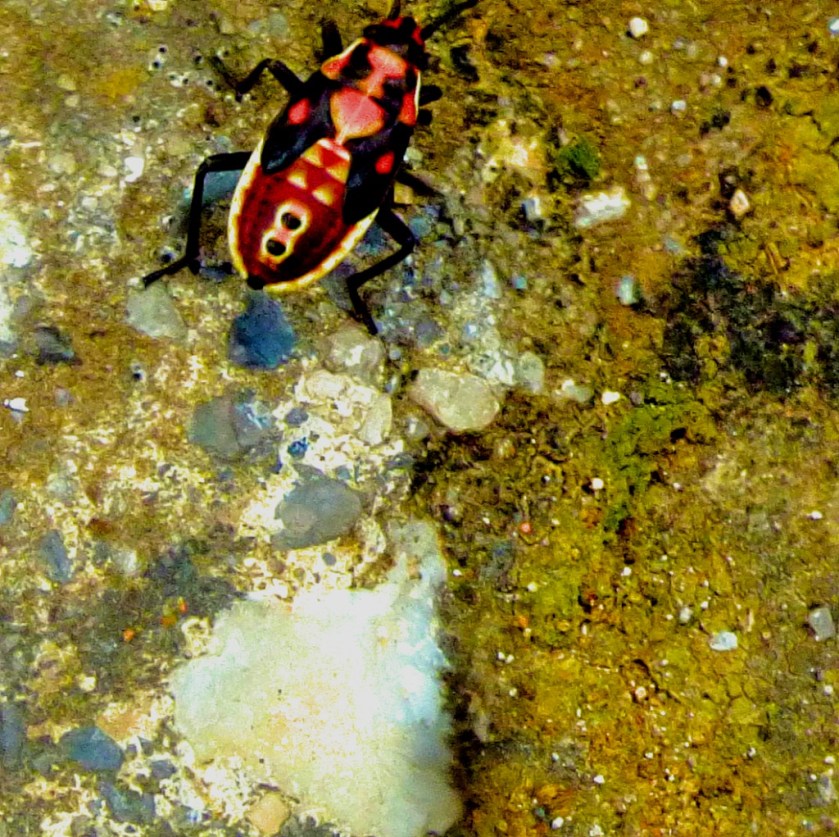
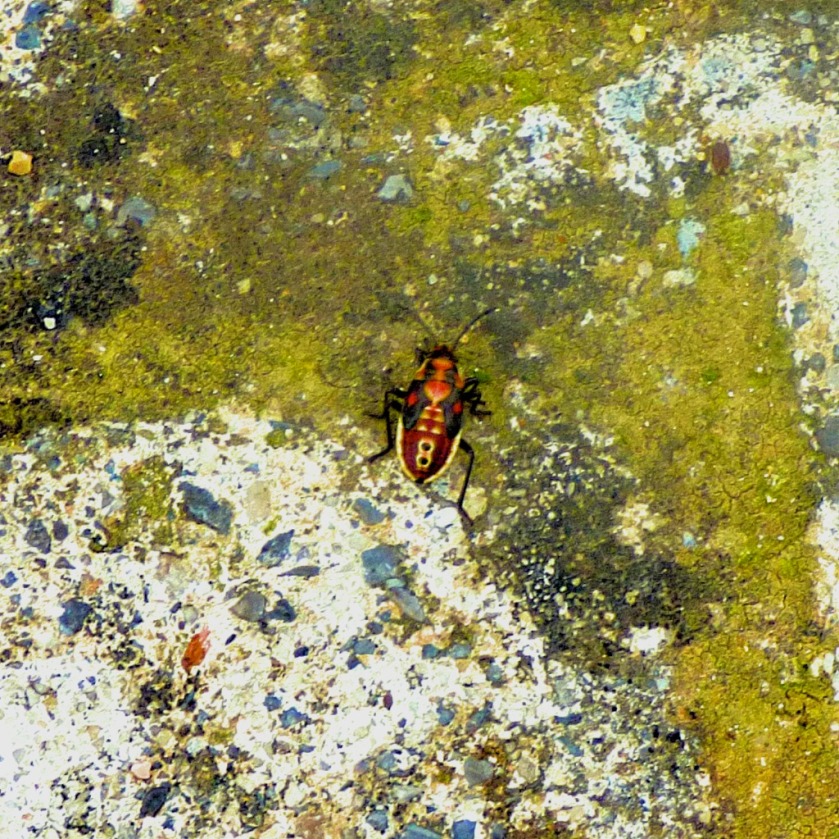
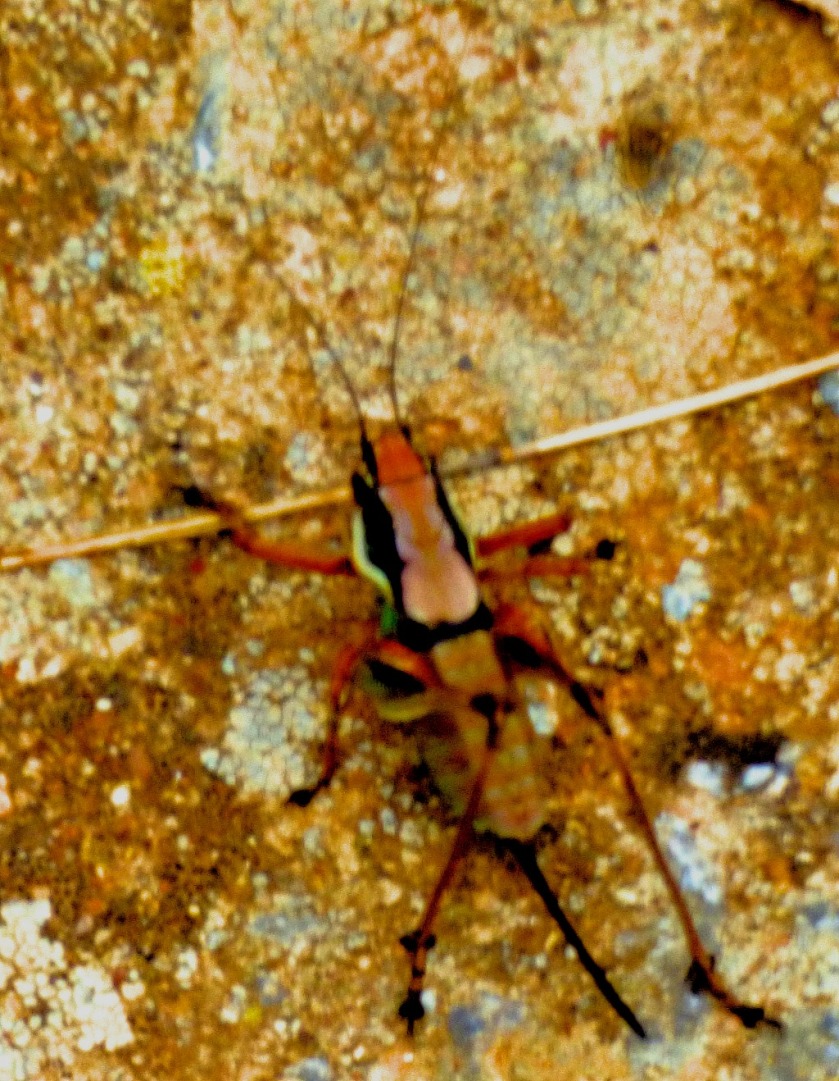
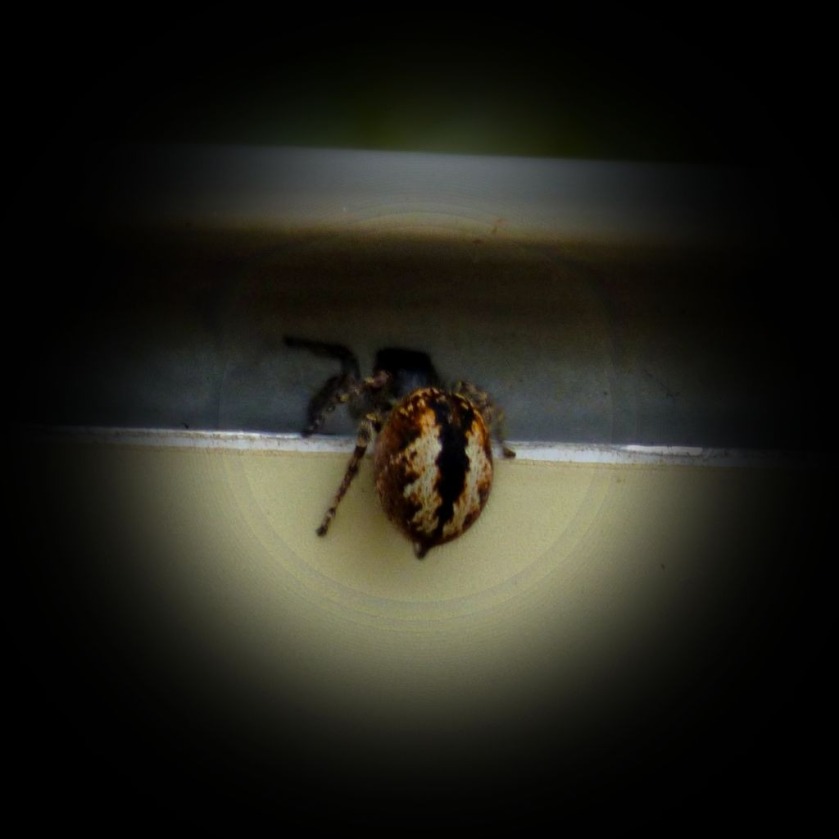
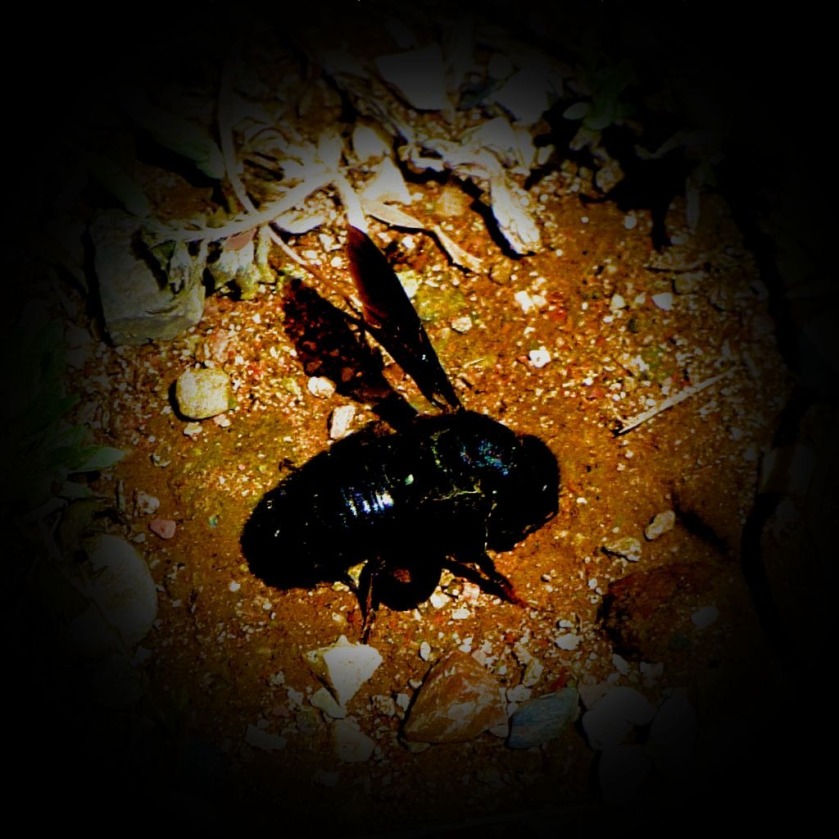
I saw this mountain snail during the ascent to Karytaina Castle, on the Friday, after the visit to Dimitsana.I could not identify this one with any confidence, although the shape suggests an arachnid of some sort rather than an insect.The size and shape of tbhis creature and the apparent solidity of its carapace suggested a large beetle, although such creatures do not usually display their wings when on the ground.
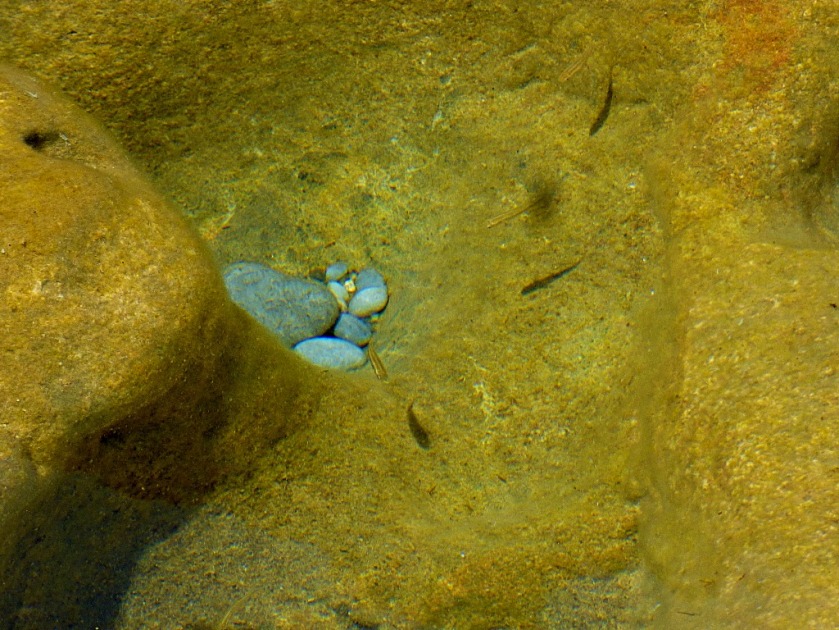
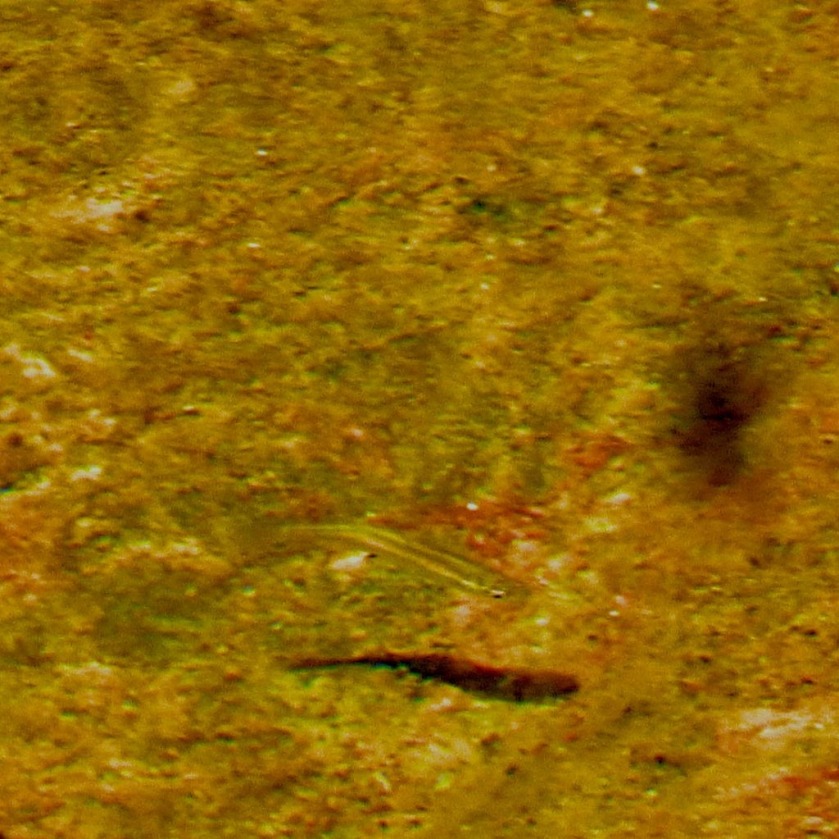
During one of the walks I saw a tiny snake which concealed itself very quickly, and I missed many other intended shots, but I think I got a fair selection!
Welcome to the next post in my somewhat spread out series about my holiday in Greece. This post follows on from my post about Nestor’s Palace, in which you can find links to all my previous posts about this holiday. Unlike my previous posts in this series this one covers events from two different days, the Monday and the Thursday.
MONDAY: KARDAMILI AND TRACHILA
There were a few things to be done in Kardamili, including finding some sandals for me, and we decided havuing finished there to make the journey to Trachila, which is at the end of one of the roads beyond the resort town of Stoupa (the other, the main road, goes up into the mountains to Areopoli and then on into the inner Mani and down to very southern tip of mainland Greece). This was a pretty journey, and Trachila itself is very pleasant.
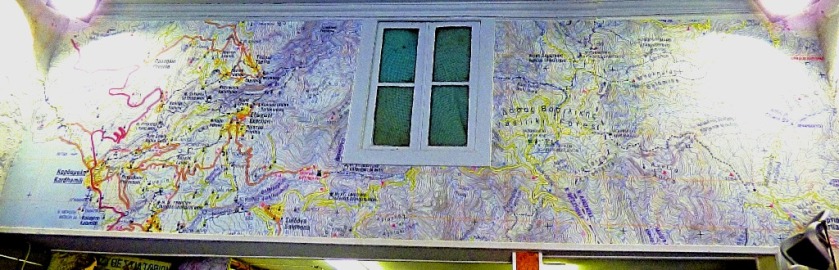
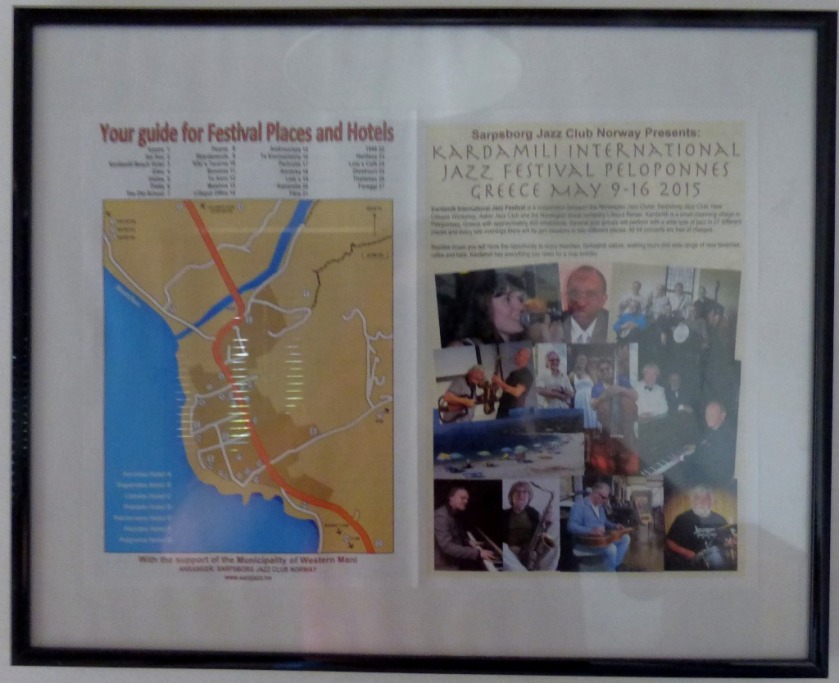
This map is part of the decoration of the shop from which my sandals came.
This is how I was able to get so close to the sea.
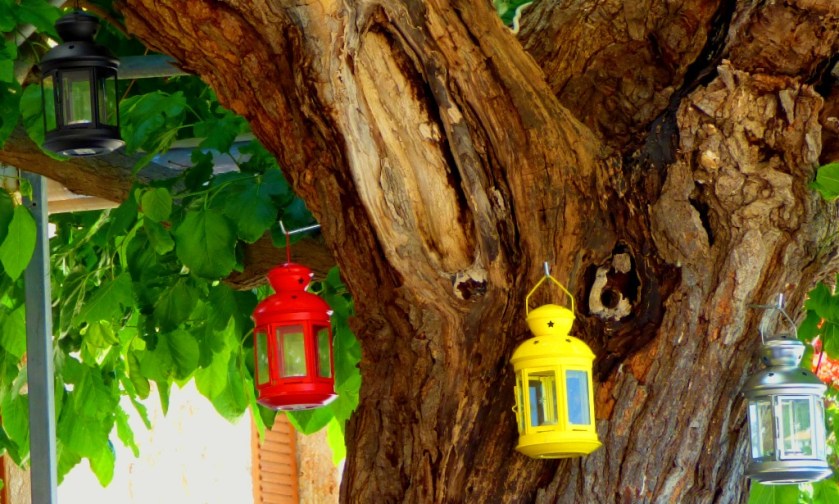
The sea at StoupaOn our way back we stopped at Akrouali’s in Stoupa for lunch – these lights were close to our table.
THURSDAY: STOUPA & AGIOS NIKOLAOS
On Thursday morning my mother was going to Stoupa for a “Stitch ‘n’ Bitch” session at Patriko’s, while I made use of their internet connection. Then we were going to walk along the sea-front to the village of Agios Nikolaos, have a light lunch at an establishment there that my parents knew, and then walk back to Stoupa before heading back to Tseria. This was deliberately a day on which we did not go on any major journeys as major excursions were happening on Wednesday and Friday.
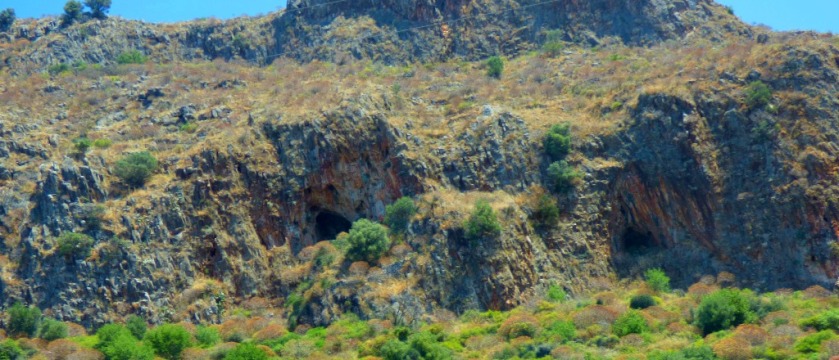
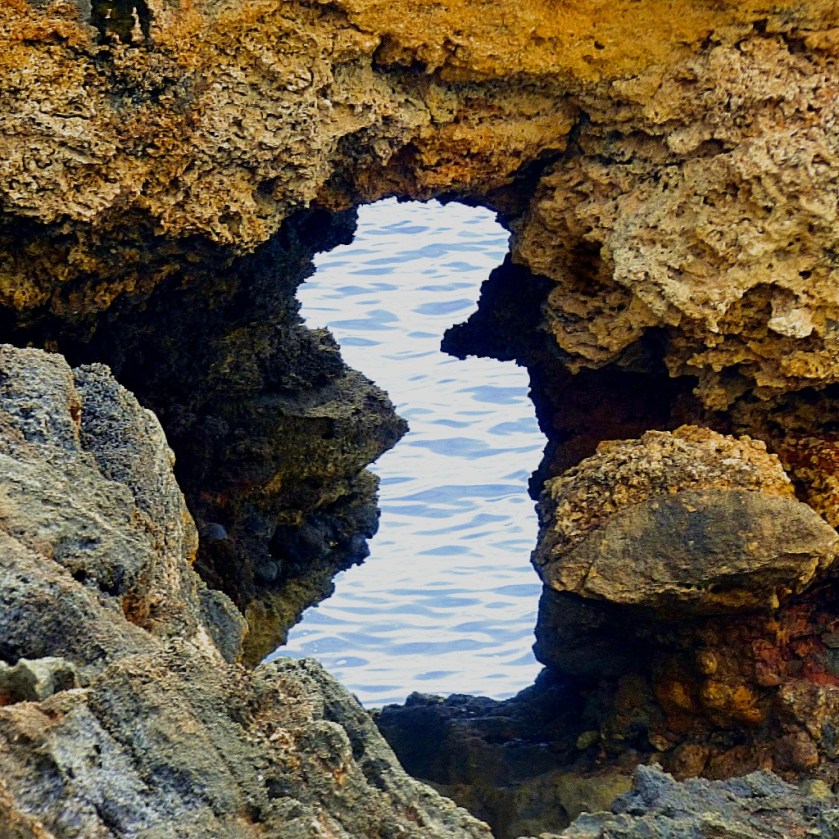
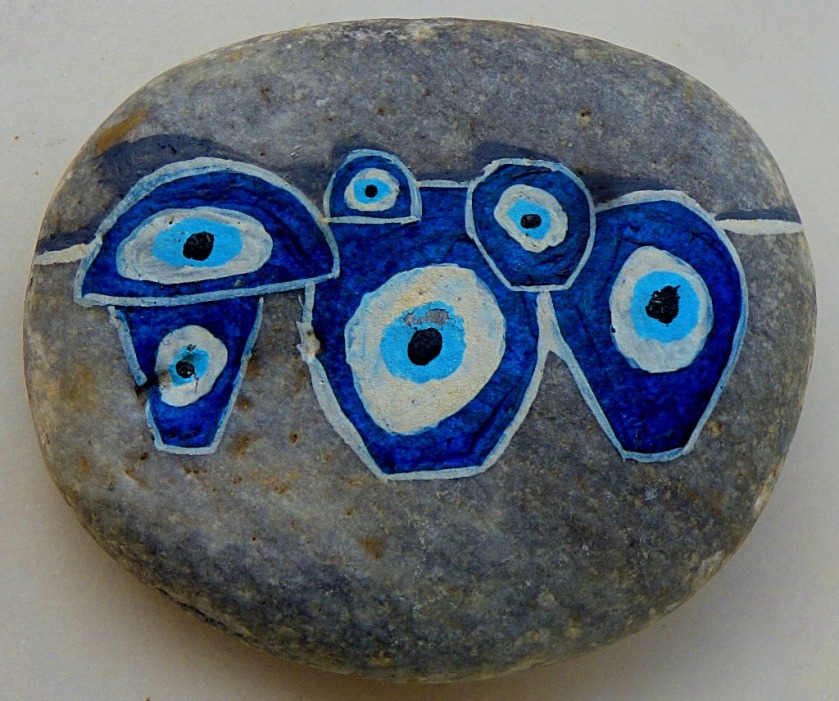
A natural window in the rocks, between Stoupa and Agios NikolaosA painted stone used as a table decoration at the place where we had lunch.
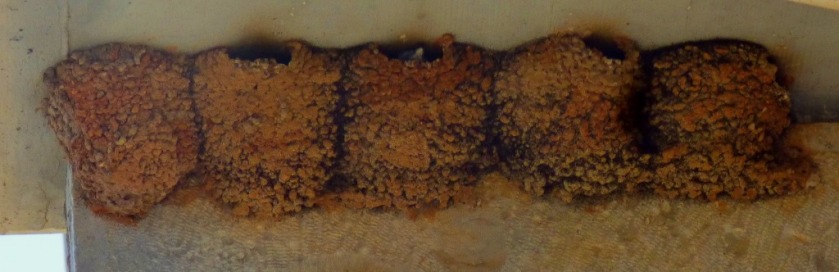
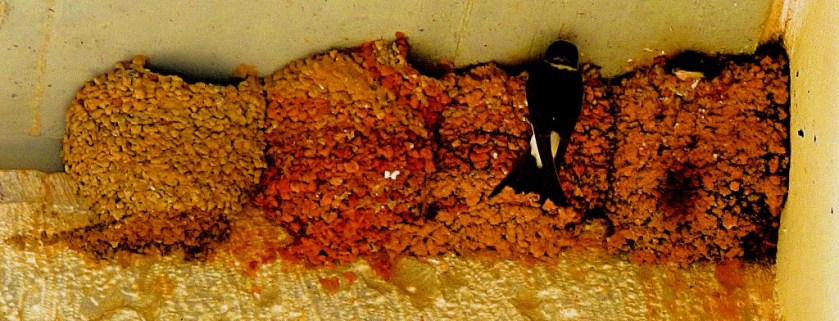
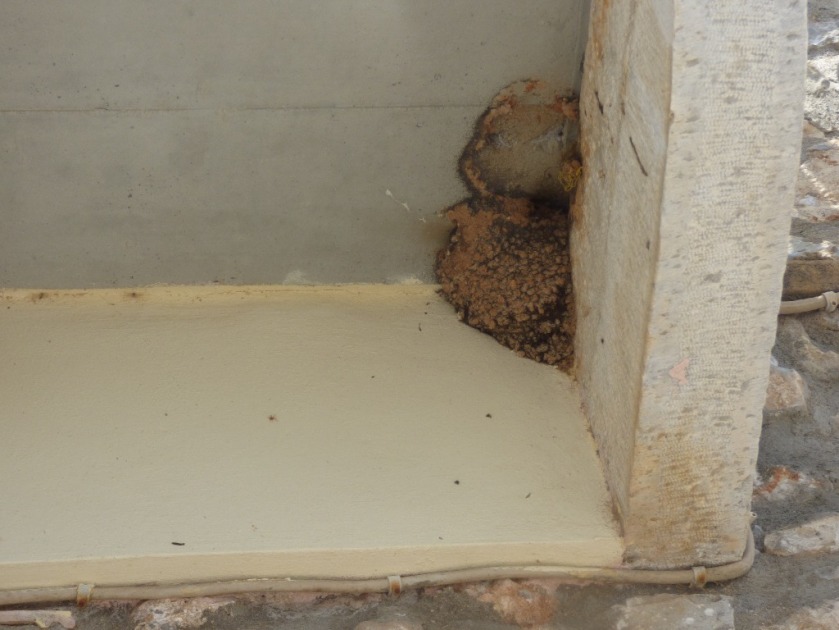
Two shots of house martin nests in Agios Nikolaos
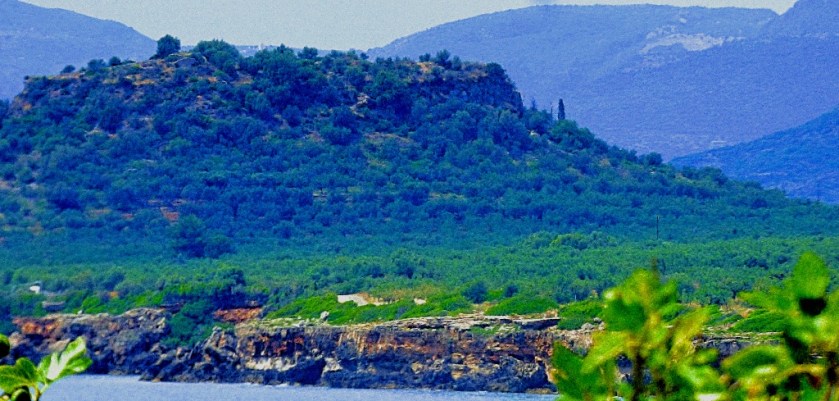
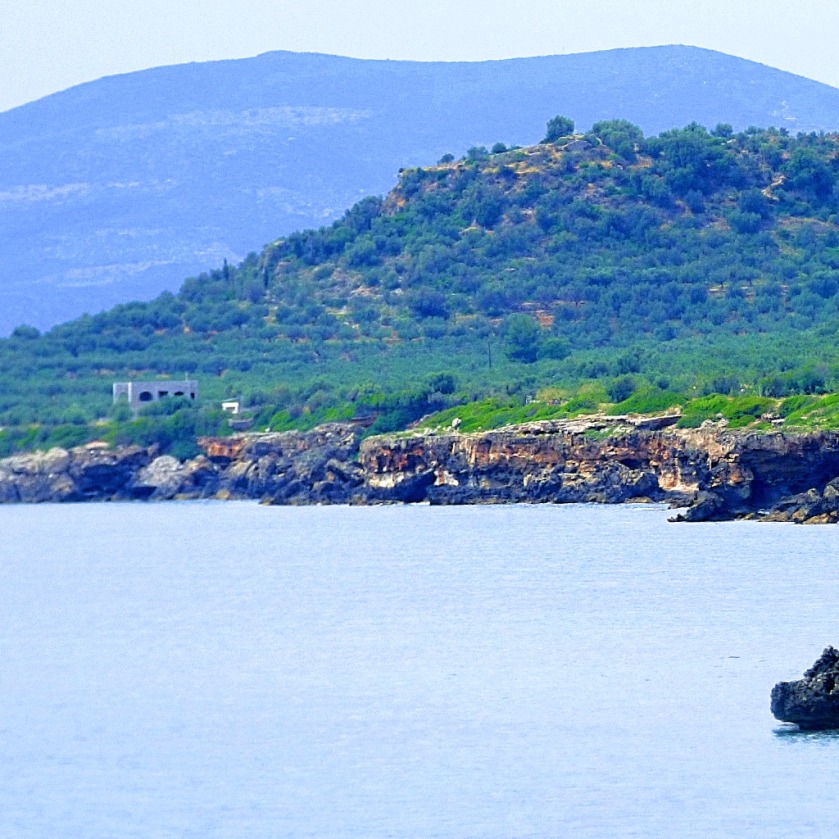
A shot of a house martin visiting the nest to deliver food to chicks concealed within.Not much remains of the 13th century Frankish castle which stood on this flat topped hill.
The beginning of full coverage of my holiday, starting atv the beginning with the journey to Tseria and the rest of that day.
INTRODUCTION
Yes folks, after yesterday’slittle offering I am now able to start the story of my Greek holiday in earnest, and my usual logical fashion I am beginning at the beginning.
THE JOURNEY TO TSERIA
The flight to Kalamata (nearest airport to my parent’s house in Tseria) takes off at 5:40AM (the return flight leaves Kalamata at 12:00 Greek time, enabling the same crew to do both flights), which means that for a public transport user who lives in Norfolk the only way to get to the airport is to travel down the night before. I did this, arriving at Gatwick as planned just after 1AM, and making my way via the automatic monorail to the North terminal, where I waited landside until the EasyJet check in desks opened just after 3AM. An uneventful passage through security and I was safely airside and had about 90 minutes to wait for gate information to appear on the screen. I had had a beer landside, and now airside I had a bagel and a coffee while waiting.
There were equally few dramas boarding the plane. I had an aisle seat, which meant no chance of seeing anything through the windows (they are too small to be of use unless you are in a window seat) and also that I had to get up more often than would have been the case had I been in a window seat.
I had had the forethought to equip myself with plenty of reading matter. We landed at Kalamata fractionally ahead of schedule, a gain that was more than lost to slow baggage handling at that end. My parents collected me in their hire car, a nice sensible Skoda Citigo, very economical on the fuel, and suitably robust for handling rural Greek roads (which are much better than they were when I visited Greece in the early 1980s, but still a fair way from being describable as ‘good’).
Inspite of a sleepless night I managed to get through the day without napping and went to bed at a sensible time, following a meal at the new taverna that has opened in the village. It was good of its kind and I thoroughly enjoyed it.
PHOTOGRAPHS
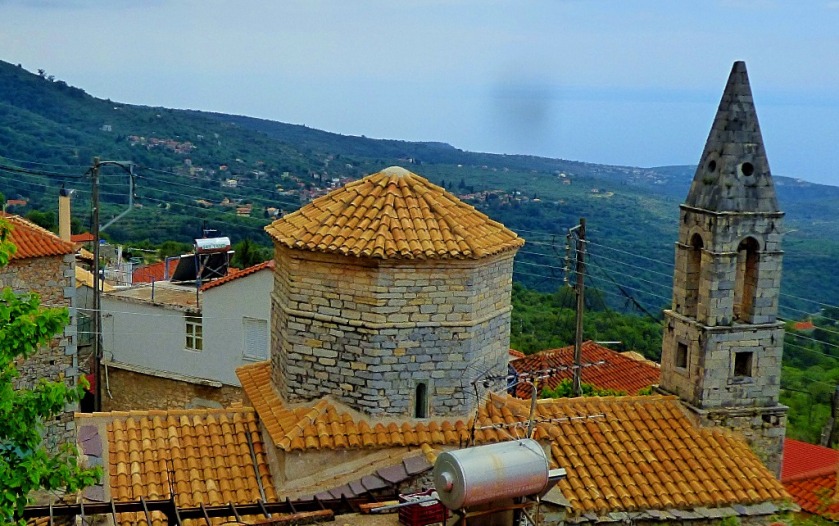
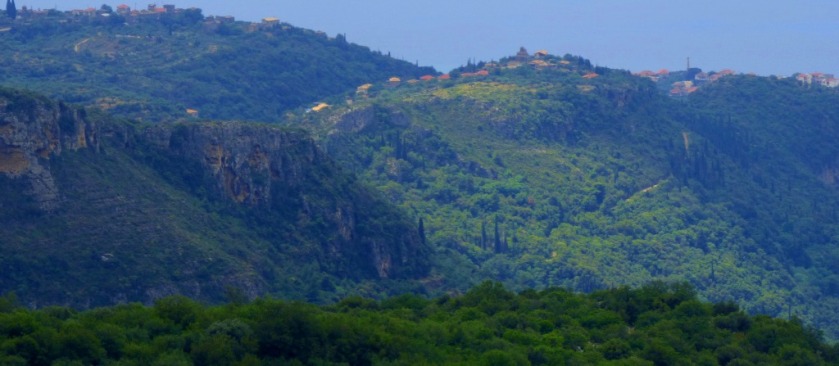
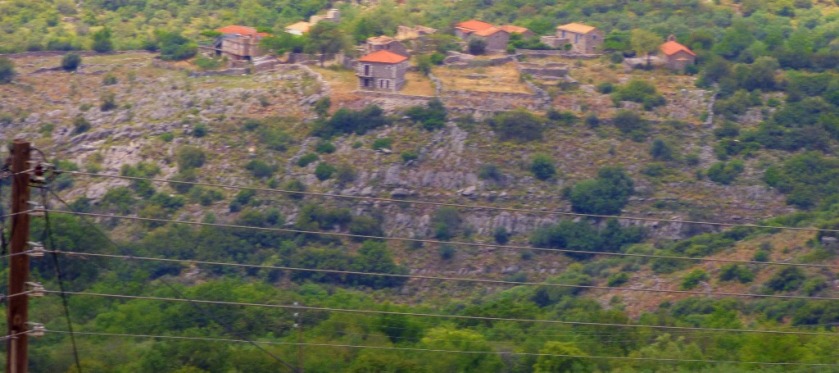
This is the first of a number of pictures taken from the balcony outside my parent’s house.
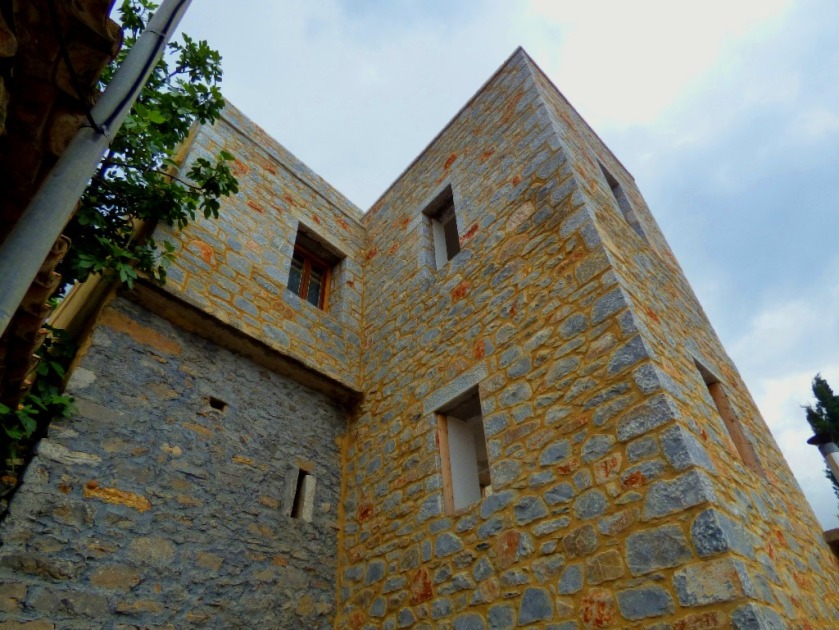
This tower is newly built since I was last in Tseria.
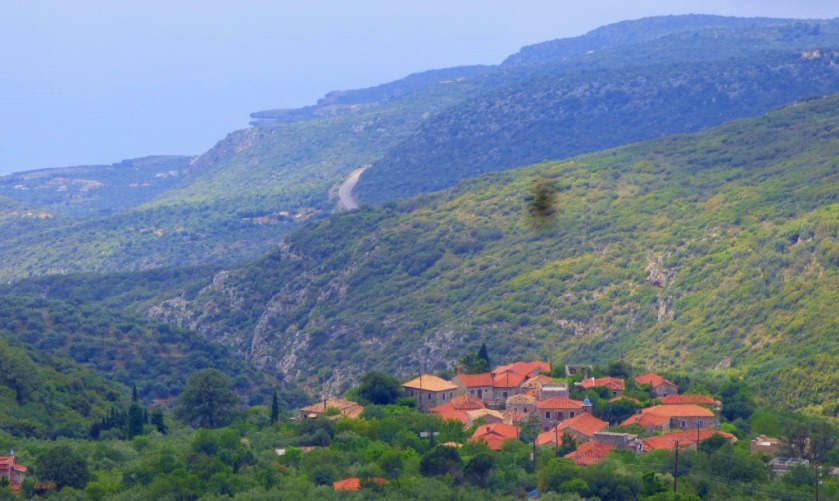
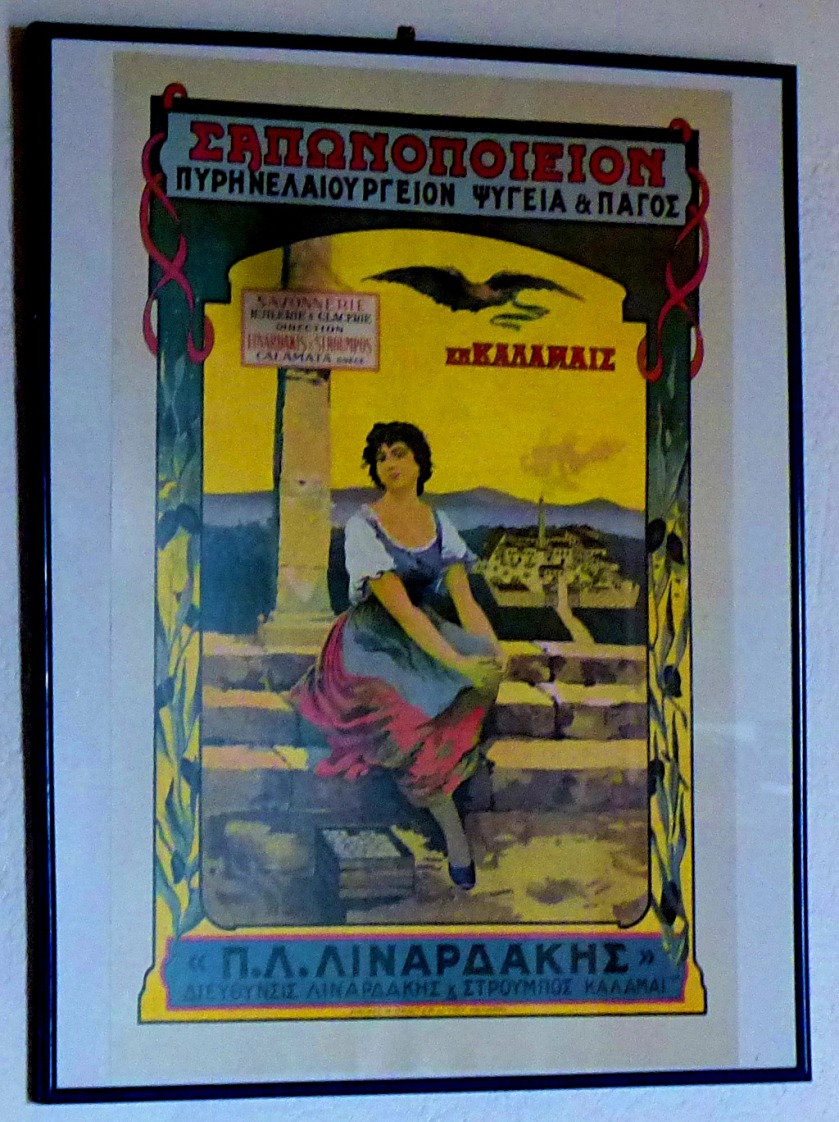
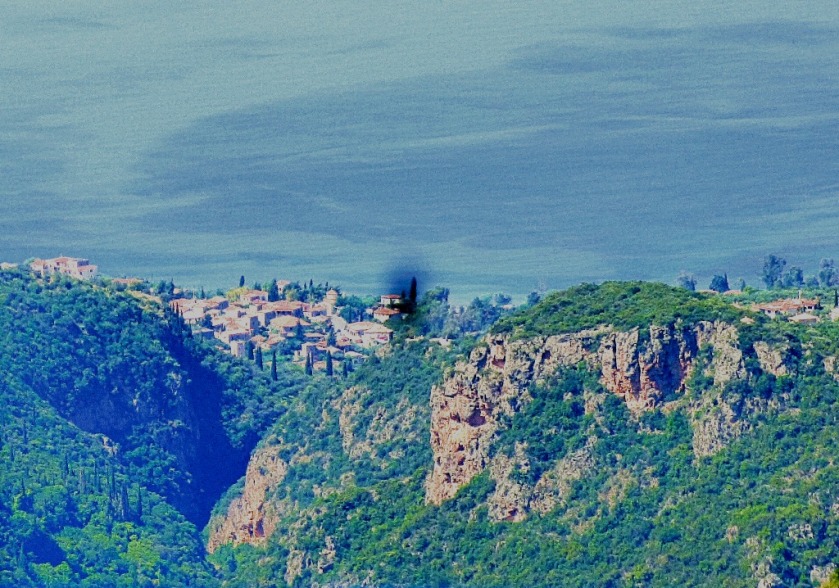
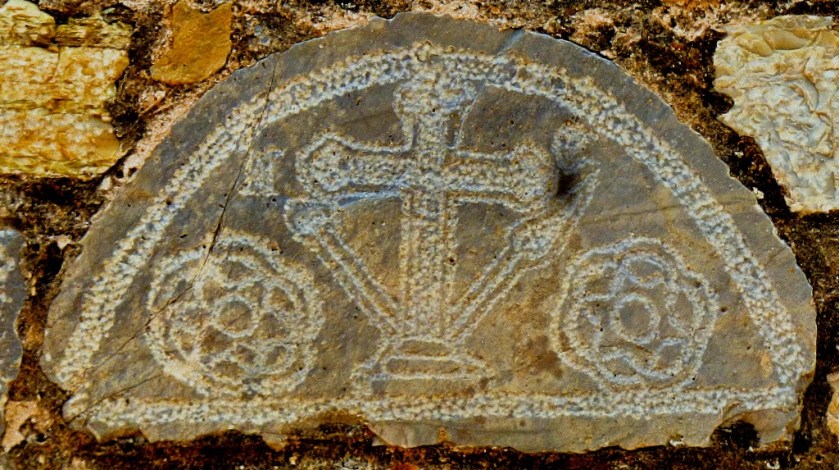
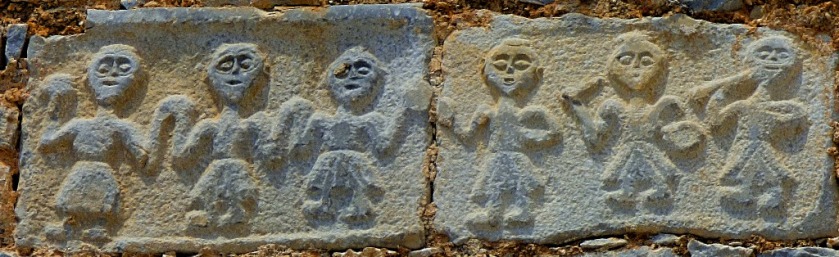
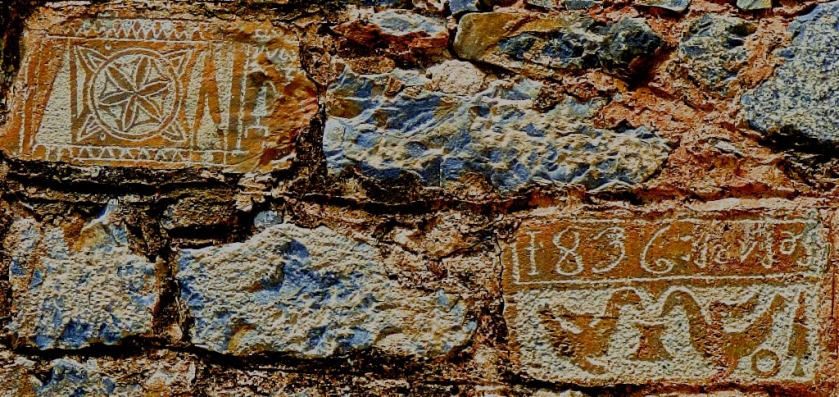
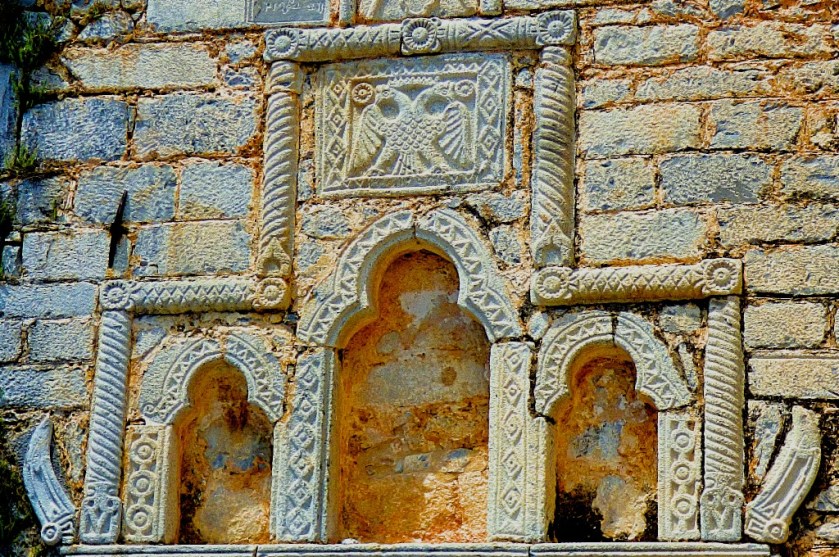
A distant view of Kardamili and the mouth of the Viros Gorge.There is a lot of fascinating artwork set into the walls of the church just below my parent’s house in Tseria and I captured some of it.
A couple of easy problems on brilliant.org that have generated considerable controversy, and some butterfly pics of my own.
INTRODUCTION
A couple of this weeks puzzles on brilliant.org have generated considerable controversy, so I am going to share them with you as a prelude to the butterfly pics. Both puzzles are actually very simple, and I will provide solutions and explanations some time on Friday.
PUZZLE 1: DR FRANKENINE
Here is a screenshot of the first puzzle:
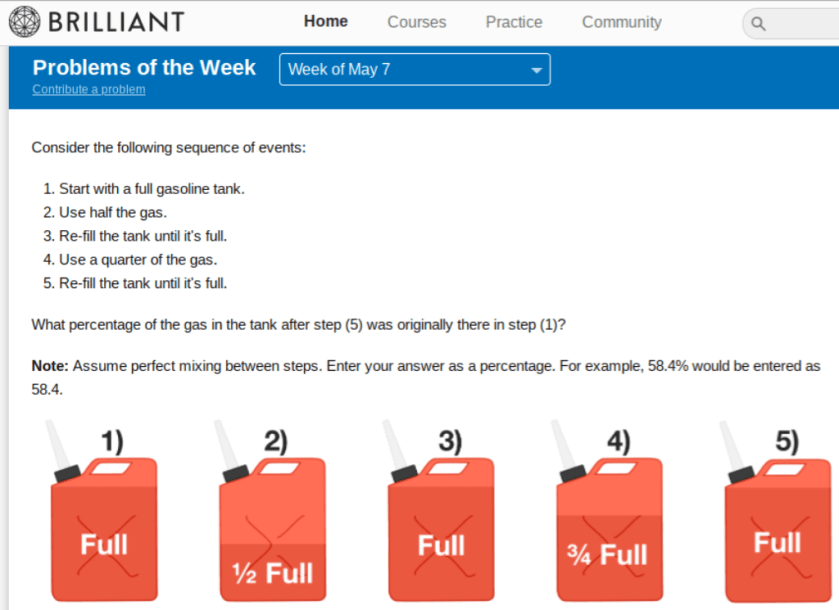
PUZZLE TWO: FUEL TANK
Here it is:
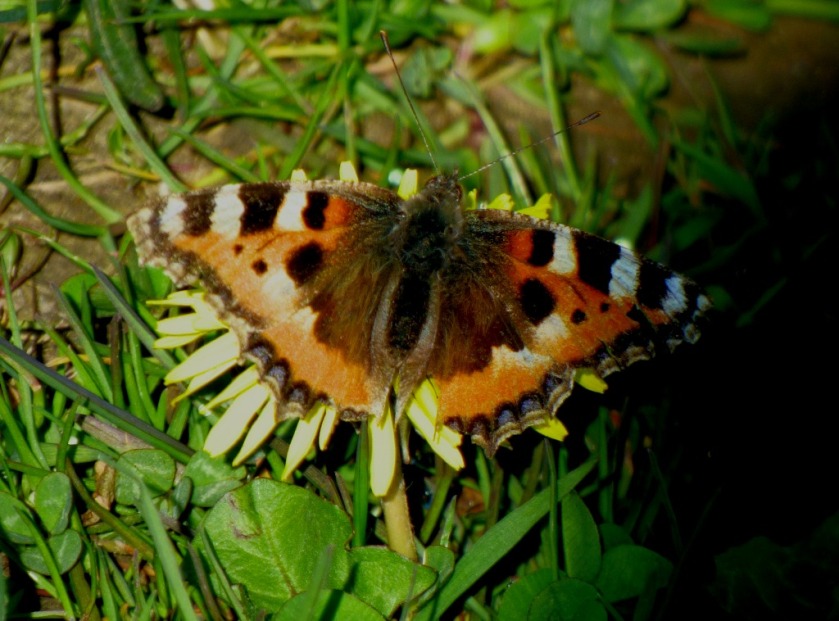
BUTTERFLIES
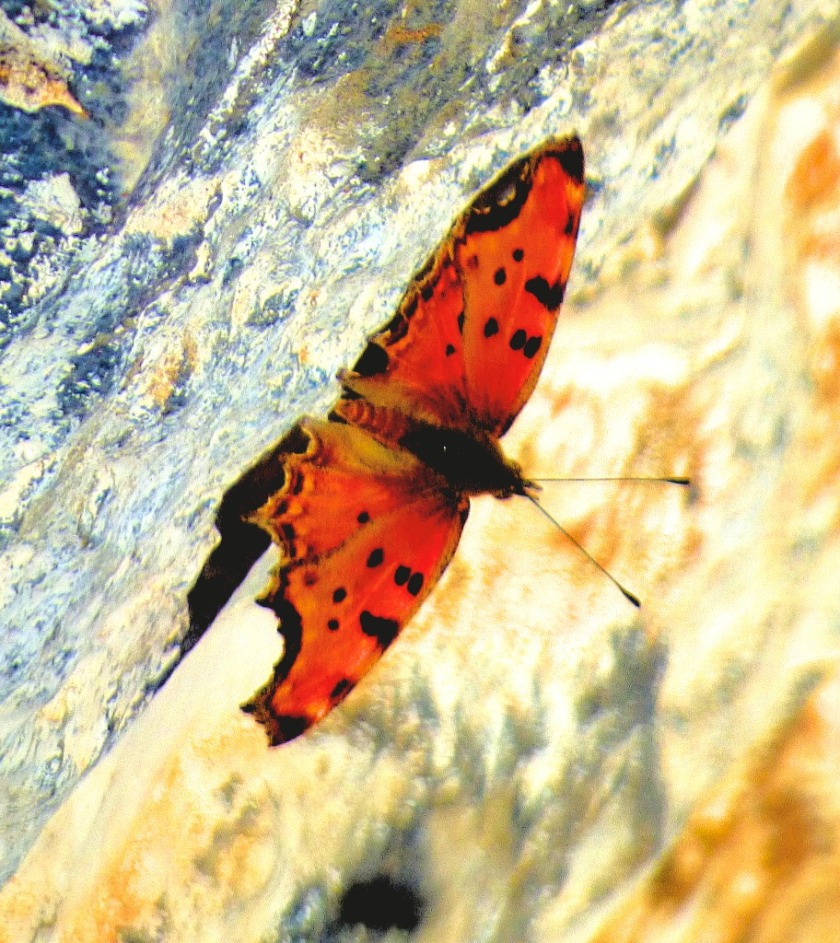
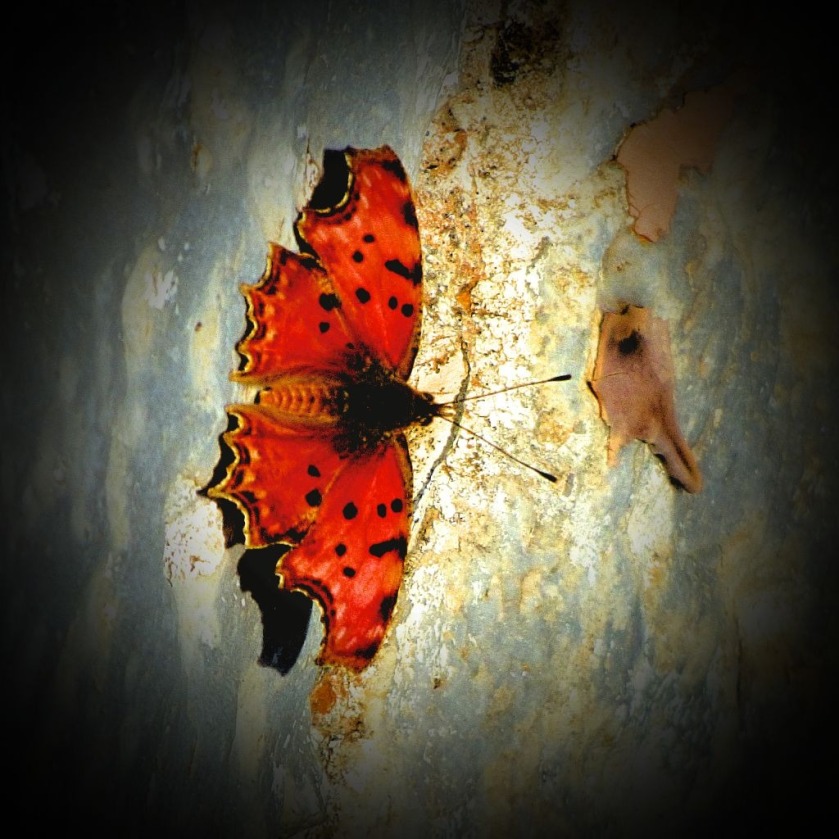
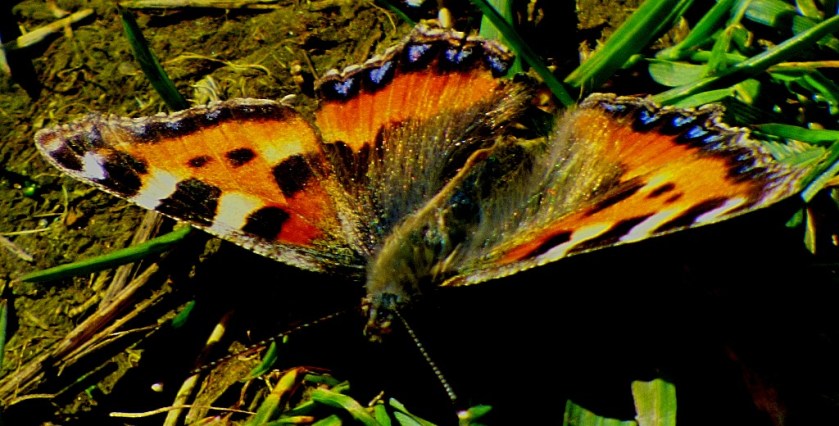
These are from Saturday and Monday. In addition the ones I have photographs of I have seen one other species, mainly white but with flame coloured wingtips but not yet been able to photograph it.
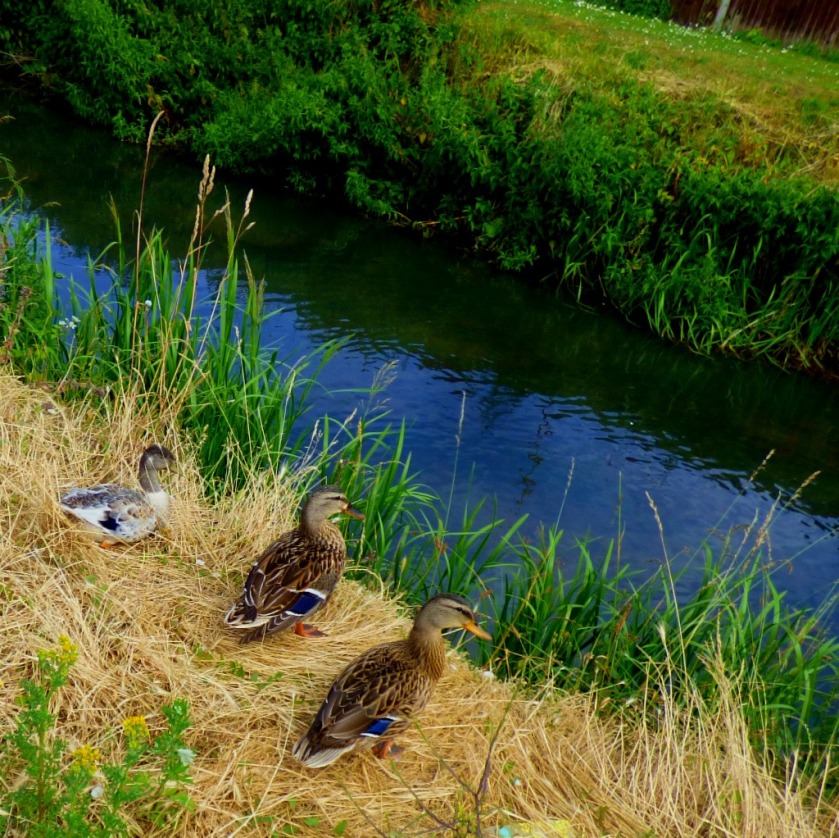
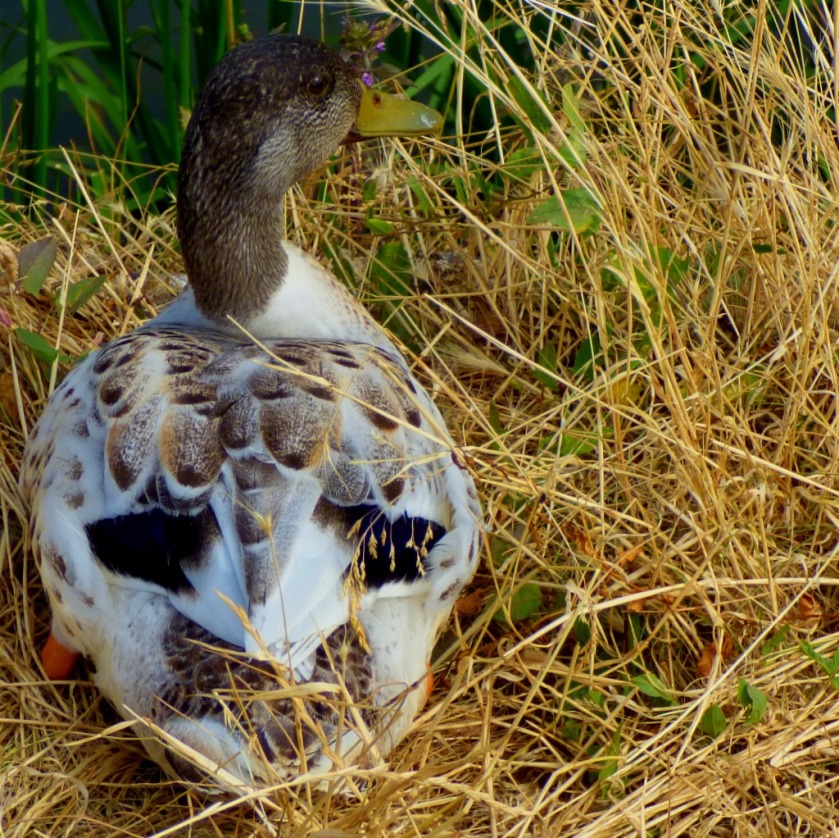
Pictures of ducklings exploring the Gaywood River.
INTRODUCTION
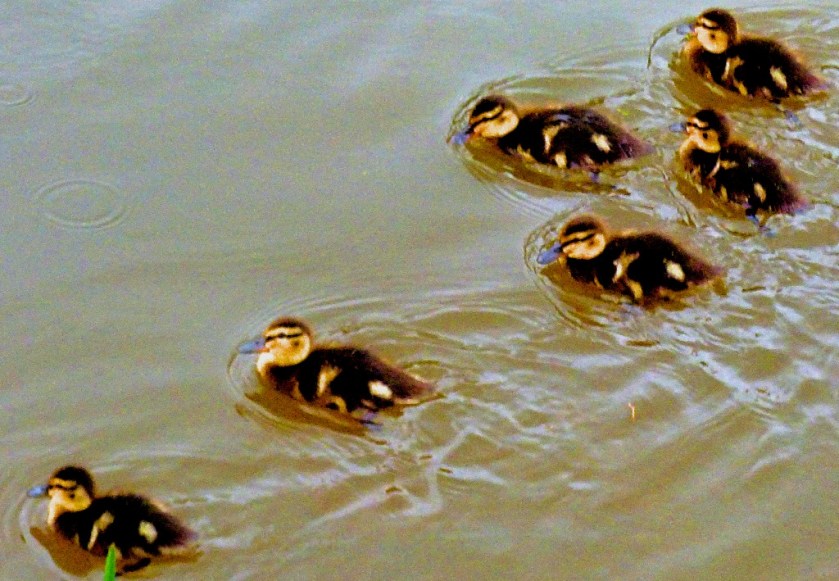
I saw two broods of ducklings while on my way to a Musical Keys session on Saturday.
THE PICTURES
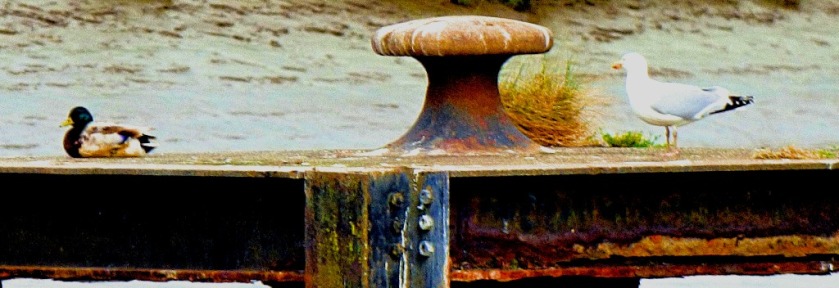
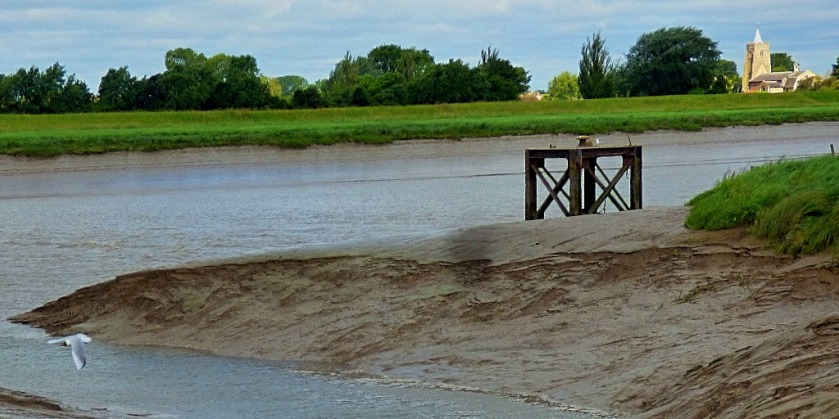
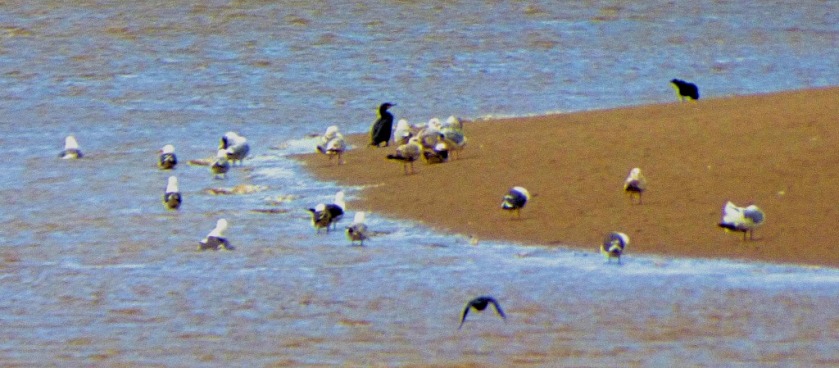
I was delighted to see the ducklings, particularly in that location, on the Gaywood River, where they are far enough from the Great Ouse that they should not fall victim to large and aggressive gulls (yes, gulls do target ducklings).
The first round of County Championship matches in season 2018 is drawing to a conclusion. Where there has been action (Yorkshire’s failure to get their ground into playable condition caused their game against Essex to be abandoned without a ball being bowled). I also have some photos to share, and will provide answers to the last problems I posed.
RAIN, WICKETS AND THE ODD RUN
A lot of drawn games have resulted due to poor weather before and during the matches. However, those matches which have had definite results have been absolute crackers. Only one game remains in progress – Sussex against Warwickshire, with the former’s David Wiese having scored the only century of this first round of fixtures (and off a mere 94 balls, helped along by 14 fours and three sixes). Sussex are building are useful lead, but it will take something spectacular in what is left of the match for anything other than a draw to eventuate. Gloucestershire beat Kent in a very low scoring affair (the largest team total in any of the four innings was only just over 150). Middlesex also won their match in short order, completing the job early on yesterday. Two other matches had definite results:
HAMPSHIRE V WORCESTERSHIRE
Worcestershire generally have a lot of away games scheduled for early in the season to give the New Road ground an apportunity to recover from its winter inundation (it is very close to the river Severn, so this is pretty much an annual event), and this year is no exception. Their match against Hampshire at Southampton (I refuse on principle to refer directly to grounds that are named after a sponsor) saw many twists and turns, but Hampshire were pretty well always ahead of the game. James Vince’s spirited 75 on the opening day was a fine effort, but yet again he failed to turn a good start into a really significant score. All-rounder Gareth Berg matched Vince’s score. Worcestershire fought back from a dreadful start in their own first innings to top the 200 mark, but they still conceded a deficit of 79, and Hampshire then scored 244 in their second innings to leave Worcestershire needing 324 to win. Worcetserhsire were so far short of threatening this target that it took a defiant last wicket partnership to get the final margin below 200 runs.
LANCASHIRE V NOTTINGHAMSHIRE
Lancashire were all out for 158 in their first innings, Nottinghamshire responded with 222, and overnight Lancashire were 58-2. Harry Gurney and Jake Ball (Left-arm Fast and right-arm Fast Medium respectively) bowled magnificently this morning, and Lancashire’s last eight wickets scraped together a measly 15, which meant Nottinghamshire needed just 10 to win. Nottinghamshire themselves managed to lose four wickets while chasing down this target, making the score for the day 25-12.
PHOTOGRAPHS
These are all from this morning:
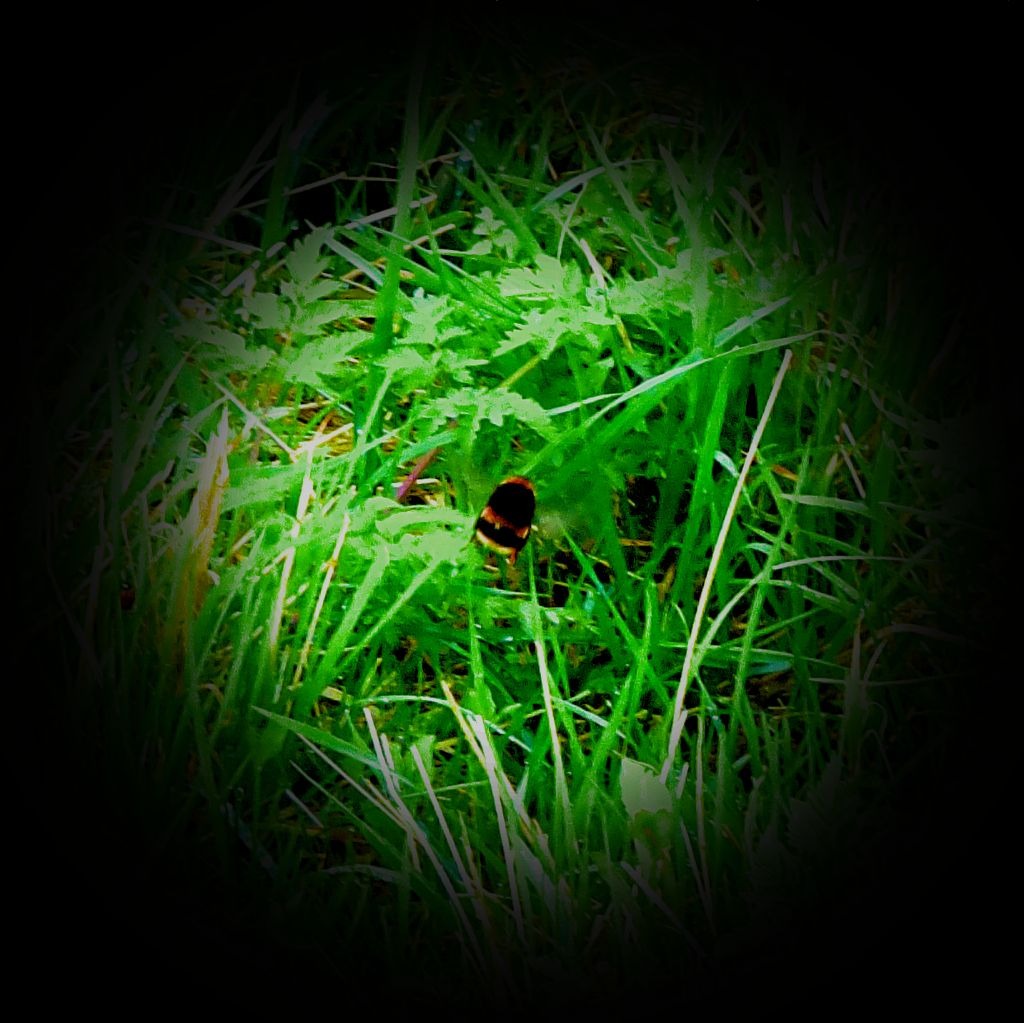
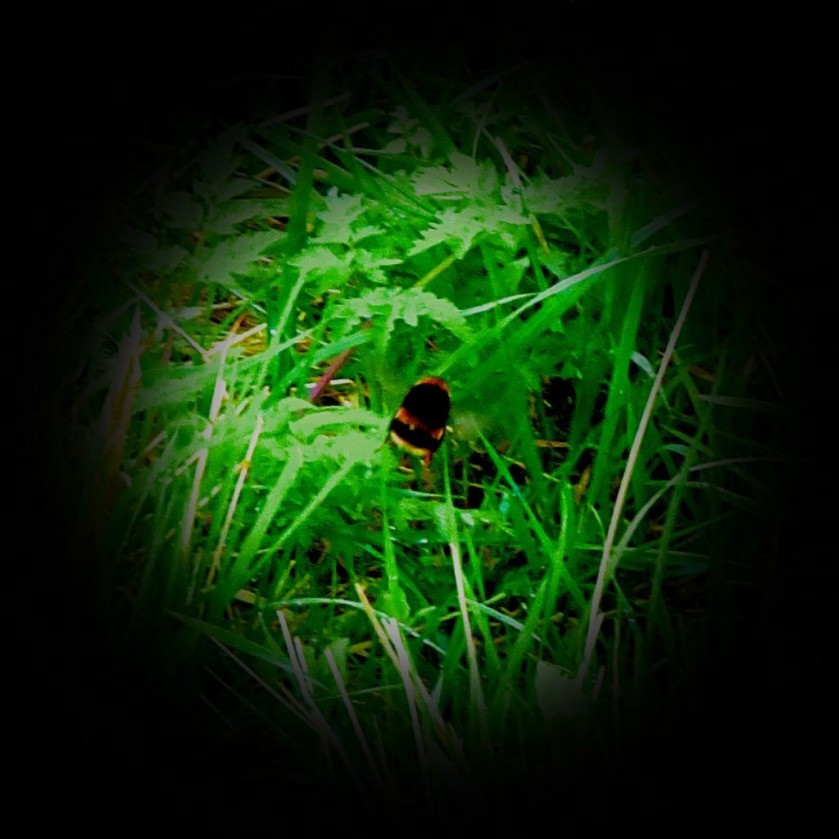
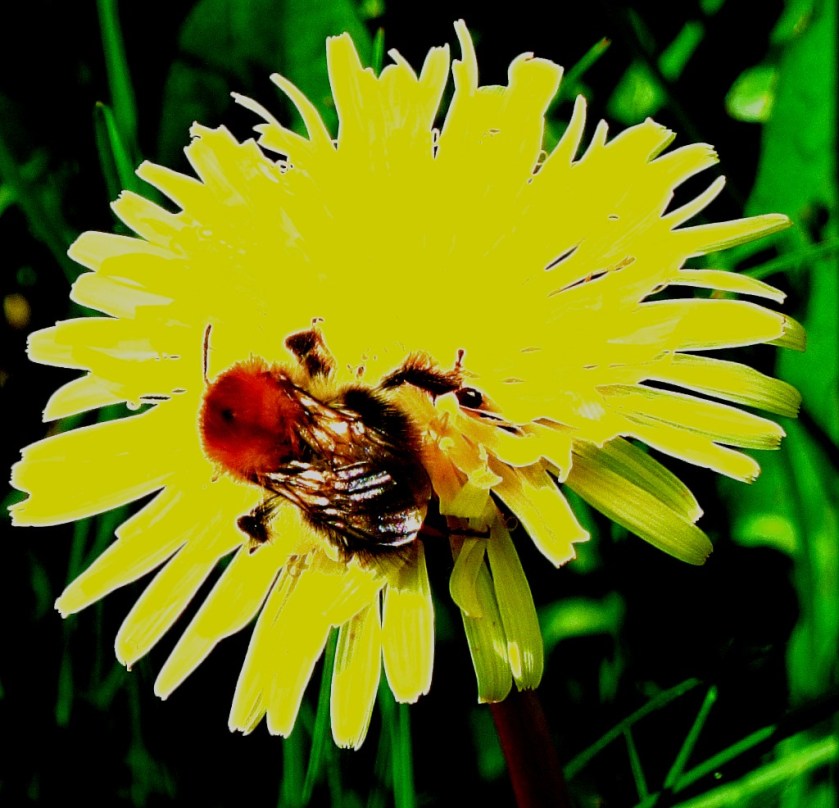
My first bee picture of 2018
SOLUTIONS
I posed these problems on Friday, in a post titled “Solutions (And New Problems)“
Deck of Cards:
This is a multi-choice question, the possible answers being:
a) Less than 50% b) More than 50% c) Exactly 50% This problem generated a huge amount of controversy among solvers on brilliant (many of those who opted for exactly 50% being unable to accept that they were wrong and arguing over it). The answer is “less than 50%” – whatever colour the top card in the pack is there remain 51 cards of which 25 are the same colour as the top card and 26 are the other colour. Hence the probability of the bottom card being the same colour is the top card is 25/51, which is just less than 50%. The more cards the deck contains the closer to 50% the probability gets, but it never reaches 50%.
2. Groyne
This one caused such confusion to solvers om brilliant that over half of them got it wrong. The answer is A, since the groyne acts as a block against waves approaching it from the right as you look at it, and therefore the reduced speed of those waves causes sediment to deposited on that side of the groyne.
A brief account of my session at Musical Keys yesterday.
INTRODUCTION
Yesterday was a Musical Keys session, and Oliver who runs Musical Keys put in an appearance. Also, some of our stuff was recorded – we will hear it in a fortnight’s time.
THE JOURNEY TO THE SCOUT HUT
Immediatedly after a light lunch of salami and salad I set off on my journey (I was starting early because I needed to check in on my aunt’s house en route and also intended to take advantage of heading towards that part of the world to visit Gaywood Library). After the few minutes it took to make sure all was OK at my aunt’s house I headed for the parkland and thence the footpath between the two academies, before a diversion to Gaywood Library and a walk along the bank of the Gaywood River to finish. Here are some pictures covering the period between leaving my flat and exiting the parkland at Tennyson Road:
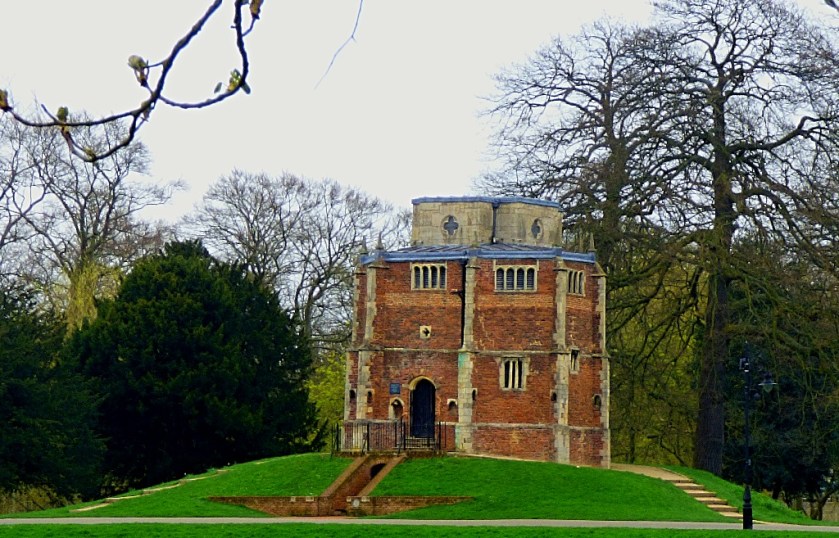
A welcome return of market stalls to the Saturday Market Place.This cannon ball hangs in the entrance to Hampton Court (near my aunt’s house)The Red Mount ChapelThe Guanock GateA black headed gull in The Walks.
The cricket season is underway in most parts of the country, but Yorkshire and Essex have had no play on any of the first three days of their match due to a sodden outfield. Norfolk has not been battered as much as the north, but this picture from The Walks shows the problem – saturated soil means that there is nowhere for water to go.
The second part of the walk to the Scout Hut provided a few photos as well:
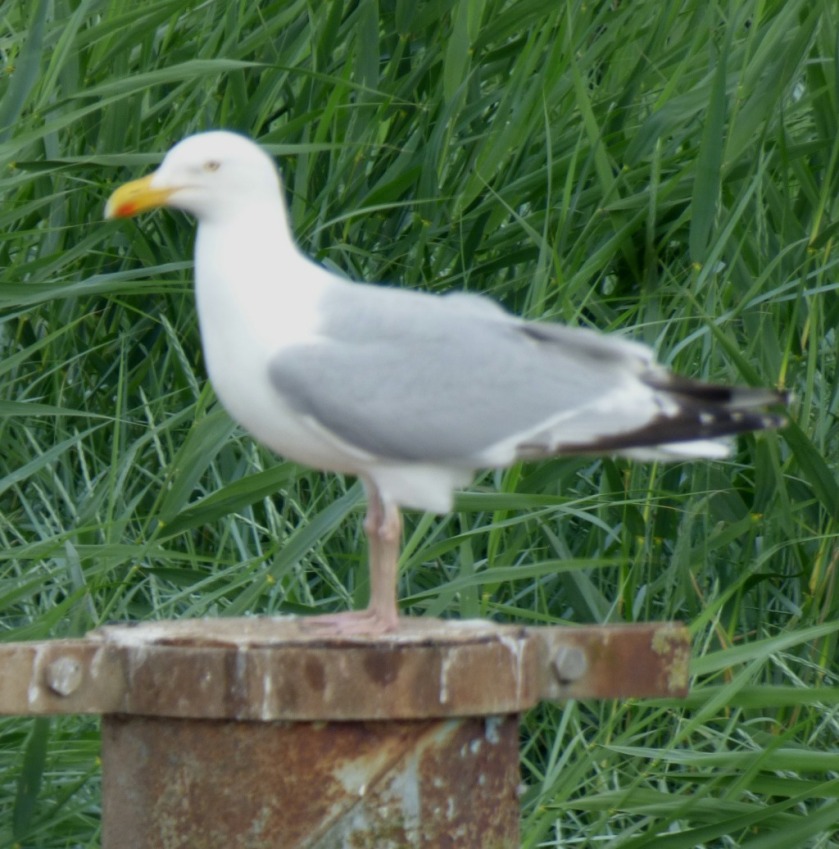
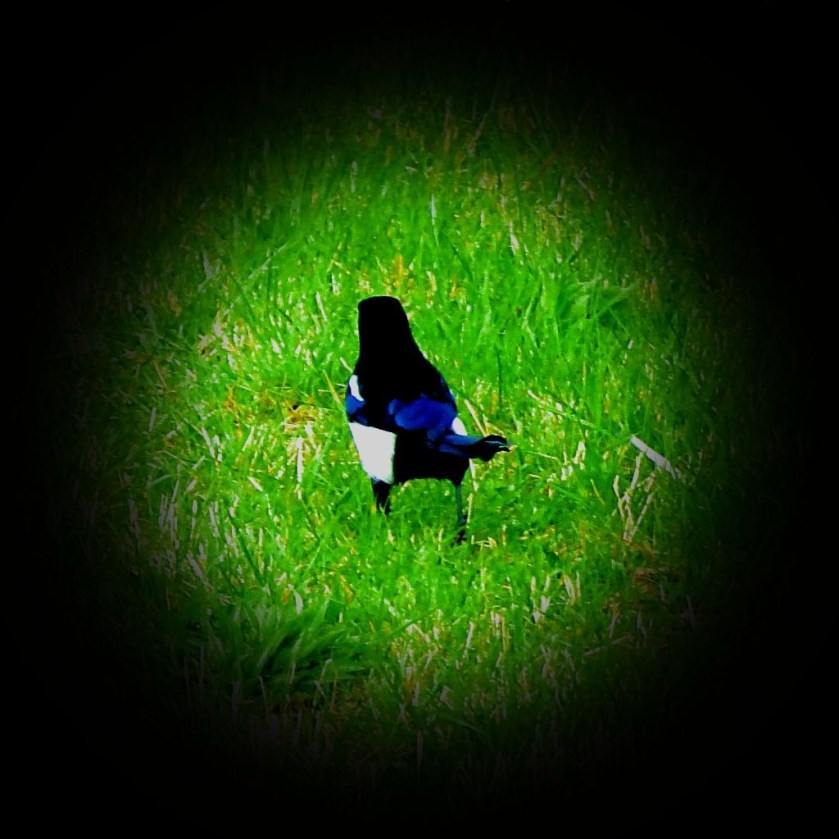
For more on the bird on this picture please visit my previous post.
Once it was time for the session to begin I did not take long to decide what I was going to do…
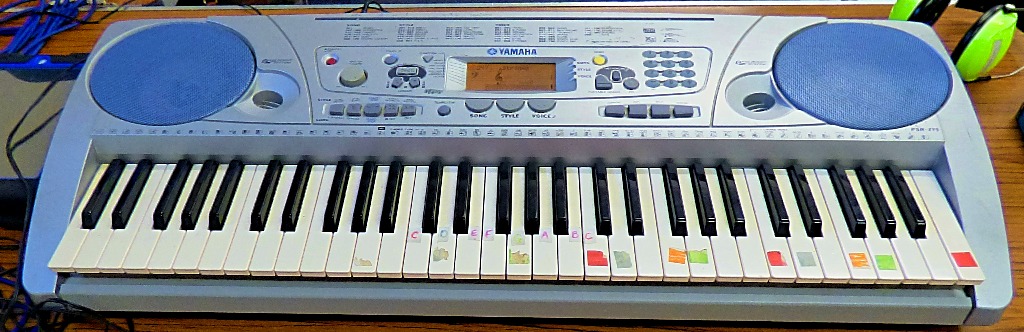
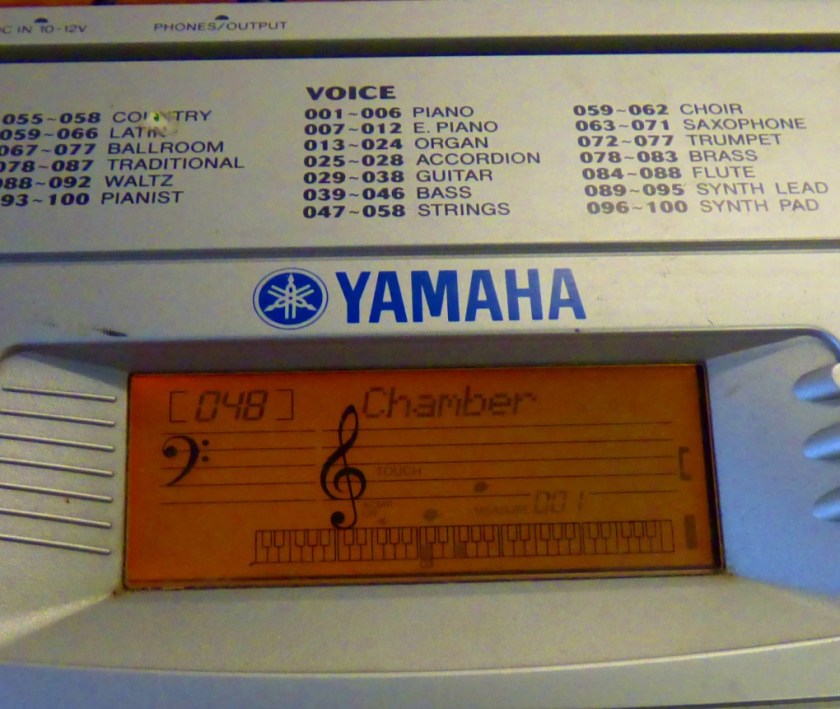
This Yamaha music system is not quite the equal of the Korg that I jhave used on previous occasions at Musical Keys, but it is still a very fine gadget.
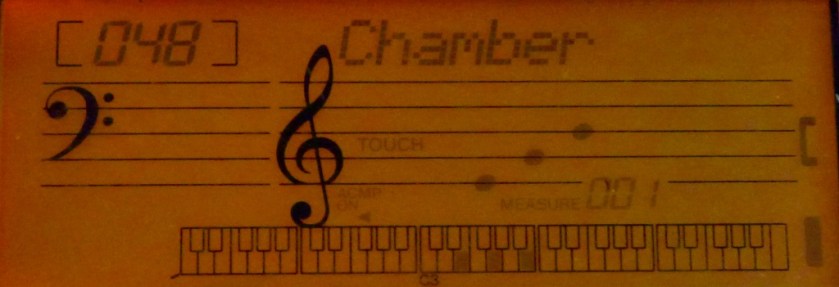
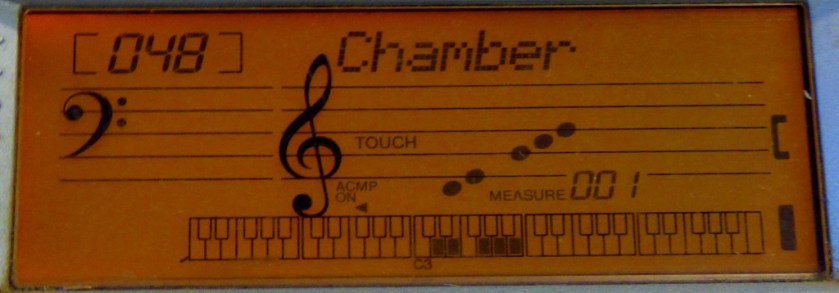
After I had been recorded I spent what was left of the session creating musical words (e.g playing the notes F, A, C and E for face or, C, A, F and E for cafe). For the bit was a recording I used a double pattern – each four note chord I used comprised two pairs of notes separated by two, and with an octave between each pair.
HOMEWARD BOUND
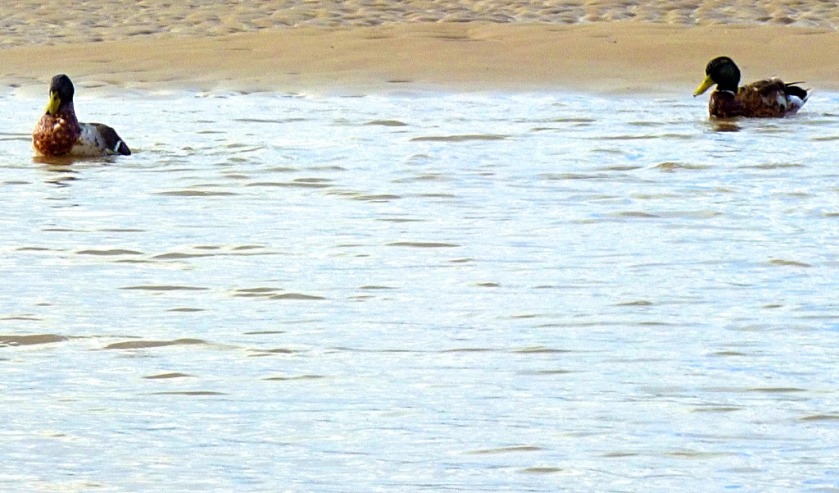
The entirety of my homeward journey took place not only in daylight but under a bright sun (yes, we sometimes forget about it, especially during long winters like the one we are just emerging from, but even here in Blighty we do get to see the sun). I only added one solitary picture to my collection during this journey – a pair of drakes swimming in formation in the Gaywood River…