Continuing my account of my long weekend in Cornwall with a look at my parents allotment.
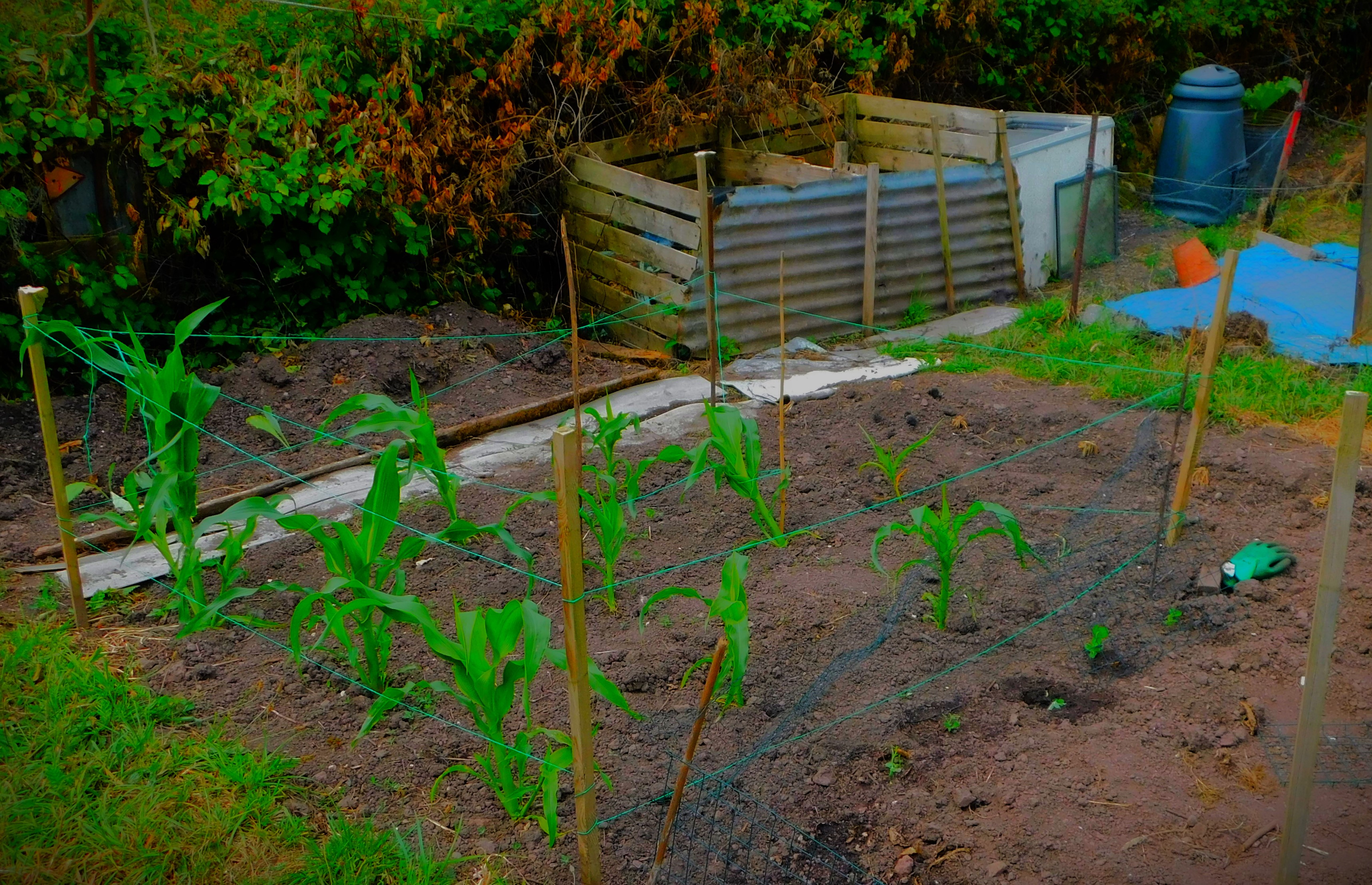
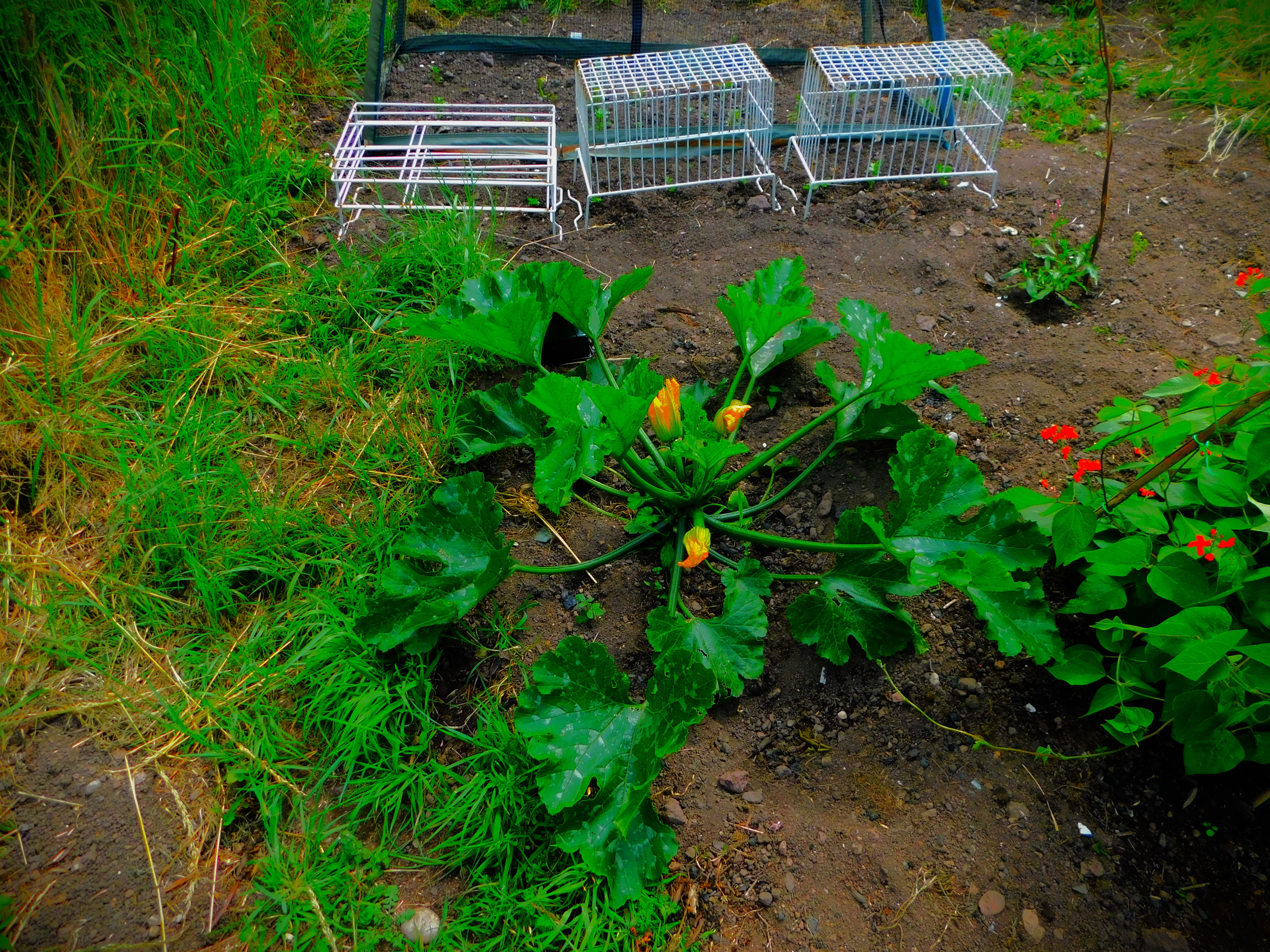
Welcome to the next post in my mini-series about my long weekend in Cornwall. This post is devoted to my parent’s allotment, which I saw twice, for an extended period on the Saturday and very briefly on the Sunday morning.
THE ALLOTMENT’S CONTRIBUTION TO MEALS
Save for the Sunday lunch, which was a large meal out, virtually every meal of the weekend featured something that had been grown in my parent’s allotment.
ACHIEVING A BALANCE
Although as already noted the allotment provides my parents with a lot of food it is not all food plants – wildflowers are also allowed to grow there, which means that bees and butterflies can make use of it, and the grass is not cut short, which is important as a number of butterflies rely on long grass for their caterpillars.
A BUTTERFLY RESCUE
There was a butterfly in the shed when I was there on Saturday, and it failed to realize that there was no way out through the windows (they don’t open). My mother attempted to escort it to the open door but failed to do so. I eventually captured it in a flowerpot and managed to keep control of it just long enough to get it close enough to the open door of the shed that it flew away to freedom.
PHOTOGRAPHS
My usual sign off…
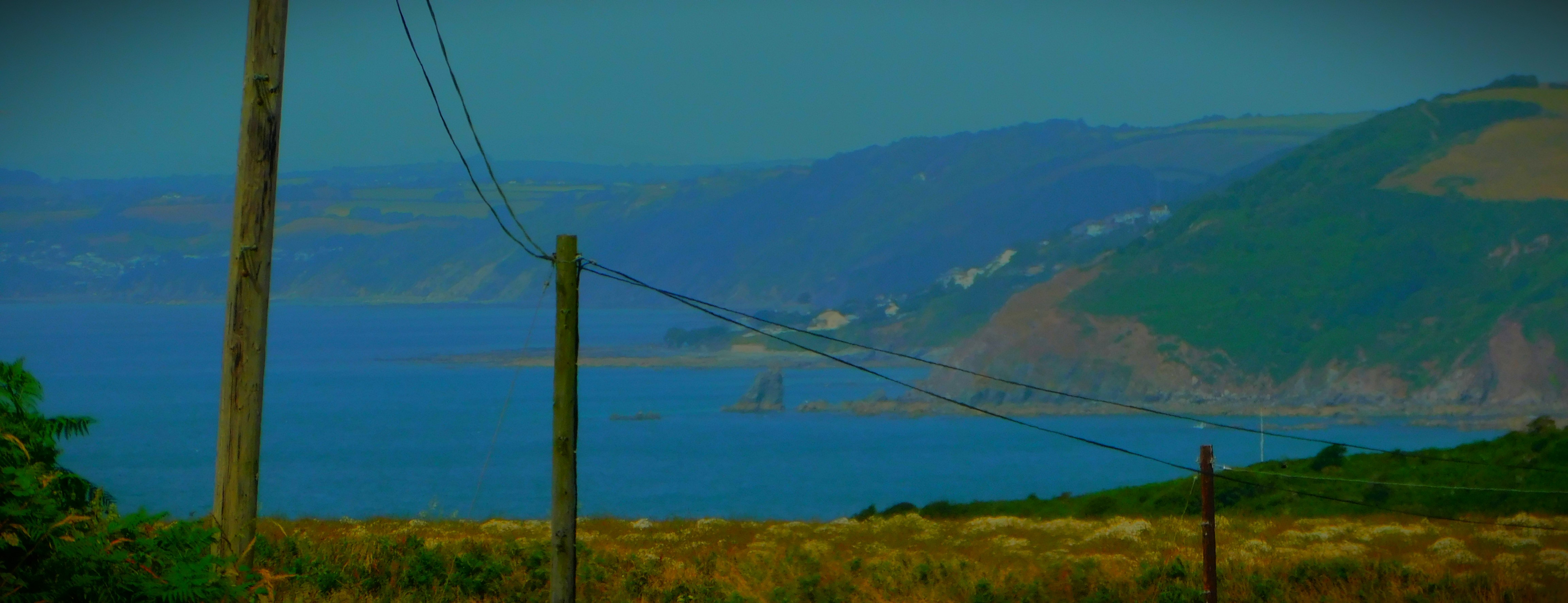
The last 12 photographs are of the butterfly that had to be rescued. Not strictly allotment related – one of a number of attempts to capture the view from Maker Heights.This picture and the next show the two plants that we returned to the allotment on the Sunday to put in.At the edge of the allotments on the way back to the car.The last three pics are of views spotted between the allotment and Looe.
Continuing my mini-series about my long weekend in Cornwall with a close look at Fort Picklecombe.
I am finally in position to continue my mini-series about my long weekend in Cornwall. Between a busy Sunday, not getting home until almost 8PM on the Monday and work yesterday I have not had much opportunity for blogging. Following on from my post about the journey to Cornwall I now look at Fort Picklecombe, my base for the weekend.
AN OVER REACTION
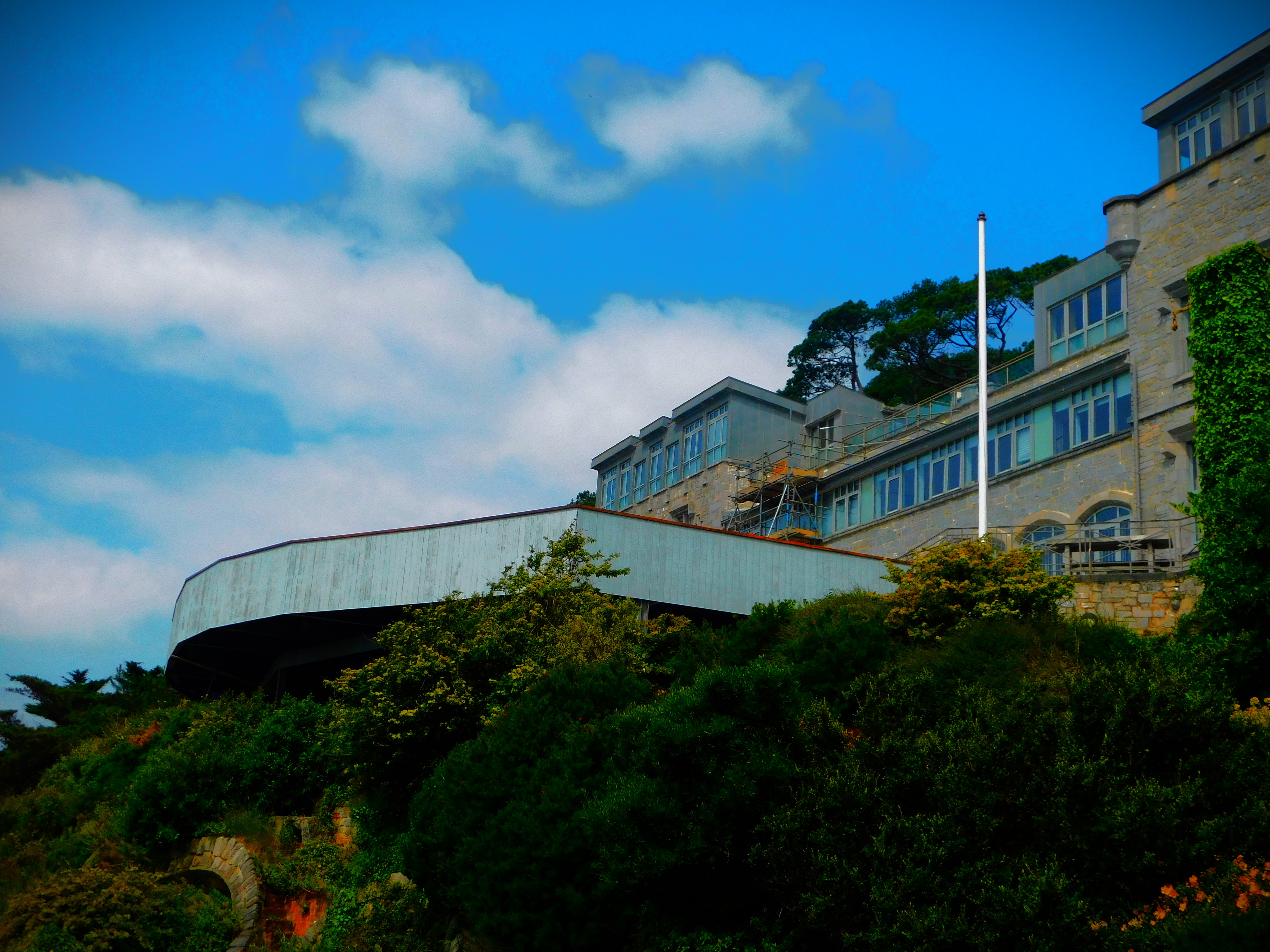
Lord Palmerston ordered the building of a number of fortifications of various kinds in southwestern England during the mid 19th century, in the mistaken belief that the French intended to invade. Fort Picklecombe was one such, and to make it even more curious the landholder only allowed it to be built if it was made to resemble Warwick Castle. These days it is home to about 100 apartments, one of which, tucked away on the fourth floor of the outer wall, with a glorious view out over the sea, is my parents home.
A CLOSER VIEW OF THE FORT
There are two complete circuits of this part of the fort available, on the third floor, and in the basement, which is also home to a carpark where everyone has a space. My parent’s flat also has a marked outside parking place where a vehicle can be left for up to 24 hours, which is readily accessible from the ground floor. The basement passages are quite narrow, and unlit until someone actually enters one (and even then the level of illumination is not great), but there is the compensating advantage that this ring of passageways is also home to the fort’s library (I did not make use of it this visit but have done in the past). The third floor walkway is much pleasanter in summer, though I can imagine it being horrible on a windy winter’s day. The lifts are among the slowest in the western world and come with recorded announcements that feature high in the ‘statement of the bleeding obvious’ category, e.g. “Fourth floor, lift going down”. What? You mean it is not going ‘up and out’?!
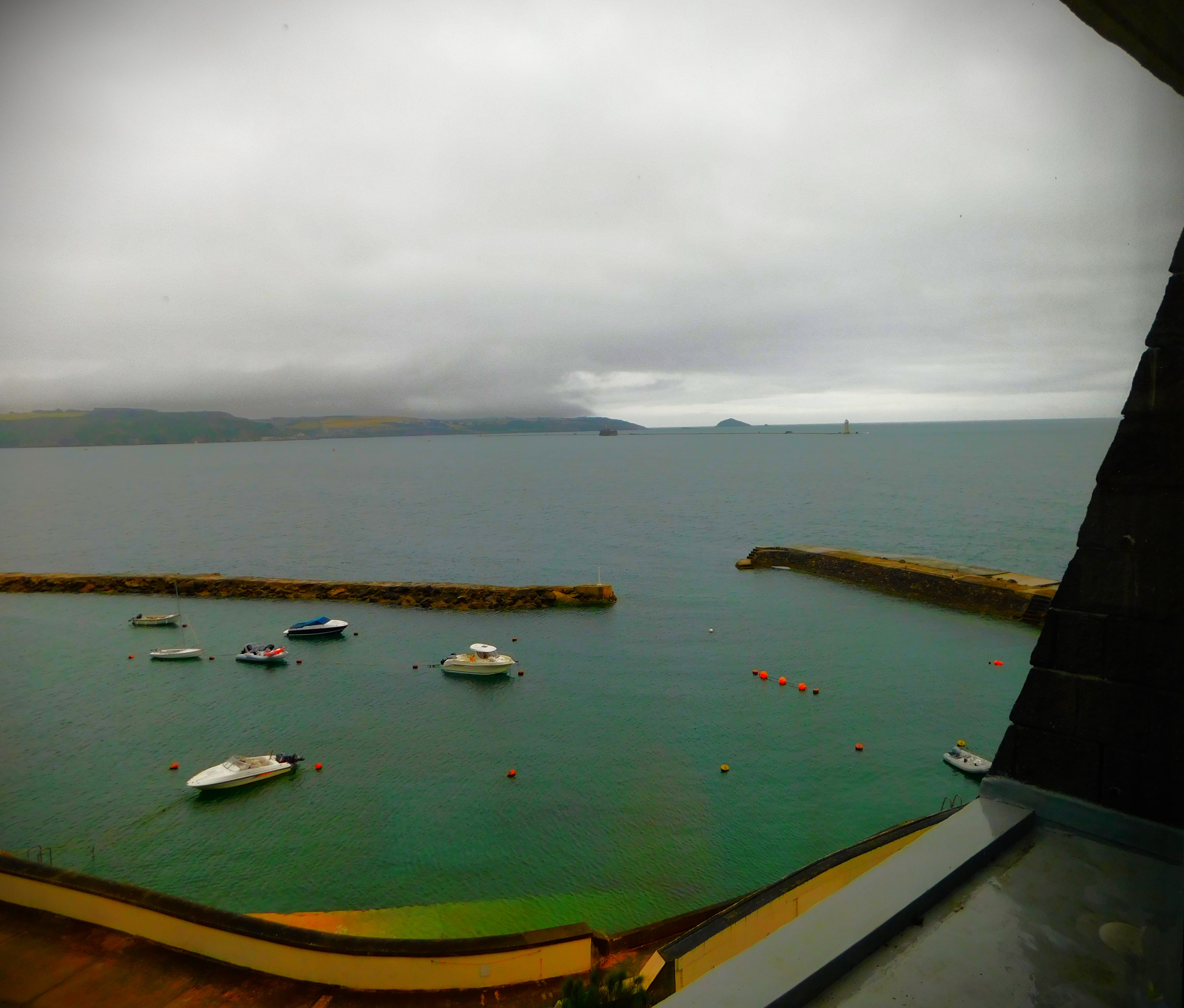
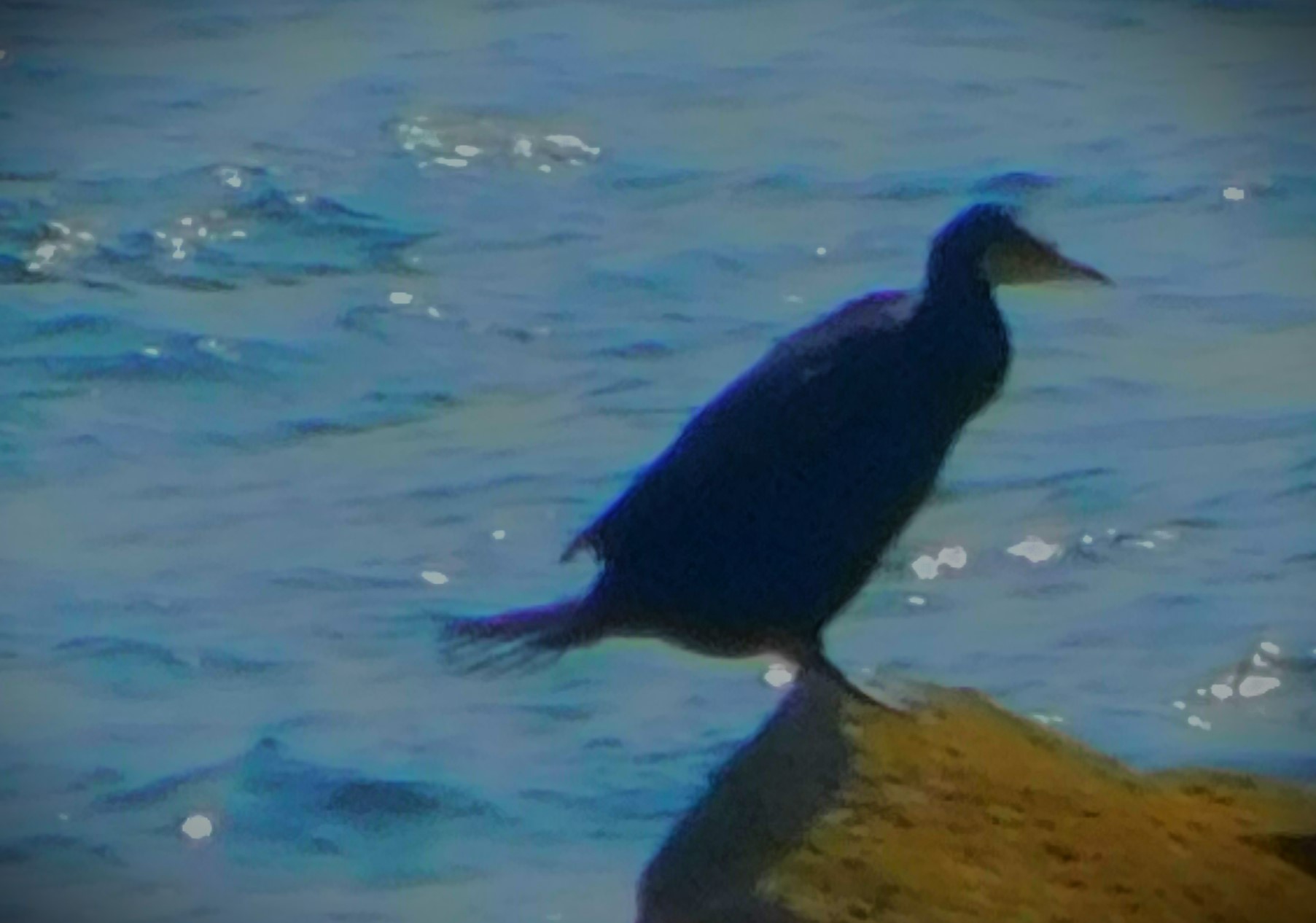
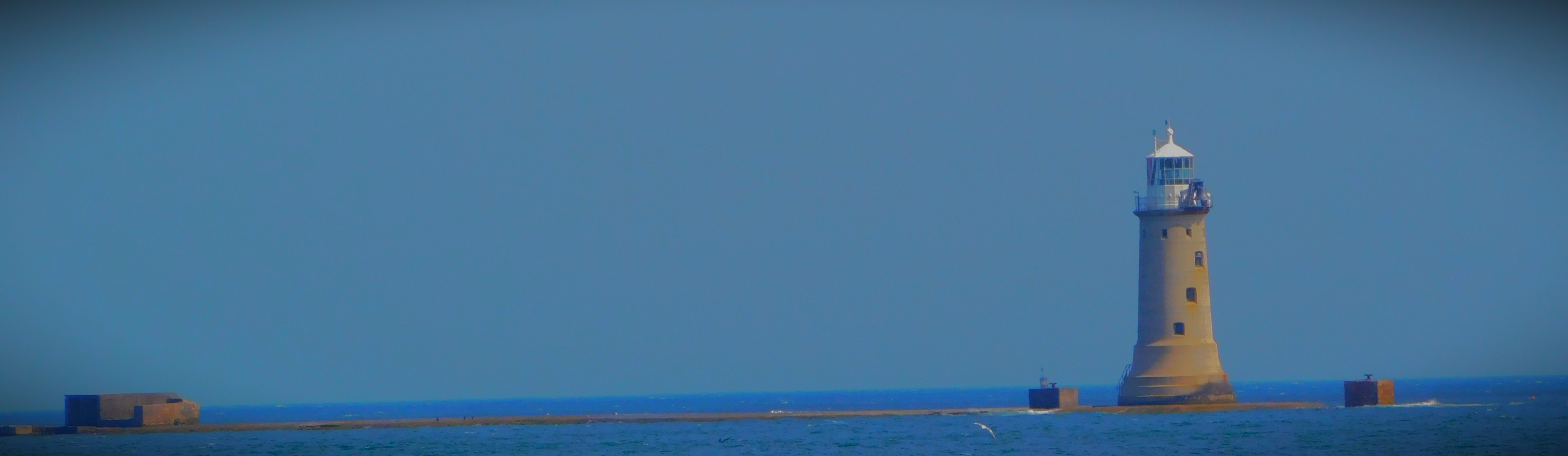
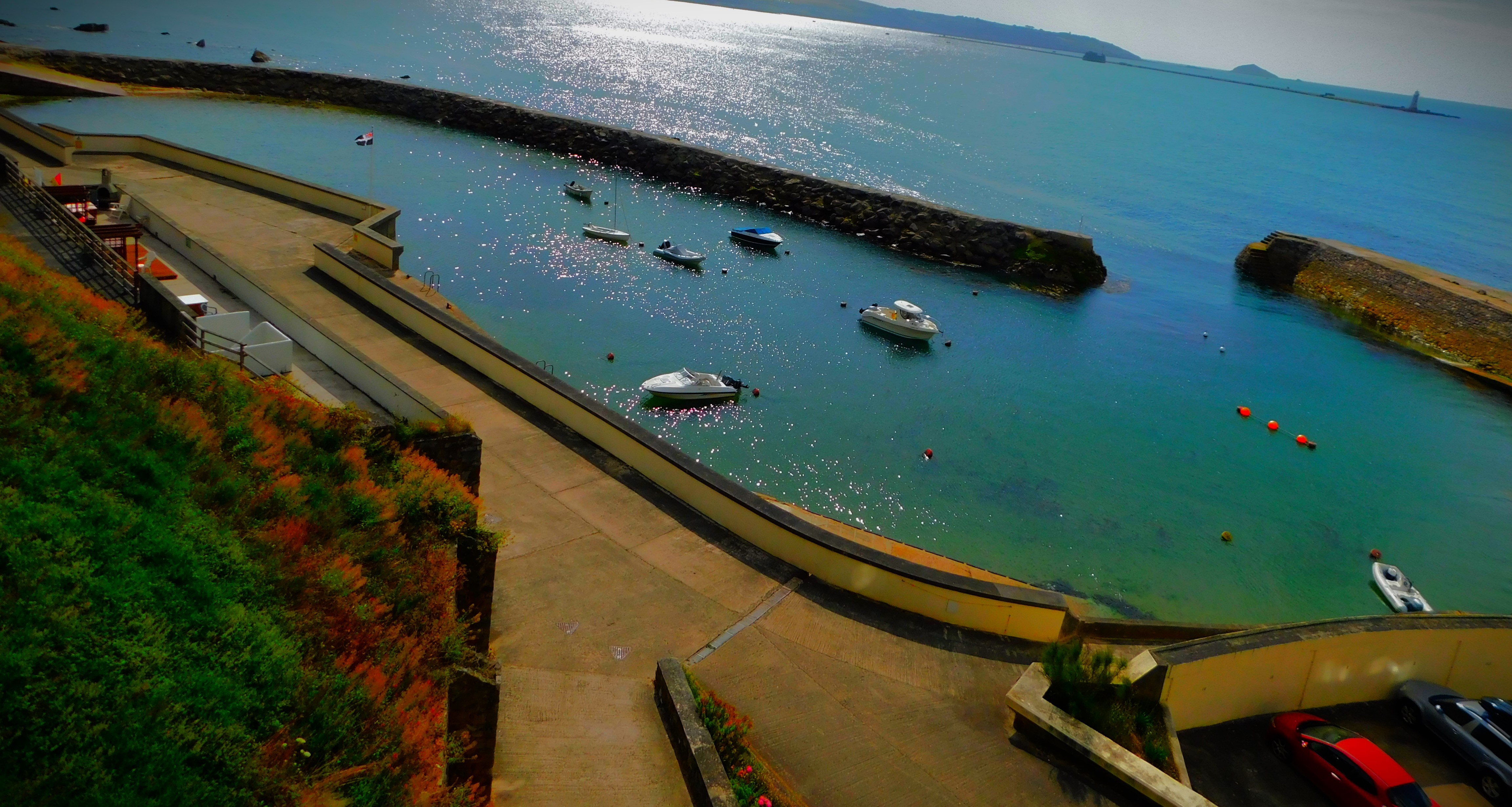
The fort has its own small harbour, and at low tide a number of rocks are exposed, and used by birds as perches. At high tide the smaller harbour wall gets a lot of water over it, while the larger one stays dry.
PHOTOGRAPHS
Here is a gallery comprised of photos taken either while in the fort or while waling around the harbour…
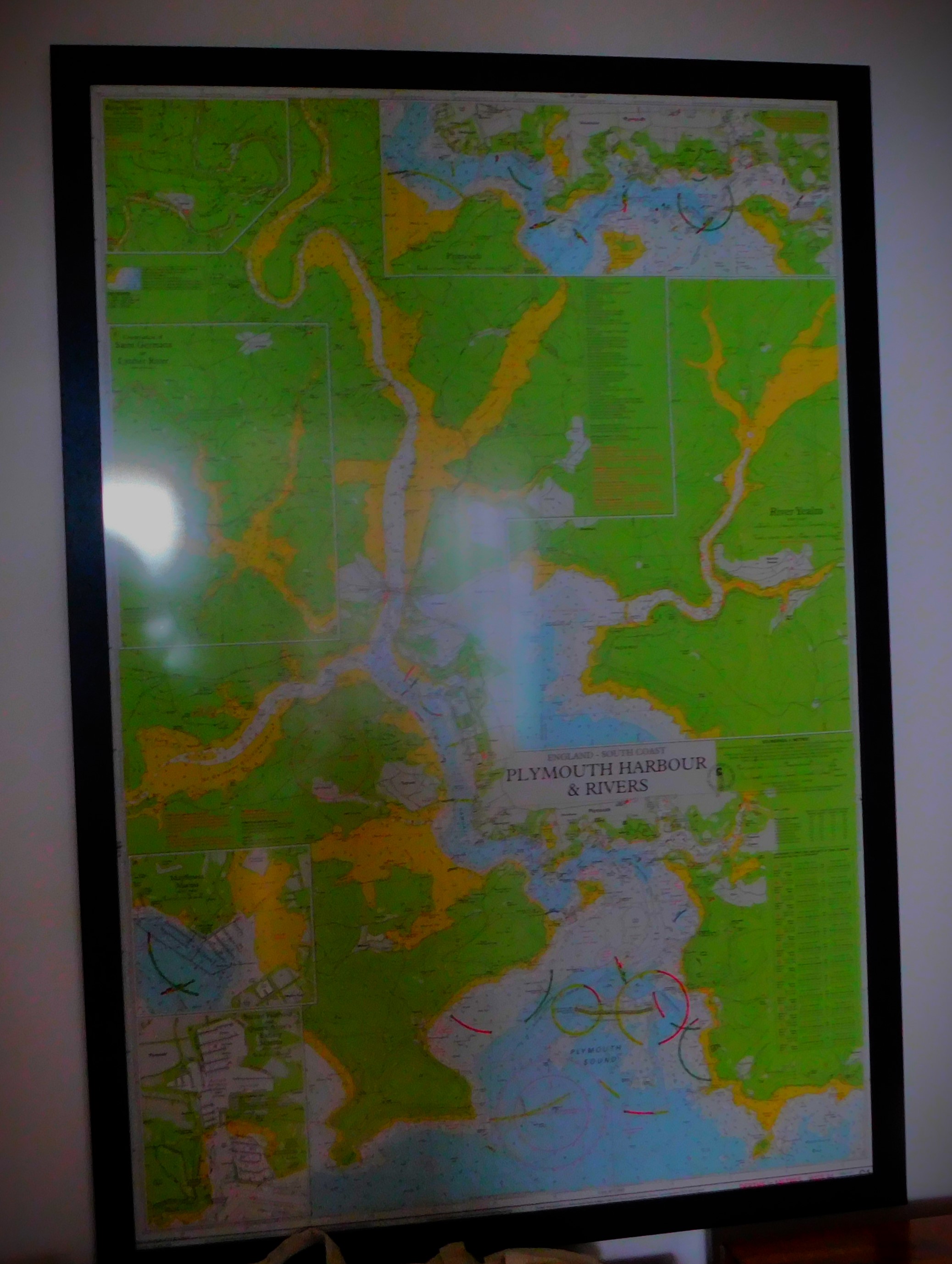
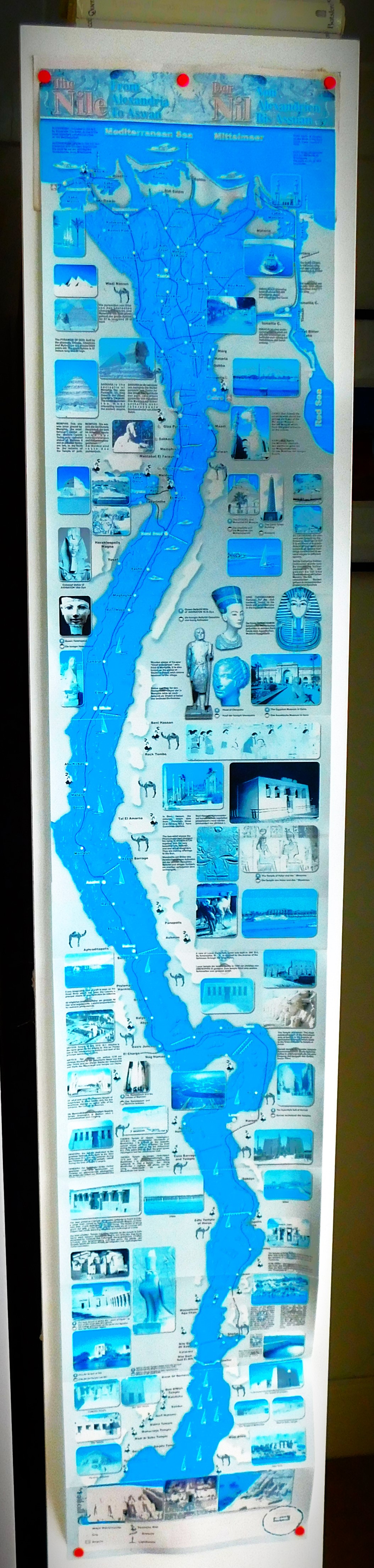
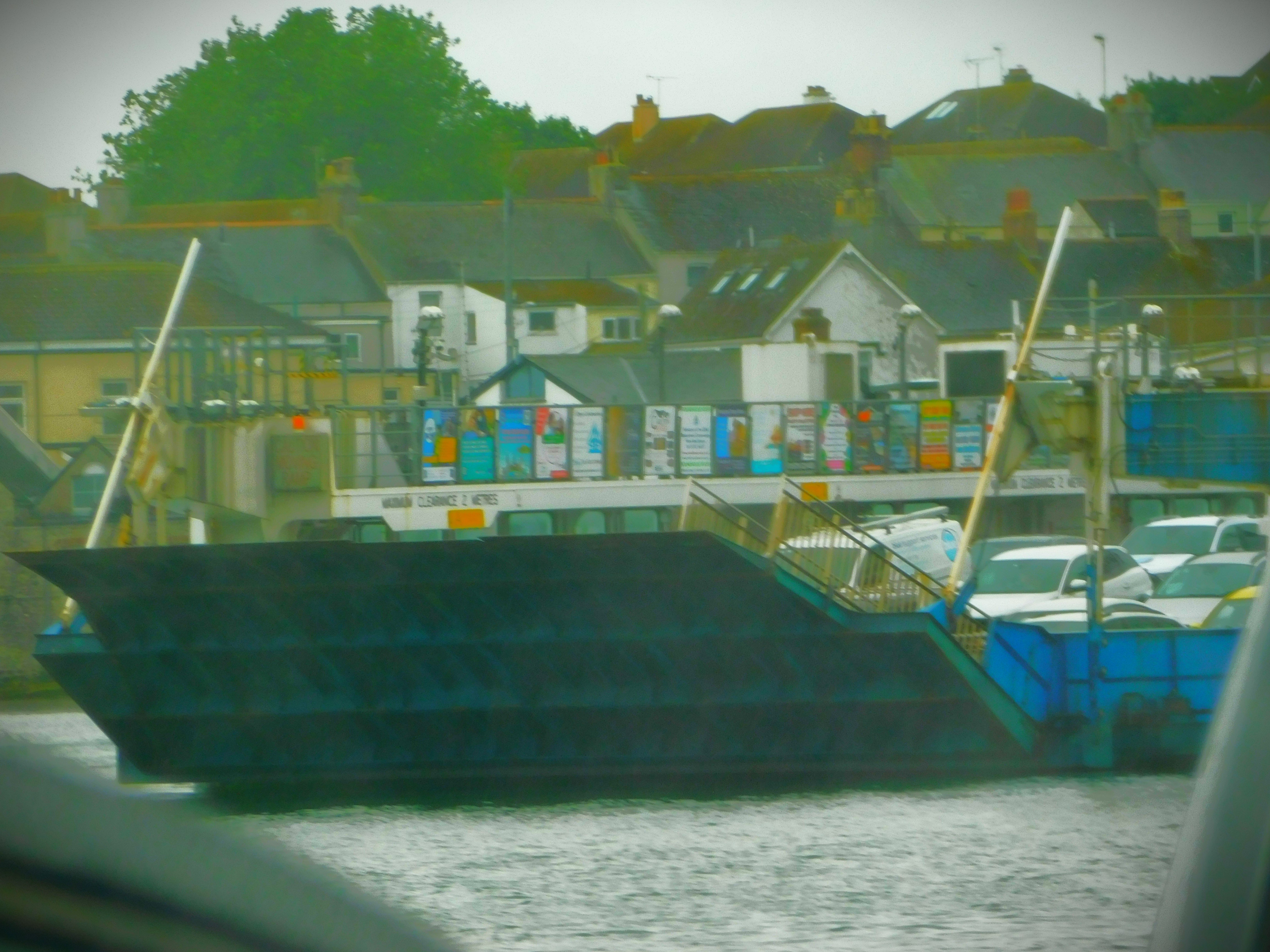
A pictorial map of the Nile between Alexandria and Aswan (Syene in ancient times).A comprehensive view of Fort Picklecombe, obtained from the larger of the two harbour walls.The end of the larger of the end of the larger of the two harbour walls – the tide was fairly high, so care was required out here.A nearly complete view of the harbour (I could not find a location from which a complete view was obtainable)A gigantic ferry on its way into Plymouth – the following day I saw one heading outwards.
Starting a mini-series about a long weekend in Cornwall with an account of the journey there.
I last posted on Wednesday and this post explains why. Thursday was a work day, and then Friday was pretty much entirely given over to travel, as I was going to Cornwall for a long weekend with various relatives, while yesterday was also very busy, as today will be. However, I have time to do a blog post now, the start of a mini-series.
MY BASE FOR THE WEEKEND AND TRAVEL PLANS
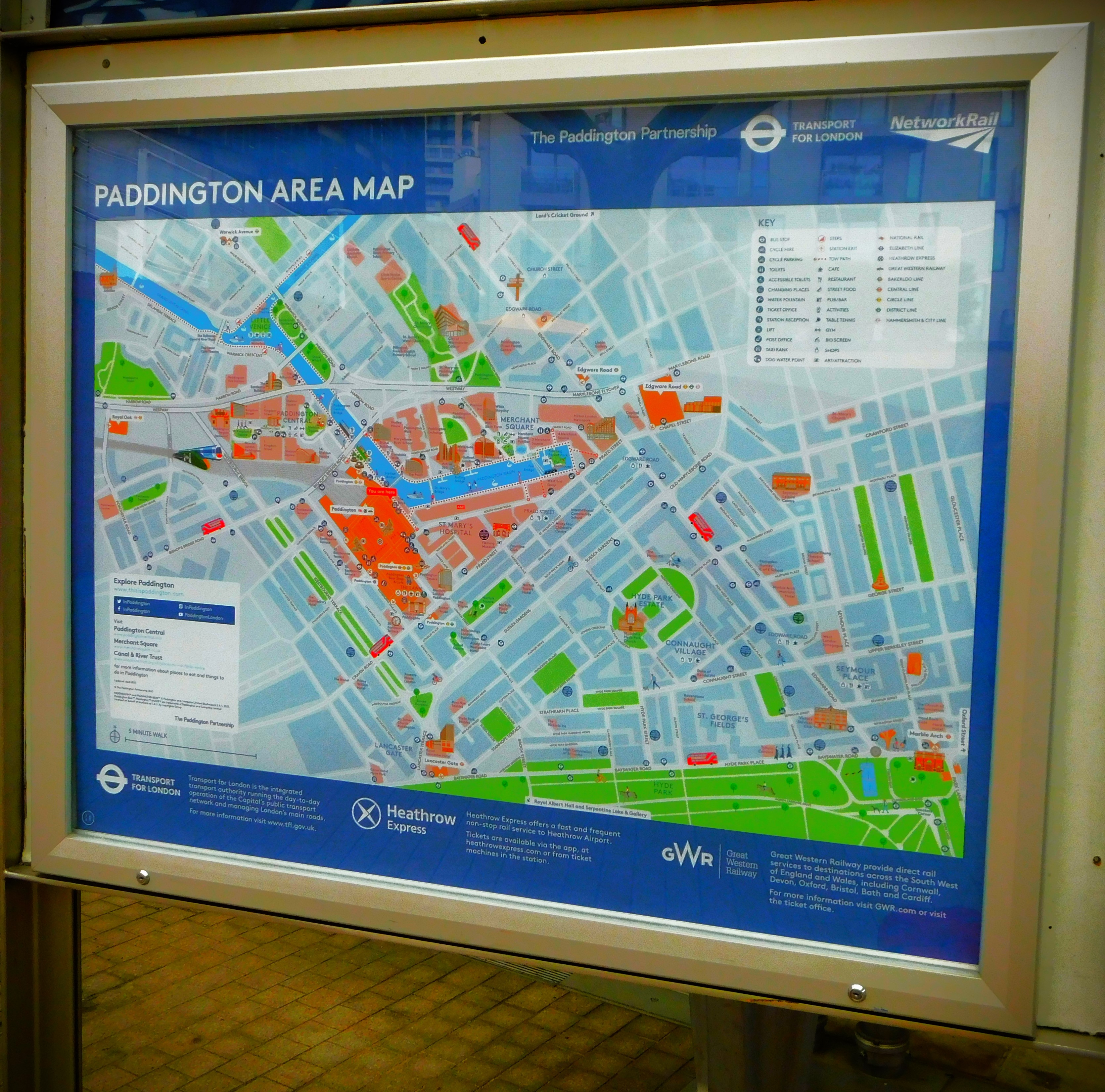
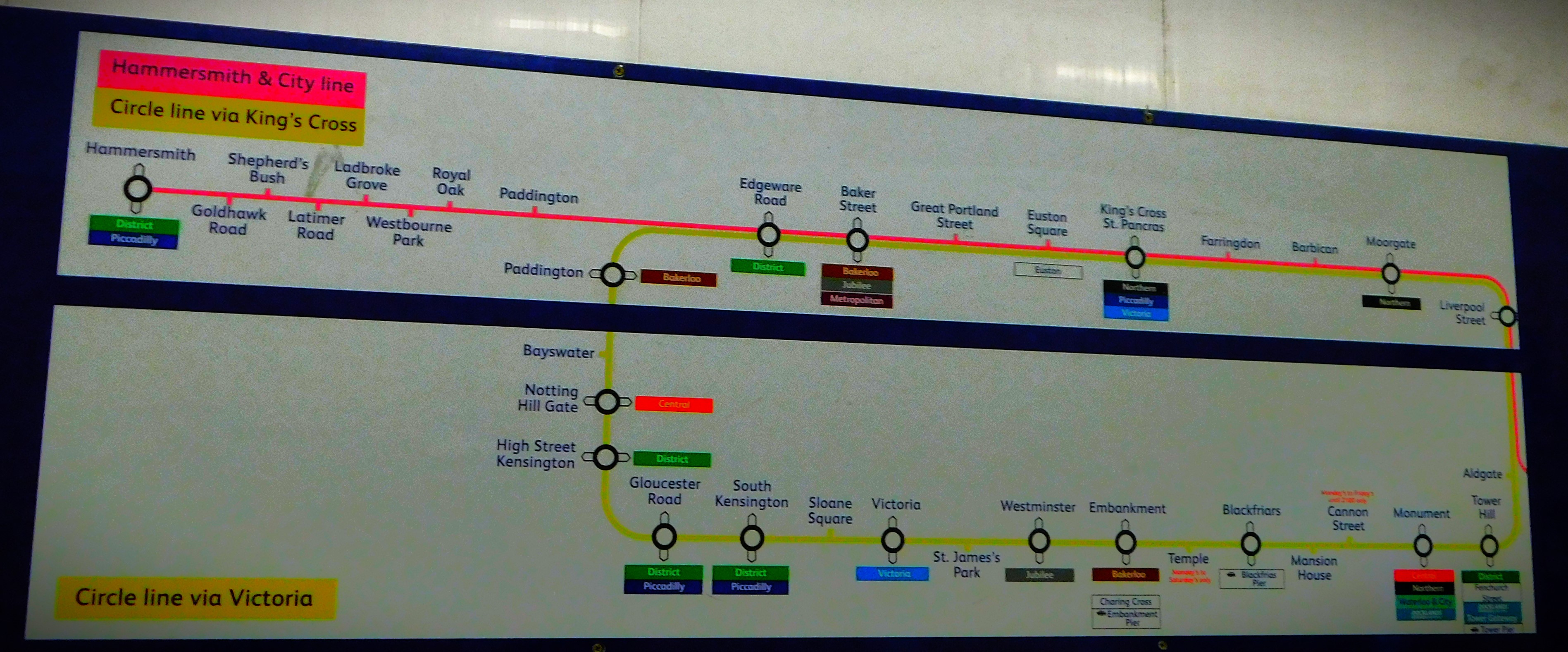
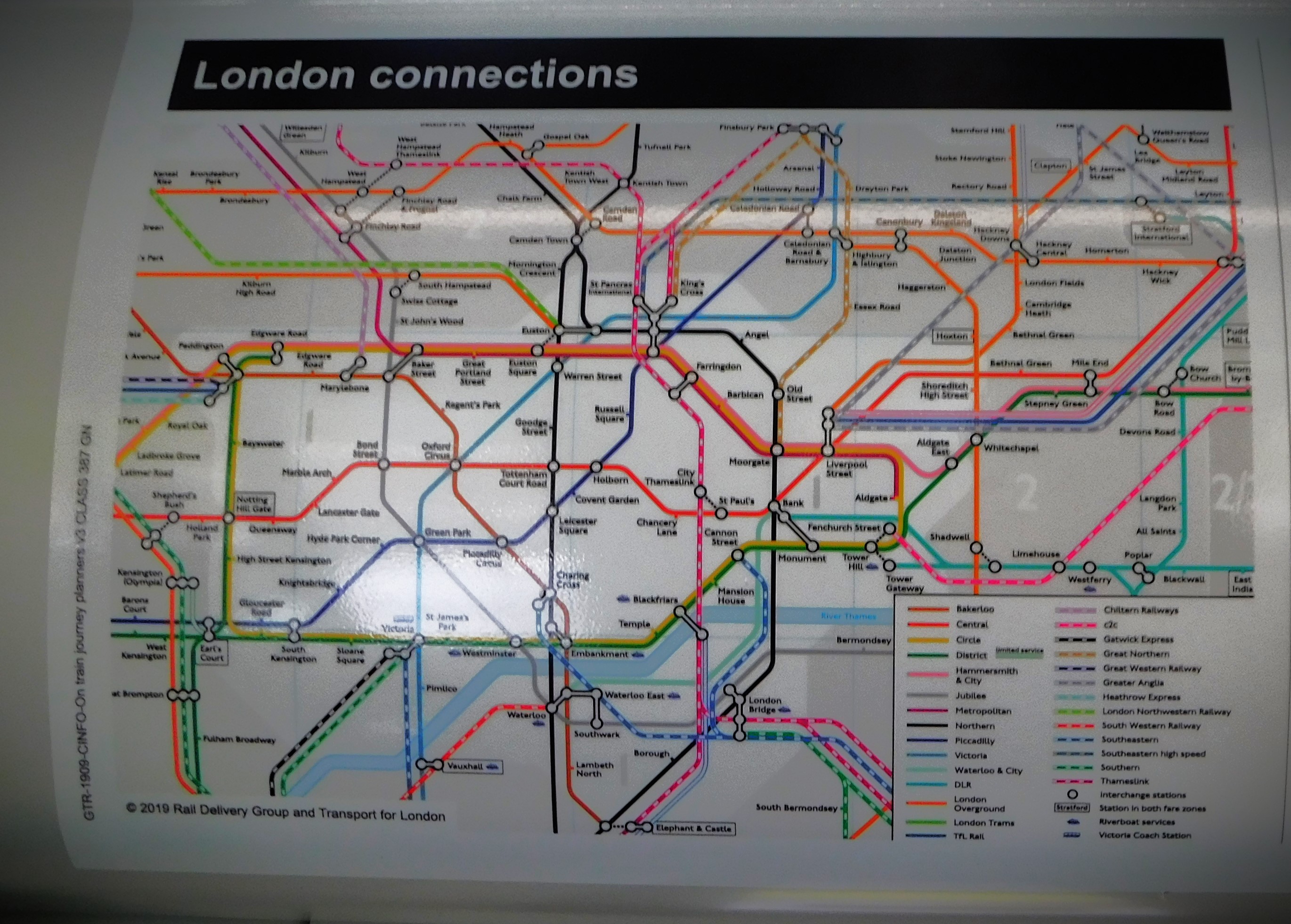
My parents live in Fort Picklecombe just on the Cornish side of the Tamar and about a mile from the village of Cawsand. I would be staying with them for the weekend so my task travel wise was to get from King’s Lynn to Plymouth from where they could pick me up. This journey is accomplished in three parts – King’s Lynn to Kings Cross, Hammersmith & City line to Paddington (NOT the Circle line – the Paddington served by that line should revert to its original name of Praed Street – it is significantly removed from the main line station, whereas the Hammersmith & City line platforms are structurally part of the main station), Paddington to Plymouth. I arranged to leave Lynn on the 09:42, connecting to the 13:03 from Paddington, which would arrive in Plymouth at 16:12.
KING’S LYNN TO LONDON
I reckoned on leaving my flat at 9AM so that I had plenty of time for the walk to the station, and I actually got away by 8:55. The train to London was a little late leaving and lost further time along the way, but with an hour and half between scheduled arrival at Kings Cross and scheduled departure from Paddington my cross London connection was never close to being in jeopardy. I arrived at Paddington with over 40 minutes to spare, and spent half of that time waiting to find out which platform I needed to get to. Then, since my designated seat was in coach A I had to walk the whole length of the platform before boarding and finding my seat.
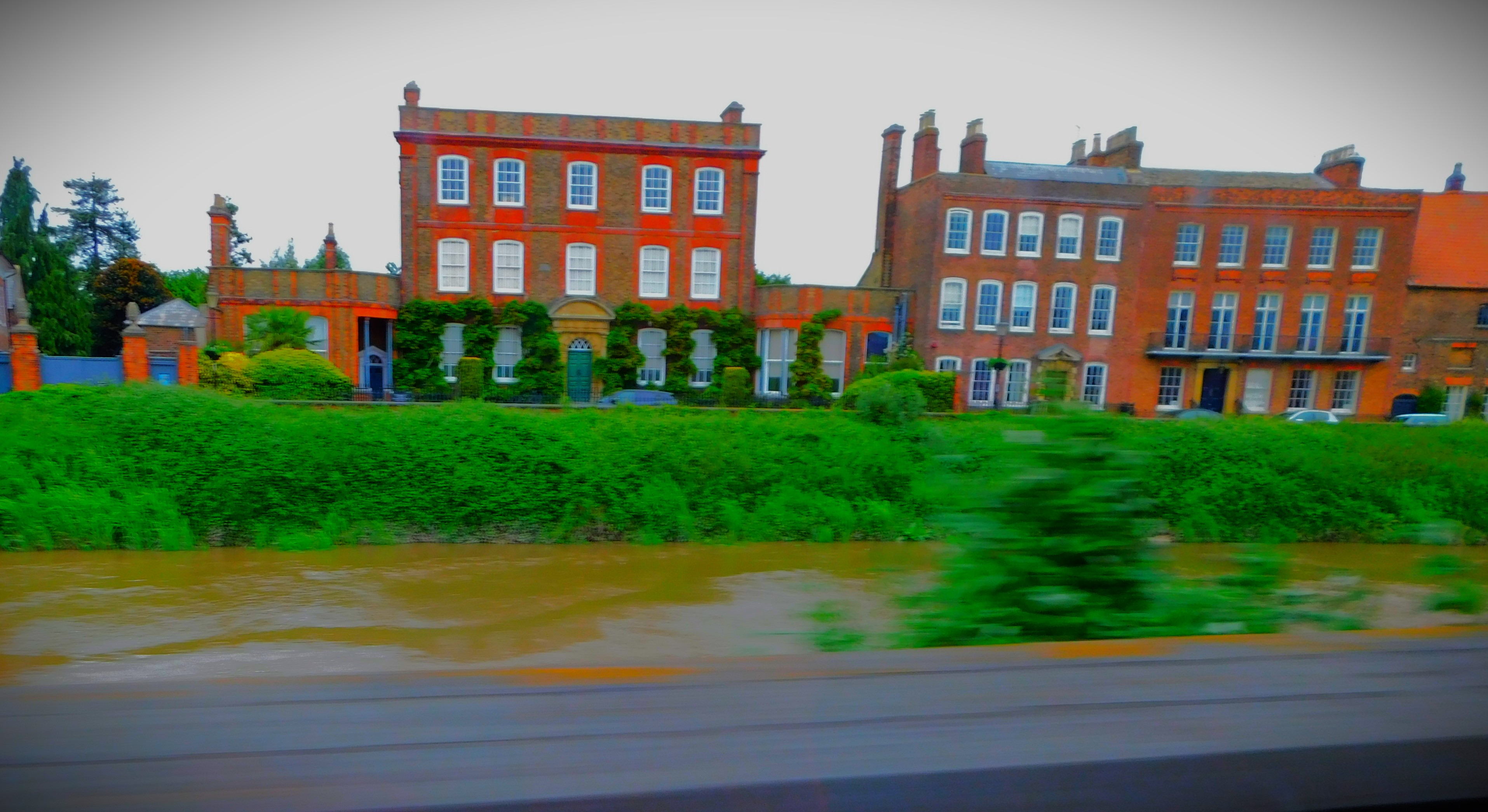
Setting off early meant that I could pause to take photographs while walking to the station.Ely CathedralEly Cathedral’s unique feature, the octagonal tower designed by a 14th century prior known to posterity only as Alan of Norwich.
PADDINGTON TO PLYMOUTH
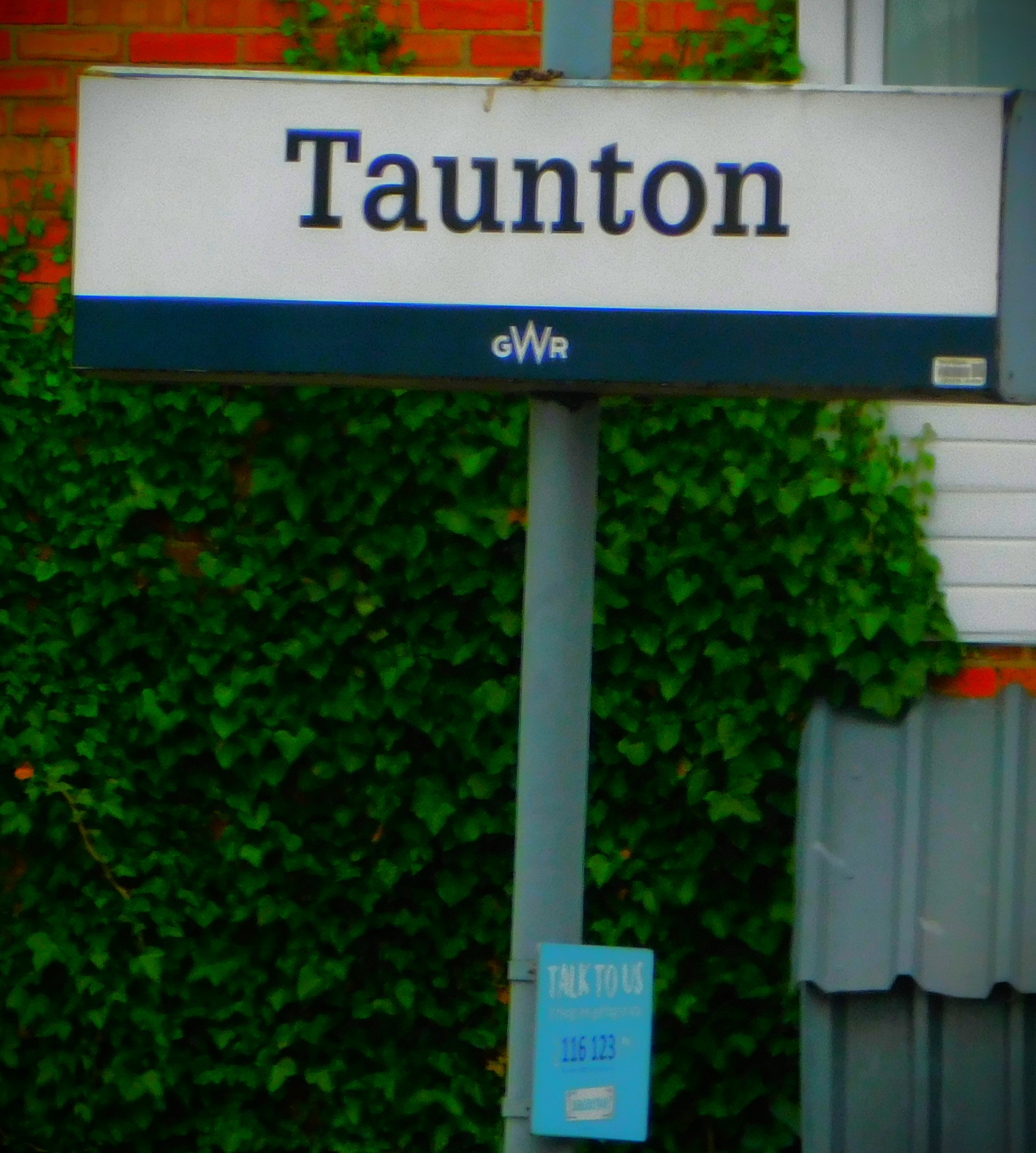
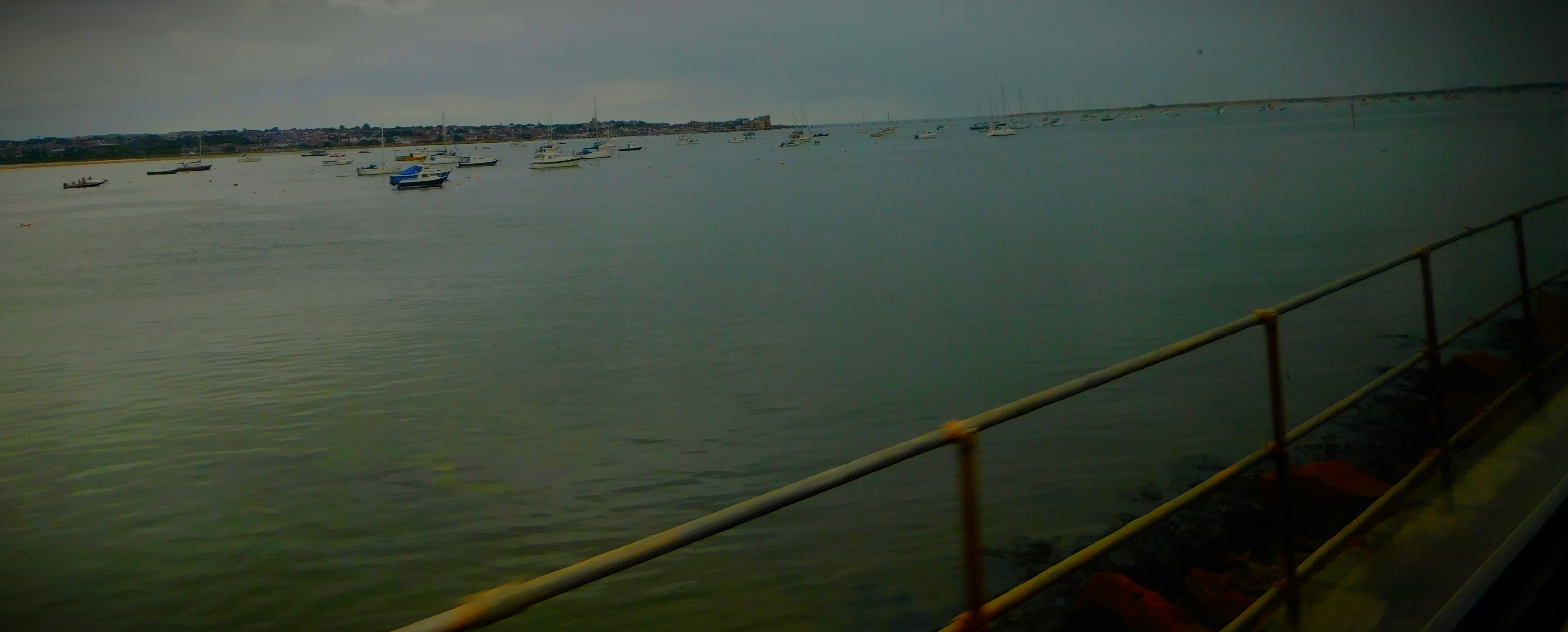
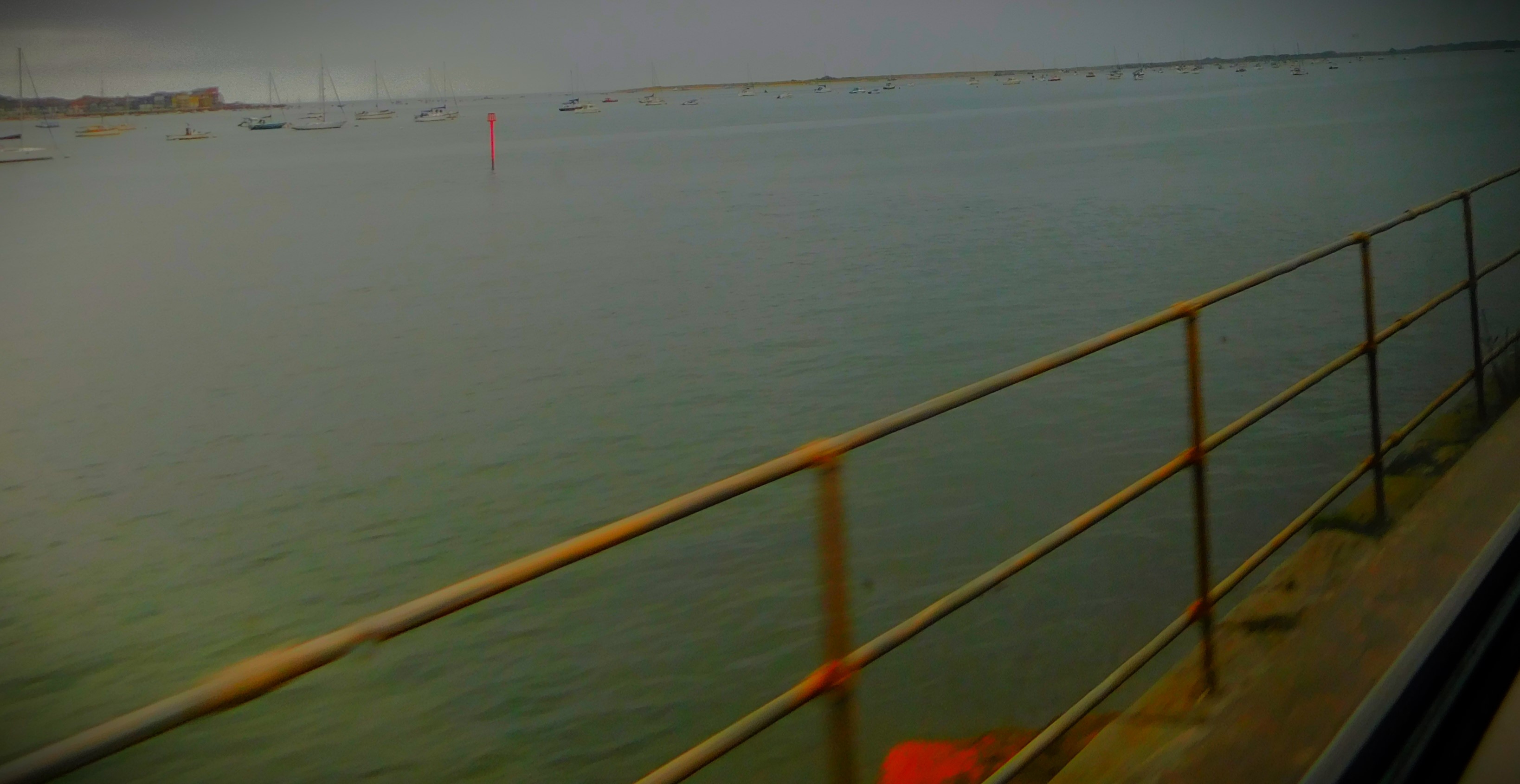
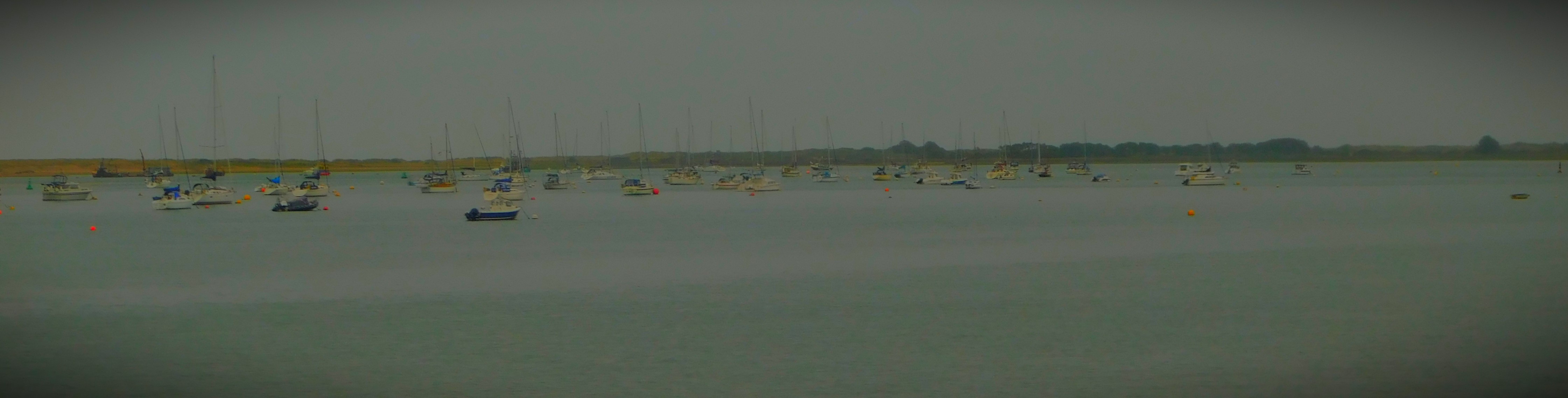
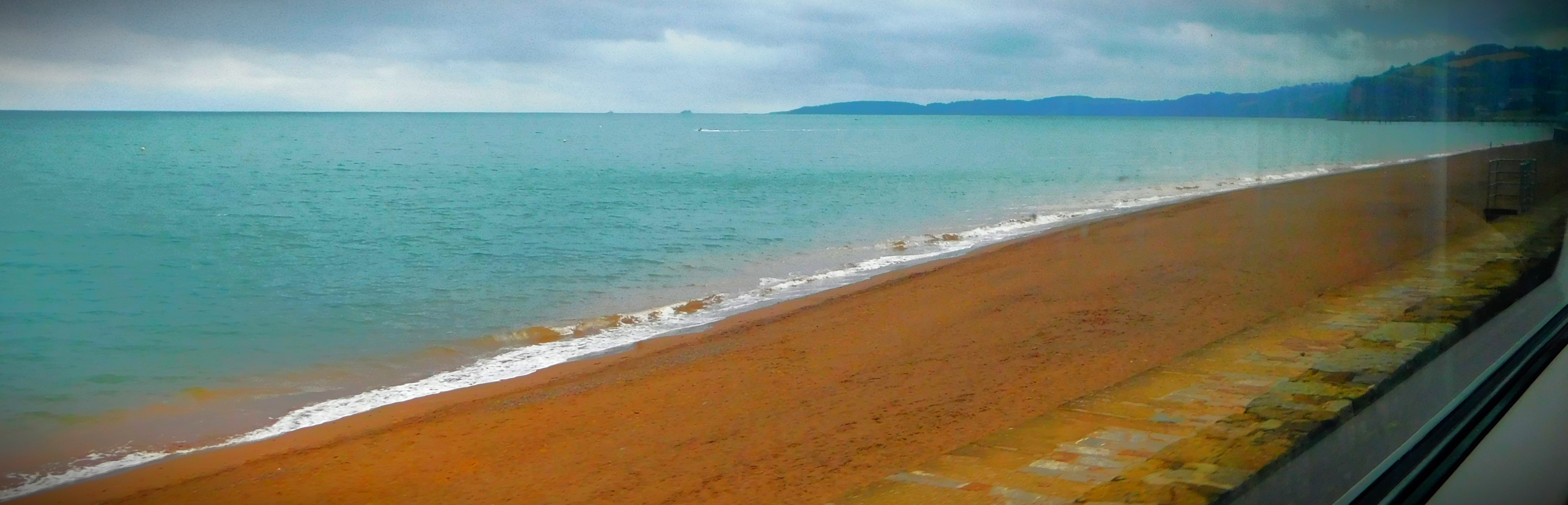
Great Western don’t have the worlds greatest reputation for punctuality, but this time the service set off precisely as scheduled, and ran pretty much exactly as per schedule all the way. This service stops at Reading, then has a long fast run to Taunton before making additional stops at Tiverton, Exeter St Davids, Newton Abbot and Totnes en route to Plymouth. There is one stunningly scenic section on this route, between Exeter and Newton Abbot, where the railway is literally right alongside the sea for most of the way.
PLYMOUTH TO FORT PICKLECOMBE
The last part of the journey was in my parents car, and included making use of the Torpoint car ferry. Although my parents car is small and not well suited to photography I did my best even on this leg of the journey.
A look at recent developments in the men’s and women’s Ashes and a substantial photo gallery.
It has been a few days since my last post, and a lot has happened in both the men’s and women’s ashes. This post looks at these various developments.
THE WOMEN’S ASHES
The brilliance of Tammy Beaumont (a new England women’s record score of 208 in their first innings) and Sophie Ecclestone (five wickets in each Australian innings) proved to be of no avail. England were bowled out for 178 in the final innings to lose by 89 runs, off spinner Ash Gardner taking 8-66. This is the first time in any test match, men’s or women’s that a losing side has featured both a double centurion and a taker of a 10 wicket match haul. The men’s game has provided three honourable mentions – in the tied test match between India and Australia at Chennai in 1986 Dean Jones had a double century and Greg Matthews took 10 wickets, while in England’s bottle-job at Adelaide in 2006 Collingwood scored 206 and Matthew Hoggard claimed eight wickets in the match, and finally, at the SCG in 1894 Syd Gregory scored 201 in the first innings, George Giffen had a match aggregate of over 200 runs AND claimed eight wickets in the match, and their side, Australia, lost by 10 runs.
THE MEN’S ASHES
Rehan Ahmed was added to the men’s squad in the run up to the second match of their series, which got underway at Lord’s today. In the event Ahmed was not picked, England going for an all seam attack. As was virtually dictated by this selection England put Australia in to bat, a decision that is not working out well. As I type this Australia are 181-2 with Smith and Labuschagne going well, the first named having gone past 9,000 runs in test cricket in the course of this innings. Both wickets have fallen to Josh Tongue. Broad and Anderson have had good moments but as yet no wickets, while Robinson has looked innocuous. Rehan Ahmed is on the field at present, as a substitute fielder.
A look at developments in the women’s test match at Trent Bridge and a photo gallery.
The Women’s Ashes test match at Trent Bridge is hotting up, as England bowlers get in among the wickets. This post looks at developments since yesterday.
THE REST OF YESTERDAY
During yesterday’s post I noted that Tammy Beaumont was hunting down records. She did break the Betty Snowball England record score that had stood since 1935, and she did complete her double century. She was finally last out for 208, the fifth highest score ever by a women’s test cricketer. England had tallied 463, a deficit of 10 on first innings. By the close Australia were 82-0 and it looked like they were in a very strong position.
TODAY
England bowled much better today, but Mooney and Litchfield pushed their opening stand up to 99 before the breakthrough occurred. Australia still looked in a very strong position at 178-3, but England have claimed four wickets in very quick time, and Australia are 198-7 with Alyssa Healy and Alana King batting together. For England Ecclestone has three wickets so far, giving her eight in the match, with veteran seamer Cross and young speedster Filer each claiming two scalps.
A look at developments in the Women’s Ashes test match and a large photo gallery.
Battle continues to rage in the Women’s Ashes test at Trent Bridge. This time yesterday I wrote about had happened up to that time (here), and now I continue the story.
THE REST OF YESTERDAY
England reached the close of yesterday on 218-2, Beaumont completing her century just before the close of play. It was a wonderful innings, and it was also historic: she became only the fourth English batter ever to score centuries in all three international formats, joining Heather Knight, Jos Buttler and Dawid Malan in this club.
TODAY SO FAR
Natalie Sciver-Brunt was England’s only casualty of the morning session, falling for 78. By lunch England were 308-3 with Beaumont 144 not out. Dunkley fell not long after the resumption, which brought Danni Wyatt to the crease for her test debut, 13 years after her white ball debut. On 152 Beaumont was given LBW, but a review showed the ball pitching outside leg stump. She is now on 164, with England 344-4. The next landmark is 168, her highest score in any form of international cricket, then Betty Snowball’s 189, the all time England record individual score, then the 201 she scored in the warm up match, then Perry’s 213* and finally if she can get there Amelia Kerr’s 232* for New Zealand v Ireland, the highest score in any form of women’s international cricket (and I think even Ms Kerr might concede that the Aussie bowling attack is a trifle more formidable than that of the emerald isle).
PHOTOGRAPHS
I have a splendid gallery for you…
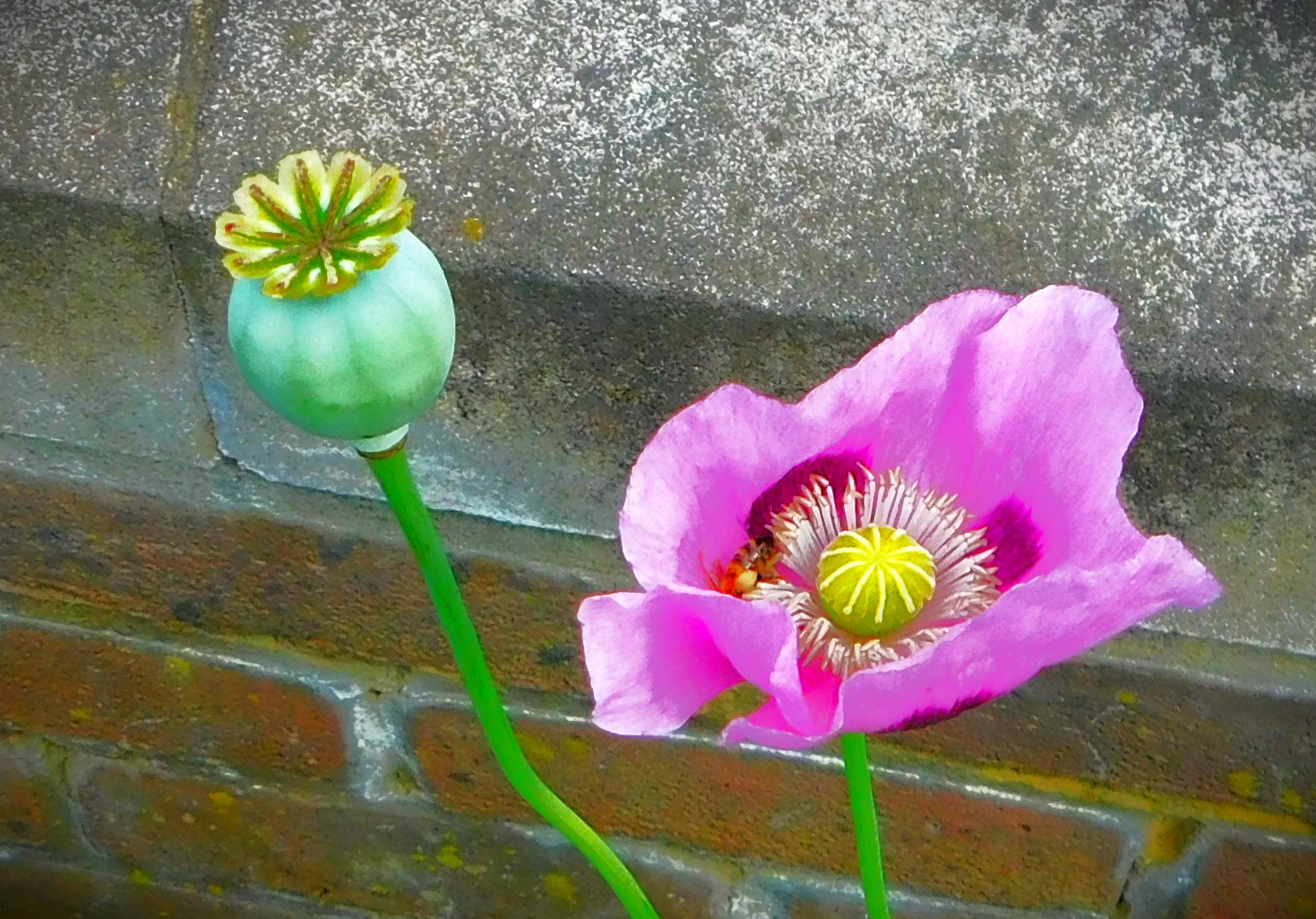
A comma, the first example of this type of butterfly I have seen this year.A pink and purple flower with two contrasting visitors
While I have been preparing this post for publication England have moved past 350, and Beaumont on to 169.
A look at developments so far in the women’s Ashes and a substantial photo gallery.
Yesterday morning the Women’s Ashes got underway with day one of a five day test match (this move being not before time – see here). This post looks at the action so far.
THE PRELIMINARIES
The warm up matches (England v Australia A and England A v Australia) both went better for England than Australia. England’s chosen XI included an international debutant in Lauren Filer and a test debutant in Danni Wyatt. Filer was part of seam/ pace trio alongside veteran Kate Cross and the tall swing bowler Lauren Bell, while the front line spinner was inevitably Sophie Ecclestone. In addition to these Natalie Sciver-Brunt’s medium pace, Sophia Dunkley’s leg spin and Heather Knight’s off spin were also available as back up options. Australia’s side included Ellyse Perry, adding to her many entries in the record books by taking part in a tenth Women’s Ashes series. They opted for two front line spinner, Ashleigh Gardner and Alana King. They also had such strength in the batting department that Annabel Sutherland, a regular number three in Australian domestic cricket and coming off the back of a century in her warm up game was at number eight (she is a seam bowling all rounder, and has a better record at the age of 21 than Perry did when she was that age. Australia won the toss and chose to bat.
DAY ONE
Yesterday was a work day for me, so I missed a lot of the action, but tuned in just in time to catch Sophie Ecclestone’s second wicket. Two balls later Aussie skipper Alyssa Healy was out for duck and it was 226-5. That was as good as it got for England, and by the end of the day Australia were 328-7, with Sutherland going well.
DAY TWO
The second morning definitely belonged to Australia. Bell claimed the wicket of Alana King, but Kim Garth has providing staunch support for the brilliant Sutherland since then. Australia have just reached 450, with Sutherland now on 121. Ecclestone has been by far the best of the England bowlers, and now has figures of 44-9-115-3, with the rest of the attack going at closer to five an over than four – rather a contrast to the men’s test, when England’s supposed front line spinner was the one getting smacked around while the seamers were significantly more economical (on a side note, the England men’s selectors seem to have realized that persisting with Ali is not on – Rehan Ahmed has just been added to their squad). Although Australia are in a very strong position England are themselves a powerful batting side, with an opener, Beaumont, coming off a double century in her warm up match and a few others in good form. As I type this Garth has just been given LBW to Ecclestone, though she has reviewed it, it has been confirmed as out and Australia are 457-9, Ecclestone has 4-120 in her 45th over of the innings. Darcie Brown, the sole member of this Aussie XI with no batting pedigree has joined Sutherland at the crease.
PHOTOGRAPHS
The first four pictures in today’s gallery were taken a few days earlier than any of the others, which all date from the last couple of days. To view a photo at full size just click on it.
A look at the amazing test match the ended at 7:20PM yesterday and a substantial photo gallery.
This post looks back at a test match that had everything. From the moment Zak Crawley creamed the first ball of the match for four through to 7:20PM yesterday when Pat Cummins struck a four to third man to settle things the fortunes of war swayed hither and thither. I will be producing a detailed set of player ratings and a look at who England might pick to deal with obvious problems revealed in this match.
THE CLOSING STAGES
I was at work yesterday, but a rain delay at Edgbaston meant that I got to witness the closing stages of the match by way of Test Match Special and cricinfo. On a last day pitch definitely favouring spinners supposed front line spinner Moeen Ali had the indignity of being outbowled by part timer Joe Root. Stokes, injured knee and all, bowled with great determination. Broad and Robinson were both excellent, though Anderson did little. Stokes declined to take the new ball when it first became available, and when Root got Carey to make it 227-8, 54 still needed, it looked like the move had paid off. However Stokes persisted with the old ball, and Cummins and Lyon gradually settled in. Finally, with the deficit halved England took the new ball, but although Broad and Robinson bowled well they simply could not break through. In truth I had been rooting for what would have been only test cricket’s third ever tie, because each side had at least one player who did not deserve a loss – Khawaja for Australia and Root for England being the standouts. A tie clearly outranks a draw, as it is a result in keeping with the Stokes ethos. However, I have no complaints about the end result, and certainly none whatsoever about the final stages of the match.
ENGLAND’S MAIN PROBLEMS
I am going to start this post by stating firmly one thing that did not cause England to lose: Stokes’ declaration on the first evening has been the subject of much comment, a good deal of it hostile. The truth is the problems lay elsewhere than that decision:
‘samey’ main bowlers: as splendid as they all are at what they do Anderson, Broad and Robinson are too similar as bowlers for England to accommodate all three of them in the XI.
Wrong choice of main spinner: it should not have surprised anyone that an ageing player who has not played red ball for a couple of years struggled with the extra workload entailed in bowling in the long form of the game, nor that someone coming into the match with a bowling average against Australia of 65 did not pose very much of a threat.
Wrong choice of wicket keeper: for my money Bairstow’s three definite missed chances (two catches and one stumping), plus the potential chance he didn’t go for, leaving the ball to pass between him and Root for four more than neutralized his contribution with the bat. Last summer Bairstow played as a specialist batter, with Foakes behind the stumps, and if Bairstow has a role in the side it is as a batter, not a keeper/batter.
Players getting in and getting themselves out. : in the second England innings three players got to 40, and not one of them went on to 50. At least one of those three should have gone on to a genuinely major innings.
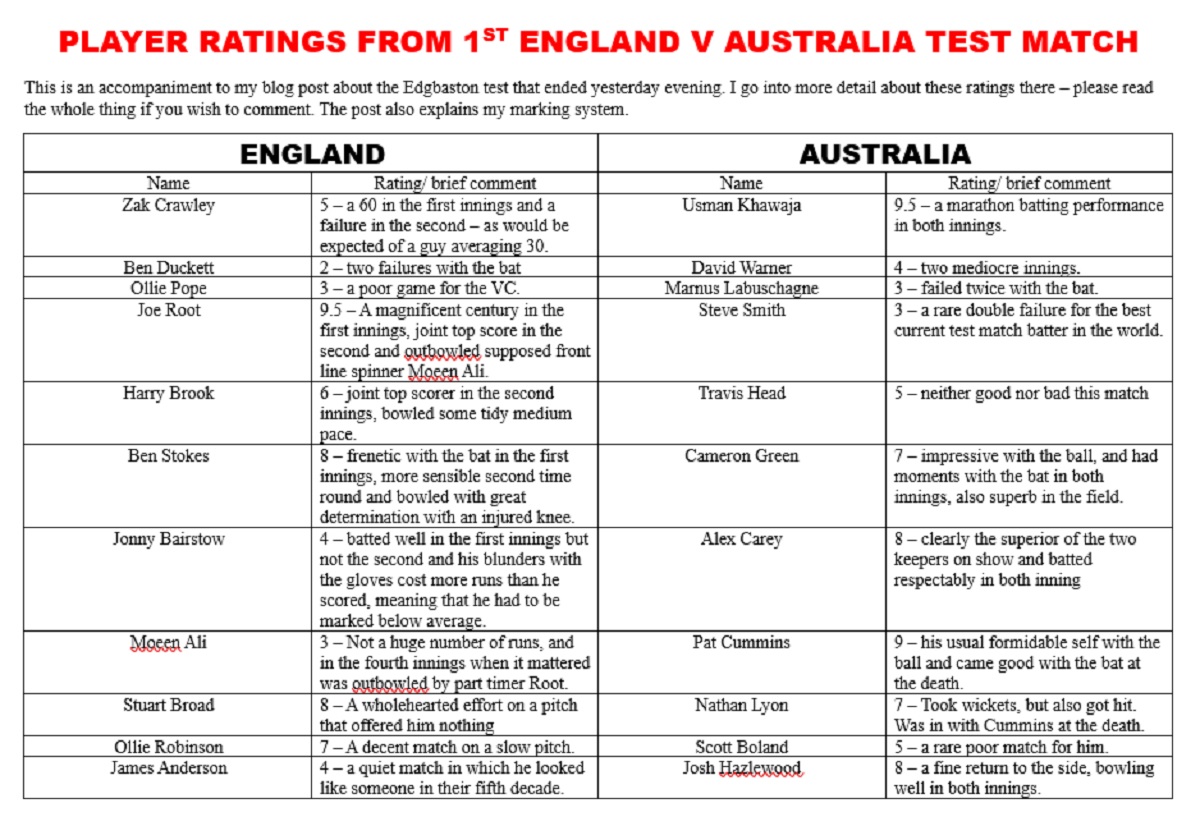
PLAYER RATINGS
I will be going through each team in official batting order, using a scale of 0 (did nothing of value at all) through to 10 (perfection). Please note that when using such scales I use the whole scale – no courtesy marks just for turning up.
ENGLAND
Zak Crawley: 5. A dead average performance from someone who is in truth a dead average player – 61 in the first innings and a failure in the second is nothing special for an opener.
Ben Duckett: 2. Two failures with the bat this time, but he surely has credit in the bank from Pakistan and New Zealand to retain his slot.
Ollie Pope: 3. A promising start in the first innings, and his dismissal was somewhat unfortunate, but a skittish performance in the second in which he never looked like getting settled. Not one of the vice-captain’s finest outings.
Joe Root: 9.5. A glorious hundred in the first innings, joint top scorer in the second and out-bowled the ‘front line spinner’. Although this was a performance that underlined his status as one of the greatest cricketers his country has ever produced I dock him half a point for getting out on 46 in the second innings.
Harry Brook: 6. He was joint top scorer in the second innings, and bowled some tidy medium pace along the way.
Ben Stokes: 8. An overly frenetic batting performance in the first innings, but a much better effort second time round, and a determined bowling performance in spite of having knee trouble.
Jonny Bairstow: 4. The most controversial mark I am giving, but as I stated earlier in this piece I reckon that the chances he either missed or simply didn’t go for cost more runs (remember as well as the extra runs scored by the reprieved batters you have to factor in extra runs scored at the opposite end in the same period) than he contributed with the bat, and his second innings demonstrated another point about Bairstow the keeper/batter – he rarely scores well after a keeping performance. Since I have have him in net debit for the match I have to give him a below average score to reflect what was overall a below average performance, and on a scale of 0-10, 5 is average.
Moeen Ali: 3. Did not do a lot with the bat, and had a poor game with the ball, to the extent that on a final day pitch which was helping spinners he had the indignity of being out-bowled by part time Joe Root.
Stuart Broad: 8. A wholehearted bowling effort on a pitch that offered him absolutely nothing.
Ollie Robinson: 7. A solid bowling effort in unfavourable conditions, and some lower order runs in the second innings. His reaction to dismissing Khawaja in the first Australian innings attracted a lot of condemnation, but frankly given the way their bowlers have been known to treat opposition batters Aussies are the last to have any right to complain about this kind of thing
James Anderson: 4. Did little in the match, and I for one would not be terribly surprised if he missed Lord’s.
AUSTRALIA
Usman Khawaja: 9.5. A marathon effort with the bat in both innings. The only blot on his copybook is that he did not quite see the job through in the final innings.
David Warner: 4. Not absolute failure, but two moderate scores.
Marnus Labuschagne: 3. Failed twice with the bat.
Steve Smith: 3. The best current test batter in the world suffered a rare double failure in that department.
Travis Head: 5. Could not duplicate his brilliance against India in the WTC final, but not an outright poor performance.
Cameron Green: 7. Impressive with the bat, albeit assisted by Bairstow in the first innings, respectable with the ball, and fielded superbly.
Alex Carey: 8. Clearly the superior of the two keepers on show, and batted well, albeit with two assists from his opposite number in the first innings.
Pat Cummins: 9. His usual formidable self with the ball and batted well in both innings, getting Australia over the line in the second.
Nathan Lyon: 7. He took wickets in both innings, but also took some punishment. He was batting with Cummins when the winning runs were scored.
Scott Boland: 5. A poor match with the ball, but given how close it was his 20 as nightwatch in the fourth innings redeemed him somewhat.
Josh Hazlewood: 8. Bowled well on his return to the side from injury.
Foakes has to return to the side as keeper. I would personally achieve this by dropping Crawley, and having someone else open the innings. Ali cannot be retained, and I would say genuine possibilities are: Rehan Ahmed, Liam Dawson, Dan Moriarty (not a Surrey regular alas, but always bowls well when given the opportunity, as an FC bowling average of 27 suggests), Jack Carson, or the ultra-radical option of asking Sophie Ecclestone if she is up for playing alongside the men. Also, I would rest Anderson and bring in Wood to give the seam attack a point of difference. Chris Woakes has a splendid record at Lord’s, and playing him at number eight and relying on Root for spin is another option.
PHOTOGRAPHS
This has been a long post, but for those of you who made it to the finish this is my usual sign off…
A look at developments in The Ashes so far and a photo gallery.
While I have been blogging about my holiday in the Lake District (I have a page with links to all the posts in this series) plenty has been happening in the world of cricket. England and Australia both had good build ups to the first match of the Men’s Ashes, although England lost leading spinner Jack Leach to an injury. This post looks at the developments since the series got underway on Friday.
THE PRELIMINARIES
England’s final XI, announced two whole days before the match started, contained several bones of contention. Foakes was dropped, as England decided that the best way to accommodate the returning Bairstow was to give him the wicket keeping gloves. When it came to finding a replacement for Leach as spinner they made the shockingly retrograde decision to recall Moeen Ali, now on a WHITE BALL ONLY contract with Warwickshire. Finally, perennial top order failure Zak Crawley retained his slot. The final XI thus read Z Crawley, B Duckett, O Pope, J Root, H Brook, *B Stokes, +J Bairstow, M Ali, S Broad, O Robinson, J Anderson. Australia’s only question mark was which two of Josh Hazlewood, Scott Boland and Mitchell Starc would play. In the event they opted, rightly IMO, for Hazlewood and Boland, benching Starc. England won the toss, and as they were virtually obliged to opted to bat first.
DAY ONE
Ben Duckett and Ollie Pope were both out fairly cheaply, but Crawley for once played well, scoring 61. However the feature of the innings was a glorious century by Joe Root, underlining his status as an all time great. Bairstow made 80, and Stokes surprised many by declaring at the end of the 78th over with the score reading 393-8. This set a new record – the earliest point in terms of balls bowled at which the opening innings of a test match has been declared. England didn’t manage an early breakthrough that evening, and many were slating Stokes for declaring. I was not among them, because unlike these critics I remember Rawalpindi, when Stokes was proved right about an aggressive declaration.
DAY TWO
This was a frustrating day. Bairstow more than undid his good work with the bat with some poor keeping – he reprieved Travis Head and Alex Carey, both pretty costly, and Australia reached the close at 311-5, 82 behind.
DAY THREE
The very first ball of the day should have seen England break through but Bairstow muffed another easy chance. There was another edge that failed to go to hand not much later, but I am not cruel enough to describe that one as a chance – it hit Bairstow’s boot before touching the ground, but it would have been miraculous to make a catch of it. However, in spite of these frustrations England did eventually take a first innings lead, bowling Australia out for 386. They made a good start, but then Cummins and Boland had a purple patch, and when the rain made its final intervention of the day England were 28-2, 35 runs ahead.
DAY FOUR SO FAR
Pope was third out with the score at 77, though Root was again batting splendidly. He was now joined by Harry Brook. They put on a rapid 50 stand before Root fell for 46 to make it 129-4. Brook exactly matched Root’s score before he too was out. Stokes and Bairstow are still together. Scott Boland had a naughty moment when he claimed a catch that would have meant the end of Stokes, but it went upstairs and replays showed that Stokes had hit the ball straight into the ground, a fact of which Boland must have been aware. As things stand England are 196-5, 203 runs ahead, and the match is intriguingly poised.
PHOTOGRAPHS
My usual sign off…
As I was preparing this post for publication Bairstow fell LBW to Lyon to make it 196-6, and new batter Ali has got off the mark with a single. Yes Bairstow has contributed 100 runs in the match (80 and 20), but his bad wicket keeping means he is no better than even for the match, and maybe even in debit – certainly any more errors behind the stumps that cost anything will put him in debit.
The final post in my series about my holiday in the Lake District, detailing the journey home.
Welcome to the final post in my series about my holiday in the Lake District. In it I talk about my journey back to King’s Lynn.
A MULTI-MODAL JOURNEY
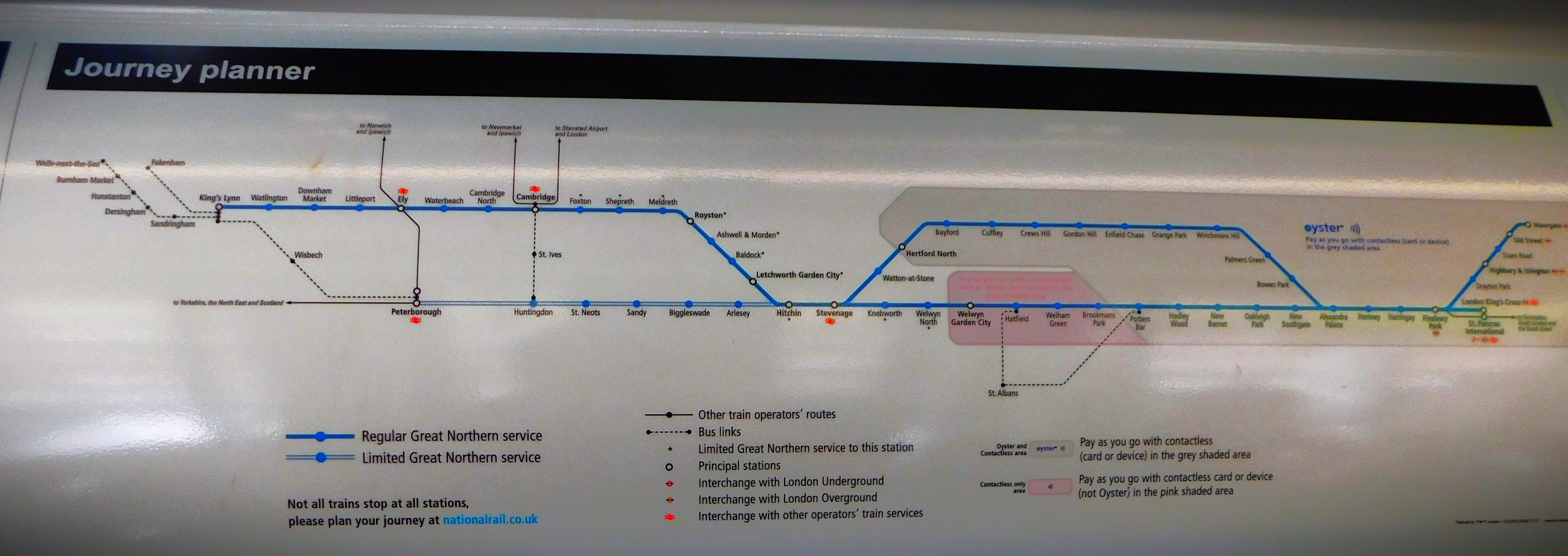
Thursday was the only day on which I could travel home – the next non-strike day was the following Tuesday by when I was due back at work. I had been warned by thetrainline.com of trouble on the Ely-King’s Lynn portion of the journey – they had wanted to me to book a whole new journey, but I knew better – so long as I could get as far as Peterborough I could then get a bus to King’s Lynn, and there is no difference in the time taken to walk from the bus station to my home and that from the train station. Thus I was prepared for a journey using three modes of wheeled transport plus walking.
THE JOURNEY
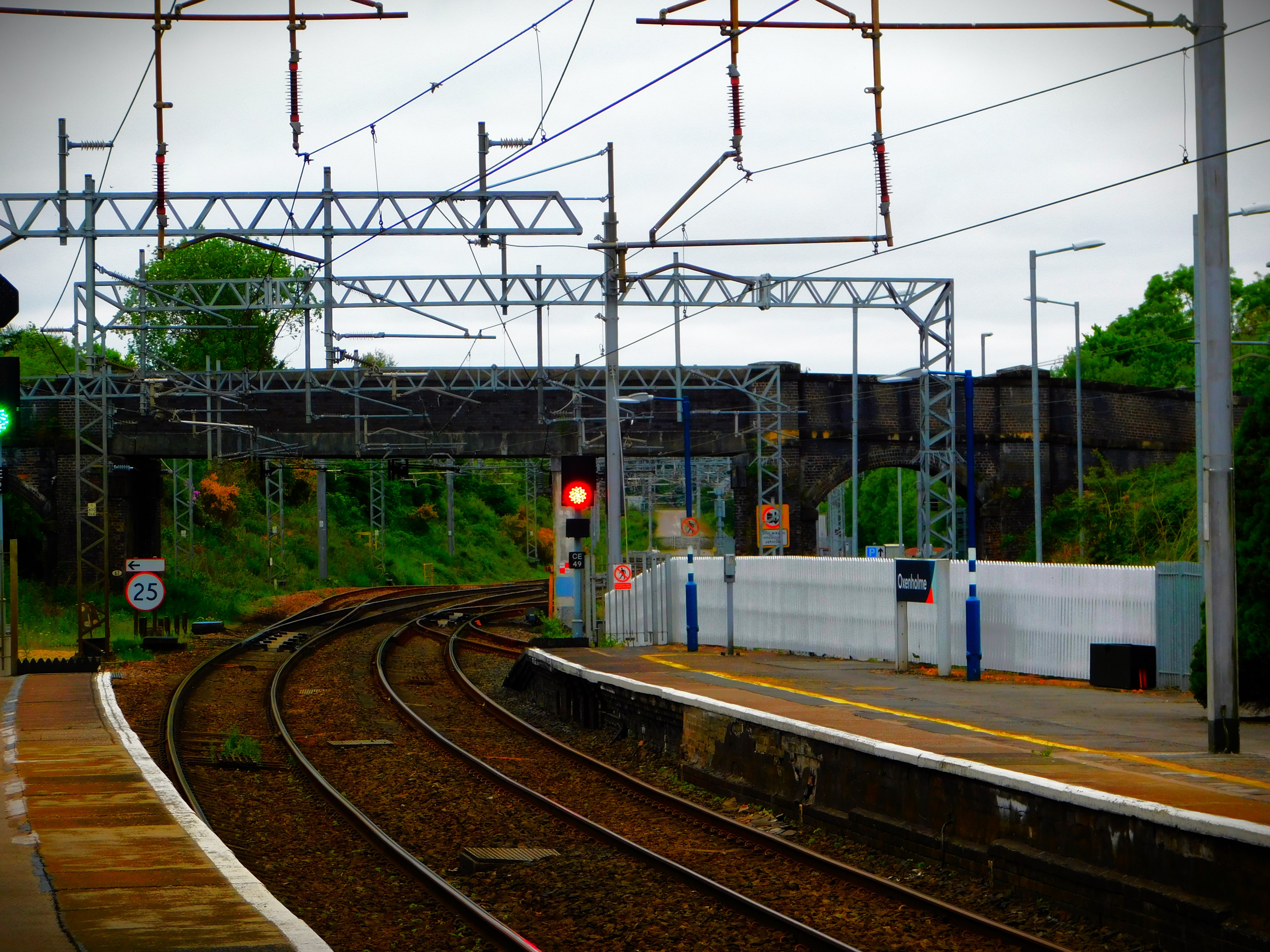
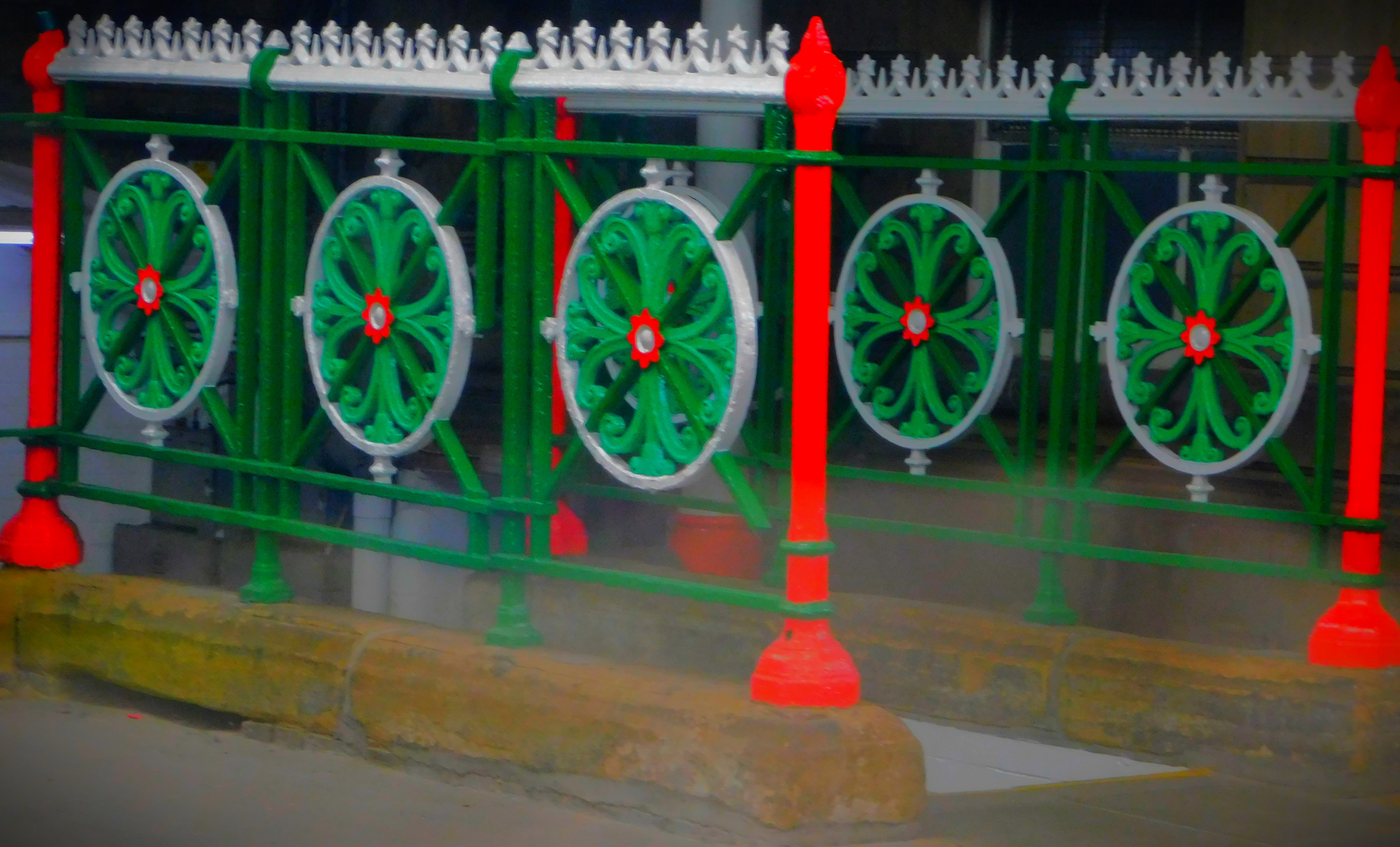
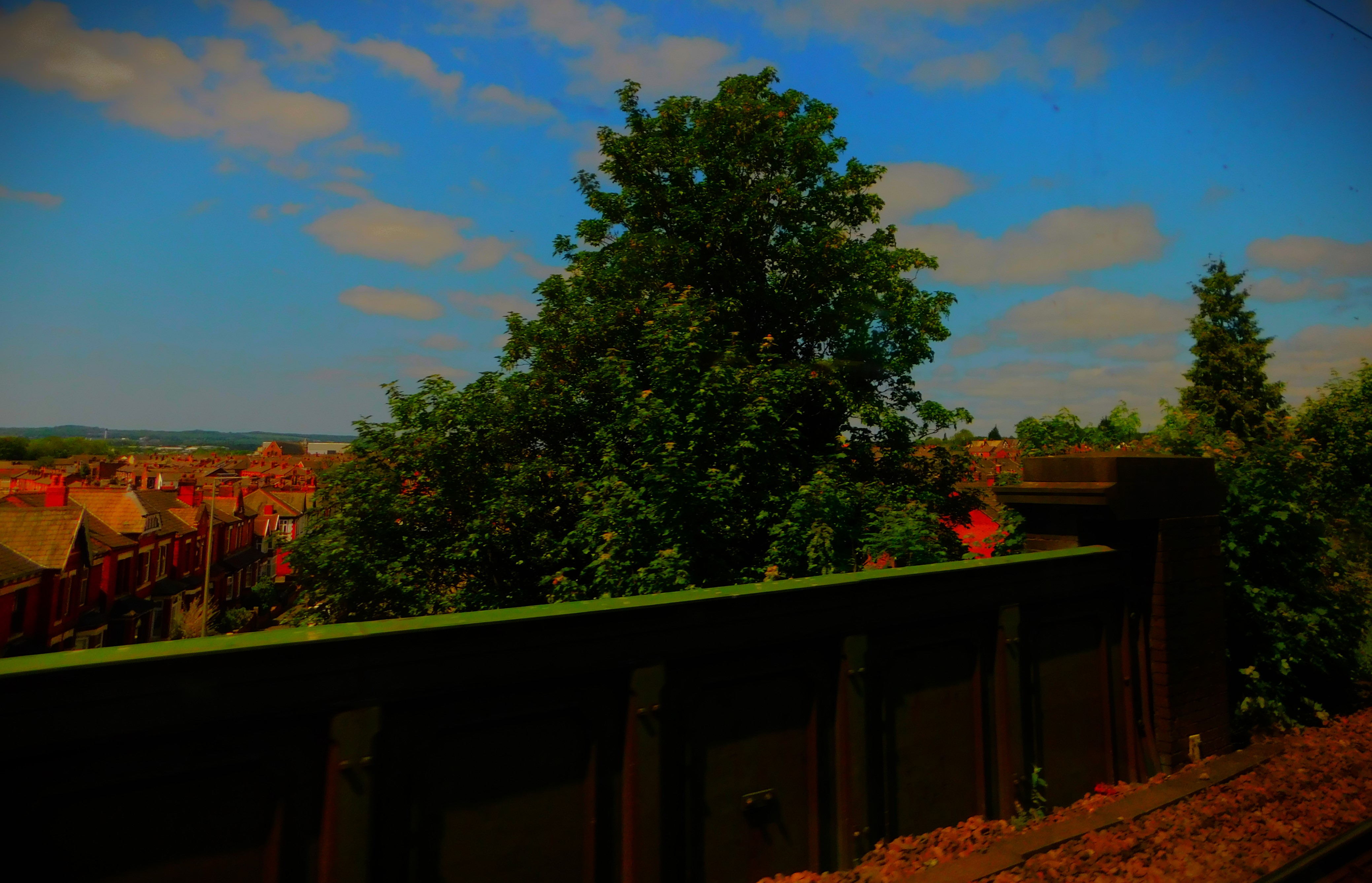
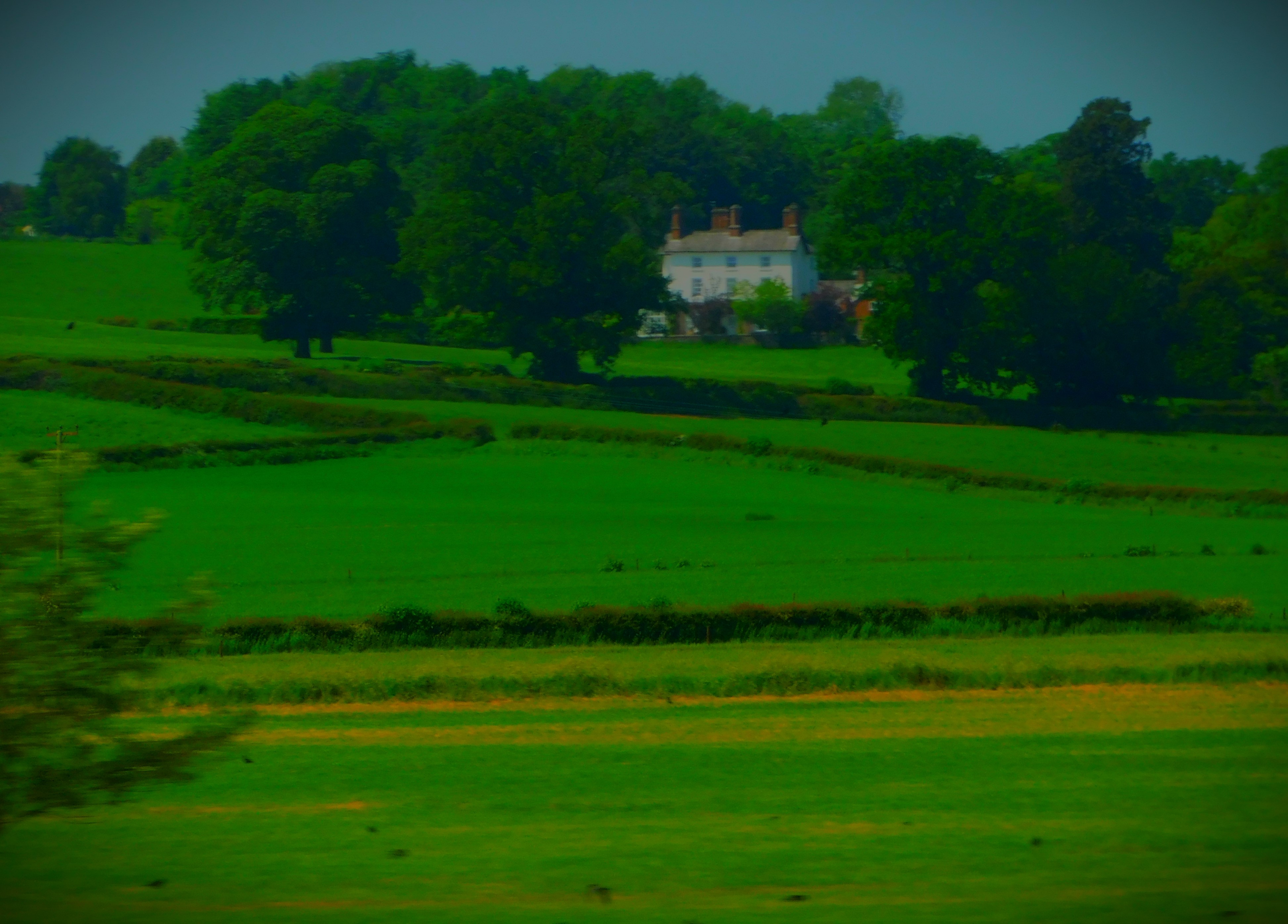
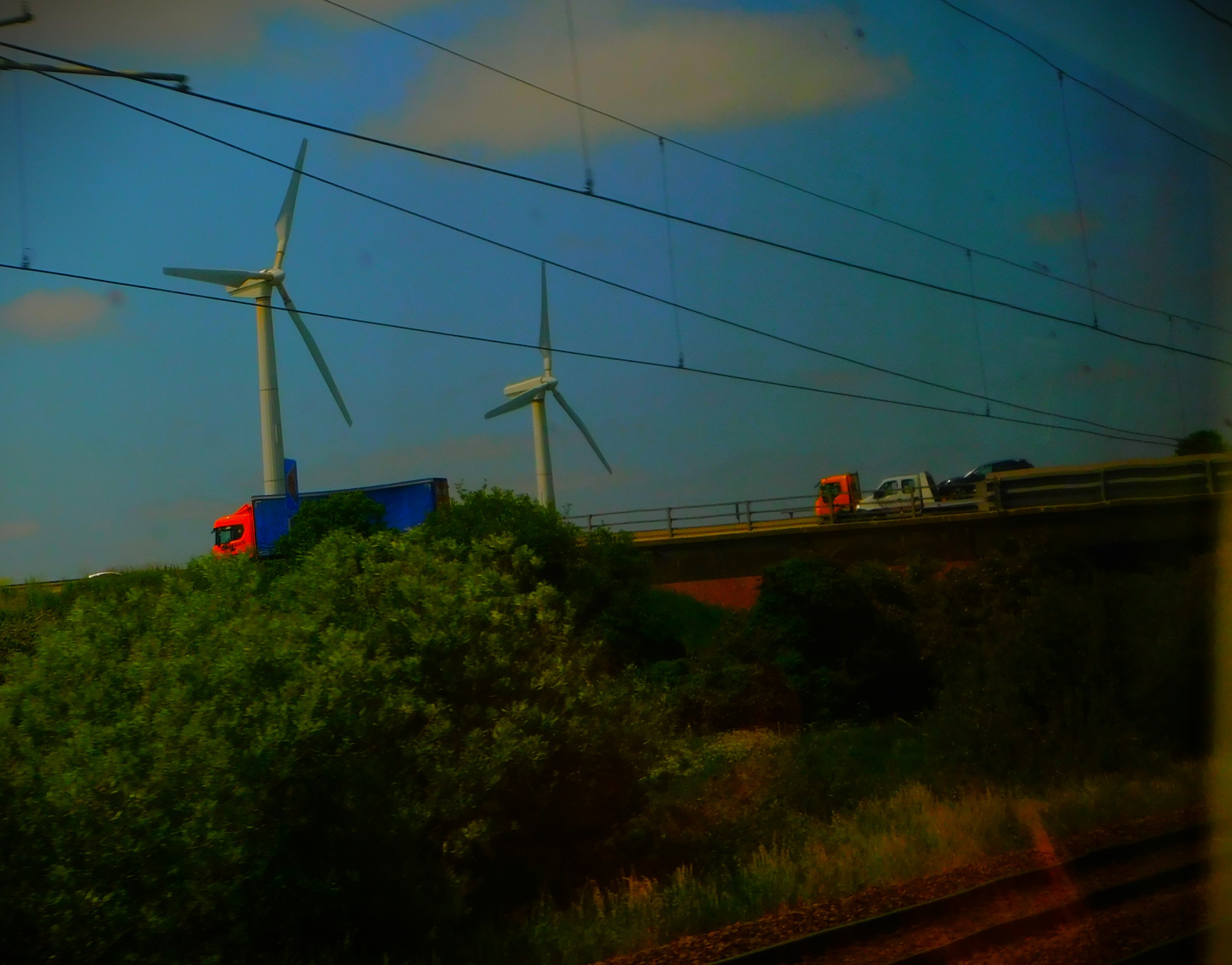
My parents gave me a lift from Ambleside to Oxenholme the Lake District, getting me there well before my train was due. The train arrived five minutes late, which is early by Avanti’s usual standards. The train was a little crowded, but I had a reserved seat, and it was otherwise uneventful.
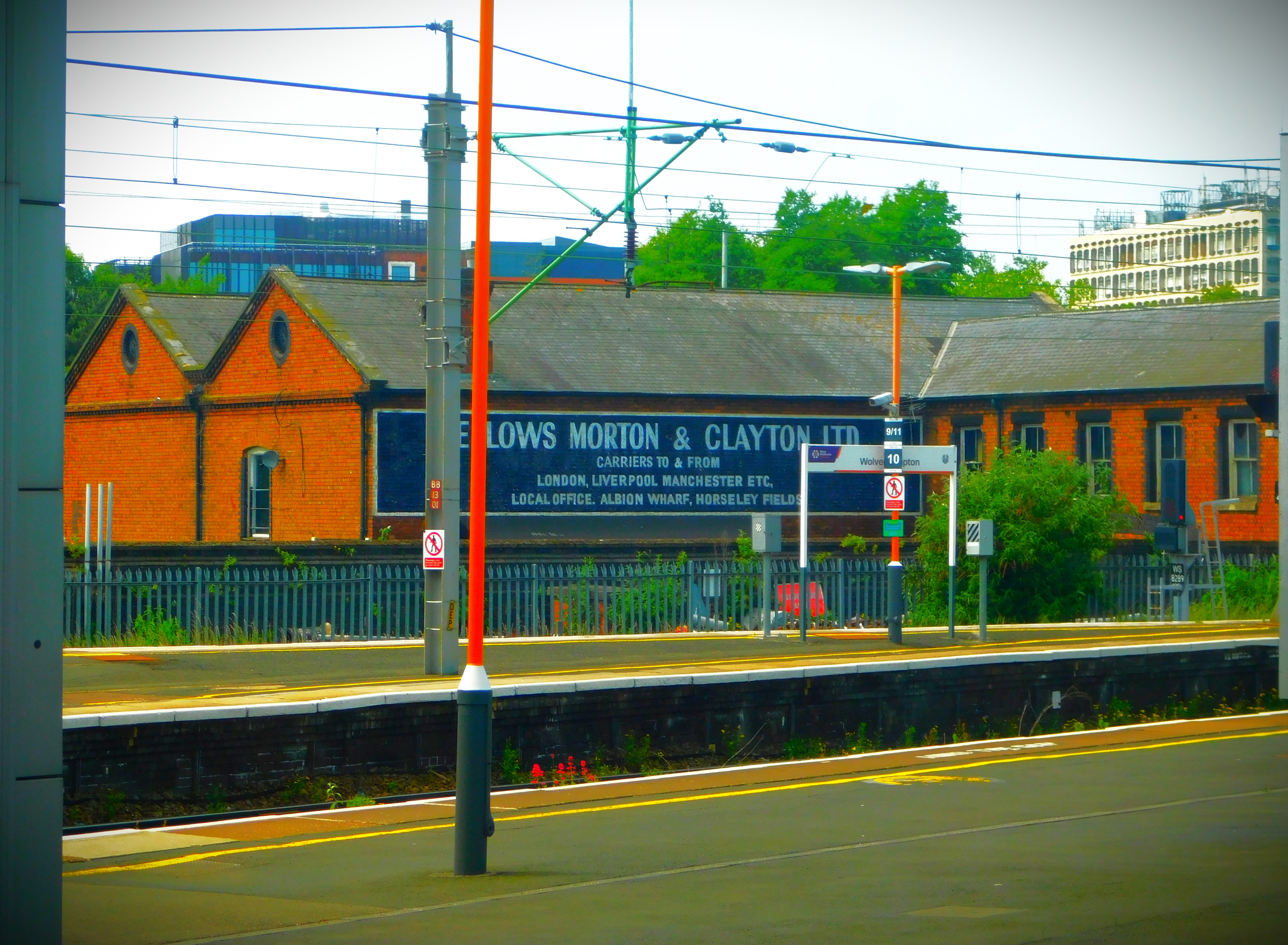
At Preston I had to change to another Avanti service, as the one I was on ran non-stop between Warrington and London, and my second change was at Birmingham New Street. This train was also fairly crowded.
At Birmingham New Street I boarded a service bound ultimately for Norwich. This train ran exactly according to schedule, and it turned out that I had just under a 20 minute wait at Peterborough for the bus to King’s Lynn.
ExCel proved to among the bus routes on which no single journey costs more than £2, a substantial saving on previous fares on that route (Lynx, whose buses I use to get to and from work are not as yet part of this scheme). Arriving at King’s Lynn bus station, as unappealing as that location is, was something of a relief – I knew for certain at that point that last possibility of trouble was behind me, which given the situation in which I made that journey was no small thing.
PHOTOGRAPHS
Here are my pictures from this day…
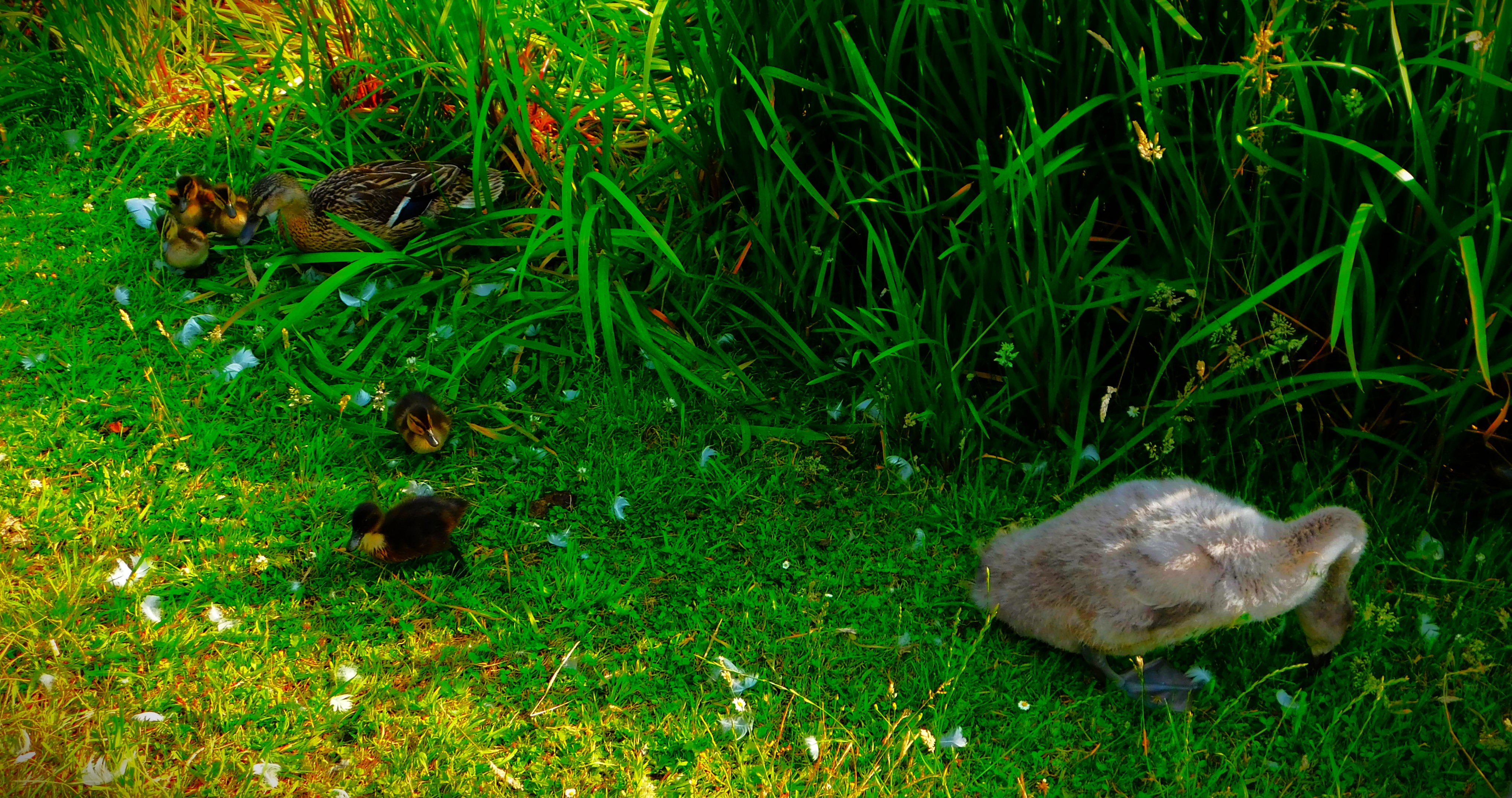
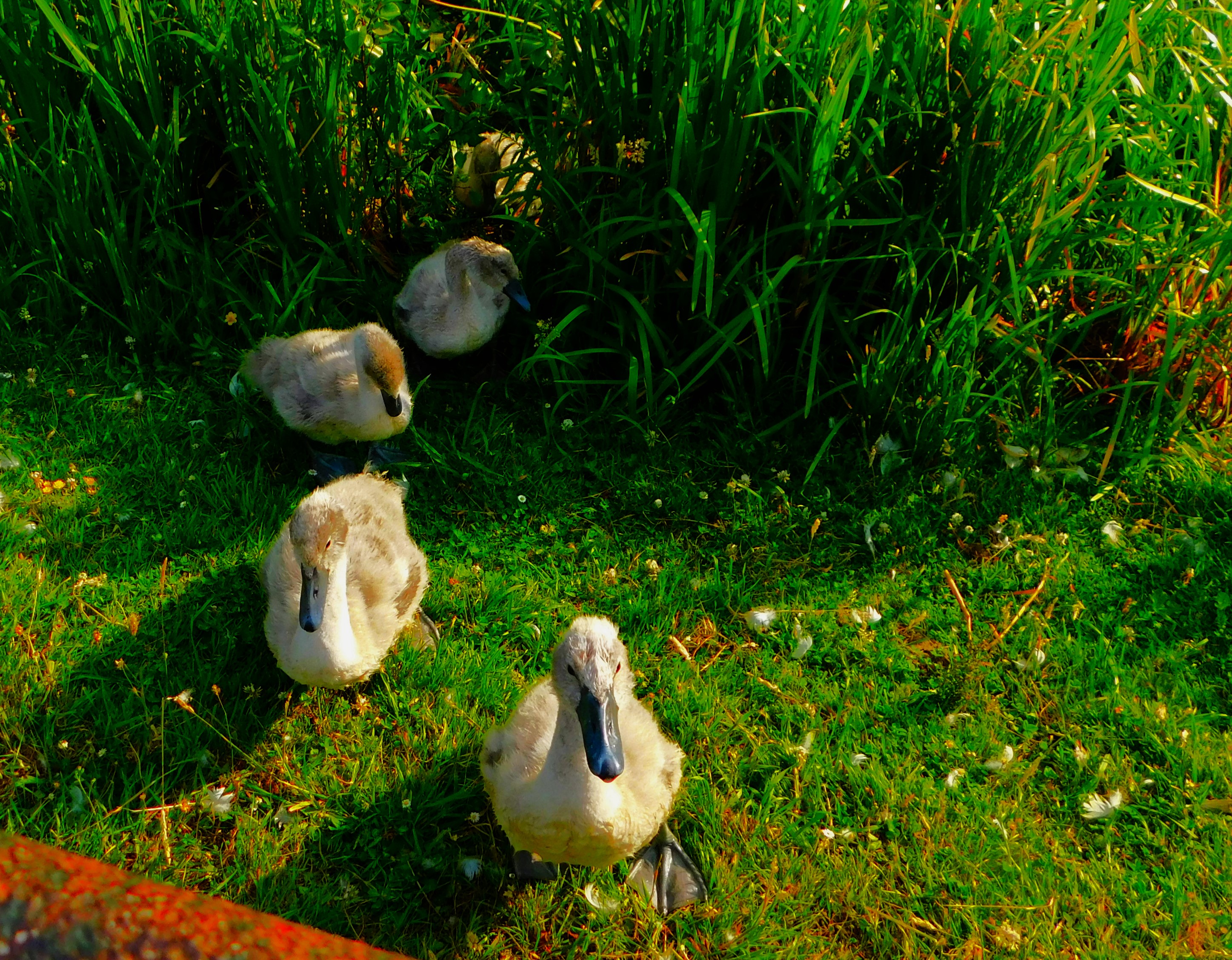
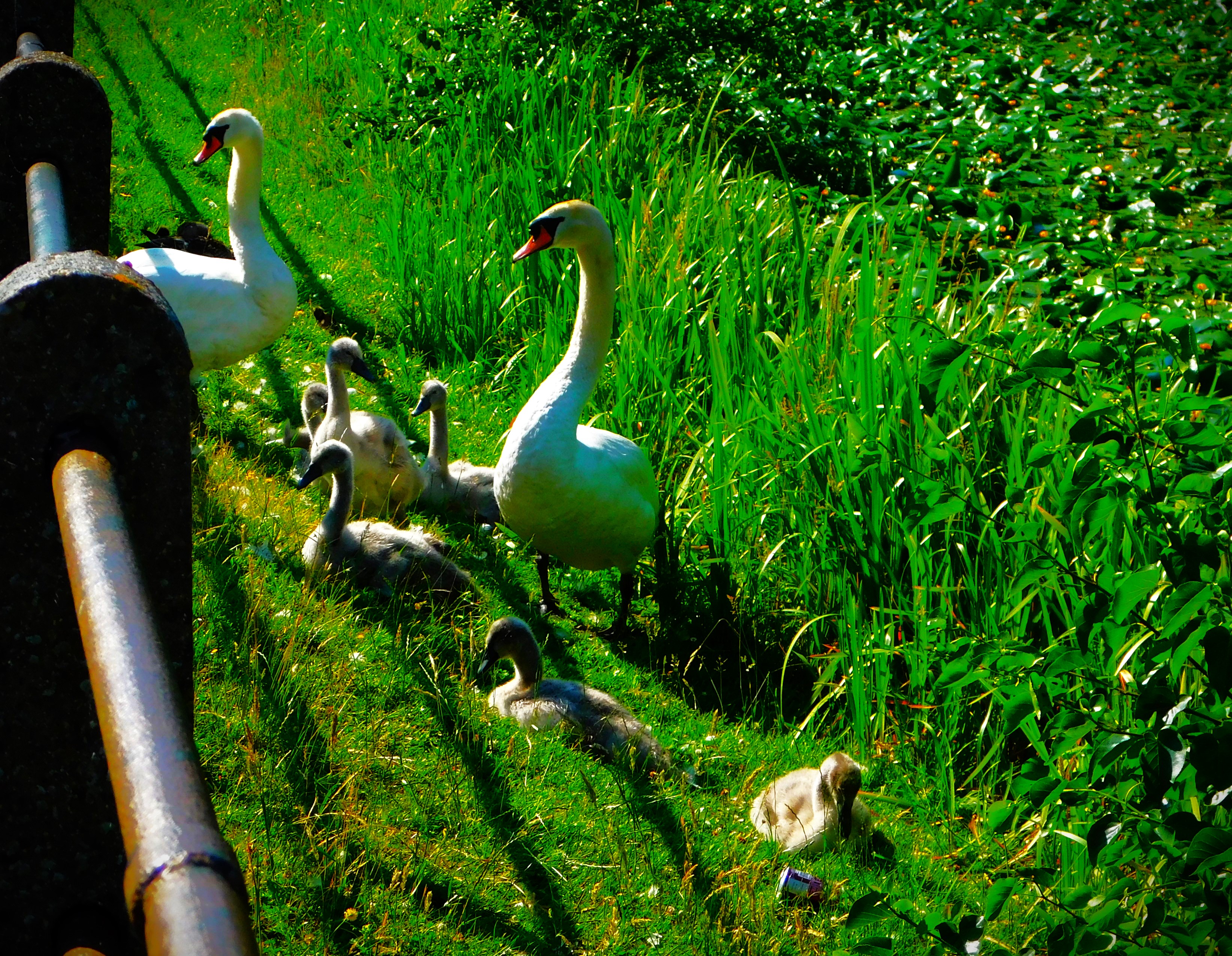
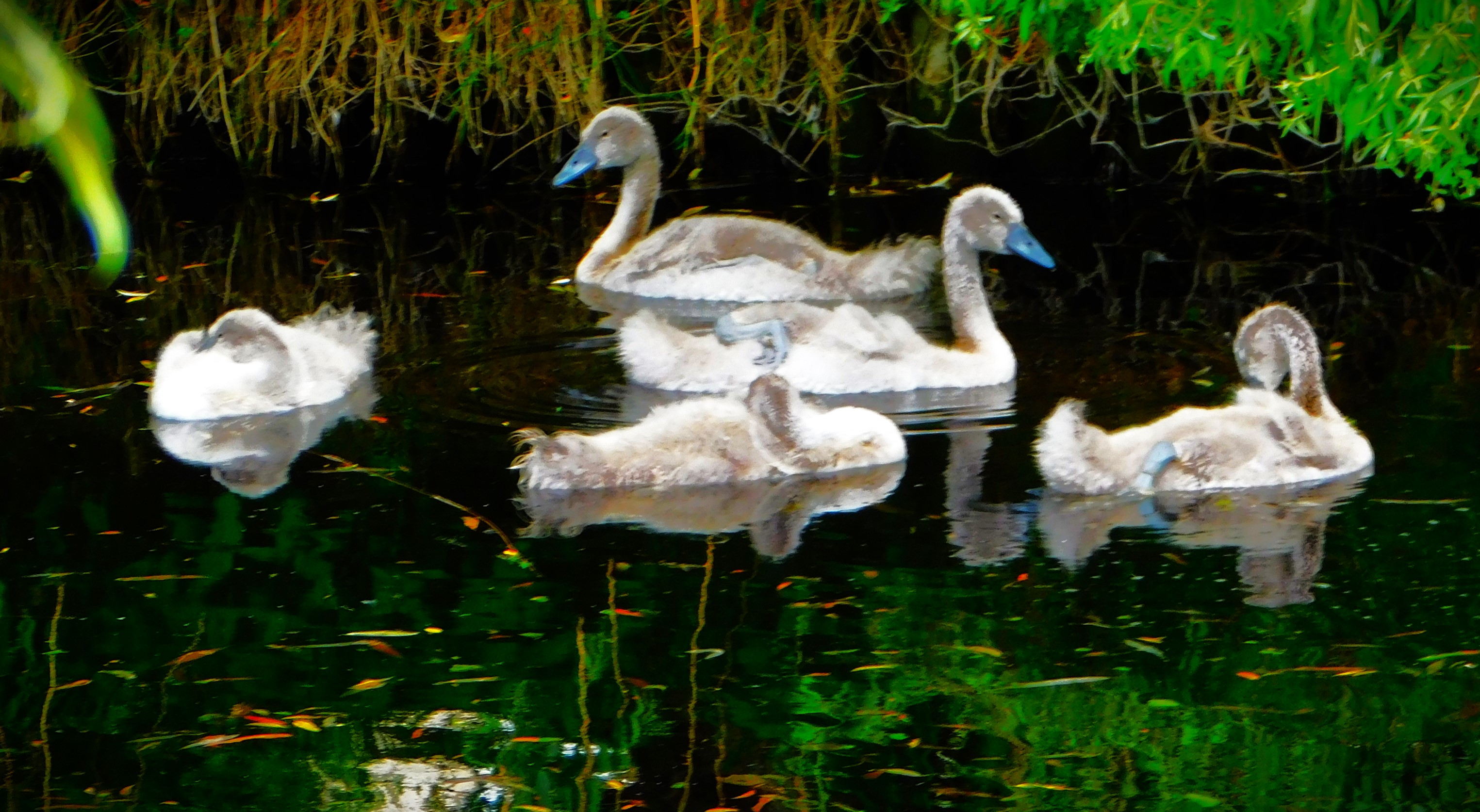
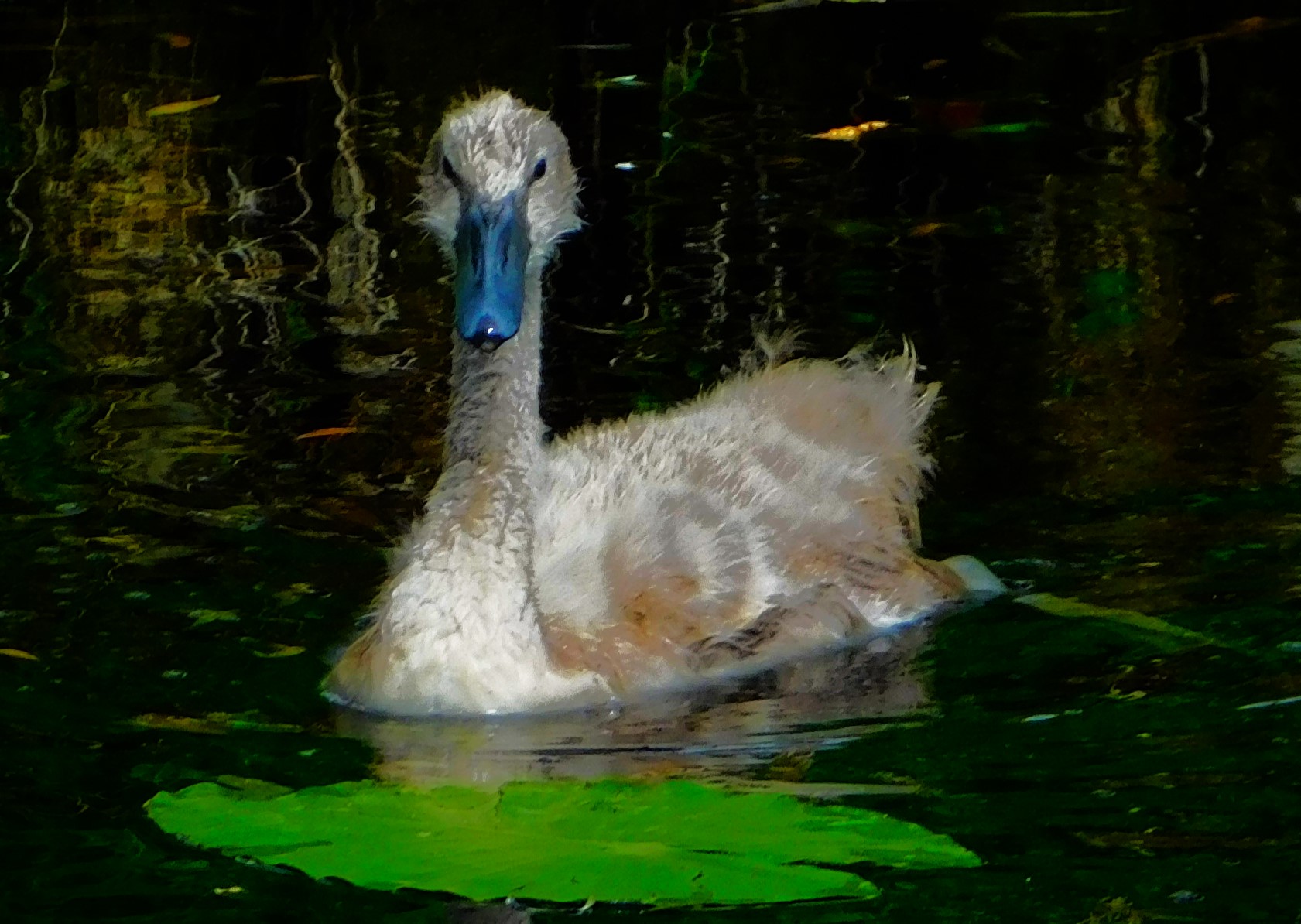
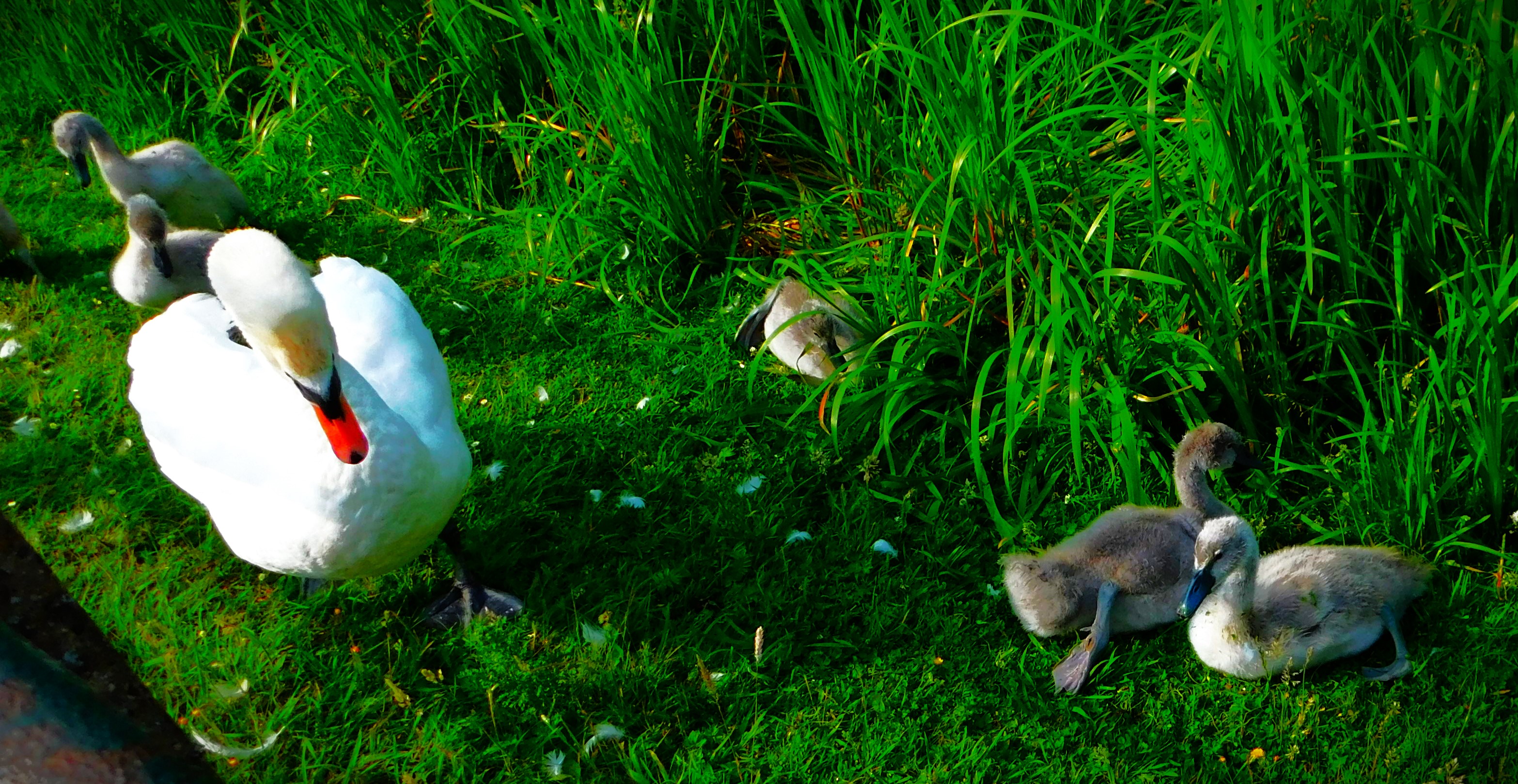
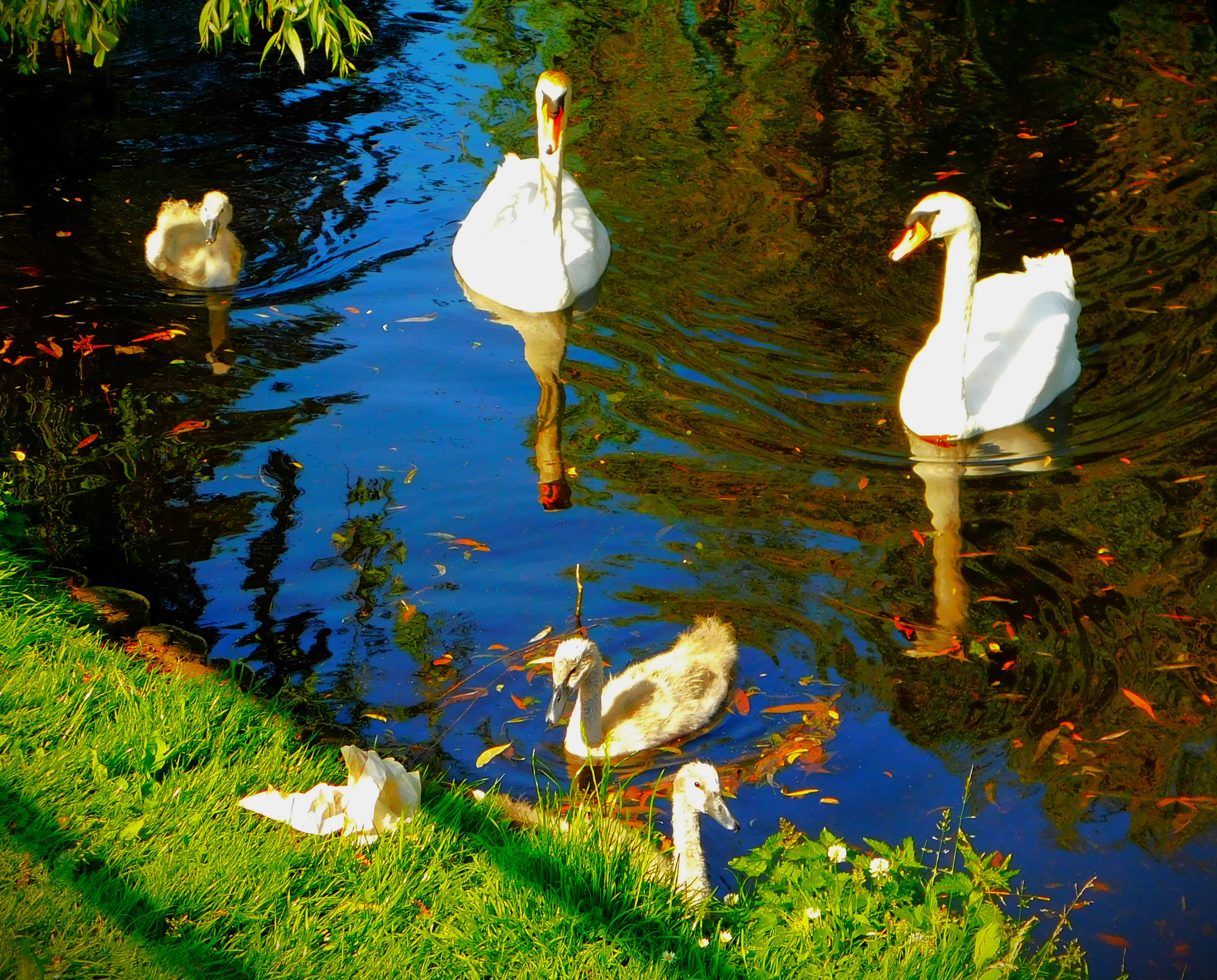
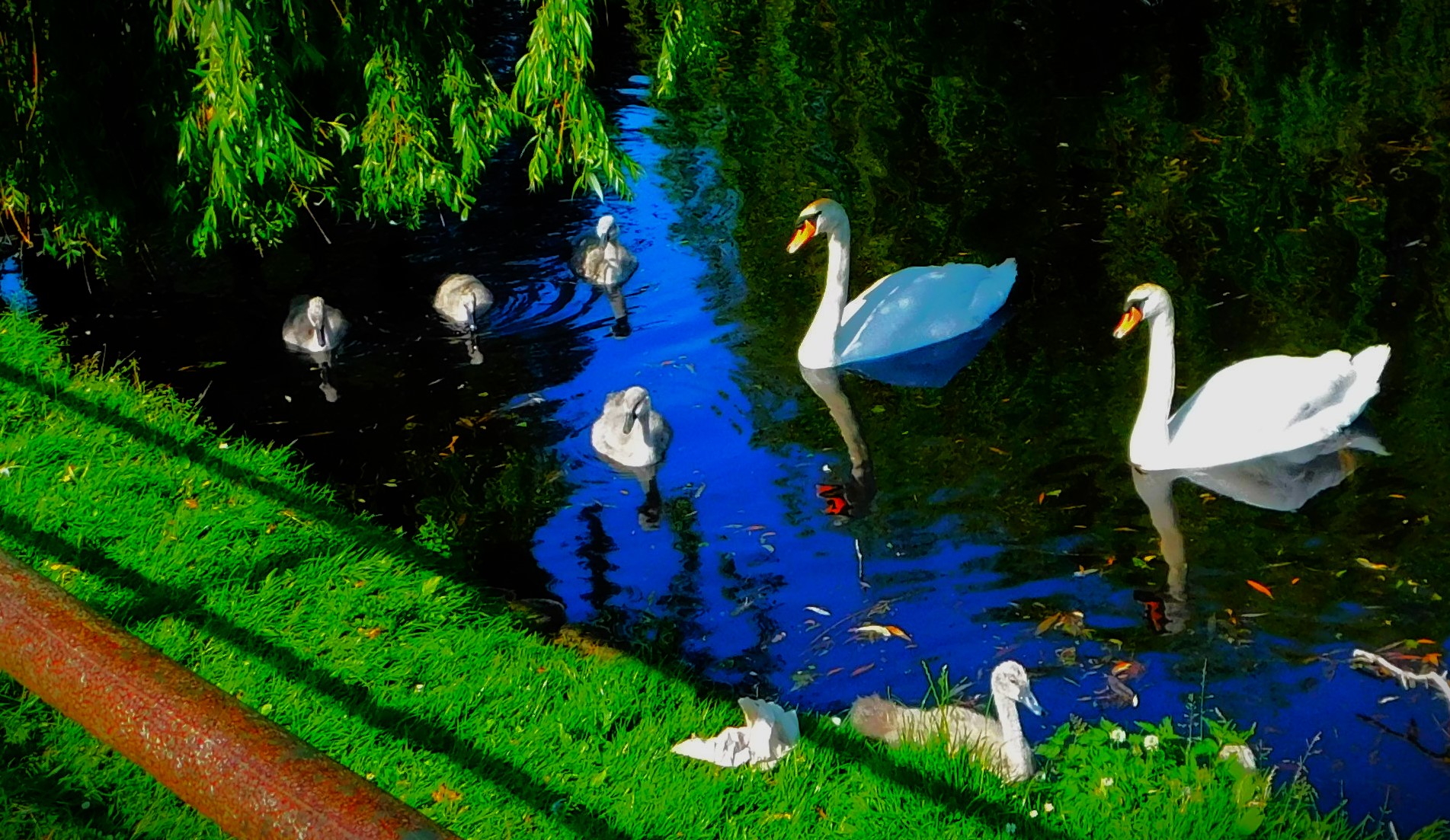
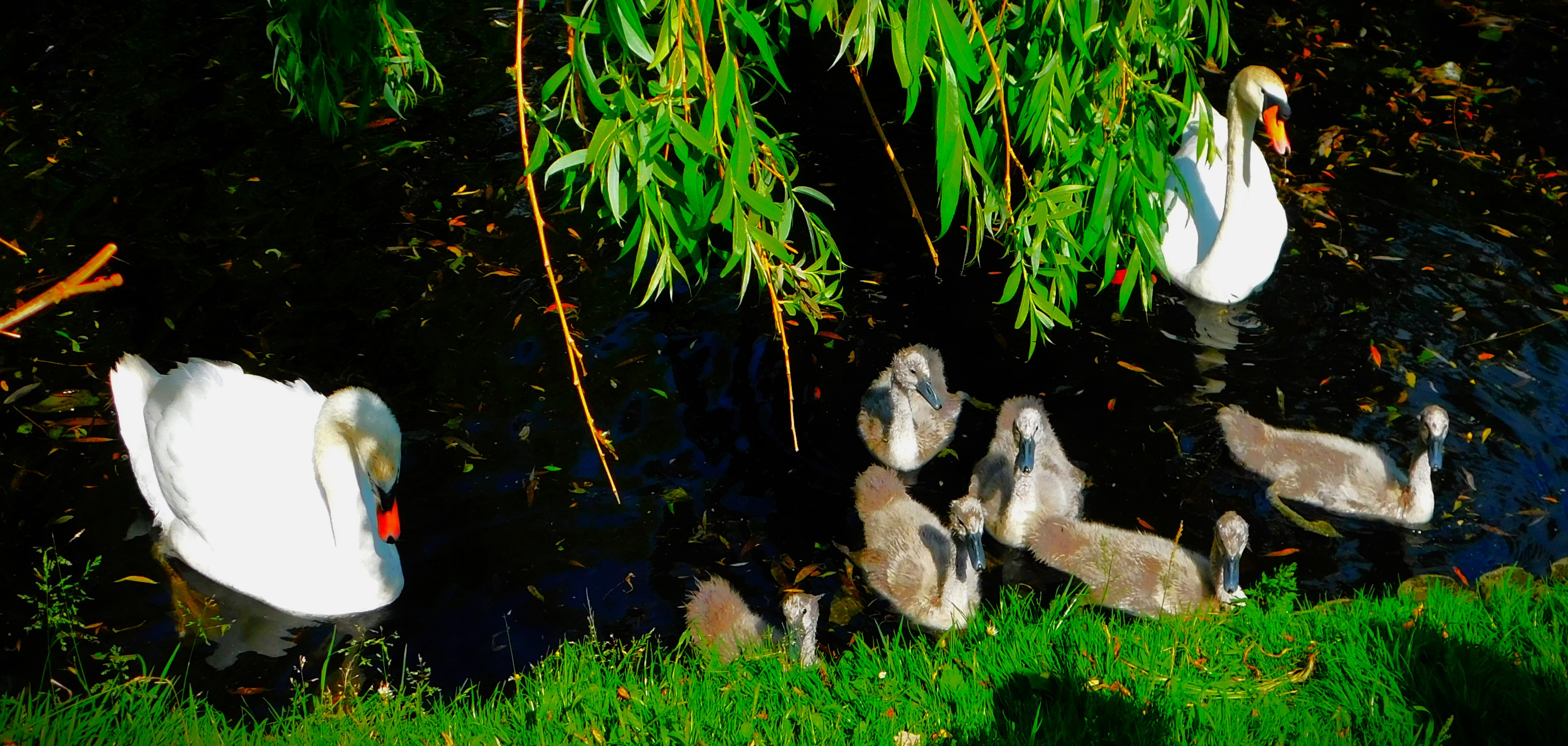
Crossing the Great Ouse by bus, the moment I regard as the end of the holiday.You will be seeing more of this swan family in posts to come, although the eight cygnets here have been reduced in number to six.



















































































































































































































































































































































































































































































































































































































































































































































 aspiblog