I pick my England XI (constrained by the squad from which it will be picked) for the first test match v India which starts on Wednesday.
The first test in the England v India series for the Pataudi Trophy (The senior Nawab of Pataudi, Iftikhar Ali Khan, played for both England and India, playing for the former in 1932-3 and the latter in 1946 when he was captain, while his son, Mansur Ali Khan, played for India) starts on Wednesday. With that in mind I devote this post to selecting an England XI for that match. The squad from which the XI has to be chosen can be viewed here.
THE TOP THREE
The openers are open and shut – Burns and Sibley will occupy those slots. On the face of it there are several options for no3: Zak Crawley is the incumbent, Jonathan Bairstow has batted there in the past and Haseeb Hameed, in good form at the moment and with a century for a County Select XI v The Indians under his belt into the bargain would also be a logical choice. Restricting ourselves to these three, Crawley is in no sort of form and has played only one major test innings, the 267 against Pakistan which is receding ever further into the past. Bairstow’s recent test record is dire – since the start of 2018 he averages less than 25 at that level. Therefore, with the most obvious candidate for England no 3, Tom Abell, injured at present I go with Hameed, reckoning that he and Sibley are in a bat off for who opens alongside Burns once Abell can come into the side.
THE MIDDLE ORDER
Numbers four and five are clear cut, Root and Stokes. Number six is between Pope and Lawrence, and is a very close call. I plump for Lawrence – Pope at test level has developed an unfortunate habit of making impressive starts but then getting himself out before he manages a significant score. At no7, and keeping wicket in the absence of the injured Foakes, is Jos Buttler.
THE BOWLERS
There are two logical candidates for no8, Ollie Robinson and Sam Curran. Although the latter’s left arm creates an extra bowling variation I plump for the former because I see him as more likely to take wickets at test level. At no9 I opt for Mark Wood, the only express pace bowler in the squad, and as such an automatic pick for me. Number 10 and sole specialist spinner is Jack Leach, who is the only serious candidate for that role at present (although there are some promising youngsters starting to emerge at county level). Rounding out the order is England’s all time leading test wicket taker, James Anderson. My feeling is that it would be foolhardy to select both veterans in the first match of a five test series, and I opt for Anderson ahead of Broad (the latter will then get fired up by his omission!).
THE XI IN BATTING ORDER
Tying all this together I present the XI in likeliest batting order as per the above text (I have no truck with XIs being presented in alphabetical order, which is meaningless in a cricketing context – it may be acceptable to present a squad from which the XI is selected in alphabetical order, but never the XI):
A look at cricket’s newest format, The Hundred and some photographs.
It has been a while since I last posted here, and it is time to rectify that omission. The new cricket competition, The Hundred got underway on Thursday evening, and I now offer my early thoughts on it.
ABOUT THE HUNDRED
The Hundred differs from other formats of cricket in the following ways:
No overs – there are blocks of five balls, a bowler may bowl either five balls or 10 balls at a stretch depending on the captain’s decision, and the players change ends every 10 balls. The total innings duration is 100 balls per side, hence the name. Commentator Dan Norcross made an intriguing Paris Metro based suggestion for naming these blocks – tickets on that transport are purchasable in blocks of five or ten and the word for such a block is ‘carnet’, pronounced ‘Car-nay’.
Each bowler may bowl up to 20 balls in the course of the innings.
The fielding captain is permitted to take one strategic time out lasting two and a half minutes at any time after the first 25 balls.
The first 25 balls are a Power Play in which only two fielders may be placed more than 30 yards from the bat, while for the rest of the innings five may be placed deep
If the fielding side have not started the last set of five balls by a certain preset tine they are punished by being required to bring one extra fielder in close.
PROS AND CONS
Many readers will be aware that when it was first mooted I was strongly opposed to The Hundred. I still think that it is cluttering up an already overcrowded calendar, and still have concerns about the absolute marginalization of the county championship, and I also feel that some of those pushing this competition have been unnecessarily antagonistic towards existing fans in their search for new ones. However, it is here to stay, it is very enjoyable. Also, it has undoubtedly been a huge boon for women’s cricket, with the women’s games an integral part of the tournament rather than a sideshow. On Saturday over 21,000 spectators watched the two women’s games, being respectively the largest and second largest ever audiences for a women’s domestic game in this country.
SOME OF THE MATCHES
The highest score of the competition to date came from Jemimah Rodrigues, who with the top order crumbling around her so that the score at one point was 19-4 chasing 131 to win scored 94 not out off 42 balls to carry her side to victory. Alice Capsey, the youngest player involved in the tournament, lit up Lord’s on Saturday morning with a glorious 59 off 41 balls. Yesterday at Manchester saw a bowling dominated day – in the women’s match Birmngham Phoenix tallied 113 batting first, which proved enough to win by 20 runs. Then in the men’s match Phoenix became the first side to be bowled out inside 100 balls, managing a measly 87 off 86 balls. Matt Parkinson for the home side, the Manchester Originals, took 4-9 from 19 balls, finishing the innings by taking three in four balls including as good a ball as a bowler of his type can produce – pitched on leg stump it tilted the middle stump backwards. Just to ensure that the total would never trouble the Originals Phil Salt gave the reply a flying start with 22 off 11 balls, as half the required runs were knocked off in the 25 ball Power Play. Thereafter there was no way for Phoenix to apply any pressure, although Benny Howell, a crafty medium pacer, bowled well for them.
YOUNGSTERS TO THE FORE
At the same time as the new competition is going on, so is the Royal London Cup 50 overs per side competition. With so many first choice players not available to them the counties have had no option but to select quite a number of youngsters. Yesterday’s match between Yorkshire and Leicestershire saw Harry Duke at the age of 19 rack up his first professional century, helping his side to a convincing victory.
My thoughts on the new ODI squad that England have had to select, and some photographs.
The original England ODI squad for the upcoming series against Pakistan has had to go into self isolation due to seven positive covid-19 tests among their number. A new squad, to be captained by Ben Stokes, who was originally being eased back from injury and had therefore not been called up. In this post I look at the new squad, and provide some thoughts on it. This is the worst disruption faced by England cricket in my lifetime, beating even that caused by the rebel tours of Apartheid South Africa in 1982 and 1989, and overall the ECB have handled it well.
THE NEW SQUAD
The 18 names in the new squad are as follows (courtesy of the ECB website):
Ben Stokes (Durham, captain) Jake Ball (Nottinghamshire) Danny Briggs (Warwickshire) Brydon Carse (Durham) Zak Crawley (Kent) Ben Duckett (Nottinghamshire) Lewis Gregory (Somerset) Tom Helm (Middlesex) Will Jacks (Surrey) Dan Lawrence (Essex) Saqib Mahmood (Lancashire) Dawid Malan (Yorkshire) Craig Overton (Somerset) Matt Parkinson (Lancashire) David Payne (Gloucestershire) Phil Salt (Sussex) John Simpson (Middlesex) James Vince (Hampshire)
Most of these names are fairly uncontroversial in the circumstances. The strangest selection among the 18 is John Simpson, a good cricketer but not my idea of international quality. I am also mistrustful of James Vince, whose England record is not impressive. Brydon Carse is a hugely exciting selection – he is in the same pace bracket as his county colleague Mark Wood and can handle a bat. Danny Briggs has a good limited overs record but I would preferred to see Dan Moriarty capped.
The omission of Sam Hain who averages almost 60 and has a strike rate of 86 in List A cricket almost defies understanding. I would have liked to see a call up for the veteran Darren Stevens. Also the ECB would do themselves a favour if they actually fronted up and said in as many words that they will not pick Alex Hales – the announcement of this squad makes it clear what their actual attitude is and it is just silly to keep pretending that the door has not been shut on an England recall for him.
PICKING AN XI
This XI will almost certainly not happen, but this is the way I would from the selected squad:
My opening pair would be Will Jacks and Phil Salt, with the latter keeping wicket, while the former’s off spin may well enter the equation. At number three I would have Dawid Malan, batting in his best position. Dan Lawrence, needed on ground of prior international experience would bat four. Skipper Stokes gets the no5 slot. In view of the make up of the squad I would play Gregory at six, Carse at seven and Craig Overton at eight (all three can bat very effectively), David Payne whose left arm pace offers a variation would be at nine, with Mahmood and Parkinson rounding out the order.
England are by no means out of this series even after having to select a completely new squad just before it starts.
A look back at two great cricketing occasions – the women’s test between England and India and the World Test Championship final between India and New Zealand.
Now that I have finished my series about my Scottish holiday (all posts therein can be accessed from here) it is time to tackle other things. In this post I look back two great cricket matches which overlapped (poor organization there). I start with:
ENGLAND WOMEN V INDIA WOMEN
This test match, the first women’s test match in two years and the first involving India Women for seven years was played between the 16th and 19th of June at Bristol. Not only do the women play very little test cricket, their domestic structure does not include long form cricket.
England were 269-6 at the close of the first day, having at one point been 230-2. Heather Knight, the captain, scored 95, Tammy Beaumont 66 and Nat Sciver 42. In occupation overnight were debutant Sophia Dunkley and veteran Katherine Brunt. Brunt fell early on the second morning to make ti 270-7 but Dunkley found excellent partners in Sophie Ecclestone who helped the eighth wicket to add 56 and then Anya Shrubsole who scored a blazing 47 as a further 70 accrued for the ninth wicket. At Shrubsole’s dismissal the score was 396-9 and Knight declared, leaving Dunkley with a debut innings of 74 not out to look back on. Sneh Rana, an off spinner, had 4-131 from 39.2 overs for India.
Smriti Mandhana and Shafali Verma gave the Indian first innings a magnificent start, putting on 167 before Verma, at the age 17, was out for 96 just missing a debut century. Some good bowling by England in the closing stages of the second day and an odd decision by skipper Mithali Raj to send in a nightwatcher with quite a lot of time left in the day (both the nightwatcher, Shikha Pandey, and Raj herself, obliged to go in anyway, fell in the closing stages) put India in trouble, a situation that got rapidly worse at the start of day three as more quick wickets fell. At one stage the score read 197-8, meaning that eight wickets had fallen for 30 runs. The ninth wicket provided some resistance and forced the taking of the second new ball. It took an absolute beauty from Katherine Brunt to break the stand, and no11 Jhulan Goswami got another good ball, this time from Anya Shrubsole, to end the innings at 231, meaning that, this being a four match, England were able to enforce the follow-on, which they quite correctly did. Ecclestone had taken 4-88 with her left arm spin.
Mandhana fell cheaply at the start of the Indian second innings, but Deepti Sharma, an off spinning all rounder who had batted well in the first Indian innings (she it was who orchestrated the tail end resistance), was promoted to no3 second time round, and by the end of day three she and Verma were still in occupation, with the score 83-1. After 16 runs had been added on the third morning Verma’s wonderful debut finally ended as she fell for 63, giving her 159 runs in the match. Just before lunch Deepti Sharma after the longest innings of her life finally fell for 54, making it 171-3, and the innings defeat avoided. The question now was could India hold out long enough to prevent England from being able to chase the runs down. Punam Raut dropped anchor at one end, but at the other Mithali Raj, Harmanpreet Kaur and Pooja Vastrakar all came and went fairly cheaply, with Raut being dismissed in between Kaur and Vastrakar. When Vastrakar fell India were 199-7, still only 34 to the good. Shikha Pandey joined Sneh Rana, and they put on 41, but even at that stage England seemed likely to win. However, Taniya Bhatia, the Indian wicket keeper, now joined Rana and they staunchly resisted everything England could produce. Rana was on 80 not out and might have had half an eye on a century and Bhatia 44 not out and definitely eyeing up a fifty, with the stand worth an unbeaten 104, only three short of the all time ninth wicket record in women’s test cricket when the umpires intervened, deciding it was too dark to continue (given how few overs were left, the draw had long since been certain). Ecclestone had again taken four wickets, although she also took some punishment as she tired in the closing stages, finishing with 4-118 this time. Shafali Verma’s two great innings on debut earned her player of the match, although Sneh Rana, and on the England side Knight (95 and wickets in both innings as well as being captain) and Ecclestone might also have been considered.
Both sides played well, and India showed tremendous fighting spirit to secure the draw the way they did at the end. A full scorecard can be viewed here.
WTC FINAL: NZ V IND
The inaugural World Test Championship had ended with India and New Zealand at the top, so these two teams convened at Southampton for the final. Six days were allotted, although the sixth would only come into play if weather interruptions necessitated it. In the end such was the weather between 18 and 23 June that even a sixth day was only just sufficient.
The first day was entirely washed out, and on day two New Zealand decided to go in without any spin options, picking three specialist pacers in Boult, Wagner and Southee plus a fast bowling all rounder in Jamieson and also at no7 Colin de Grandhomme who bowls medium pace. When they won the toss it was almost inevitable that they would choose to bowl with that team, and they duly did so. The truncated second day ended with India 146-3 and seemingly somewhat ahead of the game. New Zealand bowled fantastically on the third morning to reduce India to 217 all out, and by the close of the third day they were 101-2 in response, the second wicket having fallen just before the close. The fourth day, like the first, saw no play at all. Fortunately the fifth day dawned bright and clear. When NZ were 135-5, India looked to have wrested the initiative back, but the last five kiwi wickets put on a further 114 to give them a first innings lead of 32. India batted poorly in their second innings, with a number of poor dismissals. Rishabh Pant top scored with 41, as they managed a mere 170, leaving NZ just 139 to win. R Ashwin accounted for both openers with his off spin but there was to be no further success for India as Kane Williamson and Ross Taylor saw their side home, with Williamson racking up only the second individual 50+ score of the match in the process, giving him a match aggregate of 101 for once out (49 and 52 not out, the second and third highest scores of the match behind Devon Conway’s first innings 54). Kyle Jamieson with match figures of 7-61 from 46 overs, the most economical by a pace bowler in a test in England since Joel Garner in 1980, and a crucial 20 in his only innings was named Player of the Match. New Zealand thoroughly deserved their victory. While all of the kiwis bowled well, Ishant Sharma and Jasprit Bumrah were both below their best for India, Ashwin was not helped by the conditions, though he put in a fine effort and Jadeja as a bowler was a virtual passenger on that pitch and in those conditions.
I like the concept of the WTC but I think the following changes are necessary for it to work:
Every team to play the same number of matches in each cycle.
All series to count towards the WTC (immediately before the final England and New Zealand played a non-WTC series, which New Zealand won and won well).
The account of my homeward journey from my Scottish holiday.
This post concludes my coverage of my recent Scottish holiday (28th May to 5th June) by looking at the journey home.
A TRICKY START
I woke early on the morning of Saturday June 5th, and it was just as well that I did so. A check of my emails revealed on overnight message from thetrainline.com telling that the service I was due to be leaving Wick on at 8:02AM had been cancelled. Fortunately I was able to locate a bus service leaving Wick at 6:57 and arriving into Inverness at 9:58 giving me plenty of time to get back on track from there. Thus rather than £100s and almost certainly an overnight stay somewhere on the way home I was able to get round the problem for £22 and some seriously shredded nerves. It also meant missing breakfast which I had intended to be the main meal of the day for me as I expected opportunities to eat while travelling to be limited. I currently have a compensation claim with Scotrail awaiting resolution. They initially insisted that I destroy the ticket even though it was only ever valid for travel on June 5th and then claimed not to have received my image of the destroyed ticket – I uploaded it again today and tweeted their social media team as well.
WICK TO INVERNESS
The bus was ready precisely when it was supposed to be, and the journey to Inverness was accomplished with little difficulty. Getting from the bus station to the train station was slightly tricky – I had seen a sign pointing to the train station on the way in and aimed for that but it was only signing the station car park, which is actually a few minutes walk from the station itself. Once I had got into the station I discovered that there was a train to Edinburgh departing at 10:46, getting me comfortably back on track – indeed slightly ahead of schedule.
INVERNESS TO EDINBURGH
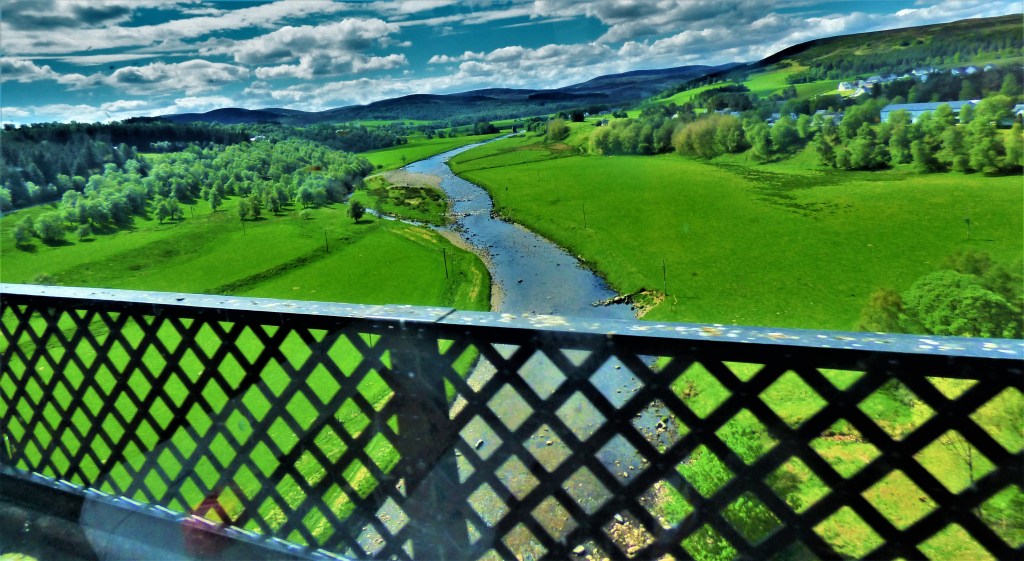
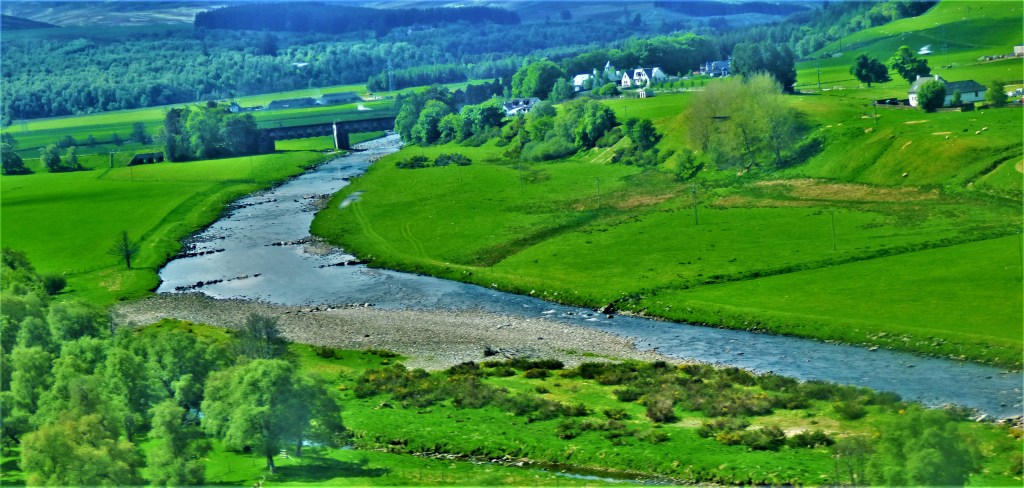
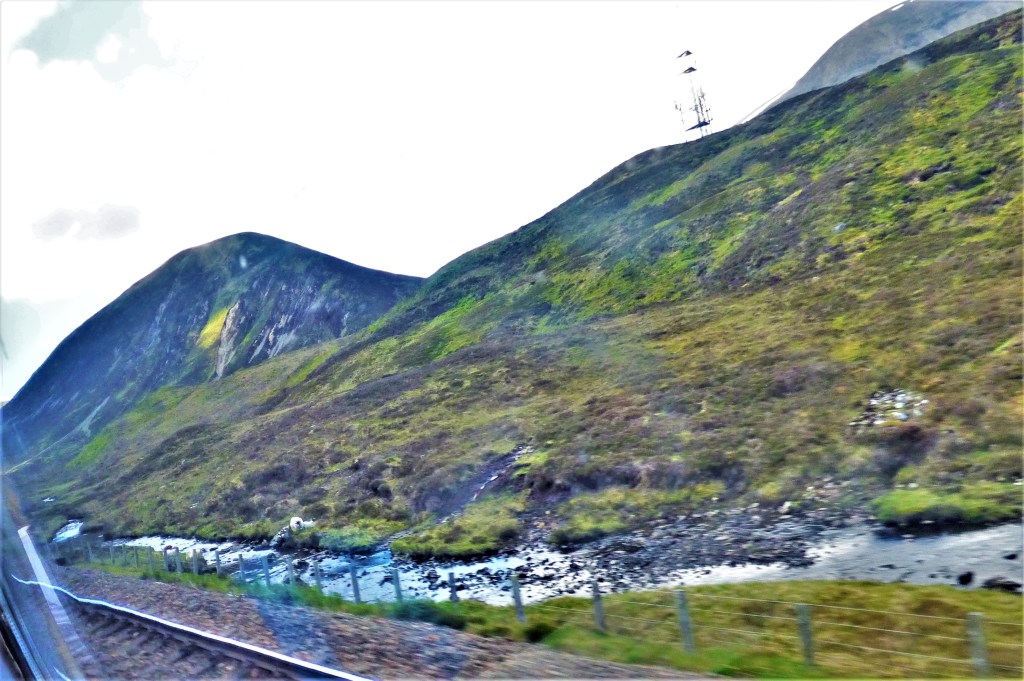
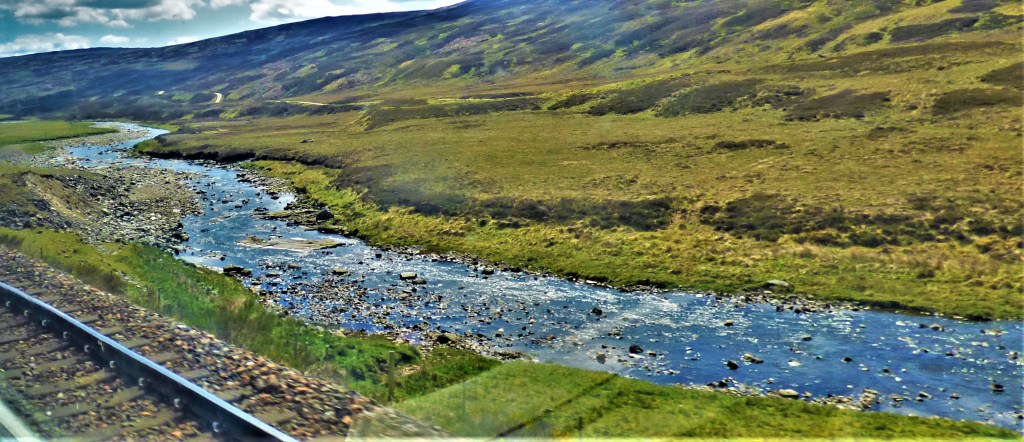
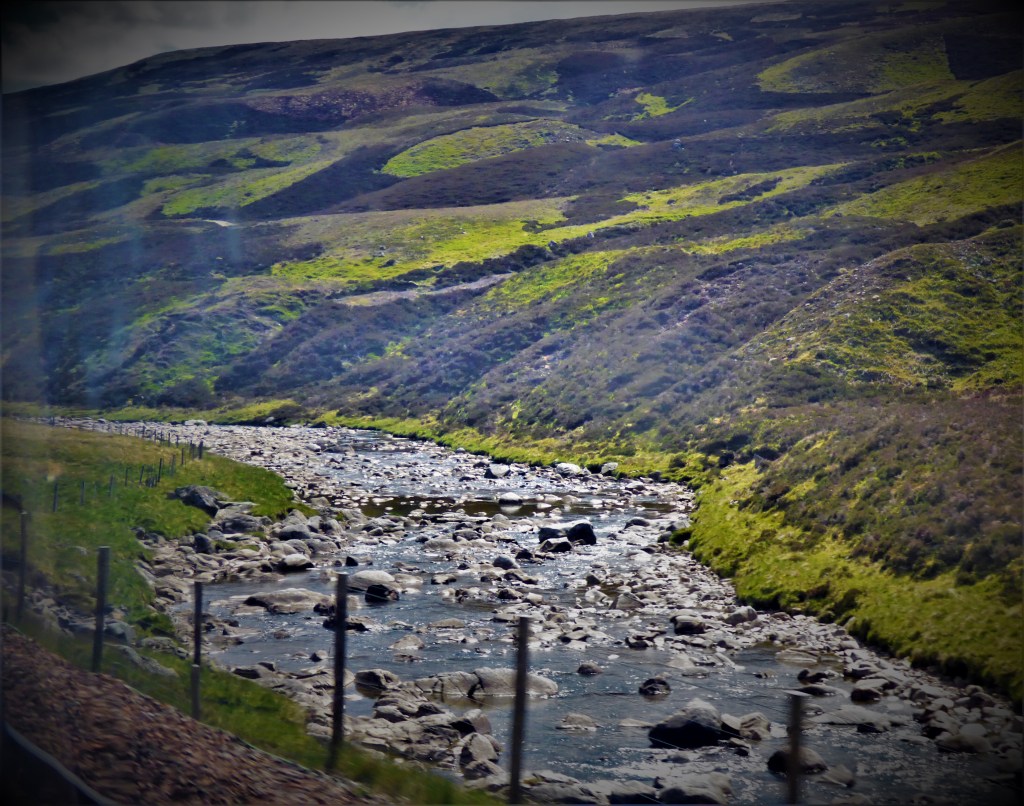
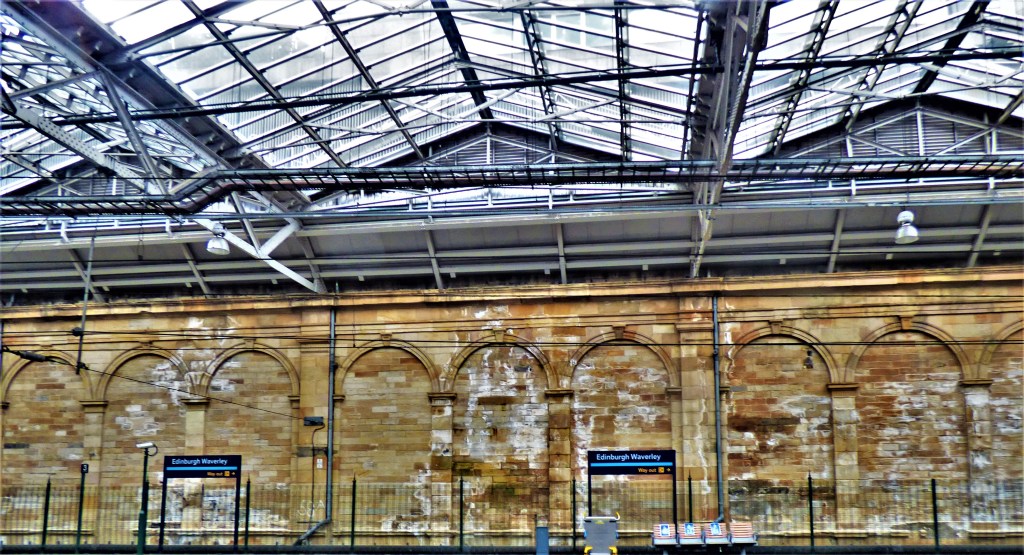
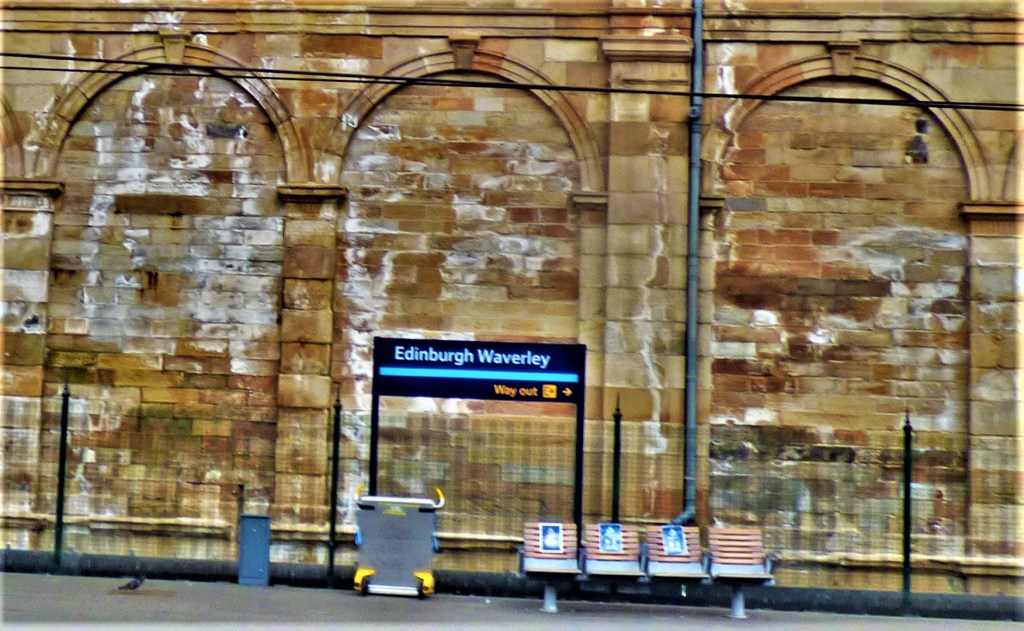
The train from Inverness to Edinburgh ran exactly according to schedule. The route is a scenic one. I had three hours at Edinburgh Waverley before my next train (on which I had a reserved seat) to Grantham was due to depart. This gave me an opportunity to consume some refreshments (and as it turned out was the last such I would have, not greatly to my surprise).
EDINBURGH TO HOME
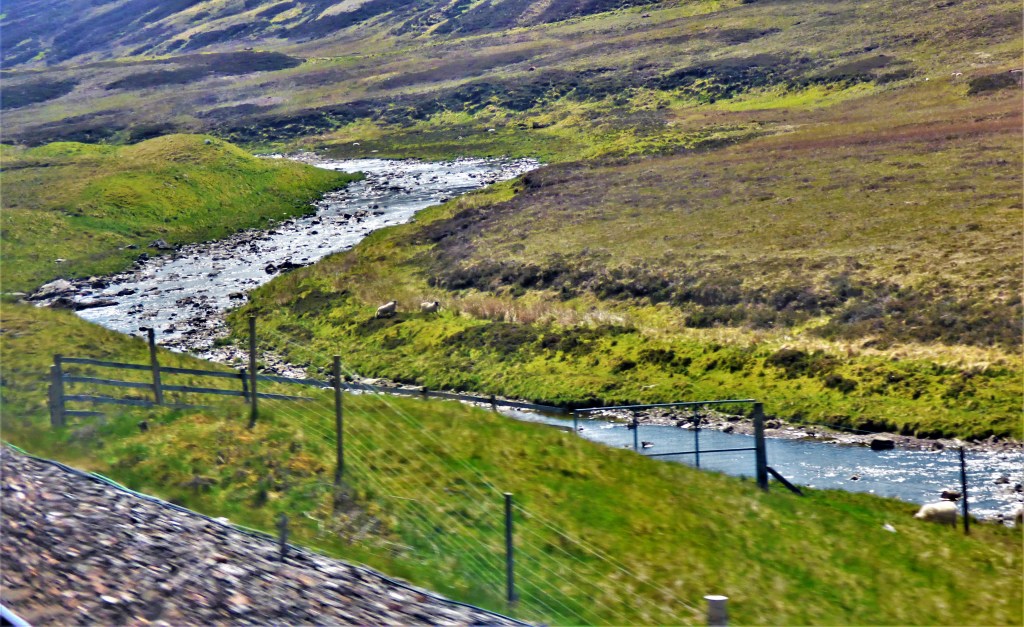
The train to Grantham (terminating there – there were various problems afflicting the network) ran smoothly. At Grantham I had to board a replacement bus service from there to Peterborough, which arrived just a few minutes before the train for Ely was departing. At Ely I had one final change to the train to King’s Lynn, which fortunately went without incident. At 11:25PM this last train arrived at King’s Lynn. Then it just remained for me to walk home. Though there were a few nervy moments this last section of the journey from Edinburgh to my home in Norfolk went precisely as the itinerary had stated.
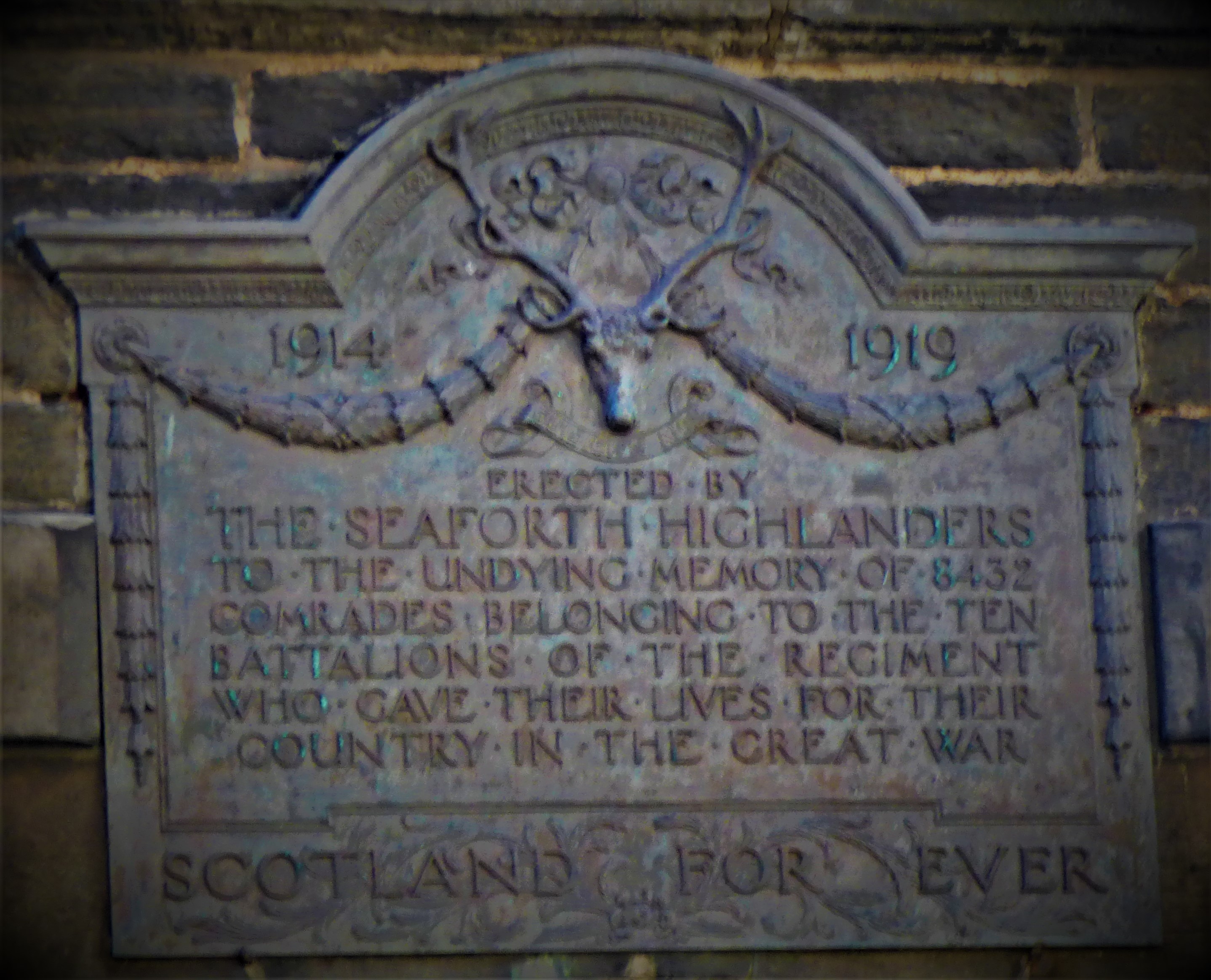
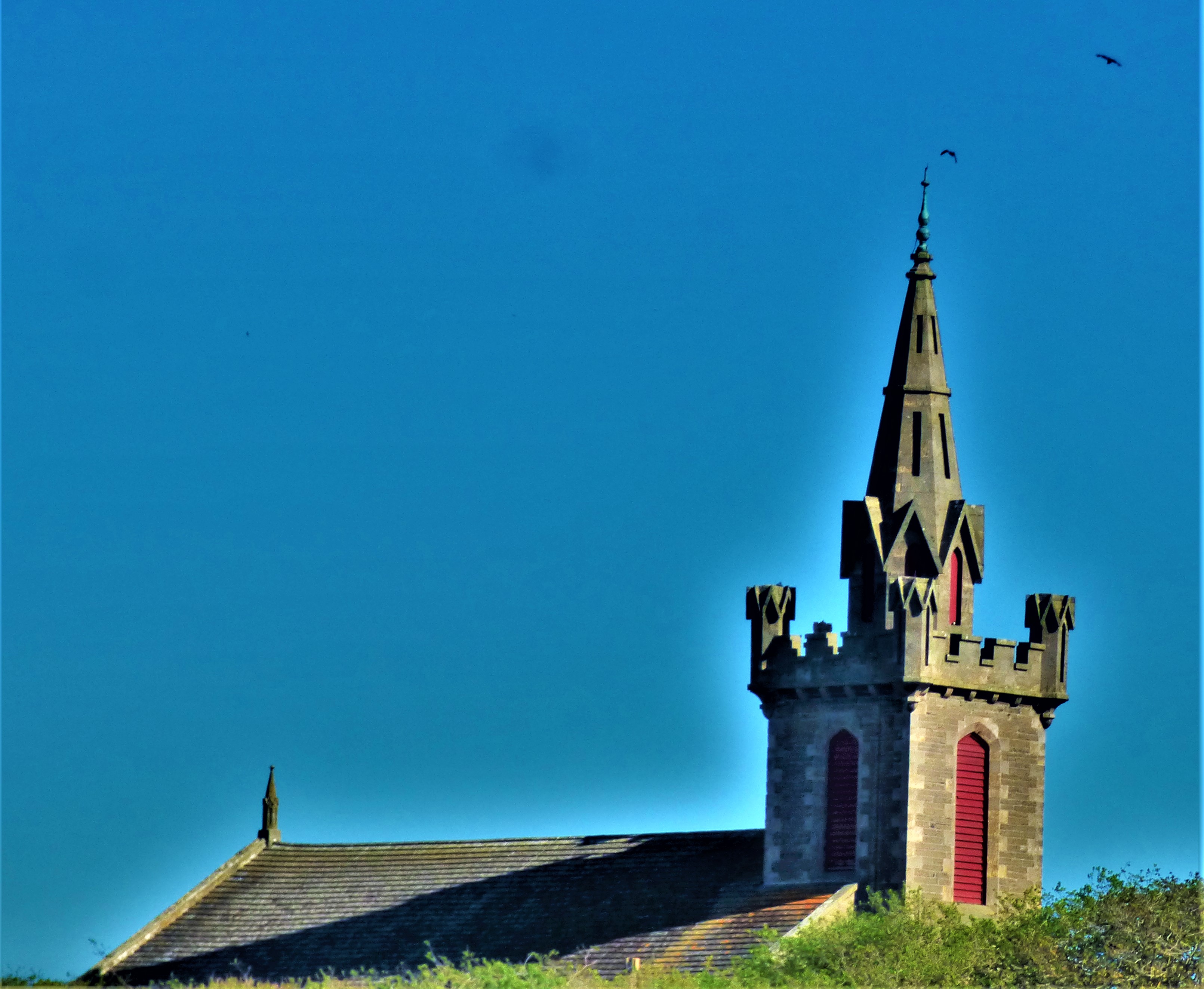
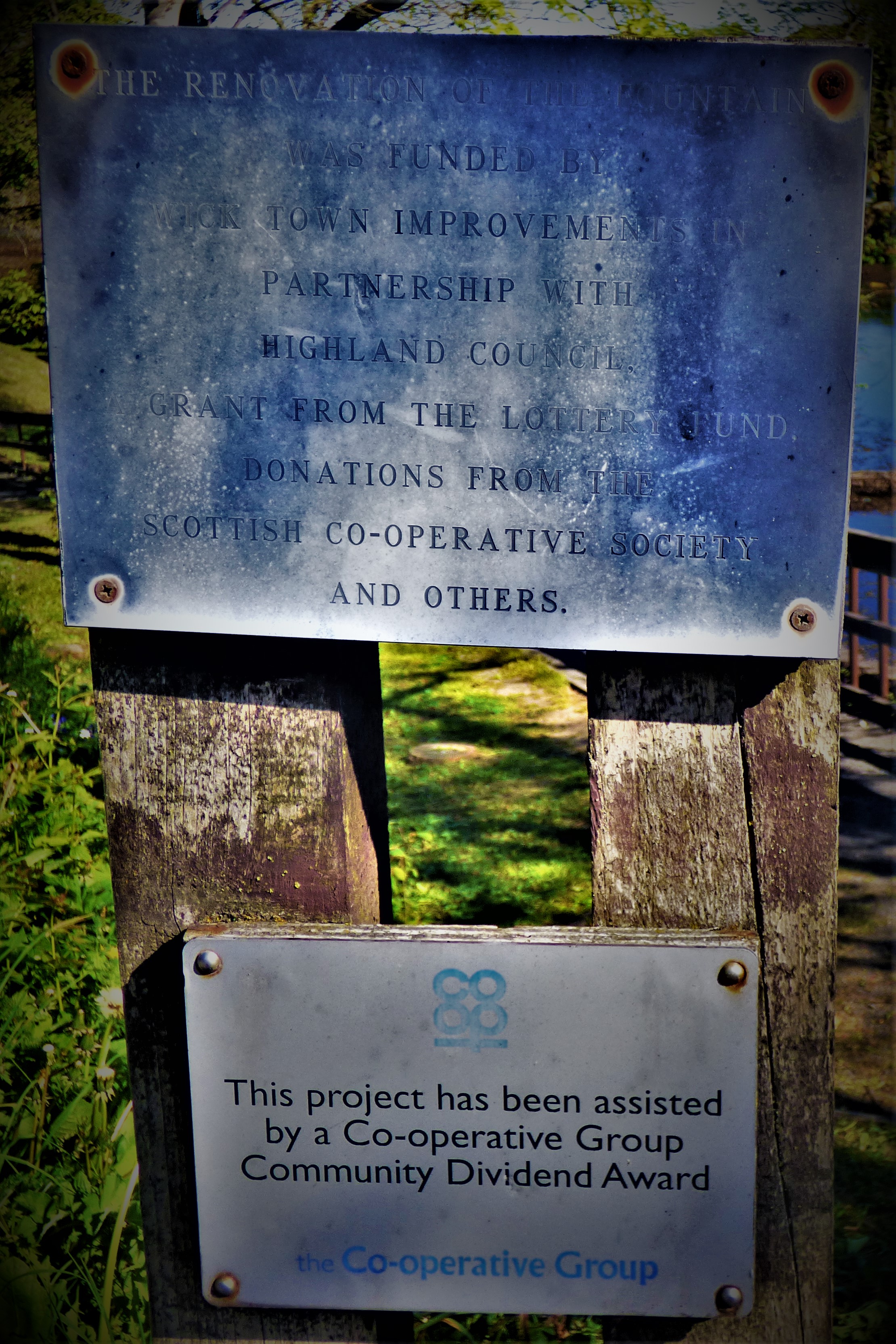
An account of my day in Wick near the end of my recent Scottish holiday.
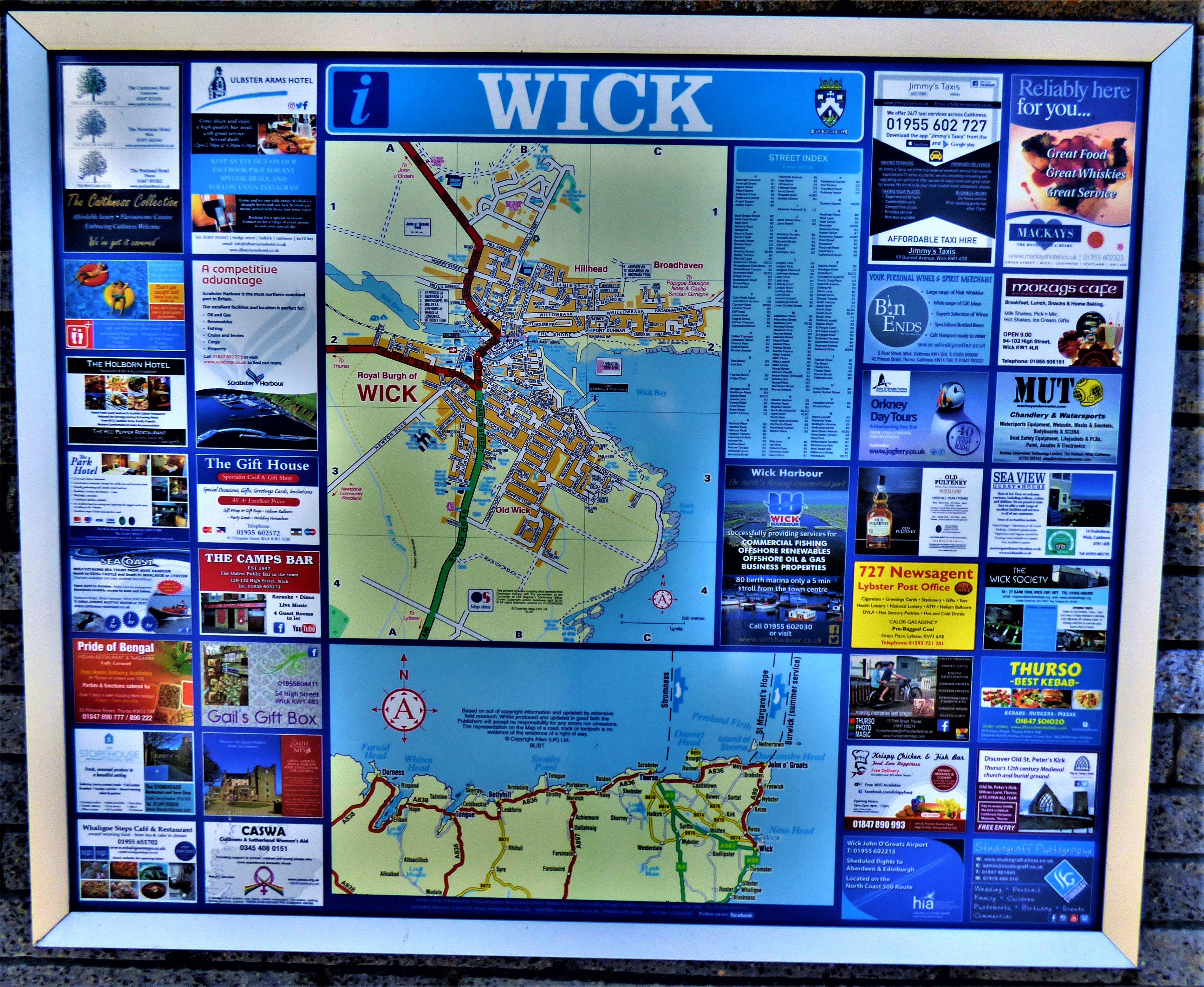
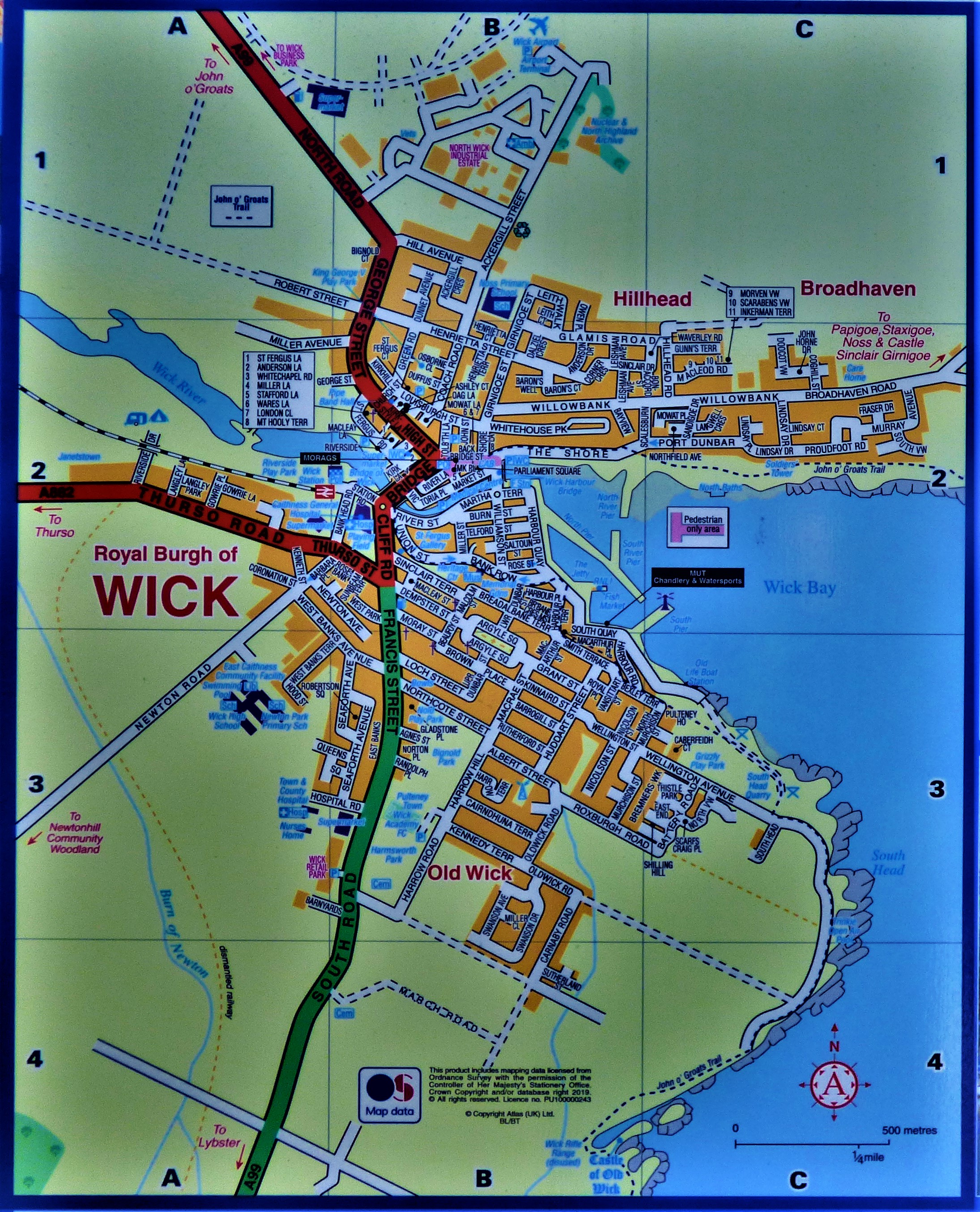
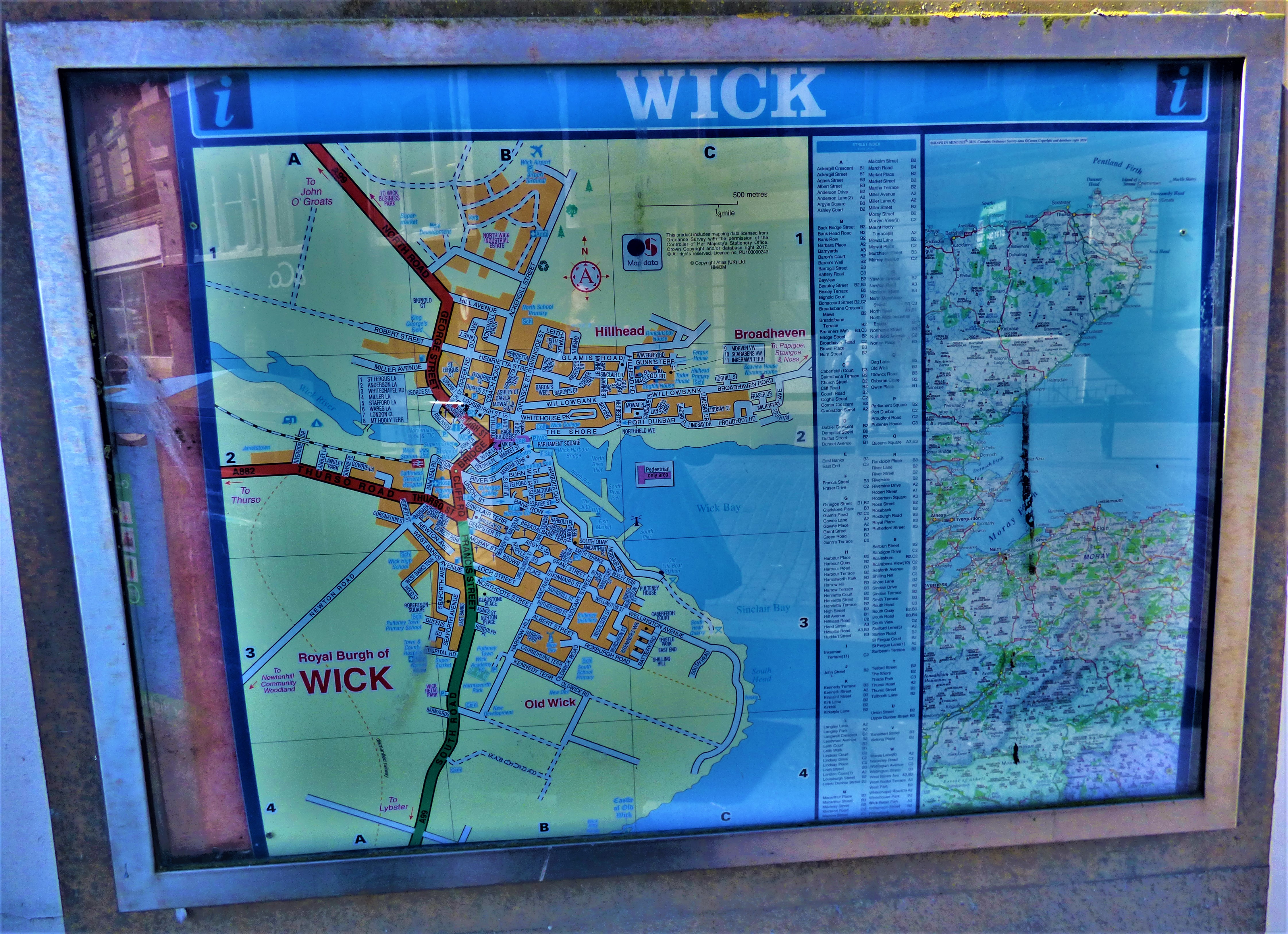
We have reached the last full day of my Scottish holiday (May 28 – June 5th), the Friday which I spent in Wick (a mix up over booking times meant that I had an extra day in Scotland after we were supposed to leave the house in which we had been staying, having missed the first day, so I was booked into a hotel in Wick, from whence I was departing early on the Saturday morning).
ARRIVING IN WICK
I was dropped at the Norseman Hotel in Wick, where I would be staying overnight. Unfortunately it was far too early to check in, but fortunately I was able to deposit my larger bag at the hotel which meant that I had at least some freedom of movement.
ETYMOLOGICAL NOTE
Wick derives from Old Norse and means ‘bay’ in English. It is most often seen as a place name ending, with -wich, as in Norwich, an alternative version. The -vik of Narvik in northern Norway derives from the same root. The fact that Wick has no prefix indicates that when it was first settled it was the only bay in the area that was considered significant.
EXPLORING WICK
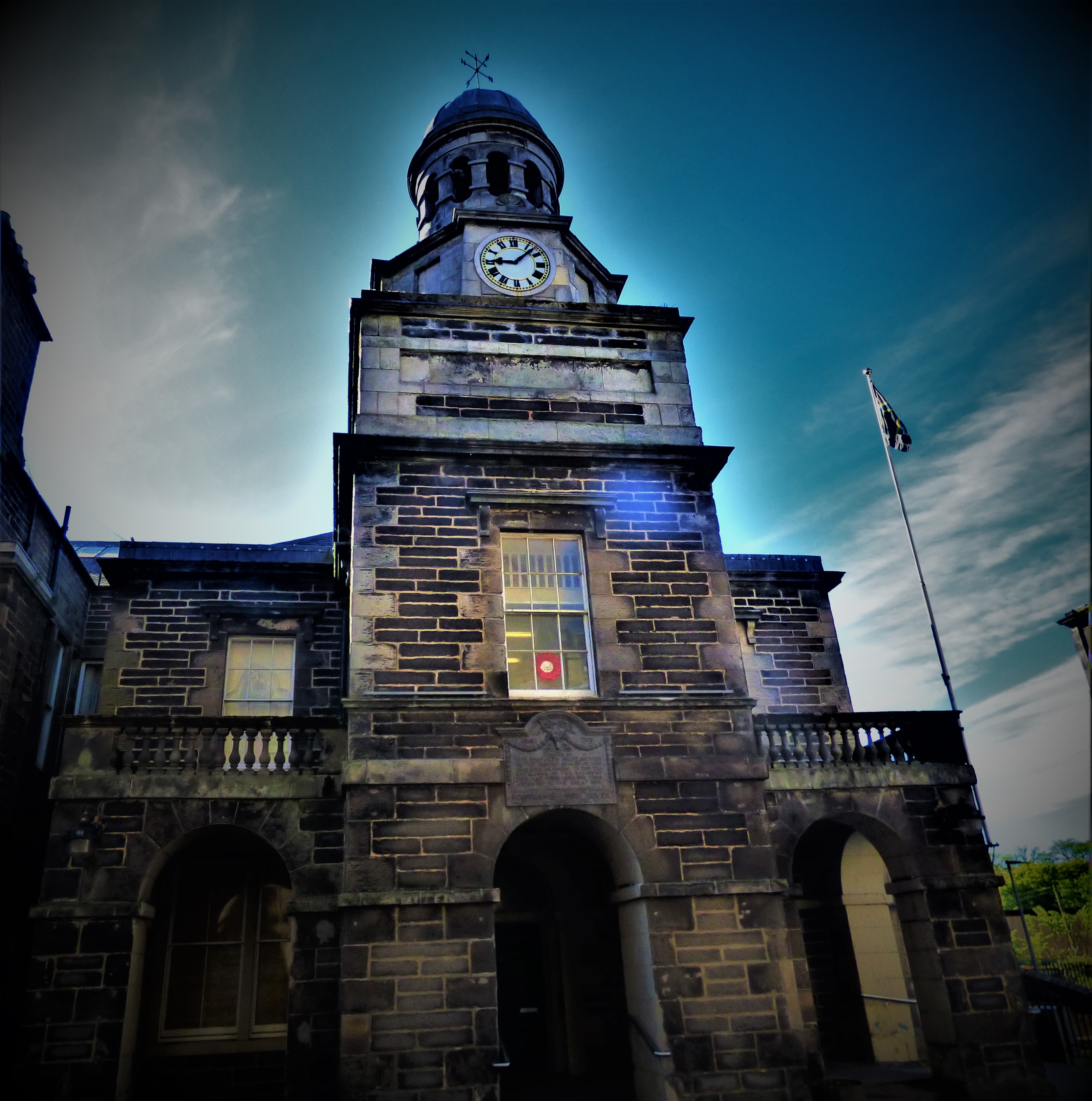
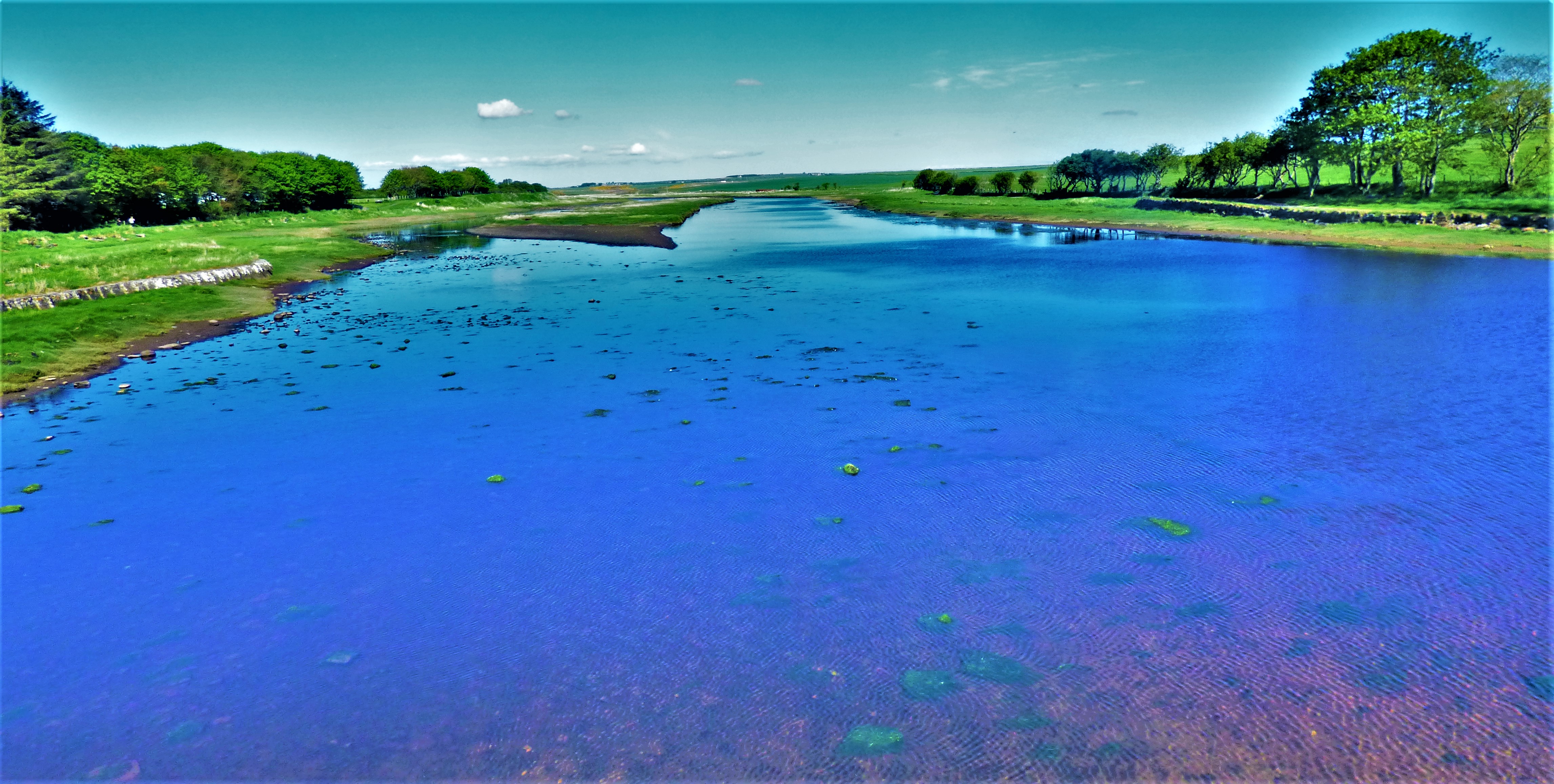
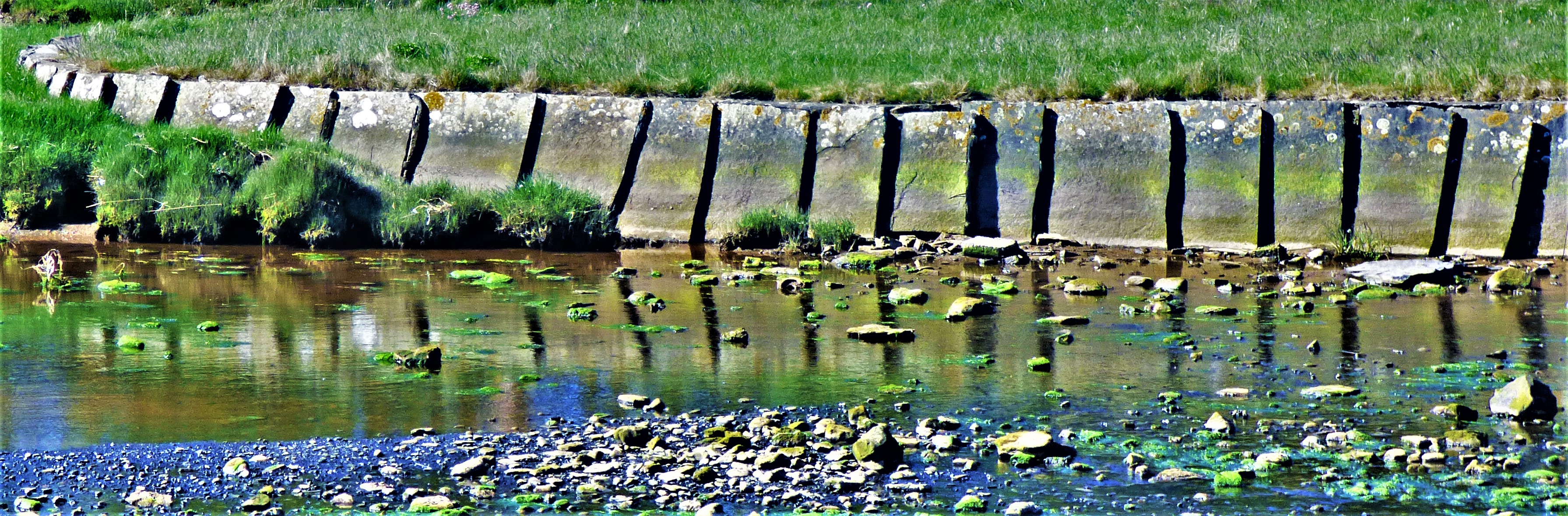
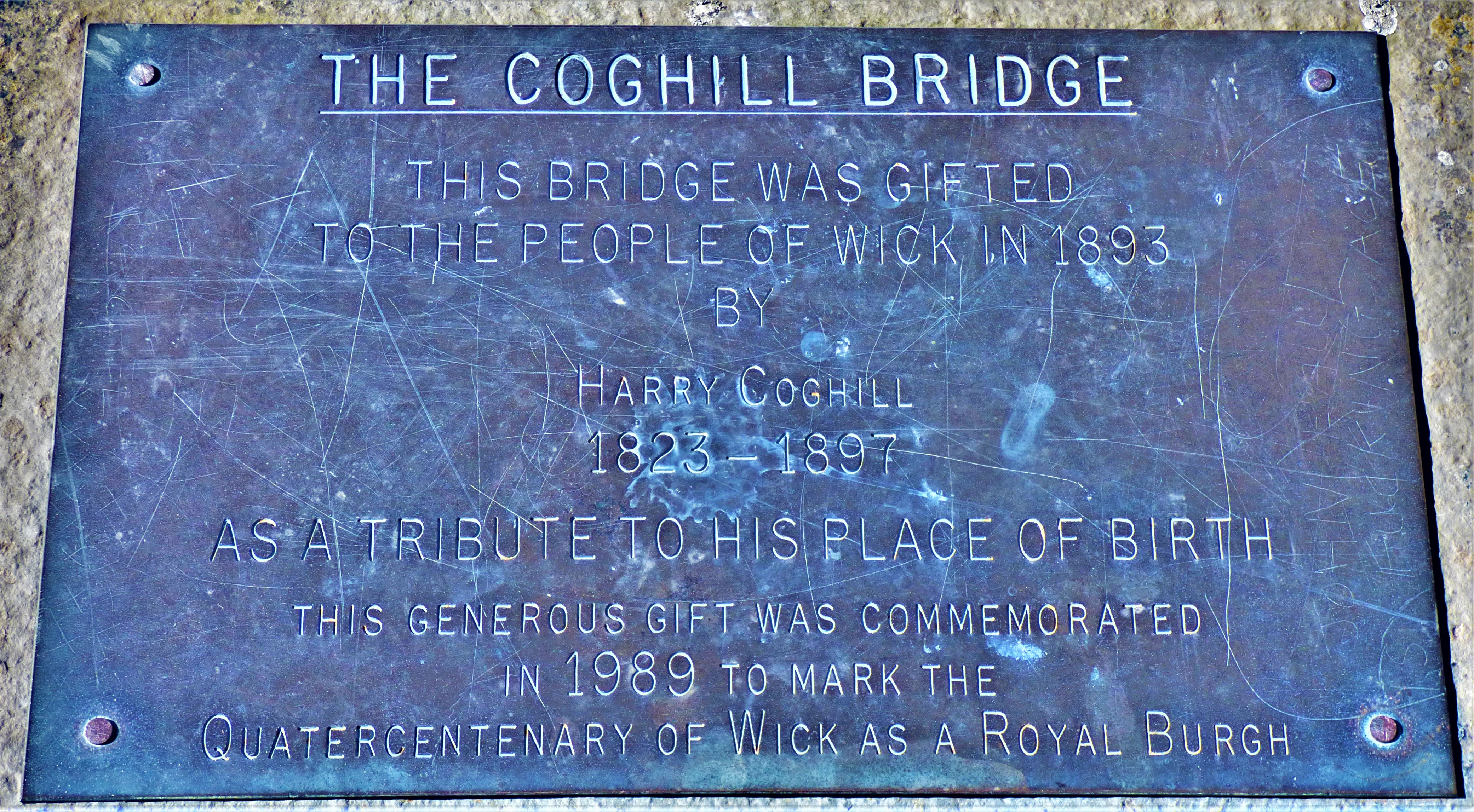
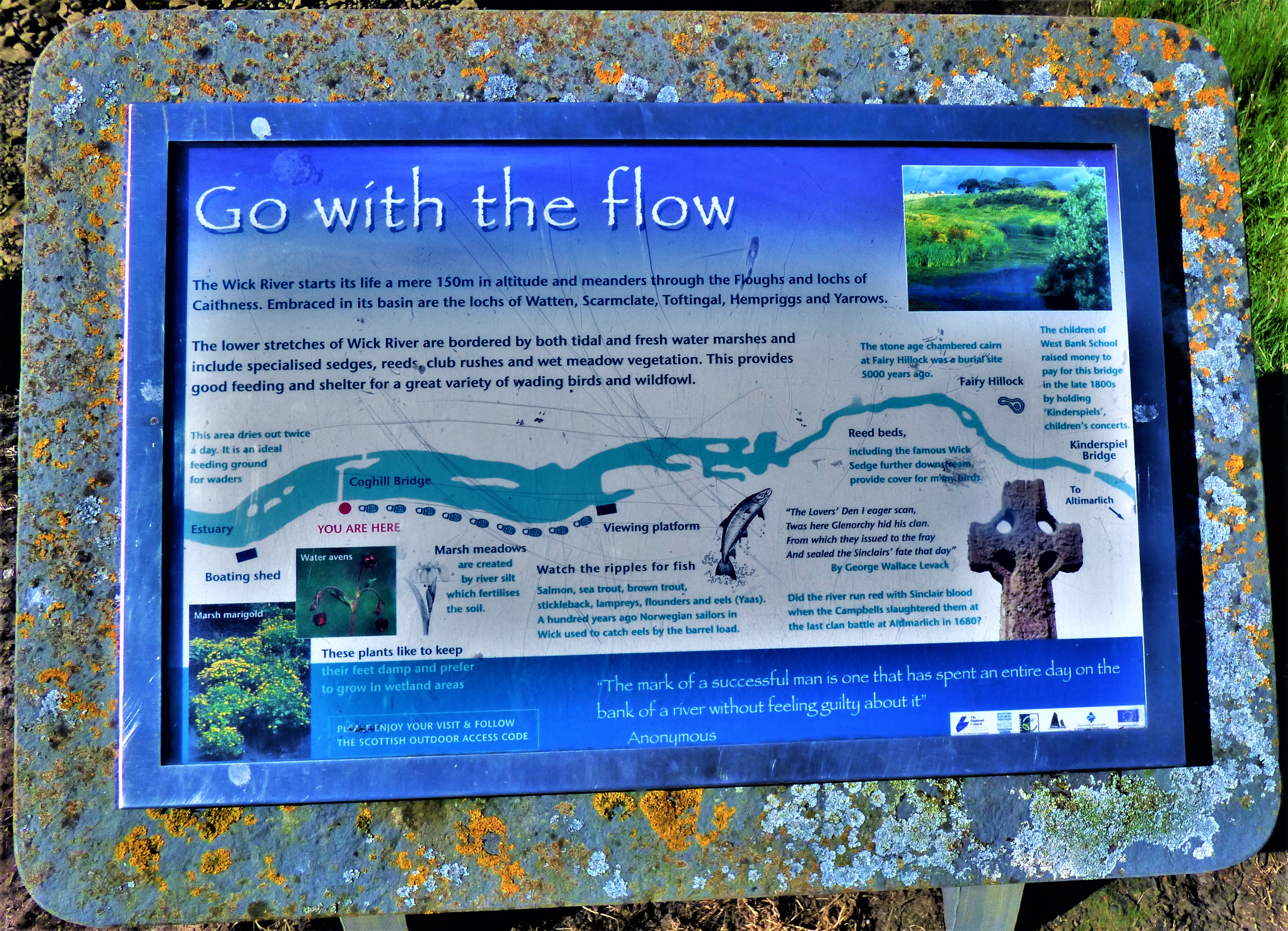
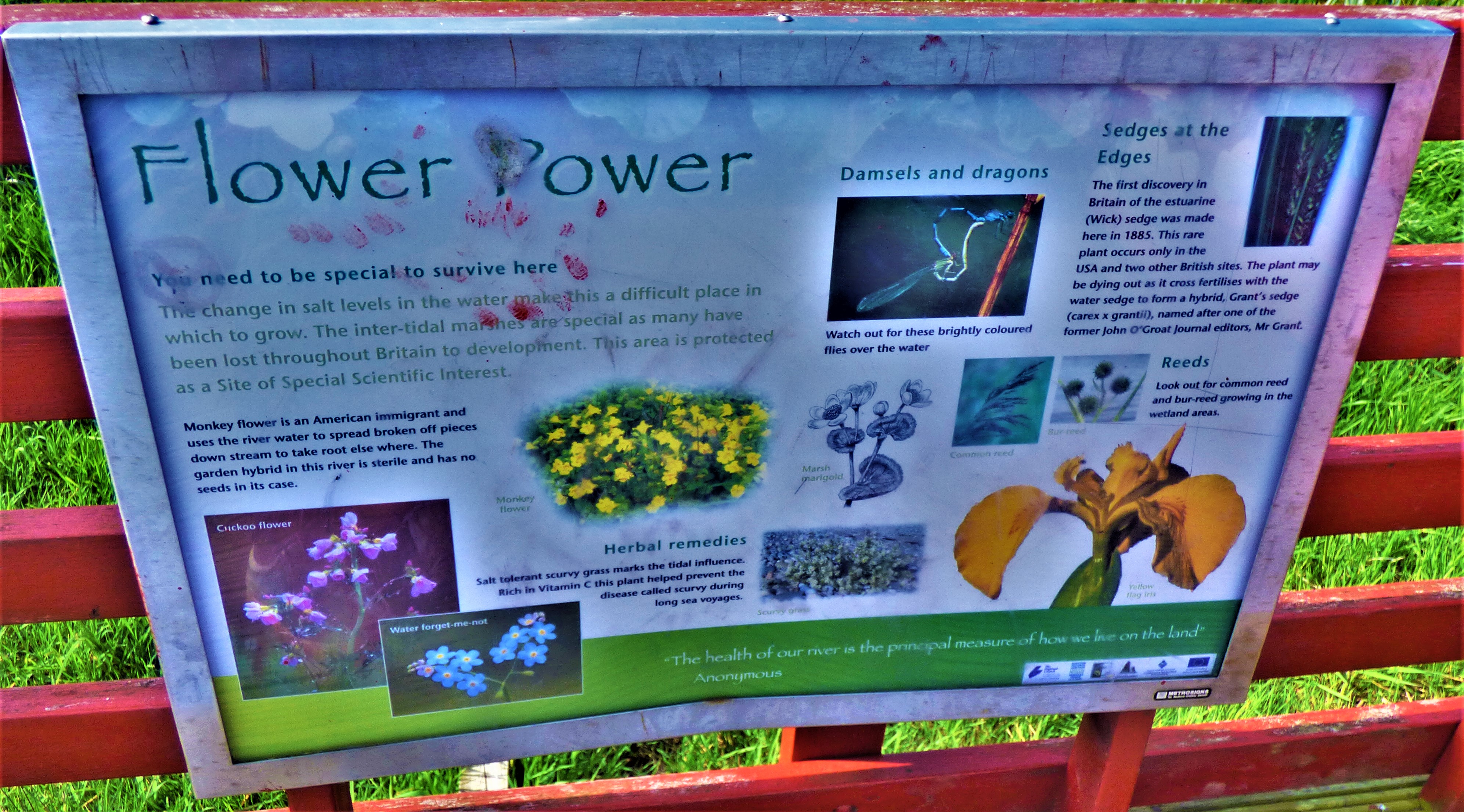
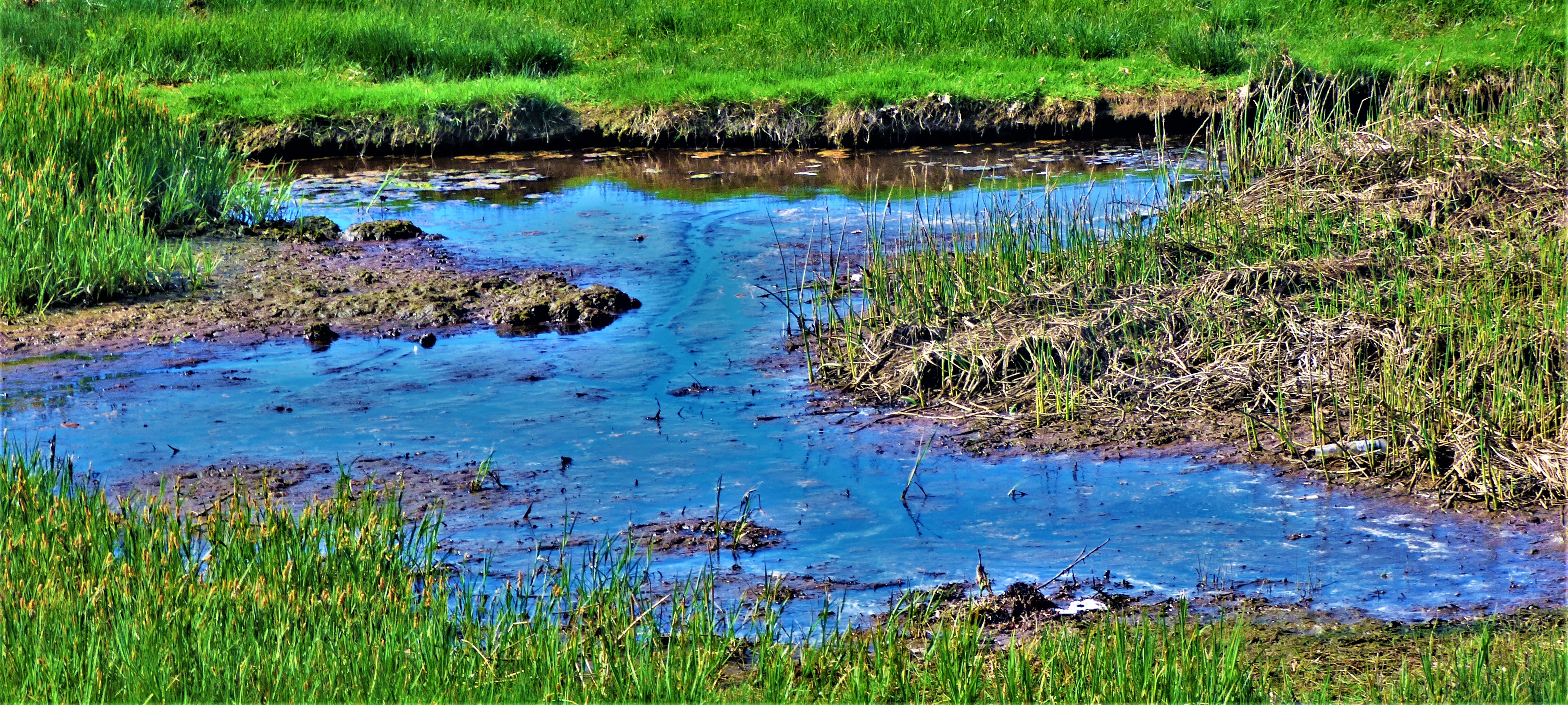
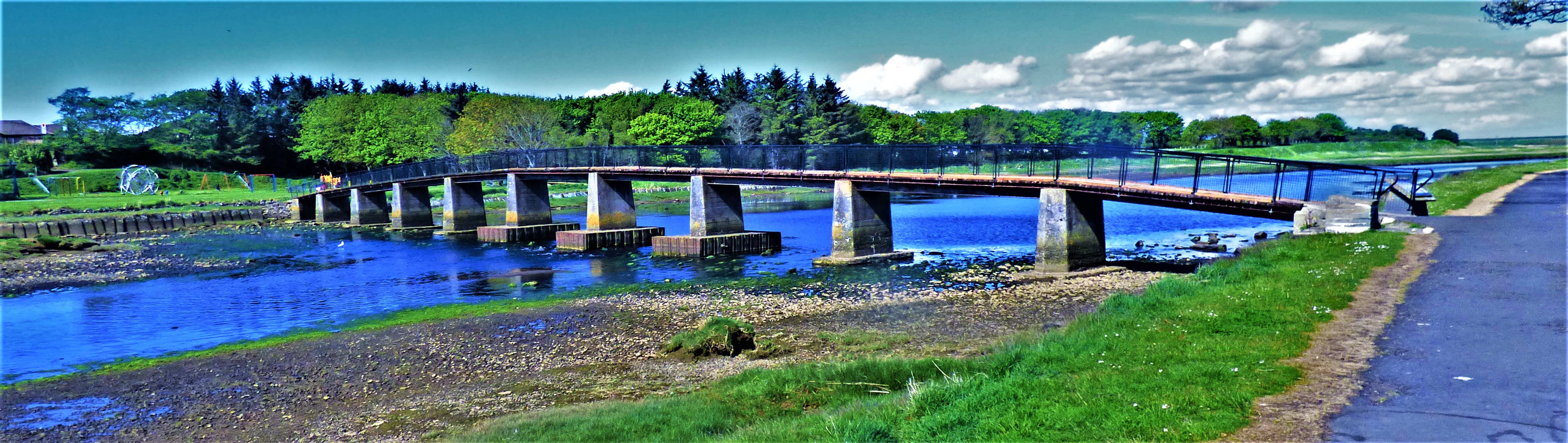
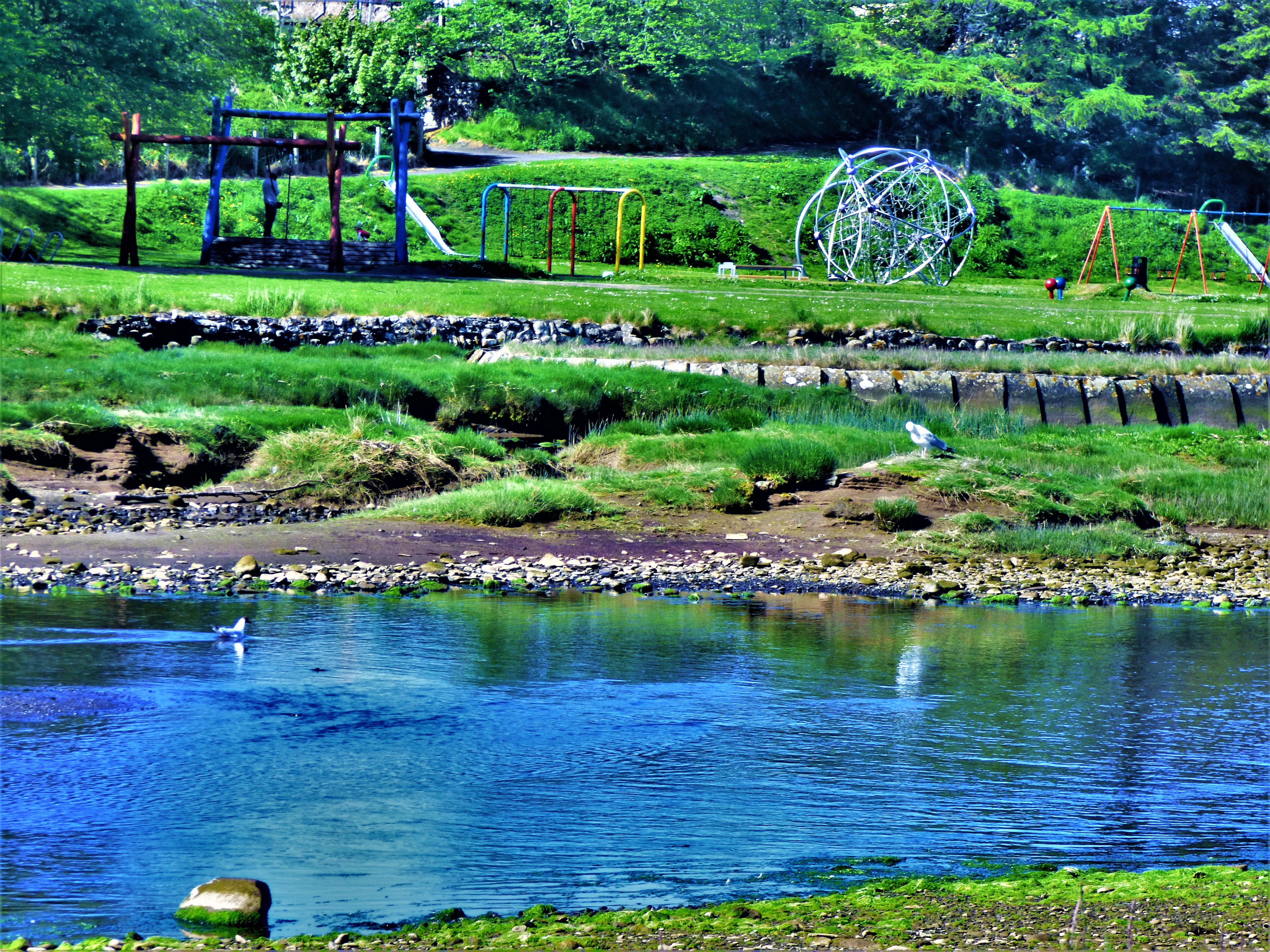
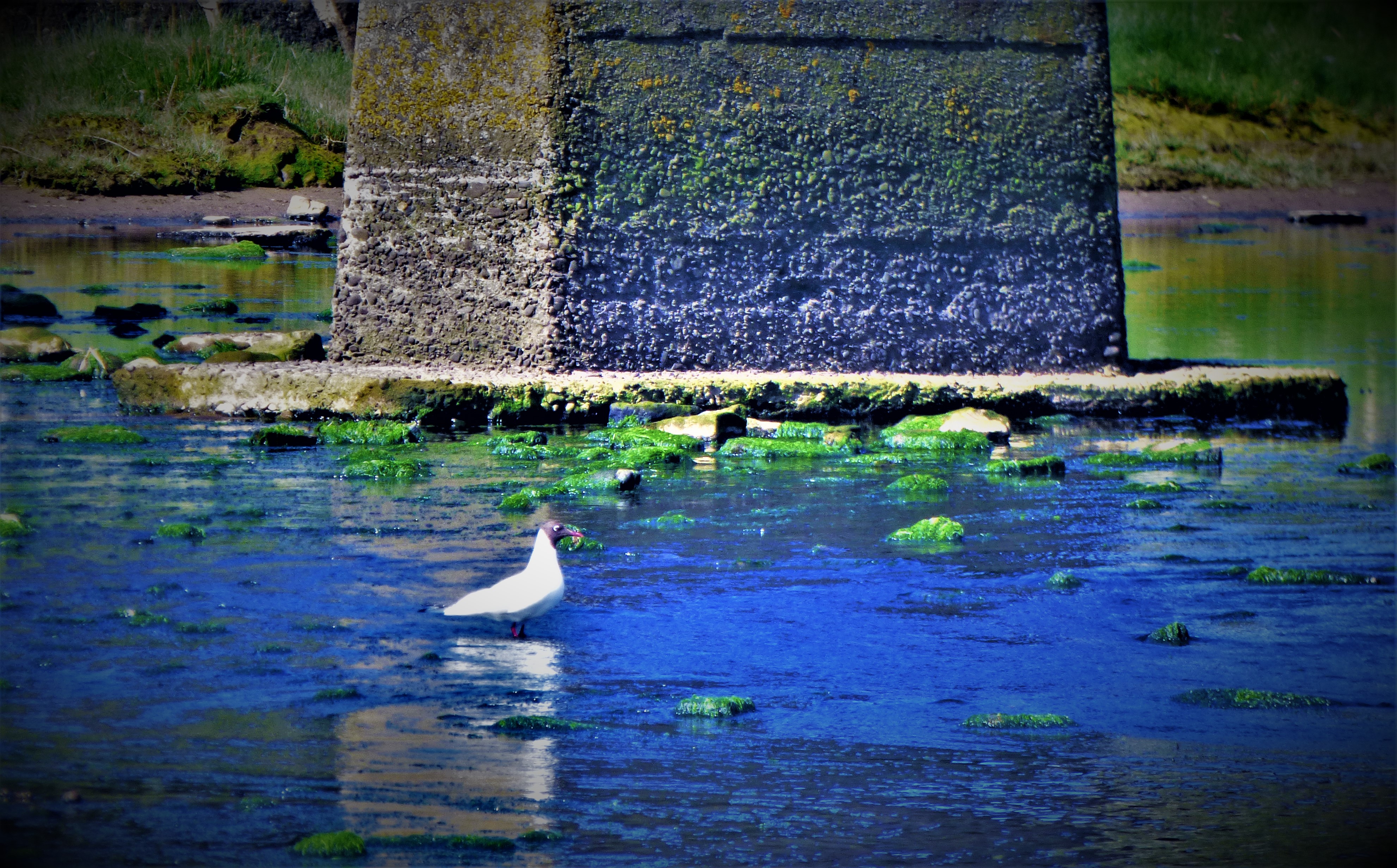
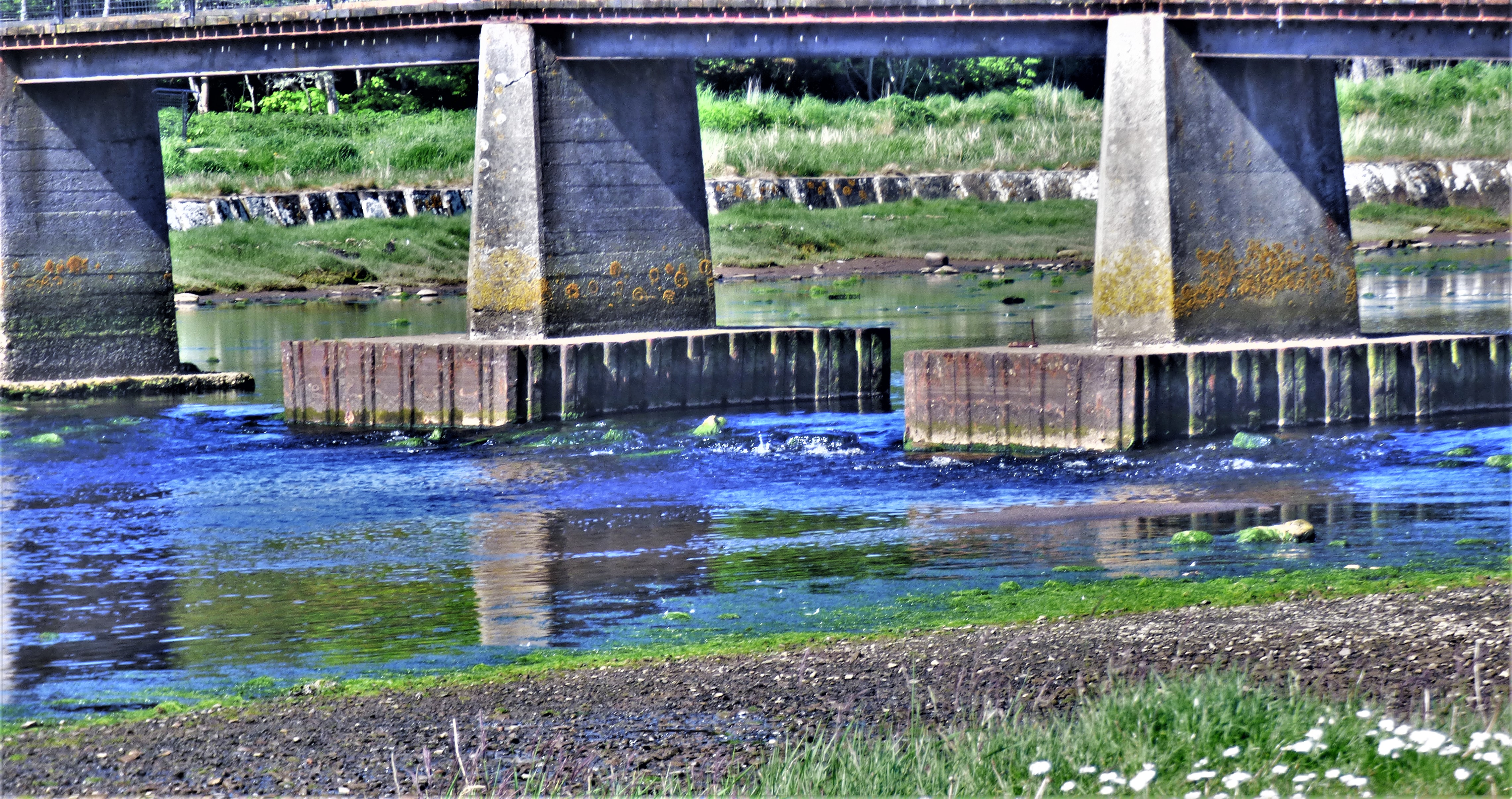
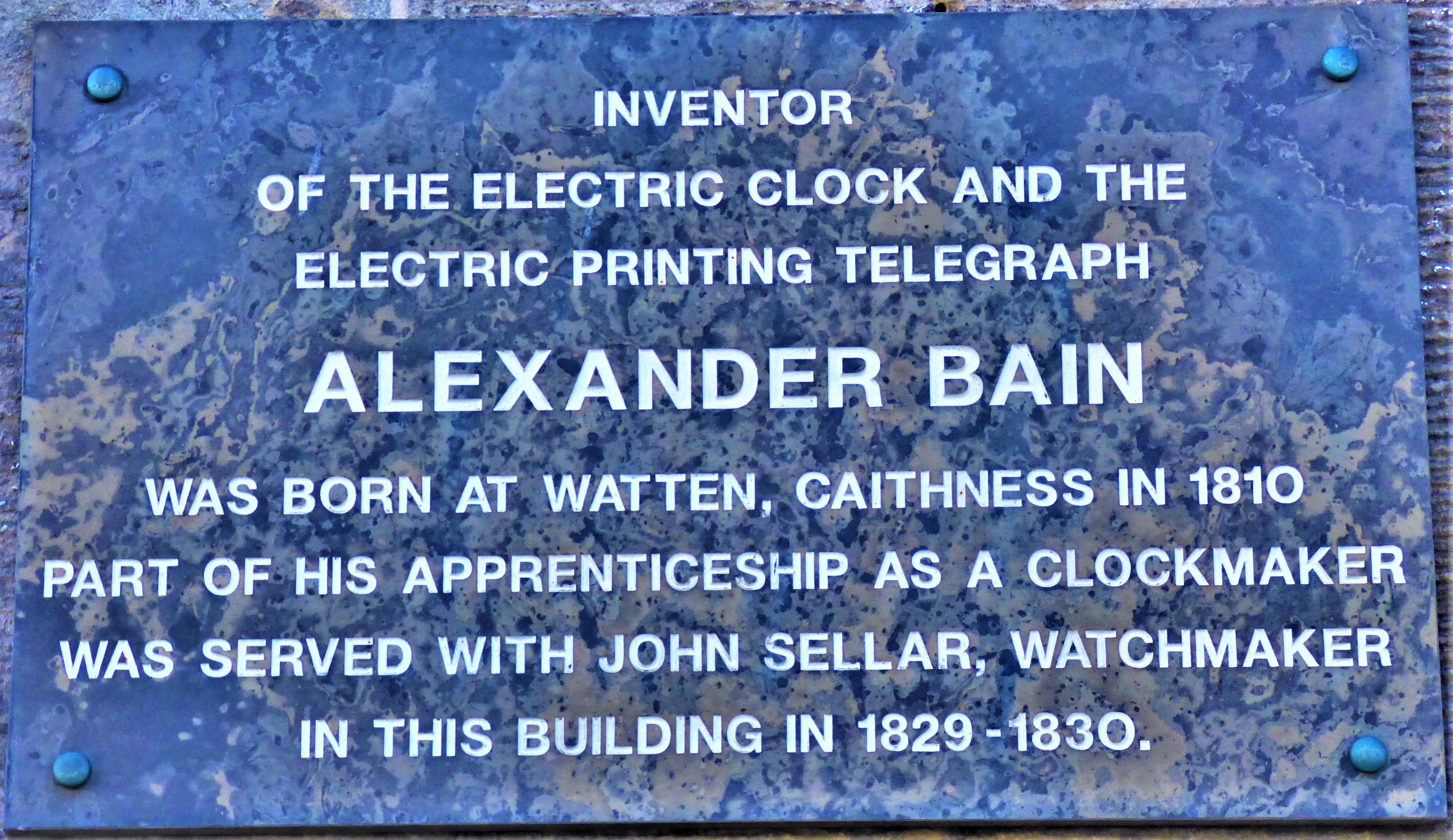
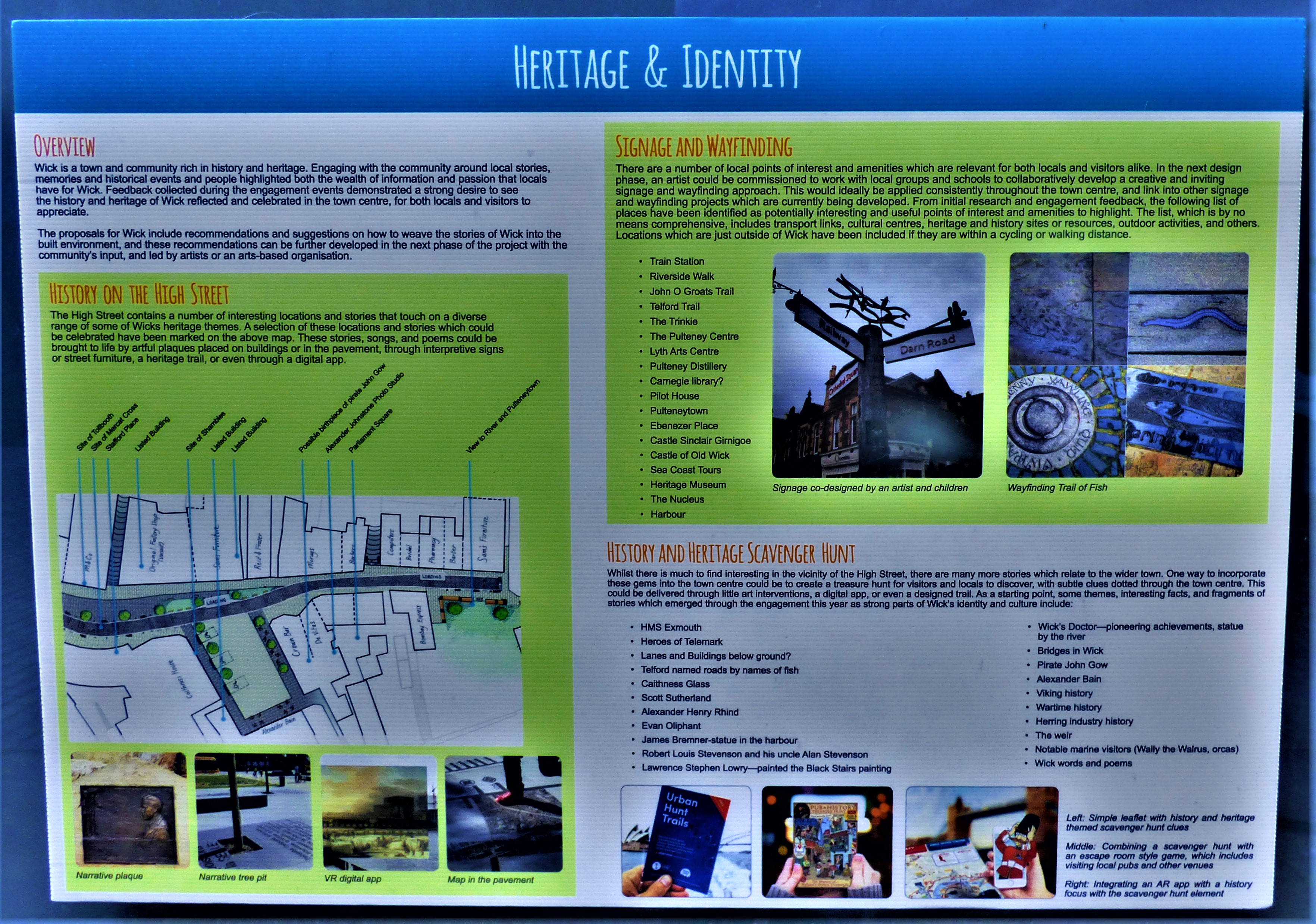
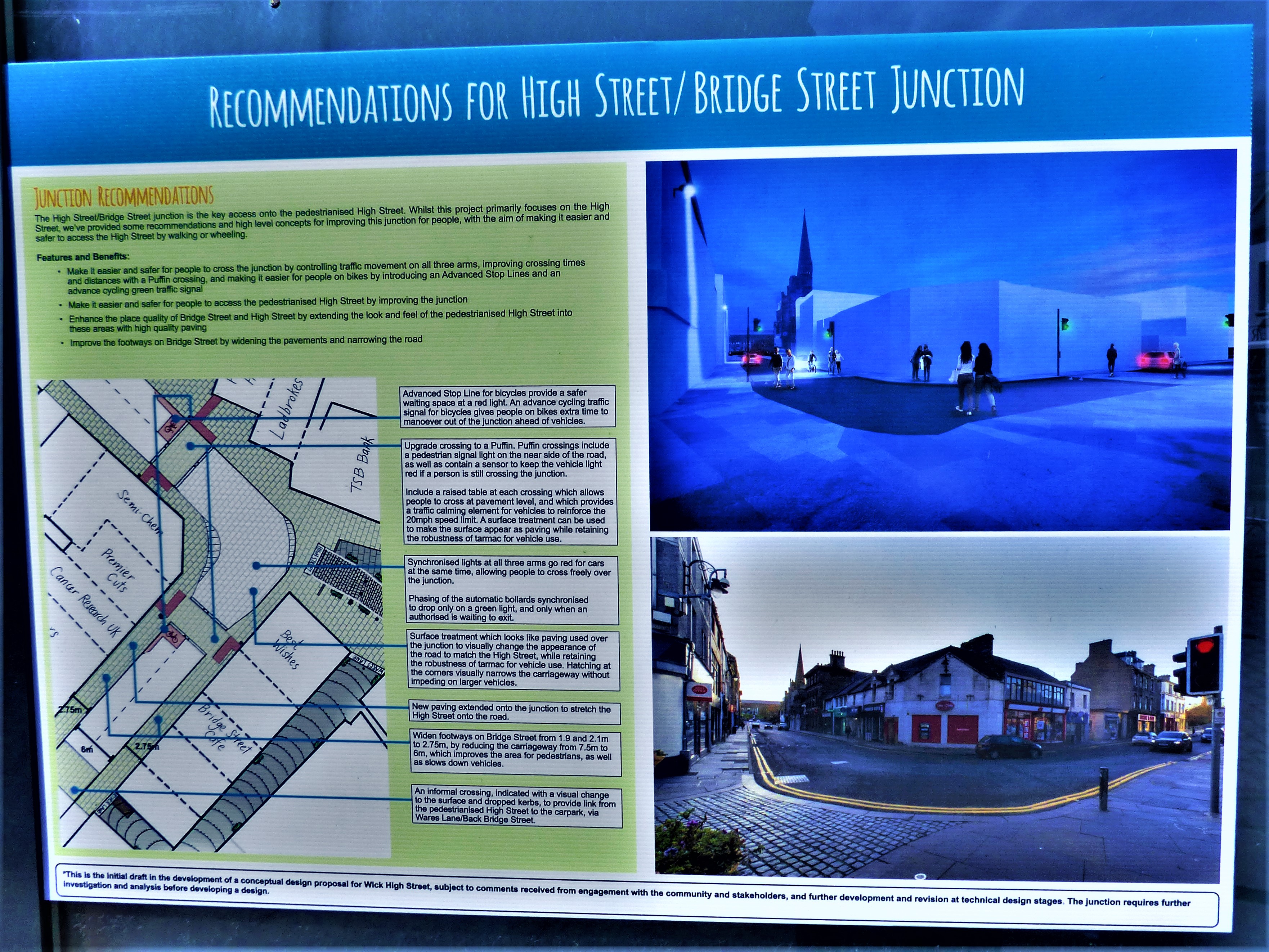
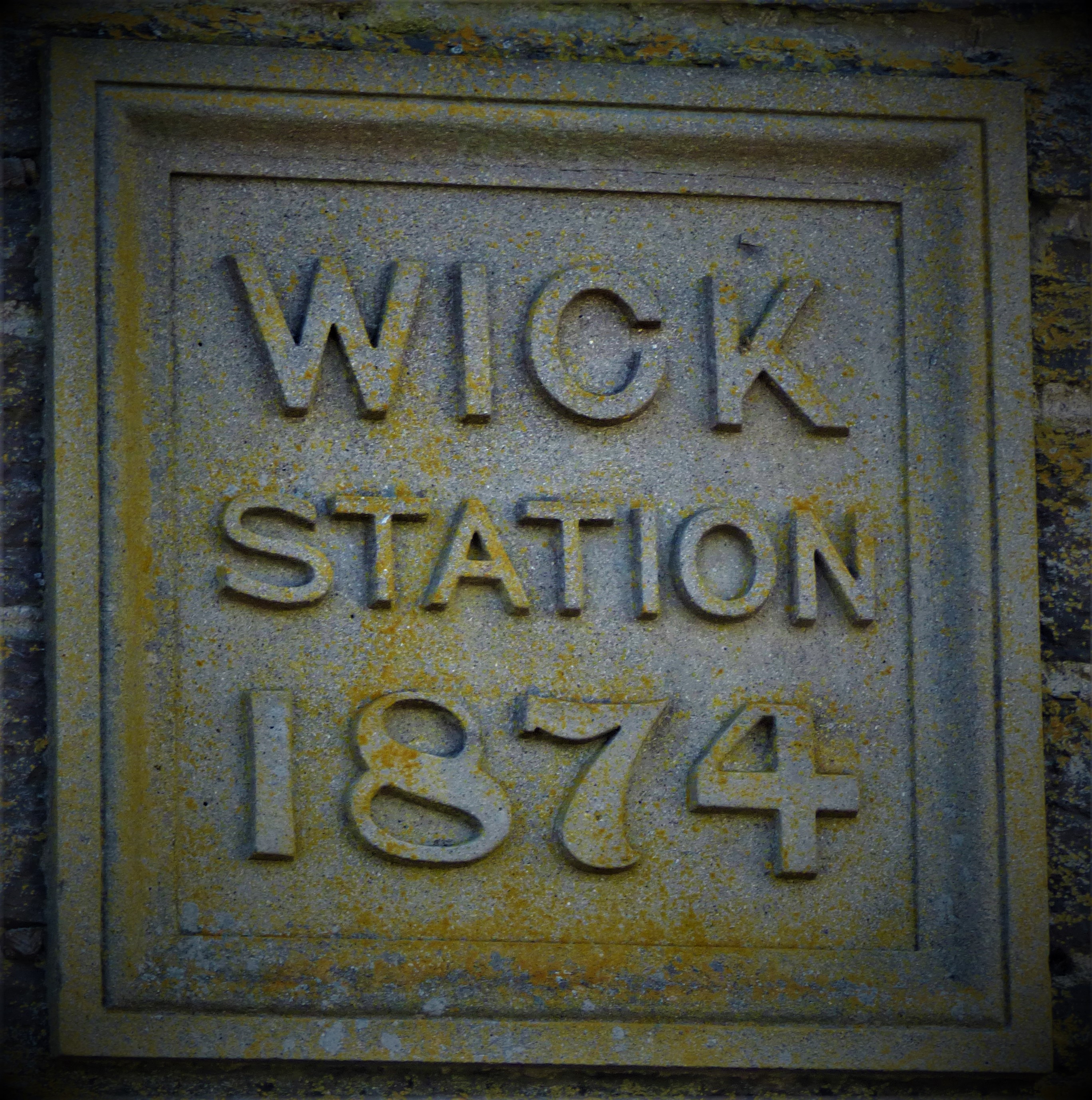
My explorations started by following the Wick River inland. This was a nice walk, with lots of bird life in evidence along the way. When I got to back to Wick I explored the town itself. I also took the opportunity to locate the railway station and make sure I knew how to get there the following morning. After a visit to a cafe I was finally able to check in to the hotel. In the event I did not head back out until the following morning, being very tired. The hotel room was perfectly pleasant, although the wifi connection that the hotel so wants its guests to know about proved to be rather unreliable.
This latest post about my Scottish holiday (May 28th – June 5th including travel) deals with the events of the Wednesday.
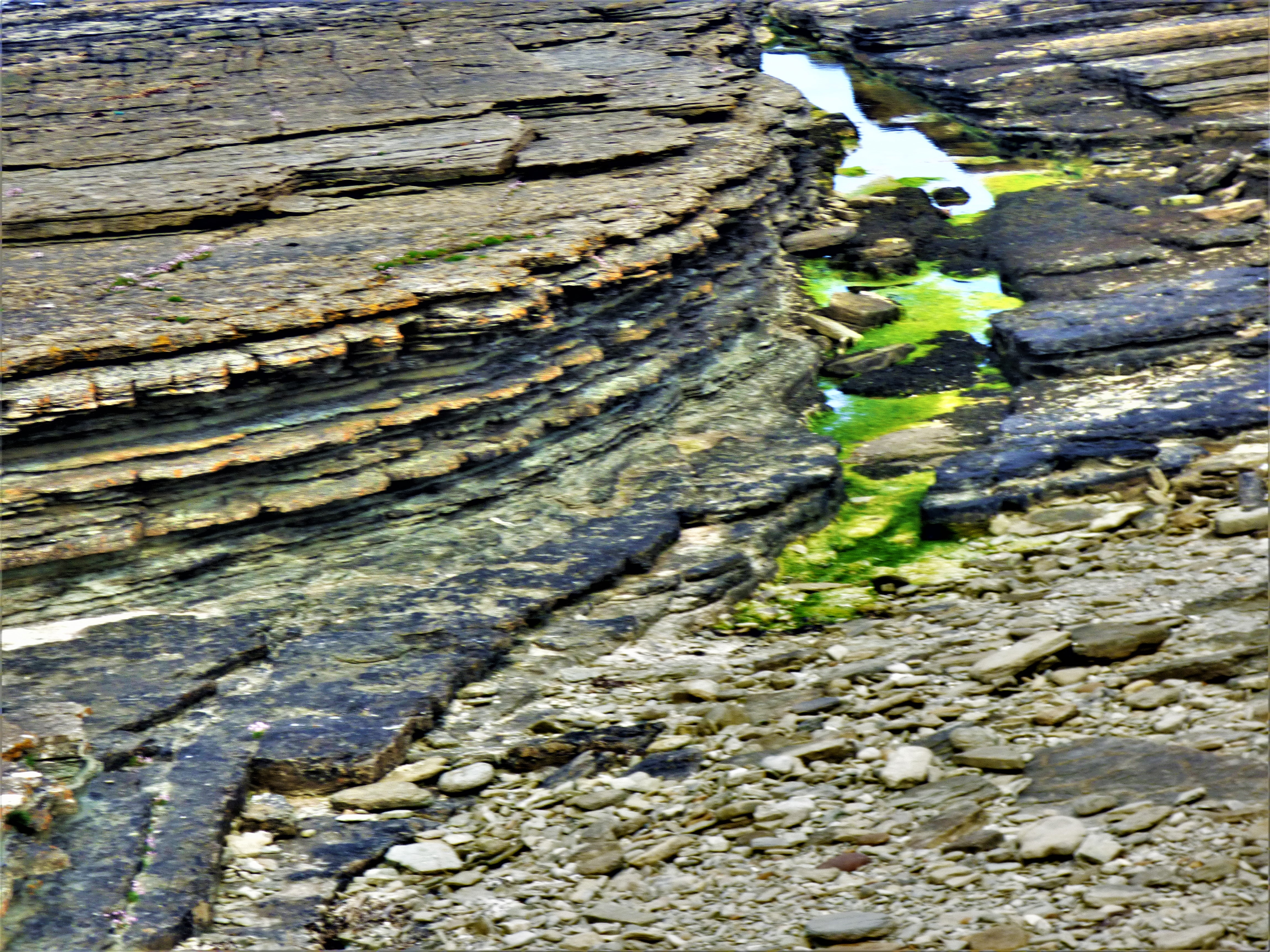
FLAGSTONES
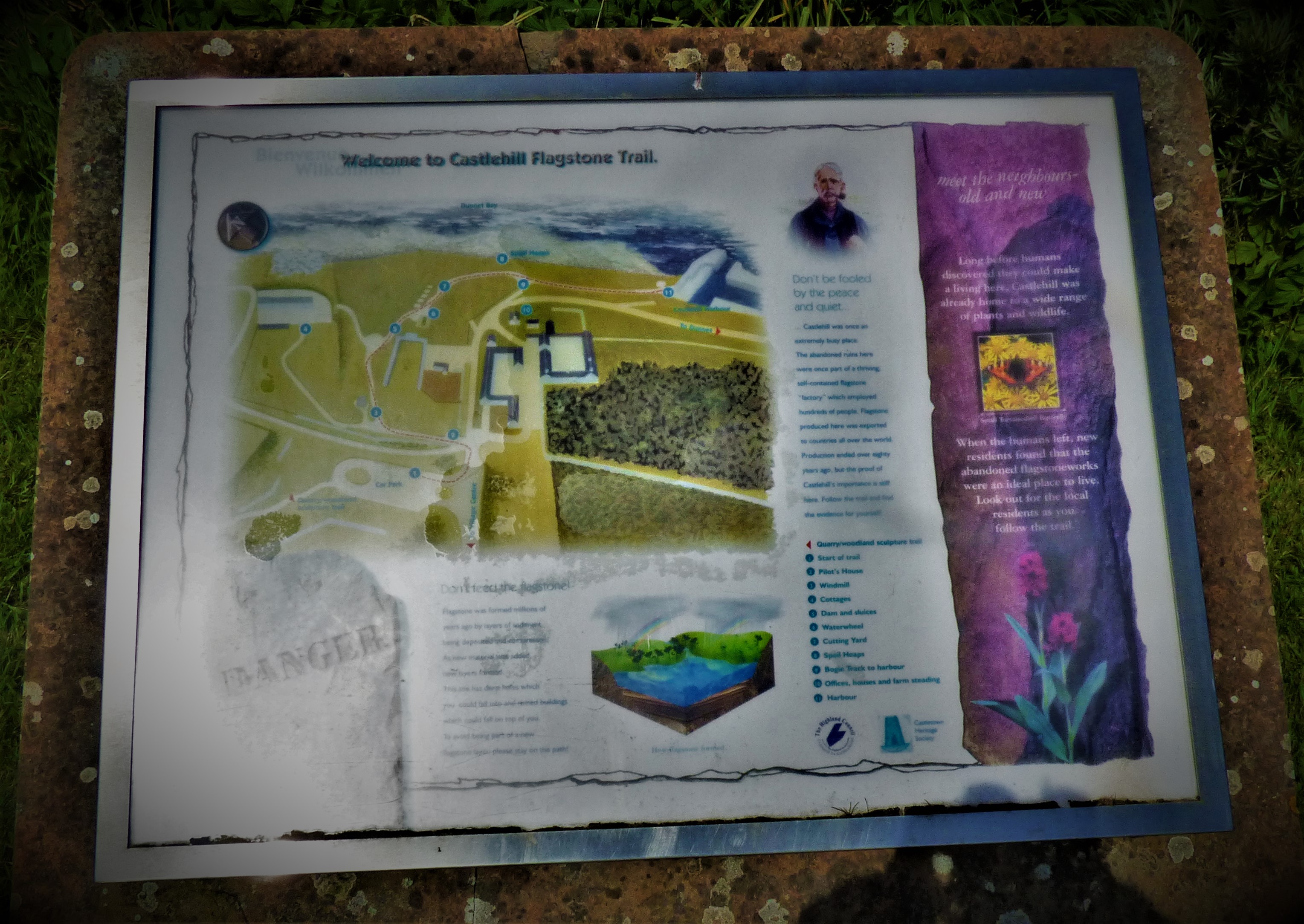
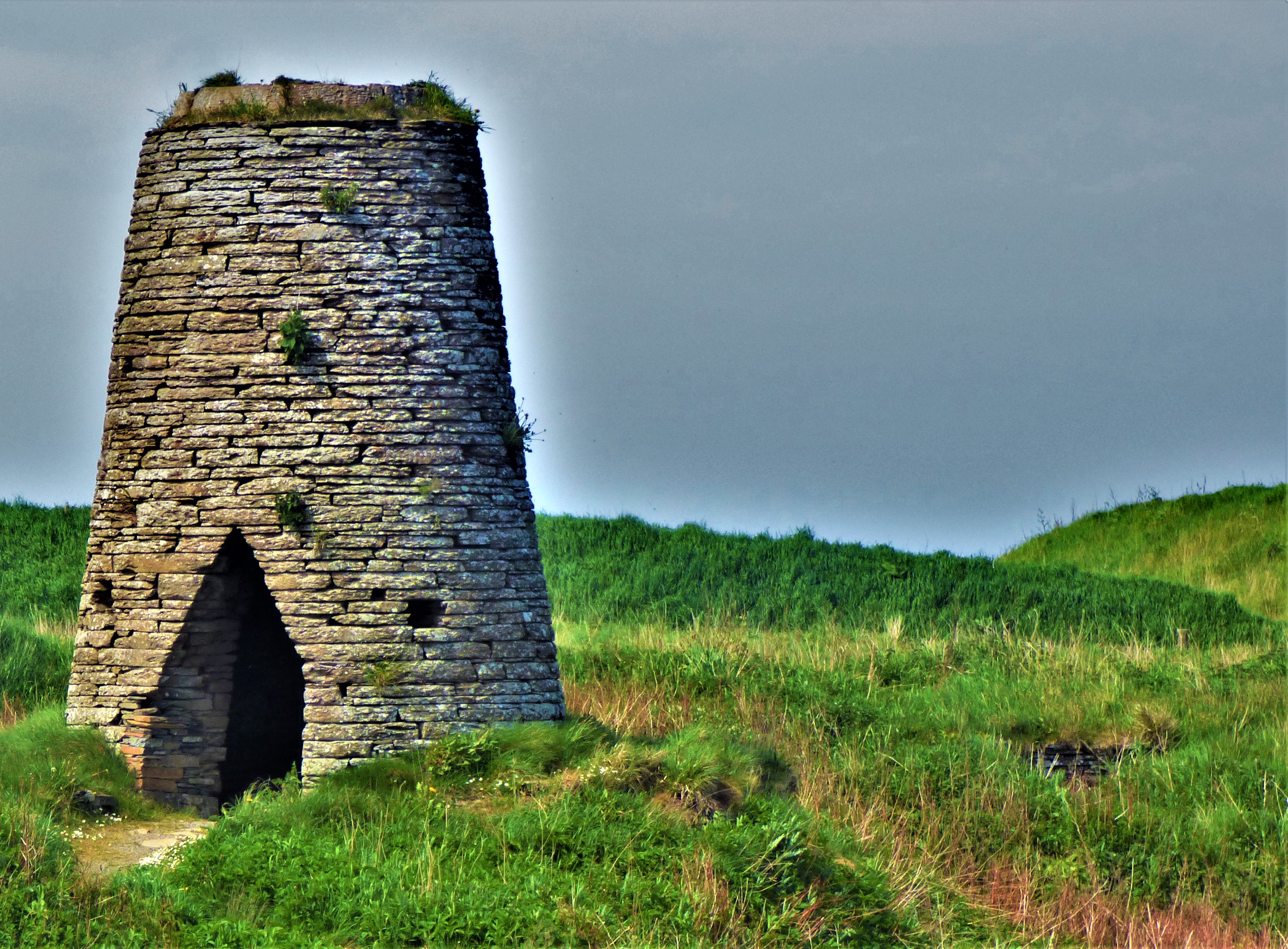
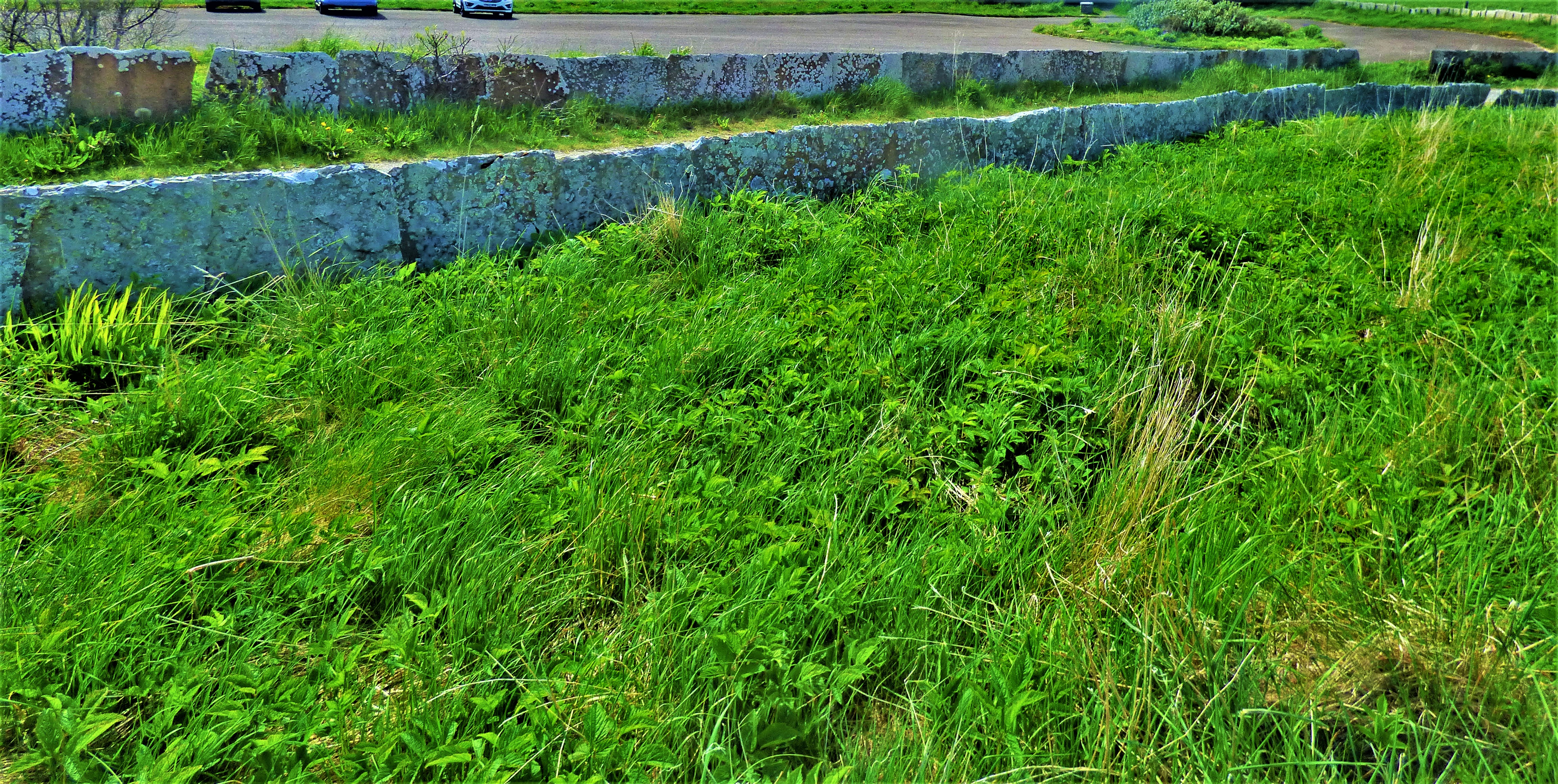
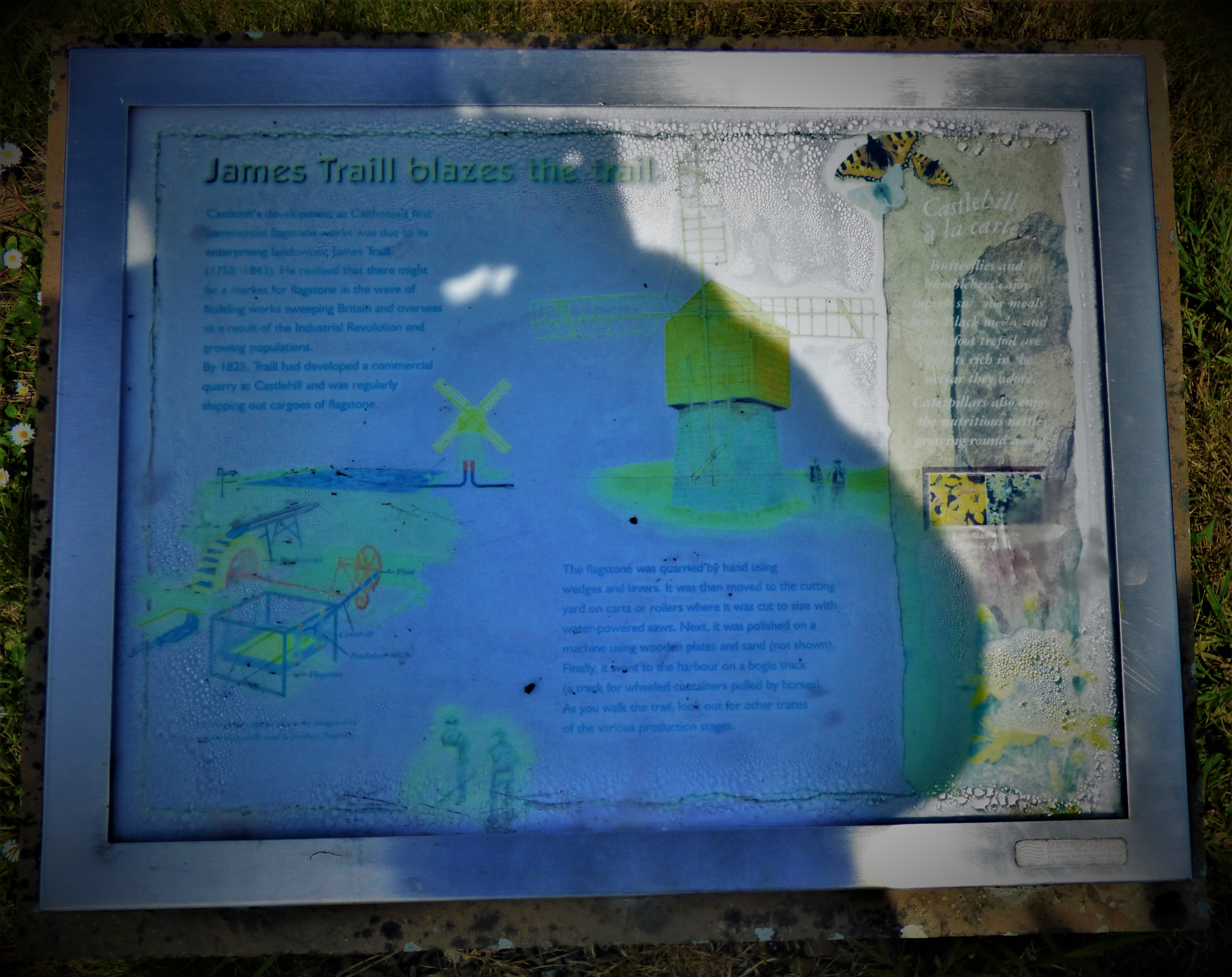
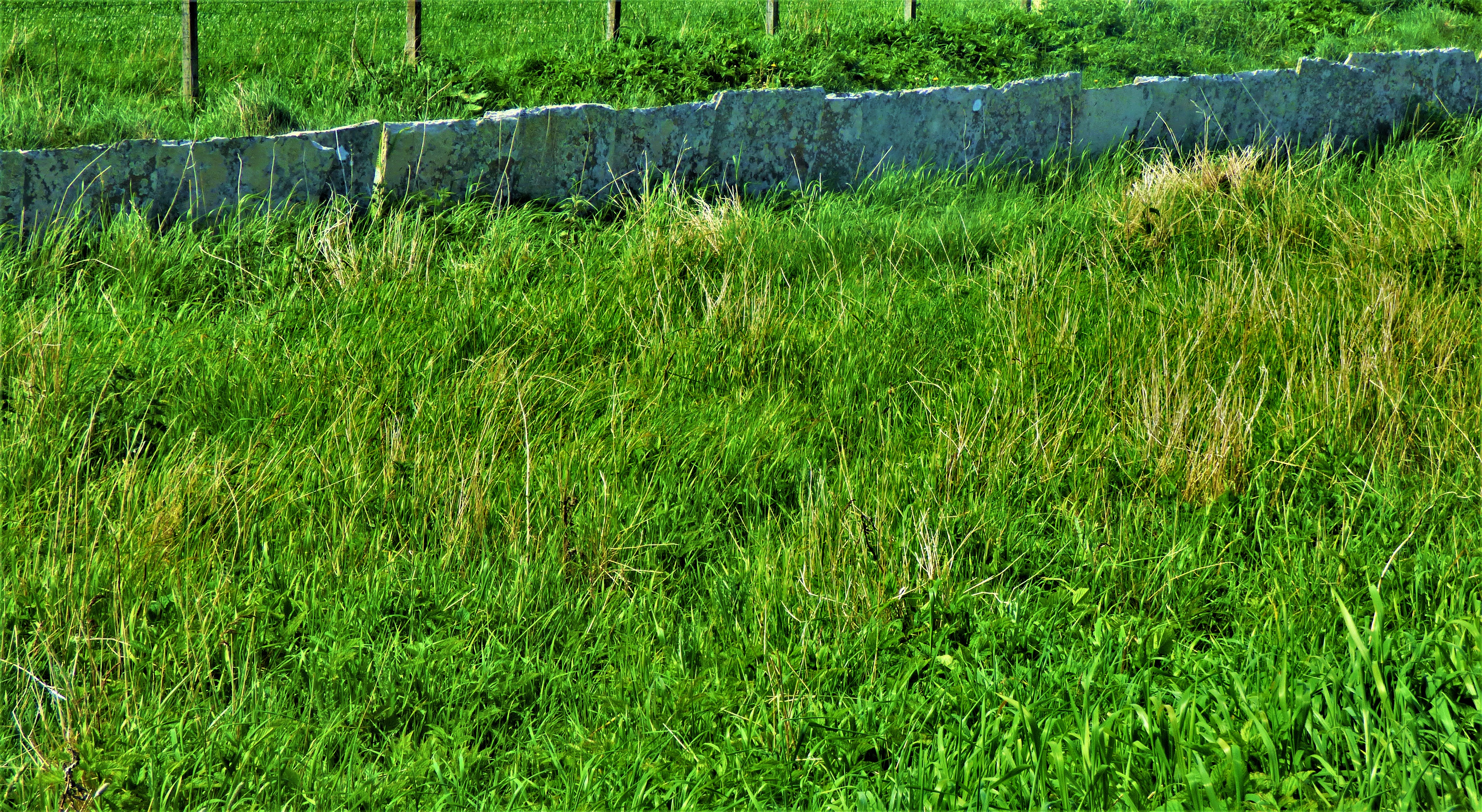
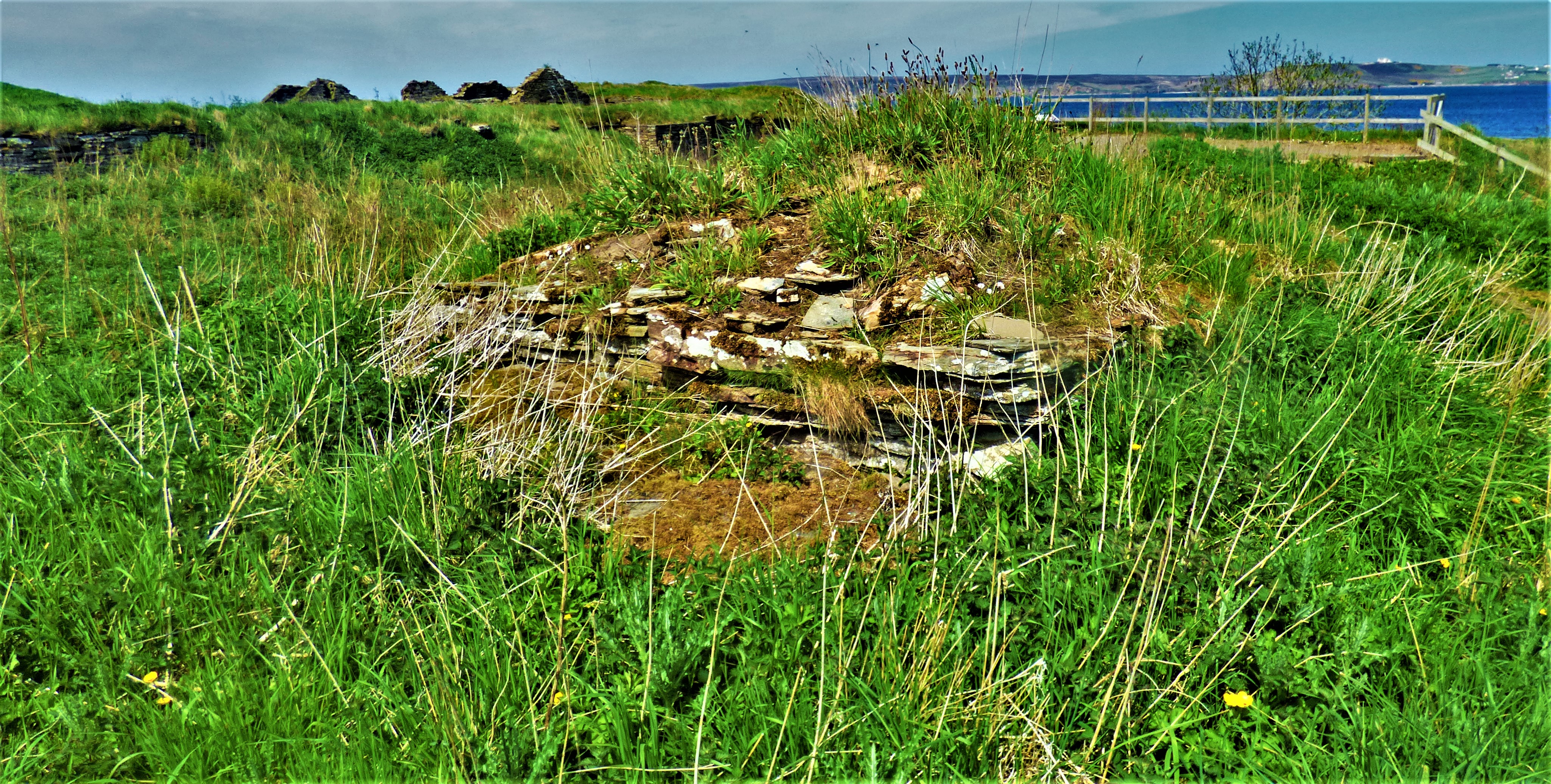
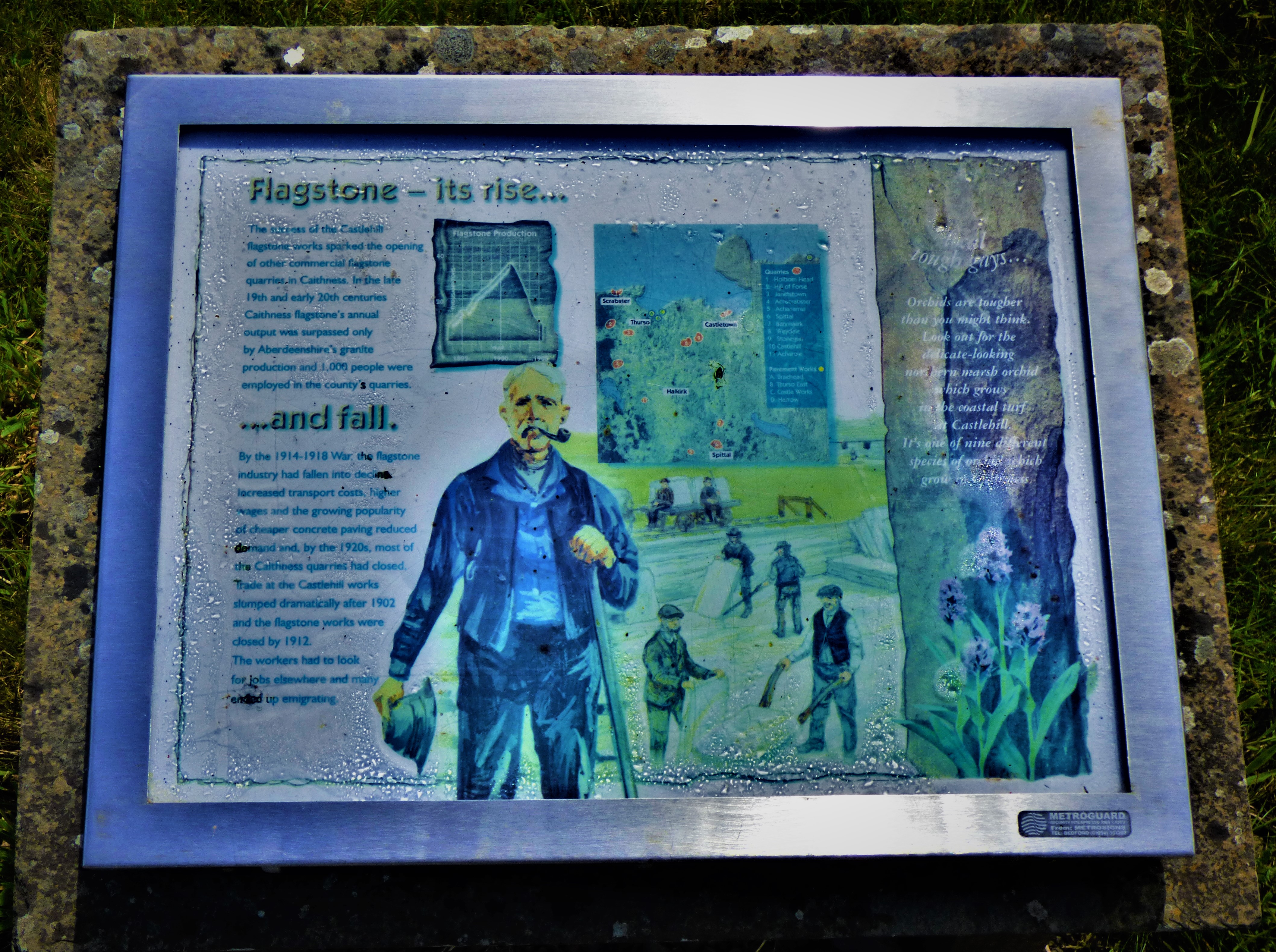
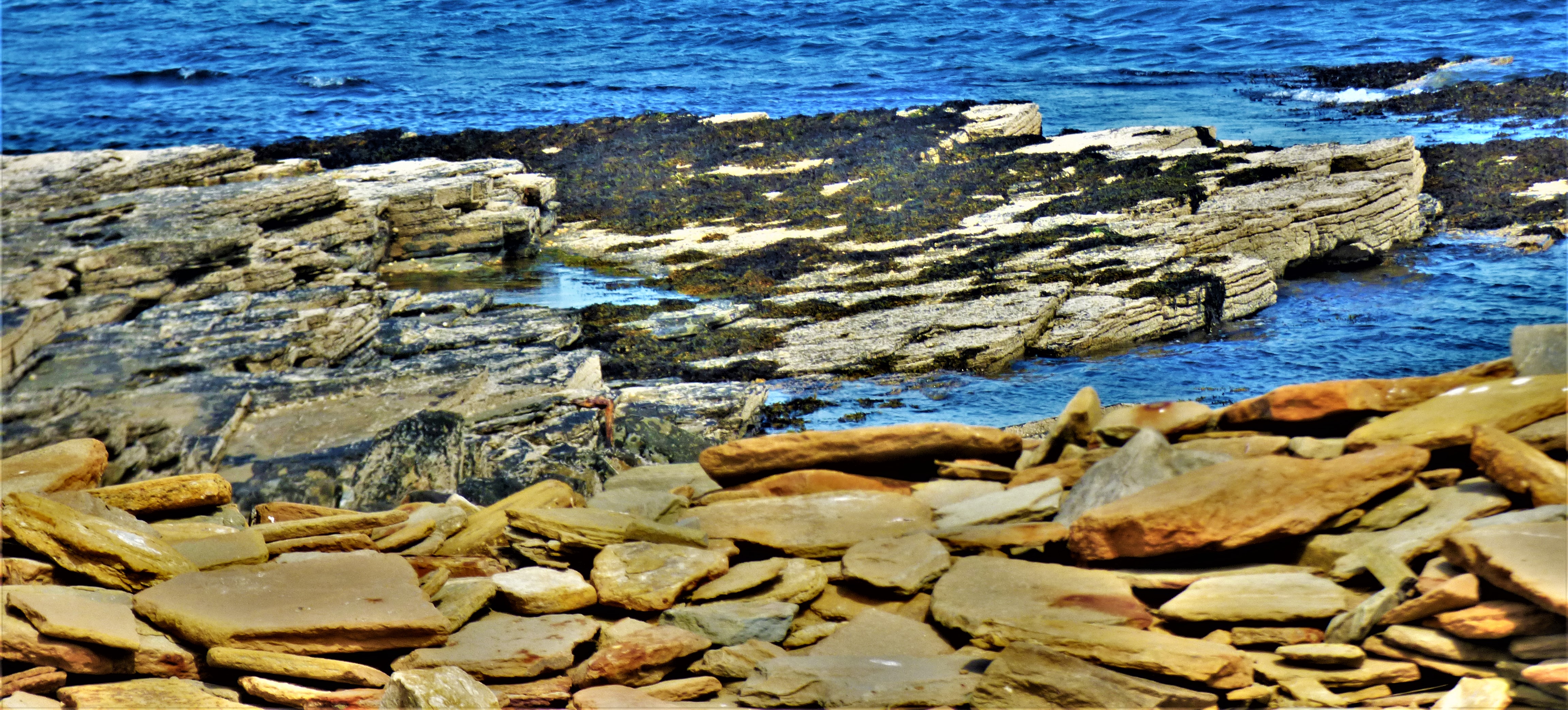
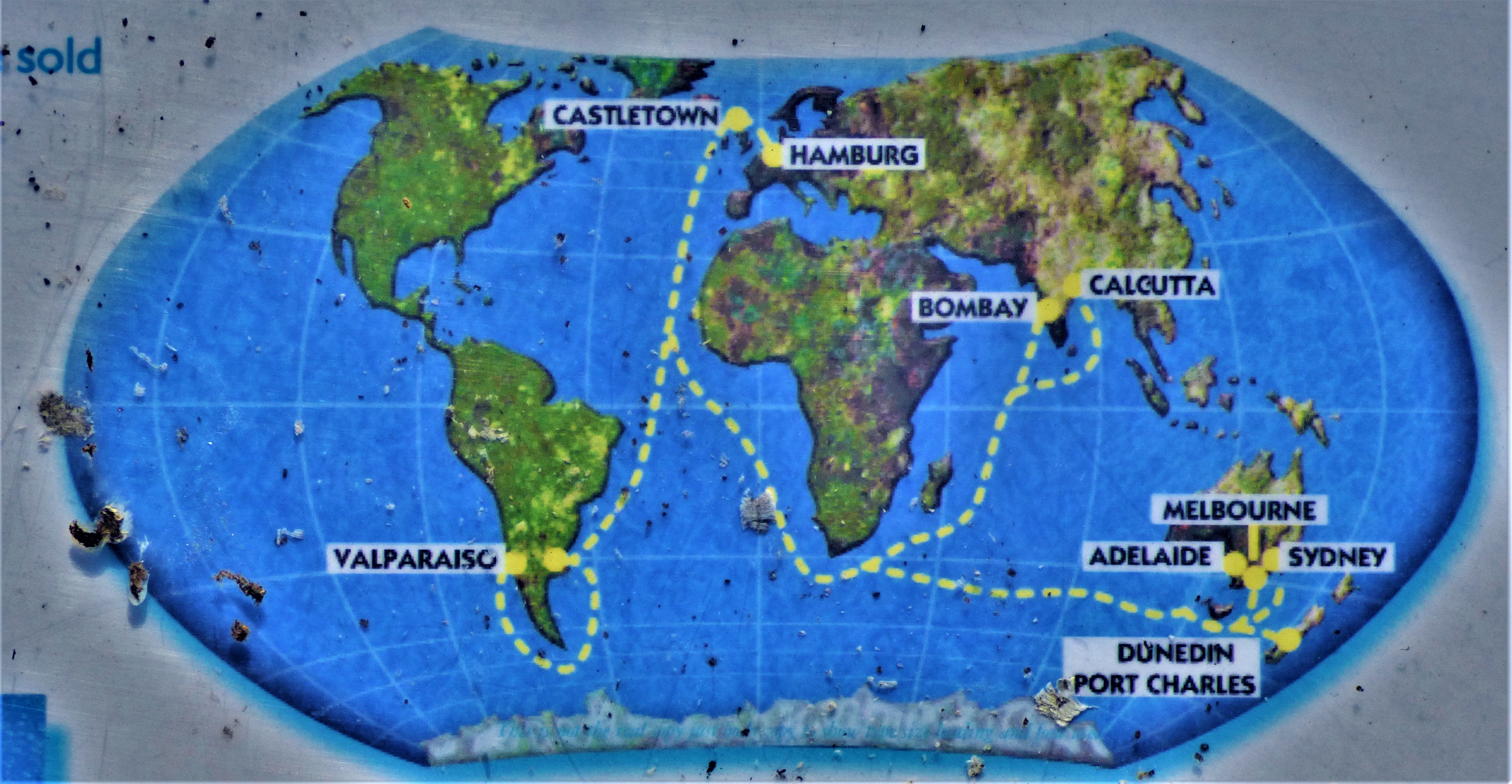
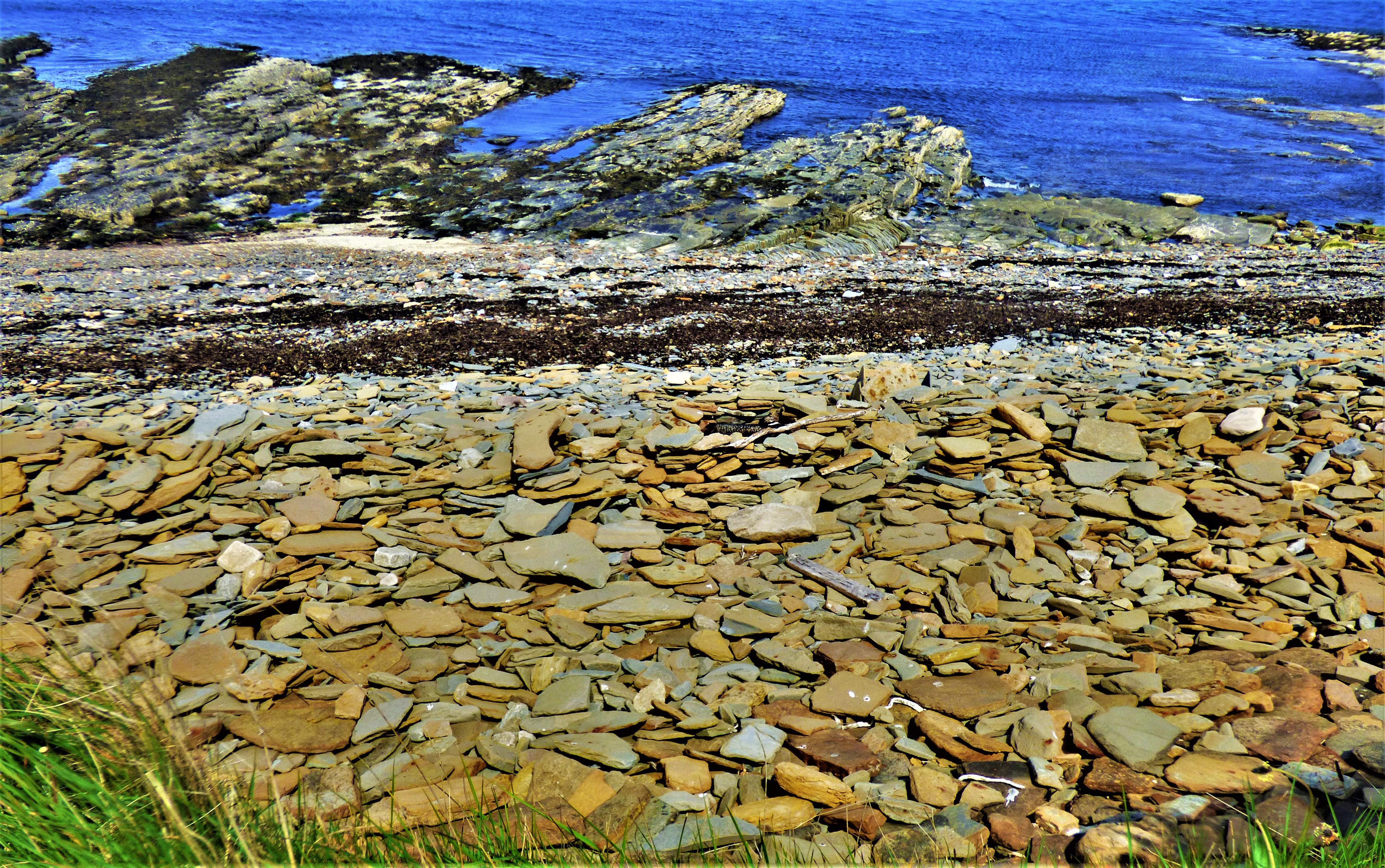
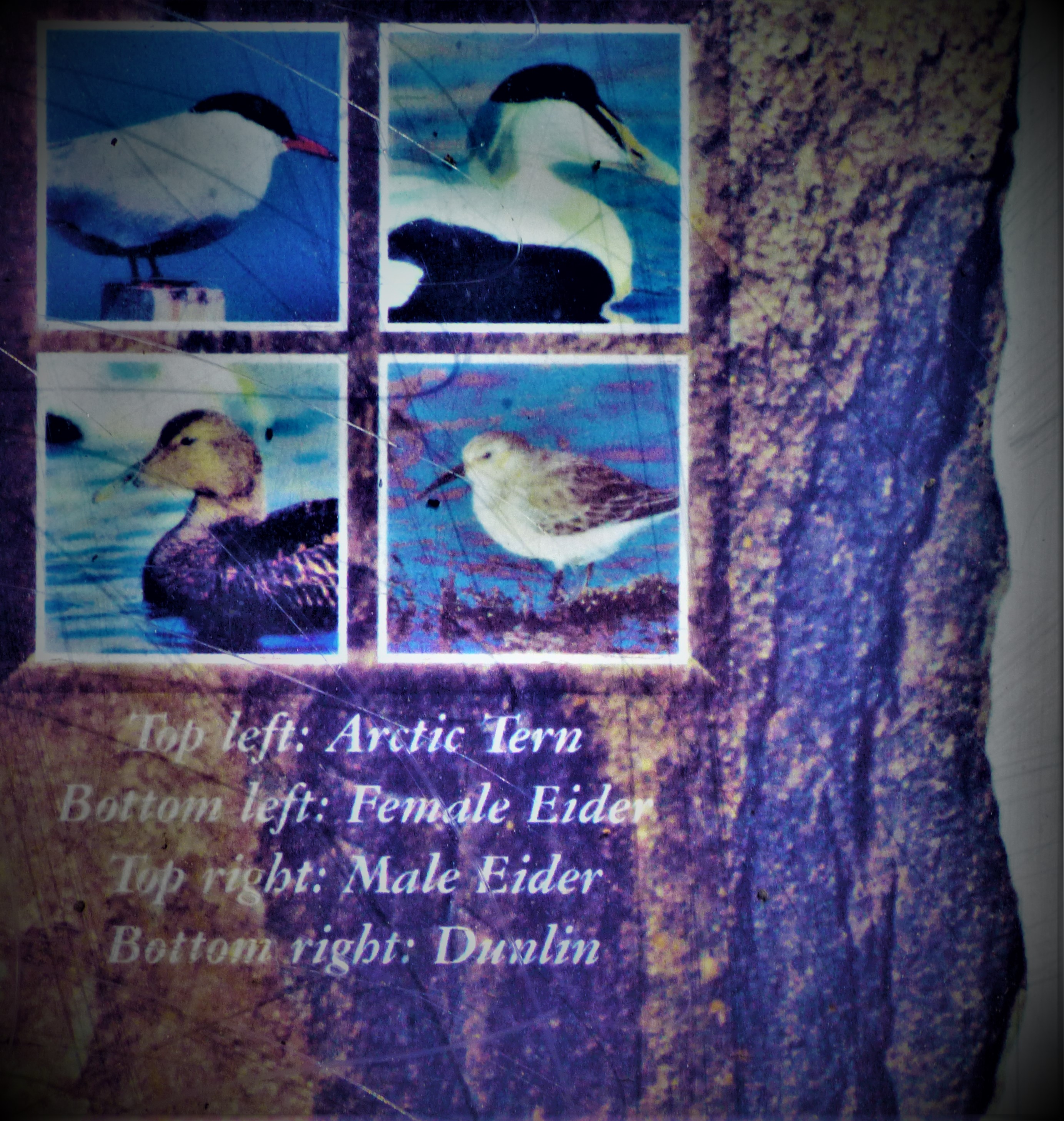
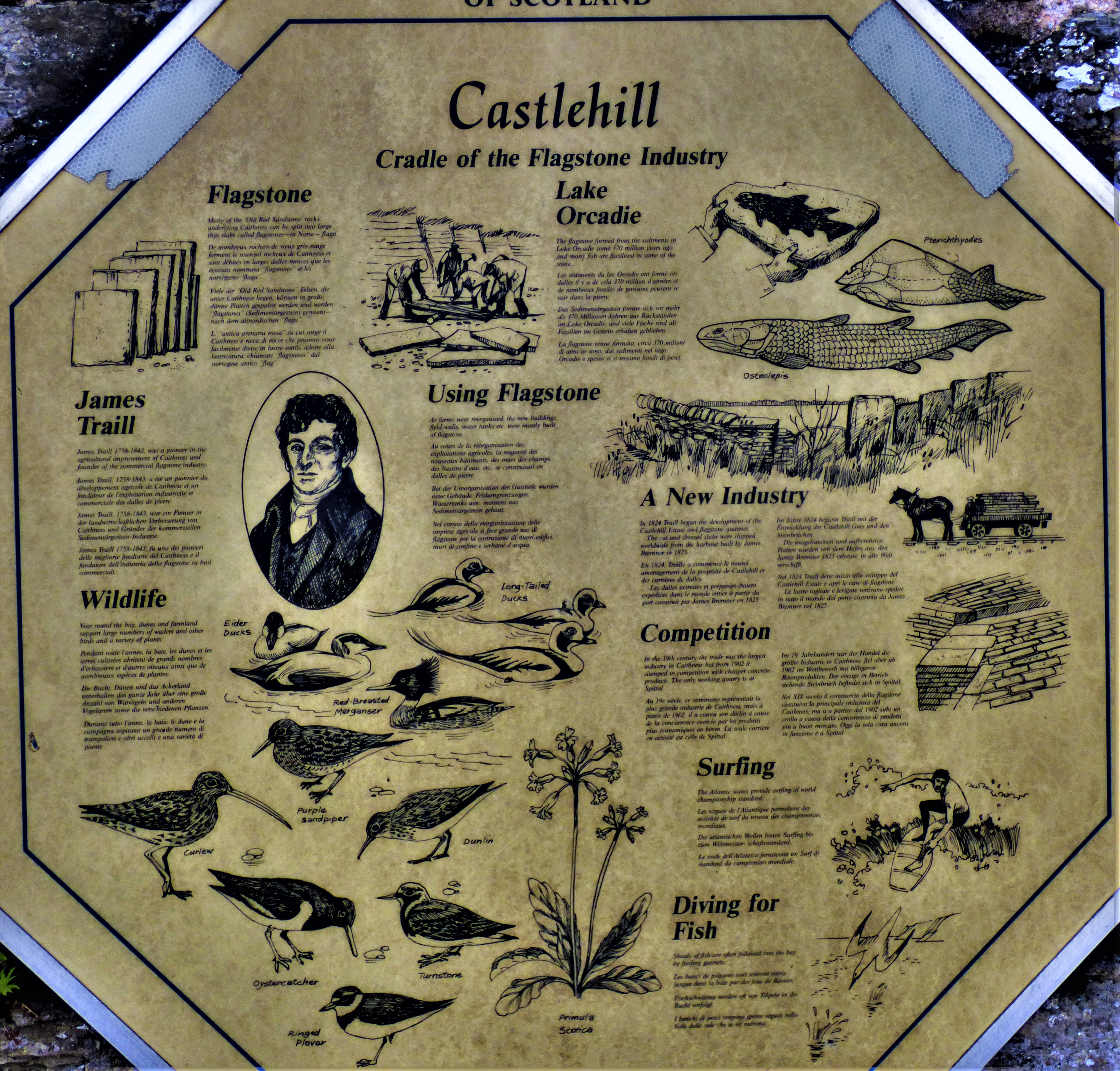
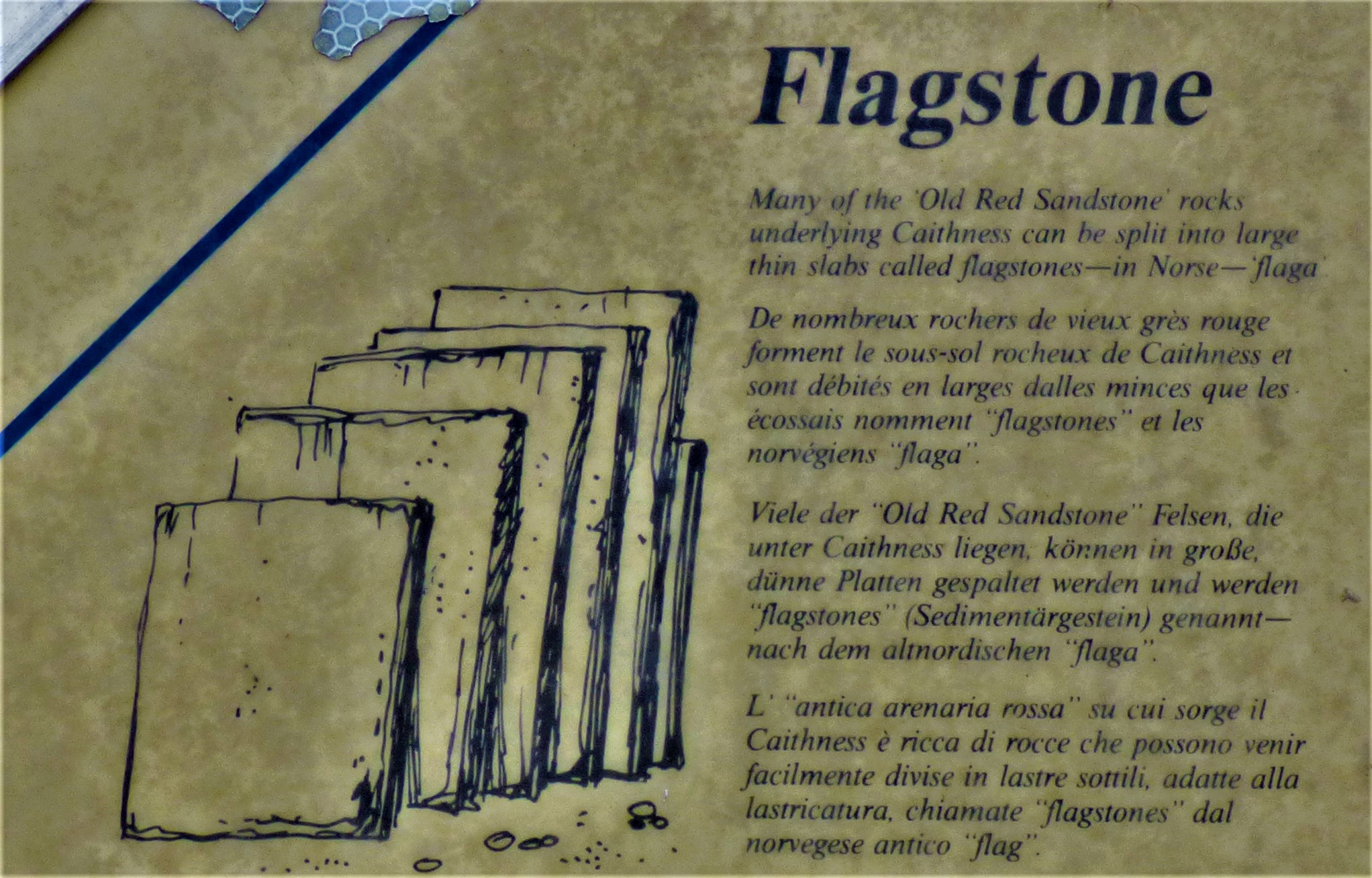
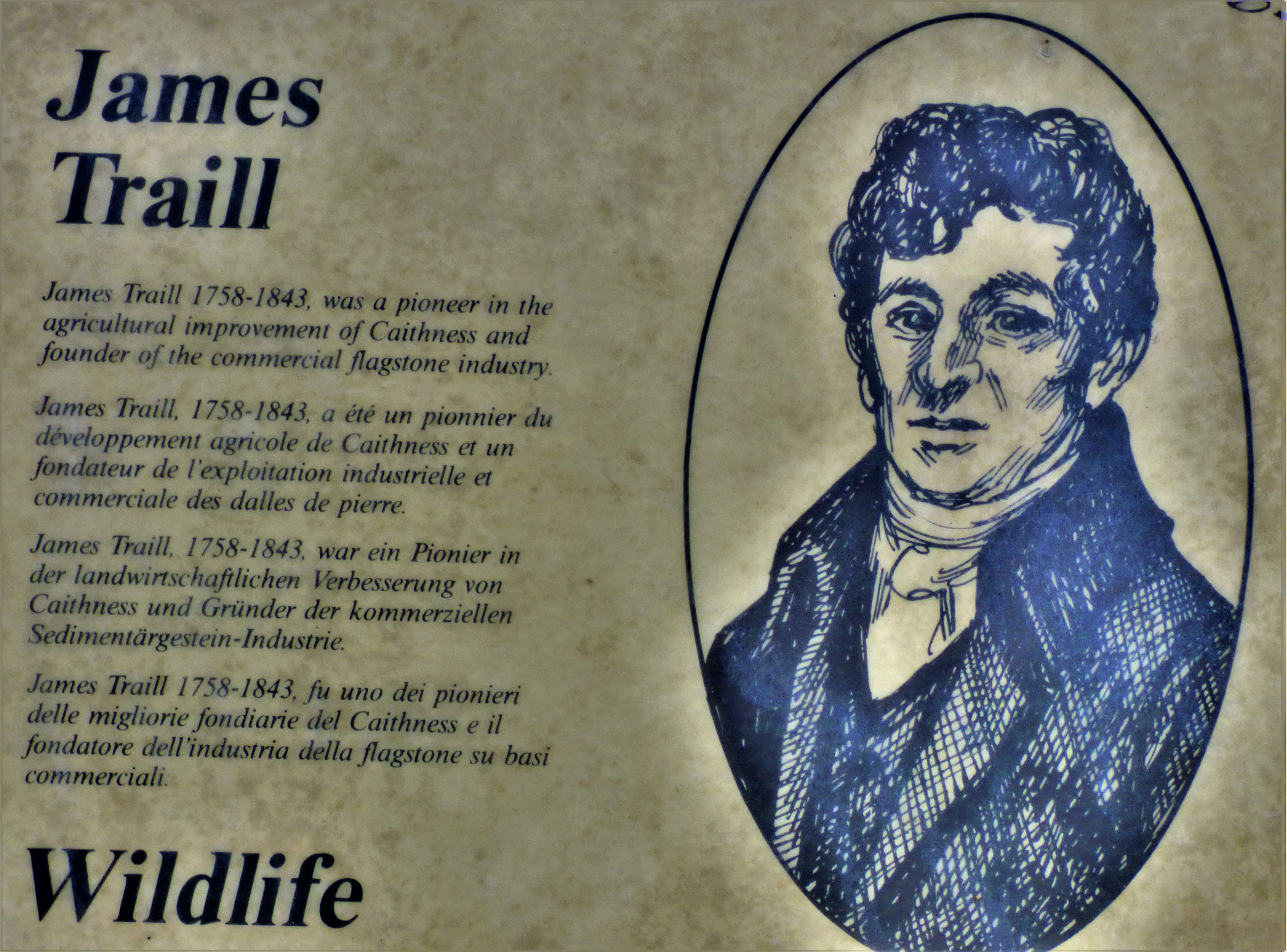
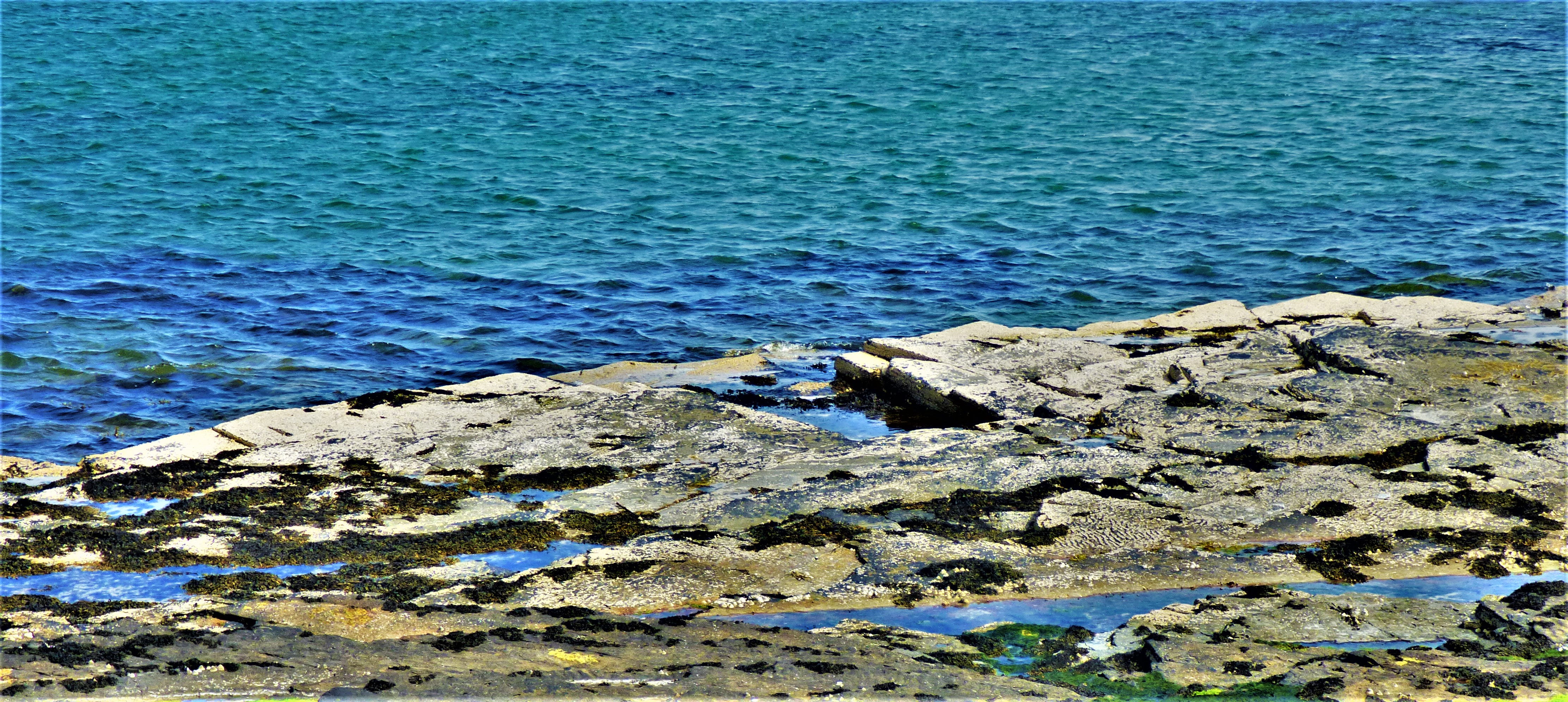
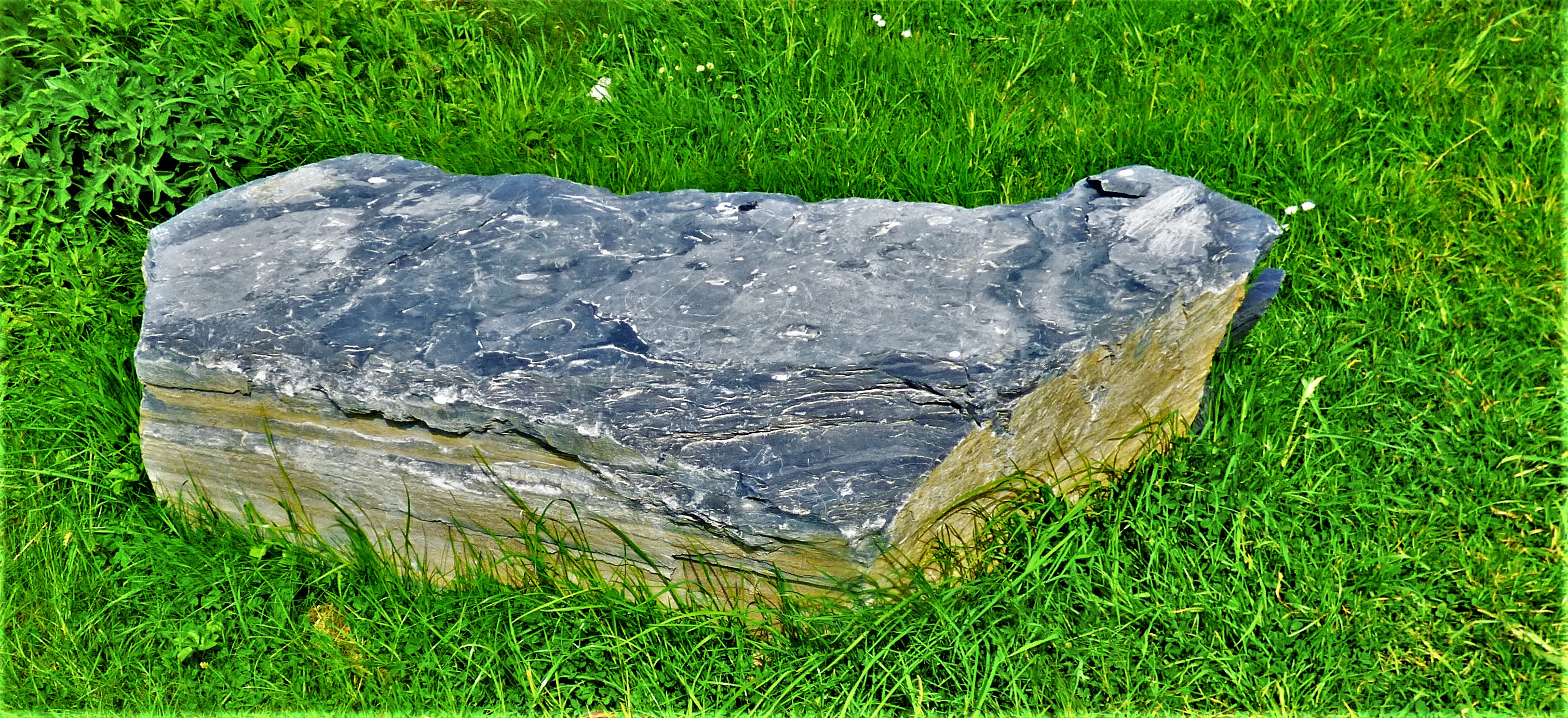
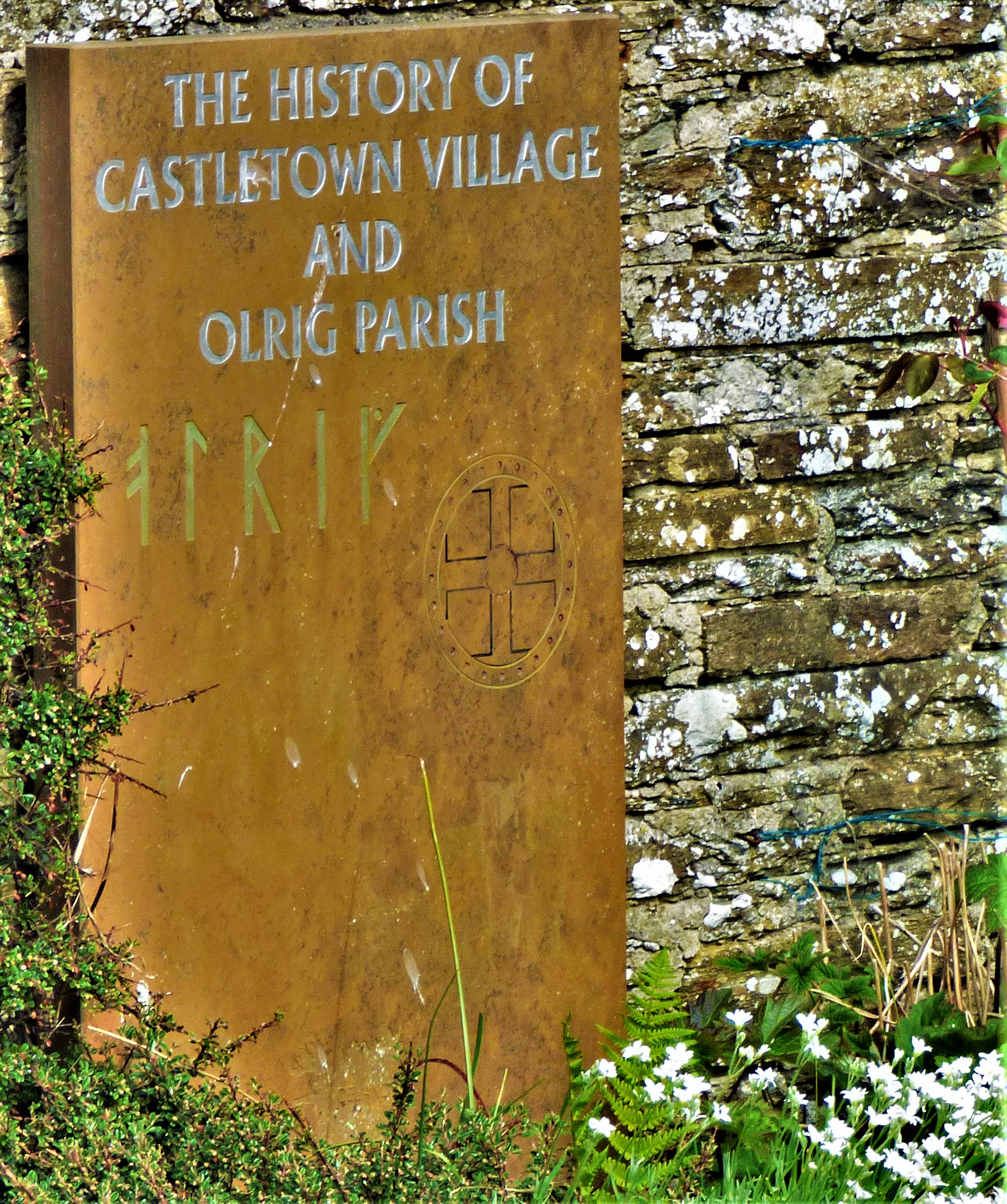
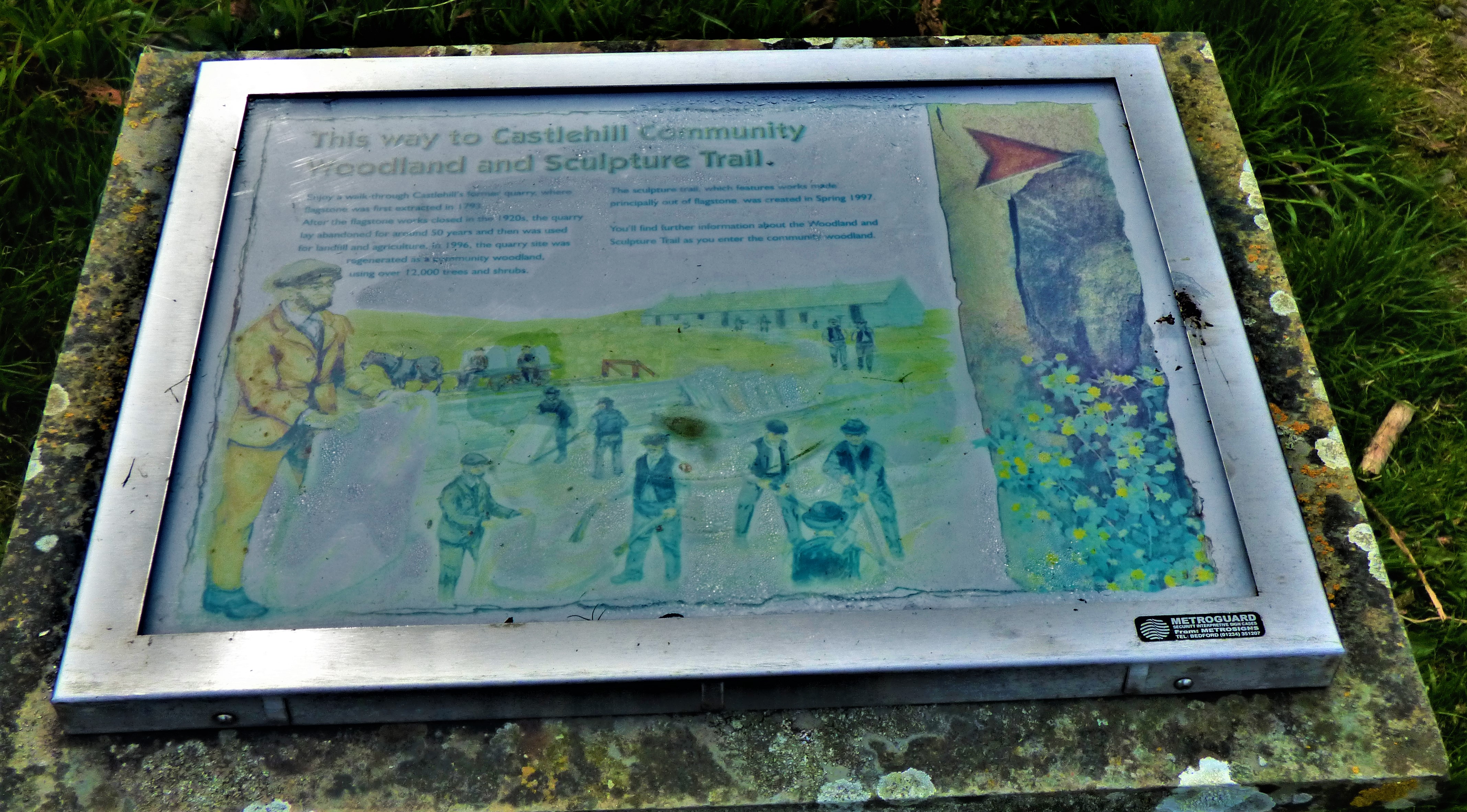
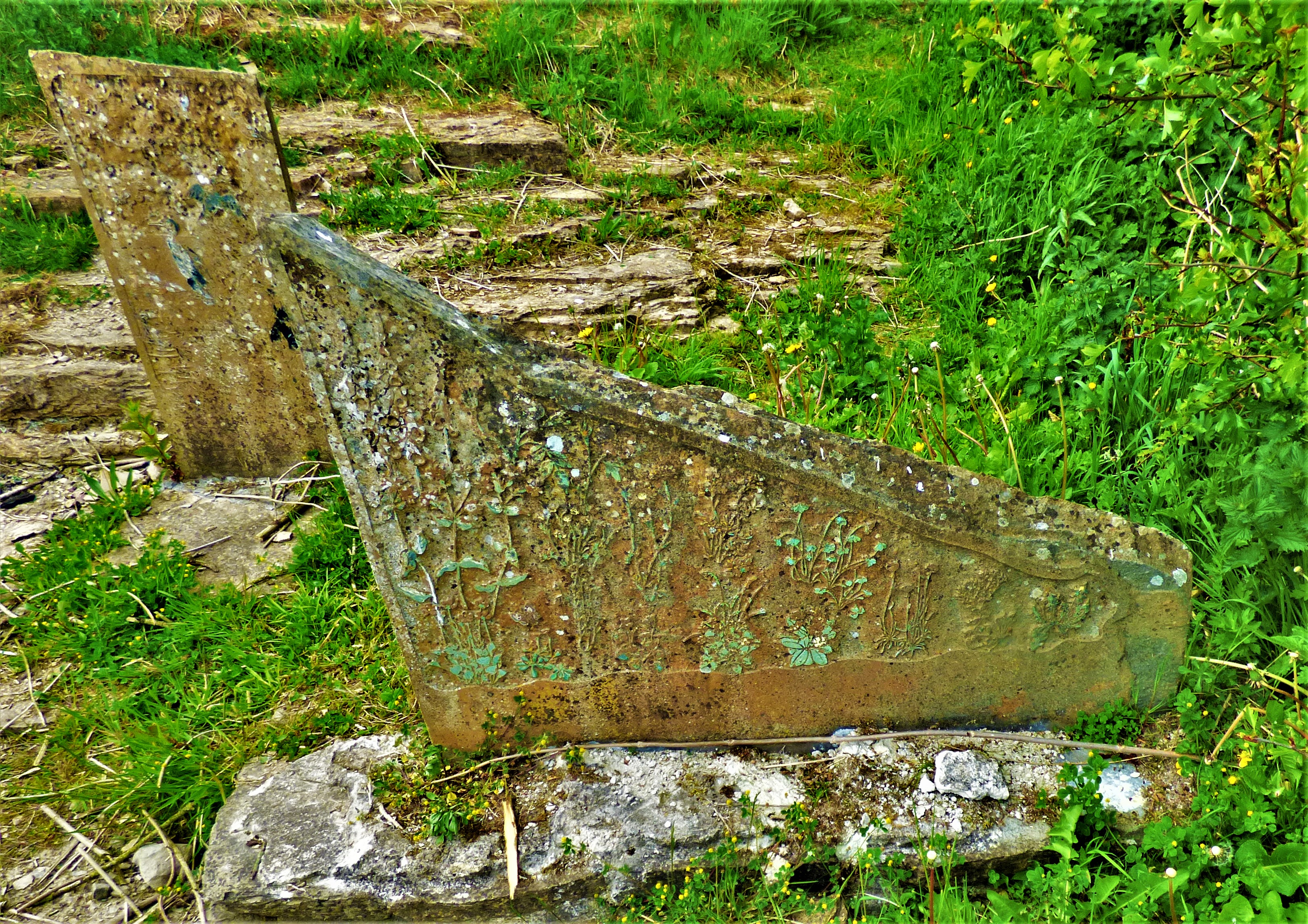
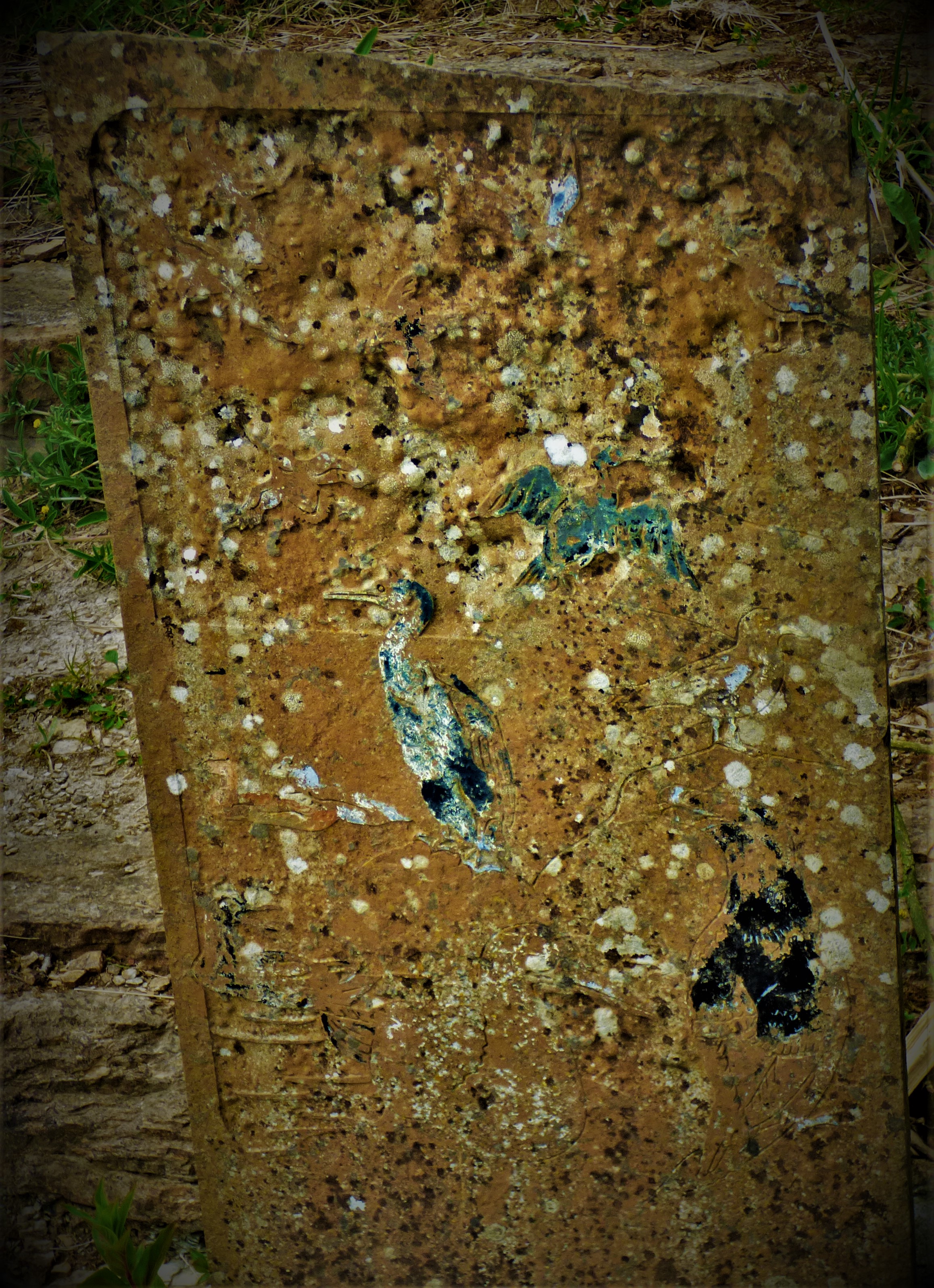
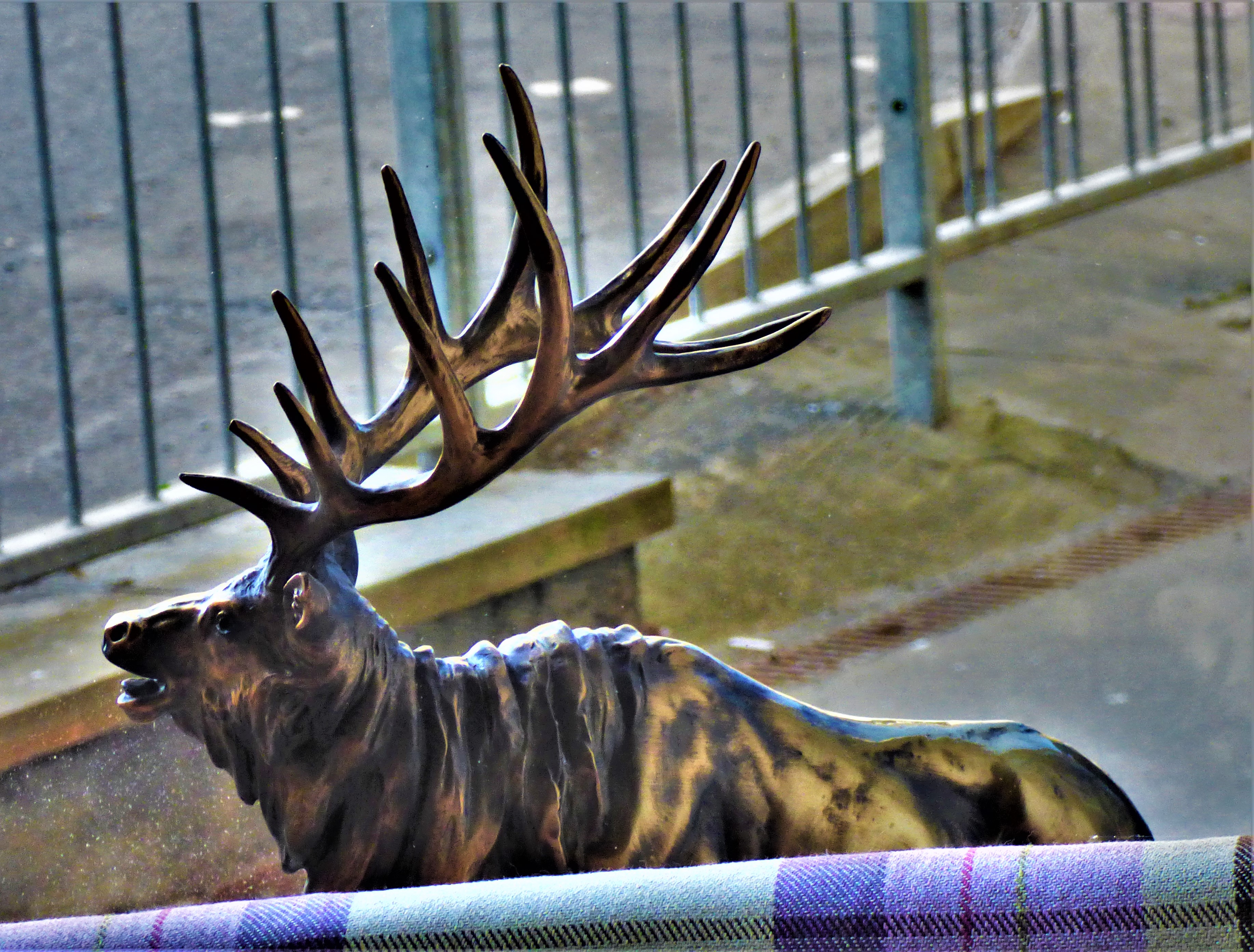
Those who have seen some of my earlier posts will have noted a lot of natural rock formations that look sculpted. It is very easy to cut large flat slabs of rock from these formations, and such slabs are known as flagstones, from the Old Norse word Flaga. Near Castletown is a historic trail which gives the history of flagstones, once a major export from this part of Scotland. In the same area is a walk out to an old battery.Thirdly this same area is home to the remnants of the quarry from which the stone was extracted which contains a few samples of flagstone art.
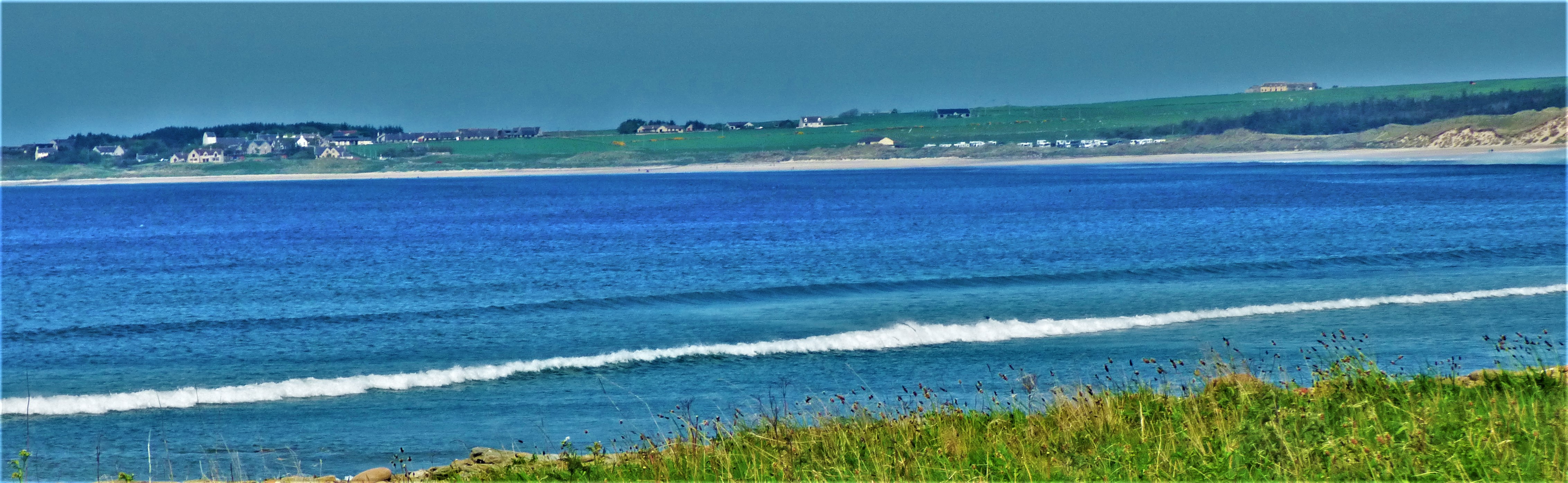
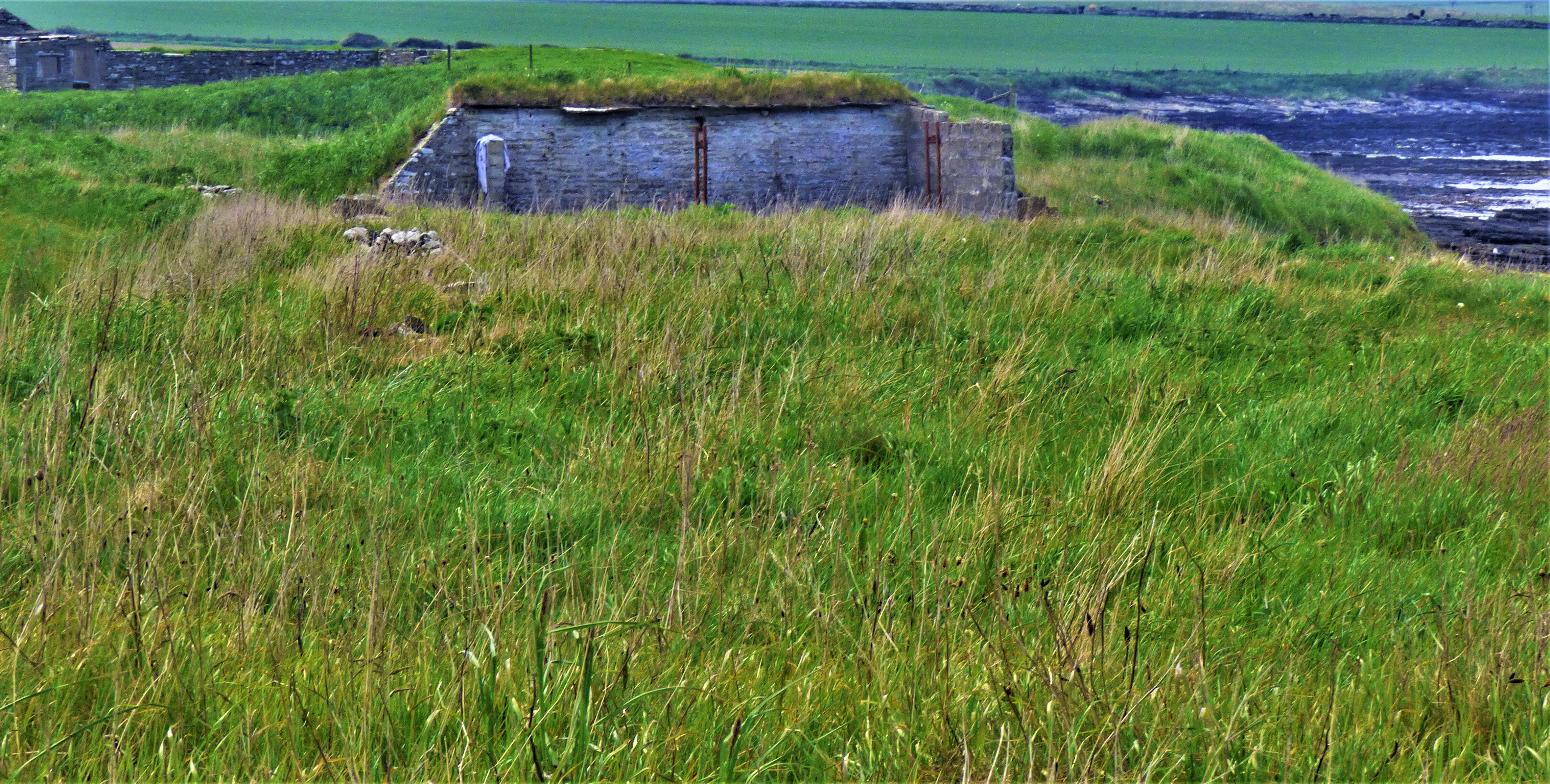
The Victorian battery is not safely accessible, but there is a WWII relic that can be got to, and the walk out along the side of Dunnet Bay is very scenic.
The flagstone art is misdescribed as sculpture which it really isn’t, but it was worth devoting a few minutes to.
The three things between them make for a decent outing, and there is plenty to see.
A MEAL IN THURSO
That evening we went out for supper at a restaurant in Thurso. The food was quite excellent, and they served a decent beer as well. I opted for kiln smoked salmon to start and beef for the main course.
Continuing my account of my Scottish holiday with a distillery tour and the cooking of a meal.
Thus post, the latest in my series about my Scottish holiday (May 28 to June 5), covers a visit to the Wolf Burn distillery and my cooking of the subsequent evening meal.
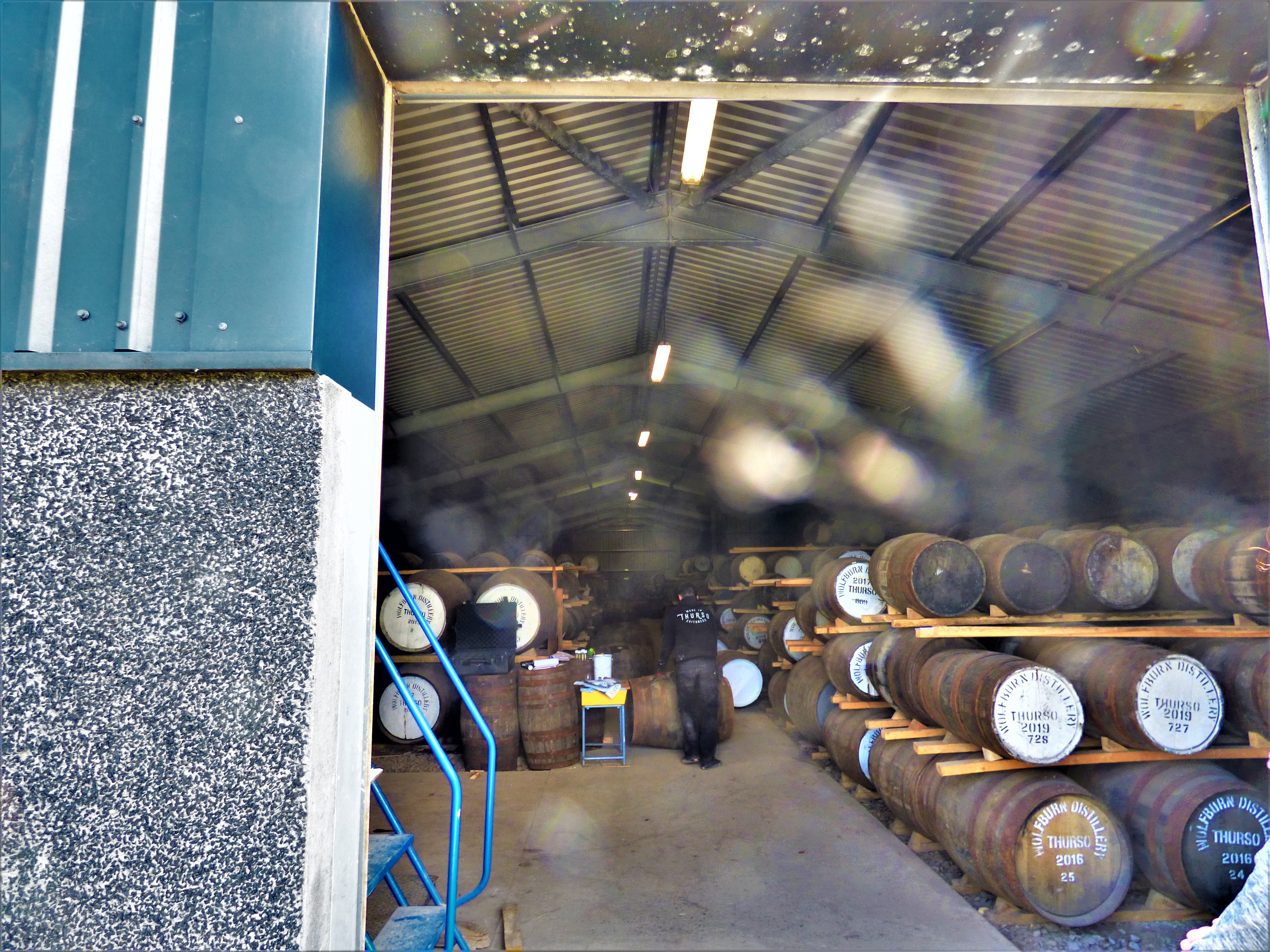
THE WOLF BURN DISTILLERY
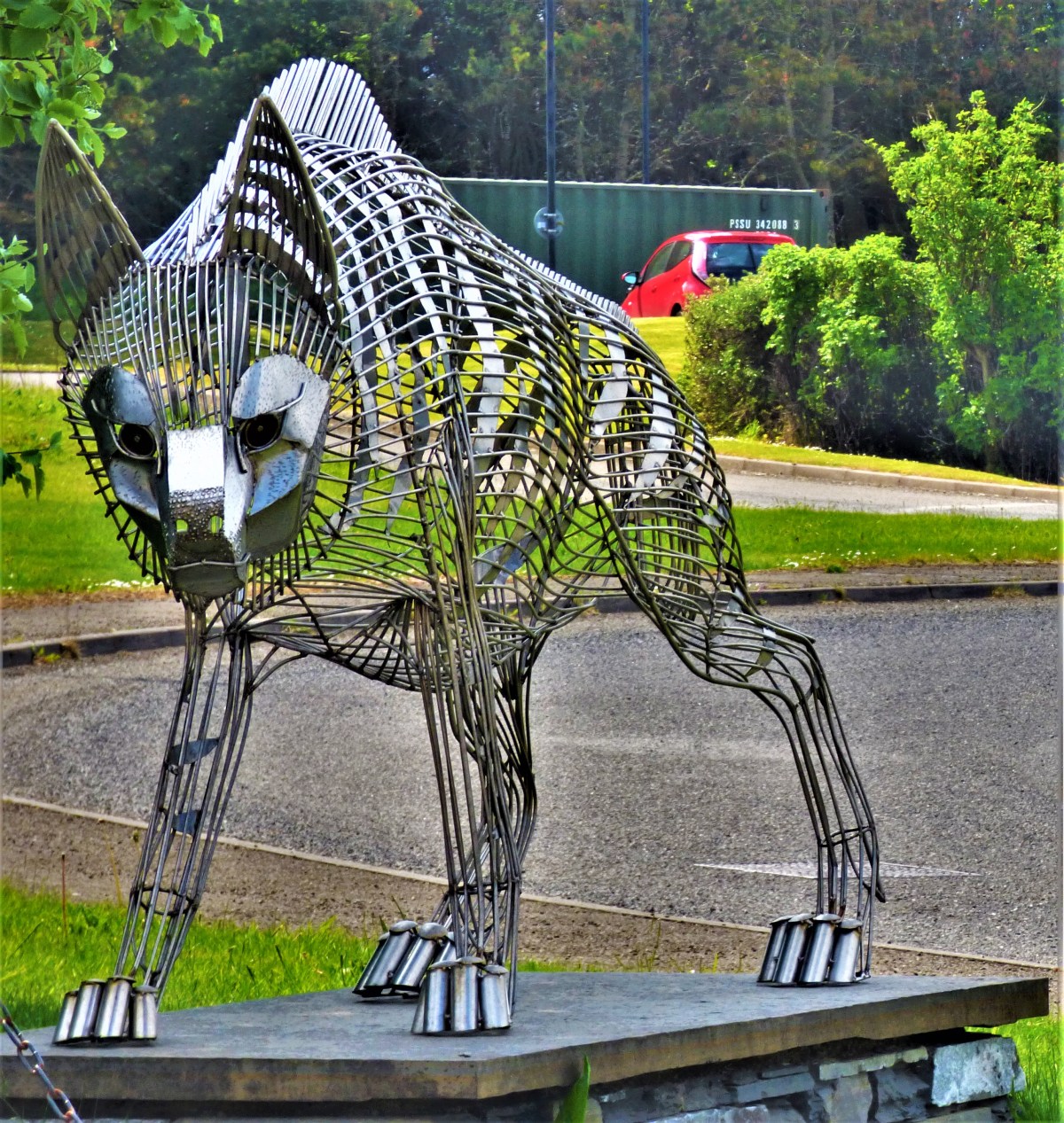
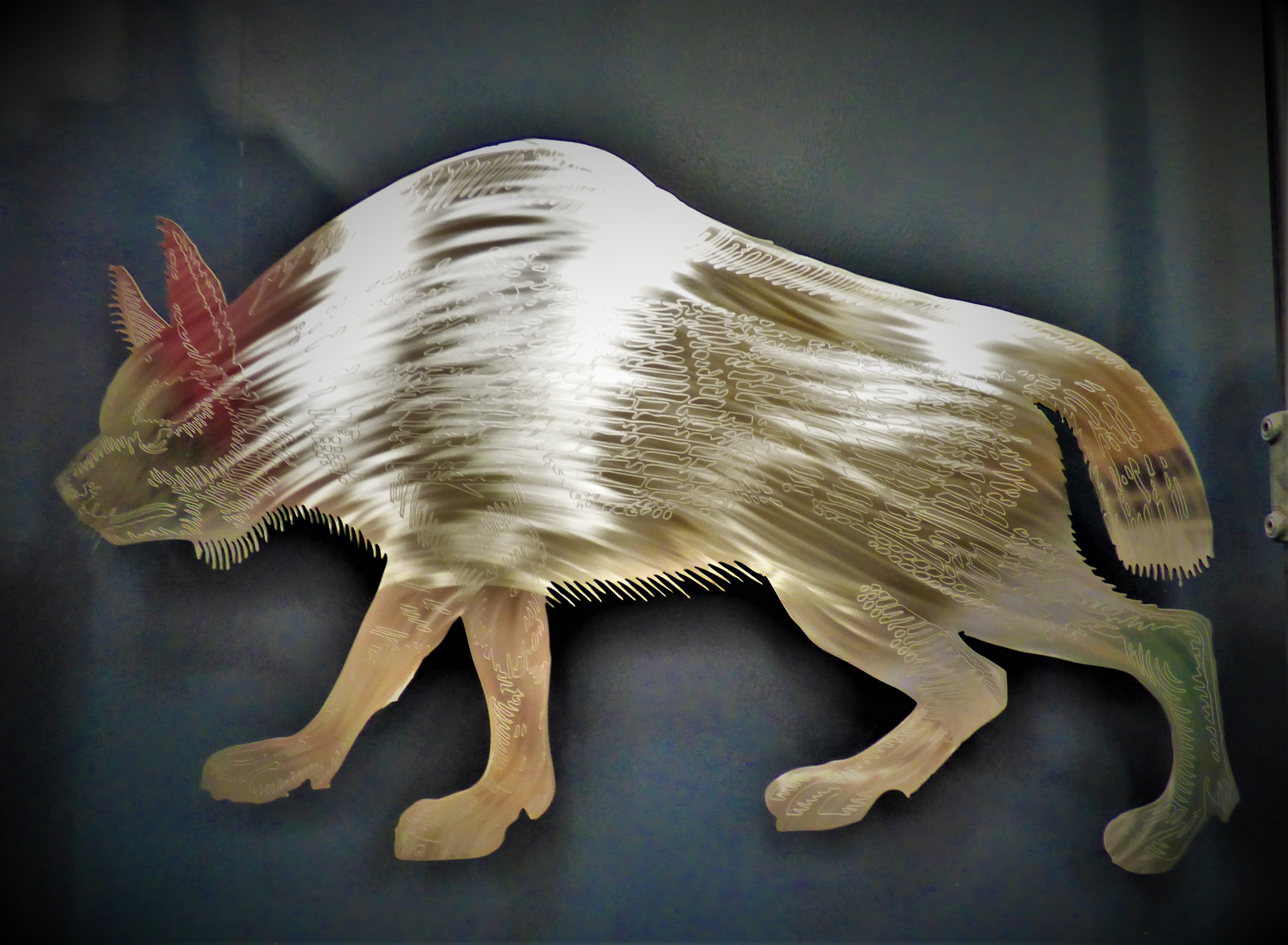
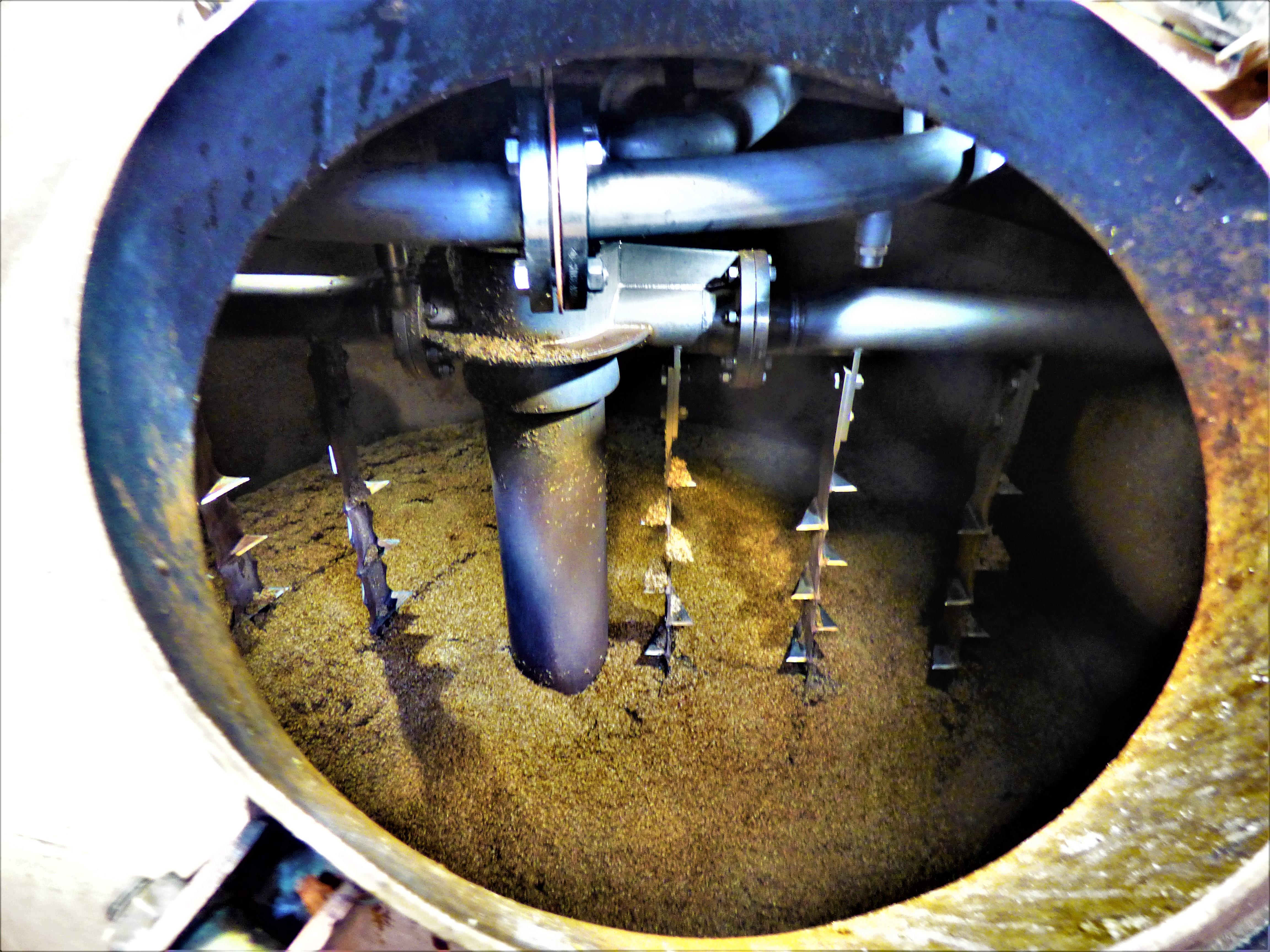
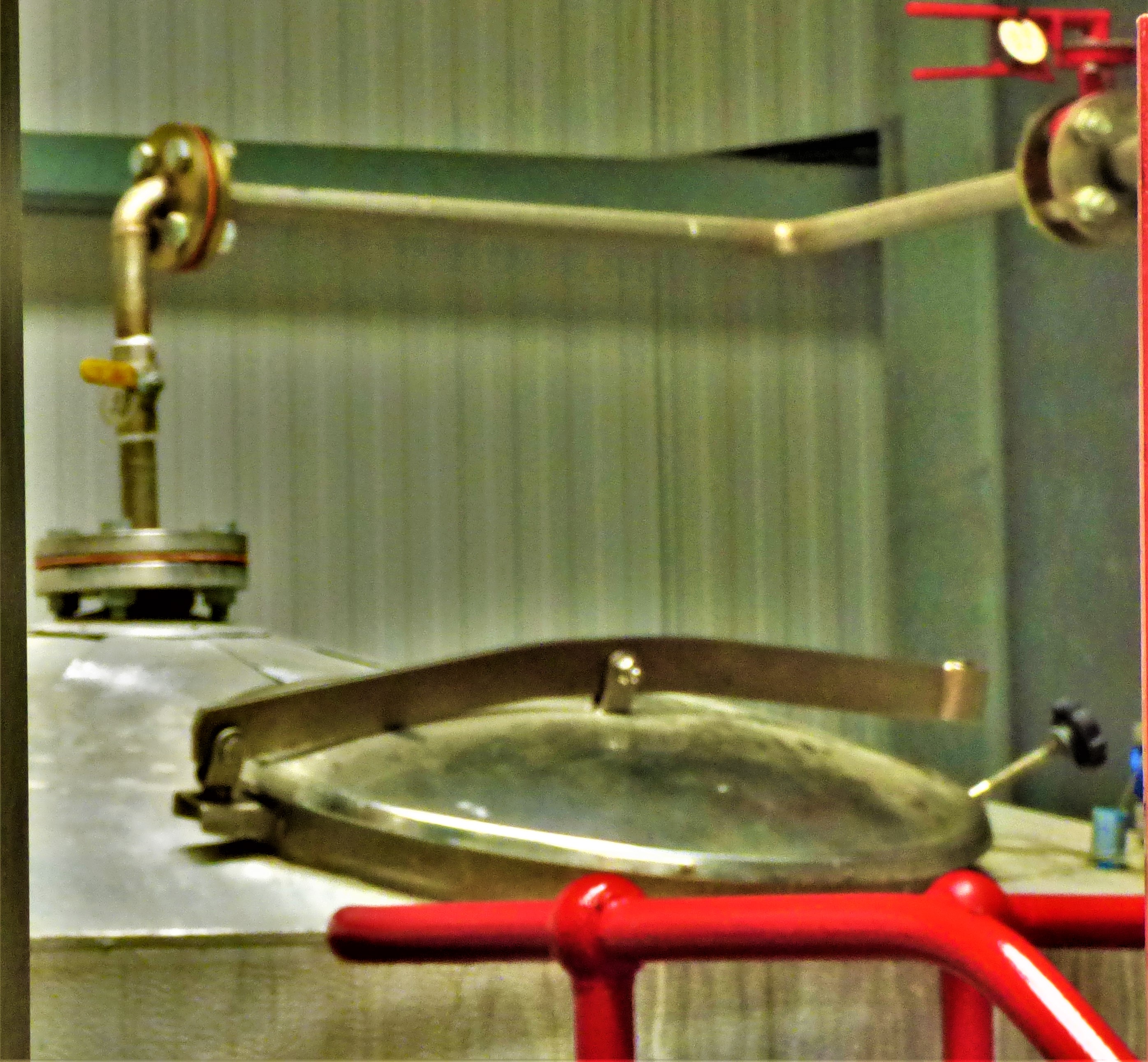
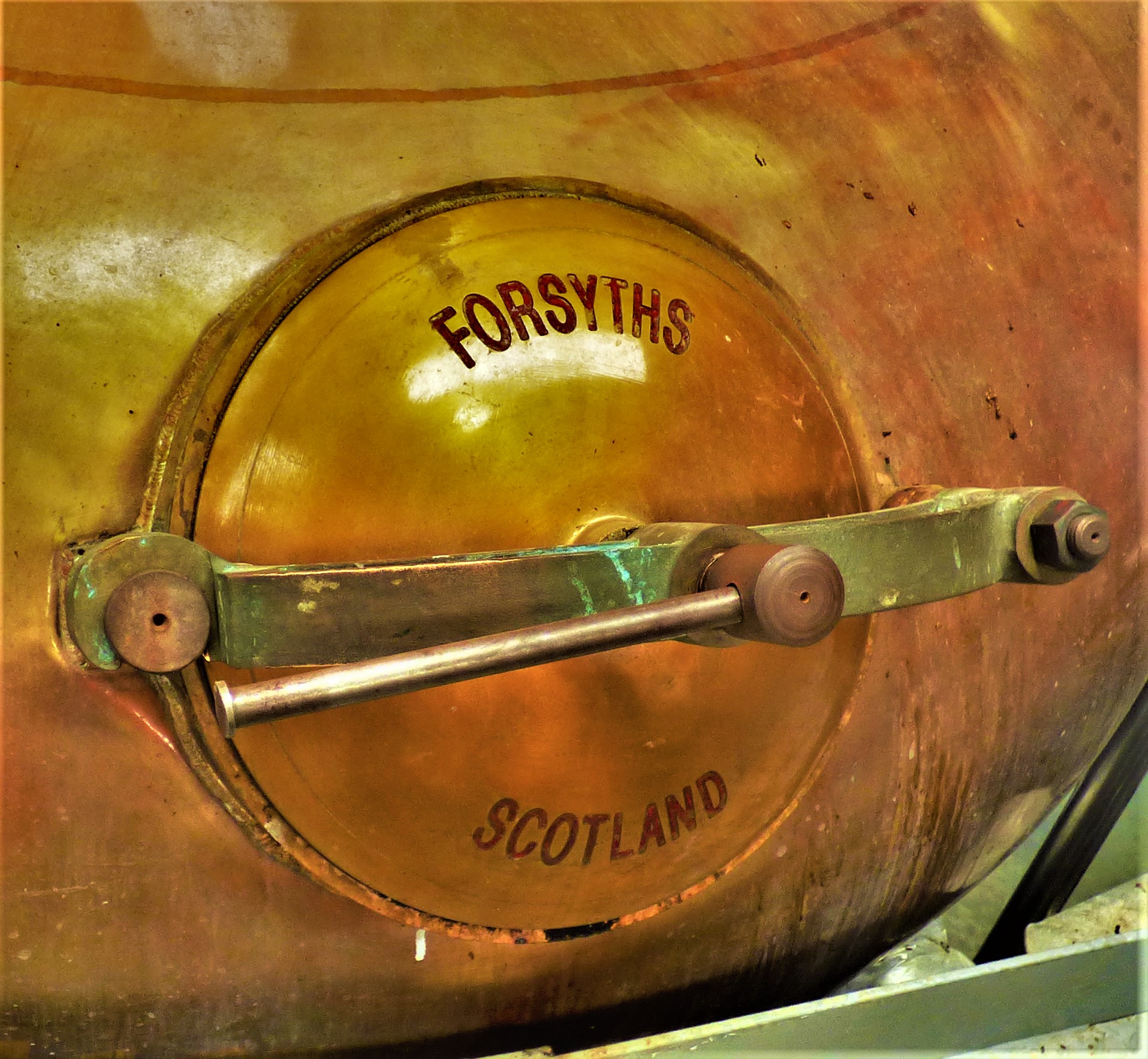
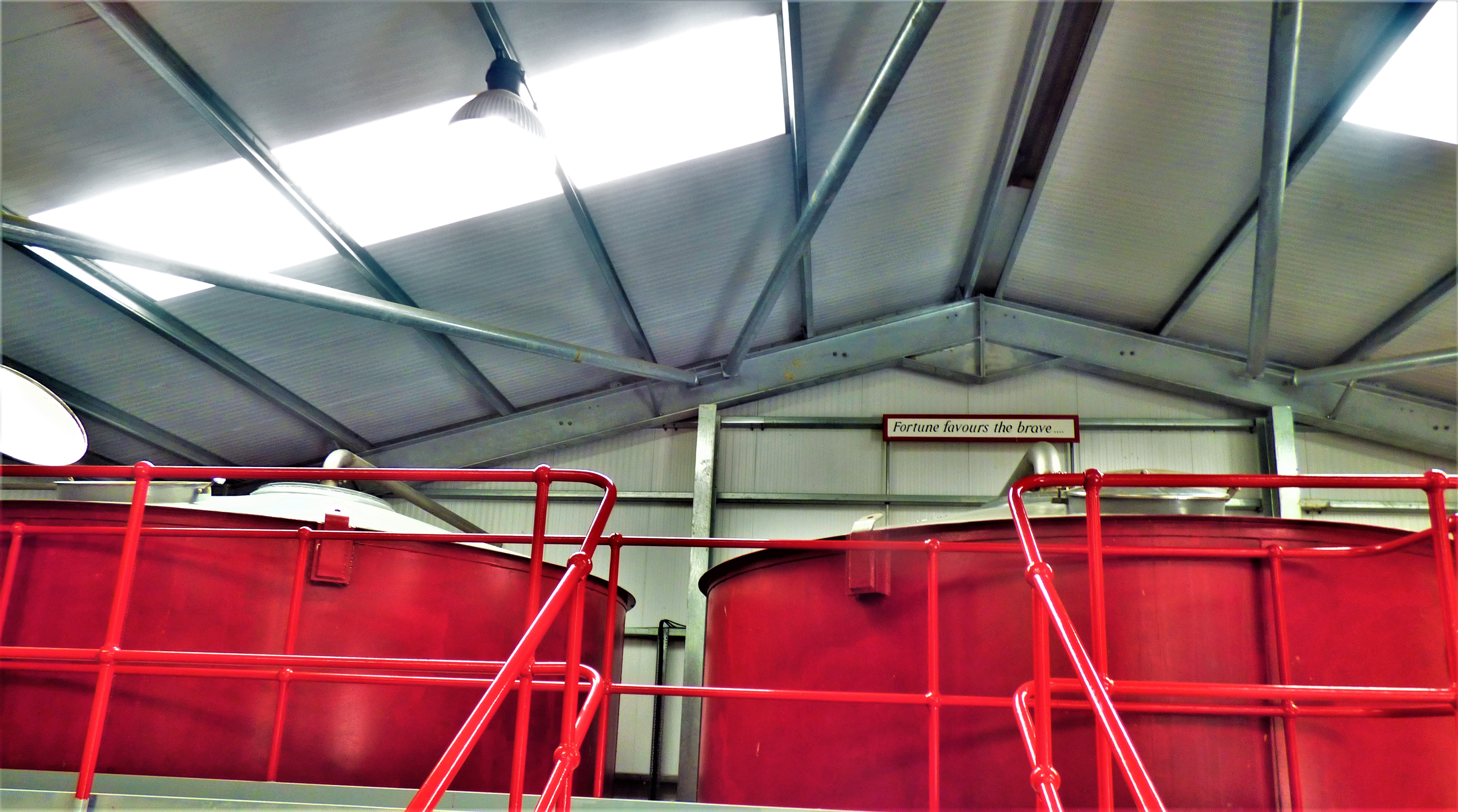
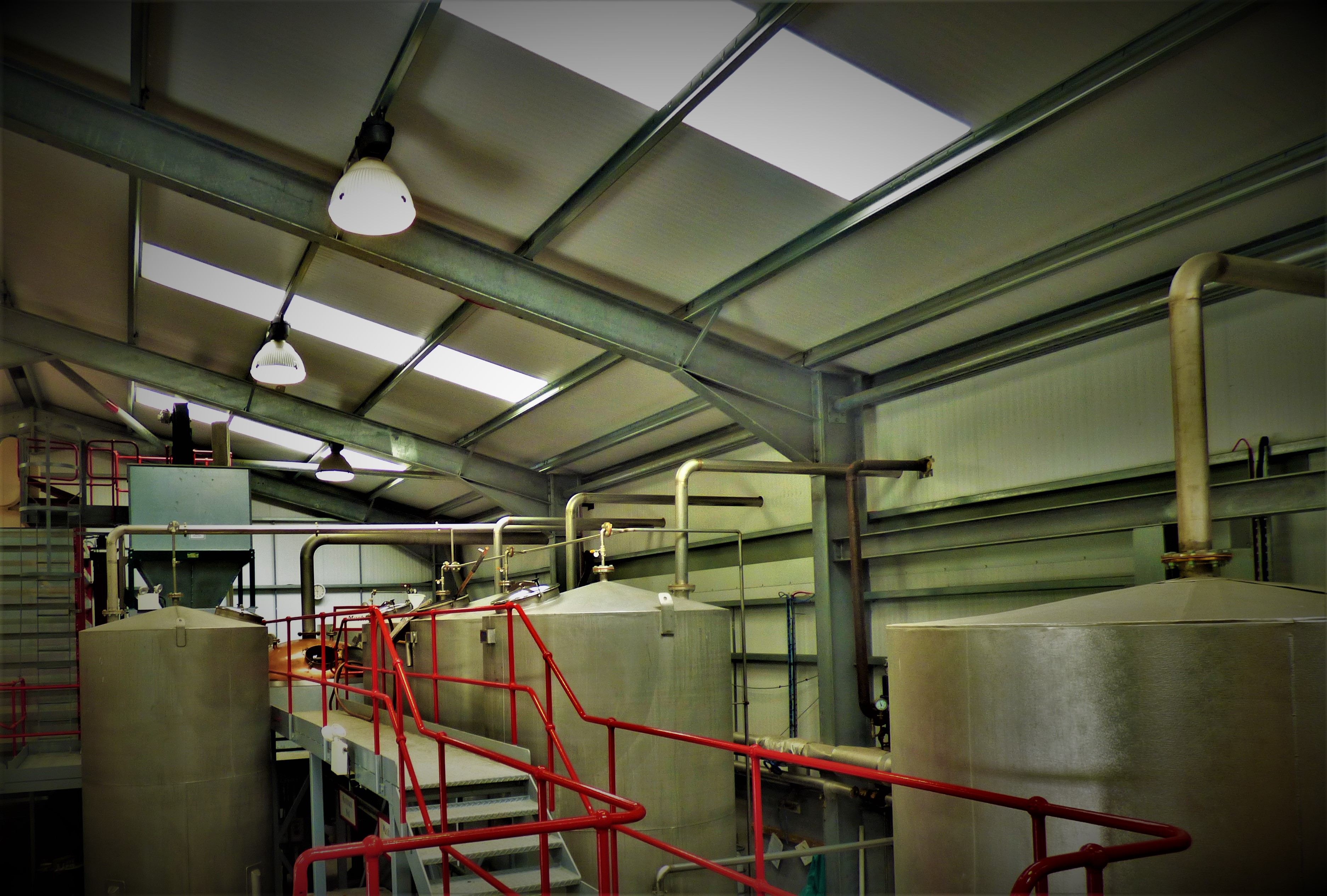
In it’s current incarnation, using a couple of warehouse buildings just outside Thurso this distillery is a mere eight years old, though many years ago there was another distillery of the same name. The name comes from a local river, the Wolf Burn (a burn in Scotland is a small river – probably the best known to the world at large under this designation is the Swilcan Burn which crosses St Andrew’s golf course).
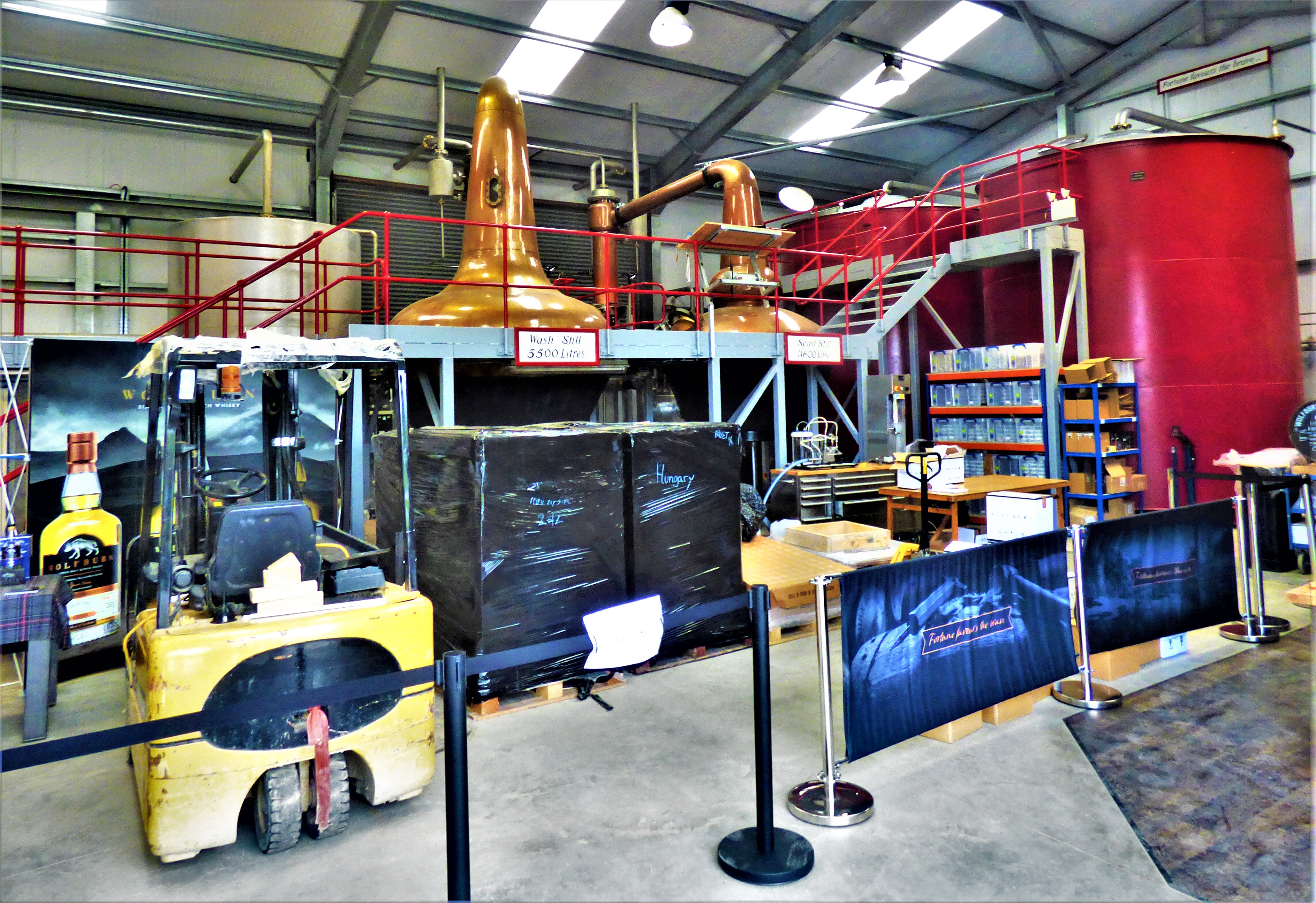
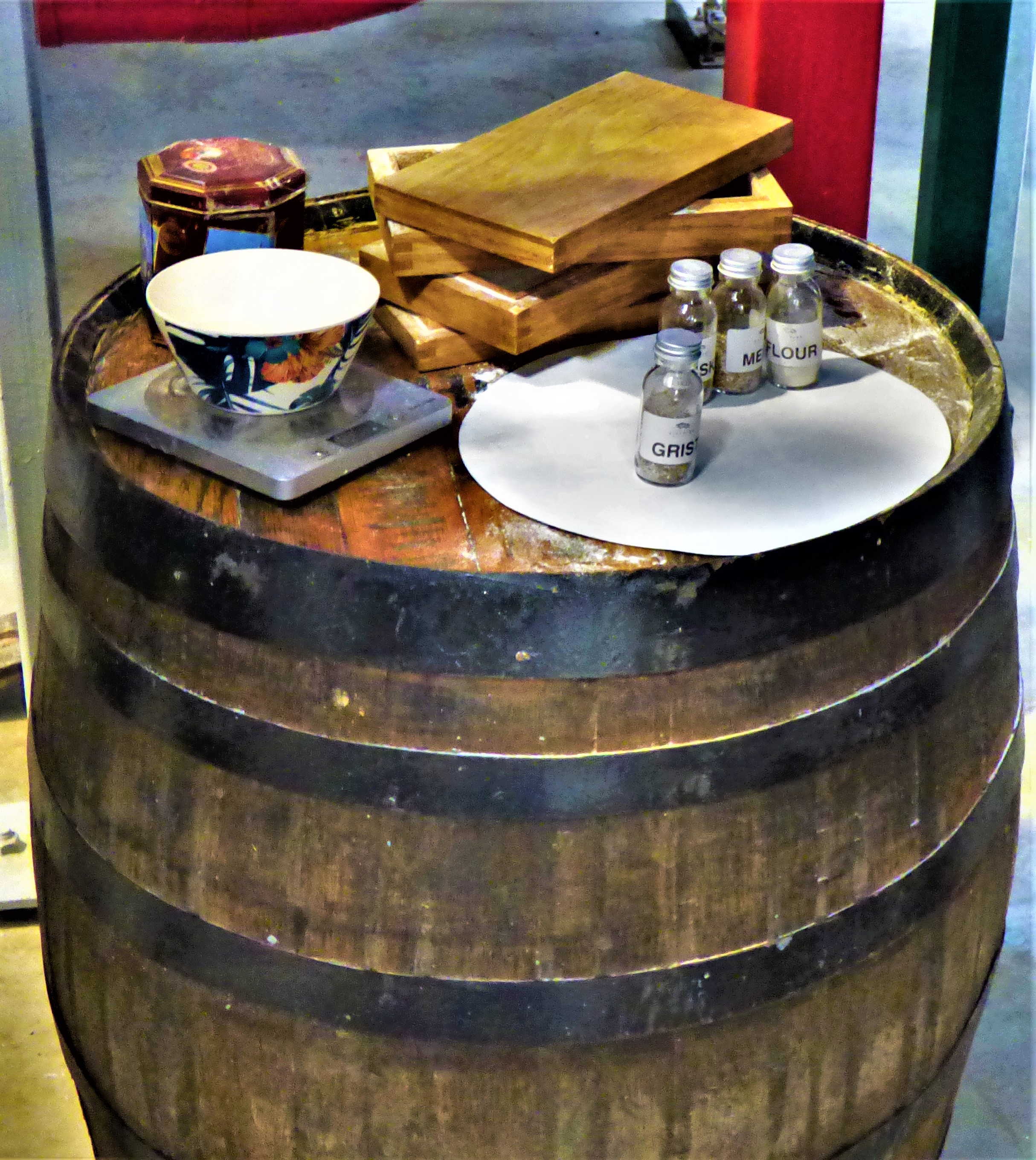
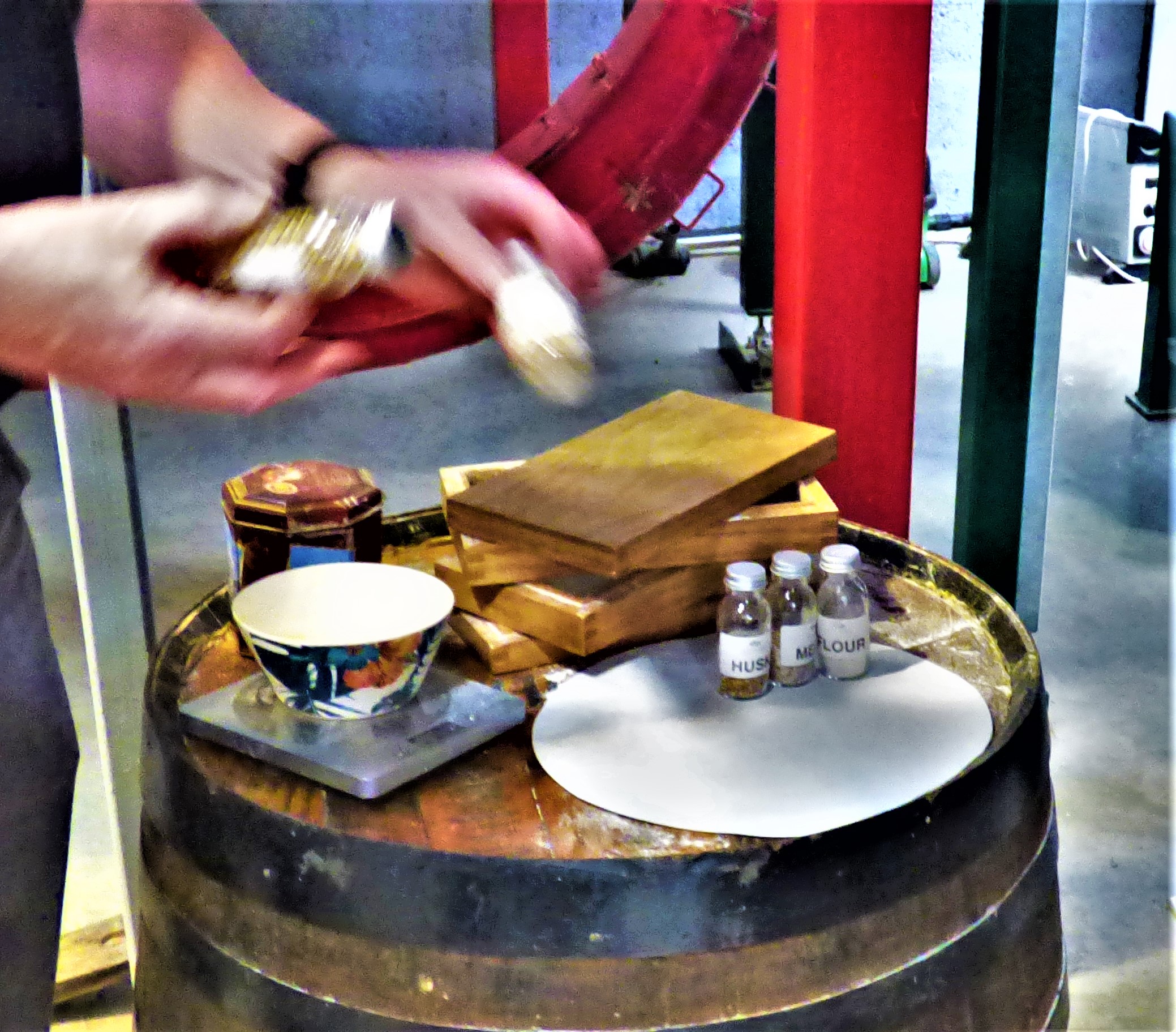
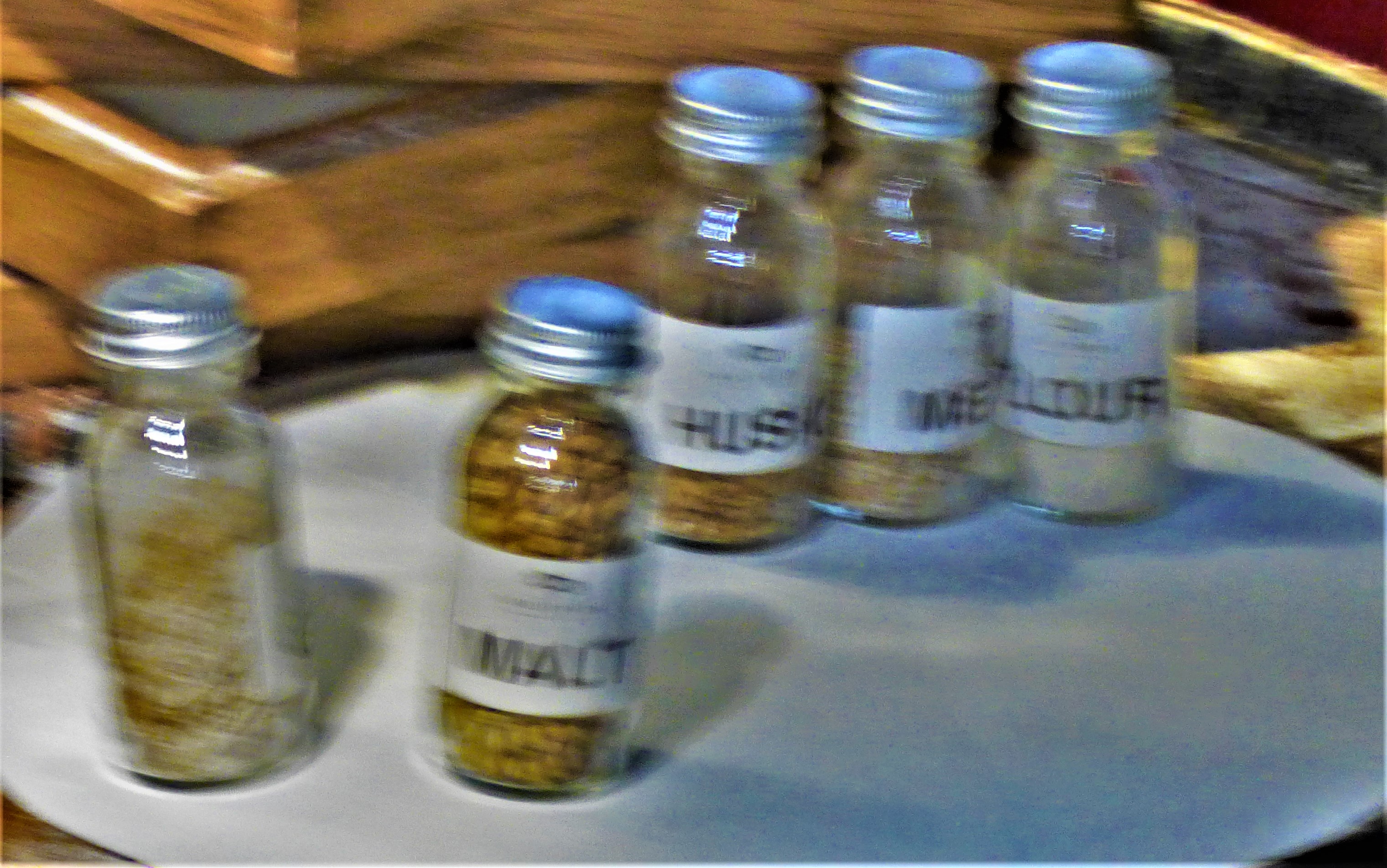
The tour began with an explanation of how the malt is prepared before the distillation process can even start, before describing the latter. Incidentally if anyone ever tells you that a peaty element in a whisky comes from the water they are fibbing (as the guy at Talisker on the Isle of Skye did when I visited their establishment) – that flavour element is created by the malt being smoked by burning peat.
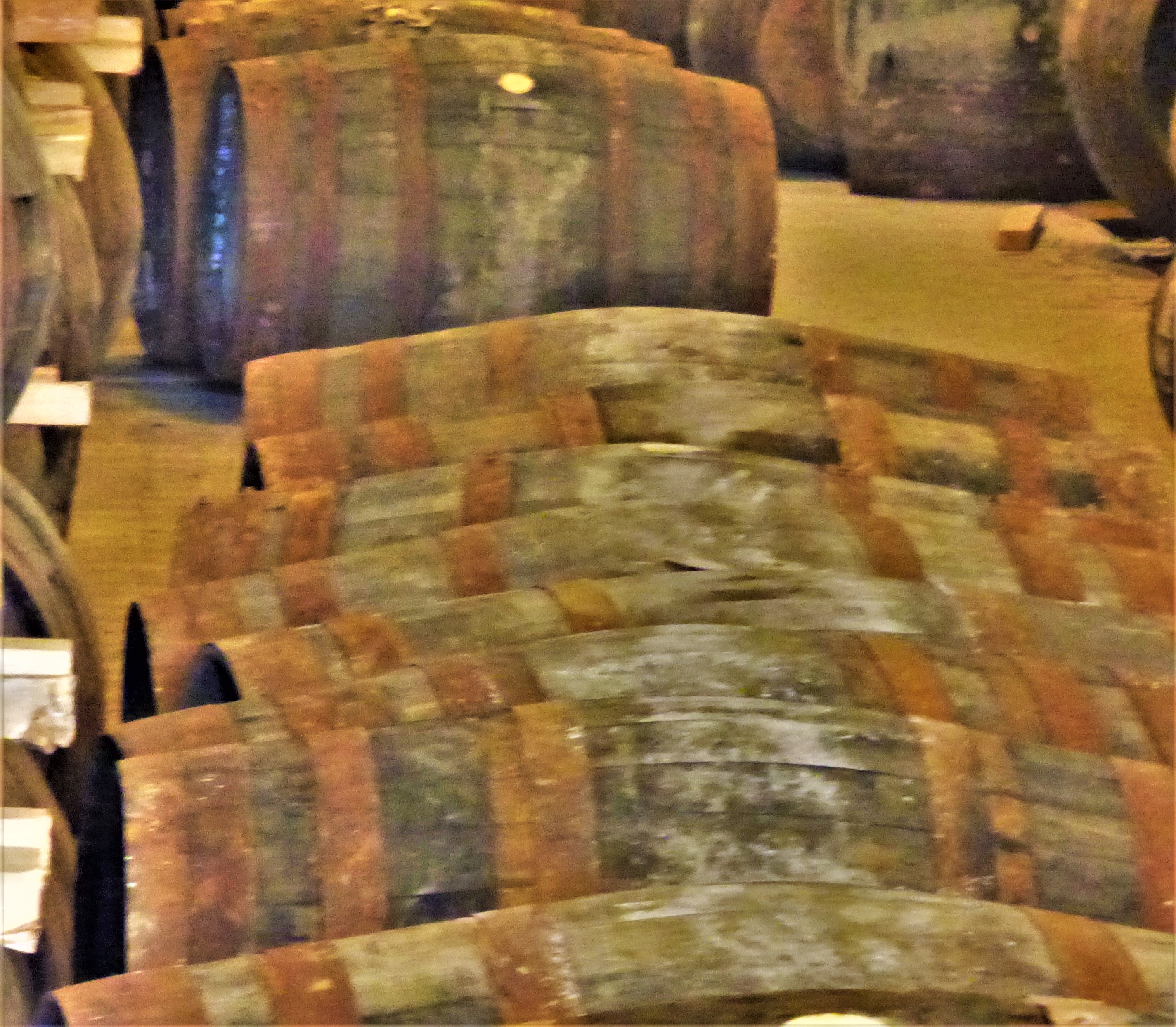
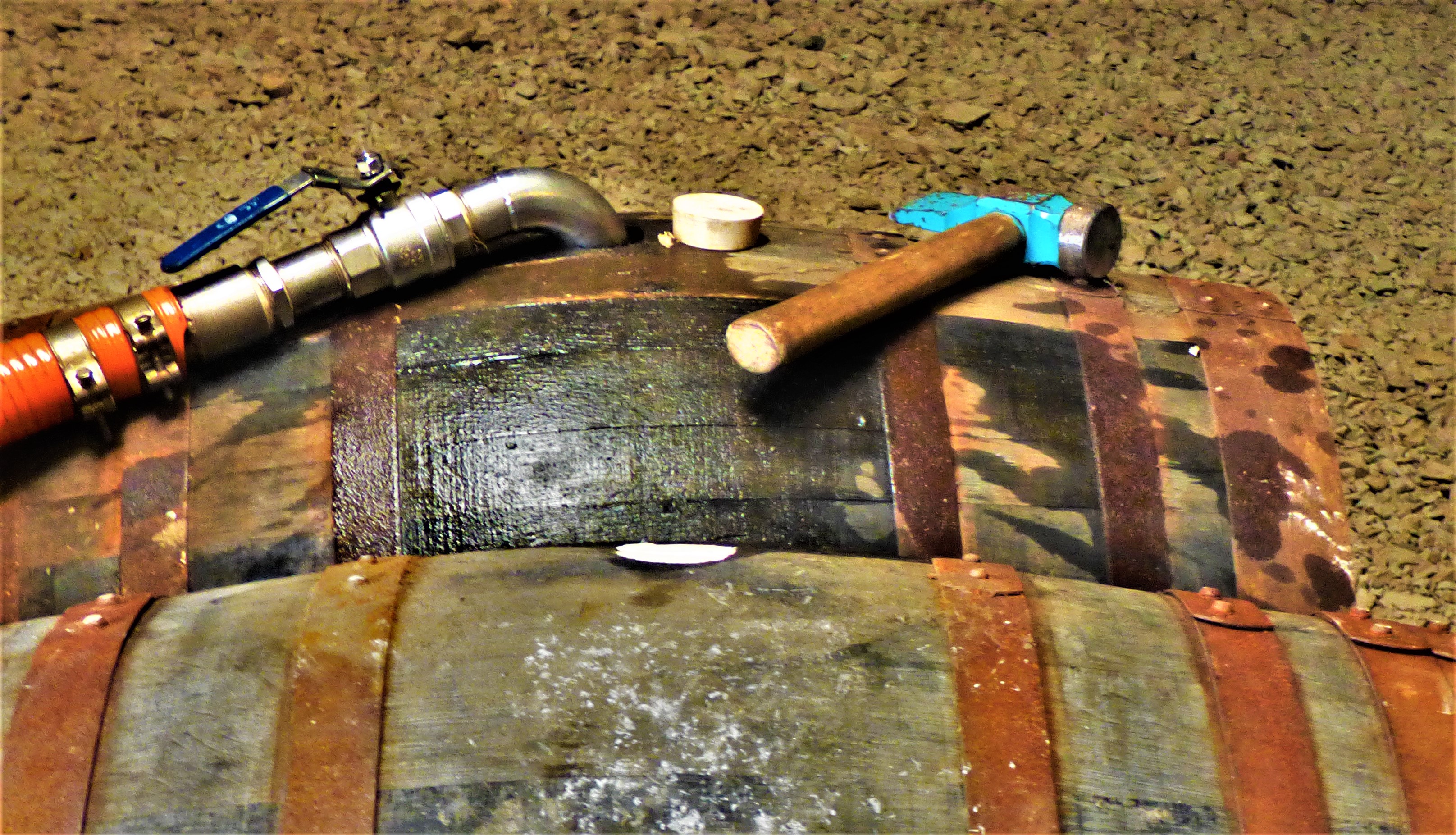
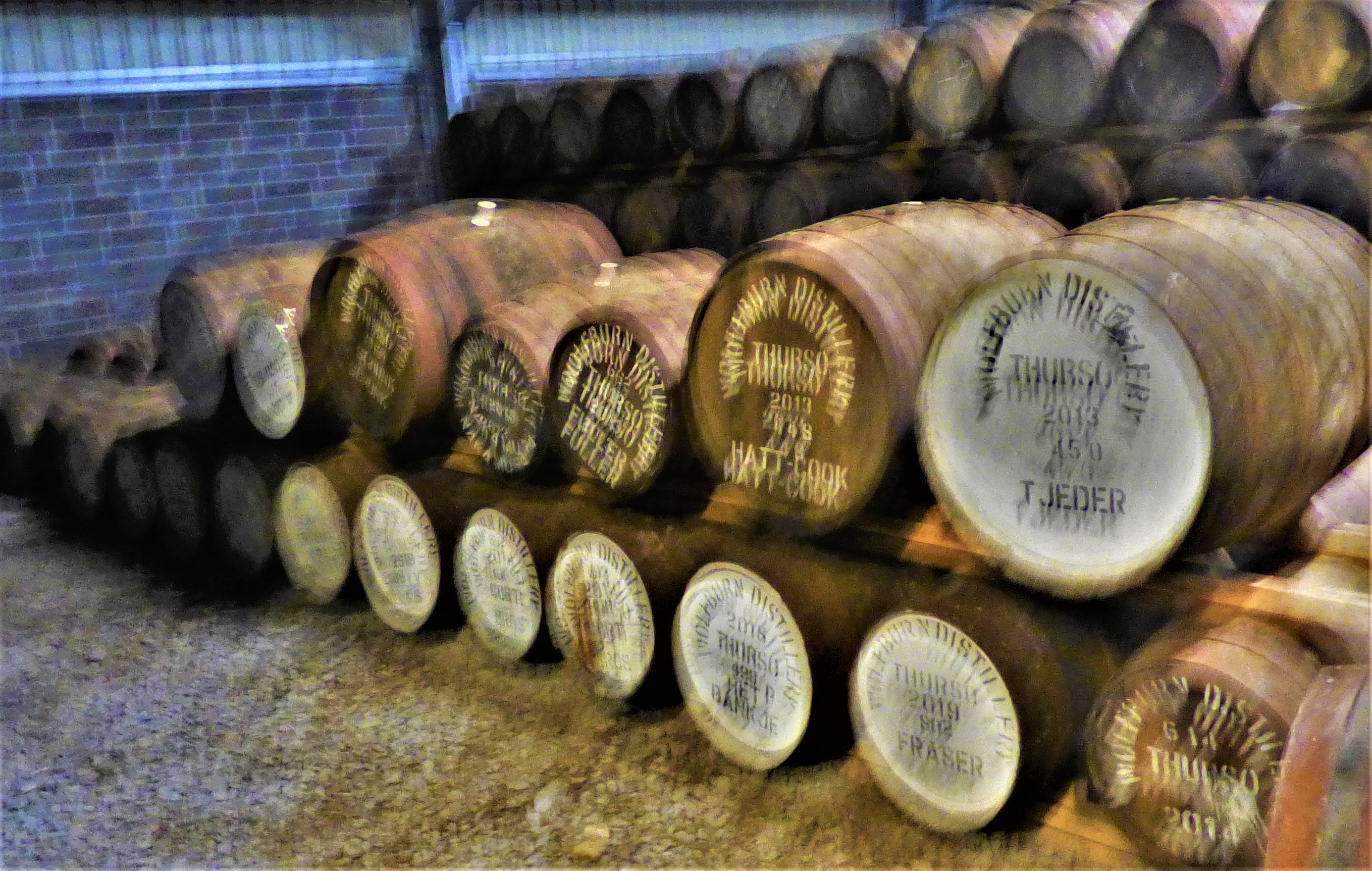
The other major contributor to the final flavour of a whisky is the type of cask in which it is matured – this distillery uses casks that have previously been used for Sherry, Madeira, Bourbon and others, and each has its own influence on the final flavour of the product.
The casks are stored up to three high and no higher – heat rises and one does not want the product to overheat while it is maturing.
The experience ended with a sampling of the products. This started with something called Aurora which had been matured in sherry casks and which I found overly sweet and not very much like a whisky. Second up was Northland, matured in American Oak quarter casks. This was preferable to the first. The third sample was an unscheduled bonus, and was decent but not great. The Langskip was is the strongest of their products, 58% alcohol, but for me it was outdone by the final product, the Morven, of which I purchased a bottle to go with the free glass we were each given as souvenirs.
I enjoyed this visit and hope that things go well for the distillery.
VARIATIONS ON A FAMILIAR THEME
That evening I cooked the main meal, doing my chicken and coriander concoction. There were a few tweaks by necessity: the house had no blender, so I created the ginger paste by grating ginger into a cup, adding a bit of water and using the plastic handle of a chopping knife as a mixer. I also had to assess quantities of ground cumin and ground coriander by eye as there were no measuring spoons. Also none of the pans were non-stick, which meant that the chicken needed careful attention while it was cooking. However, the only thing I had come up short on in the early stages of the cooking was the salt, quite a lot of which I had to add at the last checkpoint to generate sufficient flavour. In the event the meal was good and every scrap of it got eaten, though the flavour was not quite up to my usual standards. Given the circumstances however I am pleased with the result.
An account of the first part of Tuesday as I work through my Scottish holiday, from which I returned on Saturday just gone.
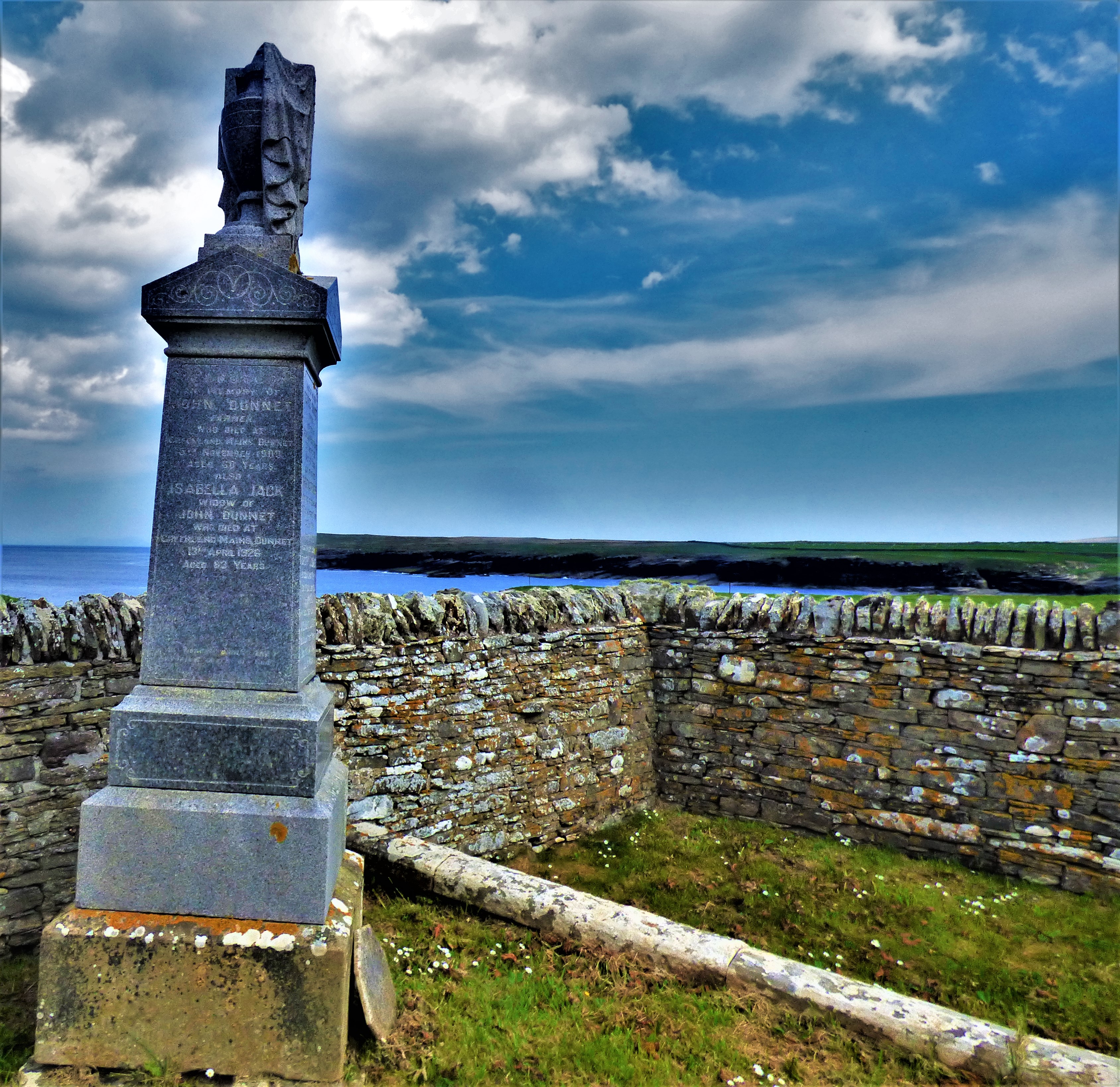
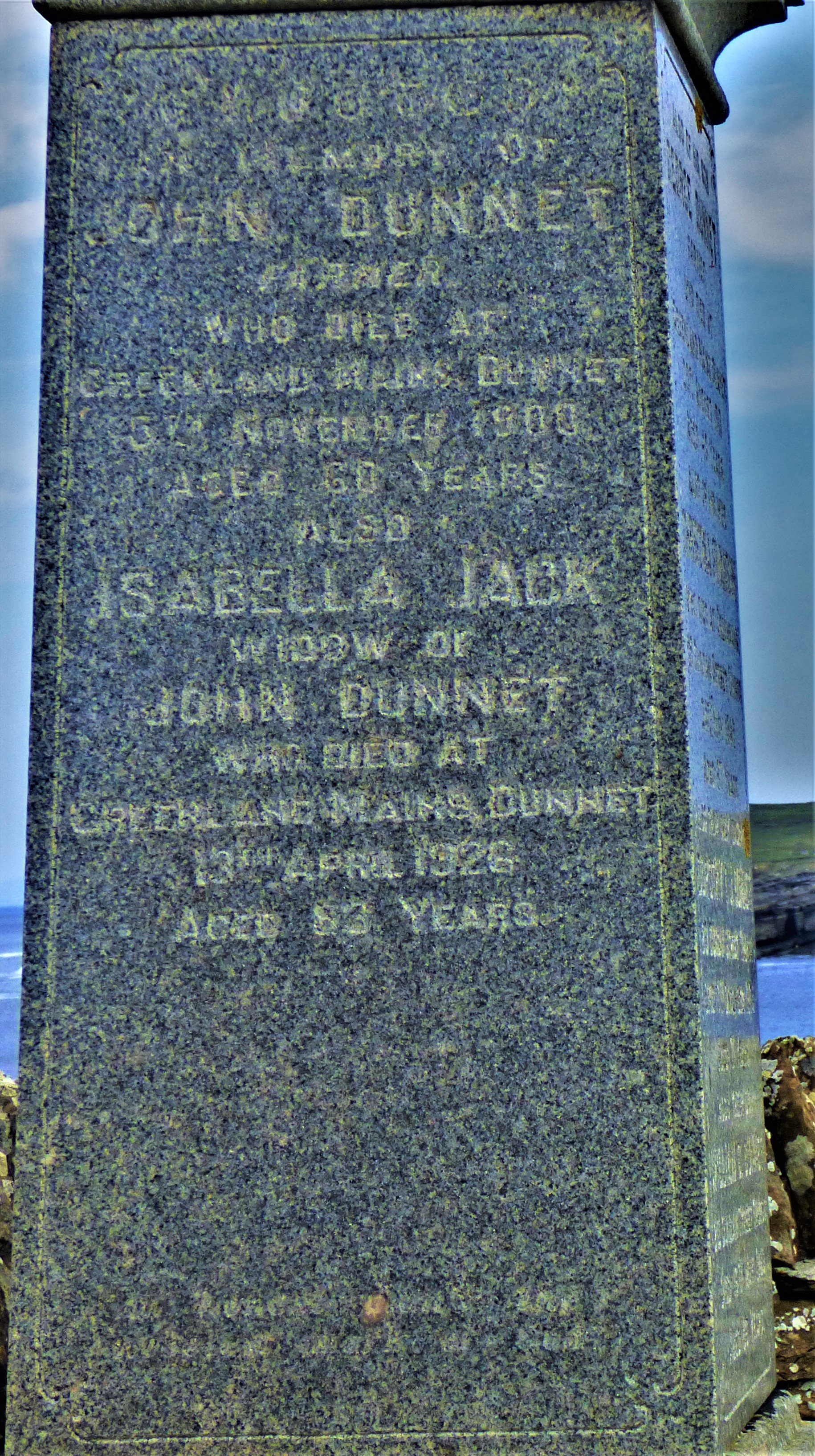
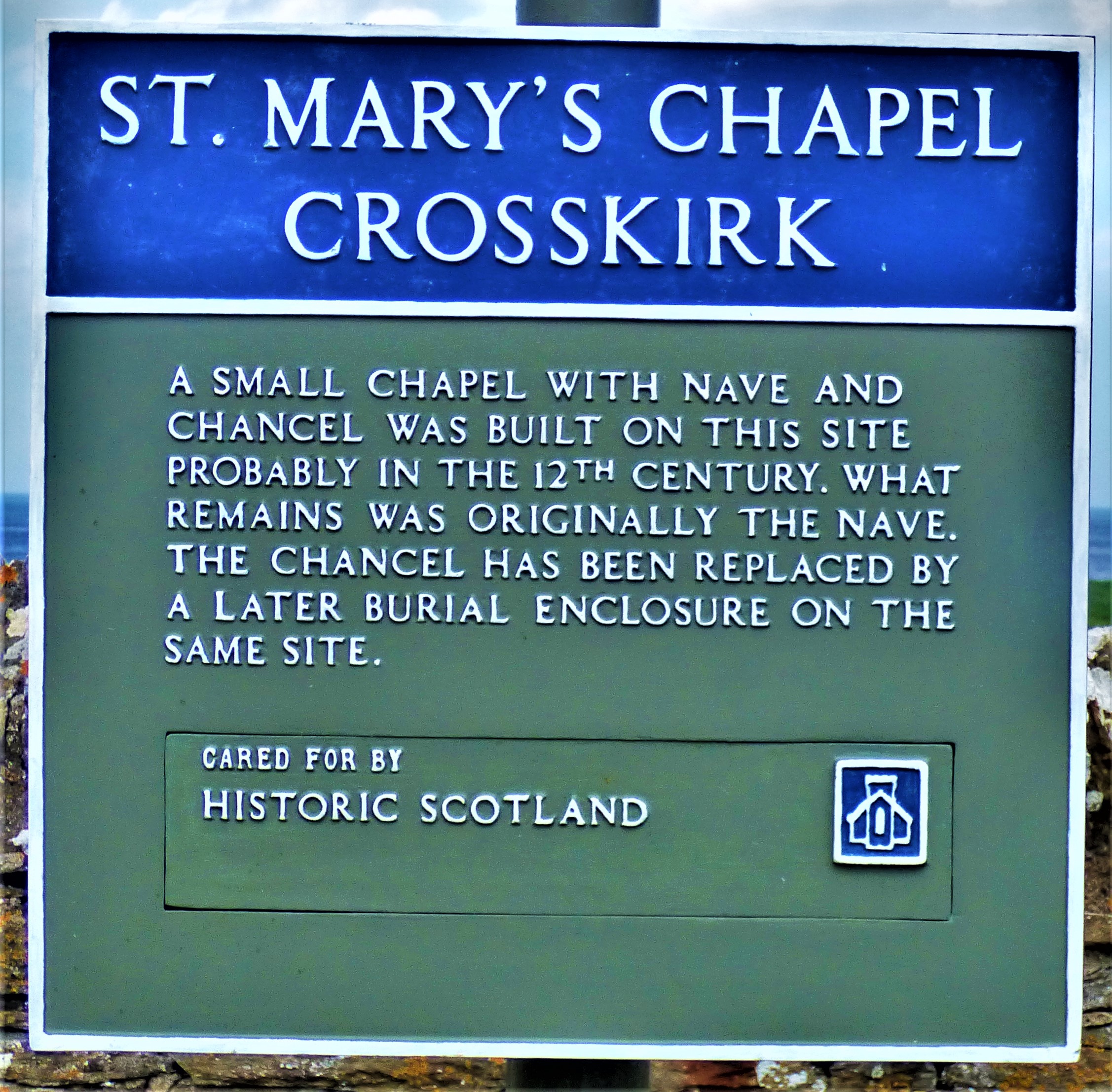
Welcome to the latest post in my account of my holiday in Scotland, from which I got home very late on Saturday (a combination of that, a long day of travel and poor internet connections at the hotel I stayed in on Friday are the reason I have not put a post up for a few days). Today I cover the first activities of the day after my birthday (See here for the main event of that day), when after a brunch we set off to visit Dunnet Head and the remains of St Mary Crosskirk, a 12th century chapel the burial ground of which is still very well preserved before going on a distillery tour in the afternoon.
DUNNET HEAD
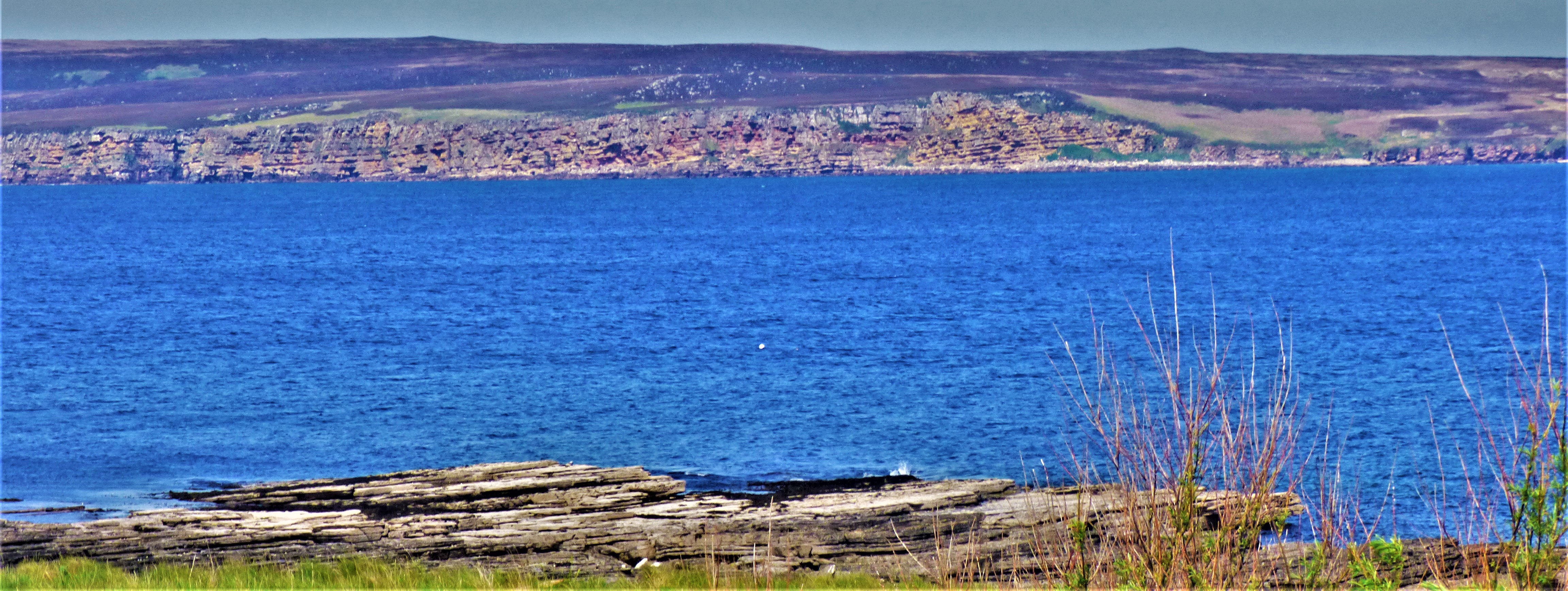
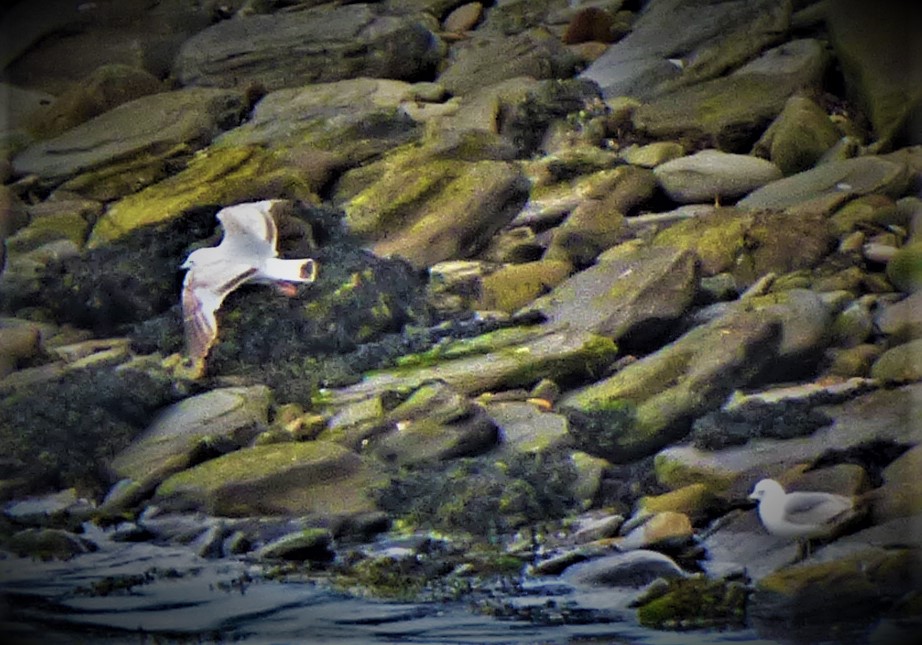
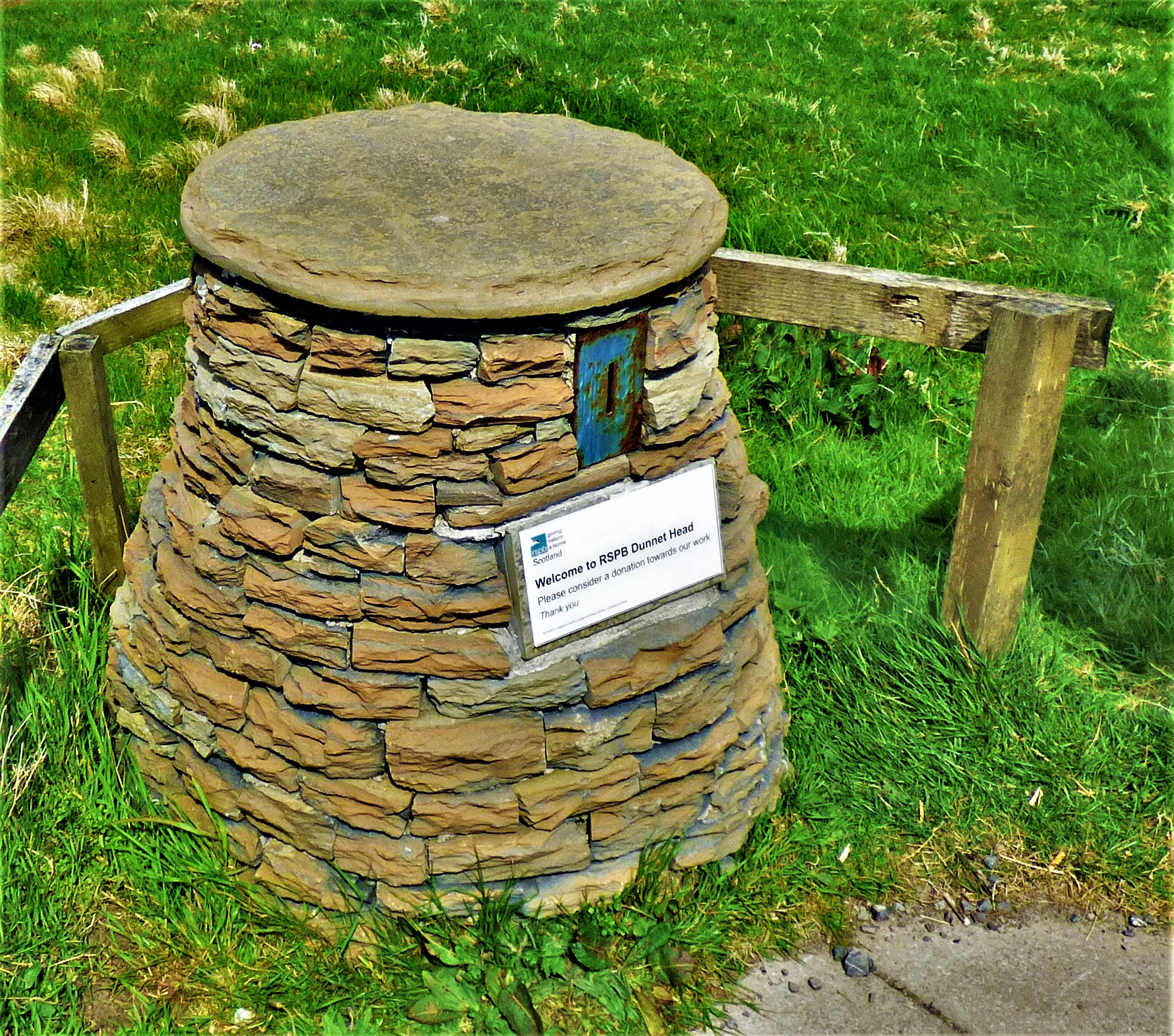
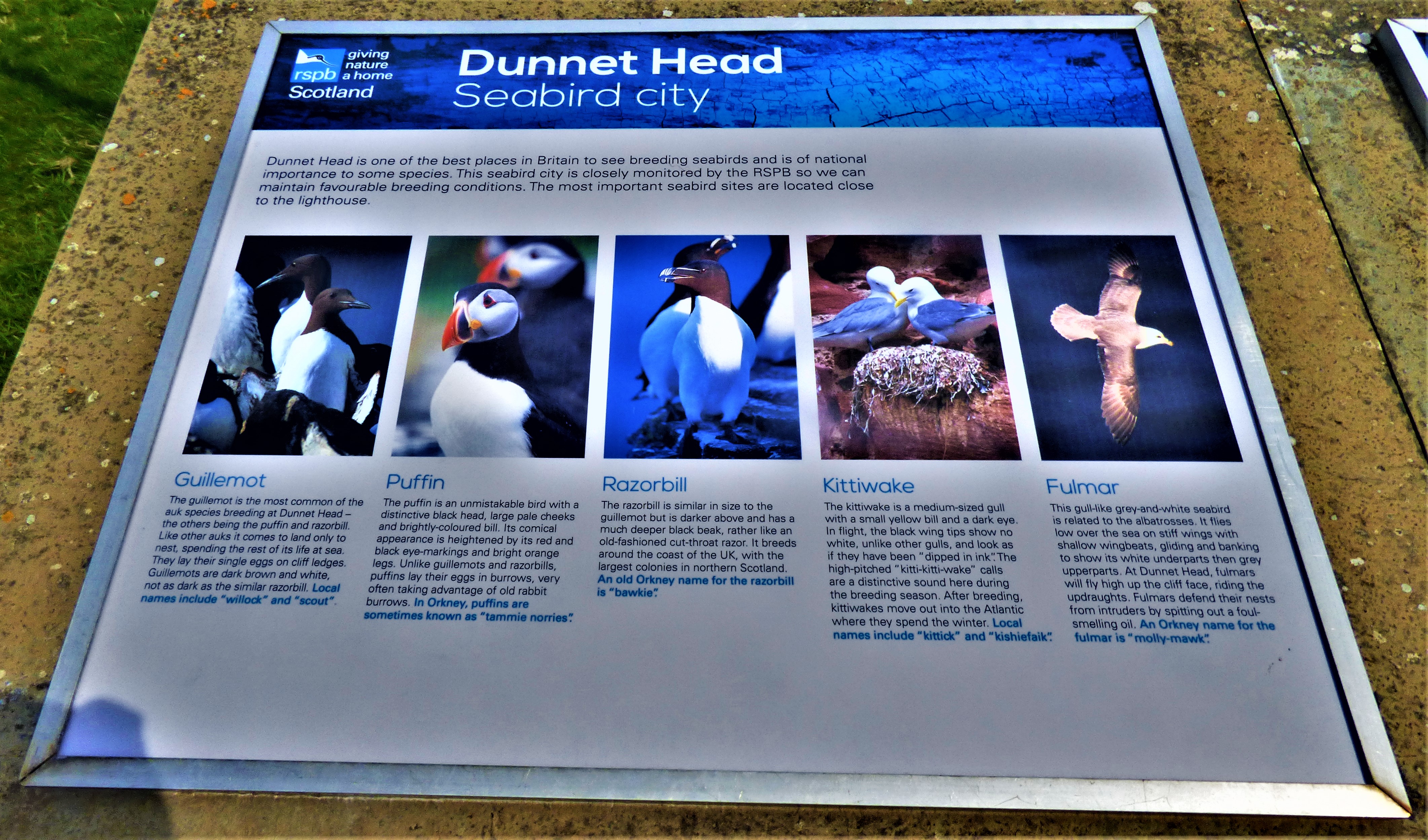
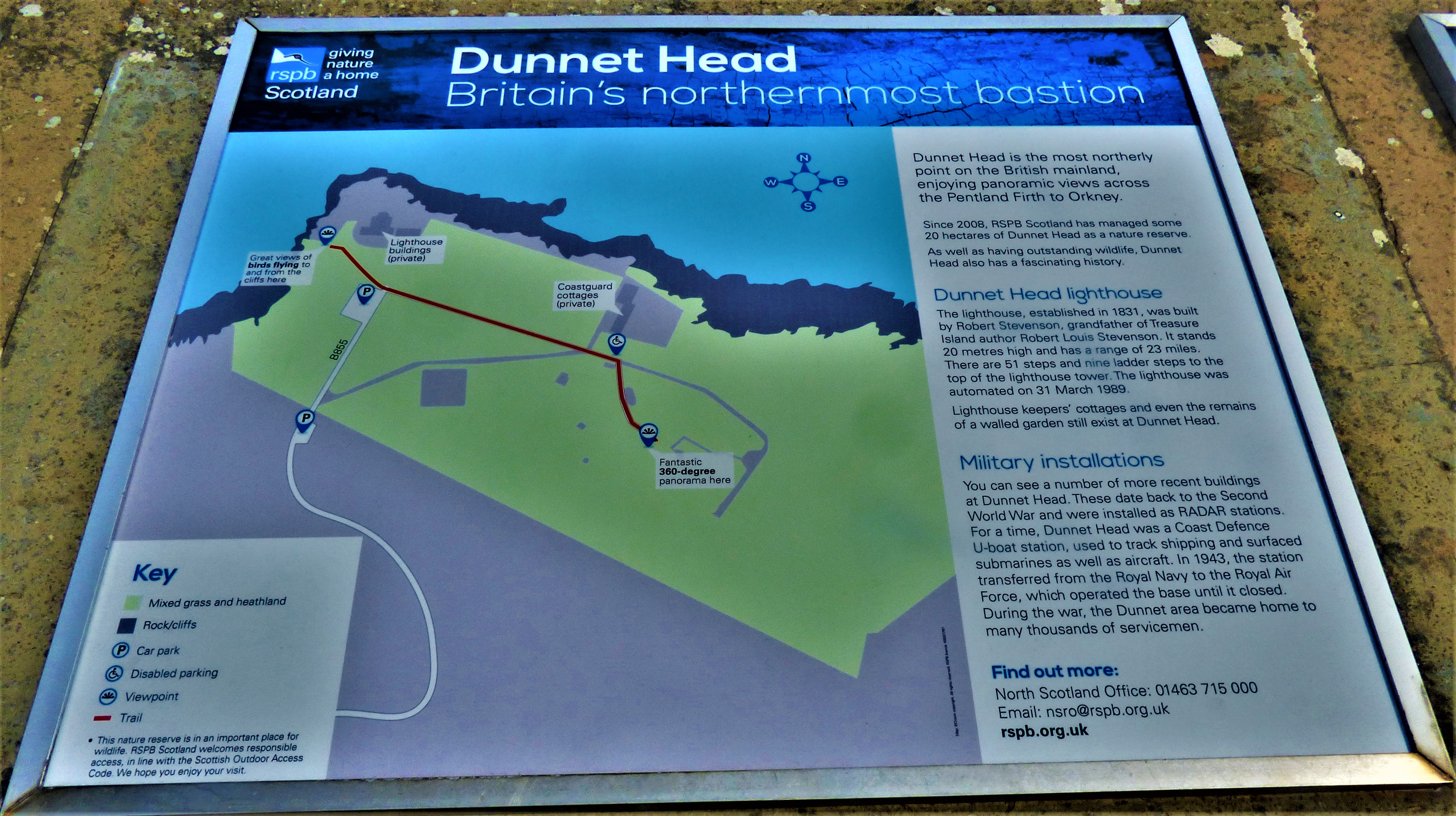
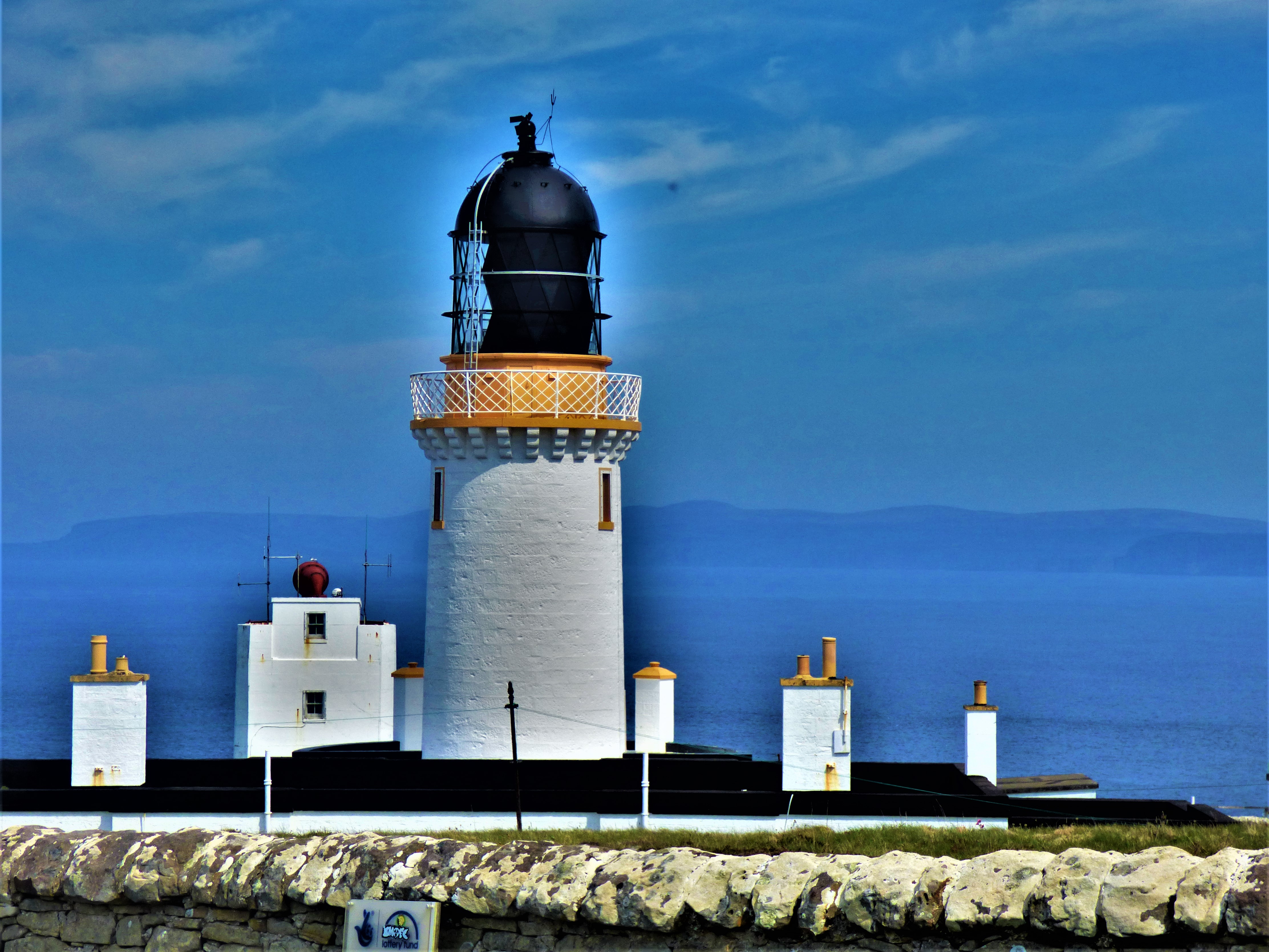
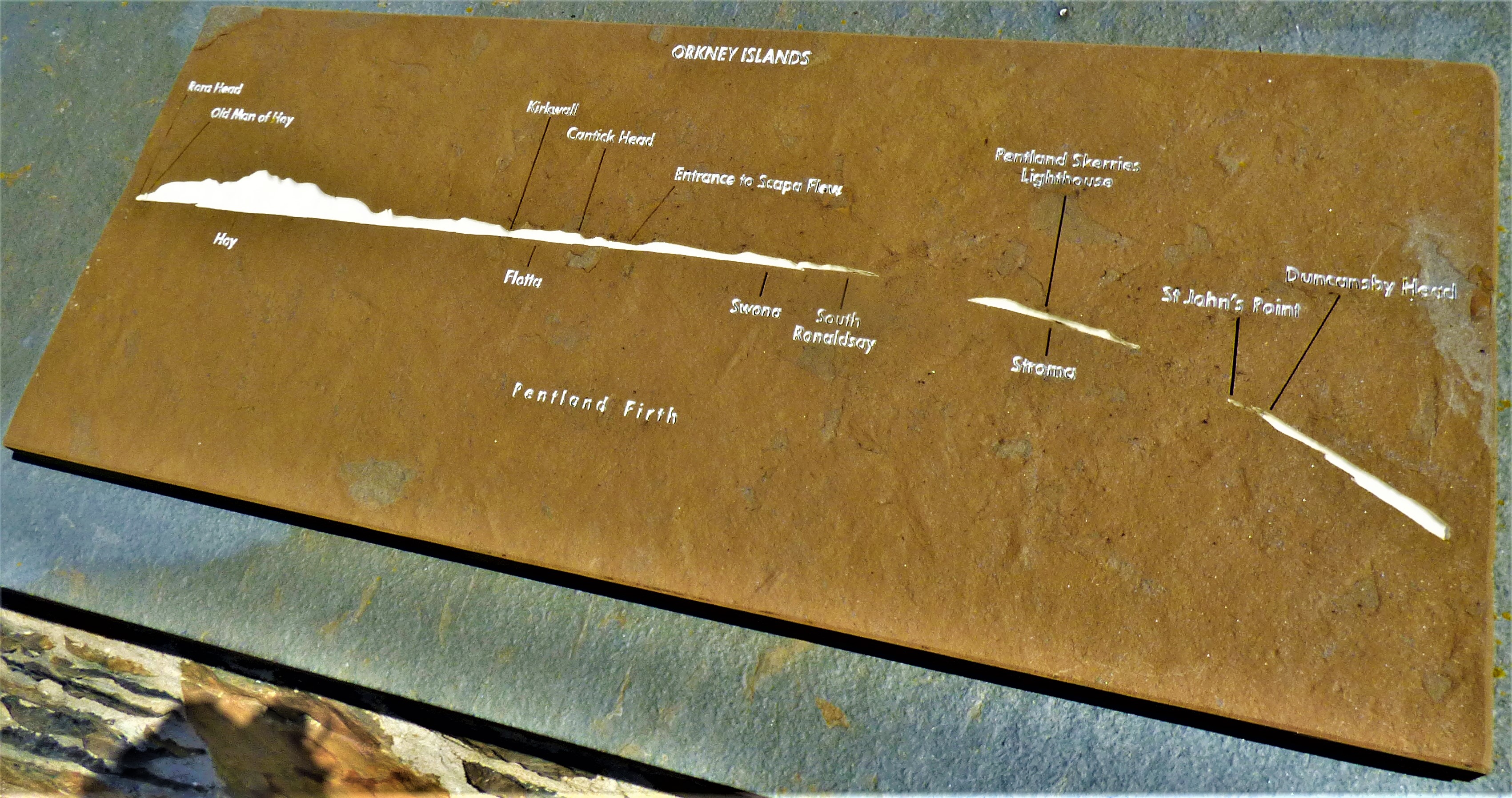
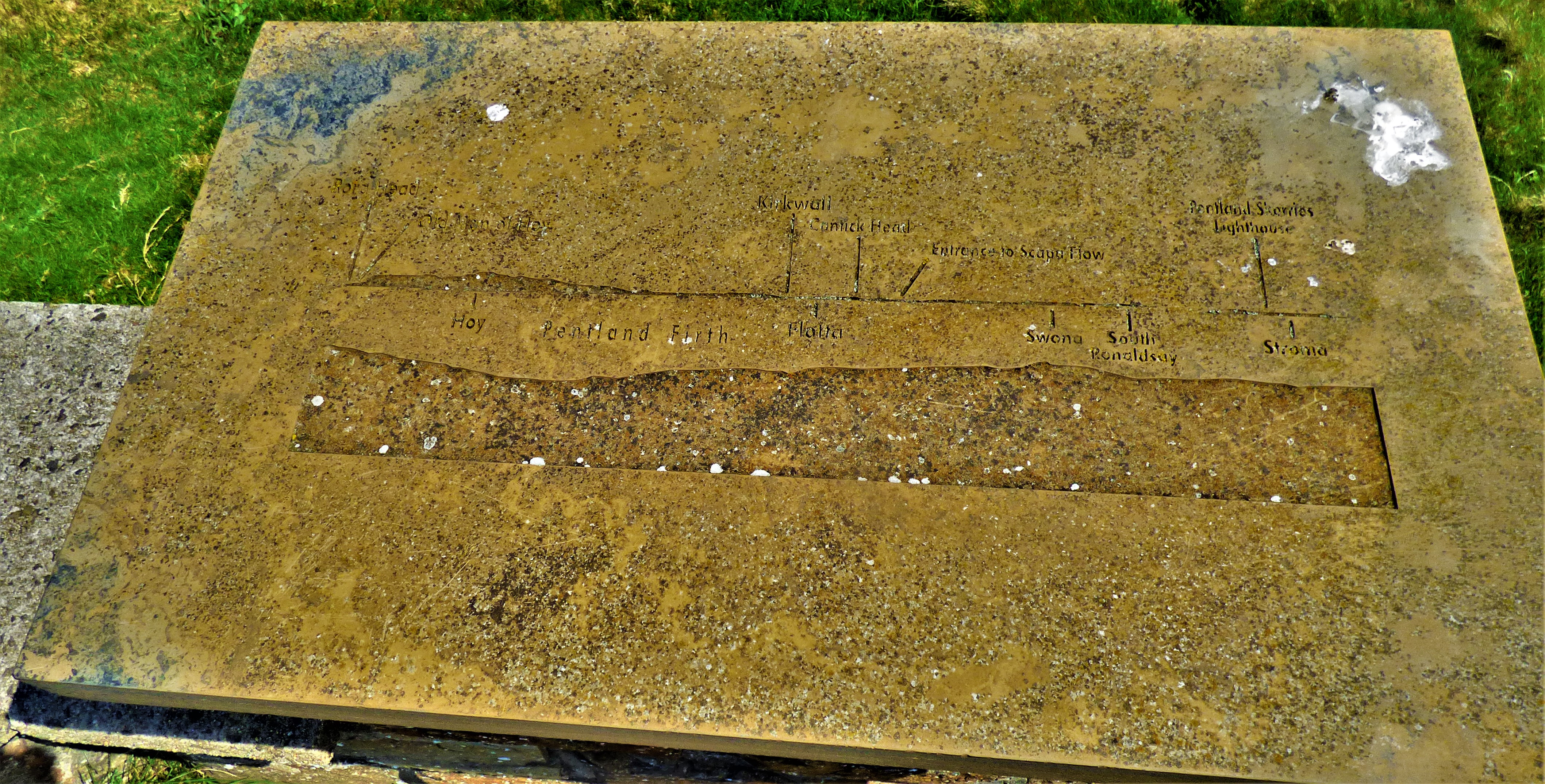
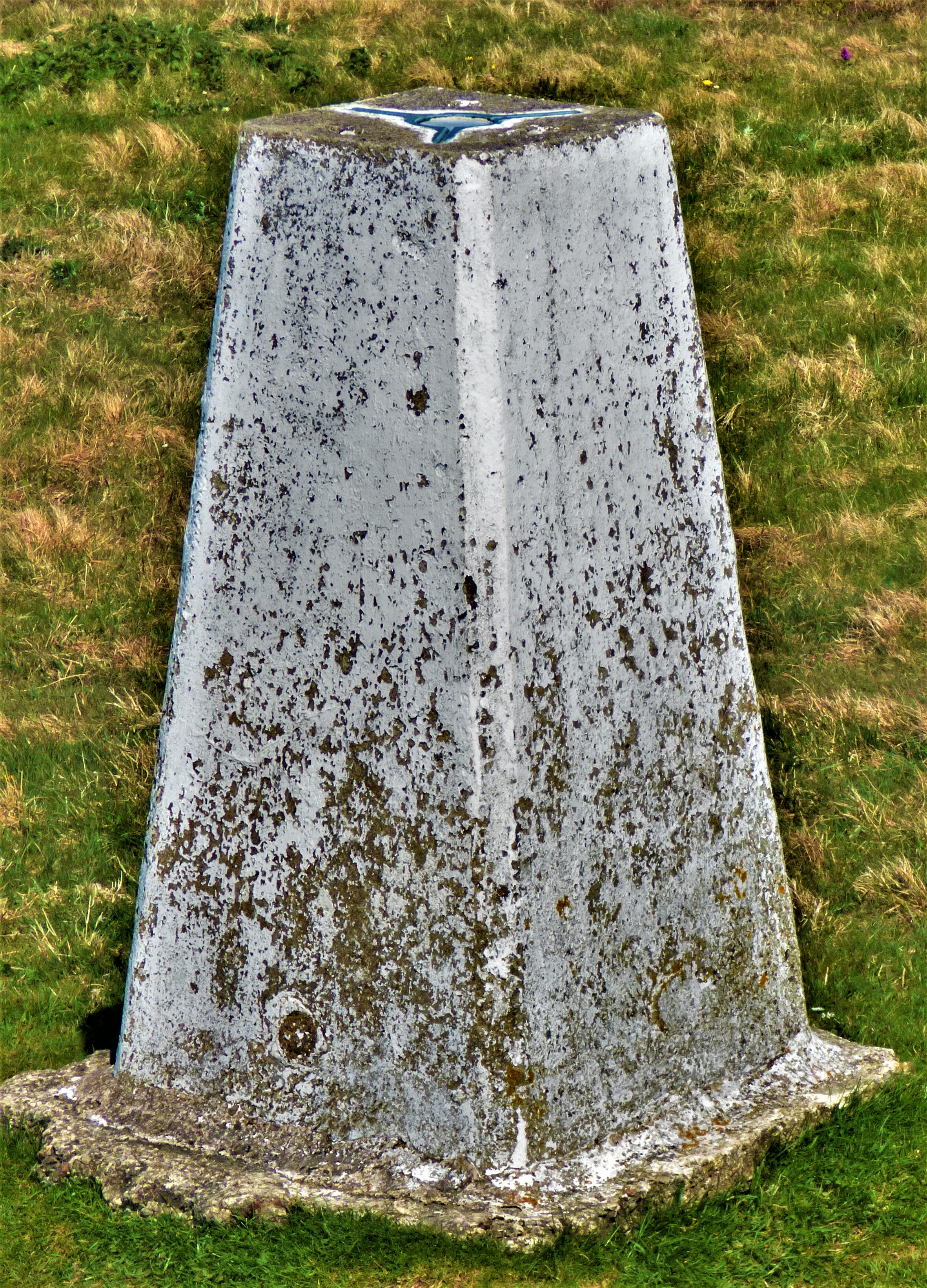
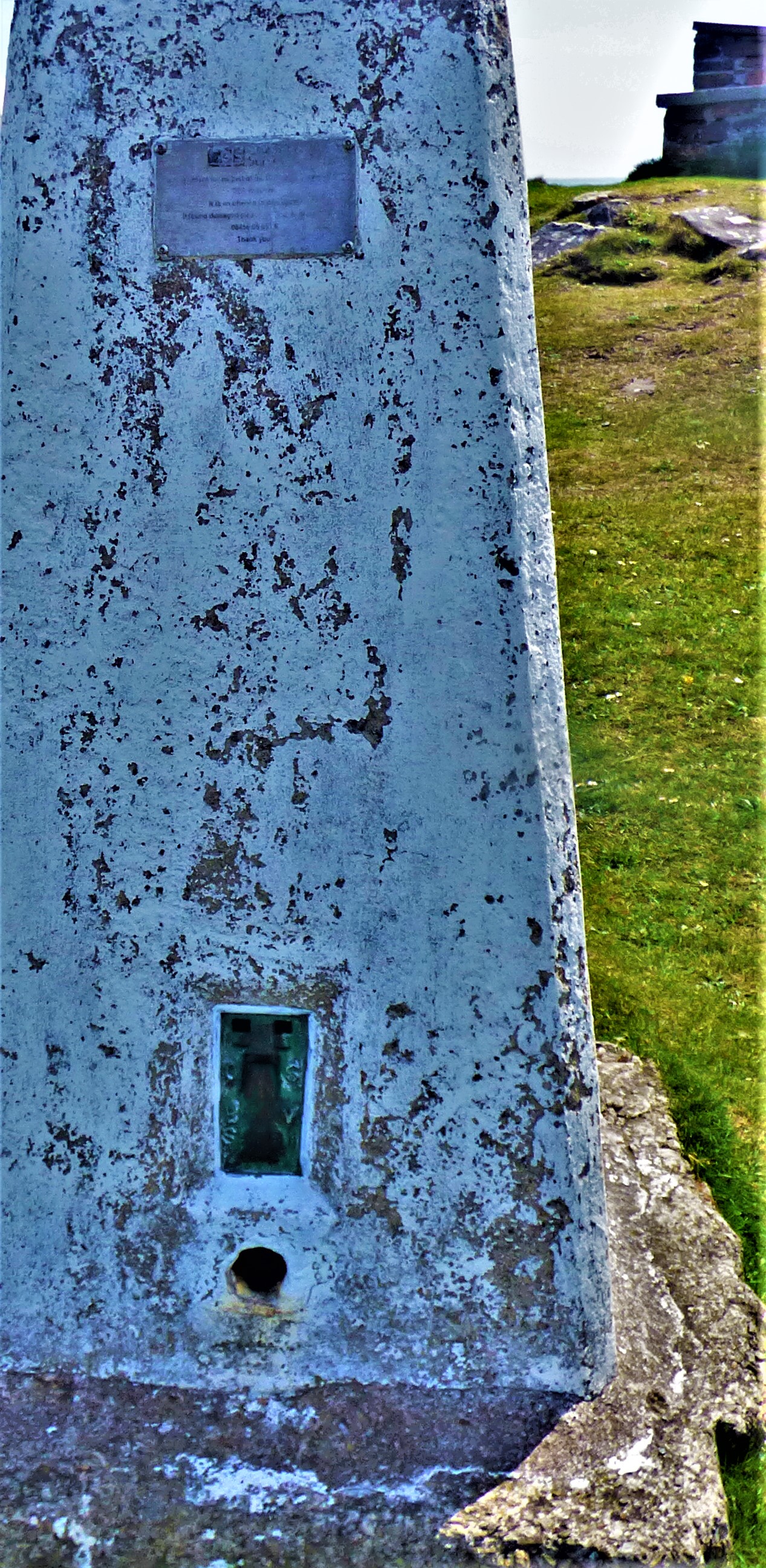
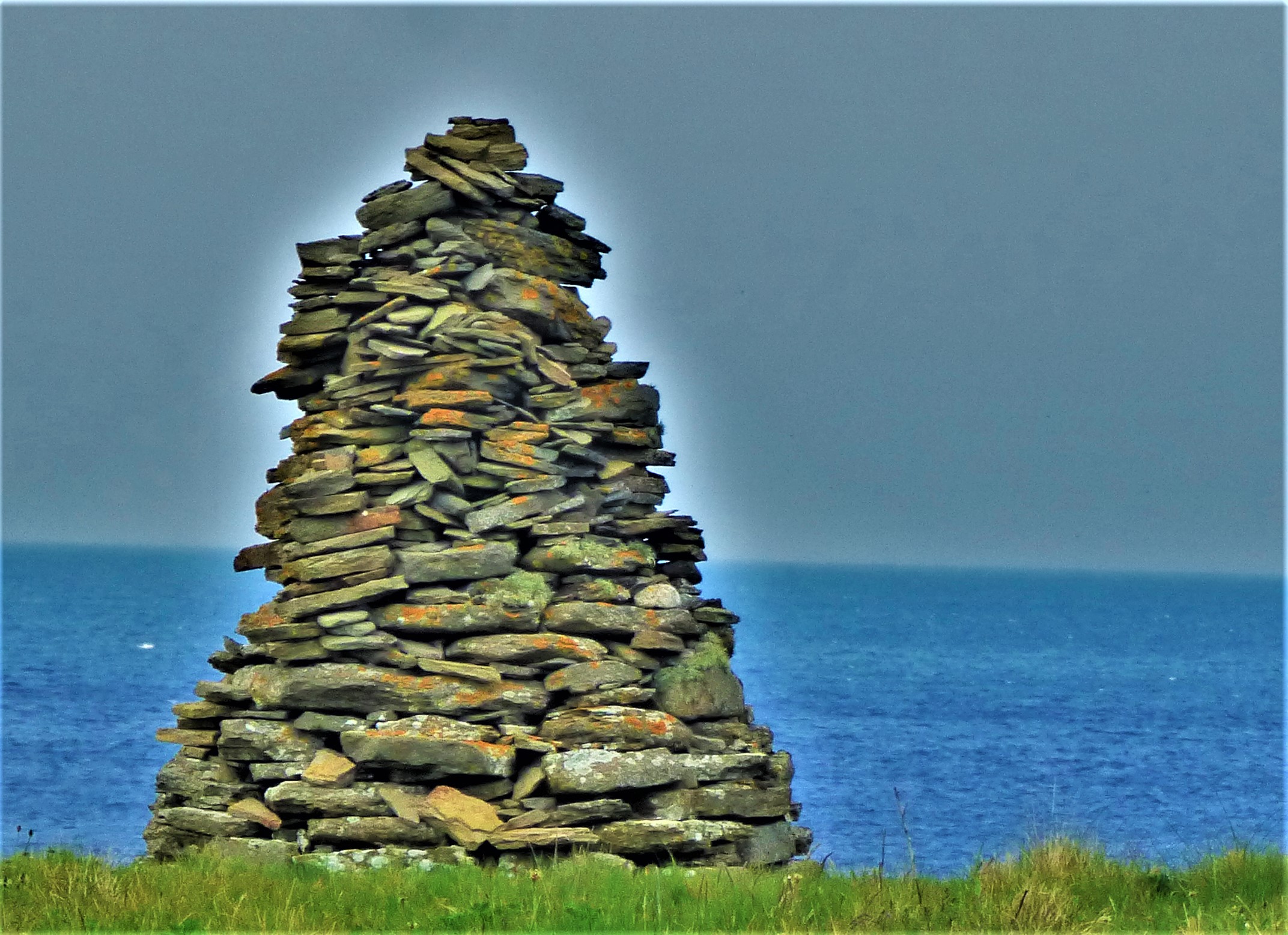
Dunnet Head is the northernmost point of mainland Britain and is noted for its bird life, though I did not get to see much of the latter. There is an ordinance survey summit marker at the highest point of the head, a viewing area from which one can enjoy splendid sea views and a lighthouse designed by Robert Stephenson of the great engineering family which played a huge role in railway history (the novelist Robert Louis Stephenson was also of this family, being Robert of lighthouse fame’s grandson).
St Mary’s Crosskirk
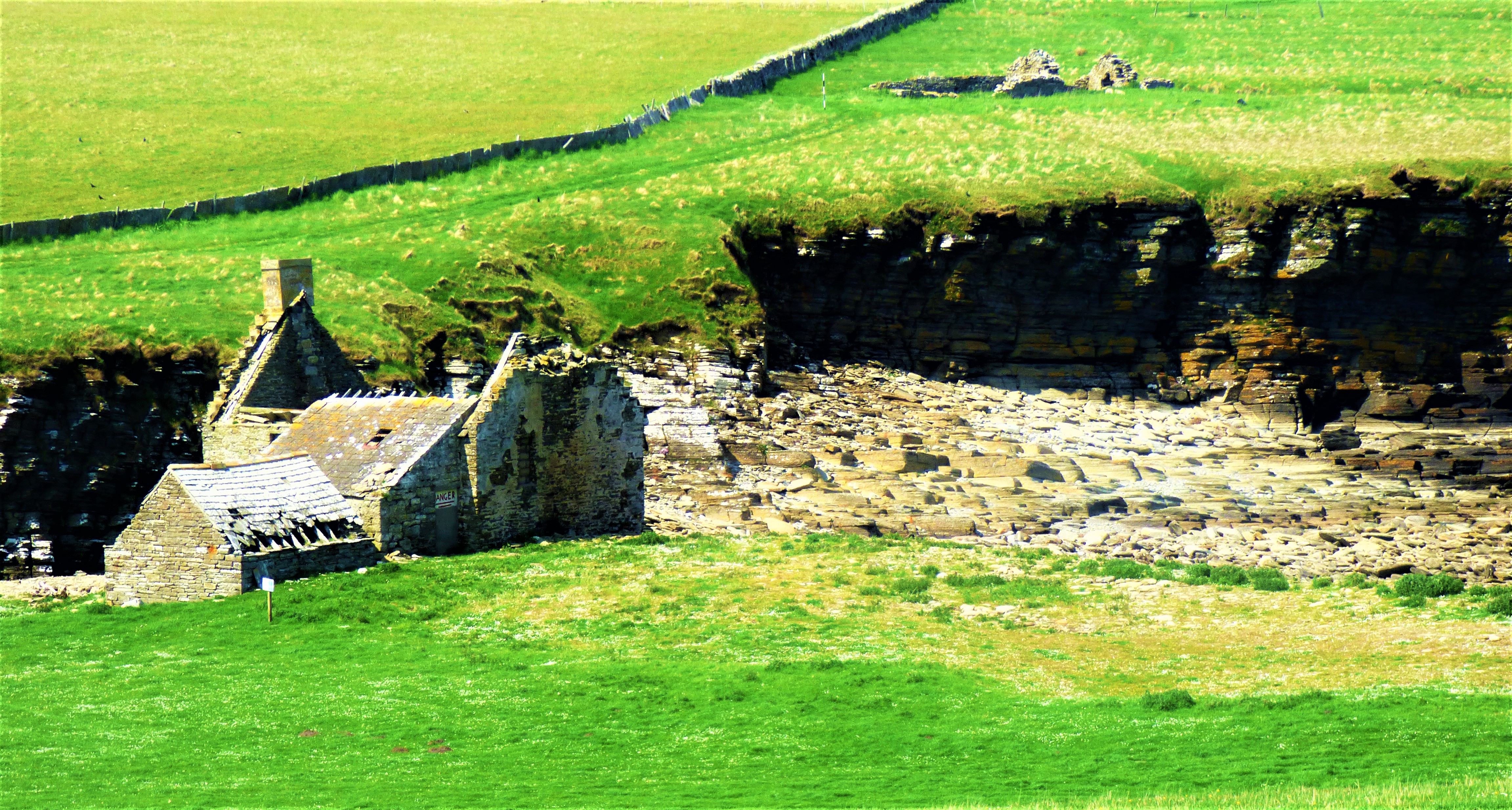
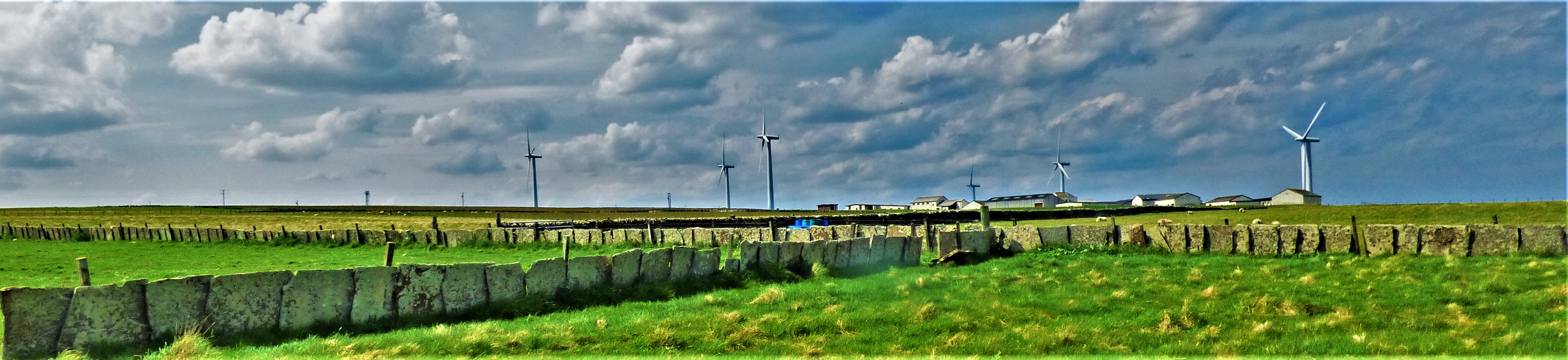
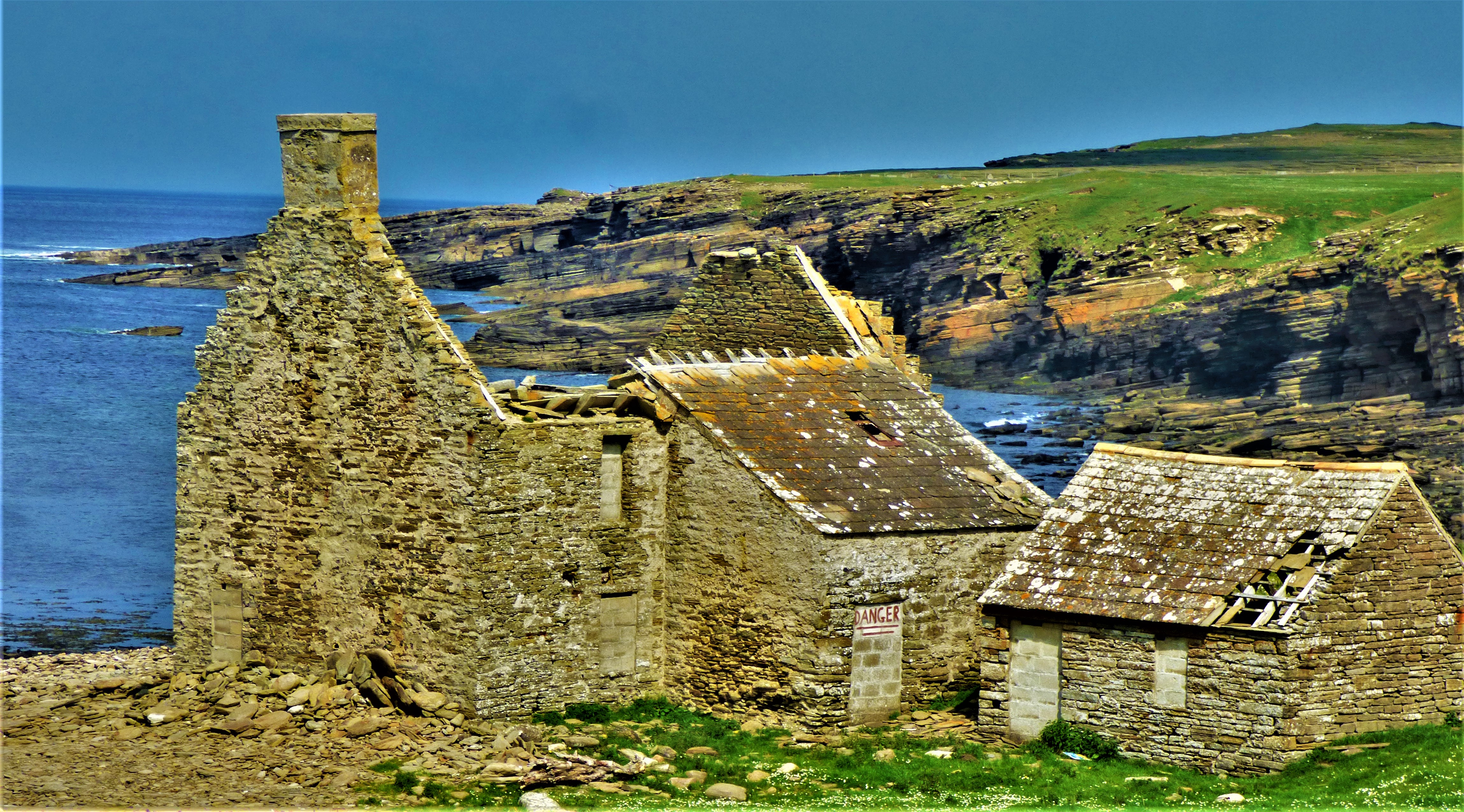
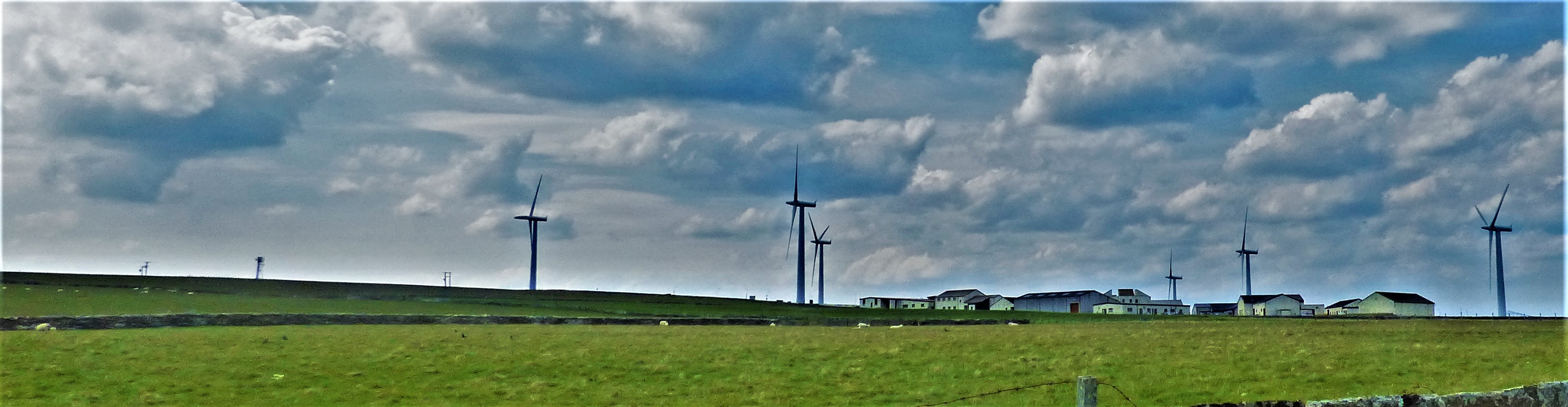
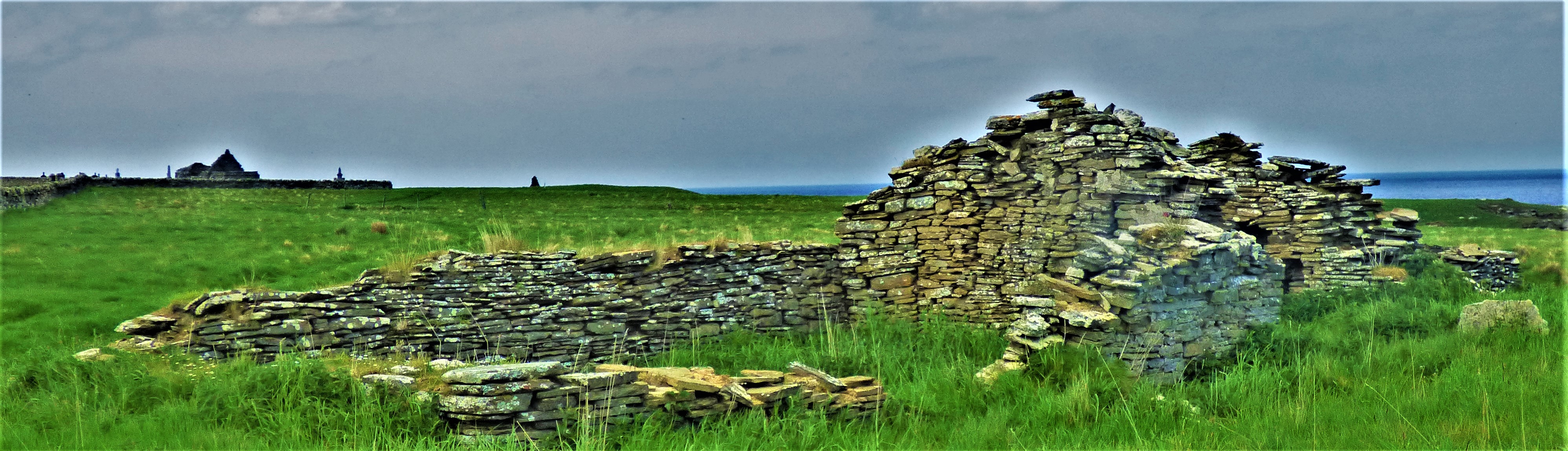
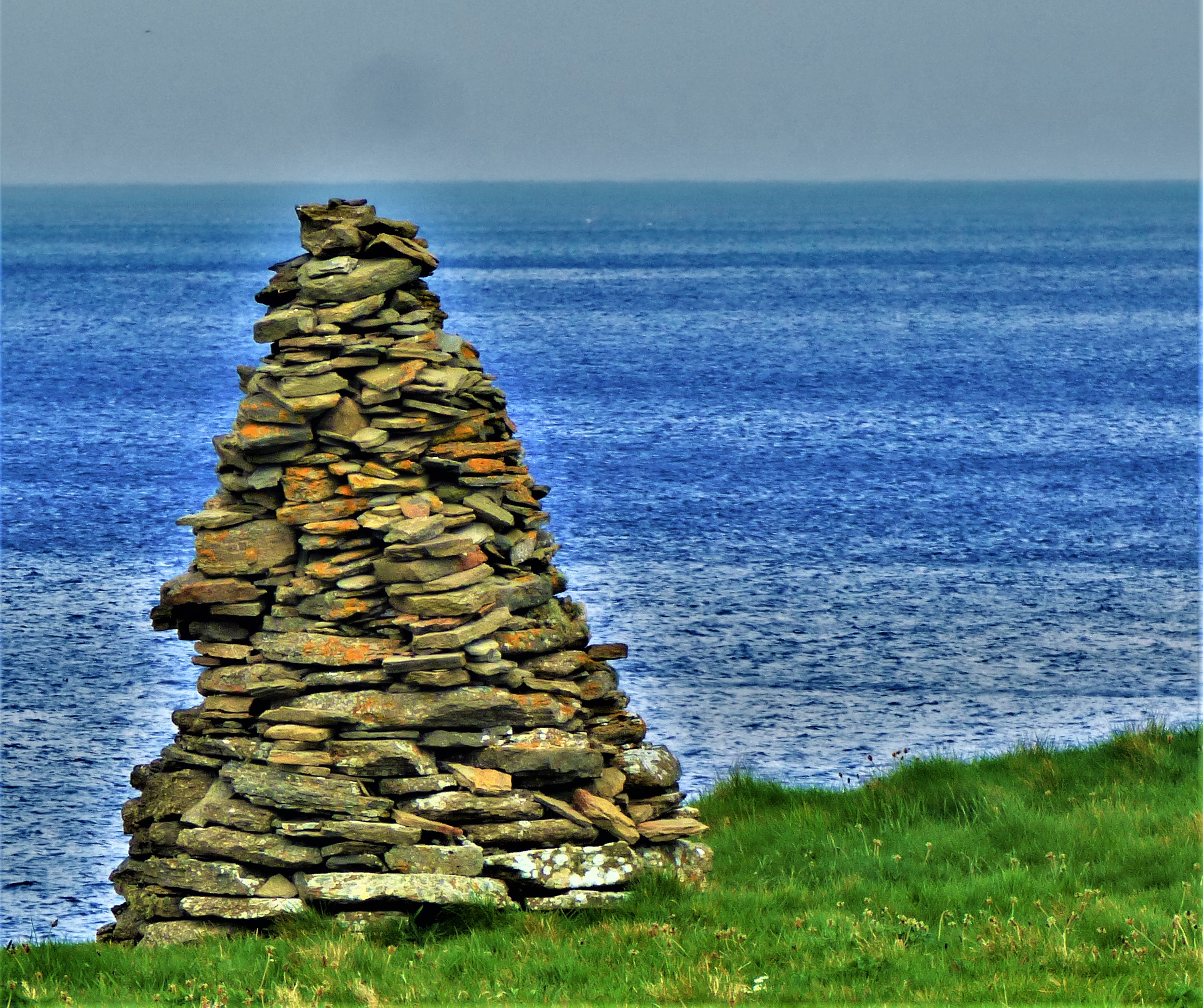
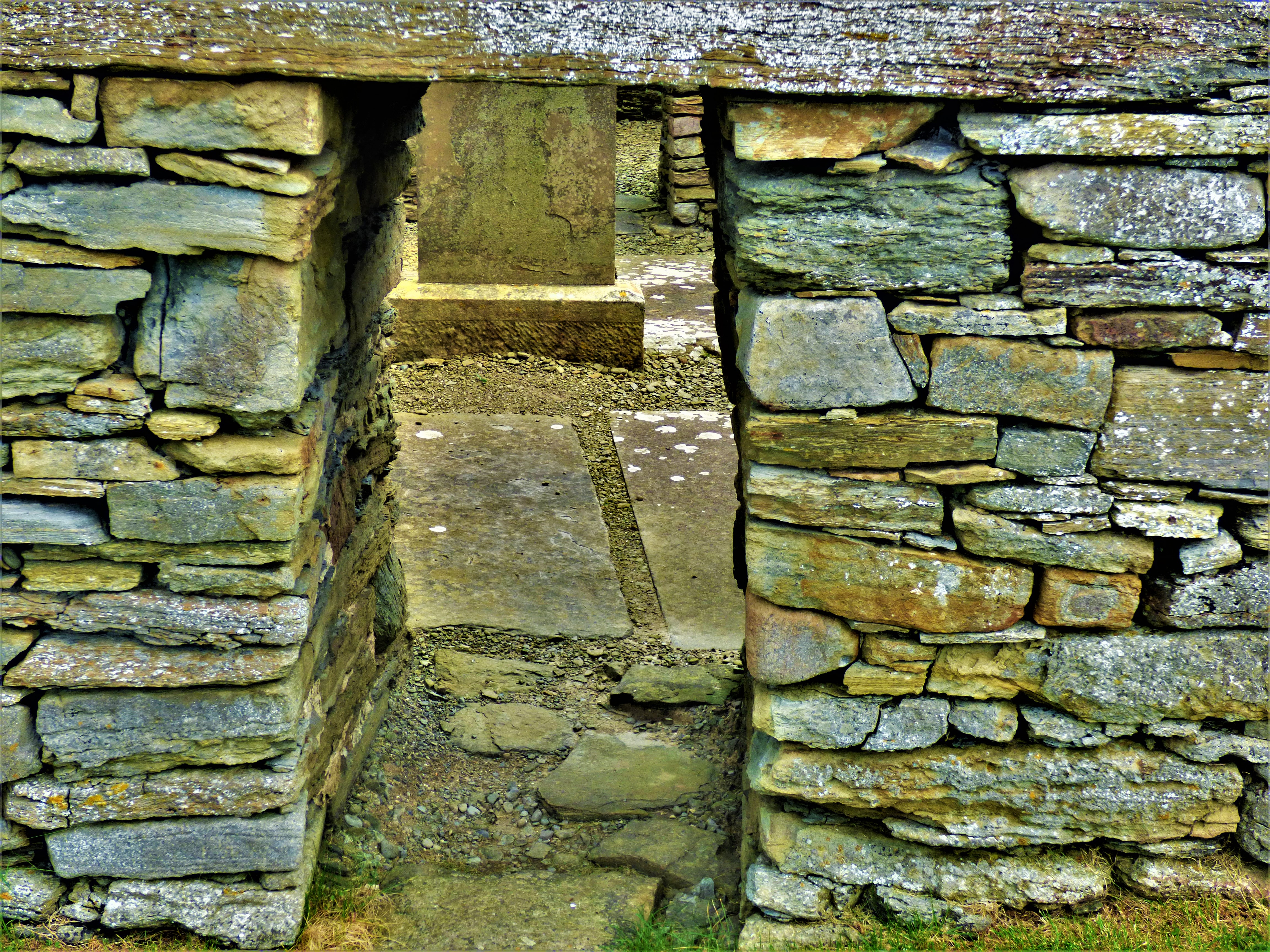
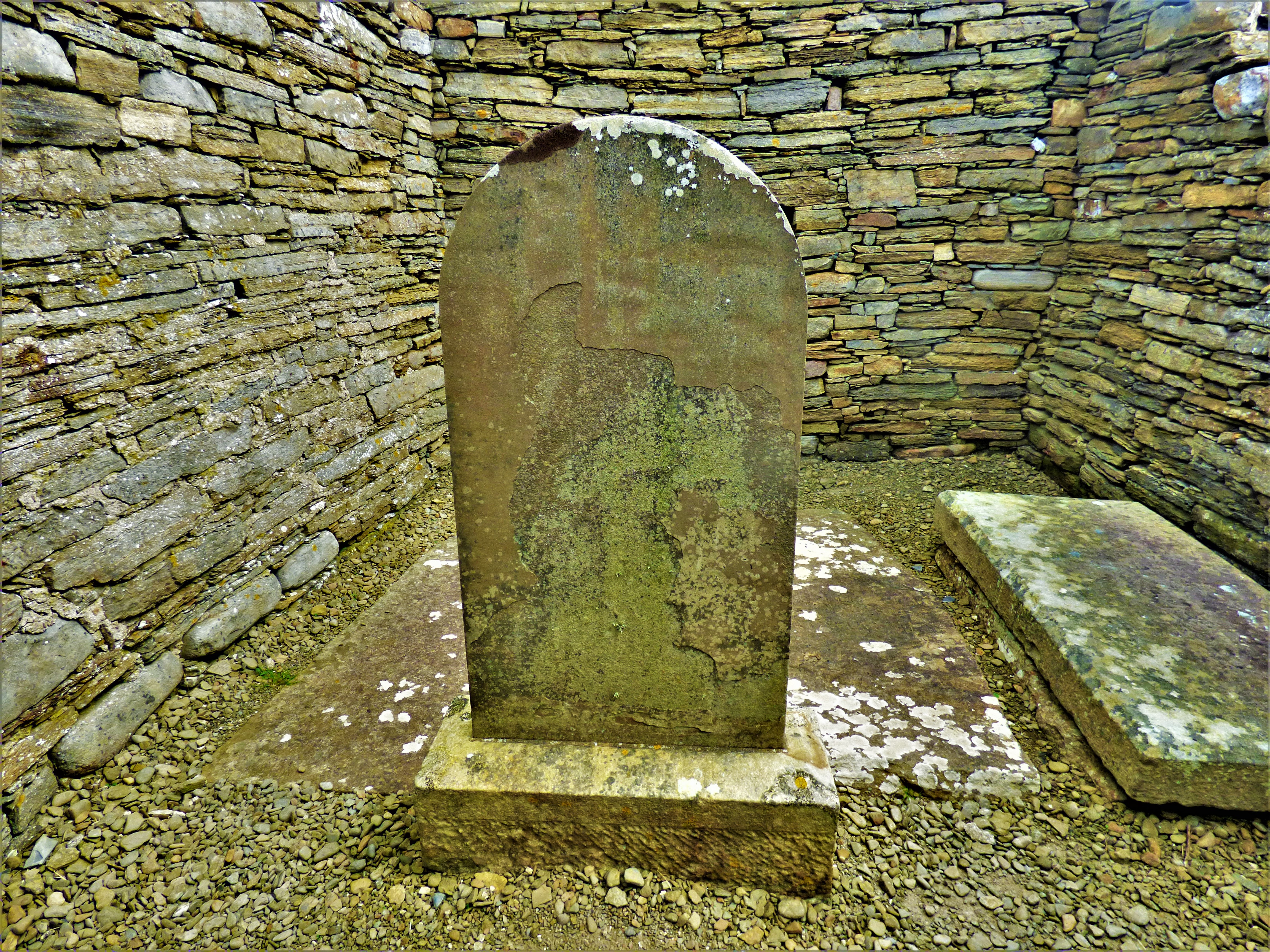
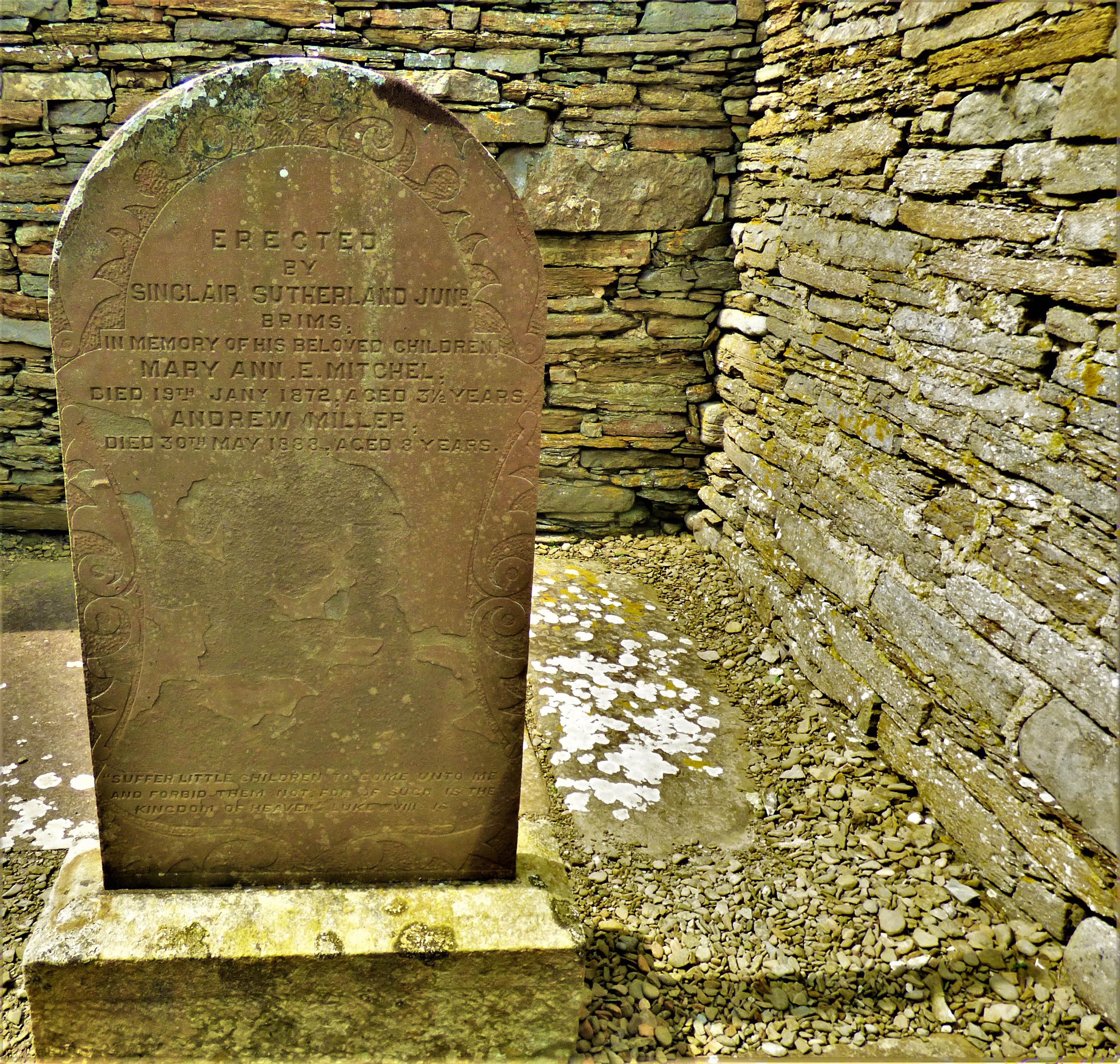
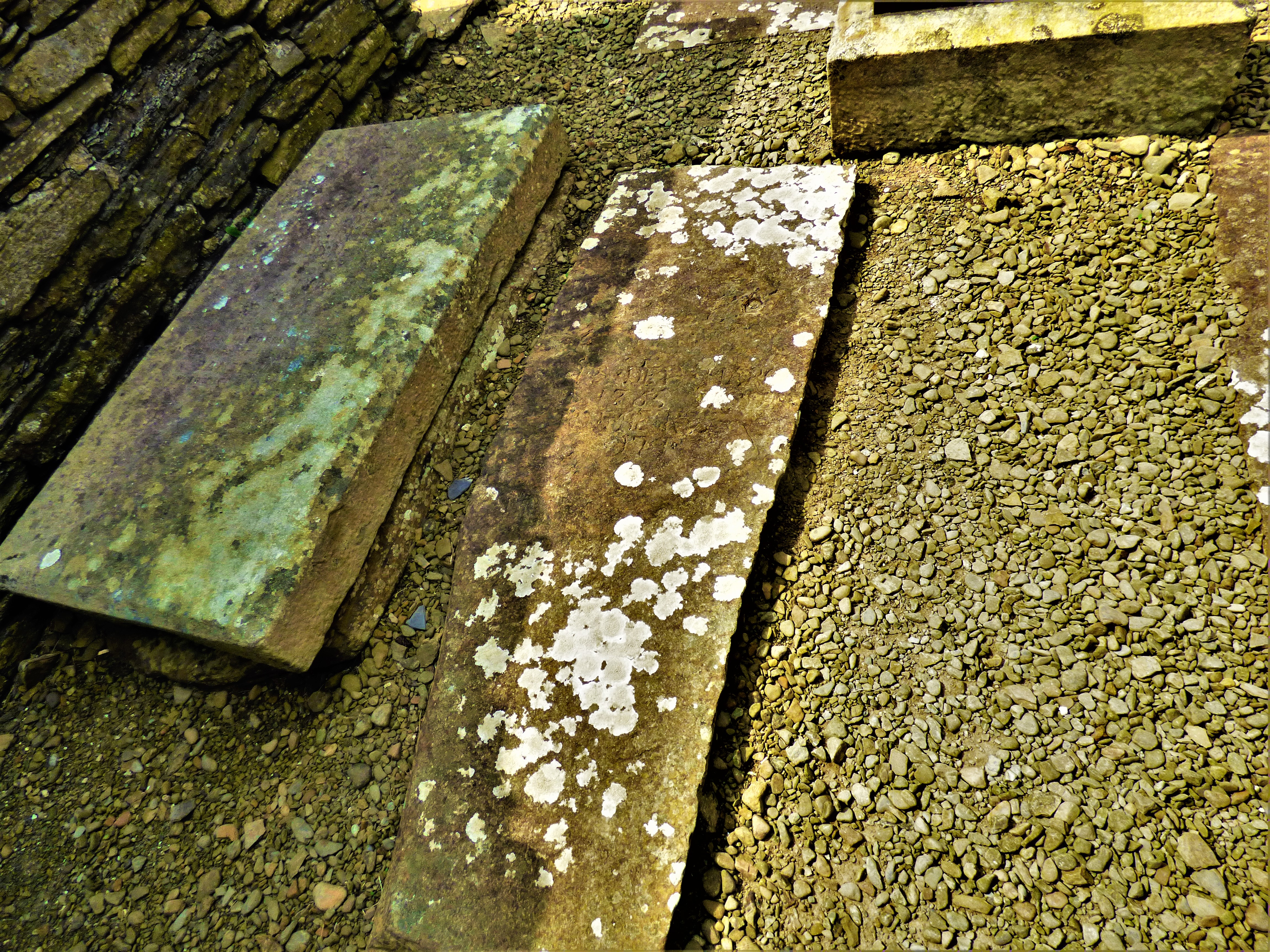
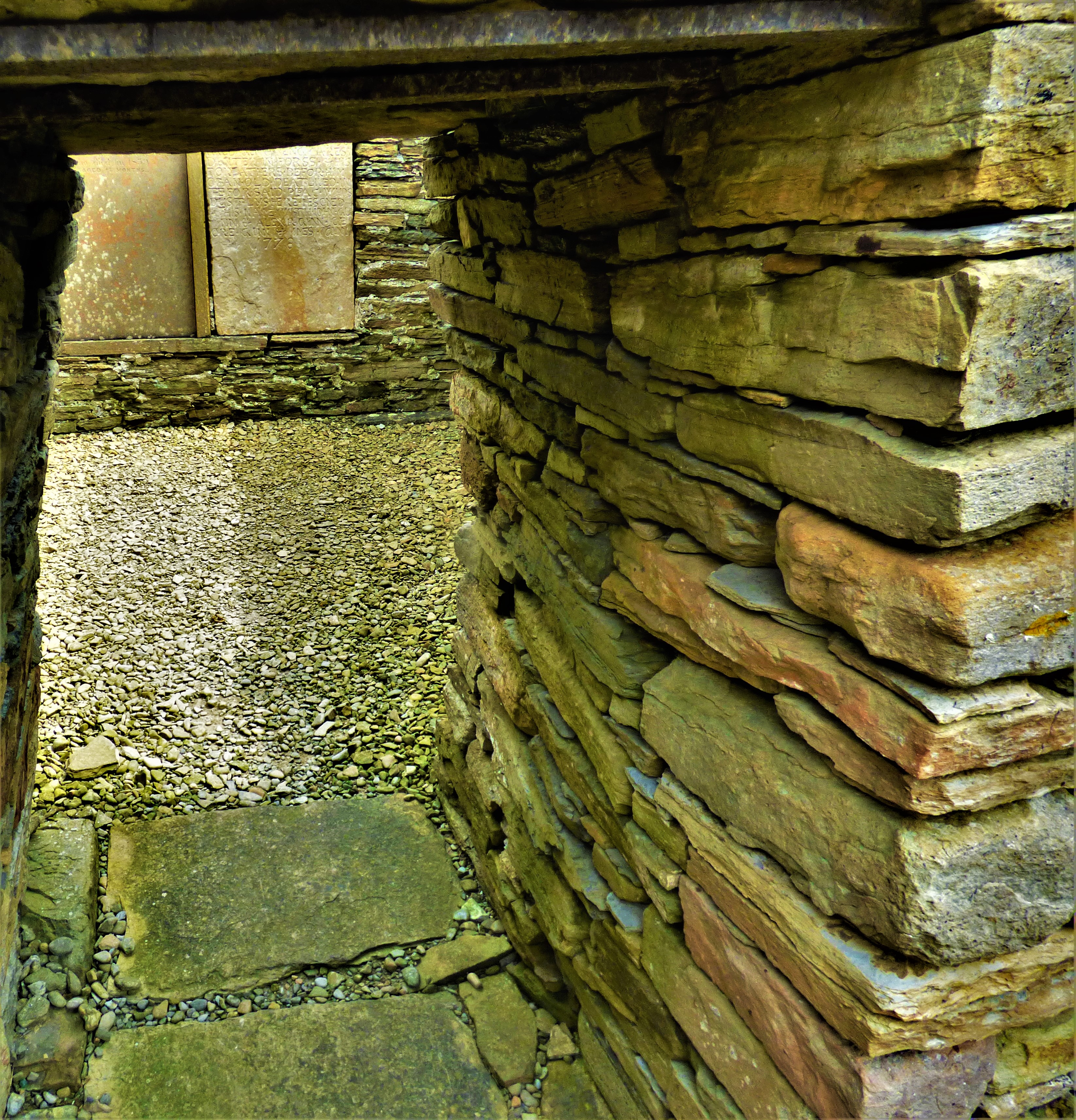
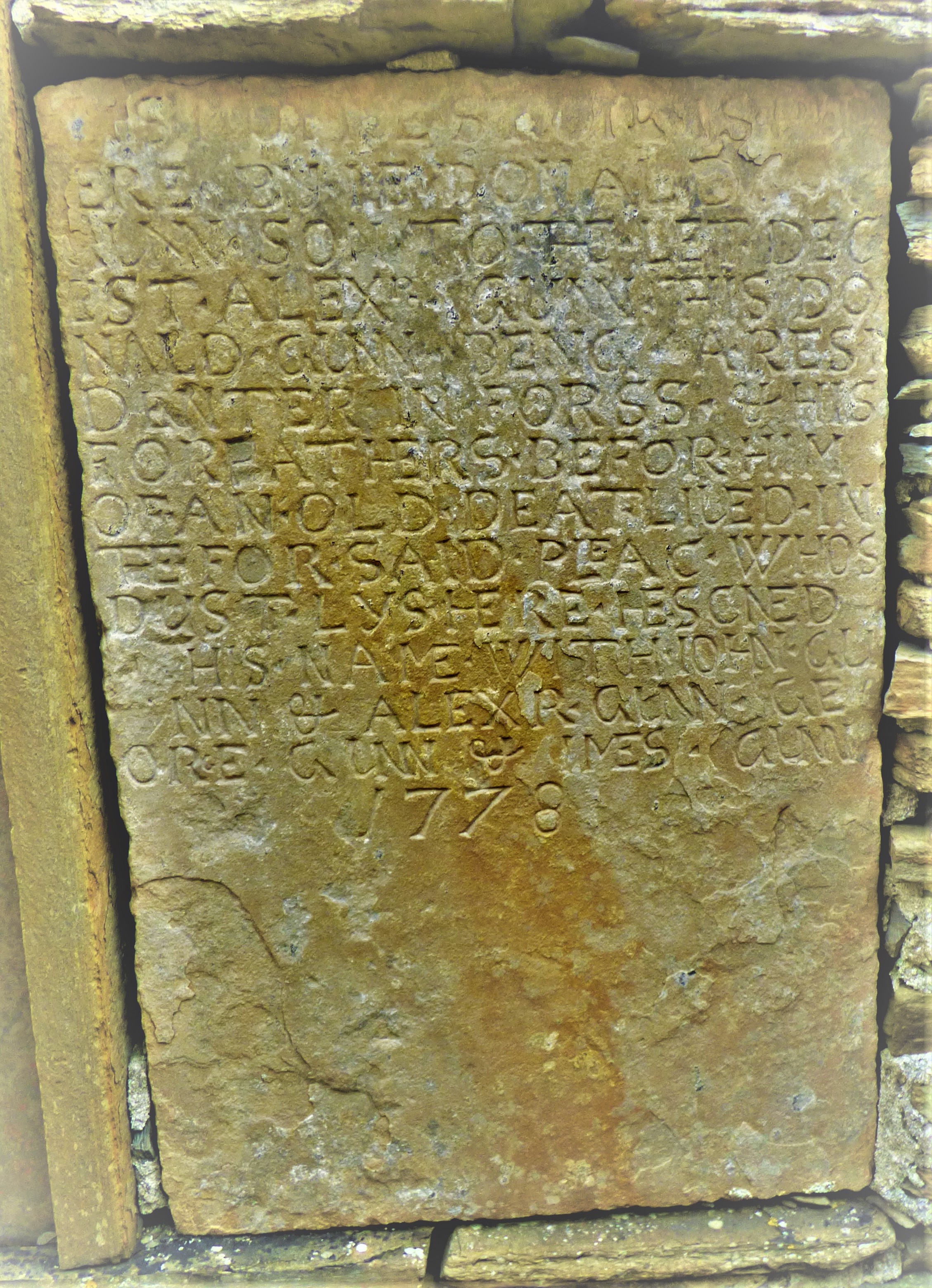
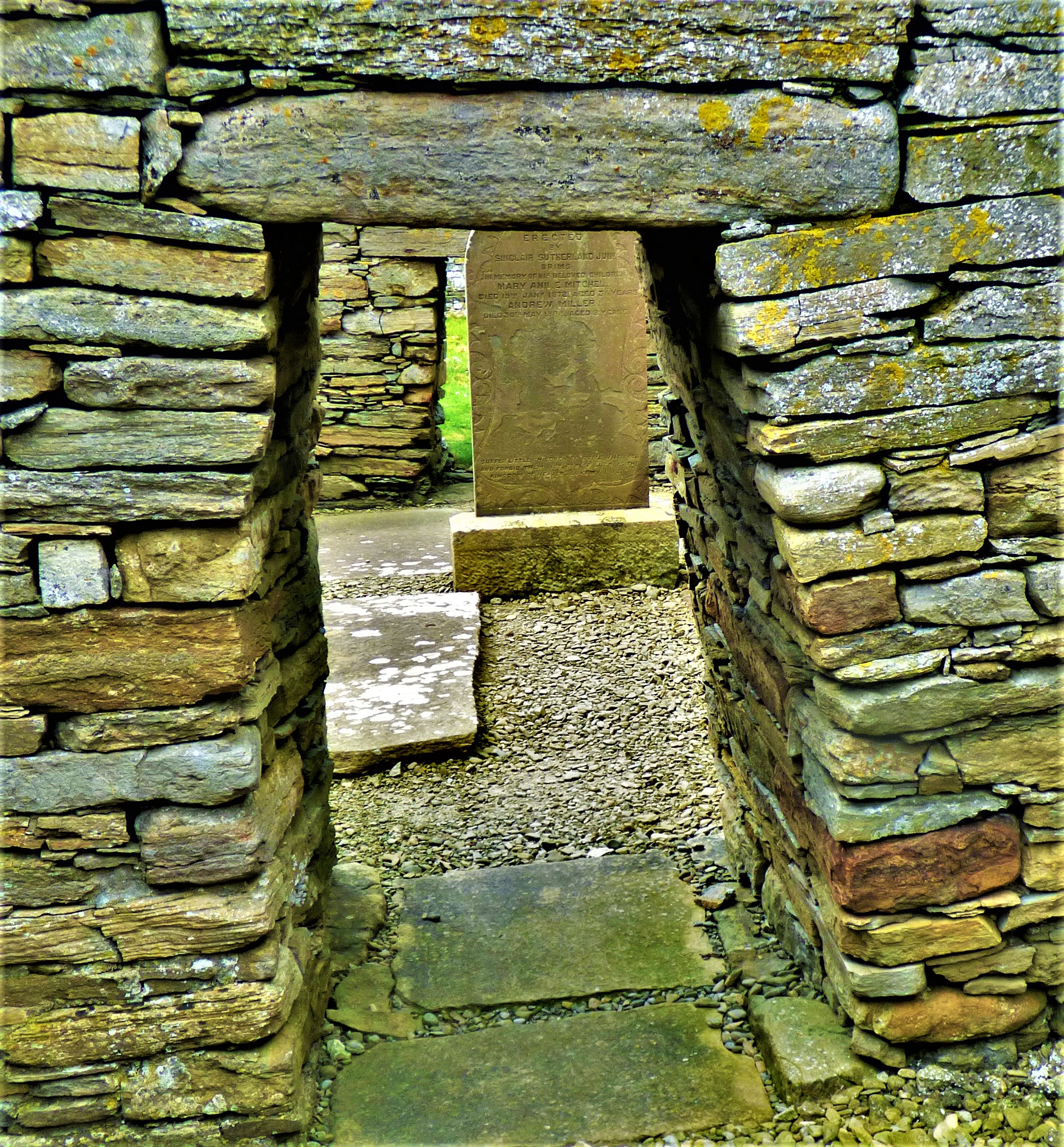
The walk to access this ruin is in parts steep, including a staircase that looks more unpleasant to walk than it actually is. It also takes one past a wind farm, while there are some splendid views along the way. The chapel itself is missing its entire roof and part of its walls.
PHOTOGRAPHS
Here are some pictures from both attractions…
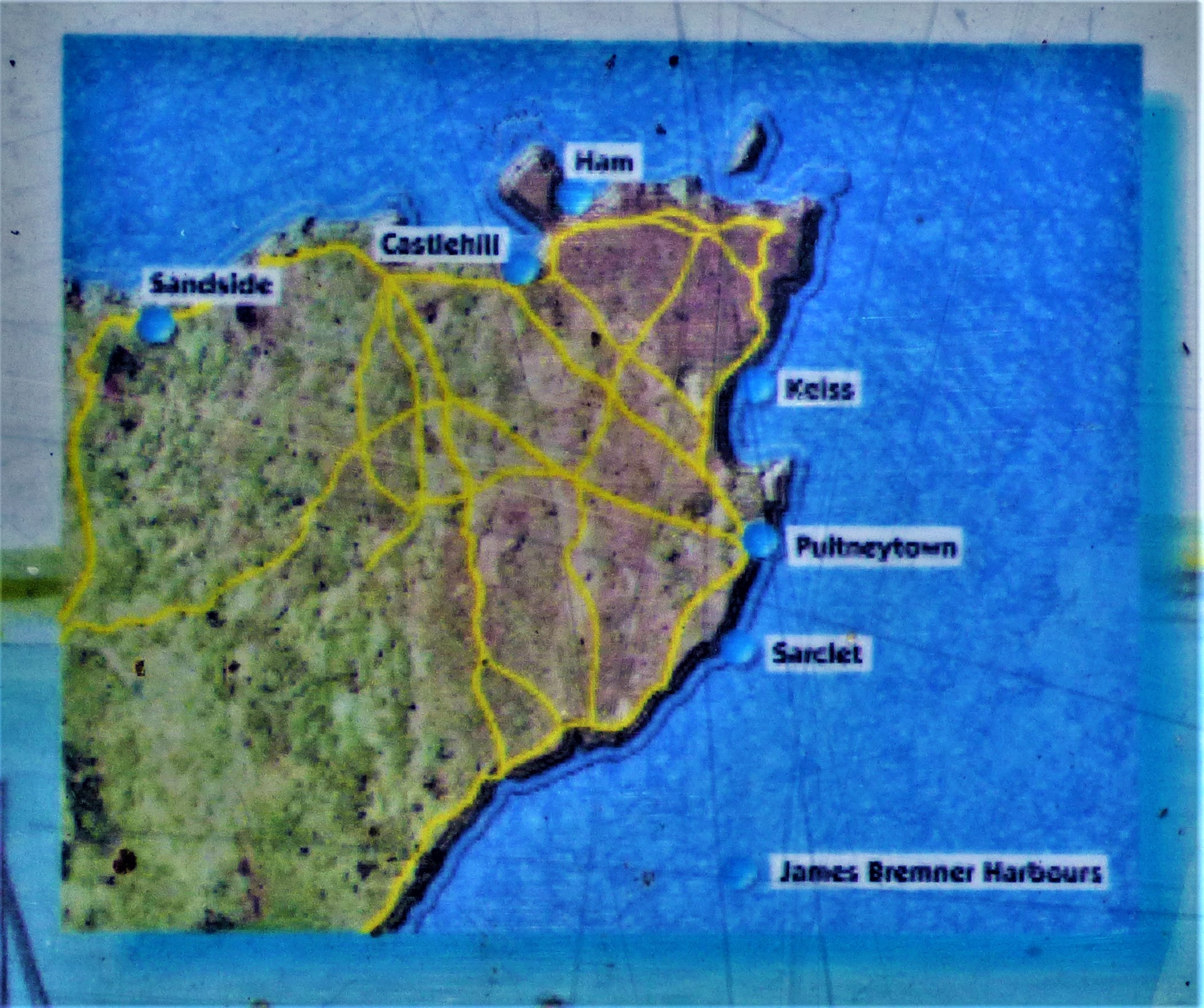
A road map of the corner of Scotland where this holiday took place.
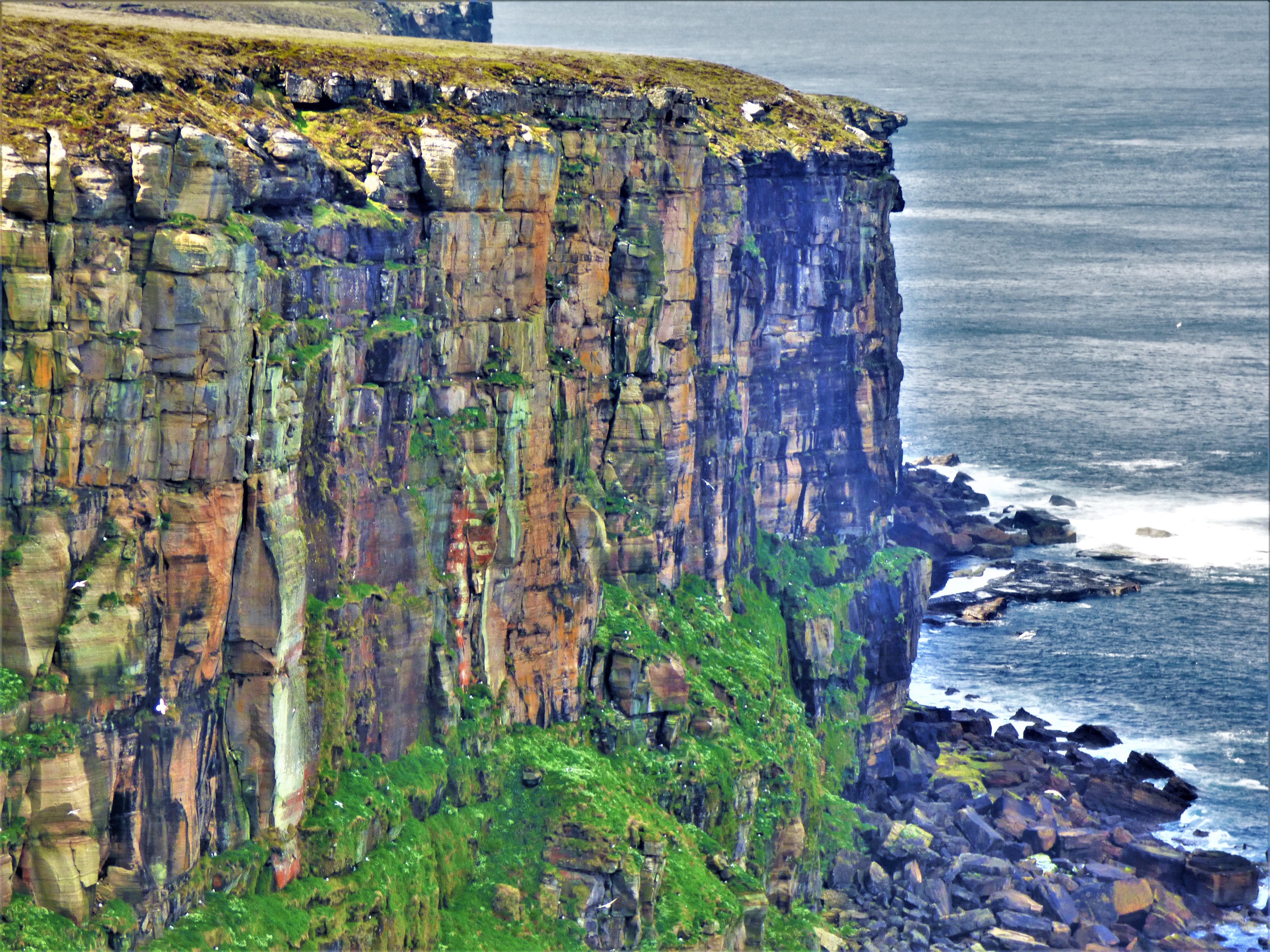
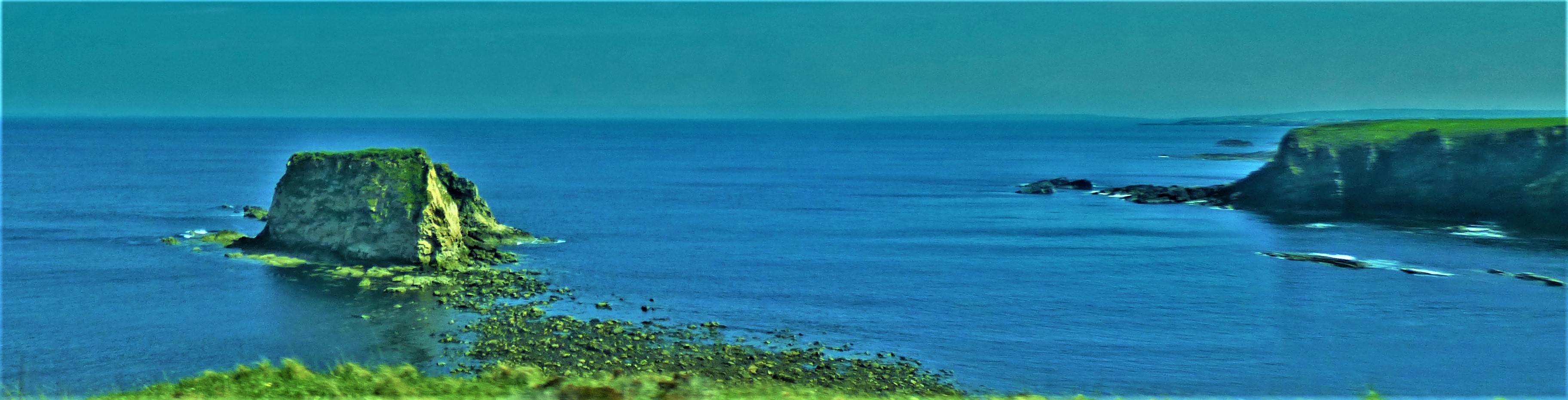
The cliffs of Dunnet Head
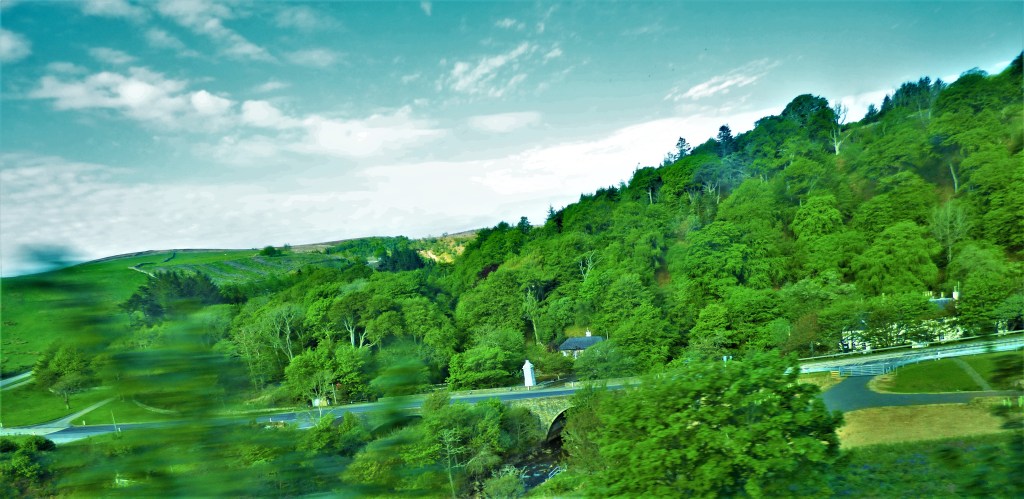
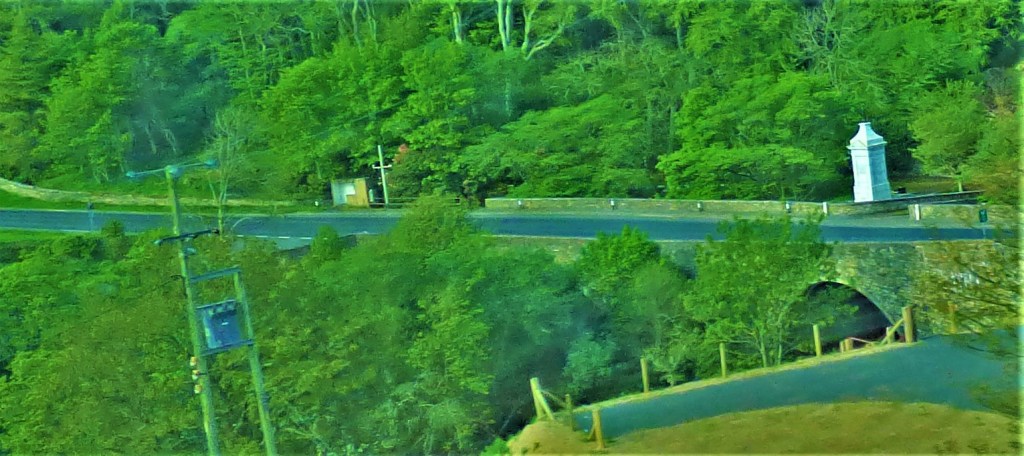
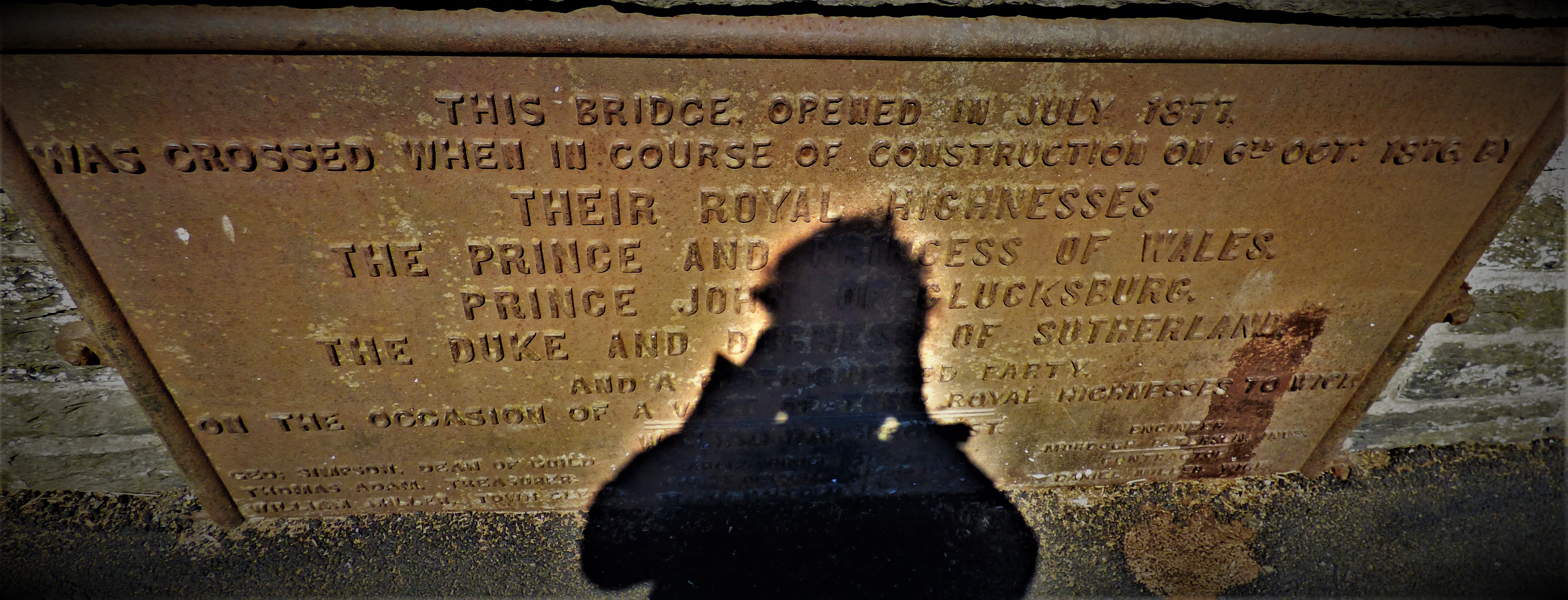
The bridge across the river to reach the monument.
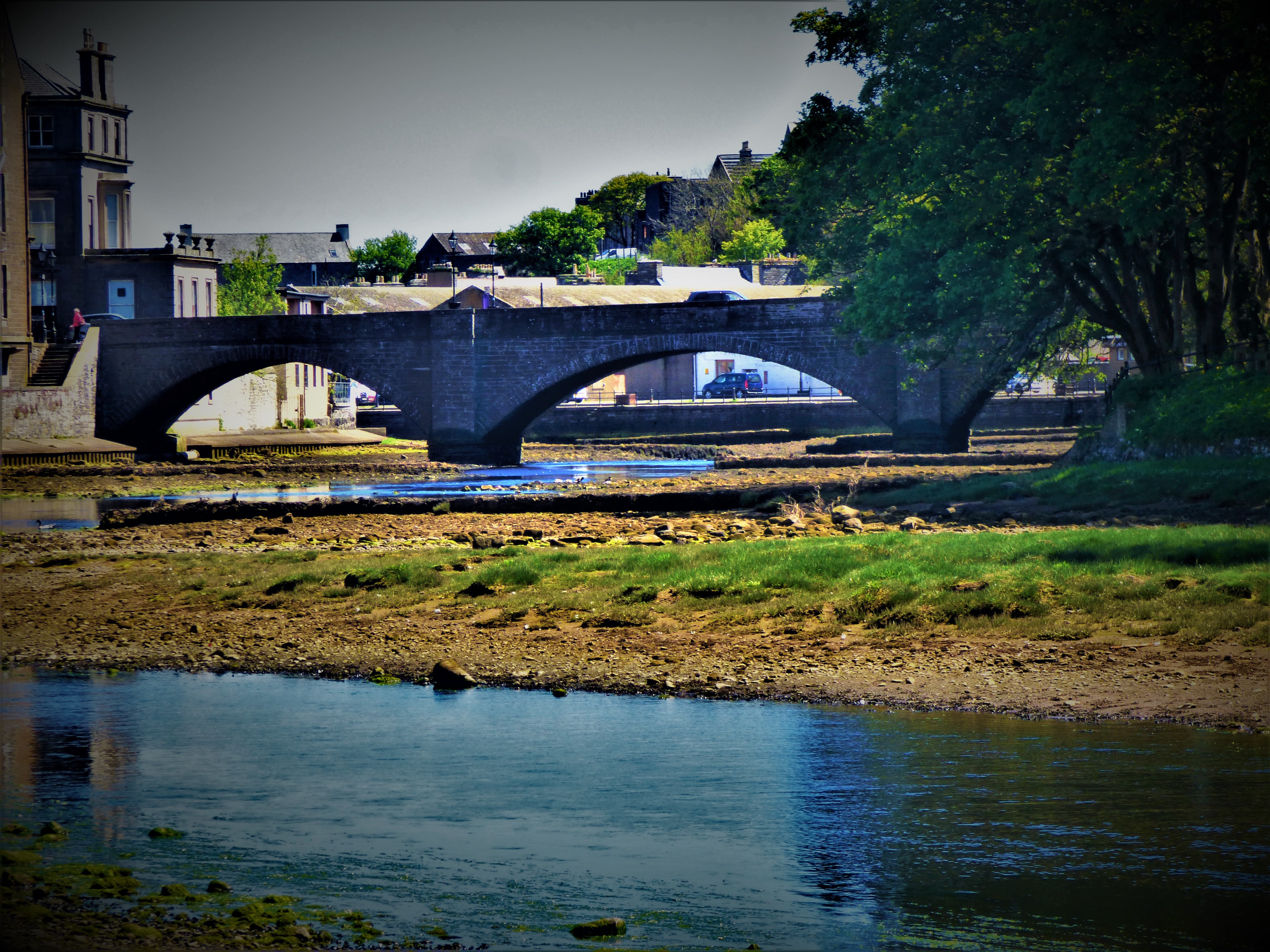
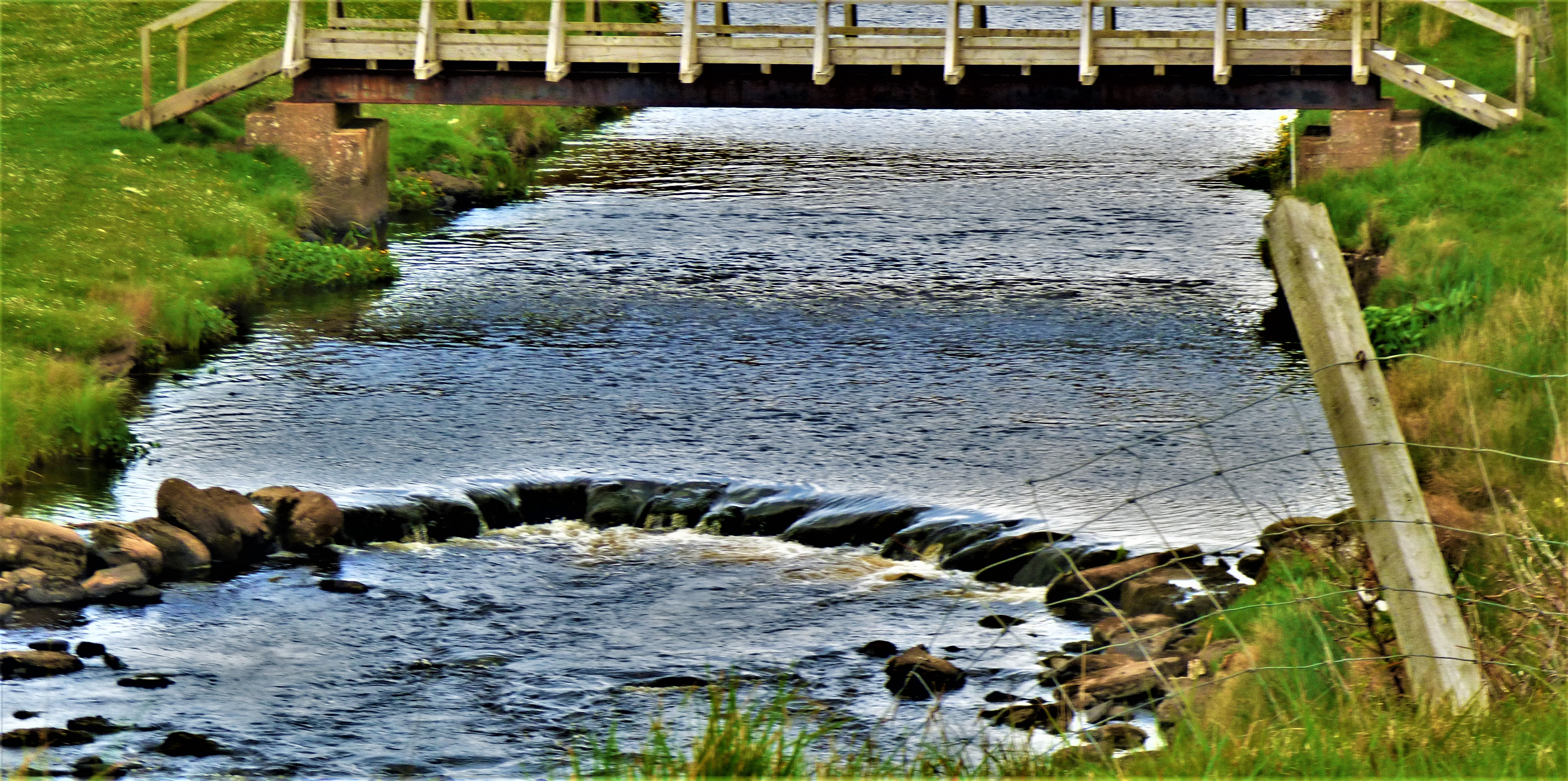
The bridge and in the foreground the older stone crossing.
An account of a wildlife cruise on the afternoon of my birthday.
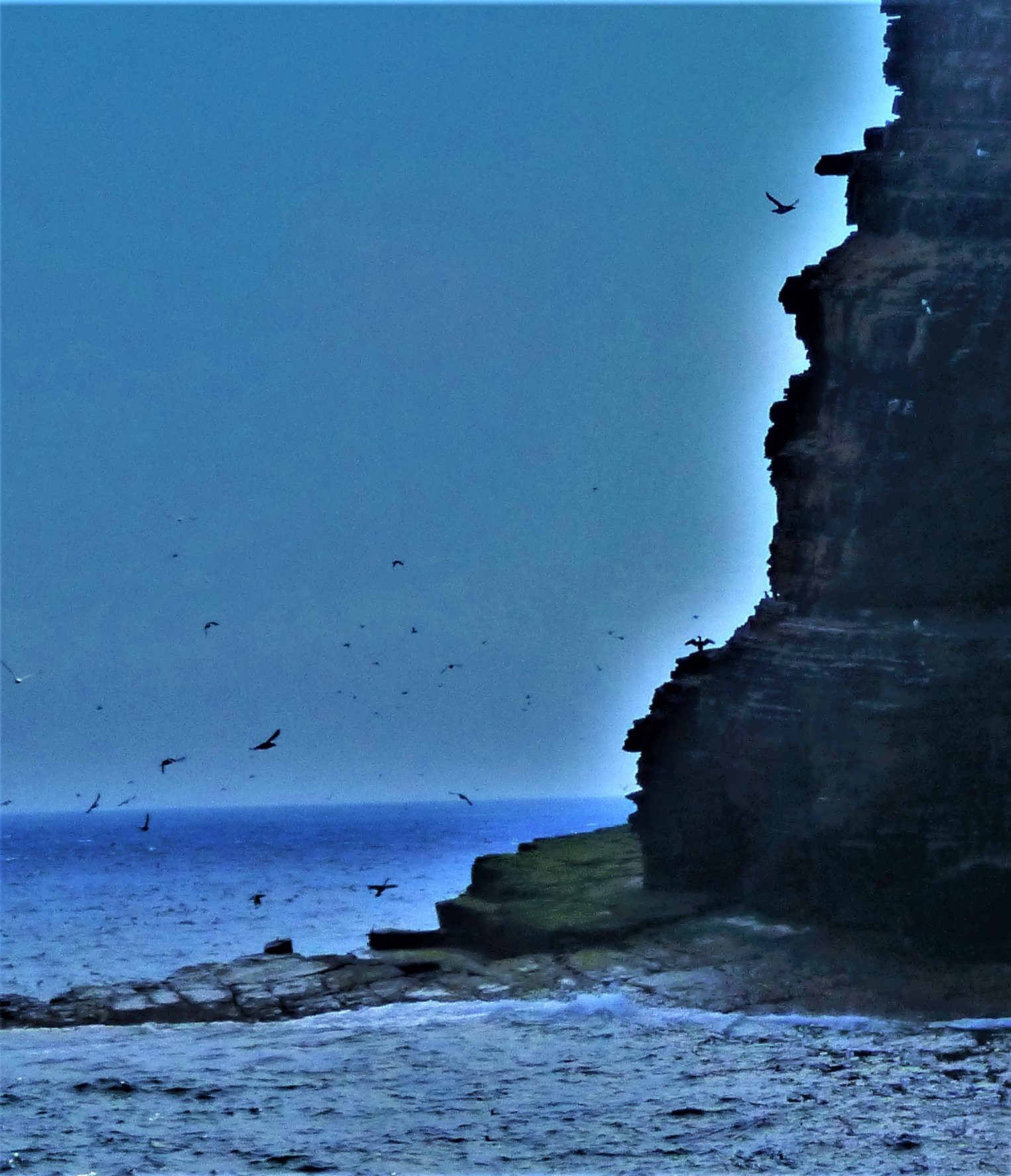
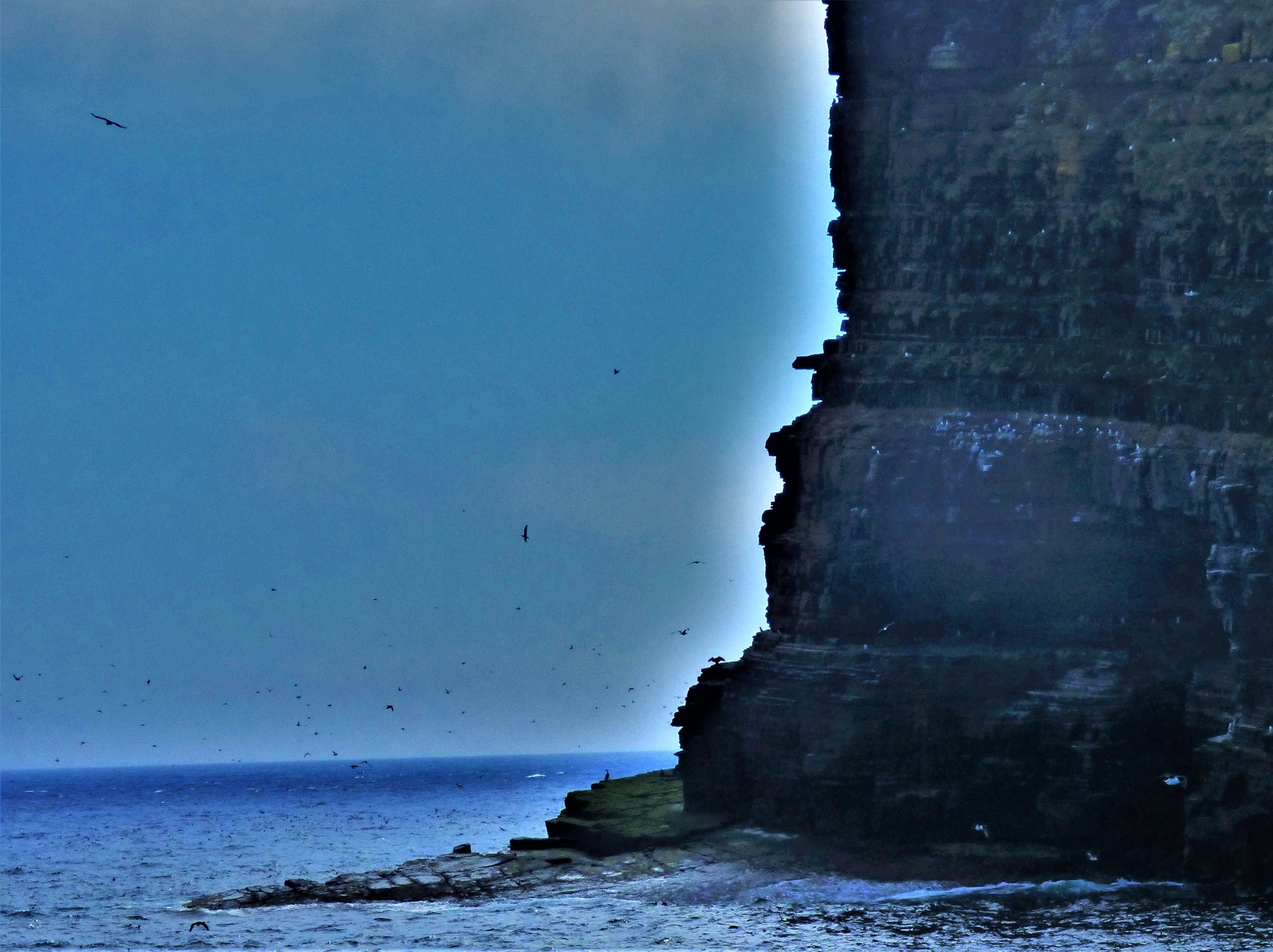
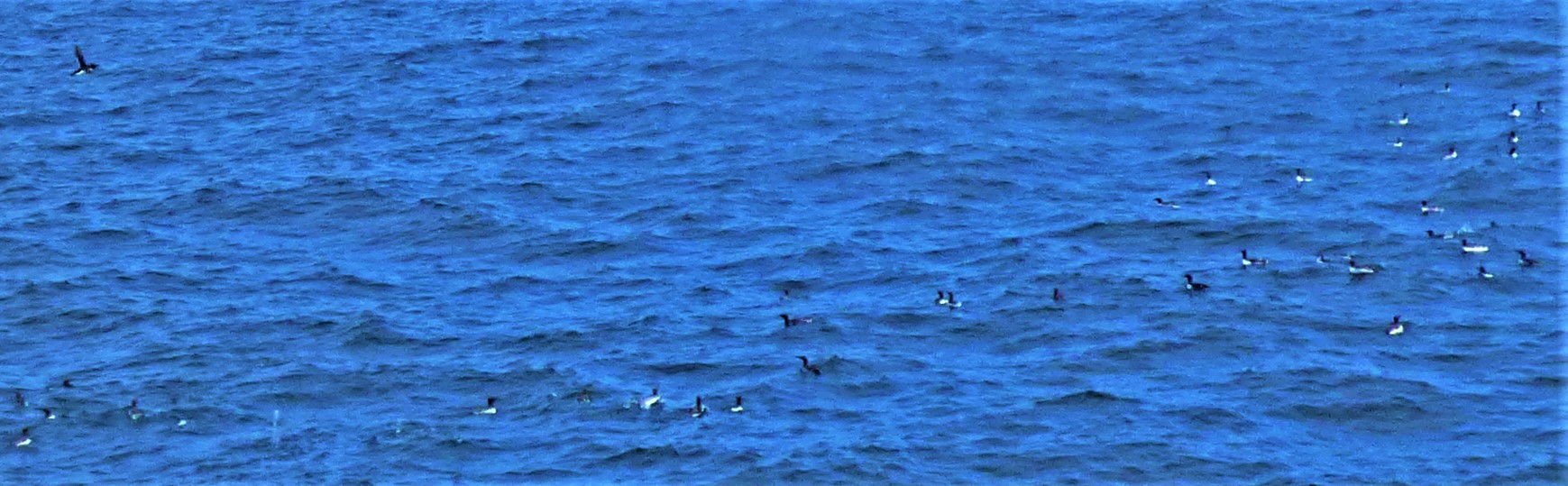
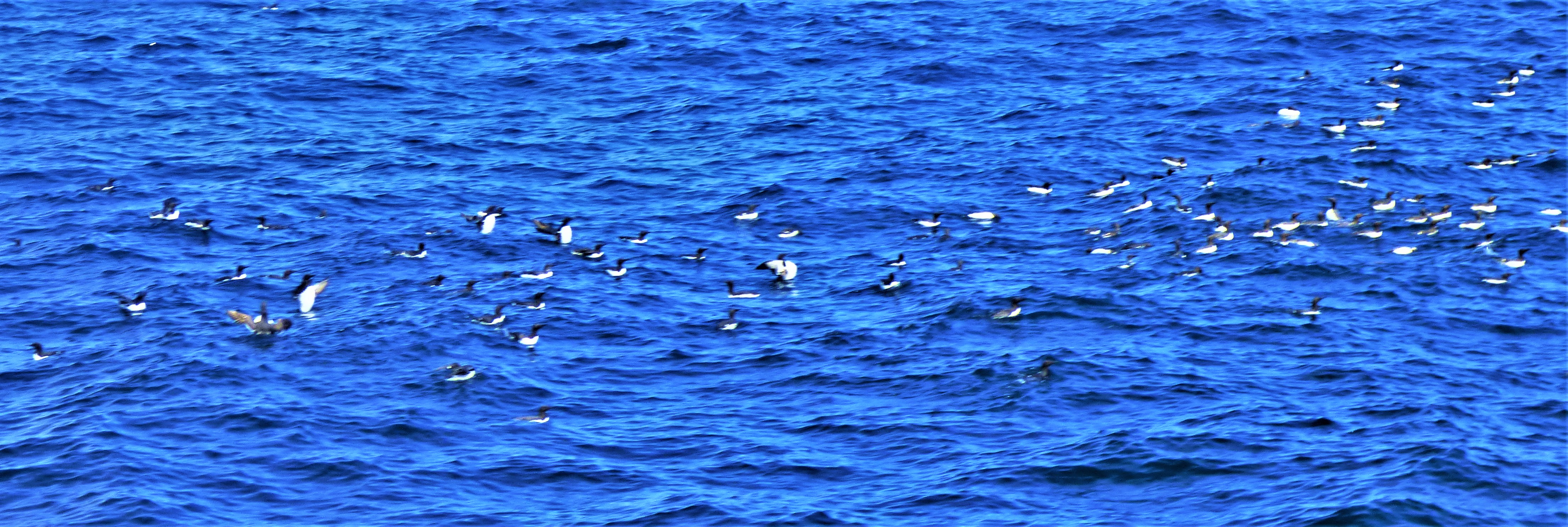
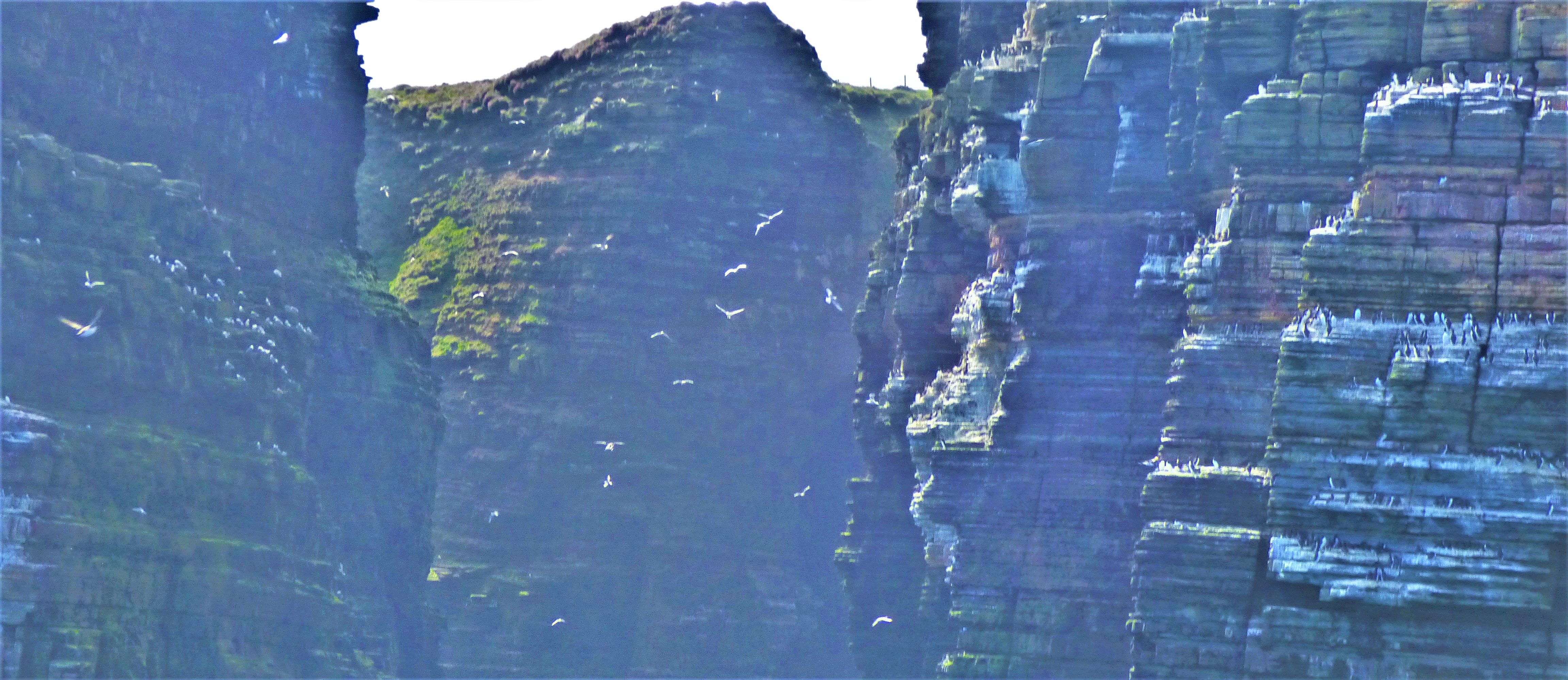
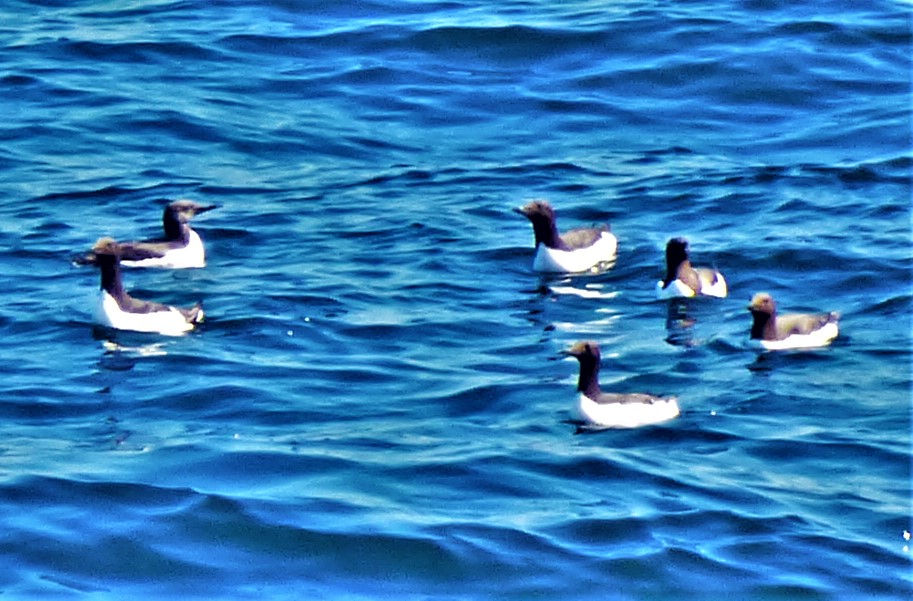
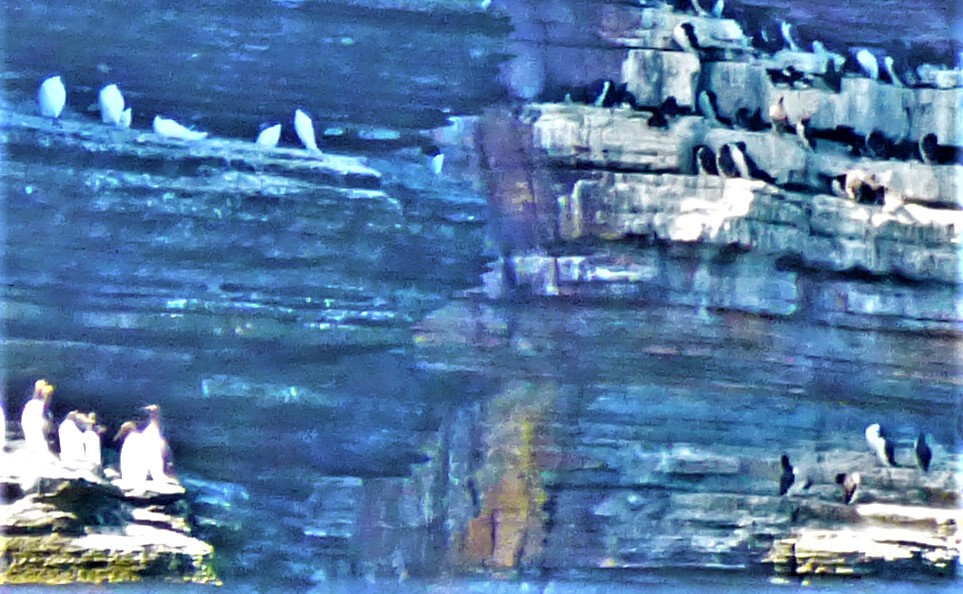
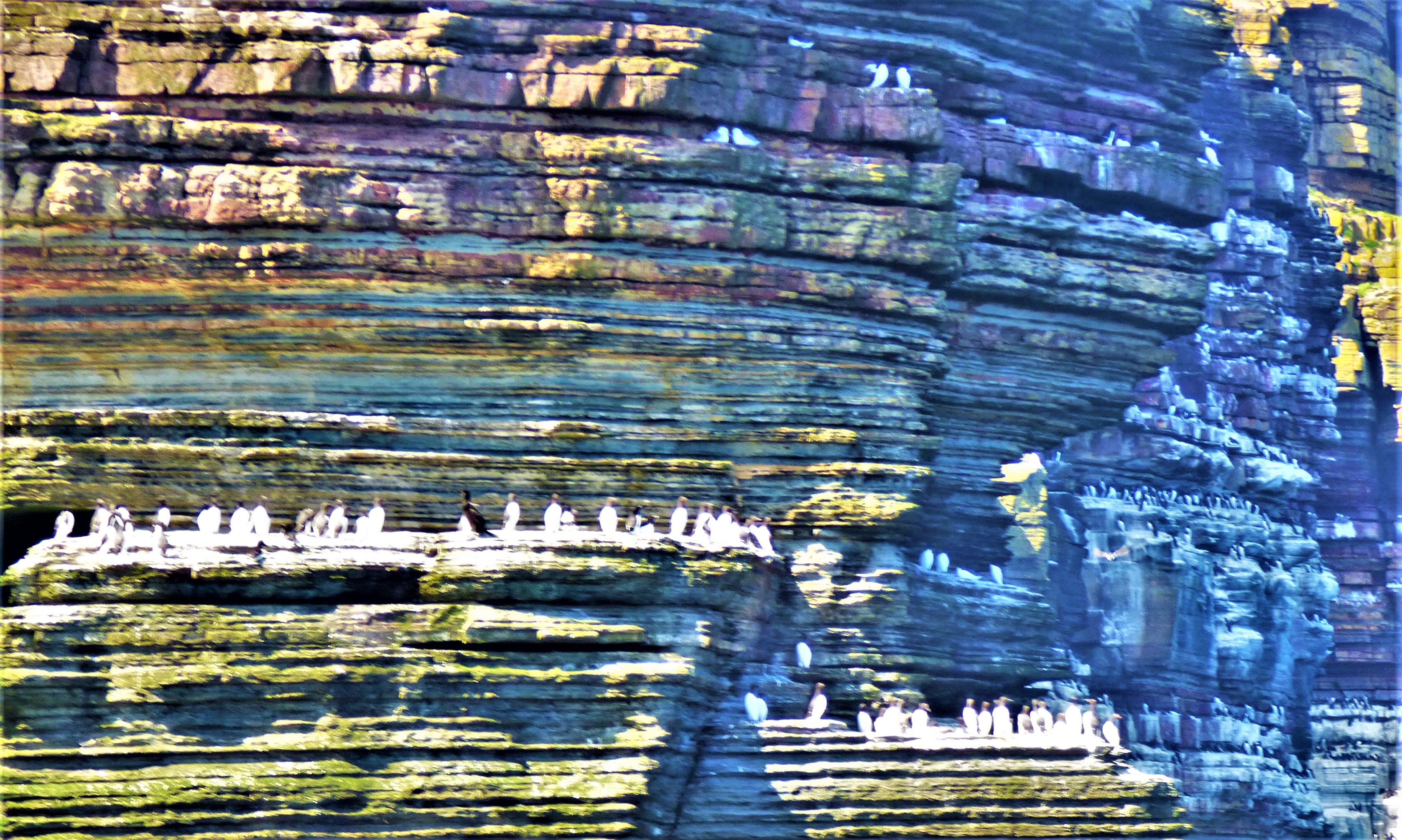
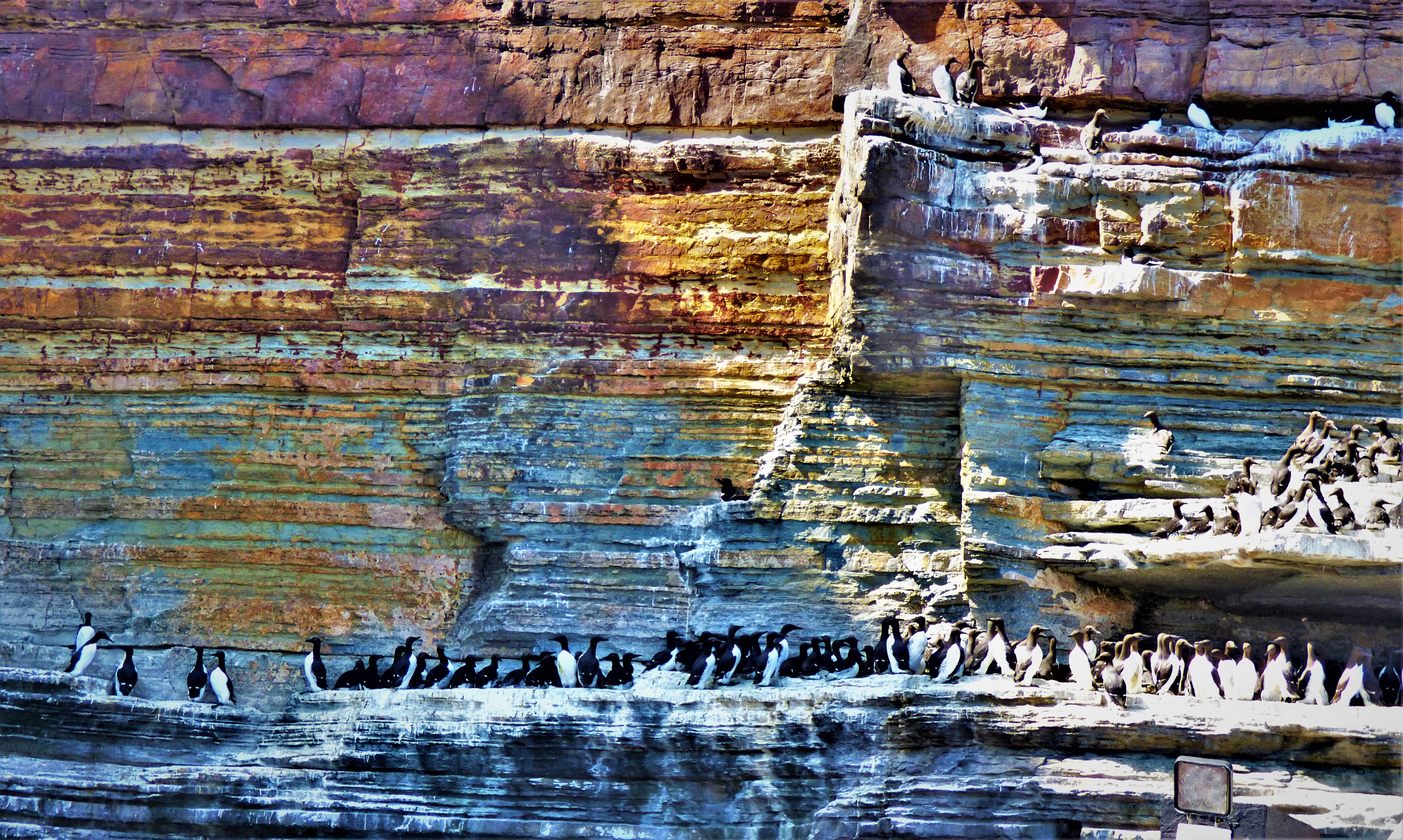
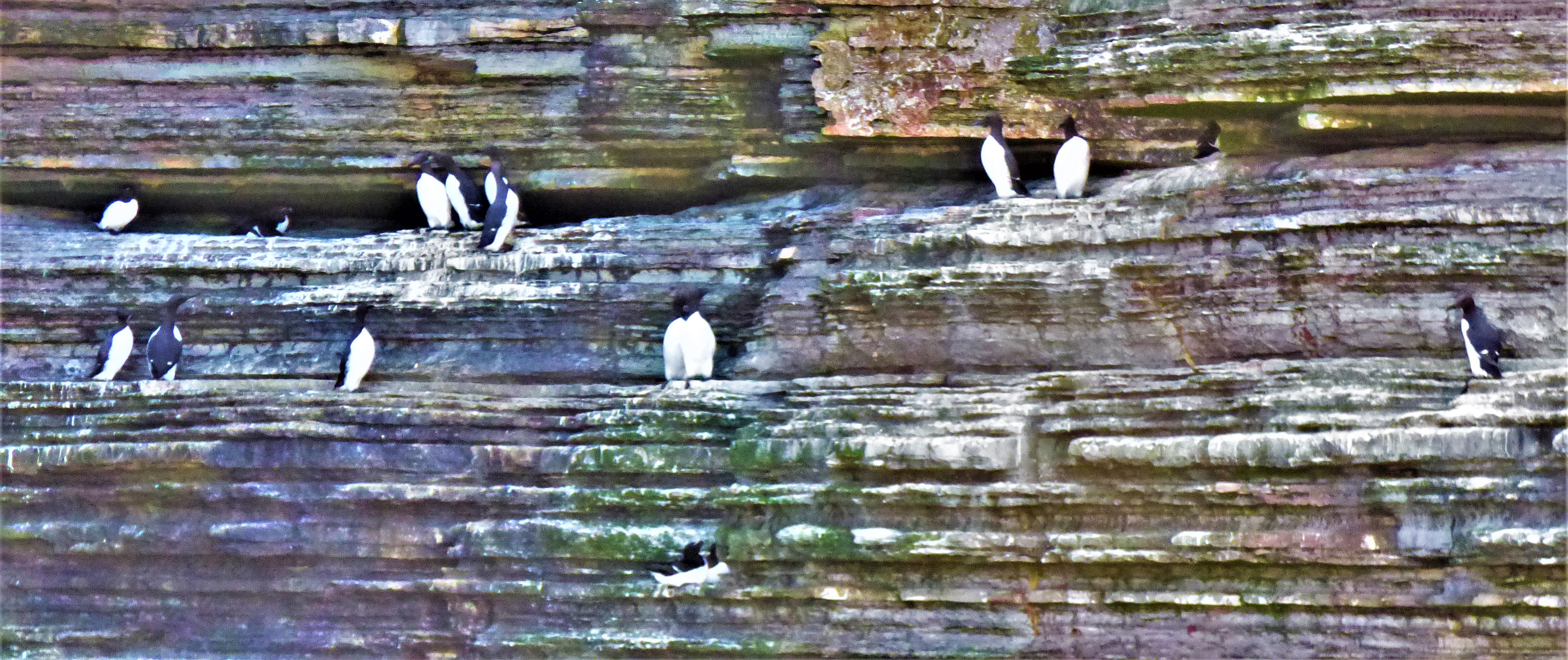
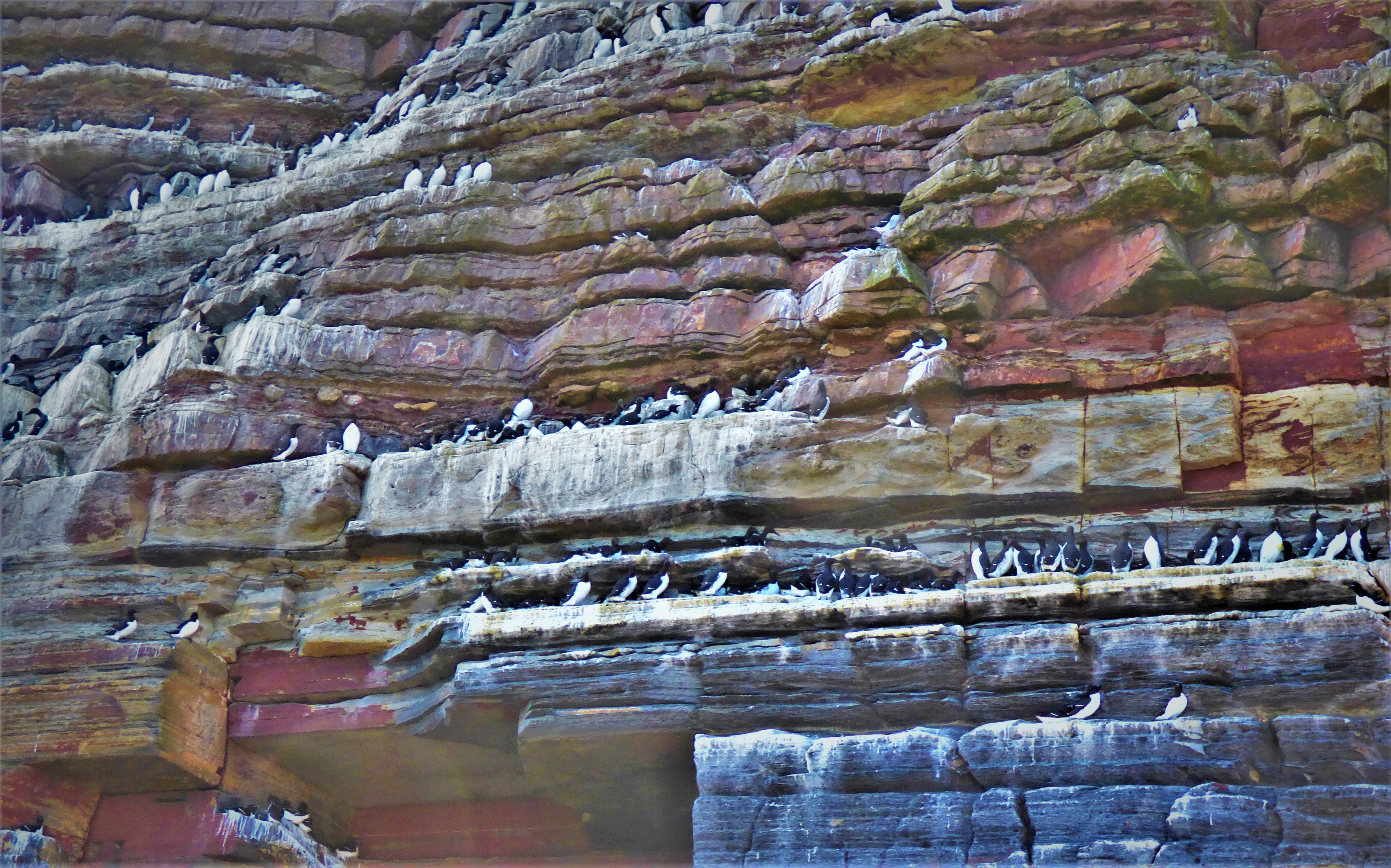
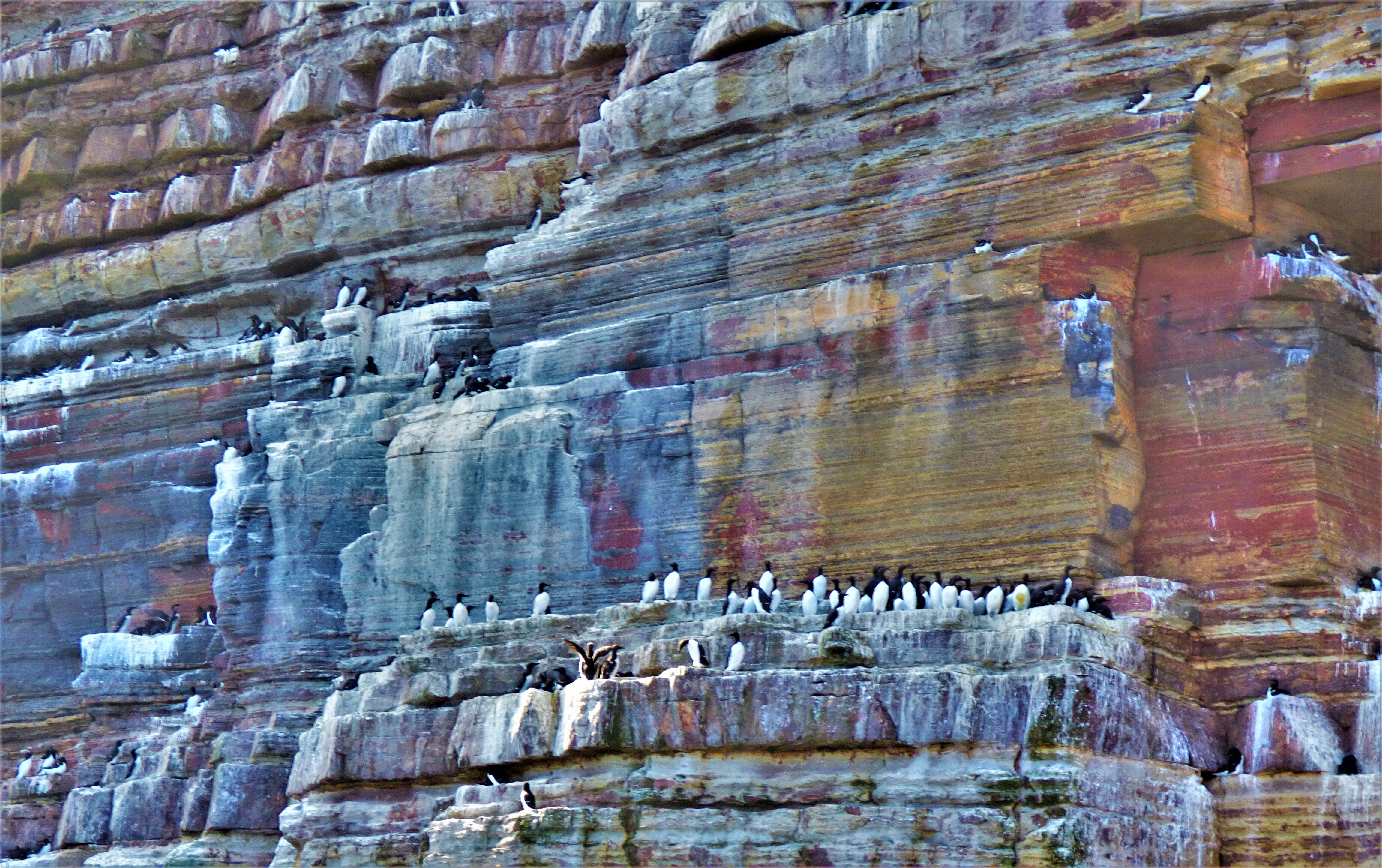
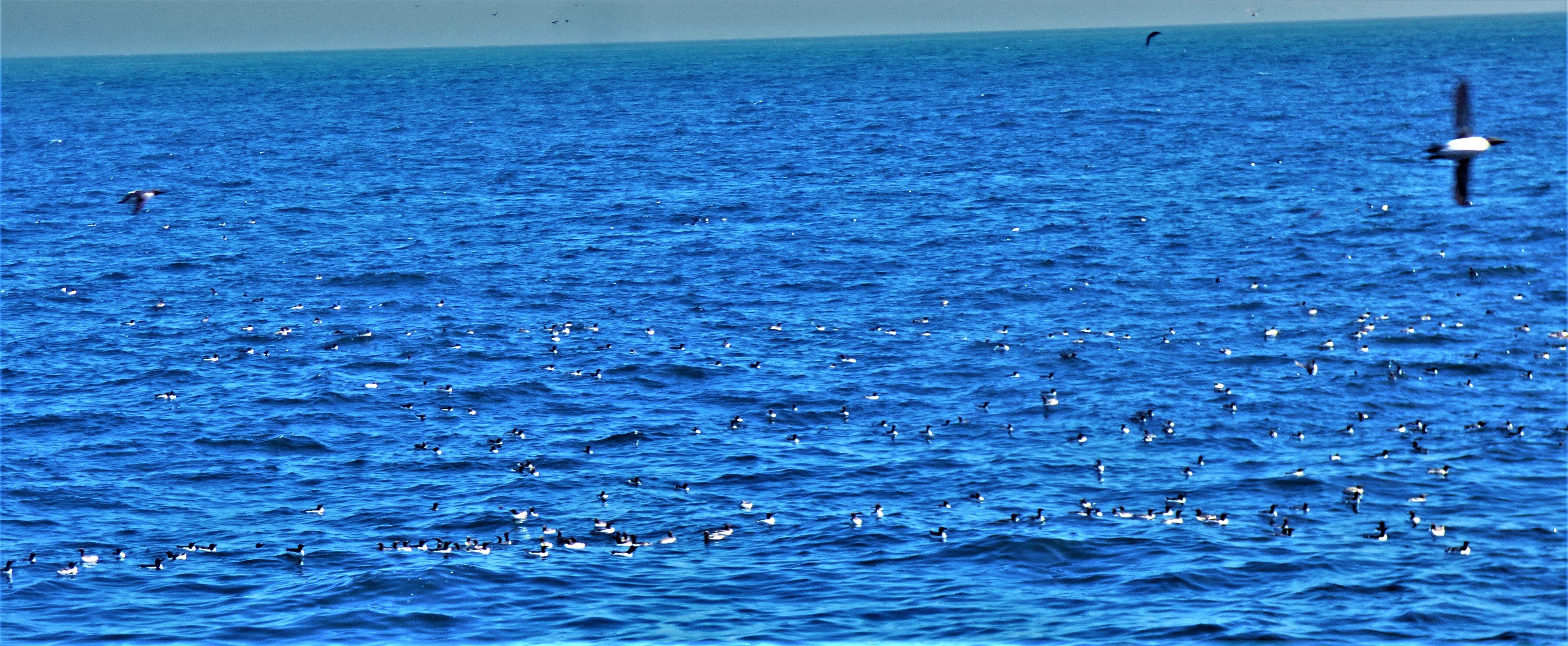
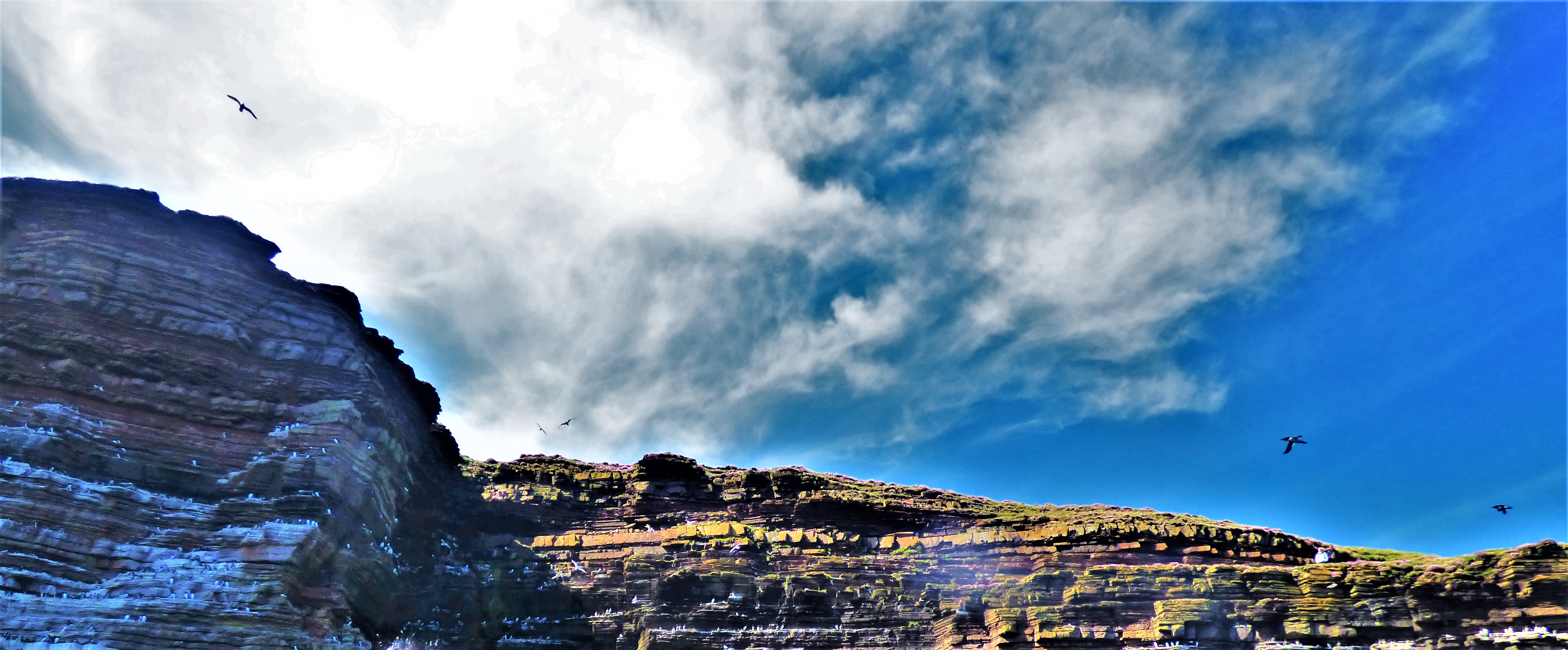
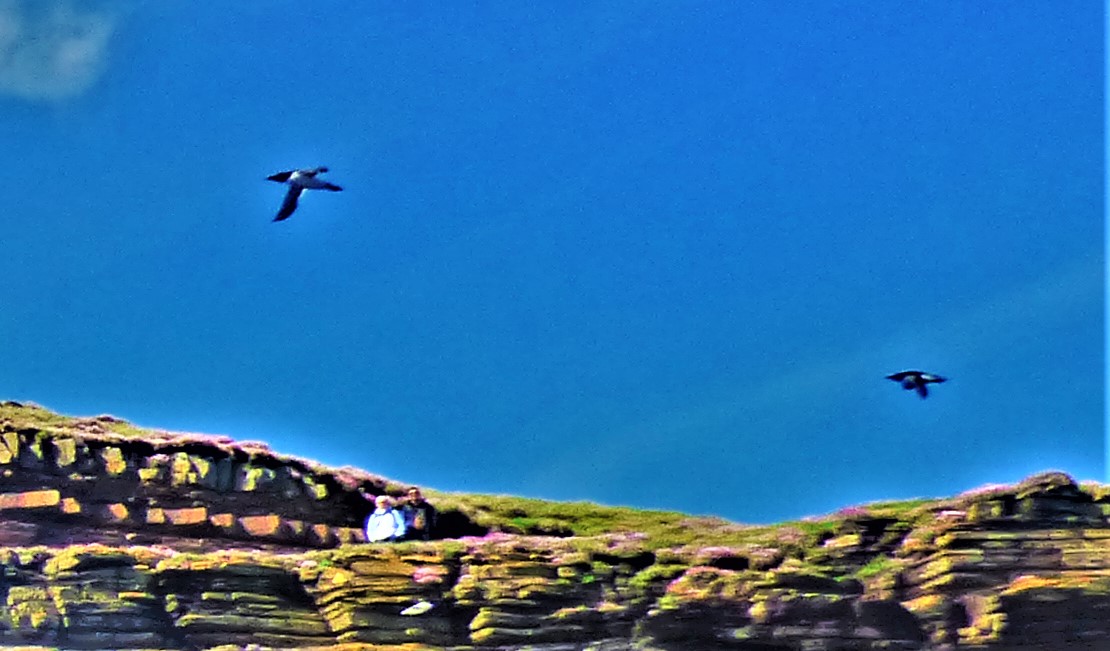
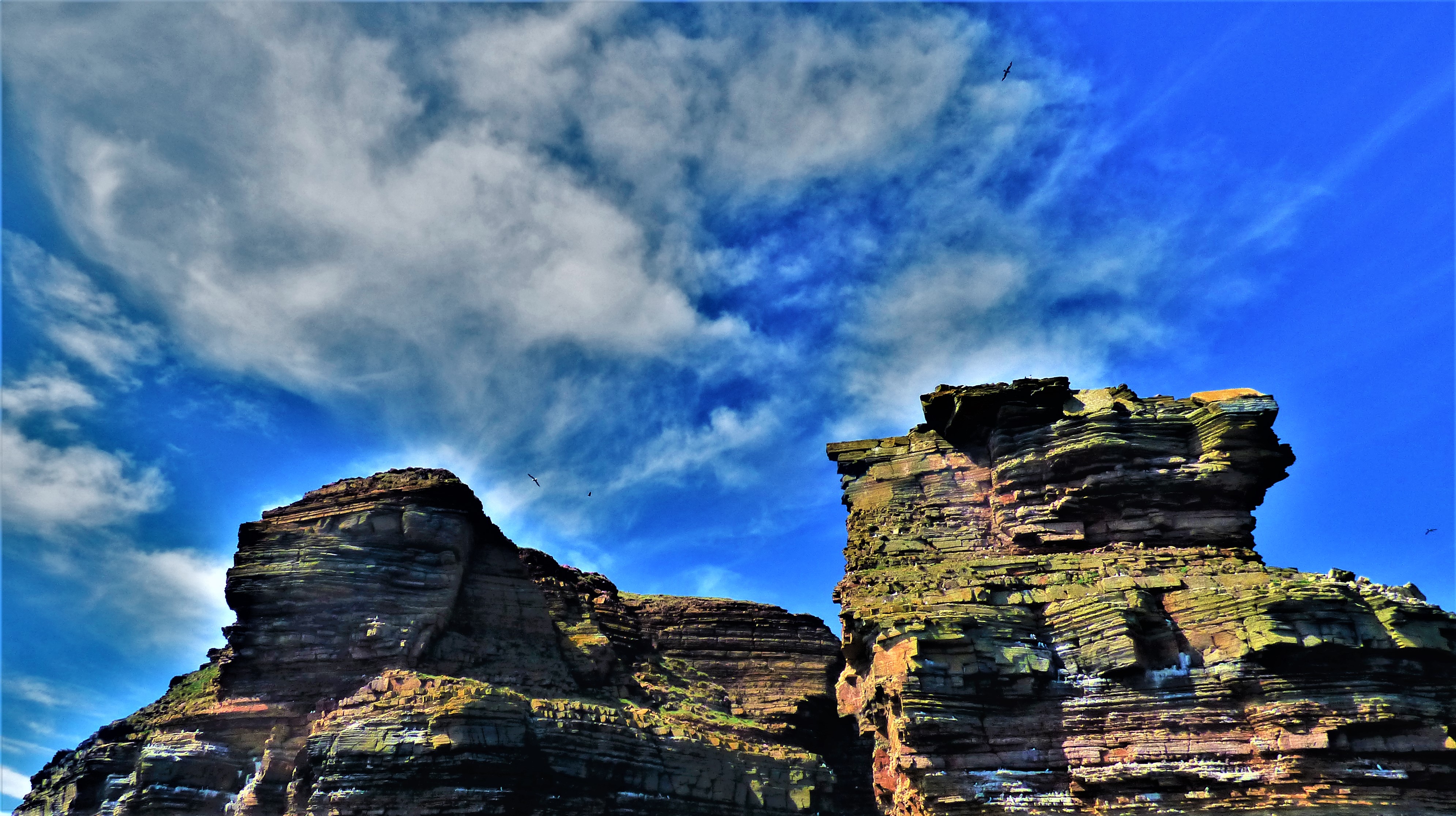
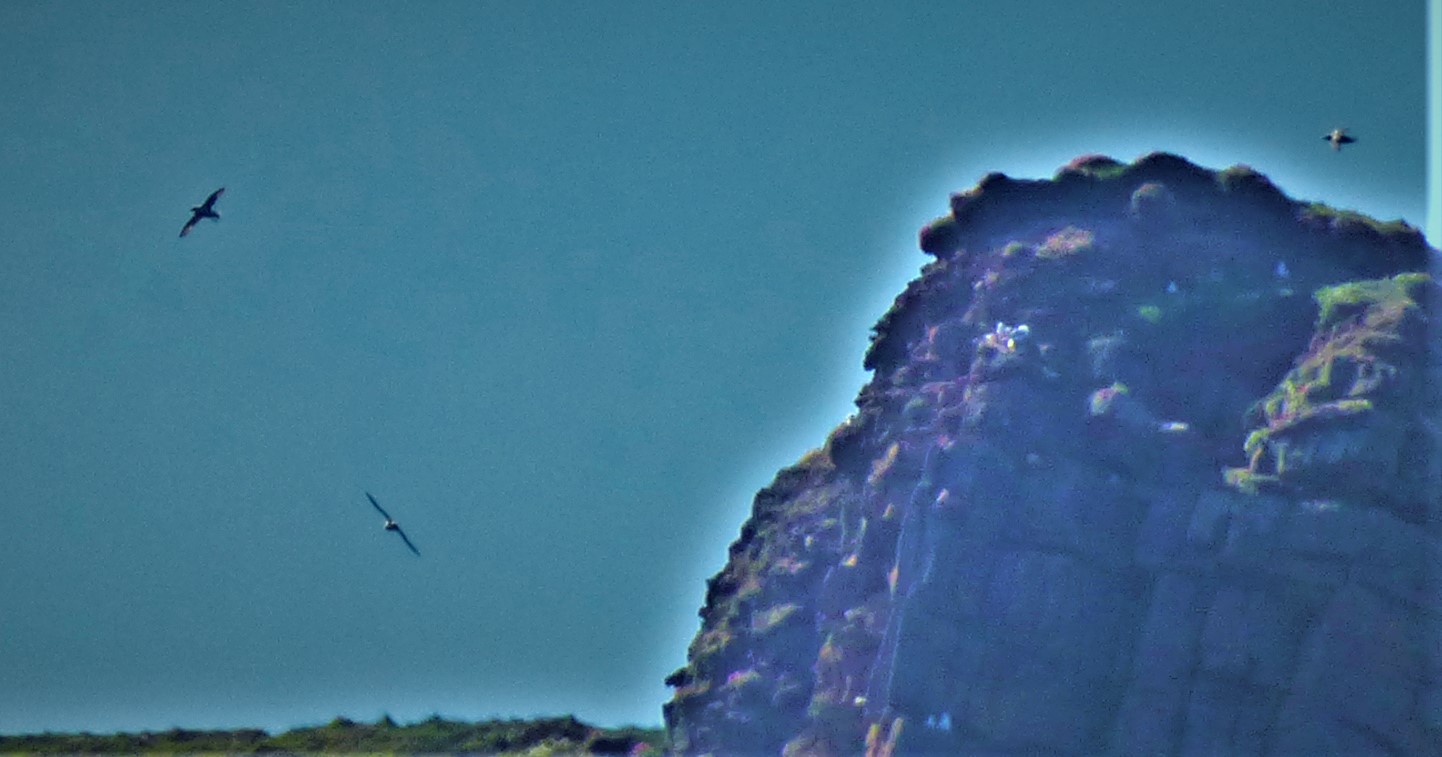
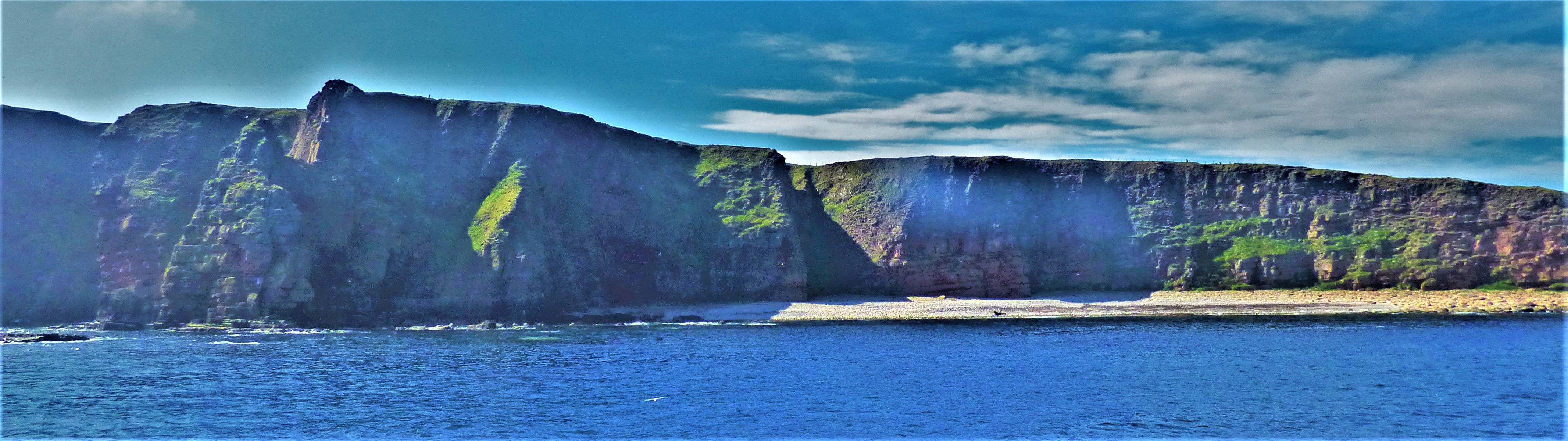
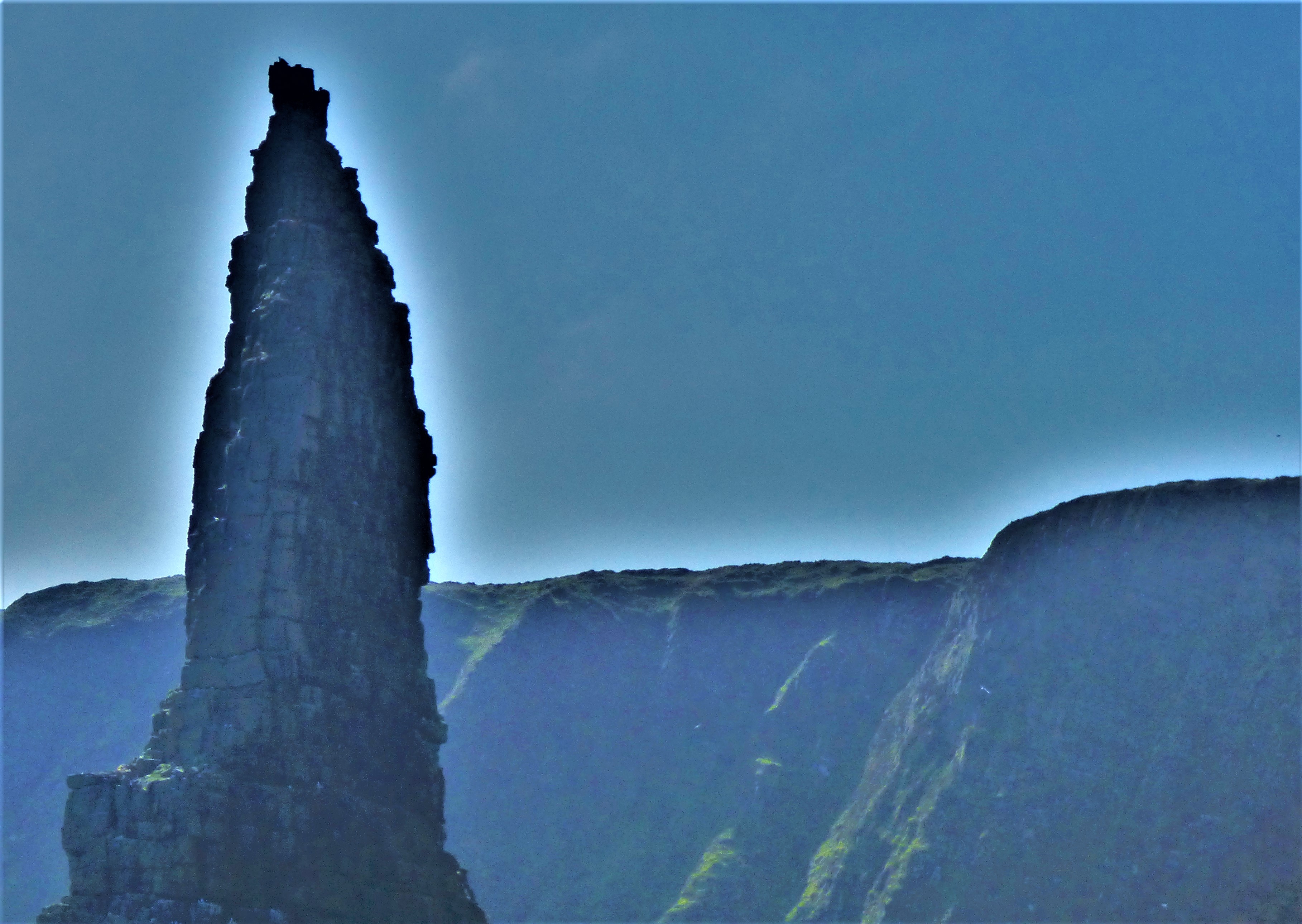
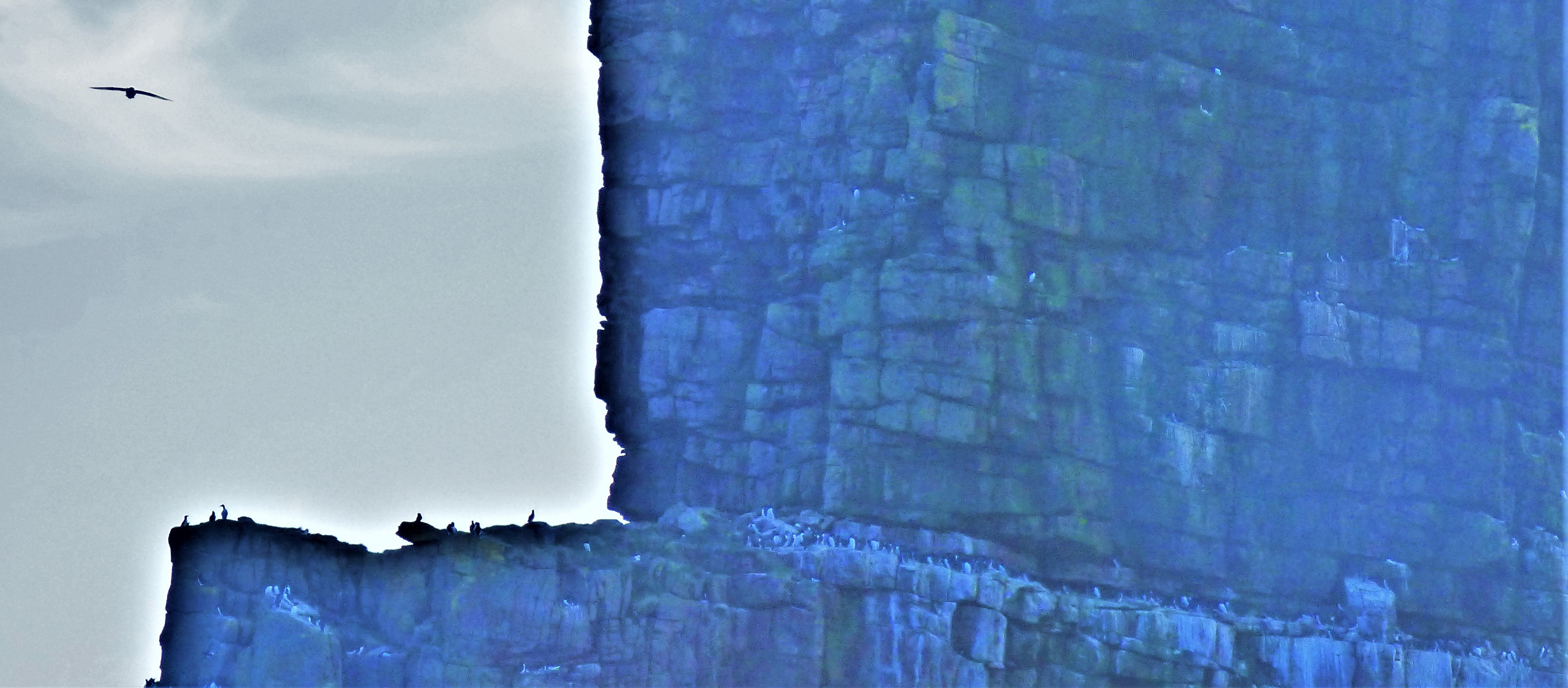
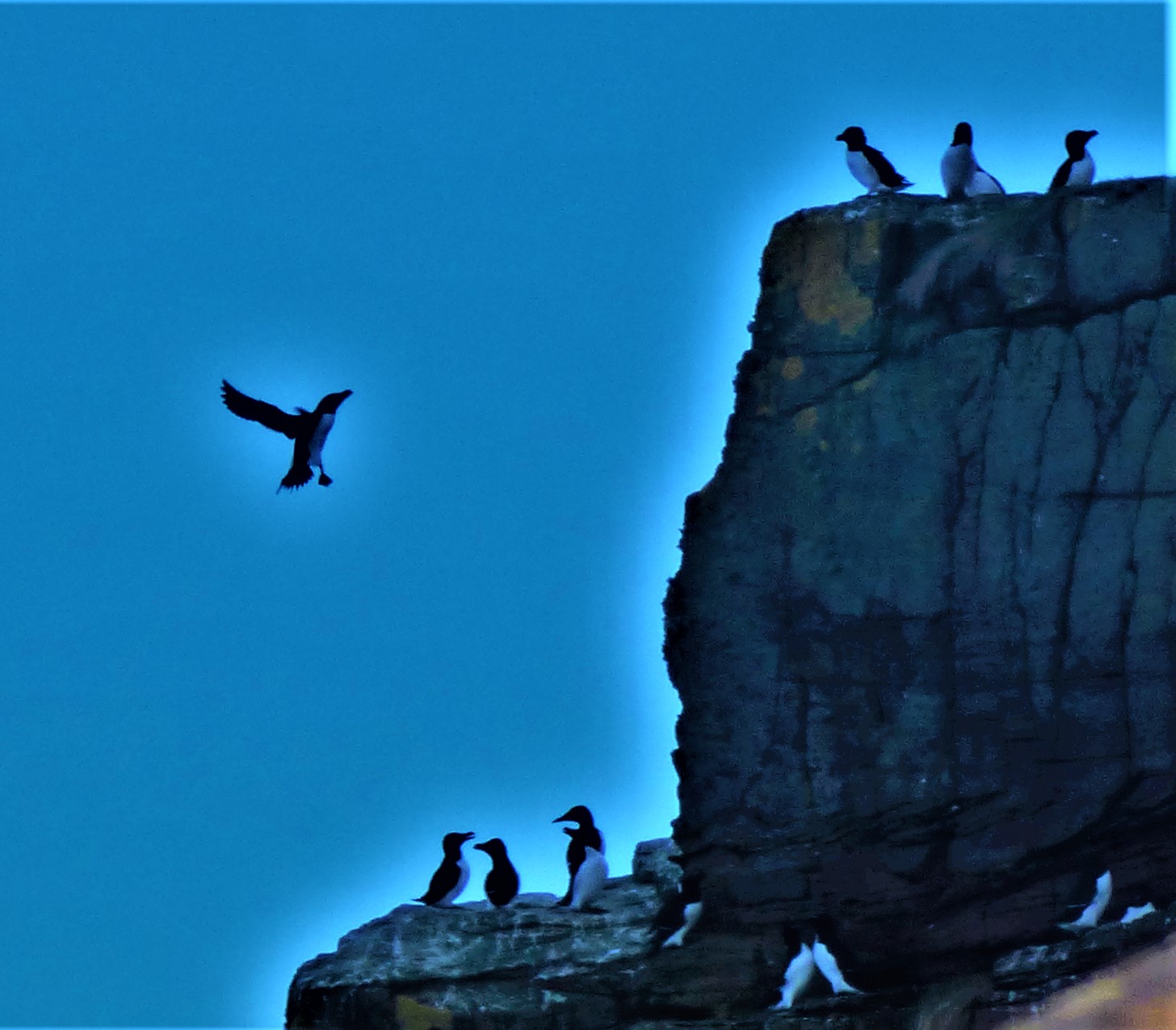
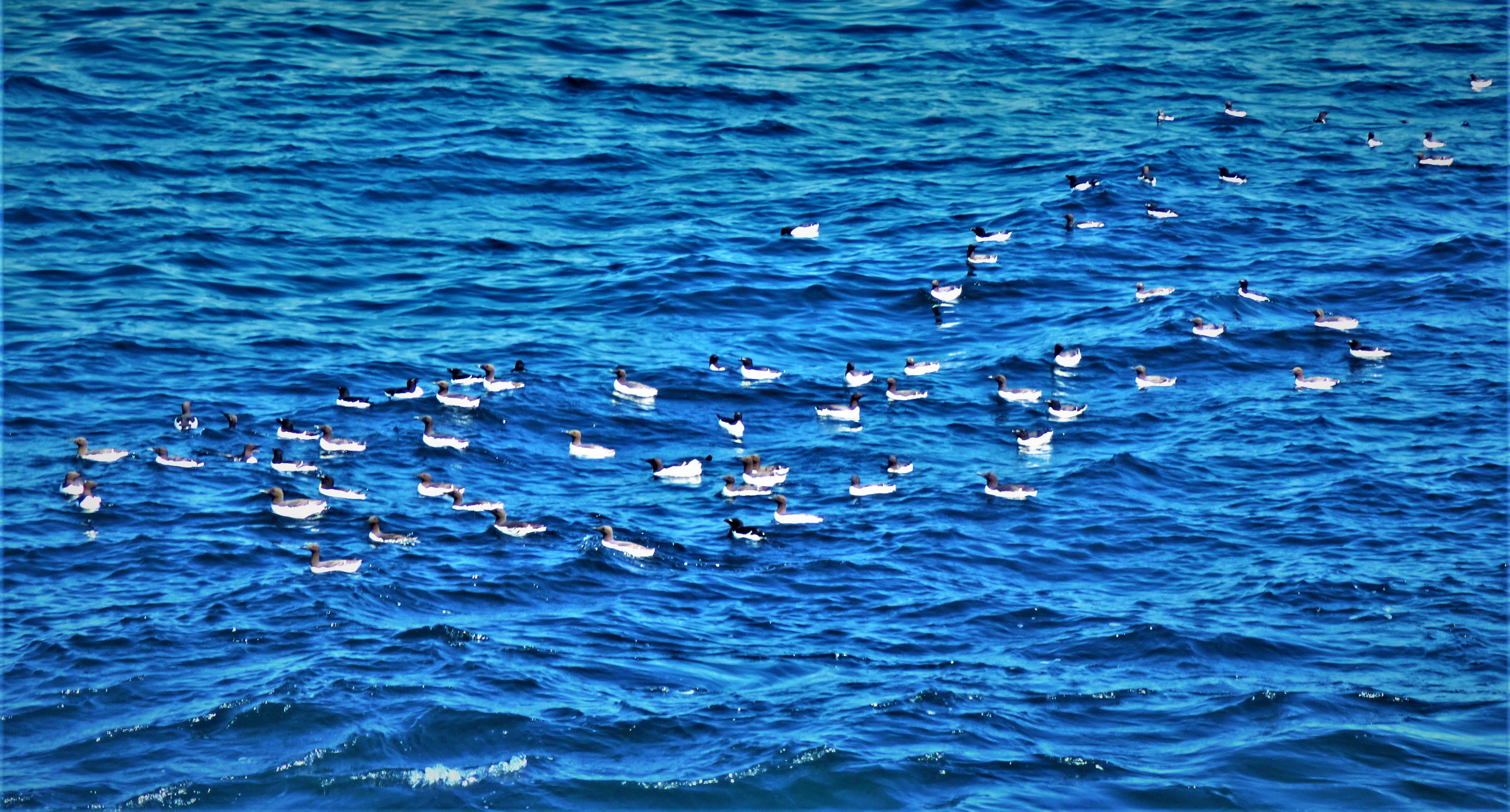
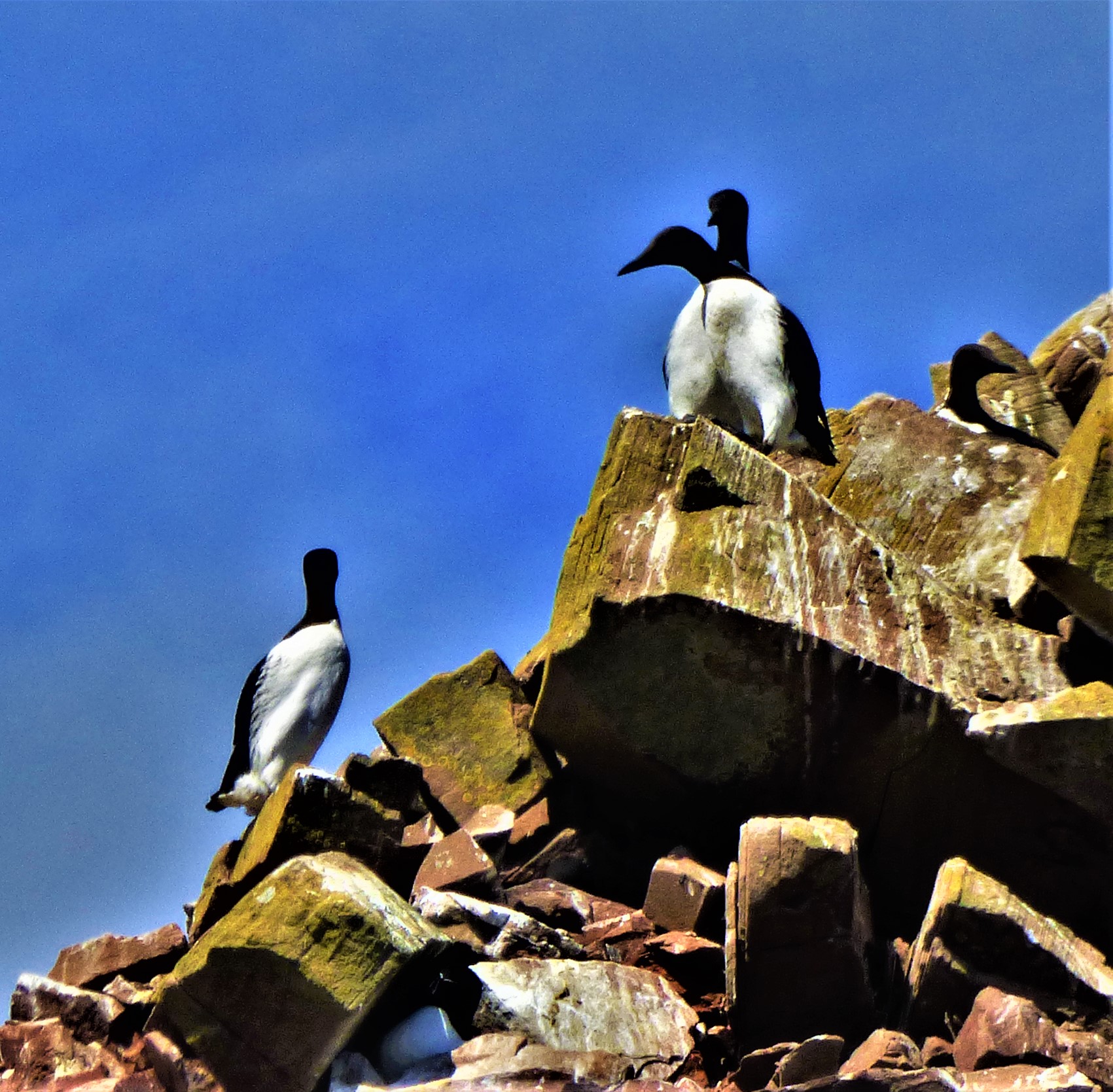
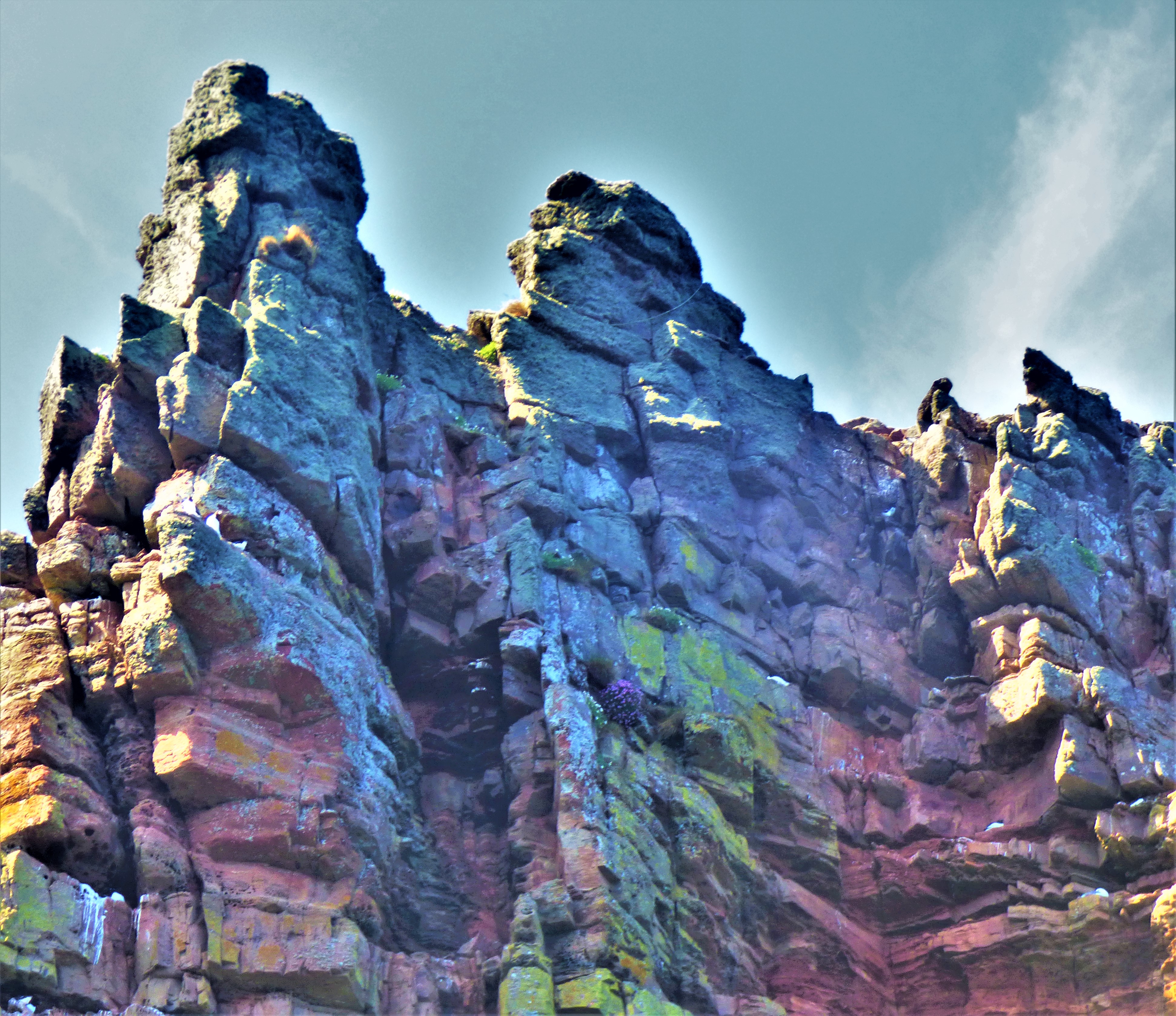
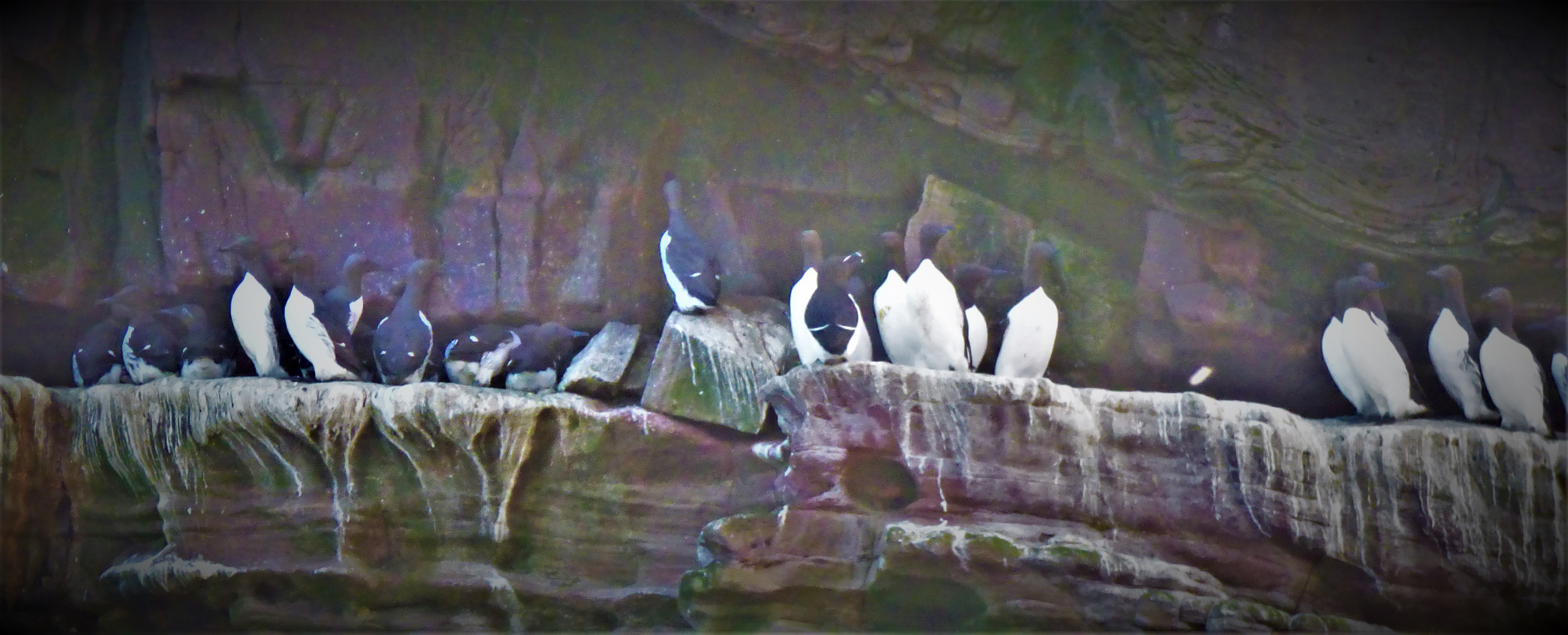
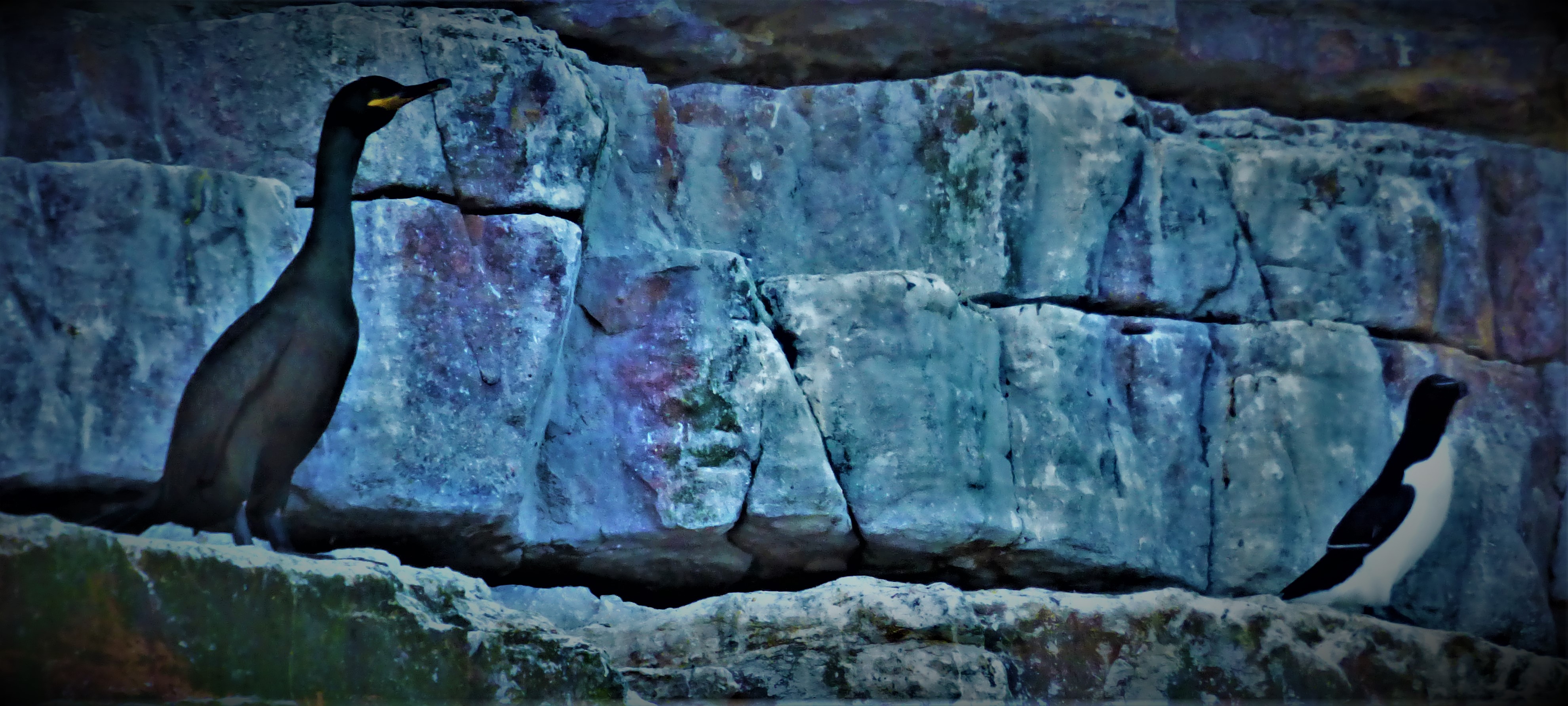
This post describes the main activity of the day of my birthday (Monday), a wildlife cruise. The route of the cruise was from John O’Groats harbour past Duncansby Head to Duncansby Stacks beyond and then back. There were a variety of sea birds on display, including guillemots, razor bills, shags and various breeds of gull. There are sometimes puffins in the area but I do not think we saw any that day. Also supposedly resident in these waters are seals and otters, but I saw neither. However it was a very enjoyable cruise.
OUTWARD BOUND
The walk to the harbour starts along an open road with no footpath before one comes to the path that leads to the John O’Groats hotel, at which point you can access various locations, including the harbour. We boarded the boat with no problems, and by the time we set out on the cruise it was very full.
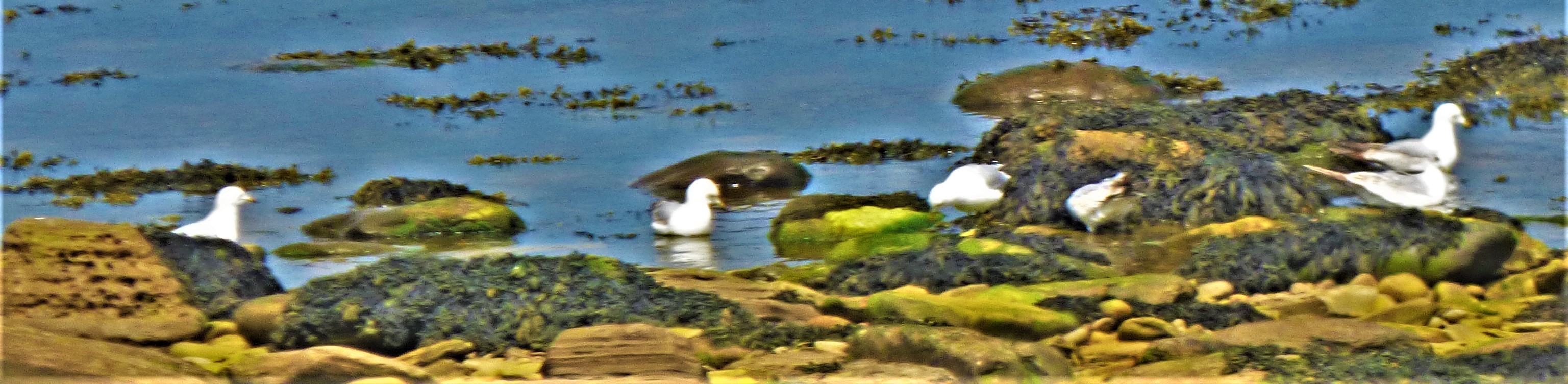
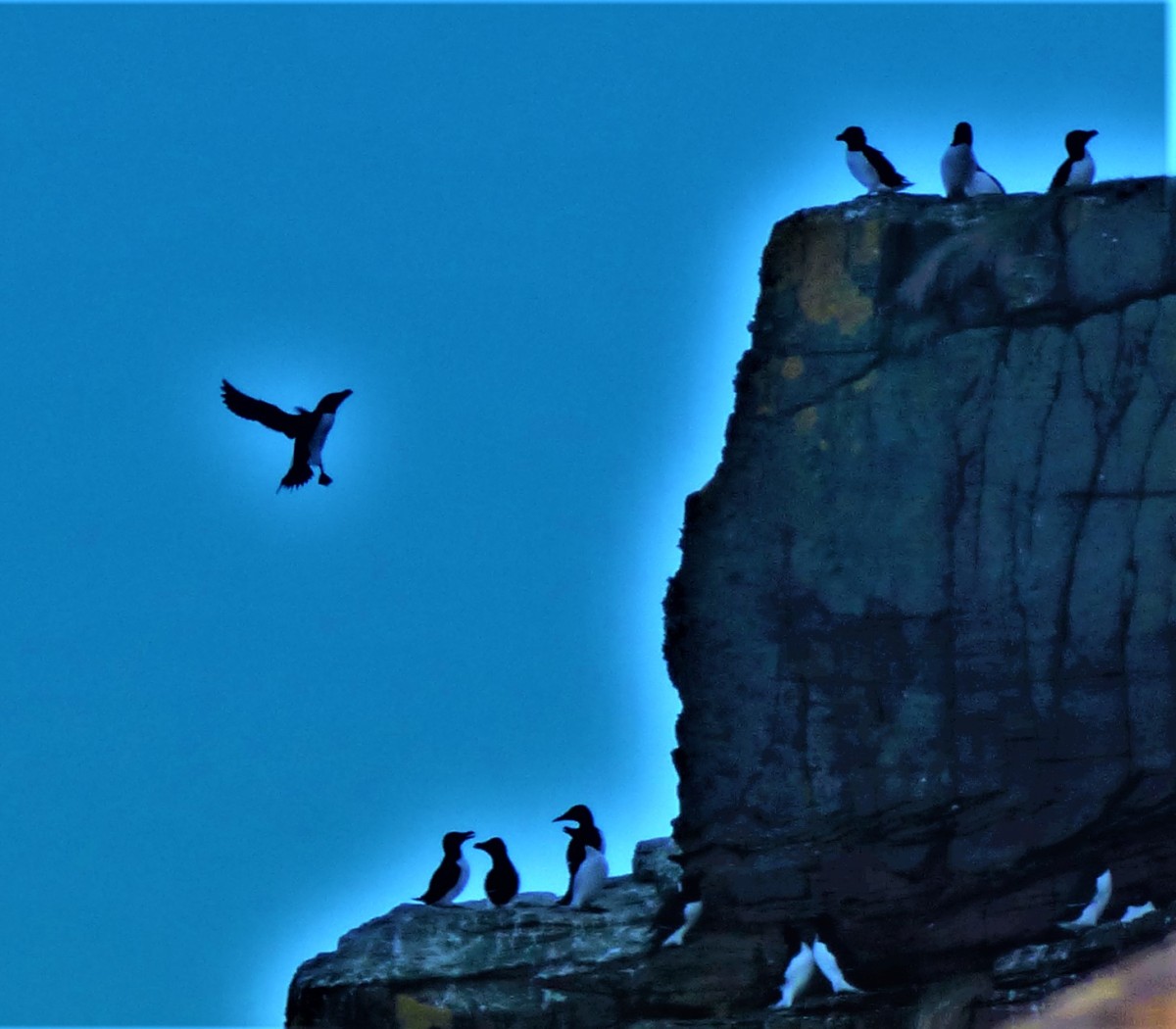
Although there were some signs of life in the open water it was only when we got level with the head and then the stacks beyond (for an explanation of what a stack is in this context visit this article which explains how they form) that we saw creatures in huge number. The guillemots predominated (they look a little like tiny penguins, although unlike the Antarctic’s most famous bird they can fly), but a few razor bills were in evidence, as were a number of shags (they look similar to a cormorant).
The boat arrived back at the harbour and after waiting for things to clear a bit we made our way back on to terra firma.
HOMEWARD BOUND
We took an exploratory route home, attempting to locate a route back which would eliminate the main road. This was unsuccessful, and we reverted to the route we knew. My mother’s shoes were causing her trouble by this stage, so my father went to fetch the van to the point where the path joins the road and I accompanied my mother to that meeting point. The problems with the homeward walk notwithstanding it was a very enjoyable day.
PHOTOGRAPHS
I have loads of photographs to go with this post and I hope you enjoy them:
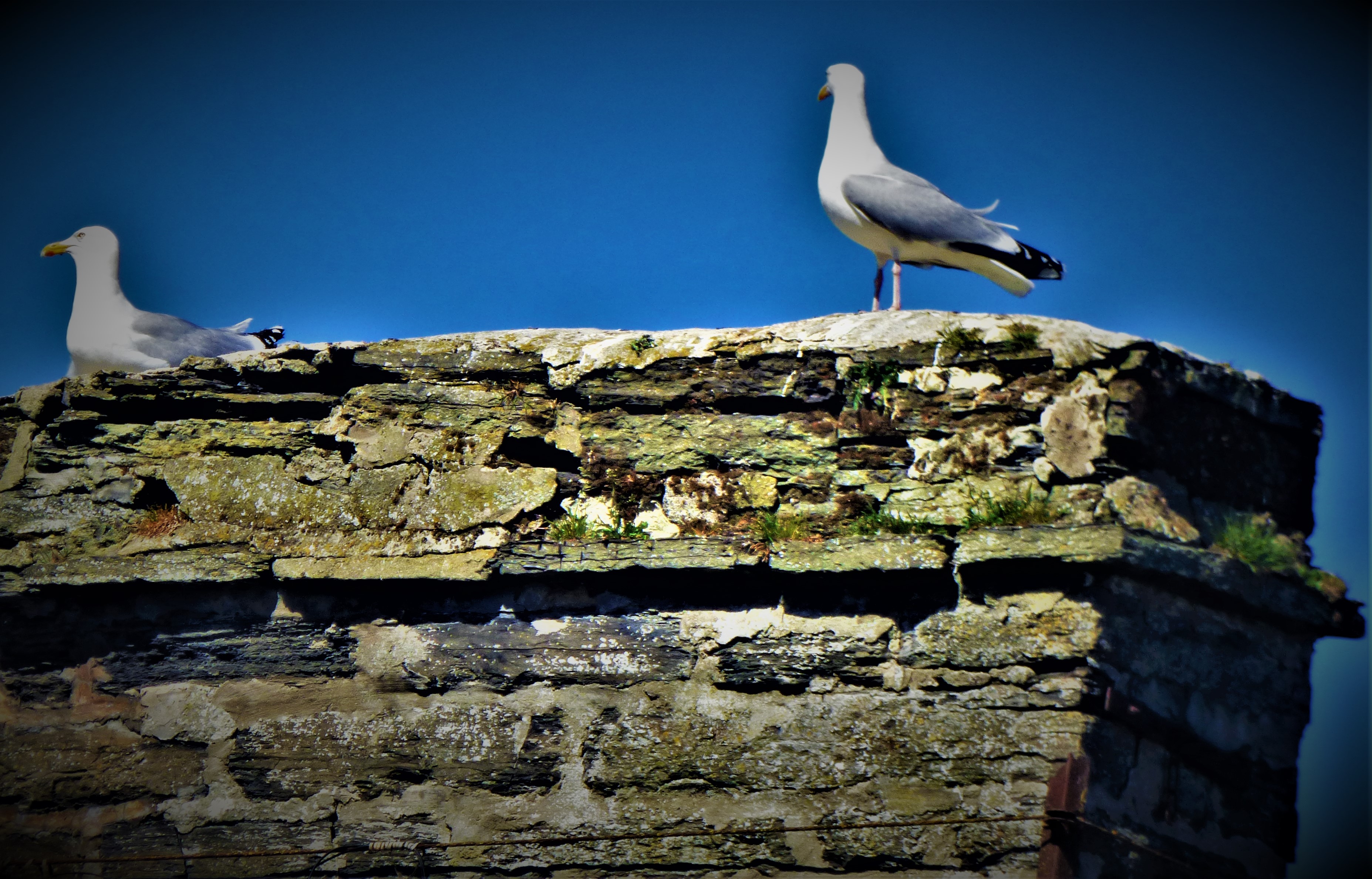
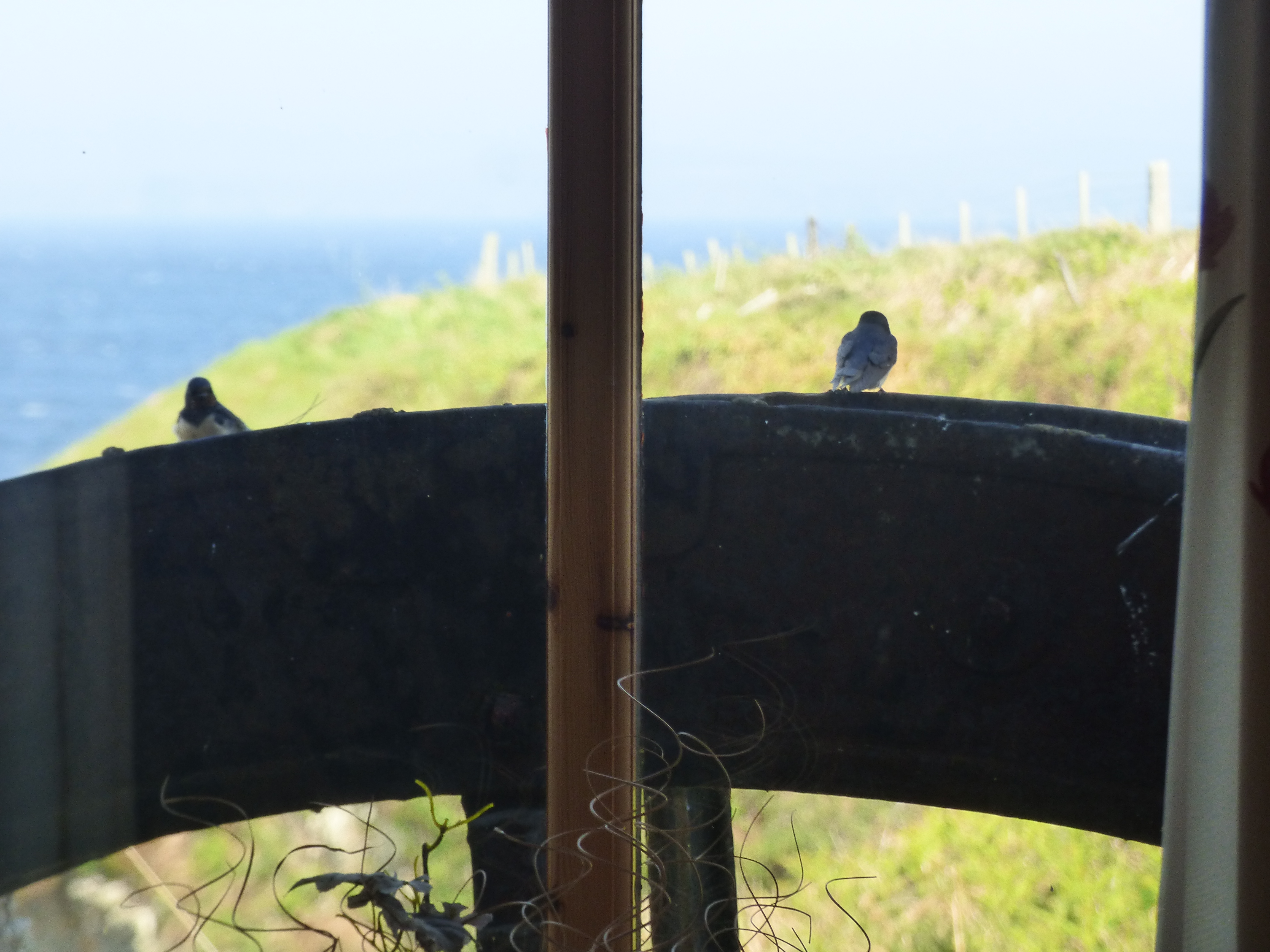
These birds love the mill wheel.
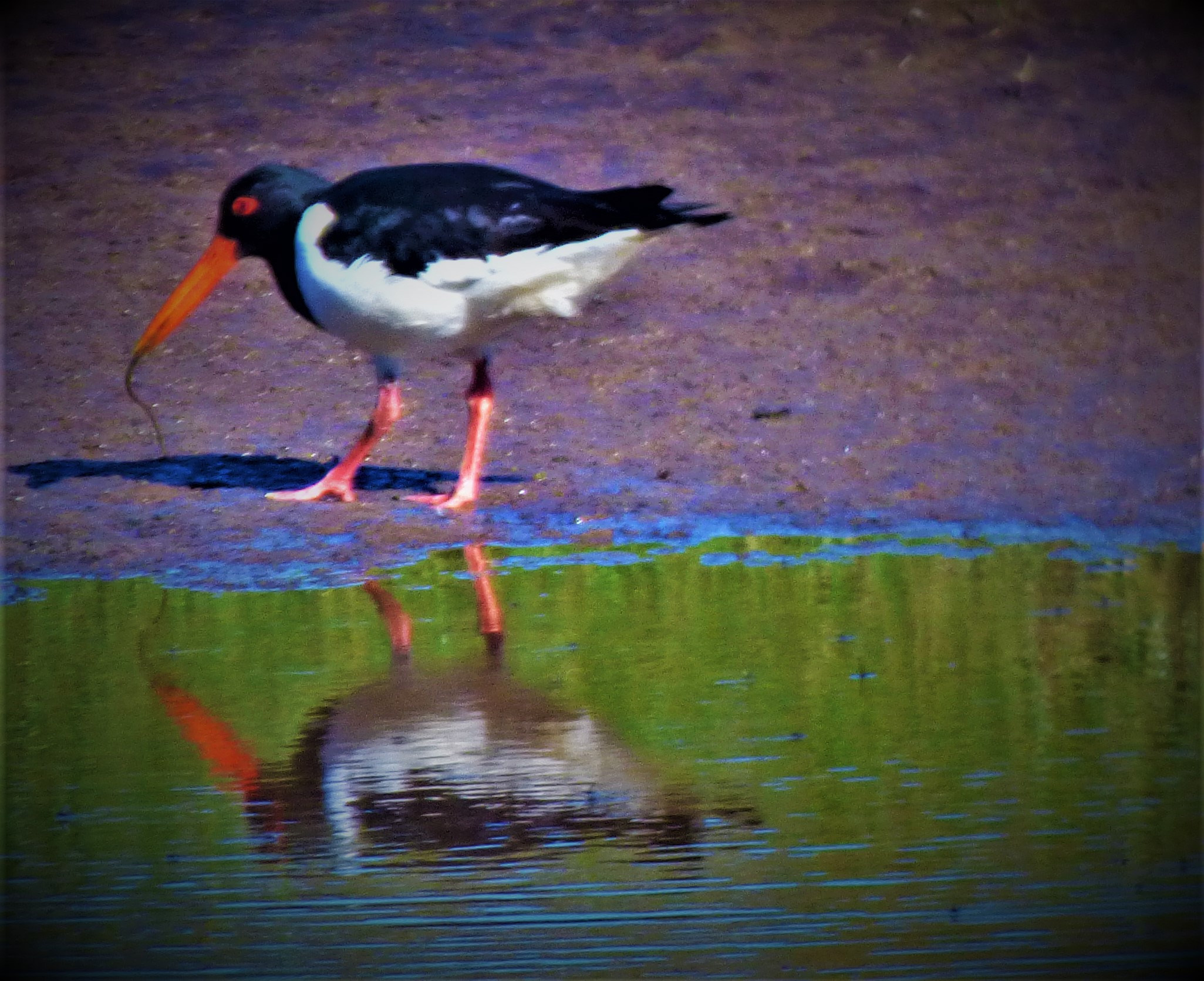
An oystercatcher.
Back on land – this oystercatcher was in the grounds of the John O’Groats hotel.




















































































































































































































































































































































































































 aspiblog