An account of an auction that did not go to plan but was nevertheless extremely successful, and a large photo gallery.
On Tuesday James and Sons had a small auction of banknotes and coins. I ran the IT side of the auction itself, having also typed all the descriptions and created most of the images. This post looks back at a day that while it certainly did not go exactly to plan was indubitably a successful for James and Sons.
AN EARLY START
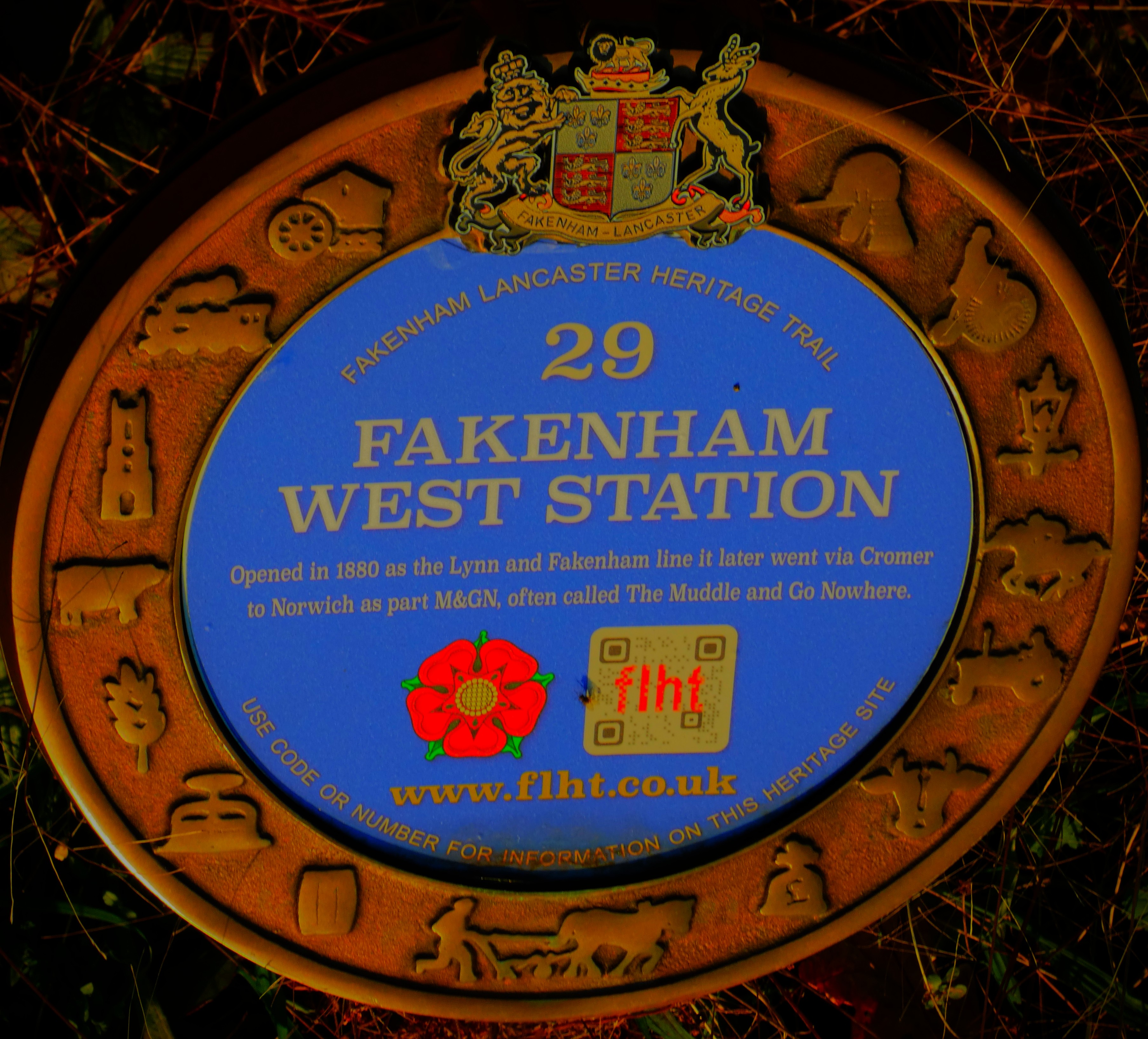
With the sale getting underway at 10AM I had to arrive early, and the only way I could do so was to catch the early morning bus, getting into Fakenham at 7:48. I had warned my employer of this detail and he promised to arrive as near that time as he could manage. I got in to Fakenham as planned, found that my employer had not arrived yet, and took myself off for a short walk to fill a little time. He arrived a little after I got back to the shop, and opened up. At 9:30 the person who had done what I was to be doing that day arrived and put me through my paces. At 10 o’clock on the dot we kicked off.
THE SALE ITSELF
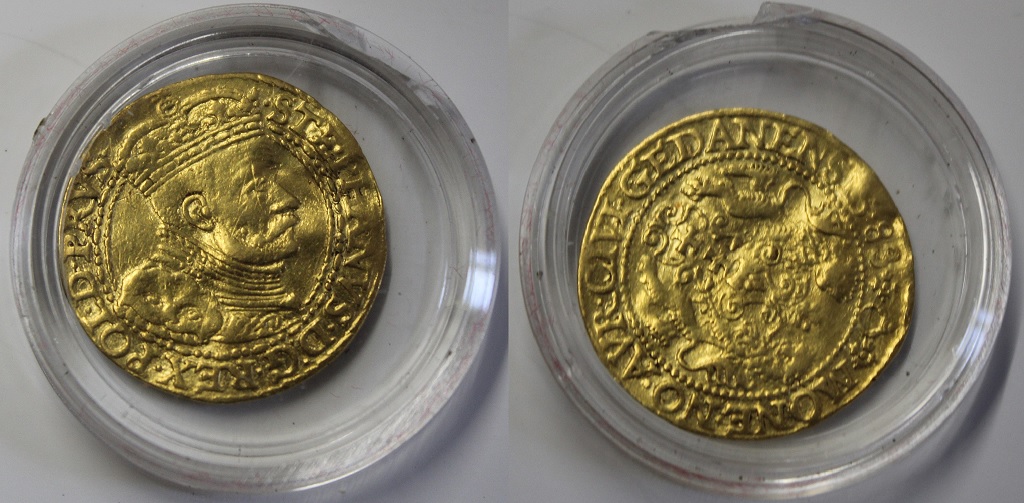
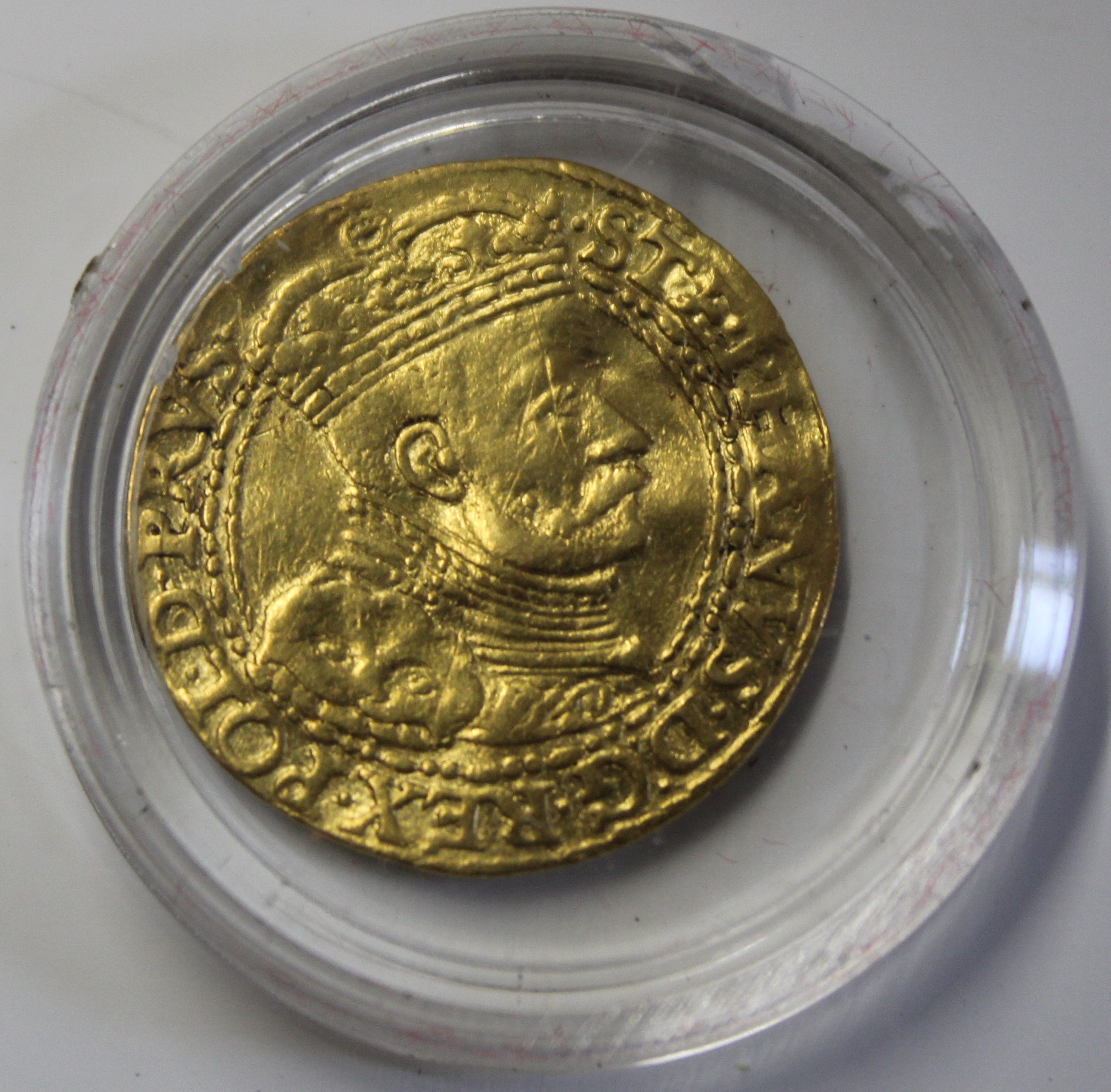
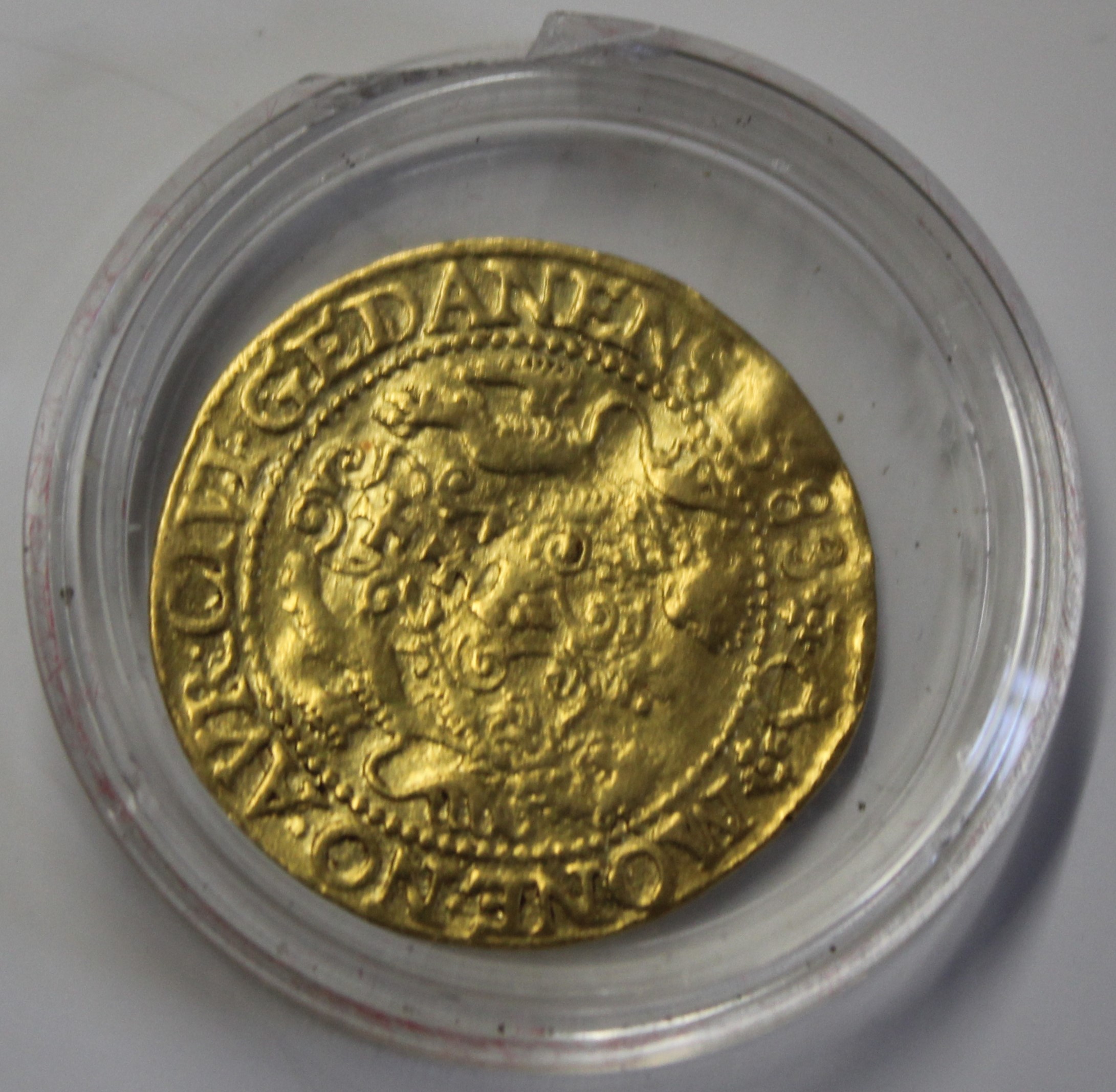
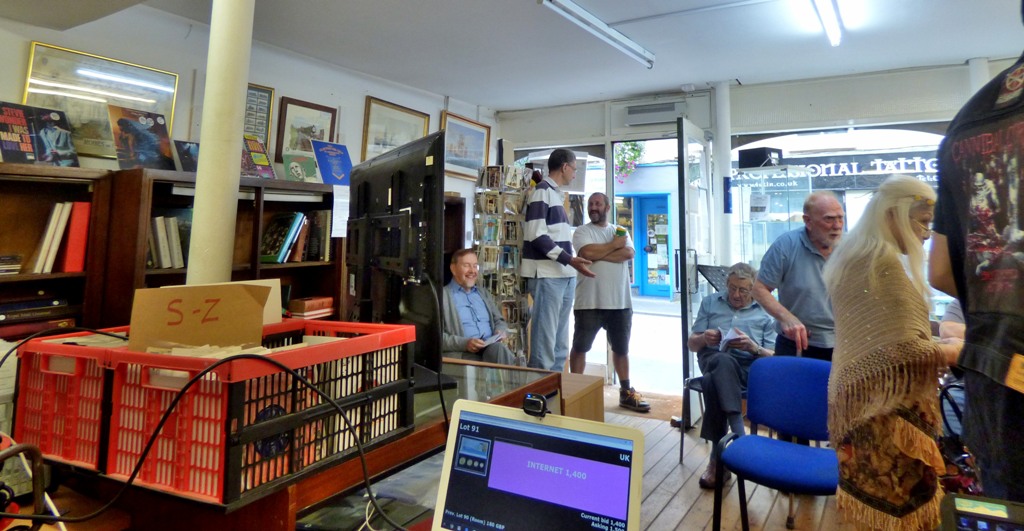
The 50 lots of banknotes with which the sale started were fairly quiet, though even one or two of those went well. The coins (lots 51-267 inclusive) fared quite superbly. The star item of the auction, a Stephan Batory 1583 gold ducat, soared to £2,300, considerably more than we had expected. While not going anything close to that kind of figure a lot of the silver coins achieved much higher prices than expected, with prices in three figures commonplace, and over £300 happening multiple times. Lots 268-277 and 281-300 were books about coins, and lots 278-280 were charity coin lots, and my employer’s voice was suffering, so he decided to end the sale at lot 267. I managed to close things down OK. Although there were no bidders in the shop we had active bidders on two online platforms (www.the-saleroom.com and www.easyliveauction.com) and we also had a telephone bidder (an old client who is a big spender, which is why it was permitted even though it meant someone had to be there with the sole purpose of handling these bids), and there were times when it was very intense. However, I enjoyed the day and was pleased overall with how it went.
PHOTOGRAPHS
Here is my photo gallery for this post…
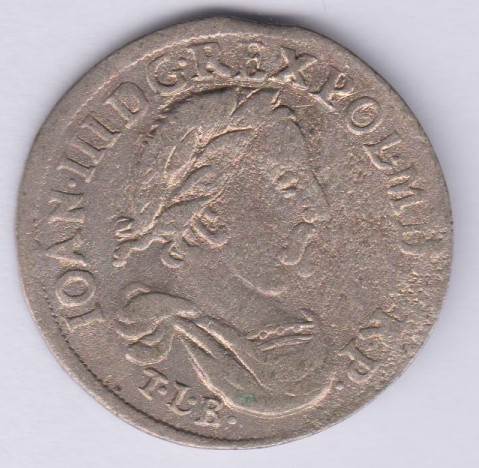
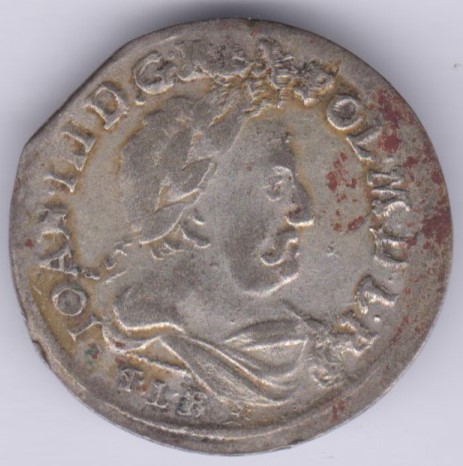
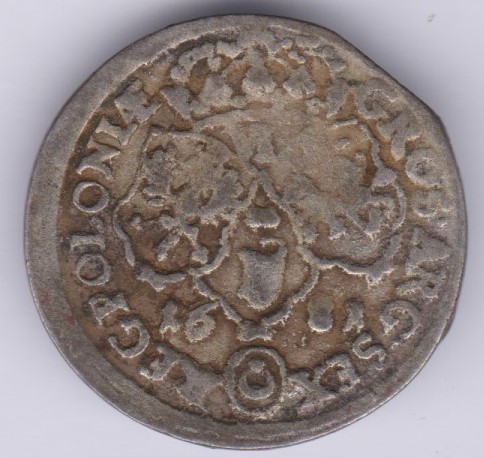
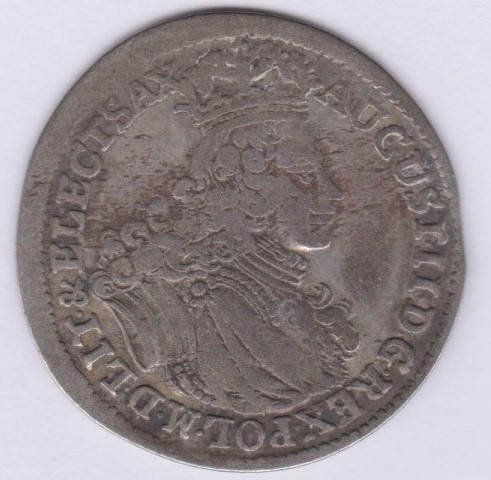
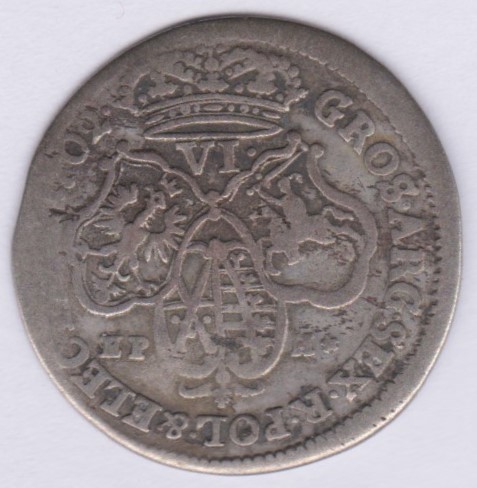
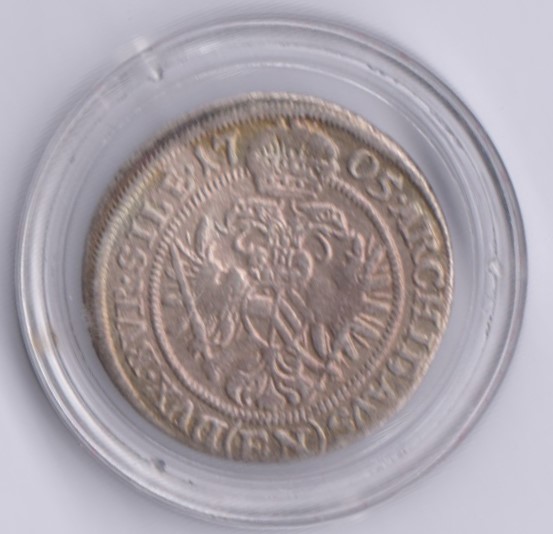
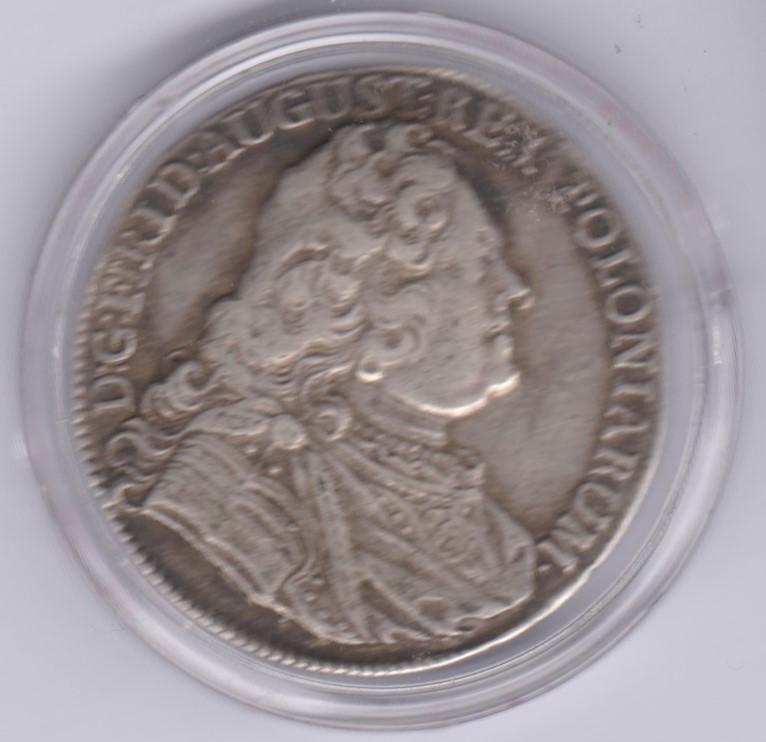
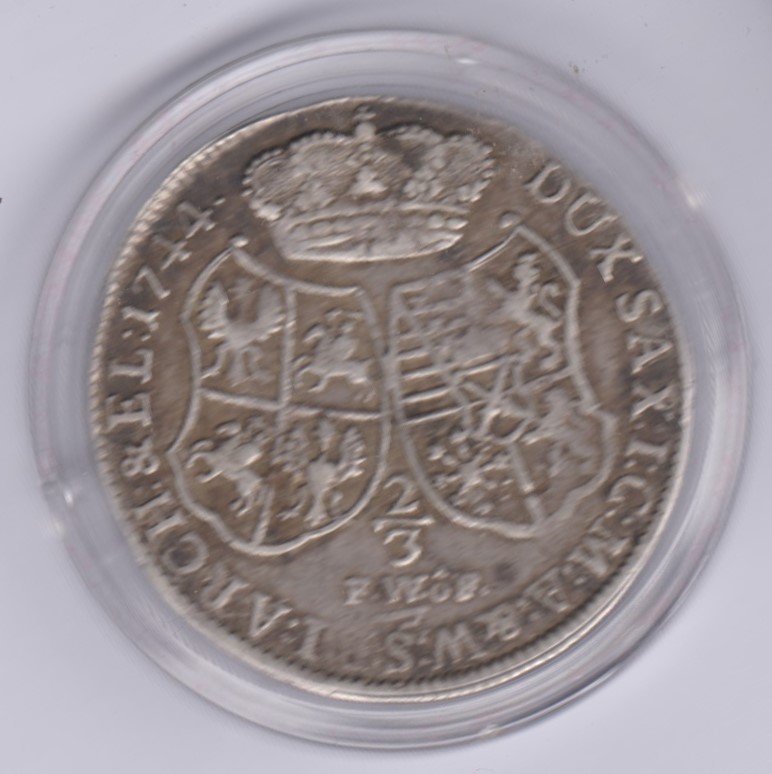
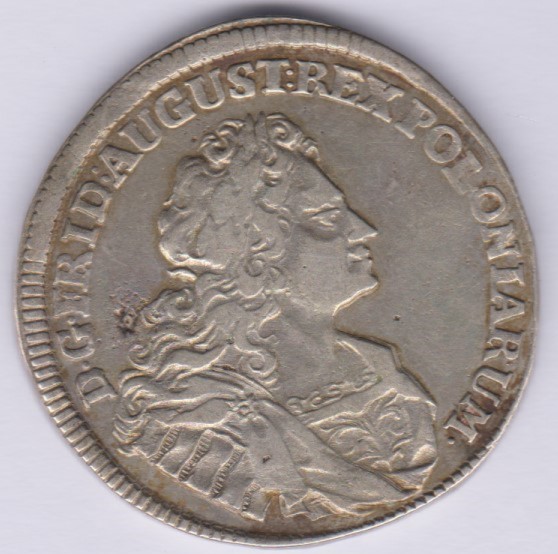
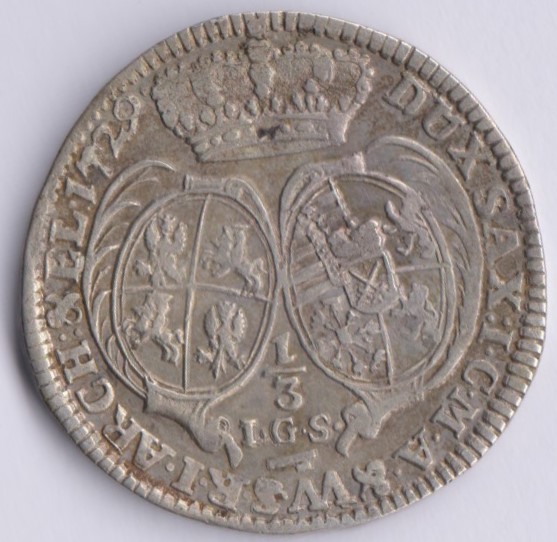
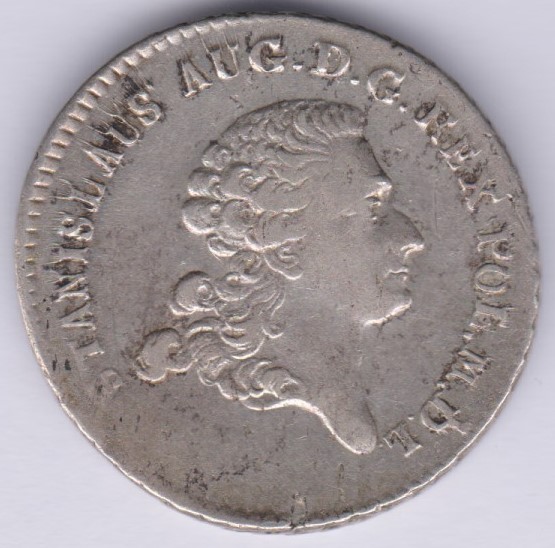
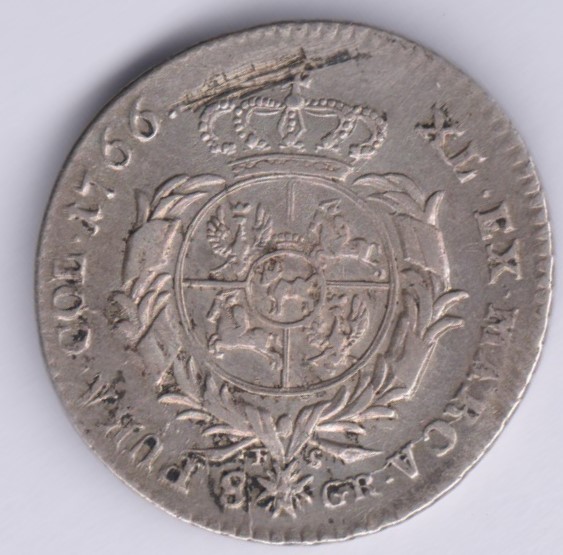
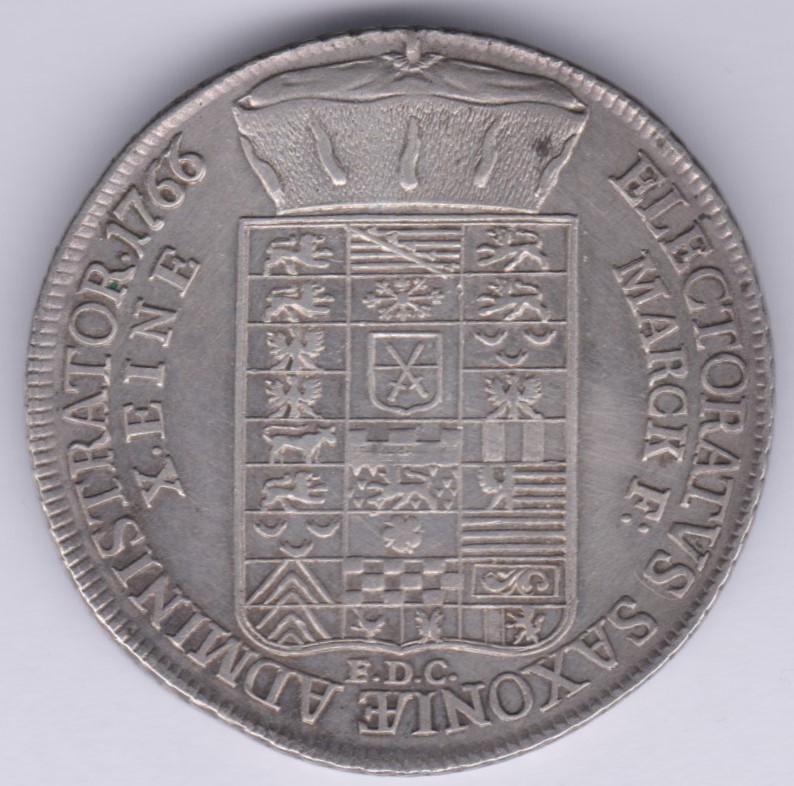
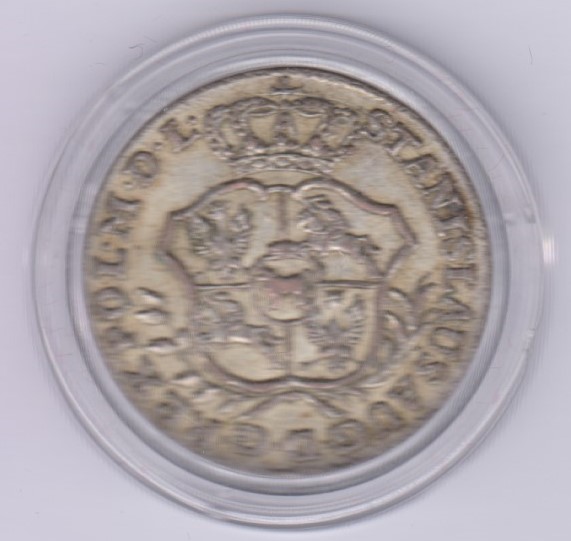
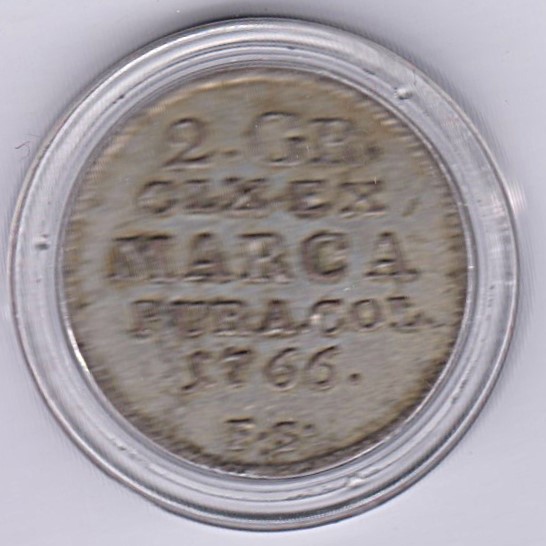
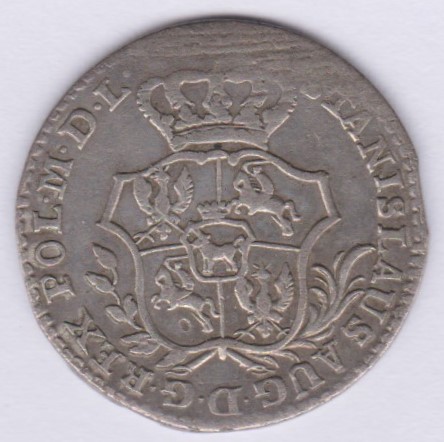
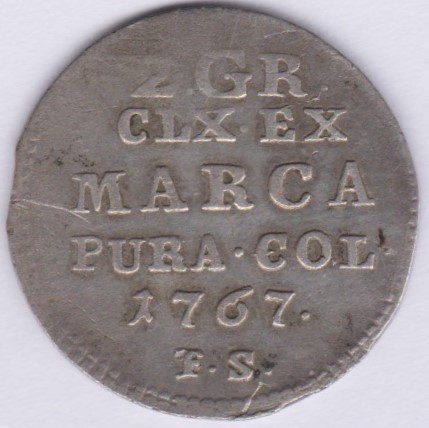
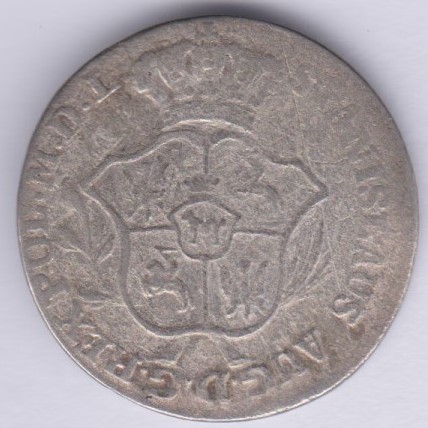
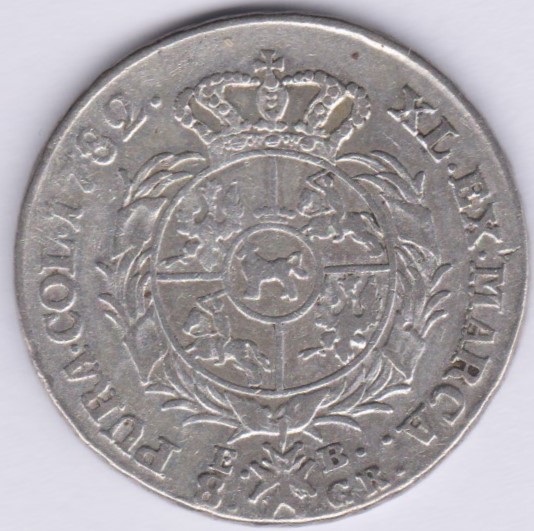
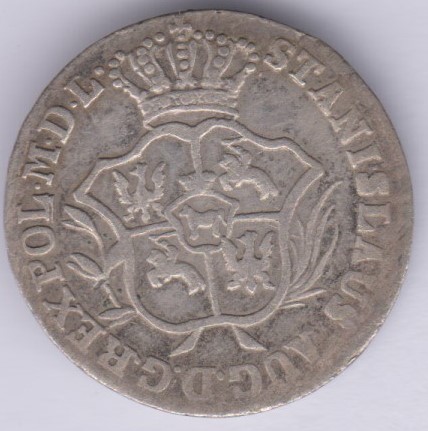
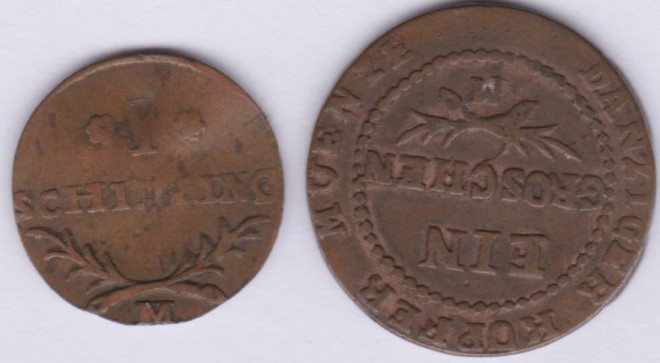
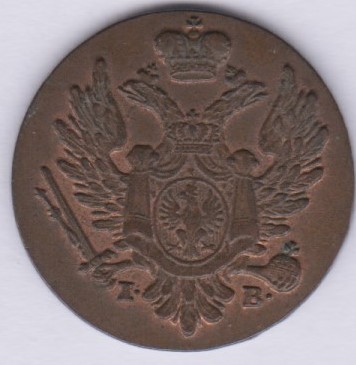
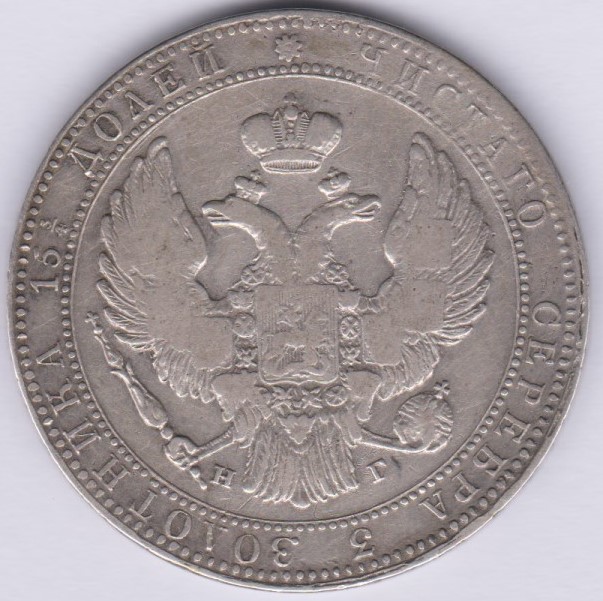
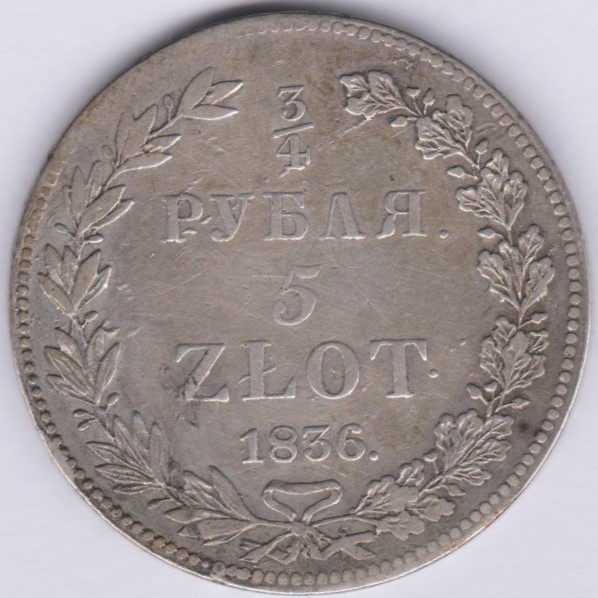
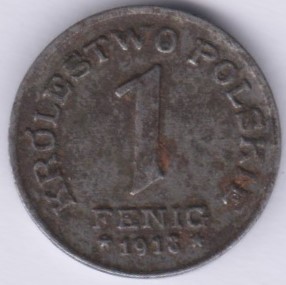
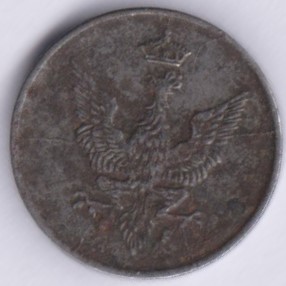
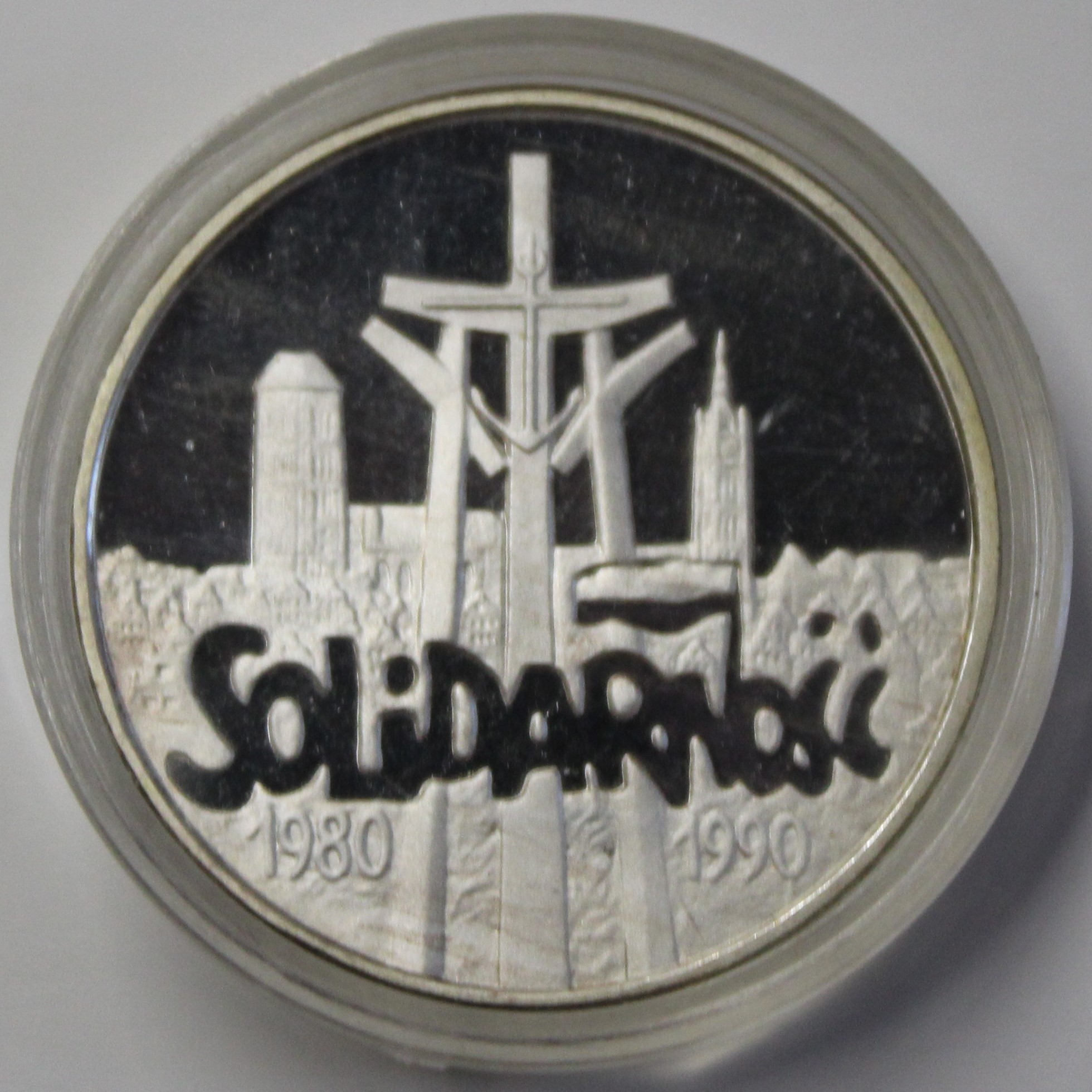
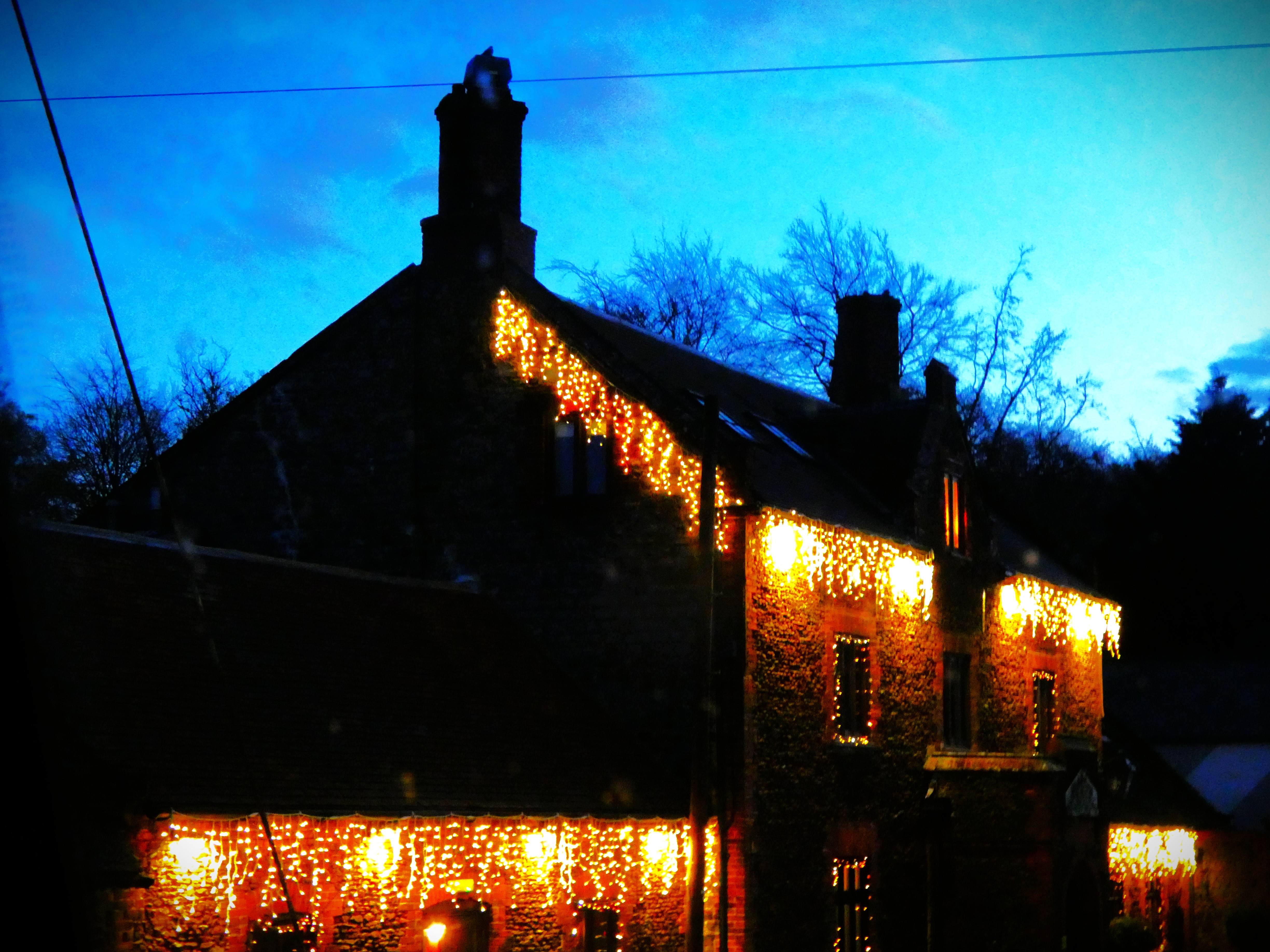
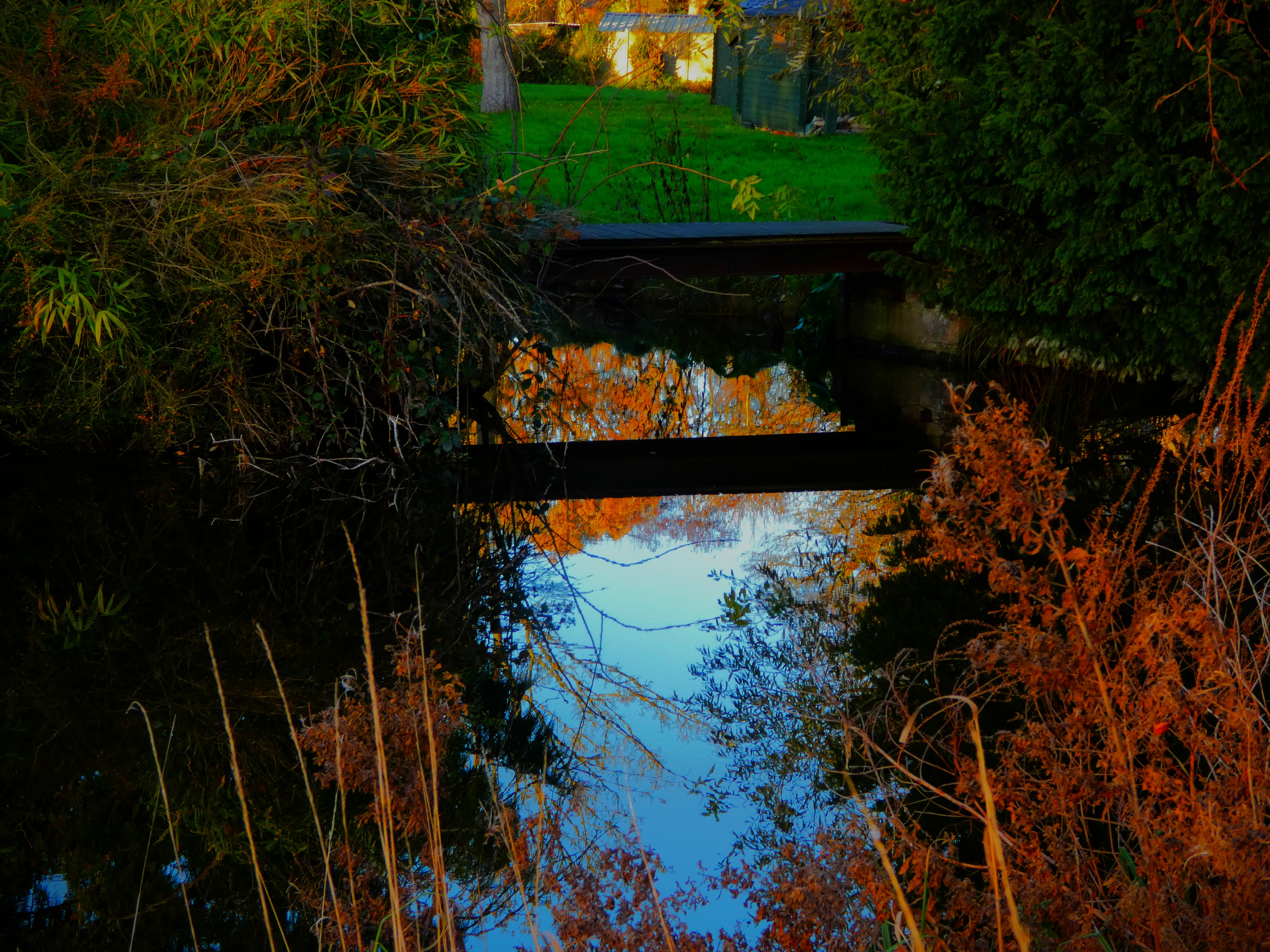
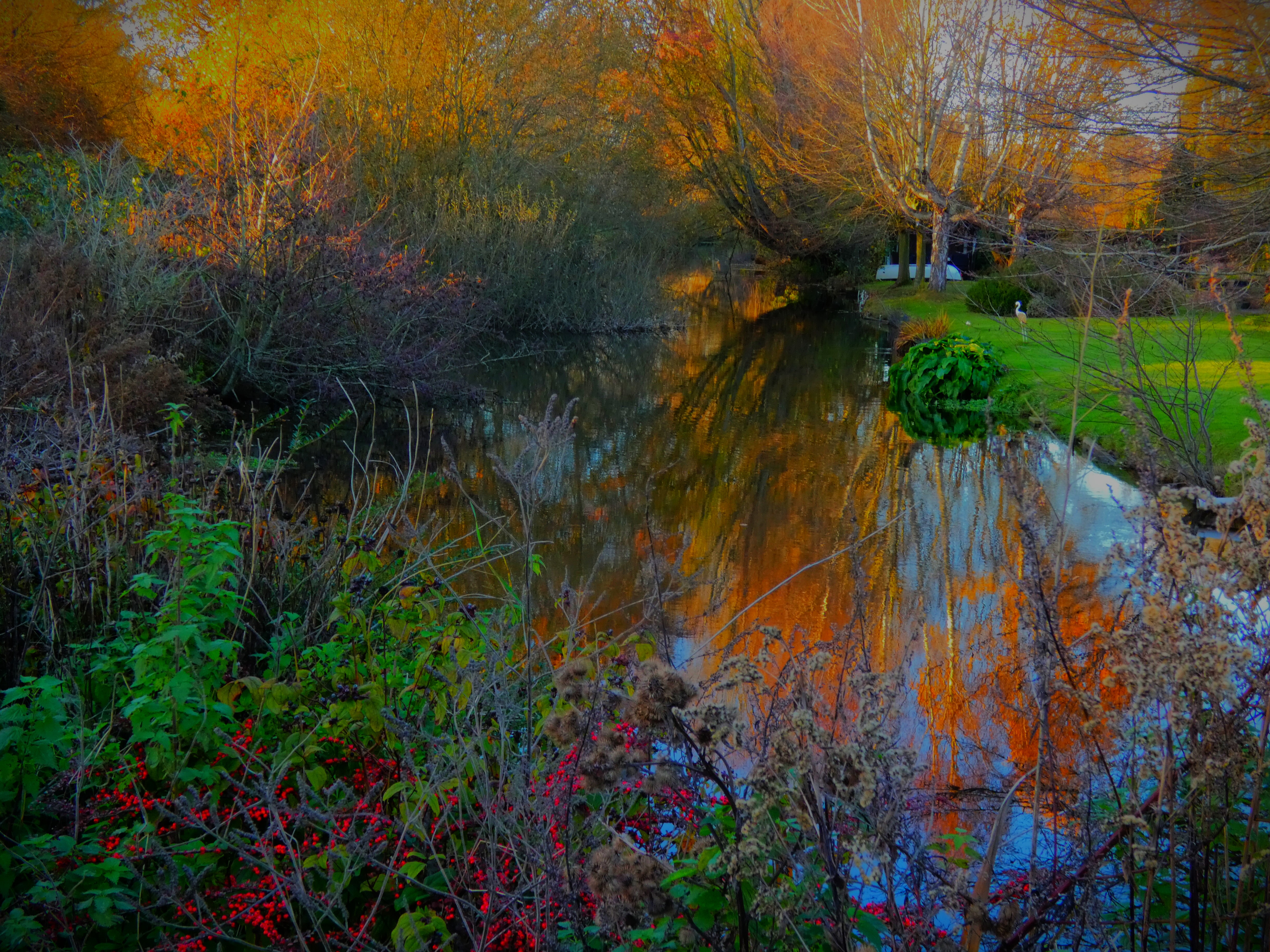
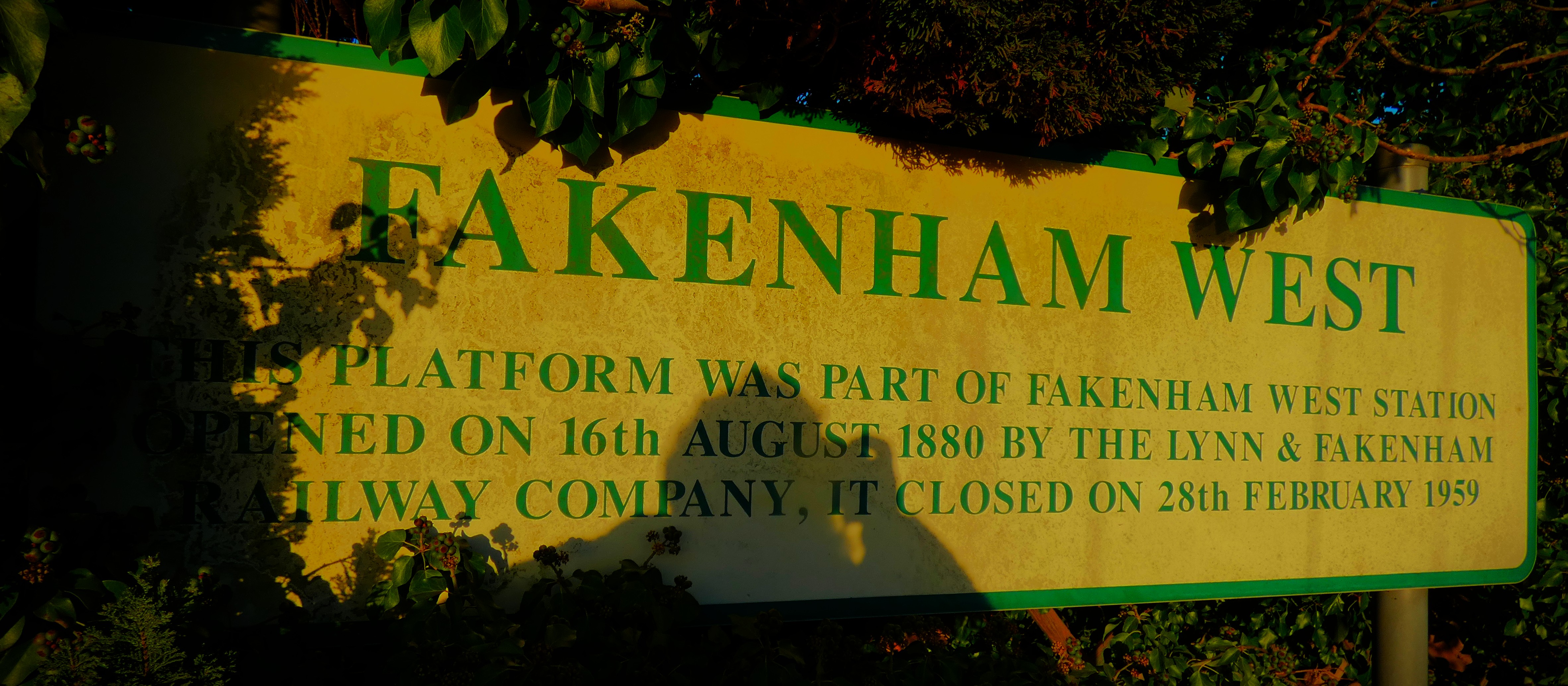
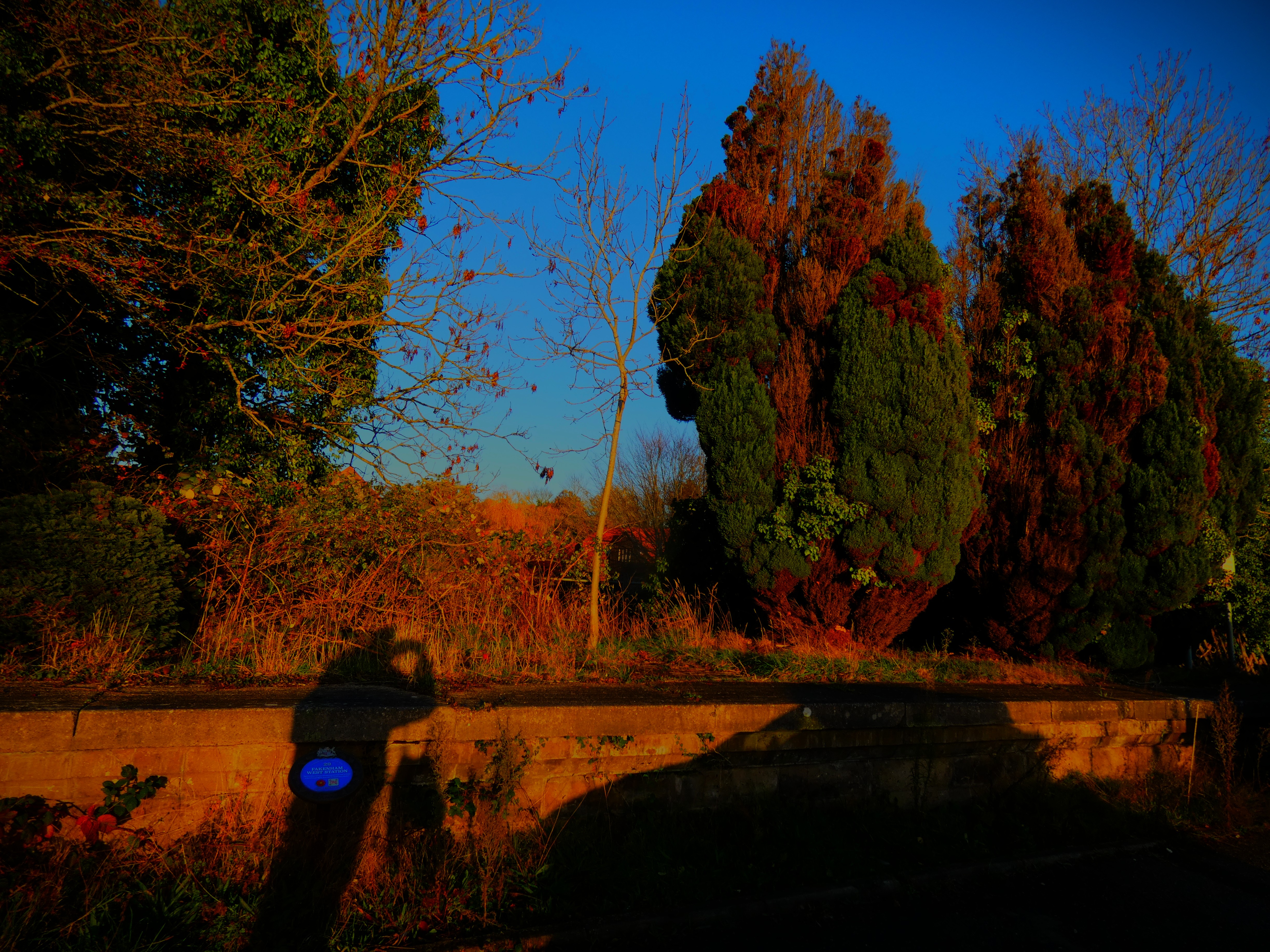
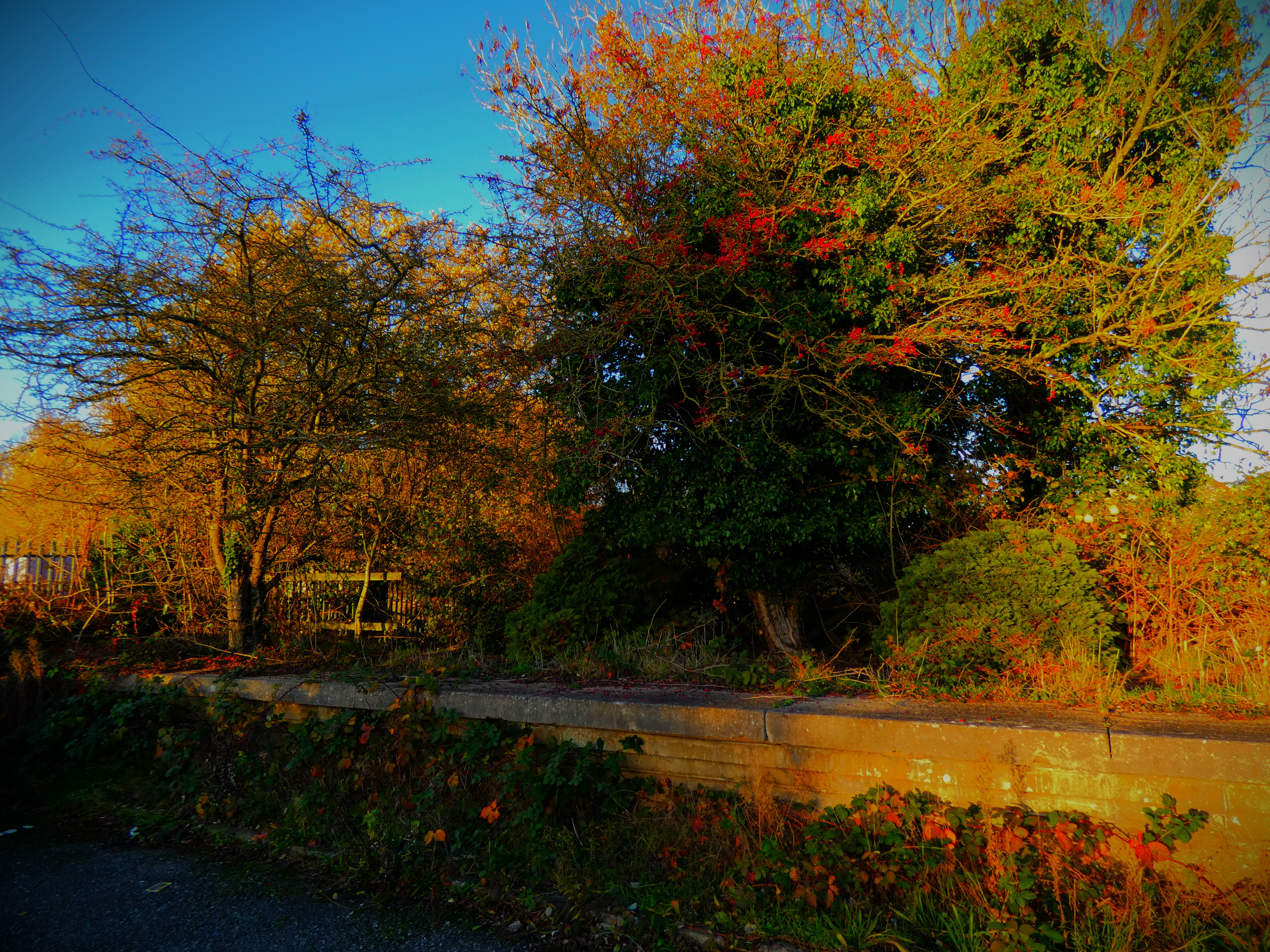
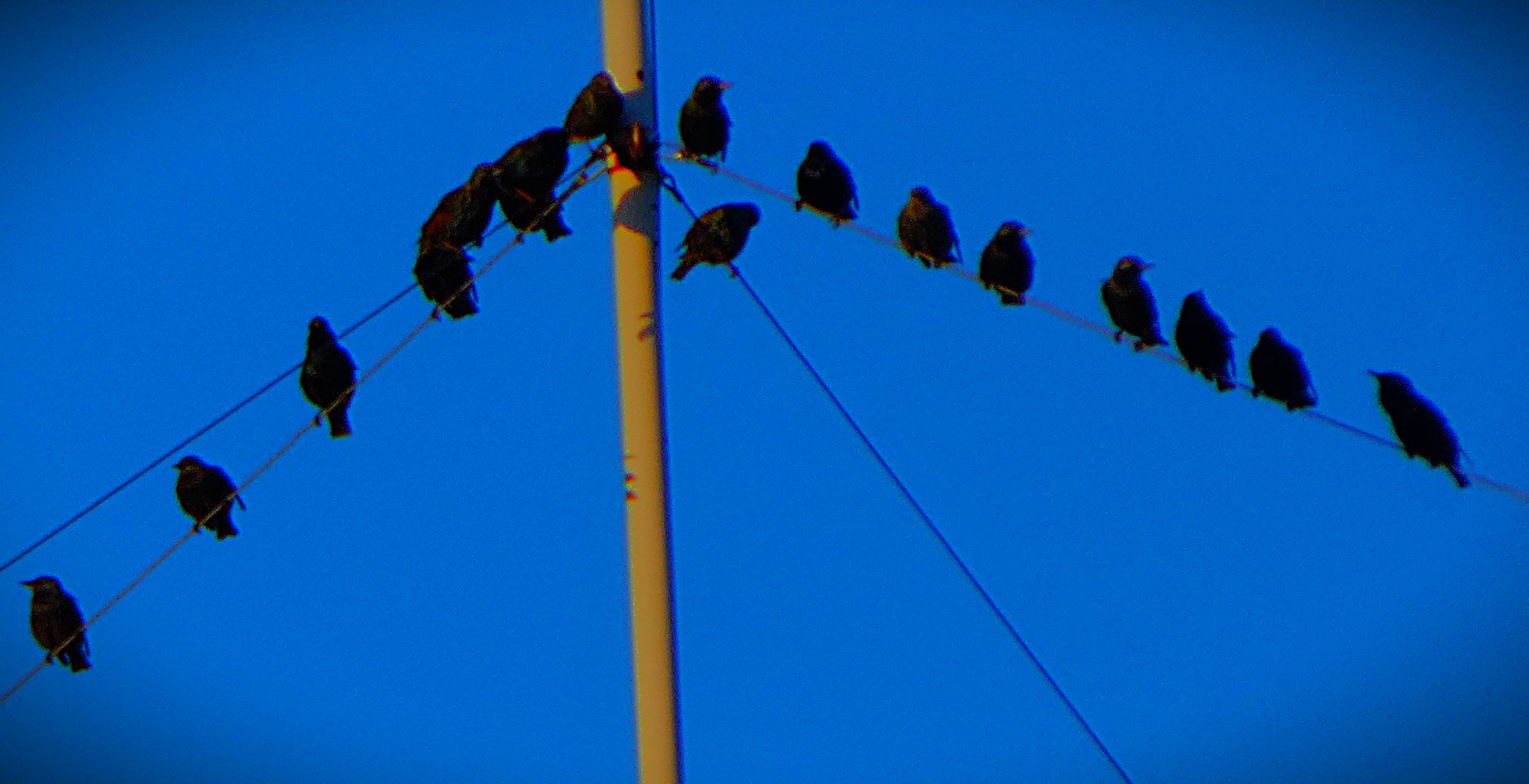
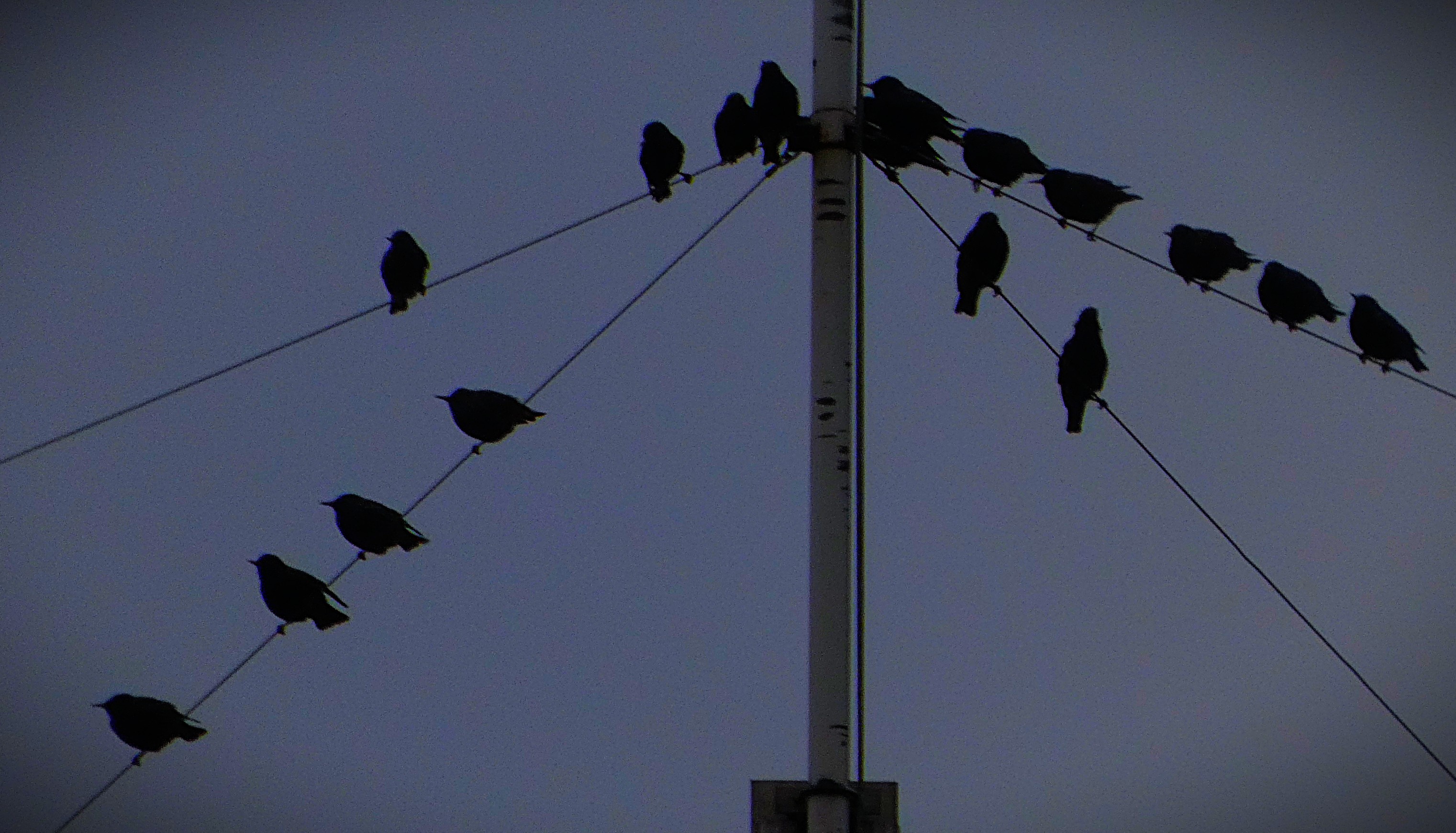
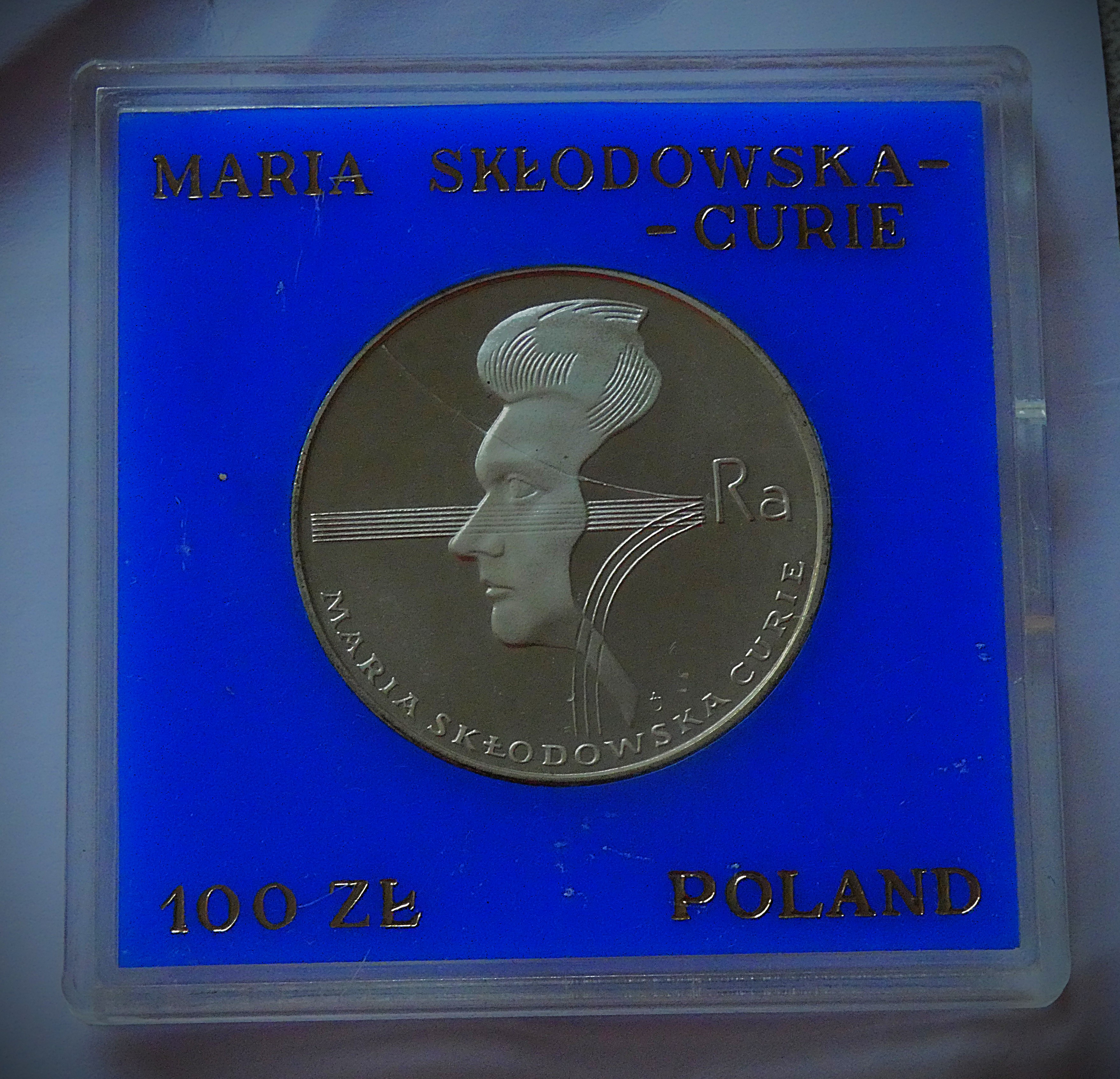
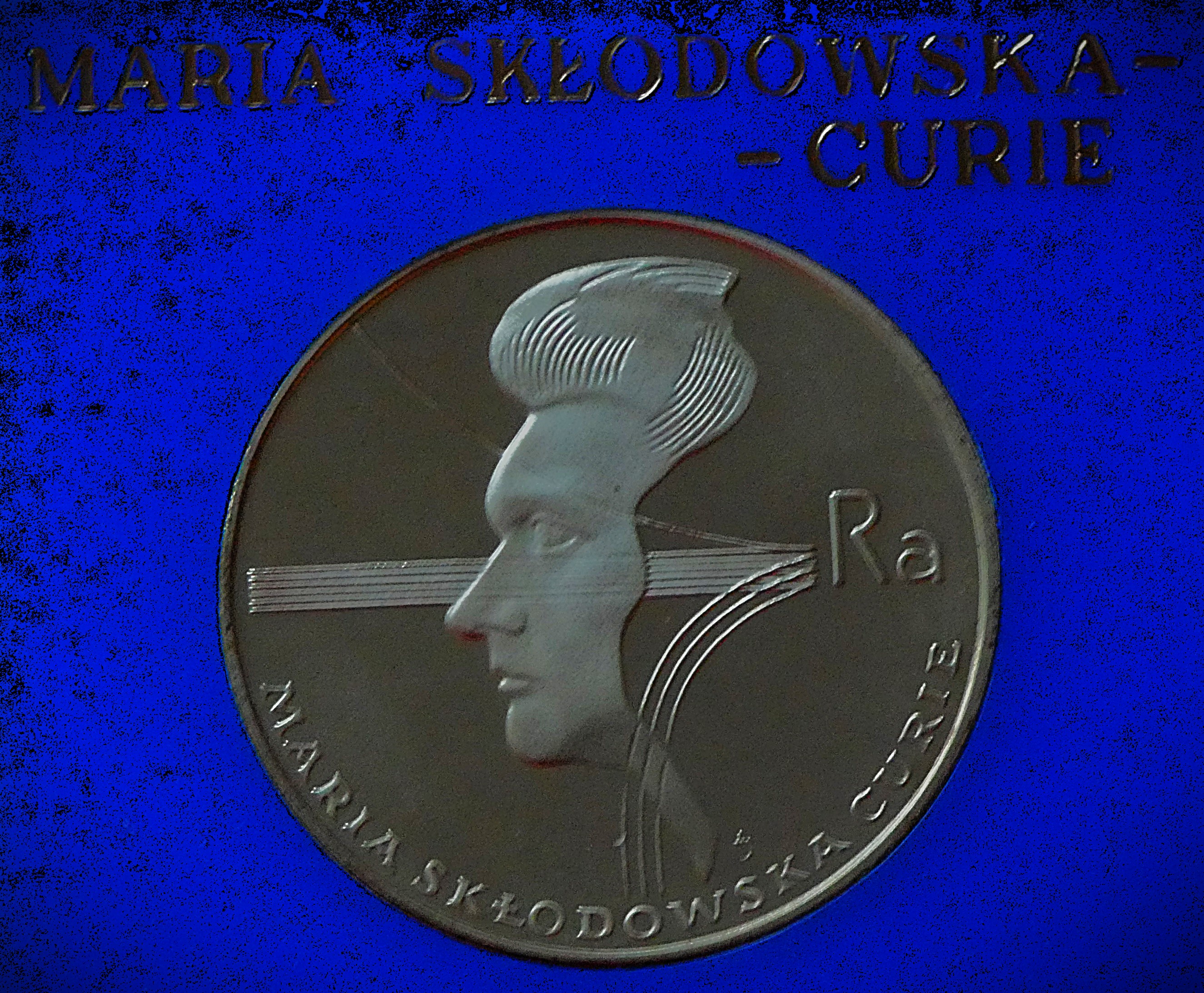
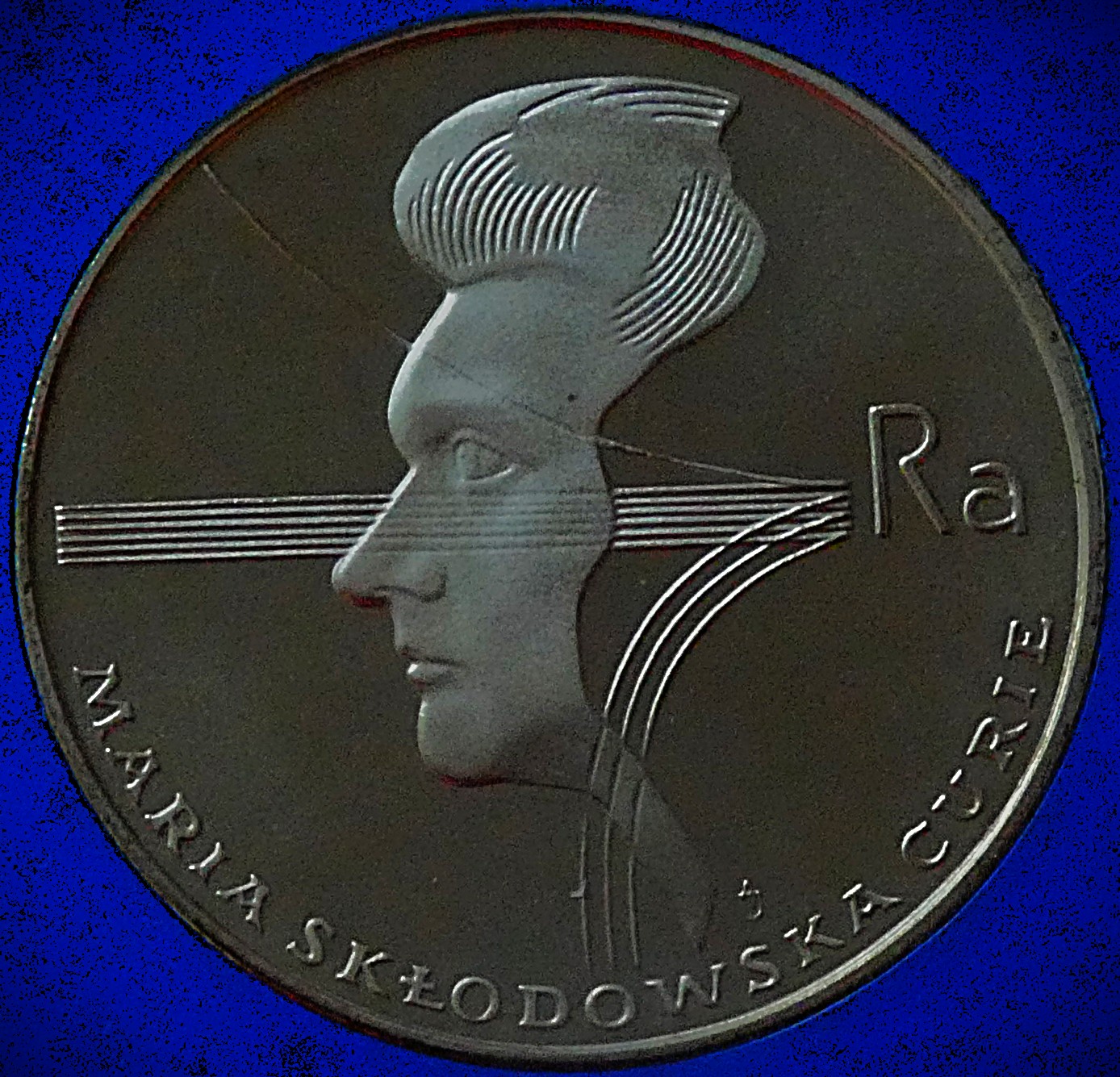
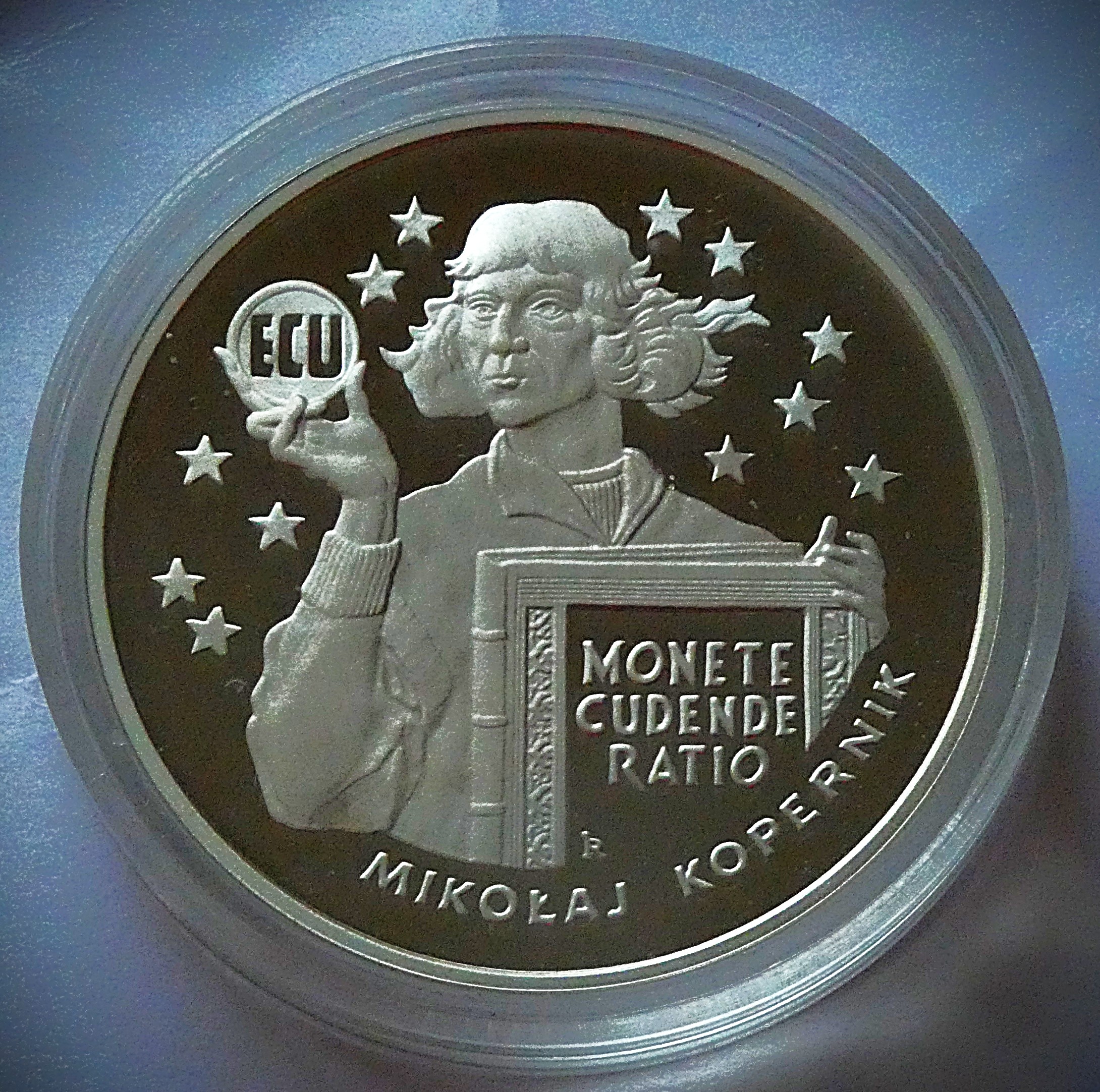
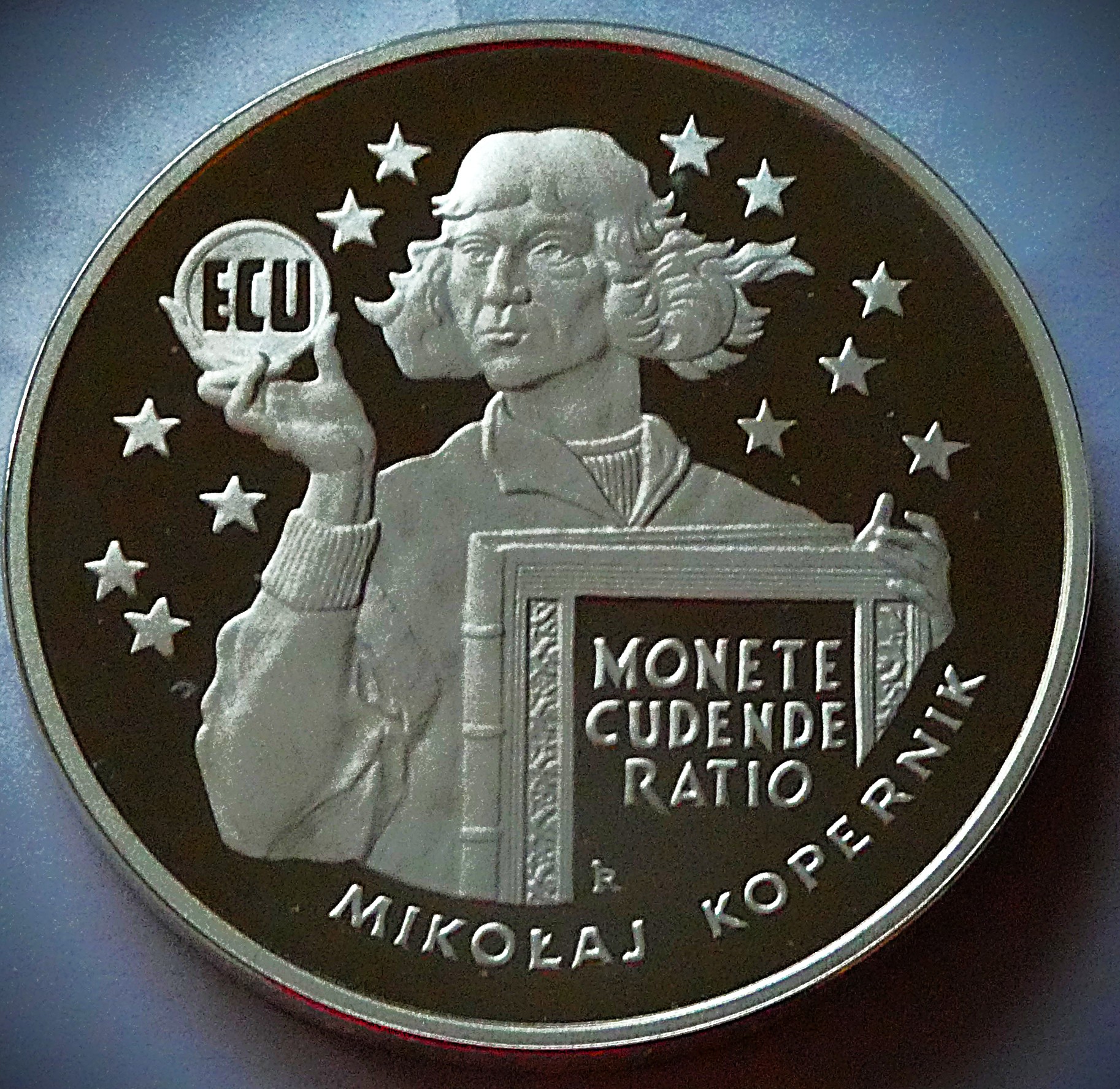
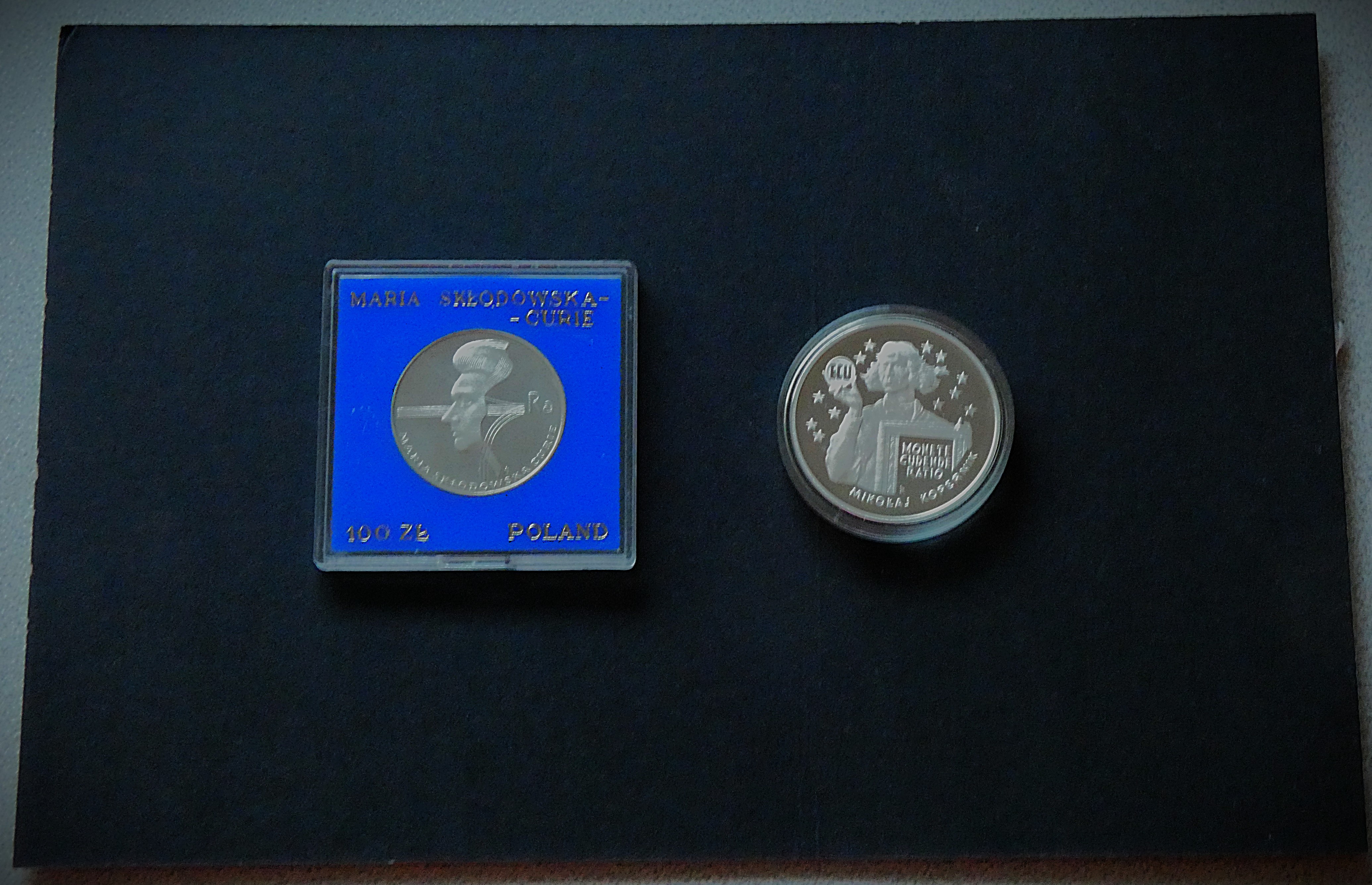
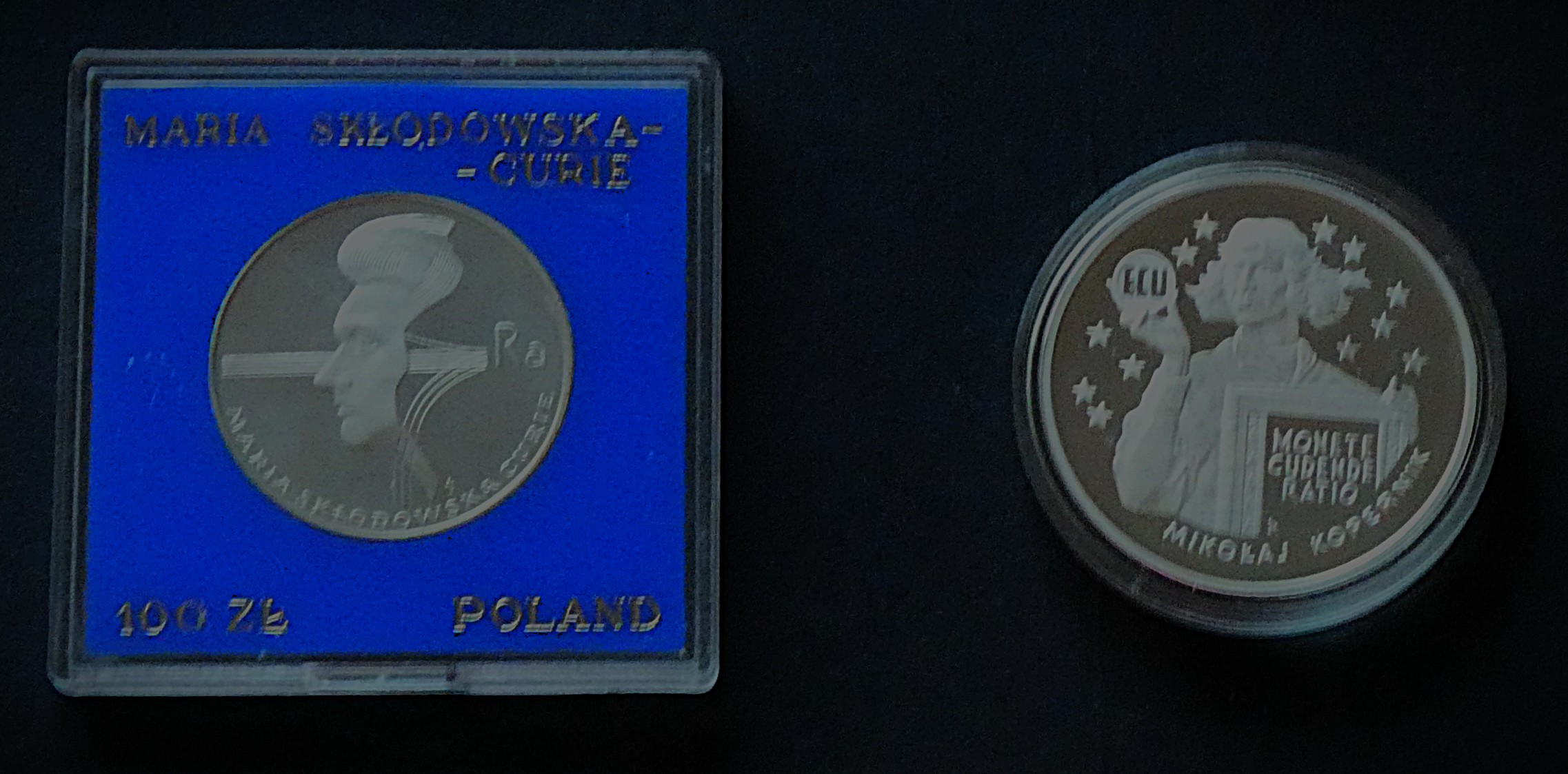
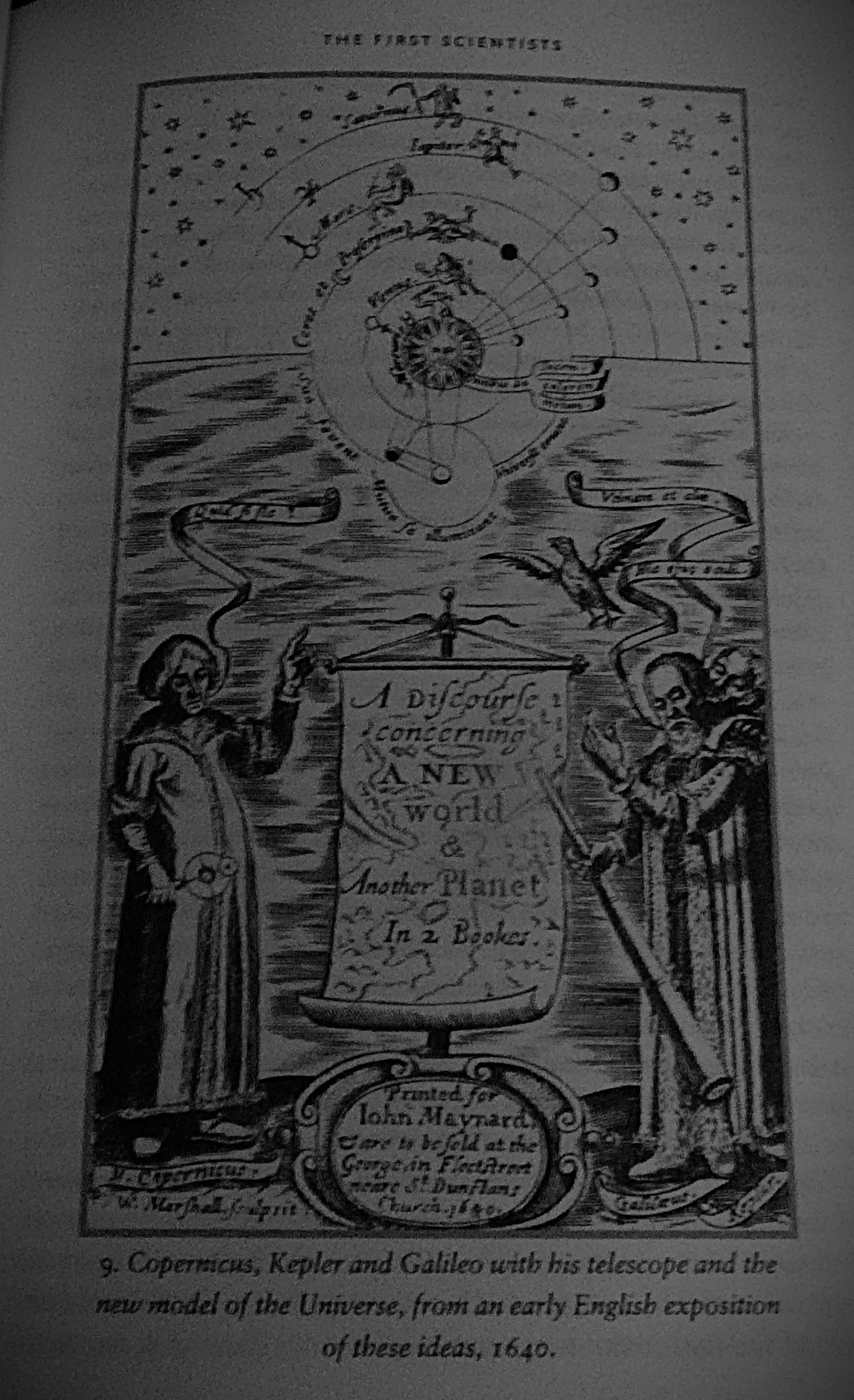
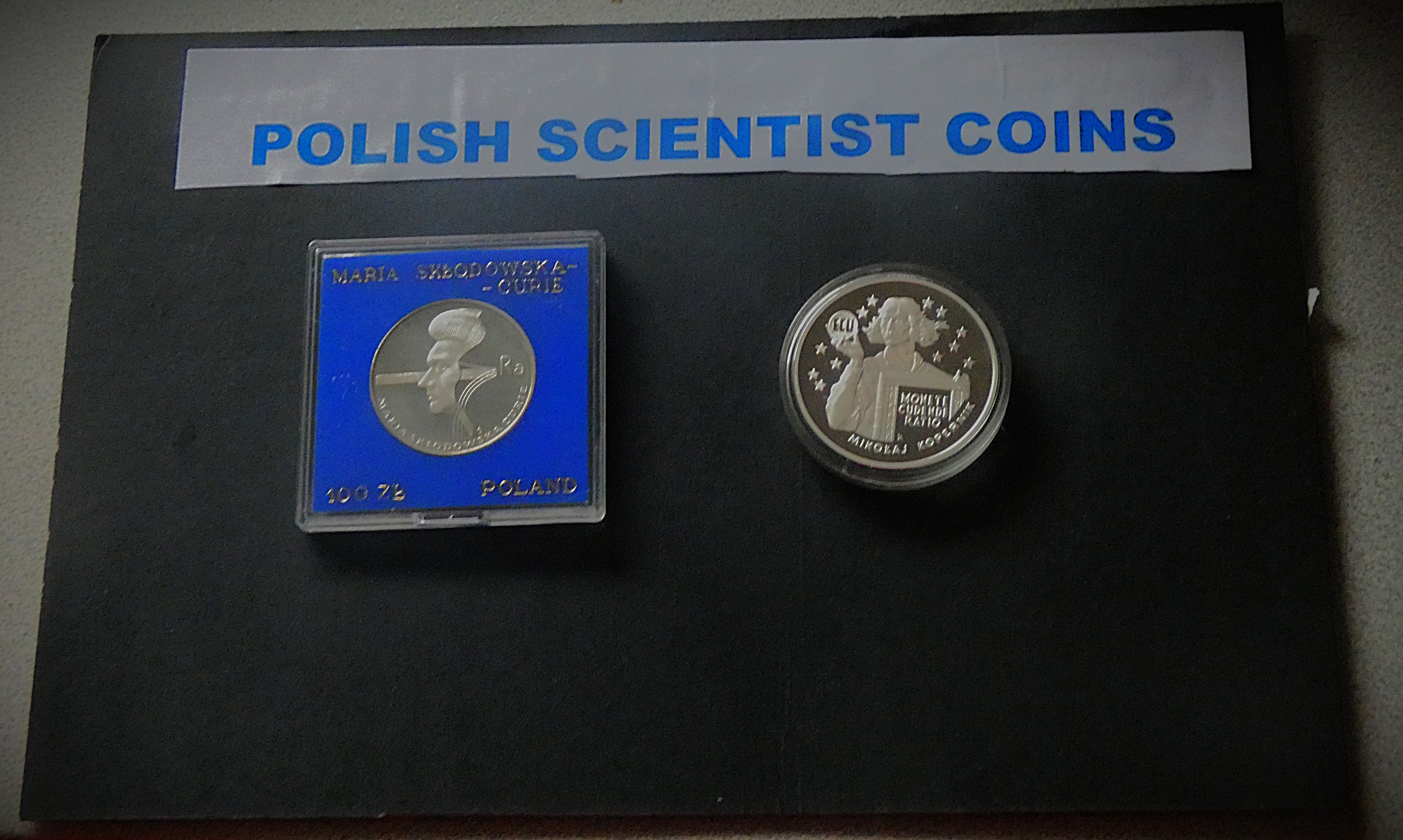
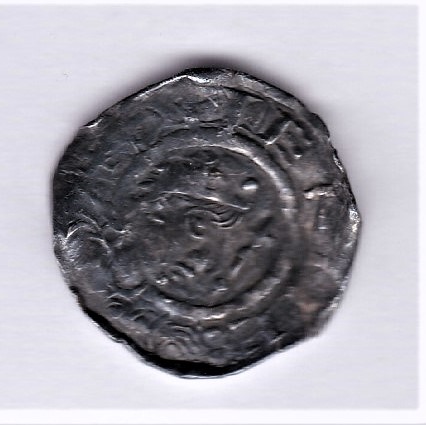
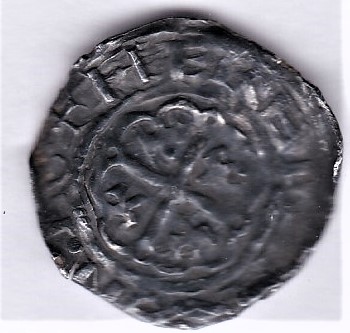
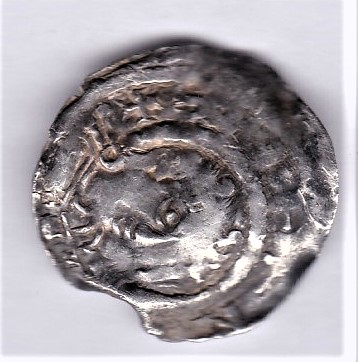
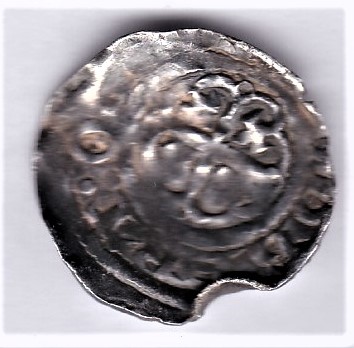
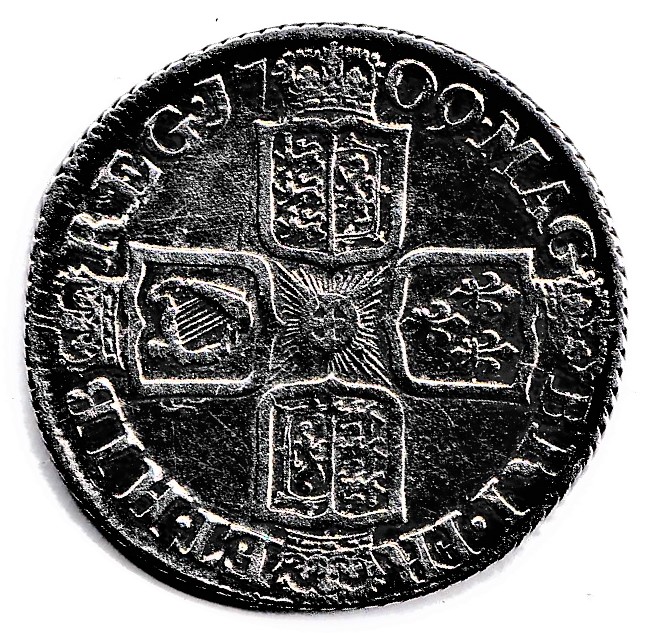
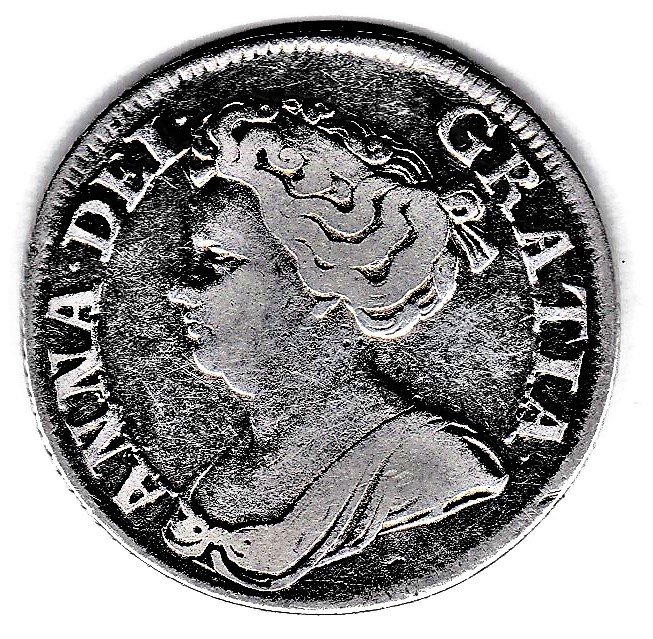
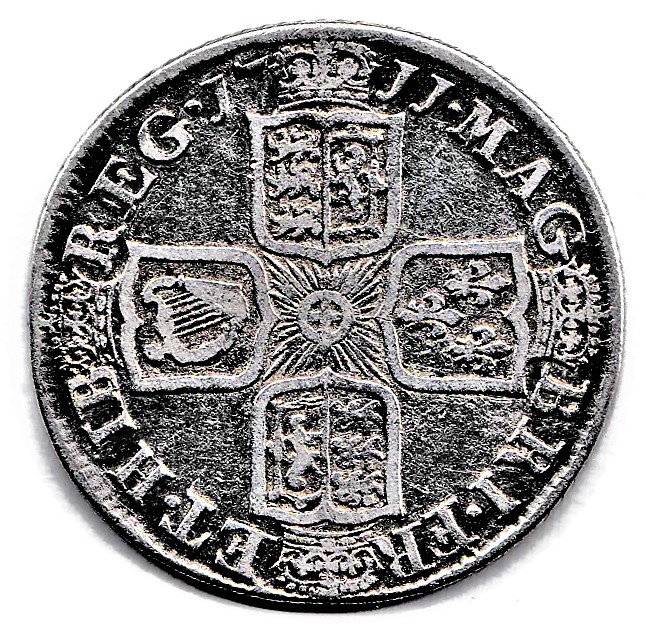
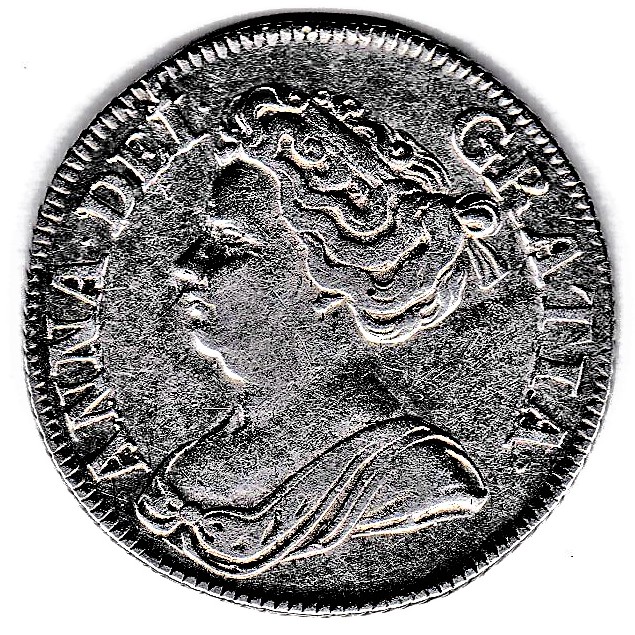
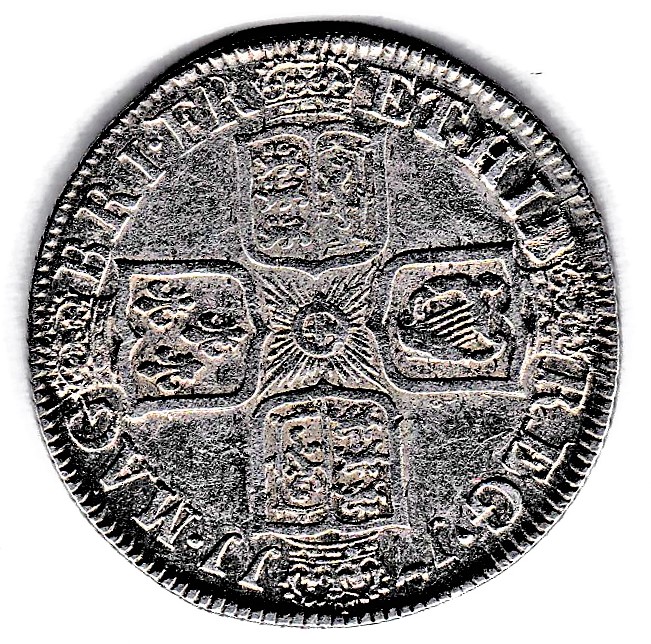
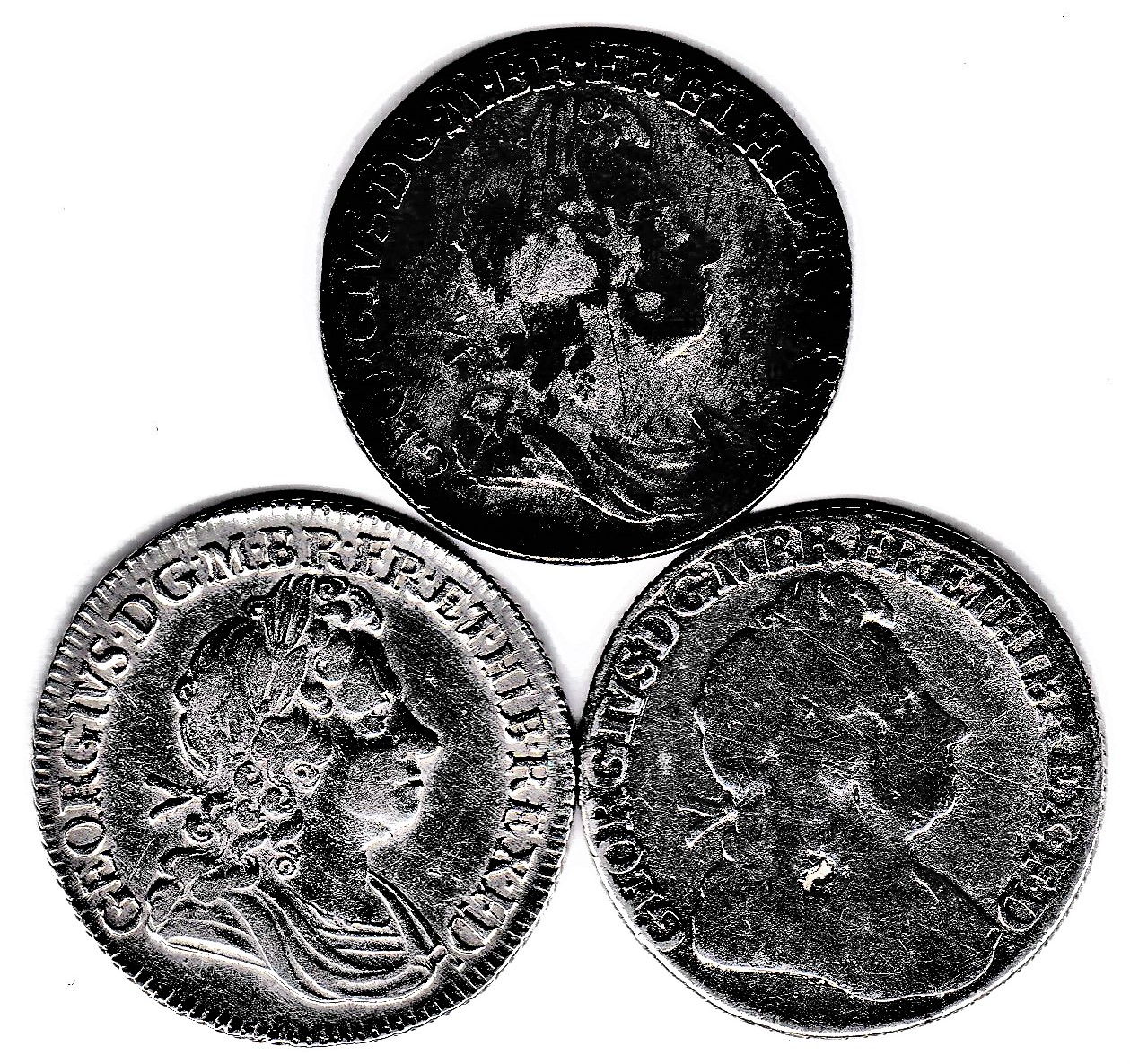
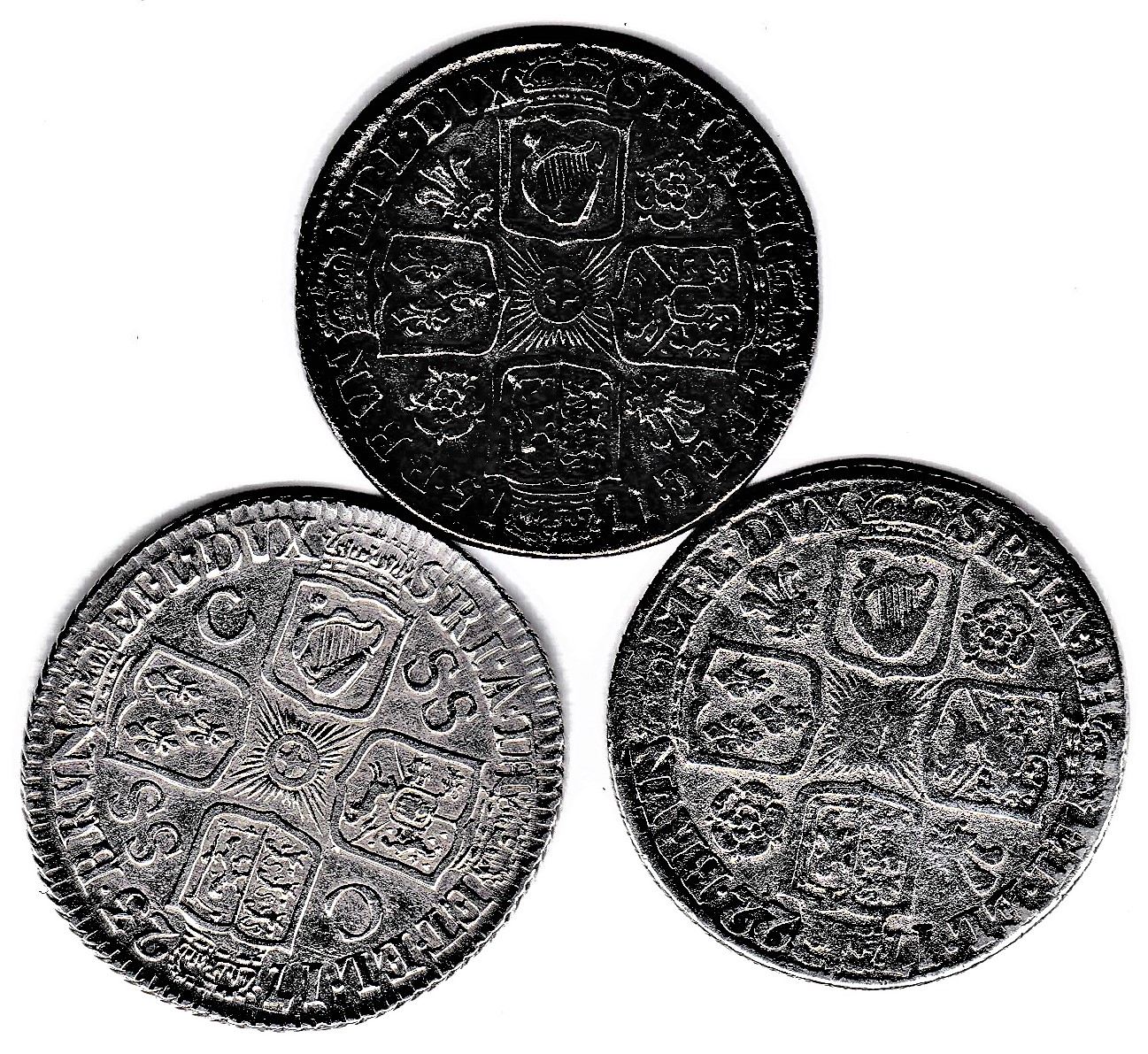
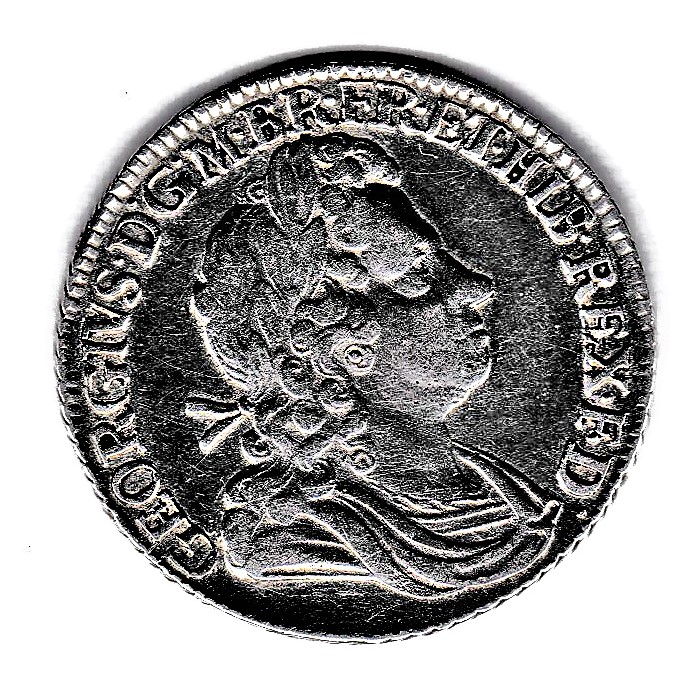
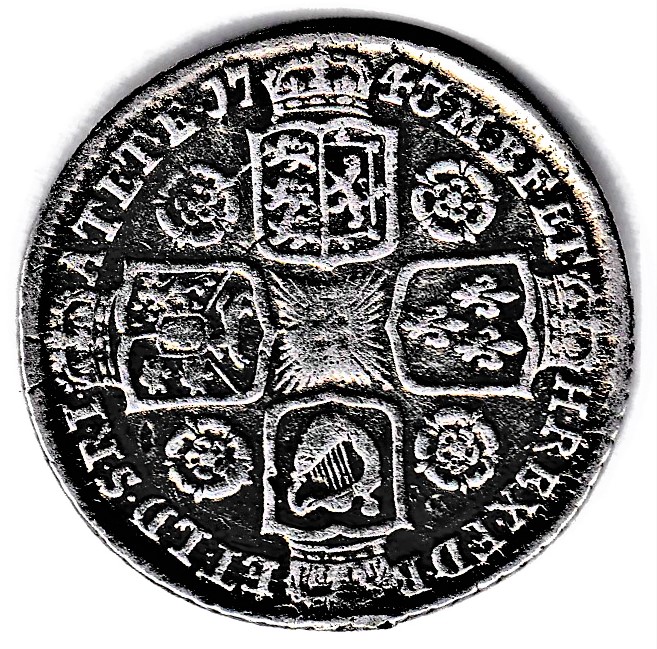
The gold ducat mentioned in the text (three images)Some of the other Polish coins (many images)Some pictures taken in and around Fakenham – as well as the early morning walk I got away early and did some more walking in the afternoon sun before getting the bus back.I won two lots myself, this coin honouring Marie Curie…….and this one honouring the other ATG scientist to have been born in Poland.
Yesterday afternoon the Welsh Fire and Manchester Originals women’s teams clashed in Cardiff. This post looks back at a command performance from the Manchester Originals bowlers.
THE GAUR CHARGE
Welsh Fire battled first, and Mahika Gaur opened the bowling for Manchester Originals. The Hundred allows bowlers to bowl as many as ten balls straight through before another bowler comes on (more usually five, but bowlers do sometimes bowl ten straight through). Gaur not only bowled the first ten balls straight through, she then came back after the minimum five balls off and bowled another ten straight through, thereby getting through her entire allocation within the Power Play (the first 25 balls of the innings). Gaur took 2-10 from those 20 balls (the five that she didn’t bowl were bowled by Sophie Ecclestone). Fire were 12-2 from those 25 balls, and already looking at a tough task. The rest of the bowlers were also highly impressive. England quickie Lauren Filer emerged with statistically the best figures of the innings, 3-8 from her full allocation of 20 balls, while Ecclestone had 2-11 from her full 20. Only Amelia Kerr 0-24 from 20 and Danielle Gregory with 0-7 from five went for over a run a ball. In the end Fire limped to 73-9 from their 100 balls, after which there was only ever going to be one result, which duly arrived with seven wickets and 19 balls to spare. The Manchester Originals bowlers were superb, but the Welsh Fire batters deserve some censure – of the 60 balls bowled by the trio of Gaur, Ecclestone and Filer, 41 (68.33% of the total) were dot balls, which is frankly ridiculous in this format. Mahika Gaur whose history making performance in becoming the first ever bowler to bowl 20 of the first 25 balls of a Hundred match was put the skids under the Fire was named Player of the Match. About the titles of both this post and the main body of it, the gaur is a species of Asian wild cattle, and the bulls in particular are known for being both immensely strong and very aggressive. Scorecard here, plus a jpg below.
PICTURE GALLERY
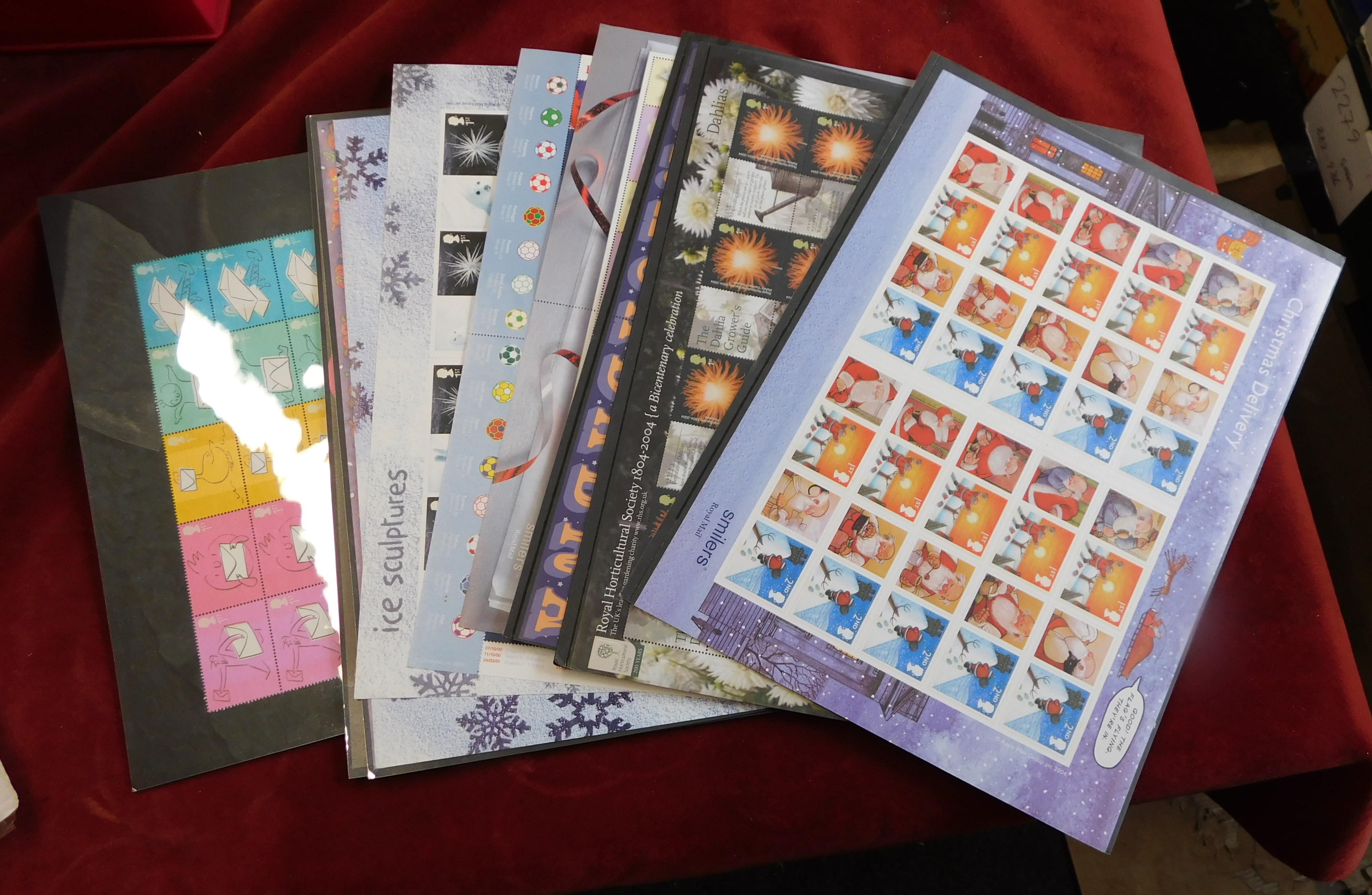
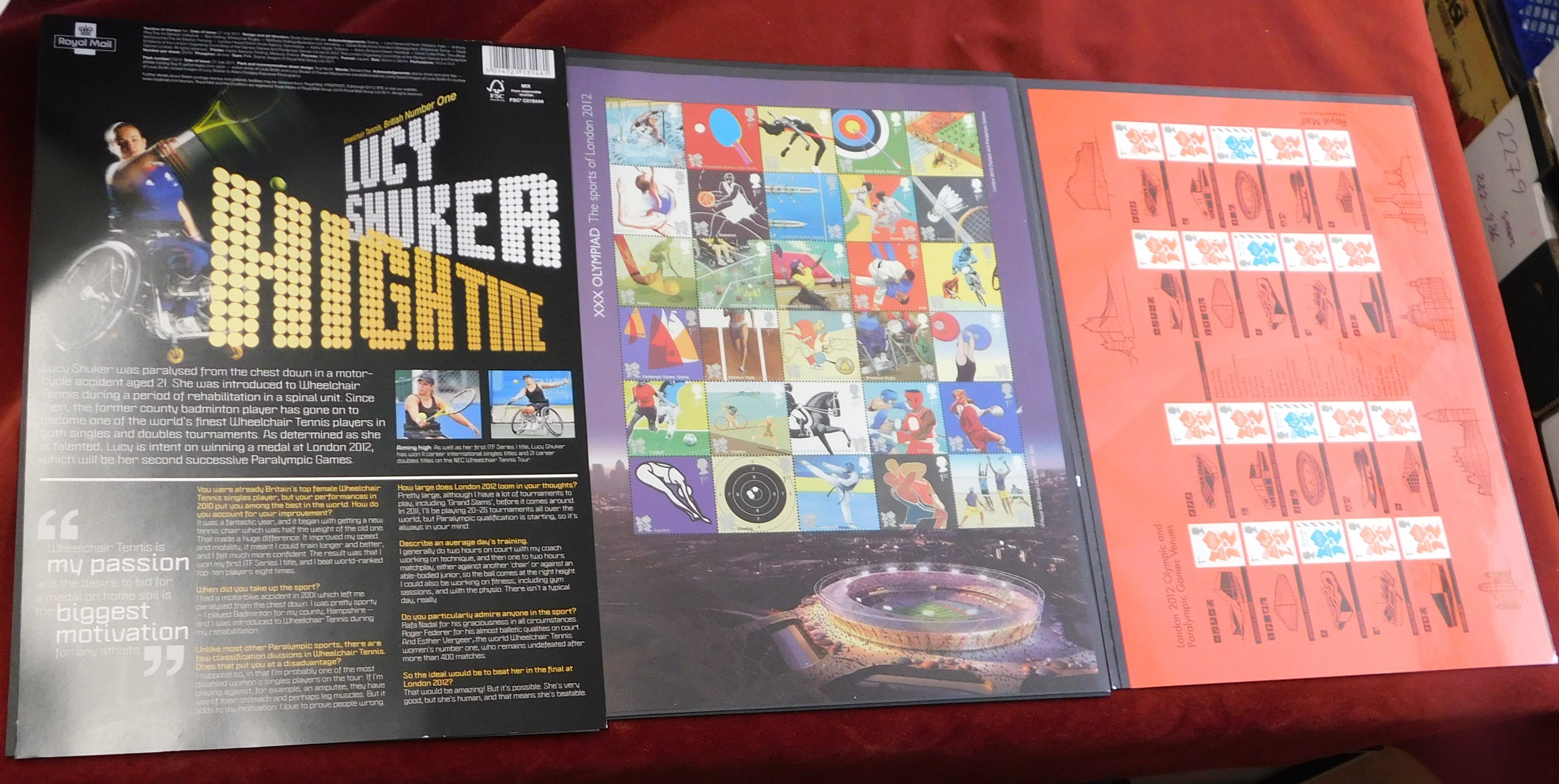
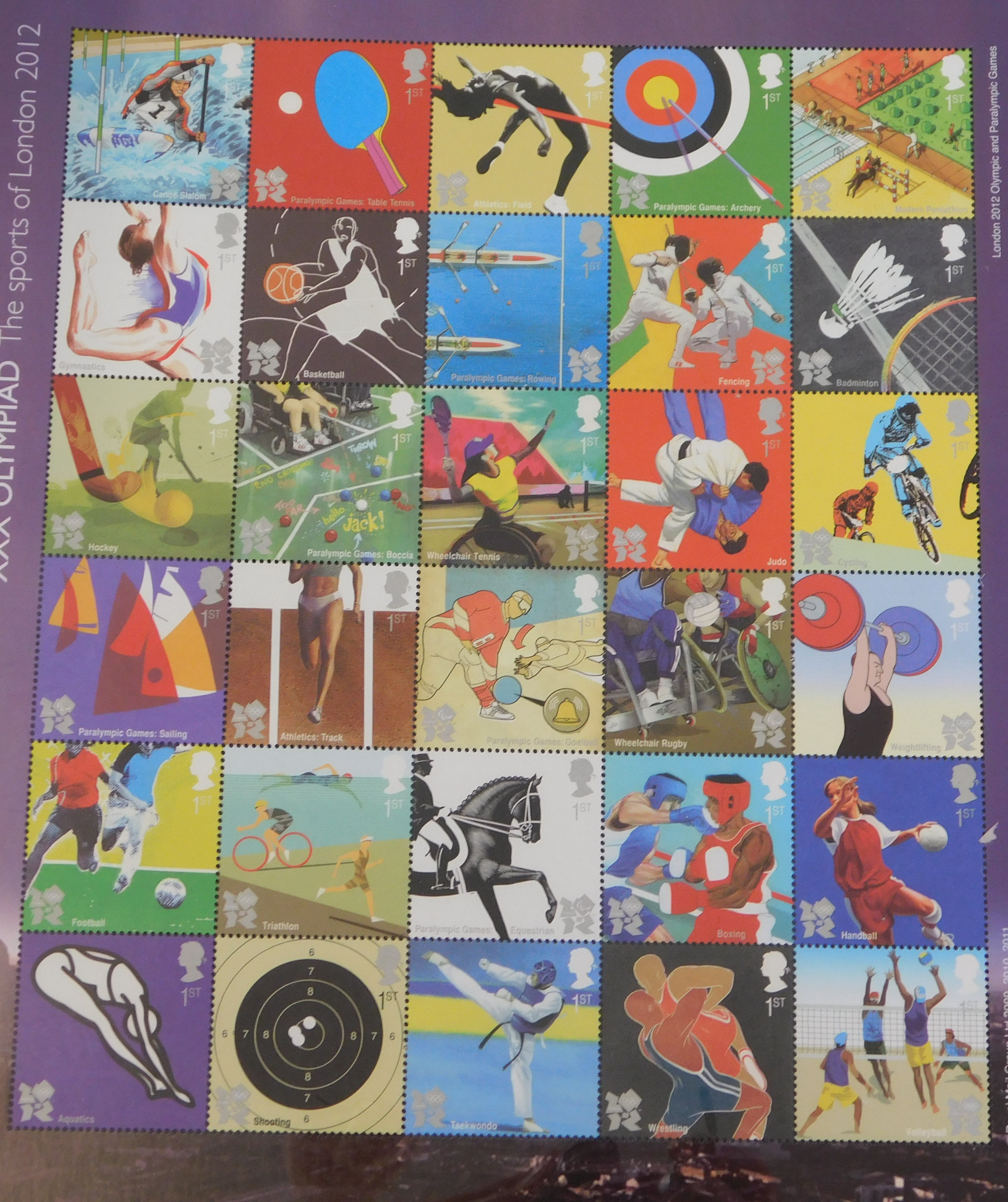
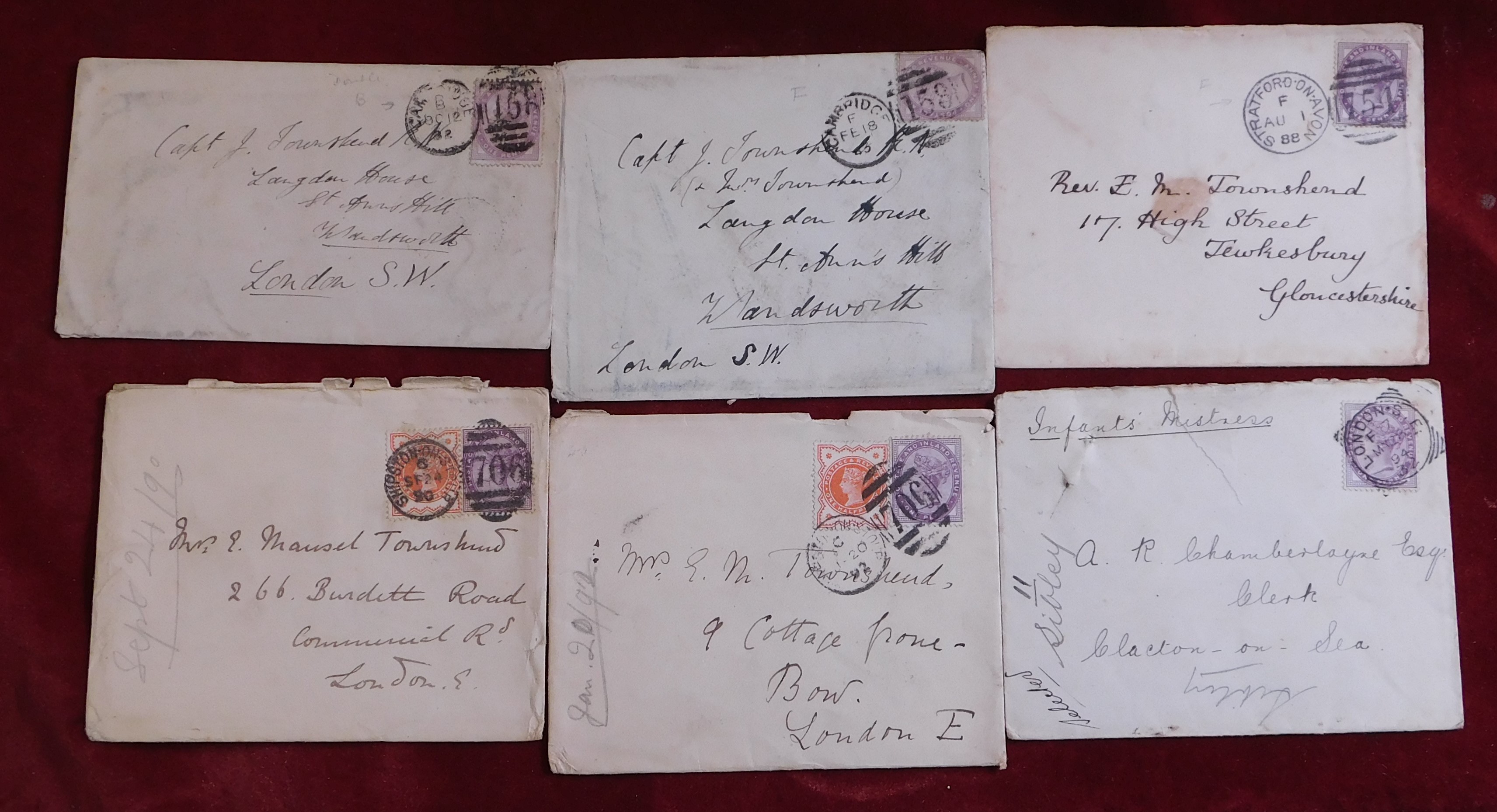
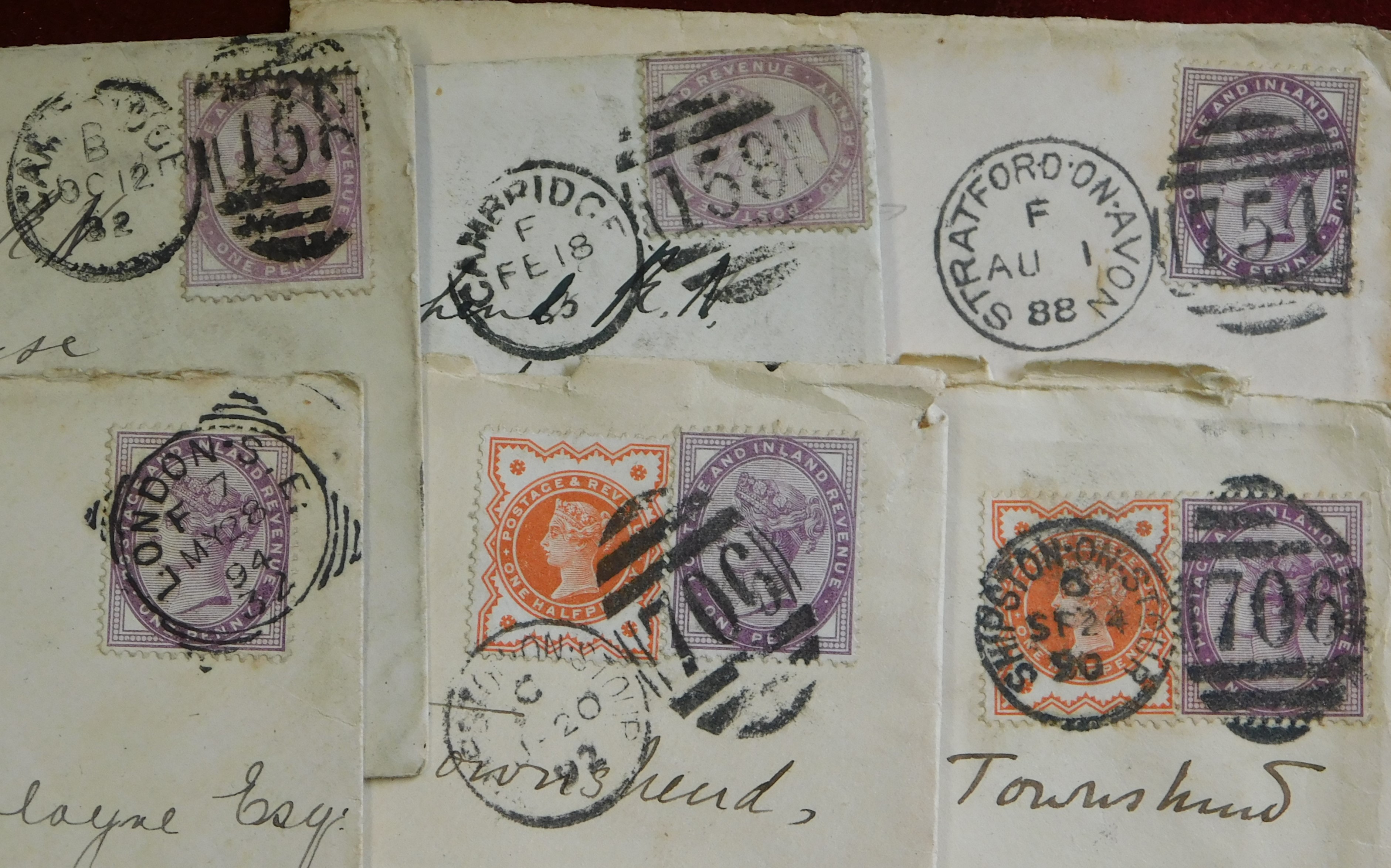
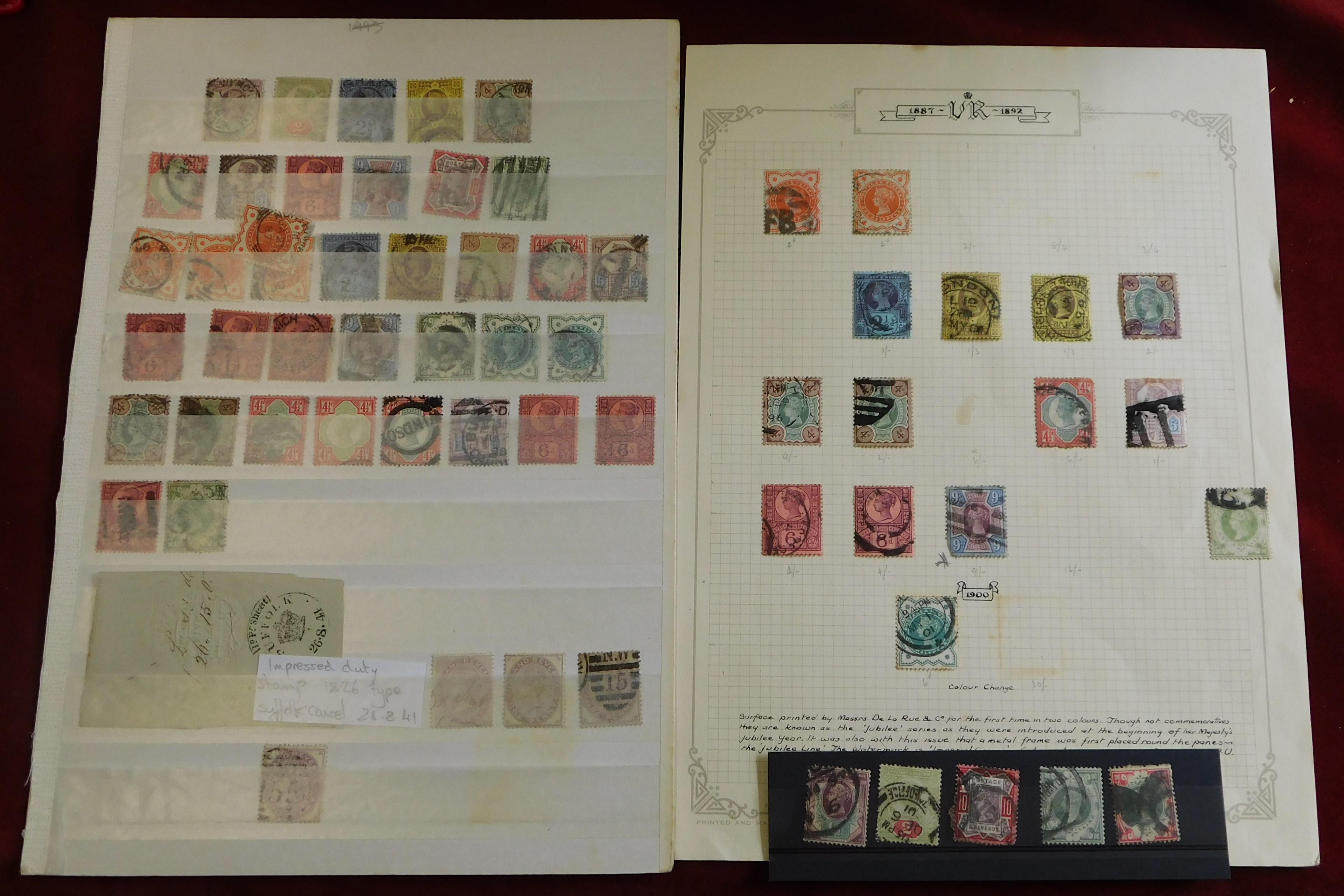
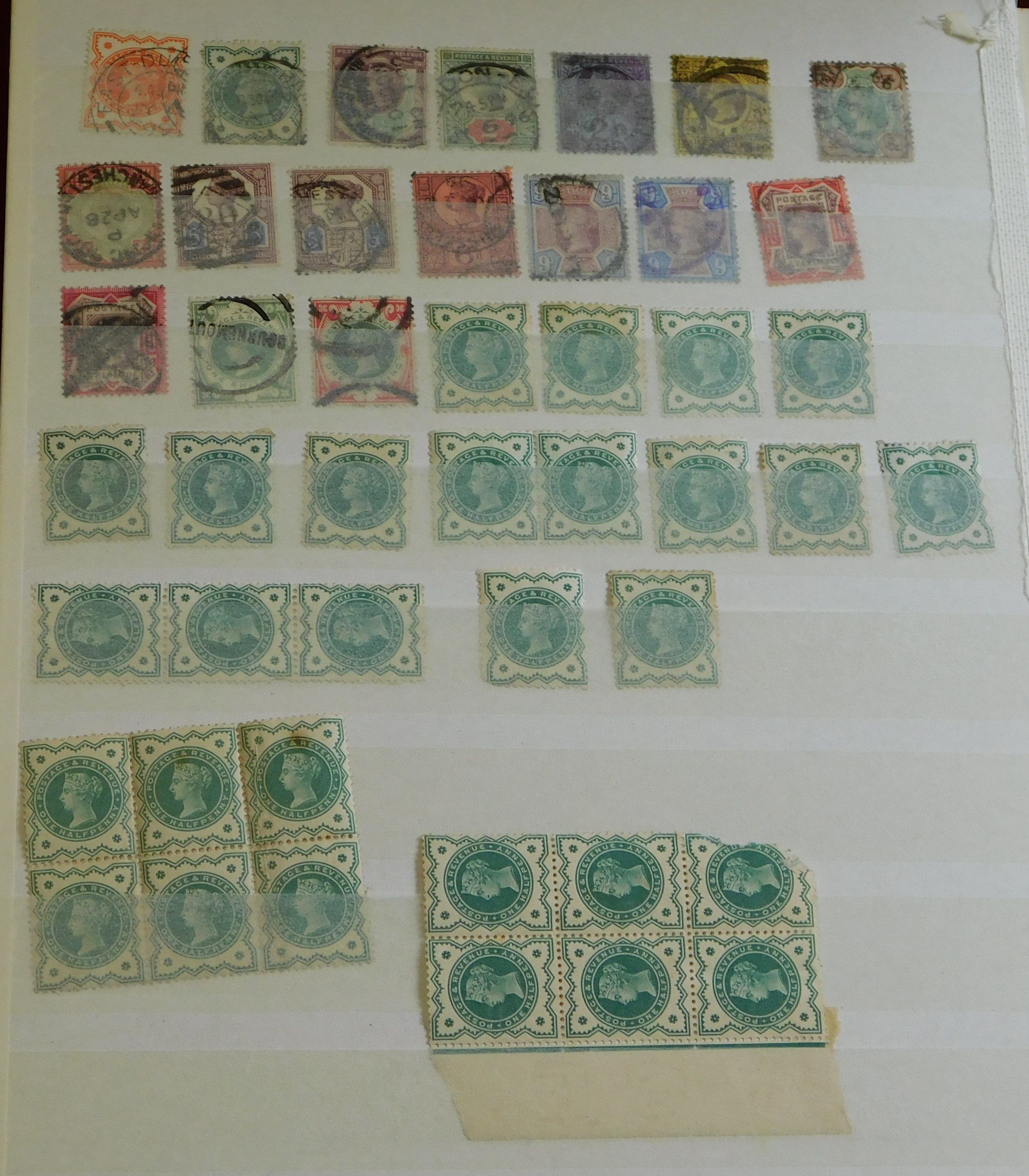
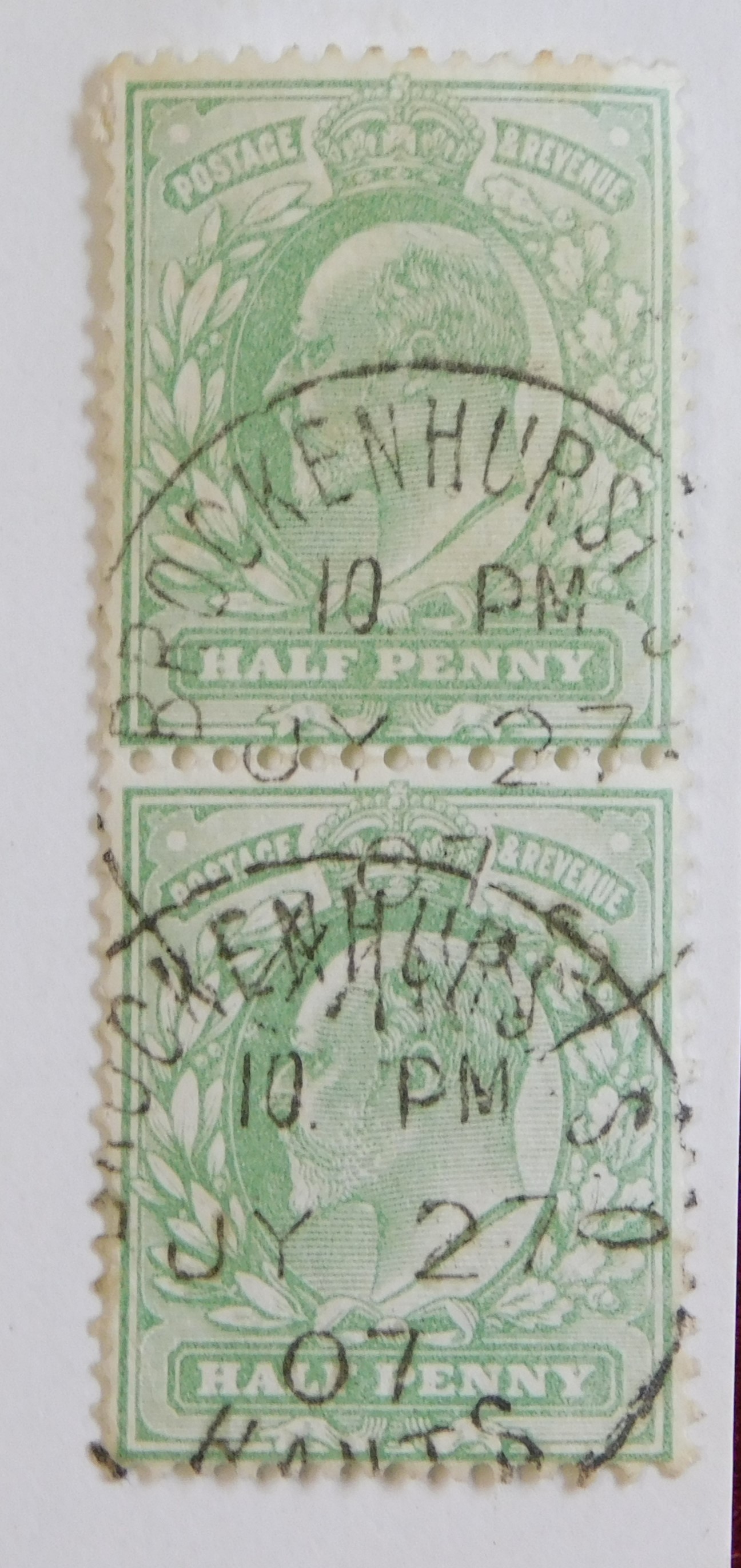
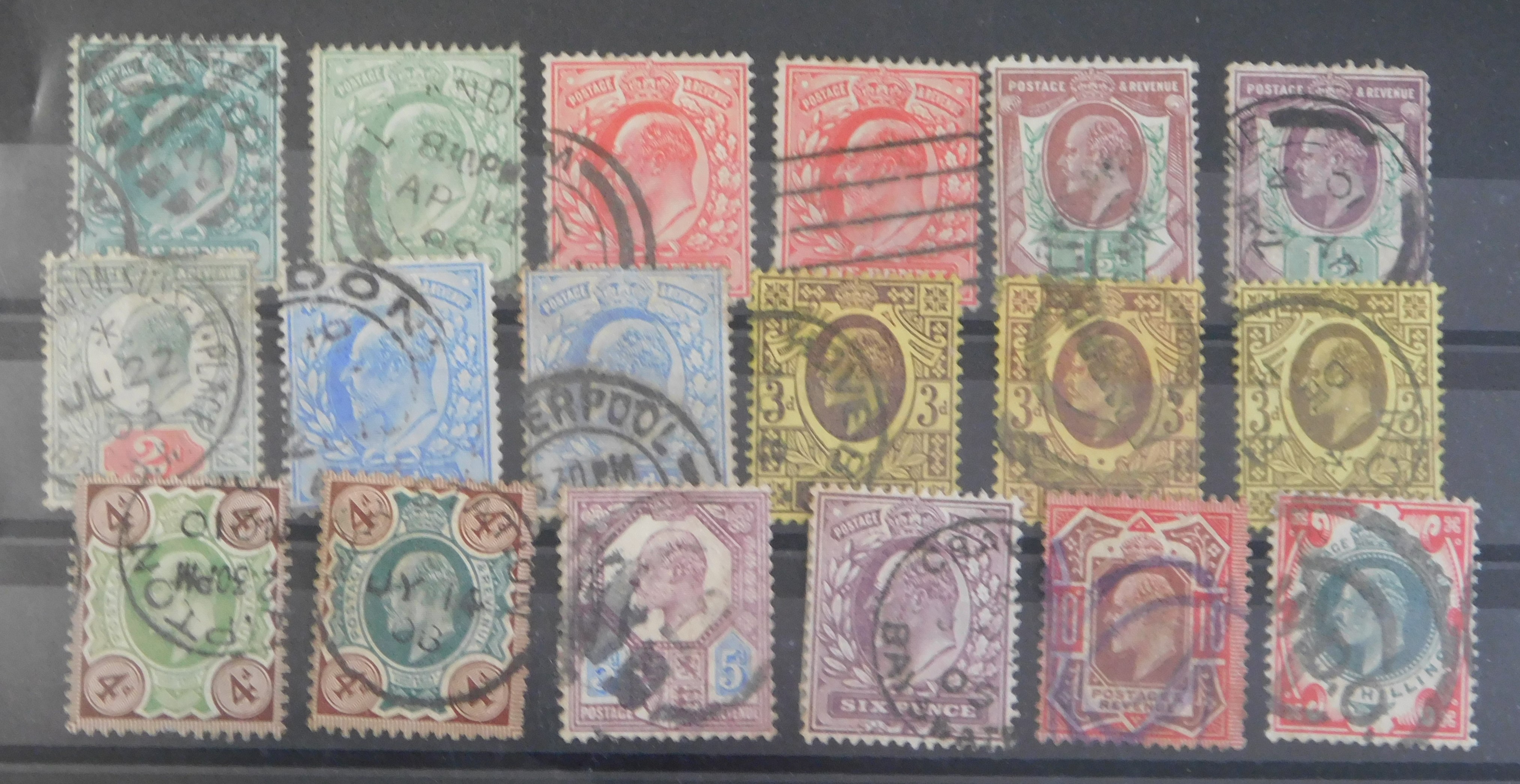
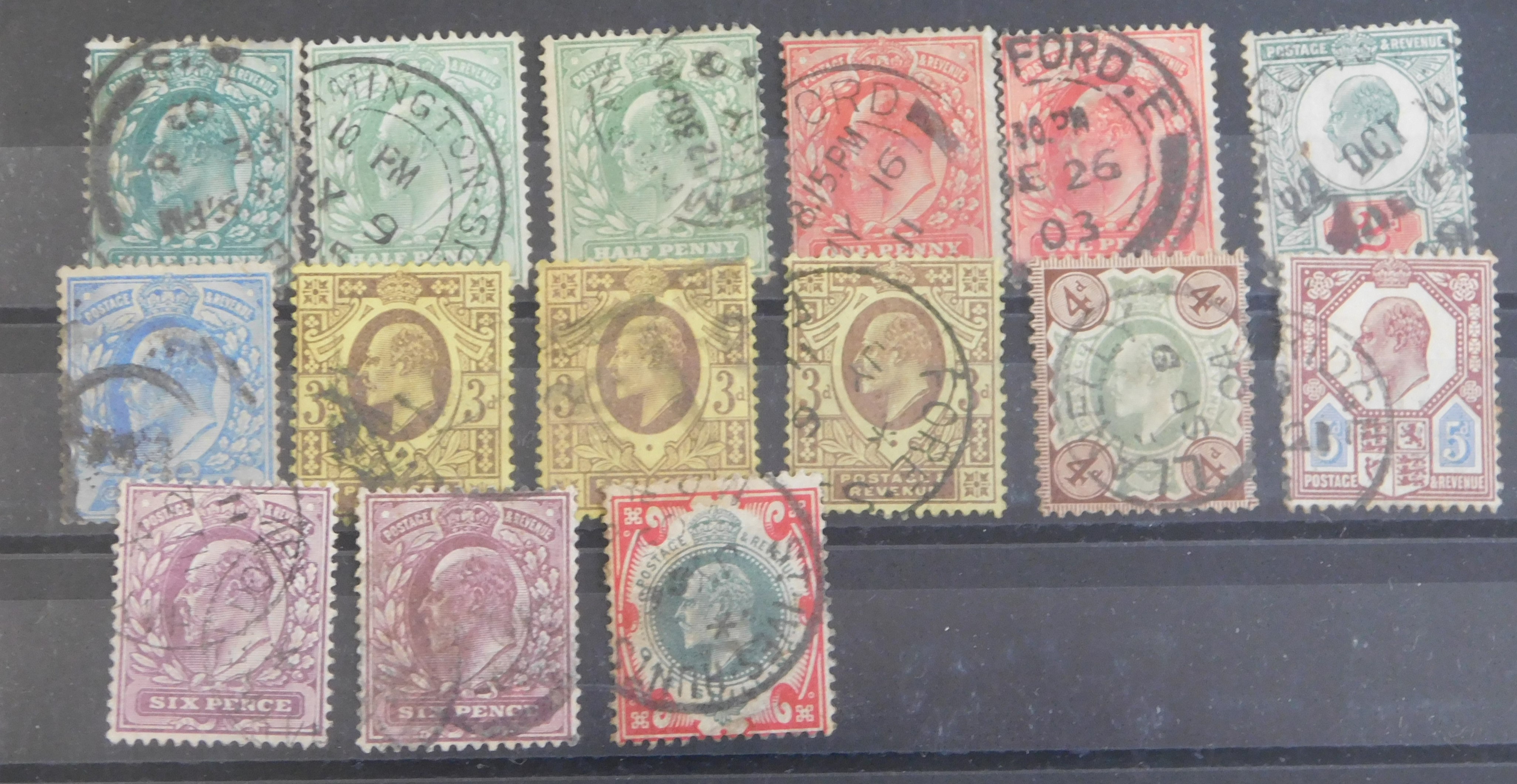
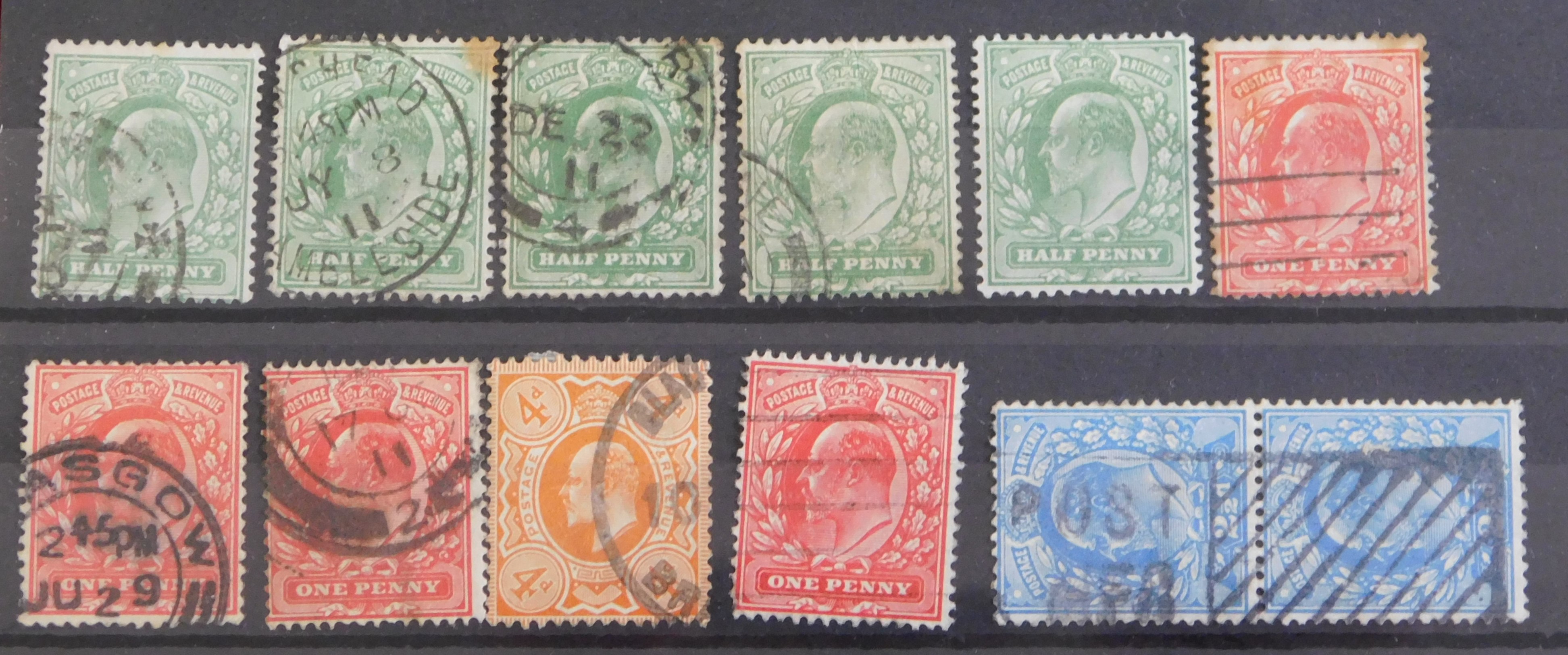
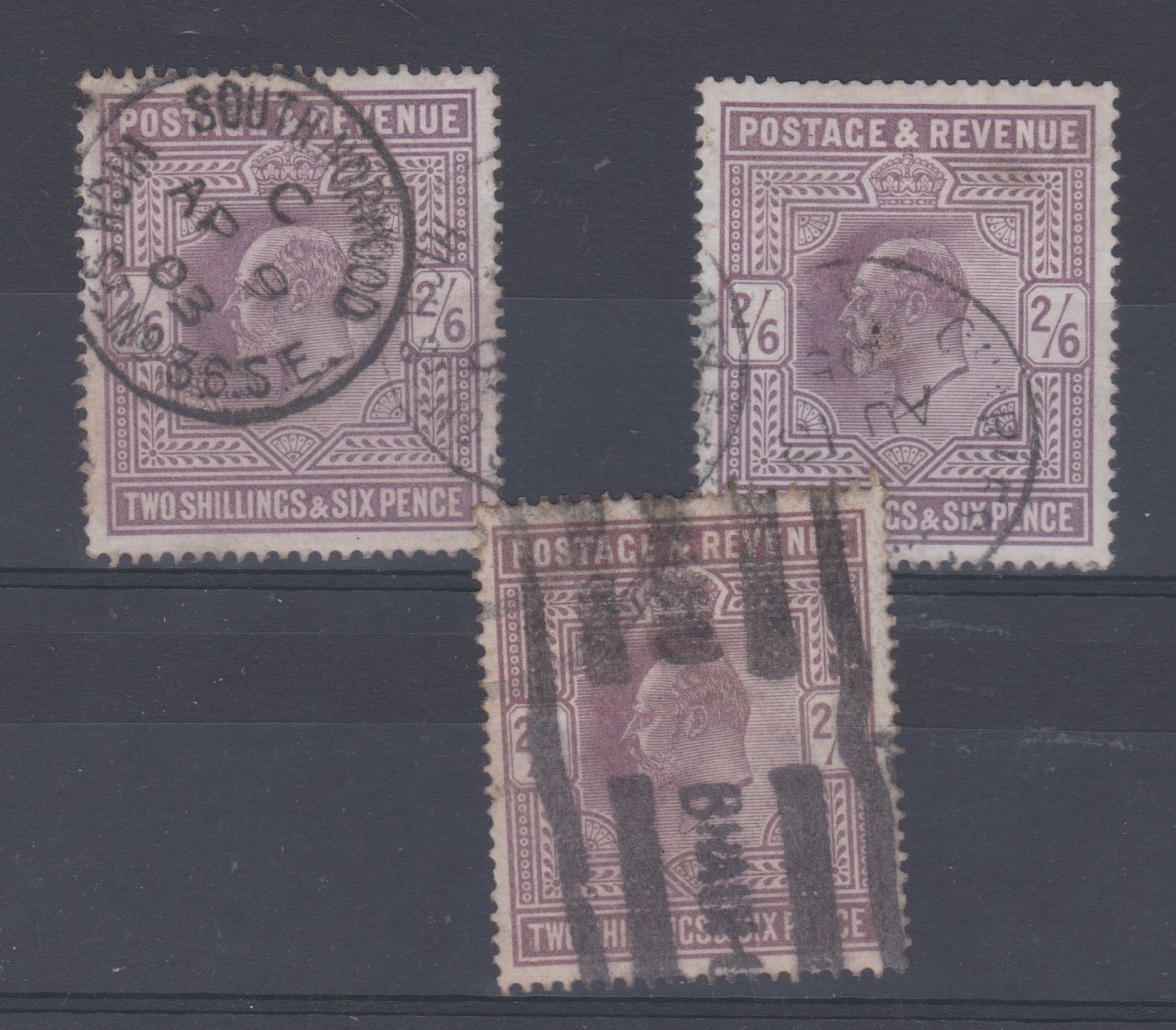
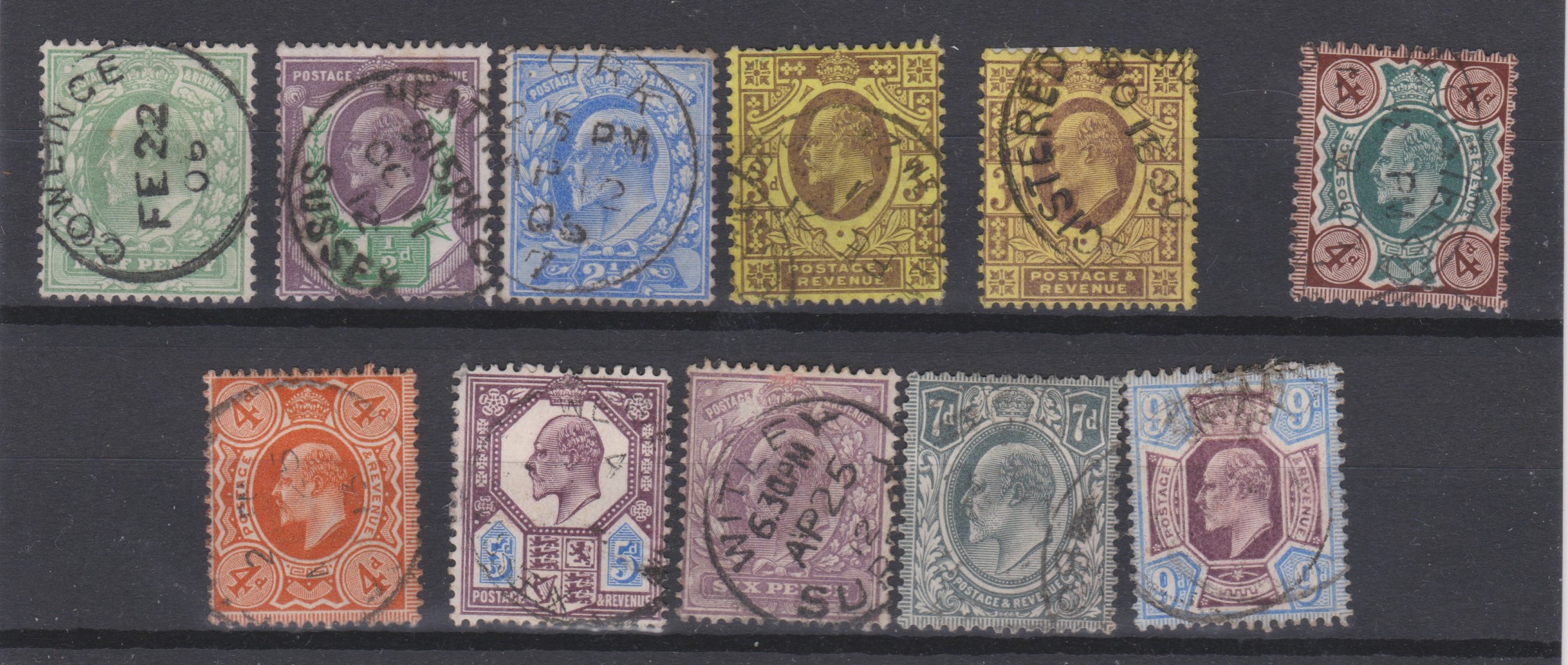
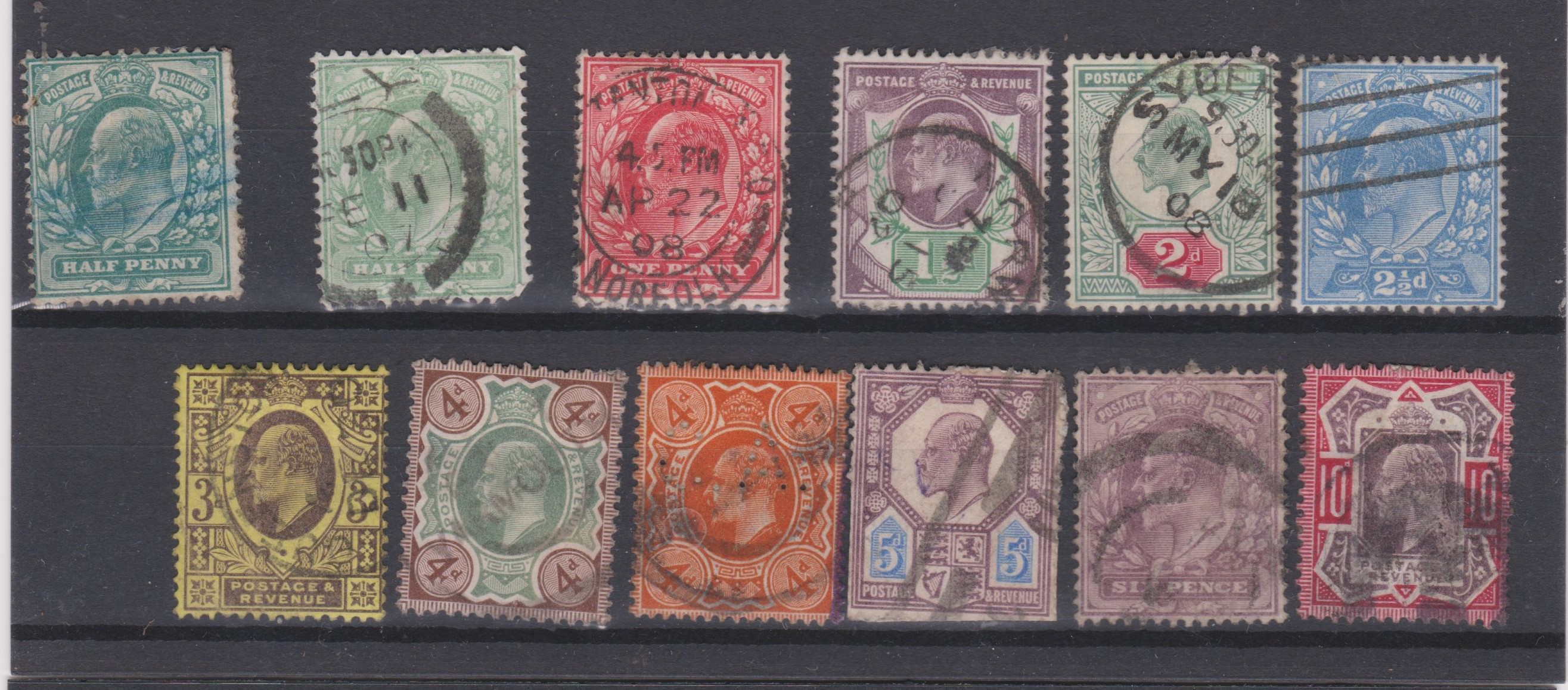
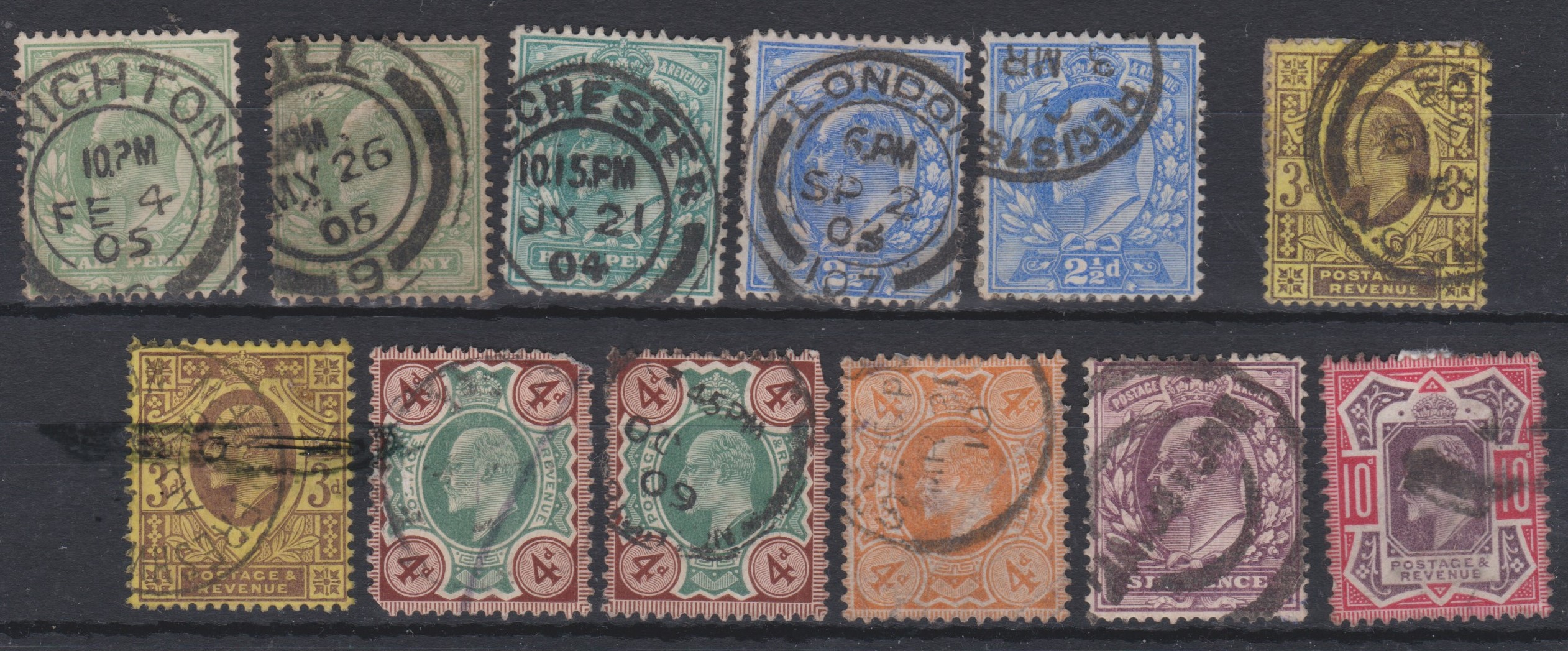
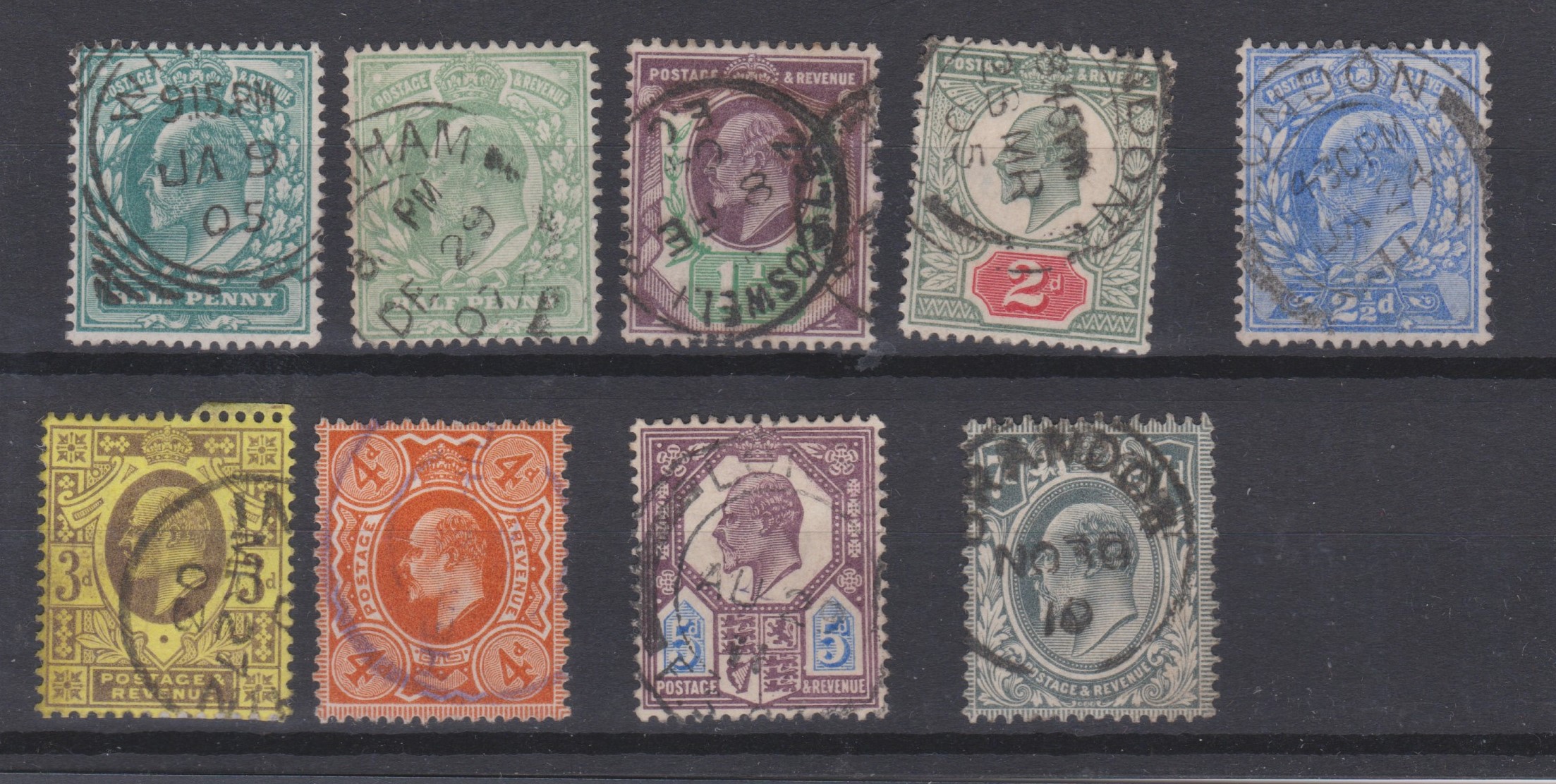
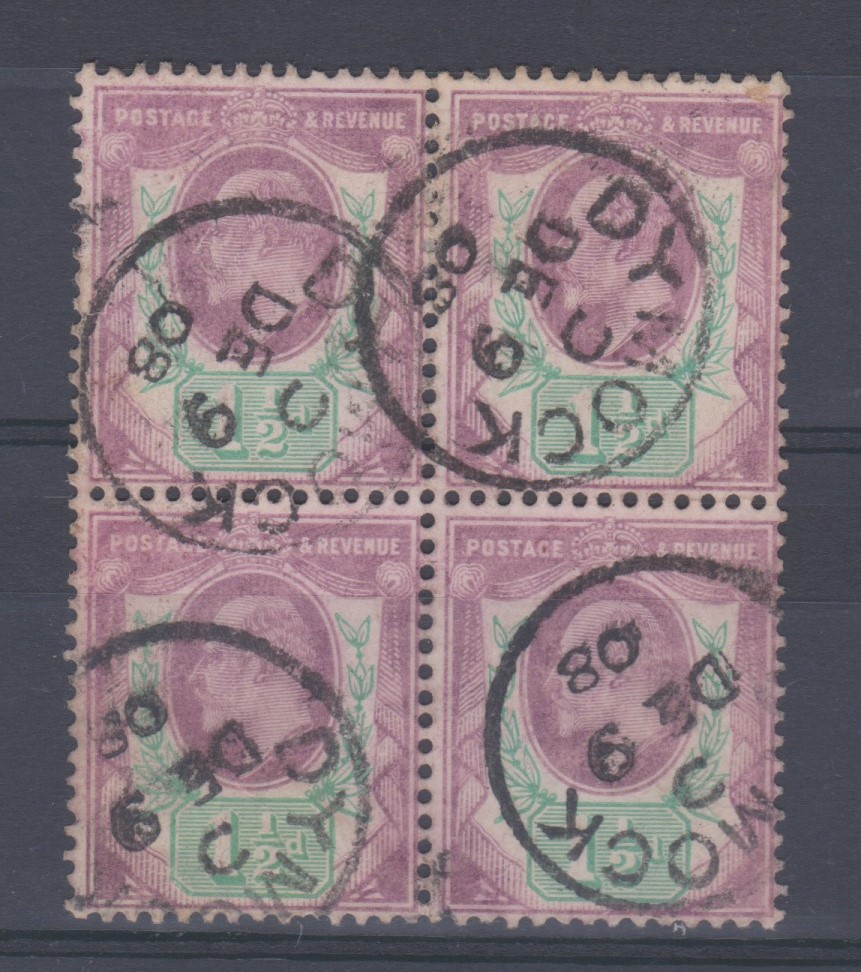
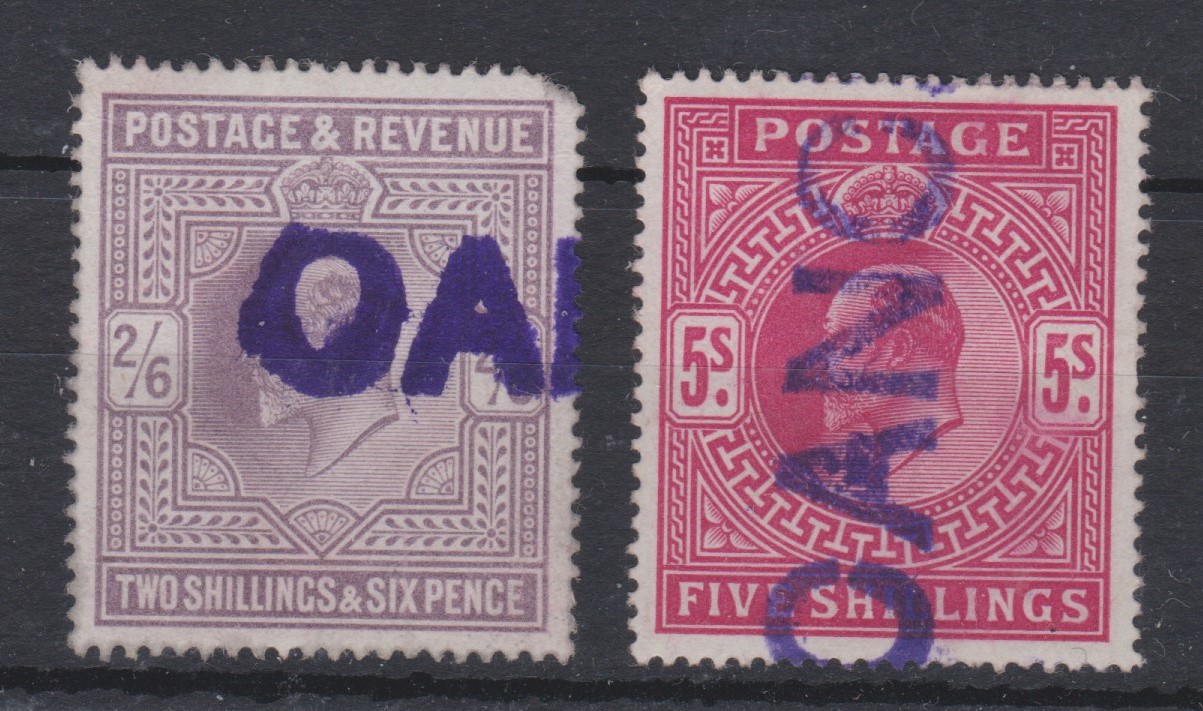
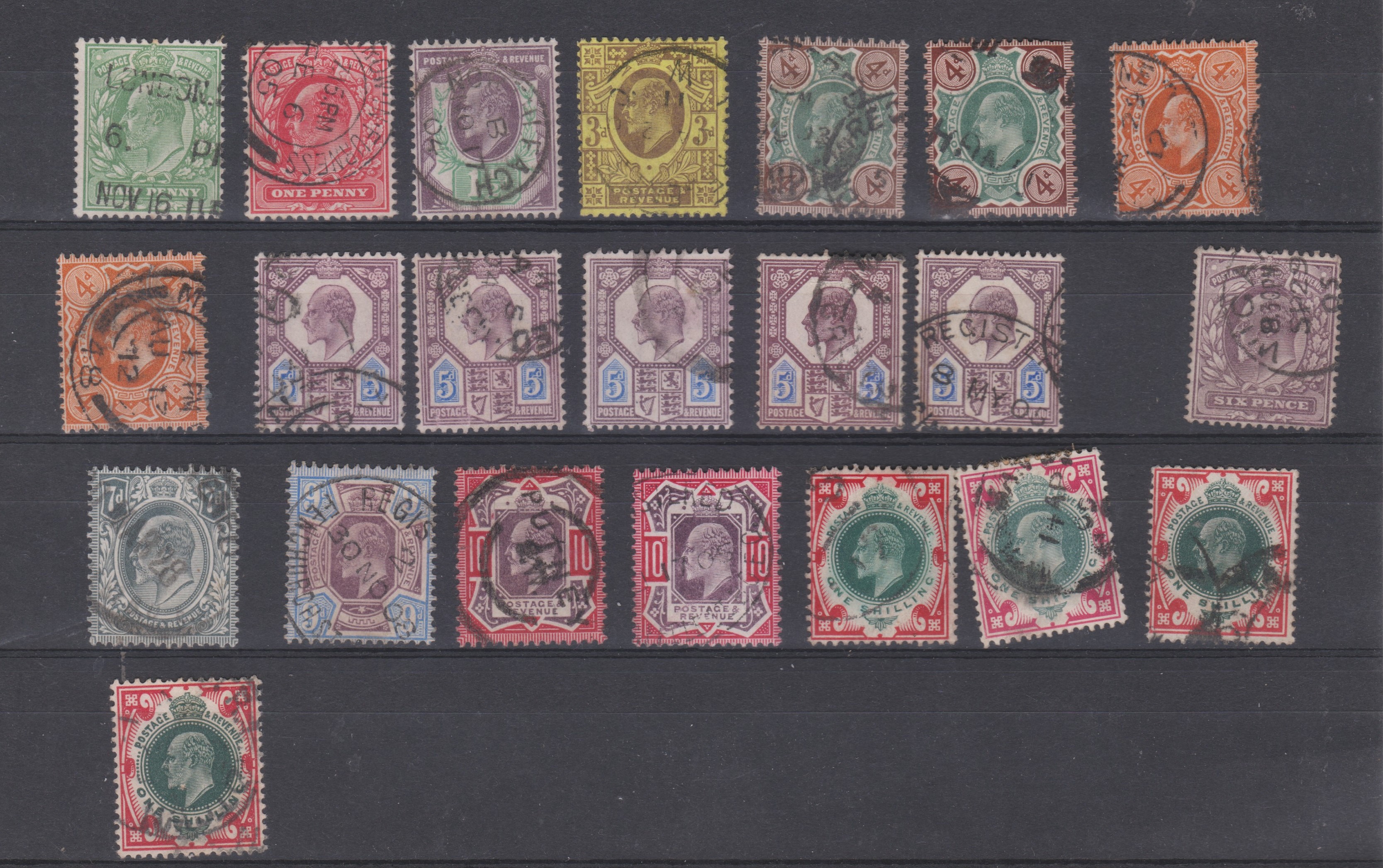
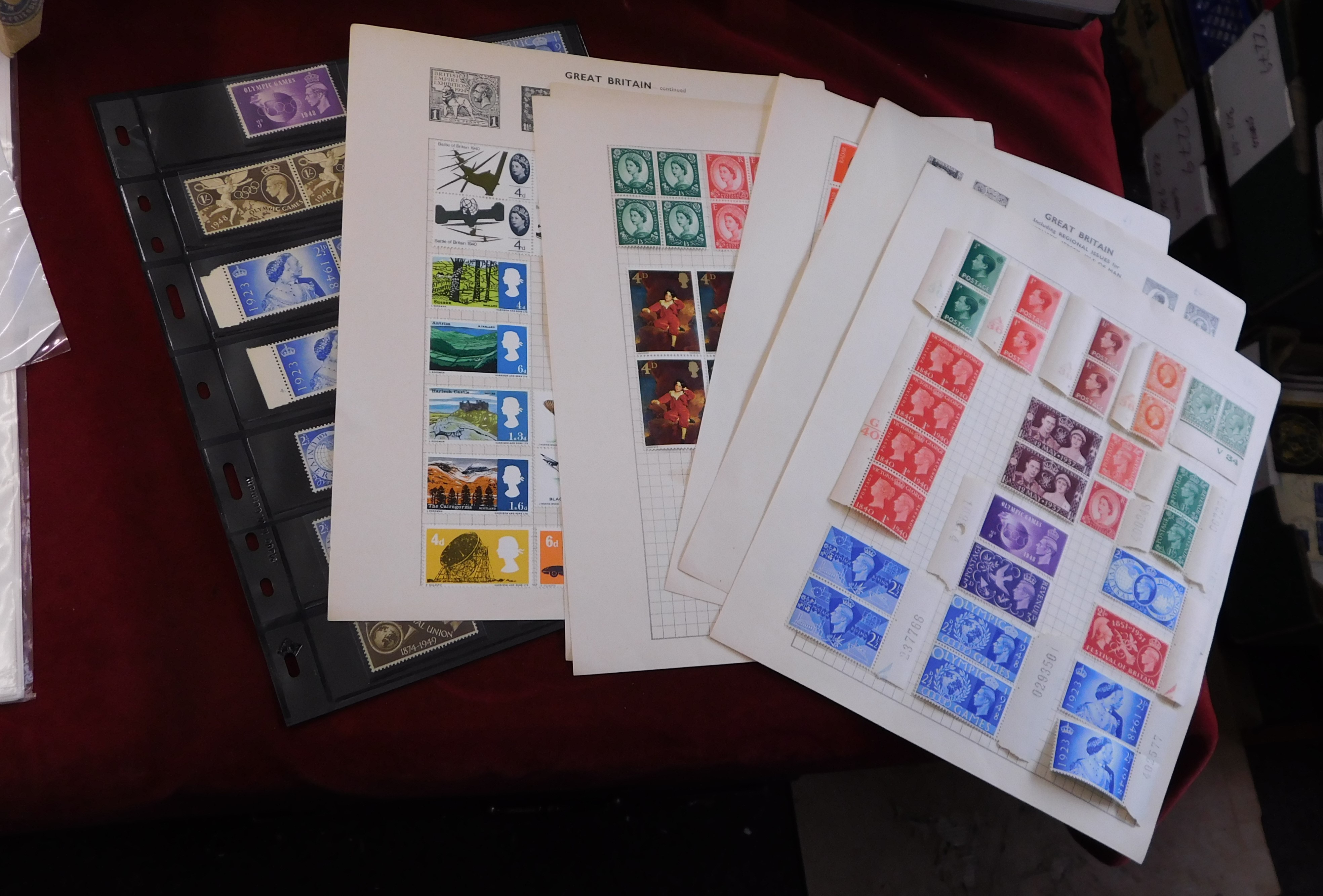
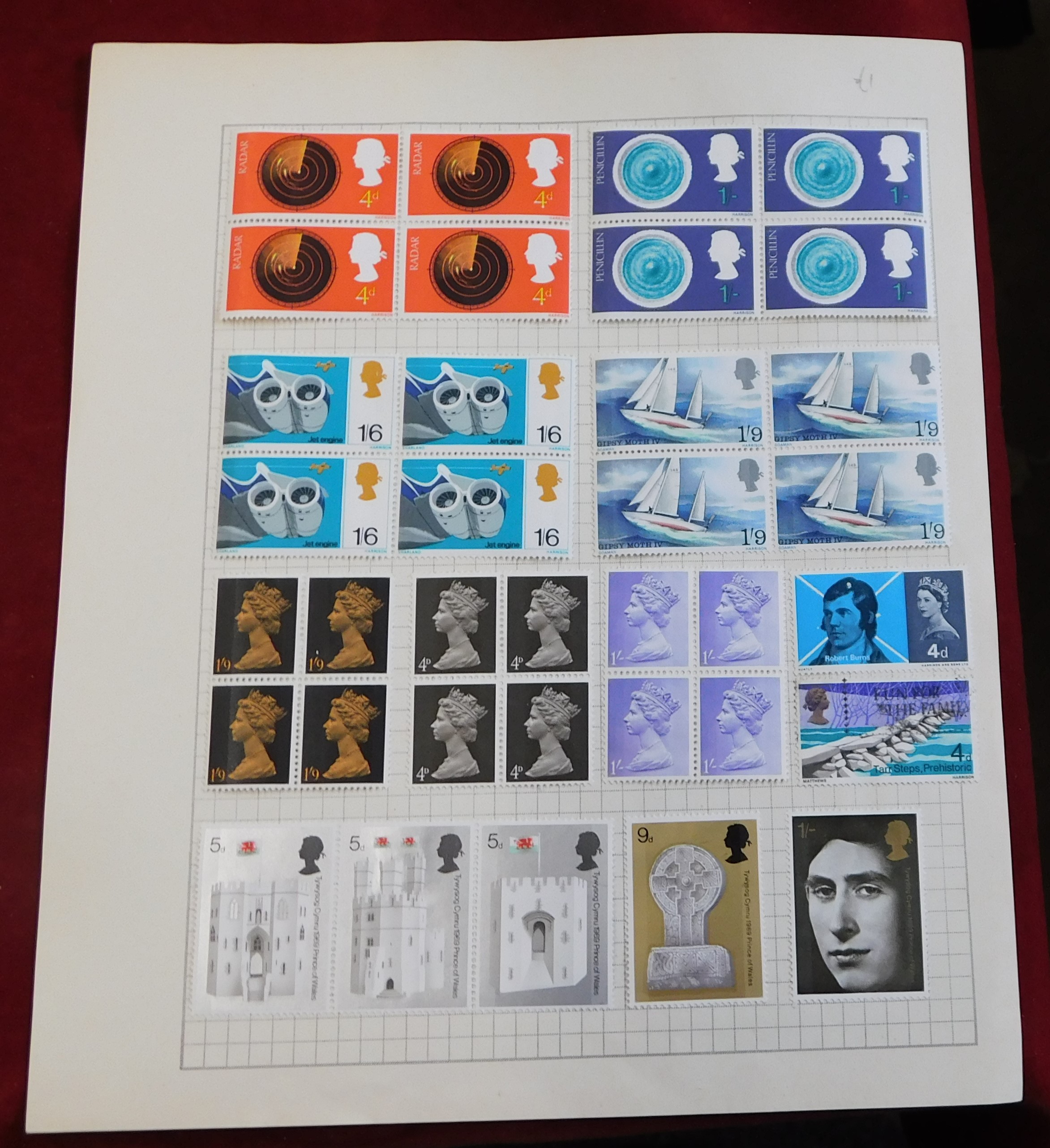
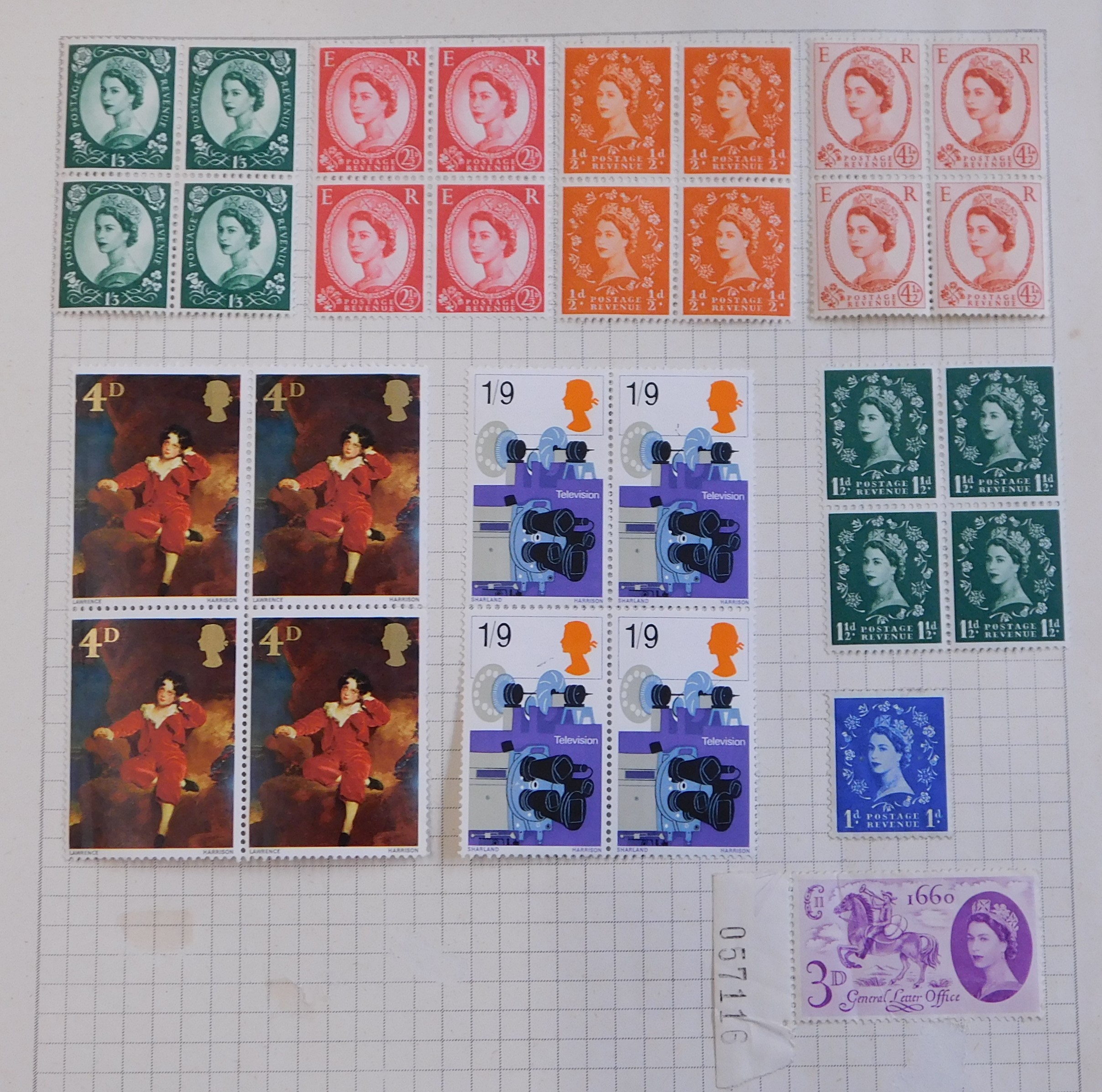
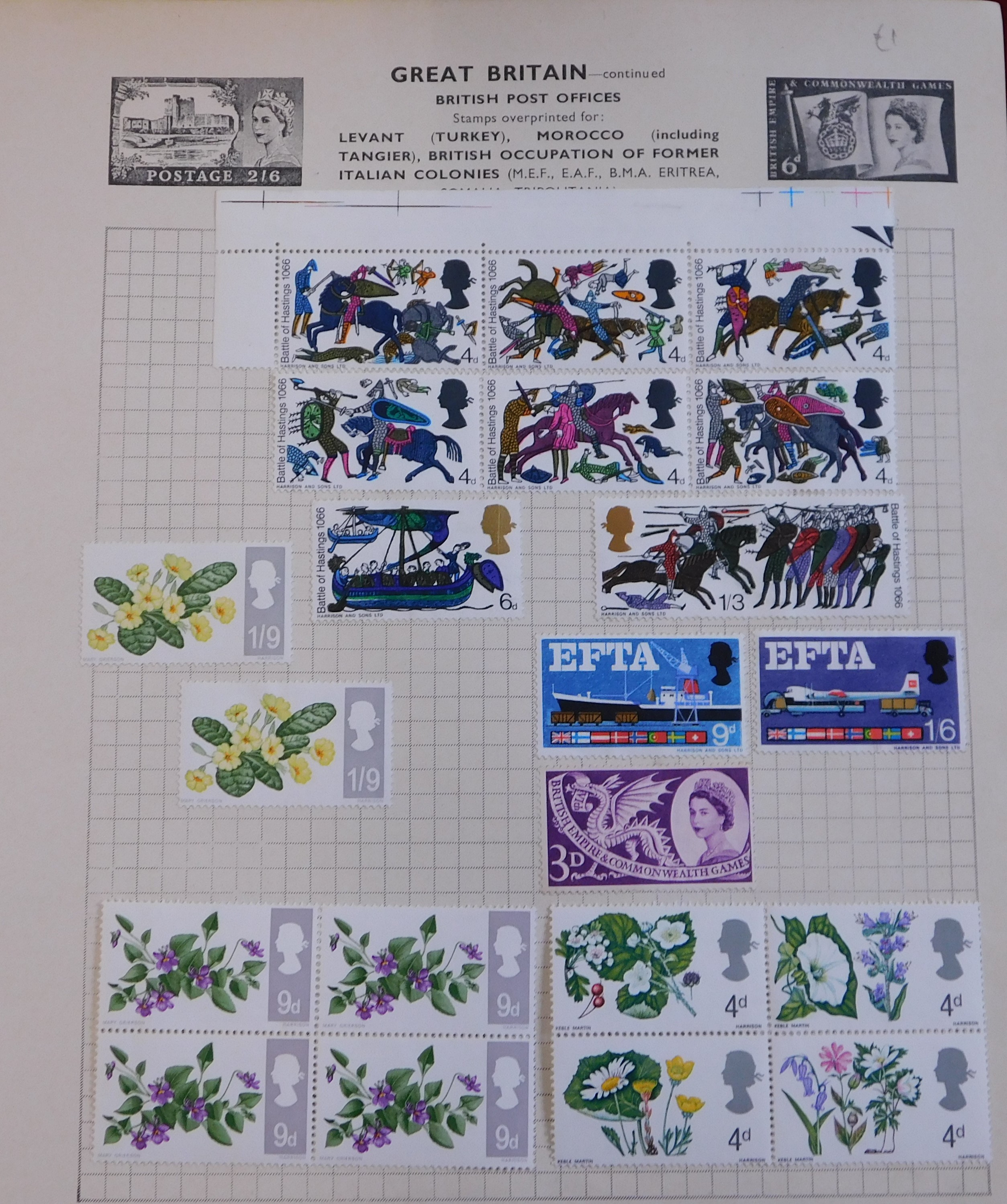
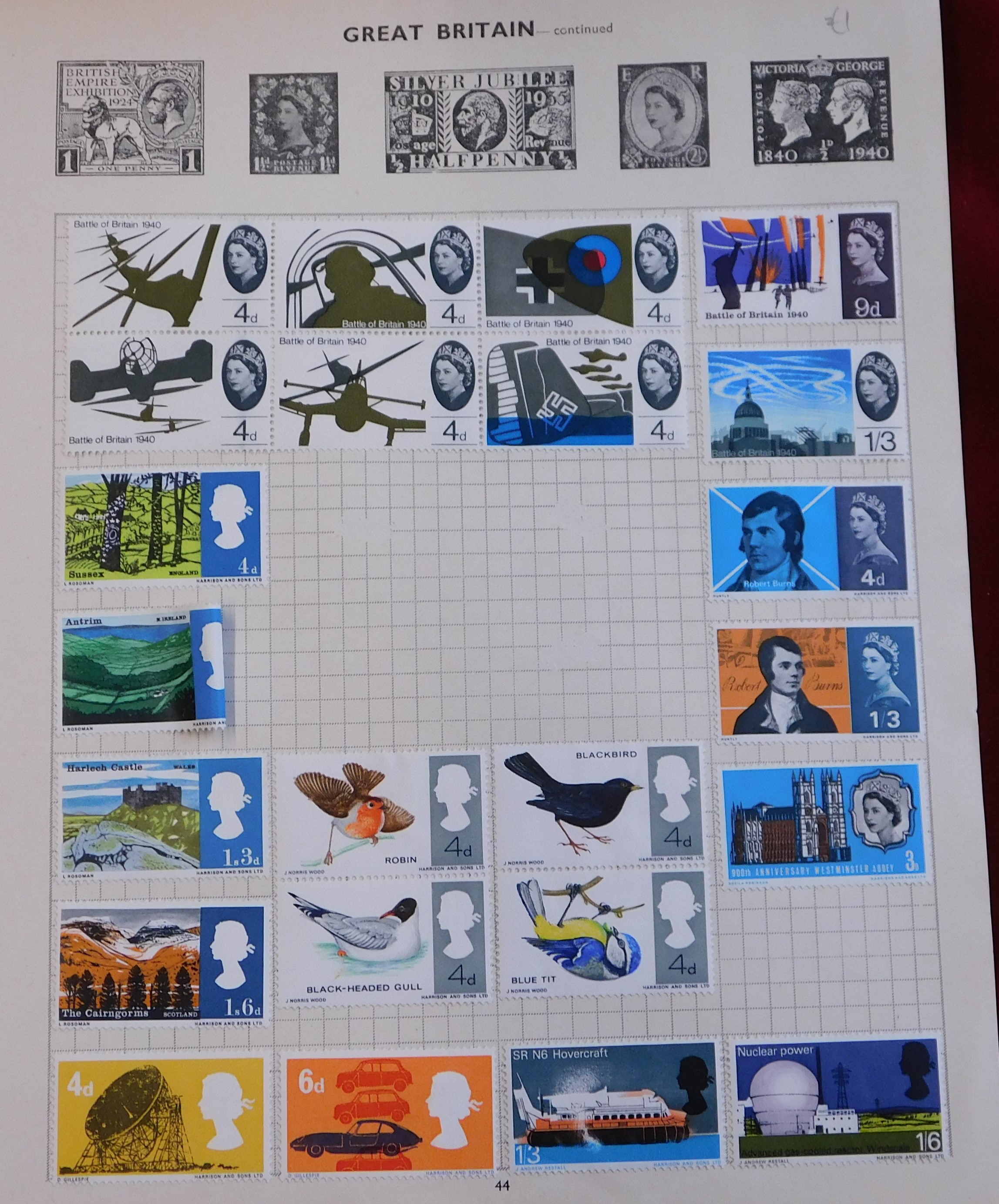
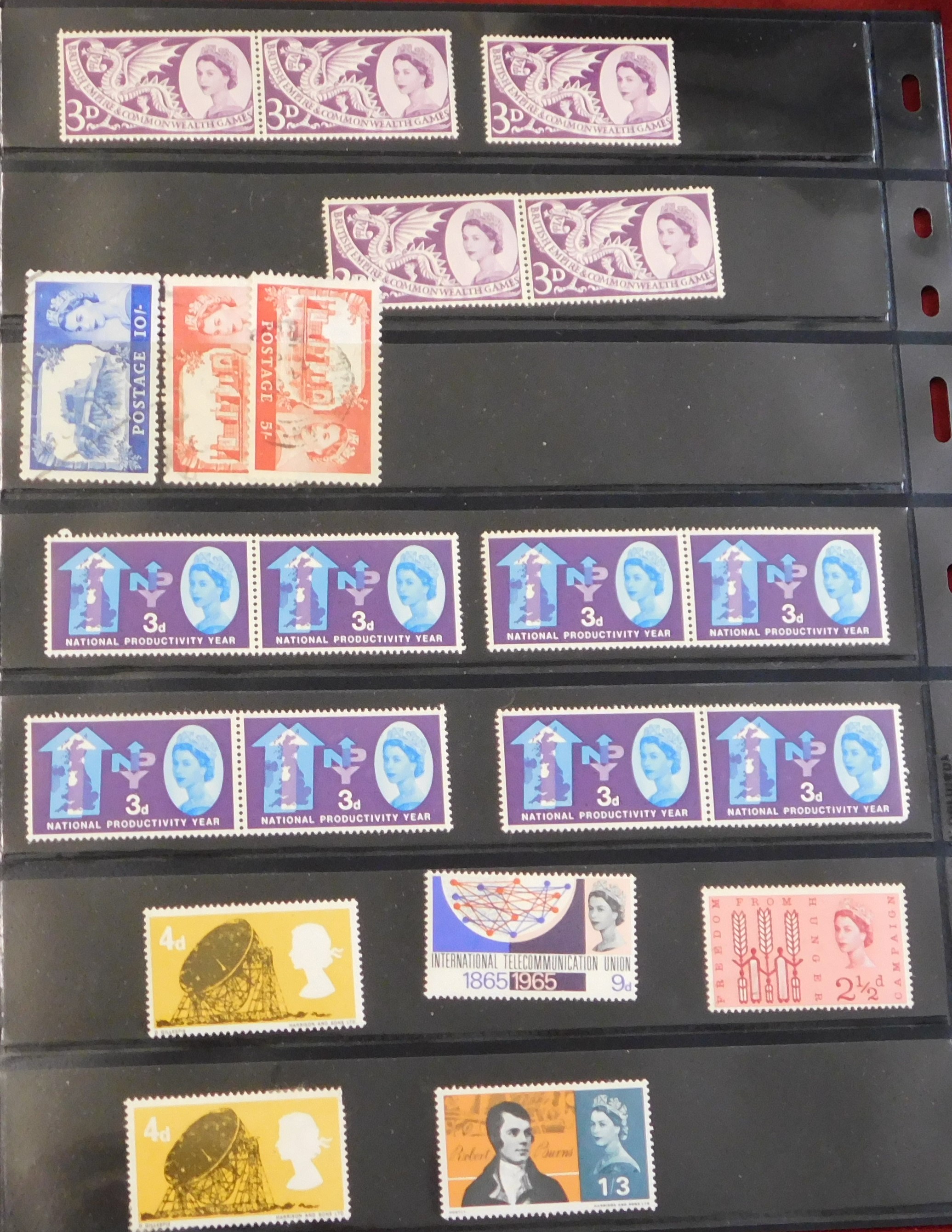
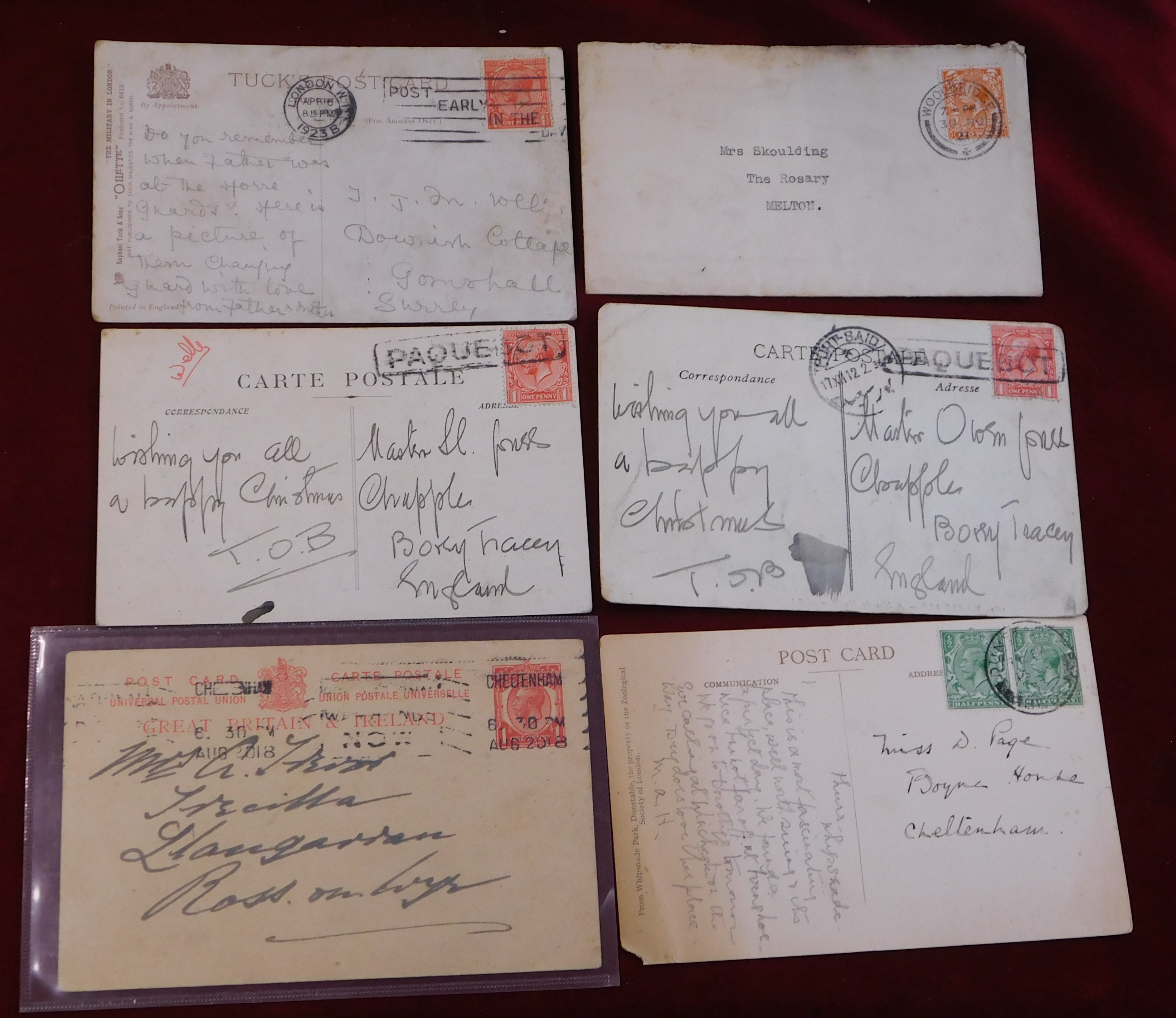
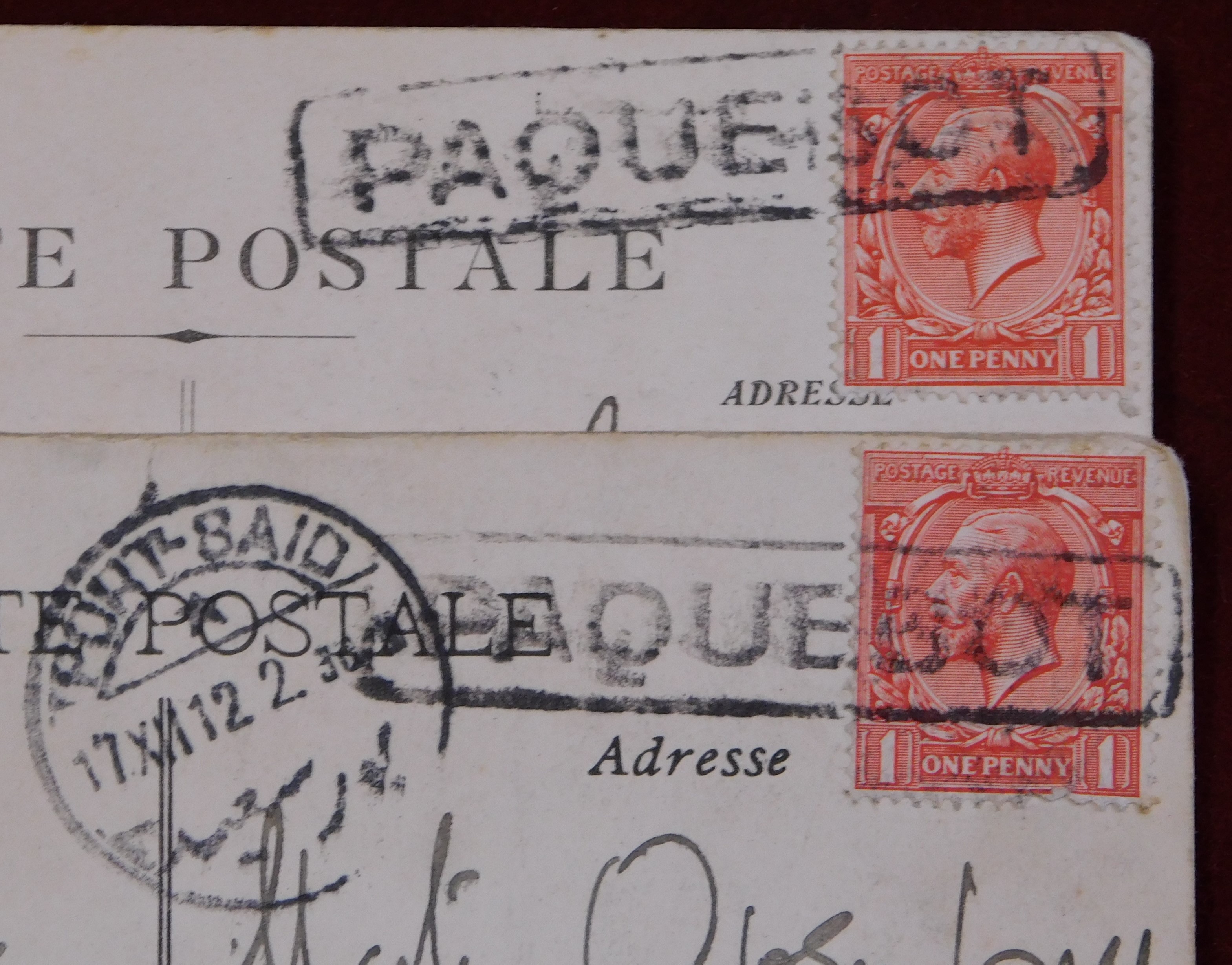
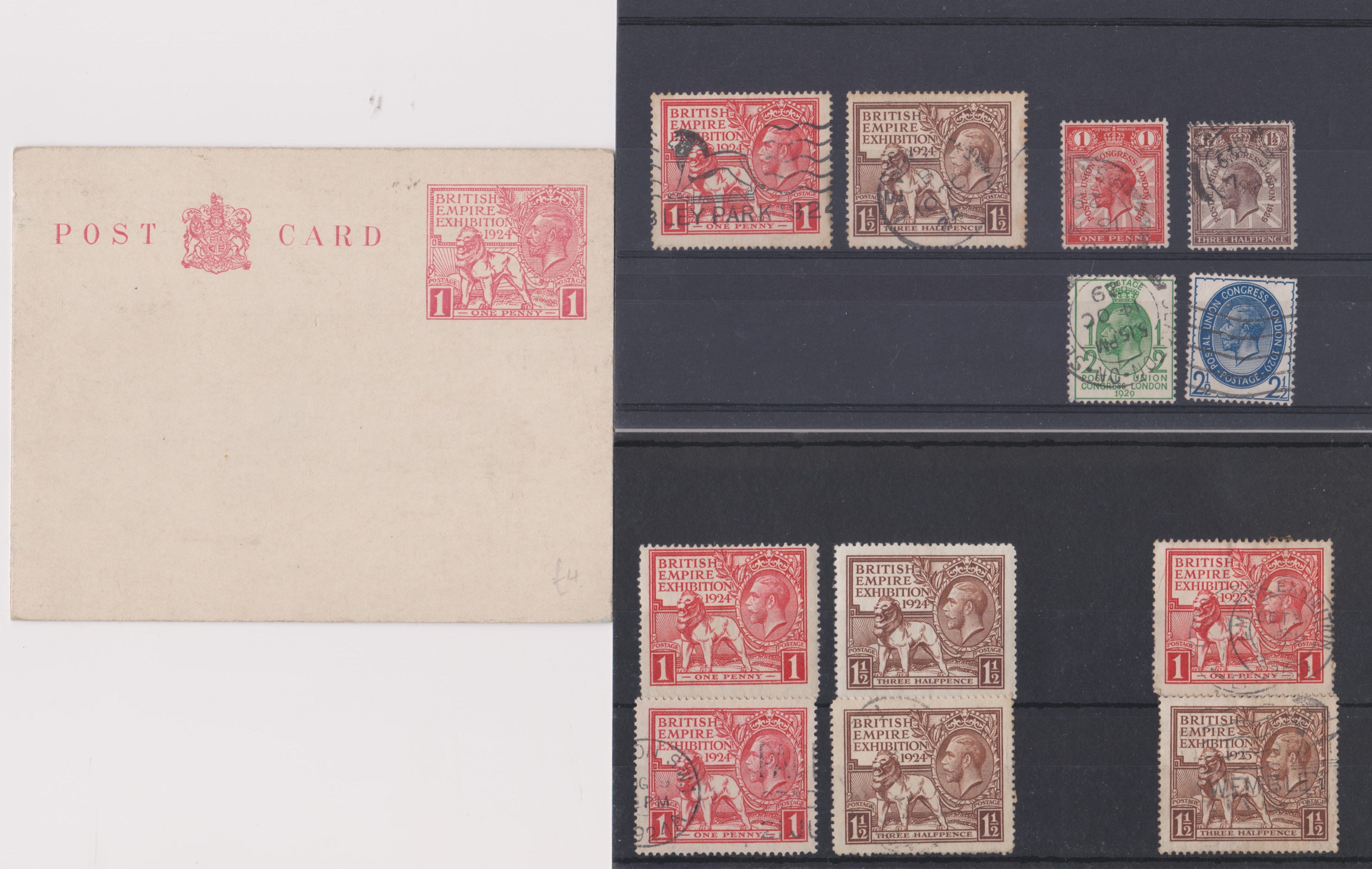
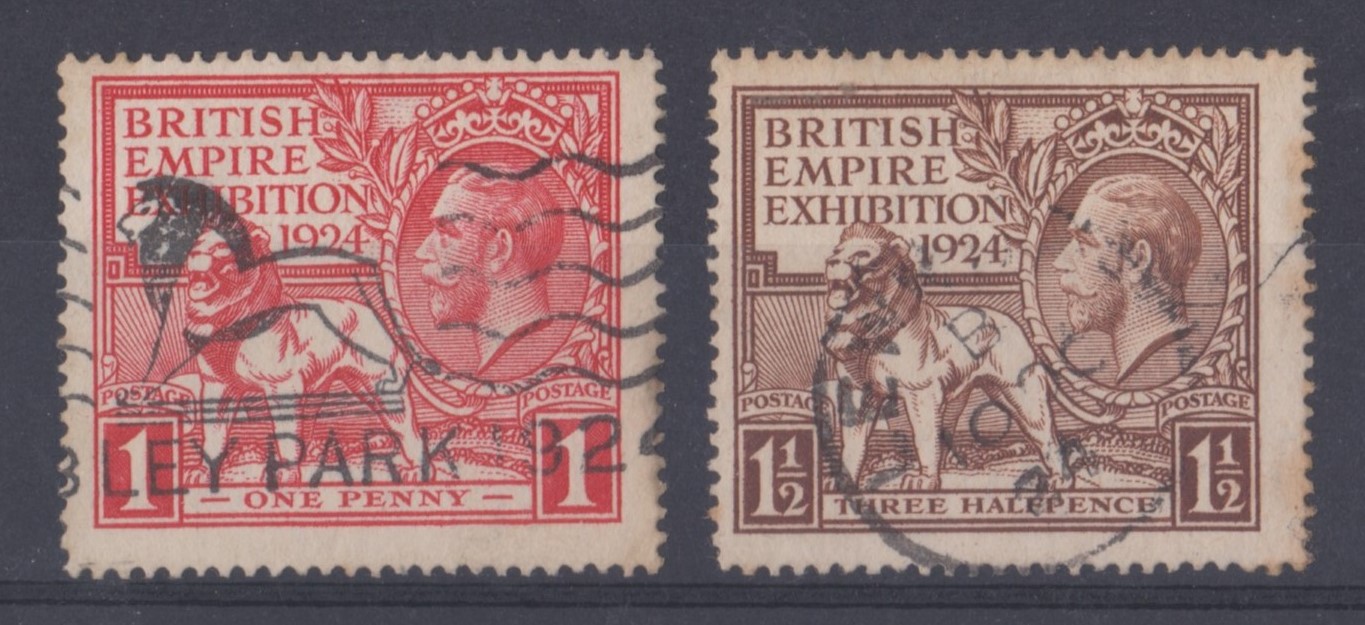
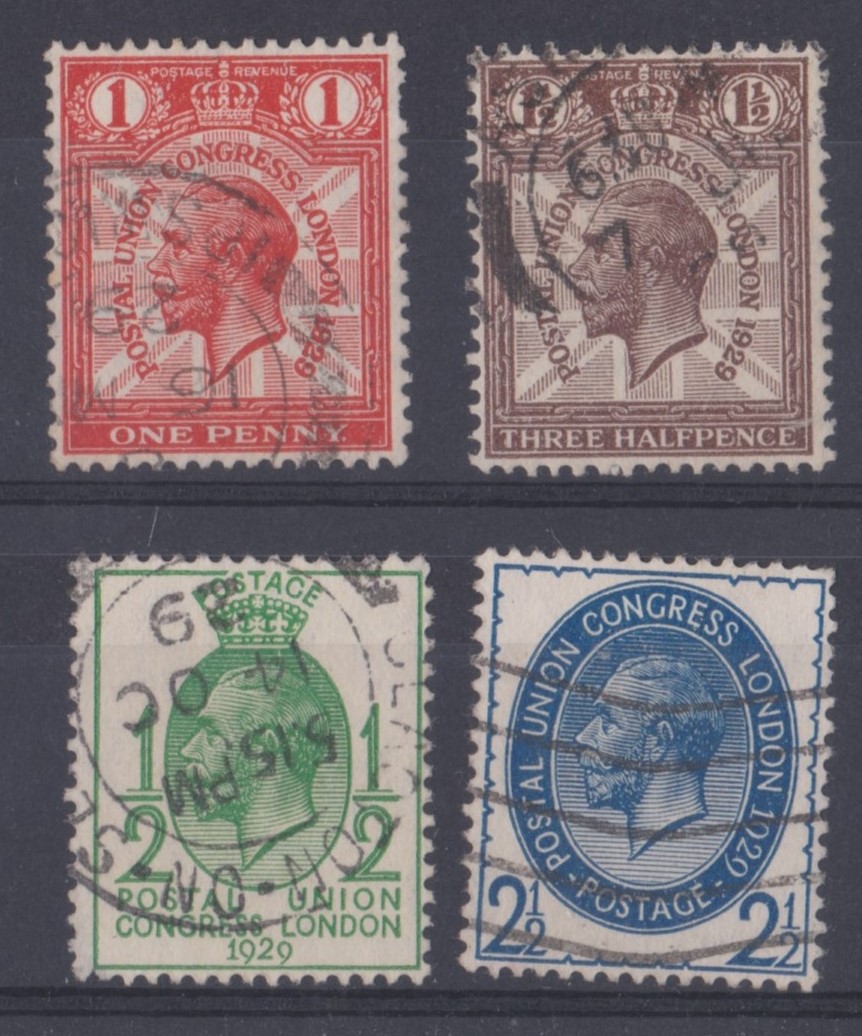
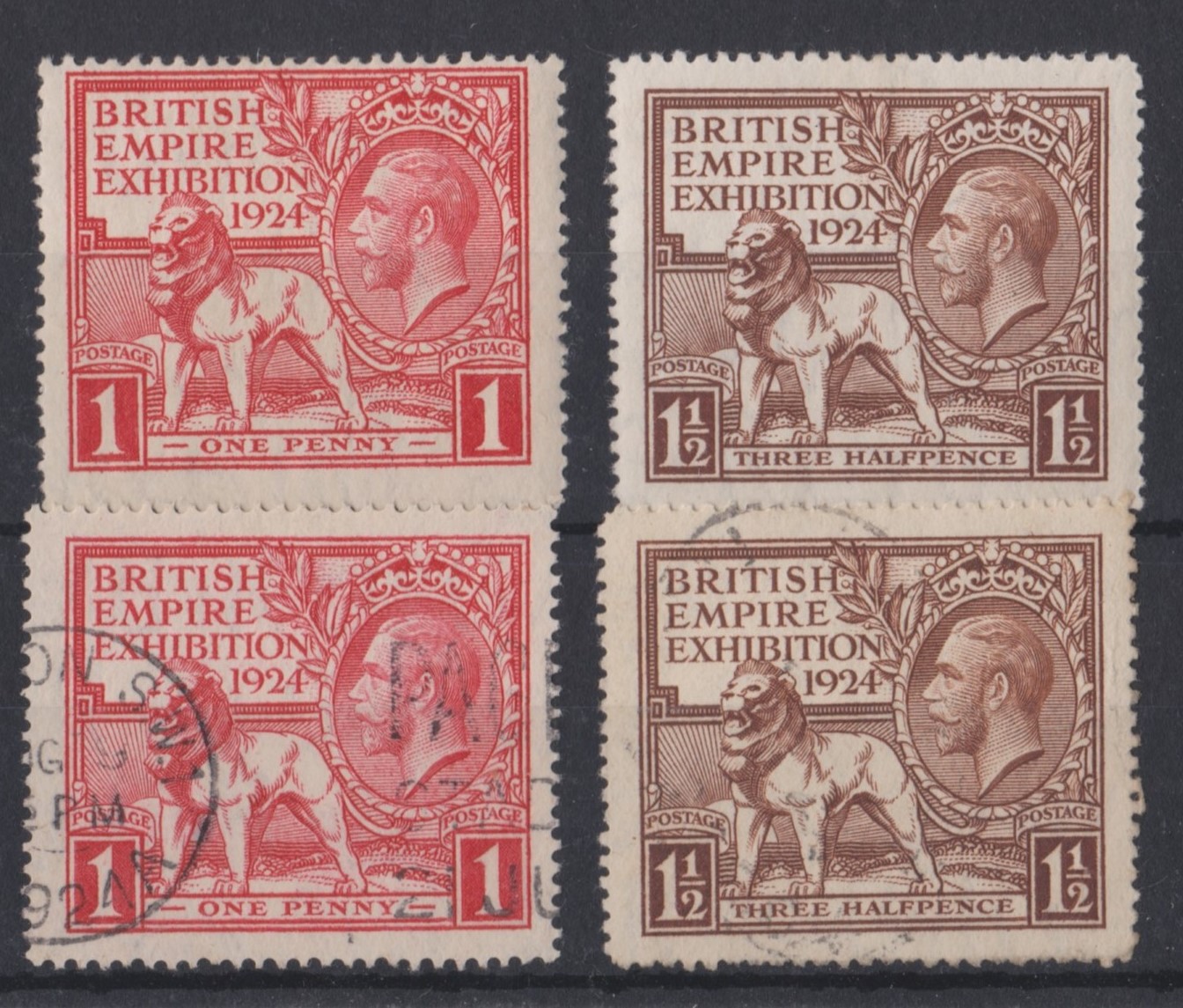
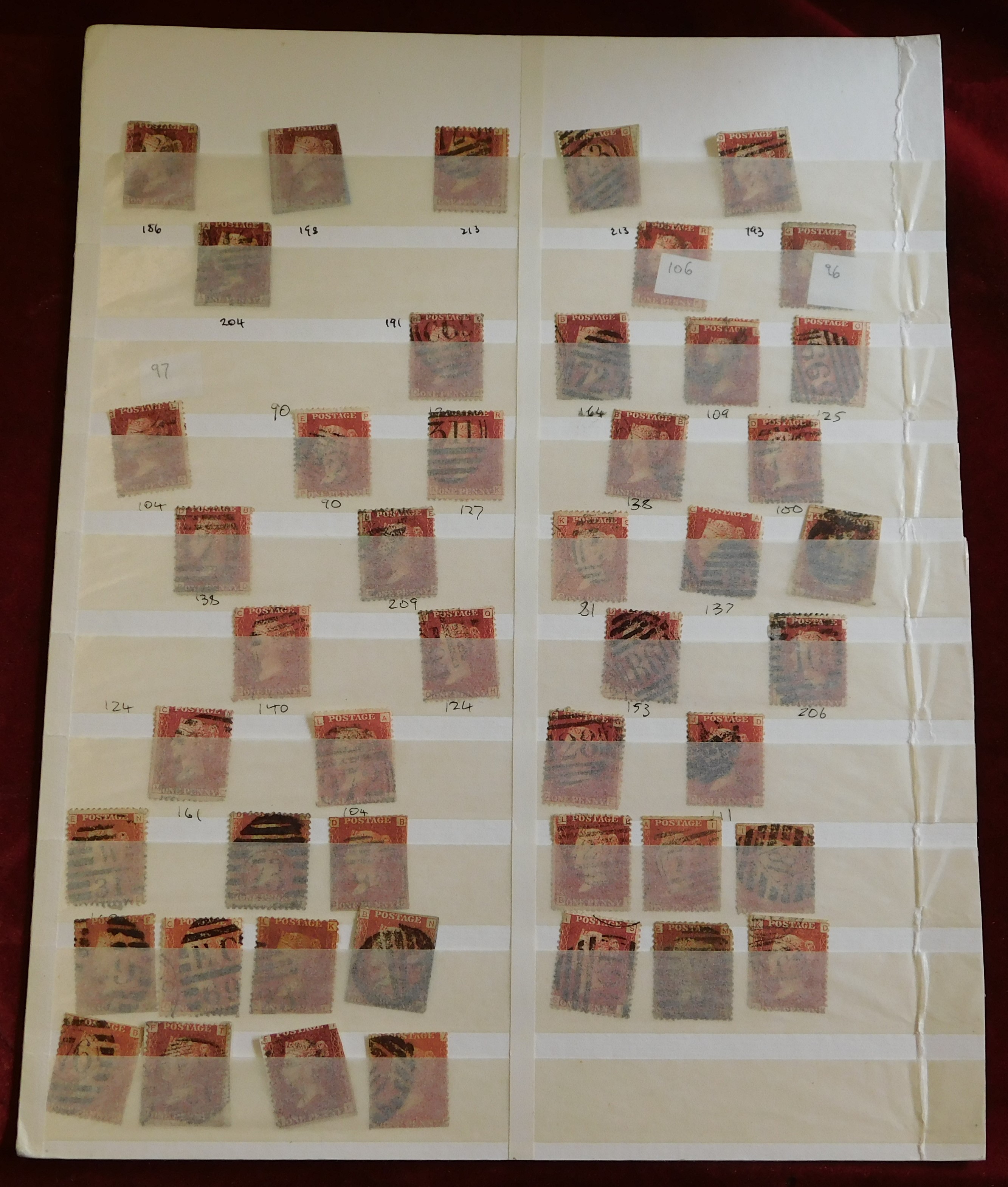
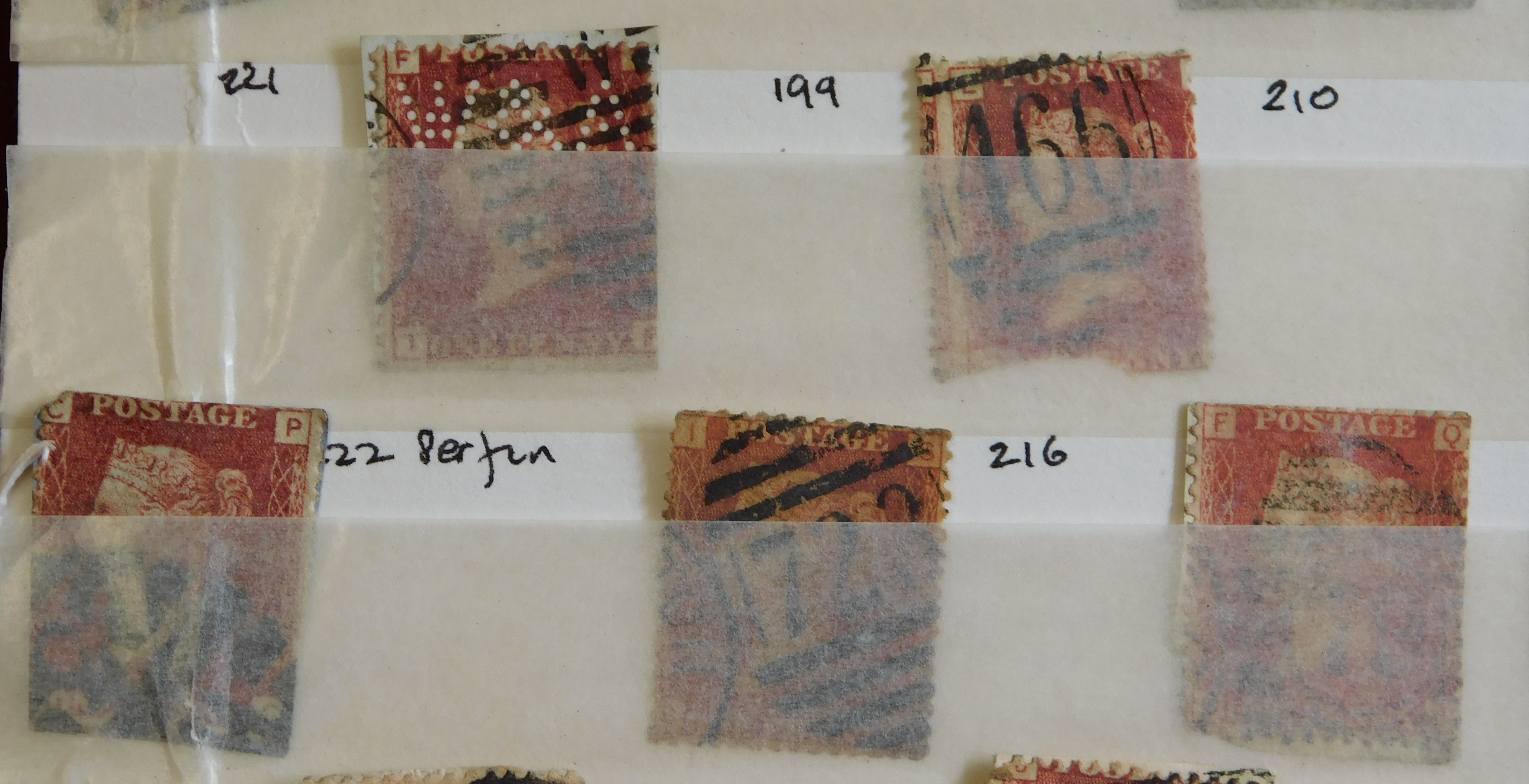
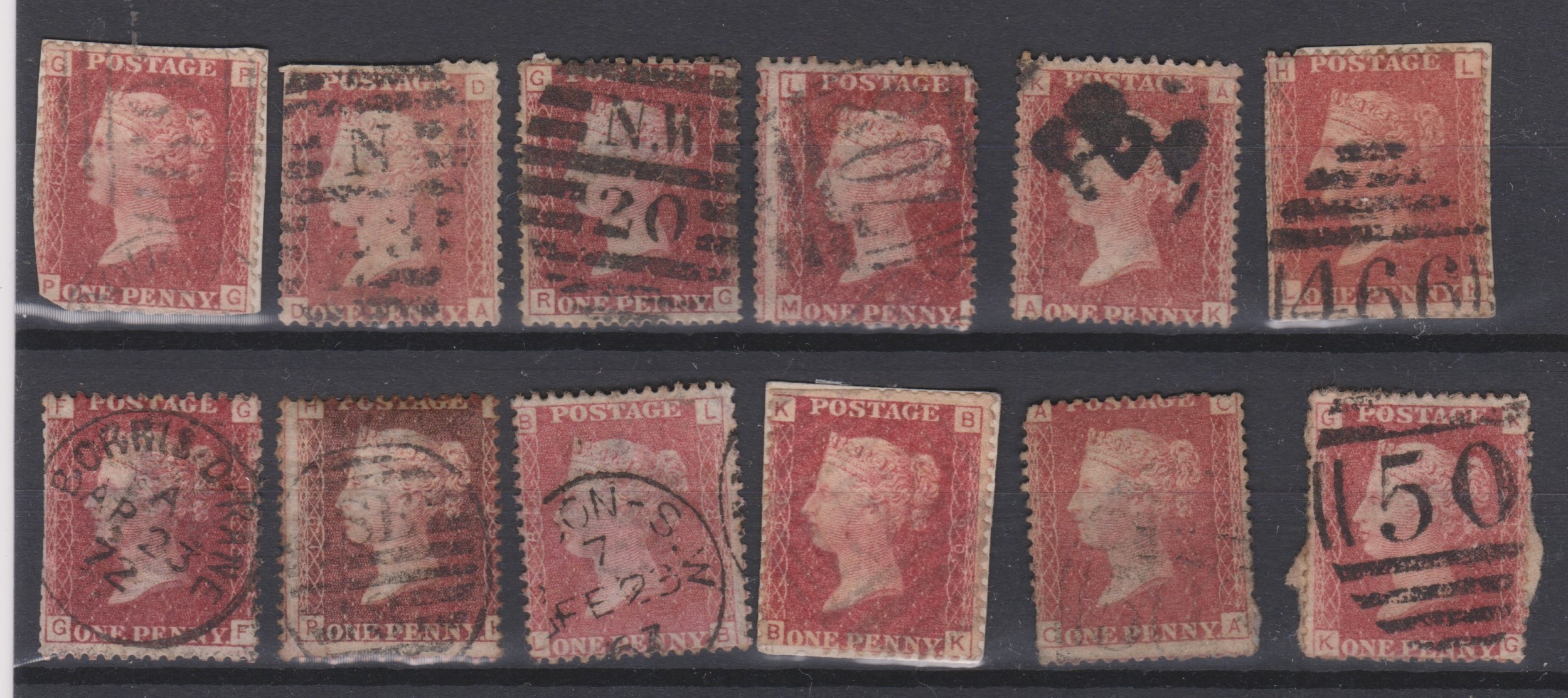
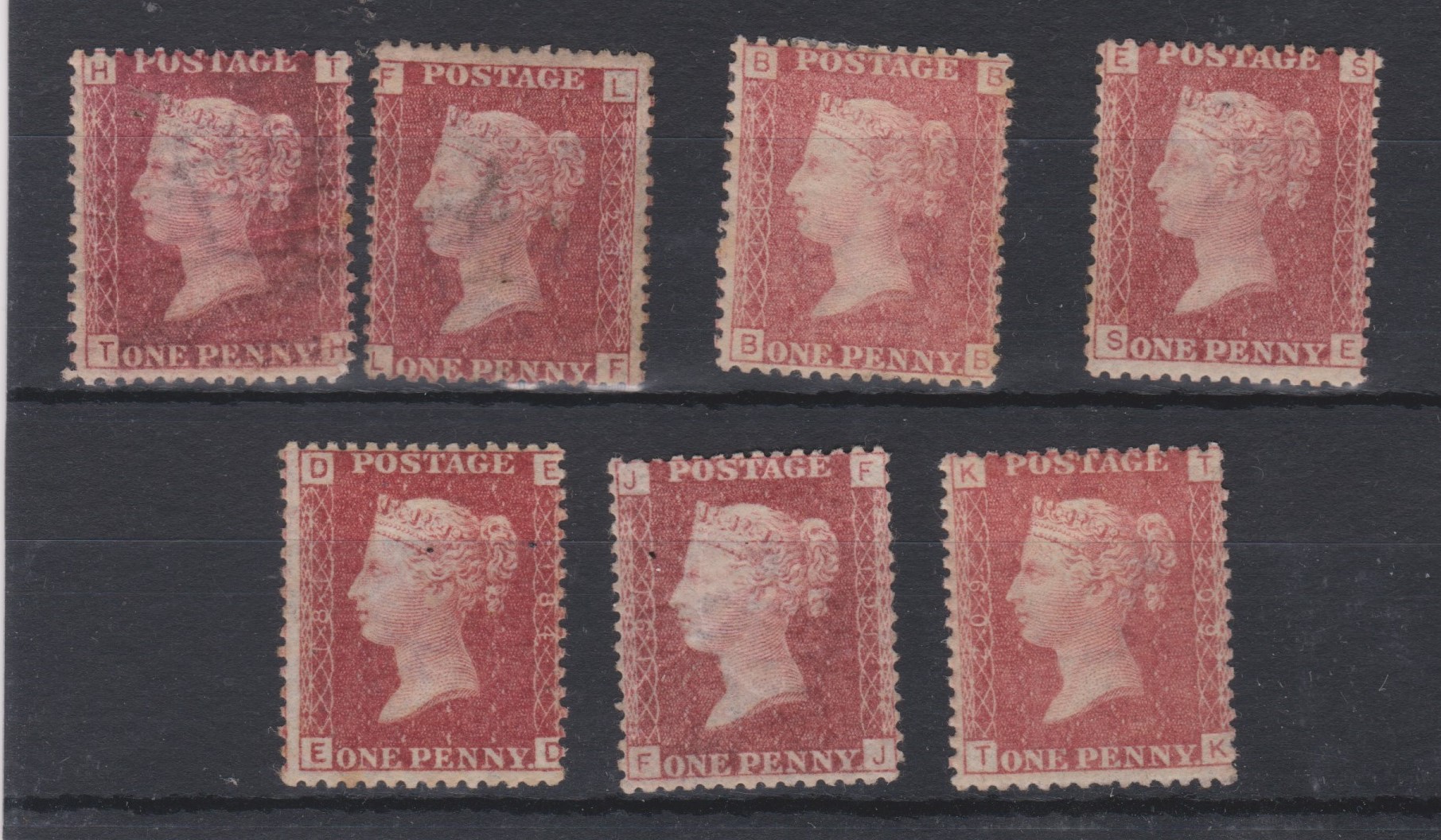
This comes from today at work, where I passed the halfway stage in my creation of day one of a two day stamp sale…
Details of my stewarding commitment for this year’s Heritage Open Day (Sunday 14th September). A picture gallery from today at work.
This post, with a gallery from today at work, is going to be a brief one.
HERITAGE OPEN DAY 2025
King’s Lynn has its annual Heritage Open Day on the second Sunday in September. On this day various interesting buildings are opened for public viewing. This year that second Sunday is the latest possible date – the 14th. In order to ensure that the day runs smoothly stewards are required at the various buildings. Stewards will tell you about the history of the building, will monitor numbers, and at some of the busier and/or more problematic sites will engage in a measure of crowd control. I have been one of the stewards for some years now, and of course made myself available again this year. I have recently found out where and when I will be stewarding. For stewarding purposes the day is divided into thirds – 10AM to Noon, Noon to 2Pm and 2PM to 4PM. I will be stewarding at the Bank House Hotel, whose chief attraction is a remarkable cellar system, dating back to times when rather more goods arrived in and departed from King’s Lynn than the King’s customs guys ever knew about, between noon and 2PM. I am delighted to have been given this venue.
PICTURES
The majority of these were scans. Unlike on Tuesday, when I told you which was which, I leave it to you to see if you can tell…
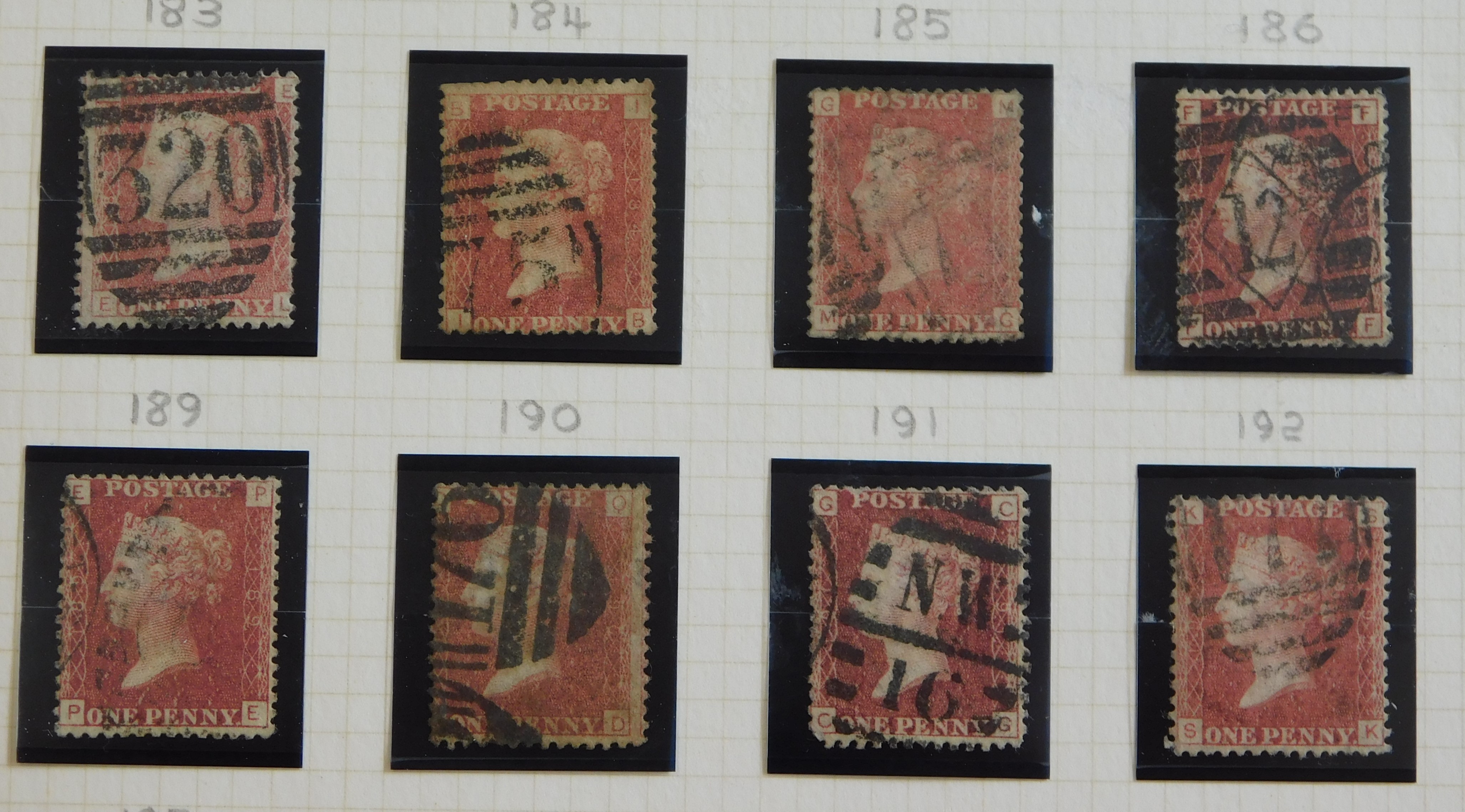
Lot 150 (four images total). These are high value because they are mint. Although they are quite hard to tell apart each is a slightly different colour.
An account of my day at work including a full image gallery.
I don’t normally blog on workdays but I felt that today was interesting enough to make an exception to the rule.
COMBINING TYPING AND IMAGING
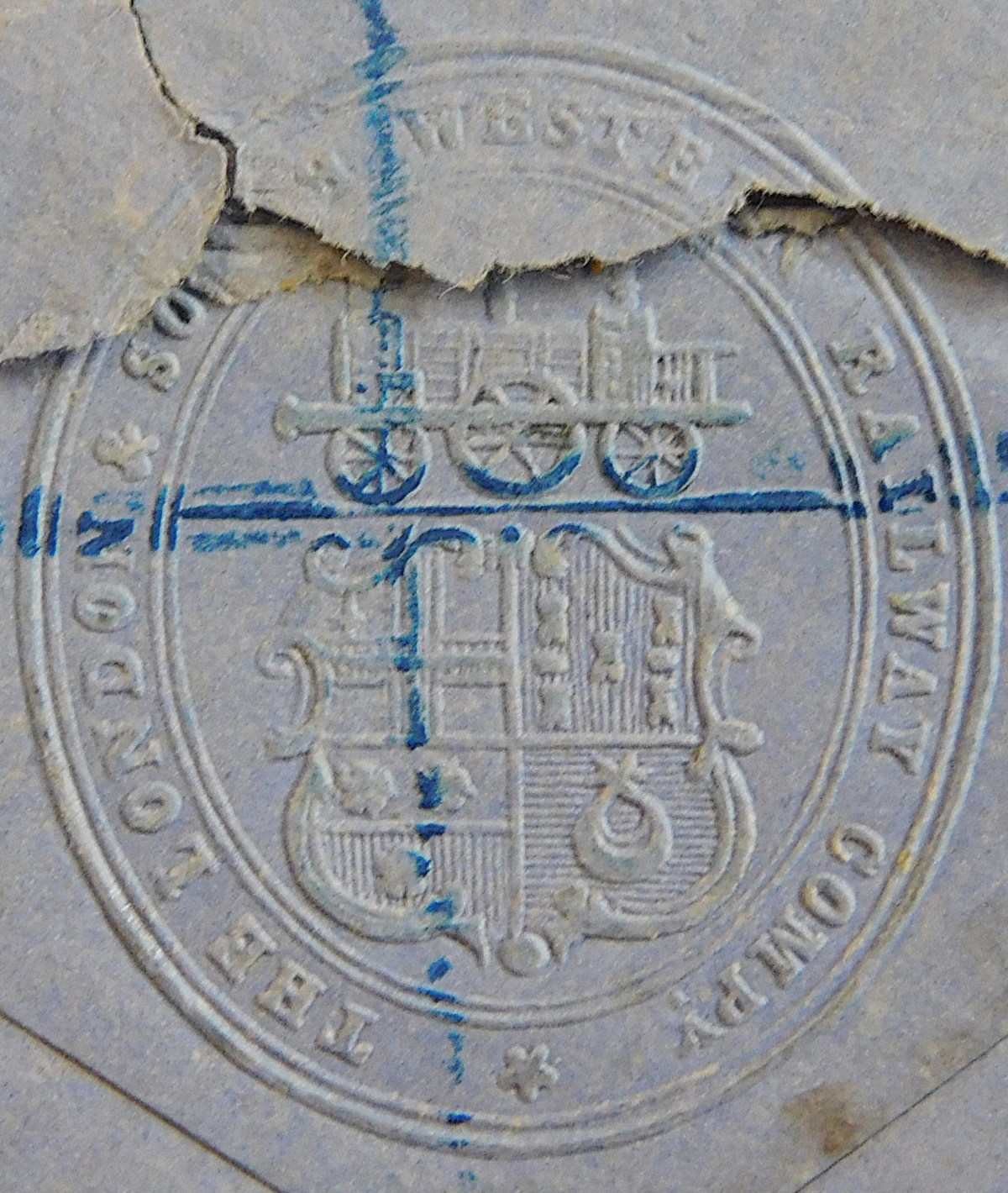
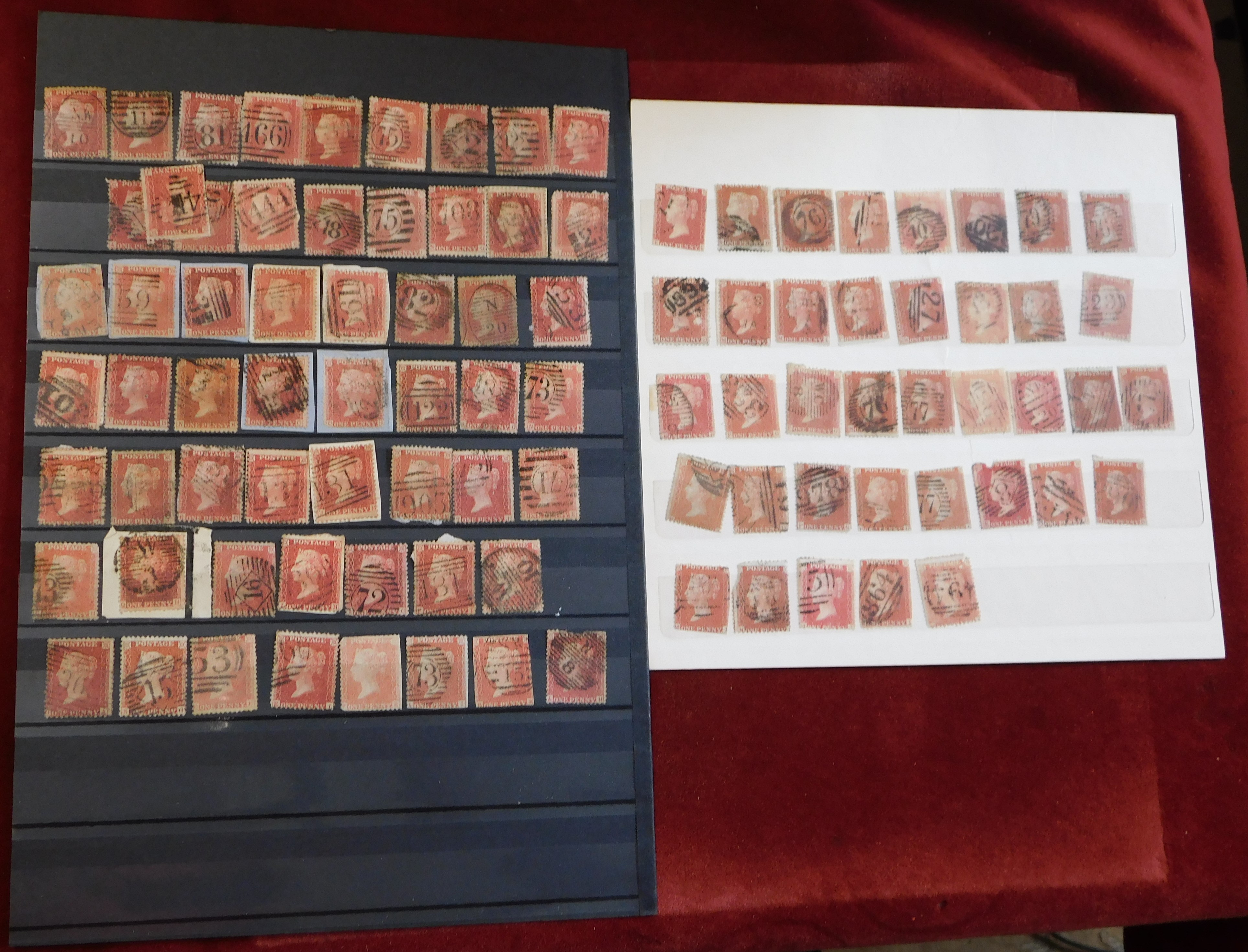
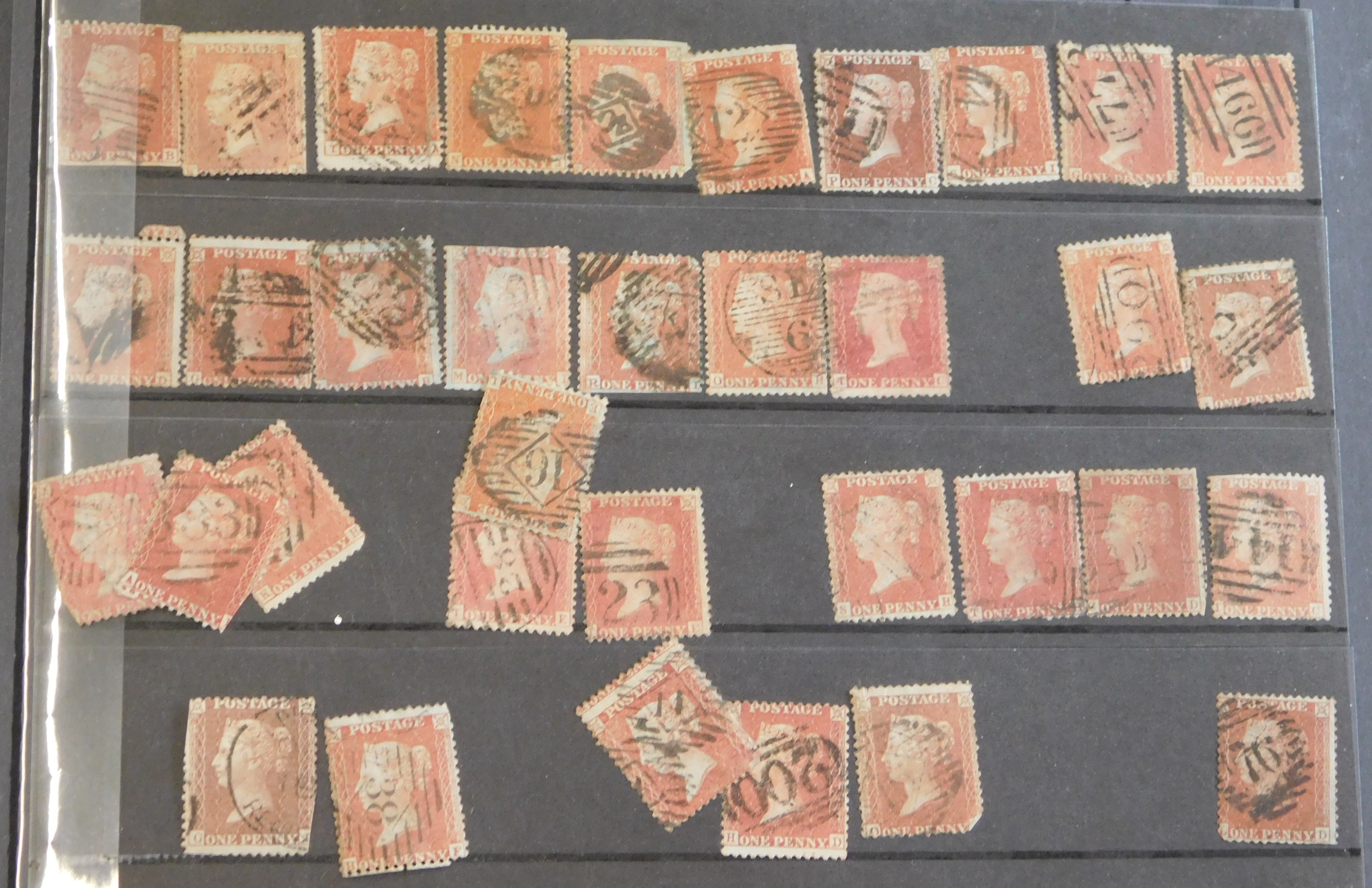
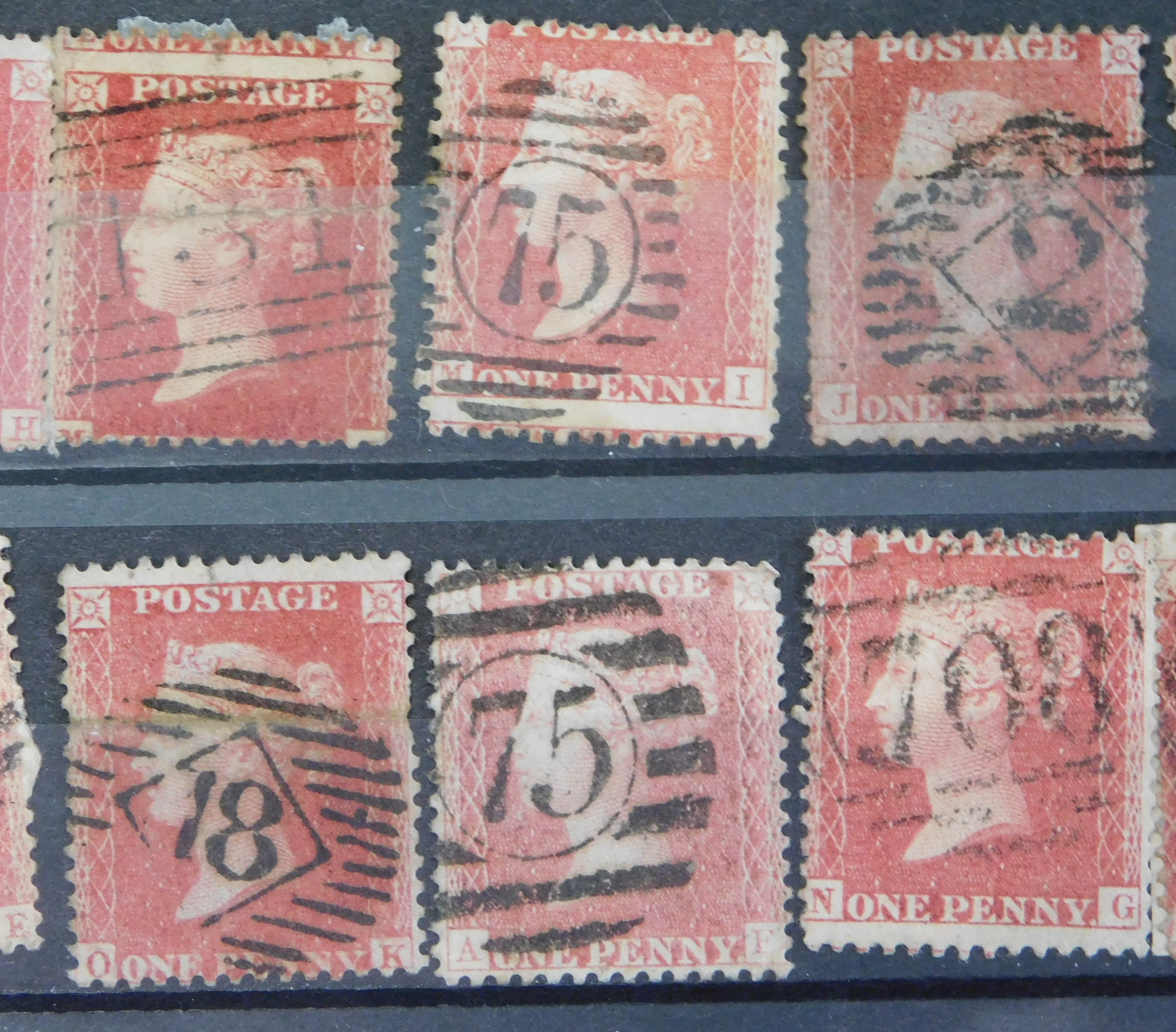
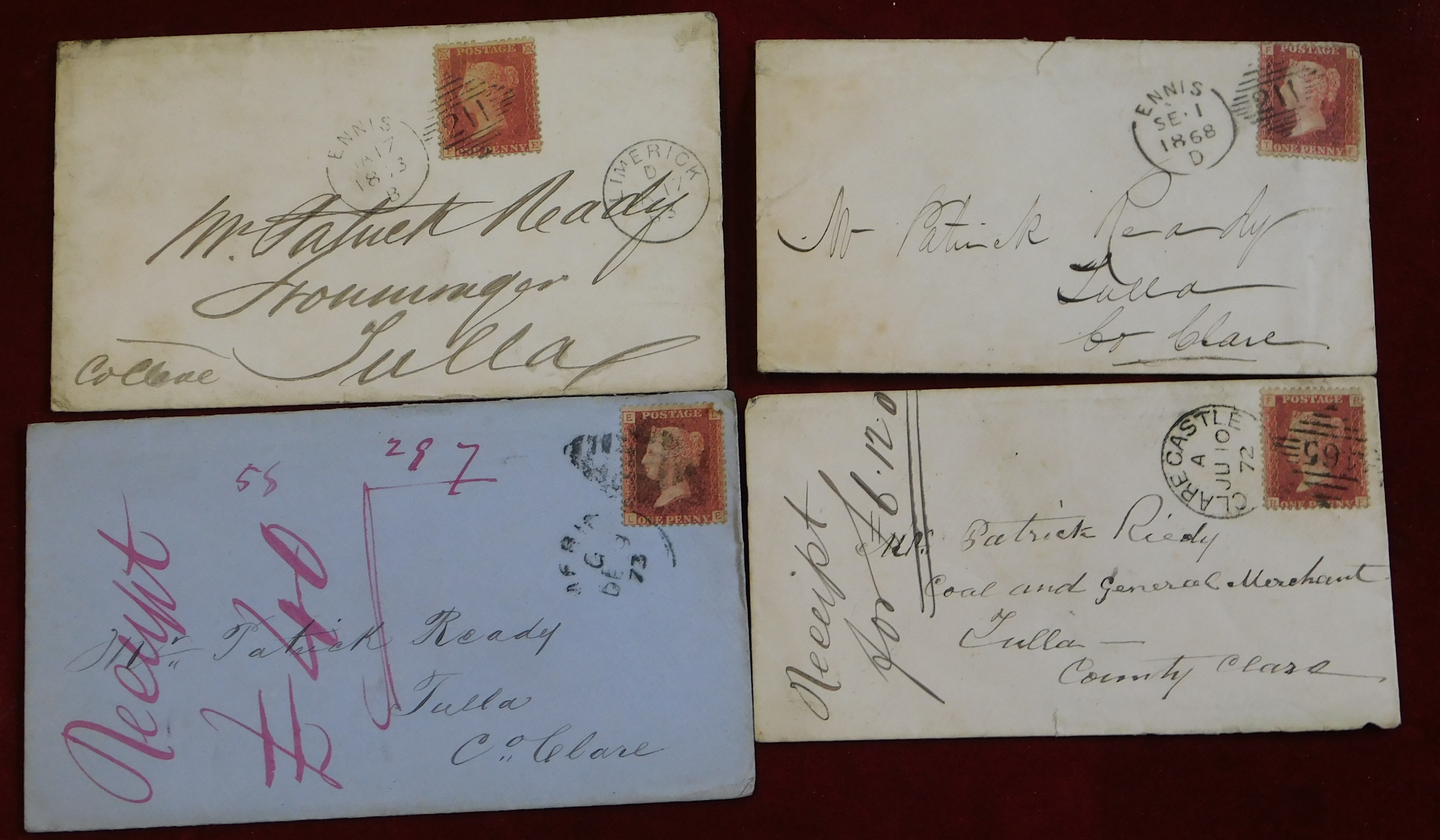
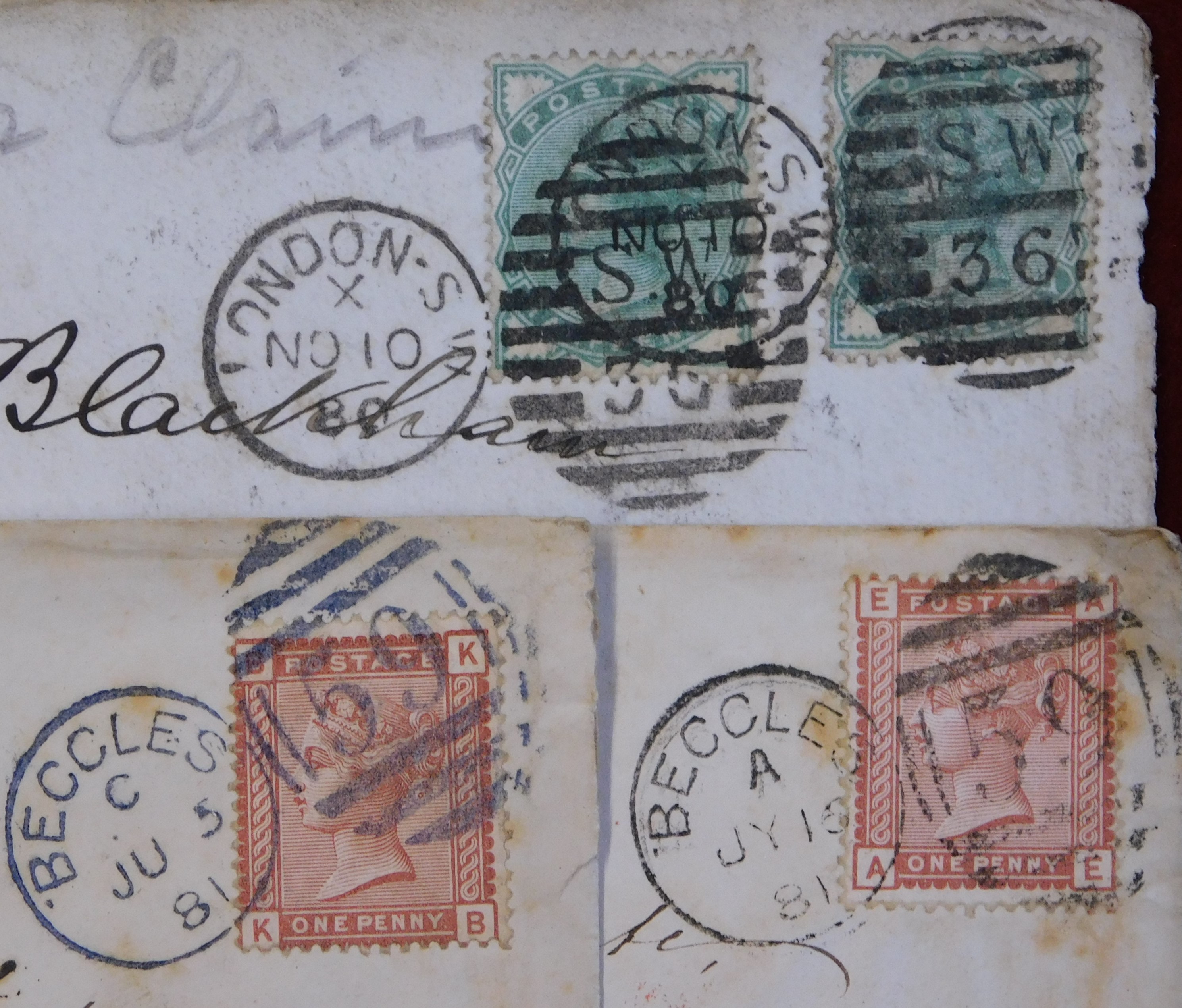
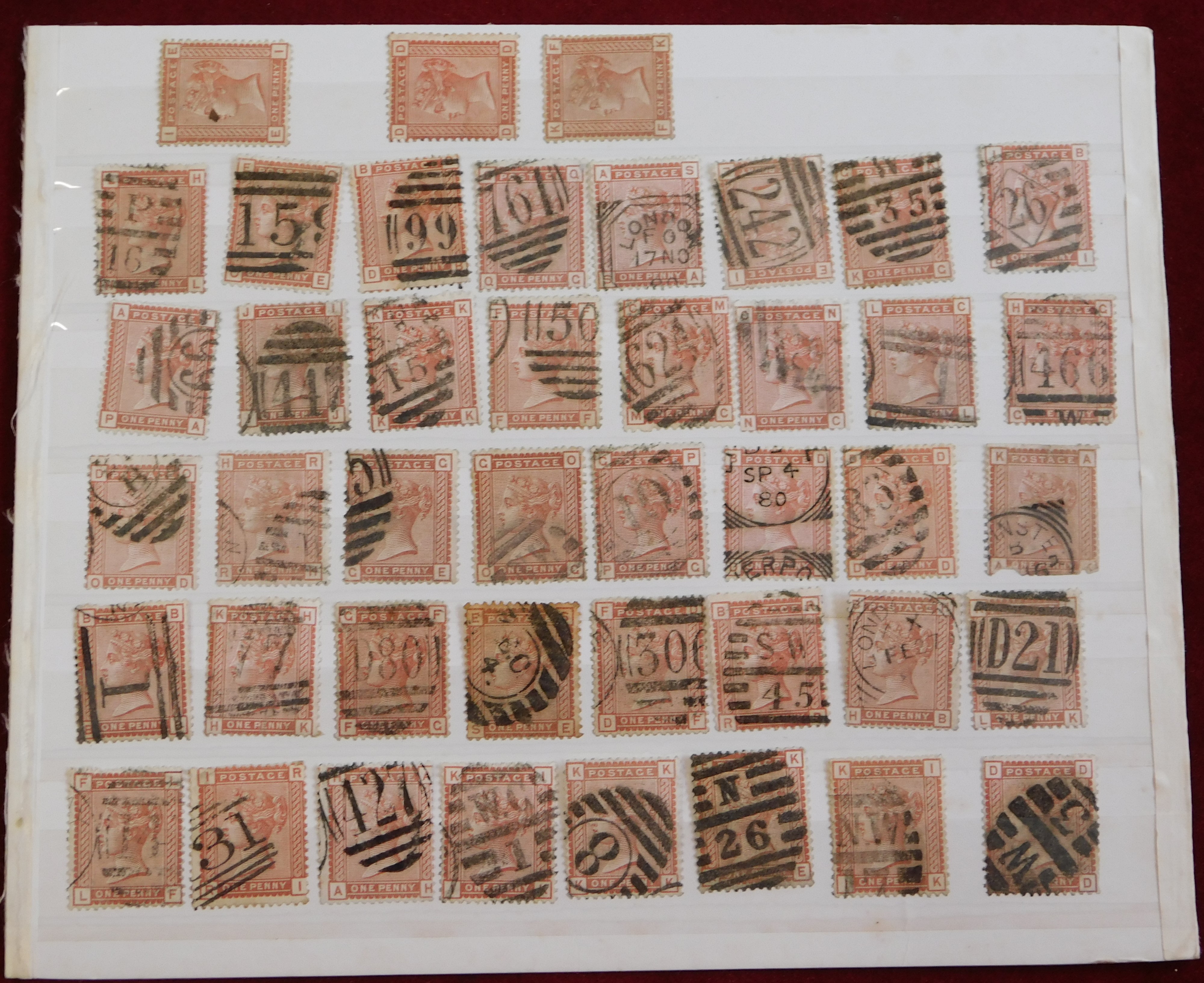
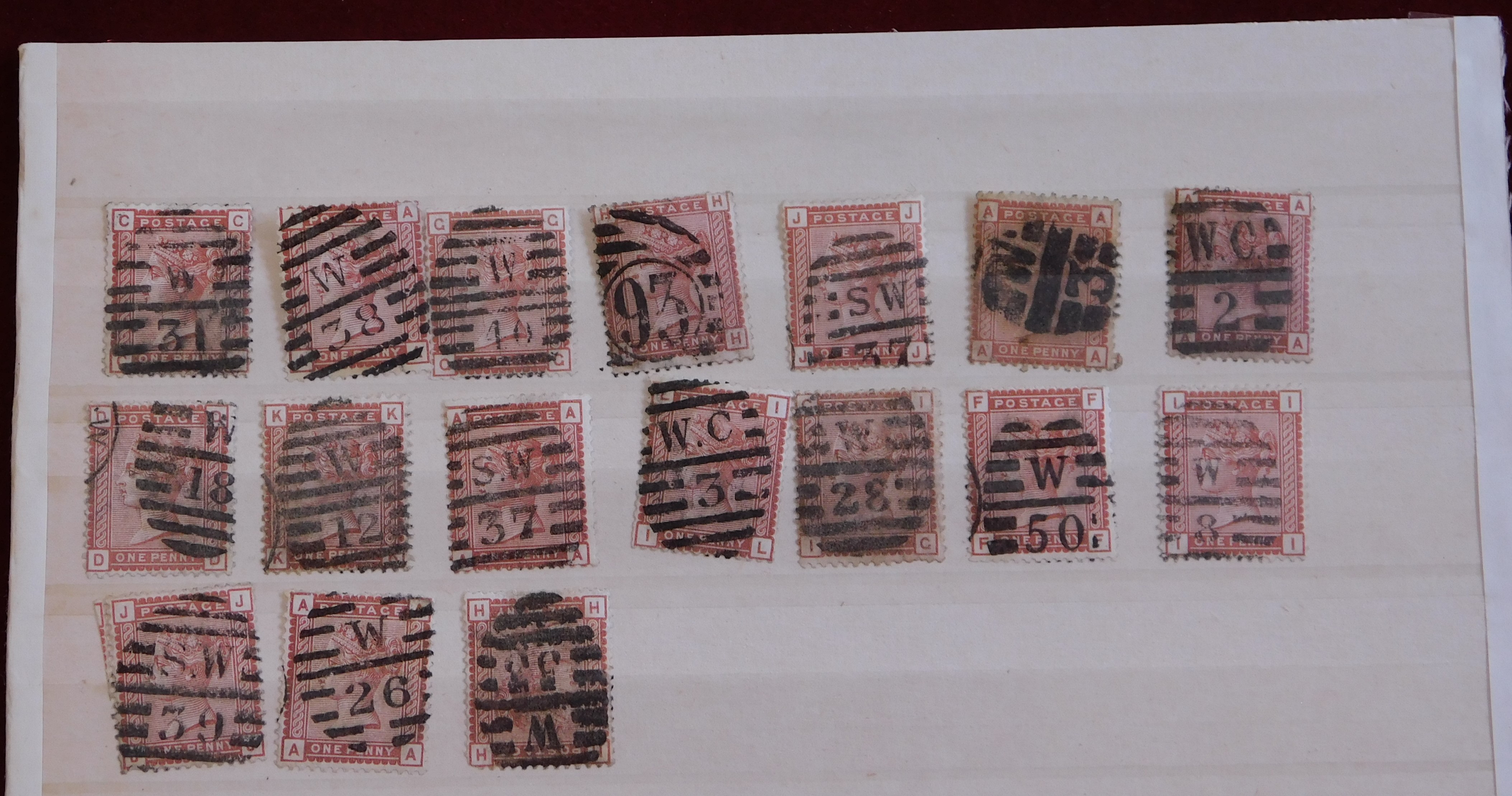
I am currently working on what will be day one of a two day stamp sale, typing up handwritten descriptions in the correct format for an auction catalogue and also imaging the lots (unlike day two, which I started first and have almost completed, and which is an exercise in recycling old lots these are new lots). At the start of today I had got to lot 54, and had 11 lots ready for the typing and imaging process, which gave time for more lots plus descriptions to be found. After I had dealt with those 11 lots I then typed up a further 20 descriptions, did the imaging (a mix of photographs for the bigger lots and scans for the smaller ones). Then I repeated the process for a further 15 lots bringing the total to a hundred. I still had a little time left, so I did a further five lots as a bonus (lot 100 had been my self-set minimum point to reach to by the end of today). I will resume on Thursday starting from lot 106. As you will see from the image gallery that follows the extra five lots were not just a bonus in terms of being ahead of where I reckoned on being – the last of the extra lots was of personal interest. My approach to the imaging was to take the photographs of the larger lots first, and then scan the smaller ones. Save for lot 101, described in its caption, I took no more than a single scan of any scannable lot – secondary images when I deemed them appropriate were extracted from the original scan.
PICTURES
Here is today’s image gallery…
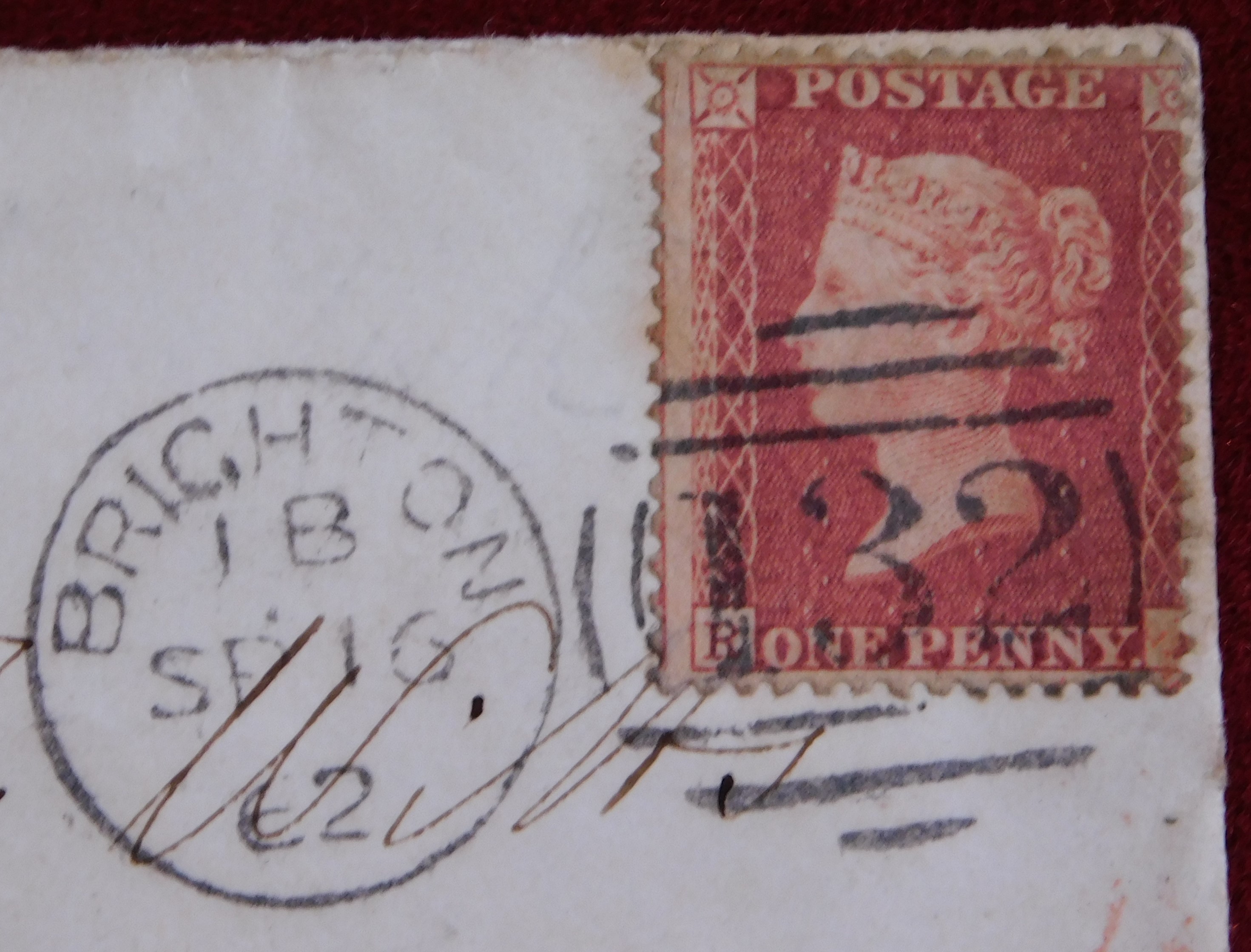
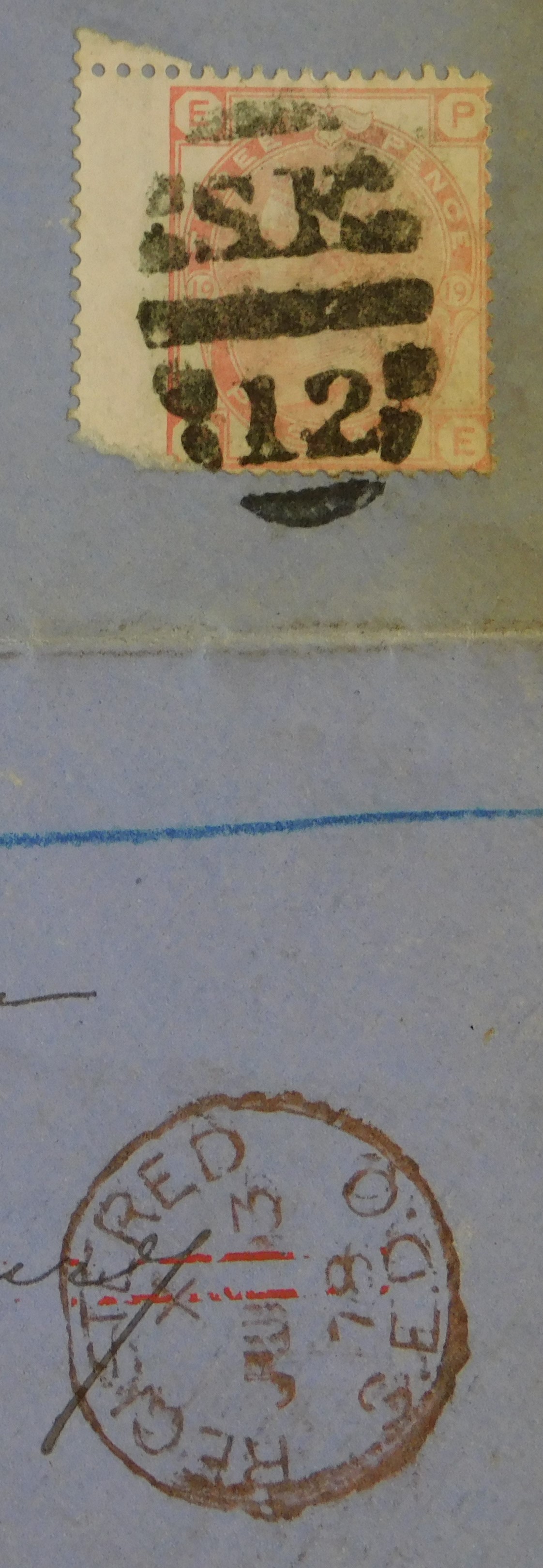
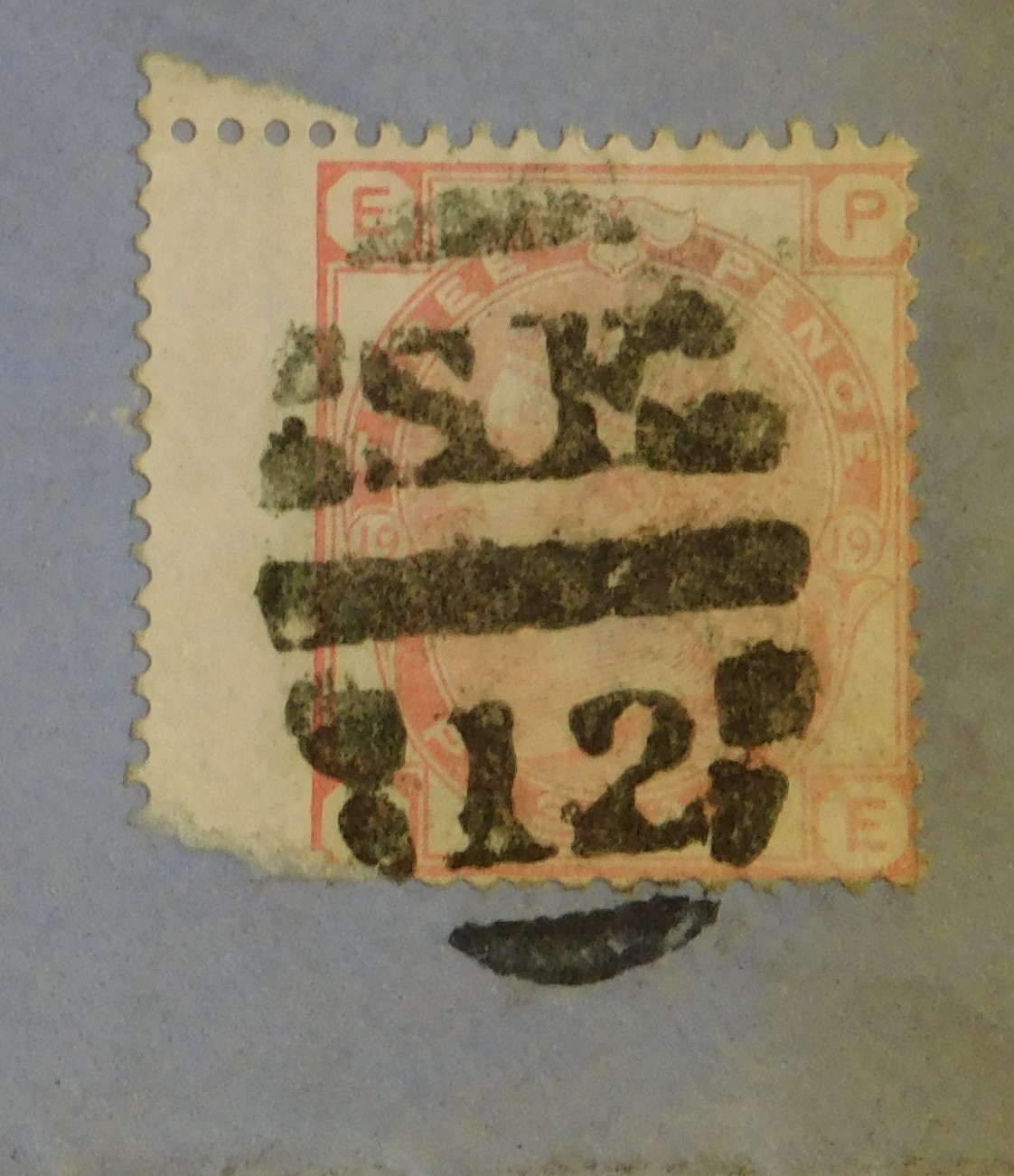
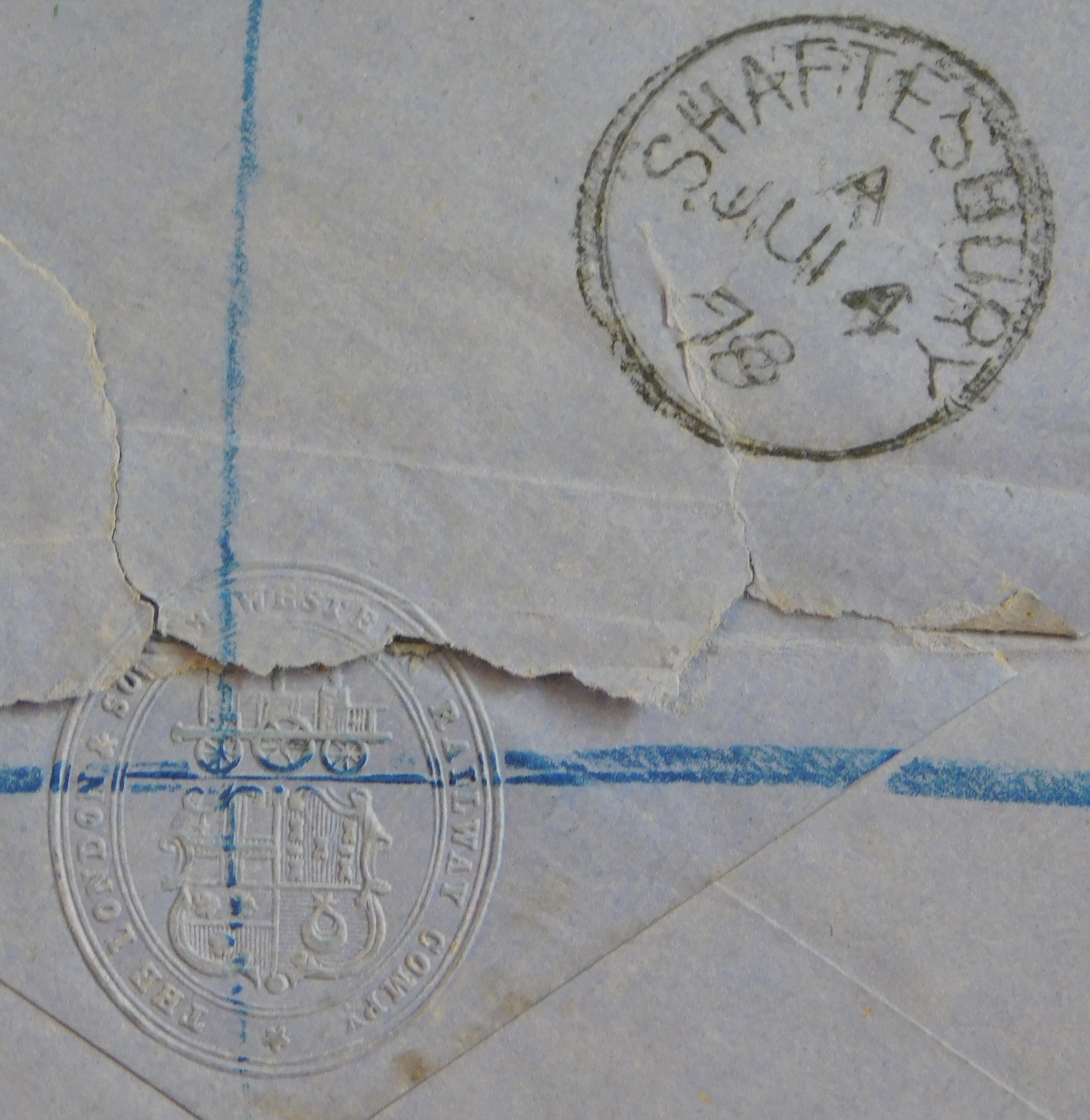
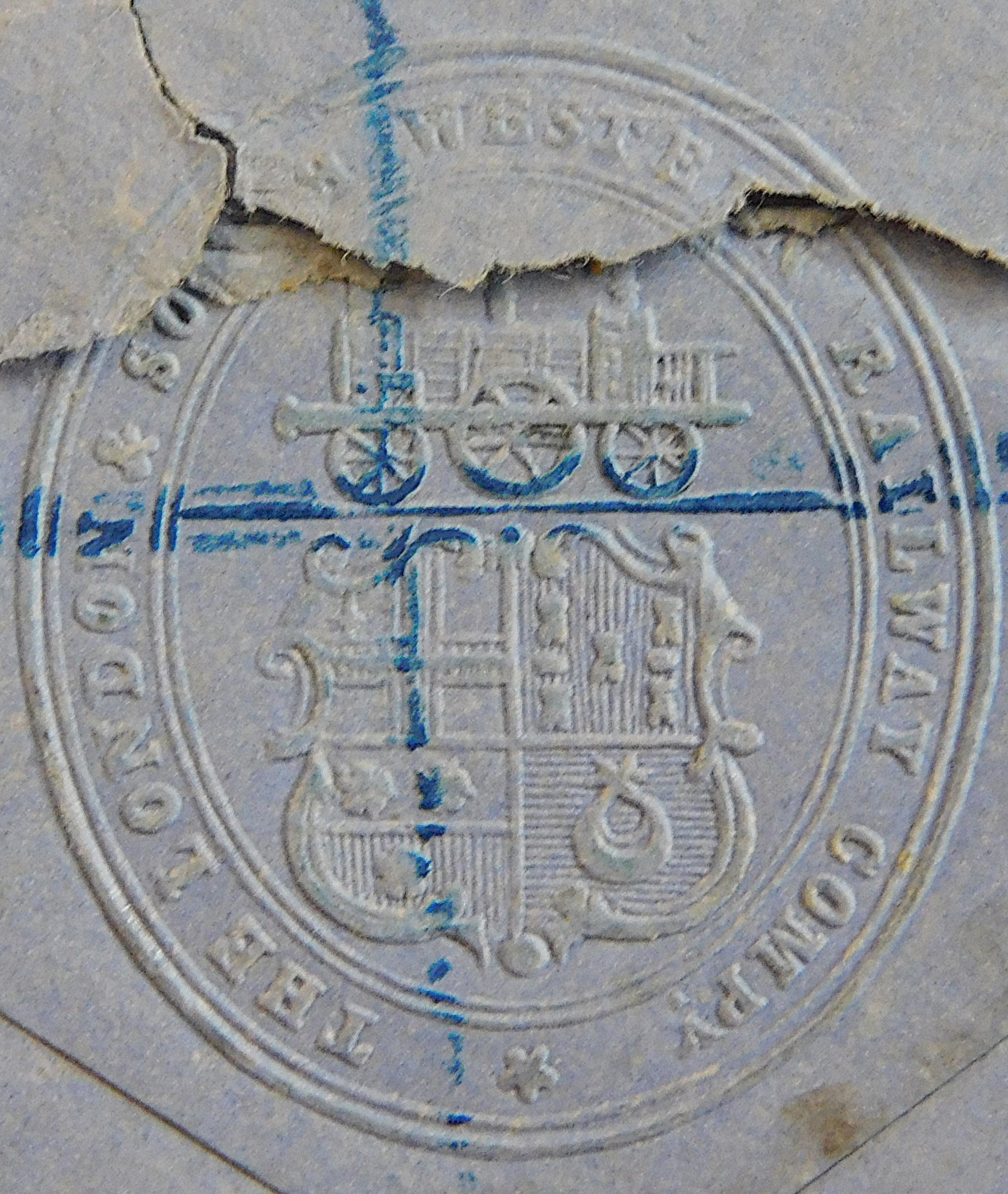
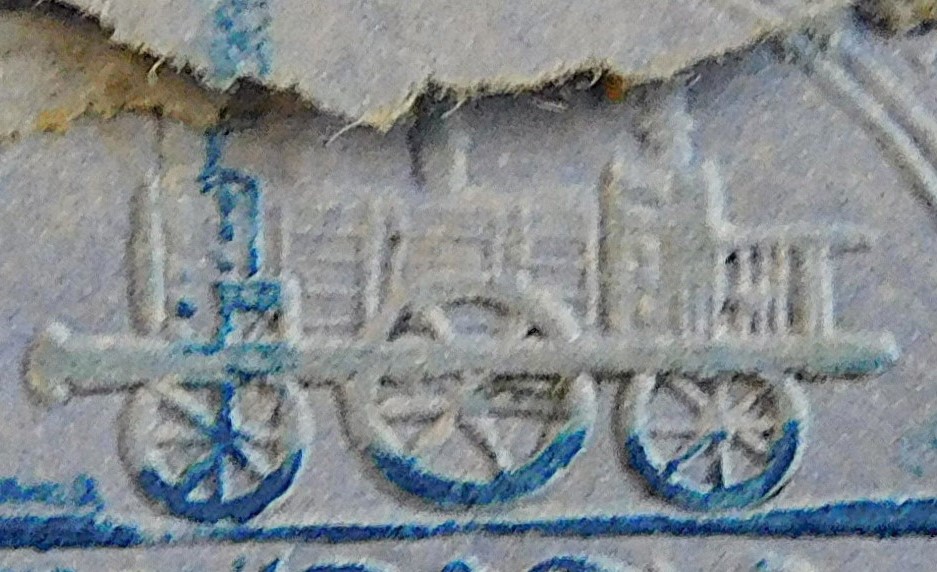
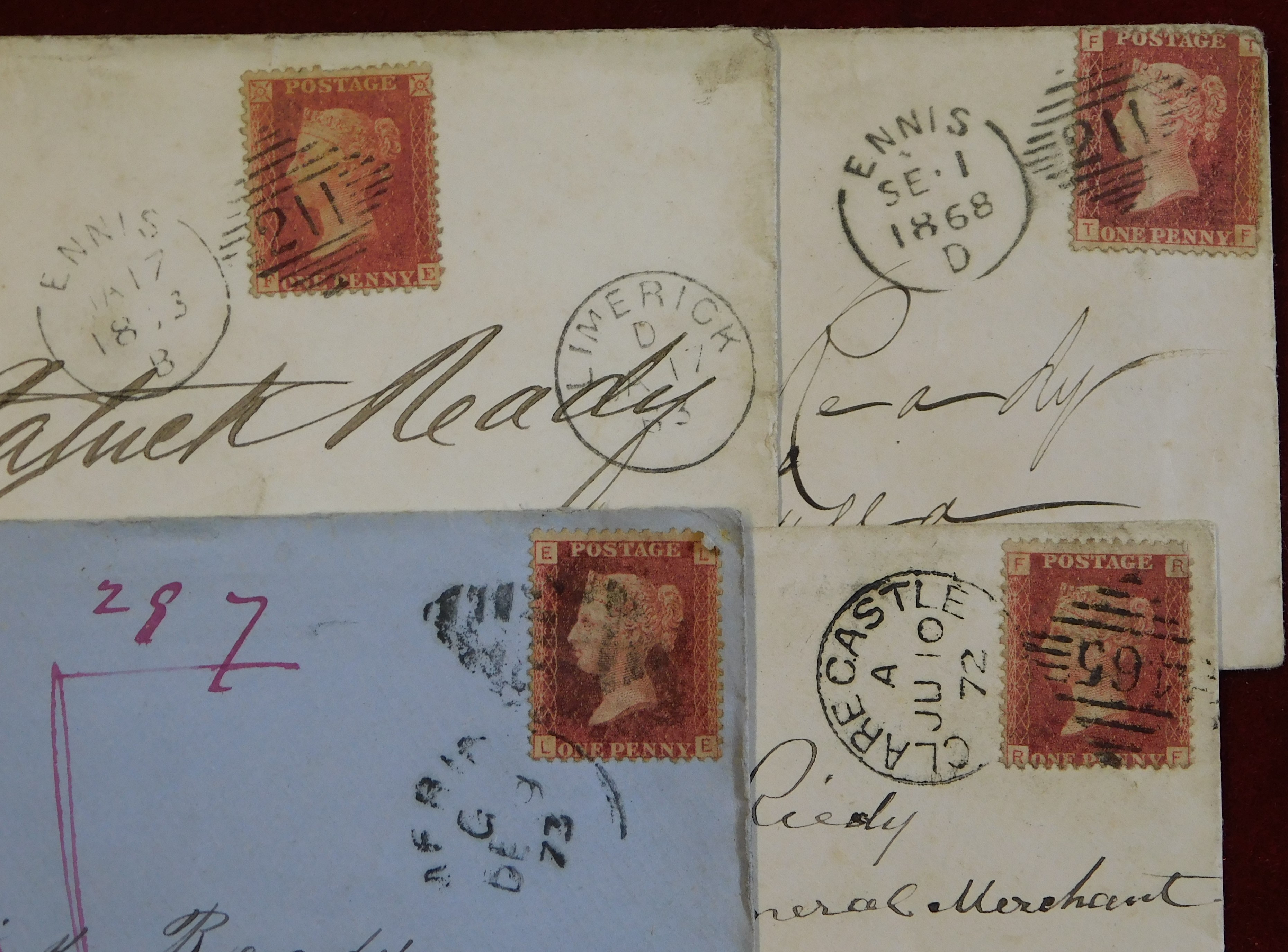
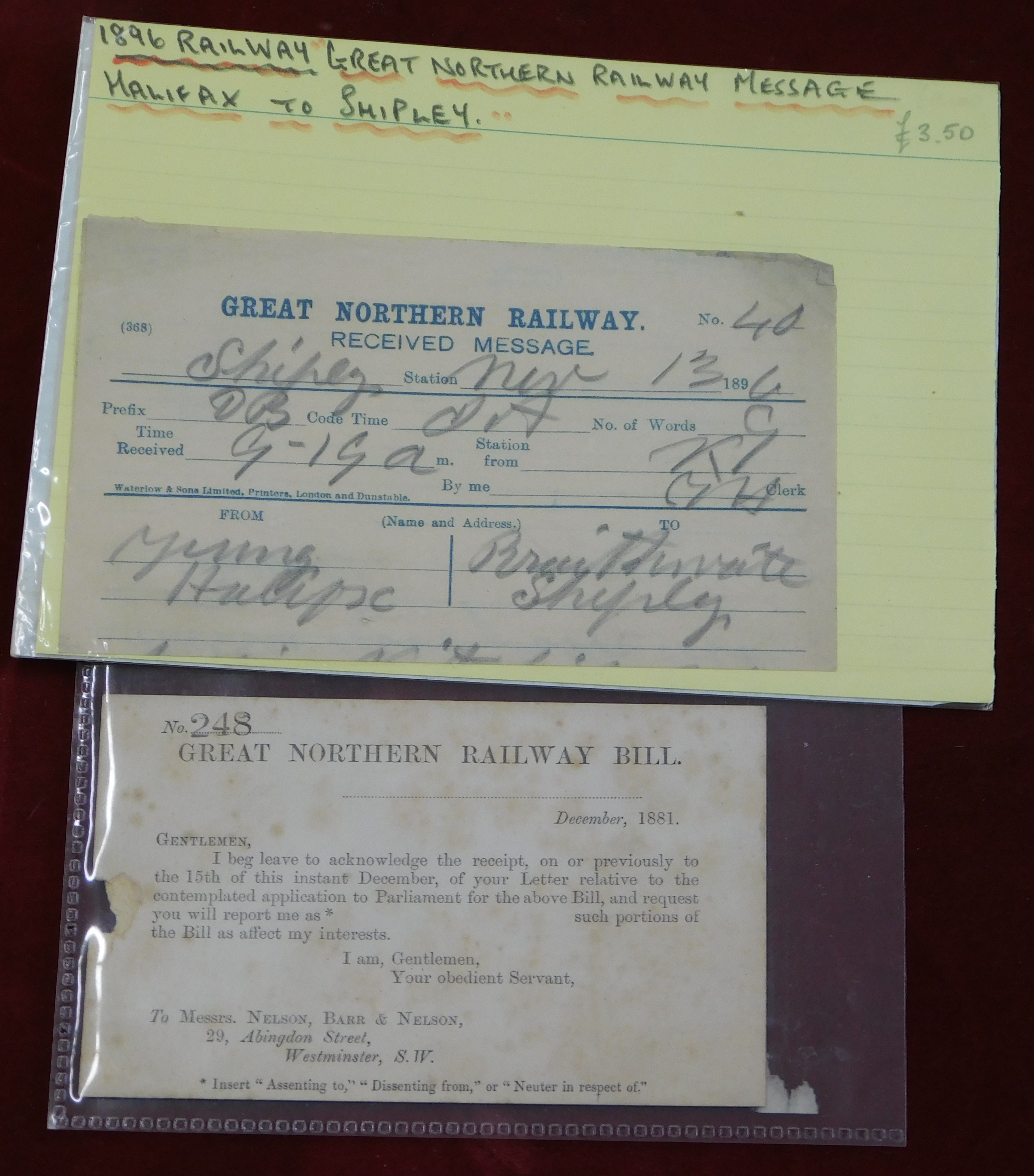
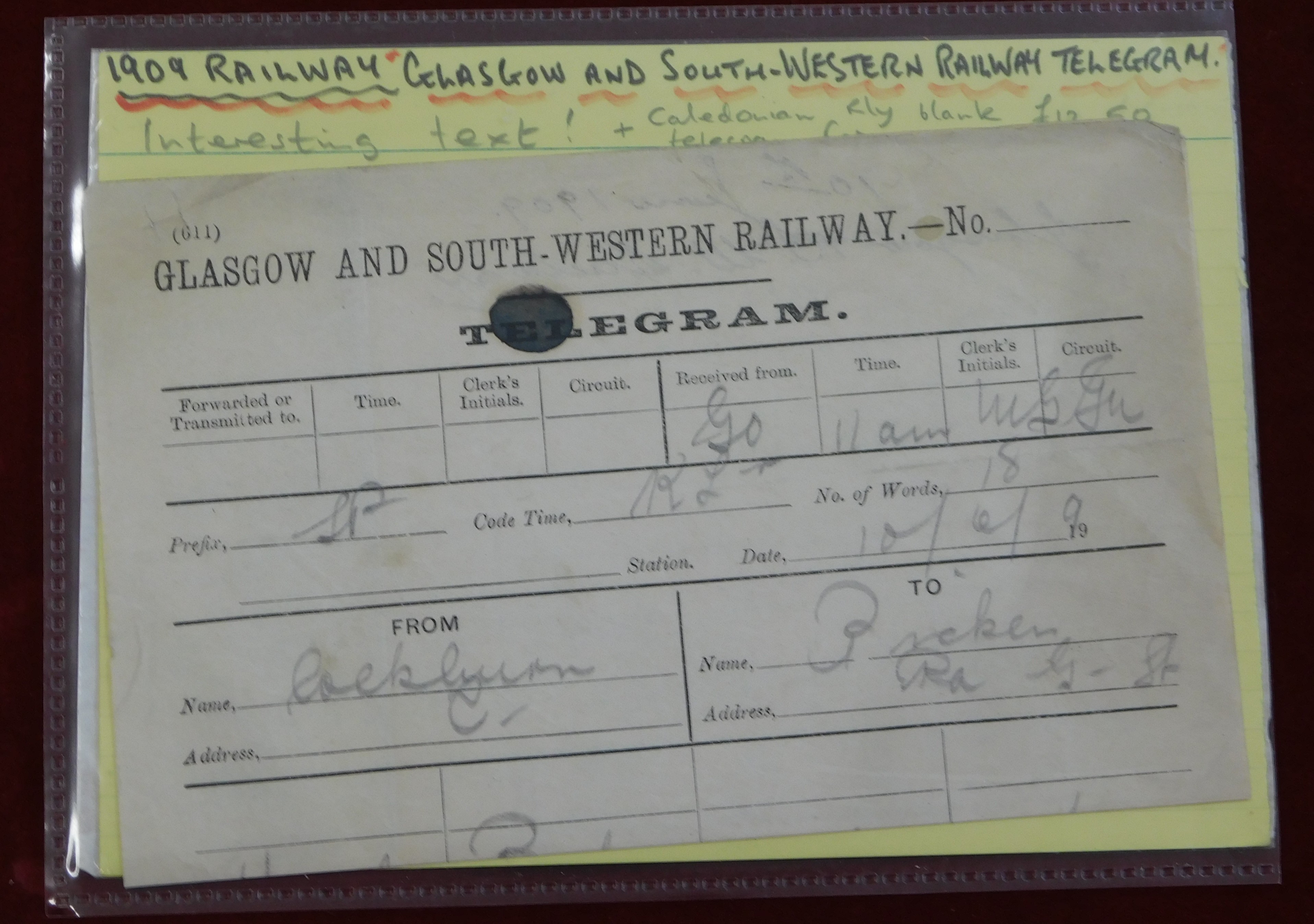
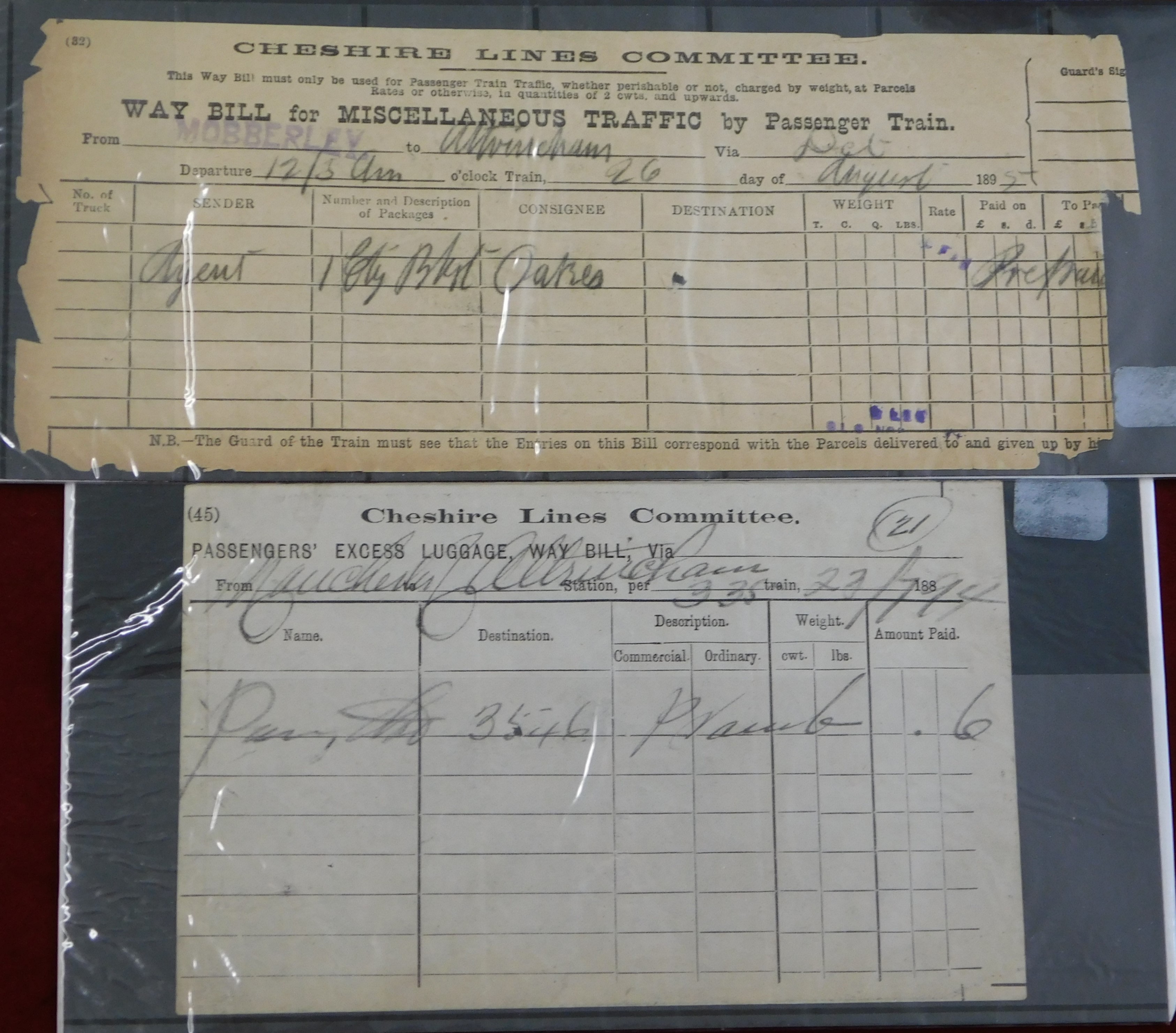
The first of the scans.Back to photographyThis lot as you will see had features of interest on both sides.A close up of the embossed Southwestern Railway Company crestExtracted from the previous image, the locomotive.Some more scans.Back to photographyMore scansPhotographs again.ScansPhotographsScansPhotographsScansPhotographsScansPhotographsScansLot 101, a composite scan – the lot comprised a total of six stock cards, one double sided, with necessitated three separate scans and then a ‘bolt together’ operation in Paint.Lot 102, the last scanned item of the day.Lot 103, double sided, and too large to be scanned.Lot 104.Lot 105 – some railway history.
A post about my recent return to work and some of things associated with it.
Regular followers of this blog will be well aware that I had a very serious illness in 2018 (I put up various posts about this). This post tells the story of my path back to work (albeit on a very part time basis).
A False Dawn – Winter 2019 to Spring 2020
By the time a year had elapsed since the worst of my illness I was thinking about the possibility of returning to work, but I did not feel that winter was the right time (some long term lung damage and a compromised immune system influenced this). The plan which my employer was fully on board with was that I would return in April 2020. Then of course the covid-19 pandemic hit, preventing any possibility of a return to work at that stage. However, on July 1st of this year I returned to work on a one day per week basis…
PUBLIC TRANSPORT NIGHTMARE
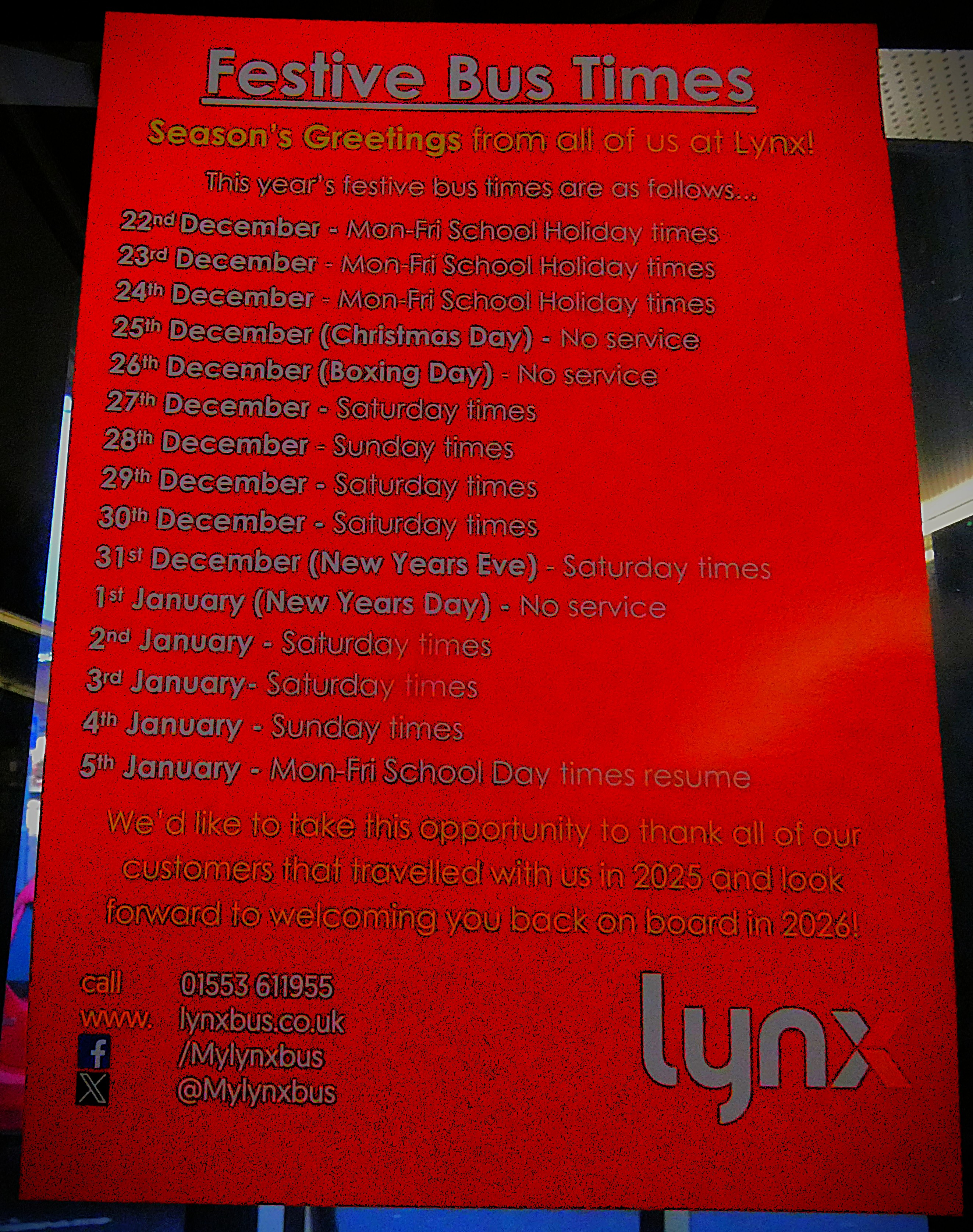
At the time of my illness Lynx Bus had taken over the services between King’s Lynn and Fakenham (the town where I work), and at the time of my illness they had been starting to provide a proper service. Unfortunately, as I discovered when checking out bus times for my return I discovered that the pandemic had reduced their services to skeleton levels, and to date that has not changed. James and Sons open their doors between 10AM and 3PM. There are three options, all far from ideal for getting into Fakenham in the morning: 7:00AM direct bus, gets to Fakenham at 7:49, leaving me a couple of hours to kill in Fakenham, leave at the same early hour and go via Hunstanton and Wells, arriving in Fakenham at 9:30, or 10:00, getting to Fakenham at 10:50. Of these three only the latter is really practicable as a route in. Getting home is worse still: there is no direct bus between 1:00PM and 6:00PM. Therefore I board the 3:00PM bus and take the scenic route back to Lynn (Fakenham – Wells – Hunstanton – Lynn), usually arriving home at about 5:45PM. It is these issues with travel that prevent me from committing to more than one day per week.
PRESS RELEASES
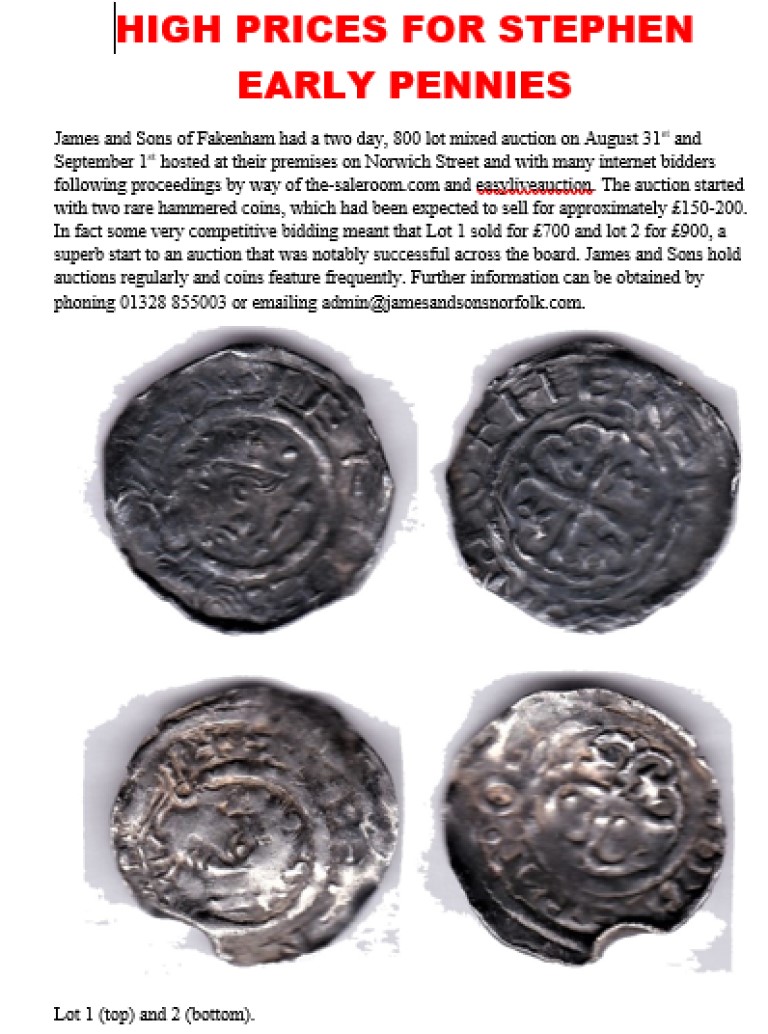
The auction of August 31st and September 1st 2021 was notably successful. I put out a press release about lots 1 and 2, two Steven pennies, which went for £700 and £900 respectively.
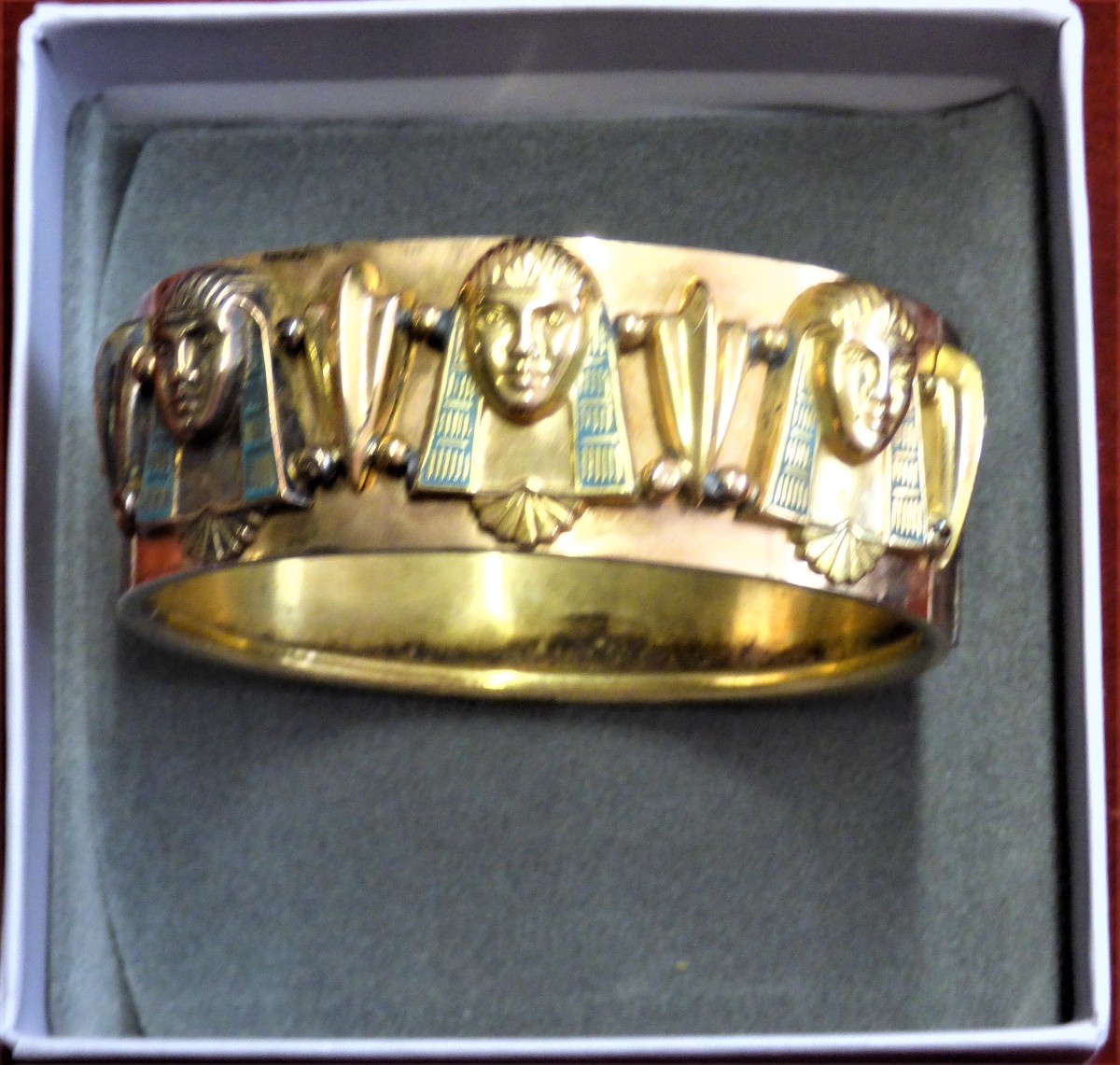
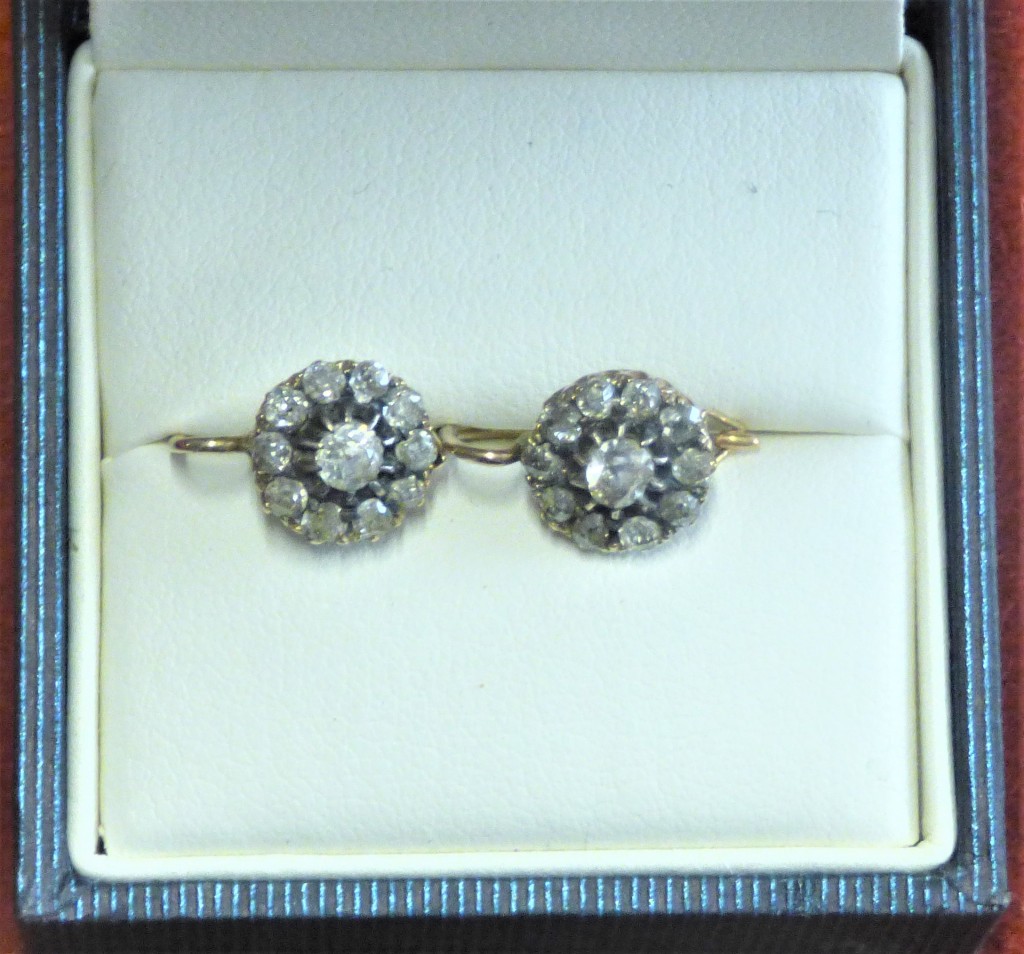
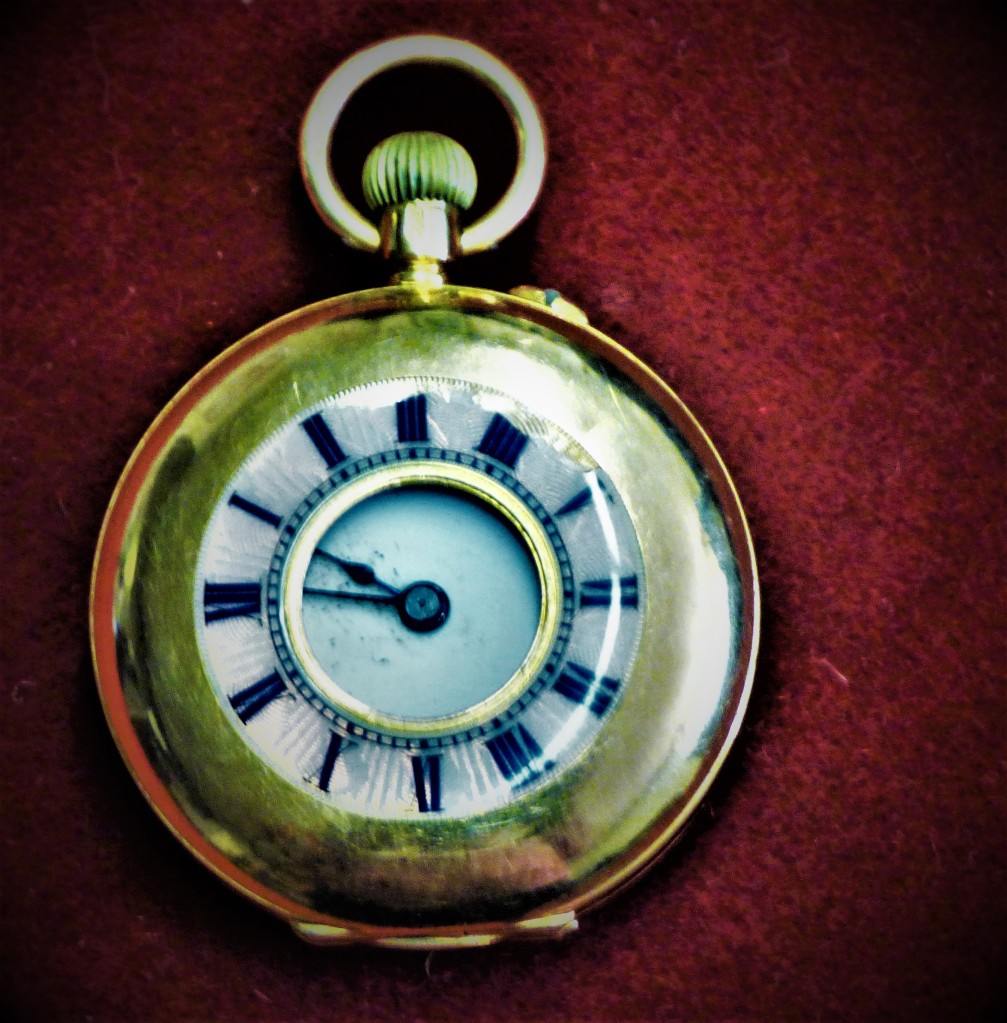
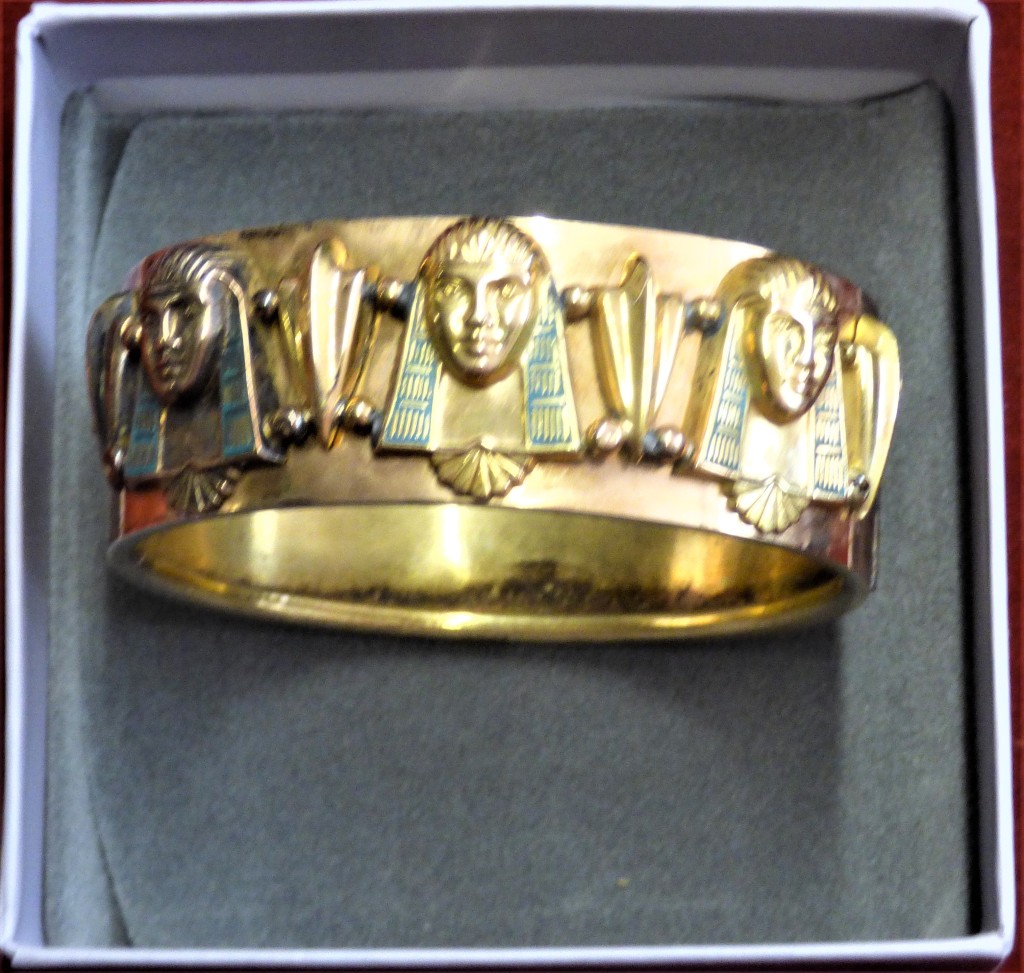
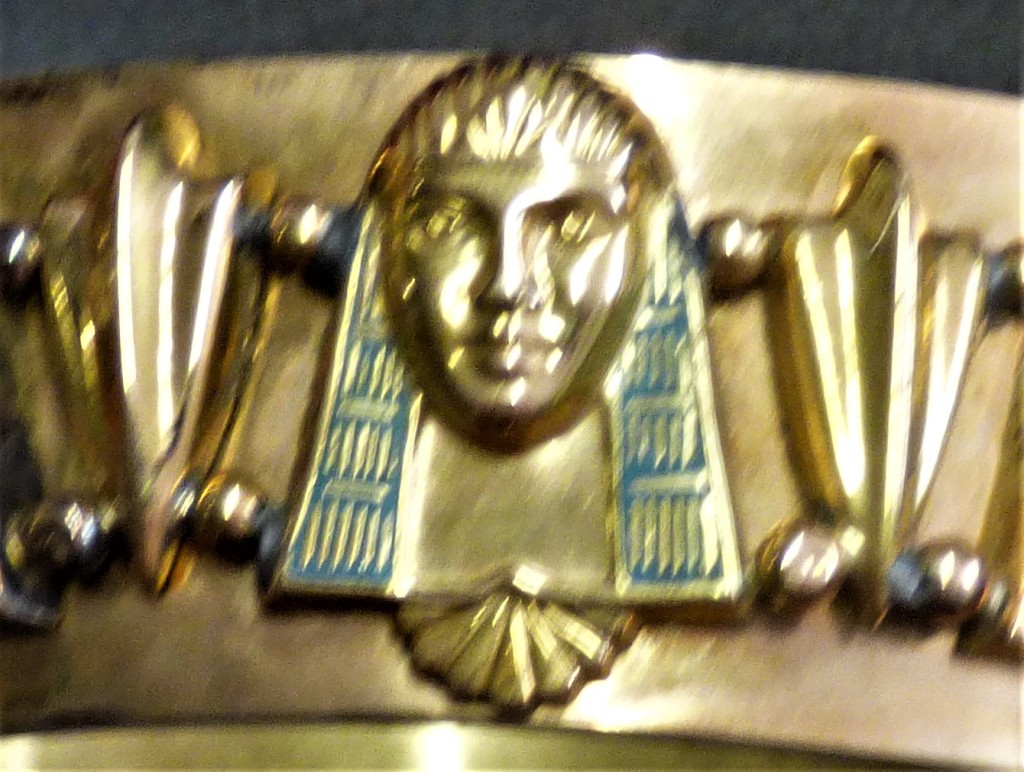
Many other items sold for huge money at that auction. A gold bracelet of Egyptian pattern attracted particularly vigorous bidding, going for £1,150, while a gold hunter watch went for £600, and a pair of diamond earrings fetched over £400. Here are some the images of lots that sold well…
Lot 613 – a pair of diamond earrings which fetched over £400
Lot 614 (two images).
Lot 619, the star of the auction (two images)…
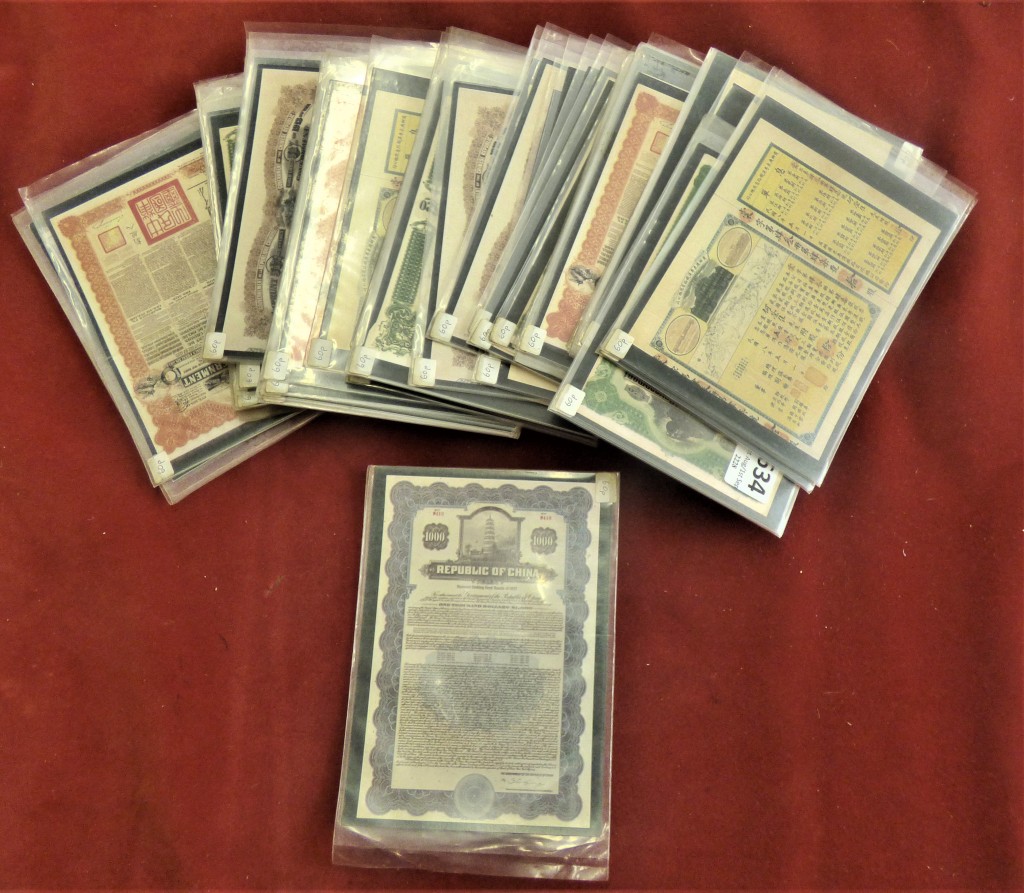
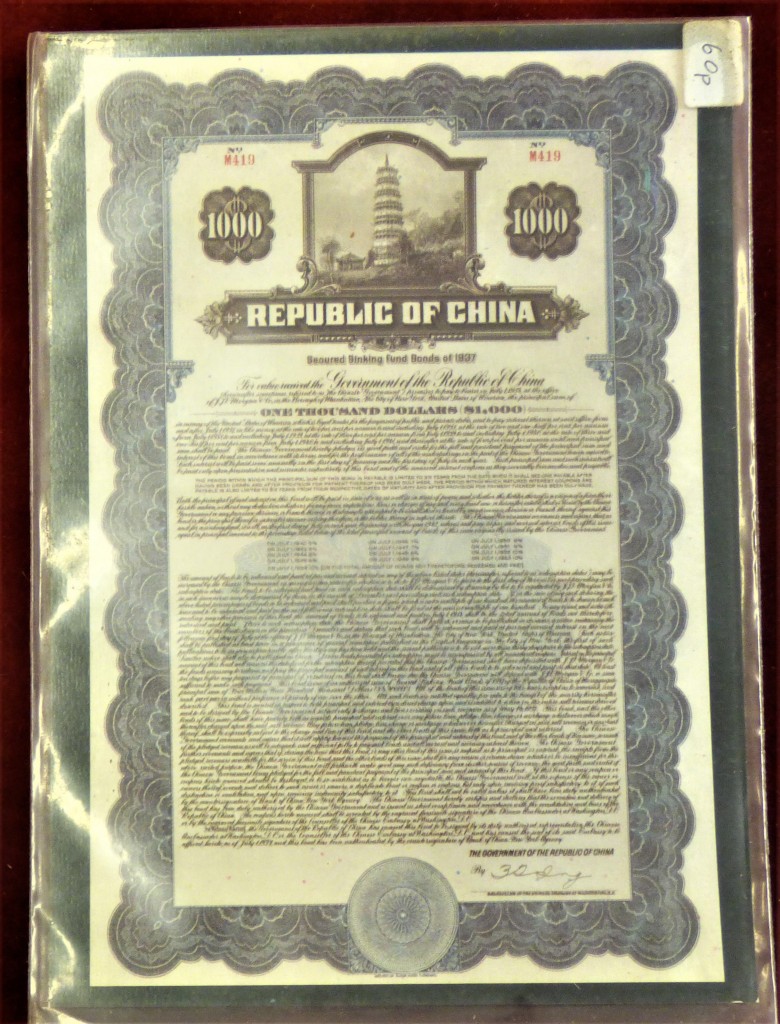
These Chinese postcards replicating bonds went for £420.
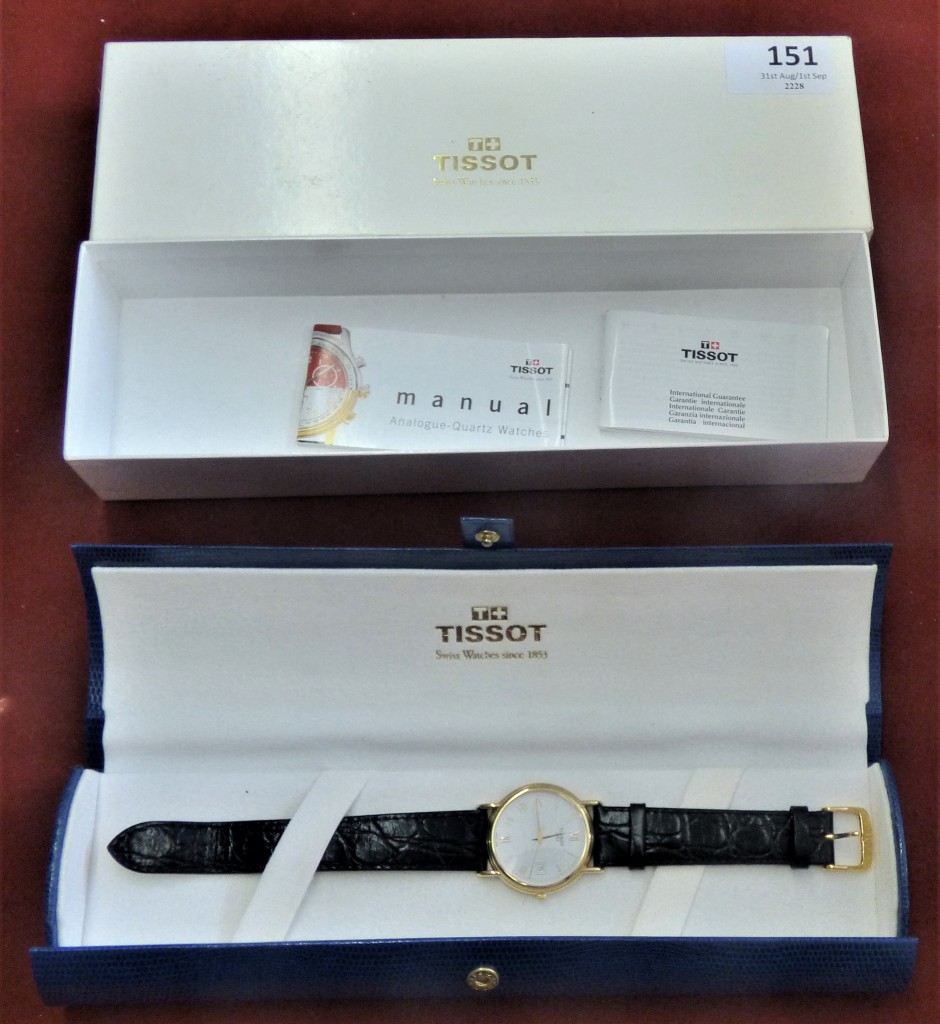
Lot 151 attracted vigorous bidding.
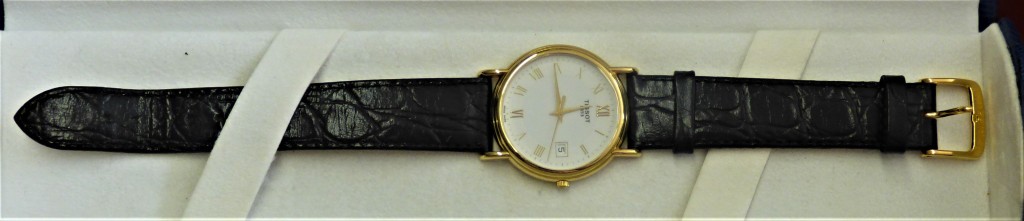
Lot 152 attracted some vigorous bidding.
Lots 1 and 2 (last four images)
RECENT IMAGING
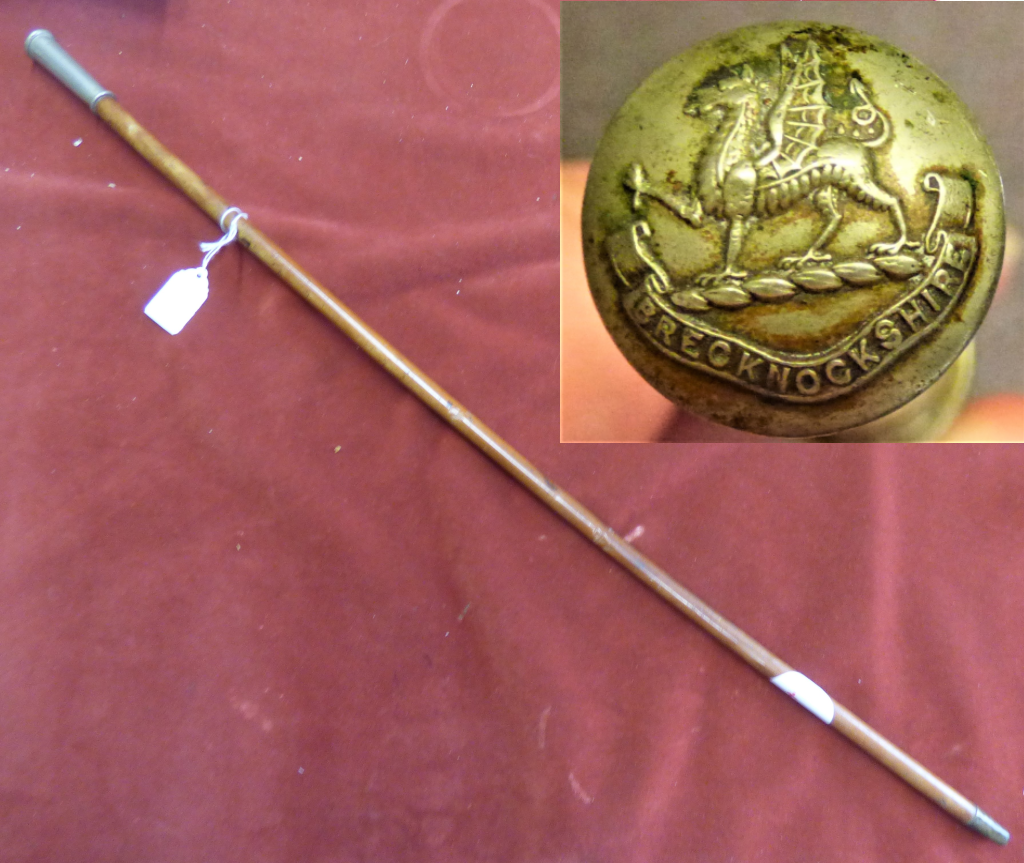
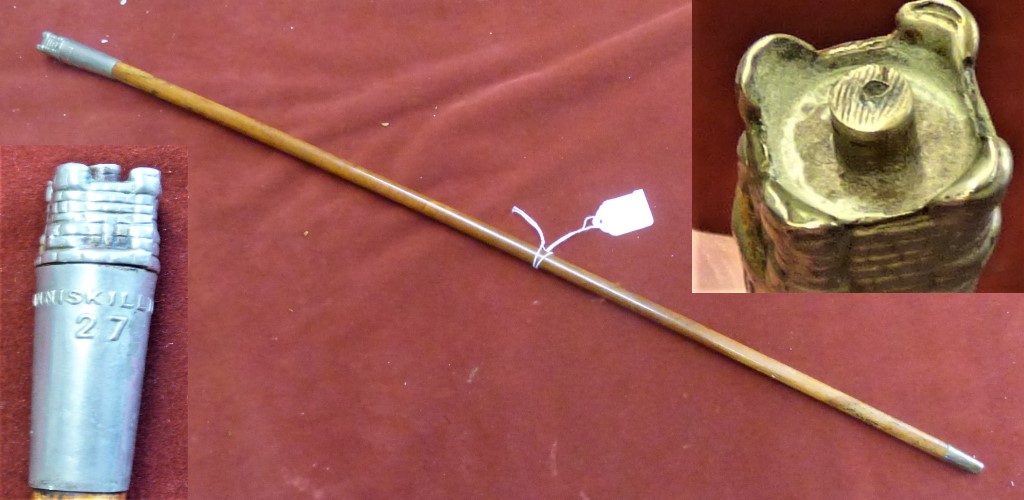
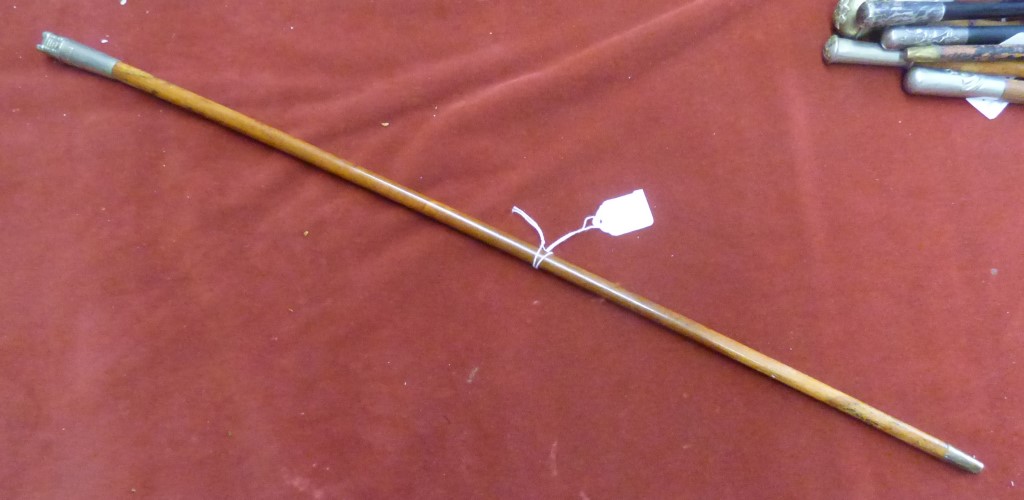
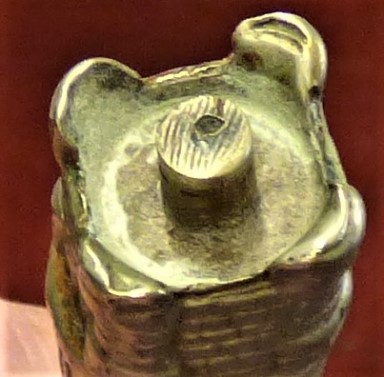
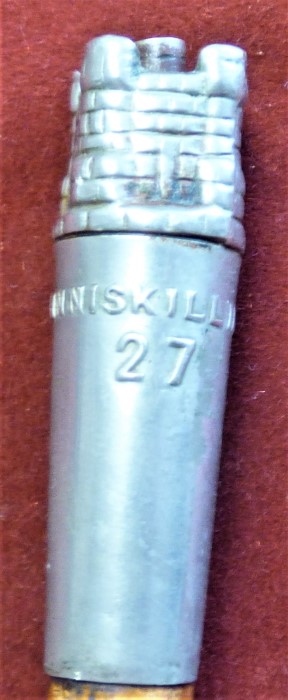
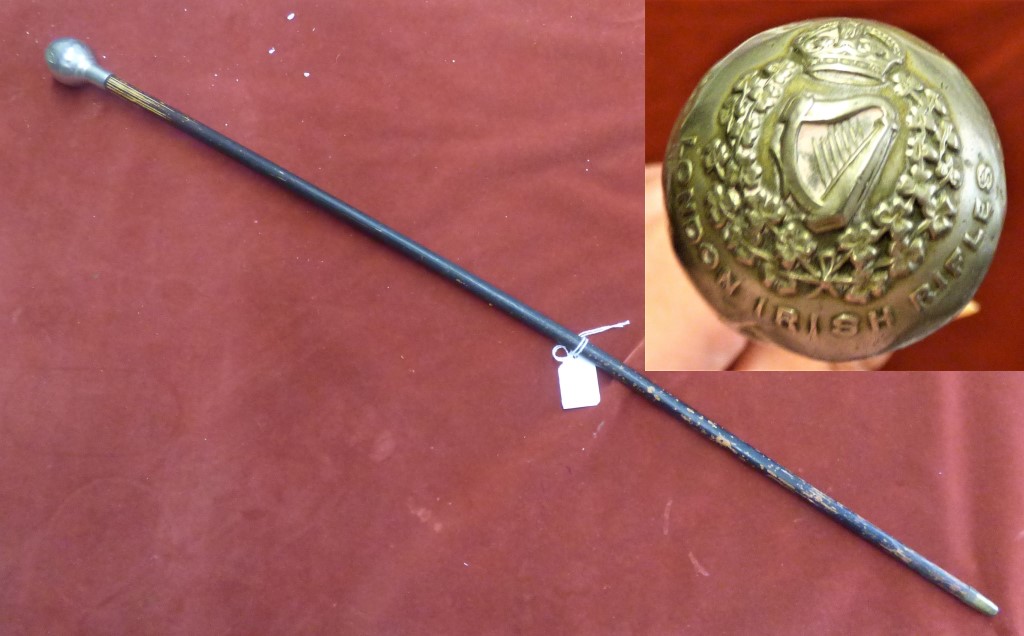
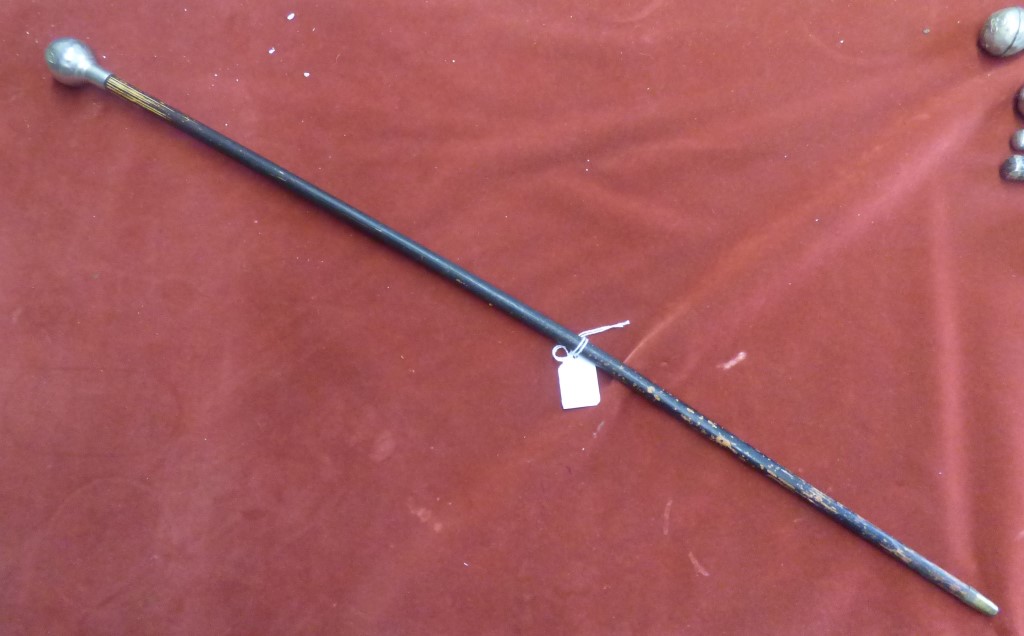
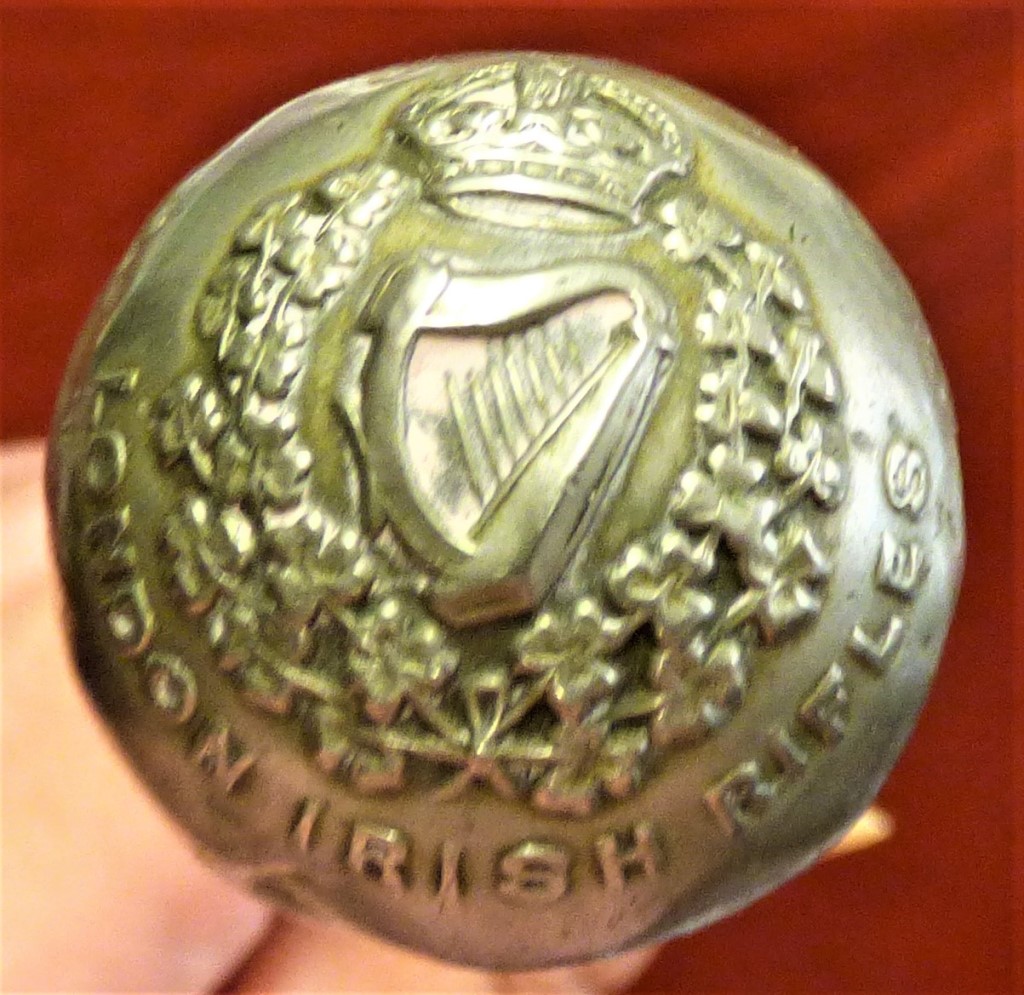
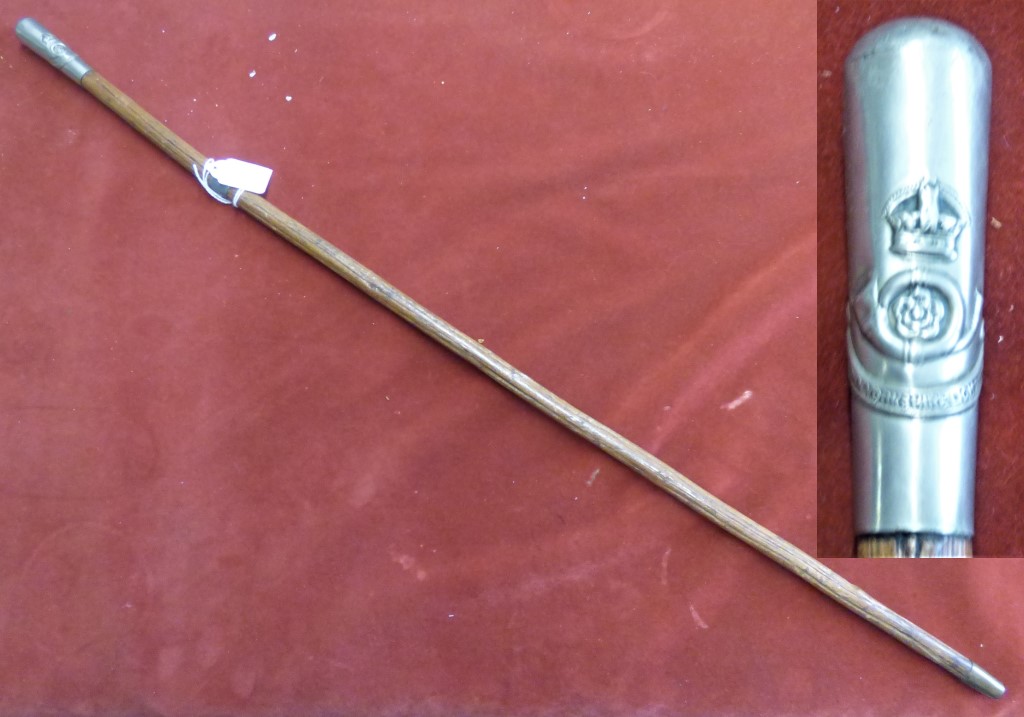
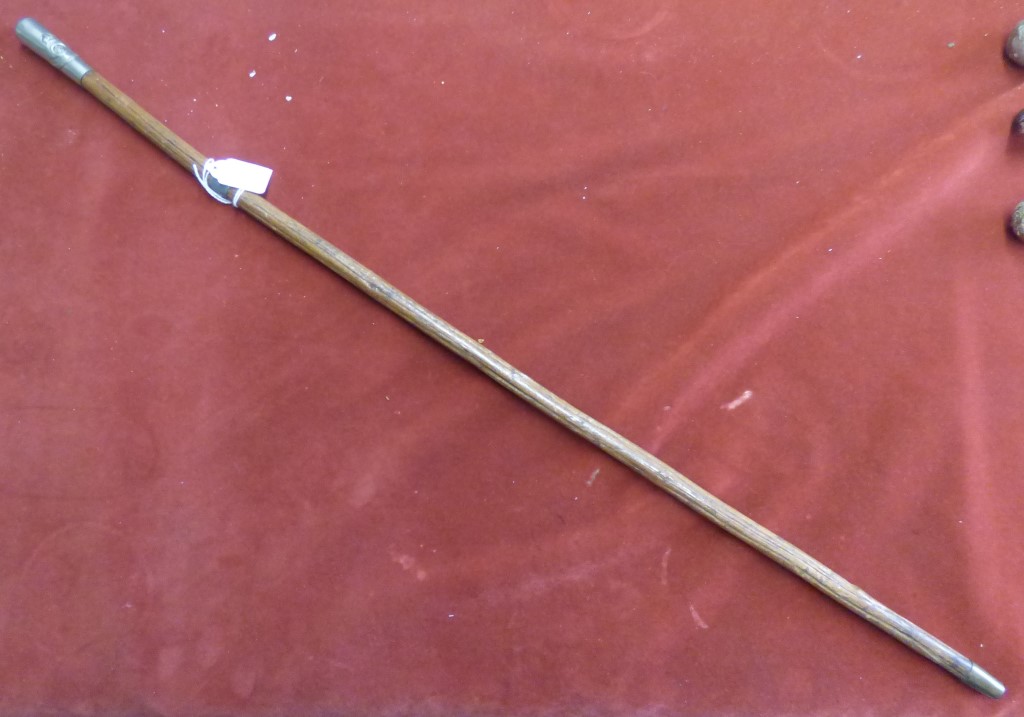
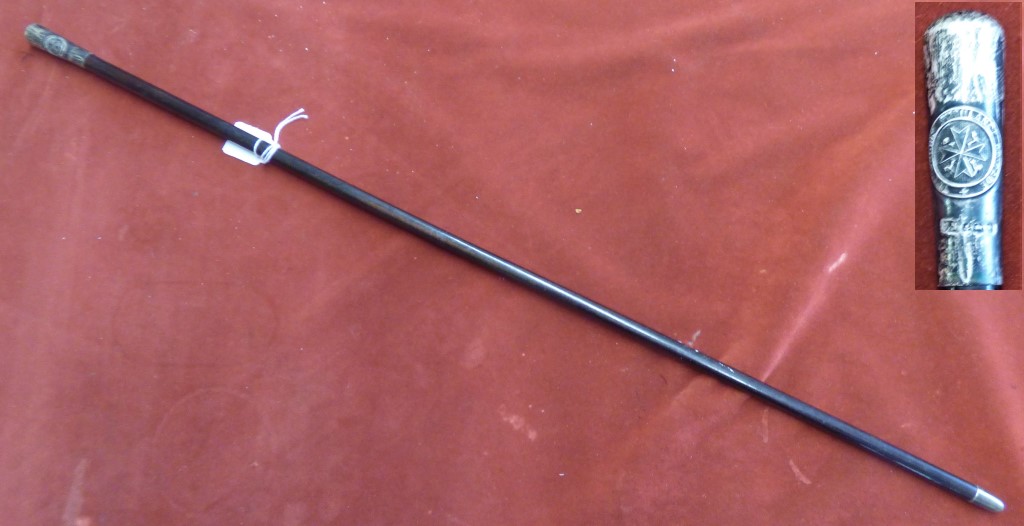
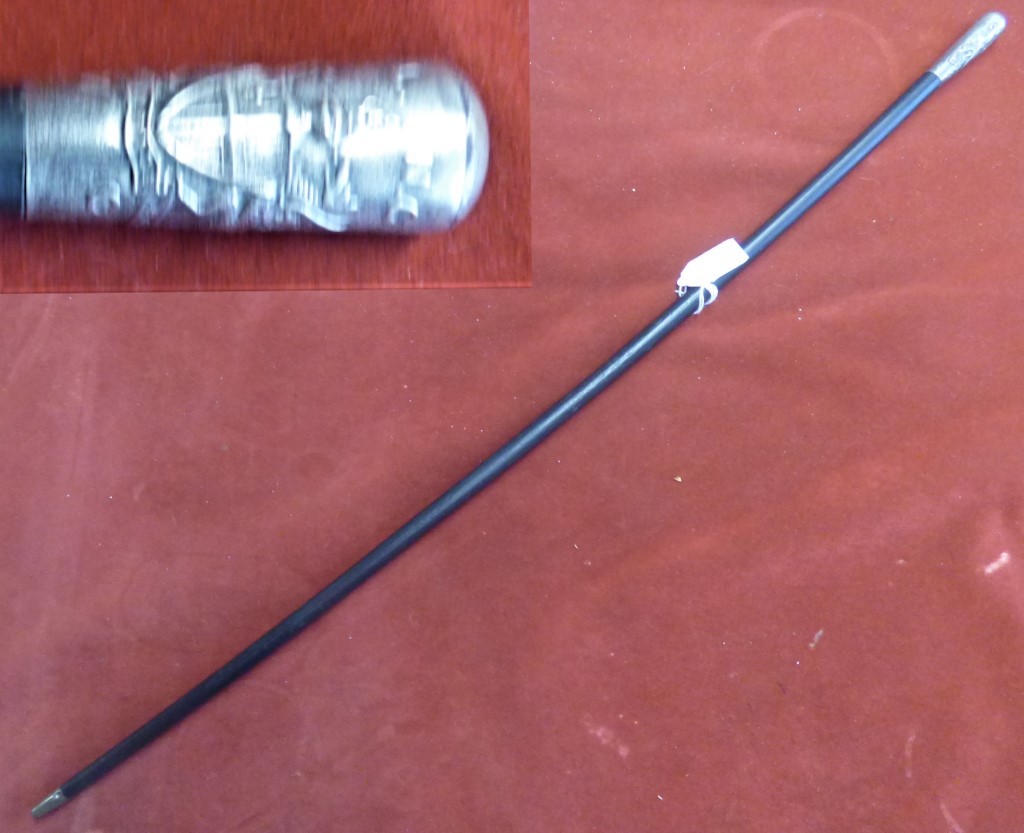
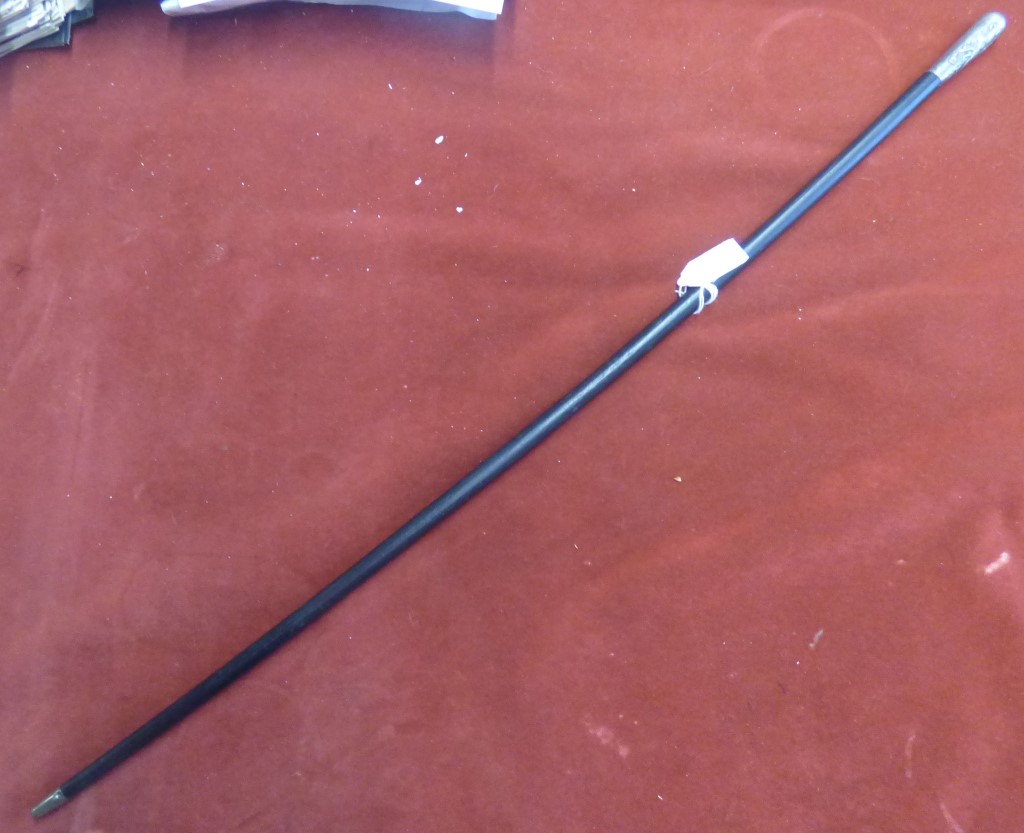
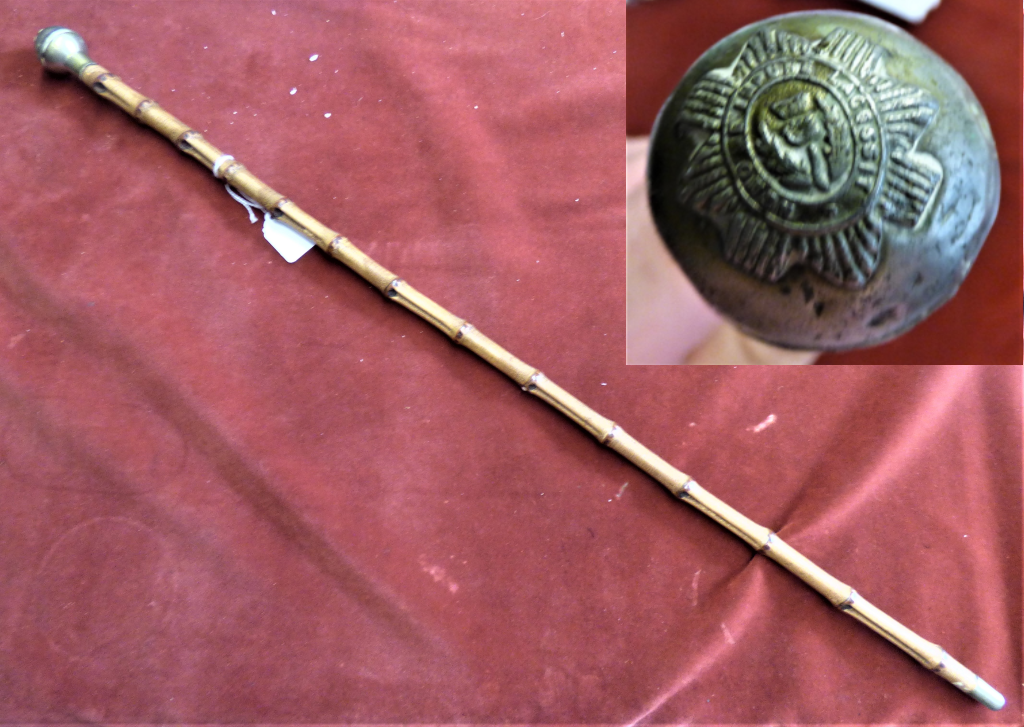
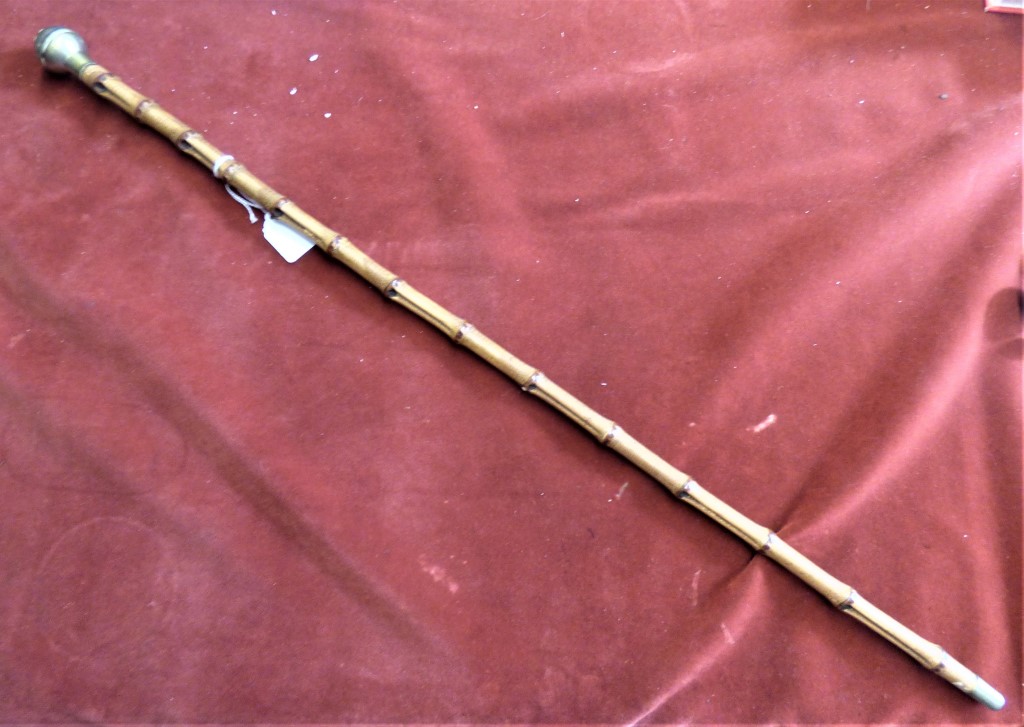
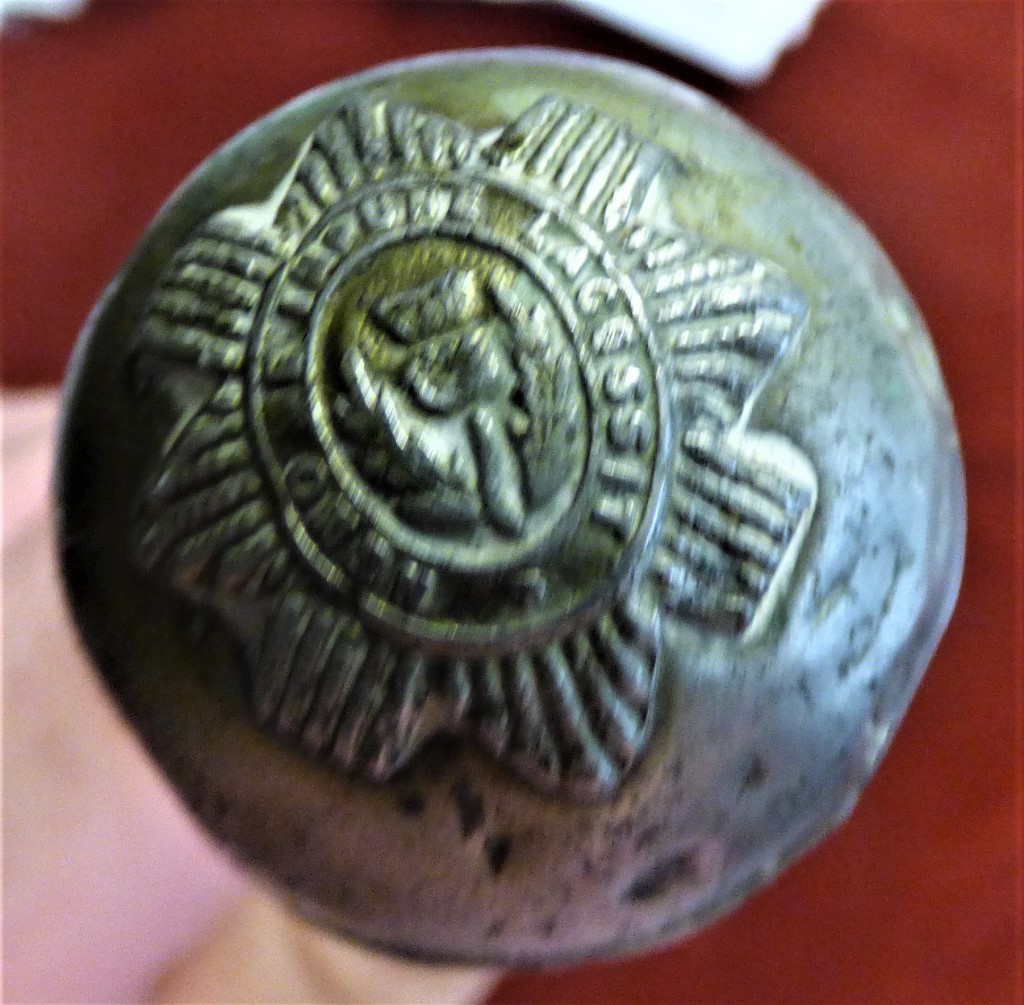
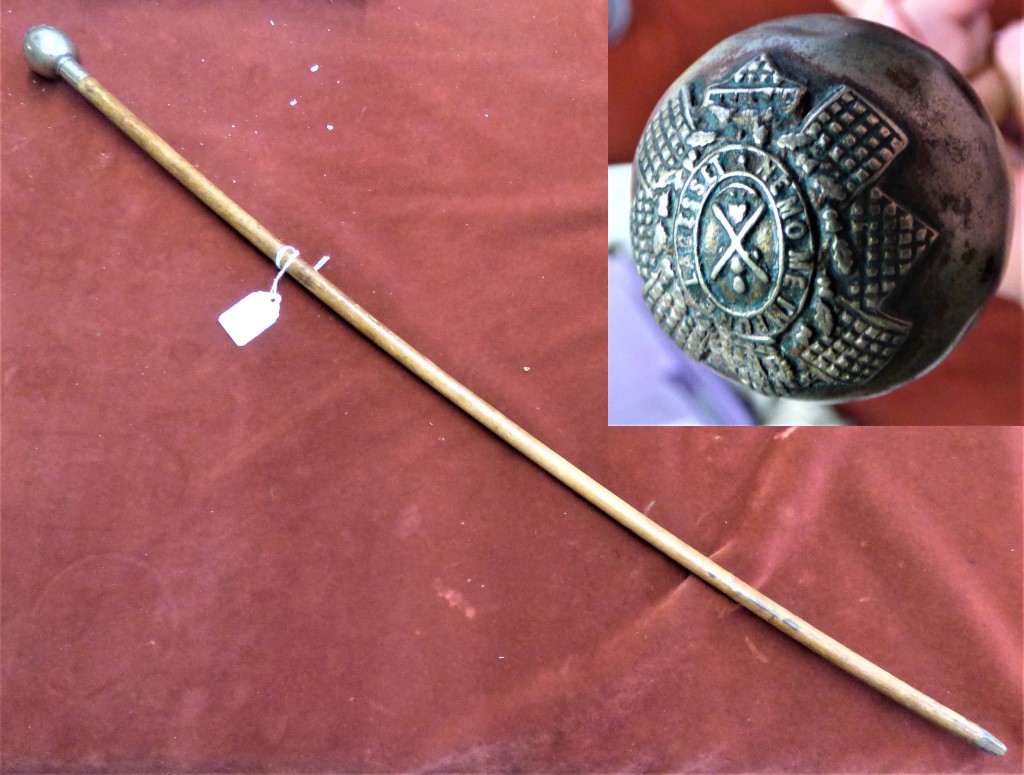
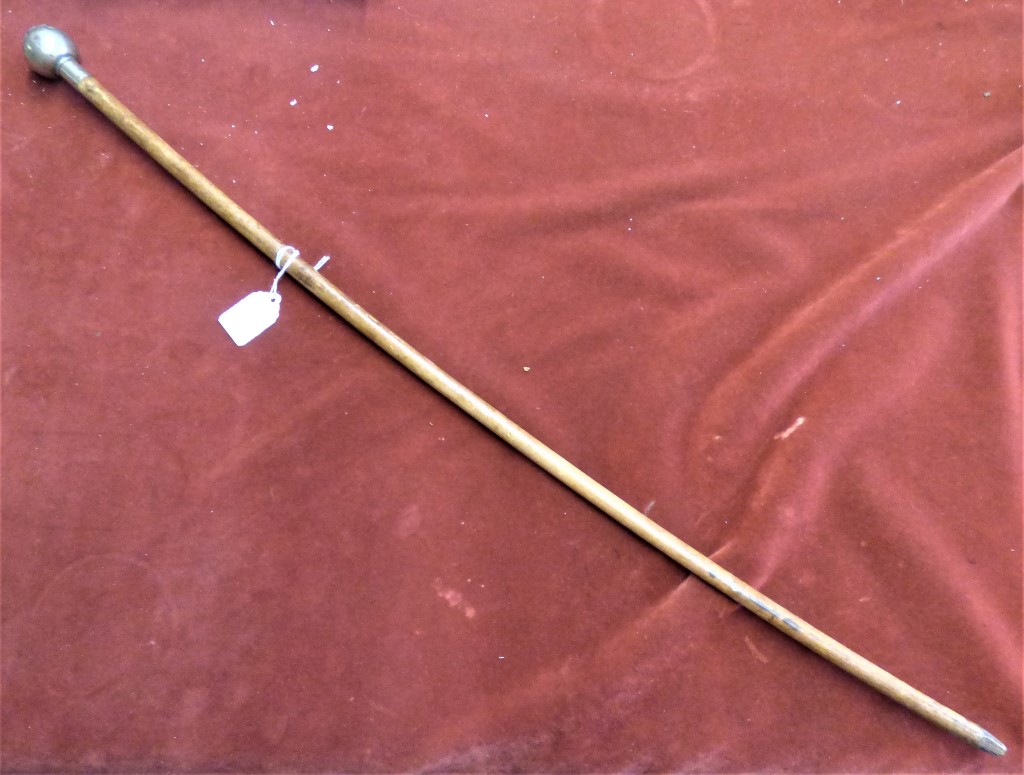
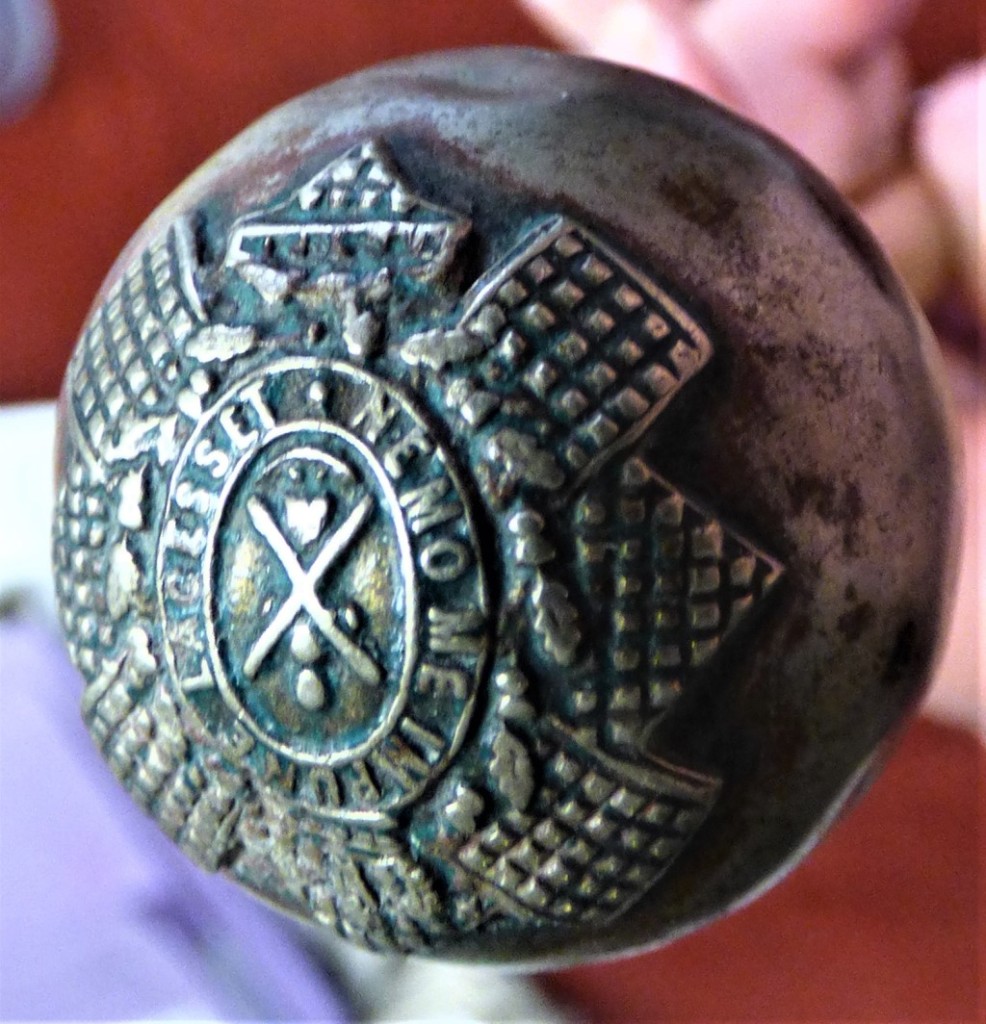
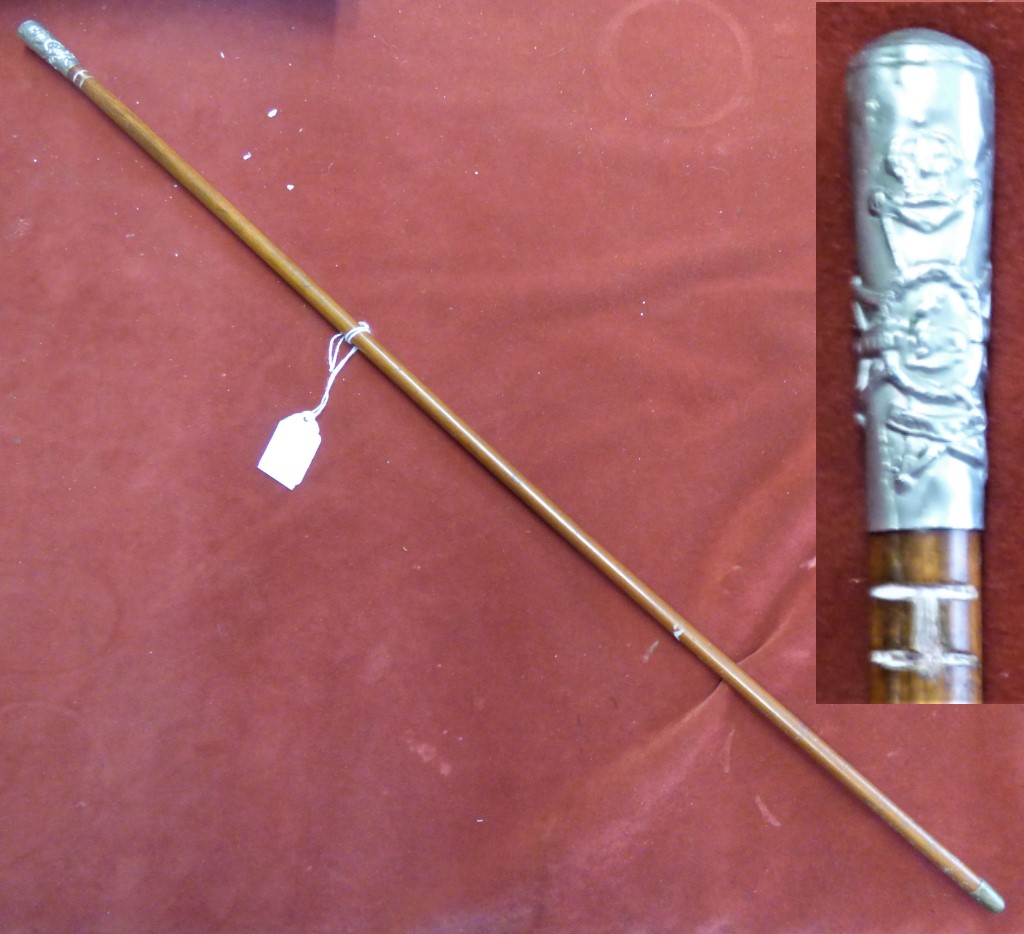
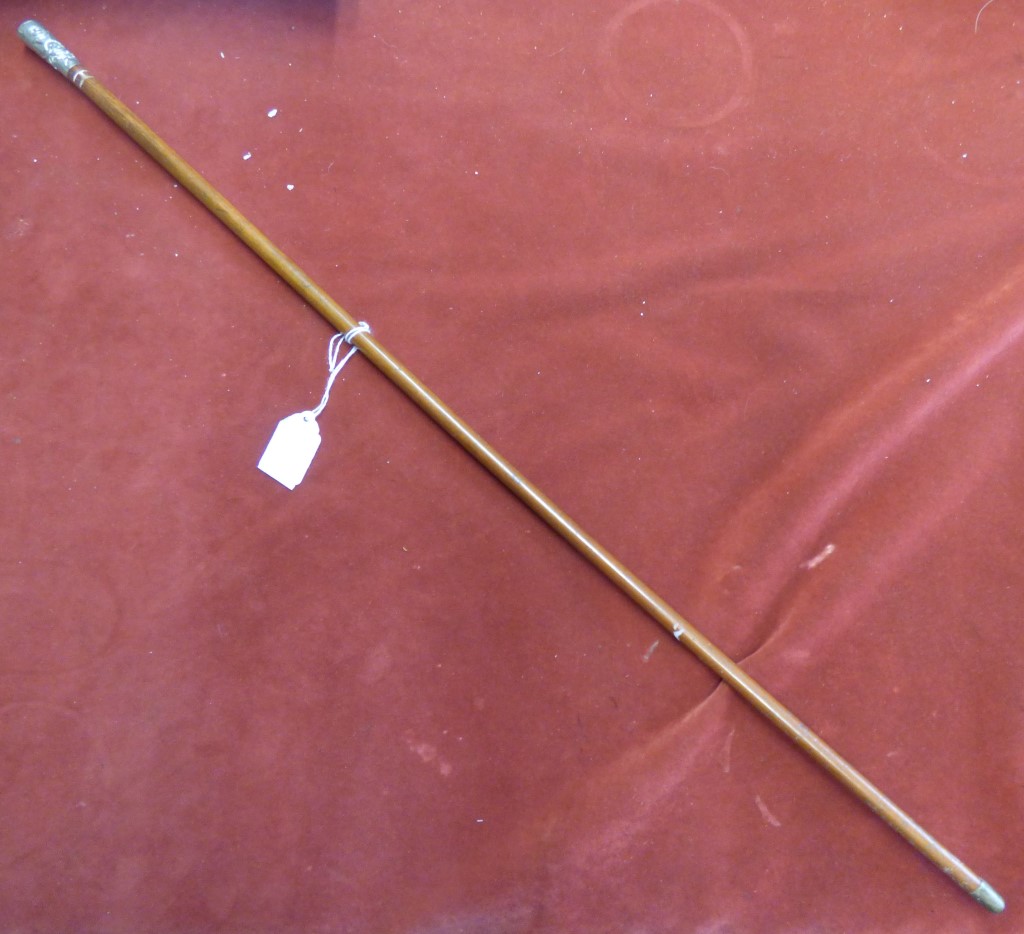
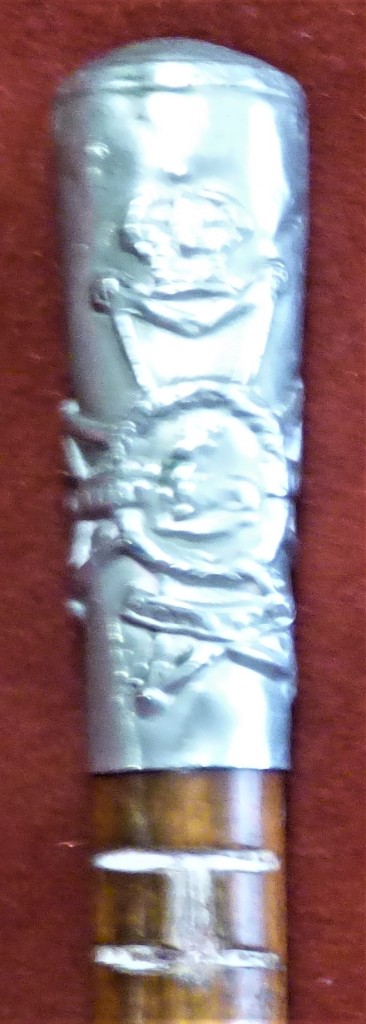
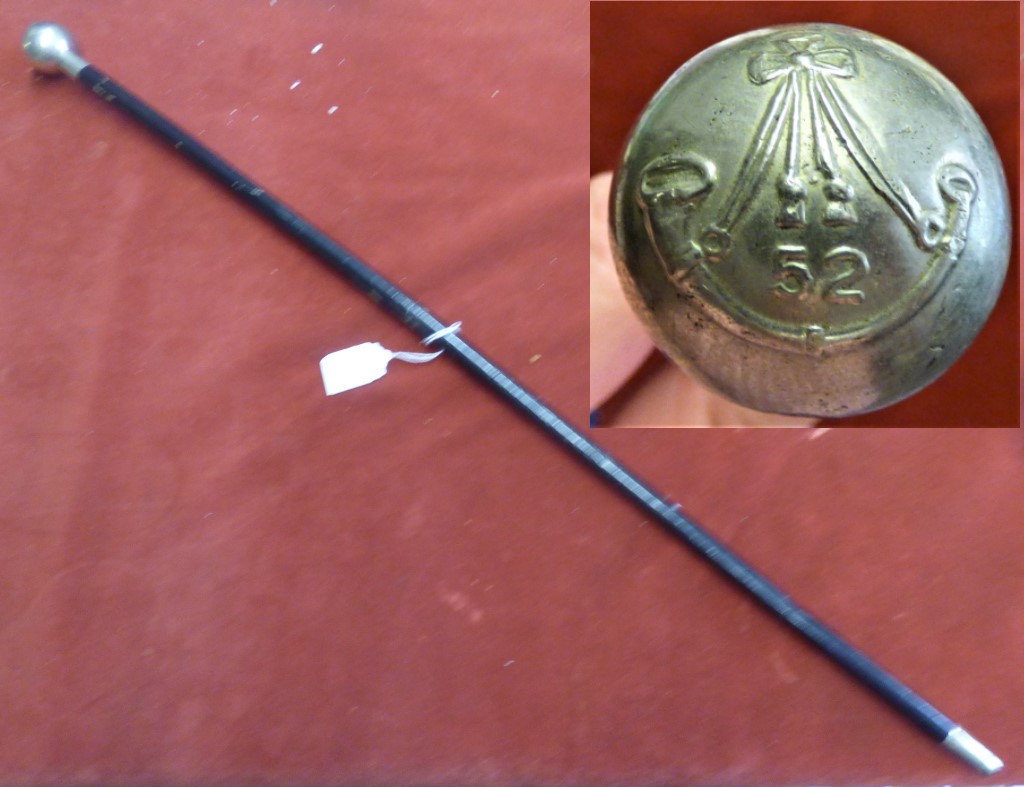
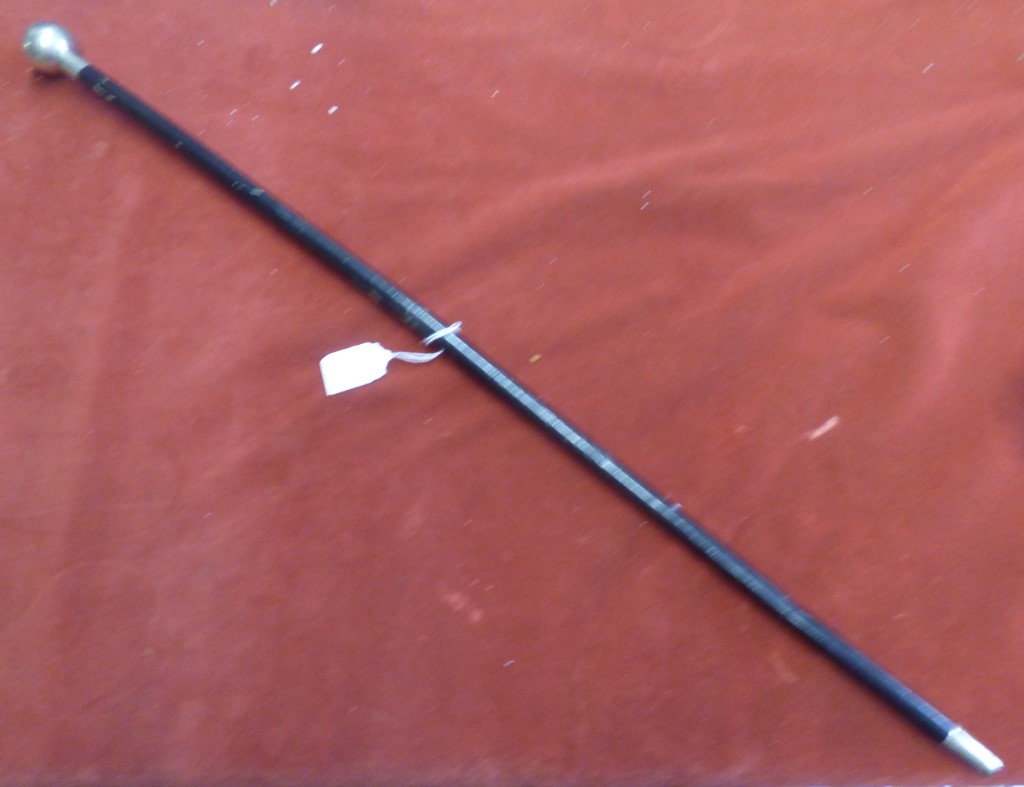
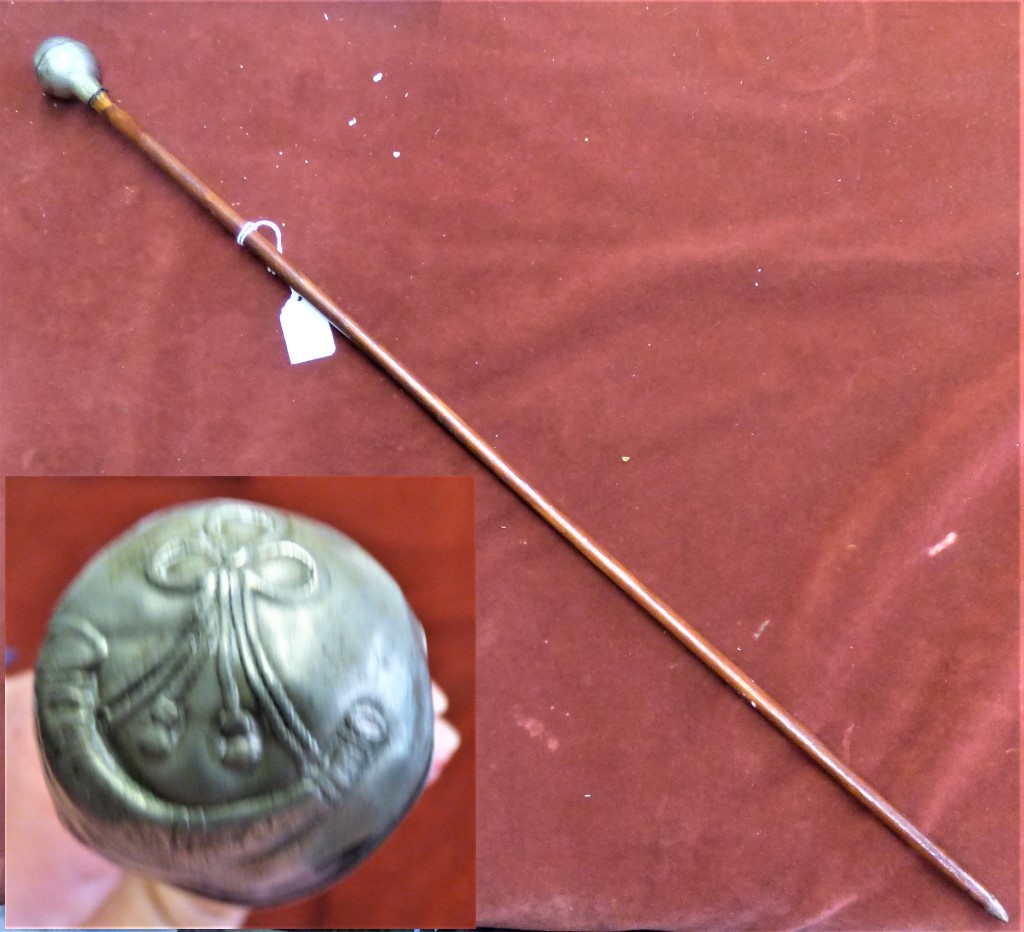
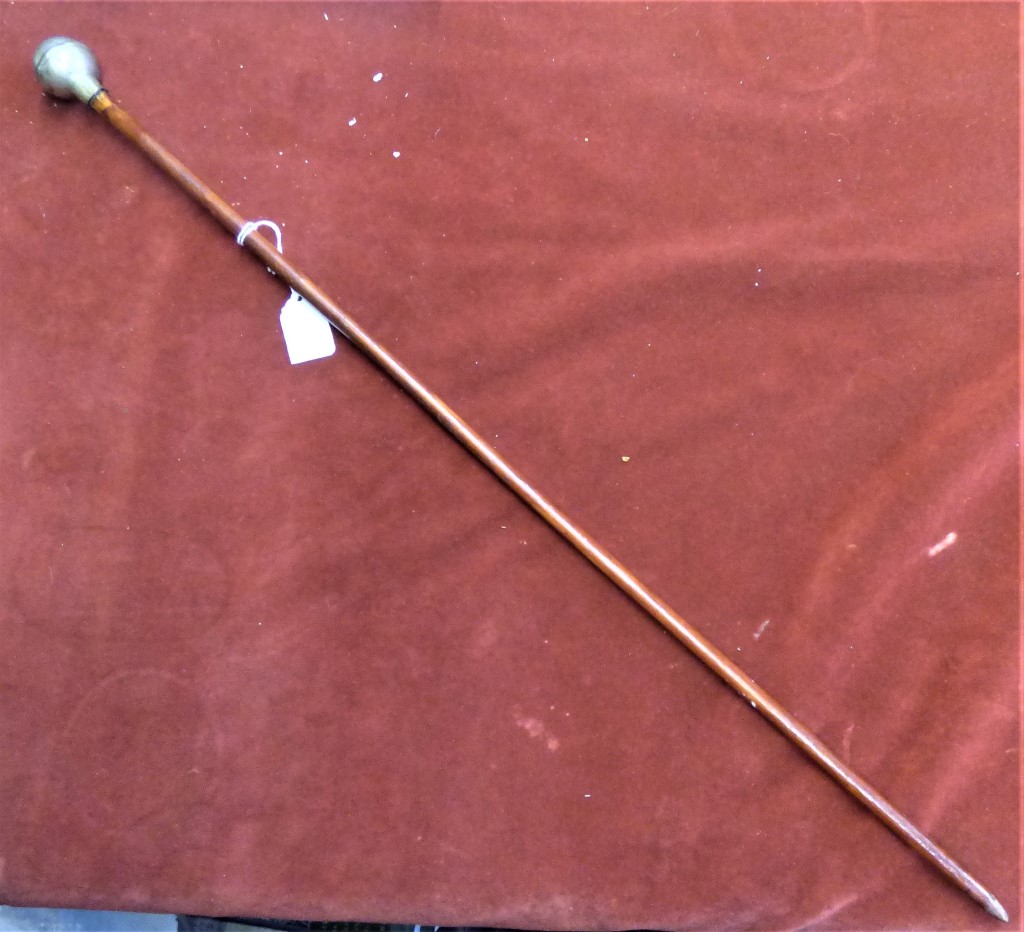
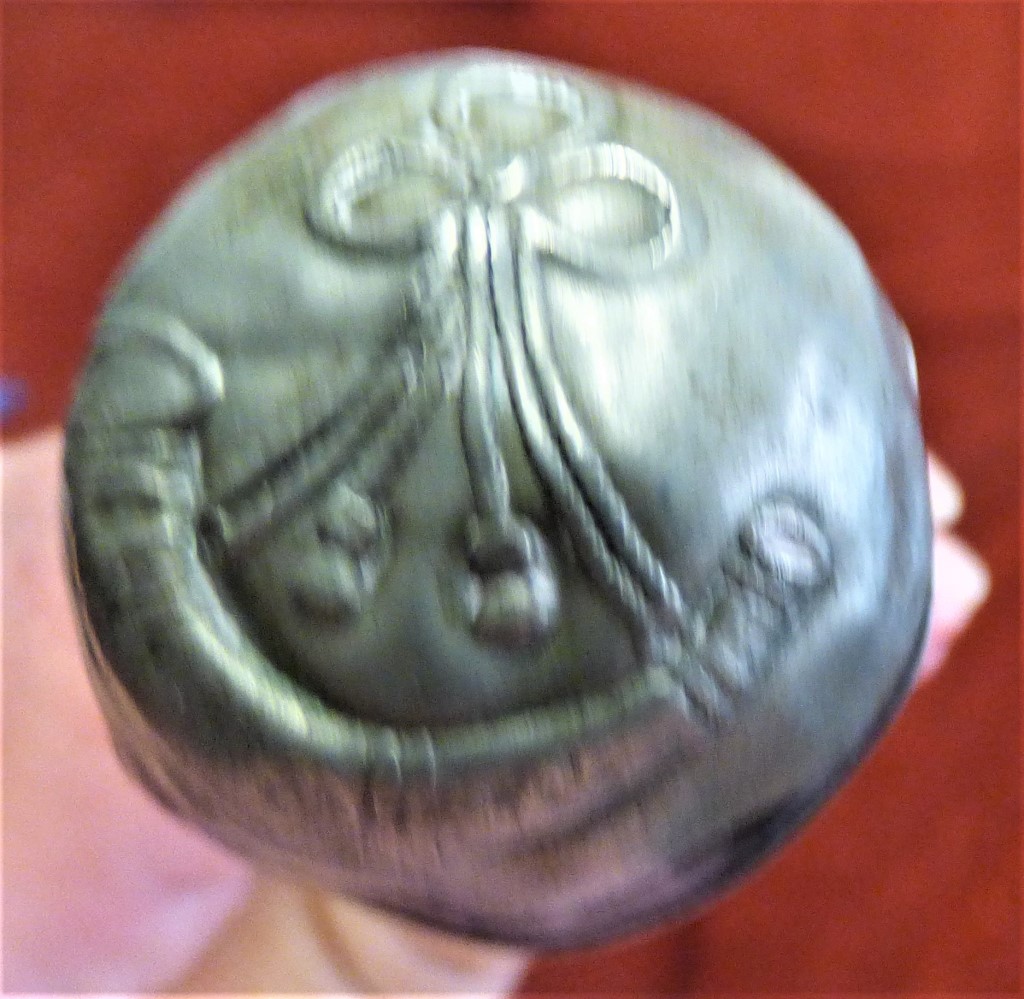
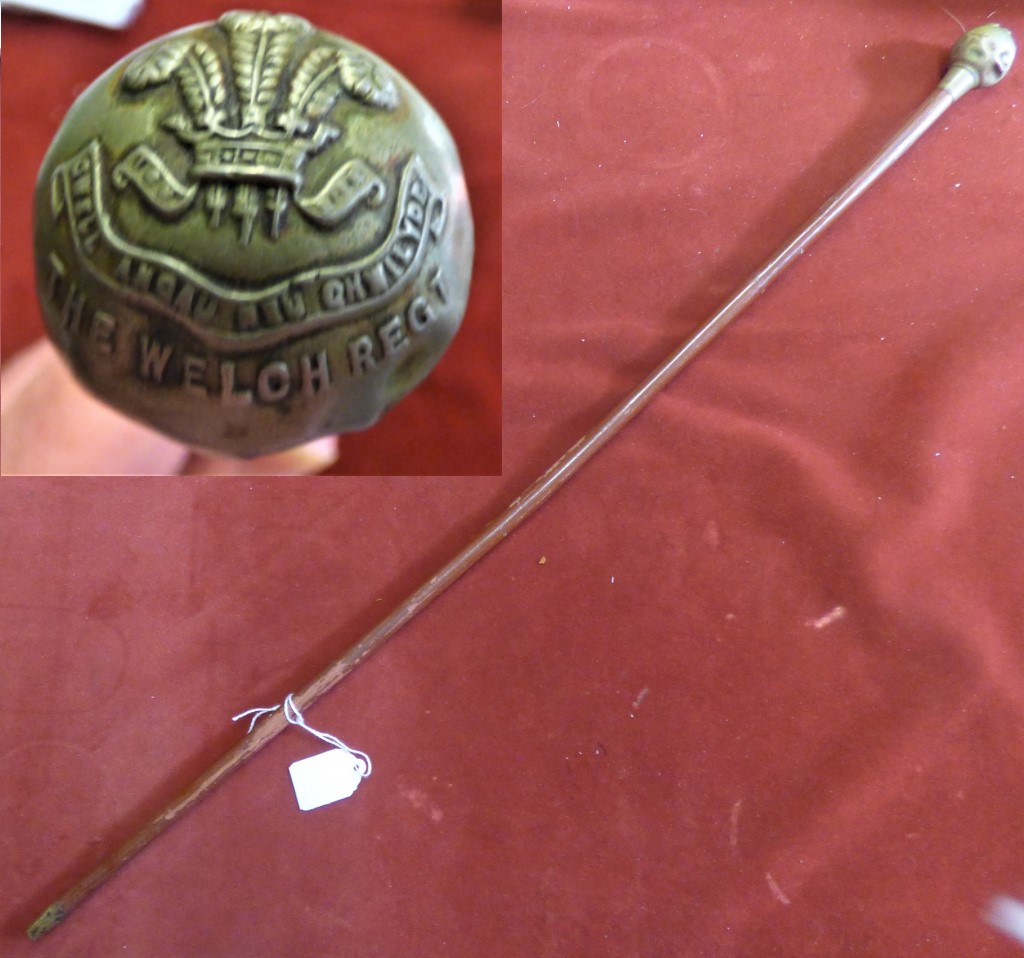
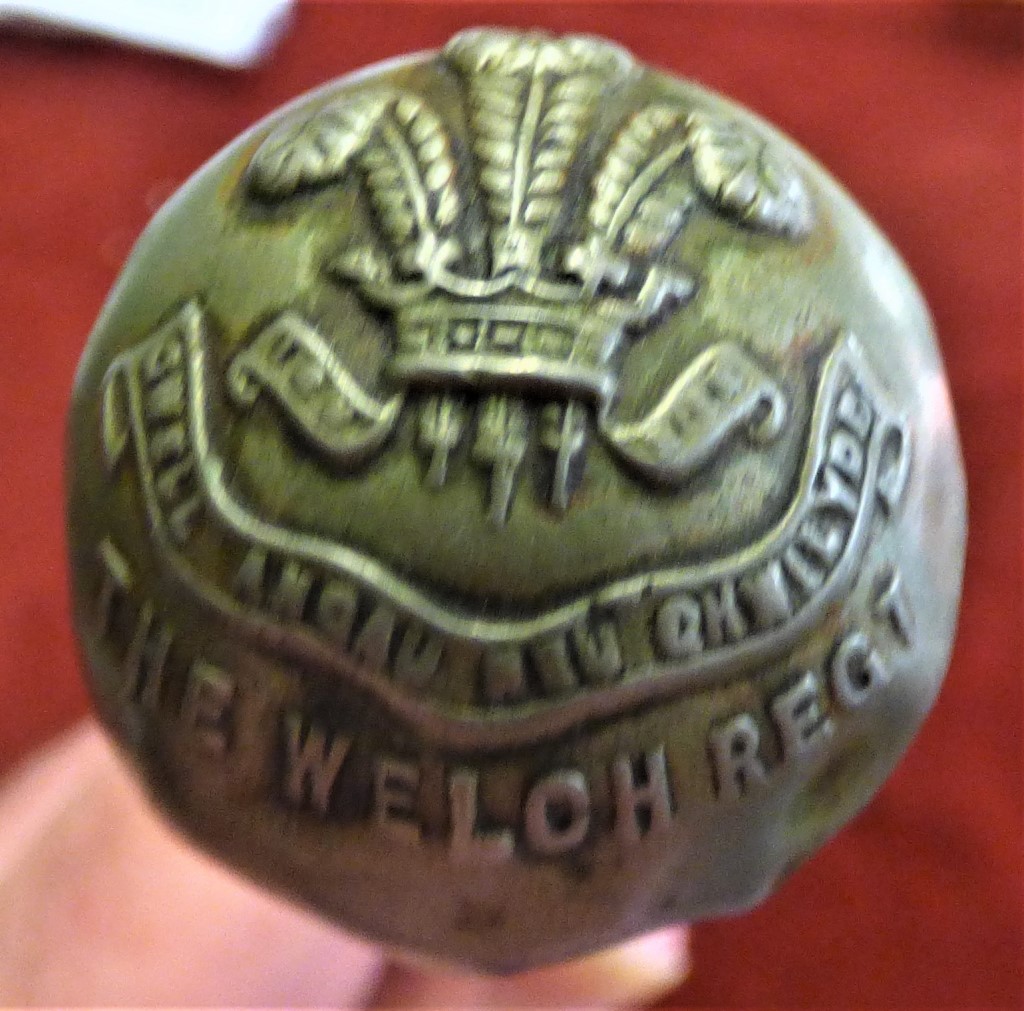
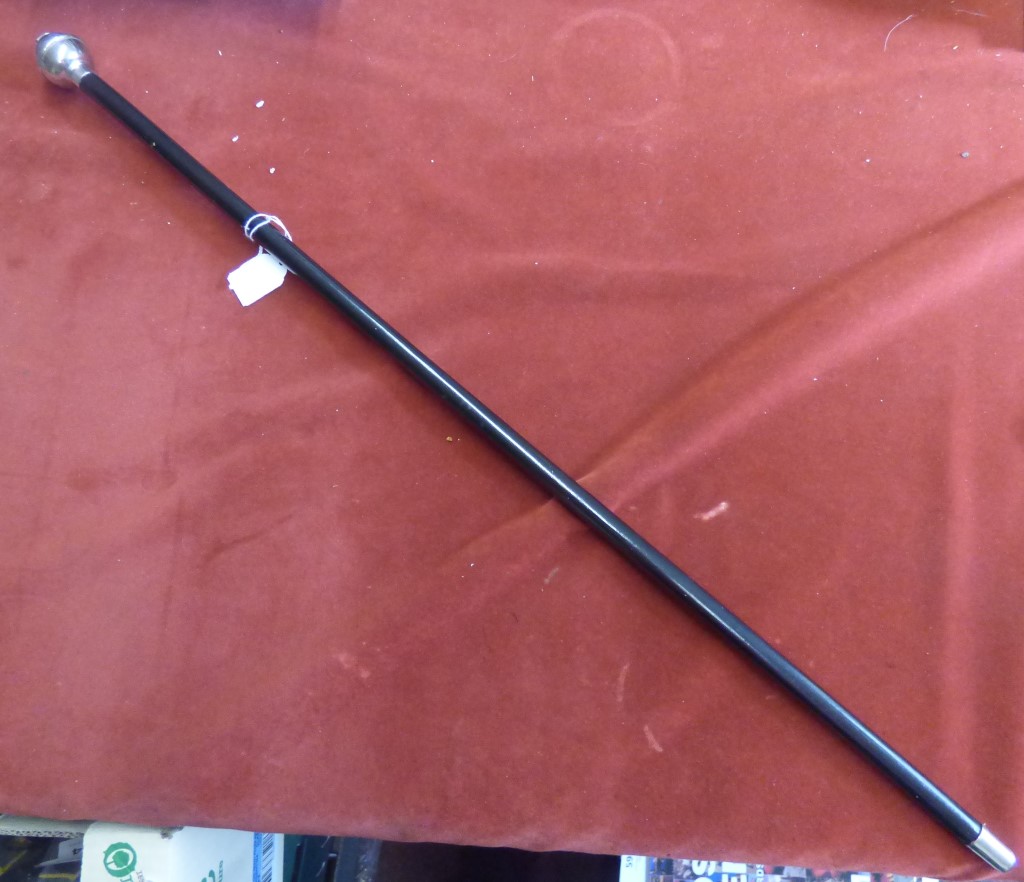
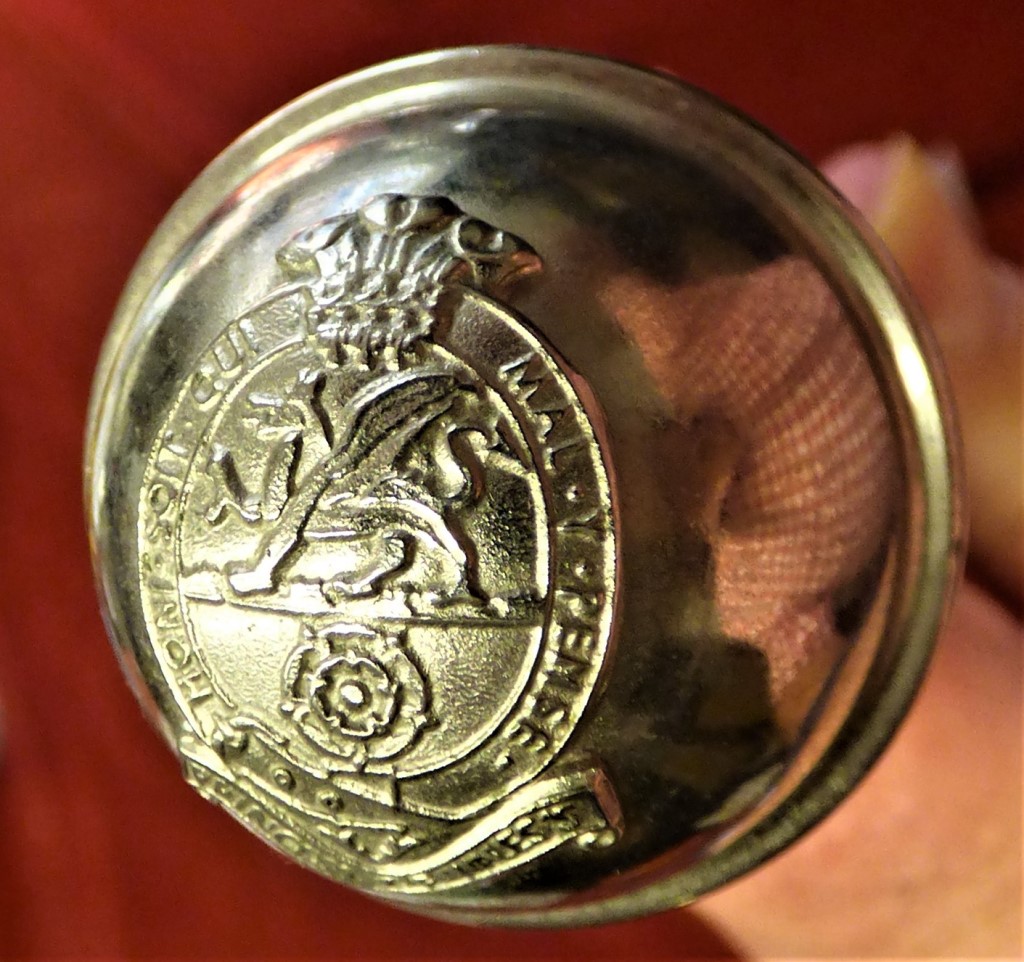
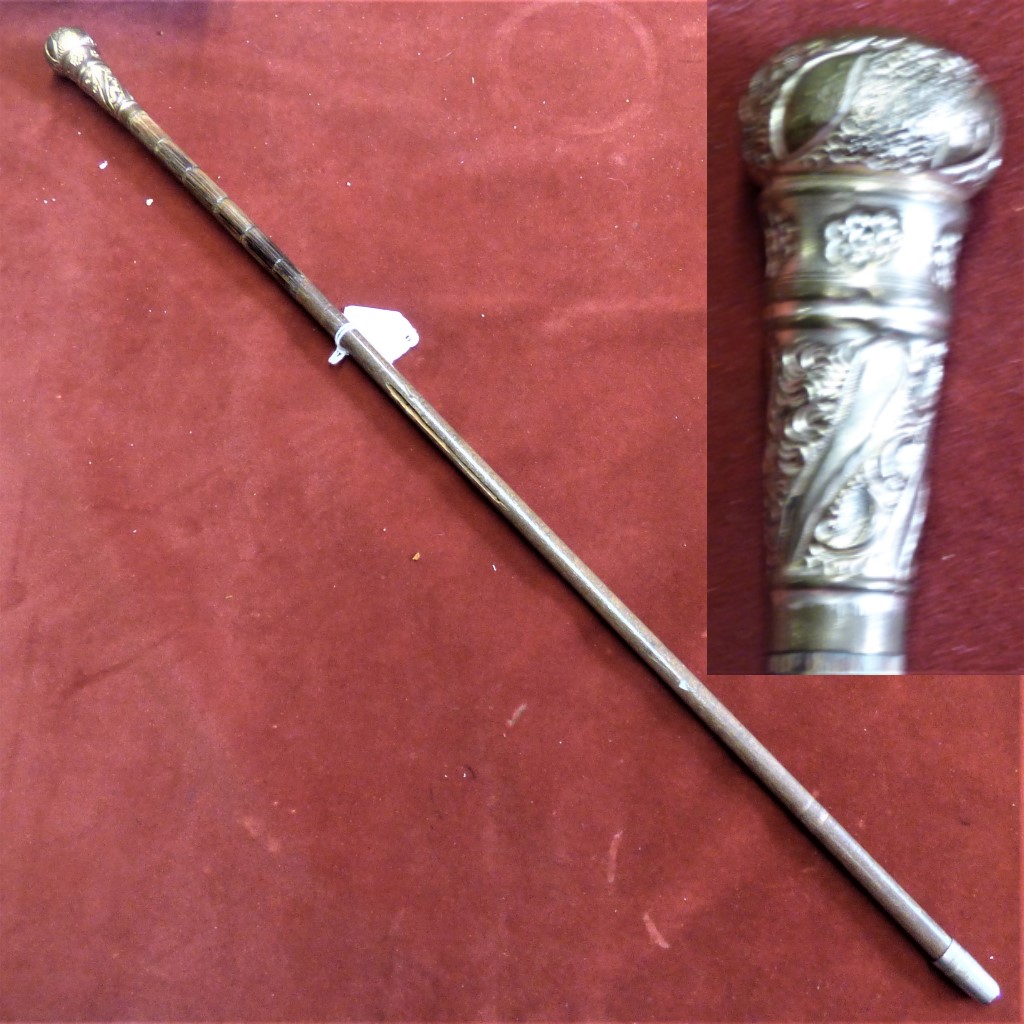
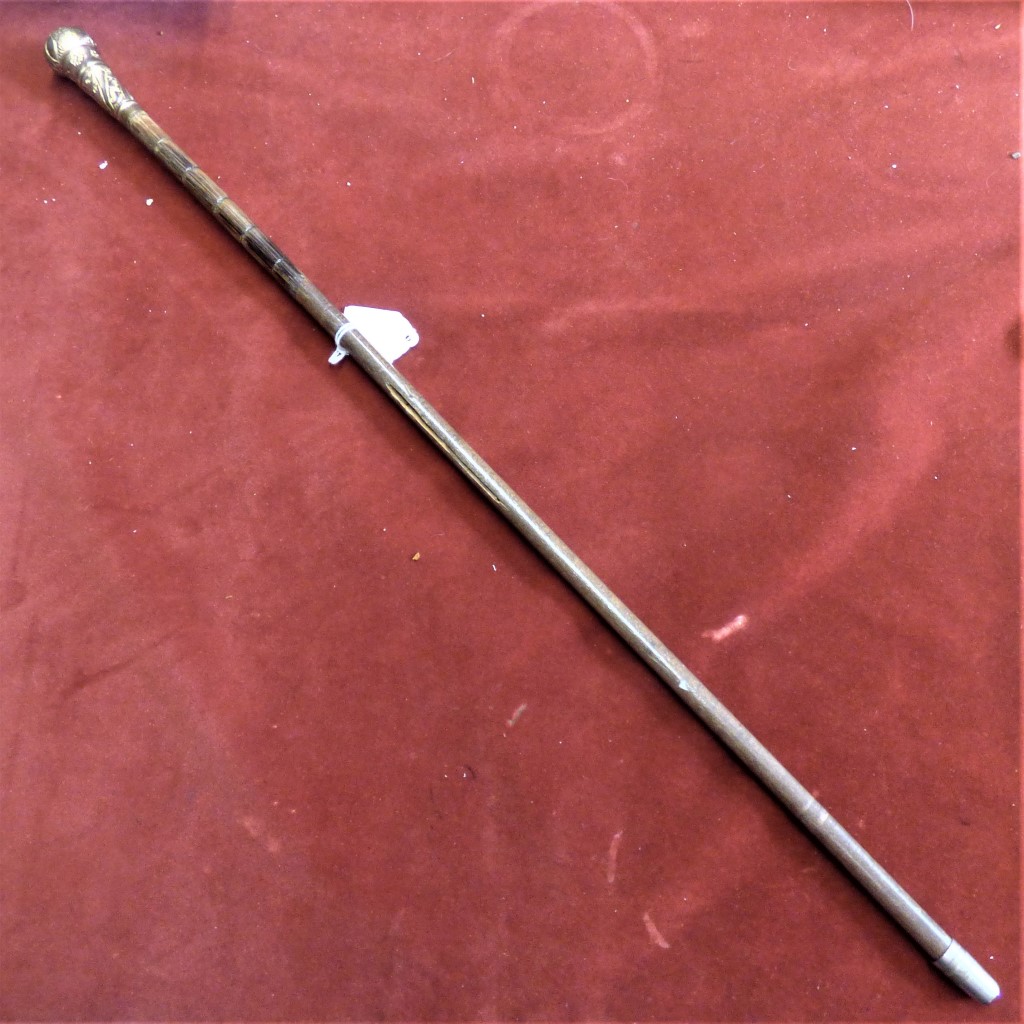
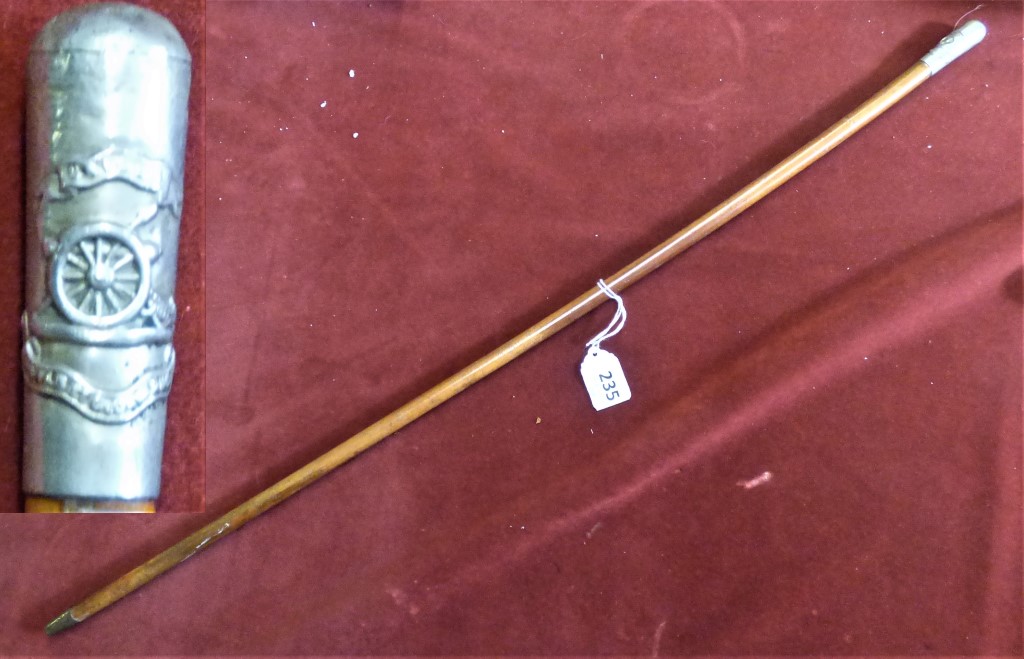
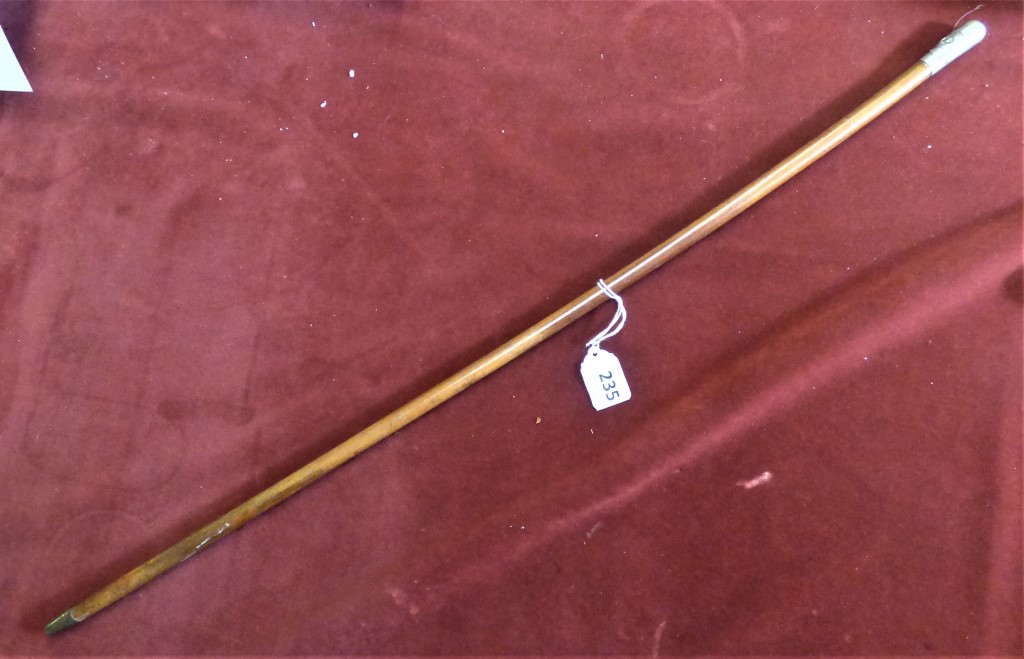
My most recent imaging has been for our October auction, in which a number of swagger sticks feature…
Three images minimum per swagger stick – the whole stick at an angle of about 45 degrees, a close up of the military insignia and a composite like this.
THE SEPTEMBER AUCTION
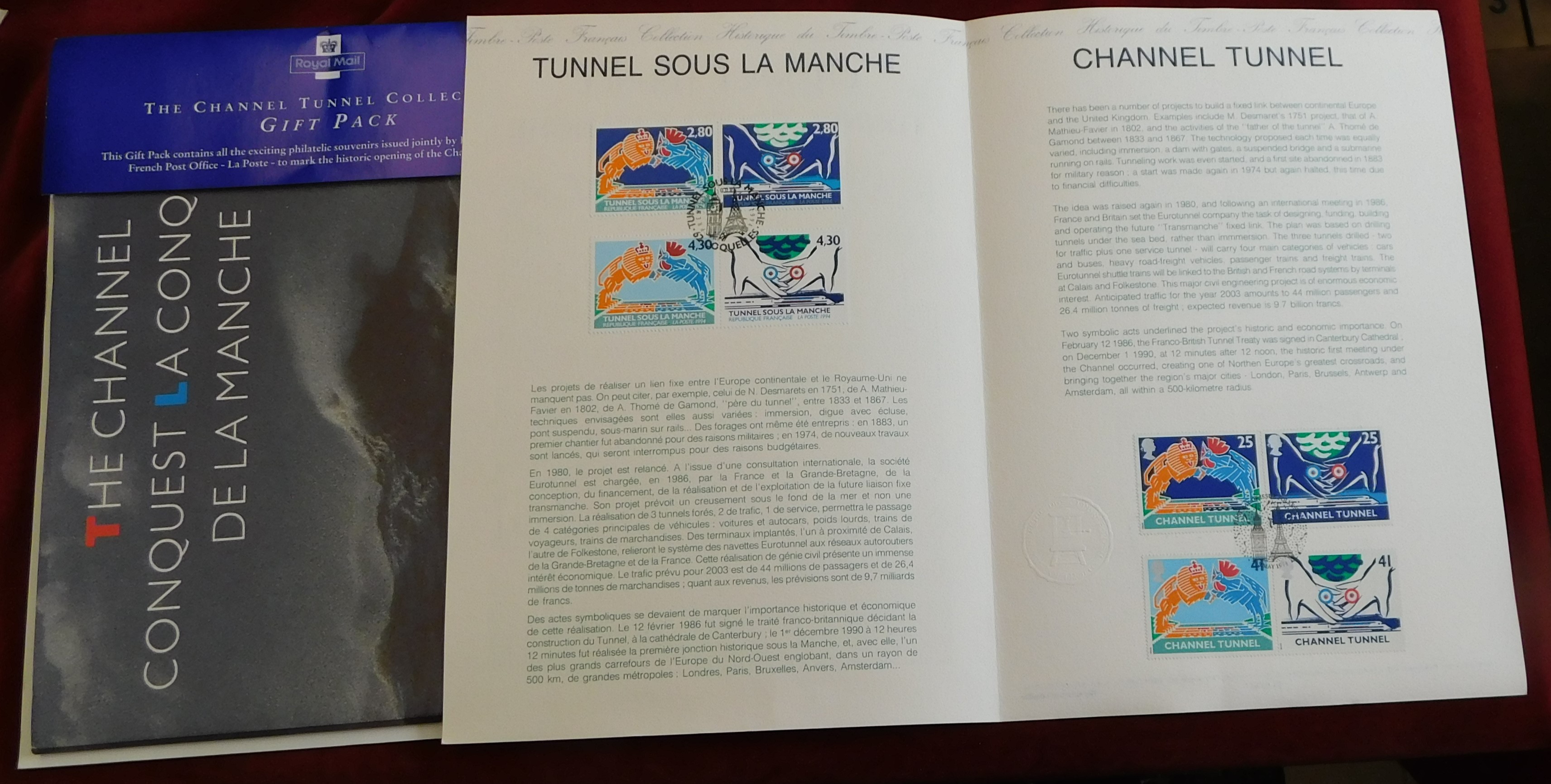
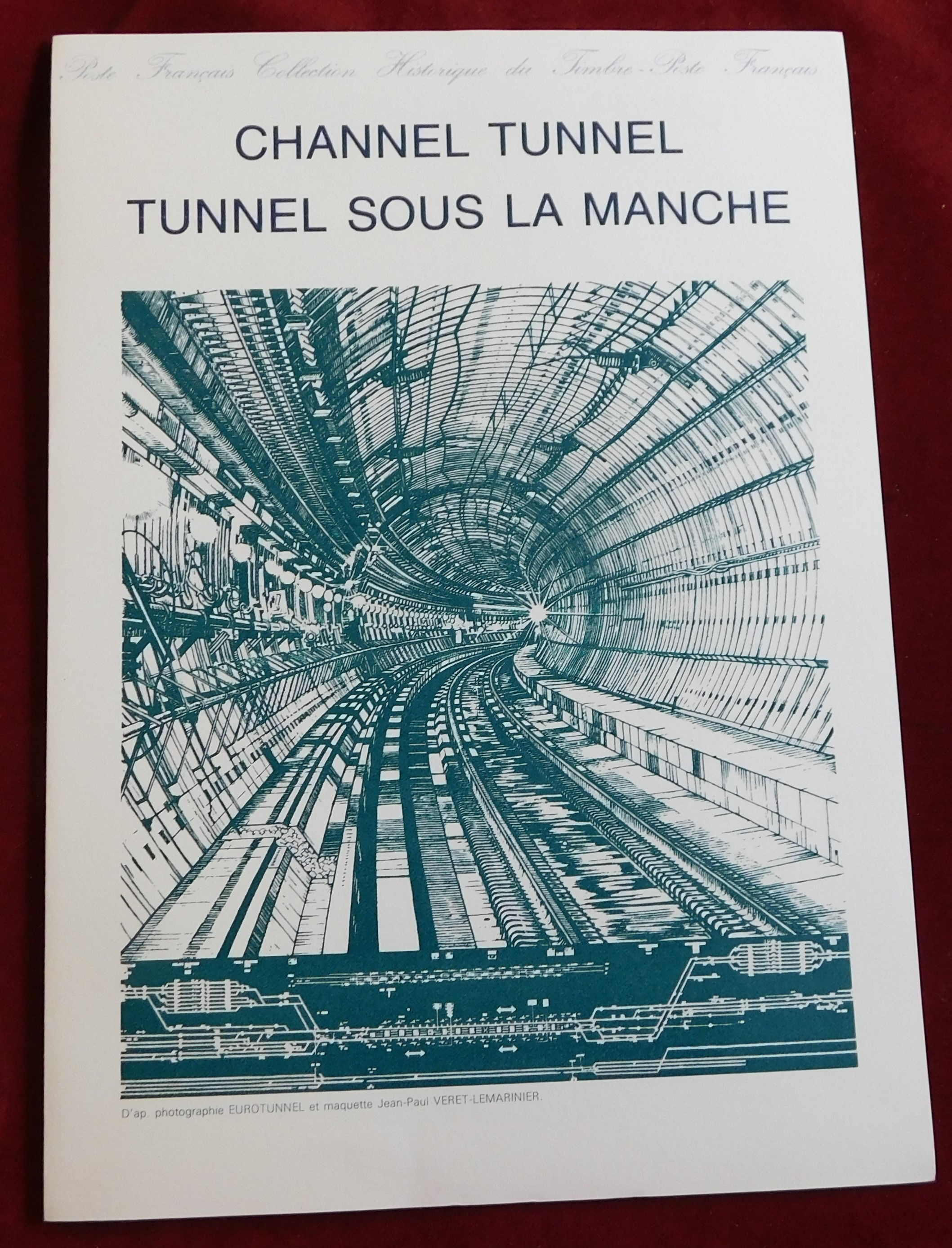
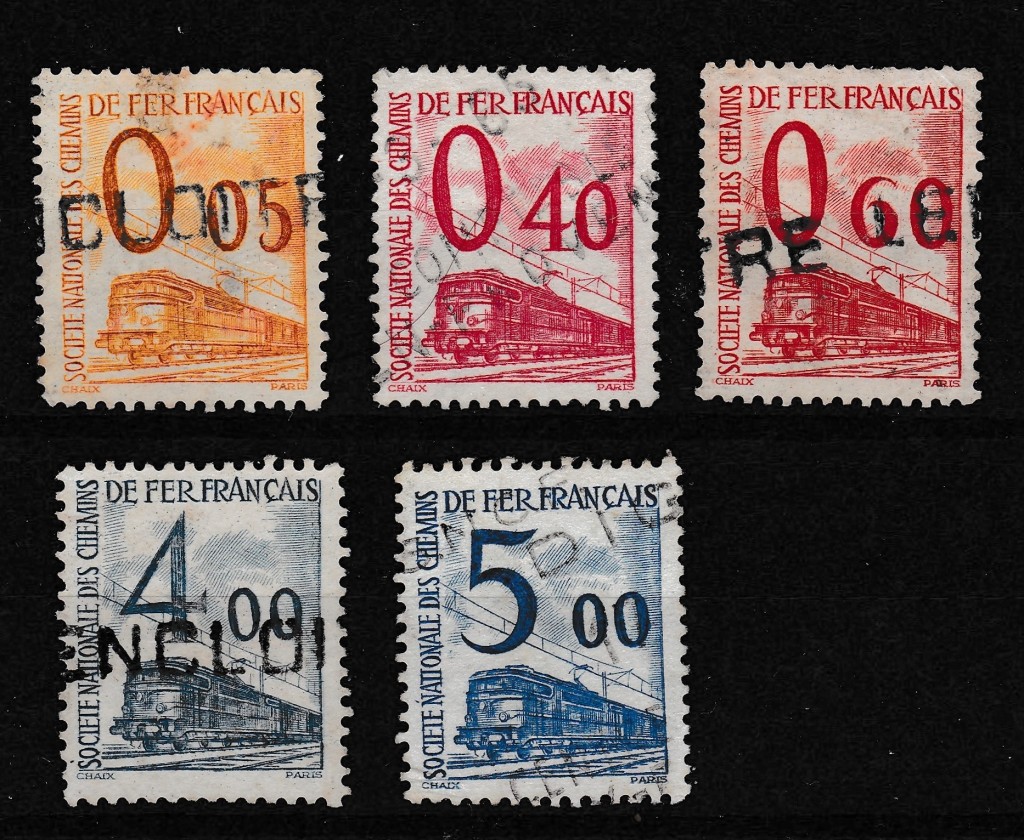
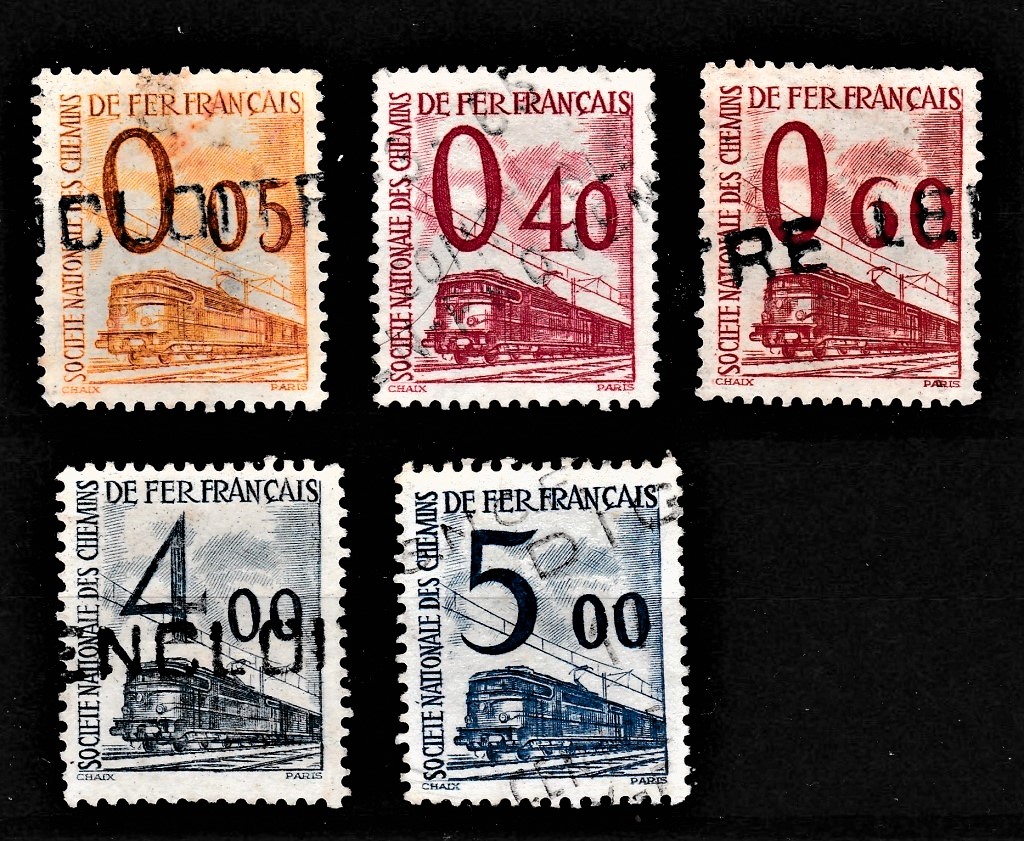
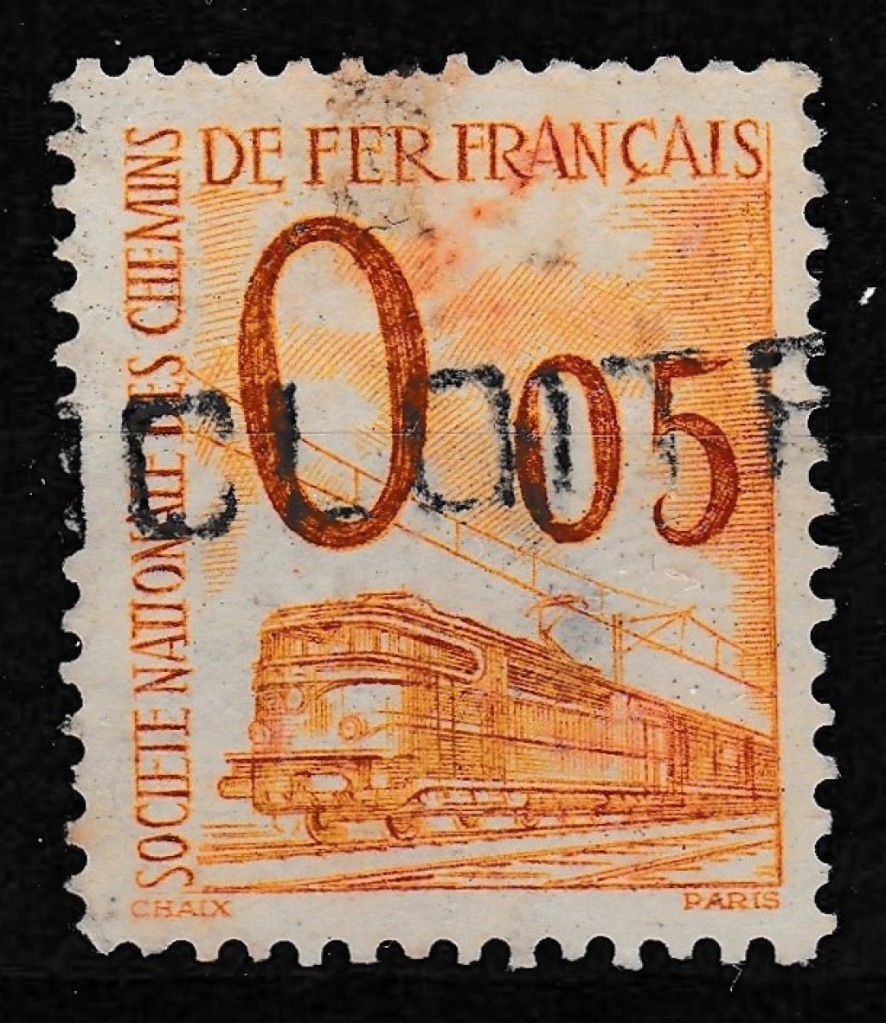
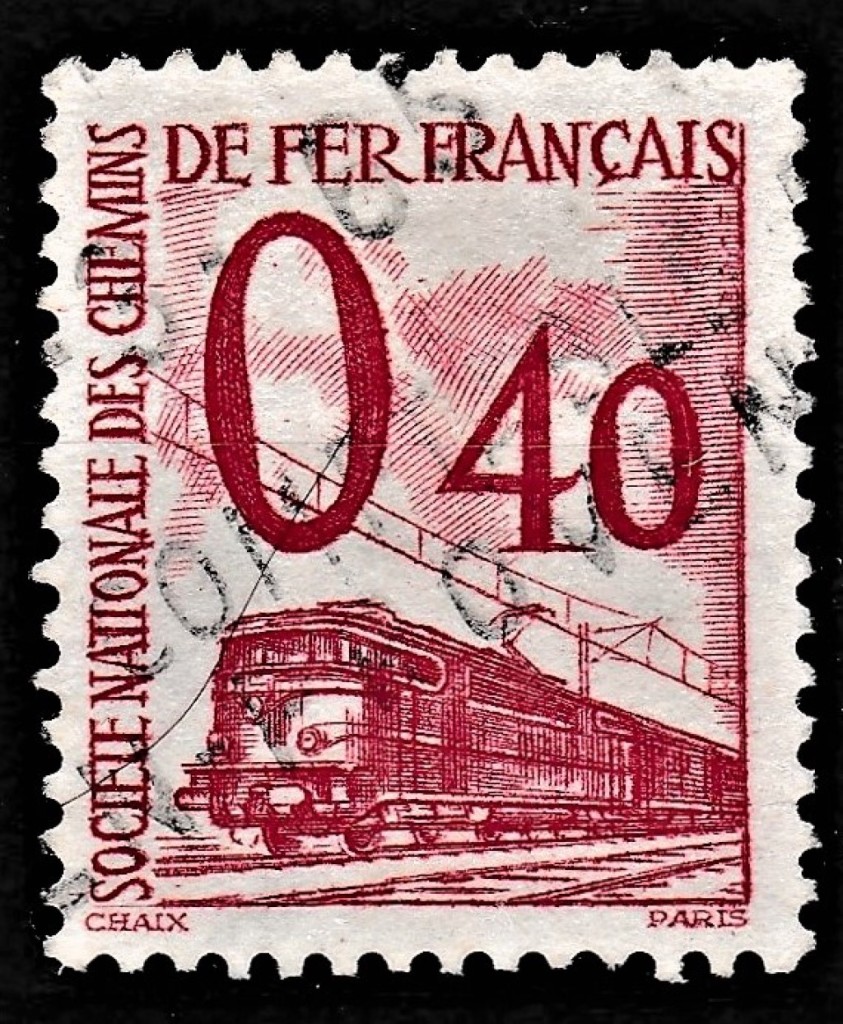
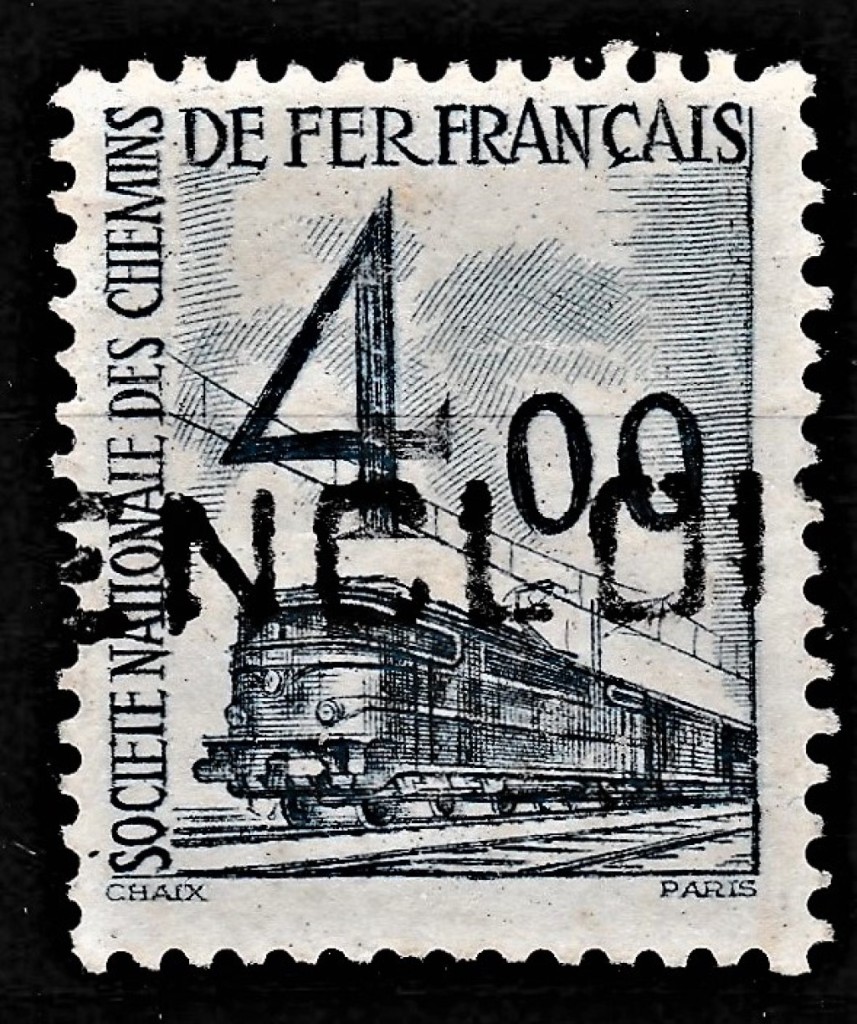
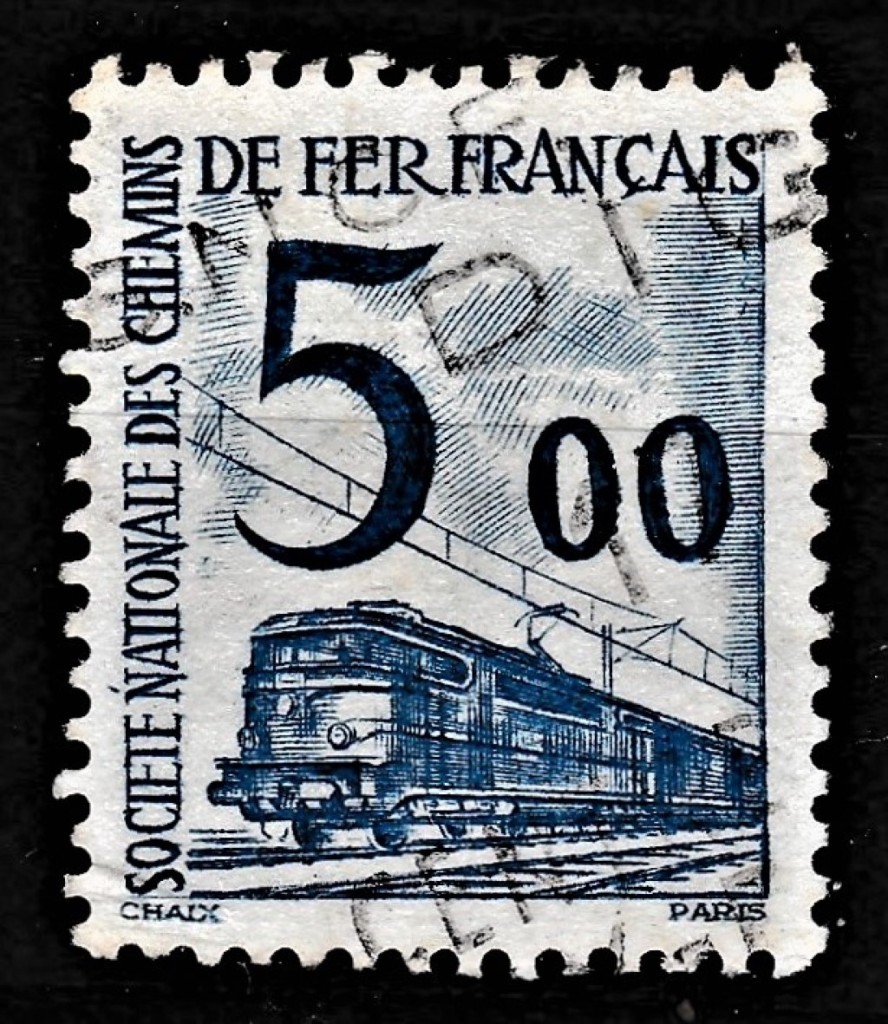
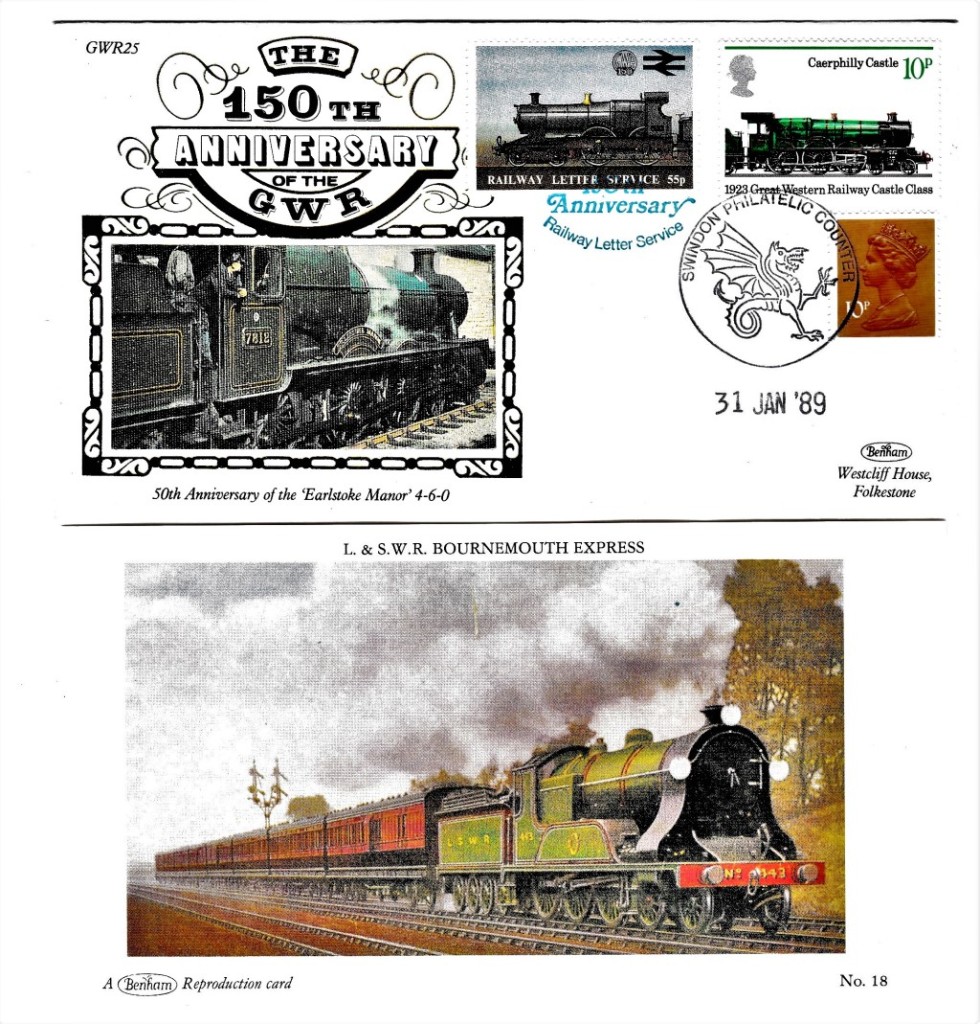
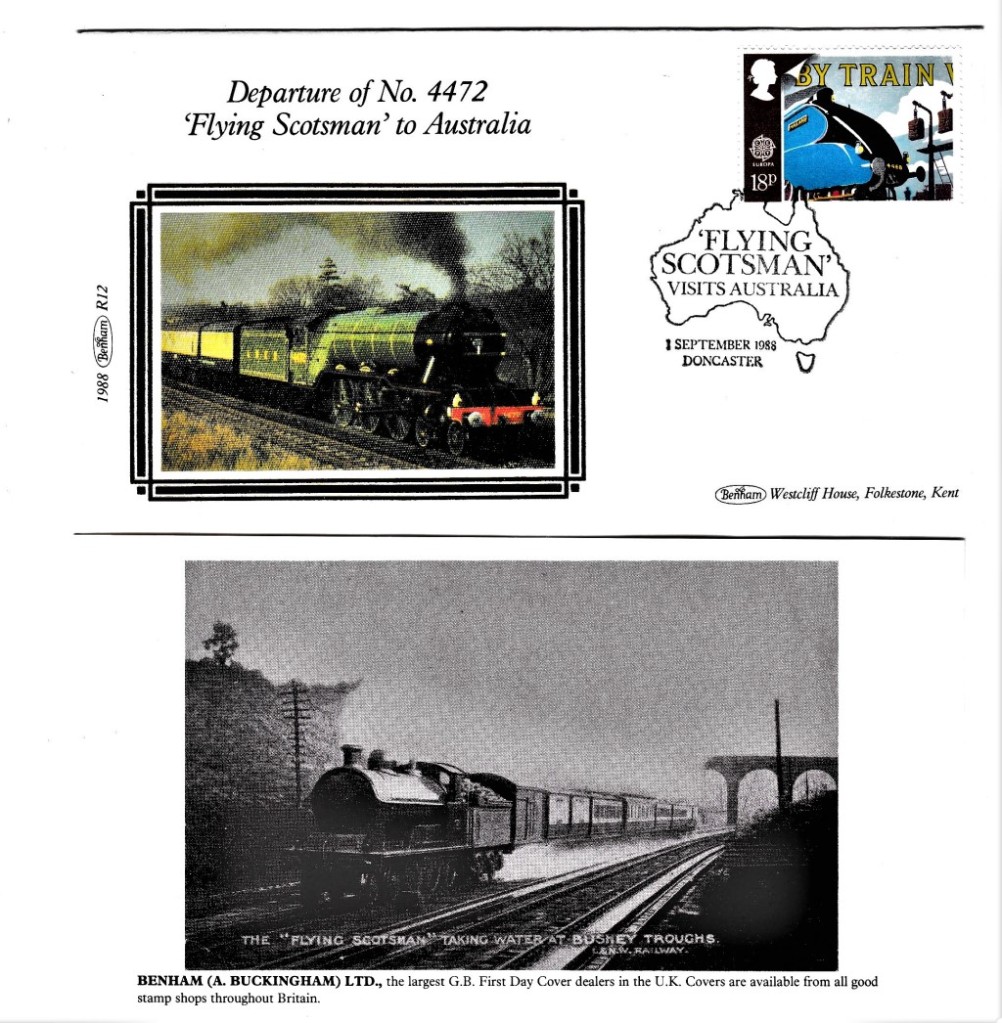
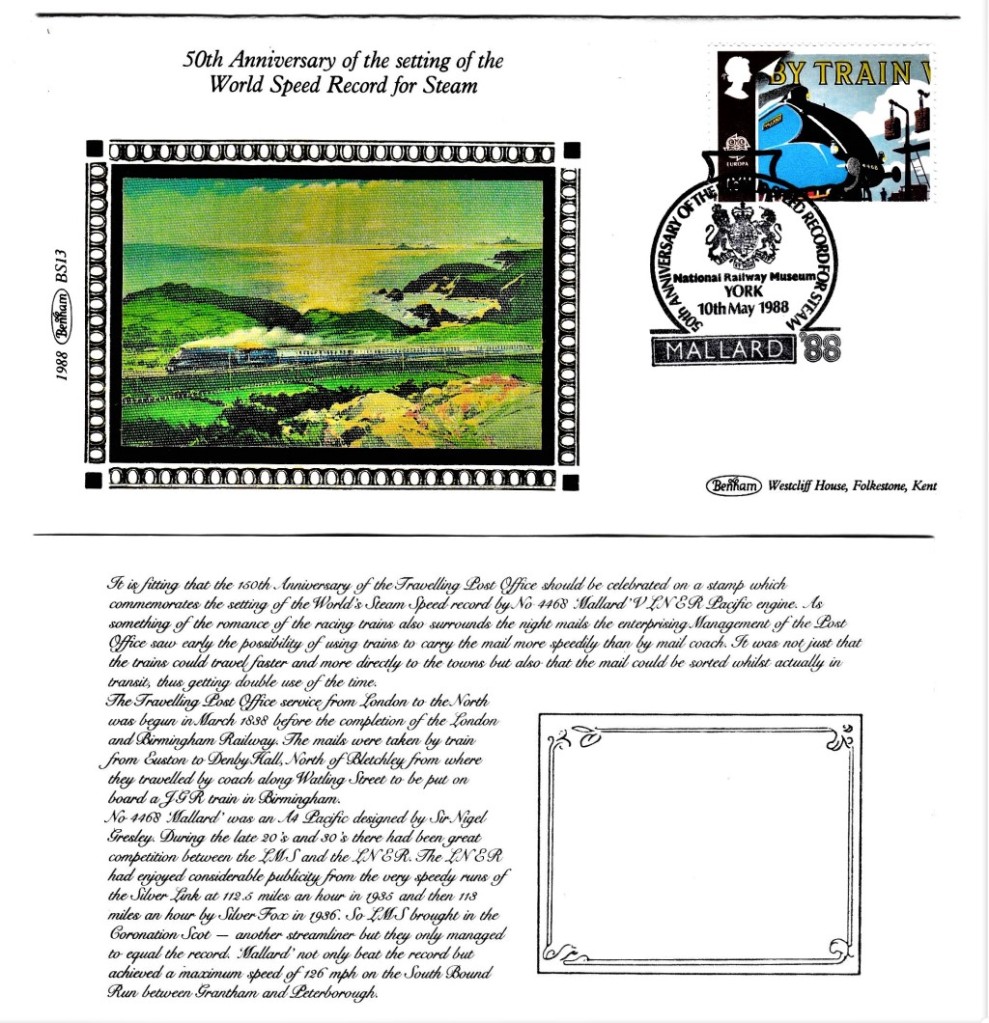
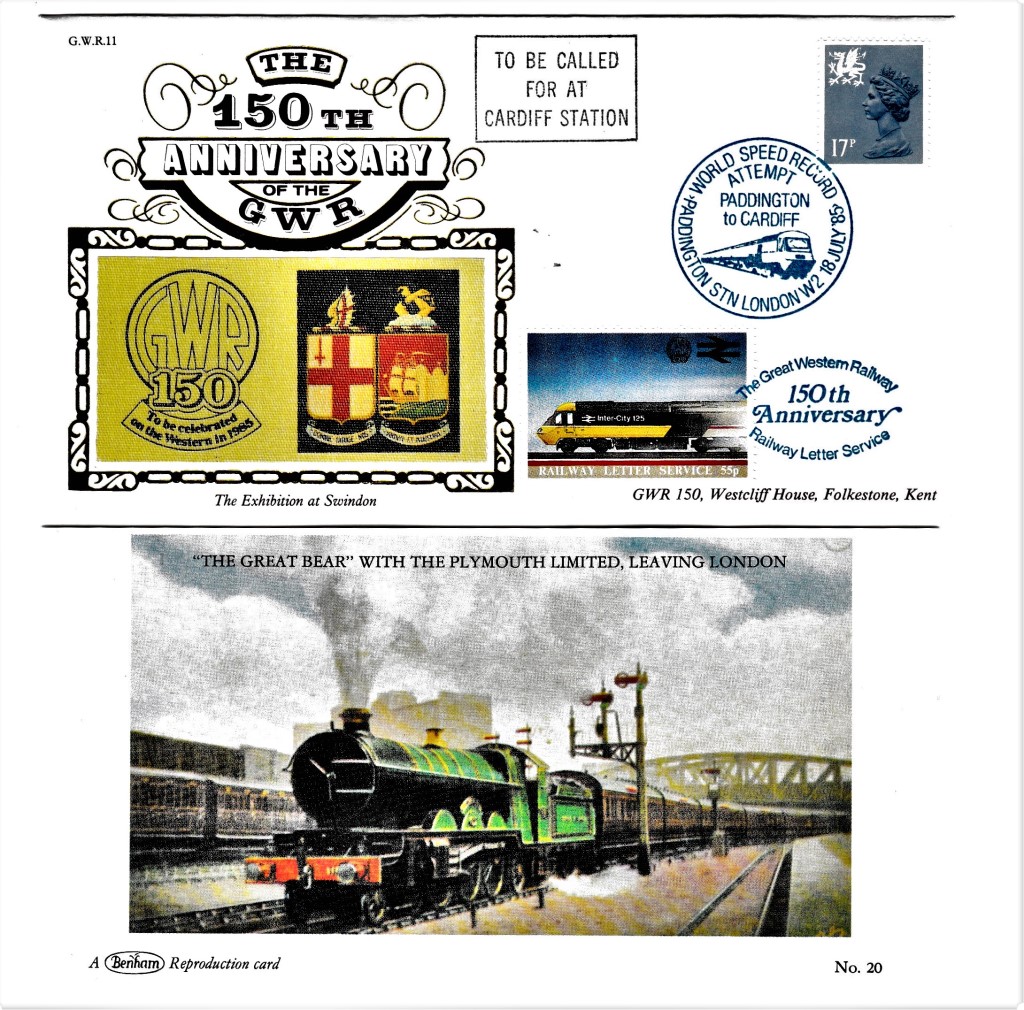
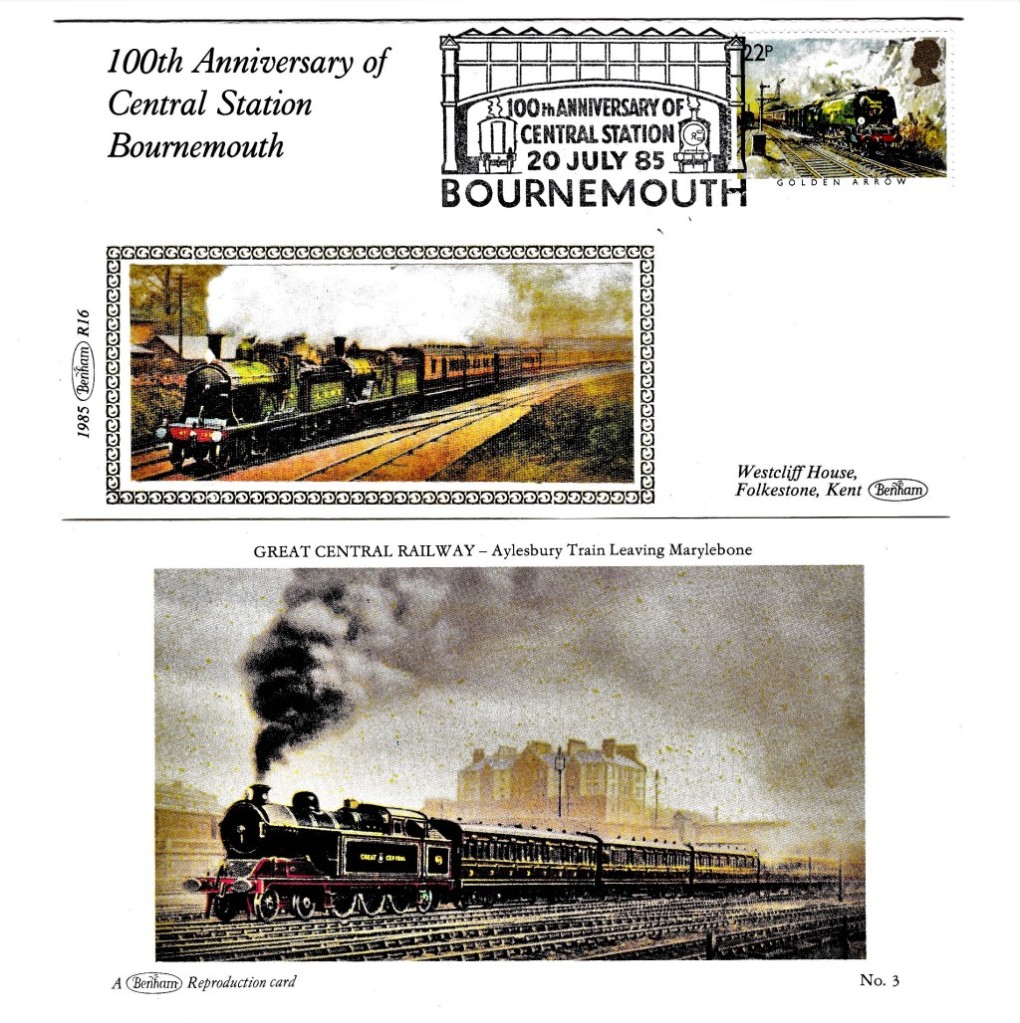
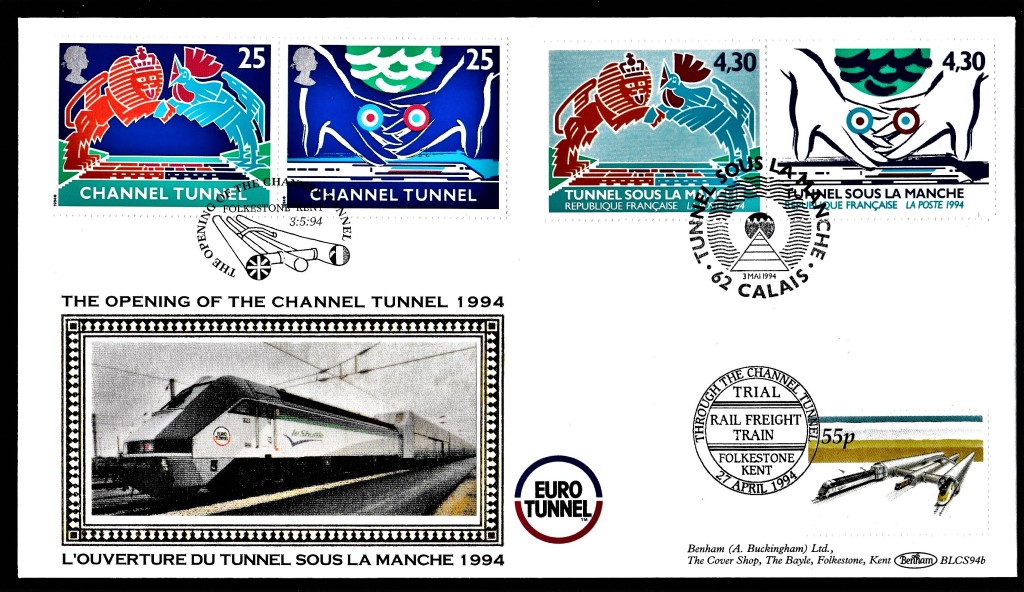
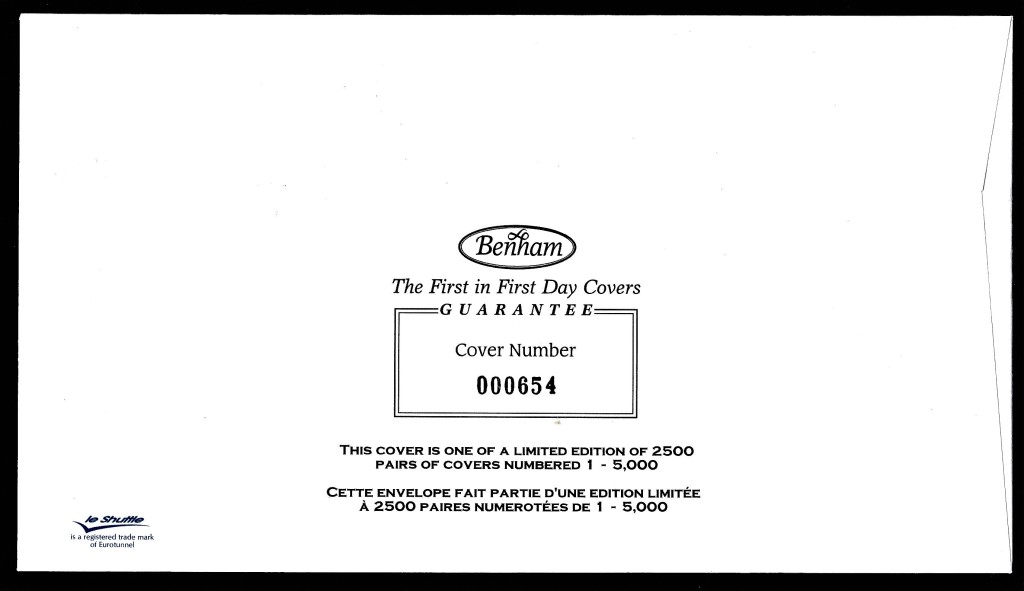
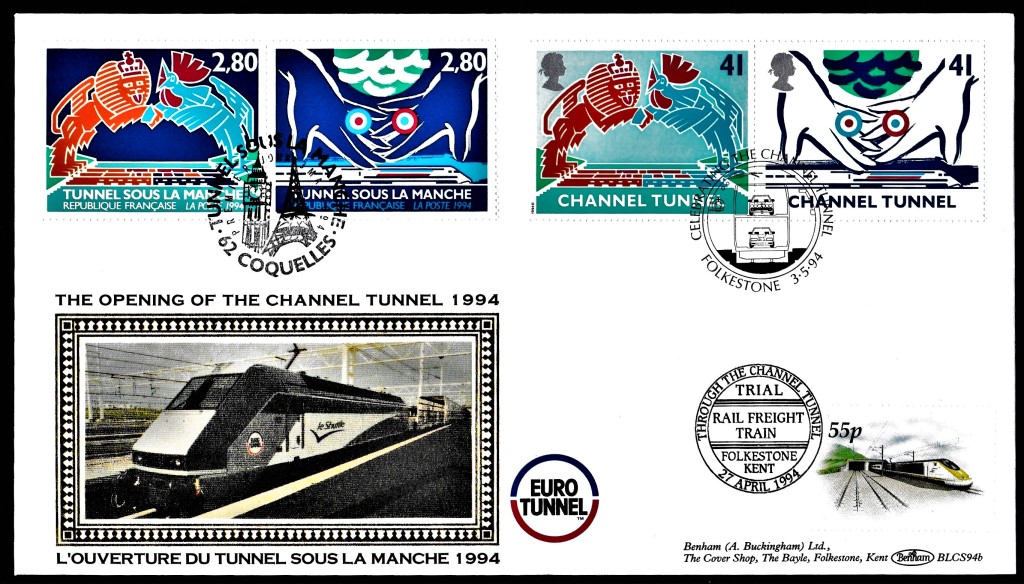
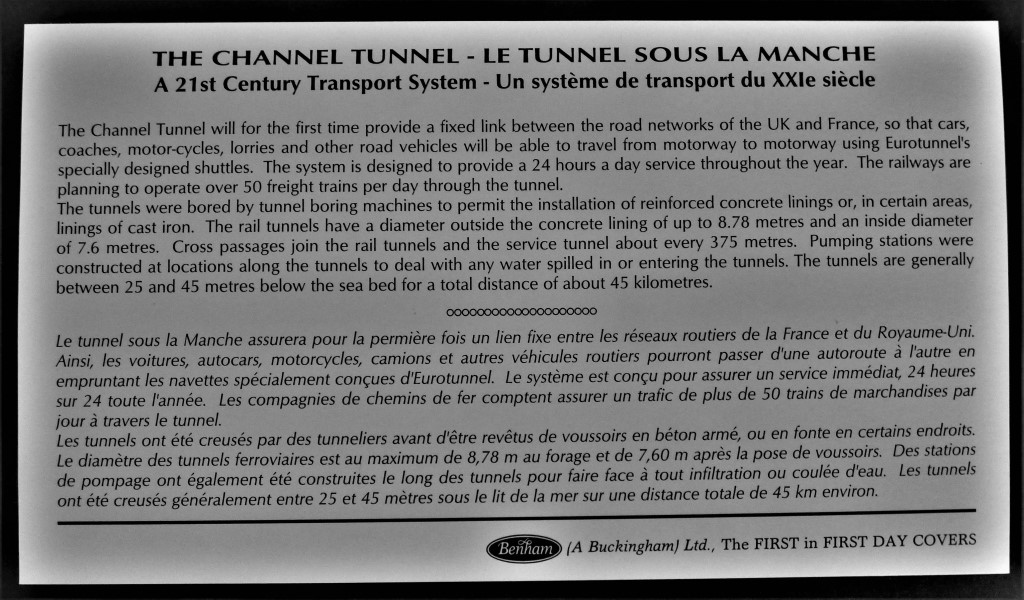
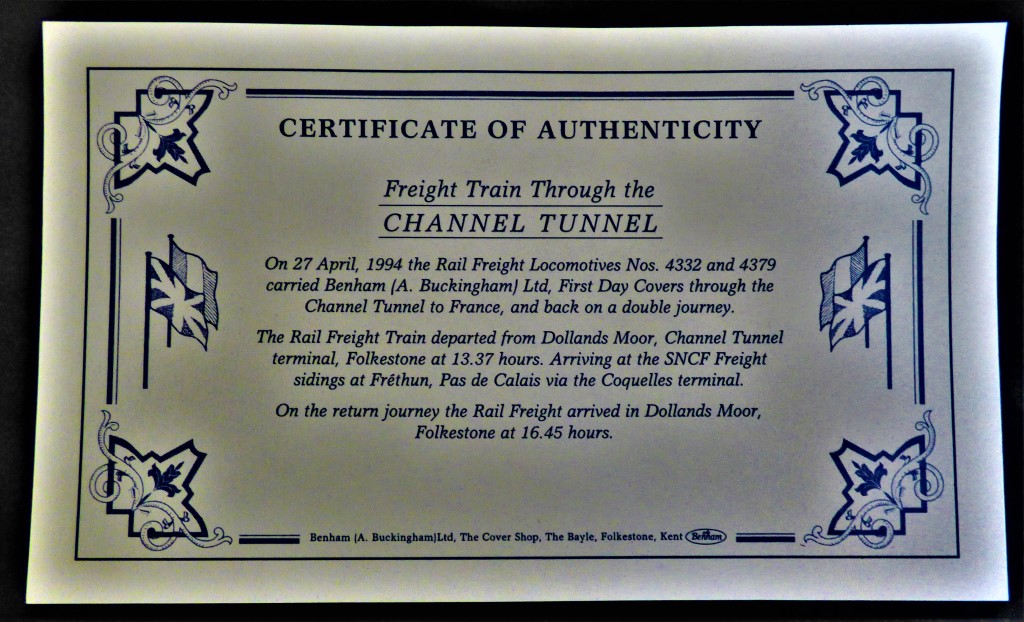
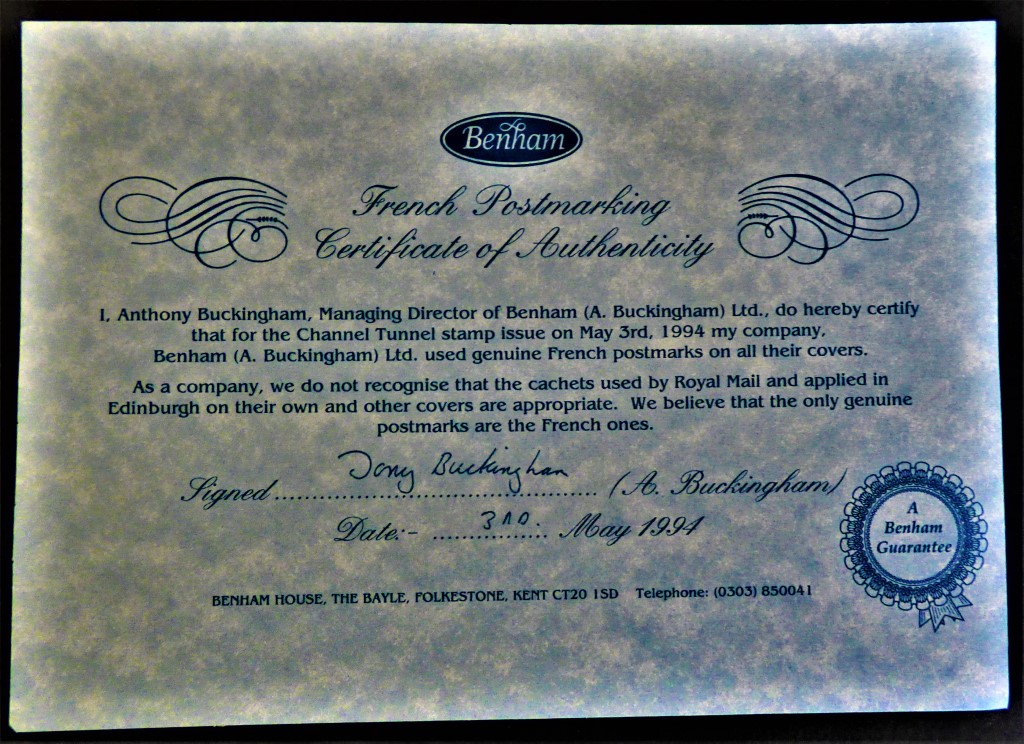
On Tuesday and Wednesday of this week James and Sons had a two day stamp auction. By and large things went well. I was a successful bidder on three lots – 663 (French railway stamps, hammer price £5), 892 (Benham mini FDCs, railway themed, hammer price £18) and lot 936 (Channel Tunnel opening FDCs with certificates of authenticity, hammer price £8). I did not originally image these lots, but have done so in great detail since taking possession, and I end this post with those images…
My original scan of lot 663…
The edited version of the entire lot
Individual images of each stamp, extracted from the original and edited as required.
An update on developments from Manchester, a mathematical teaser, and some pictures plus and update regarding my employment status.
INTRODUCTION
The predicted rain has arrived at Manchester in spades, but England are still in a very strong position thanks to their efforts yesterday.
THE MATCH AS IT STANDS
Having secured a first innings advantage of 172 England batted well second time around. Sibley made a half century, Joe Root scored at a very rapid rate throughout his unbeaten half century and Burns managed 90, his dismissal triggering a declaration which left the West Indies 399 to make to win the match and England six overs to bowl yesterday evening. Broad who had terminated the first West Indies innings with extreme prejudice earlier in the day produced another magnificent spell of bowling, bagging the wickets of John Campbell (84 runs in the series for the opener, a performance reminiscent of that of another left handed attacking opener, David Warner in last year’s Ashes) and nightwatchman Kemar Roach to take his tally of test wickets to 499. The West Indies ended that mini-session at 10-2 off six overs, needing a further 389 to win. There has been no play thus far today due to the rain, but it is no longer raining in Manchester (it is rodding it down here in King’s Lynn) and the umpires have thrown down a challenge to Jupiter Pluvius by declaring that they will inspect at 3PM if there is no further rain. Of course England declared yesterday evening precisely because we were expecting little if any play today, and the forecast for tomorrow is good (and Old Trafford is, as it needs to be, a quick draining ground). Unless one of the remaining West Indies batters can somehow channel the Lord’s 1984 version of Gordon Greenidge the only question is whether we will see enough cricket today and tomorrow for England to get those final eight wickets.
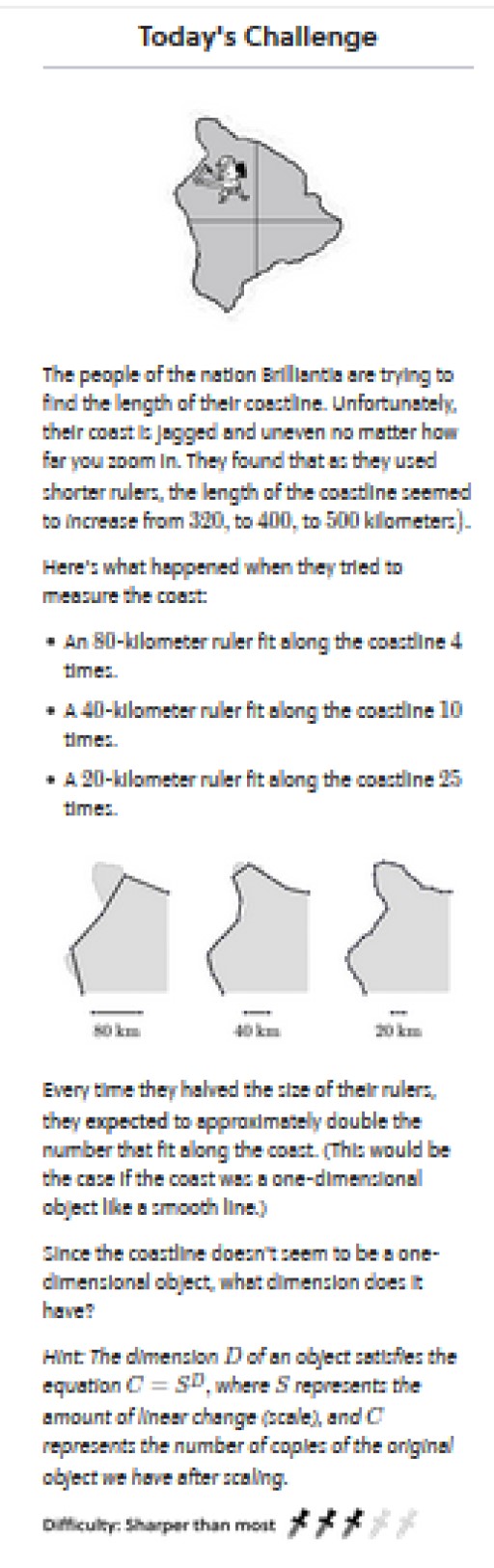
SOLUTION TO YESTERDAY’S TEASER
I offered the following choices:
a)1.00-1.25
b)1.25-1.50
c)1.50-1.75
d)1.75-1.99
Brilliant had offered as it’s three possible answers less than 1, between 1 and 2, and 2. Anyone who has read about fractal geometry knows that the fractal dimension of a line is always between 1 and 2, so this selection of answers constituted a give away, reducing a three-dagger problem to a one-dagger joke.
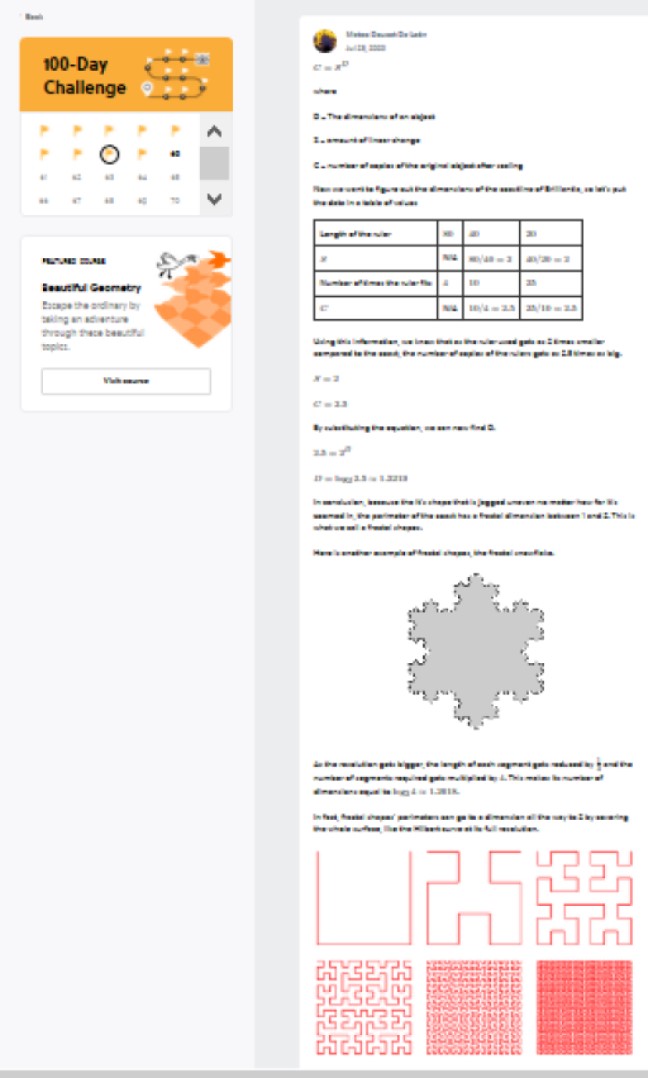
In this case the calculations give an answer of approximately 1.33, so the correct choice from the selections I offered is b) 1.25-1.50.
Here is a published solution by Mateo Doucet De Leon:
PICTURES AND AN UPDATE
Today’s pictures are of coins. A return to employment with James and Sons Auctioneers is on the horizon, although current circumstances make it impossible to predict when this will happen, but I have agreed to do some imaging from home in the meantime, and the first consignment of stock to be imaged arrived yesterday. The auction can be viewed here. Below are some of the lots I have already imaged…
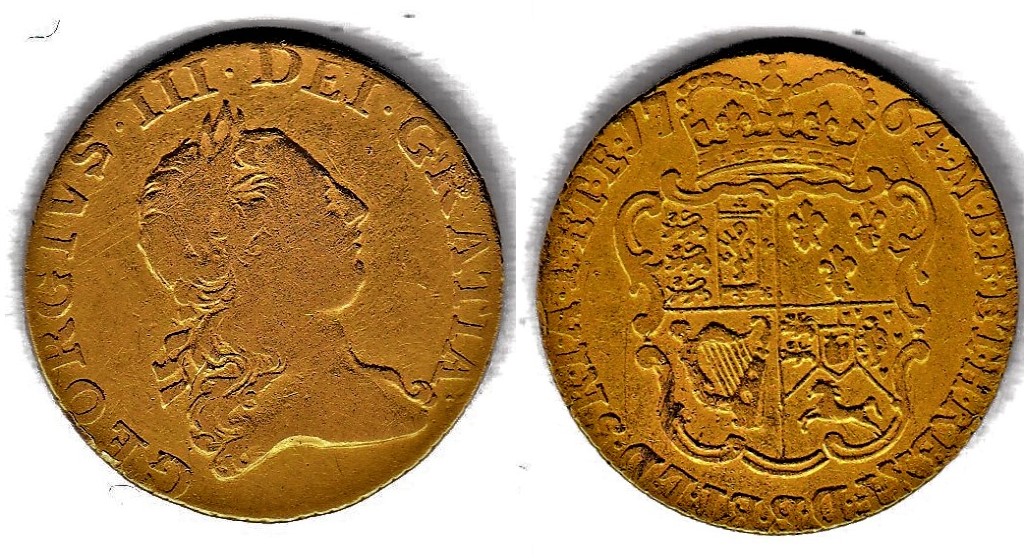
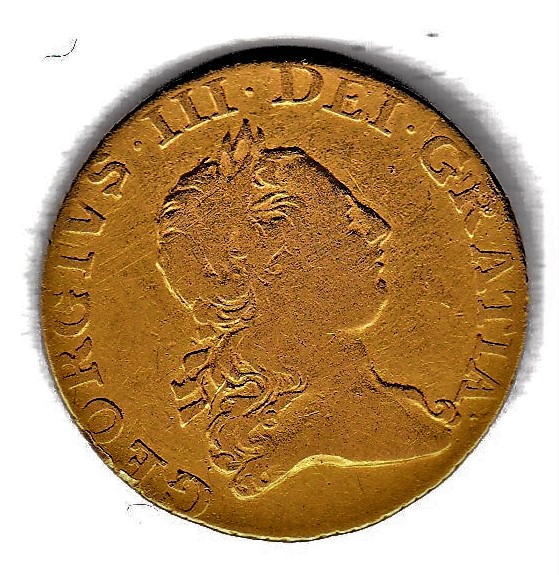
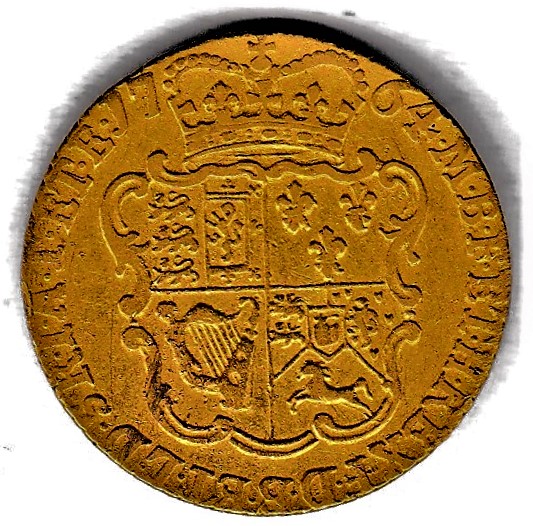
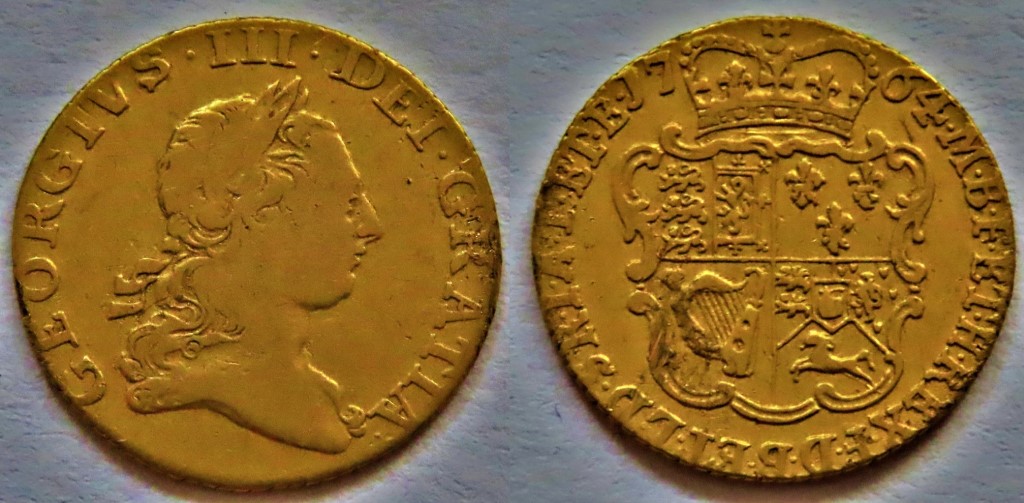
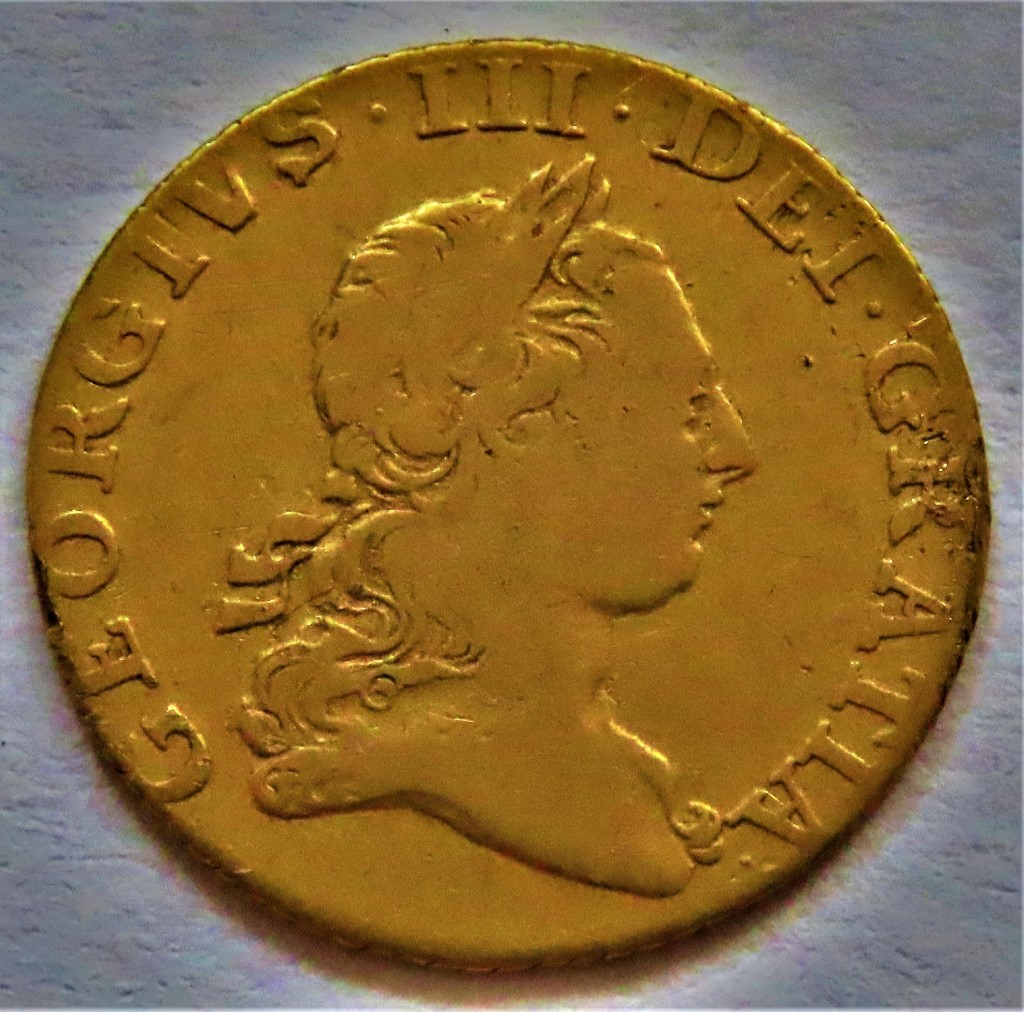
This half guinea is lot 1.
I tried a photograph as well as the scan, but the scan is undeniably better.
An account of yesterday’s splendidly successful auction.
INTRODUCTION
On Wednesday James and Sons had a small but very important auction featuring gold coins and proof sets. We were anticipating a very considerable success, because we knew that there were bids of sufficient size on every lot that everything would sell, and we also knew that some of the items had a very large number of watchers online (one had no fewer than 17). The rest of this post tells the story of a truly amazing auction.
TUESDAY – FINAL PREPARATIONS
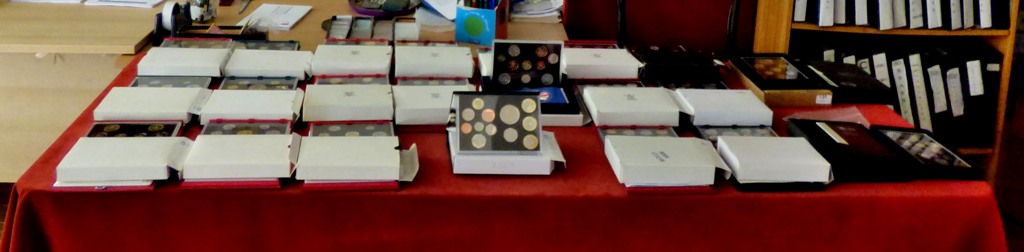
In view of the high value of the gold the only items that were set out on display were as many of the proof sets as I could lay out on one large table. I also made sure that the IT was all fully functional, as the last thing we wanted was for a glitch to affect this auction. I was able to enjoy the NAS West Norfolk Steak Night at The Globe later that evening in the knowledge that all had gone as smoothly as it could have (I restricted myself to a modest two pints of Ringwood Fortyniner in view of the importance of the following day).
WEDNESDAY – A DAY OF TRIUMPHS
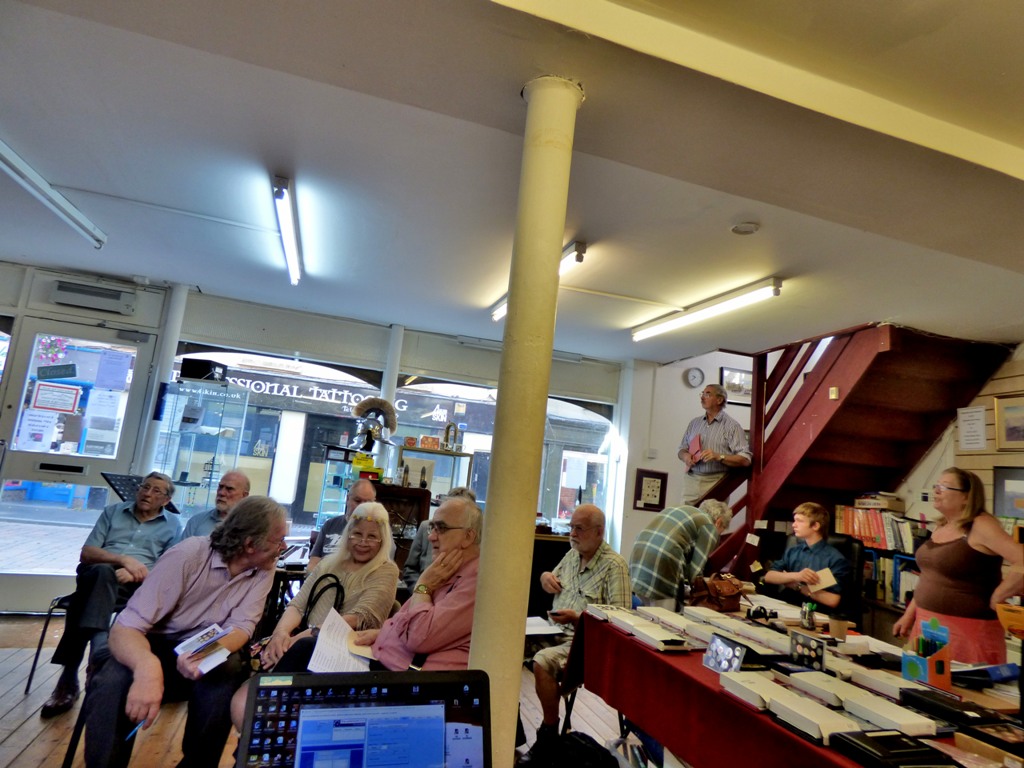
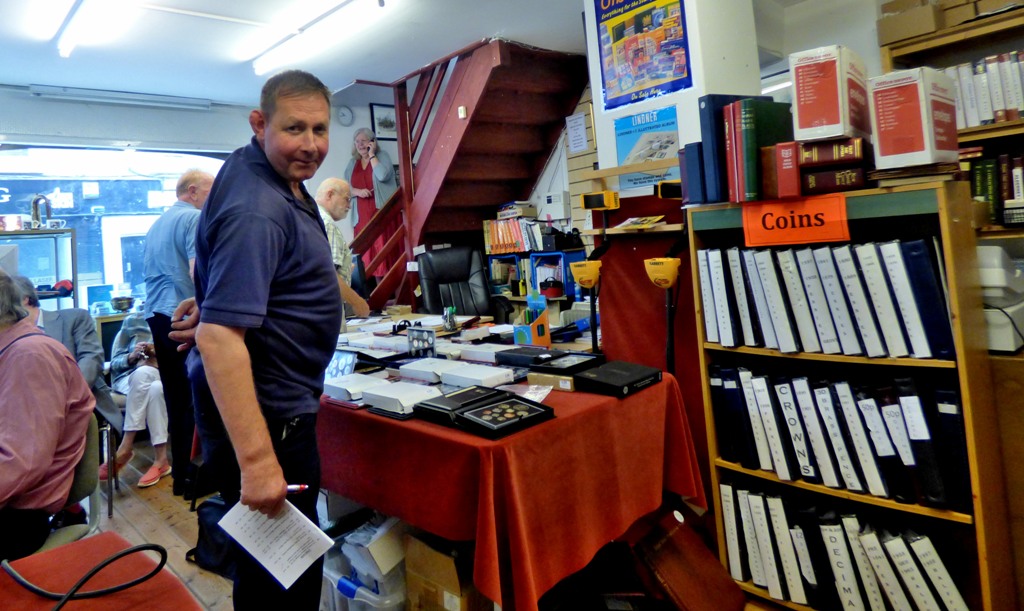
I awoke a few minutes before my alarm was due to go off (not uncommon with me – the alarm is more insurance policy than necessity) and left my flat precisely as intended at 6:45, ensuring that there was no chance of missing the bus. Arriving at the shop, I unlocked, deactivated the alarm, then relocked the door as in view of what was in the shop I did not want customers coming in while I was there on my own. I then began to set up for the day. The auctioneer arrived not very long after me, and I was able to complete the setup, verify that everything was working and take some photographs. Before nine o’clock customers started arriving, and by 9:30 it was standing room only in the shop, as no fewer than 16 potential room bidders were present, in addition to over 60 online bidders and not a few who had put commission bids in in advance of the sale.
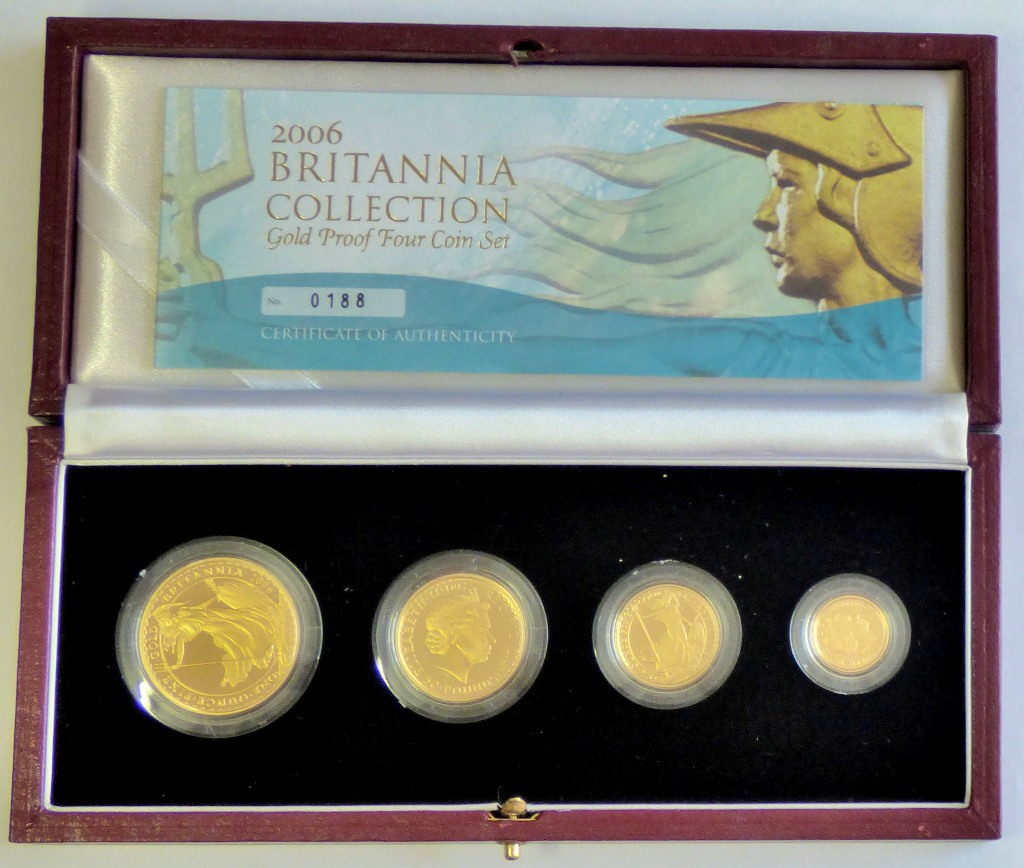
The proof set display, with lot 135 front centre
One of the two significant coins from lot 139…
…and the other
The setup before anyone else had arrived.
Potential room bidders (three pics)
Lot 139 on the big screen.
THE AUCTION STARTS
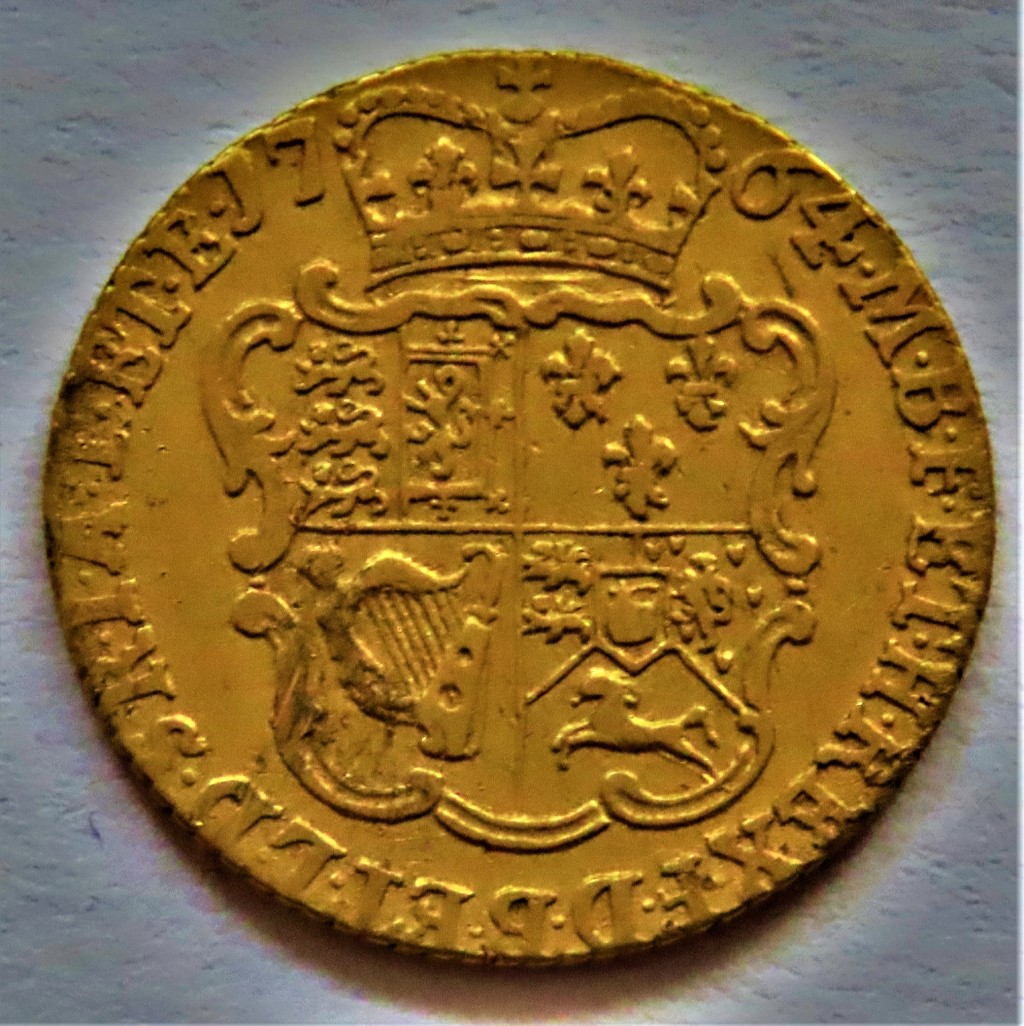
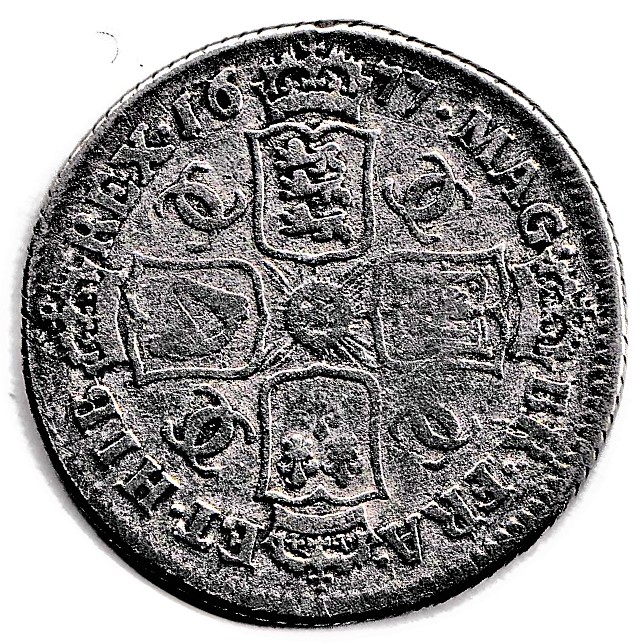
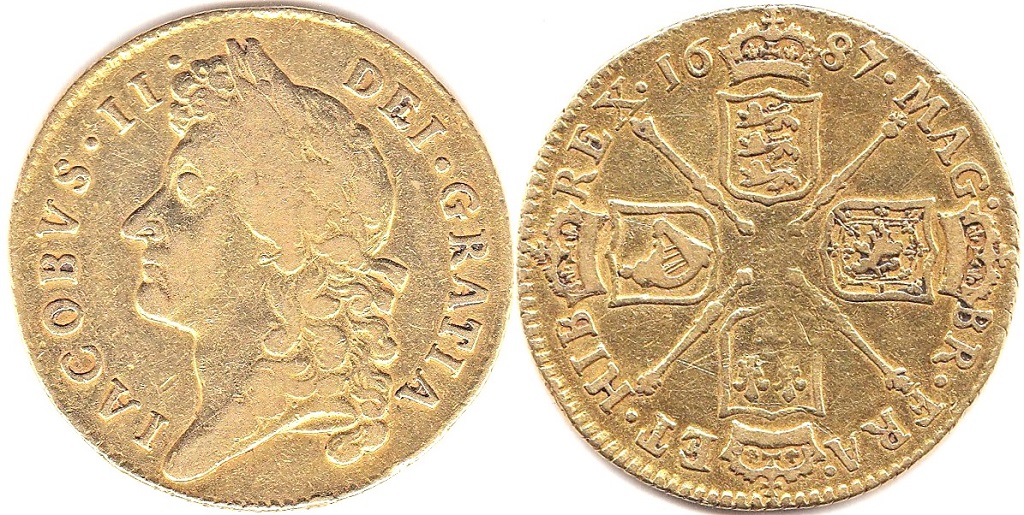
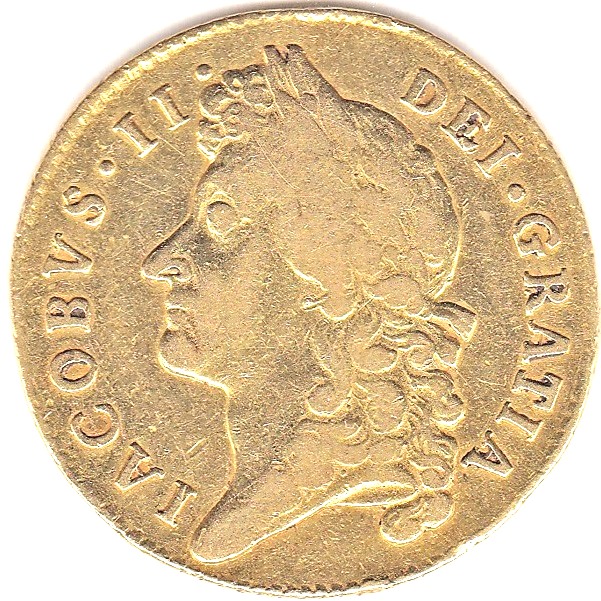
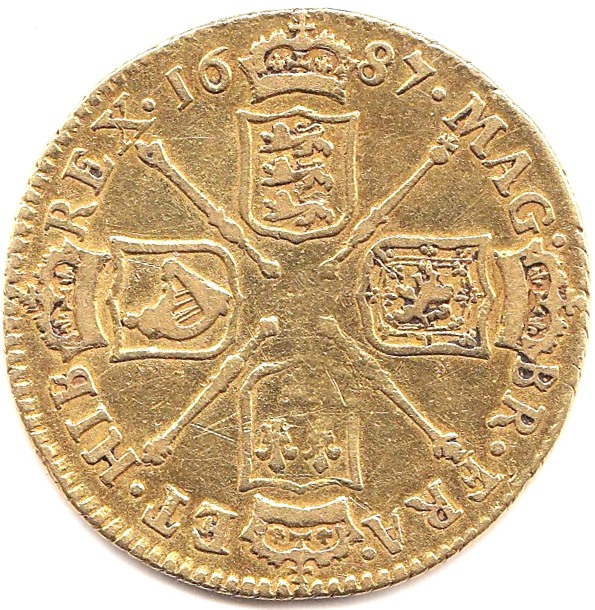
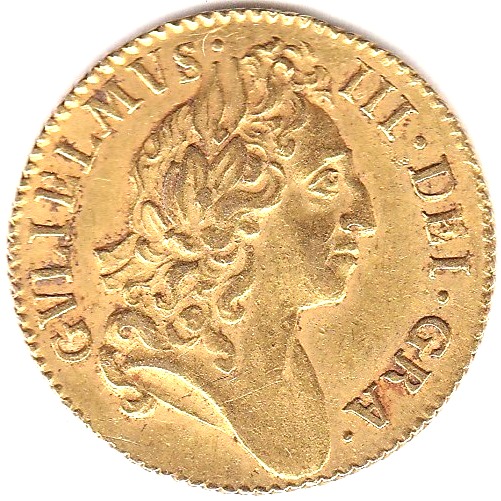
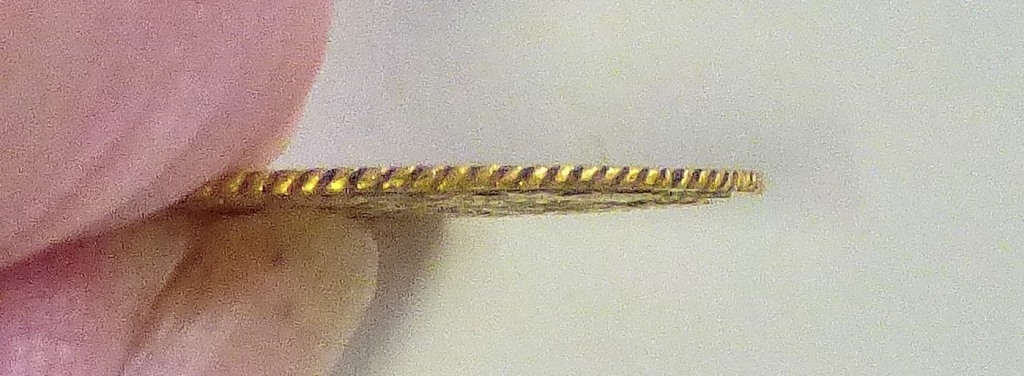
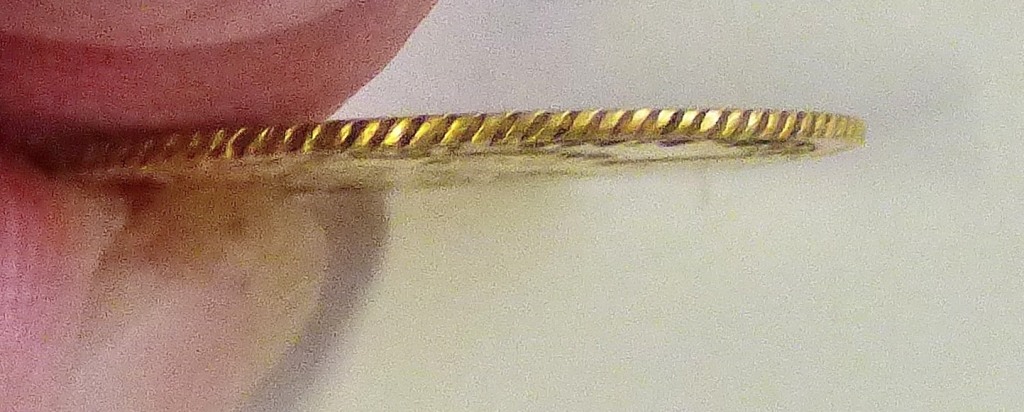
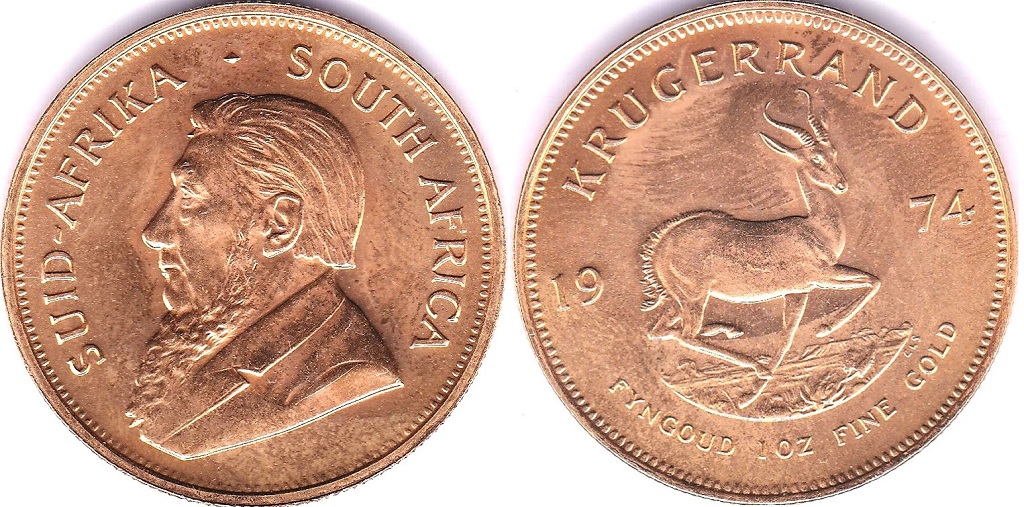
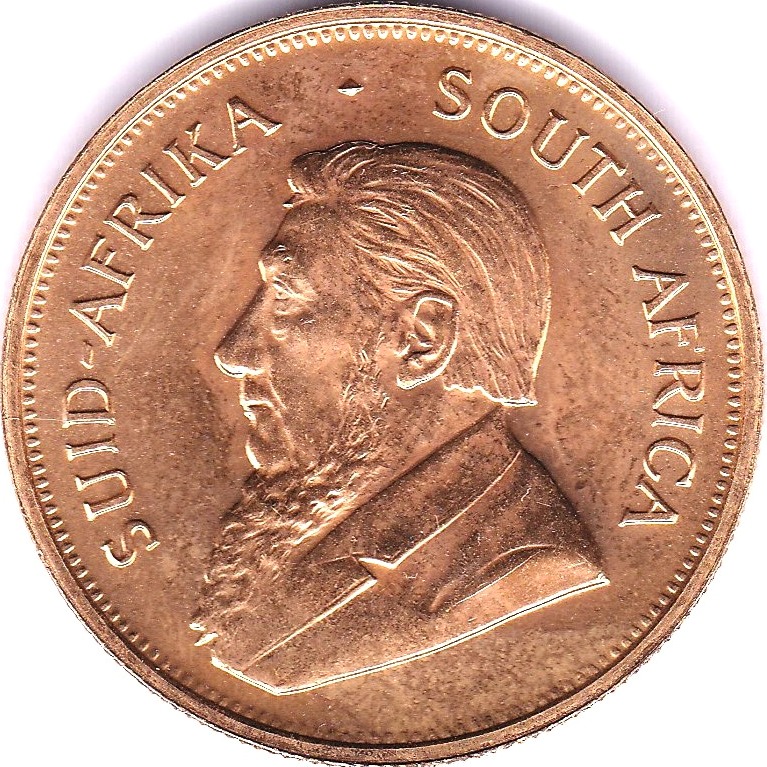
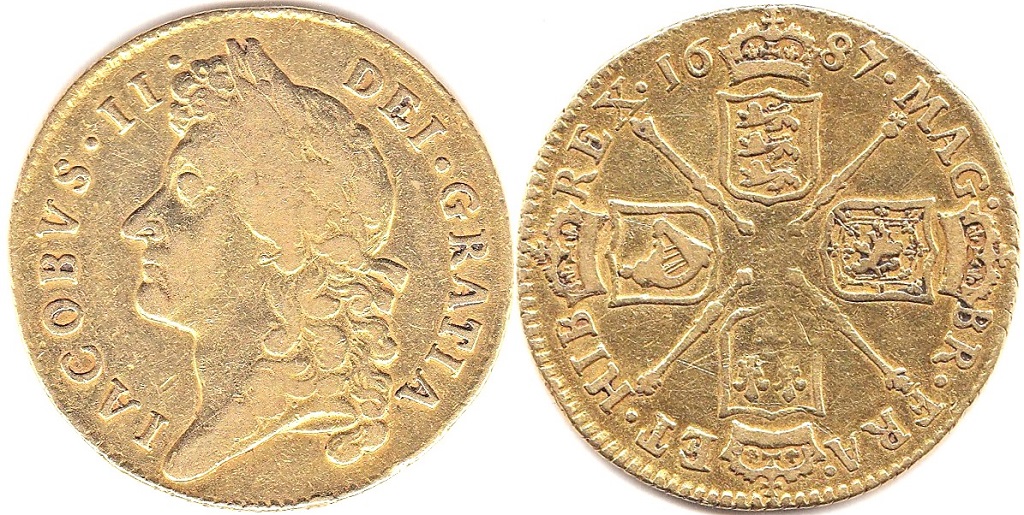
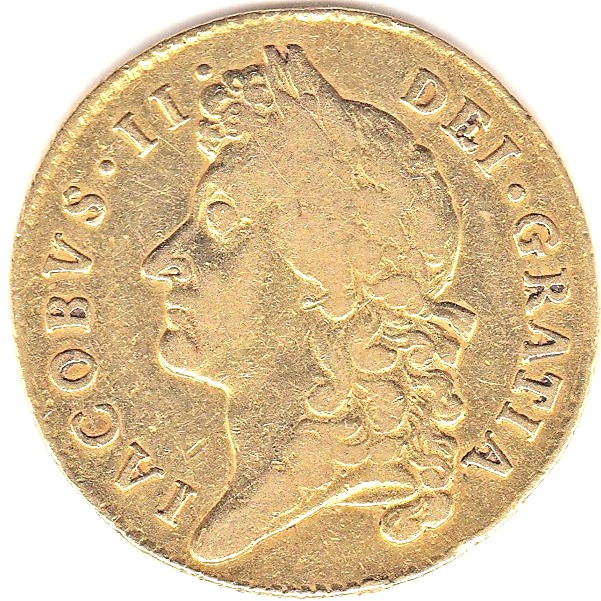
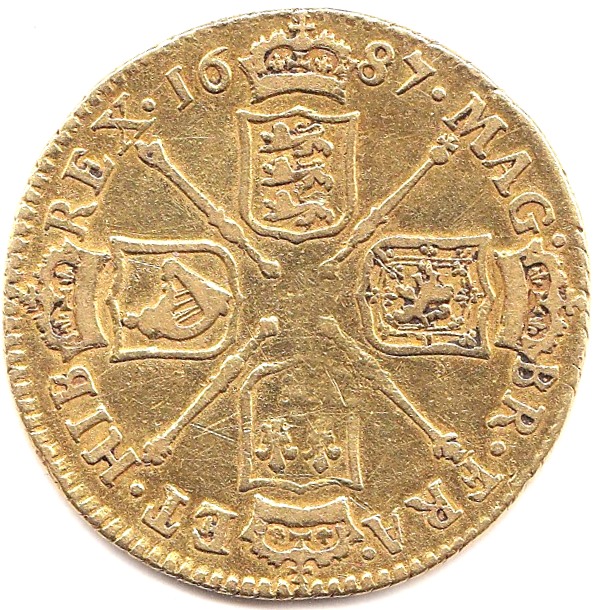
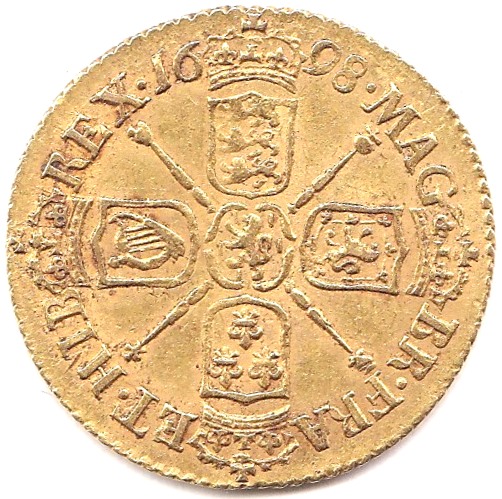
The first five lots were 1974 Krugerrands which were expected to make approximately £800 each and did exactly that. Then came lot 6, the James II Guinea which was one of two items that had been the subject of a query the previous day as a result of which it had extra images above the regular image gallery for such an item. Estimated at £500-750 the interest it had attracted saw the final hammer price reach exactly £1,000.
The first three images constitute my regular image gallery for a single coin.
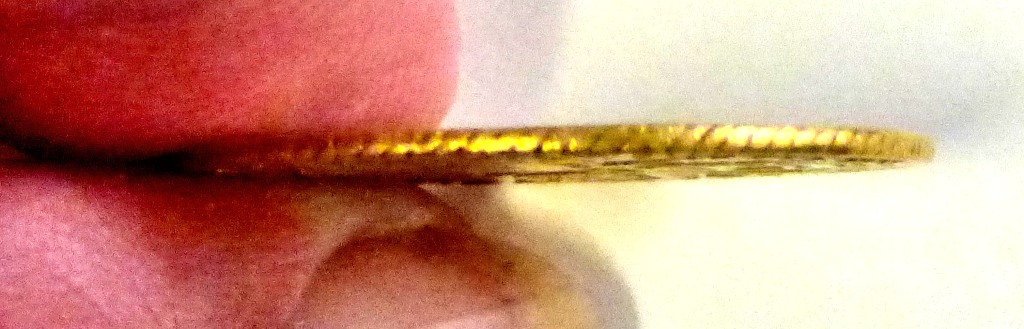
One of the questions asked about this coin related to the edge, and to help back up my own comments on the edge of this coin I took two photographs that between showed it in its entirety.
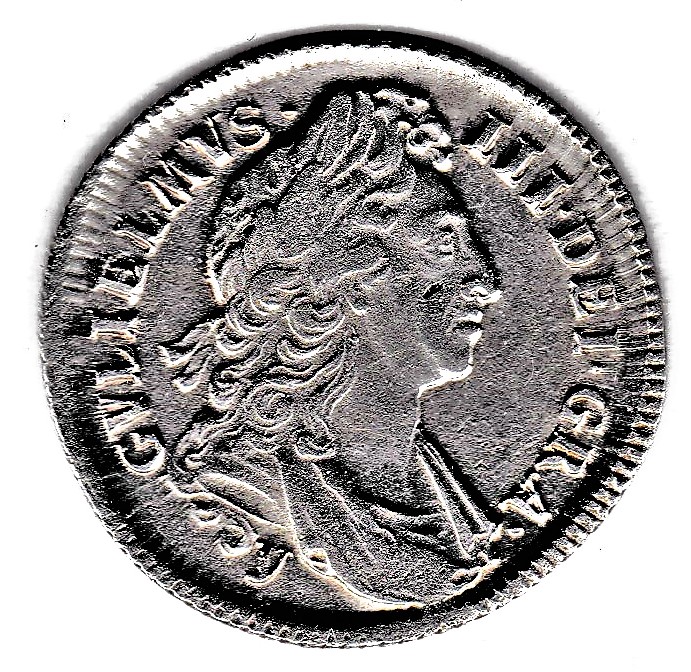
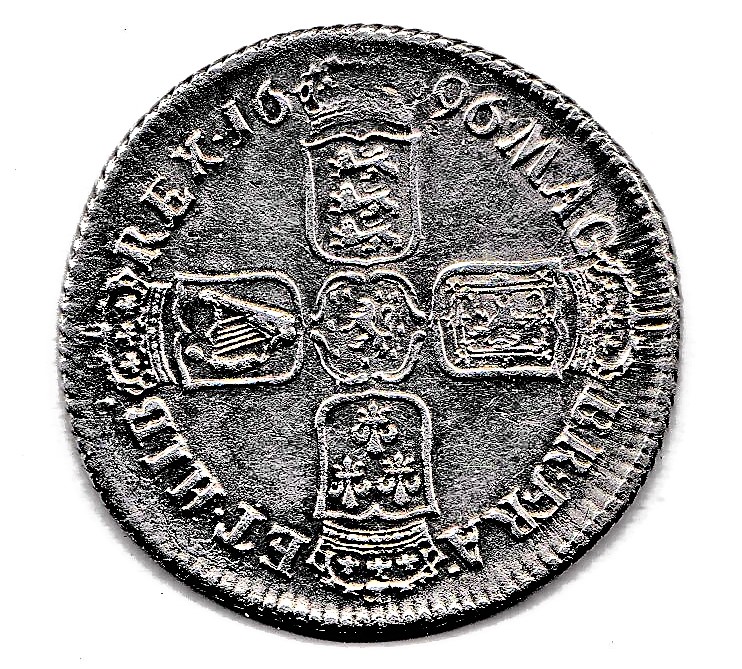
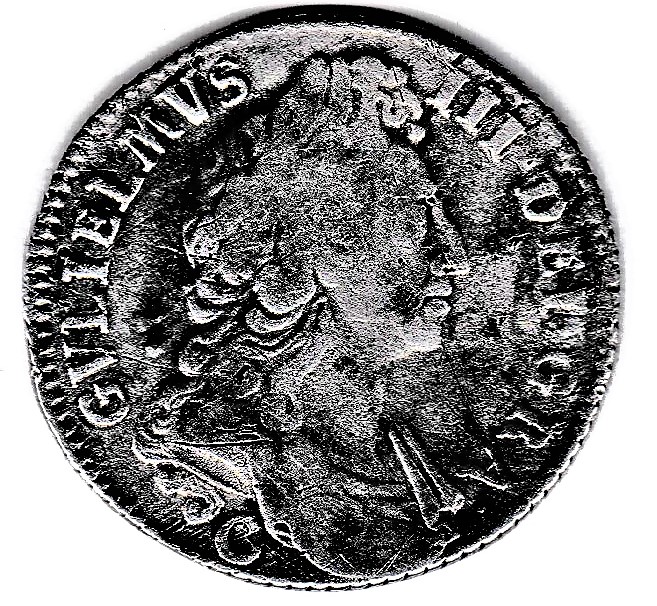
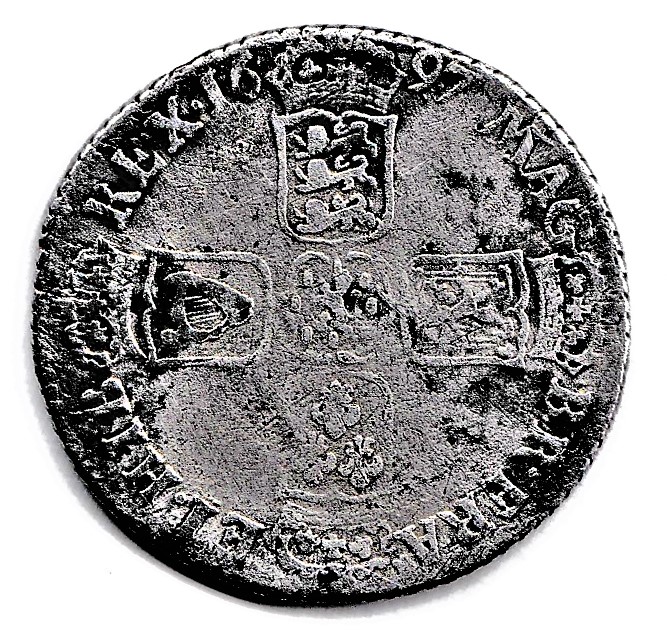
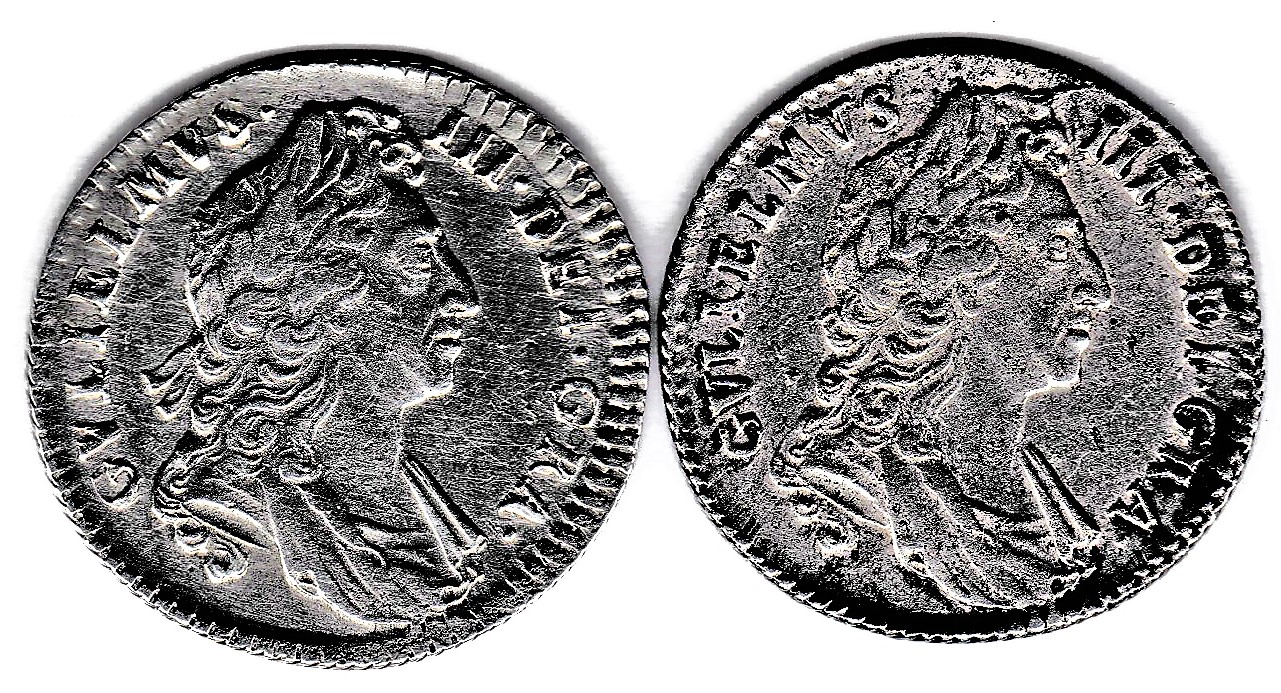
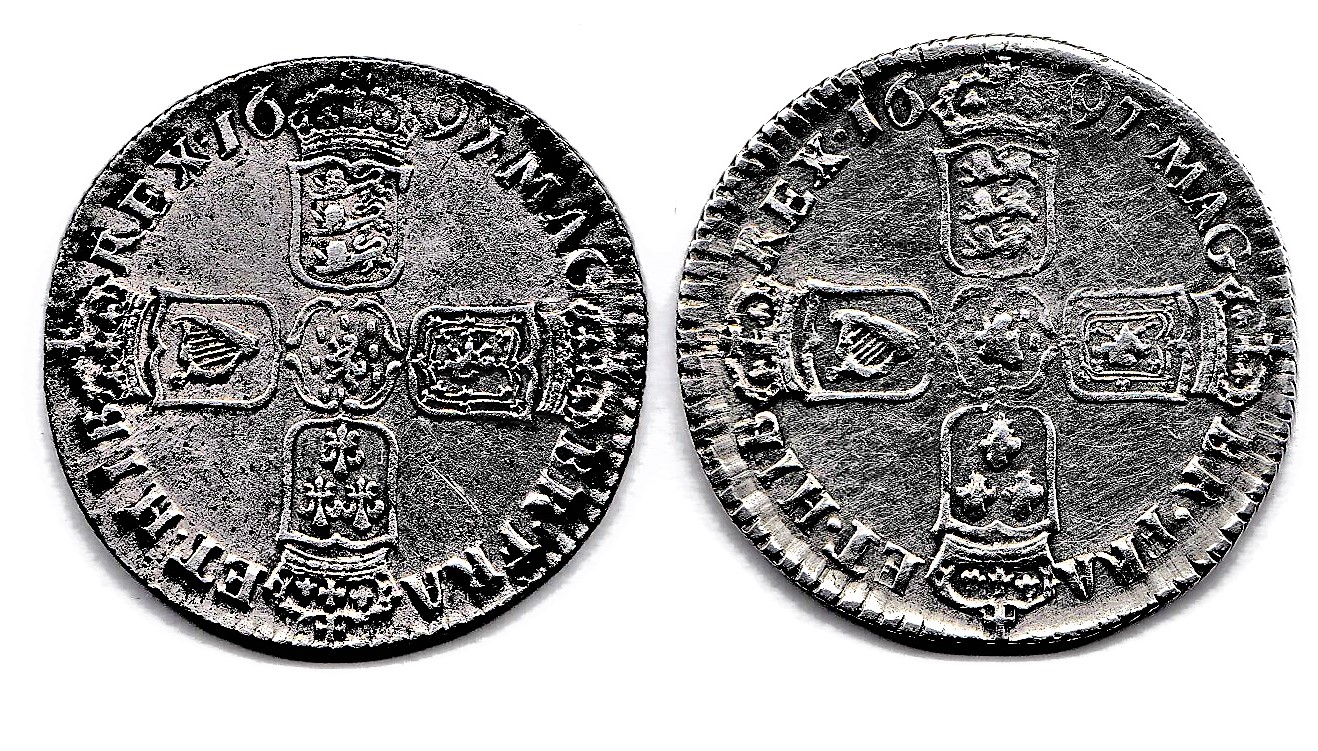
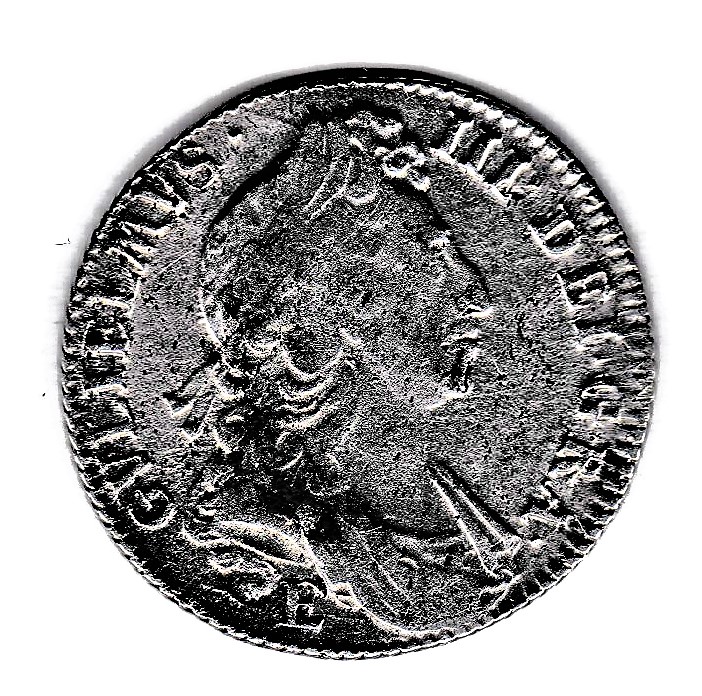
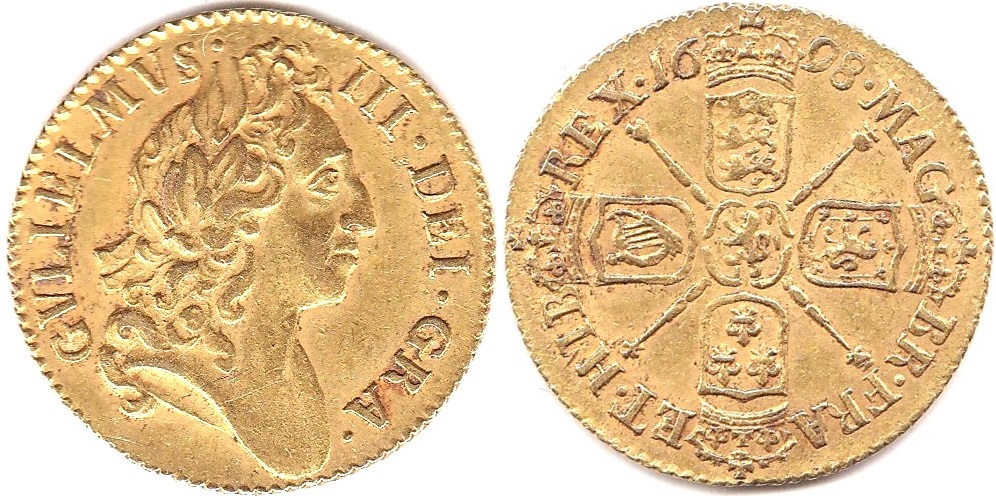
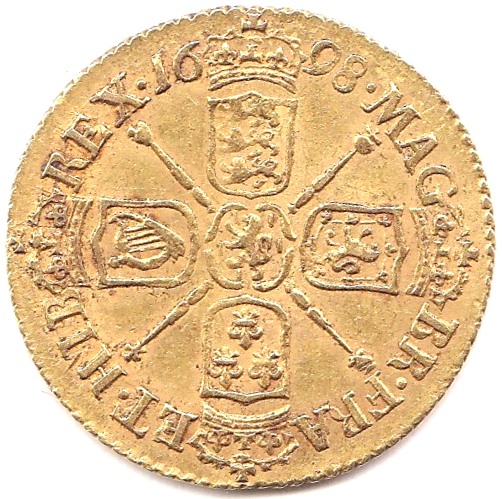
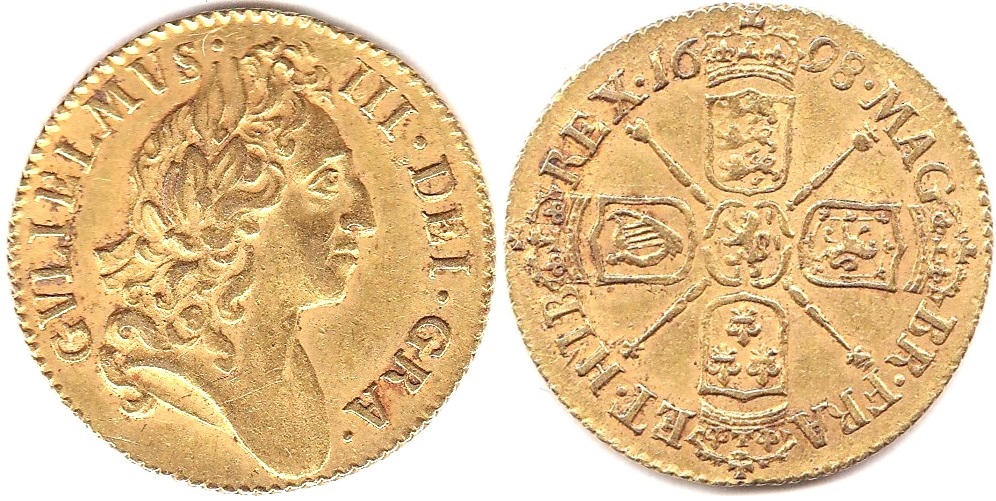
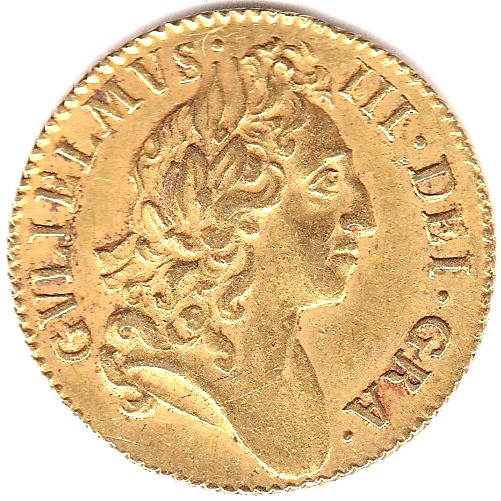
Lot 7 was a William III Half Guinea, which in relative terms fared even better since with an estimate of £300-500 it actually went for £900!
Lots 8 to 24 inclusive were half sovereigns, and all sold well, most going for around the £100 mark. Lots 25 to 90 incluisve were…
SOVEREIGNS FROM VICTORIA THROUGH ELIZABETH II
These we knew would sell respectably, because a major and long standing client whose job is to sell gold items had put in commission bids of £180 a time on the whole lot, confirming our auctioneers valuation was on the mark. Most of the sovereigns actually sold for more than that, £190 being a common figure and a few of them going to and in some cases beyond £200. Then came…
LOTS 91-5 – THE HUGE SUCCESSES
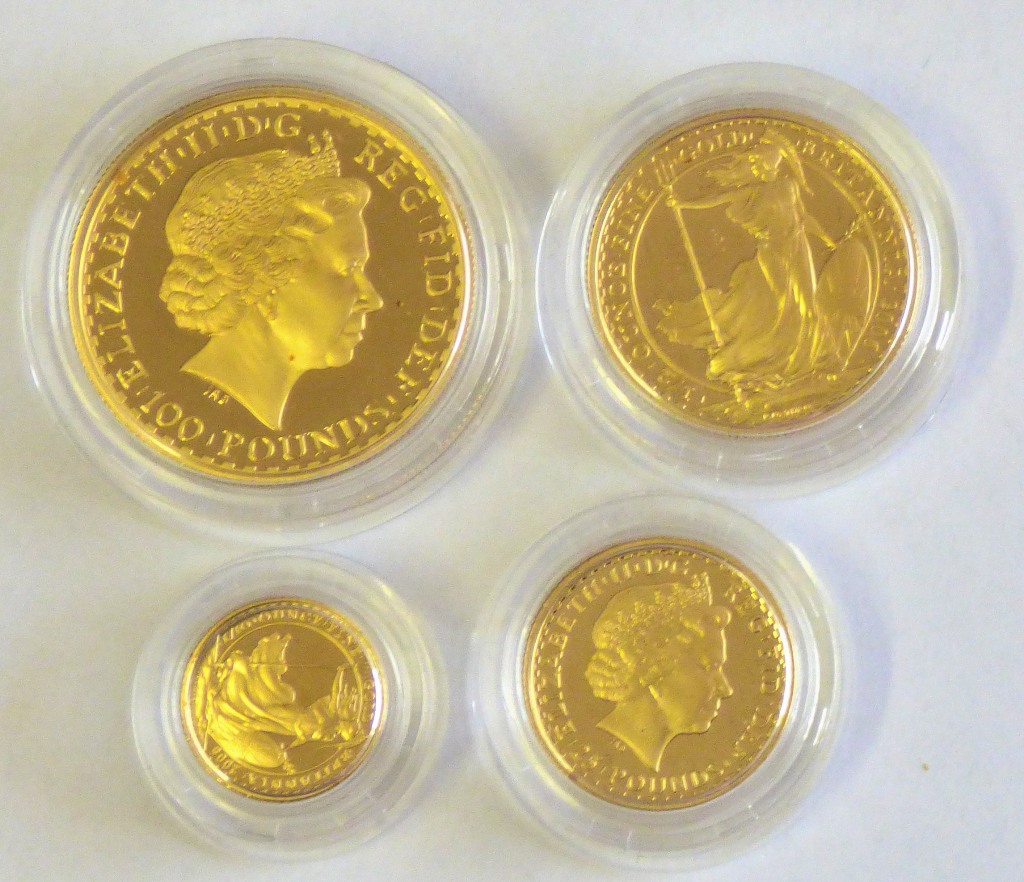
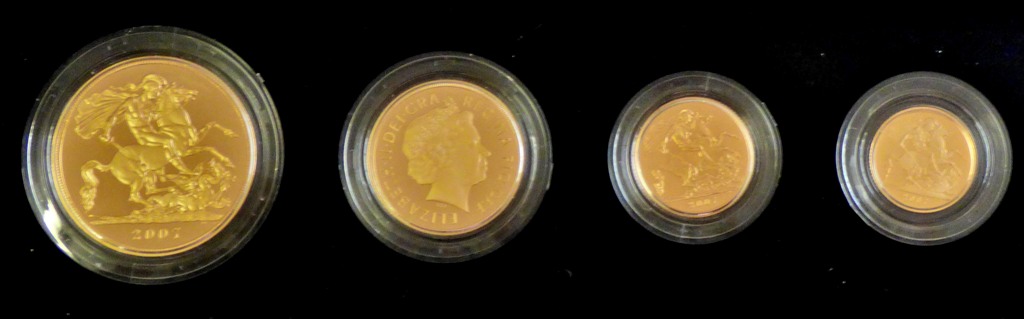
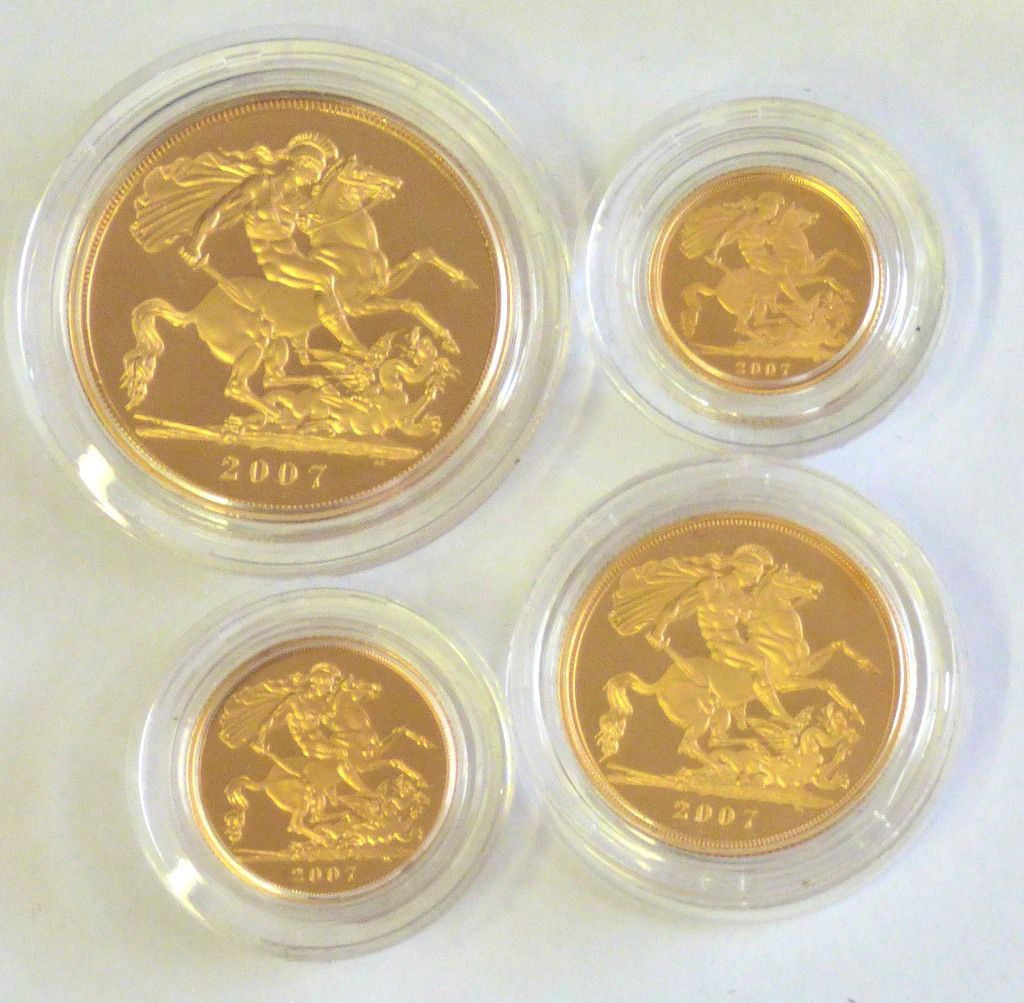
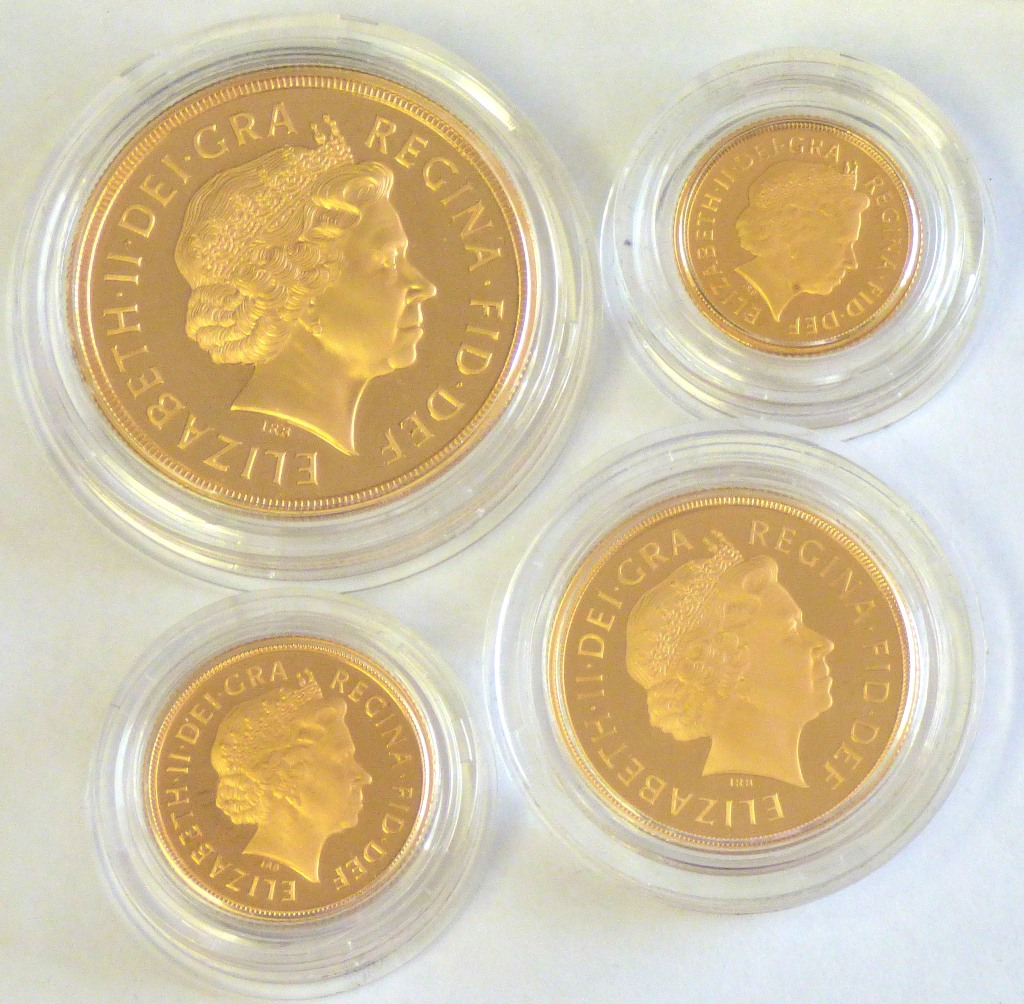
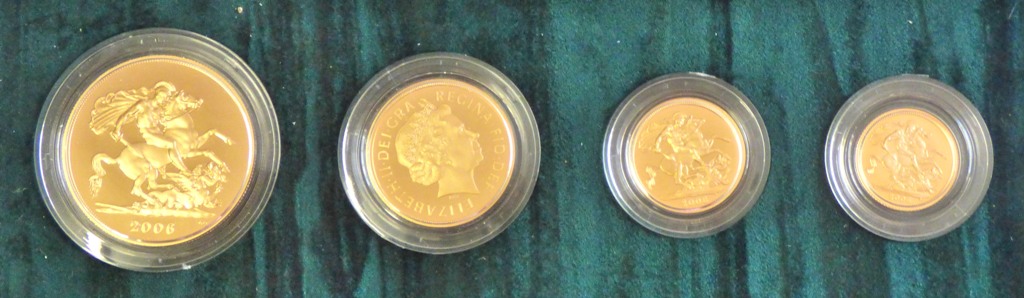
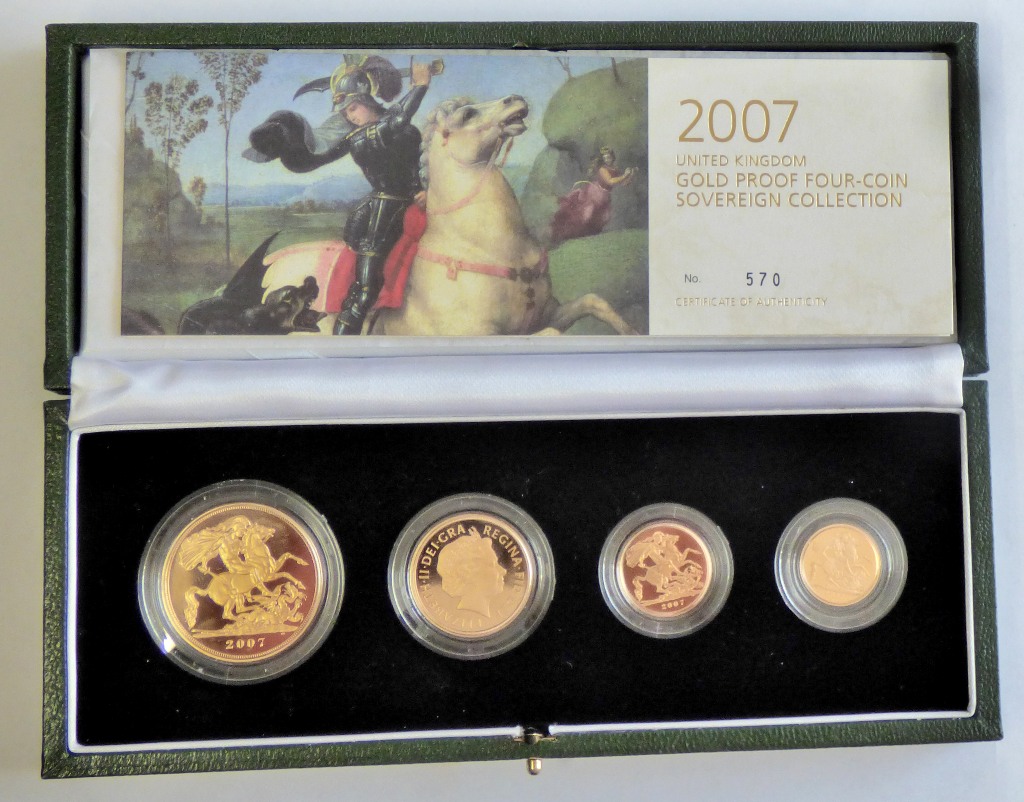
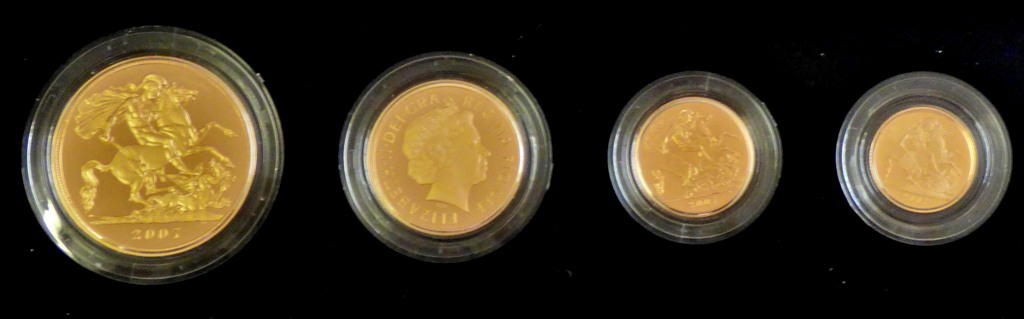
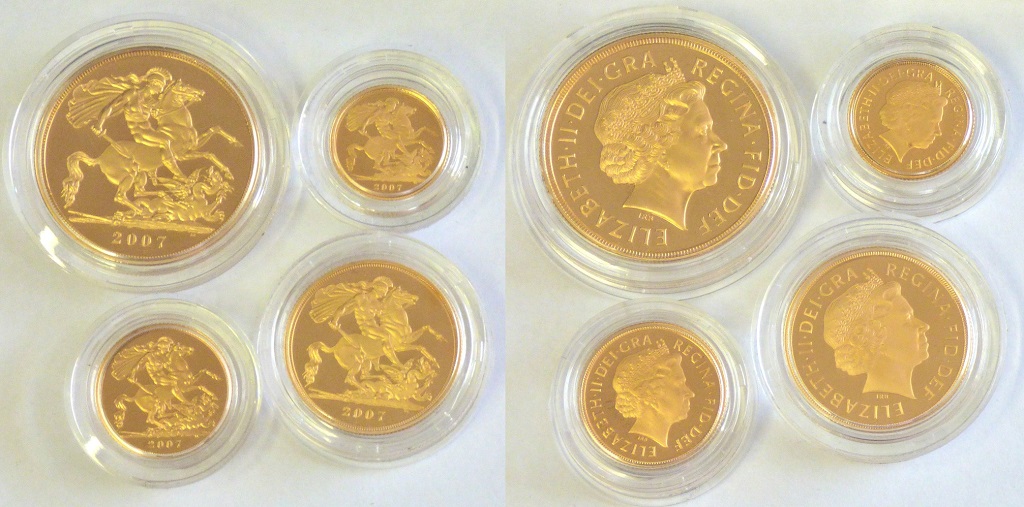
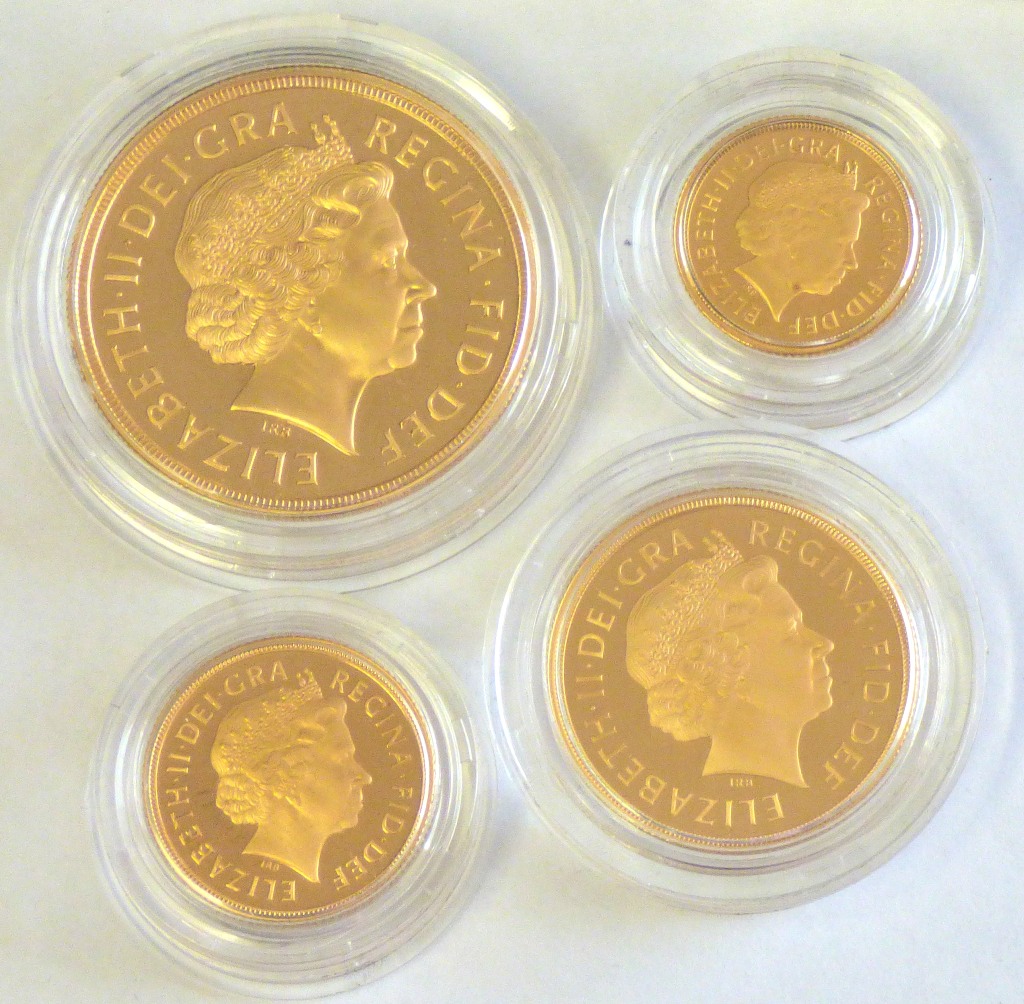
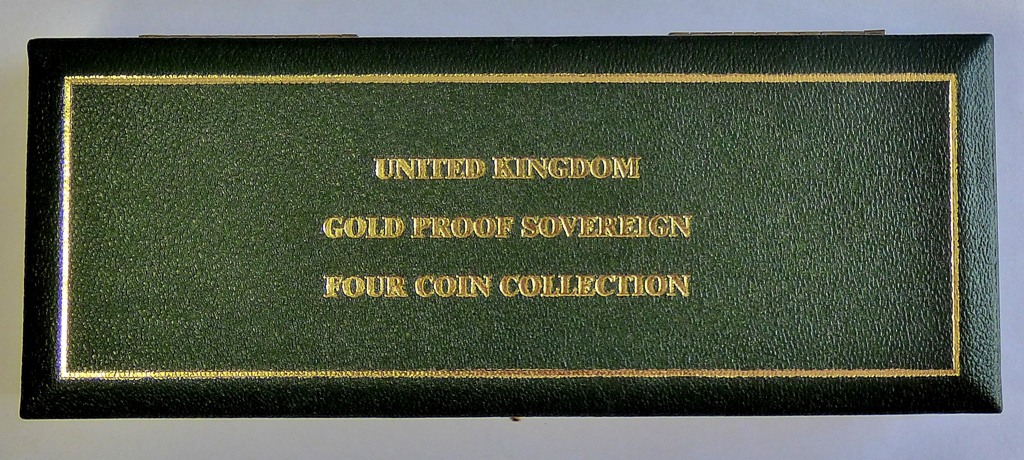
The first four of these lots were high value gold proof sets which we were expecting to be on or around the four figure mark. Actually, and barely believable they went for £1,600, £2,000, £2,000 and £1,600 respectively!!
Lot 95 was a sovereign in a gold mount with a gold chain and 8 1mm diamonds (in otherwords a very fancy necklace). Estimate at £300-400 it eventually sold for £550.
After these it was time for…
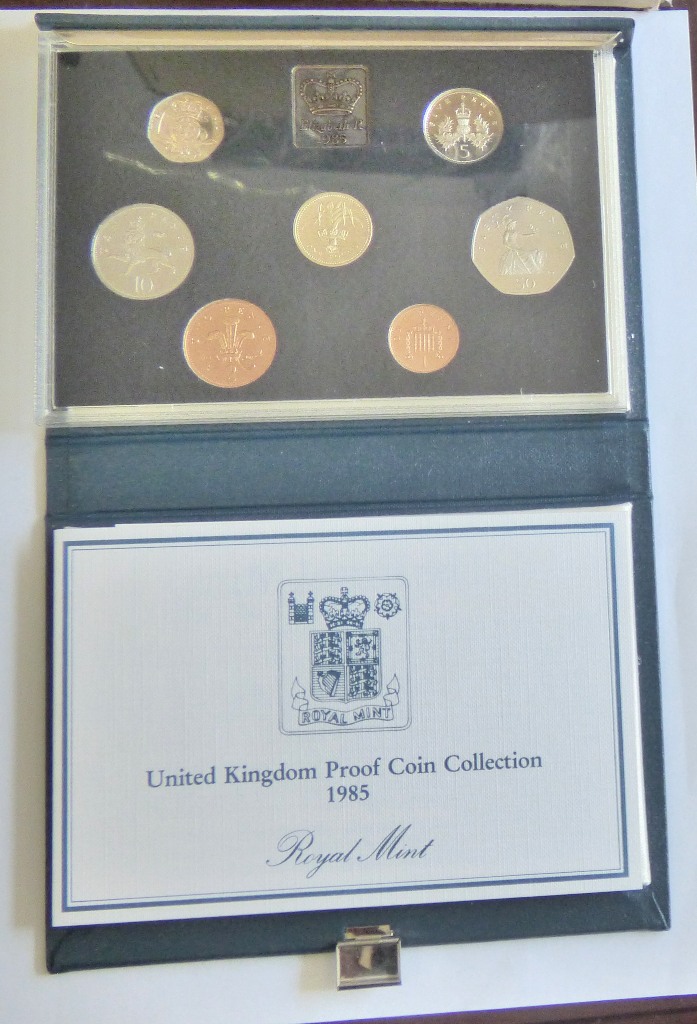
THE REGULAR PROOF SETS
Of course after what gone before the proof sets were a little bit “after the Lord Mayor’s show”, but there were still a handful of highlights to come.
LOTS 113 AND 114
These were respectively a Scottish and Welsh proof set (hence the split colouring of the heading) each expected to make £8-12. The Scottish set went for £20 and the Welsh for £18
These were a mere curtain raiser for…
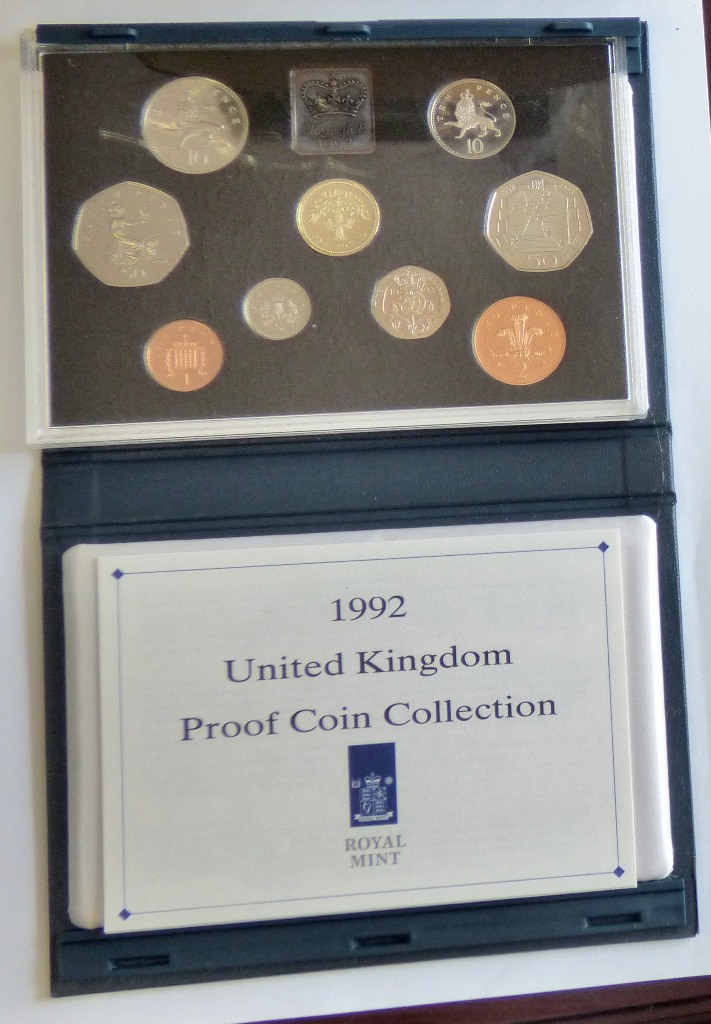
LOT 121
A 1992 proof set featuring an EEC 50p coin the rarity of which turned a £10-15 estimate into a £50 hammer price!
The next big success was…
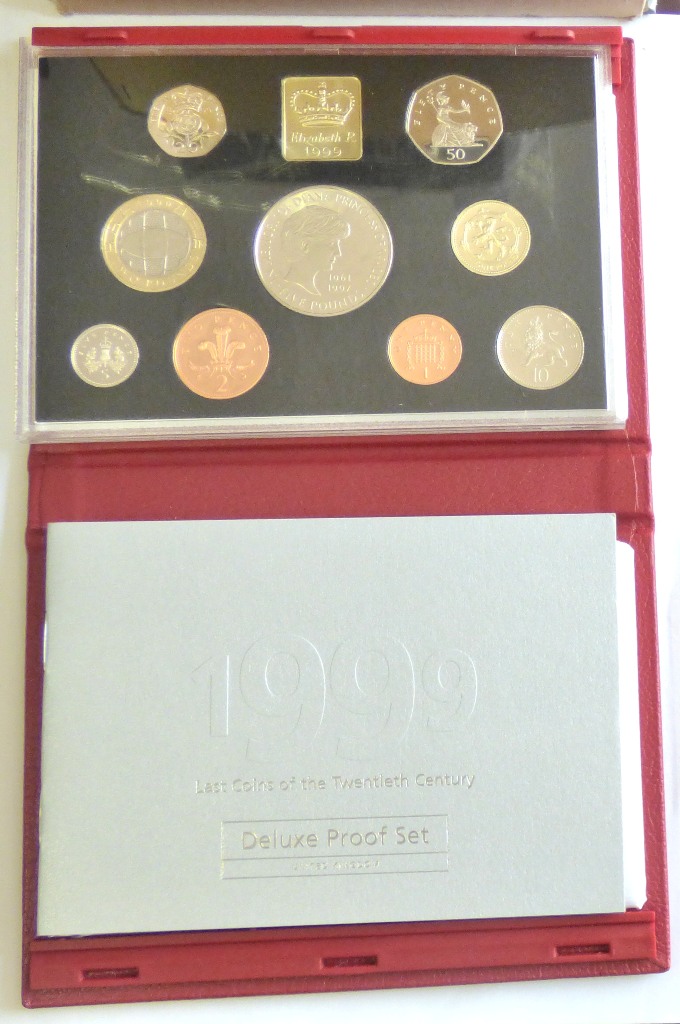
LOT 128
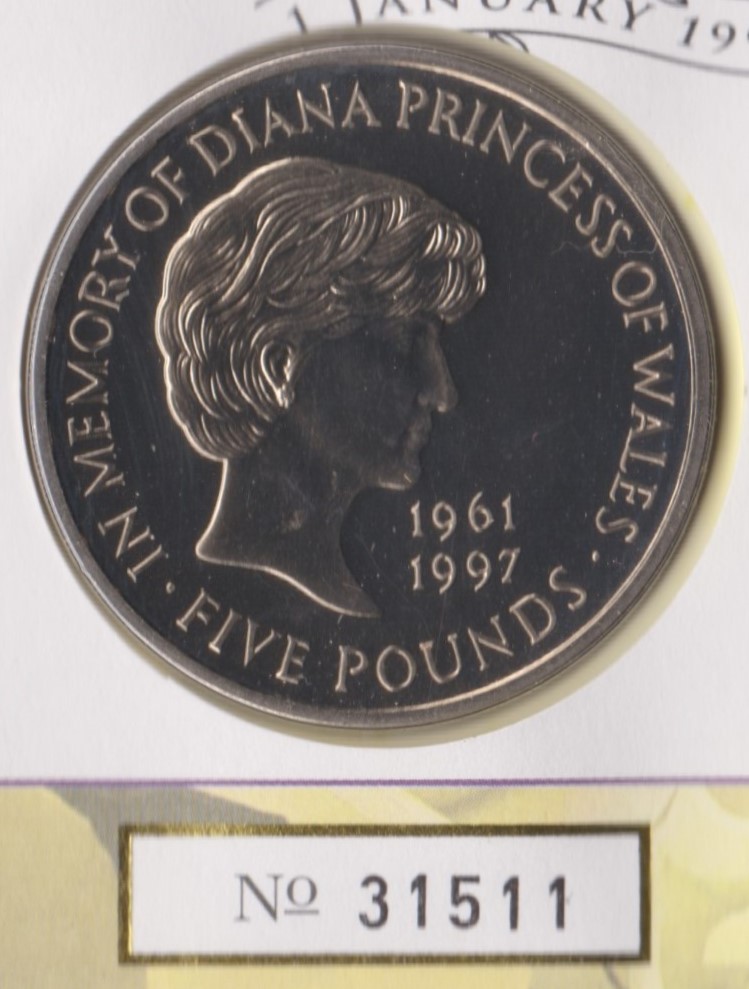
This 1999 proof set featuring a Diana Princess of Wales £5, a bimetallic rugby £2 and Scottish coins from £1 down to 1p had an estimate of £15-20 and ended up going for £32.
Then came two successive monster successes with…
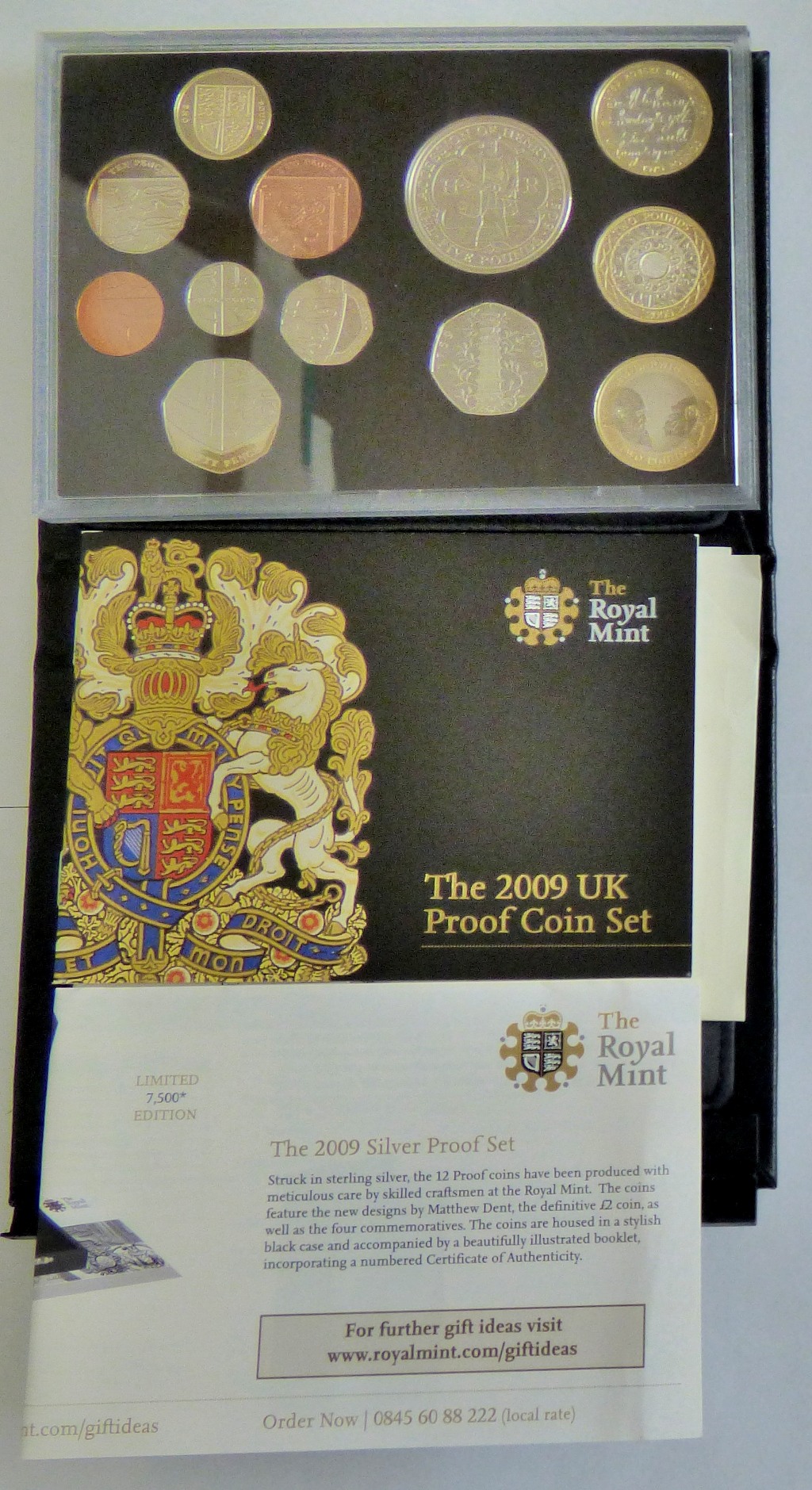
LOTS 135 and 136
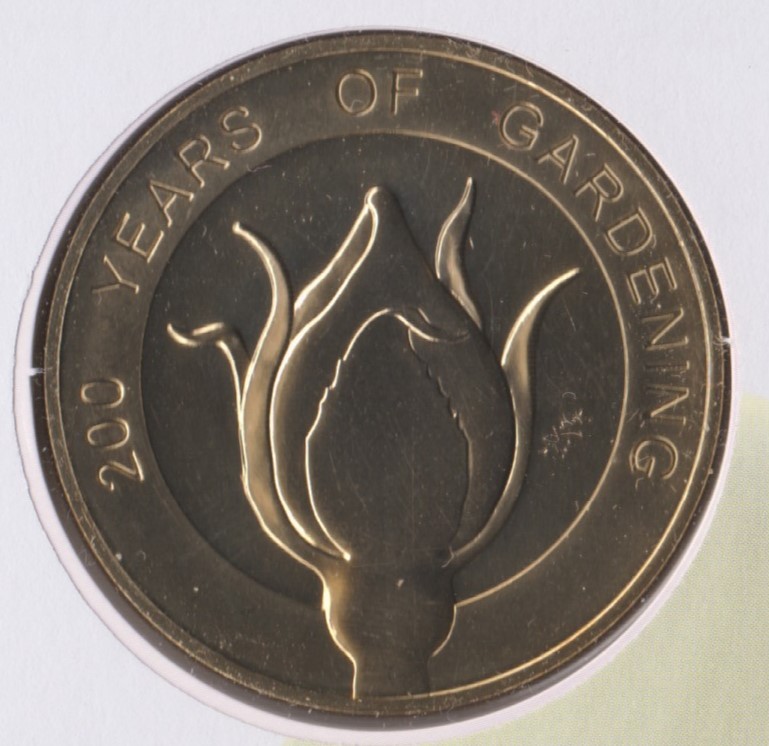
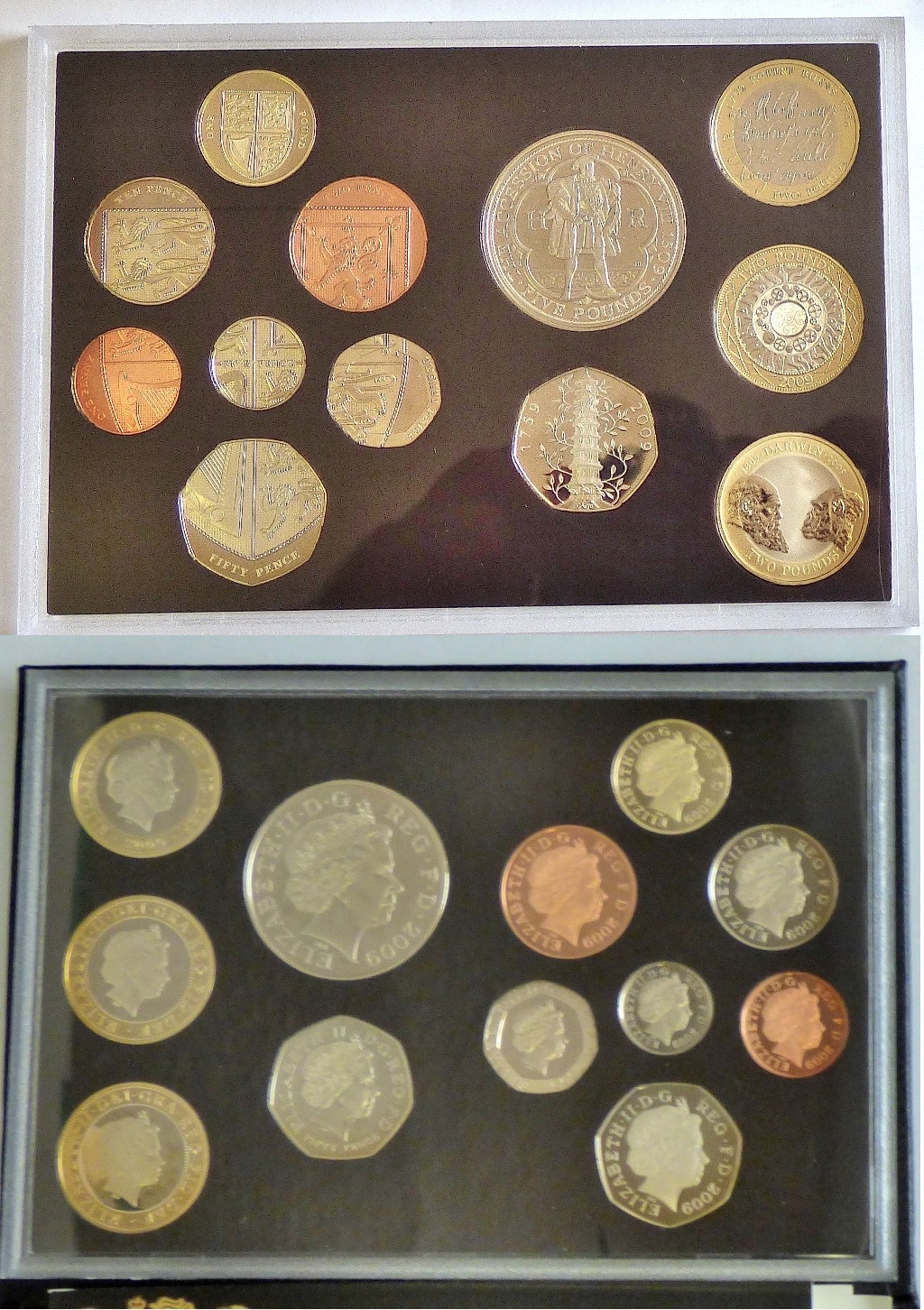
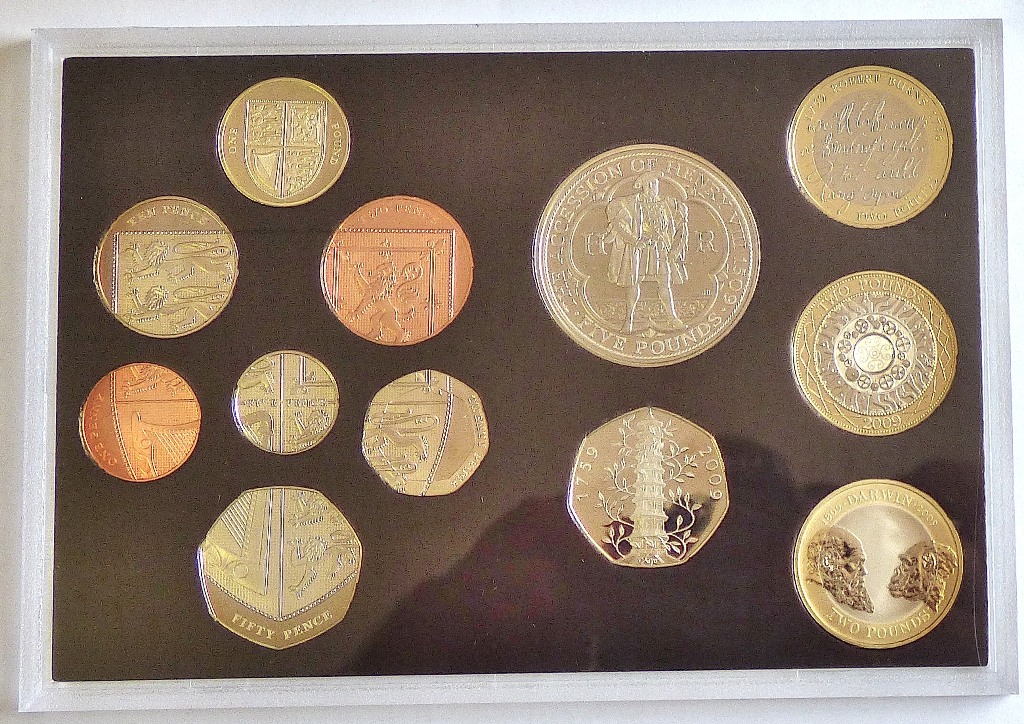
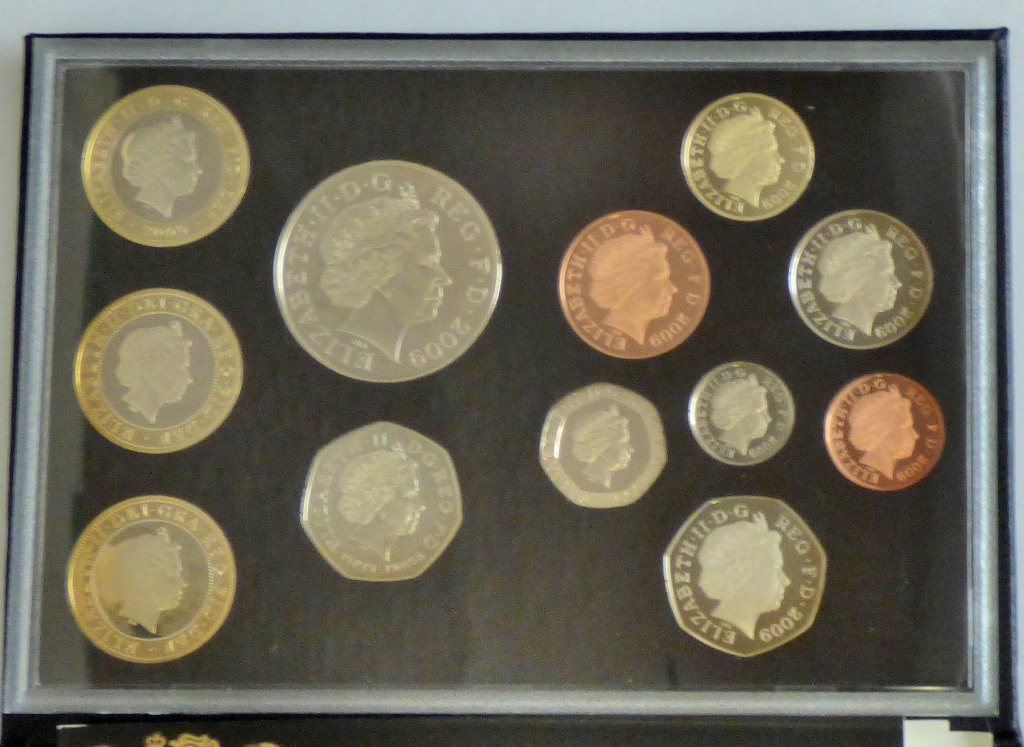
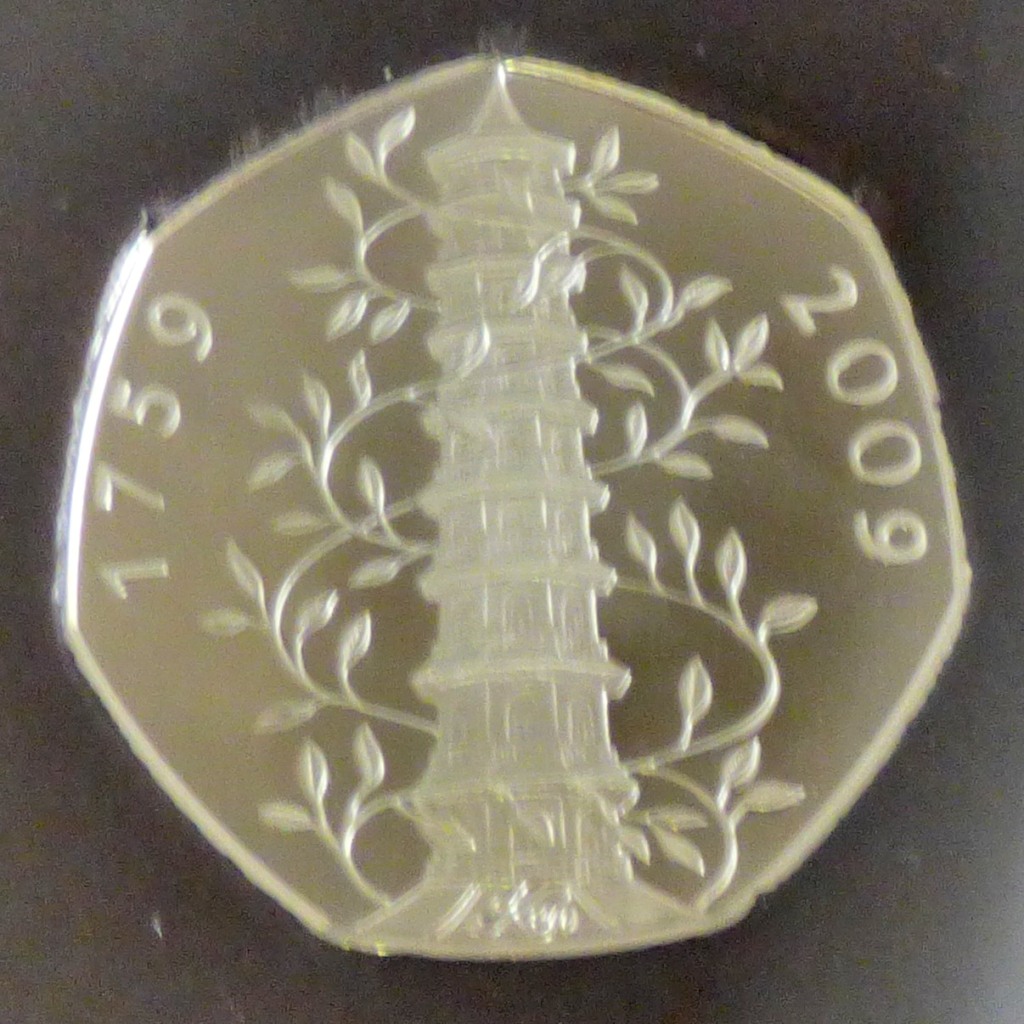
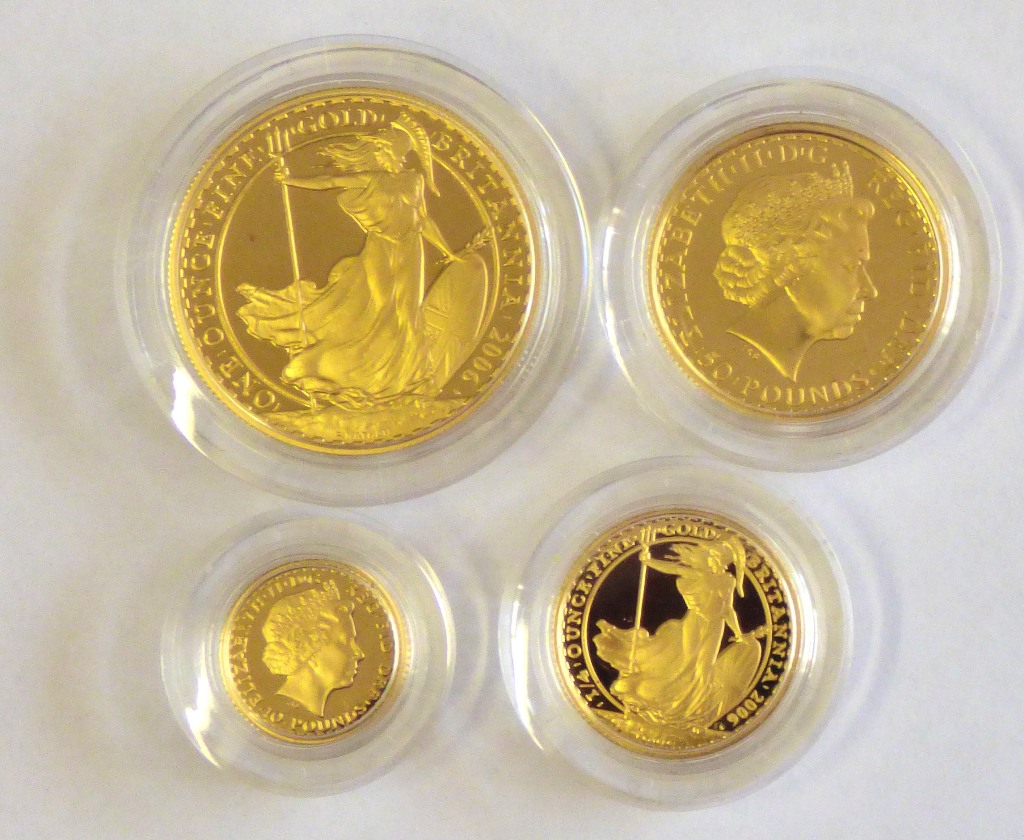
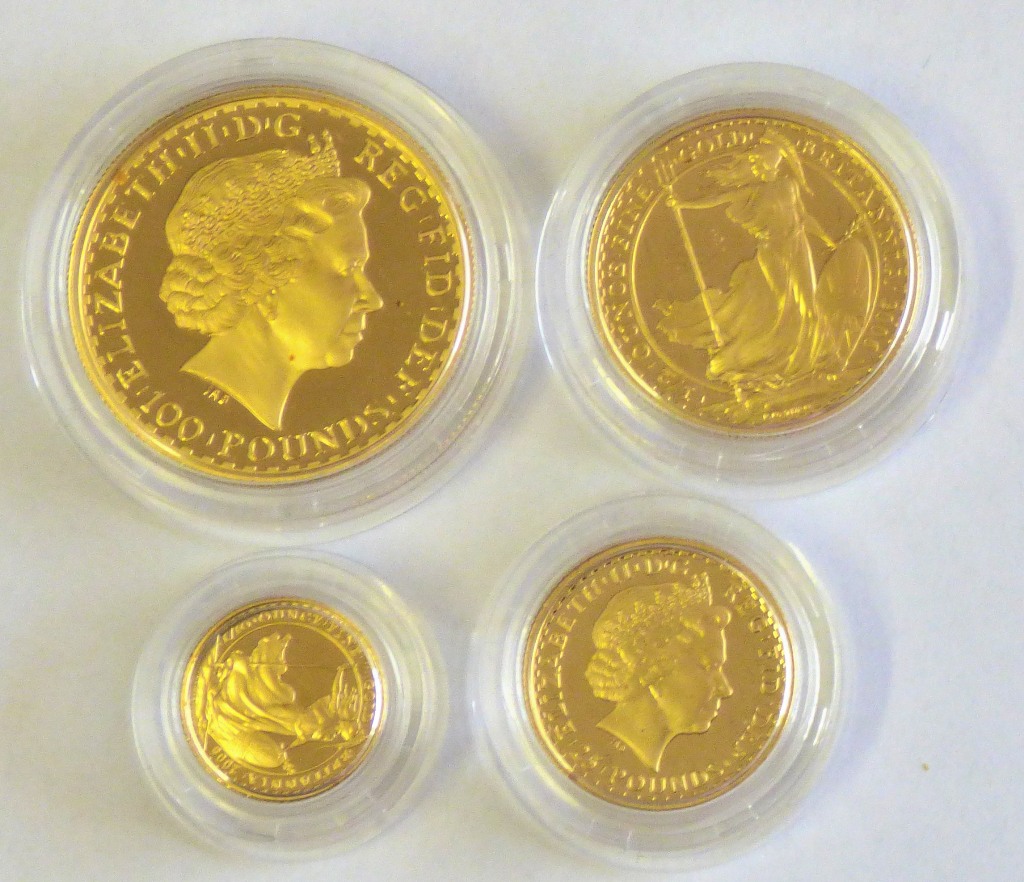
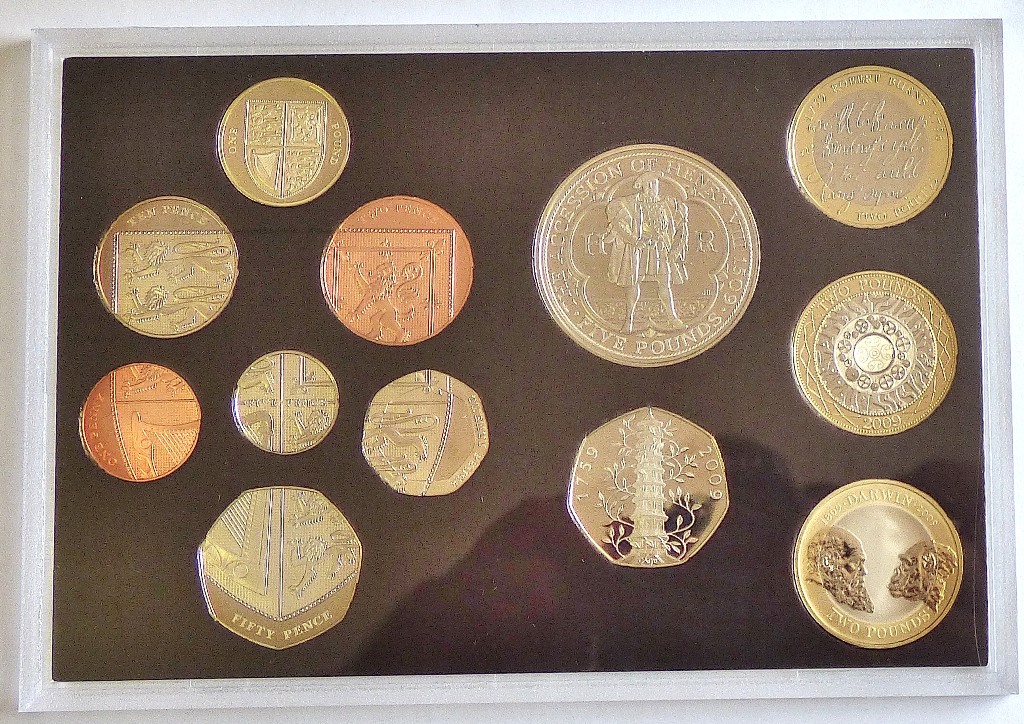
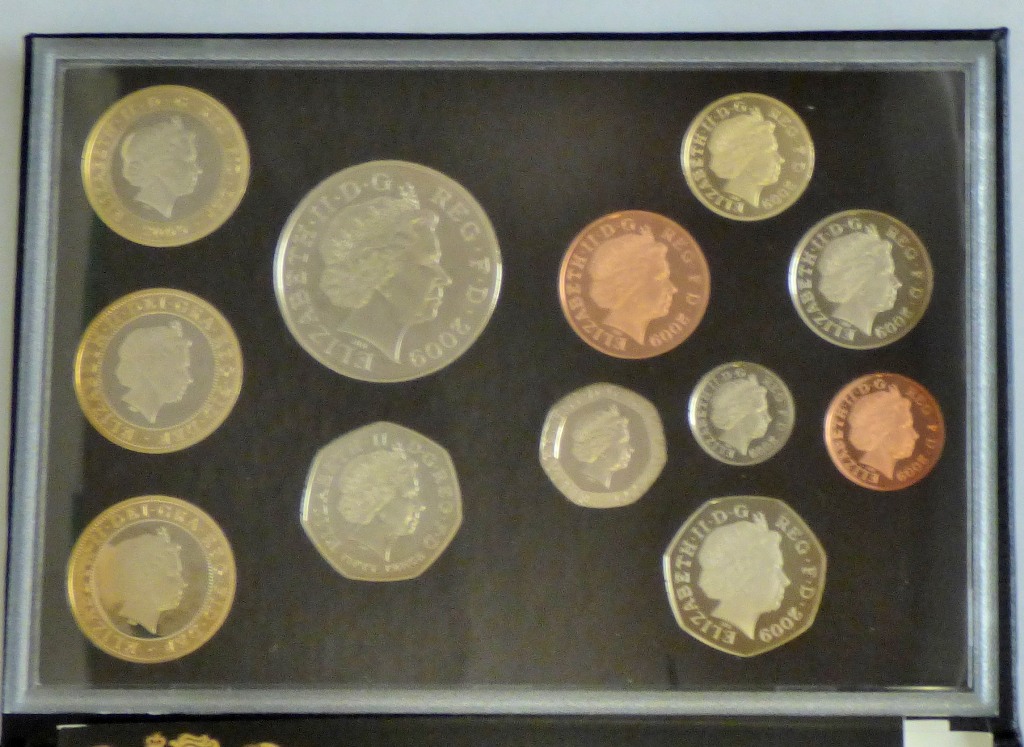
Lot 135, a 2009 proof set, featuring as it did the highly prized Kew Gardens 50p, the Henry VIII £5, and the Darwin and Burns £2 coins was estimated at £100-120 but ended up going for £220!
A close up of this one was mandatory.
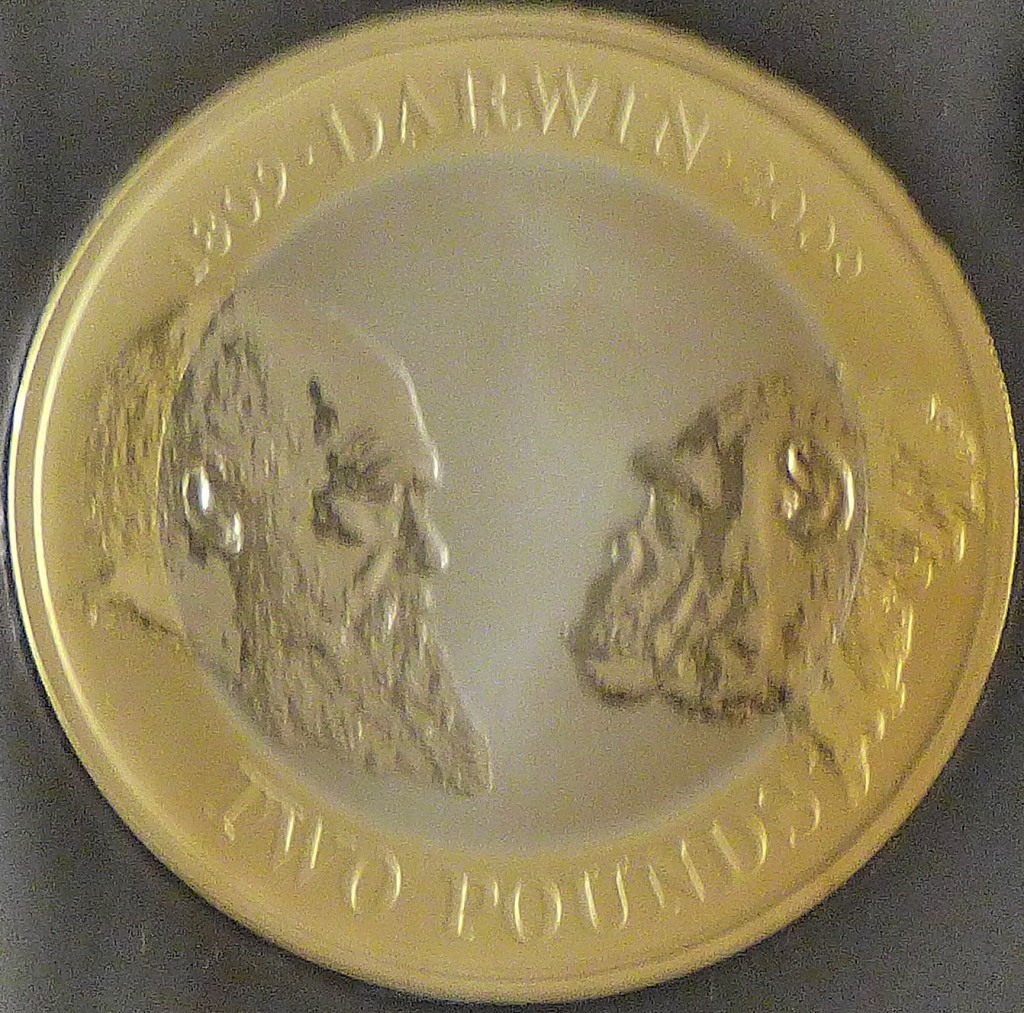
I also deemed the Darwin £2 worthy of a close-up
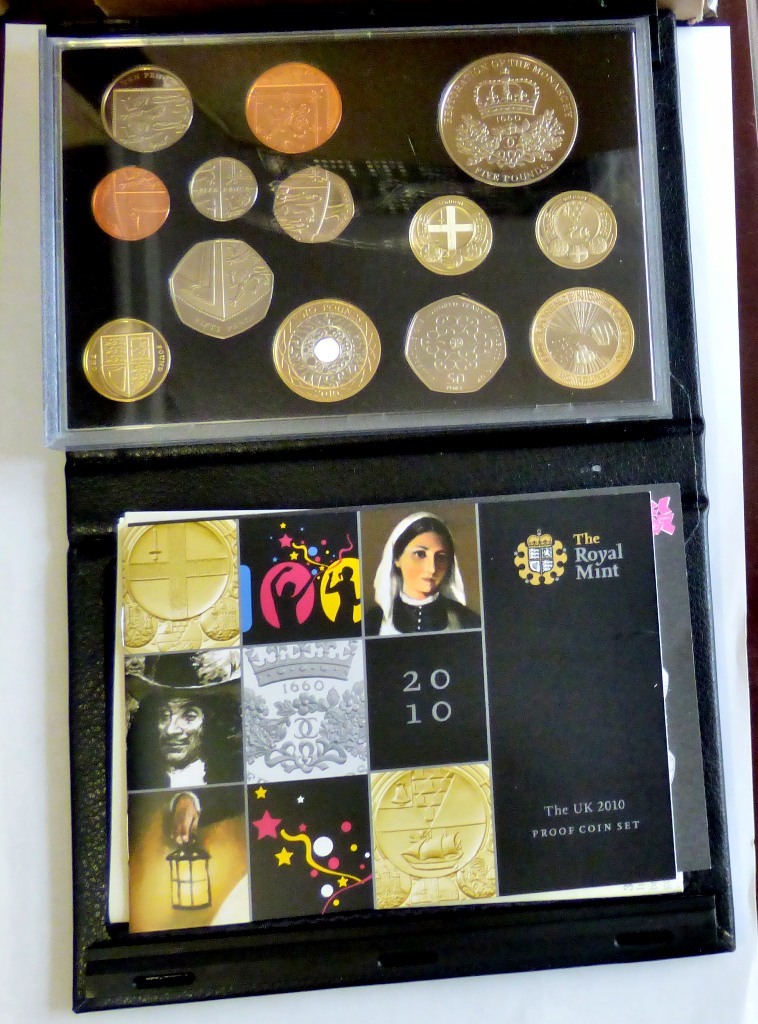
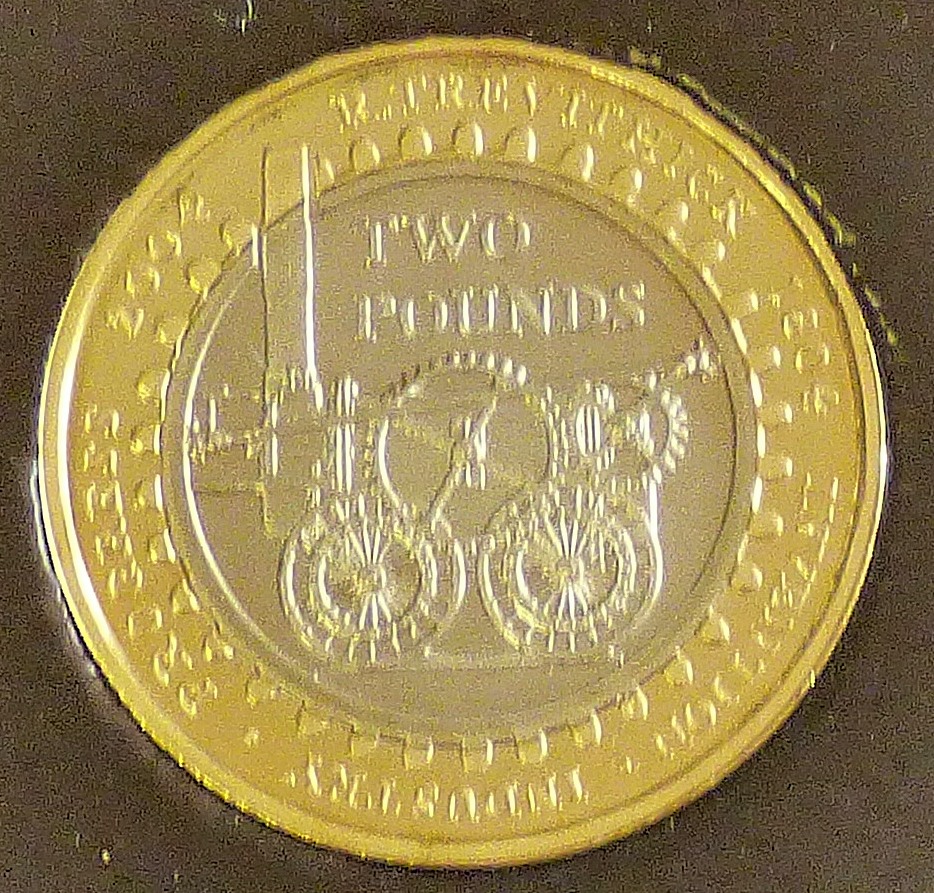
Lot 136 was a 2010 proof set featuring a Restoration of the Monarchy £5 (350th anniversary thereof), A Florence Nightingale £2, a London £1 and a Girl Guiding 50p. Estimated at £20-25 it sold for £100!!
Not long later came…
LOT 139 – A BITTERSWEET IMAGER’S TRIUMPH
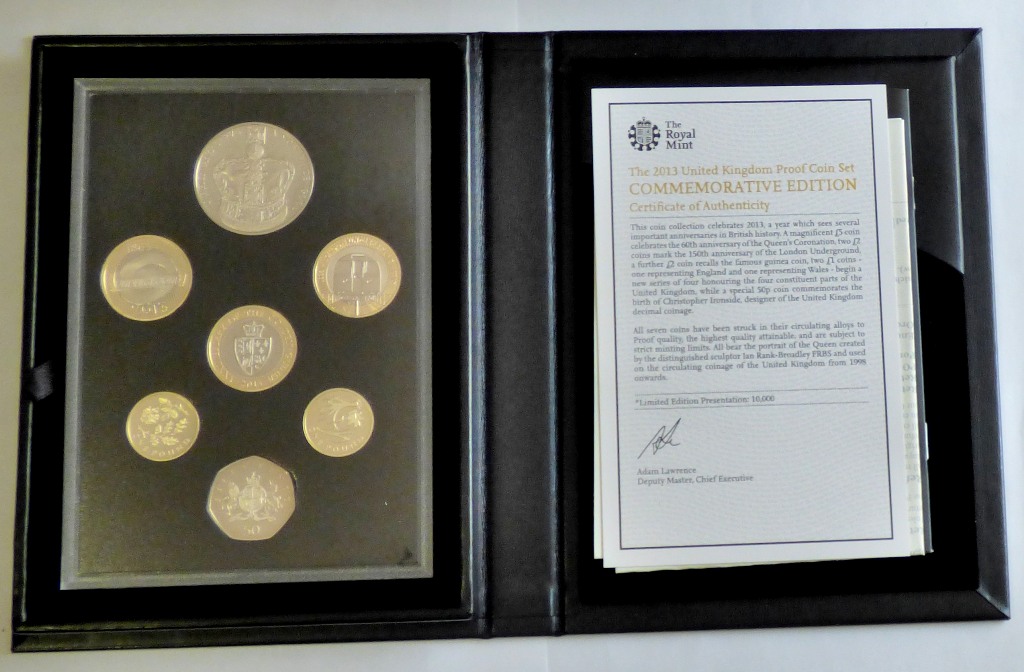
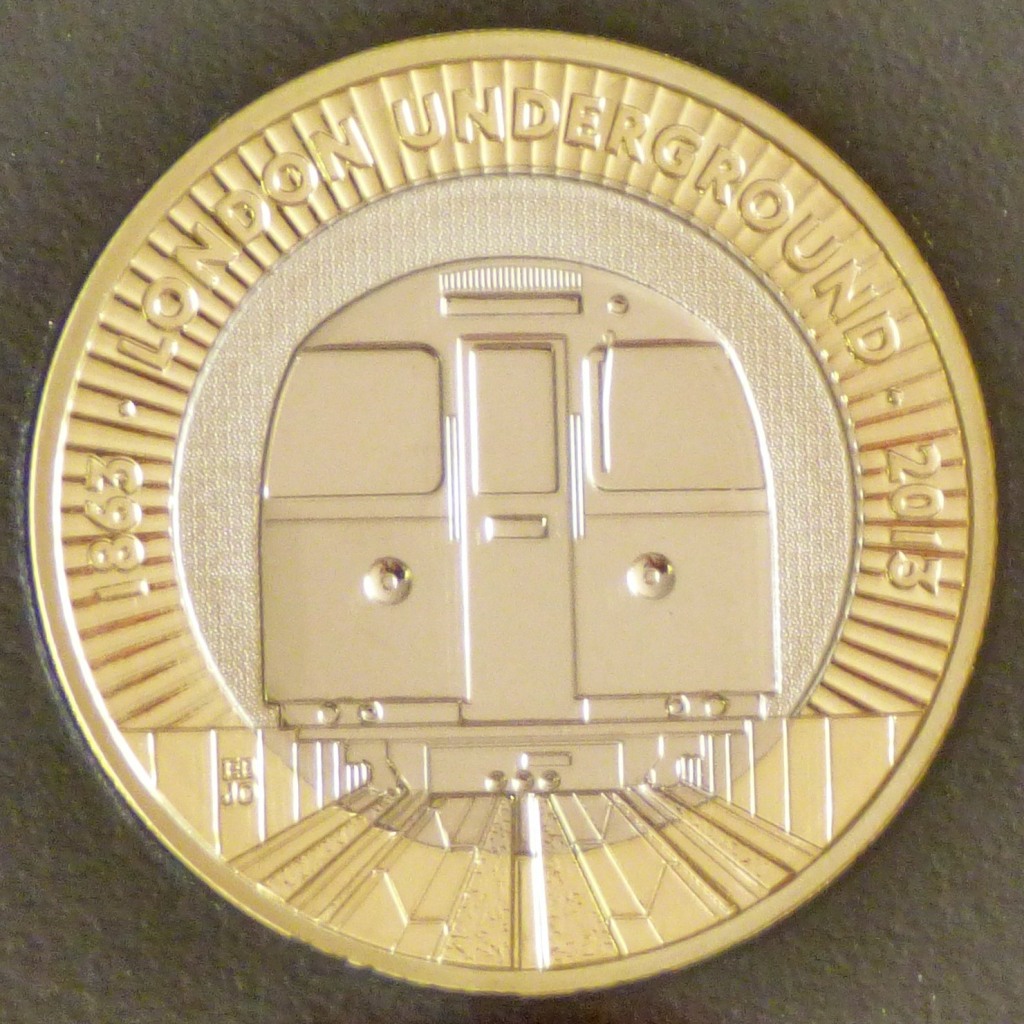
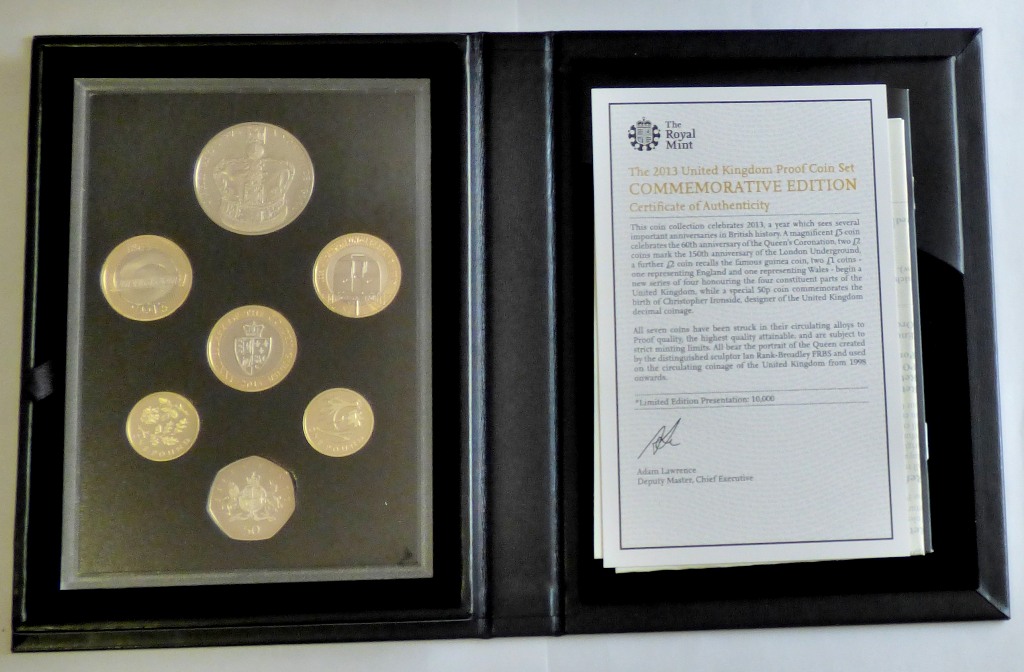
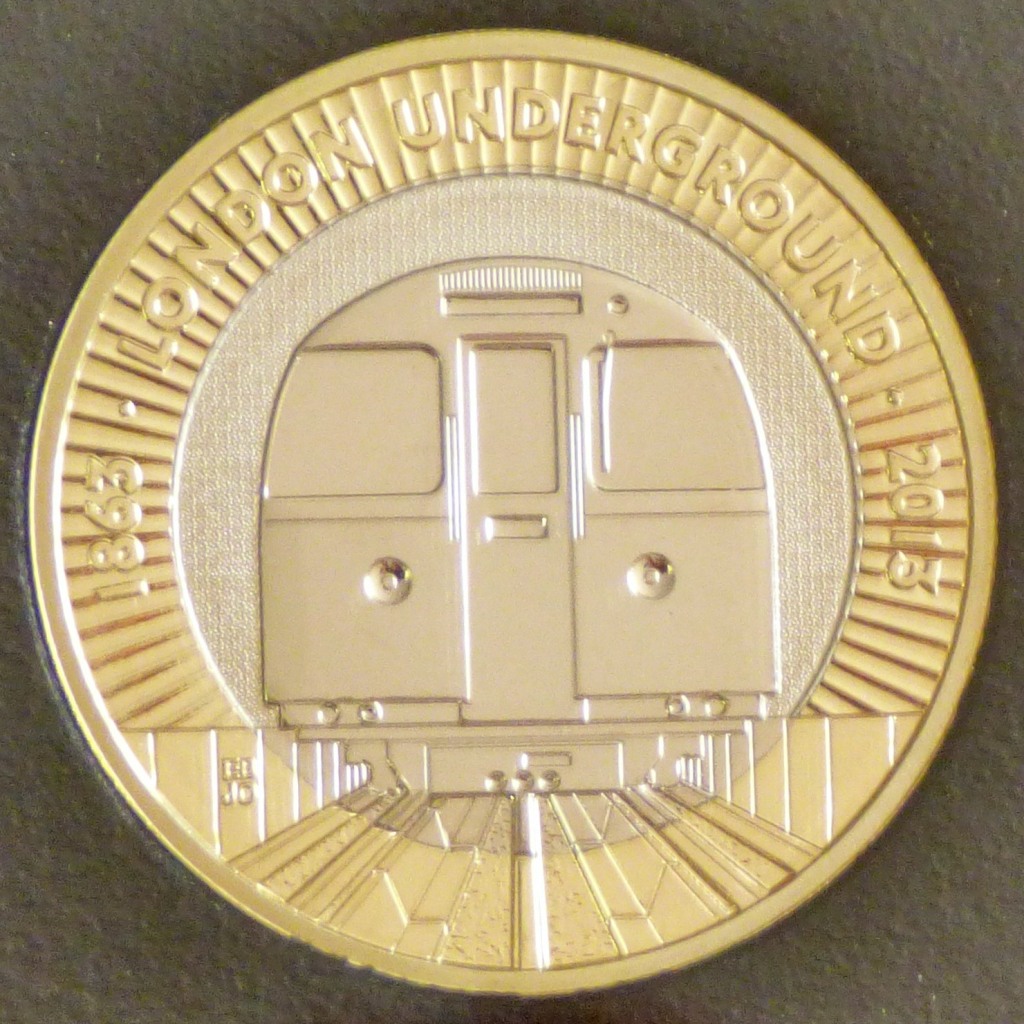
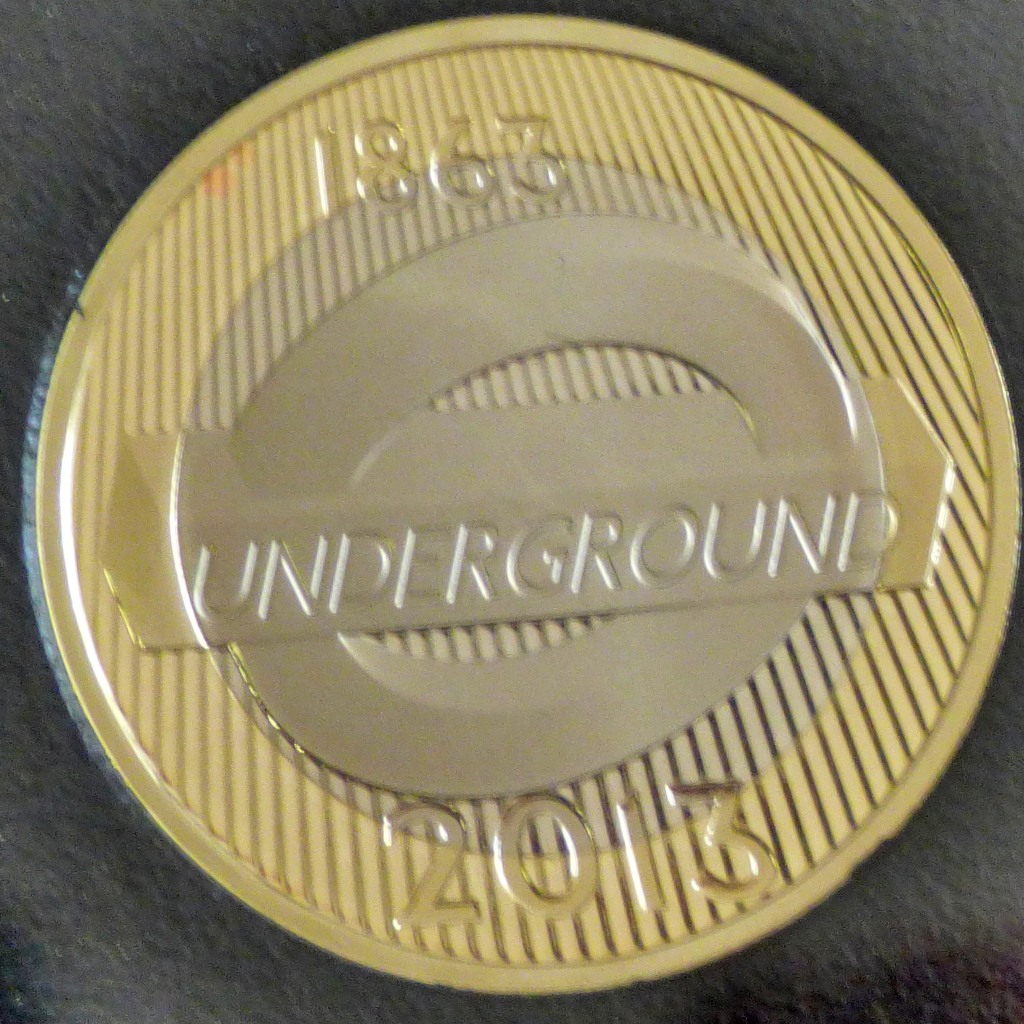
This London Underground 150th anniversary proof set had been badly misdescribed, with one of the £2 coins mentioned as featuring trains, and the roundel coin not even mentioned, but the imager’s efforts more than compensated for this. Estimated at £25-30 it attracted sufficient interest to push the final price up to £52 (and inter alia out of the imager’s reach, hence the heading of this section).
Lot 139 in all it’s glory.
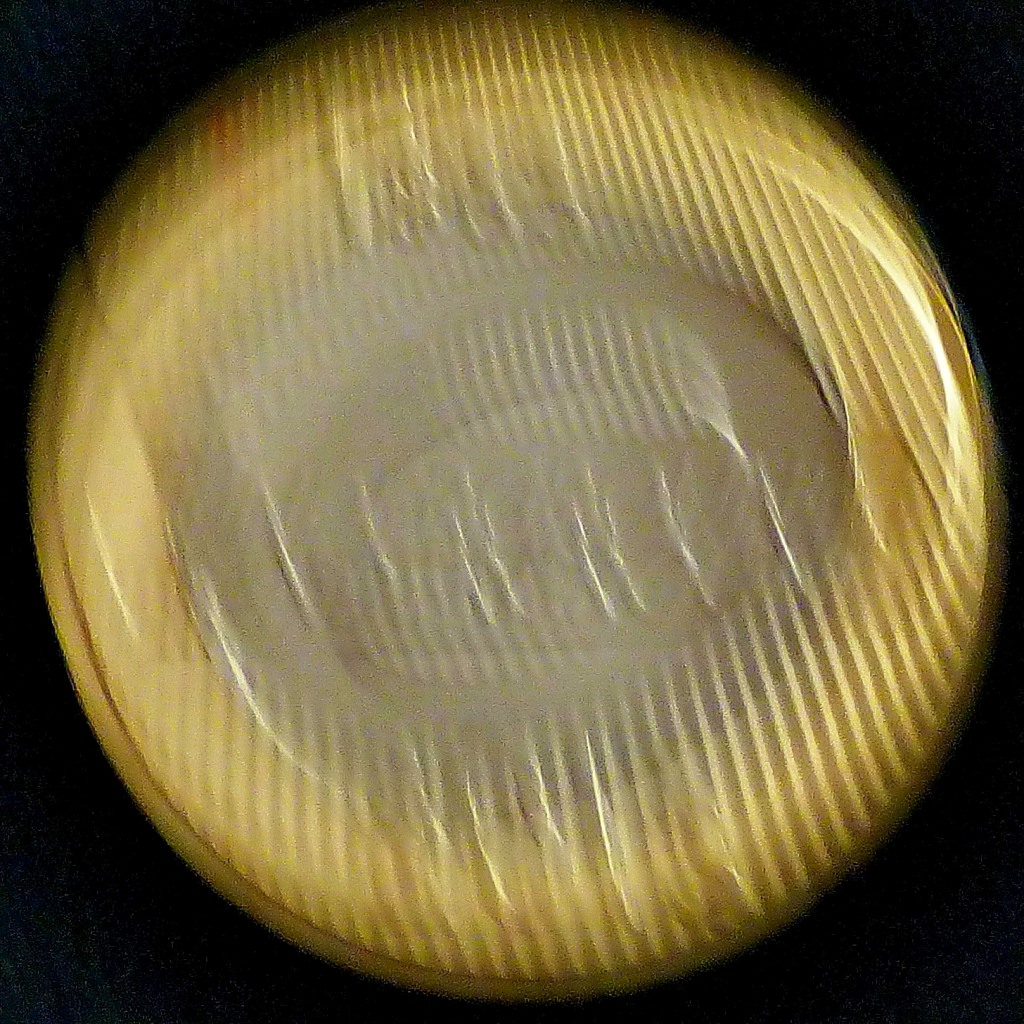
The ’roundel’ coin which is fairly rare.
The other London Underground 150th anniversary coin, which is much less rare.
That was the last of the yearly proof sets, but there were still a few lots to go, and two of them provided noteworthy results.
LOT 148 – A SENEGALESE STUNNER
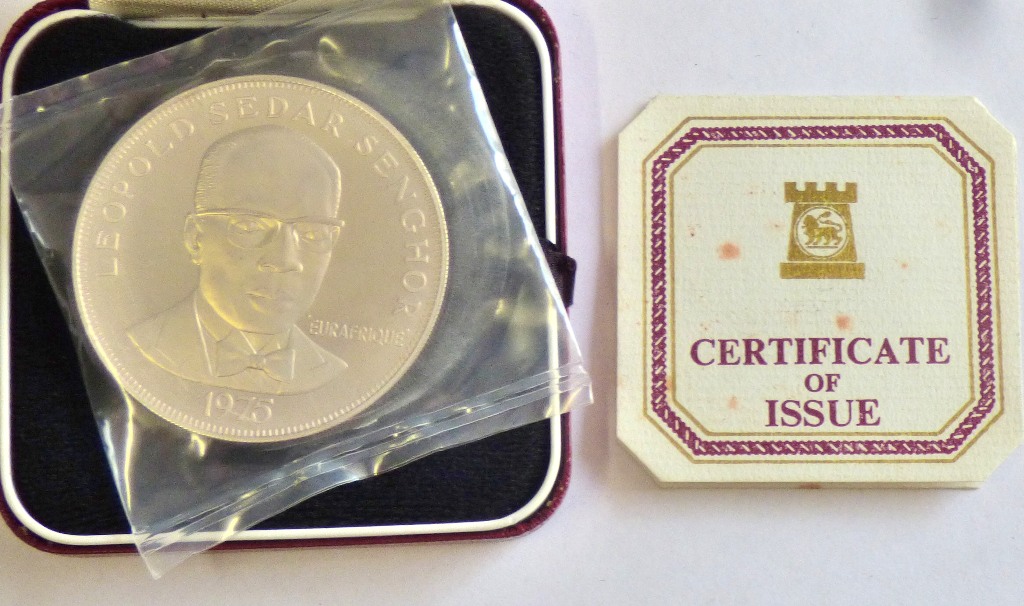
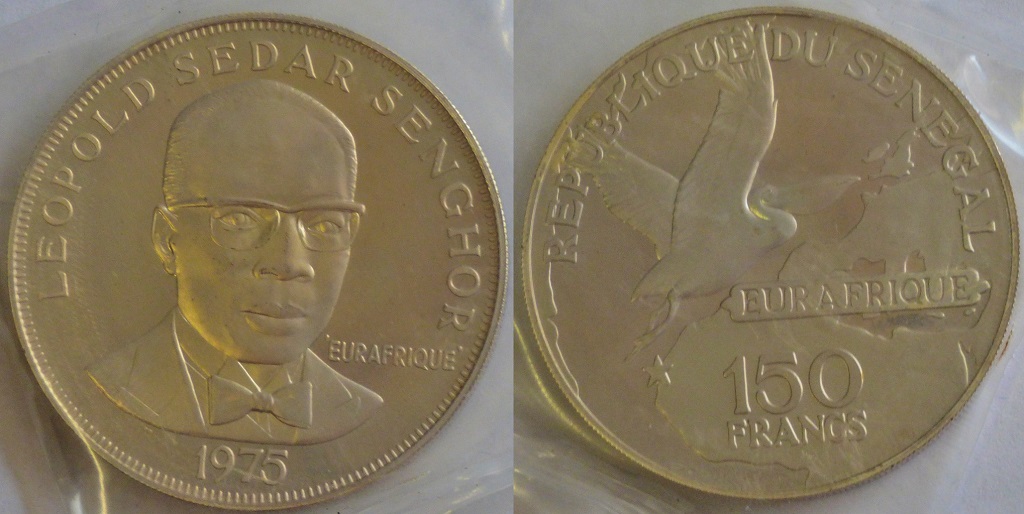
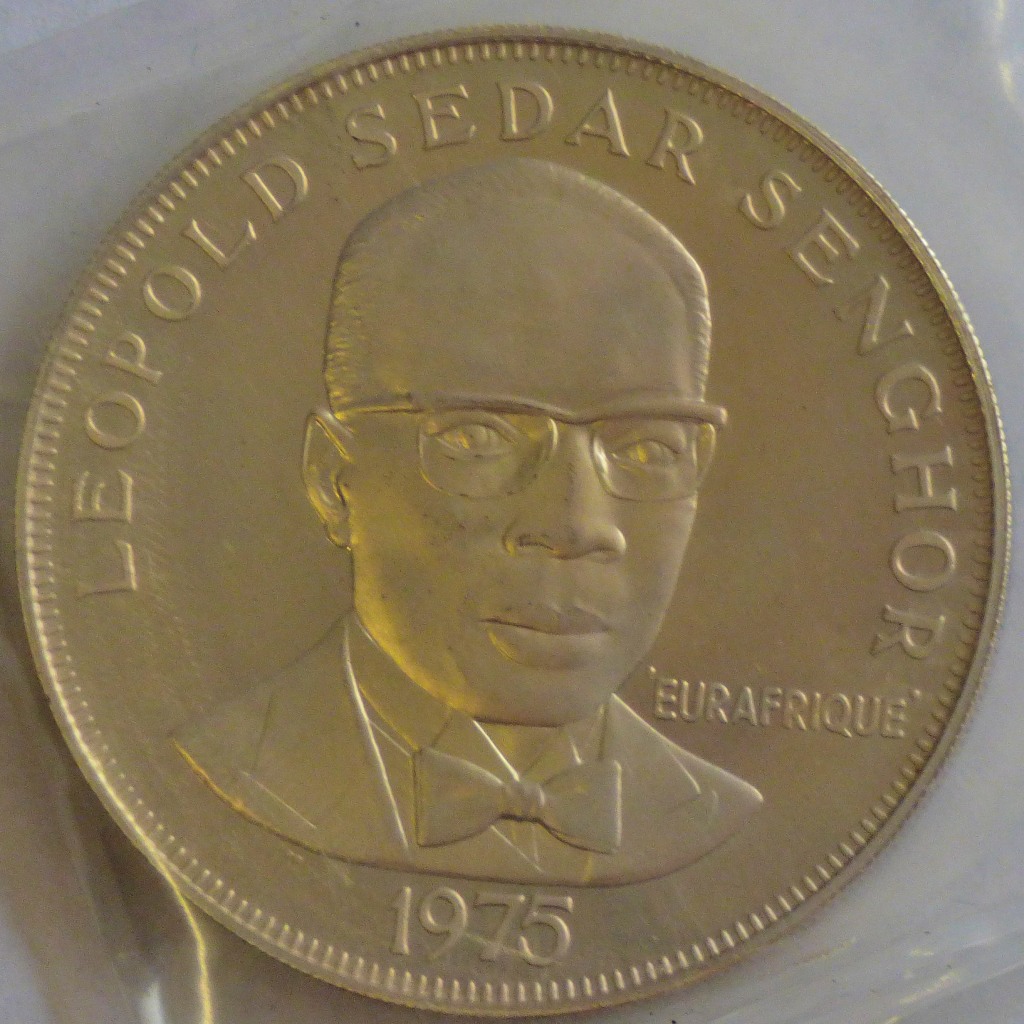
This 1975 Senegal Triple Crown, solid sterling silver, Euroafrique 150 franc coin, boxed and with a certificate was estimated at £15-20, but a lively bidding battle pushed the final price up to £48.
Finally, came…
A STRONG FINISH
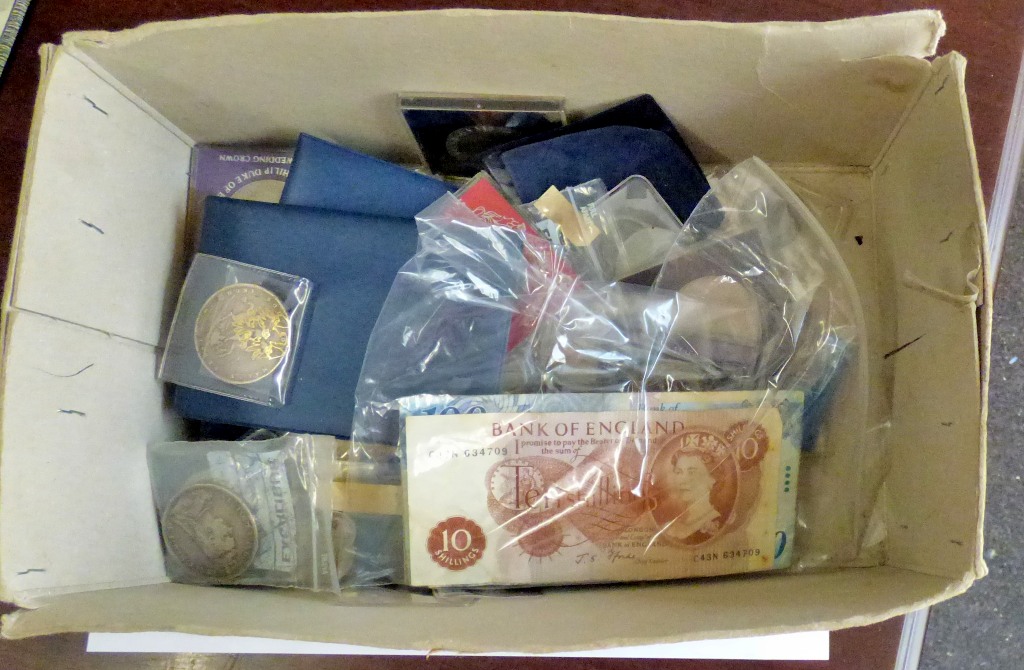
Lot 151, the final lot in this small sale, was an accumulation box containing a few good bits and some ordinary stuff. Estimated at £40-50 it ended up going for £95.
Once the auction setup had been dismantled and the last room bidders had gone it was time for me to attend to other matters. You can view a catalogue for the general collector’s auction we have next Wednesday here.
THURSDAY – PUTTING TOGETHER A PRESS RELEASE ABOUT THIS AUCTION
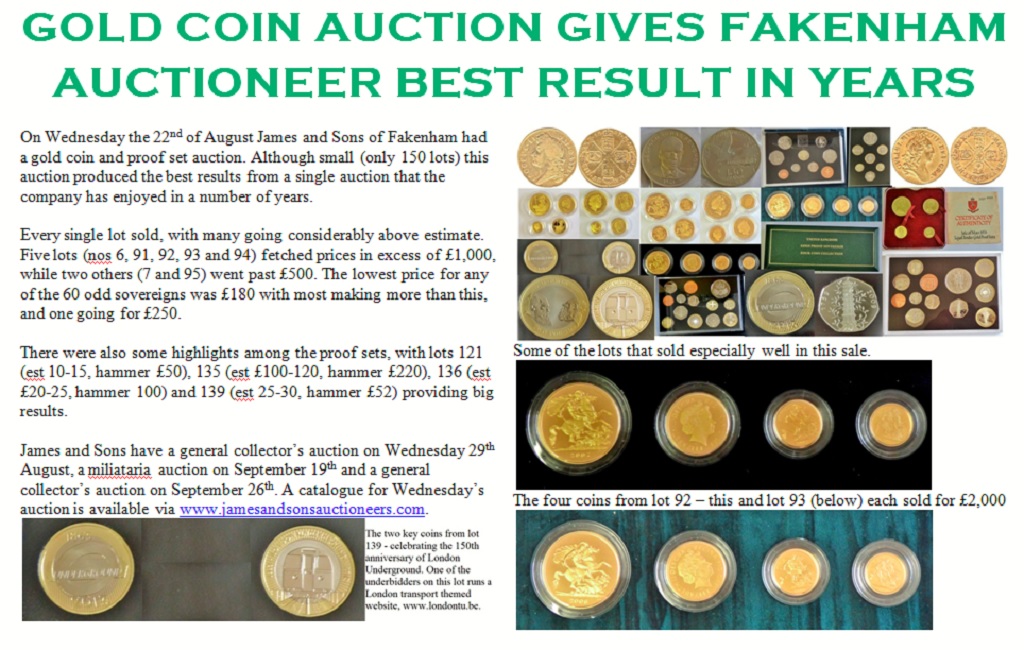
Yesterday morning I produced a PR piece about the success of this sale, going big on the images as well. I conclude this piece with a link and a screenshot:
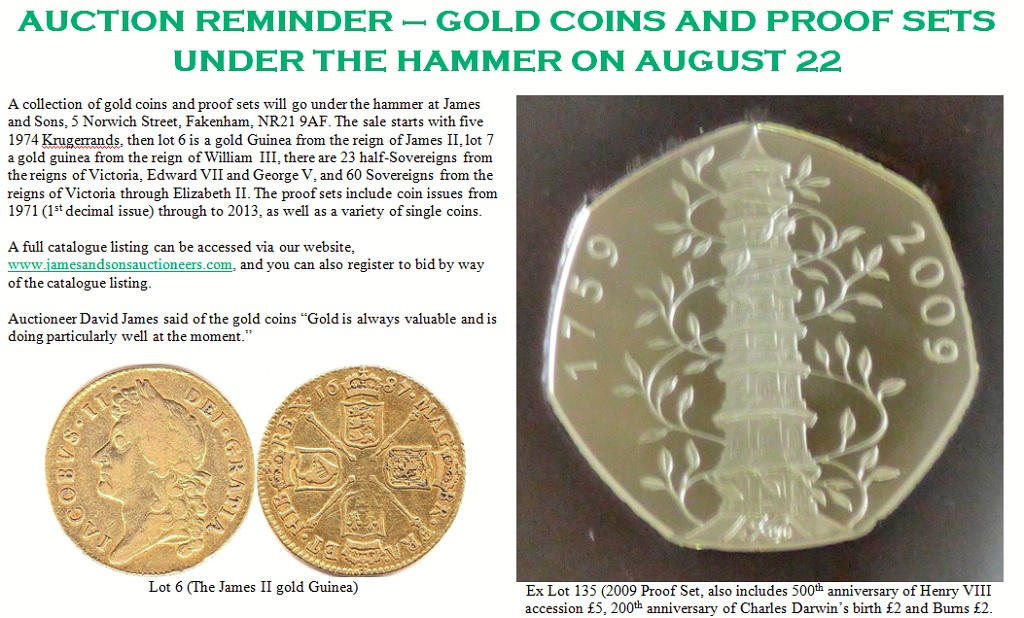
An overview of James and Sons’ upcoming Gold coin and proof set auction.
INTRODUCTION
James and Sons have just finished two militaria auctions, which both went fairly well, next Monday we have a general collector’s auction which contains some interesting lots, but the auction that will shape our August is coming up on the 22nd.
GOLD COINS AND PROOF SETS
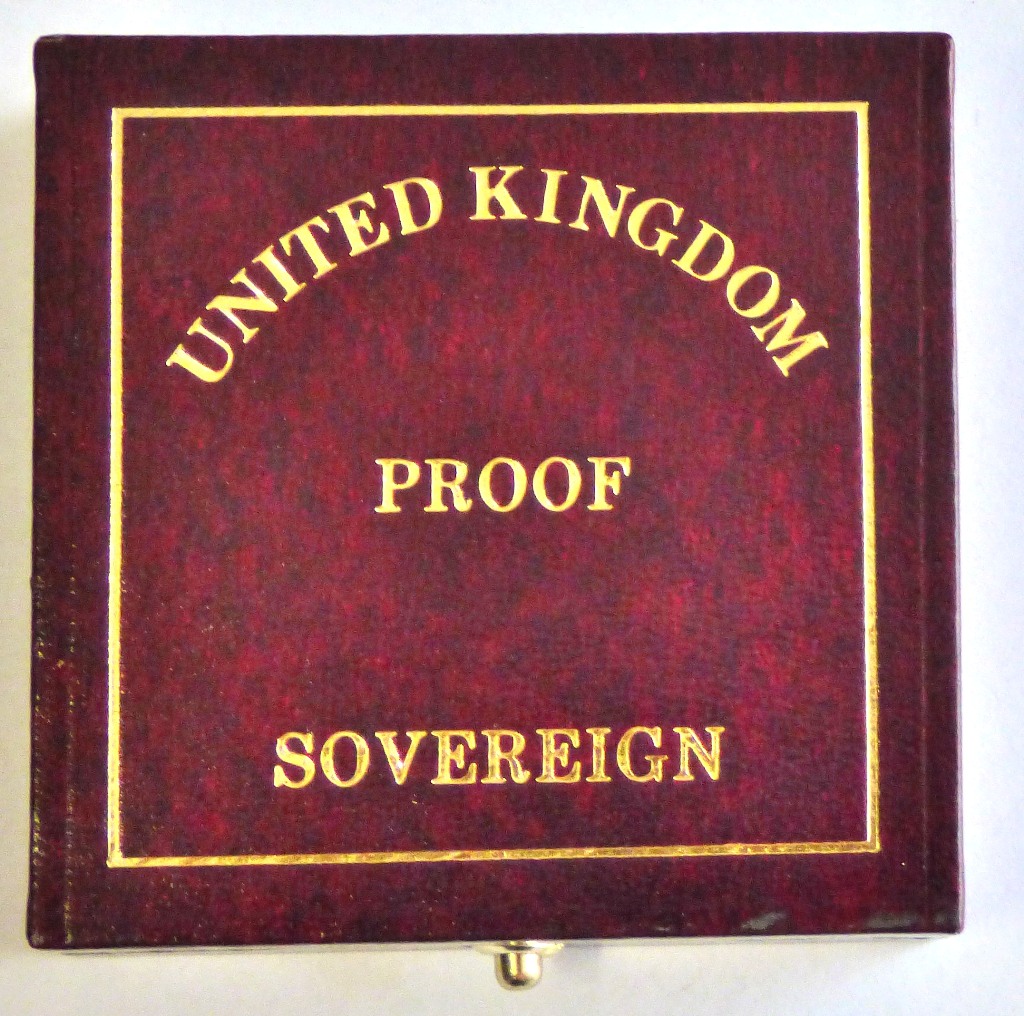
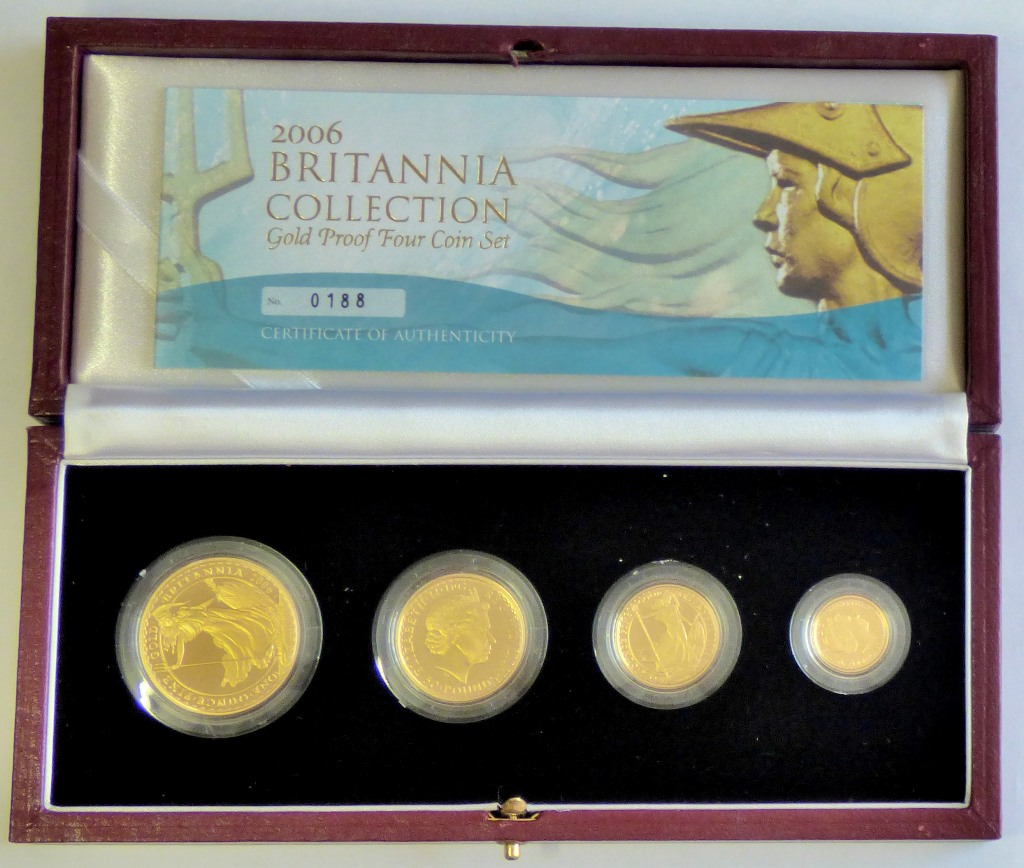
We have been consigned a lifetime collection of gold coins and proof sets, and these are forming a very small (147 lots) but potentially immensely valuable auction. As well as some seriously big money items (five 1974 Krugerrands, a James II (or VII north of Hadrian’s wall) gold Guinea and a William III gold Guinea) we have a number of half-Sovereigns and Sovereigns (60 of these latter from the reigns of Victoria through to Elizabeth II, and simply because it is pure gold even a Sovereign that has no features to appeal to a collector will fetch somewhere in the vicinity of £180-200 depending on the exact price of gold on the day). A full catalogue listing can be accessed via the James and Sons website – it is the second auction to which there is a link – look for the image of the James II (VII) coin.
FROM THE IMAGE GALLERY
This section features the official press release, some of the more significant lots and a couple of proof sets that I have at least half an eye on.
The press release.
Lot 1 (three images)
Lot 5 (three images)
Lot 6 (three images)
Lot 7 (three images)
Lot 96 (five images)
Lot 91 (six images)
Lot 92 (six images)
Lot 135 (seven images)
The most important coin in this set – even circulated versions of this coin fetch decent amounts.
The Darwin £2 (there is also a Burns £2 and a £5 commemorating 500 years since the accession of Henry VIII)
Lot 130 (two images), one of the two that are in my sights…
…in its case because of the Trevithick £2)
Lot 139 – four images, the second lot that is in my sights)
These two coins celebrating the 150th anniversary of the opening London (and the world’s) first underground railway.
An account of yesterday’s auction at Fakenham Racecourse.
INTRODUCTION
Yesterday James and Sons had an auction at Fakenham Racecourse, the first in 2018 to take place anywhere other than our shop in Fakenham, and the first at that venue with me in sole control of the IT side of things (the latter being a cause of some trepidation). The auctioneer and I had visited the racecourse the Friday before to establish that our IT setup (including the card terminal as part of the IT setup) would work there, and the auction lots and IT stuff were moved down to the racecourse on Tuesday.
GETTING THERE
I caught the 7:00 bus to Fakenham (the earliest, and my regular one on workdays anyway these days) and on what was already a warm sunny morning enjoyed the walk from Oak Street to the Racecourse (which is located not as its name suggests in Fakenham but just outside the adjoining village of Hempton), arriving at the venue at just before ten past eight. The auctioneer arrived a few minutes later and I was able to accomplish the IT setup before any viewers arrived. We had Croc’s providing catering at the event, and I took the opportunity in a quiet period to fortify myself with a bacon bap.
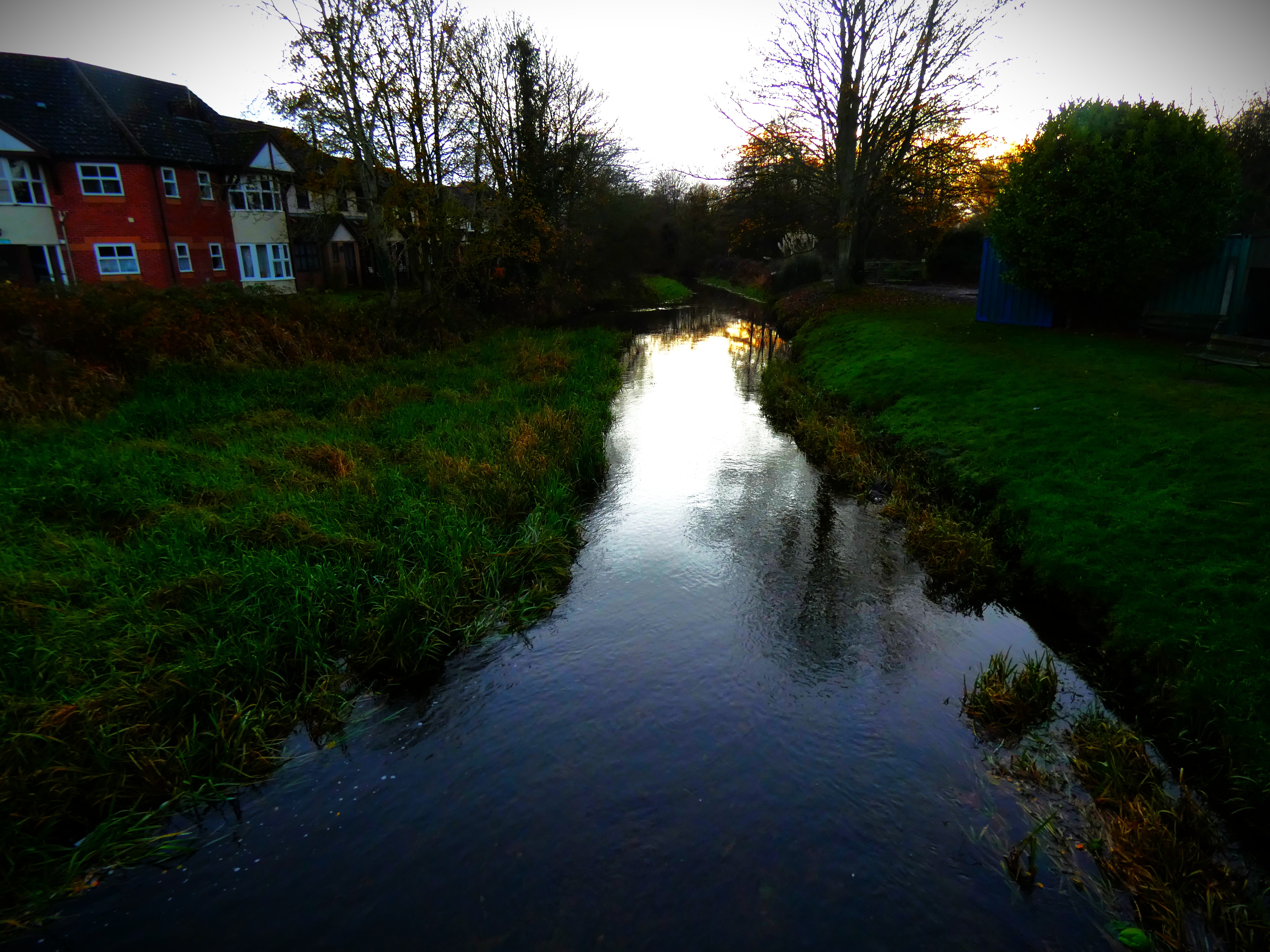
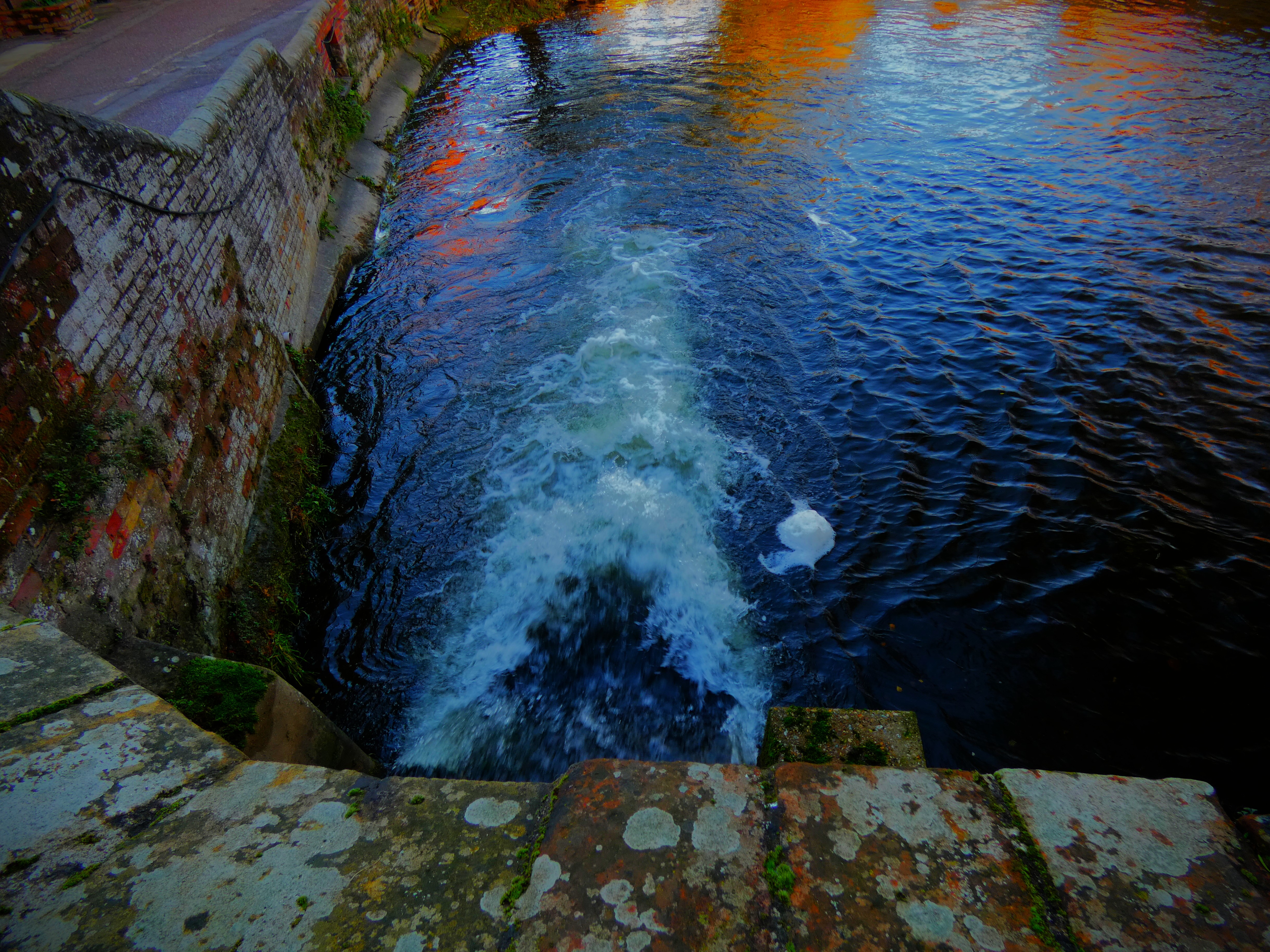
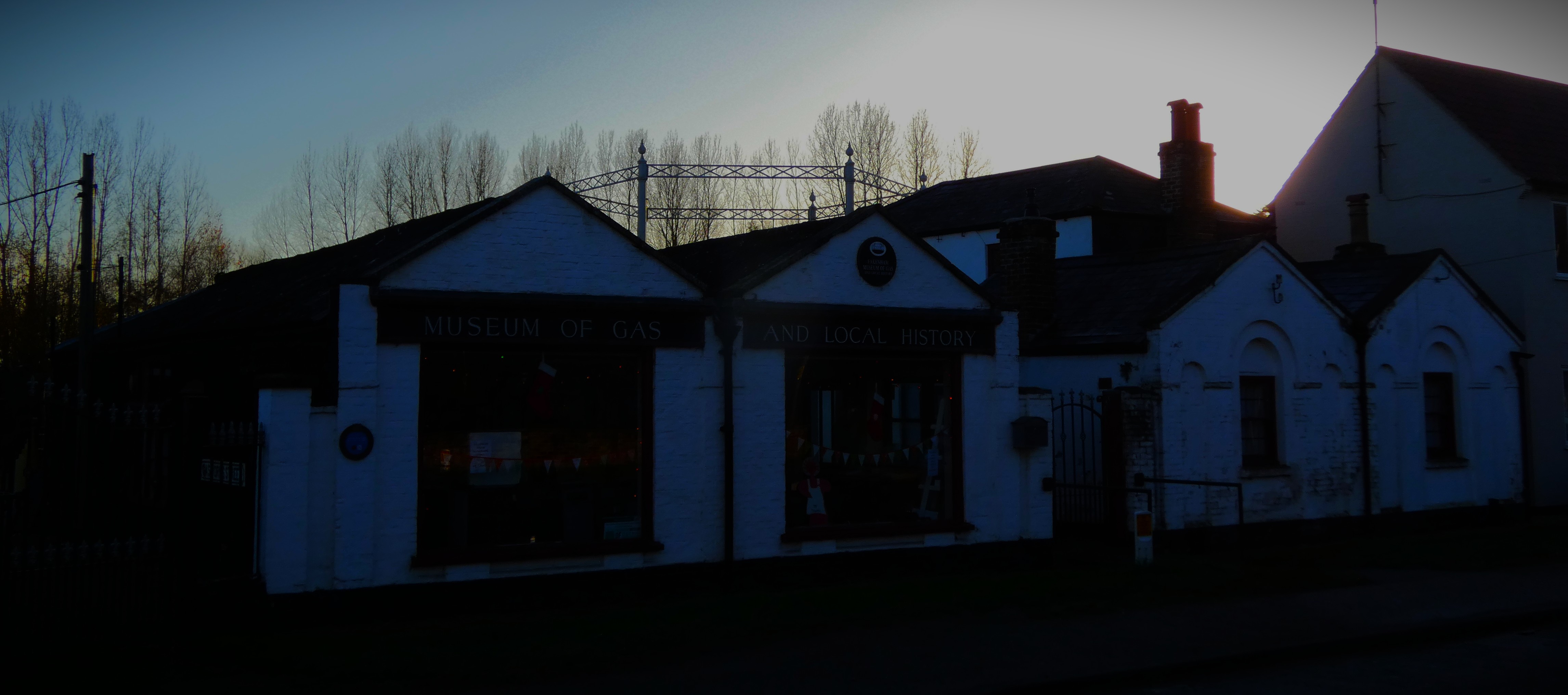
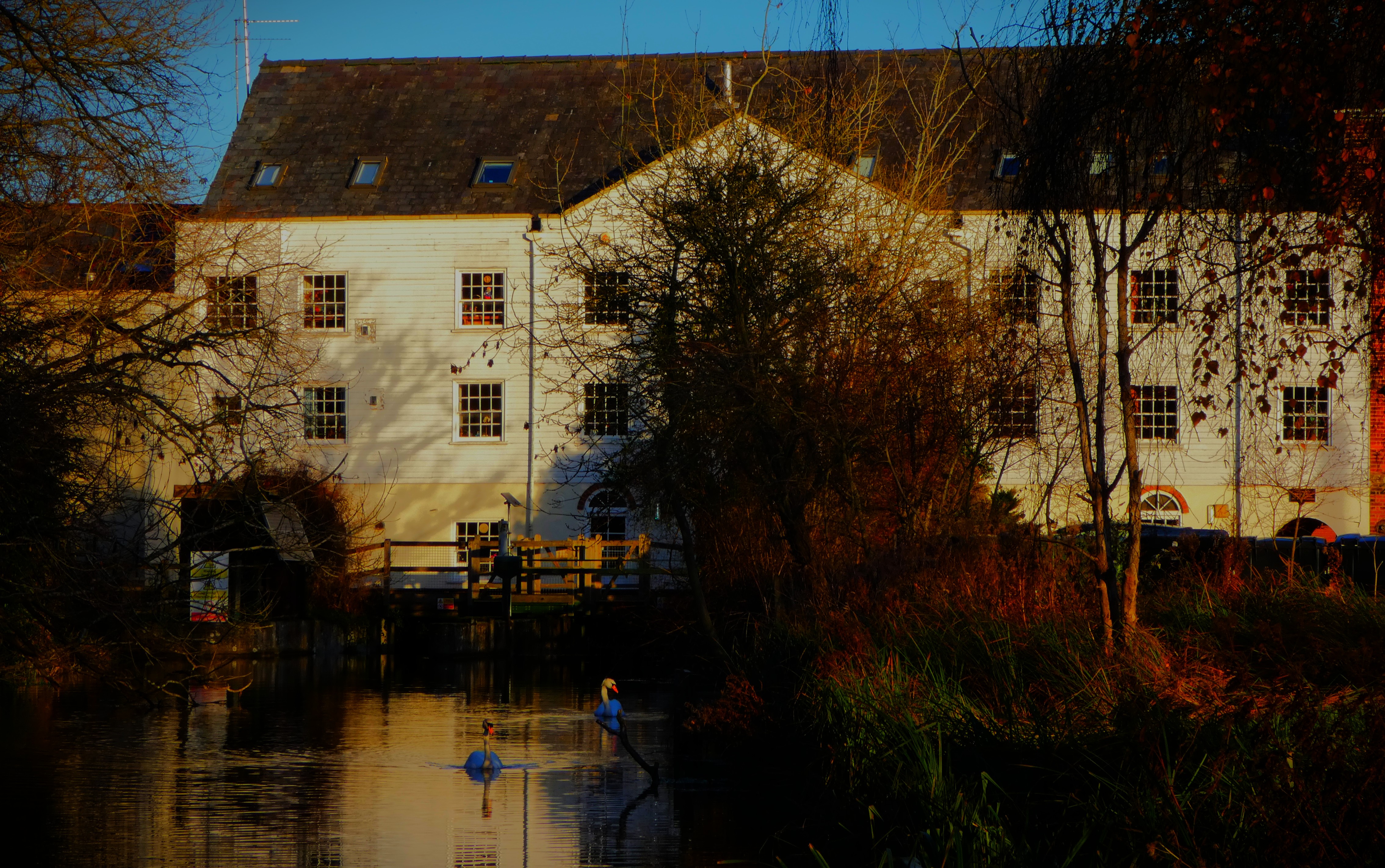
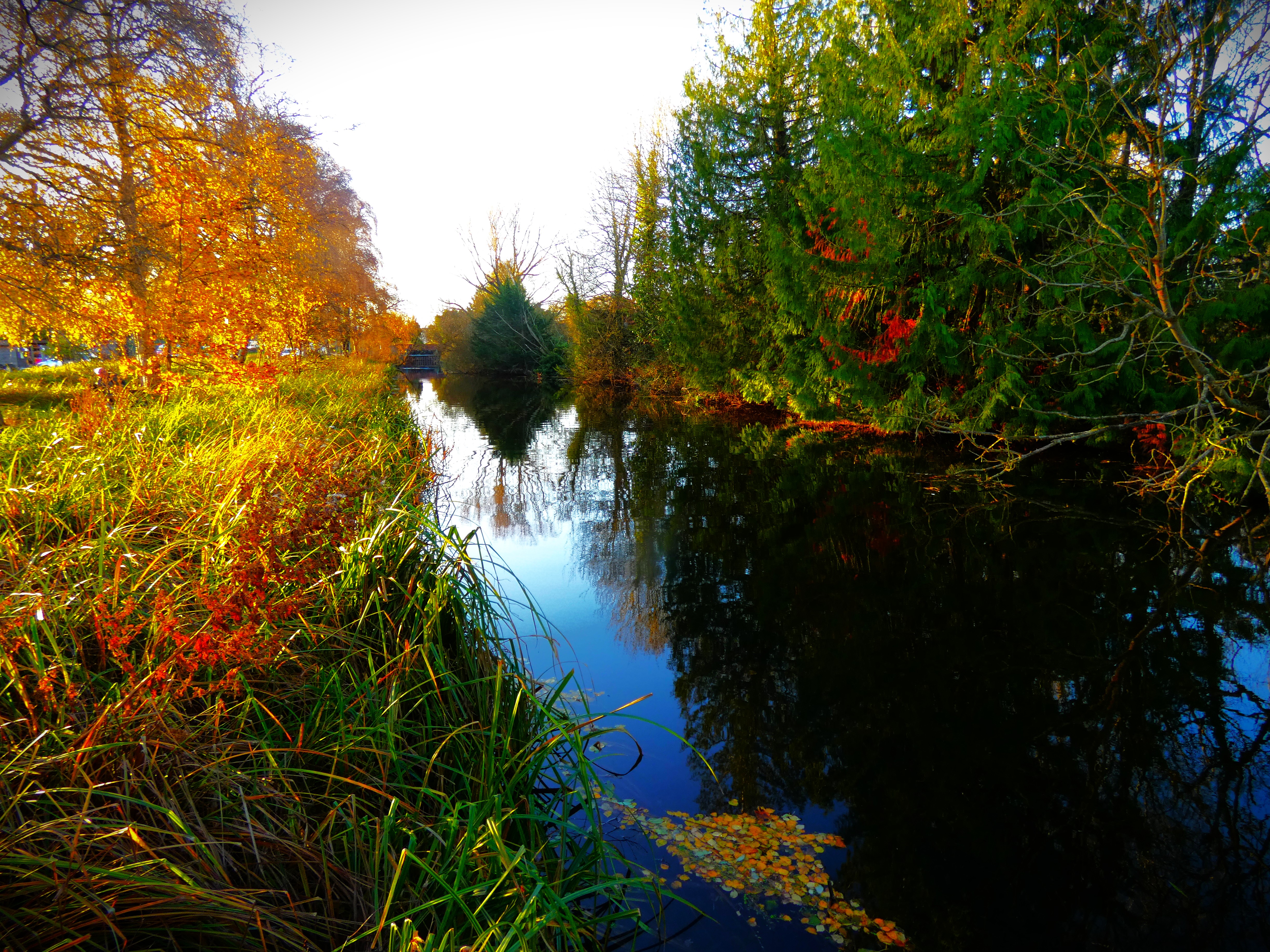
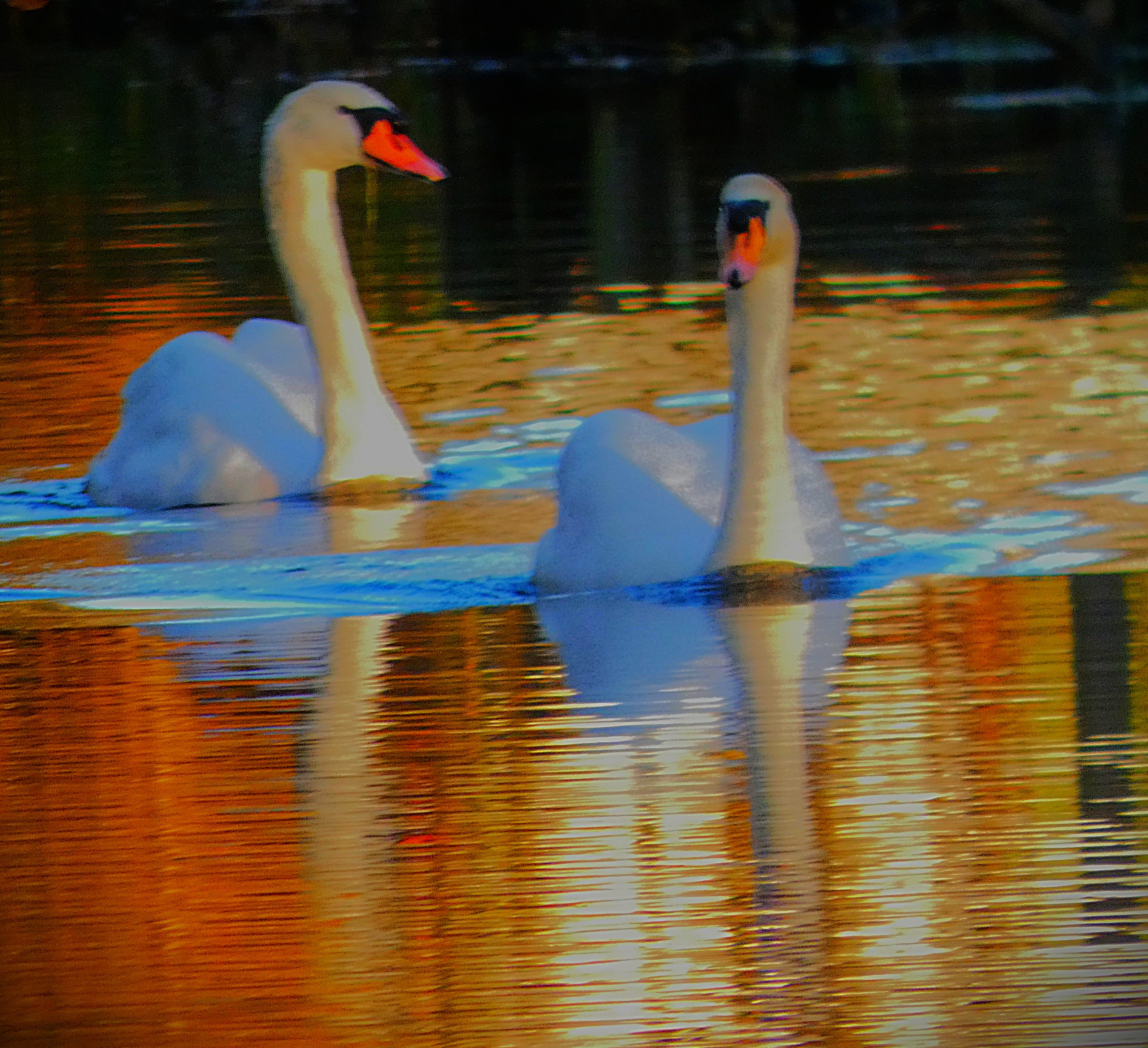
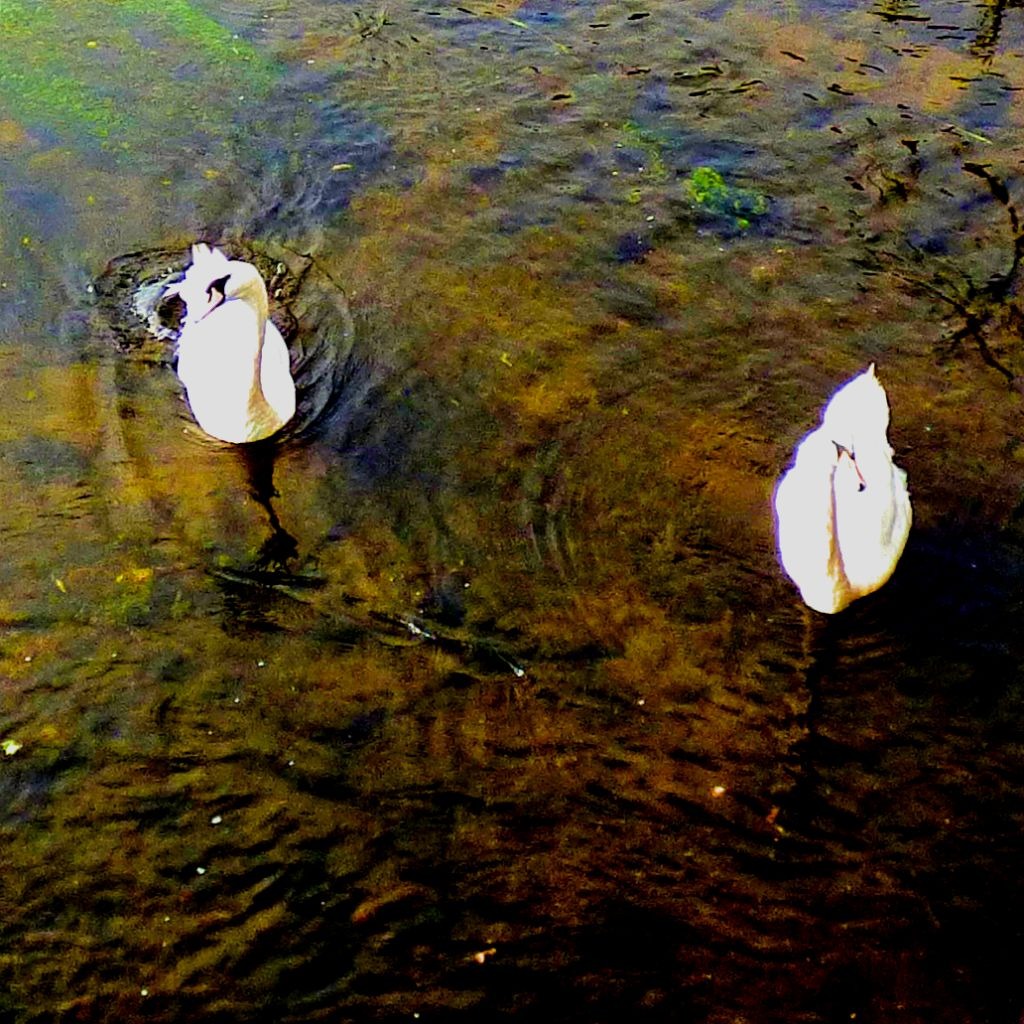
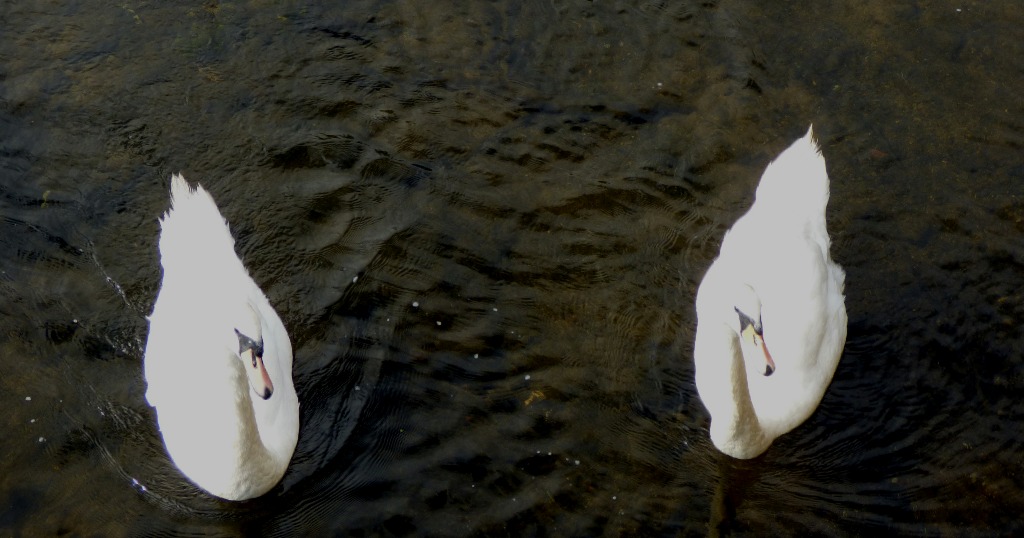
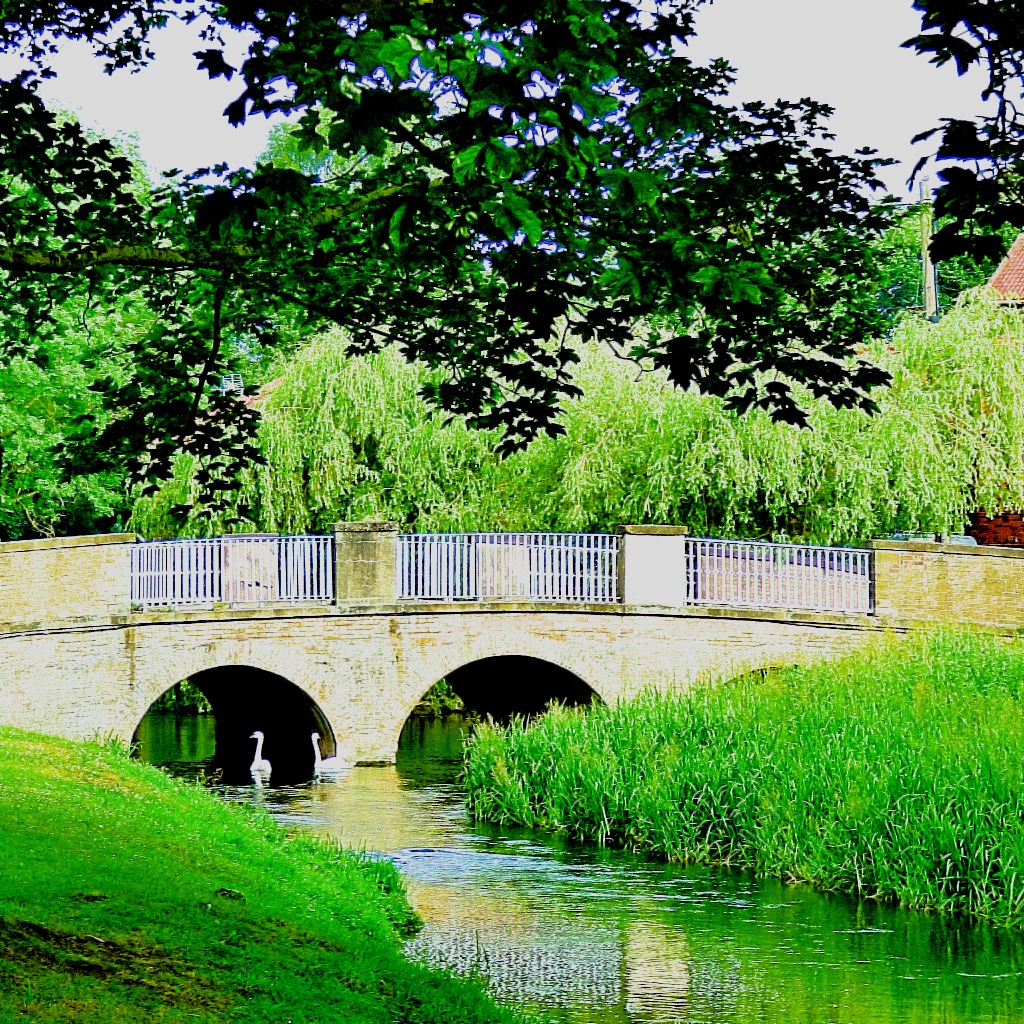
Crossing the Wensum en route to the racecourse I spotted this pair of mute swans enjoying the sun.
This bridge across the Wensum gives Bridge Street, Fakenham its name.
A BRIGHT START
For various reasons (to do with a combination of over-ambitious planning and an important member of staff being absent for a long period of time) this auction had some odd numbering of lots (it started at lot 741, and then there was a 50 lot gap between the end of the first section and the start of the coins at lot 901, then a massive gap after the last coin lot, no 1072 to the start of the Militaria at 1,466, then another major gap from the end of the militaria at lot 1,620 to the start of final segment at lot 1,920, with the last lot of the sale being lot 2,000), but although there was a range of almost 1,300 between the first and last lot number there were only 503 lots in the sale. We originally planned to take a short break at the end of the coin section before starting on the Militaria, but this as you will see changed part way through.
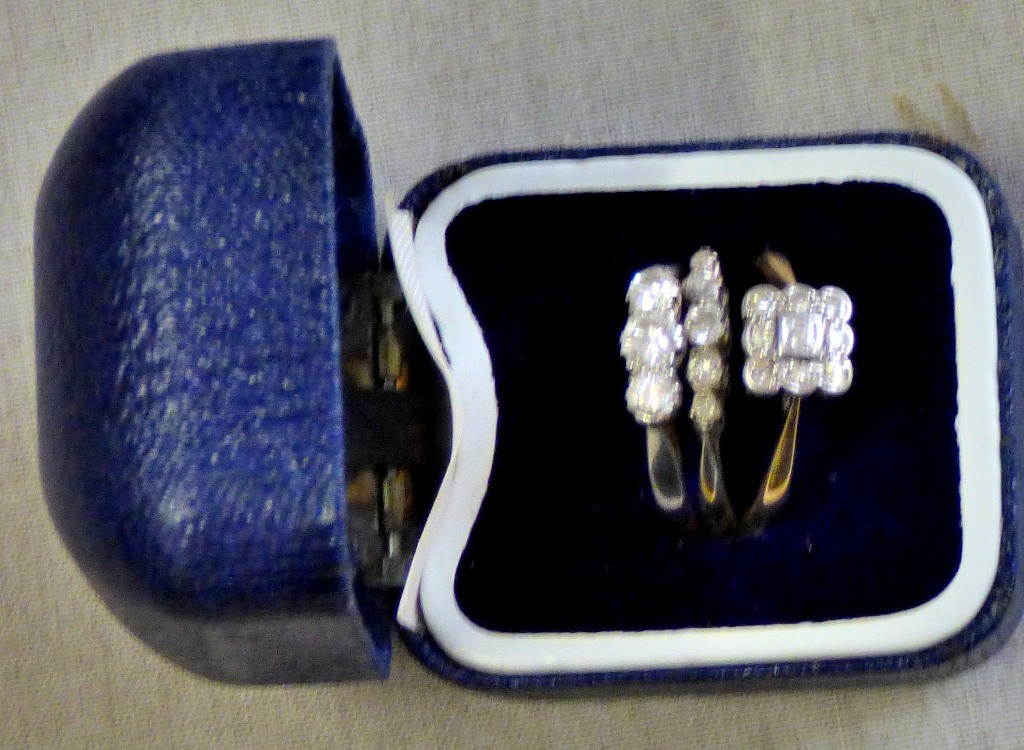
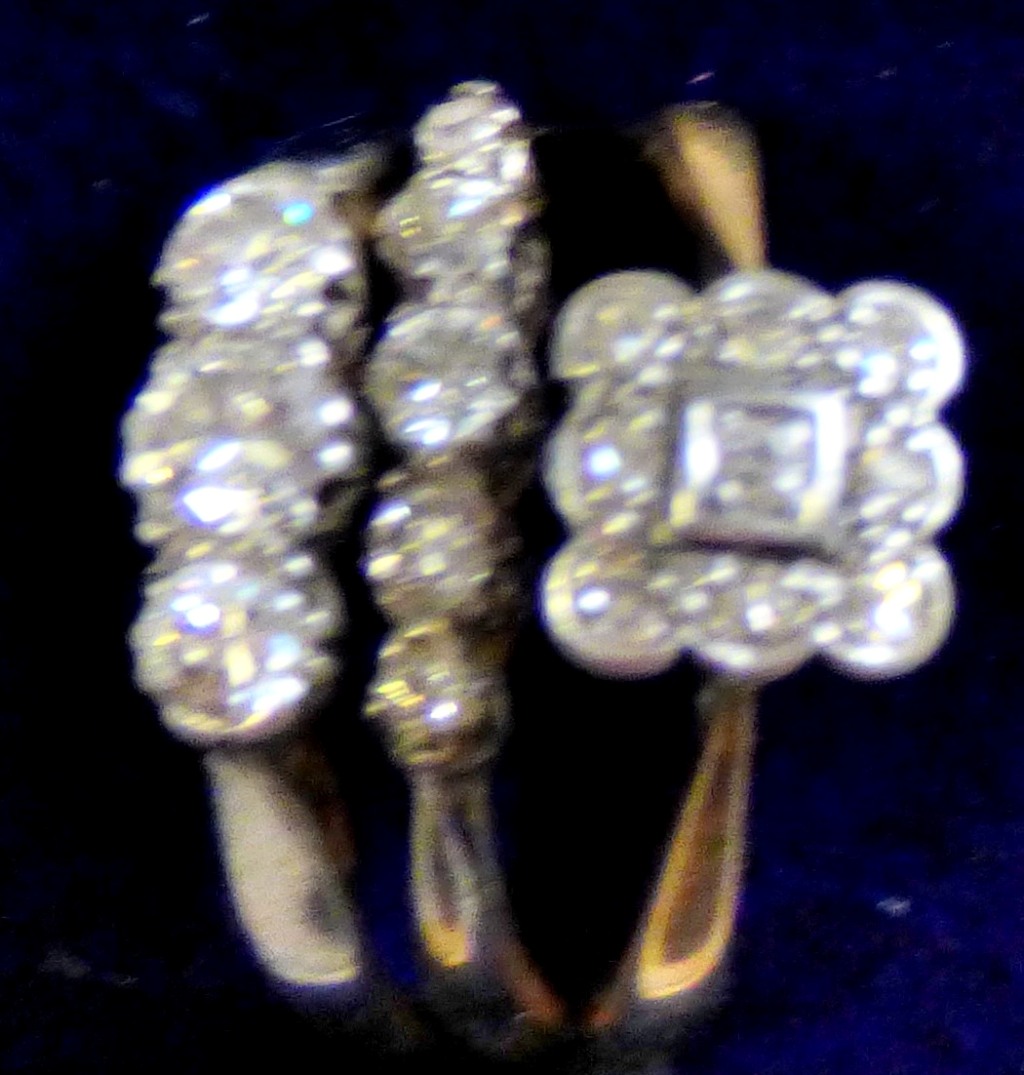
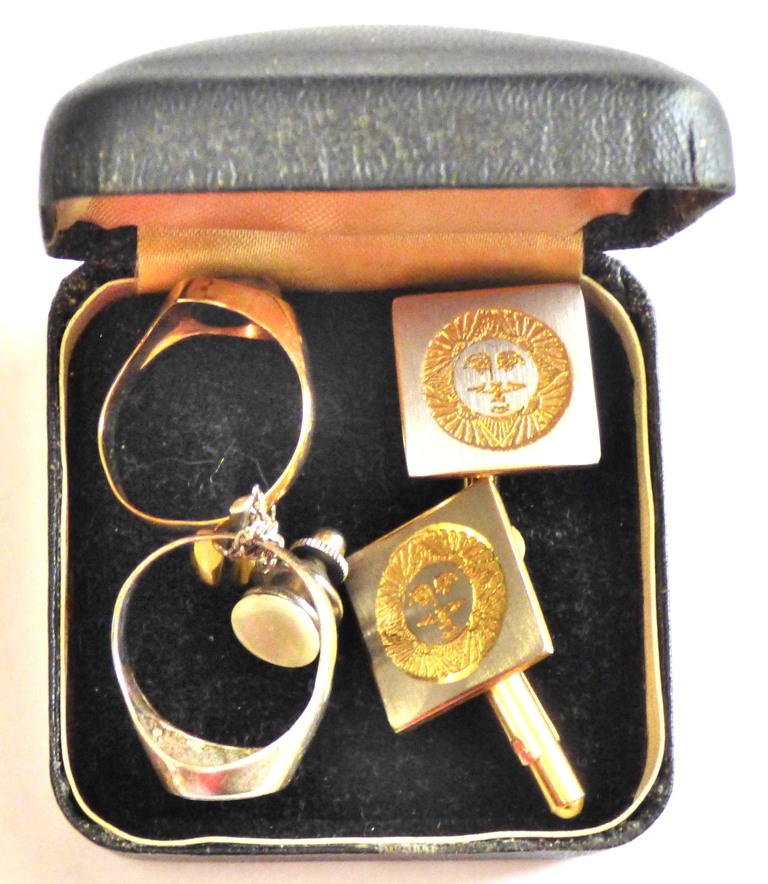
The first big success of the auction came at lot 747, three gold rings, which had been valued at £70-100 but ended up selling for £150…
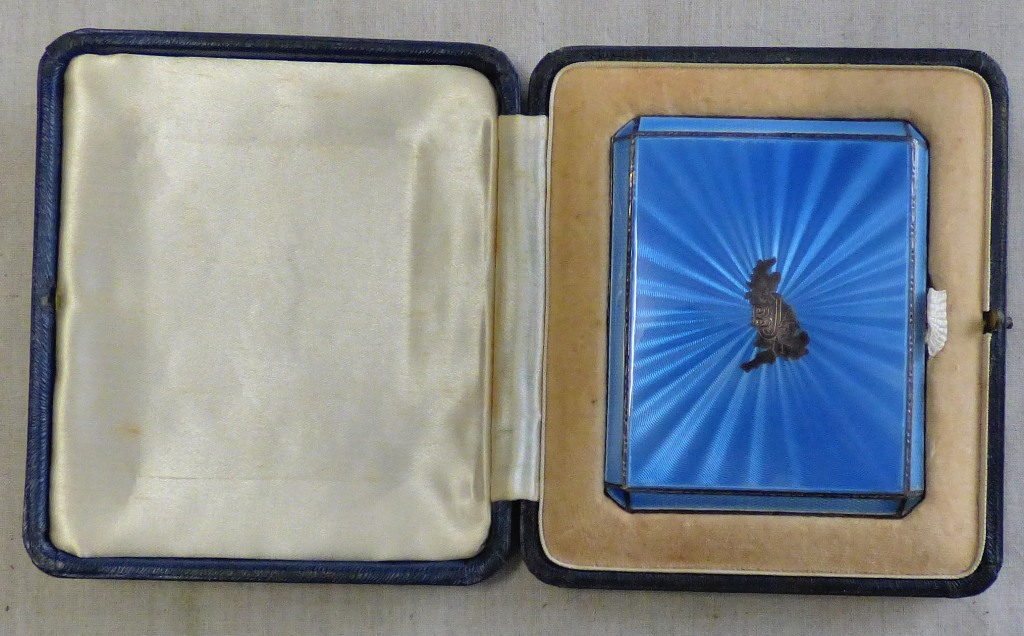
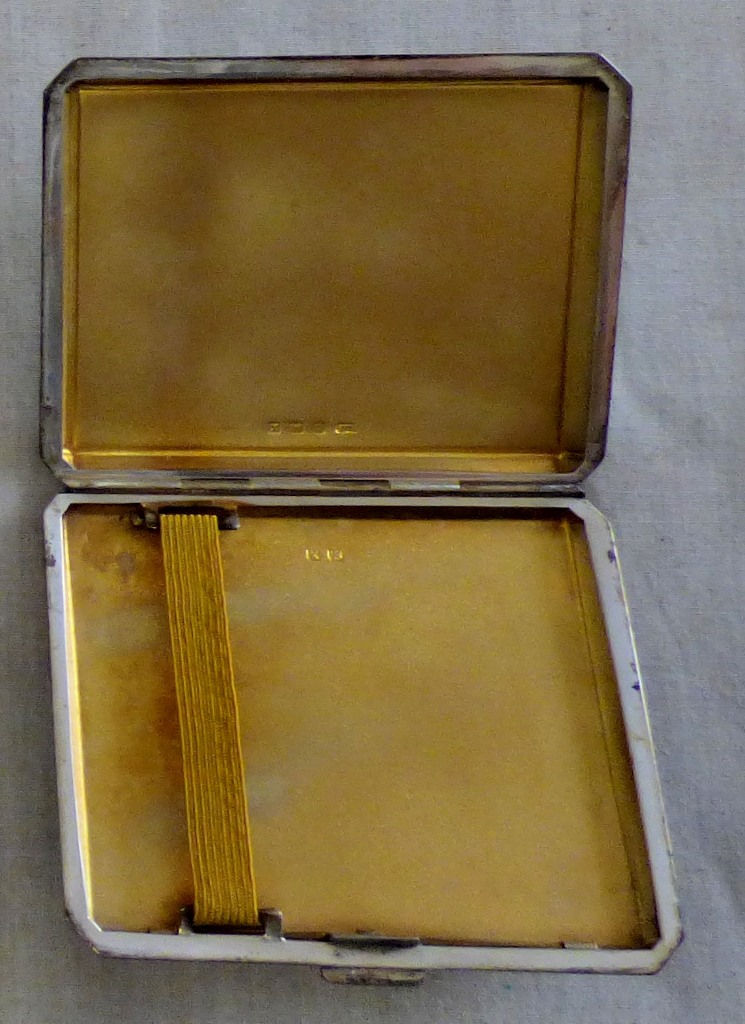
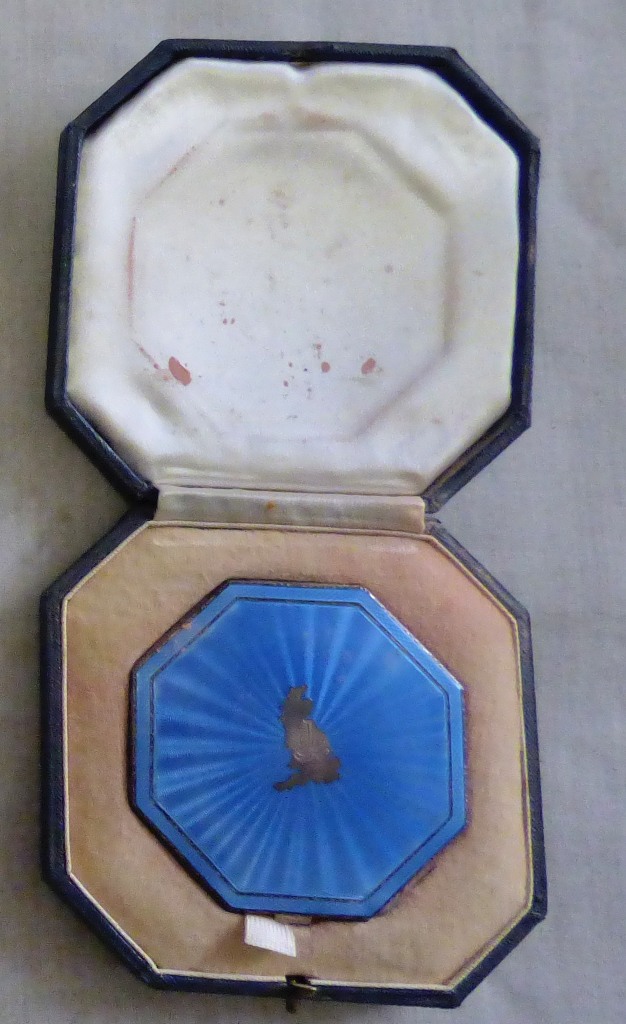
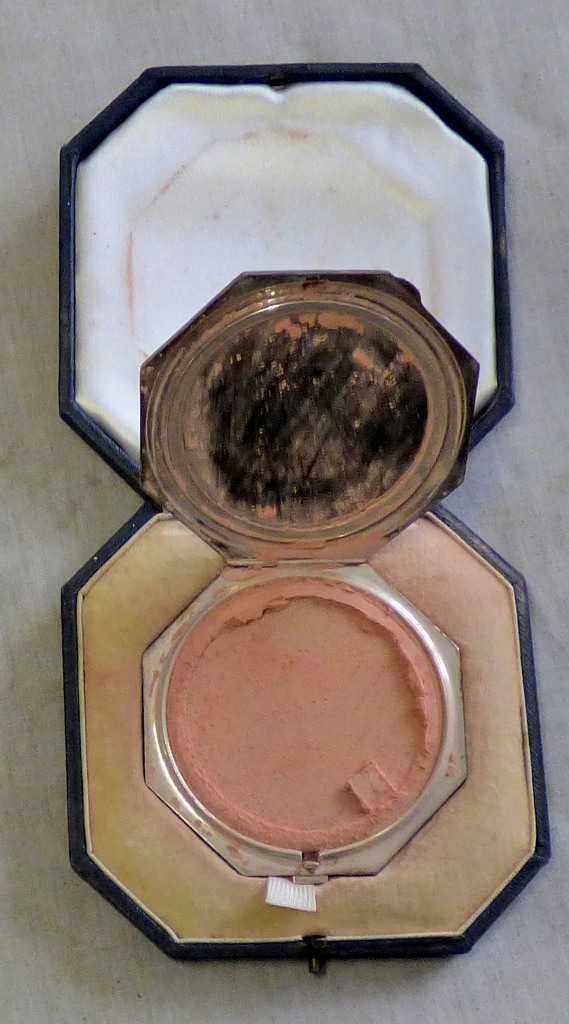
Then lots 757 and 760, a ladies cigarette case and a ladies powder compact of similar styles, both esitmated at £30-40 went for £65 and £60 respectively, both to the same online bidder.
Lot 757 (three images)
Lot 760 (two images
These however were a mere curtain-raiser for…
LOT 764 – A PHOTOGRAPHER’S TRIUMPH
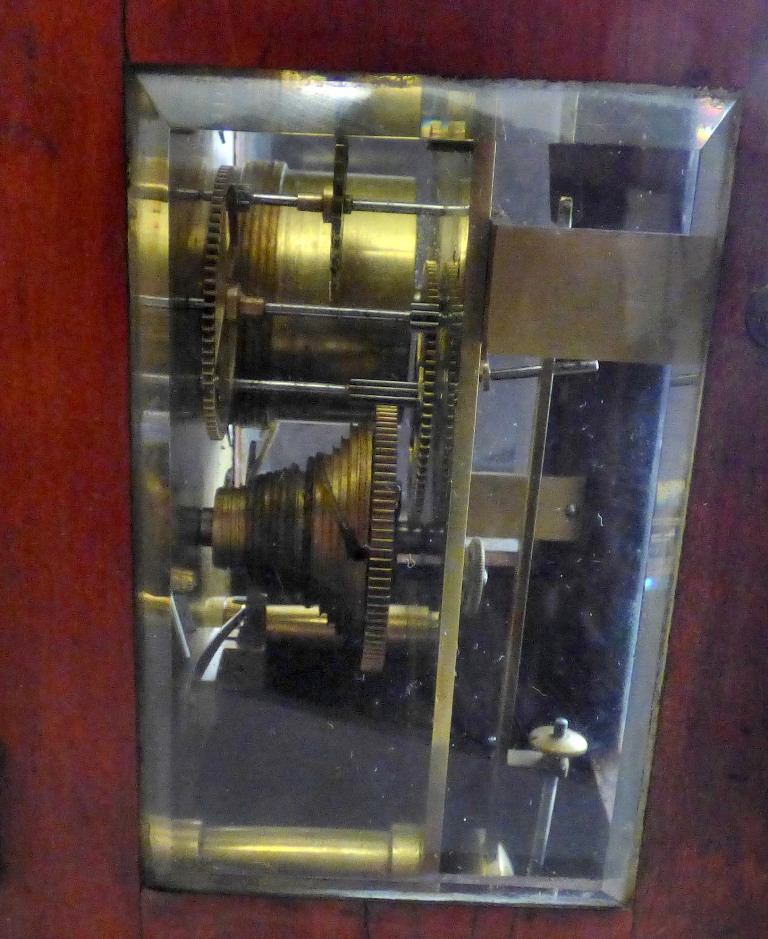
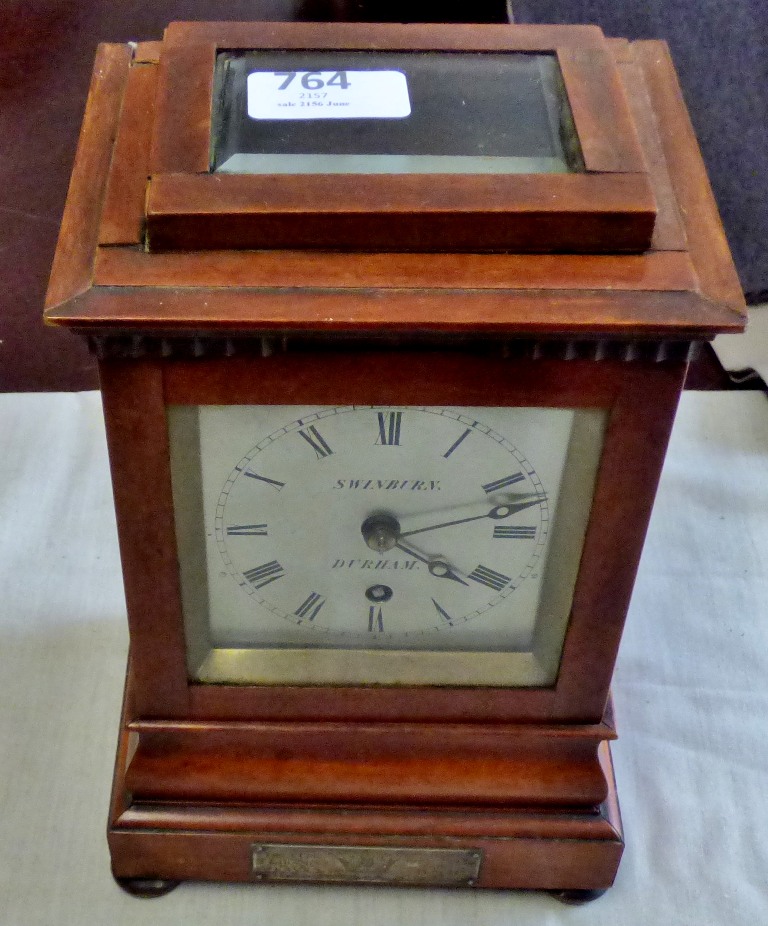
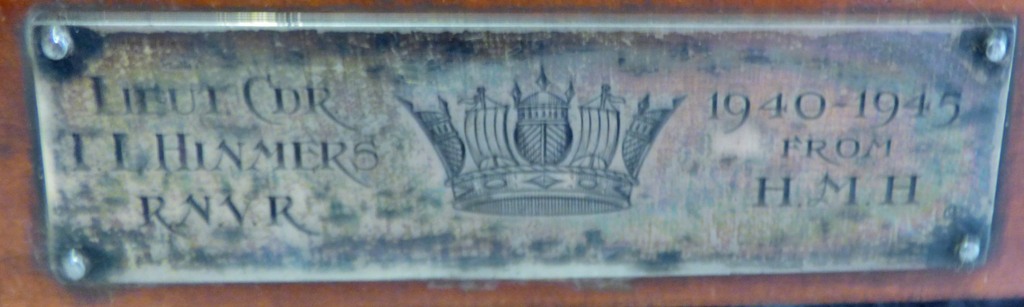
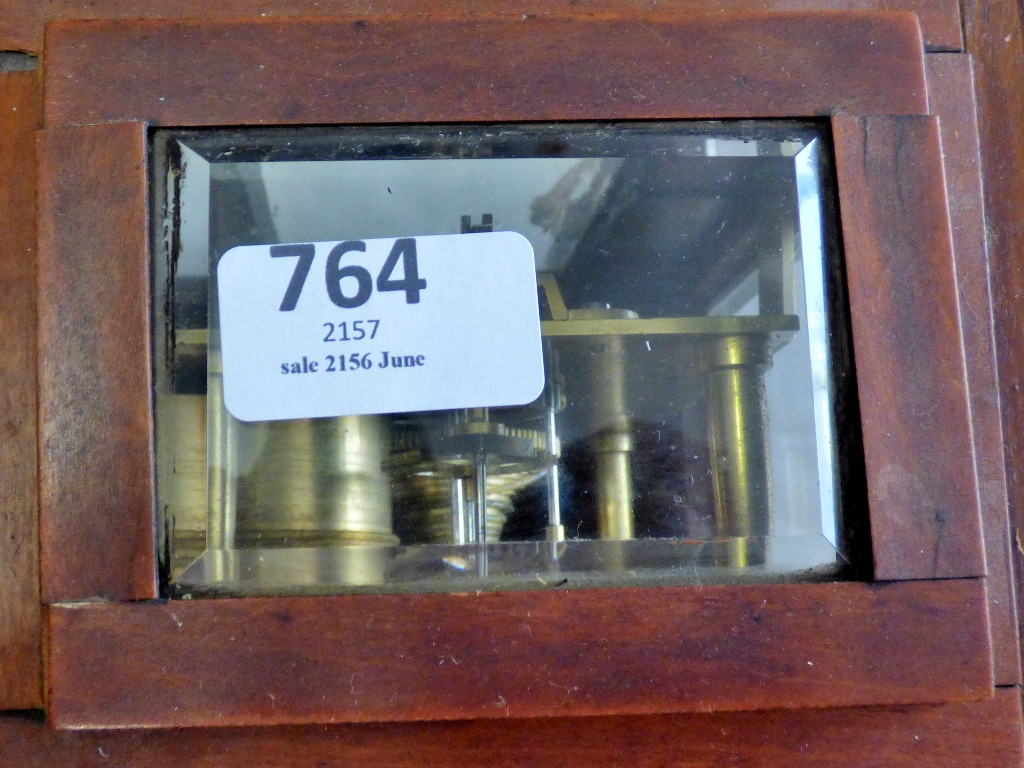
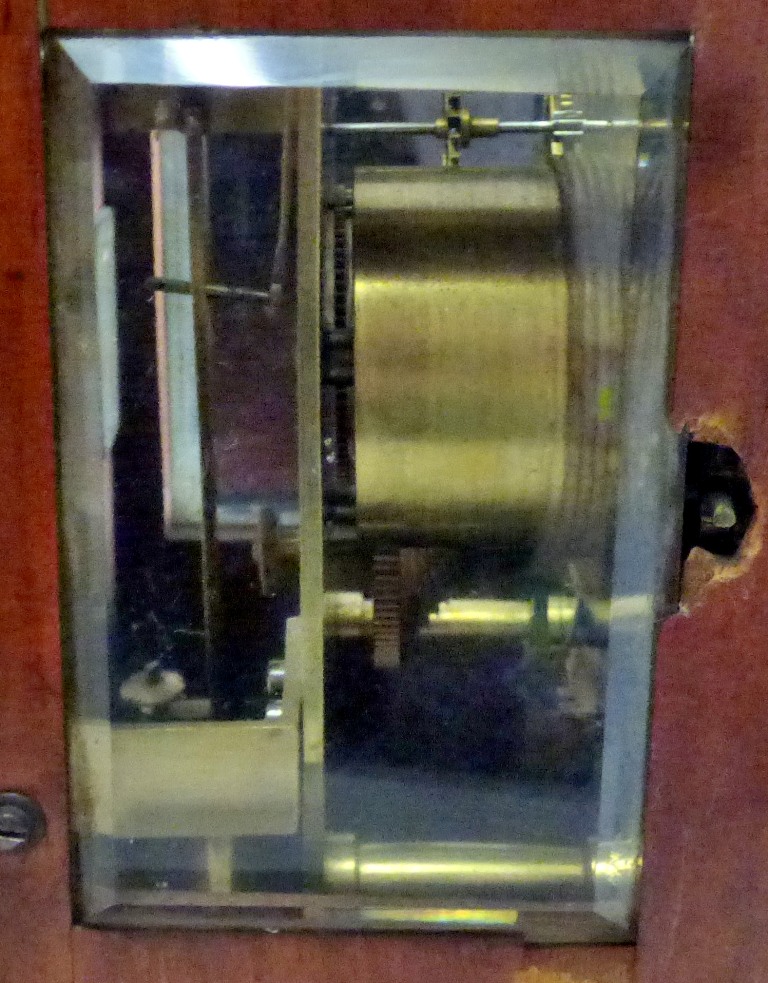
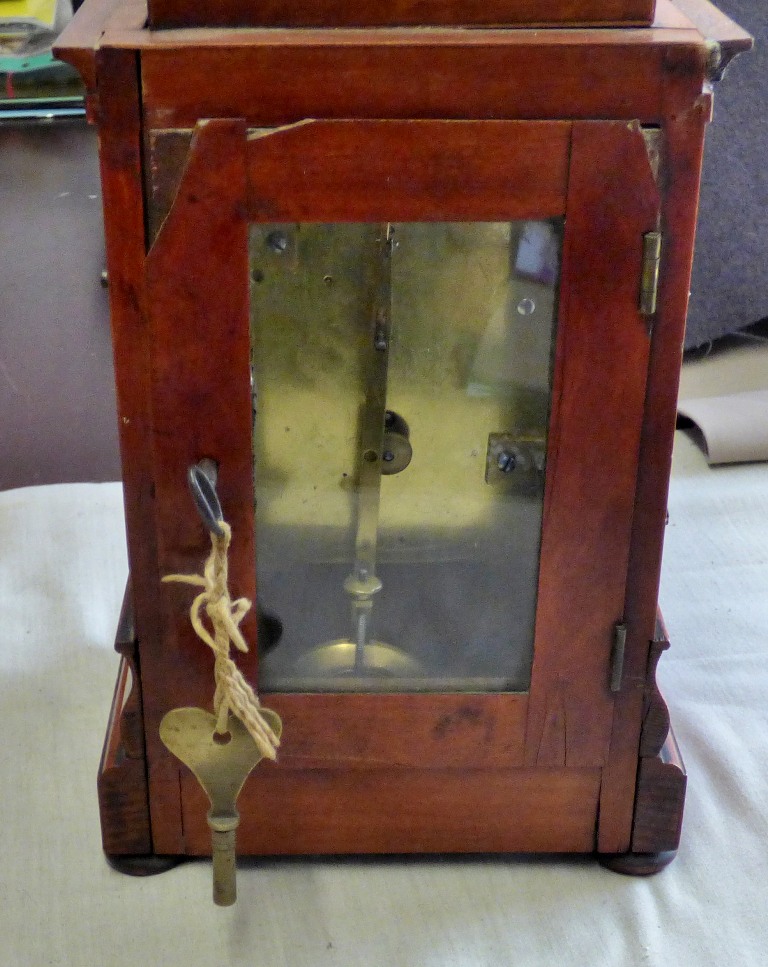
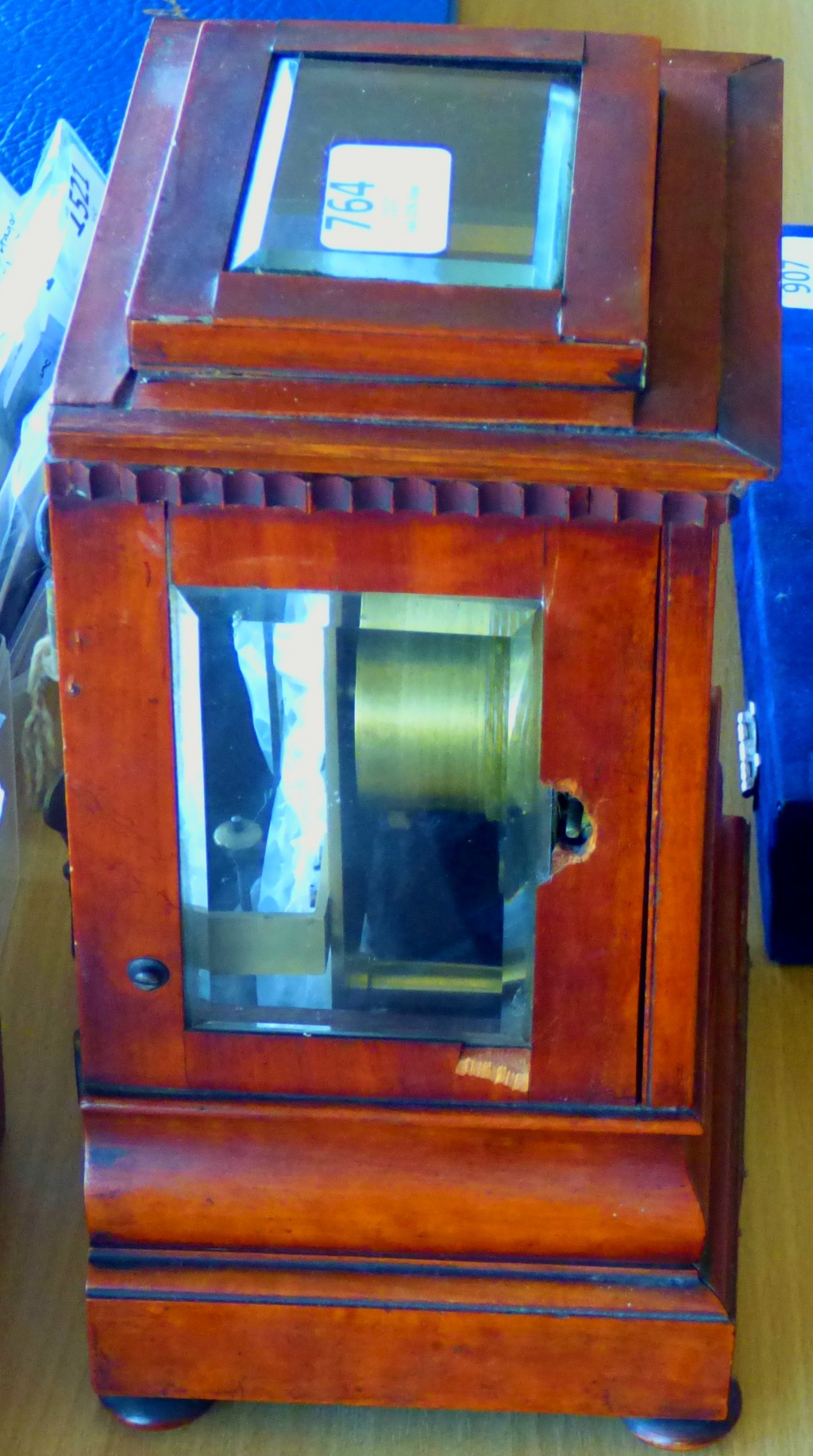
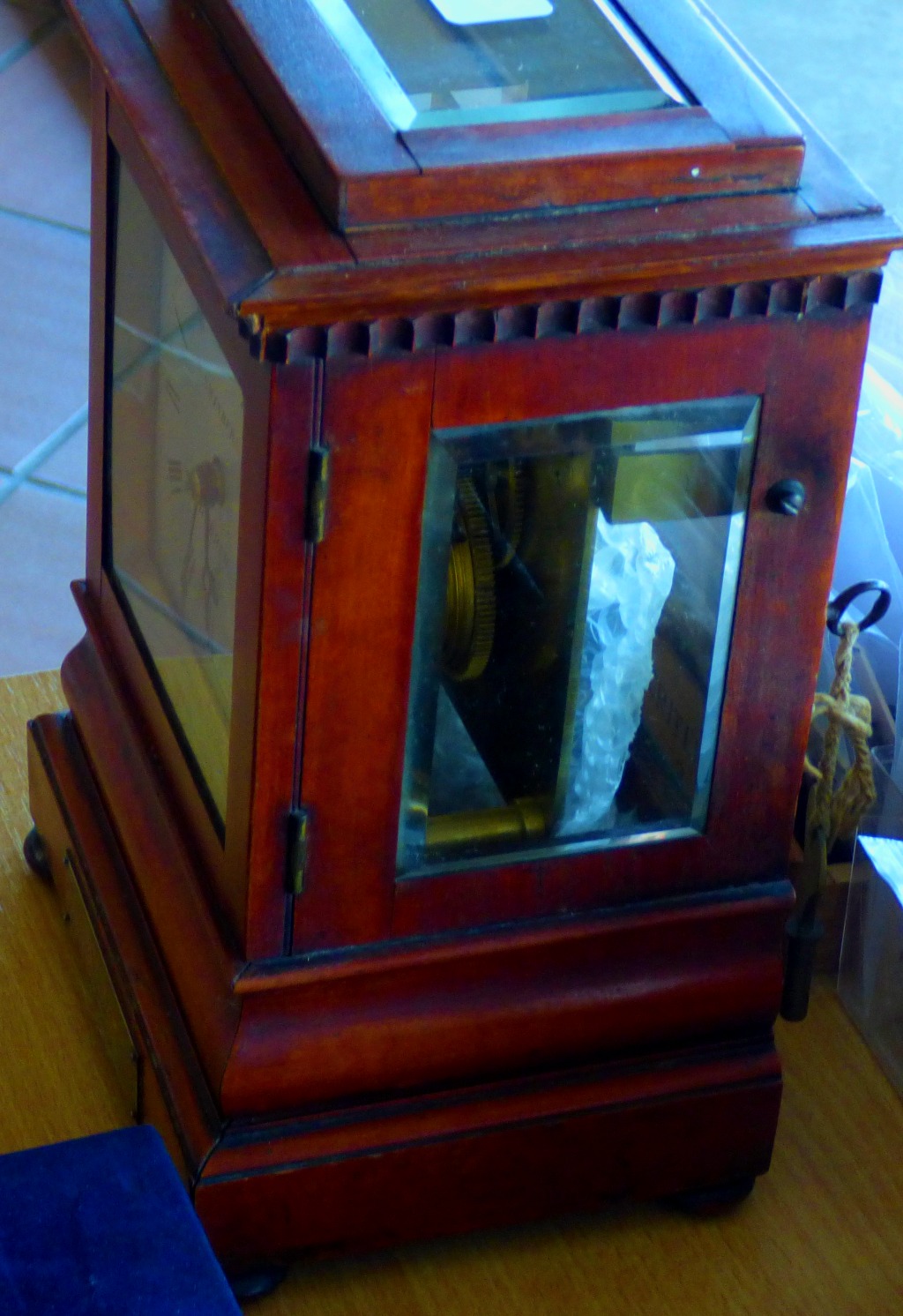
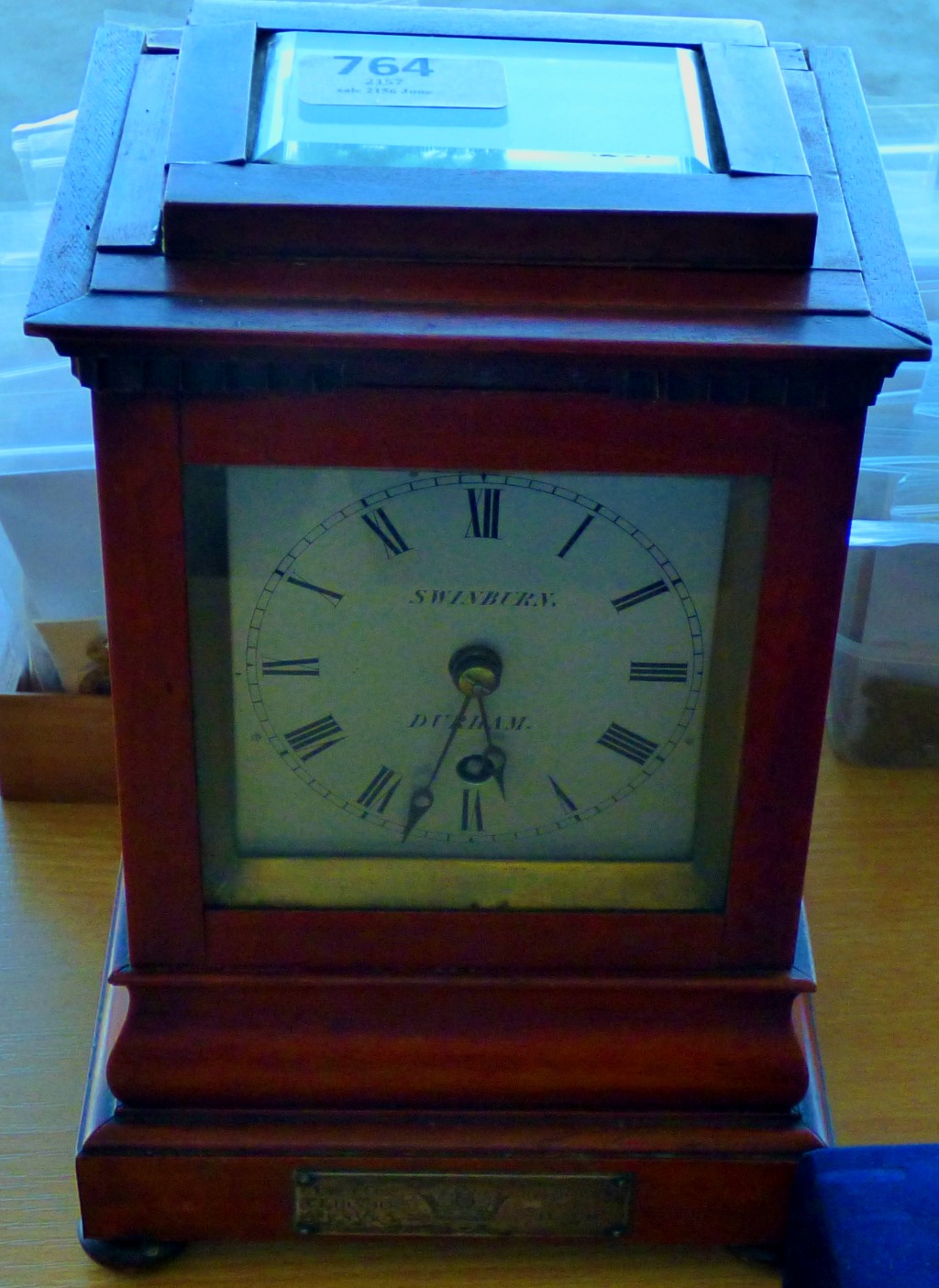
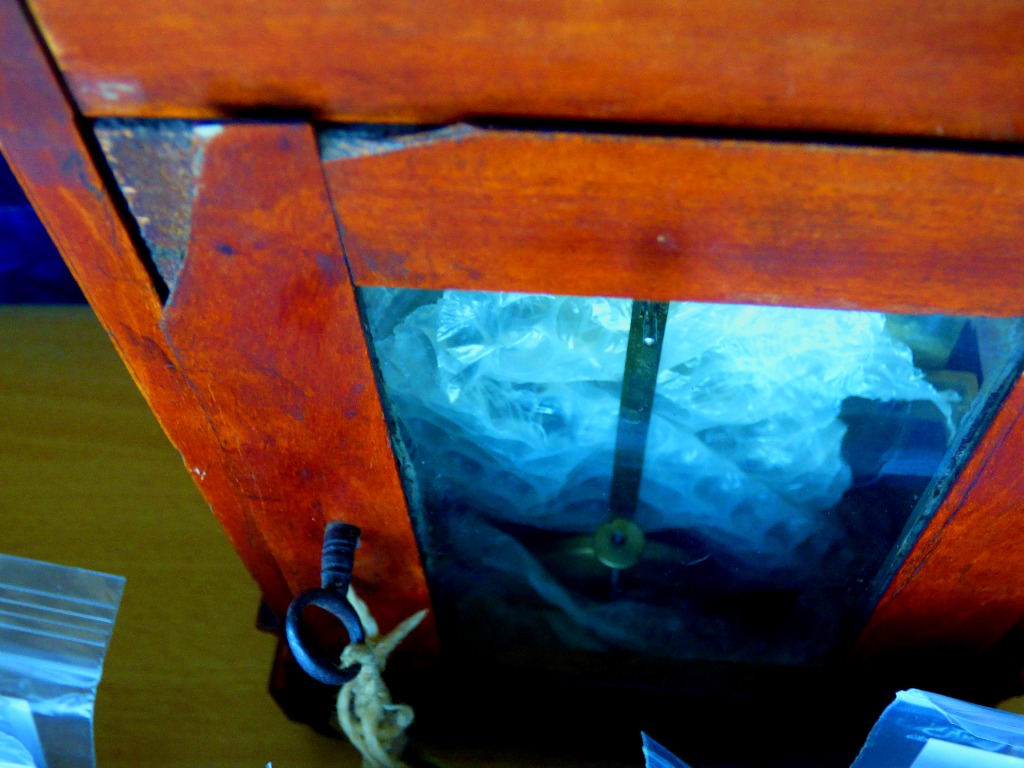
There were indications that this elegant Mantle Clock, with a case carefully designed to show off its workings was going to do extraordinarily well, but we were all absolutely gobsmacked by what actually happened. The item had gone in with a modest valuation of £10-20, but I having noted the effort to which the makers of this clock had gone to put the workings on display created an image gallery for it which reflected this:
The main image, showing the whole clock.
This metal plaque was obviously of some significance, hence a close-up photograph of that.
And since the makers had been so determined to make the workings visible I devoted no fewer than four photographs to ensuring that thsi was reflected in my online image gallery.
The opening bid was £310! Then, a bidding war between four internet bidders who all obviously saw something that eluded those who are not experts on clocks pushed this already barely credible looking price up to an eye-popping £750!!
Incidentally, just for the record, the valuer himself said that it was the photographs that did it for us, hence my title for this subsection. Here are some photographs of this item that I took during the break:
UP TO THE BREAK
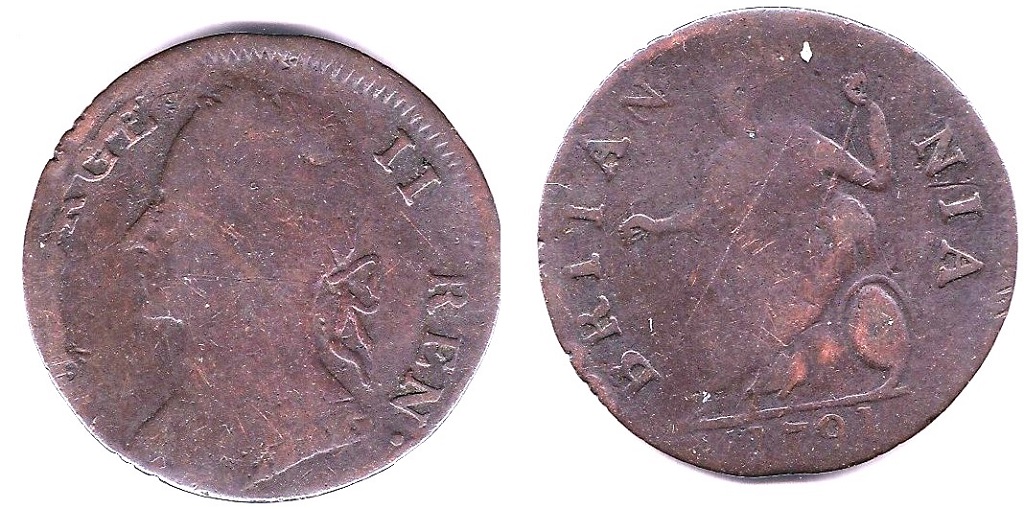
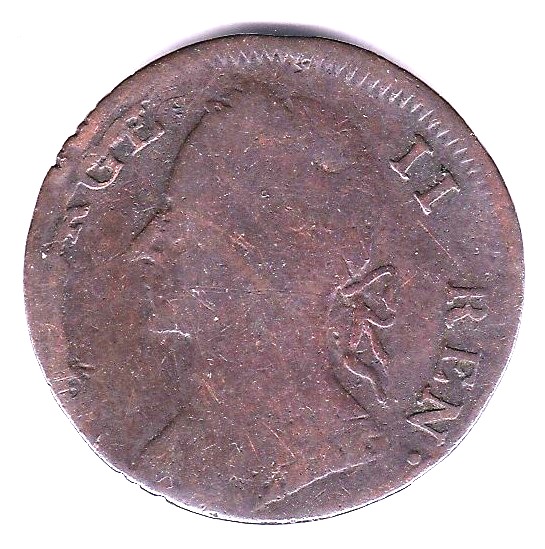
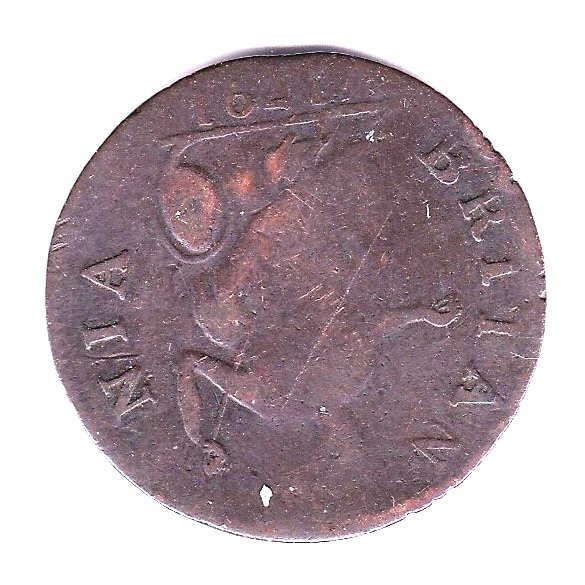
After the events described above almost anything else was going to feel a little anticlimactic, but a few items fared well nevertheless. Lot 919, a forged 1791 farthing estimated at £5-10 ended up going for £35.
The other effect that the early excitement had was that we were progressing slower than normal, and in the end the auctioneer brought our midauction break forward to lot 1,000.
AFTER THE BREAK
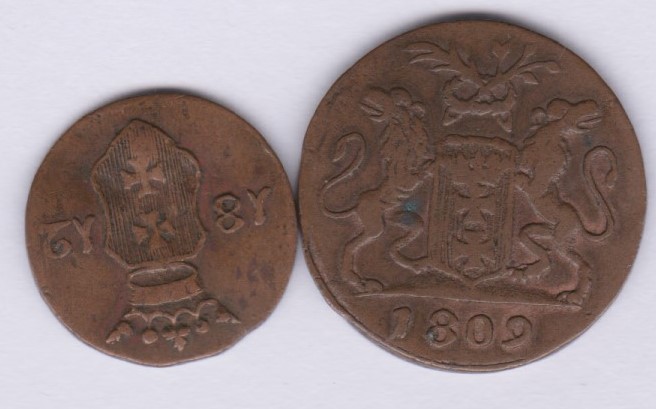
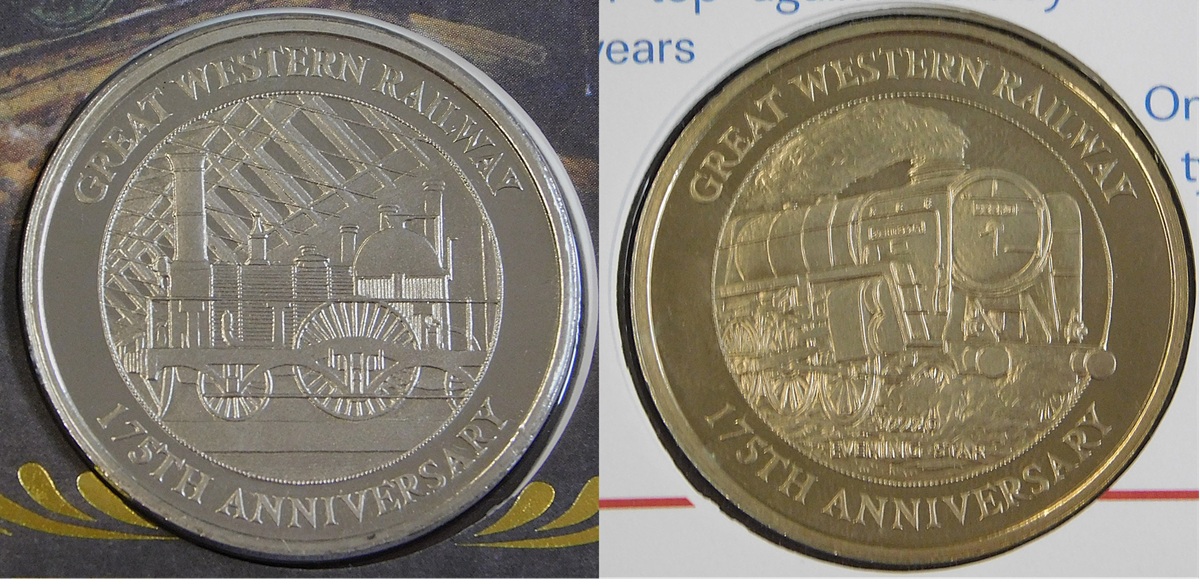
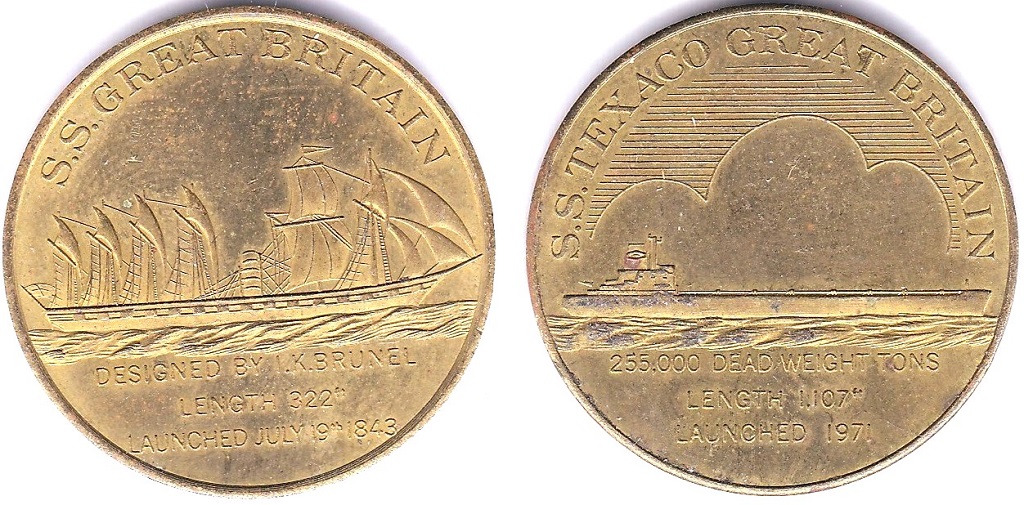
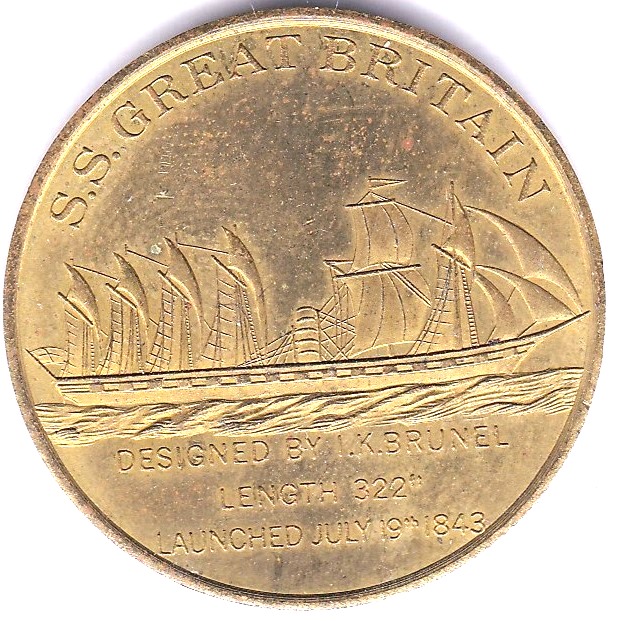
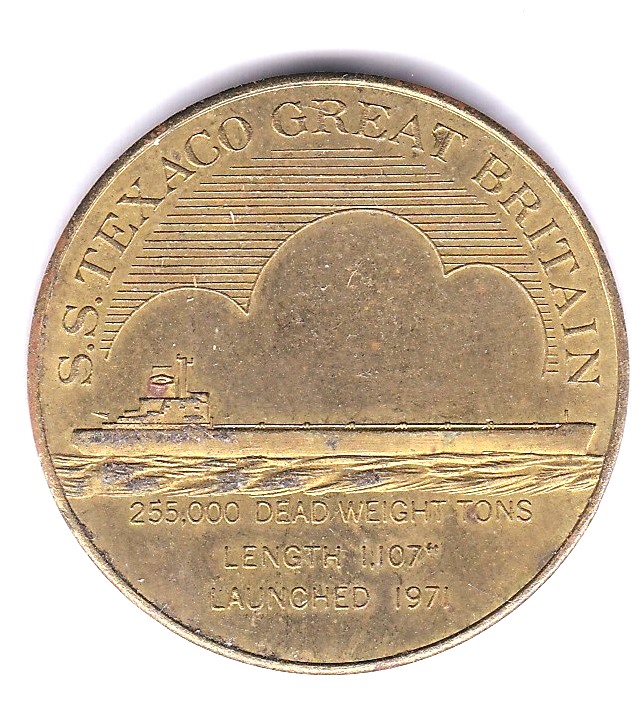
We finished the coins, ending with lot 1072, which went to me for £4 (it is a small medallion, which I considered to be railwayana by association since it refers to Isambard Kingdom Brunel):
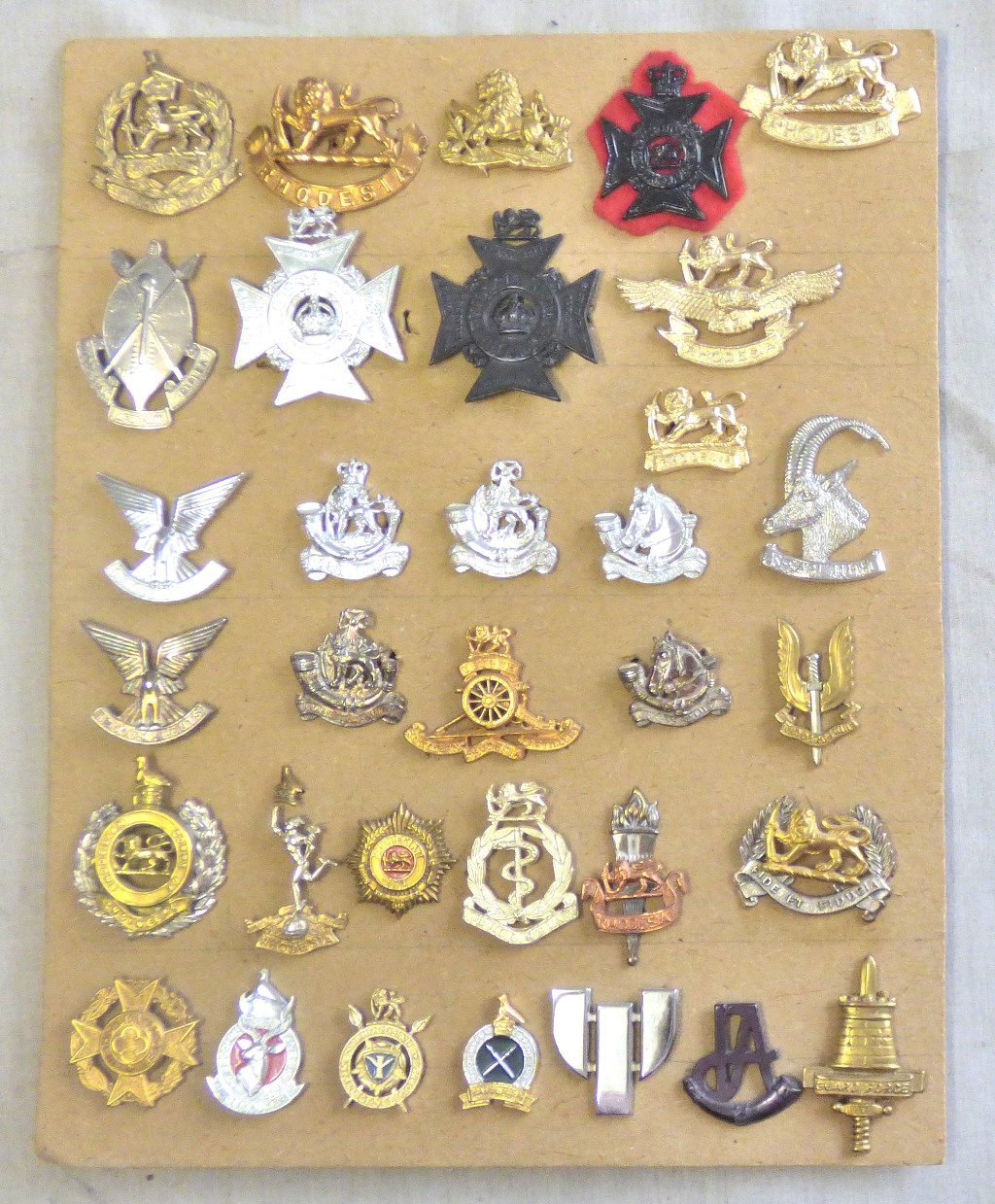
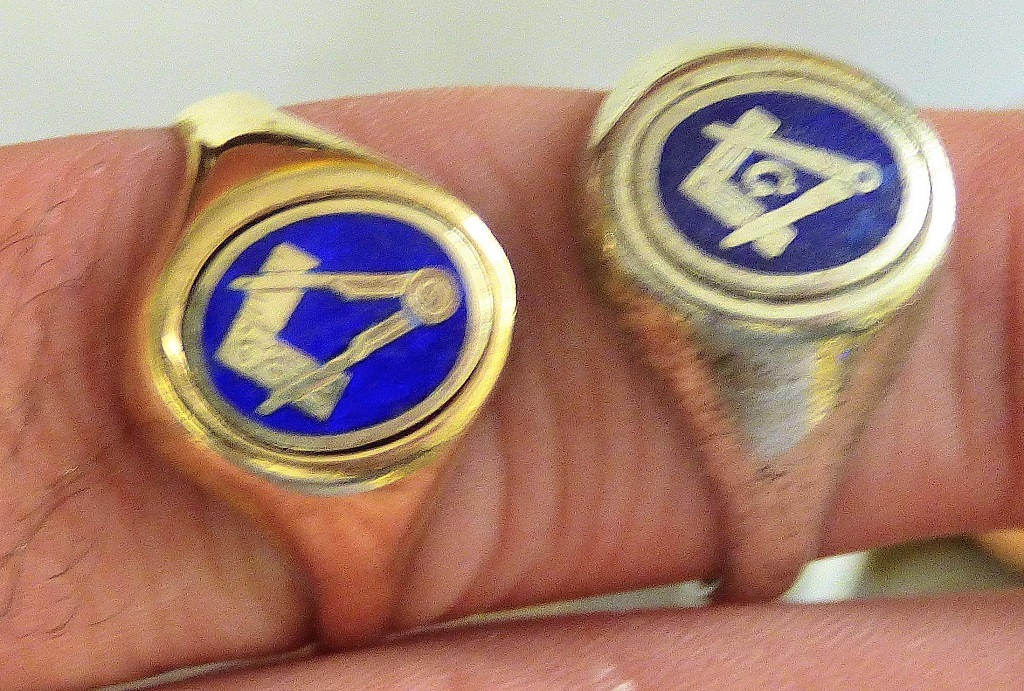
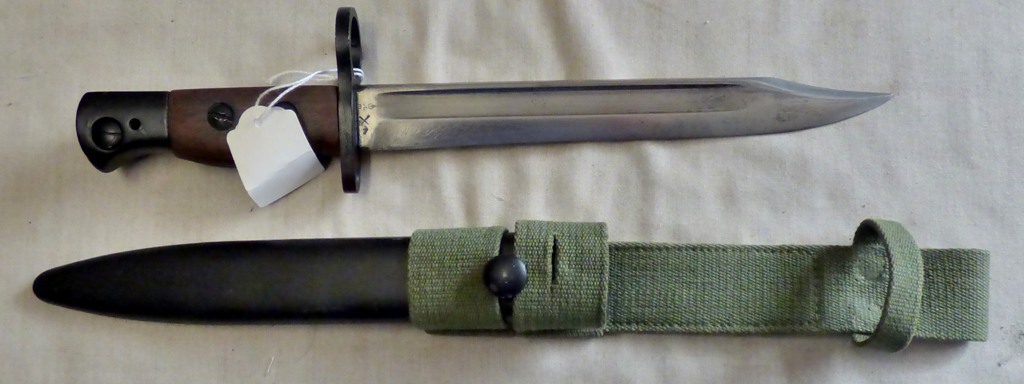
The Militaria section went pretty well, with most items selling, and two doing very well indeed:
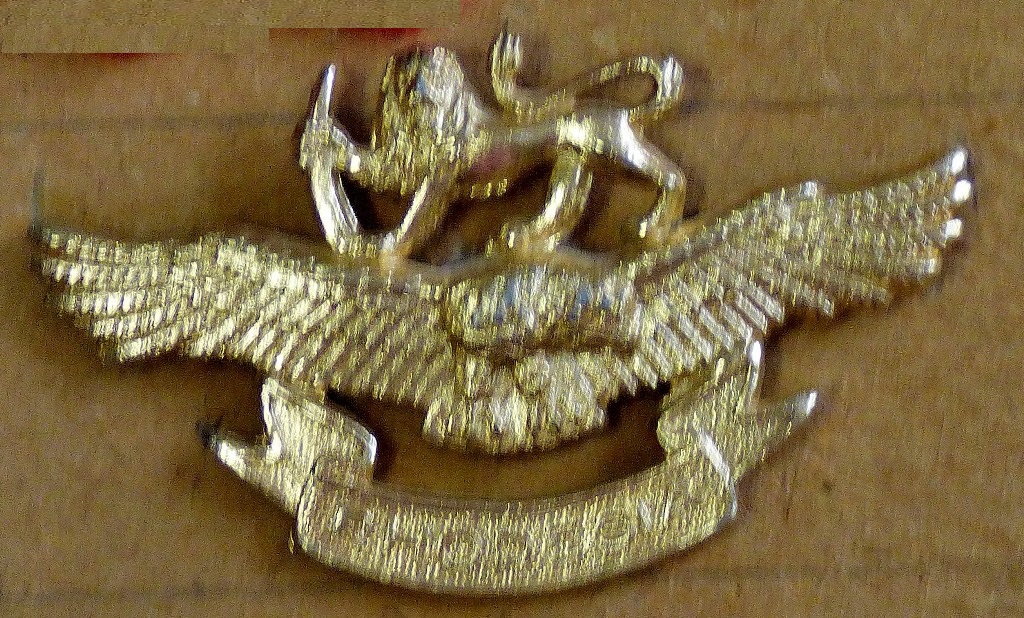
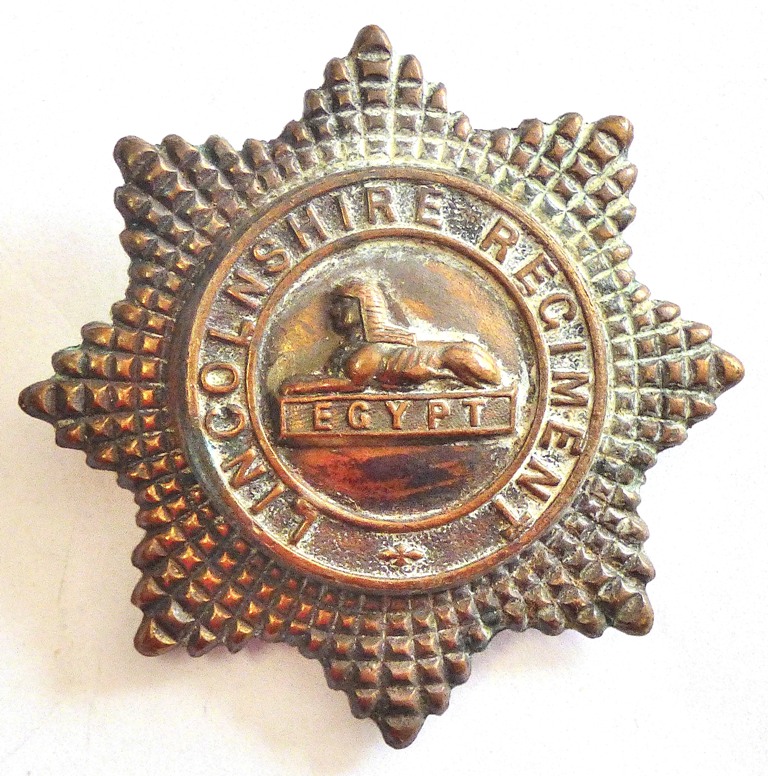
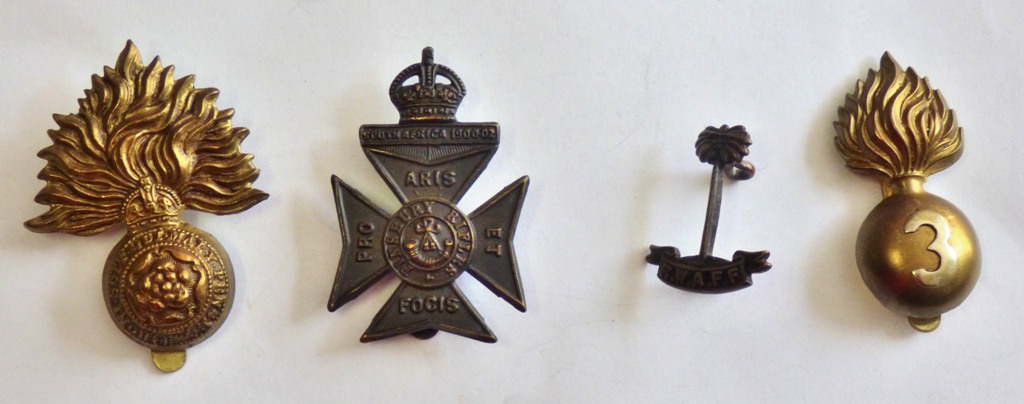
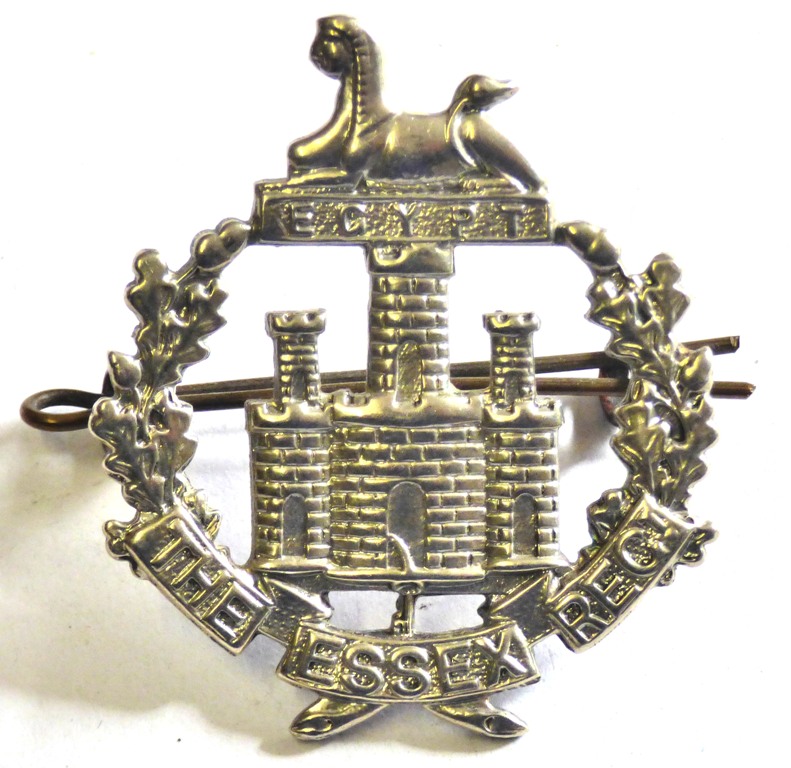
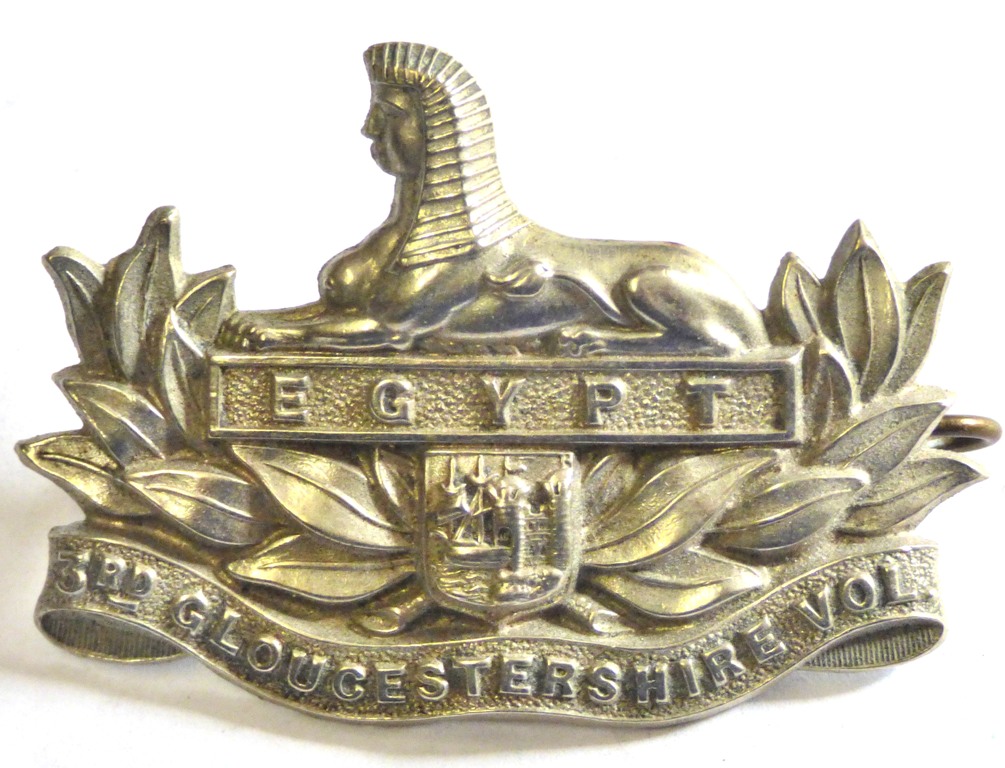
With this lot of badges being sold as one I could not spare the time to provide close-ups of all the badges…
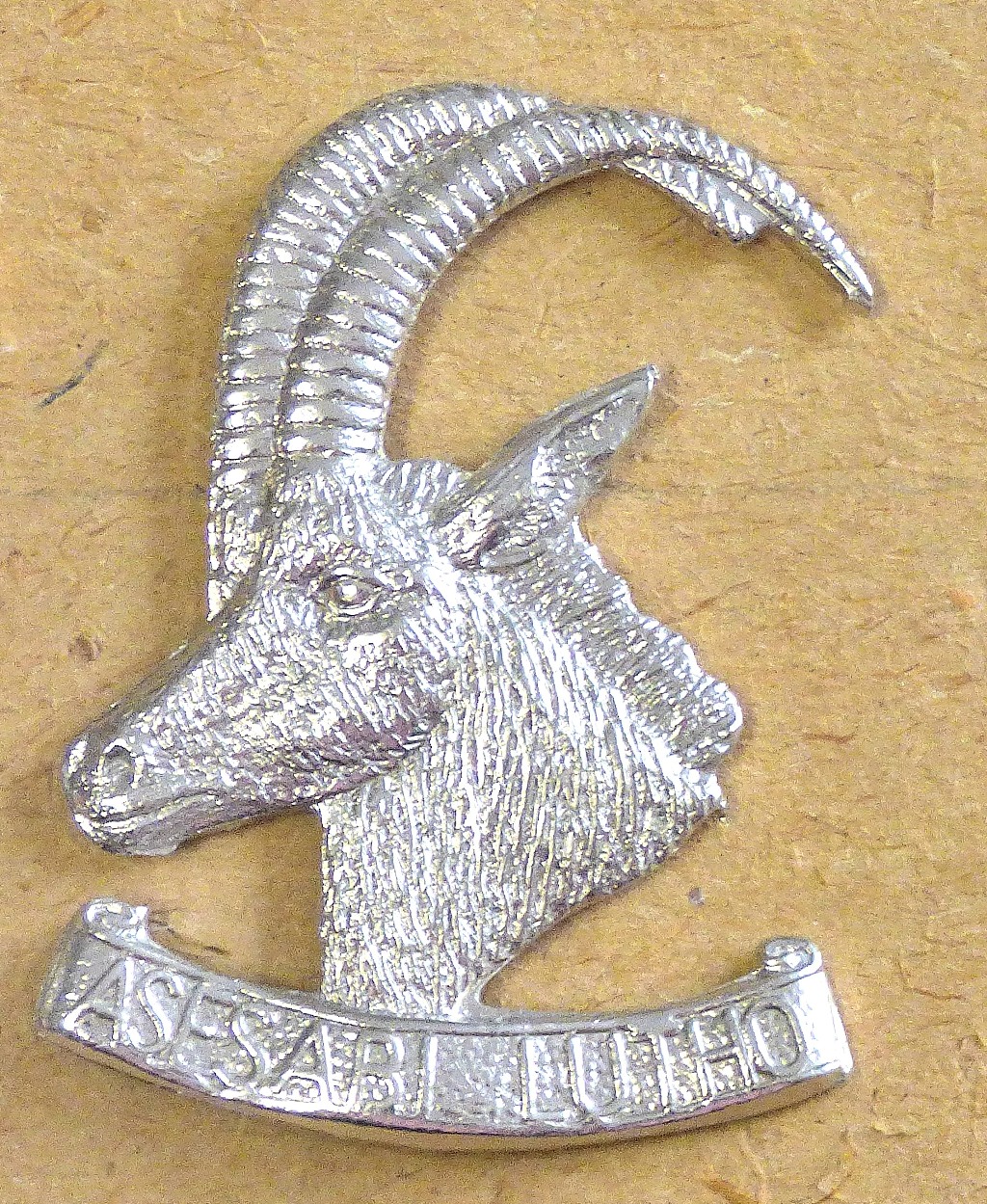
…so I nselected a couple of what I considered to be good ones…
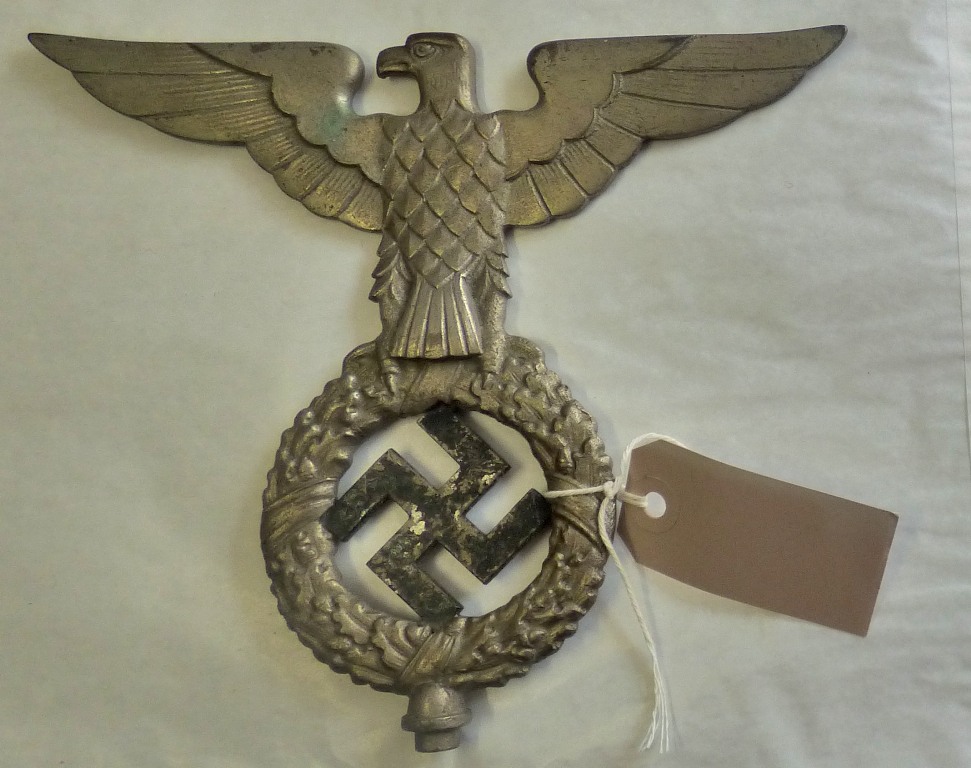
…the lots had been valued at £100-200, but interest possibly stoked by my choice of close-ups, pushed the final price up to £300.
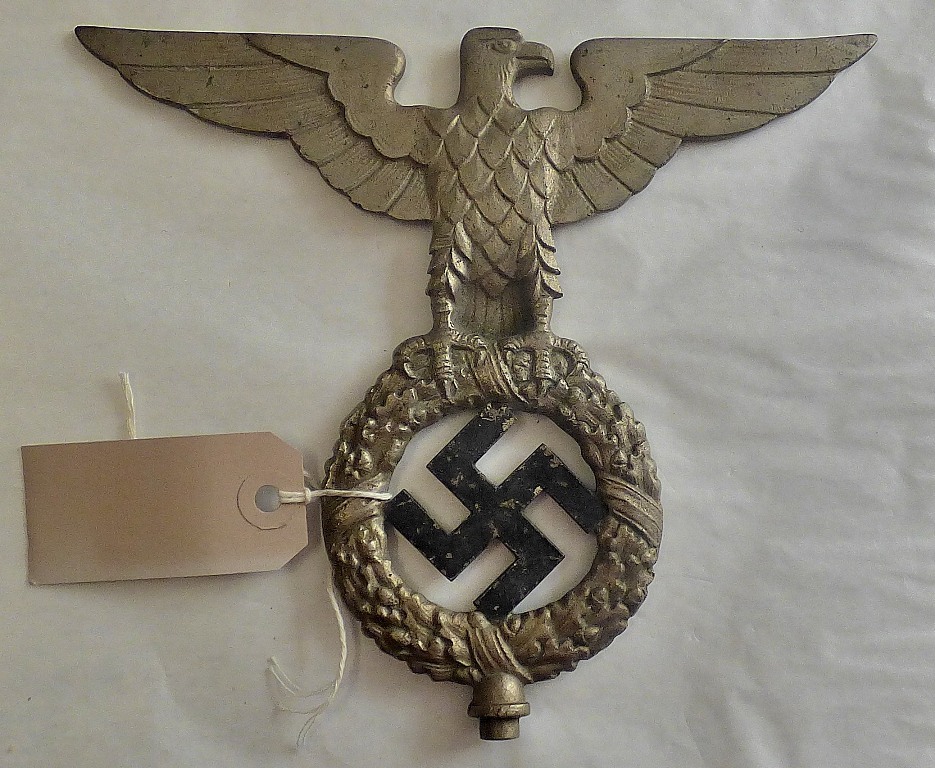
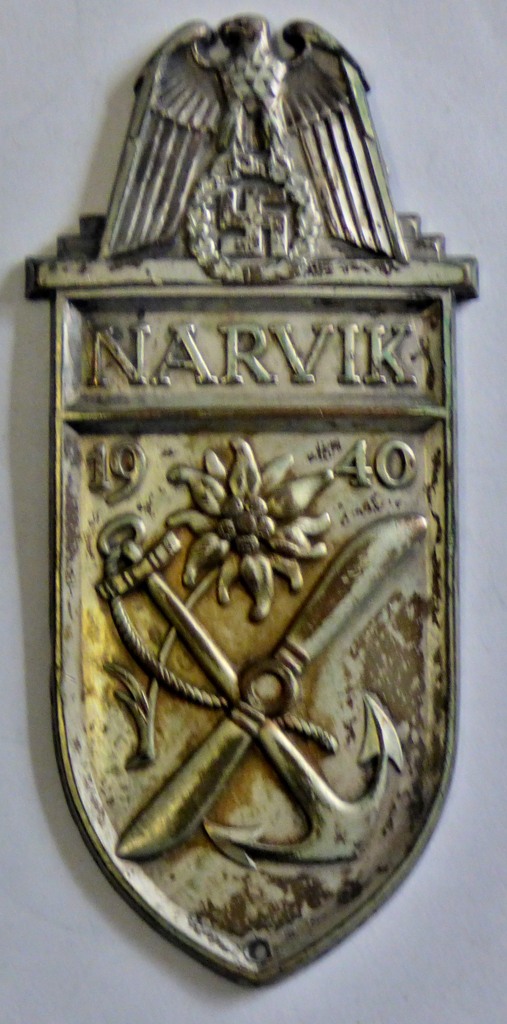
The other big success in this range was lot 1584, valued at £80-100 and going for £140.
Please note that the fact that we as auctioneers sometimes handle Nazi memorabilia does not mean that any of us entertain anhy sympathy for Nazi ideology.
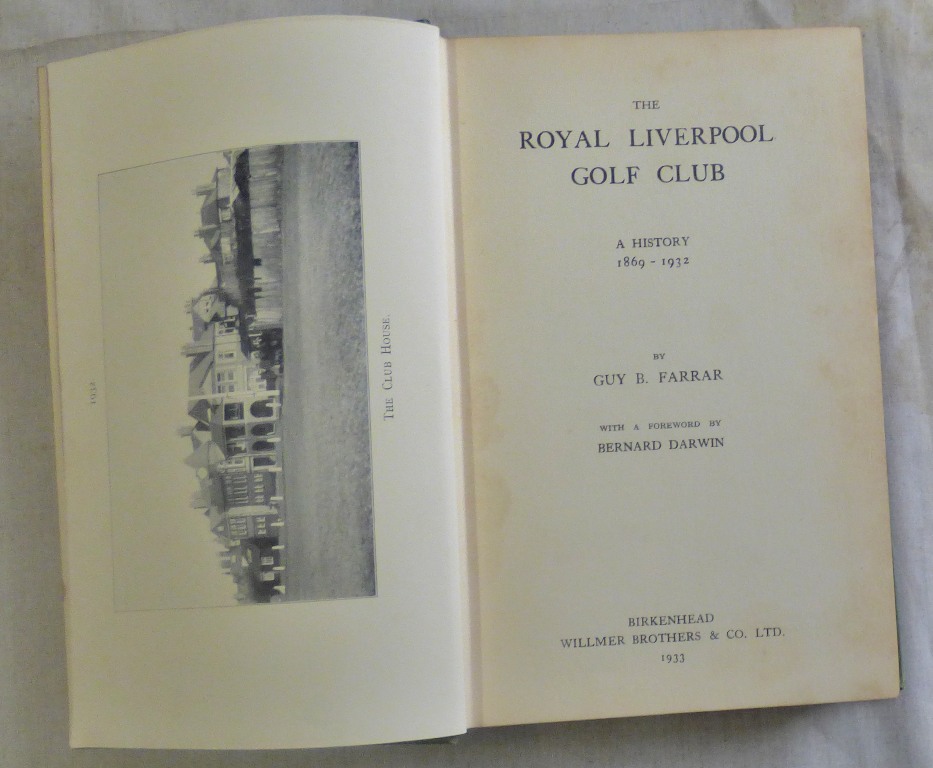
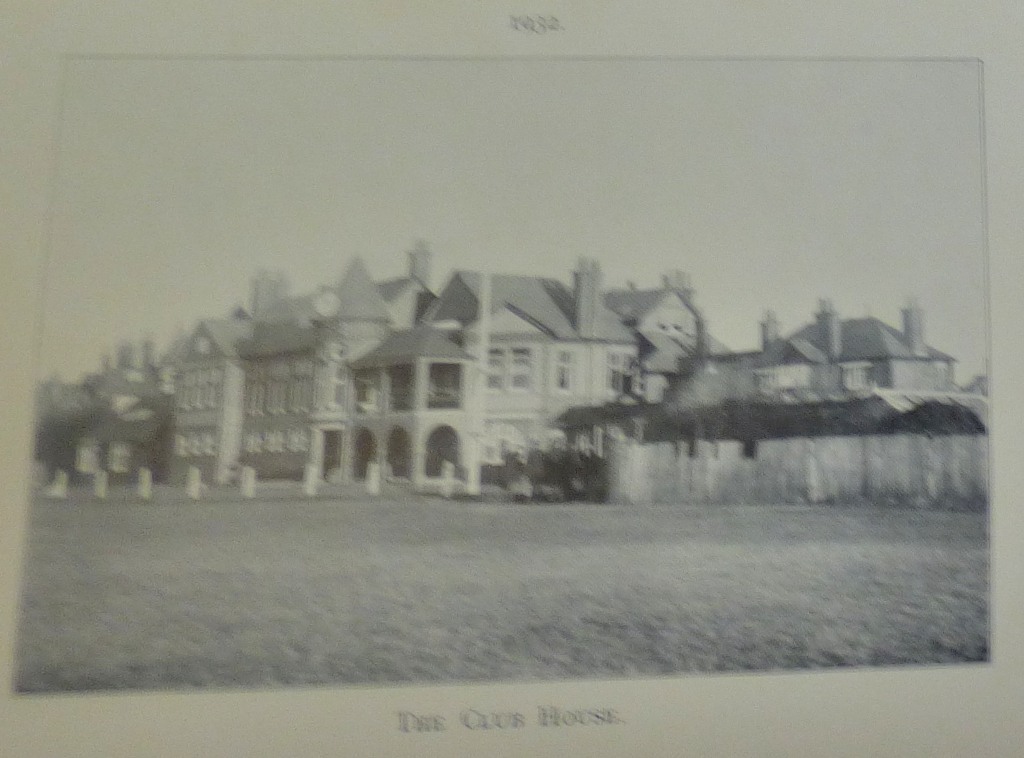
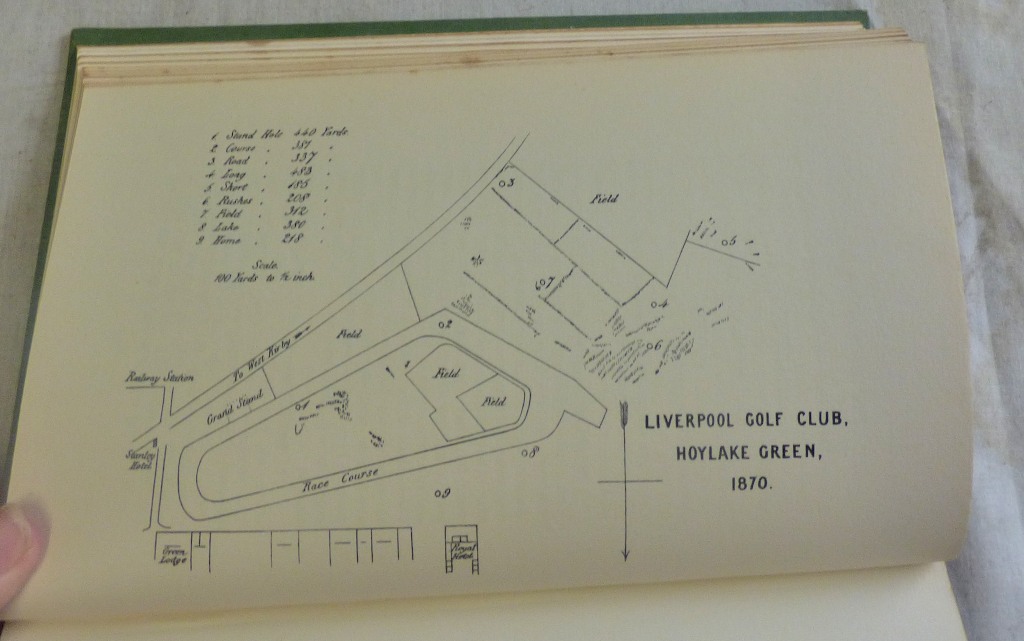
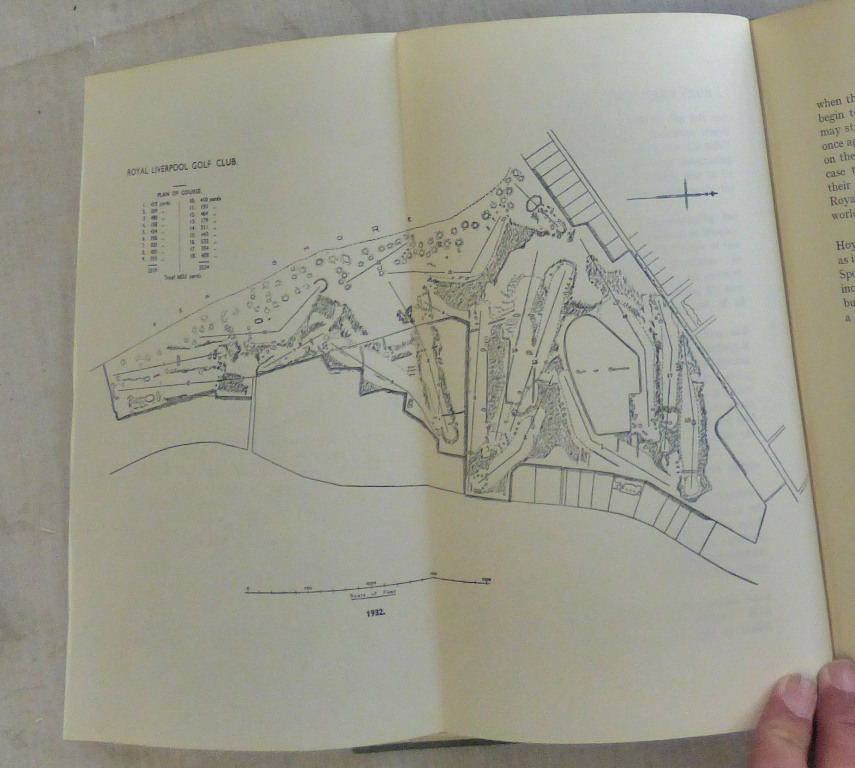
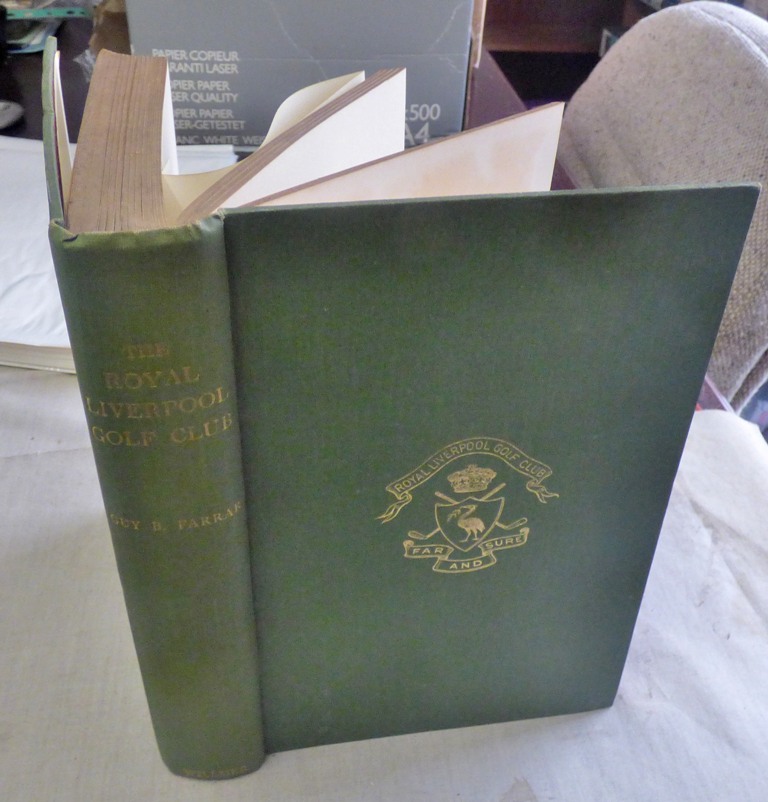
The books fared poorly, although The Royal Liverpool Golf Club by Guy Farrar which I had given a deliberately cautious estimate of £15-20 fetched £55.
The auction over, all that was left was the clear up, which was done by 3PM. I had one worrying moment when it seemed that a problem was developing with the internet connection, but fortunately it never got serious.
On Saturday the action shifts to The Maids Head Hotel, Norwich and the focus to cigarette cards. A full caftalogue listing for that auction can be viewed here.
An account of James and Sons’ April auction – very successful overall, and to my immense relief free of any technical issues.
INTRODUCTION
This week saw James and Sons’ April auction, a three day affair on Tuesday, Wednesday and Thursday. Overall it was very successful, with a couple of disappointments, but lots of sales.
DAY 1: SPORTING MEMORABILIA, BOOKS AND EPHEMERA
In order to avoid being rushed during the preliminaries I caught the first bus of the morning, and got to the shop at 7:10AM. I attended to an urgent query first thing, and then it was time to complete the IT setup. To my great relief there were no hitches at all, and everything was in working order. During this period the auctioneer also briefed me about the May auction, and what was required in terms of imaging a very large quantity of military badges. In view of this I decided that I would have to leave some of the railway photographs unimaged, although it was a necessity from an ethics point of view to image lots 1203-12 as I was intending to buy a couple from that range, and it would not do for there to be any suggestion of influencing things in my favour by not making images available to the public.
We got underway bang on schedule at 10AM, and while there were no headline making prices a decent quantity of the sporting memorabilia did sell. Then came some books, and a few big sales. Lot 260 had an estimate of £50-75 but vigorous internet bidding pushed the final price up to £220.
Lot 260 – old and rare, and a big hit (two images)
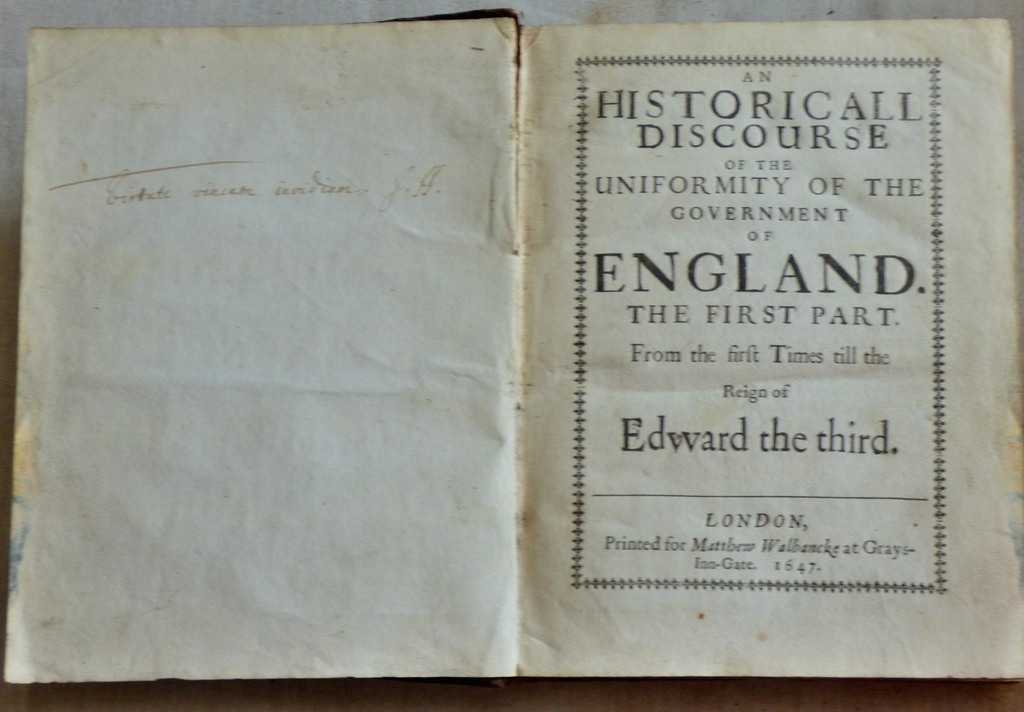
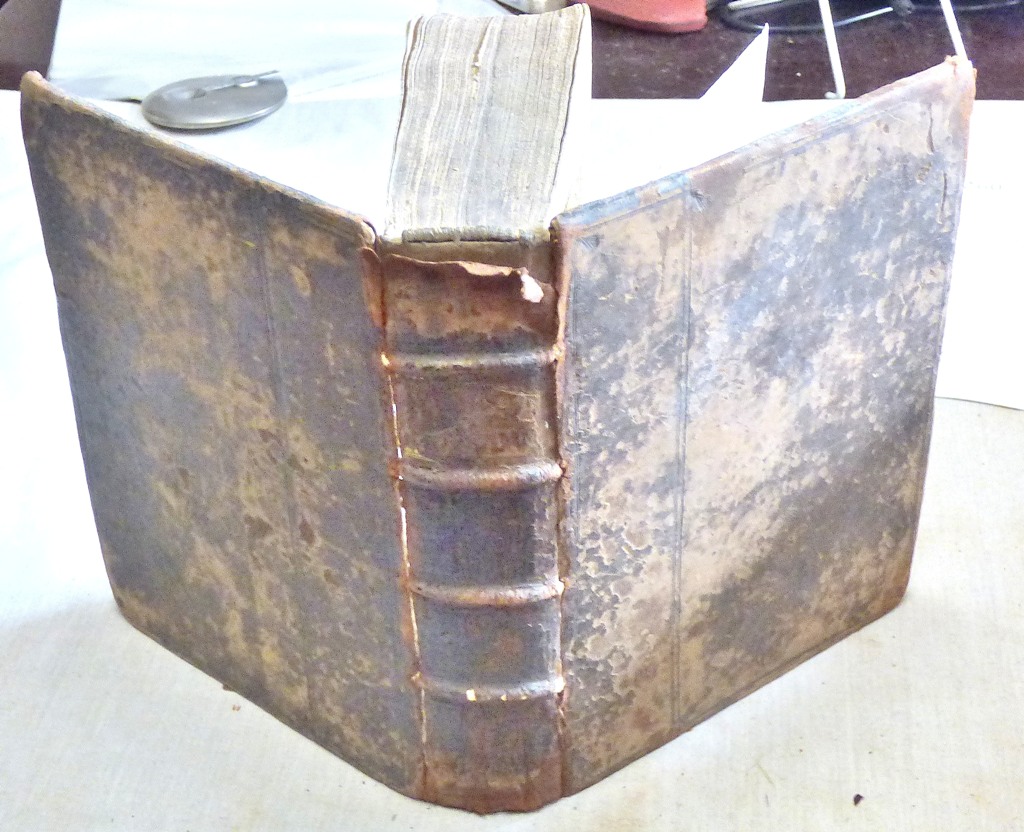
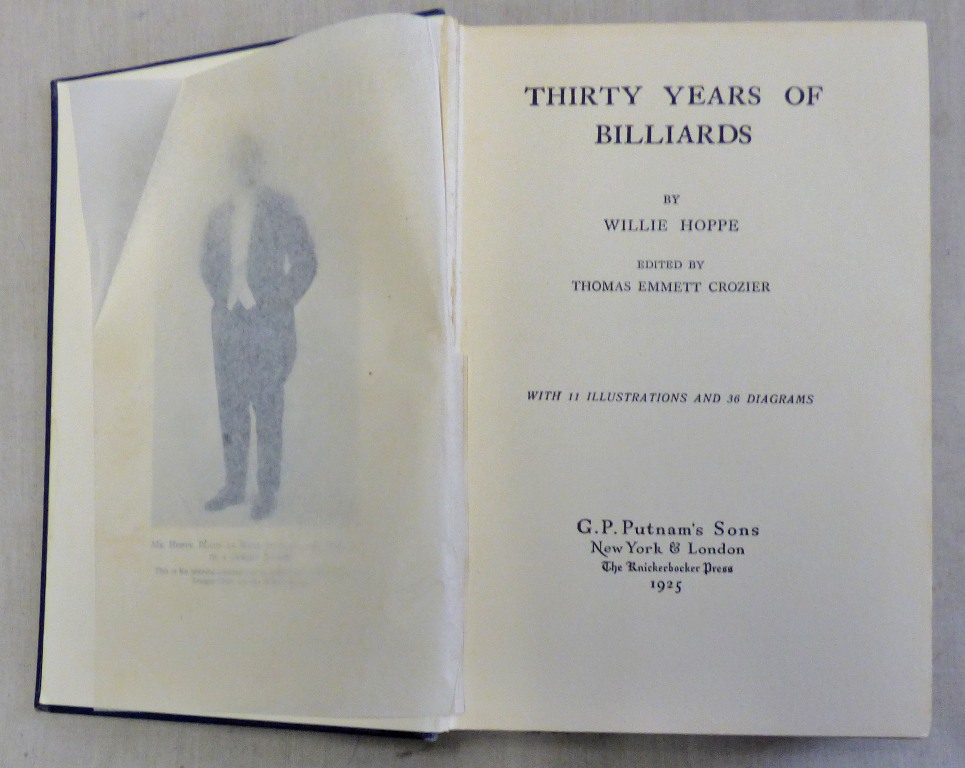
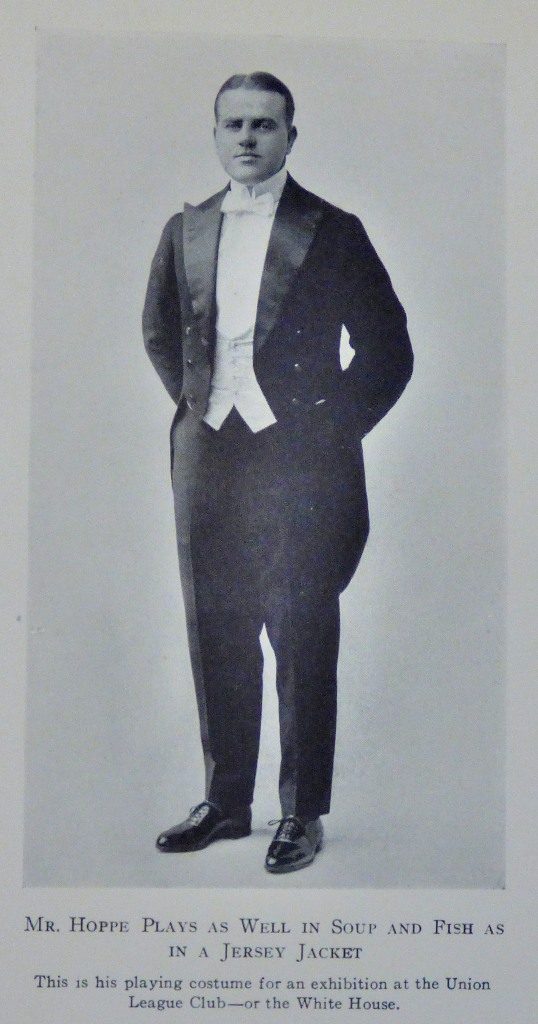
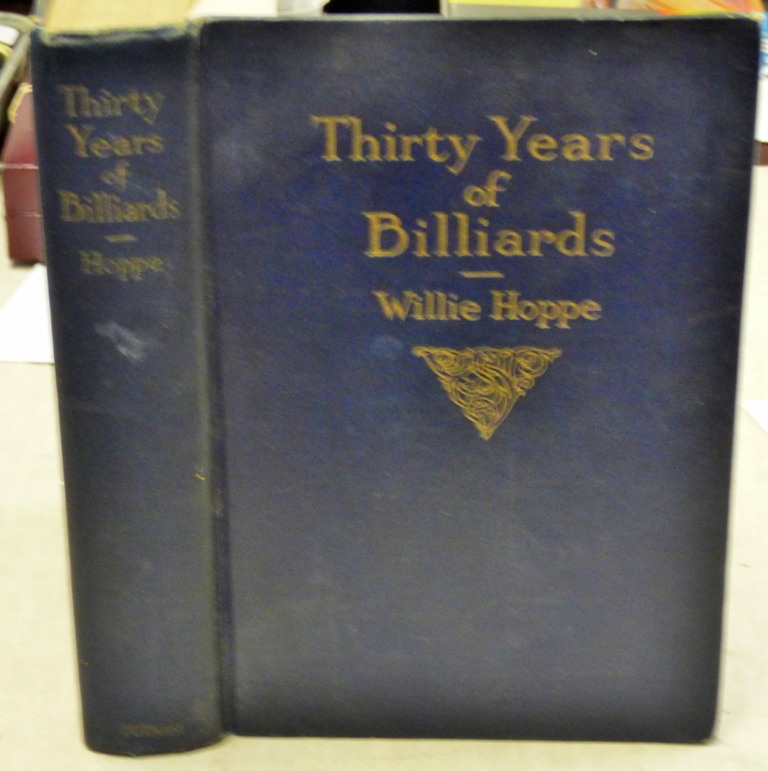
Willie Hoppe’s “Thirty Years of Billiards”, lot 279, was in with an estimate of £20-30, but caught the eyes of online bidders to such an extent that the final hammer price was £180!
Lot 279 (three images)
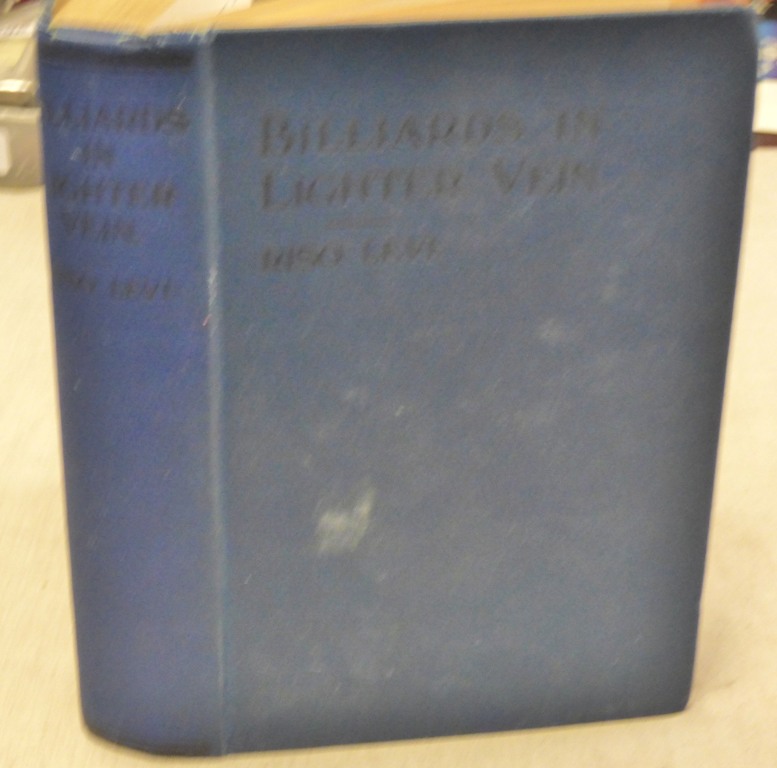
Less dramatically, lot 282, Levi Riso’s “Billiards in a Lighter Vein” had an estimate of £15-20 and actually fetched £30.
Lot 282 (two images)
Lot 302 had an estimate of £10-20 and went for £30.
Lot 302 (three images).
Near the end of the first day lot 340, a curious little item, attracted no interest from anyone other than me:
Lot 340 – my first purchase of this auction.
After lunch I started work on the badges for the May auction.
DAY 2: COINS AND MILITARIA
Another early arrival, and another hitch-free preliminary before going live at 10AM. We had three coin buyers in the room, and some internet interest, so the coins sold well. Lots 475, 501 and 695 all went signifiantly above estimate, and most of of the other coin lots also found buyers.
Lot 475
Lot 501 (two images)
Lot 695
We had a 15 minute break between the coins and the militaria, which kicked off in style with lot 700. Lots 704, 705, 711, 719, 727, 761, 802, 823, 824, 828, 830, 831, 832, 837, 838, 844, 846 and 847 all also went significantly over estimate, and almost none of it remained unsold.
Lot 700 (two images) – £470 hammer price
Lot 704 (four images) – est £100-200 actual hammer price £440!
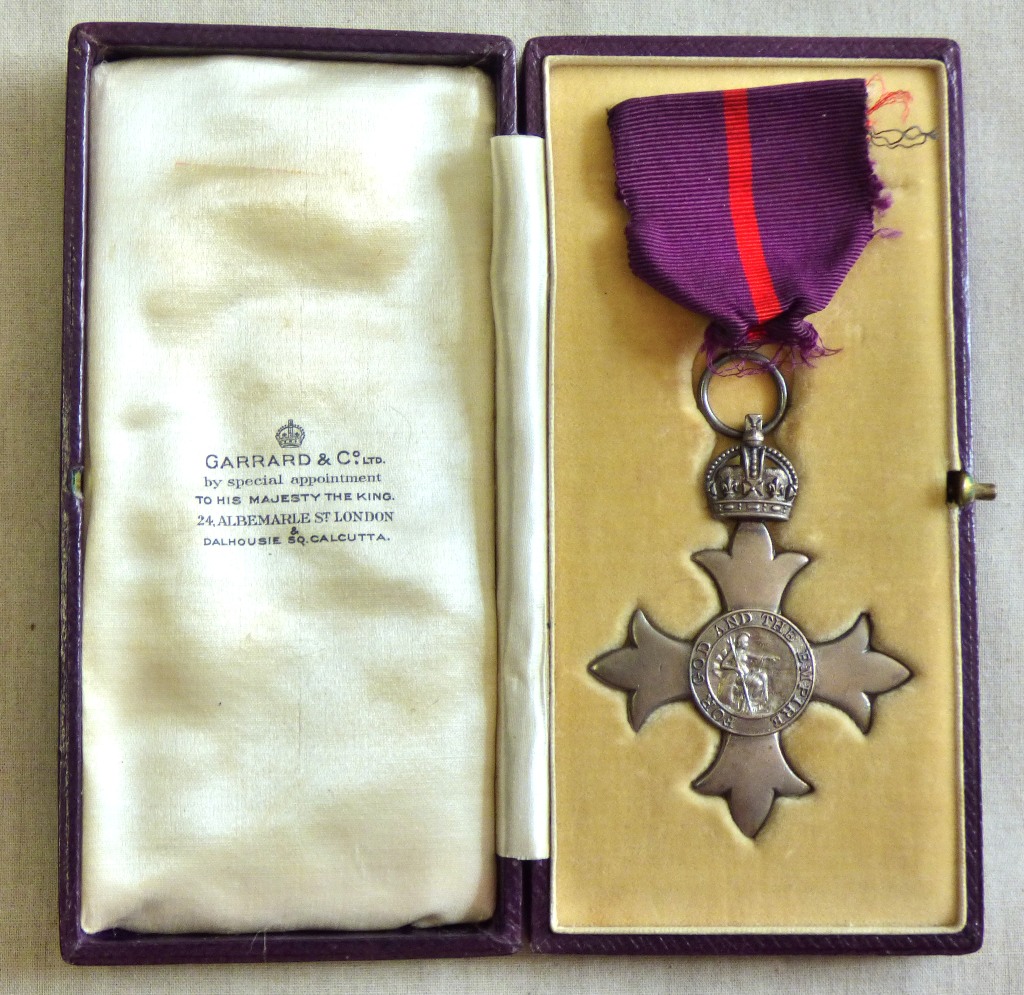
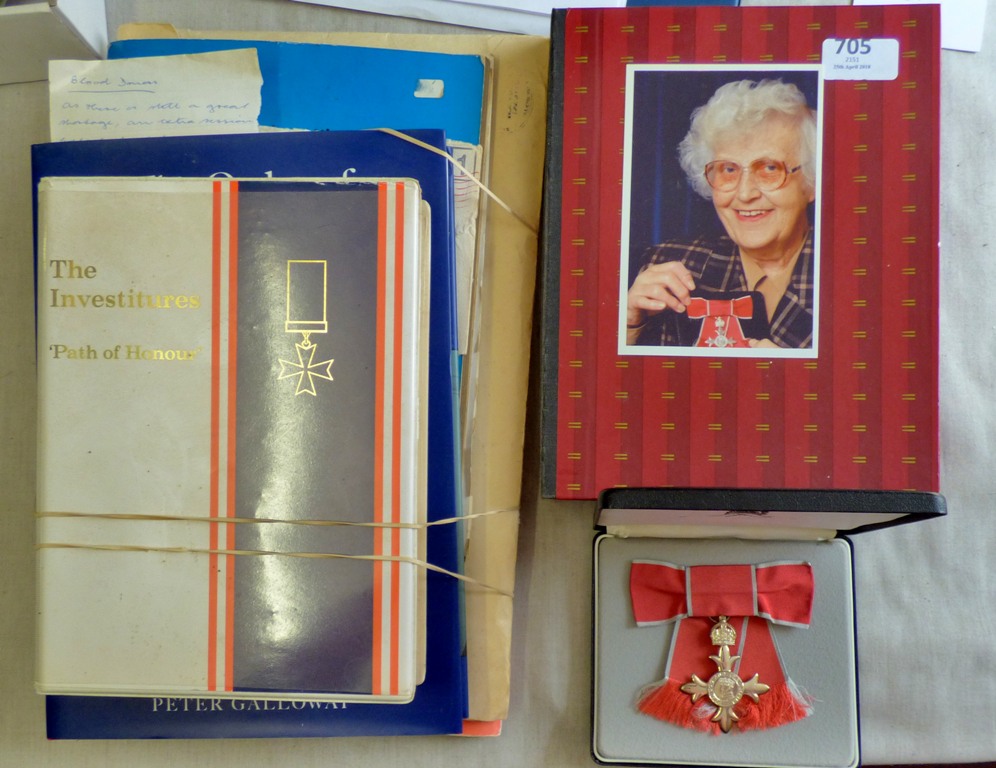
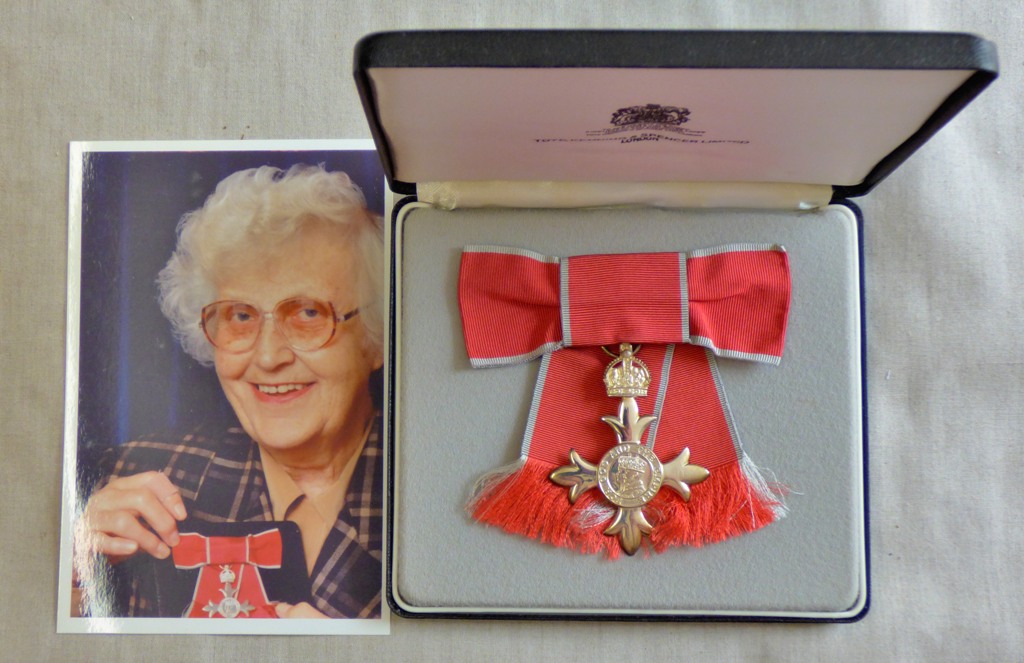
Lot 705 (four images) est £60 – 80, actual £120
Lot 711 (two images) – estimate £15-20, actual price £55
Lot 719 0- estimate £35-40 – actual price £85.
This close up of the two rings was in response to a query.
Lot 727 – est £15-20, actual £50
Lot 761 est £60-80, actual £150.
Lot 802 – only just above top estimate, but the buyer was somebody to whom I had sent an image of the reverse of this badge in response to a late query.
Lot 823 – a holster with no gun – est £10-15, actual £28.
828
831
832
837
838
Lot 844 – These images (alo incl those for 846 and 847) were suppliued by the vendor, along with descriptions
846
847
DAY THREE: POSTCARDS AND RAILWAY POSTCARDS
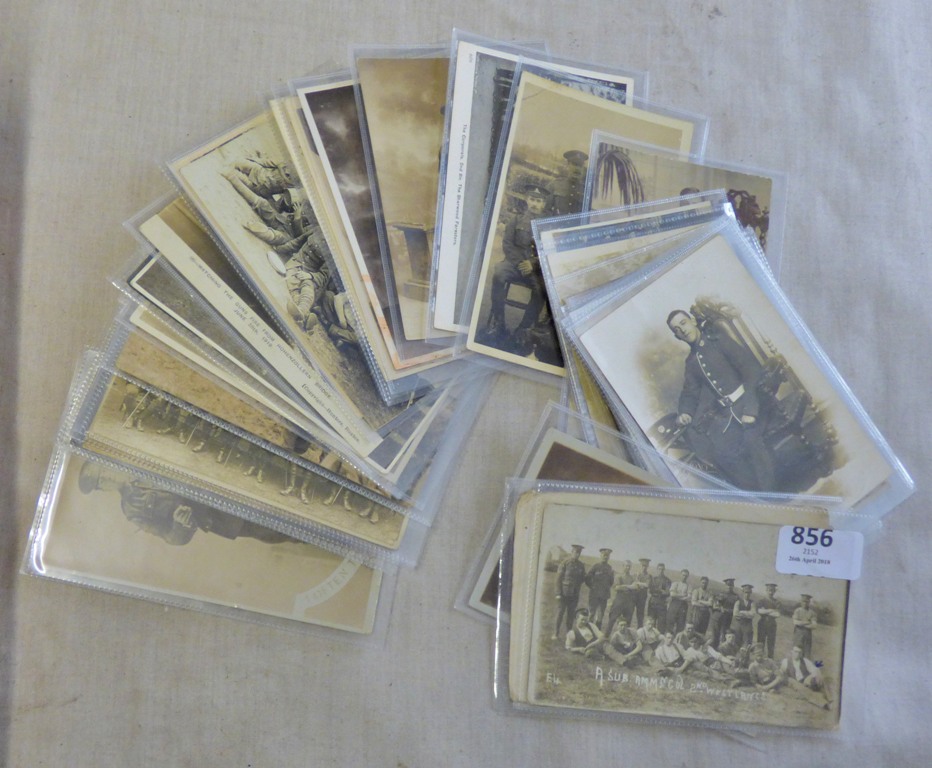
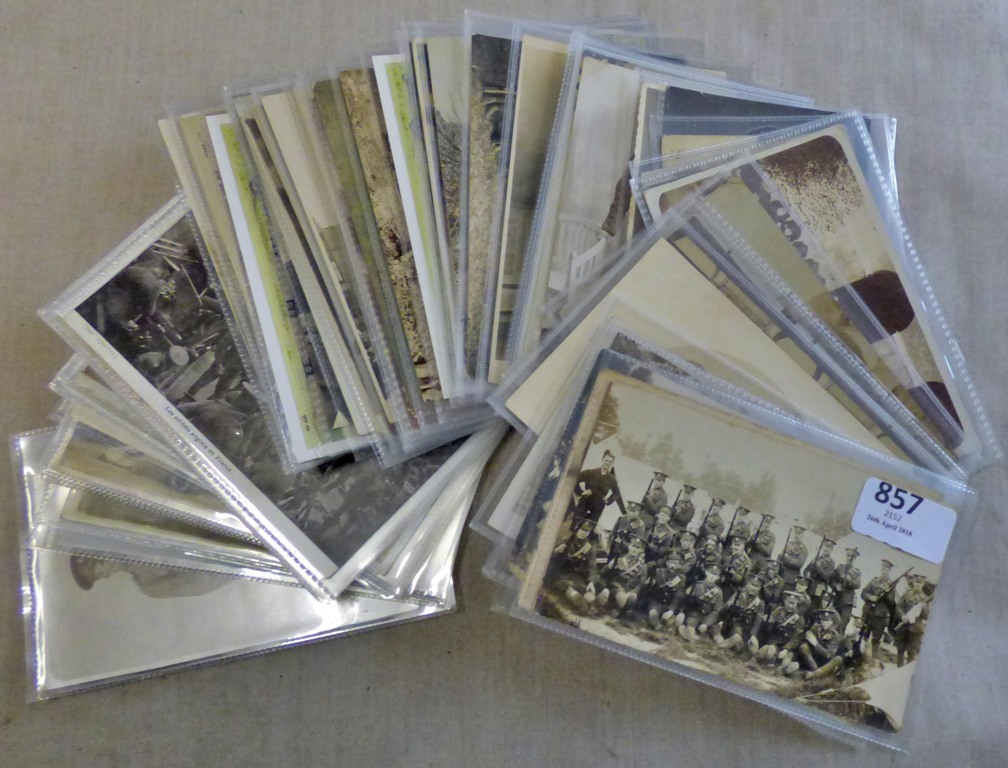
I arrived early once again, did some badge imaging and then paid a visit to Tony’s Deli (Thursday is market day in Fakenham, and this food stall is excellent value for money). For the third straight day there were no hitches in the preliminary stage – although I was not especially happy about doing the official sound check at 9:57, not least because I already knew it was working. A couple of early postcard lots (856 and 857) achieved big prices, and most of the postcards found buyers.
Lot 856 sold for £80
Lot 857 sold for £100
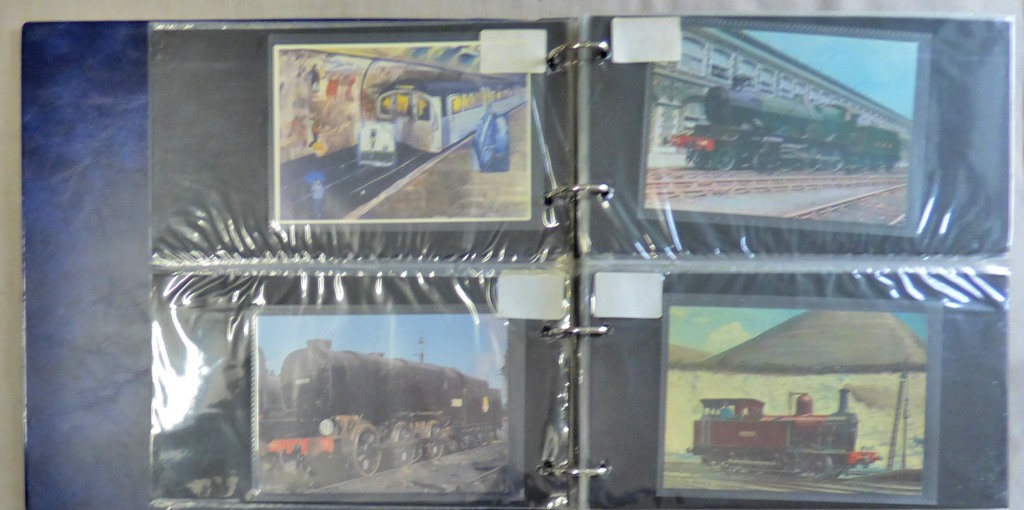
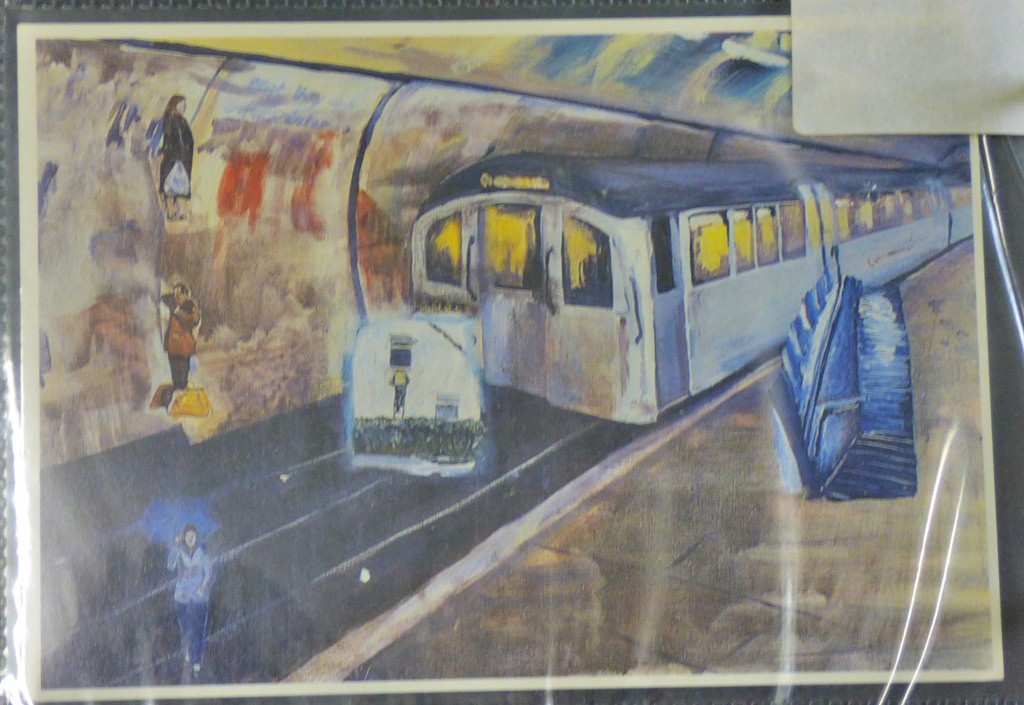
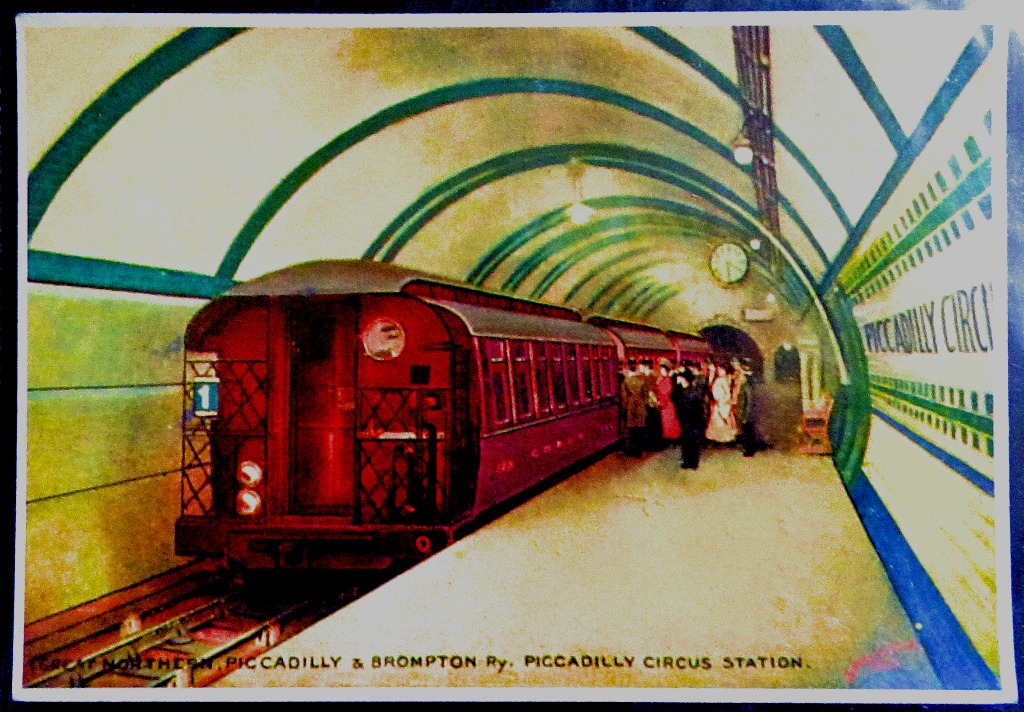
The other notewaorthy postcard lot was 1047, which became my second purchase of the auction. I will at some stage be giving this lot a whole post to itself, but here are some pictures for the present:
These are modern reproductions rather than original pictures, hence why no one else showed any interest in this item.
An old Metropolitan line train near Wembley.
Abstract art featuring a Northern line train of 1959 stock
A picture of one of the original ‘gated stock’ trains that ran services on what was then the Great Northern, Piccadilly and Brompton Railway – this scene would have taken place in 1906 or not long after.
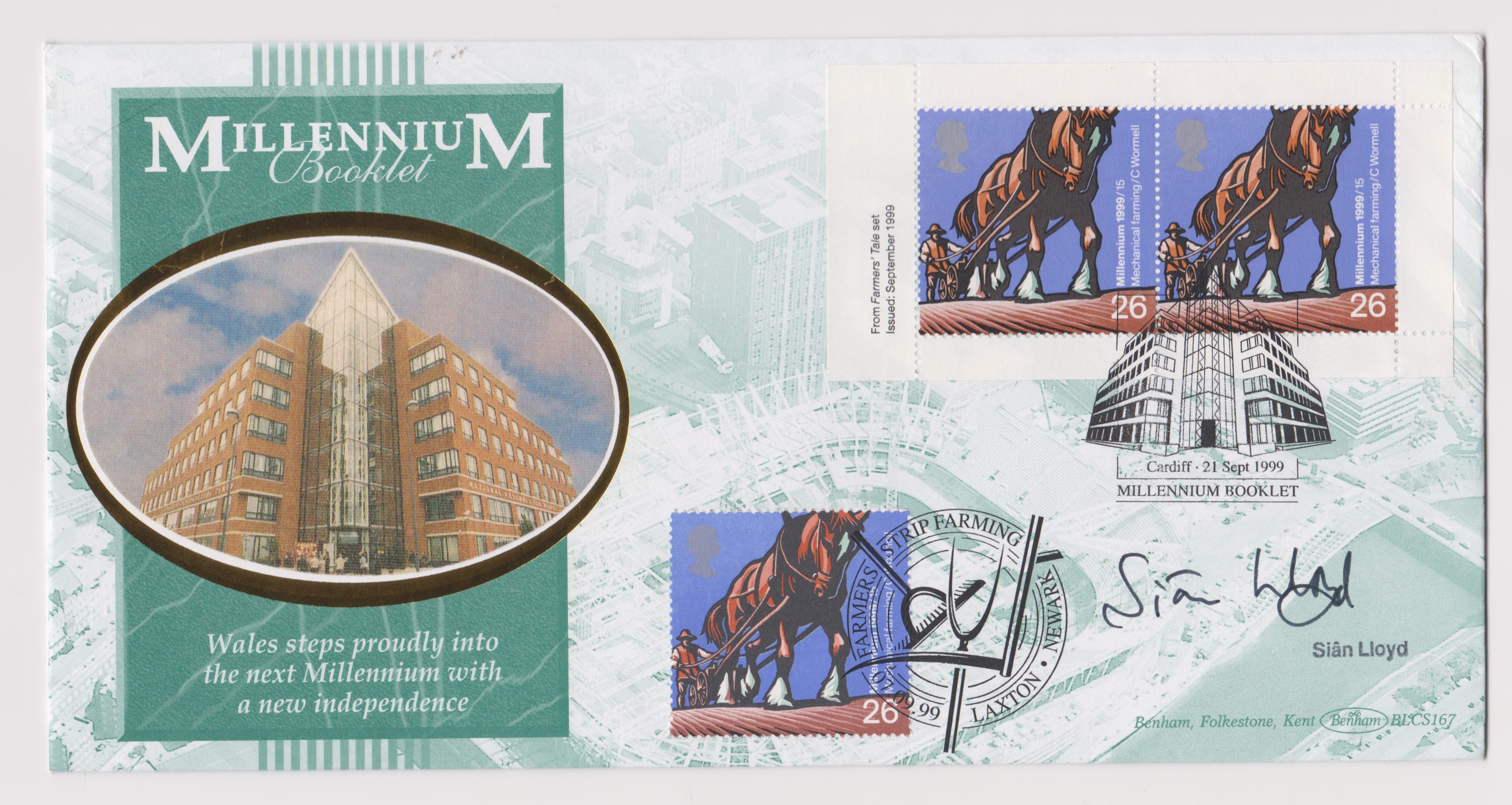
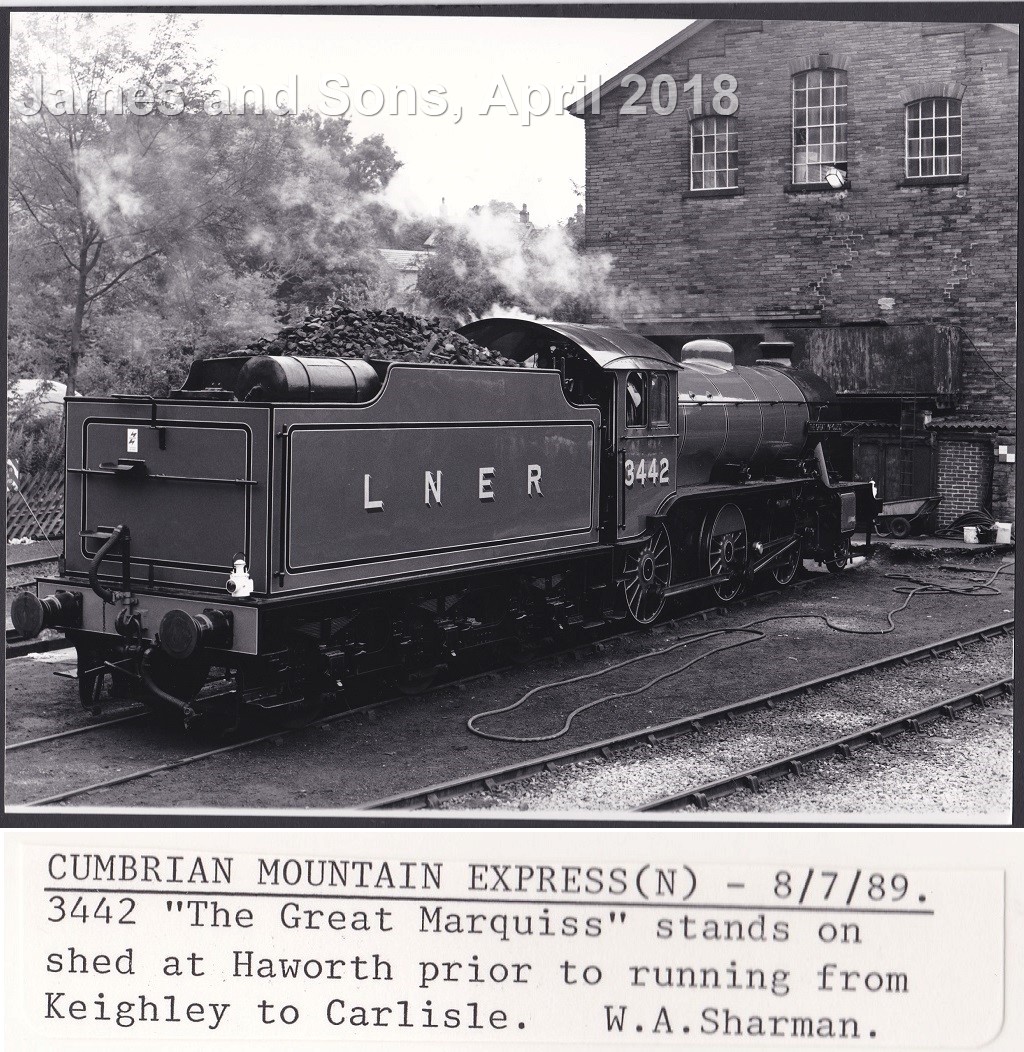
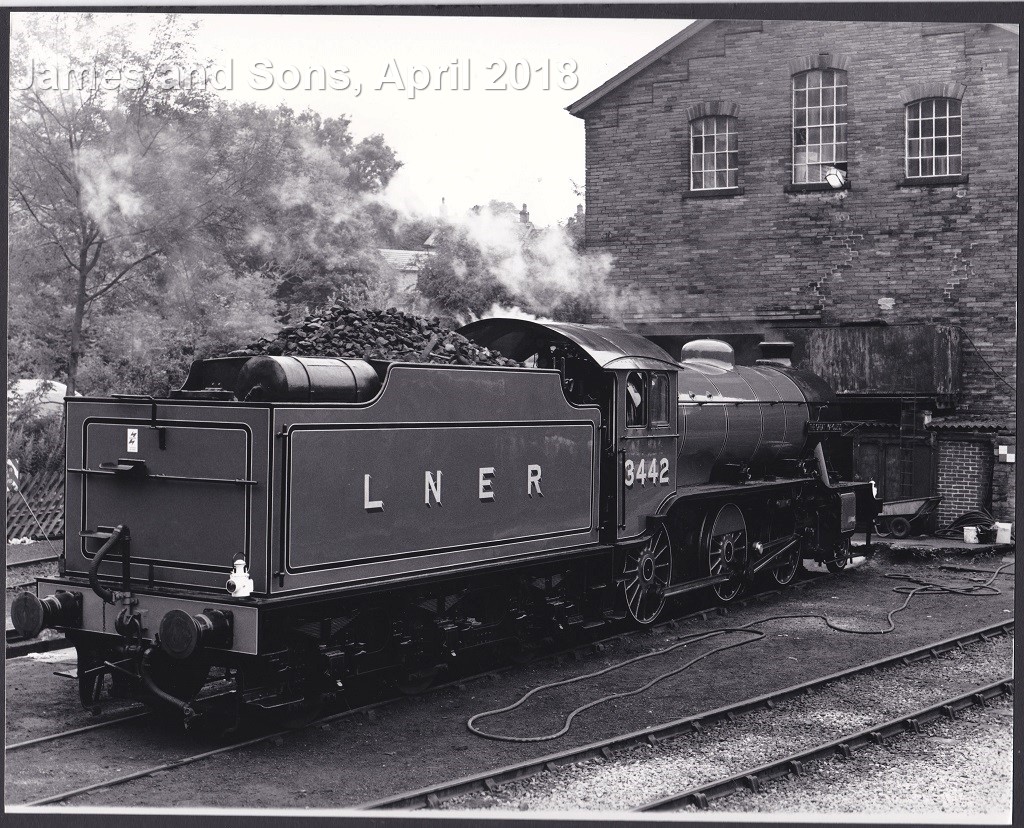
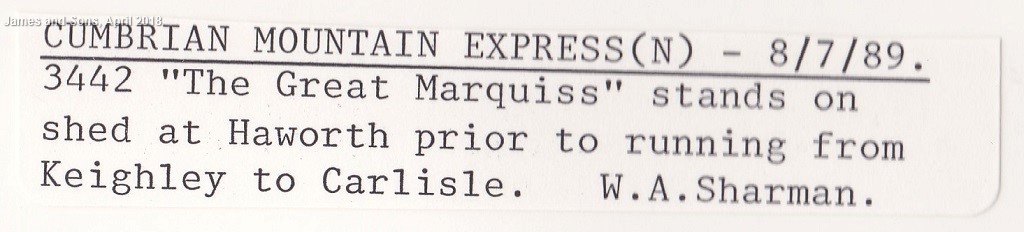
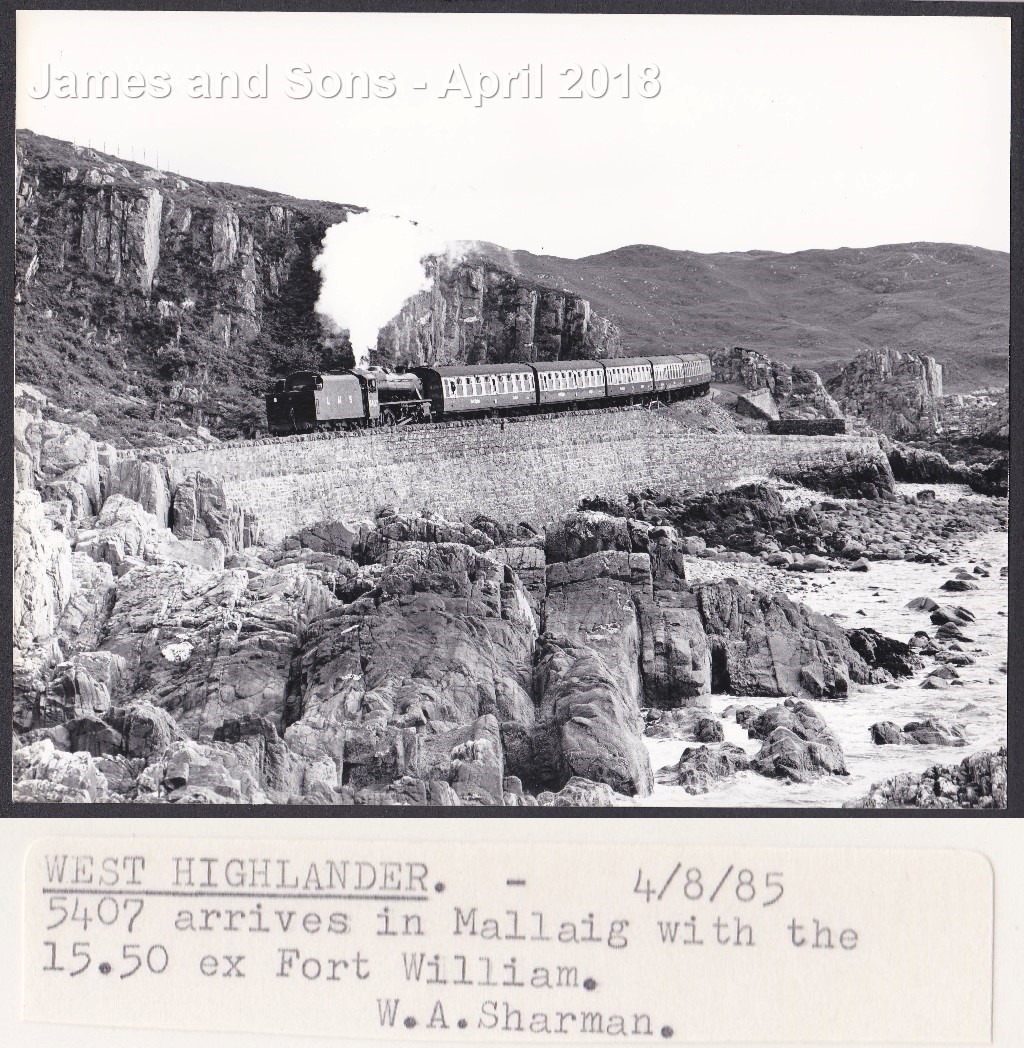
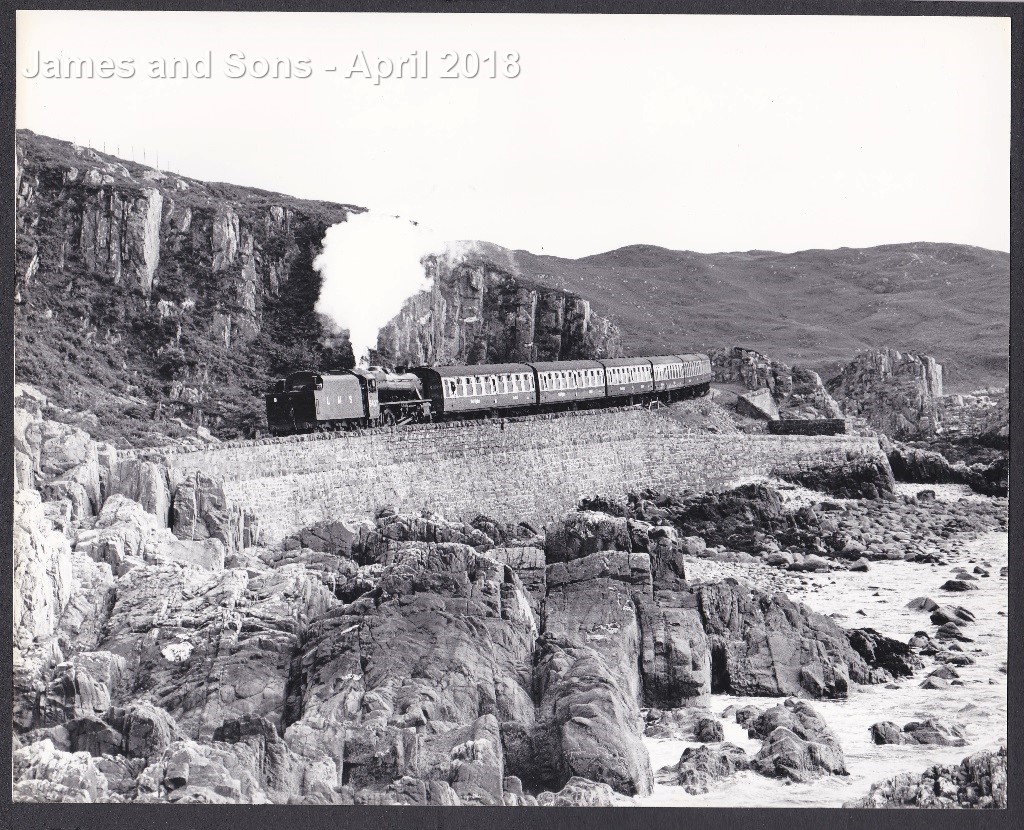
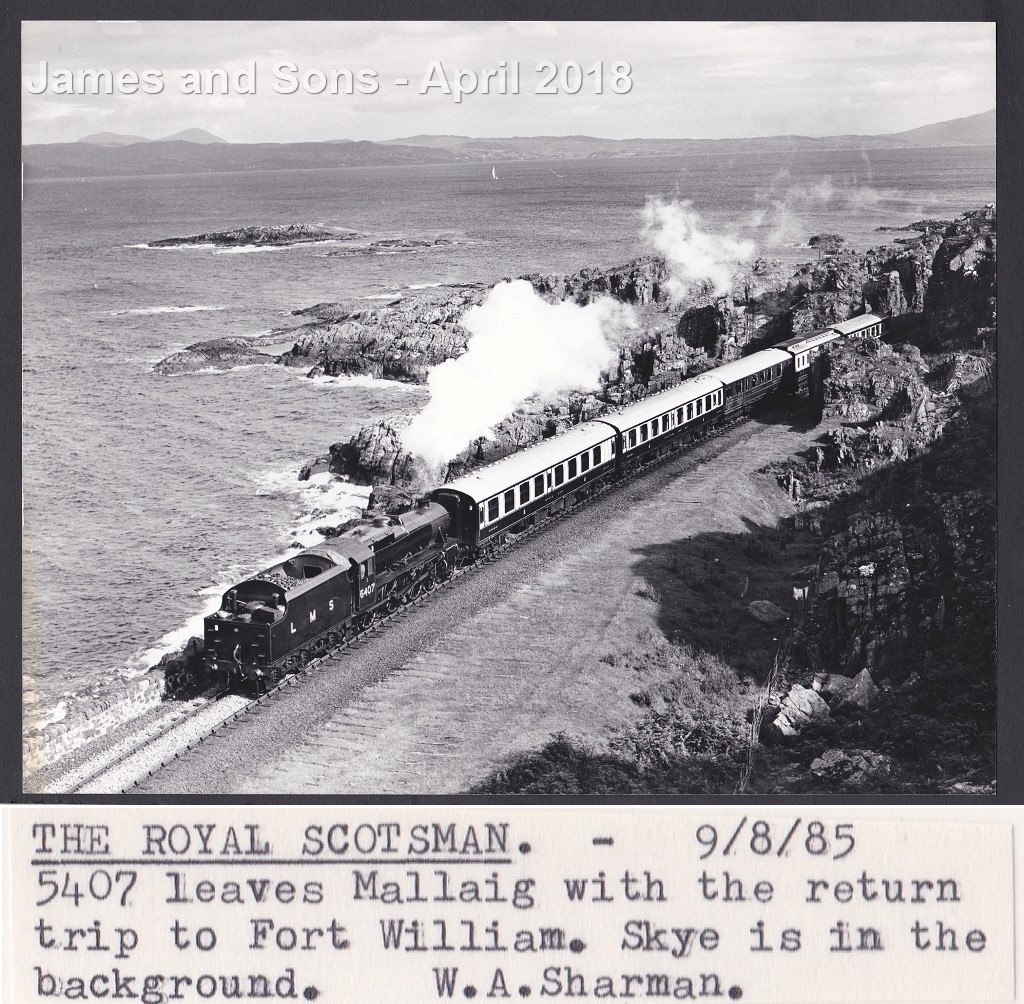
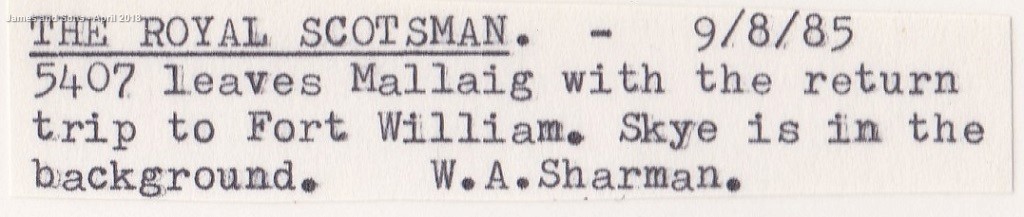
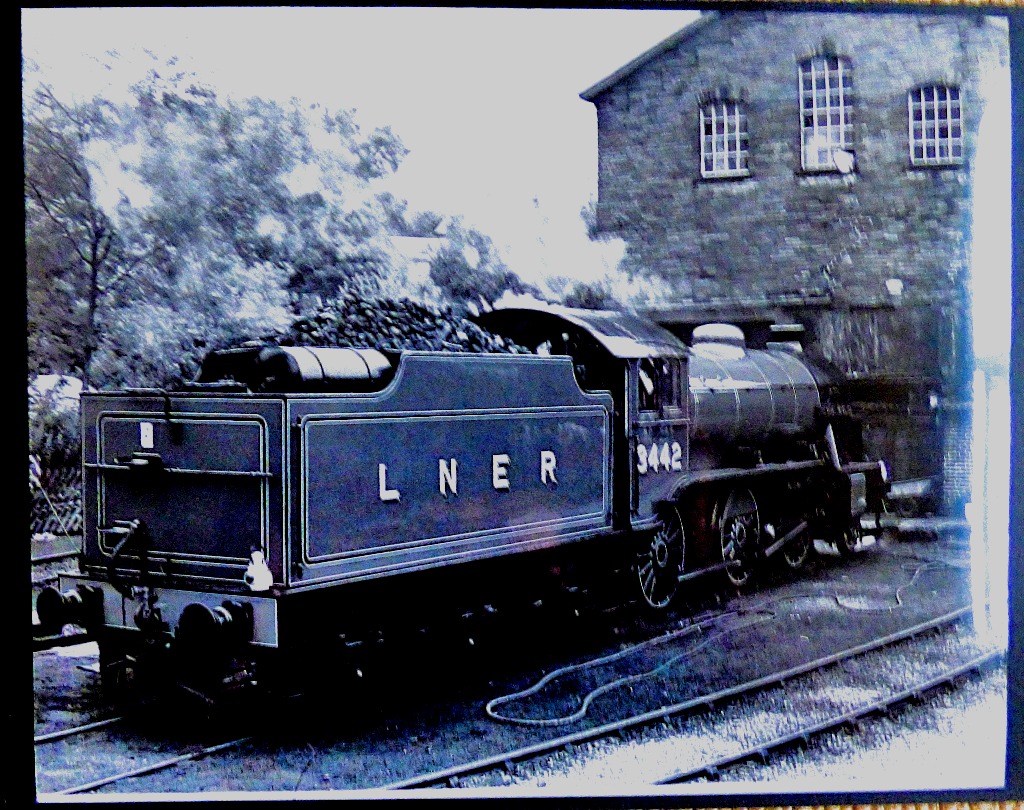
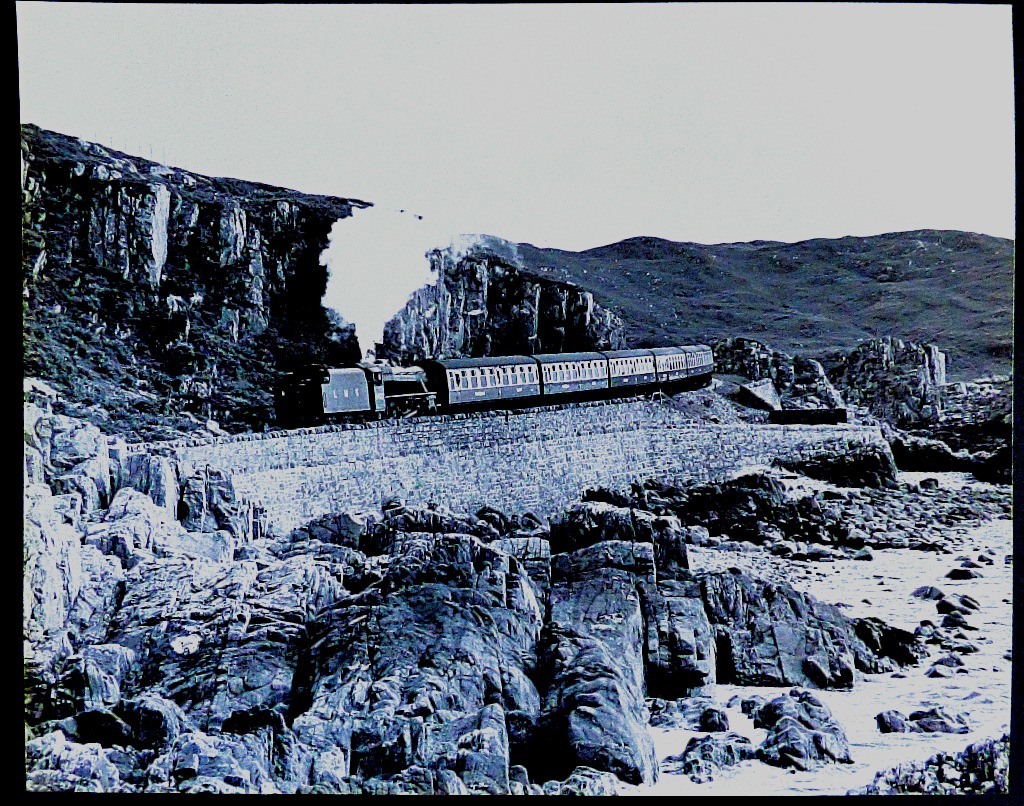
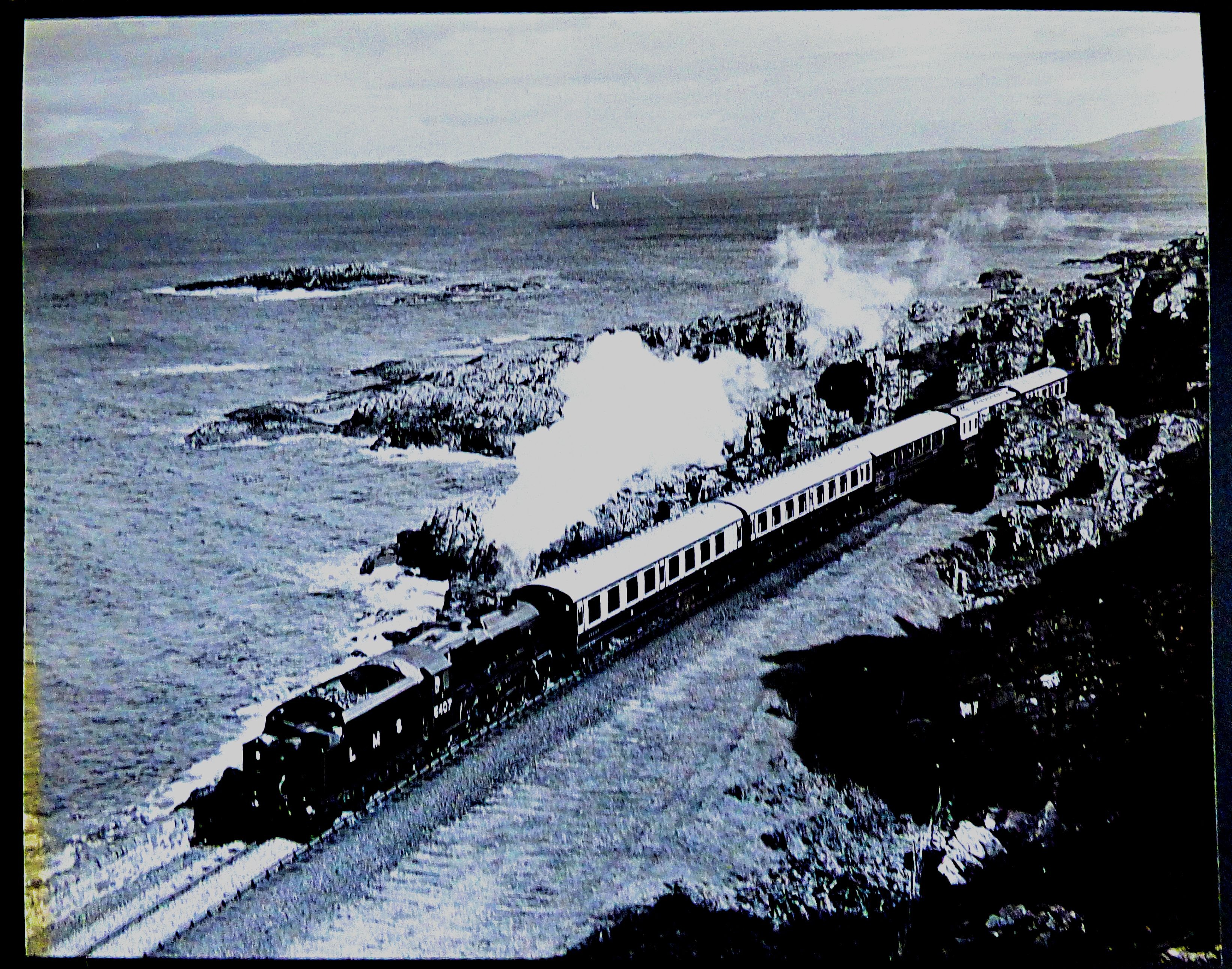
The Railway Photographs did not attract any interest, although this was not helped by the fact that the auctioneer was hurrying through them. The only three to sell were all bought by me – lot 1071 (locomotive at Haworth), 1208 and 1209 (respectively arriving at and leaving Mallaig – for more on this journey go here):
The images available to the public (three per lot – nine in total).
And to finish, now that the items are bought an paid for, unwatermarked images taken at home (three in total)
The departure from Mallaig, with Skye visible in the background.
A few more badges imaged for the May auction, and I was able to make my last ever journey on a Stagecoach X29 (on Tuesday, when I return to work it will be on a Lynx Bus number 49, since squillionaire bus company Stagecoach have deemed their Norfolk services insufficiently profitable and bailed out on them),.



















































































































































































 aspiblog