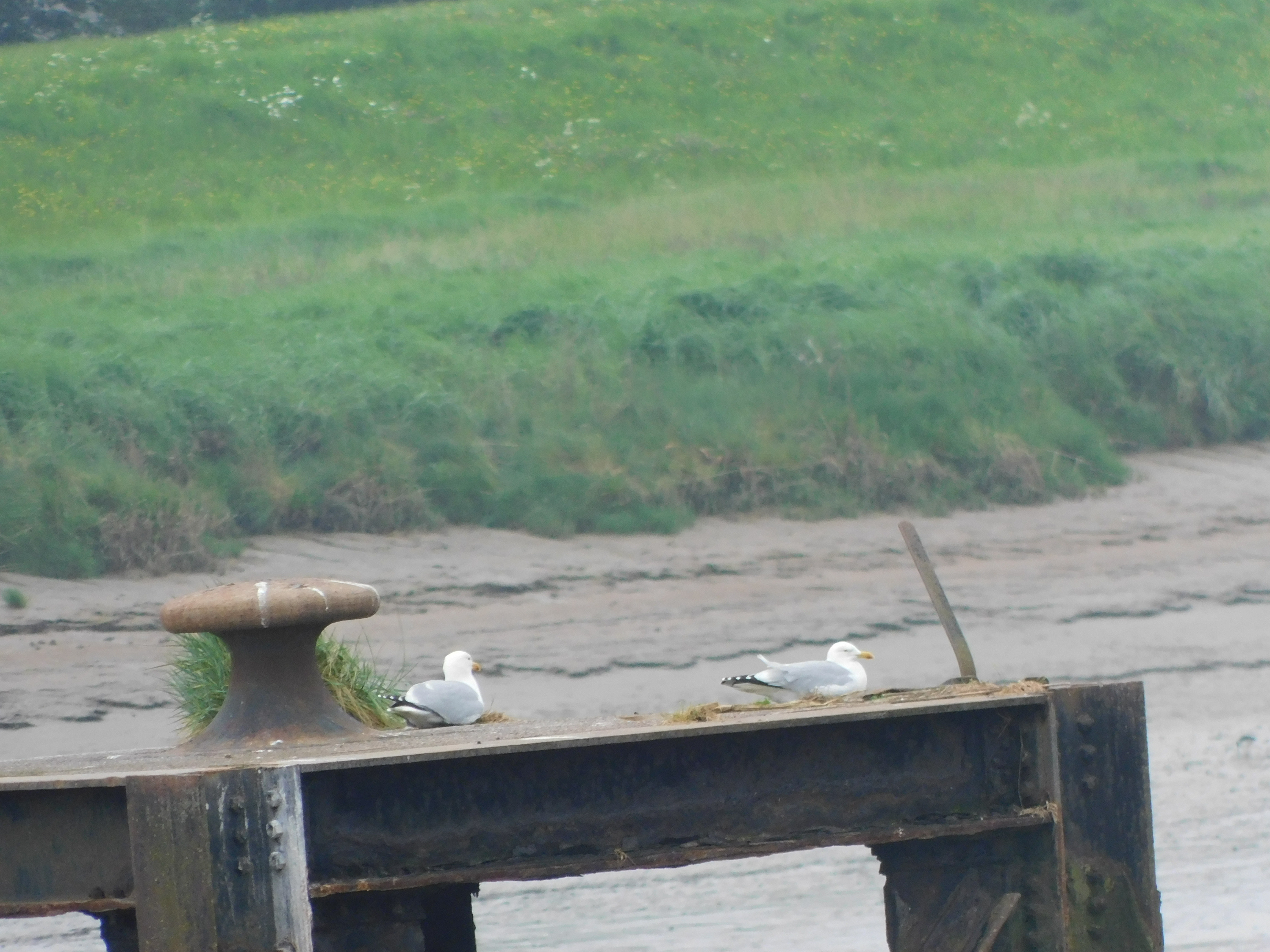
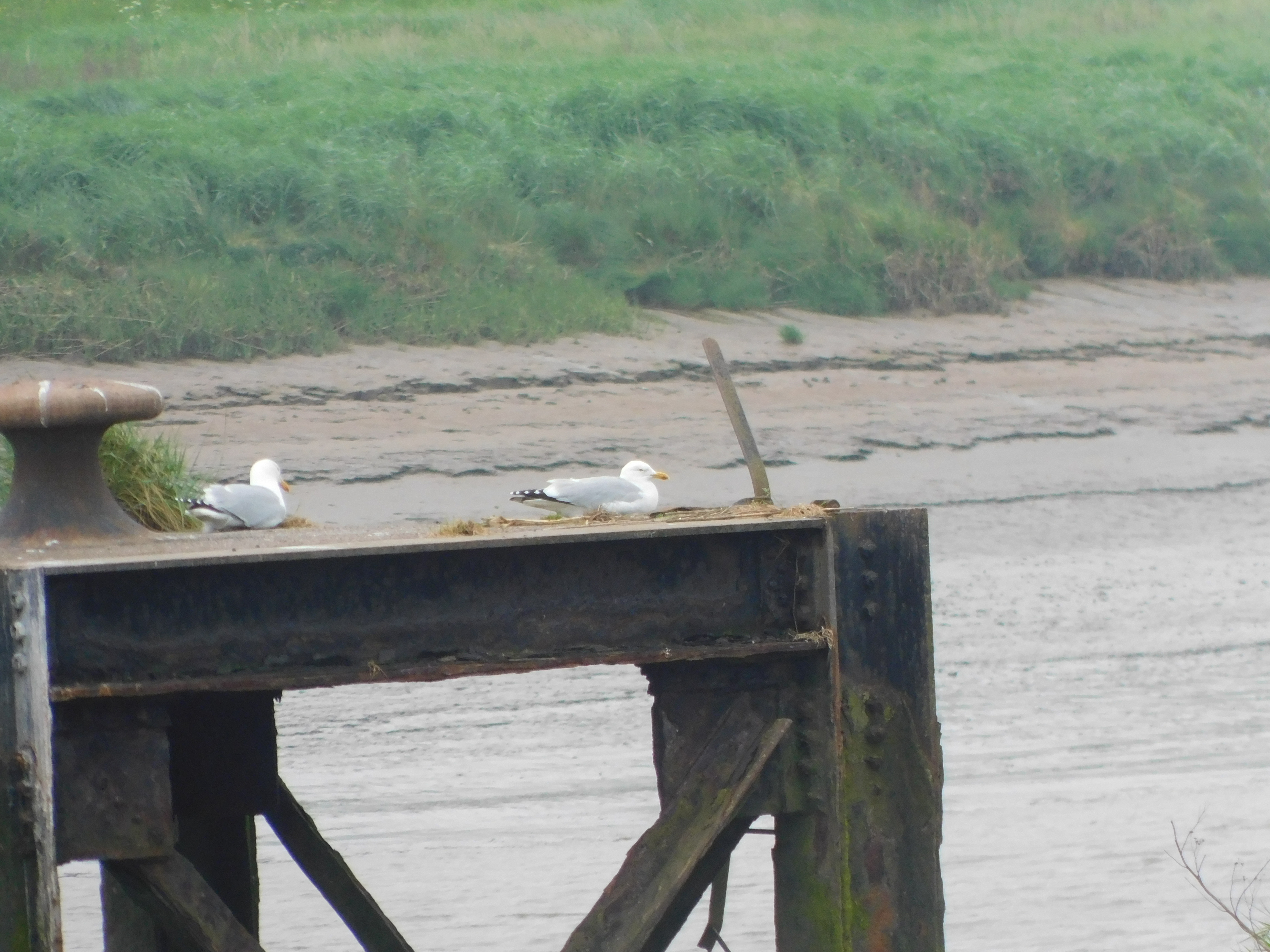
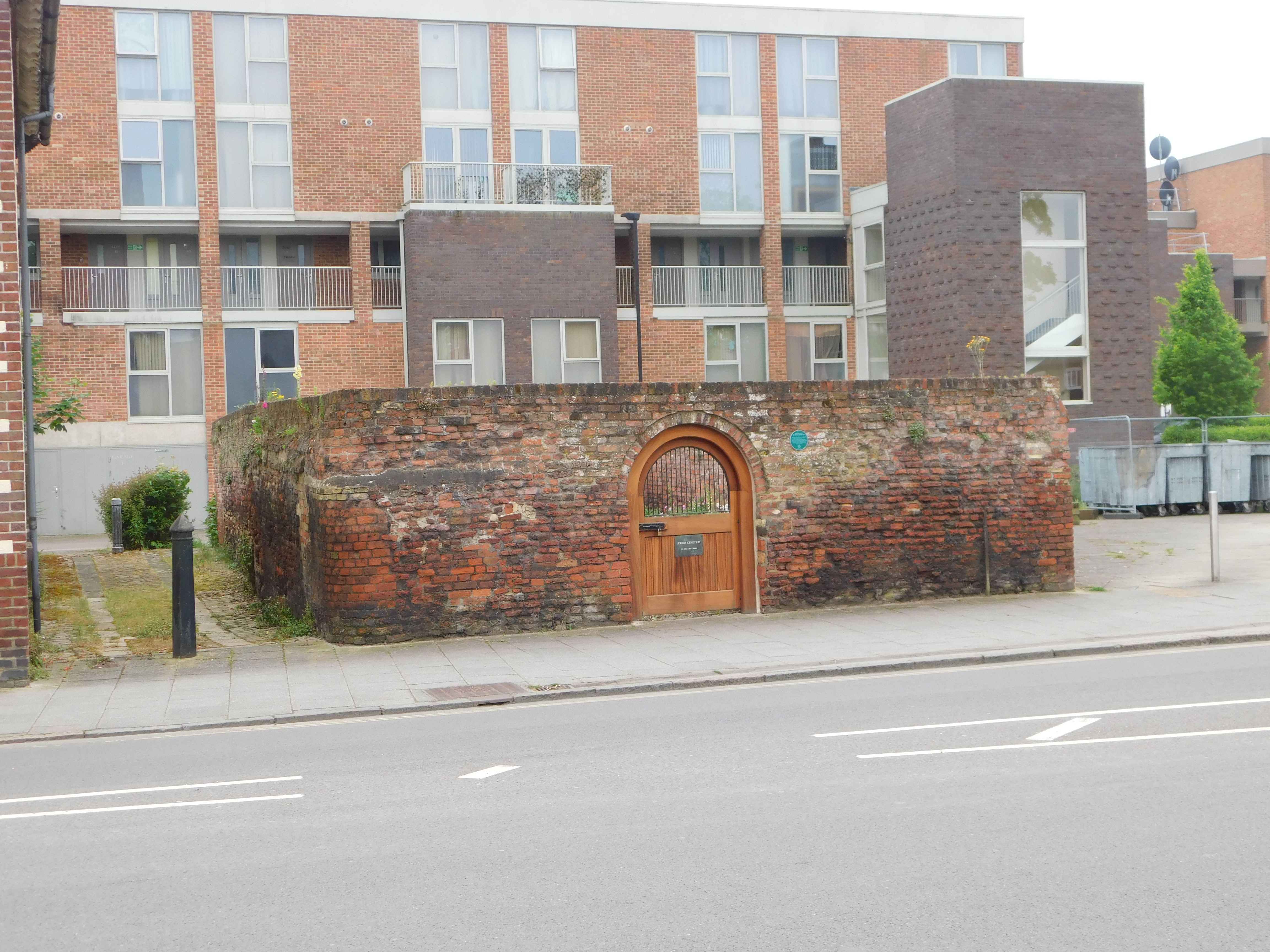
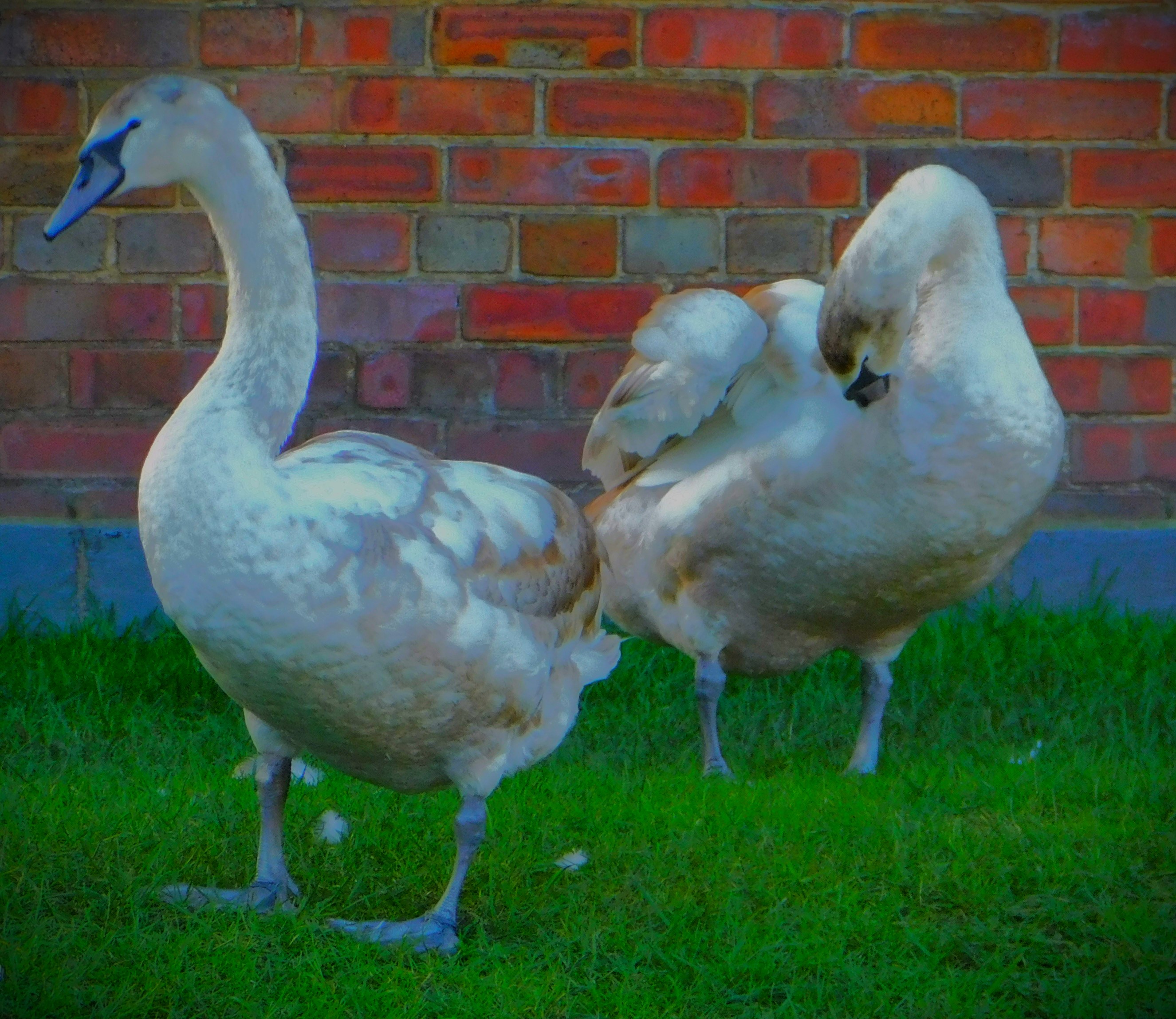
A look back at Essex v Surrey in the T20 Blast yesterday and a bumper photo gallery.
Yesterday afternoon there were various fixtures in the T20 Blast competition, and the one that I opted to follow was between Essex and Surrey. This post looks at that match and its wider context within the competition as a whole.
THE SITUATION GOING INTO THIS ROUND
The T20 Blast competition features two groups of nine teams, divided on geographical lines into a North group and a South group. The top four sides from each group progress to the quarter finals, with the top two in each group being rewarded for their extra success by getting to host their quarter final. The semi-finals and final are all played on one day to end the competition. Sussex were not in action this round, though their win in their previous match had put them second in the group. Gloucestershire were in action playing against Glamorgan, and that was the match most likely to impact on this one. Surrey knew that a win of any sort would guarantee them a home qualification, while Essex knew that at least a share of the points would ensure that they qualified. Surrey were not at full strength for various reasons but their line up still looked formidable. Essex did have a full strength side. In spite of the fact that there was other sporting action on the ground at Chelmsford was full.
THE SURREY INNINGS
Surrey batted first. Will Jacks played a superb innings, and was supported by various others along the way. Even so, with three balls to go Surrey had 178 on the board and Essex were reasonably hopeful. Cameron Steel ensured that those last three balls went for 11 runs and Surrey thus had 189 to defend. Jacks had scored 86 off 46 balls, and the best bowler for Essex was leg spinning all rounder Matthew Critchley, whose 4-0-22-2 was especially outstanding given the way the other Essex bowlers were treated. Critchley has been doing well in all formats lately, and if he continues to do so he may be a candidate for the next Ashes tour as English off spinners do not fare well down under, and there aren’t a lot of left arm spinning options.
THE ESSEX INNINGS
Dean Elgar, for many years a South Africa test cricketer, went cheaply, for just 9, but a successful chase looked possible while Adam Rossington and Michael Pepper, the latter fresh off a match winning 120* in Essex’s last outing were together. However, Pepper’s dismissal to the first ball of the tenth over, for 27, triggered something of a collapse, as 87-1 became 104-4 and then 124-5. At 148, with the required run rate getting out of hand, Essex’s last hope vanished when Rossington was caught by Jamie Overton off Sam Curran for 78 (46). That left Essex needing 42 off 15 balls with no front line batters left. They fought bravely, with news coming through that Gloucestershire had trounced Glamorgan, but the ask was just too much, and Surrey ran out winners by 13 runs, ensuring that they will play their quarter-final match at home. Gloucestershire’s big win moved them up to fifth and gives them a better net RR than Essex, which means that if they win their last group game and Essex lose theirs Essex will go out. Sussex and Somerset are fighting over which of them will end up in the top two and secure a home quarter final. In the other group the Birmingham Bears are qualified, but everyone else down to Derbyshire in seventh has some sort of chance of also doing so.
PHOTOGRAPHS
This gallery only contains about half of the new photos that I have ready to share, and there are more still on my camera…
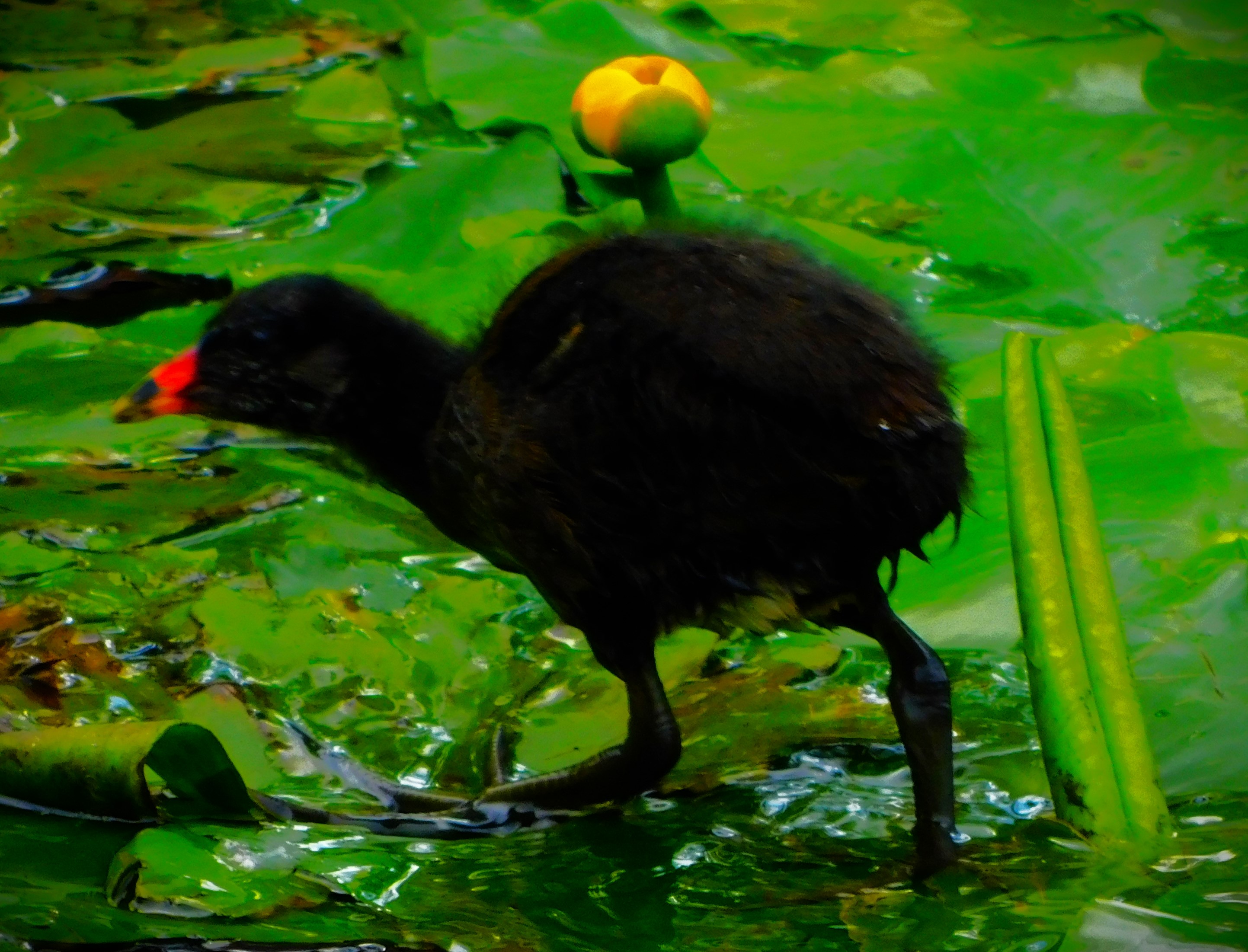
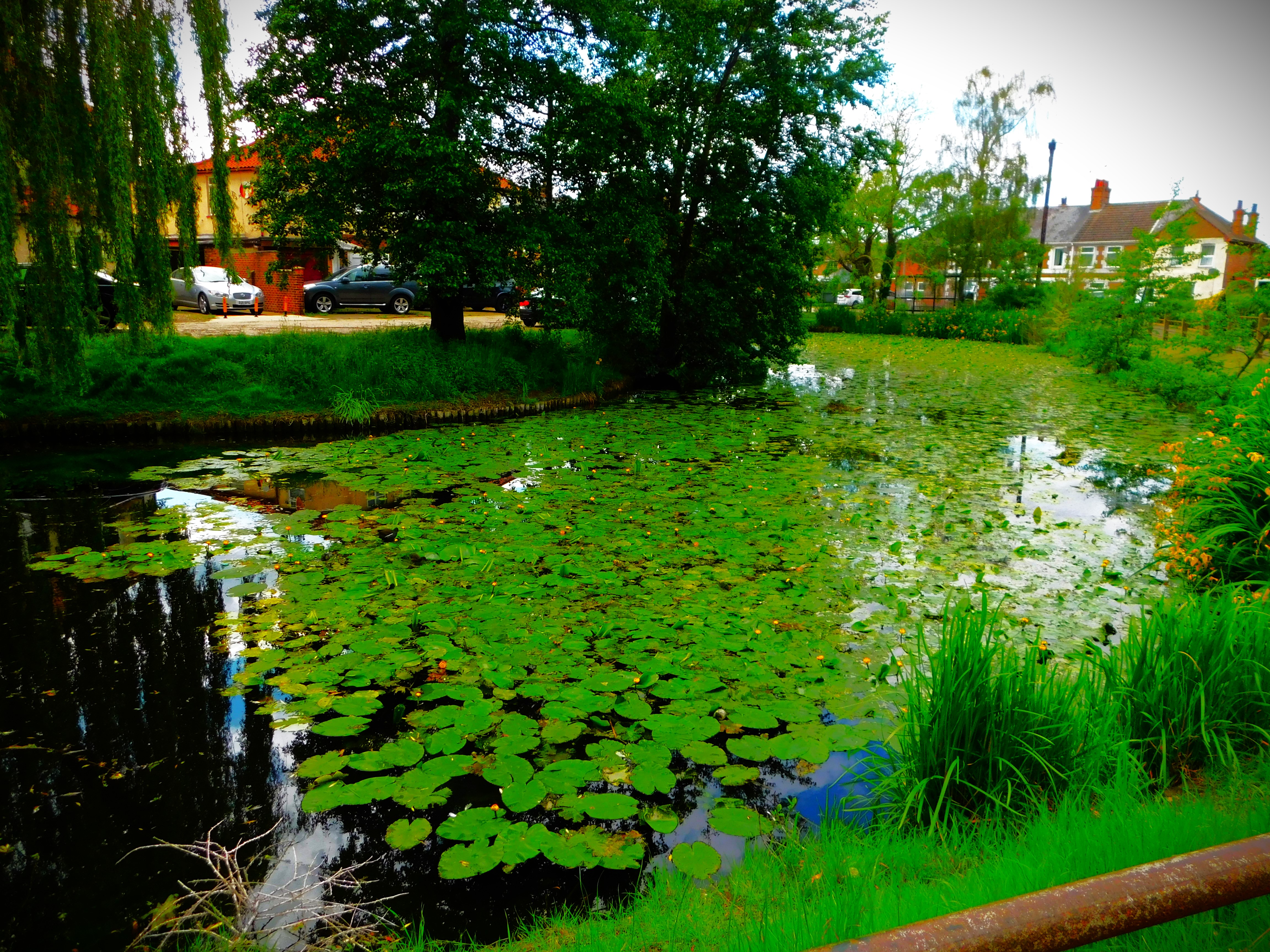
A pill bug (so called because its defence mechanism is to roll itself up presenting that armoured exoskeleton to potential attackers.A heron surveying the scene where the Nar flows into the Great Ouse.While I was there it moved to the other side of the Great Ouse.
A look back at the auction that happened at James and Sons earlier this week and a look ahead to the July auction. Also a bumper photo ga;llery.
Although James and Sons, for whom I work, have just had one auction, there is another ready to go, almost a month before it actually happens. This post looks back at the auction that happened this week and forward to the next one.
THIS WEEKS AUCTION
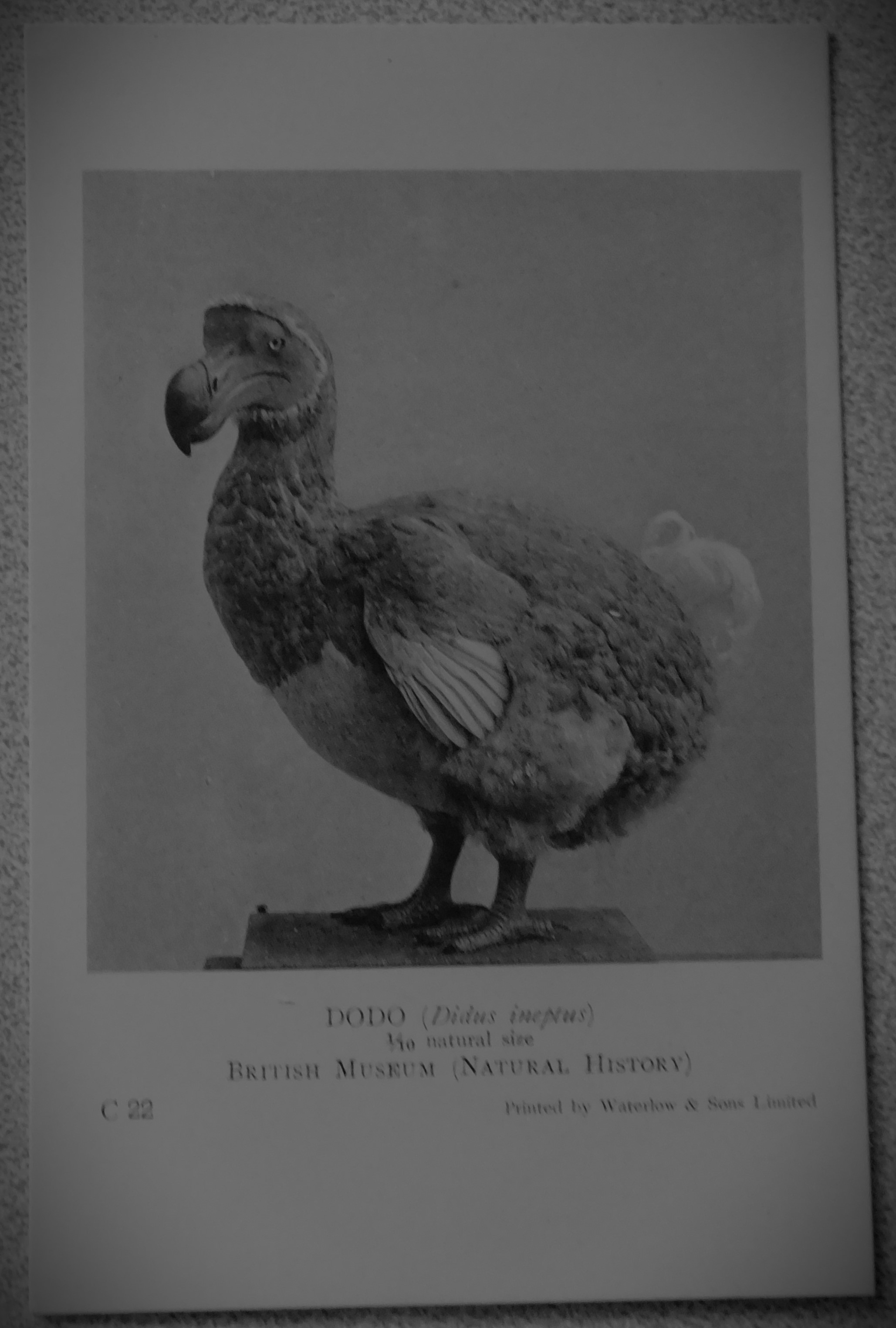
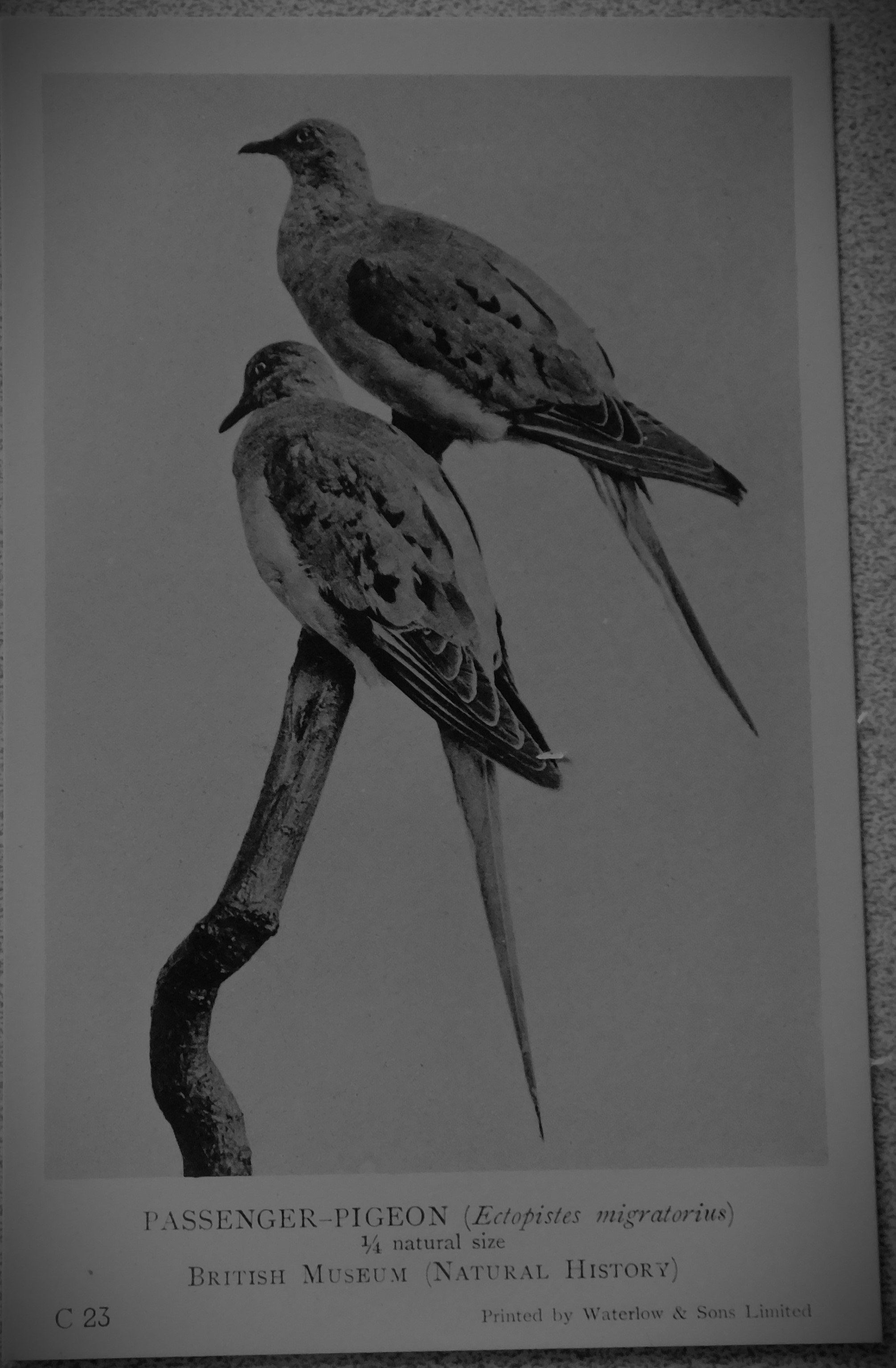
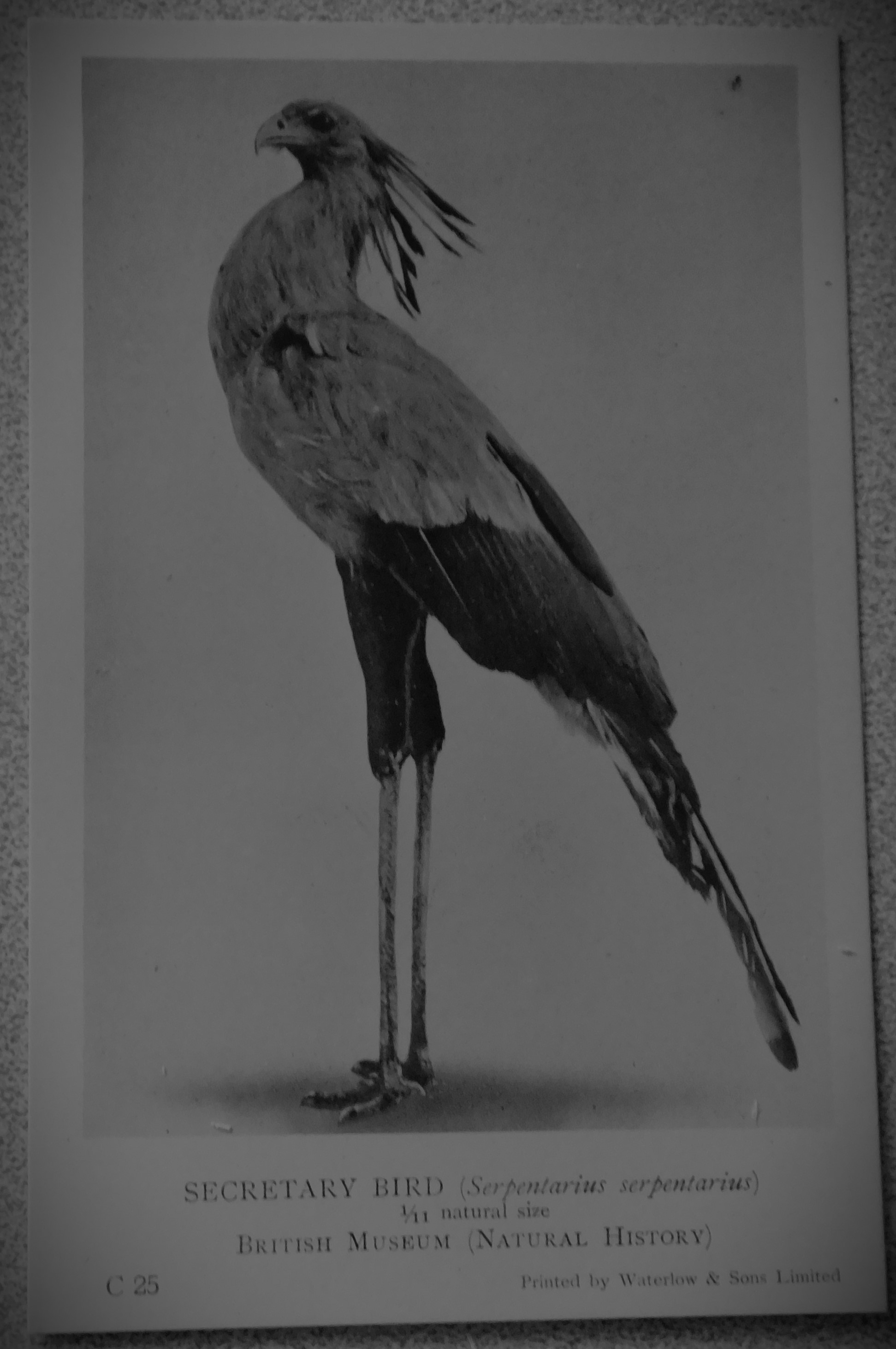
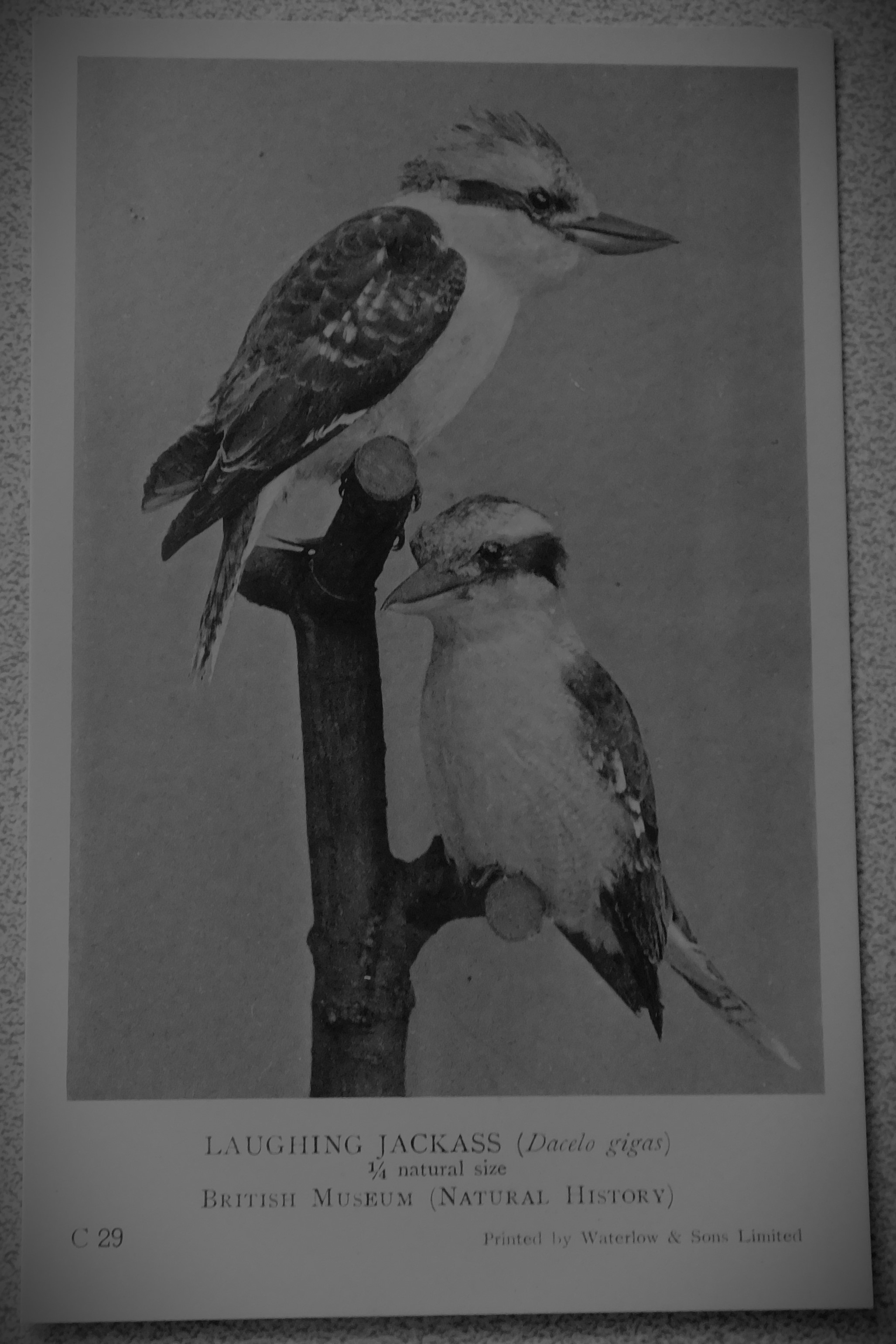
There were 427 lots under the hammer at the auction that happened this Wednesday. It was overall successful. The headline lot, a lifetime collection of real photographic postcards of Swaffham (Swaffham is a market town, more or less forming the right angle of a right angle triangle of which the three corners are King’s Lynn, Fakenham and Swaffham – the hypoteneuse of this triangle is the King’s Lynn-Fakenham side, which measures 22 miles or about 35 kilometres, so it was an item of local interest) housed in an album and all in splendid condition. This sold for £850. I got lucky with lot 611, a set of postcards made from black and white photographs of birds, missing one card, but still in its British Museum (Natural History) wallet and with the accompanying mini-guide to the cards. The designation of the museum in this lot indicates its age – it is a long time since the Natural History Museum was affiliated to the British Museum. Below are my pictures of the lot since acquiring it…
The lot laid out in full display.The wallet/ envelopeIndividual images of the cards in ascending number order.Details of the missing card from the guide (two images)The item in its assigned place in the cabinet of curiosities.
THE NEXT AUCTION
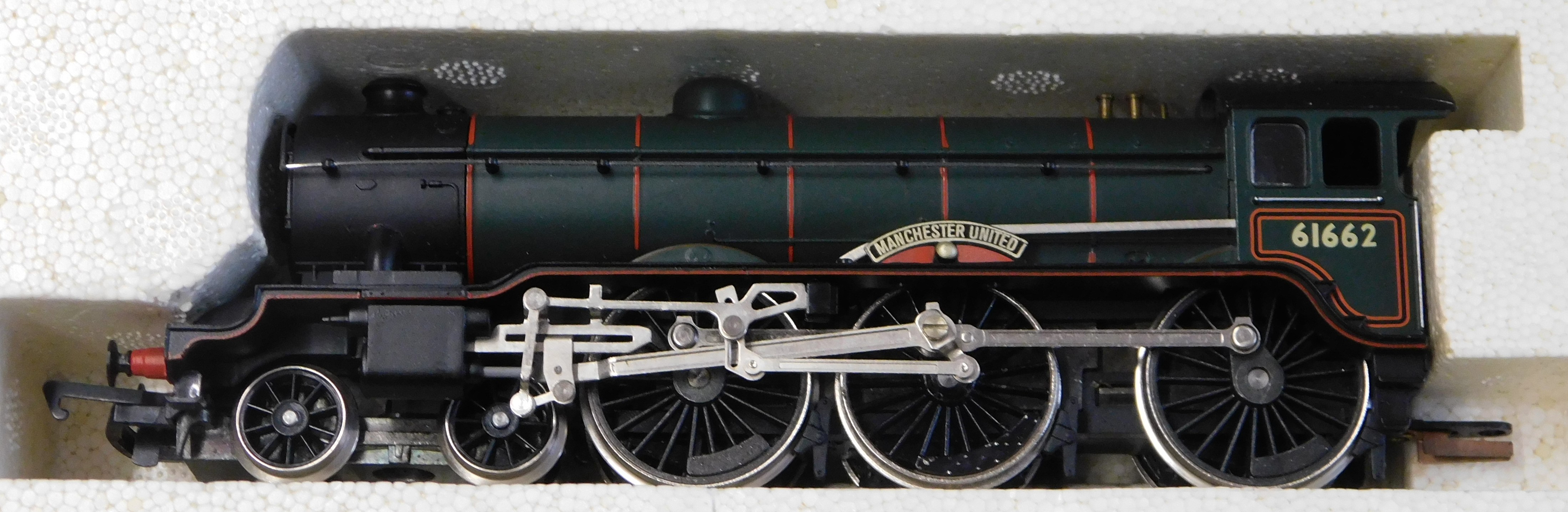
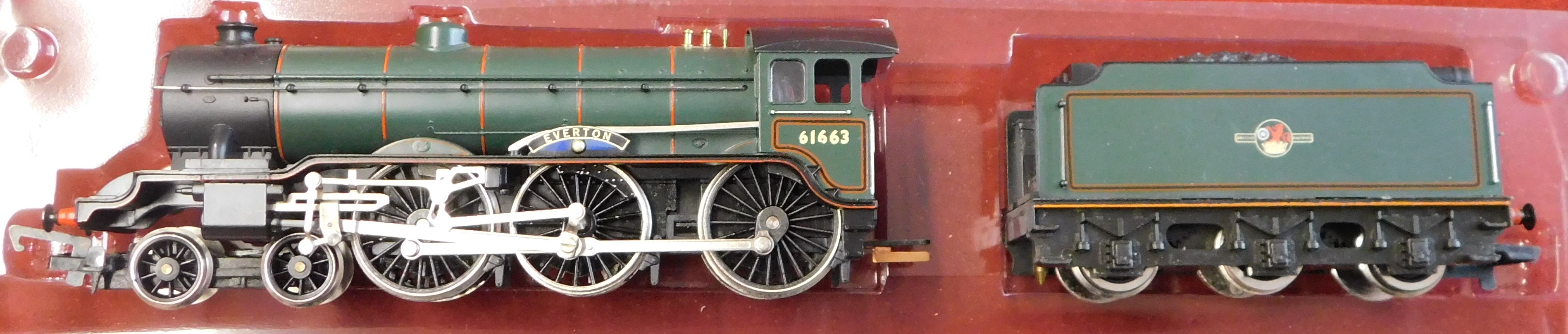
We have two auctions in late July. On Tuesday the 23rd a collection of sporting memorabilia will be going under the hammer, but I have hardly had anything to do with that sale. On Wednesday the 24th over 500 lots of collectors models, mostly trains, but some buses and lorries as well, will be going under the hammer. Imaging for this auction has been my focus for a while (the job is by no means complete, but many more have been imaged than not. The printed catalogue for this auction arrived at our premises this week, and it is already viewable on both our online platforms – links below.
This is from lot 600. My preferred platform for bidding and following the progress of auctions is easyliveauction. The train lots start at lot 501.….the other online platform we use is the-saleroom.com. This image is part of the gallery for lot 603 (almost all of these items are still in their original boxes).As before, the train lots start in the 50os.
PHOTOGRAPHS
I have a bumper gallery of my regular photos to end with…
A look back at the non-events in Florida yesterday and a thankfully eventful Vitality Blast game between Surrey and Gloucestershire. Also a large photo gallery.
In this post I look back at events of yesterday (as well the Florida situation I will be mentioning a domestic T20 that most definitely did see some action).
INSPECTION AFTER INSPECTION
Lauderhill, Florida was hit by rain in the run up to the USA v Ireland match that was due to take place yesterday. By the time the match should have started the rain had stopped, but the outfield was thoroughly soaked, and the question was whether a match would take place at all. The players had to be on the field by 2:16PM local time (7:16PM UK time) for there to be time for a five overs per side match to take place. The situation around this match was that USA needed either a win or a wash out to secure qualification for the next stage of the competition and in the process eliminate both Ireland and Pakistan. A series of inspections, first at half hourly intervals and then with a gap of an hour took place with the outfield simply not dry enough for play to happed. Finally an inspection was called for 6:15PM UK time, which was going to be ‘do or die’. The umpires were in prolonged discussion as to whether they could get the match on after all when more rain came, and that ended any possibility of proceedings starting. Thus the USA are in the Super Eights, Ireland and Pakistan are out, and in qualifying for the Super Eights the USA have also ensured that they will be at the next T20 world cup as of right, which also means their region will have an extra slot, which is big news for Bermuda. Do either Ireland or Pakistan have any cause for grievance? Not for my money – USA beat Pakistan, having already beaten Canada, and acquitted themselves honourably against India, and there was to put mildly no certainty that Ireland would have won the match had it taken place – they had already lost to Canada, and had contributed very little to the tournament. Today India and Canada are supposed to be playing at the same venue, and although things are looking more hopeful than yesterday there has as yet been no sign of play. At 6PM UK time an important match gets underway – England v Namibia at North Sound, where the sun is shining, with England needing to win and then needing Australia to beat Scotland (that one starts at 1:30AM tomorrow UK time). Official confirmation that today’s game at Lauderhill has gone down the plughole without a ball bowled.
HONOURS EVEN IN LONDON
At 6:30PM yesterday Vitality Blast match between Surrey and Gloucestershire got underway. This match did go over the full course. Gloucestershire started superbly, then lost wickets, then got away again in the closing stages. They scored 170-6 from their 20 overs, a respectable but by no means invincible total.
Surrey also started well with the bat. At various stages each side looked favourites. The final over started with Surrey needing seven to win, which made them favourites. David Payne, Gloucestershire’s best bowler, had the ball for that crucial over. He bowled a very fine over, and although Surrey levelled the scores off the penultimate ball, the final delivery was excellent, and Jordan Clark could only hit straight back at Payne, resulting in a run out. Surrey ended on 170-9, and since unlike some T20 competitions the Vitality Blast allows ties in group matches the points were shared.
PHOTOGRAPHS
My usual sign off…
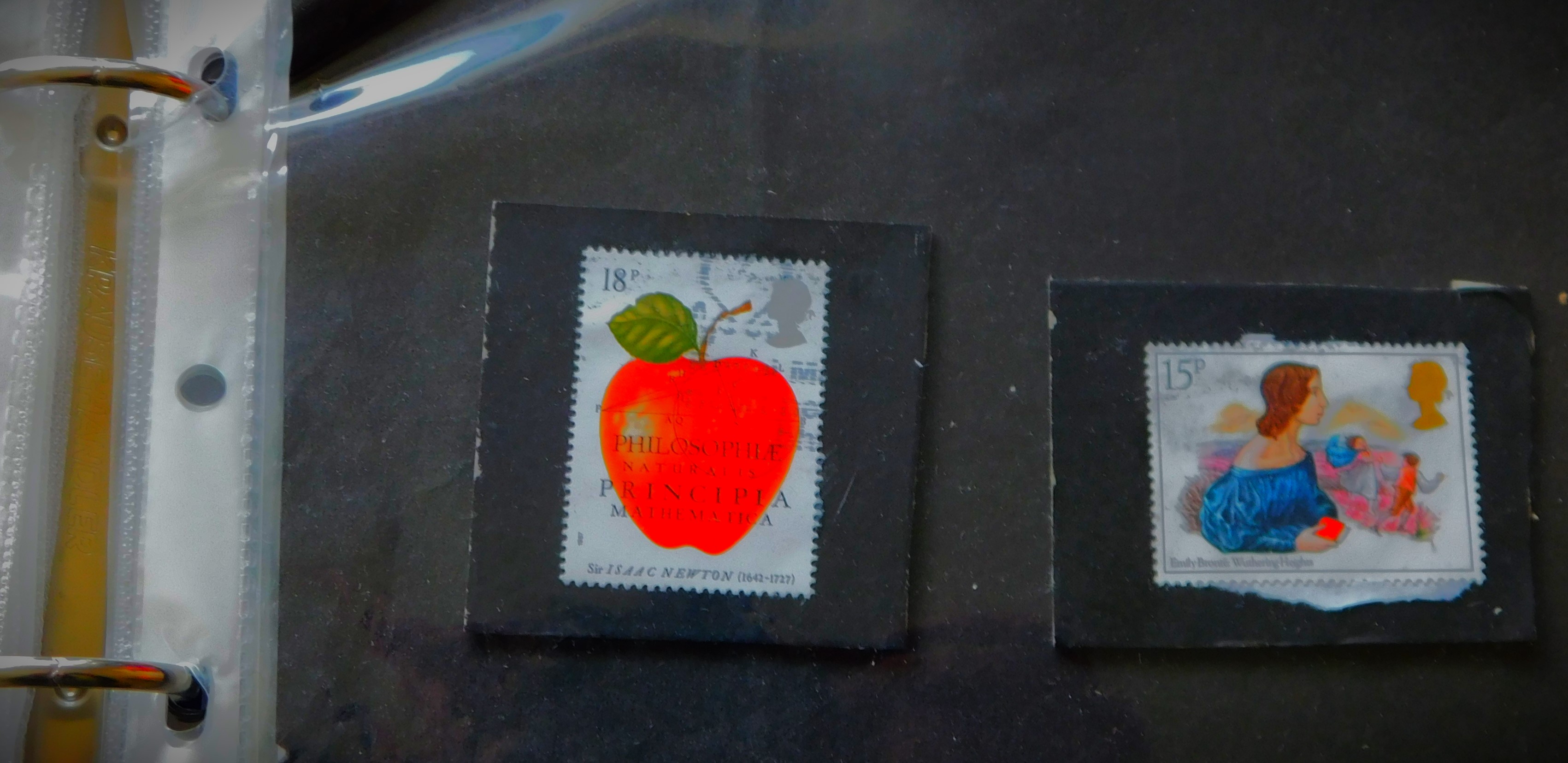
I received an item of post with some old stamps used, and decided that a couple were worth keeping including this one.A well chosen birthday card, which I have decided to preserve.An egret in Bawsey drain – photographed today.Larvae (three images)Another larva of something else, which I managed to get closer to than the others.
A look at developments in the T20 World Cup, including the eliminations of Sri Lanka and new Zealand, a revival in England’s fortunes and the situation currently unfolding in Florida. Also a large photo gallery.
This post looks at recent developments in the men’s T20 World Cup. I am typing it while waiting on developments in Florida (of which more later).
SRI LANKA AND NEW ZEALAND ELIMINATED
Sri Lanka became the first full member nation to be eliminated from the tournament, after a washed out match left them too far adrift to qualify. New Zealand’s elimination was confirmed in the small hours of this morning UK time when Afghanistan beat Papua New Guinea comfortably, a result which left Afghanistan and the West Indies both with three wins out of three, making the match between Afghanistan and West Indies a contest for who wins the group outright, with both sides certain of qualification.
ENGLAND THROW THEMSELVES A LIFELINE
Last night England played Oman in a match which they not only had to win, they had to win it by a very big margin due to net run rate being a factor. Had England been permitted to invent a result for this game to suit themselves they would not have dared to come up with what actually happened – they bowled Oman out for 48, Rashid taking 4-11 and Mark Wood and Jofra Archer each snaring three victims, and then blasted their way to the target in a preposterous 3.1 overs. This means that net run rate is effectively no longer a factor – if England beat Namibia and Australia beat Scotland then England will qualify for the super eights,
AN ODD QUADRANGULAR IN FLORIDA
I call this one a quadrangular because there are four factors, three present at the Lauderhill ground (unlike the pop-up stadium at Nassau County, New York this is an authentic cricket ground) and one watching nervously on the outcome. The Lauderhill ground is situated close enough to Fort Lauderdale railway station for the railway to be useful for visiting journalists. The three participants who are present are respectively The USA cricket team, the Ireland cricket team and some decidedly grim local weather. The fourth participant in the drama, watching from afar, and desperately hoping that the weather will allow some cricket as a washout would mean elimination for them are the Pakistan cricket team. It hosed down in Florida earlier today, though Lauderhill was less badly hit than some parts of the state. At the moment it is dry, and the sun has even been spotted, but the ground is not yet dry enough for play to proceed, although there is an inspection due in 22 minutes time if the weather hold. Ireland need a match to happen, as like Pakistan they hanging on by their fingernails, while a washout would guarantee the USA qualification, so they will be the least bothered of the three teams waiting on developments.
An explanation of the effect that the weather has had on today’s cricket schedules and a quick look back at yesterdays T20I between the England and Pakistan men’s teams.
The second ODI between the England and Pakistan women’s teams should be in full swing at the moment, but the weather has intervened in no uncertain terms and the radio people have delivered their verdict on the likelihood of their being any resumption of play by switching over to the IPL final between Sunrisers Hyderabad and the Kolkata Knight Riders. Yesterday the England and Pakistan men’s sides contested a T20I and I will look back at that. While I have been typing this post and then preparing it for publication news has come through that the match in Taunton has been abandoned.
A COMFORTABLE WIN
For much of their innings England looked set to score over 200 from their 20 overs, but a poor last five overs prevented that. They ended with 183 to defend, an innings built around a blistering 84 from Jos Buttler. Moeen Ali bowled four of the first nine overs of the Pakistan reply, and collected 2-26, a splendid effort, especially given that the second of those wickets was that of Babar Azam, Pakistan’s best batter. Pakistan never got on terms with the target, and the final margin was 23 runs. Jofra Archer returned to action, and was very impressive and indubitably fully fit for action. If there is a problem with this England line up it is that the only front line batter who bats left handed is Moeen Ali, which means that England either have to send six successive right handers to the crease, or promote him up the order to break the sequence.
PHOTOGRAPHS
It has not been the best weather for photography recently, but I do have a gallery to share…
An account of England Women’s victory over Pakistan Women earlier today, a victory which gave them a 3-0 series sweep. Also a photo gallery.
While Surrey were pushing for victory over Worcestershire – duly completed a few minutes ago – my attention was elsewhere for a period in the middle of the day – the third and final T20I between the England and Pakistan women’s teams got underway at 1:00PM. This post looks back at that match.
THE ENGLAND INNINGS
England again found themselves batting first. They started slowly but accelerated well, initially through Danni Wyatt, who was lucky on 12, when Muneeba Ali failed to hold on to a catch behind the stumps, and punished Pakistan heavily for the lapse, ultimately scoring 87 off 49 balls. Amy Jones scored some quick runs late on, and the innings had a farcical ending when there was almost a run out when the batters came back two on the final ball, and then an actual run out when they took on a third to celebrate the reprieve. England were 176 all out to the last scheduled ball of their innings.
THE PAKISTAN REPLY
Pakistan started solidly, though a bit slowly, the openers passing 50 together. However, they both fell in the space of a few balls and two more wickets fell quickly as 60-0 became 73-4. The fifth wicket pair batted well up to a point, but were always falling further and further behind the required rate. Eventually 39 were needed off the last over, and with Sophie Ecclestone to bowl it there could only be one outcome. The final margin was 34 runs, and England had won the series 3-0. Wyatt was Player of the Match for her scintillating innings, and Amy Jones was Player of the Series.
PHOTOGRAPHS
My usual sign off…
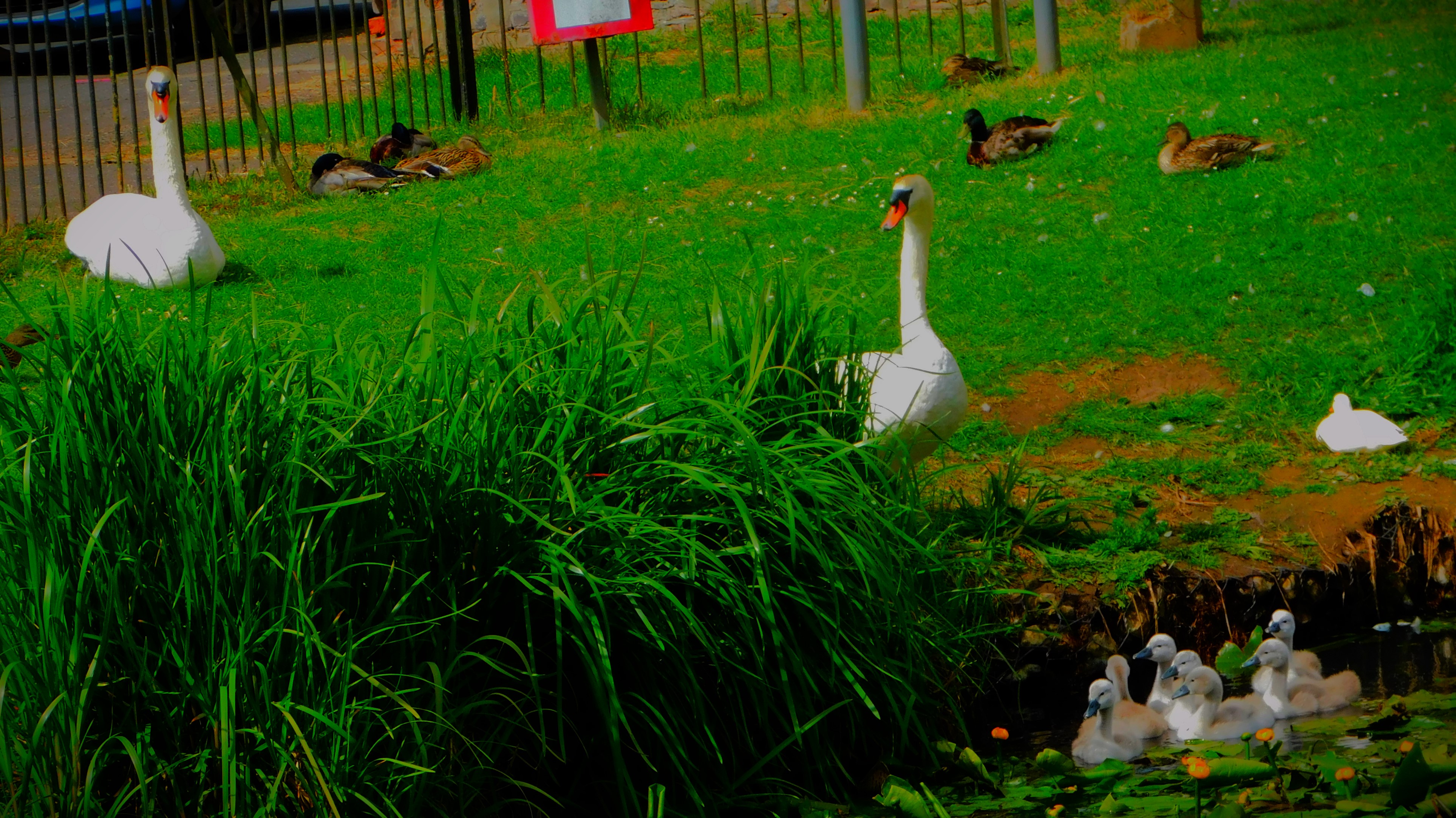
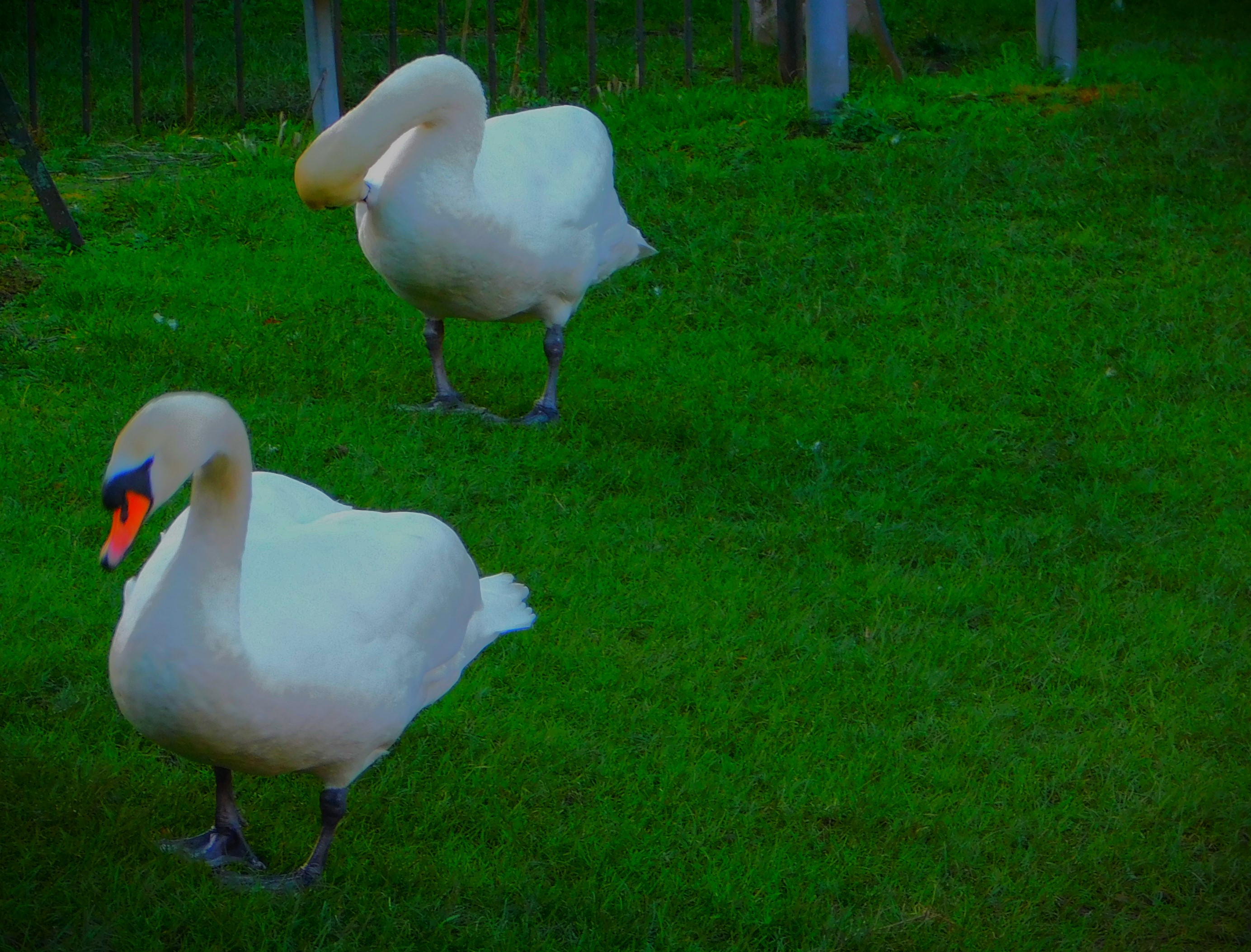
Swan parents with cygnets (eught images). A floating moorhen nest.
A twist on one of my regular themes – Pick an XI of players whose averages suggest that they weren’t quite test class but who were nevertheless very valuable to their side.s.
Today in a twist on my usual theme I select a team of players who by their averages seem to fall short of test class but who were hugely valuable to their respective teams. I have allowed myself one sneaky selection who many would say should be disallowed due to the era in which he played, but the other 10 are bona fide qualifiers on my criteria.
THE XI IN BATTING ORDER
John Wright (New Zealand, left handed opening batter, 5,334 runs at 37.82). A couple of runs per innings short of the usual modern day benchmark for front line test batter, but the gritty left hander was a crucial component of the New Zealand sides of the 1980s.
Tamim Iqbal (Bangladesh, right handed opening batter, 5,134 test runs at 38.89). With a left handed sticker as one opener the ideal counterpart to him would be right hander with more attacking instincts, and the Bangladeshi, probably the classiest batter his country has produced to date fits the bill perfectly.
Mark Butcher (England, left handed batter, very occasional right arm medium pacer, 4,288 runs at 34.58). He had a two-phase career, struggling initially but becoming a very important member of the England sides of his day later on. He was the matchwinner at Headingley in 2001 with a blistering 173* as England chased down over 300 in the fourth innings.
*Nasser Hussain (England, right handed batter, captain, 5,764 runs at 37.18). It was he as captain who began England’s revival from hitting rock bottom in 1999, and he was by then a very highly respected batter. His career highlight came at Edgbaston in 1997, when after Australia were shot out for 118 batting first he scored 207.
Clem Hill (Australia, left handed batter, 3,412 runs at 39.21). The sneaky pick – at the time of his retirement he had scored more test career runs than anyone else, and among those who played 10 or more tests only Ranji, with an average of 45 outranked him on that metric.
Mulvantrai ‘Vinoo’ Mankad (India, right handed batter, left arm orthodox spinner, 2,109 runs at 31.47, 162 wickets at 32.32). Fails to qualify as test class in either department, but for all that he was one of India’s most important ever players. He often had to open the batting because there were few Indians in those days who had the technique to cope with the new ball when it was moving, and he also had to bowl huge numbers of overs because India were short staffed in that department owing to their domestic cricket being played on roads – the only two first class matches ever to produce an aggregate of over 2,000 runs were both played in India, and both during Mankad’s playing days.
+Ben Foakes (England, right handed batter, wicket keeper, 1,107 runs at 29.91, 68 catches and eight stumpings). An all time great of the keeper’s art, but many question his place in the side on grounds of his batting. He bats in the top half of the order for Surrey, and there are few if any real bunnies in the Surrey line up, so he never has to try to shepherd them, as happened in the second innings at Ranchi, when he was stranded with only Bashir and Anderson for company.
Jack Gregory (Australia, right arm fast bowler, left handed batter, 85 wickets at 31.15, 1107 runs at 36.96). Was part of a devastating new ball pairing with Ted McDonald in 1920-1, but once he lost the Tasmanian’s support at the other end when the latter moved to England to play as a Lancashire League pro and ultimately for Lancashire his bowling fell away, with injuries also taking toll – a knee injury terminated his career in the first match of the 1928-9 Ashes.
Phillip DeFreitas (England, right arm fast medium bowler, right handed batter, 140 wickets at 33.57, 934 runs at 14.82). On the face of one of far too many England cricketers of that era whose averages were the wrong way round, but his bowling was often valuable for England, never more so than in 1991, in which season he recorded his best ever innings figures of 7-70. He was also a magnificent outfielder, with safe hands and a very powerful and accurate throw.
Nathan Lyon (Australia, off spinner, 527 wickets at 30.35). Bowling average just the wrong side of 30, but this is an off spinner who has played half his matches or thereabouts in Australia, and the record of visiting off spinners in Australia makes pretty grim reading.
Steve Harmison (right arm fast bowler, 226 wickets at 31.82). When he was first called up for England he was wild and wayward, with most of such wickets as he managed to take being caught at deep third man, but he had a great period in the middle of his career. In the first match of the 2005 Ashes he quite literally left his mark on the Australian top three – all copped bruises from him early in their innings.
This side has a solid looking top five, with a good mix of defence and attack, Mankad having the luxury of being in an all rounder’s best position, a great keeper and a quartet of frontline bowlers capable of great things. Gregory, Harmison and DeFreitas should form an effective pace/ seam/ swing trio and Lyon and Mankad are a contrasting pair of spinners. This side, for all that in theory all 11 of its members fall short of test class should be able to give a good account of itself, especially given that they will be well led by Hussain.
I am not doing an honourable mentions section this time, but there was a challenger for Mankad’s slot – Shakib Al Hasan of Bangladesh who averages 39 with the bat and 31 with the ball. I opted for Mankad on two grounds – firstly there is still time for Shakib to disqualify himself (most likely with the bat if he does manage it) and secondly I believe that Mankad would fare better as an all rounder in this XI than he did when having to virtually carry an ordinary India side on his shoulders. Also, though I do not list this as a reason there is another factor – I wanted to take the opportunity to showcase Mankad as a fine cricketer and not just as guy associated with a form of dismissal that for no good reason tends to generate controversy.
PHOTOGRAPHS
My usual sign off – I have a bumper crop at present, and this gallery could have been bigger had I wanted it to be so…
‘Cormorant Platform’ had a splendid turnout on Monday as these pictures show.Yesterday was grey and rainy.An ExCel bus on each side of the road – this is a designated driver change point, necessitated by the fact that the full route between Norwich and Peterborough takes over three hours.This little critter was alongside Bawsey Drain this afternoon.
An account of a working day, and the journeys either way, and a photo gallery.
Yesterday was an eventful day at work – finishing the last of the imaging for the March auction, sending a mass email out (the second of two, the first went out on Tuesday) about that auction, and starting the imaging for the April sale. In this post I describe the day in full and say something about each element of the upcoming auctions.
PREPARING
My working hours, constrained by the operating hours of James and Sons and the way in which buses run in Norfolk are short – I start at 10:45 or thereabouts, and finish four hours later as the business shuts down for the day. However I get quite a bit done in that time, even on a somewhat fragmented day such as yesterday was. I generally leave home by 9:30, which allows me to take a scenic route to the bus stop (the direct route is about a five minute walk, but is not that interesting). Then I spend the bus journey reading, and will arrive at James and Sons’ premises in Fakenham clear-headed and ready to go.
IMAGING
My usual practice when imaging at work is photograph about 25 items (one column of lot numbers + indications of how many pictures I have taken of eahc item in my notebook) before loading them on to the computer and cropping and straightening them as required. If I am imaging for a sale that is not already online I will copy the images from the folder I save them in on my computer to the main images folder for that auction on the network drive at the end of the day, but when the auction is already online I also have to upload the new images, and sometimes notify bidders that the images are now available for viewing. I had initially started work on the April stuff, a quantity of which was already in my imaging area, but then had to switch back to the March stuff as there were some lots from day two of that sale (Stamps and Postal History) which had not been imaged. Near the end of the day I was able to revert to the April sale, but the next lot I came to for that sale (Sporting Memorabilia) was one that required a large photo gallery, so I had no time to do any more than that one extra lot.
Day one of the March sale is coins, banknotes and cheques, and can be viewed here and here. Day two, which I was finishing off the imaging for yesterday, is available on the same links, but for those who want to start on the page where the first lots of day two are can go here and here (the new day does not start on a new page because the auction is treated as a single entity on these platforms). I end this section with the image gallery for lot 655, the first item I imaged yesterday…
Lot 655 (seven images, capturing what i considered the most important aspects of it).This is lot 662 (two images)
THE END OF THE DAY
The next bus back to King’s Lynn after the end of the work day is at 3:45PM, so I generally fill in time by visiting Fakenham Library, as I did on this occasion. I get off the bus home one stop before the very closest stop to my home and walk home from there by way of the Gaywood River Path – always worth doing, especially in daylight, which by now is the case. I appreciated seeing several muntjac as I walked, though I was less impressed by lawbreaking oaf who roared past me (and a number of others) on a quad bike (illegal as it is a motorised vehicle and this path is for the use of pedestrians and cyclists only – an e-bike used with care and consideration would be acceptable, but a dirty great quadbike used with neither care nor consideration is most definitely not). This little section provides a useful lead into…
PHOTOGRAPHS
…My usual sign off…
From Wednesday afternoon’s walk.Taking the scenic route to from my home to the bus stop yesterday morning……I spotted ths unfortunate Tortoiseshell butterfly near Fakenham Church yesterday afternoon.Four shots from the walk home along the Gaywood river path.Today’s first walk (will be walking into town for supper this evening).
A test match XI made up of players some or all of whose prime years were in my lifetime, a few honourable mentions and a photo gallery.
In this post I select an all time XI intended to be perfectly balanced, and made up exclusively of players at least some of whose peak years have been in my lifetime. I also look at some of the players I omitted and explain my reasoning- in an exercise like this the challenge is just who one leaves out.
THE XI IN BATTING ORDER
Graeme Smith (South Africa, left handed opening batter). Over 9,000 test runs at an average of 48.
Sunil Gavaskar (India, right handed opening batter). The first ever to reach the career milestone of 10,000 test runs, and an average of over 50 at that level, and a good record outside Asia as well.
Brian Lara (West Indies, left handed batter). The greatest left hander to have batted in my lifetime, with any number of extraordinary knocks to cite in support of that claim.
Sachin Tendulkar (India, right handed batter). Holder of the records for most test career runs, most test centuries and various others.
Allan Border (Australia, left handed batter). For much of his career he carried a decidedly moderate Australian batting line up – it was only in the last few years of his career that he got to be part of a strong line up.
*Imran Khan (Pakistan, right handed batter, right arm fast bowler). My chosen all rounder, and my chosen captain. Ian Botham was sensational for the firts few years of his career, a producer of occasional sensations for another few years and then tailed off badly as the 1980s wore on, whereas Imran Khan was a much more enduring cricketer.
+Adam Gilchrist (Australia, wicket keeper, left handed batter). The man who revolutionized the role of the wicket keeper, playing many match winning innings from number seven. Unfortunately too many sides since his prime have been dazzled by the batting side of the equation and have given the gauntlets to folk whose keeping is not up to scratch (Gilchrist’s was).
Wasim Akram (Pakistan, left arm fast bowler, left handed batter). While it is possible that peak Mitchell Johnson was even more devastating with the the ball than peak Akram it is certain that Johnson when the force was not with him operated at a lower level than Akram ever did.
Malcolm Marshall (West Indies, right arm fast bowler, right handed batter). The greatest fast bowler of the golden age of West Indies fast bowling and a handy lower order batter.
Shane Warne (Australia, leg spinner, right handed batter). Leg spin was a dying art when he appeared on the scene – Abdul Qadir of Pakistan was the only leg spinner of real quality in the 1980s, and until Warne’s emergence there was no one coming through in the 1990s either.
Muthiah Muralidaran (Sri Lanka, off spinner, right handed batter). Only one bowler has ever taken 800 test wickets in a career, and unless James Anderson somehow continues to defy Father Time for another few years there is no prospect of anyone else reaching that landmark – the rise of franchise leagues around the world makes it likely that few if any of today’s younger players will be looking at having exceptionally long test careers. Murali took those 800 wickets at a rate of six per match, better among those to have played 20 or more test matches than anyone save SF Barnes who claimed 189 wickets in 27 matches for a wicket taking rate of seven per match.
This XI has good balance of left and right handed batters, great depth with everyone down to Akram at eight capable of playing a match winning knock and Marshall and Warne far from being genuine tail enders. The bowling above with three great fast bowlers and two great spinners is ideal for most pitches. If the match were to be played at Perth or Johannesburg I would drop Muralidaran and further strengthen the pace attack by bringing in McGrath, while on an absolute raging Bunsen I would replace Imran Khan with Ravindra Jadeja (India, left handed batter, left arm orthodox spinner) and rely on Akram and Marshall to bowl such pace as would be required. I also take this opportunity to explain the positioning of the captain and wicket keeper in the listed order – Gilchrist always said he never wanted to bat above seven at test level, while Imran Khan was comfortable batting at number six, so although Gilchrist was undoubtedly a finer batter than Imran Khan I have respected the Aussie keeper’s preferences and kept him at number seven.
SOME UNLUCKY ONES
A full honourable mentions section for a post of this nature would be virtually book length, there being so many potential candidates. So, if I make no mention of your favourite please assume I have my reasons for having not picked them – the listing that follows is not remotely comprehensive.
Left handed openers: Alastair Cook’s sheer longevity deserves a mention, and I would entertain arguments made on behalf of any of Saeed Anwar, Mark Taylor, Matthew Hayden, Justin Langer or Chris Gayle. I would not give the time of day to any arguments on behalf of David Warner – the absence of a single test century in any of seam friendly England/ New Zealand and spin friendly India/ Sri Lanka in my view disqualifies him from being regarded as a genuine great.
Right handed openers: The West Indian pair of Gordon Greenidge and Desmond Haynes come closest in my view to challenging Gavaskar.
Number three: I wanted a left hander in this slot, and I considered Lara’s case to be unanswerable.
Number four: Besides my actual choice there were three serious challengers for the slot – Steve Smith, Virat Kohli and Joe Root, the latter of whom enters the equation because he spent so much of his career carrying a weak England batting line up.
Number five: I opted for the left hander for extra balance. Jacques Kallis was unlucky to be right handed given that he would also have offered an extra bowling option. The other potential candidate had I wanted a right hander would have been Viv Richards. As it was the main challenger to Border was Sangakkara, and I would in no way object to the Sri Lankan’s inclusion in place of the gritty Aussie.
Number six: has been covered in the main part of the post. Had circumstances allowed him to play test cricket Clive Rice (SA) would almost certainly have provided stiff competition for this slot.
Number nine: In a few years time, if he maintains his current standards up to the end of his career Jasprit Bumrah of India will require that I move Warne up one place to this slot and put him in at number 10, but at the moment I am not quite prepared to make such a massive call as dropping Marshall, though I fully acknowledge the Indian’s greatness.
Number ten: Warne at the moment looks unchallengeable, but Rashid Khan (Afghanistan) merits an honourable mention.
Number 11: There are two remotely credible challengers for Murali’s slot – R Ashwin of India, who would make the batting ridiculously deep – he would slot in at nine, with Marshall at ten and Warne at 11, and Nathan Lyon of Australia, who gets extra credit for having succeeded as an off spinner when playing his home matches in Australia (check out the records of English off spinners in Australia for an emphatic illustration of this point).
A bit of fun on the all time XI theme, a look back at a James and Sons auction, and a photo gallery.
The first test match of a five match series between India and England is two days old as I type this post, but I am holding fire on that for the moment. This all time XI is picked with a view to being an entertaining watch. I have restricted it to players who played before I started following cricket, and save for allowing myself one overseas player I have concentrated on English cricketers. After I have paraded the XI there will be a section about some of the players who missed out, though I will limit myself, otherwise that section could be very long indeed.
THE XI IN BATTING ORDER
Frank Woolley (left handed batter, left arm orthodox spinner). An attacking batter, an excellent spinner and the only non-wicket keeper ever to take 1,000 first class catches.
*WG Grace (right handed batter, right arm bowler of various types through his career, captain). Cricket’s first superstar.
Wally Hammond (right handed batter, right arm medium fast bowler). Over 50,000 first class runs, including 167 centuries, in spite of missing eight complete seasons in the course of his career – one to bureaucratic malice on the part of Lord Harris, one to illness and six to WWII. Considered by Bradman to possess the best of all cover drives.
Denis Compton (right handed batter, occasional left arm wrist spin bowler). A great cricketer and an even greater entertainer.
Garry Sobers (left handed batter, left arm bowler of every type known to cricket). No cricketer before or since has mastered so great a range of skills as my chosen overseas player.
+Les Ames (wicket keeper, right handed batter). Twice winner of the Lawrence trophy for the fastest first class hundred of the season, scorer of over 100 FC hundreds, maker of a record 418 first class stumpings in his career. The “wicket keeper’s double” of 1,000 runs and 100 dismissals in first class matches in an English season was only achieved four times before the reduction of first class fixtures in 1969 made it impossible, and three of those were by Ames (John Murray of Middlesex was the other to do it).
Percy Fender (right handed batter, leg spinner, vice-captain). I have remarked before on his suitability for batting at seven in a strong line up and his tactical acumen.
Jim Laker (off spinner, right handed batter). In 1956 he absolutely destroyed the visiting Australians, and it wasn’t all about the pitches helping him – when Australia played Surrey before the test series had started they batted first, and Laker, on a good pitch and having not slept the previous night due to his children being sick had figures of 46-18-88-10 in the first innings.
George Simpson-Hayward (under-arm off spinner, right handed batter). The last specialist under arm bowler to play at the highest level, and his five test matches yielded him 23 wickets. Someone prepared to buck the trends as spectacularly as he did must have been worth watching,
Syd Barnes (right arm fast medium bowler, right handed batter). My pick for the greatest bowler of them all – 189 wickets in just 27 test matches, at 16.43 a piece.
Tom Richardson (right arm fast bowler, right handed batter). Only 14 test matches, which yielded him 88 wickets. His first class record was outstanding – he took his 1,000th first class wicket in his 134th first class match, and his 2,000th in his 327th match, both these figures being records.
This side has a powerful batting line up, and a spectacular bowling line up, with massive variety on show – Barnes, Richardson, Sobers in his quicker guises and Hammond to bowl pace/ seam, and Laker, Simpson-Hayward, Fender, Woolley, Sobers in his slower guises, and Compton to bowl spin plus of course the wild card of WG Grace.
MISSING OUT
The number seven slot was a two-way choice, and I opted for Fender who bowled spin over Jessop who bowled pace. I considered the presence of Woolley and Sobers to obviate the need for a specialist left arm spinner. There would have been a number of possibilities, Rhodes, Blythe, Verity and Wardle being just four of those I might have chosen. Digby Jephson who bowled fast underarm just a few years before Simpson-Hayward’s prime and was enough of a bat to be considered an all rounder was a possibility there, but Simpson-Hayward got the nod for two reasons: he played test cricket and Jephson did not, and also in view of the current state of England’s spin bowling, and some of the comments flying around that imply that England have never had great spinners I wanted to place extra emphasis on spin. I regretted not being able to accommodate either Harold Larwood or Frank Tyson, but I had only 11 spaces to fill. I also didn’t include a specialist left arm quick bowler, relying on Sobers for that. Had I done so William Mycroft would have got the nod.
AN AUCTION
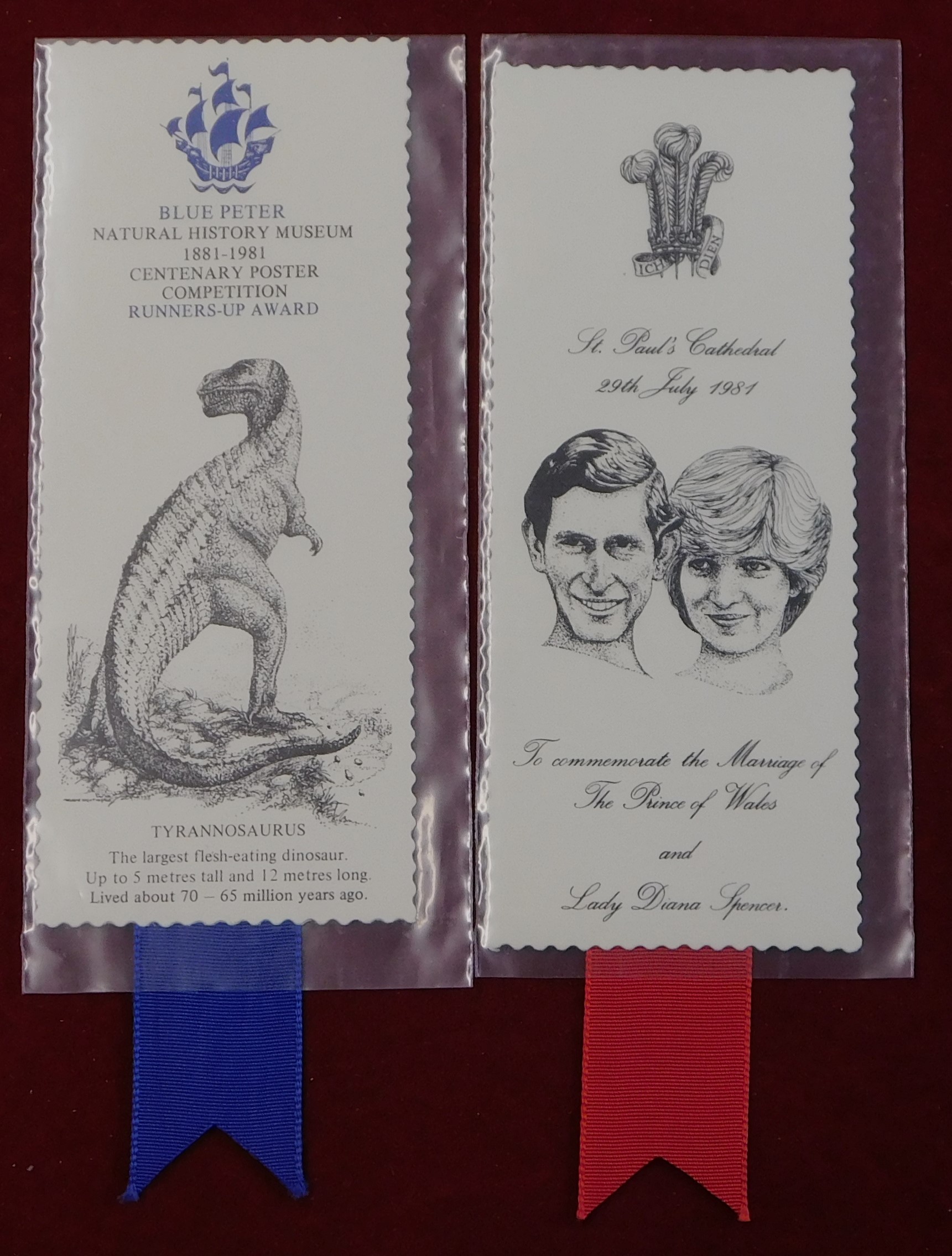
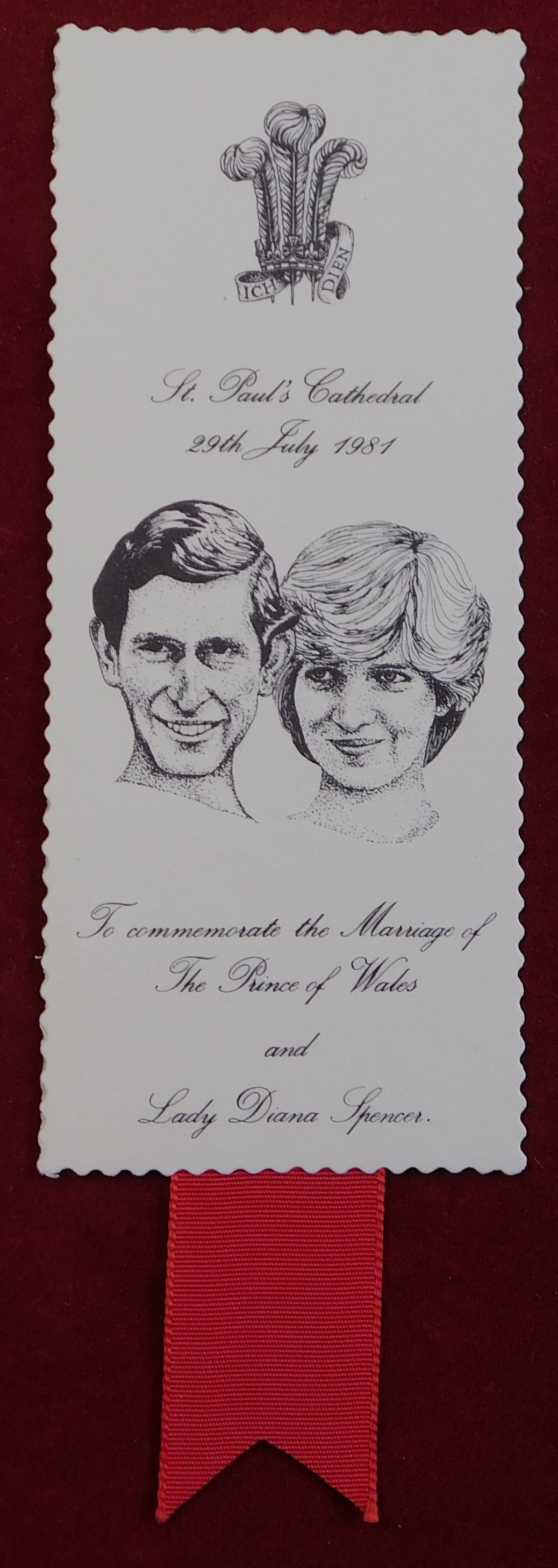
James and Sons had an auction earlier this week, which did reasonably well, especially given that it was basically an appetizer for next week’s auction of sporting memorabilia. There were a few items of interest to me. Lot 68 was a pair of bookmarks, which went my way cheaply.
No prizes for guessing which bookmark I actually wanted!
Lots 141 and 142 would have been of interest to me but were beyond my purchasing power.
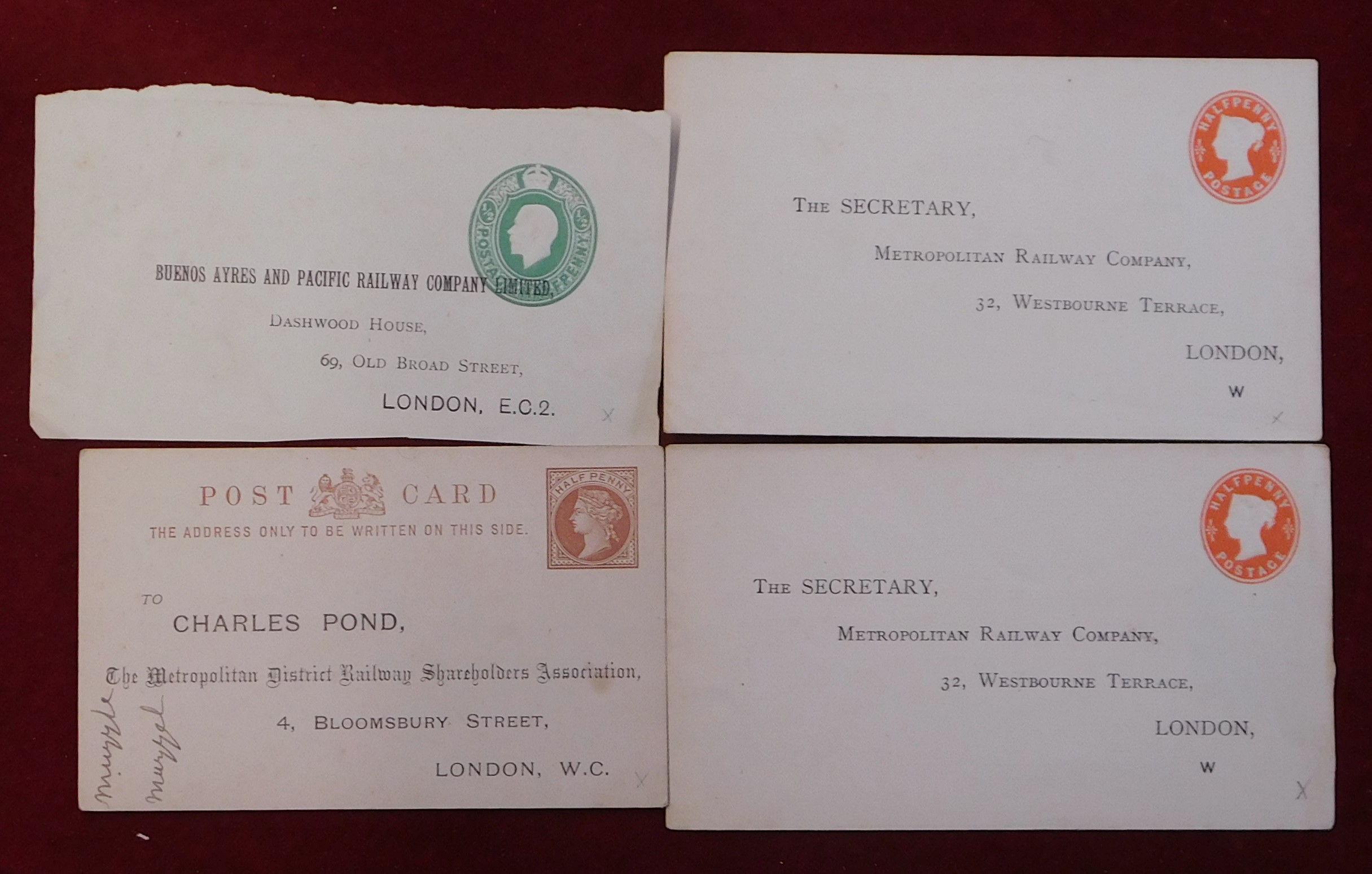
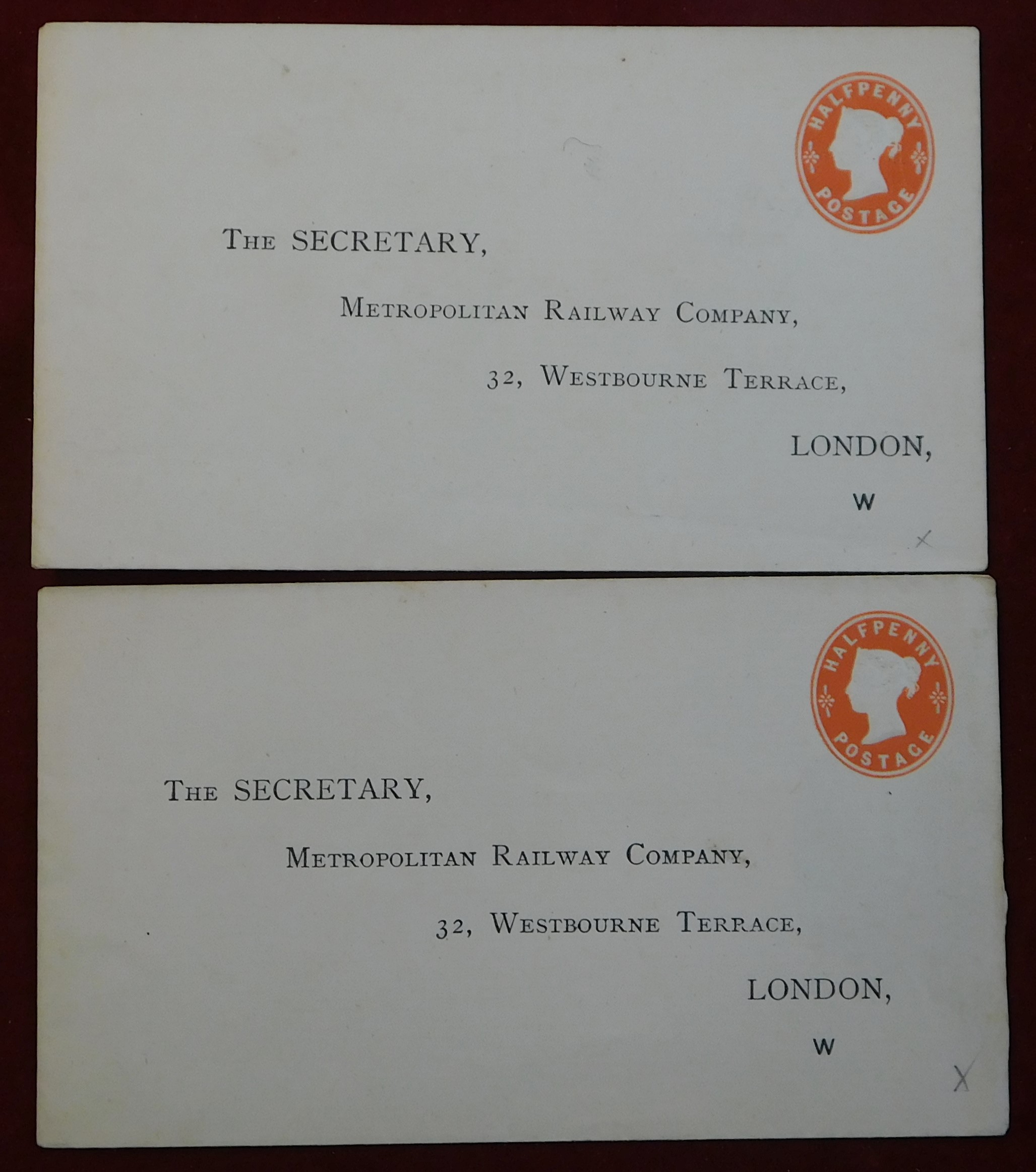
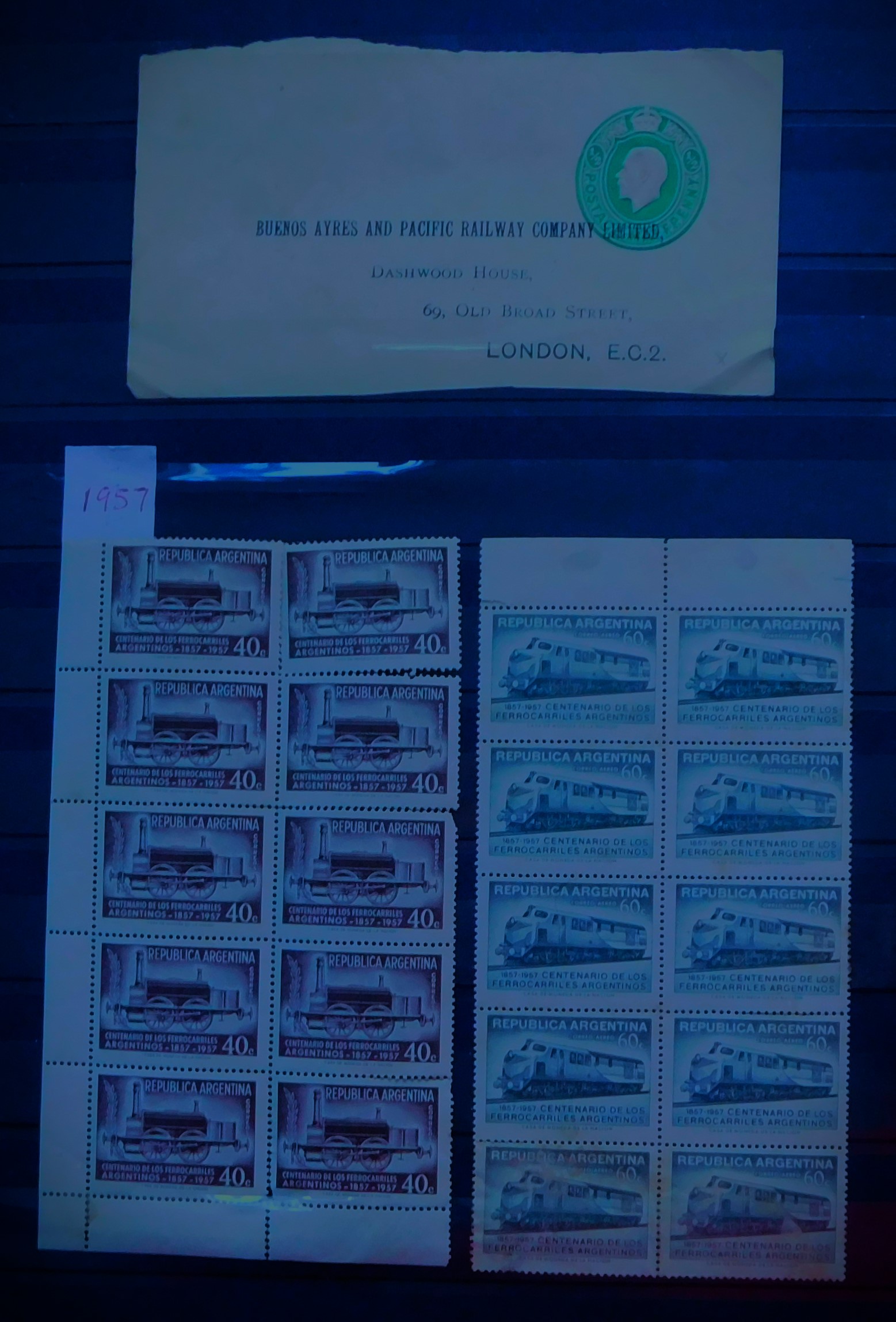
I did get lot 269.
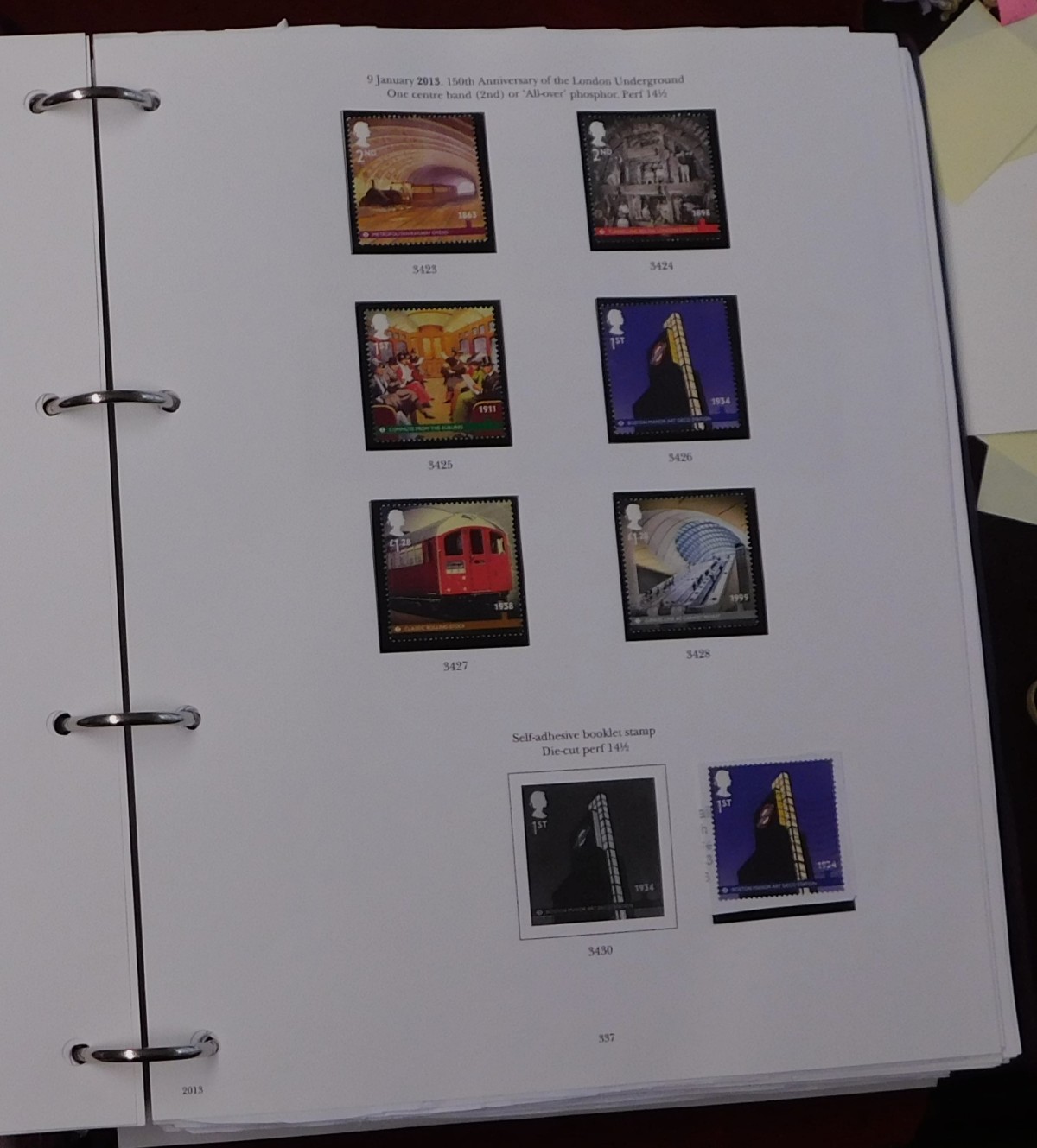
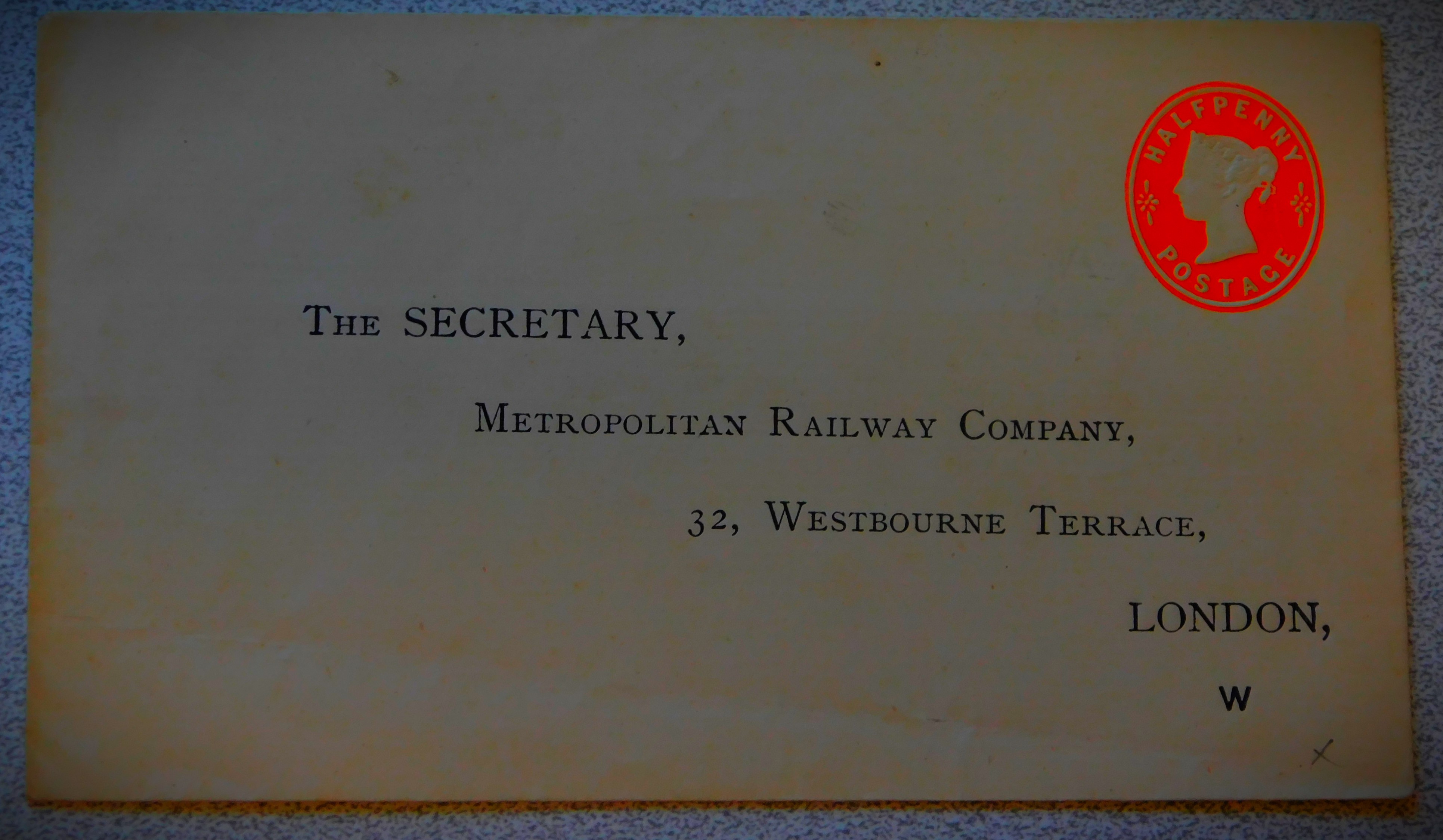
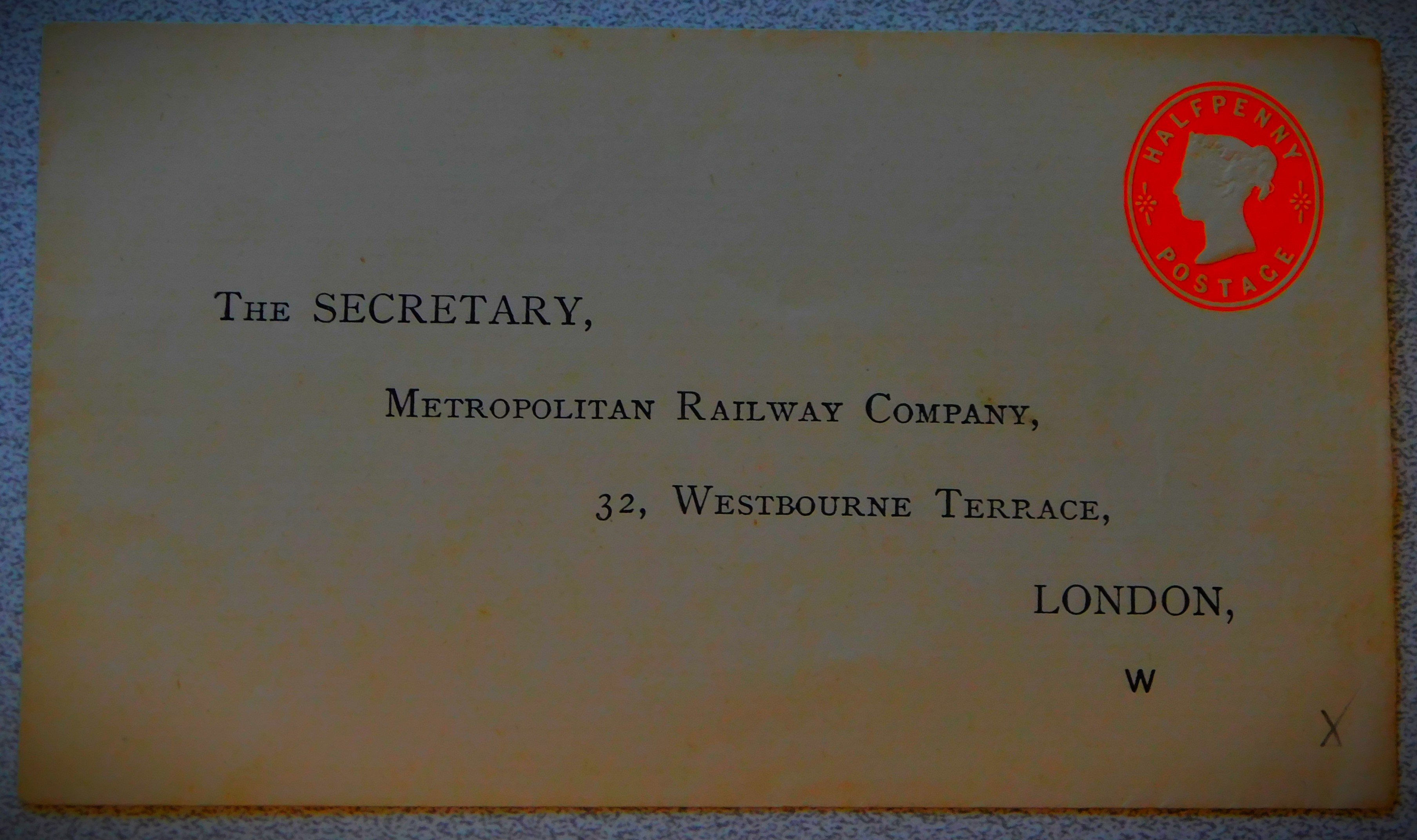
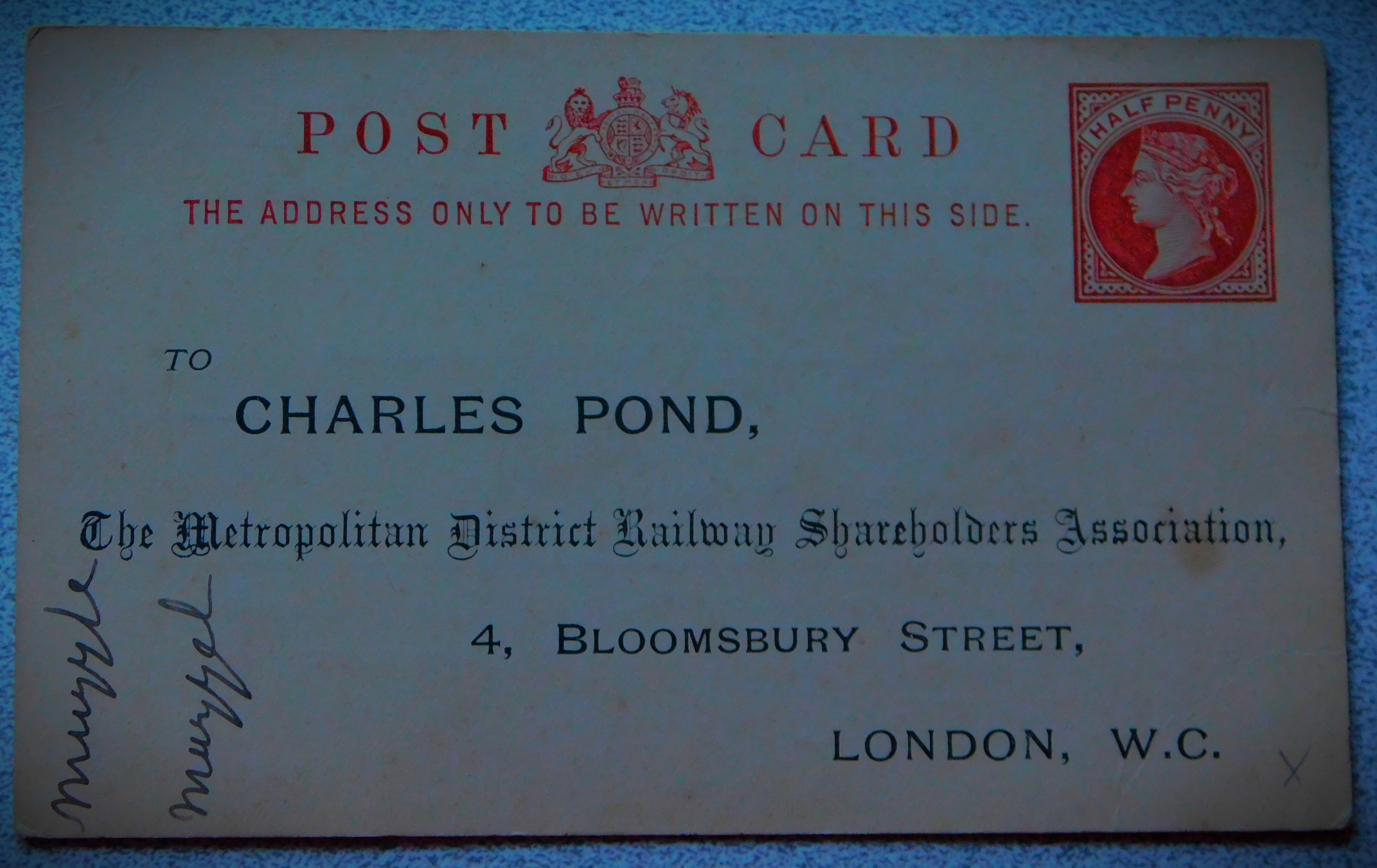
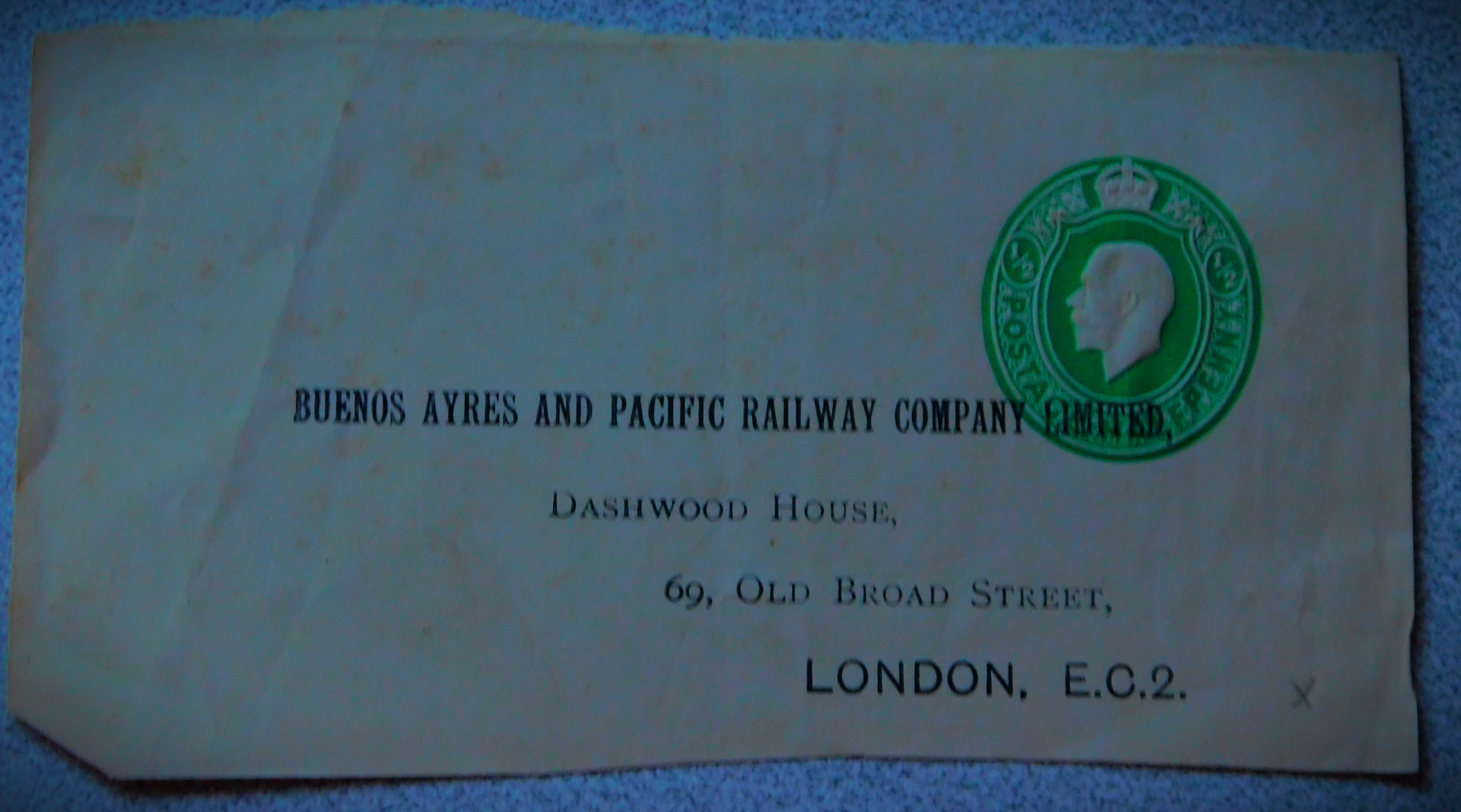
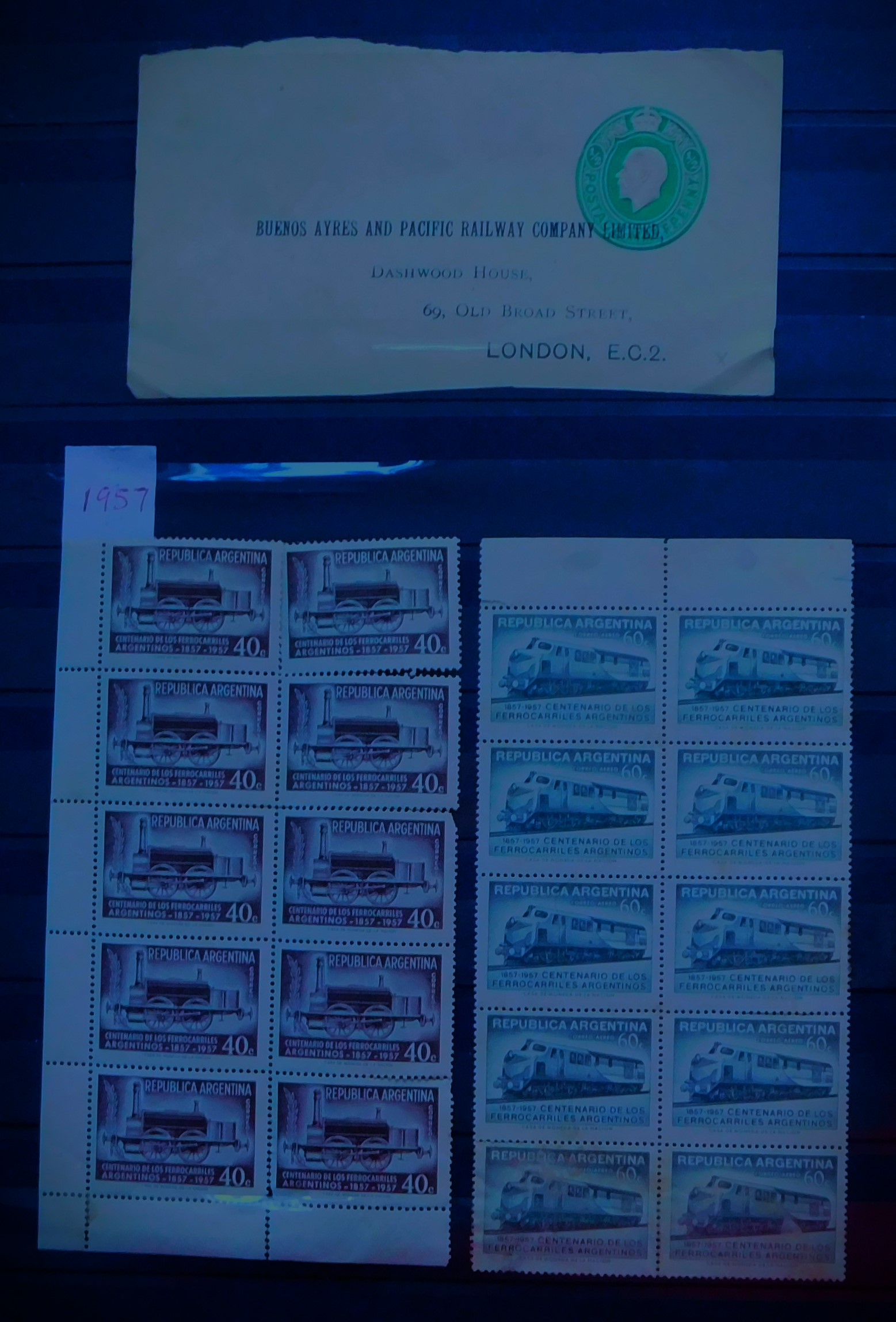
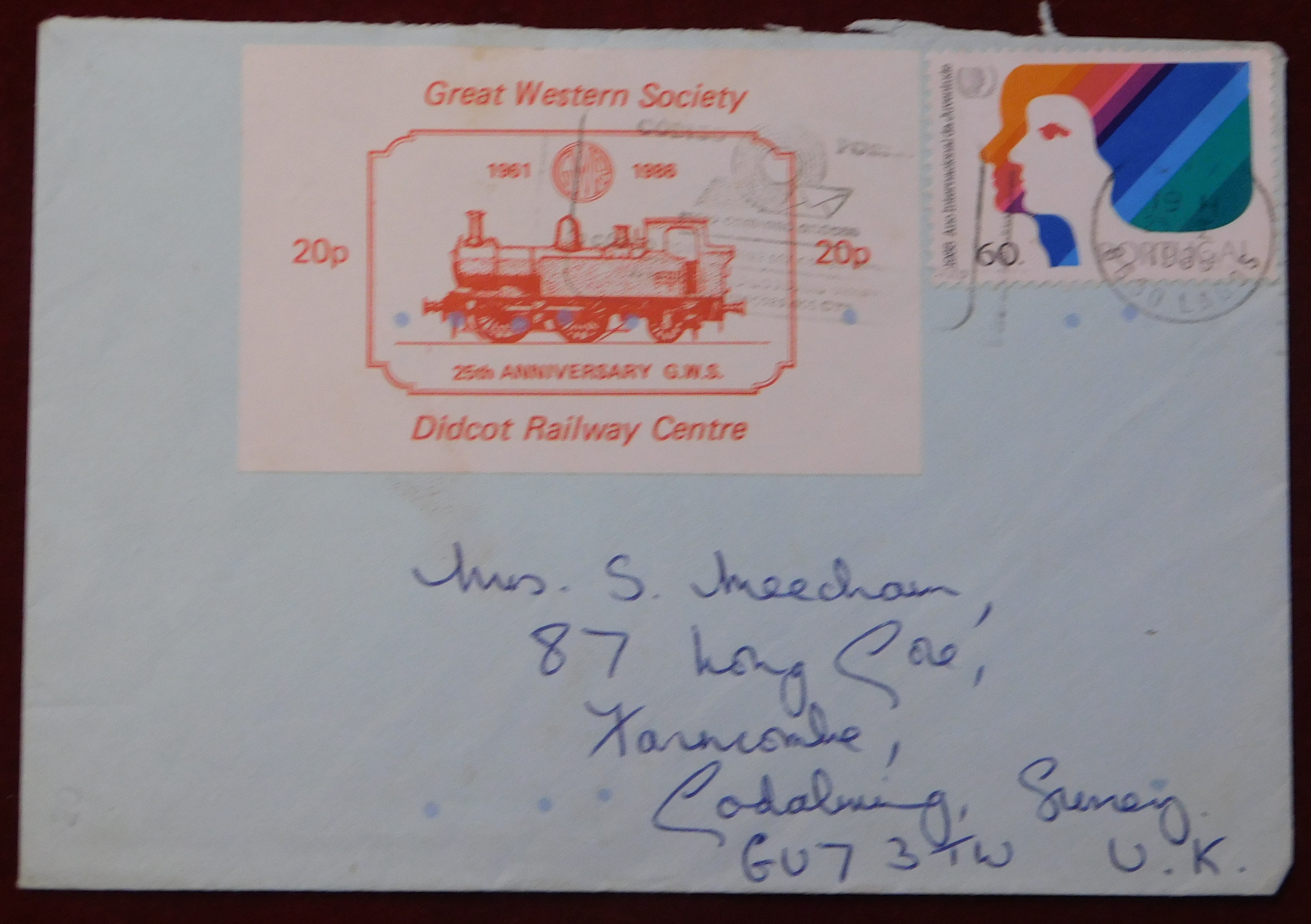
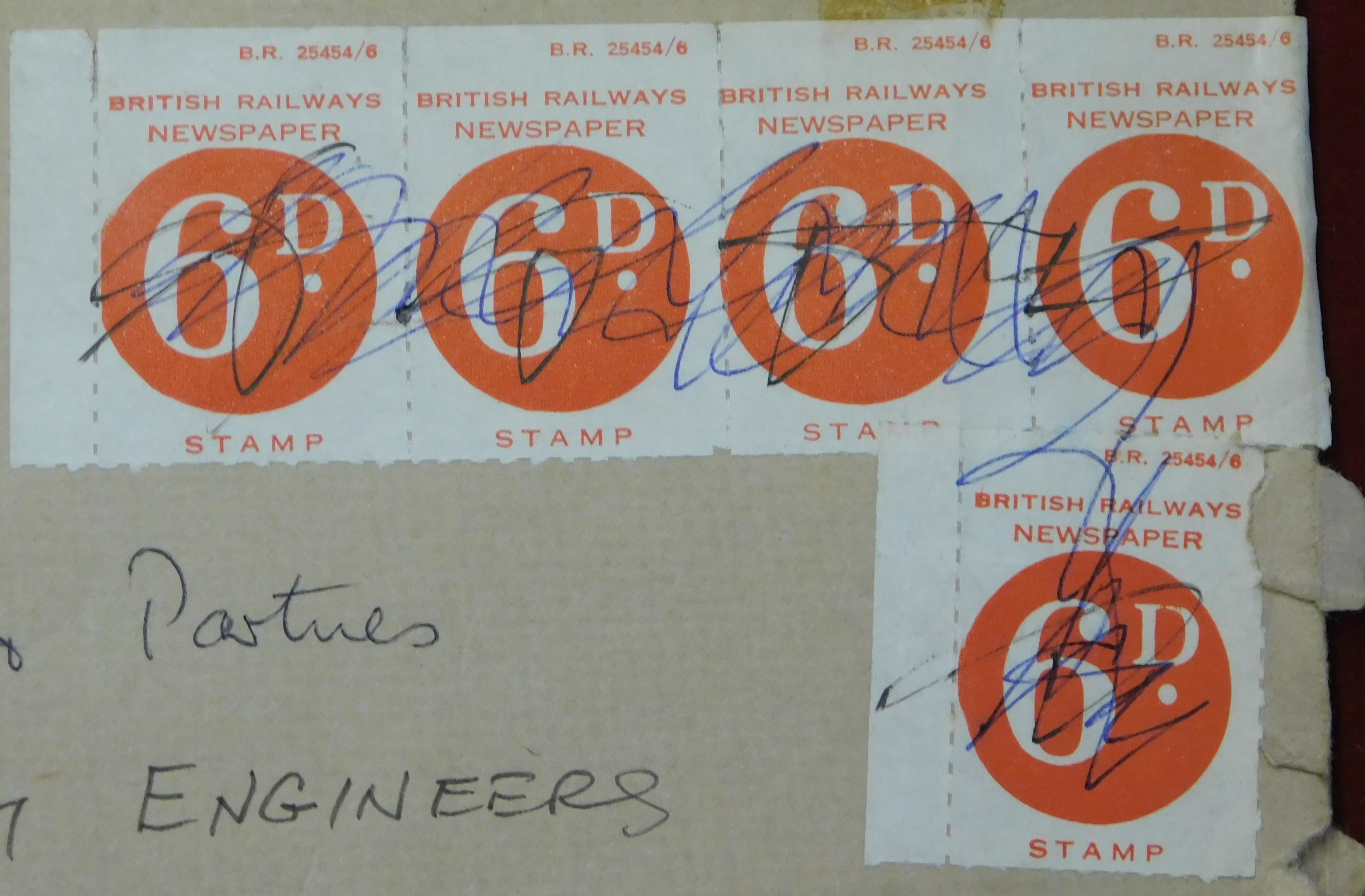
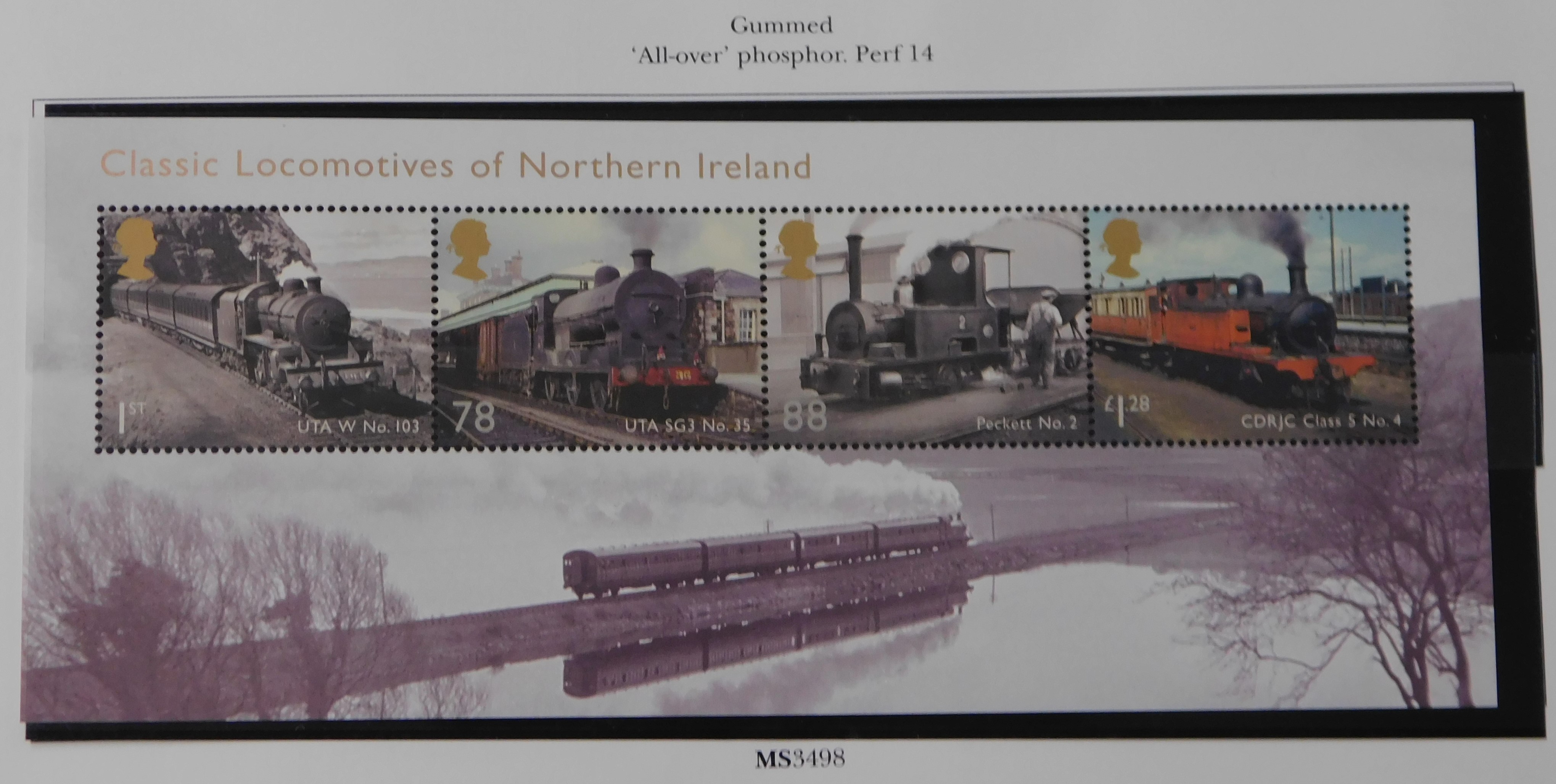
The Metropolitan Railway was the original Underground railway from which London Underground developed.The Metropolitan District Railway opened five years later, and the two companies between them completed the Inner Circle, now The Circle Line.This did not really belong with the other items in the lot, but I have same Argentine railway stamps in my collection.
Lot 329 also went to me…
I ignored lot 399…
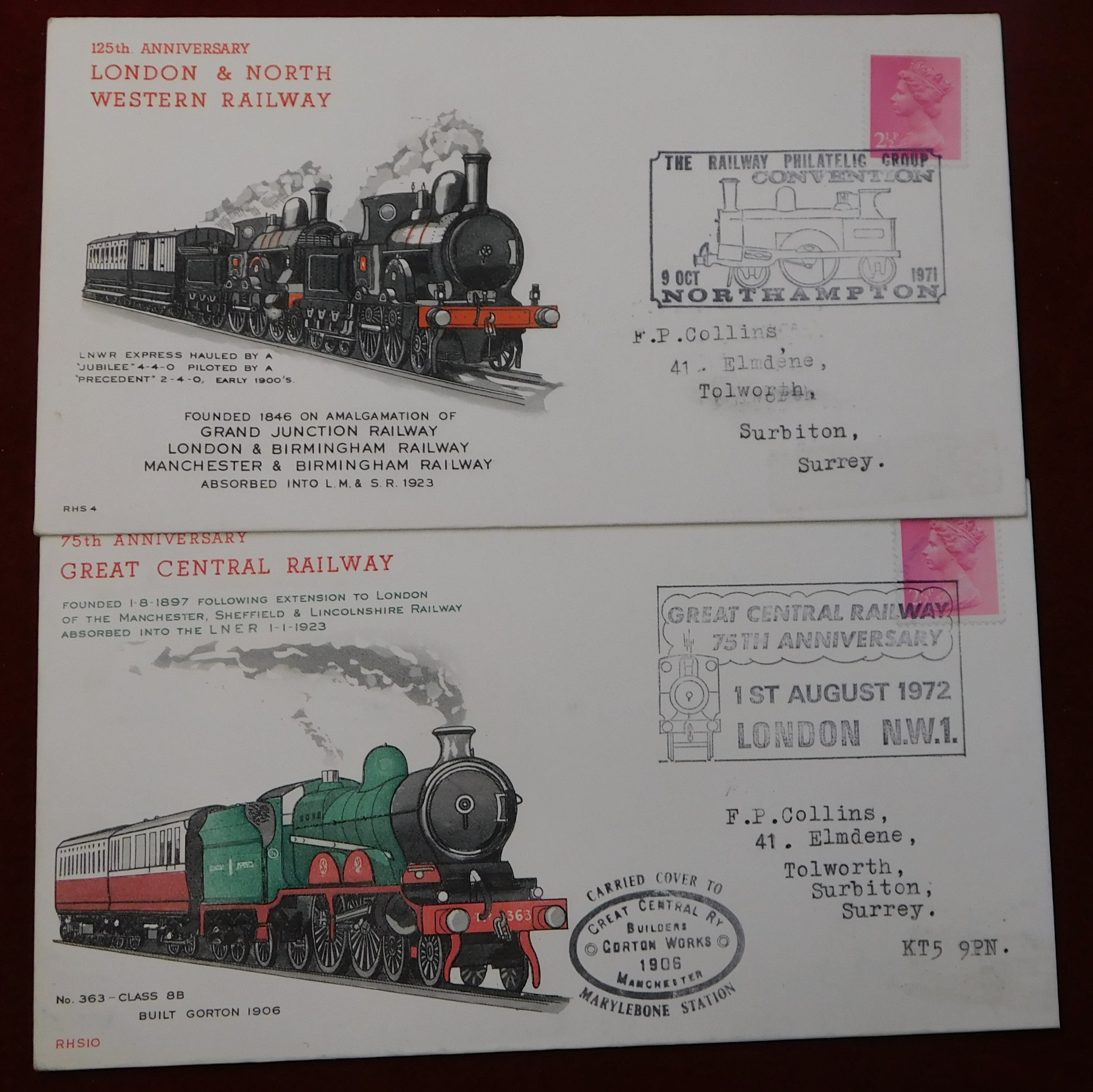
I had produced a very extensive image gallery for lot 400, made more so by fielding a query on that lot. However, in the end my opportunistic bid was the only one on the lot.
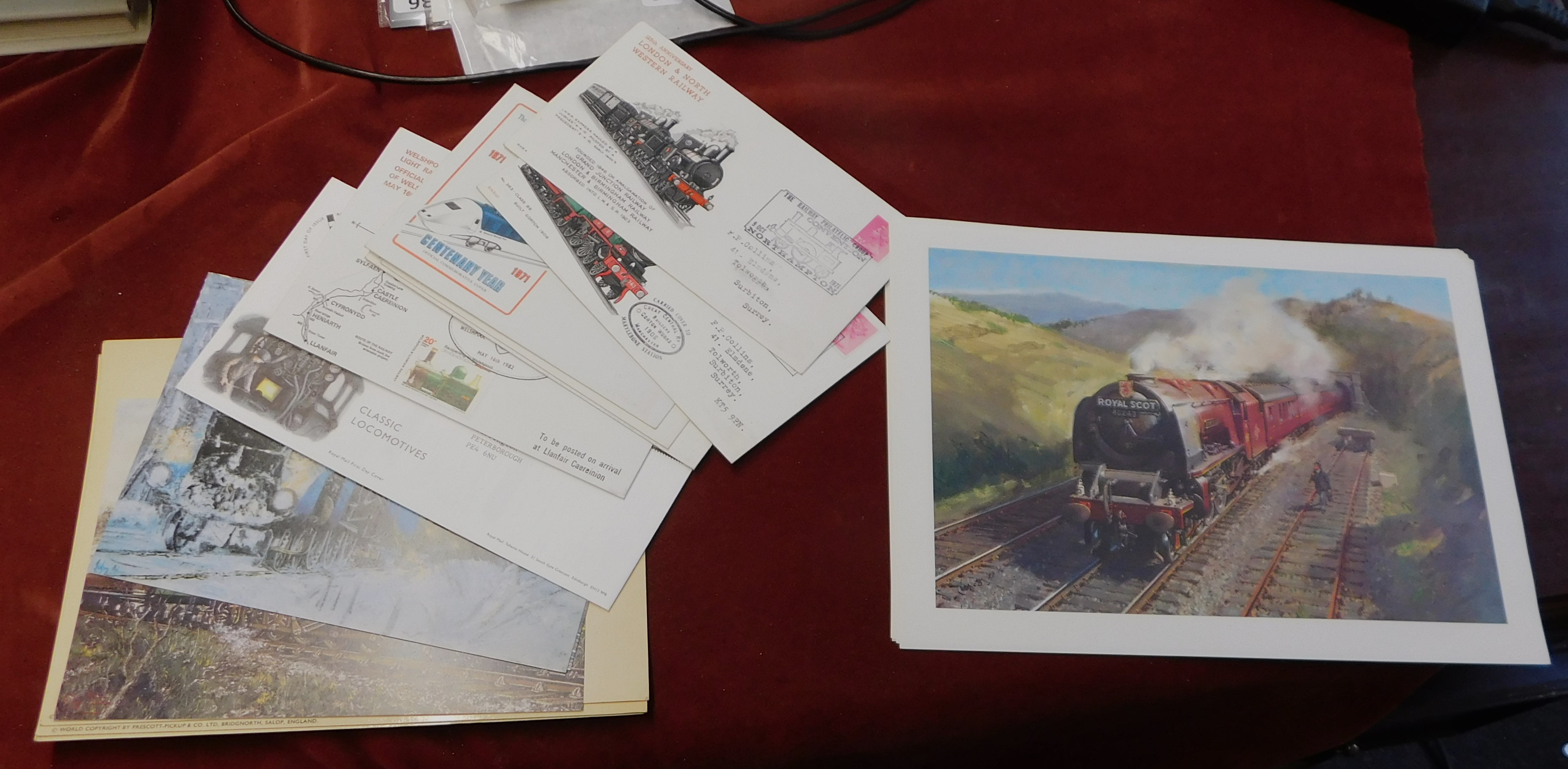
Lots 402 was also railway related but discipline had to prevail.
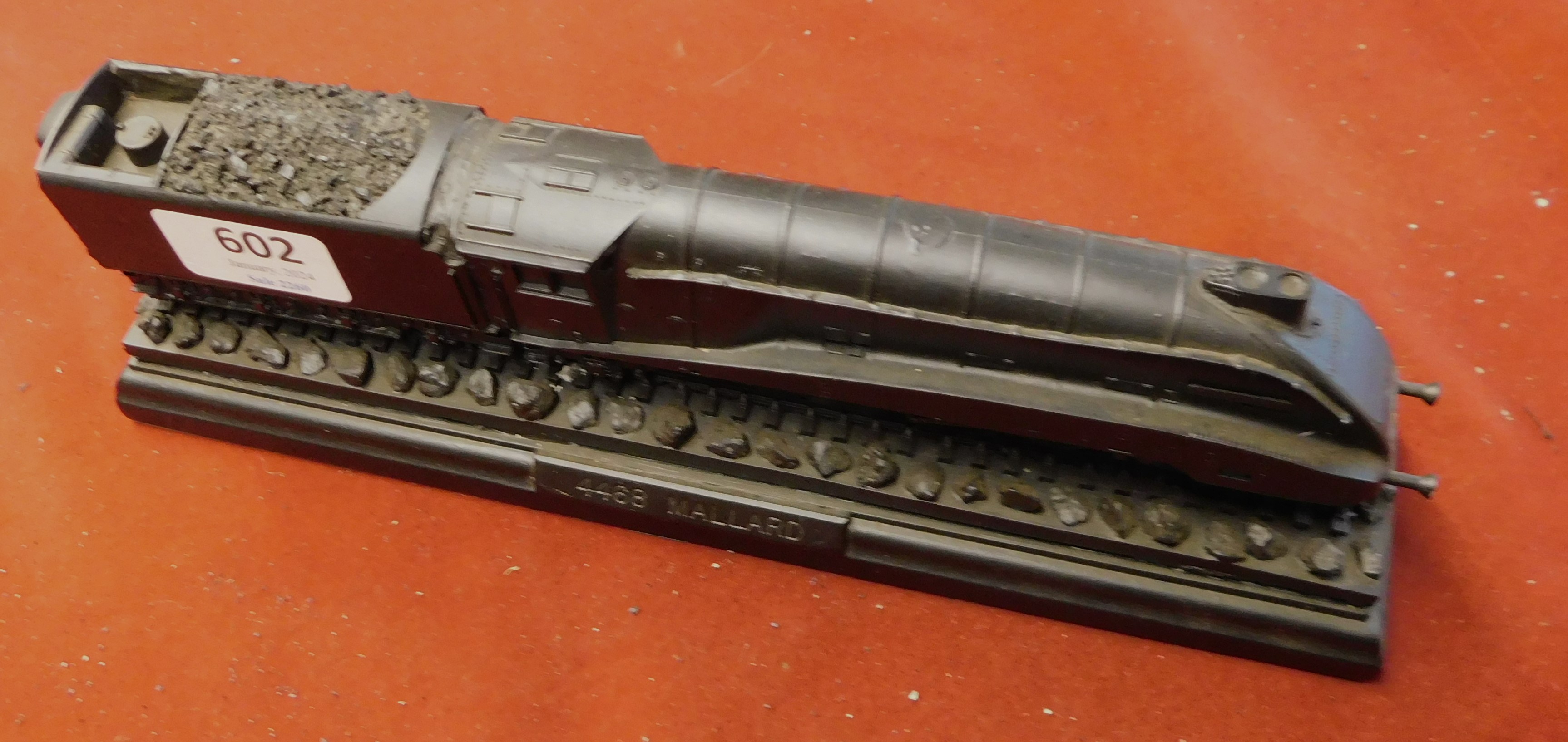
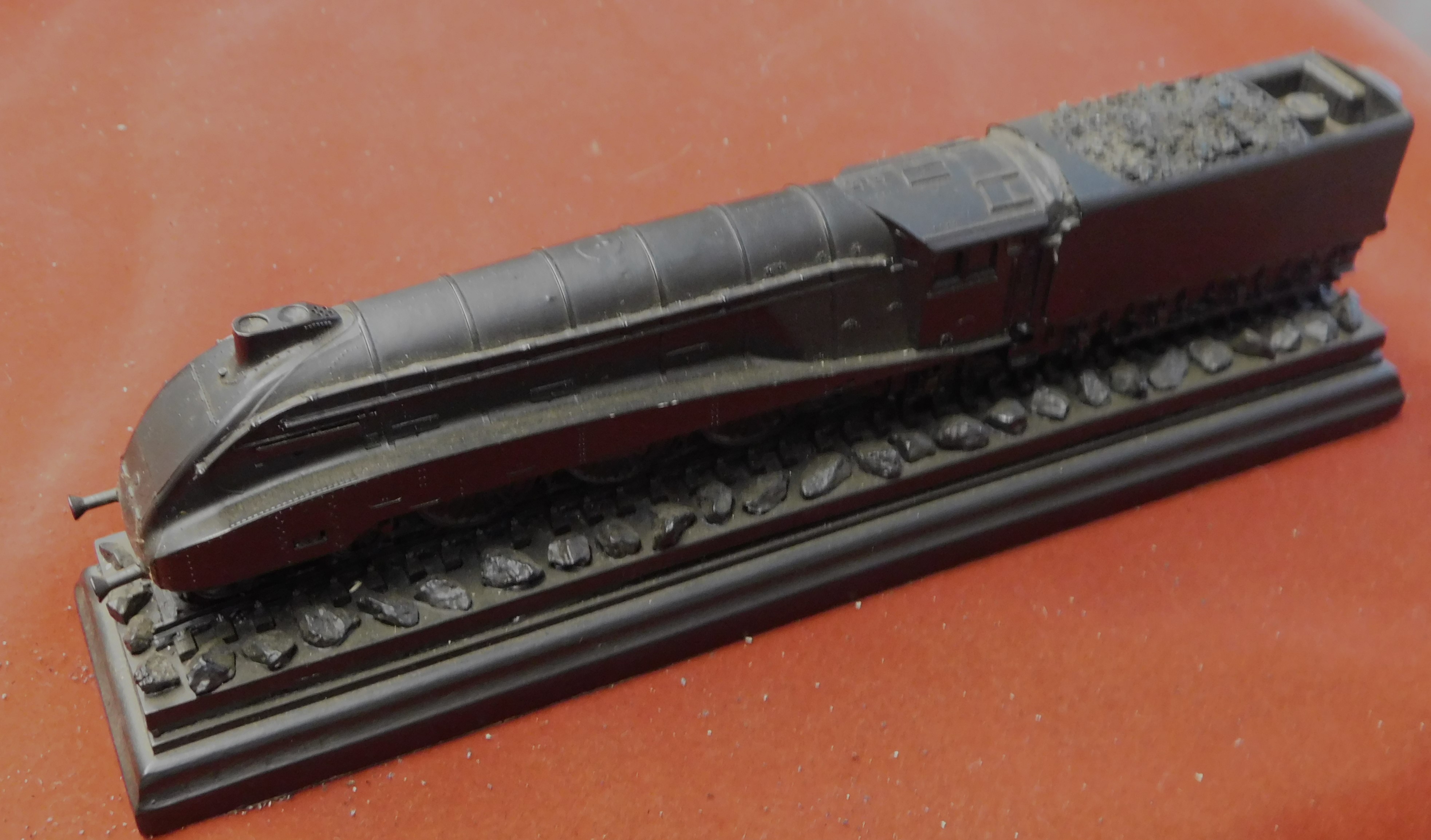
Lot 602, a model of a locomotive sculpted from coal proved, as I expected to be the case, to be beyond my price range.
I end this section with a lot that attracted a fierce bidding war (in which I had no part, other than creating the images that generated it), and ended up fetching £150, having been expected to do no more than 20-30, number 197.
PHOTOGRAPHS
My usual sign off…
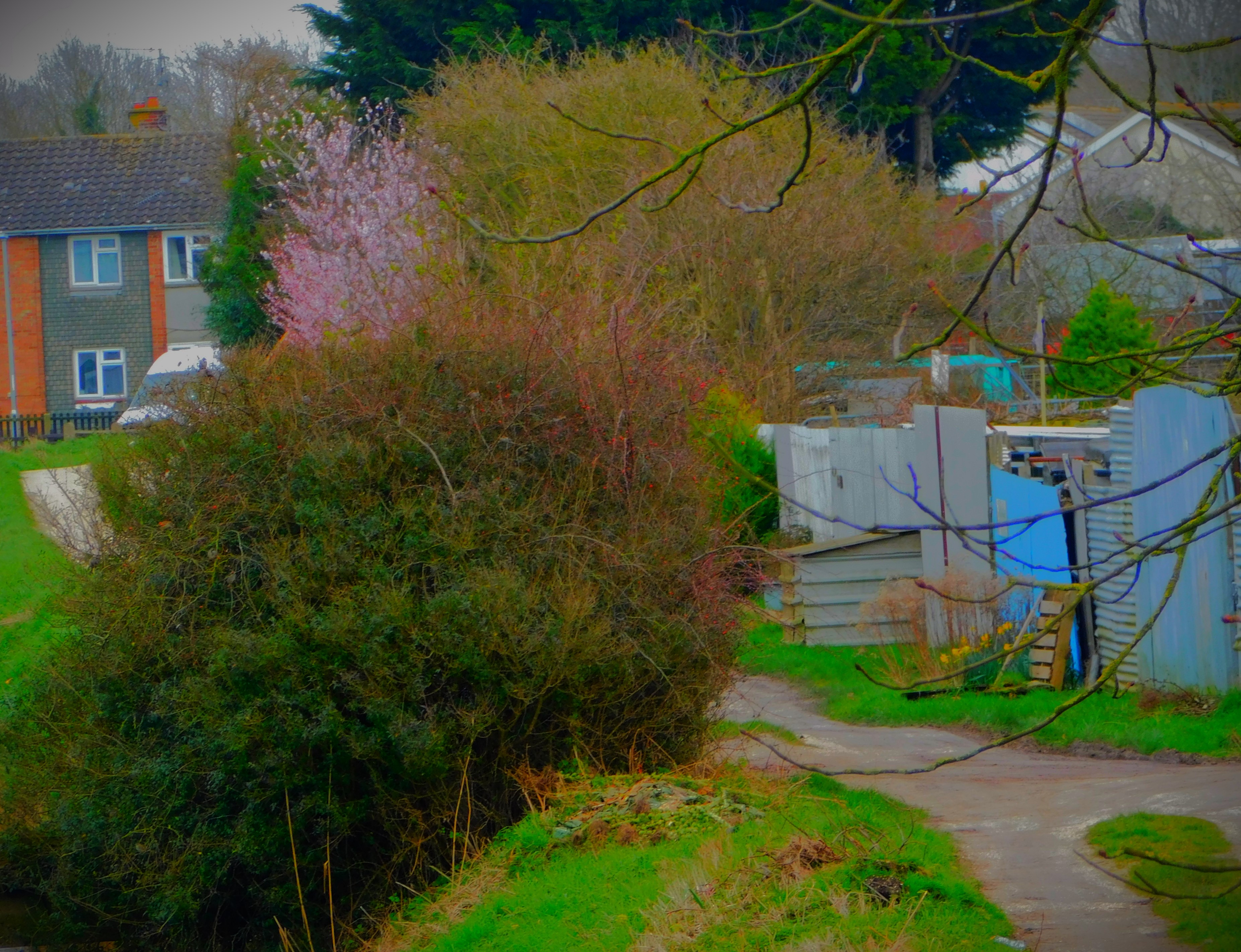
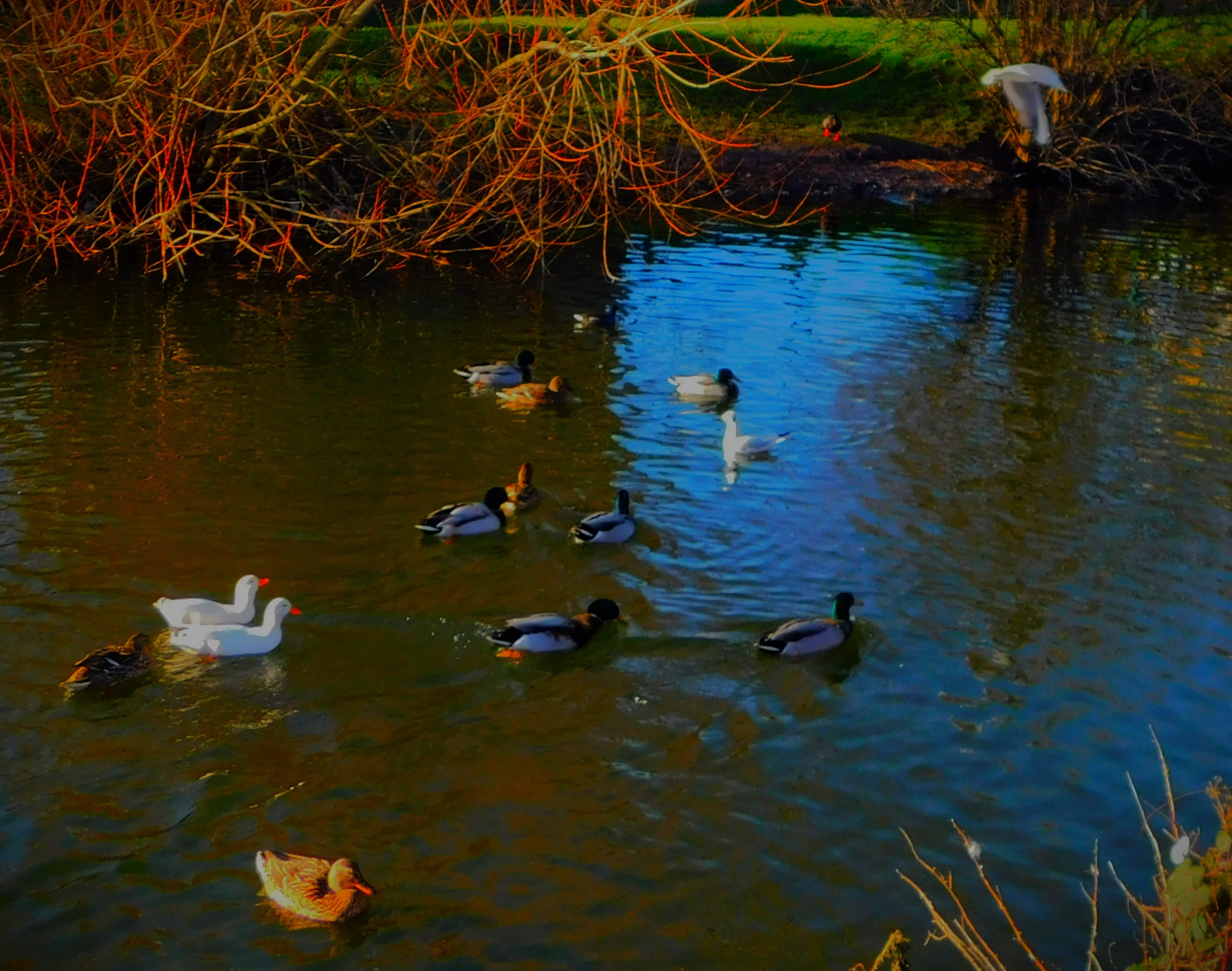
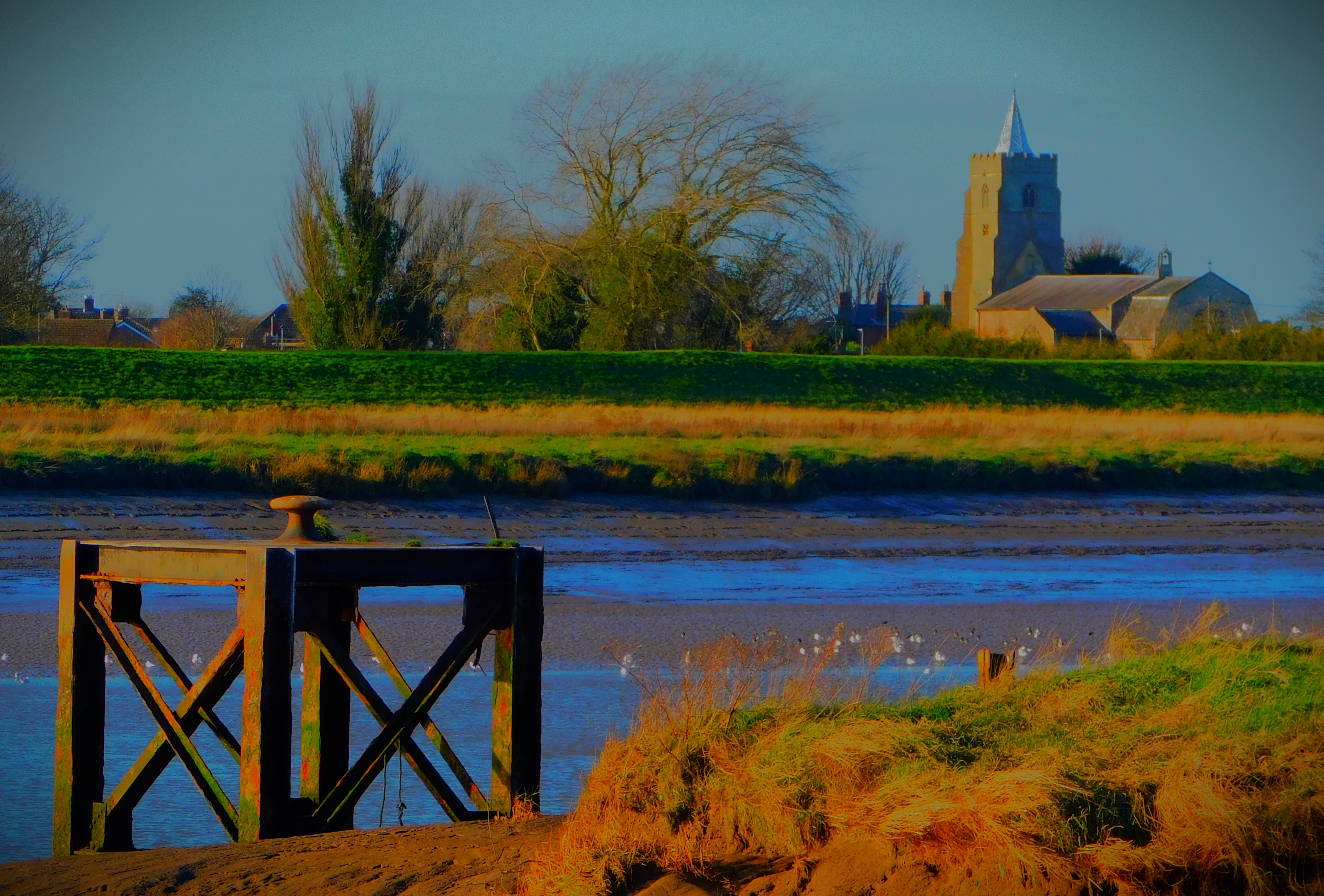
Harbingers of spring, and it is only late Janaury.