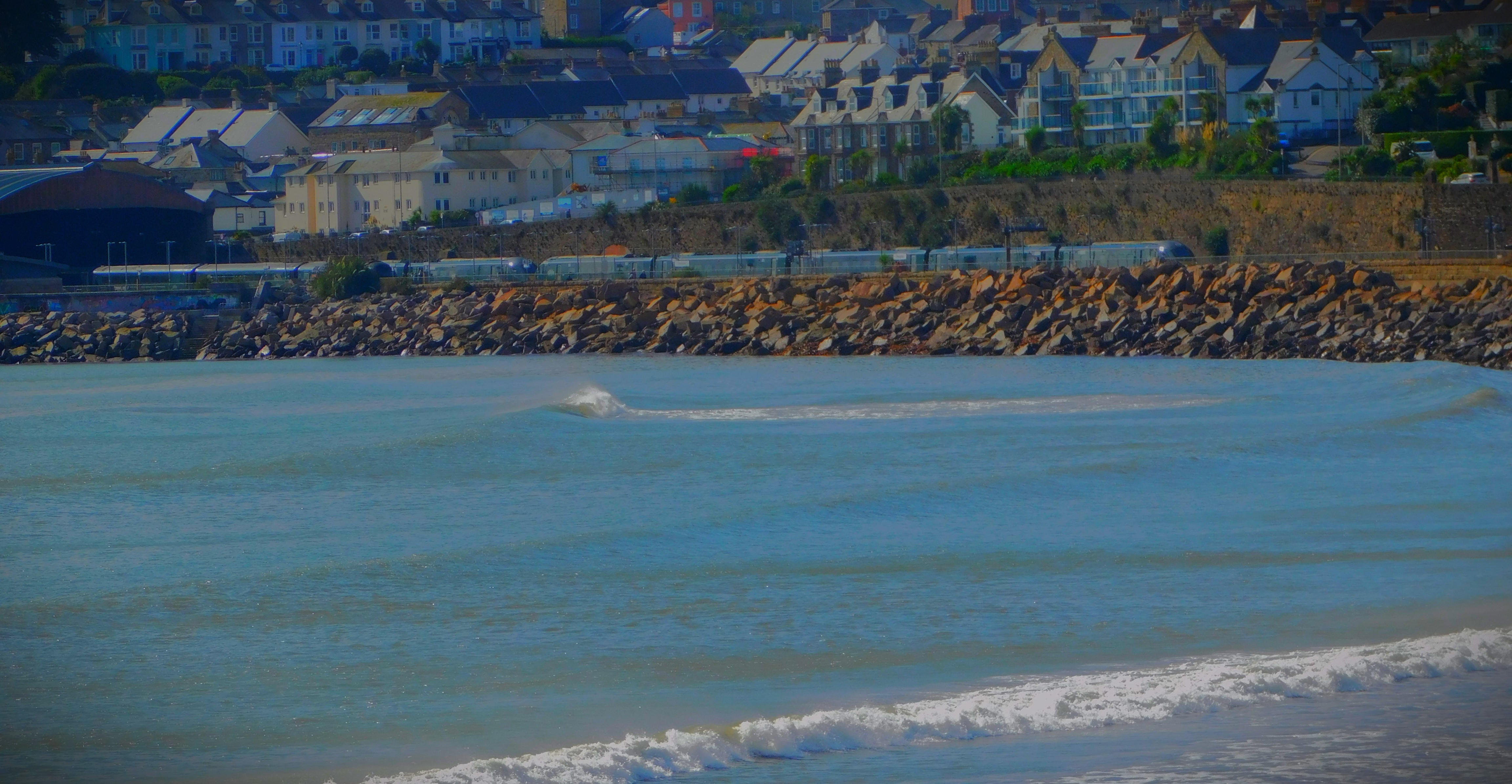
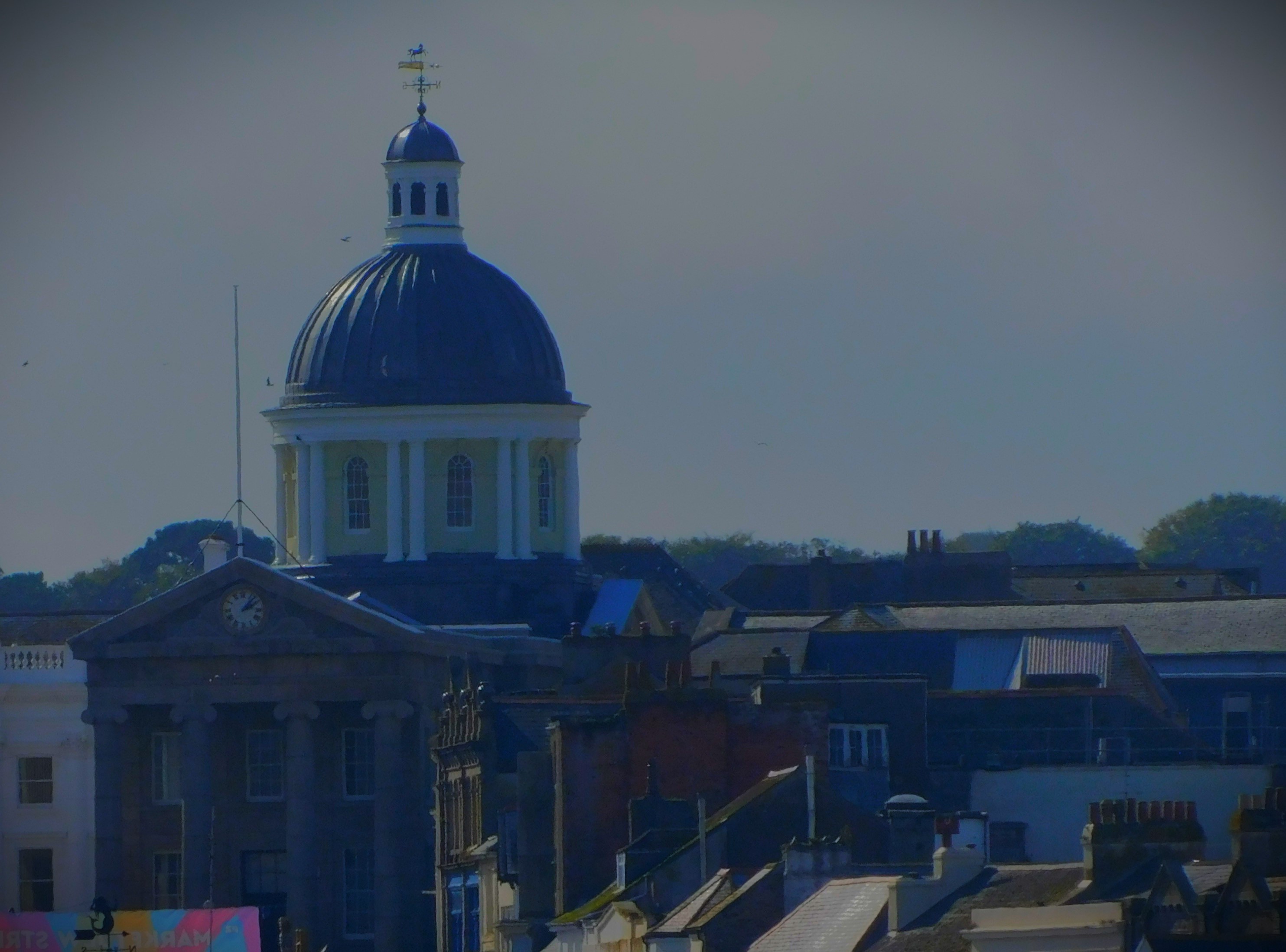
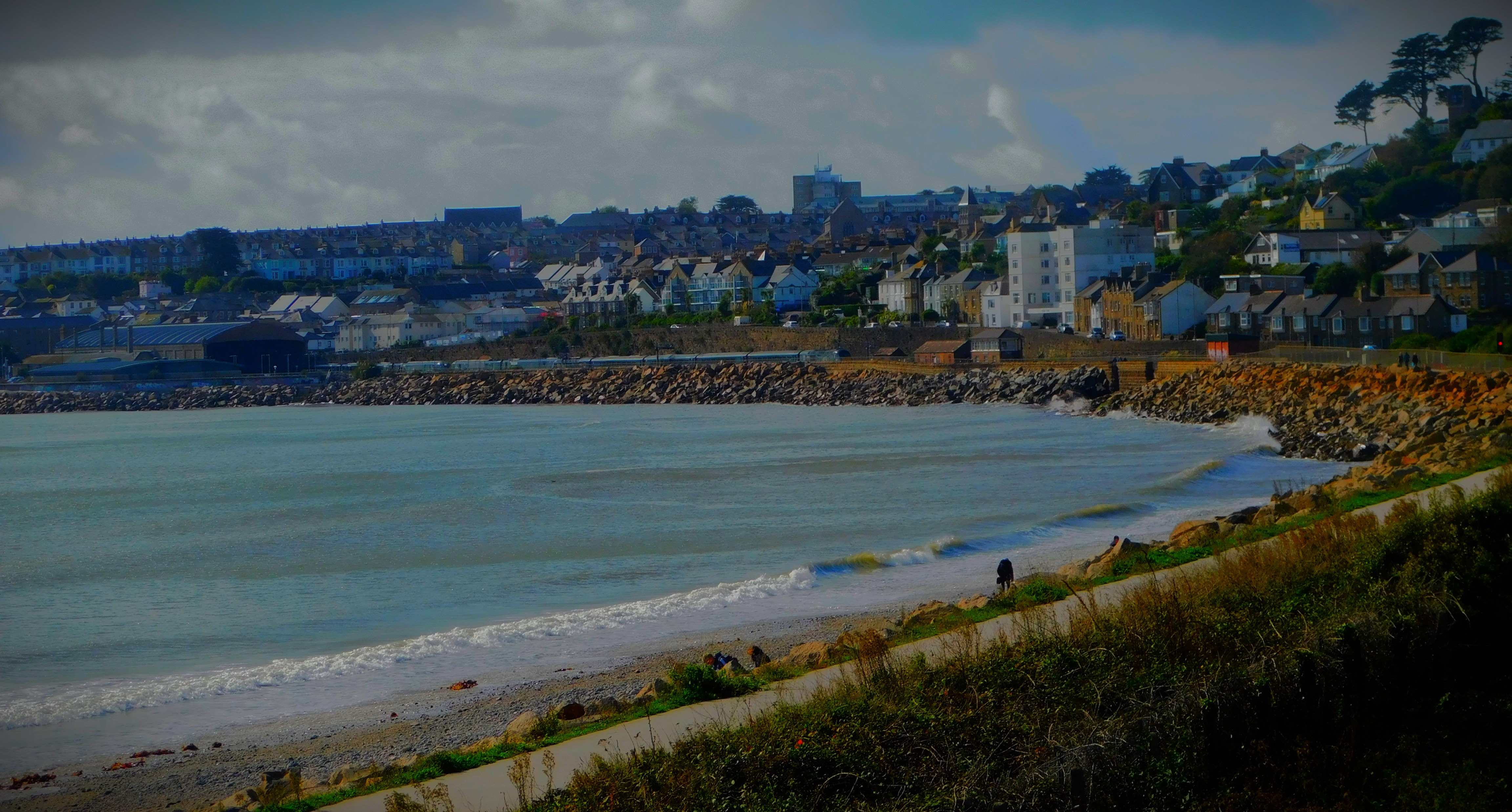
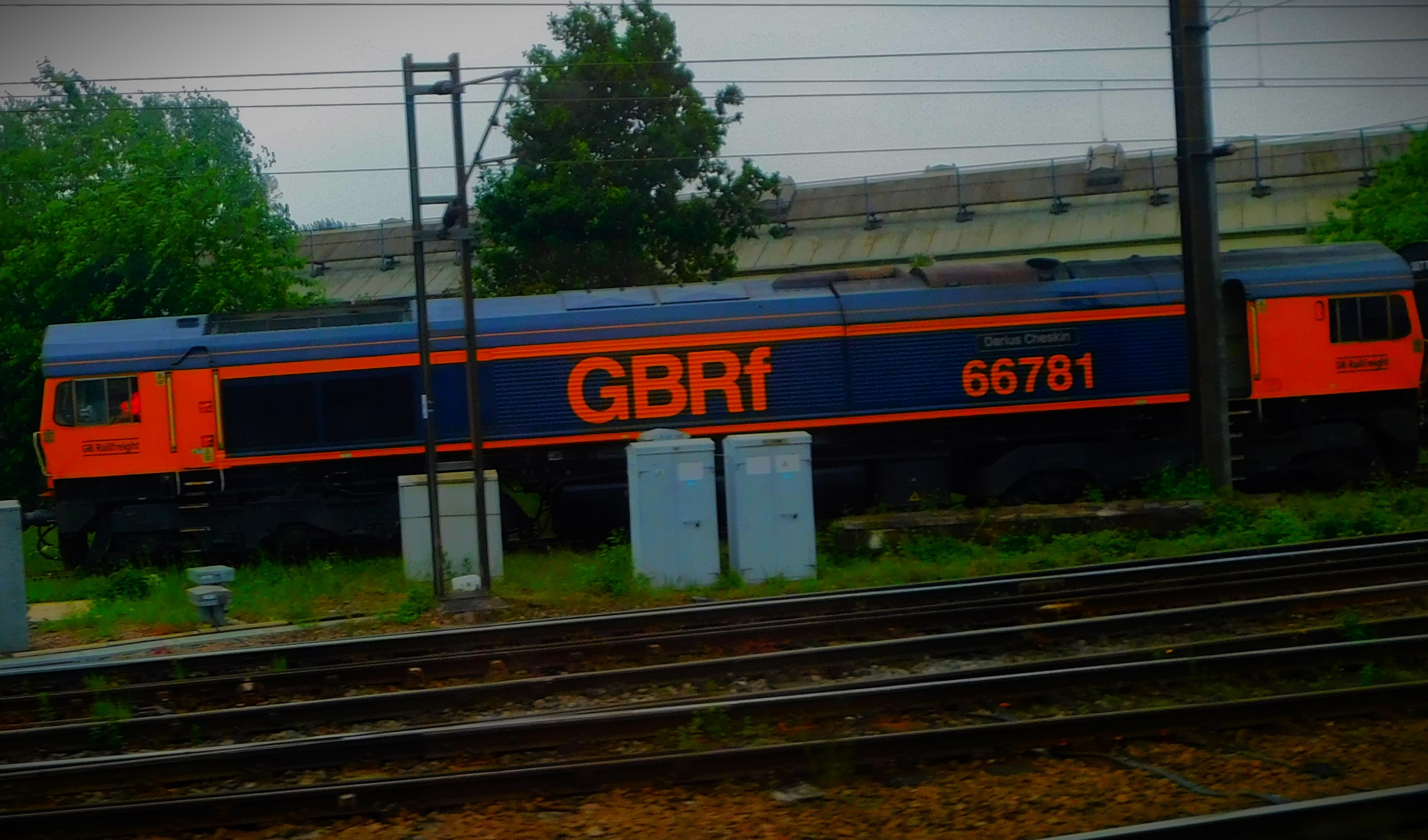
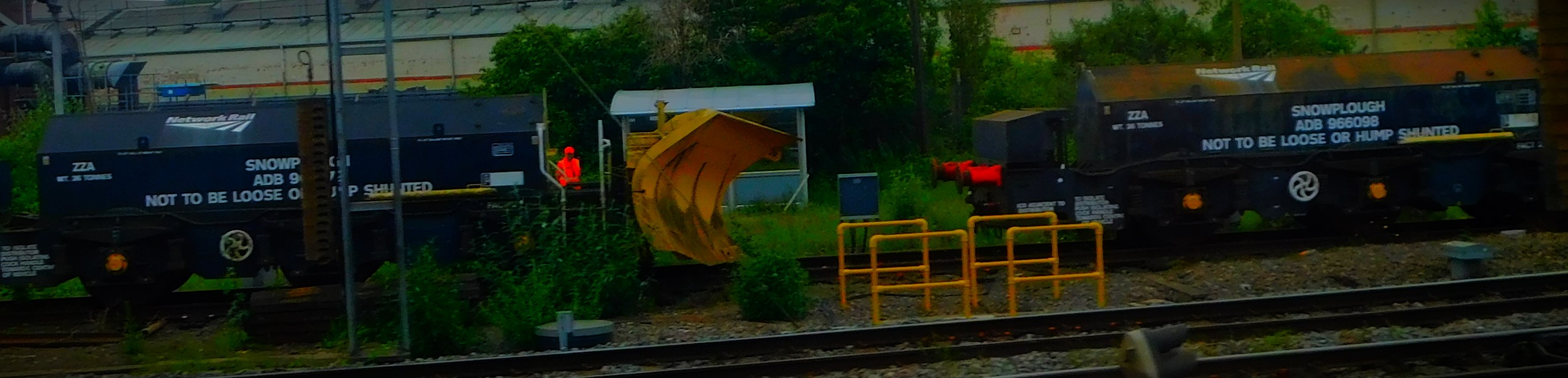
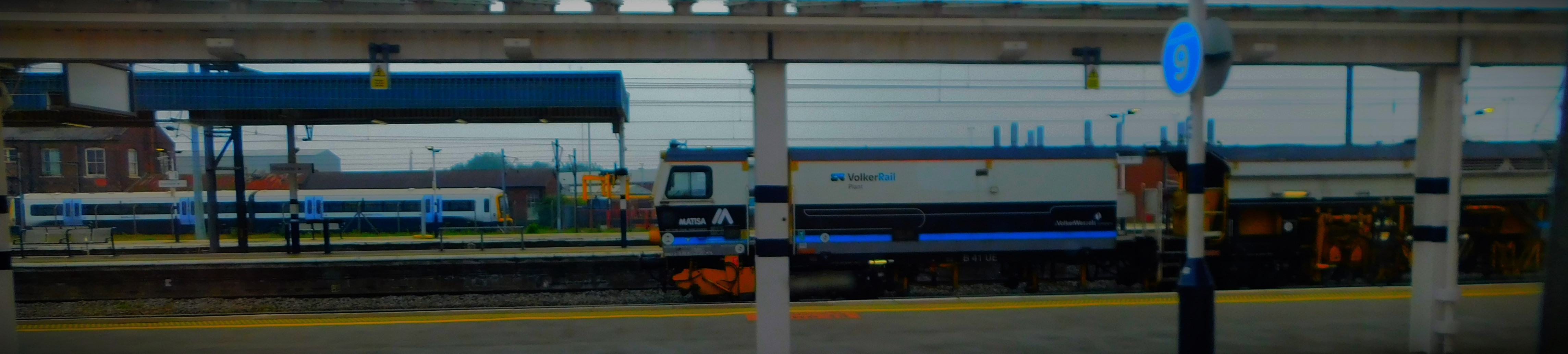
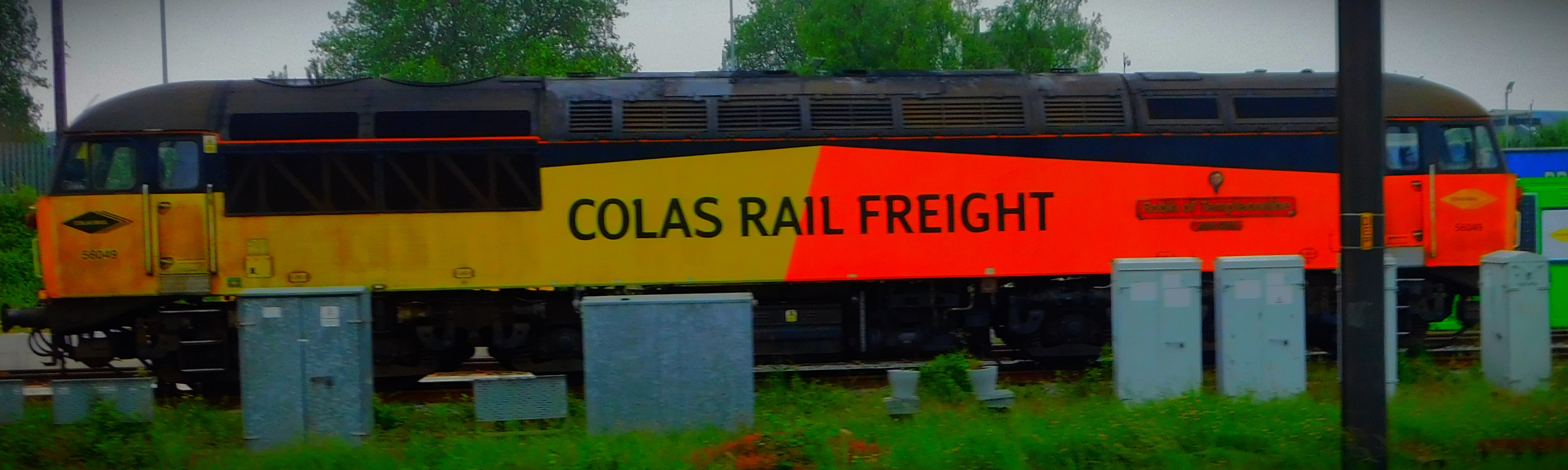
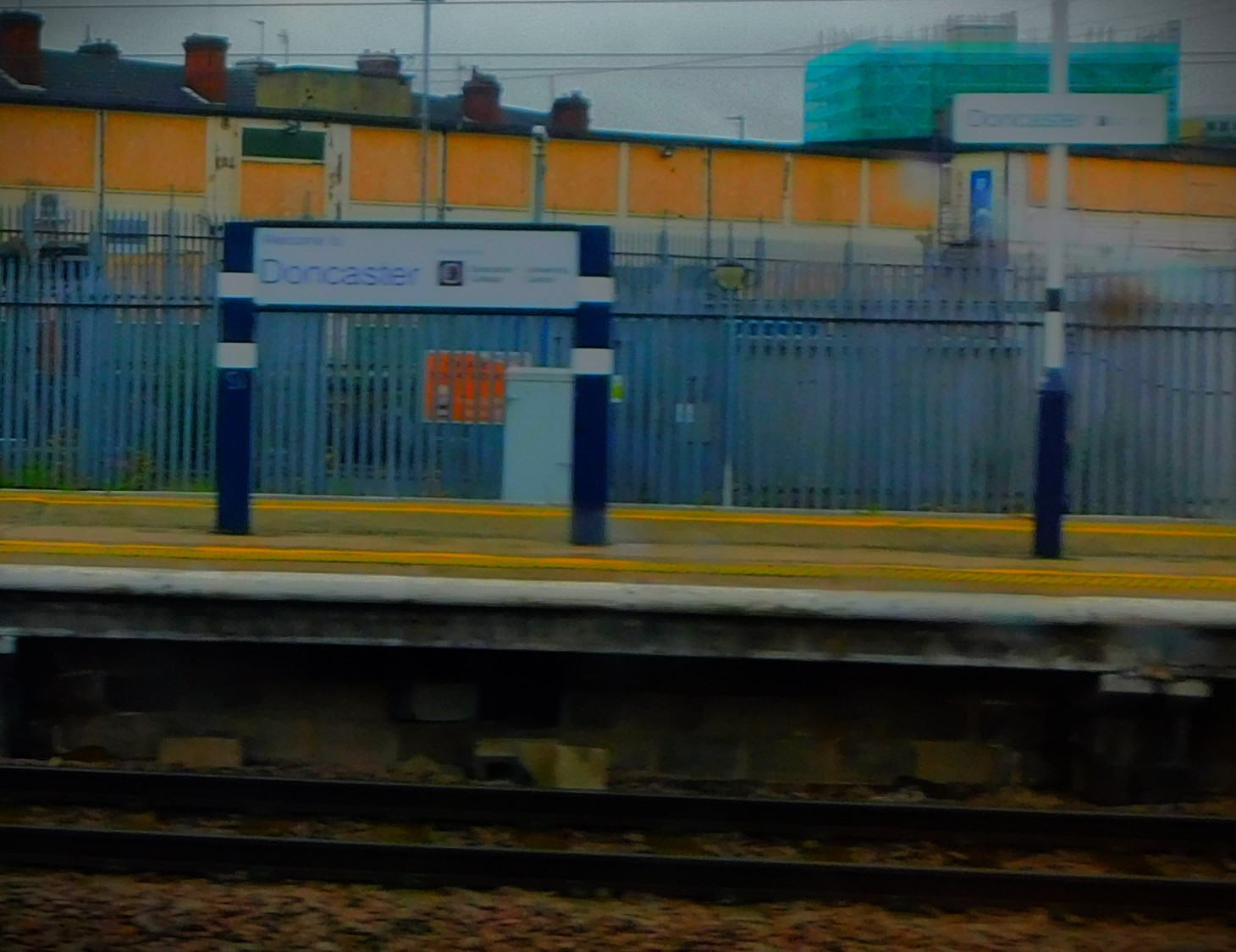
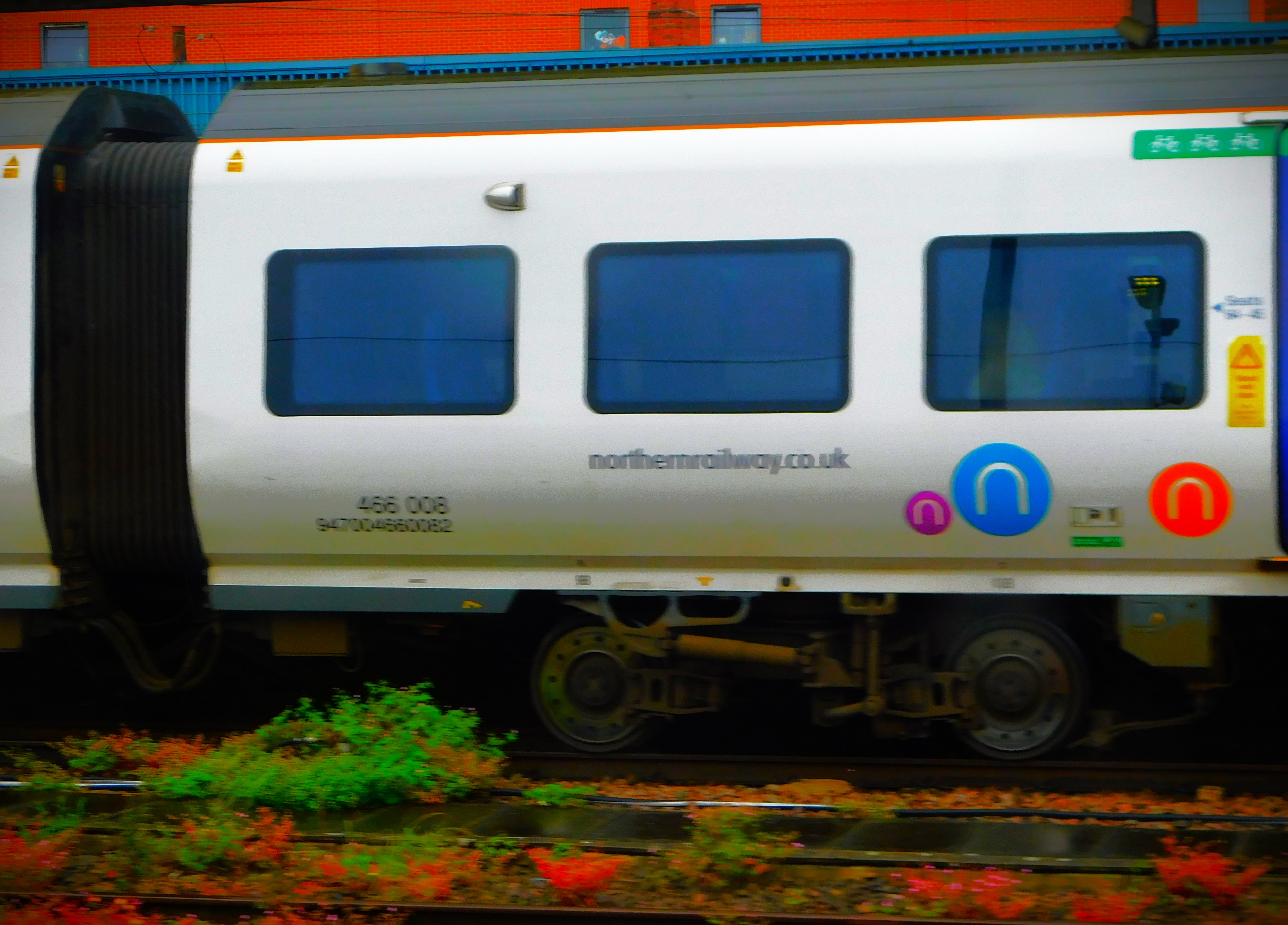
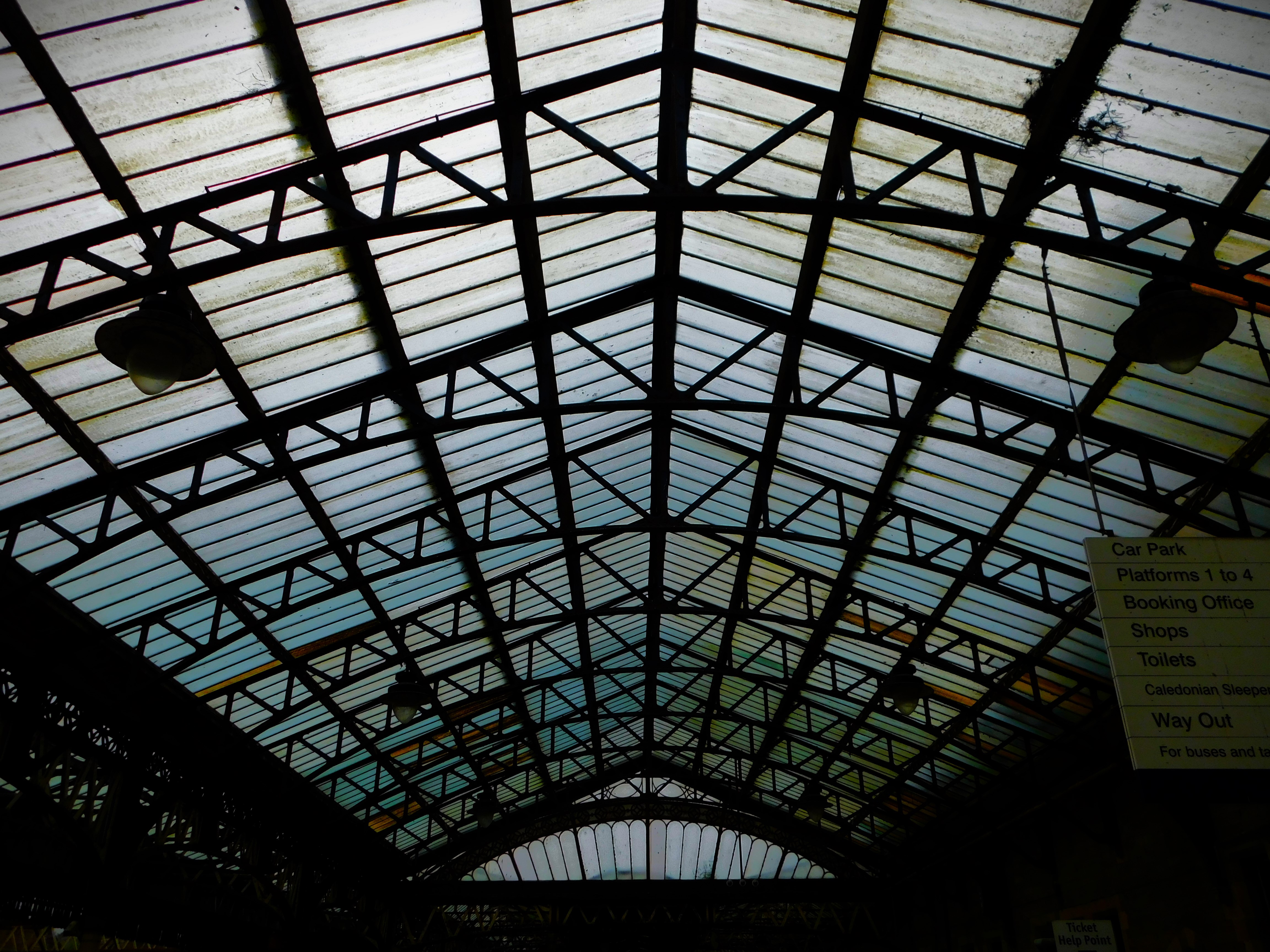
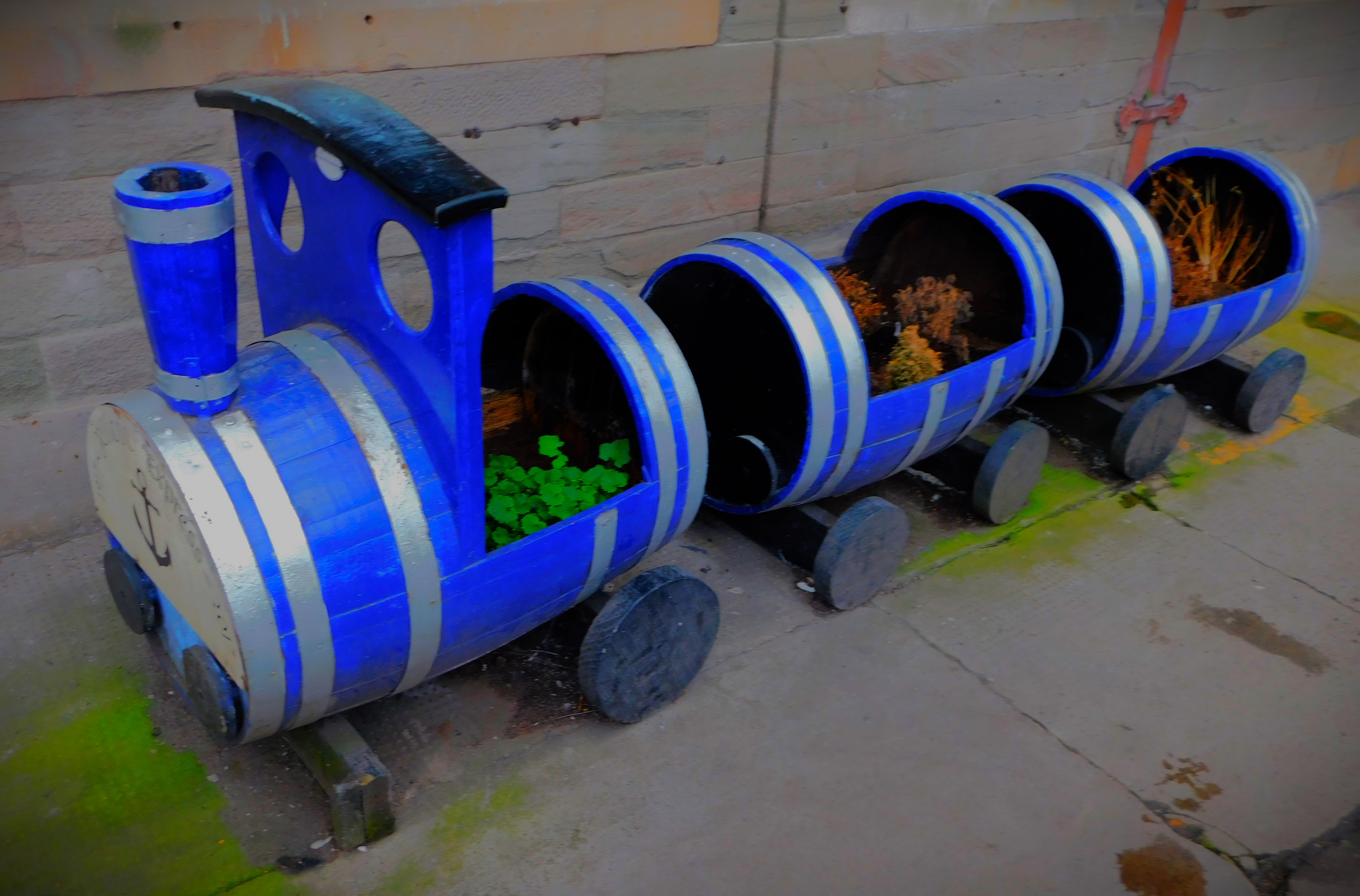
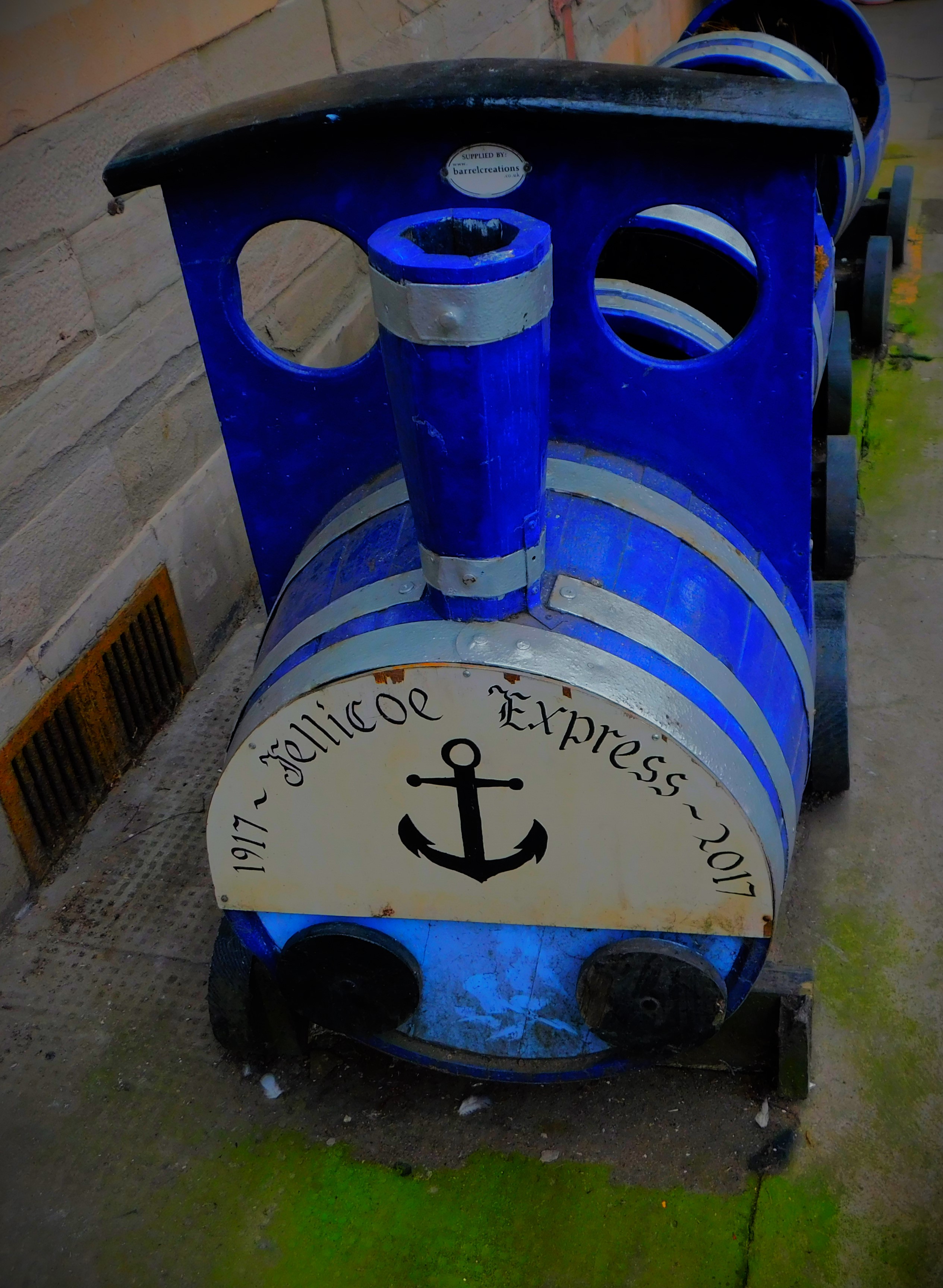
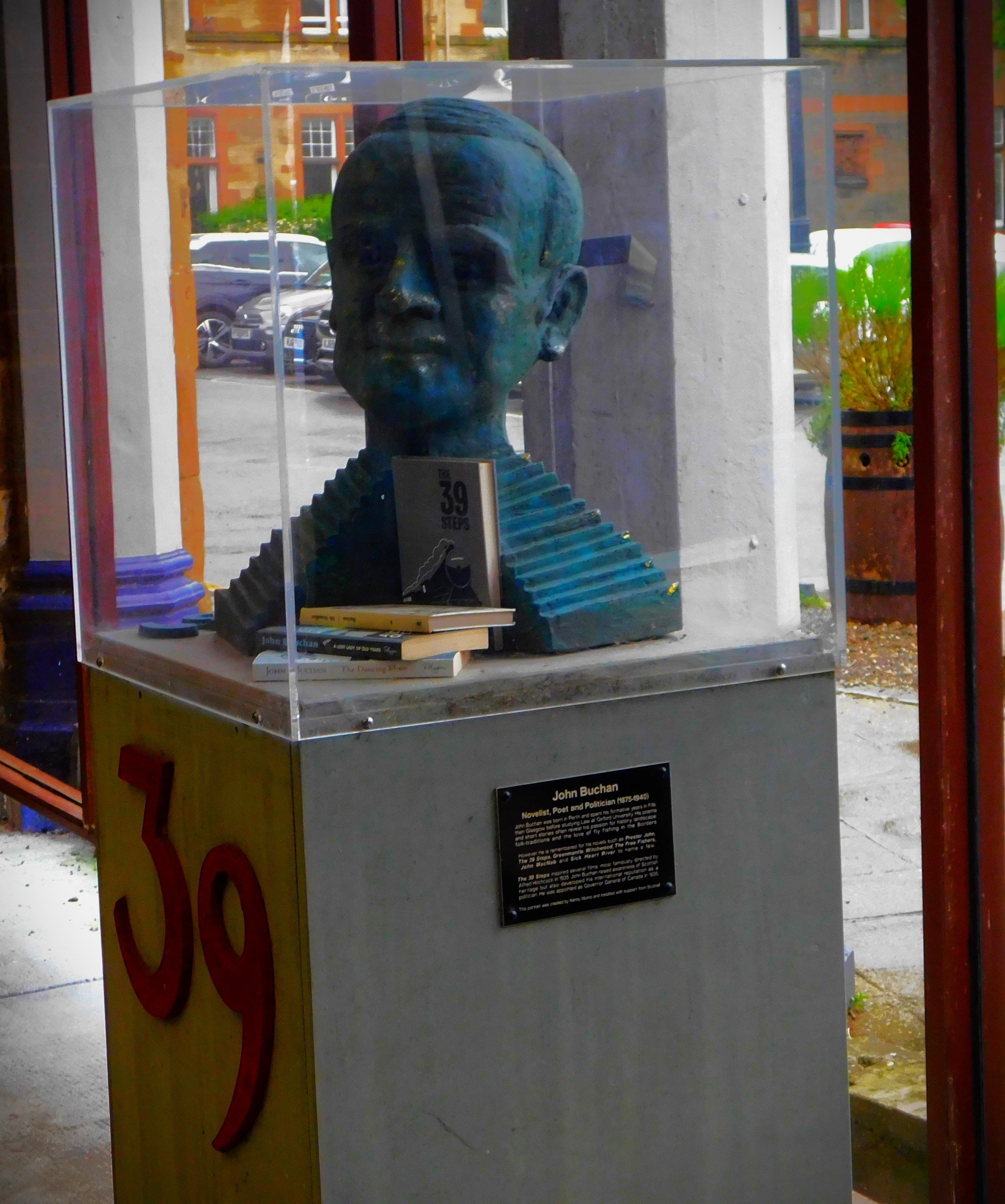
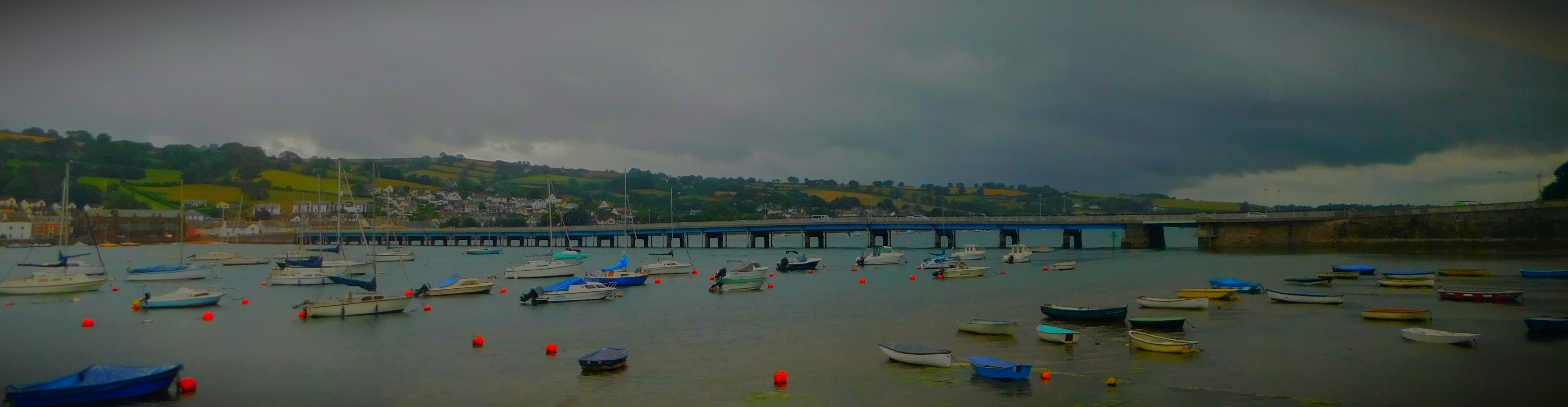
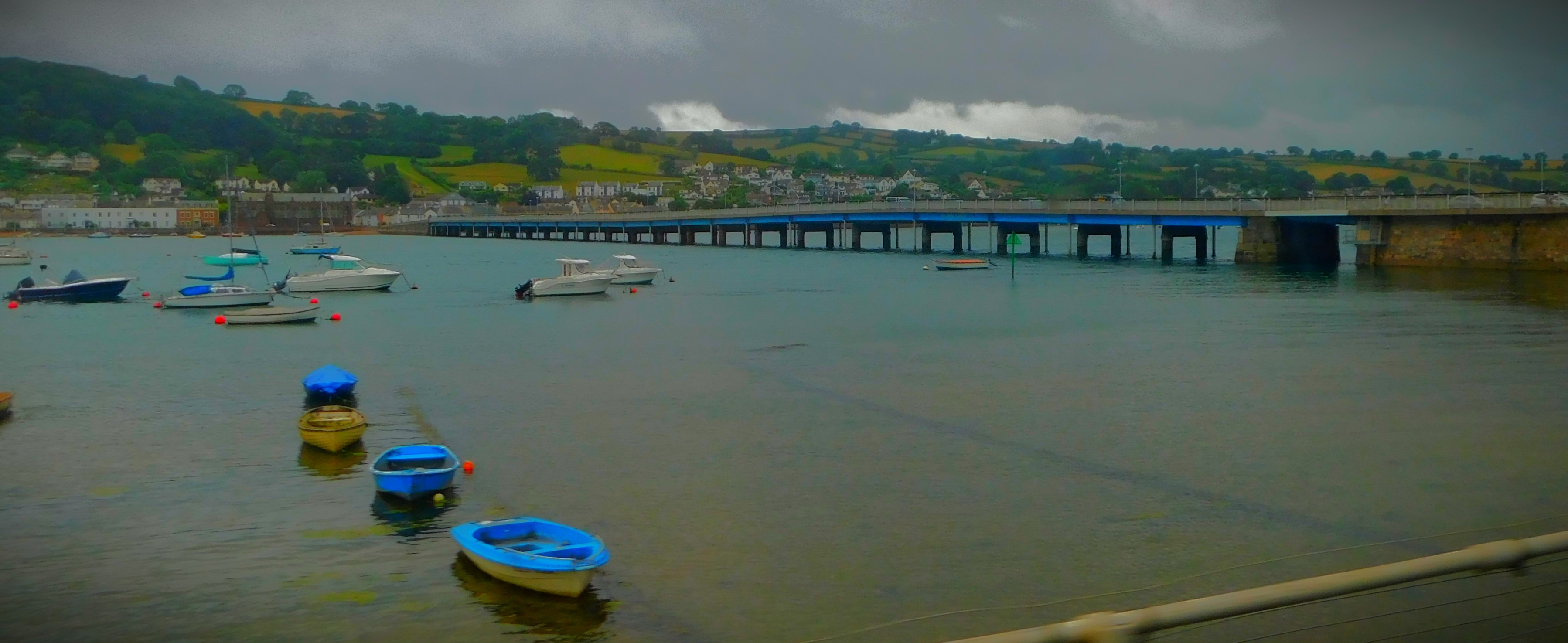
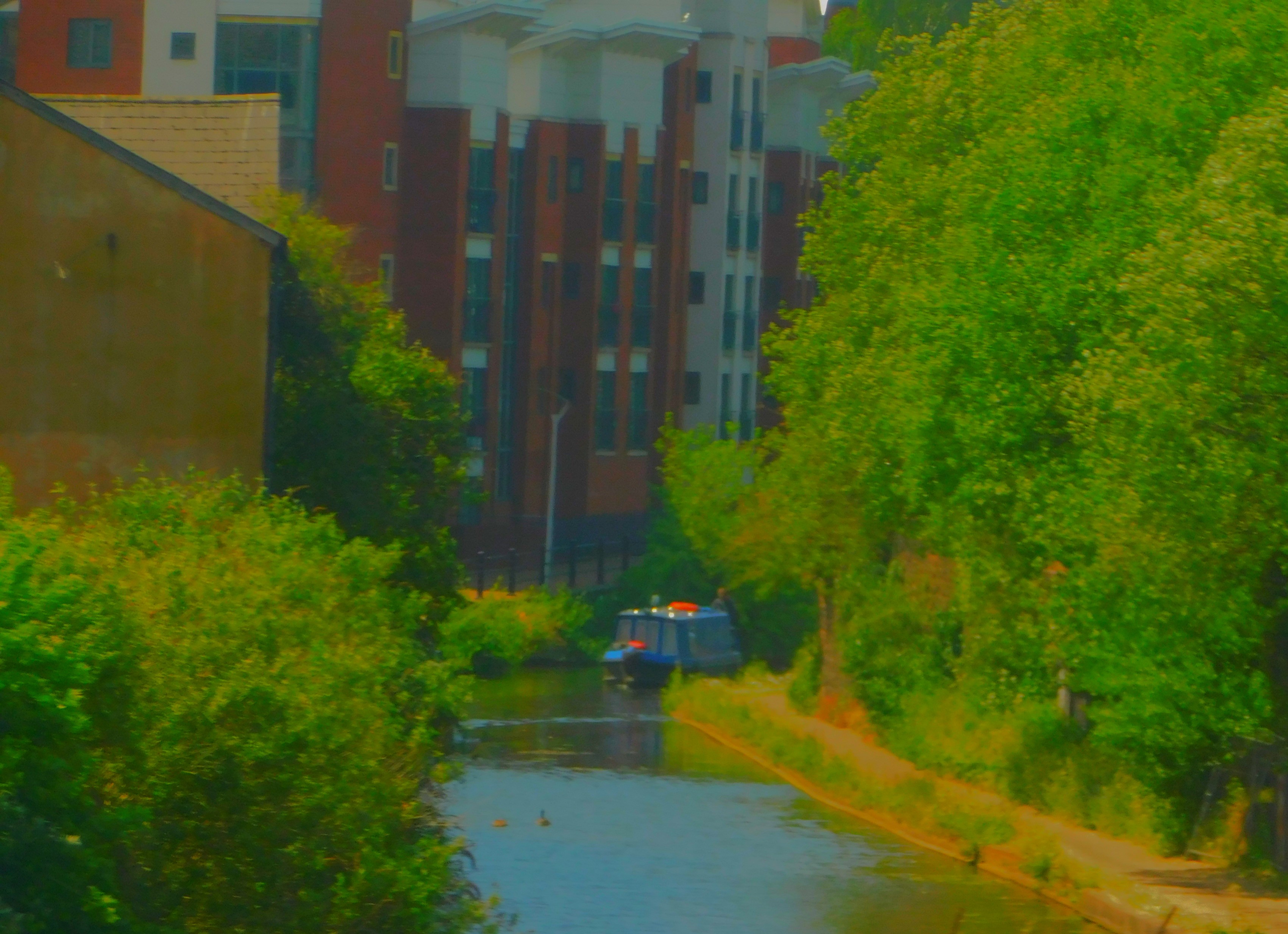
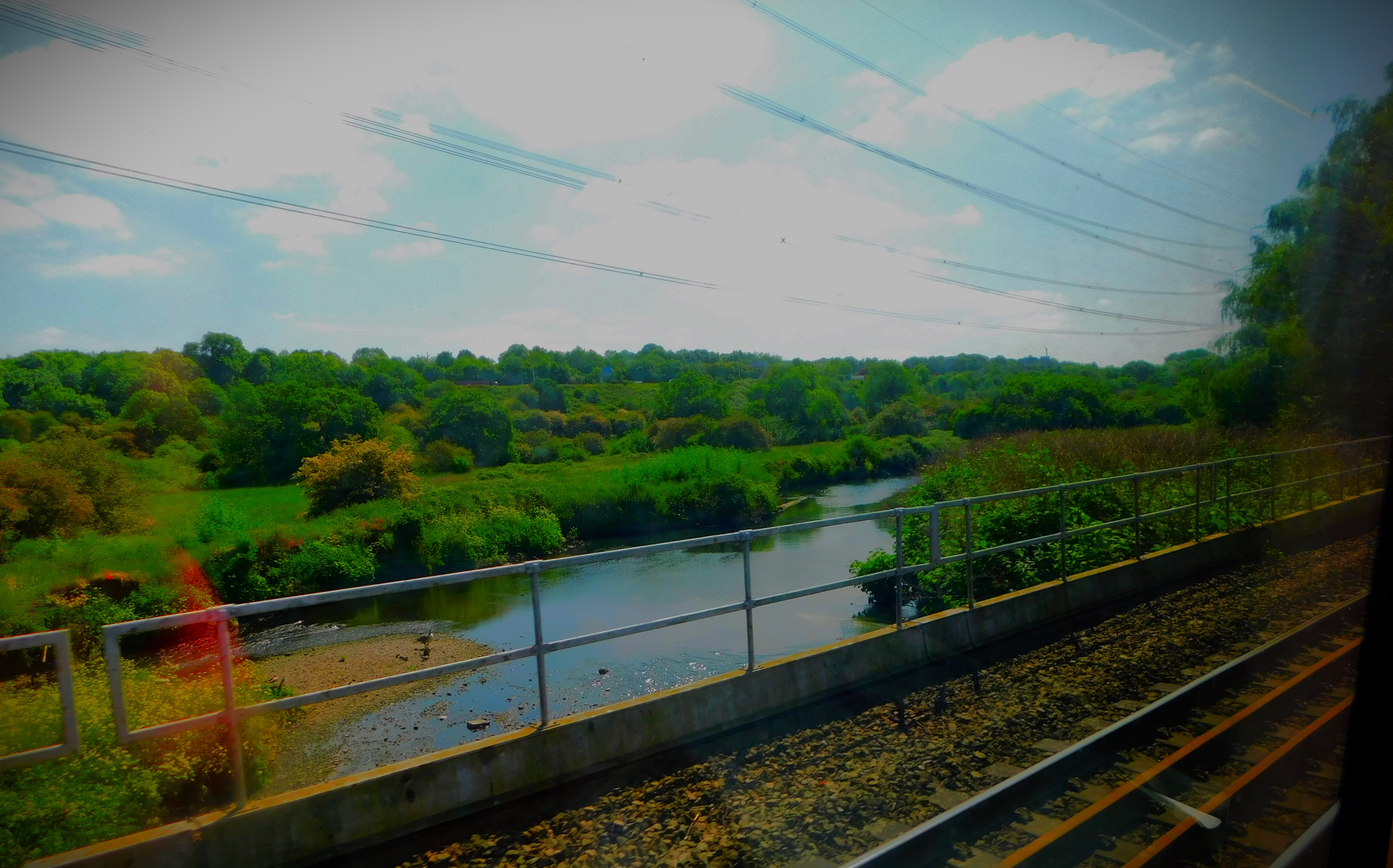
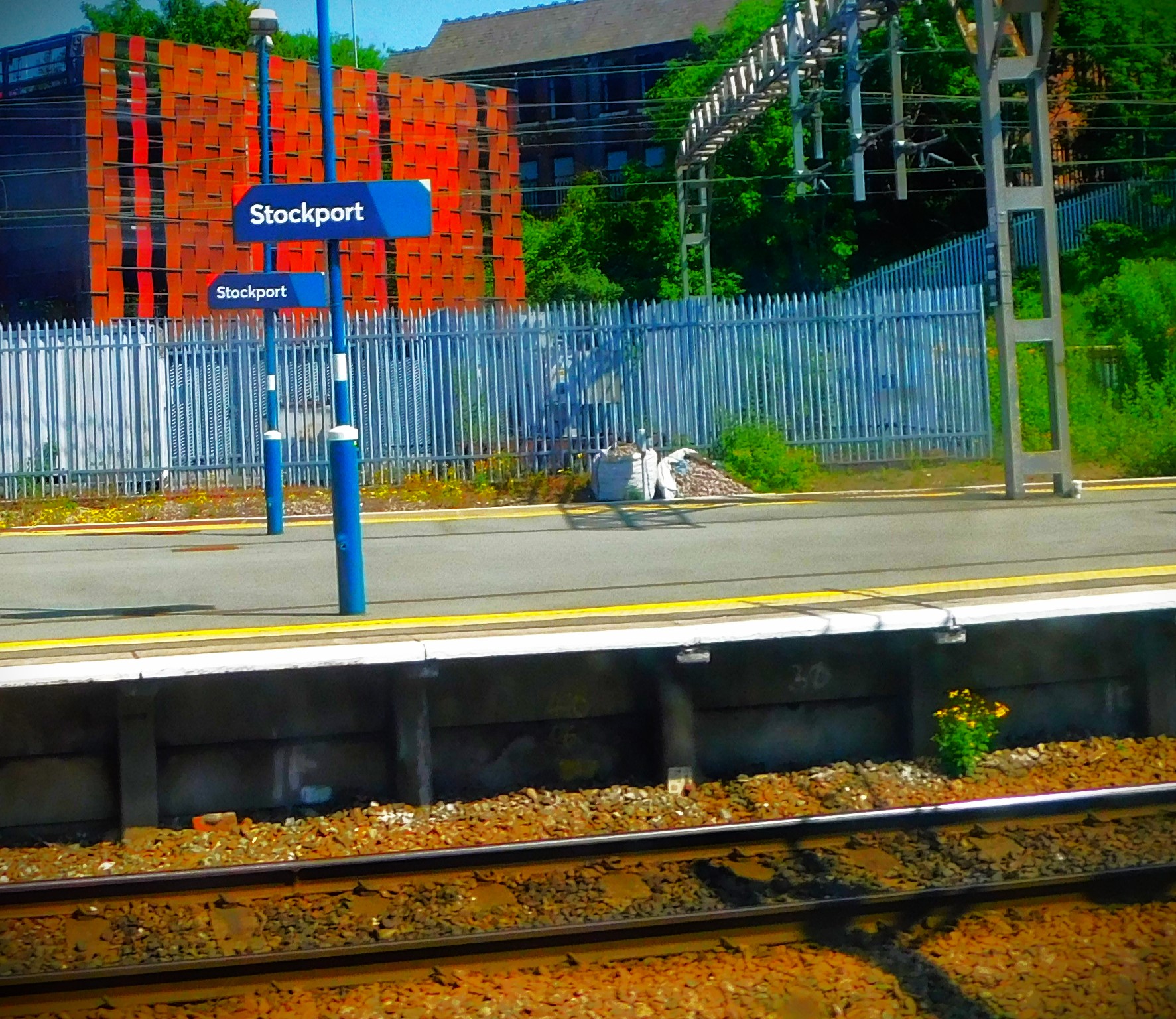
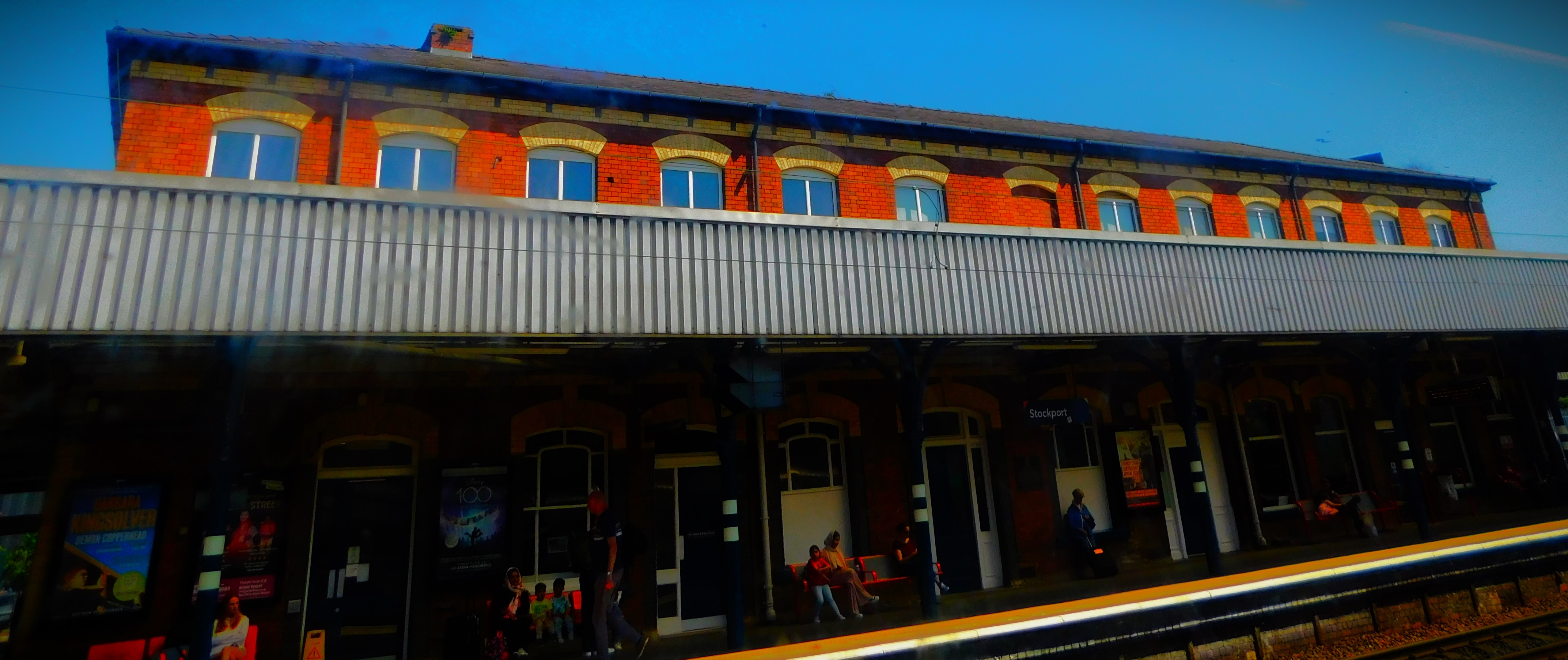
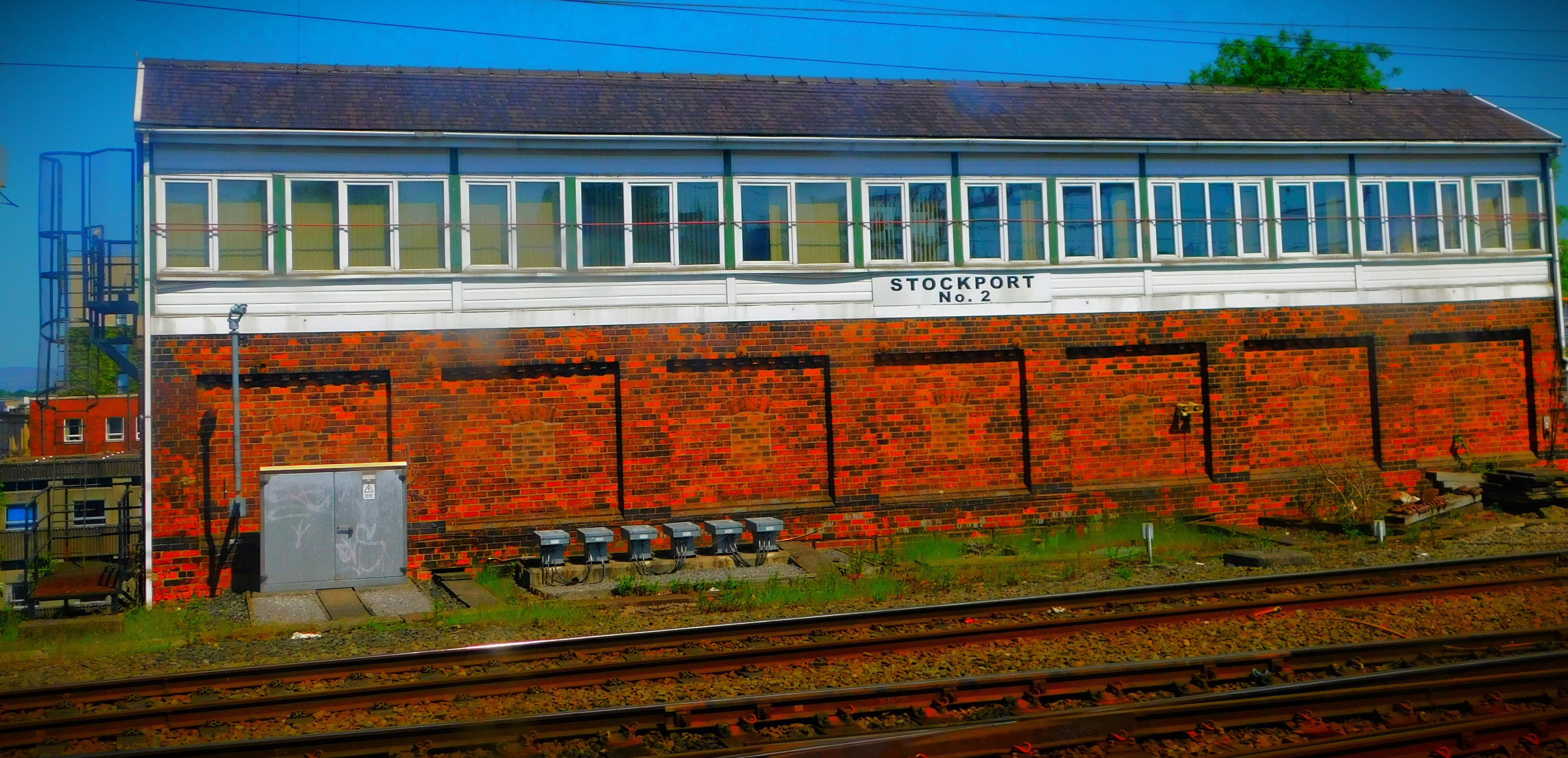
An account of my explorations of Penzance and its Environs, complete with plenty of photographs.
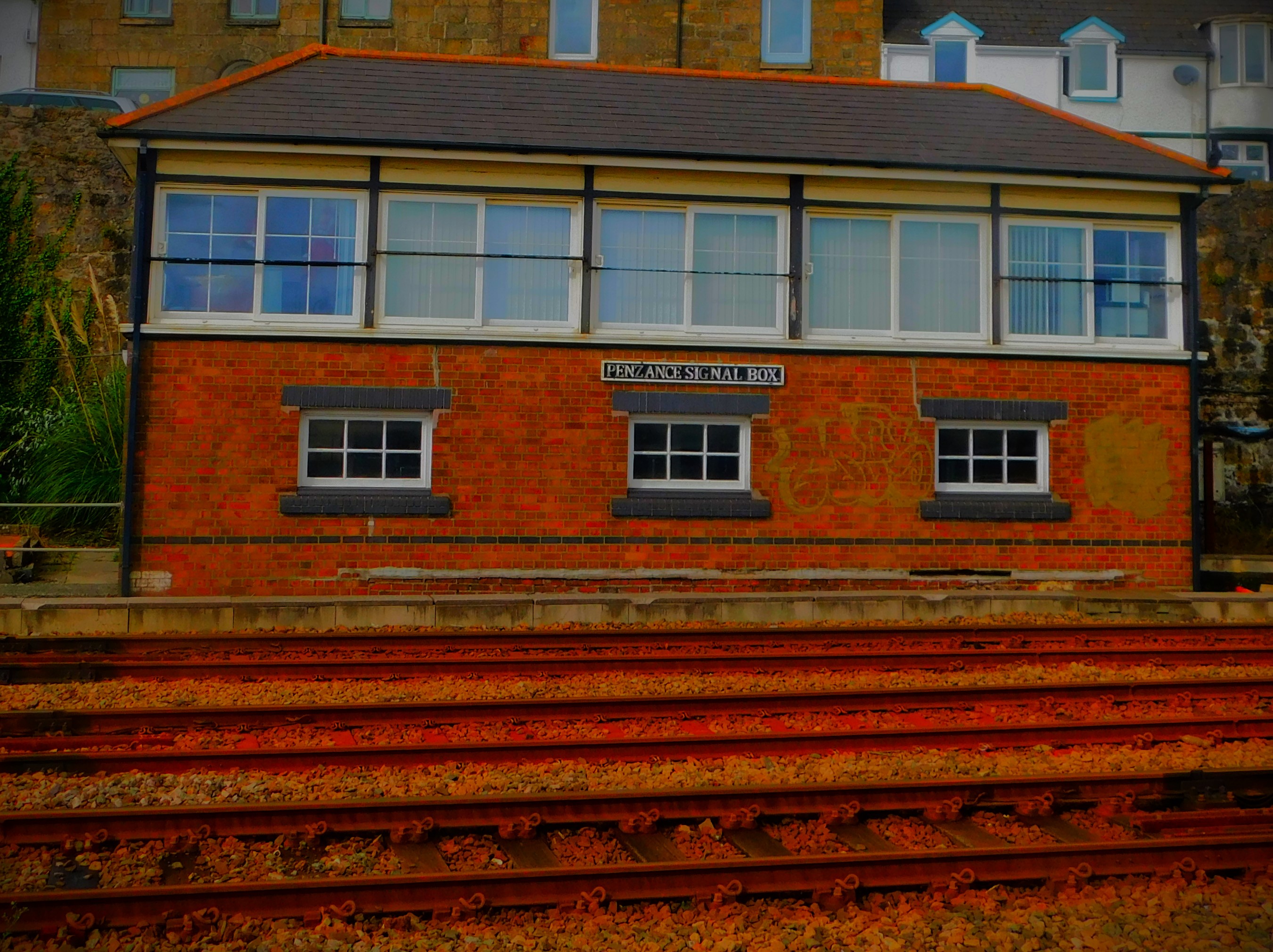
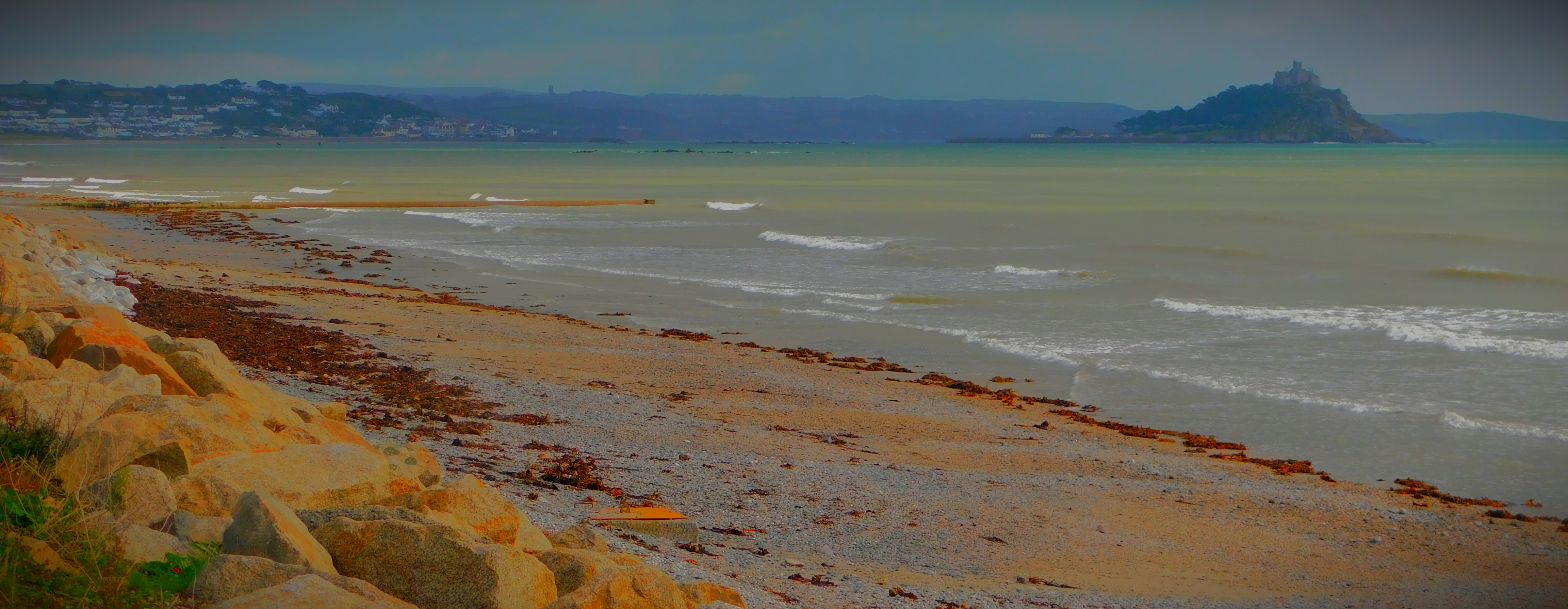
This is the second of three posts I shall be writing about my trip to Penzance yesterday, and deals with my time in Penzance.
EXPLORING
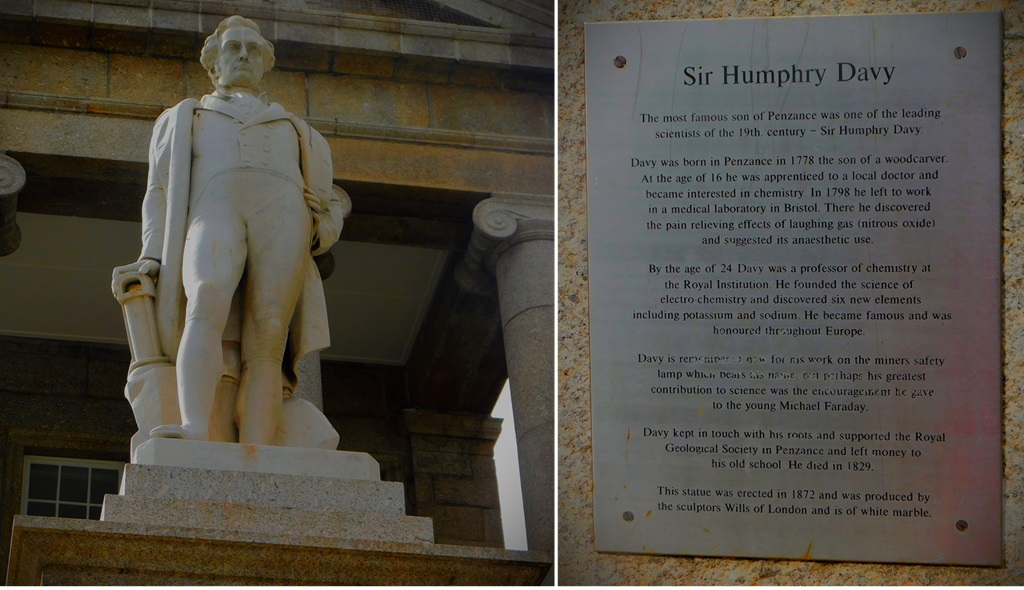
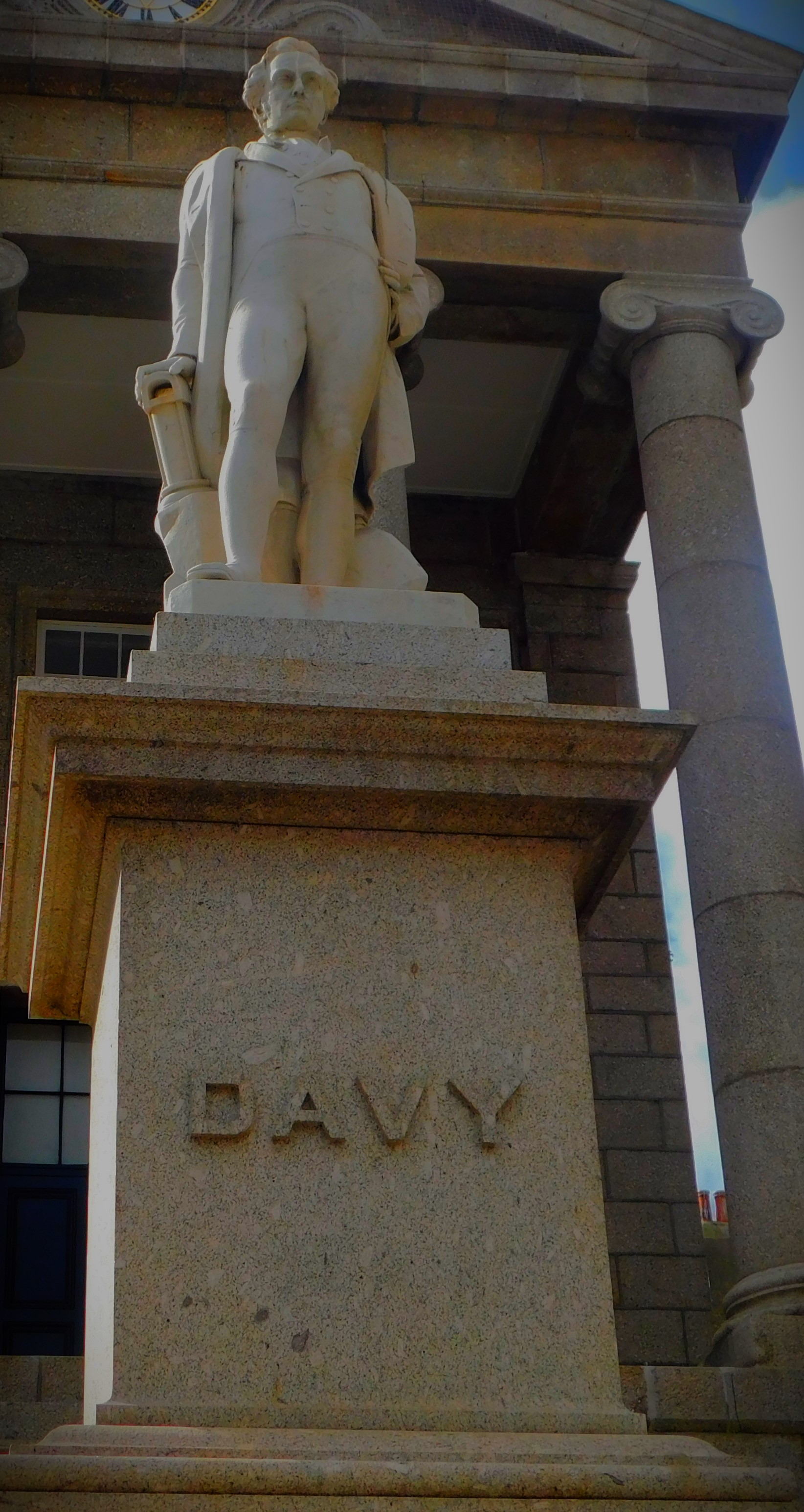
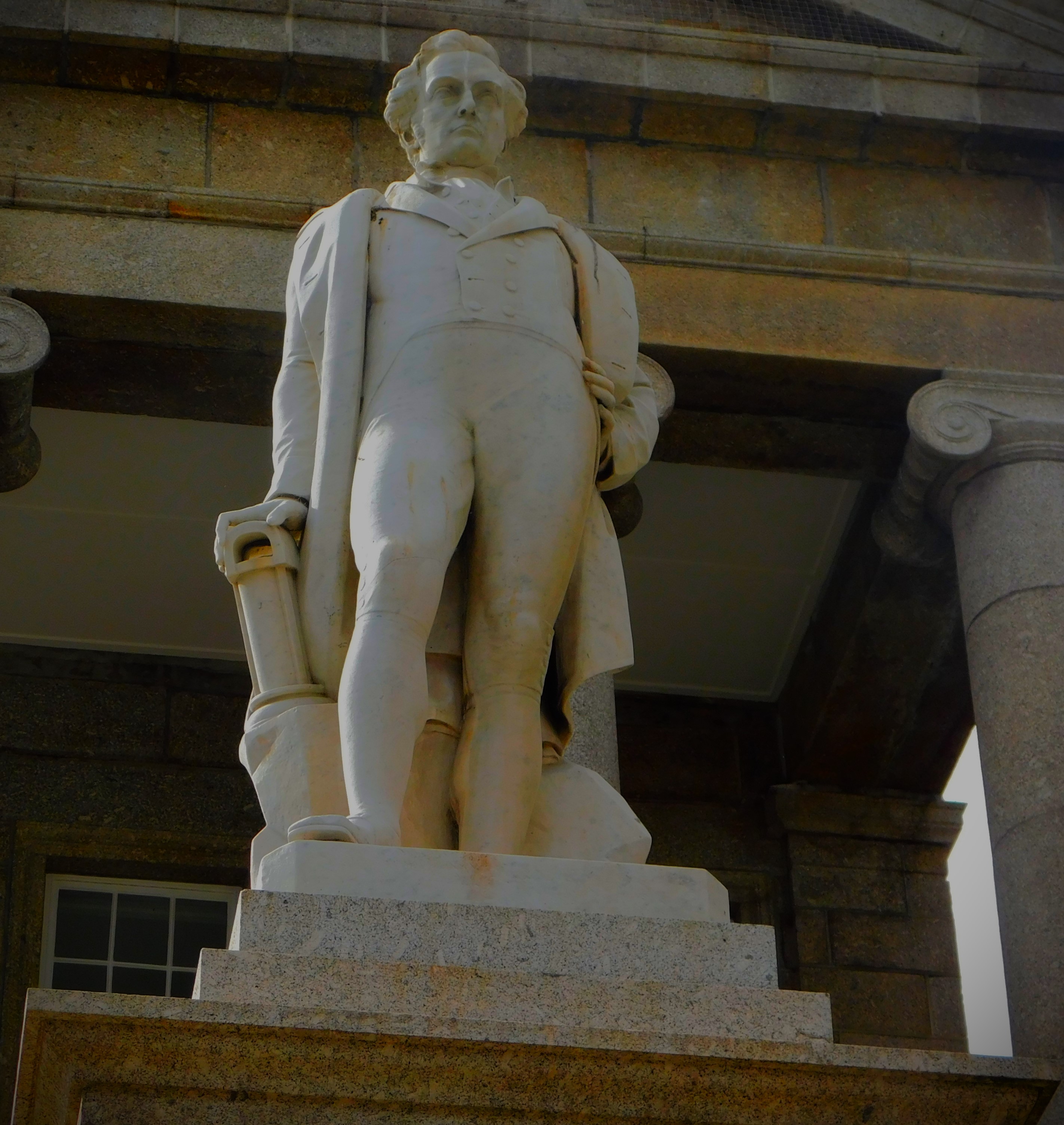
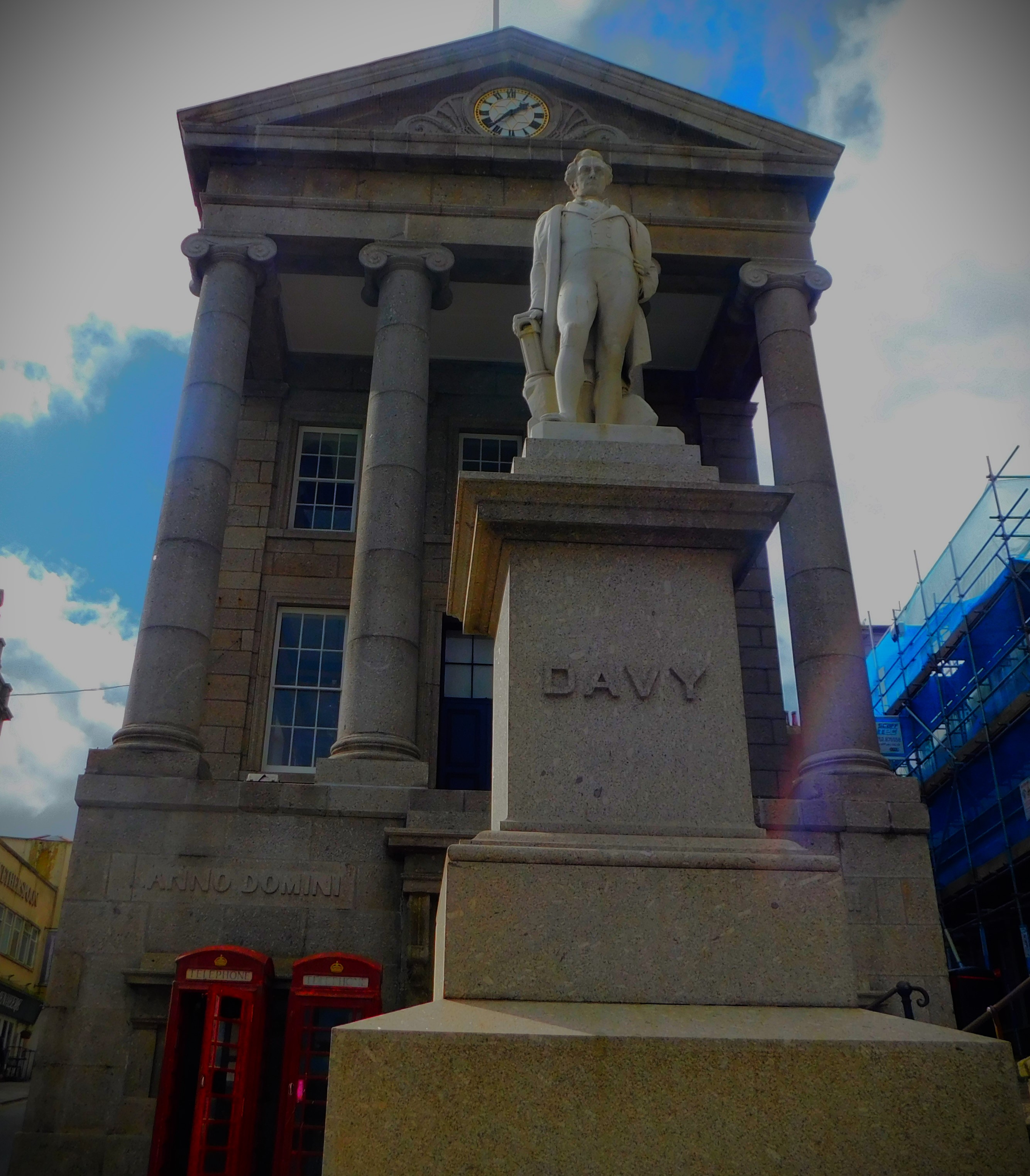
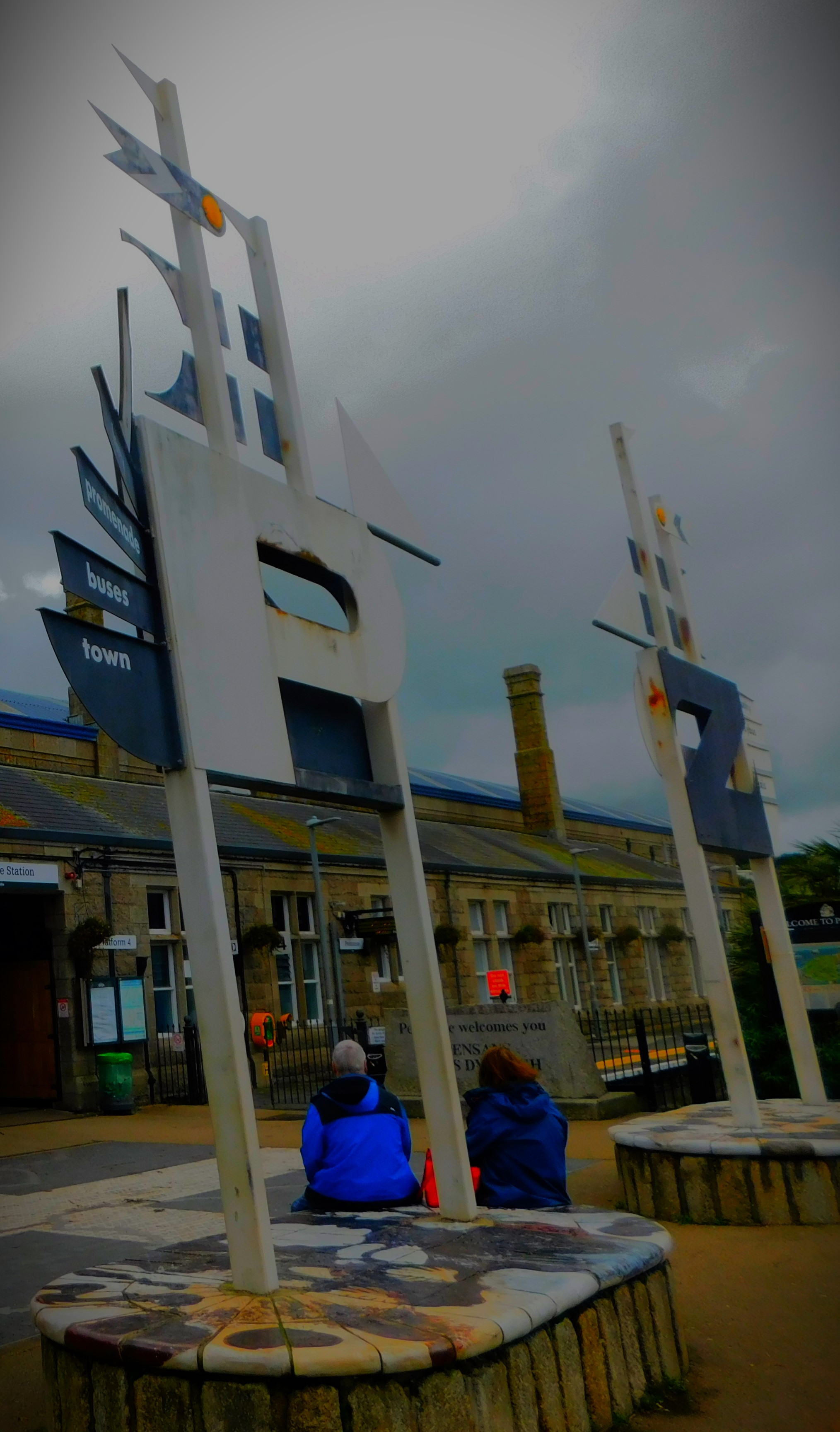
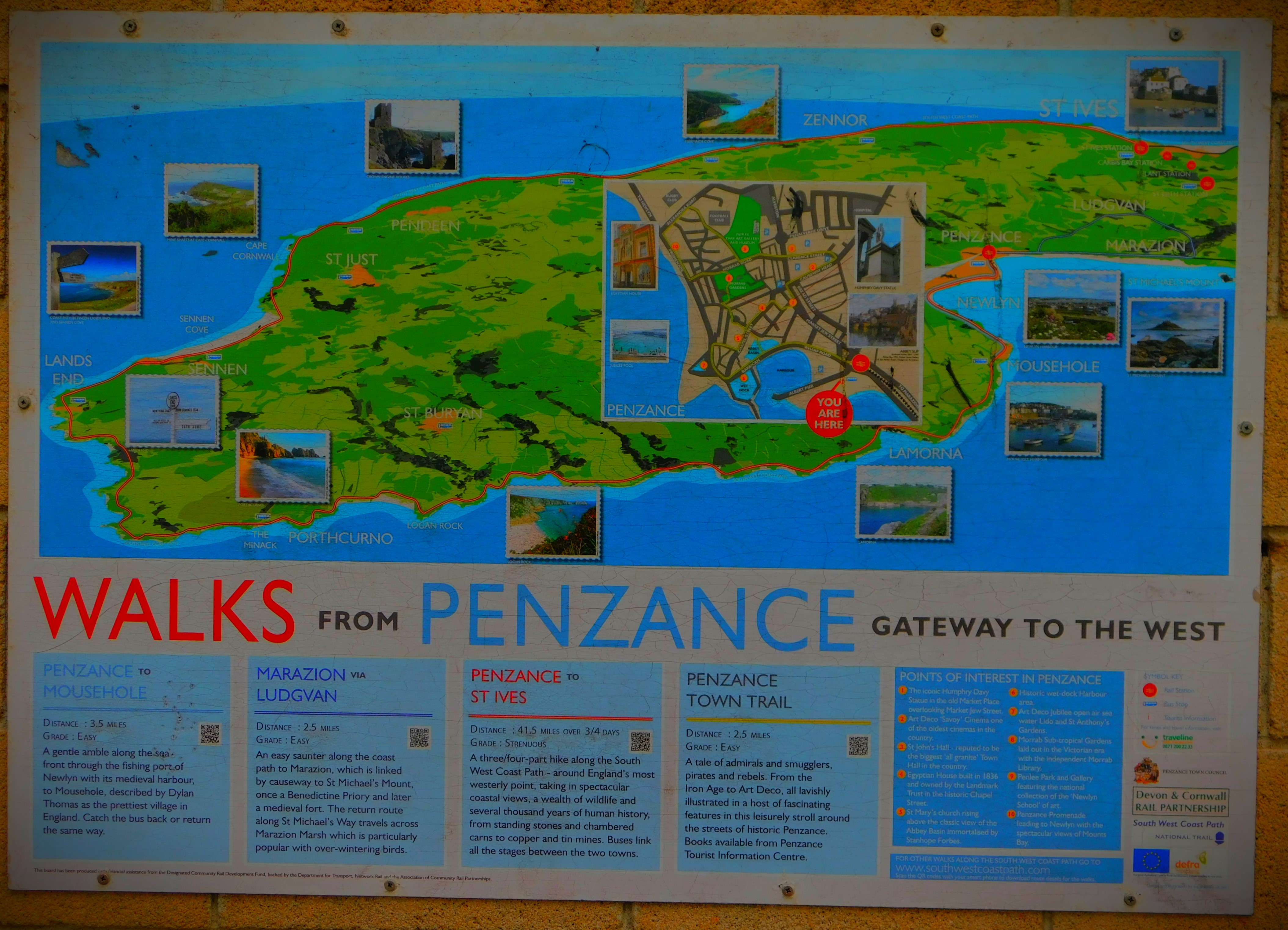
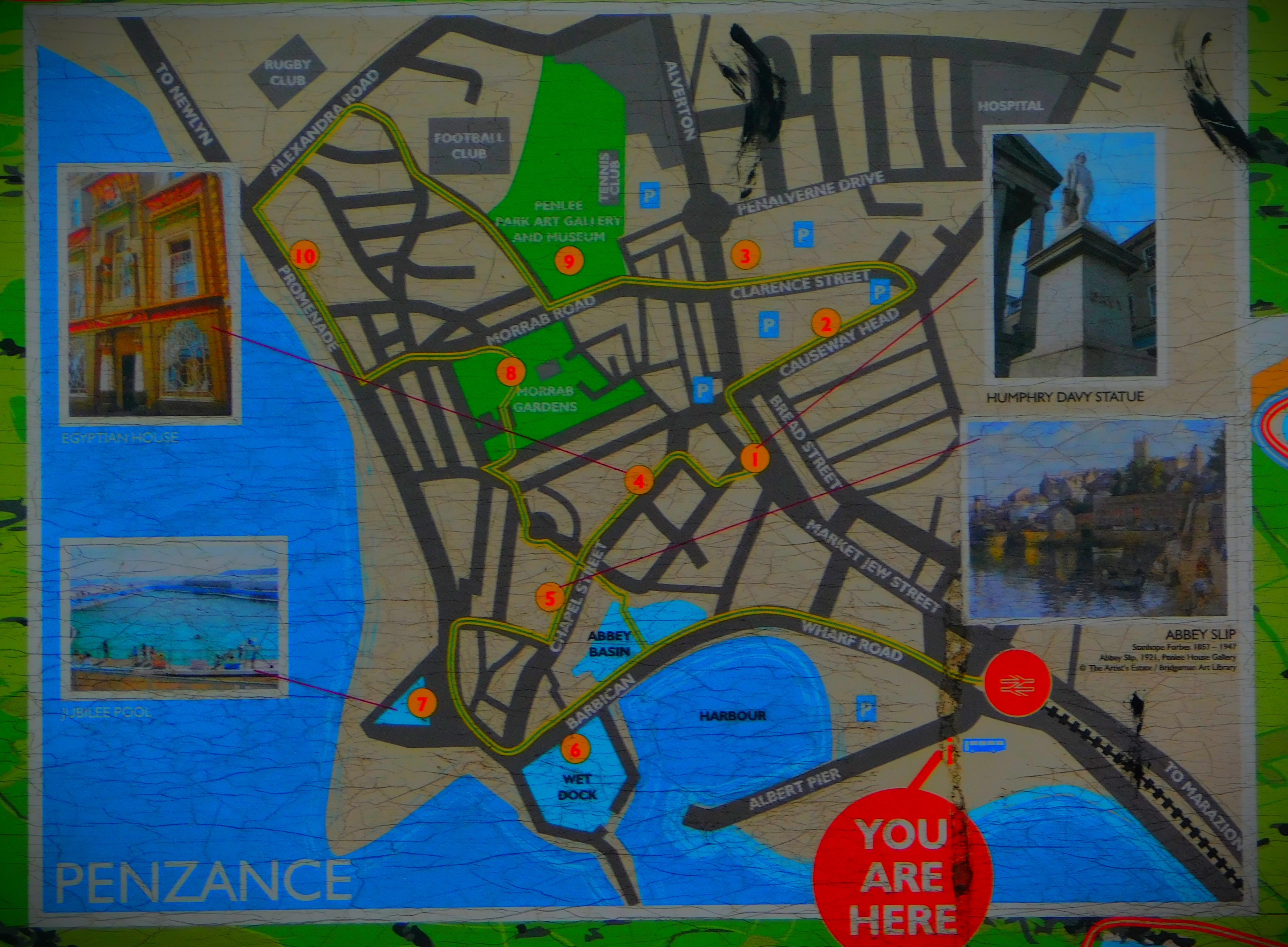
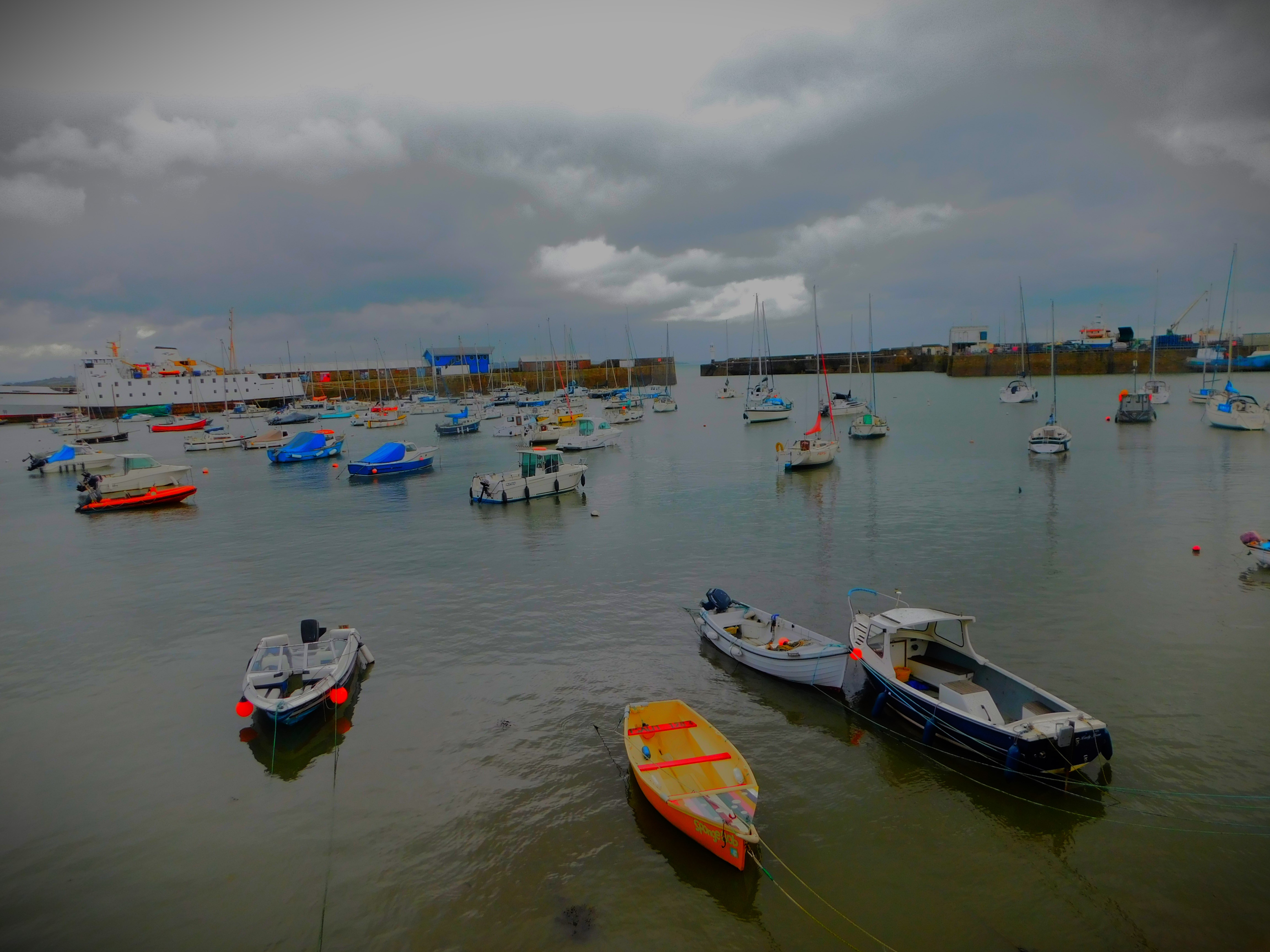
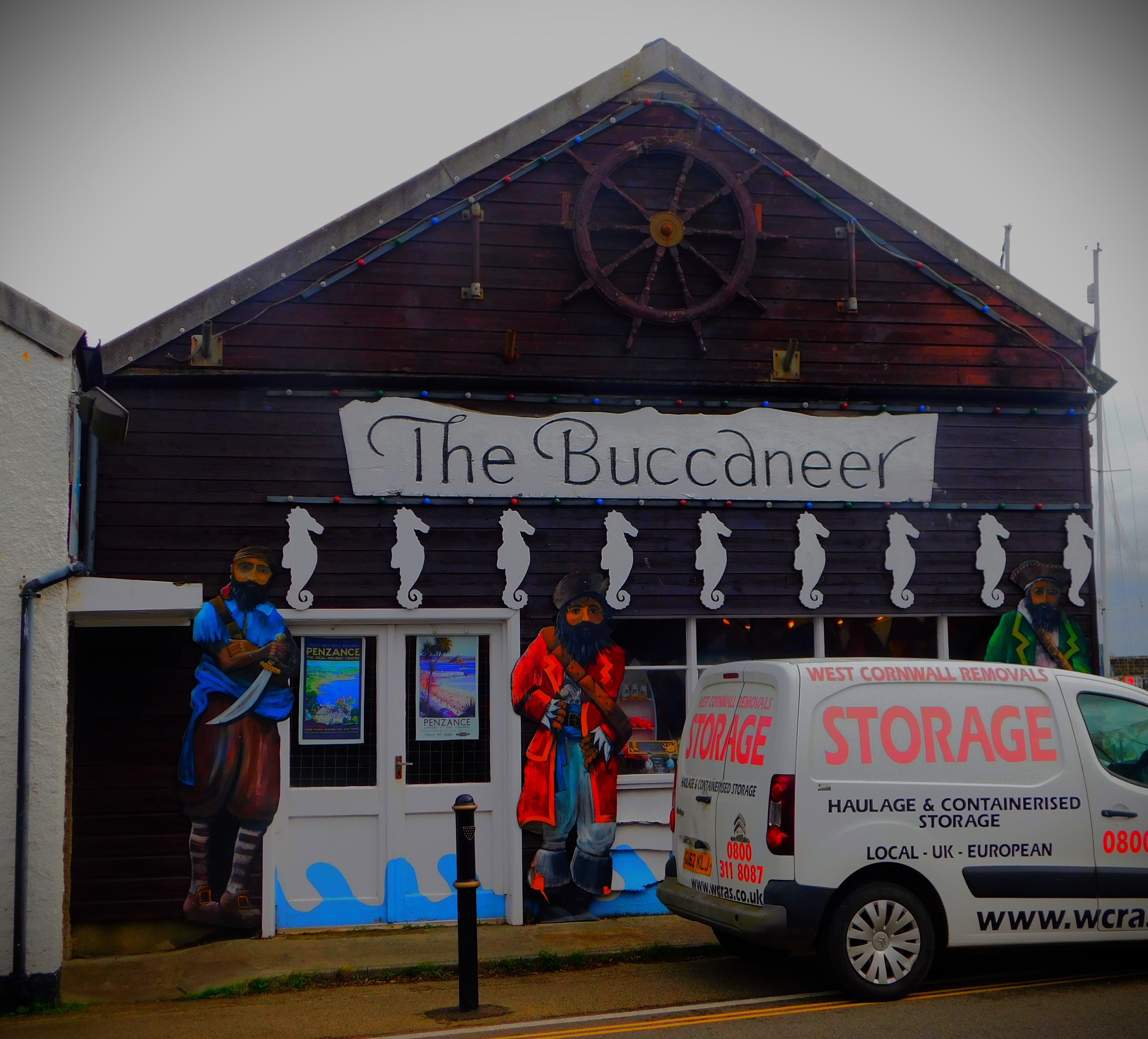
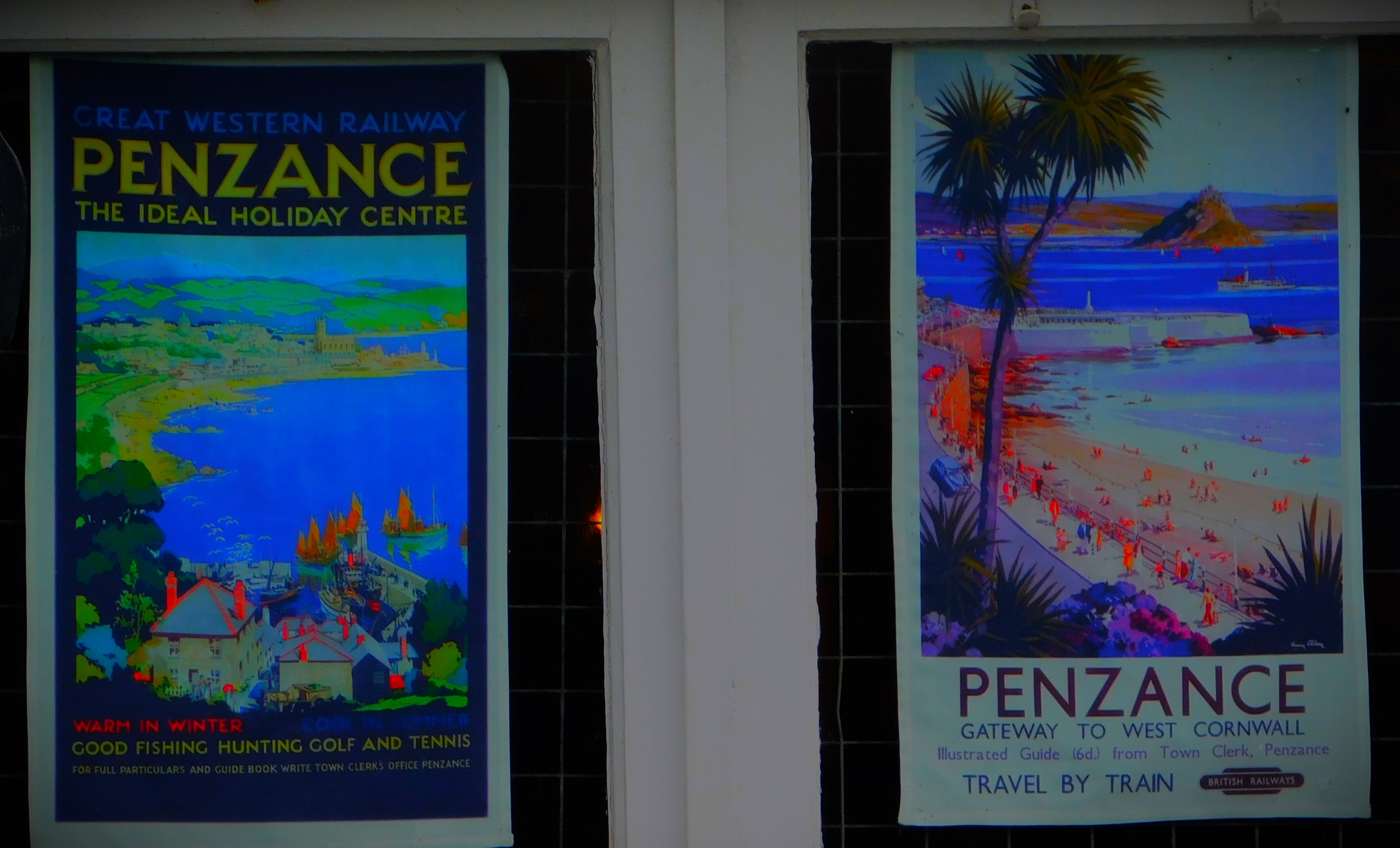
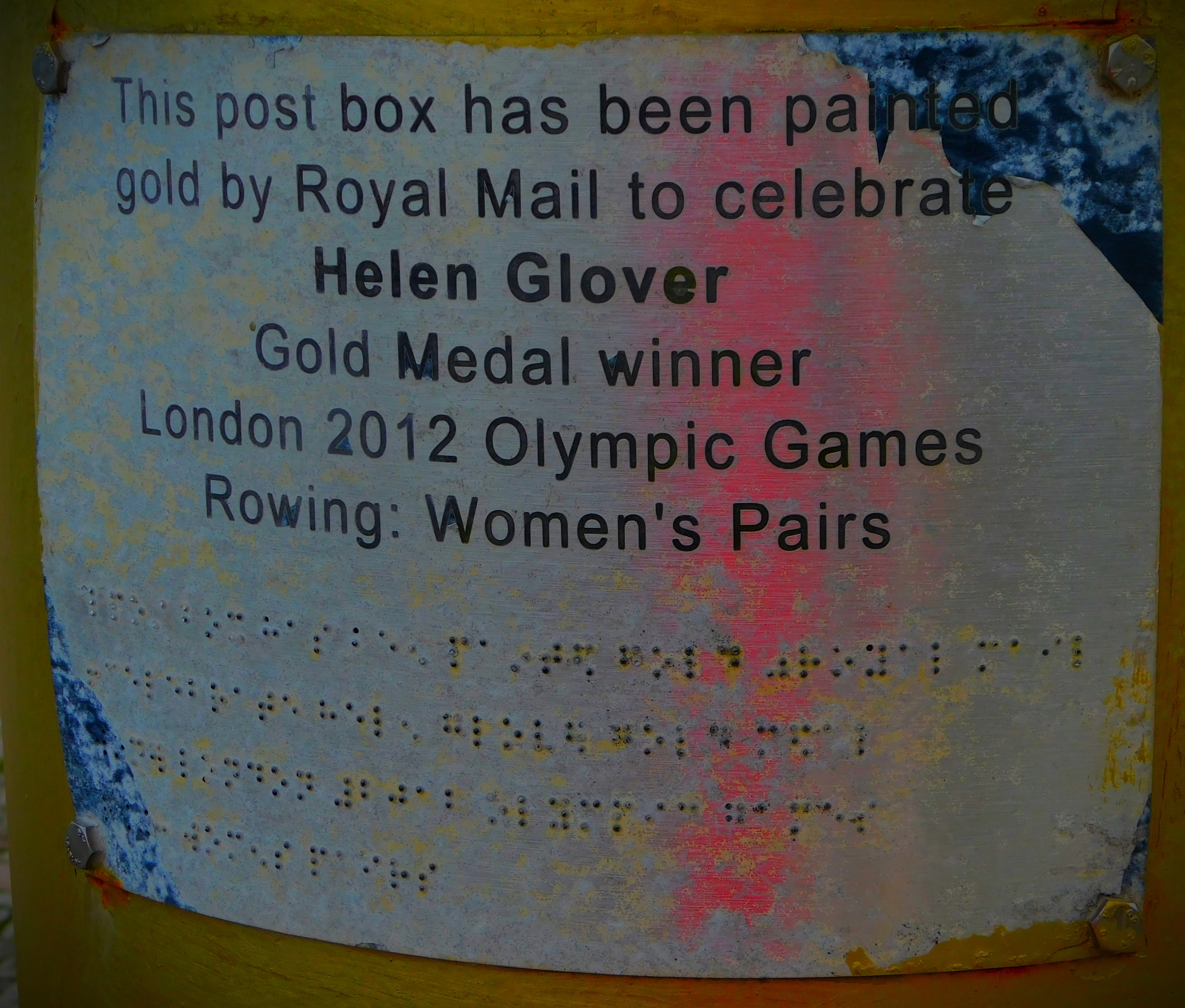
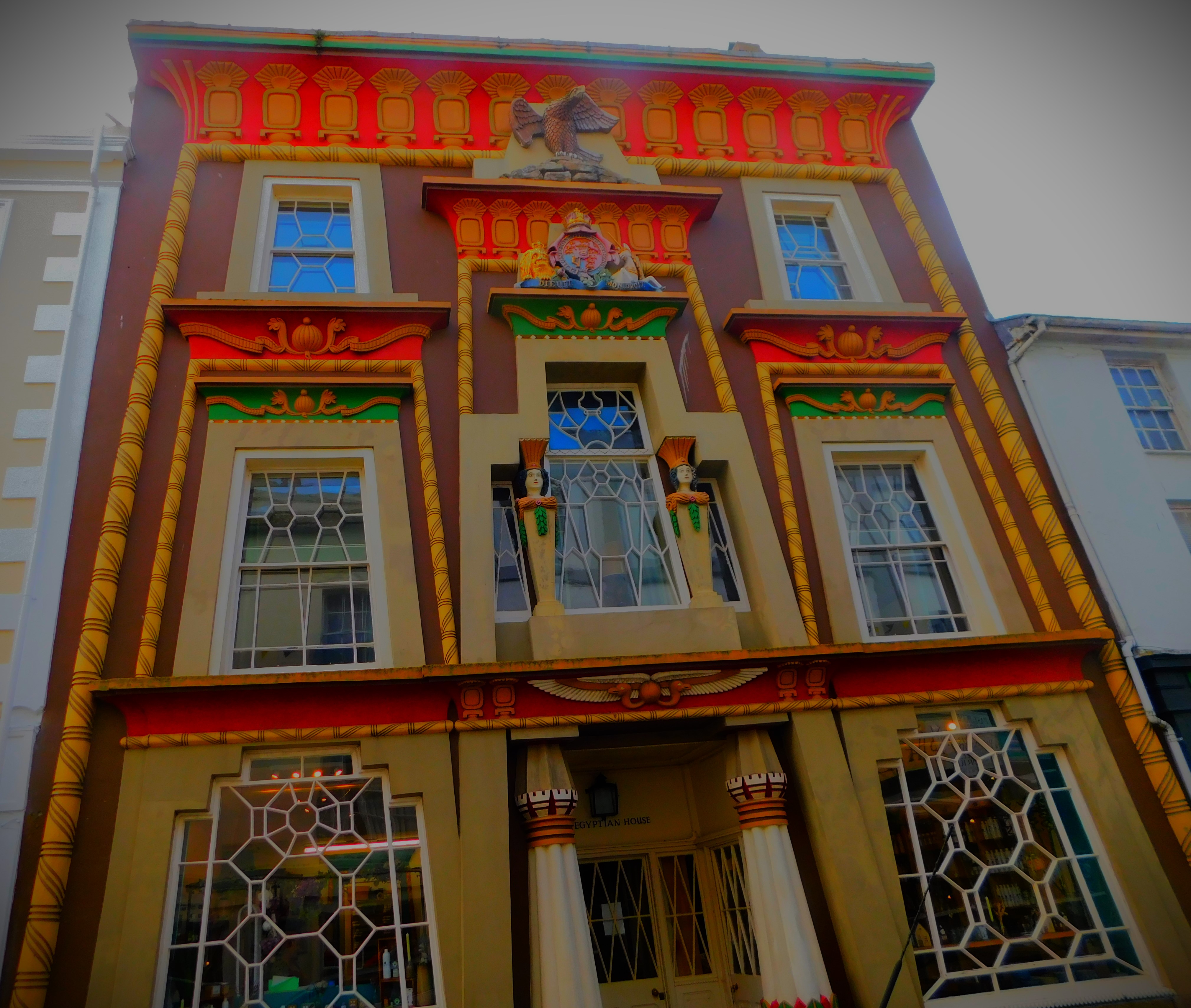
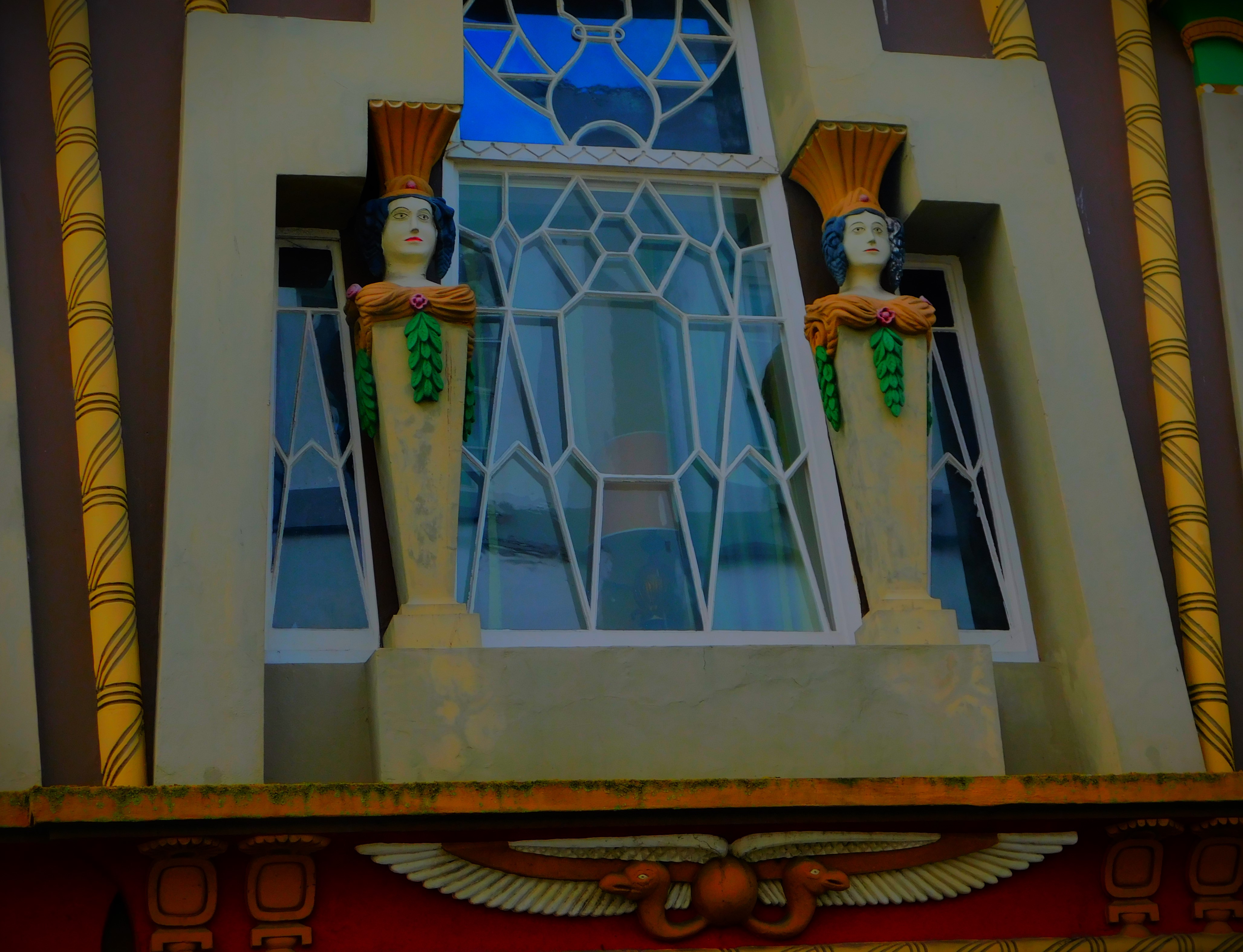
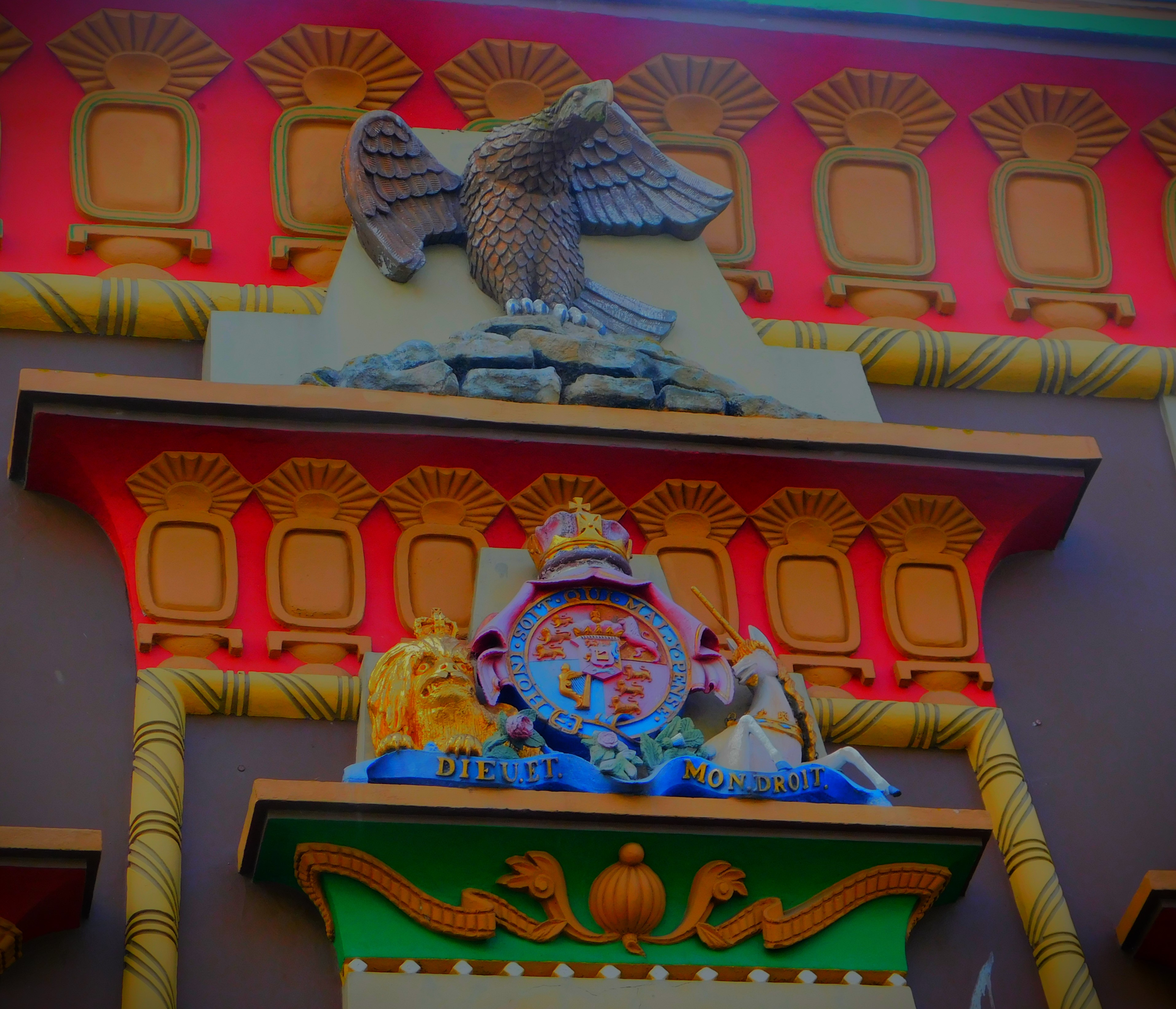
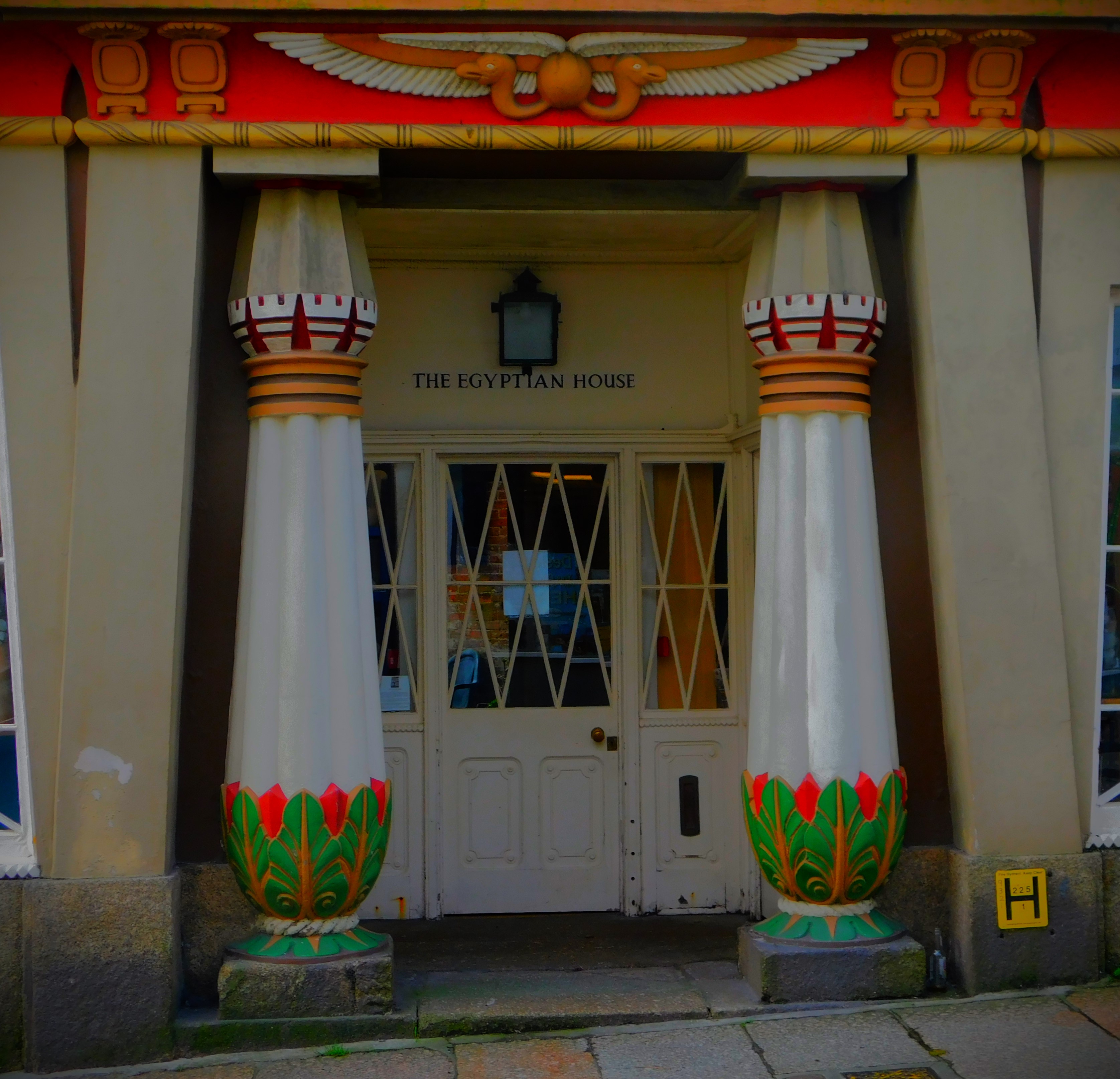
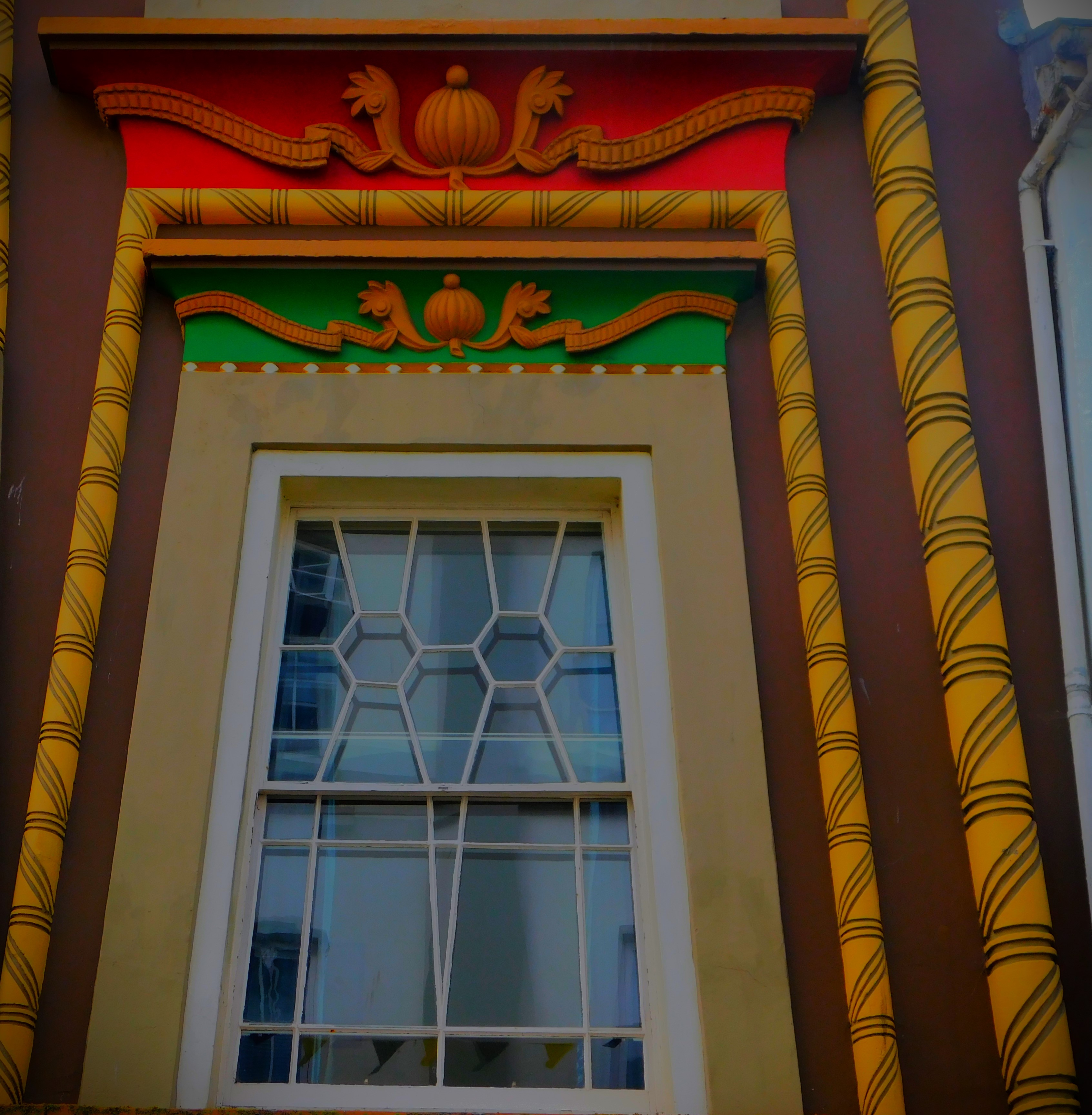
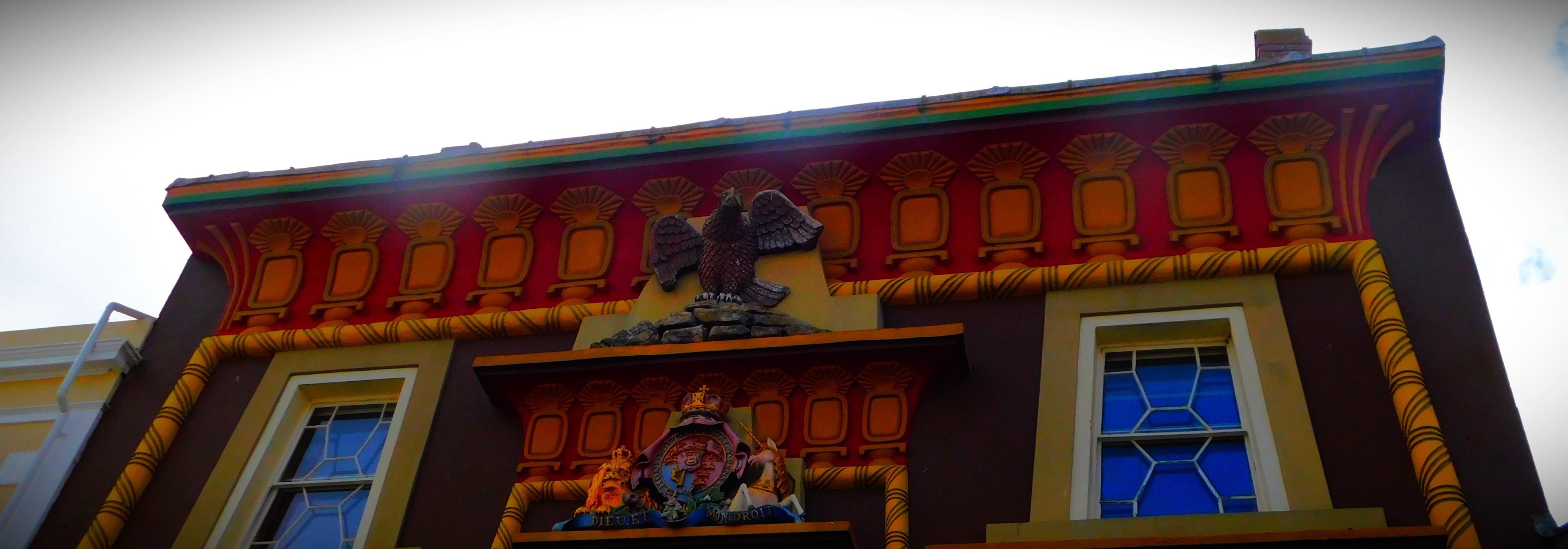
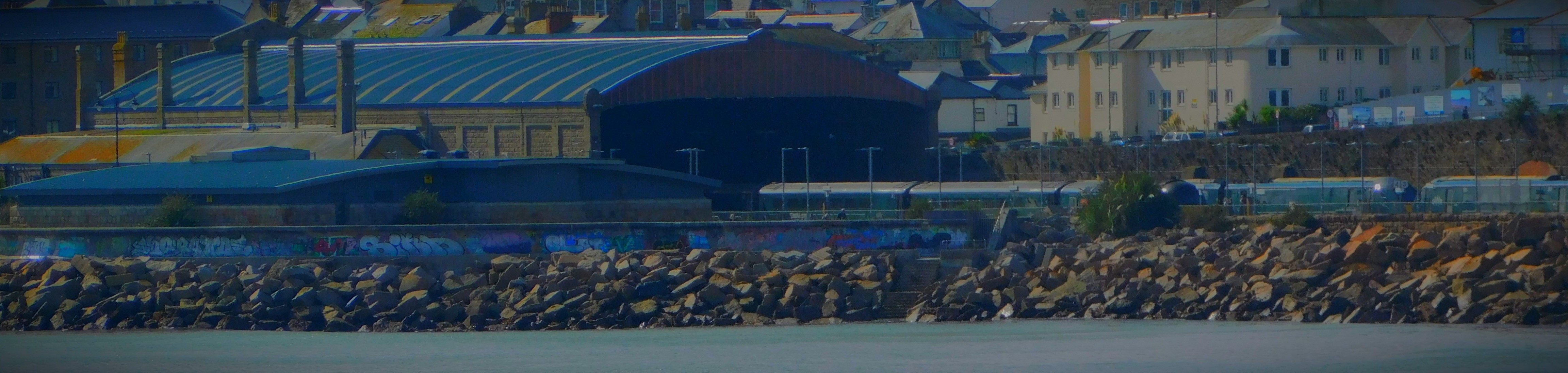
I began my explorations by walking along the sea front and past the harbour, before heading upwards into town. In this early part of my exploration I passed the post box which was painted gold to honour 2012 Olympic Gold medallist and Penzance native Helen Glover. I also renewed my acquaintance with the Egyptian House, a remarkable building in Penzance. After lunching in a pub I followed a different route back towards the station and the path that heads towards Marazion. This road was well chosen as it enabled me to see a statue of Penzance’s most famous son, 19th century science great Humphry Davy.
TOWARDS MARAZION
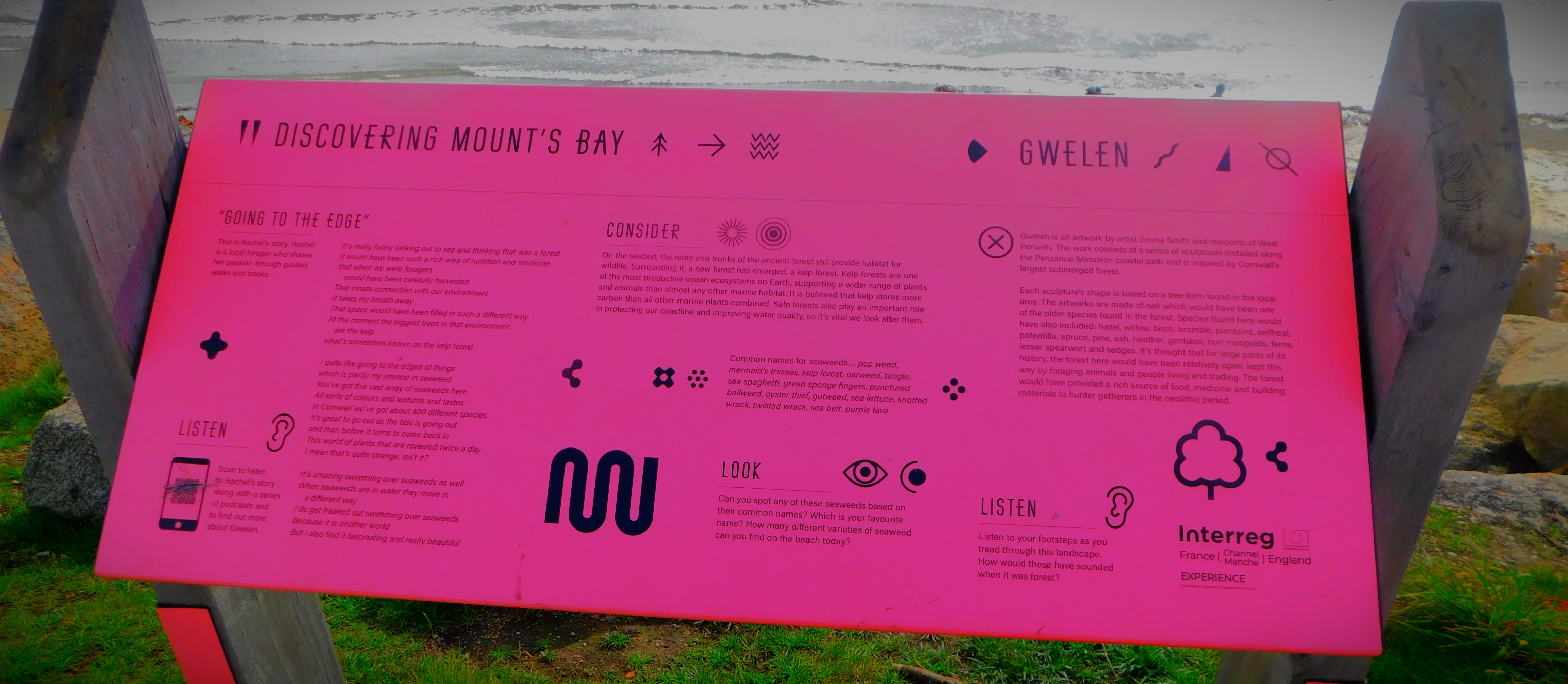
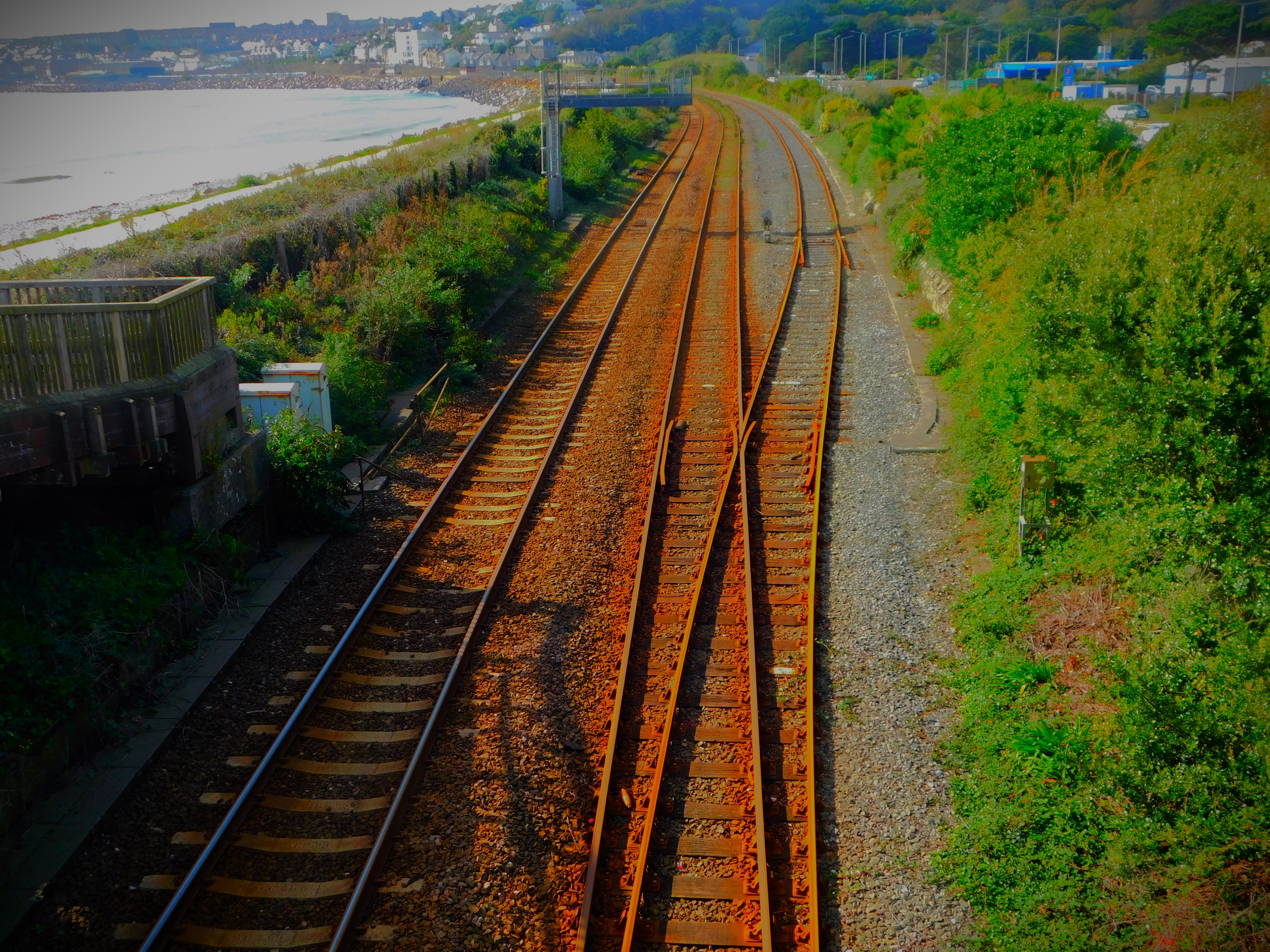
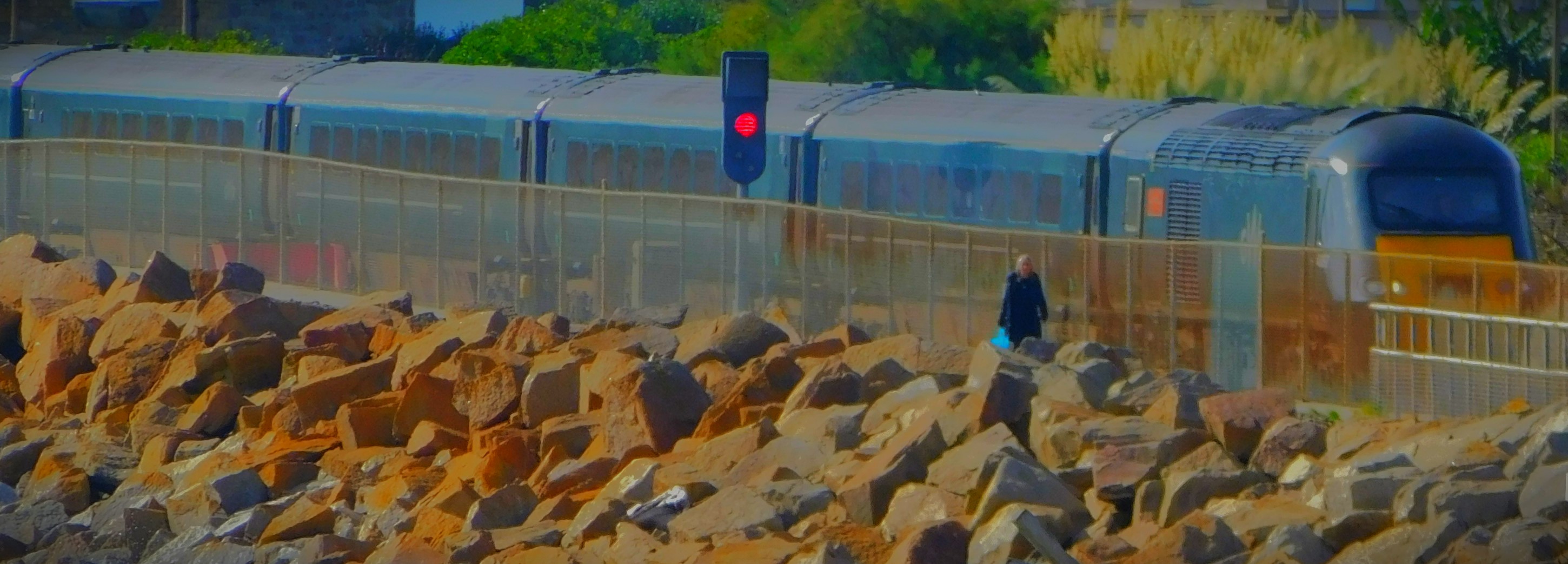
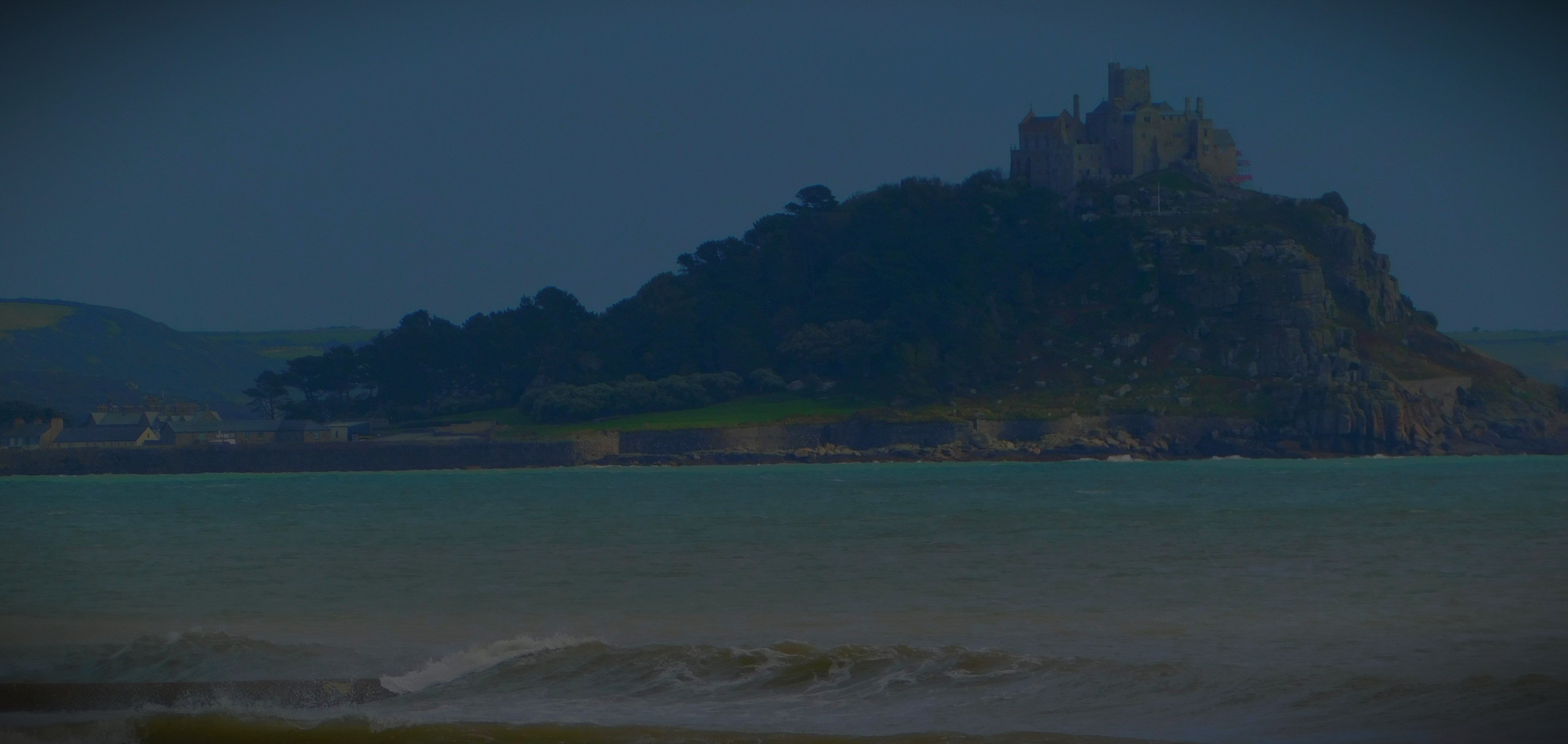
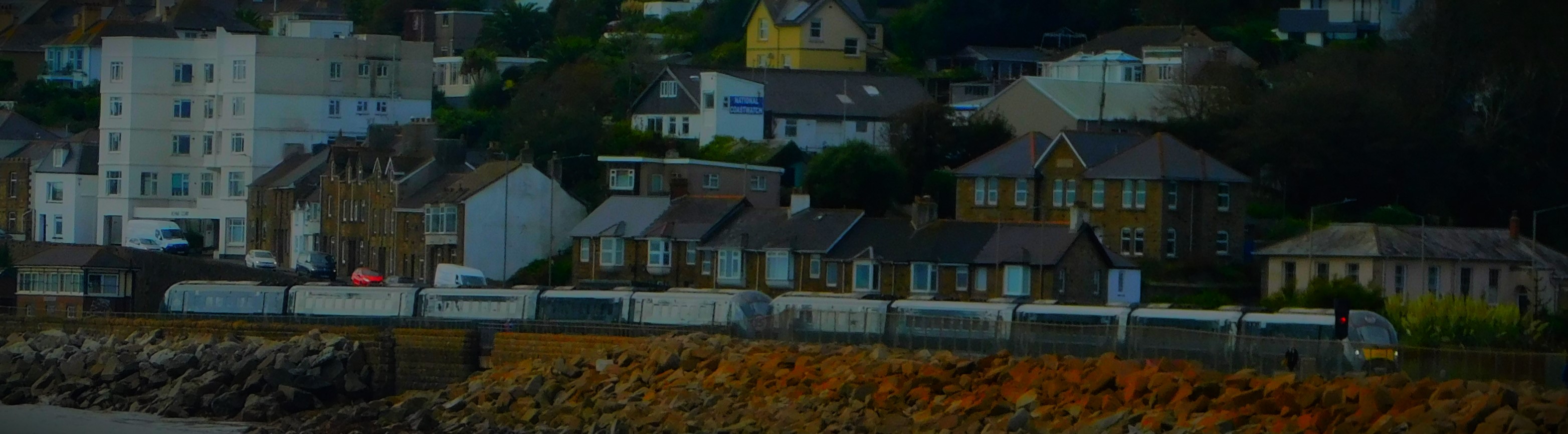
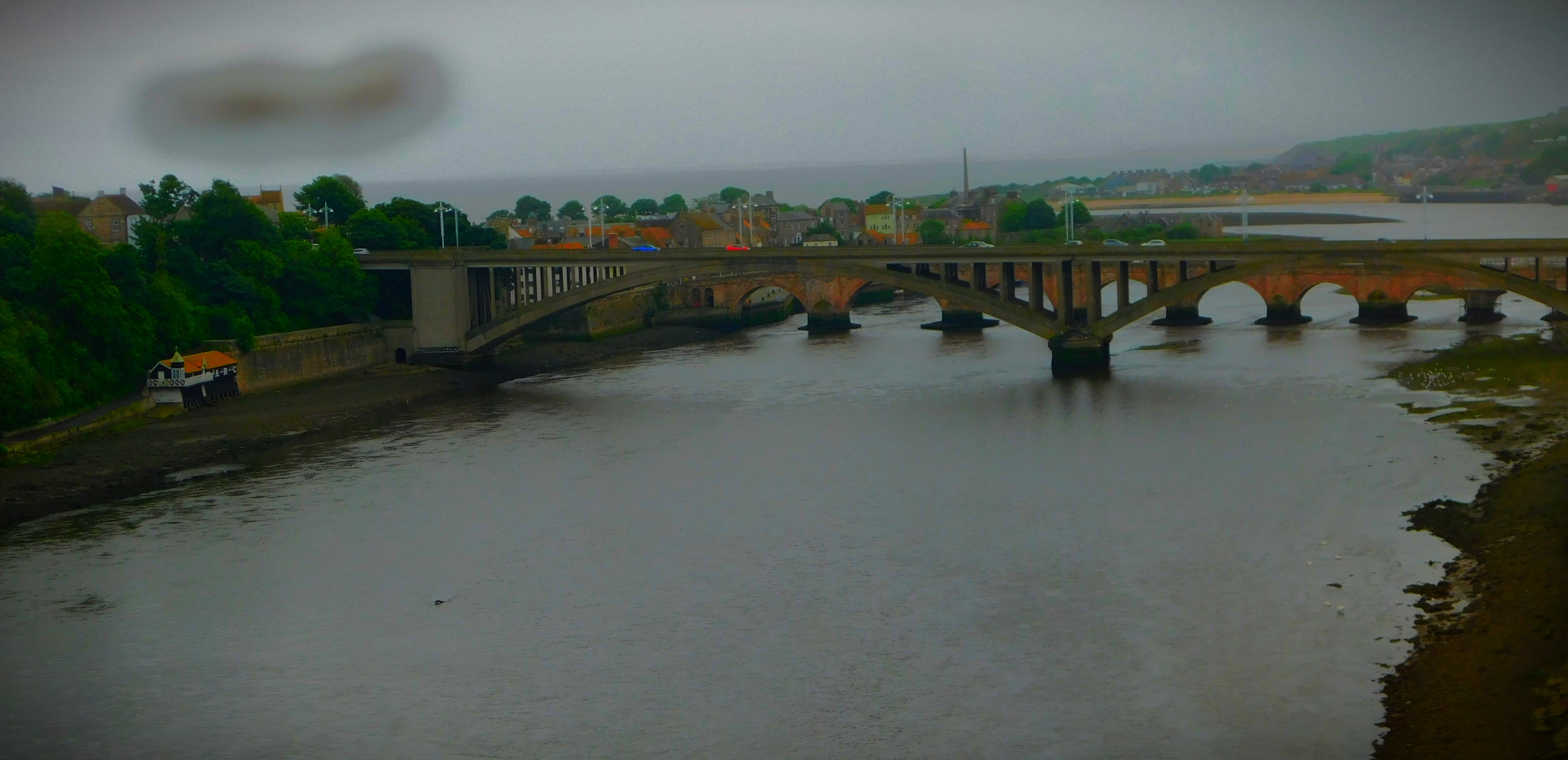
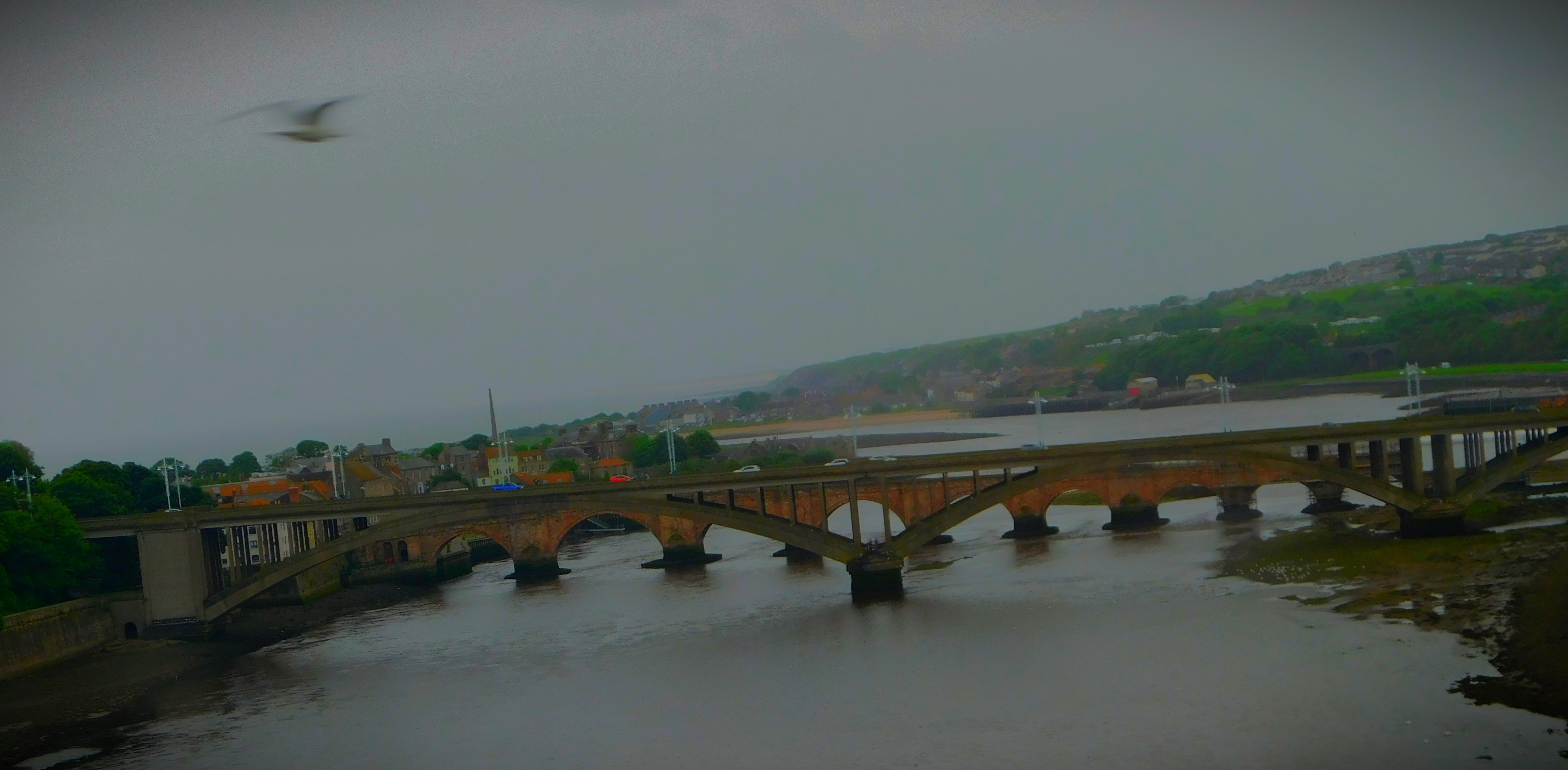
I walked along the path towards Marazion as far as a point at which there is a bridge over the railway to one side and a route down the beach on the other. I made use of both side routes, doing some photography from the bridge. I turned back at this point, deciding it was time to get a train back to Liskeard. I had enjoyed Penzance.
PHOTOGRAPHS
Here is the main gallery for this post…
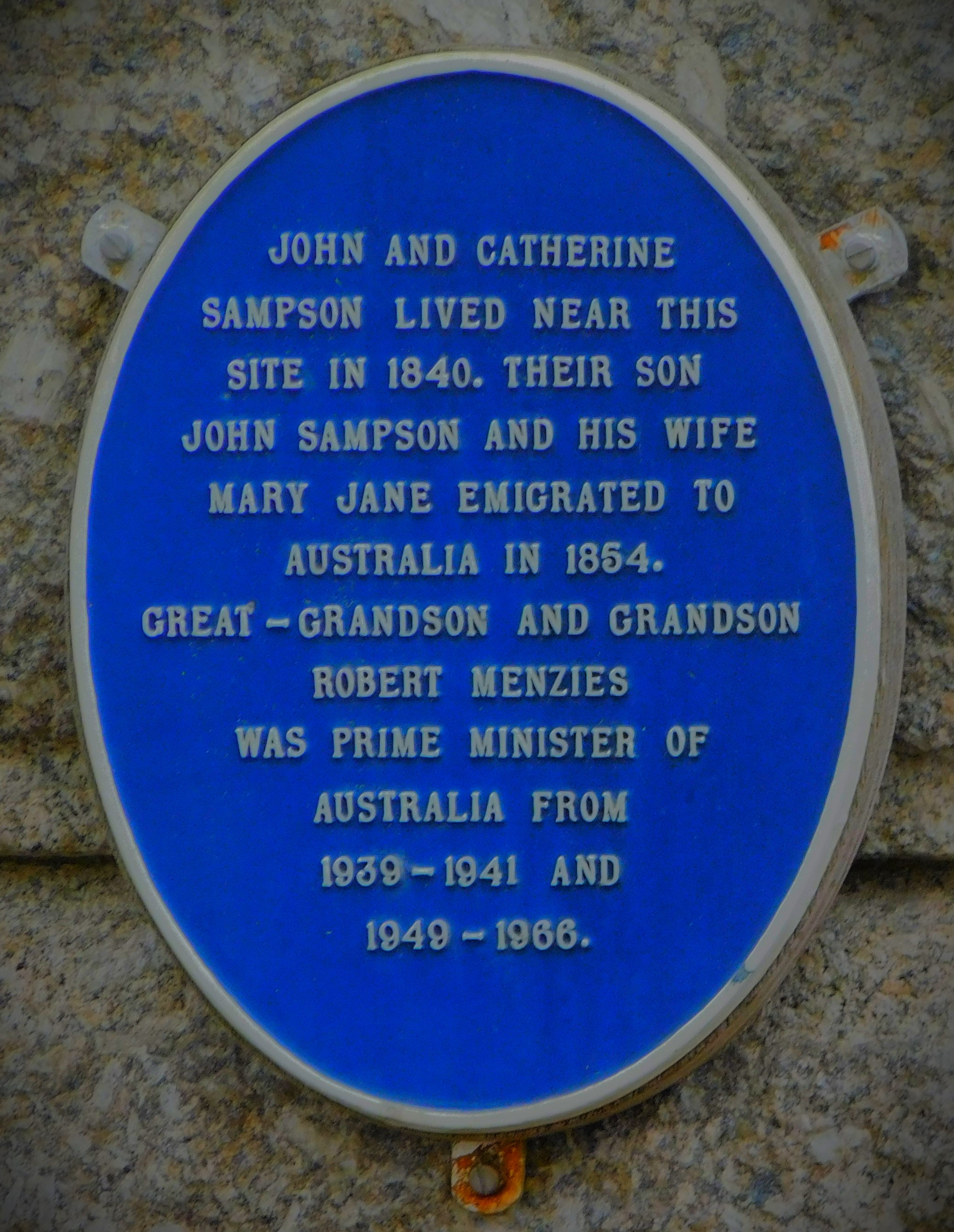
The Glover gold painted post box (two pics) .The Egyptian House – many pics.A connection from Penzance to the legendary Robert Menzies, which extends via Lady Bradman (nee Jessie Menzies, a distant relation of Robert) to Donald Bradman.
A look at the scheduling of the One Day Cup final, the match that we eventually got, a day late and less than half the scheduled length, and at Somerset’s season. Also a photo gallery.
The final of the One Day Cup, between Glamorgan and Somerset at Nottingham, should have taken place yesterday, but after a complete washout then the two sides reconvened on today, the designated reserve day, and fought out the final over a reduced duration of 20 overs (but still according to One Day rules, so the power play was only four overs, rather than the six in an official T20). Before looking at the match, and what it means for Somerset’s season I will take aim at the ECB over certain matters.
MISTAKES AND PROBLEMS
The biggest single mistake in the scheduling of this final was to make the main day a Sunday and the reserve a Monday. When the Sunday was completely rained out many had no option but to return home disappointed, and today’s action took place in a very sparsely populated Trent Bridge. Having decided to have a reserve day in case of potential weather problems, which is probably sensible, and proved necessary in this case, it would surely have been better to aim for a Saturday final, with the reserve day on a Sunday – the drop off in attendance after a washout on the intended day would surely be much smaller.
It is also curious to say the least that there is a huge time lag between the semi-finals and the final, and it would be better for these key matches to be much closer together.
This competition would rank third among the county competitions even without other factors, but the fact that the group stage overlaps with The Hundred means that rather than being third among near equals it is a sideshow, involving mainly reserve and youth players.
TODAY’S MATCH
Somerset had many players available to them who were not so during the group stages but had decided to stick with the players who had got them to the final. This meant that they were a much less experienced XI than Glamorgan. It also meant that the reduction from 50 overs per side to 20 was much worse news for them than it was for Glamorgan – there were not many players in the Somerset XI who would have been picked to play a T20 match for the county. However when left arm seamer Alfie Ogborne took two very early wickets Somerset would have been hopeful. Will Smale hit 28 off 14 balls before he was third out, to a superb catch by Sean Dickson off Kasey Aldridge. Colin Ingram did not really click, contributing 11 at a run a ball. Initially Sam Northeast also appeared to be struggling. However Northeast, one of the best county batters never to have got an England chance, showed the value of experience, as he turned a sticky start into the key innings of the final. Billy Root hit 39 of 28 balls before the 5th, 6th and 7th wickets all went quickly. Timm van der Gugten smashed 26* off nine balls at the death, out of an unbroken 28 that he and Northeast put on. This left Glamorgan with 186-7, and Northeast 63* (49) having enabled the big hitters to really go for things in the knowledge that wickets would only be falling at one end.
George Thomas and Andrew Umeed had scored 14 together, 13 of them to Thomas, when Umeed completely ignored Thomas’ call for a run. Thomas was thus run out, with Umeed having contributed rather more to the dismissal through his failure to respond to Thomas’ call than did Northeast with what was a good throw. Goldsworthy never got going, making 11 off 13, by which point Somerset were miles behind the required rate. Umeed had batted well, though he was never scoring fast enough, when he took on medium pacer Andy Gorvin, got an edge and was caught by keeper Smale. Four runs later James Rew’s spirited 19 came to an end, caught by Smale off Kellaway. Incidentally Kellaway, an ambidextrous spinner (he can bowl both off spin and left arm orthodox spin), extracted enough turn to make Dickson’s decision not to bowl Jack Leach (who would never be significant with the bat in a limited overs match) look even odder than it already did. The fifth wicket stand between Archie Vaughan and Sean Dickon represented Somerset’s best period of the innings. By the time the last over came round Somerset needed 23 to win. Dan Douthwaite restricted them to just seven, and Glamorgan had won by 15 runs.
Somerset fought hard, though Sean Dickson did not have great day as skipper in my opinion. As well as his failure to use Leach I think his decision to hold himself back until number six, by which point the match was pretty much lost was a poor one. He played a fine innings once he got to the middle, scoring 44 off 20 balls, but Goldsworthy for one was unsuited to the situation in which he found himself batting, and although Archie Vaughan fared decently the skipper should surely have come in ahead of him.
Somerset have thus lost in the finals of both the T20 and the One Day Cup, while they have one last match to play, a four day game against Hampshire which will settle the runners up spot in the County Championship. When Somerset beat Surrey to close the gap in the County Championship to eight points with two matches remaining they had legitimate hopes of sweeping the board, but in the end it looks like an ‘Eratosthenes‘ season for them – second best in everything (Eratosthenes was Librarian of Alexandria around 250BCE, the plum academic posting of the era, and one rival is alleged to dubbed him ‘Beta’ on the grounds that he was the second best in the world at everything).
A whistlestop tour of the greatest highlights of an outstandingly successful auction that took place on Wednesday.
On Wednesday just over 500 lots of mainly railway models went under the hammer at James and Sons. I had produced somewhere close to 3,000 images for this auction which gave me particular interest in proceedings. It was an extraordinarily successful auction, and my list of big achieving lots ran to about 80, and I had mentally adjusted my normal threshold for this upwards by some way early in the auction when it was obvious how it would go. For the rest of this post I am going cover a very few of these highlights.
THE HIGHLIGHT LOTS
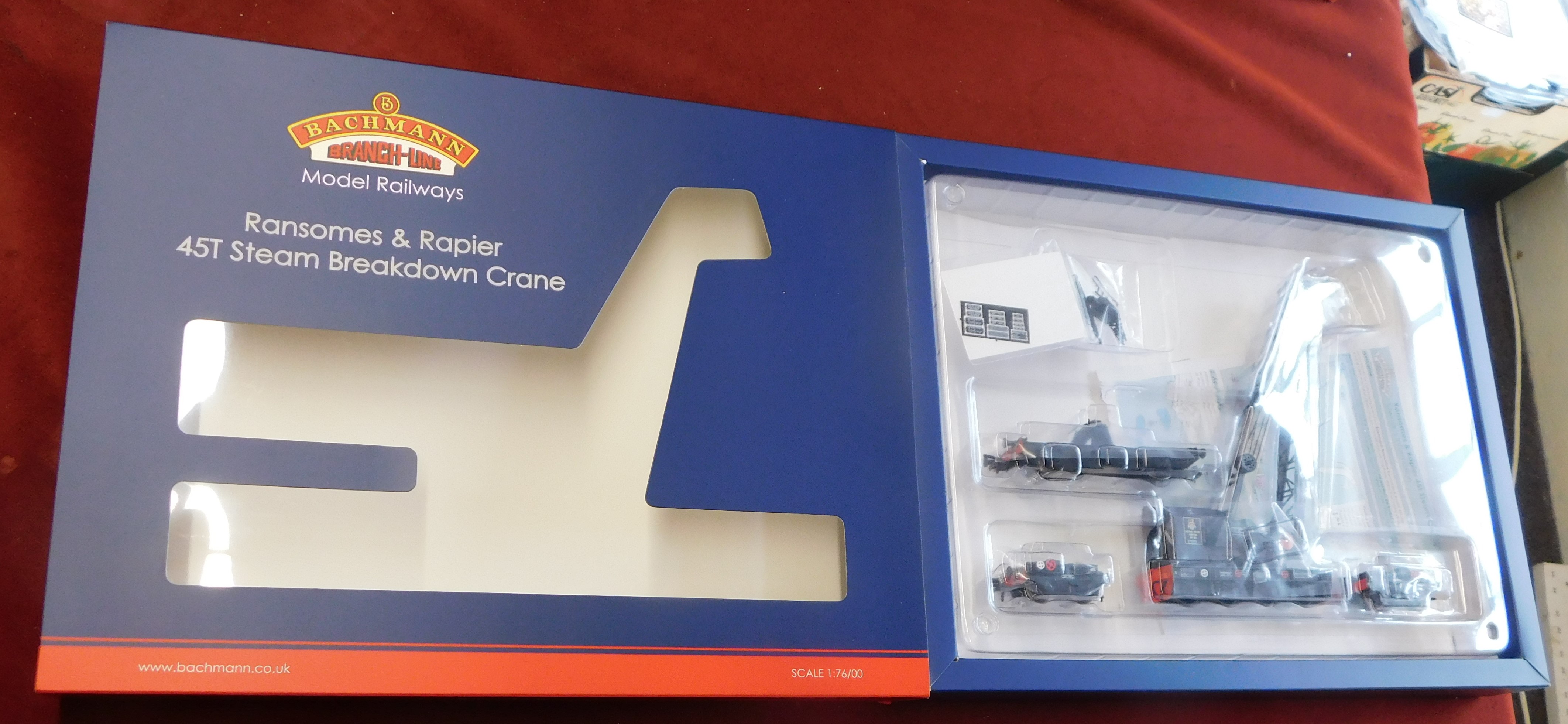
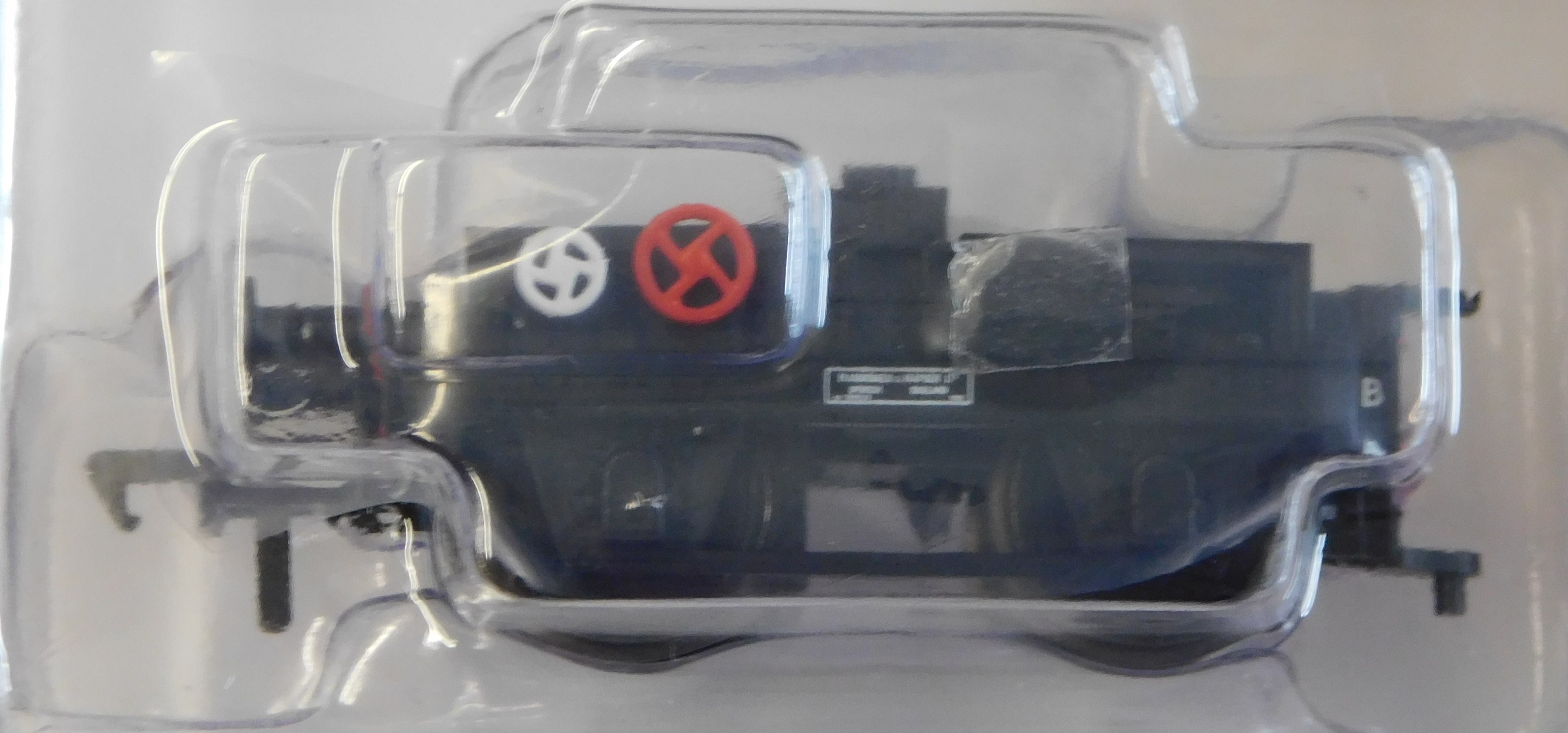
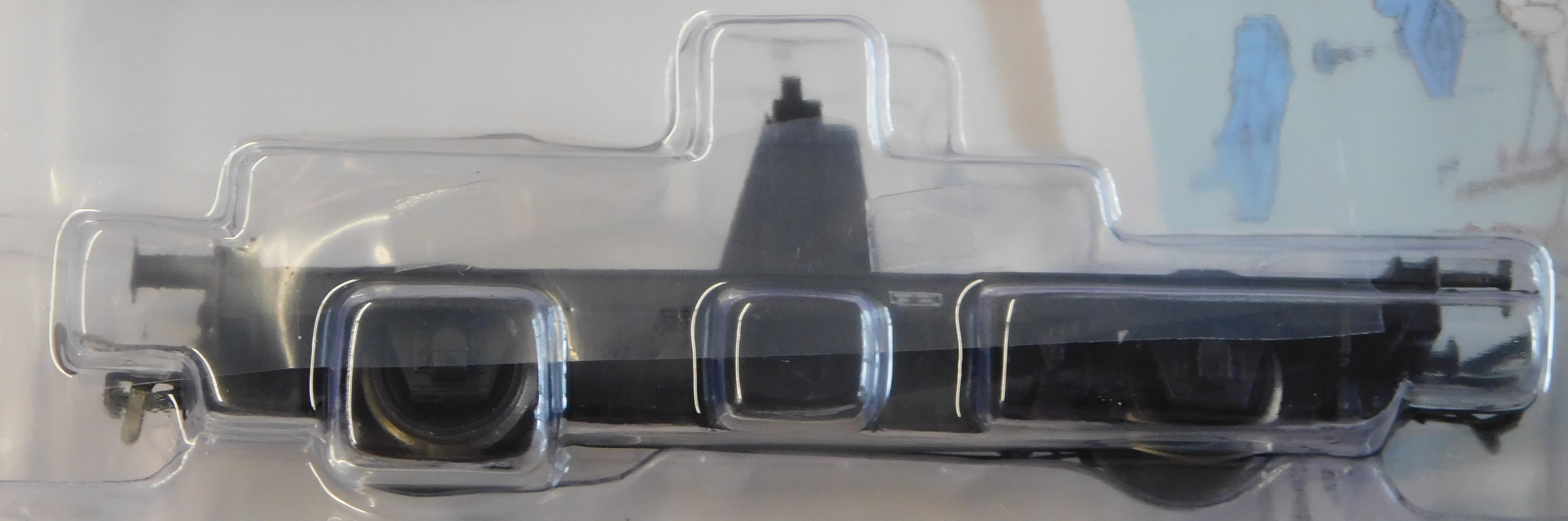
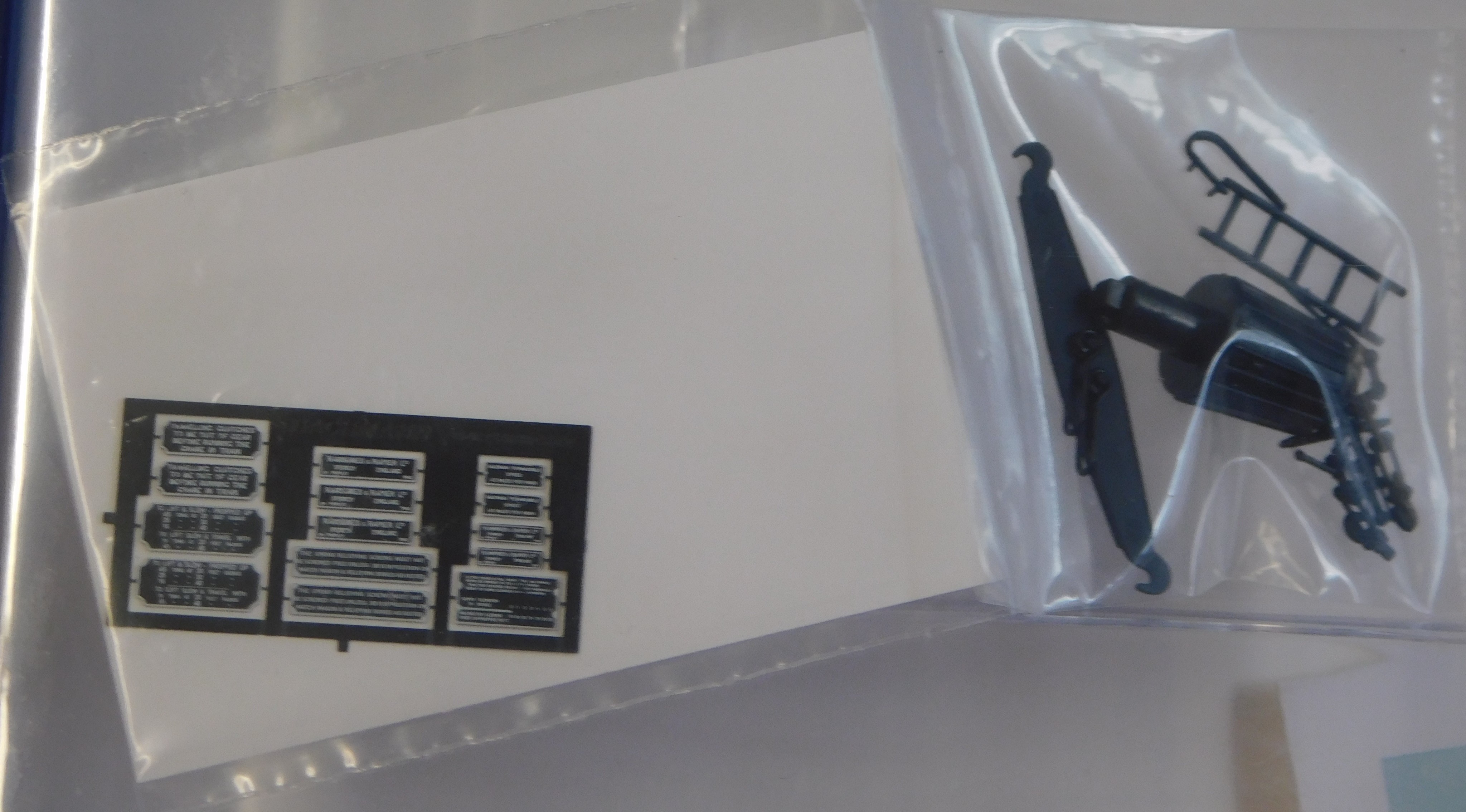
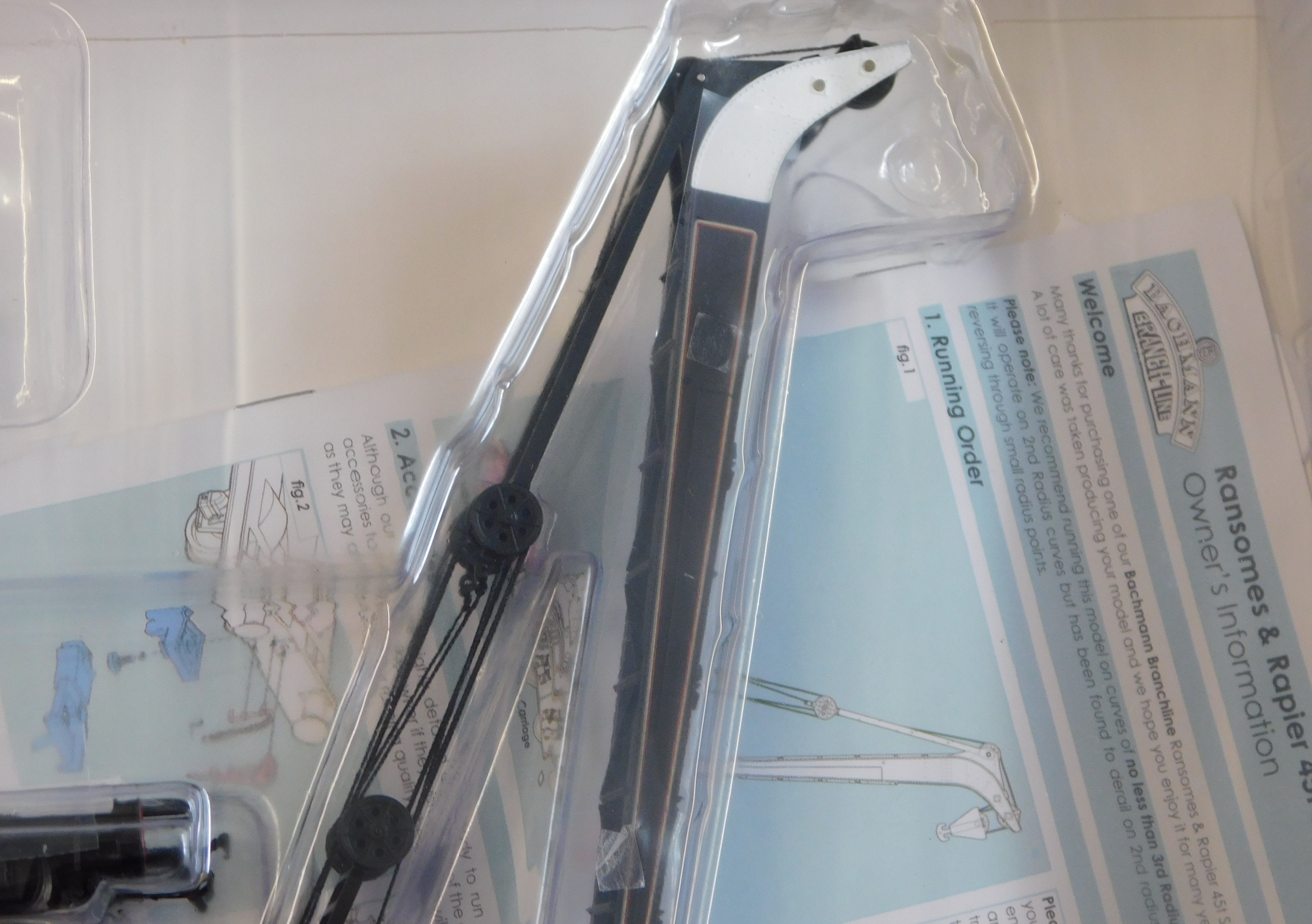
Lot 507, a Bachman Aston Steam Breakdown Crane expected to fetch £30-40 climbed all the way up to £110. Here is the image gallery for that lot:
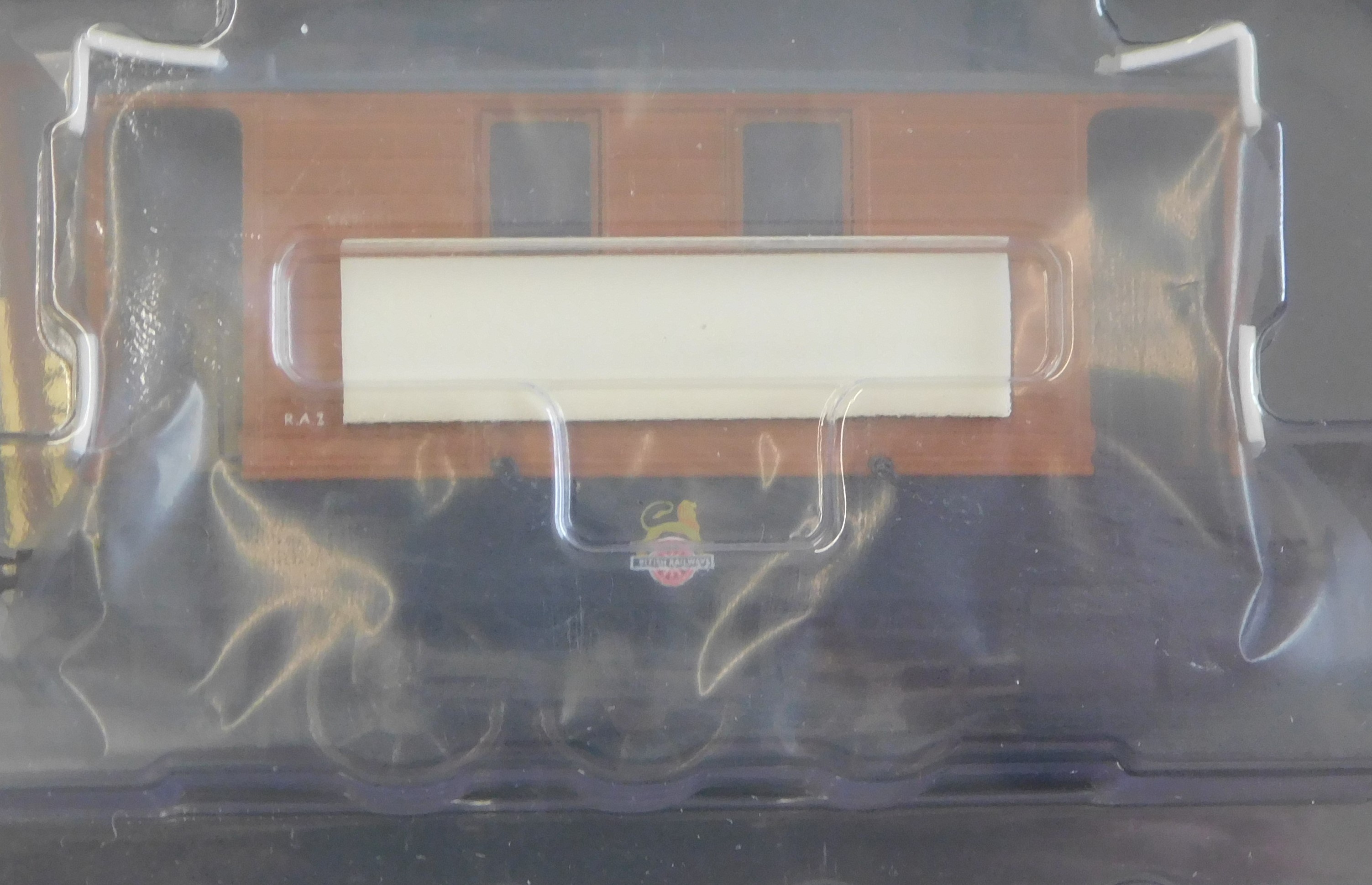
The main imageI dared not unseal this any further, so all the close ups were taken through the plastic.
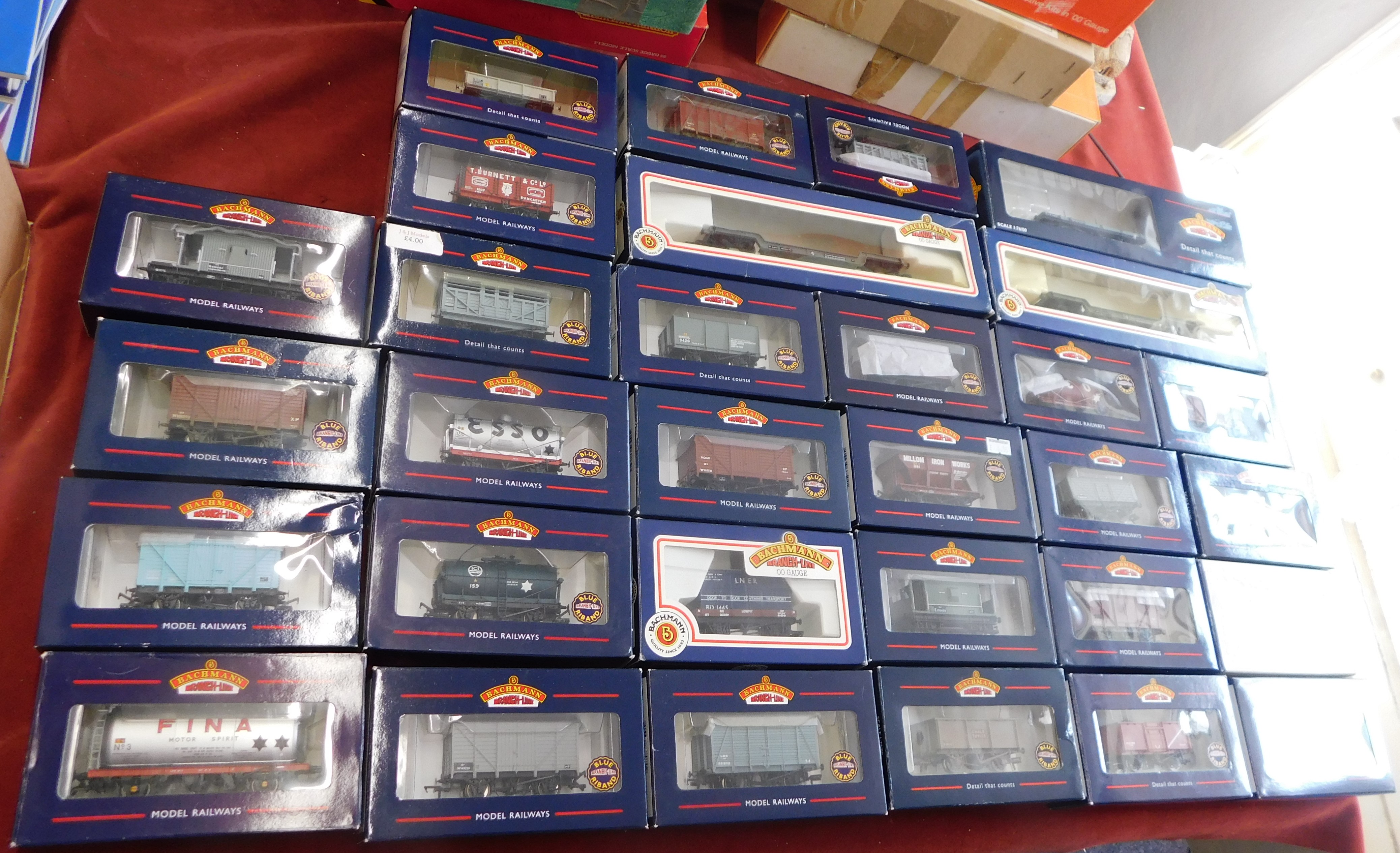
Lot 509, a large range of Bachman wagons expected to get 50-60 went for £180.
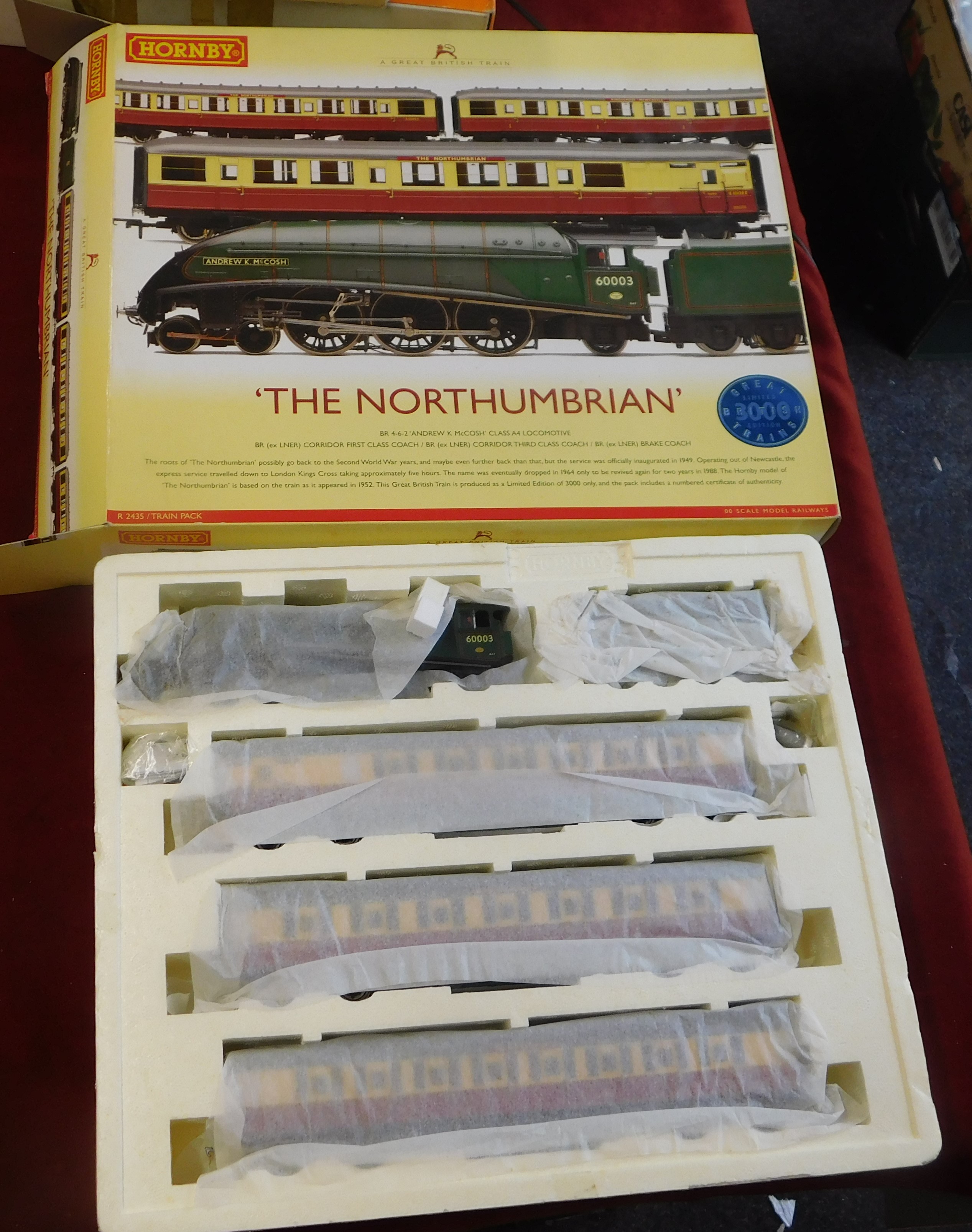
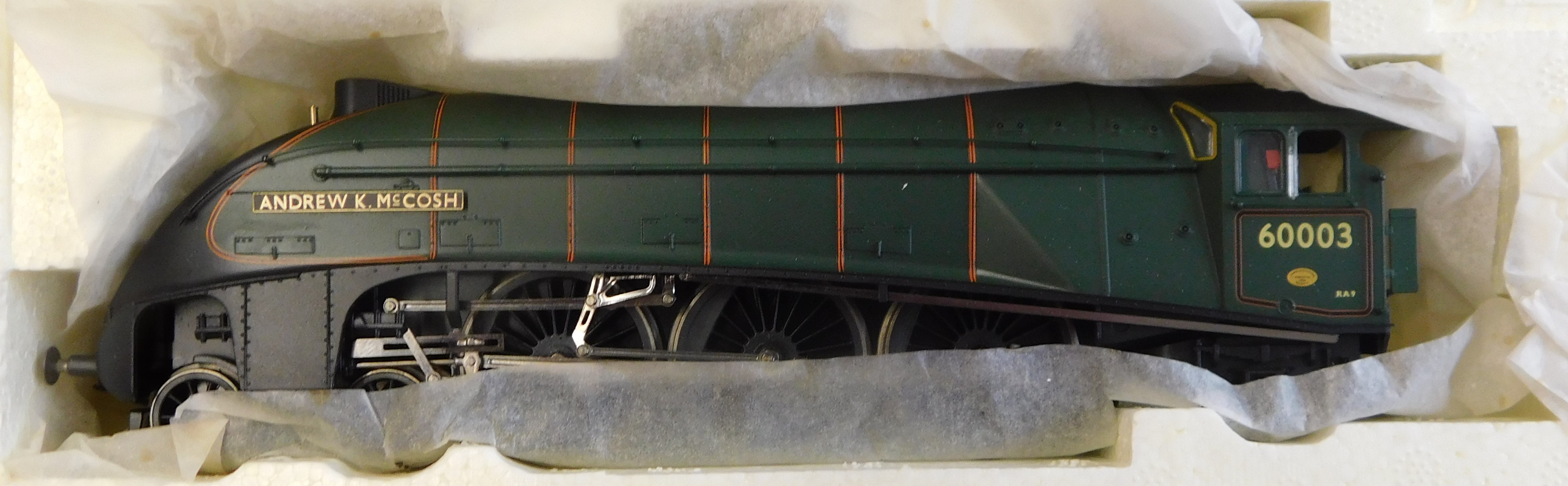
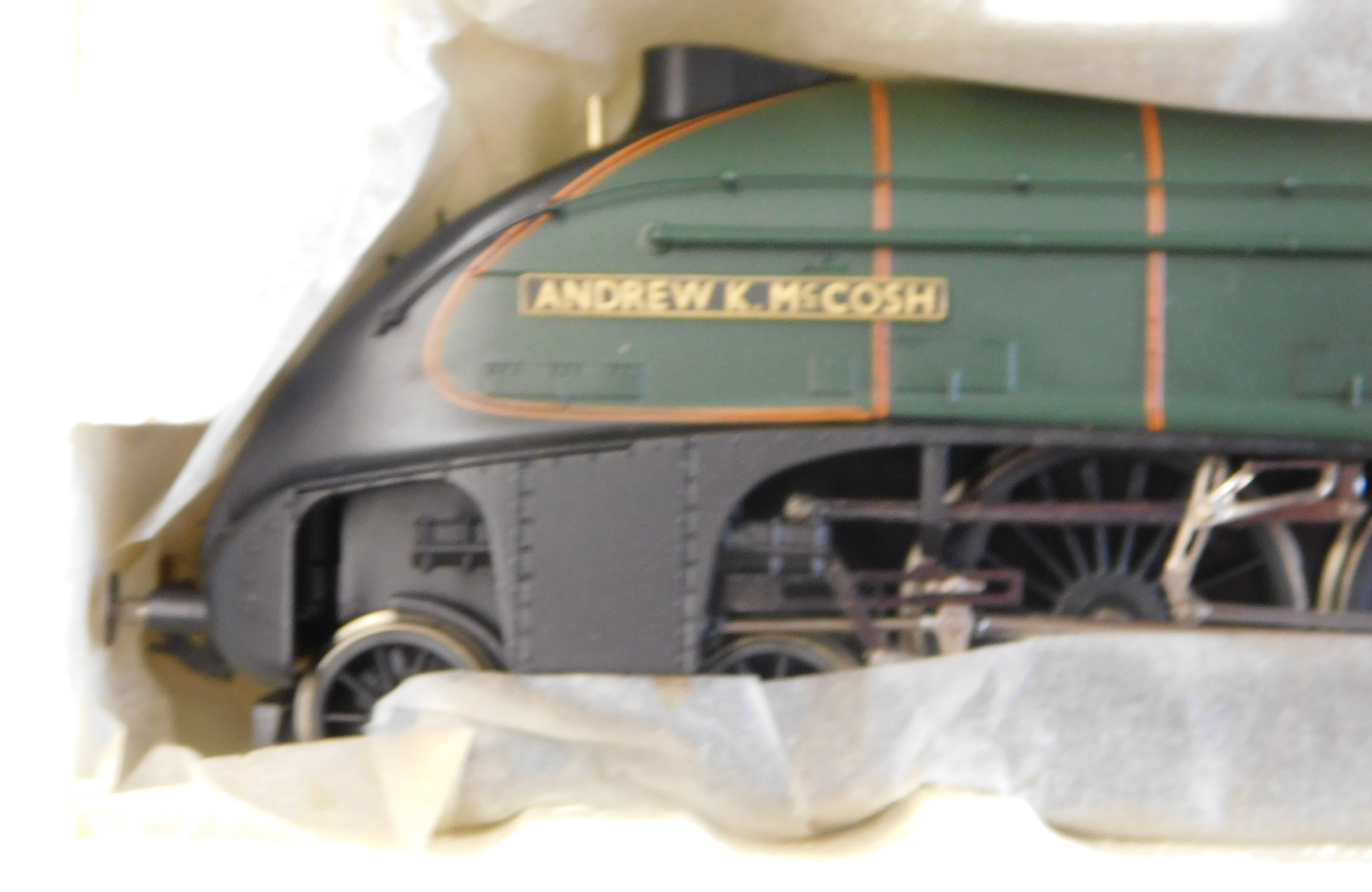
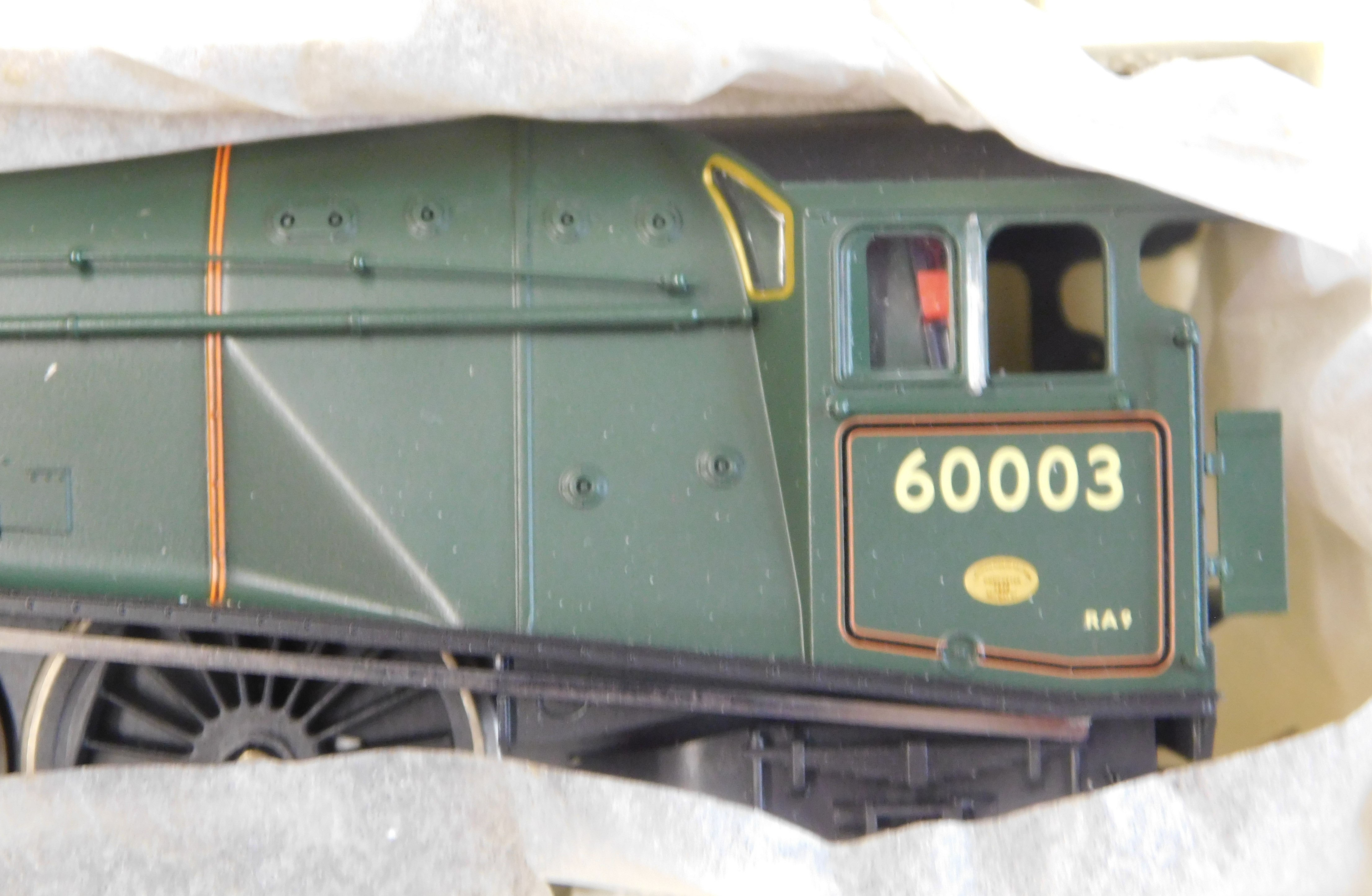
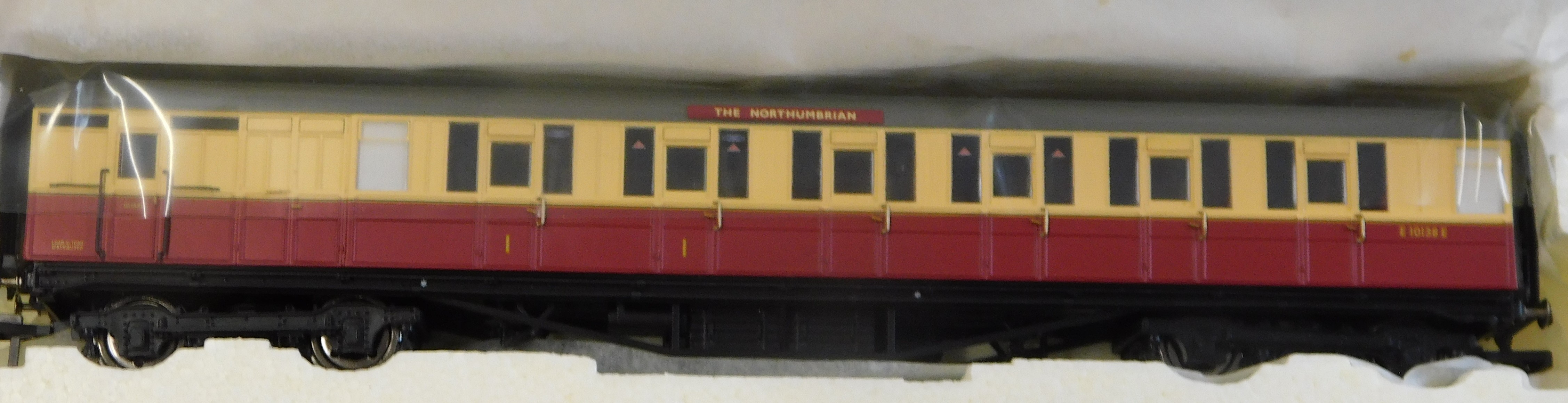
Lot 511 a boxed set of the ‘Northumbrian’ with certificate of authenticity, was estimated at 40-50 and went for £100.
The main imageThe locomotive, tender and coaches, all covered.The locomotive, briefly and carefully uncovered for the purpose.A close up of the front where the nameplate is……and of the rear (note the driver).The tender, with a wonderfully clear BR logo.A close up of one of the coachesThe crucial certificate of authenticity.
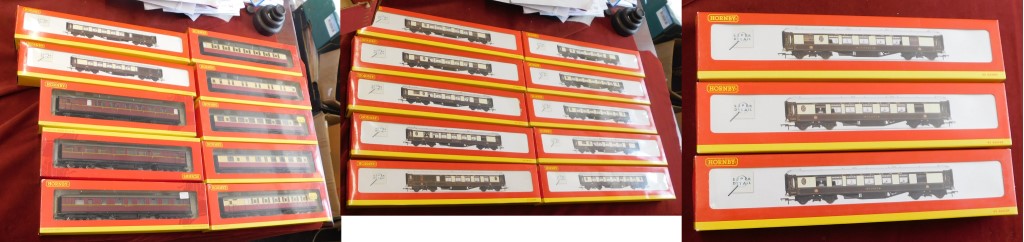
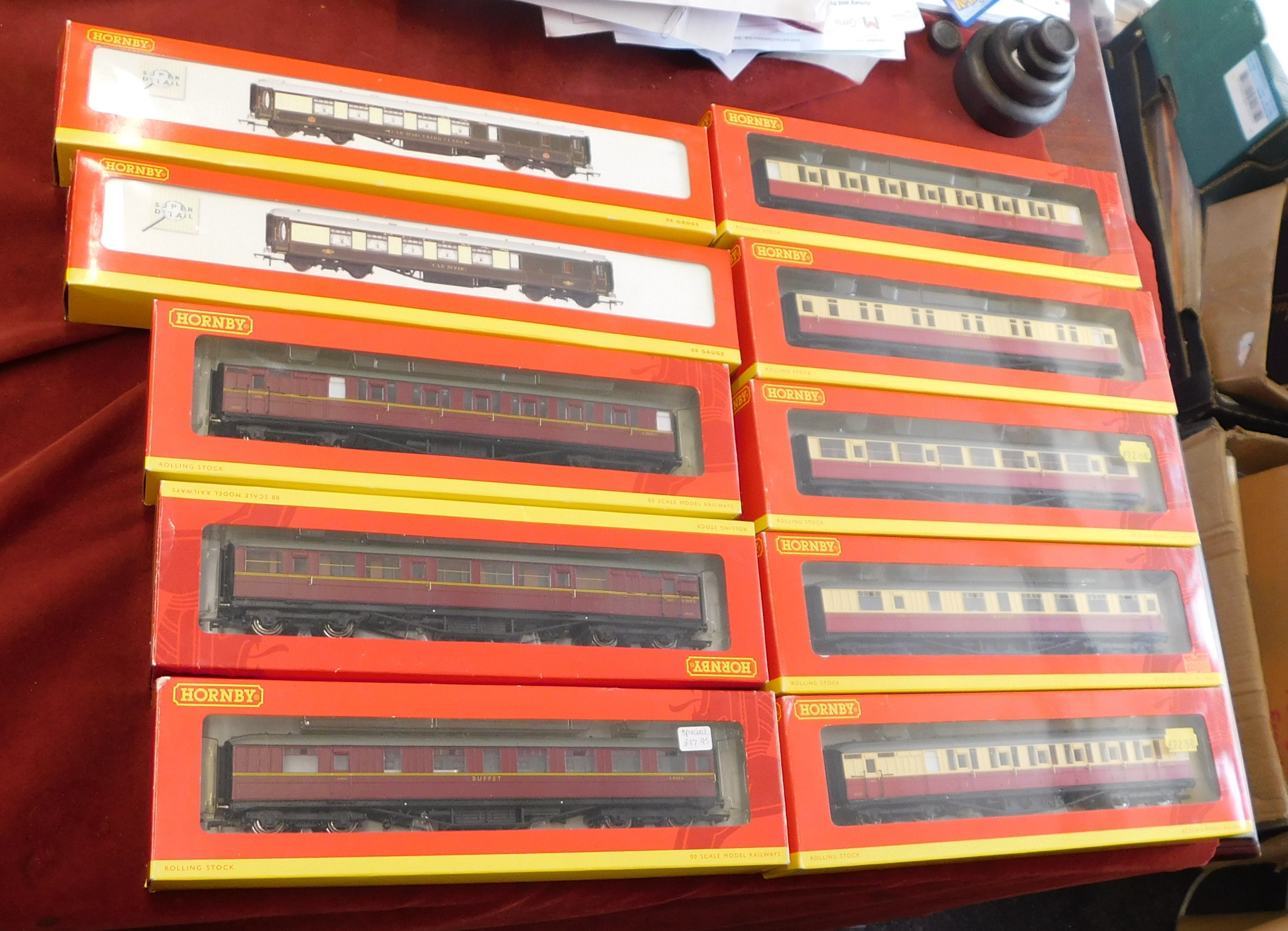
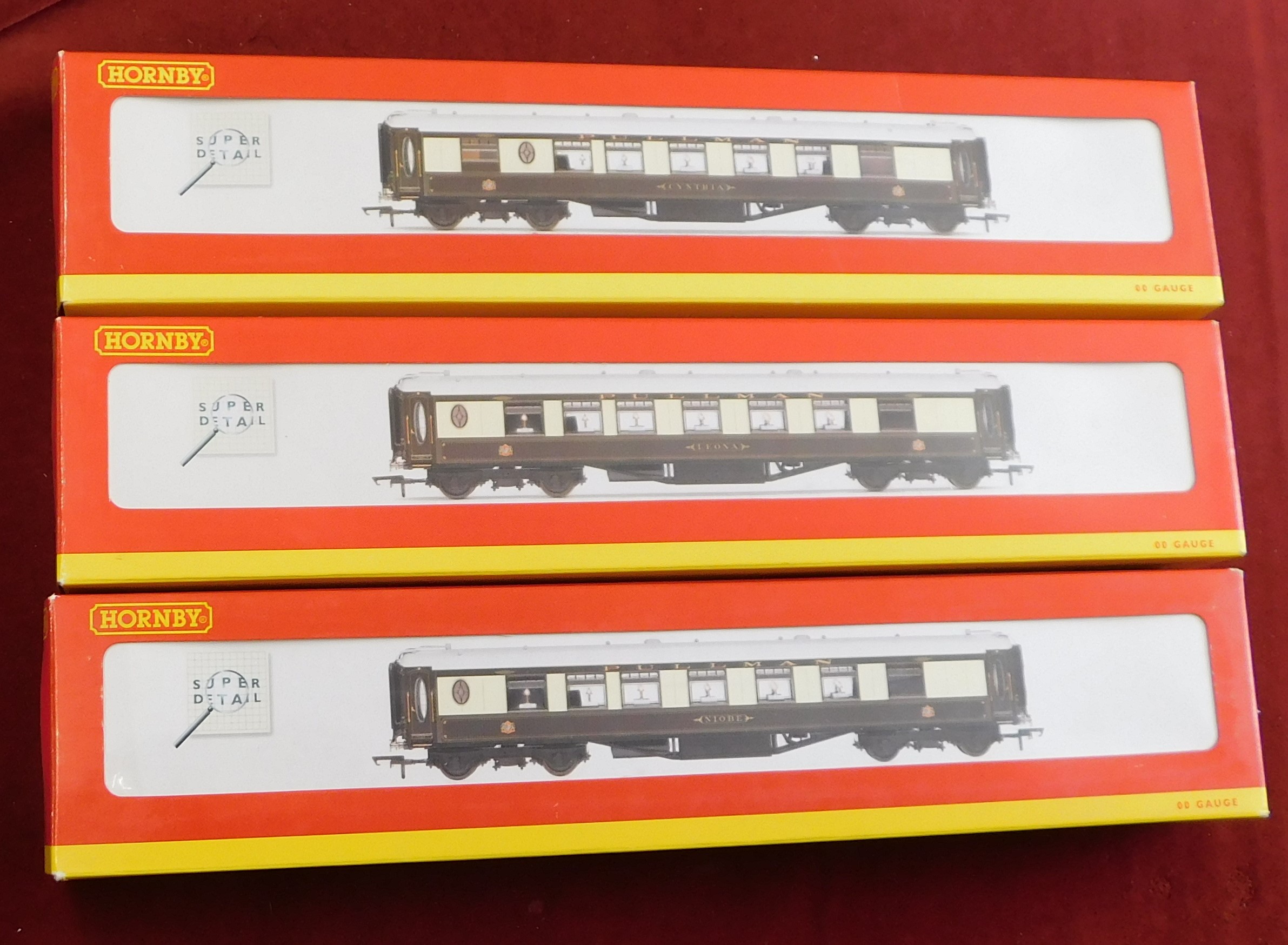
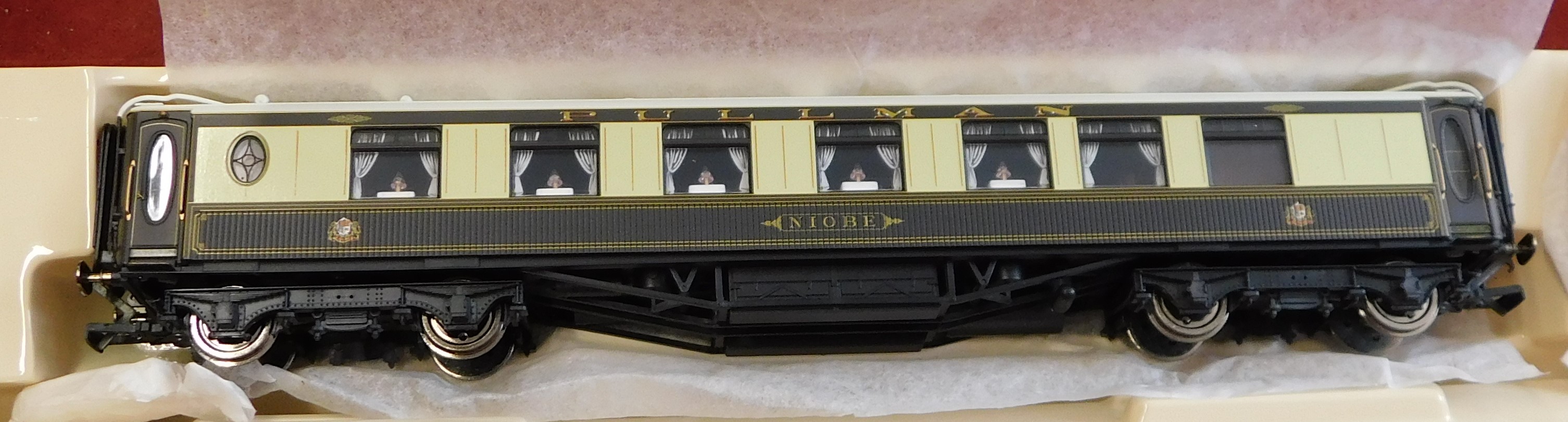
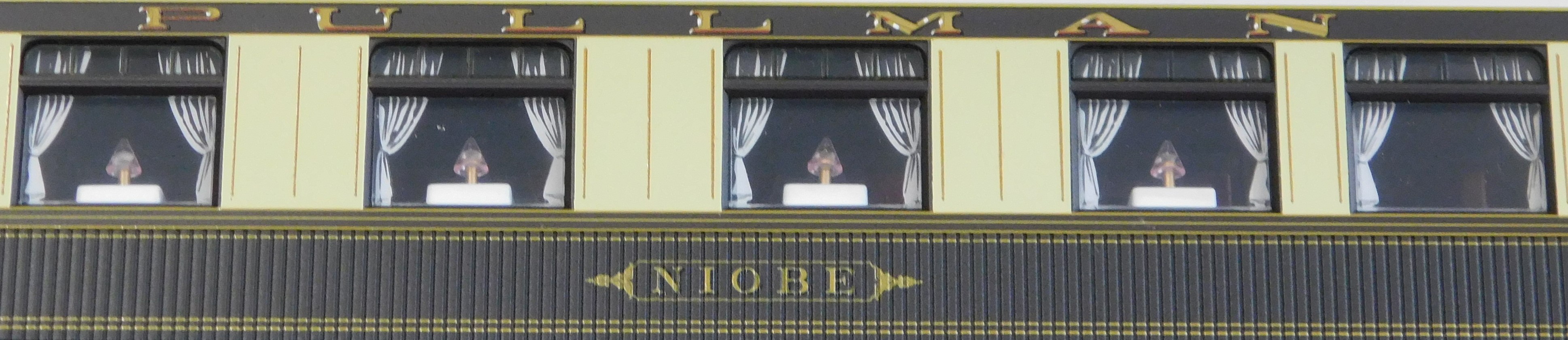
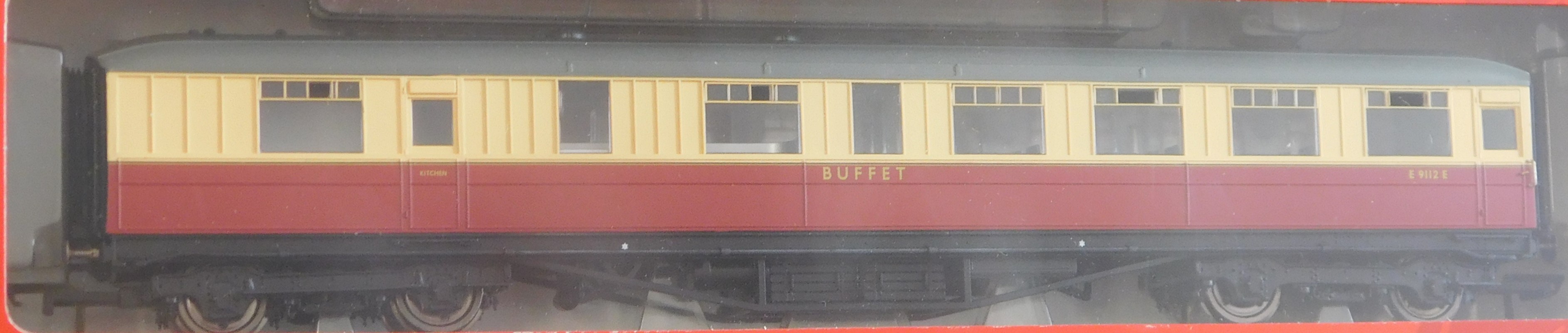
Lot 551, a large collection of Hornby Gresley and Pullman coaches expected to fetch 80-120 soared to £220.
This image is a composite of the next three (the only way I could image a lot of this size)I settled for close ups of a single coach from the collection, one of the Pullmans.
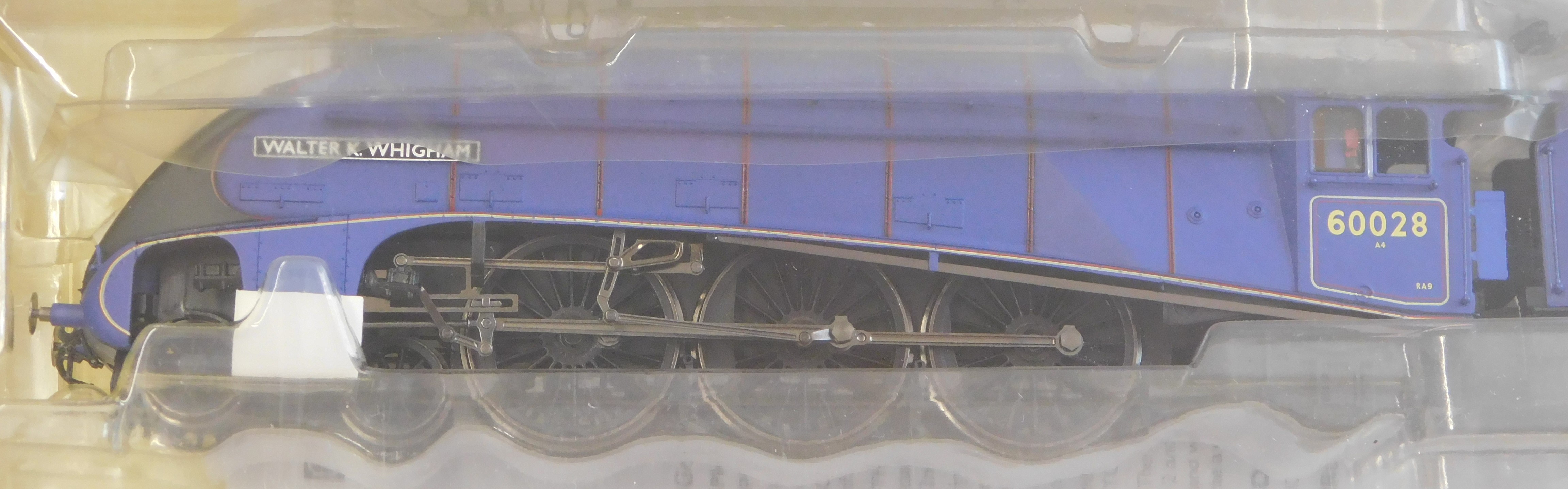
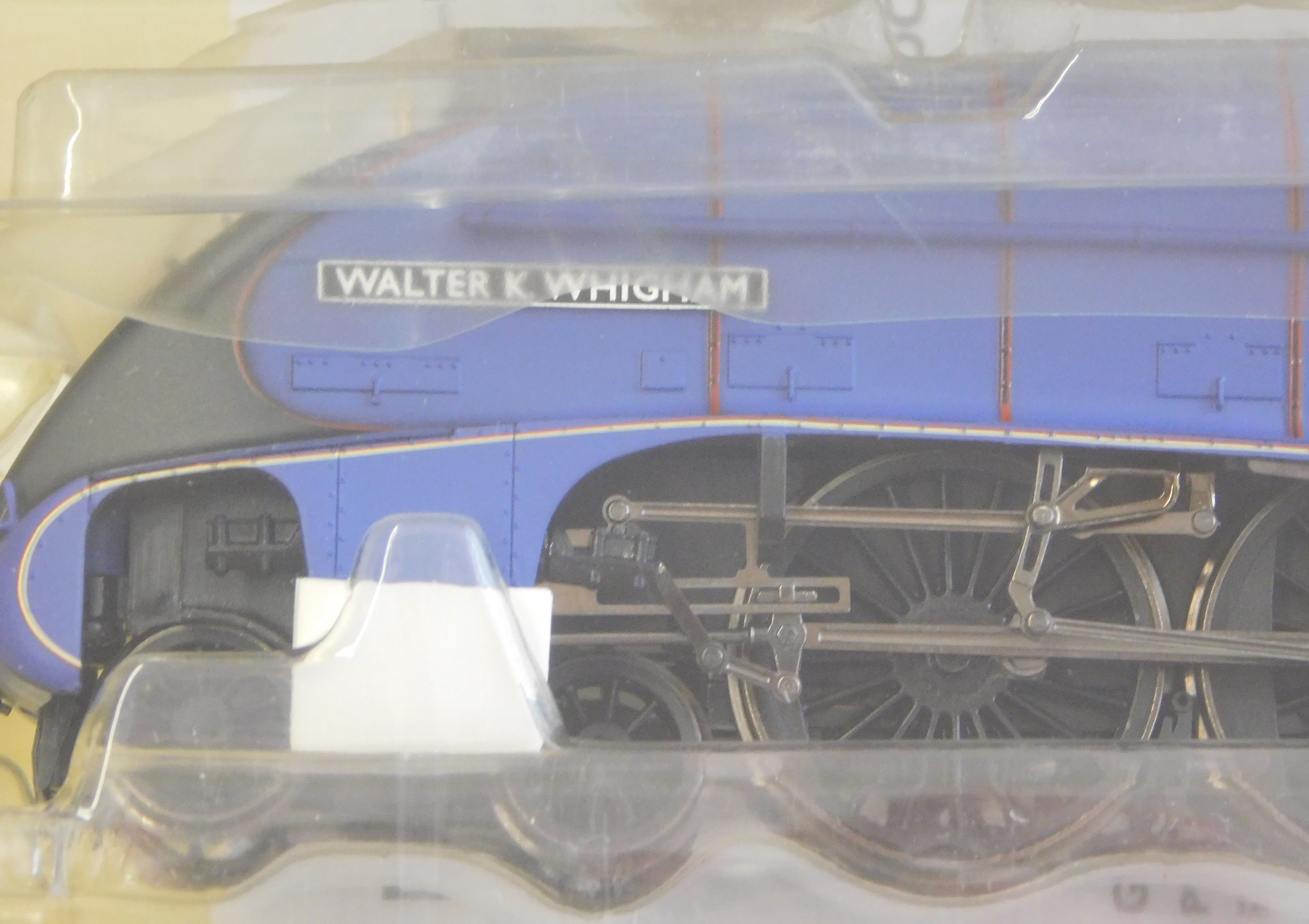
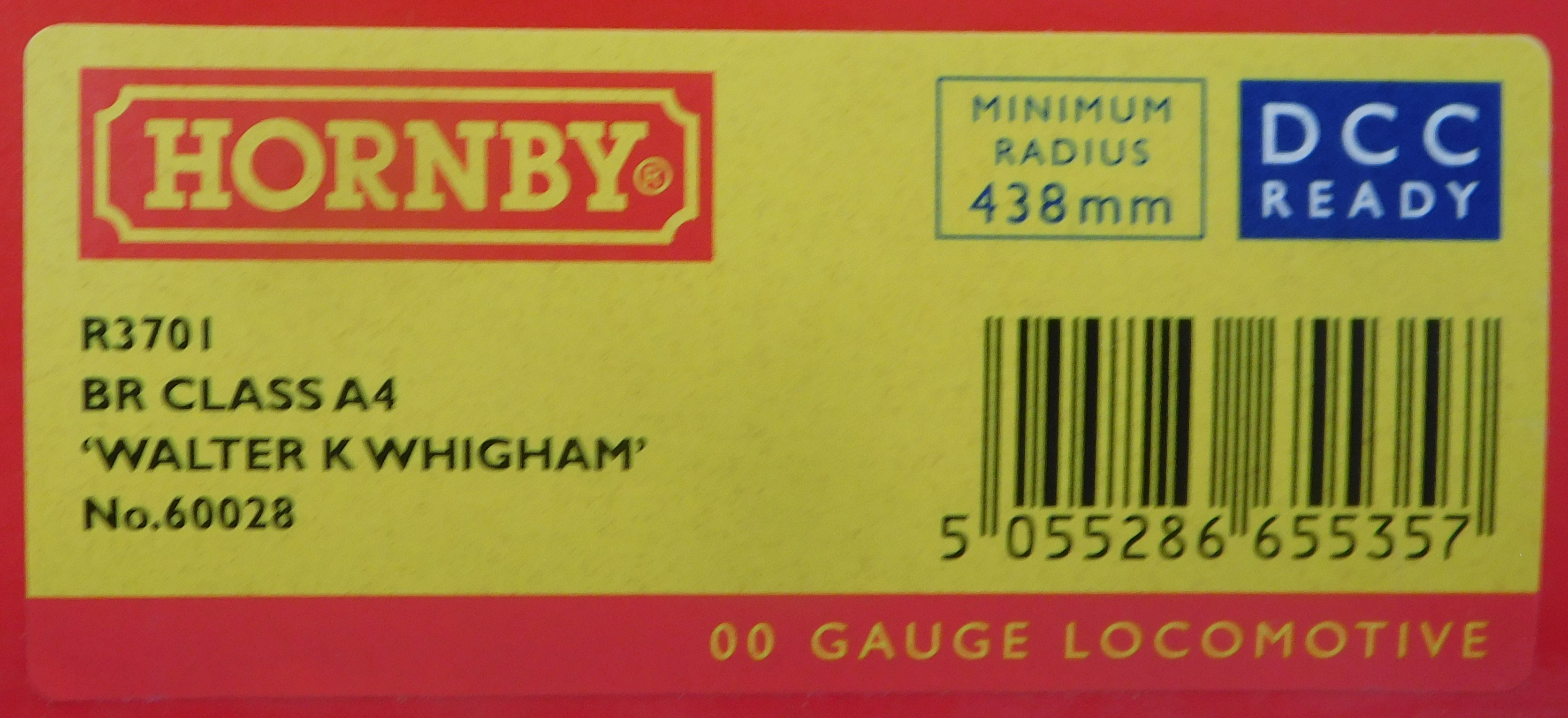
Lot 653, a Hornby locomotive model ‘Walter K Whigham’, estimated at £30-40 went for £85.
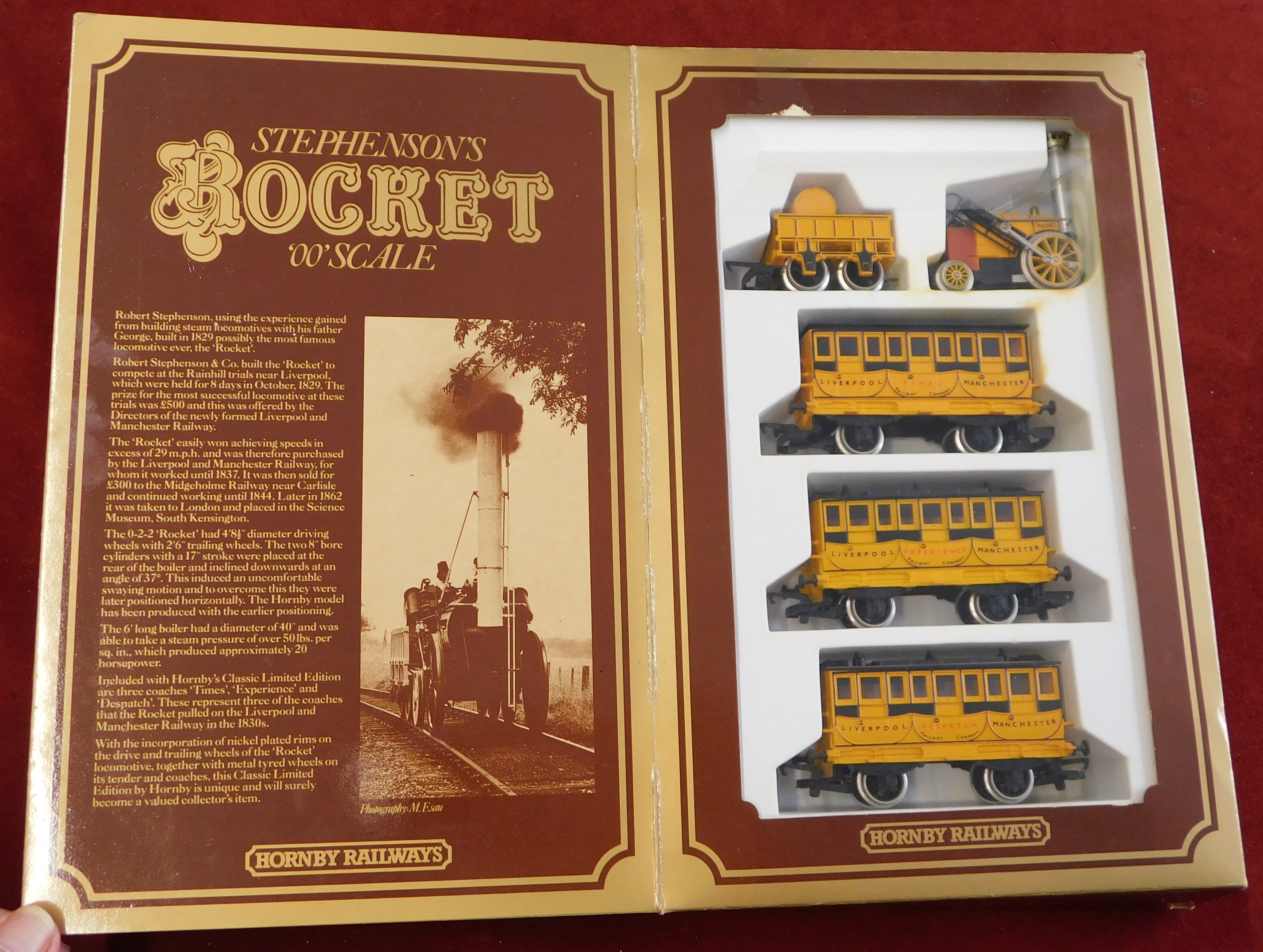
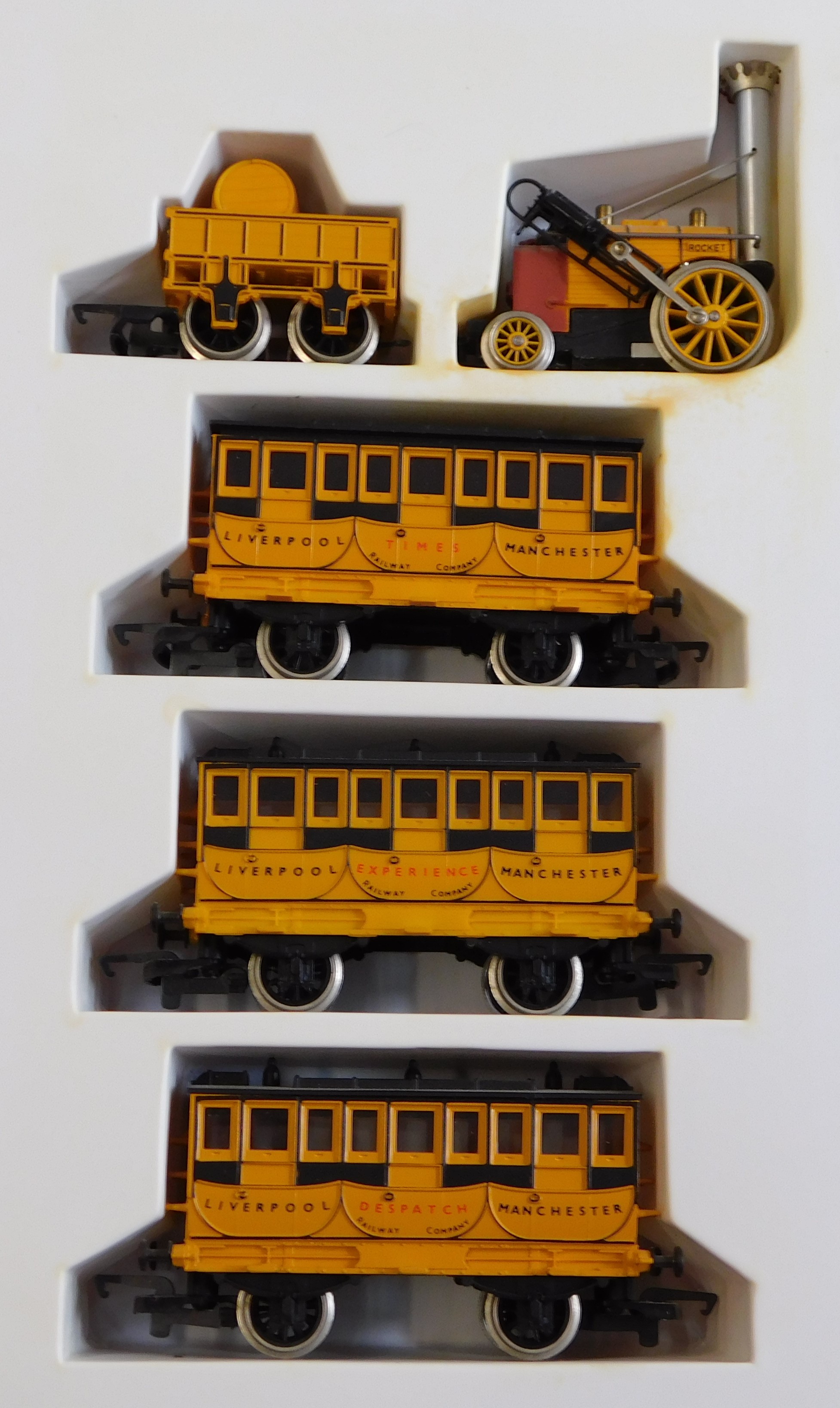
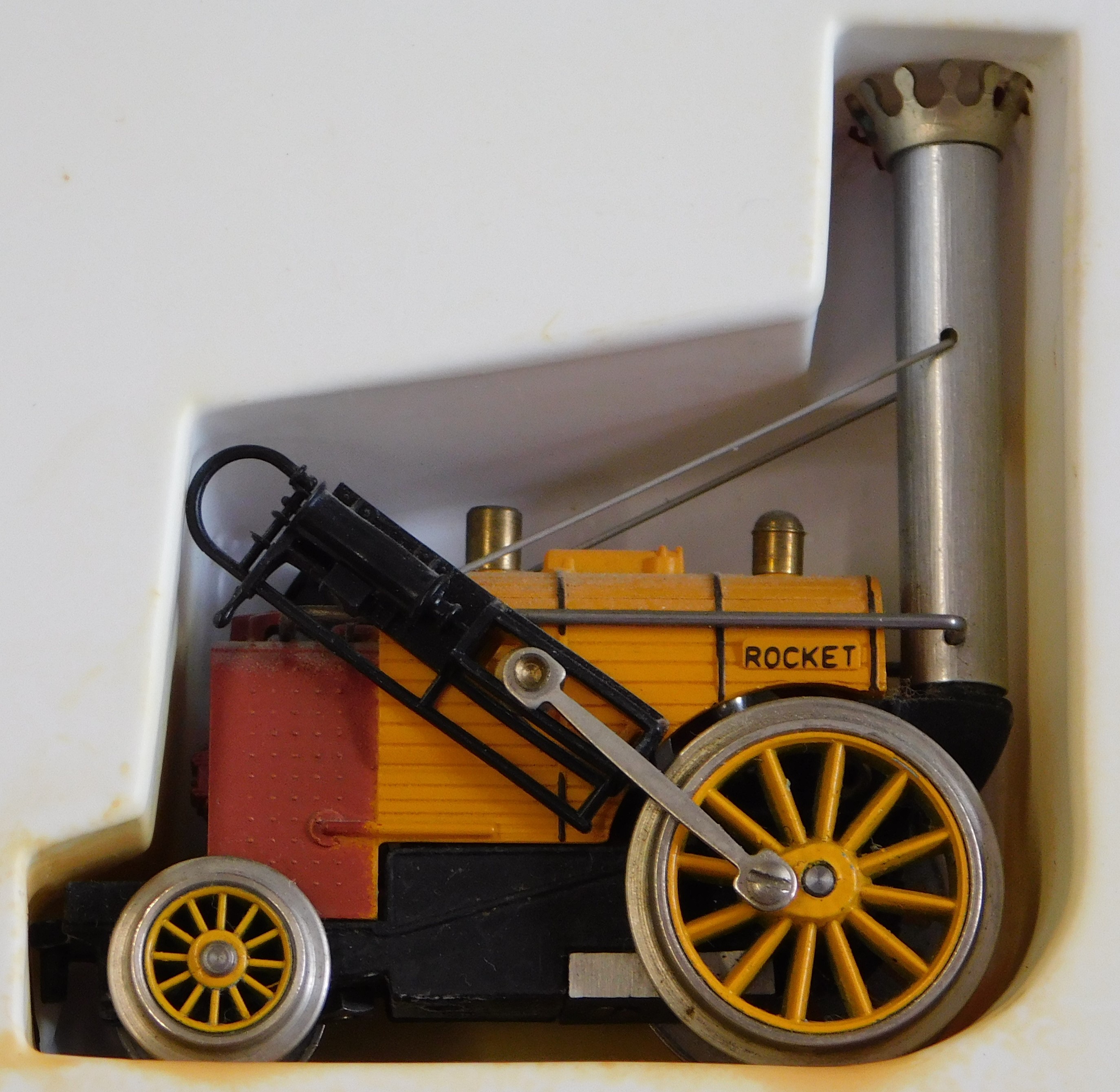
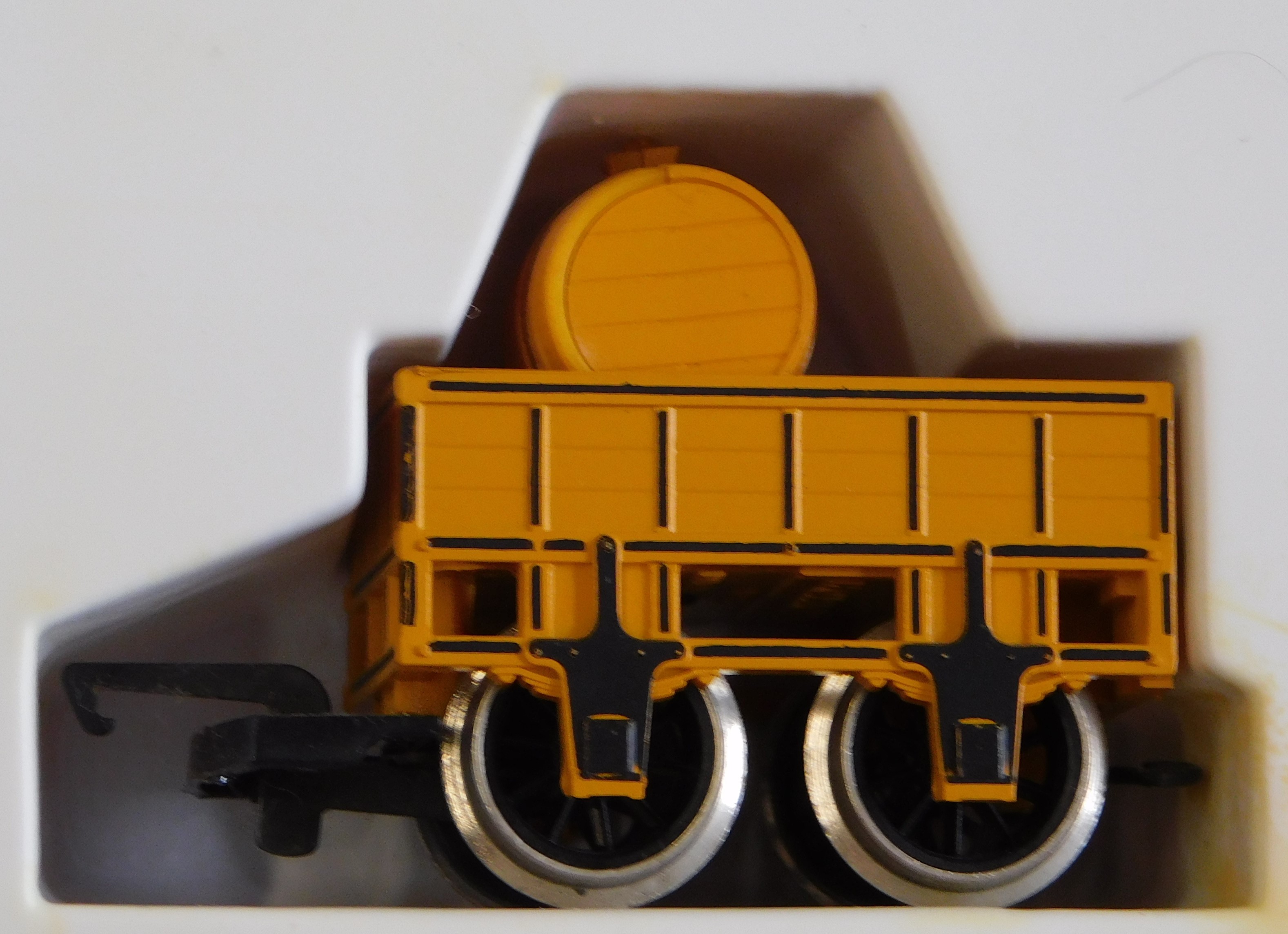
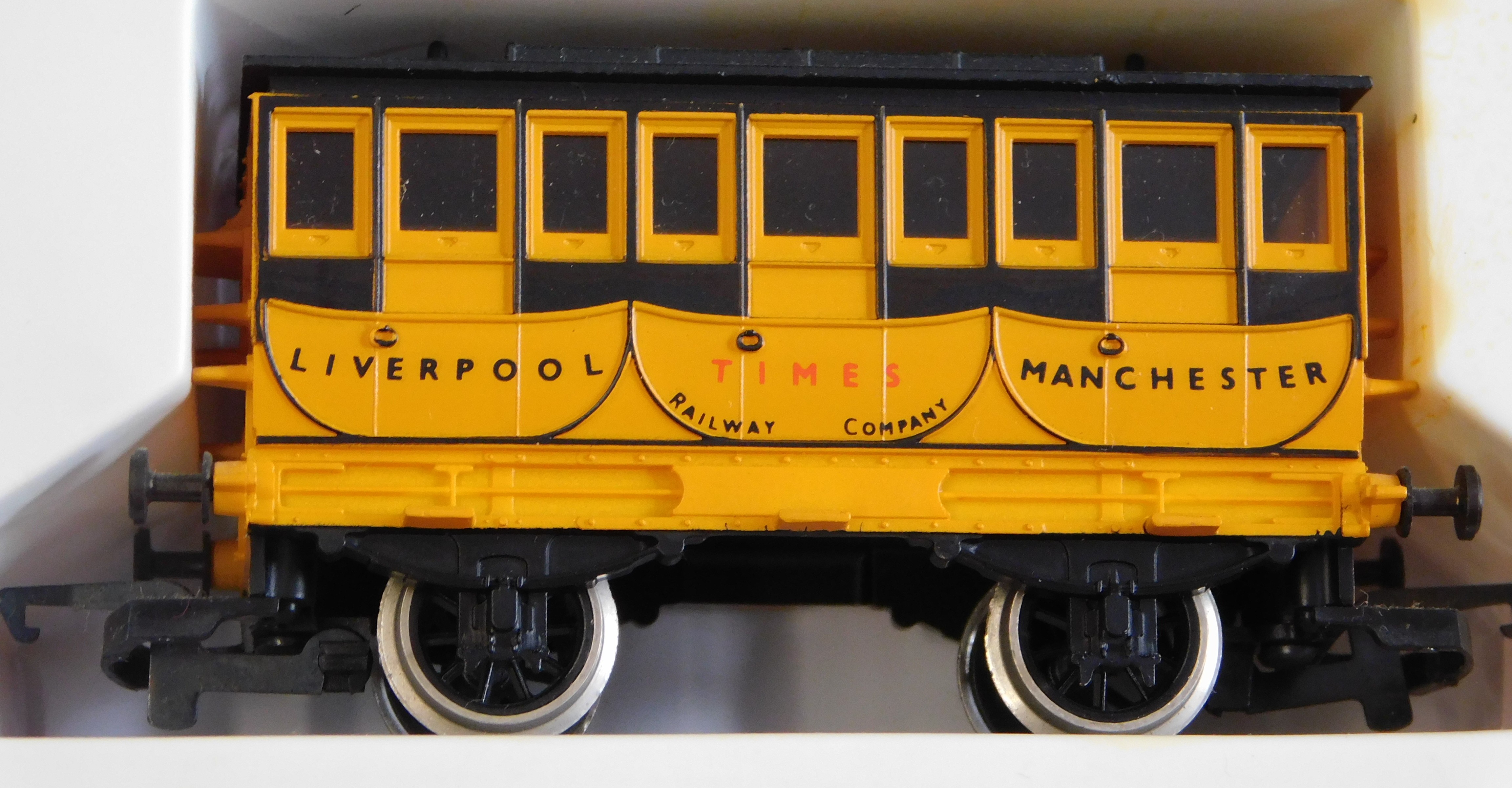
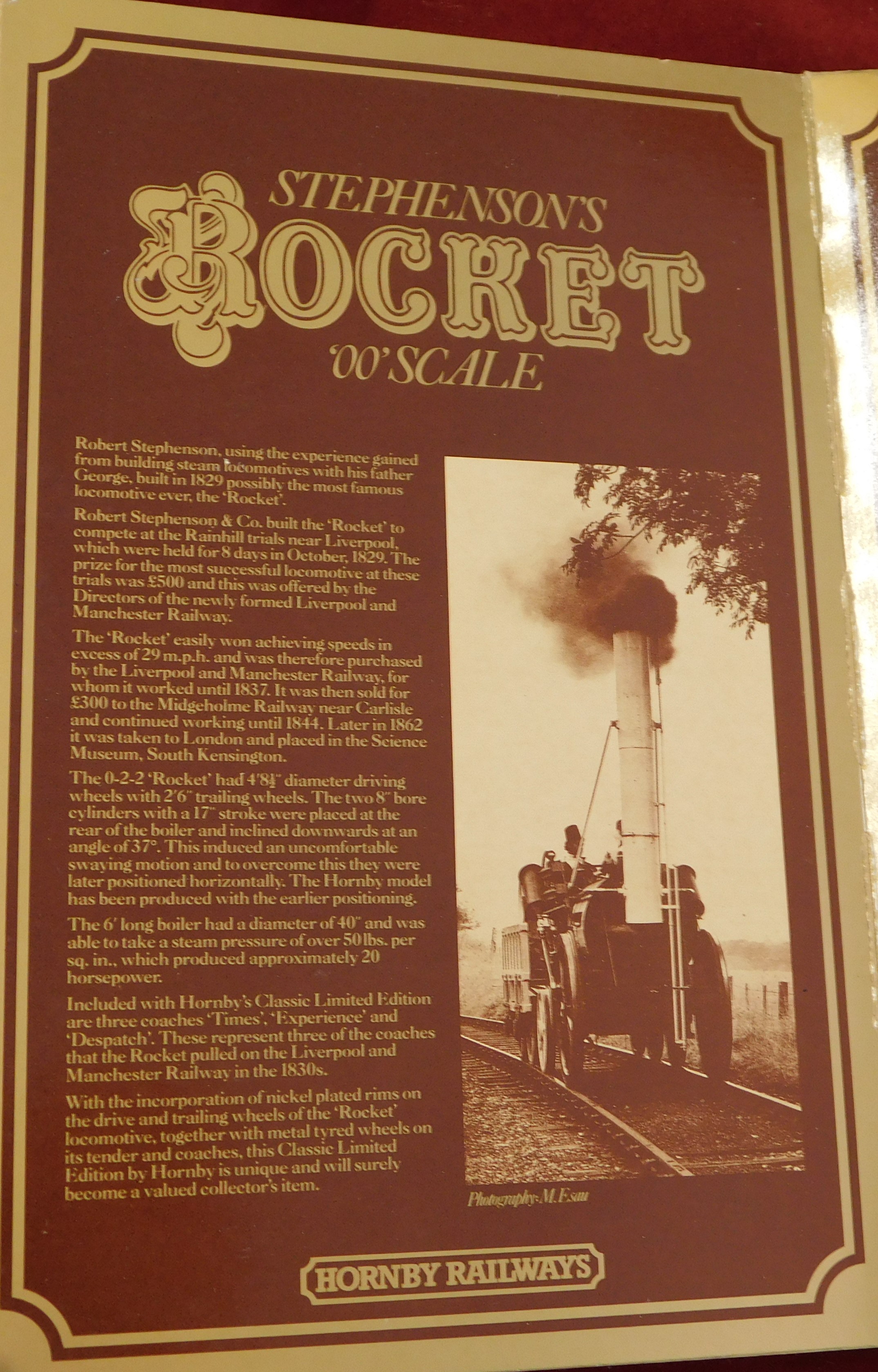
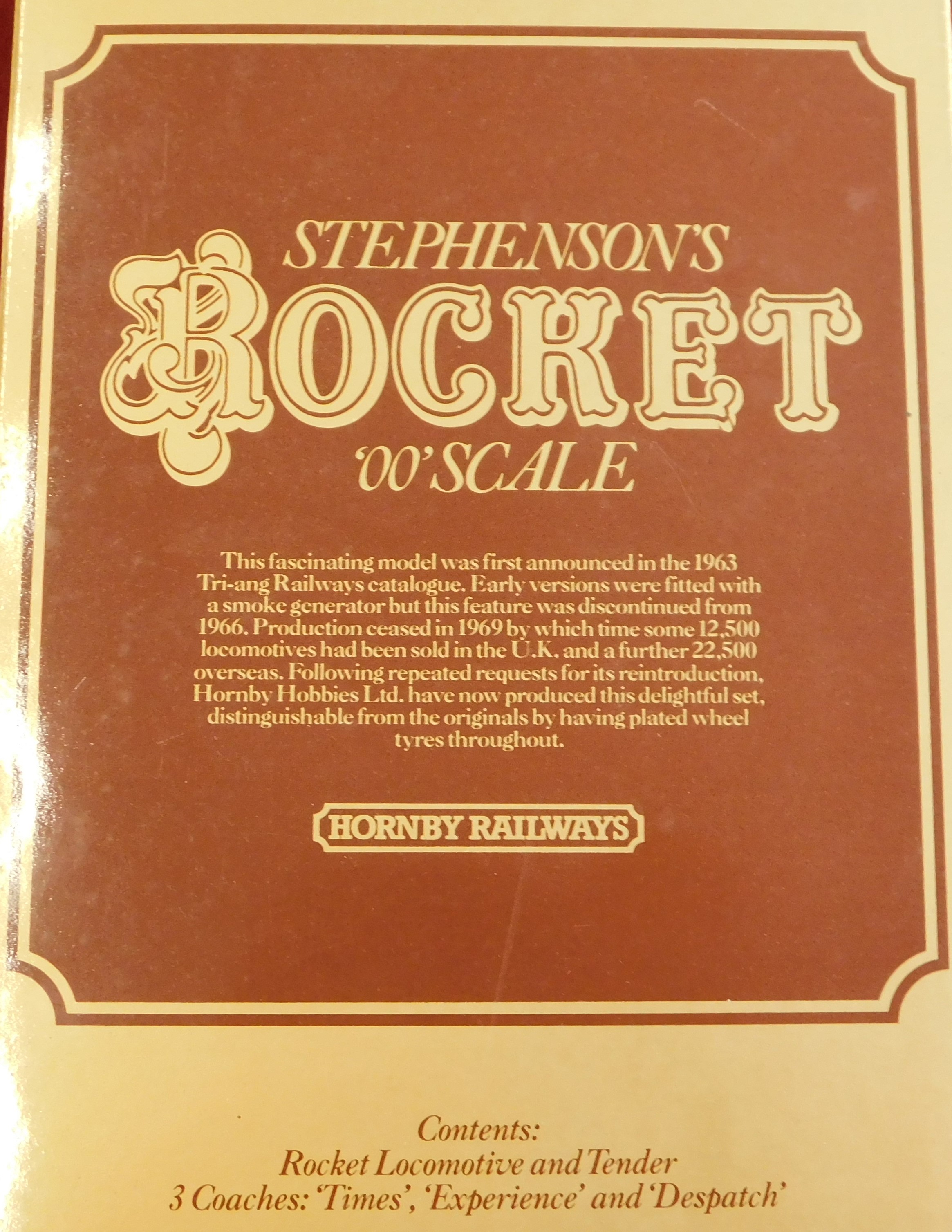
Lot 714, a Hornby box set of Stephenson’s Rocket and its Carriages, estimated at 15-25 ended up going for £90!
The main imageFocus on the train and carriages.The RocketClose up of a single carriageInfo.The front cover of the item.
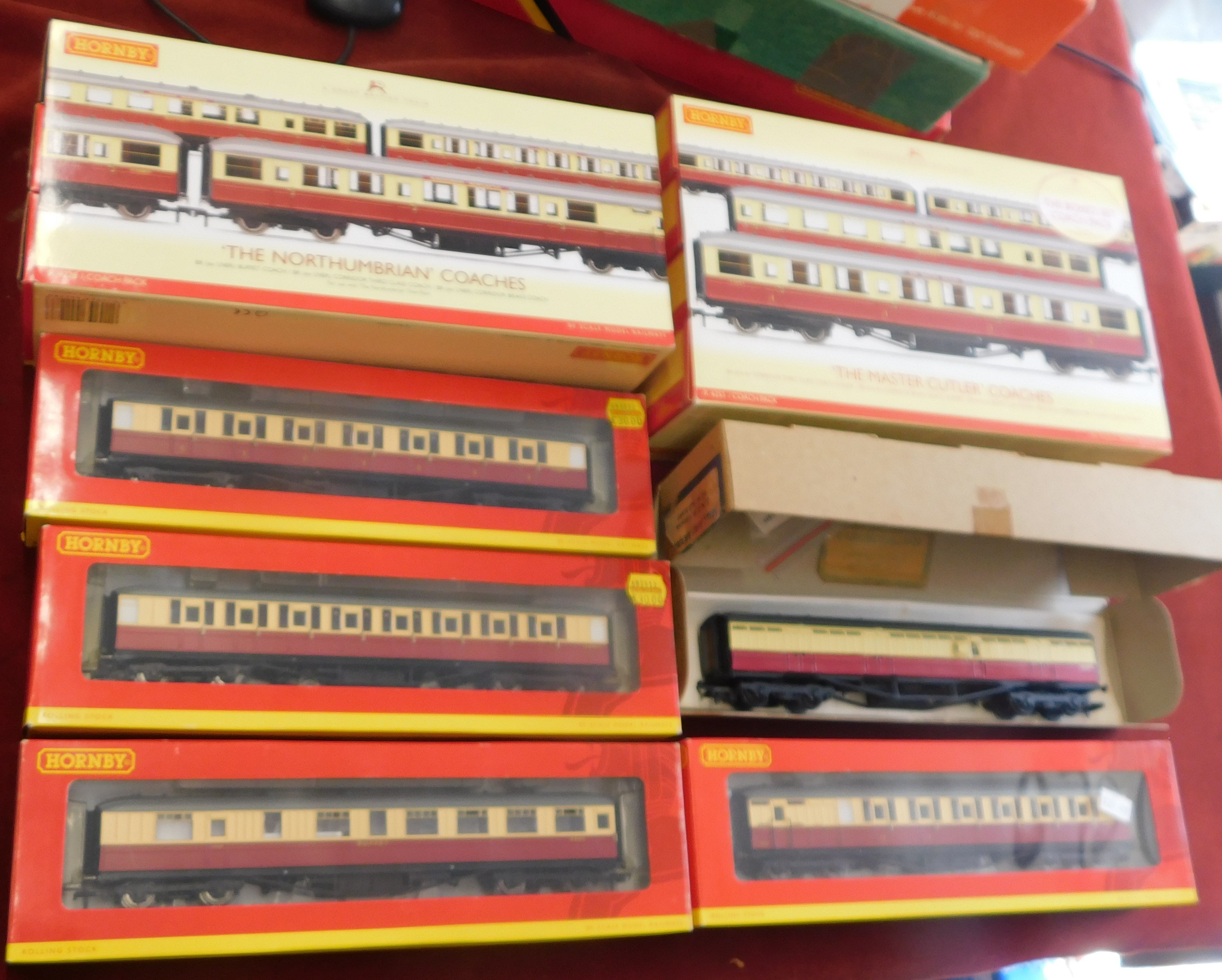
Lot 760, a collection of Hornby coaches including a ‘Northumbrian’ pack, estimated at 40-60 went for £110.
Now comes a hat trick of triumphs. Lot 765, estimated at £10-15 went £100, 766 estimated at 15-20 went £120 and 767 estimated at 15-20 went for £90. These were all model locomotives.
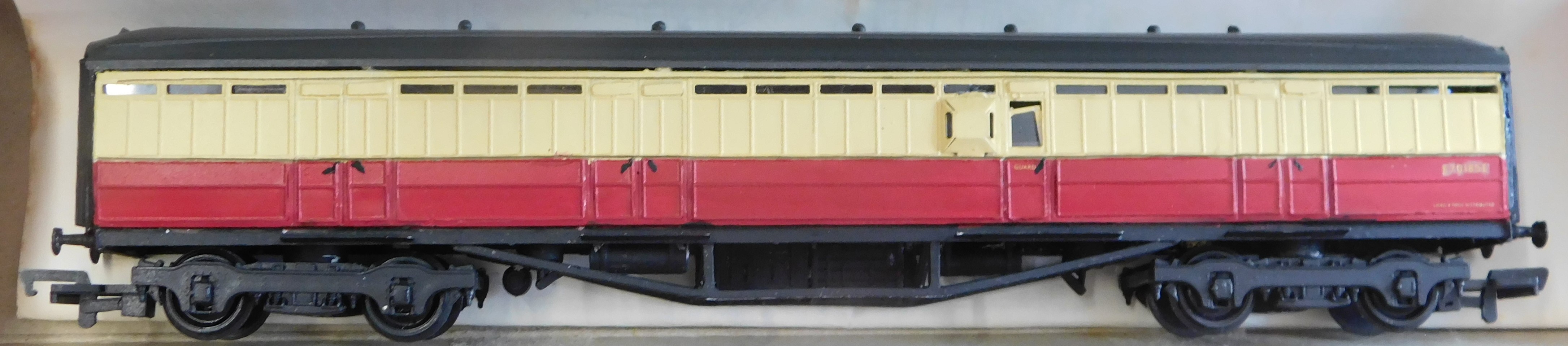
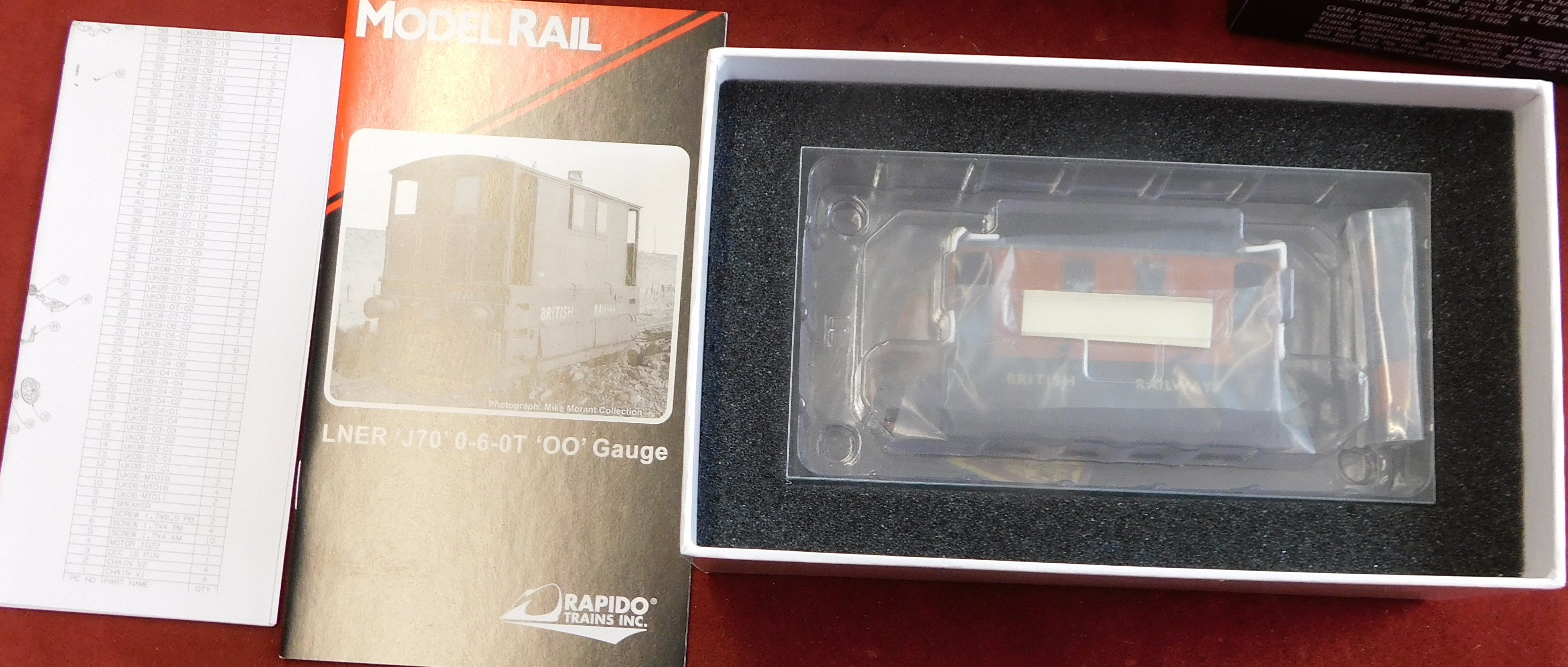
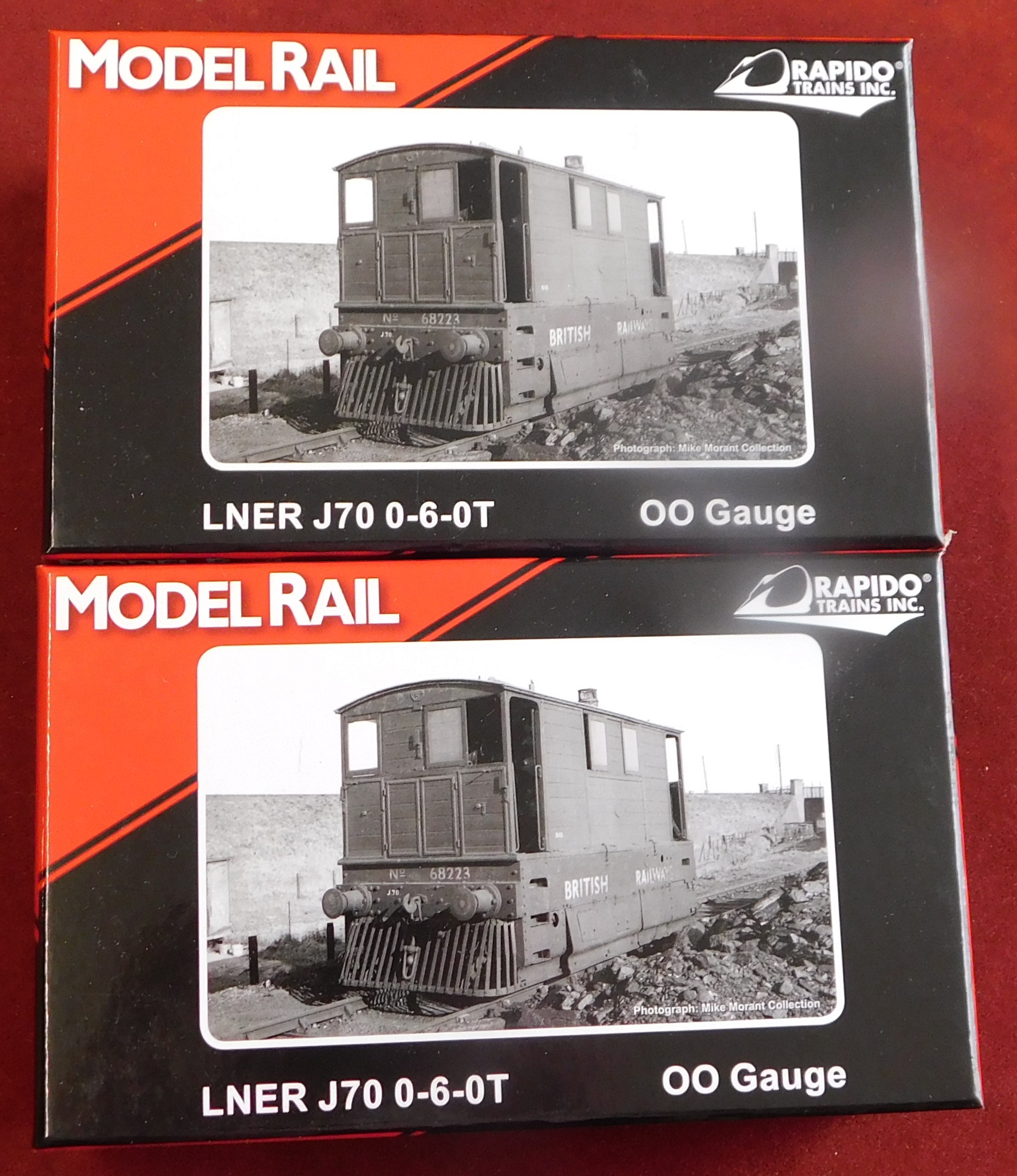
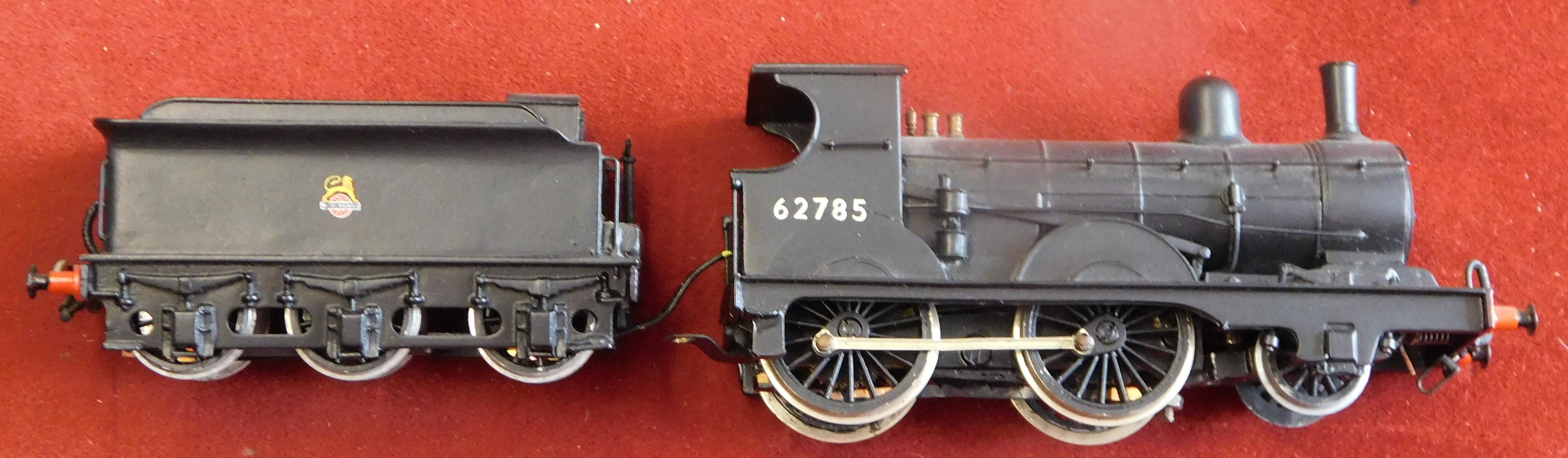
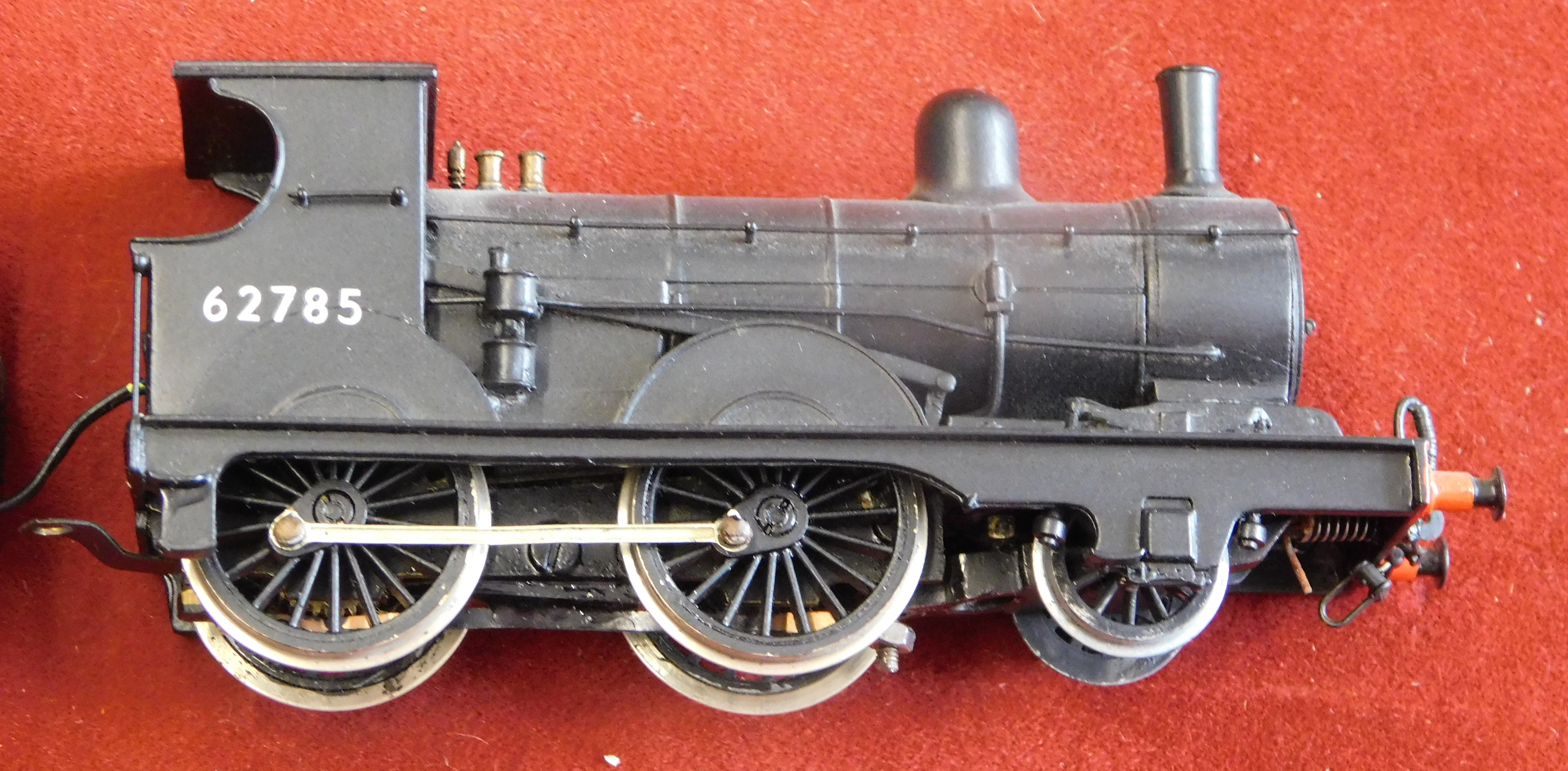
I sign of with let 784, a NU Cast Locomotive LNER/BR class GER T26 class 2-4-0 Passenger Engine, boxed. Expected to fare no better than 10-15 it ended up selling for £70.
Main imageLoconotive and tender out of the boxLocomotive close upTender close upThe box cover illustration.The description on the box.
An account of my visit to Norton Hill near Snettisham yesterday.
On Sunday I was at Norton Hill, where the Hunstanton & District Rotary Club were running an event and had very kindly invited the West Norfolk Autism Group to have a stall. This post looks back at the event.
THE PLAN
I had said I would come on the Sunday as there was no way I could go on the Saturday (see my previous post). As I was envisaging leaving early due to having an evening commitment and wanting to catch up on the cricket at some point I planned being there as early as possible – which meant 11AM for the start of setup. I had arranged to travel by bus with another member of ours, and had picked out the number 35 leaving King’s Lynn bus station at 10:10 as the best option. I wasn’t over worried about buses back as there are at least three bus routes that run between Snettisham (Norton Hill is a few minutes walk from Snettisham town centre) and King’s Lynn, and even on a Sunday the services are pretty frequent (King’s Lynn – Hunstanton, which passes through Snettisham is Lynx Bus’s most important route). I hoped to help get things set up, take a look around and sample Norton Hill’s feature – a light railway. I did accomplish this.
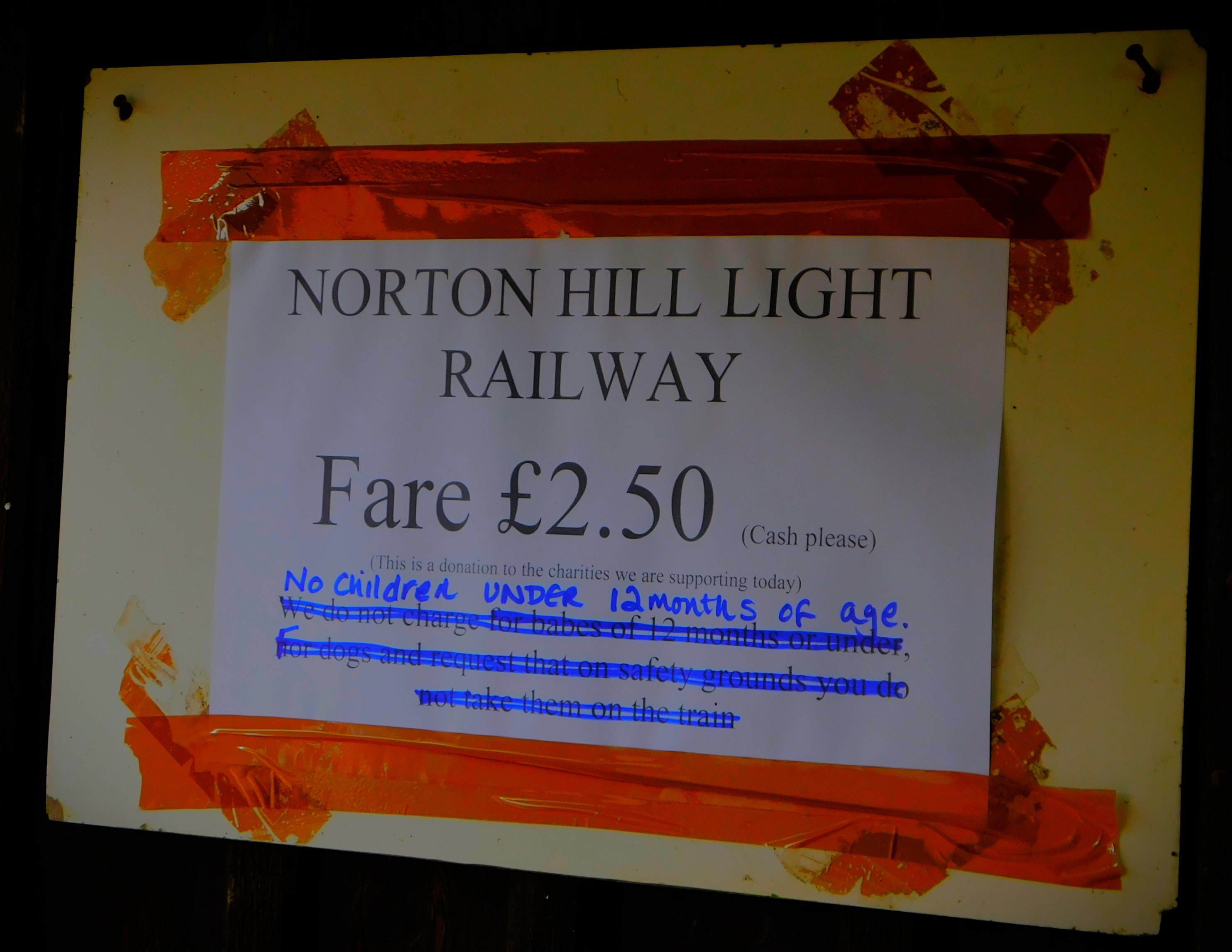
THE NORTON HILL LIGHT RAILWAY
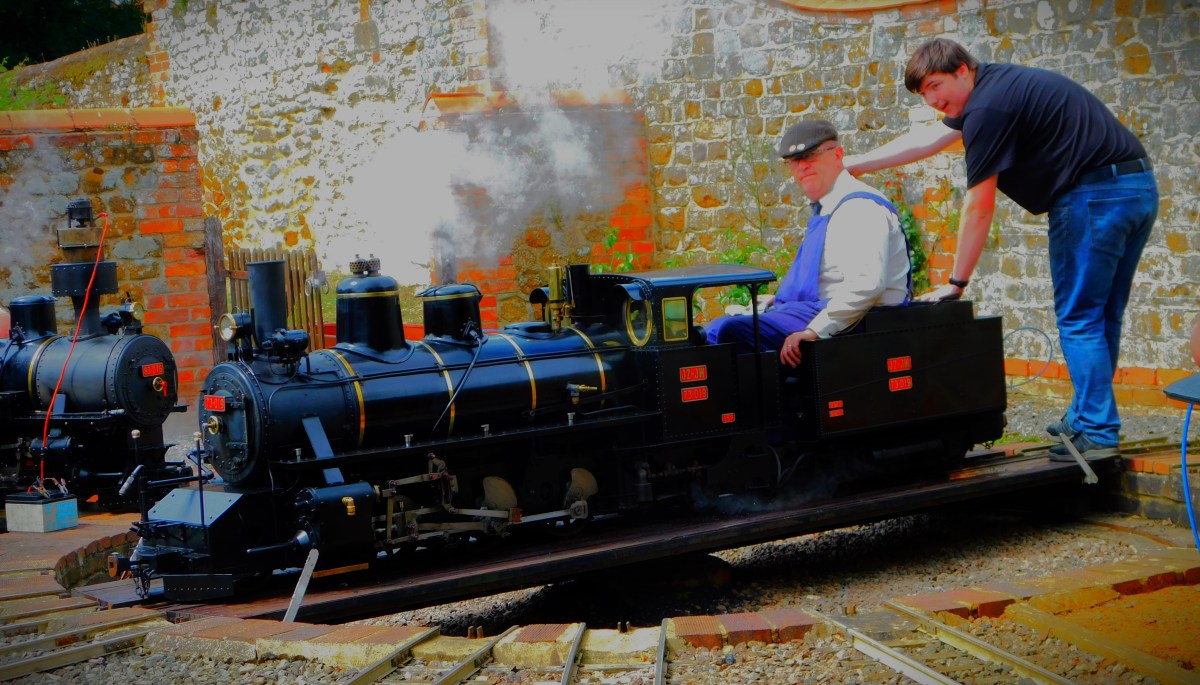
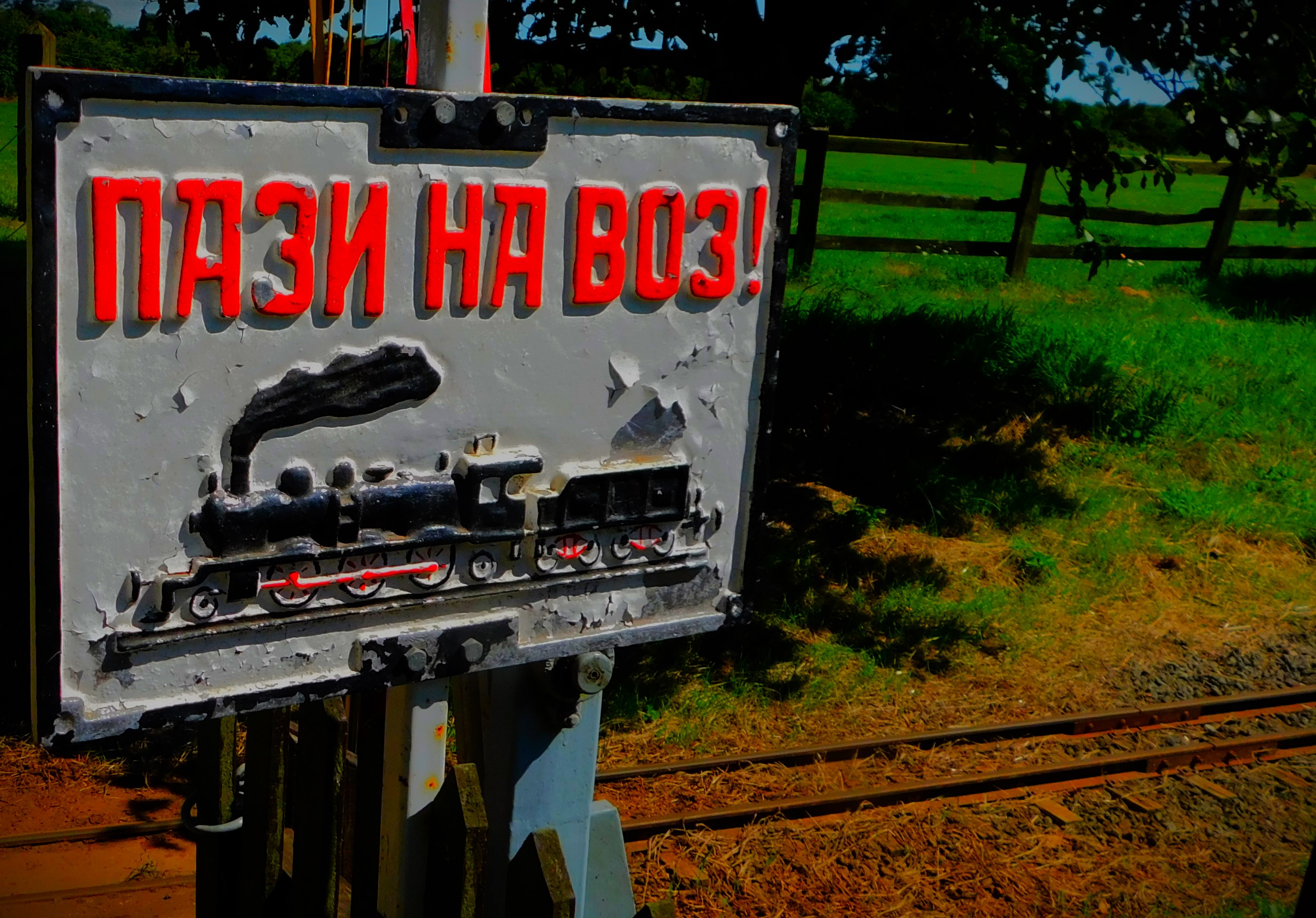
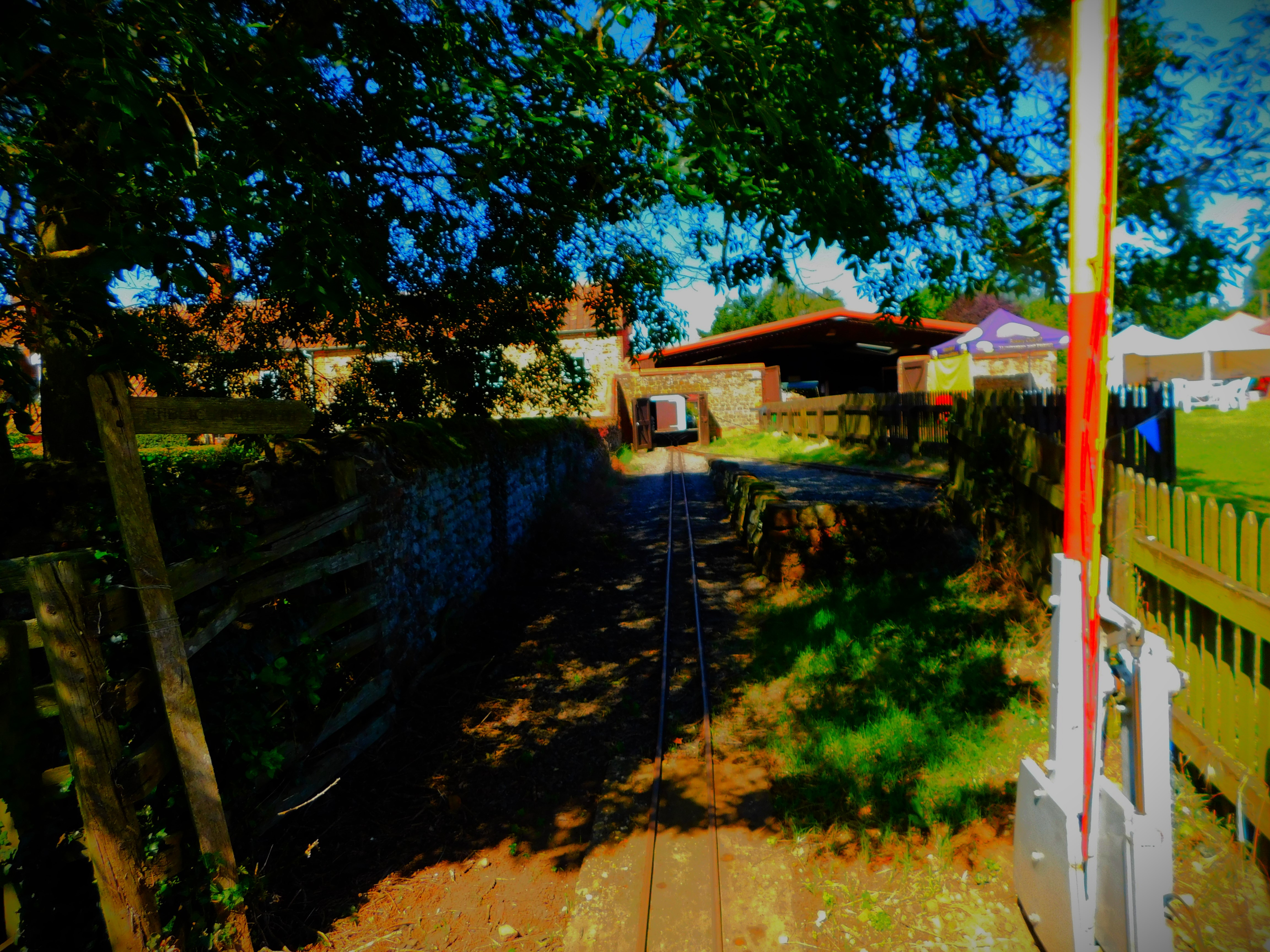
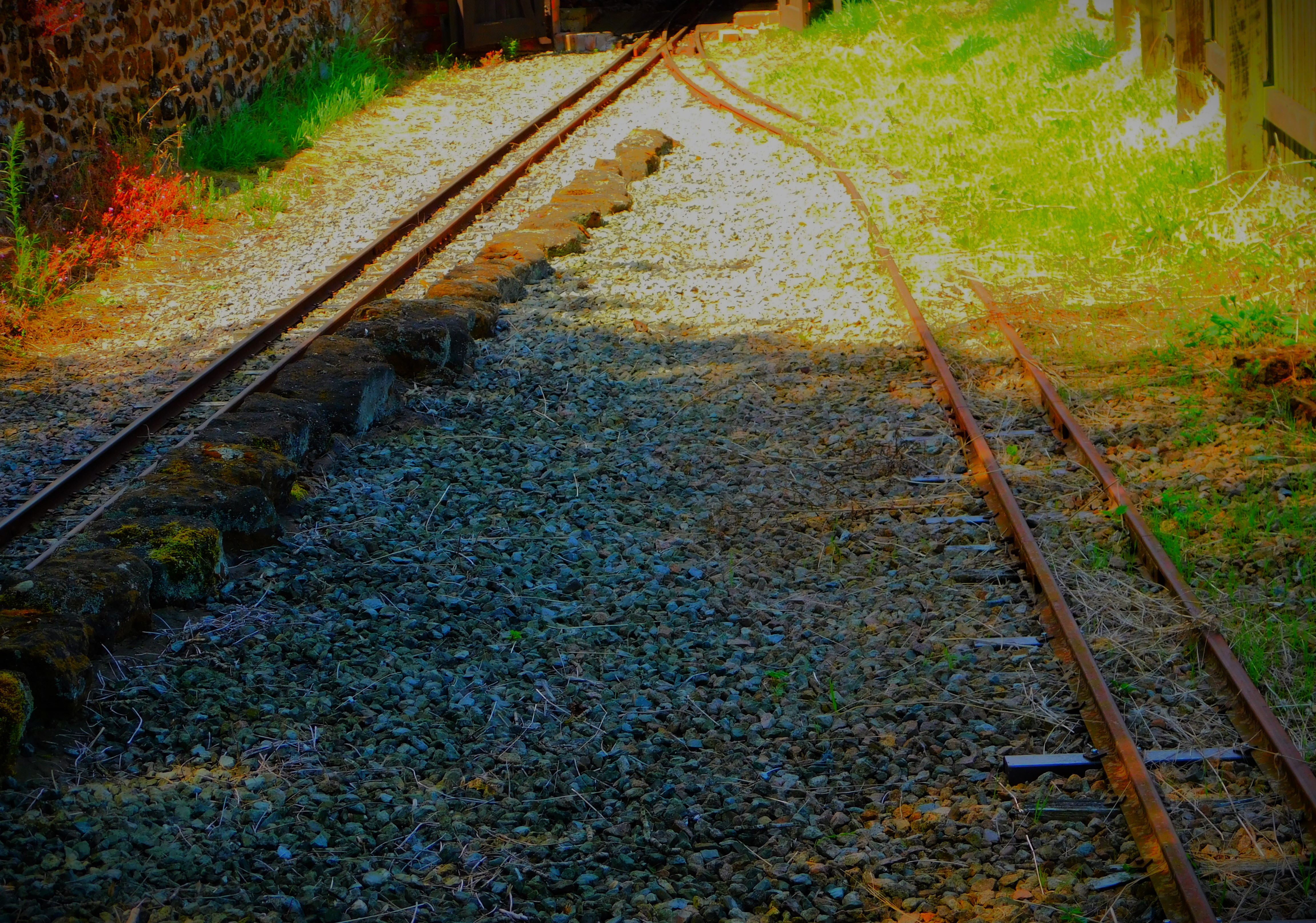
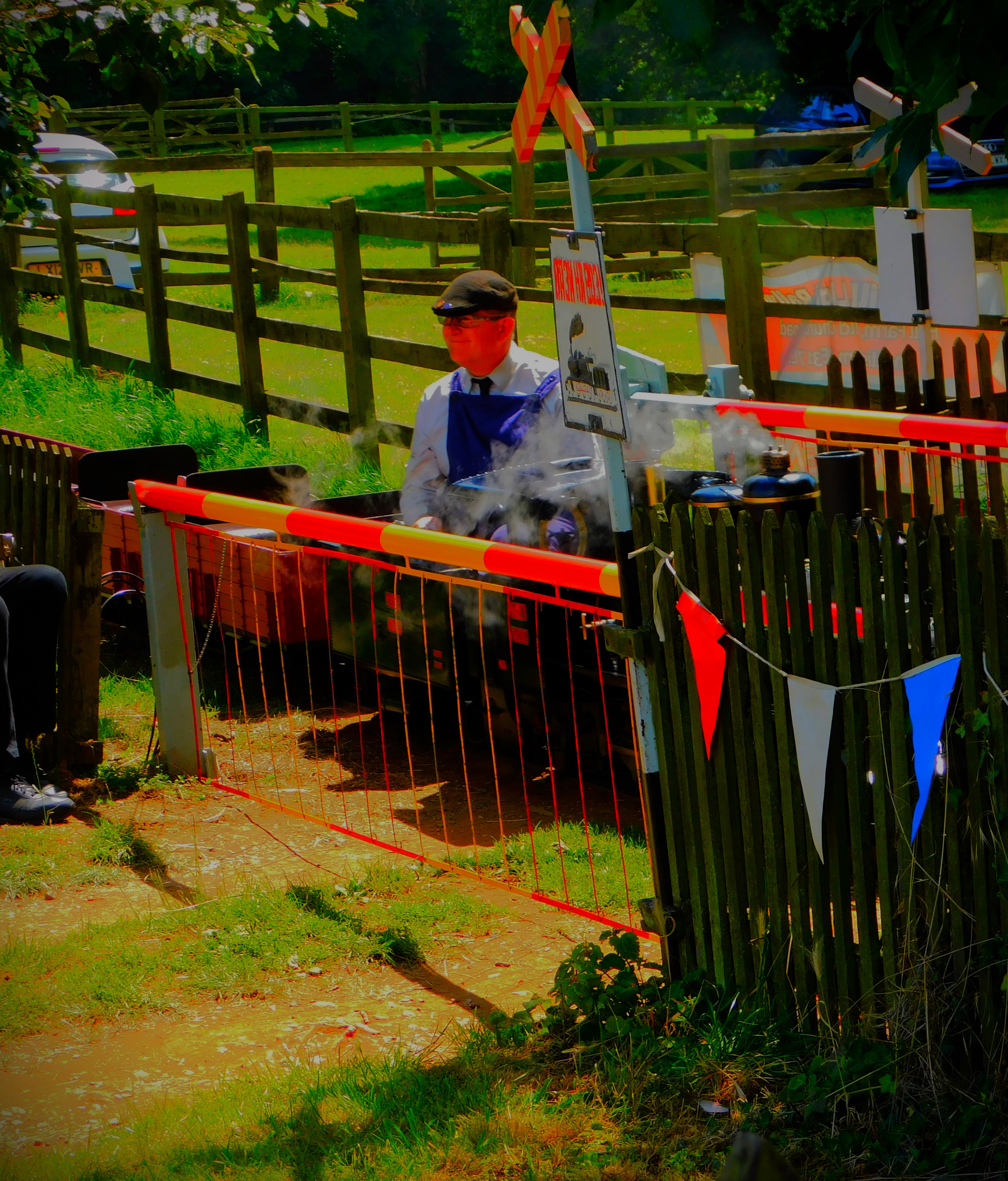
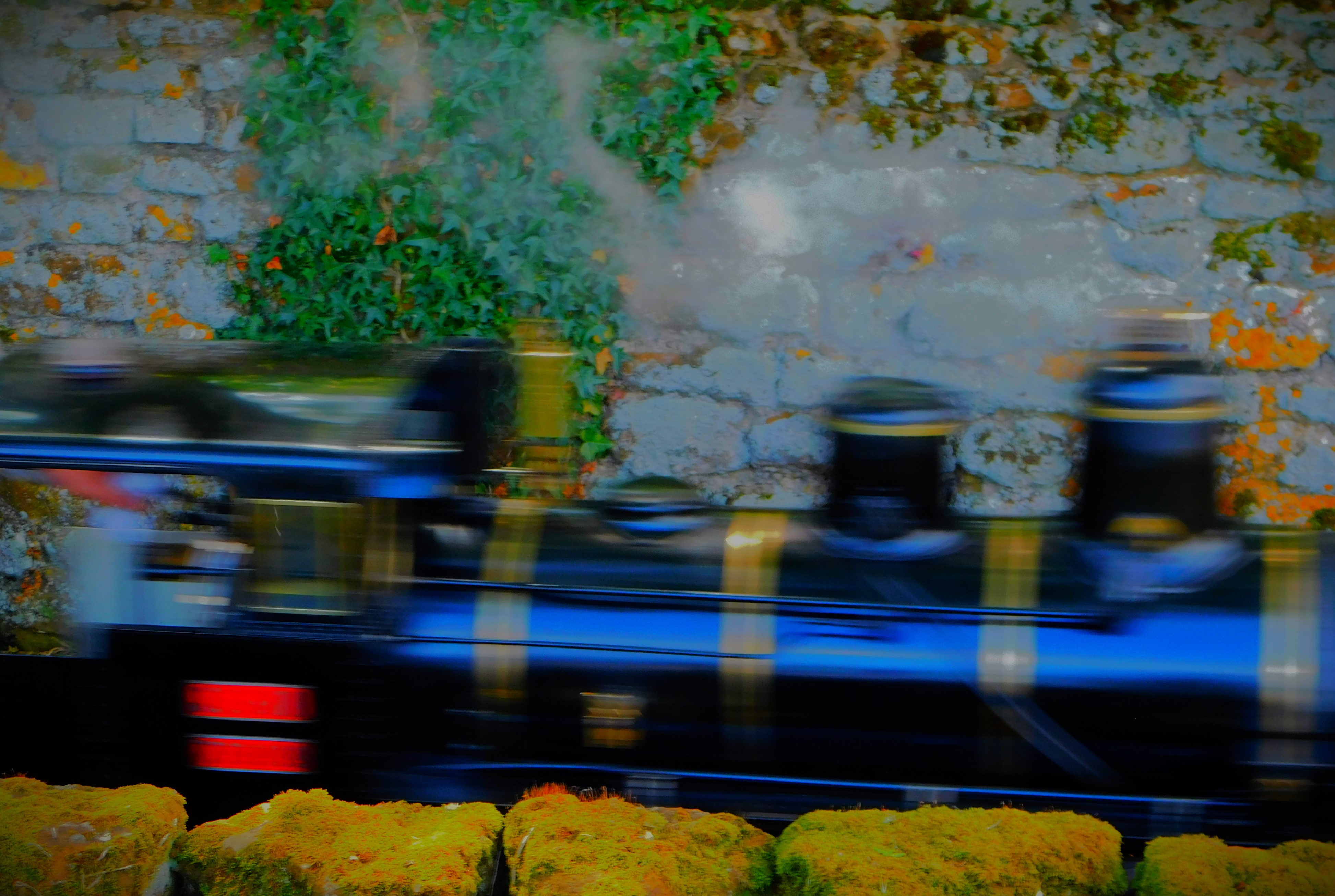
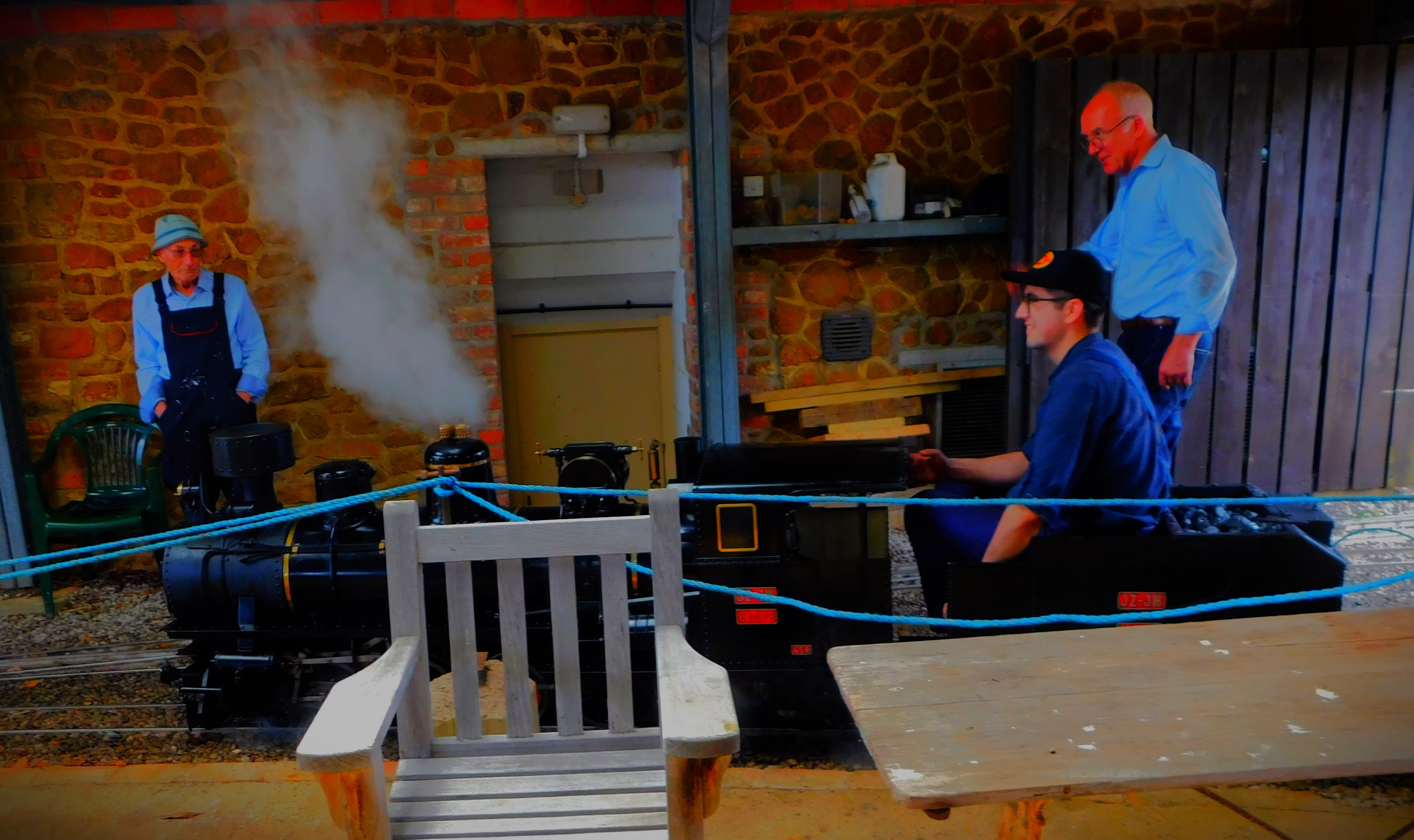
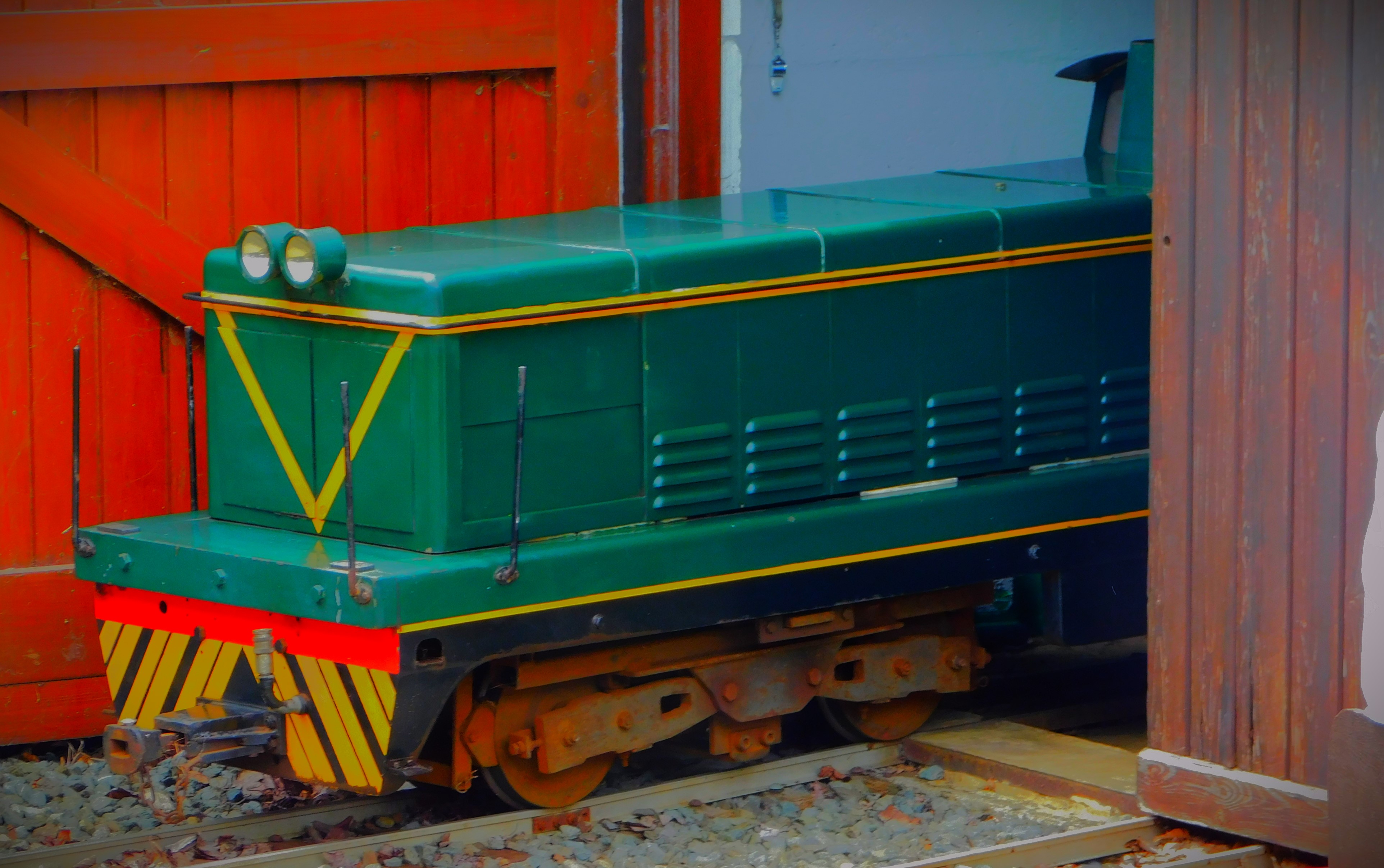
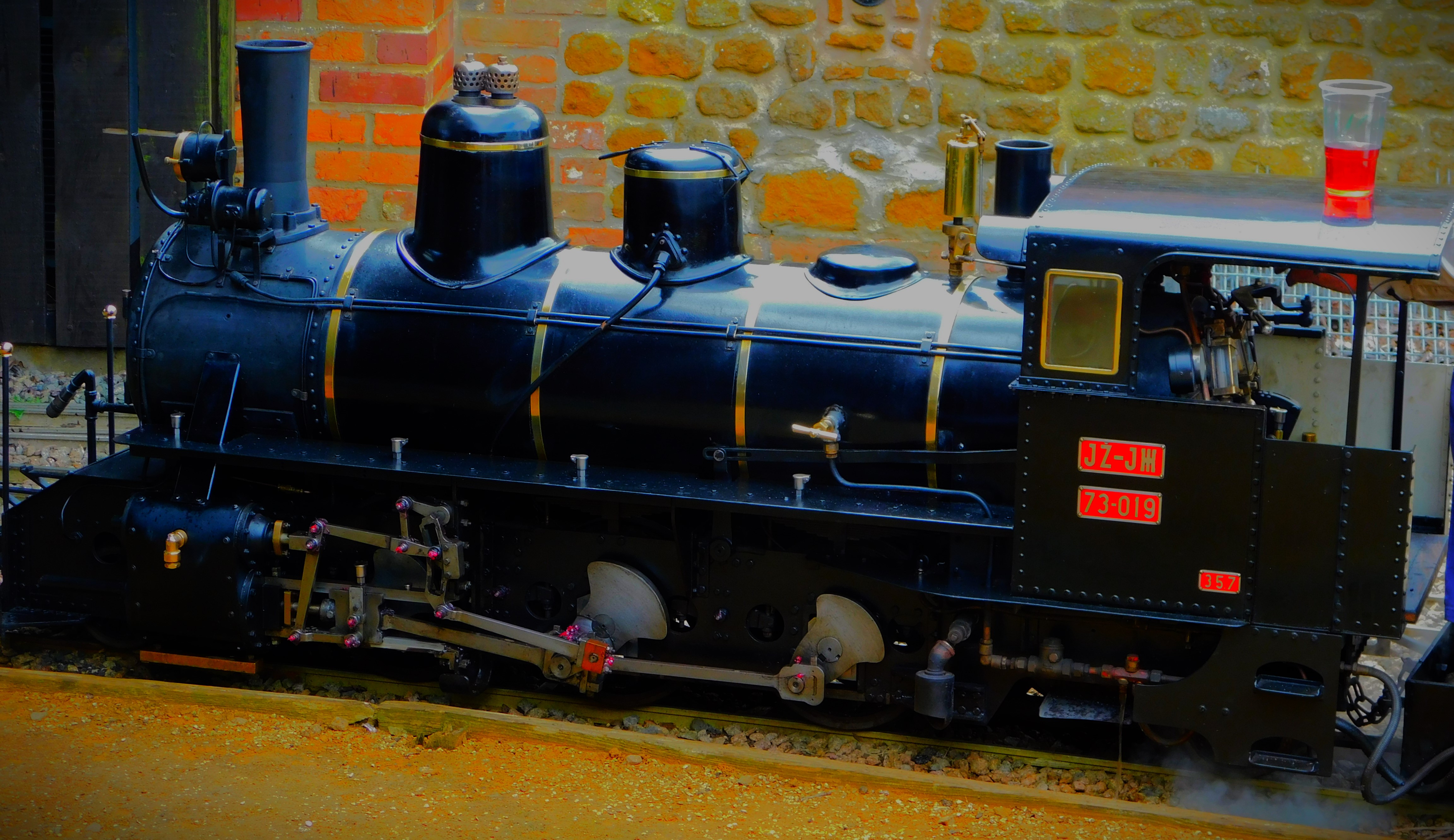
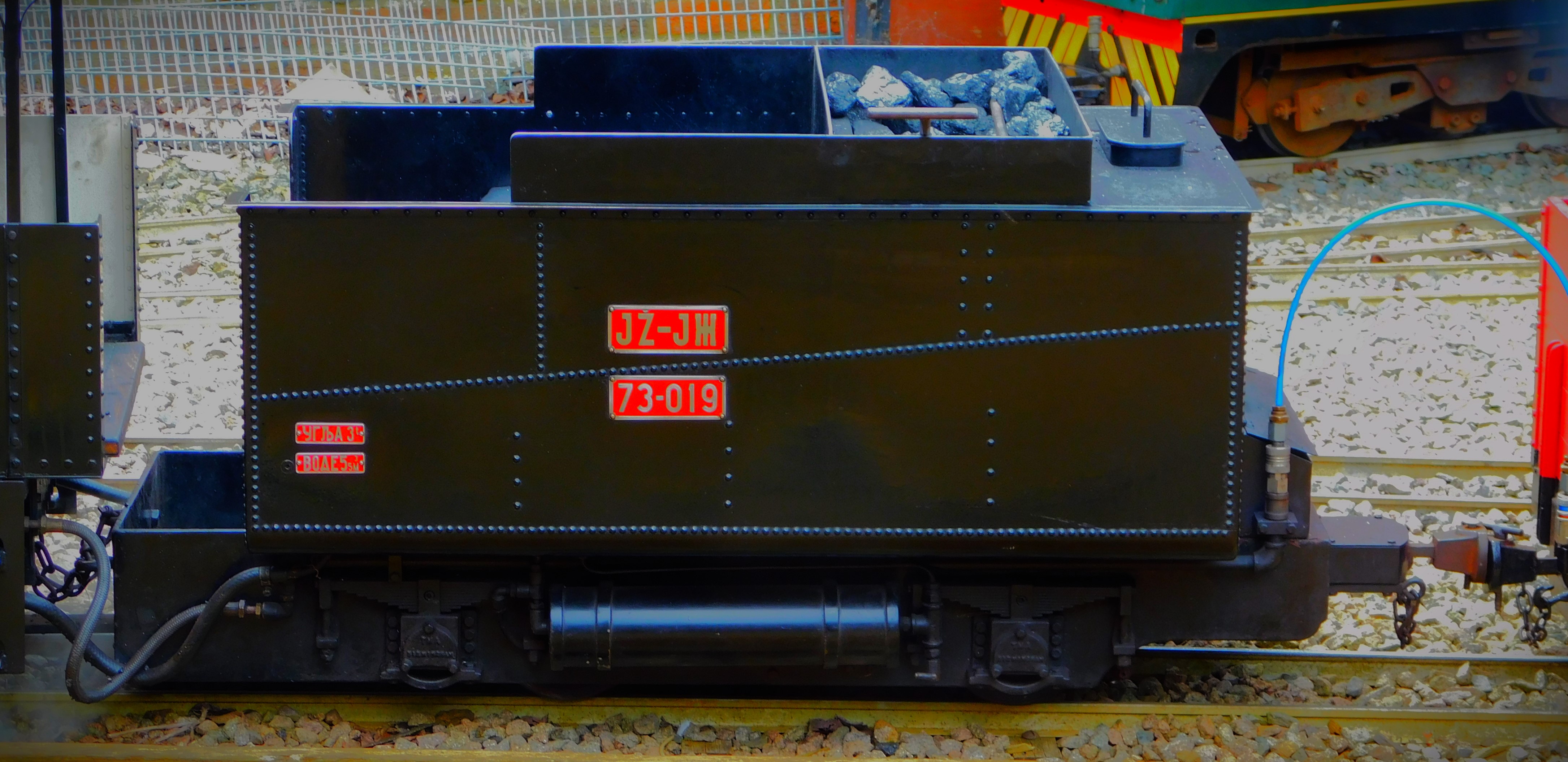
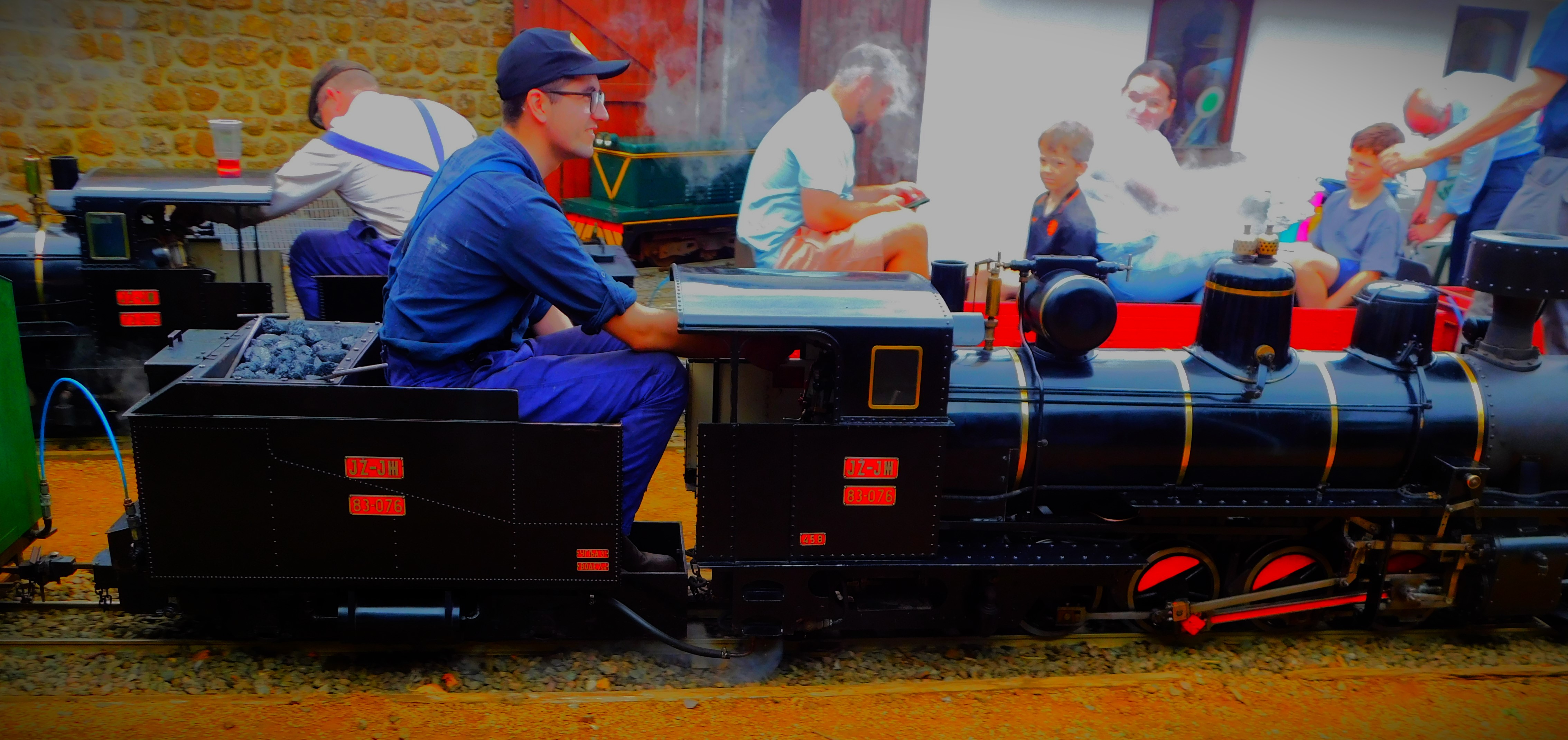
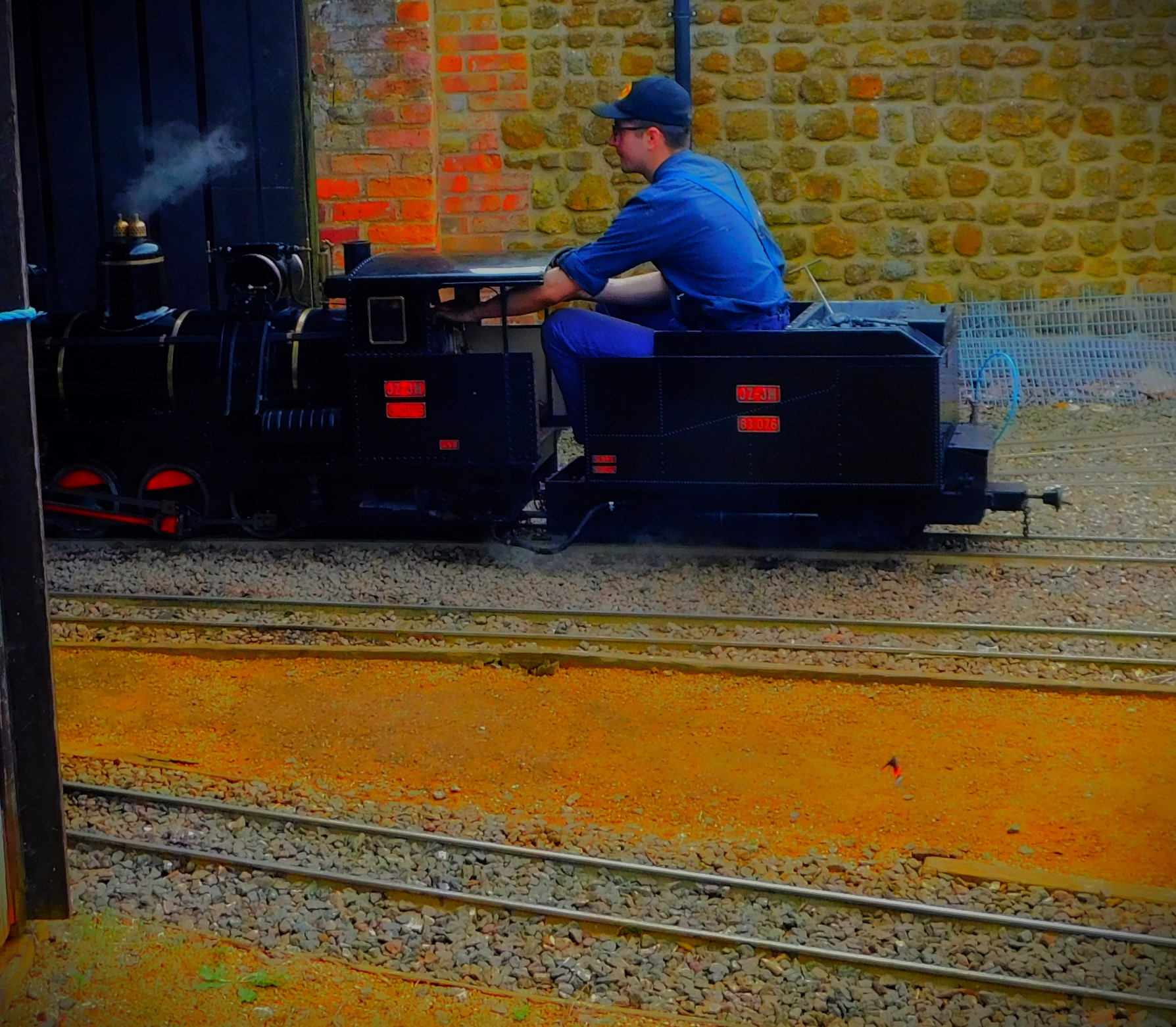
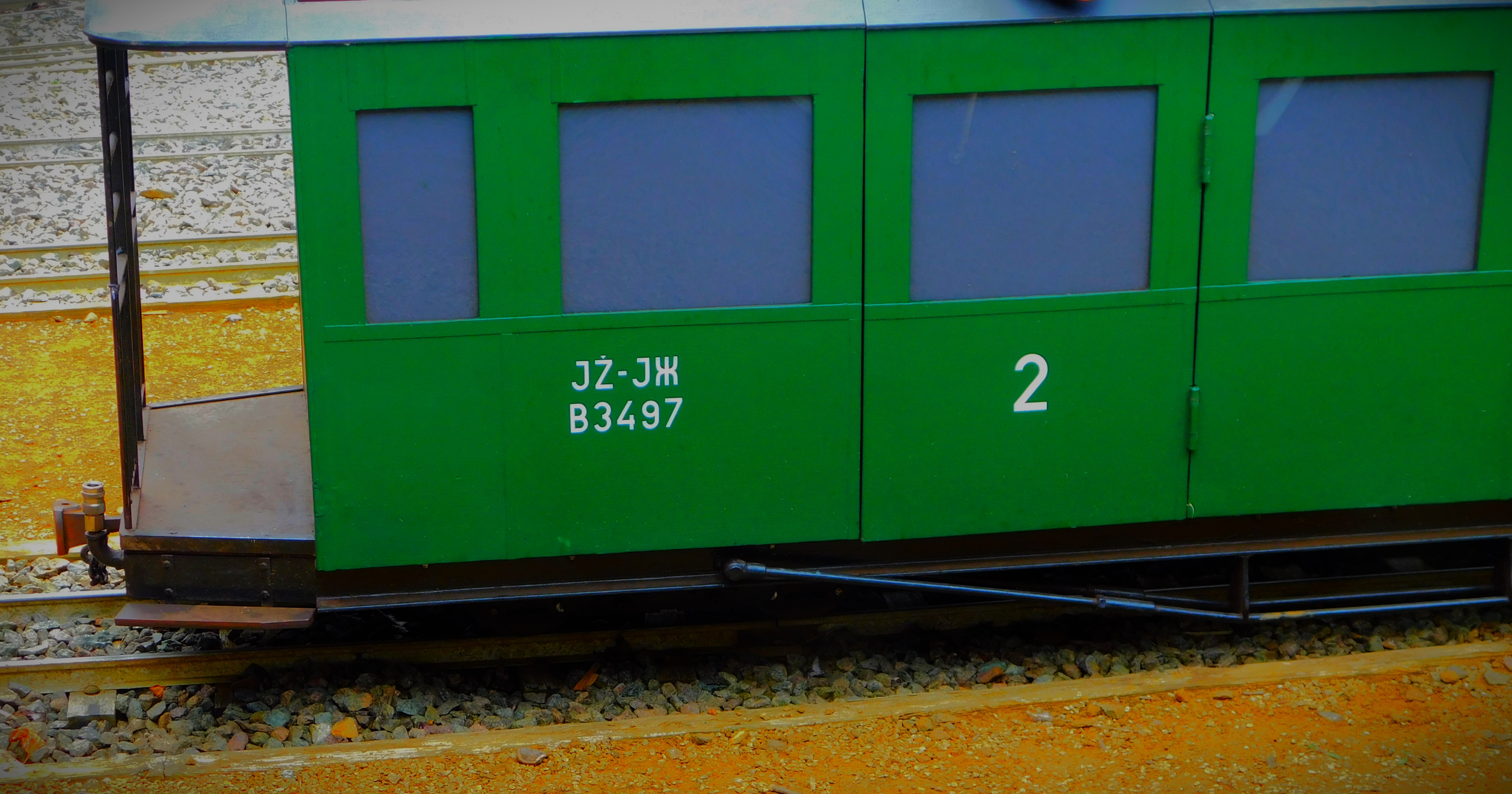
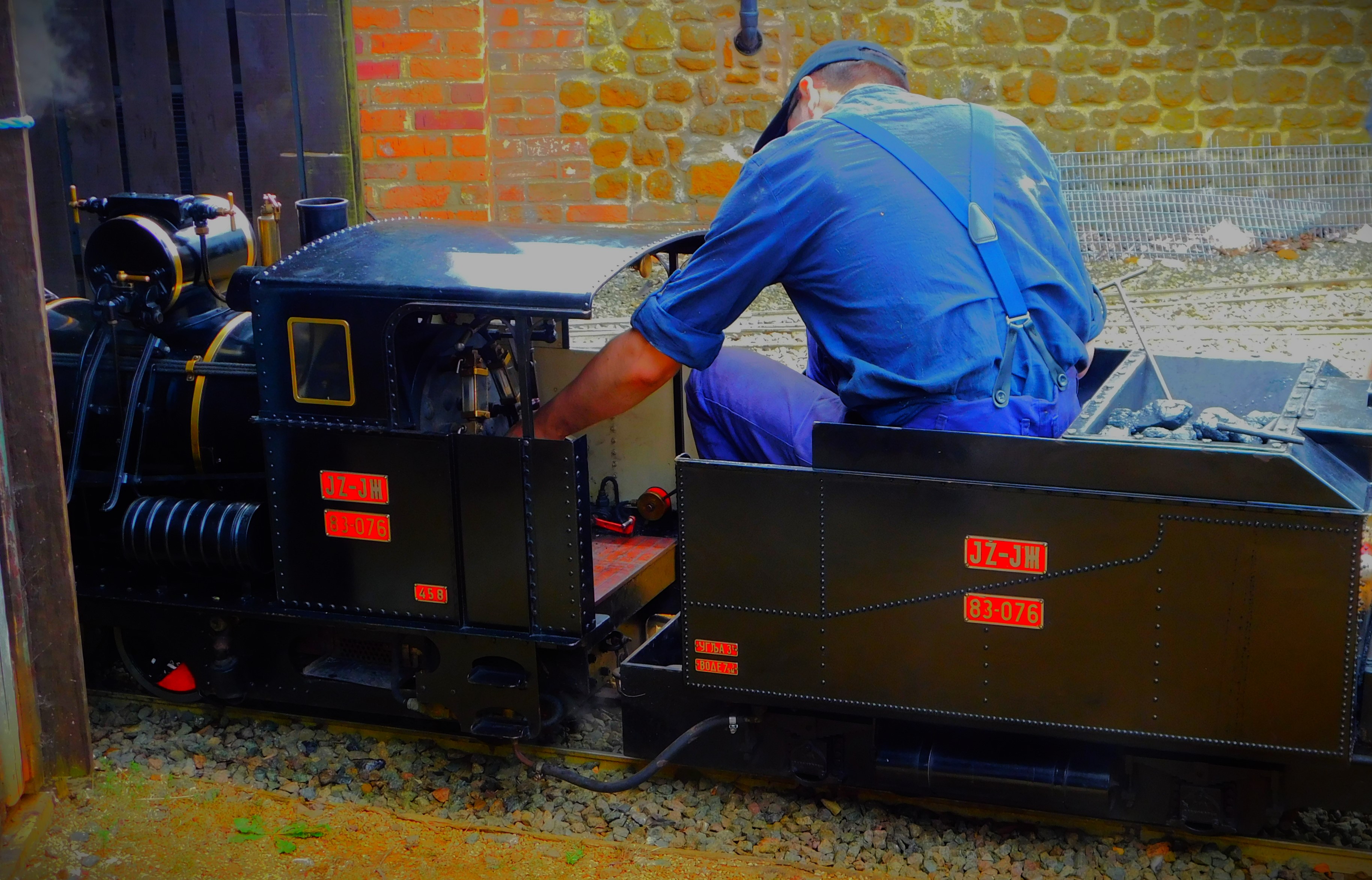
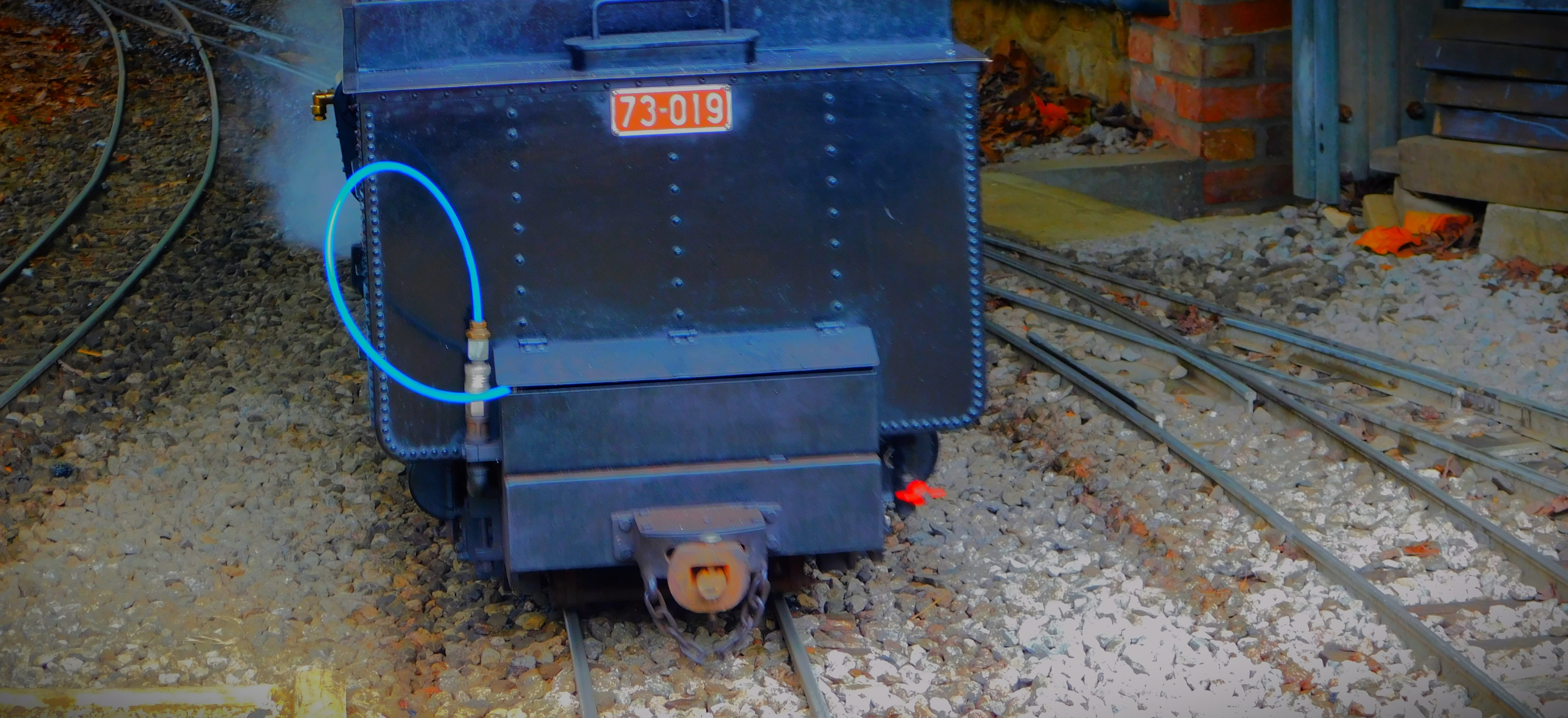
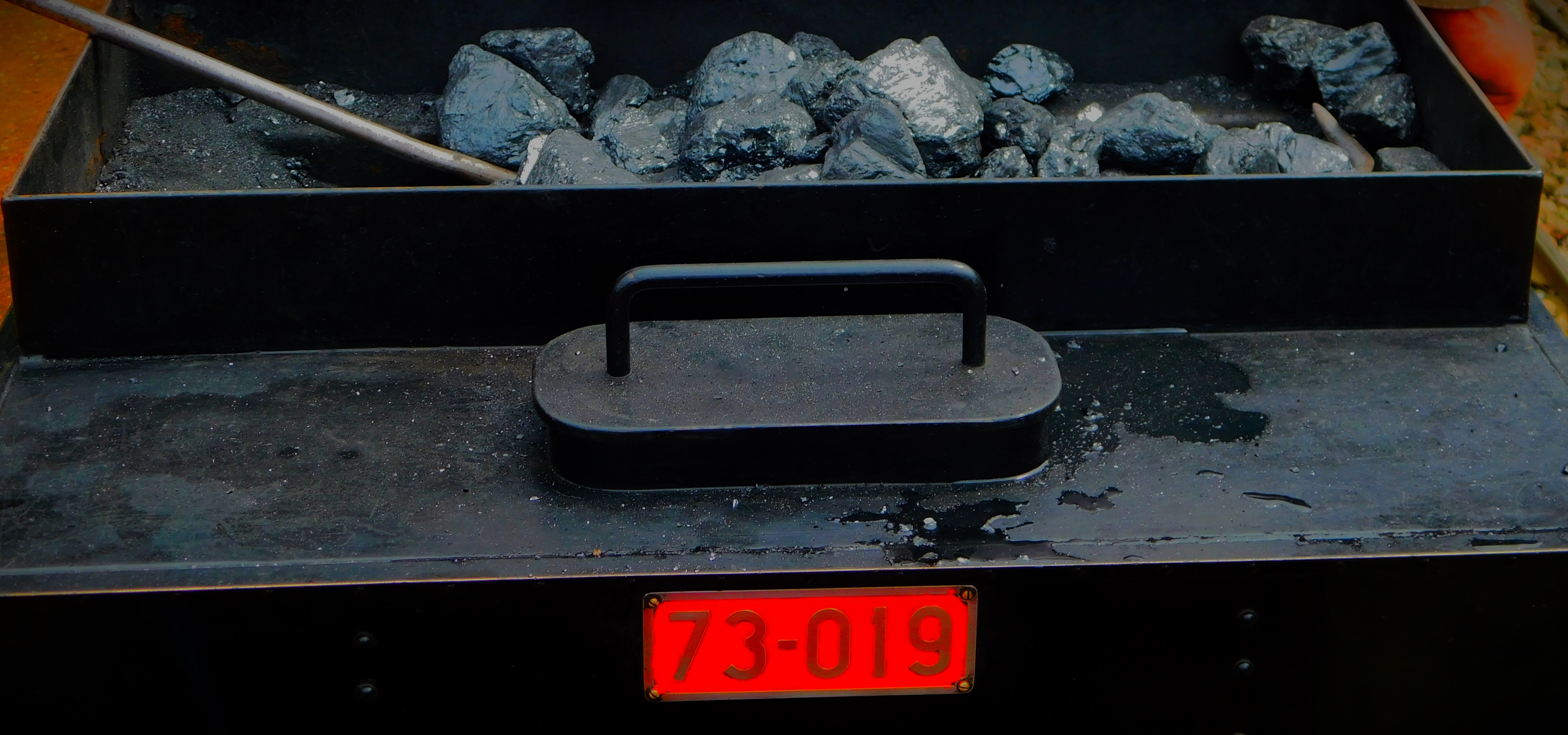
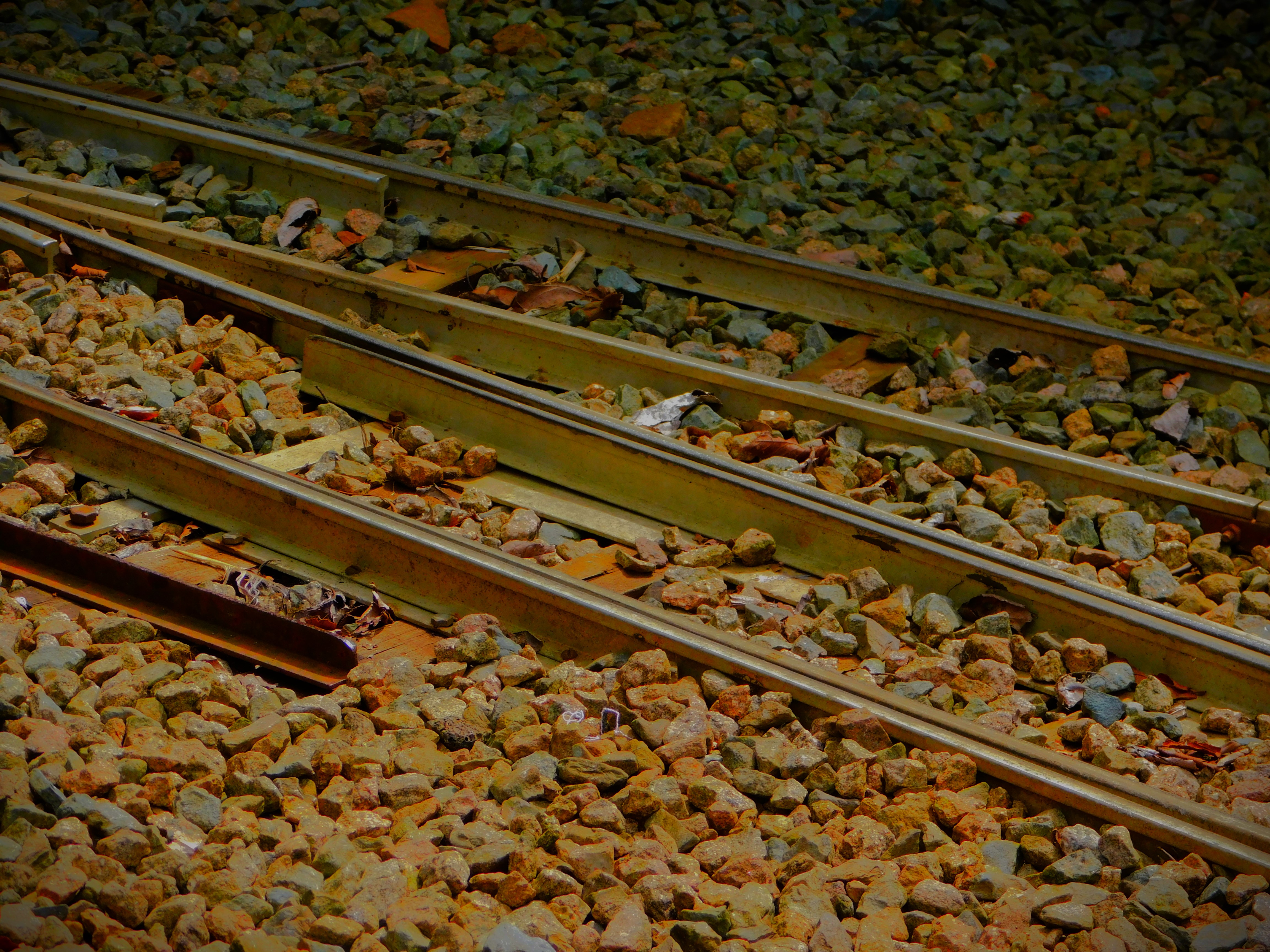
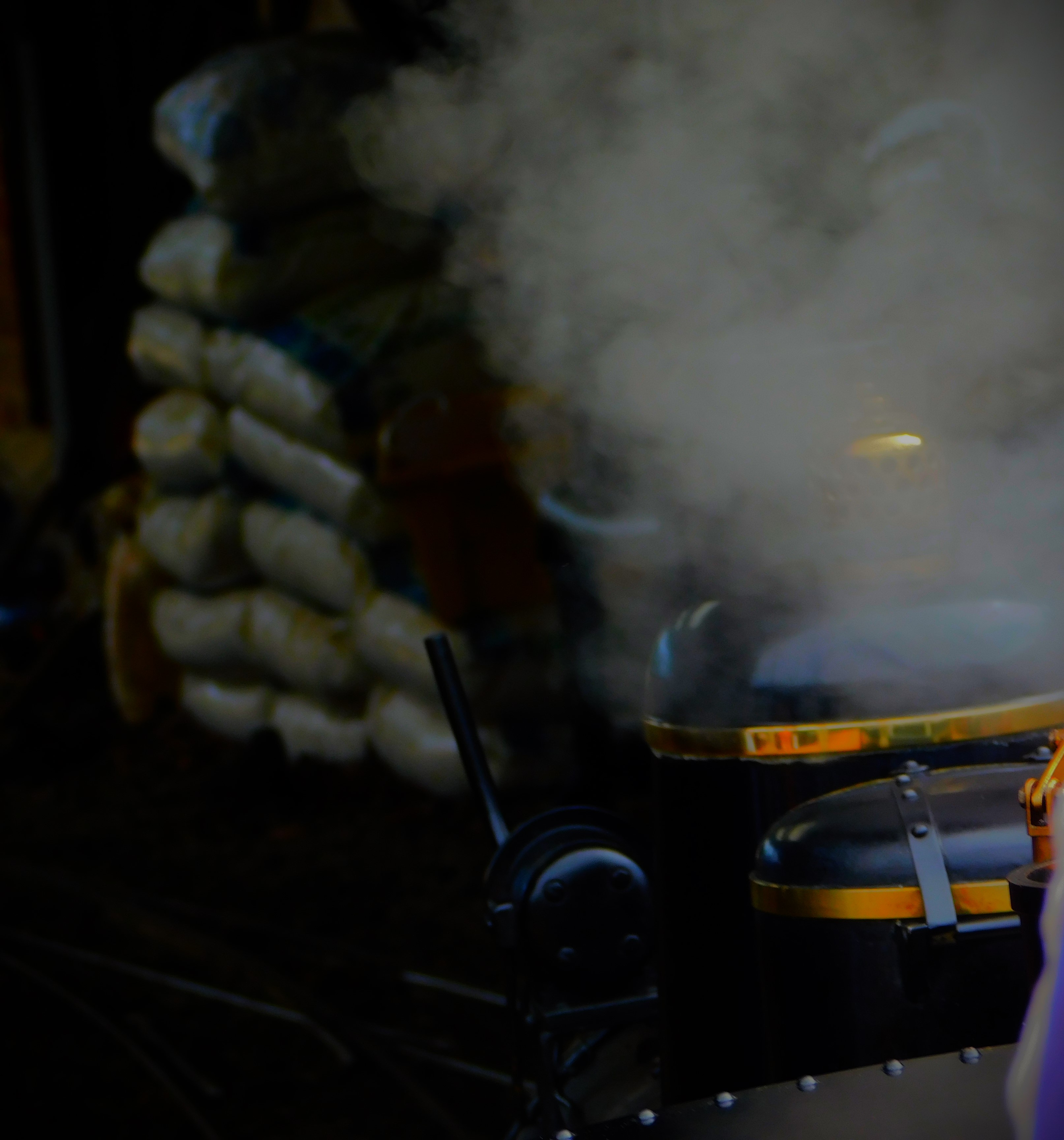
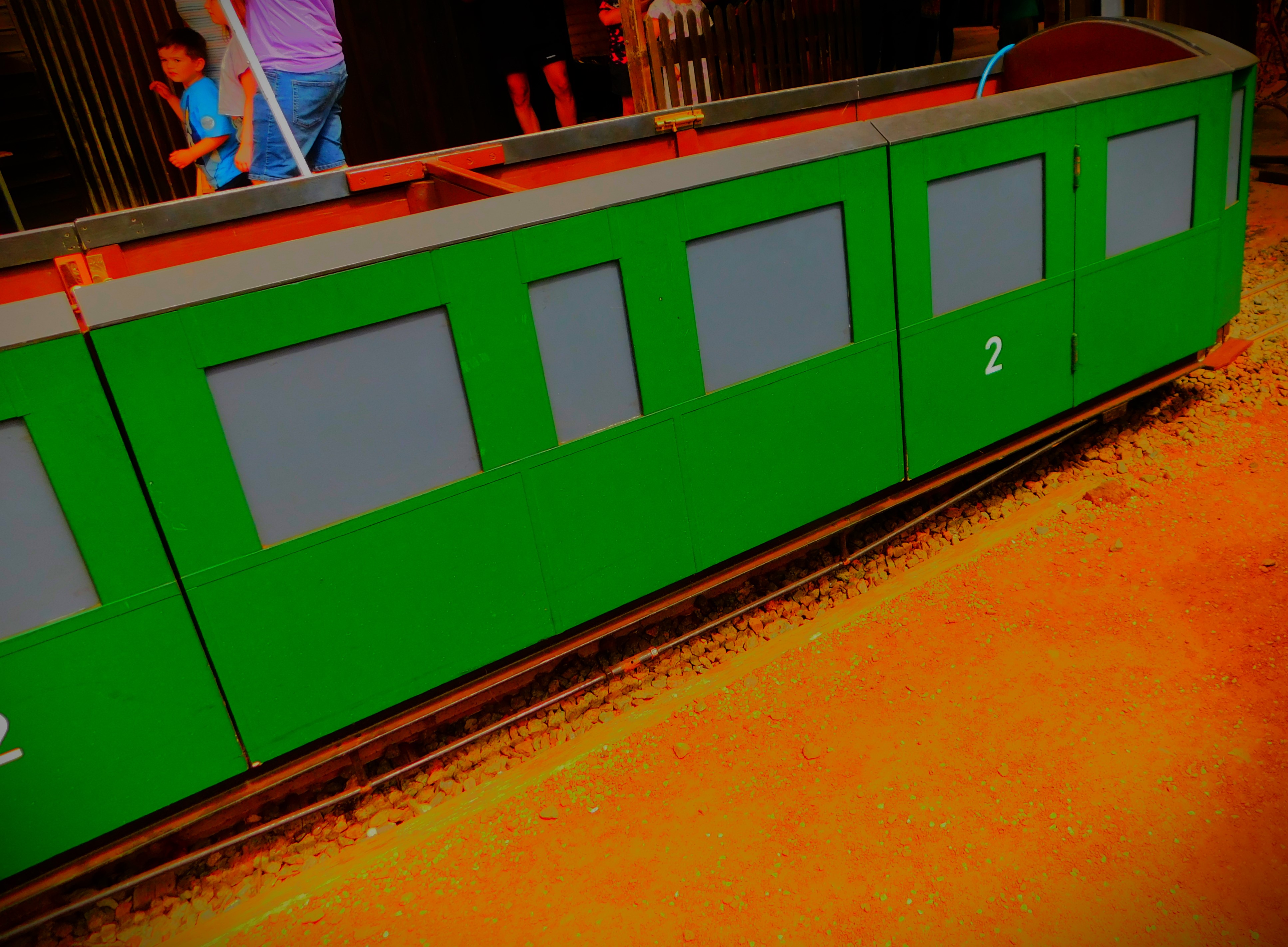
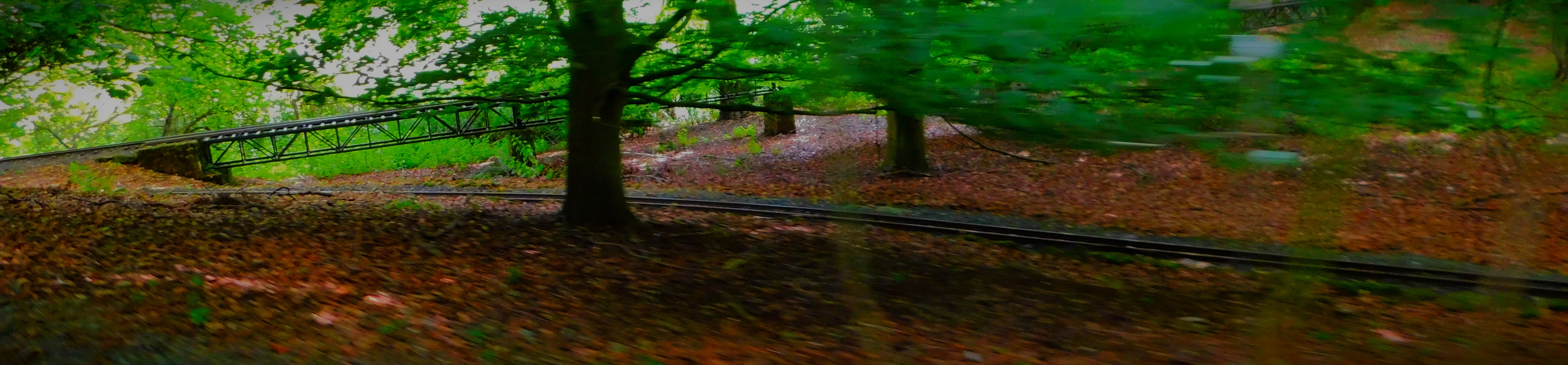
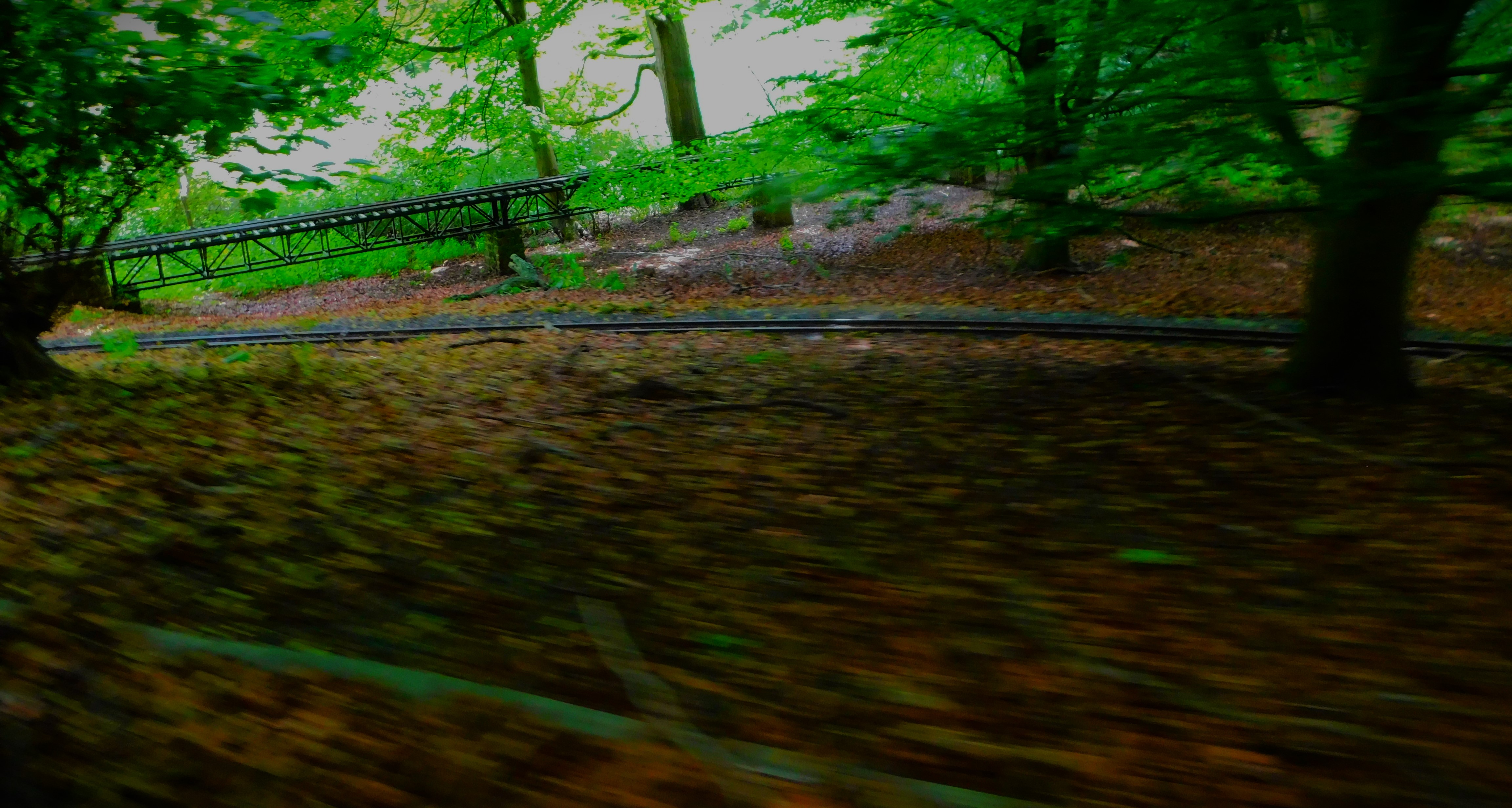
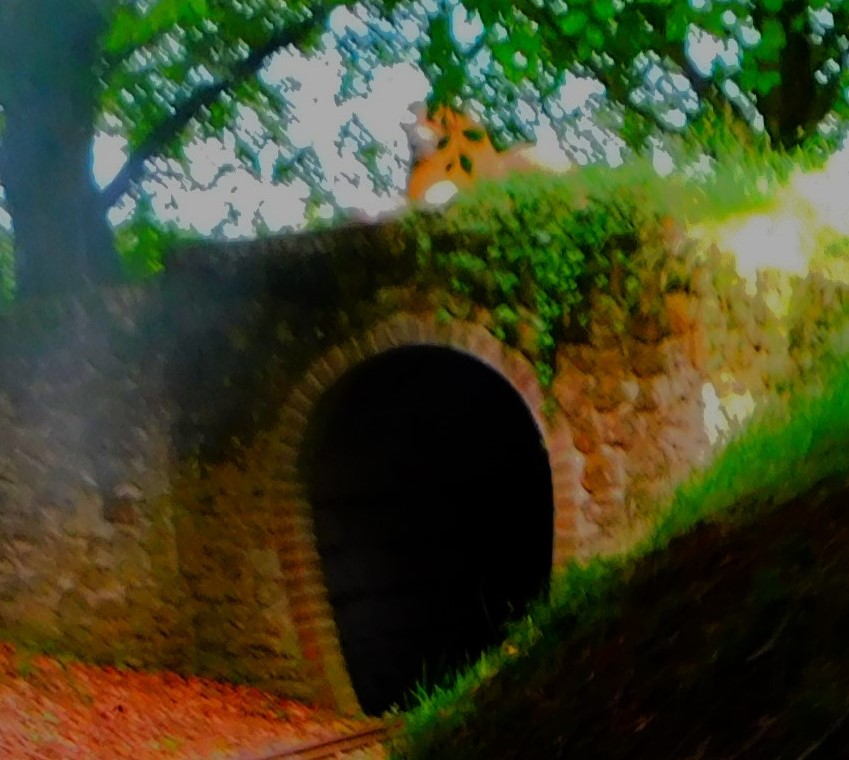
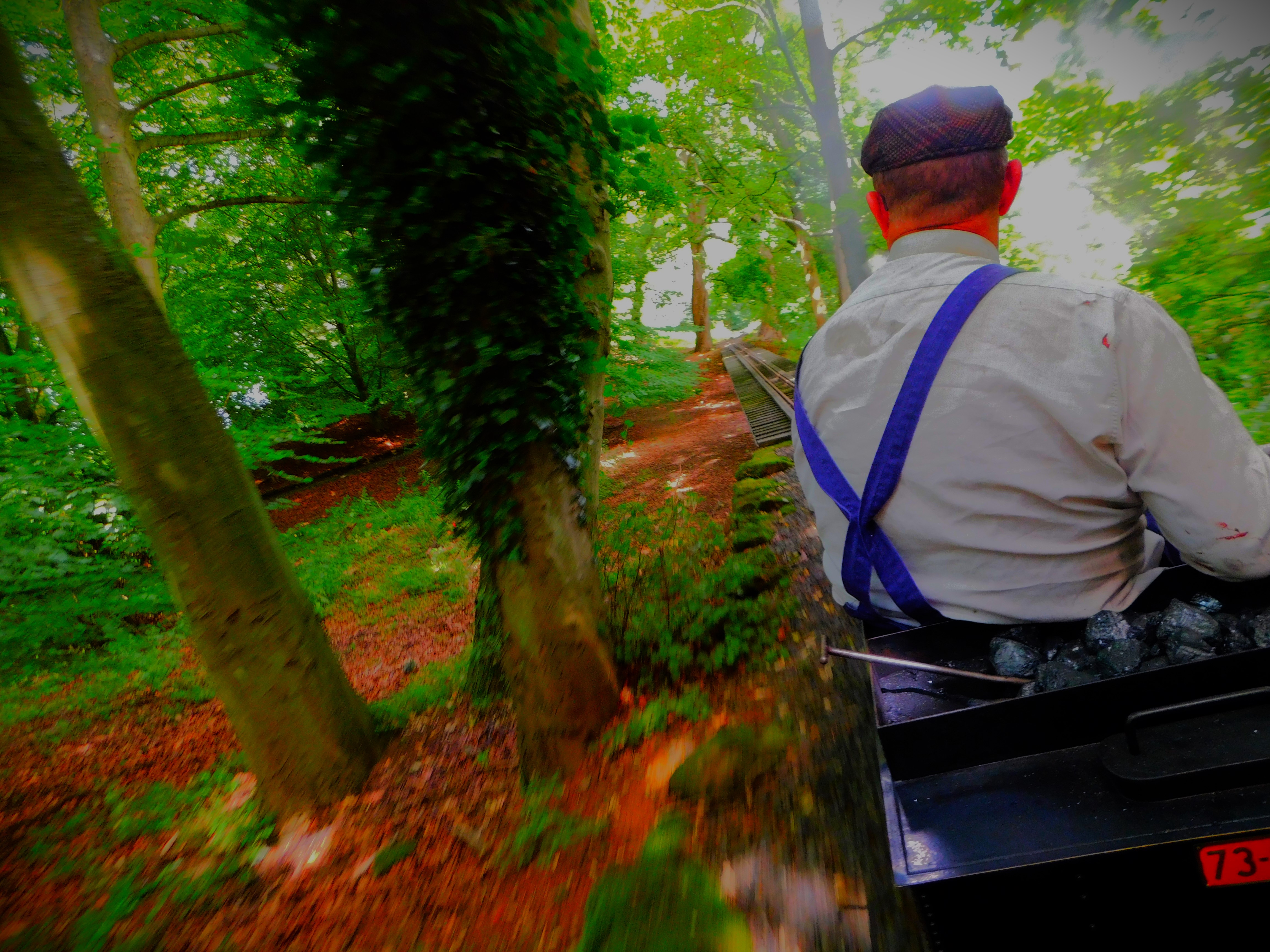
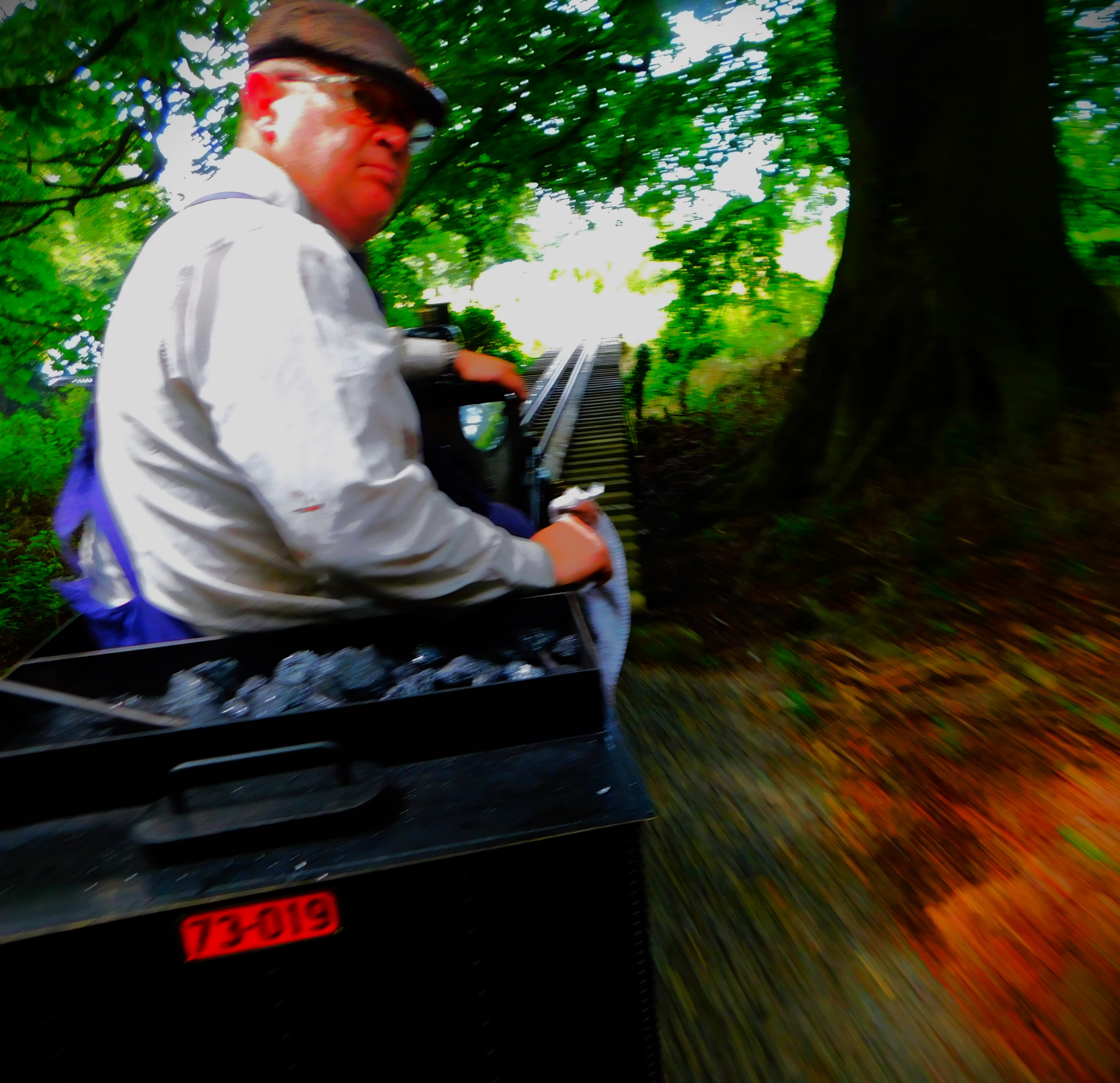
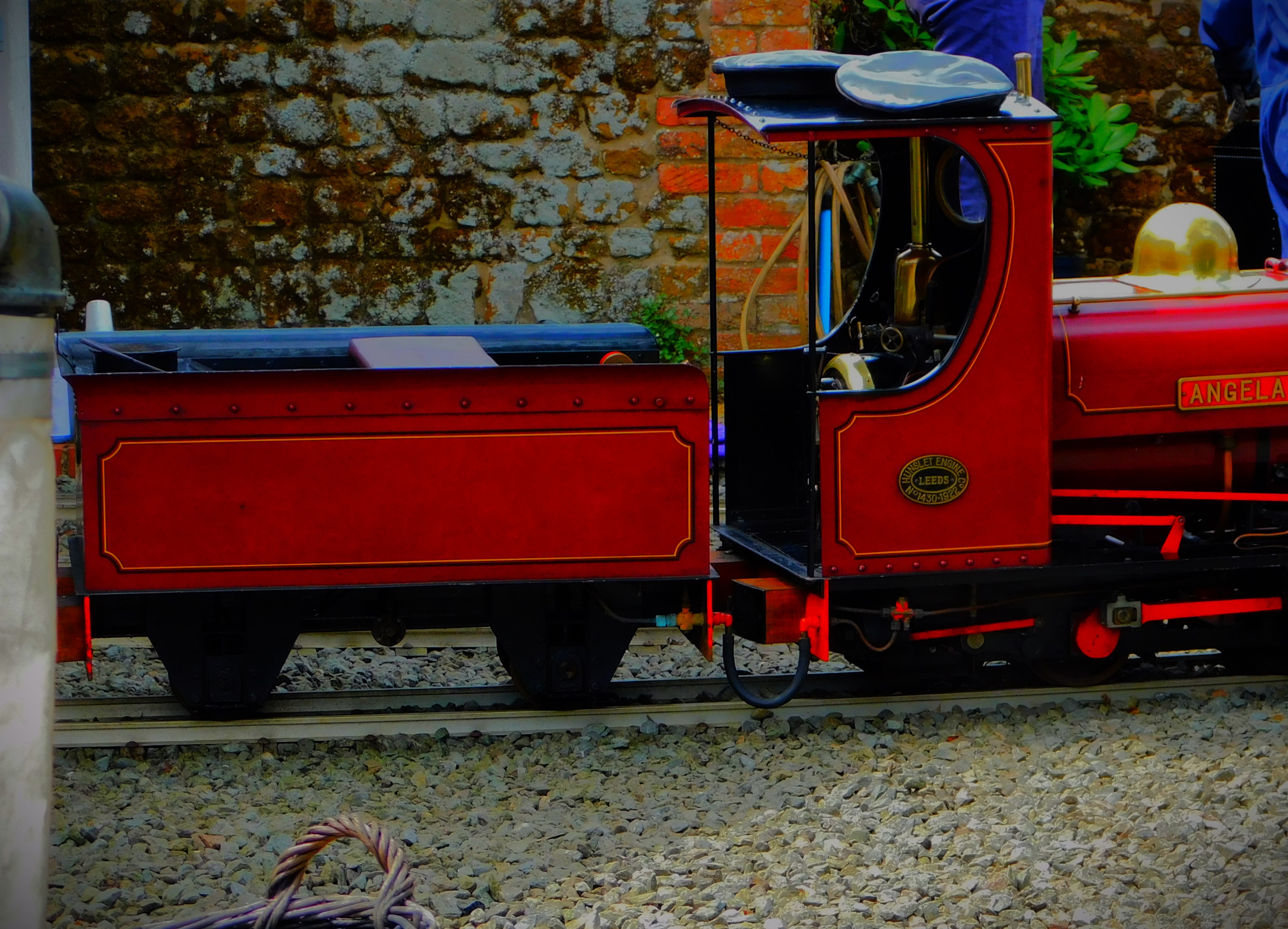
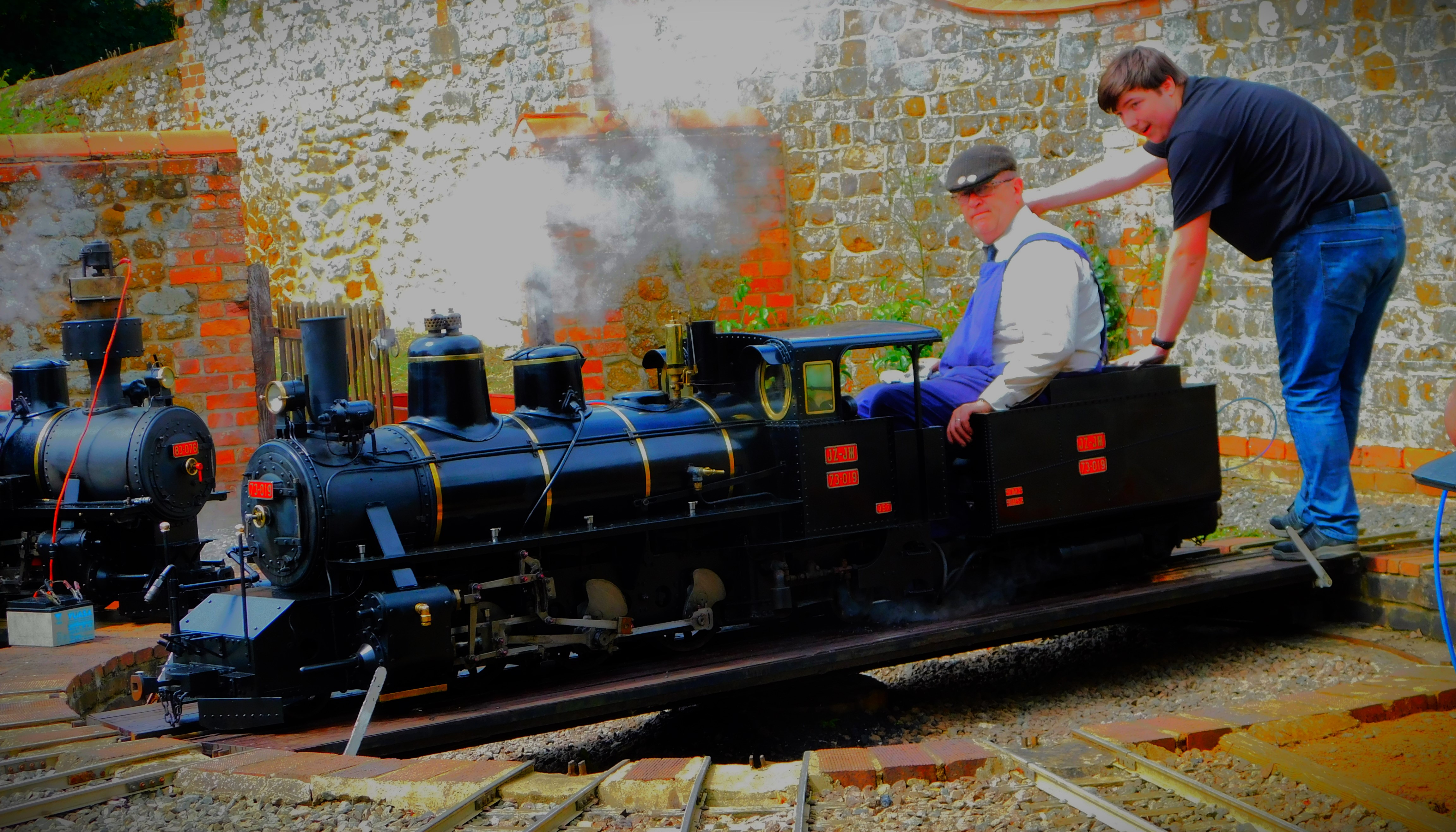
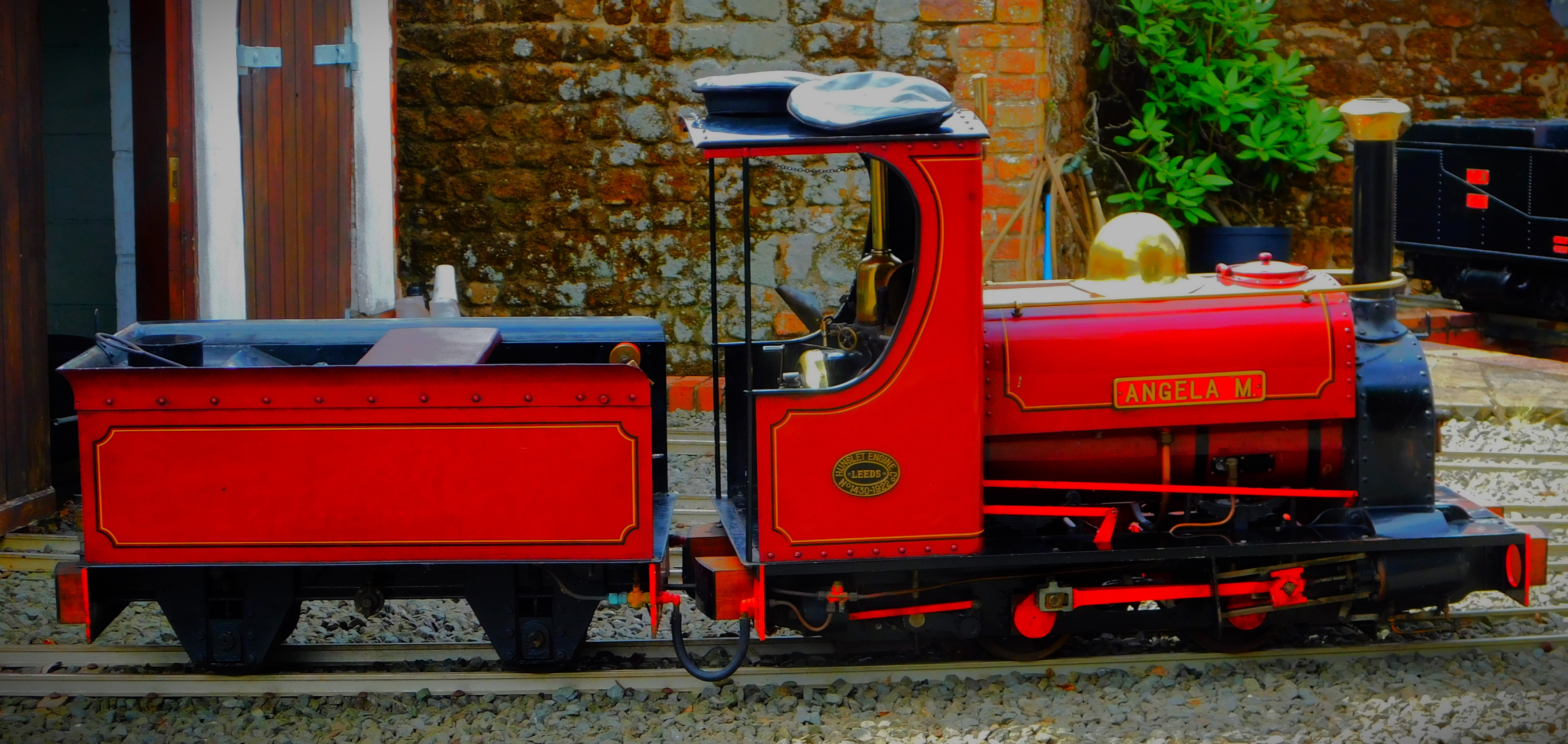
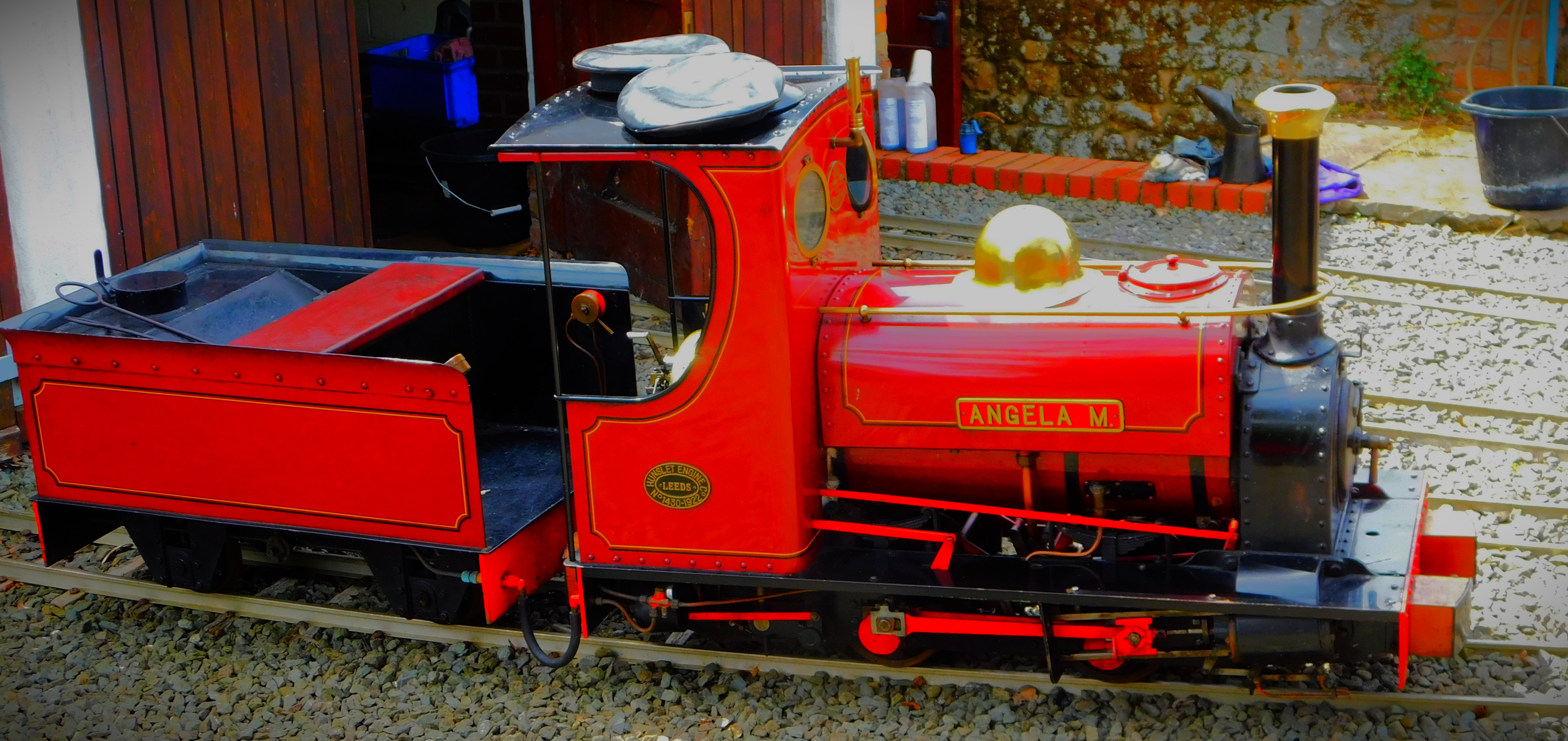
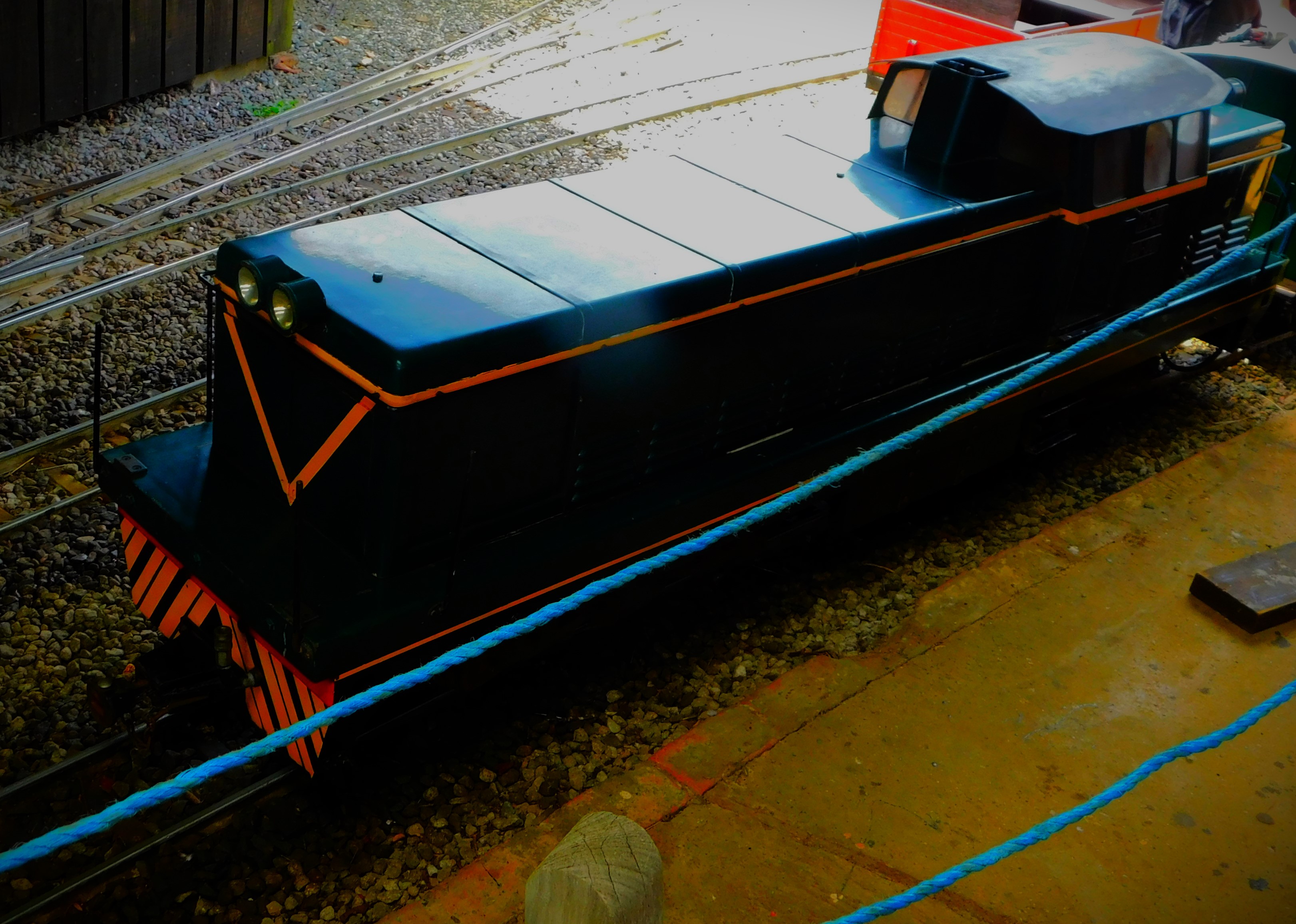
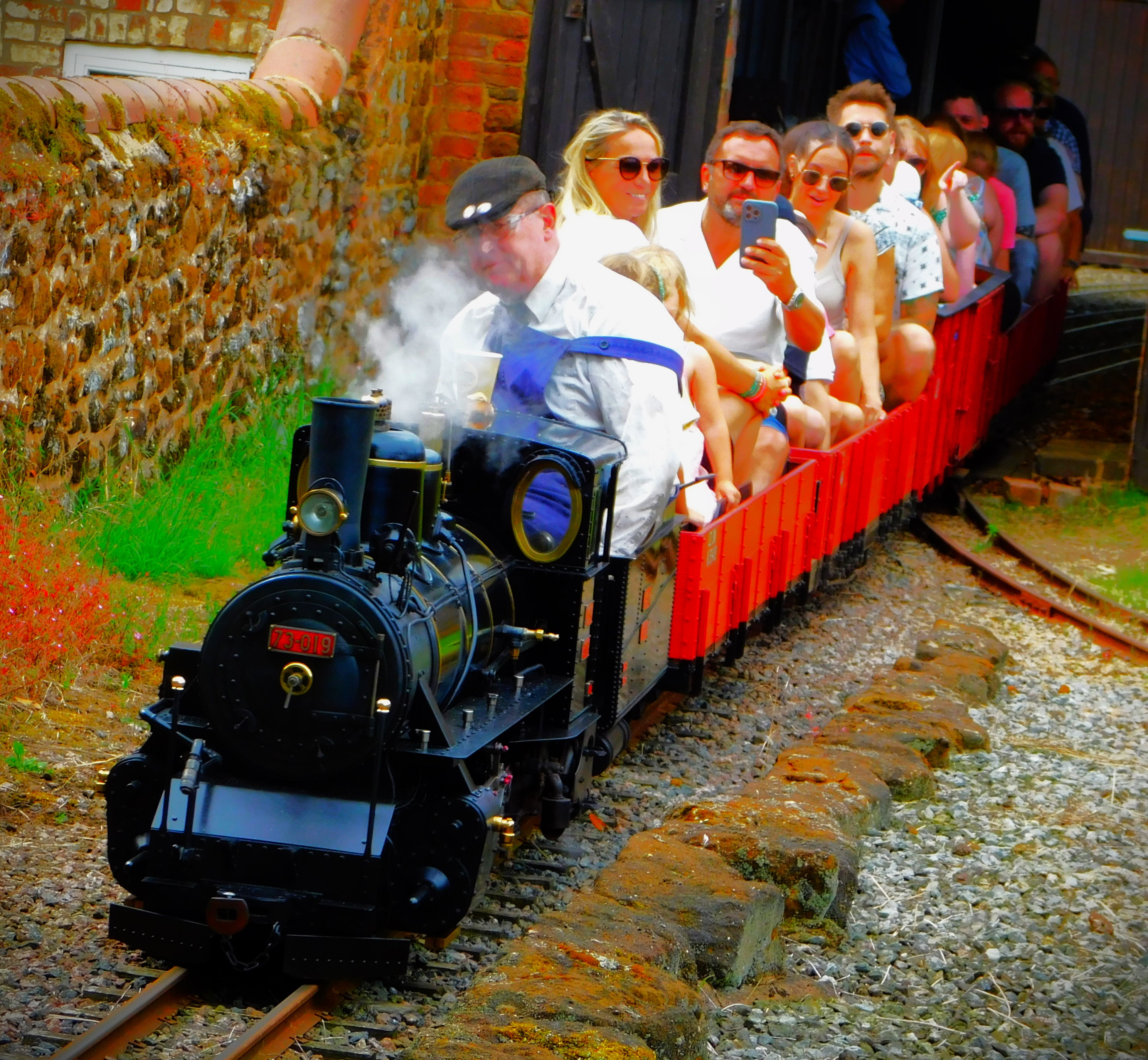
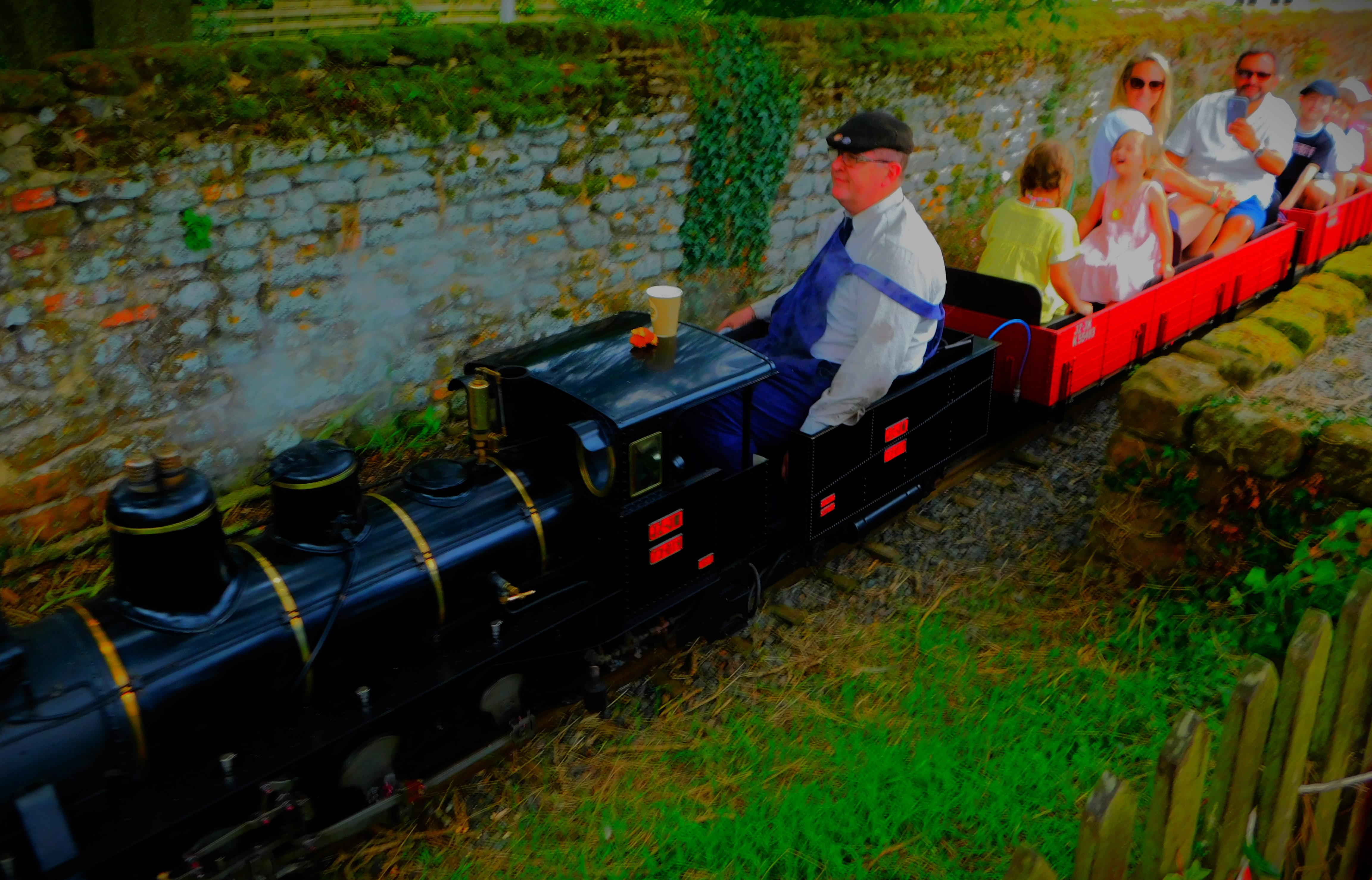
This railway runs for one kilometre (a circular journey), on tracks with a gauge of about nine inches. The locomotives though small are genuine steam locomotives. I managed to get there before it got really crowded, though I had a fairly long wait in the end, as I just missed getting on one train, and the next was reserved for a group of travelling singers, and actually broke down, meaning that the diesel locomotive kept for such emergencies had to be pressed into service. Fortunately the other steam train, on which I was travelling had no such issues. I enjoyed the journey, though the seating on the train I was on was very uncomfortable, and one kilometre was plenty from that point of view. On this short route a lot of pieces of railway infrastructure are duplicated in miniature – there are viaducts, there is one tunnel, which though not very long is impressively dark. This is very much a summer activity – there is no shelter for passengers. We got the bus back at around 3PM – it was 3:25 when we got in to King’s Lynn bus station. I was thus able to catch up with the cricket, though as you will see in my next post my evening engagement meant that I missed the conclusion.
PHOTOGRAPHS
Here is my Norton Hill gallery…
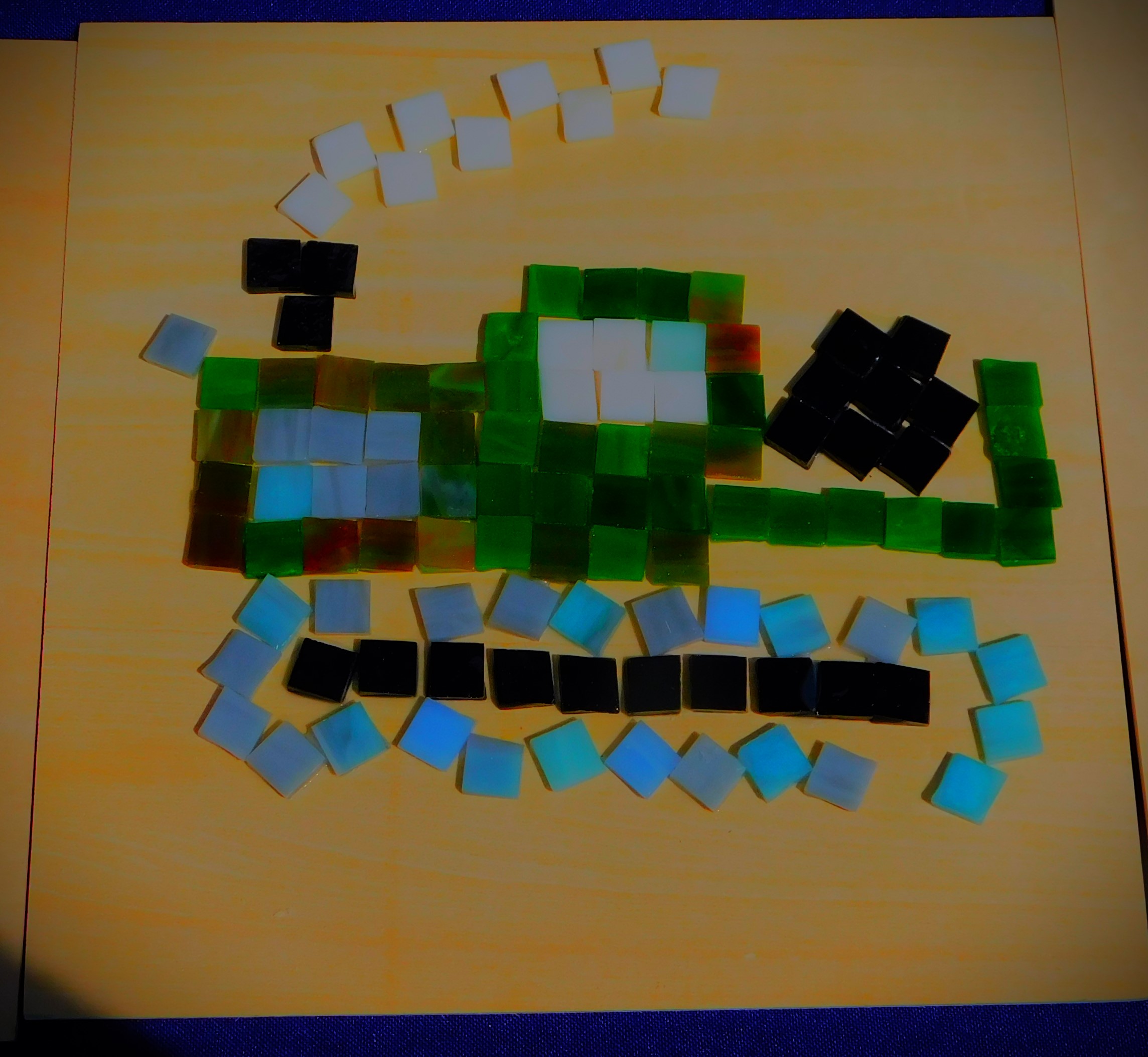
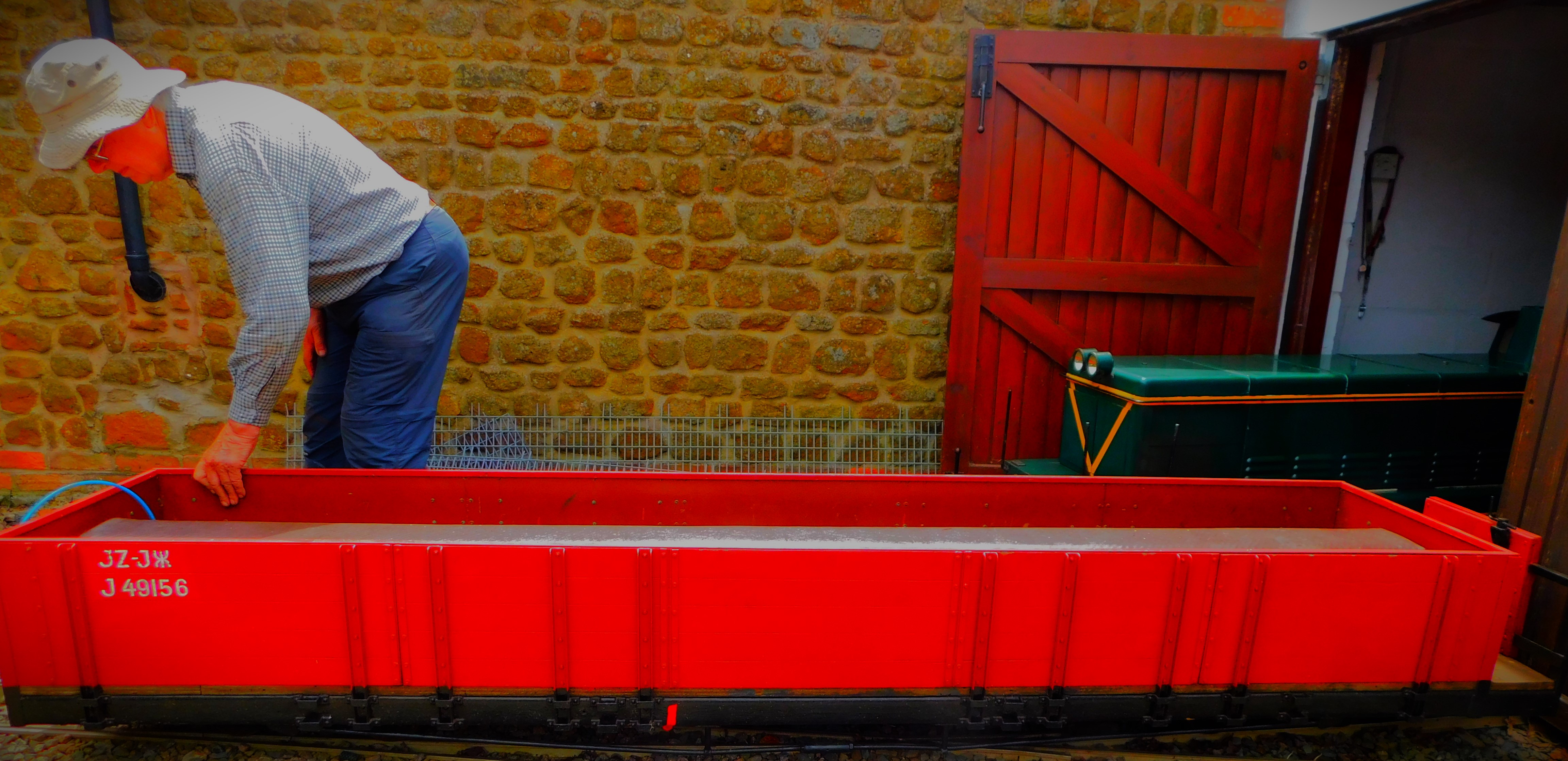
This was one of a number of mosaics made by a member of ours and available for a donation. I didn’t actually buy it.This was the type of wagon I travelled in.A viaduct section.Approaching the tunnelThe locomotive that pulled my train on the turntable.This locomotive has yet to be pressed into service.
Concluding my account of my Scottish holiday with the return journey.
This will be the final post in my series about my Scottish holiday (28-31 May inclusive. I will briefly mention the birthday festivities which took place a day early – the day itself (May 31) was to be a day of travelling home, before covering the return journey.
THE BIRTHDAY MEAL
One of the shops Comrie possesses is a butcher, and the centrepiece of the meal was three large rib eye steaks purchased from that establishment. We also had Jersey Royals and locally grown asparagus, while there were locally grown raspberries for pudding. There was sparkling wine before the meal, and still wine with it.
THE RETURN JOURNEY
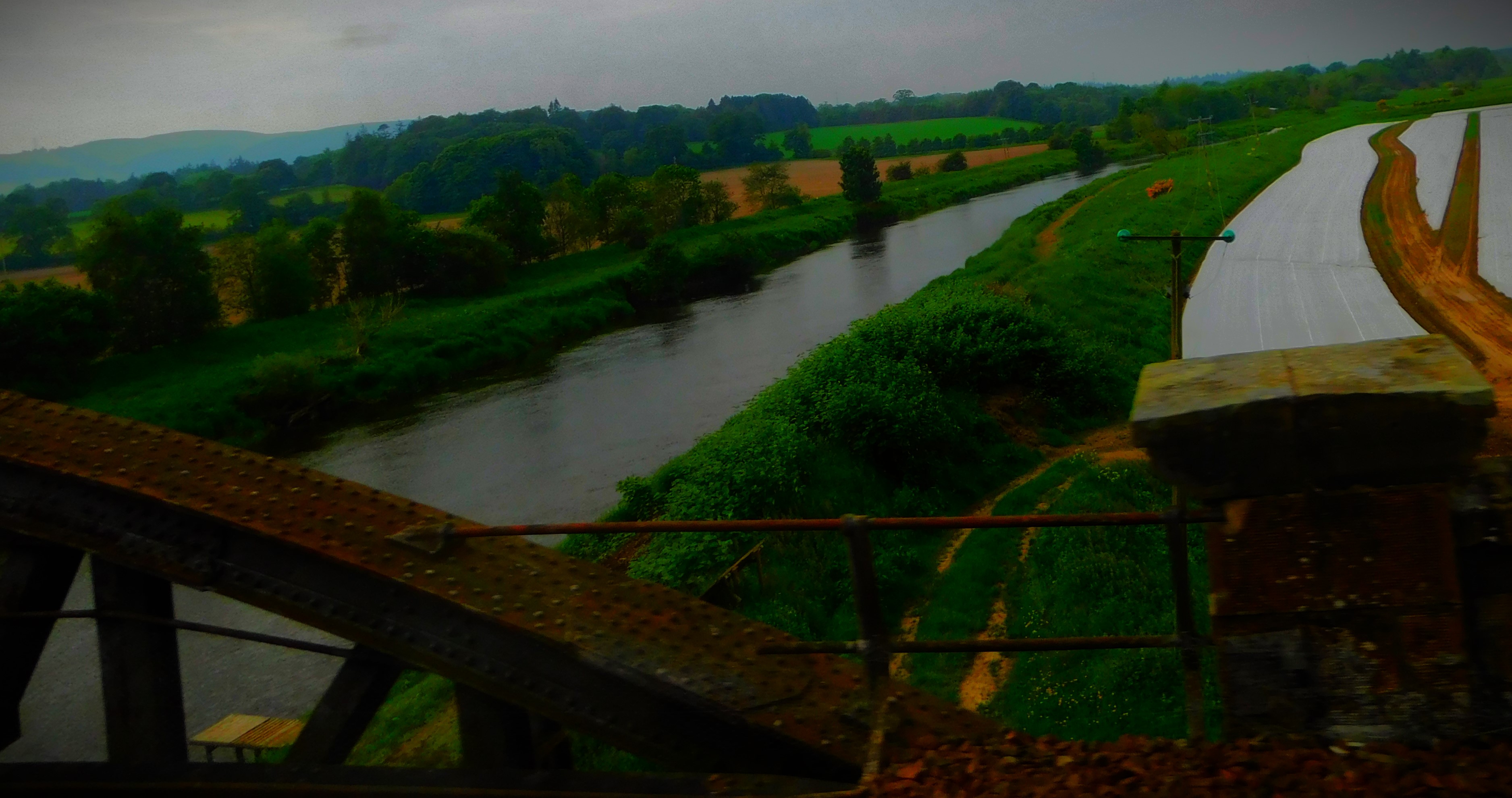
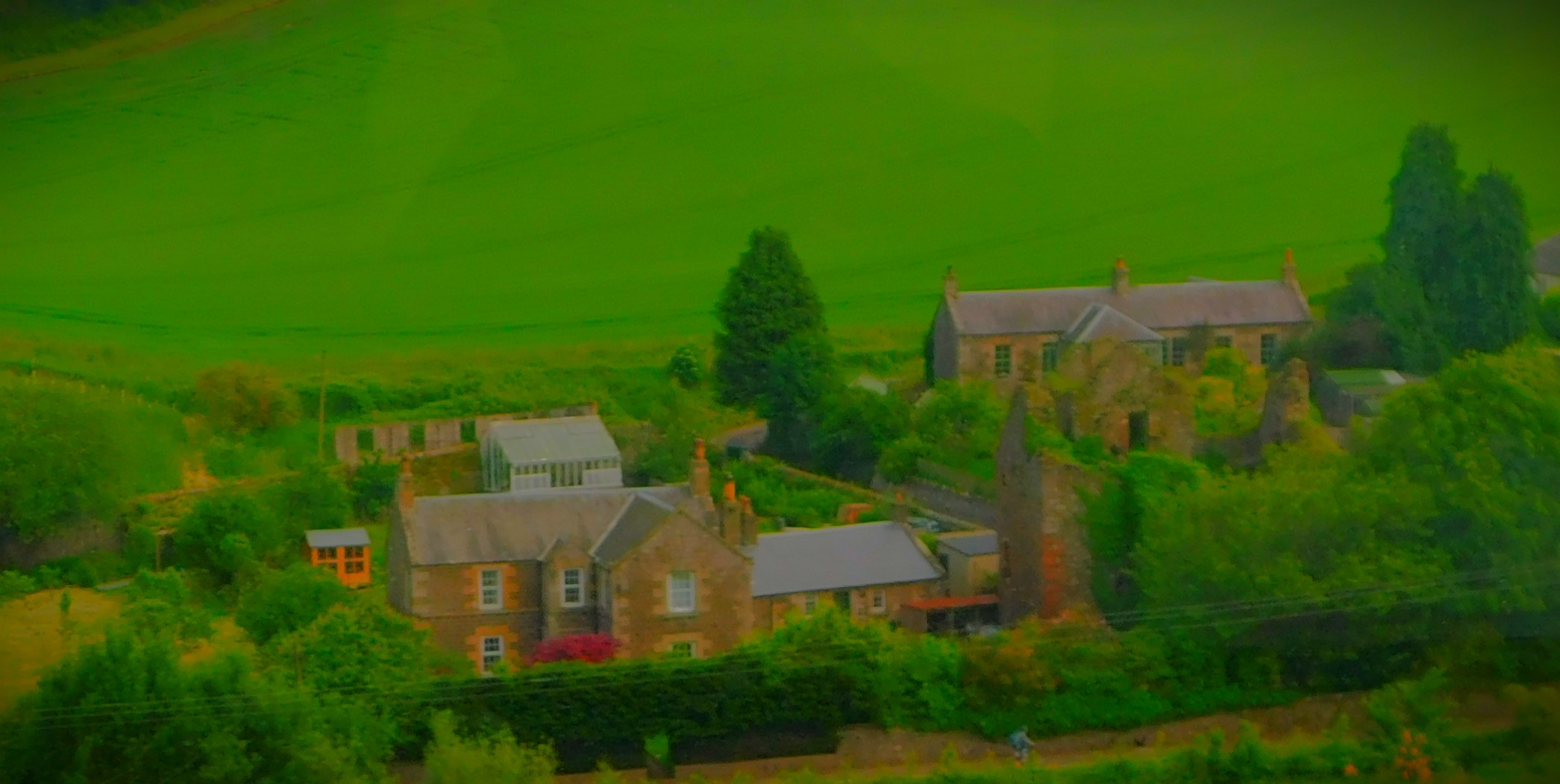
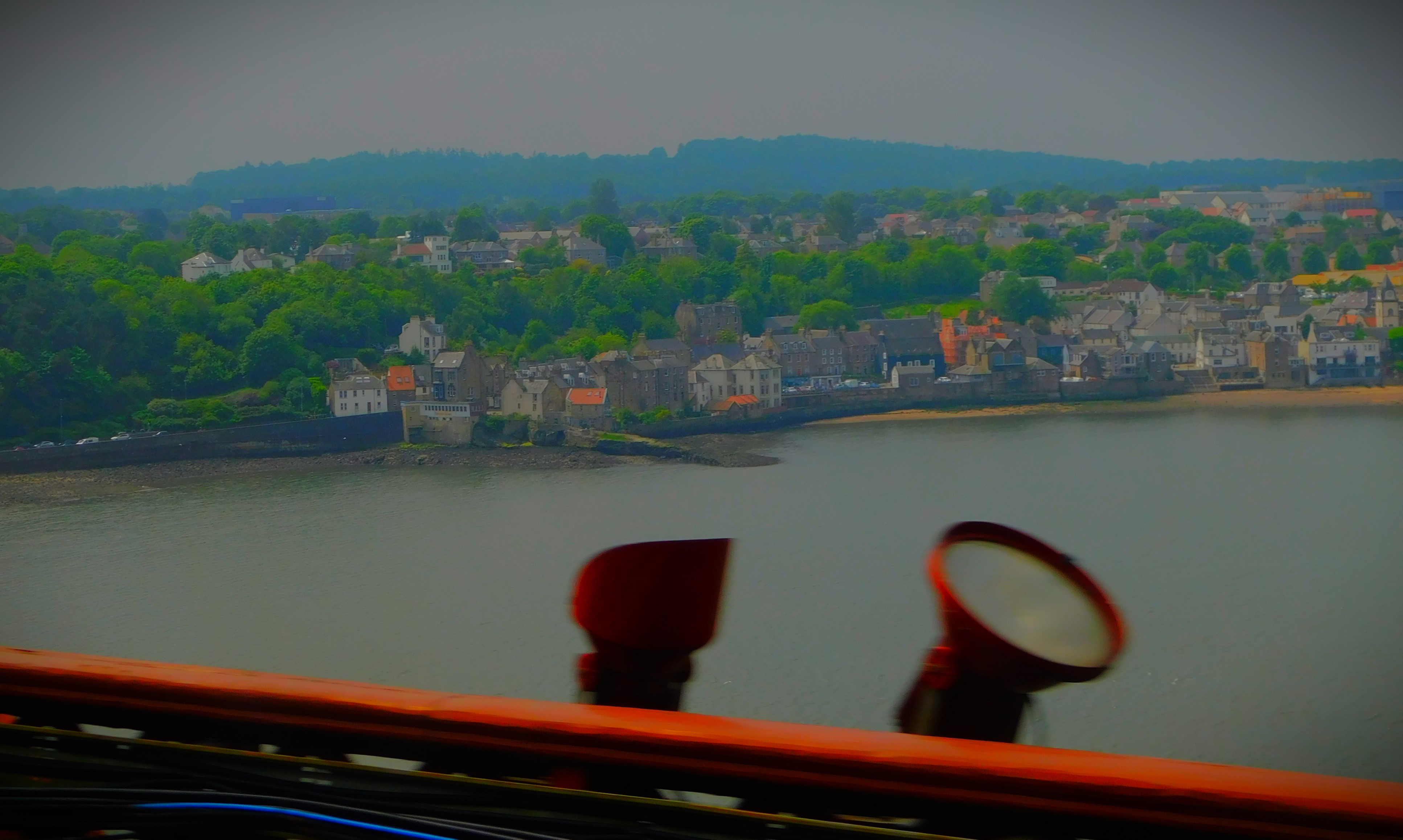
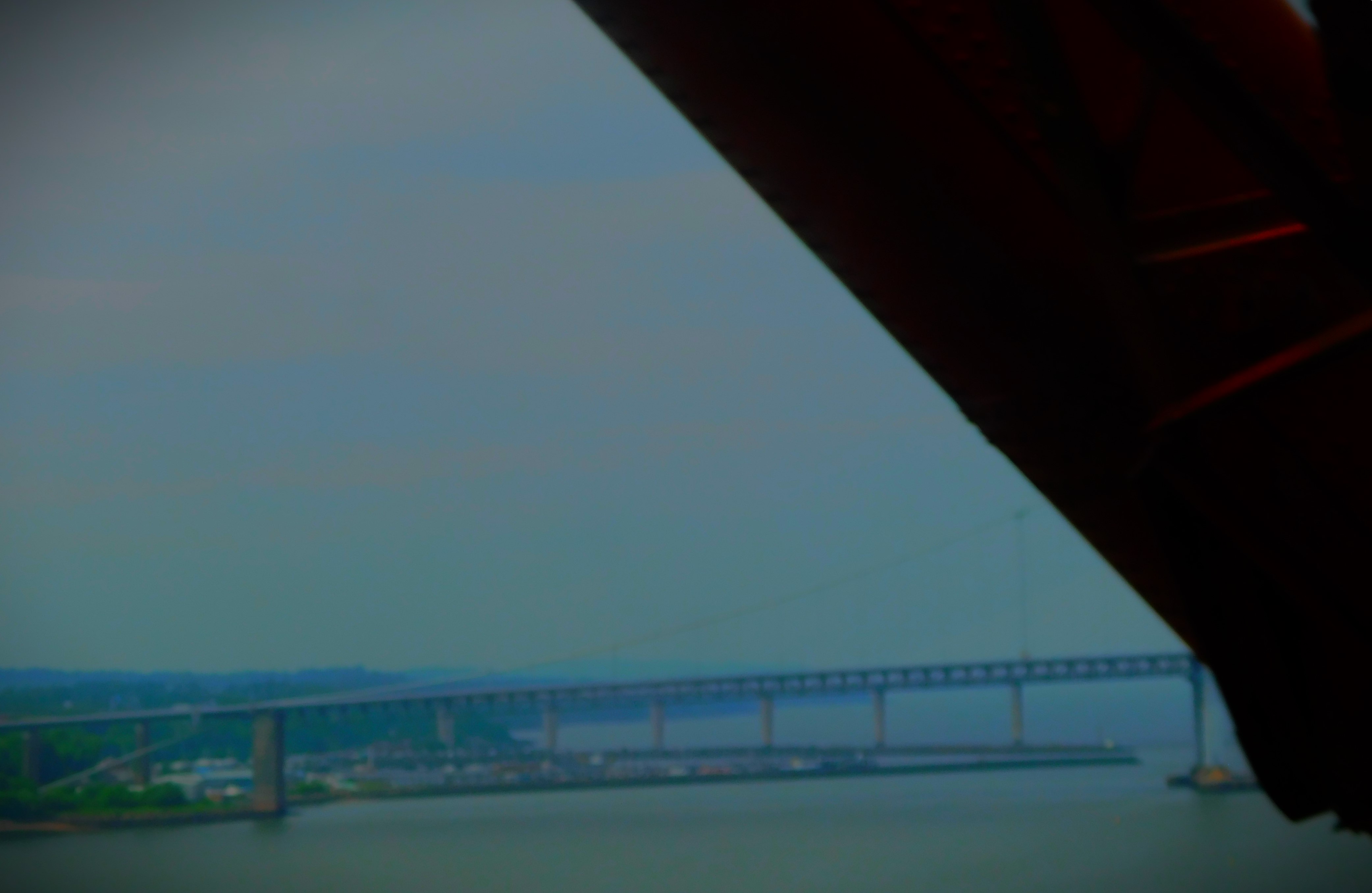
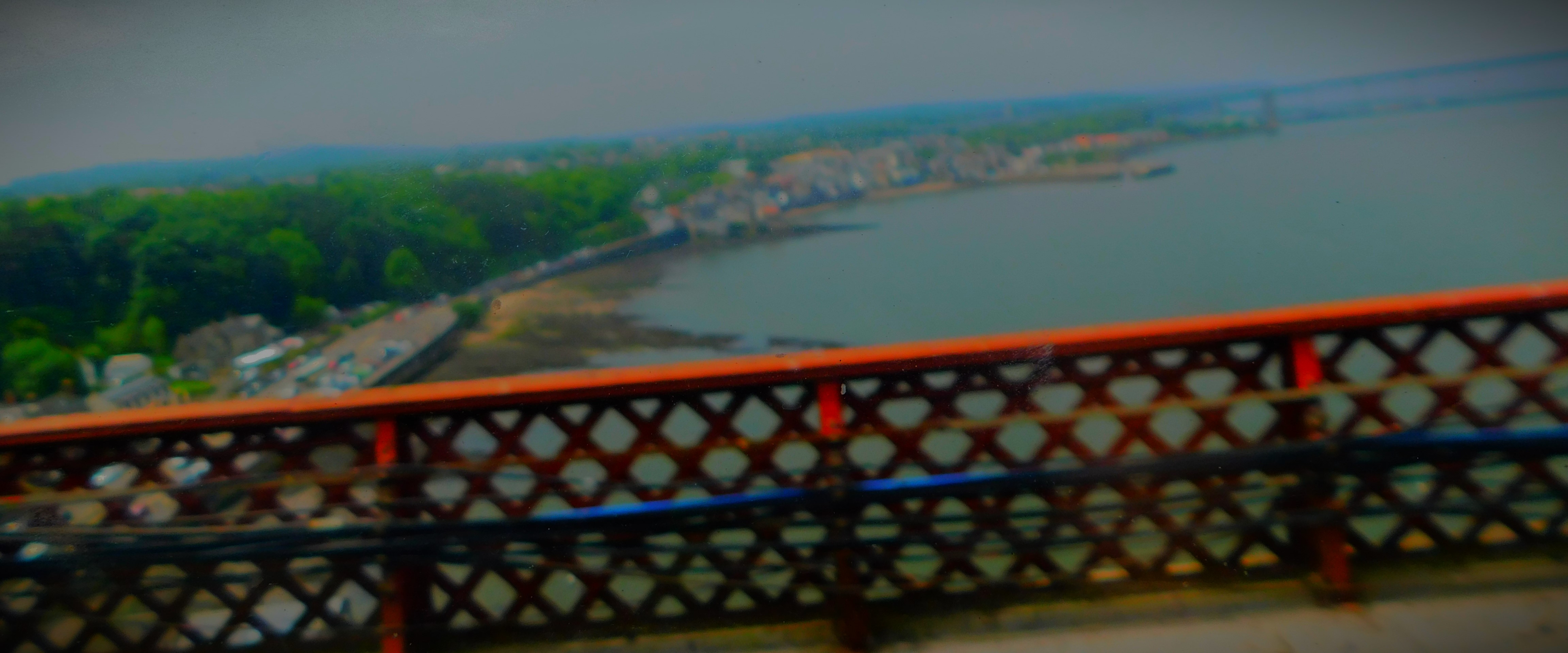
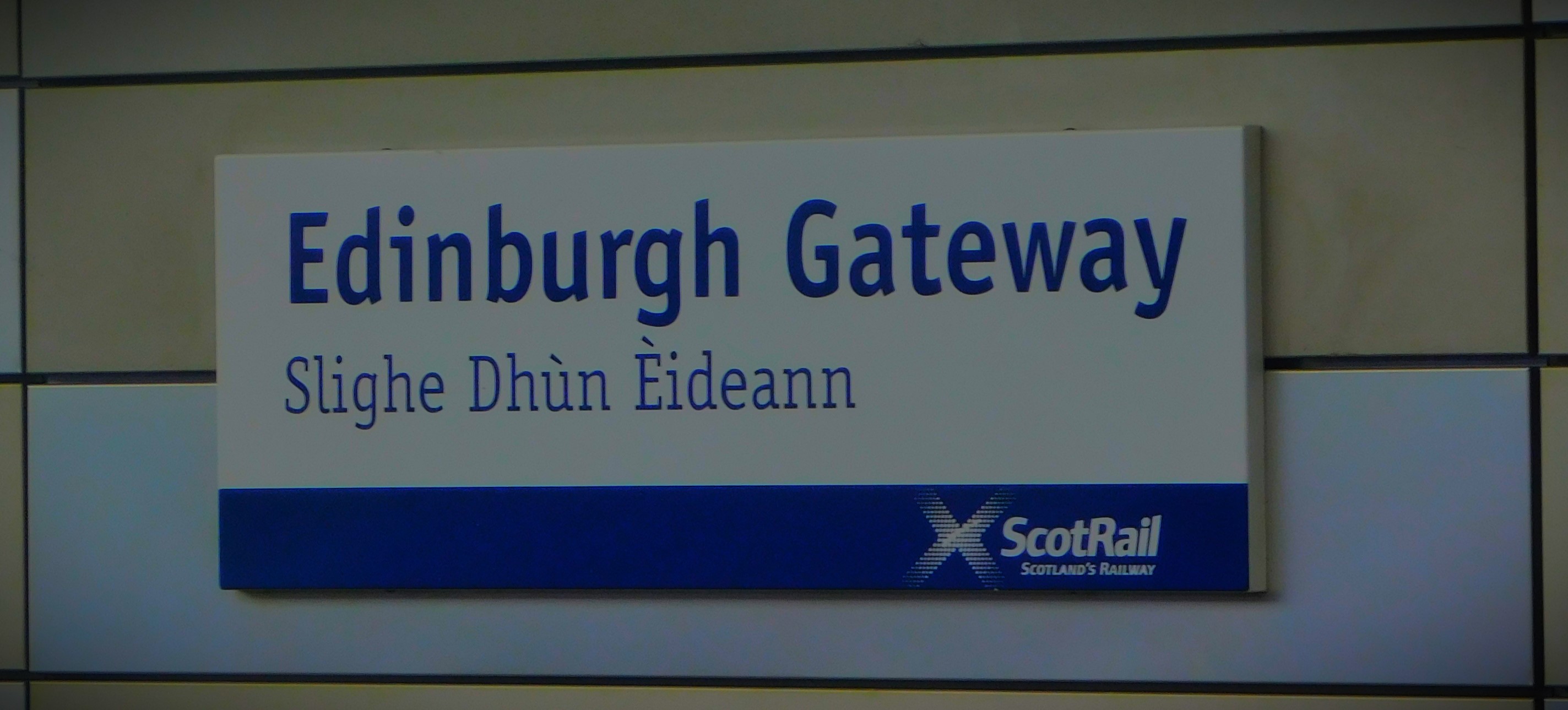
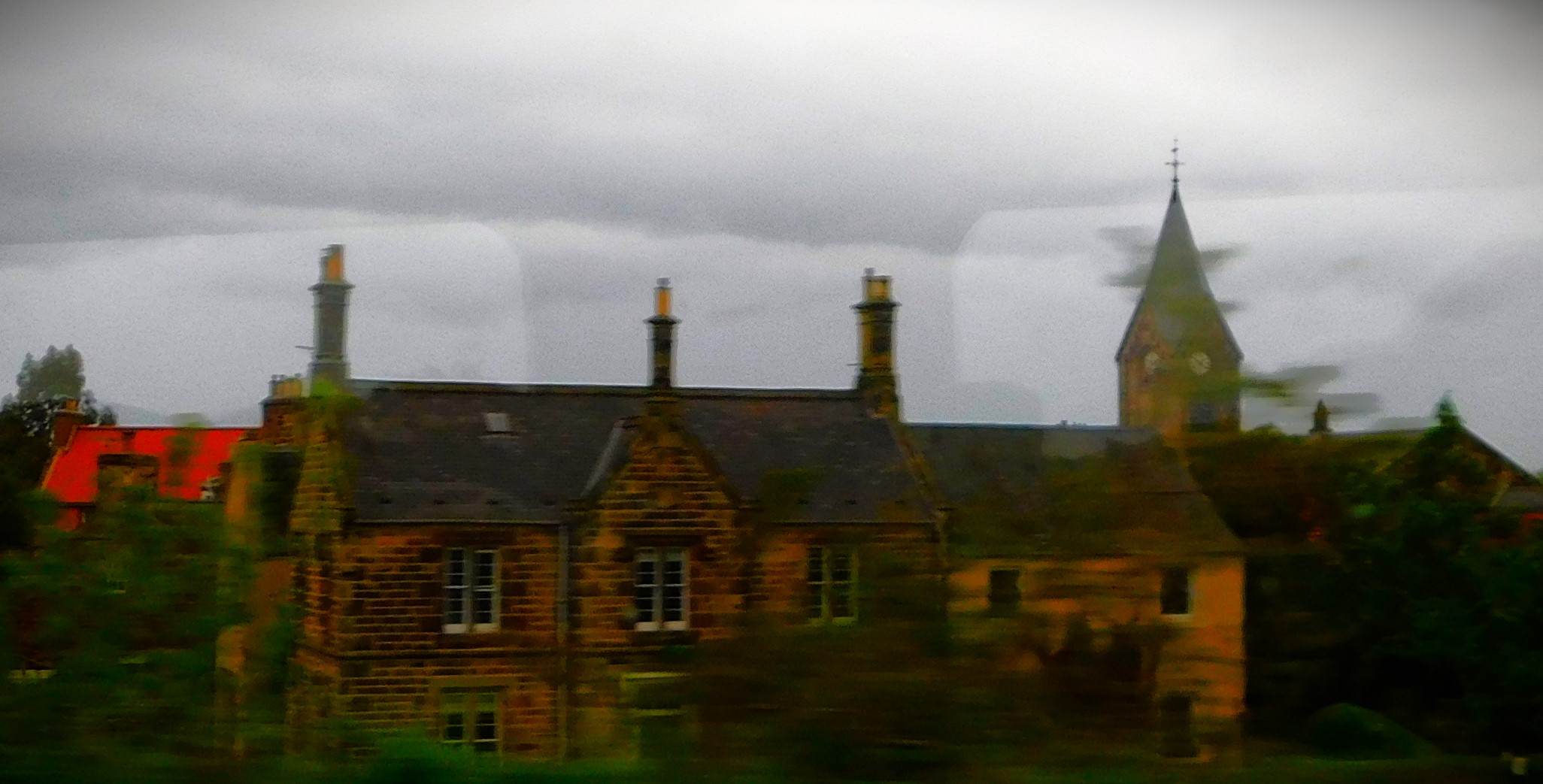
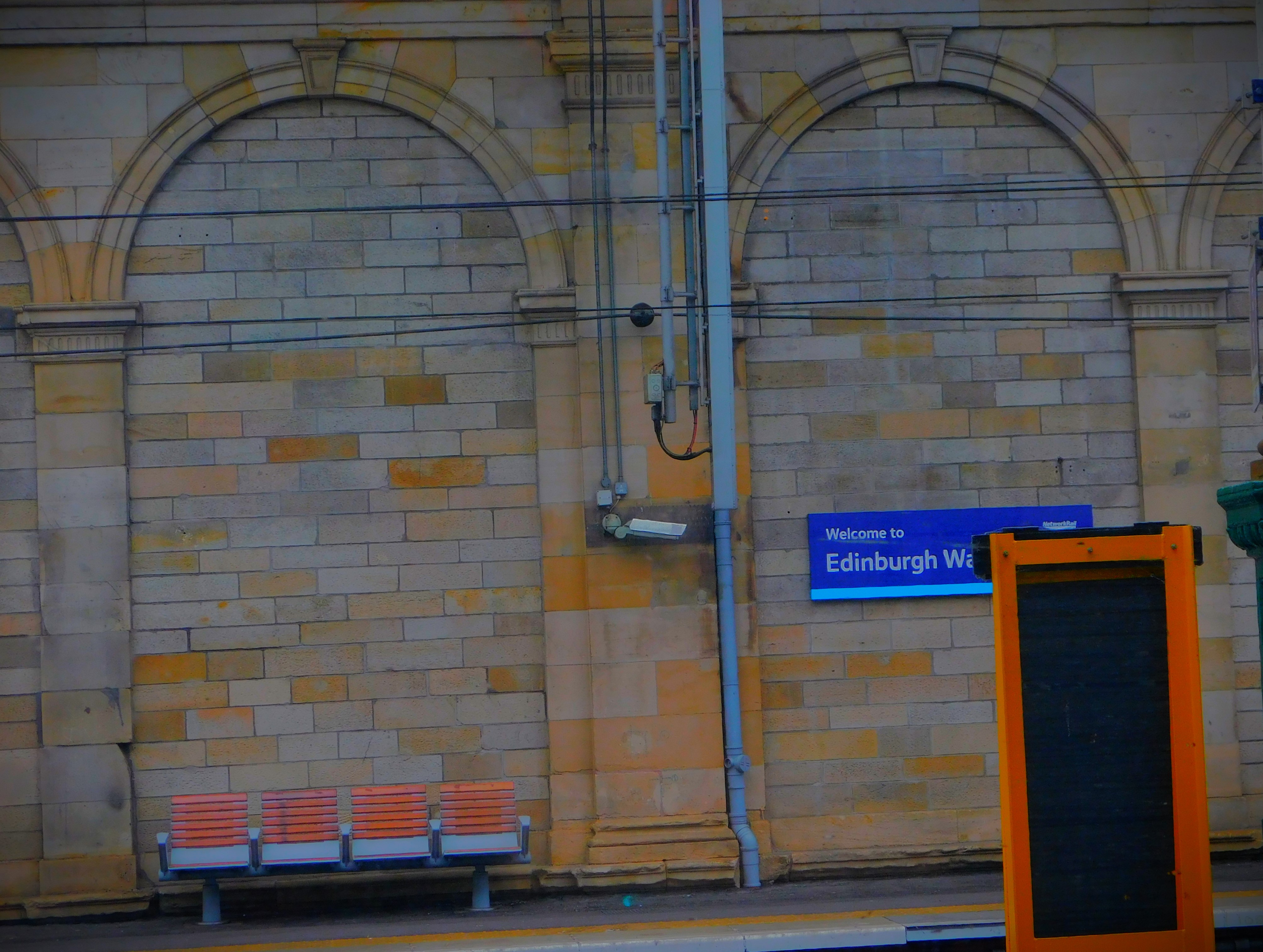
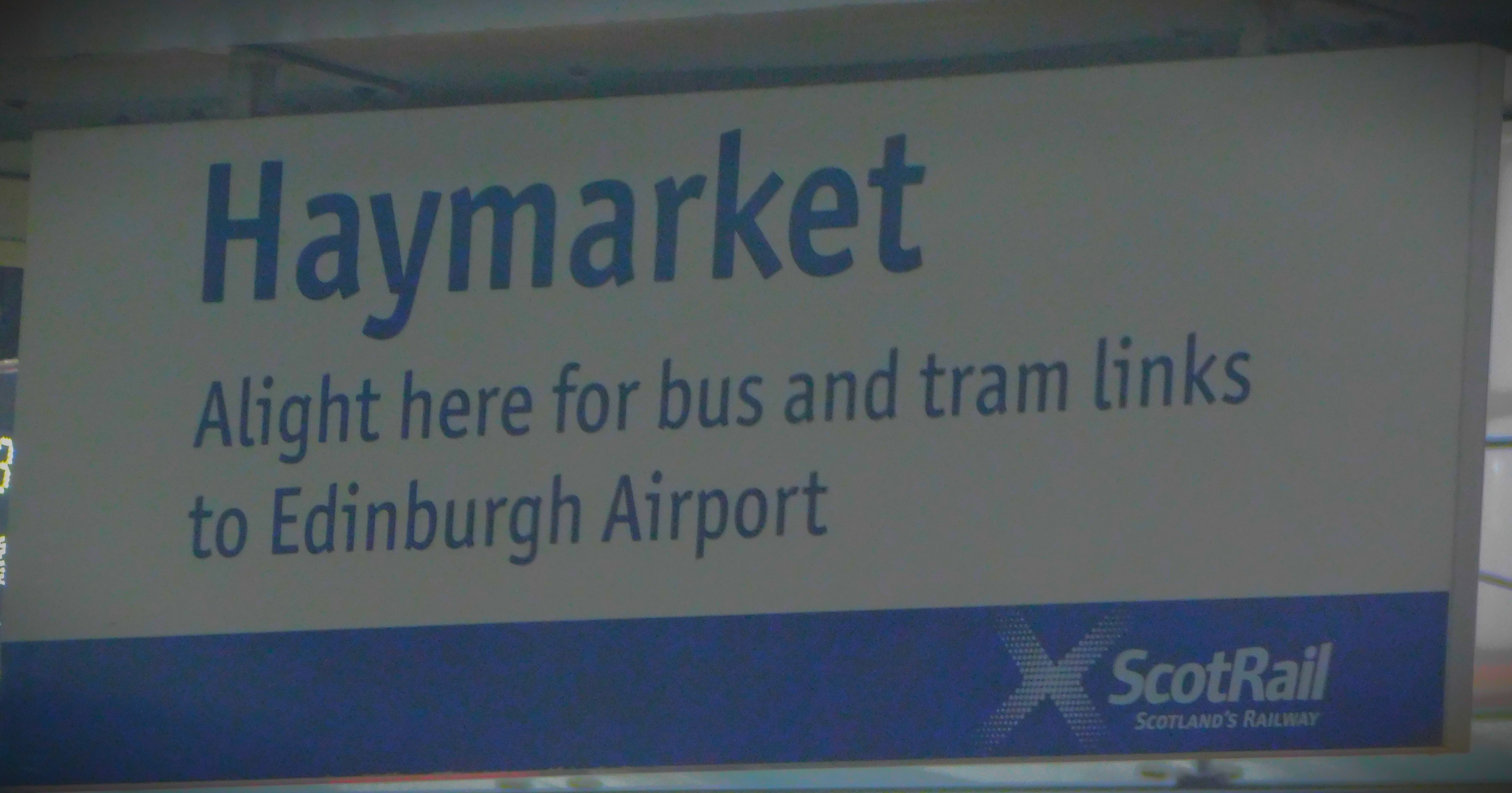
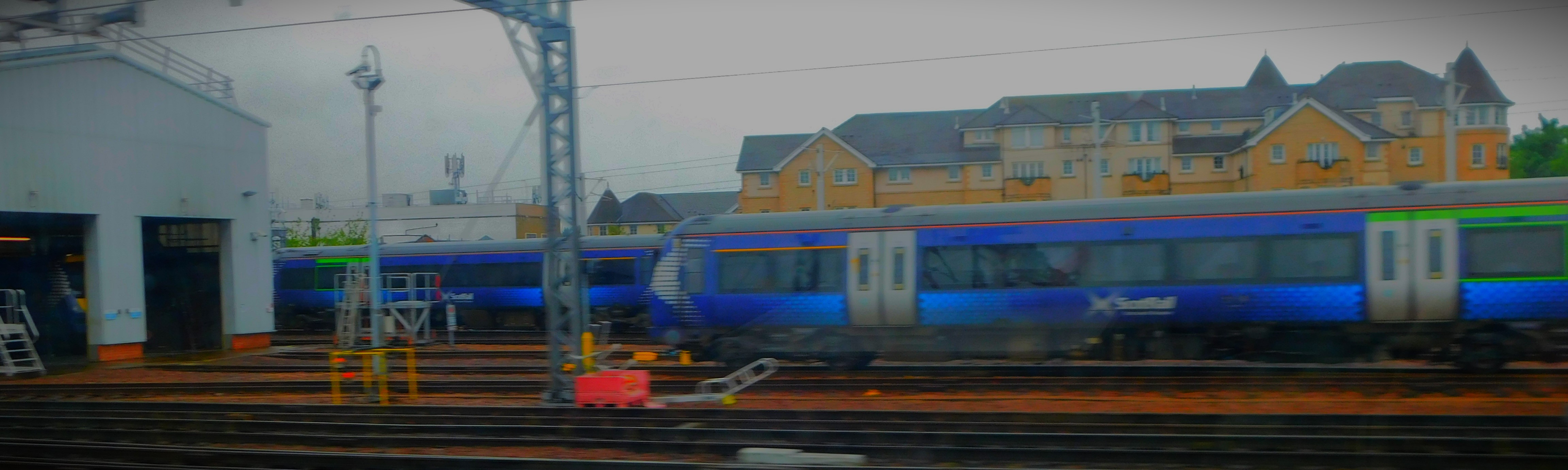
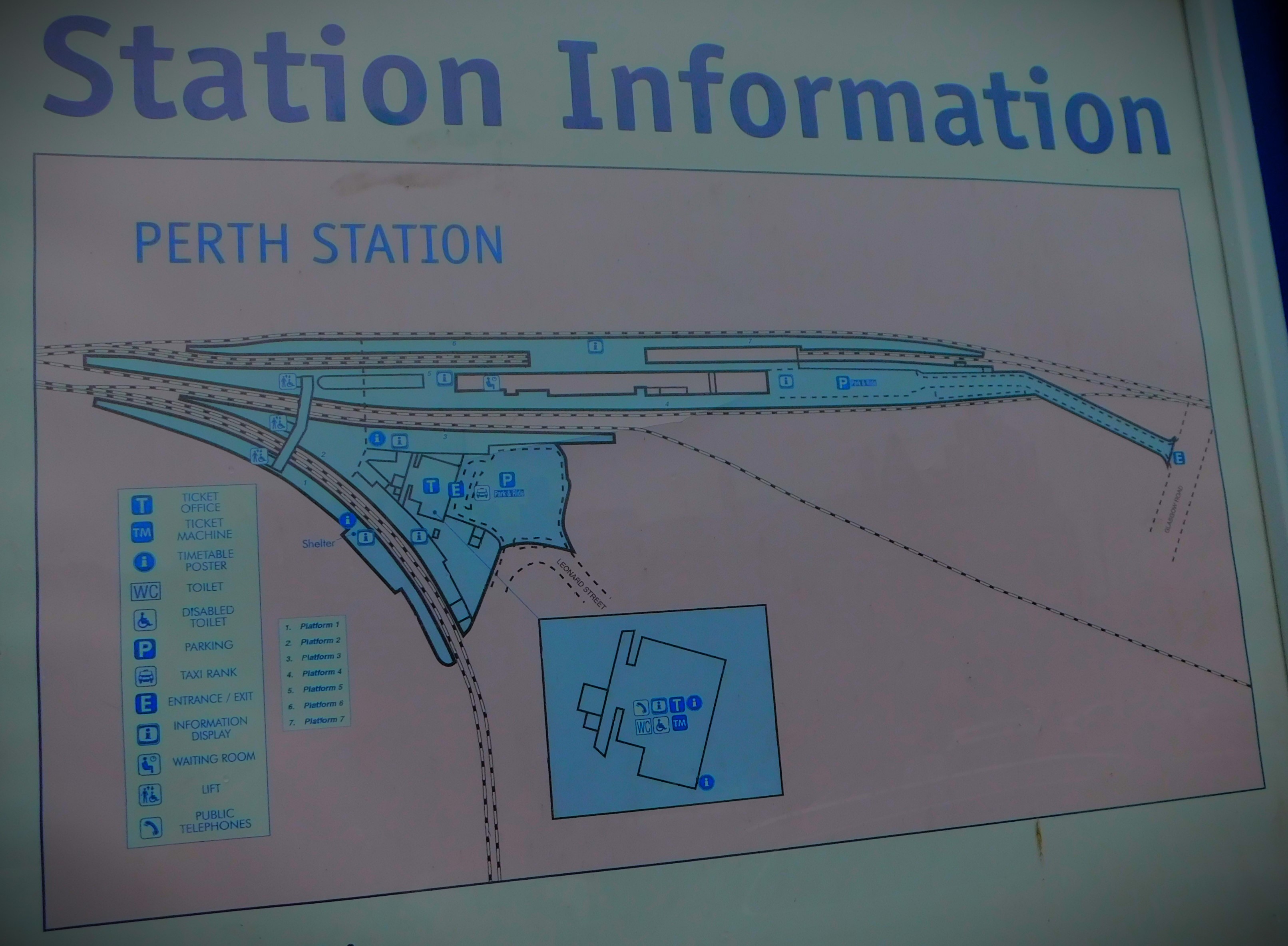
I was due to leave Perth at 11:15AM on May 31st, a time which was tailored to the fact that we had to be out of the building in Comrie by 10 at the latest – it was late enough not hurry our departure and early enough that the wait at Perth station would not be too long. This train was running a Perth to Edinburgh route and stopped at a number of places. There were some fine views, although I had put myself on the less good side of the train. I was worrying at one point as it ran late, and indeed I had only eight minutes to make the connection at Edinburgh, but I was never actually in any danger of missing that connection. The train from Edinburgh to Peterborough ran smoothly, though my reserved seat was on the less good side of the train for photography. At Peterborough I had a wait of about 20 minutes for the bus to King’s Lynn. This part of the journey also ran smoothly, and I arrived at the bus station a little before 6:40PM, and was home just before 7PM.
PHOTOGRAPHS
Here are my photographs from the return journey..,
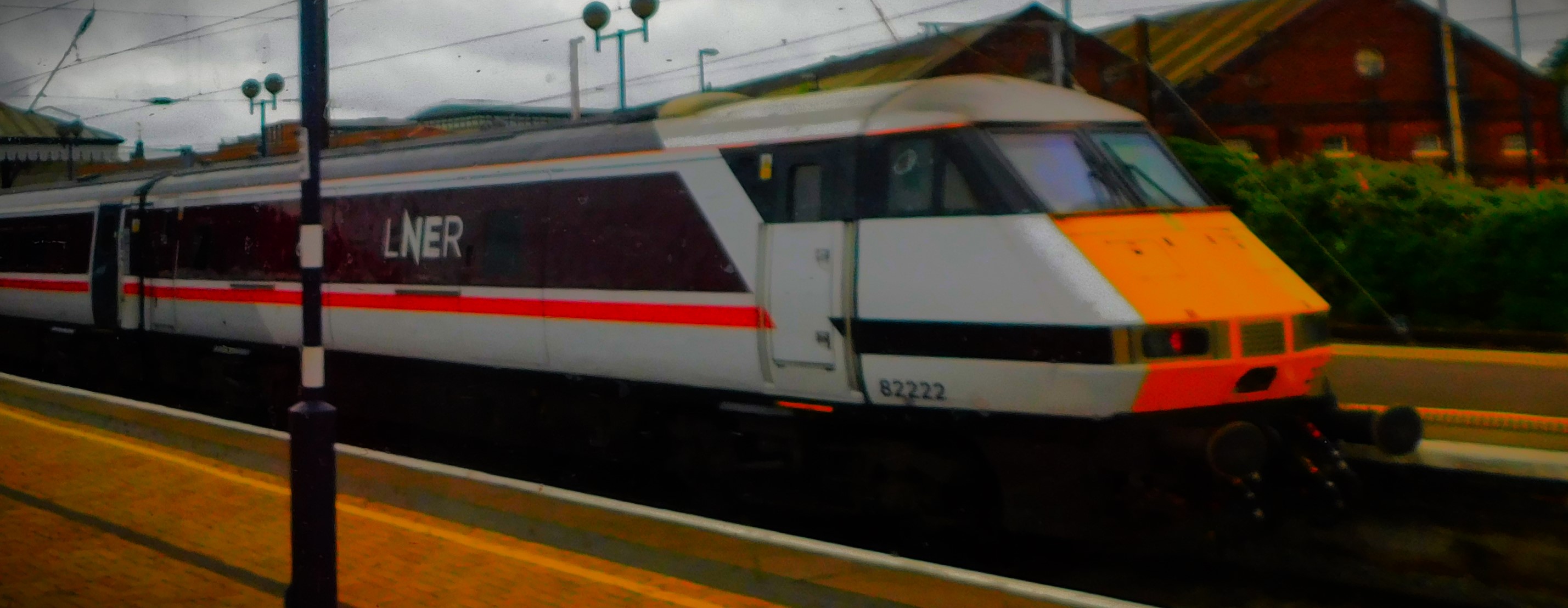
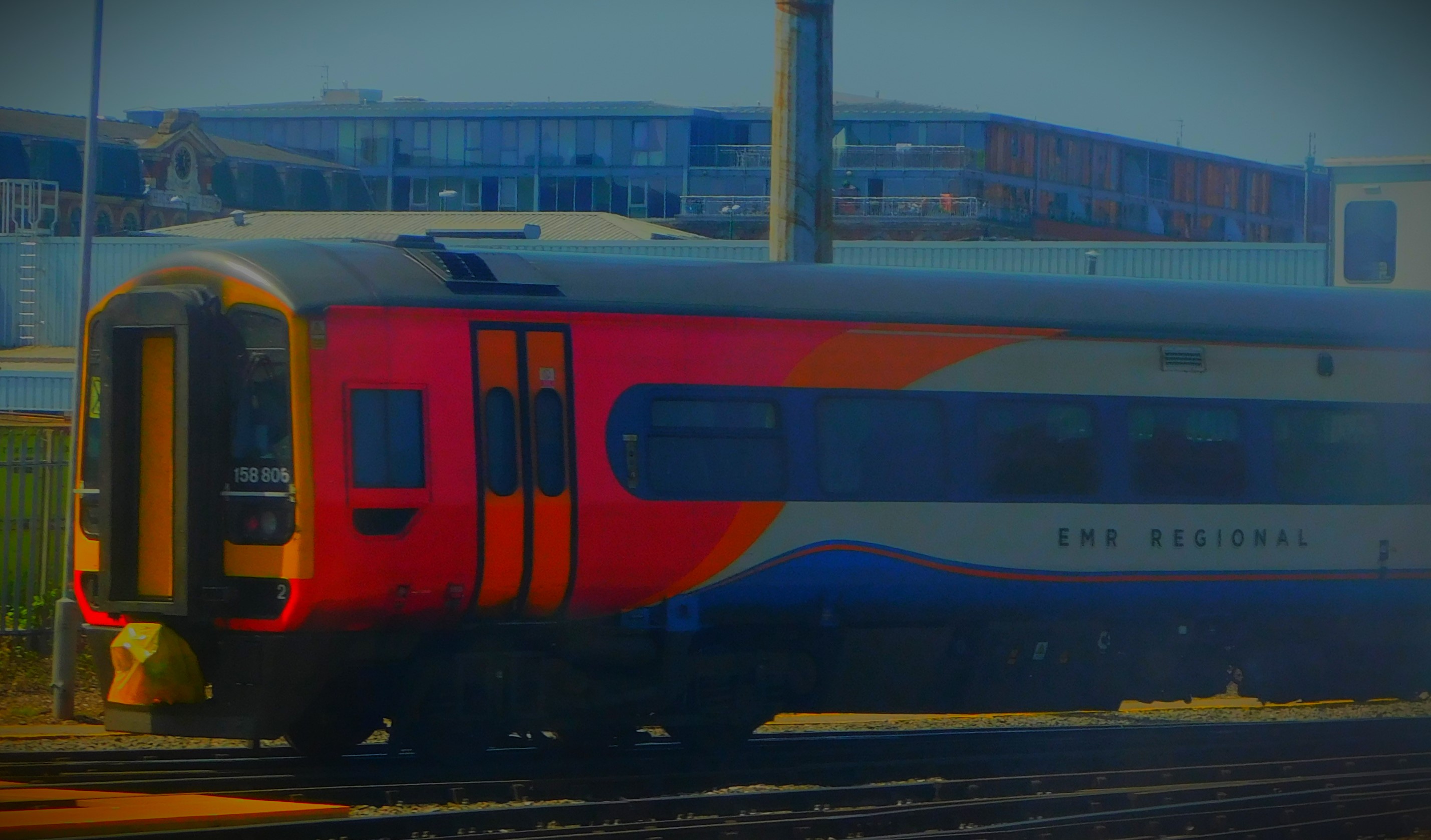
The train for the Perth-Edinburgh leg of the journey.
The public transport elements of my journey from King’s Lynn to Comrie.
This is the first of what I plan to be a series of posts about my recent holiday in Scotland. This post looks in detail at the public transport elements of the journey there.
KING’S LYNN TO PETERBOROUGH
I booked my train tickets to and from Peterborough because it is significantly cheaper that way and also the train journey to Peterborough involves a change at Ely. With the train on which I had a reserved seat leaving Peterborough at 10:18AM I assessed that the right bus to be on was the 8:30AM bus, which meant I needed to leave before 8 o’clock to be sure of catching it. This did not prove to be any great problem. The bus ran smoothly and I arrived at Peterborough with plenty of time to find the correct platform and the correct place on that platform to wait to board the train at the right point (I was in coach H, which was shown on the information screen as needing me to be in zone 5 of the platform…
PETERBOROUGH TO EDINBURGH WAVERLEY
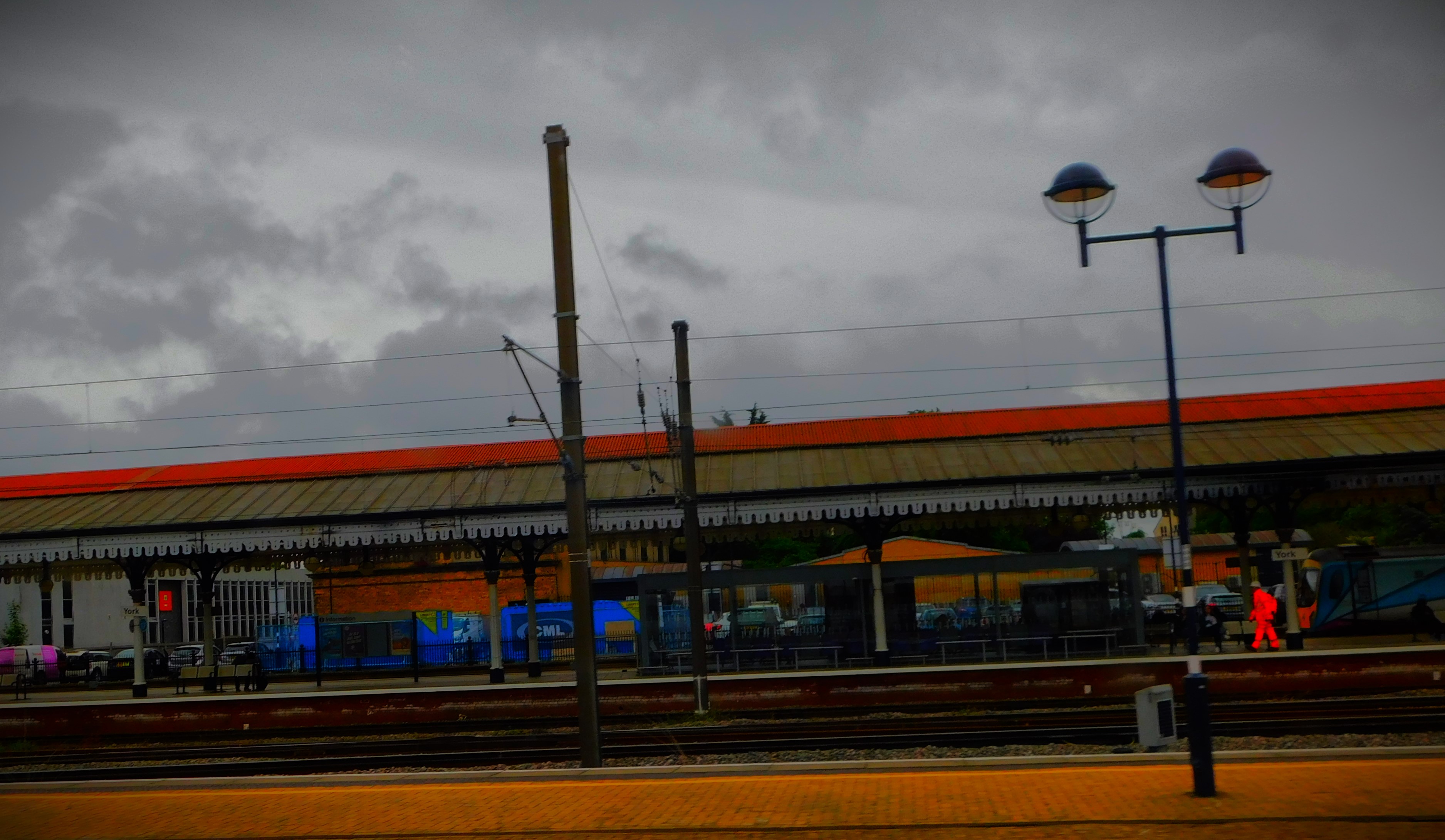
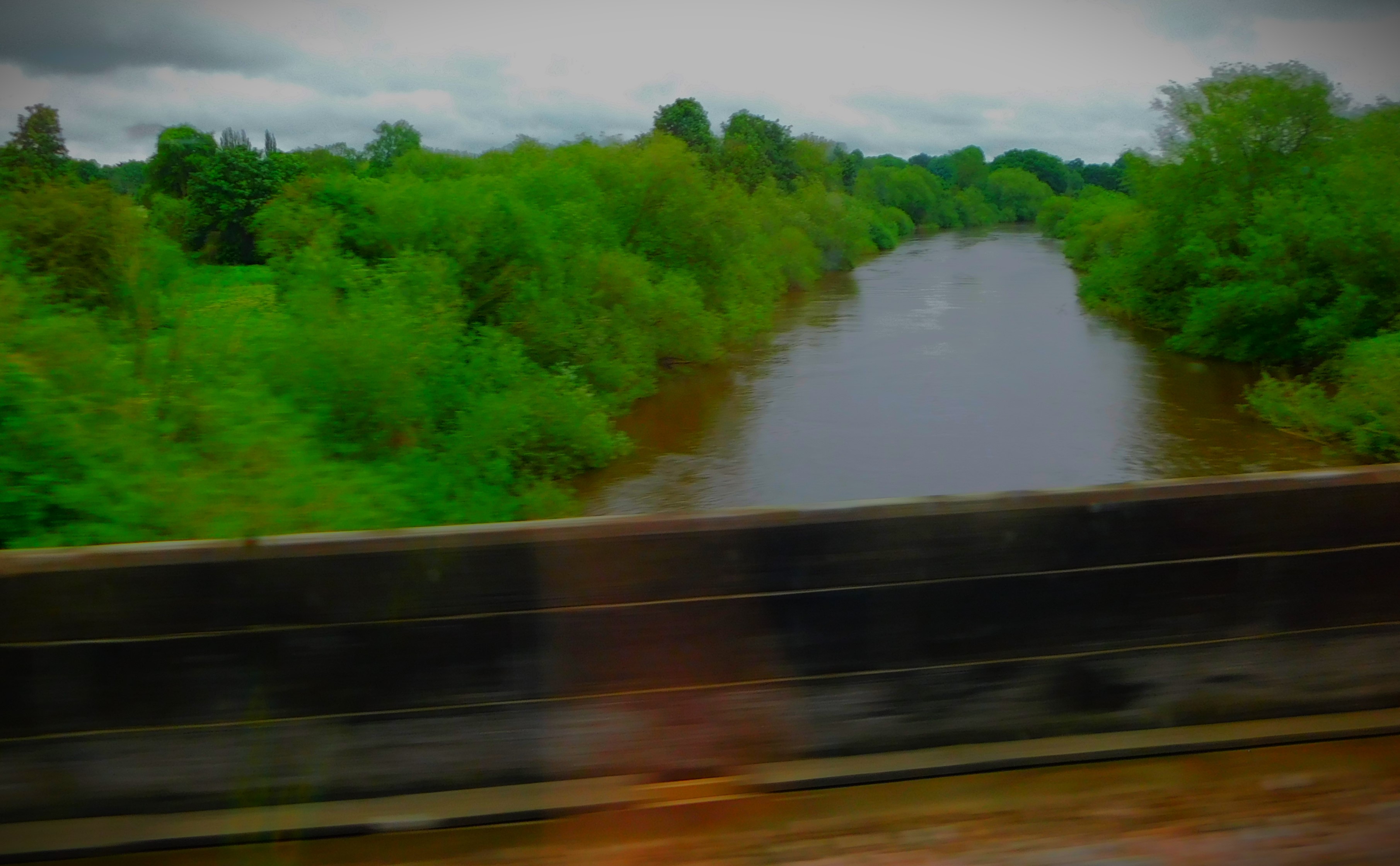
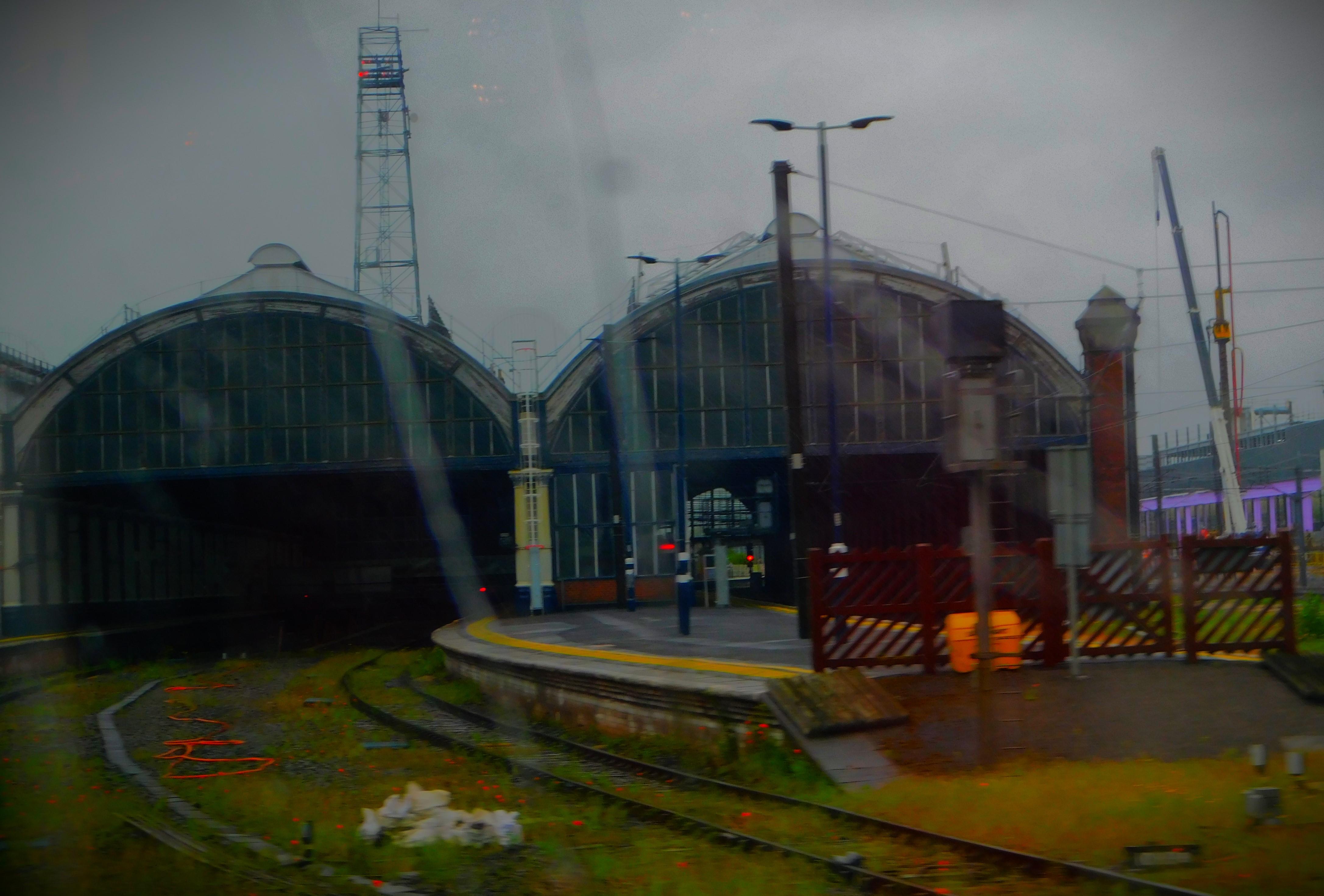
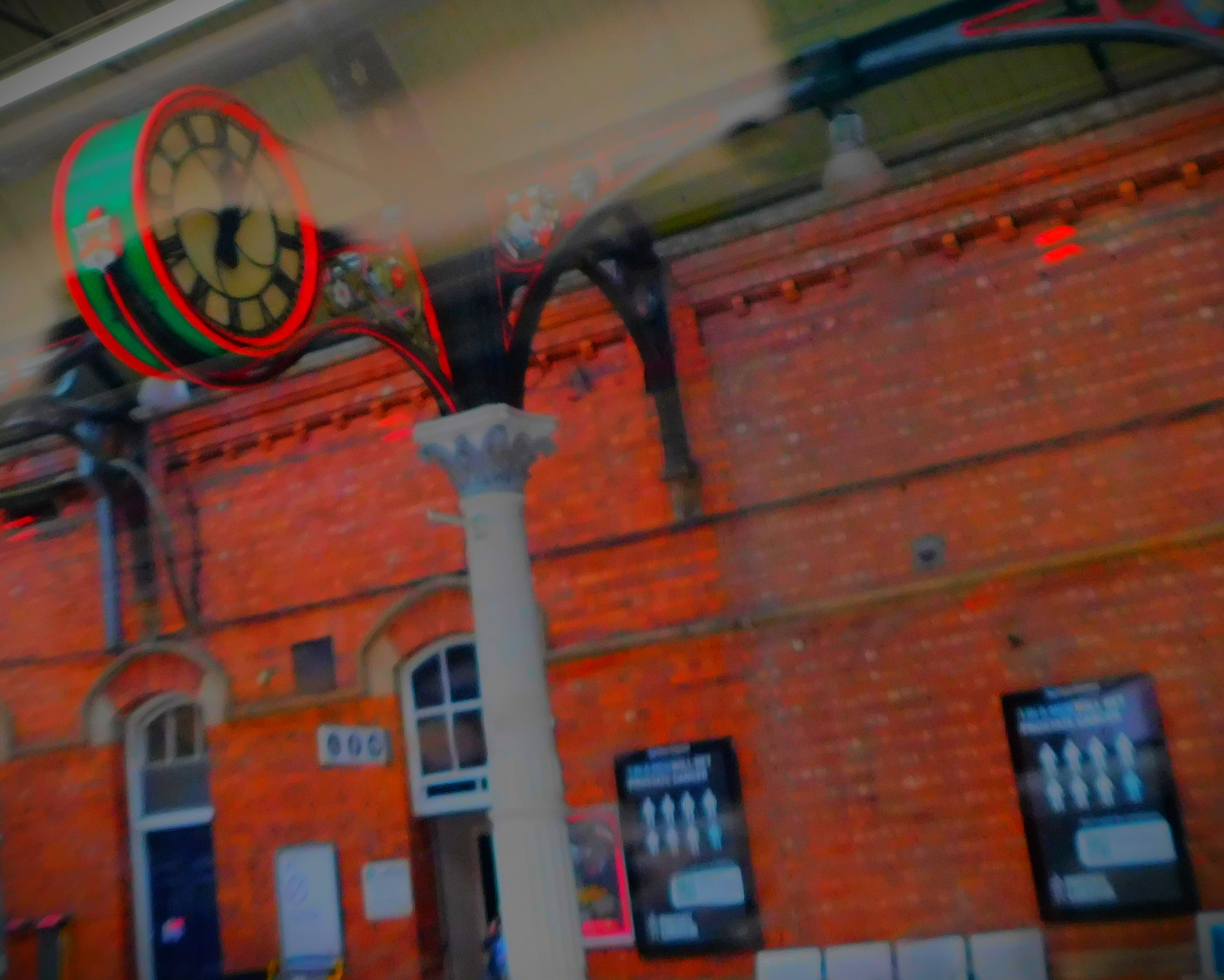
This was the longest leg of the journey, but compensated by also being the fastest. Finding my reserved seat was straightforward, and no one had unthinkingly occupied it, so I was able to seat myself without having to ask anyone to move (even though reservations are very clearly indicated as such it is not unknown to find a reserved seat already occupied, and I will get the person occupying it to move if that is the case). I had booked a forward facing window seat, and on this occasion that was what it proved to be – and it was on the better side of the train for photography. This route provides plenty of fine views, especially between York and Edinburgh (though there a few good bits south of York as well). The task at Edinburgh was to locate the train I was to travel on as far as Stirling, which I did…
EDINBURGH TO STIRLING
This was on a stopping service which was ultimately headed for Dunblane, and passed through a few interesting places. At Stirling I had to change trains for the final leg of the journey to Perth, but this did involve moving platforms, for which I was grateful.
STIRLING TO PERTH
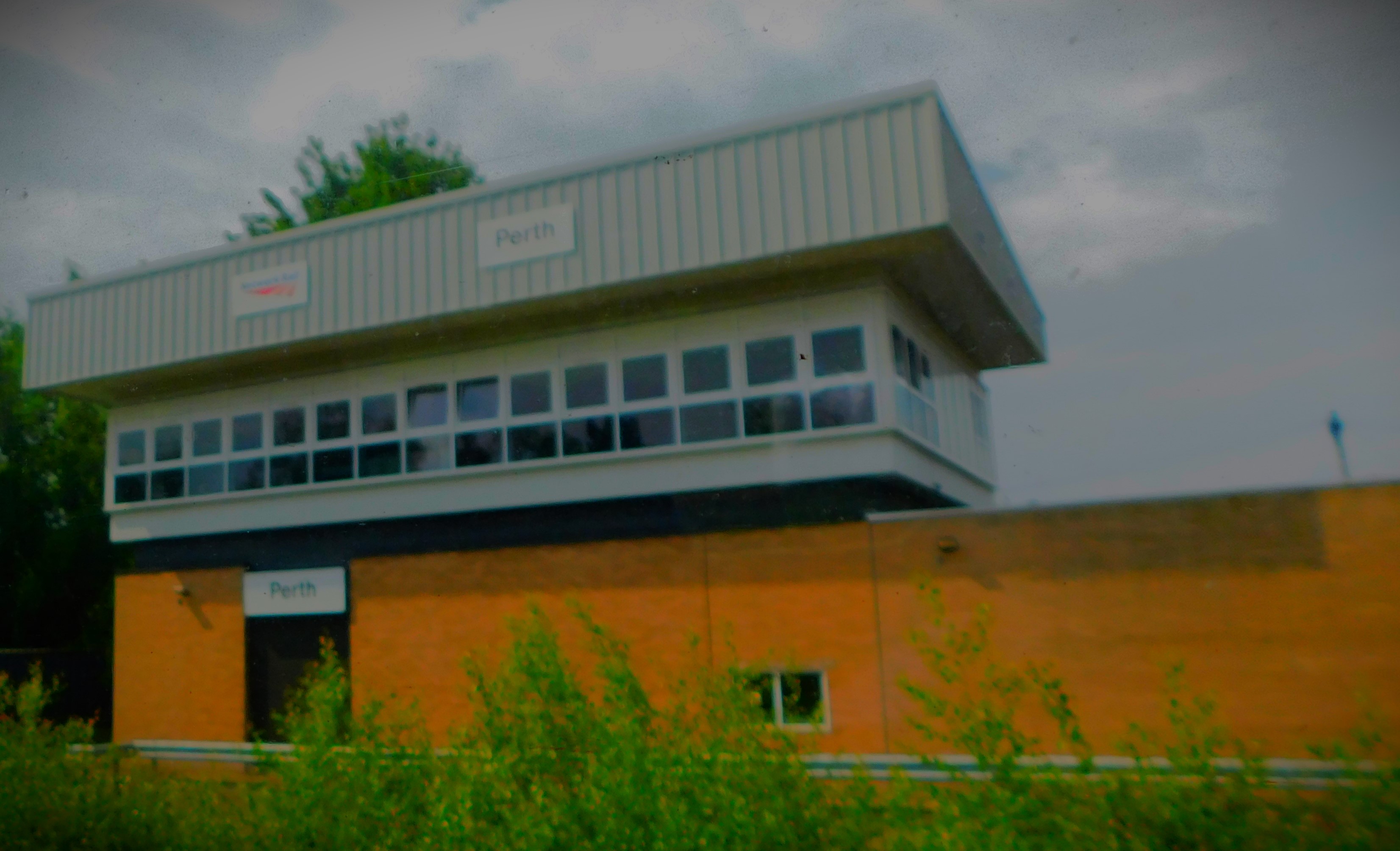
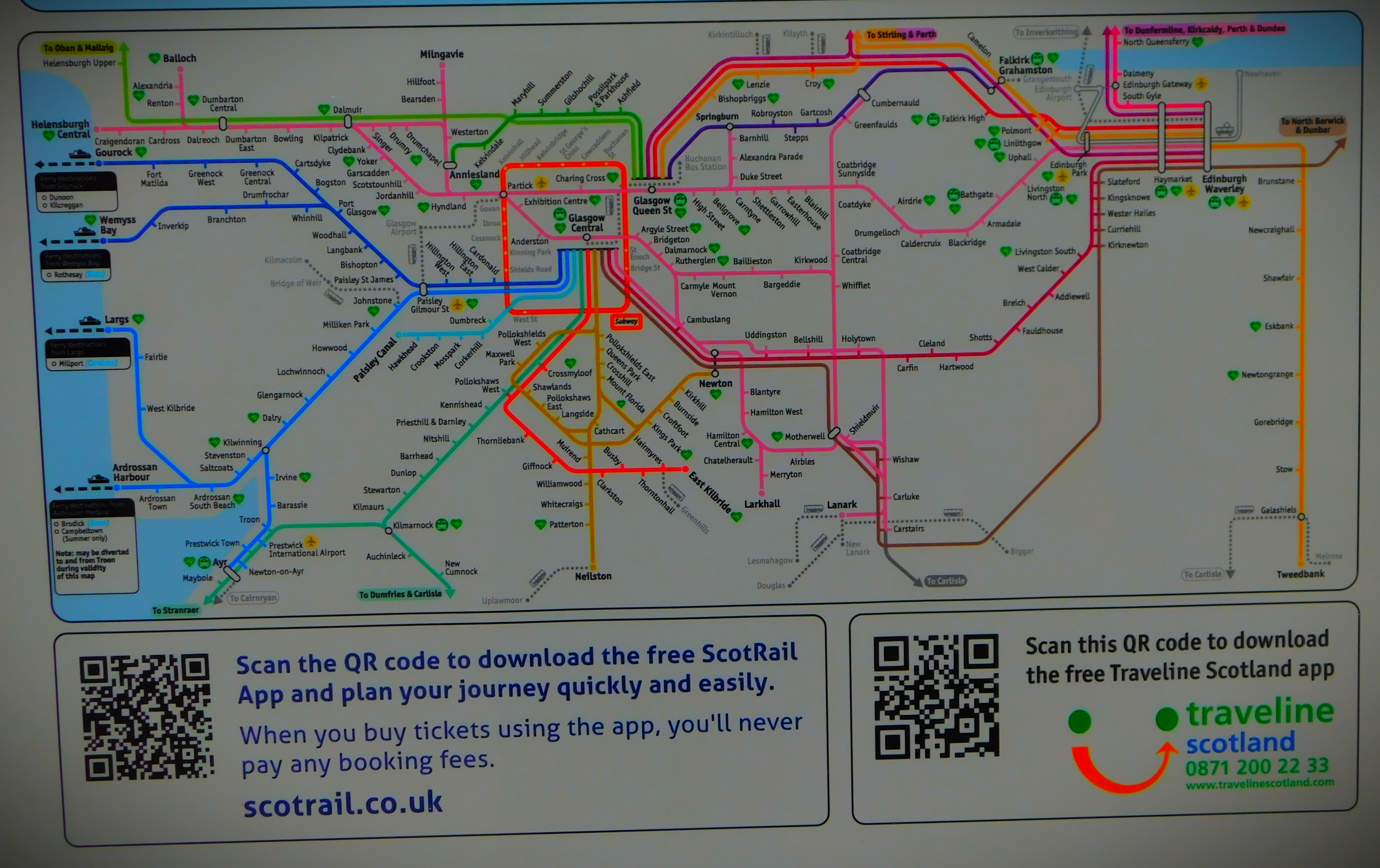
This was a non-stop journey on a Scotrail Intercity service heading towards Inverness. Unfortunately I was unable to secure a window seat for this final leg of the journey, though I did spot one or two interesting things on arrival at Perth. The train arrived at Perth at the scheduled time, which meant that seven and a half hours of public transport travel involving one bus and three trains had ended with the traveller in the right place at the right time – which in 21st century Britain comes close to qualifying as miraculous.
PHOTOGRAPHS
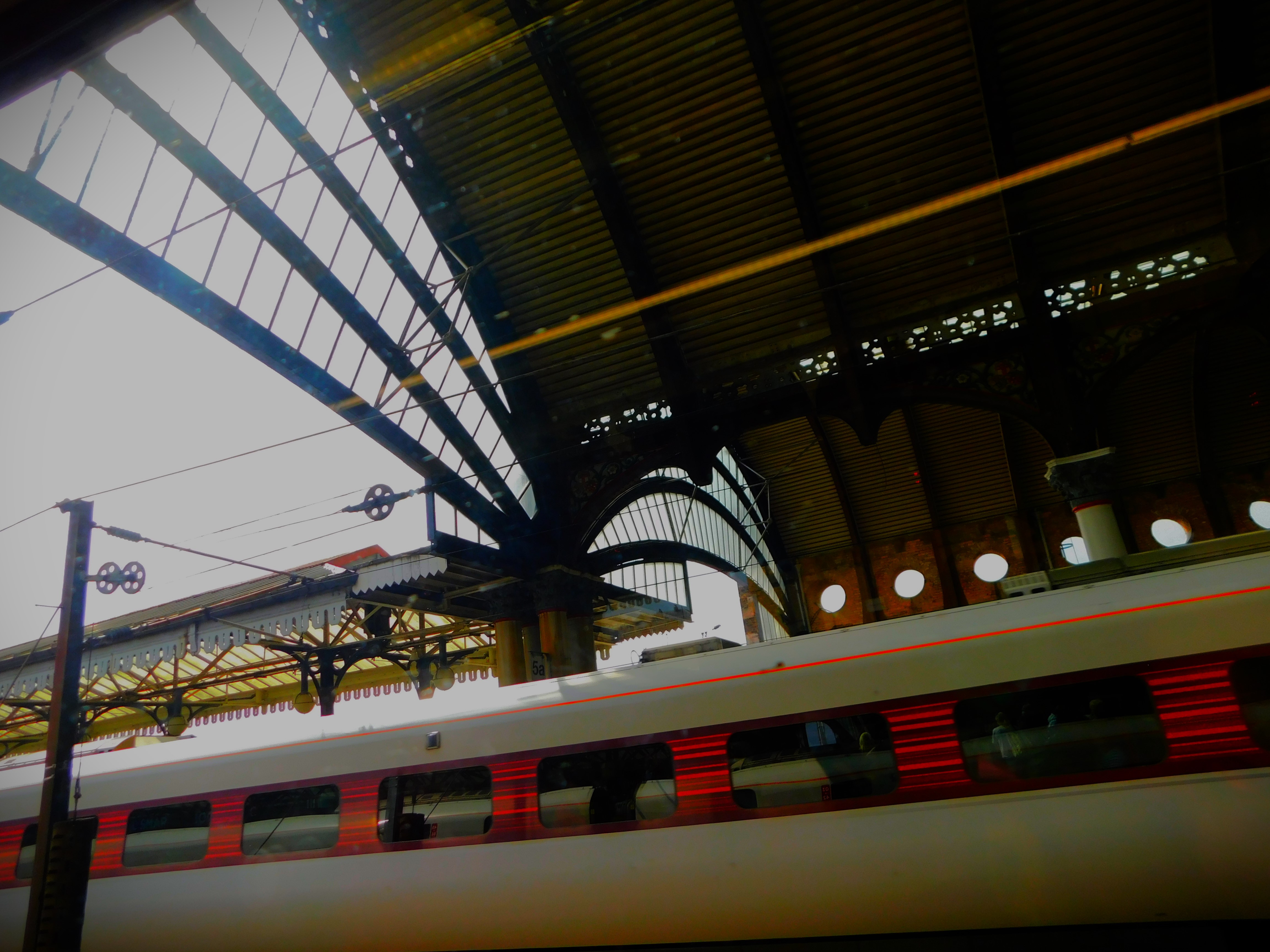
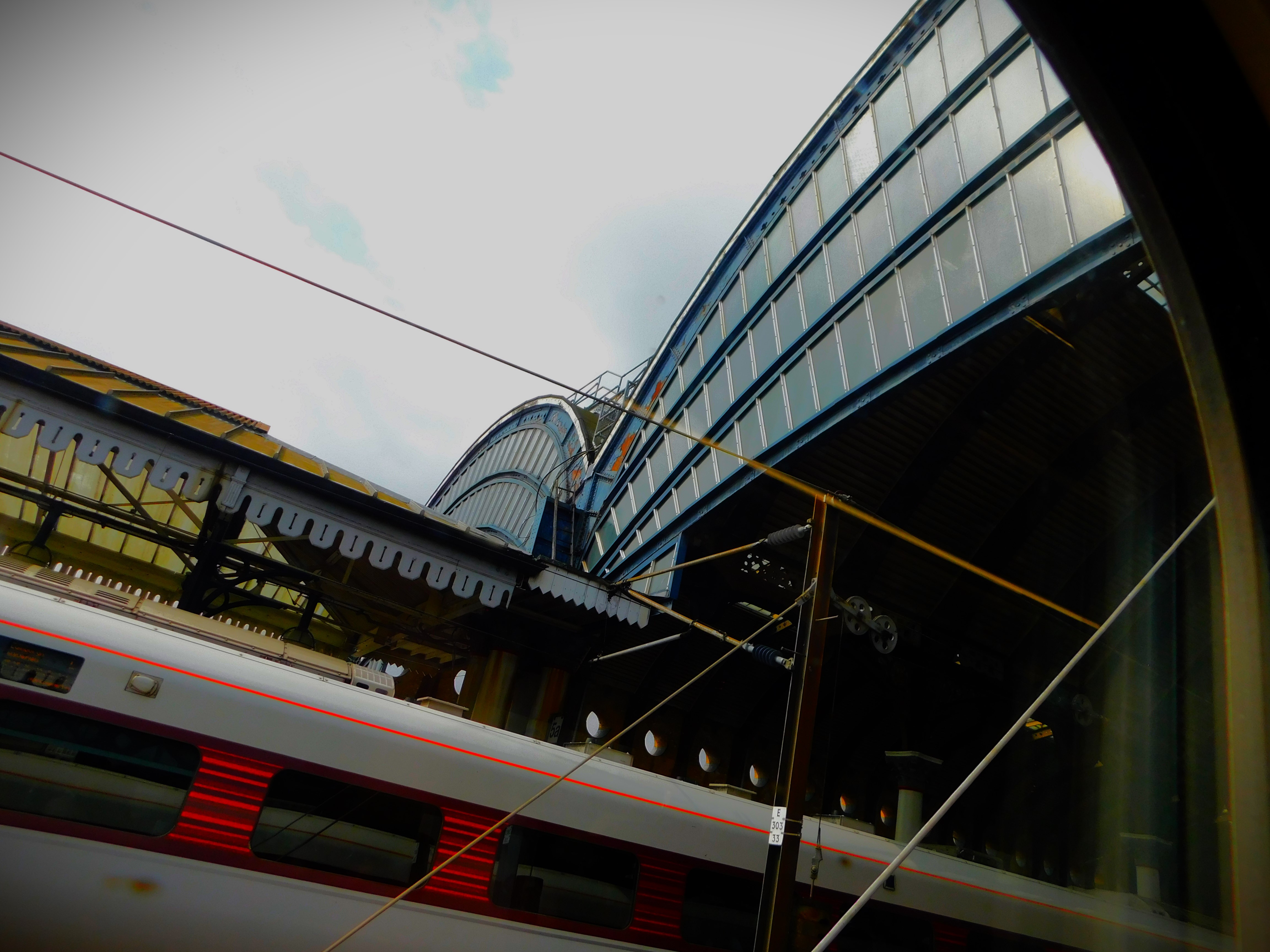
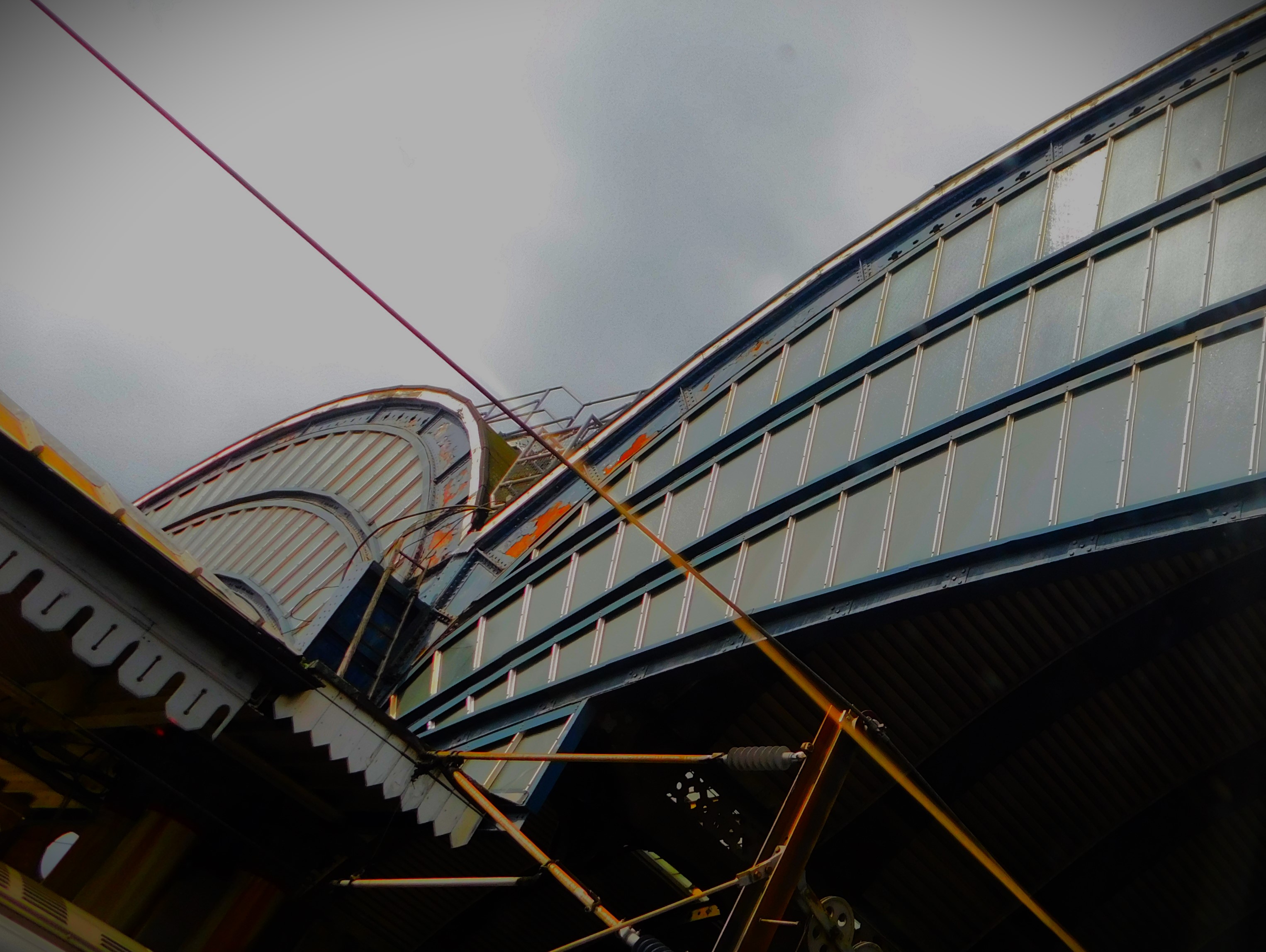
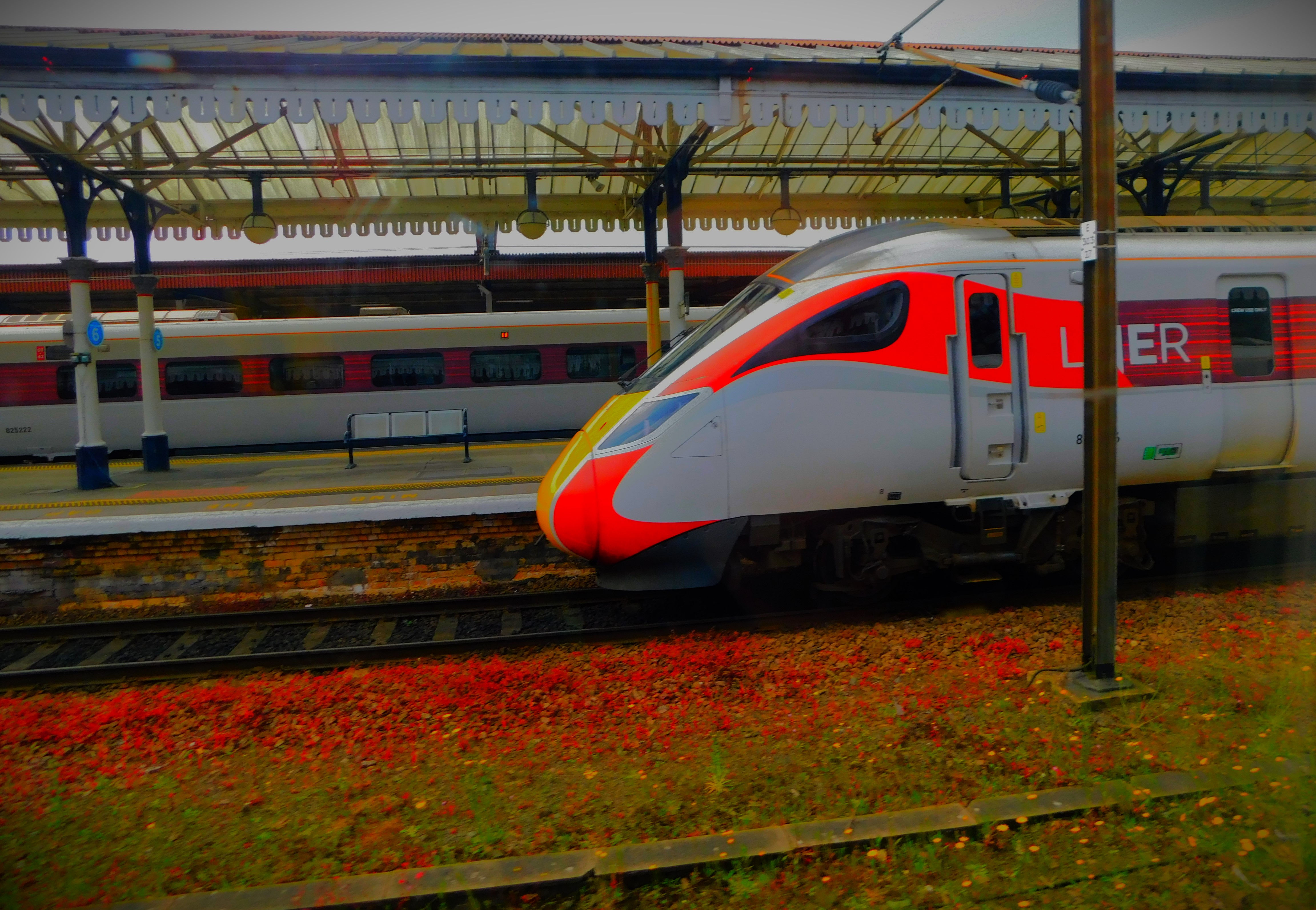
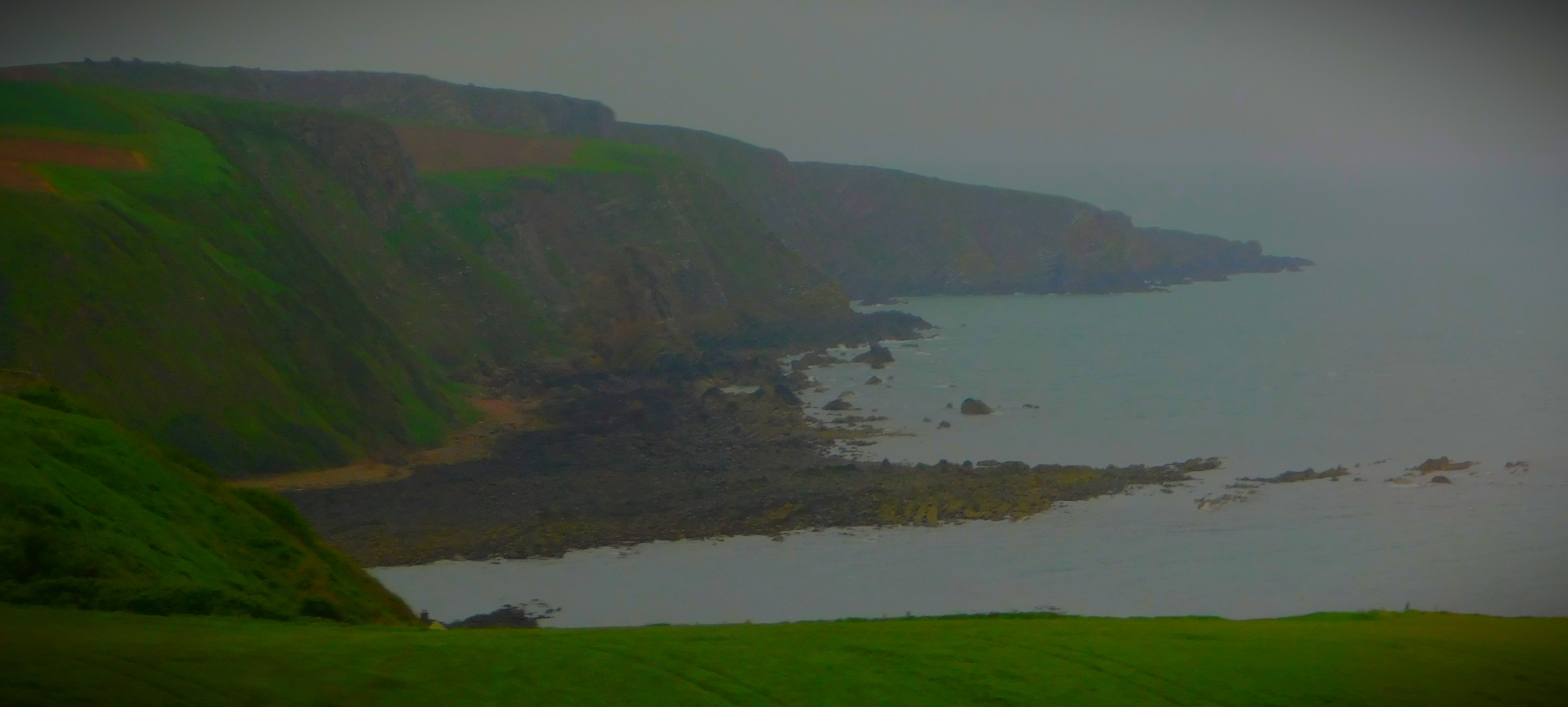
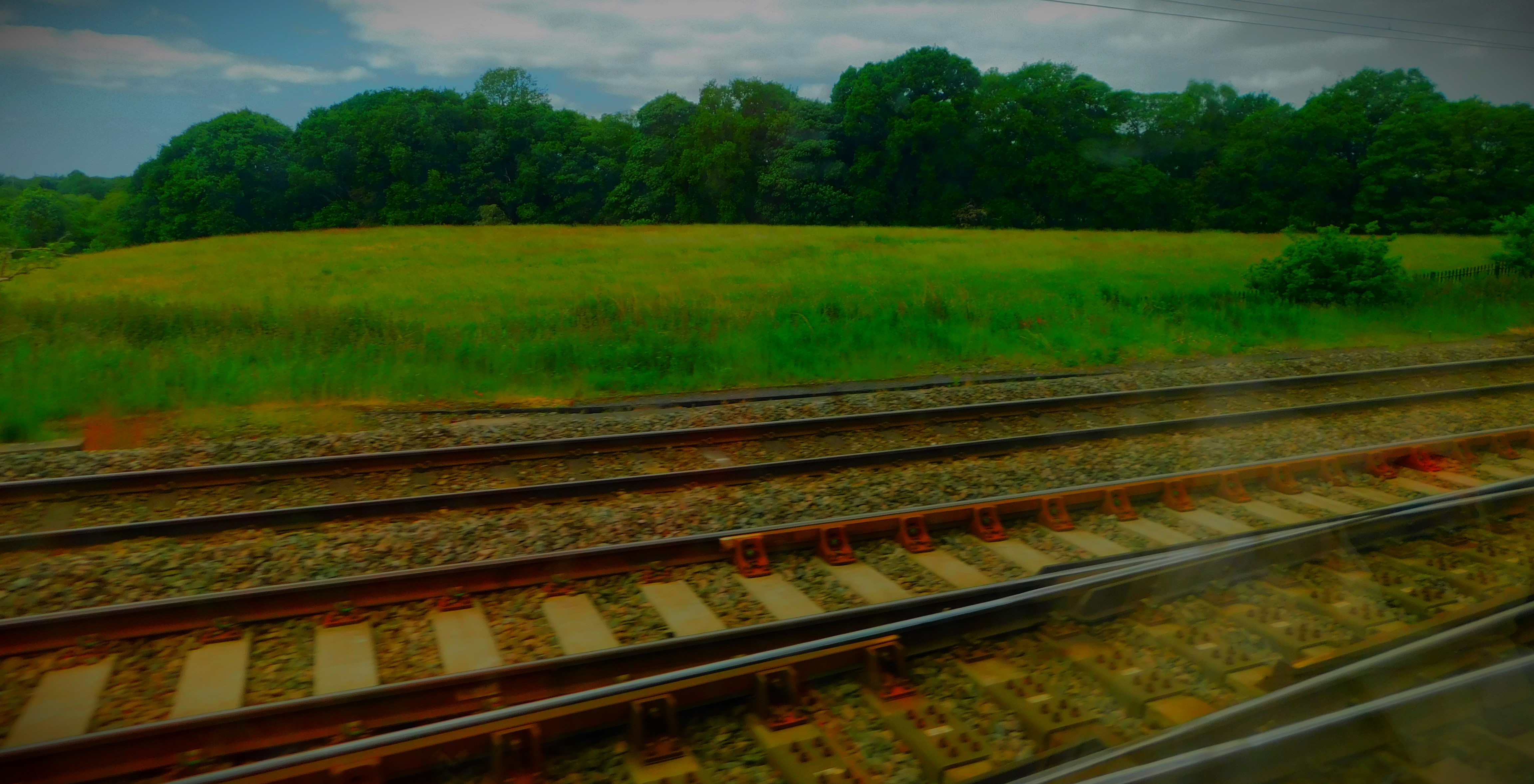
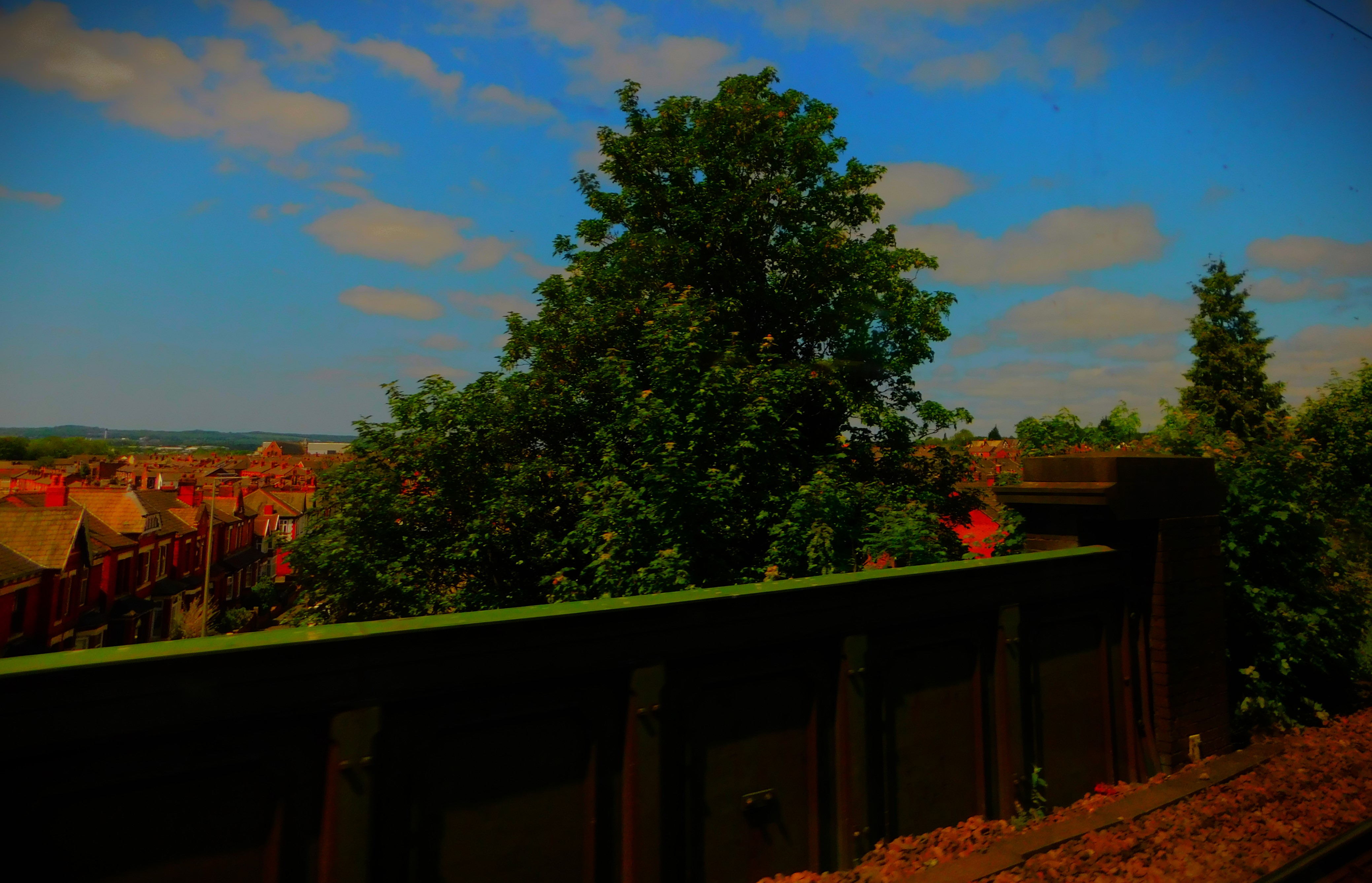
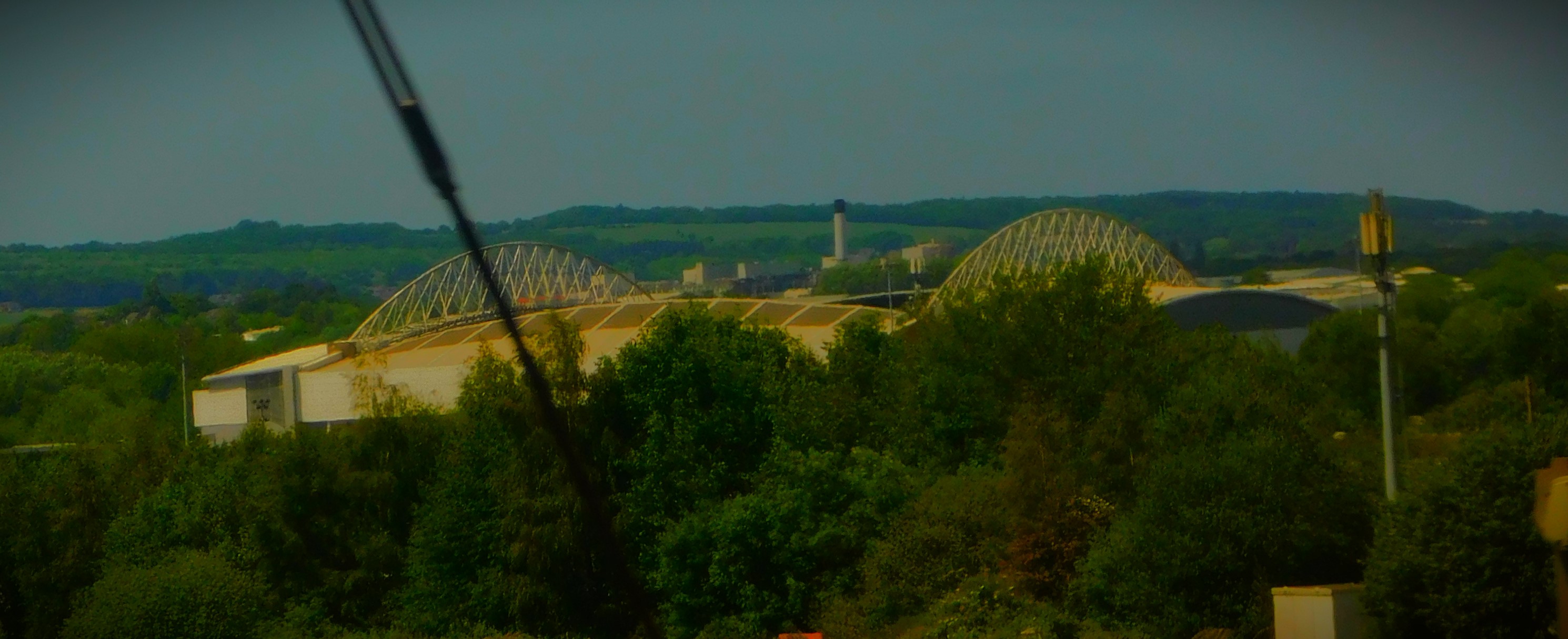
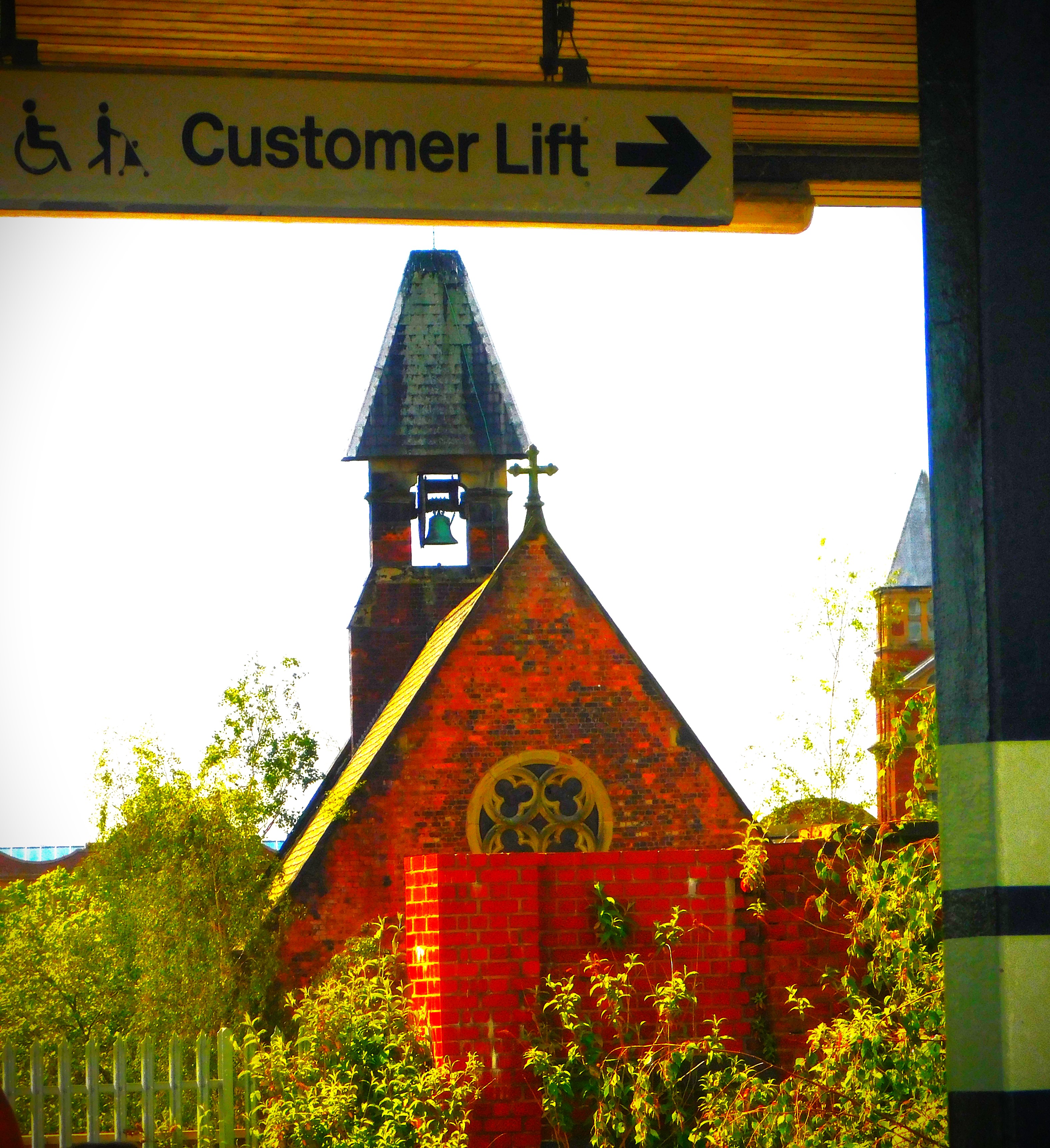
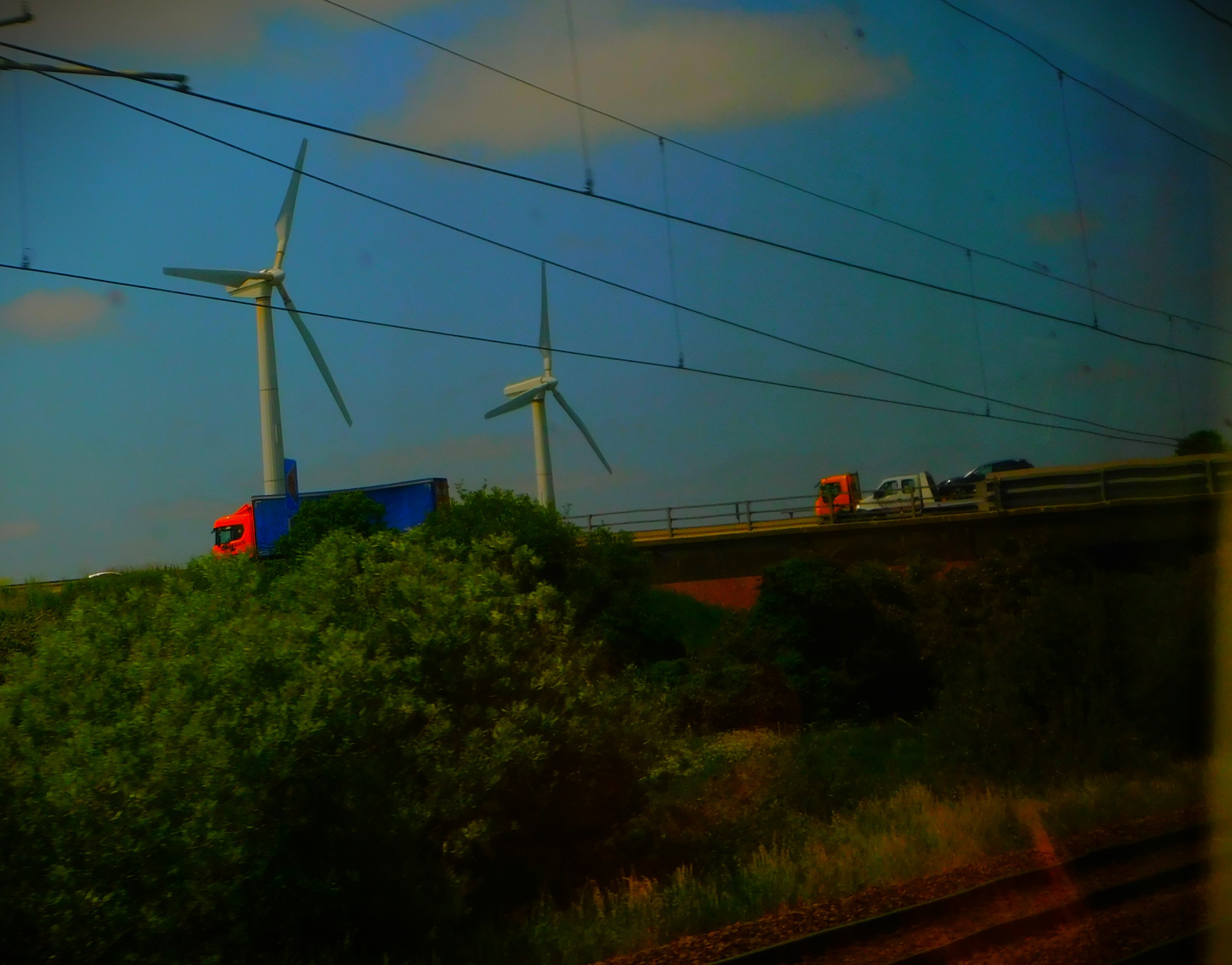
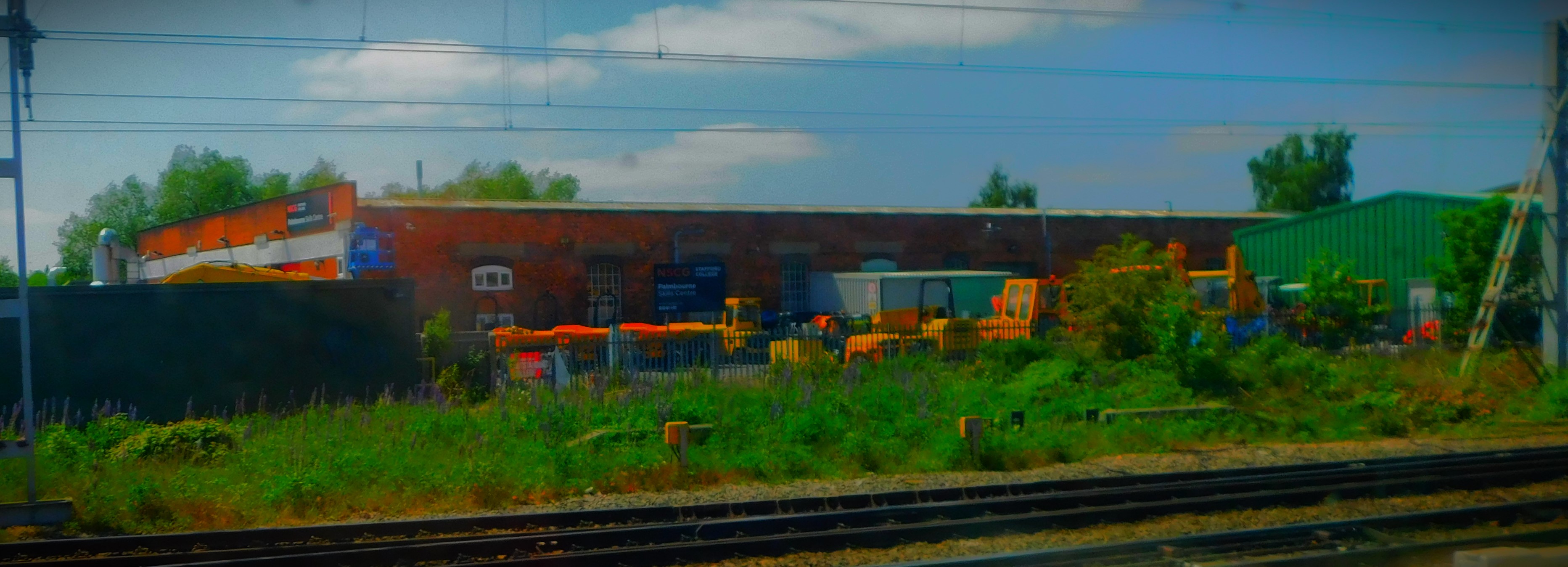
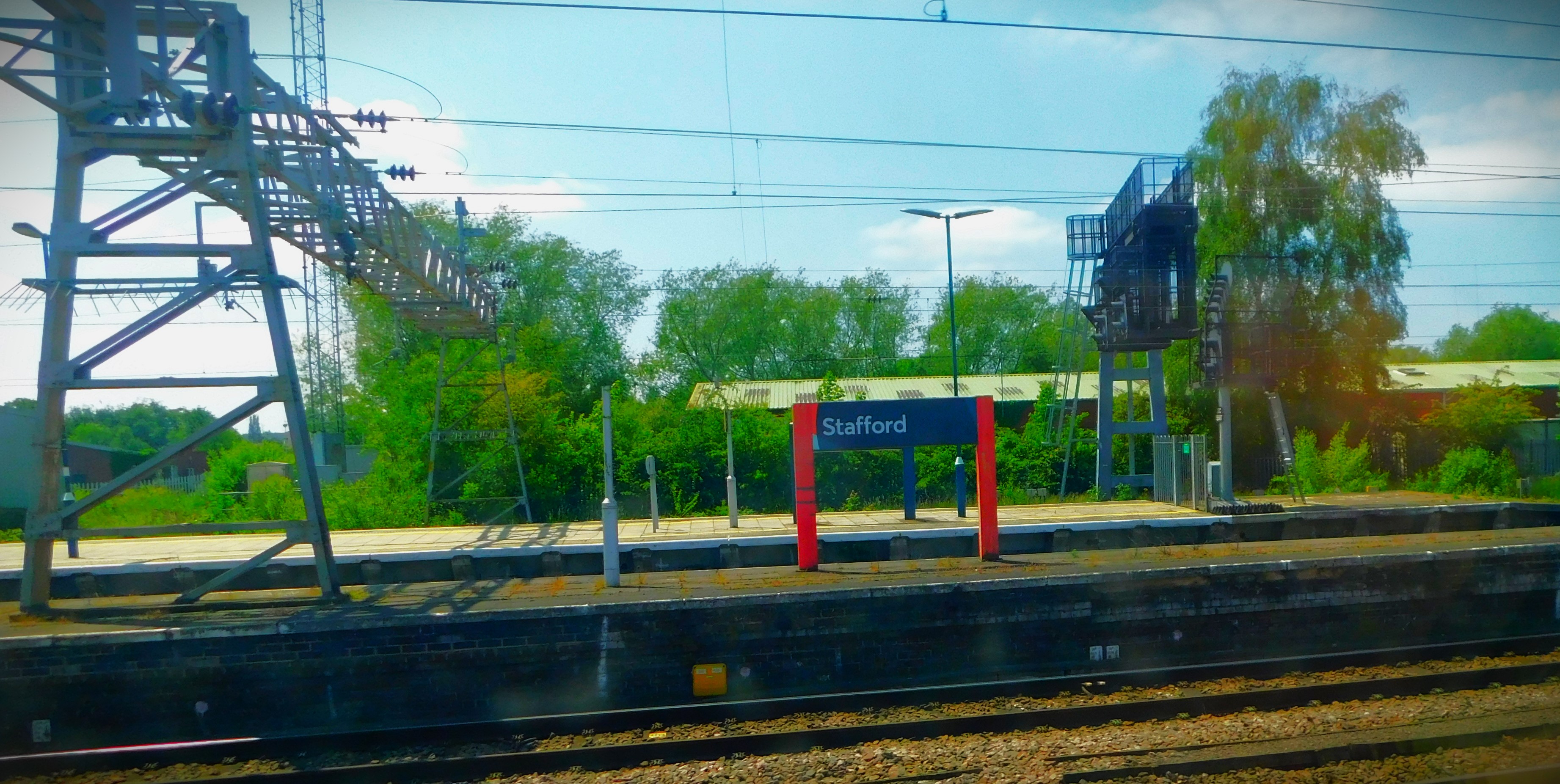
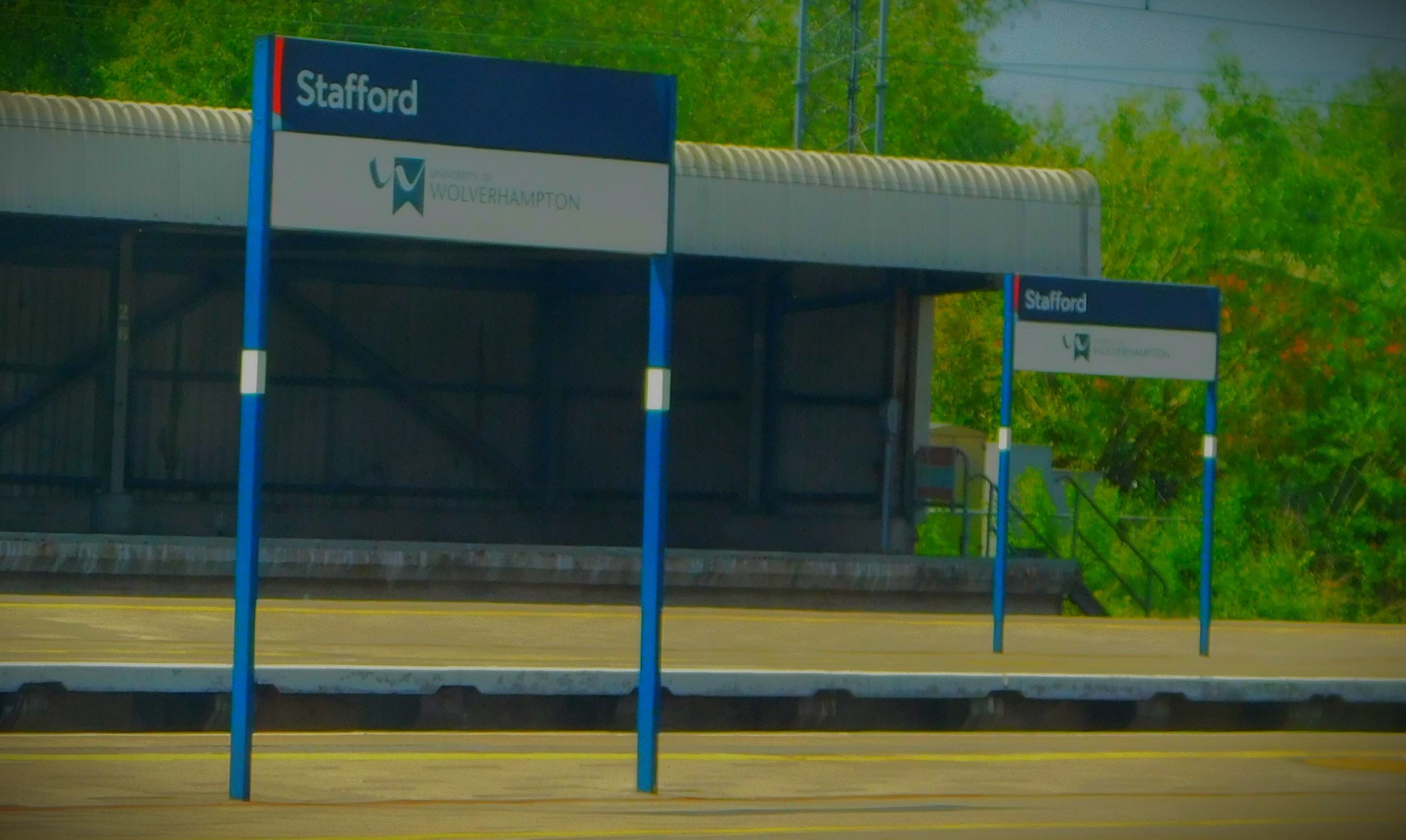
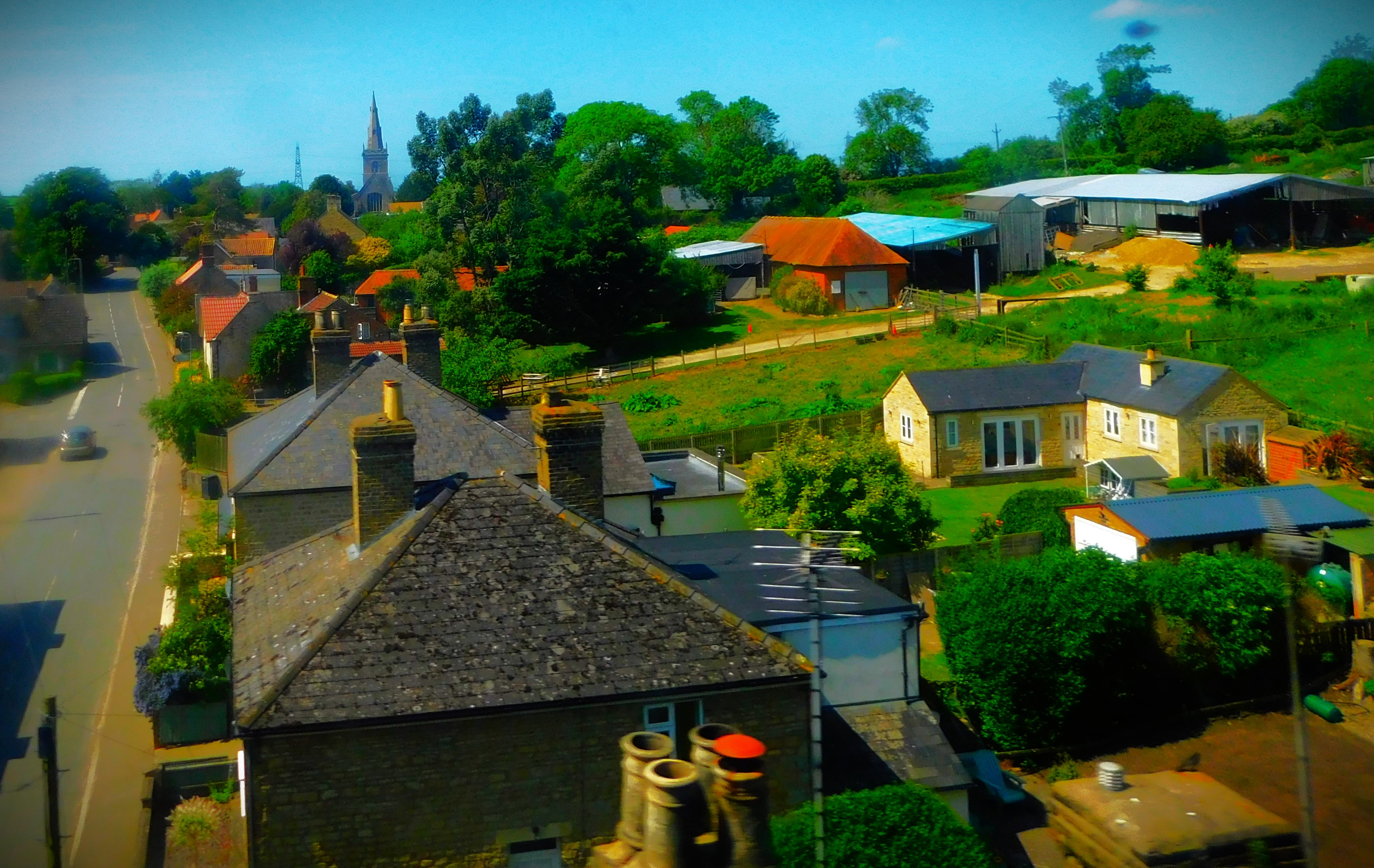
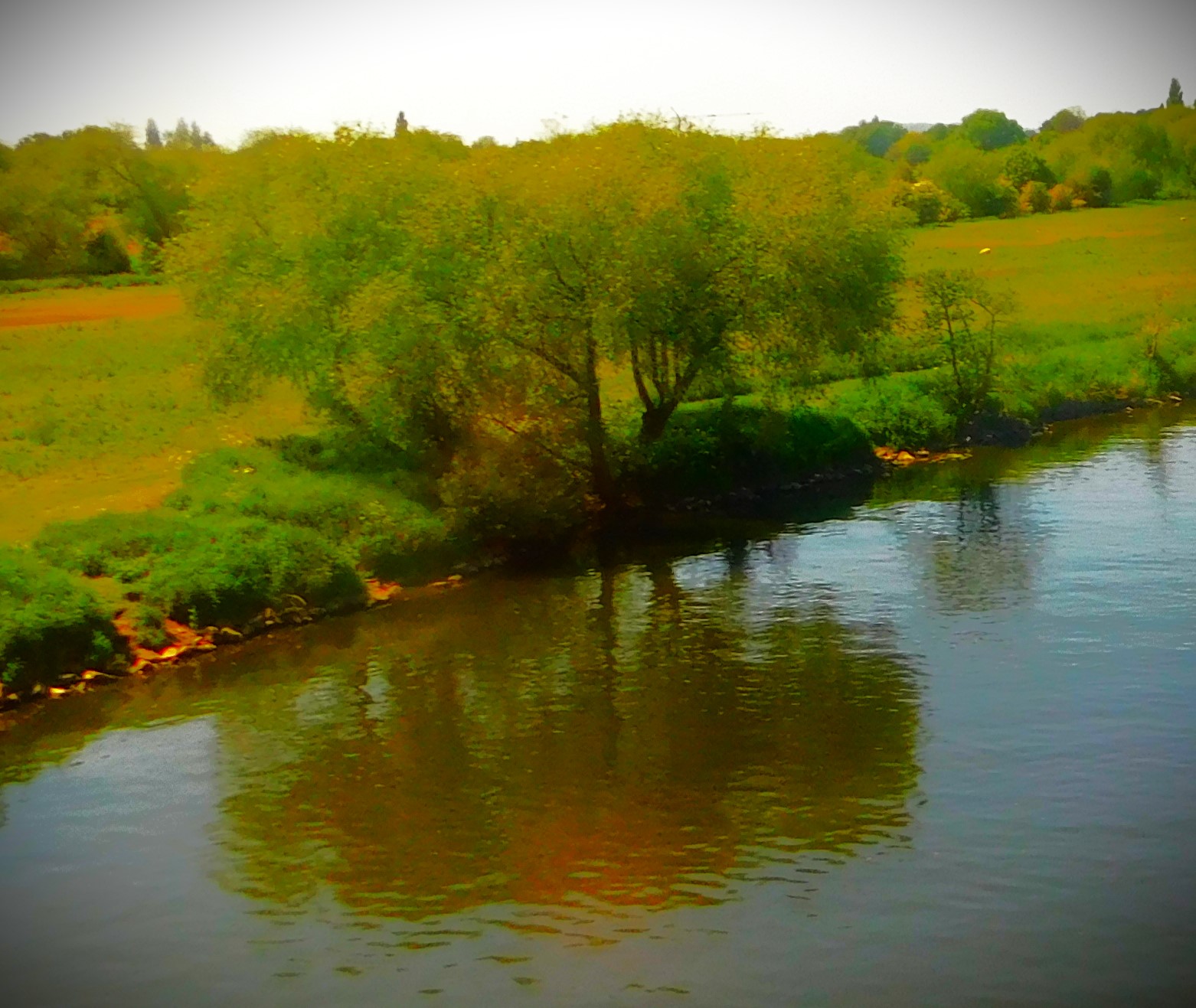
Taking photographs through the windows of buses and trains is often frustrating, but yields enough good pictures to be worthwhile….
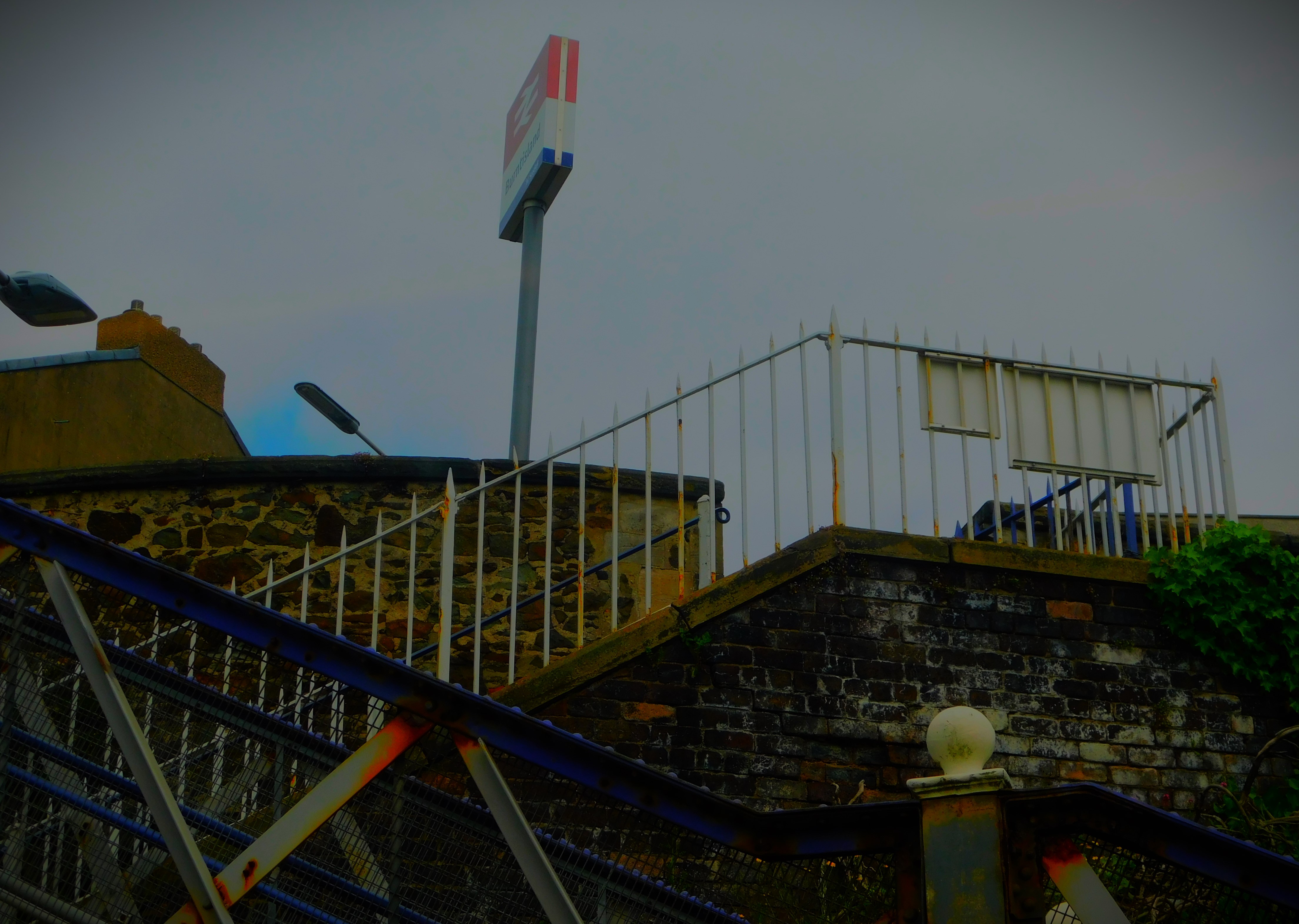
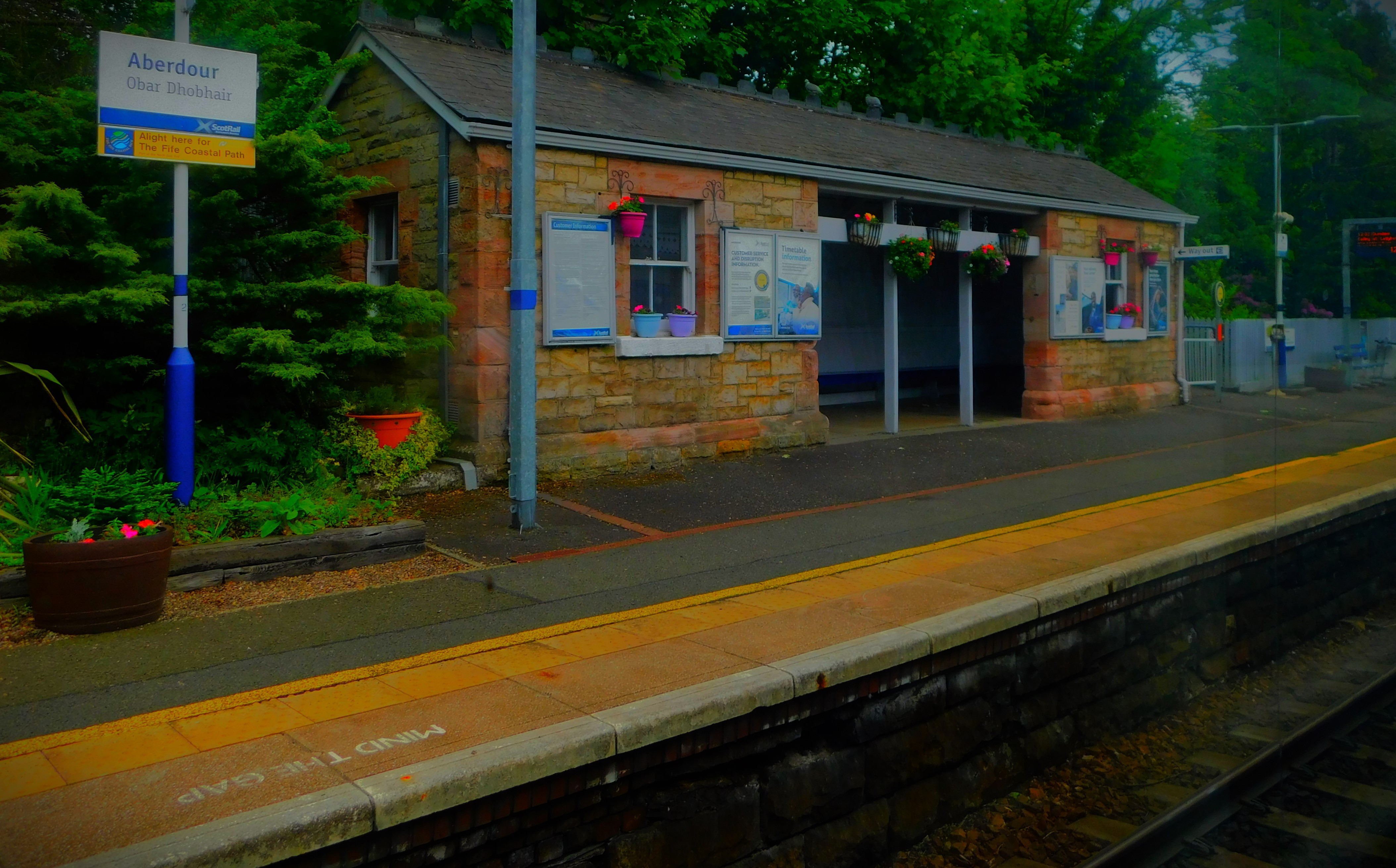
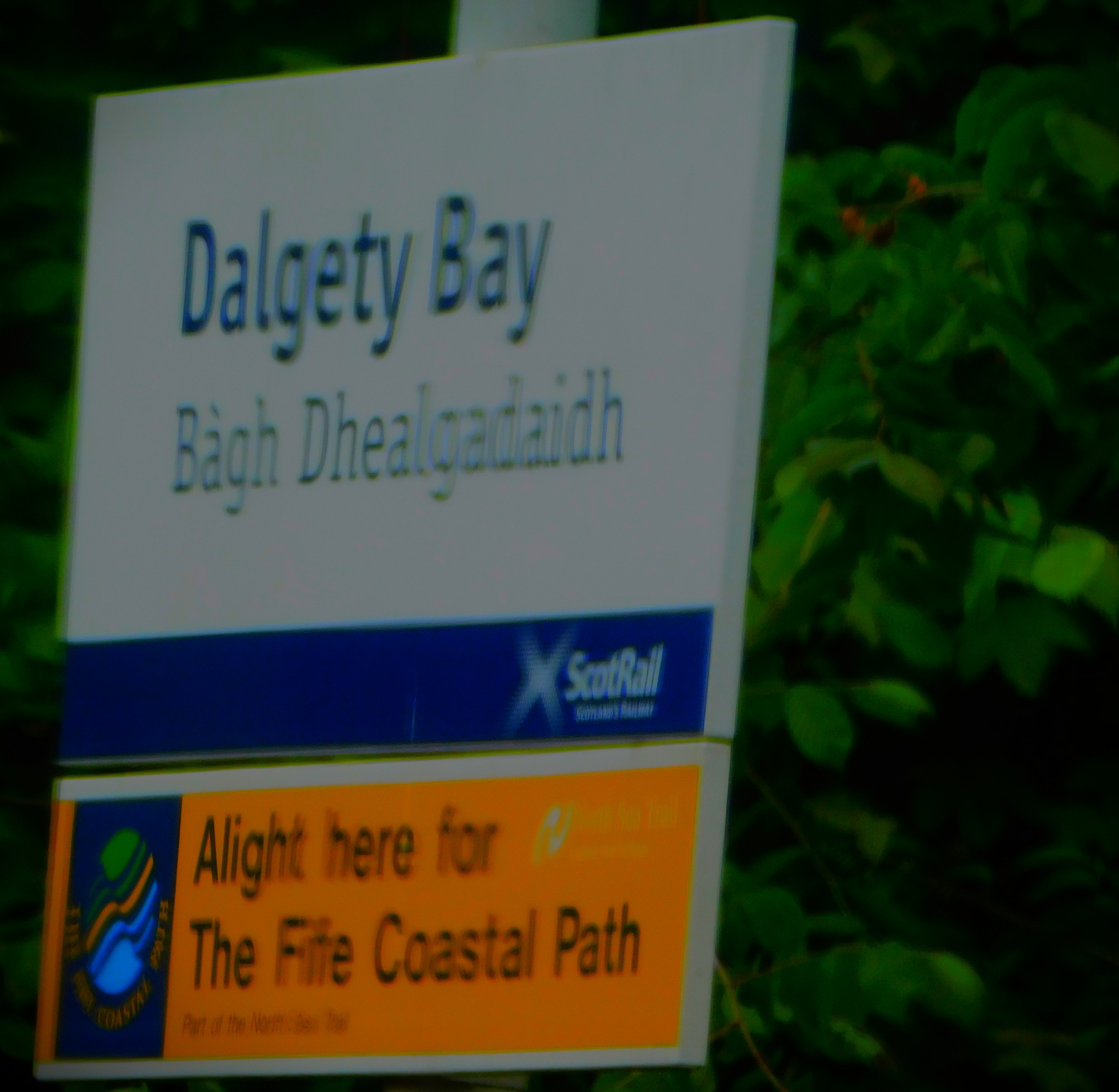
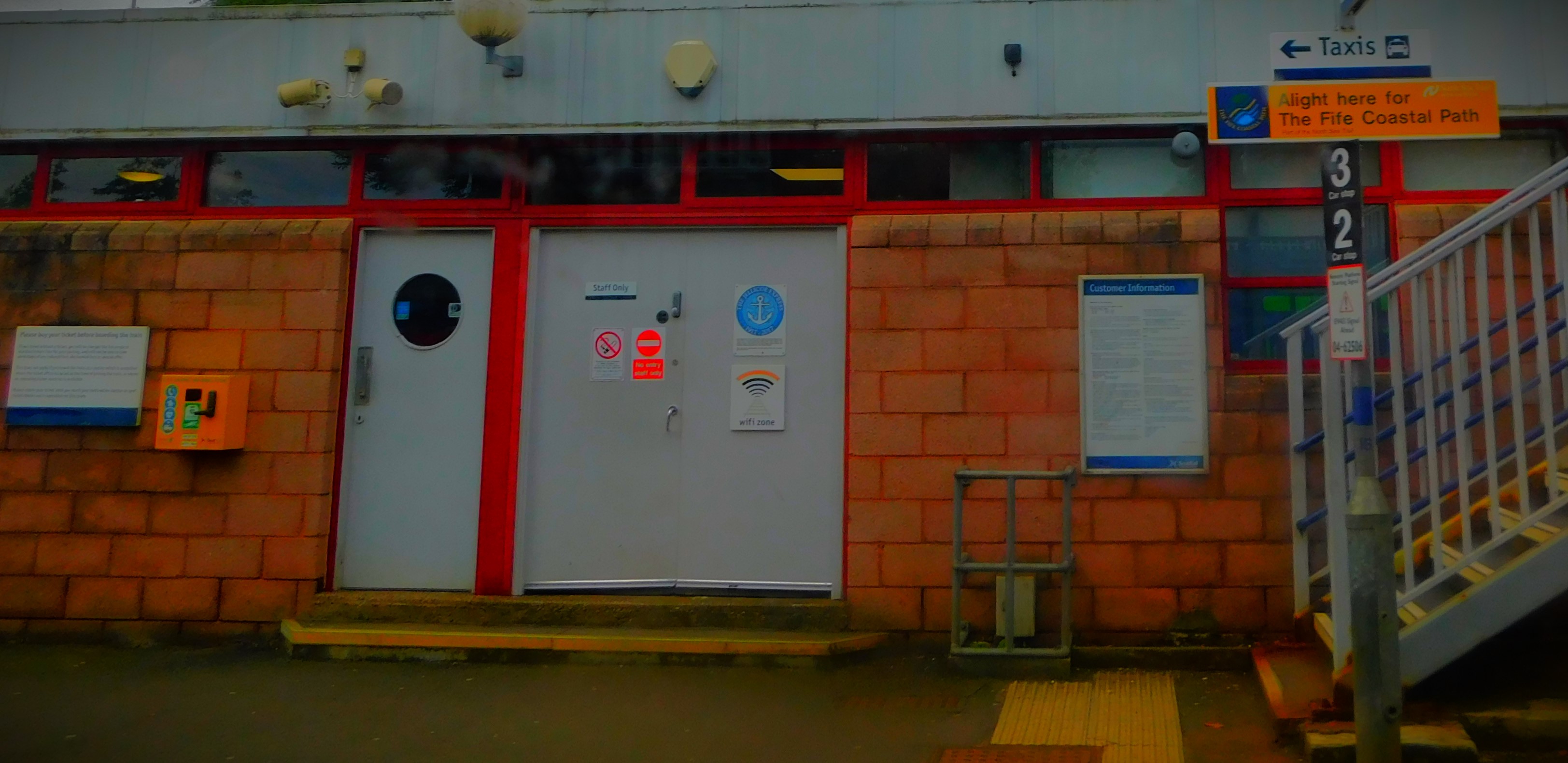
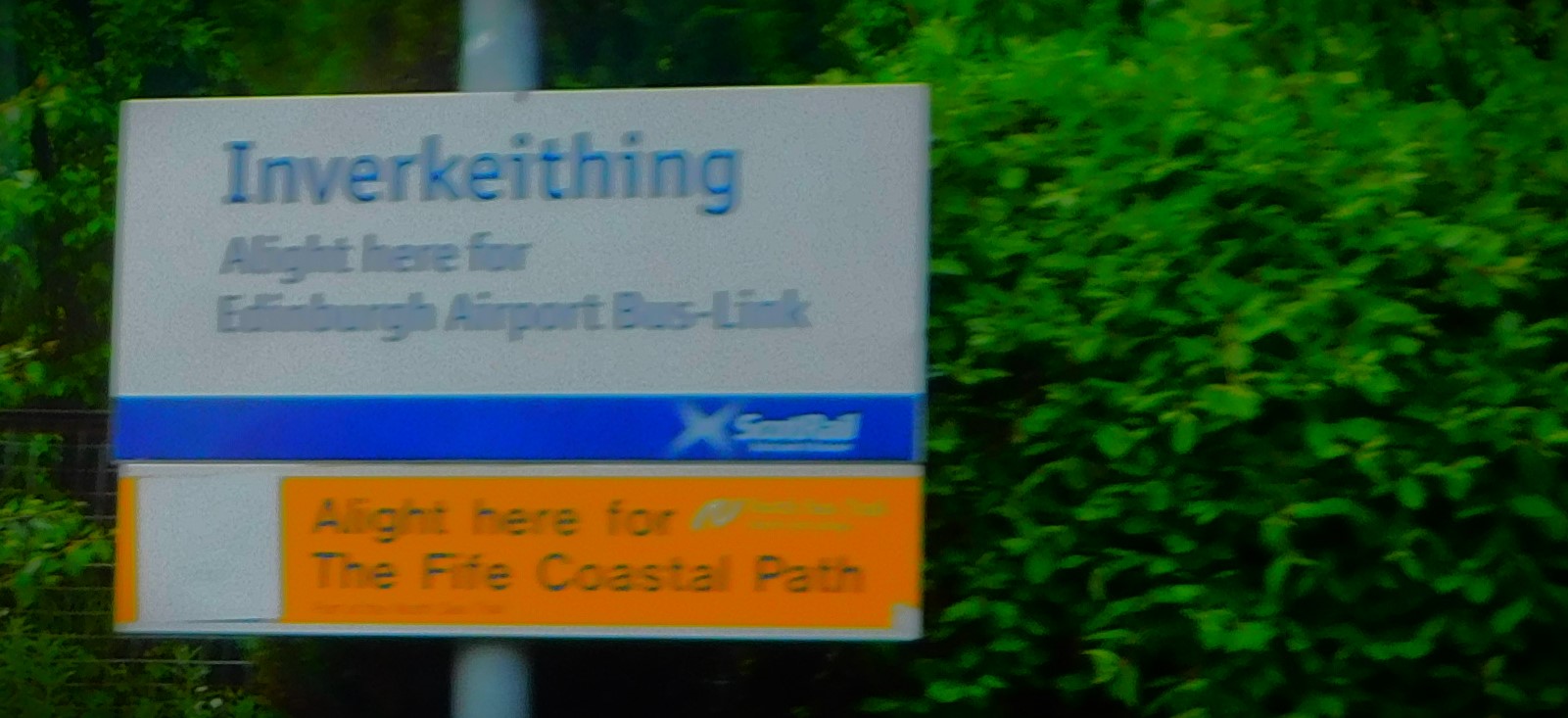
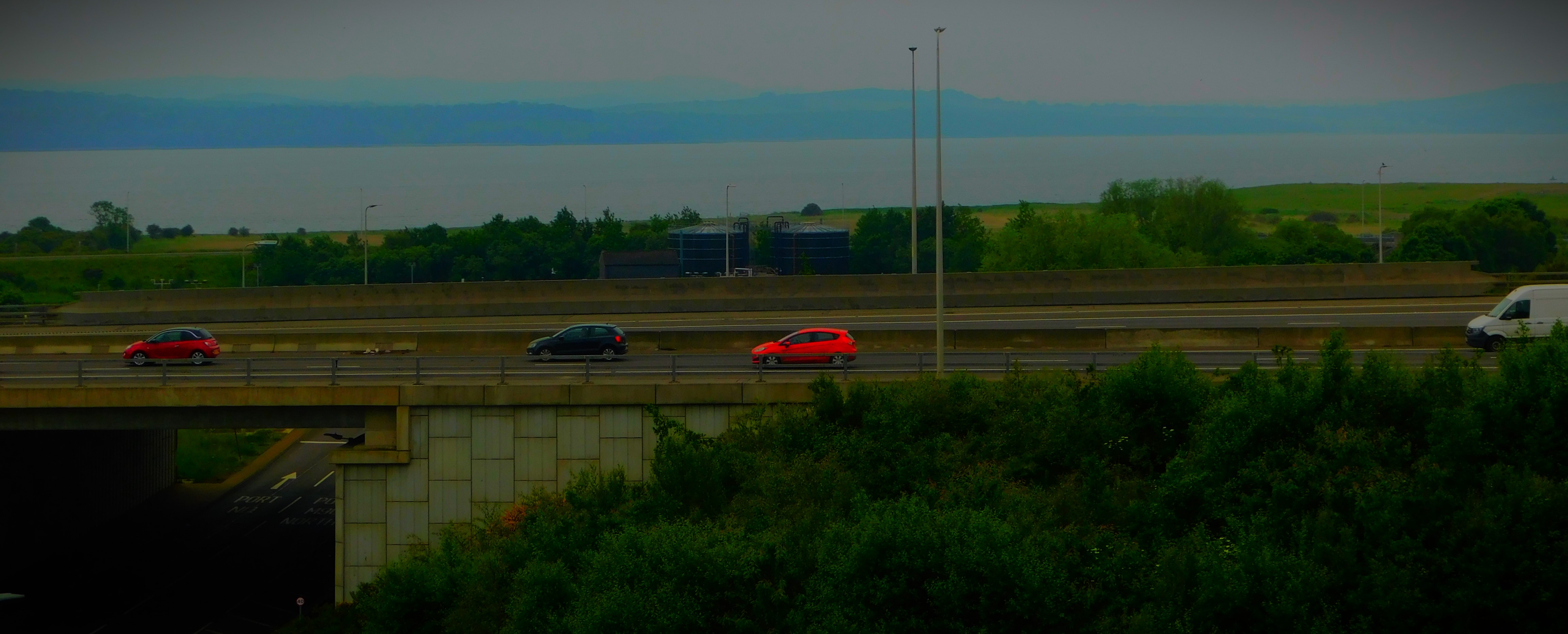
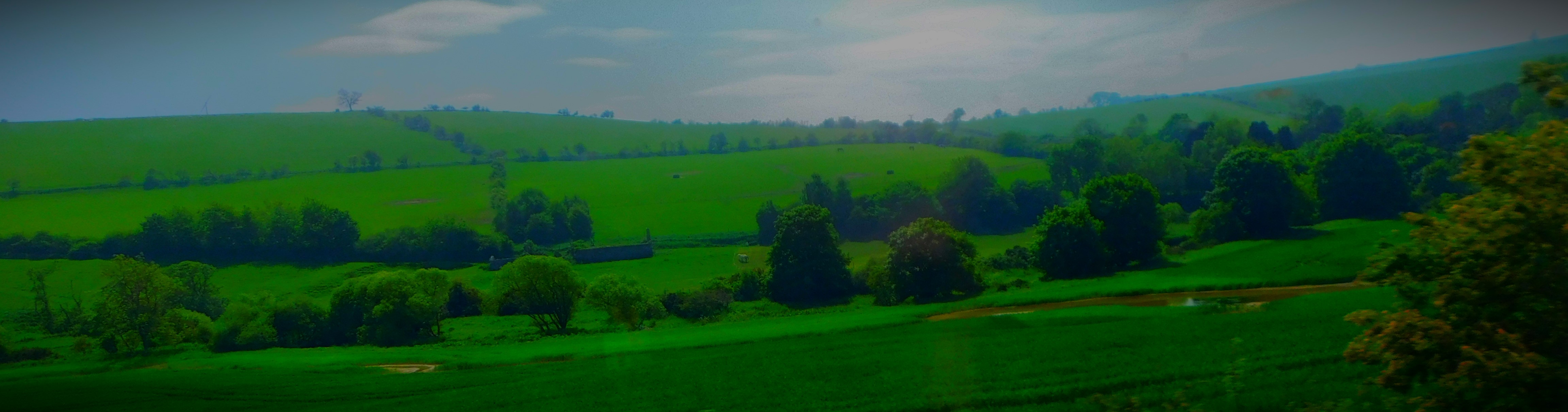
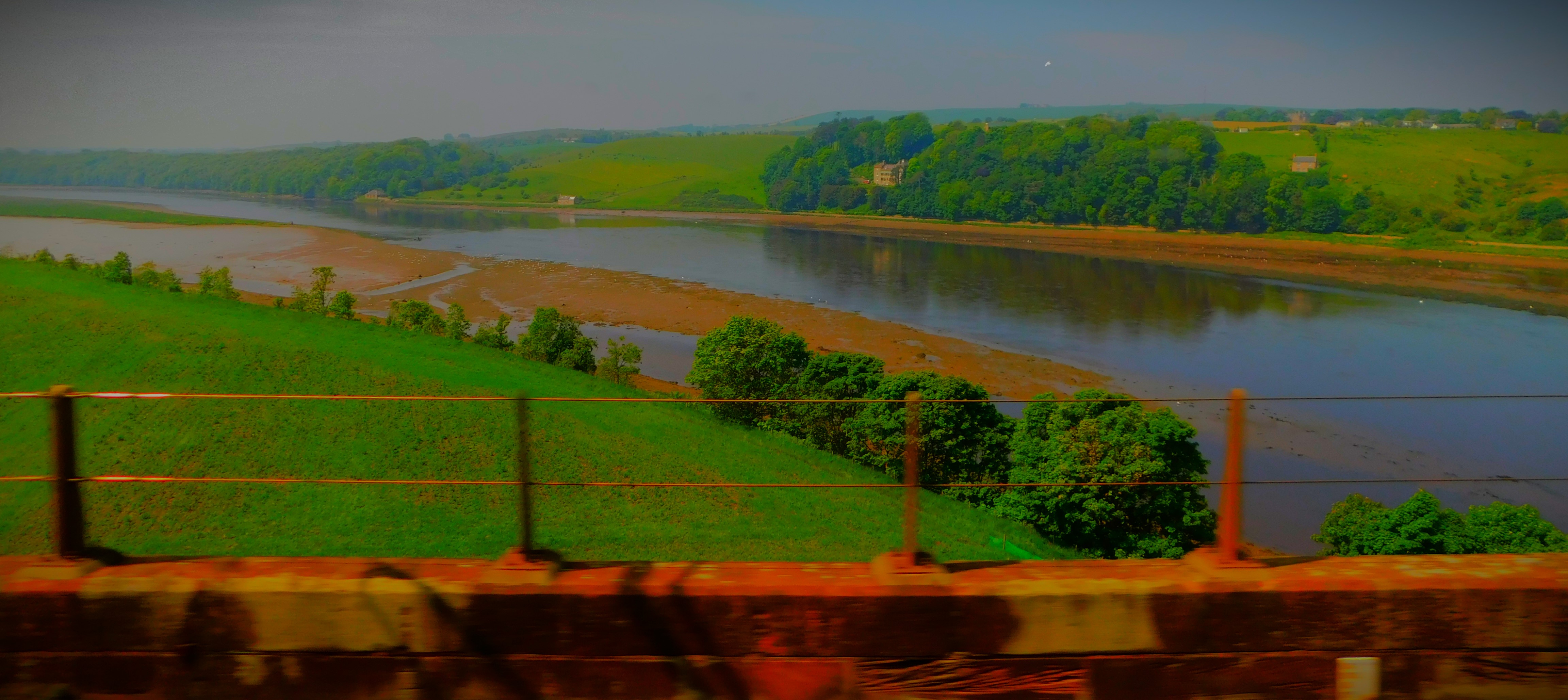
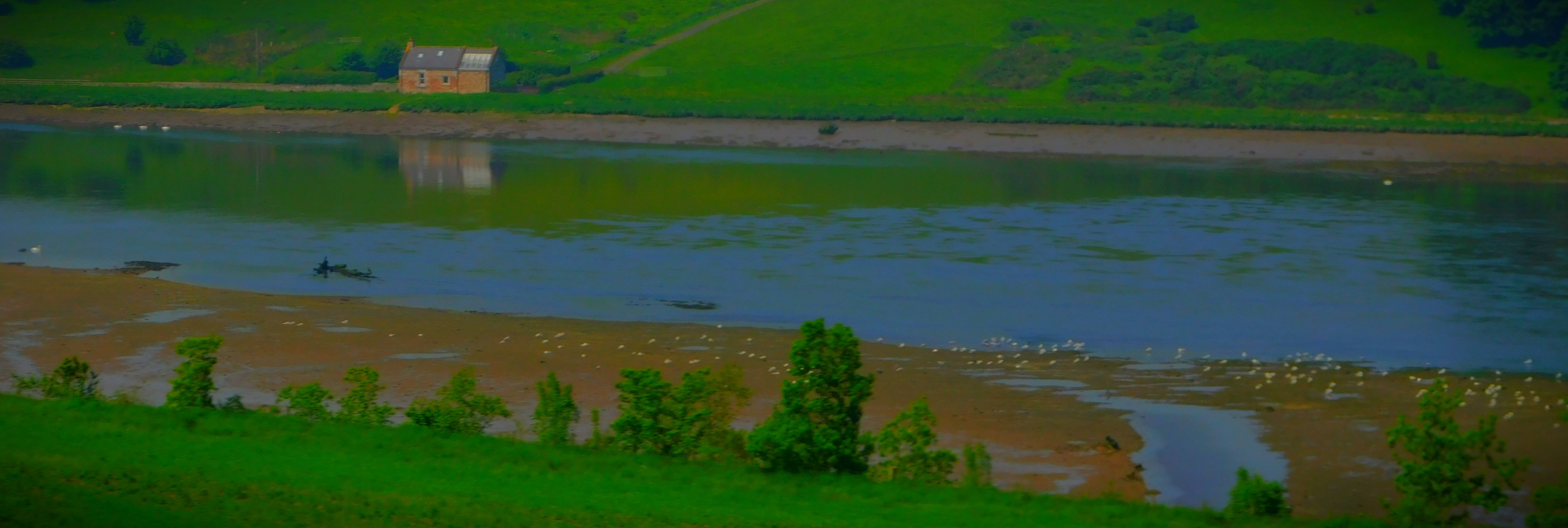
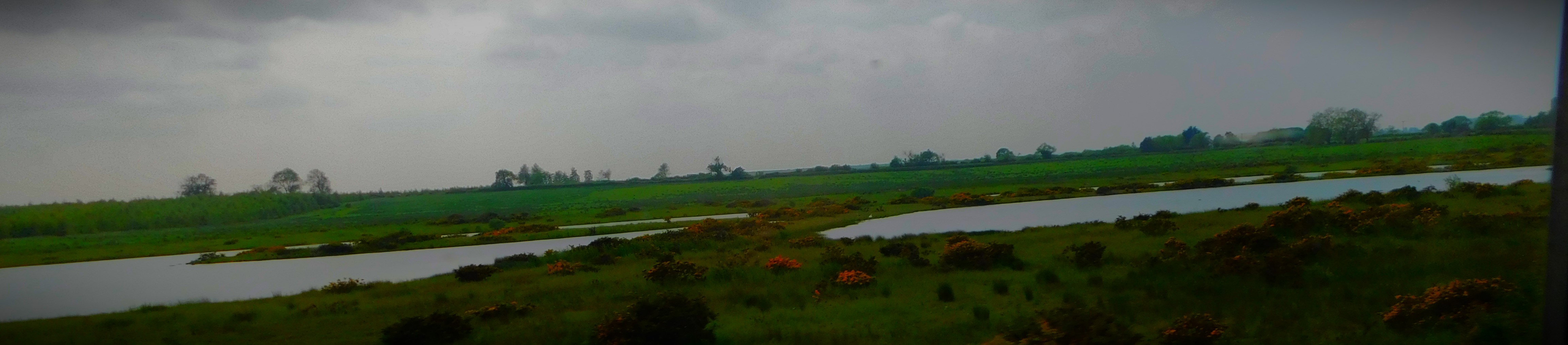
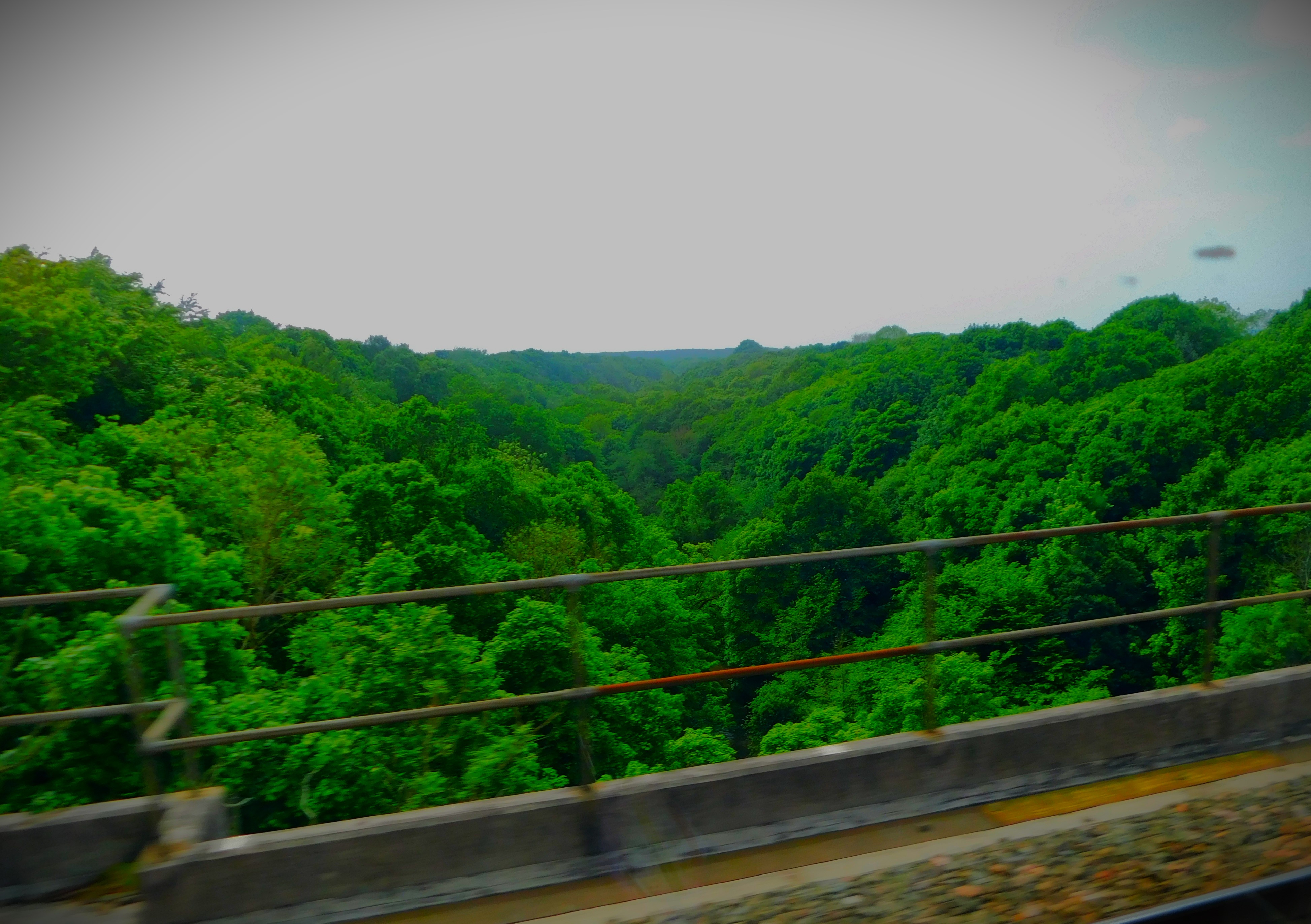
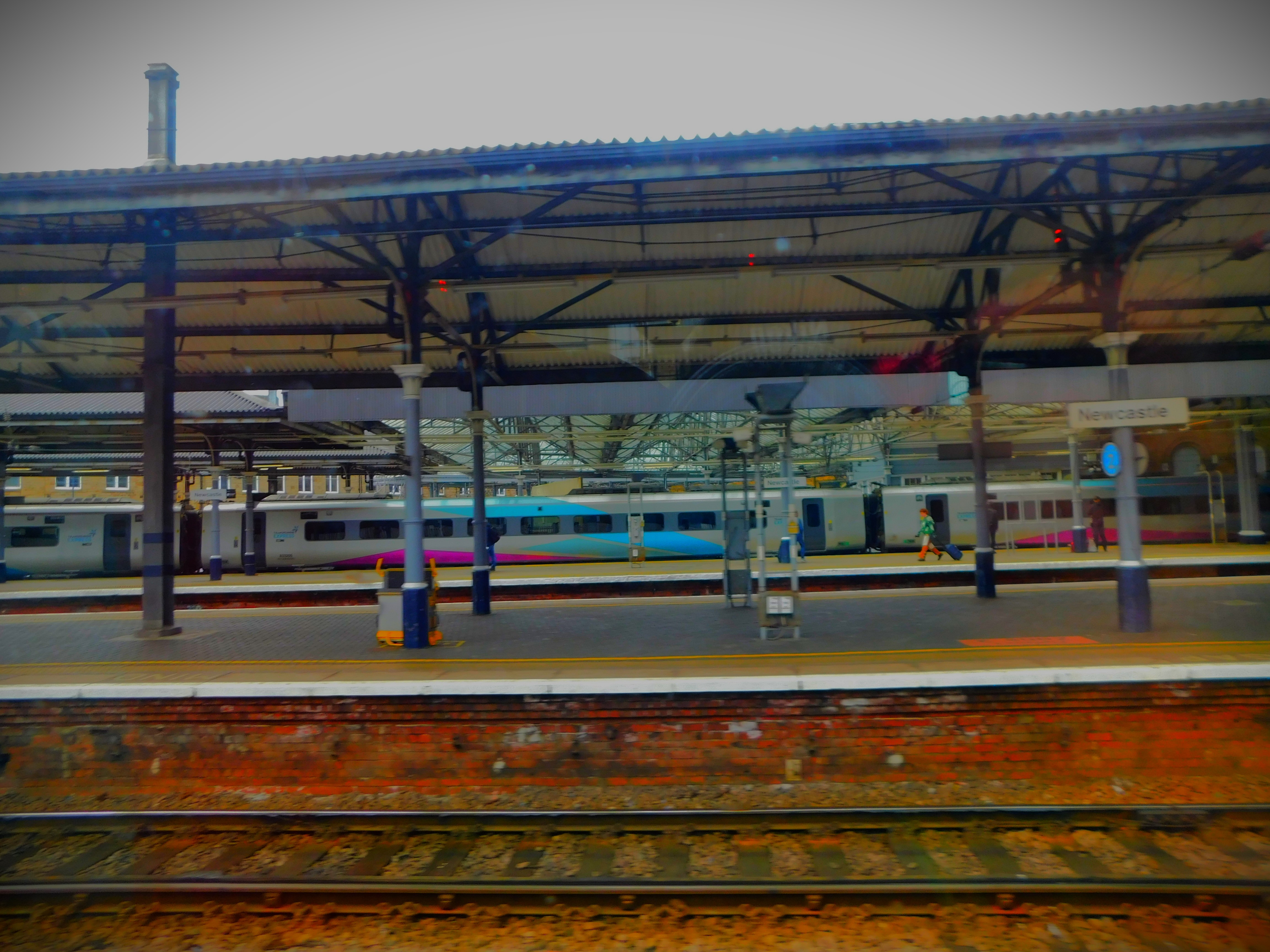
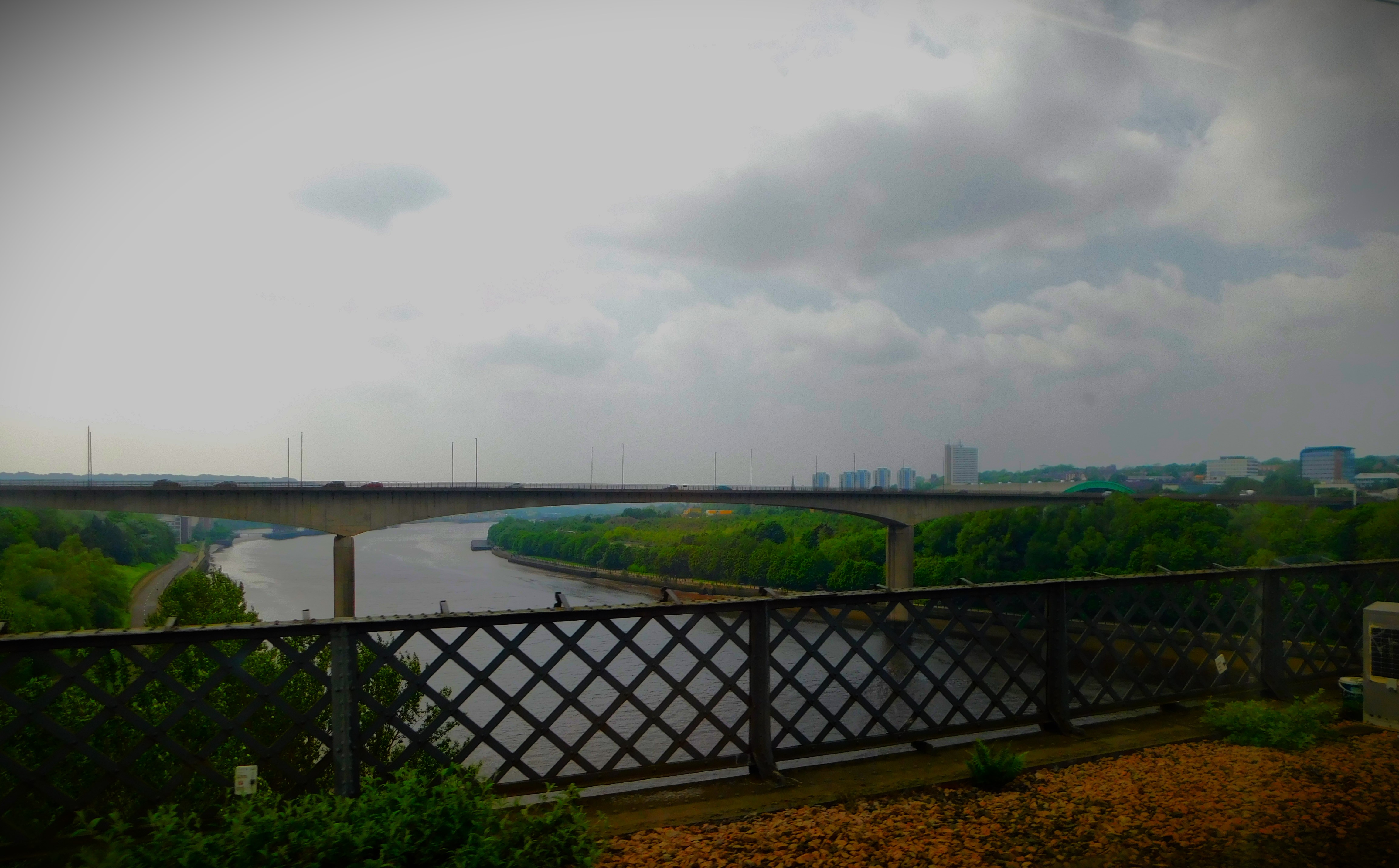
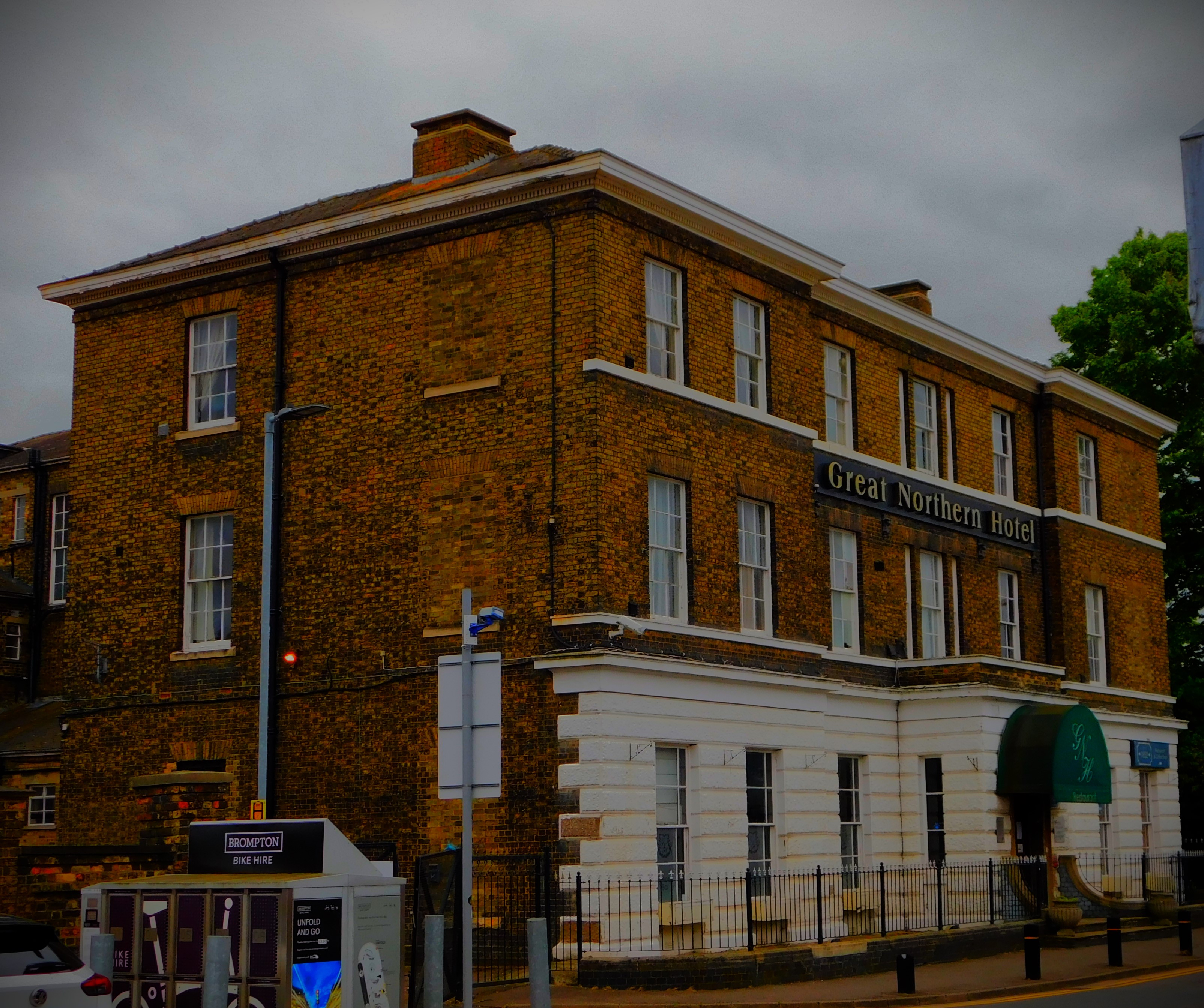
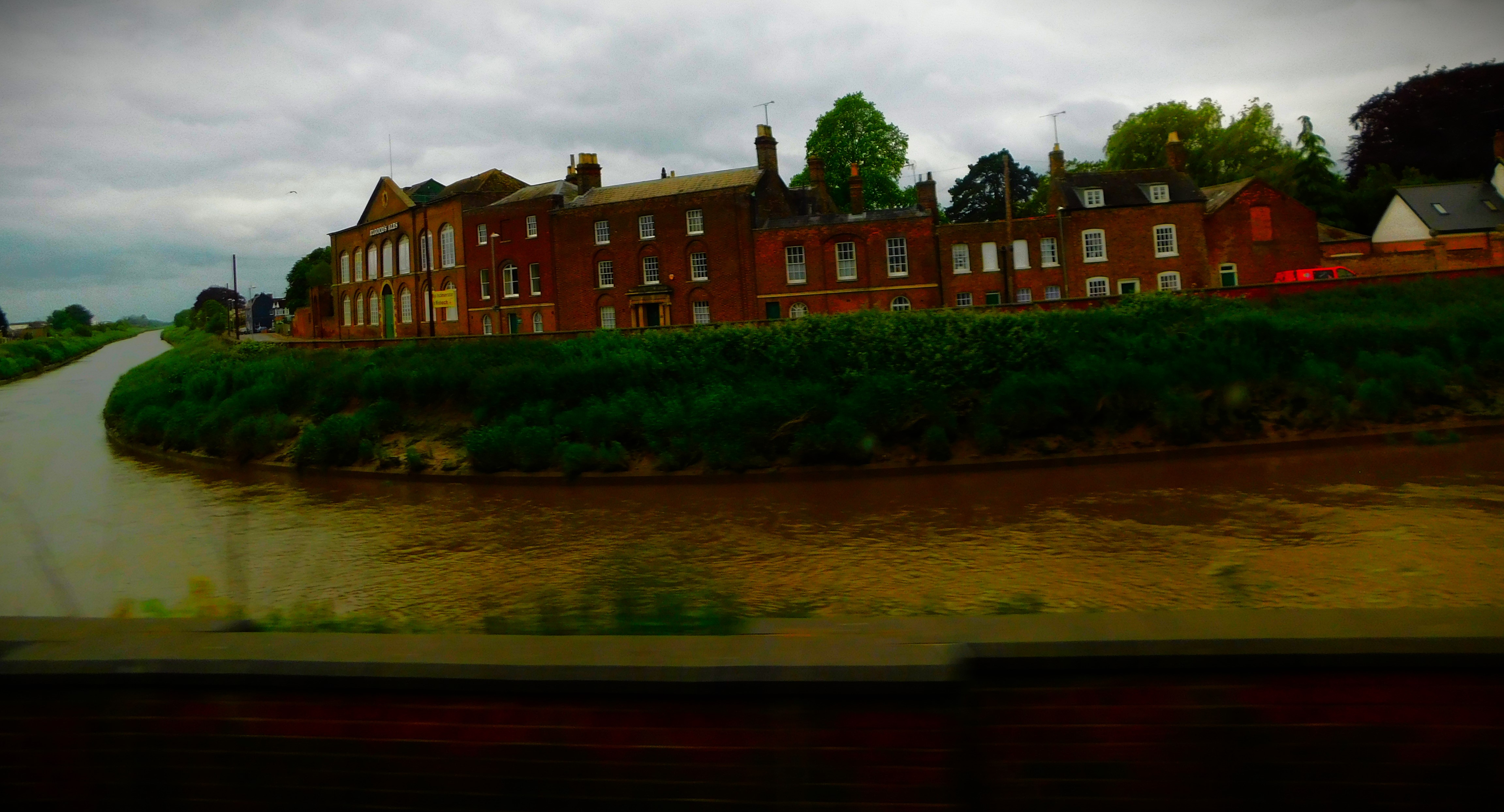
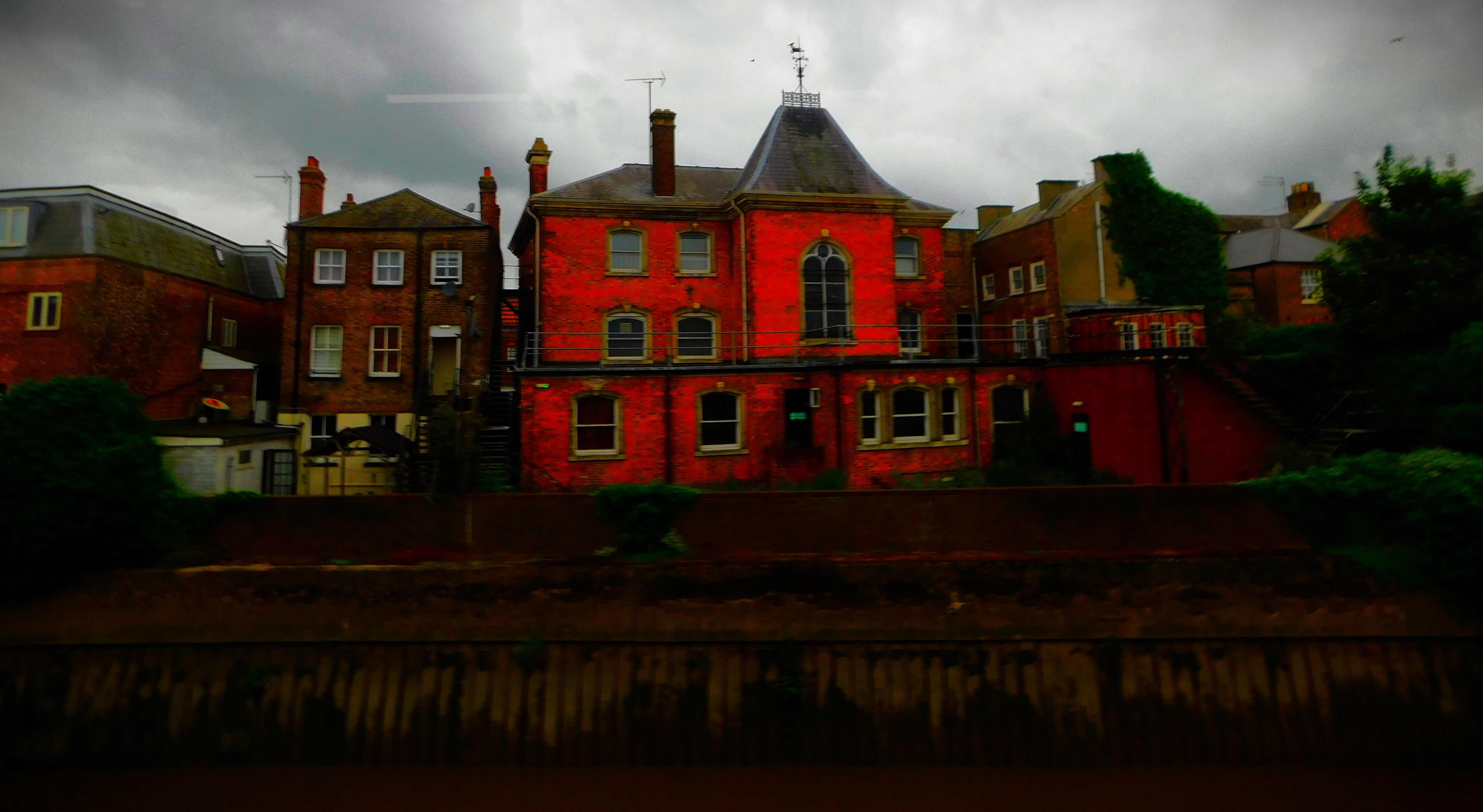
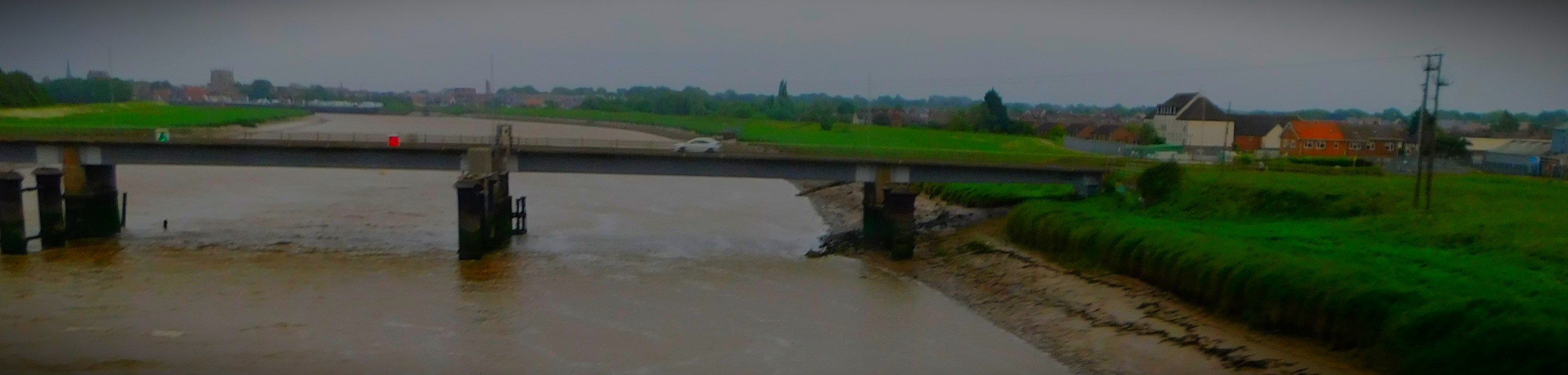
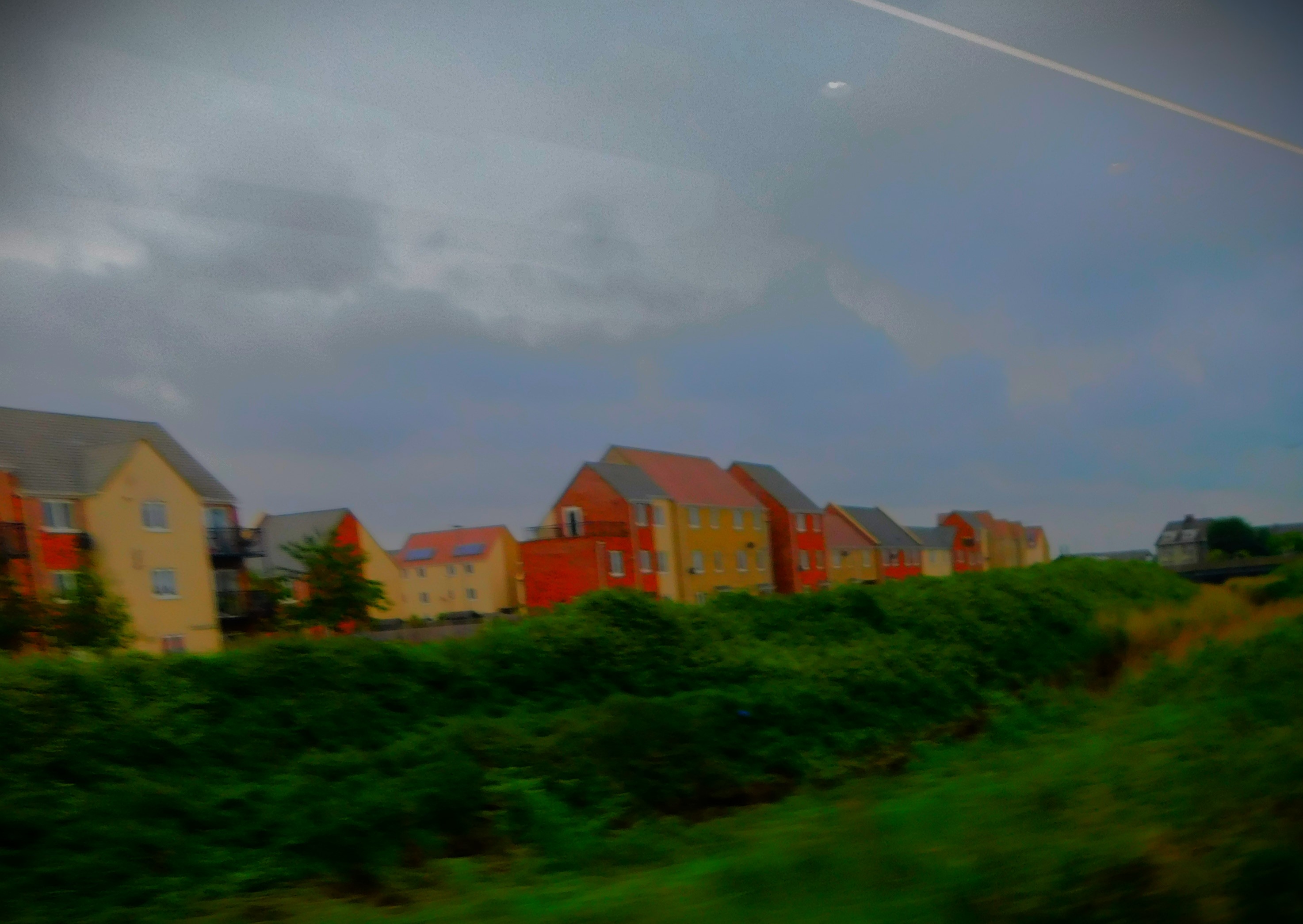
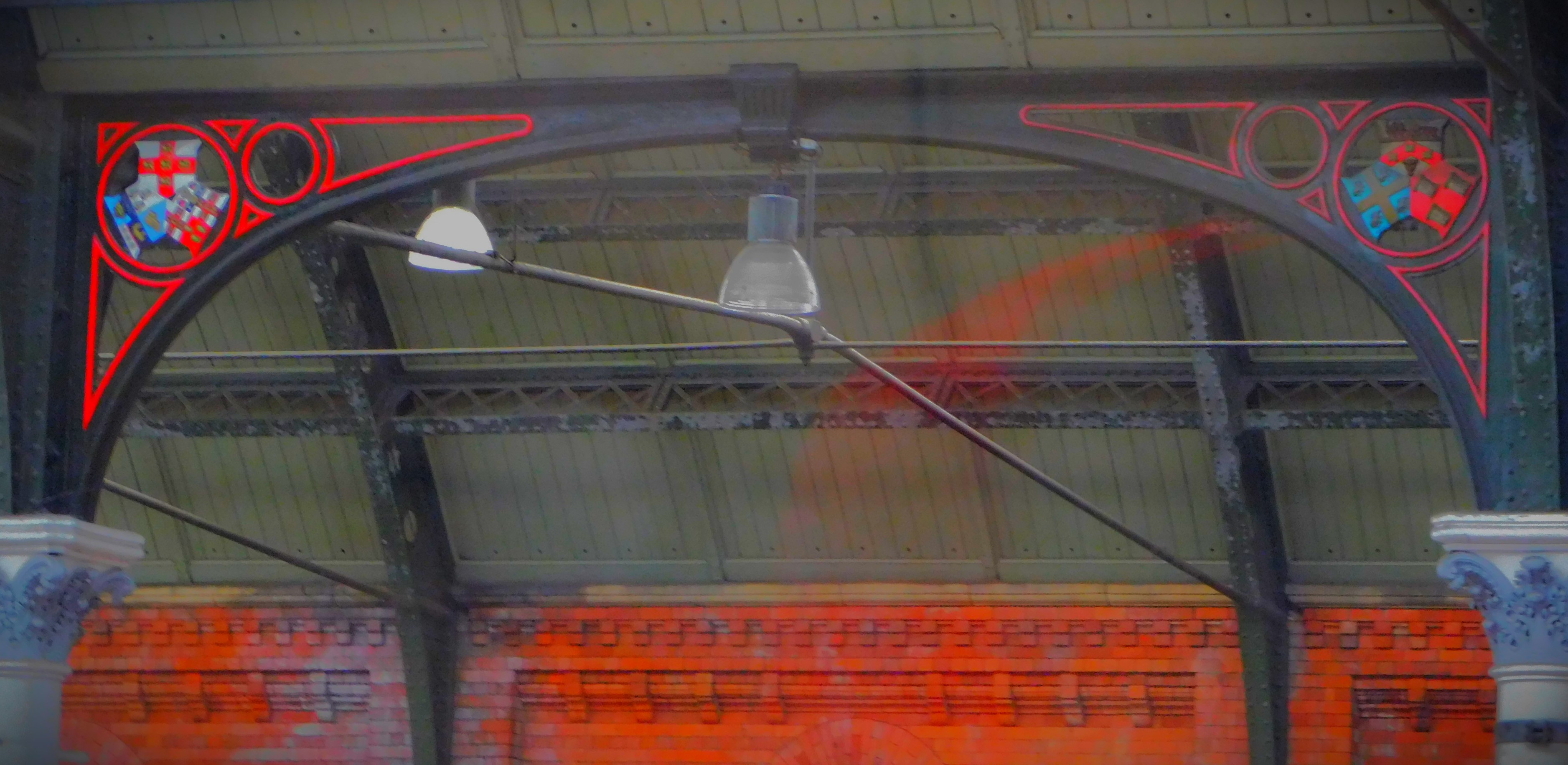
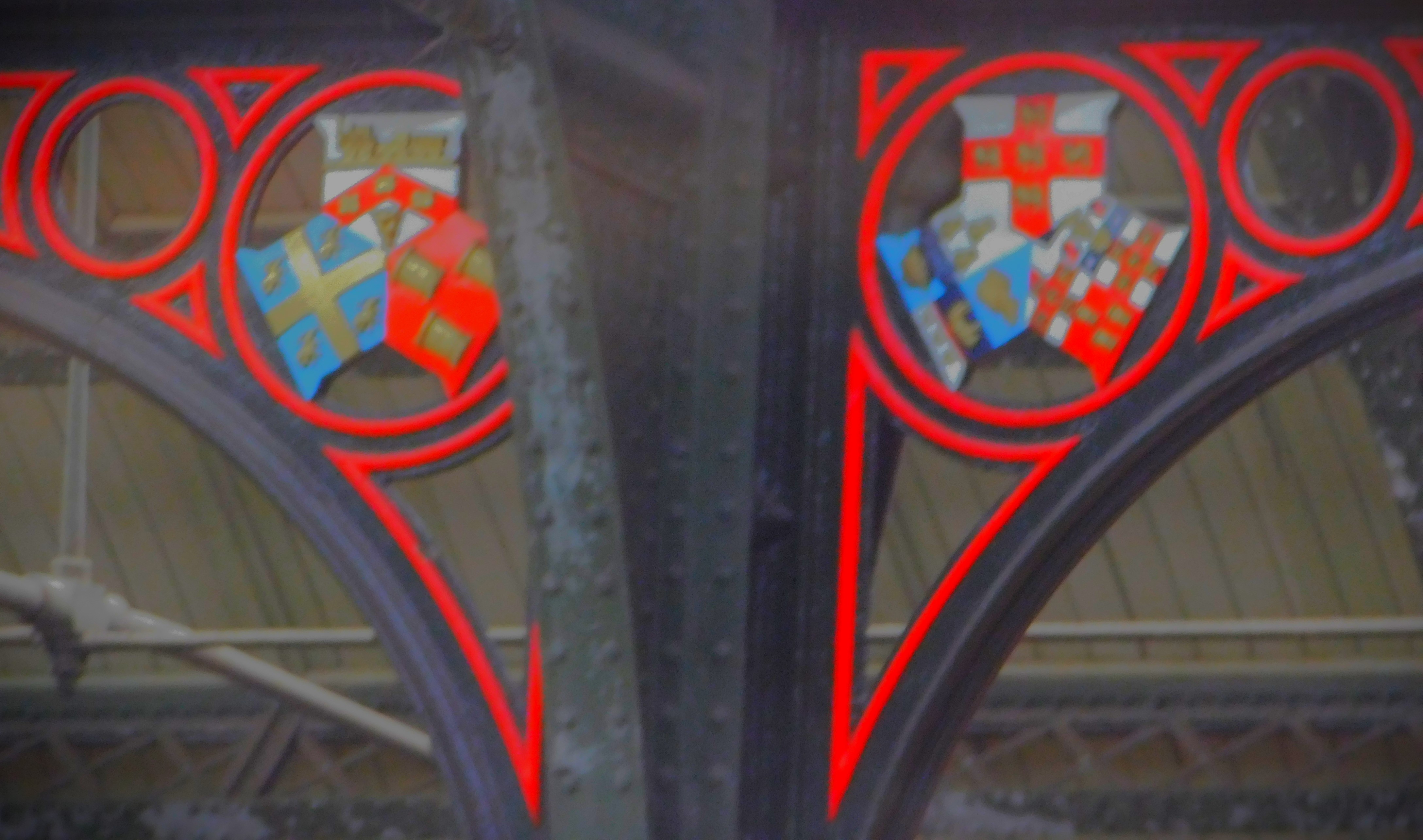
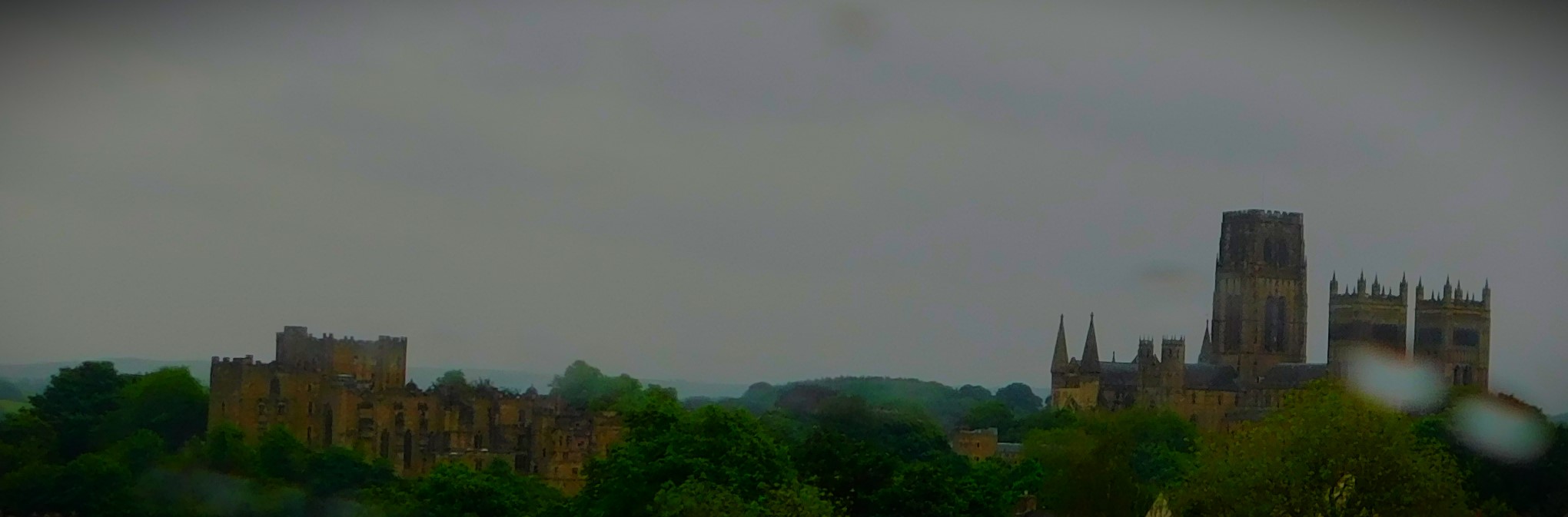
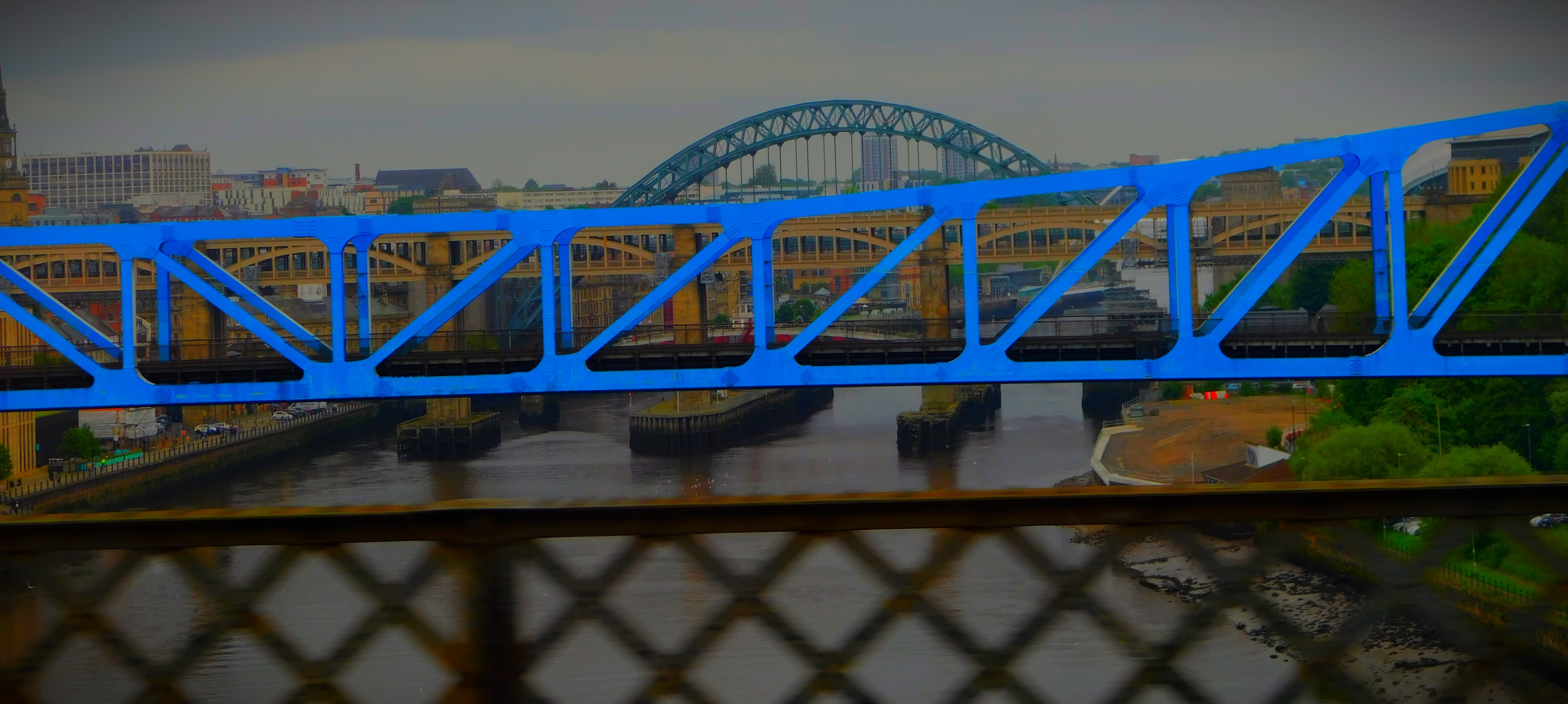
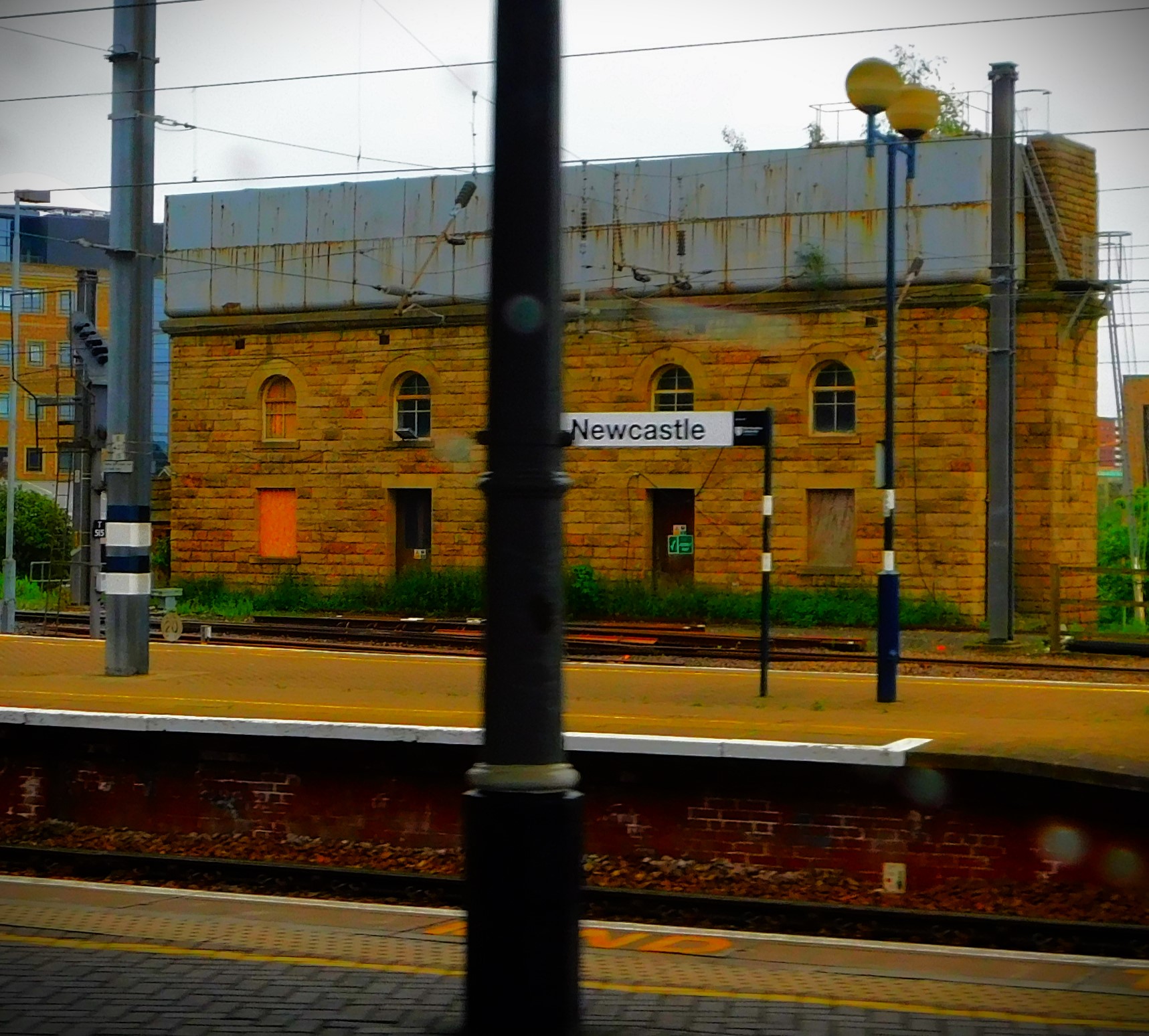
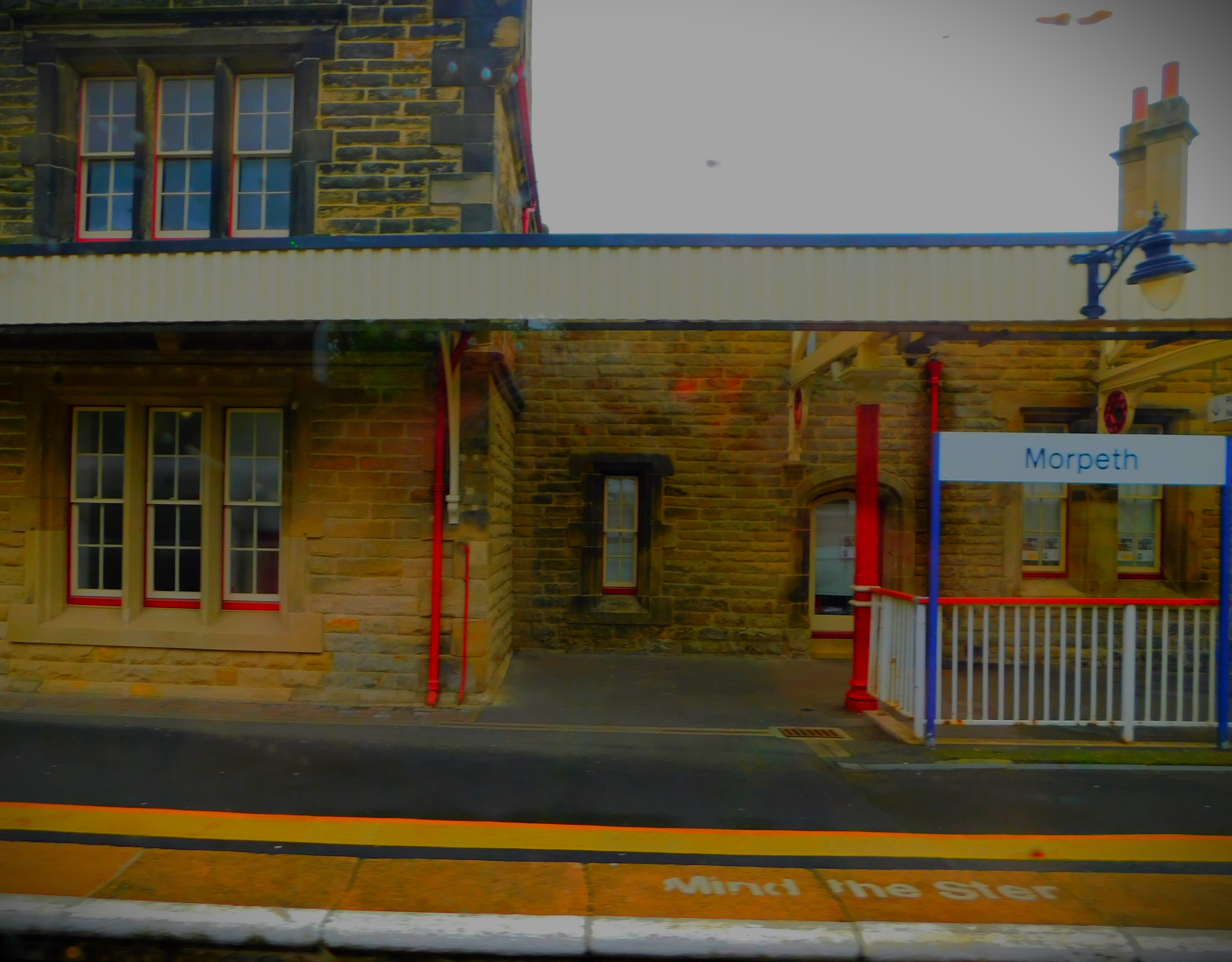
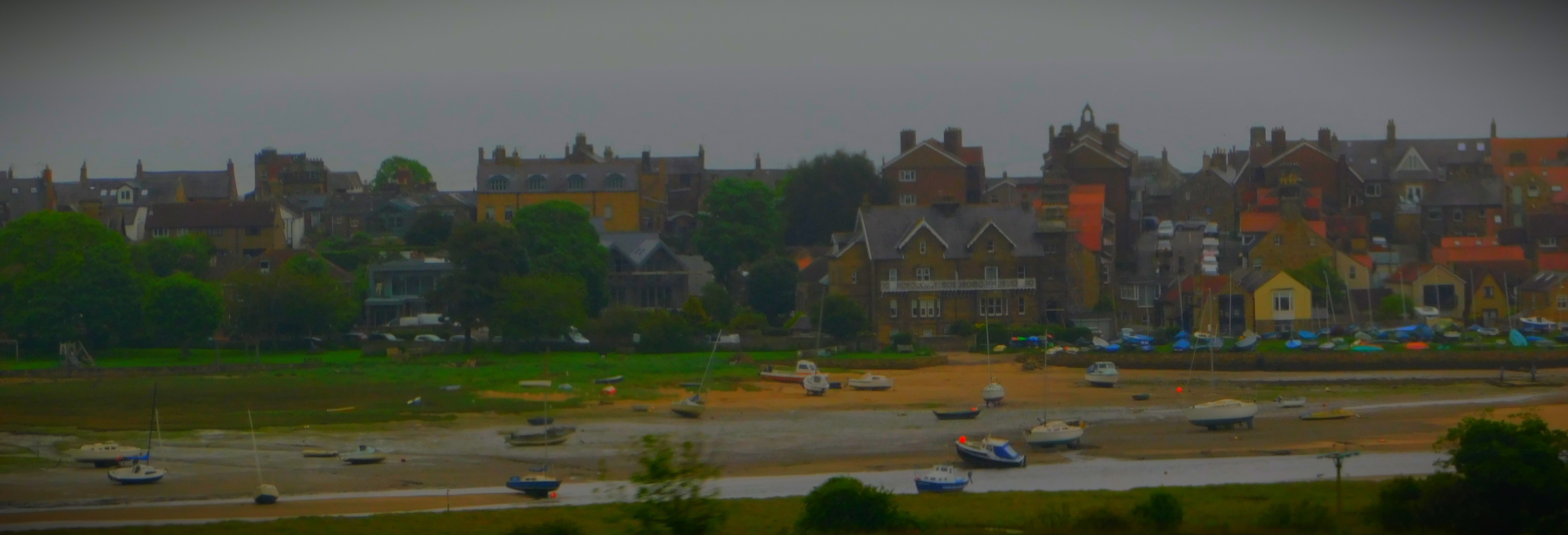
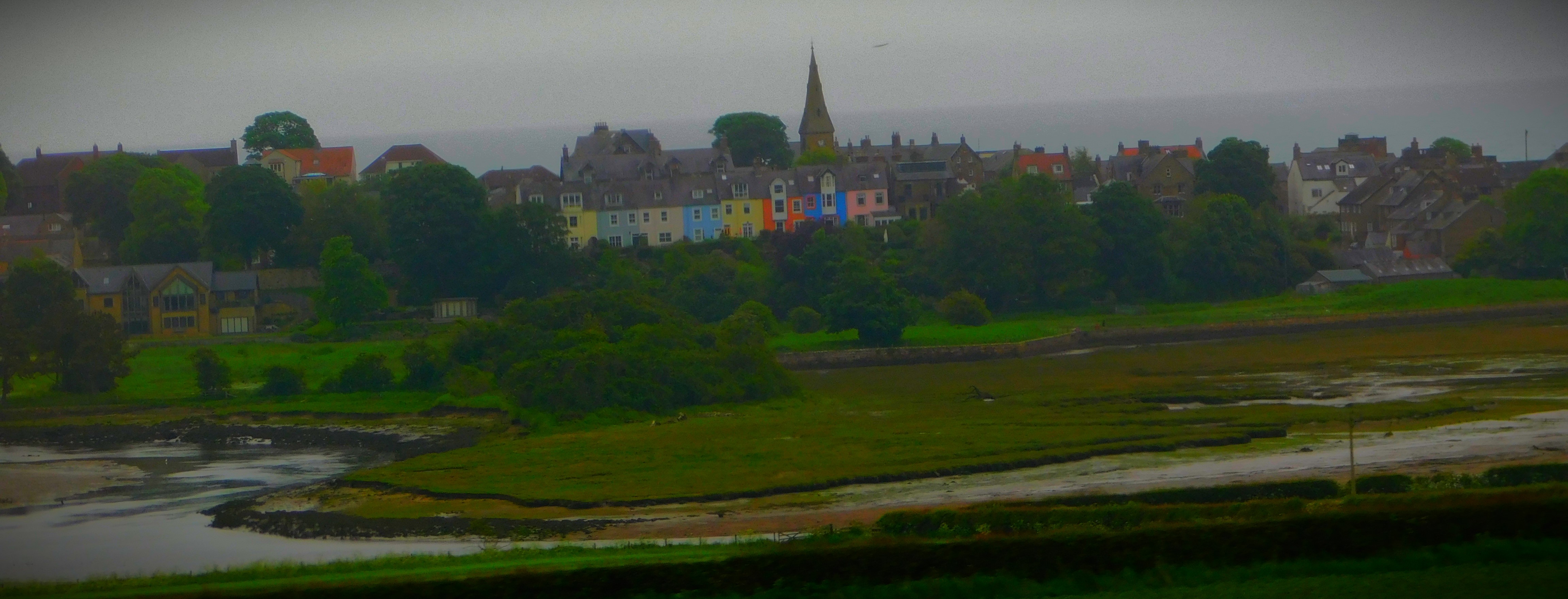
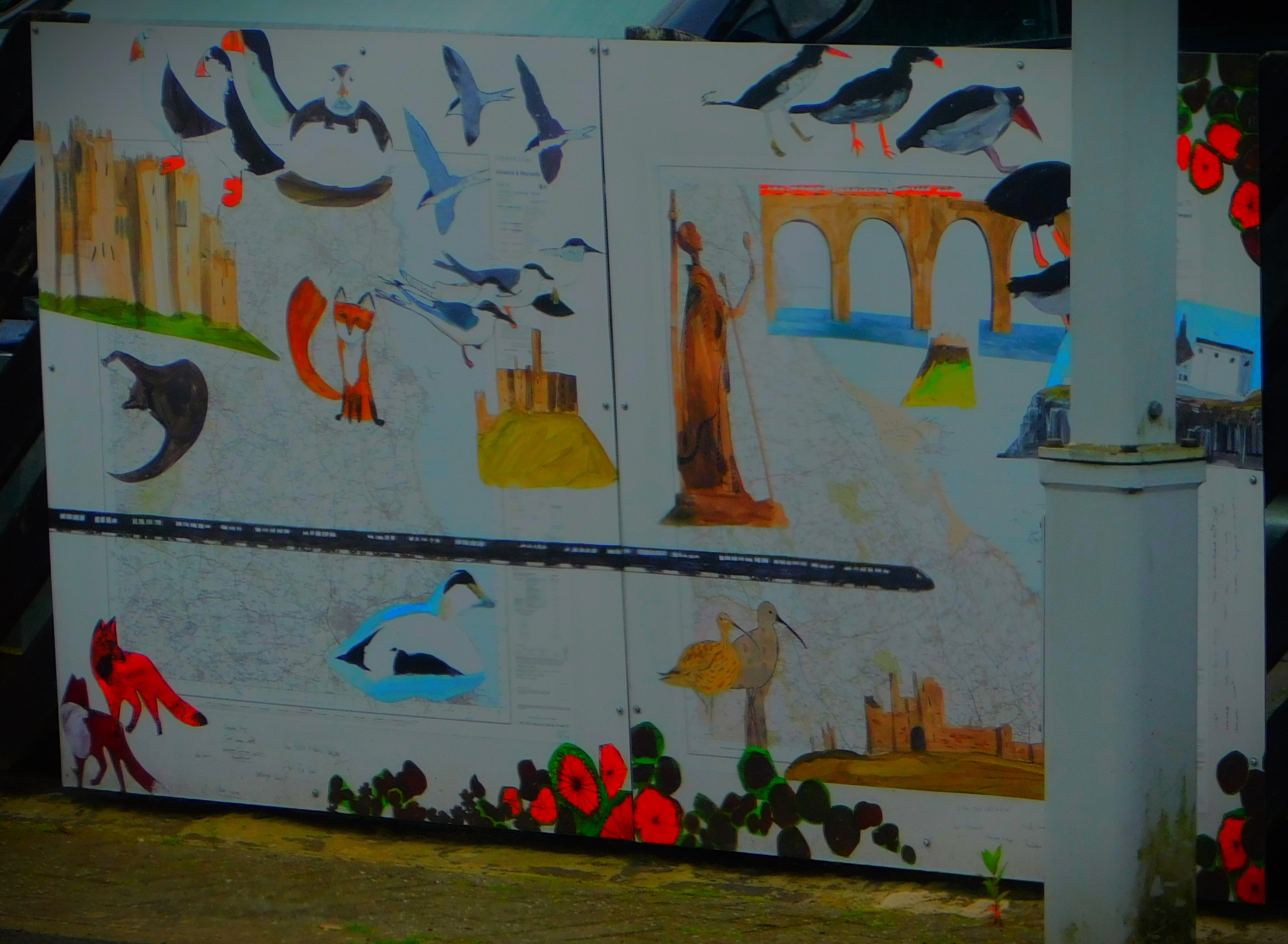
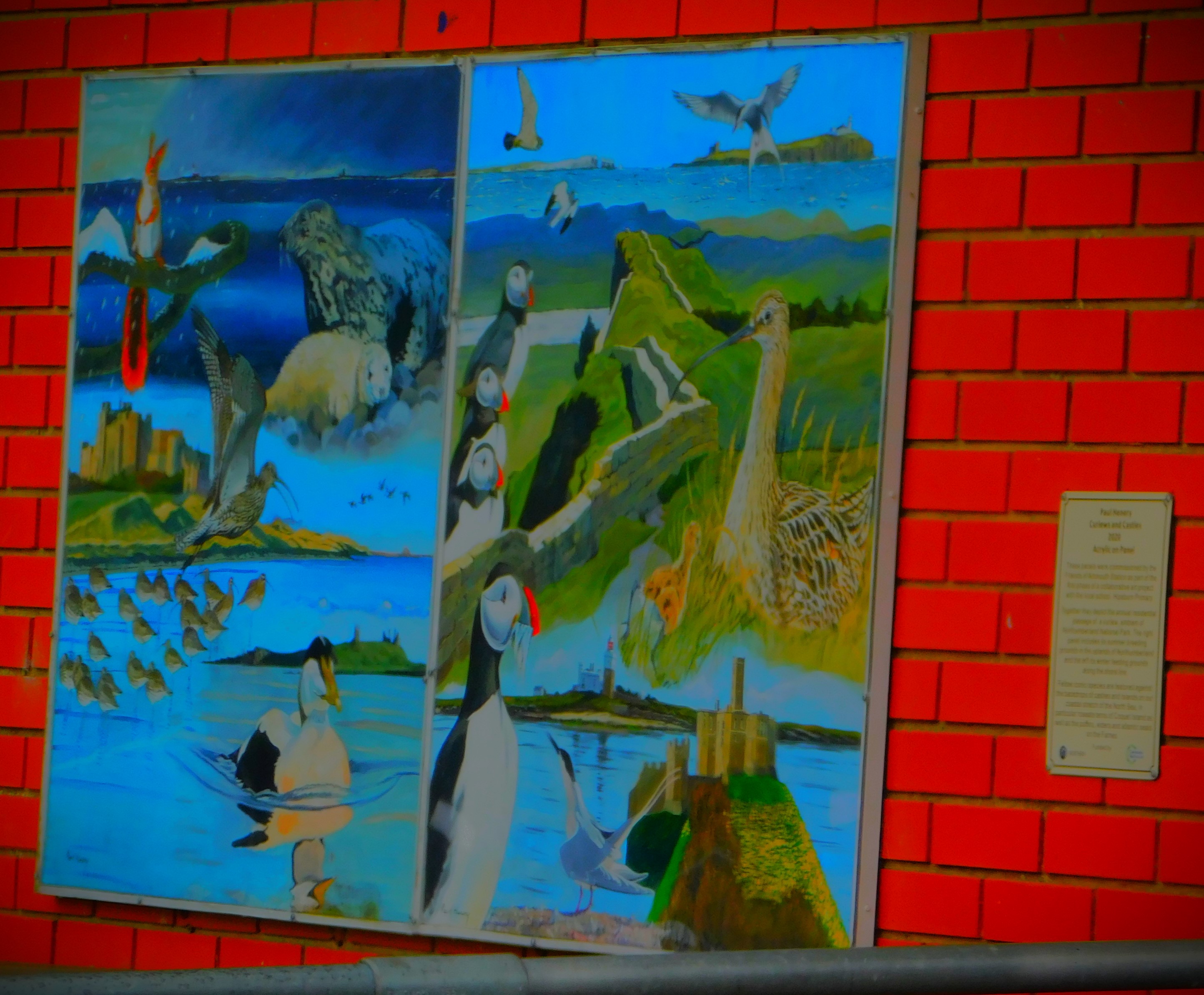
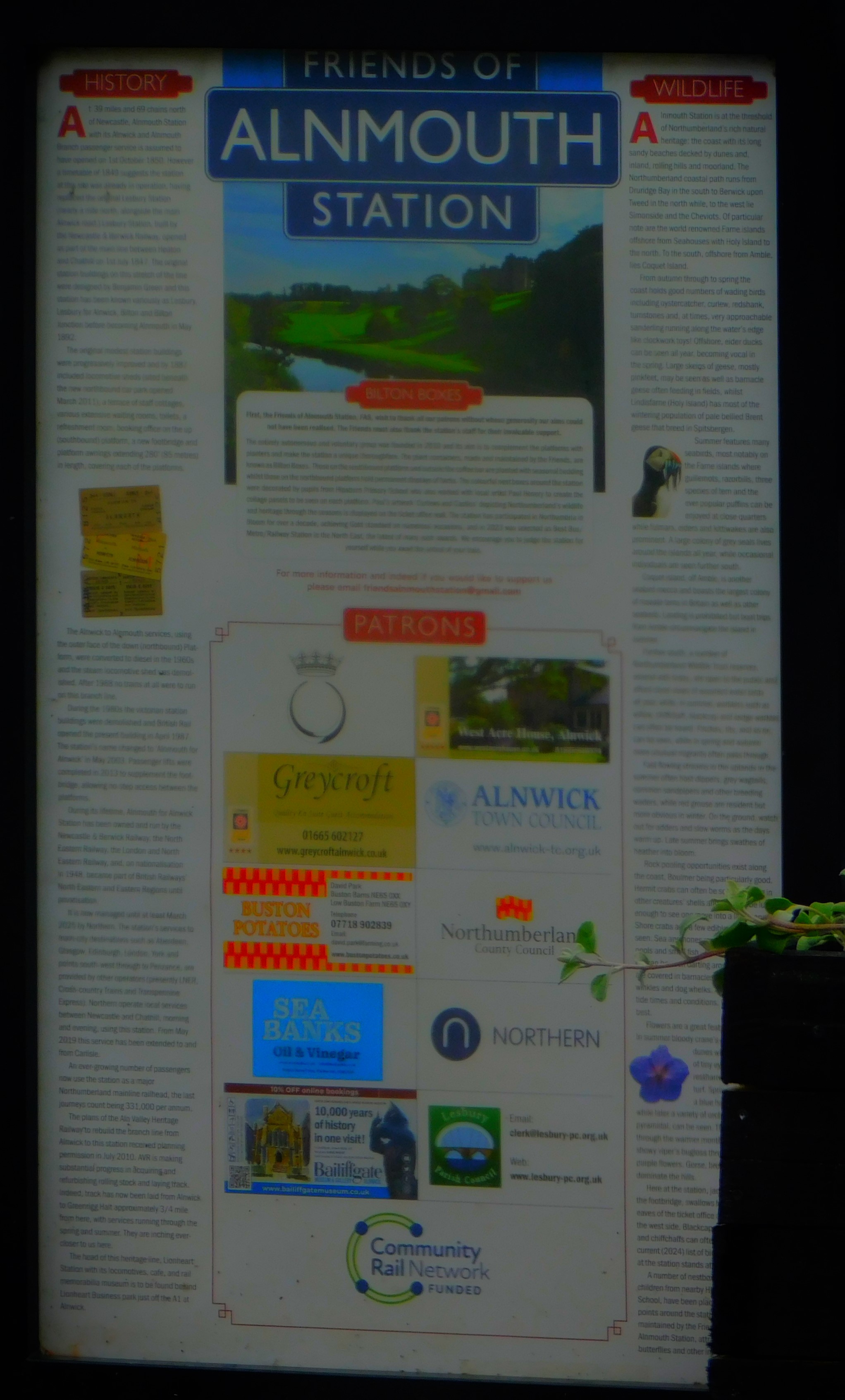
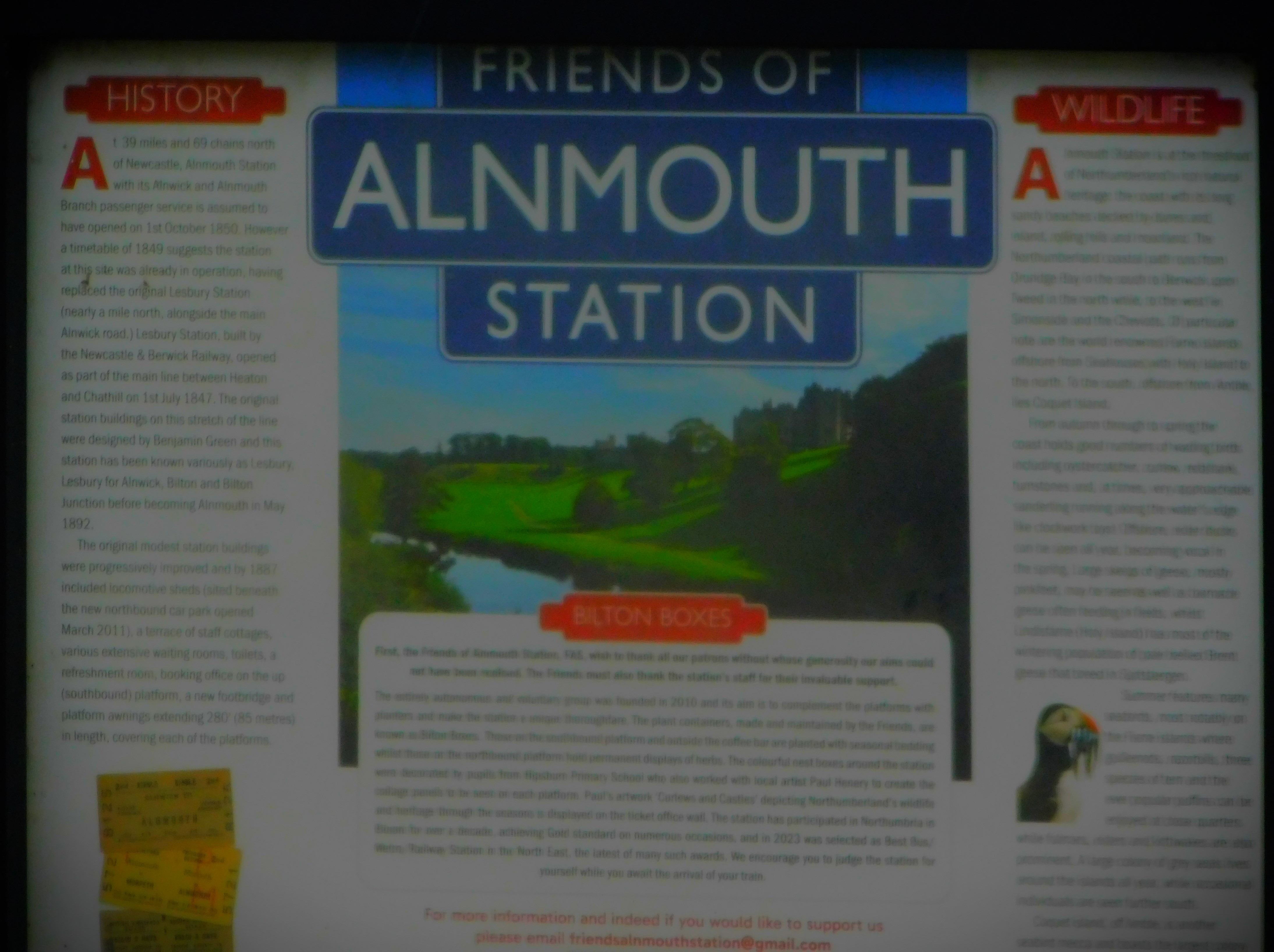
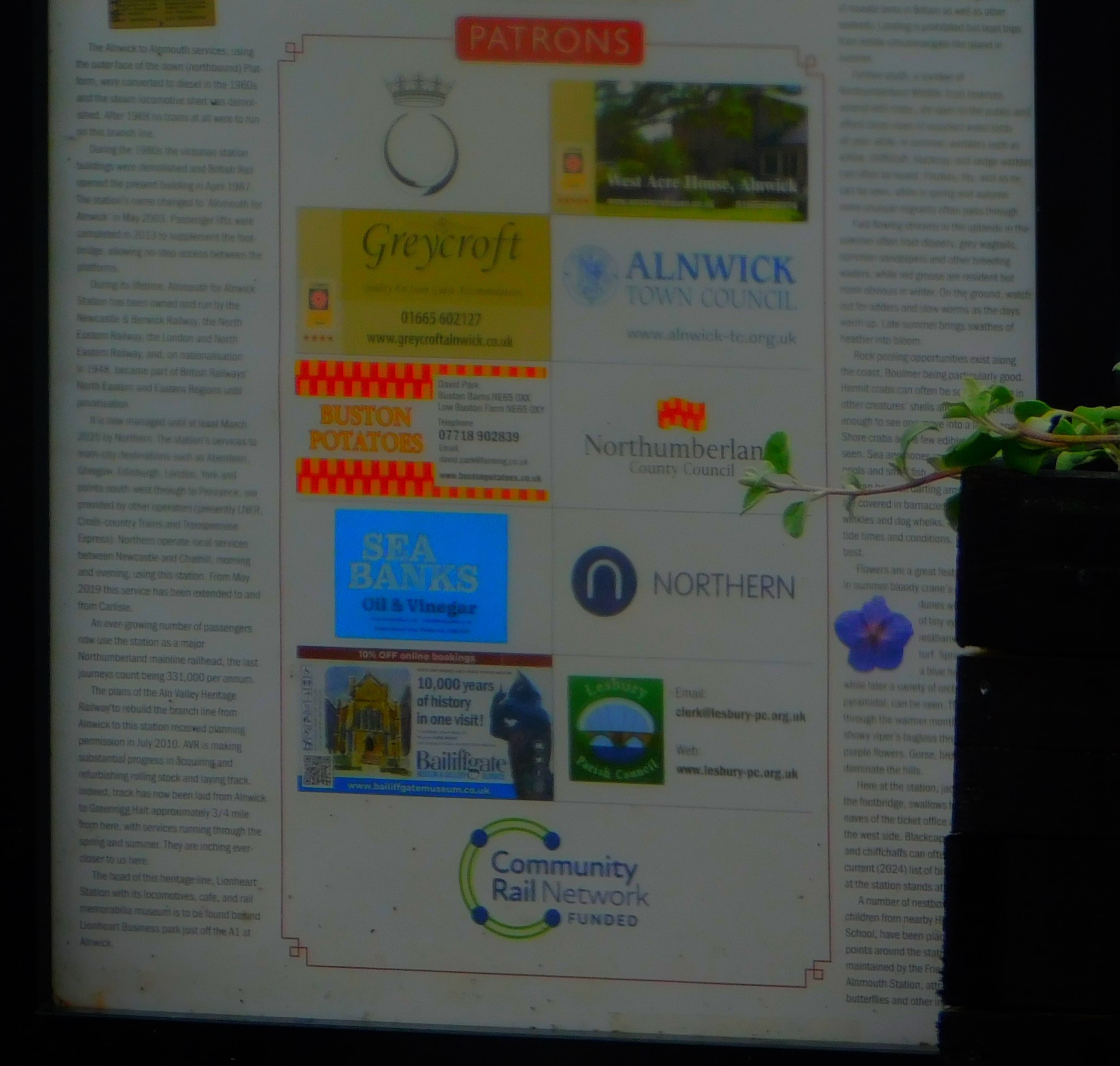
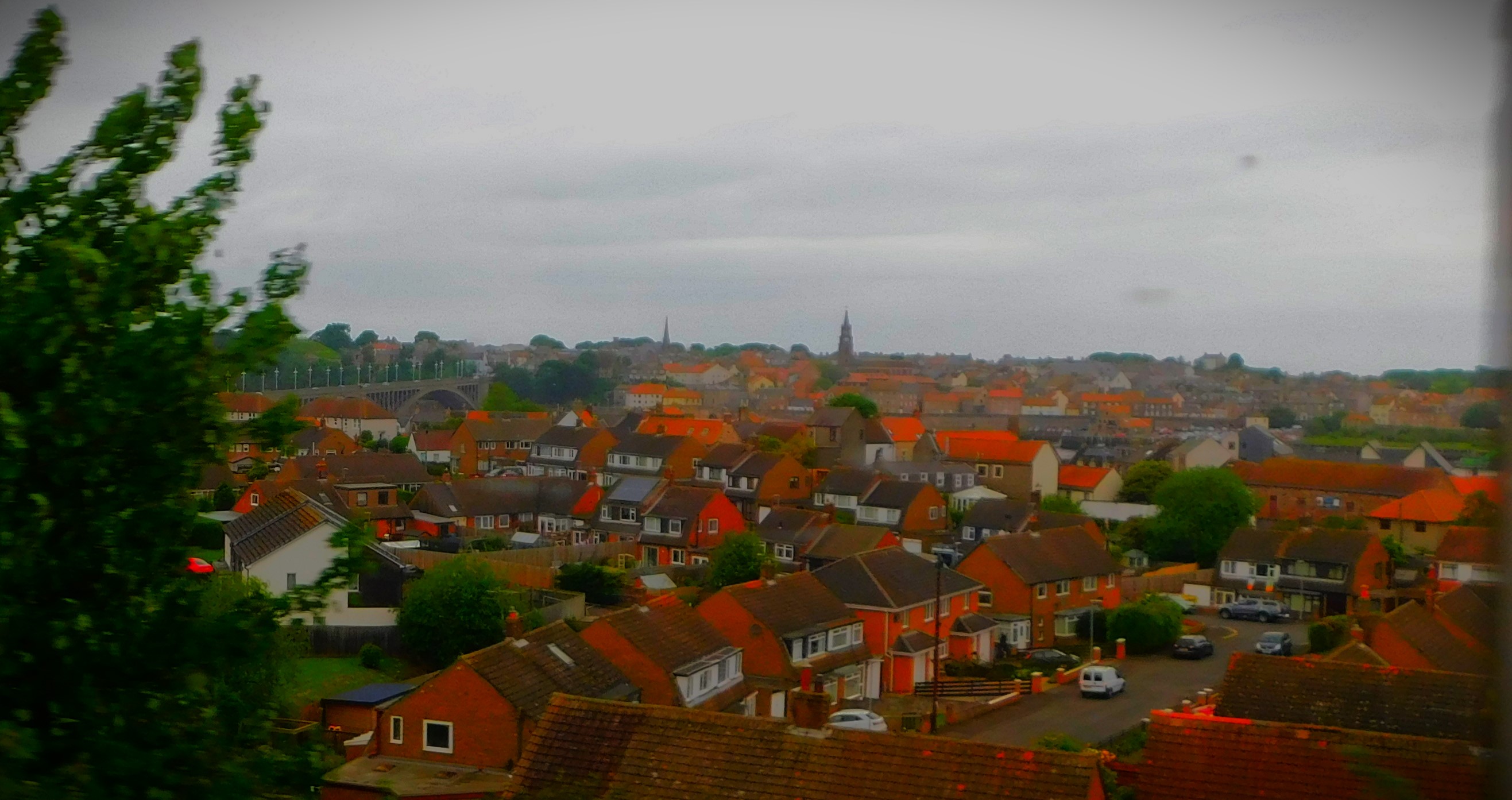
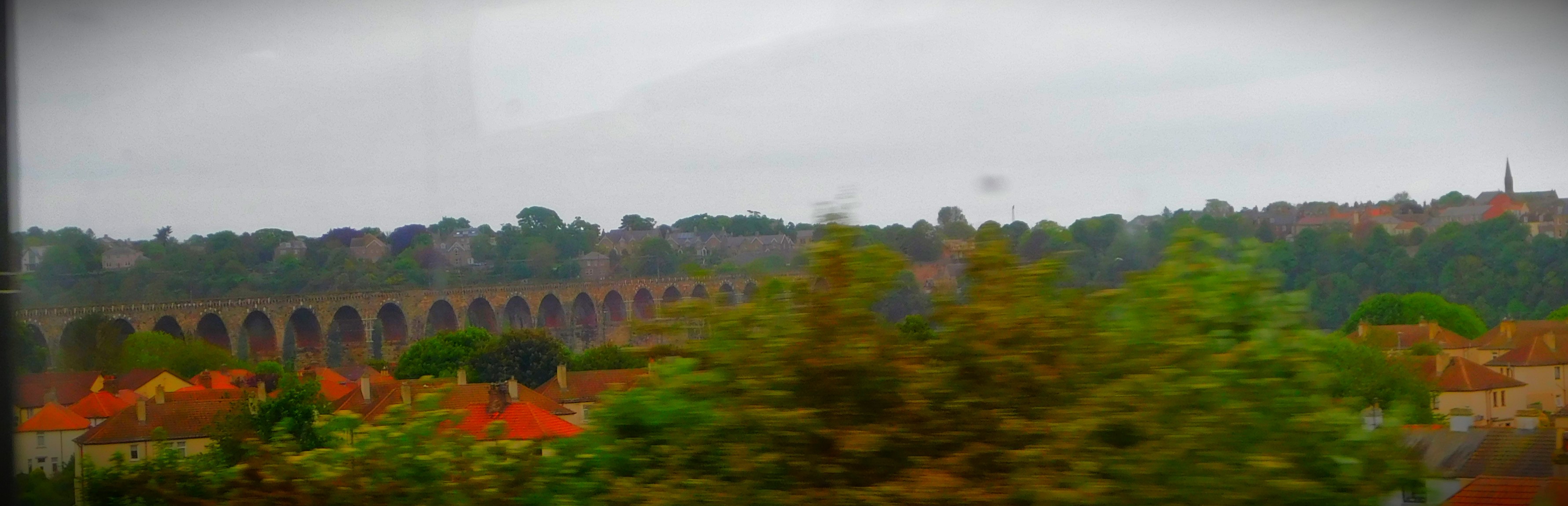
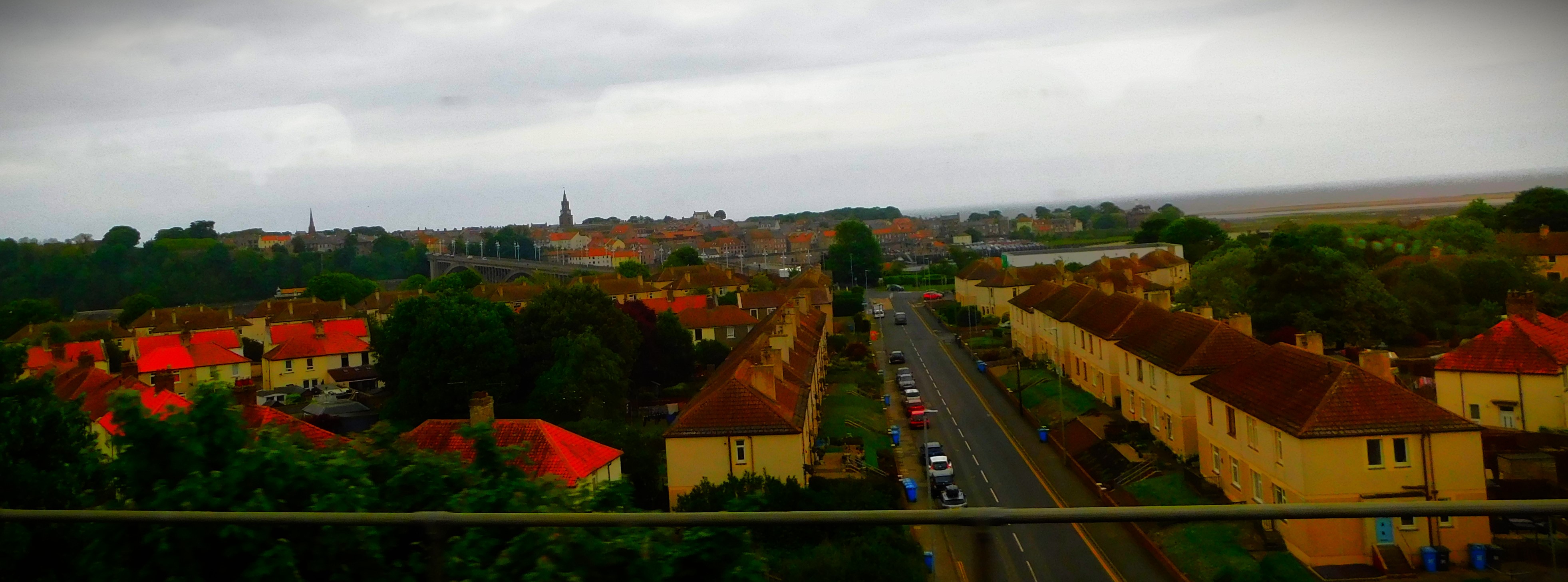
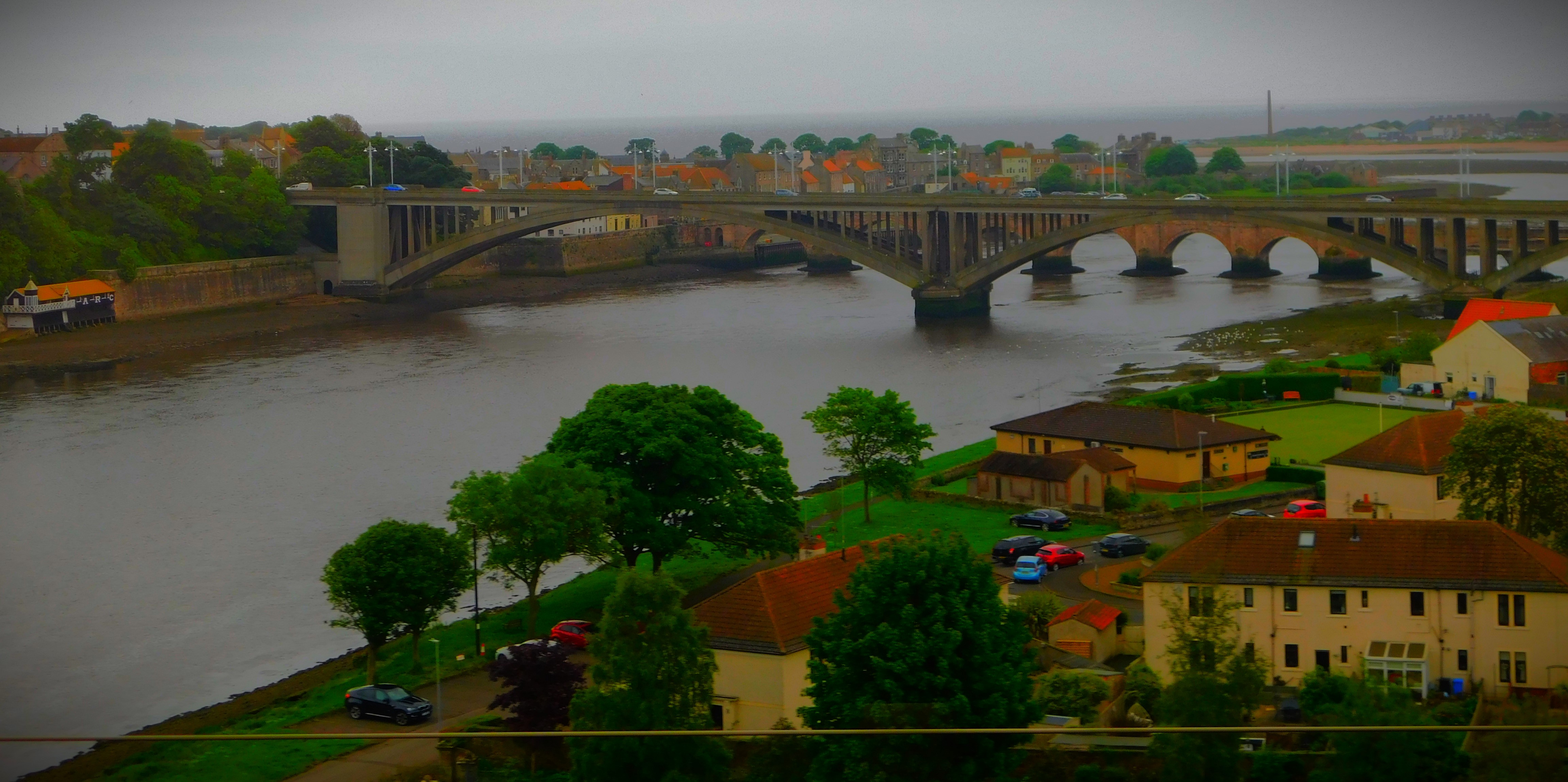
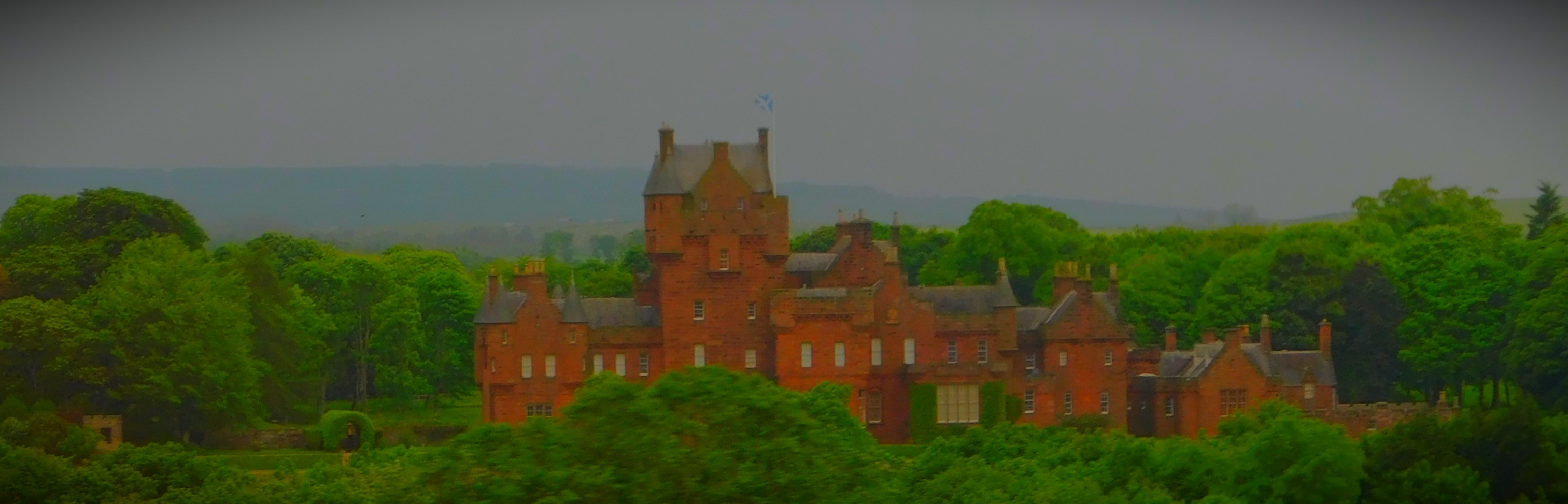
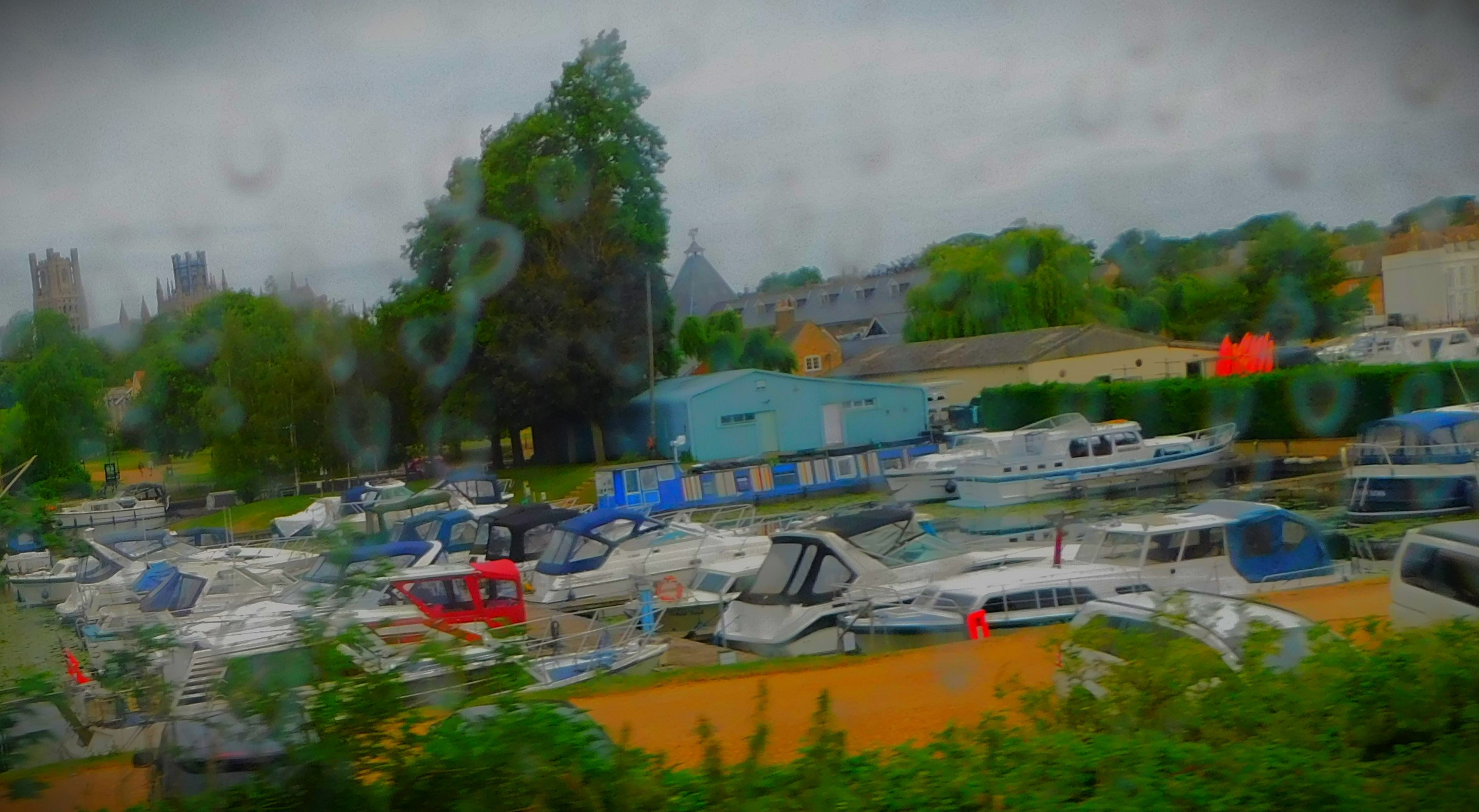
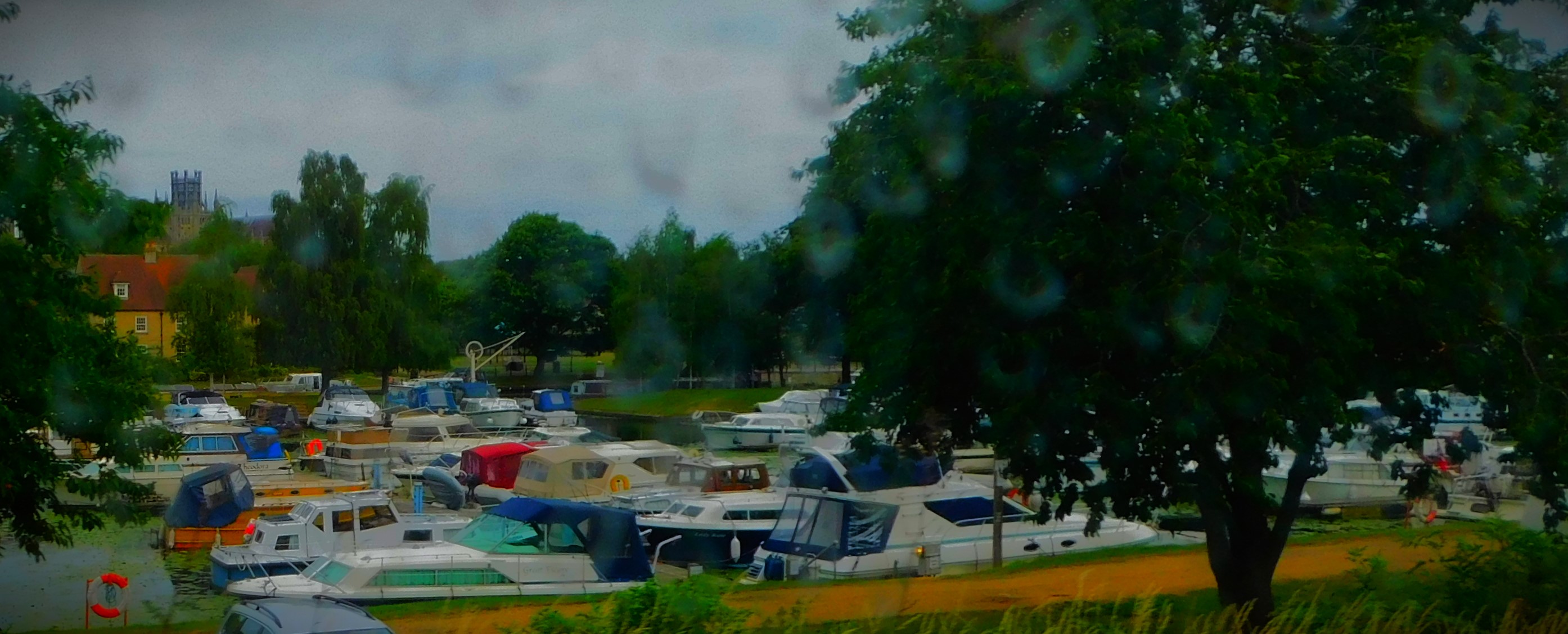
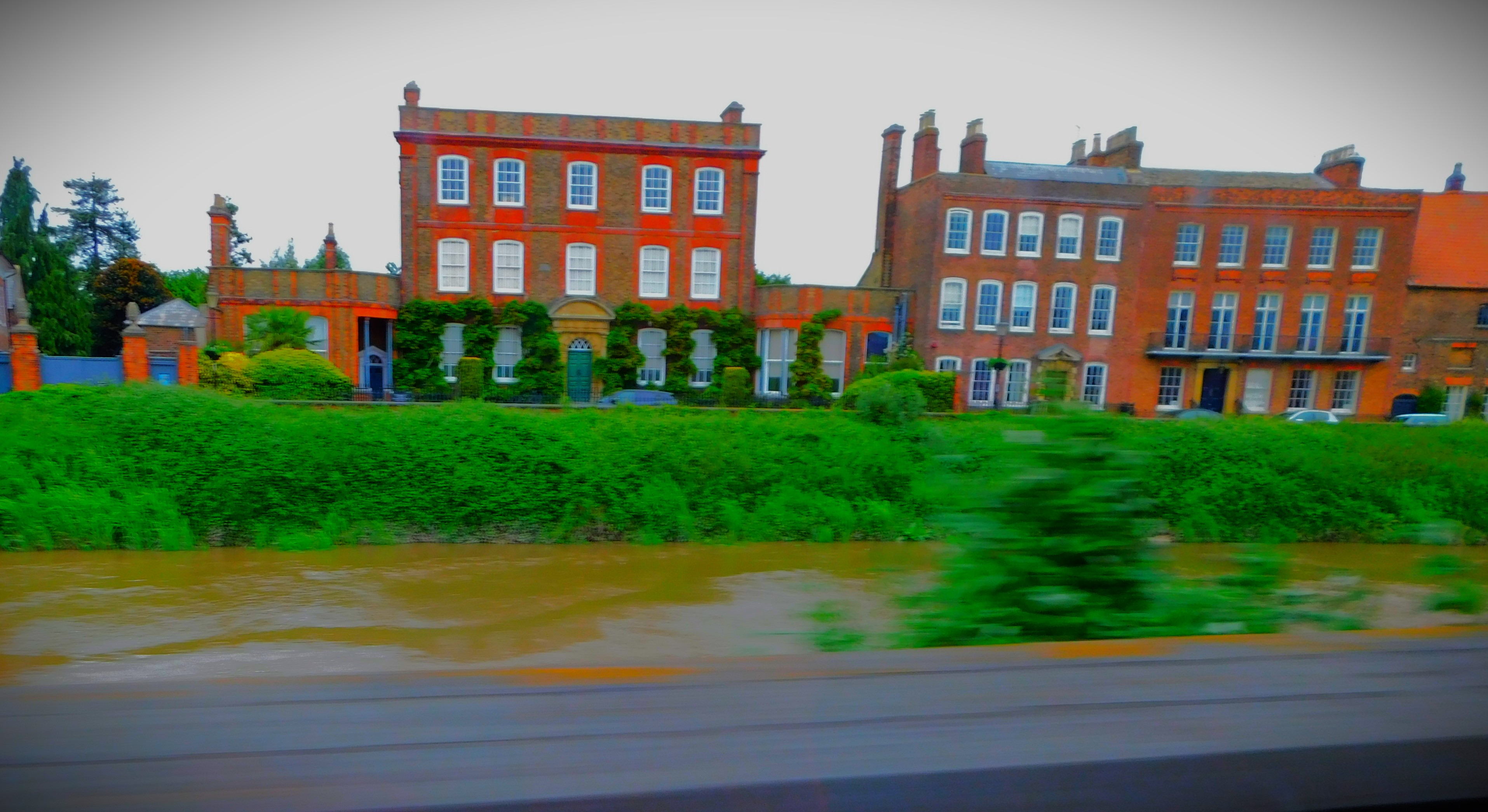
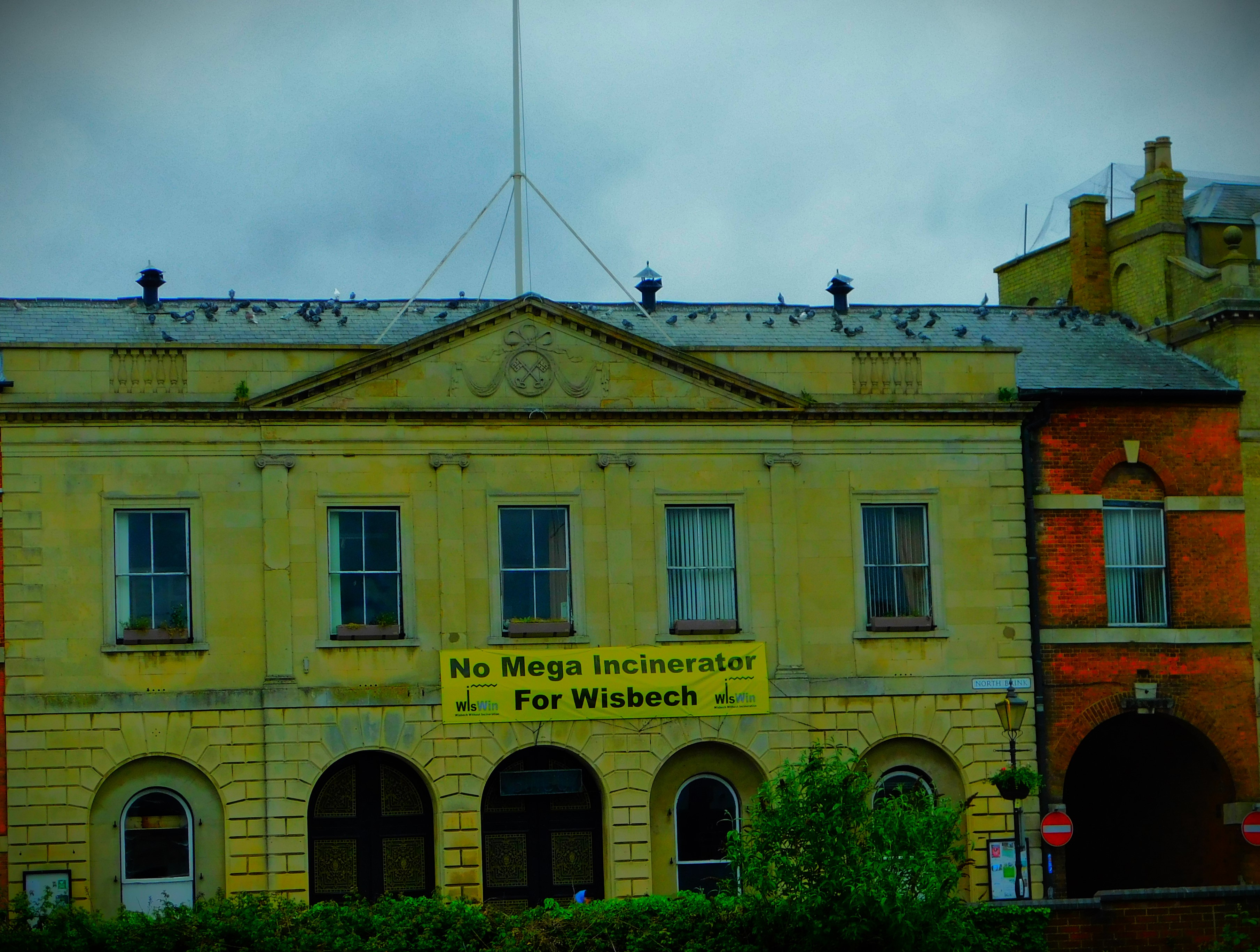
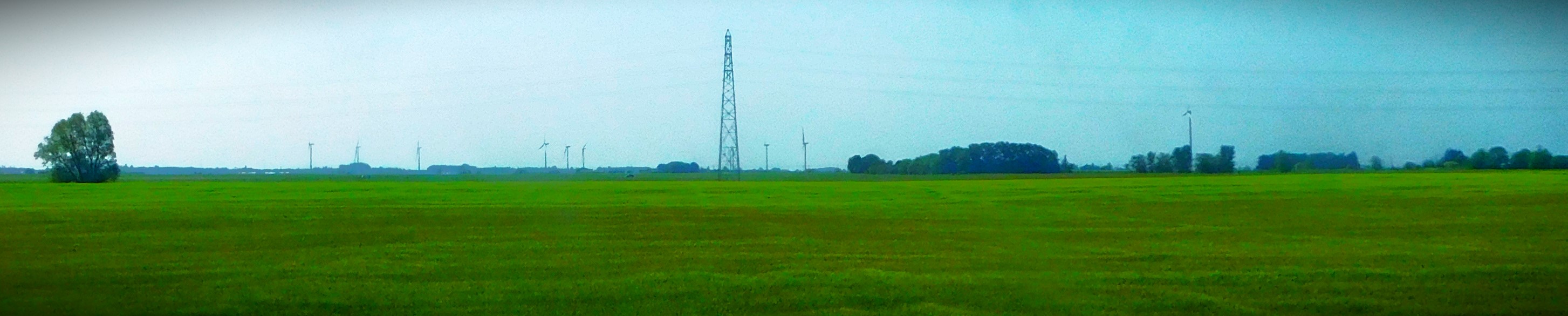
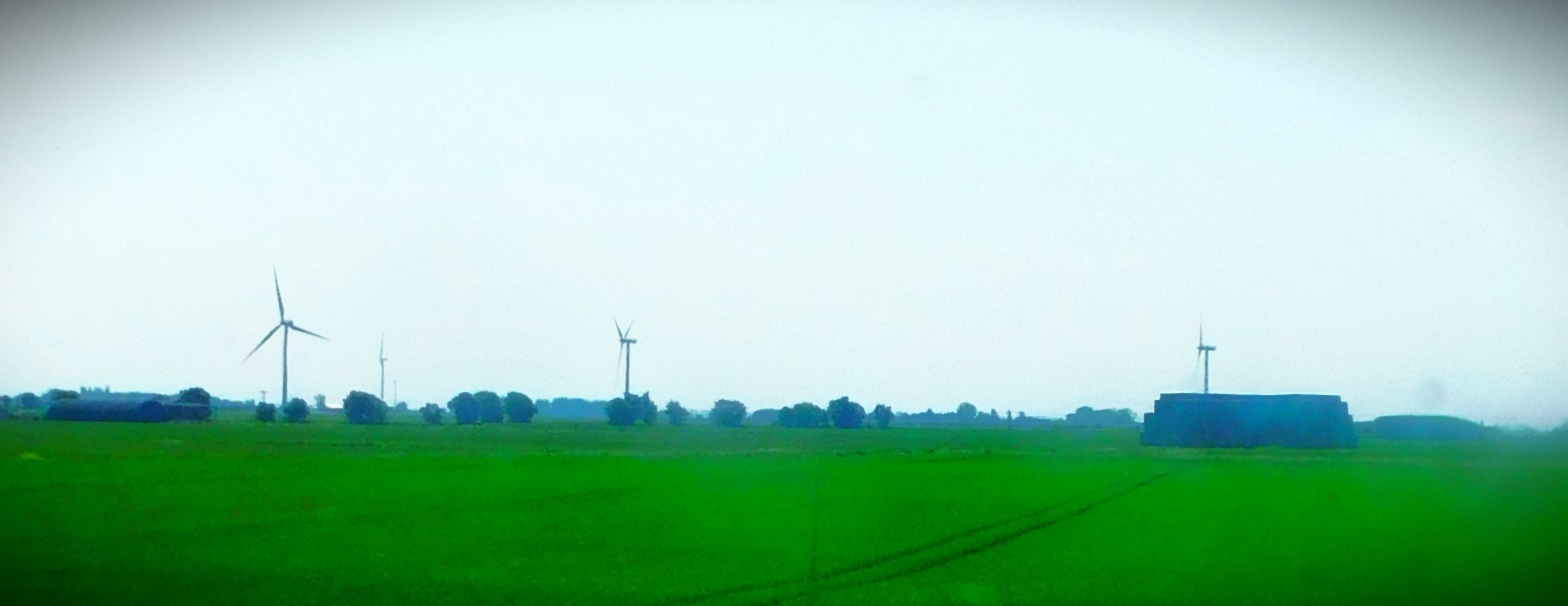
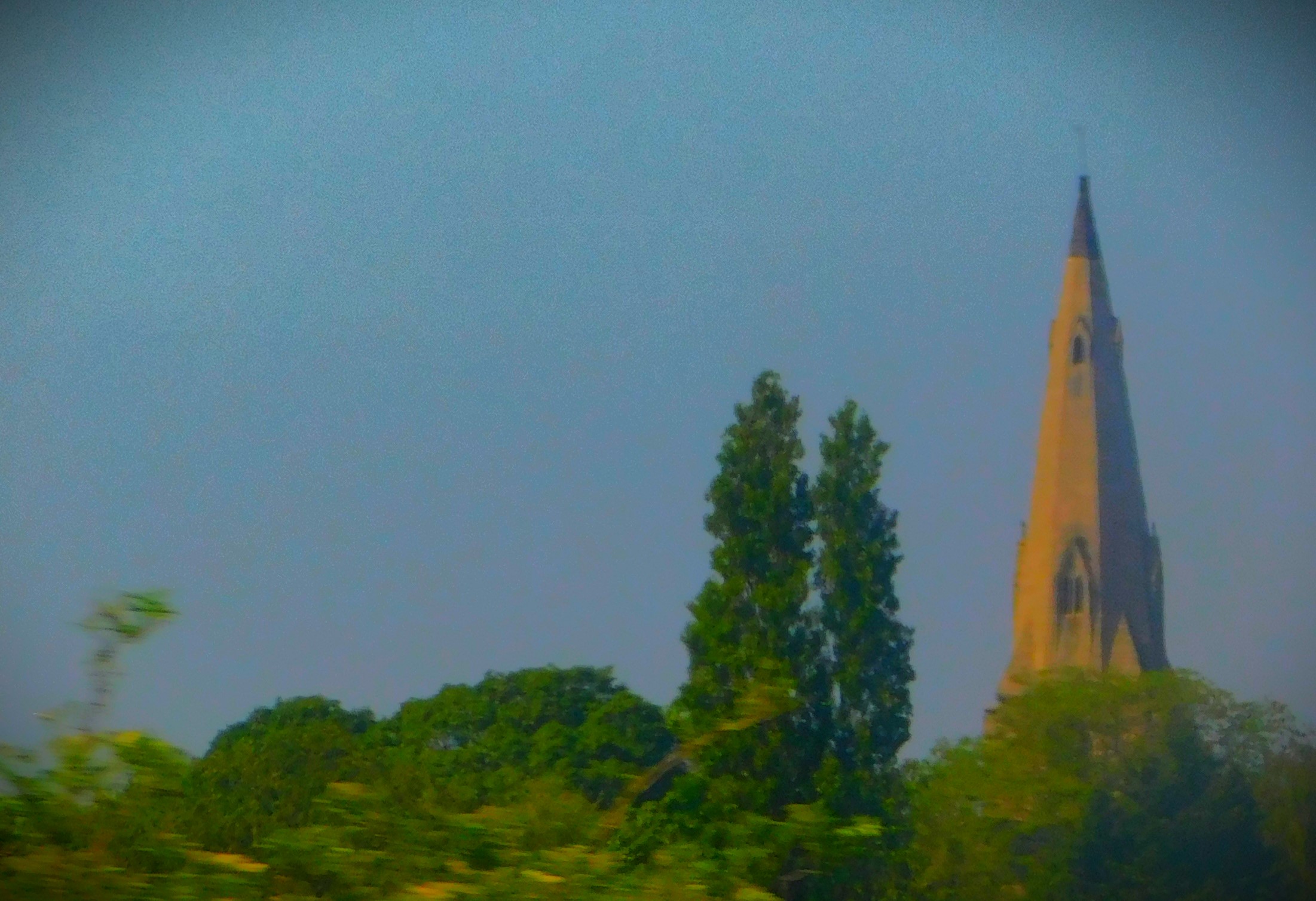
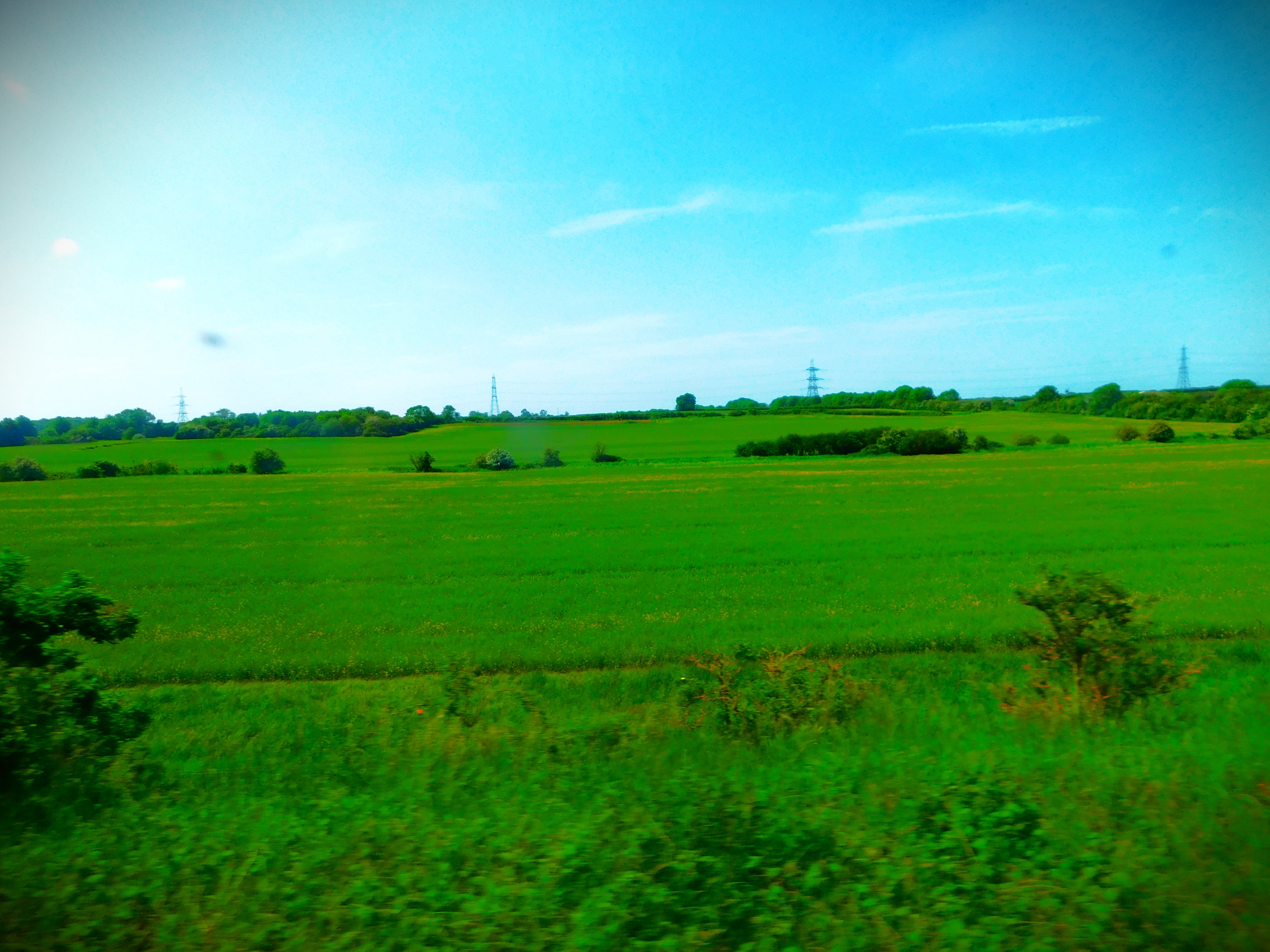
The first 15 pictures are King’s Lynn pictures, some taken on the Monday evening, a couple while walking to the bus station on Tuesday morning.This picture and the next two were taken while passing through Wisbech.The train pictures start here.Our first stop.On the approach to Alnmouth.The train would soon be crossing this viaduct.Looking along the Tweed as the train moves from England into Scotland.This is now a Radisson hotel, but it would have been built by the original railway company as the station hotel.
An all time XIU of players whose given names begin with V, some honourable mentions and a photo gallery.
Today I present an all time XI of players whose given names begin with V, plus some honourable mentions, including two players given whole paragraphs to themselves. I also have a photo gallery which includes pictures taken while travelling to and from Cambridge today. I am not going to publish an XI of players whose given names begin with U because such an XI owes more to cricinfo than it does to me, and is also far from great.
THE XI IN BATTING ORDER
Victor Trumper (Australia, right handed opening batter, occasional medium pacer). A great player and according to all available reports a great human being as well. His finest hours came on the 1902 tour of England, in an exceptionally wet season on uncovered pitches. In first class matches on that tour he scored 2,570 runs including 11 centuries. The highlight of this procession round England came in the fourth test match of the series at Old Trafford, when with England on a mission to ‘keep Victor quiet before lunch’ he proceeded to become the first player ever to reach a test ton on the first morning of the match.
Vijay Merchant (India, right handed opening batter). Only ten test matches, spread over 18 years for him, in which he recorded a career batting average of 47. In all first class cricket he averaged 71.22, a figure which places him second only to Bradman among those who played enough matches to qualify (another Australian, Norman Calloway, played a solitary a first class match, scoring 207 in his only innings at that level, before going off to fight in WWI, where he was killed in action).
Viv Richards (West Indies, right handed batter, occasional off spinner). One of the greatest of all time.
Virat Kohli (India, right handed batter). Across formats the best batter of the current era.
Vijay Hazare (India, right handed batter, right arm medium pacer). At a time when few Indians had great test records he averaged 47 with the bat at that level. In first class cricket he once scored 309 in a total of 387 all out, the lowest FC innings total to include a triple century.
Vyell Walker (England, right handed batter, right arm slow bowler). One of only two players to have scored a century and taken all ten wickets an in innings of the same first class match, WG Grace being the other.
Vallance Jupp (England, right handed batter, off spinner). Achieved the double of 1,000 runs and 100 wickets in first class matches in each of eight successive English seasons in the 1920s. In all he scored 23,296 first class runs at 29.41 and took 1,658 first class wickets at 23.01.
+Victoria Lind (New Zealand, wicket keeper, right handed batter). Finding a wicket keeper for this XI was difficult, and I have selected someone who did not actually have the gloves when I saw her in action (she was playing as a specialist batter, with Katey Martin keeping wicket), but who was a recognized keeper.
Vanburn Holder (West Indies, right arm fast medium bowler, right handed batter). Was part of the first WI pace quartet in 1976.
Vernon Philander (South Africa, right arm fast medium bowler, right handed batter). In test cricket he claimed 224 wickets at 22.32 a piece, enough to underwrite his claim for a place in this XI.
Vince van der Bijl (South Africa, right arm fast medium bowler, right handed batter). His entire career happened while South Africa were banned from the international arena, but 767 FC wickets at 16.54, taken at a rate of fractionally below five per match and the universally high opinion of all who encountered him are good enough for me.
This side has a powerful top five, two genuine all rounders of different style, a keeper who could bat and three excellent specialist bowlers. The bowling attack should be able to capture 20 opposition wickets in most conditions.
HONOURABLE MENTIONS
First of all…
THE VERY VERY SPECIAL ONE
Vangipurappu Venkata Sai Laxman, universally known by his initials VVS, had a test average of only just over a run per innings less than that of Hazare, and maintained over larger number of matches. That fine career record included a thunderous 281, at the time the individual record score for an Indian in test cricket, against the mighty Aussies in 2001. However my feeling was that Hazare offered a back up bowling option as well as his batting, and was part of a less strong batting order than Laxman had the luxury of belonging to. Had Laxman been a left hander, of whom there are none in this order, he would have had the nod, but I felt Hazare had the edge and selected accordingly.
VIRENDER SEHWAG
Virender Sehwag was the first Indian ever to score a test triple century, and achieved that feat twice, but he did not do much outside Asia, and especially he did not do much against the swinging or seaming ball, whereas the attacking opener I did select, Trumper, was at his very finest on an overseas tour in conditions that would have been massively alien to a Sydneysider – one of the wettest English summers ever.
OTHER HONOURABLE MENTIONS
Vernon Ransford was the best left handed batting option available for this squad. Vic Wilson, the only other left hander worth mentioning was even further adrift, though he could be named as designated fielding substitute. With Richards and Kohli absolutely certain selections he could only have been accommodated at the expense of Hazare, and my feeling is that getting a left hander in isn’t worth sacrificing an average of ten runs per innings for. Vic Richardson, a legendary all round sportsperson and grandfather of two Aussie skippers, did not have a good enough record at test level to merit inclusion. Vikram Solanki was a good county batter, but such international success as came his way did so in limited overs cricket. Vic Jackson, an Aussie who bowled both medium pace and off spin, and played for Leicestershire as well as his native NSW was in the mix for an all rounders slot. Varun Aaron was a quicker bowler than any of three specialists I selected, but he was also much more erratic, and 18 test wickets at 52.61 hardly constitutes a strong basis for a challenge. Vinod Kambli was hugely talented, and was probably cast aside too soon by the Indian selectors, but unfortunately when up against Richards, Kohli and Hazare, with Laxman also deserving a mention a player who only gained 17 test caps, even one who averaged 54 with the bat at that level cannot be included.
PHOTOGRAPHS
My usual sign off…
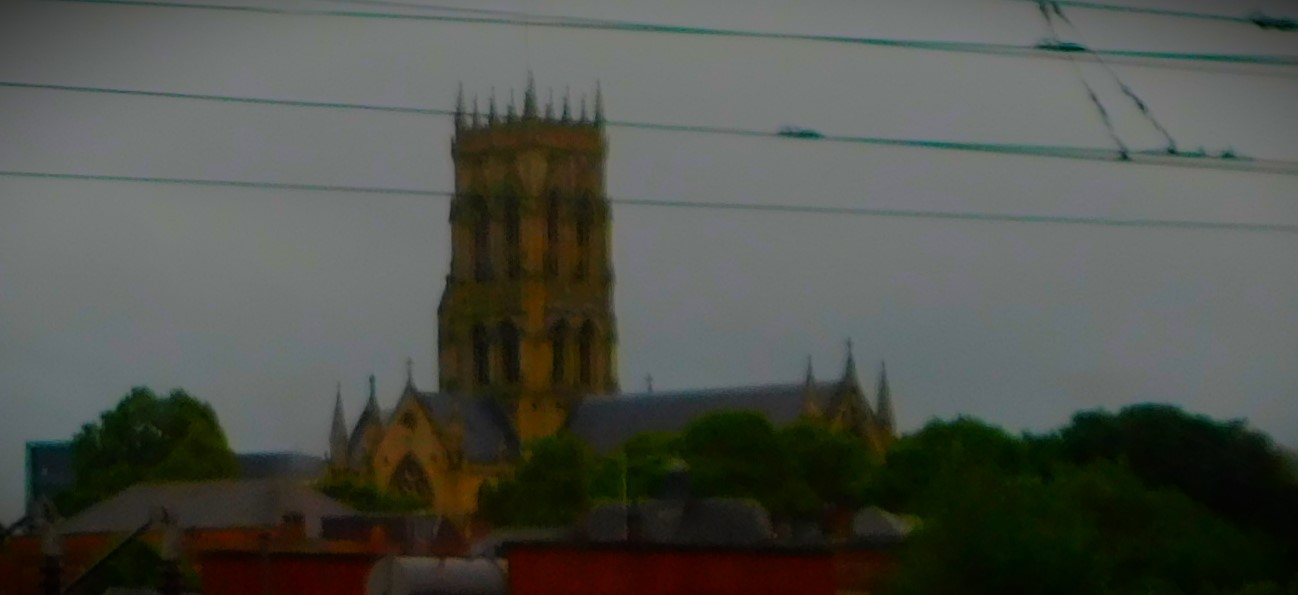
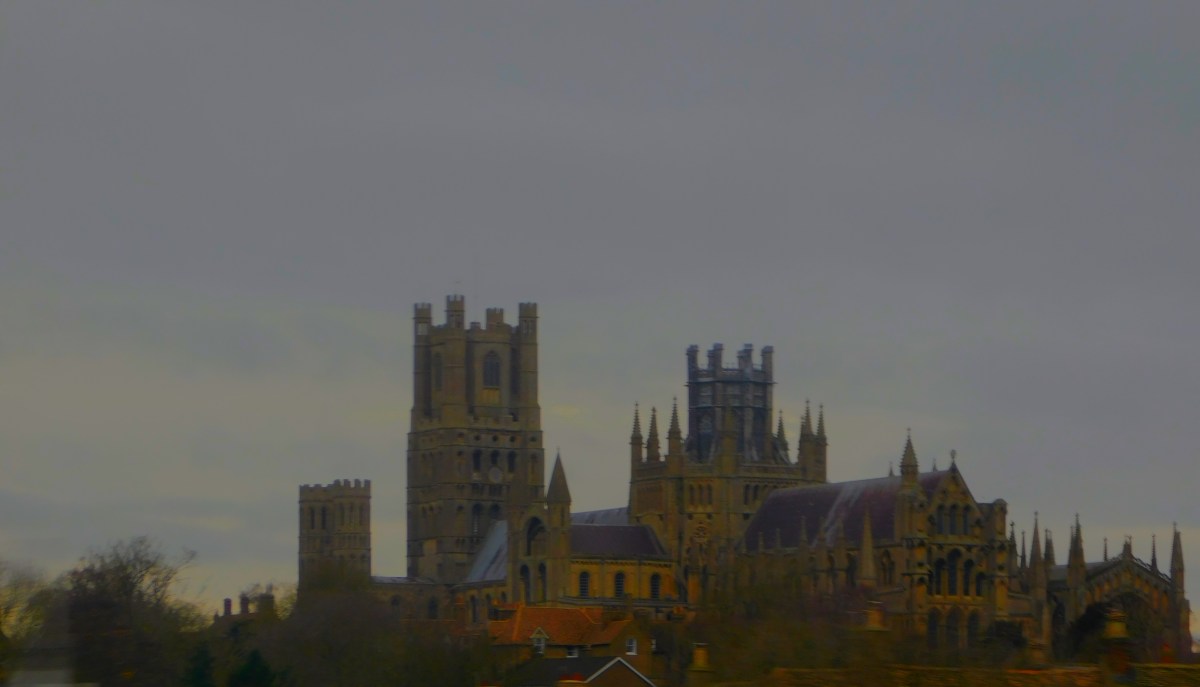
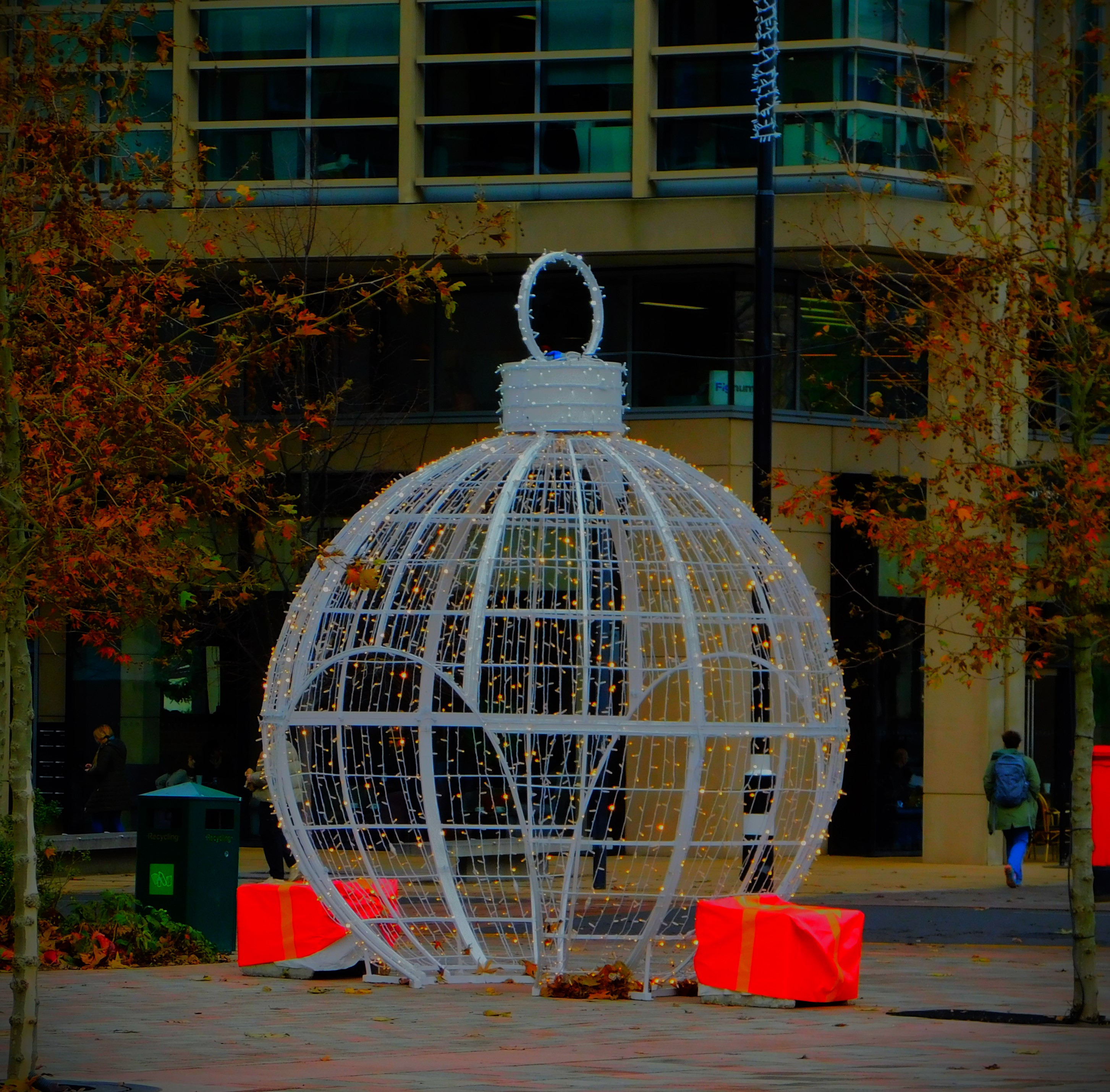
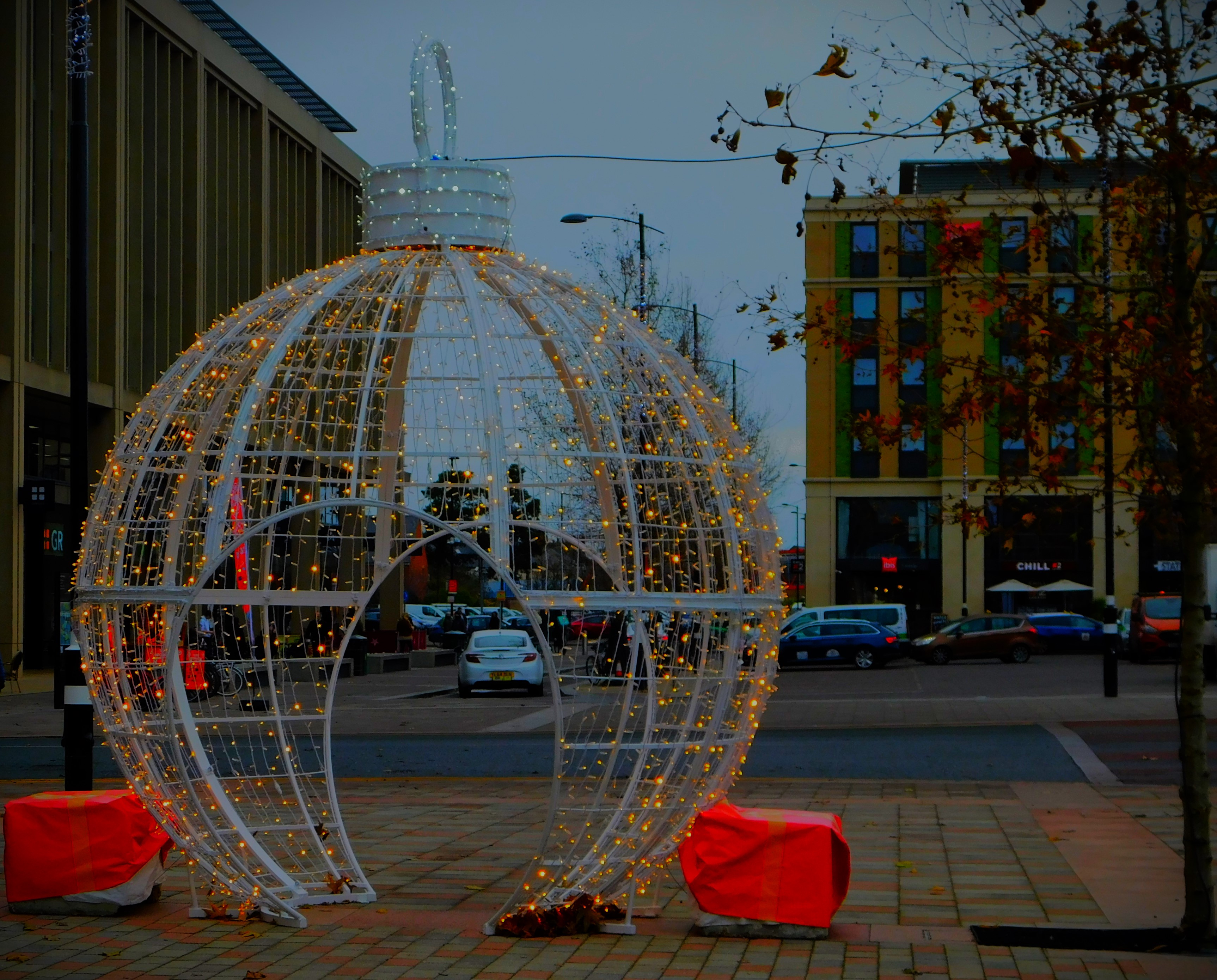
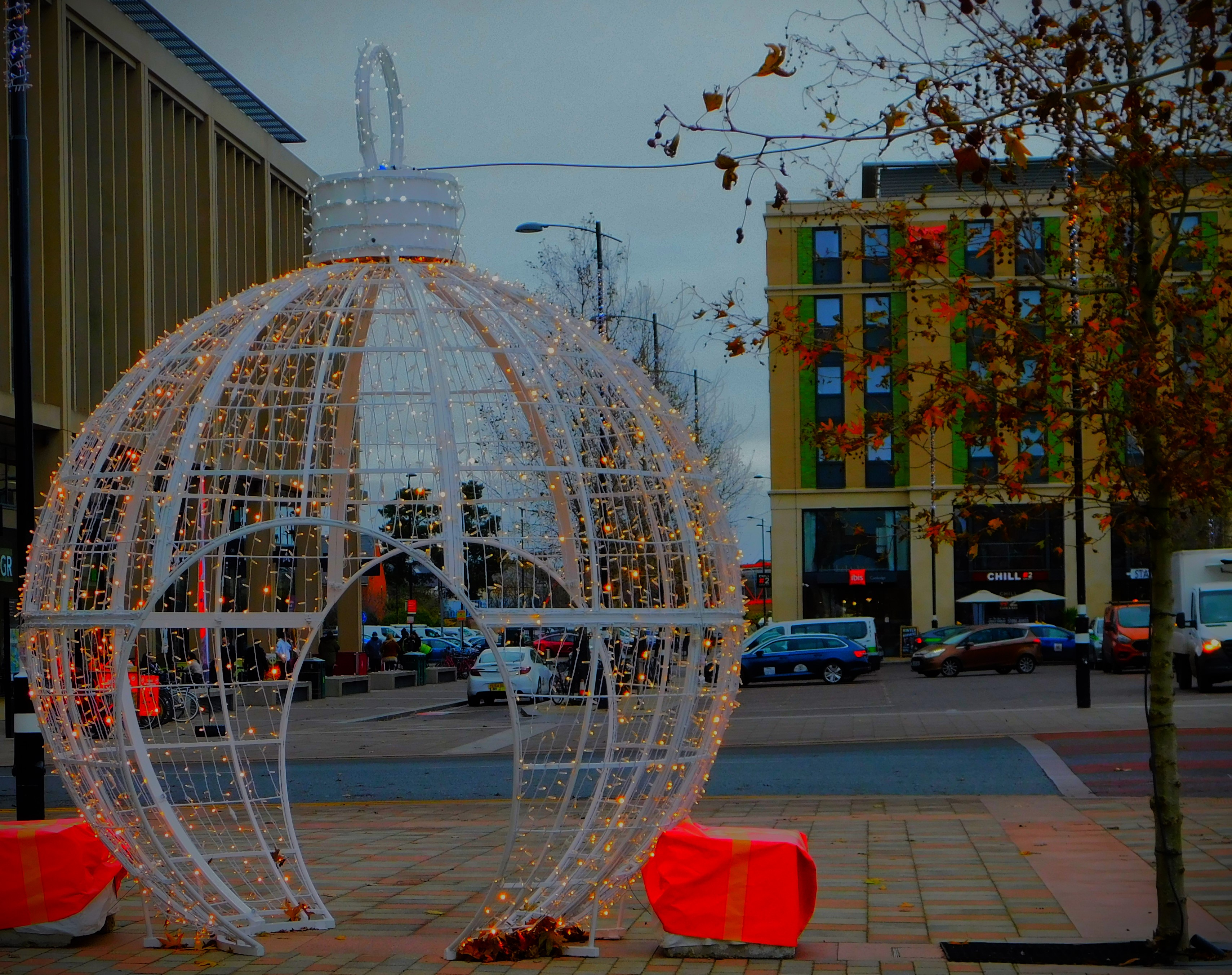
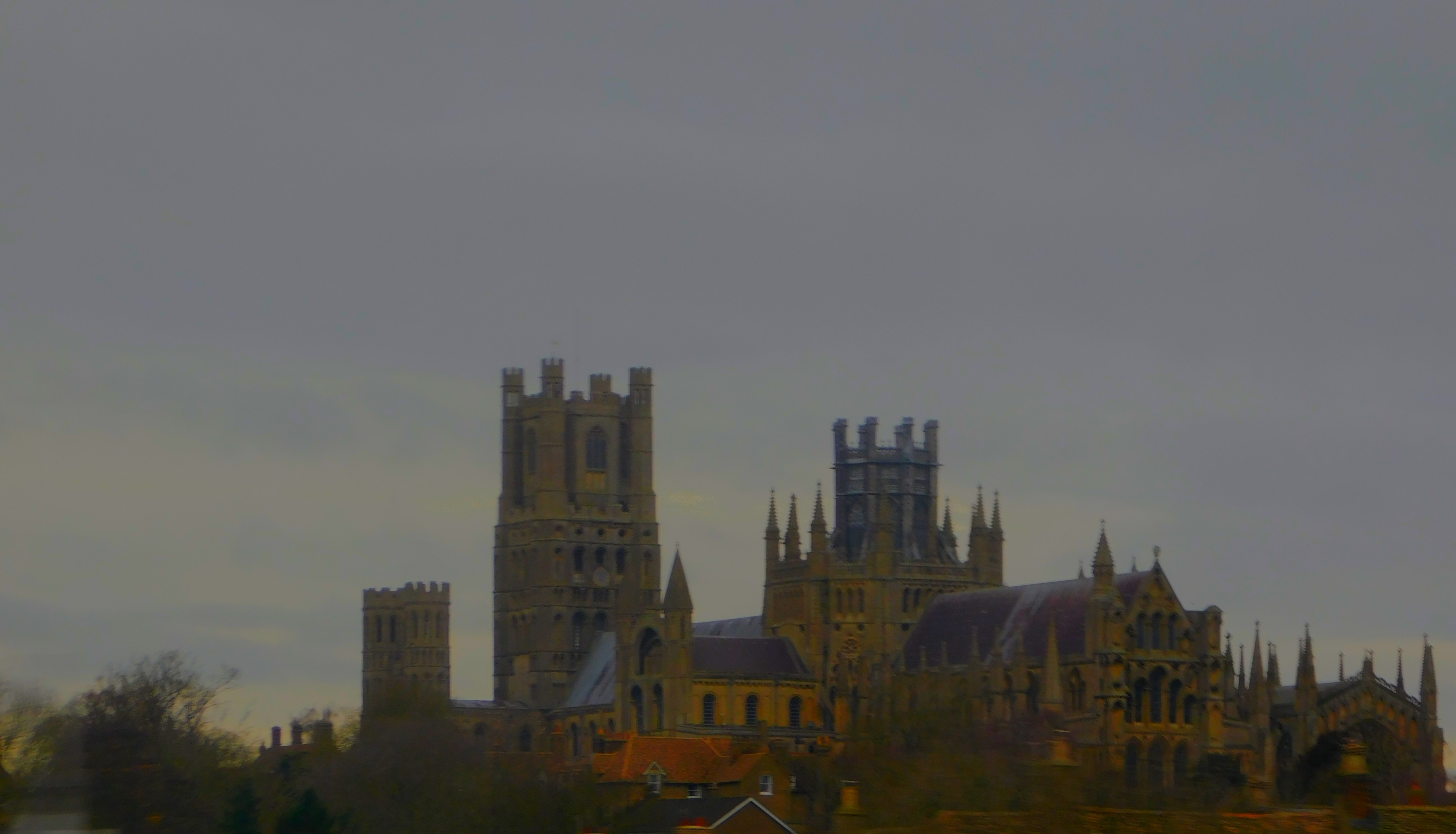
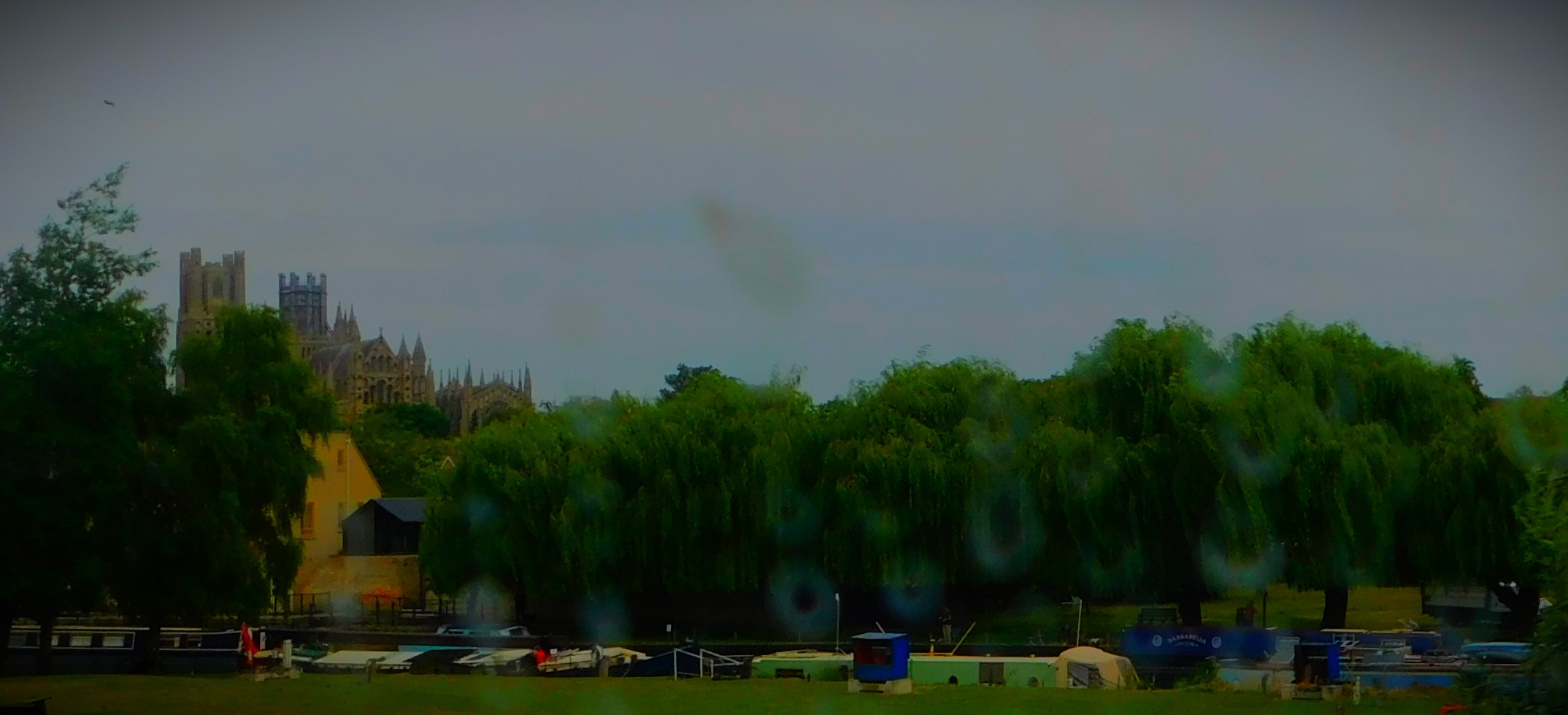
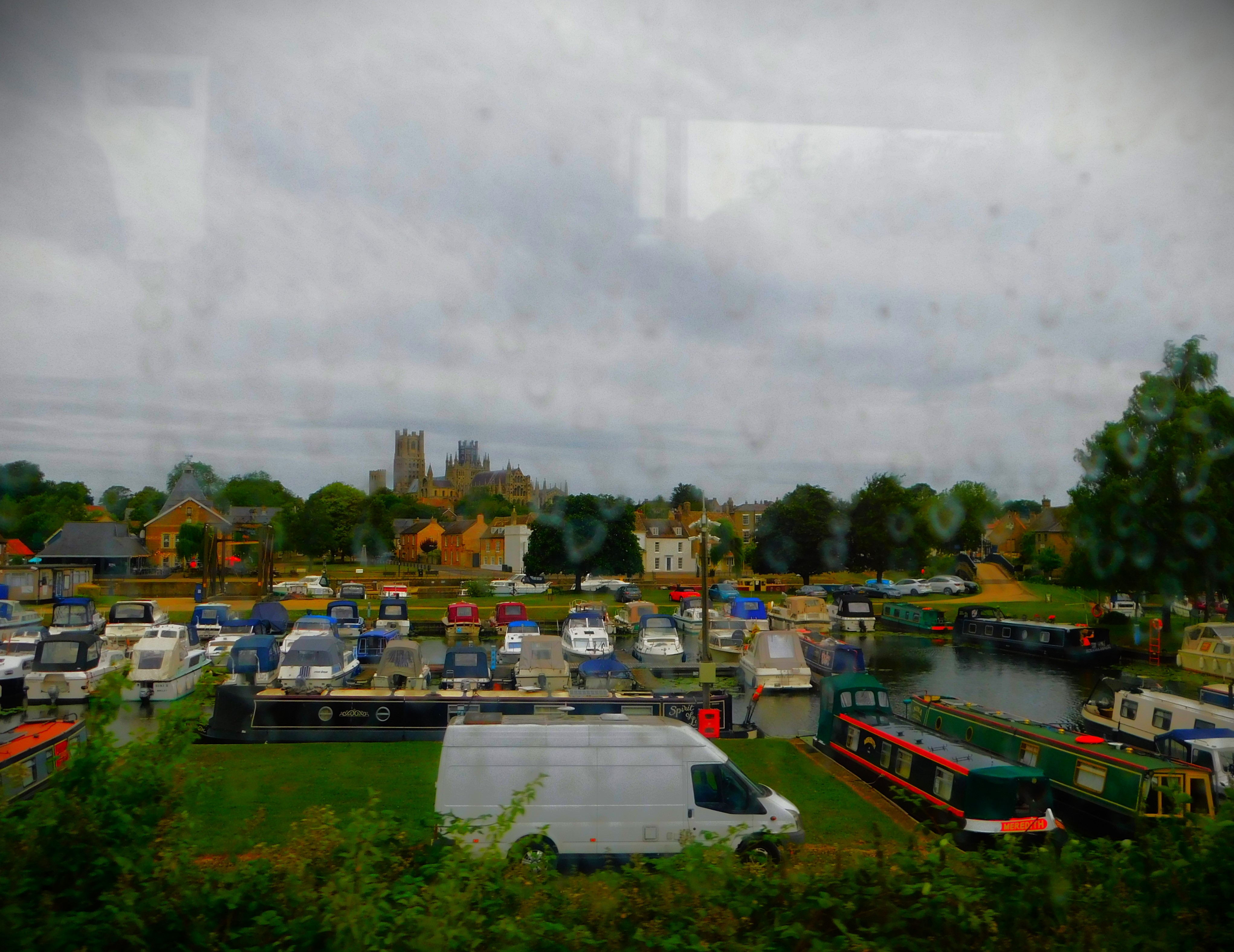
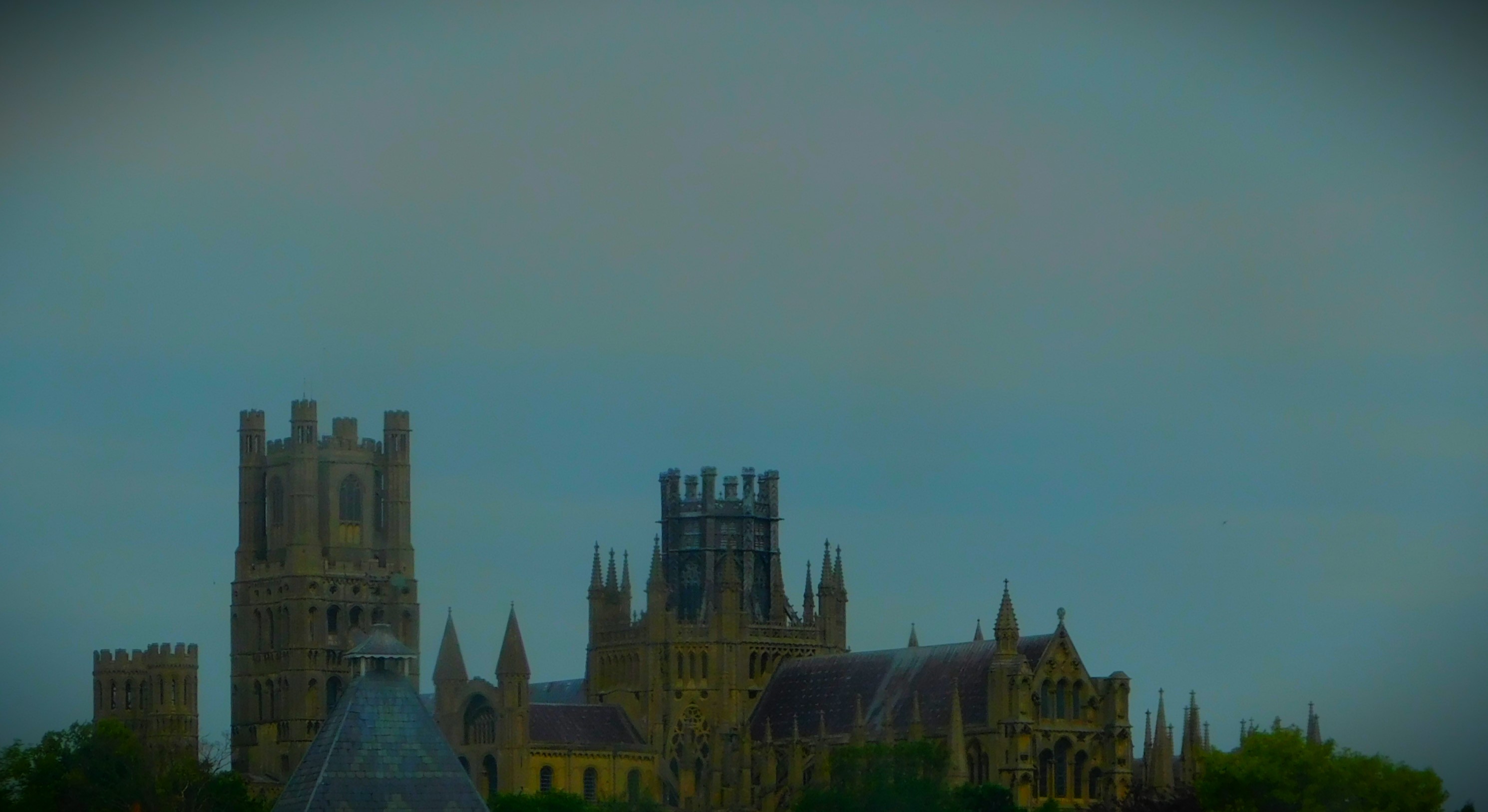
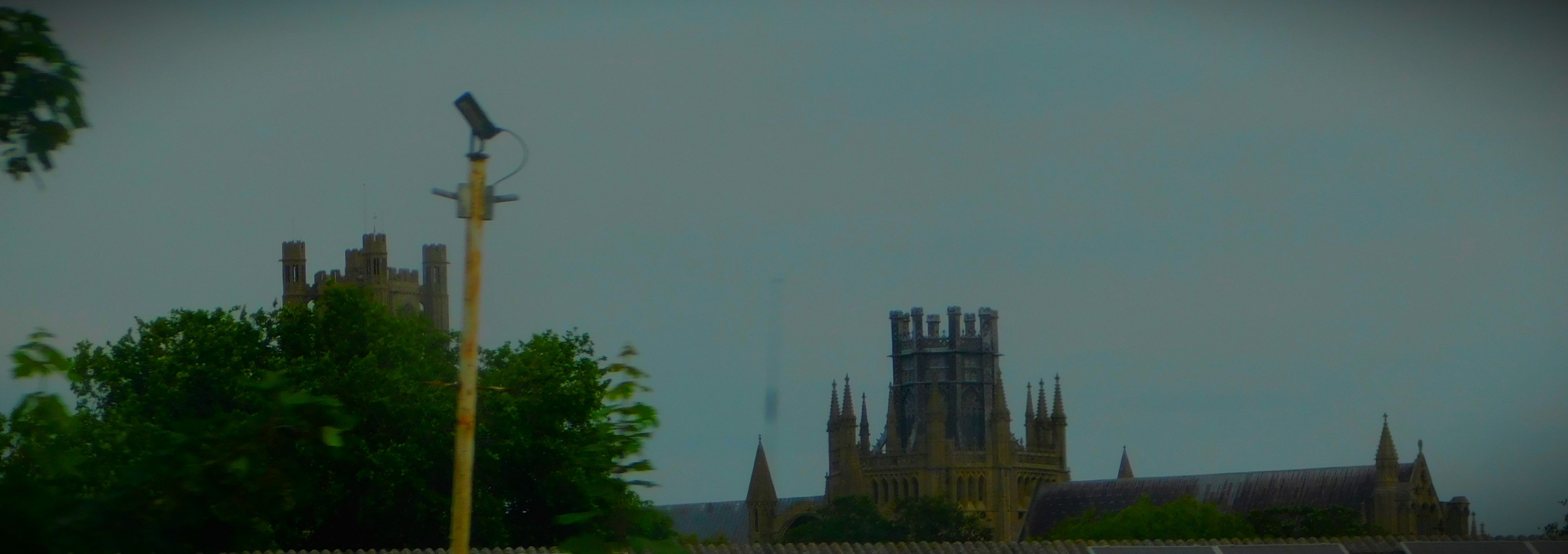
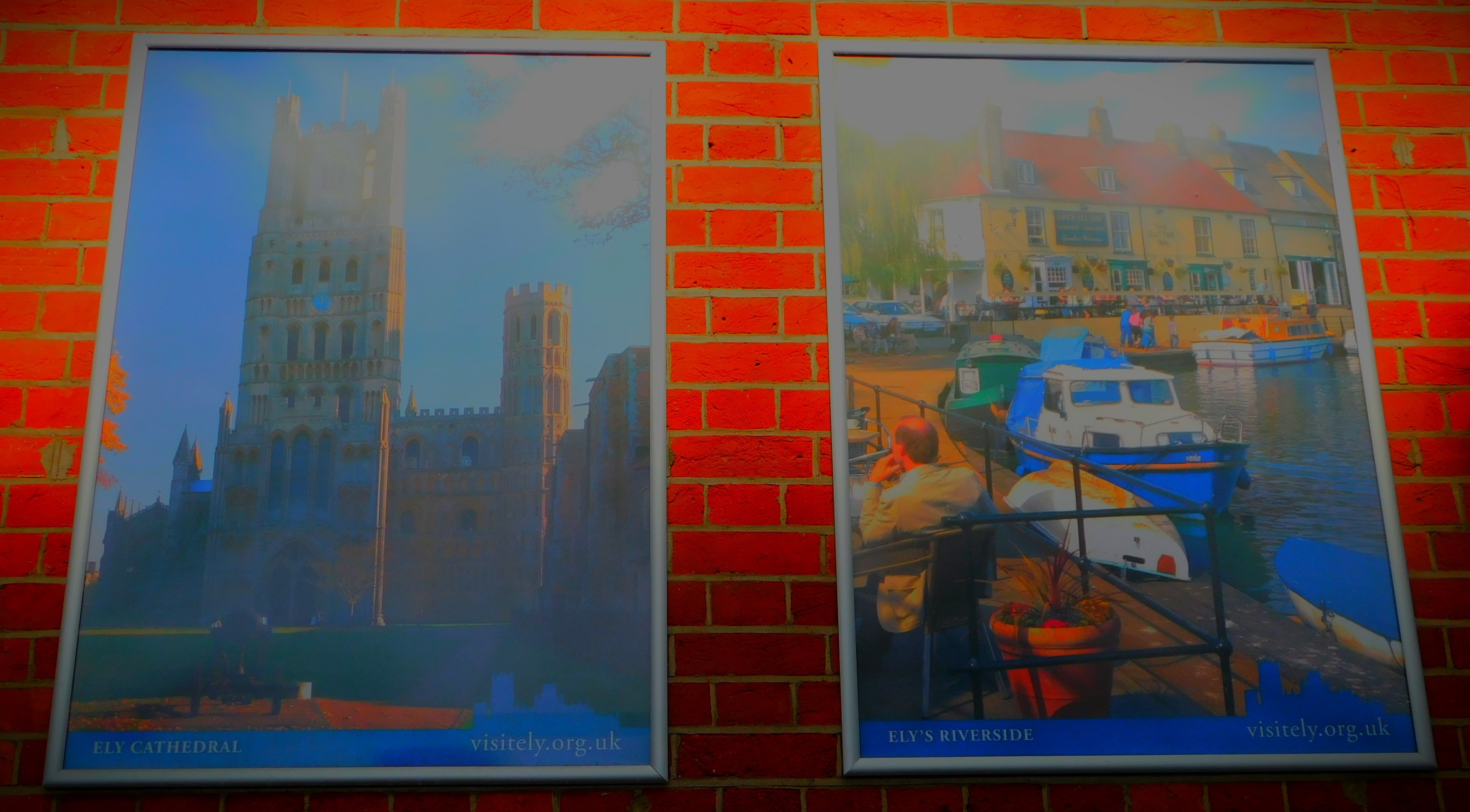
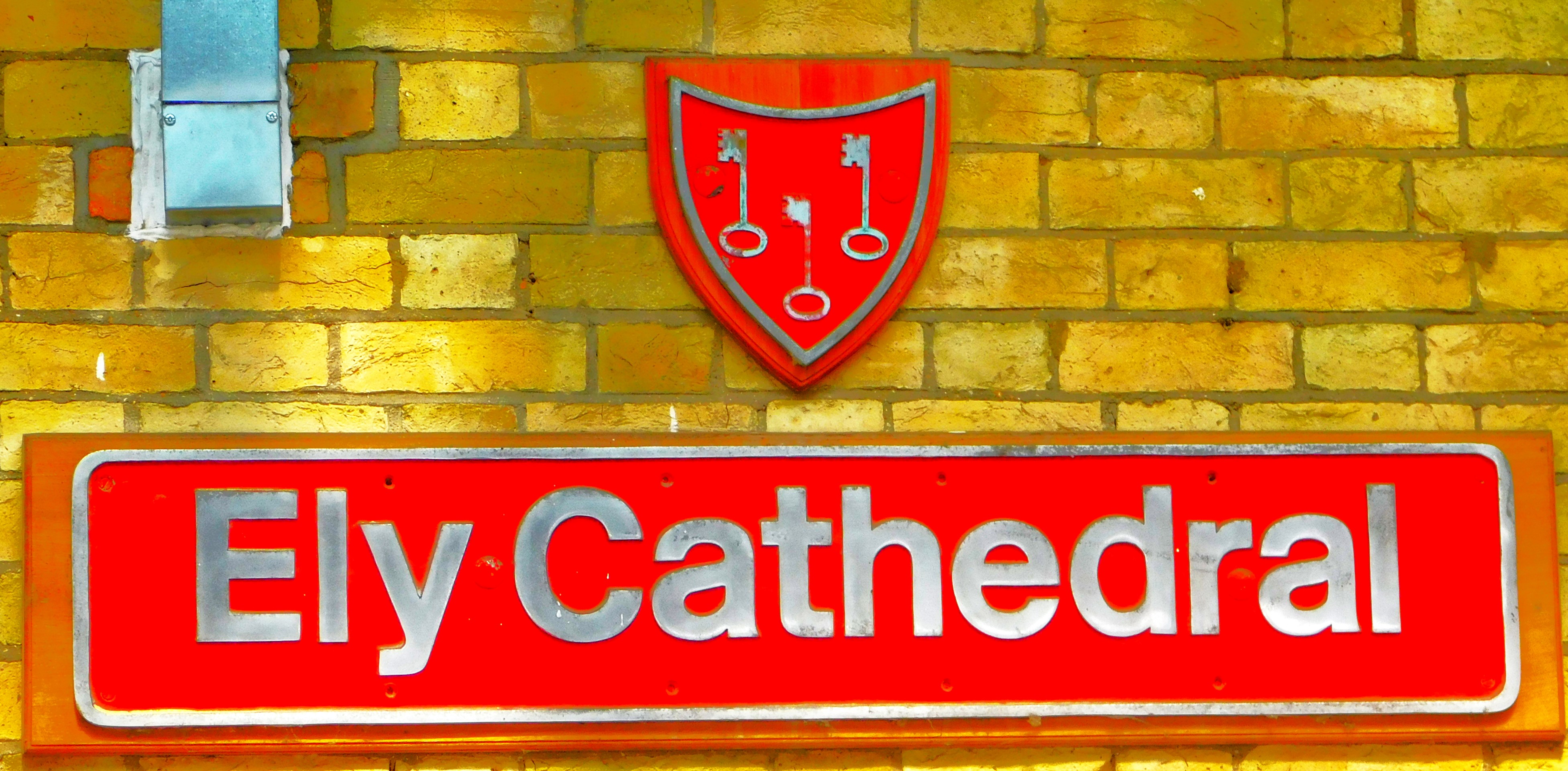
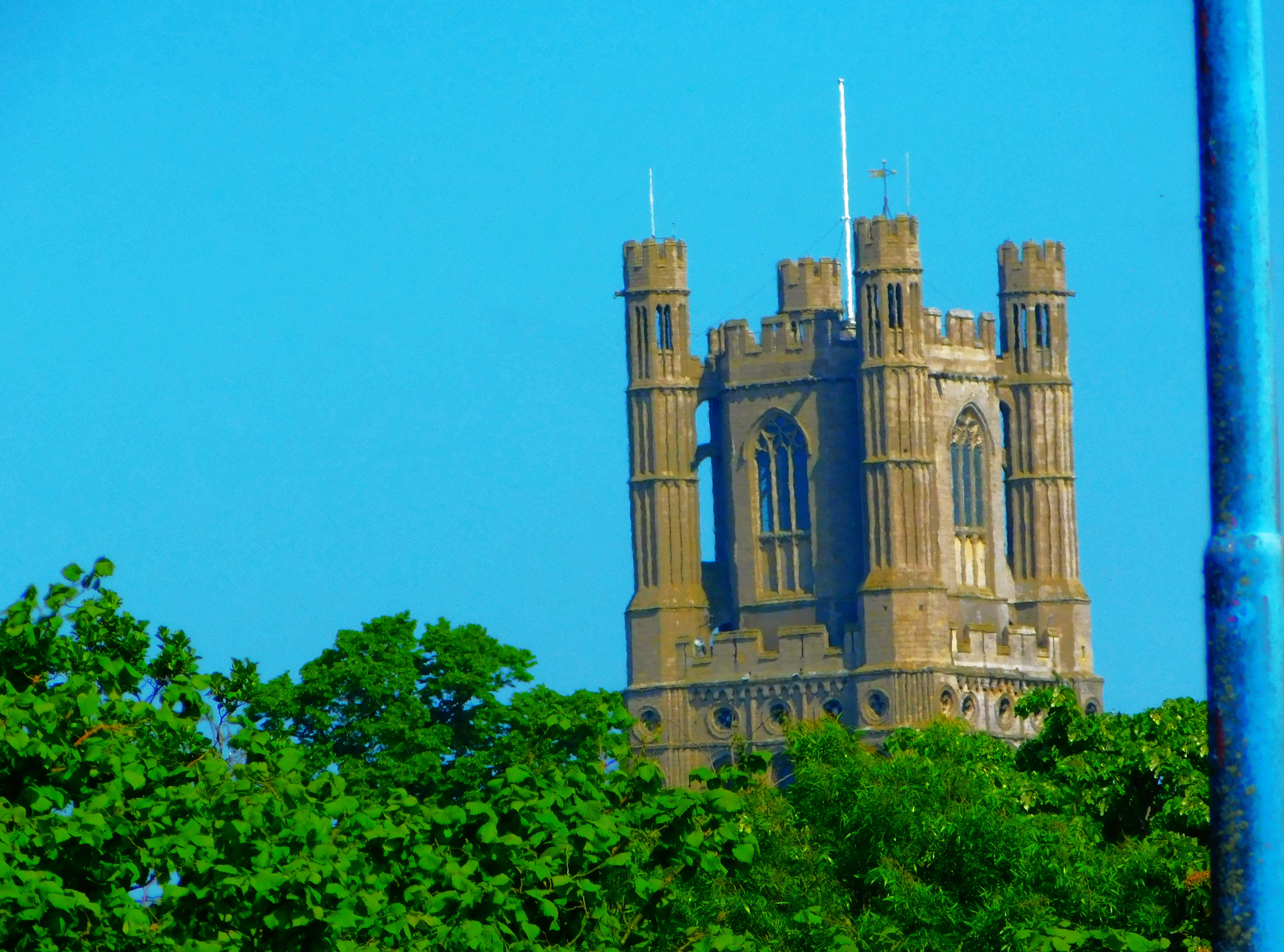
Cambridge station, as viewed from where Hills Road crosses the railway line.A giant Christmas bauble near Cambridge station.Ely Cathedral
Starting a mini-series about a long weekend in Cornwall with an account of the journey there.
I last posted on Wednesday and this post explains why. Thursday was a work day, and then Friday was pretty much entirely given over to travel, as I was going to Cornwall for a long weekend with various relatives, while yesterday was also very busy, as today will be. However, I have time to do a blog post now, the start of a mini-series.
MY BASE FOR THE WEEKEND AND TRAVEL PLANS
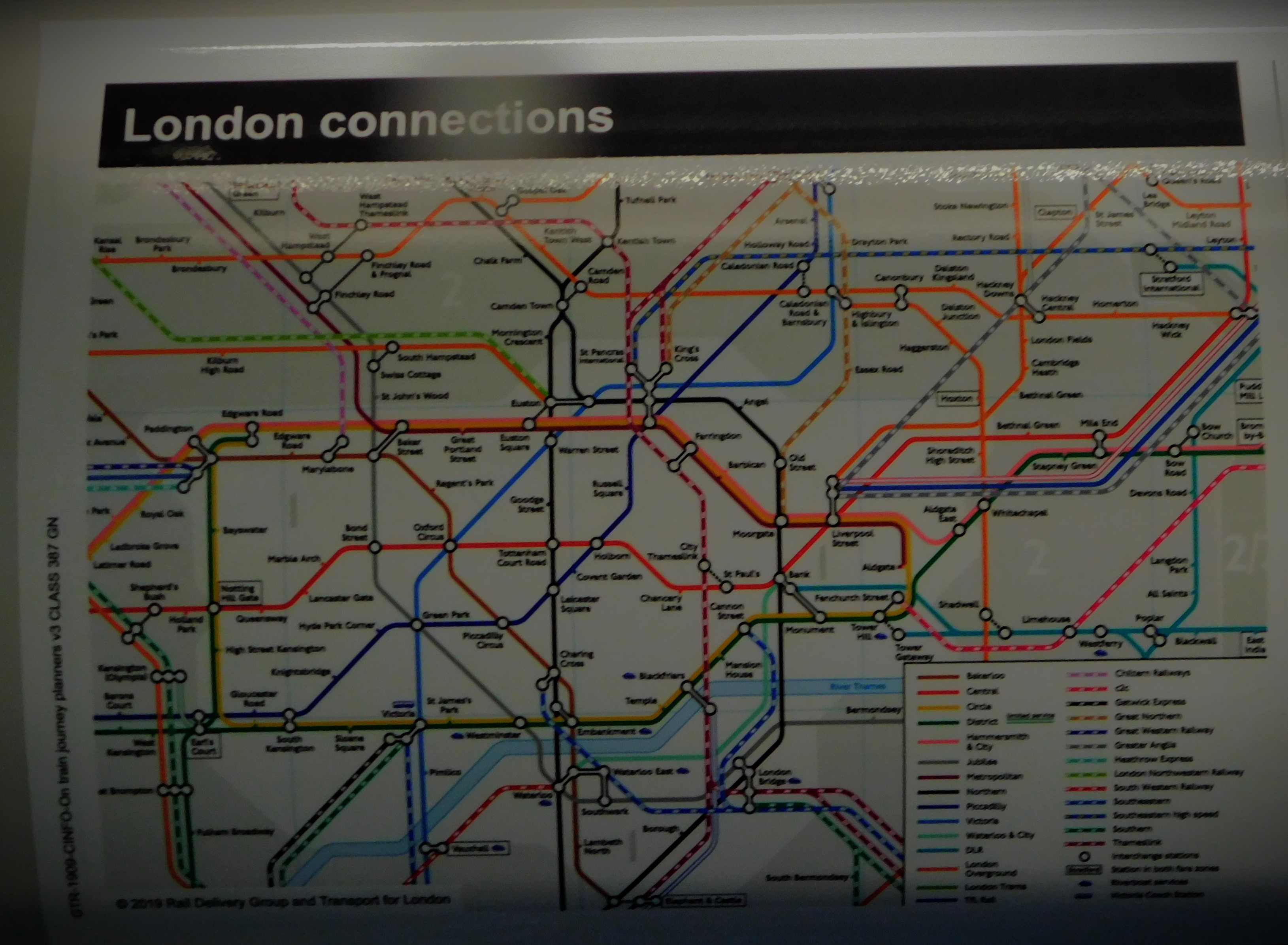
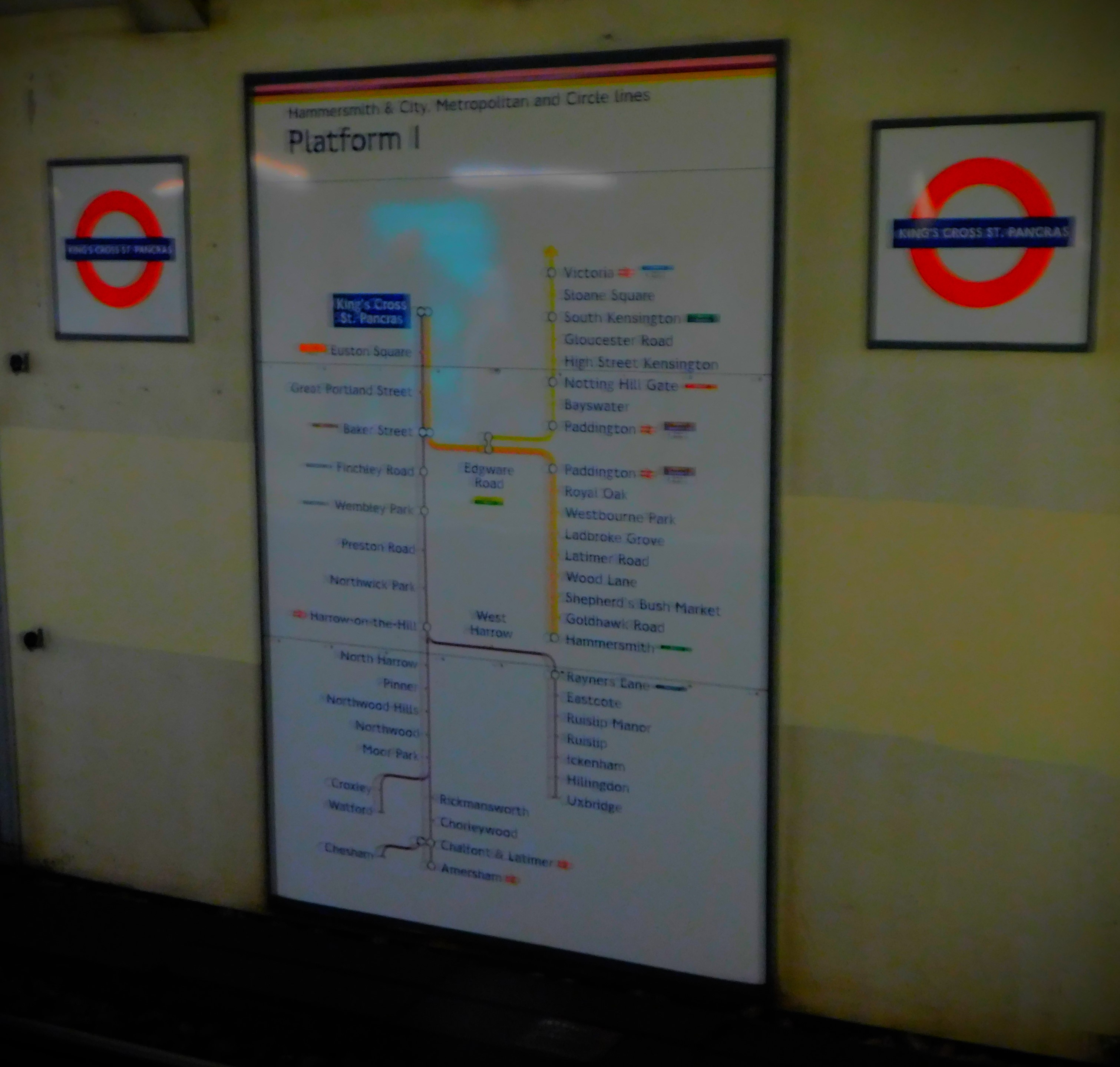
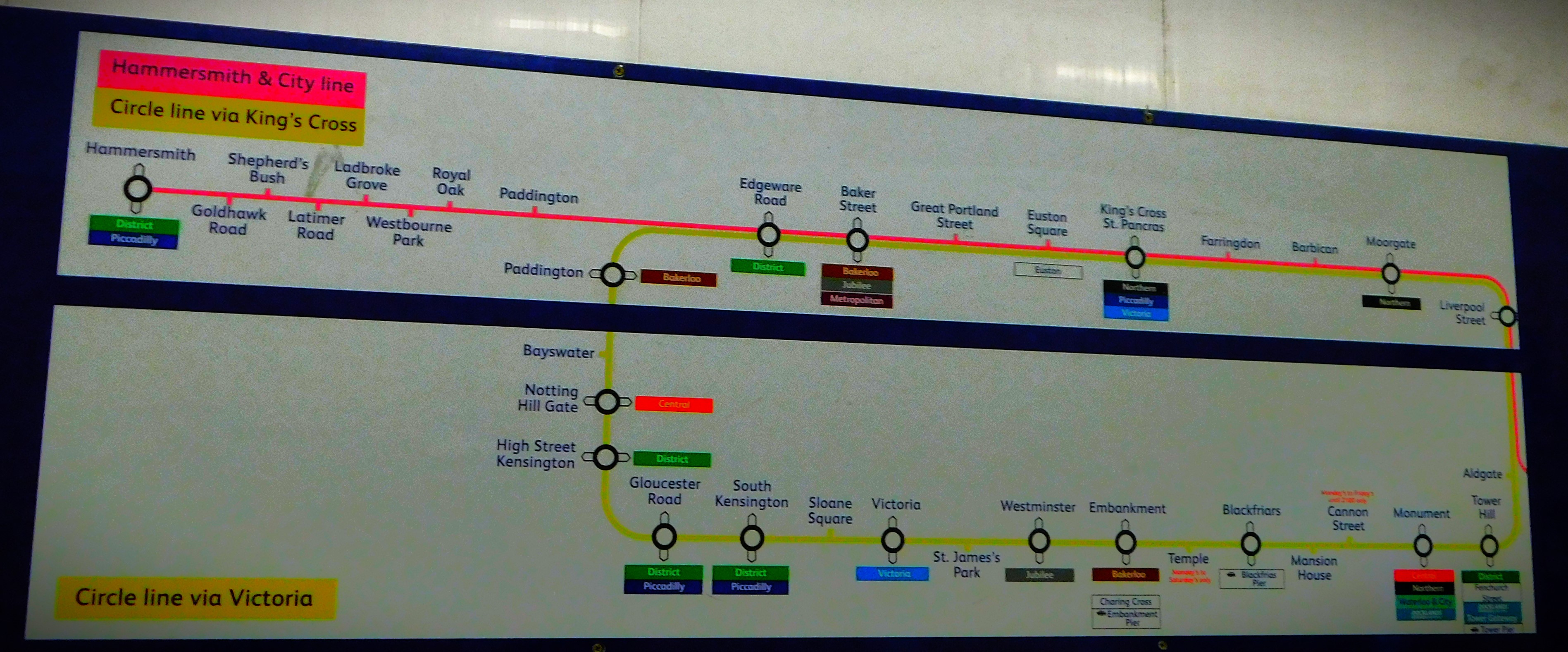
My parents live in Fort Picklecombe just on the Cornish side of the Tamar and about a mile from the village of Cawsand. I would be staying with them for the weekend so my task travel wise was to get from King’s Lynn to Plymouth from where they could pick me up. This journey is accomplished in three parts – King’s Lynn to Kings Cross, Hammersmith & City line to Paddington (NOT the Circle line – the Paddington served by that line should revert to its original name of Praed Street – it is significantly removed from the main line station, whereas the Hammersmith & City line platforms are structurally part of the main station), Paddington to Plymouth. I arranged to leave Lynn on the 09:42, connecting to the 13:03 from Paddington, which would arrive in Plymouth at 16:12.
KING’S LYNN TO LONDON
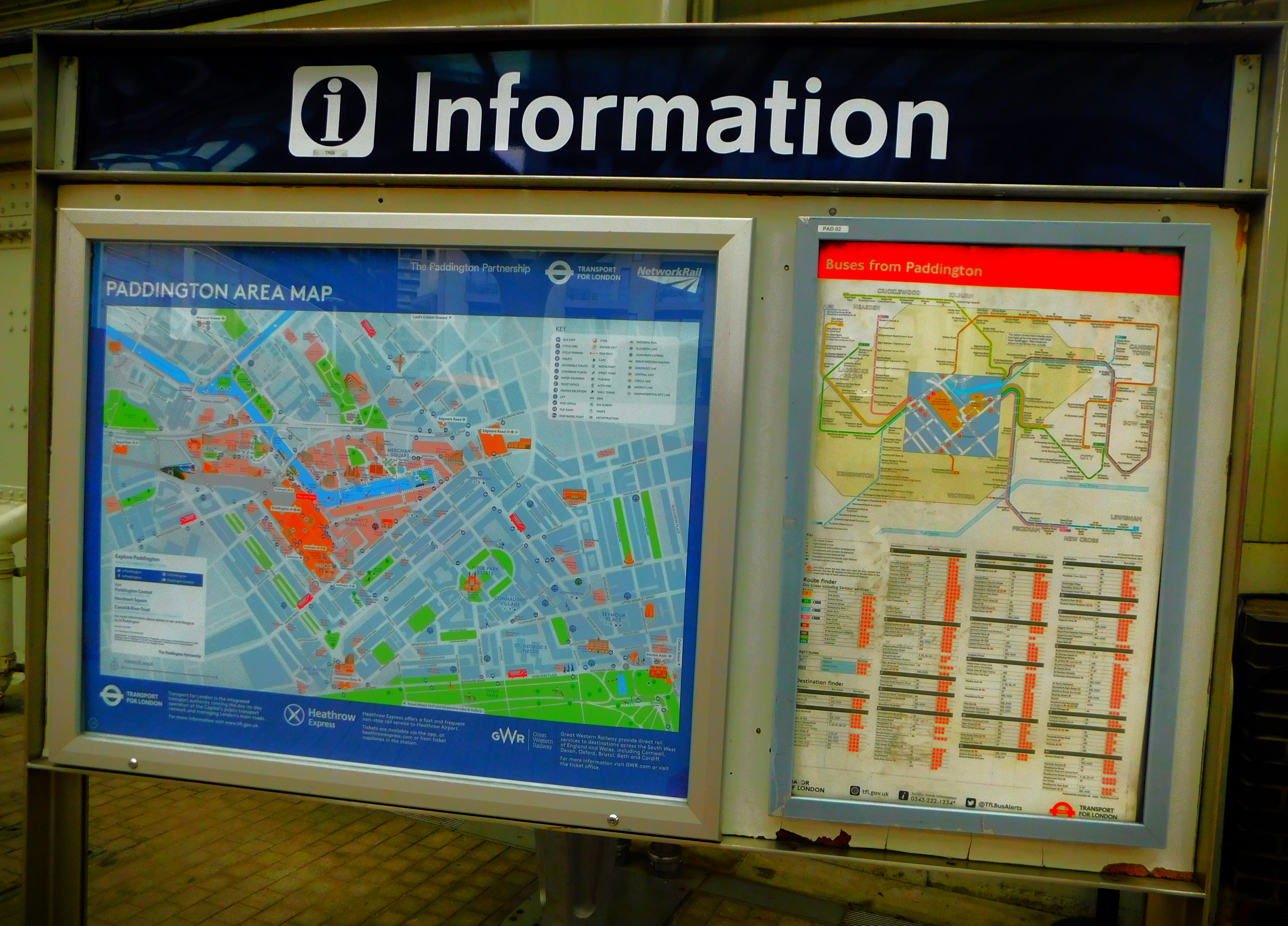
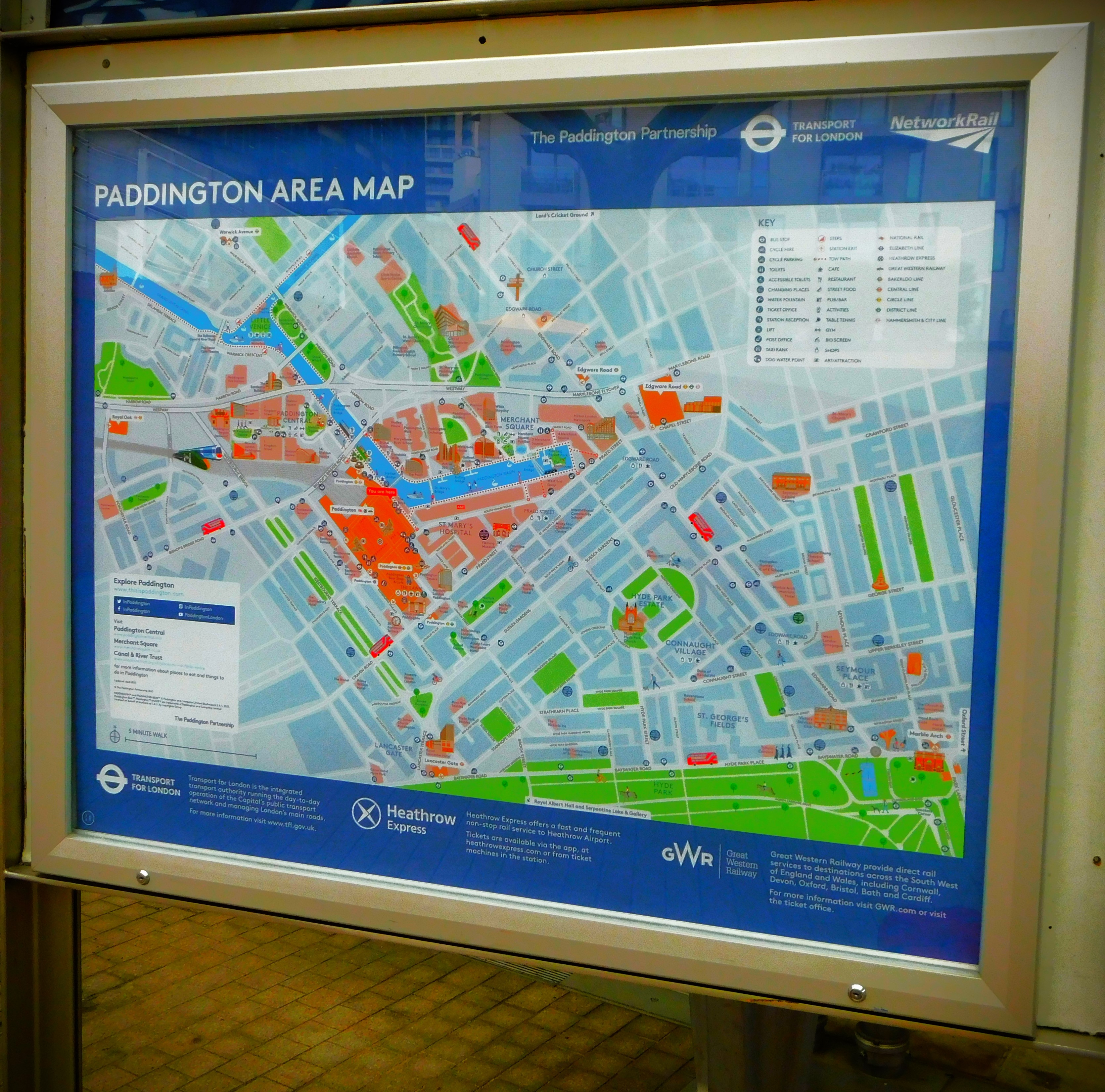
I reckoned on leaving my flat at 9AM so that I had plenty of time for the walk to the station, and I actually got away by 8:55. The train to London was a little late leaving and lost further time along the way, but with an hour and half between scheduled arrival at Kings Cross and scheduled departure from Paddington my cross London connection was never close to being in jeopardy. I arrived at Paddington with over 40 minutes to spare, and spent half of that time waiting to find out which platform I needed to get to. Then, since my designated seat was in coach A I had to walk the whole length of the platform before boarding and finding my seat.
Setting off early meant that I could pause to take photographs while walking to the station.Ely CathedralEly Cathedral’s unique feature, the octagonal tower designed by a 14th century prior known to posterity only as Alan of Norwich.
PADDINGTON TO PLYMOUTH
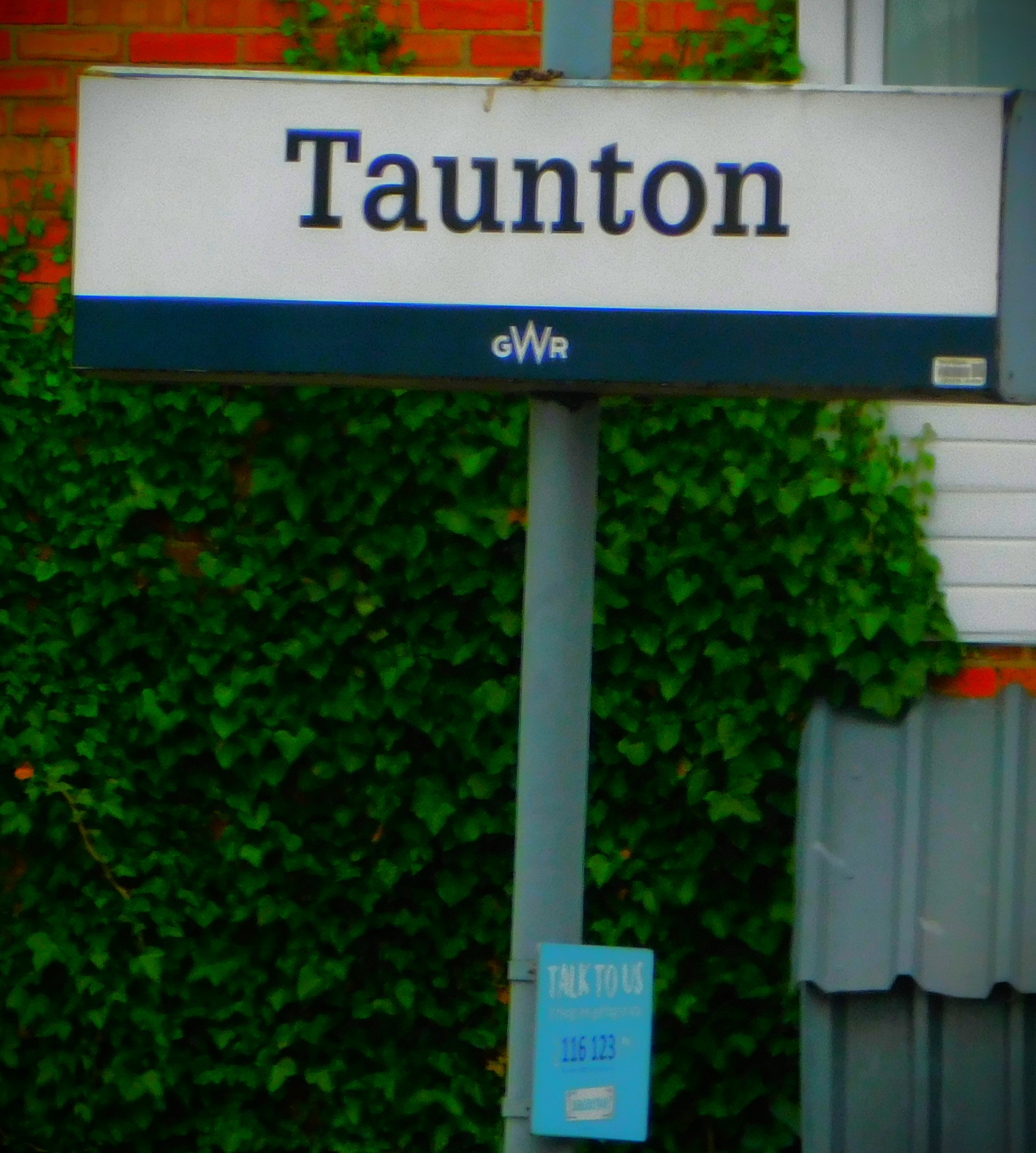
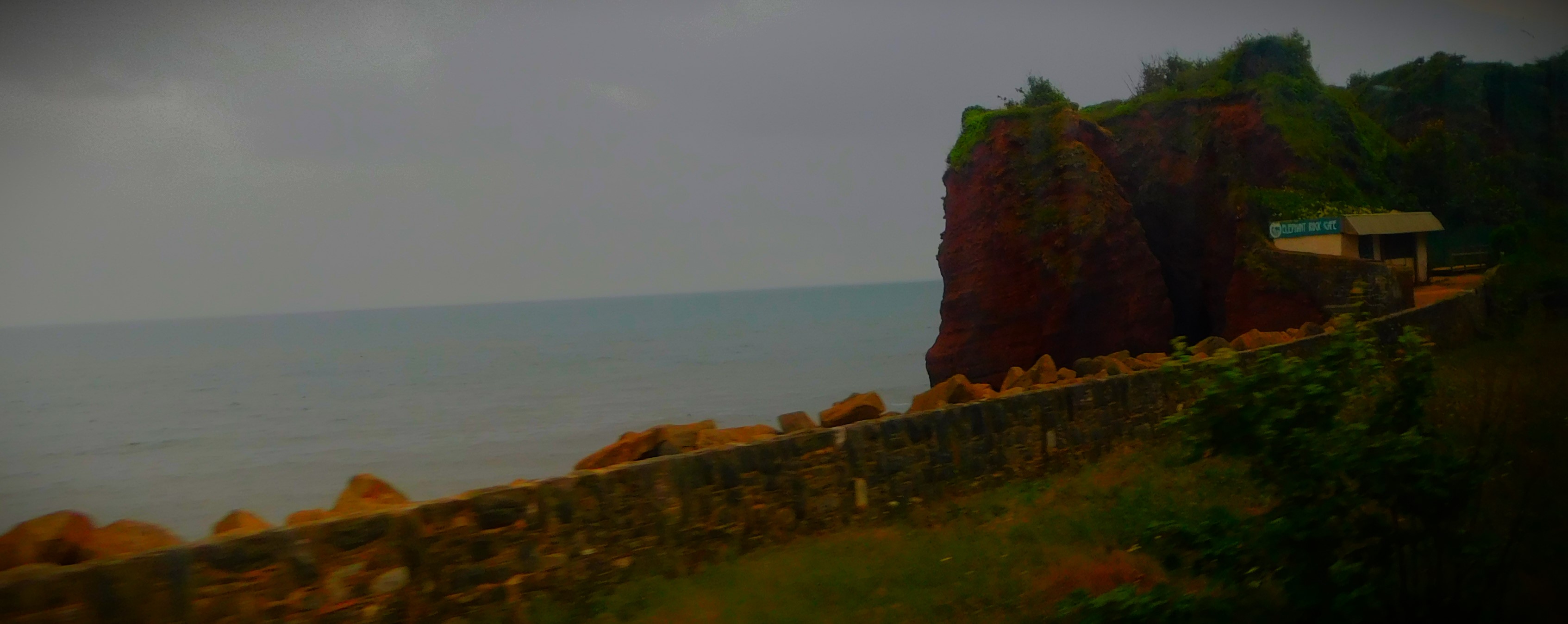
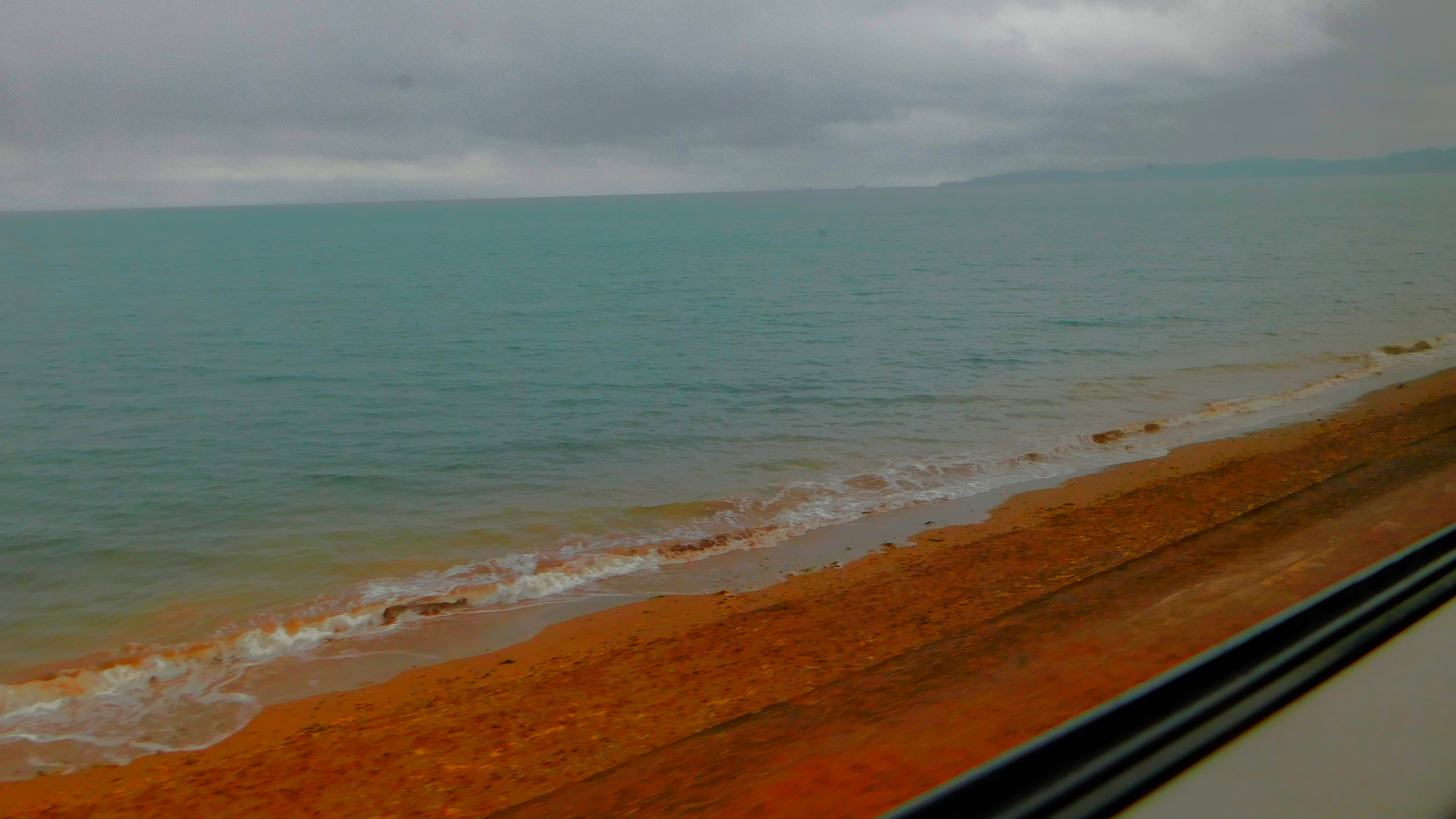
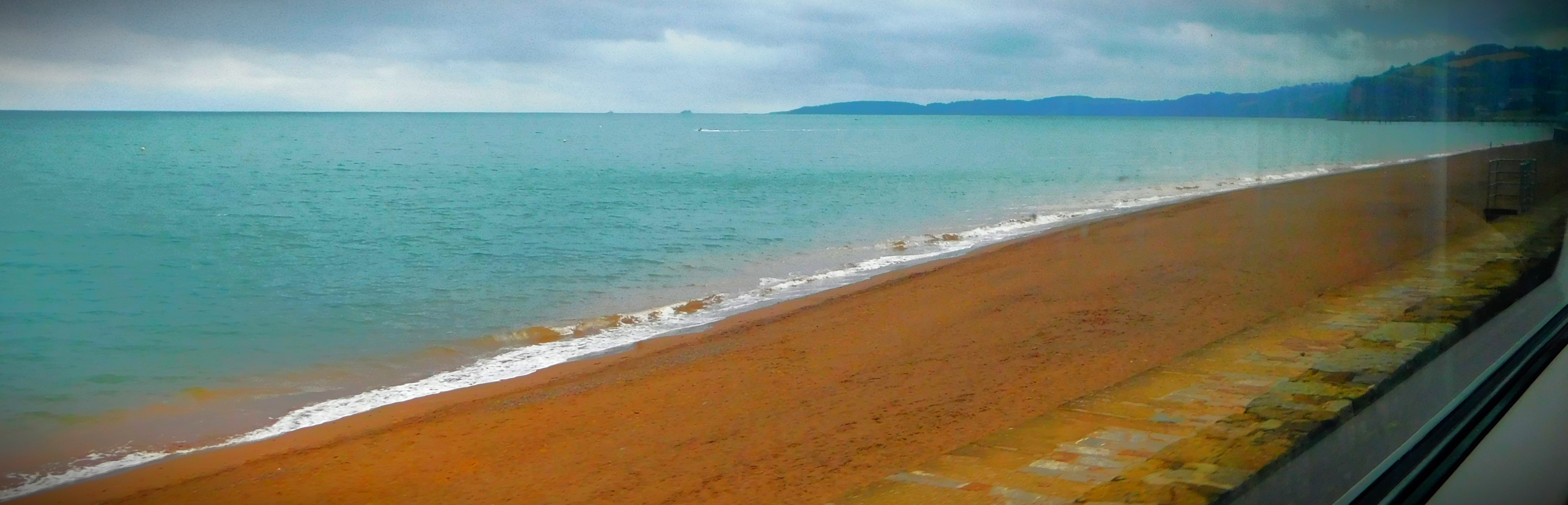
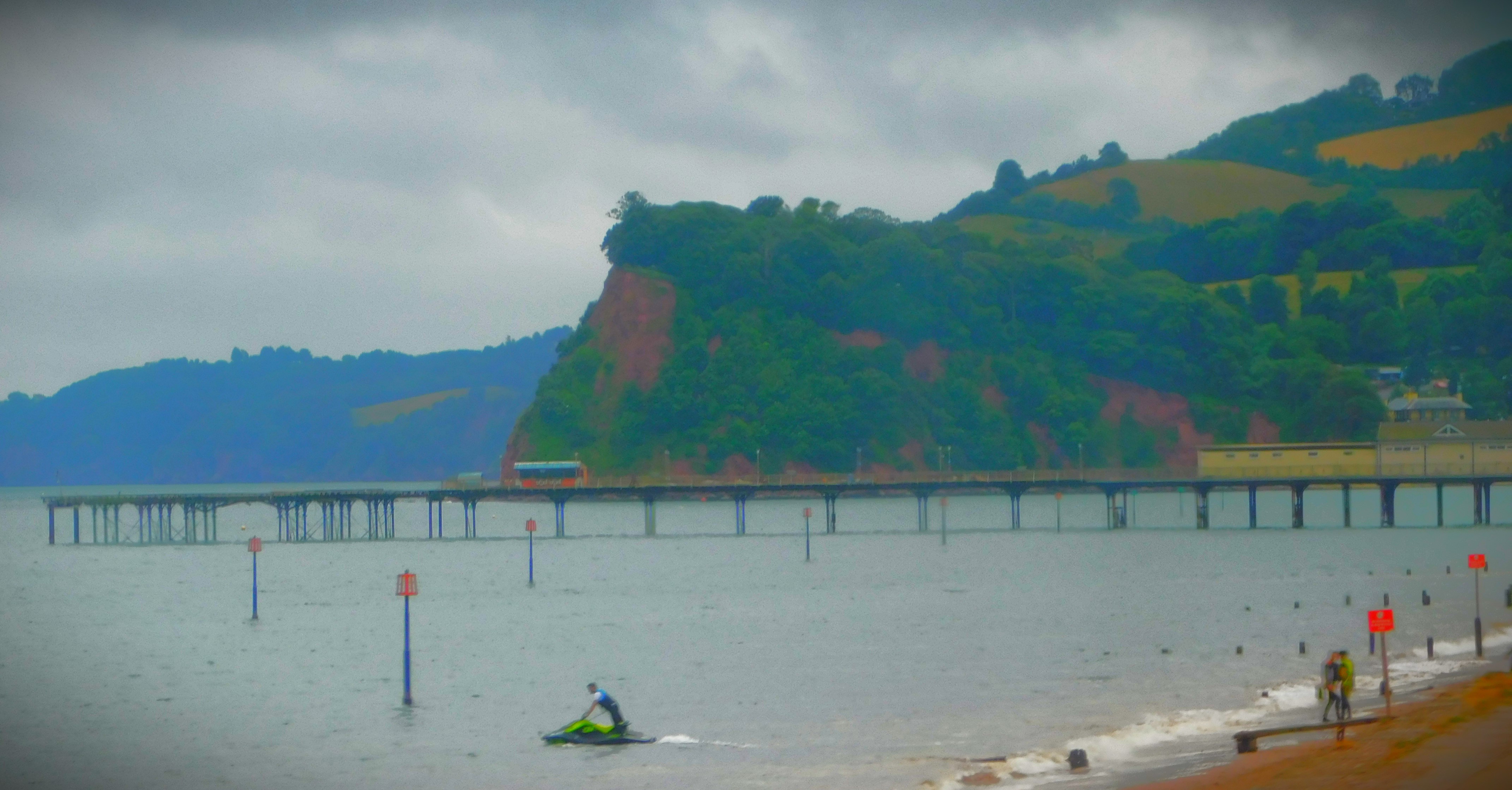
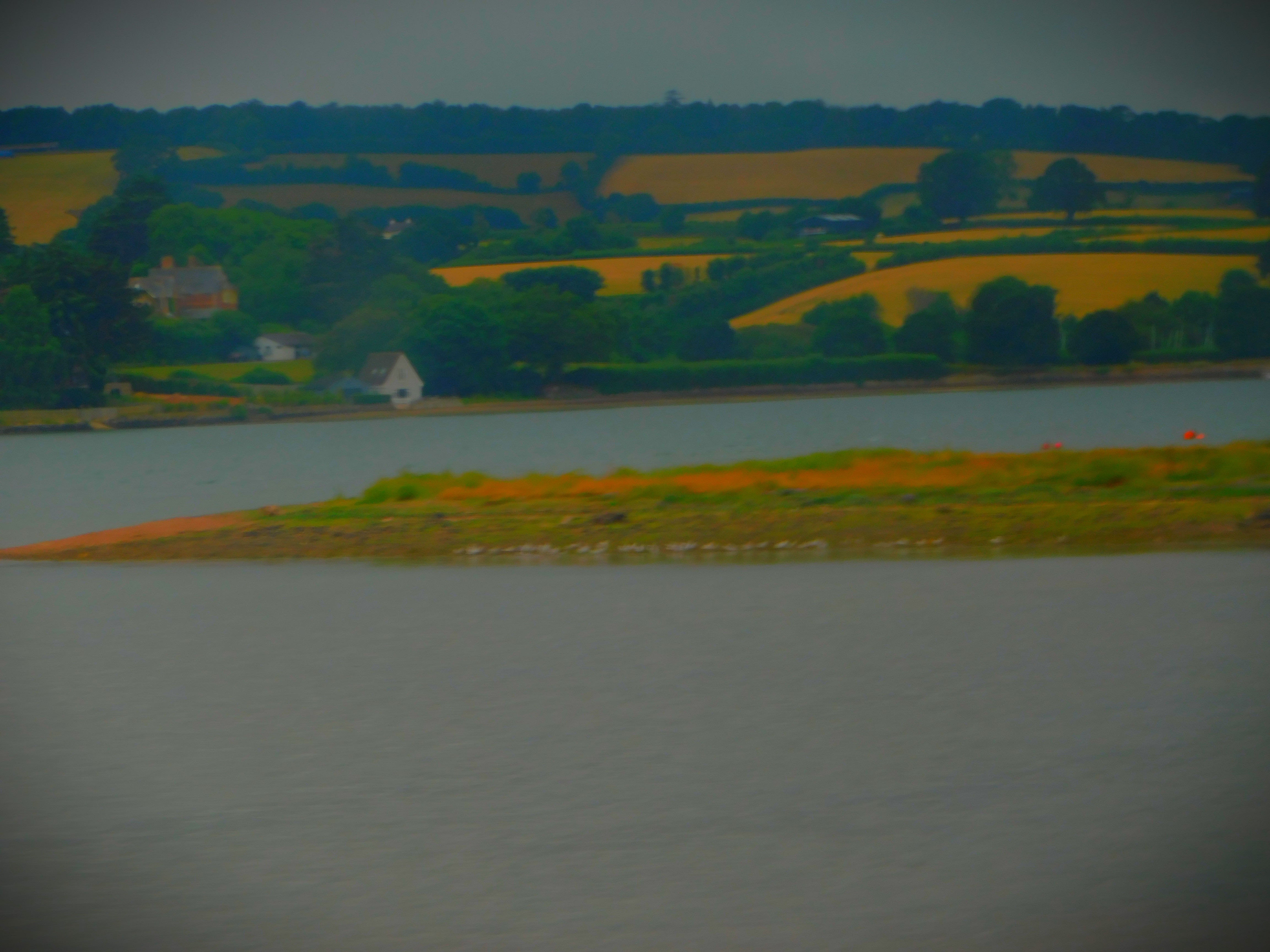
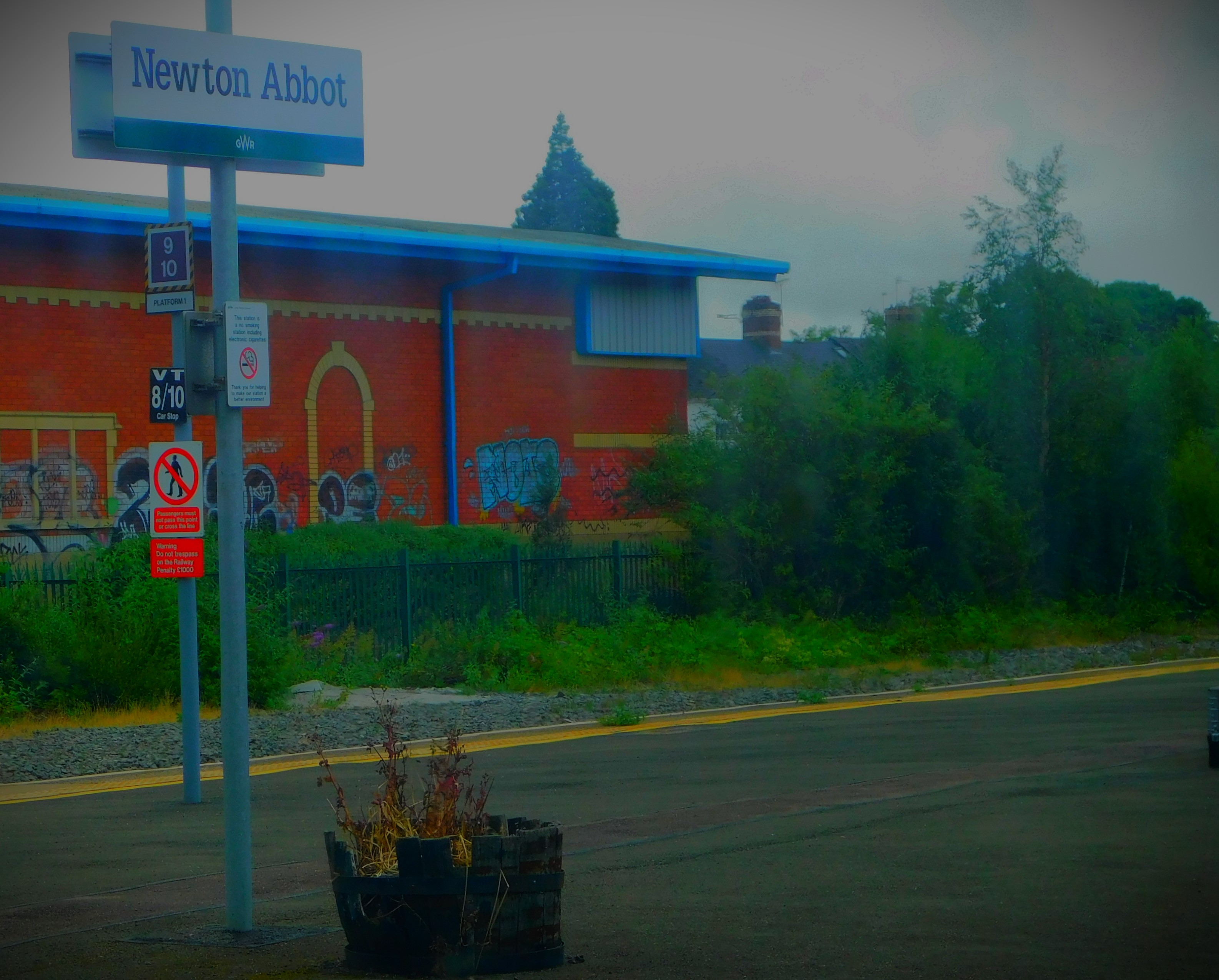
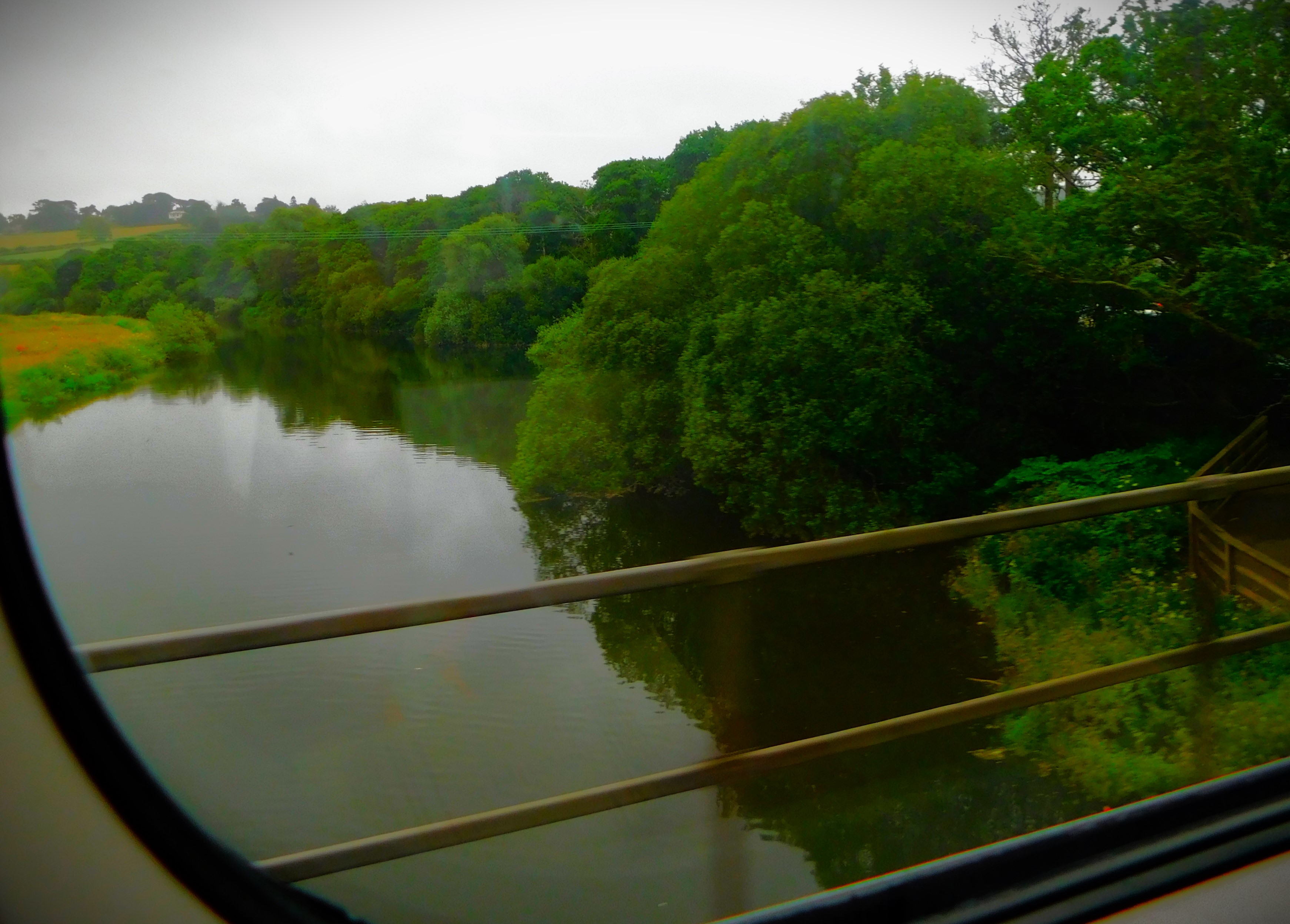
Great Western don’t have the worlds greatest reputation for punctuality, but this time the service set off precisely as scheduled, and ran pretty much exactly as per schedule all the way. This service stops at Reading, then has a long fast run to Taunton before making additional stops at Tiverton, Exeter St Davids, Newton Abbot and Totnes en route to Plymouth. There is one stunningly scenic section on this route, between Exeter and Newton Abbot, where the railway is literally right alongside the sea for most of the way.
PLYMOUTH TO FORT PICKLECOMBE
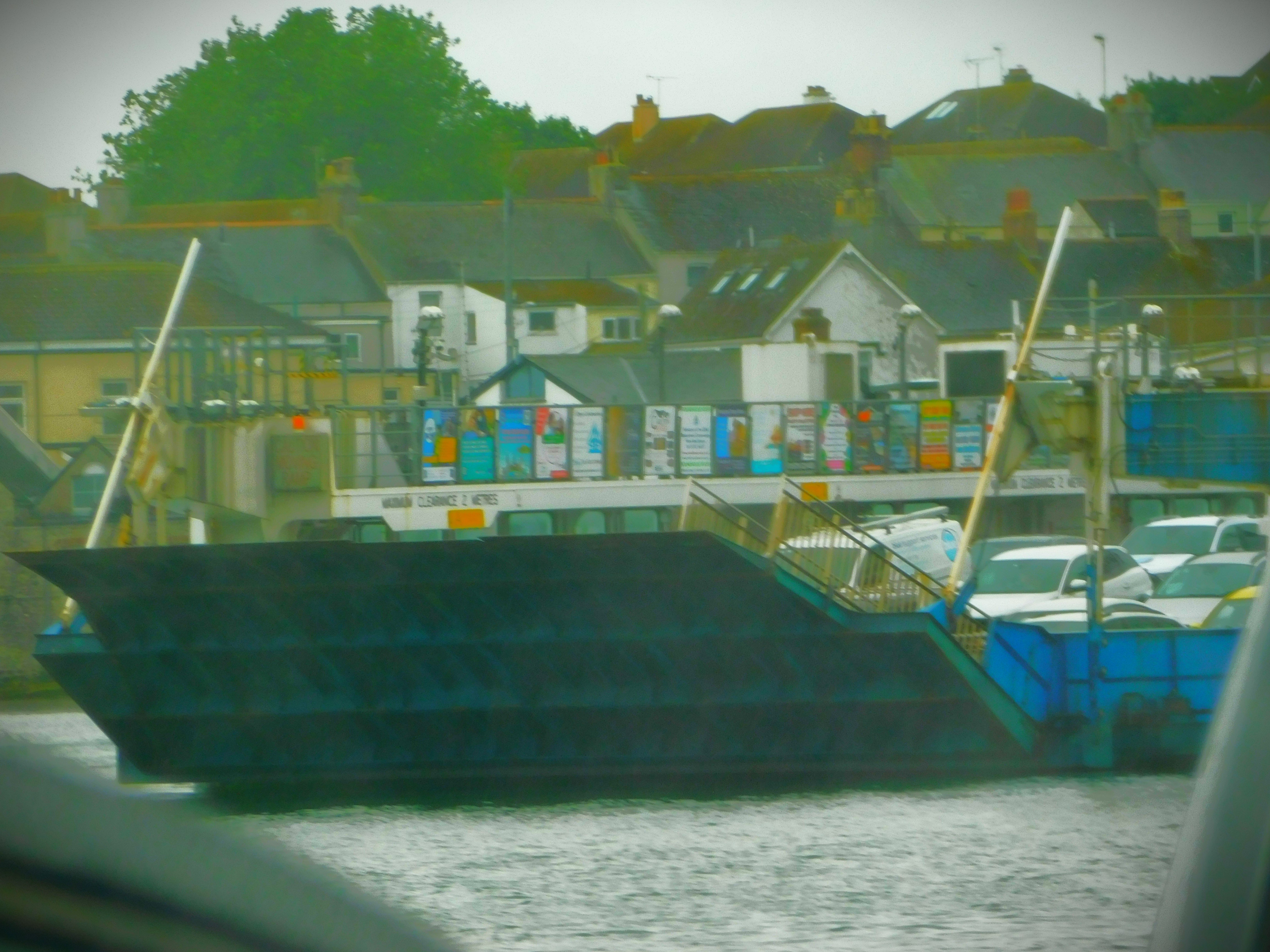
The last part of the journey was in my parents car, and included making use of the Torpoint car ferry. Although my parents car is small and not well suited to photography I did my best even on this leg of the journey.
The final post in my series about my holiday in the Lake District, detailing the journey home.
Welcome to the final post in my series about my holiday in the Lake District. In it I talk about my journey back to King’s Lynn.
A MULTI-MODAL JOURNEY
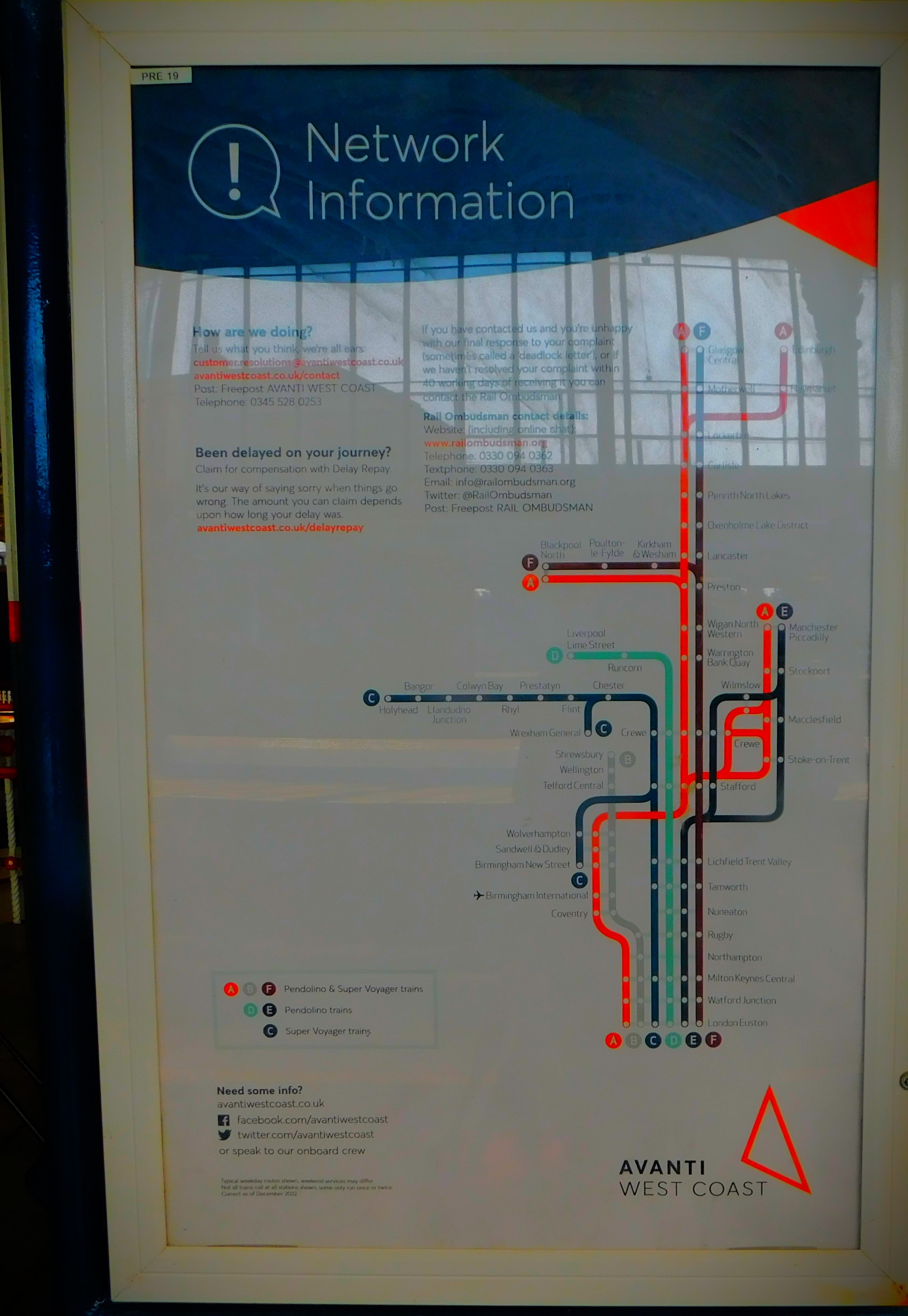
Thursday was the only day on which I could travel home – the next non-strike day was the following Tuesday by when I was due back at work. I had been warned by thetrainline.com of trouble on the Ely-King’s Lynn portion of the journey – they had wanted to me to book a whole new journey, but I knew better – so long as I could get as far as Peterborough I could then get a bus to King’s Lynn, and there is no difference in the time taken to walk from the bus station to my home and that from the train station. Thus I was prepared for a journey using three modes of wheeled transport plus walking.
THE JOURNEY
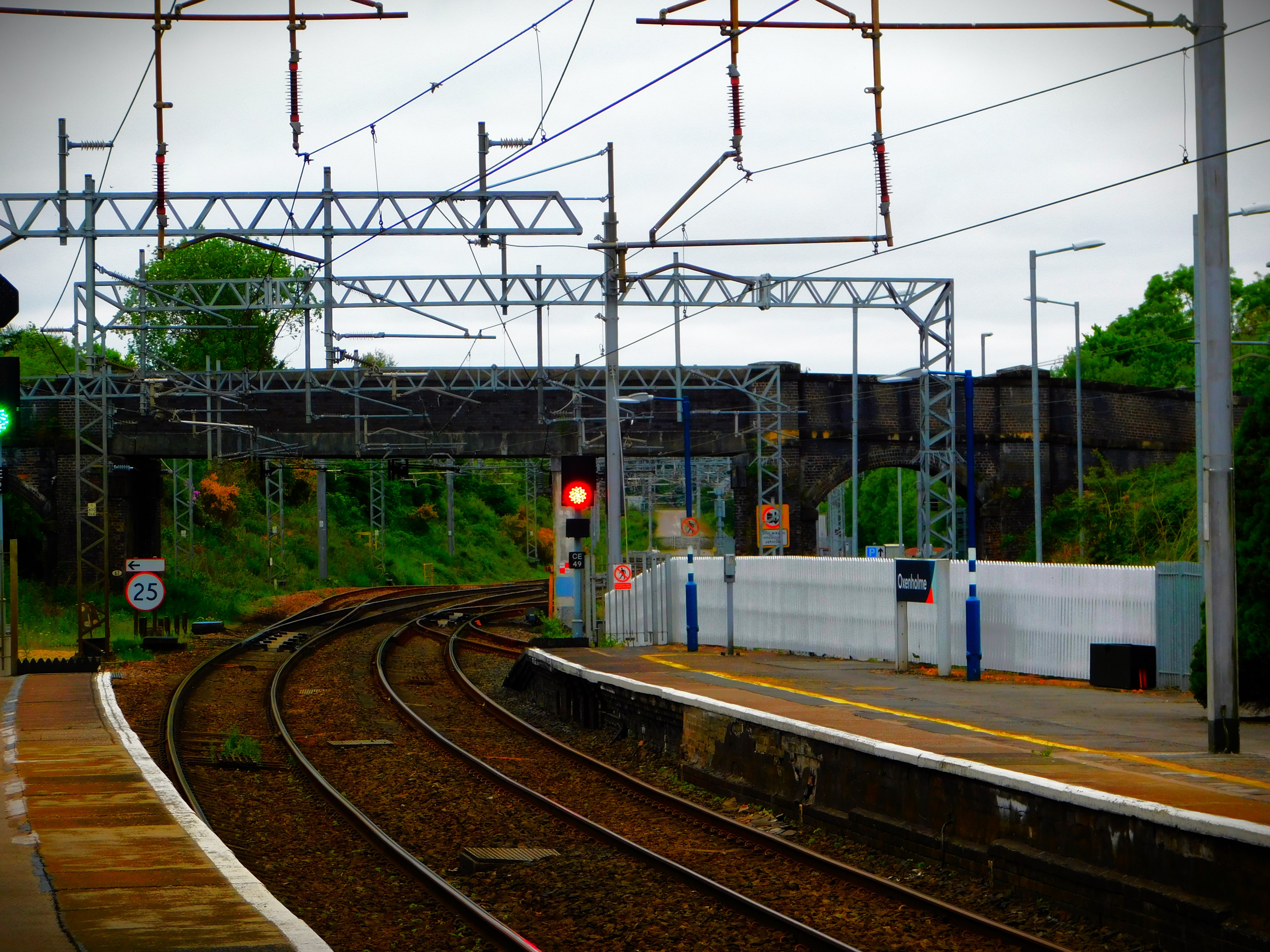
My parents gave me a lift from Ambleside to Oxenholme the Lake District, getting me there well before my train was due. The train arrived five minutes late, which is early by Avanti’s usual standards. The train was a little crowded, but I had a reserved seat, and it was otherwise uneventful.
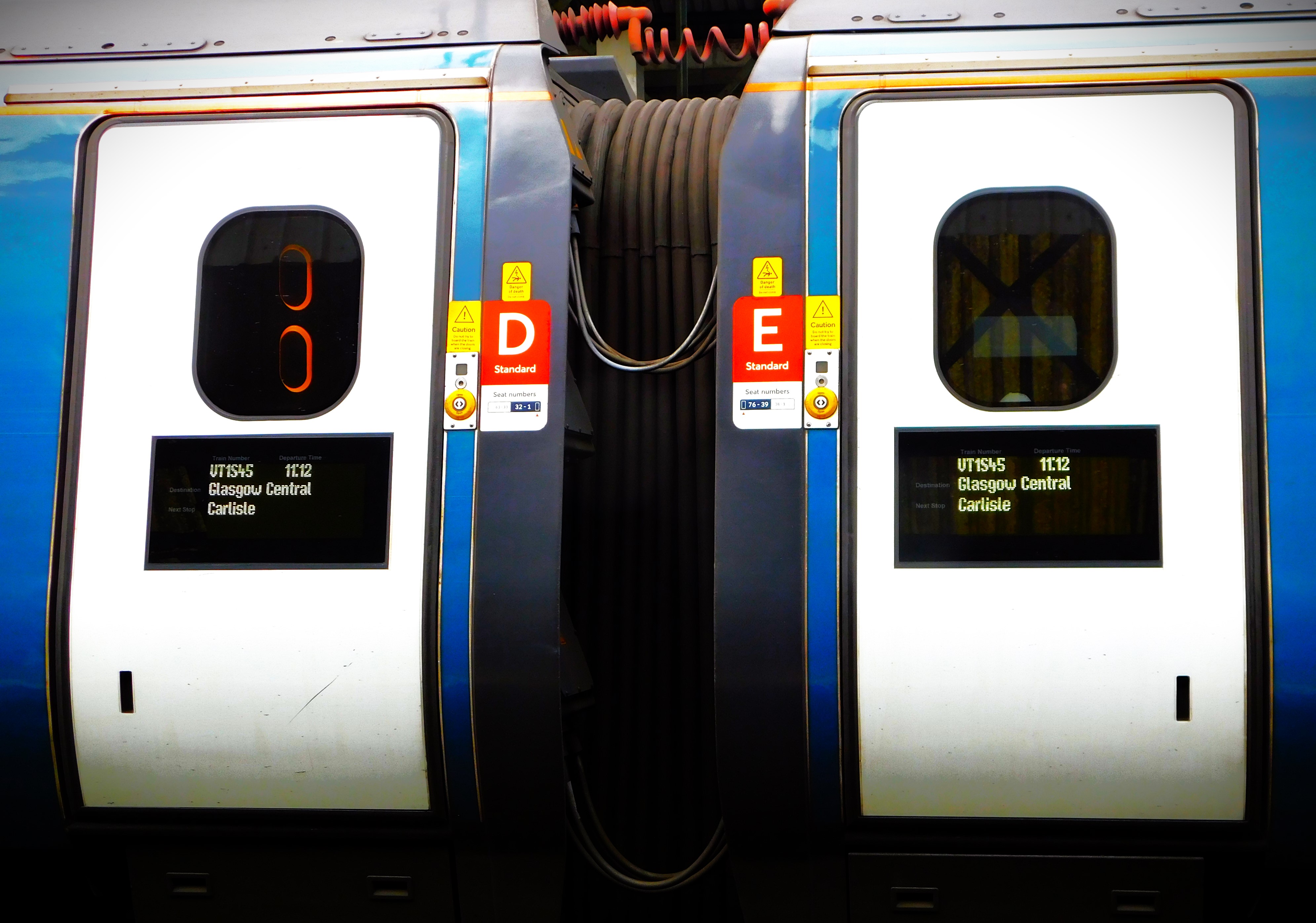
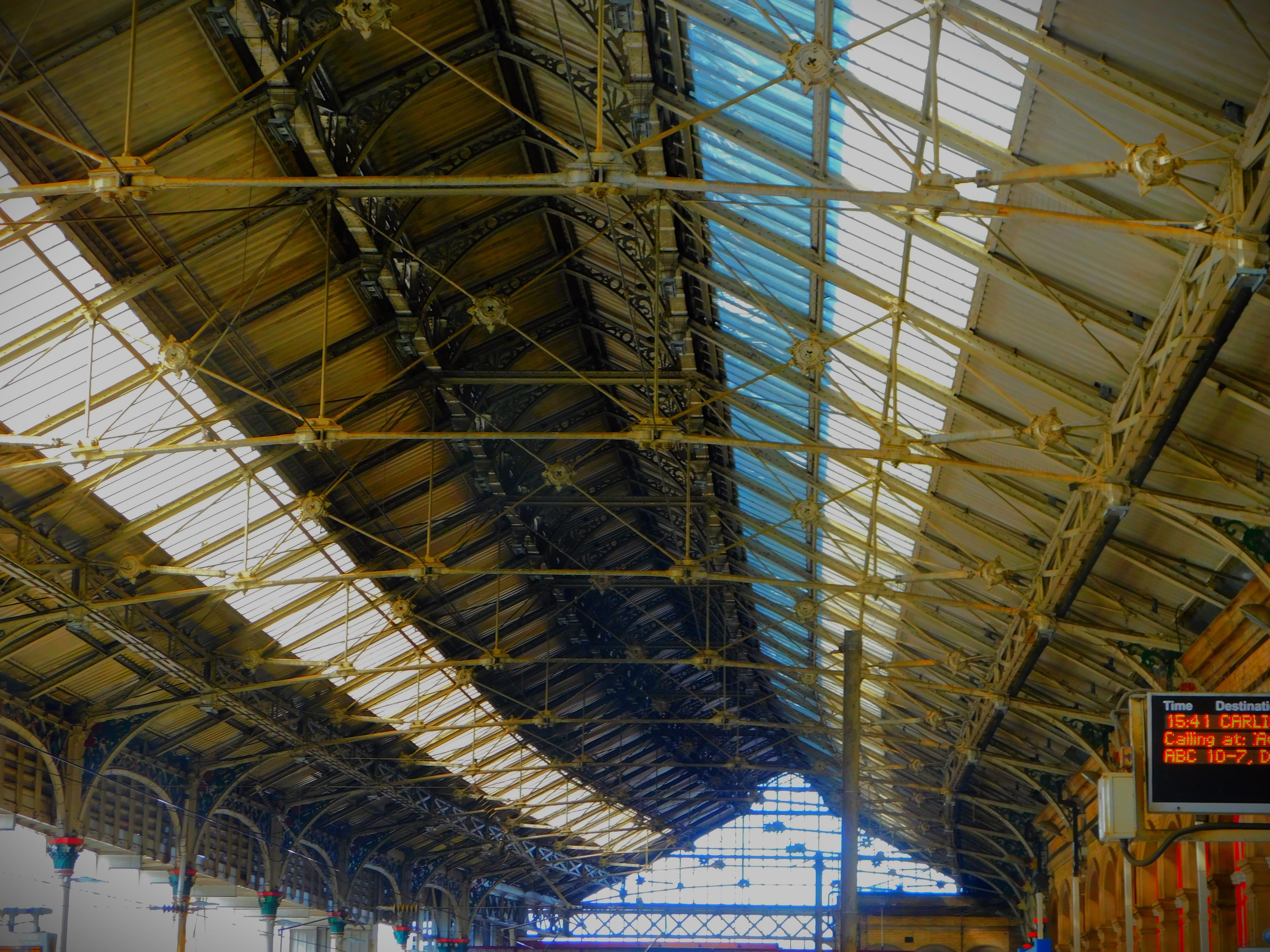
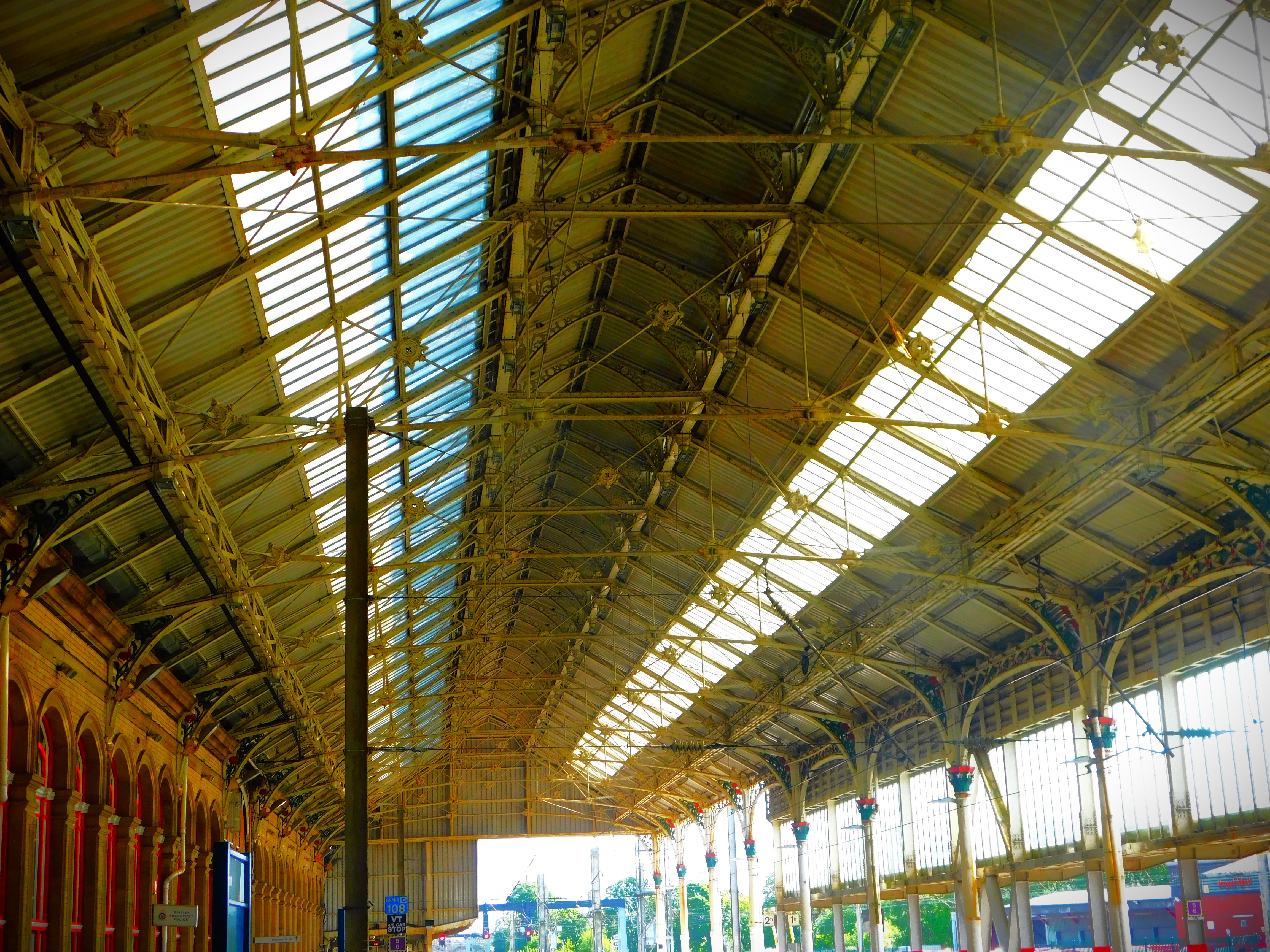
At Preston I had to change to another Avanti service, as the one I was on ran non-stop between Warrington and London, and my second change was at Birmingham New Street. This train was also fairly crowded.
At Birmingham New Street I boarded a service bound ultimately for Norwich. This train ran exactly according to schedule, and it turned out that I had just under a 20 minute wait at Peterborough for the bus to King’s Lynn.
ExCel proved to among the bus routes on which no single journey costs more than £2, a substantial saving on previous fares on that route (Lynx, whose buses I use to get to and from work are not as yet part of this scheme). Arriving at King’s Lynn bus station, as unappealing as that location is, was something of a relief – I knew for certain at that point that last possibility of trouble was behind me, which given the situation in which I made that journey was no small thing.
PHOTOGRAPHS
Here are my pictures from this day…
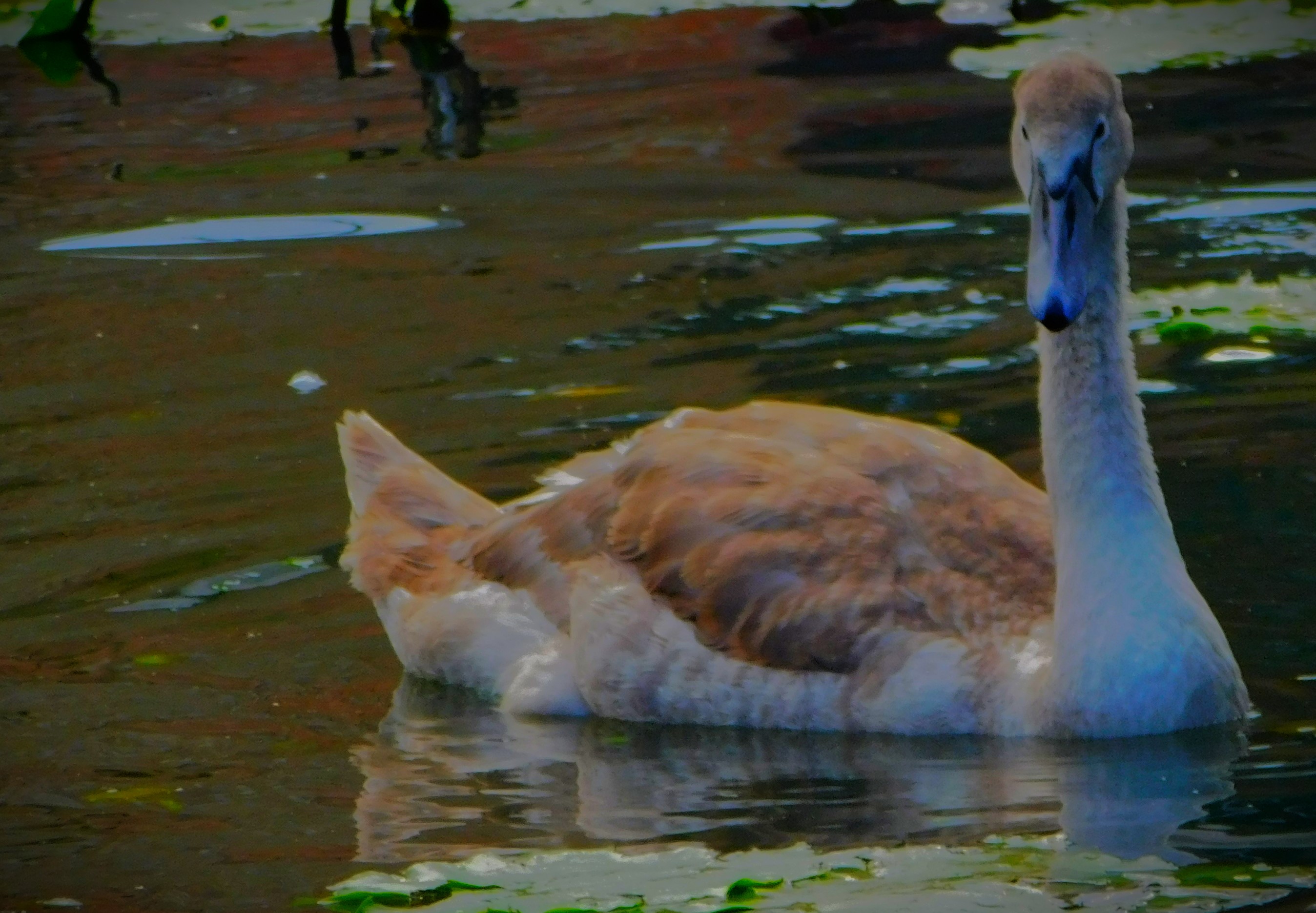
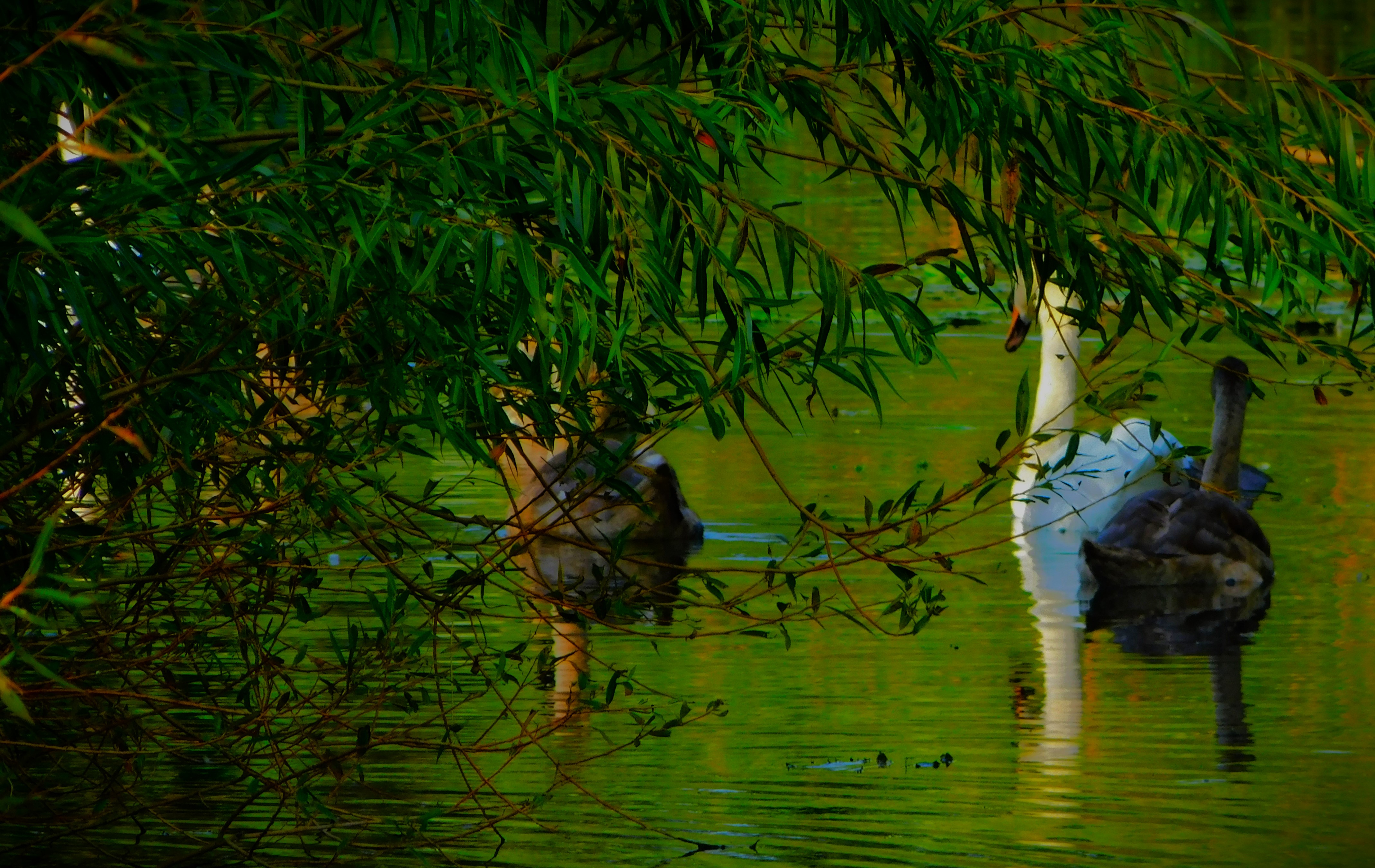
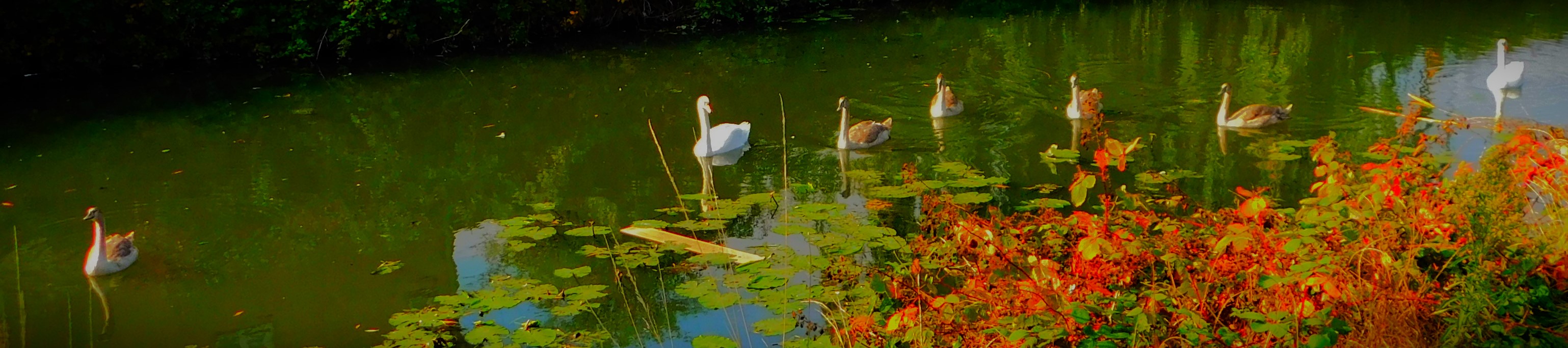
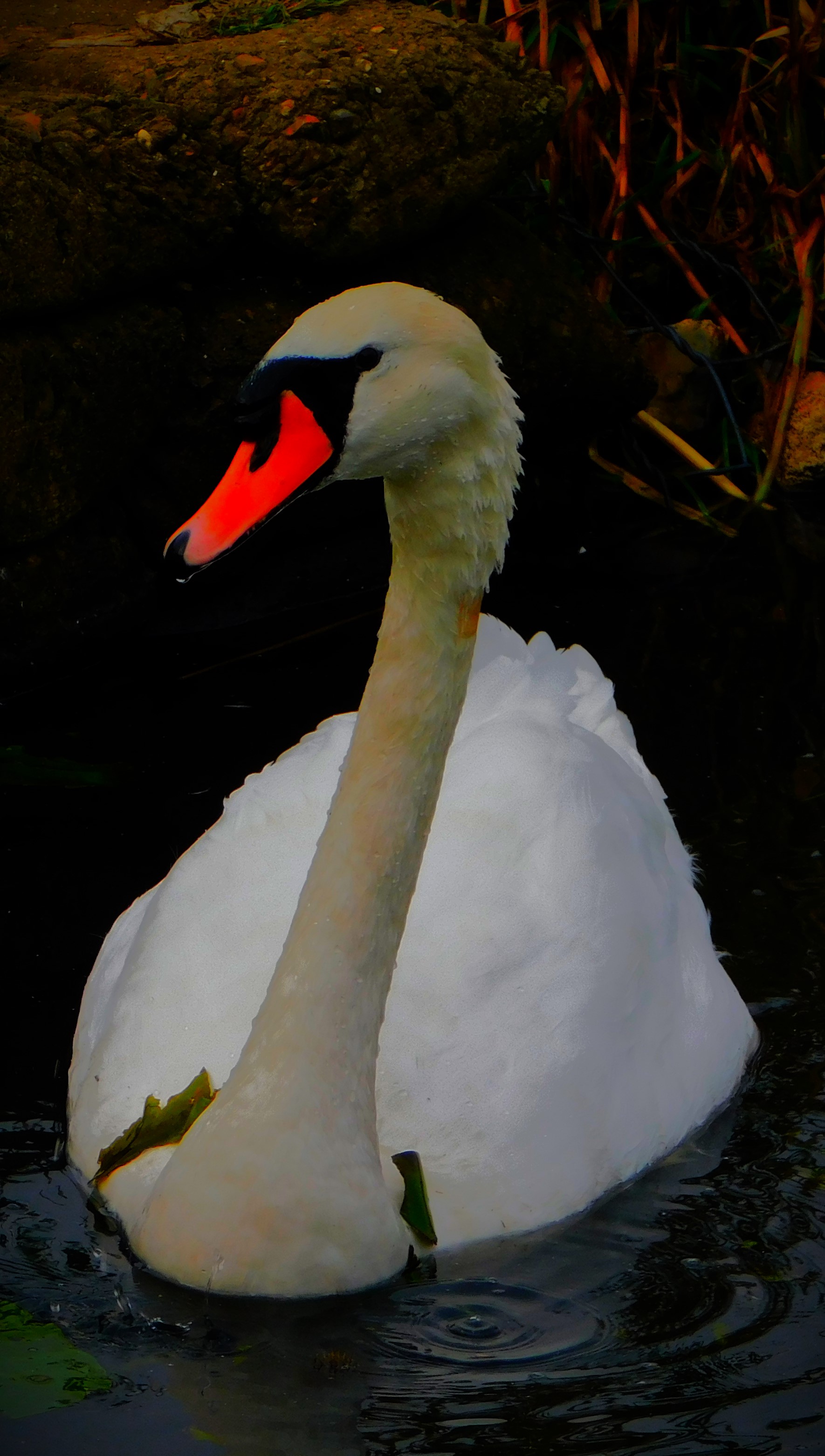
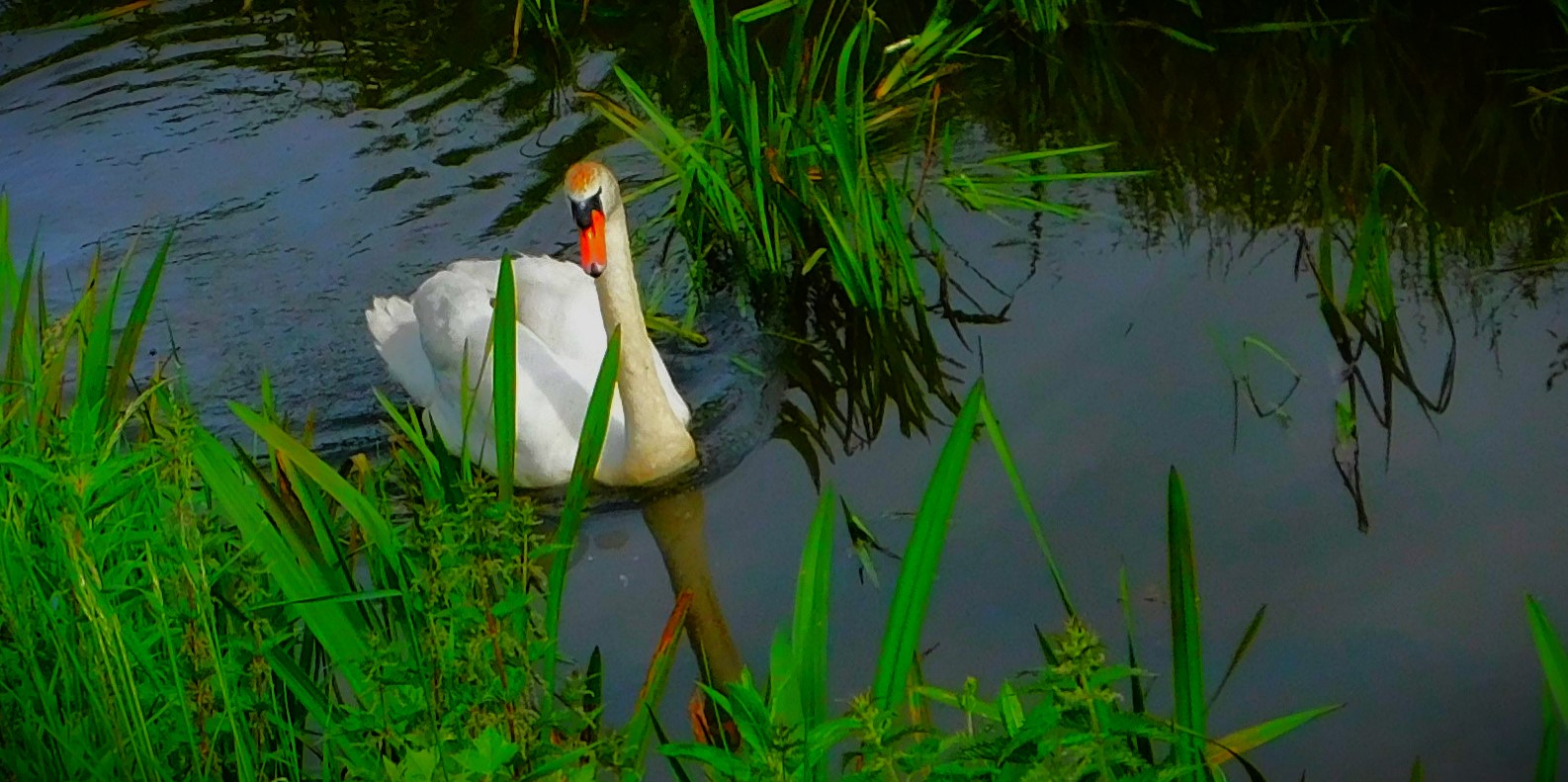
Crossing the Great Ouse by bus, the moment I regard as the end of the holiday.You will be seeing more of this swan family in posts to come, although the eight cygnets here have been reduced in number to six.
Setting the scene for a series of posts about a short holiday I am enjoying in Ambleside by describing the journey there.
Welcome to what will be the first of a series of posts about a short holiday I am taking in the Lake District. My parents and I are staying in a small cottage above the town of Ambleside (for fans of Rebecca Tope think “The Ambleside Alibi”). This post sets the scene by describing my journey from King’s Lynn to Ambleside.
KINGS LYNN TO ELY
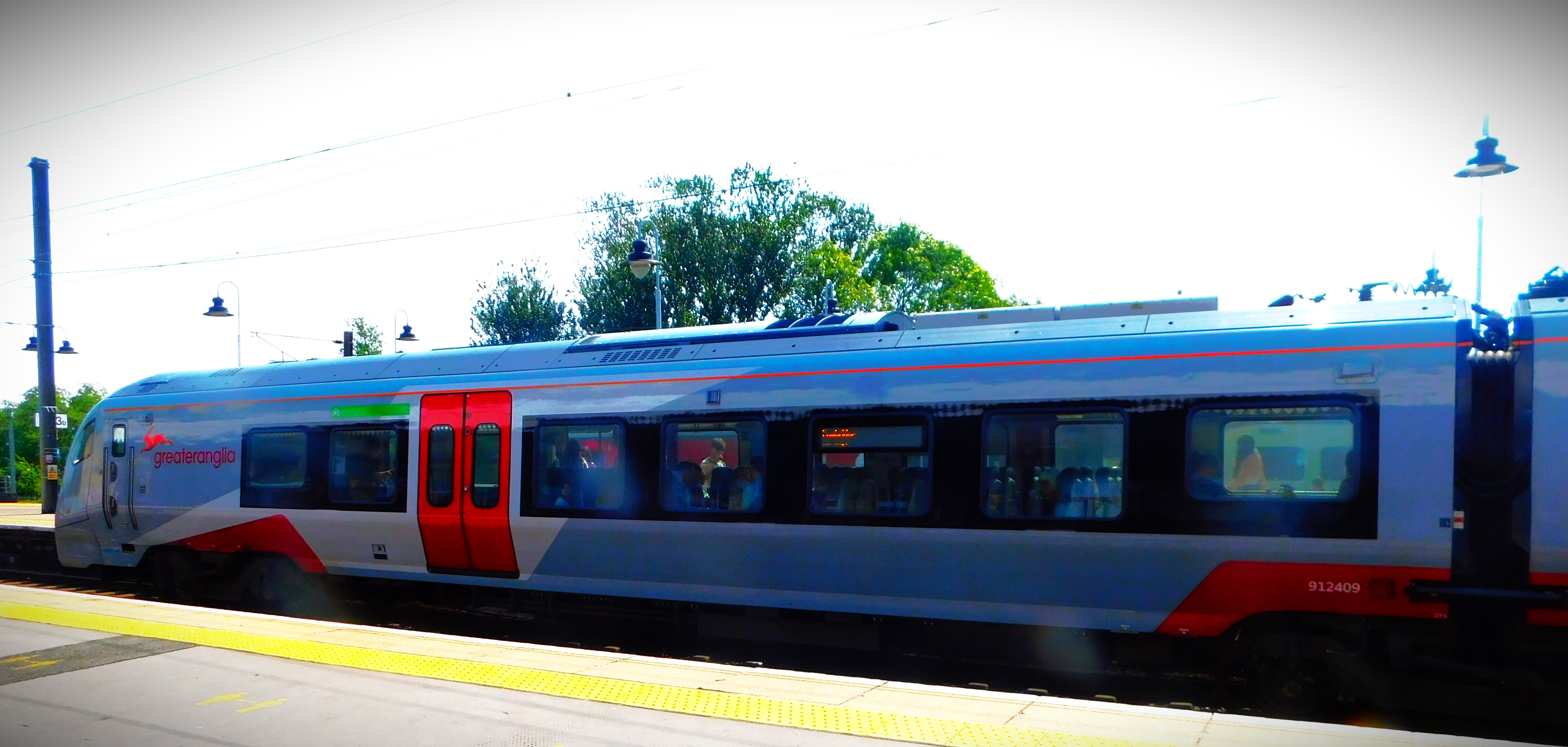
I left my bungalow, situated just north of King’s Lynn, at 9:00 yesterday morning as I had planned to do. This meant that I got to the train station with time to spare before my train, the 09:42 to Cambridge (something must have been happening south of Cambridge as the service usually runs through to London). The train set off exactly when it was supposed to and chugged into Ely at 10:15AM.
ELY TO MANCHESTER PICCADILLY
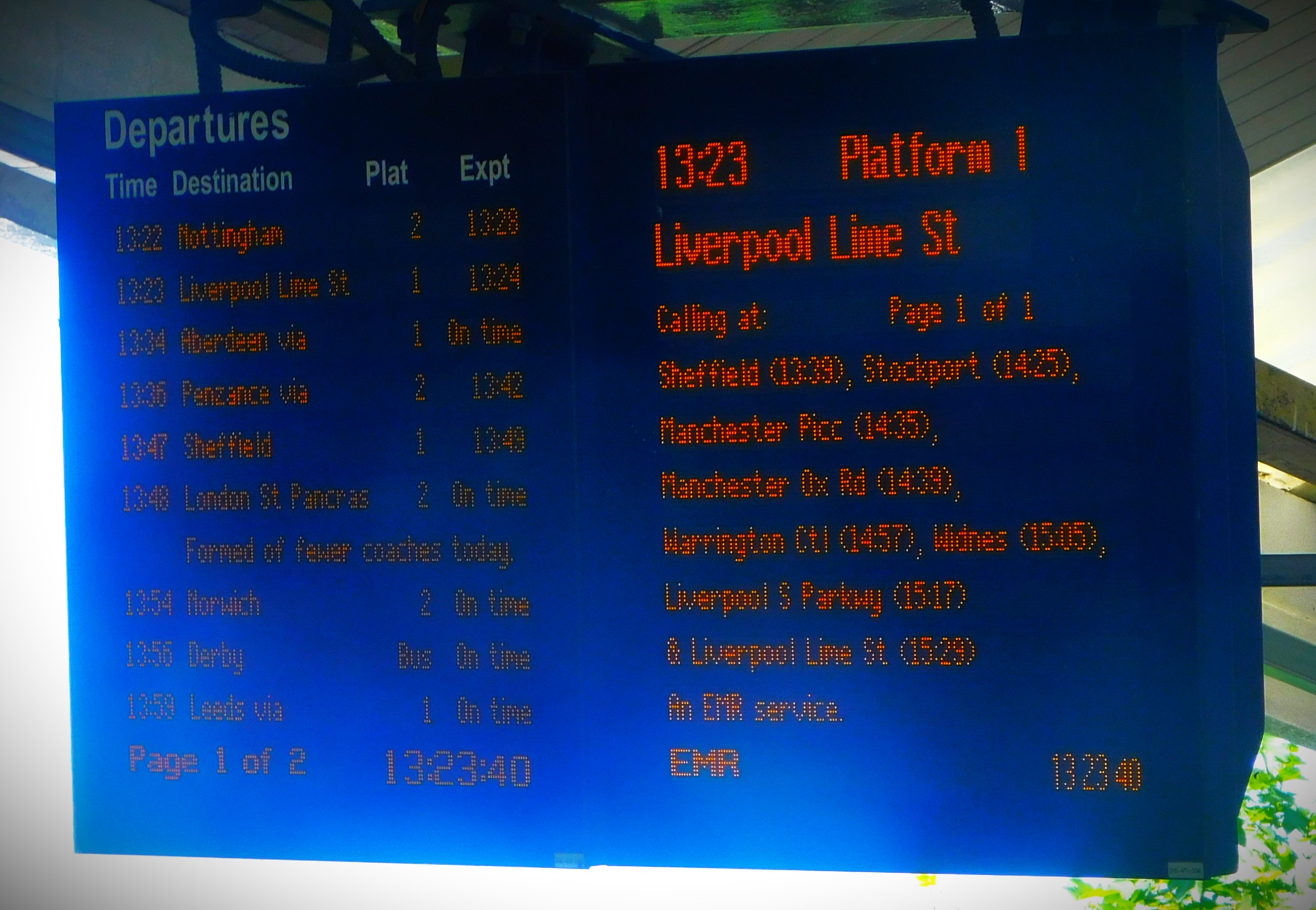
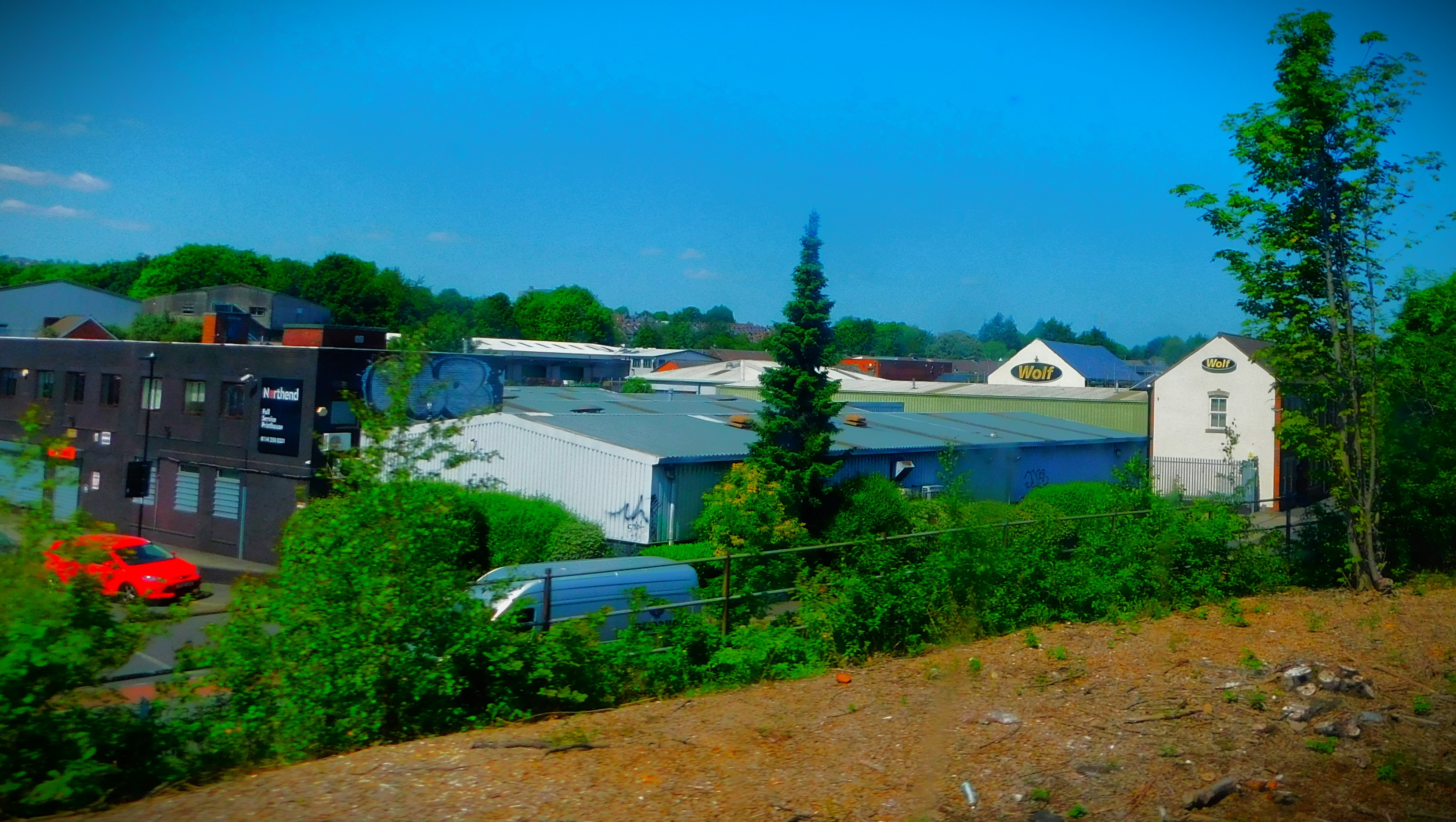
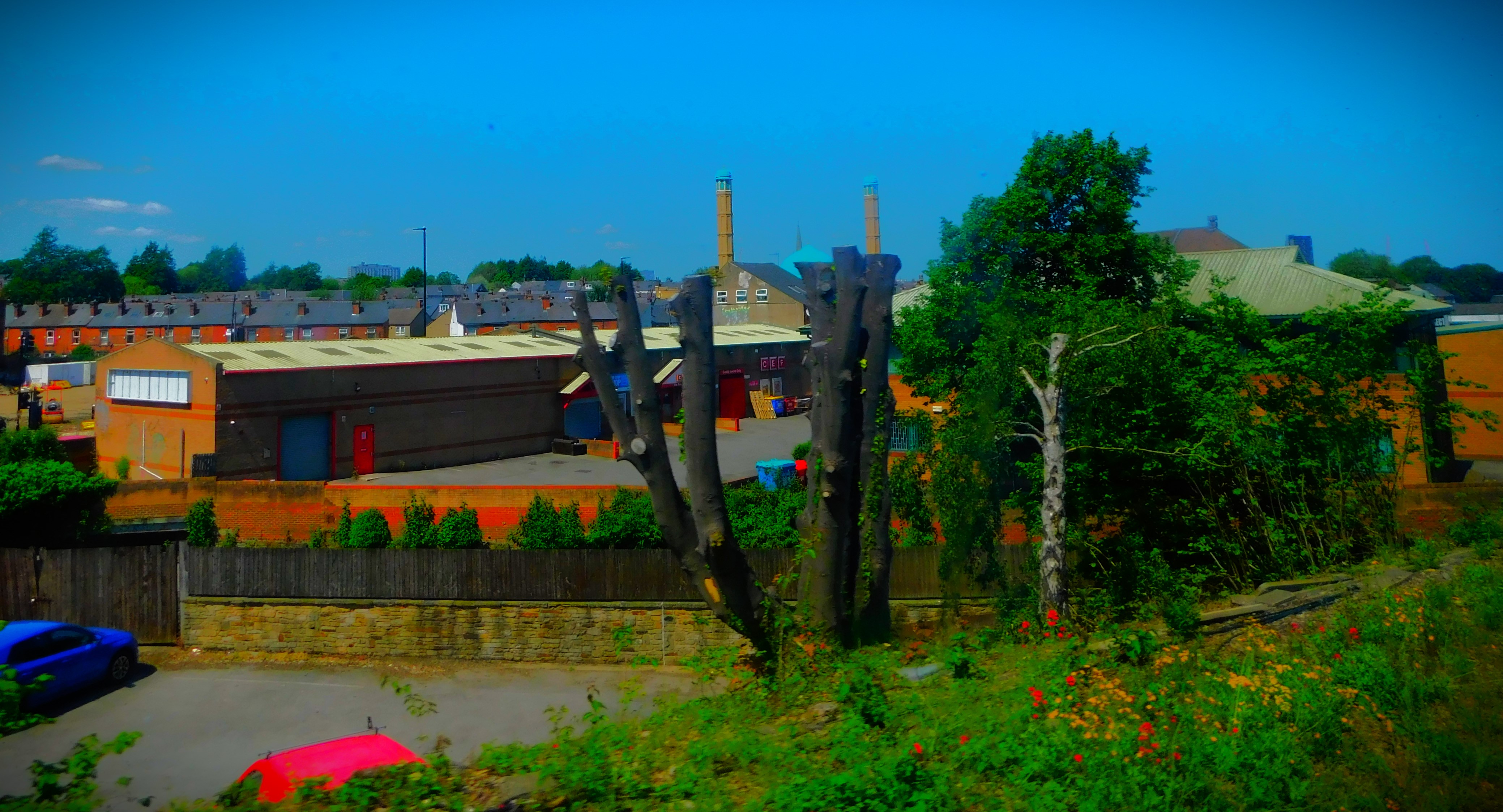
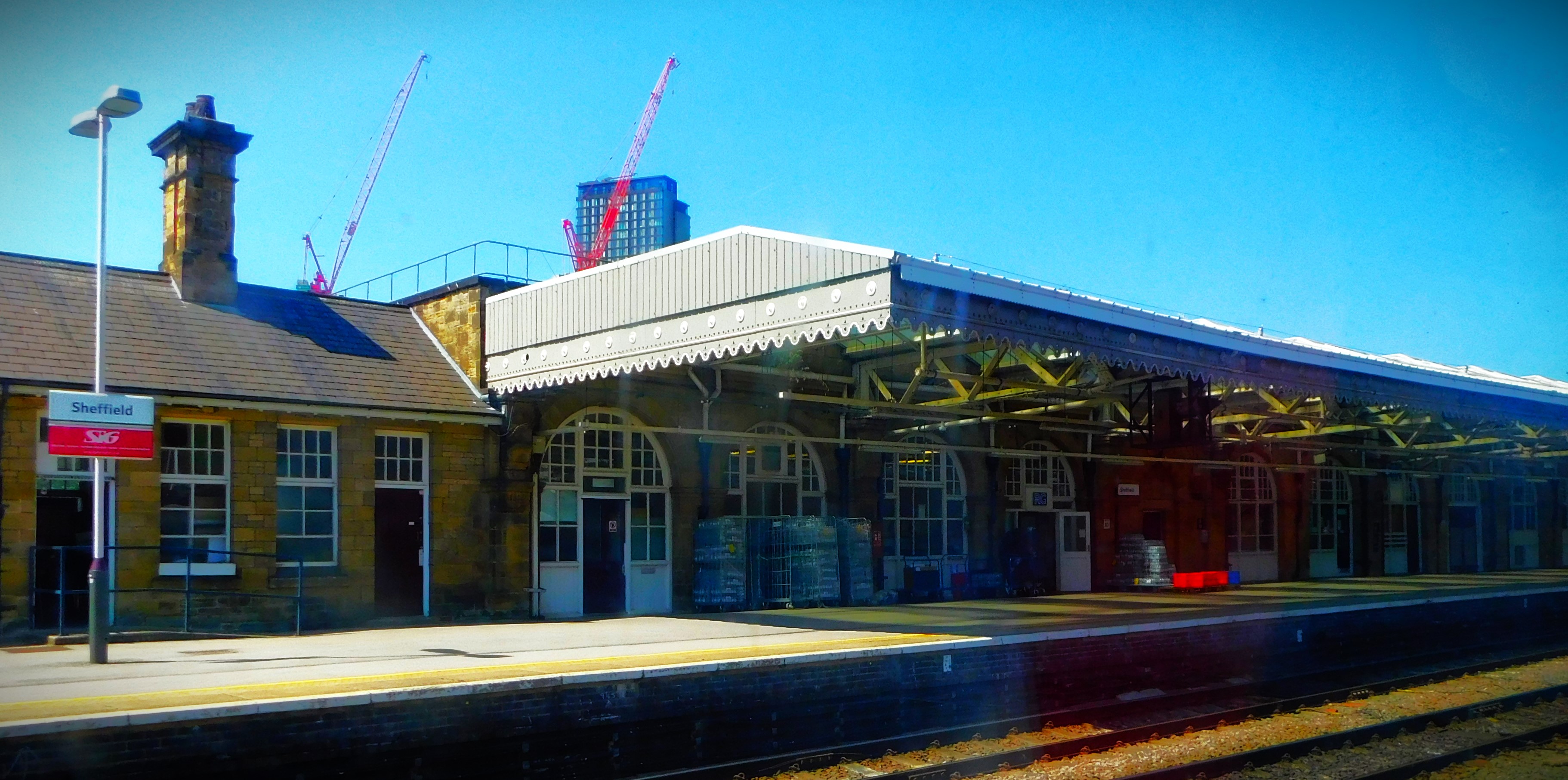
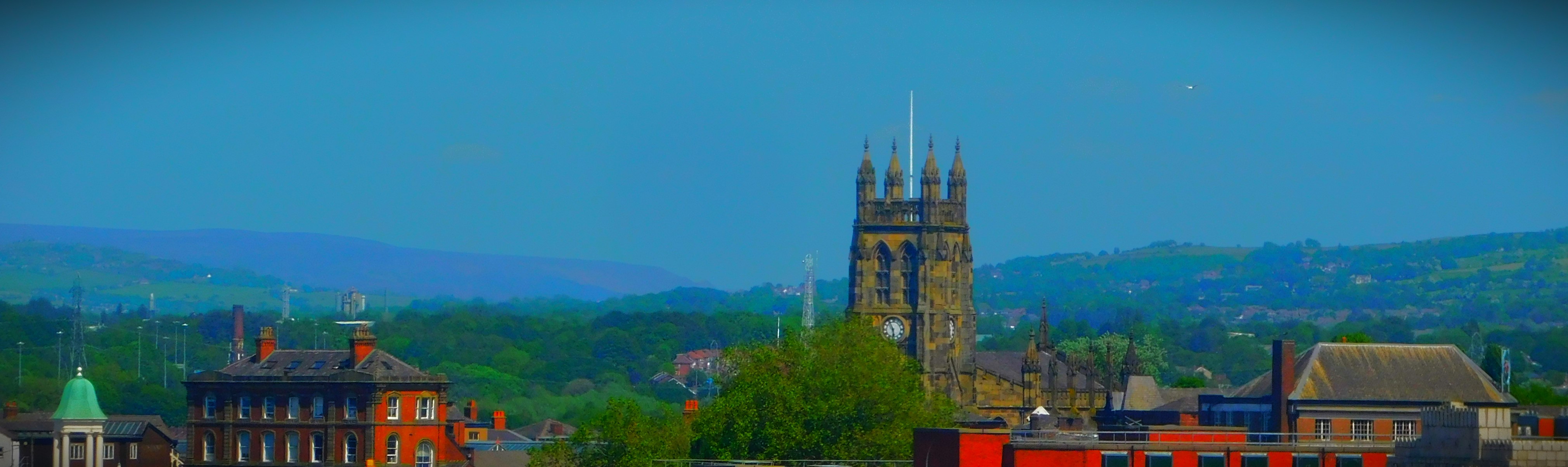
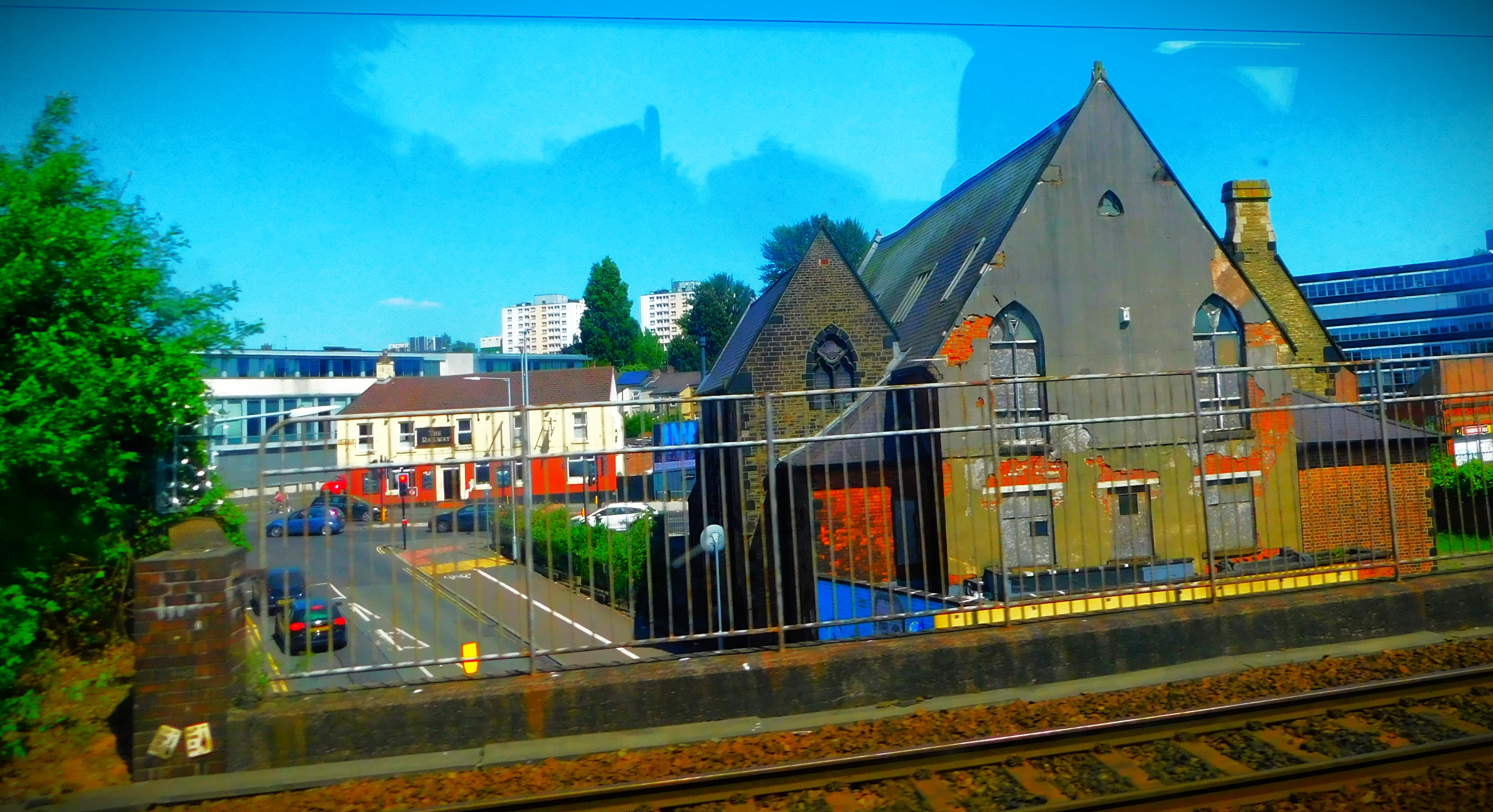
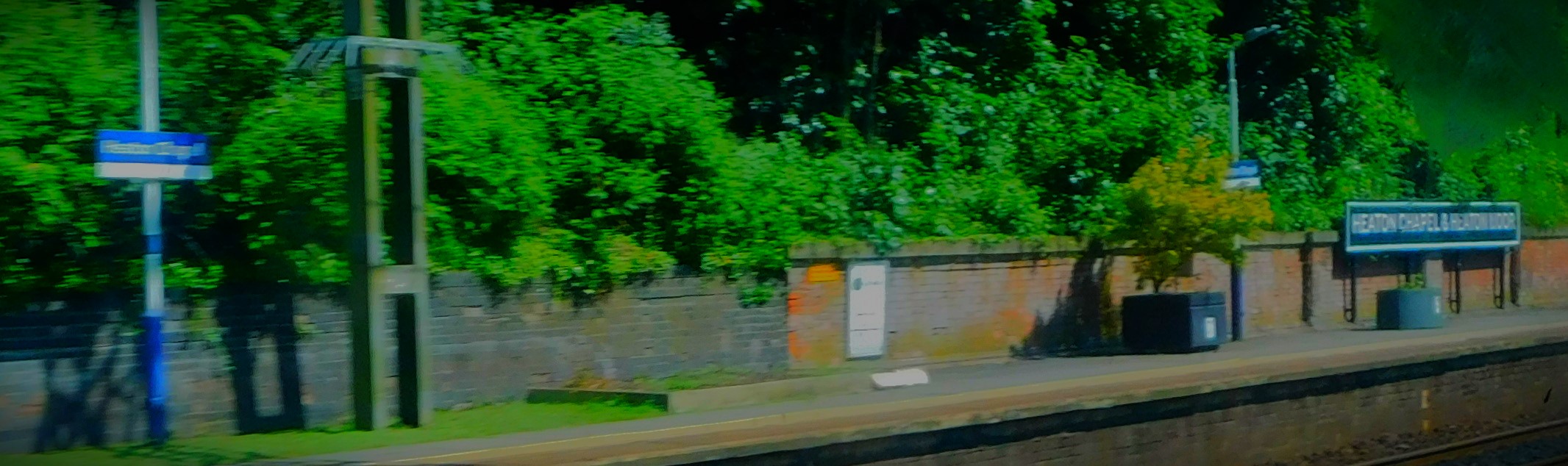
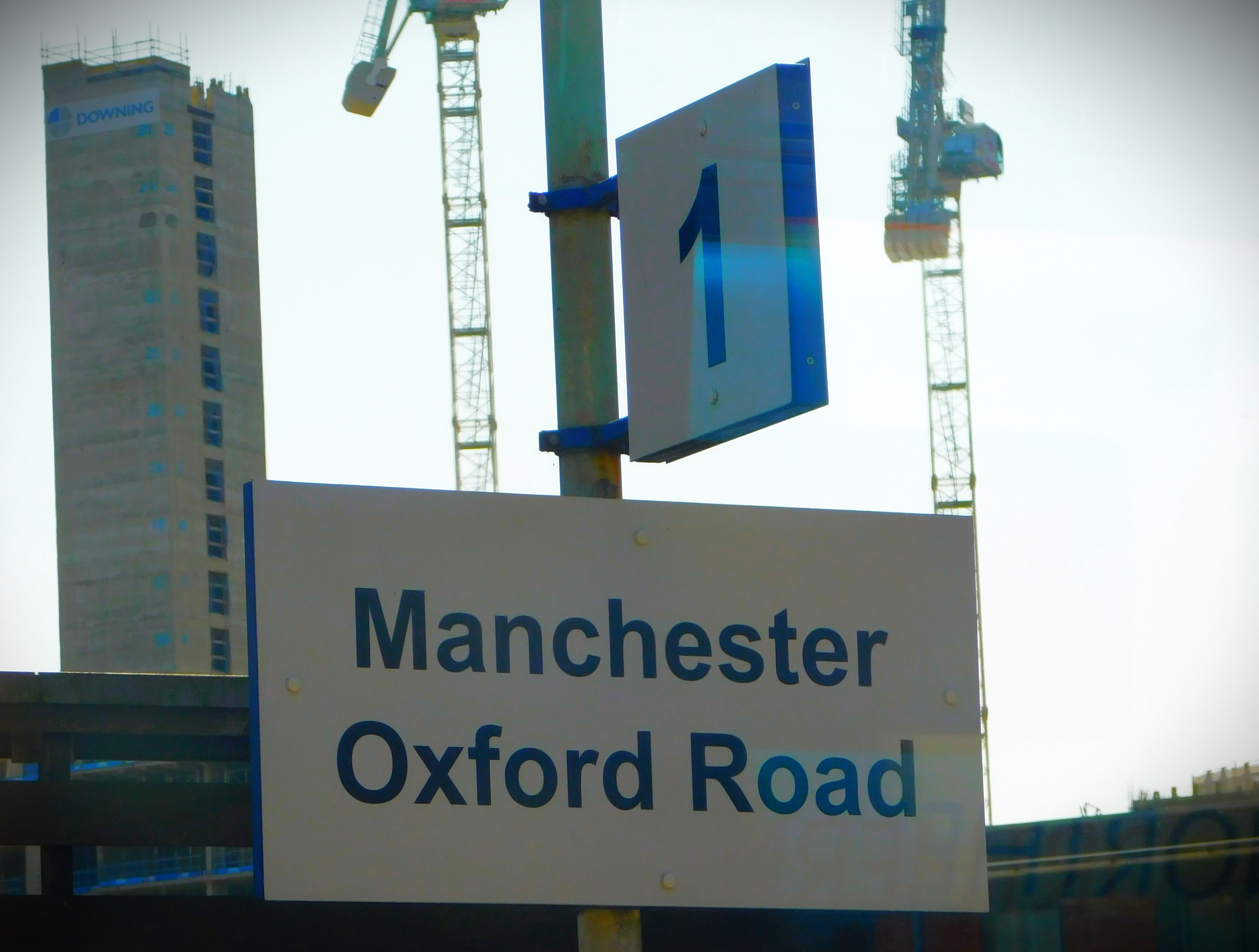
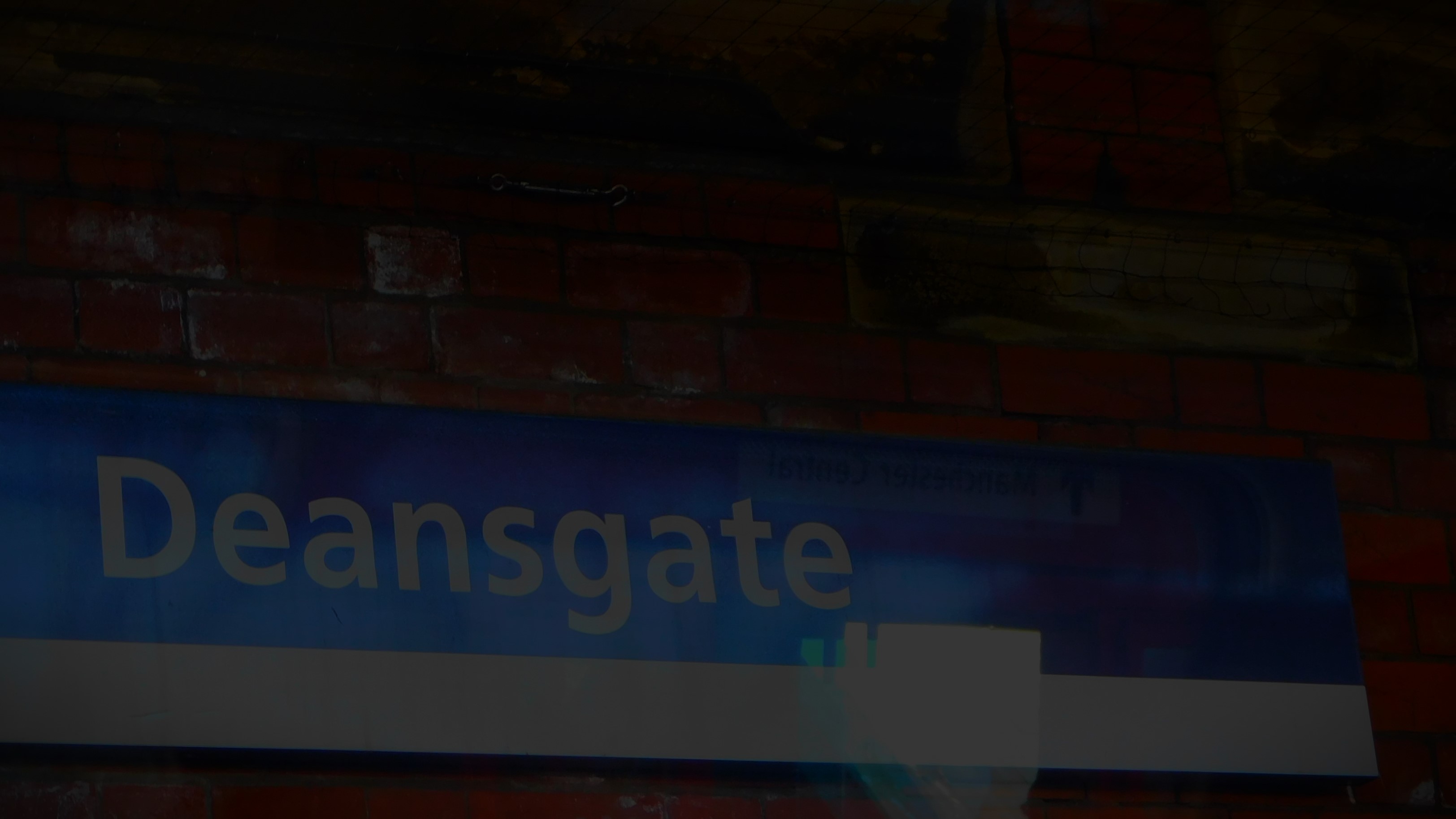
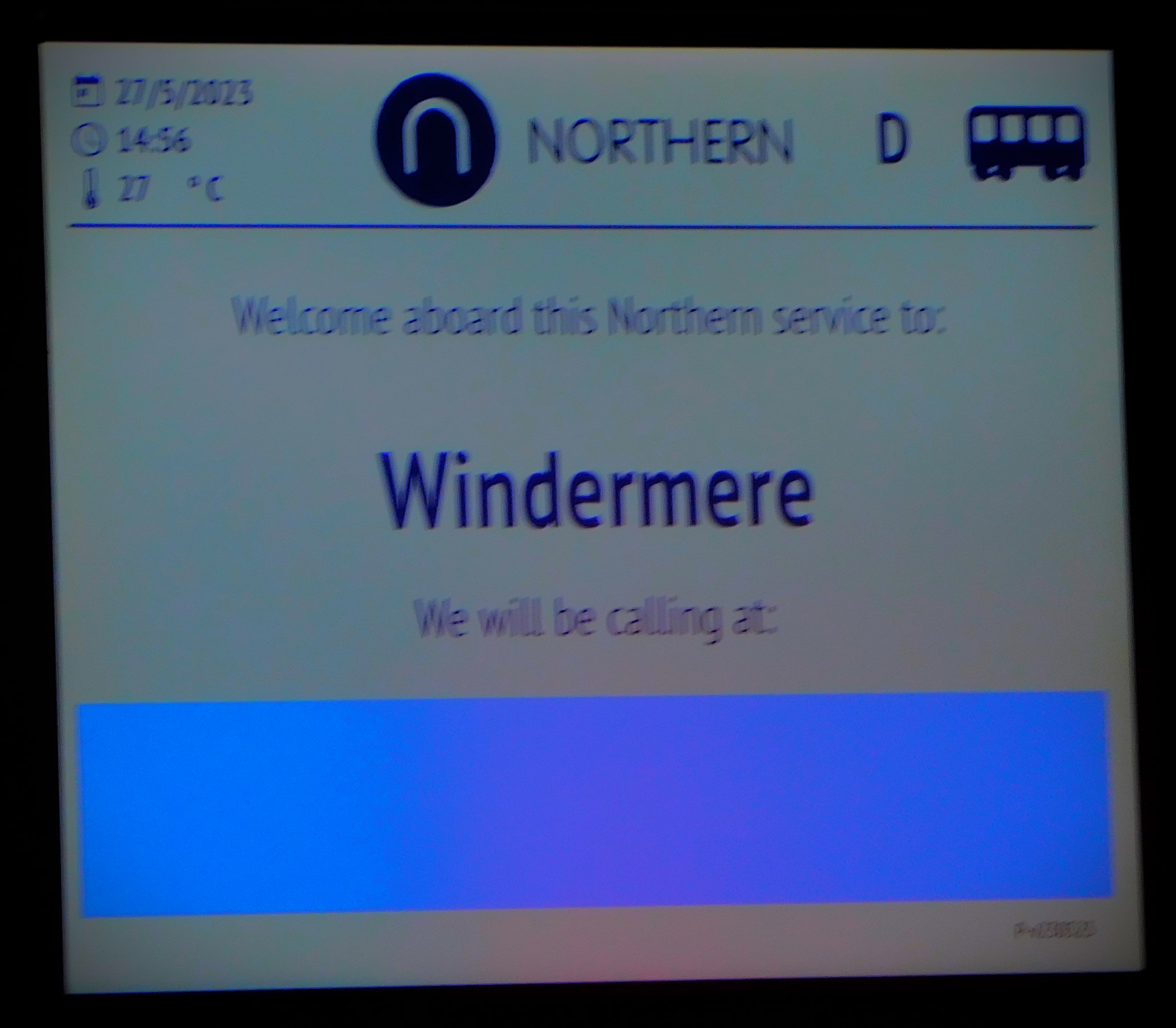
The second and longest section of my train odyssey was part of a long cross country route (the full route is Norwich to Liverpool Lime Street). The train on this route consists of two carriages and there are no reserved seats. Fortunately, although it was pretty full at times it was never seriously close to ‘sardine can on wheels’ territory. I had some familiarity with the route as far as Sheffield, but beyond Sheffield was all new to me.
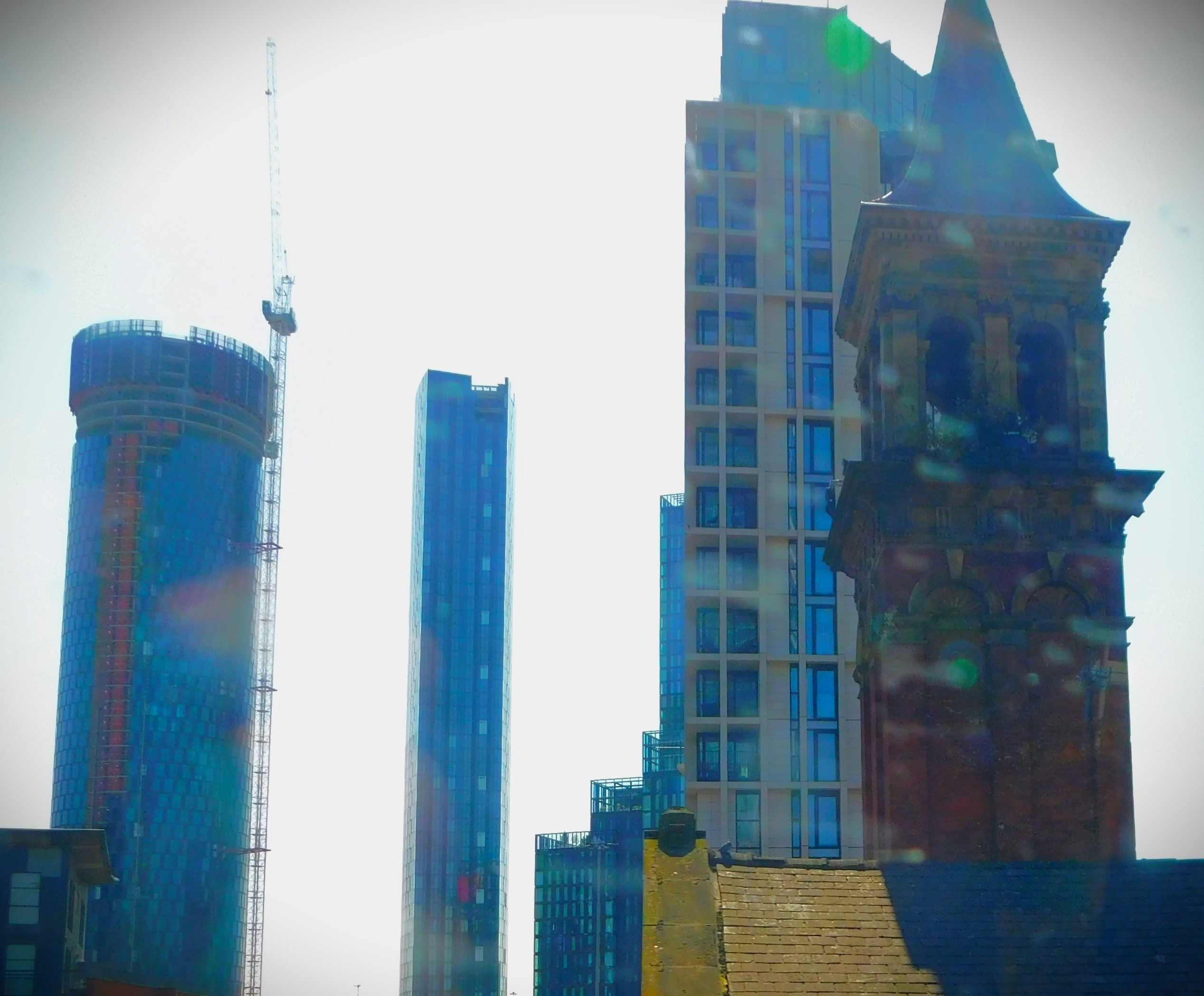
MANCHESTER PICCADILLY TO PRESTON
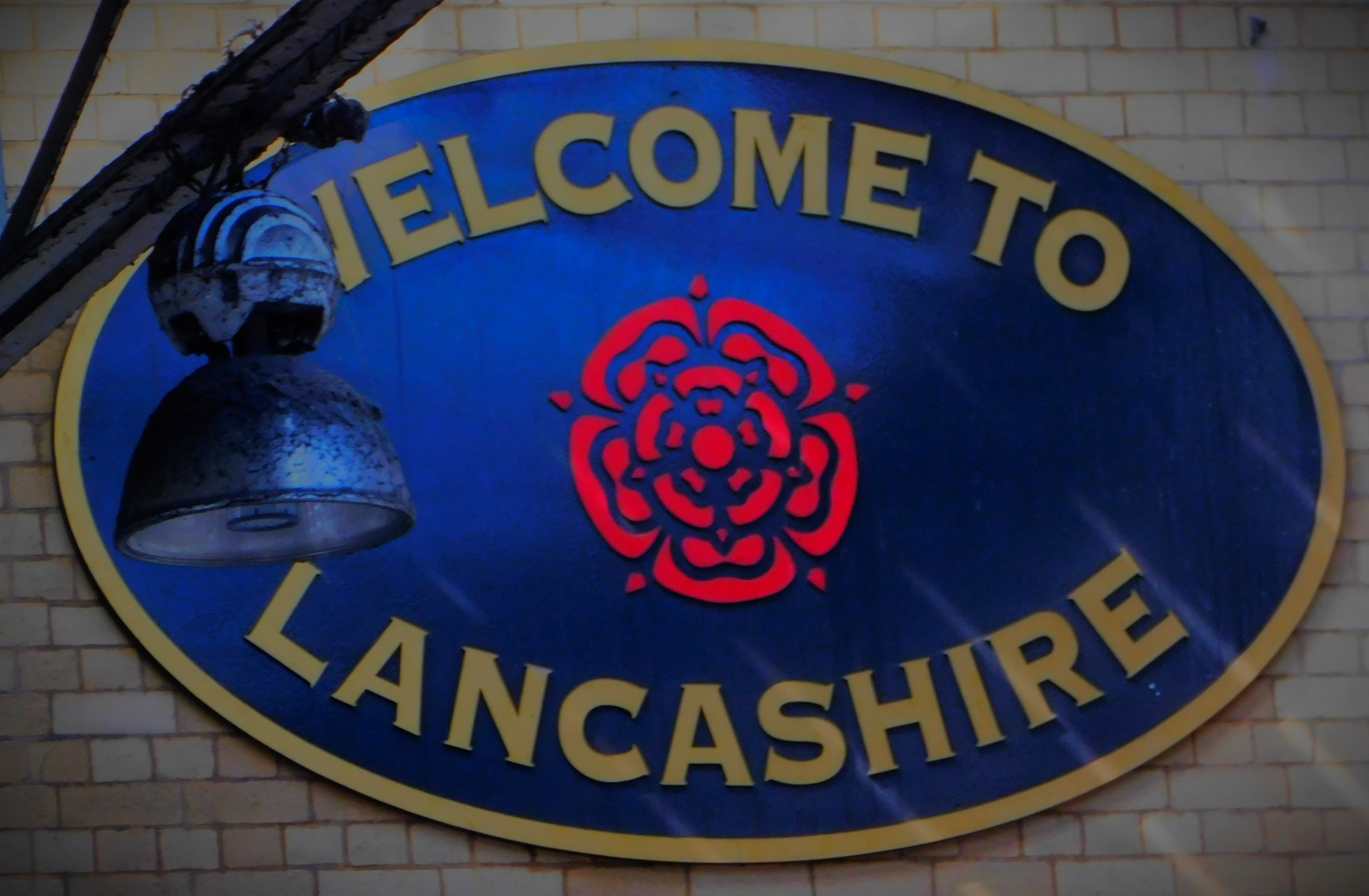
The third leg of the journey took me into the heart of Lancashire, the the county town of Preston. This route had some features of interest, and for the third time out of three on the day it ran according to schedule. Given that the final leg of my rail journey was in the incapable hands of Avanti I did not expect to make it four out of four.
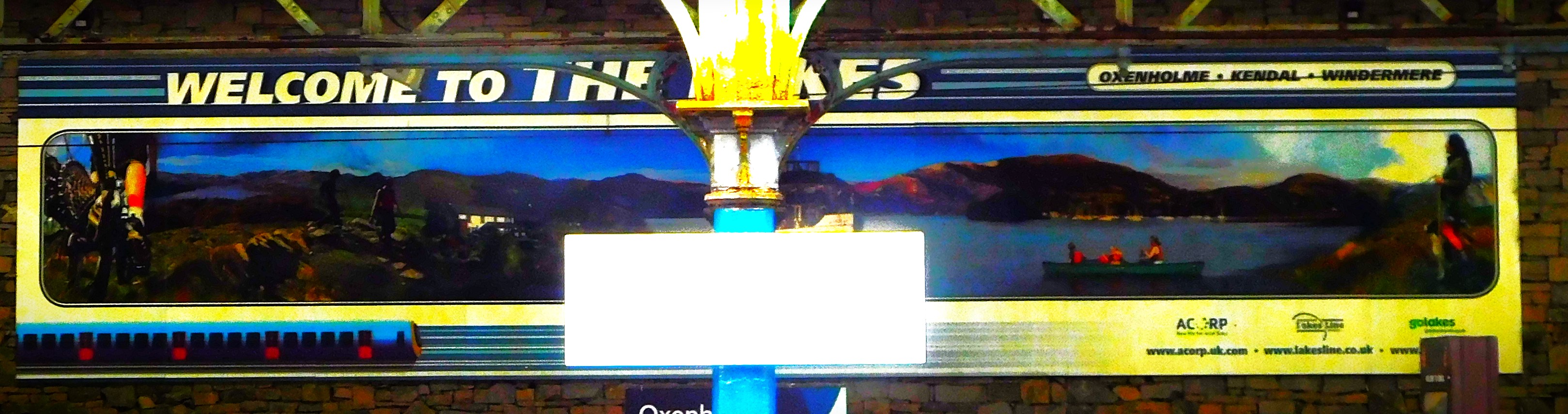
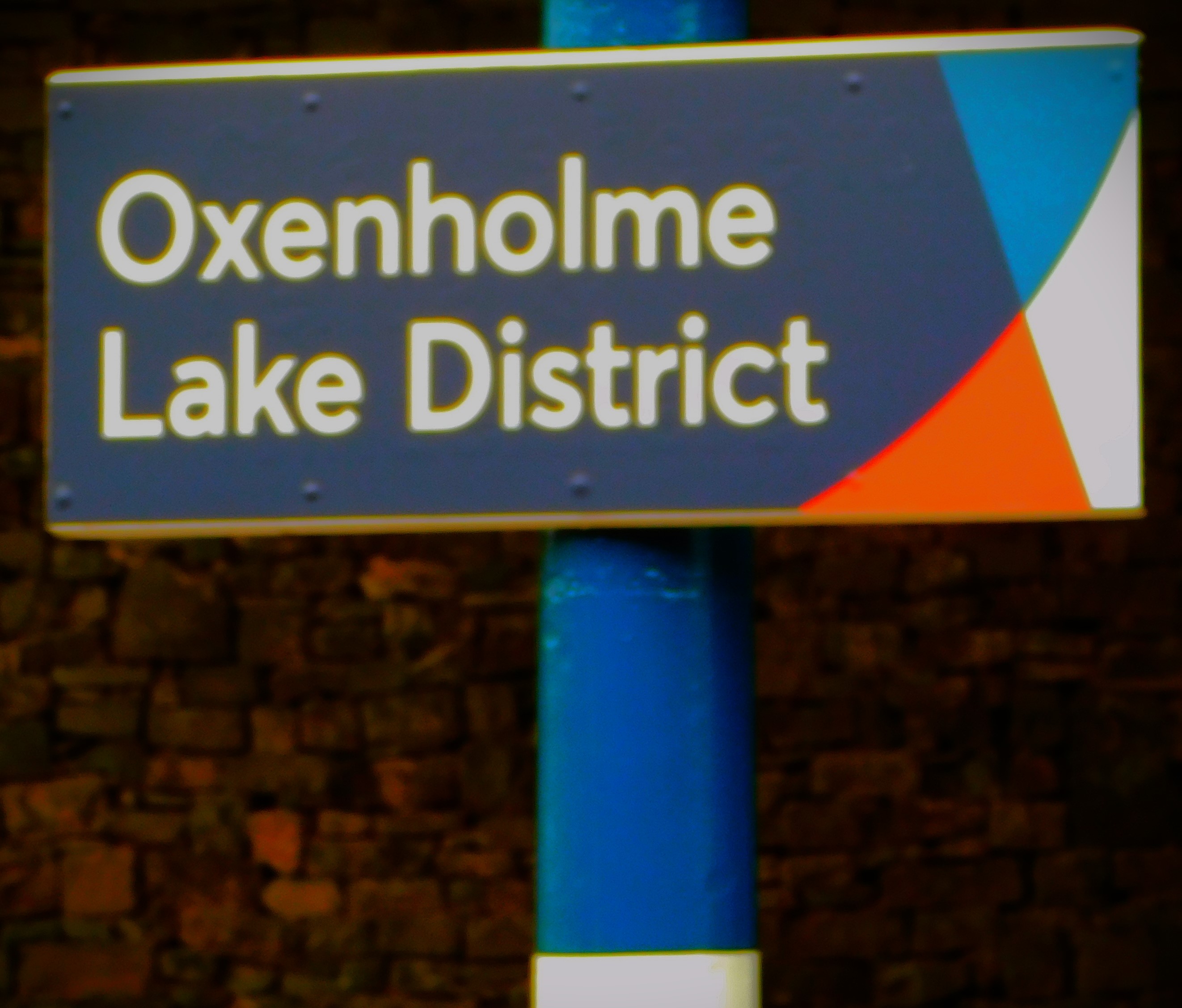
PRESTON TO OXENHOLME THE LAKE DISTRICT
The final section of my rail journey took me into the heart of the Lake District. I should have got into Oxenholme at 16:09, but the train for this last section was running 20 minutes late (which probably counts as punctual by Avanti’s unique standards). It was scenic, but I could not capture any of it with my camera because the “window” seat that I had reserved turned out to give me access to about 10% of said window, so I could see things, but not focus the camera on them. I got pictures from most of the rest of the route.
THE REST OF THE JOURNEY
After a minor confusion at Oxenholme, where my parents were collecting me in their car, having made their own way up from Cornwall, we found our way to the location given for our cottage, but the cottage was so well concealed that it took several attempts to actually locate it. There then turned out to be a few other problems with it – my parents bedroom contains a nasty hazard in that the bedroom door leads straight on to the staircase. I will go into more detail about Ambleside in my next post.