W is for Winners

An all time XI of players whose given names begin with W, a very detailed honourable mentions section and a photo gallery.

Today I present an all time XI of players whose given names begin with W and a detailed honourable mentions section, as well as my usual photo gallery.

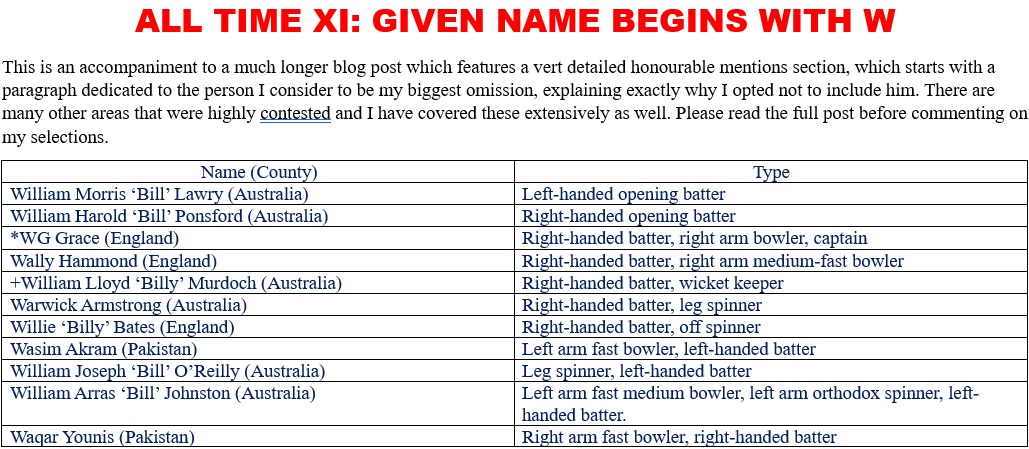
  1. William Morris ‘Bill’ Lawry (Australia, left handed opening batter). He averaged 47 with the bat in test cricket.
  2. William Harold ‘Bill’ Ponsford (Australia, right handed opening batter). Until Brian Lara came along only one player had achieved two first class scores in excess of 400, Ponsford, with 429 against Tasmania in 1922 and 437 against Queensland in 1927. In December of 1927 he became the only player ever to score 1,000 first class runs in a calendar month outside of England, with a sequence of 1,146 runs in five innings. His test record was not quite so outstanding, but even at that level he averaged 48, which included centuries in each of his first two test matches and centuries in each of his last two.
  3. *WG Grace (England, right handed batter, right arm bowler of various styles, captain). Cricket’s first superstar, and in his best decade, the 1870s, he averaged 49 with the bat at a time when the best of the rest were just about managing 25. Only one other person in cricket history ever sustained being twice as prolific as the best of the rest over a long period – Bradman.
  4. Wally Hammond (England, right handed batter, right arm medium-fast bowler). He scored 7,249 runs at 58.45, including 905 at 113.125 in the 1928-9 Ashes.
  5. +William Lloyd ‘Billy’ Murdoch (Australia, right handed batter, wicket keeper). Australia’s best batter in the earliest years of test cricket, and a fine enough keeper that FR Spofforth missed the first ever test match because he initially didn’t believe that any keeper other than Murdoch could handle his bowling.
  6. Warwick Armstrong (Australia, right handed batter, leg spinner). A fine all round cricketer whose feats included scoring over 2,000 runs and taking over 100 wickets in first class matches on the 1905 tour of England. 16 years later he almost captained an undefeated side, the only loss they sustained on the tour coming at the hands of ‘an England XI’ assembled by AC MacLaren.
  7. Willie ‘Billy’ Bates (England, right handed batter, off spinner). The first England bowler ever to take a test hat trick, part of a match performance in which he scored a 50 and took seven wickets in each Australian innings.
  8. Wasim Akram (Pakistan, left arm fast bowler, left handed batter). One of the greatest ever.
  9. William Joseph ‘Bill’ O’Reilly (Australia, leg spinner, left handed batter). Only one batter among those he came up against in the course of his career could truly claim to have his measure: Don Bradman.
  10. William Arras ‘Bill’ Johnston (Australia, left arm fast medium bowler, left arm orthodox spinner, left handed batter). The third essential member of Australia’s immediate post WWII bowling attack after Lindwall and Miller, as well as being two types of bowler in one he was possessed of great stamina – it was not unknown for him to go straight from spinning the old ball to swinging the new one. Three times he was Australia’s leading wicket taker in Ashes series. In England in 1953, with the active connivance of some his team mates, who got themselves out in some of the later matches to help engineer the outcome, he became only the second player to average 100+ for an English first class season (17 innings, 16 not outs, 102 runs, average 102.00) after Bradman in 1938 (the Don achieved his average of 115.66 for that season without any such shenanigans going on).
  11. Waqar Younis (Pakistan, right arm fast bowler, right handed batter). A superb practitioner, and one who regularly shared the new ball with Wasim Akram.

This side has a powerful batting line up, and a wealth of bowling options. The only regular type of bowling that is not featured is left arm wrist spin. The front five of Younis, Akram, Johnston, O’Reilly and Bates are formidable in their own right, and in the unlikely event that they prove insufficient there are Armstrong, Grace and Hammond as back up options.

I start this section with a paragraph devoted to my most notable omission…

One of the most extraordinary performers in the history of cricket, with a remarkable five-phase playing career – specialist left arm spinner, all rounder, specialist batter, all rounder, specialist left arm spinner. The trouble is that brilliant as he was as an all rounder at county level his England career was almost exclusively spent either as specialist bowler (early and late periods) or as a specialist batter (in the run up to WWI). His batting would not warrant selection as a specialist and if I pick him as a specialist bowler I would have to leave out Johnston, who offers me two bowling options in one and had an outstanding test record.

The opening slots were rich in potential candidates. Lawry’s only rival for the left handed openers slot was Warren Bardsley, the first batter ever to score twin centuries in a test match and possessor of a fine overall test record, as well as being Australia’s leading scorer of first class centuries until Bradman came along, more than half of those tons having come in England.

Ponsford was rivalled for the right handers opening slot by two other Williams who were generally known as Bill, WA Brown and WM Woodfull. Woodfull in particular is unlucky to miss out, while Brown also had a fine record.

I regard WG Grace as an essential pick and my reckoning is that he could handle first drop, though he did prefer to open. Two regular number threes who thus miss out are William Gunn, the Gunn of Gunn & Moore, whose test record did not live up to his superb first class record and William Scotton, also of Nottinghamshire, whose ability to bat for long periods of time came at the expense of run scoring. William John ‘Bill’ Edrich was another who might have had this slot, averaging 40 in test cricket in spite of losing six prime years to WWII. WG ‘Billy’ Quaife had a splendid record for Warwickshire but his seven tests were disappointing. Wajahatullah Wasti of Pakistan once scored twin tons in a test match but did little else at that level. William Yardley has a place in the record books – in 1870 he became the first player ever to score a century in the Varsity Match.

Among the all rounders I could not accommodate were Wasim Raja, WE ‘Bill’ Alley, Wanindu Hasaranga de Silva, Wilf Flowers and William ‘Billy’ Barnes.

My decision to entrust the gloves to Murdoch meant that three very accomplished keepers, Wriddhiman Saha of India, Wasim Bari of Pakistan, and Arthur Theodore Wallace ‘Wally’ Grout of Australia missed out.

WH ‘Bill’ Lockwood was a fine bowling all rounder, and possibly the pioneer of the slower ball, but not a serious rival to Akram for the number eight slot. A number of Williams, all known as Bill, were fine quick bowlers: Whitty, Voce, Bowes, Copson, Andrews and Bestwick among them. Two Williams known by their full first names, Lillywhite and Mycroft, were both great bowlers kept out by the immense strength in depth available for this squad. Wes Hall and Wayne Daniel were two of the many superb quicks to come from the coral island of Barbados, and both can be considered unlucky to miss out. Walter Mead, a bowler of mixed spin for Essex who claimed a 17 wicket match haul against the 1893 Australians and had a magnificent first class record was the biggest miss in the spin bowling department.

In a few years time there may be a second WG in the line up – WG Jacks of England, an attacking batter and a capable off spinner who is in the process of establishing himself in international cricket.

My usual sign off…

A Combined Lancashire/ Somerset XI

A Composite Lancashire-Somerset all time XI in honour of the game I am following in this round of championship fixtures and a fine photo gallery.

It is day four of the current round of county championship fixtures, and as has been my habit so far this season I will present a composite all-time XI for the two counties involved in the match to which most of my attention has been devoted. My individual XIs for the counties concerned can be found here and here.

THE XI IN BATTING ORDER

  1. Marcus Trescothick (Somerset, left handed opening batter, excellent slip fielder, occasional medium pacer). Somerset’s second leading scorer of FC runs in history, and had an excellent test record as well.
  2. Archie MacLaren (Lancashire, right handed opening batter, excellent slip fielder). Still holder of the record first class score by an English cricketer, 424 for Lancashire against Somerset at Taunton in 1895. His greatest moments at international level came on the 1897-8 tour of Australia.
  3. Johnny Tyldesley (Lancashire, right handed batter). One of the best bad wicket players in the game’s history, and a fixture in the Lancashire 1st XI from his debut in 1895 to the outbreak of war in 1914. Post WWI he turned out for the county only on an occasional basis at times of great need.
  4. James Hildreth (Somerset, right handed batter, occasional medium pacer). One of the unluckiest of all non-international cricketers – not many scorers of 18,000 FC runs at an average in the mid-40s have failed to attract the notice of the national selectors.
  5. Neil Fairbrother (Lancashire, left handed batter). Never quite cracked test cricket, though he was a fine ODI player for a time, but his record for Lancashire speaks for itself. Career highlights include the highest ever FC score at a London venue (366 v Surrey in 1990).
  6. Len Braund (Somerset, right handed batter, leg spinner, excellent slip fielder). One of the relatively few Somerset players to attain the status of an England regular. Played a key role for Somerset in a famous 1901 victory at Headingley over then dominant county Yorkshire, and then won a match against the same awesome opposition virtually single handed the following season – he took 15 wickets in the match and made the highest individual score on either side.
  7. *Sammy Woods (Somerset, right handed batter, right arm fast bowler, captain). Captain for a long period when Somerset often struggled to get 11 players together. Sydney born, but settled in Somerset and was genuinely devoted to the county.
  8. Wasim Akram (Lancashire, left arm fast bowler, left handed batter). After two genuine all rounders comes a bowling all rounder, and our official overseas player, one of the two best in history in his particular role (Alan Davidson of Australia being the other).
  9. +George Duckworth (Lancashire, wicket keeper, right handed batter). Many would opt for a keeper who was better with the bat, but I reckoned that with two genuine all rounders and one of the greatest of all bowling all rounders in the XI I could afford to pick the best keeper of those available, and for me Duckworth was that.
  10. Jack ‘Farmer’ White (Somerset, left arm orthodox spinner, tail ender). One of the finest of his type to play the game, his stamina and unrelenting economy were crucial to England’s 4-1 win down under in 1928-9. At Adelaide in that series he bowled 124 overs across the two Aussie innings, claiming 13 wickets and conceding at just a tick over two runs an over.
  11. Sydney Barnes (Lancashire, right arm fast medium bowler, tail ender). The consensus pick for the greatest bowler of all time, though his county experience was fairly limited as he preferred Lancashire League, where the money was better. 189 test scalps at 16.43 a piece in 27 appearances at that level (i.e an average of seven wickets per match) is some testament to his skills against even the best around. He was offered a place on the 1920-1 tour of Australia but would only go if his wife was allowed to accompany him, and the powers that be foolishly refused him. Had they agreed to his request a) England would almost certainly not have been beaten 5-0 and b) He would probably have beaten Warne by over 80 years to becoming the first to take 100 test wickets in a country other than his own (he had 77 in 13 matches in Australia).

This XI has a powerful batting line up and a superb and wonderfully balanced bowling attack – Akram and Barnes to share the new ball, Woods as third pacer and two contrasting spinners in White and Braund. It would take a fine side to challenge them.

HONOURABLE MENTIONS

Besides the two I picked there were three openers who merited serious attention: Harold Gimblett, Cyril Washbrook and Mike Atherton in that order of precedence.

Of non-overseas middle order batters Ernest Tyldesley was the unluckiest to miss out.

My preference for having bowlers or bowling all rounders as overseas players and my decision to restrict myself to one overseas player meant that Sunil Gavaskar, Greg Chappell, Viv Richards (all Somerset) and Clive Lloyd (Lancashire) could not be accommodated. Similarly Faroukh Engineer’s wicket keeping credentials did not enter the equation

Andrew Flintoff was obviously a candidate for the fast bowling all rounders slot, but I wanted Woods as captain, and also Woods was outstanding for many years, whereas Flintoff pre-2004 was a player with great potential and post 2006-7 Ashes was basically a spent force, whereas Woods was outstanding for many seasons.

Johnny Briggs was a rival to White for the left arm spinner’s slot, and I might also have given that slot to an off spinner in Brian Langford or indeed have opted for Cecil Parkin’s all sorts.

The biggest controversy is undoubtedly in the pace bowling department, where neither of the two bowlers after whom the ends at Old Trafford are named made the cut. The reason for my not selecting either is that with an envisaged new ball pairing of Akram and Barnes whichever of them I selected would have had to be third pacer, and giving that role to Woods meant that I got his captaincy and the opportunity to pick the best keeper rather than selecting a batter-keeper such as Steven Davies or Craig Kieswetter. The other great fast bowler to miss out was Ted MacDonald, the Aussie ace who opted for Lancashire league and ultimately the county.

Matt Parkinson may yet establish himself as a great leg spinner, but whereas Braund was a genuine all rounder and superb in the field Parkinson is a genuine number 11 with the bat and nothing special in the field.

I end this section with a look to the future: James Rew is playing for Somerset in the current match, and at the age of 19 already looks a very fine cricketer. He may yet force his way into the reckoning.

PHOTOGRAPHY

Time for my usual sign off…

All Time XIs: Lancashire and Surrey Combined

A combined Lancashire and Surrey XI in honour of the match I am currently listening to in the 2023 County Championship, and a substantial photo gallery.

With my attention focussed on Lancashire v Surrey in the opening round of the 2023 County Championship I am today picking an all time combined XI for the two counties (tomorrow I will write about this match, when I know the result). In keeping with my policy in the original All Time XIs series of 2020 I am restricting myself to one overseas player. Have a look at the Lancashire and Surrey pieces, noting that since 2020 Foakes has displaced Stewart as keeper in the Surrey XI.

THE XI IN BATTING ORDER

  1. Jack Hobbs (Surrey, right handed opening batter, outstanding cover fielder, occasional medium pacer). The Master, scorer of 61,237 runs in FC cricket including 197 centuries (or 61,760 and 199 if you are a revisionist). Those centuries included 12 in the heat of Ashes battle.
  2. John Edrich (Surrey, left handed opening batter). Edrich’s left handedness enabled him to keep out several contenders for this slot. He is a member of the 100 FC hundreds club, and he had an excellent test record.
  3. Ken Barrington (Surrey, right handed batter, occasional leg spinner). Statisically England’s leading batter to have played exclusively post WWII, with a test average of almost 59 (6,807 runs, HS 256).
  4. Graham Thorpe (Surrey, left handed batter). Another with an excellent test record, and often achieved while he was trying to hold the innings together without adequate support.
  5. Peter May (Surrey, right handed batter). A test average of 46 achieved in game’s lowest and slowing scoring decade, 85 FC centuries in all, and that with a career cut short by ill health.
  6. +Ben Foakes (Surrey, wicket keeper, right handed batter). His only rivals with the gloves would be Duckworth (Lancashire) and Pooley (Surrey), and neither were as good with the bat as Foakes.
  7. *Percy Fender (Surrey, right handed batter, leg spinner, fine fielder, captain). An ideal type of player to have coming in at seven in a very strong line up, and a shrewd skipper.
  8. Wasim Akram (Lancashire, left arm fast bowler, left handed batter). One of the two best ever cricketers of his type (his rival, the Aussie ace Alan Davidson never played county cricket) and there are no other great left arm pacers in the mix, so he was the proverbial shoo-in for the overseas slot.
  9. Johnny Briggs (Lancashire, left arm orthodox spinner, right handed lower order batter, brilliant fielder). He was the first cricketer ever to reach the milestone of 100 test wickets (Charlie ‘Terror’ Turner of Australia got there later in the same match), while in FC cricket he claimed over 2,000 wickets. He was a good enough batter that he scored a test century and had a career tally of over 14,000 first class runs.
  10. Jim Laker (Surrey, off spinner, right handed lower order batter). 193 test wickets in 46 matches at 21 a piece. Two all-tens against Australia in 1956, one for Surrey in the first innings of that match (the county won by 10 wickets) and one for England in the second Australian innings of the Old Trafford test, this latter after having already taken 9-37 in the first innings.
  11. Sydney Francis Barnes (Lancashire, right arm fast medium bowler, right handed lower order batter). 189 test wickets at 16.43 in just 27 matches at that level. He didn’t play a huge number of games for the county, preferring Lancashire League cricket where the terms were more generous, but his status as arguably the greatest of all bowlers demands that he be included.

This XI features a very powerful top five, one of the all time great keepers who also bats well, an all rounder who happens to be a great captain at number seven, a left arm pacer who can bat and who rates as one of the two greatest ever cricketers of that type, two legendary spinners and arguably the greatest of all bowlers at number 11. The pace department is a little under stocked, with Hobbs being the third ranked seamer in the XI but I do not think this bowling unit will struggle to take wickets.

HONOURABLE MENTIONS

Two Surrey openers with over 100 first class hundreds each missed out: Tom Hayward and Andrew Sandham, while Lancastrians Archie MacLaren and Cyril Washbrook were also fine openers (Atherton’s negative attitude towards county cricket is enough to rule him out in my view).

Barrington’s chief rival for the number three slot was Johnny Tyldesley, but even allowing for the fact that the Lancastrian batted in a more difficult era the gap between their respective records was too wide. I wanted a left hander in the middle order, and with due respect to Neil Fairbrother, Thorpe was the stand out candidate. May at five was rivalled by a member of the 100 hundreds club, Ernest Tyldesley, but there is no question that the interwar period was paradise for batters (16 of the 25 leading scorers of first class runs played some or all of their cricket in this period and there is a reason for that), and May’s career was as I said shortened by ill health. Andrew Flintoff was a candidate for the aggressive all rounders slot at number seven, but I wanted Fender’s captaincy, so even though it meant the pace department being short staffed I went that way. Wasim’s slot was as non-negotiable in my view as Hobbs’ at the top of the order. Laker had no rivals for the off spinners slot (Murali played a bit for Lancashire but I had limited myself to one overseas player). Briggs did have a rival for the left arm spinner’s berth, but Tony Lock’s action was questionable at the height of his career, and besides Lancashire are a little under represented in the final XI. Various excellent seam and pace bowlers missed out: George Lohmann, Tom Richardson, Alec Bedser and Peter Loader for Surrey and for Lancashire Brian Statham and James Anderson. All of these players would adorn any side of which they were part of, but I had only 11 slots available which meant deserving cases missing out. Jack Crossland and Arthur Mold were both quick, but both had highly dubious actions.

Finally, a member of the 100 hundreds club who was NOT unlucky to miss out: Mark Ramprakash had a fine record for Surrey after moving across the Thames from Lord’s, but he was not a big occasion player, a fact emphasized by his poor test record (an average of 27 and a mere two tons from 52 matches), and for me being a big occasion player is one of the criteria for selection in an XI of this nature.

I will undoubtedly have missed some fine players, and feel free to mention them in the comments, but remember if advocating for inclusion to consider how their presence in the XI would affect its balance.

PHOTOGRAPHS

My usual sign off…

All Time XIs – Match Ups (4)

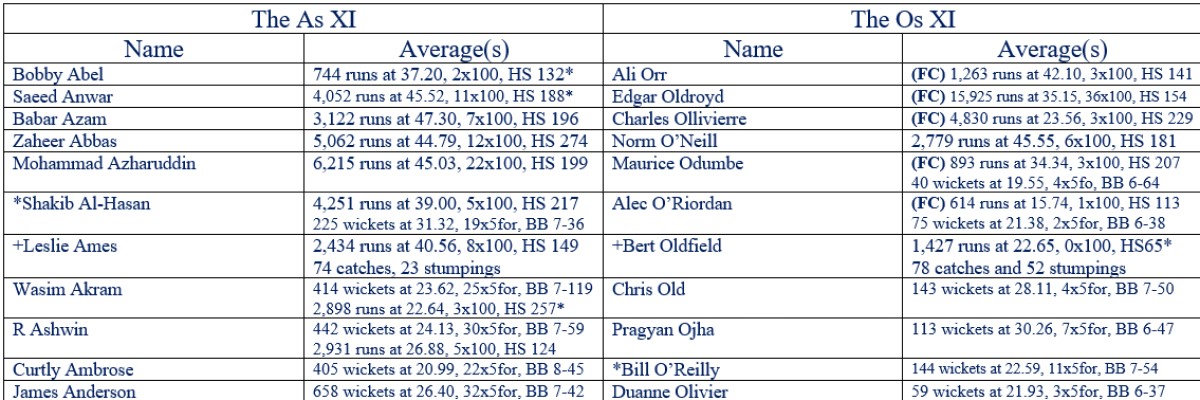
This is the fourth post in my series analysing how the all time XIs I picked for each letter stack up against each other. We are working through the As at this stage, and this post starts with them on 38.5 out of a possible 75 points.

THE As V THE Qs

The As dominate in batting, keeping and fast bowling. The Qs big hope is with their spinners, but although they have a numerical advantage in this department, they cannot honestly be said to be indisputably superior even here. Score: As 5 Qs 0.

THE As V THE Rs

The Rs win all of the top four batting match ups, narrowly lose out at number five, and lose no six handsomely on the batting front but win it on the bowling front. Ames outdoes Russell with the bat, but Russell was far the superior keeper. Roberts, Rabada and Richardson should fare decently with the ball vis-a-vis Akram, Ambrose and Anderson. Rhodes, selected as a specialist left arm spinner, the role in which he both started and finished his extraordinary career, is without doubt the best spinner in either line up. The teams are very well matched, but the Rs have an advantage in batting, and Rhodes the specialist bowler had a big reputation for keeping his head in tight finishes, most notably at The Oval in 1902, when he helped his ‘Kirkheaton twin’ George Hirst to score the last 15 needed to secure a famous one wicket win in “Jessop’s match”. Thus I score this one As 2, Rs 3.

THE As V THE Ss

The Ss have a substantial advantage in the top six batting slots, Ames edges Stokes at seven, Stevens matches Akram in that department, Starc is just behind Ashwin as a batter. Ames outdoes Sangakkara as a keeper, but using him in that role gives the Ss greater bowling depth than the As – Starc, Statham and Steyn are pretty close to Akram, Ambrose and Anderson as a pace trio and are backed by Sobers in his quicker incarnations and Stokes in that department. Stevens and Sobers in his slower incarnations are not as potent as Al Hasan and Ashwin, but the gap is not a large one. We are not in whitewash territory here, but the Ss have a very significant advantage over the As: As 1 Ss 4.

THE As V THE Ts

The As are stronger overall in positions 1,2 and 3 in the order, but the Ts are ahead in positions 4,5 and 6. Ames out bats Taylor, but is comfortably out kept by the latter. The As also have the extra batting depth lent by Akram and Ashwin’s capabilities in that department. Tyson, Trueman and Thomson are the quickest pace trio to feature in this series, with the Yorkshireman ranking third quickest of them. Trumble beats Ashwin in the battle of the off spinners, and Tarrant’s left arm slow medium is demonstrably more potent than Al Hasan’s left arm orthodox spin. It is Tarrant’s presence, both adding an extra variation to the attack, and ensuring that three speedsters will be able to get some rest between spells of bowling that turns what would be a close contest in to a decisive win for the Ts. It is not quite impossible to see the As getting the better of the Ts in any circumstances, but it is hard, and I score it: As 0.5, Ts 4.5.

THE As V THE Us

The As have a clear advantage here. I reckon that in a five match series Underwood will have at least one field day for the Us, which means I score this one As 4 Us 1.

THE STATE OF PROGRESS

The As have taken 12.5 out of 25, exactly 50% from today’s match ups, which gives them a tally so far, with five of their match ups to go of 51 points out of 100, 51%.

PHOTOGRAPHS

All Time XIs – Match Ups (3)

Continuing my analysis of my all-time XIs match up against each other. Today we look at the As against the Ls, Ms, Ns, Os and Ps.

Welcome to the continuation of my look at how my all time XIs for each letter of the alphabet match up against each other. Going into this post we have been through ten of the A XI’s match ups, and they are so far on 27 of a possible 50 points.

THE As V THE Ls

Among the top five batters the Ls have a clear advantage, even allowing for the fact that Labuschagne is out of position – only Laxman and Lloyd are not significantly clear of their opposite numbers. At number six we have a clash of left arm spinning all rounders. Shakib Al Hasan is ahead on the batting front, but there is very little doubt that Langridge was the finer bowler. While Langley was a better keeper than Ames he was a fraction of the batter that Ames was. Lindwall is outpointed by Akram, but Lohmann and Lillee are worthy adversaries for Ambrose and Anderson. Laker wins the battle of the off spinners on the bowling front, though he was a lot less of a batter than Ashwin.

Boiling it all down, The Ls have an advantage of the batting front, although their batting power is very top heavy, have the better keeper and are at least the equal of the As on the bowling front, and for my money definitely superior. There would probably be one occasion in a series when the As batting depth would count in their favour over the Ls top heavy power in that department, so I score it As 1 Ls 4.

THE As V THE Ms

Among the top five only Babar Azam for the As has a better batting average than his opposite number. Miller comes out slightly below Al Hasan on the batting front, way ahead on the bowling front. I suspect he was also the finer captain. Ames has an advantage on the batting front among the keepers, but Marsh was one of the greatest keepers ever to play the game. Marshall, McGrath and Mahmood a certainly a capable match for Akram, Ambrose and Anderson. Murali comfortably wins the battle of the off spinners on the bowling front, though Ashwin’s batting partly compensates for this. Additionally the Ms have a sixth bowling option, Charlie Macartney, who did win his country a match with the ball in hand. Miller once switched to off breaks on a Brisbane ‘sticky dog’, and took seven wickets, so even producing a raging bunsen for the benefit of Ashwin and Al Hasan might not be enough for the As. I find it hard to see any situation in which the As come out on top in this clash and accordingly score it As 0 Ms 5.

THE As V THE Ns

The As boss the opening combo. Nurse and Dudley Nourse outpoint Azam and Abbas, in one case by a minor margin in the other substantially. Azharuddin has a significant advantage over Dave Nourse. Al Hasan beats Noble with the bat, but the Aussie wins hands down with the ball and as a captain. Ames wins the battle of the keepers with the bat, and there is no huge difference in gkovework. Ntini, Nawaz and Nortje are comfortably outpointed by Akram, Ambrose and Anderson, and Nadeem is nowhere close to Ashwin in either department. The Ns do have an extra pace option in Nichols, but even that is not enough – The As have an overwhelming advantage in bowling and I expect that to tell in their favour: As 4, Ns 1.

THE As V THE Os

The As dominate this in all departments. The only member of the Os team the As would want in their own ranks is Bill O’Reilly. There can only be one scoreline here: As 5, Os 0

THE As V THE Ps

The opening pairs are closely matched here, the Ps dominate slots 3-5. Procter is massively ahead of Al Hasan as an all rounder – while the Bangladeshi has a better batting record, the Saffa is far ahead with the ball. Pant has a better batting average than Ames and is at least his equal with the gloves. Shaun Pollock is almost an exact match to Akram in terms of bowling figures and almost ten runs an innings better with the bat. Peter Pollock is beaten only by Ambrose among the As quick bowlers. Parker, a victim of selectorial malice in his playing days (a one cap wonder at test level in spite of that huge tally of FC wickets), is the best spinner on either side in this match, though Prasanna is outmatched by Ashwin. The Ps are stronger in batting, and Procter, S Pollock, P Pollock, Parker and Prasanna is not a definitely inferior bowling unit to Ambrose, Anderson, Akram, Ashwin and Al Hasan. I expect the Ps to win, and slightly more comfortably than a bare 3-2. Final score As 1.5, Ps 3.5.

As PROGRESS SO FAR

This has been a tough set of match ups for the As XI, and even with one 5-0 in their favour they score just 11.5 of a possible 25 points in this segment of the alphabet, putting them on 38.5 out of 75, a score of 51.33%, down from the 54% they were on going into this post.

PHOTOGRAPHS

My usual sign off…

All Time XIs – Left Hand v Right Hand

Today’s ‘all time XI’ cricket post sees a team of left handers take on a team of right handers.

INTRODUCTION

Welcome to today’s ‘all time XI‘ cricket themed post. Today we have a team who did everything right handed against a team who did everything left handed, and a guessing game – based on some of my explanations can you work out what tomorrow’s post will be?*

THE LEFT HANDED XI

  1. Arthur Morris – left handed opening batter, very occasional left arm wrist spin. Rated by Bradman as the best left handed opener he ever saw. Morris the bowler was in action when Compton hit the four that won the 1953 Ashes.
  2. Sanath Jayasuriya – left handed opening batter, left arm orthodox spinner.
  3. Frank Woolley – left handed batter, left arm orthodox spinner.
  4. Martin Donnelly – left handed batter, very occasional left arm orthodox spinner. He averaged 52.90 in his very brief test career, including 206 v England at Lord’s in 1949.
  5. *Allan Border – left handed batter, occasional left arm orthodox spinner, captain. The guy who if the first three wickets fall quickly will dig the team out of the hole, while also being capable of playing very aggressively if circumstances warrant. 
  6. Garry Sobers – left handed batter, left arm bowler of every type known to cricket. The most complete all rounder ever to play the game. His 254 for Rest of the World v Australia in the series that replaced the 1971-2 Australia v South Africa series was rated by Bradman as the best innings he ever saw played in Australia.
  7. +Steven Davies – wicket keeper, left handed batter. Once seen as England material he did not quite kick on. He has never bowled a ball of any kind in senior first team cricket.
  8. Wasim Akram – left arm fast bowler, left handed lower middle order batter. An ideal number eight, who meets all the qualification criteria for this XI.
  9. Mitchell Johnson – left arm fast bowler, useful left handed lower order batter. A cricketing version of the ‘little girl with the curl’ – when he was good he was very good indeed, when he was bad (e.g Brisbane, Melbourne and Sydney in the 2010-11 Ashes) he was awful. Having listened to a number of them I consider his good times to be good enough to warrant his inclusion.
  10. Johnny Wardle – left arm orthodox spinner, left arm wrist spinner, left handed lower order batter. 102 test wickets at 20.39, in spite of often missing out to make way for Tony Lock, and his career ending early due to a fall out with authority.
  11. Fred Morley – left arm fast bowler, left handed genuine number 11 batter. Took his first class wickets at 13 a piece, and his four test appearances netted him 16 wickets at 18.50 (he died at the age of 33, in 1884, hence the brevity of his test career).

This team has an excellent batting line up, and with Wasim Akram, Mitchell Johnson and Fred Morley to bowl fast and Sobers as fourth seamer, plus Wardle, Woolley, Sobers and Jayasuriya as front line spin options the bowling is none too shabby either.

NOT QUALIFIED

Among the specialist batters who did not qualify were Graeme Pollock, Brian Lara, Shivnarine Chanderpaul and Alastair Cook who all bowled their few deliveries with their right hands. Adam Gilchrist, keeper and left handed batter, bowled only a few balls in his career, but he did so with his right hand, officially described as ‘off spin’. Two of the greatest of left arm orthodox spinners batted right handed, Wilfred Rhodes and Hedley Verity, while the crafty left arm slow medium of Derek Underwood was paired with rather less crafty right handed batting. Left arm fast bowler William Mycroft, who took his first class wickets even more cheaply than Morley, and was a similarly genuine no11, did his batting right handed, and so did not qualify. This little list contains a clue to tomorrow’s post.

RIGHT HANDED XI

  1. Jack Hobbs – right handed opening batter, occasional right arm medium pace bowler.
  2. Herbert Sutcliffe – right handed opening batter, very occasional right arm medium pacer.
  3. *Donald Bradman – right handed batter, occasional leg spinner, captain. The greatest batter of them all, to build on the foundation laid by the greatest of all opening pairs.
  4. George Headley – right handed batter, occasional leg spinner. Averaged 60.83 in test cricket, converting 10 of his 15 50+ scores at that level into hundreds.
  5. Walter Hammond – right handed batter, right arm medium fast bowler, ace fielder. Averaged 58.45 in test cricket, topping 200 seven times at that level, including twice hitting two in succession – 251 at Sydney and then 200 not out at Melbourne in 1928-9 and 227 and 336 not out in New Zealand on the way home from the 1932-3 Ashes.
  6. WG Grace – right handed batter, right arm bowler of varying styles through his career.
  7. +Les Ames – right handed batter, wicket keeper, very occasional leg spinner. Statistically the greatest of all wicket keeping all rounders, and ticks all the qualifying boxes for this team.
  8. Malcolm Marshall – right arm fast bowler, useful right handed lower order batter.
  9. Shane Warne – leg spinner, useful right handed lower batter.
  10. Sydney Barnes – right arm fast medium bowler, right handed lower order batter. 189 wickets in just 27 test matches, 77 of them in 13 games down under.
  11. Muttiah Muralitharan – off spinner, right handed tail end batter. 800 wickets in 133 test matches – an average of six per game.

This team contains a super strong top six, a great wicket keeping all rounder and four all time great bowlers. Hammond is not the worst as a fifth bowler, particularly behind that foursome, while Grace is also a genuine all rounder, and even Hobbs might take wickets with his medium pace. Because there have historically been many more pure right handers than pure left handers, people turning out not to be qualified is less of an issue for this team.

THE CONTEST

The Right Handed XI is stronger in batting, but not quite so formidably armed in the bowling department, although still mighty strong. Overall I would expect the right handers to win, but certainly would not entirely rule out the left handers.

LINKS AND PHOTOGRAPHS

I have introduced my two teams for today’s contest, set you a guessing game re tomorrow, and now just before signing off I have a couple of superb twitter threads to share:

My usual sign off…

IMG_0662 (2)IMG_0664 (2)IMG_0665 (2)IMG_0666 (2)IMG_0667 (2)IMG_0668 (2)IMG_0669 (2)IMG_0670 (2)IMG_0671 (2)IMG_0672 (2)

LH v RH
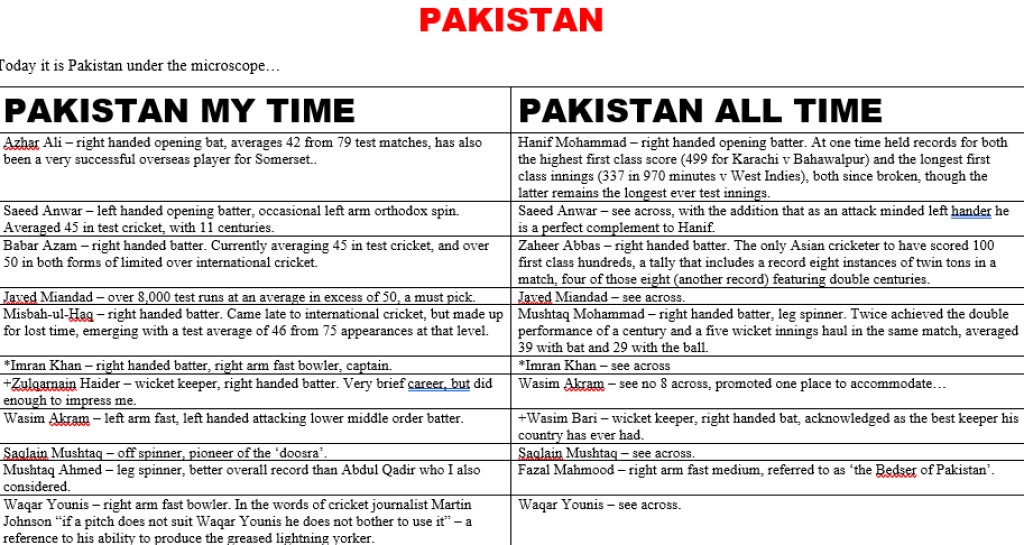
The teams in tabulated form.

All Time XIs – Pakistan

Today being Monday the ‘all time XI’ post focusses on an international outfit, in this case Pakistan.

INTRODUCTION

Welcome to the latest installment in my series of all time XI‘ cricket themed posts. Today, in keeping with our Monday tradition we look at an international set up. Today the focus is on Pakistan.

PAKISTAN IN MY TIME

  1. Azhar Ali – right handed opening batter. He has played 79 test matches and averages just under 43 at that level. He has also been a successful overseas player for Somerset. Pakistan have not been that well endowed with opening batters down the years, since most batters in that part of the world prefer to delay their entry until the shine has gone from the ball. The achievements of those who do open the batting are therefore all the more impressive because so few do so.
  2. Saeed Anwar – left handed opening batter. A test average of 45 per innings. His left handedness augurs well for my chosen opening pair.
  3. Babar Azam – right handed batter. This man averages 45 in test cricket and over 50 in both forms of limited overs internationals, an all format success rate that puts him firmly among contemporary greats not just of Pakistan but of world cricket.
  4. Javed Miandad – right handed batter. 8832 test runs at an average of over 50 (indeed he spent his entire test career with an average of over 50, a remarkable record of consistent success). 
  5. Misbah-ul-Haq – right handed batter. His arrival as a test cricketer came late in his career, but he made up for lost time to emerge with a batting average of 46 at that level, and an excellent record as captain.
  6. *Imran Khan – right handed batter, right arm fast bowler, captain. Even if his record as a player did not automatically command a place there could be only one choice as captain of an all-time Pakistan team. As it is he stands as one of the greatest of all all rounders, and beyond a doubt the finest that his country has ever produced. He is now of course demonstrating his leadership skills in the political sphere, running his entire country rather than merely the cricket team thereof.
  7. +Zulqarnain Haider – wicket keeper, right handed batter. A one cap wonder, he made 88 on his only test appearance and kept well. He subsequently fled to Britain, believing his life in danger from match fixers and that the Pakistan authorities were not doing enough to protect him. Pakistan have had many wicket keepers, but most of those who might be considered have question marks hanging over them.
  8. Wasim Akram – left arm fast bowler, left handed batter. He was discovered by Imran who saw him bowling in the nets as a teenager and had him fast tracked into the national side. He went on to establish a record that places him firmly among the all time greats of the game.
  9. Saqlain Mushtaq – off spinner. A pioneer of the ‘doosra’, an off spinner’s equivalent of the googly that has always been controversial because of the arm angle required to produce it (there is a newer version called the ‘carrom ball’ which is less controversial). His record both for his country and for Surrey as an overseas player speaks for itself.
  10. Mushtaq Ahmed – leg spinner. He was one of two candidates for this position, Abdul Qadir being the other. However, for all Qadir’s merit in keeping alive the art of wrist spin at a time when fast bowlers ruled the world cricket roost, Mushtaq has the finer overall record. As well as his triumphs for Pakistan he was part of the first Sussex side ever to win a County Championship, having previously played for Somerset. He has gone to a coaching career which included a role in the England set up.
  11. Waqar Younis – right arm fast bowler. At one time he was probably the quickest on the planet, and his yorker was a devastating weapon for a number of years. Also, he bowled particularly effectively in tandem with Wasim Akram.

This team has a solid top five, one of the greatest ever all rounders and captains at no six, a keeper who can bat, and an awesome quartet of bowlers. The bowling, with a left arm speedster, two right arm speedsters, a leg spinner and an off spinner has both depth and variety. With Imran to captain them this would be a very tough unit to do battle against.

THE NEW NAMES FOR THE ALL TIME XI

  • Hanif Mohammad – right handed opening bat. He held the records for the highest first class score (499 for Karachi vs Bahawalpur) and the longest ever first class innings (337 in 970 minutes v West Indies, in a match saving second innings score of 657-8). Both have subsequently been broken, although his 970 minutes remains a test record for a single innings. He and the left handed, much more attack minded Saeed Anwar would make a formidable opening combination.
  • Zaheer Abbas – right handed batter. The only Asian batter to have scored 100 first class hundreds, a record that includes eight instances of twin centuries in a first class match (itself a record, which includes another record of four such instances including a double century). Although best known for his tall scoring in long form cricket he was also one of the best early ODI batters, being the first ever to hit three successive tons in that format.
  • Mushtaq Mohammad – right handed batter, leg spinner. He av eraged 39 with the bat and 29 with the ball, including twice combining centuries with five wikcket innings hauls.
  • +Wasim Bari – the finest keeper ever to play for Pakistan, his career ended just before I started following the game in earnest, but his record speaks for itself.
  • Fazal Mahmood – right arm fast medium. An expert bowler of the leg cutter, he took as test wickets at 24 each and his first class wickets at 18.96. He took 12 wickets in the first test match that his country won, against England at The Oval. His presence adds craft and variety to the bowling attack.

Thus, our Pakistan All-Time XI reads in batting order: Hanif Mohammad, Saeed Anwar, Zaheer Abbas, Javed Miandad, Mushtaq Mohammad, *Imran Khan, Wasim Akram, +Wasim Bari, Saqlain Mushtaq, Fazal Mahmood and Waqar Younis. This team contains a very strong top four, three all rounders, a keeper and three varied bowlers. Waqar, Wasim, Imran, Fazal, Saqlain and Mushtaq Mohammad is a superb all round bowling unit.

THOSE WHO MISSED OUT

I have mentioned in passing Abdul Qadir, who I believe deserves full credit for keeping wrist spin bowling alive. Shoaib Akhtar, the ‘Rawalpindi Express’ might have had a fast bowling spot, but his record does not compare with Waqar Younis, and I am a little sceptical about his ‘first record 100mph delivery’, since a) there was something of an obsession during that world cup with the mark being reached, b)the delivery in question did not actually cause many problems and c)Jeff Thomson, Frank Tyson and even Charles Kortright of old may well have bowled deliveries that travelled at over 100mph but were not recorded as doing so, there being no recording equipment available at the time. If Shaheen Shah Afridi continues as he has started his left arm pave bowling will merit serious consideration, but it is Waqar’s place that would in danger – he is very much a pure bowler, and so could not be selected in place of Wasim. Sarfraz Nawaz, a fast medium not altogether dissimilar to Fazal produced one outstanding spell, 7-1 in 33 balls v Australia as 305-3 became 310 all out, but his record overall is not a match for Fazal’s. Shahid Afridi, a big hitting batter and leg spin bowler, was among the most watchable of all cricketers but his record does not have the substance to match the style. There are three batters with outstanding records who I have ignored for reasons other than their cricketing ability. Inzamam-ul-Haq was considered for the place that I awarded to Misbah, and I fully accept that he has a valid claim. Imtiaz Ahmed and Taslim Arif were both heavy scoring keepers. Asif Iqbal, a middle order batter and sometimes useful slow-medium bowler would also have his advocates. It is also a matter of regret to me that I could find no way of equipping this unit with a front line left arm spin option, and I am open to genuine suggestions about this. Finally, Asif Mujtaba and Ijaz Ahmed both had good records, but I could not see them ahead of those I actually picked. I also remind people that no two people’s selections would ever be in complete agreement in an exercise of this nature, although I would expect the choice of Imran as skipper to be pretty much unanimous.

LINKS AND PHOTOGRAPHS

Our journey through Pakistan cricket is at and end, but before my usual sign off I have a couple of links to share, both from Tax Research UK:

  1. The Way To Tackle The ‘How Are You Going To Repay The Borrowing?’ Question
  2. We Do Not Need A One Off Wealth Tax To Pay Off The National Debt

And now for those pictures…

P1320761 (2)P1320764 (2)P1320765 (2)P1320766 (2)P1320767 (2)P1320768 (2)P1320772 (2)P1320773 (2)P1320775 (2)P1320777 (2)P1320778 (2)P1320779 (2)P1320780 (2)P1320781 (2)P1320782 (2)P1320783 (2)P1320784 (2)

P1320785 (2)
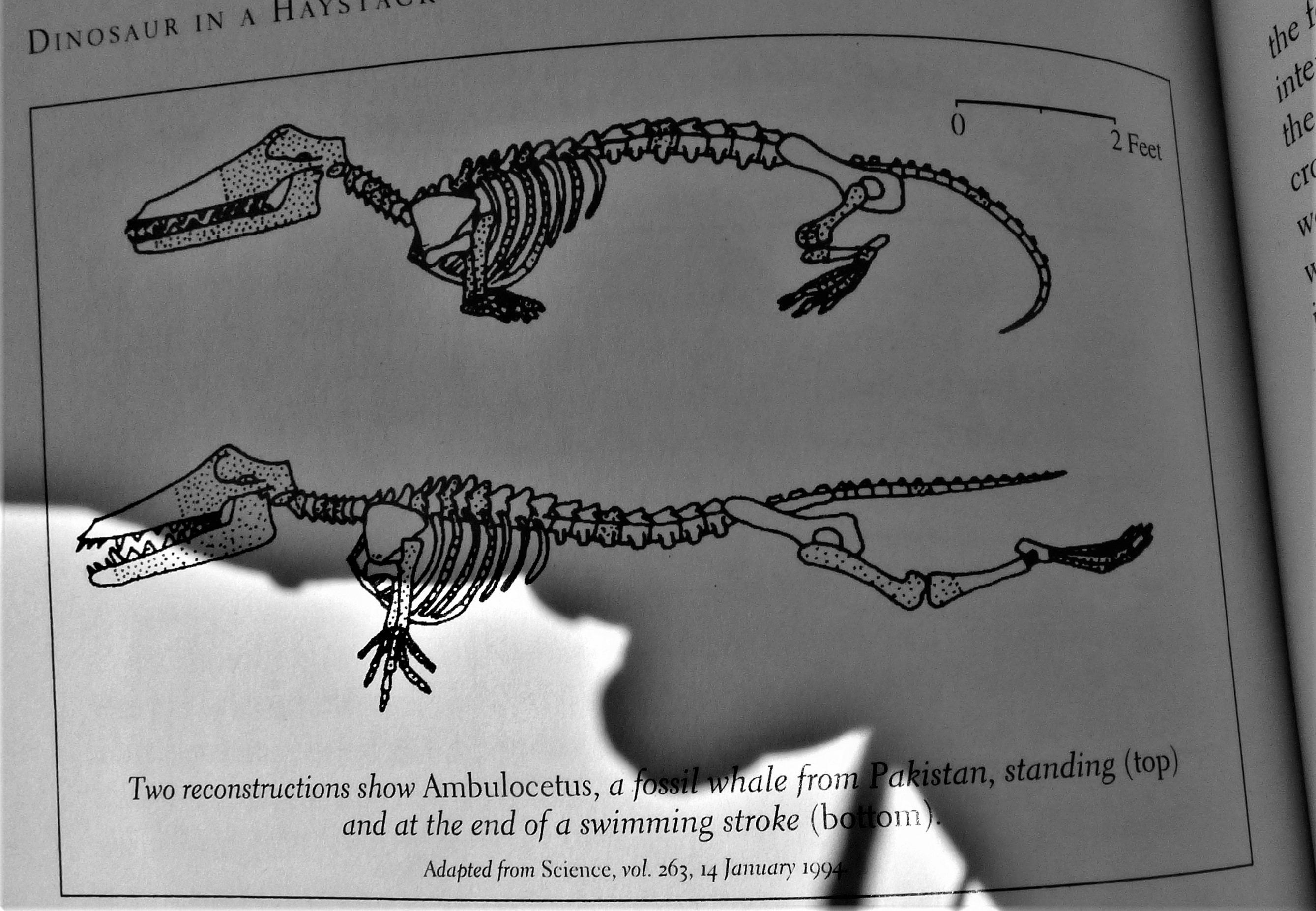
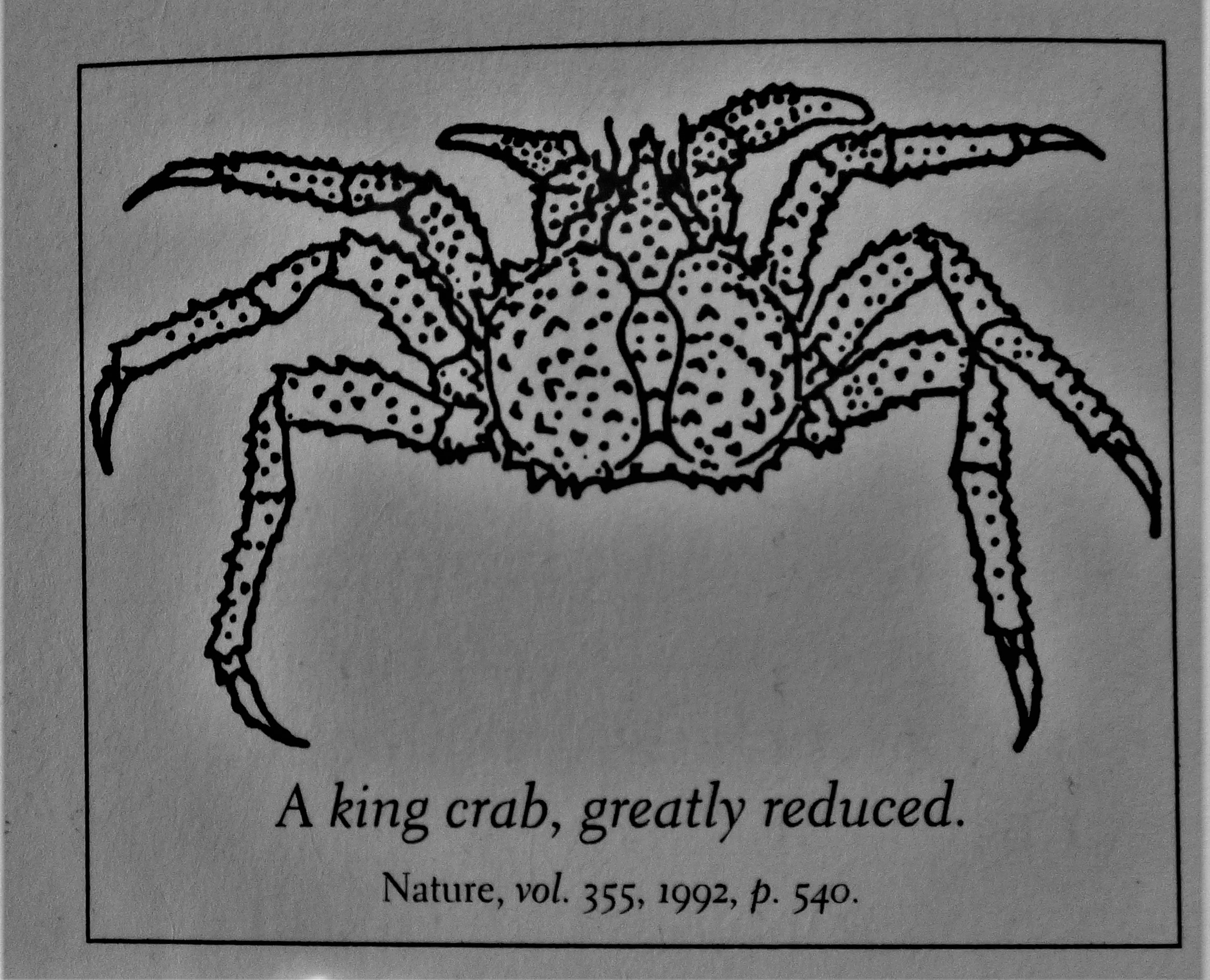
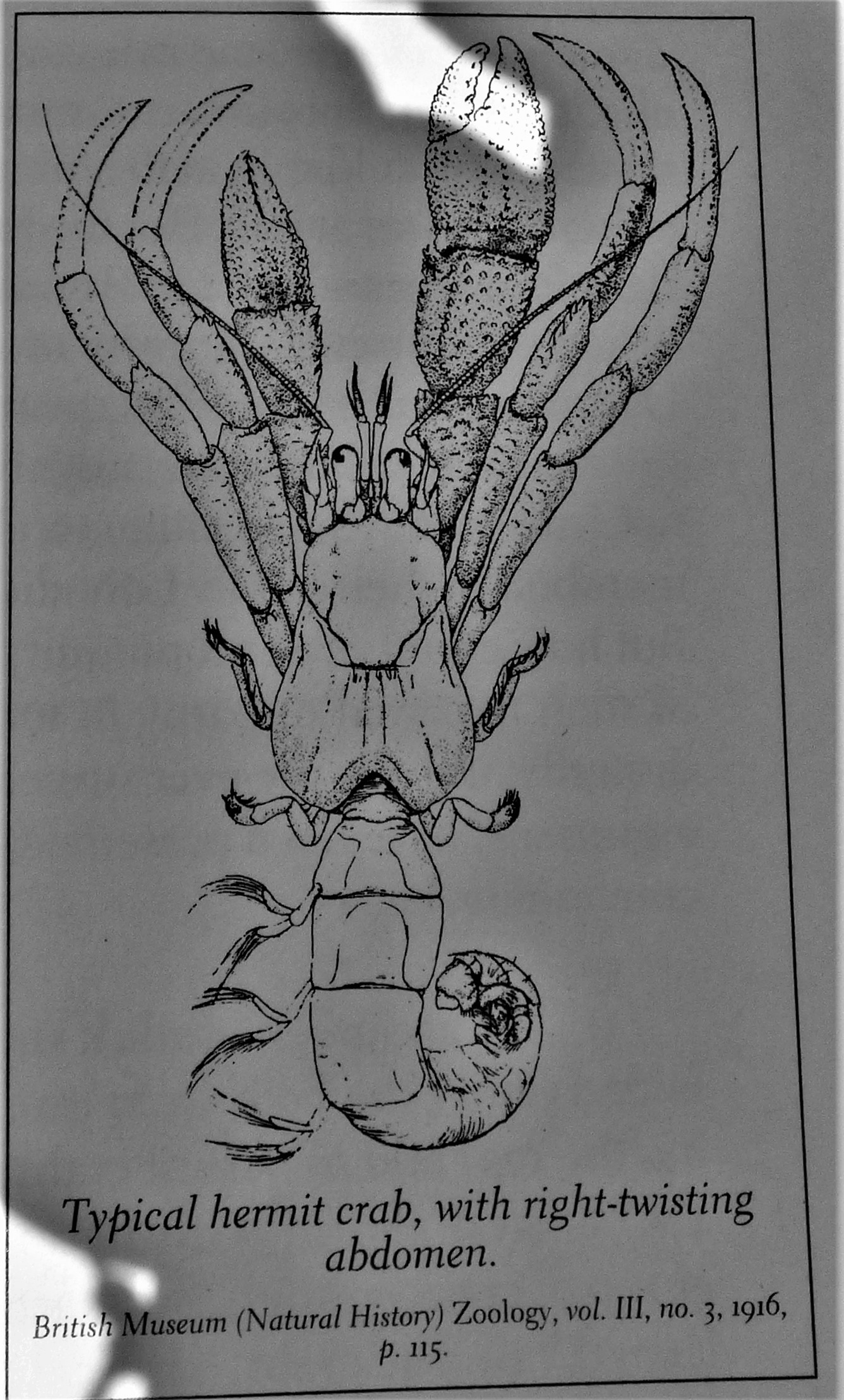
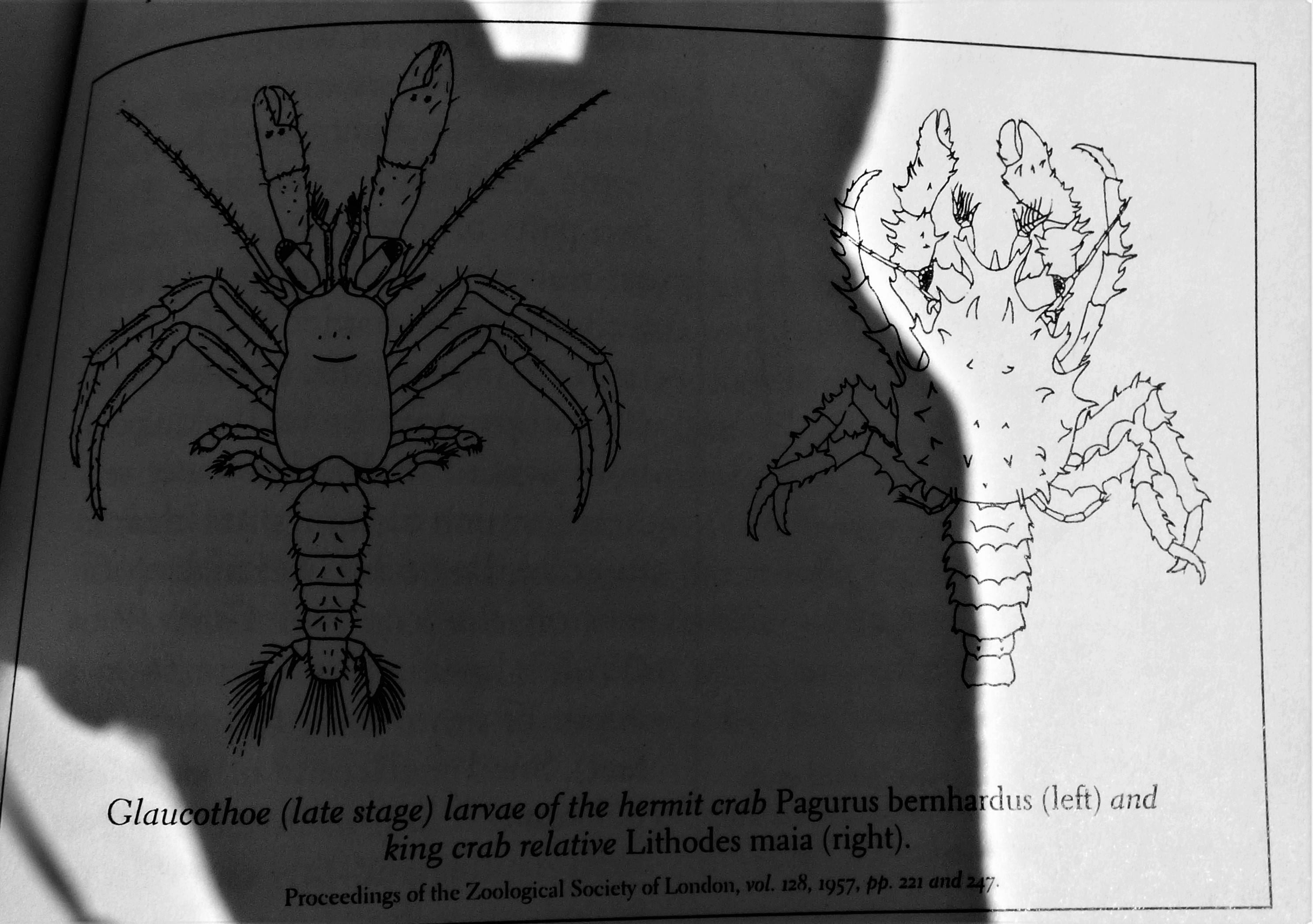
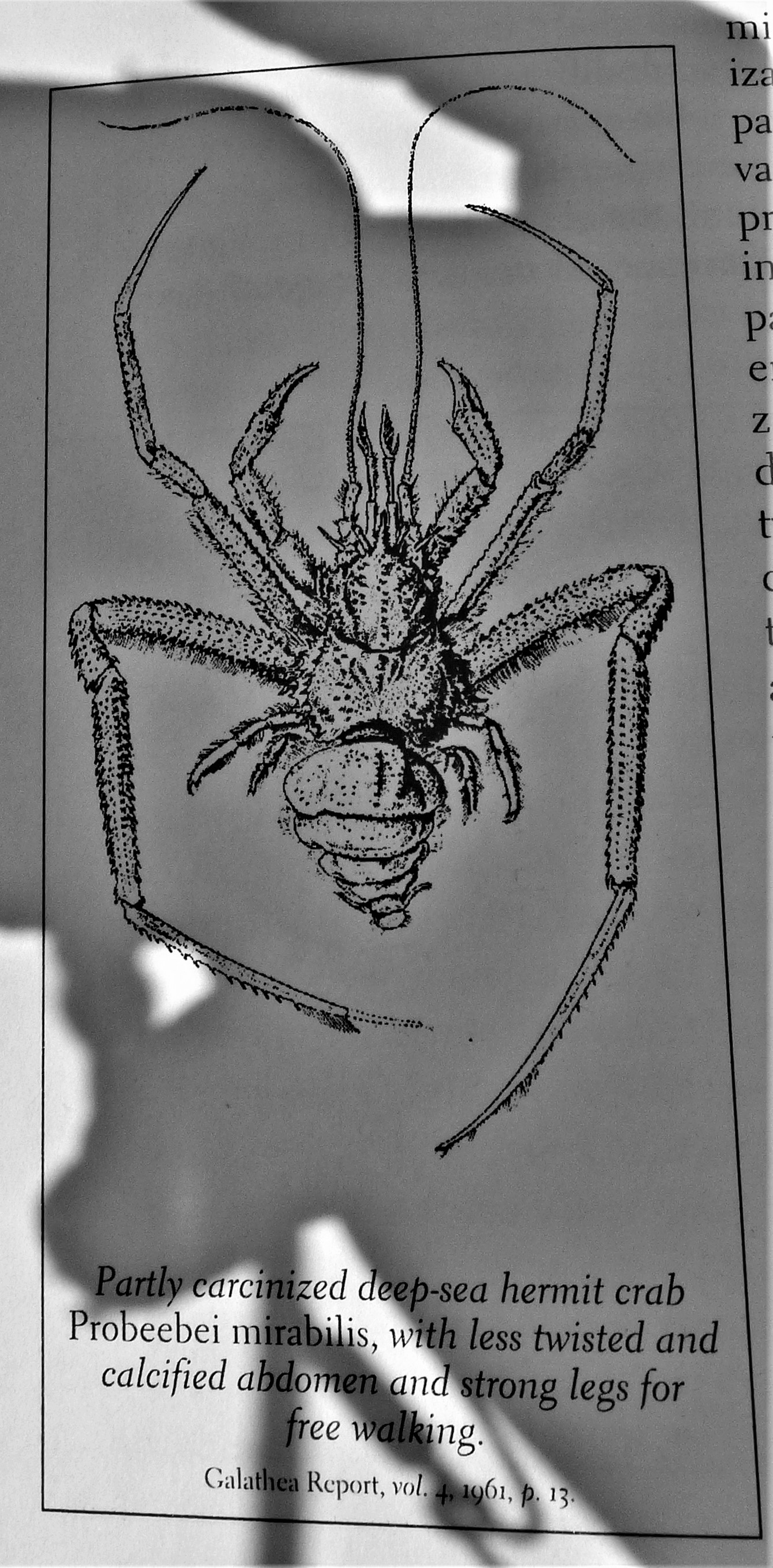
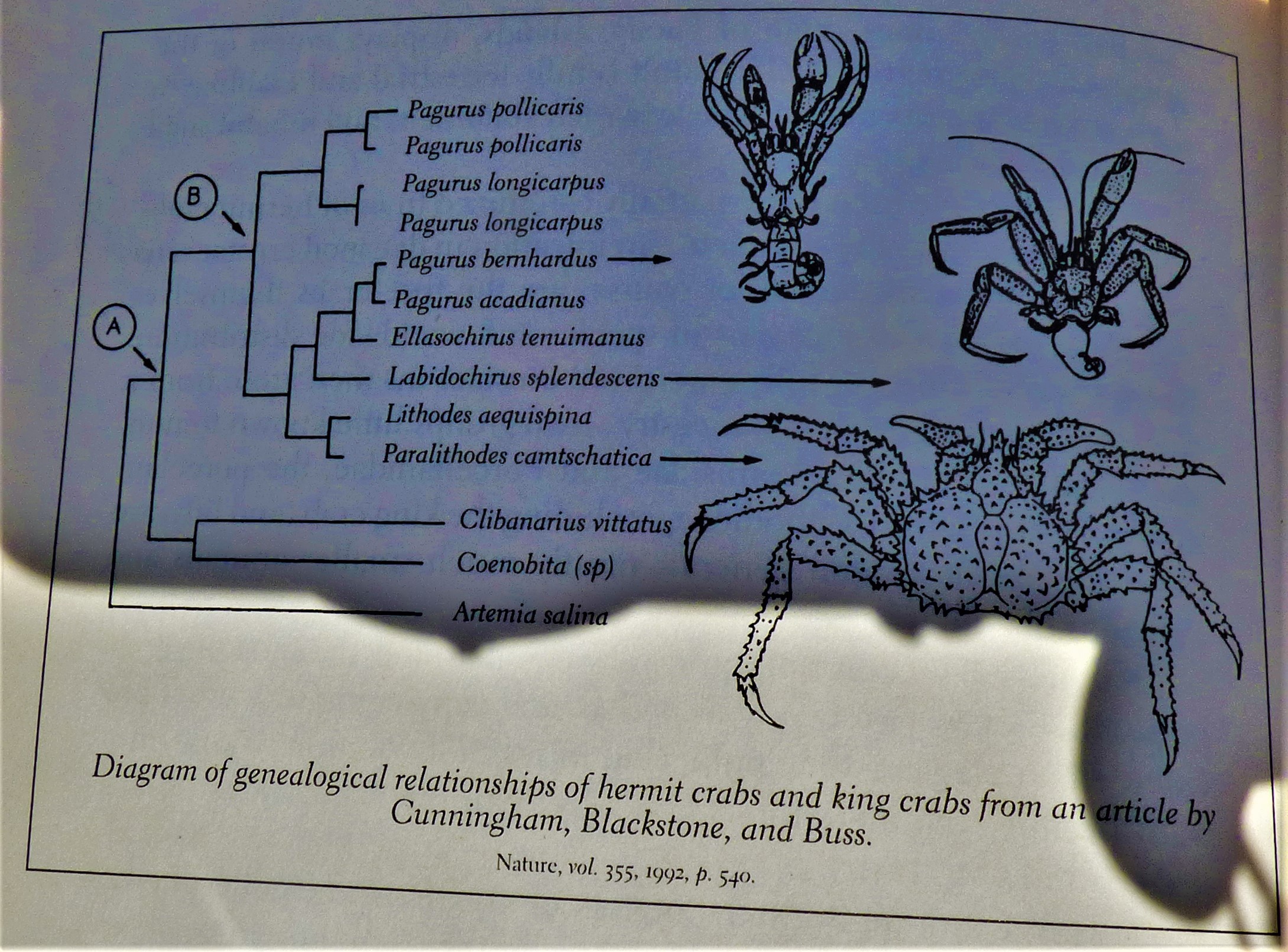
A series of illustrations from Stephen Jay Gould’s “Dinosaur in a Haystack”

P1320787 (2)P1320788 (2)P1320789 (2)P1320790 (2)P1320791 (2)P1320786 (2)P1320792 (2)P1320793 (2)P1320795 (2)

P1320796 (2)
A splendid little book.

P1320797 (2)P1320798 (2)P1320799 (2)P1320801 (2)P1320802 (2)P1320803 (2)P1320804 (2)P1320805 (2)P1320806 (2)

Pakistan
The teams in tabulated form.


100 Cricketers – Second XI Bowlers and Introducing the Third X1

A continuation of my “100 cricketers” series, rounding out the second XI and introducing the third XI.

INTRODUCTION

Welcome to the latest post in my “100 cricketers” series. We have covered the batters and all-rounders from our second XI, as well as the whole of the first XI, so this post deals with the bowlers from the second XI and introduces the third XI in batting order. In keeping with usual philosophy I have equipped this XI with a well-balanced bowling attack. Later in this series we shall see an example where I depart from this, because having started following cricket when I did I believed it necessary to feature a quartet of West Indies fast bowlers somewhere along the way.

WASIM AKRAM

A left-arm fast bowler who took over 1,000 wickets in all forms of international cricket, and also a very handy batter to be coming in number 8. He was spotted bowling in the nets by Imran Khan, and called into the Pakistan team while still in his mid-teens. He made an immediate impact, and never looked back. Wasim was one of the pioneers of reverse swing bowling. 

WAQAR YOUNIS

Another left-arm fast bowler, even quicker than Wasim. Like Wasim he played county championship cricket as an overseas player, in his case for Surrey and then for Glamorgan. Overseas players in the championship is a thorny issue, my opinion being that an overseas player should only be signed if they are definitiely bringing something that no-one already in your squad can provide, and if they are good enough to attract the attention of their own national selectors. The temptation to sign any old overseas player just because you are allowed to do so should be resisted. Waqar’s great trademark was a thunderbolt yorker, although against Sri Lanka in the semi-final of the 1996 World Cup he memorably came a cropper when he deployed it too predictably and his last two overs went for 40 runs. With this pairing to open the bowling and Botham as back-up the pace bowling side of things is now well covered…

SHANE WARNE

In 1993 he settled the fate a series with his first delivery therein, the legendary “Gatting Ball”, which pitched well outside leg-stump and turned so much that it dislodged the off bail. From that moment on England were spooked and the series was only ever going one way. 12 years later when England ended a long Ashes drought by winning the 2005 series Warne still captured 40 wickets in the series, in the process becoming the first bowler to take 100 test wickets in a country other than his own. When Australia took their revenge on a complacent and under-prepared England 18 months later Warne had another fine series, including the spell that virtually settled things by turning the Adelaide match upside down.

Over 700 wickets (I will not give an exact tally here, because there is an inconsistency in his official record, where wickets against a World XI are counted as test wickets, while those who played against Rest of the World sides which were recruited to replace South African touring teams in the 1970s did not have their achievements counted in the test match records) in test cricket, a tally beaten by only one bowler, and not under any immediate threat from anyone else is testament to his amazing skills, which revived a largely forgotten art (through the 1970s and 1980s spinners had increasingly, if used at all, come to be seen as keeping things tight while the quicks rested) and changed the face of cricket.

There is one caveat about Warne however – if the match or matches were scheduled to be played in India I would not pick him because he paid very dearly for his wickets in that country. Nevertheless, his huge achievements everywhere else undoubtedly qualify him to be regarded as one of the finest of all-time.

MUTTIAH MURALITHARAN

The leading wicket taker in test match history with 800 scalps to his credit. At the Oval in 1998 his captain Arjuna Ranatunga chose to field first on a plumb pitch because he wanted to be sure that his main man got a proper rest between bowling stints. England made 445, but Murali claimed seven wickets with his off-spin. Sri Lanka then made almost 600, Sanath Jayasuriya leading the way with 213, and England collapsed second time round for 166, Murali adding nine wickets to his first innings seven, and Sri Lanka knocked off their tiny target without difficulty. 

There have been many questions over his action down the years, but as far I as concerned he is one of the all-time greats, and well worth a place in this list.

INTRODUCING THE THIRD XI

Here in batting order is my third XI, perparing the way for a continuation of this series:

  1. Chamari Atapattu
  2. Virender Sehwag
  3. Jonathan Trott
  4. A B De Villiers
  5. Graham Thorpe
  6. *Steve Waugh
  7. +Jeff Dujon
  8. Ravindra Jadeja
  9. Kagiso Rabada
  10. R Ashwin
  11. Allan Donald

PHOTOGRAPHS

P1210835
My aunt, whose house I had lunch at yesterday, has a large collection of bird themed cups, this one (three pics) being devoted to the Dartford Warbler.

P1210836P1210837

P1210840
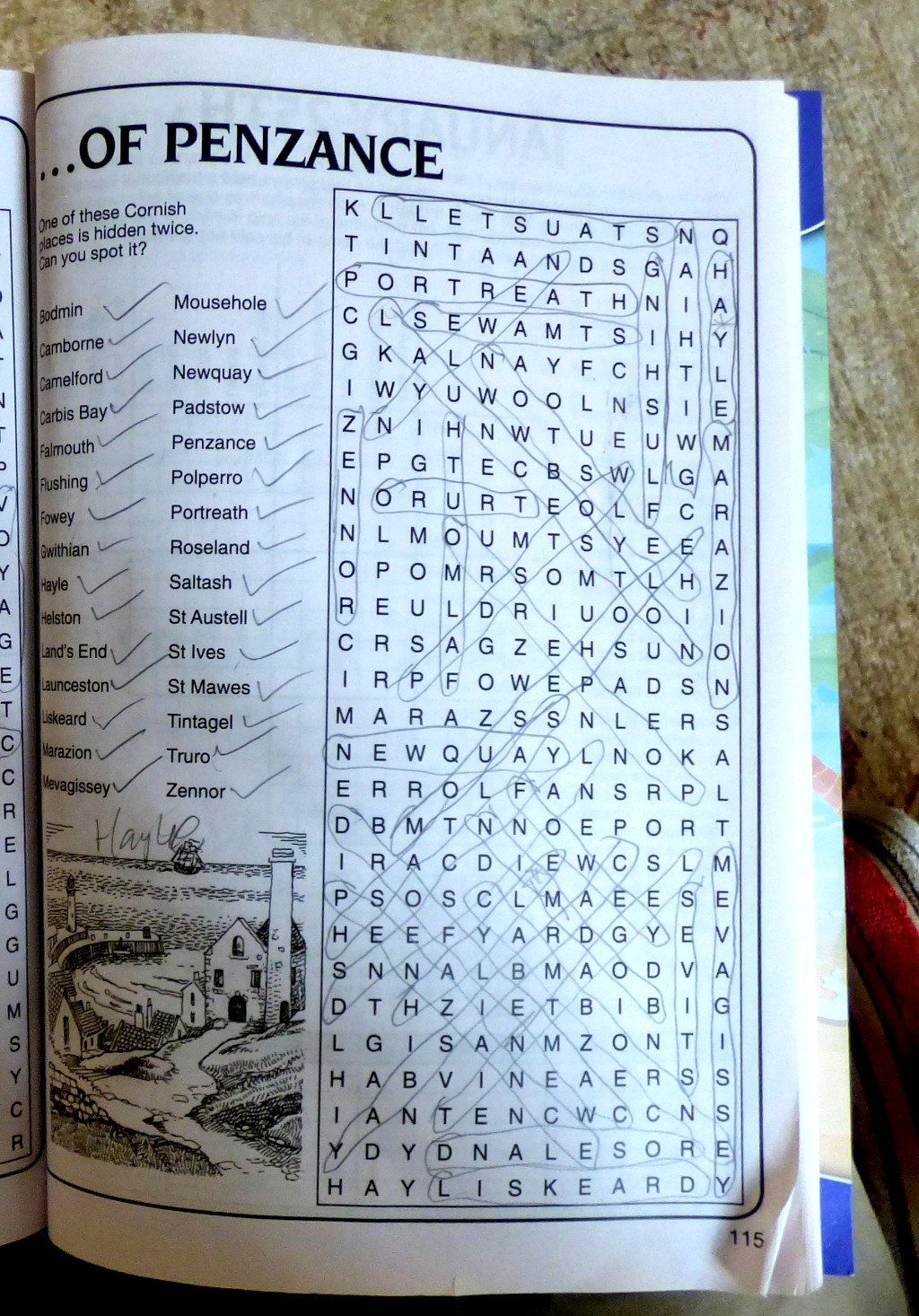
This was a fun puzzle to complete (the place name that appears twice being Hayle ).

P1210841
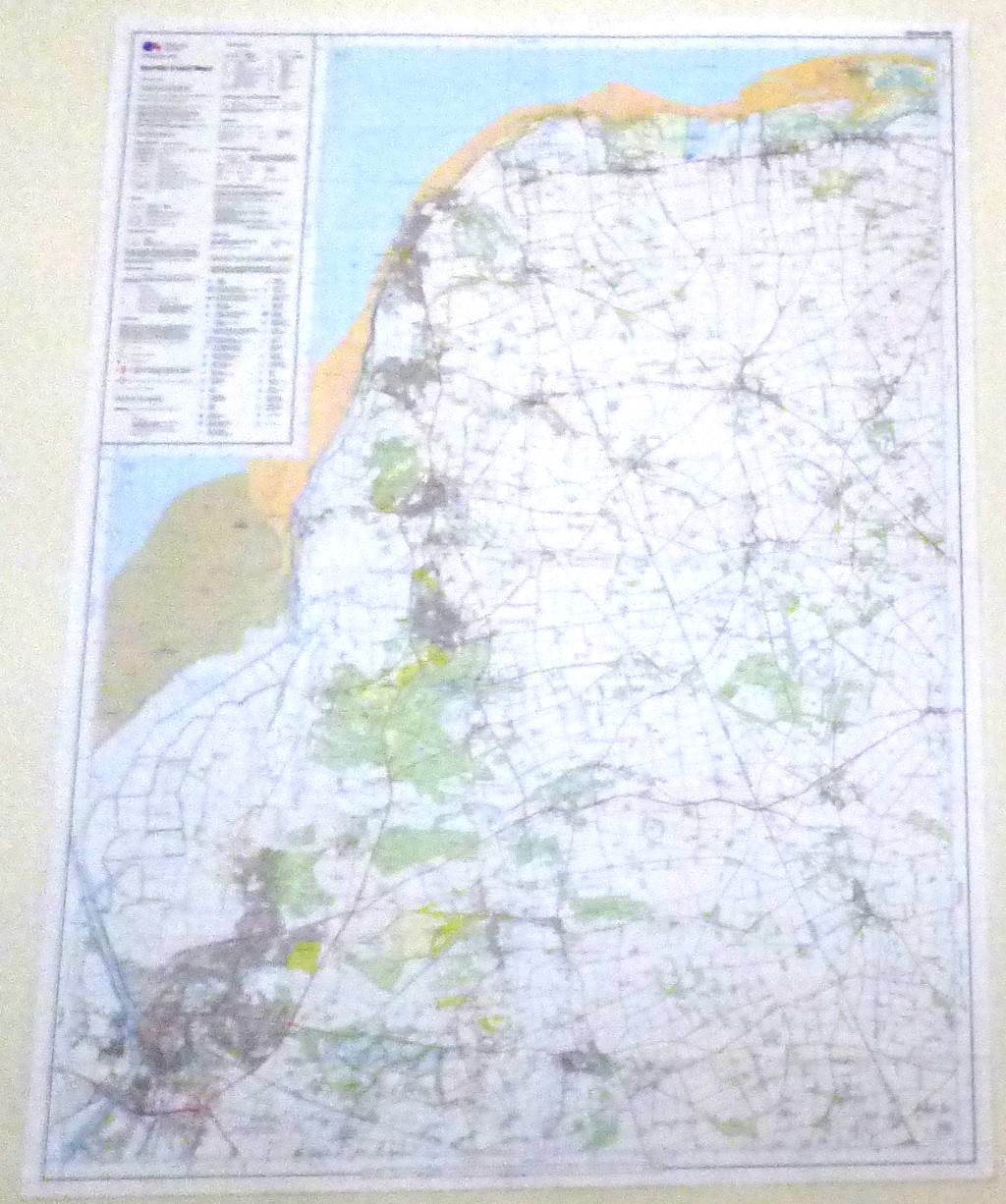
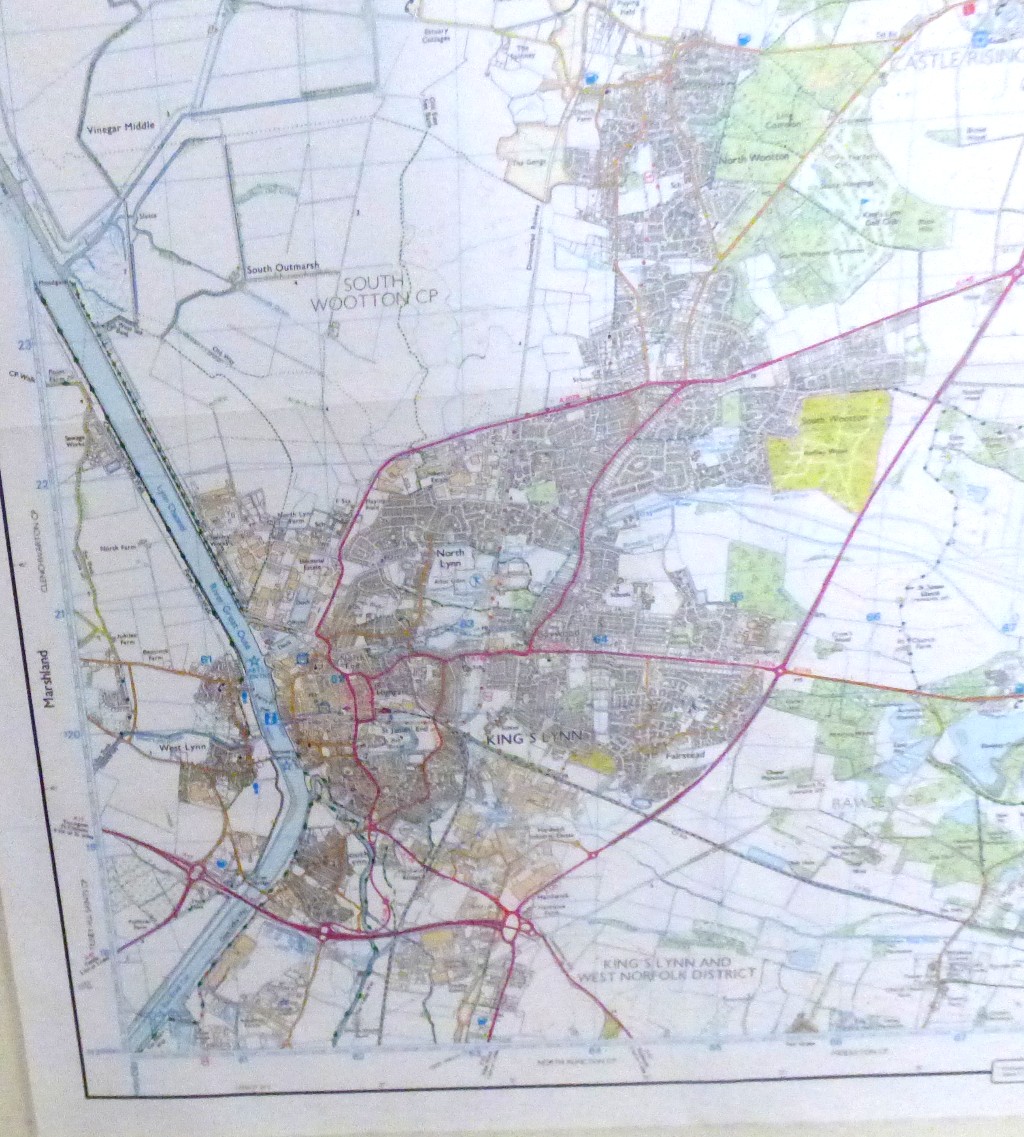
A map of the local area

P1210842
A close-up showing the part of town where I live.