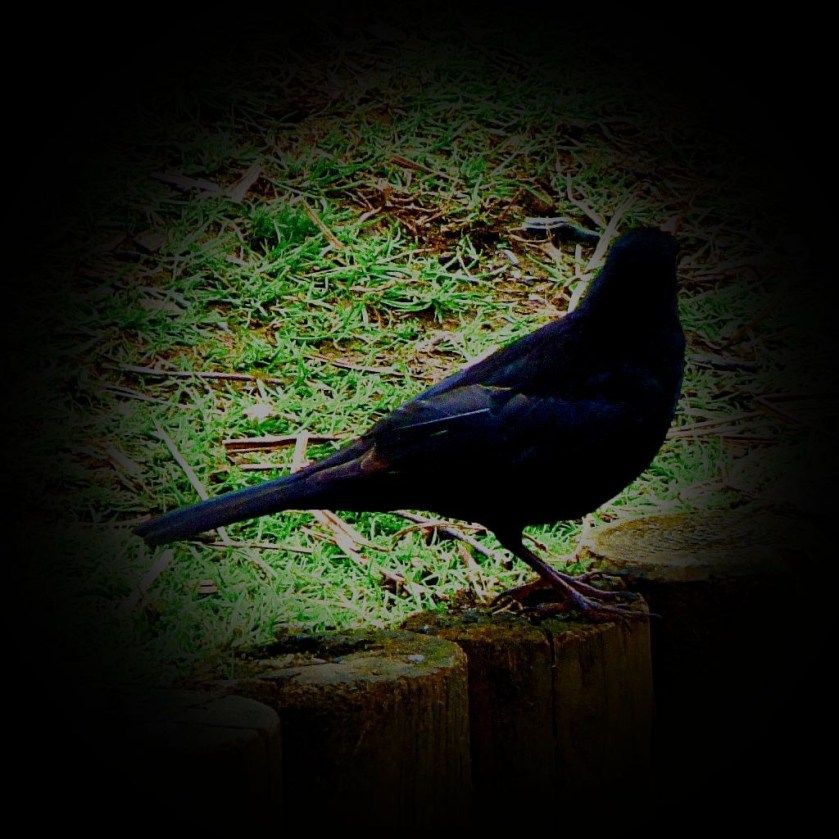
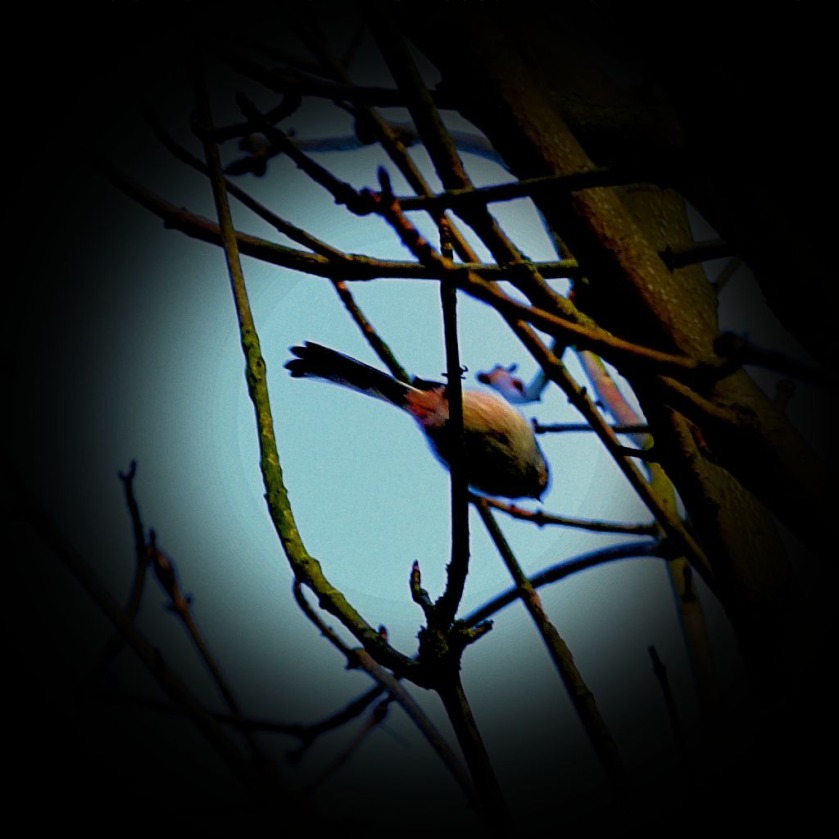
Blue Tit and Butterfly

A blue tit and a butterfly from yesterday.

INTRODUCTION

Yesterday was a Musical Keys day, and on the way there I got a few photographs which I think warrant a post of their own, before I move on to the main meat of today’s blogging.

THE BLUE TIT

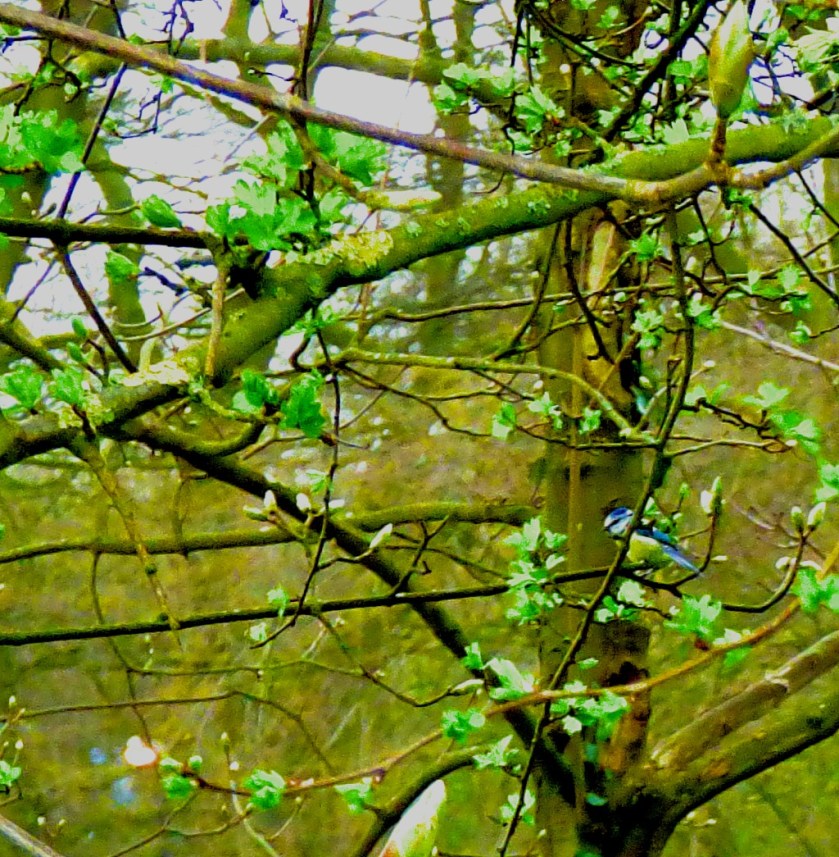
This was a picture I took more in hope than expectation, since small birds nearly always fly out fo shot before the camera has picked them up, but on this occasion fortune smiled…

Blue tit
blue tit in tree branches, on the path than runs betwee the King Edward the Seventh Academy and The King’s Lynn Academy.
Blue Tit - close up
The blue tit, extracted from the foregoing picture.

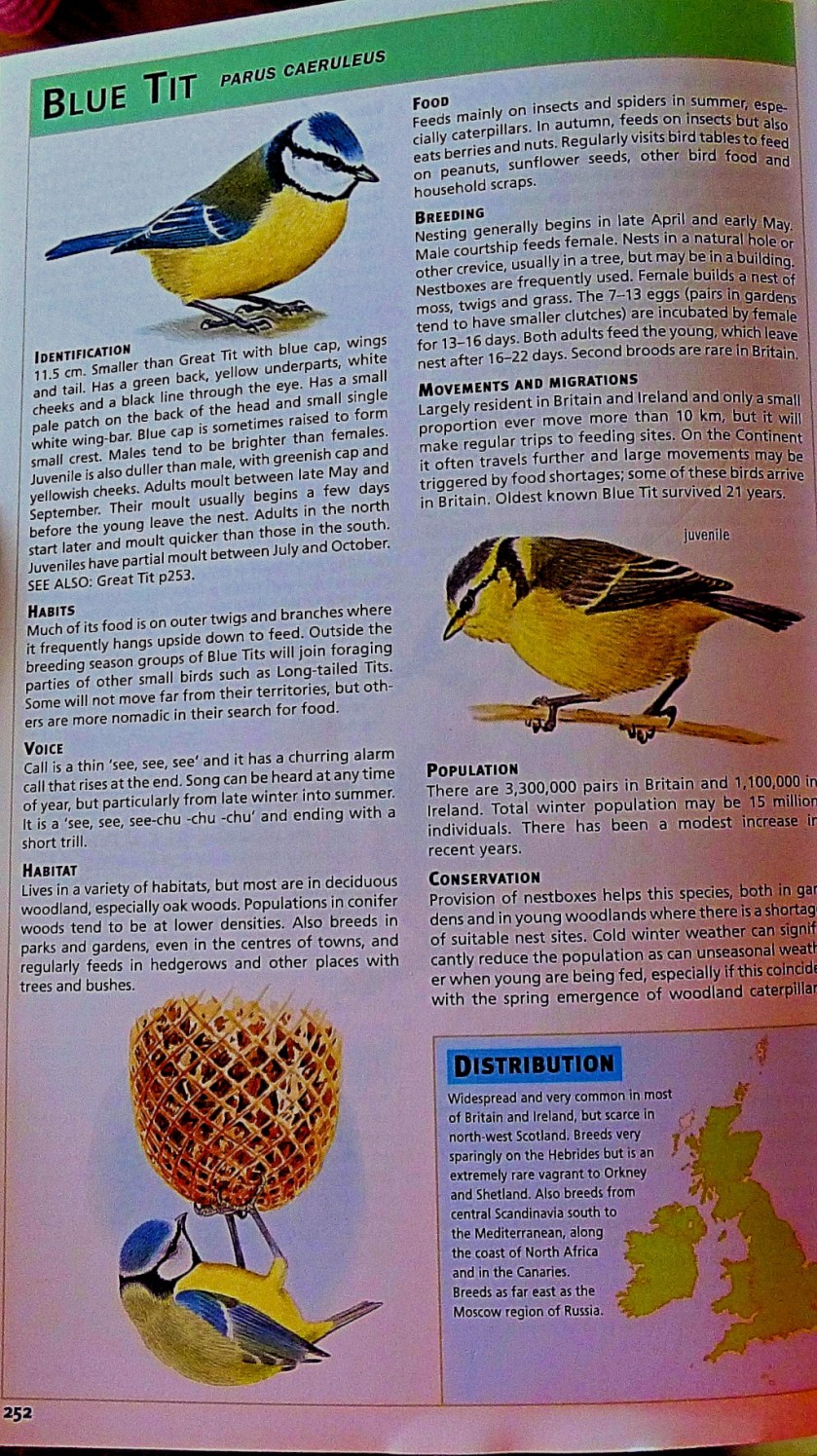
Blue tit - bird book

THE BUTTERFLY

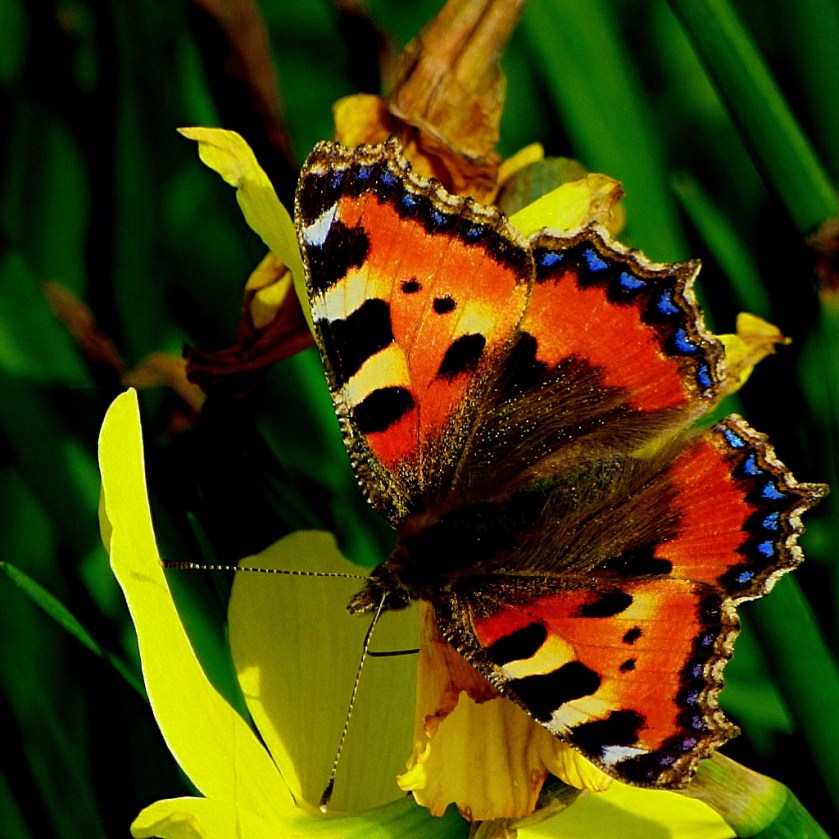
As I approached the Scout Hut where Musical Keys sessions take place, walking along the bank of the Gaywood River I spotted a Small Tortoiseshell Butterfly. I investigated further and finished with six splendid pictures.

Tortoiseshell ButterflyTortoiseshell Butterfly IITortoiseshell Butterfly IIITortoiseshell Butterfly IVTortoiseshell Butterfly VTortoiseshell Butterfly VI

Imaging For a Three Day Auction

A heads up about James and Sons’ April auction – a monster three-day affair.

INTRODUCTION

James and Sons’ April Auction will be spread over three days – the 24th, 25th and 26th. I worked Monday, Tuesday and Wednesday of this week so that we could get the catalogue to the printers and had enough images done to upload it to the-saleroom as well. Then, after some negotiation at the end of Wednesday I also went in yesterday to do another day’s imaging. In the rest of this post I will take you through some of the highlights of this monster sale.

DAY 1: SPORTING MEMORABILIA, EPHEMERA AND BOOKS

Lots 1-250 consists of sporting memorabilia of various types, including speedway, football, tennis and cricket. Here are a few highlights from that section:

1
Lot 1
208
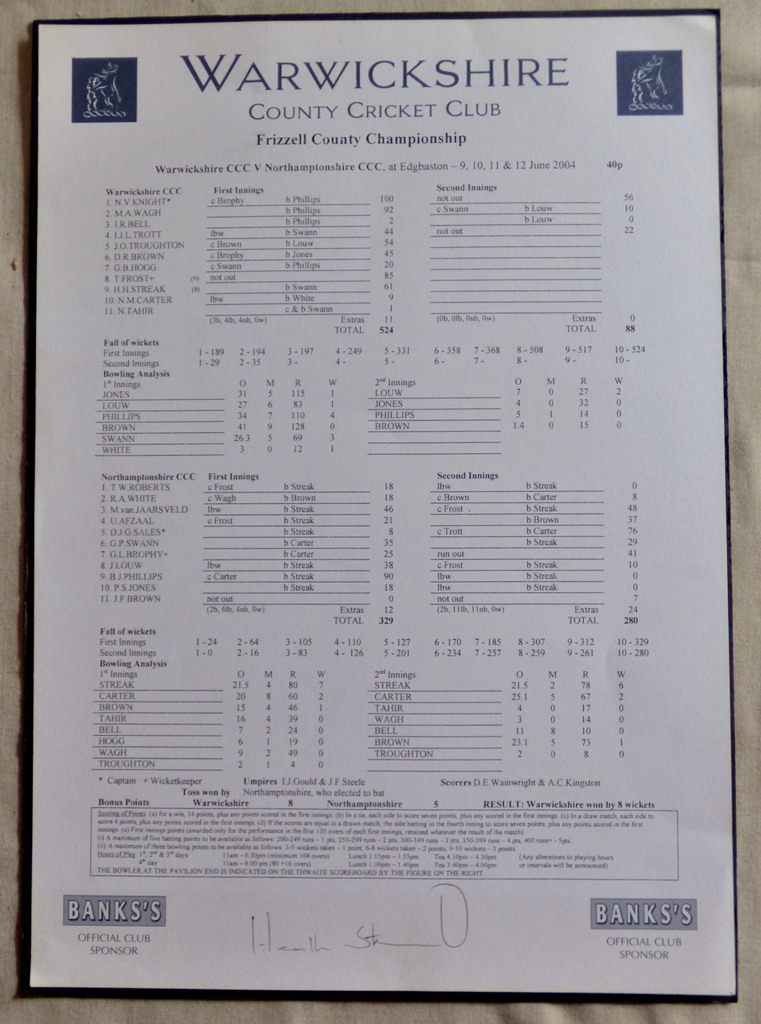
Lot 208 – the signature on this scorecard is that of Zimbabwean fast bowler Heath Streak
92
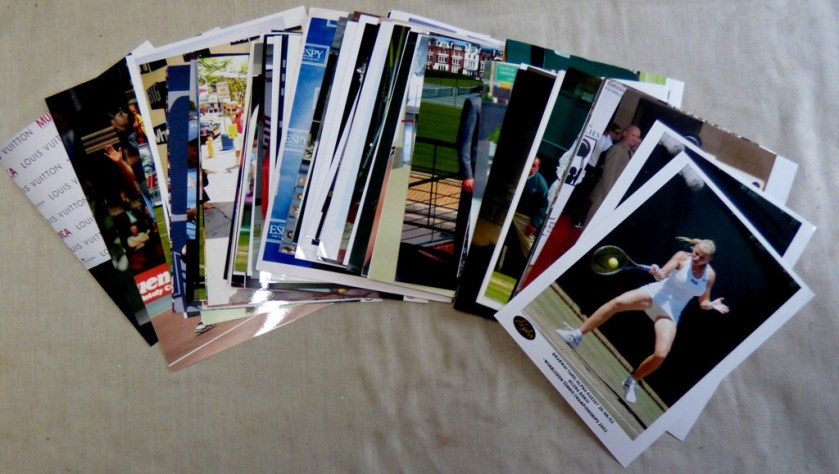
Lot 92 – Some Tennis stills of recent vintage.
190-a
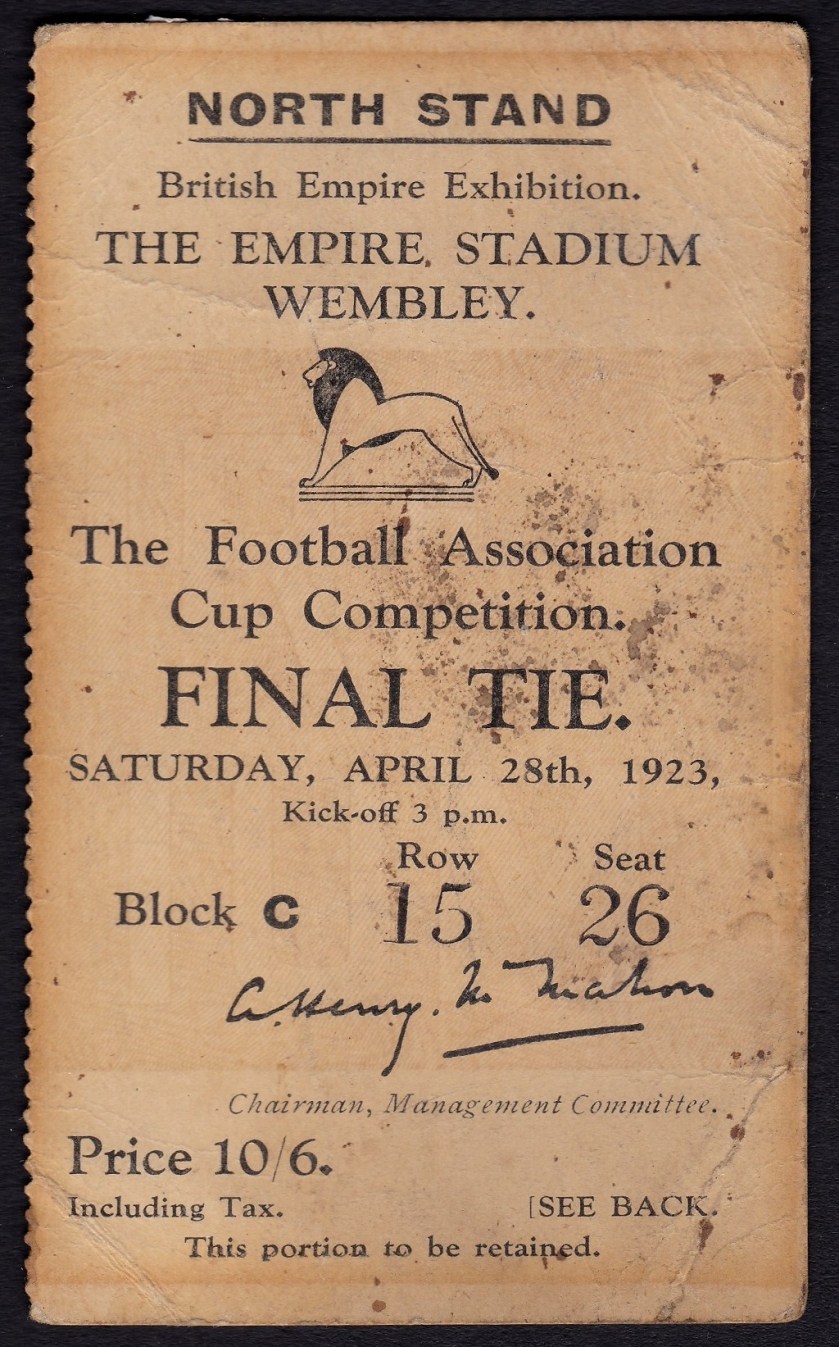
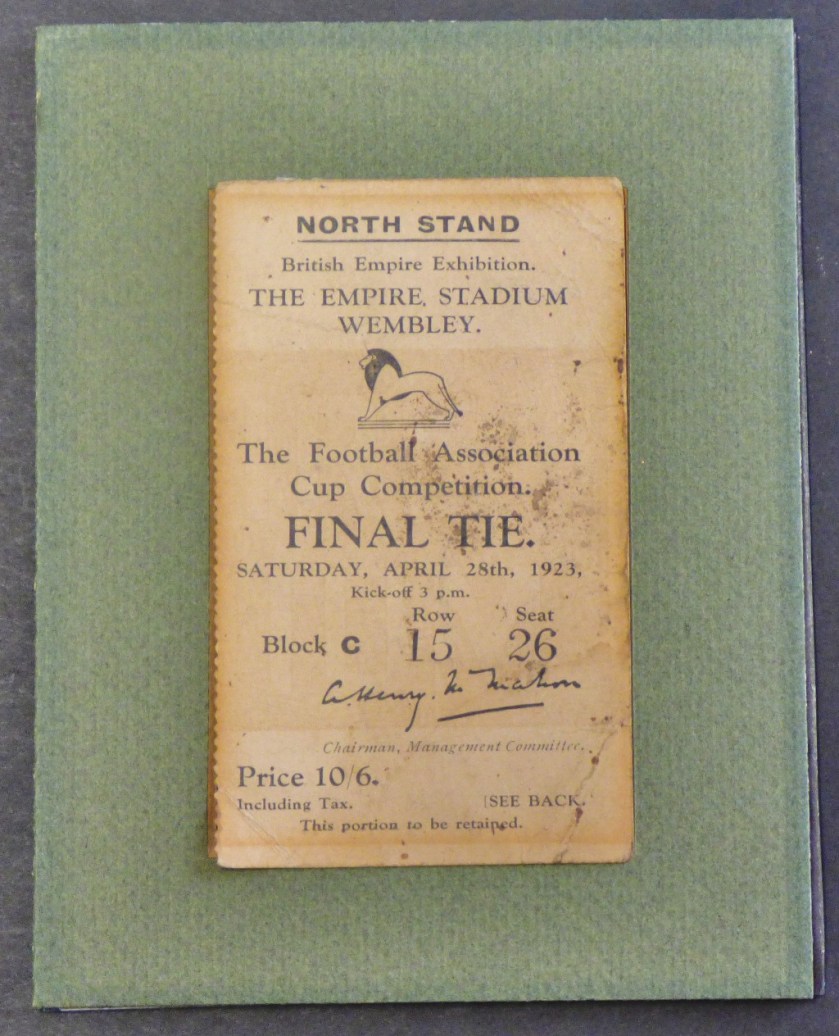
Lot 190 (two images). This was the first FA Cup final played at Wembley, just a fe weeks after the stadium was completed, and for the record Bolton Wanderers beat West Ham United to claim the silverware. This item will fetch in the high hundreds or possibly even into four figures.

190

Most of the books and other ephemera are fairly unremarkable, but here are a couple of highlights from that section:

332
Lot 332 (three images)

332-a332-b

340
Lot 340

340-a

DAY 2: COINS AND MILITARIA

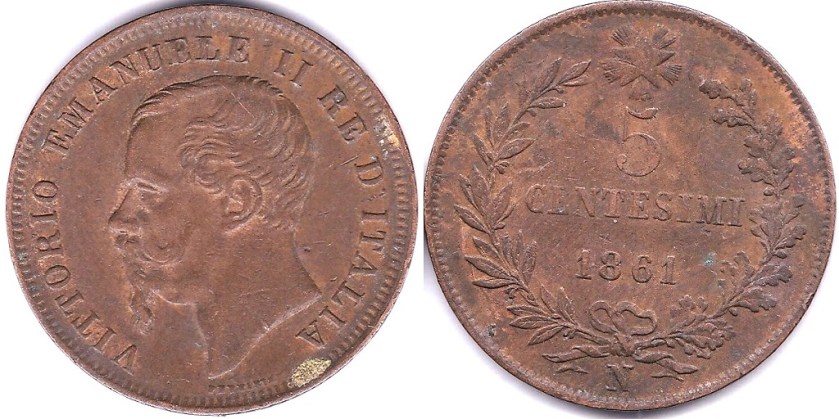
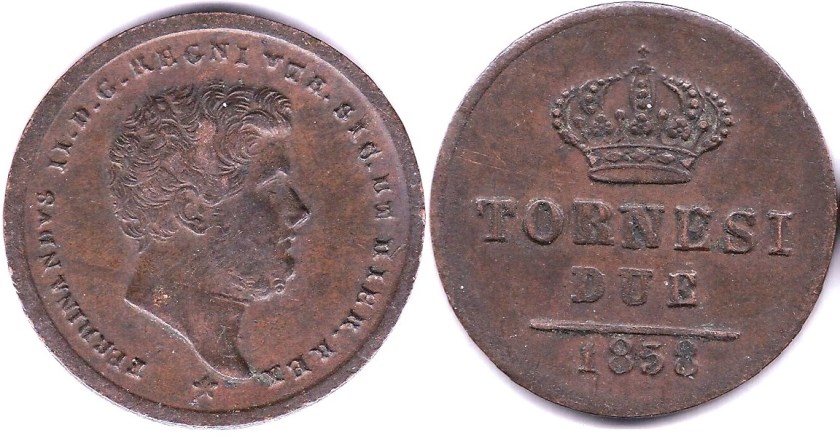
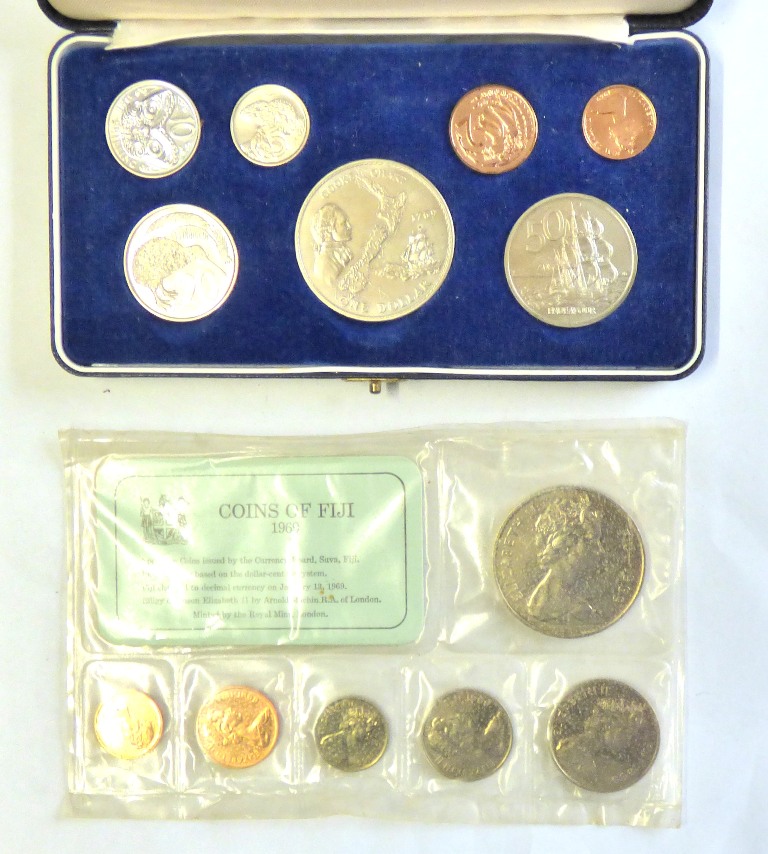
Both these categories are already attracting attention. A few coin highlights:

511
Lot 511
514
Lot 514
539
Lot 539
540
Lot 540
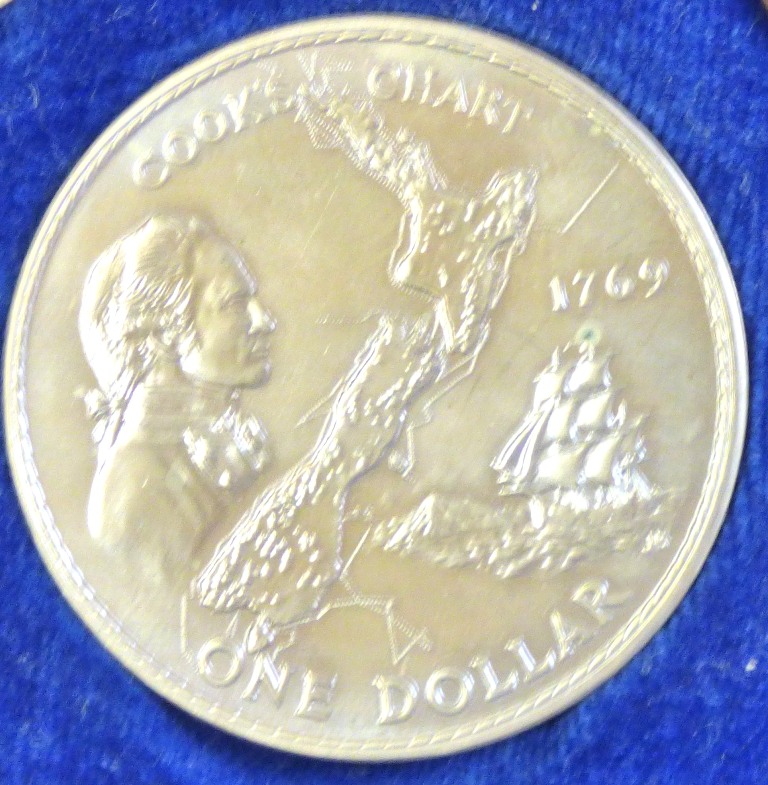
464
Lot 464
464-a
A close-up of the big coin – it is not often that one sees a coin with a map on it.

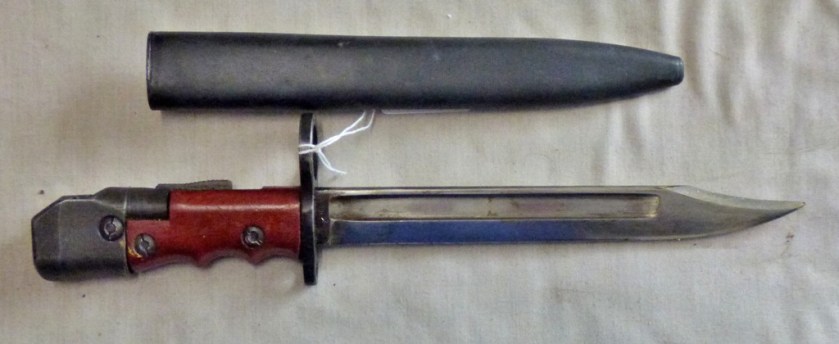
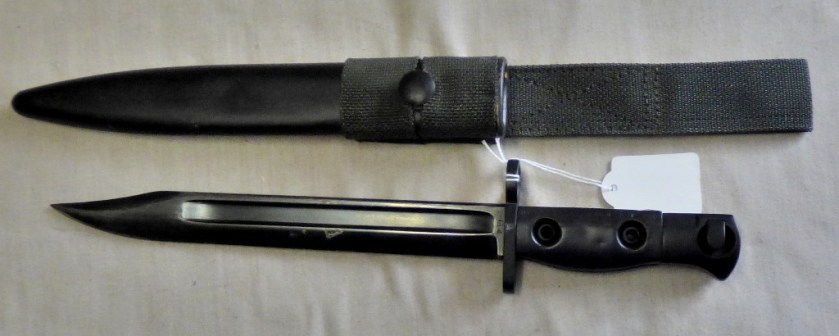
Highlights from the militaria section:

716
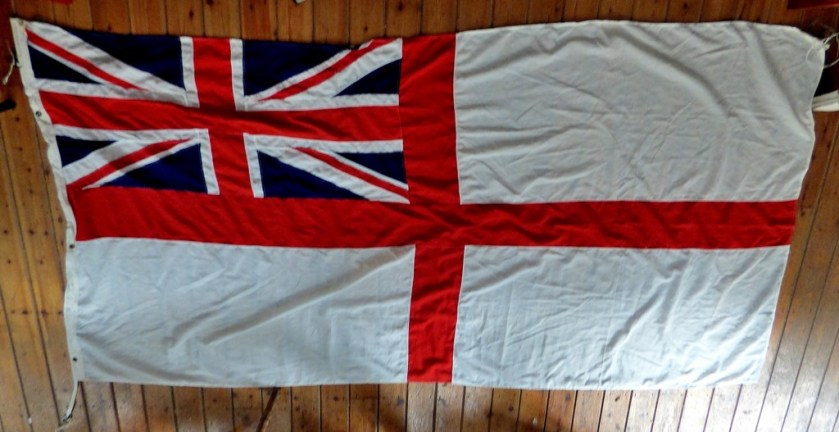
Lot 715 – this Naval Ensign flag is so huge that I had to spread it out on the floor of the shop and stand on a chair to get it all in shot.
716-a
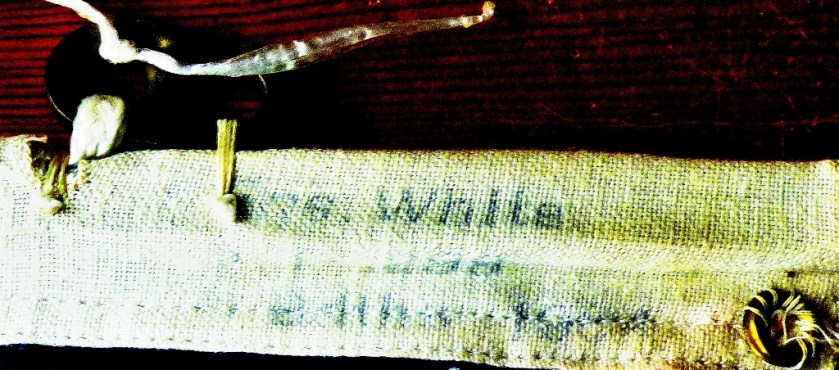
The print on the edge of the flag
761
Lot 761
762
Lot 762
763
Lot 763
764
Lot 764
768
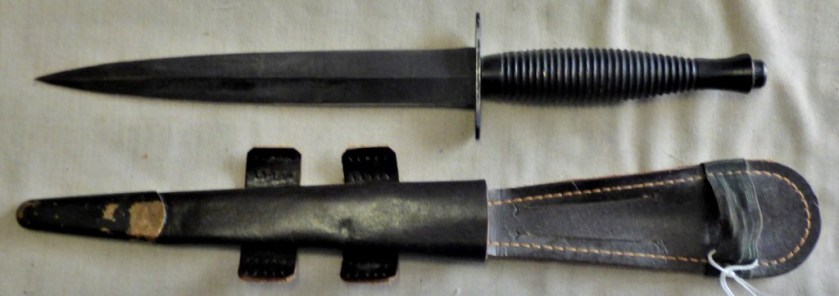
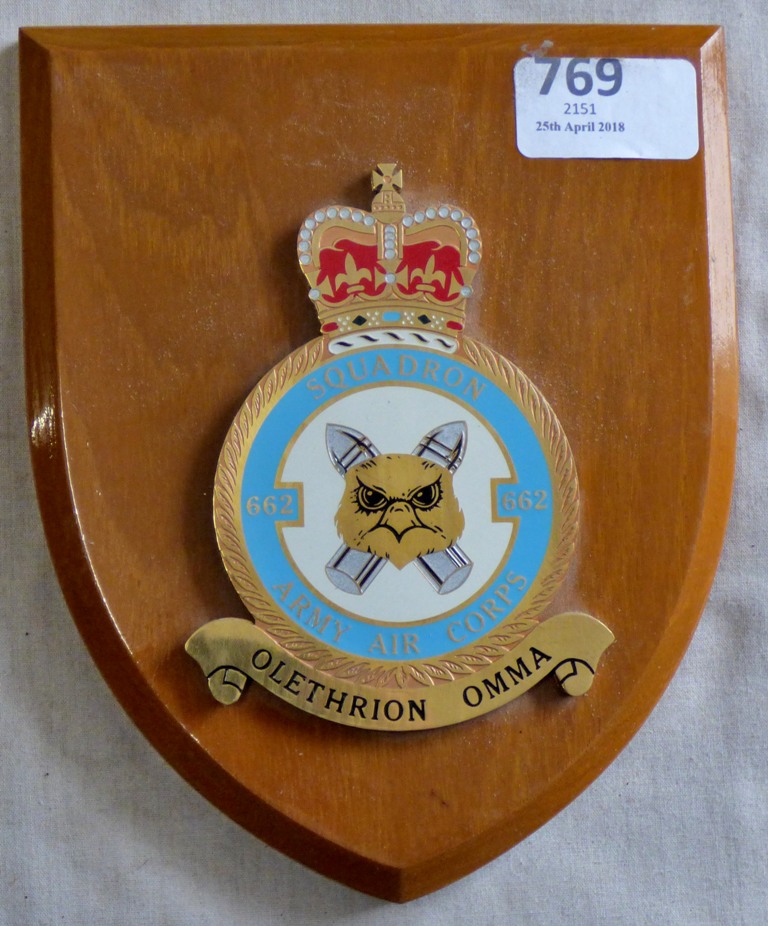
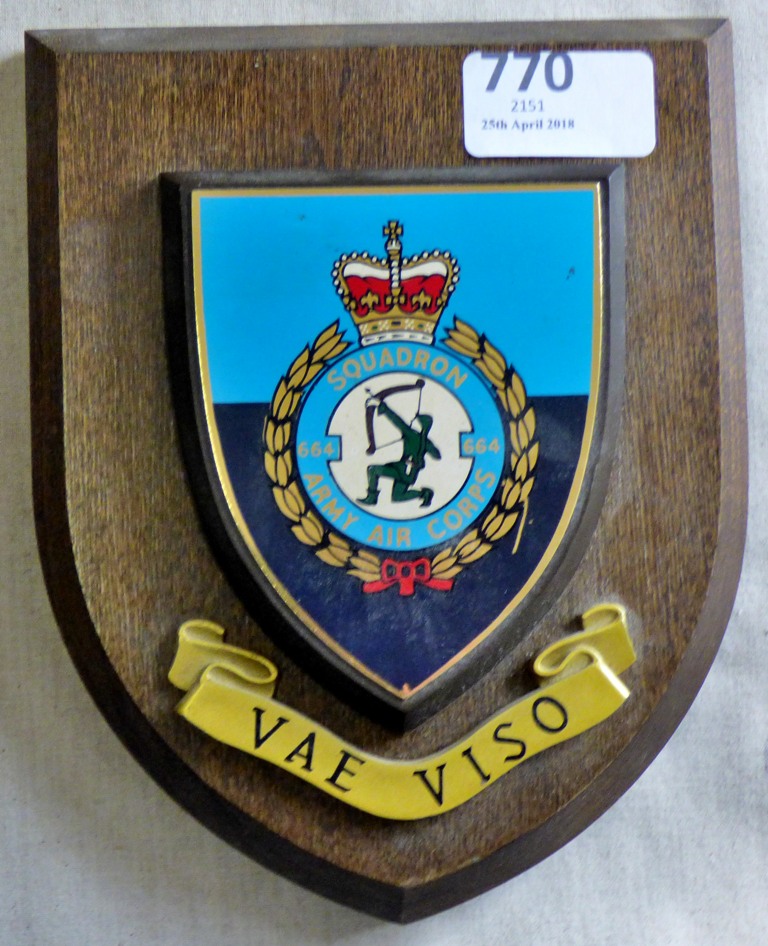
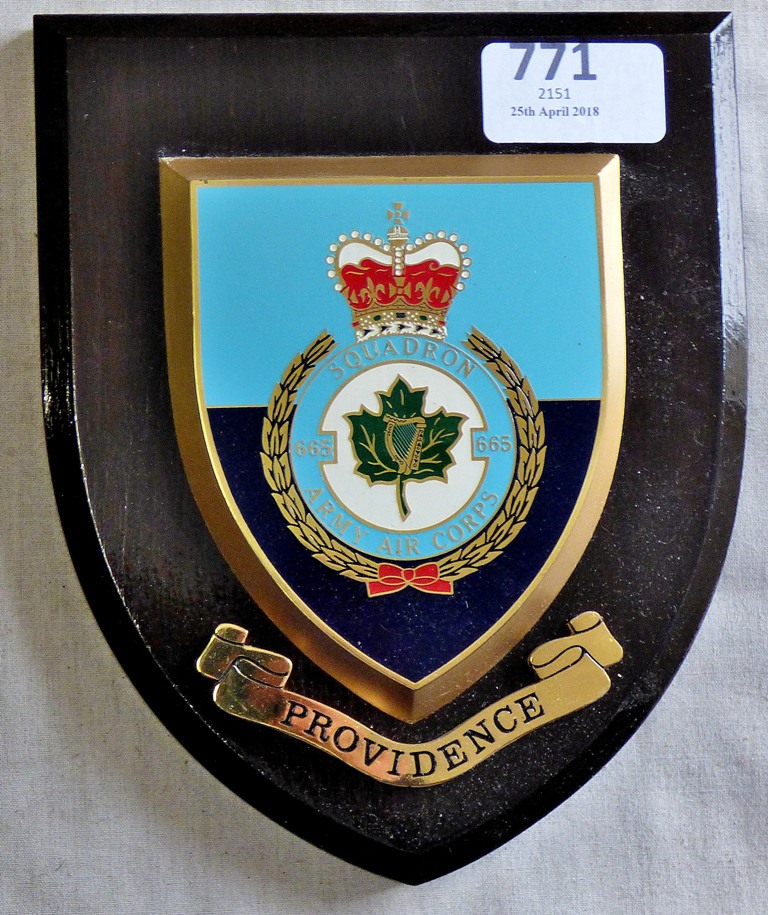
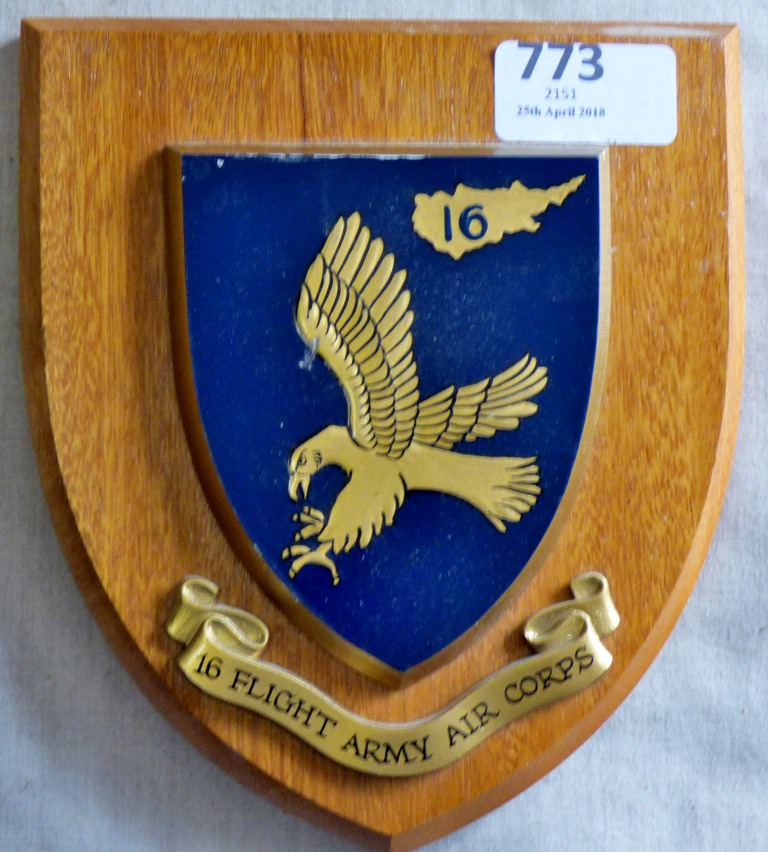
Some interesting plaques.

769770771772773774

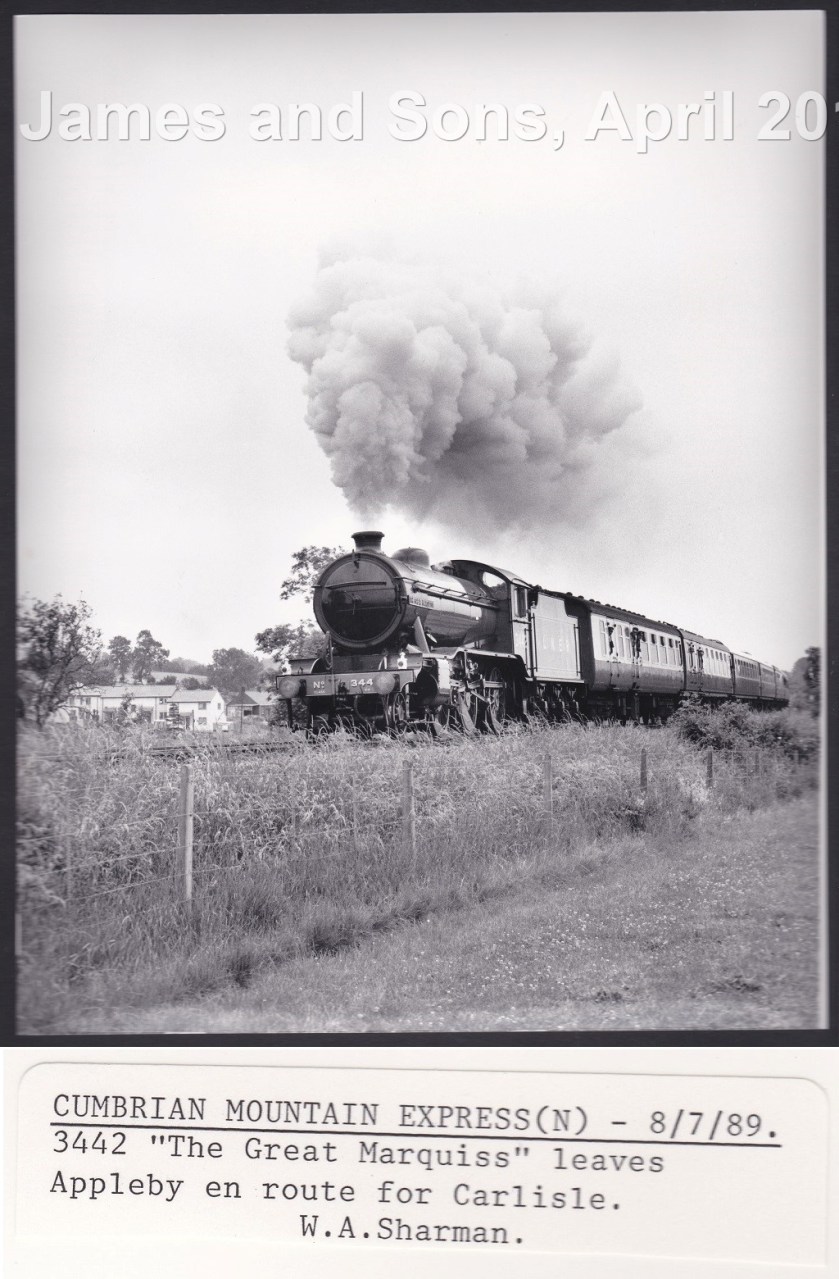
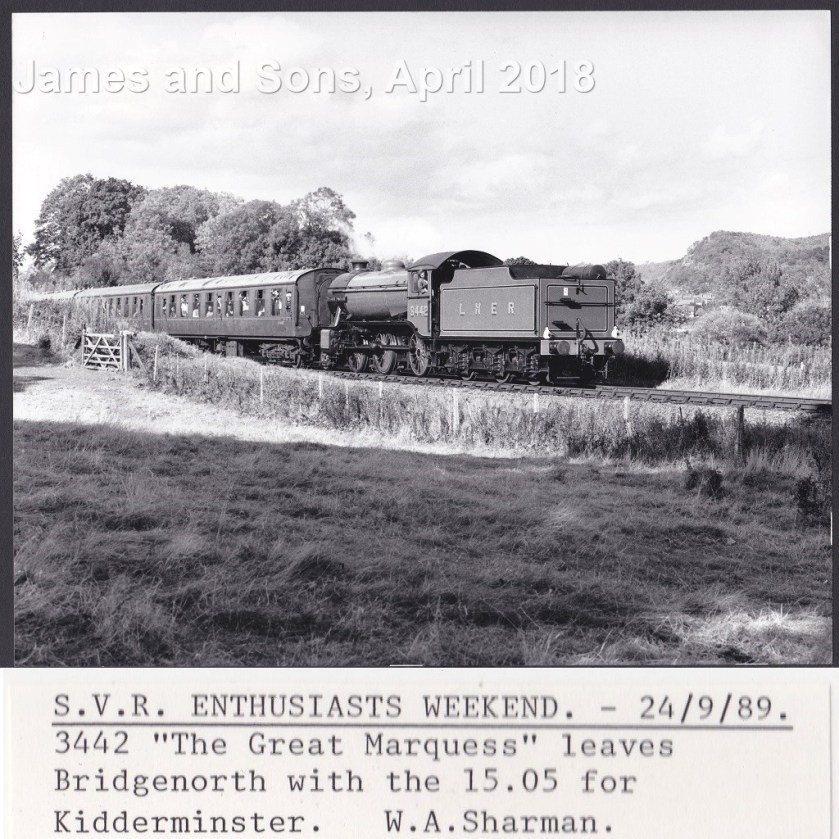
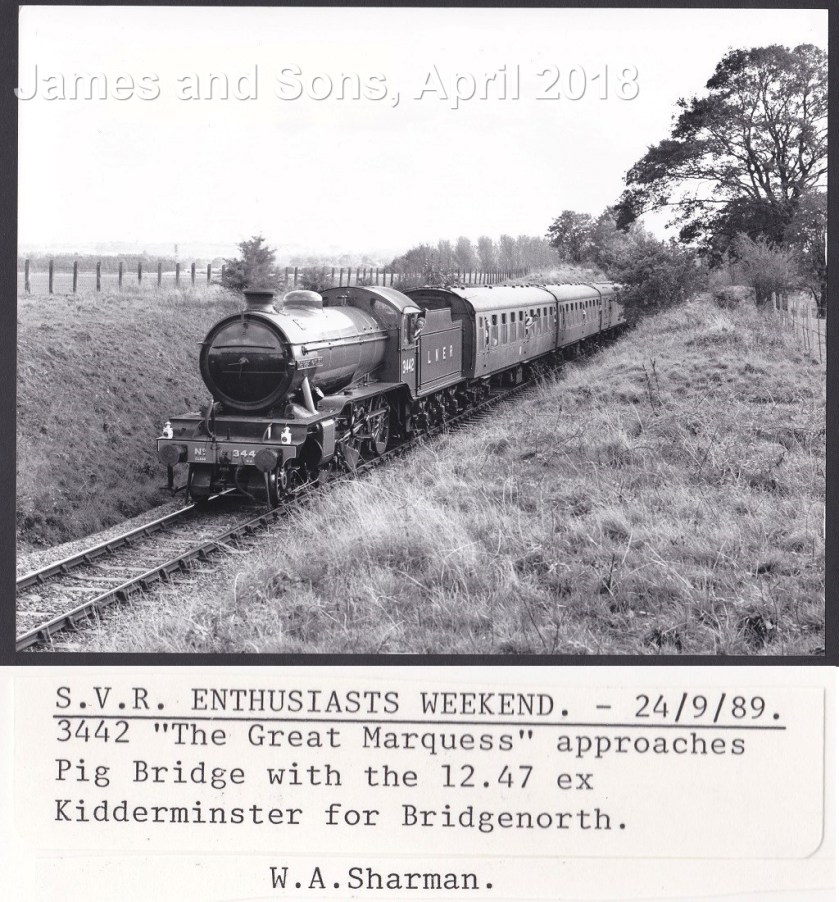
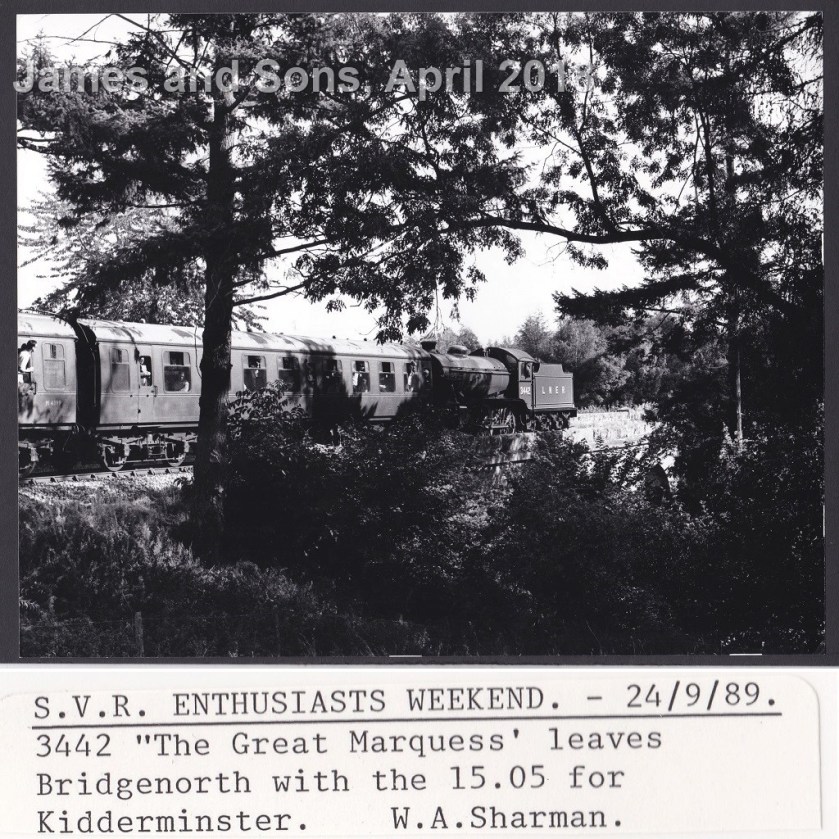
DAY 3: POSTCARDS AND RAILWAY PHOTOGRAPHS (PART 1 OF THE W A SHARMAN ARCHIVE)

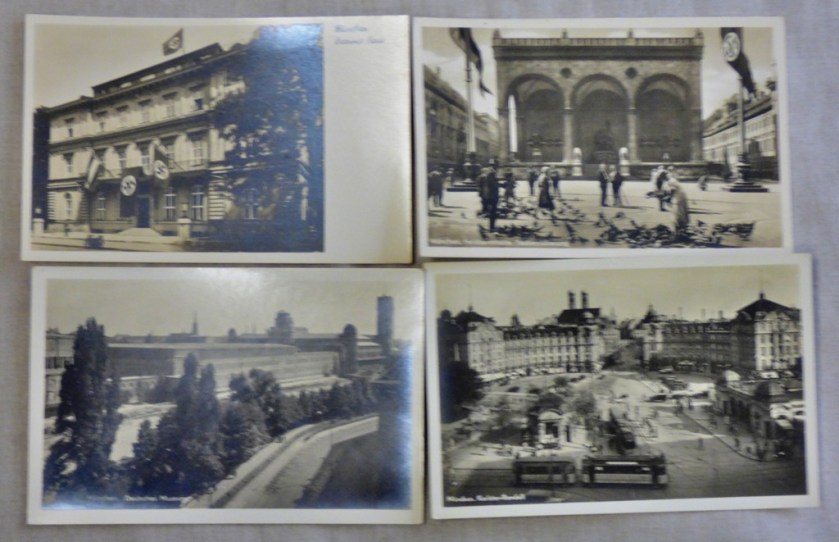
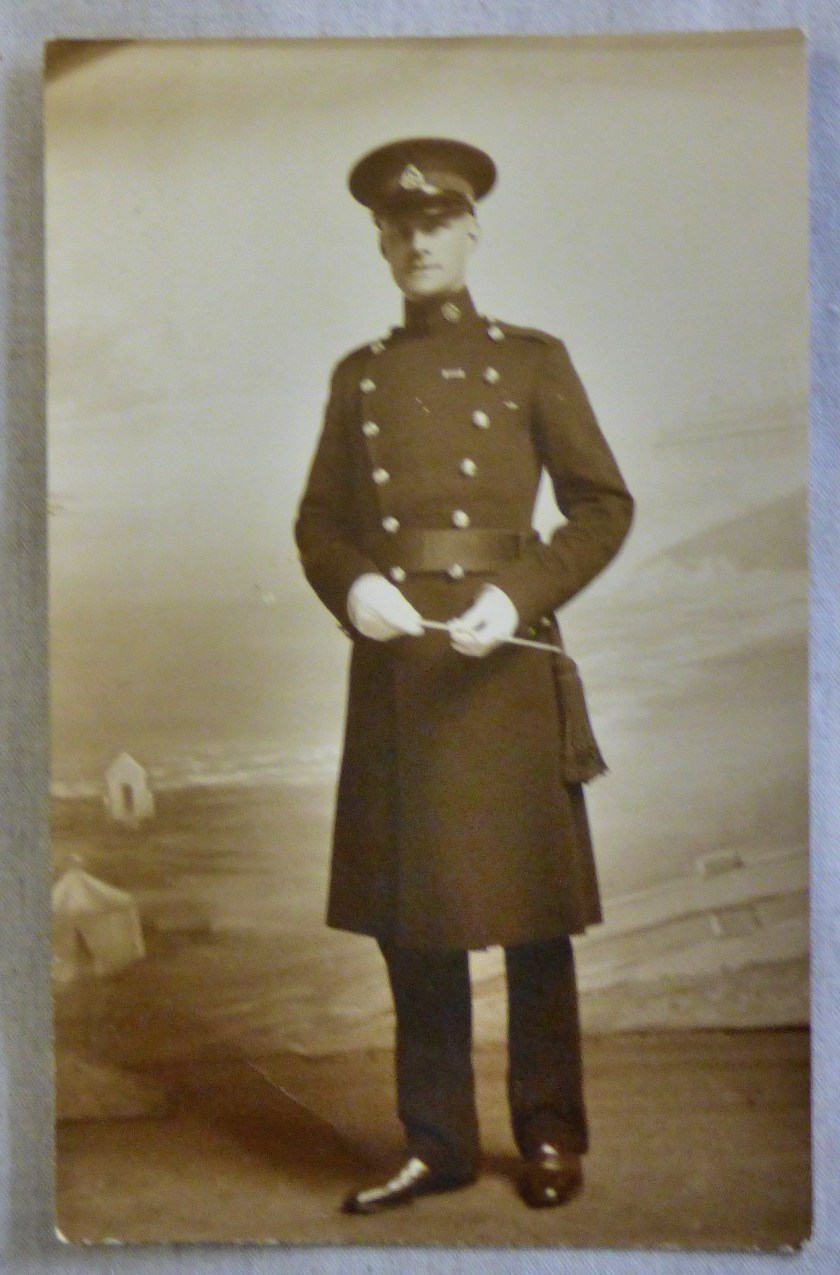
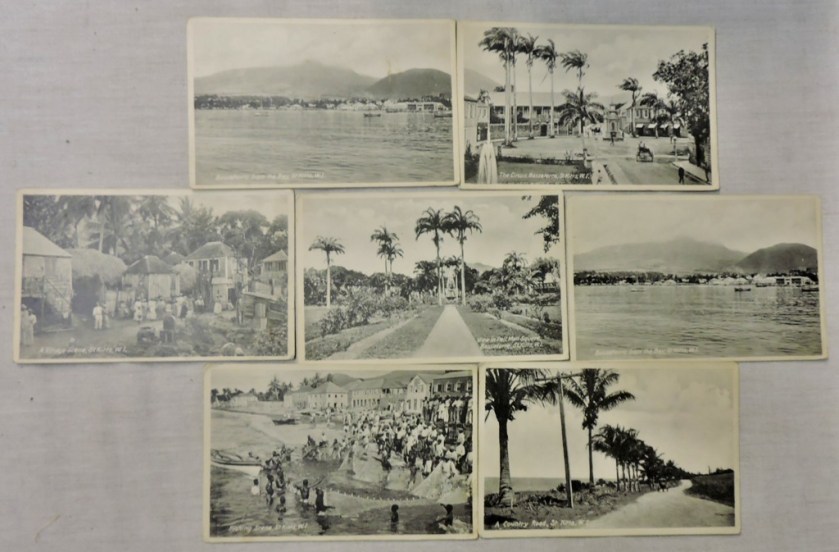
I have imaged all of the postcards, but I am only about one-third of the way through the Railway photographs which will end this auction. Here are some highlights from the postcard section:

997
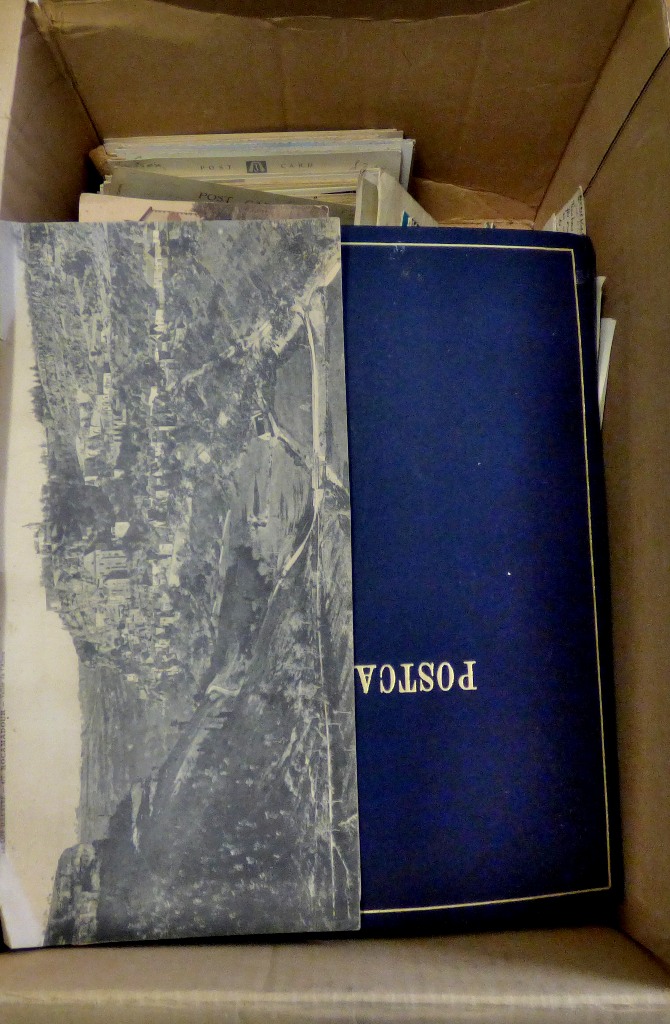
Lot 997
1009
Lot 1009
1018
Lot 1018
1022
Lot 1022 (two images)

1022-a

1040
Lot 1040 – I have already answered one enquiry about this lot.
1047
Lot 1047

1047-a

1048
Lot 1048

1048-a

1050
Lot 1050 – the last postcard lot.

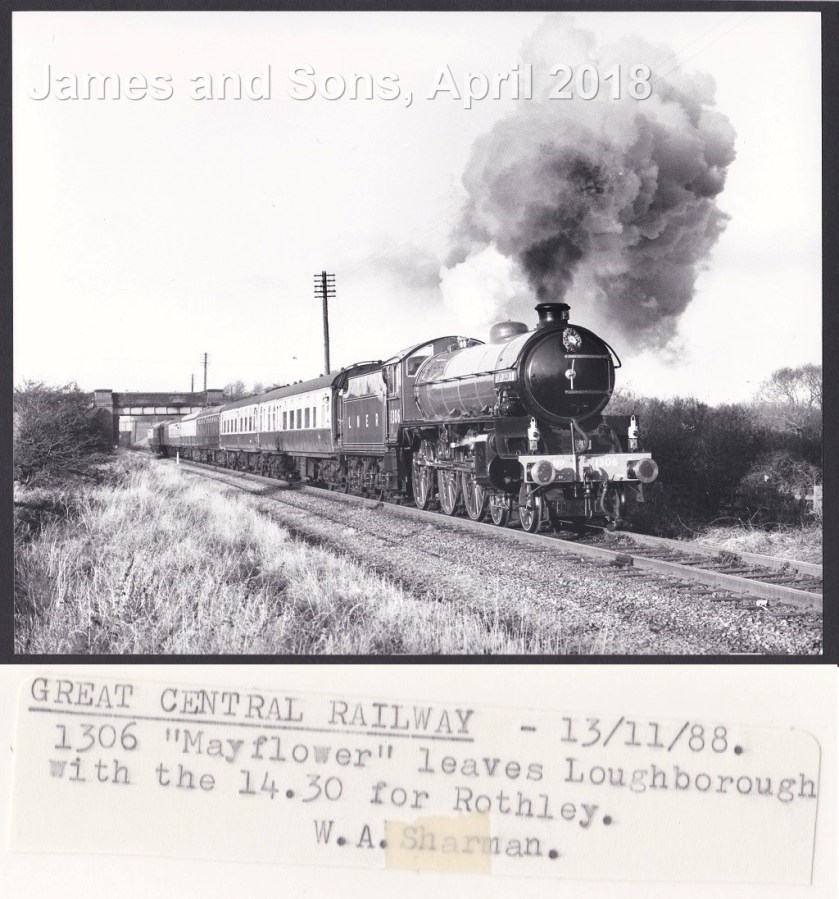
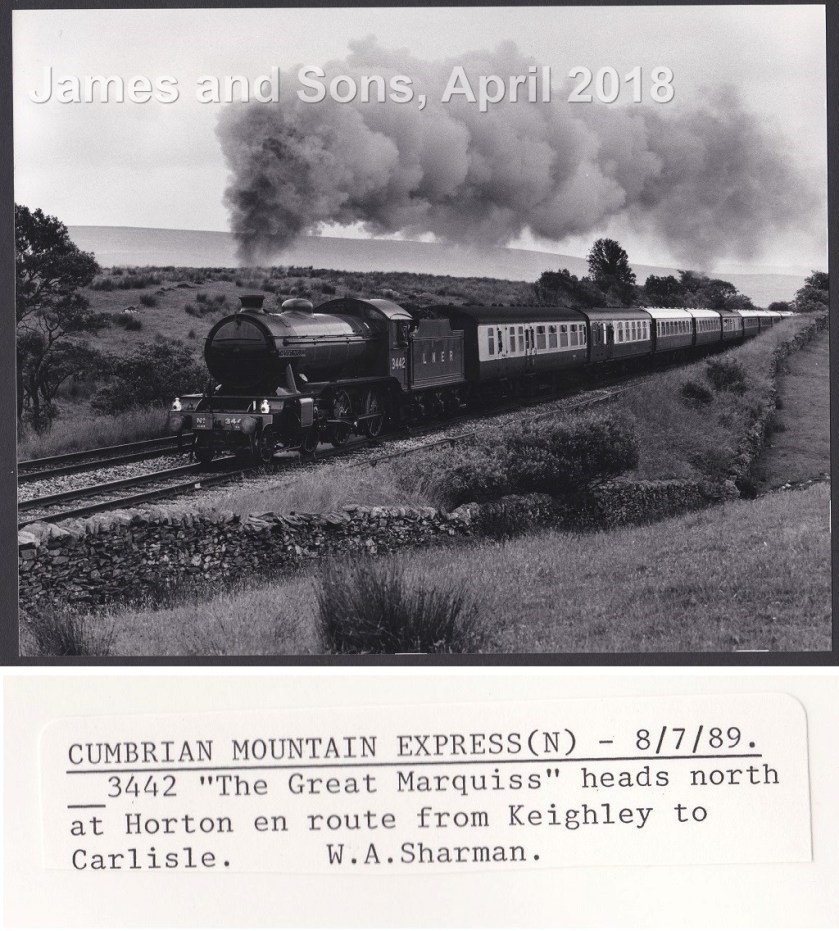
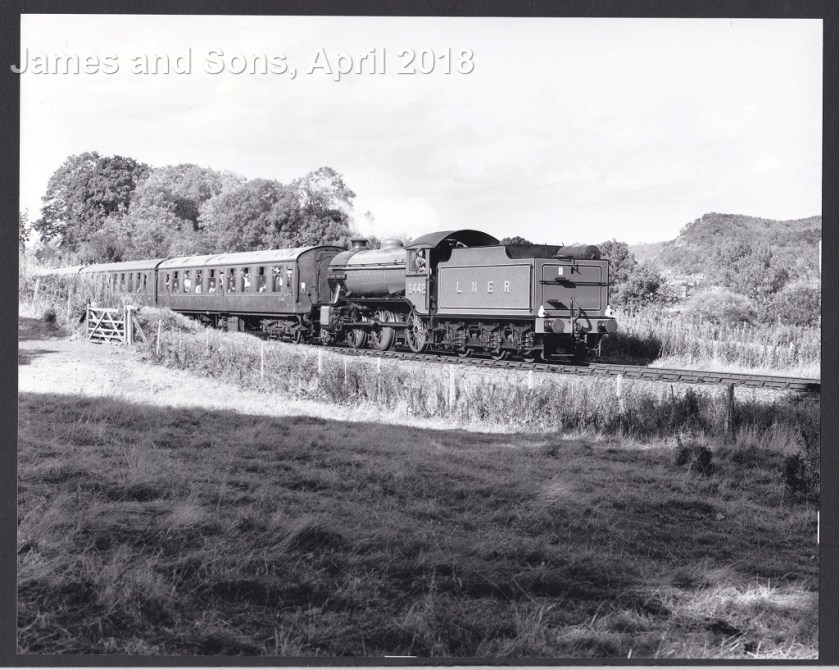
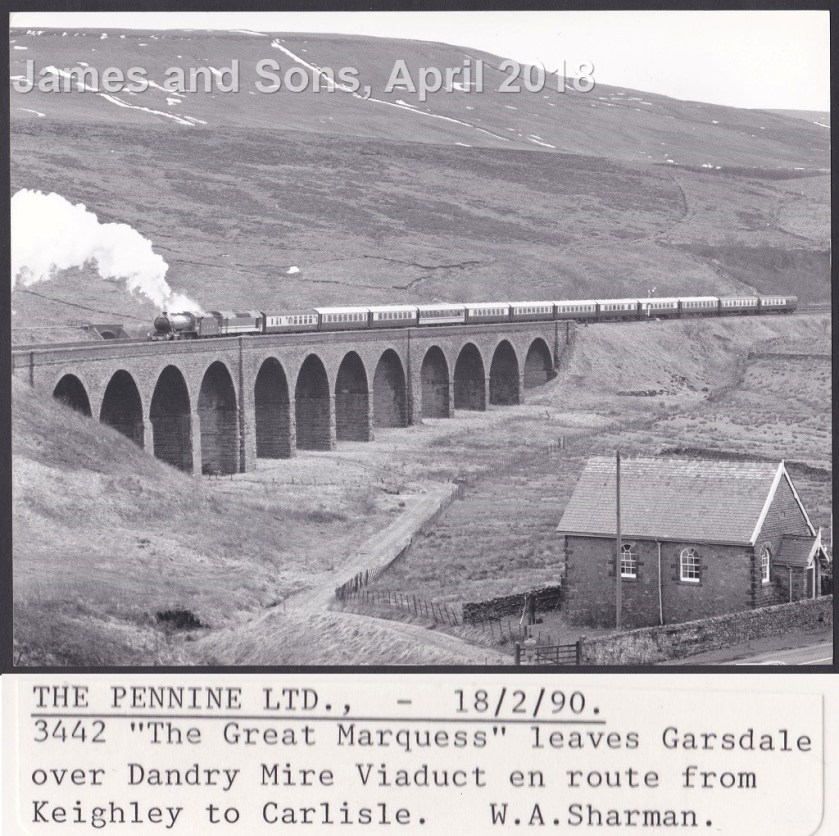
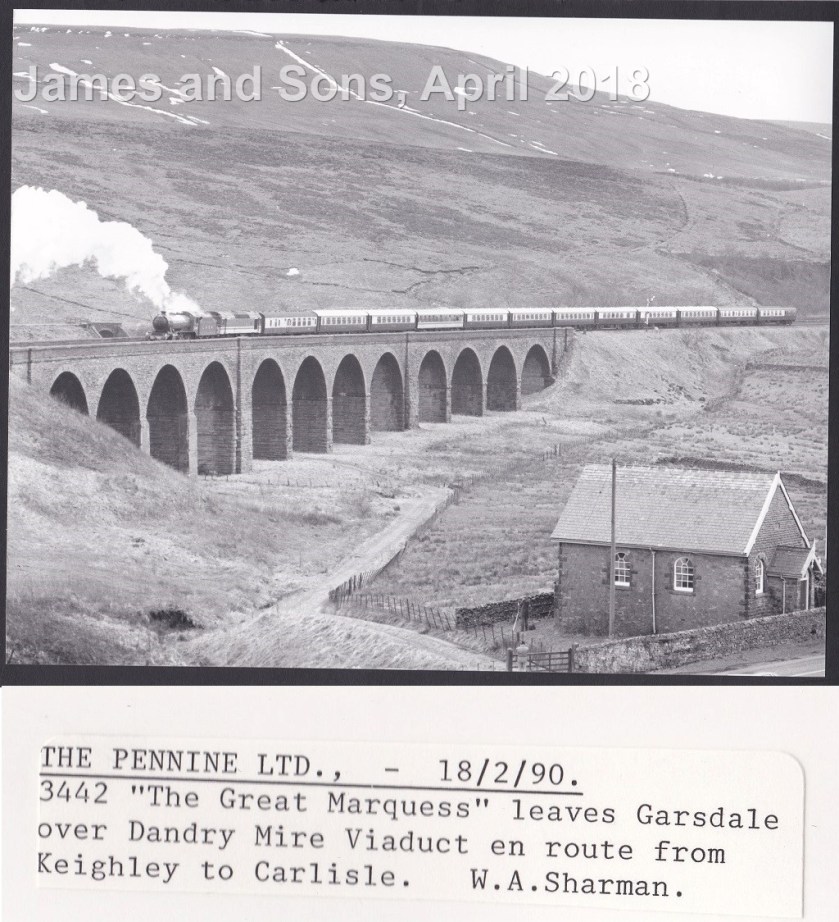
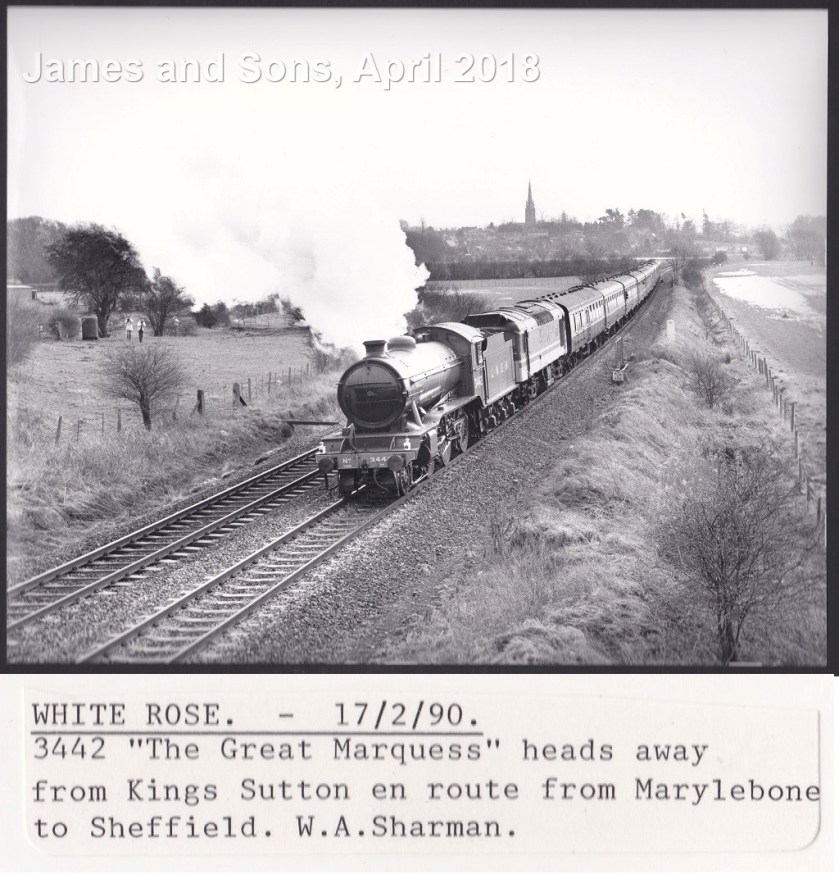
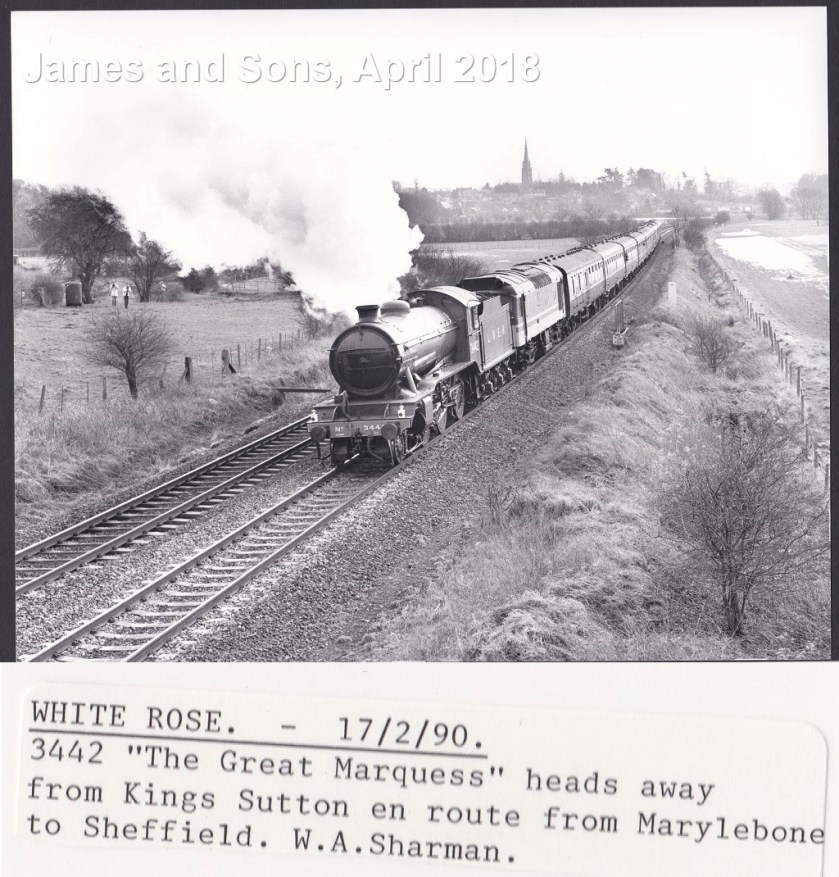
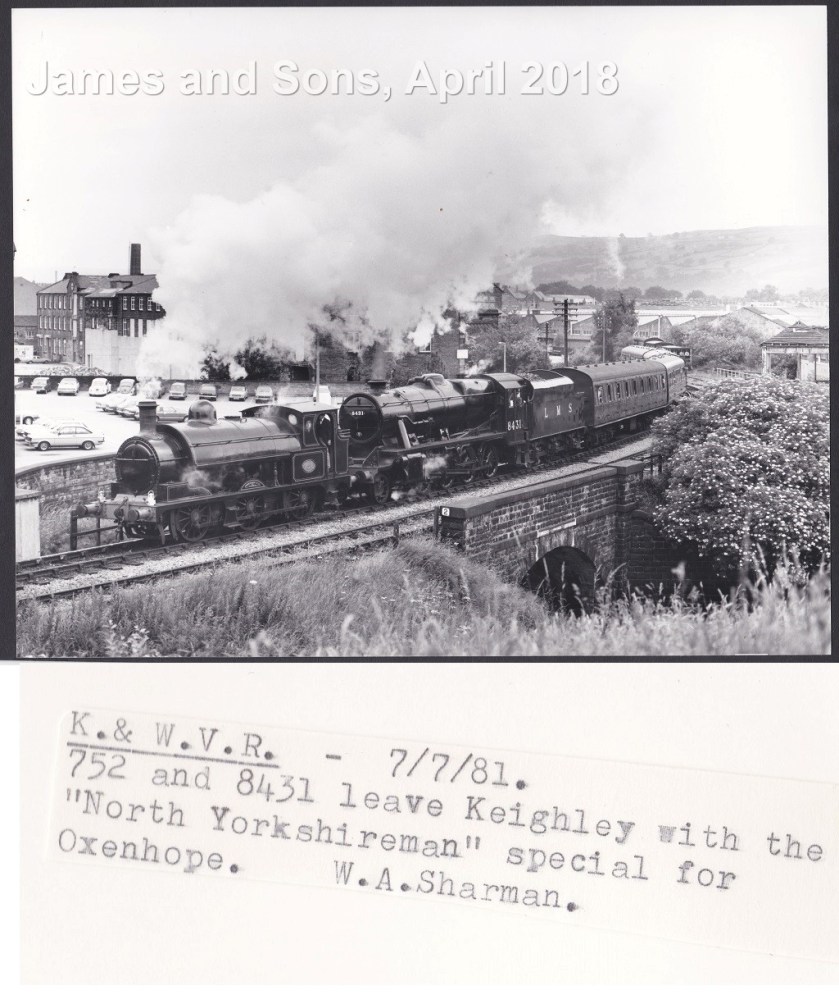
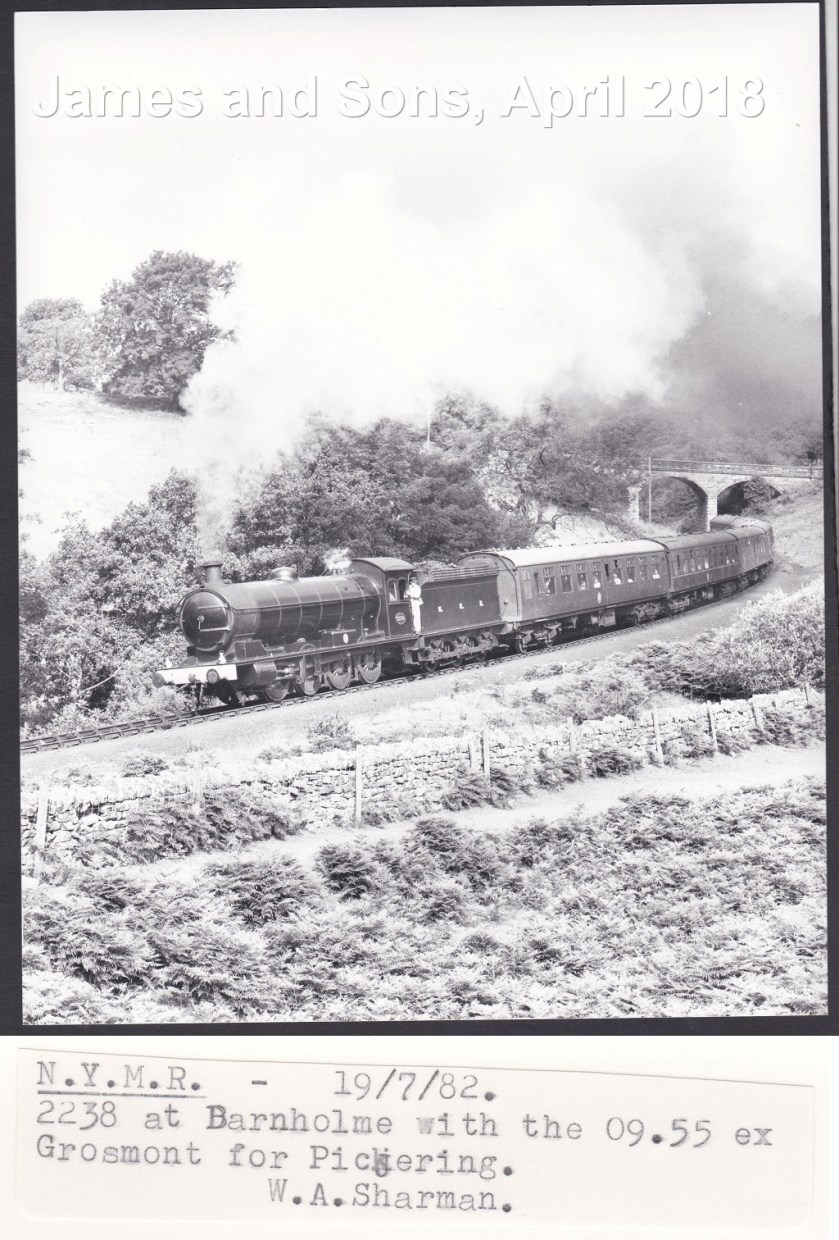
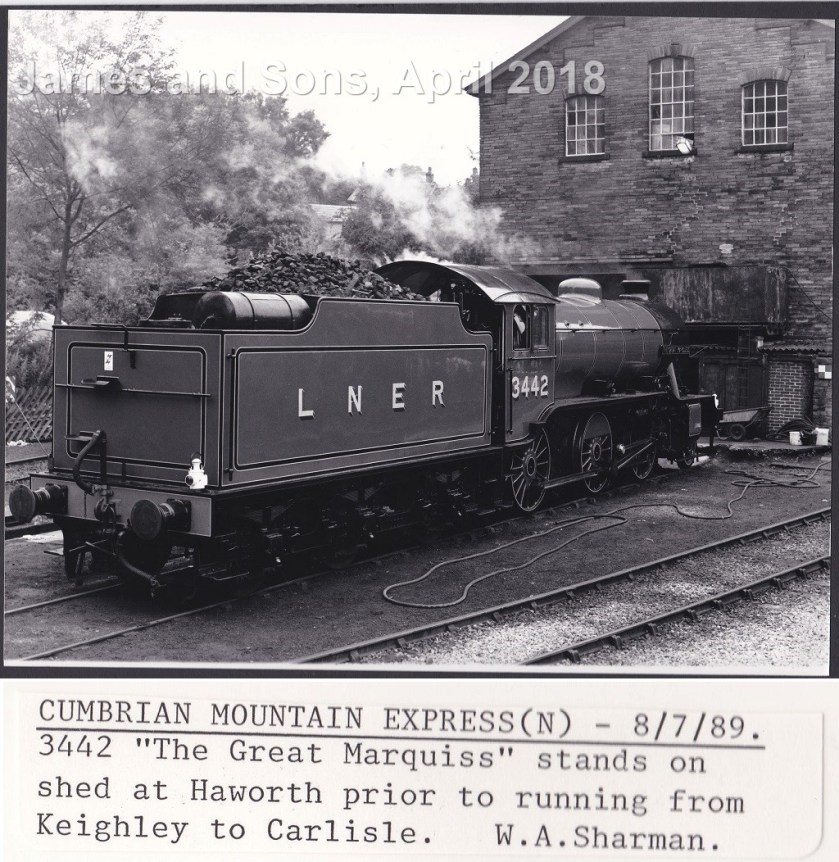
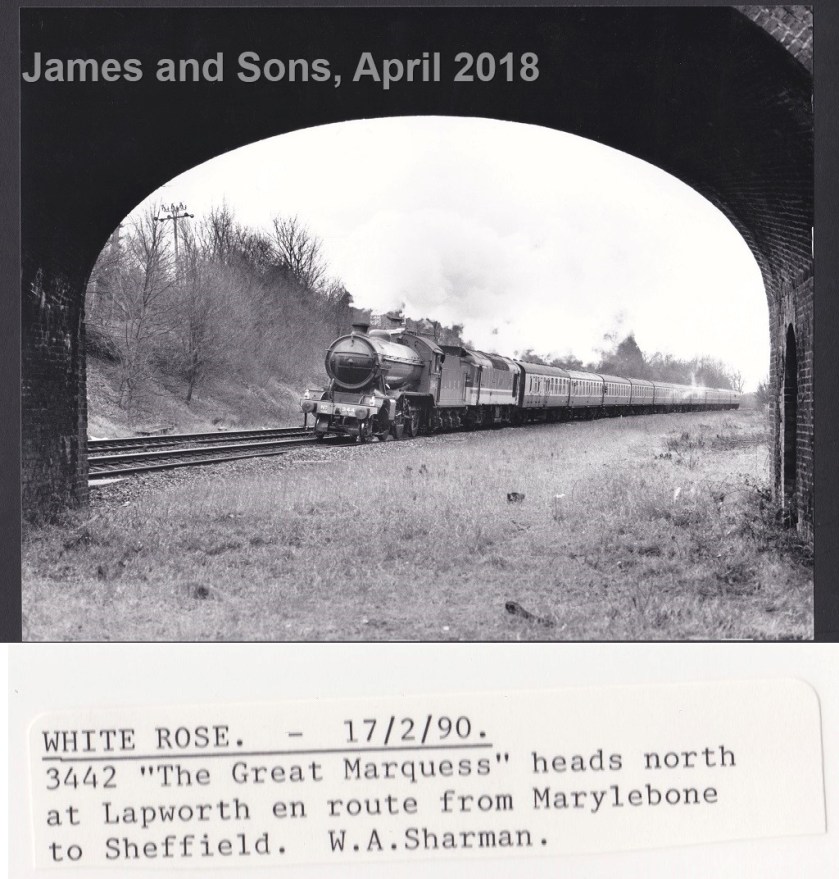
I have been imaging the railway photographs by using the scanner, at 400dpi. I image the photograph itself, the typed label on the reverse, and combine those to form the master image, and when I have a decent number of such images I watermark them so that unscrupulous operators cannot cheat us by printing out the images on photo quality paper. Here are some of the highlights from the watermarked images:

105810631067-a10701075107610771079108010841090109410971099

I finish with a couple of pictures which have extra features of interest:

1071
This one has Bronte connections – not only is this Haworth, where they lived, Branwell Bronte worked on the railways briefly (he was based at nearby Luddenden Foot for the record)
1091
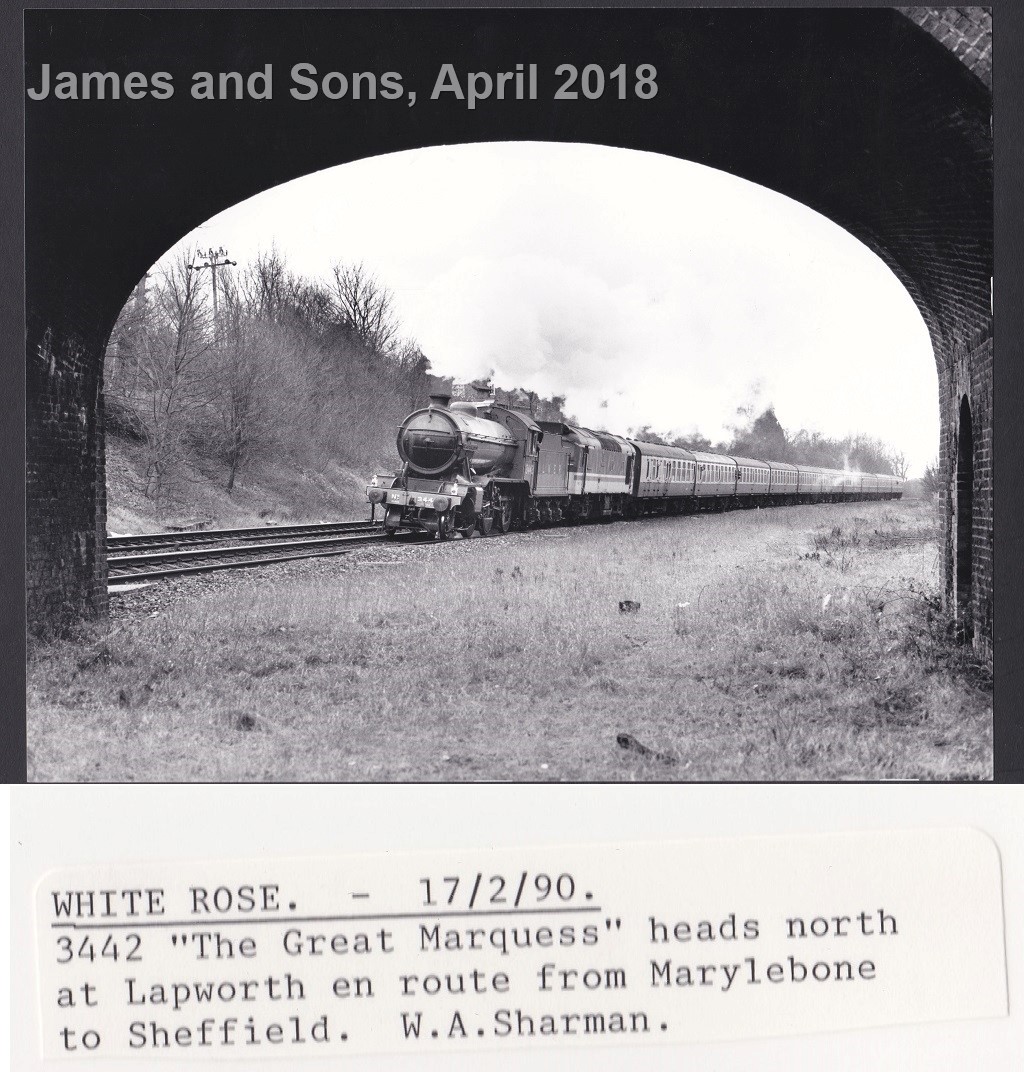
Lot 1091 – a photographer’s pick – note the clever use of the arch to frame the approaching train.

Solutions (And New Problems)

Solutions to my .last set of problems and a new set. Also some photographs.

INTRODUCTION

It has been a few days since my last post, and the principal reason for this will made clear in my next post. Meantime I am starting proceedings for today by answering the questions I included in my previous post, and then setting a couple of new ones.

SOLUTION 1 – TRIANGLE CENTERS

Here is the original problem, from brilliant:

triprob

Here is the answer:

TriAnswer

To explain, here is Alex Warneke’s published solution (one of a number, but the one I like best)

Draw a circle around each figure. The circle drawn around each polygon has a larger circumference than the polygon and therefore a larger radius than the circle. If we consider the ratio of circumference of a circle to perimeter of inscribed regular n-gon we see it is bigger for smaller n and smallest for n = 3.

SOLUTION 2: EBBINGHAUS DISILLUSION

This was the problem:

Ebbinghaus

The two blue circles are exactly the same size. Here is an edited version of the above, deliberately clumsy so that my method of editing it can be seen by all:

Ebbinghaus Disillusion

PROBLEM 1: DECK OF CARDS

The first of two new problems from brilliant that I am sharing in this post:

Card problem

This is a multi-choice question, the possible answers being:

a) Less than 50%
b) More than 50%
c) Exactly 50%

PROBLEM 2: GROYNE

Again from brilliant:

Groyne Q

As the title of this section indicates I have identified a clear-cut mistake in the wording of the question – there may be room for doubt as to whether the indicated structure is a groyne or a jetty, but it is most definitely not a ‘breakwater’ – such would be entirely out at sea, not stretching from the land into the sea. 

PHOTOGRAPHS

MinsterMajestic Clock TurretGreyfriars Tower

Come On Aldi, Show Some Tree-spect

A petition, a Thunderclap, a message to Aldi, some photographs, and a couple of little snippets.

INTRODUCTION

Although there will be a couple of minor items tacked on that the end, this post is mainly devoted to a thunderclap and a petition, both regarding an area of woodland that adjoins a Nature Reserve and is under threat from plans by supermarket chain Aldi. 

SAVE QUESLETT TREES

There are two parts to this, starting with…

A THUNDERCLAP

To participate in the Thunderclap you need to be on facebook and/or twitter and/or tumblr. Below is a screenshot formatted as a link:

ATC

Linked to the Thunderclap is a petition, a screenshot of which appears below, again formatted as a link.

QTP

The main business of this post ends with…

A MESSAGE TO ALDI (AND PLANNING AUTHORITIES)

I feel very strongly that Aldi should accept the initial negative decision, especially given how many supermarkets (including two other Aldis) are located close to this area already. I am a fairly regular customer of Aldi stores in my own part of the world, but that may not remain the case if Aldi do not reconsider their stance over this. I conclude with some advice for all involved in this decision to consider, tendered in the form of a picture created by Anna from a comment I posted on her blog:

Nature Meme.jpg

PHOTOGRAPHS

Here are some of my recent photographs, before I finish off with a couple of minor items. 

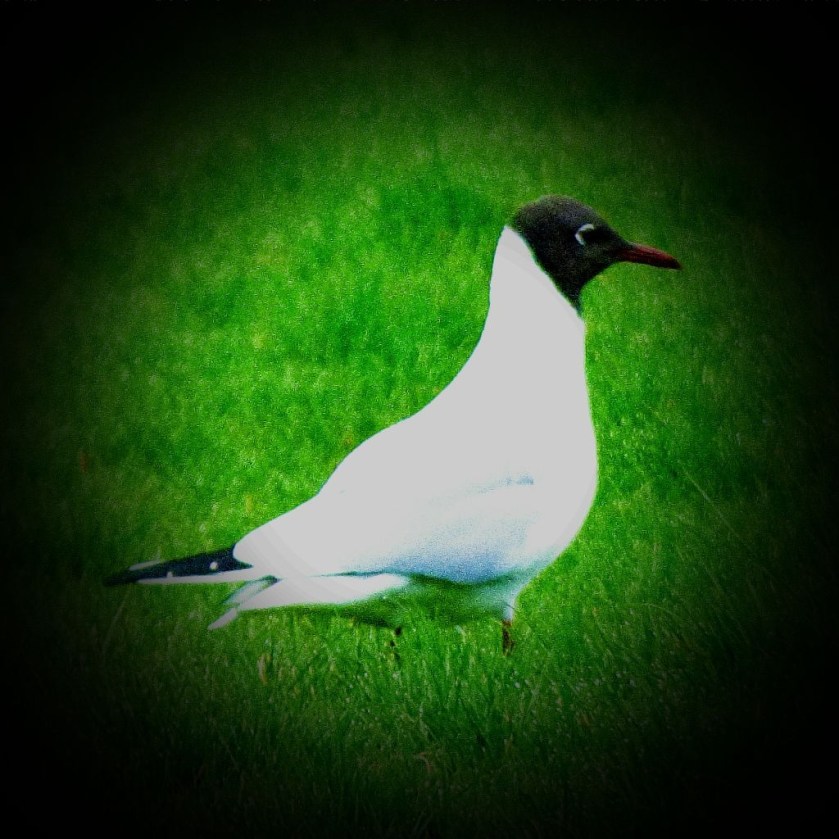
Black backed gullsBird gatheringBird gathering IIelusive squirrelBird gathering IIISquirrelSmall waderBirds in treeBirds on a wallbird laden treeCormorant MDCLXVICormorant MDCLXVIISea BirdsWest Lynn ChurchCormorant and gullsRedshankThree gull specieslesser black backed gullsBlack headed gullHerring gullSmall bird in valley

A COUPLE OF NUGGETS

The last few days have seen two numbers come up for me:

  • 300 – the number of successive days on which I have solved at least one of brilliant’s problems – here is one of them for you:
    triprob
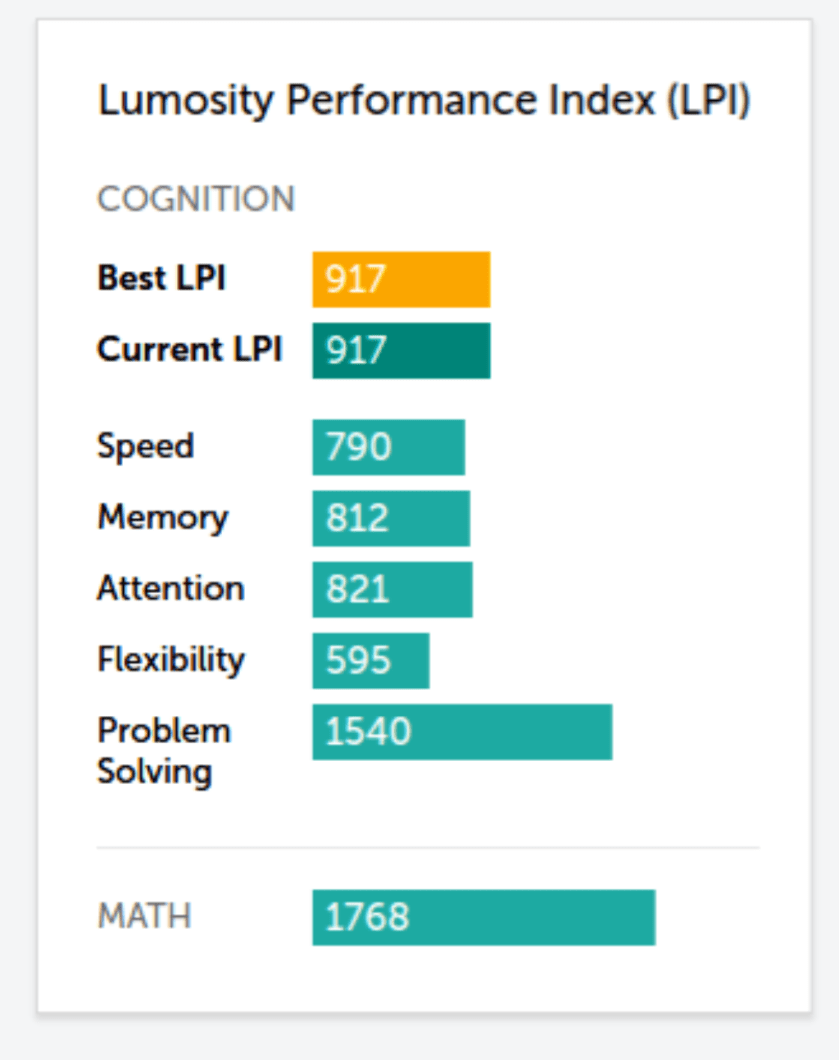
  • 900 – my Lumosity Performance Index has just exceeded this value (after this morning’s workout it now stands at 917. Below, concluding this post is first the breakdown of my LPI, and second a little puzzle for you:
    LPI

    Ebbinghaus
    Solutions will be in a future post.


The Ends of Two Series

Final thoughts on two test series and one major cricketing scandal. Also some photographs.

INTRODUCTION

This post deals with the two test match series that have recently concluded and associated fallout. We start with…

SOUTH AFRICA 3 AUSTRALIA 1

Before getting into my account of the onfield happenings, it is time for an update on…

THE UNHOLY TRINITY

Cricket Australia have hit Steve Smith, Cameron Bancroft and David Warner with substantial playing bans, augmented in the case of Smith and Warner with bans on subsequently occupying leadership positions. The trio have a day left to appeal against these bans, and Smith and Bancroft have already said they will not do so (here and here). To my mind the fact that the other two have already accepted their bans leaves Warner with only two choices: accept the ban as they have, or announce his retirement from all forms of cricket with immediate effect (he is the oldest of the trio, and would probably find relaunching a professional career at the age of 33, as he would be when his ban expires, quite tough). It also leaves the Australian Cricketers Association with a lot of egg on their faces, since they have gone into bat on behalf of the trio, two of whom have now accepted the ban handed out by Cricket Australia. 

AUSTRALIA ANNIHILATED

In the final match of the series in which the scandal referred to above broke South Africa batted first and put up a daunting total of 488, (Markram 152, Bavuma 95 not out) before Australia replied with a modest 221. With a draw sufficient to secure their first home series win over the Aussies since readmission in 1992 South Africa declined to enforce the follow on. In the second South African innings Faf Du Plessis made a fluent century and Dean Elgar a limpetlike 81 in five and a half hours, and they batted until tea on the fourth day to ensure complete safety (there were injury worries about three of their frontline bowlers). Faced with a purely nominal fourth innings target of 612 Australia collapsed to be all out for 119. Vernon Philander emerged with figures of 6-21, while Morne Morkel finished his test career by claiming the final Australian wicket. South Africa’s winning margin of 492 runs was the biggest victory by a runs margin in a time limited test (the three bigger margins that have been recorded, 675 runs by England against Australia in 1928, 562 runs by Australia against England in 1934 and 520 runs by Australia against South Africa in 1911 were all in timeless matches, because all test matches in Australia were played to a finish between 1888 and 1946, and the Oval match in 1934 was settling the fate of the Ashes, and was played to a finish for that reason, as had happened in 1926 and 1930 and would happen again in 1938). More information about this match is available on cricinfo.

ENGLAND IN NEW ZEALAND

This was the second match of a two-match series and England needed to win it to square the series. A century by Jonny Bairstow helped England to a first innings total of 307. New Zealand slumped to 36-5 in response before a big stand between wicketkeeper B J Watling and the man with the coolest name in current international cricket, Colin De Grandhomme revived them. England eventually secured a first innings lead, but at 29 it was much smaller than they would have been anticipating. After Alastair Cook fished at one outside his off stump and was caught Mark Stoneman and James Vince, each batting to save a test career, took centre stage. Vince’s stylish 76 may have been sufficient to preserve his place or at least to give him a way back if he scores some big runs for Hampshire during the English season. Stoneman however (he is also a few years older than Vince, hence less time for potential comebacks) would appear to be finished as a test match batsman. His 60 was his fifth score of 50 or more in tests but also his highest, and he was nearly out a number times between reaching 50 and finally contriving to surrender his wicket for 60.

STONEMAN’S UNWANTED PLACE
IN THE RECORD BOOKS

Those noting that 60 would seem both to be a moderate career best for an opener and a moderate career best for someone with five scores of 50 or more give yourselves a bonus point. Mark Stoneman in point of fact now holds the record for the lowest career best for a batsman with five or more test fifties, the previous lowest in that category being 64 jointly held by:

  • Brett Lee, who was picked for his fast bowling, and was not particularly expected to score many runs.
  • Billy Bates, an all-rounder whose off-spin was more than capable of settling matches on its own, and who played in the 1880s when scoring was generally a lot lower due to the nature of the pitches. He was the first England bowler to take a test match hat trick (second ever, after Frederick Robert Spofforth), in a remarkable match performance which saw him take seven wickets in each Aussie innings, after scoring 55 in England’s 294 (a score which proved sufficient to win the match by an innings).

Root scored his seventh fifty plus test score this English winter, and for the seventh time this English winter failed to make it to the century mark. New Zealand were left 380 to chase to win the game. 

Although there were moments when England looked like they could win the match, and New Zealand were never in serious contention, it must also be acknowledged that most of the wickets that fell in this final innings were given by the batsmen rather than being taken by the bowlers. Additionally several chances went begging (Stoneman further blotting his already soiled copybook by shelling two). Finally, taking the Auckland horror show into account, the overall series result is well justified – a drawn series would have seriously flattered England. Full detail on this match is available from cricinfo.

ENGLAND PLAYER BY PLAYER

A new home season is often a time for new blood (ideally if I was giving someone their test chance I would want to see them at that level for at least one home season and one overseas tour before assessing whether to persevere with them), so what of the players who played for England in this match?

  1. Alastair Cook – he is finding it very difficult to get an innings going these days, but on the occasions when he manages it he scores seriously big. Also, he has done enough over the years to be allowed to leave the scene on his own terms.
  2. Mark Stoneman – not good enough at this level. Five fifty plus scores but a highest of 60 points to serious temperament issues. I hope not to see him lining up against Pakistan at Lord’s.
  3. James Vince – too many beautiful miniatures like his first innings 18 and as yet no full-sized masterpiece, though his 76 in the second innings, like his 83 at Brisbane suggests that he may yet come good at the highest level.
  4. Joe Root – his failures to convert fifties to centuries of late are beginning to be a worry, but he has proved in the past that he can go on to really big scores. 
  5. Dawid Malan – has done enough to be retained. Given Root’s dislike of the position and Vince’s less than iron grip on his place in the side he may have to take on the njumber 3 slot.
  6. Ben Stokes – has batted well this series but done very little bowling. His future is uncertain due to the pending court case against him.
  7. Jonny Bairstow – has batted magnificently on both legs of the tour, and his keeping has been pretty well flawless. Another possibility for that no3 slot would be selecting another wicketkeeper and having Bairstow (who is good against the quick stuff) play as a specialist batsman in the no3 position.
  8. Stuart Broad – bowled well in both innings of this match, and barring injury will continue to feature in the test team until he calls time on himself.
  9. Mark Wood – his presence gives the seam element of England’s attack variation through his extra pace. Both he and Broad spent too much of this match testing out the centre portion of an unresponsive pitch.
  10. Jack Leach – finally England select a genuine spinner, rather than a batsman who can roll an arm over. He bowled well in this match, though this was not a great pitch for him, and more should be seen of him. 
  11. James Anderson – he remains as good as ever. In this match he set a new record for the most overs delivered by a pace bowler in the course of a test career, going past Courtney Walsh. At times over the course of this English winter he has been not merely England’s spearhead, but most of the spear as well.

The likelihood is that Broad and Anderson will continue until 2019 so that they can take their final bows in a home Ashes series. Cook may also be thinking in those terms, and while no one would grudge him such a finish, a few more runs between now and then would be good. In the immediate term however England definitely need to find from somewhere the following.

  • A new opening batsman to replace Stoneman
  • Either a new wicketkeeper to take the gloves from Bairstow and enable him to play as a specialist no 3 or a new batsman to play at no 3 (or promote Malan and have the newbie at no 5). Dan Lawrence is an obvious candidate for a batting spot, and the early weeks of this season would be one heckuva time for some young batsmen to score heavily for their counties.
  • Bowling back-up for Anderson and Broad (Wood is good, but injury-prone, and none of the other pace options England have tried this winter have been remotely impressive).
  • A second genuine spinner or spin bowling all-rounder to back up Jack Leach (Moeen Ali’s form and confidence both appear to be thoroughly shattered).

England also need to learn a lesson they should have learned decades ago: taking a phalanx of guys who bowl right-arm just above medium pace overseas does not work – such bowlers are only dangerous if the ball moves in the air for them. 

PHOTOGRAPHS

Finally, for those of you whobhave made it to the end of this post, some of my photographs:

MinsterBoatsBlack headed gullCormorants and gullsJackdawblack backed gullsBlack headed gull IIdouble spreadWingspan VSquawkBlackbird MDCLXVIBlackbird IIDaffodilClimbing squirrelSquirrelSquirrelsBlackbird IVXLCDM


Autism Acceptance/Appreciation Month

An introduction to Autism Acceptance Month/ Autism Appreciation Month and a few photographs.

INTRODUCTION

Officially April is designated Autism Awareness Month. In this post I will give my view as to why this designation should be rejected and what the alternative, as articulated by autistic people should be.

AWARENESS

Firstly the notion of ‘Autism Awareness’ is tainted by the mere fact of who the main organisation pushing it are, who I will not name here. Suffice to say that their many misdeeds include being responsible for the video nasty “I Am Autism”, and that they are associated with the colour blue and with the puzzle piece symbol. I am glad that I am separated from them by the width of an ocean!

Secondly, even if the first point above did not apply, ‘awareness’ is simply not sufficient as a bannerline aim. Awareness does not equate to understanding, and that latter is the barest minimum that is required…

UNDERSTANDING, ACCEPTANCE, APPRECIATION, RESPECT

Understanding of autism is merely a good starting point (and there are ton of places where you can find autistic people writing about autism, some which I shall list later). It needs to lead to acceptance of us for who we are, appreciation of our good points and respect for us as human beings. 

PLACES TO LEARN ABOUT AUTISM

This list is not (never in the proverbial million years) exhaustive, but it gives you some good pointers.

#REDINSTEAD, #LIGHTITUPGOLD & THE RAINBOW INFINITY SYMBOL

The organization I refuse to name tells people to #lightitupblue, for which reason that colour is off-limits (except when it appears in photos) to this site at least for the month of April. The first two elements of the title of this section refer to alternatives. This blog is following #RedInstead simply because gold letters don’t really stand out against a white background. The Rainbow Infinity Symbol, a customized version of which heads this blog, while another appears on my personal cards, is an excellent alternative to the discredited puzzle piece for the role of autism symbol. Here courtesy of stimtheline is the Autistic Bill of Rights:
Autistic Bill of Rights.pub

PHOTOGRAPHS

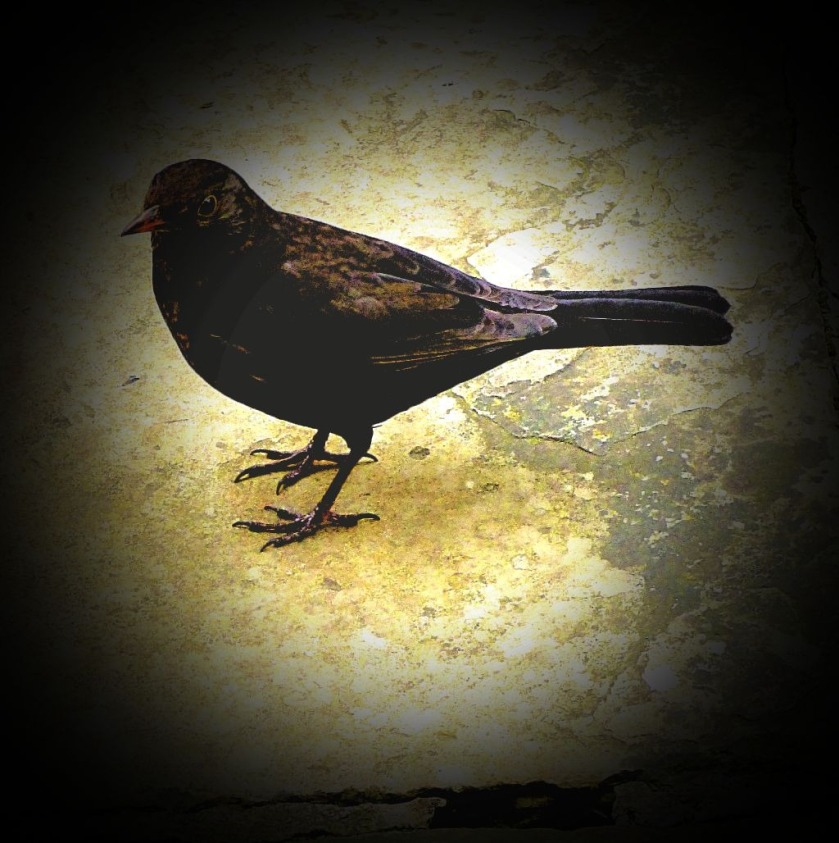
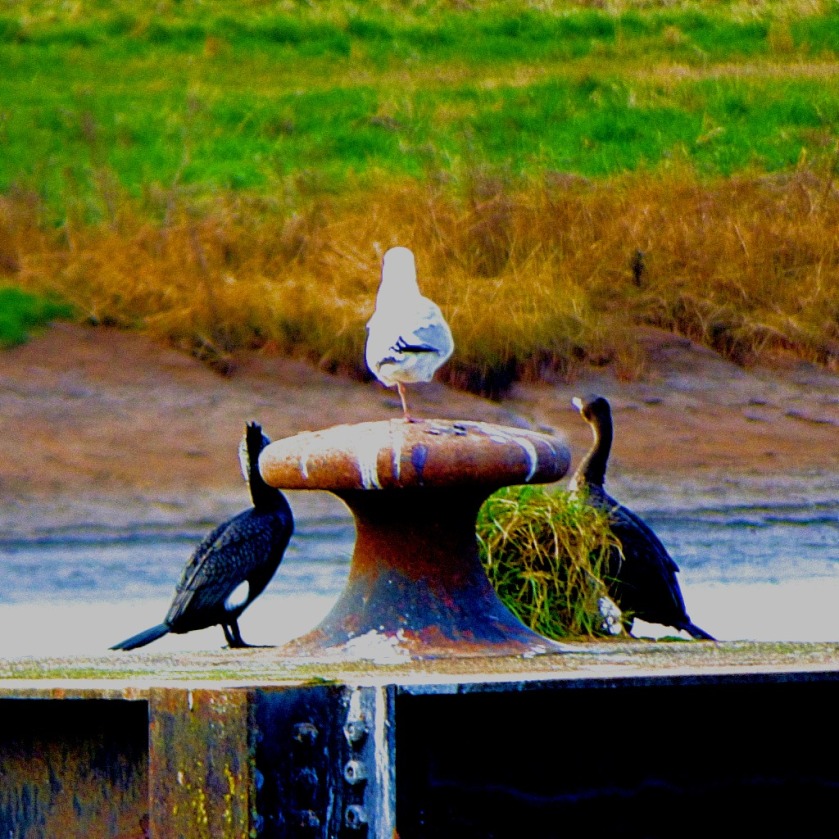
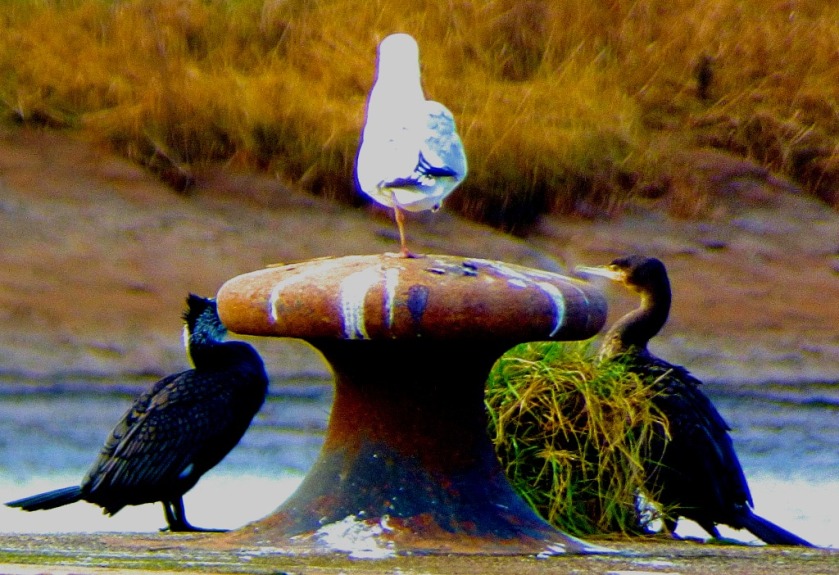
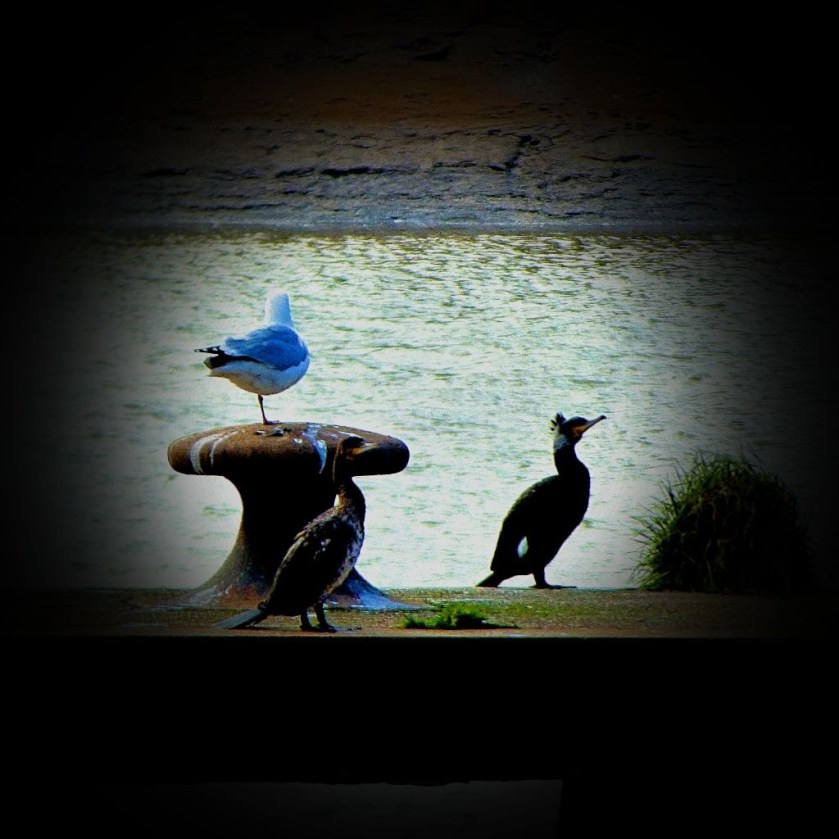
BlackbirdCormorants and flying gullCormorants and gull IICormorants and gull IIICormorants and gull IVCormorants and gullLibraryNar meets OuseSmall bird in branchesswimming gullsWingspan IWingspan IIWingspan IIIWingspan IV