A look back at James and Sons’ January auction and a photo gallery.
On Tuesday and Wednesday of this week James and Sons had its January auction, a two day sale devoted entirely to stamps and postal history. This post looks back at the auction.
AN OUTLINE OF THE AUCTION
The first day featured mainly British stamps, with descriptions handwritten by someone else and typed in by me. The second day featured items from all over the world, and these lots were describe entirely by me. I also did all the imaging for this auction and uploaded it to the two online platforms that we use. On the days of the auction I handled the IT side of things.
A SUCCESSFUL SALE OVERALL
Both our online platforms were quite lively, and a number of items fared very well. On day one the most consistent success was enjoyed by stamps from the ‘seahorse’ range. Day two saw all sorts of things sell well, including a number of bidding battles. By the time the last lot went under the hammer I was very tired (in addition to a stressful though satisfactory two days at James and Sons I had had a WNAG commitment on the Tuesday evening).
THREE SUCCESSFUL BIDS
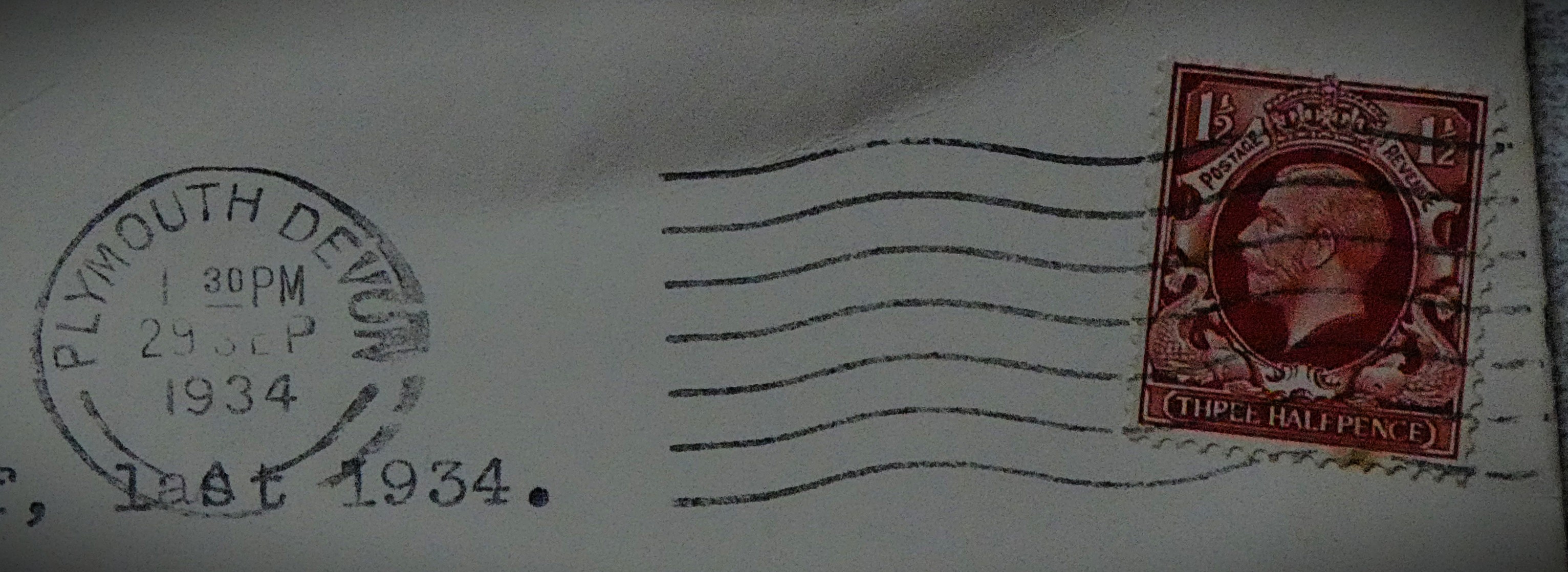
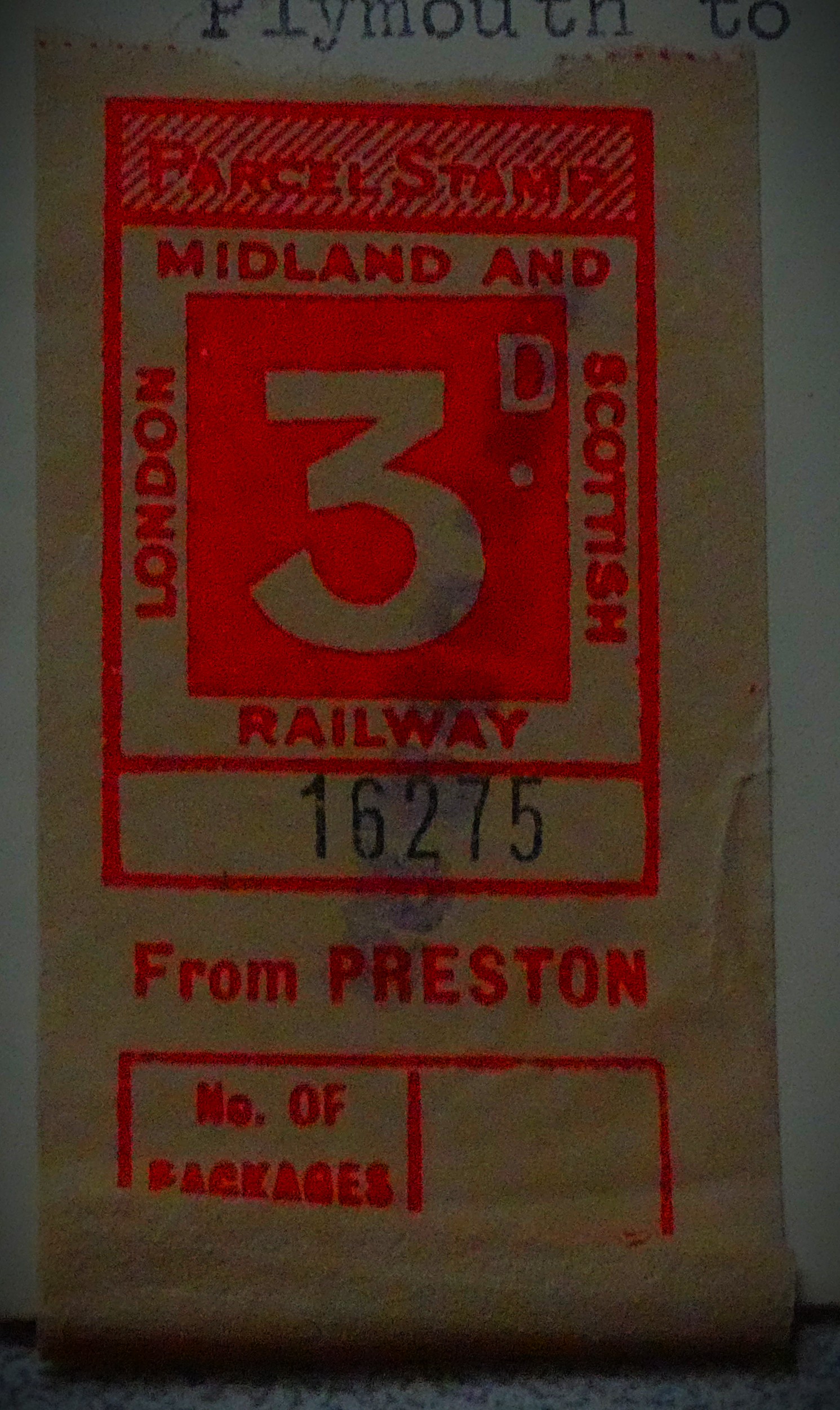
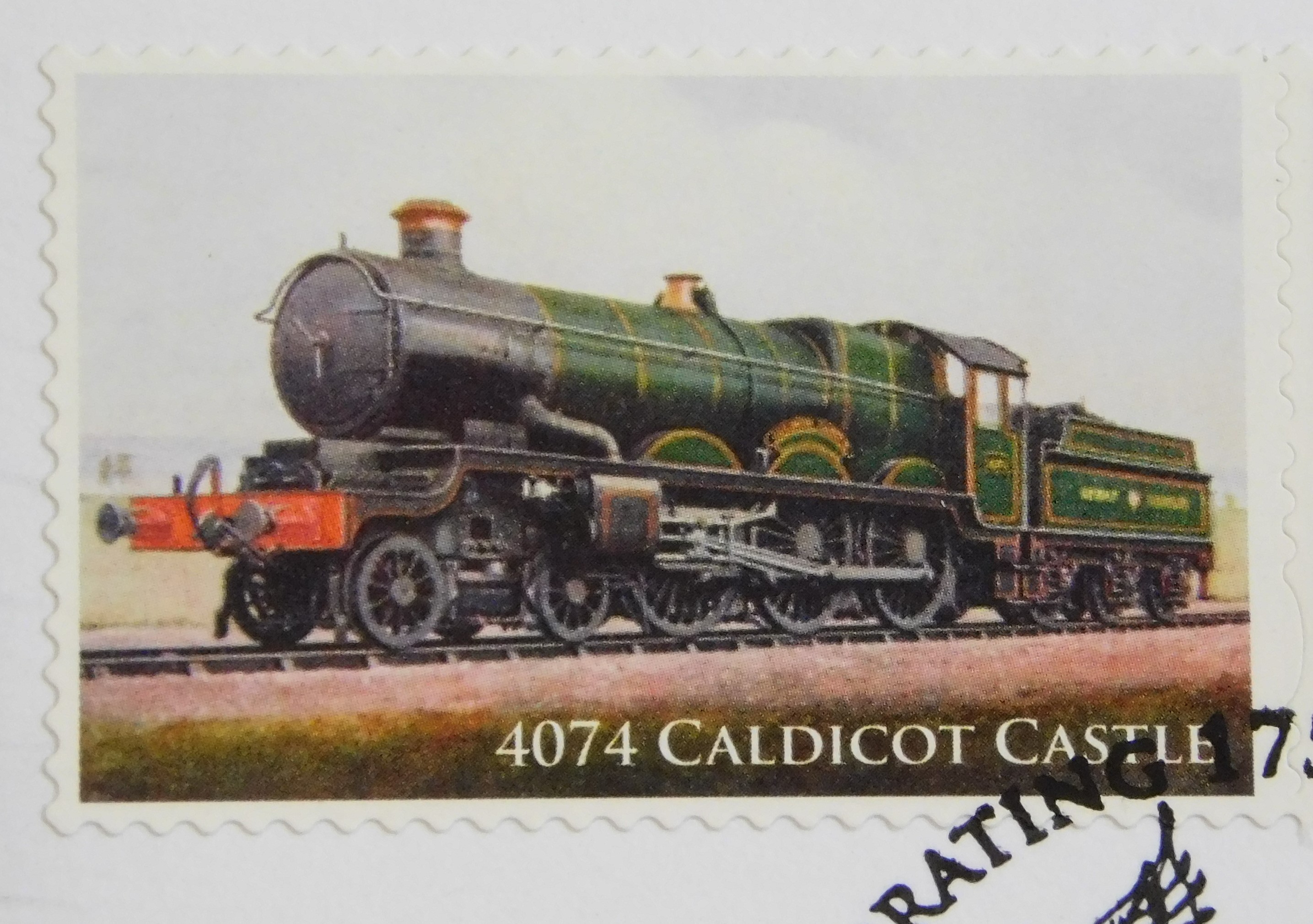
I had put bids in on a number of lots on day one, and on three items I was successful. Lot 105 was my first moment of good fortune:
The first seven pictures are those that were available to auction viewers.The remaining nine were taken at home today.
Lot 166 was the first of three items of its type, and I was outbid on the other two, which was professionally satisfying.
The first two pictures are the ones available to auction viewers, the other four were taken today.
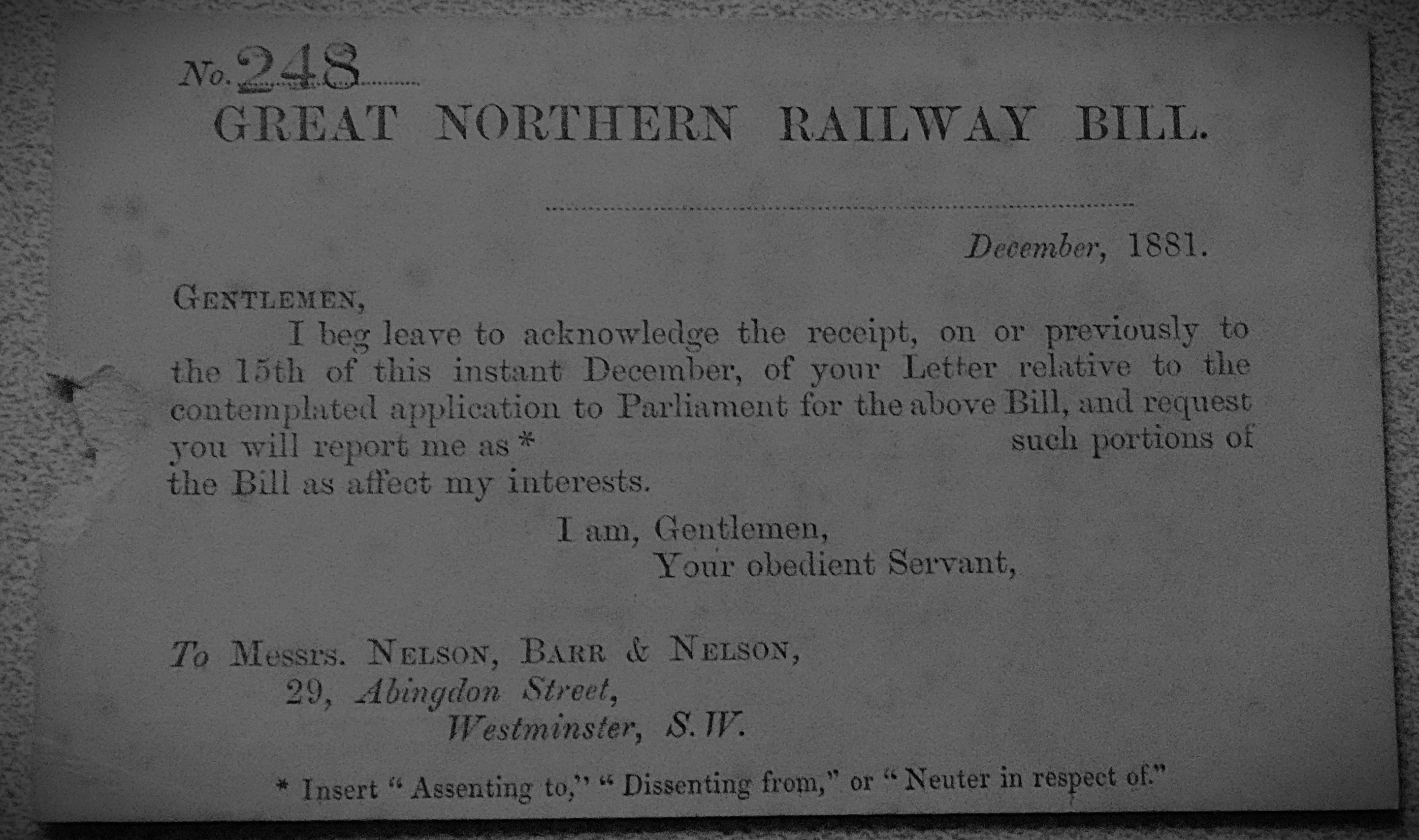
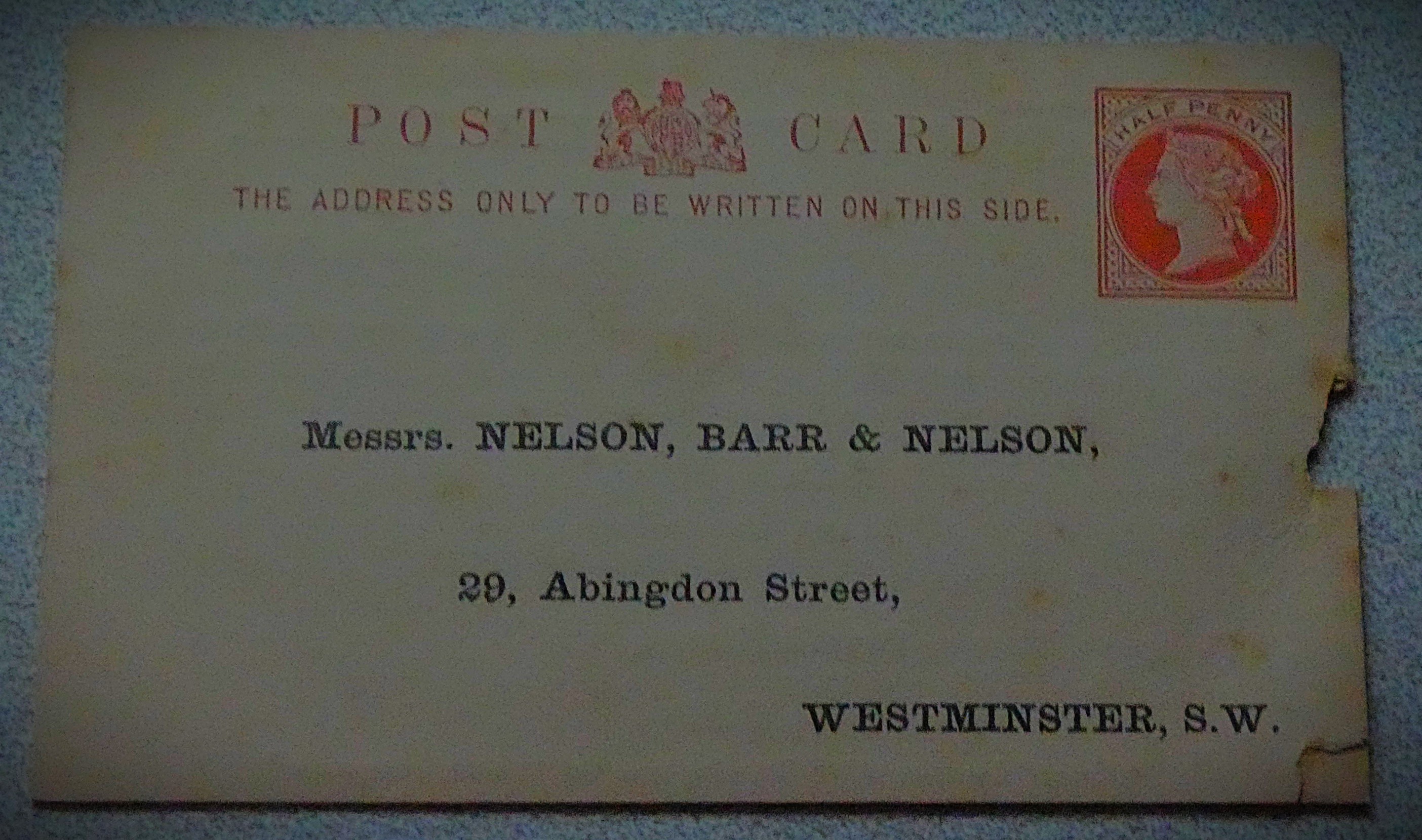
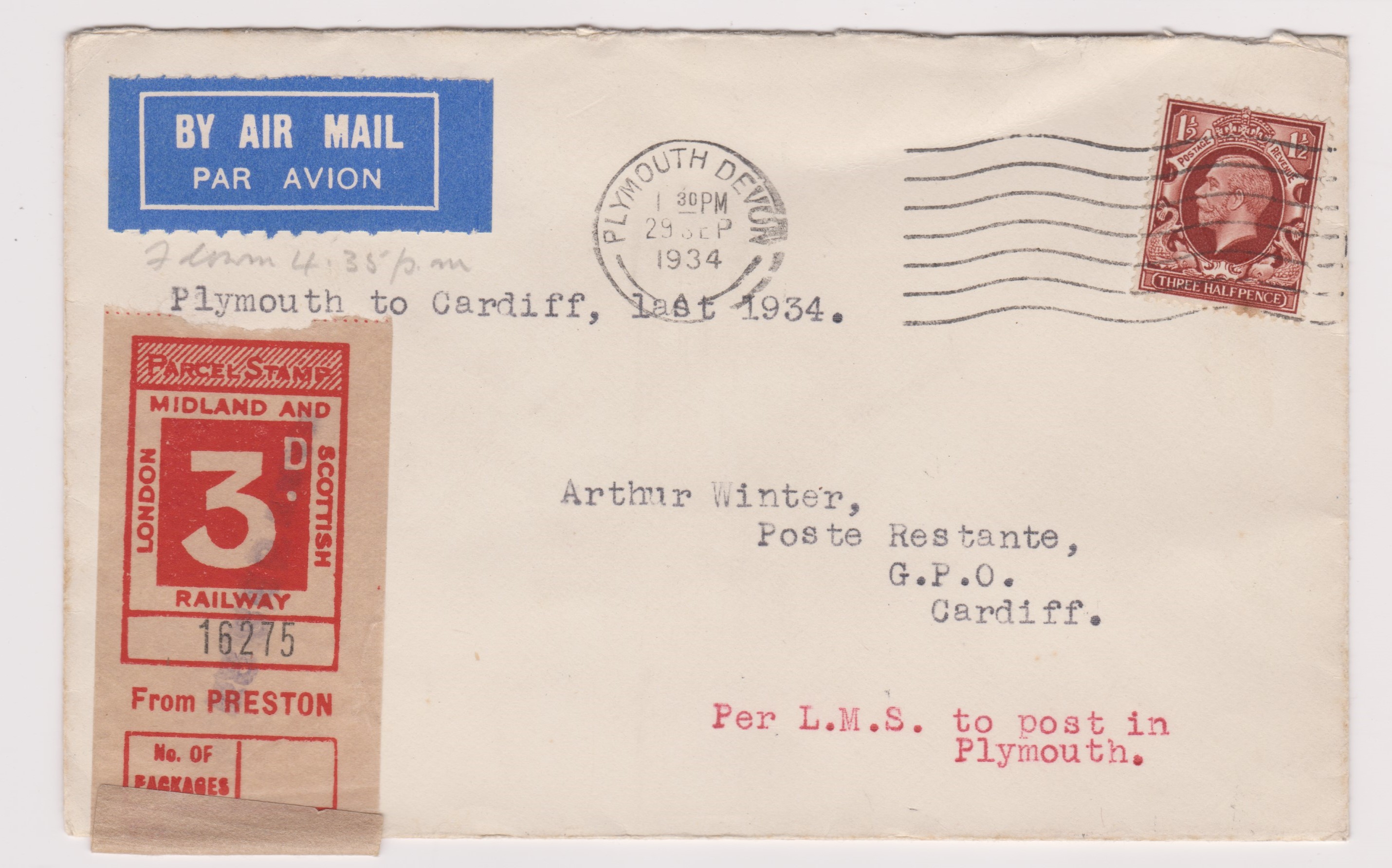
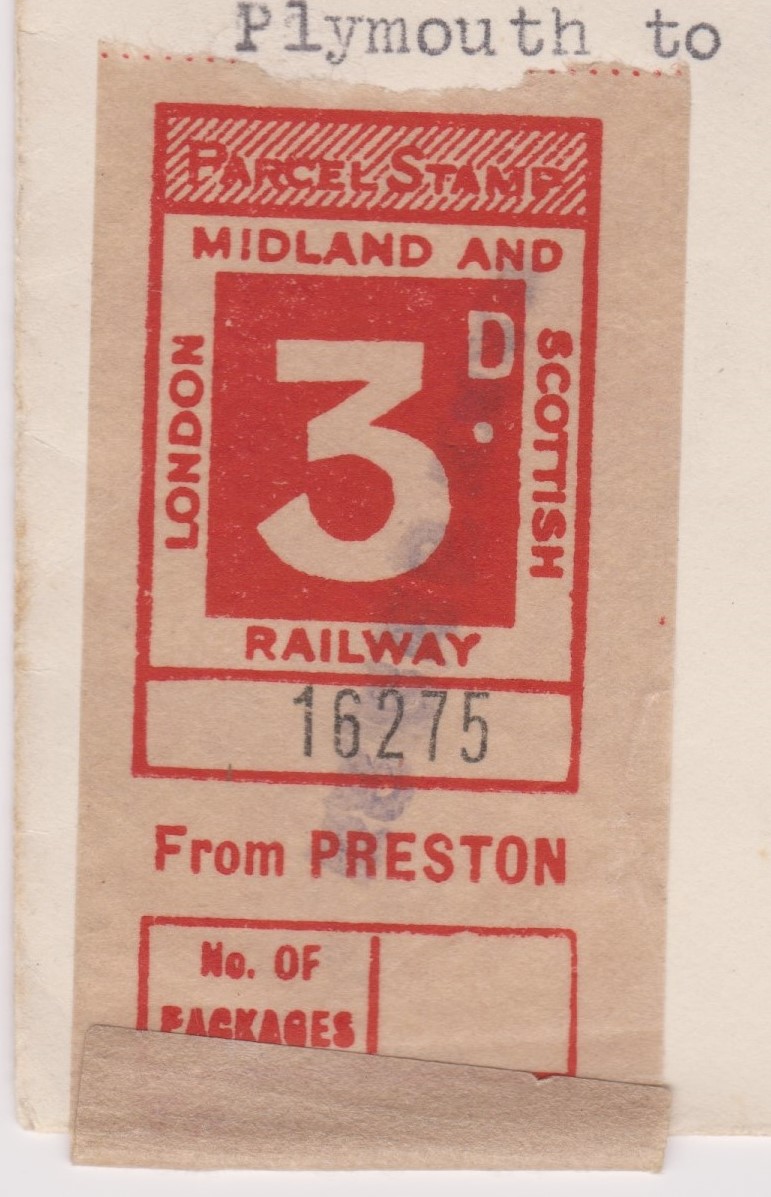
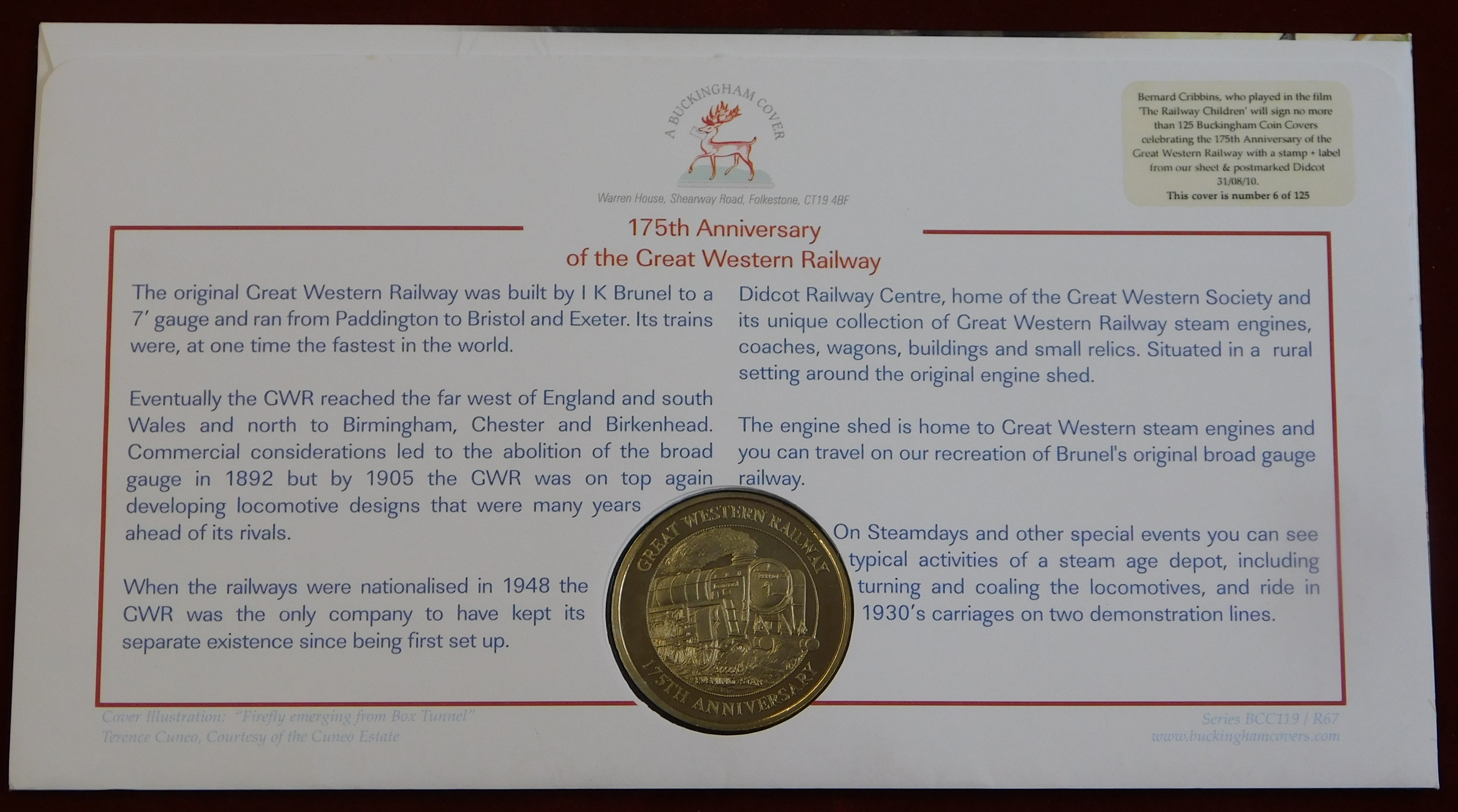
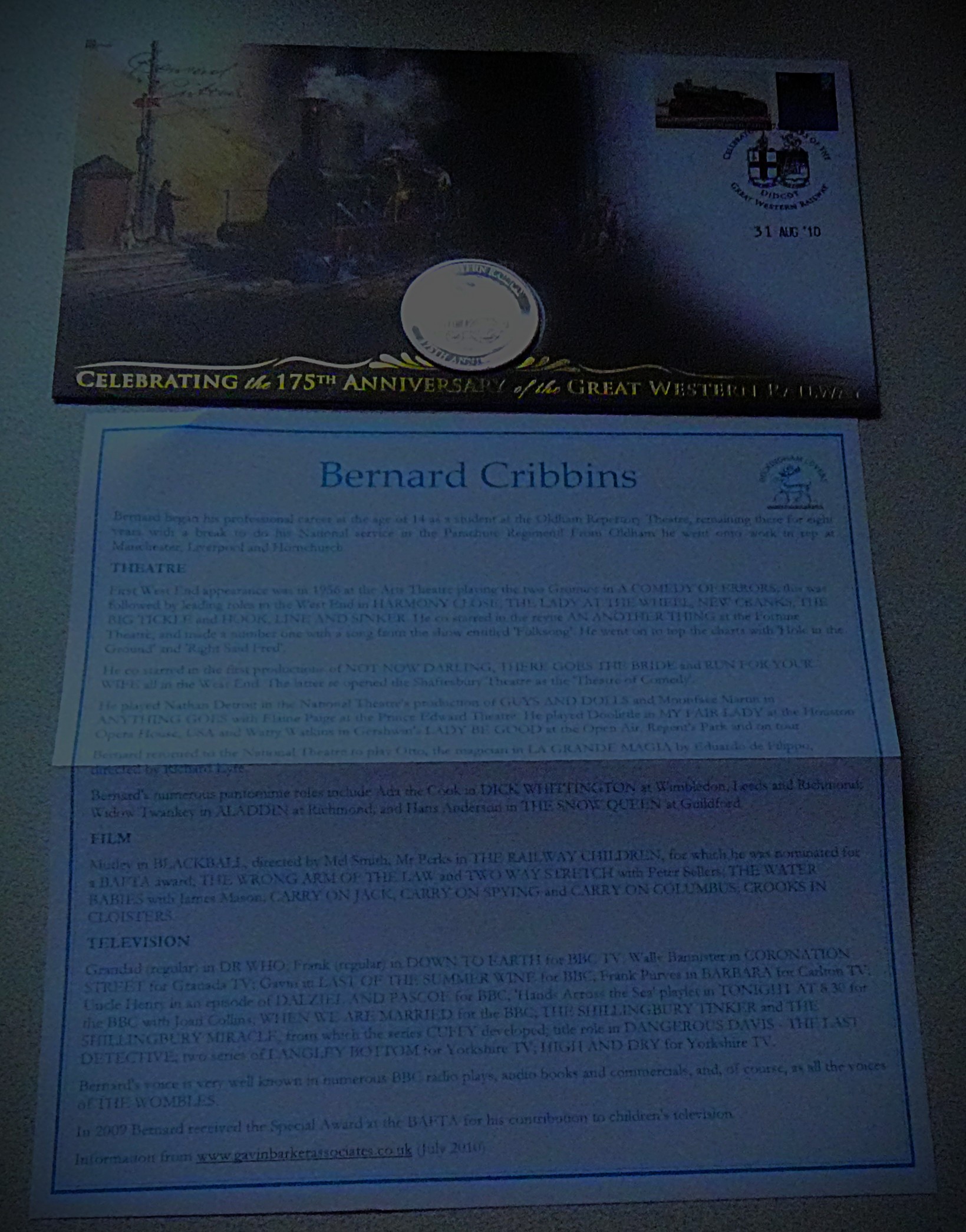
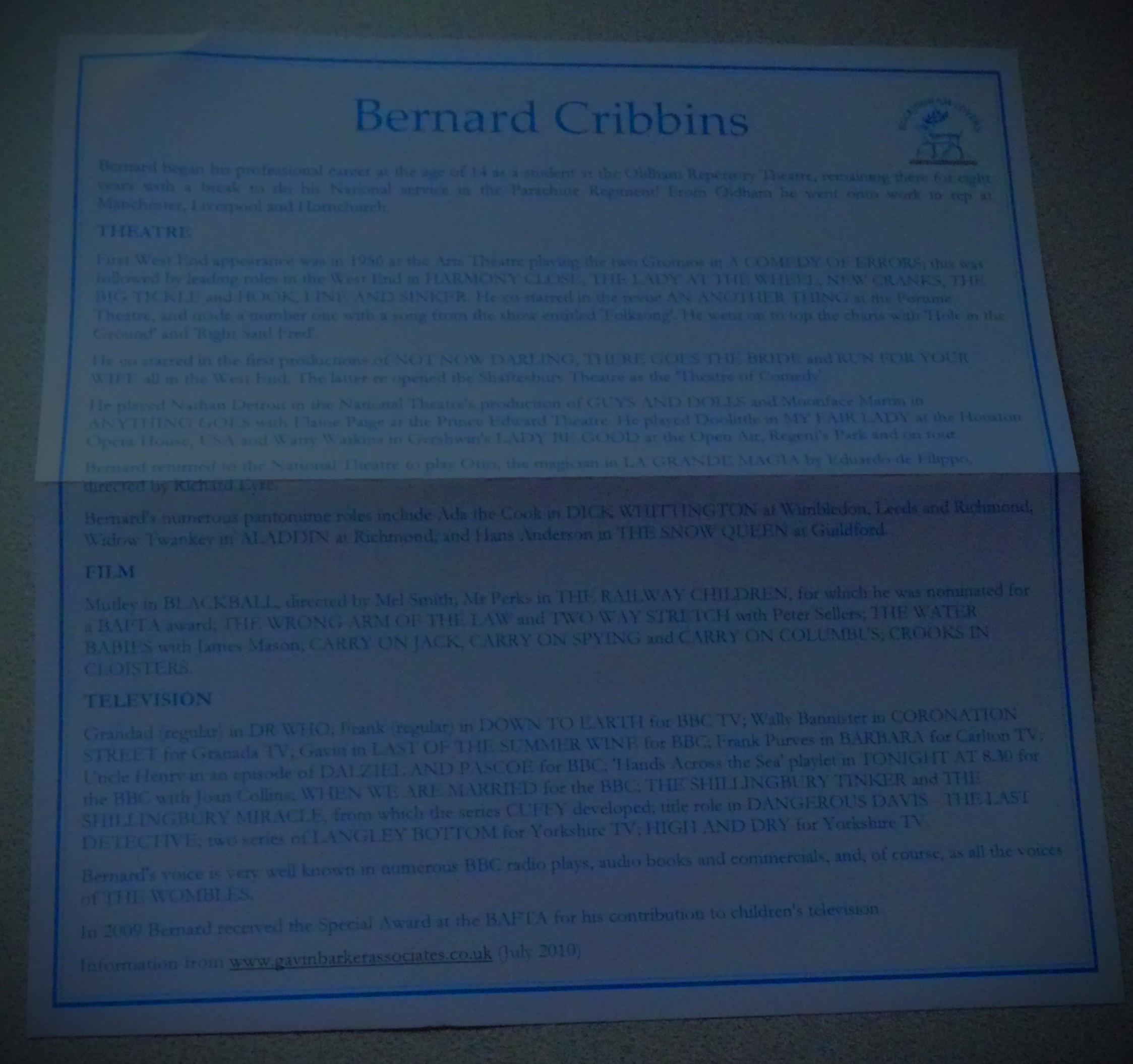
Finally lot 262, which from my personal perspective was the star item of the entire auction.
The first nine images (number nine being a composite of numbers six and eight) were available to auction viewers, the other eight were taken at home today.
PHOTOGRAPHS
My usual sign off…
A crescent moon in the predawn sky of Wednesday morning.
A look back at days two and three of the test match in Brisbane, some comments regarding the makeup of the England side, and a photo gallery.
This post looks back at days two and three of the test match in Adelaide that is currently in progress.
DAY 2
England took far too long to dispose of the last two Australian wickets, allowing them to boost the total to 371. Australia then did what England had signally failed to do: bowl properly. The best one can say about England’s efforts in the face of a very good bowling performance from Australia is that at least on this occasion they were in general got out rather than giving their wickets away. The chief exception was Ollie Pope, whose shot against Nathan Lyon was gruesomeness personified. The bowler, returning after missing Brisbane, an omission about which he was in his own words “filthy” could not be sure how things would go for him. Pope hit the veteran off spinner’s very first ball straight to midwicket to depart for 3. That brought Lyon level with McGrath on 563 scalps, and a few moments later he was alone as Australia’s second most prolific test wicket taker ever behind Warne when he bowled Ben Duckett. Brook batted with greater responsibility than he had shown in the first two matches (it would have been hard for him to show less) to accrue 45, at a still reasonable speed. Stoked dug in for the long haul, and before the close of this day, Archer, a five-for already to his name found himself in action with the bat. England ended on 213-8, 158 adrift.
DAY THREE
England began well, staging a significant batting revival of their own, with Archer clocking up a maiden test 50 and Stokes battling on to 83. They managed 286, a deficit of 85. Sadly that was the last good news for England. The rest of the day was dominated by Travis Head, scoring his second ton of the series (England have one such score between them, from Root in Brisbane, for this series). Australia soon realized that other than Archer the England bowling contained zero threat. Will Jacks, again used as a stock spinner, ended the day with 1-107 from 19 overs (for comparison Lyon, a genuine bowler, had 2-70 from 28 overs in England’s innings, which is what proper stock bowling looks like). This is not an attack on Jacks, a fine cricketer but not, repeat not, a front line spinner. He is a good batter and an occasional bowler, and England sticking him in at number eight as a supposed front line bowler was a poor call – and it is England against whom my ire is directed. In the first innings Jacks had 2-105 from 20 overs. The last bowler to concede 100 or more in each innings of an Ashes match before this was Shane Warne, in a game in which he captured 12 wickets, and the last English bowler to do so was Ian Botham at The Oval in 1981, when he took 11 wickets. Jacks at the moment has 3-212 for the match. Usman Khawaja scored 40, but Head’s best support came from Alex Carey who followed his first century by reaching 52 not out. Australia were 271-4 at the close, 356 ahead, with Head 142 not out.
LOOKING AHEAD
After the close of play England’s spin bowling coach Jeetan Patel acted as spokesperson for the team. In a moment that brought to mind (at least to my mind) the ‘many worlds‘ view espoused by certain cosmologists Patel told those listening that Jacks had not bowled badly today. There may indeed be an alternate universe in which Jacks did not bowl badly (possibly even one in which he actually bowled well), but in the universe in which this match was played and in which I was listening his 1-107 from 19 overs was not an unfair reflection on his bowling. It is not Jacks’ fault – he was put in to a job that he does not do even at domestic level, which is the fault of those making that call, but Jeetan Patel did himself no favours by producing such a blatant porky. Unless miracles happen on days four and five England will move on to the Boxing Day test having already surrendered both Ashes and series. Two players who cannot be allowed to keep their places based on the evidence so far available are Pope and Carse. I would replace Carse with Matt Potts, a crafty fast-medium in place of a brainless pacer. As for Pope I would use the necessity of dropping him to change the balance of the side, by bringing in Bashir. The number three slot could go either to Jacks, a top order batter for Surrey, or Stokes could move up and take on that crucial position himself. To win a test match in general you need to take 20 wickets. At Perth and Brisbane England managed 12 wickets each time. They have taken 14 so far here, but the only way they will make it to all 20 is if Australia decide that there is so much time left in the match they need not bother to declare.
PHOTOGRAPHS
My usual sign off…
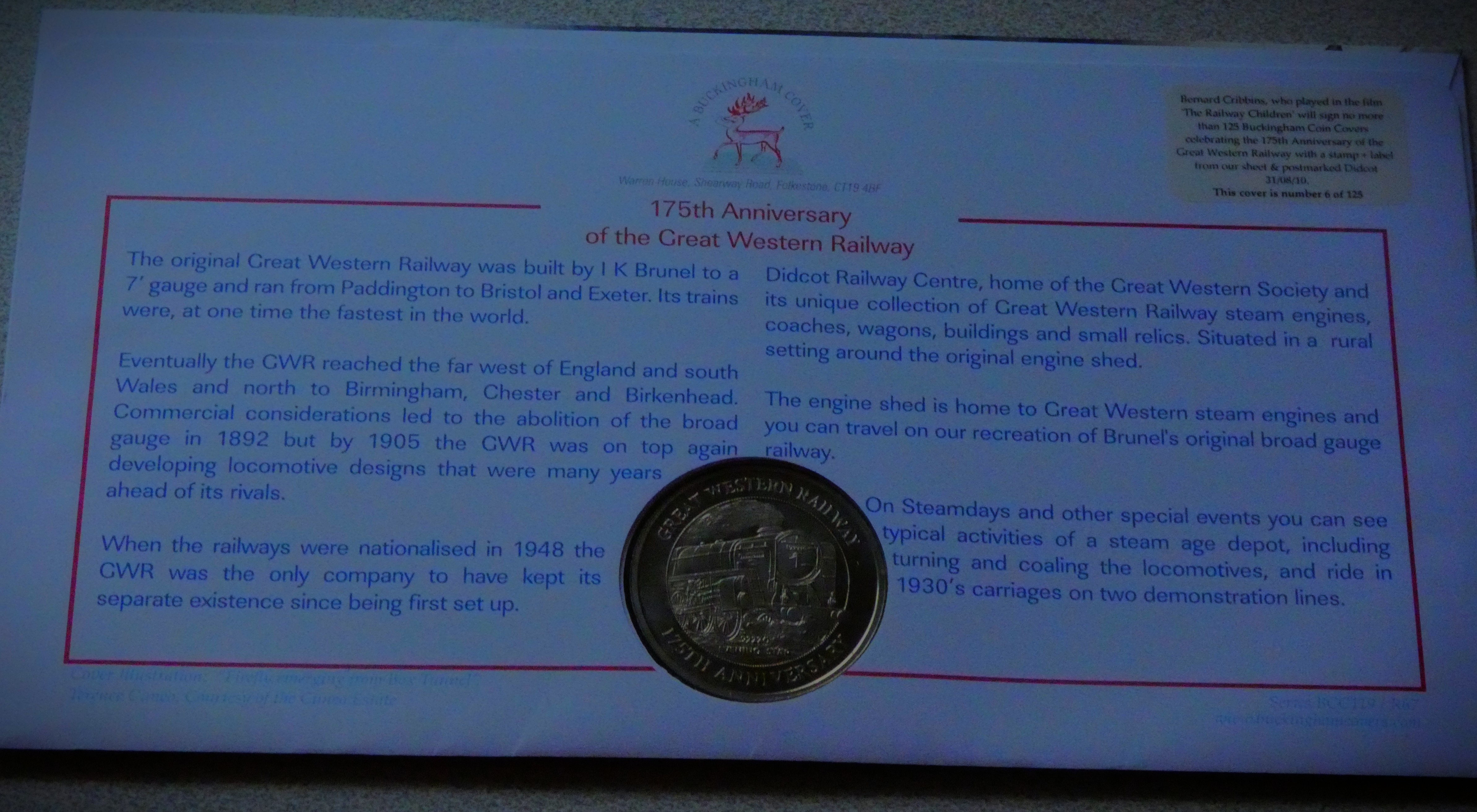
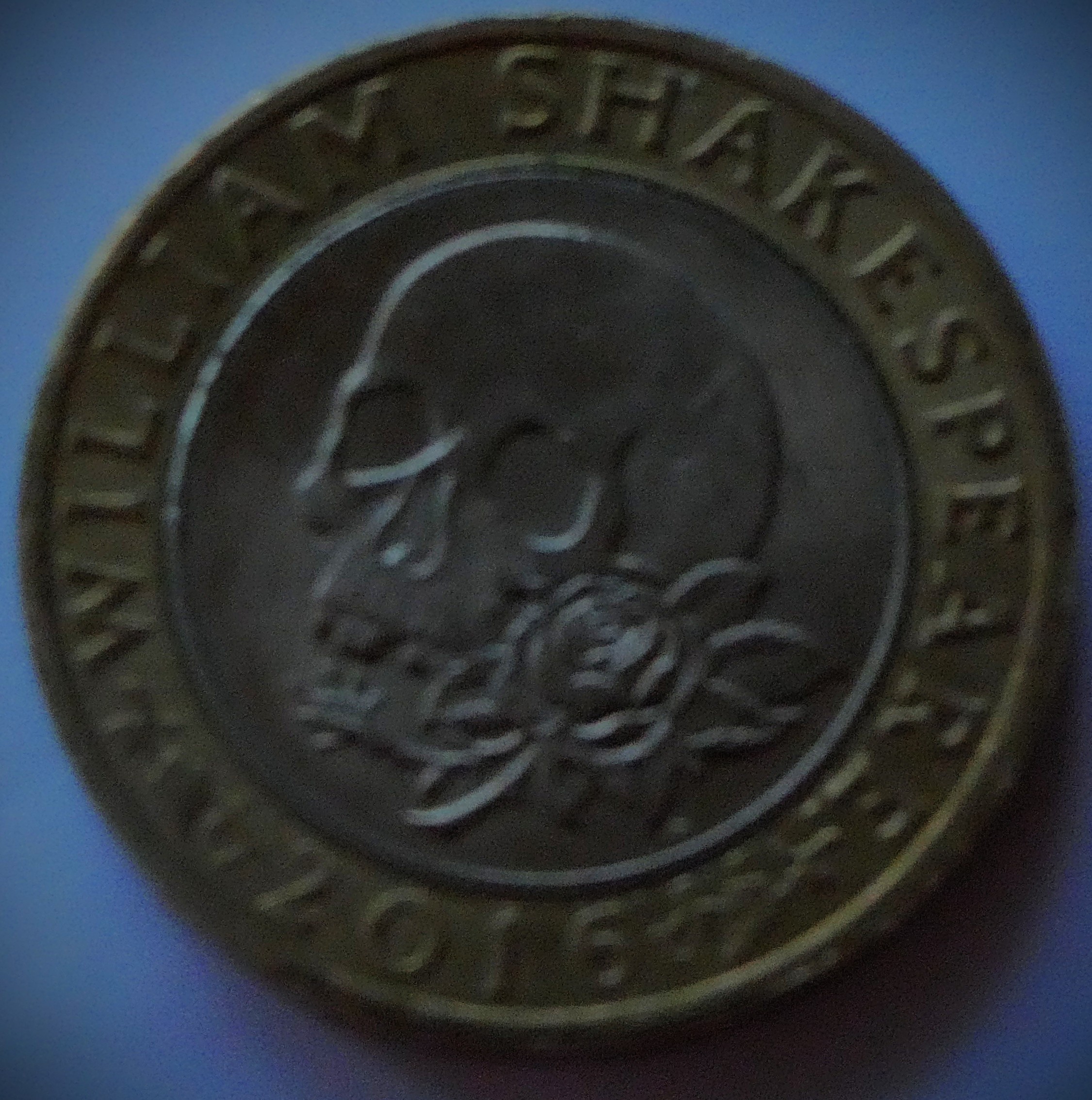
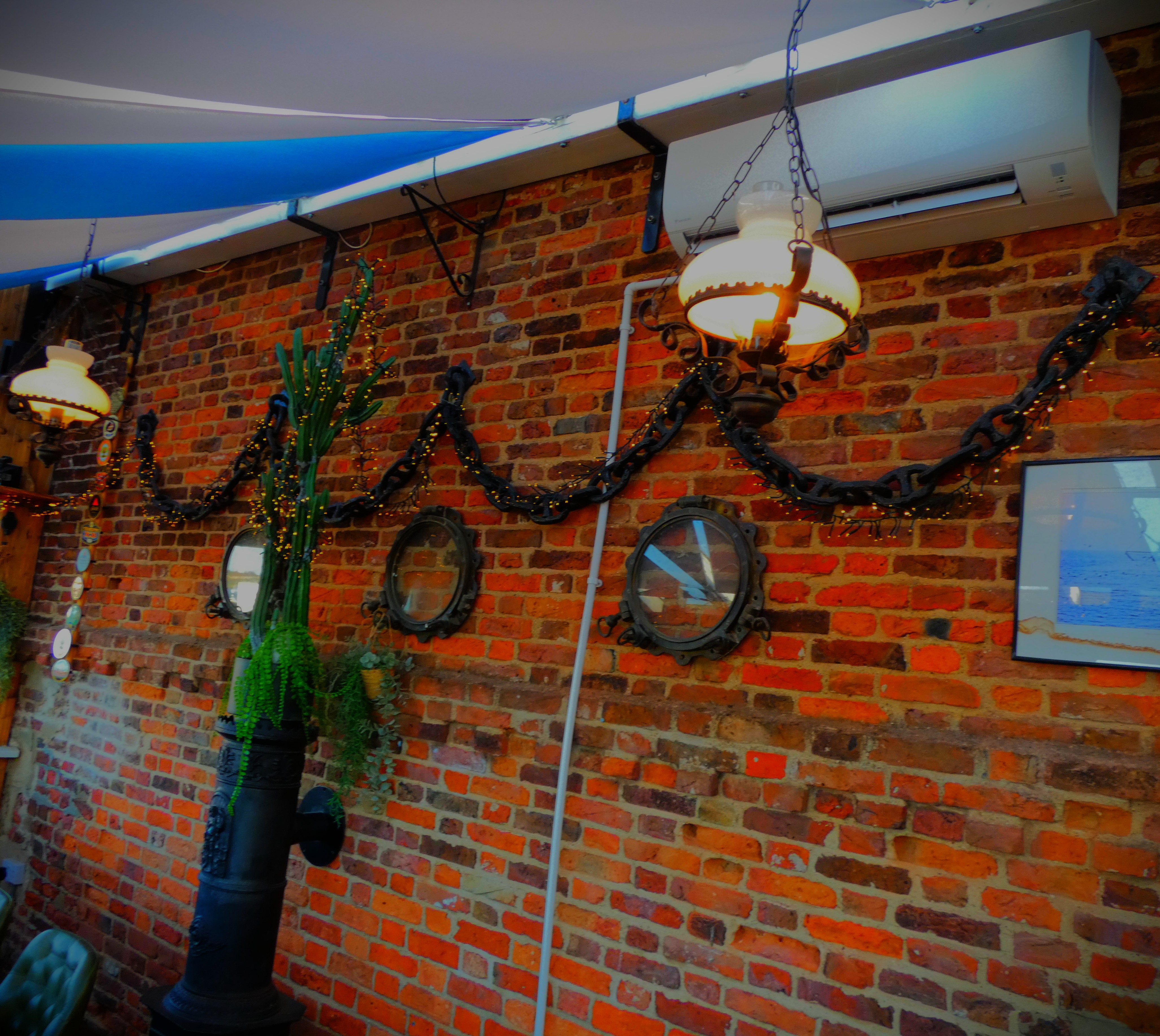
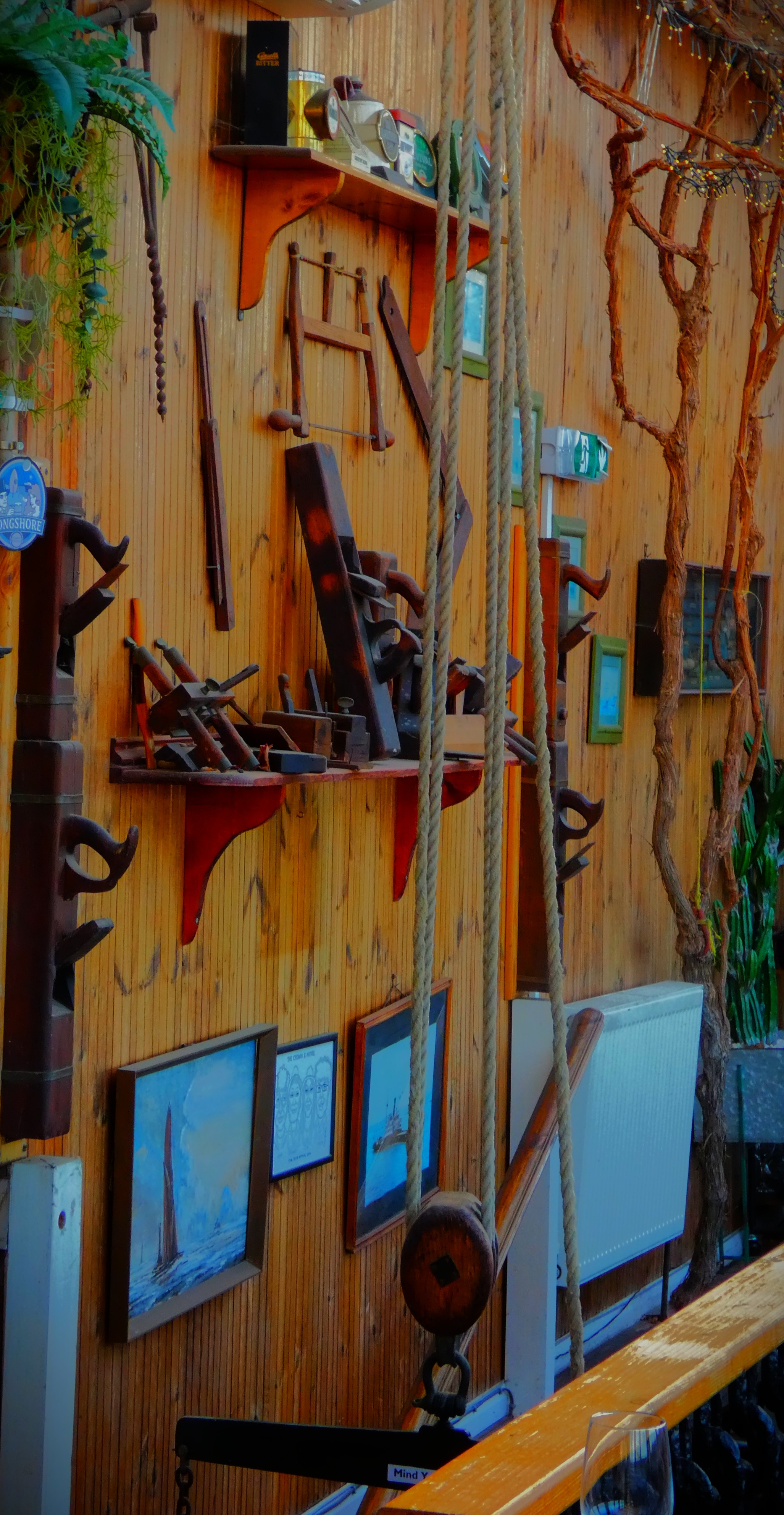
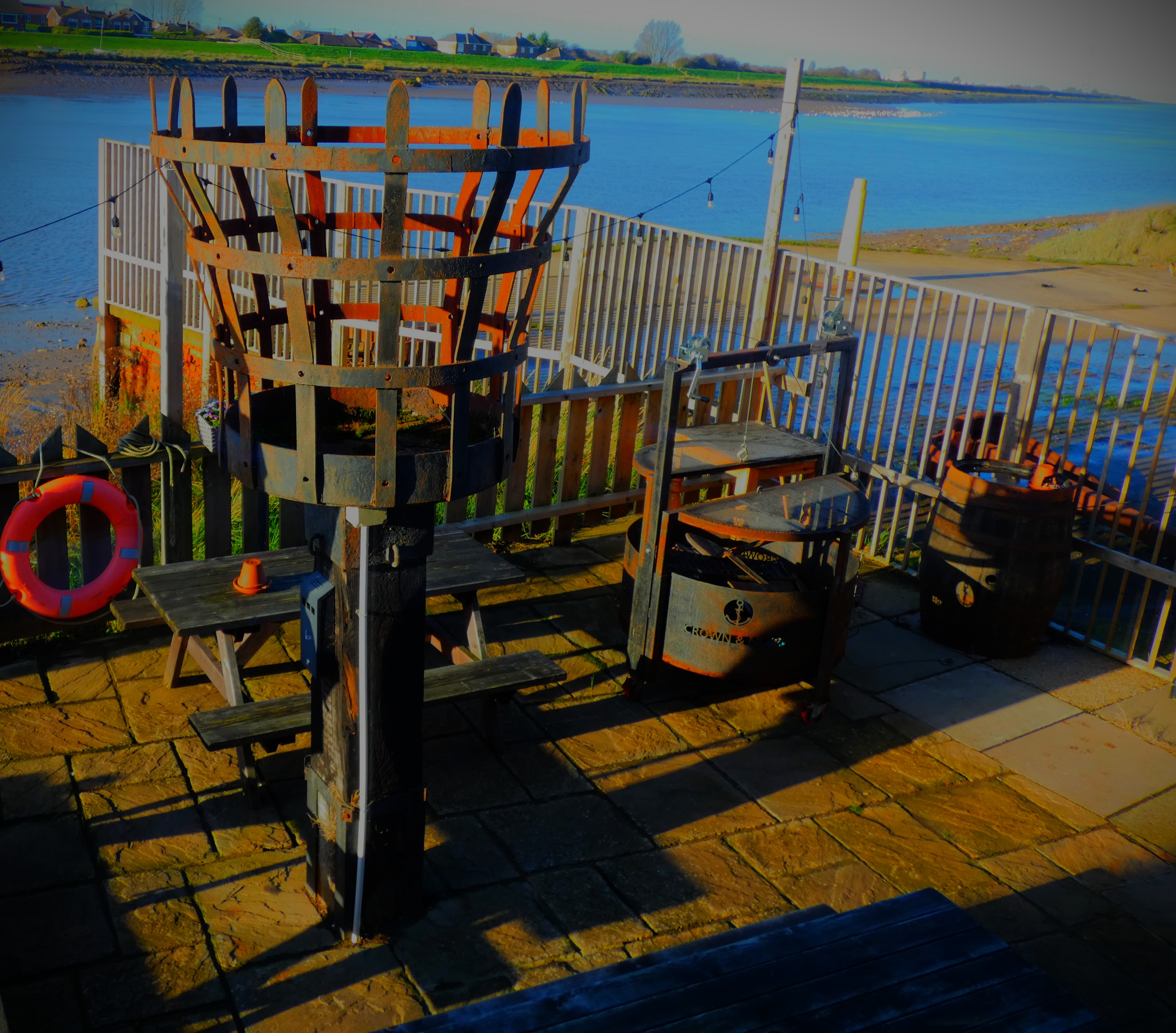
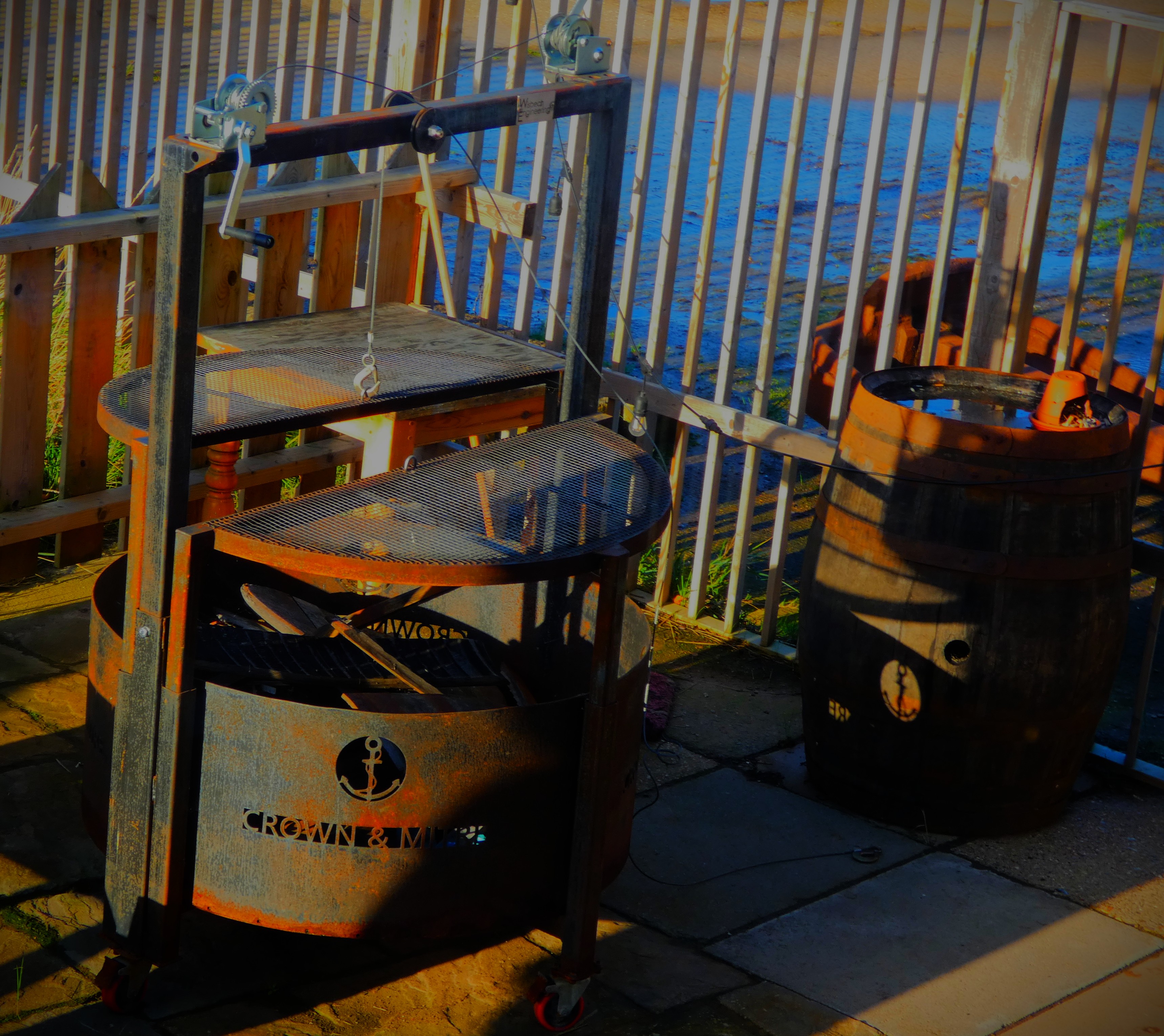
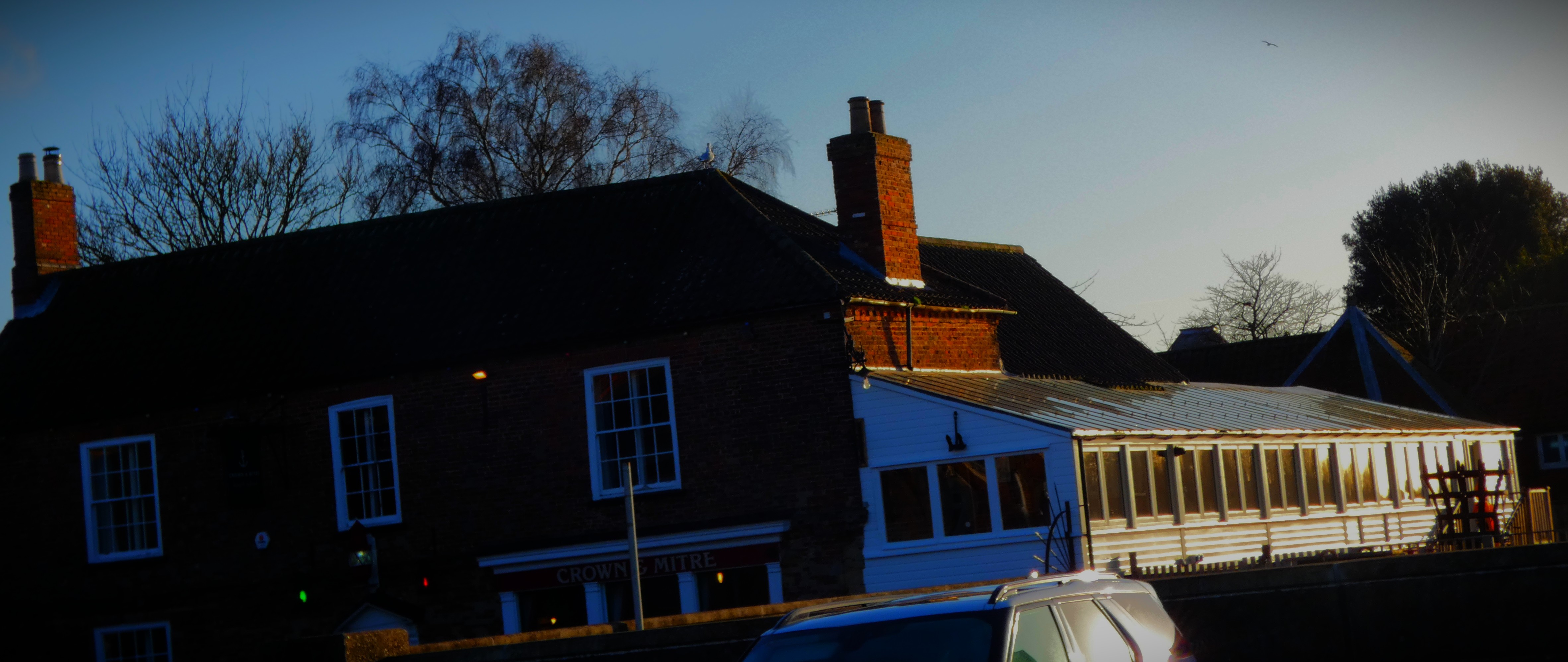
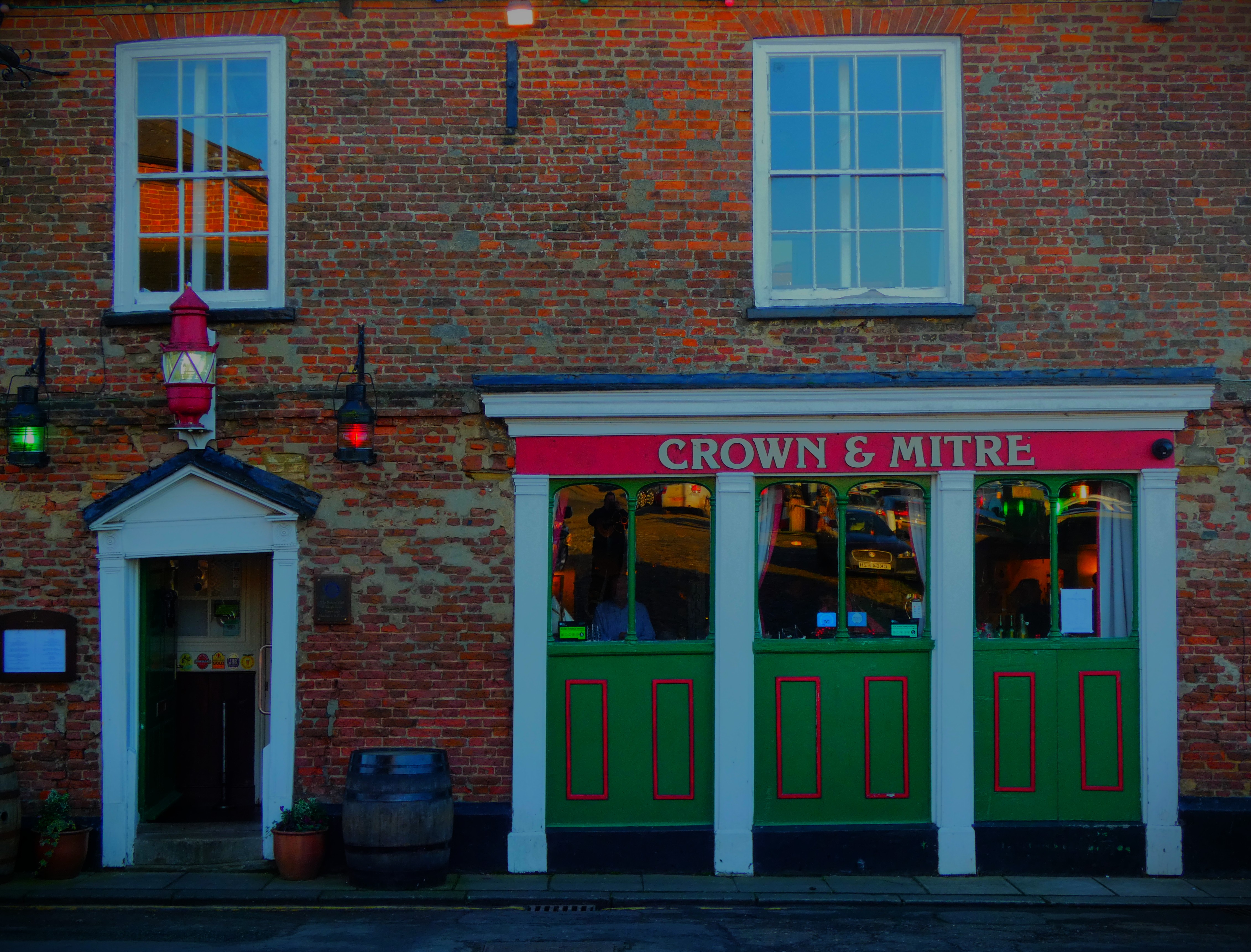
An unusual £2 coin I got in change recently. Given who it is commemorating the skull is obviously that of Yorick.The West Norfolk Autism Group committee Christmas lunch took place at the Crown & Mitre today.We were in the room (effectively a large lean-to greenhouse) overlooking the Great Ouse. There is an outside seating area beyond this room if you are there in summer.This picture of the outside of the Crown & Mitre shows the room we were in – the white structure bottom right.The street frontage.
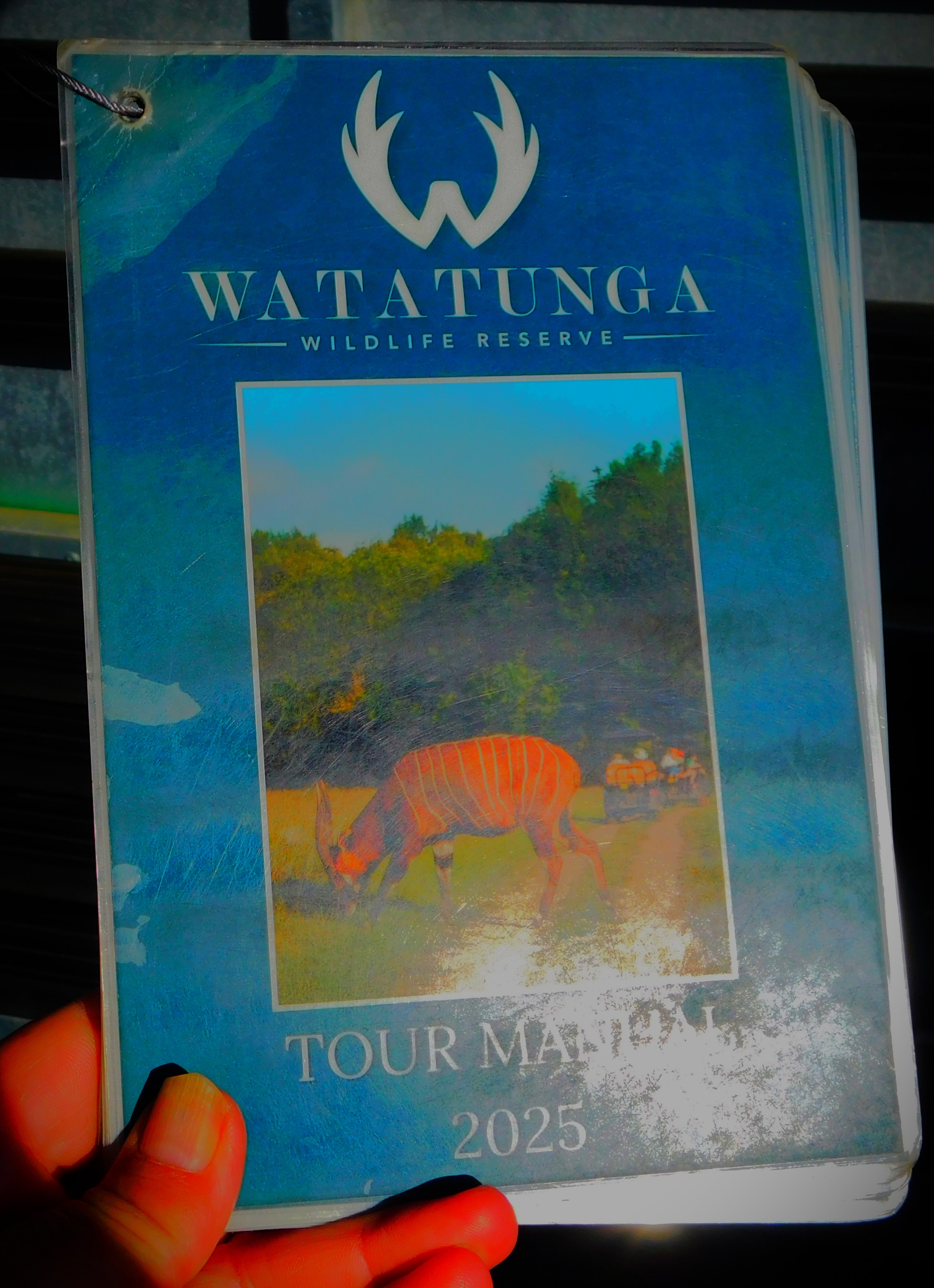
A look at a fascinating morning and early afternoon yesterday at Watatunga Wildlife Reserve, complete with photographs.
Yesterday four members of the West Norfolk Autism Group went to Watatunga Wildlife Reserve, four miles south of King’s Lynn, for what as supposed to be a get together of people from various charities with mental health connections and Watatunga management to discuss working together and making the Watatunga experience more accessible. As part of this we were to be shown the entire reserve by means of trailer rides.
LACK OF TAKE UP
In the event our group was the only group to show up, and the Watatunga people decided to do only one trailer ride and then we would talk over coffee. The Watatunga experience was thoroughly enjoyable, and we had a very constructive discussion afterwards.
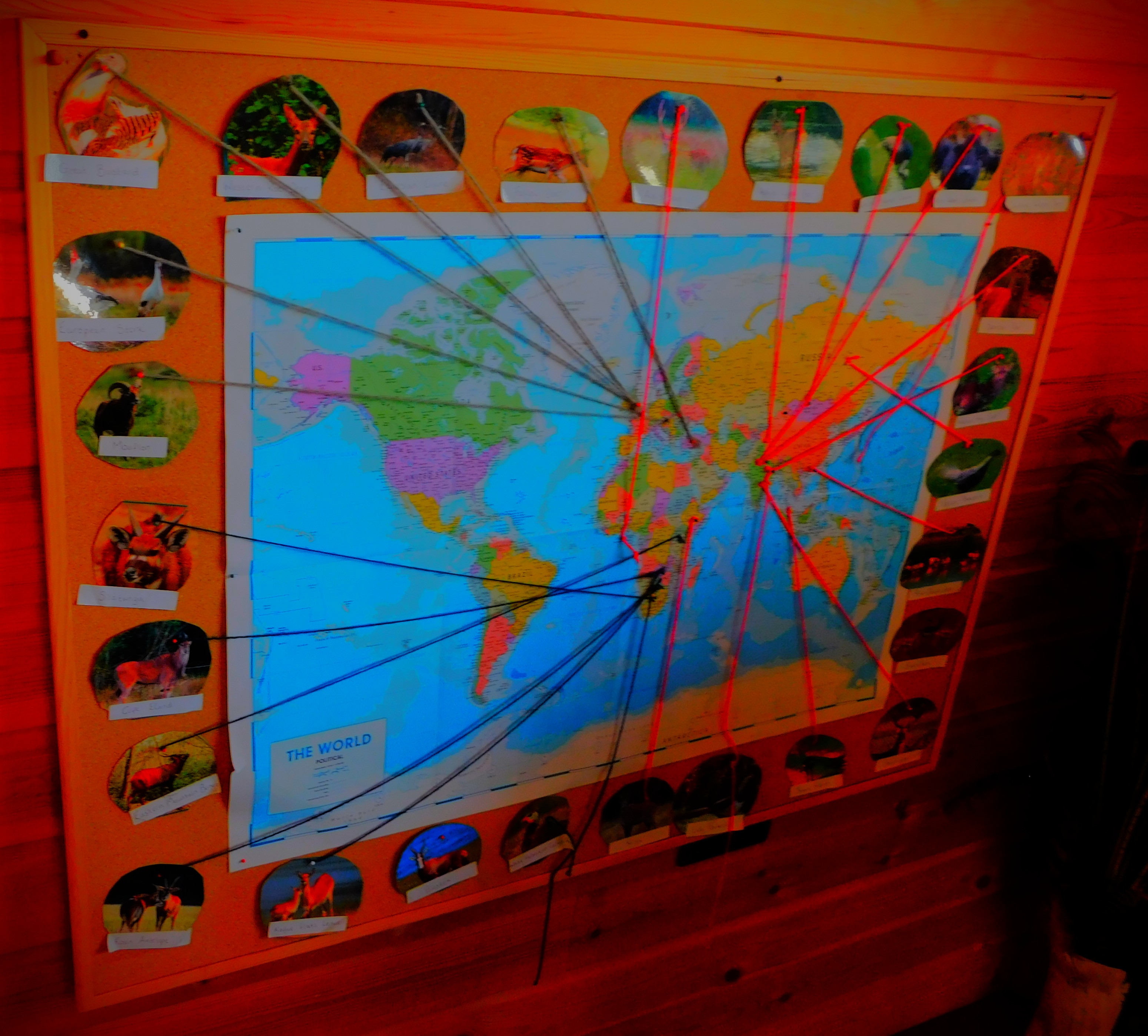
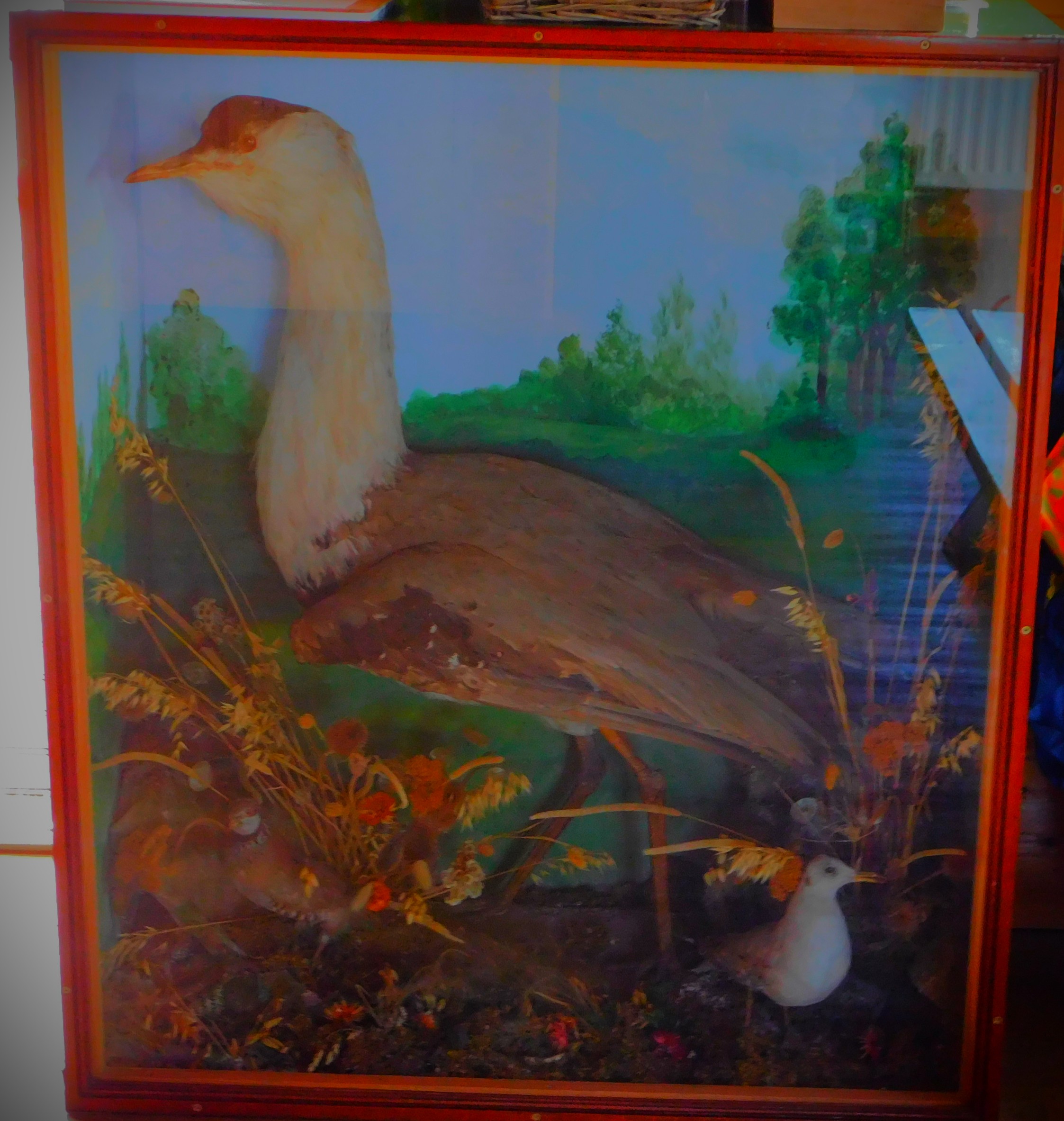
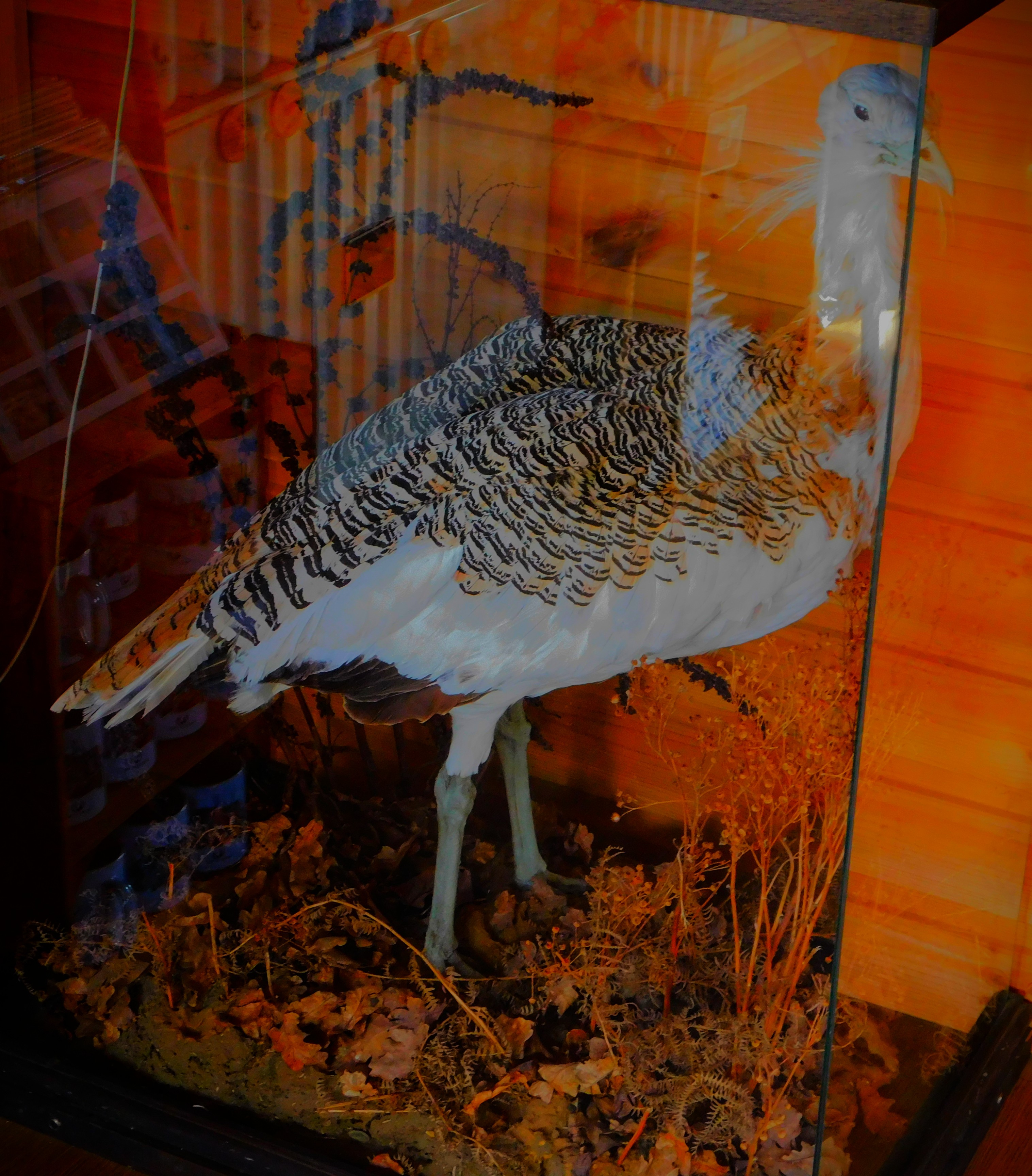
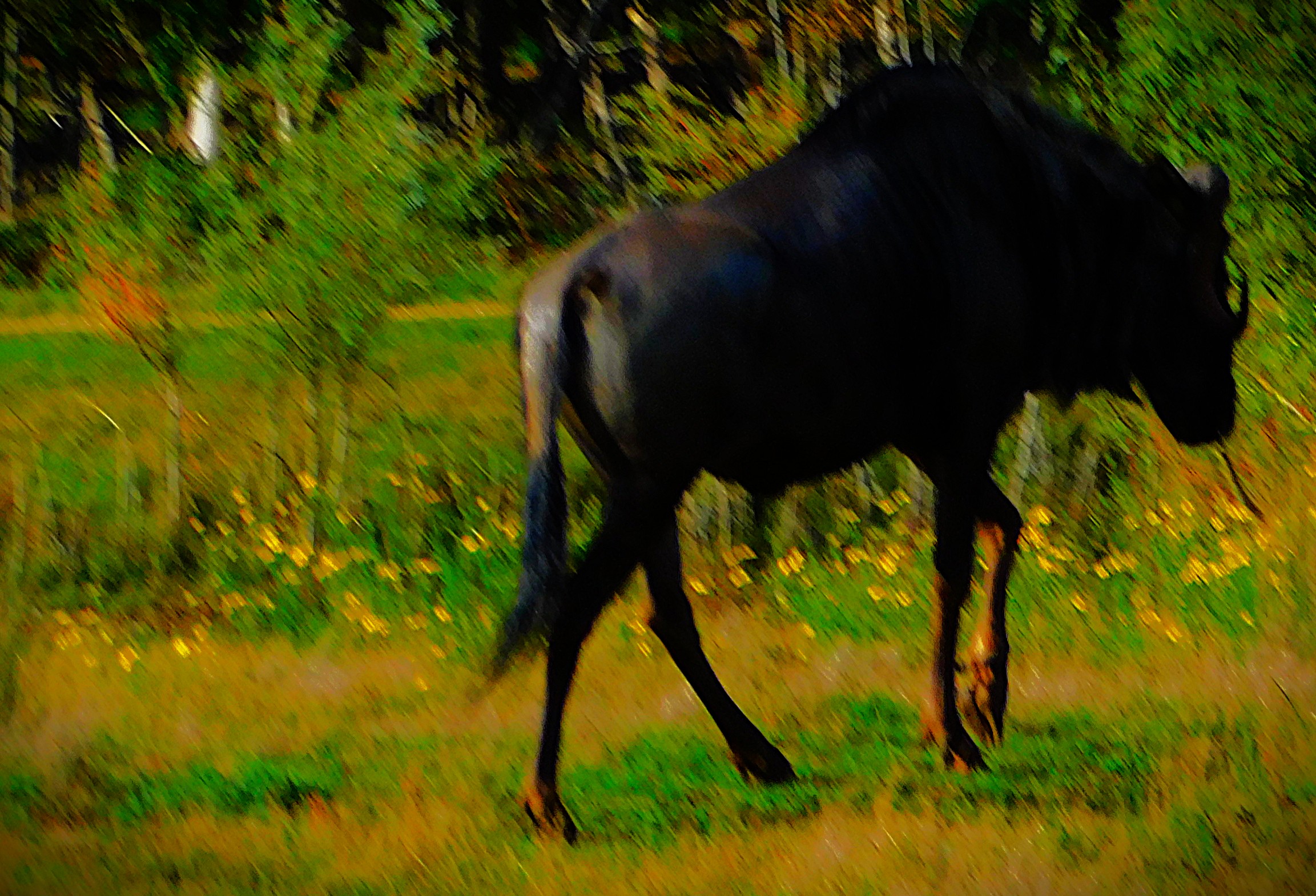
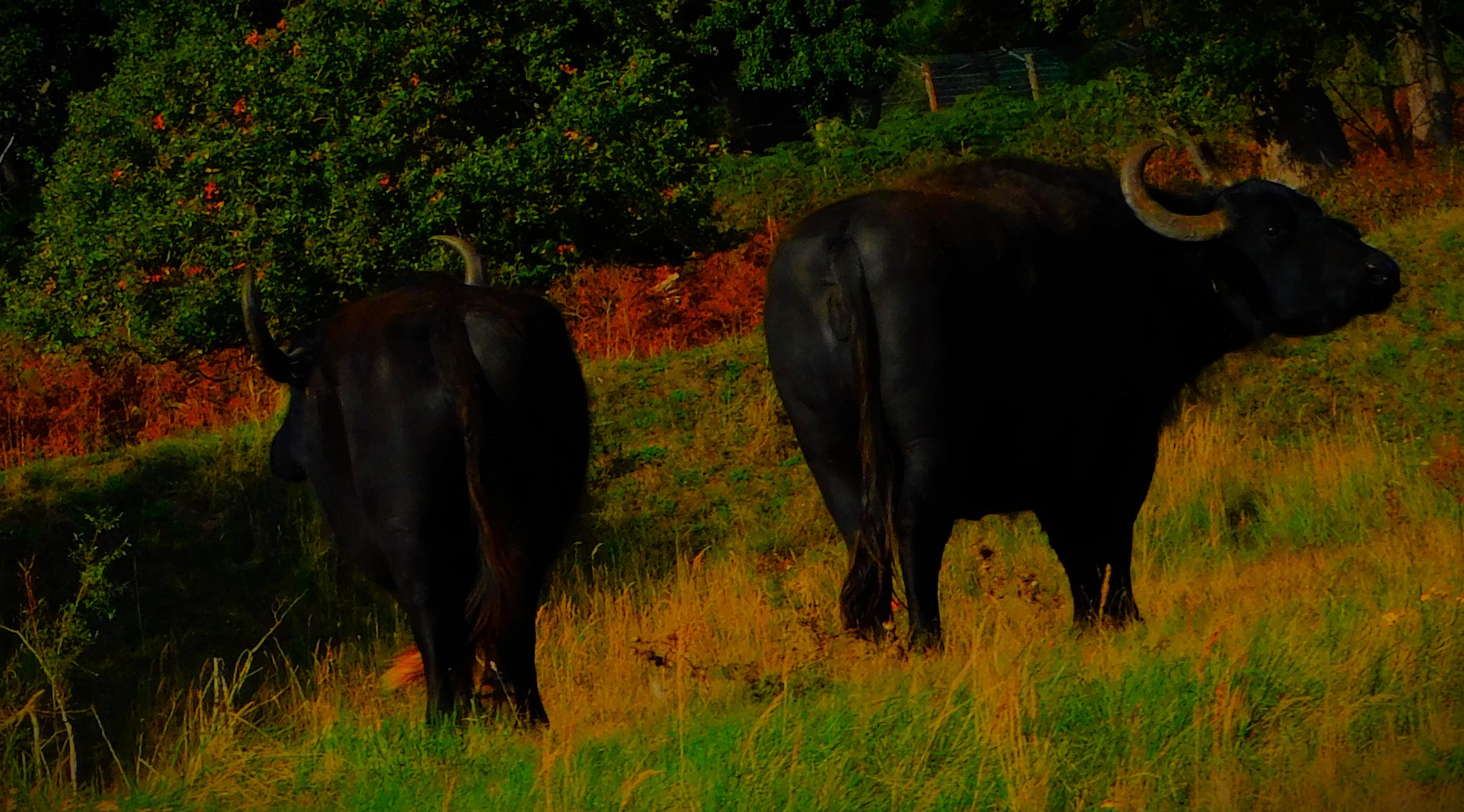
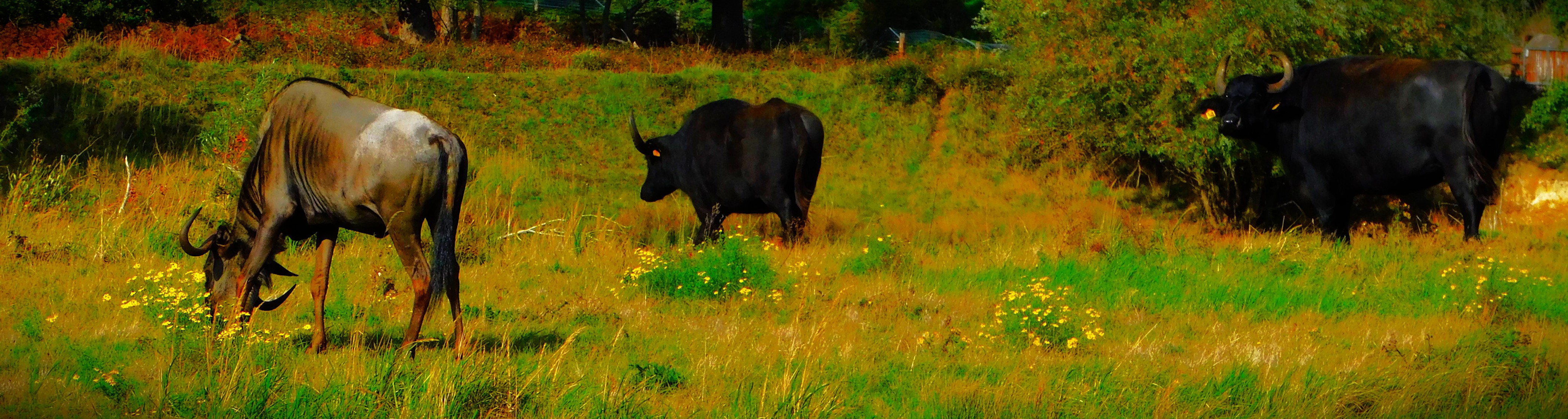
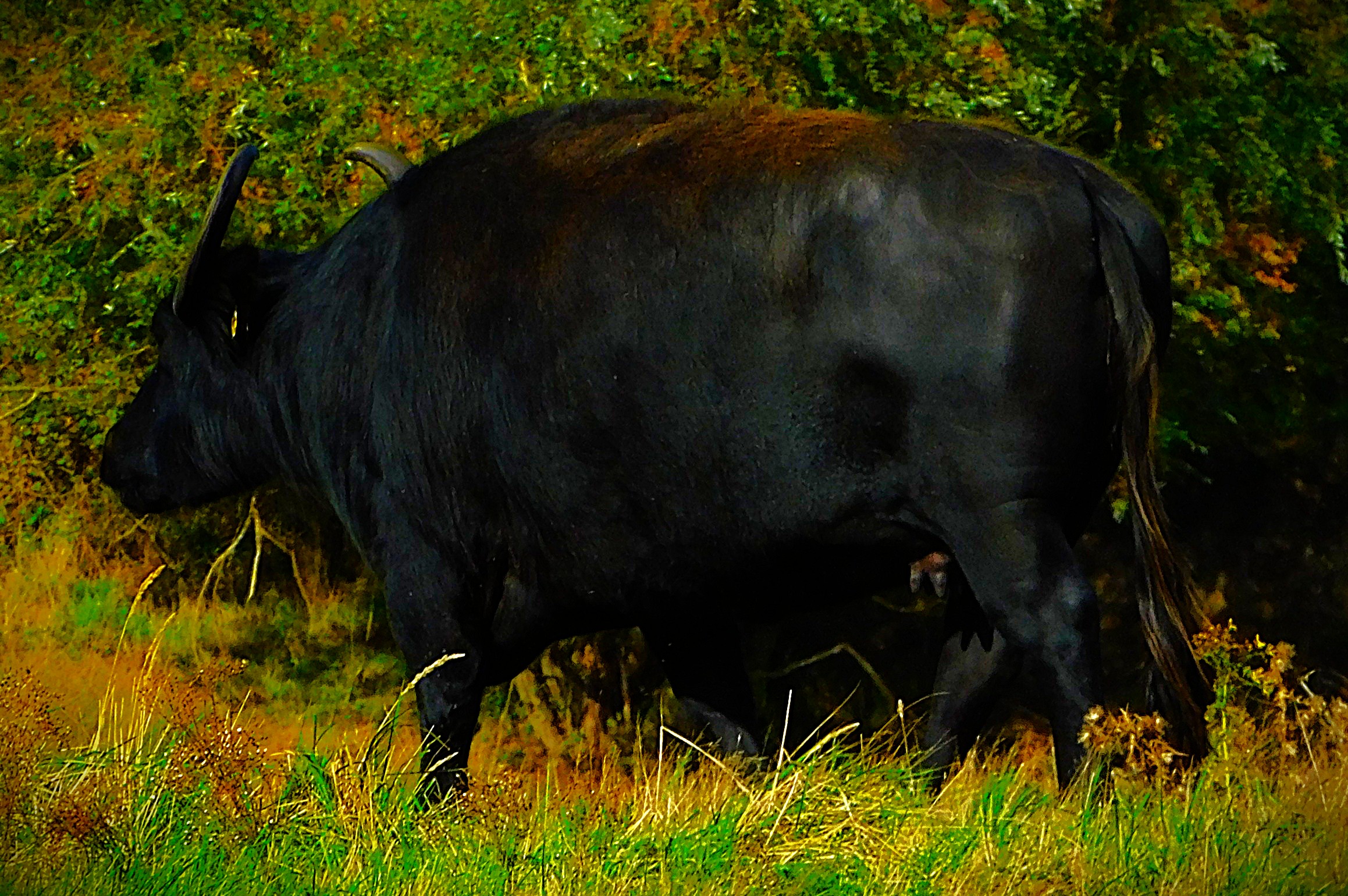
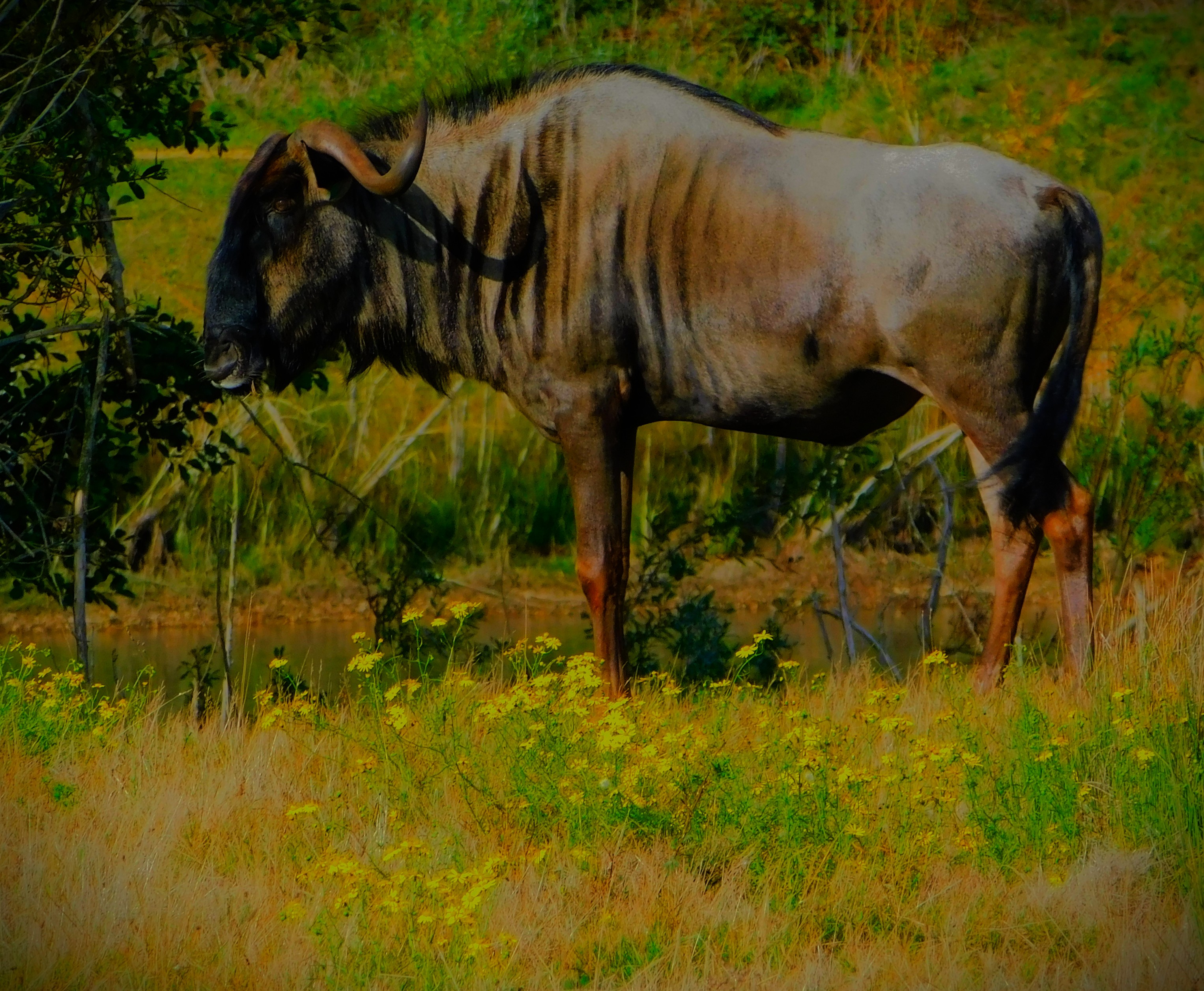
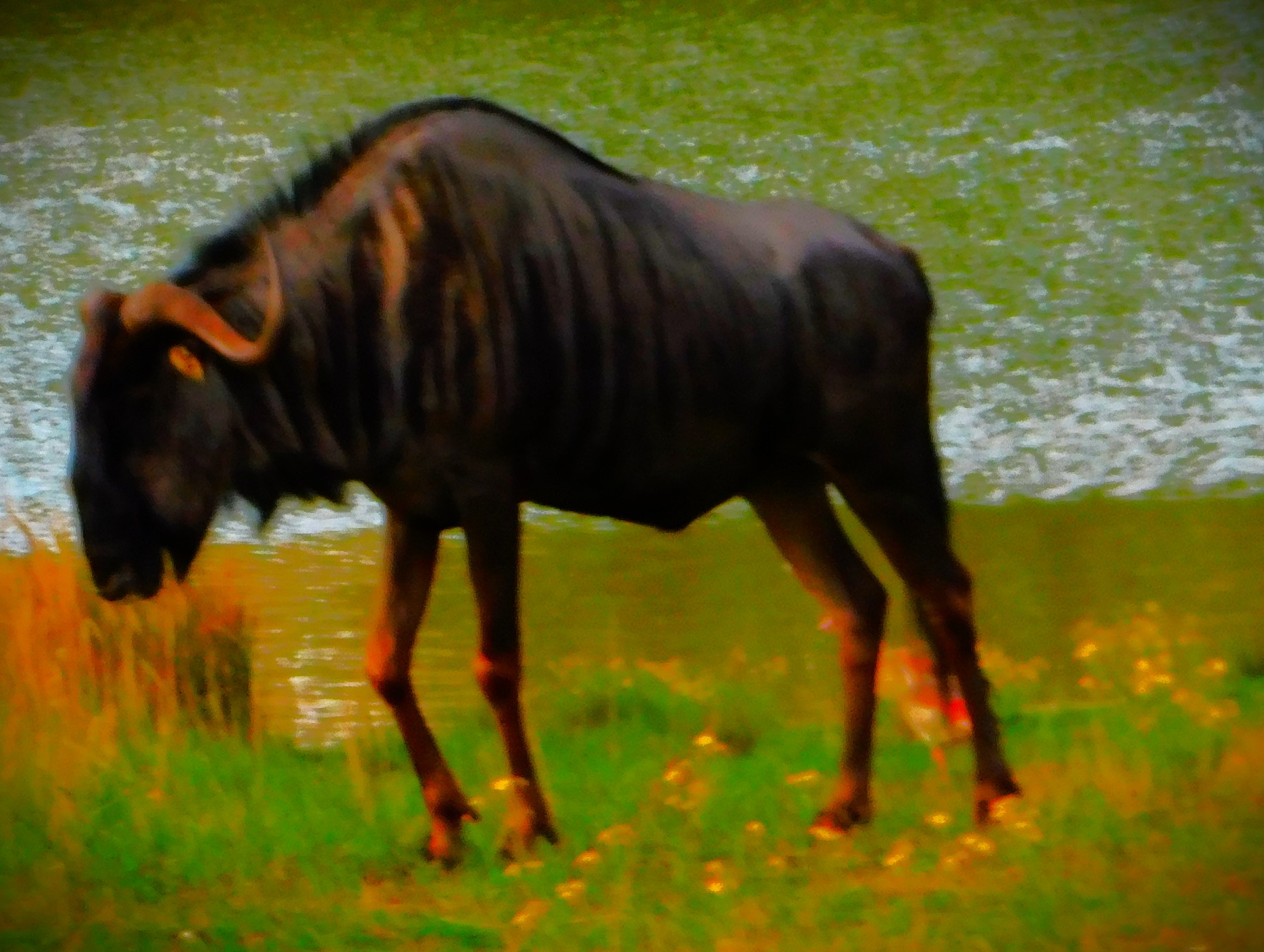
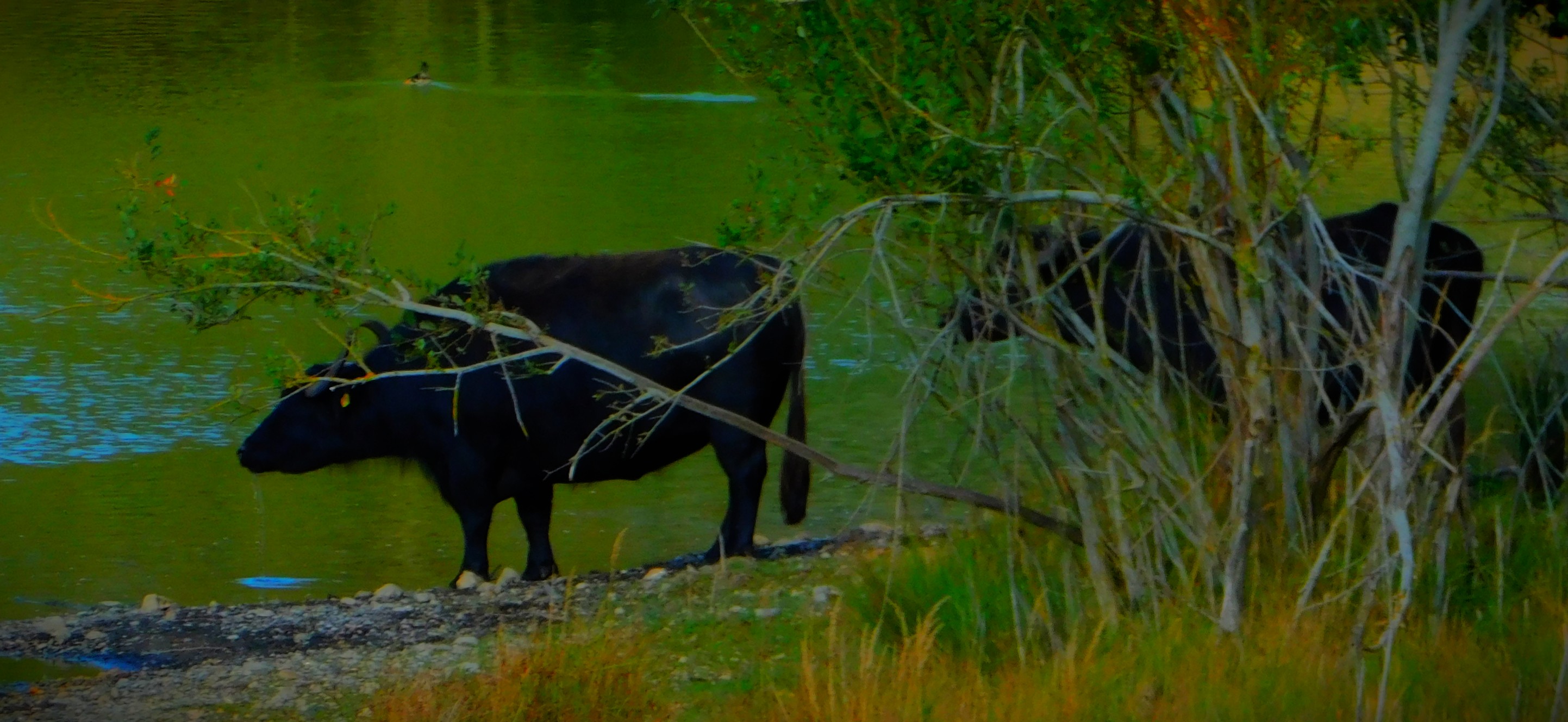
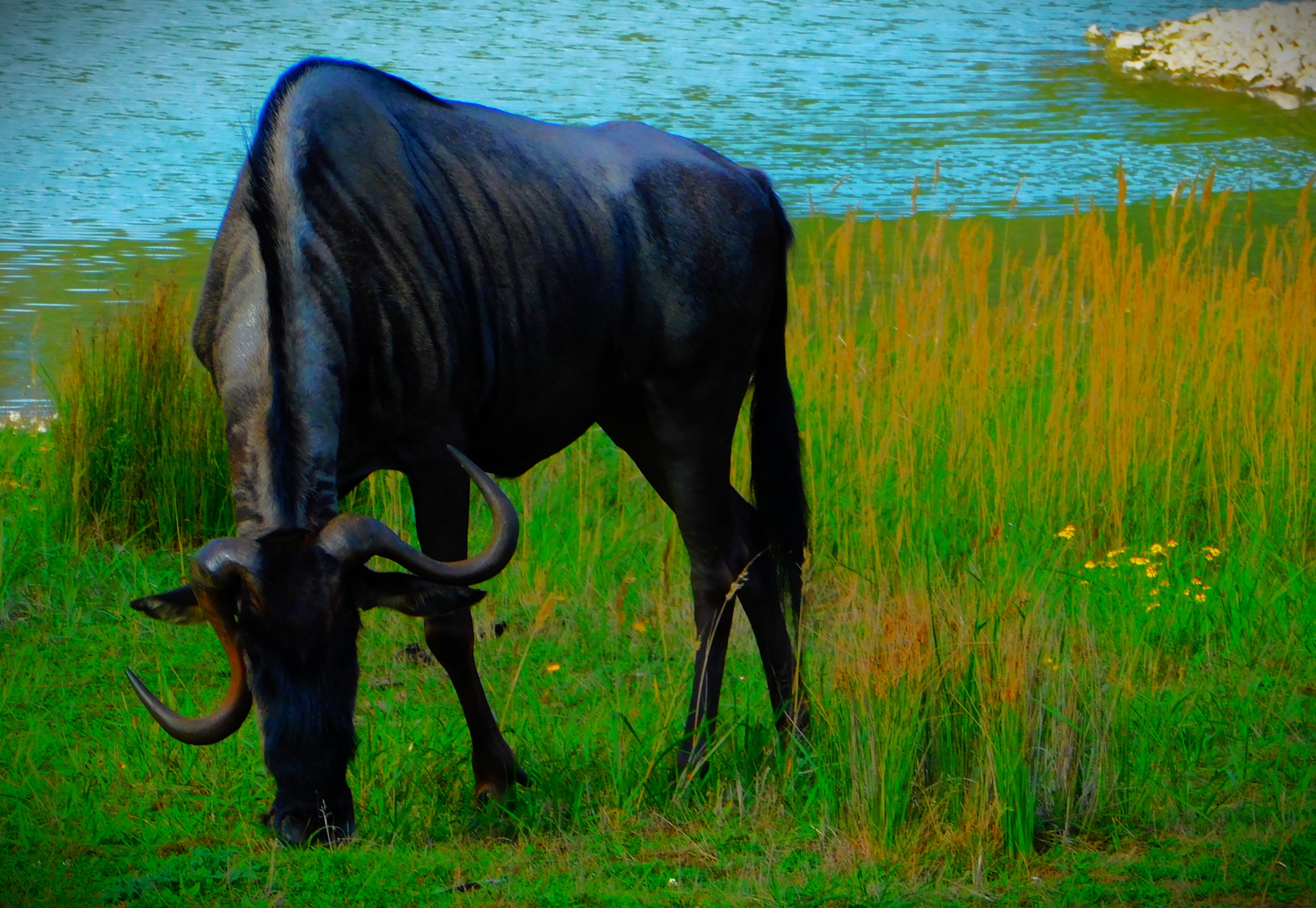
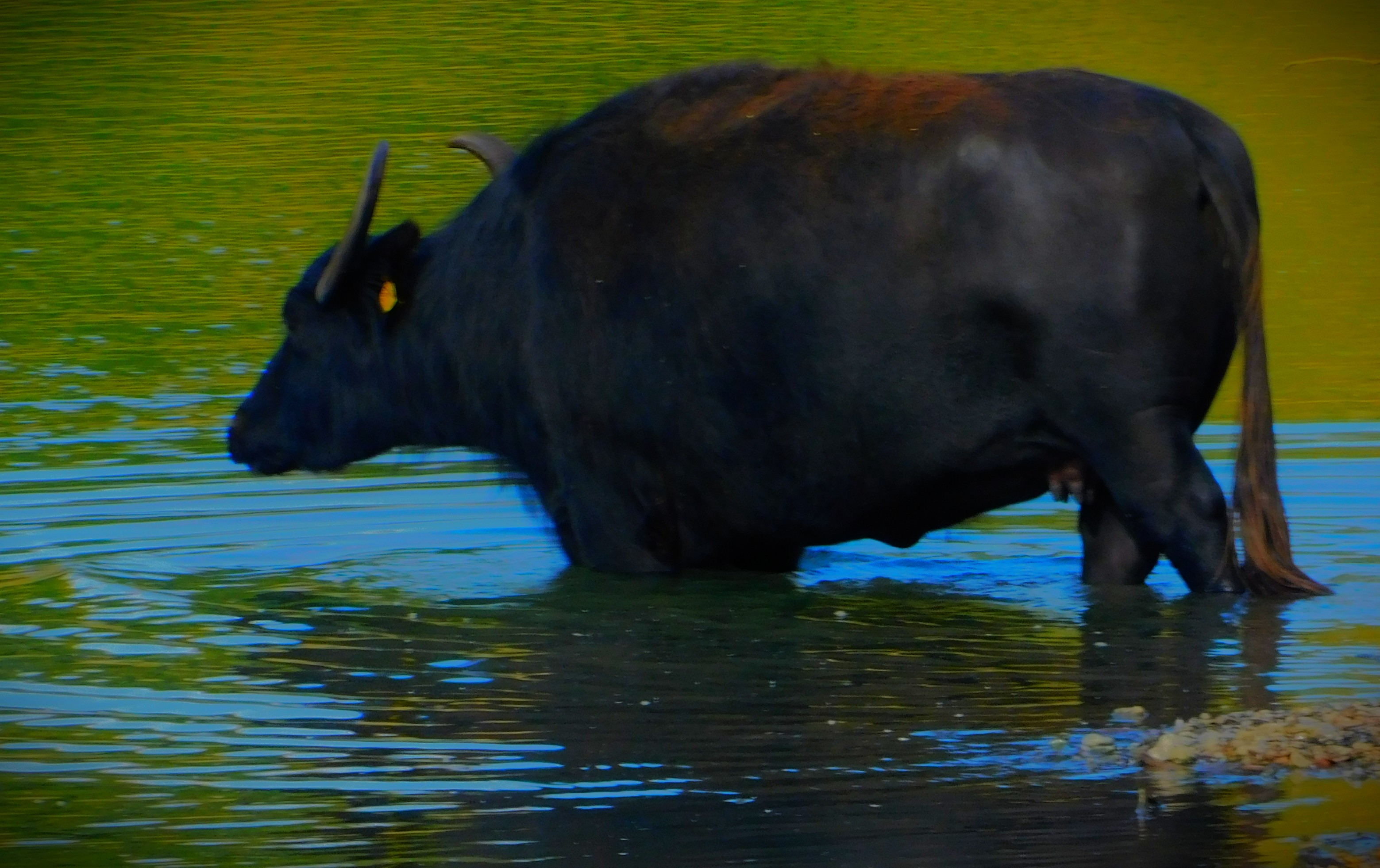
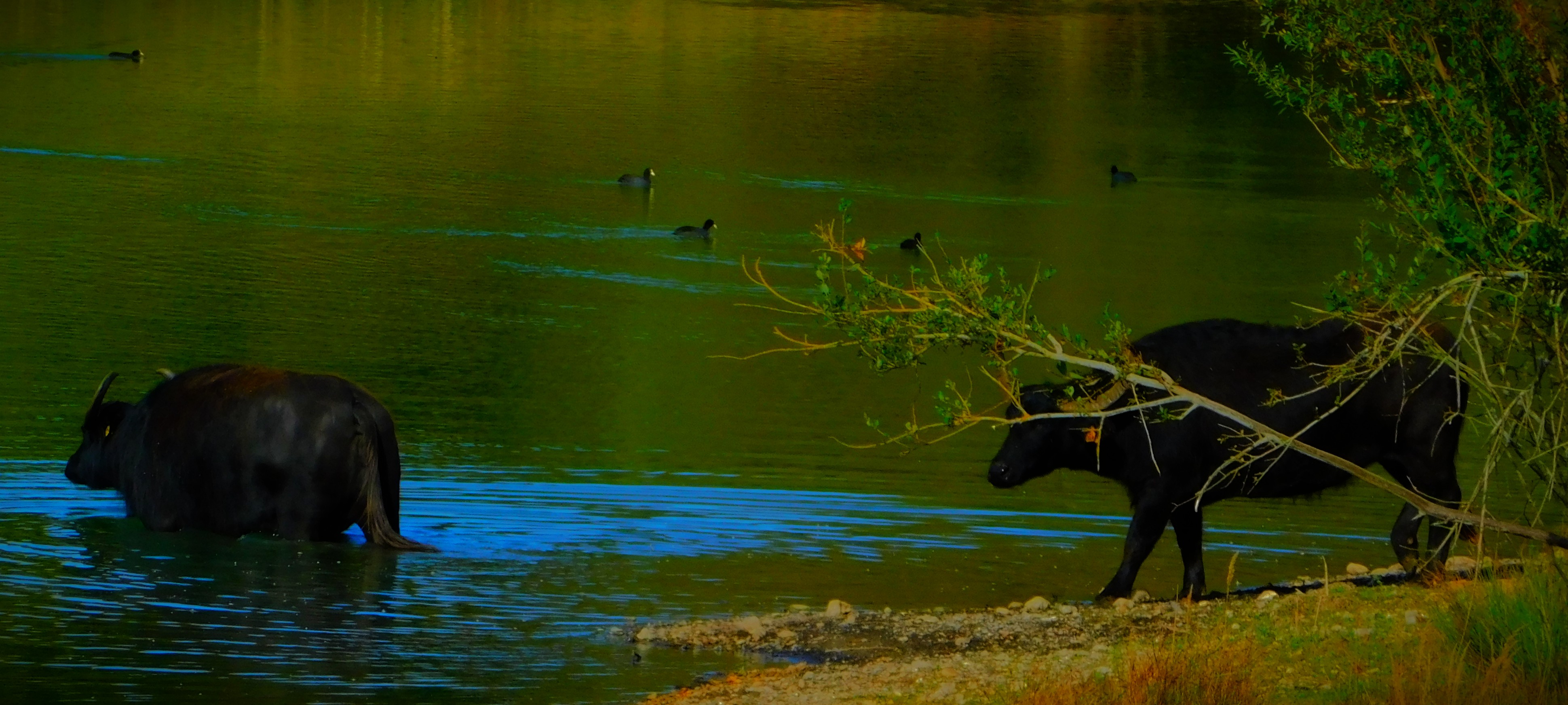
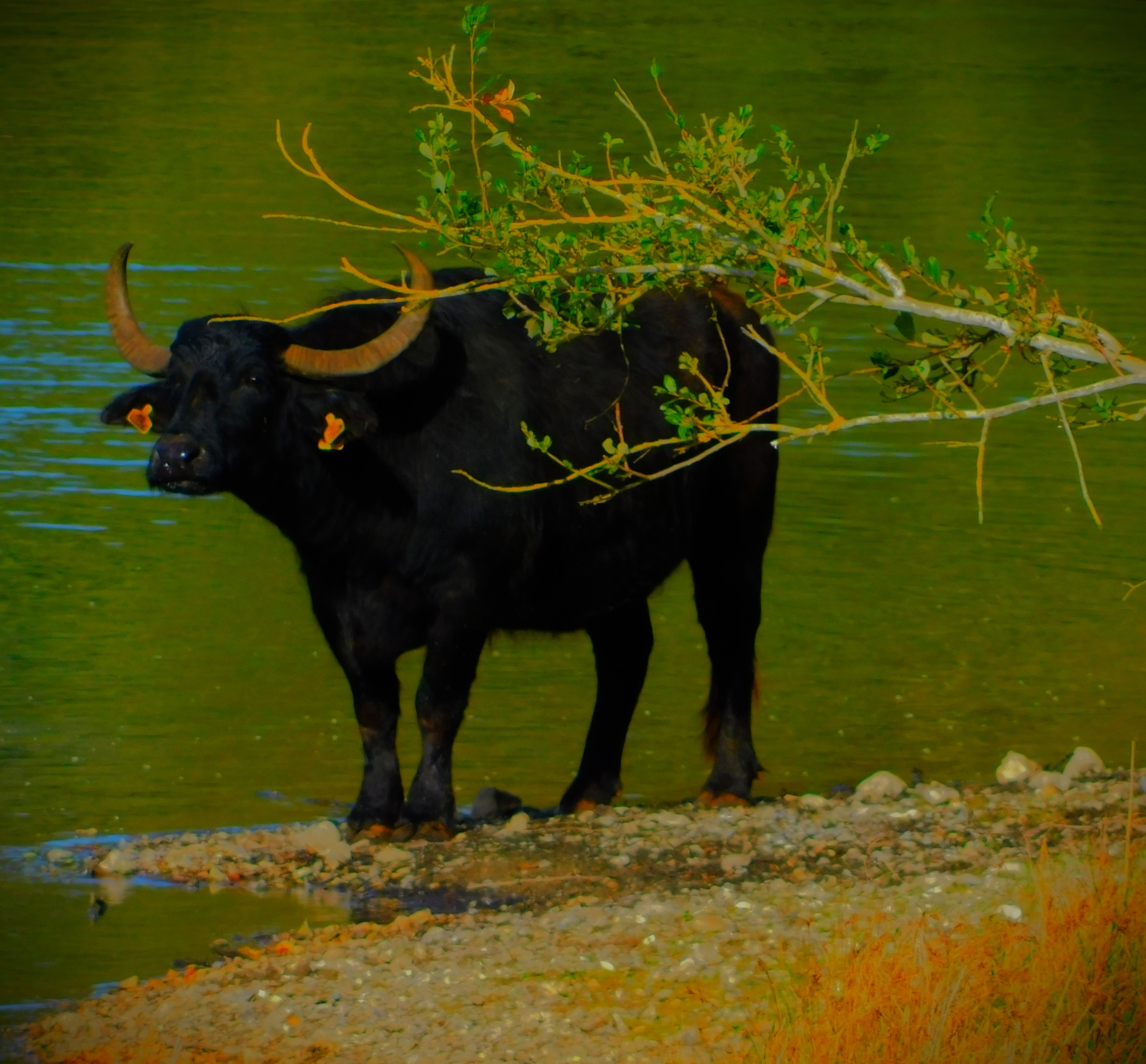
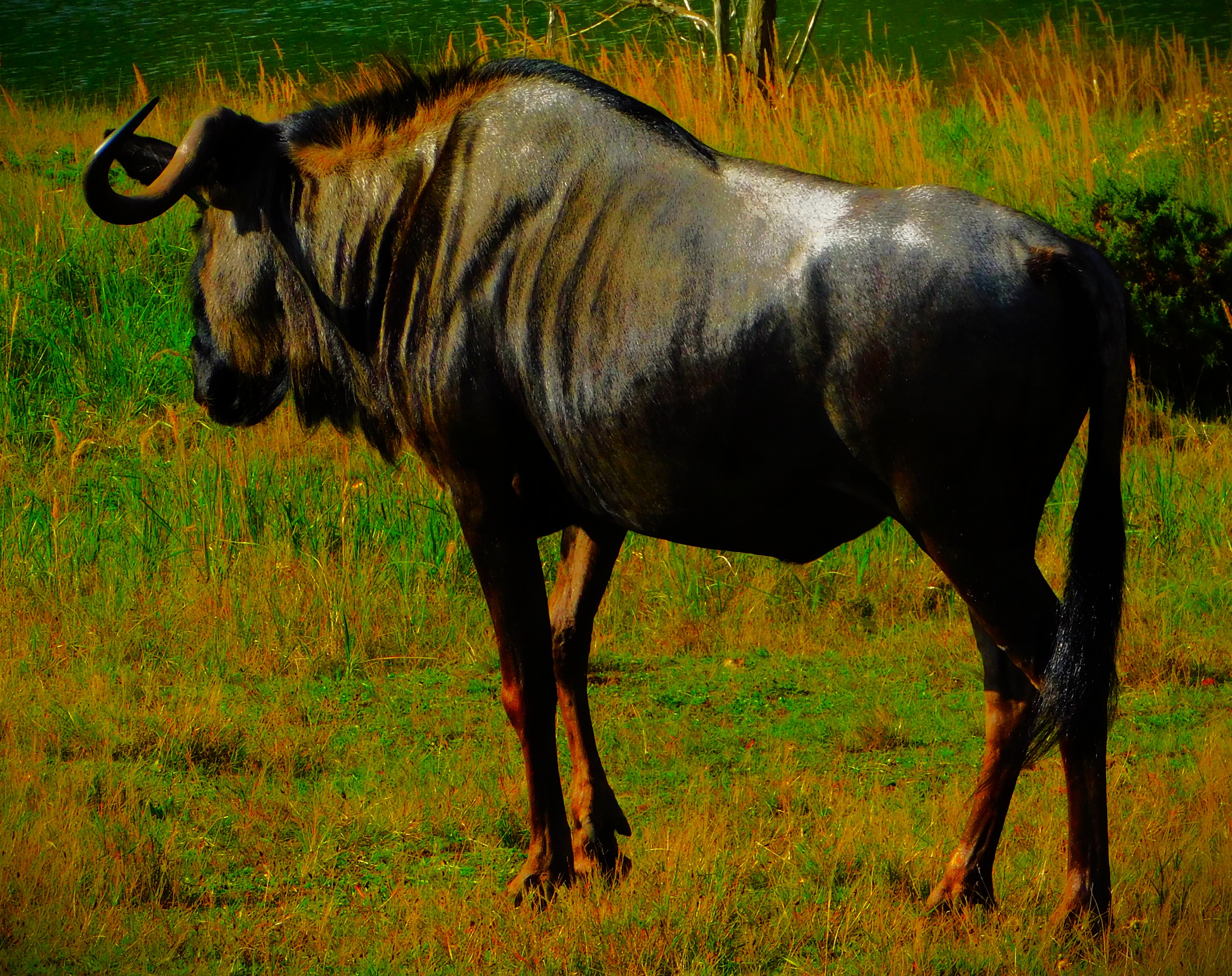
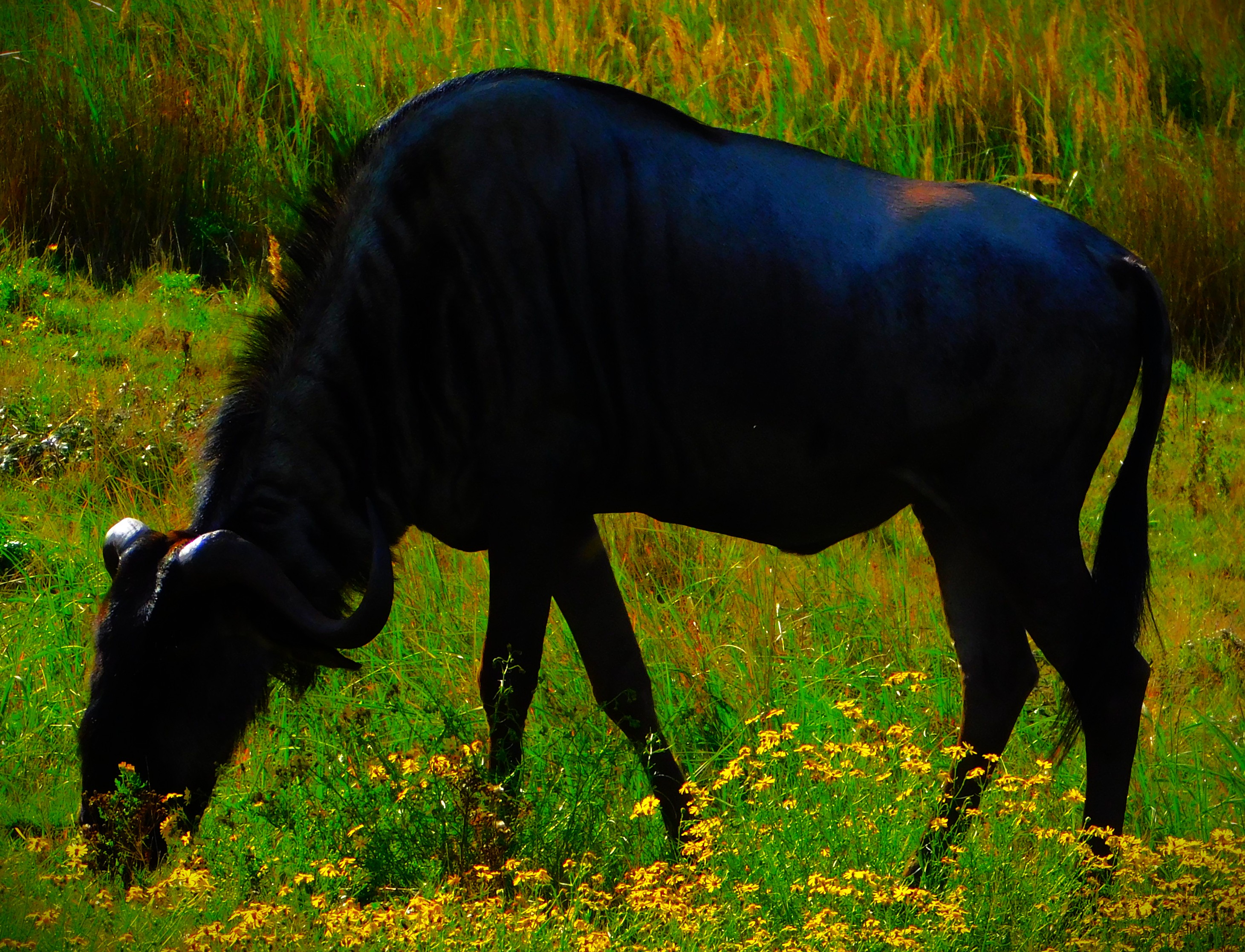
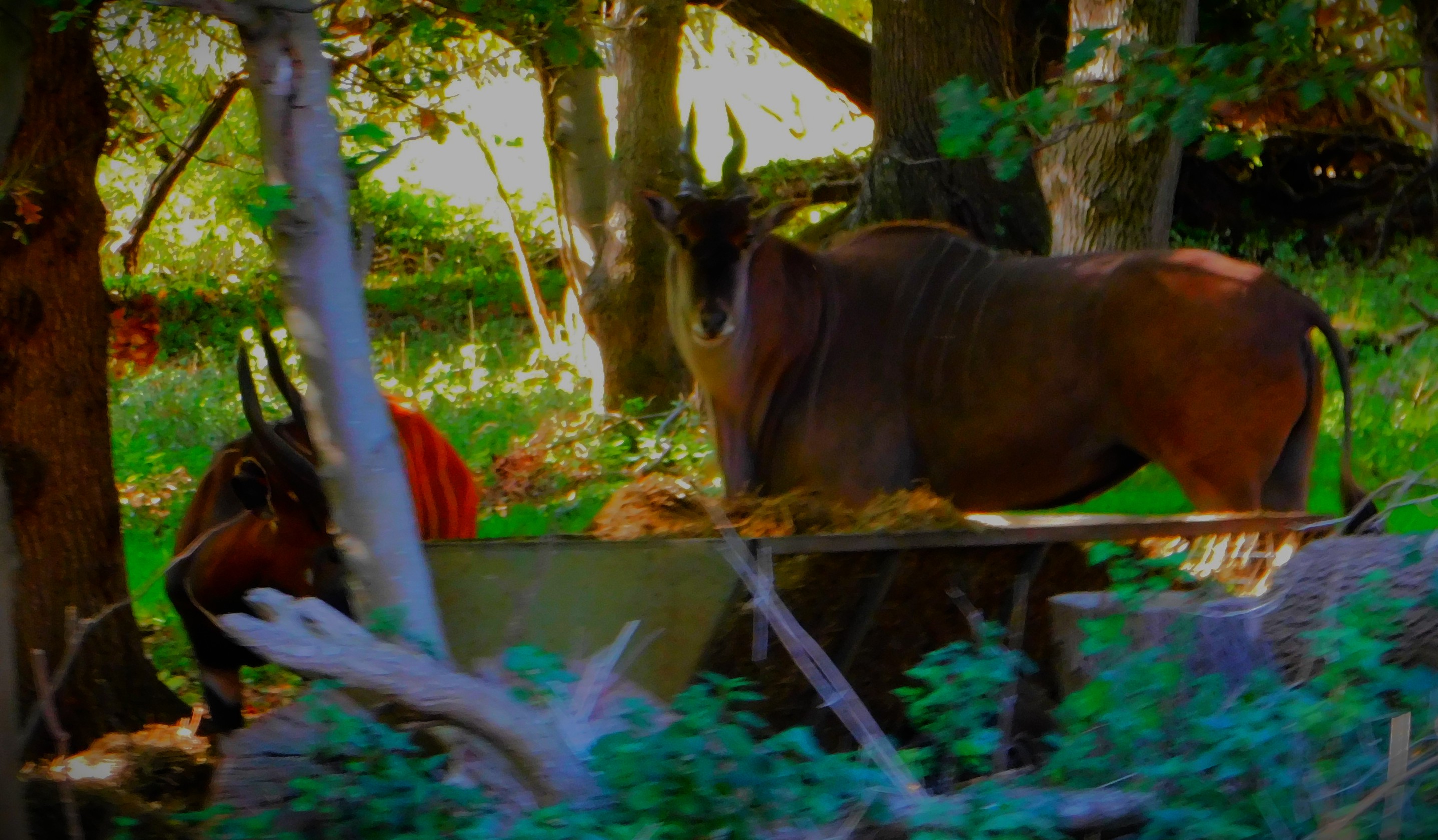
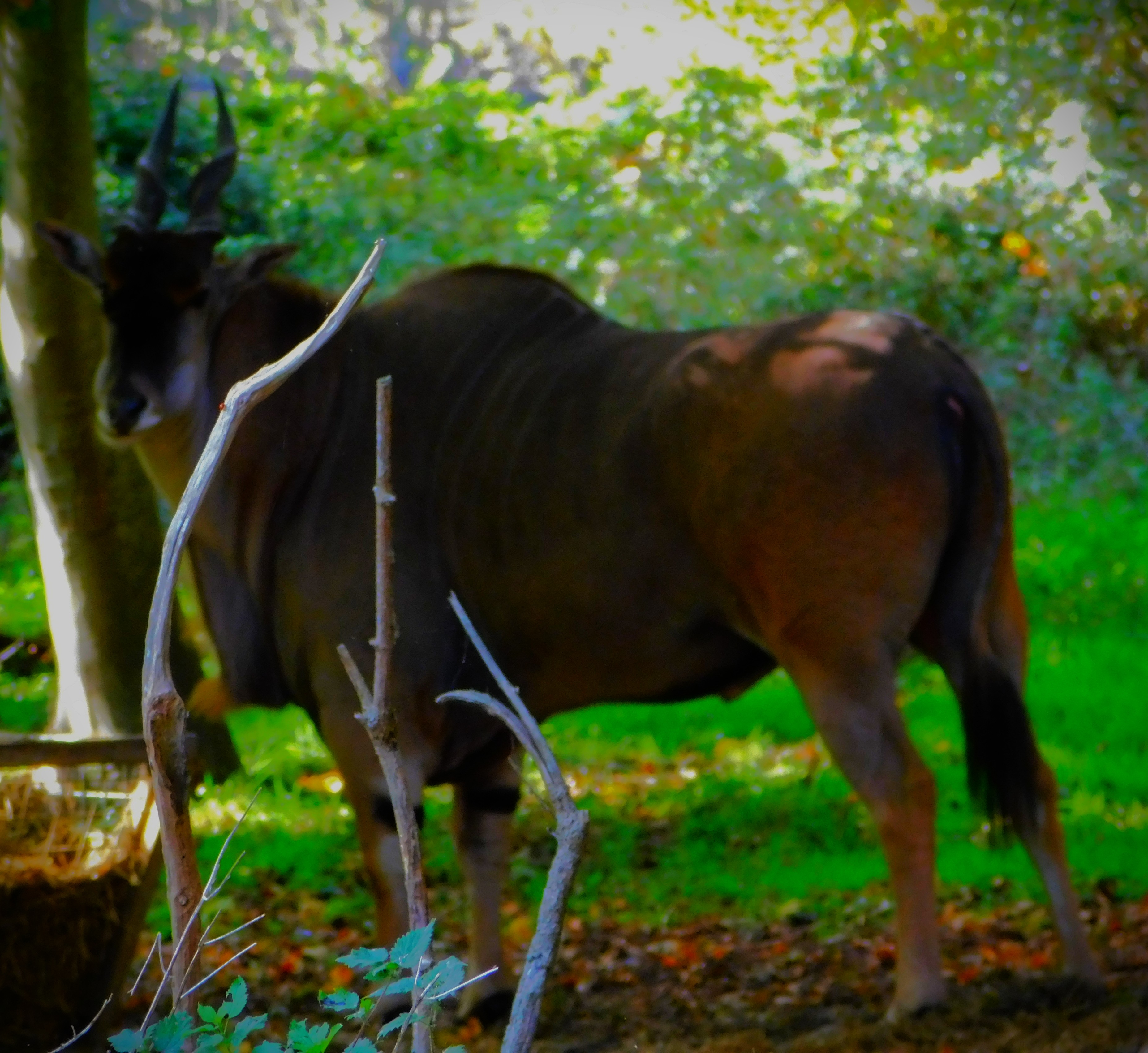
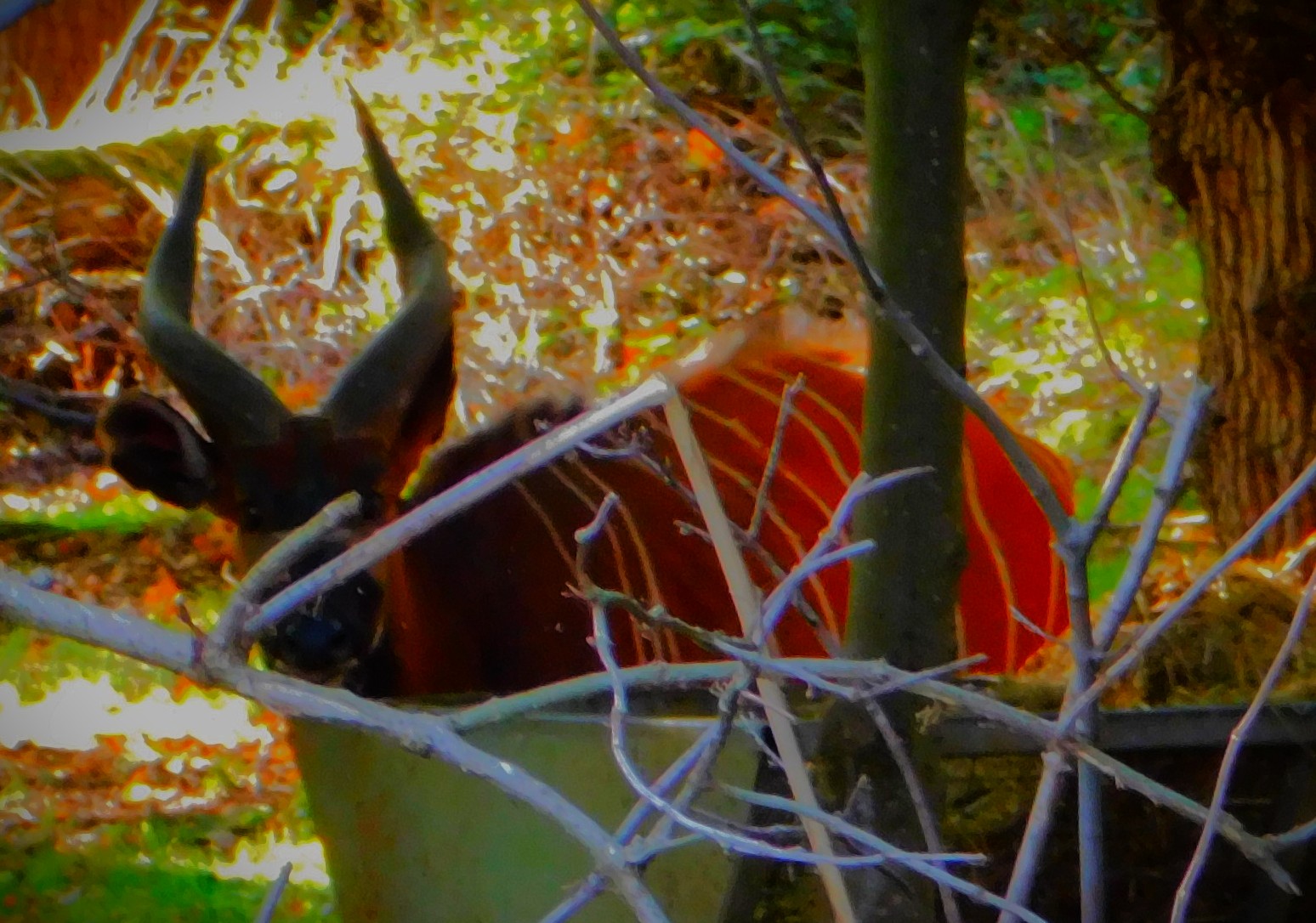
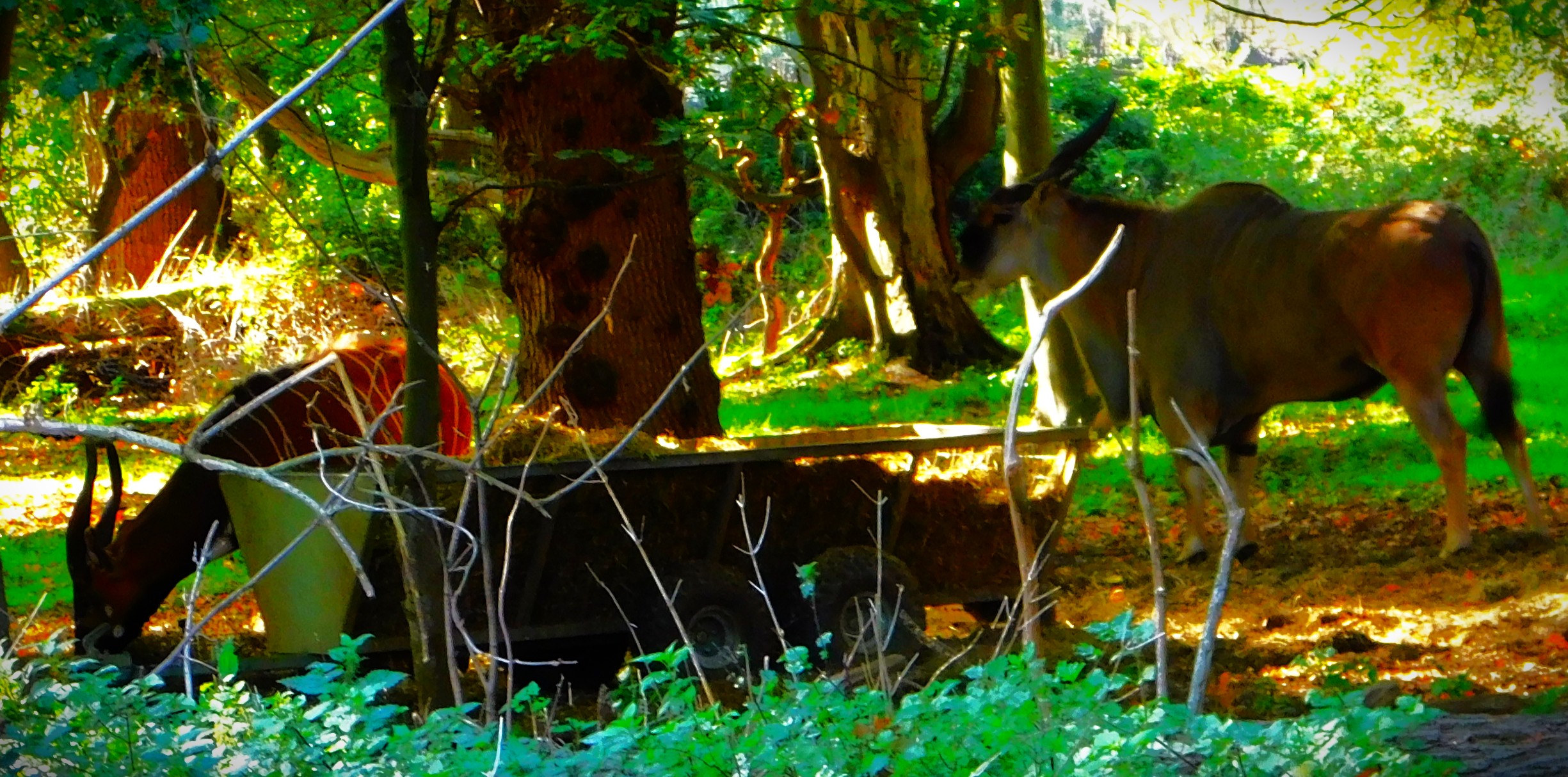
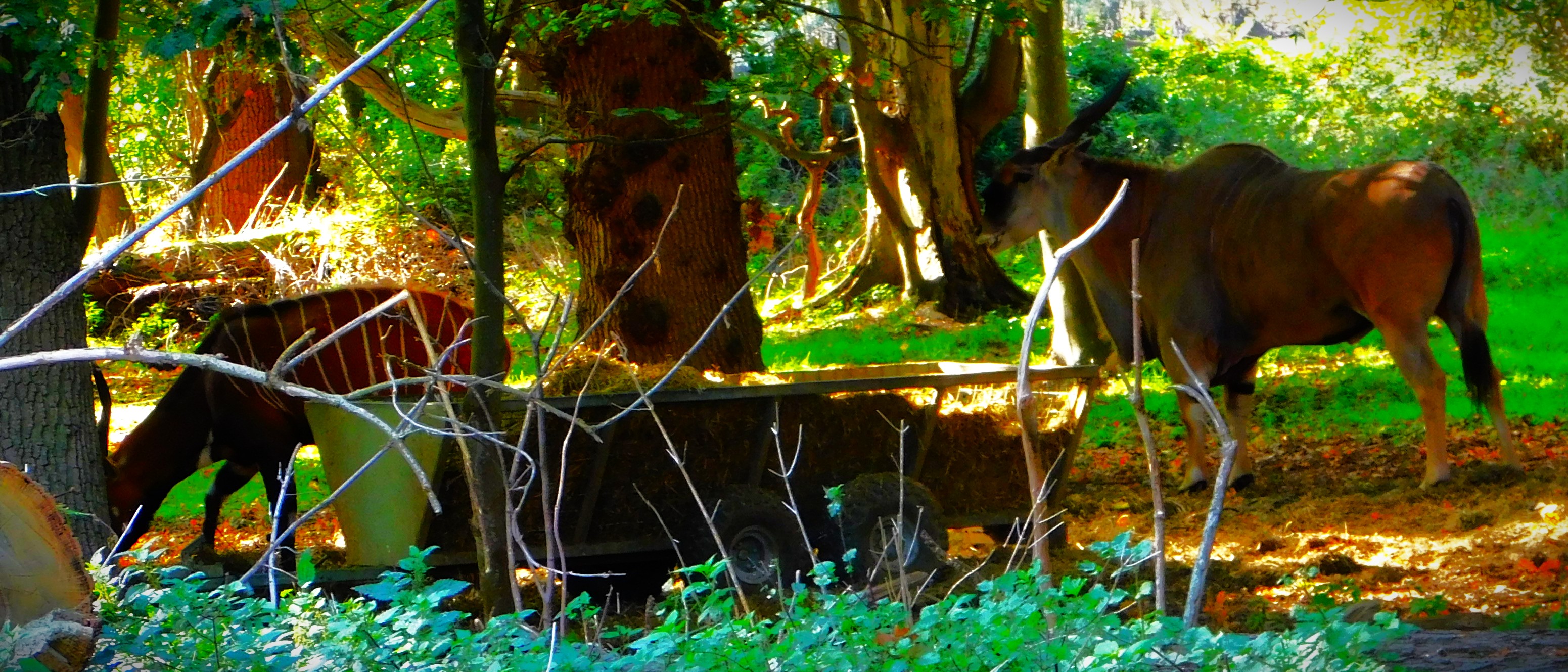
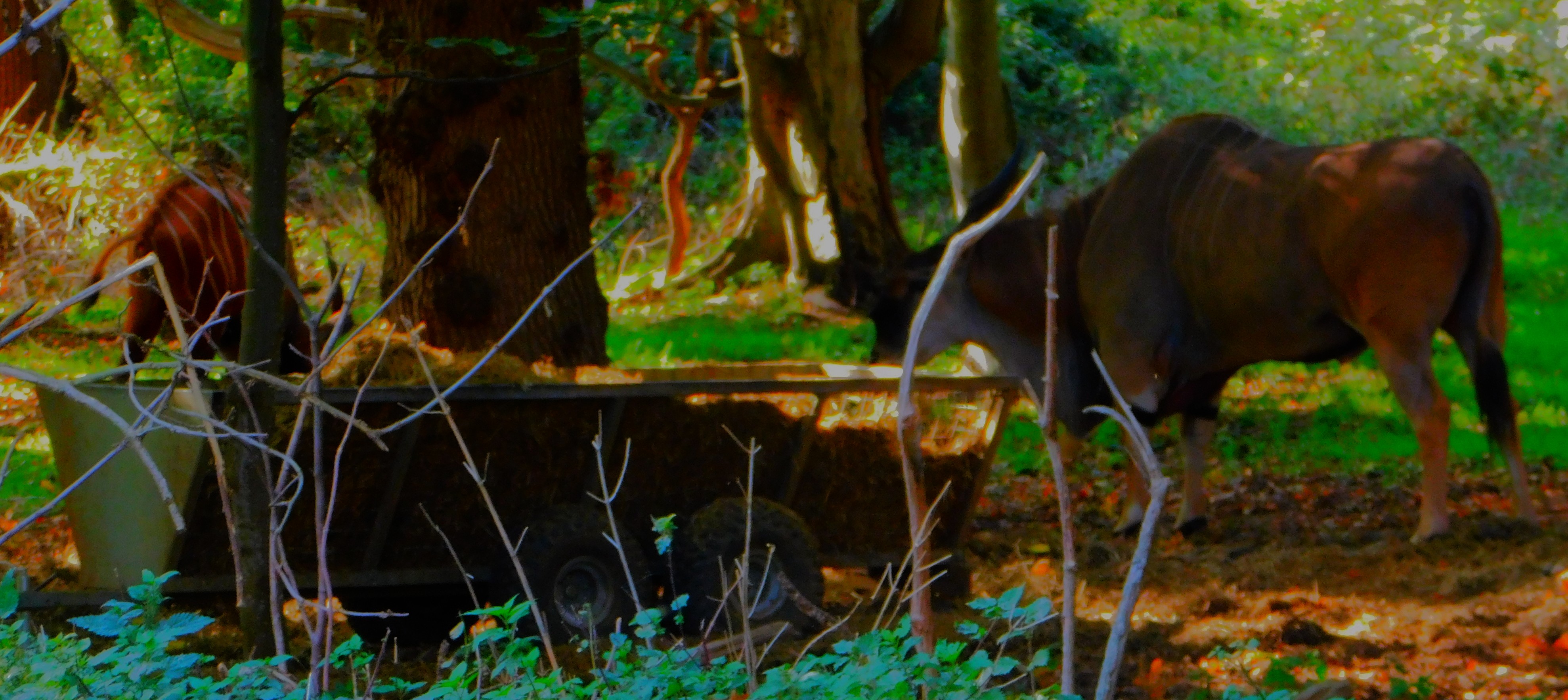
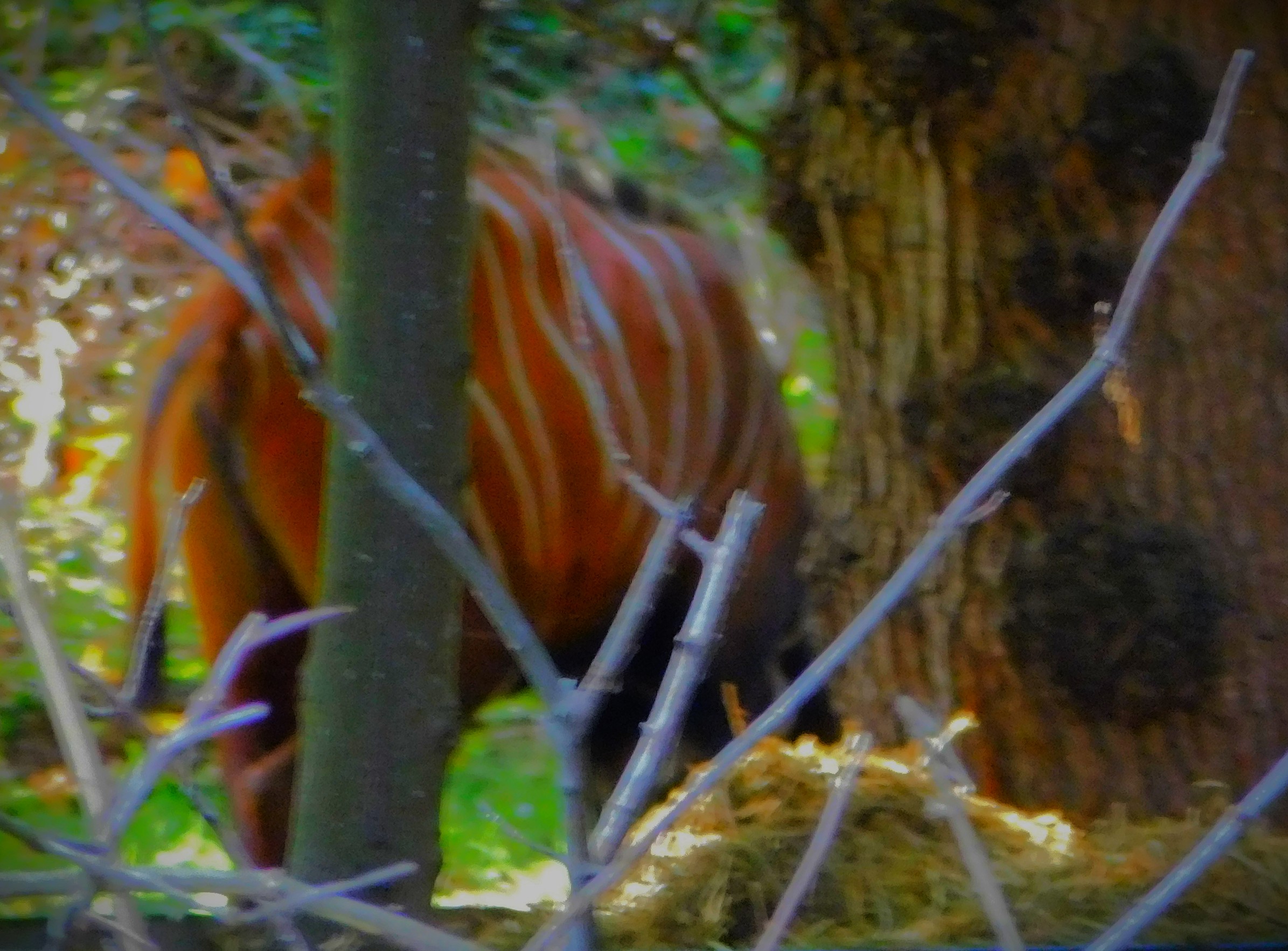
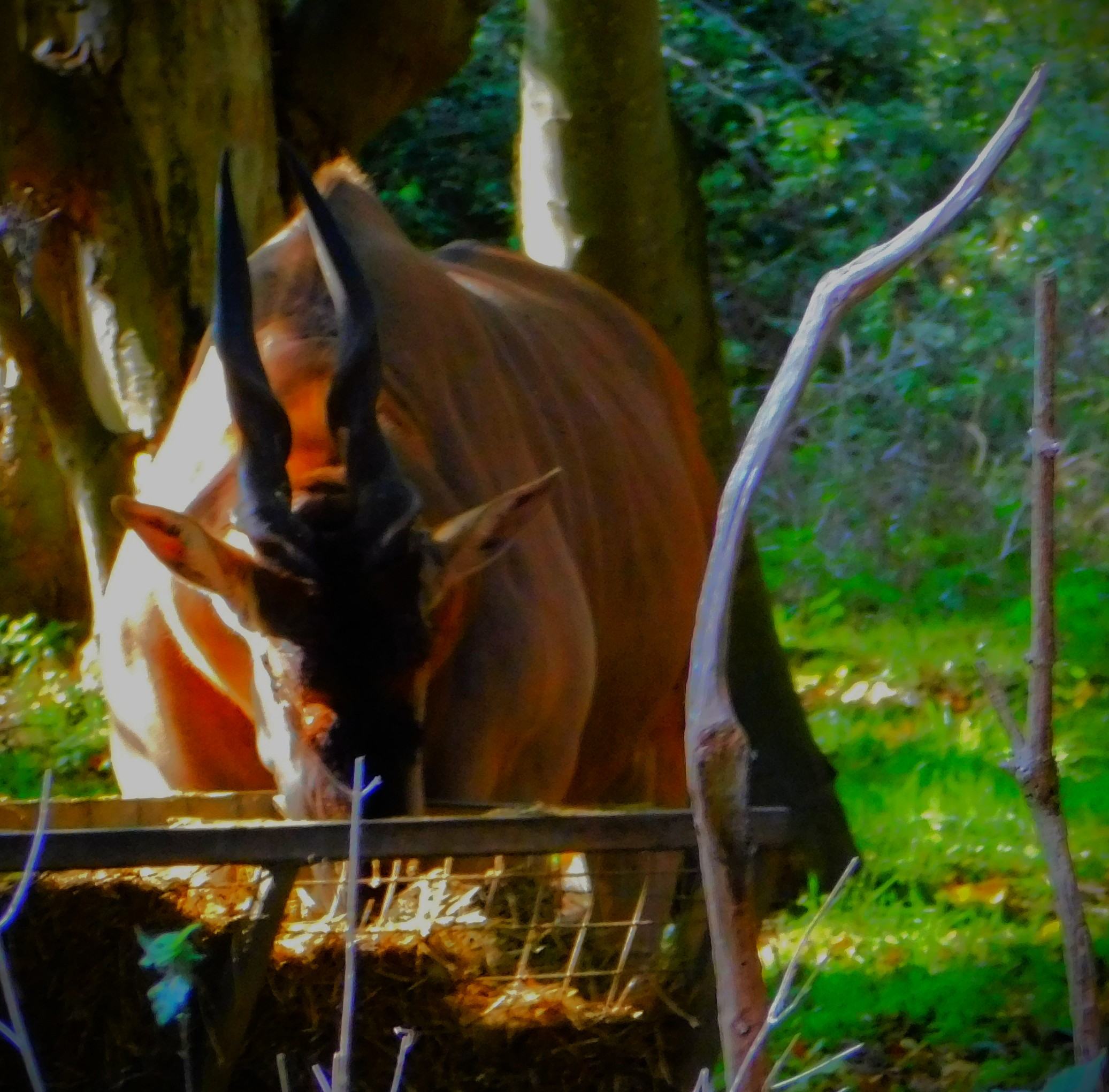
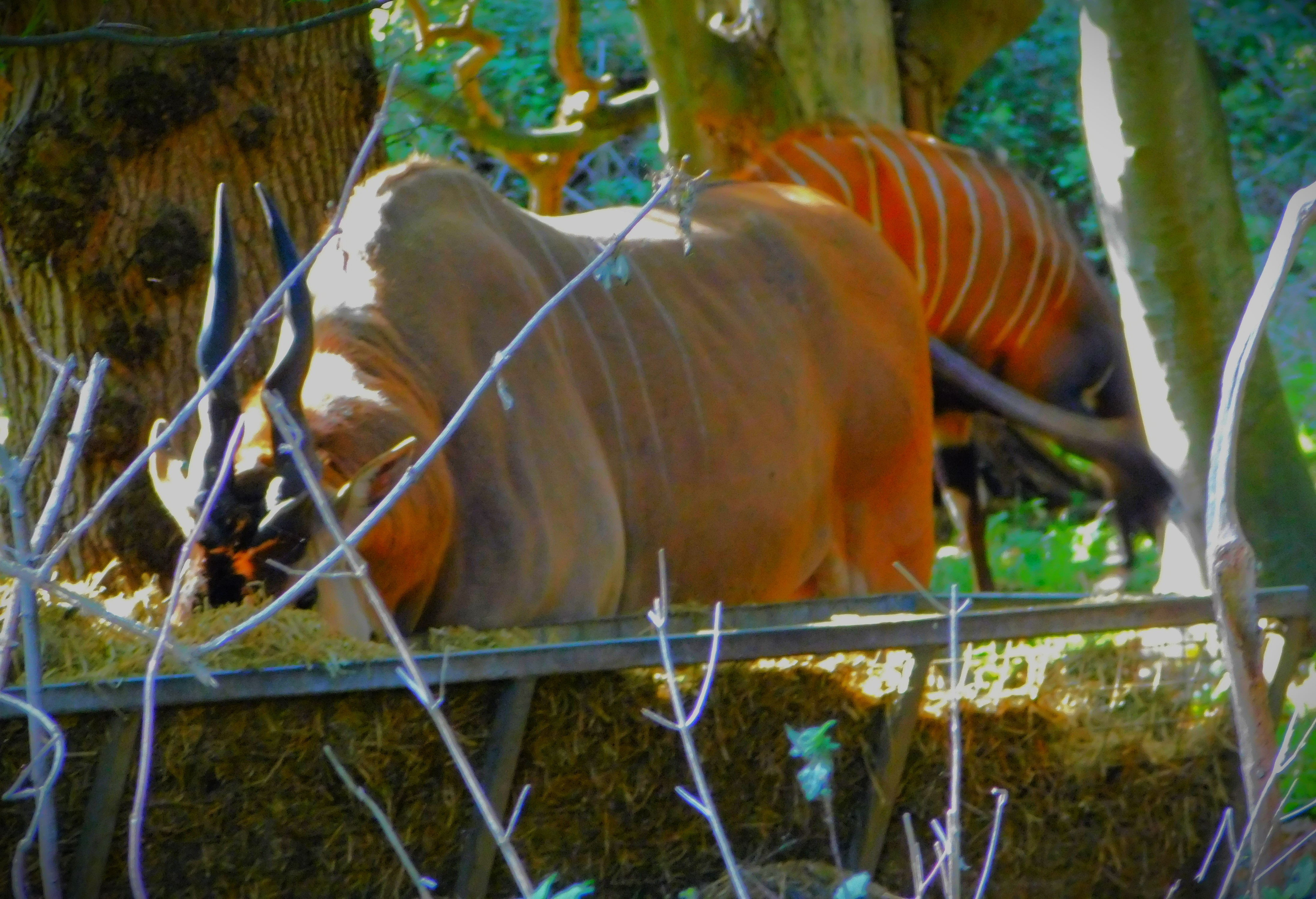
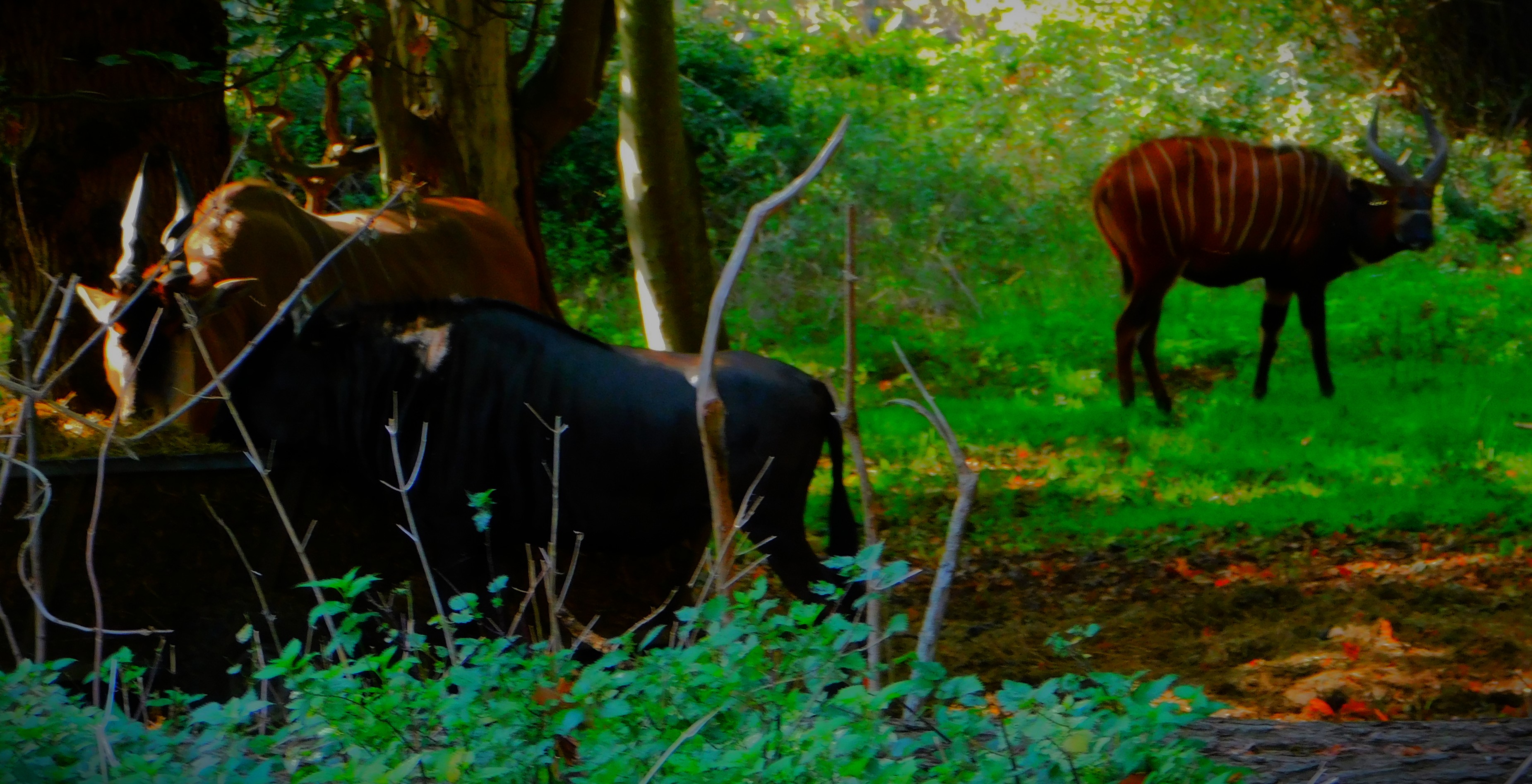
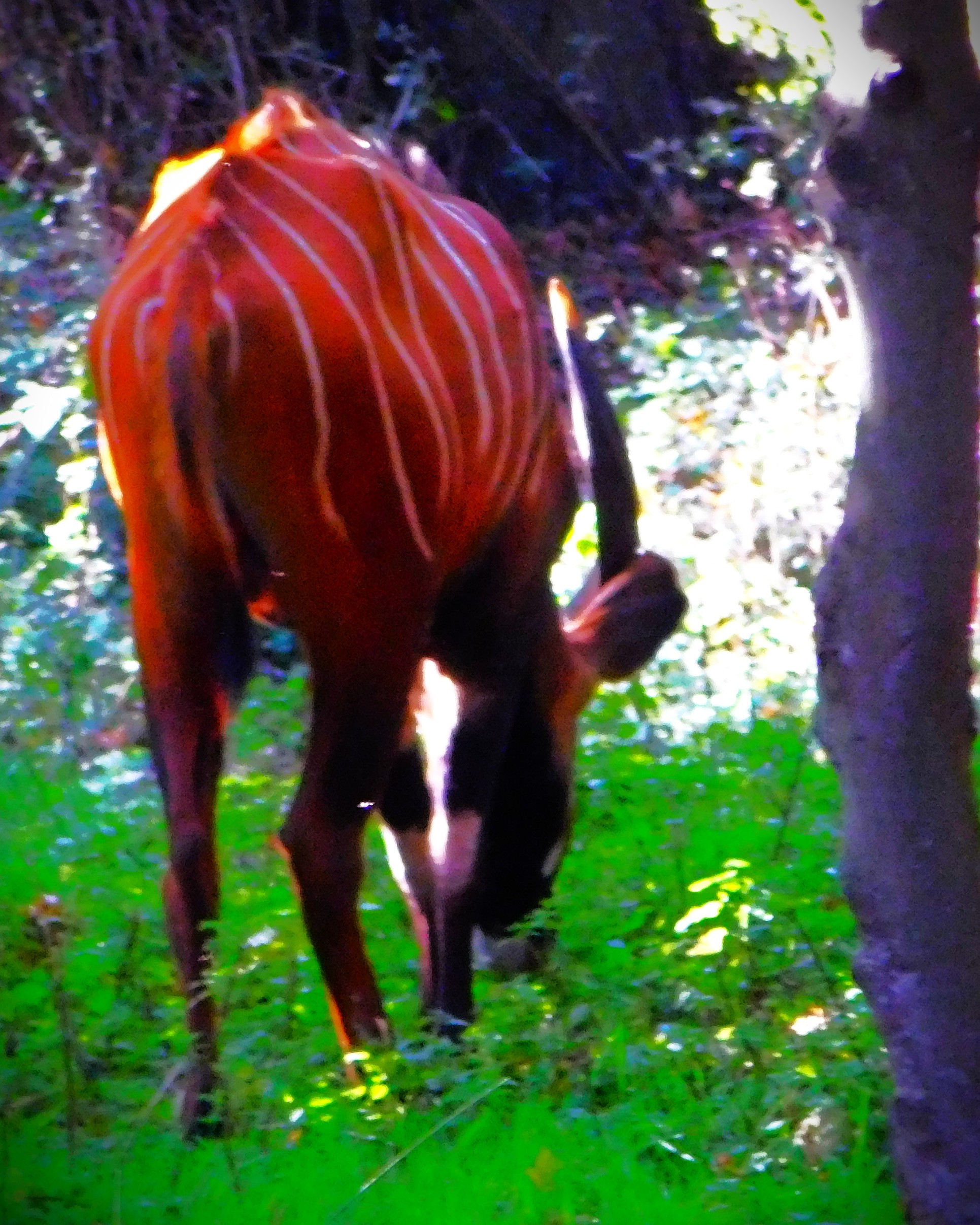
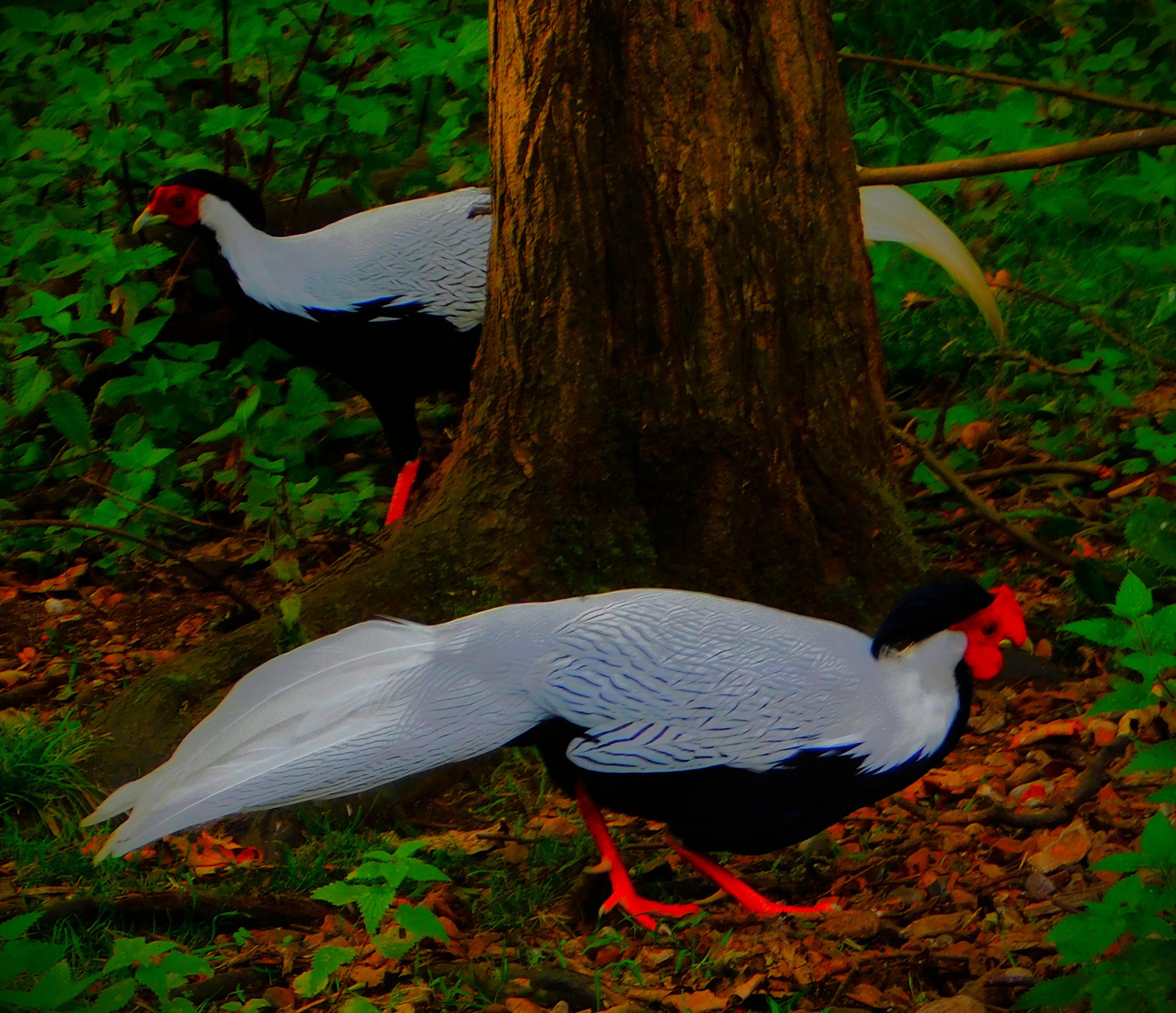
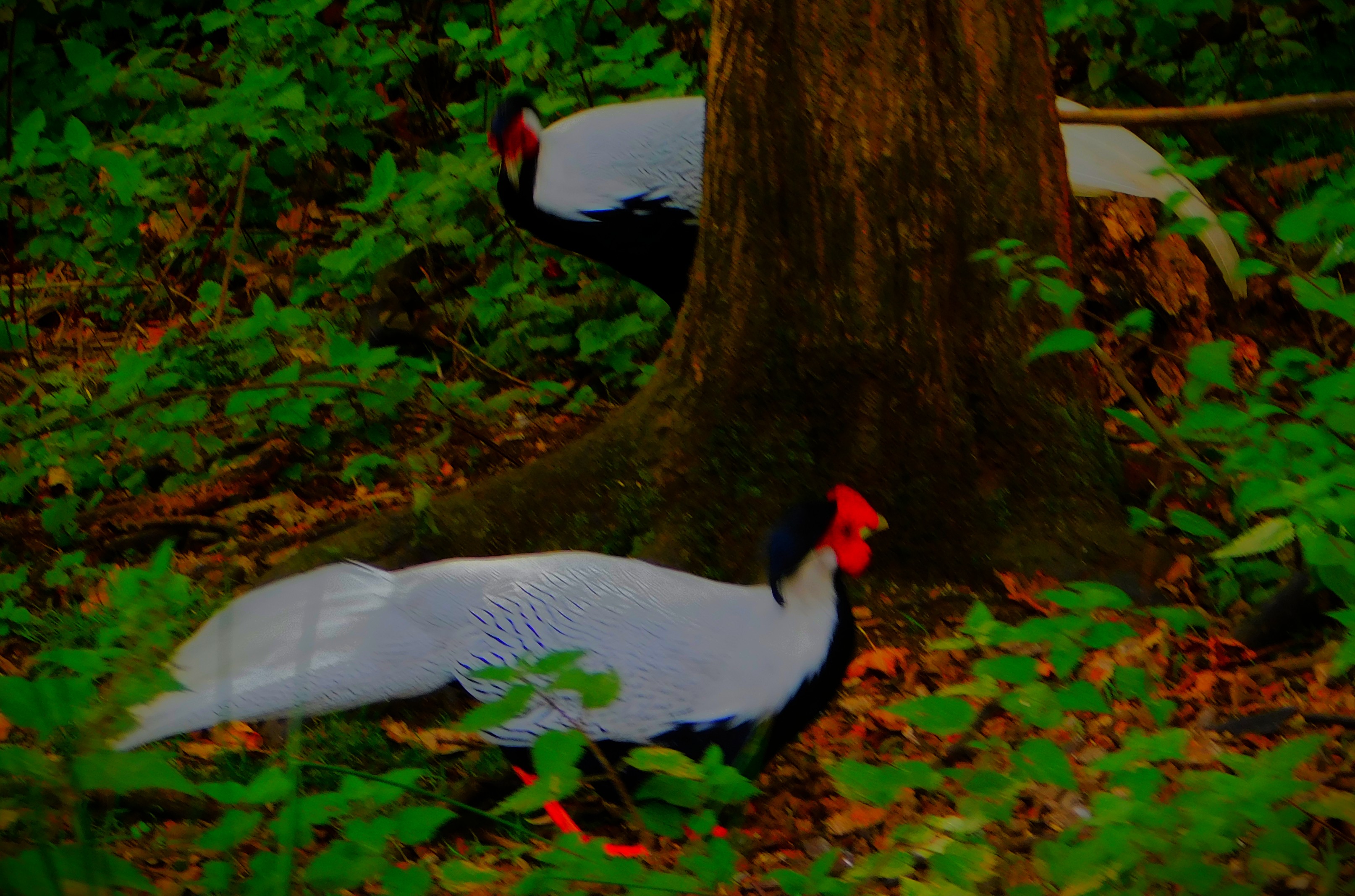
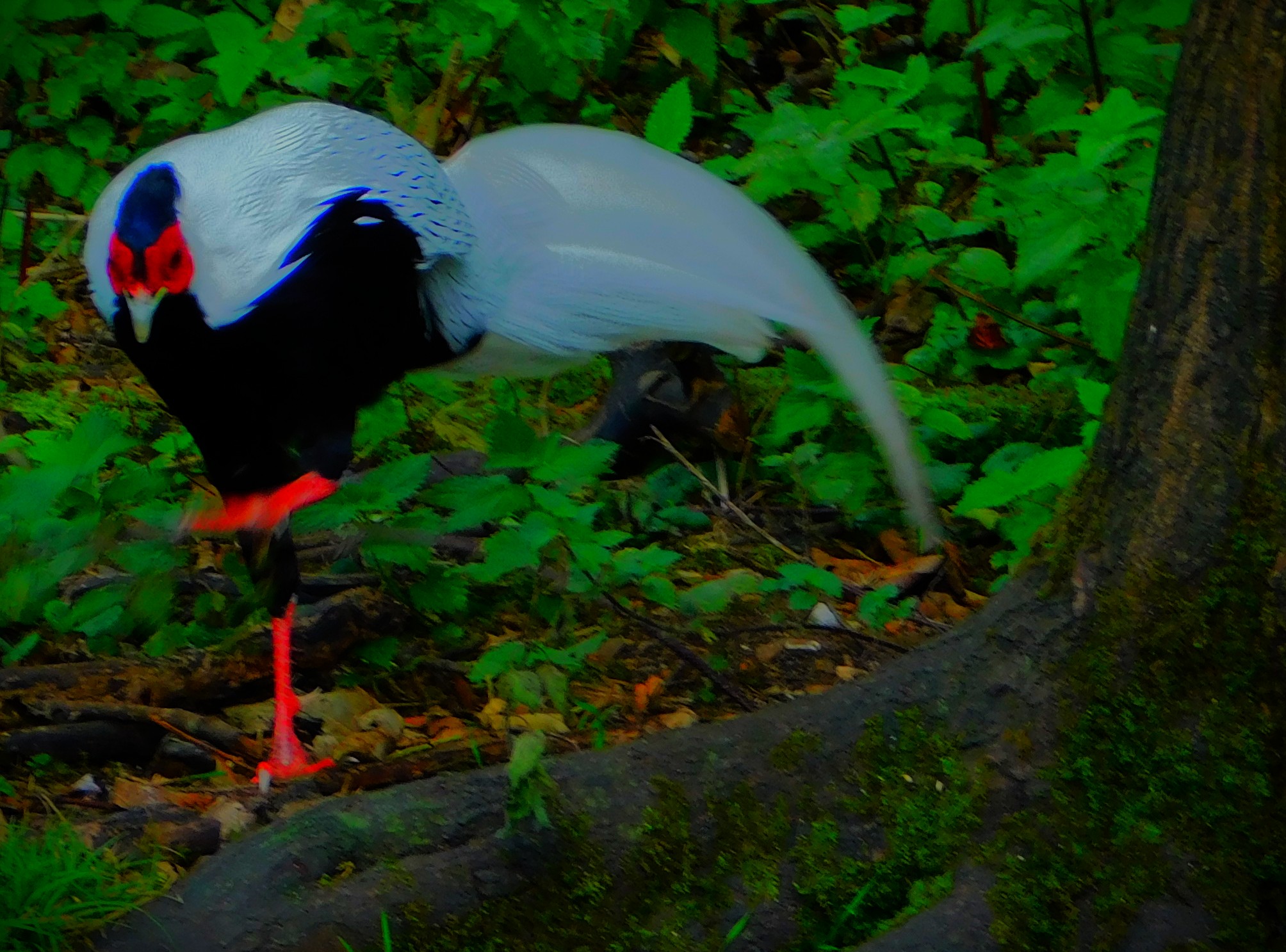
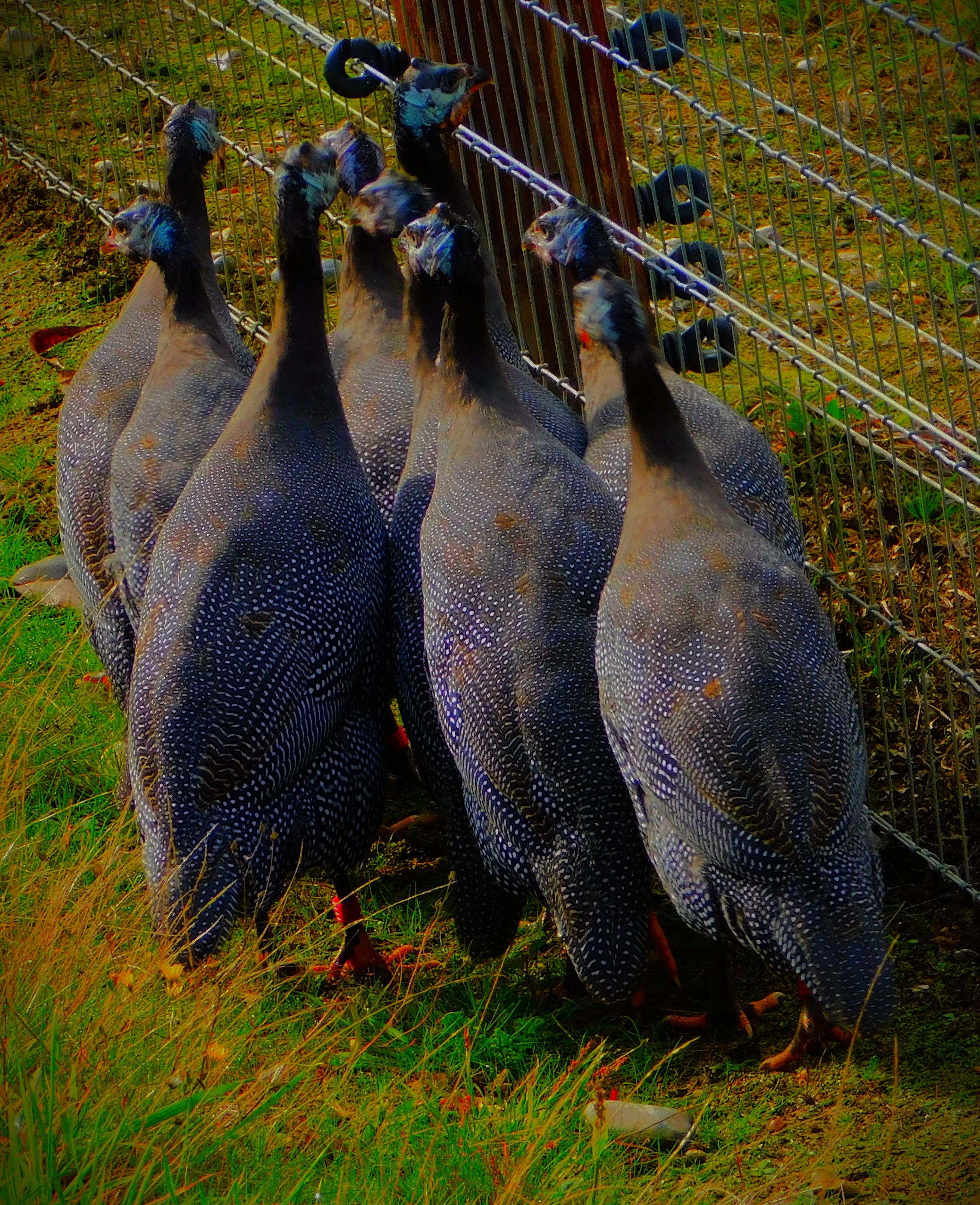
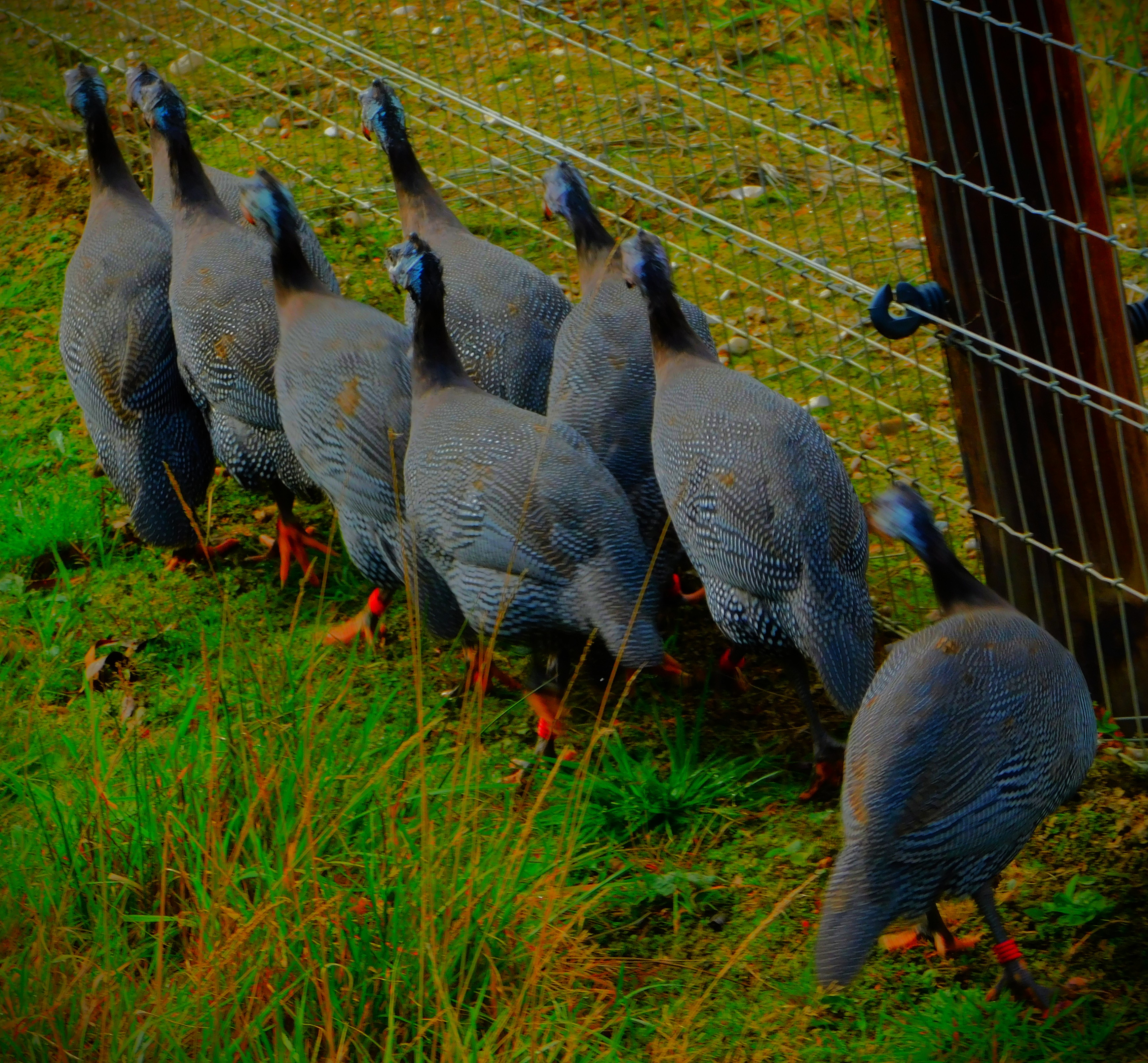
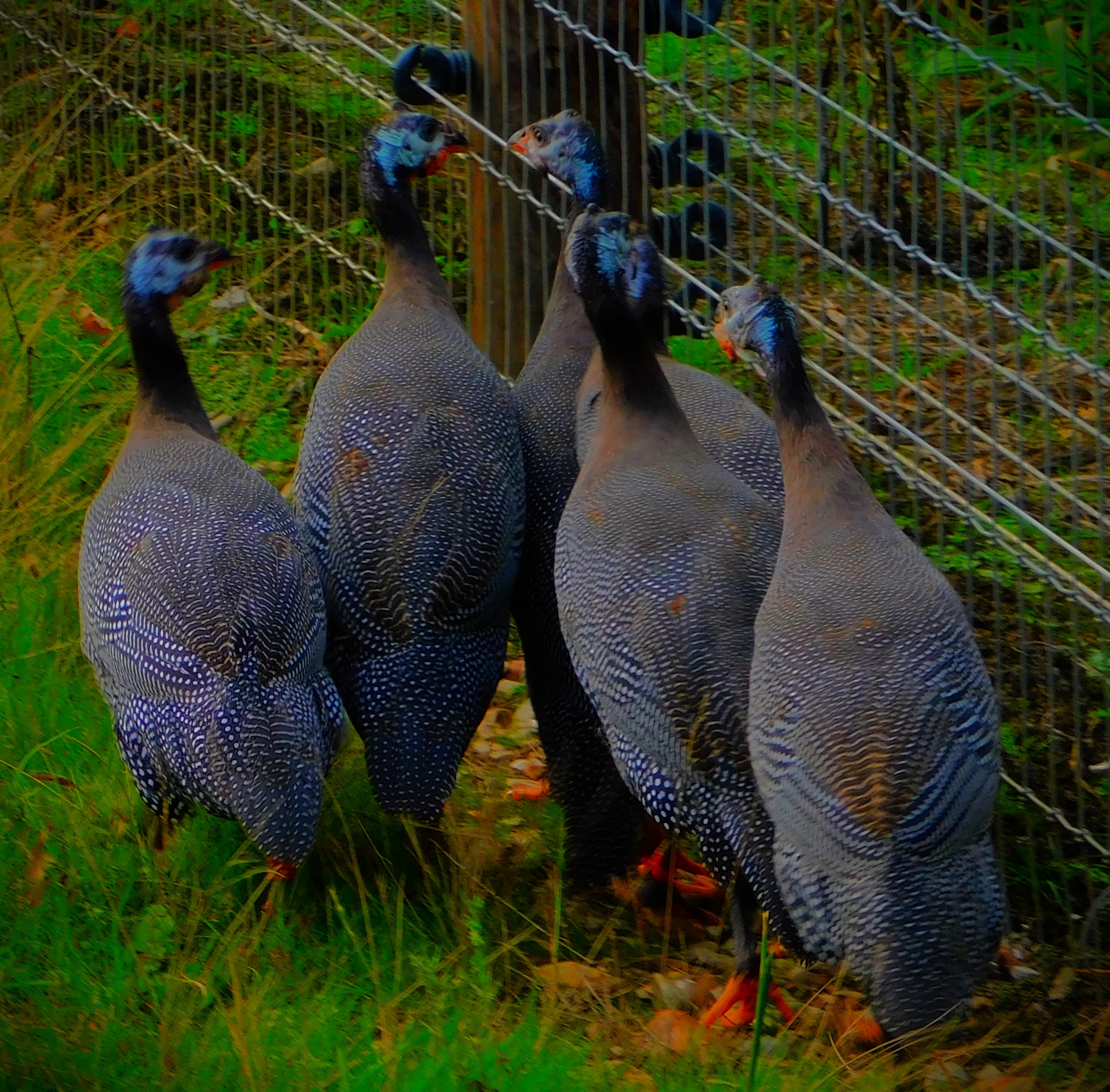
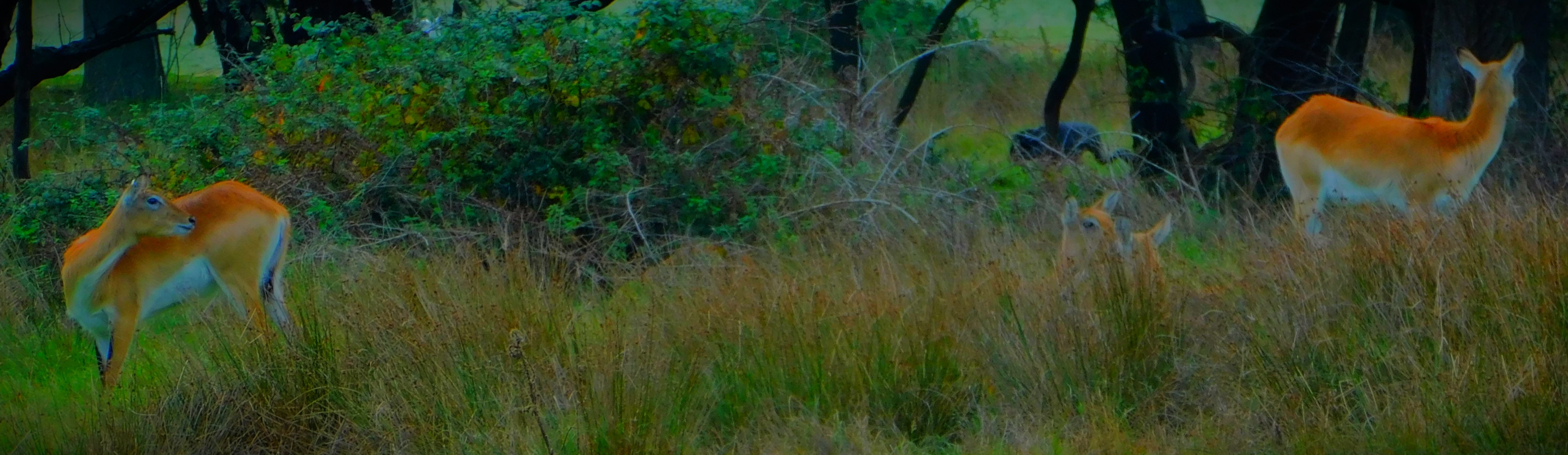
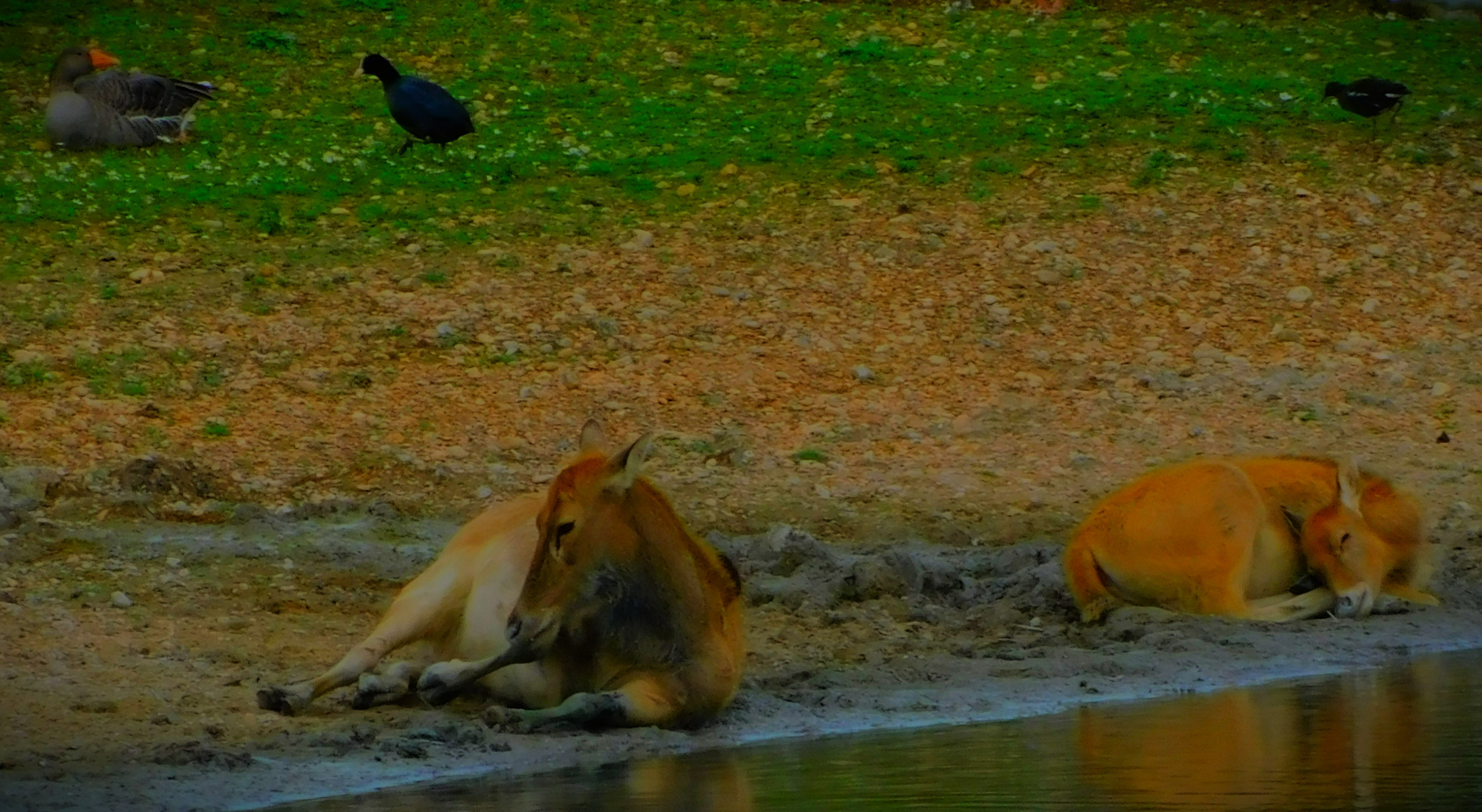
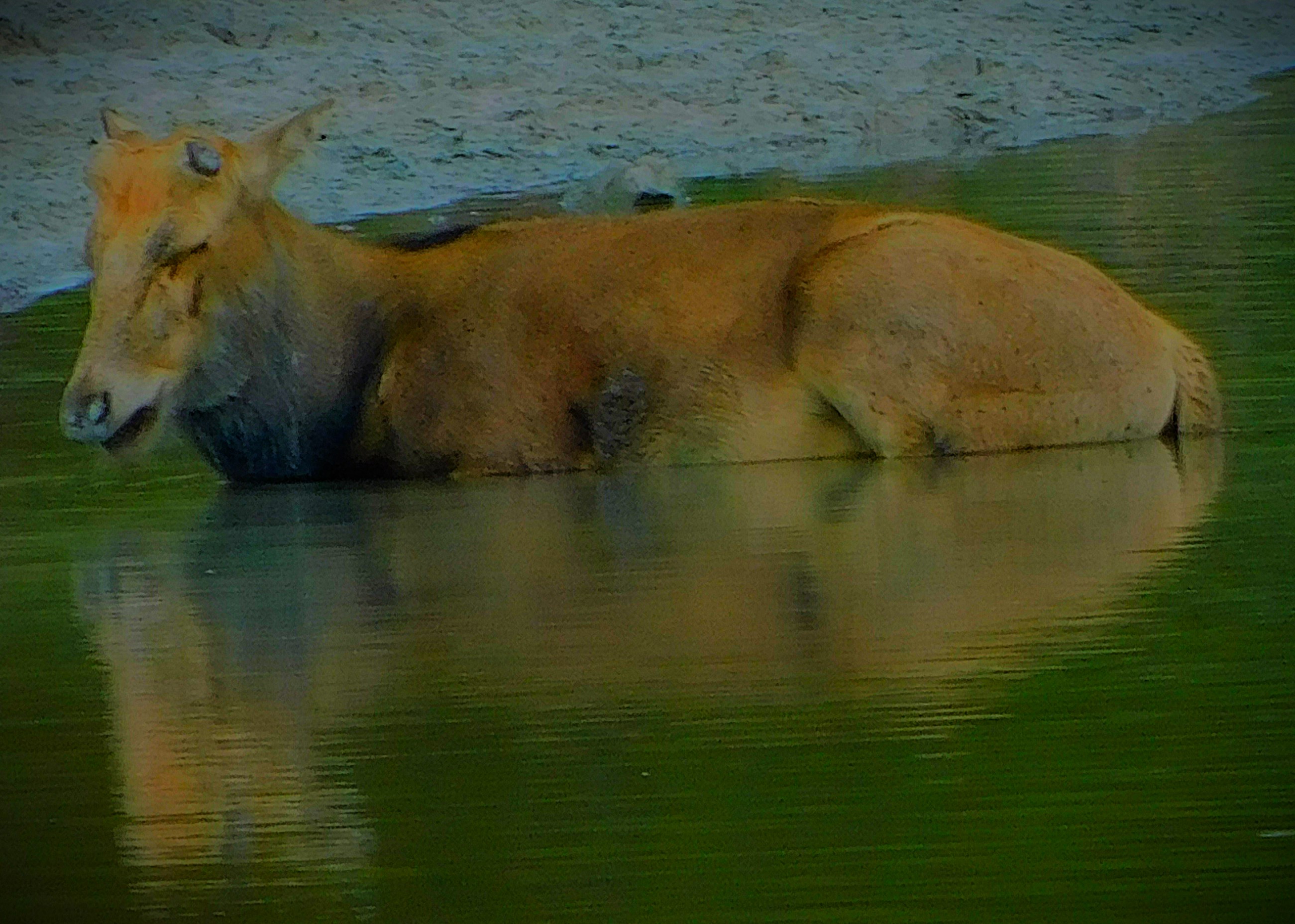
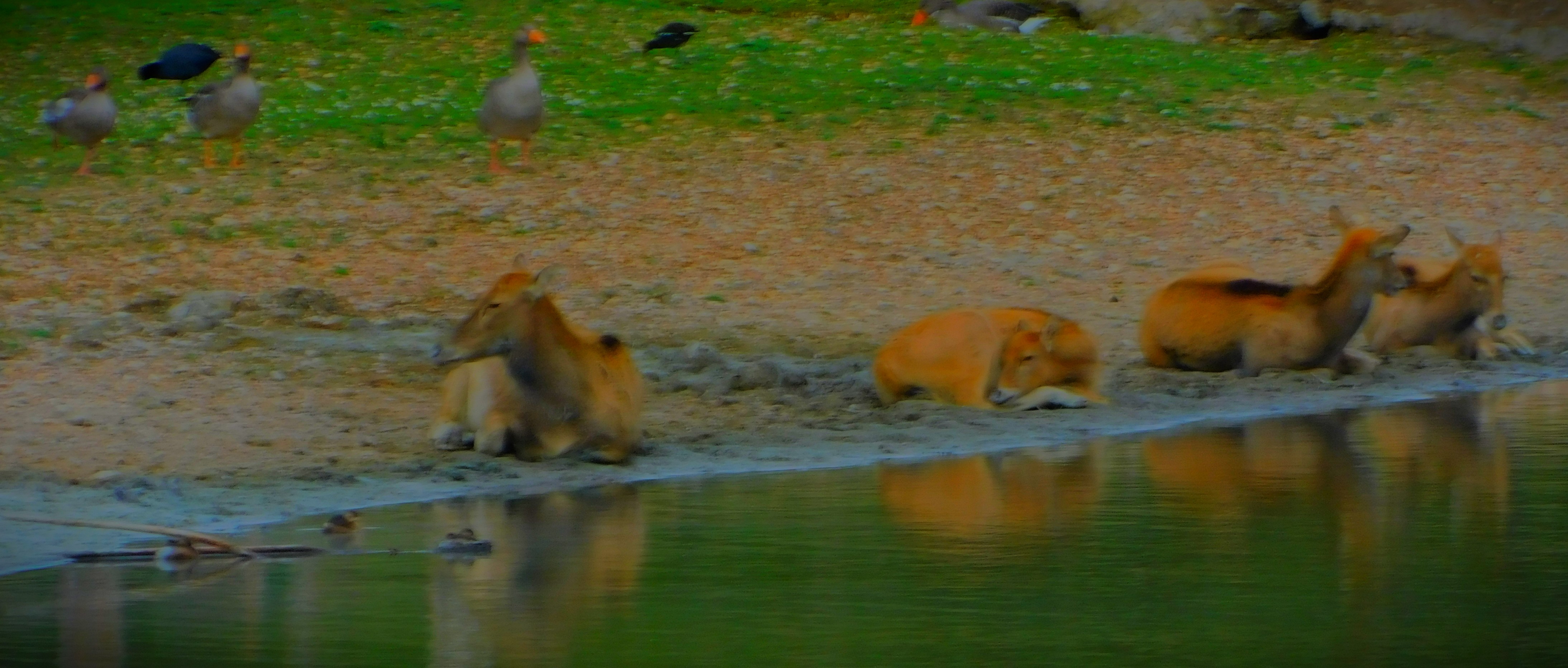
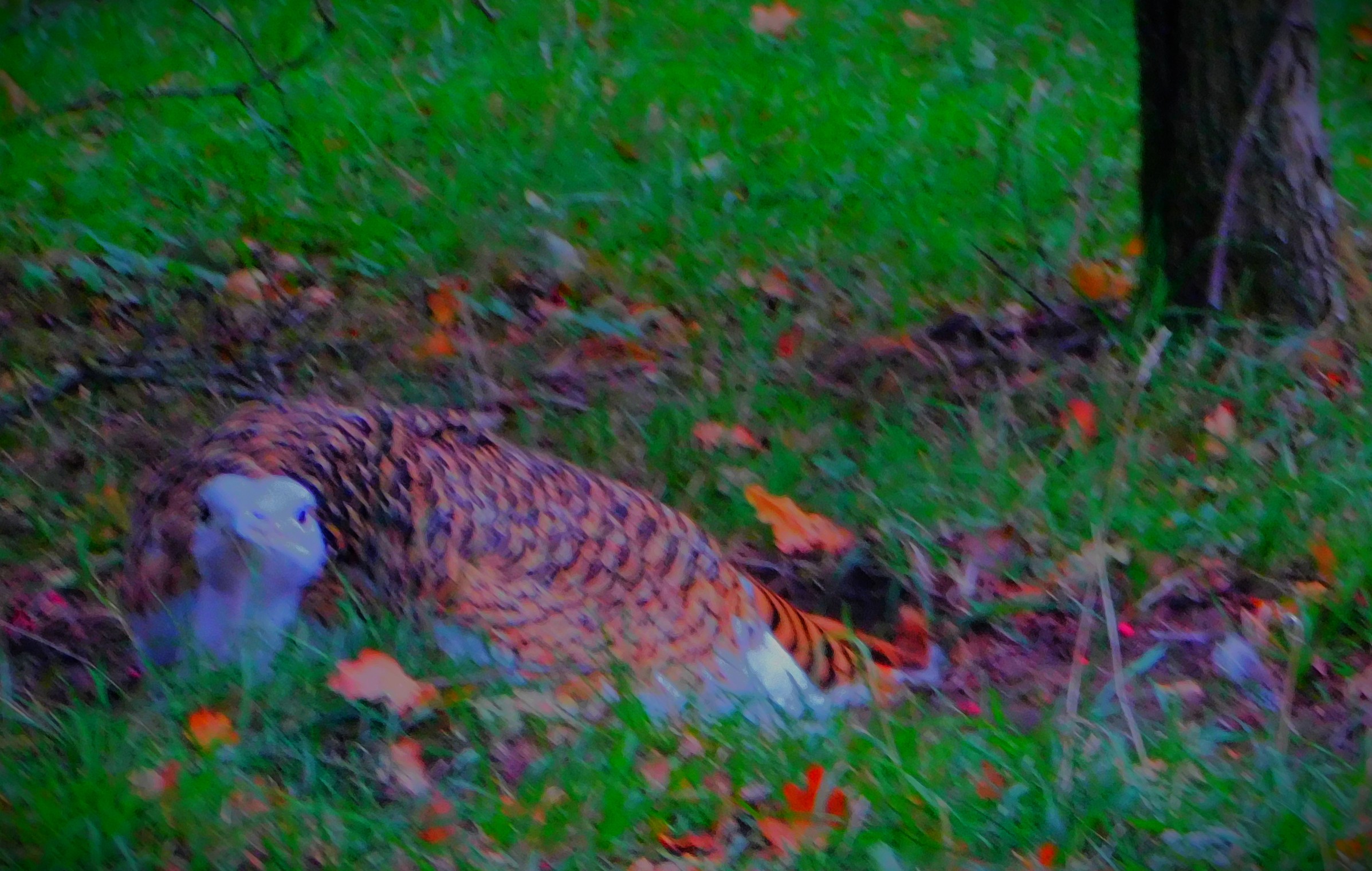
This is an Indian bustard, an even bigger beast of a bird……than this, which is a great bustard.The brindled wildebeest closer to the water than usual for such a creature, because he has made friends with some water buffalo, and although he won’t join them in the water he will go close to the edge when they are in the water.The brindled wildebeest has a name – William – and a nickname – Willy Wonka. This close up og his head shows the wonky horns that give him his nickname.Water buffalo doing water buffalo things, with coots in the background.This is an eastern Bongo – the silvery stripes make it very distinctive.This is a Cape Eland, the largest of all antelope species.Possibly the best picture I got of the bongo.Three species in a single picture – the brindled wildebeest, the Cape Eland and the bongo are all present.A Nilgaitwo male silver pheasants.The first of two guinea fowl species we would see.
WATATUNGAWILDLIFE
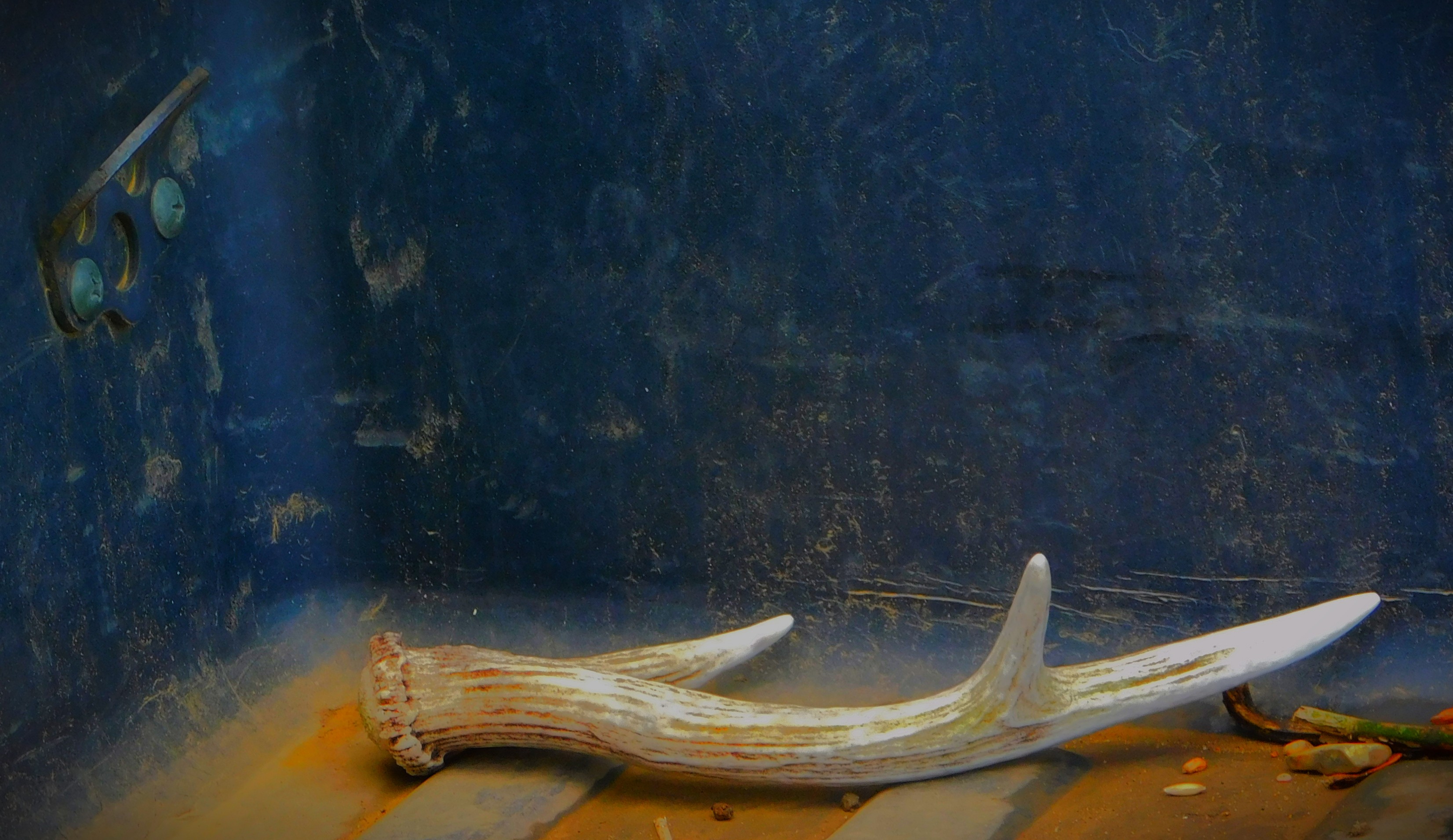
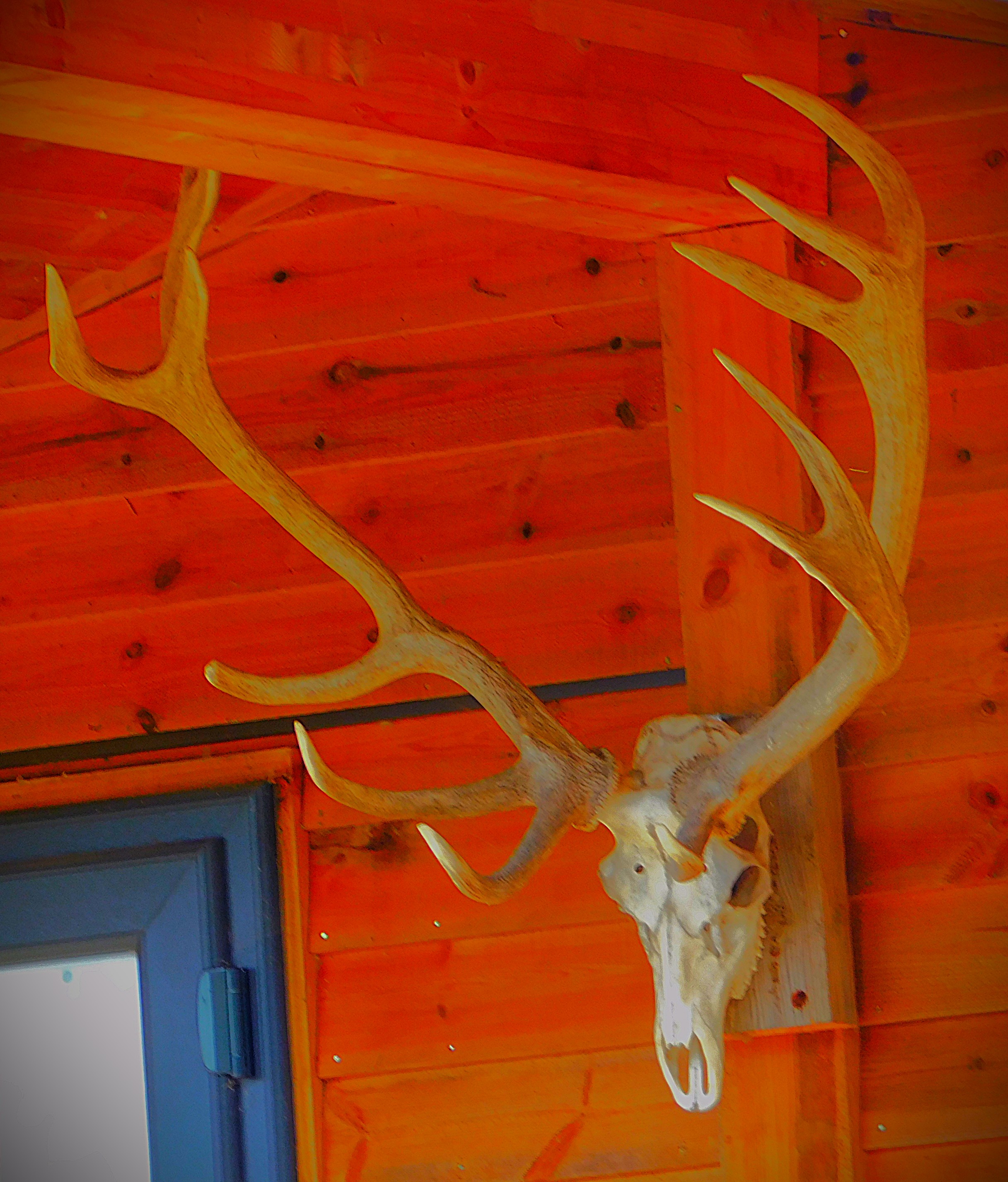
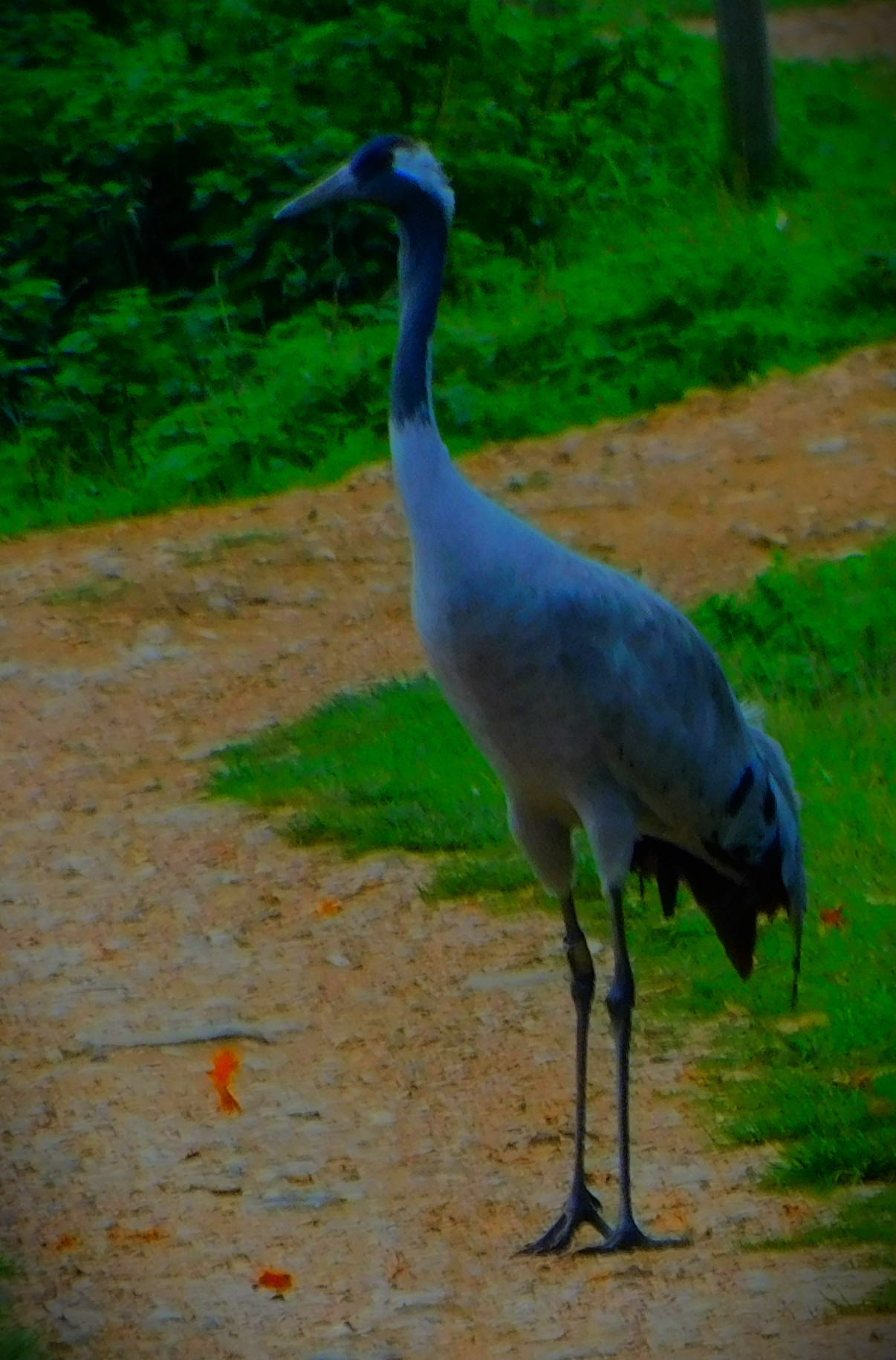
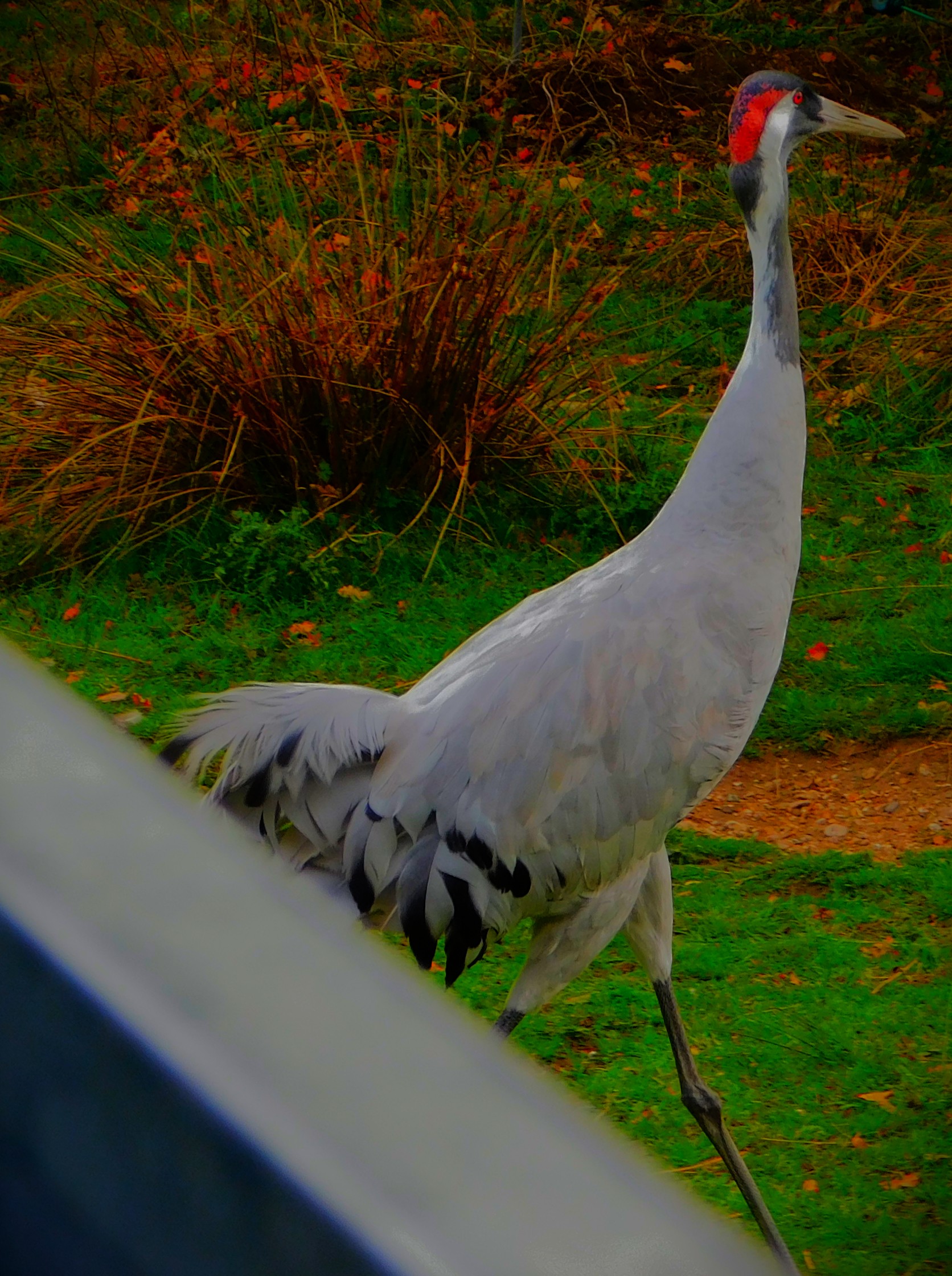
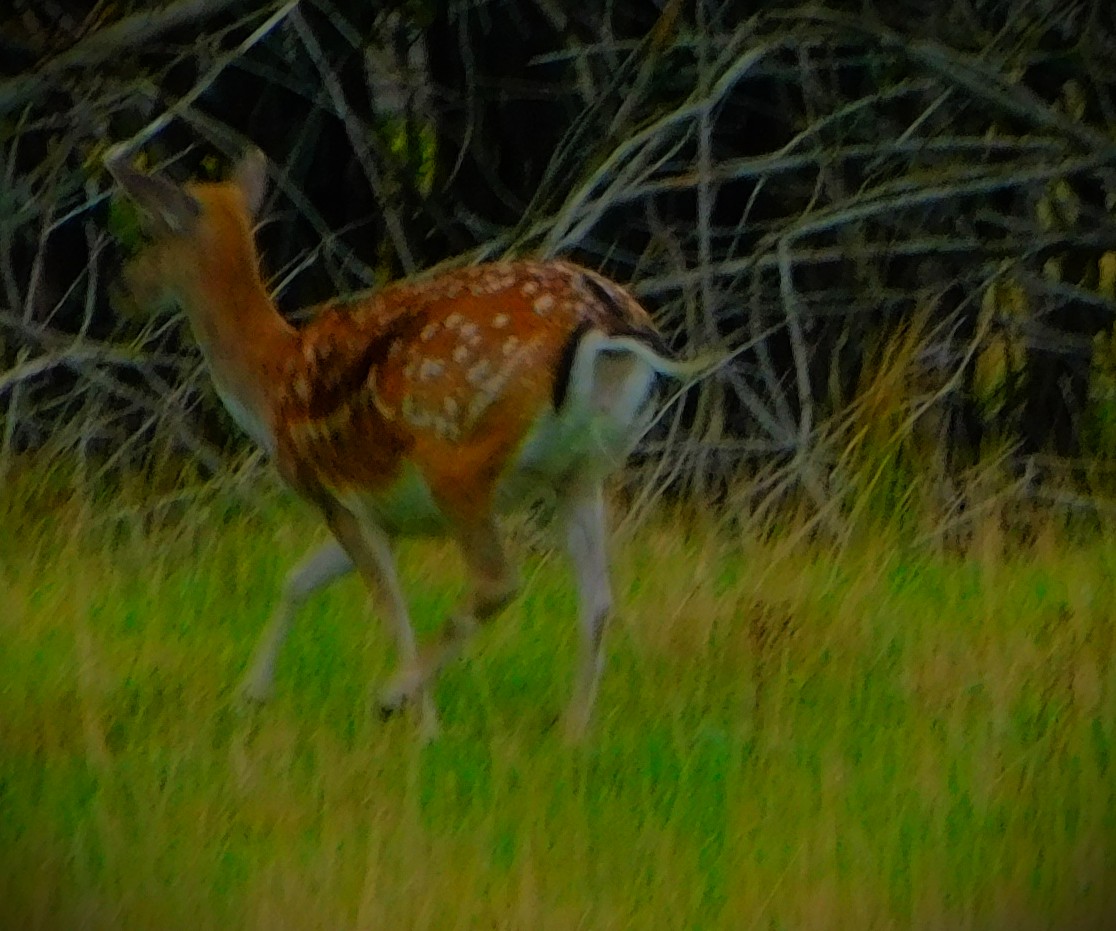
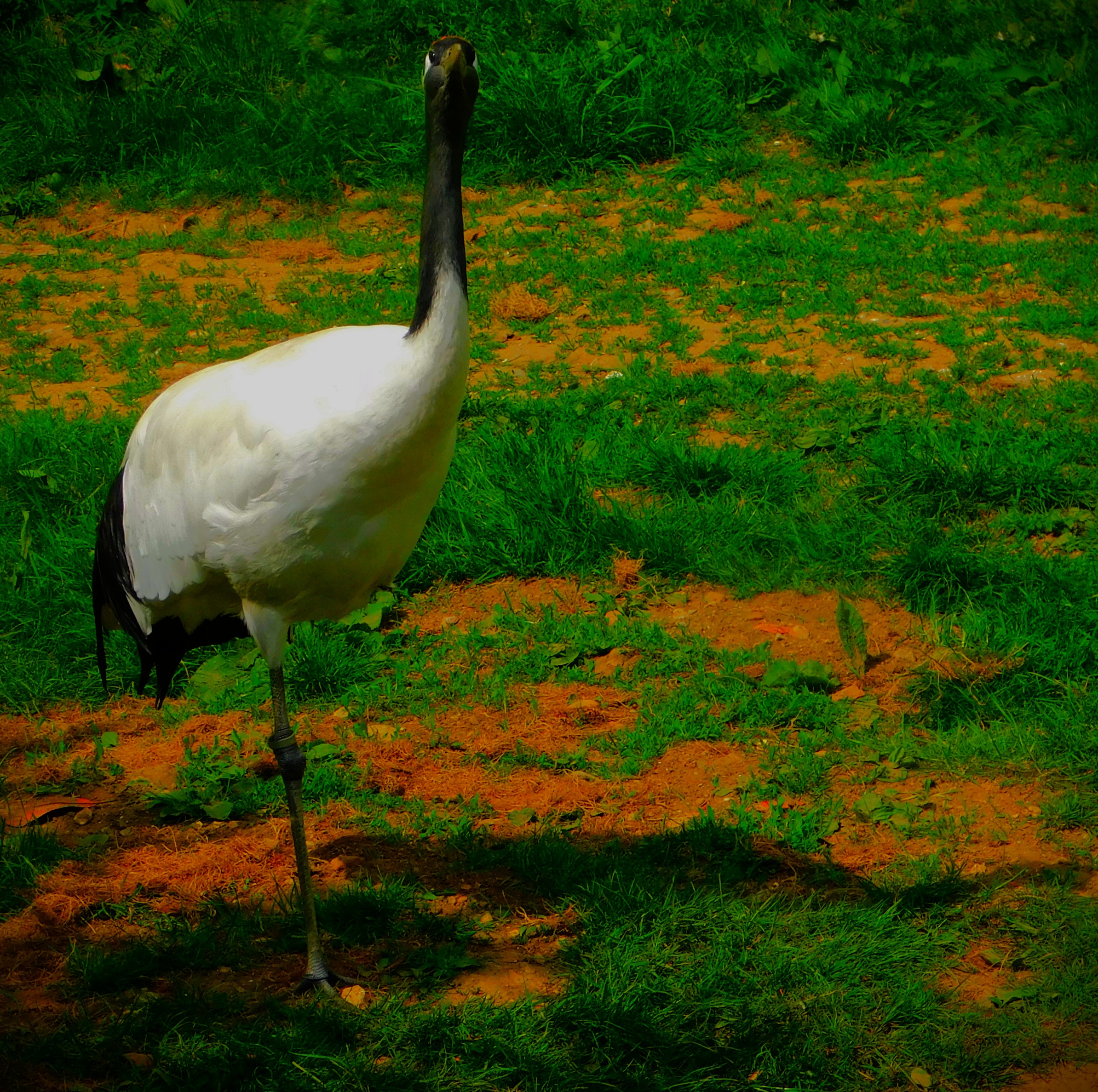
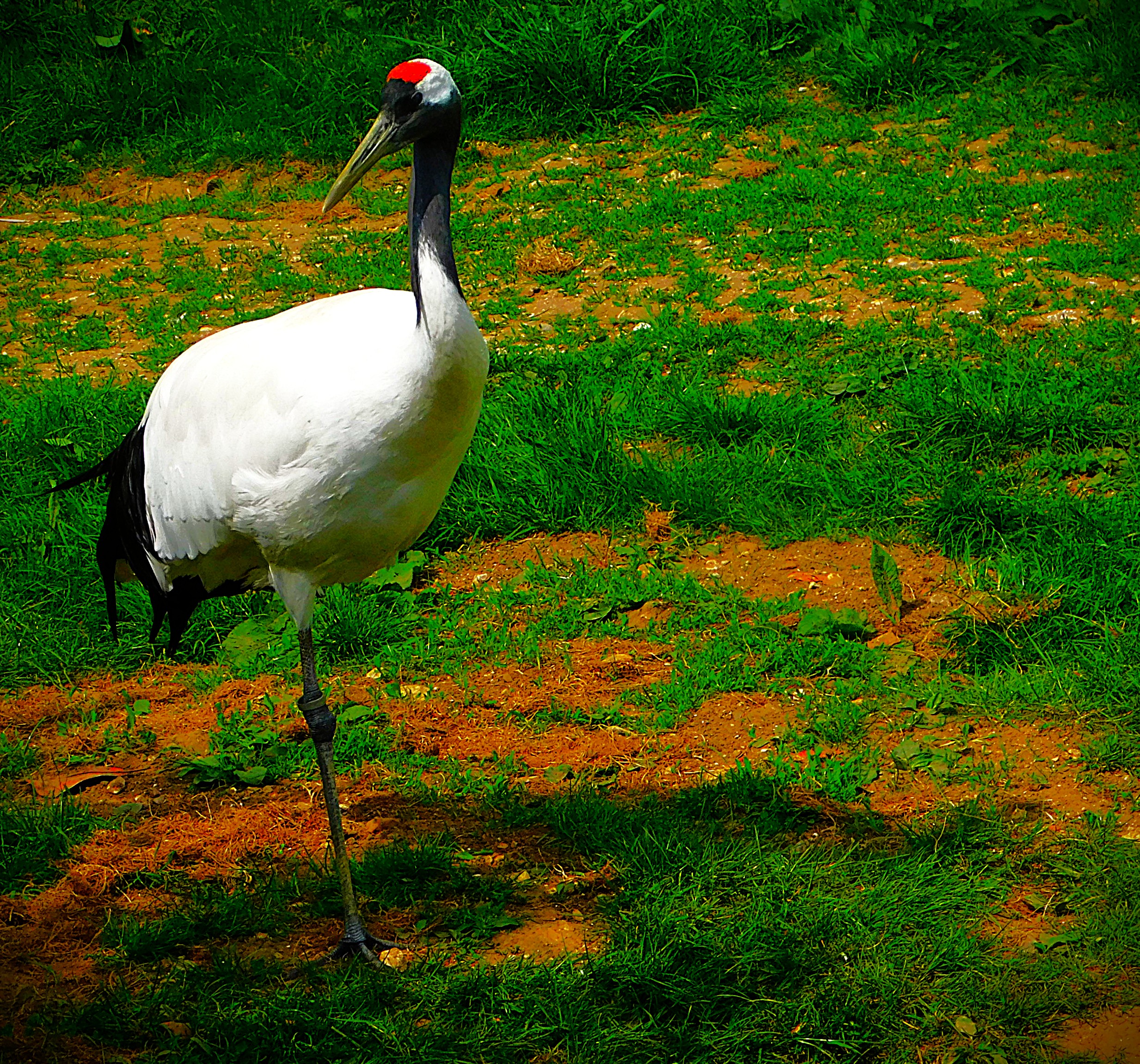
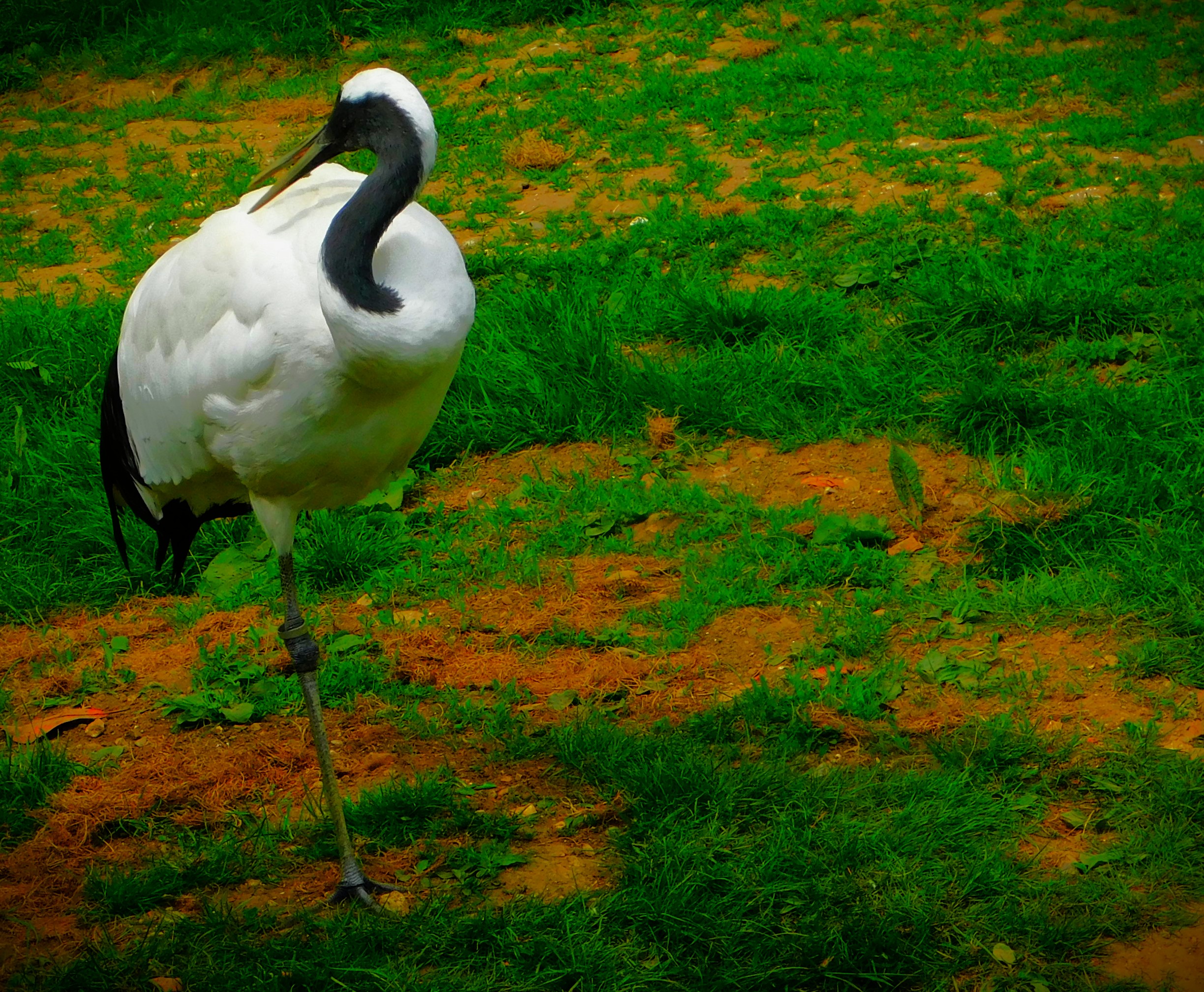
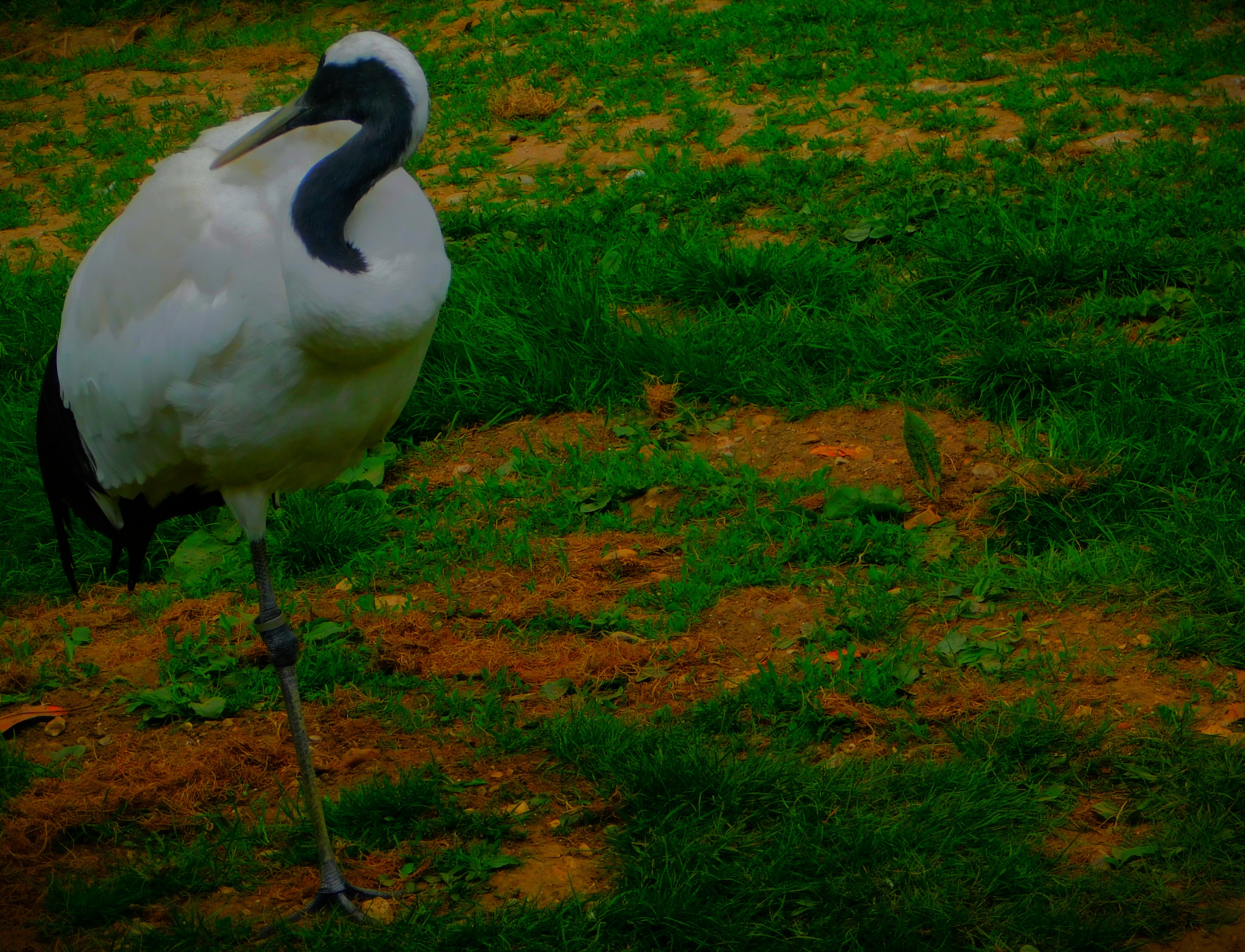
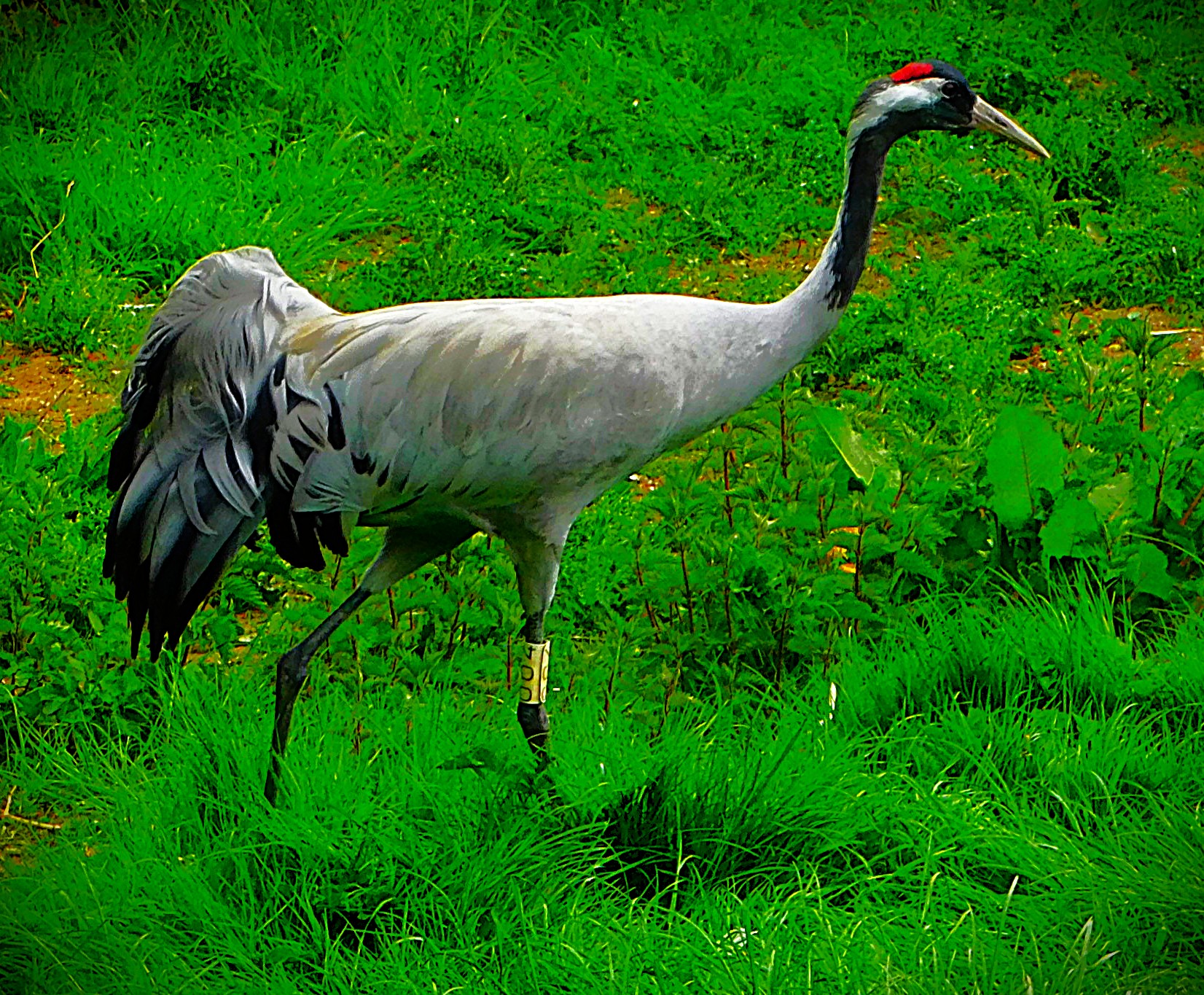
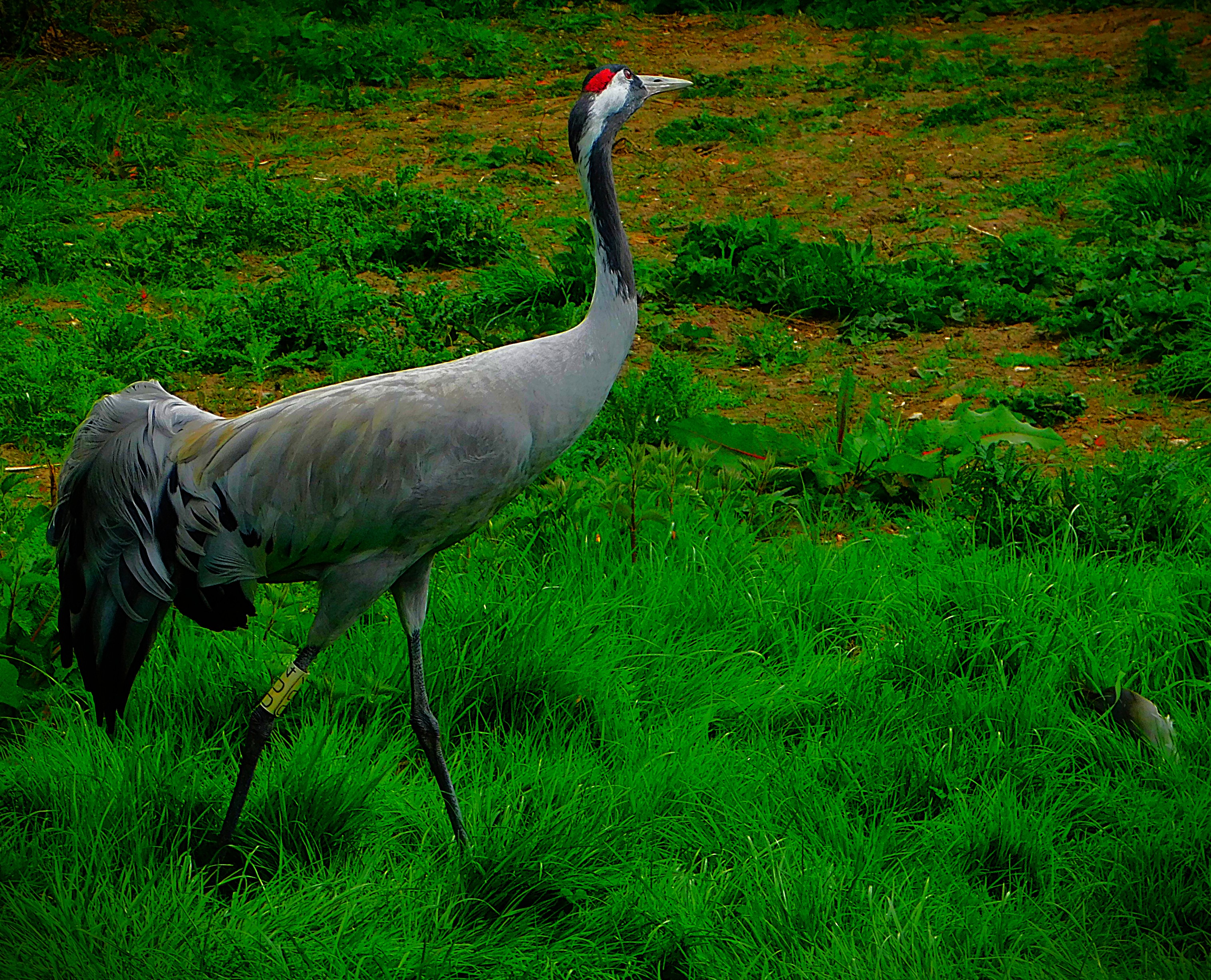
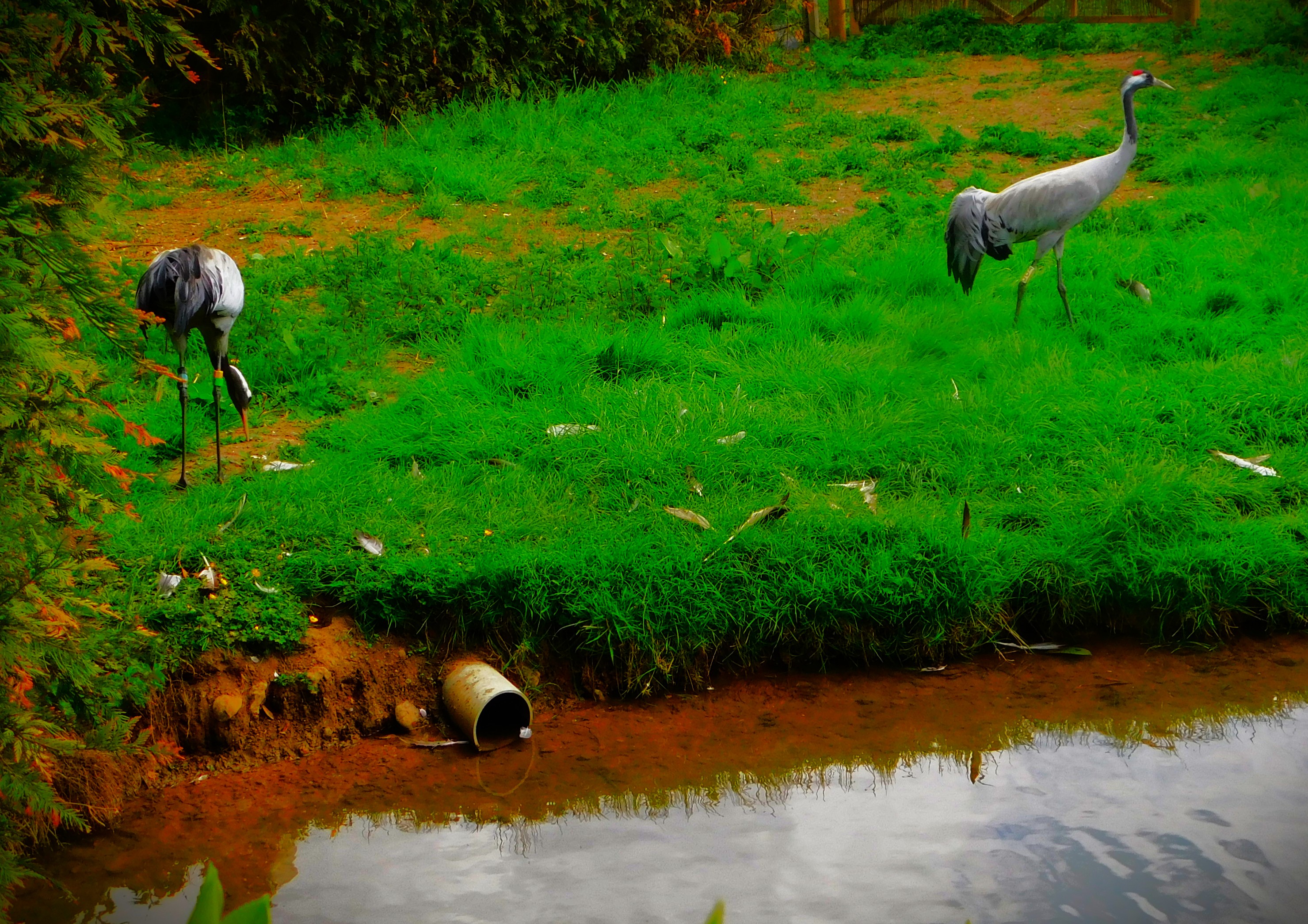
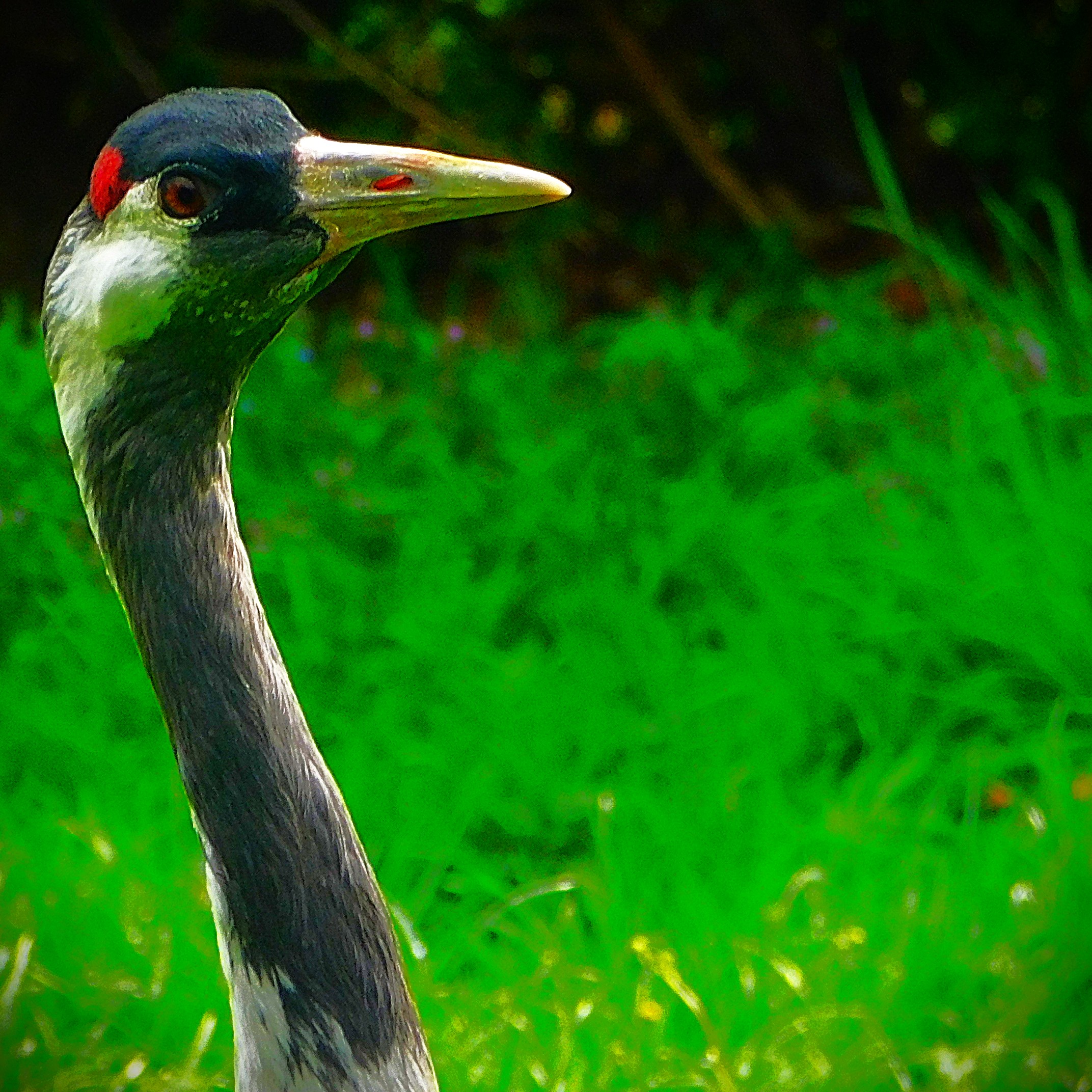
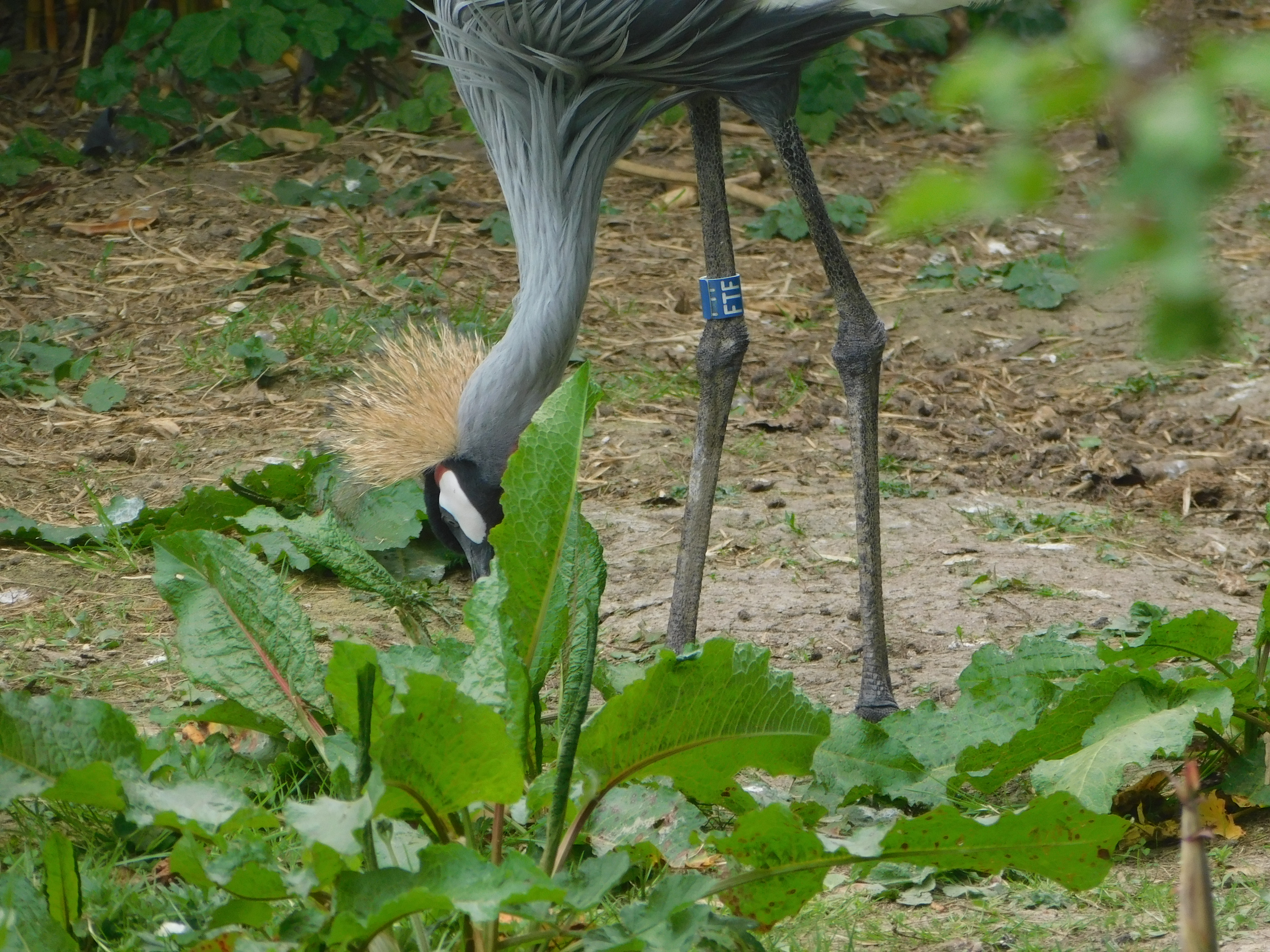
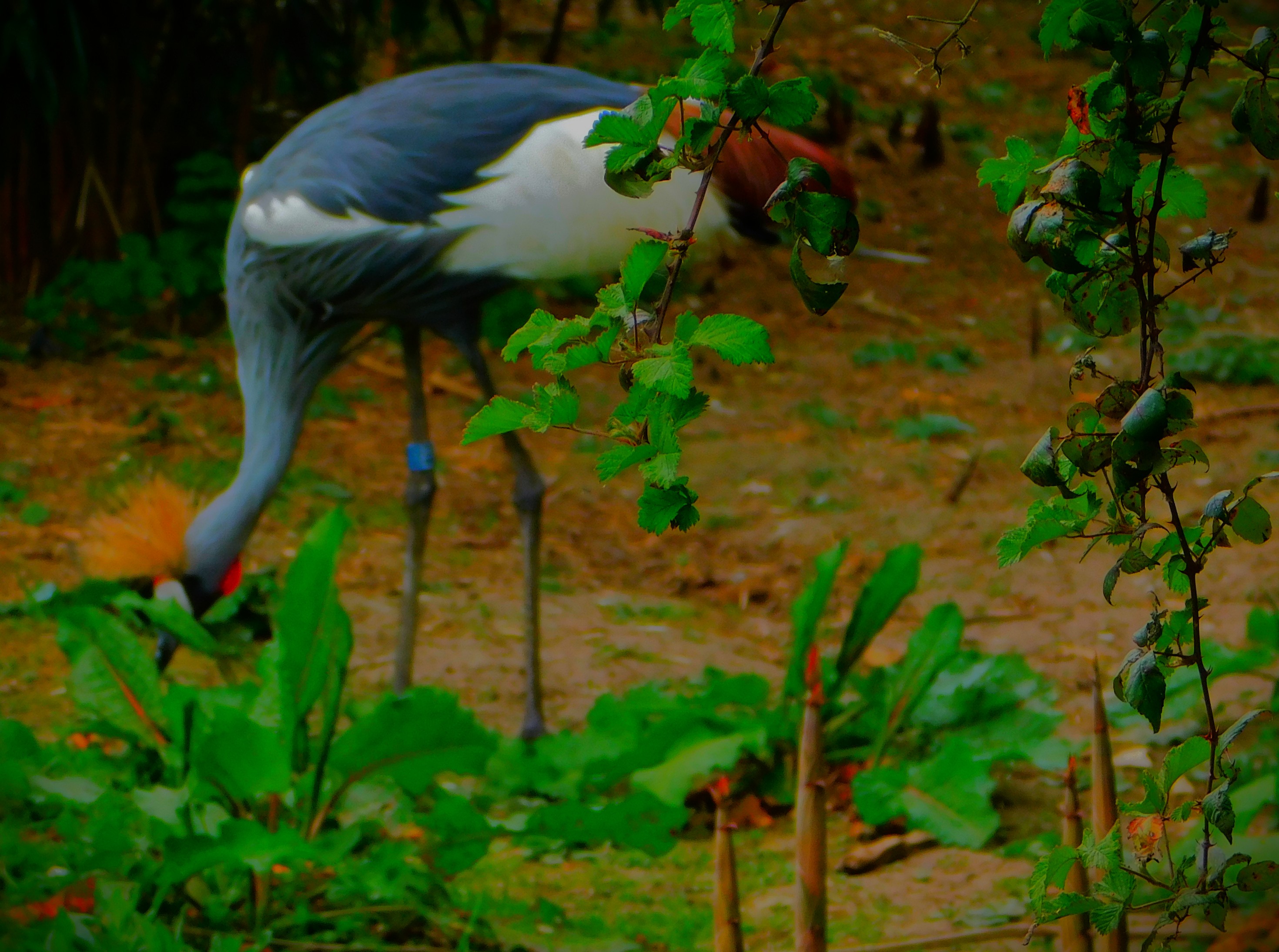
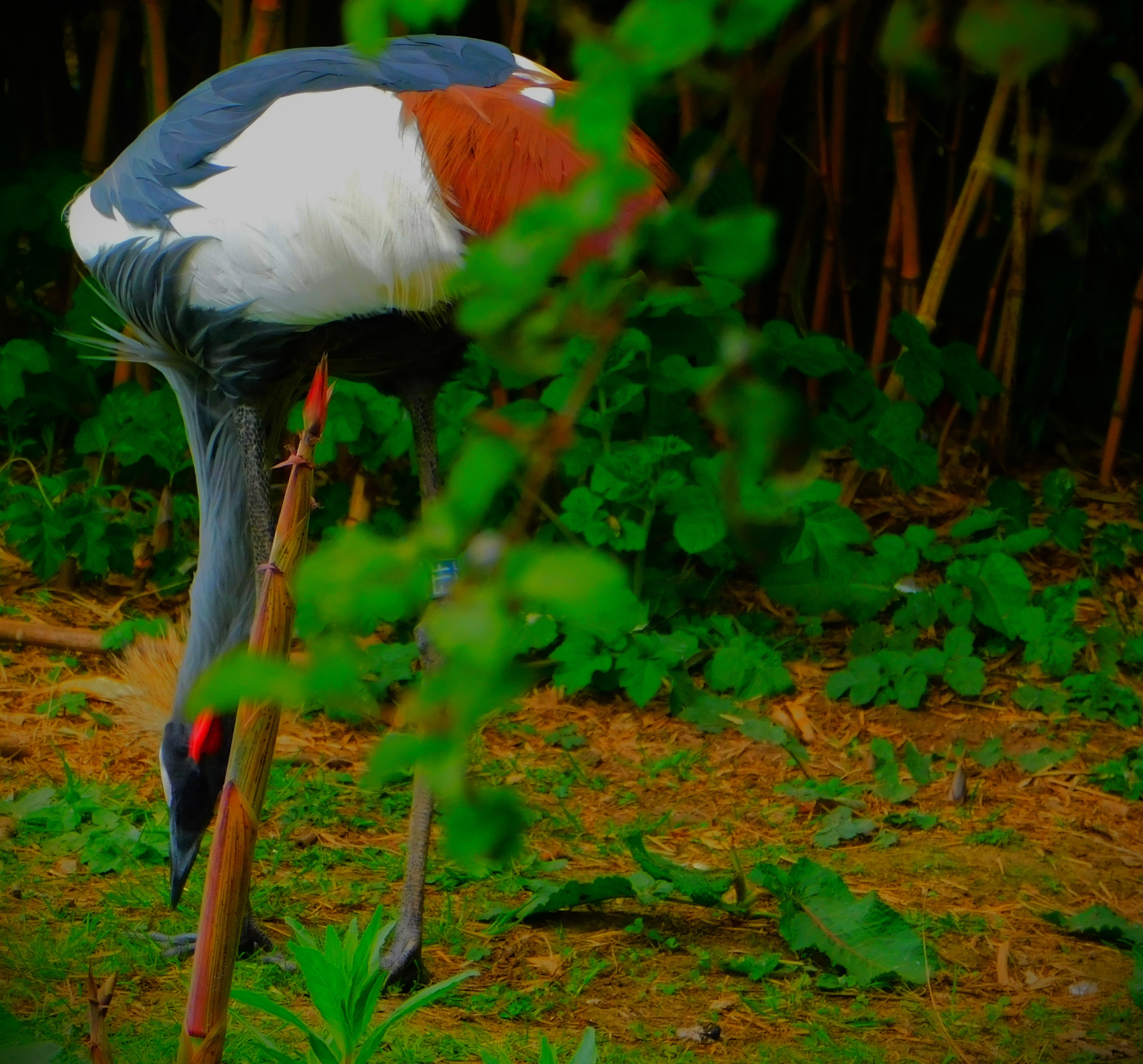
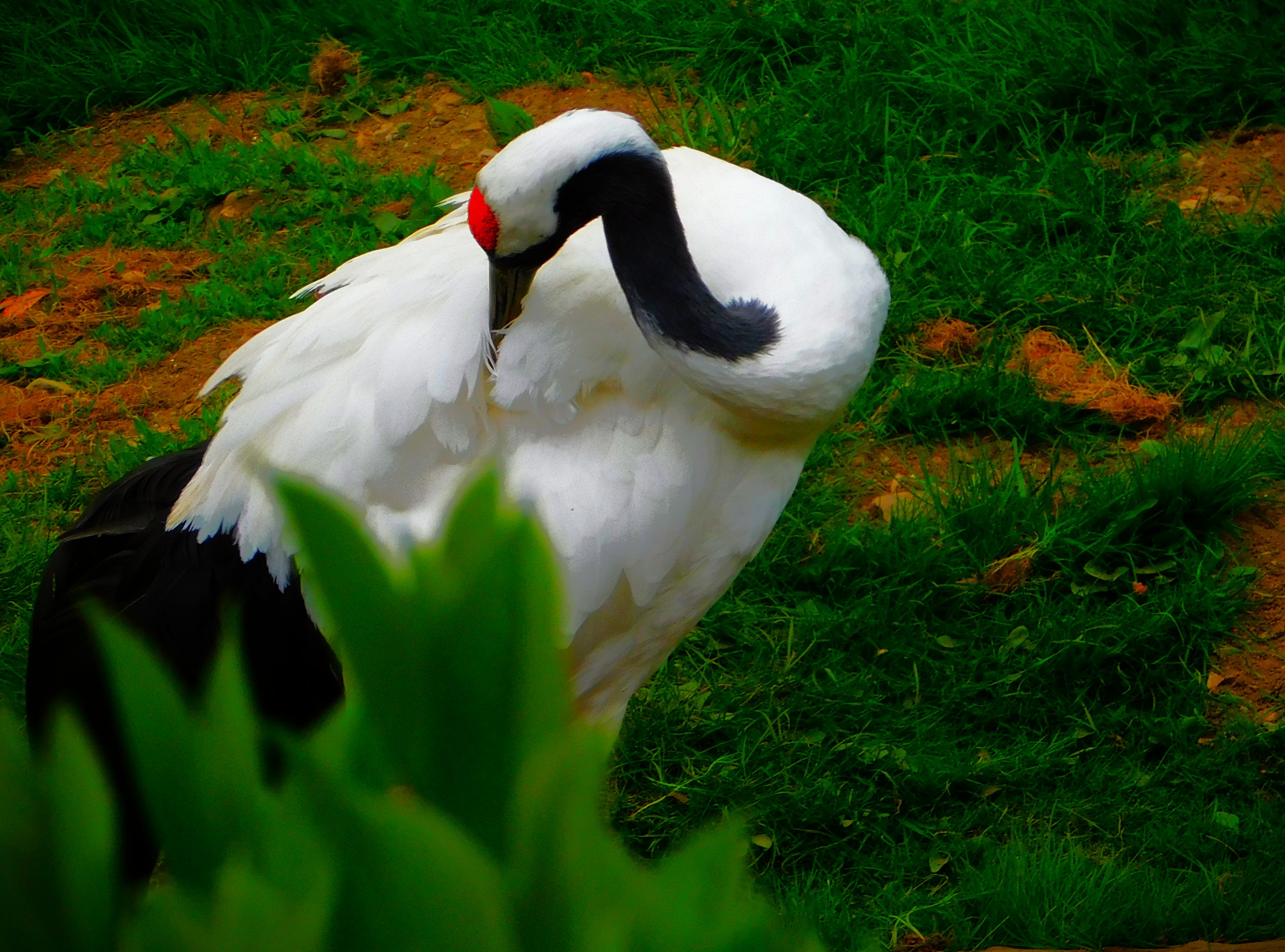
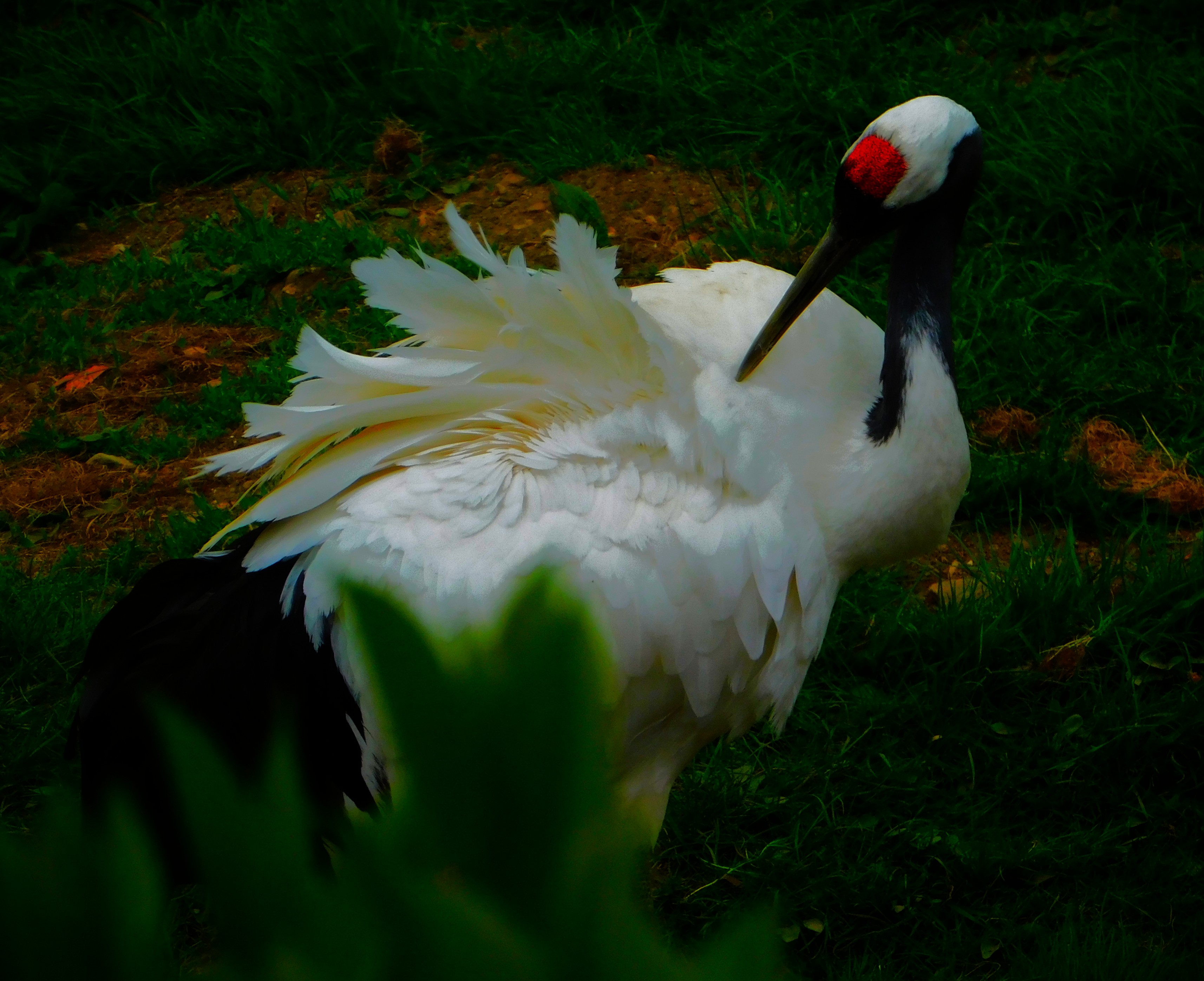
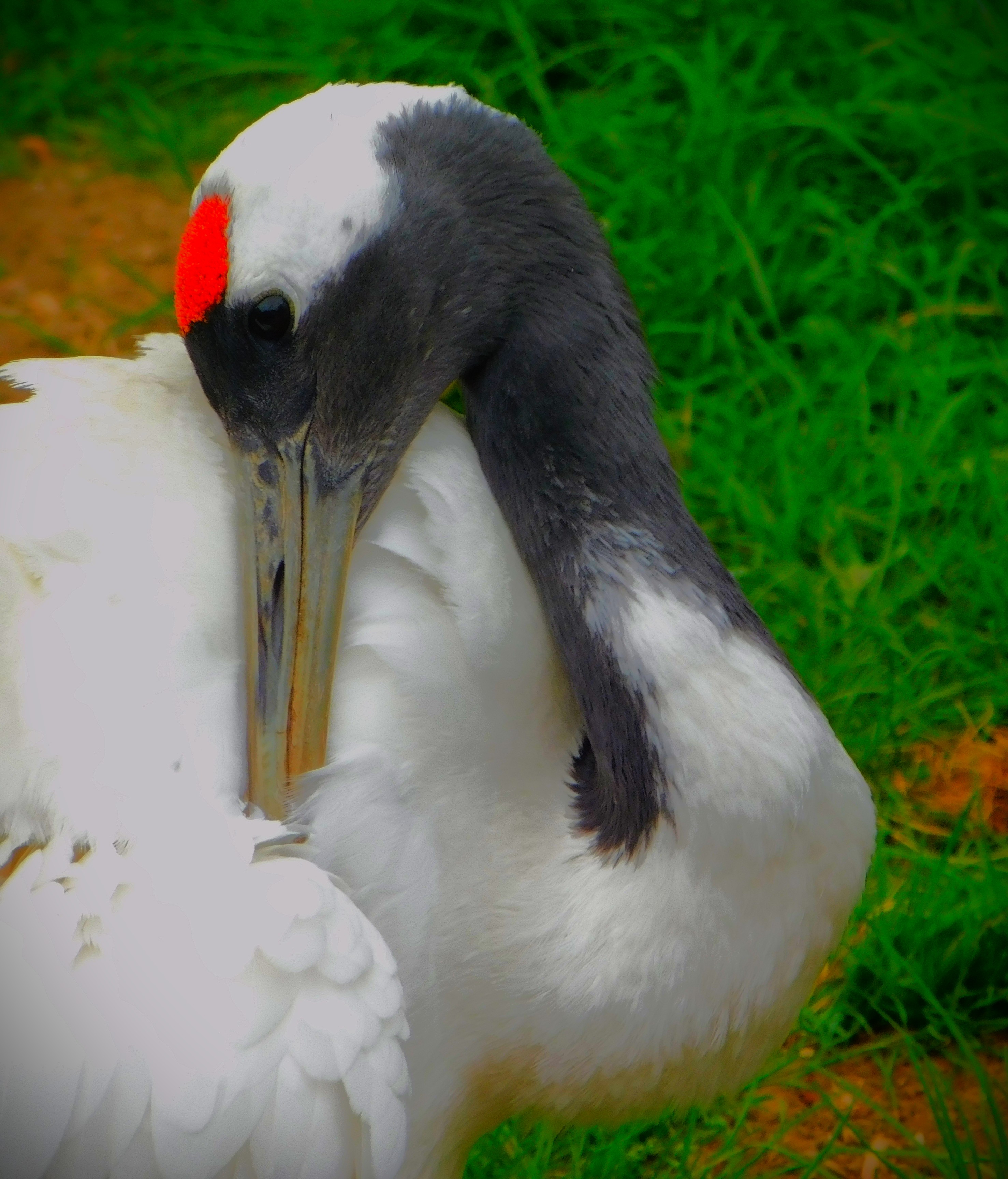
The name Watatunga has two elements, the ‘Wat’ part comes from Watlington, the nearest village to the reserve, while the ‘atatunga’ derives from Sitatunga, which is one of the species of ungulates there. Apart from the water buffalo, which are of course cattle and have horns the ungulates fall in to two main types – antelopes and their kin, which have horns, and deer which have antlers. As well as antlers being in general considerably more elaborate than horns there is a second key difference – horns are for life, whereas antlers are seasonal. This latter explains why William the brindled wildebeest has wonky horns – he took a knock before he was brought to Watatunga, and because horns are for life his horns are permanently misaligned. As well as the ungulates there are some exotic birds housed at Watatunga. The first part of the gallery above included cranes. We will be seeing other species in the second part of the gallery.
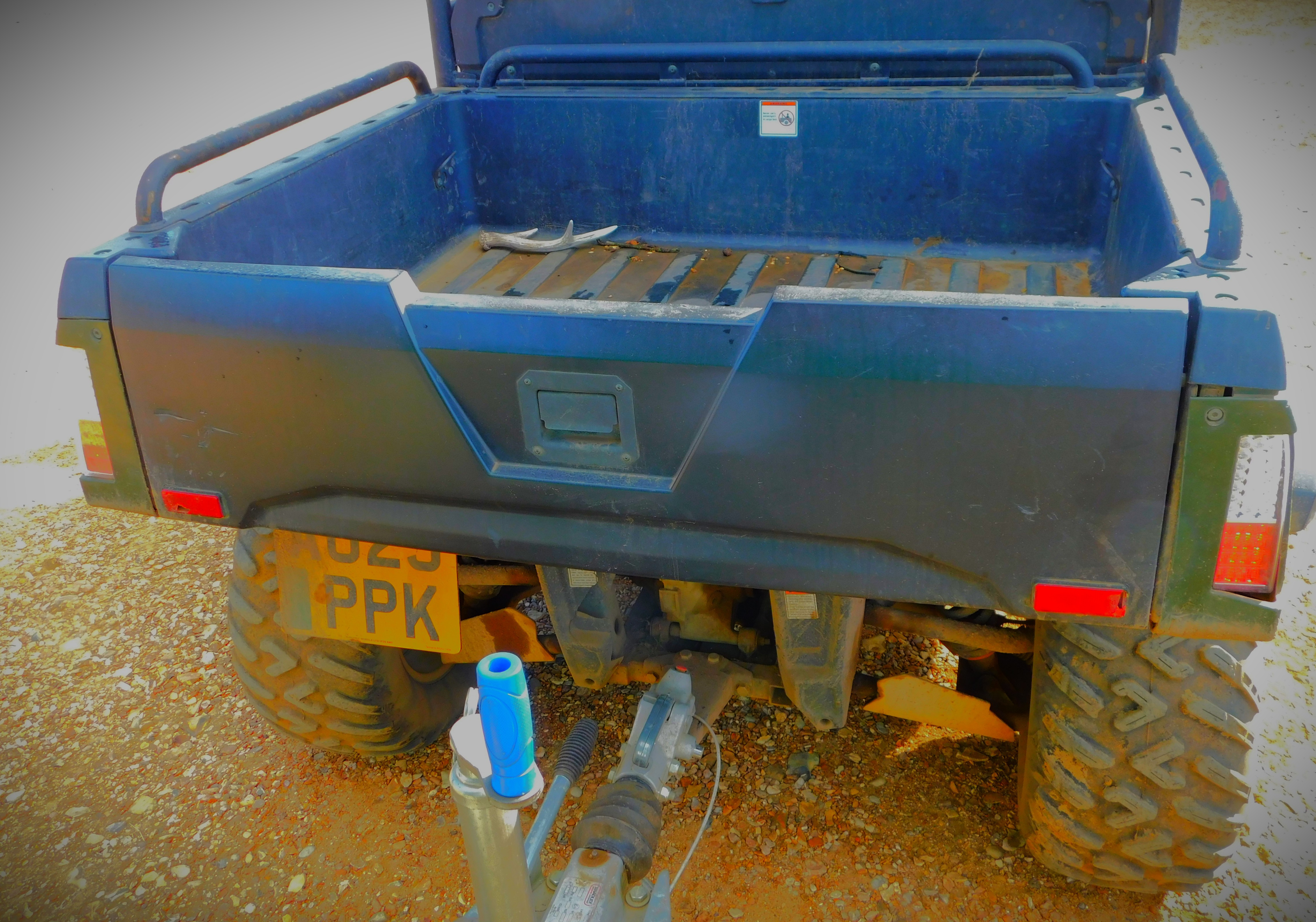
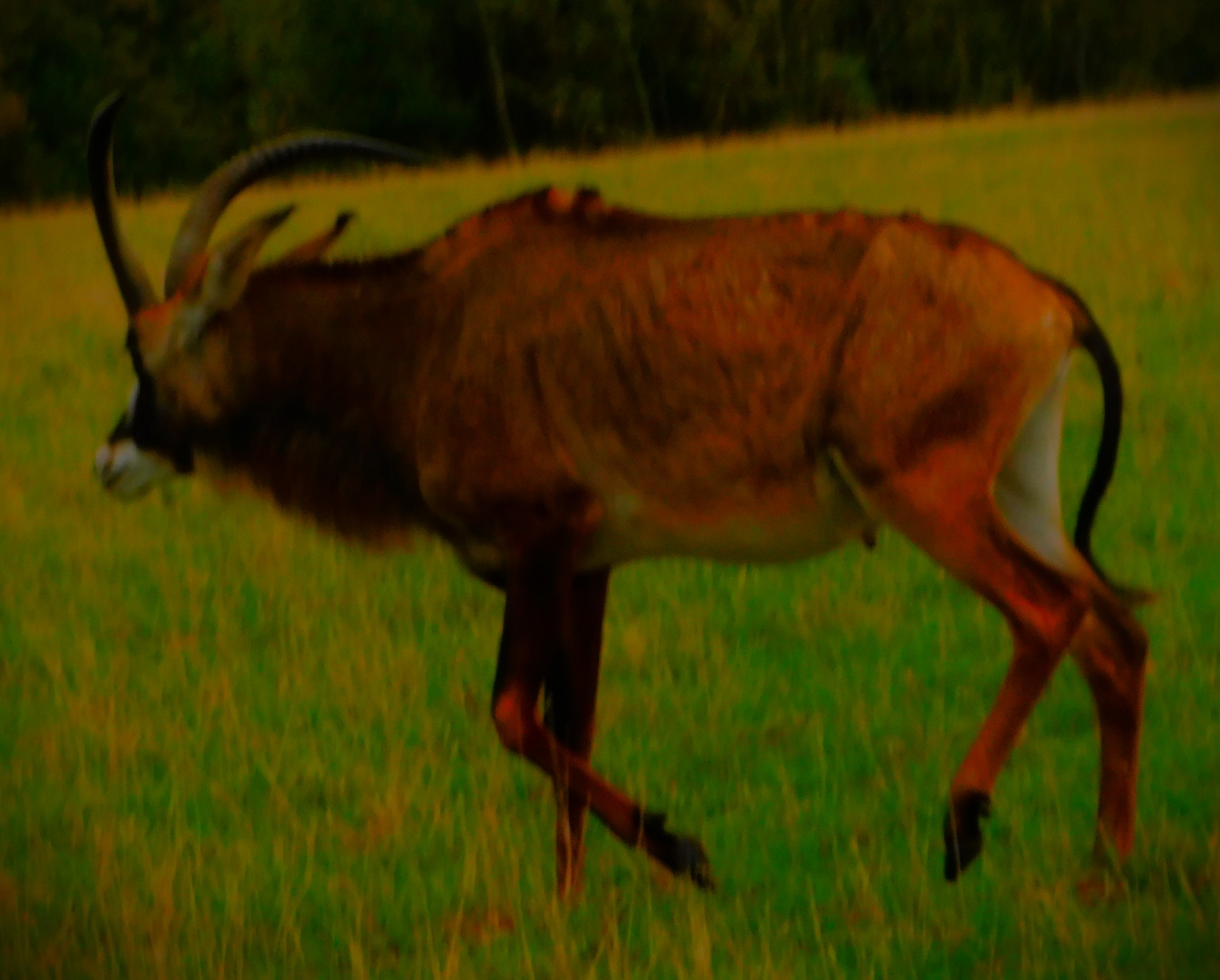
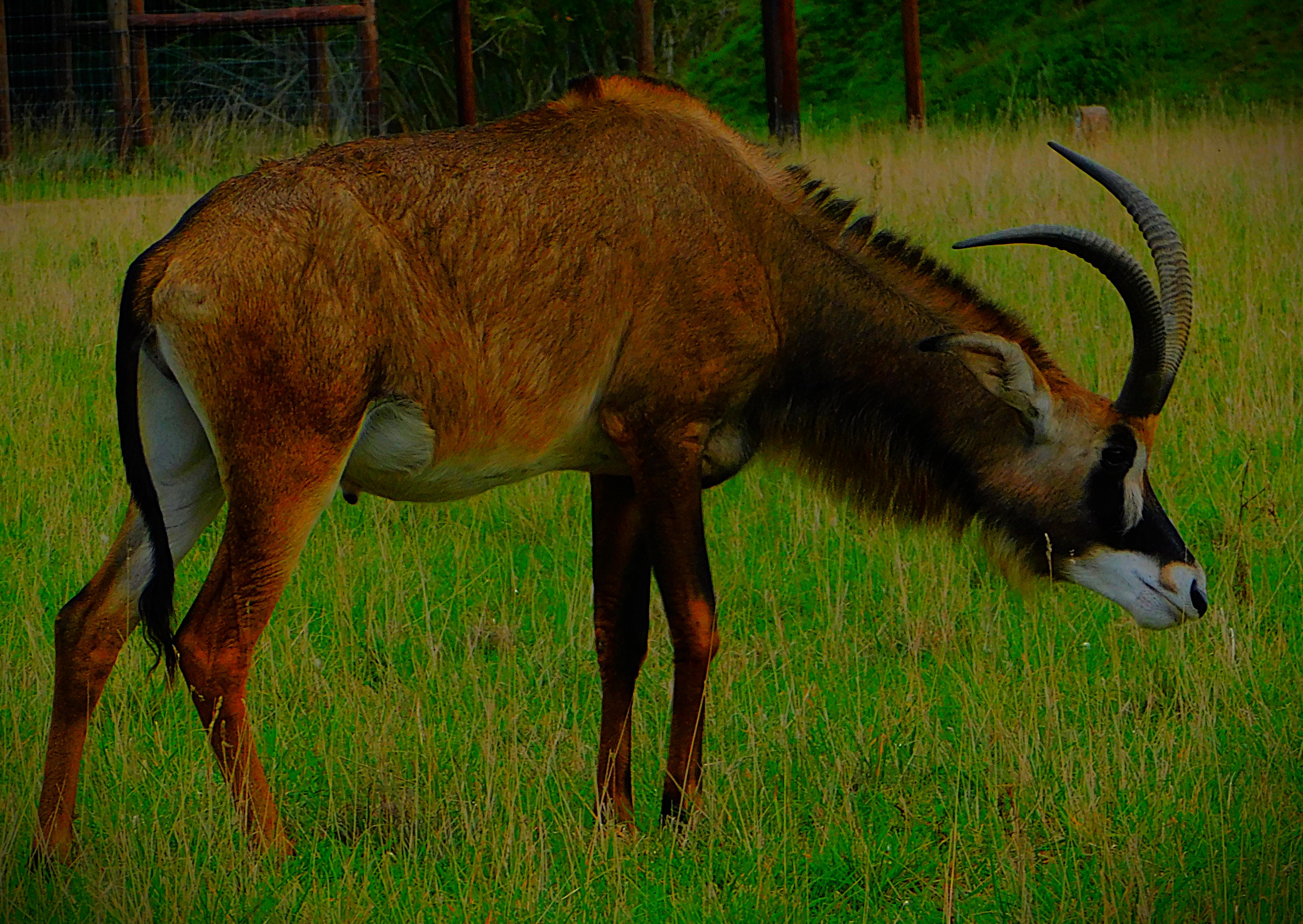
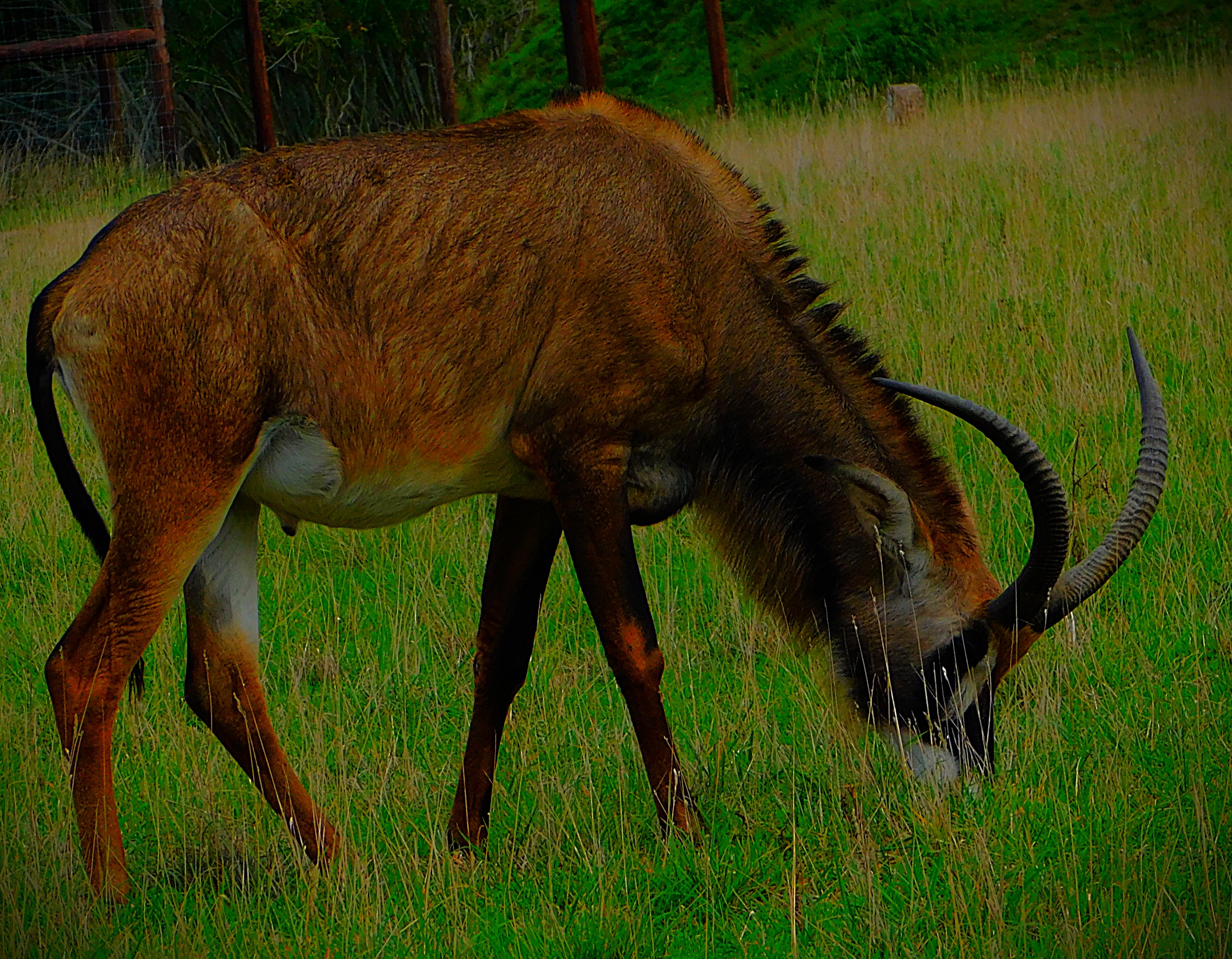
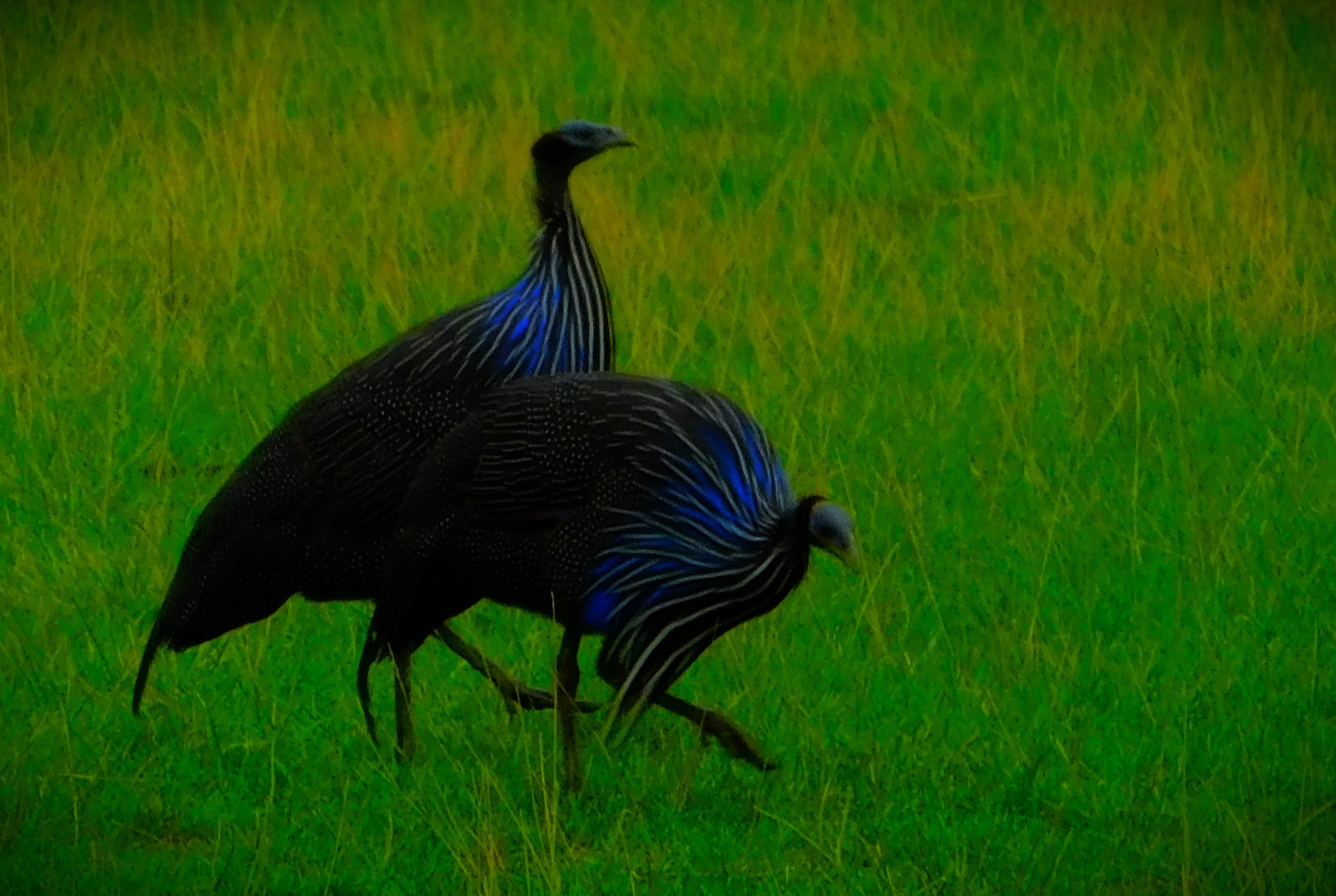
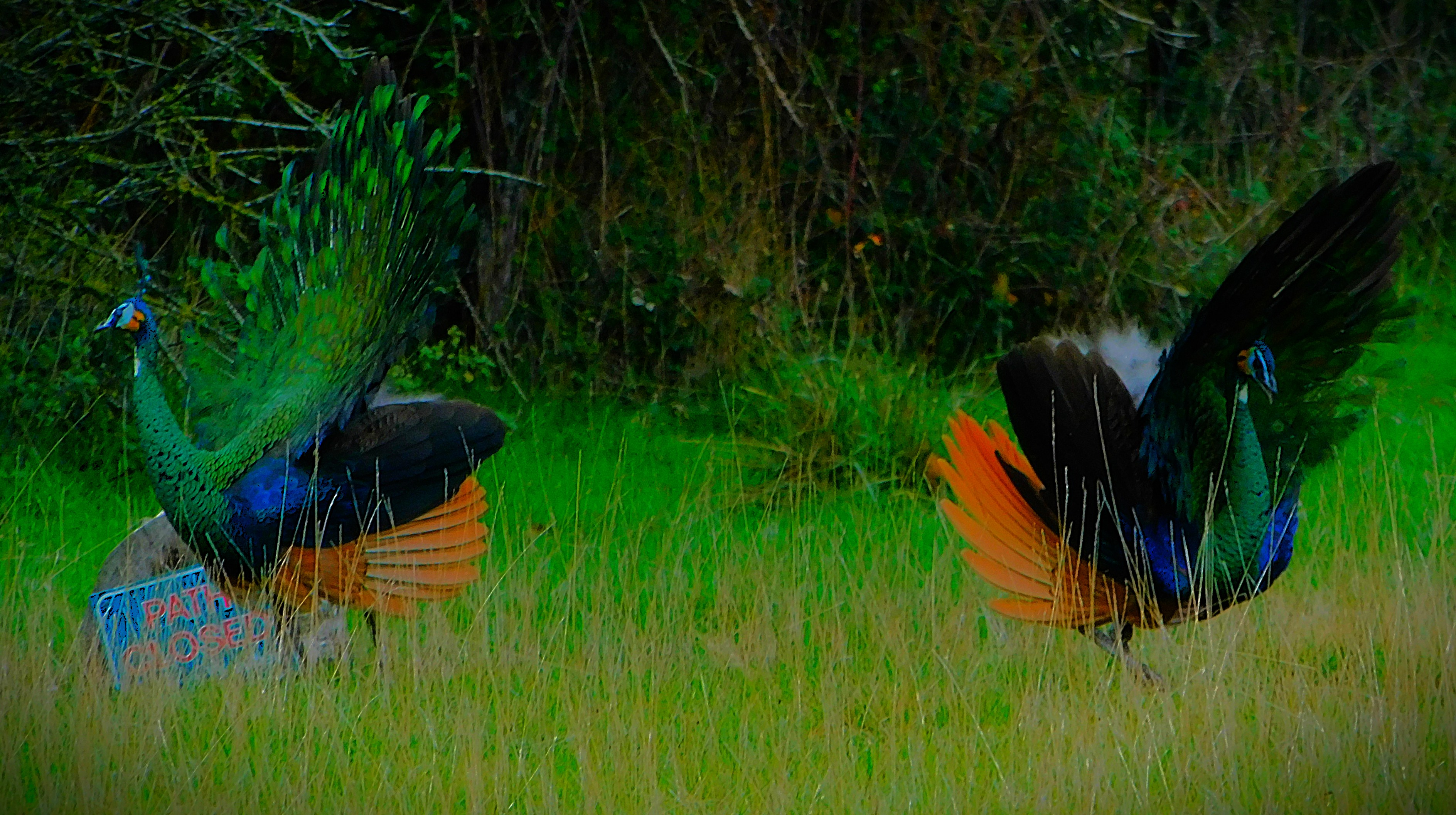
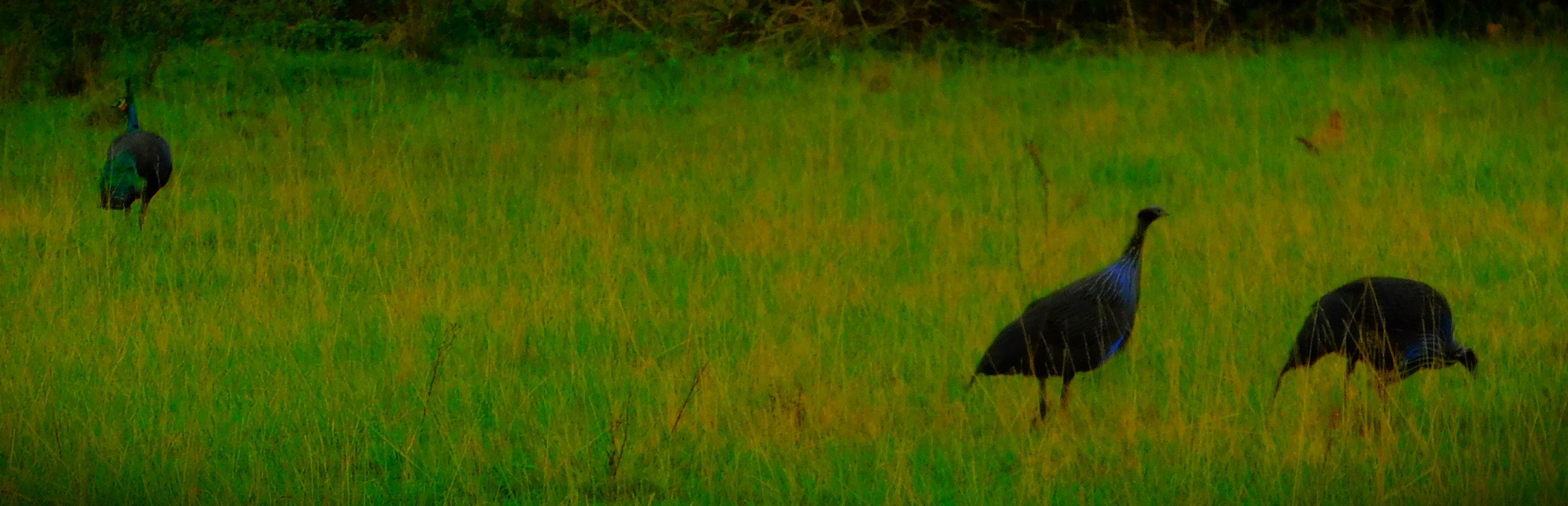
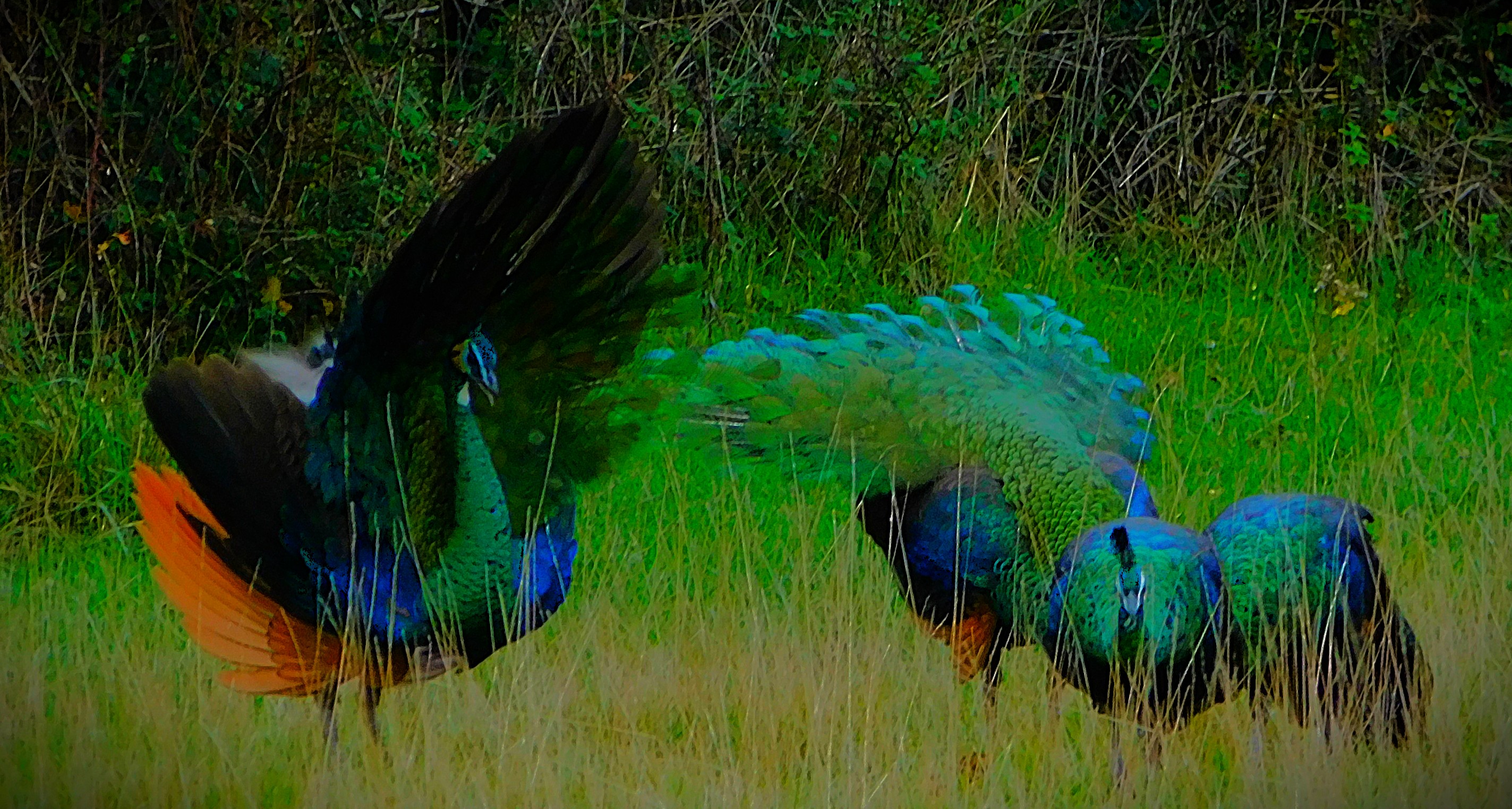
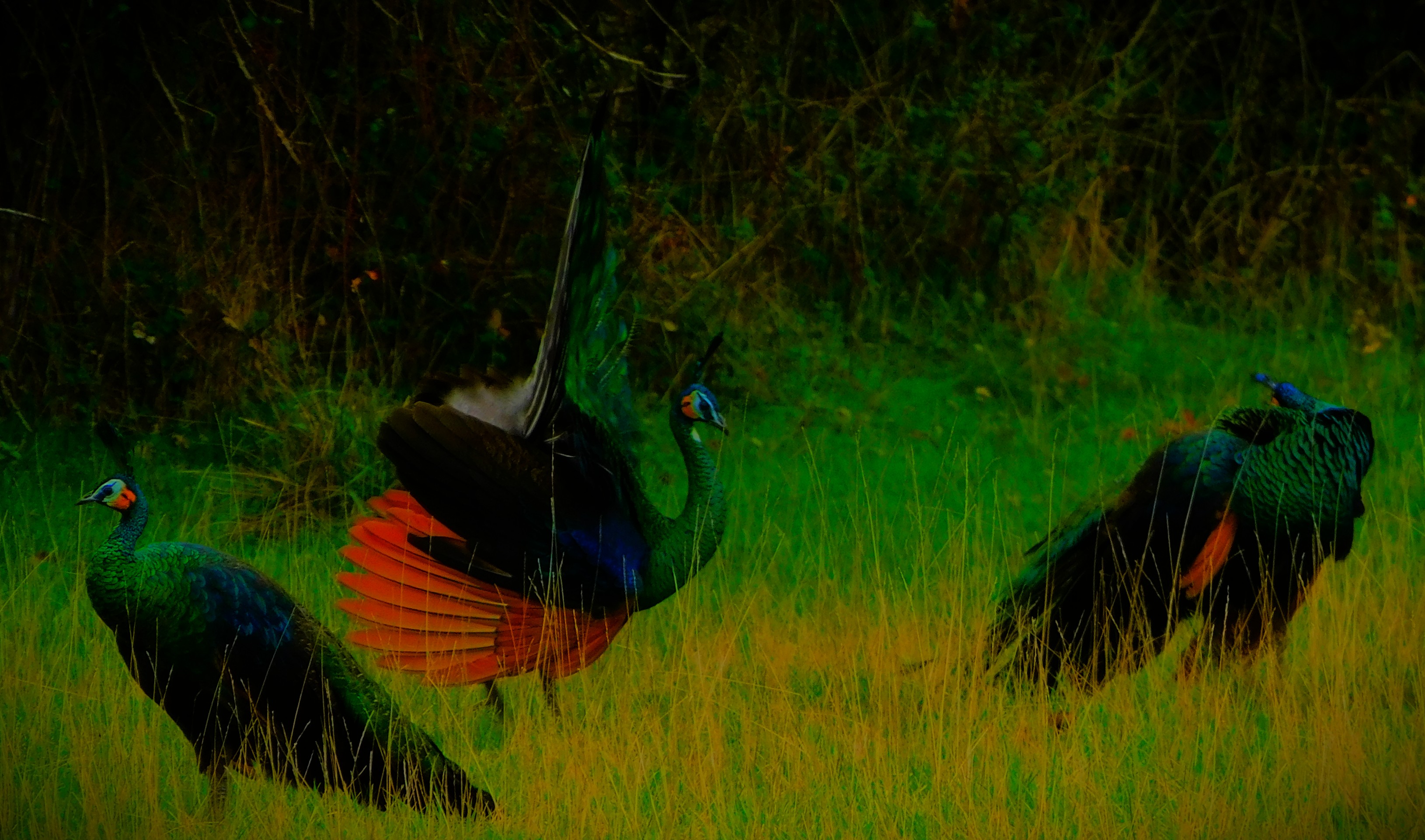
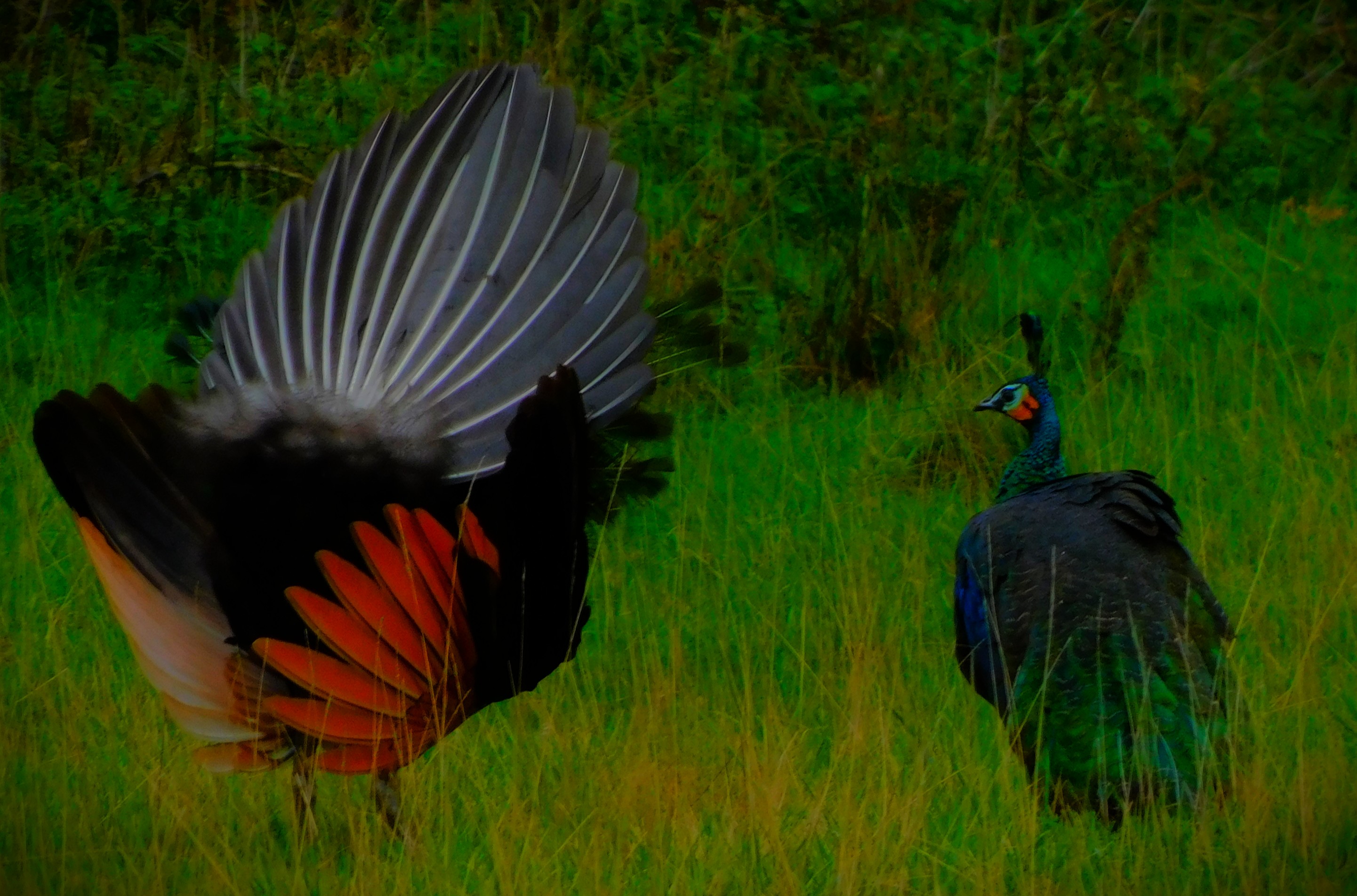
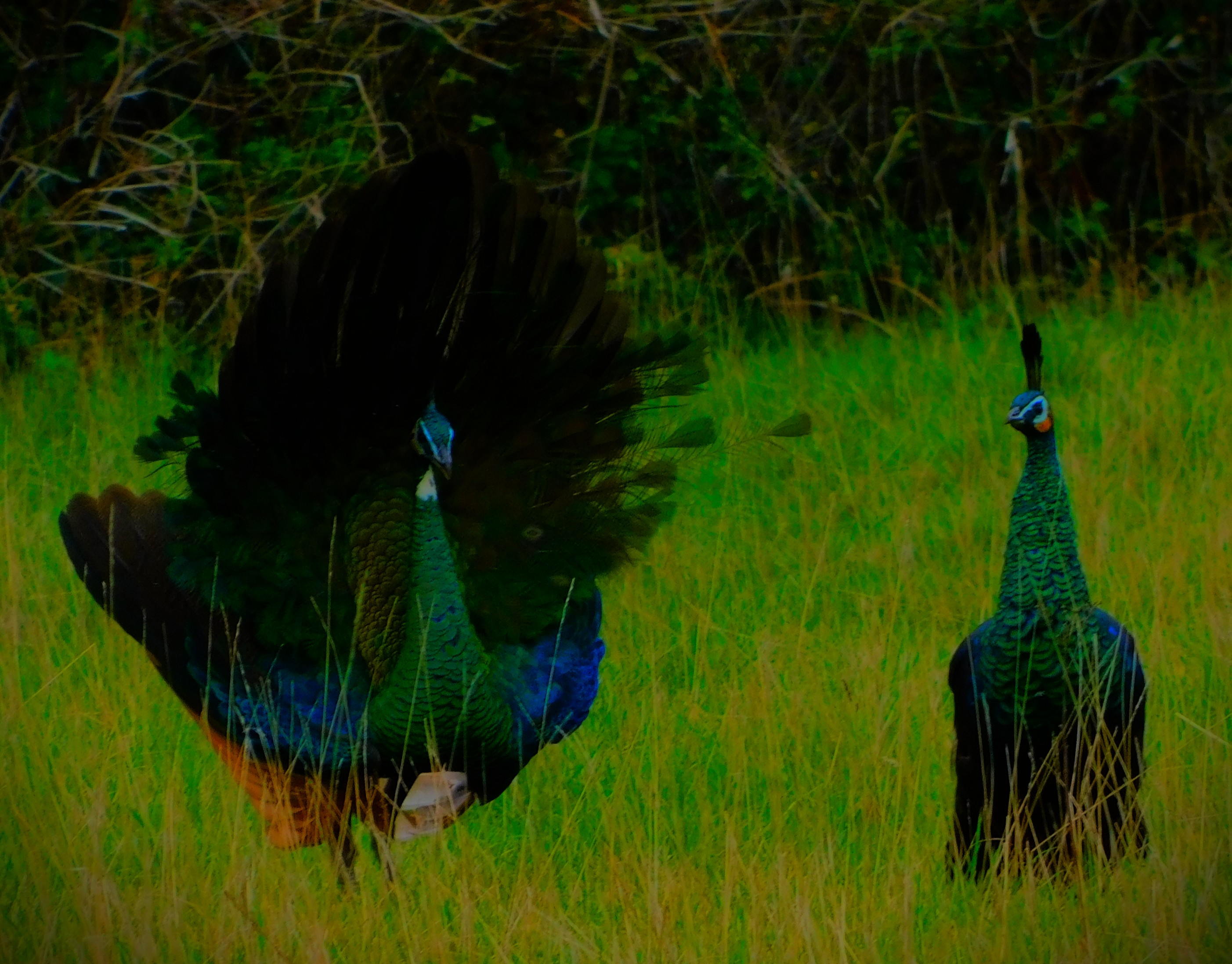
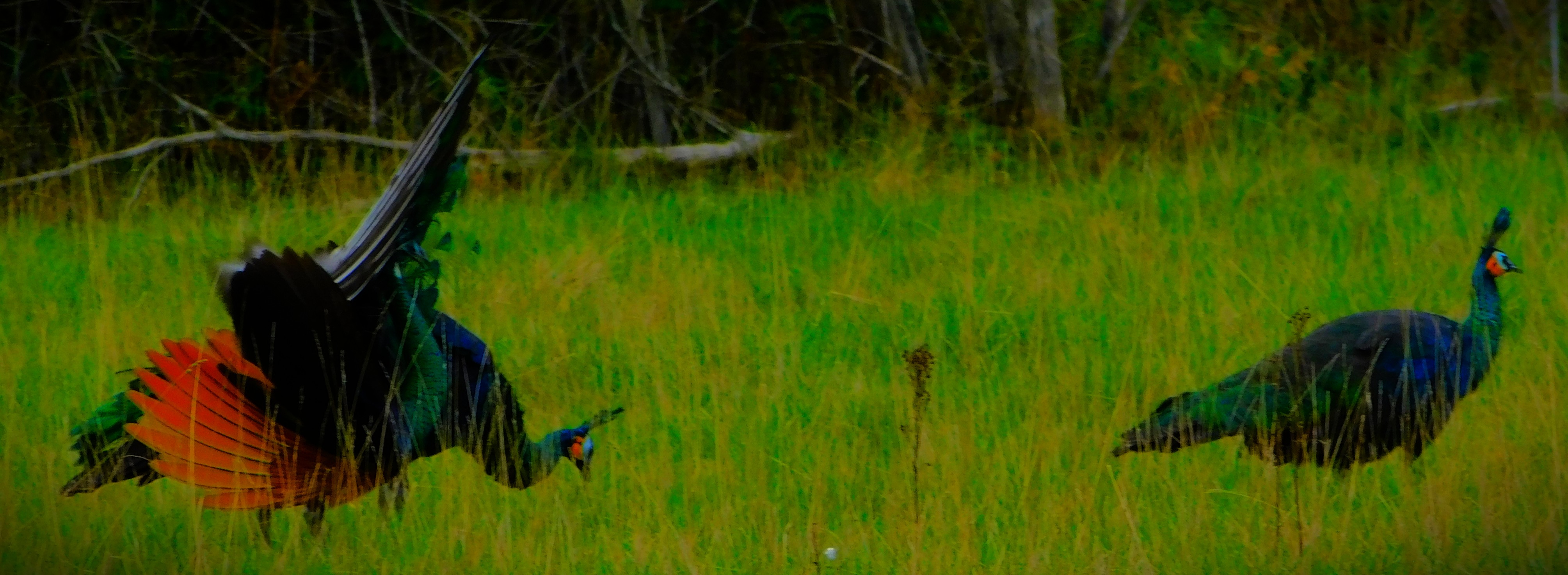
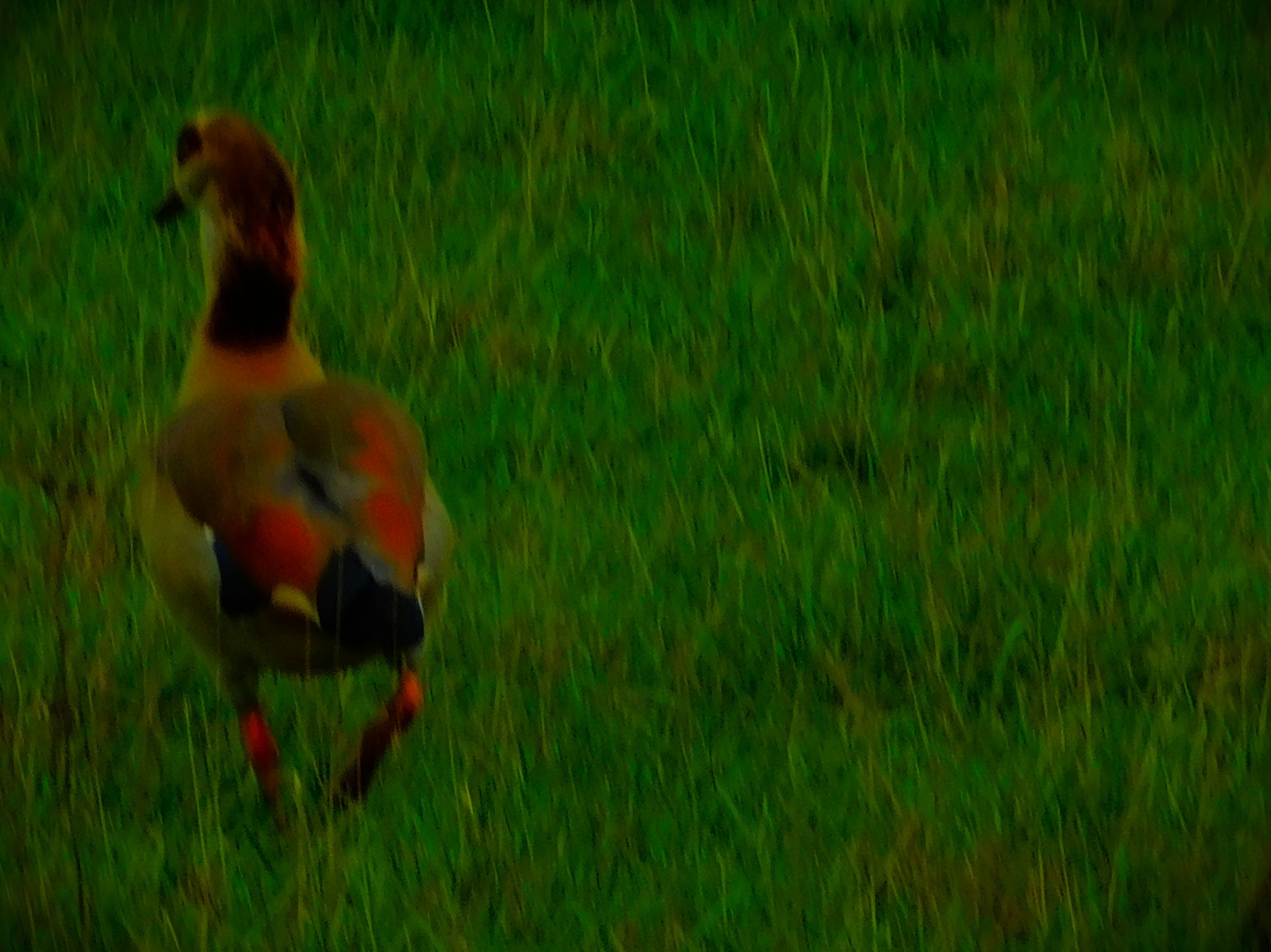
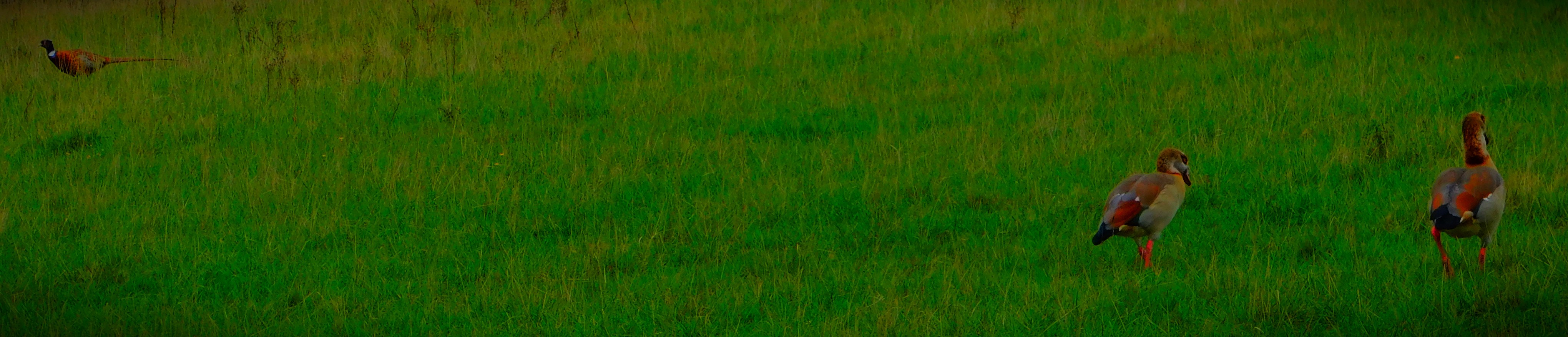
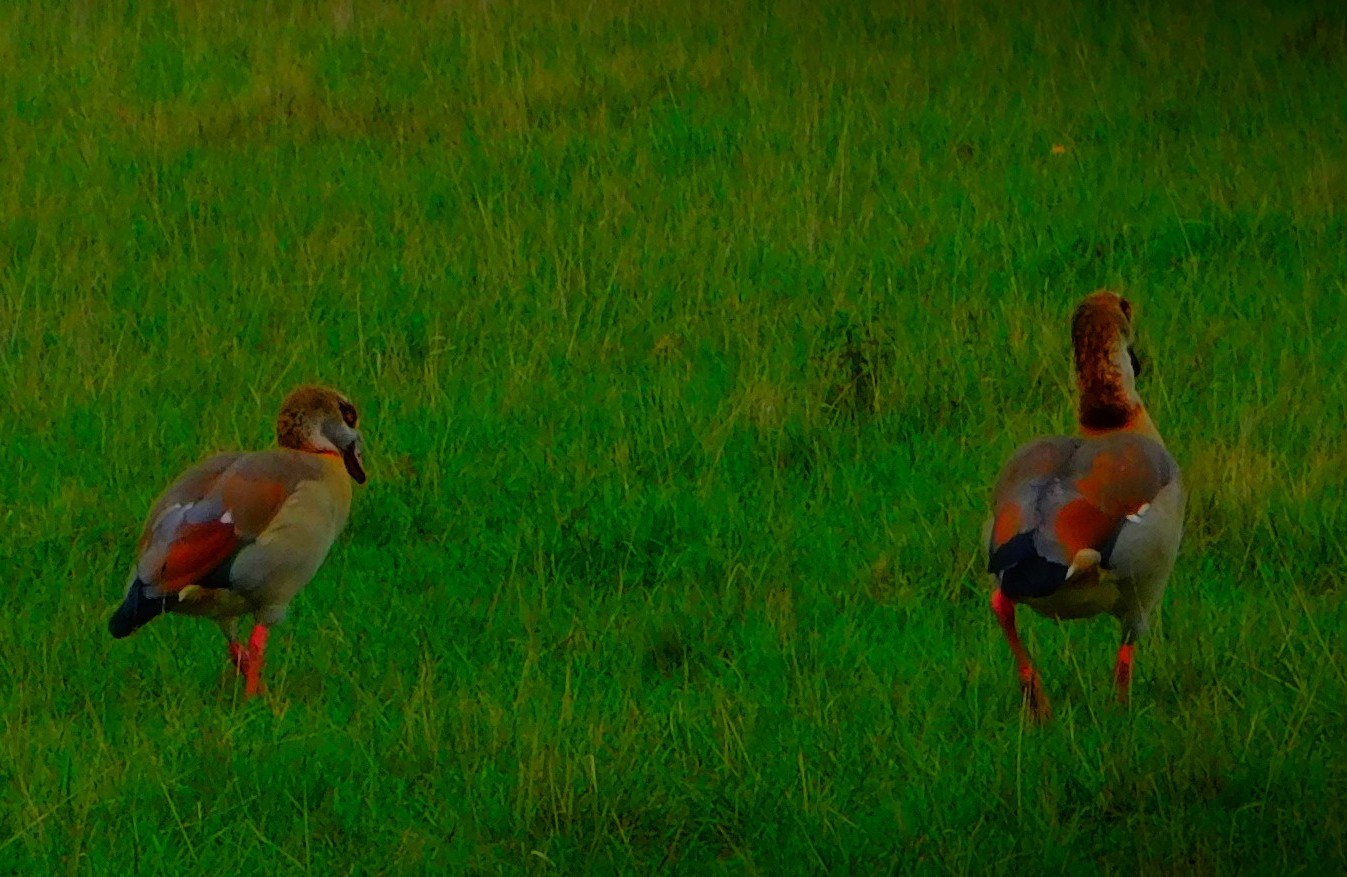
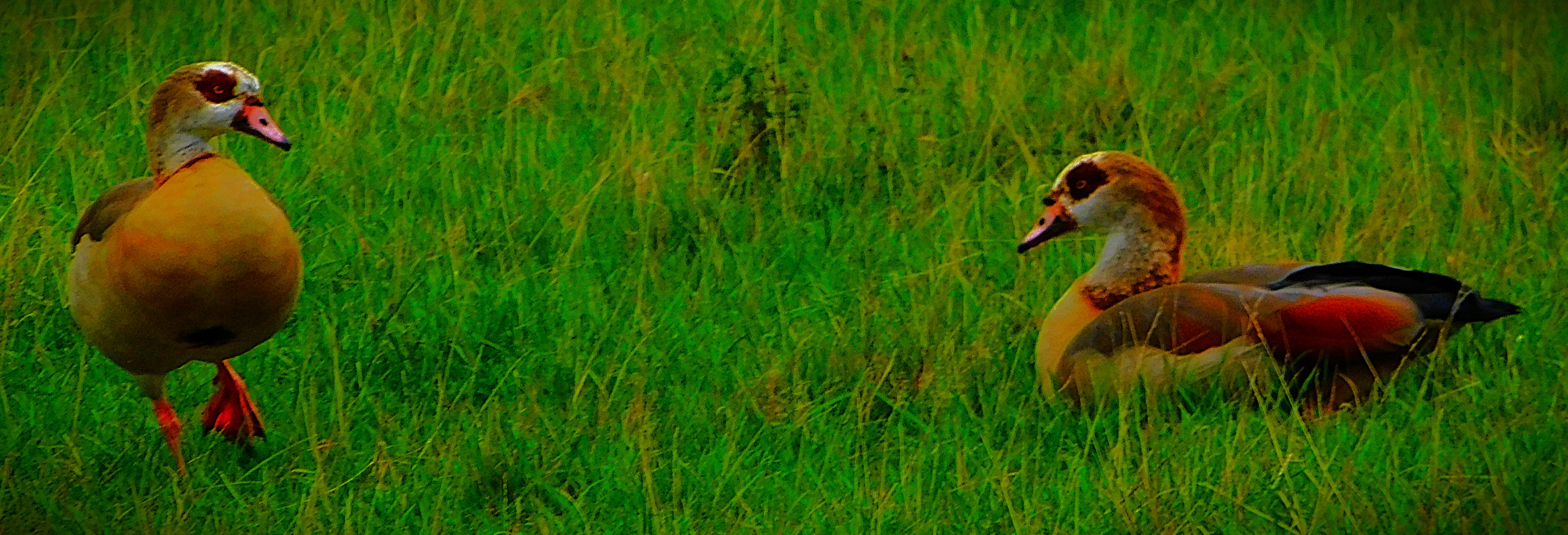
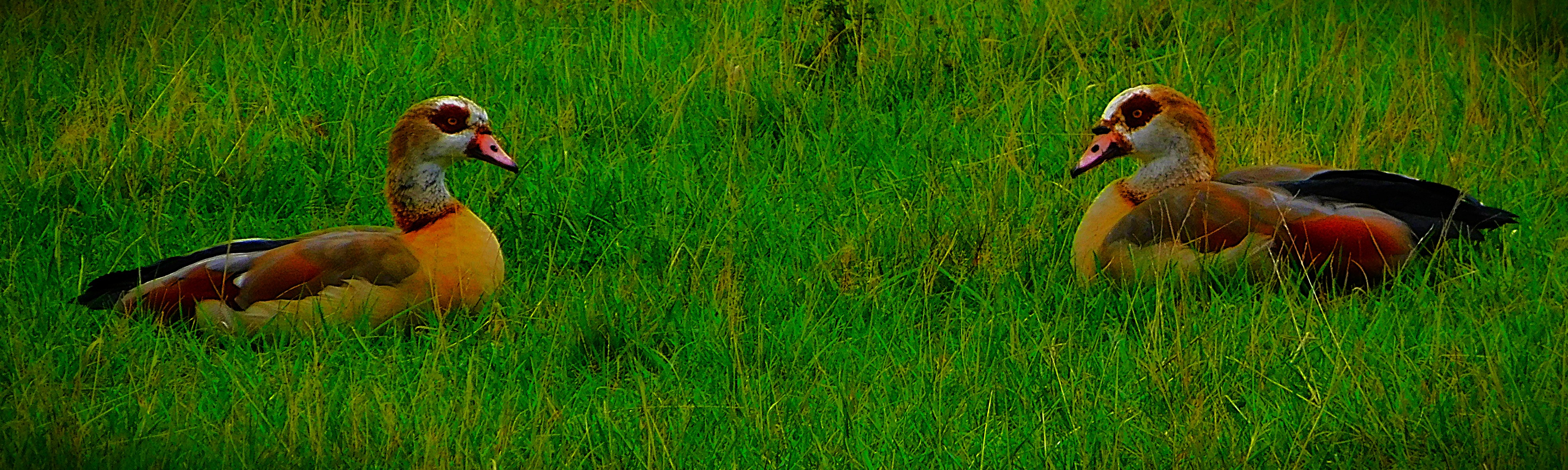
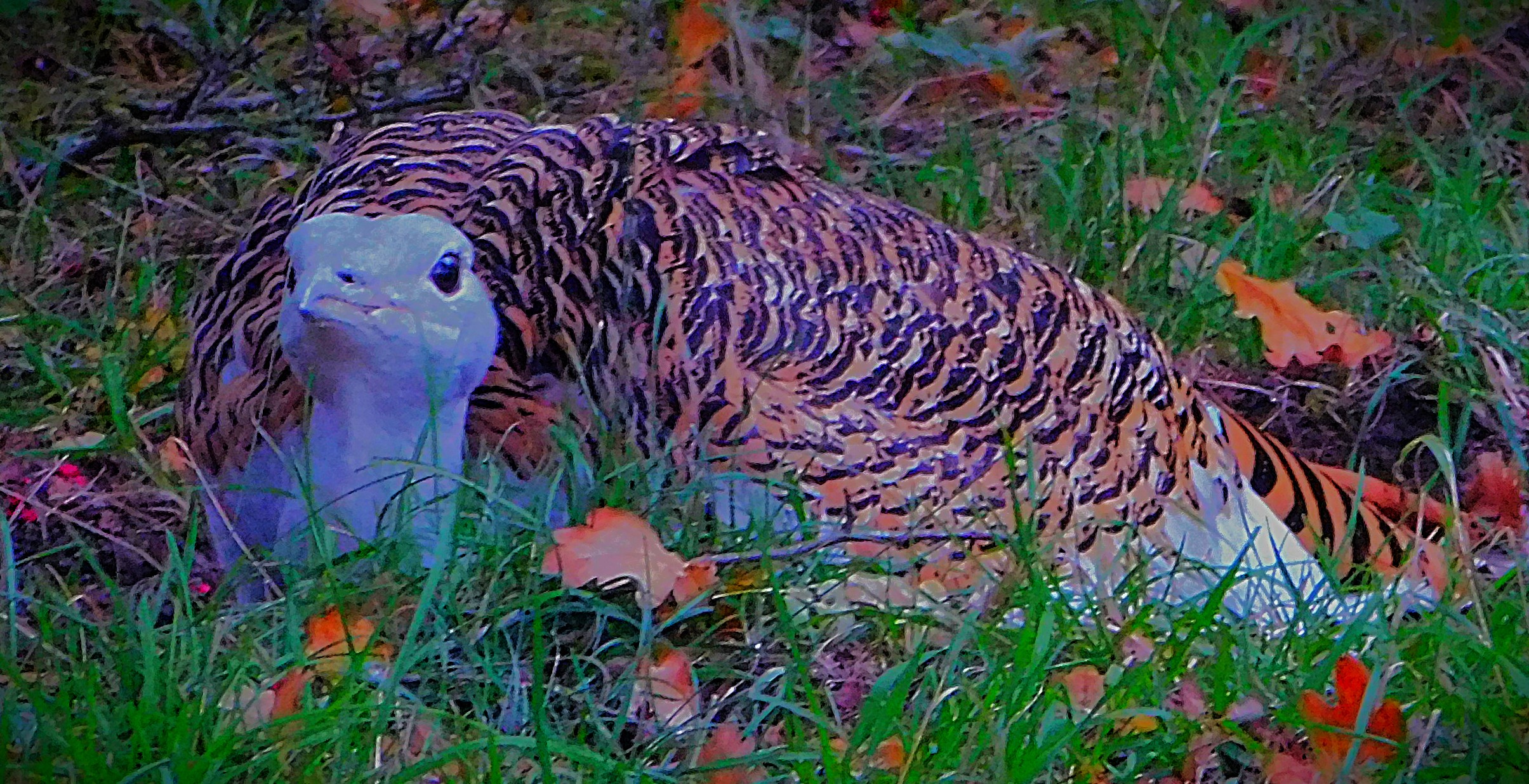
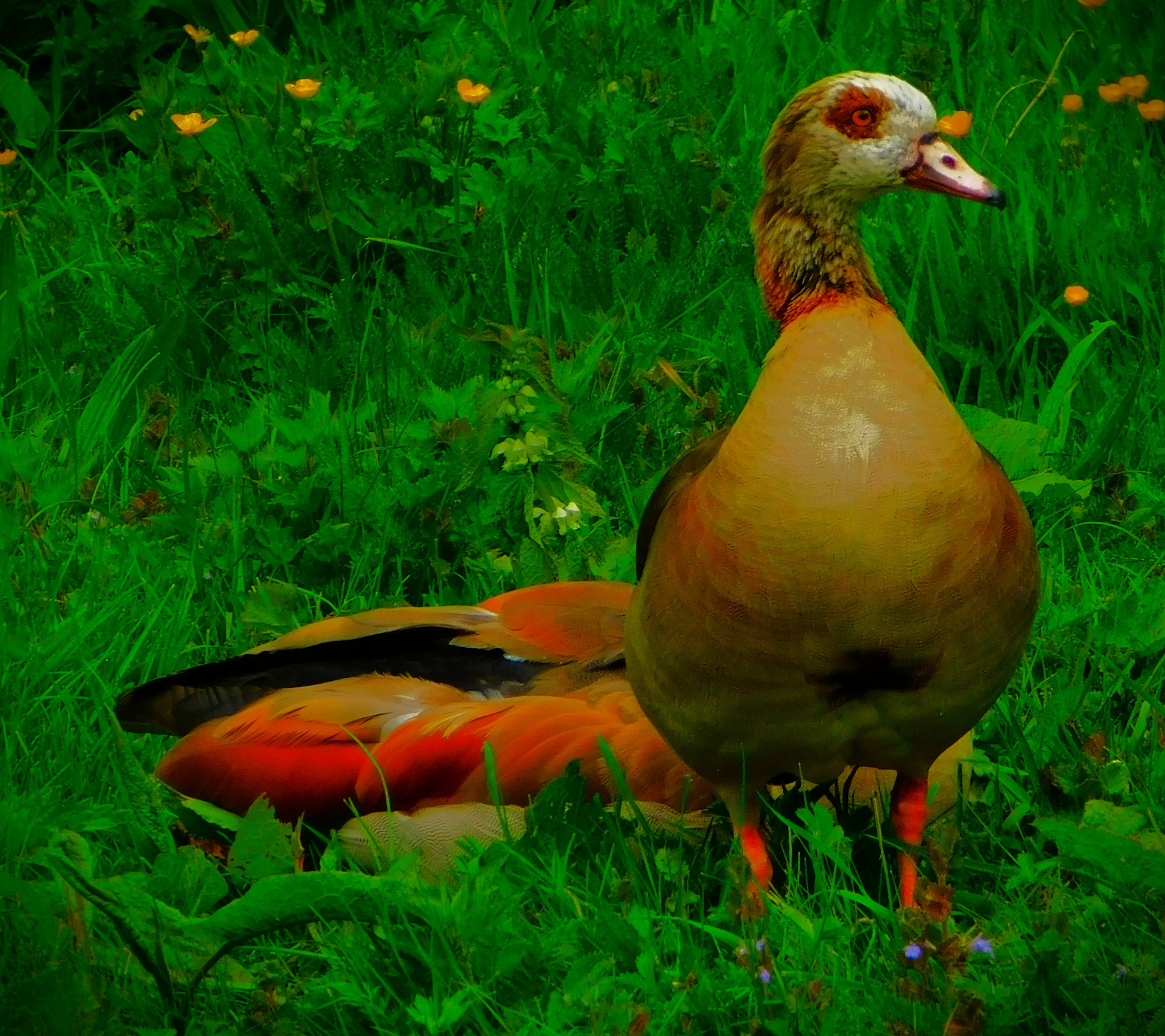
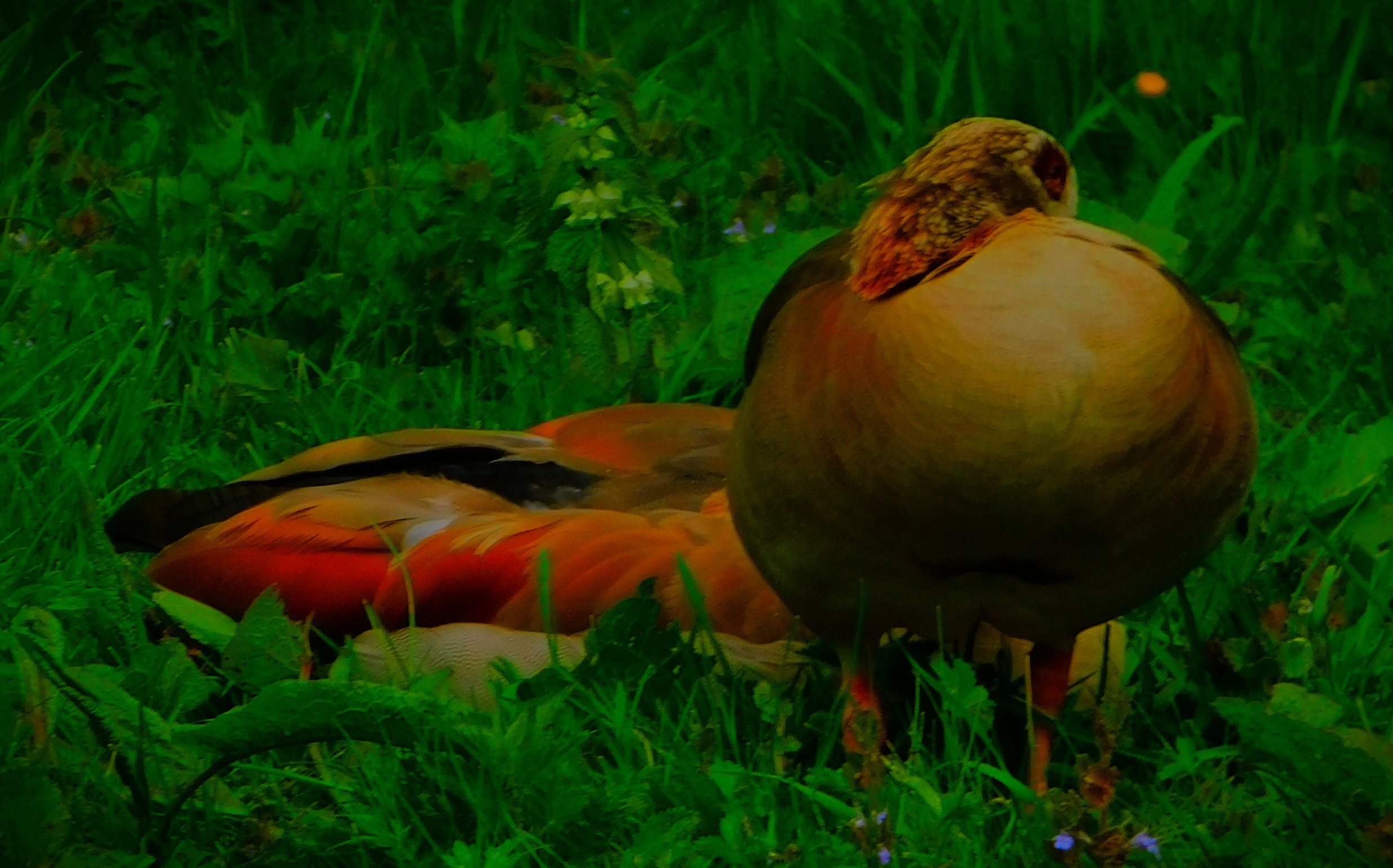
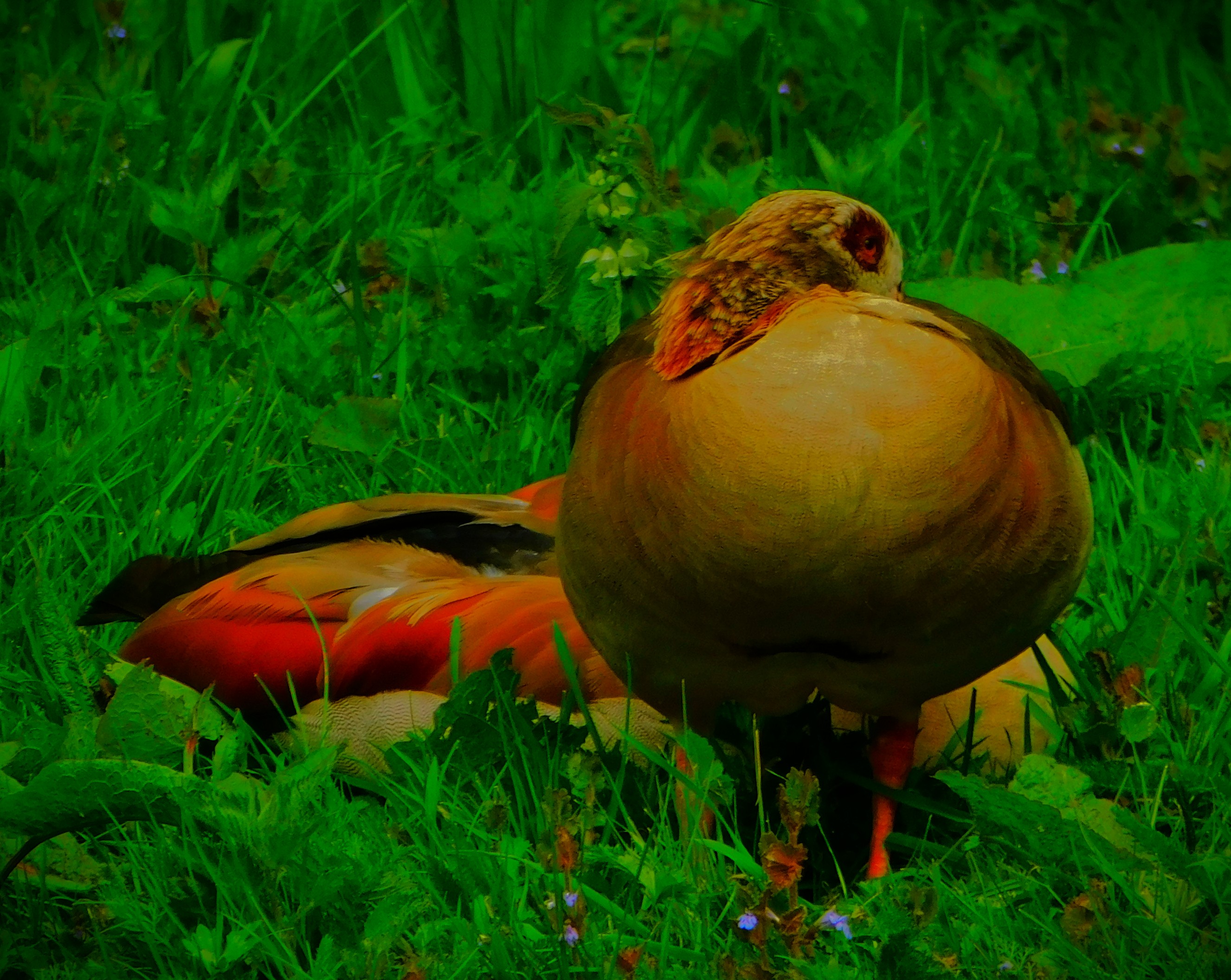
This is a roan antelope.Pere Davide’s DeerVulturine guinea fowl.Javan peafowl – these differ from the Indian variety in that the male and female have the same colouring, and that they are green rather than blue.The great bustard, ar rest. Your reminder that birds are feathered dinosaurs!These were not flagged up by our guides, but I reckon they are Egyptian geese.White stork.Our transport round the reserve.
A historic happening at the world athletics championships in Tokyo, the women’s rugby world cup semi-finals, an autism acceptance just a cuppa morning and a photo gallery.
There is a lot of sport going on this weekend. There is a world athletics championship on in Tokyo, and the semi-finals of the women’s rugby world cup have happened. This post begins with a piece of history from Tokyo before focussing on the rugby.
A SHARED MEDAL IN THE HEPTATHLON
By the time the final event of the Heptathlon, the 800 metres, Anna Hall (USA) was away and clear (especially as she was the quickest 800m runner in the field), Kate O’Connor of Ireland was also pretty safe for the silver medal, while Katerina Johnson-Thompson (GB) and Taliyah Brooks (USA) were contending for bronze, with the Brit needing to be six seconds or thereabouts quicker than the USian to take the medal. In the event after a noticeable delay the computer awarded them a shared bronze, each scoring 6,581 points for the seven events. O’Connor meanwhile had recorded her fifth PB of the competition. The second Brit in the field, Jade O’Dowda, finished eighth, her best yet at a major championship.
THE RUGBY SEMI-FINALS
Yesterday evening Canada took on New Zealand in the first semi-final of the women’s rugby world cup. Canada came out firing on all cylinders and had scored four tries by half time. They added a fifth early in the second half, and although the Black Ferns, unbeaten in rugby world cups since 2014, hit back hard thereafter the damage had been done, and Canada had booked their place at Twickenham.
The second match took place today, at the same venue as the first, Ashton Gate in Bristol. England were far from their best in the first half and were somewhat fortunate to lead by two points (7-5) at the interval. They played better in the second half, but it was only when Player of the Match Ellie Kildunne crossed for her second try, a spectacular solo effort, to put England 26-12 up that they looked in control. The conversion also went over. France did score once more but missed their own conversion so it was 28-17. Then Megan Jones went over for England’s fifth try right at the end – Harrison’s conversion, successful like all her other four, was the last kick of the match. The final at Twickenham is on Saturday, and although England finished strongly I reckon the Canadians will be feeling fairly confident after this semi-final.
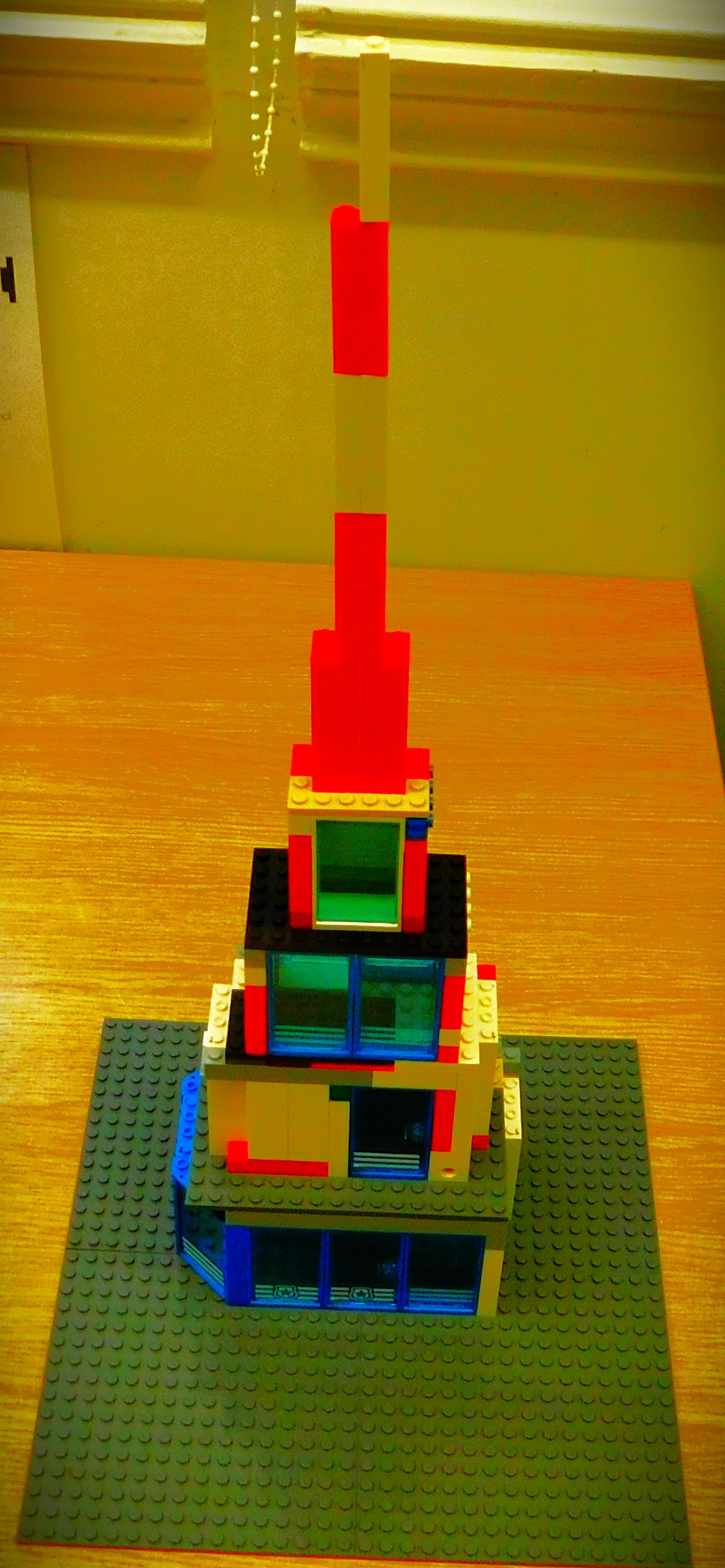
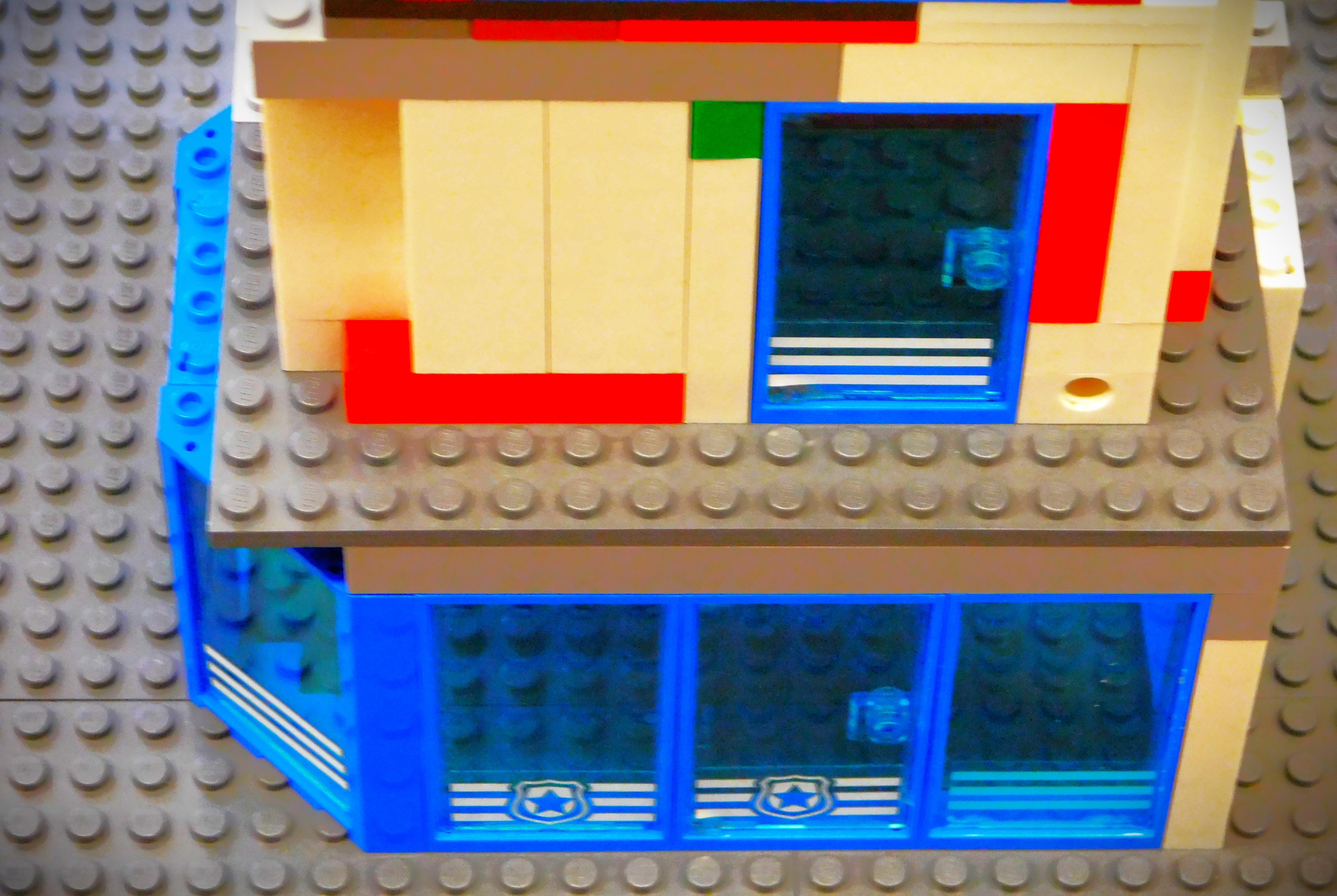
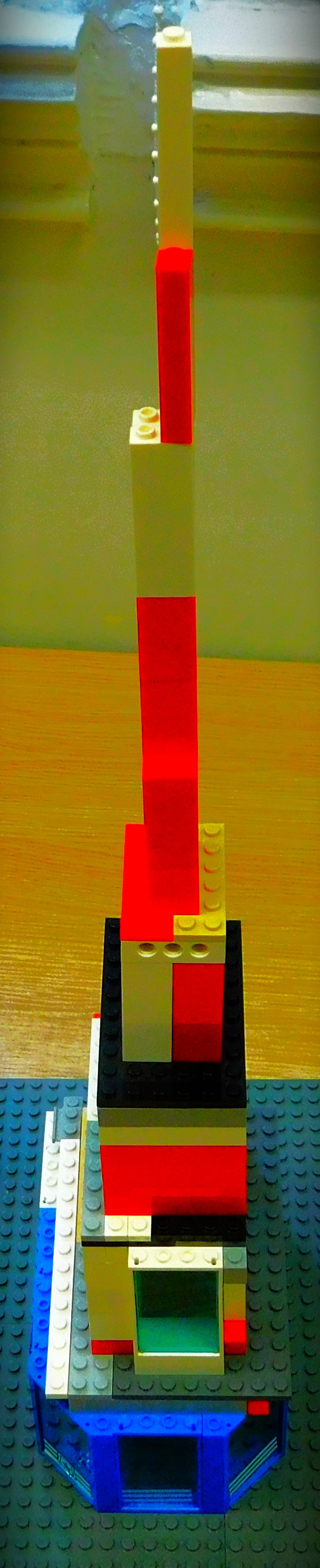
LEGO ARCHITECTURE
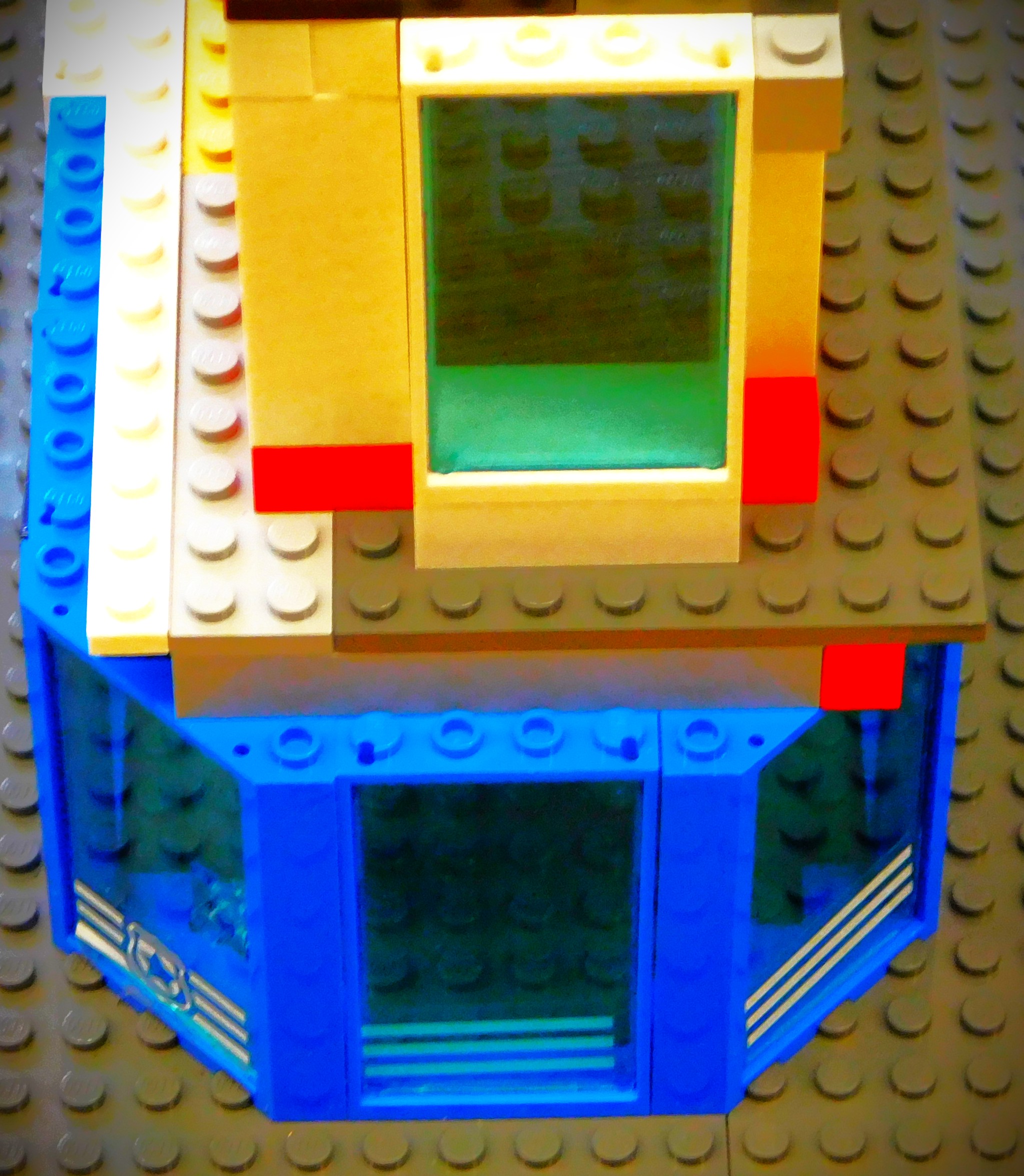
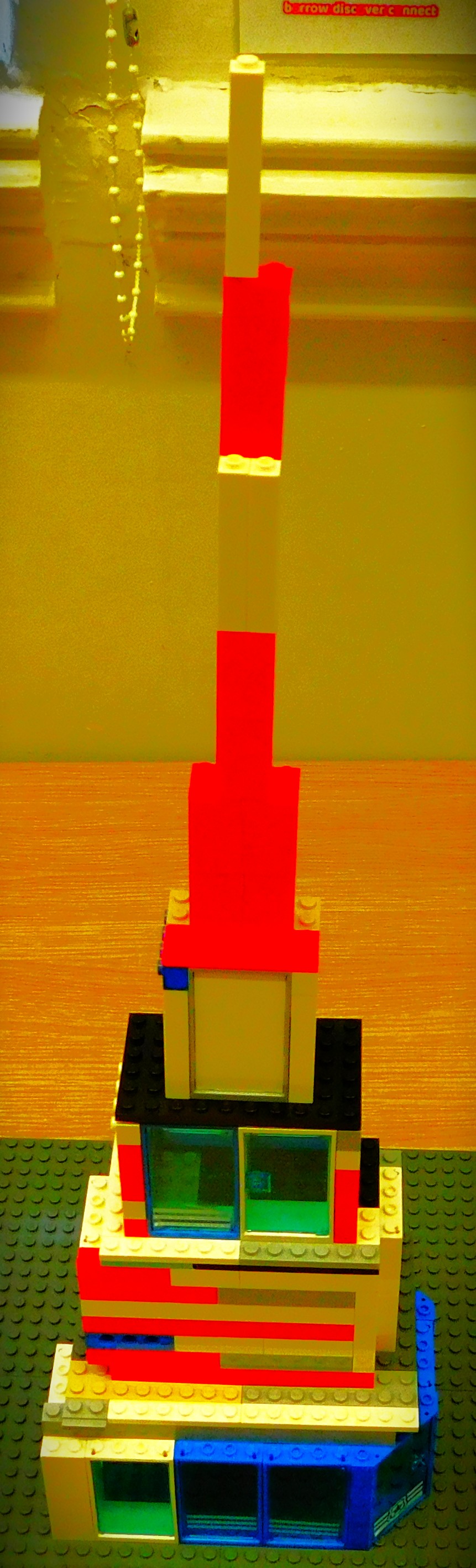
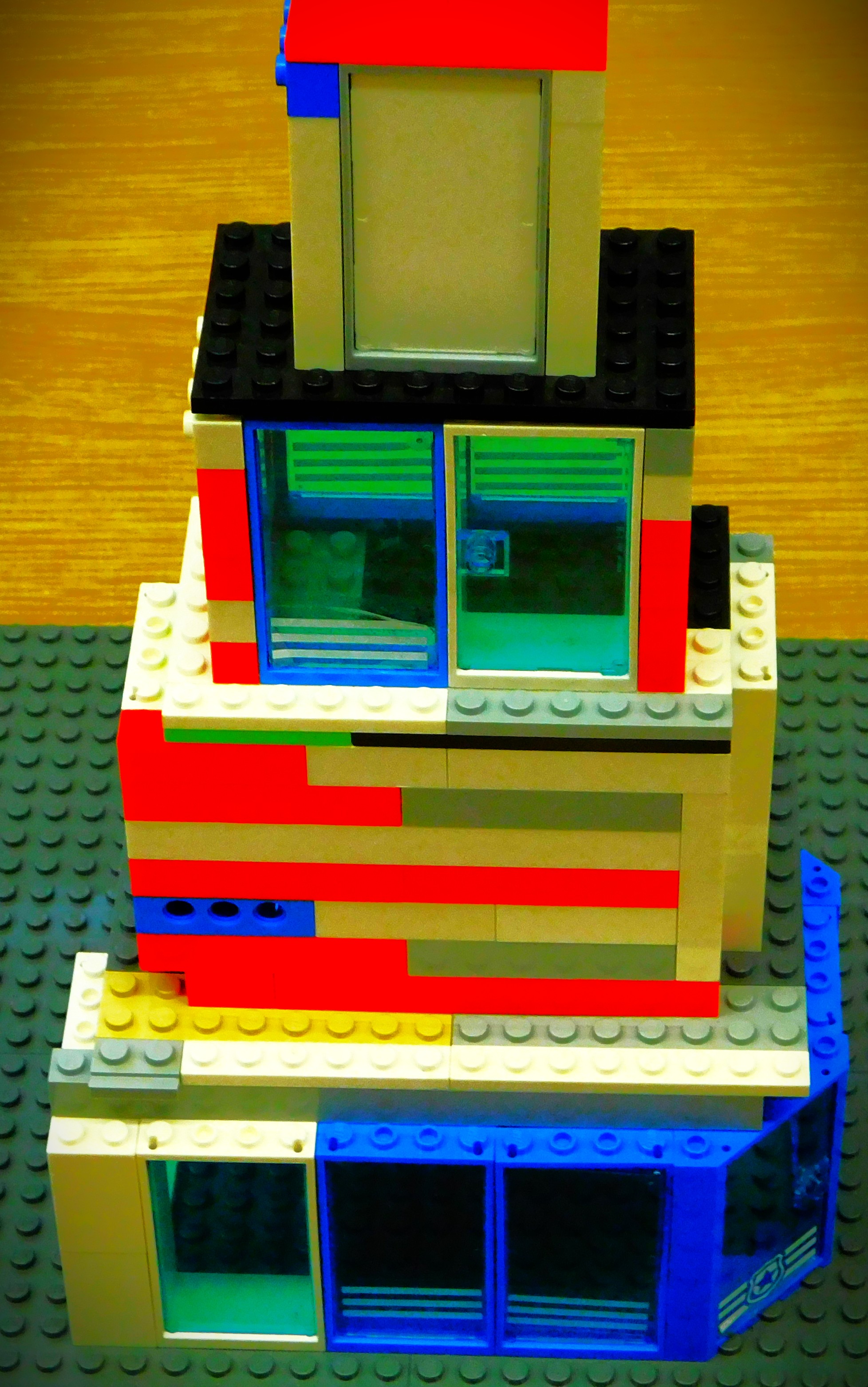
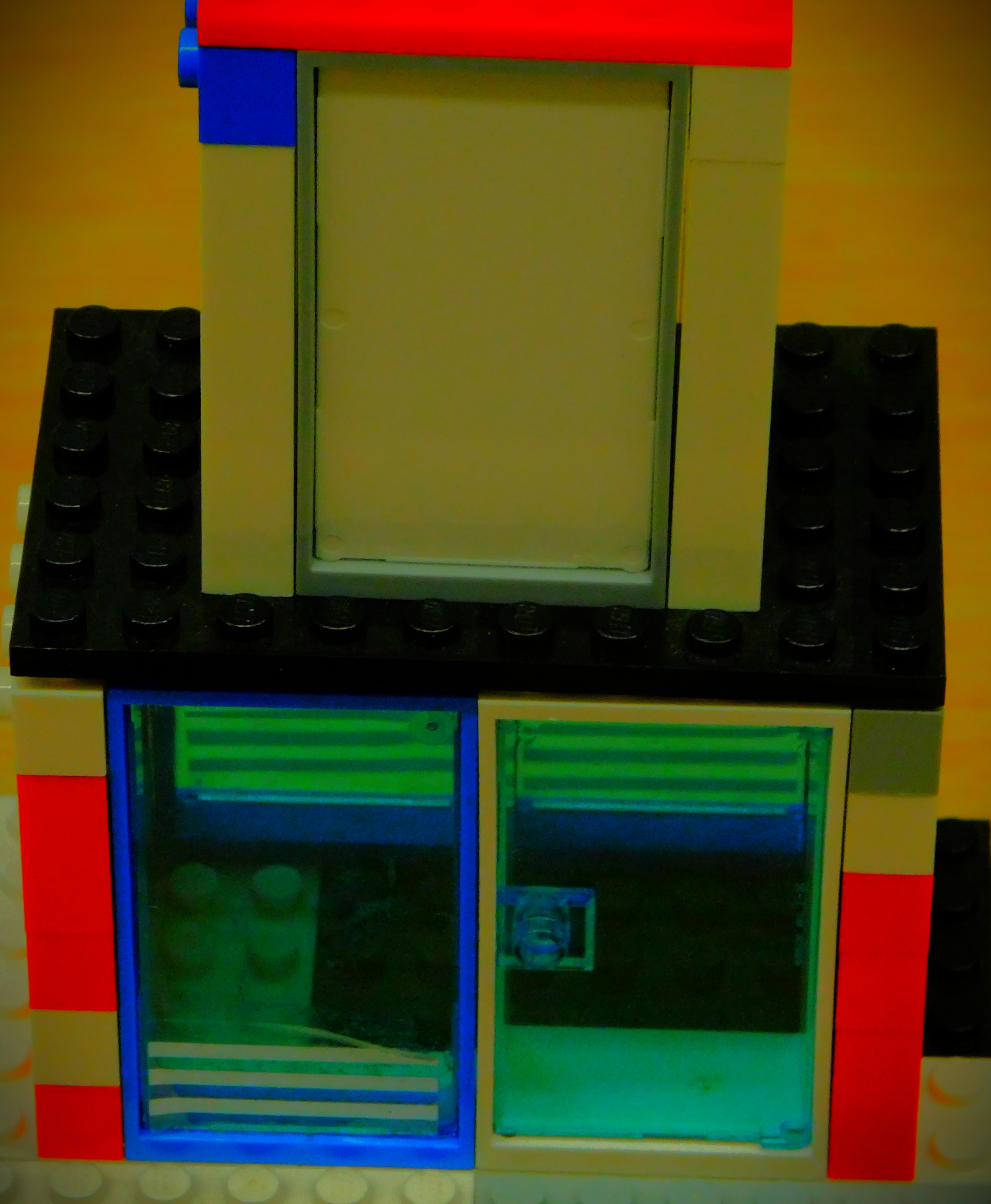
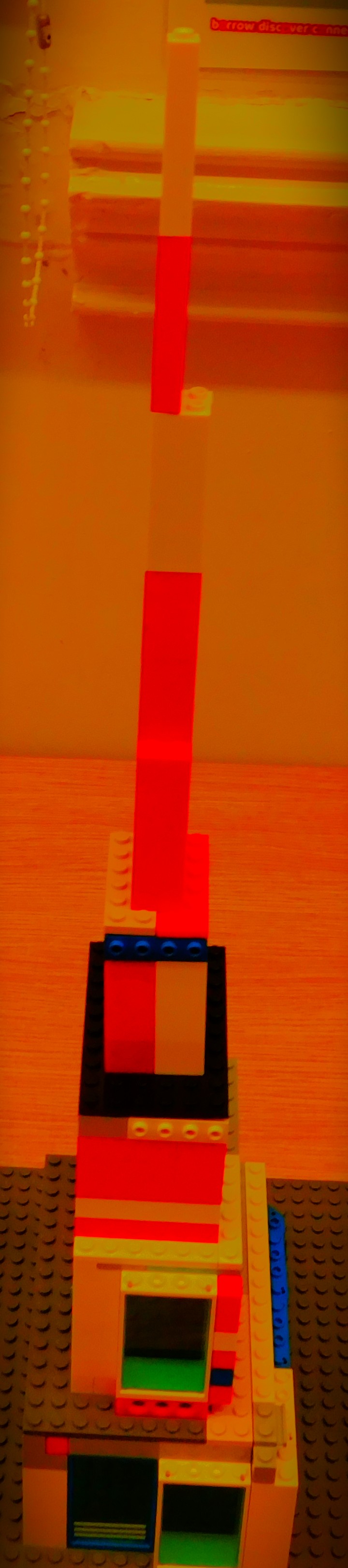
There was an Autism Acceptance Just a Cuppa morning at King’s Lynn library today, and as usual I did some lego architecture while I was there…
PHOTOGRAPHS
My usual sign off…
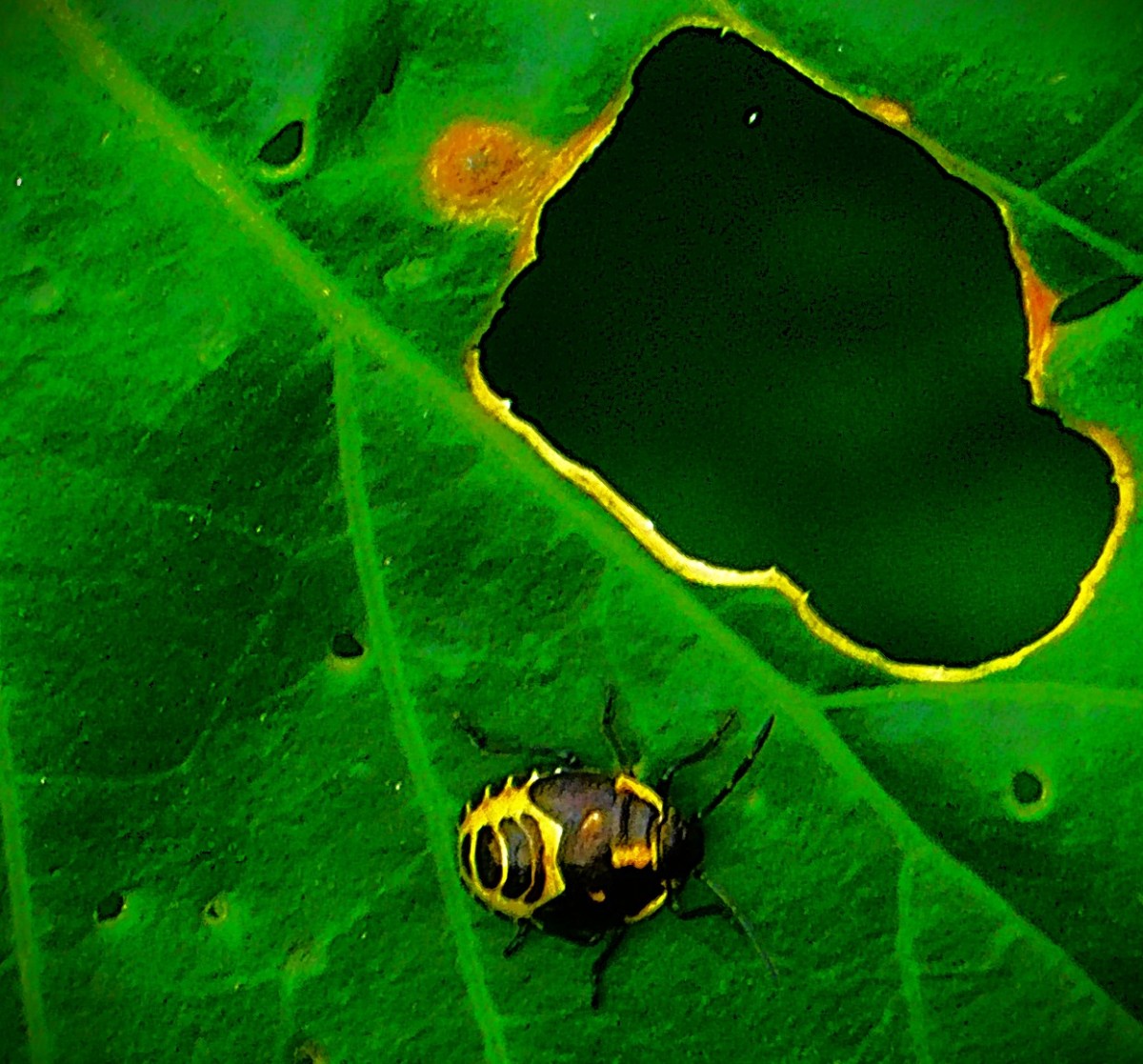
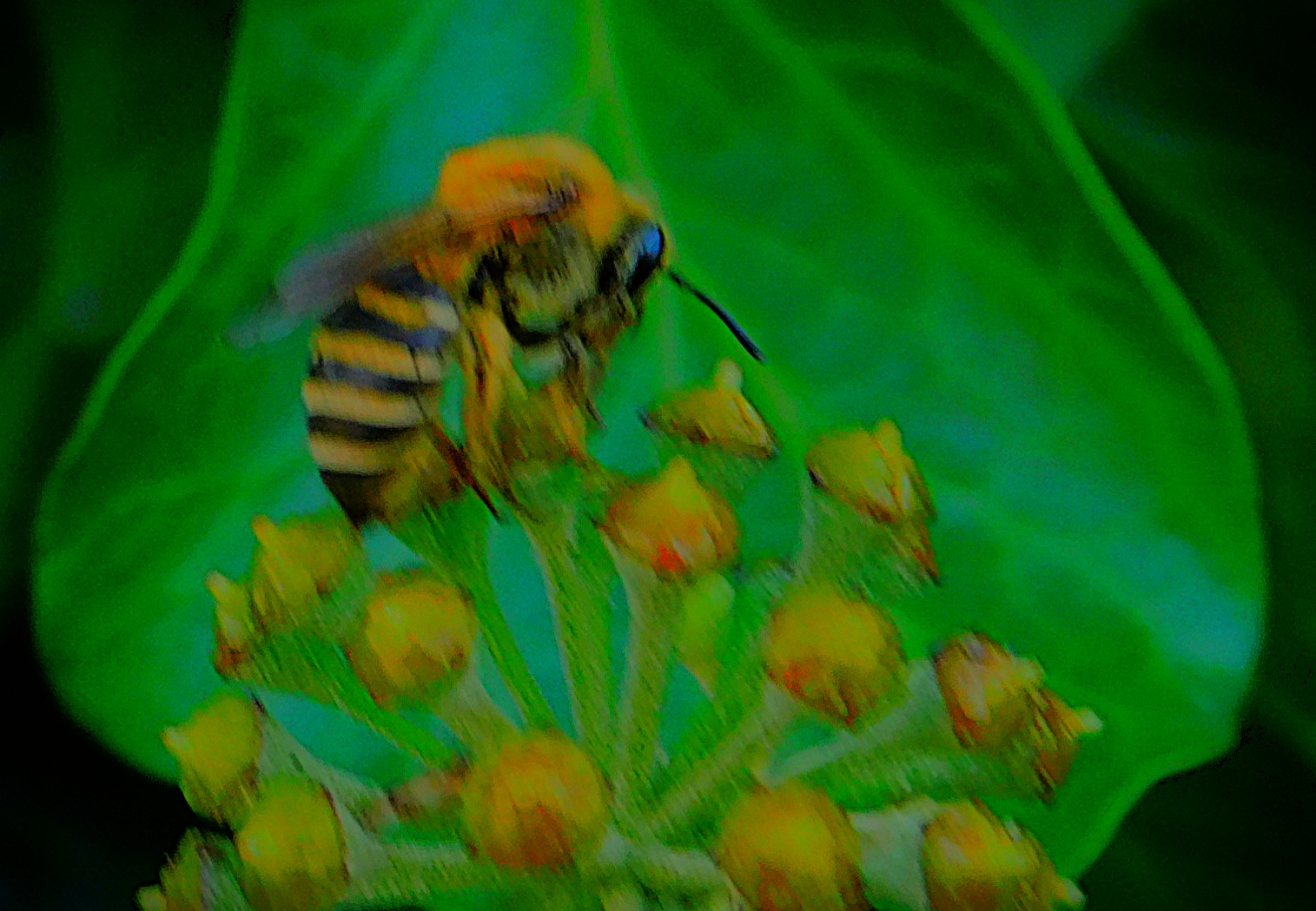
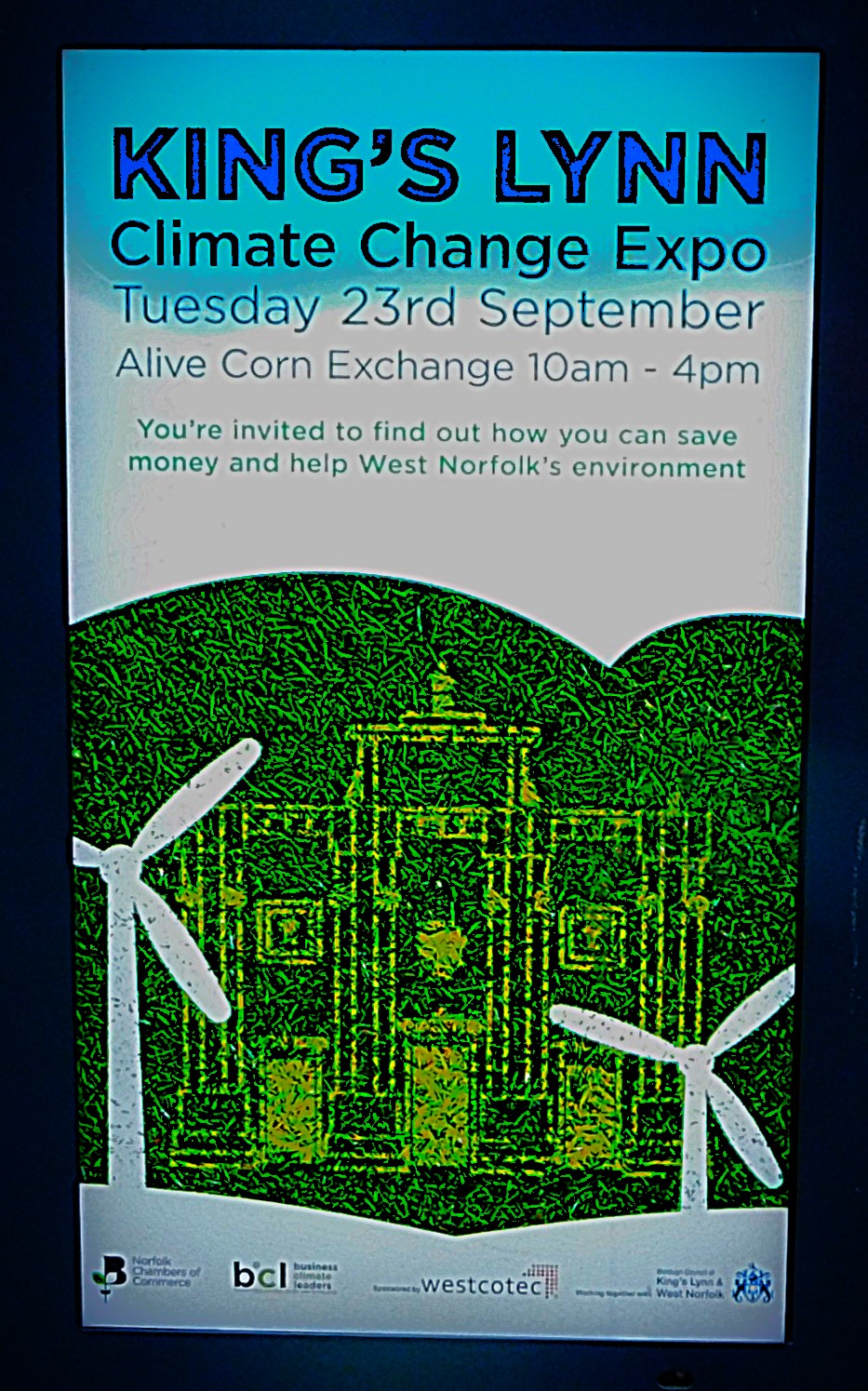
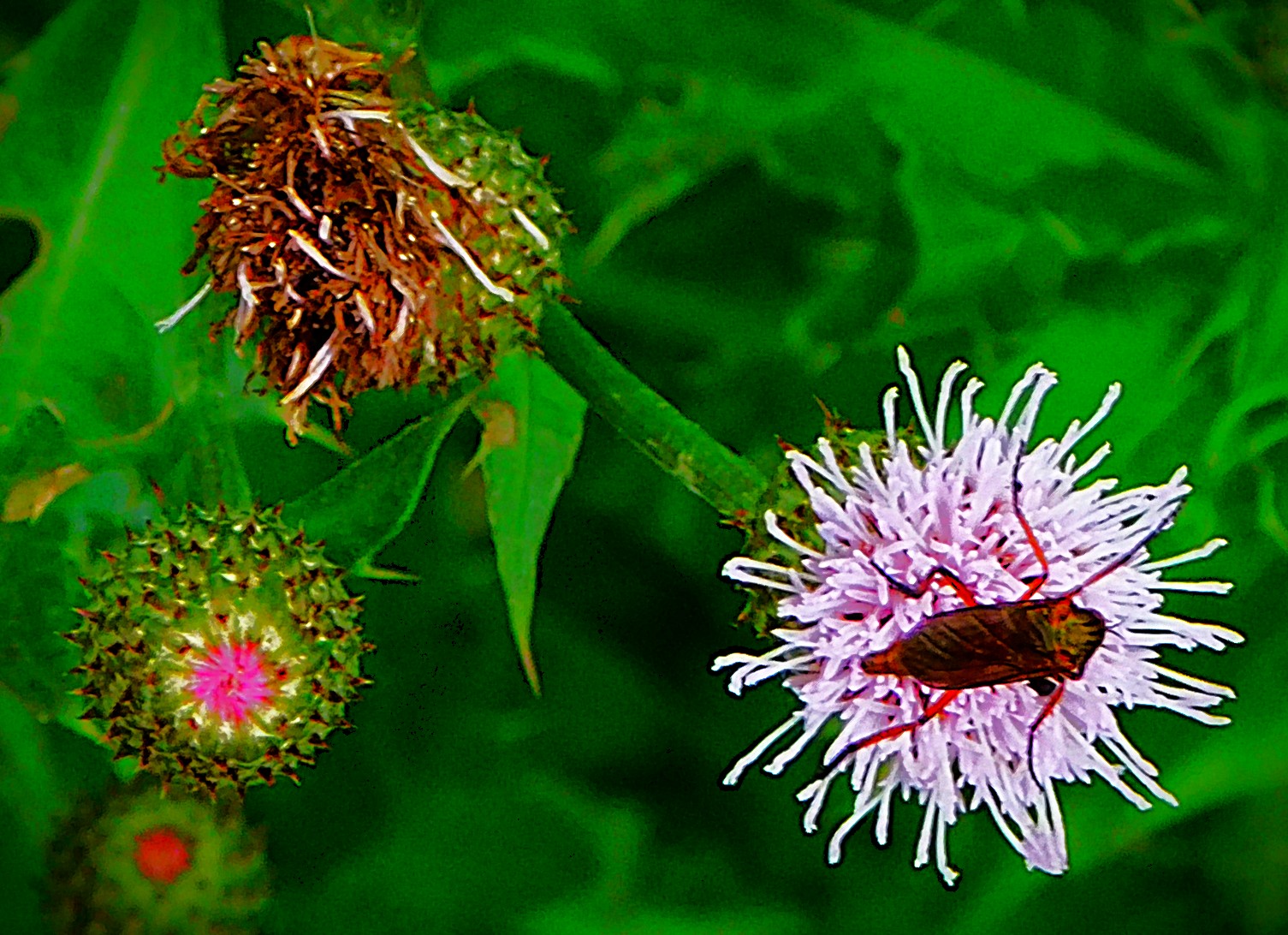
As stick like as it appears this is apparently not a stick insect – it is a Plume Moth.Fungi near Kettlewell Lane (five pics total).One of the others at the Just a Cuppa Autism Acceptance morning at the library was wearing a t-shirt featuring this picture.Unfortunately I will be at work, but this, courtesy of the electronic display board outside King’s Lynn station, looks interesting.A small black and yellow bug on a green leaf.
A look back at yesterday’s ODI between England and South Africa and a photo gallery, including the story of my pizza making sessions yesterday.
Yesterday England played the third and final match of an ODI series against South Africa. South Africa had already won the series. I missed the early part of the action due to being at a WNAG Pizza Making event at Pizza Express. This post looks back at an extraordinary day.
TWO BRILLIANT AND CONTRASTING CENTURIES
South Africa won the toss, which was about the last thing to go right for them on the day. They put England in to bat. Smith and Duckett led off with a rapid stand. Smith was second out with 117 on the board, and 16.2 overs gone. That brought Jacob Bethell, still looking for his first professional hundred, in to join Joe Root, to whom such scores are nothing new. It was this partnership that took the game away from South Africa. In 24 overs in the middle part of the innings, usually the quietest period, the pair put on 182 together. Bethell reached that first professional century off 76 balls, hitting 11 fours and three sixes along the way. He was England’s second youngest ever ODI centurion, just a few days older than another left hander, David Gower, had been when he scored his maiden ODI ton. Bethell hit two more fours after reaching the landmark, before being out for 110 to make it 299-3. Brook made an unusual contribution – he was run out for 3 off two balls to make it 302-4. Buttler joined Root, and during their fifth wicket stand Root reached a century that had rarely if ever looked anything other than inevitable. It had taken him 95 balls, and he had hit a mere six fours along the way, indicating just how large a proportion of those deliveries he had managed to score something off. This was Root’s 19th ODI ton. Root was fifth out in the 47th over, not advancing beyond 100. The score by then was 371, and with Will Jacks joining a well set Buttler England would have been seriously disappointed not to cross 400 from there. In the event they had something to spare, ending on 414-5, Buttler 62 not out off 32 balls and Jacks 19 not out off 8 balls.
A HORROR SHOW FOR SA
Jofra Archer led the bowling onslaught on the proteas, who were weakened by an injury to skipper Temba Bavuma. At one point South Africa were 24-6, with only Dewald Brevis of the top six managing double figures (C Jacks B Archer 10). Archer had four wickets and Brydon Carse two. Corbin Bosch and Keshav Maharaj offered a little resistance before Maharaj hit one from rival spinner Adil Rashid straight into the hands of Root to go for 17 and make it 49-7. Codi Yusuf, a medium pacer who had not distinguished himself in his main department, reached 5 before Rashid got through his defences to make it 57-8. Nandre Burger joined Bosch for what was barring miracles going to be the last stand, Bavuma having said he would bat only if needed, and South Africa were so far adrift that it would have been plumb crazy, as well as plain cruel, to have sent him in to the breach in these circumstances. A catch by Carse off Rashid got Bosch for 20 and made it 72-9. Bavuma, as expected, did not emerge, and England were confirmed as winners by 342 runs, a record runs margin for any ODI. It is not the first time that this particular record has belonged to England – in 1975 a 202 run win over India in a 60 overs per side match had given them the record. That match looks bizarre to modern eyes – England scored 334-4 from their 60 overs, Amiss leading the way with 137, a scoring rate that would not be considered especially daunting these days, and India replied with 132-3, Sunil Gavaskar settling for an extended net that yielded him 36 not out from 174 balls! Scorecard for yesterday’s match here.
PHOTOGRAPHS
My usual sign off…
The start of pizza making – a lump of dough and some flour.Which becomes by various processes this – a flat, roughly circular sheet of dough.The next stage is making sure the dough sits correctly in the pan – the outside edge of the dough needs to be a little bit raised to keep the toppings in.Tomato spreed over the base ready for toppings.Olives and mushrooms added.Pepperoni added.cubes of mozzarella distributed across the pizza.A fine dusting of oregano to bring out the full flavour of the pizza.The end product (and I can tell you it was excellent).Last night’s full moon. At the time the blood moon should have been visible yesterday it was still daylight in King’s Lynn, and a bit cloudy to boot
An account of the Norfolk Symphony Orchestra’s first ever relaxed concert, which took place yesterday at The Corn Exchange, King’s Lynn. Also a photo gallery.
This is the first of two posts I will be putting up today. The second will complete the story of the test match at Edgbaston, which ended yesterday evening. This one looks back at a special event that took place yesterday afternoon.
A NEW DEPARTURE
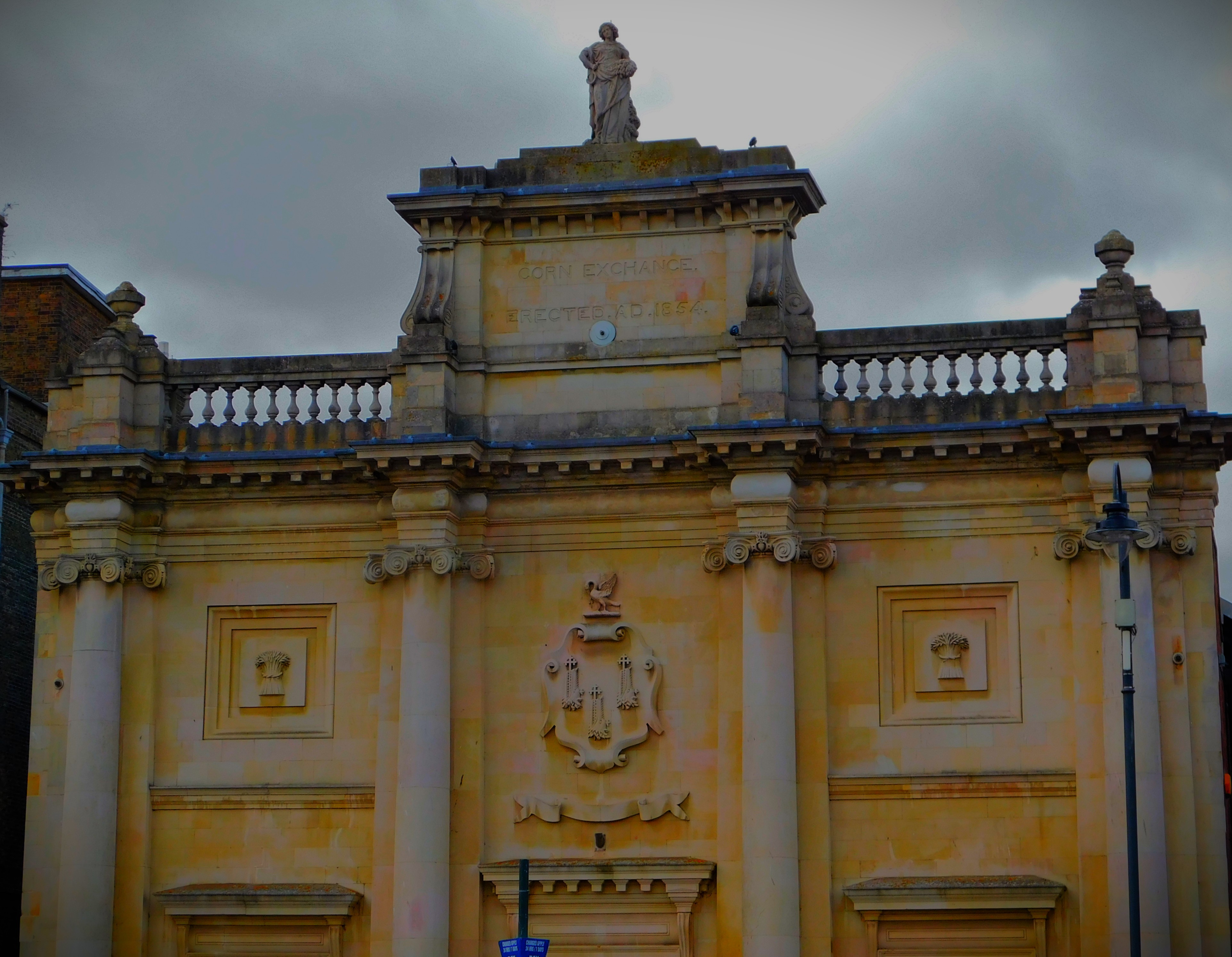
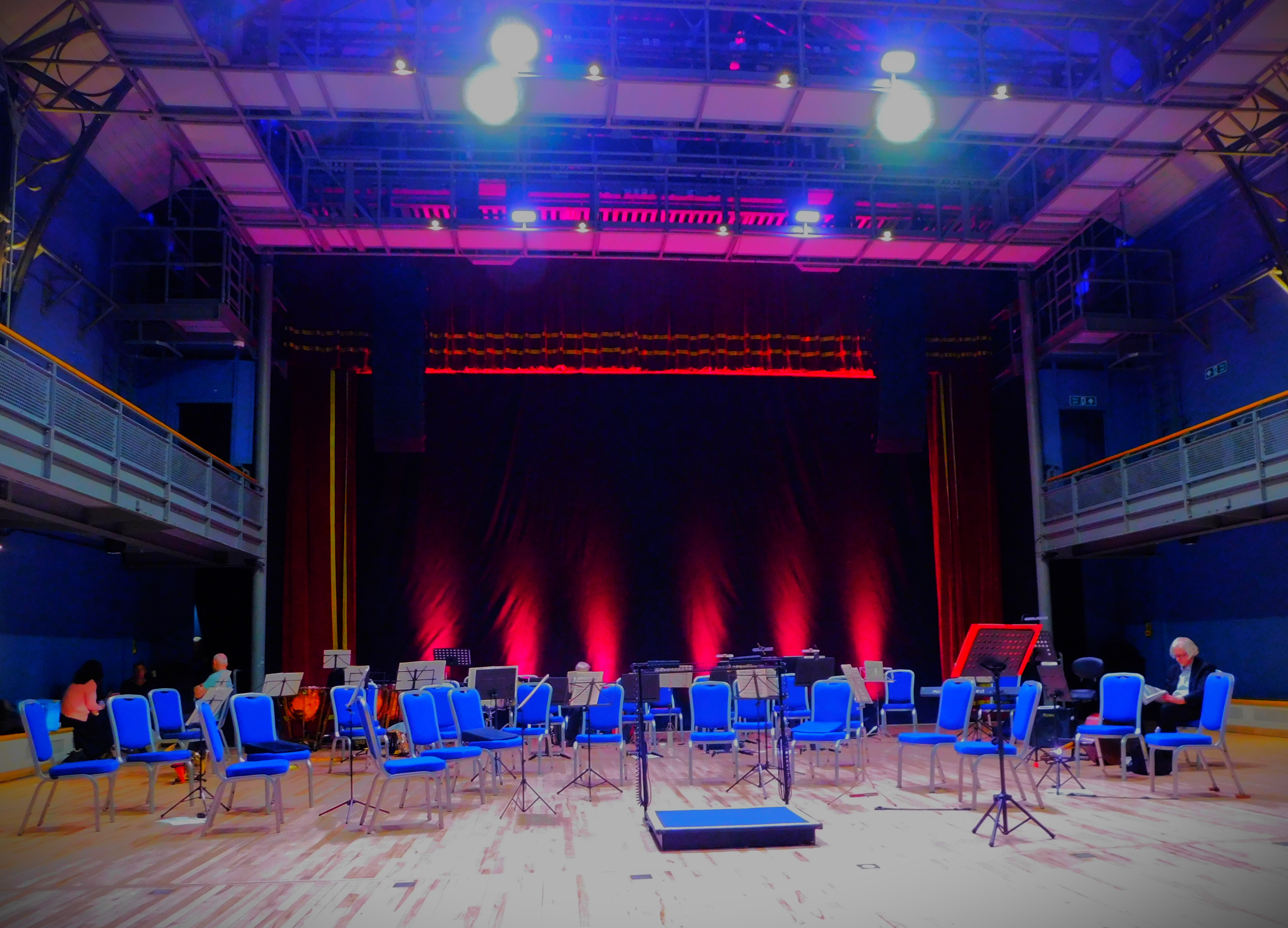
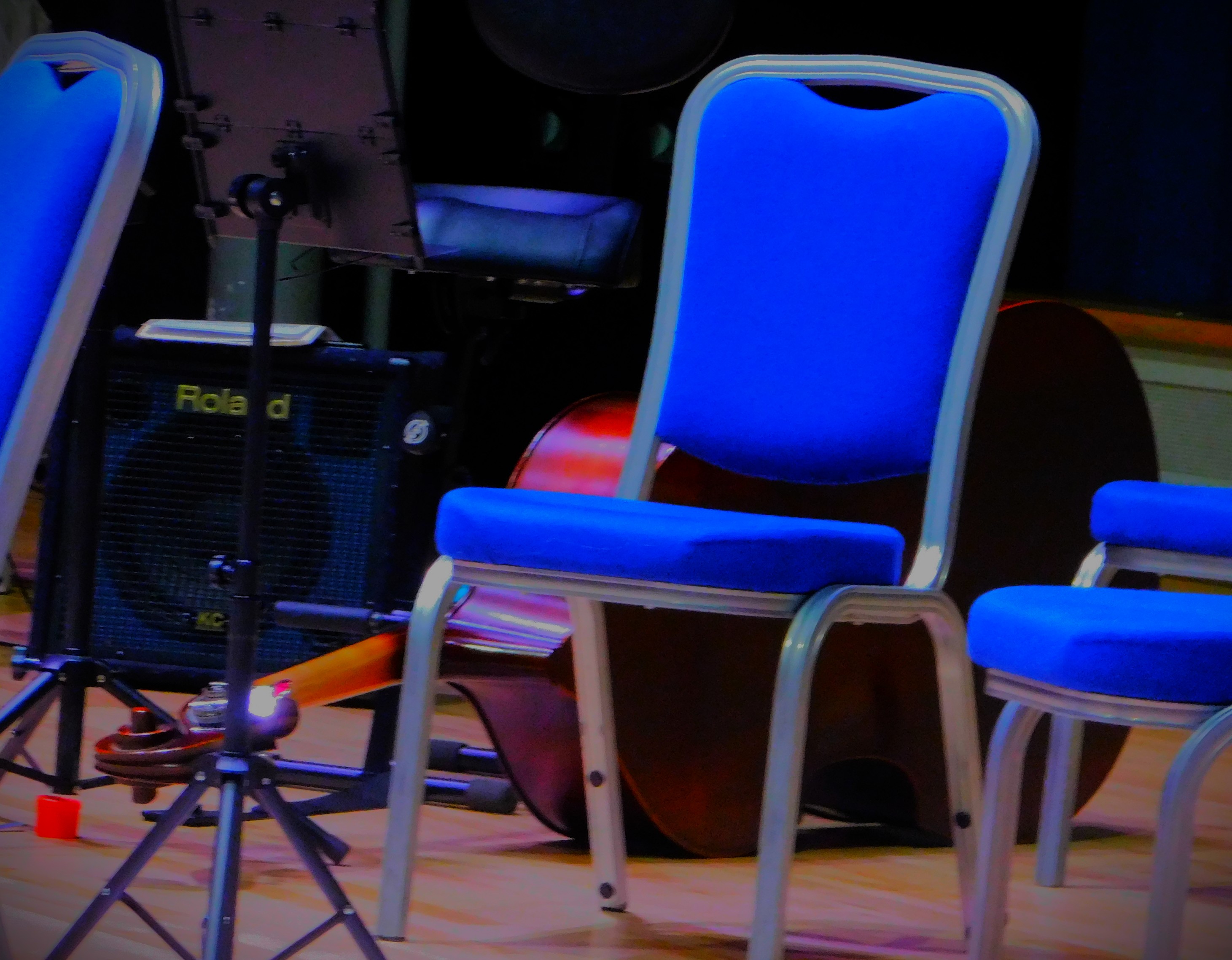
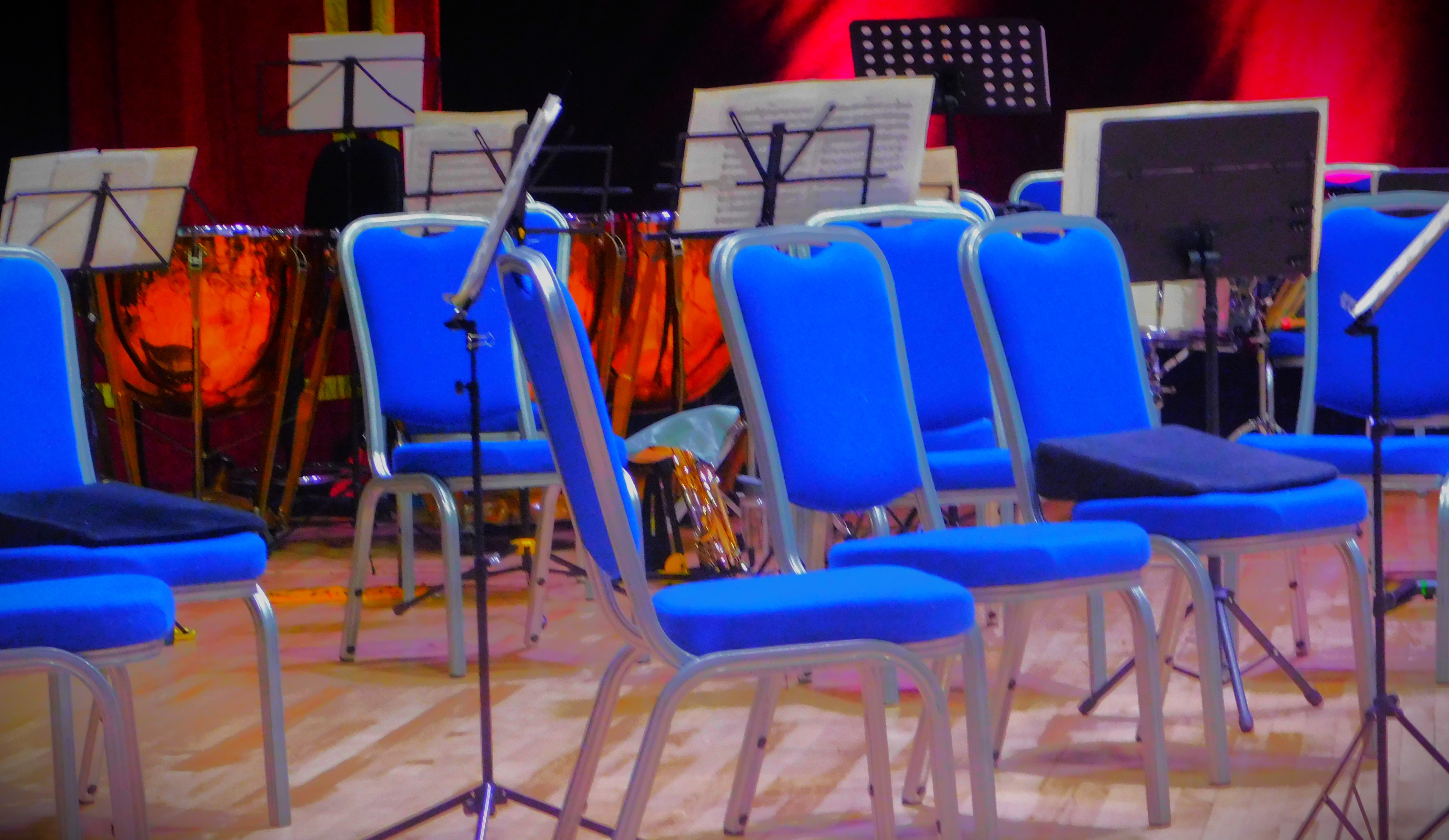
The Norfolk Symphony Orchestra staged a relaxed concert, the first such that they have done, at the Corn Exchange in King’s Lynn yesterday afternoon. The seating was loosely arranged on an open floor and at the same level as the orchestra. There were no hard and fast rules to adhere to, though there a request was made of people that they not go in among the orchestra as doing would so would disrupt the concentration of the players. The West Norfolk Autism Group had been allocated seats (tickets free of charge), and I was one of those who attended. The concert was scheduled to start at 2:30, and we were advised to arrive early. I was actually the first of the attendees to arrive, getting to the Corn Exchange pretty much on the dot of two o’clock. The performance lasted a little more than an hour.
THE MUSIC
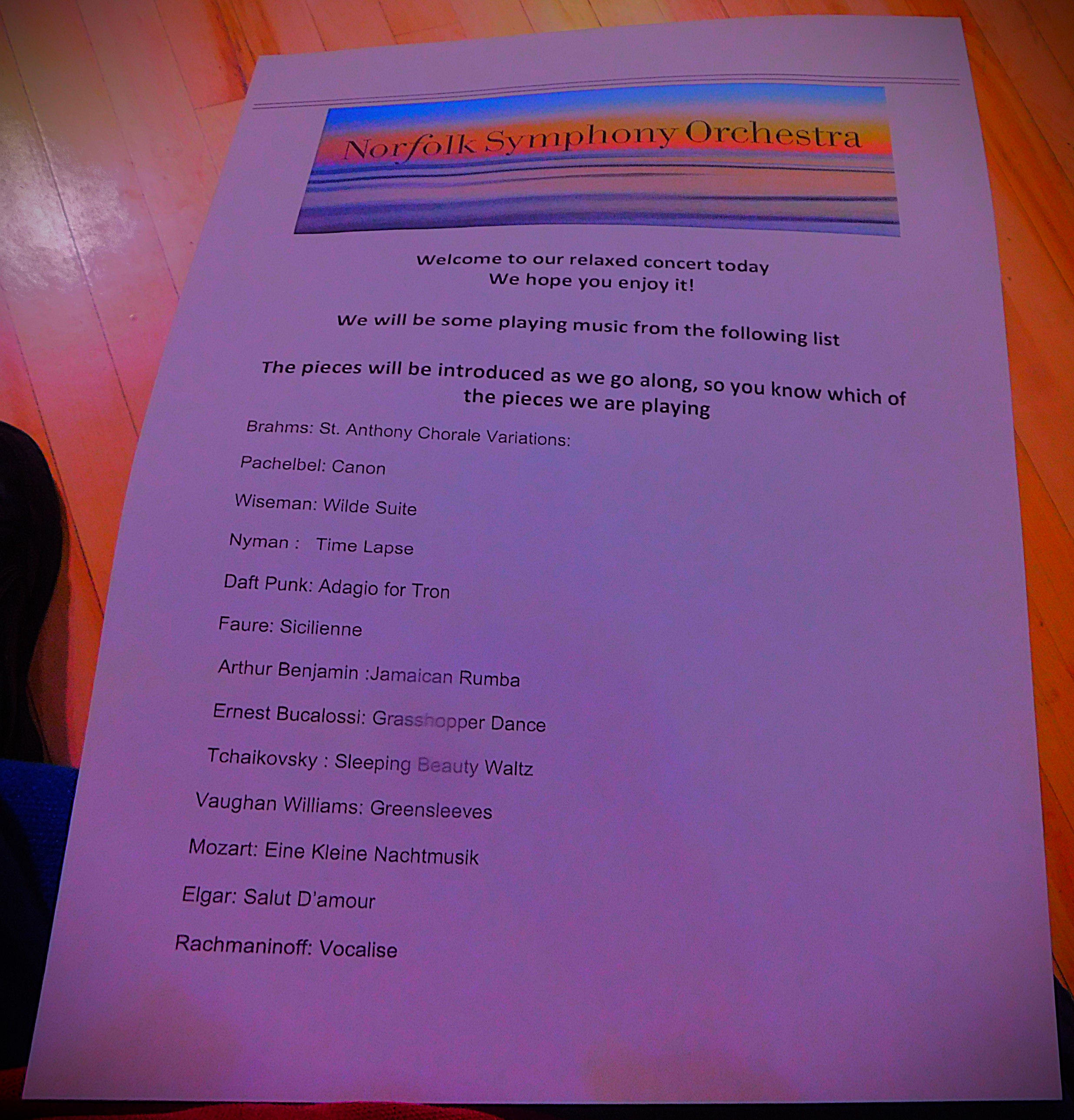
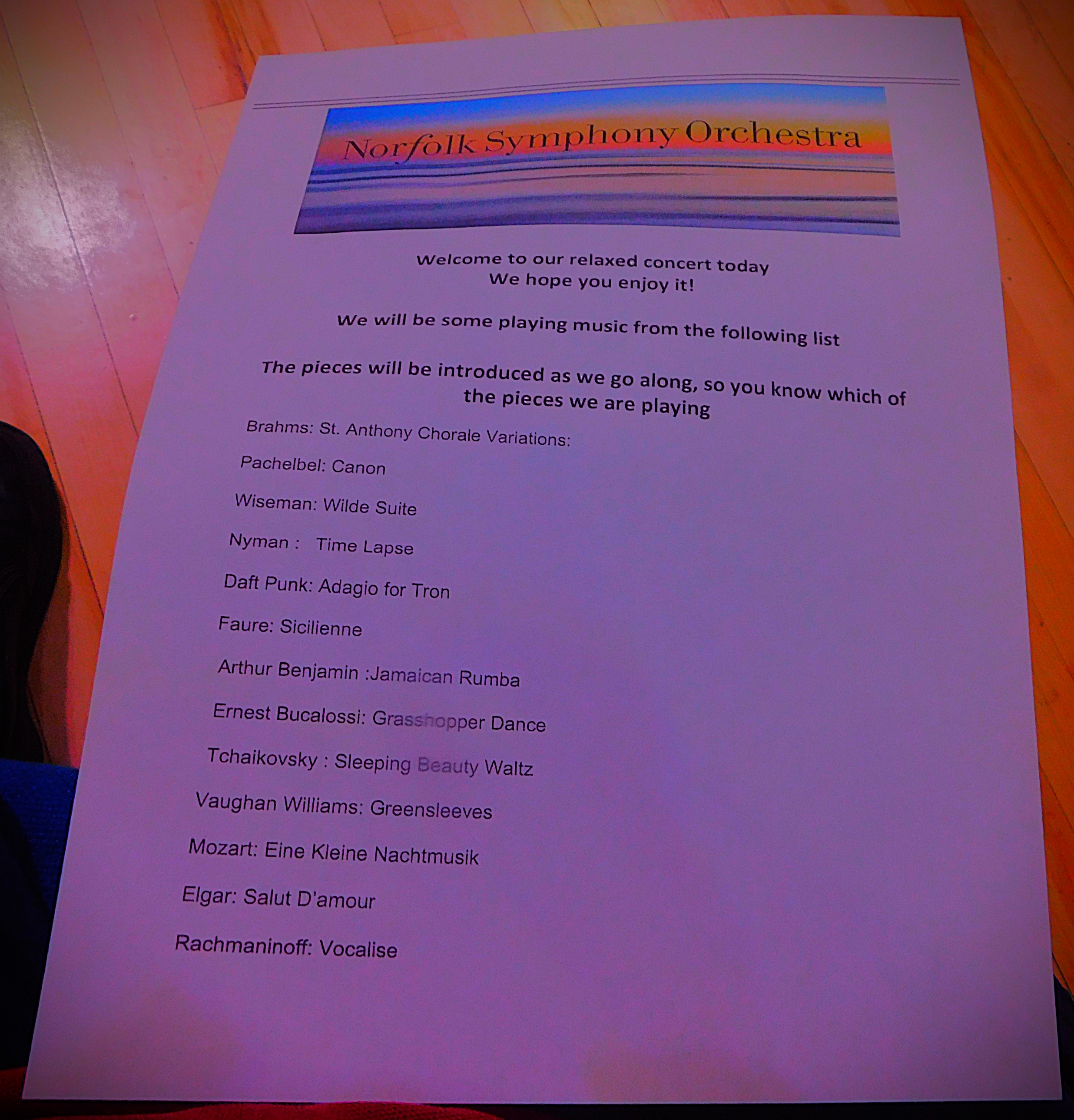
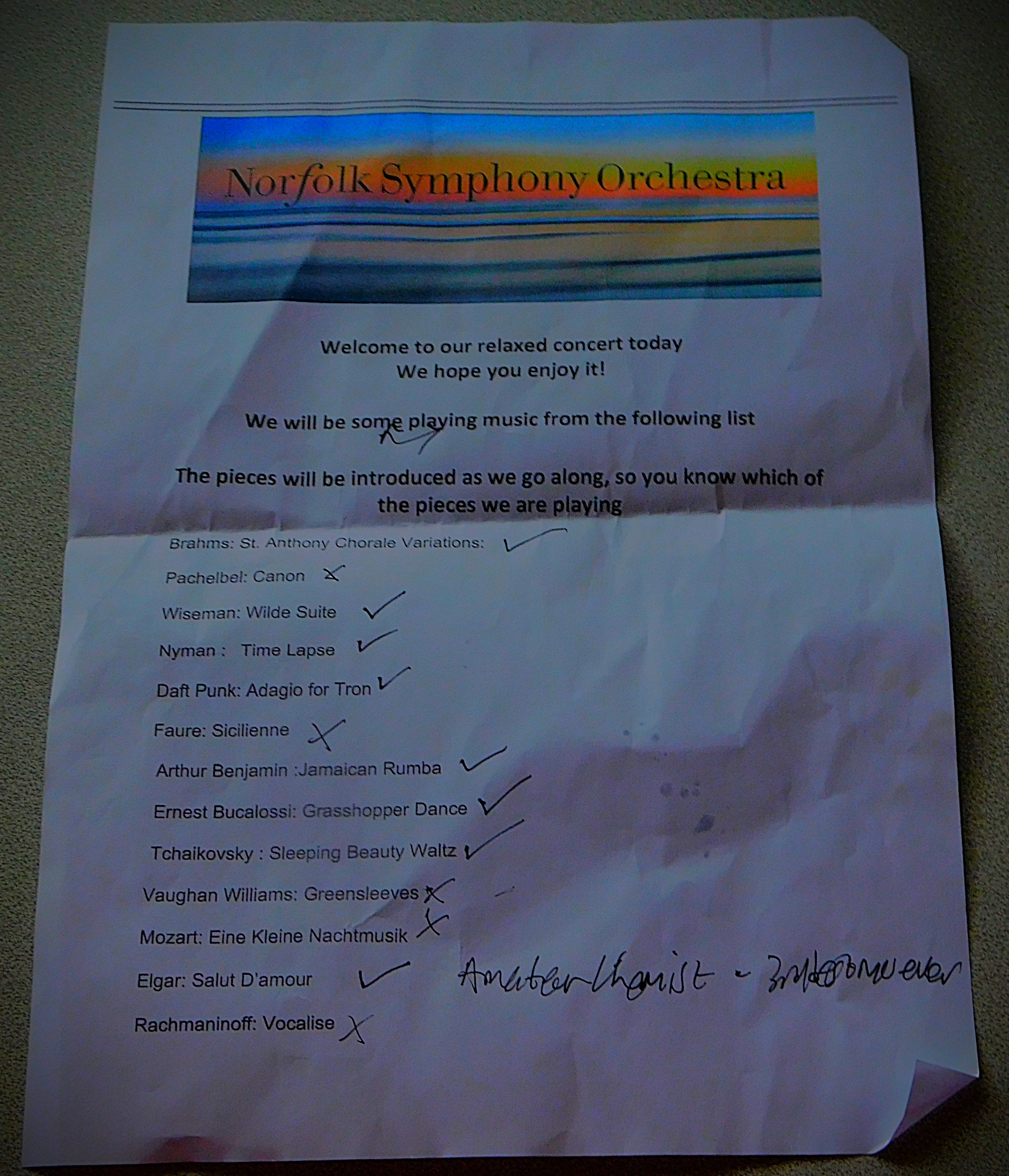
Just before the performance was due to start we were given sheets listing the music – 13 pieces were named in total, and the sheet made it clear that not all would be played.
This image is of an a4 printed sheet which has the official Norfolk Symphony Orchestra header, below which appears “Welcome to our relaxed concert today we hope you enjoy it. We will be some playing music from the following list The pieces will be introduced as we go along so you know what we are playing
Brahms – St Anthony Chorale Variations Pachelbel – Canon Wiseman – Wilde Suite Nyman – Time Lapse Daft Punk – Adagio for Tron Faure – Sicilienne Arthur Benjamin – Jamaican Rumba Ernest Bucalossi – Grasshopper Dance Tchaikovsky – Sleeping Beauty Waltz Vaughan-Williams – Greensleeves Mozart – Eine Kleine Nachtmusik Elgar – Salut D’Amour Rachmaninoff – Vocalise”
The first two pieces actually played were the Brahms and the Elgar. They were followed by three film pieces by Wiseman, Nyman and Daft Punk. Debbie Wiseman was voted the world’s best living composer in 2022, and the Wilde Suite provided some indication of why. The performance then finished with three dance pieces, the Jamaican Rumba, the Grasshopper Dance and the Sleeping Beauty Waltz. All were excellent and all were very well performed. I thoroughly enjoyed this event and look forward to the next one. My only mild regret is that the Pachelbel piece did not make the cut.
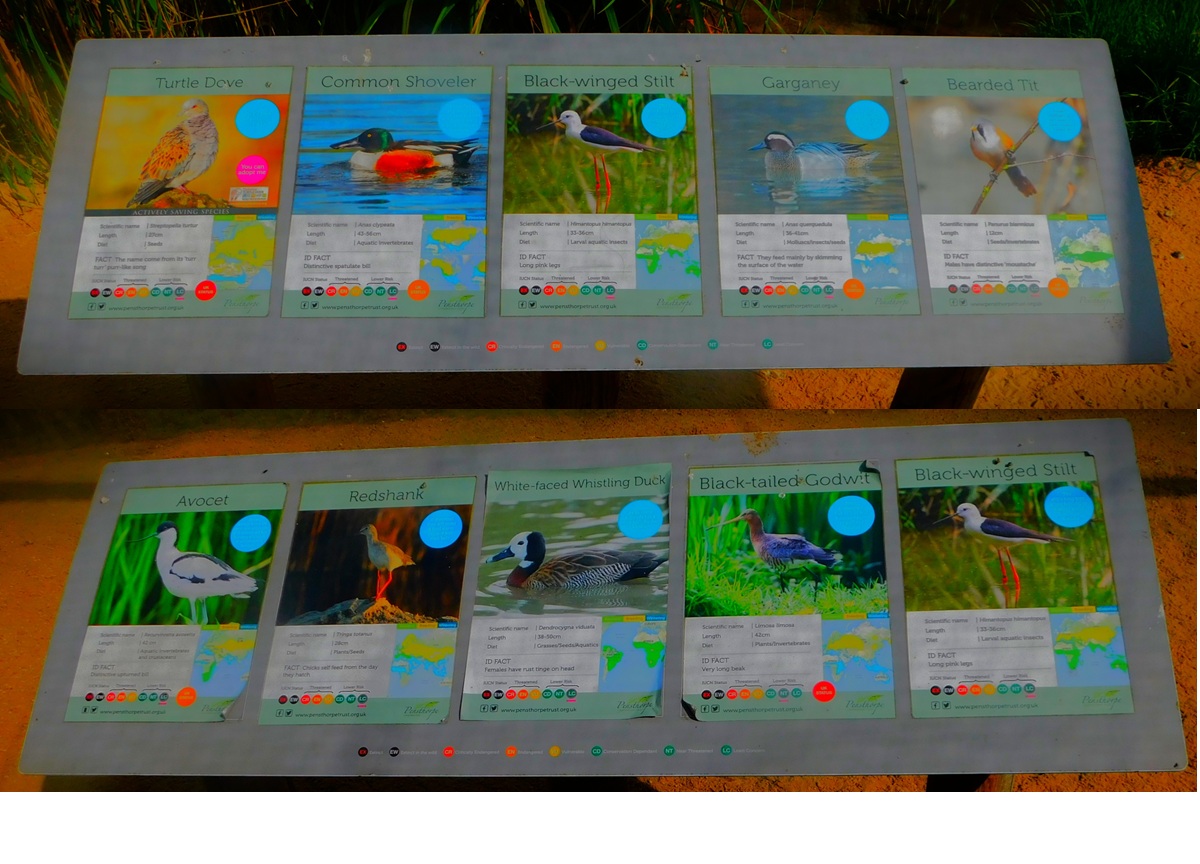
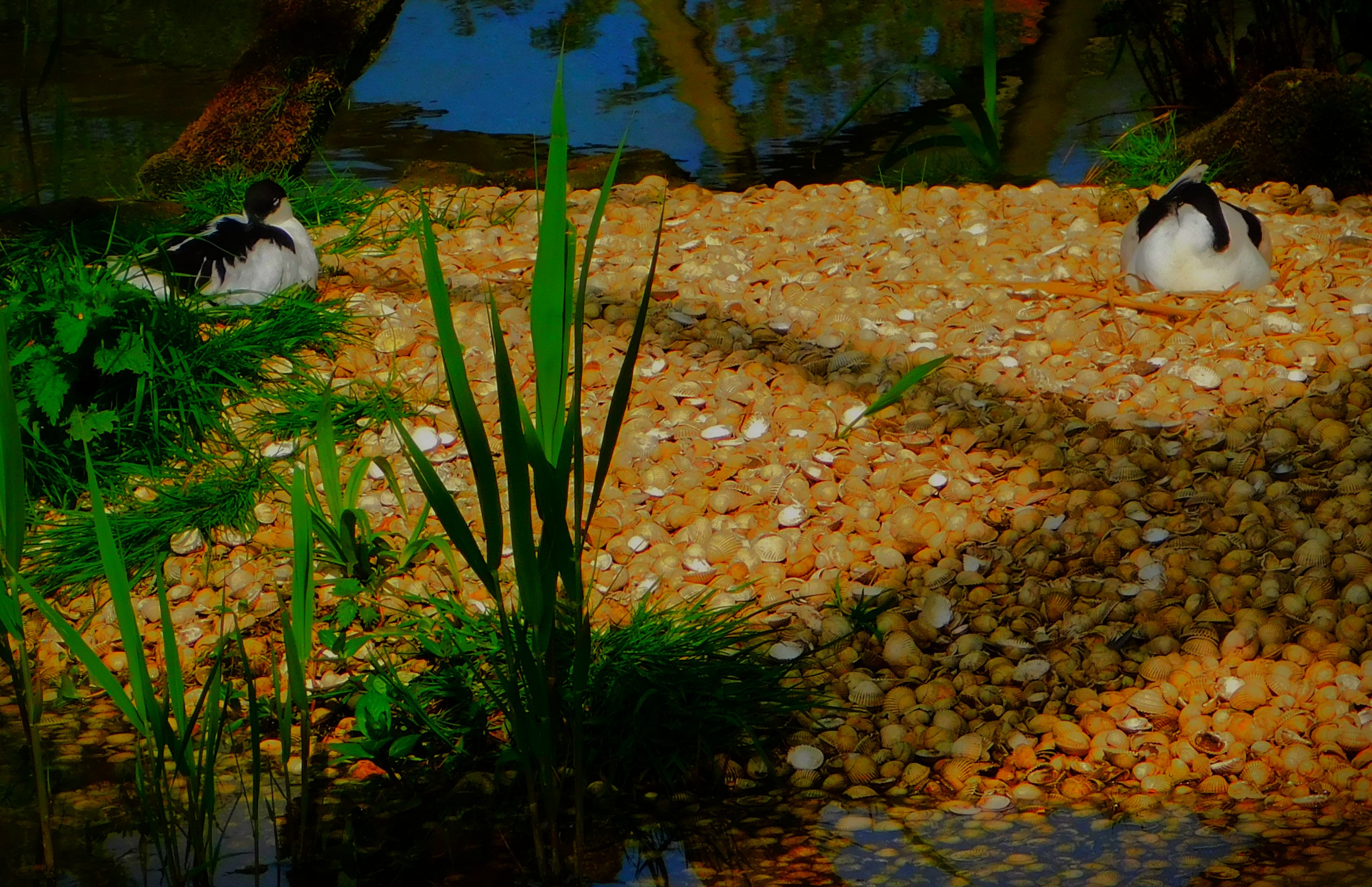
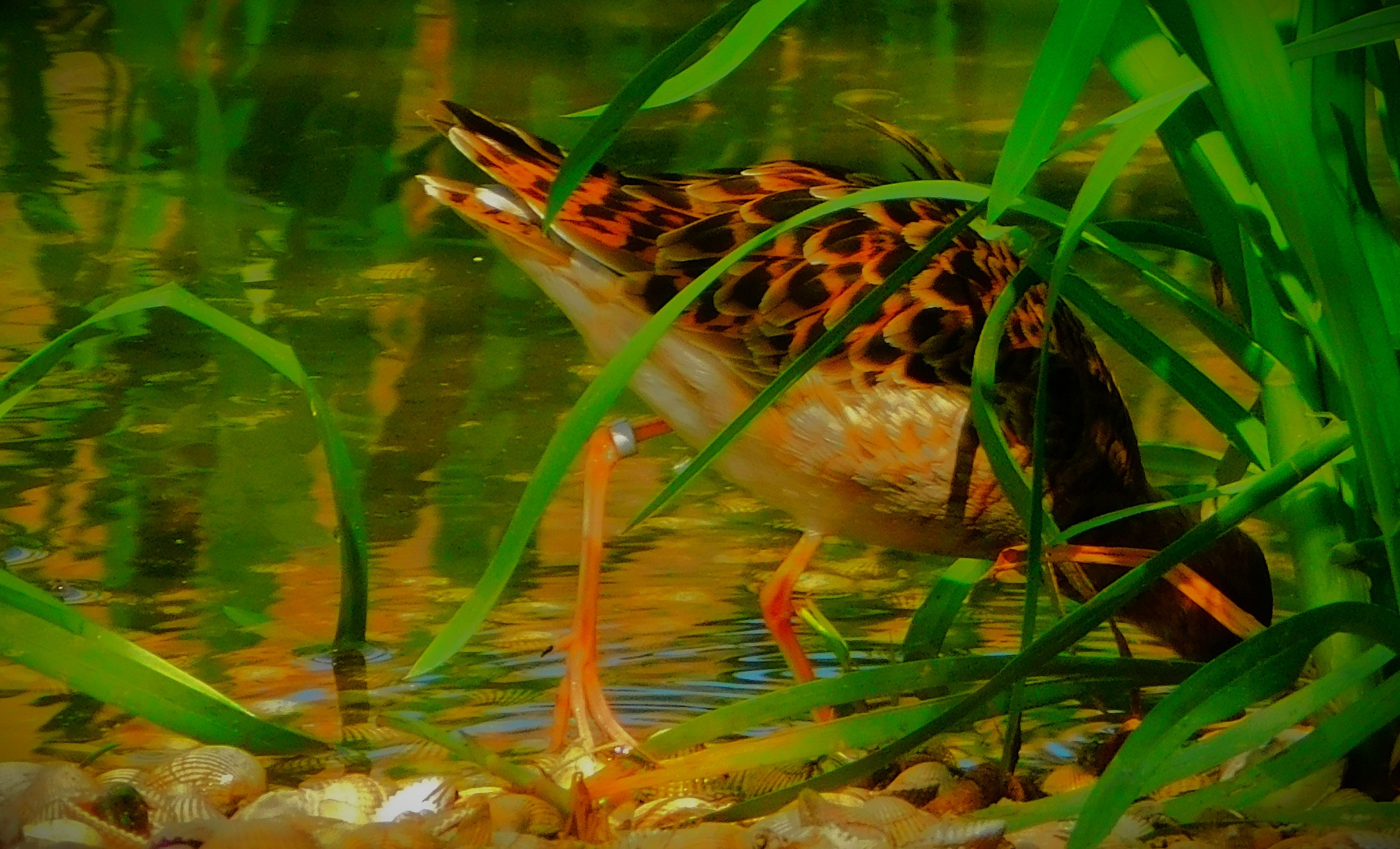
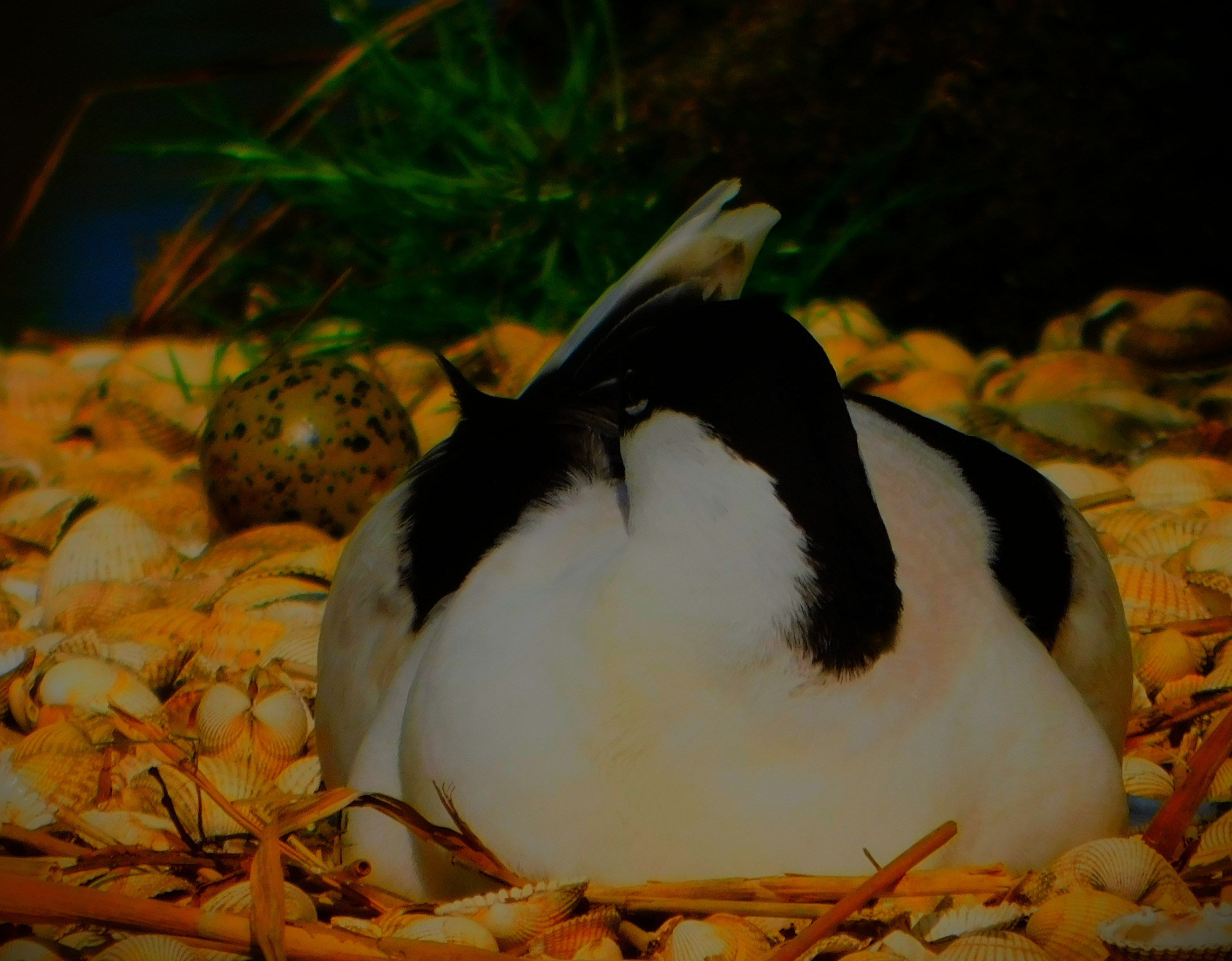
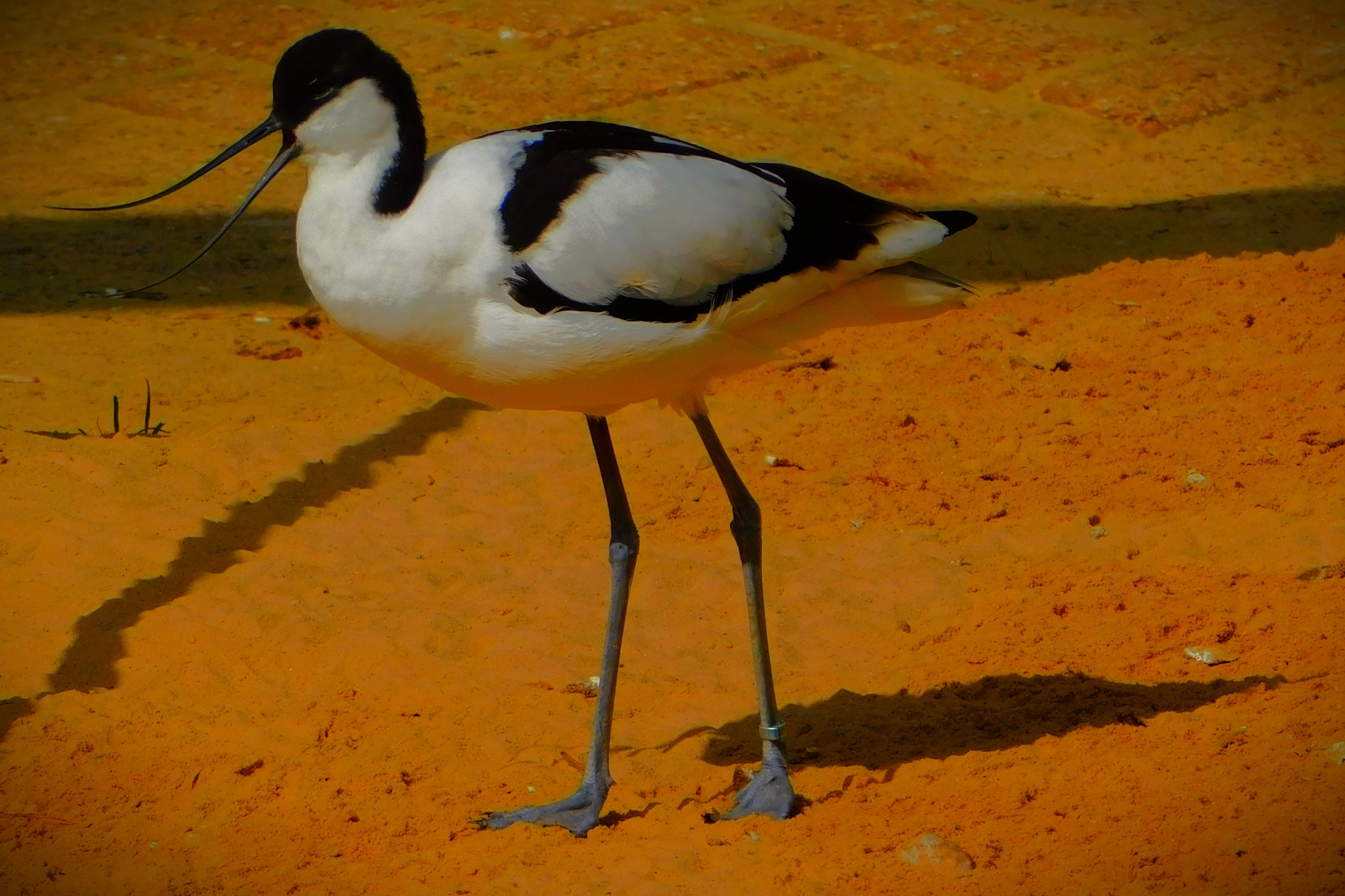
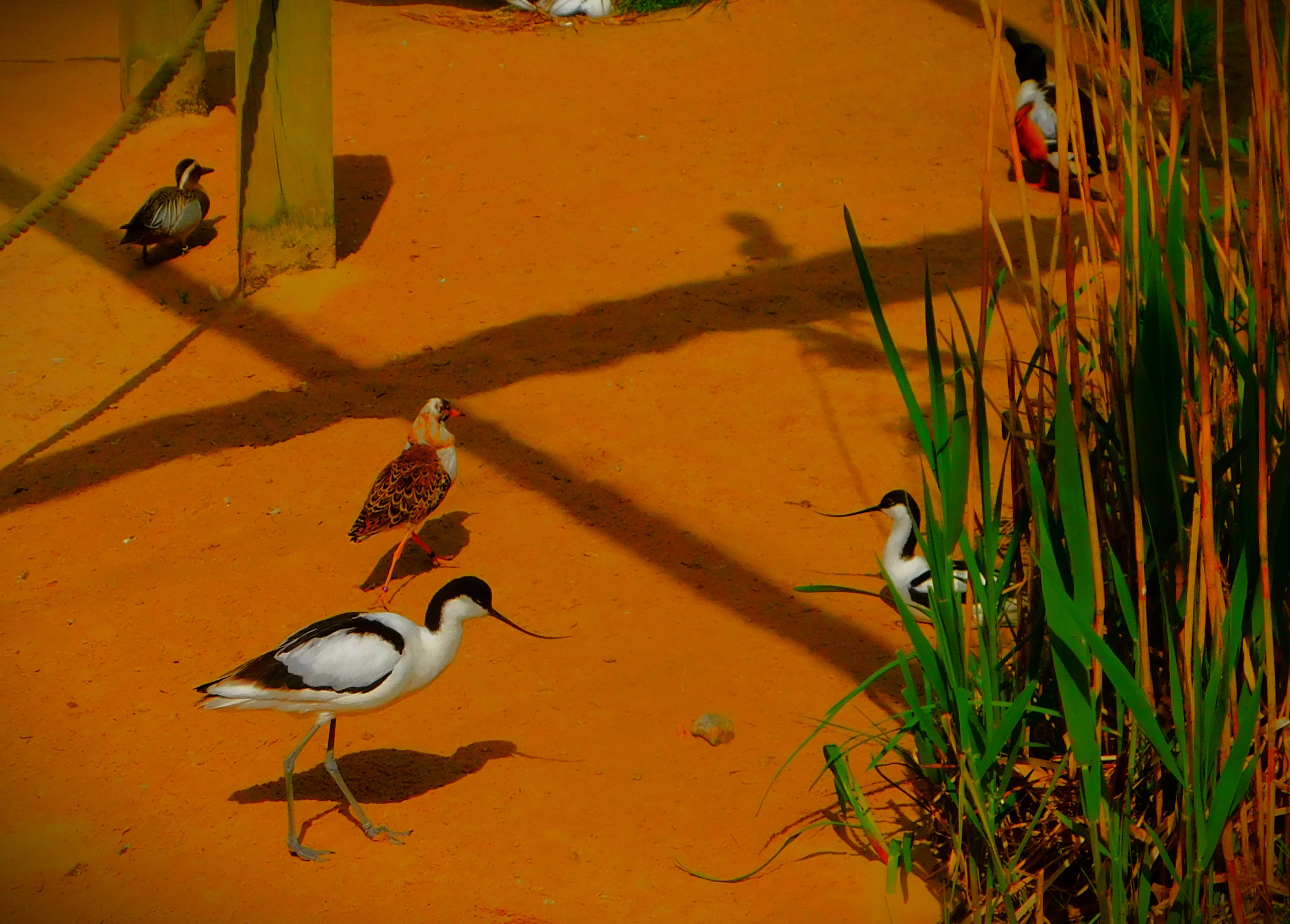
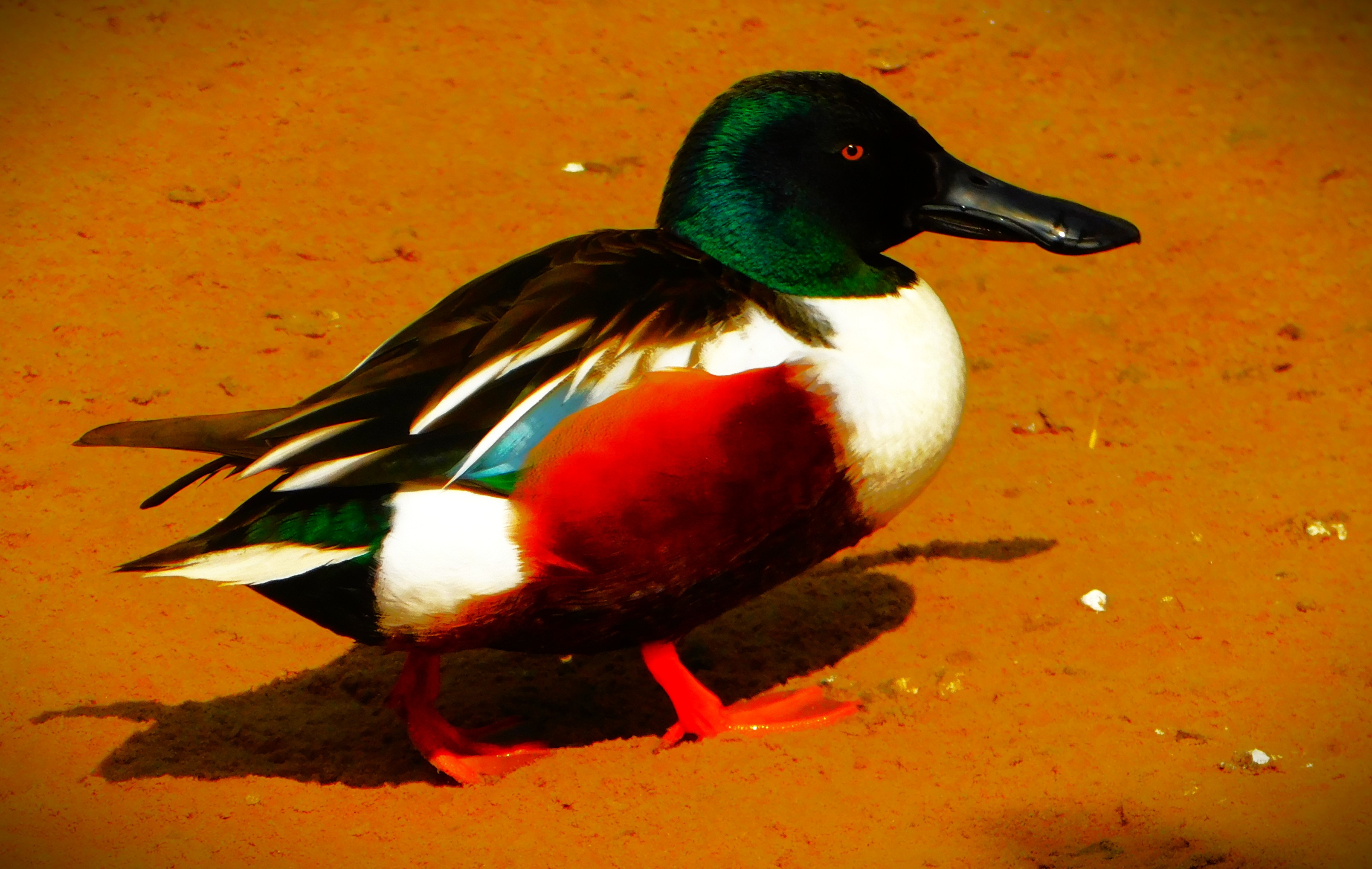
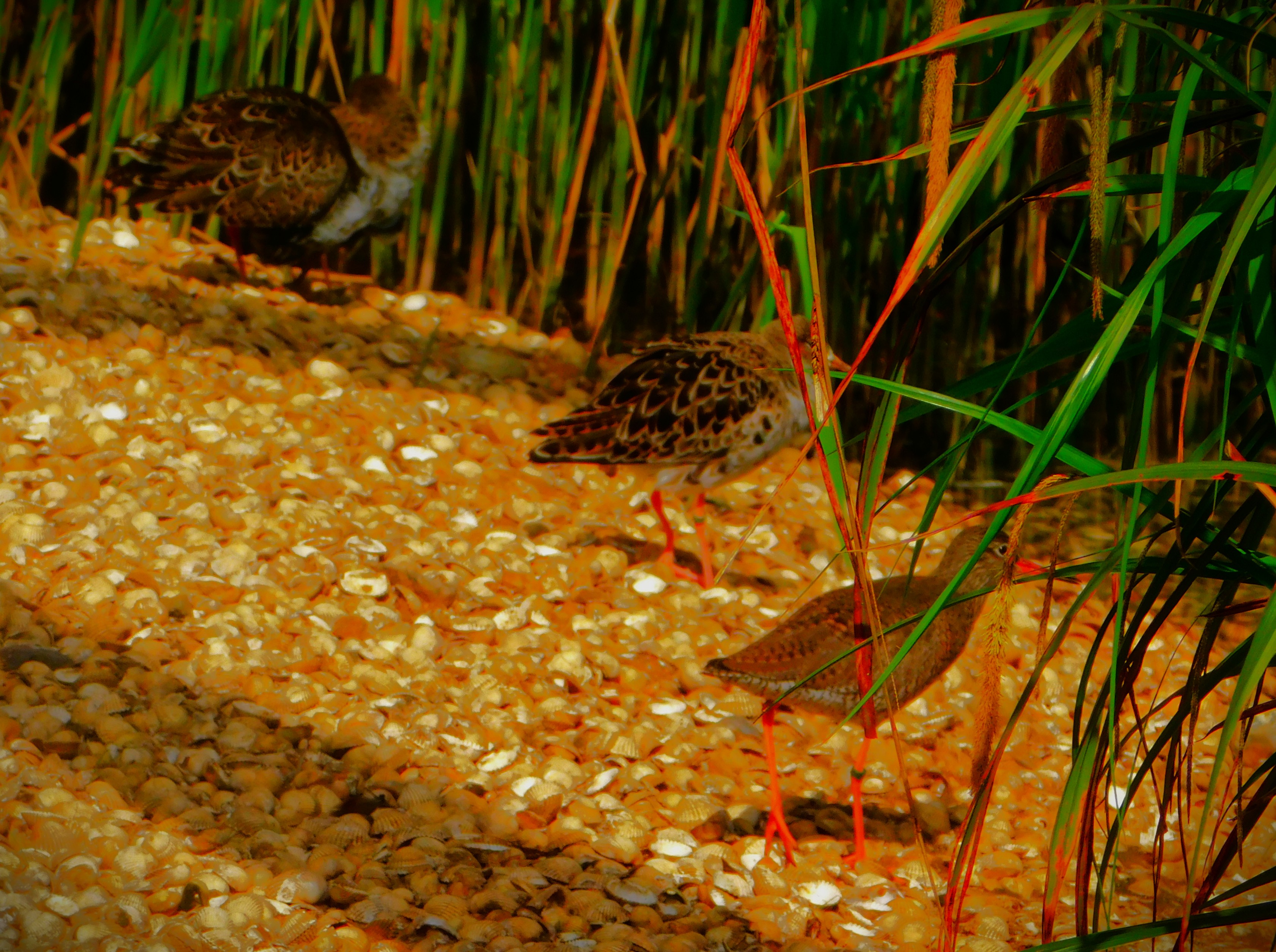
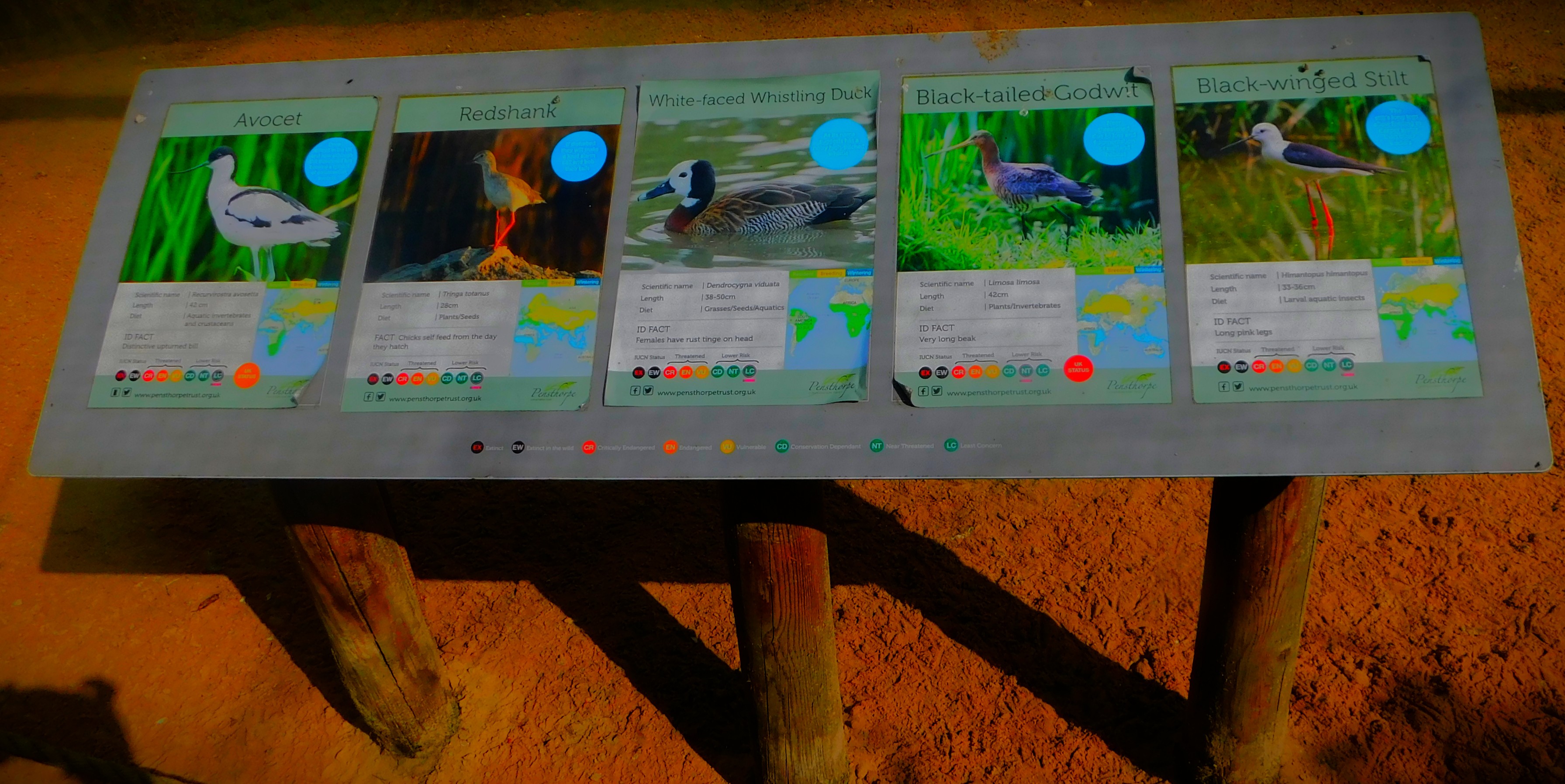
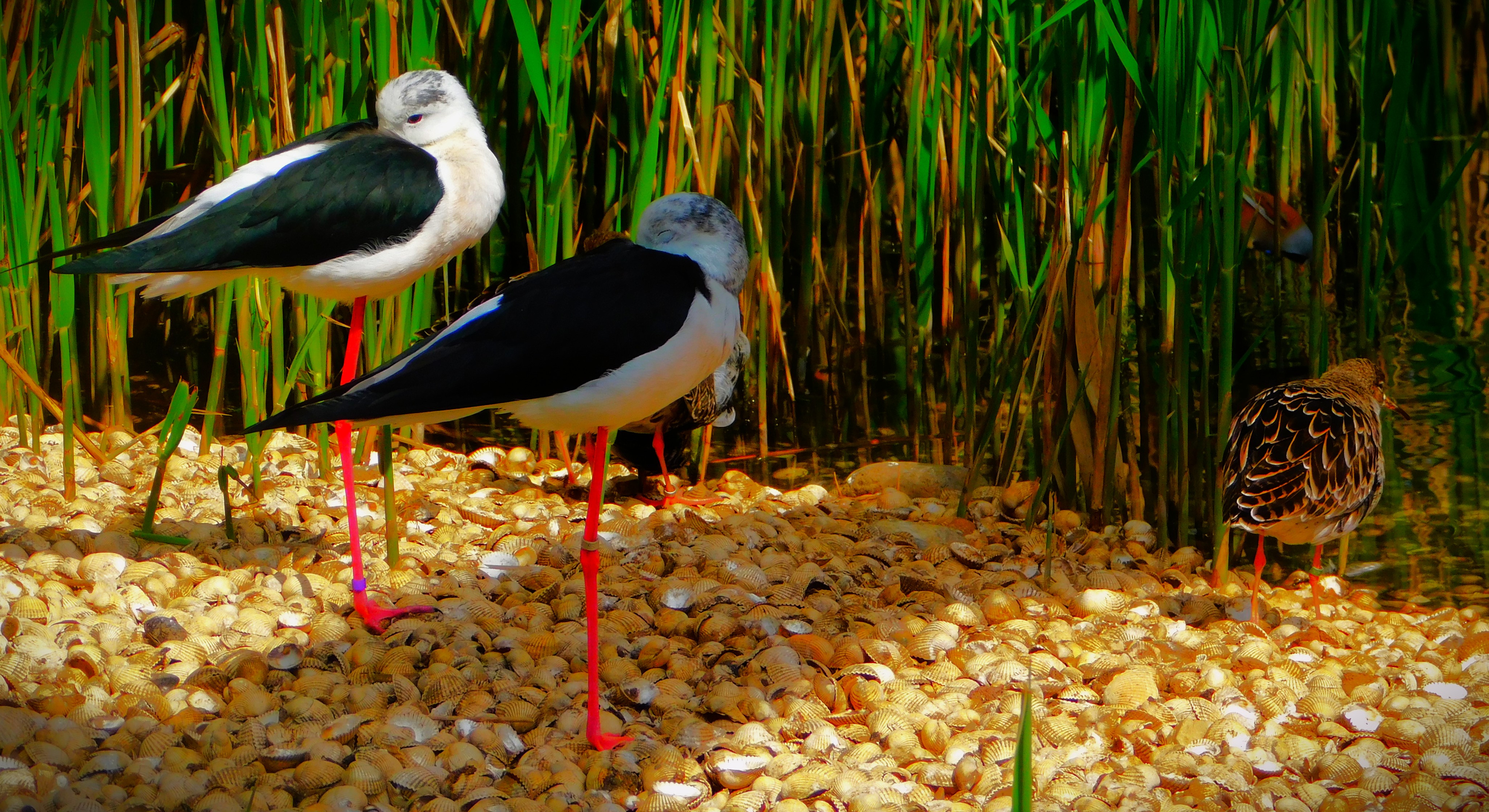
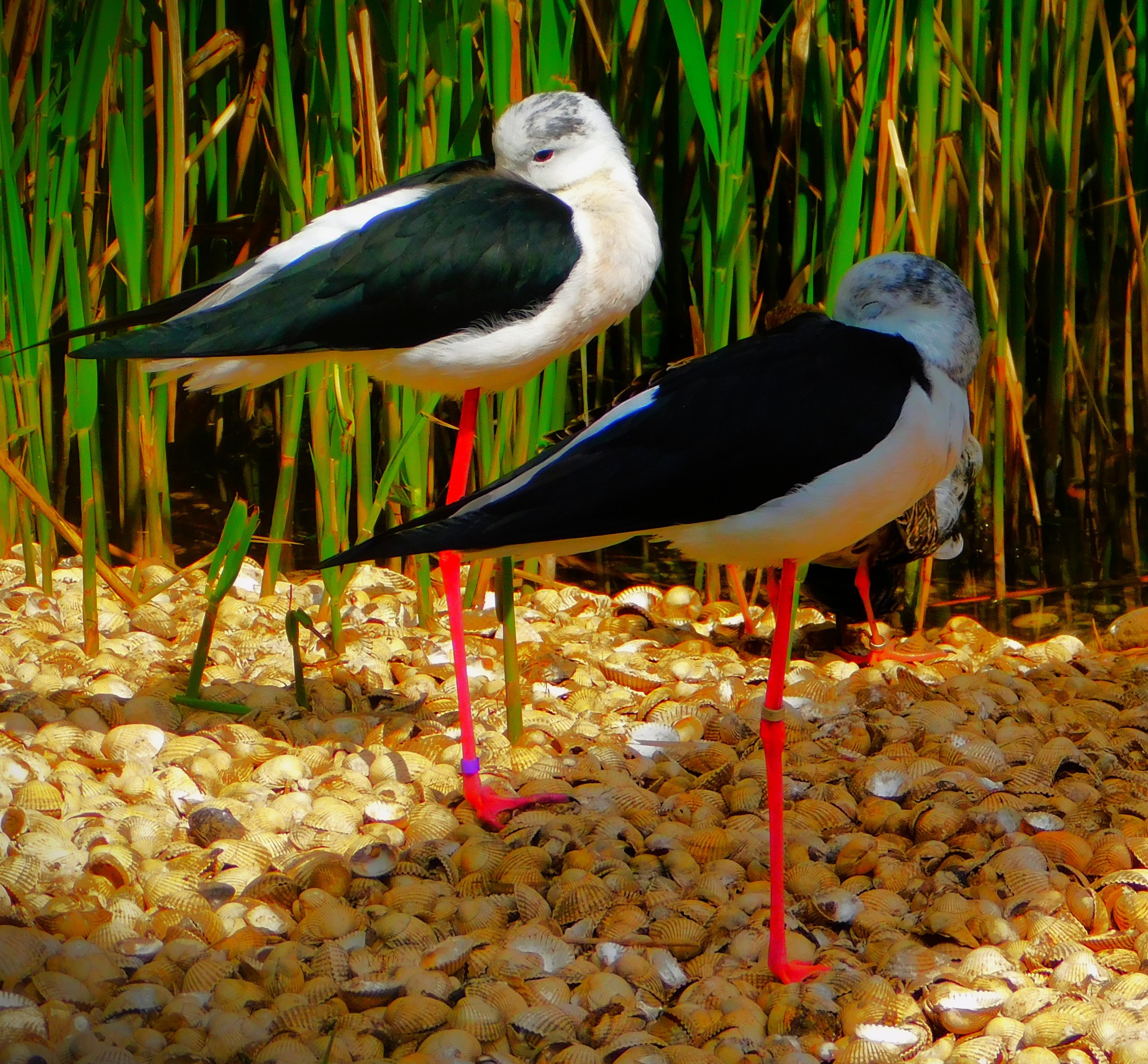
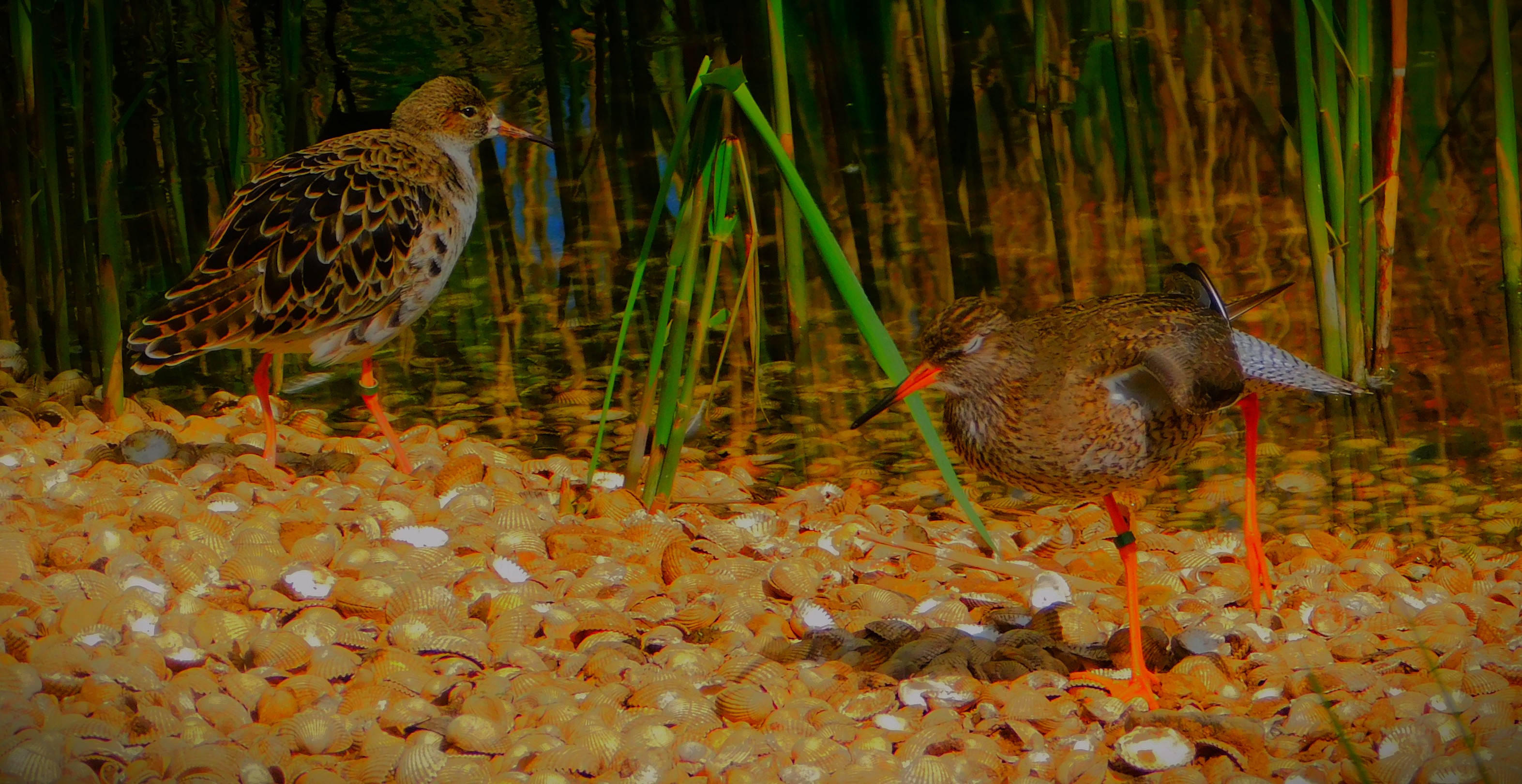
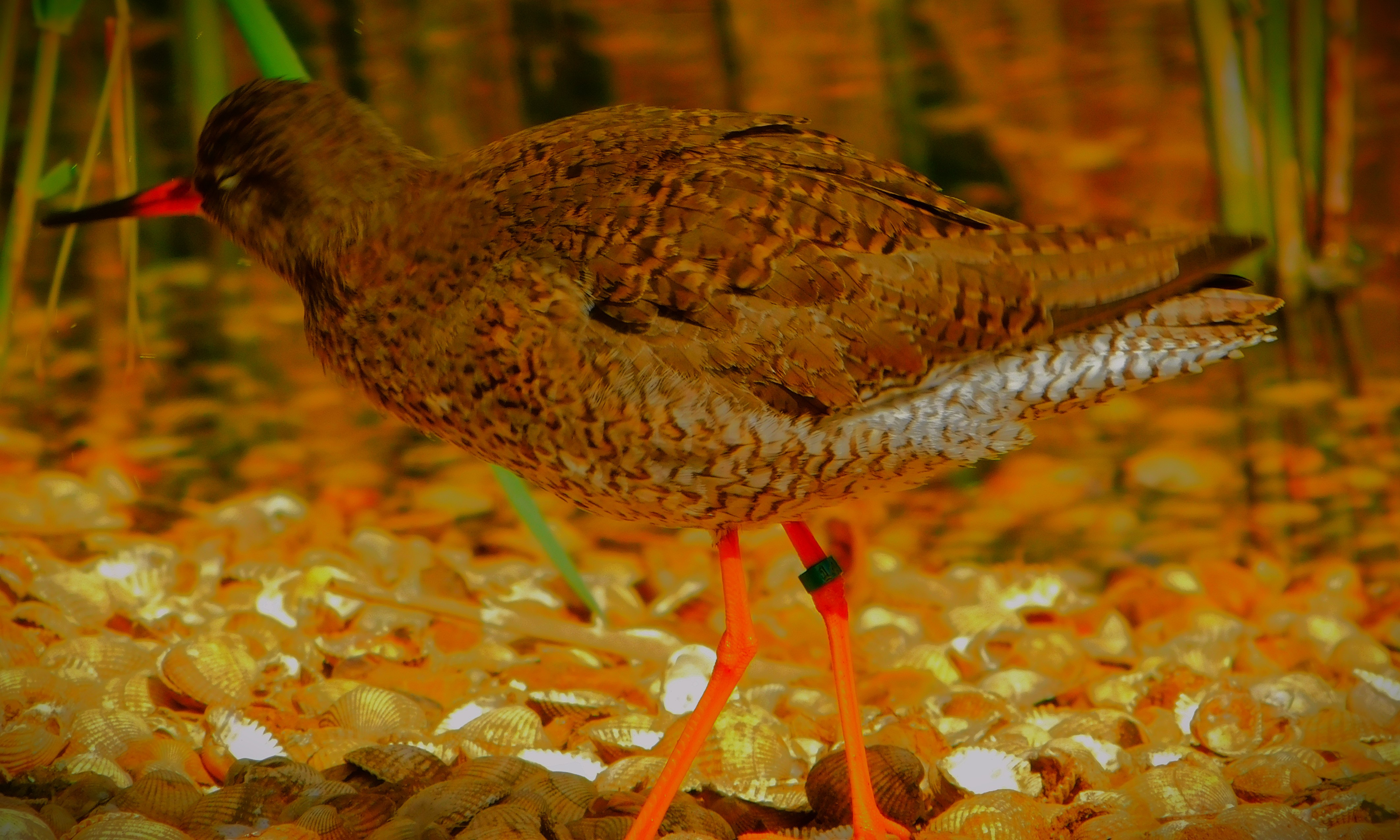
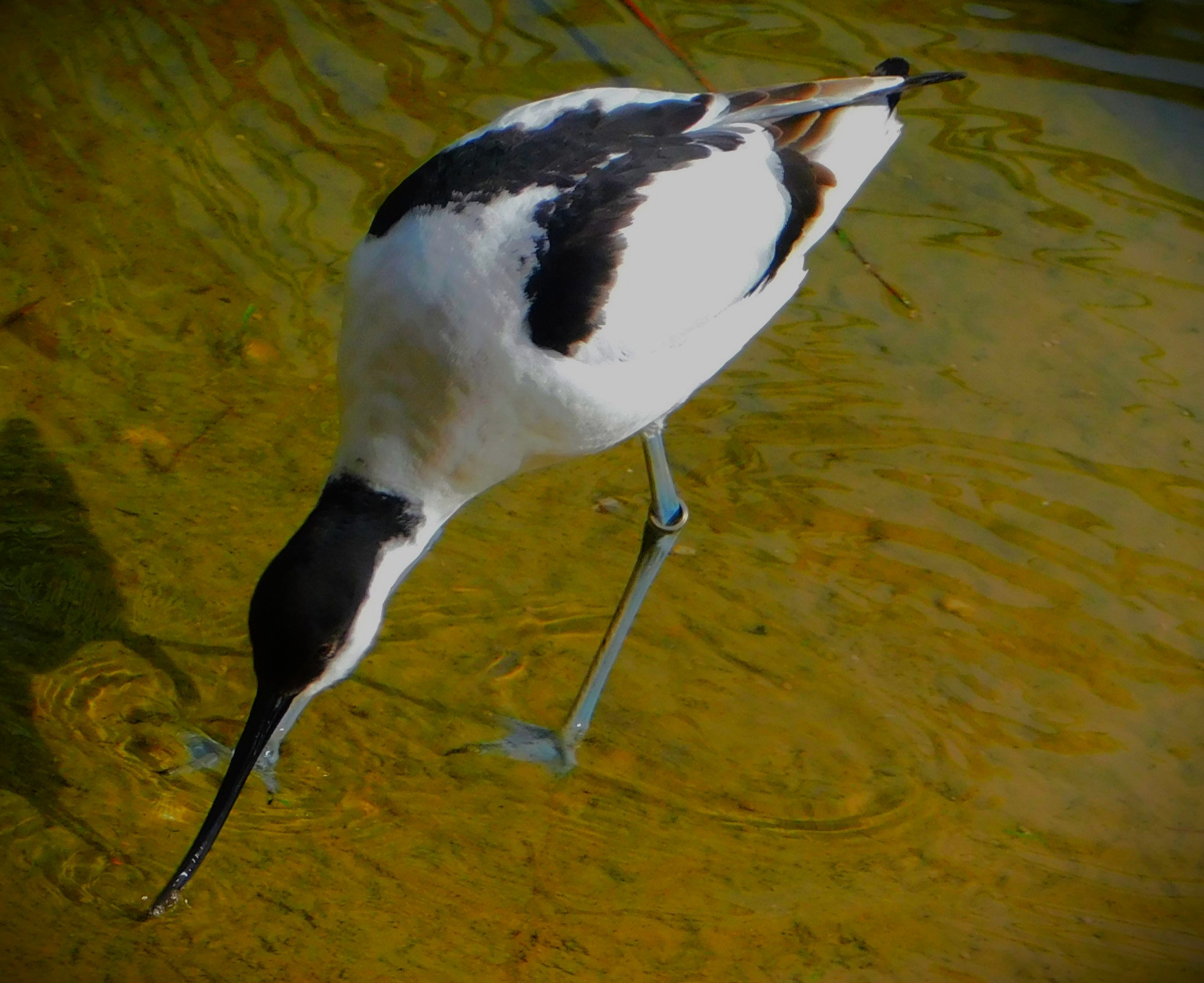
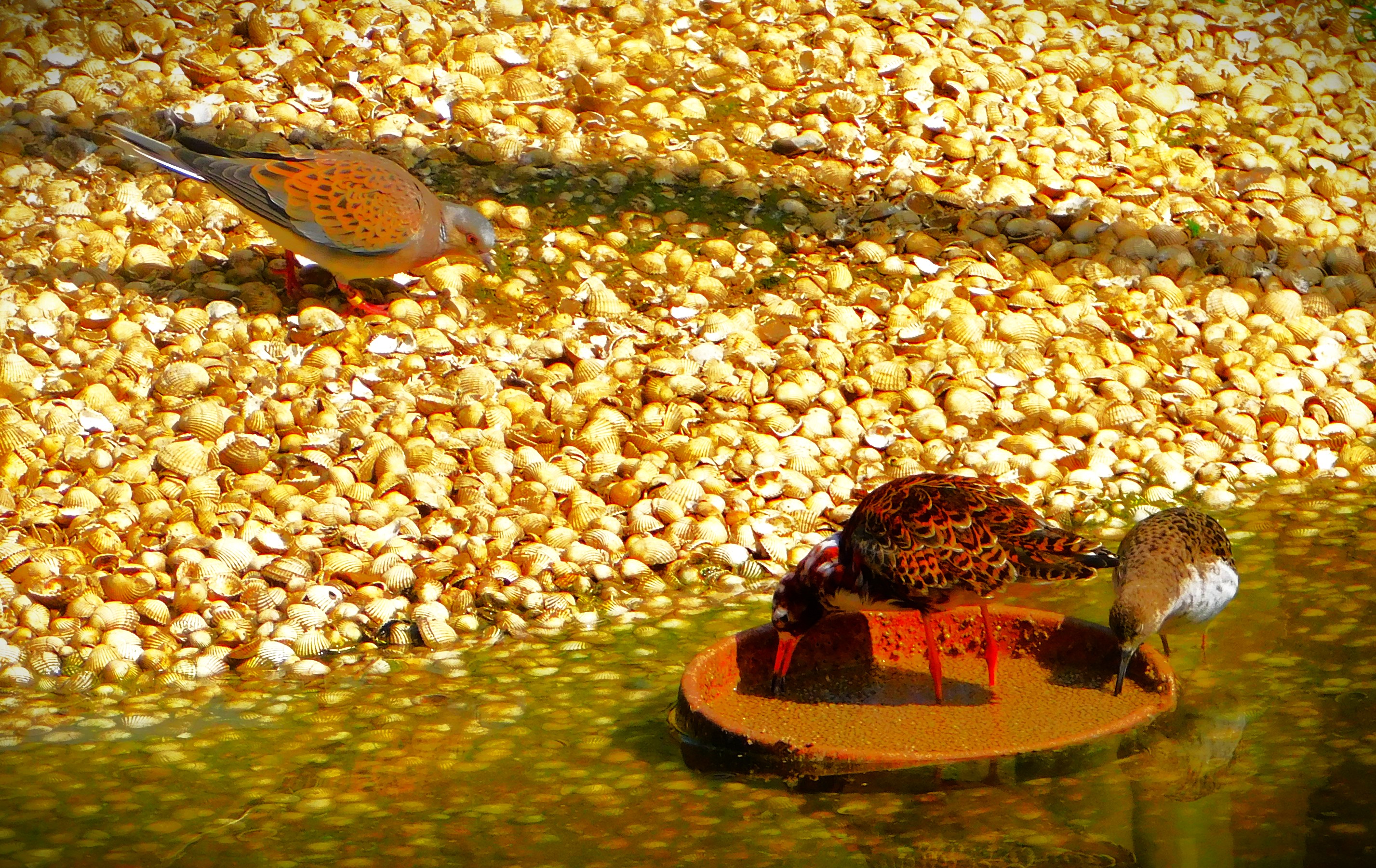
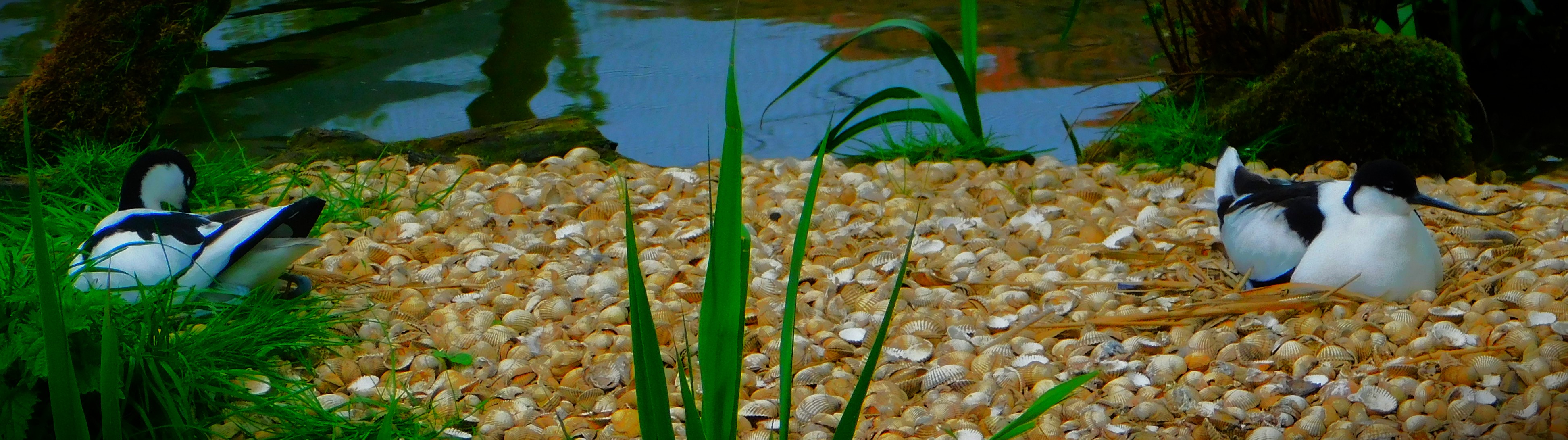
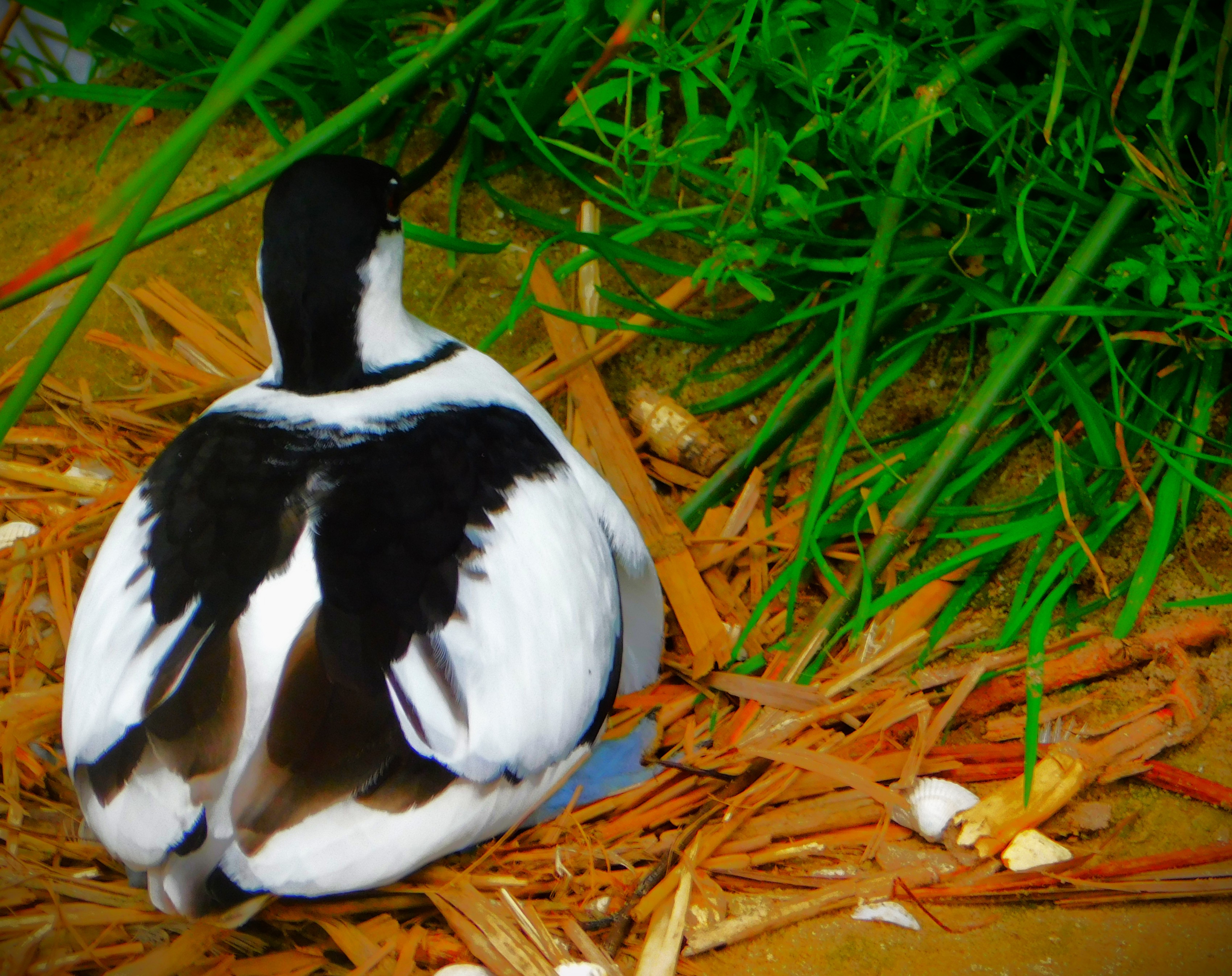
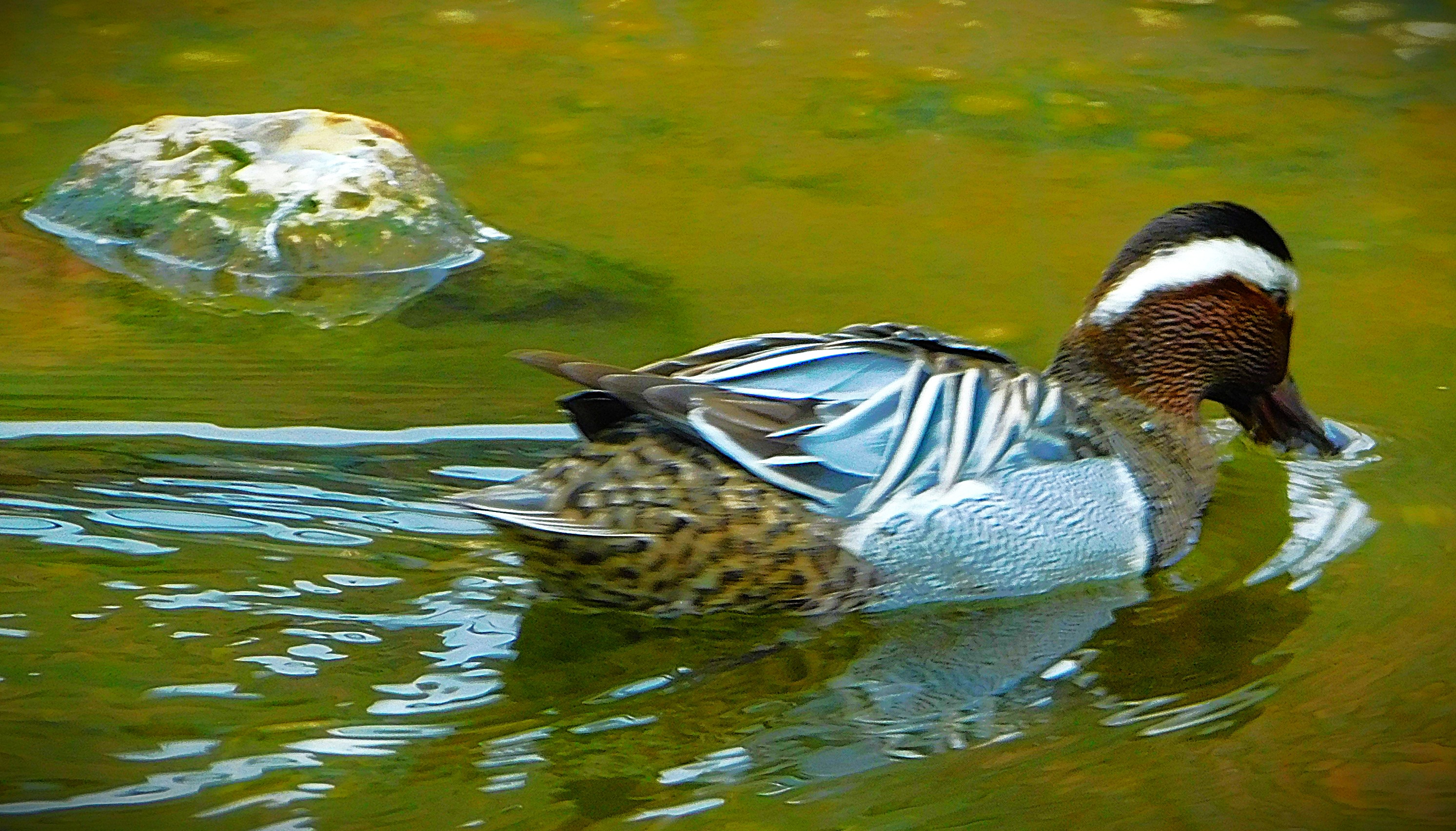
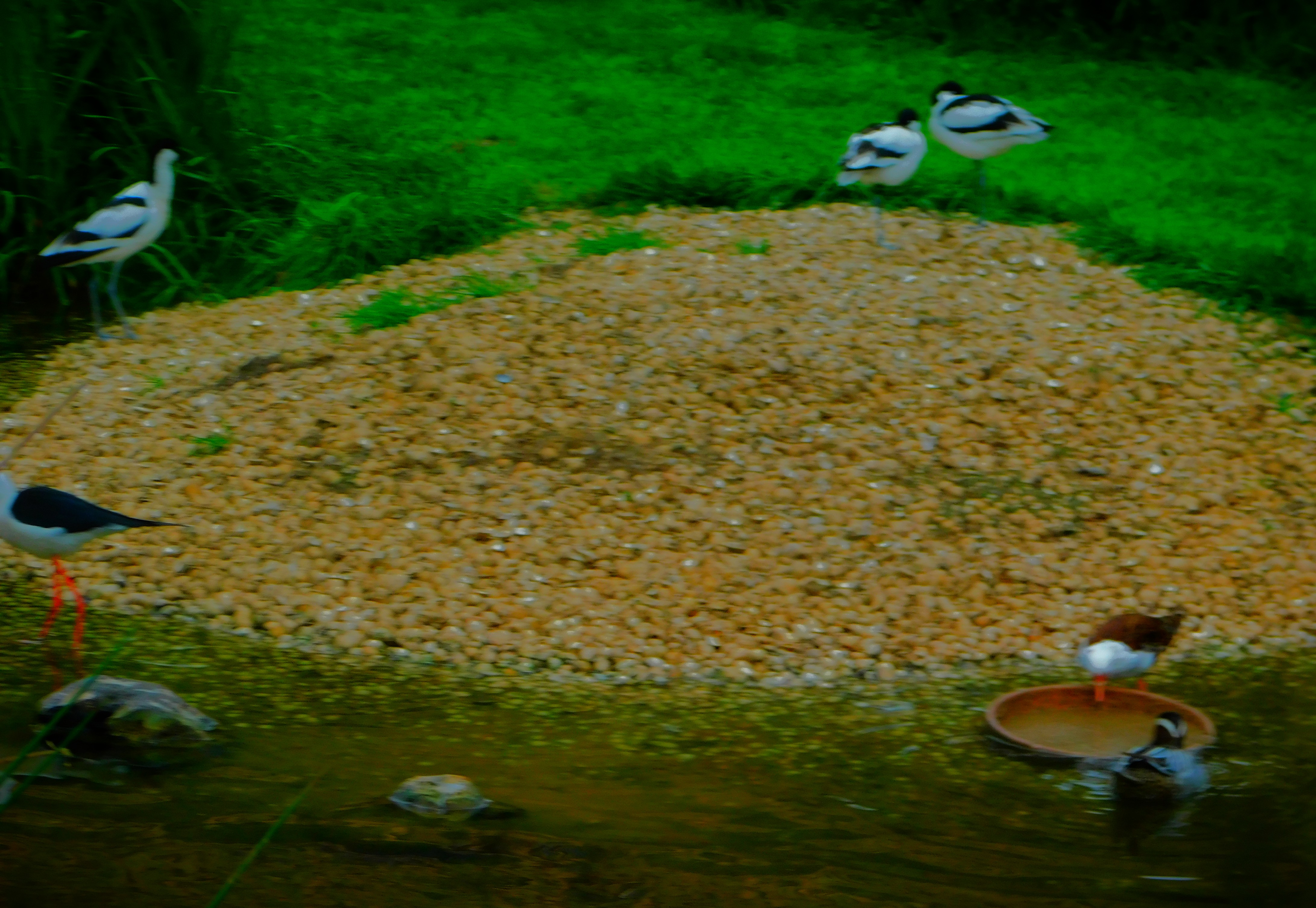
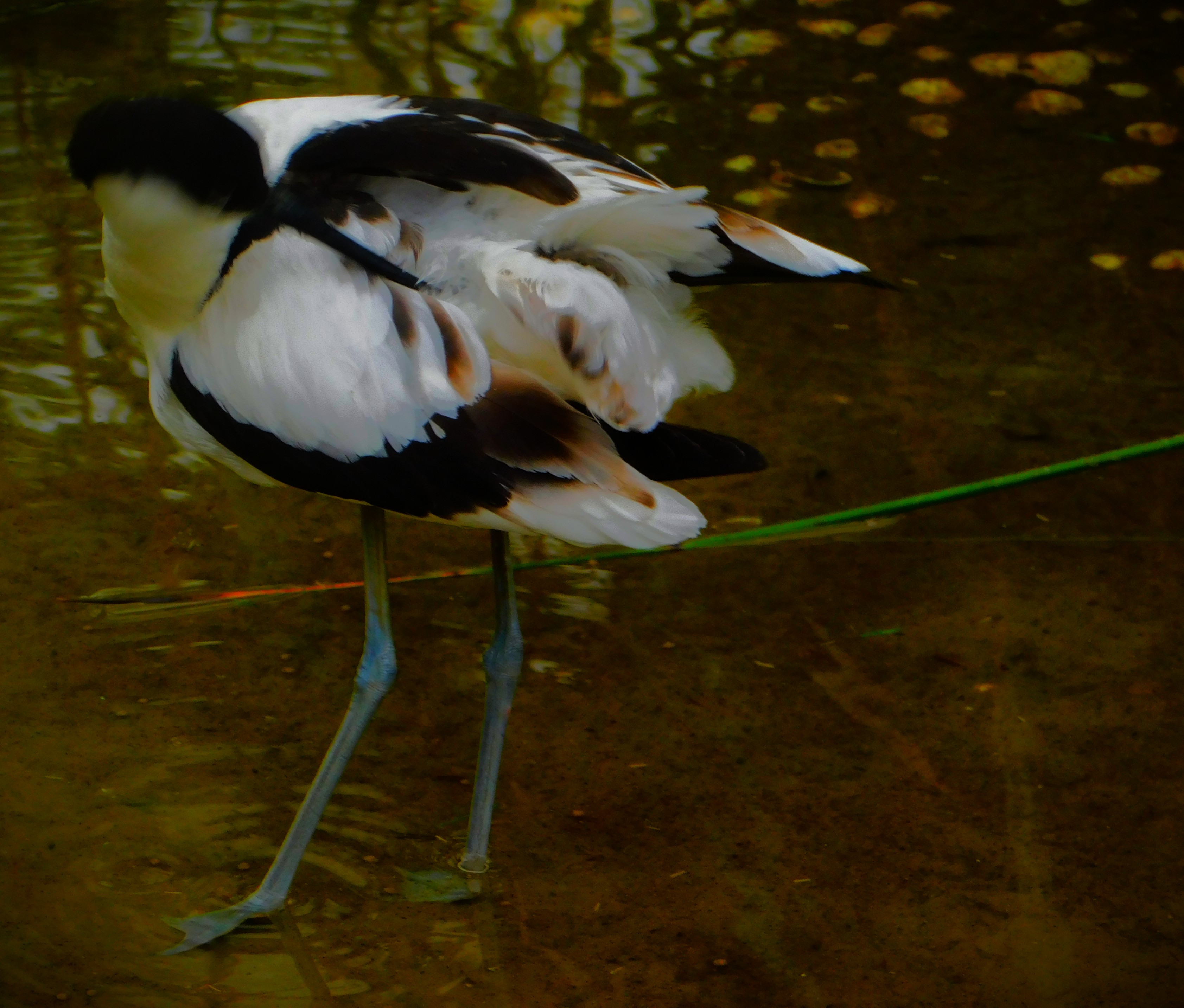
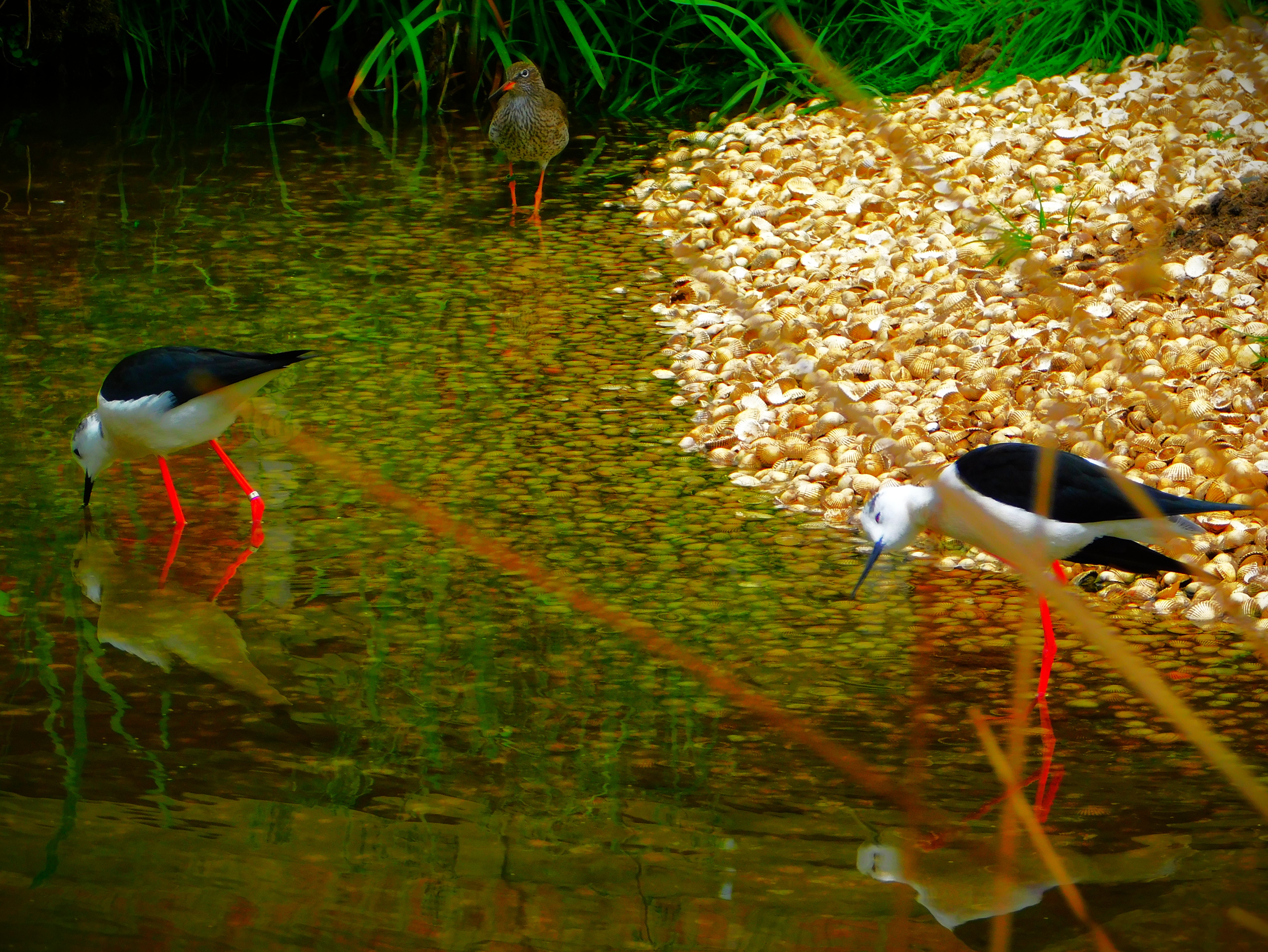
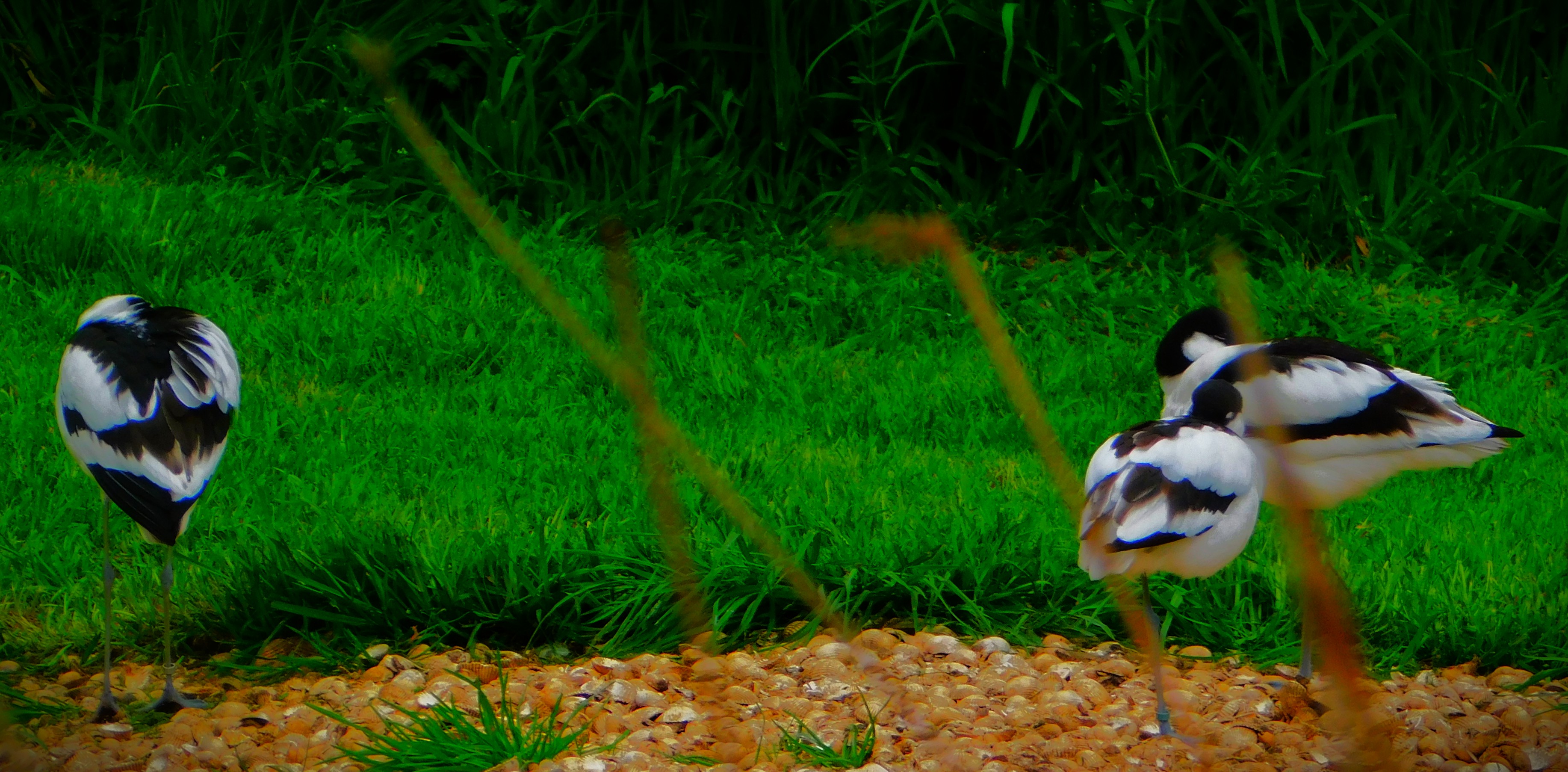
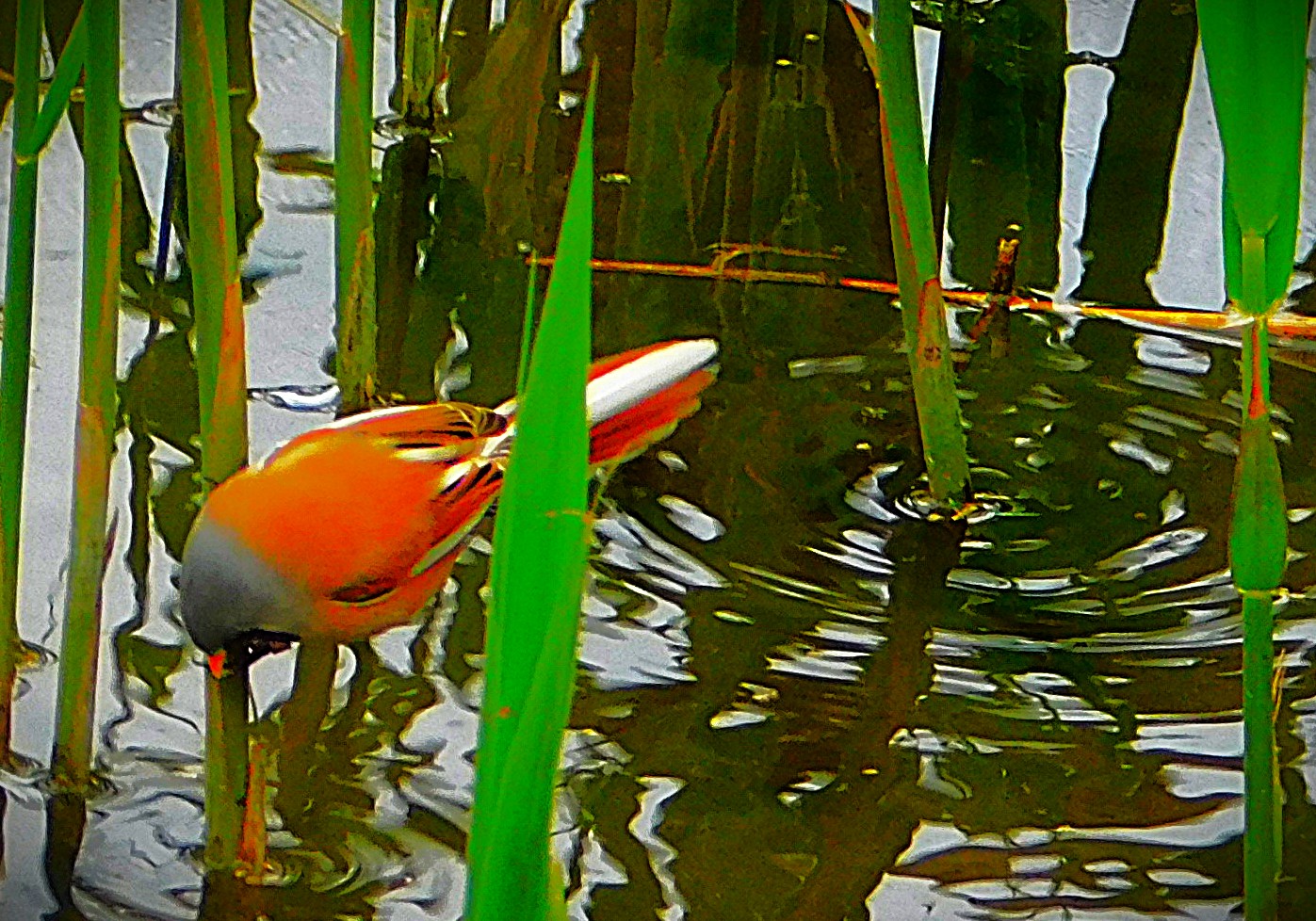
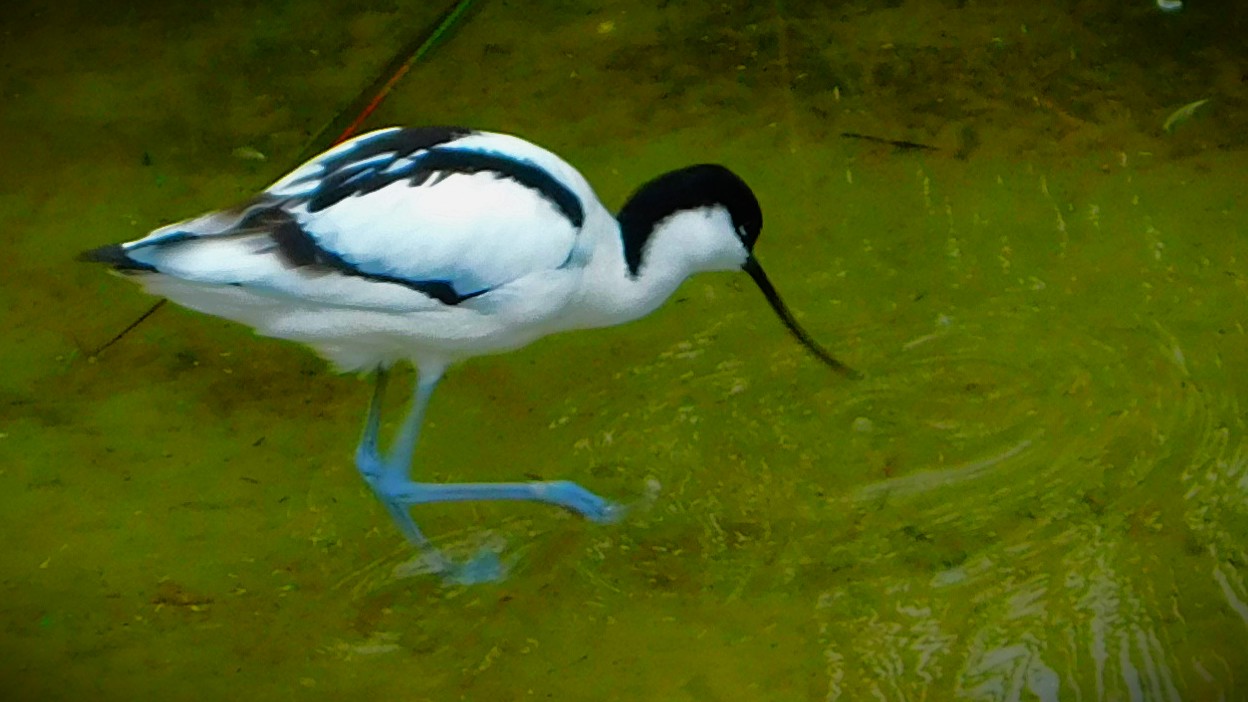
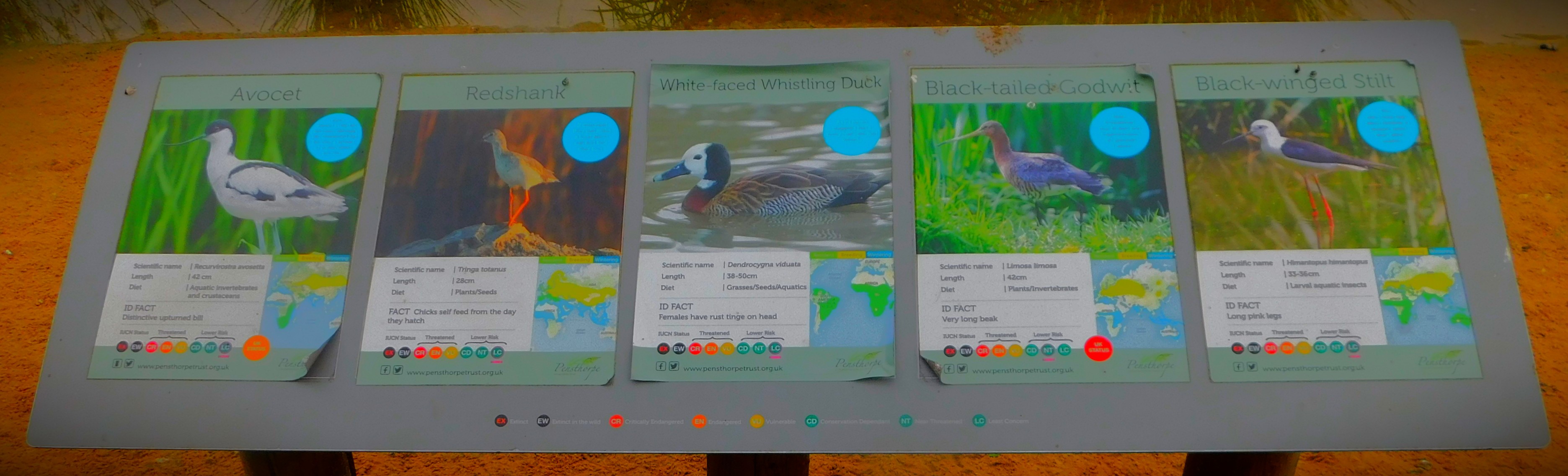
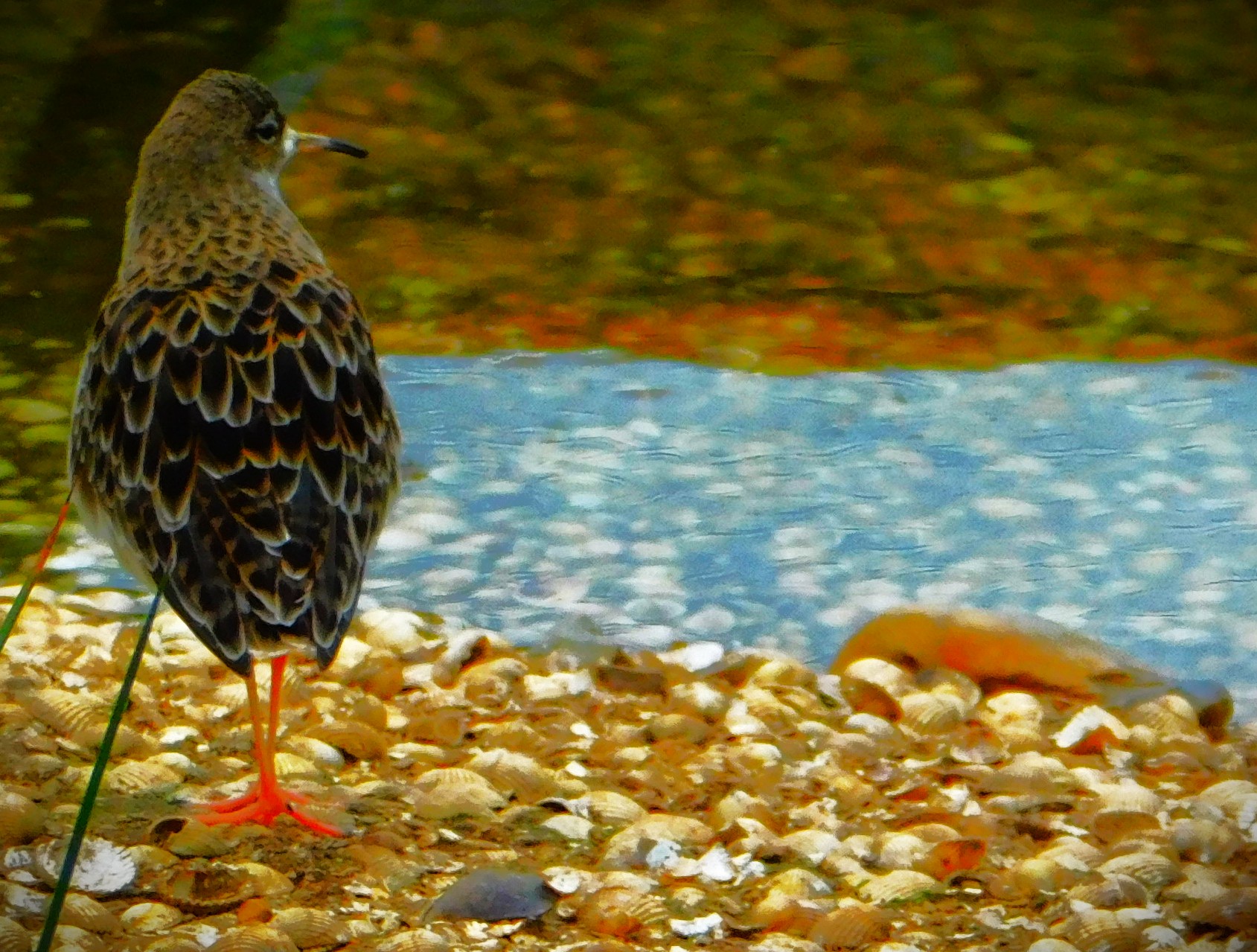
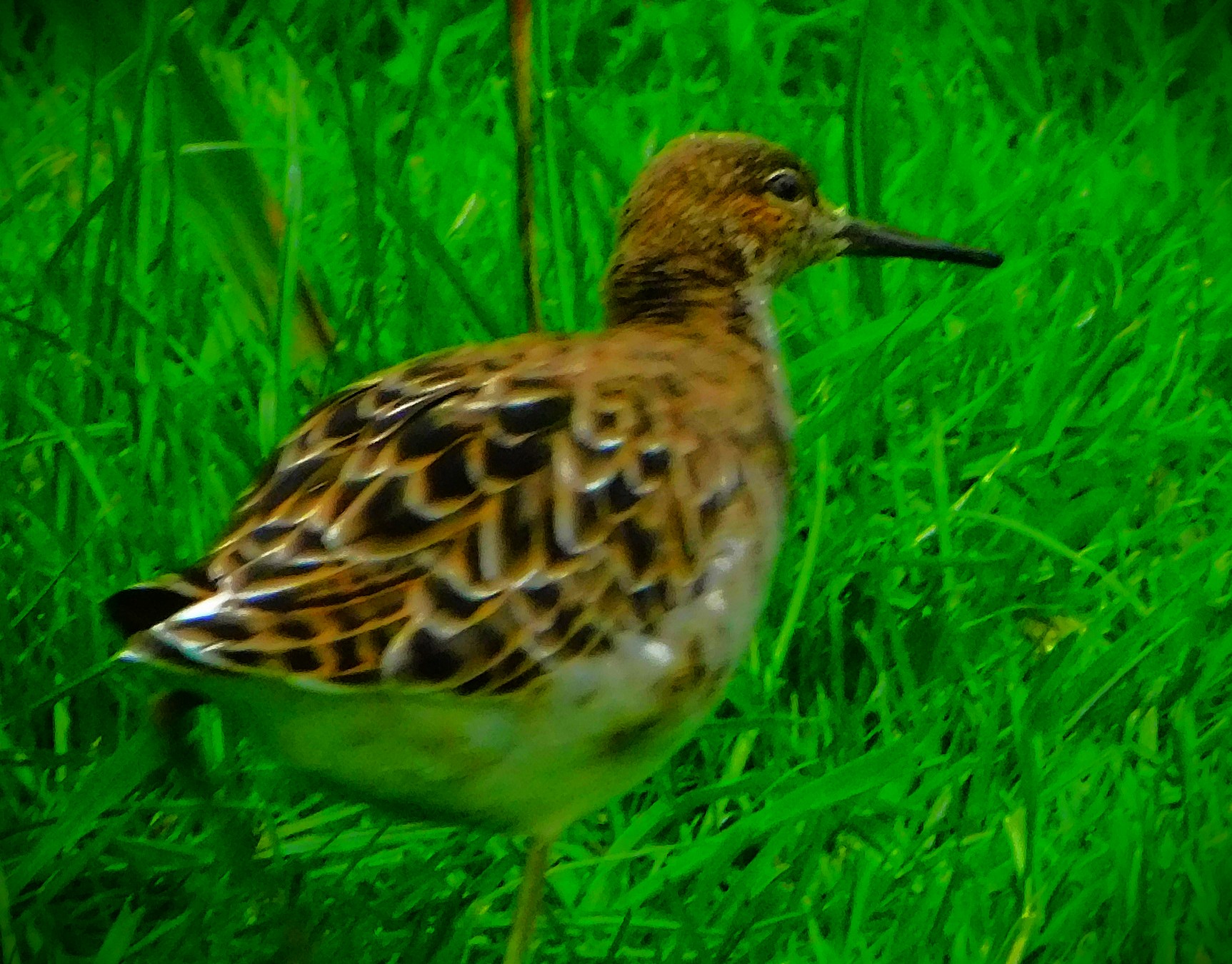
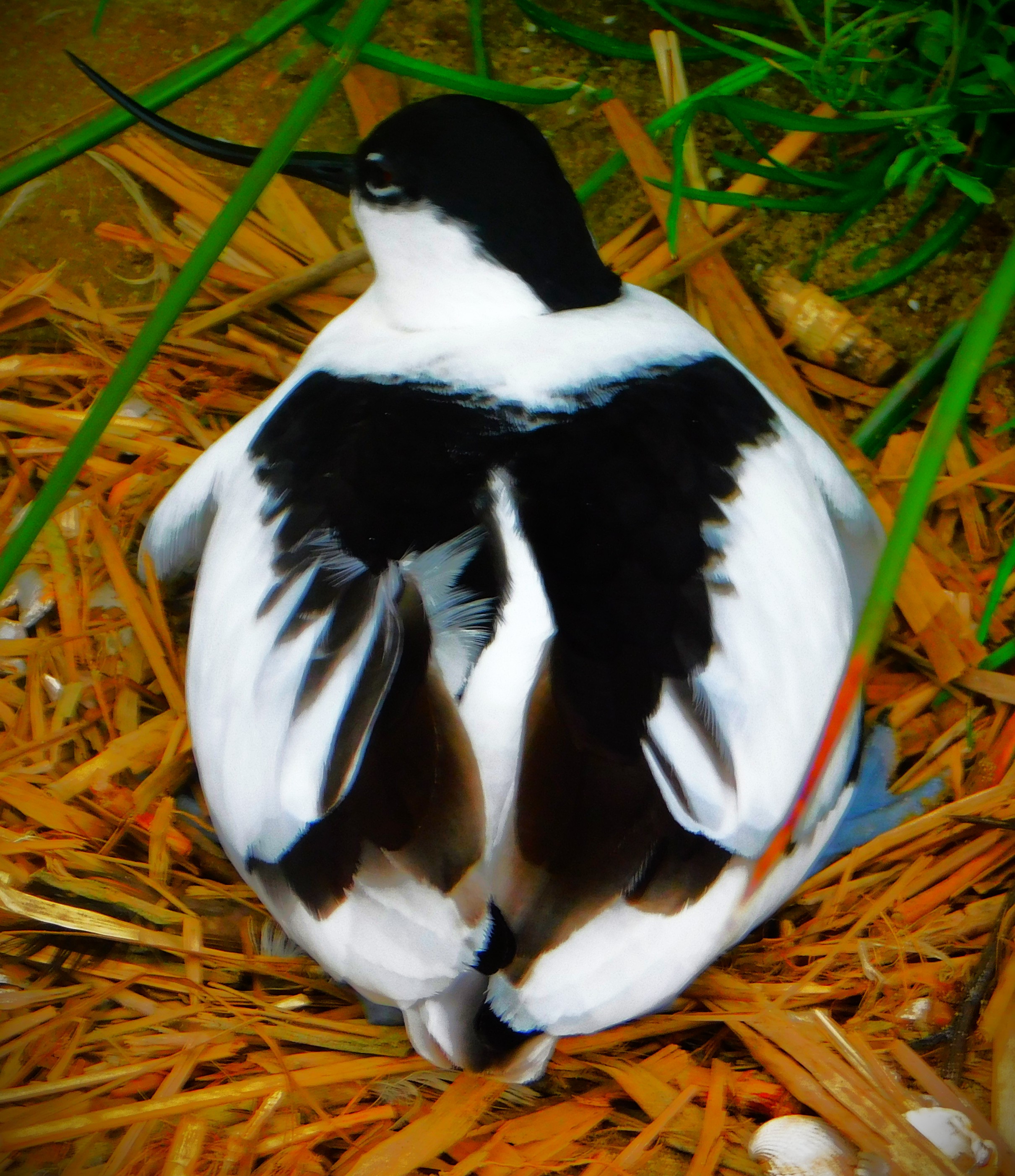
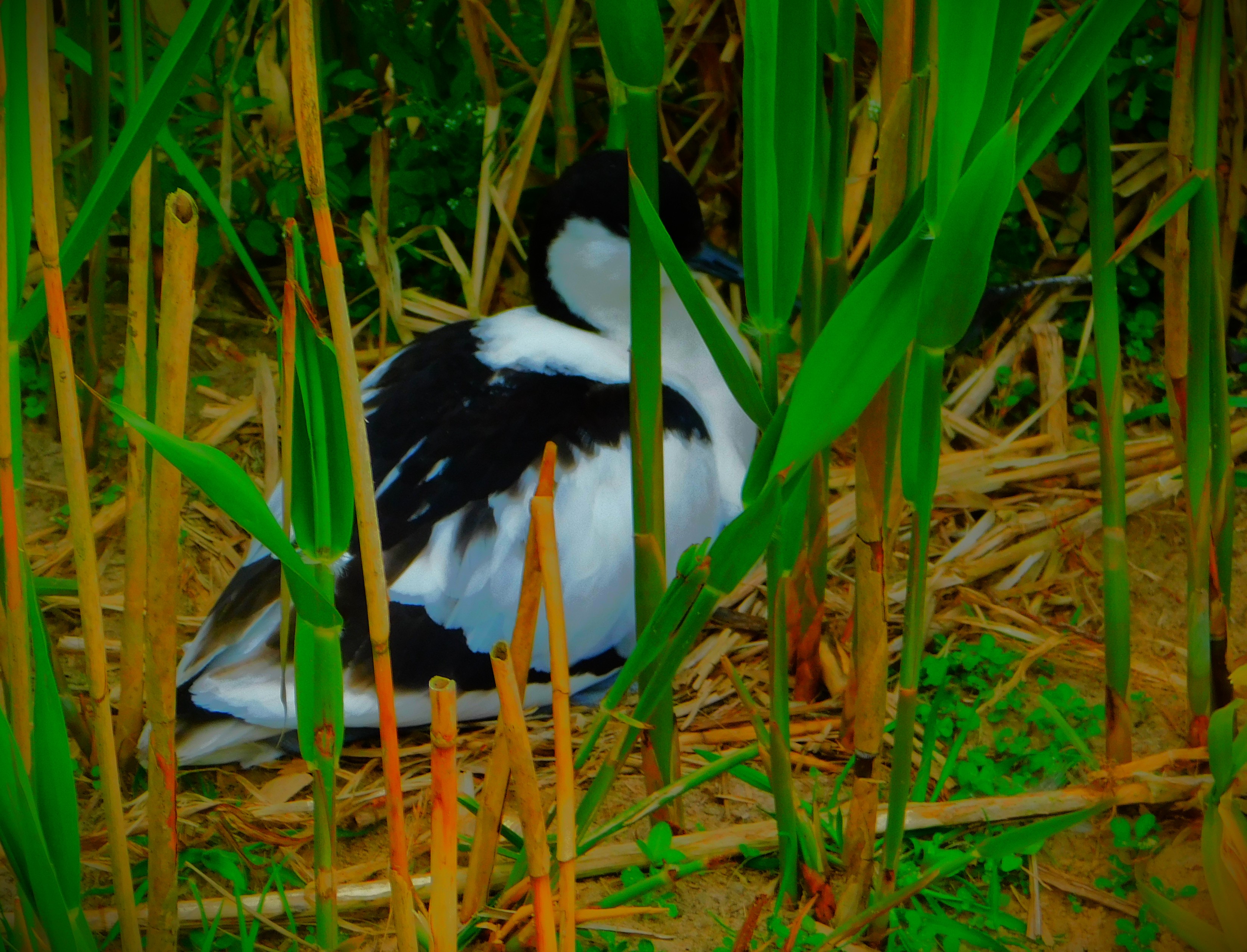
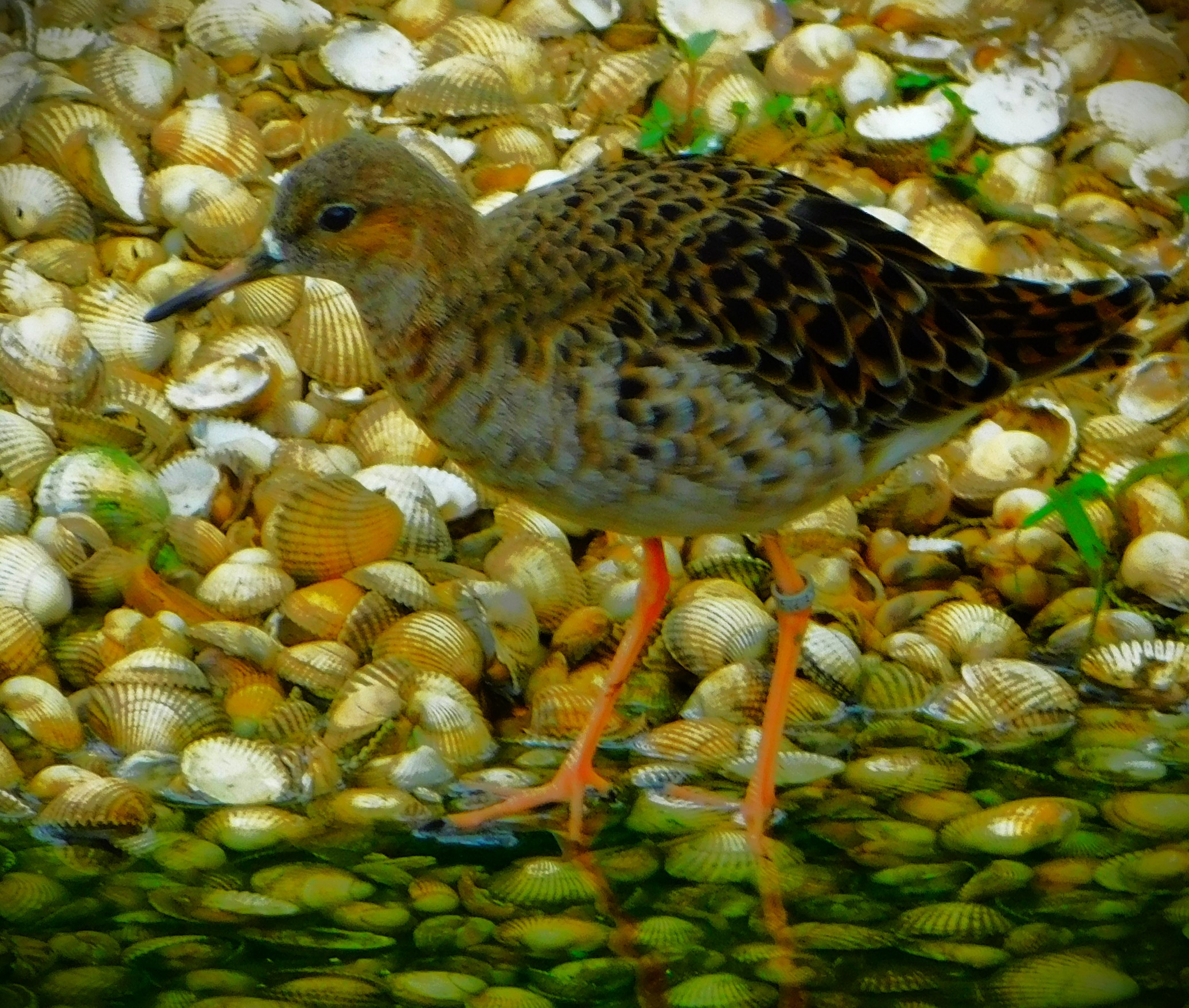
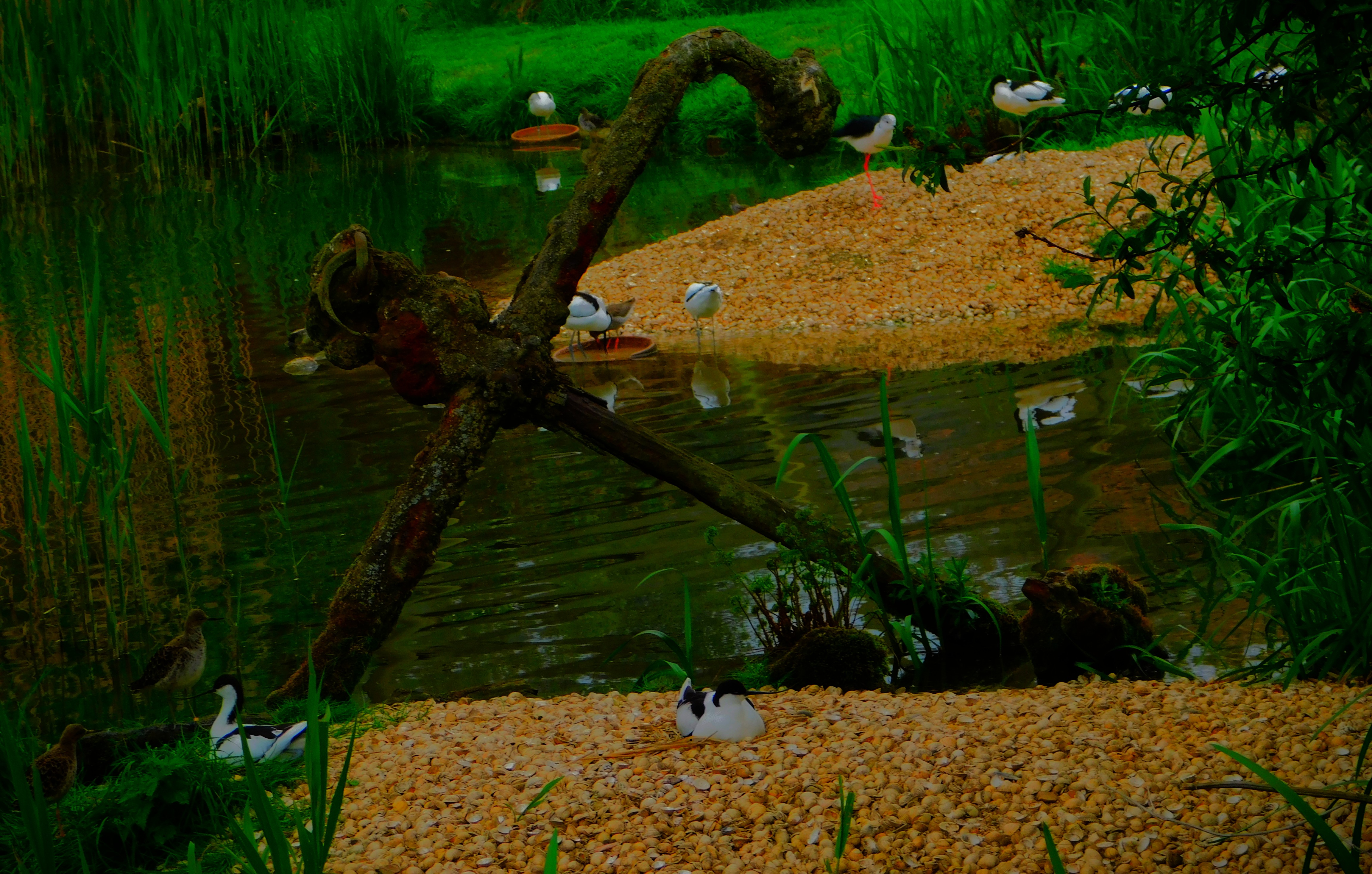
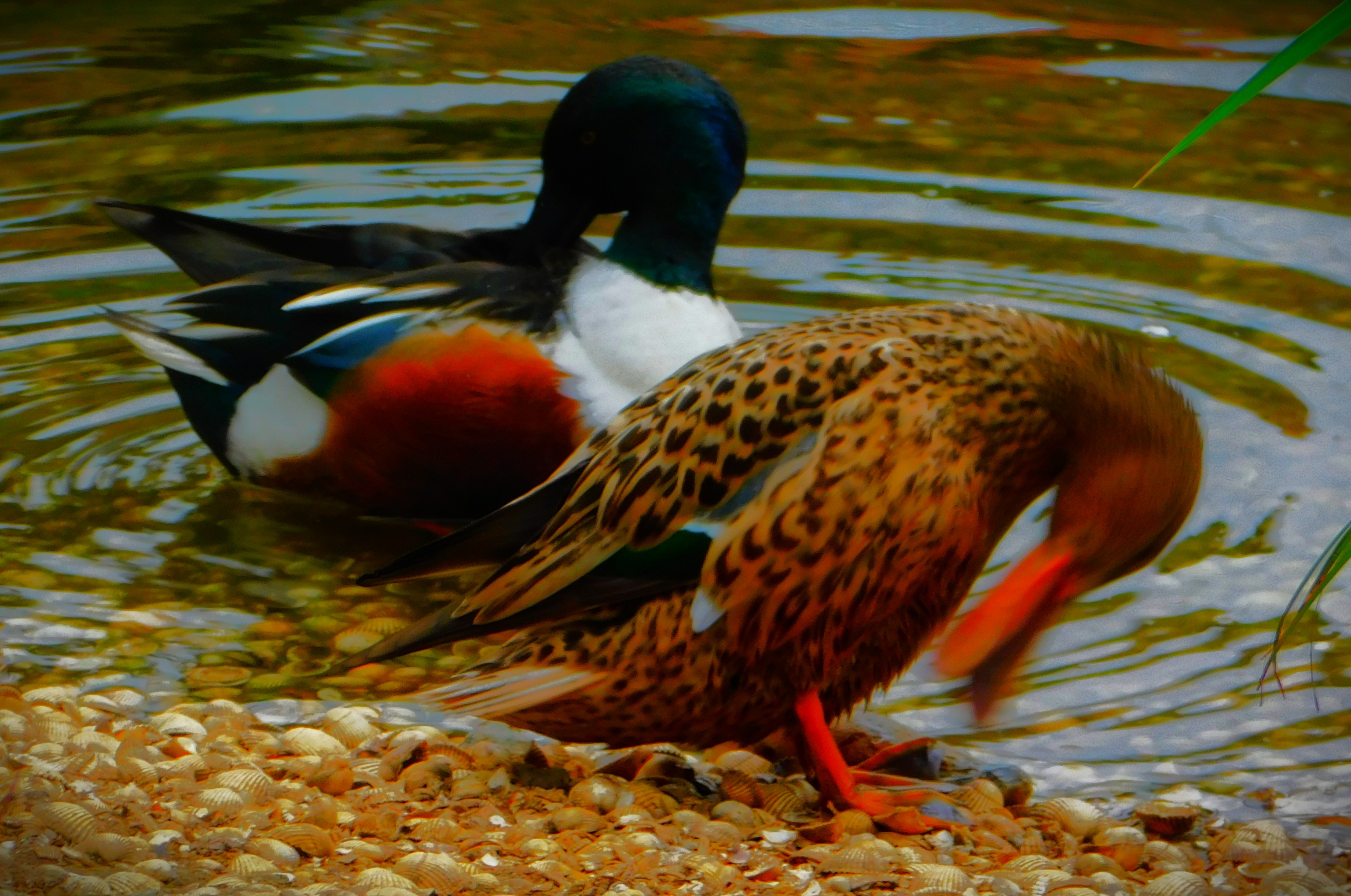
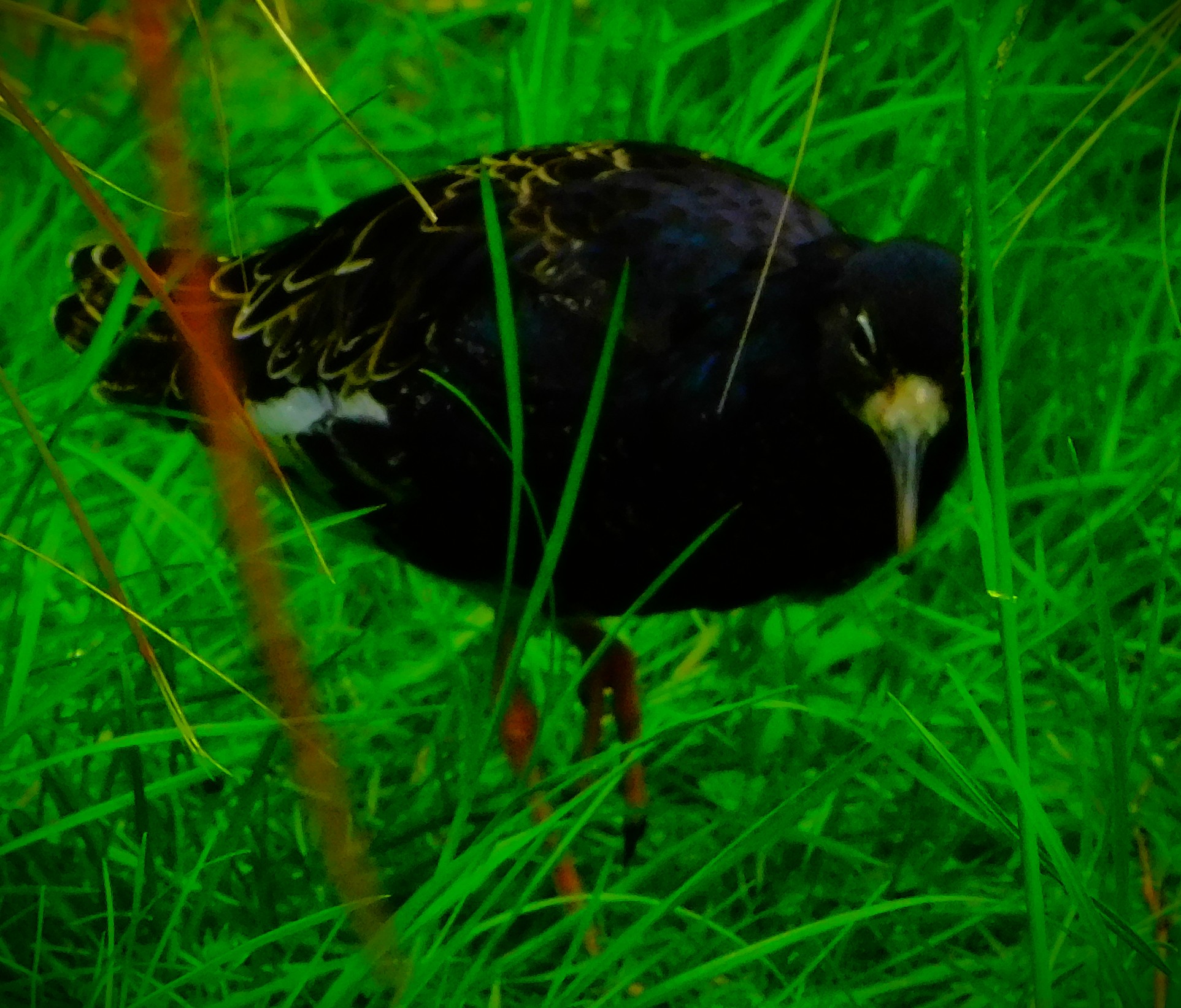
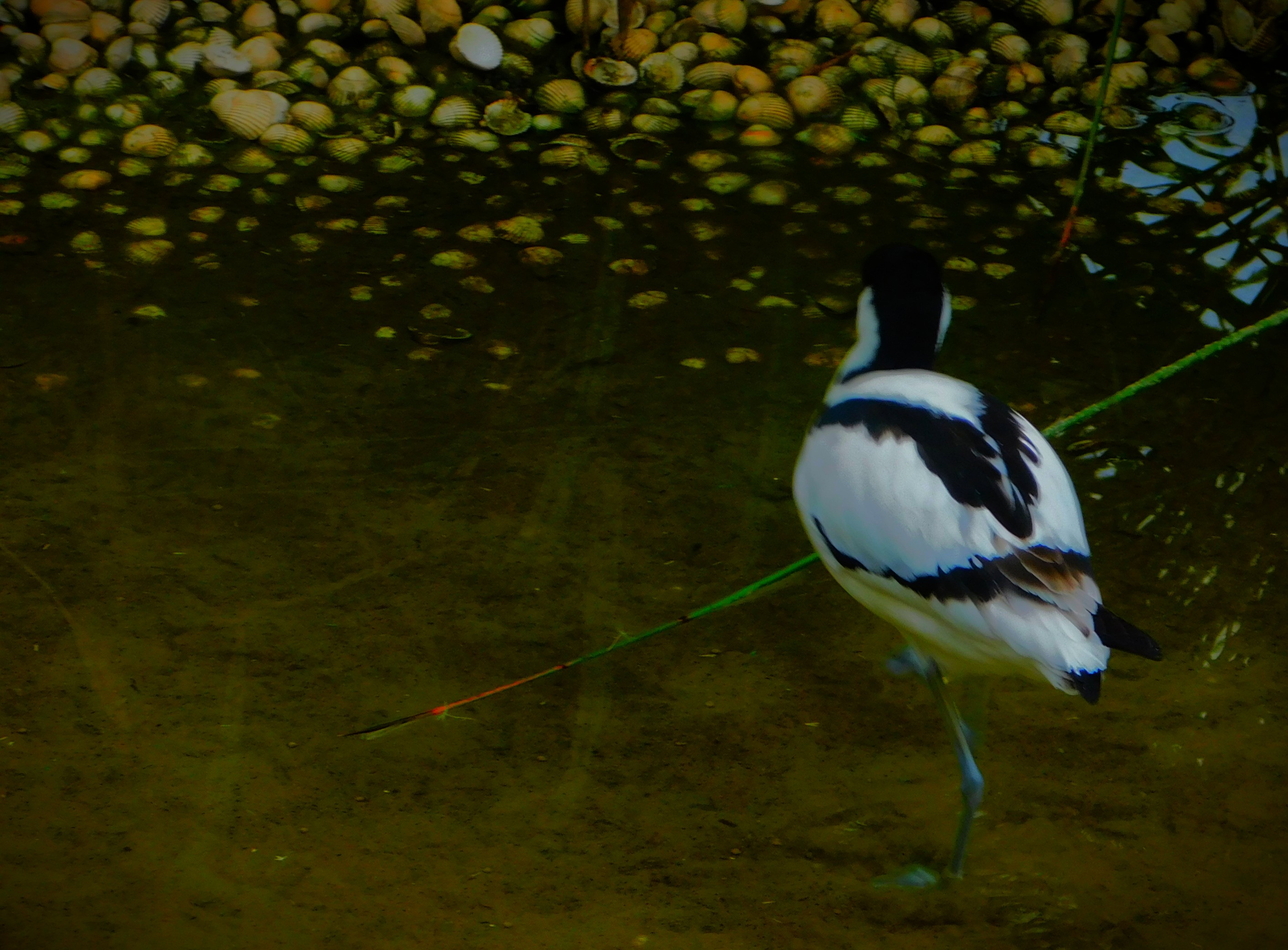
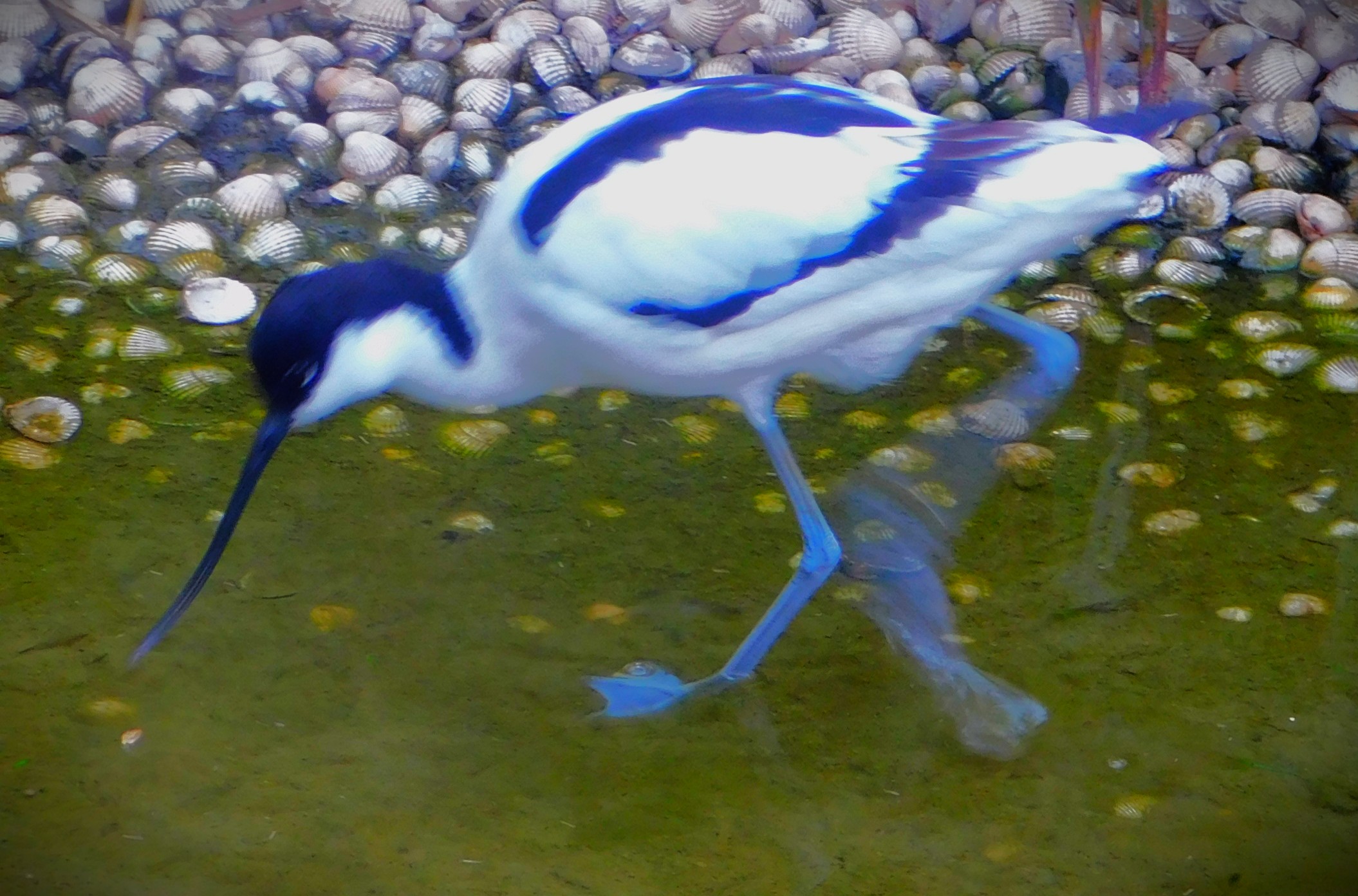
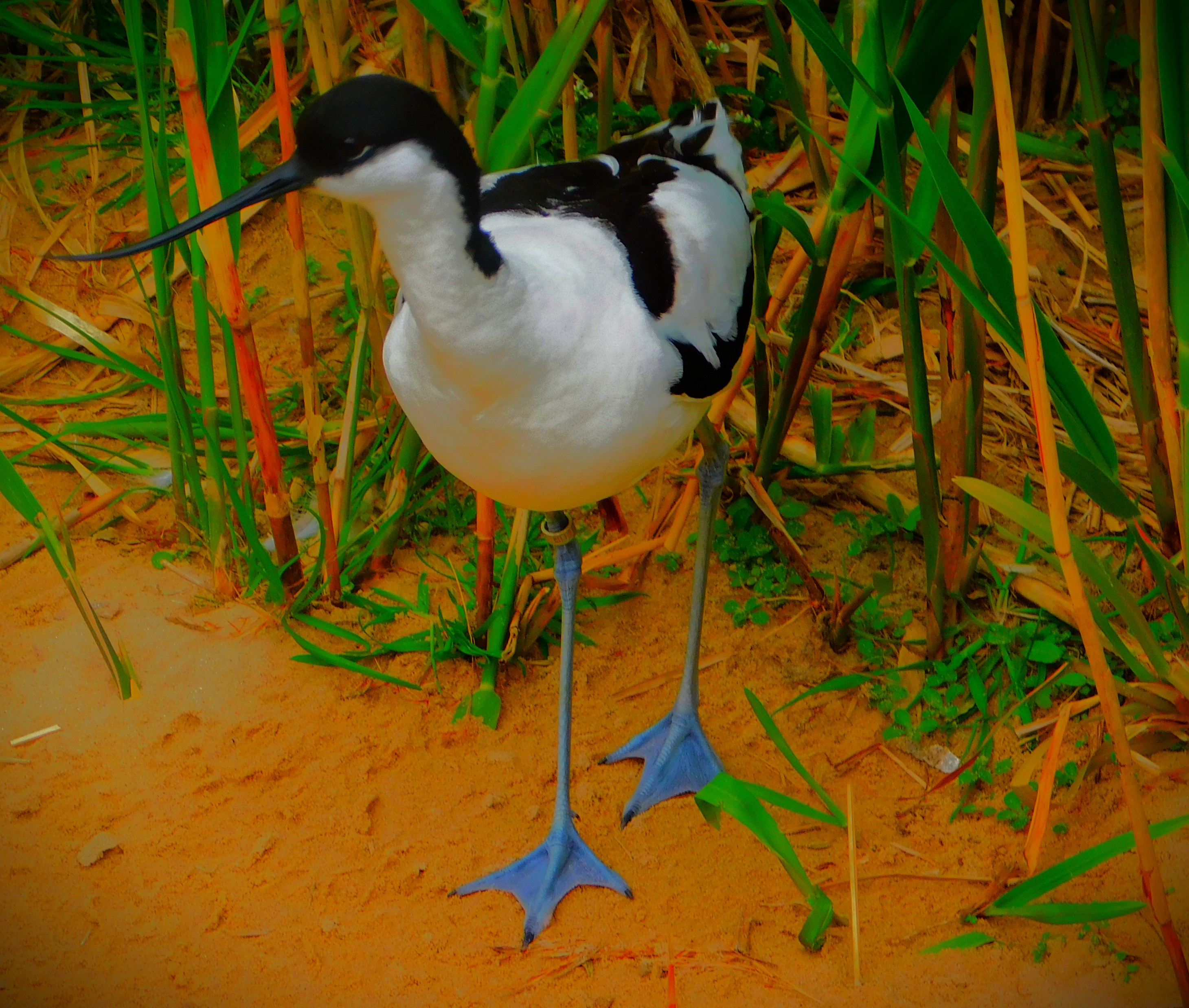
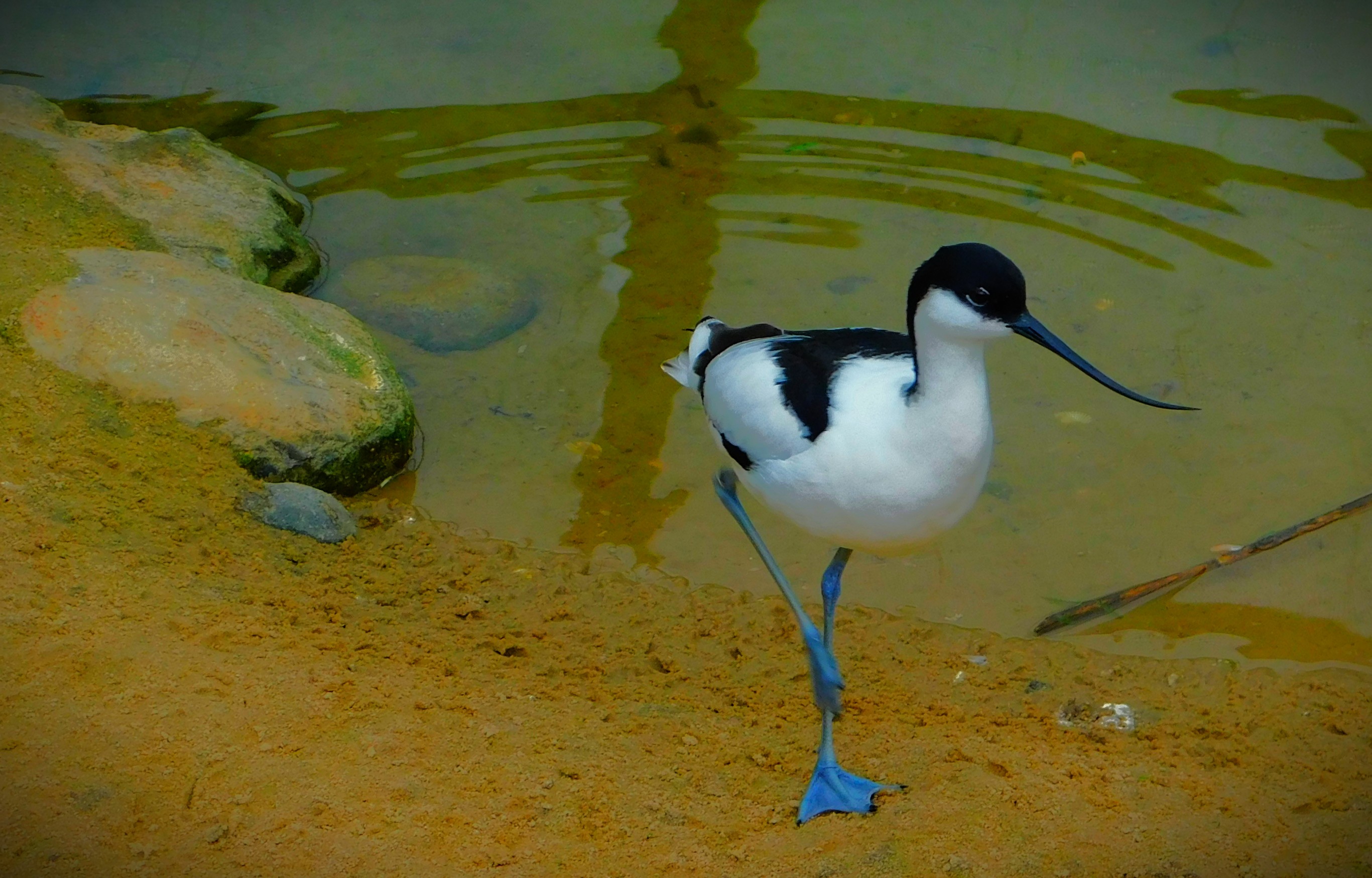
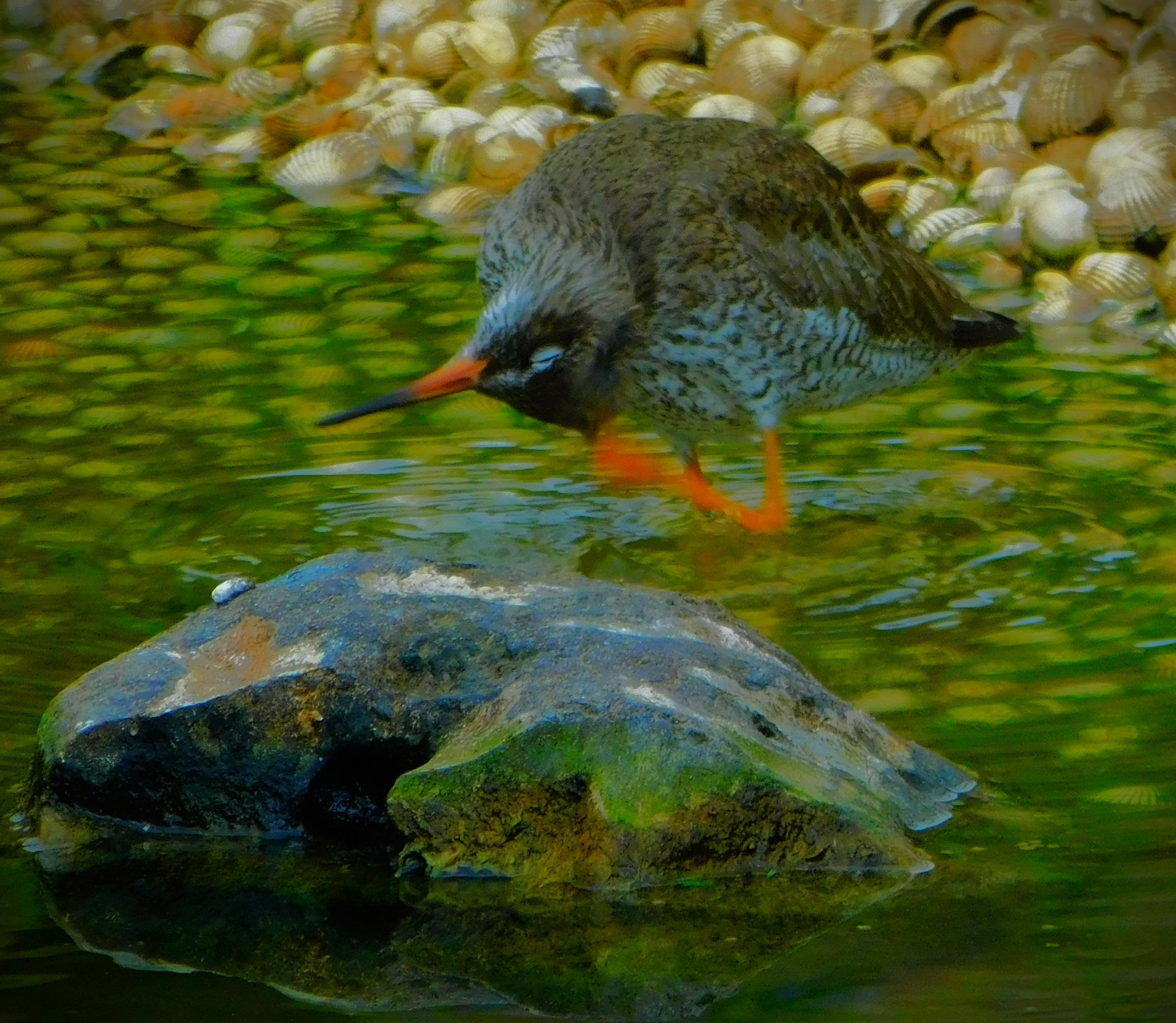
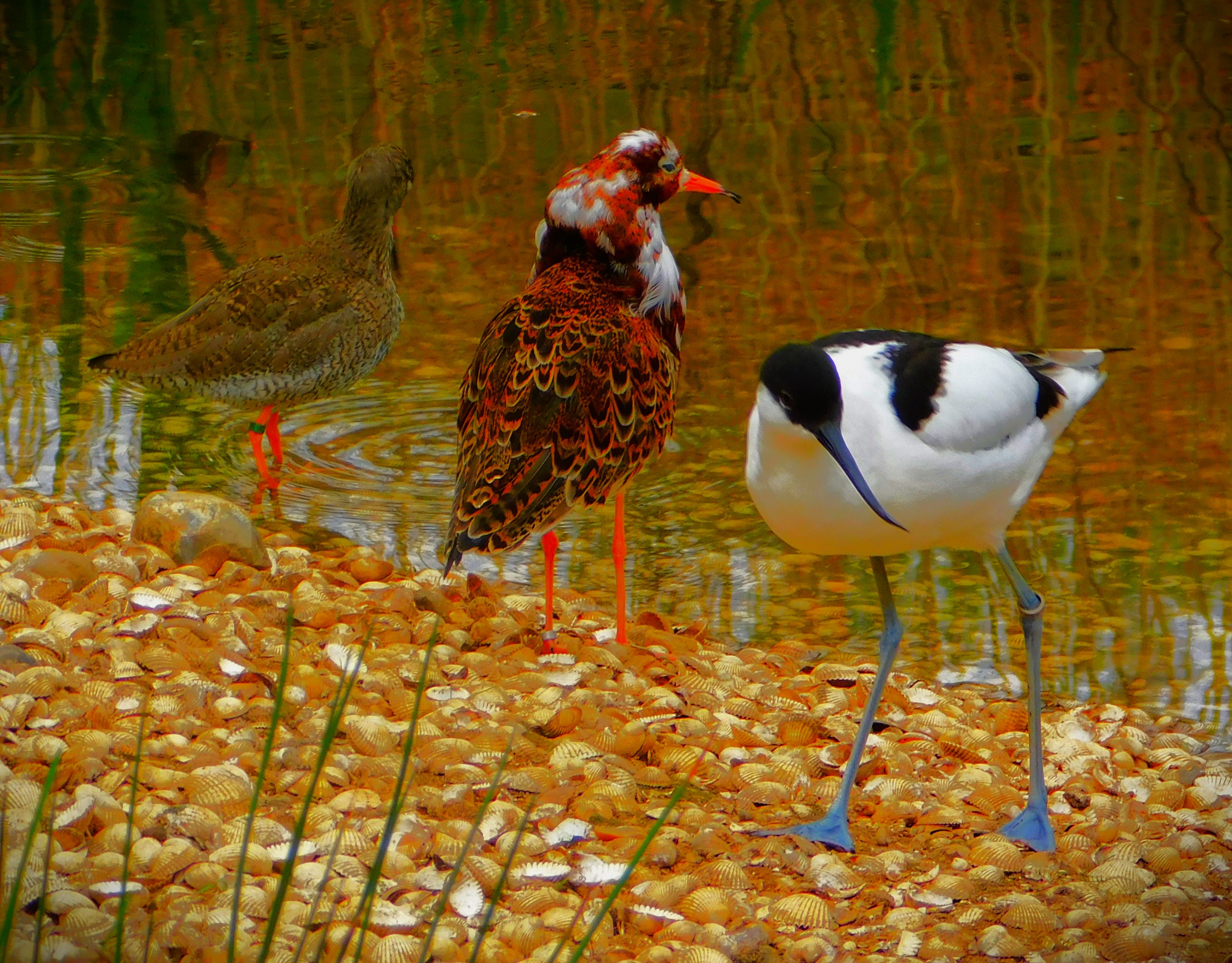
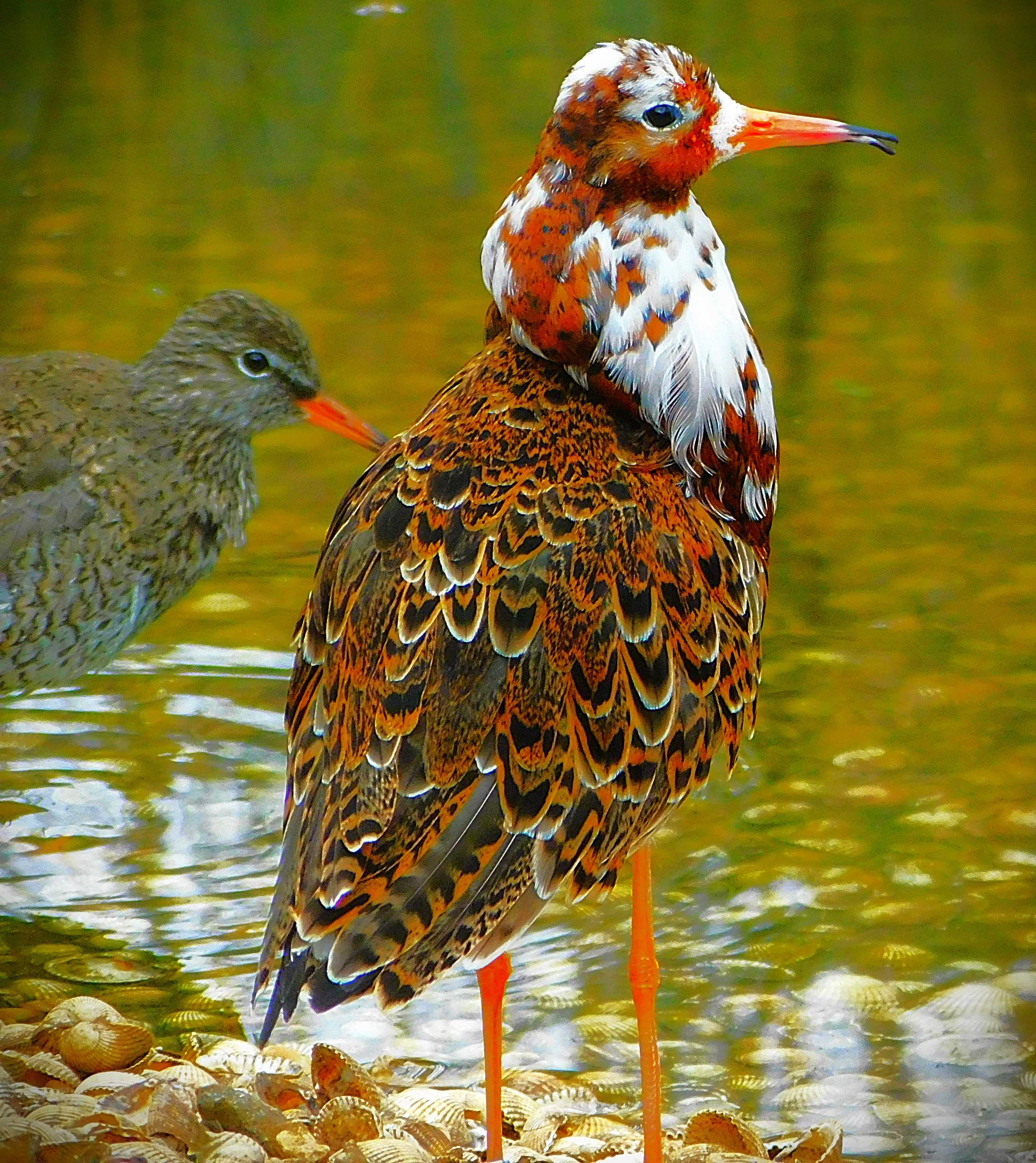
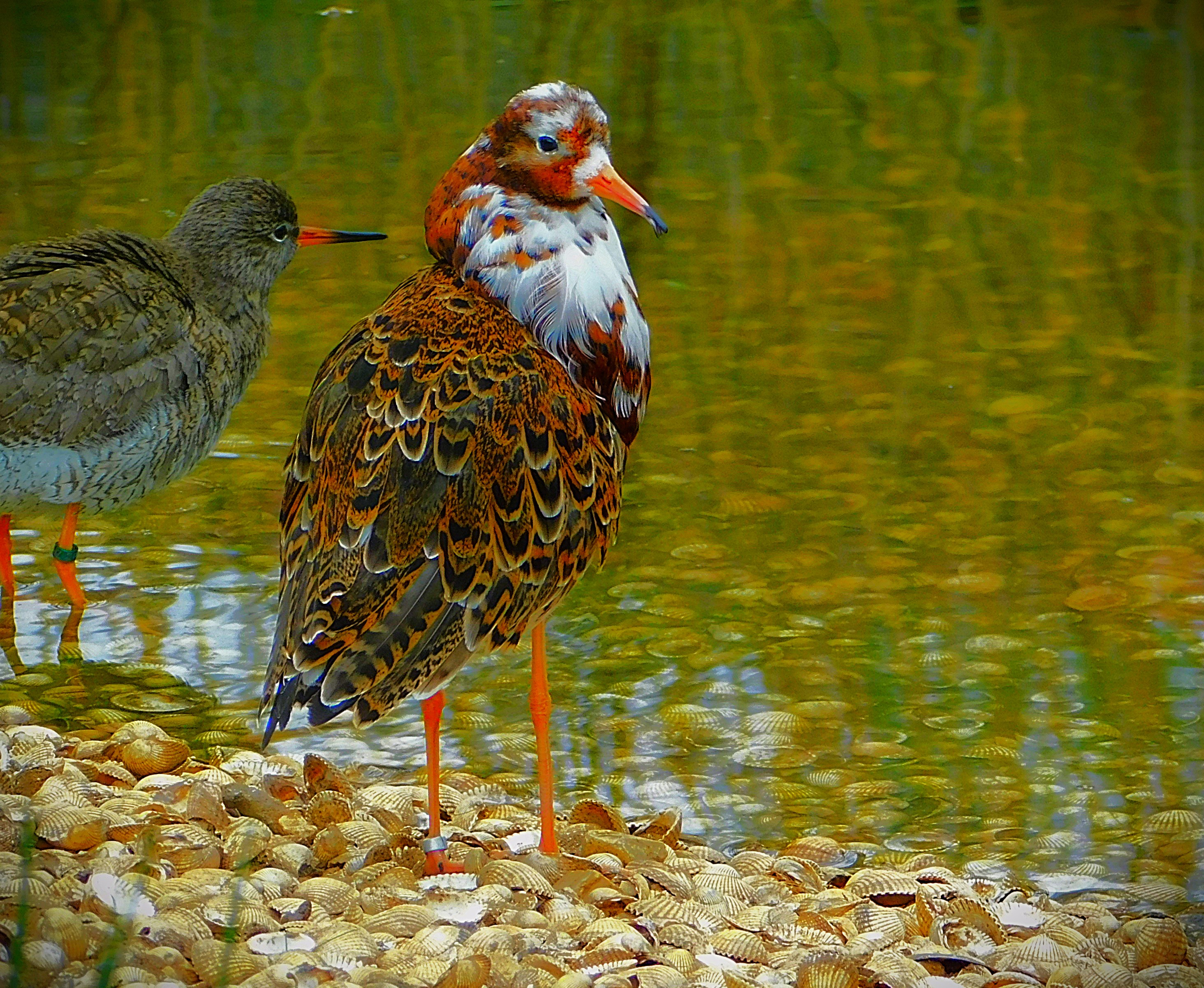
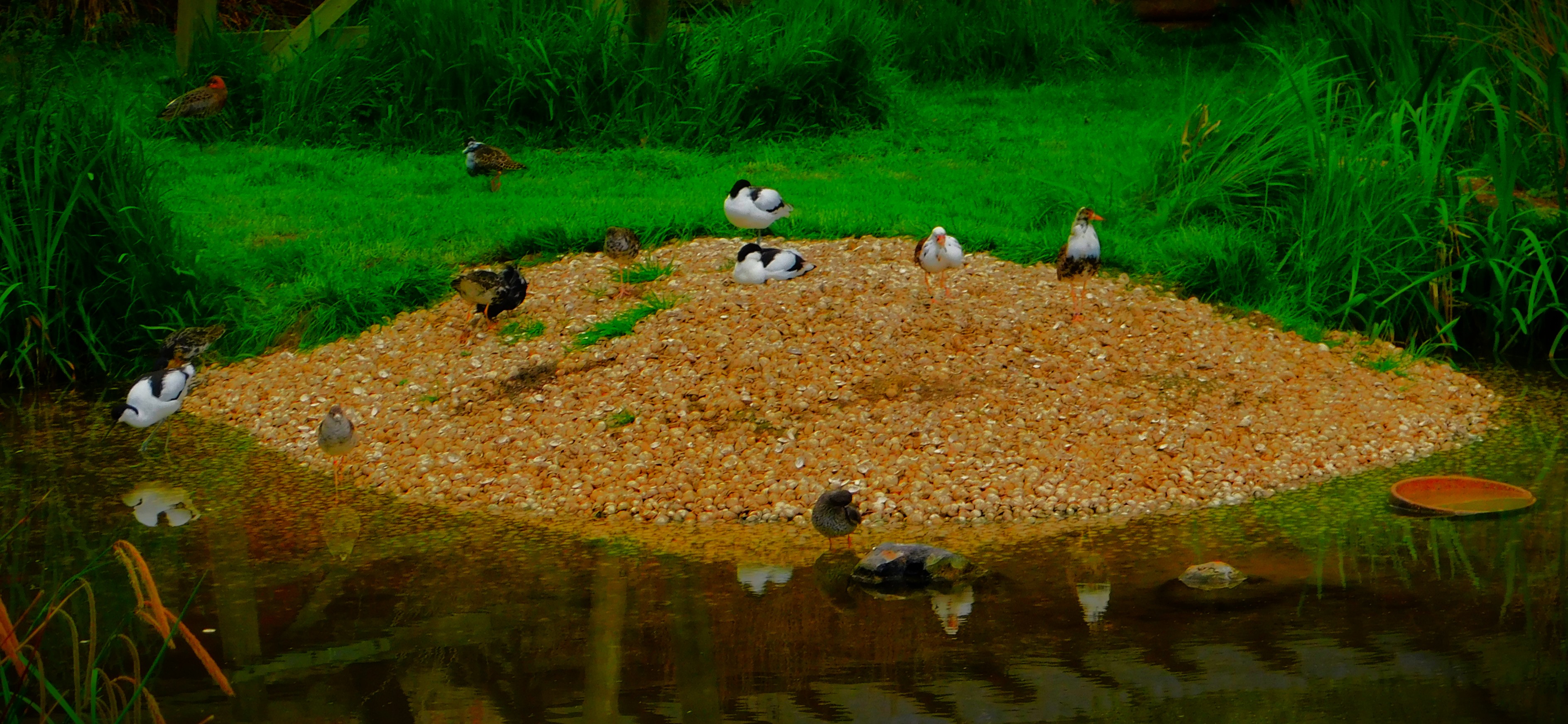
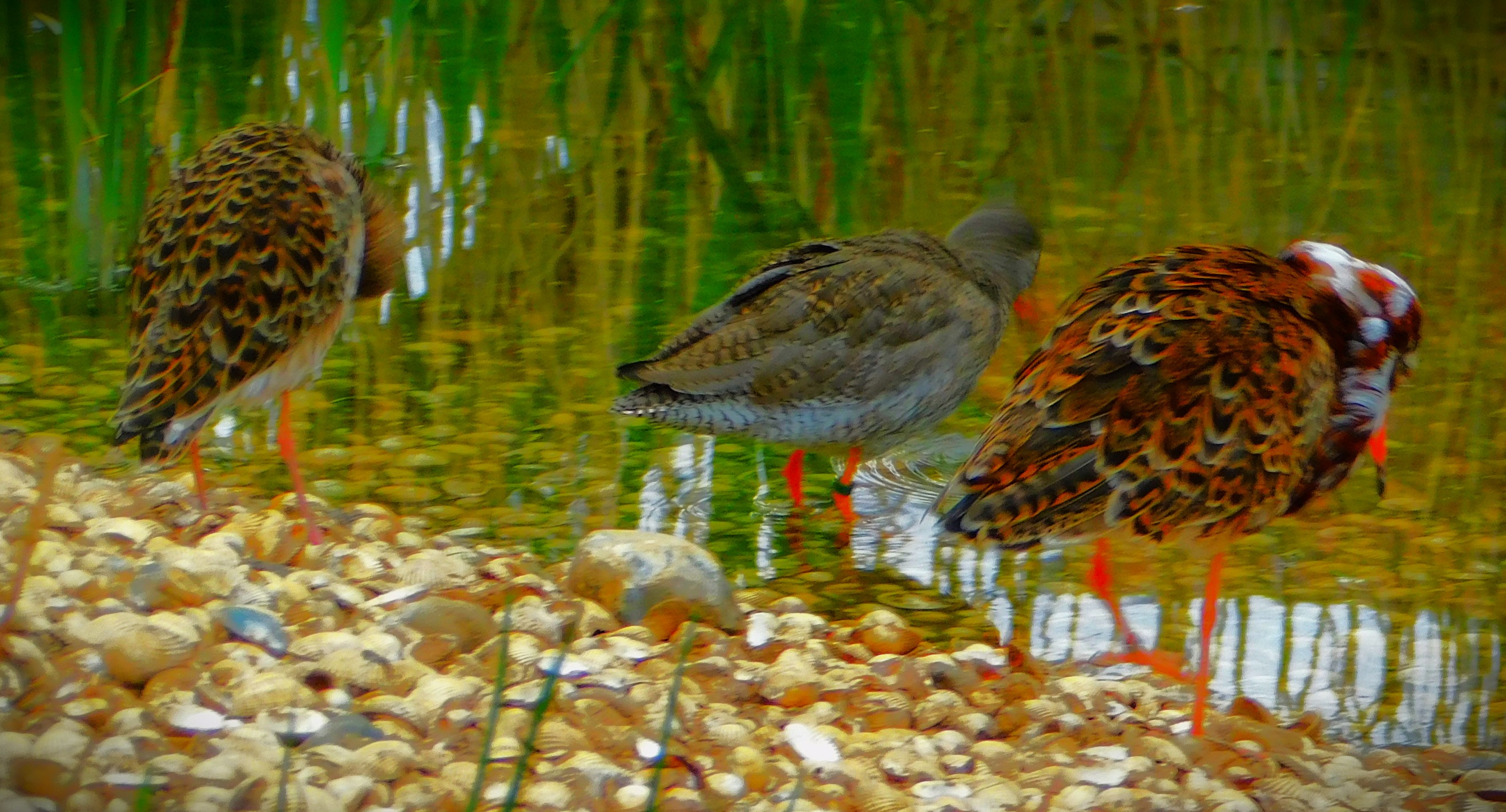
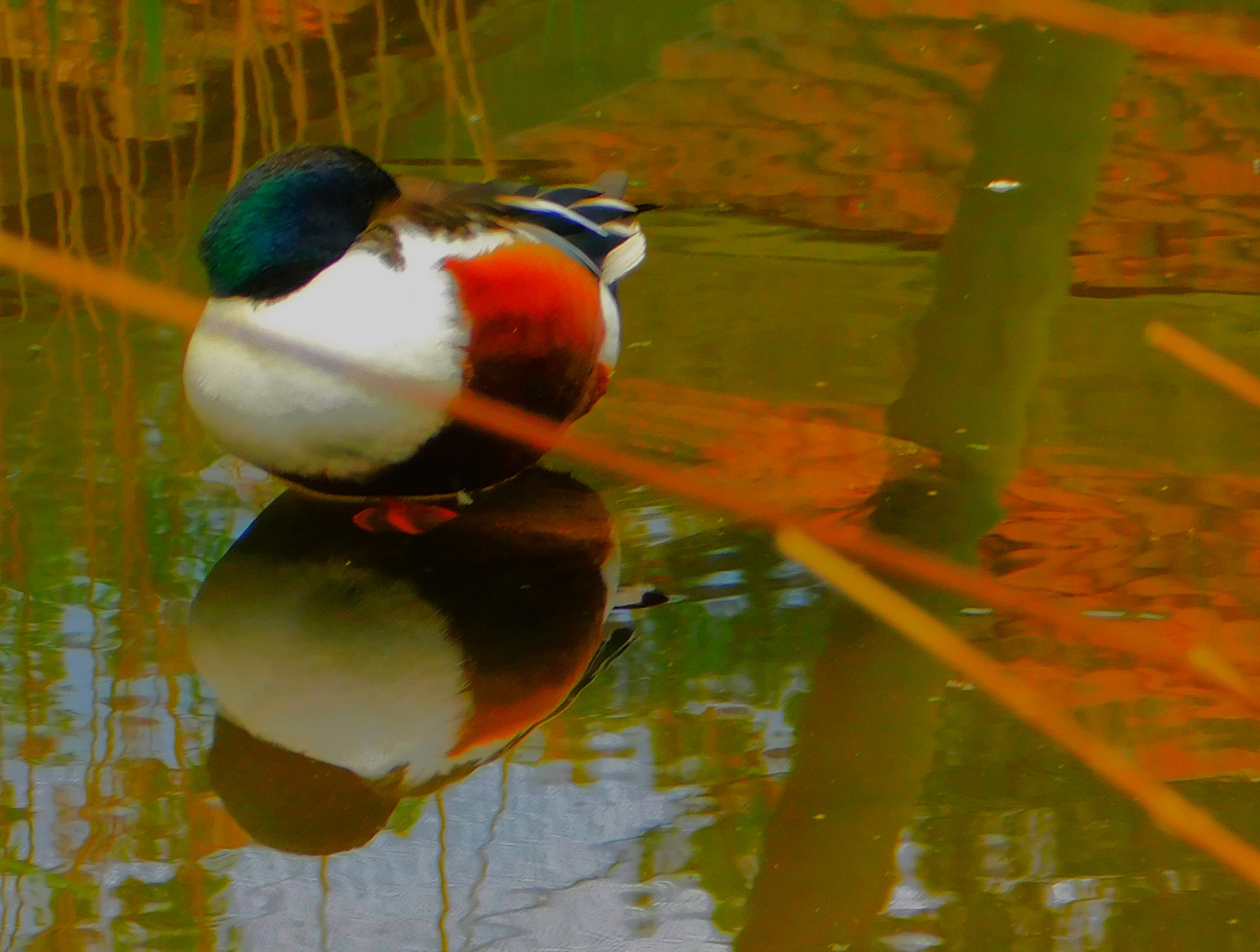
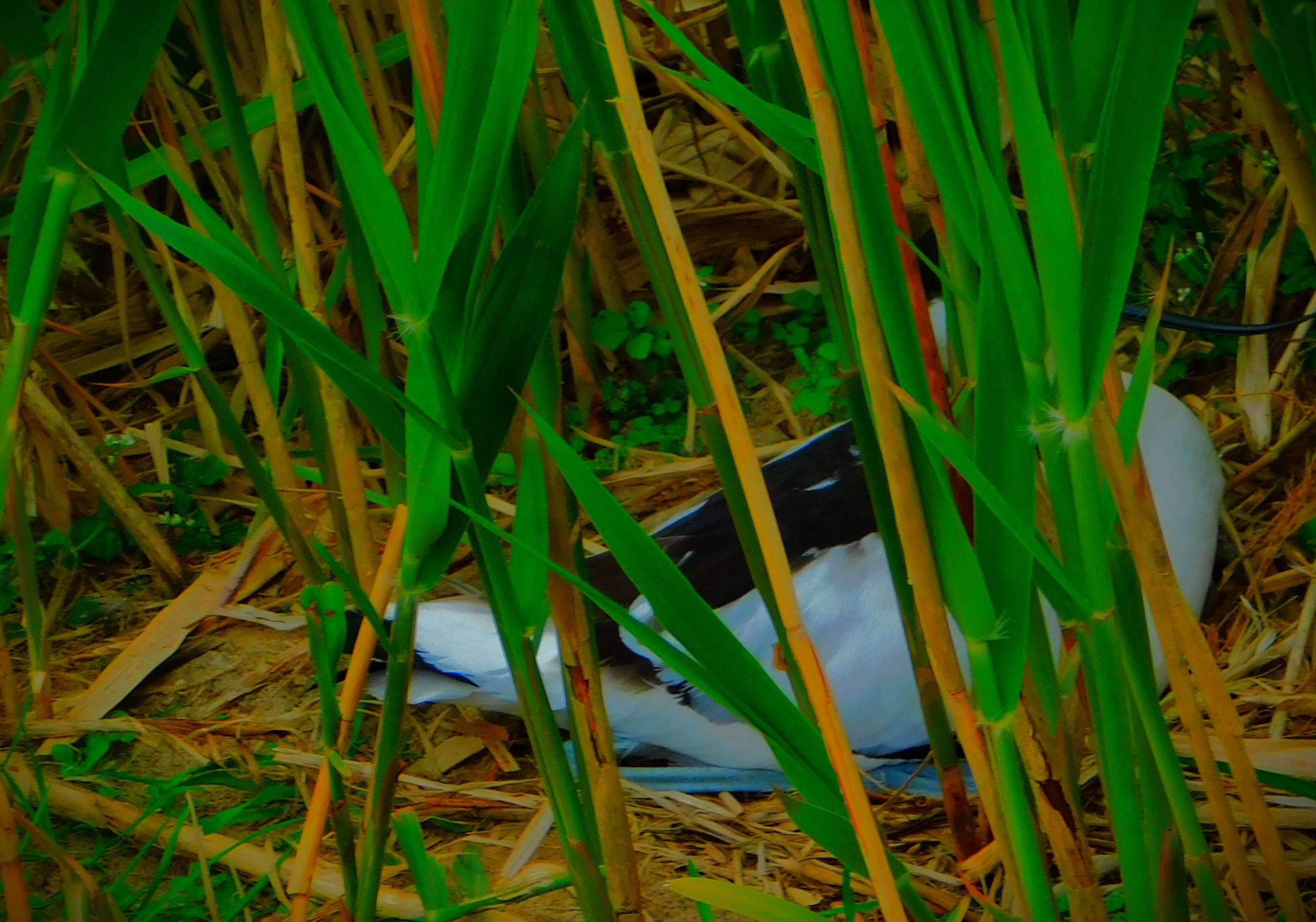
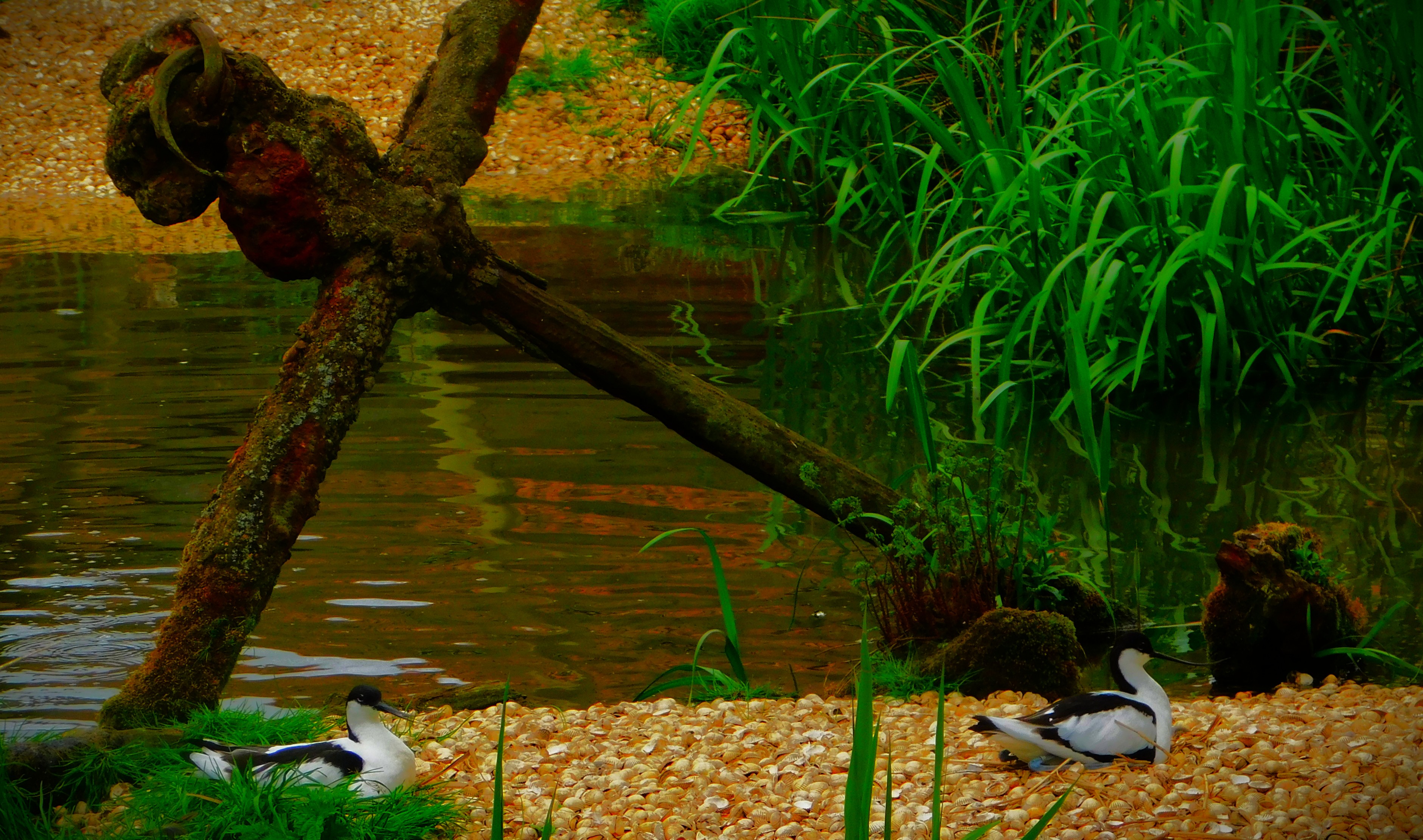
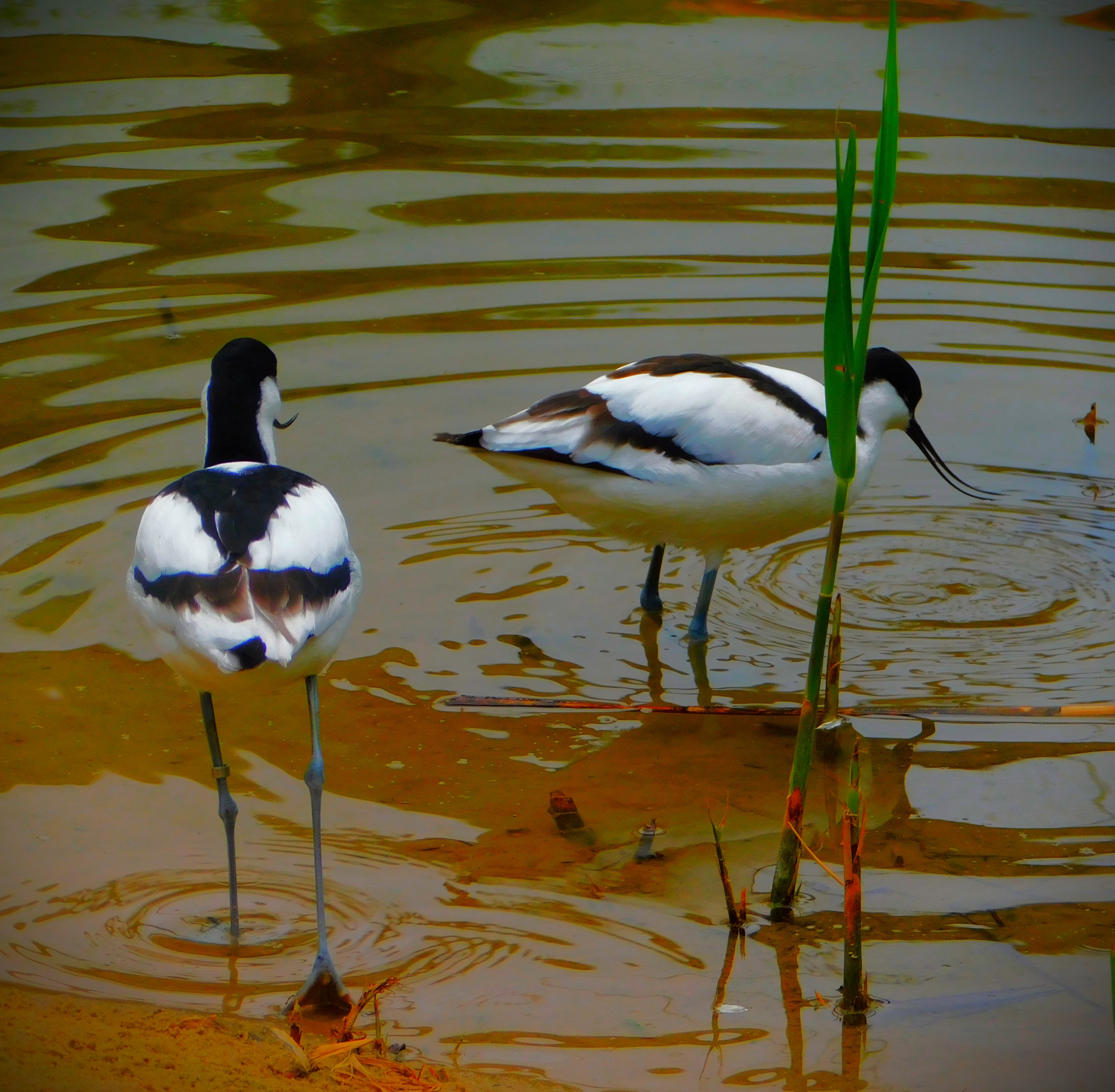
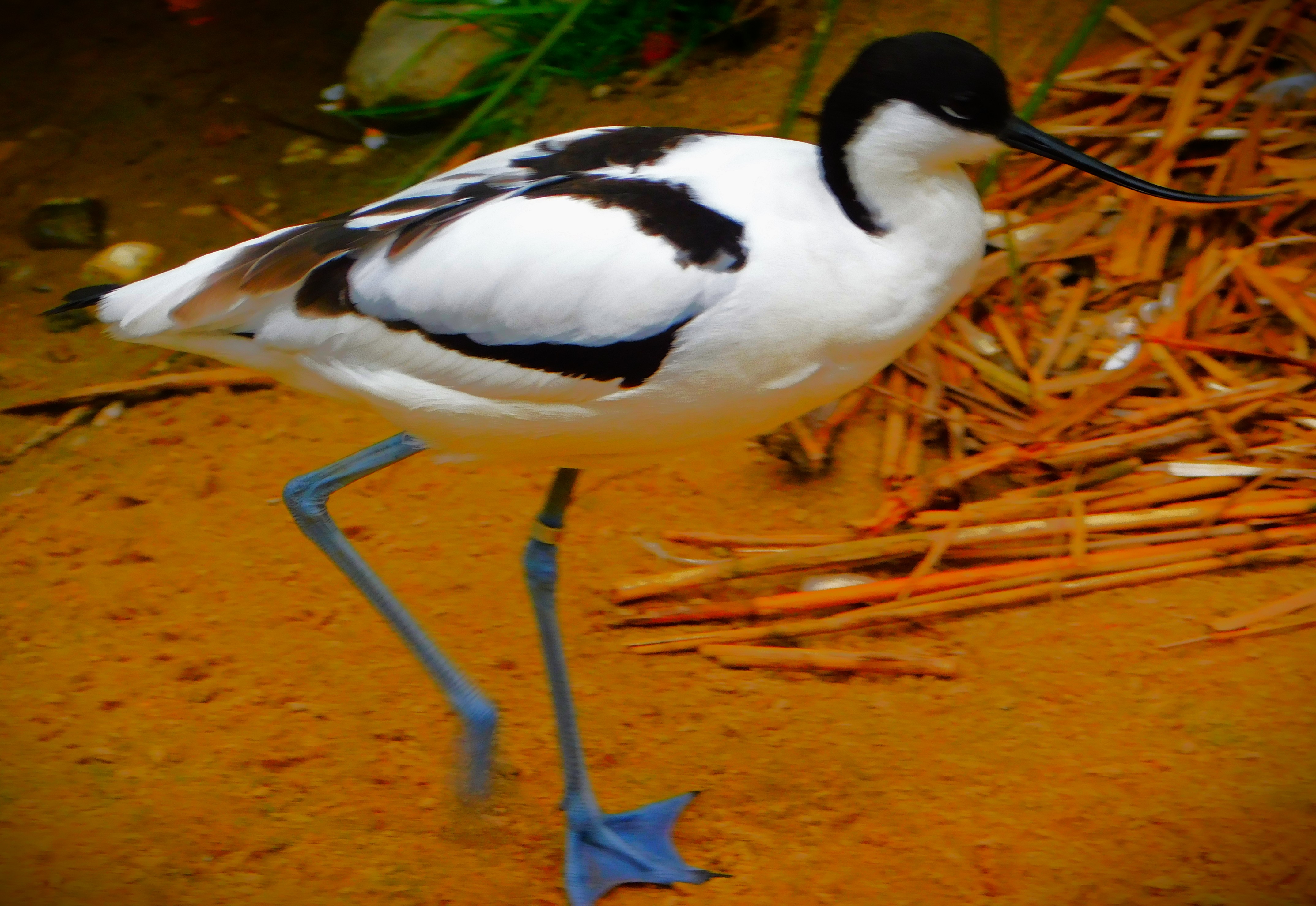
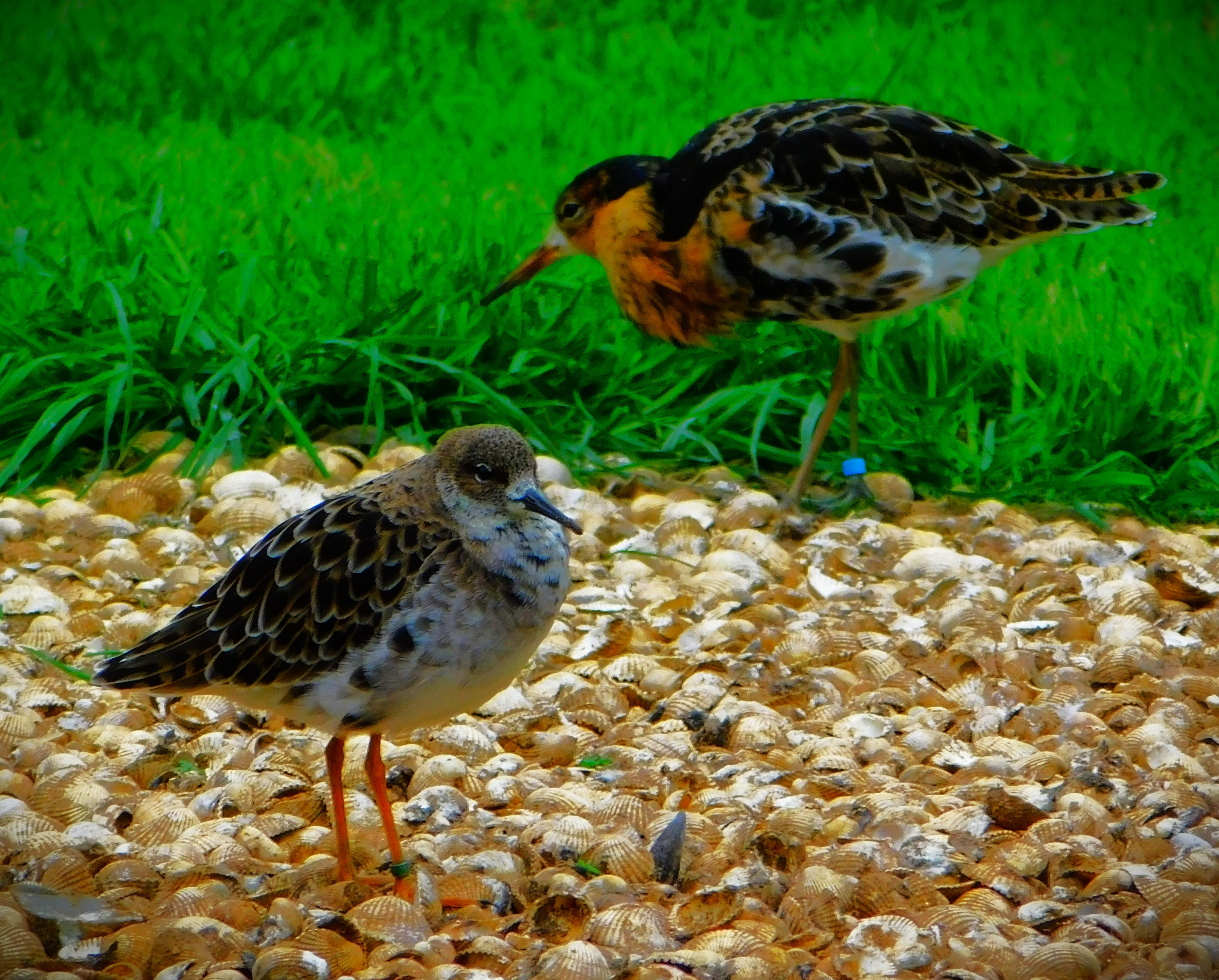
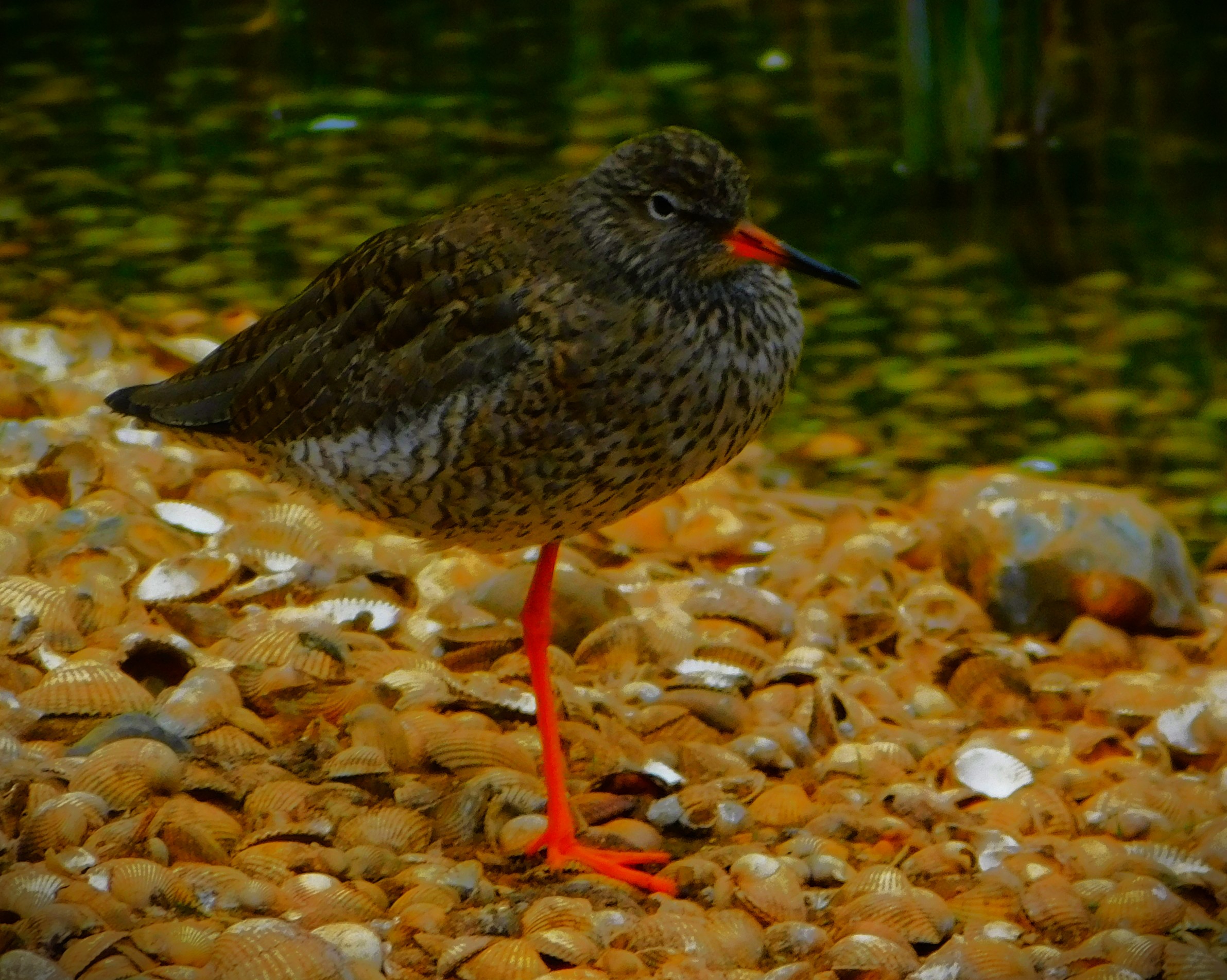
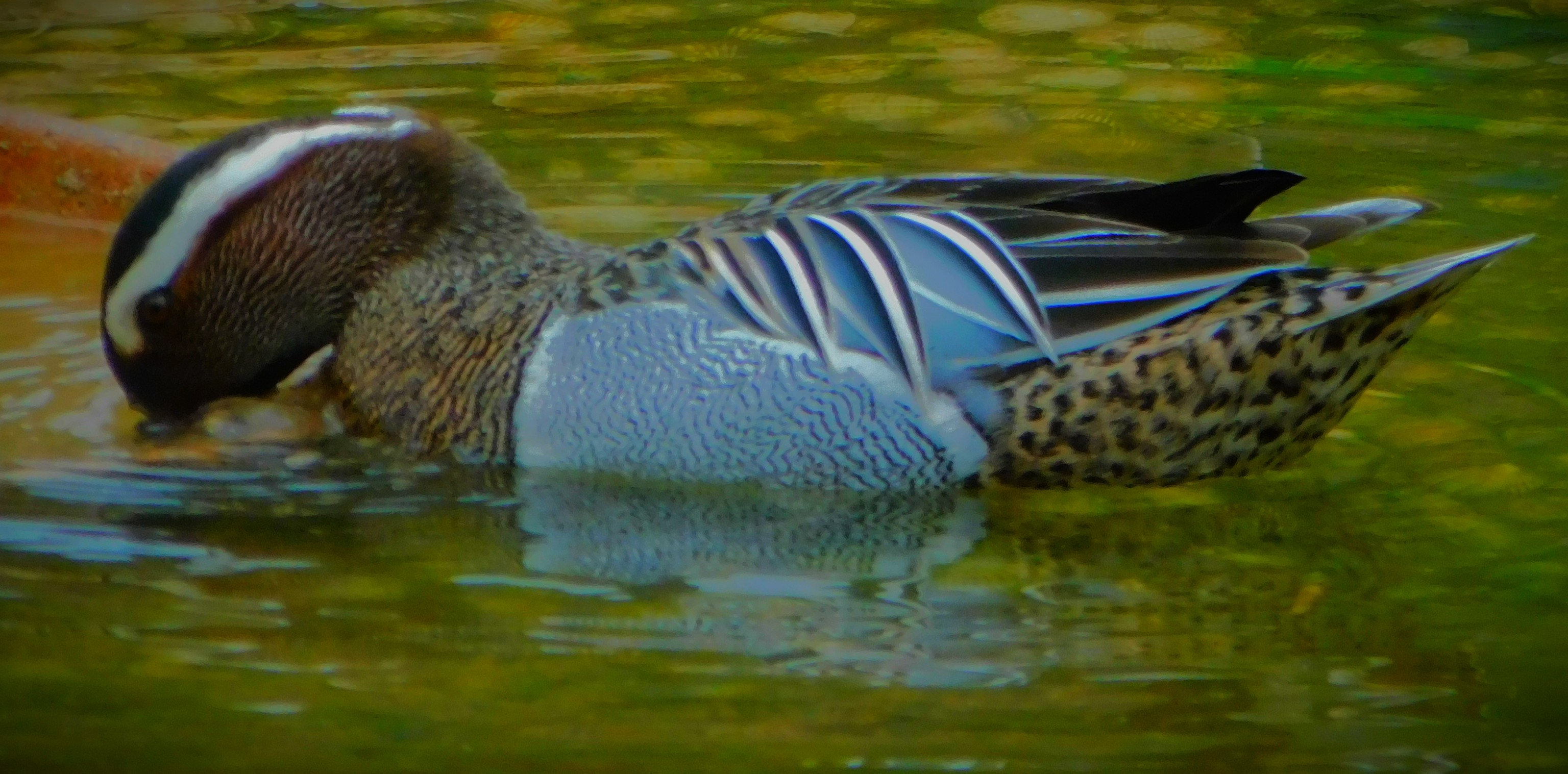
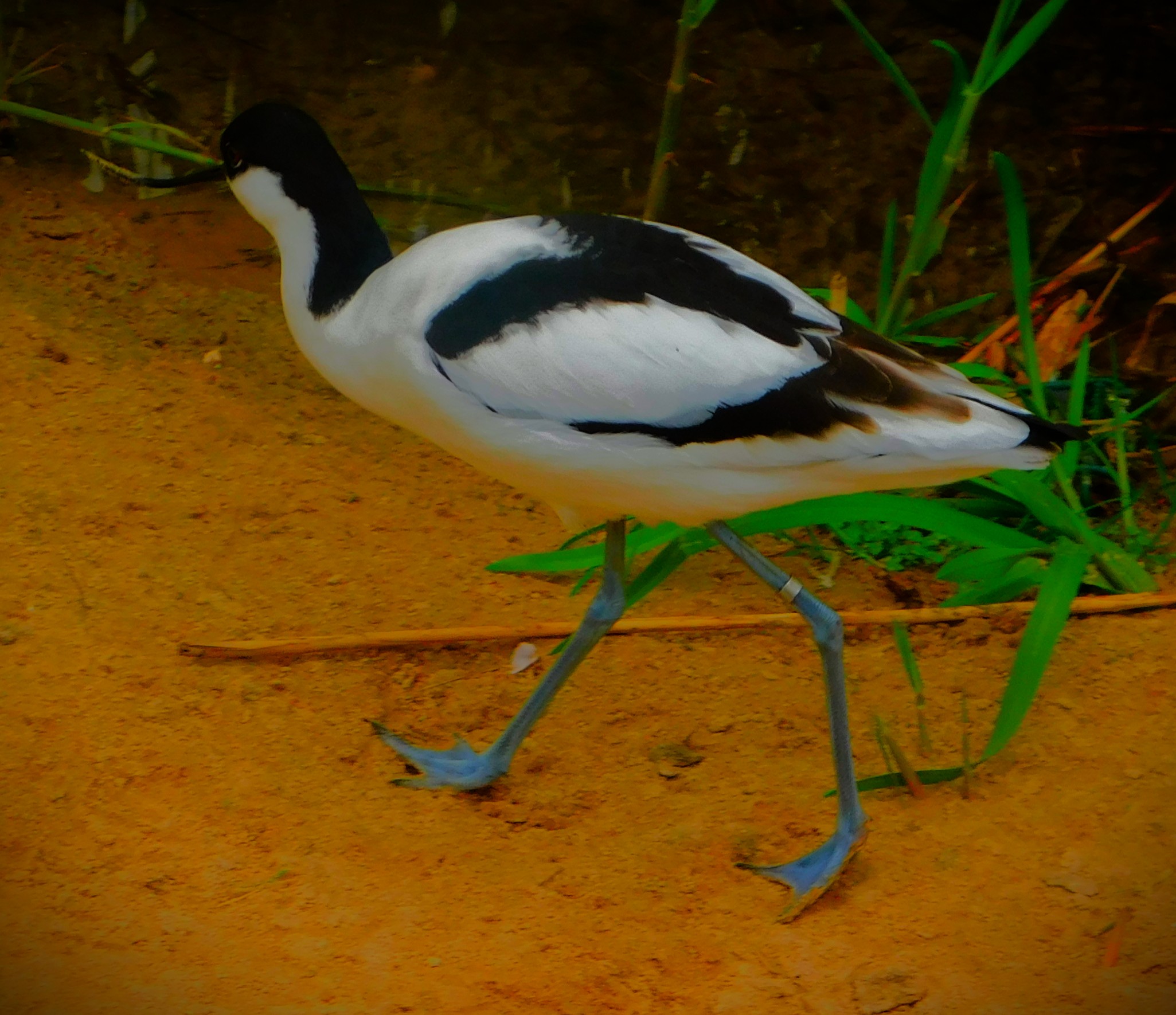
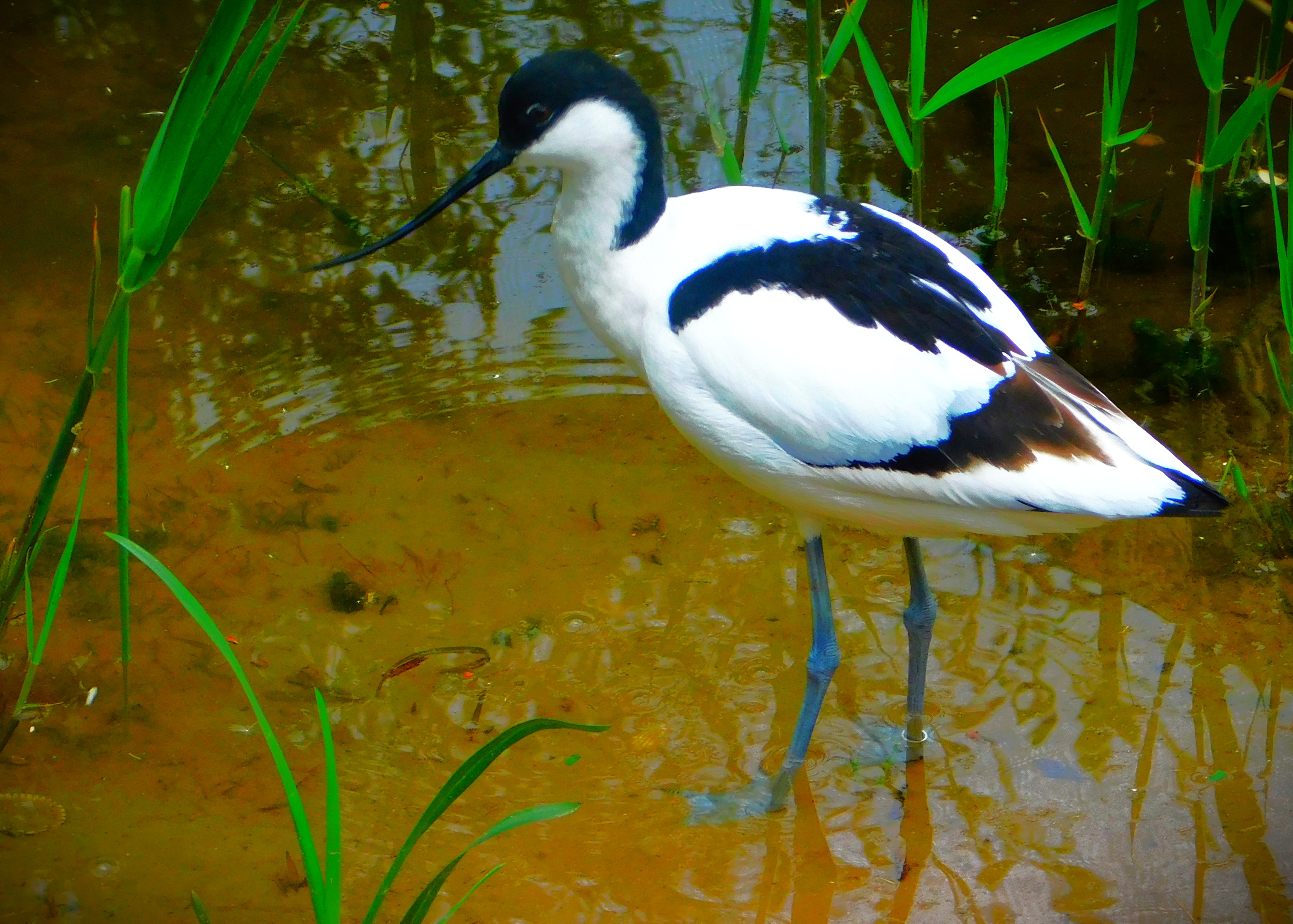
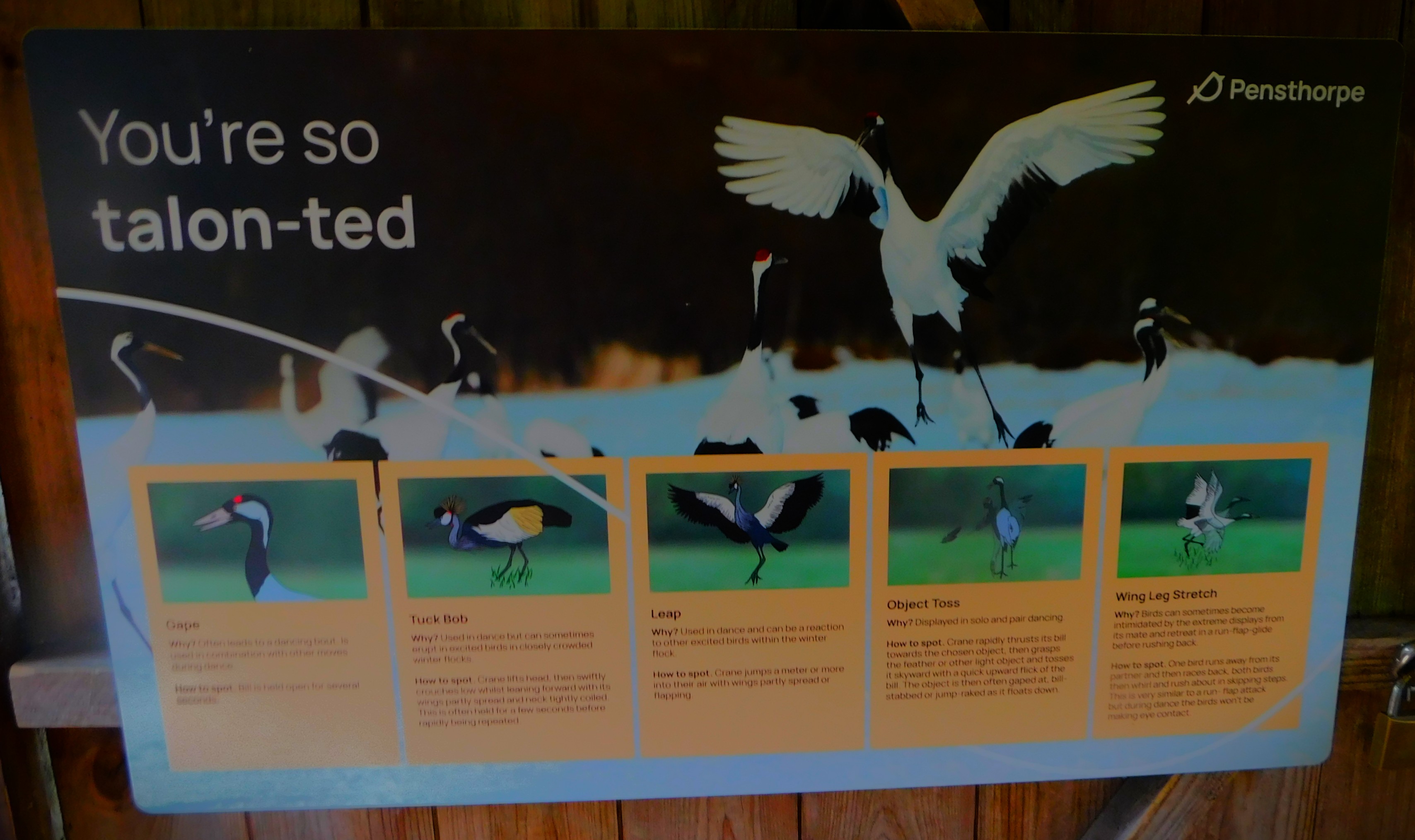
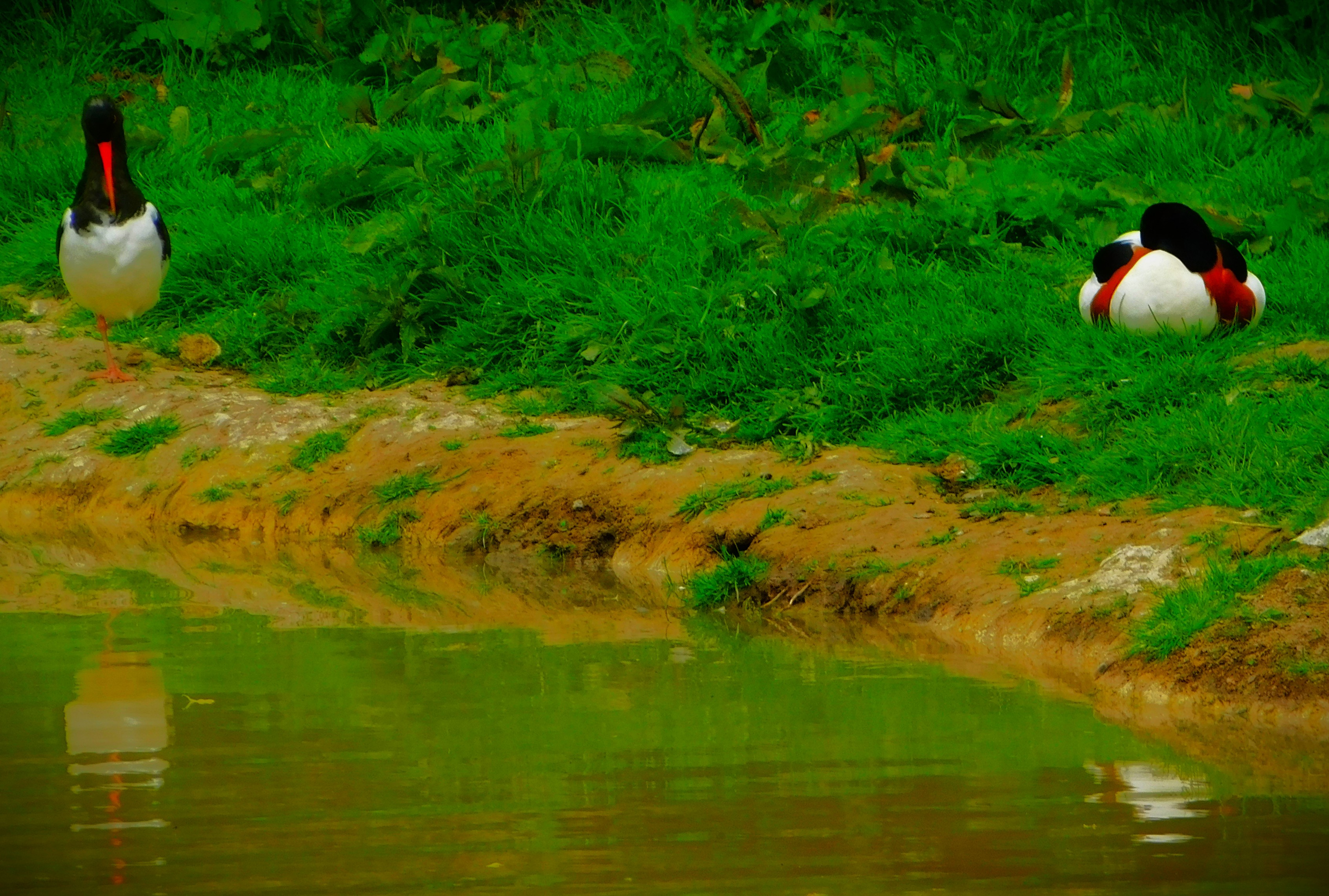
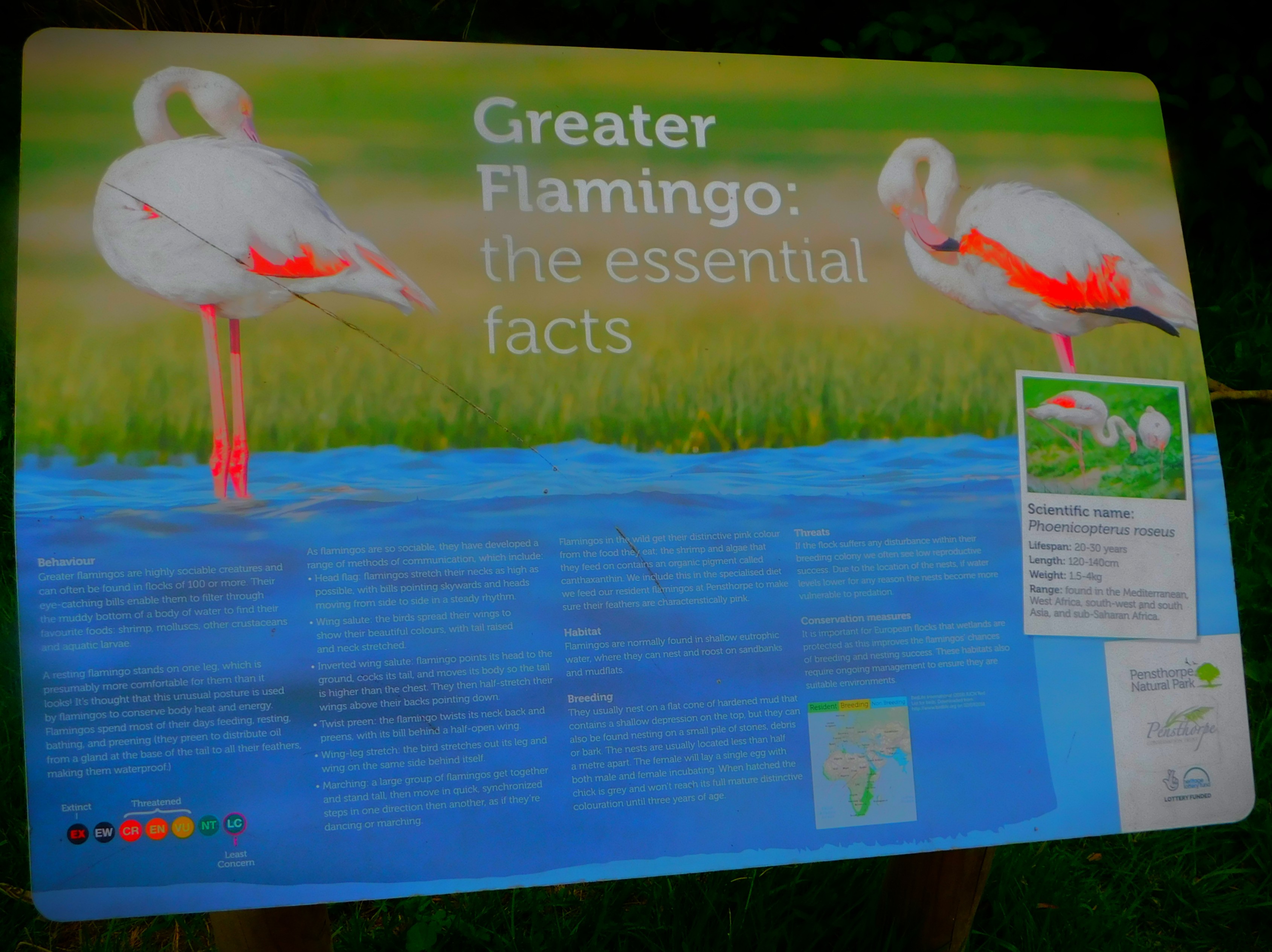
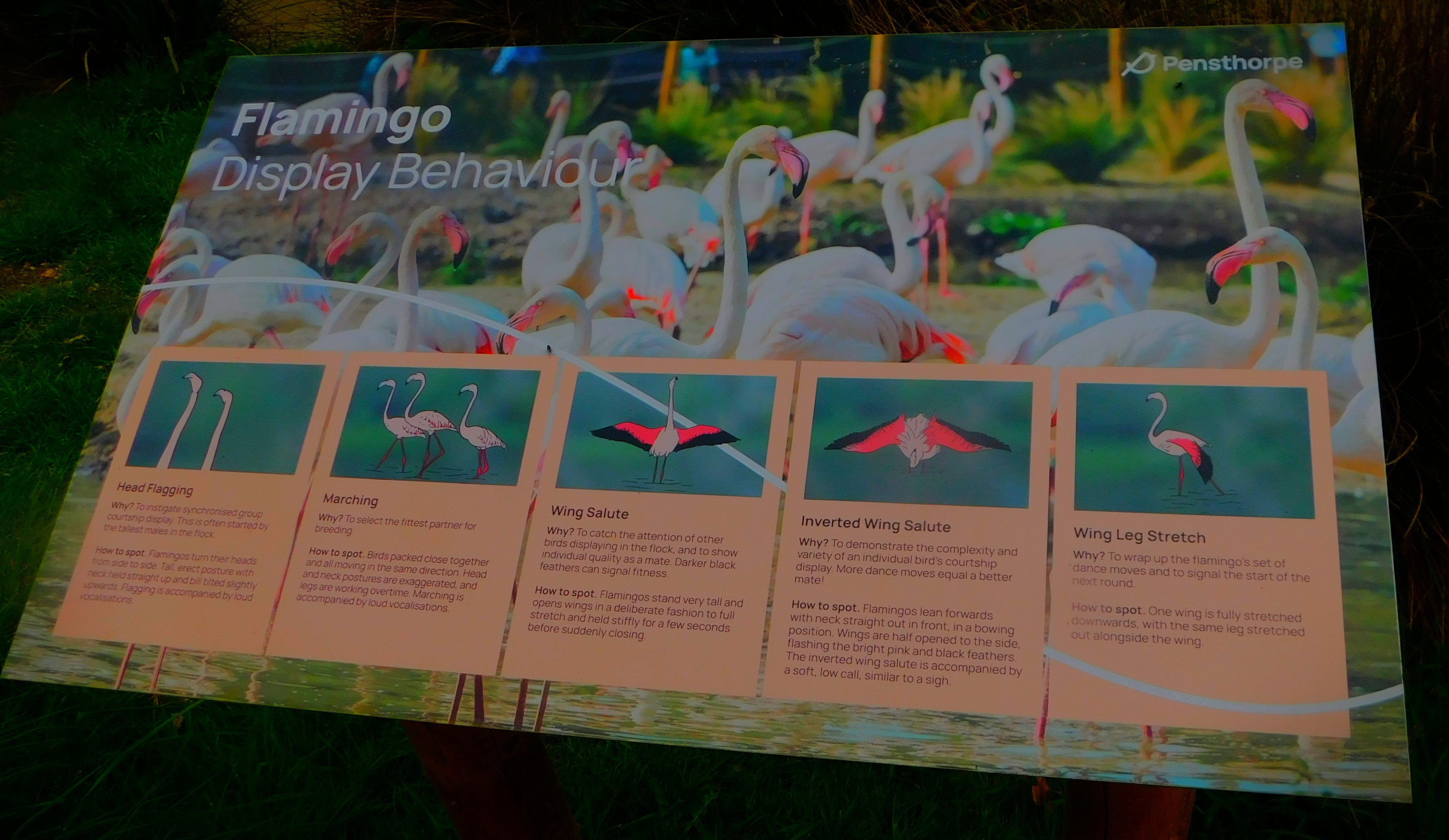
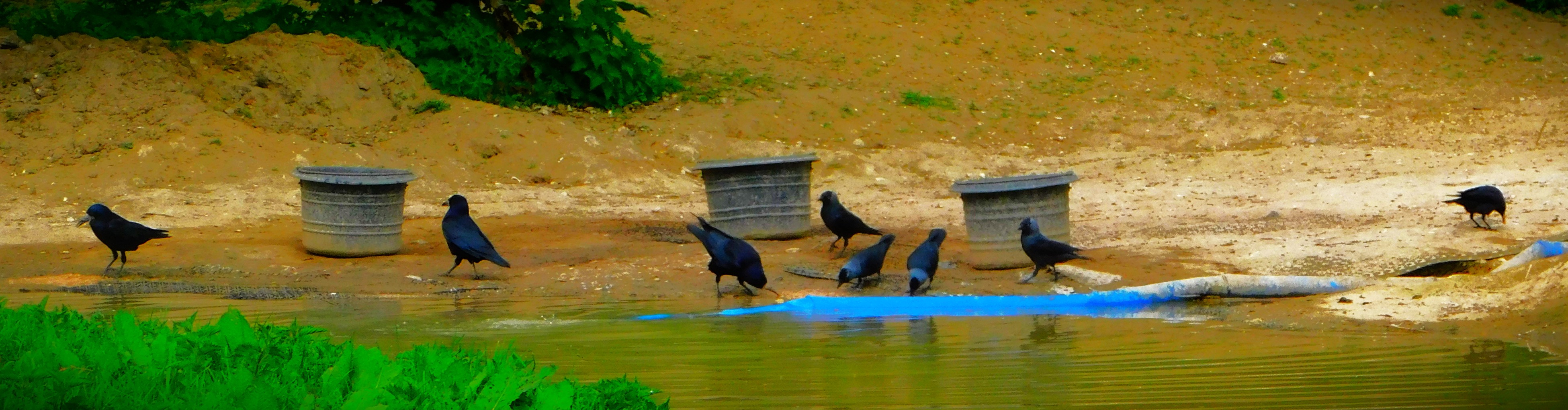
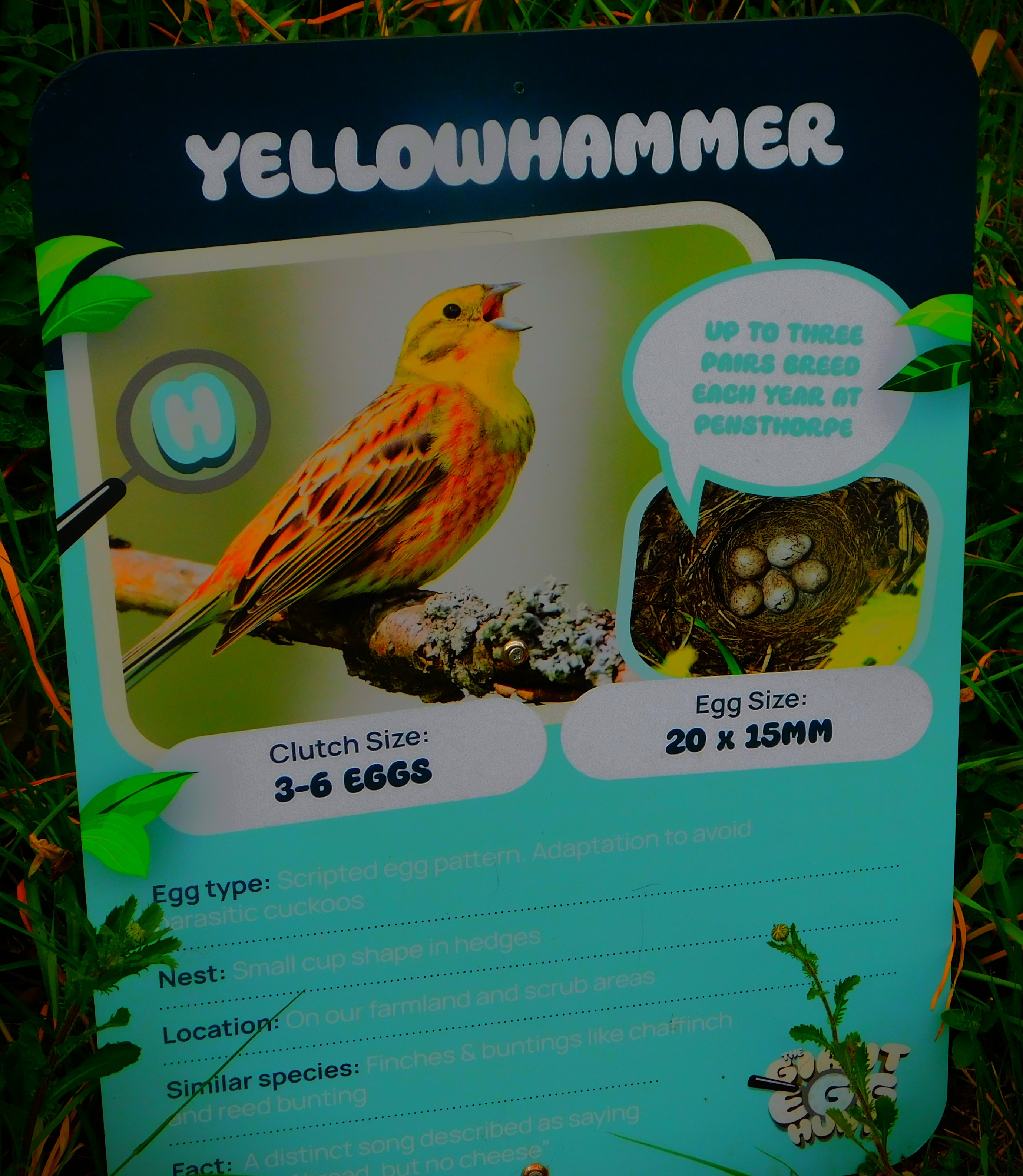
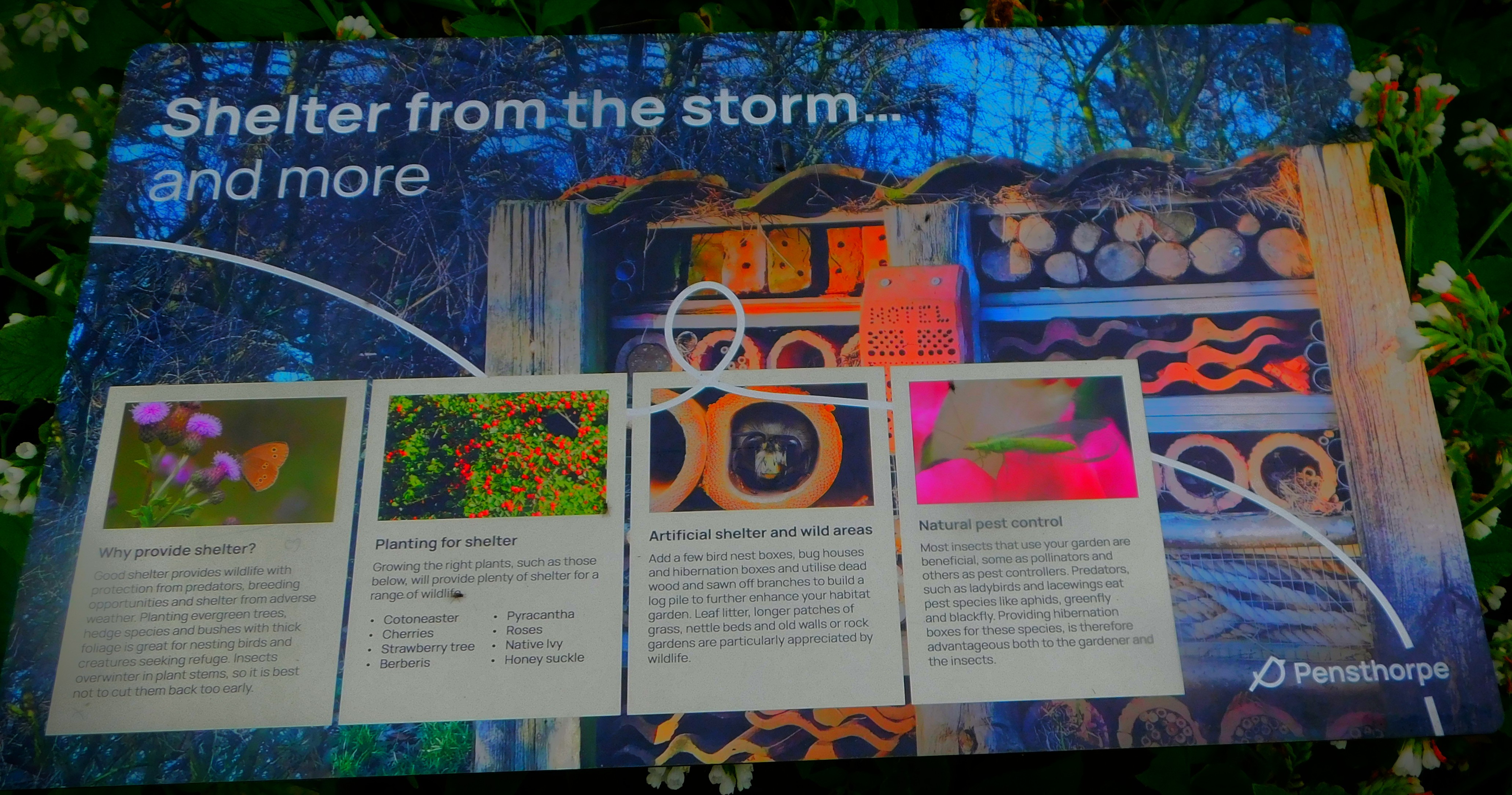
The Waders Aviary at Pensthorpe is just beyond the gift shop, through which the rest of the site is accessed. It is thus suitable for being visited briefly on multiple occasions over the course of the day, and being self contained and relatively small it is not a place that one should be in very any great length of time continuously. Information at Pensthorpe is always exemplary, and the composite picture with which this section ends will provide you with help following the photo gallery.
PHOTOGRAPHS
The full gallery from my visits to this splendid enclosure:
The penultimate post in my series about Saturday’s West Norfolk Autism Group outing to Pensthorpe on Saturday, looking at the trauker ride.
Welcome to the penultimate post of my mini-series about the West Norfolk Autism Group outing to Pensthorpe which took place on Saturday. So far there has been an introductory post, a post covering the Discovery Centre and those general pictures not shared in the opener and a post dedicated to the Cranes and Flamingos. This post zeroes in on the trailer ride, for me an essential part of the Pensthorpe experience.
SEEING THE BITS THAT ARE NOT WALKABLE
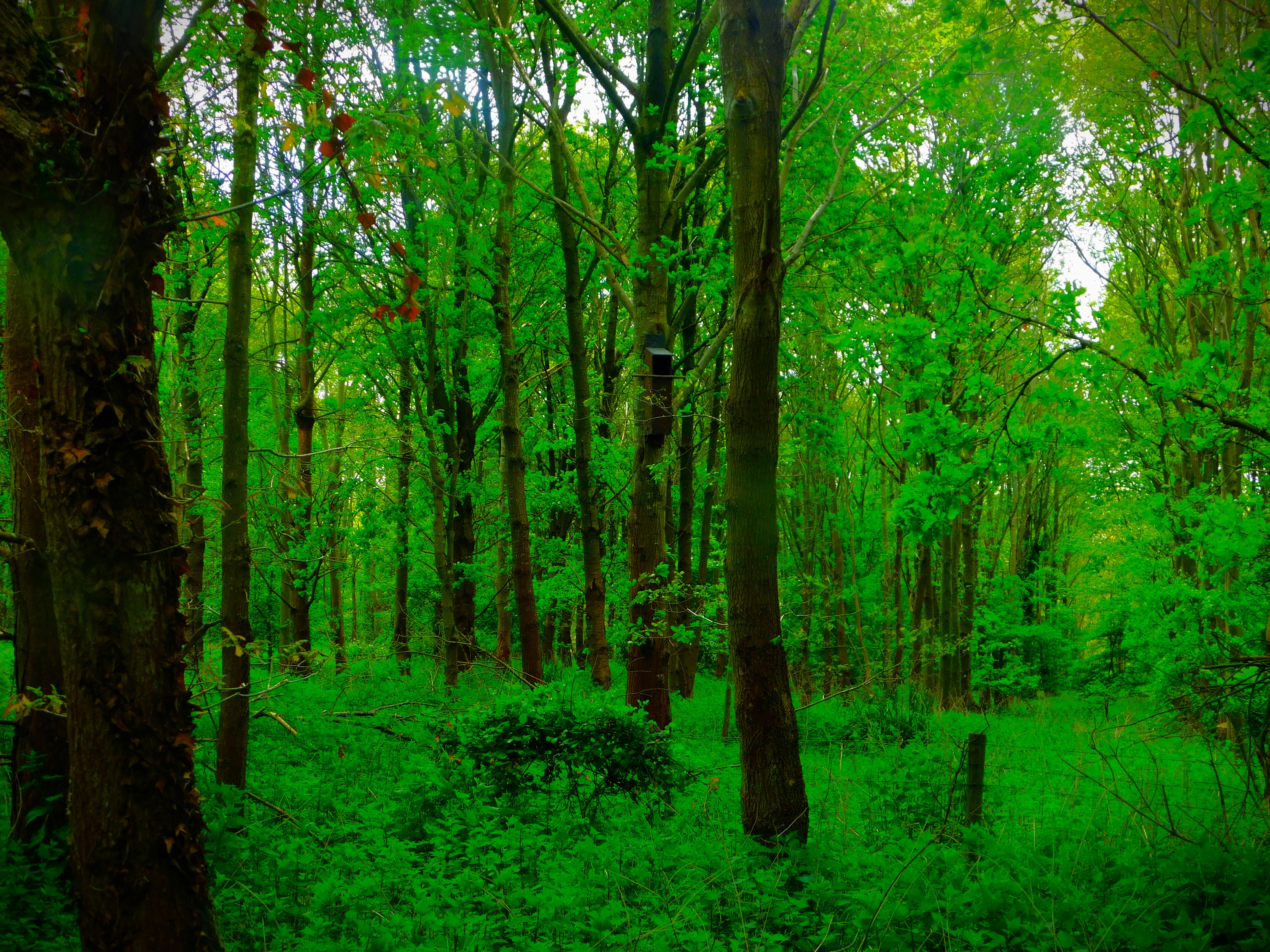
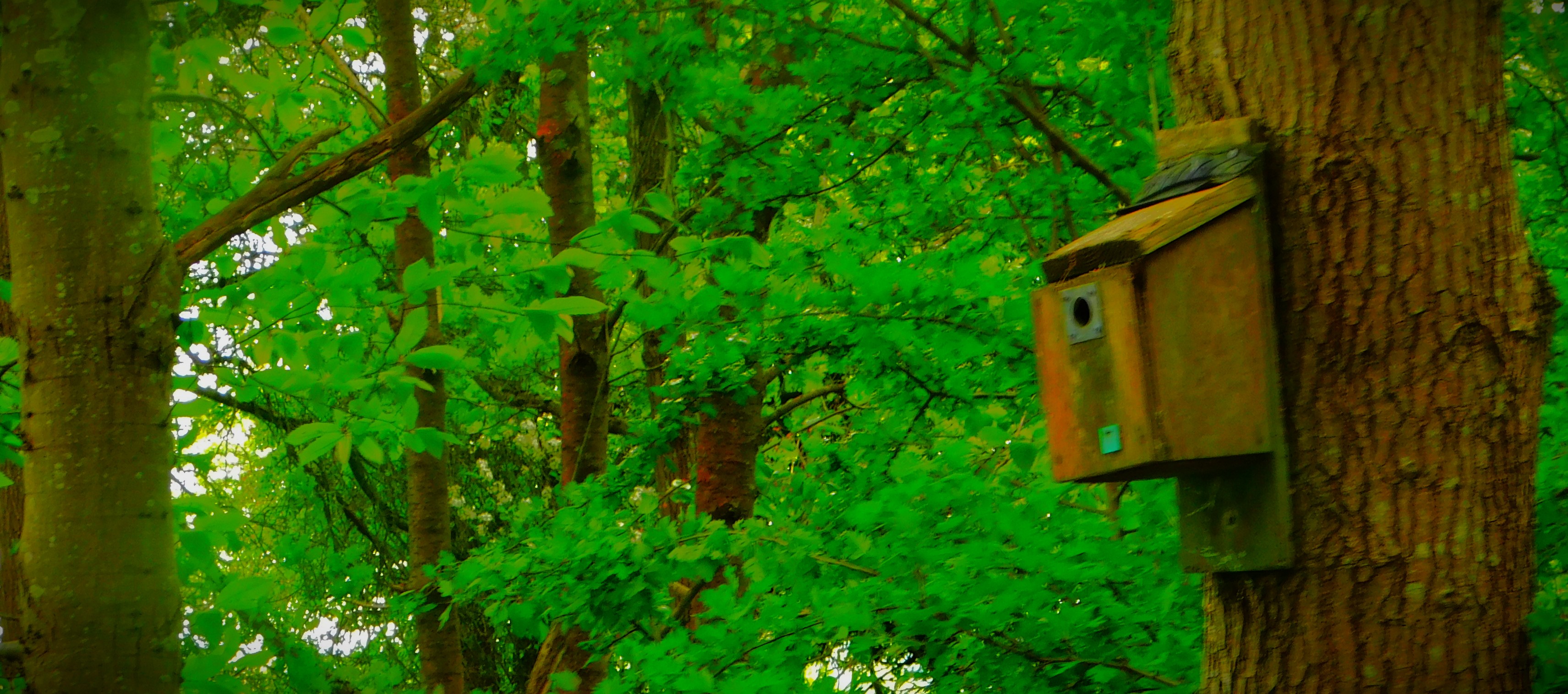
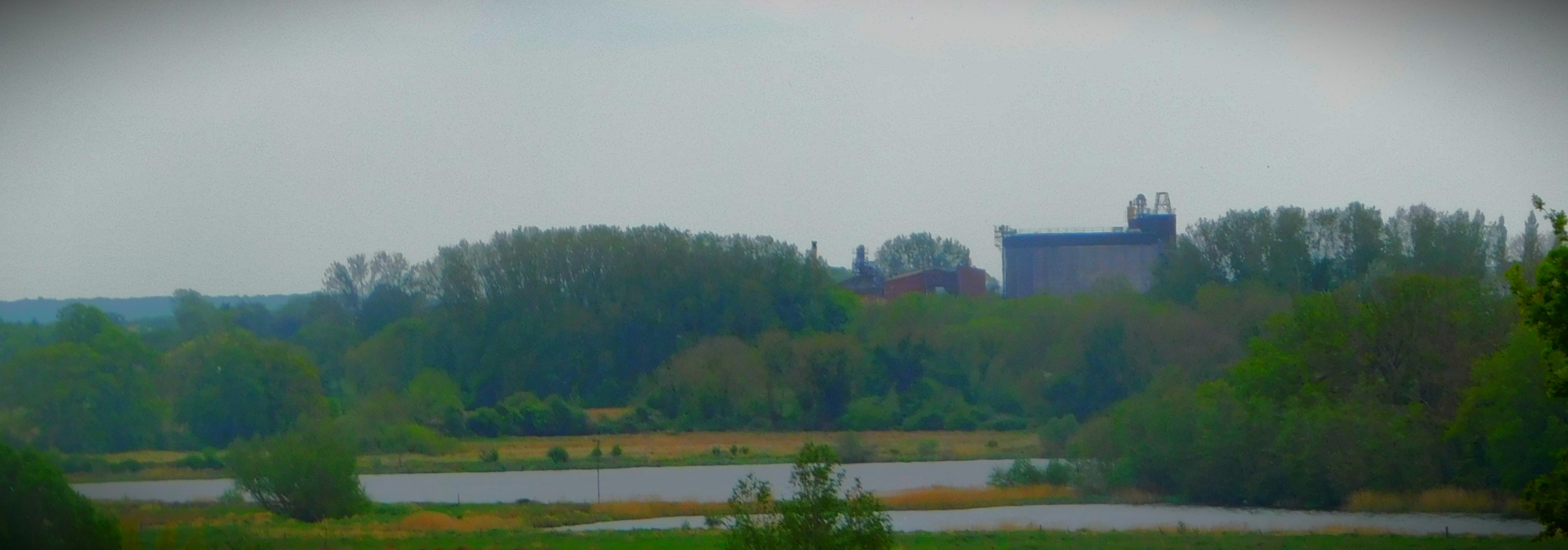
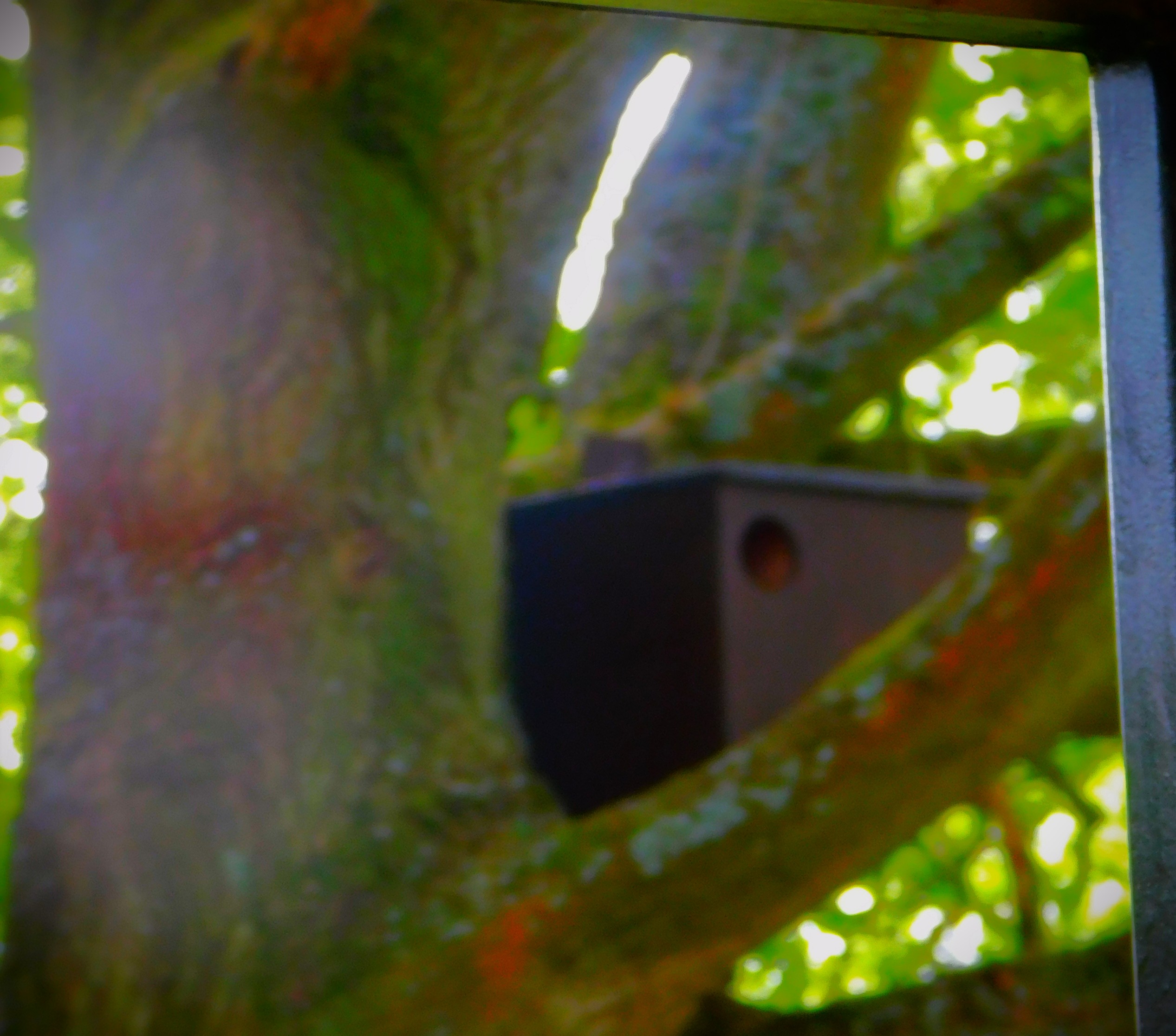
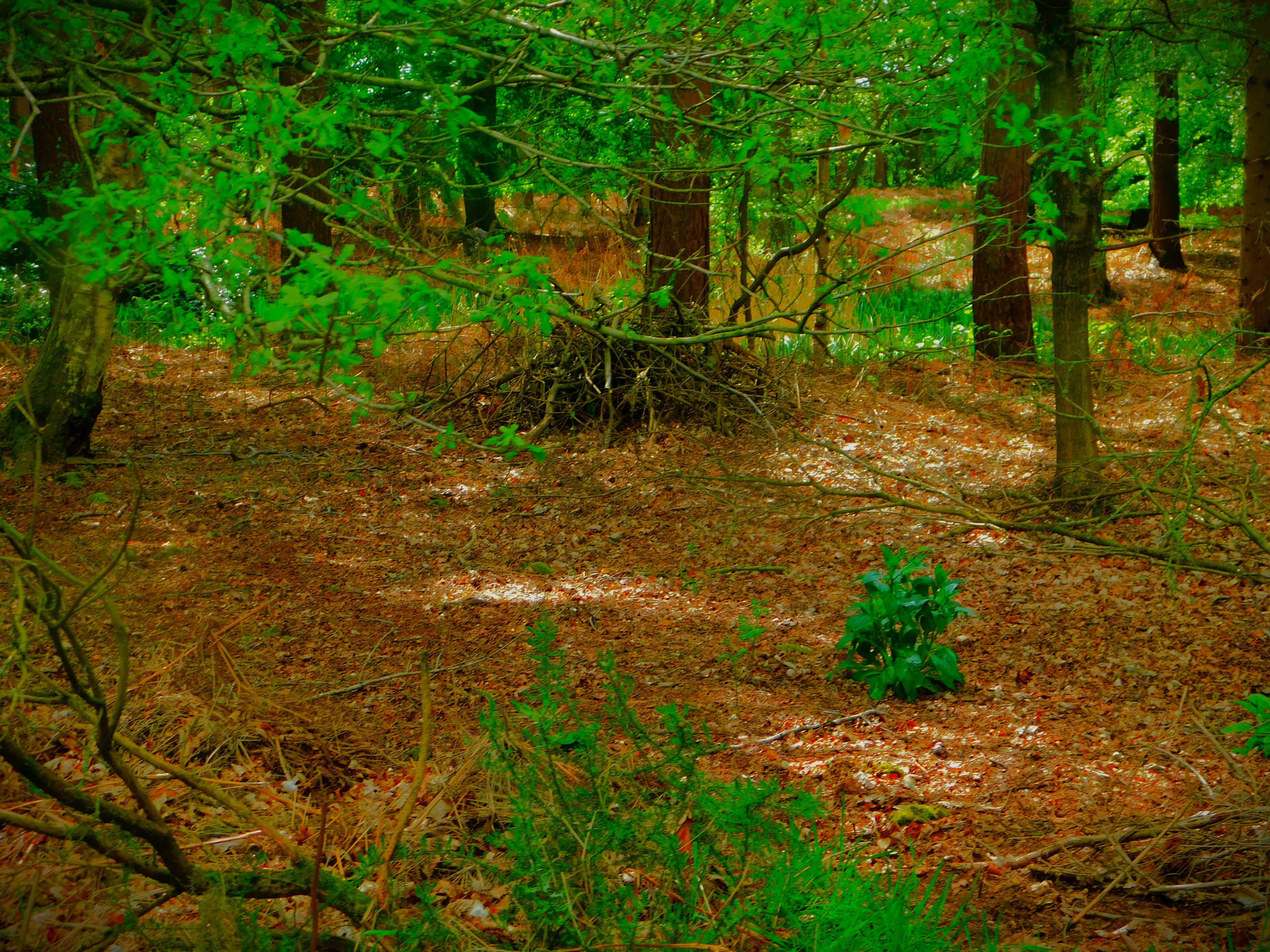
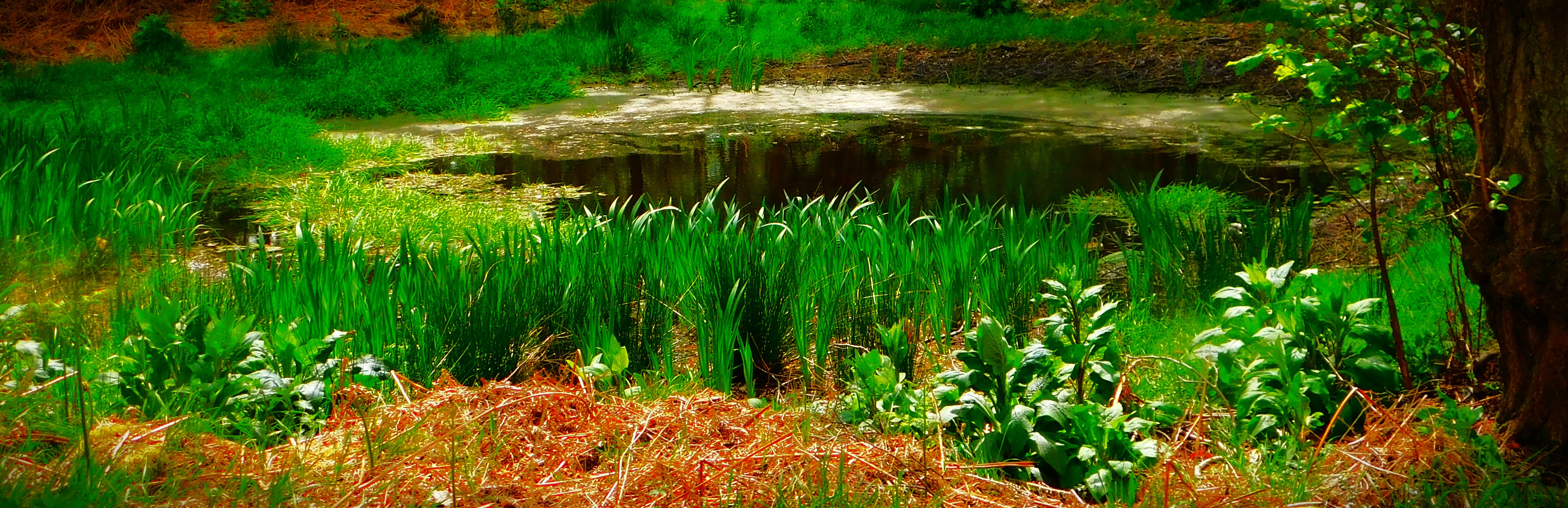
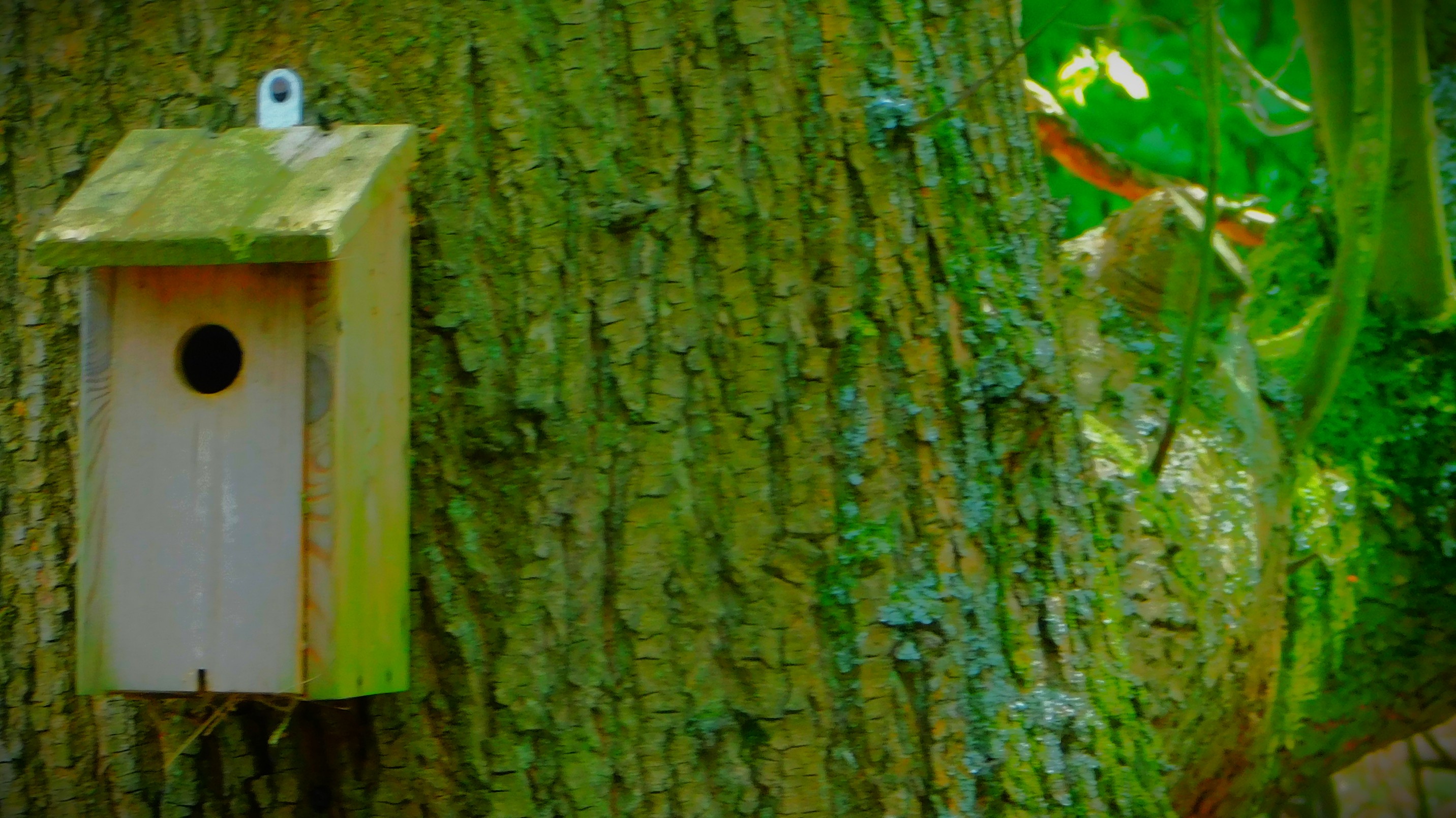
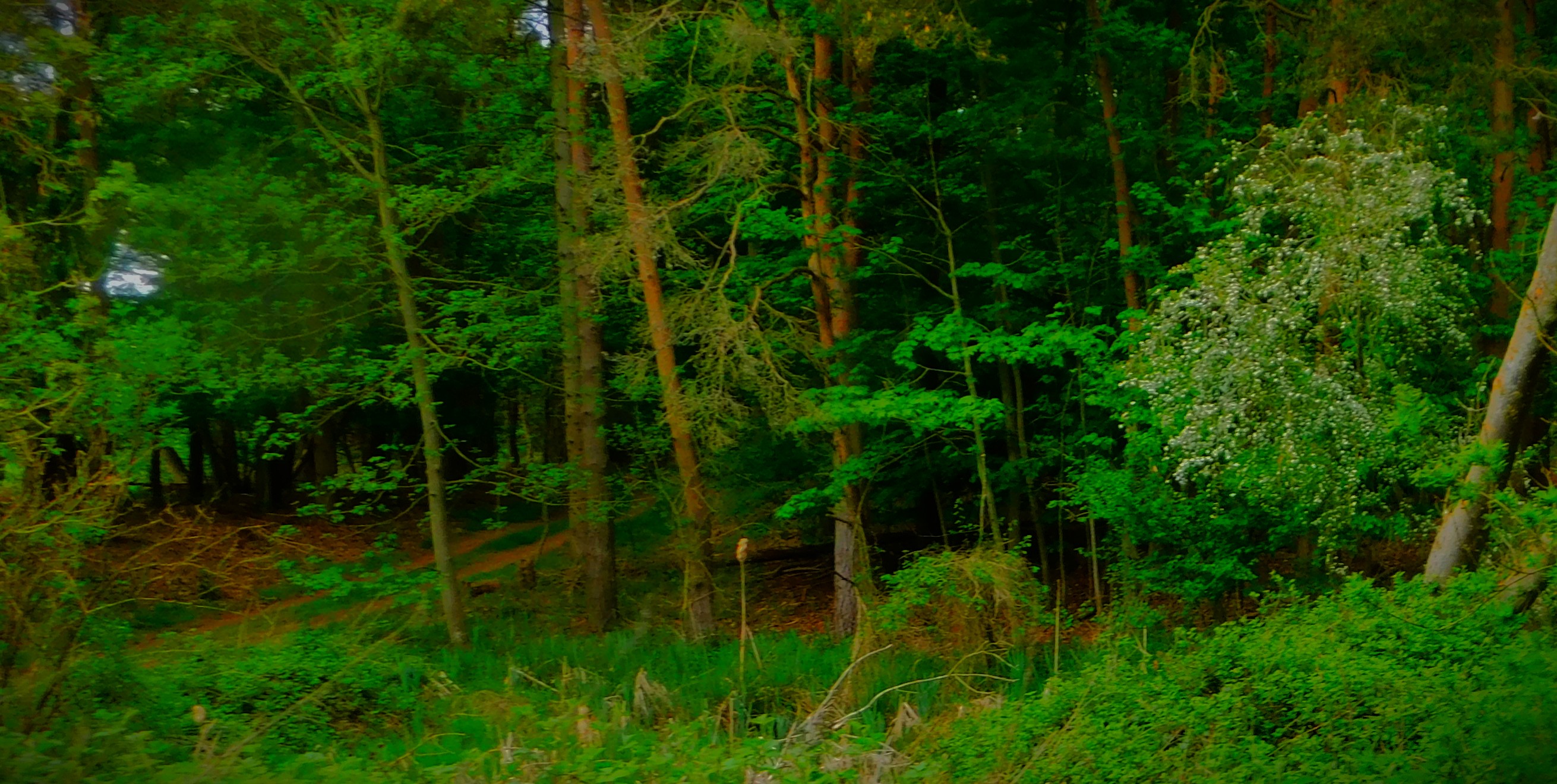
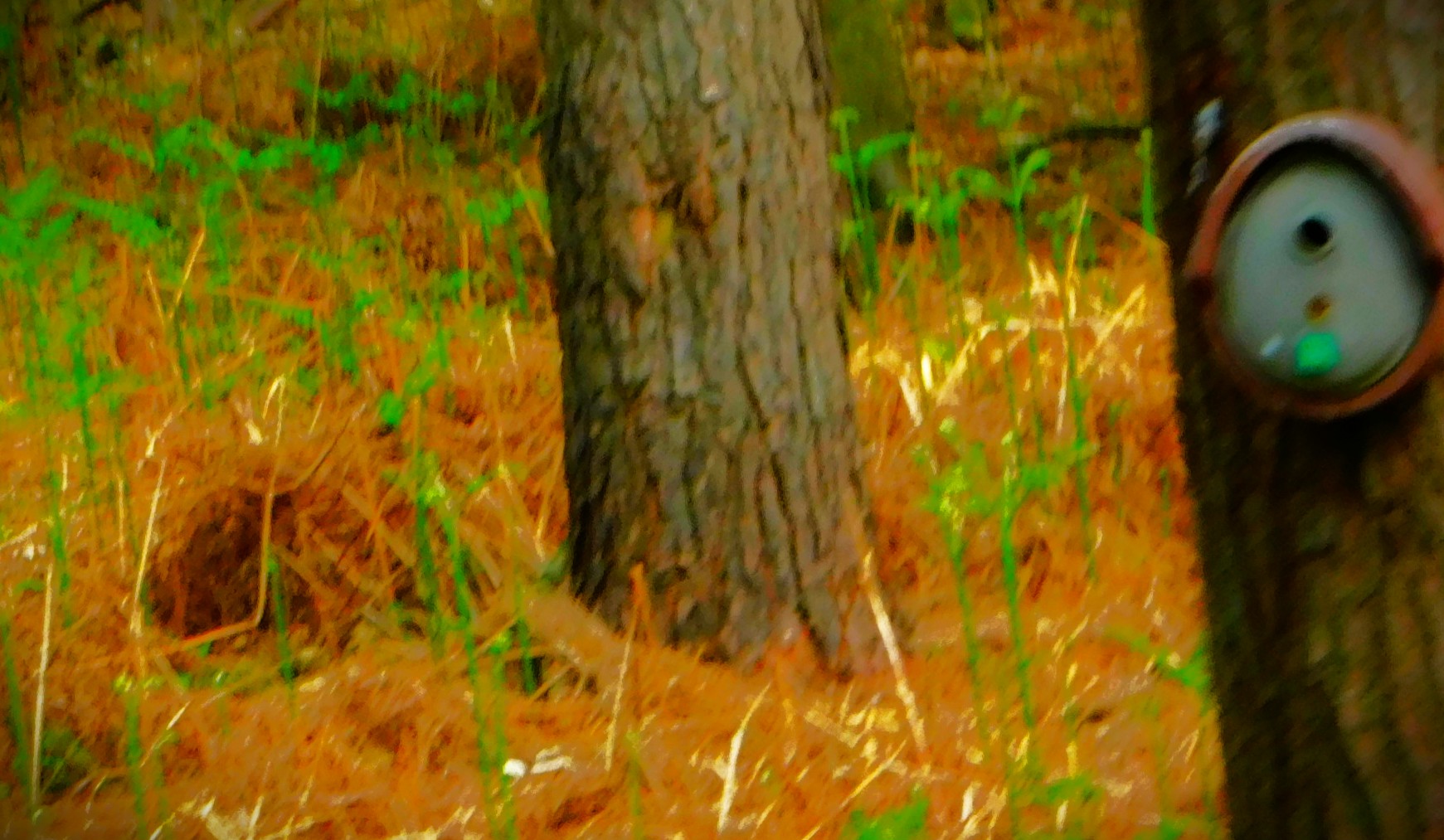
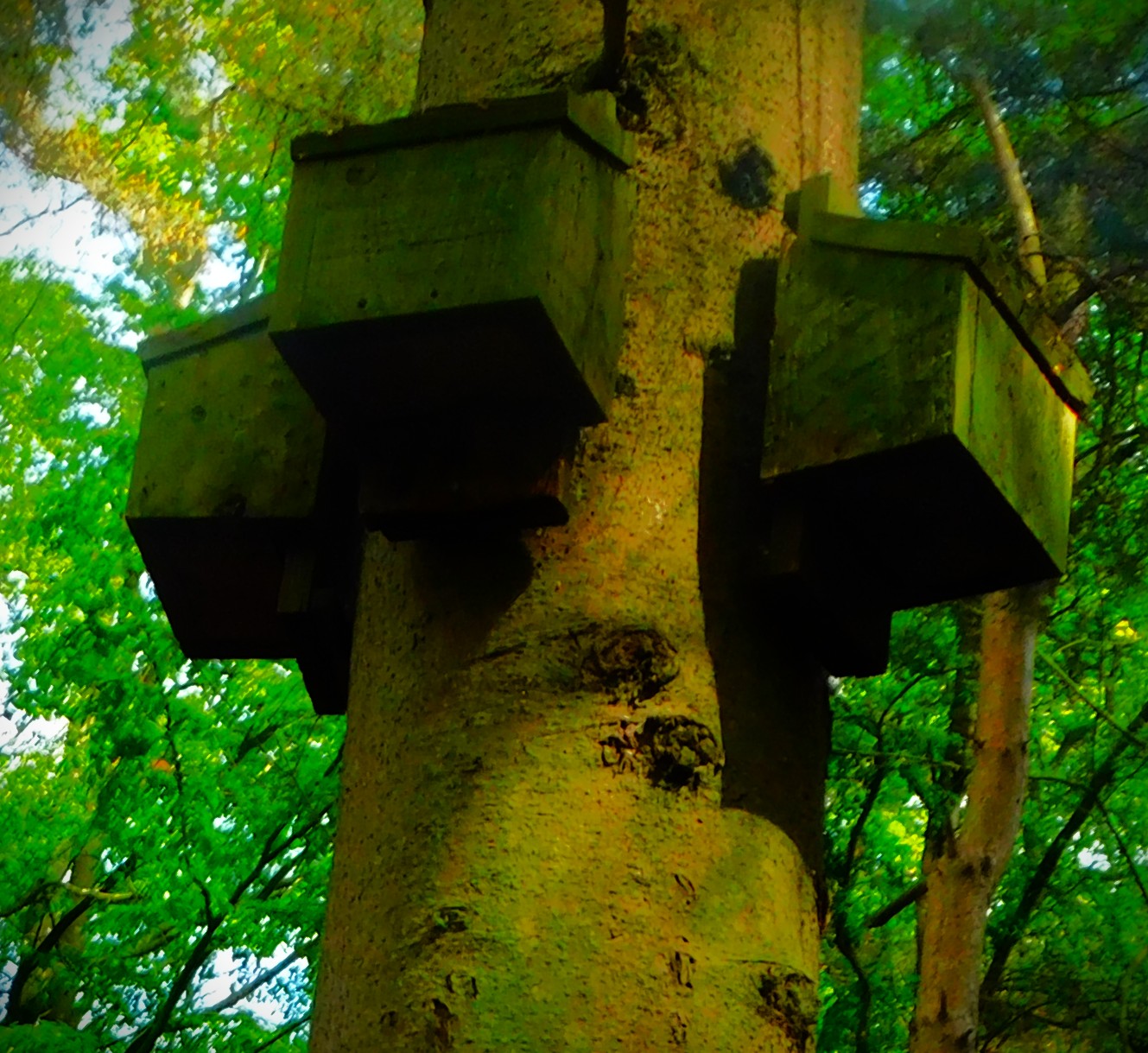
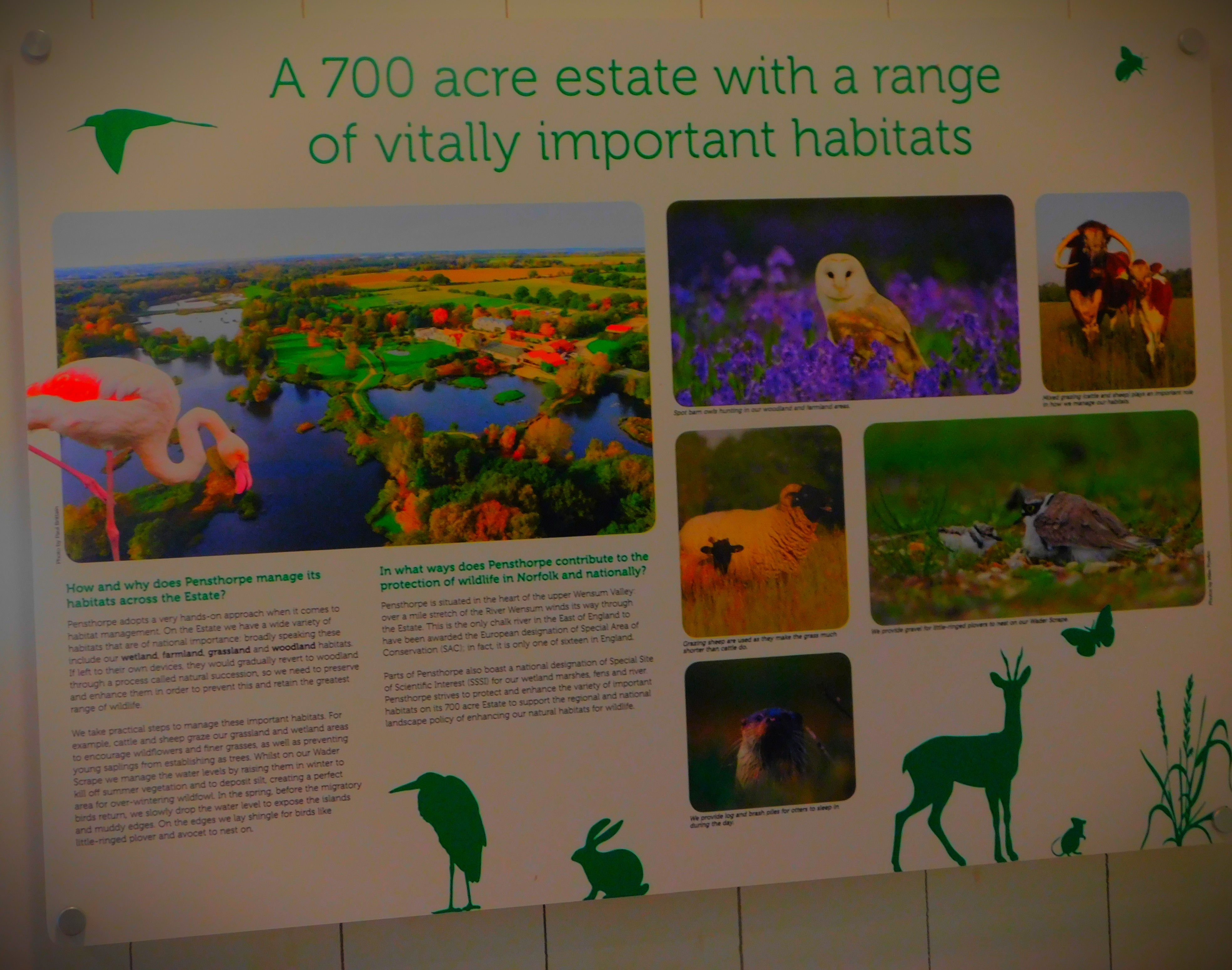
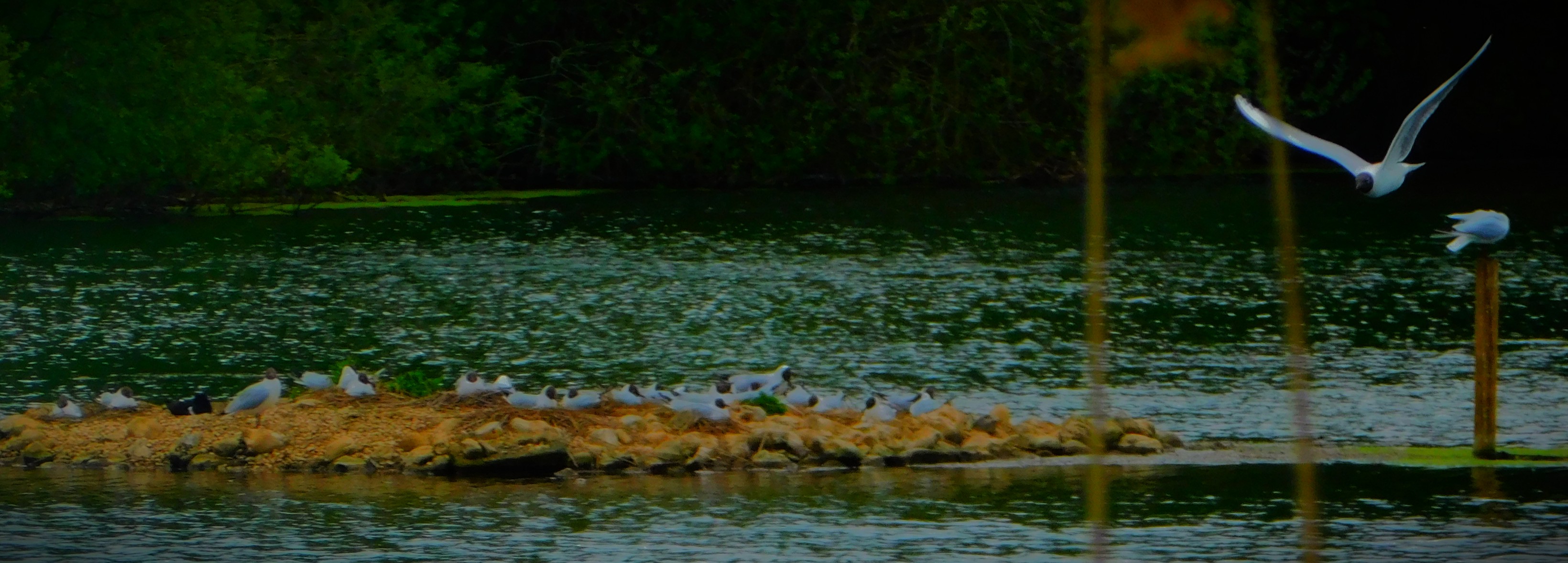
Pensthorpe is a very large site (from Anglo-Saxon times until the 14th century Pensthorpe was a town, larger than nearby Fakenham), and there are some parts that cannot be accessed on foot, which is where the trailer ride comes in. On this occasion there was a small delay on the stated start time of the ride. As well as a natural park/ nature reserve, Pensthorpe owns farm and grazing land, and generates all its own electricity, mainly via solar panels. Among the beasts that are taken to graze here in the appropriate season are sheep, Aberdeen Angus cattle and longhorn cattle. There is both old and new growth woodland, with one section having started life as a classic intensive conifer plantation, now being thinned out to allow more sunlight to reach the forest floor. One also gets distant views of some of the lakes, including ones equipped with nesting platforms for Common Tern. There are two sections of the route that were once parts of railways, both closed in the early 1960s, and the infrastructure destroyed. At one stage there is a direct view of a ‘maltings’ building (making malted barley is the first stage of the process of beer making). There were dragonflies about, though I was unable to capture any on camera – strictures regarding moving targets when you yourself are in motion apply as much to the only kind of shooting I am interested in as to the other kind. There are many kinds of bird and bat box to be seen. Also reminders of the natural history of the area in the form of small lakes where water has filled holes originally gouged out by glaciers. These are important habitats for creatures such as frogs. The site’s single most important asset is the river Wensum, a chalk stream, and a such heavily protected. I enjoyed my journey on the trailer, and having remembered that I travelled on the non-drivers side on previous occasions I sat on the driver’s side this time round.
PHOTOGRAPHS
Here are the pictures from the trailer ride…
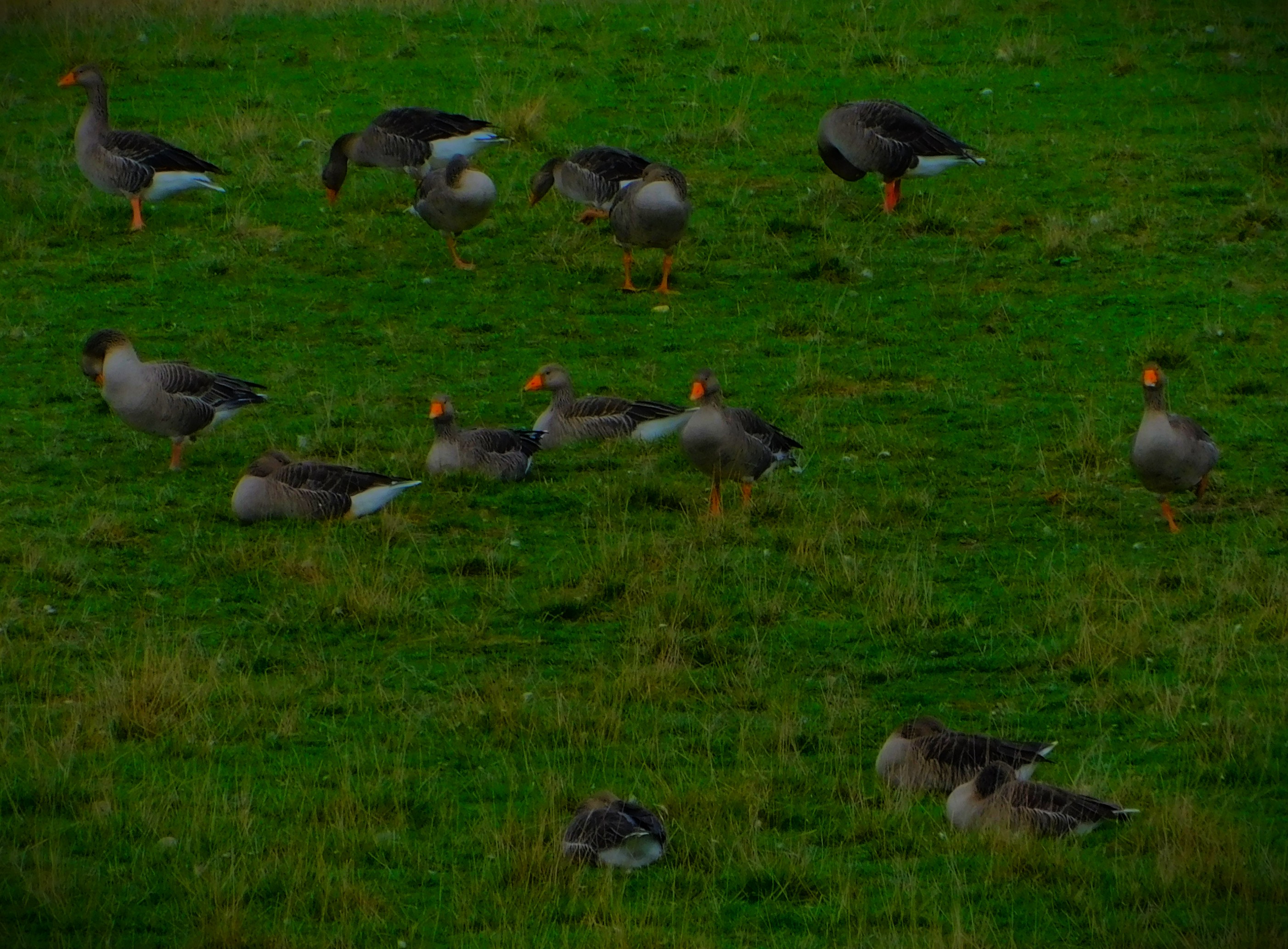
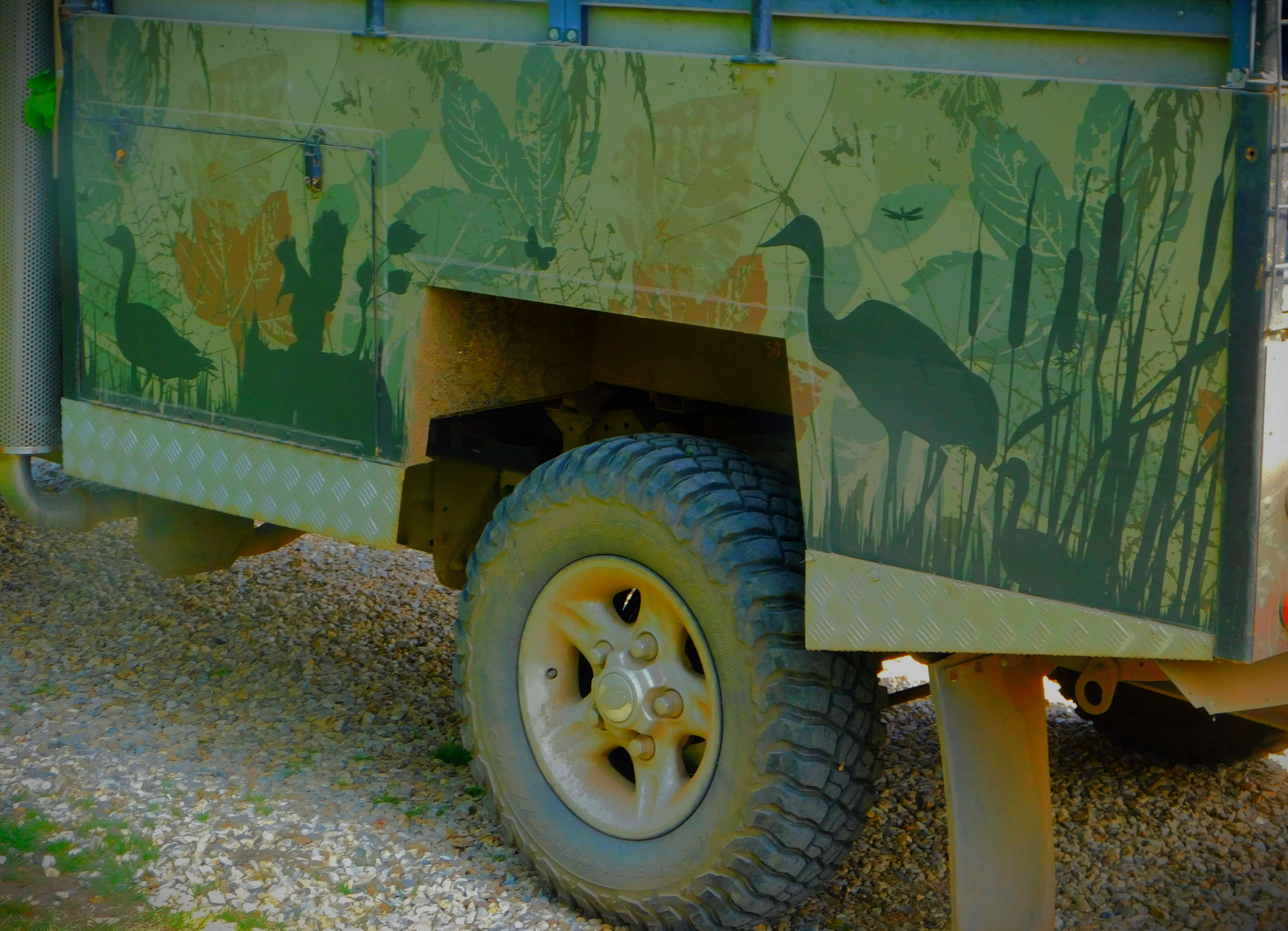
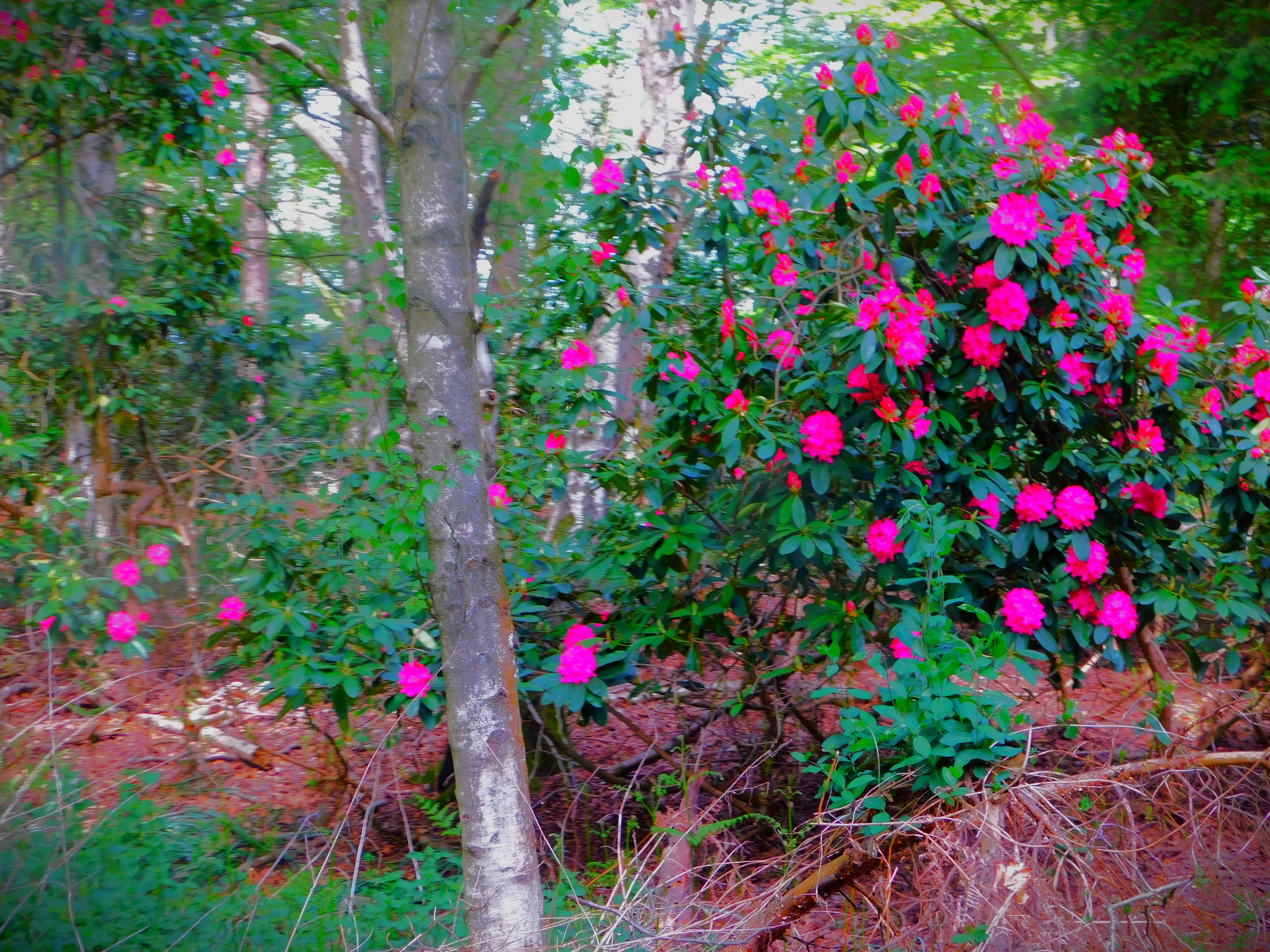
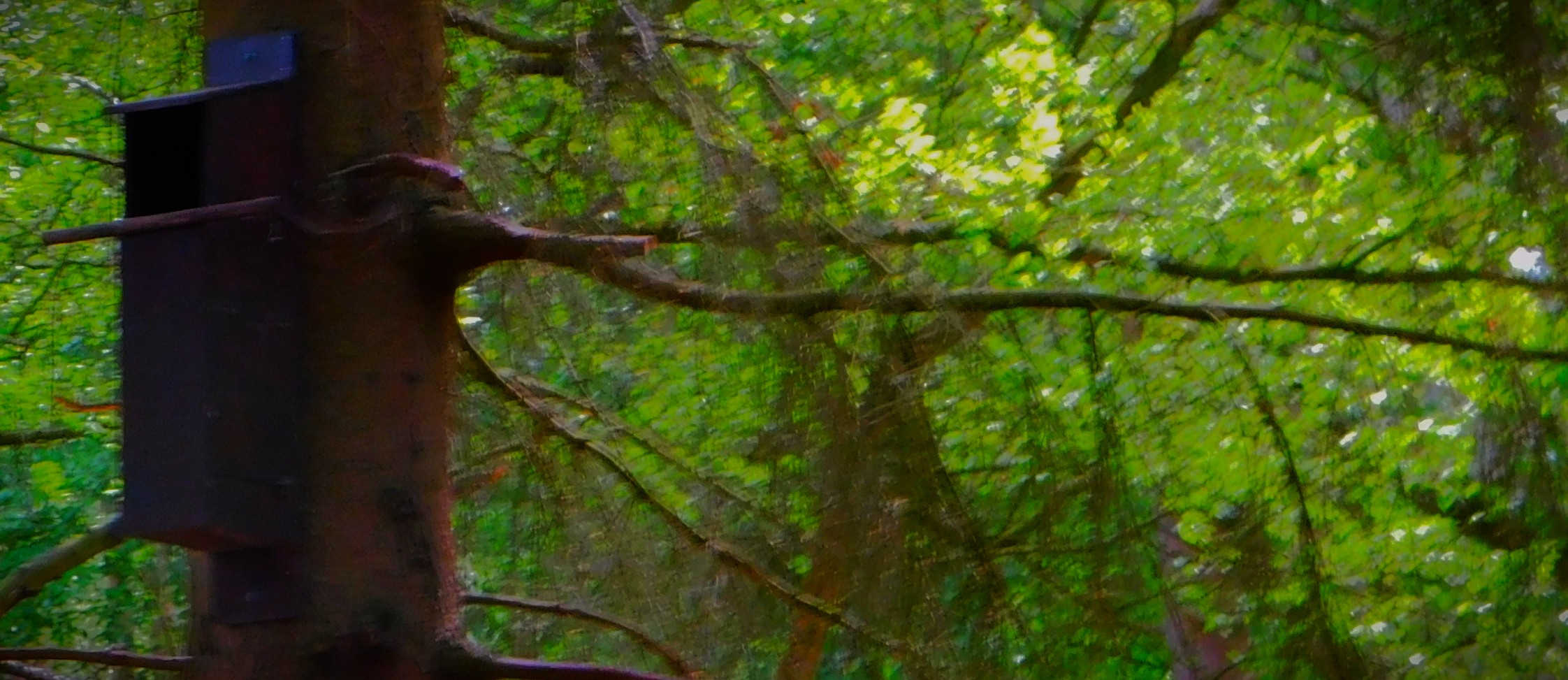
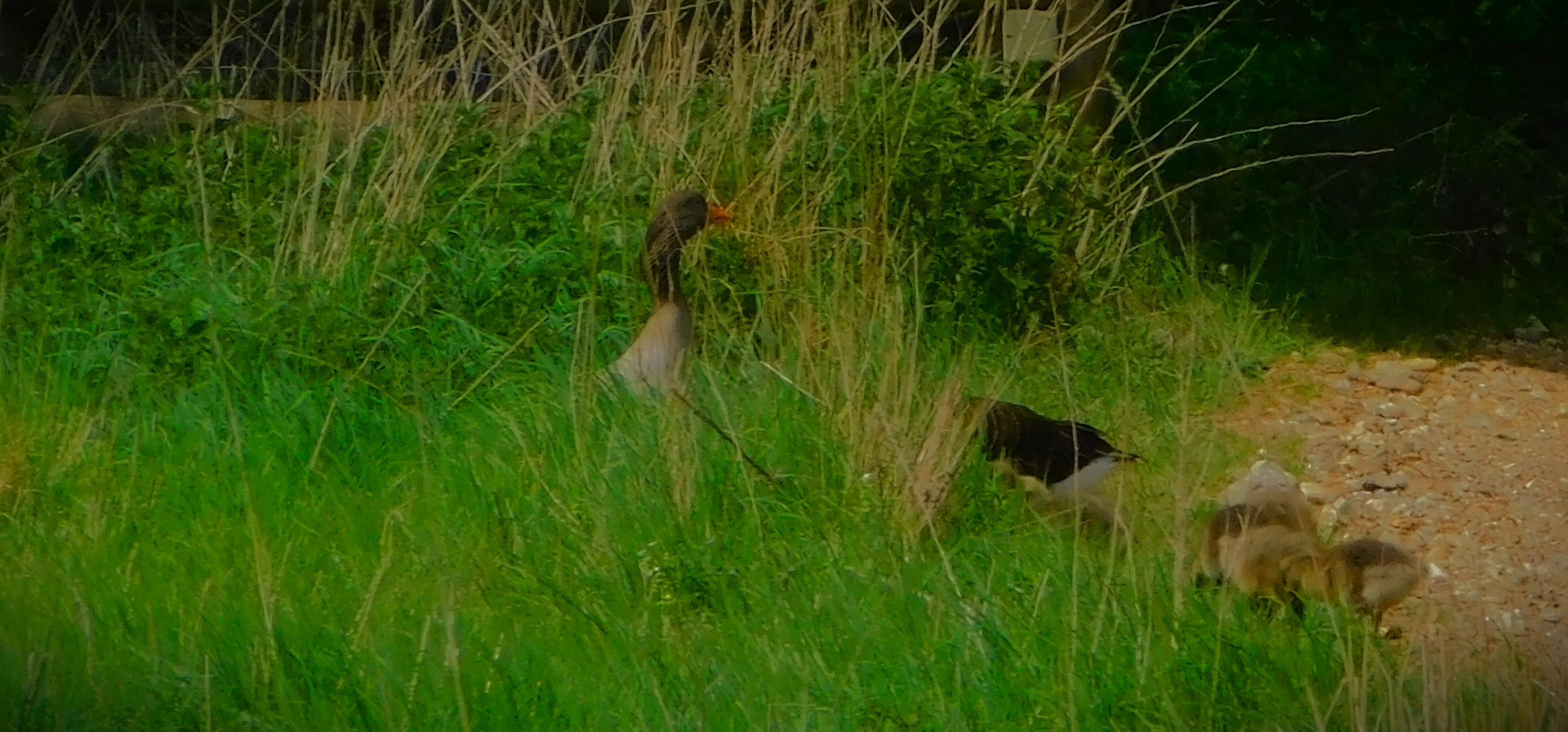
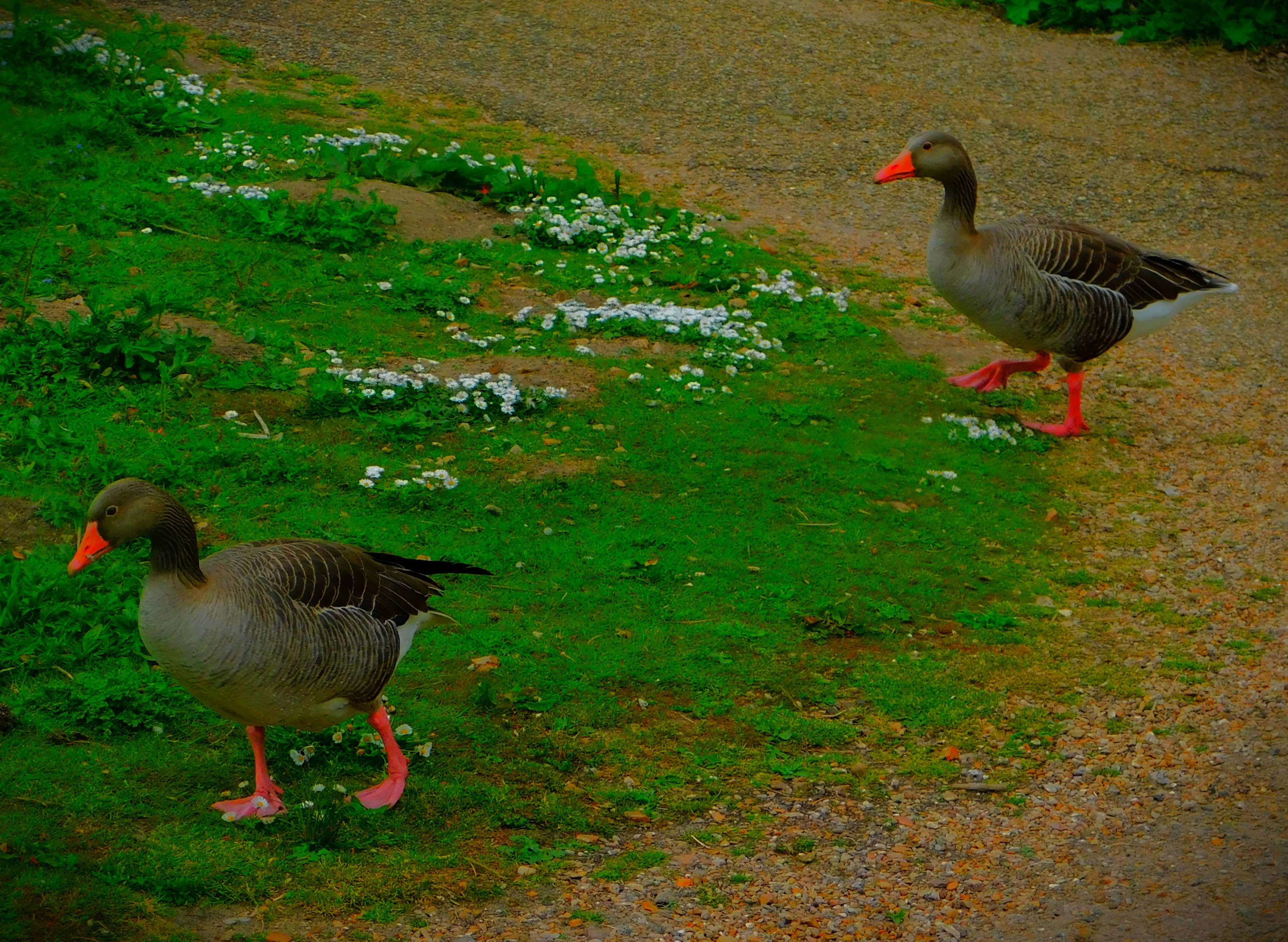
Crossing the Wensum.A place for hedgehogs to hibernate in the winter.Bat boxes, circling the tee so that bats using them can always position themselves as far from the sun as possible. RhododendronsA Greylag Goose family.
The third post in my series about the West Norfolk Autism Group trip to Pensthorpe.
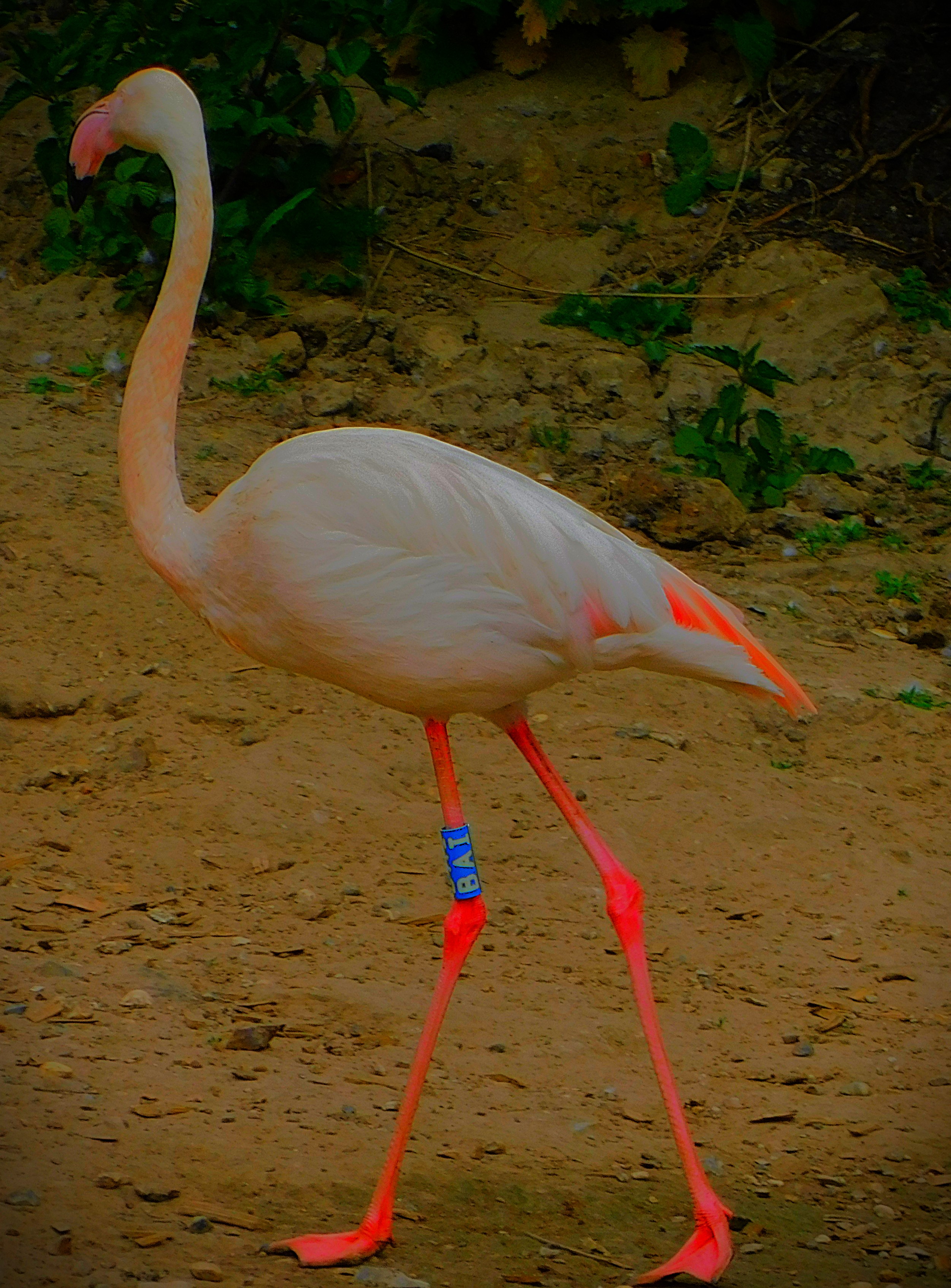
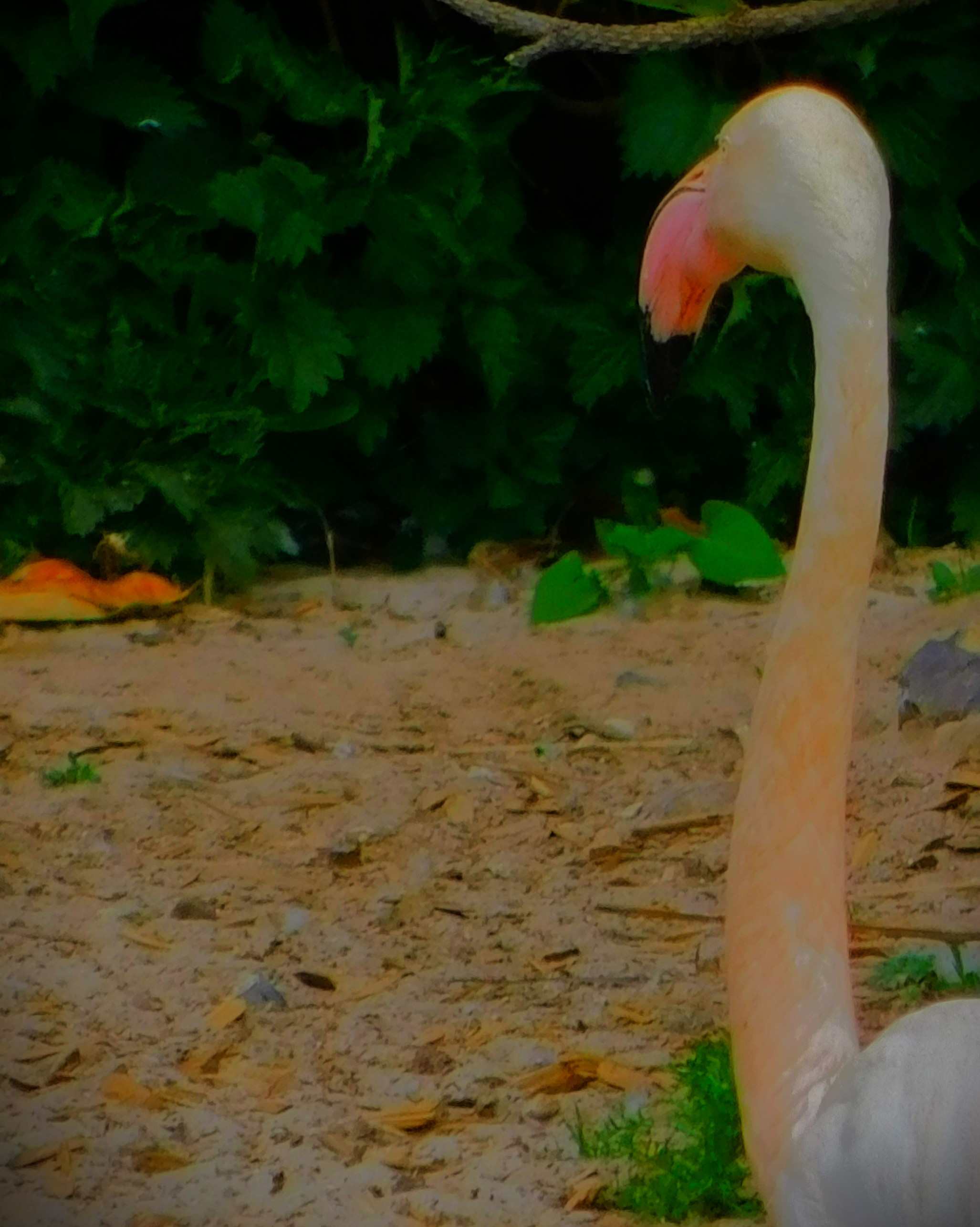
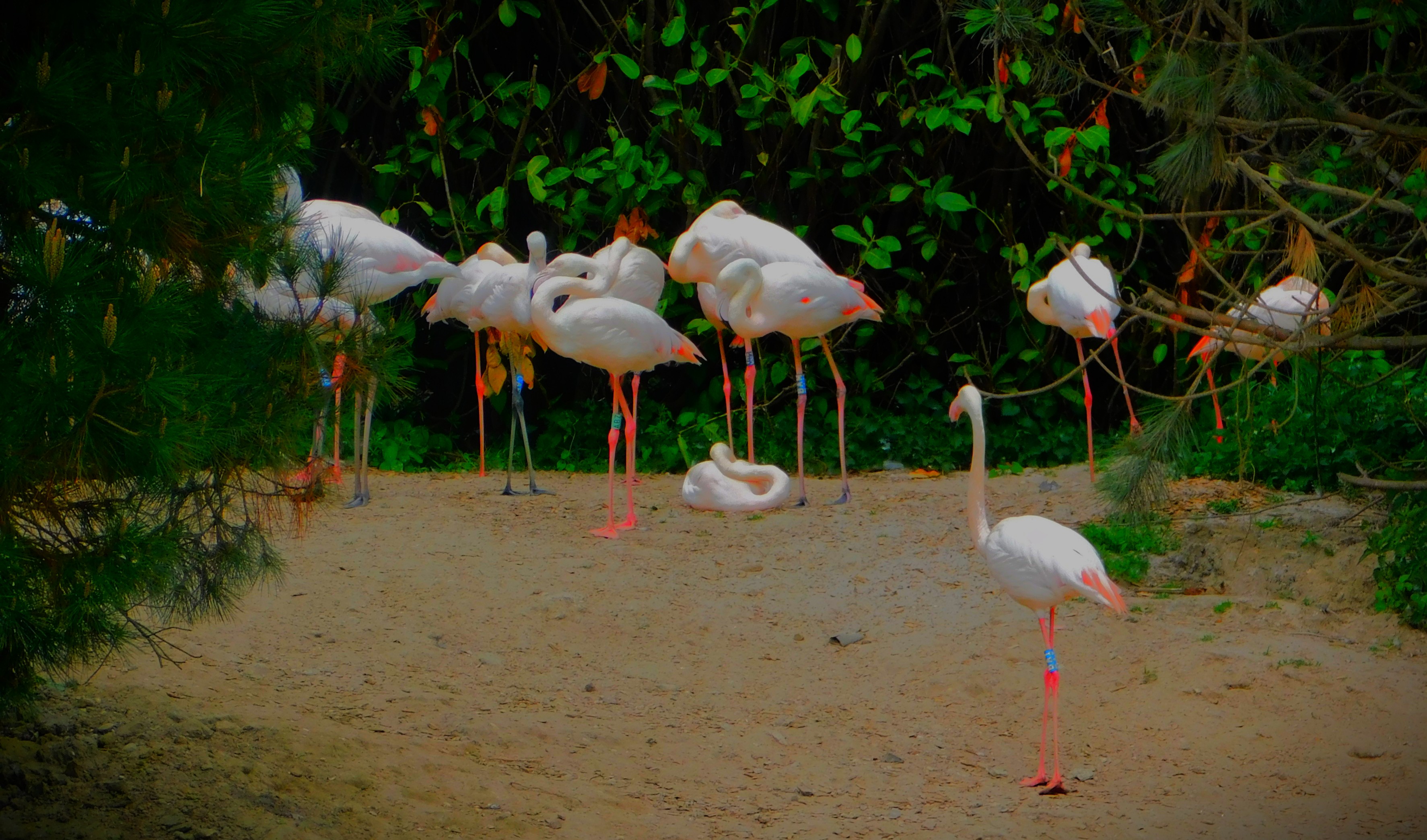
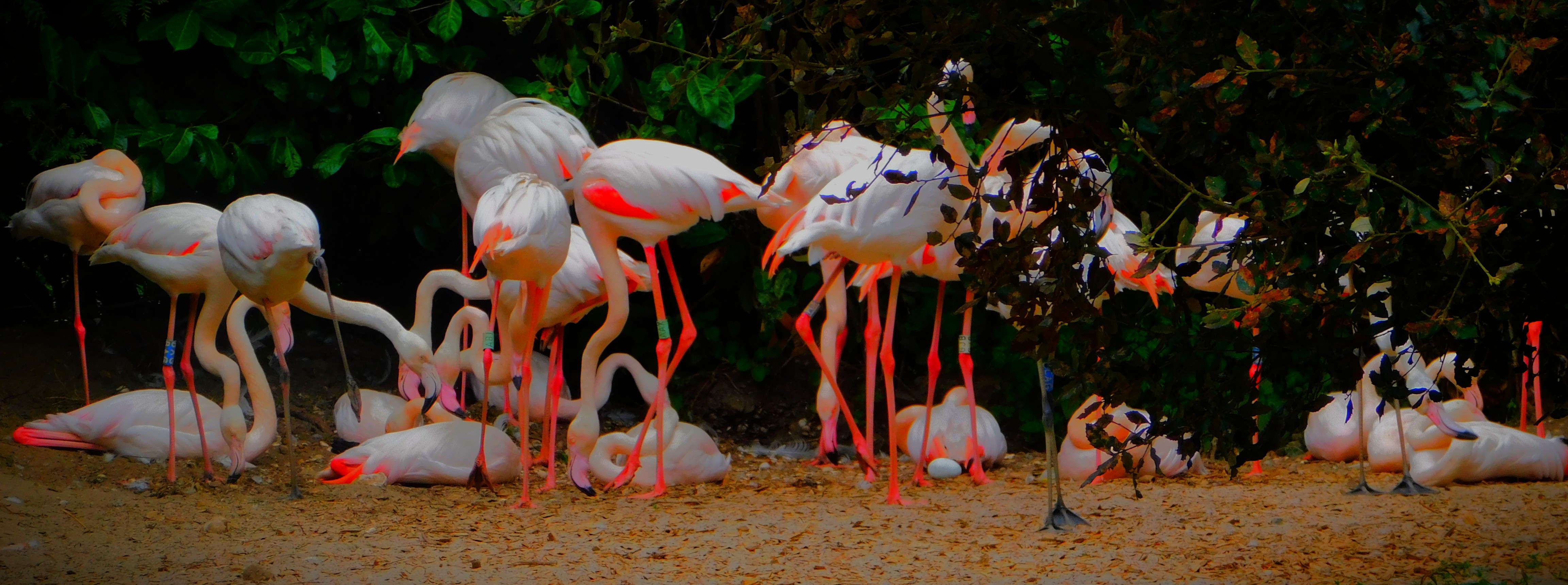
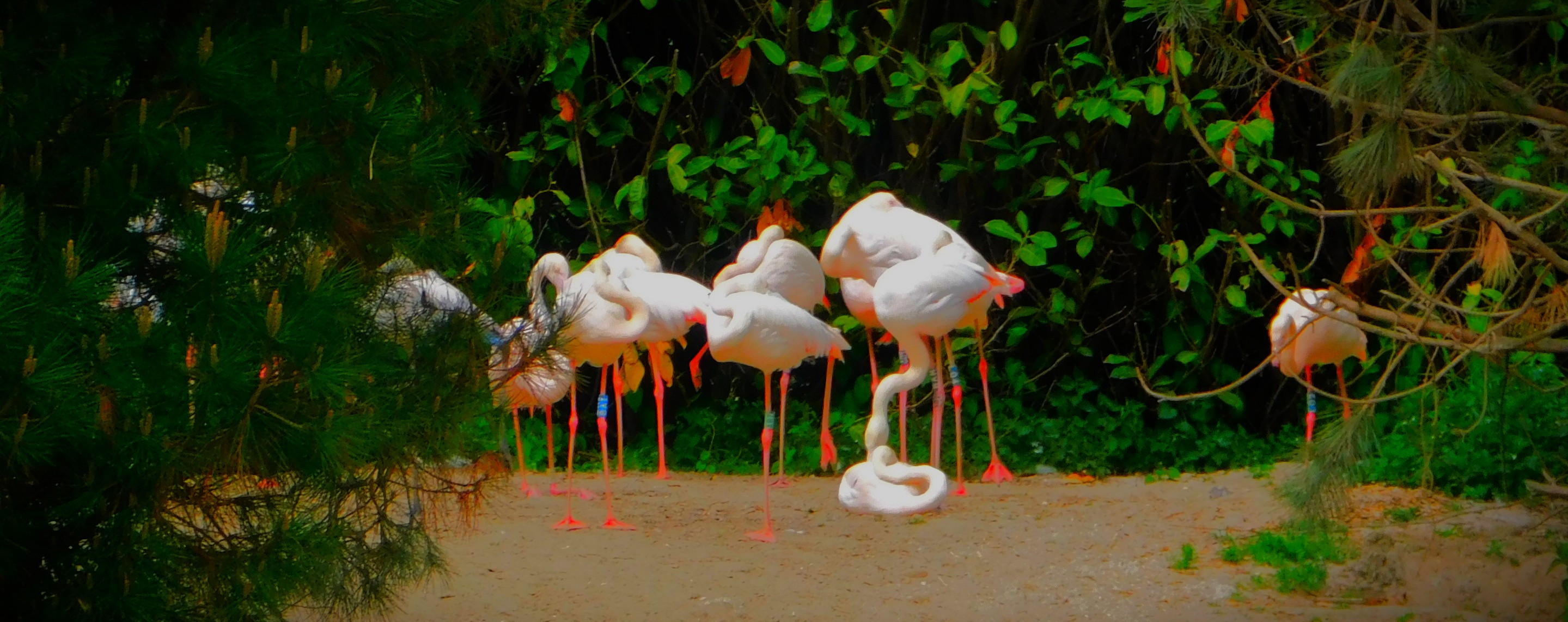
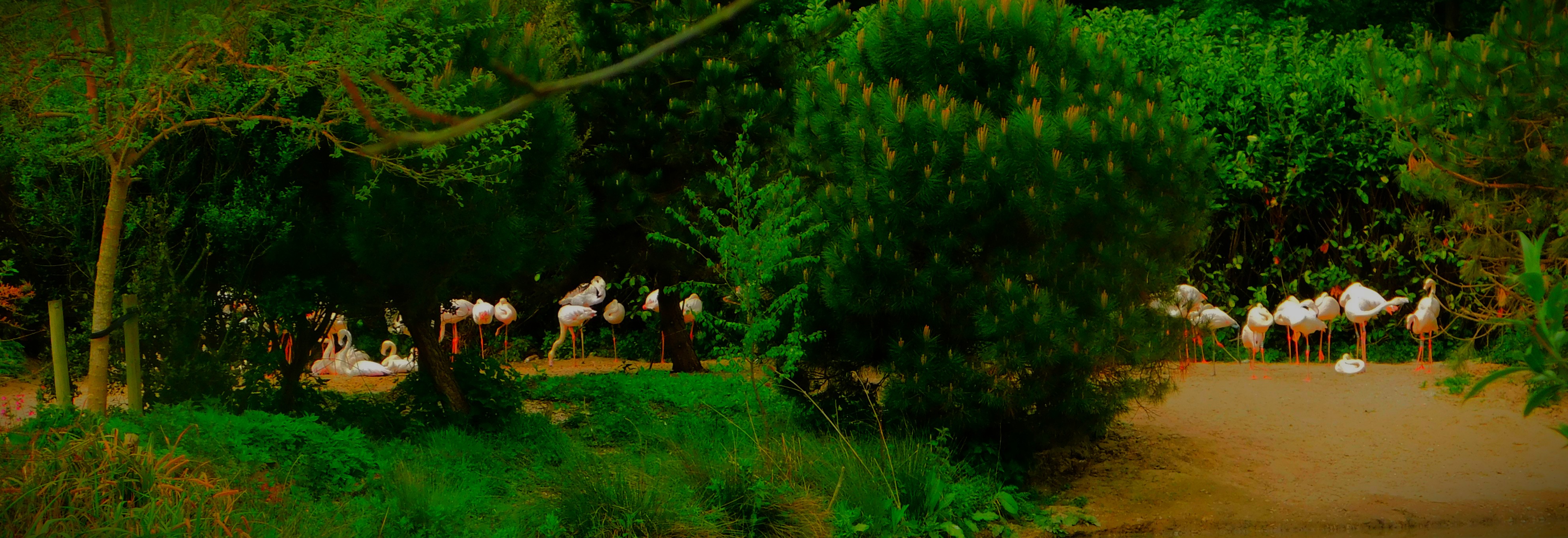
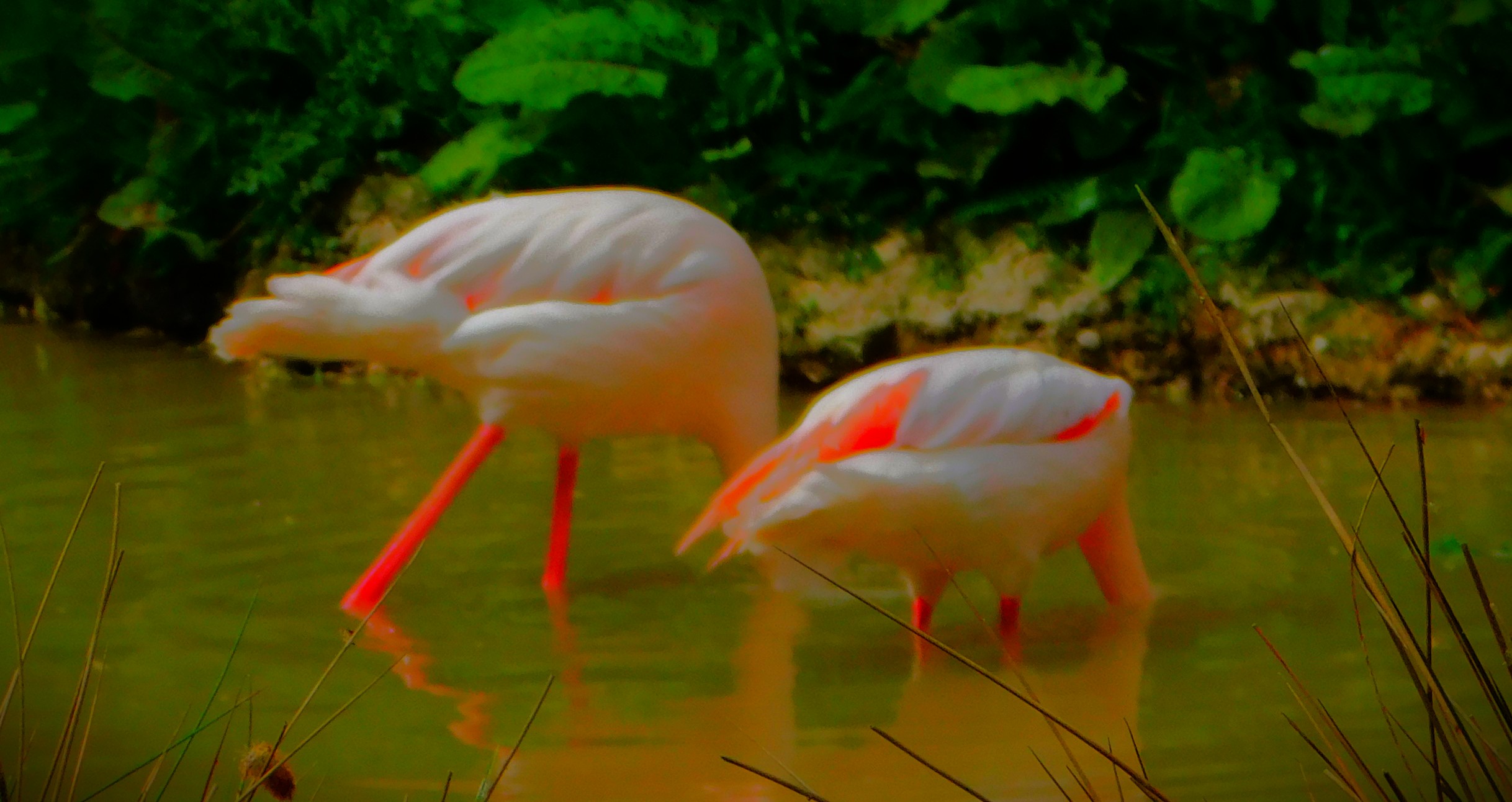
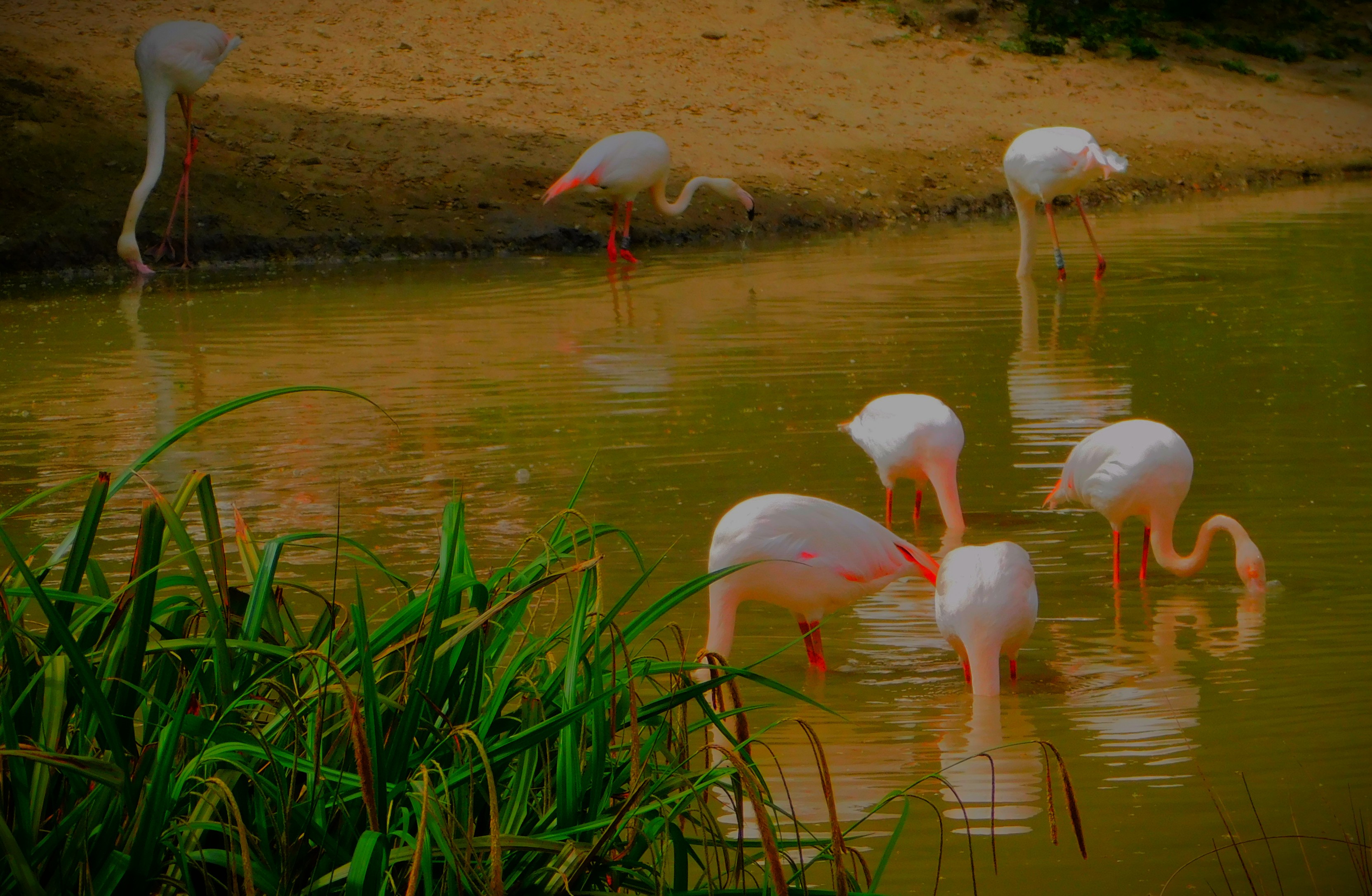
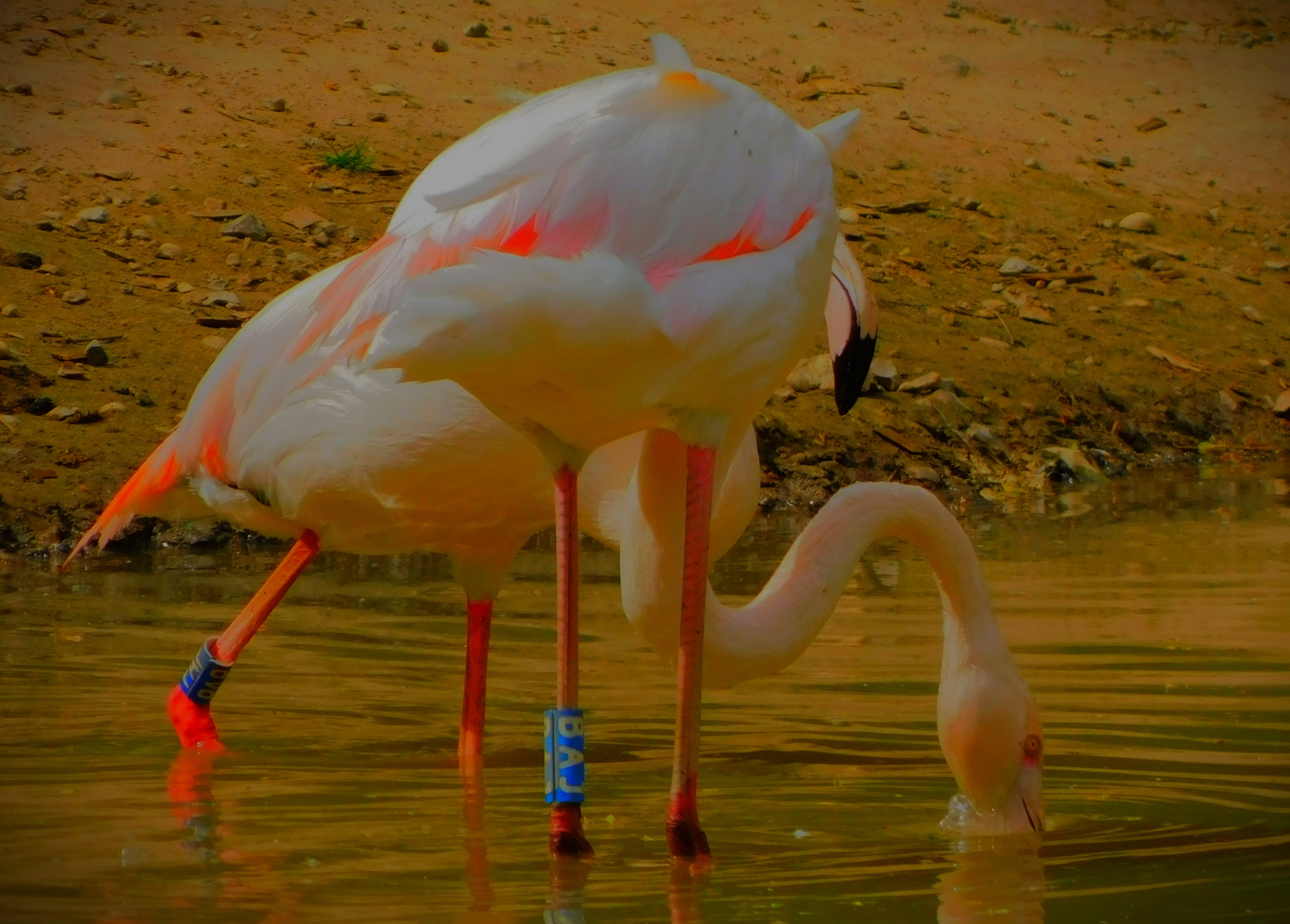
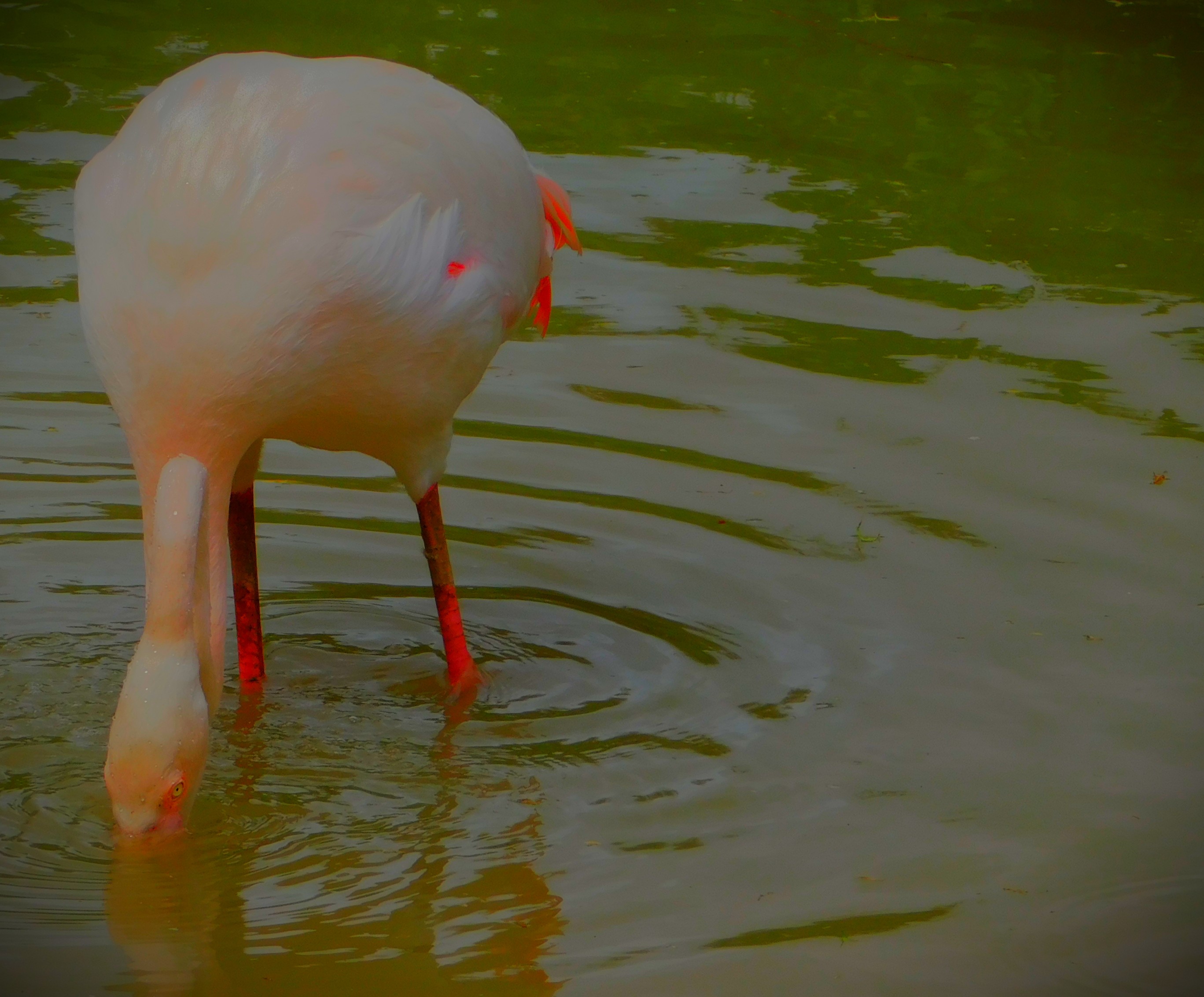
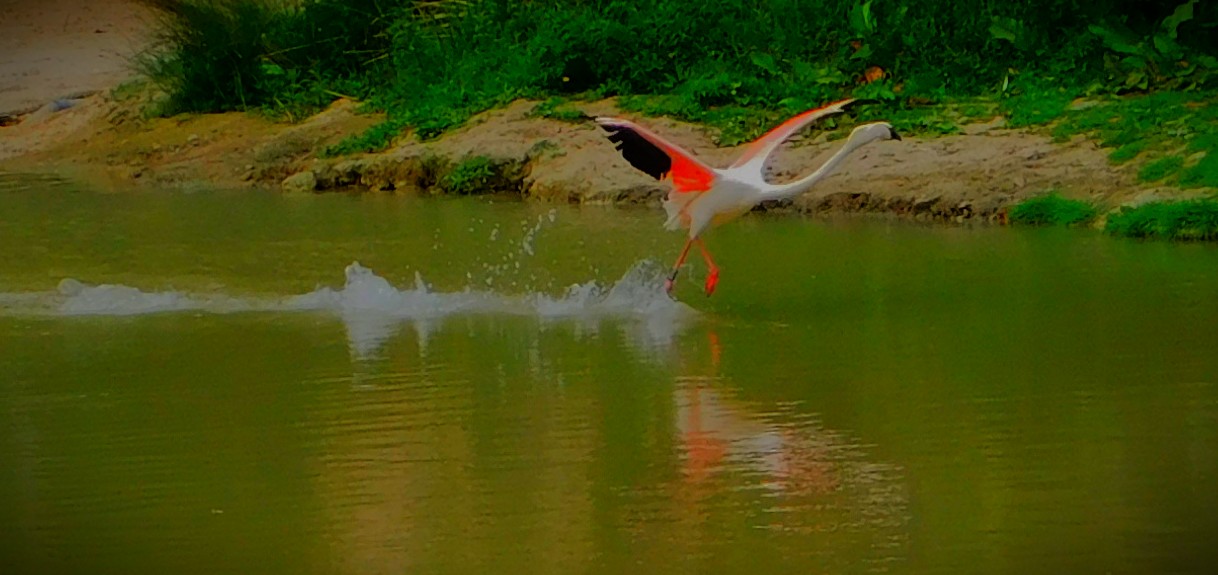
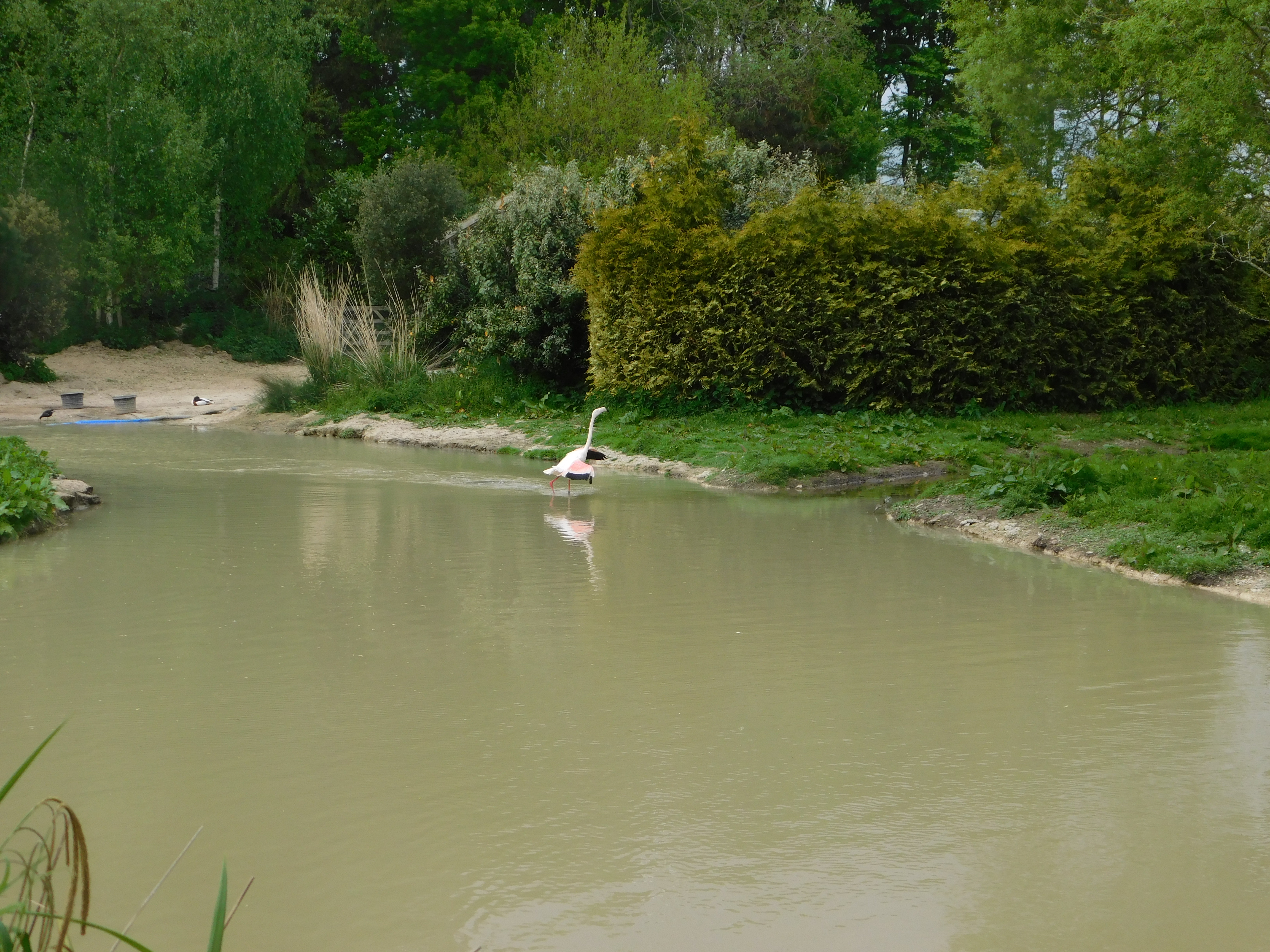
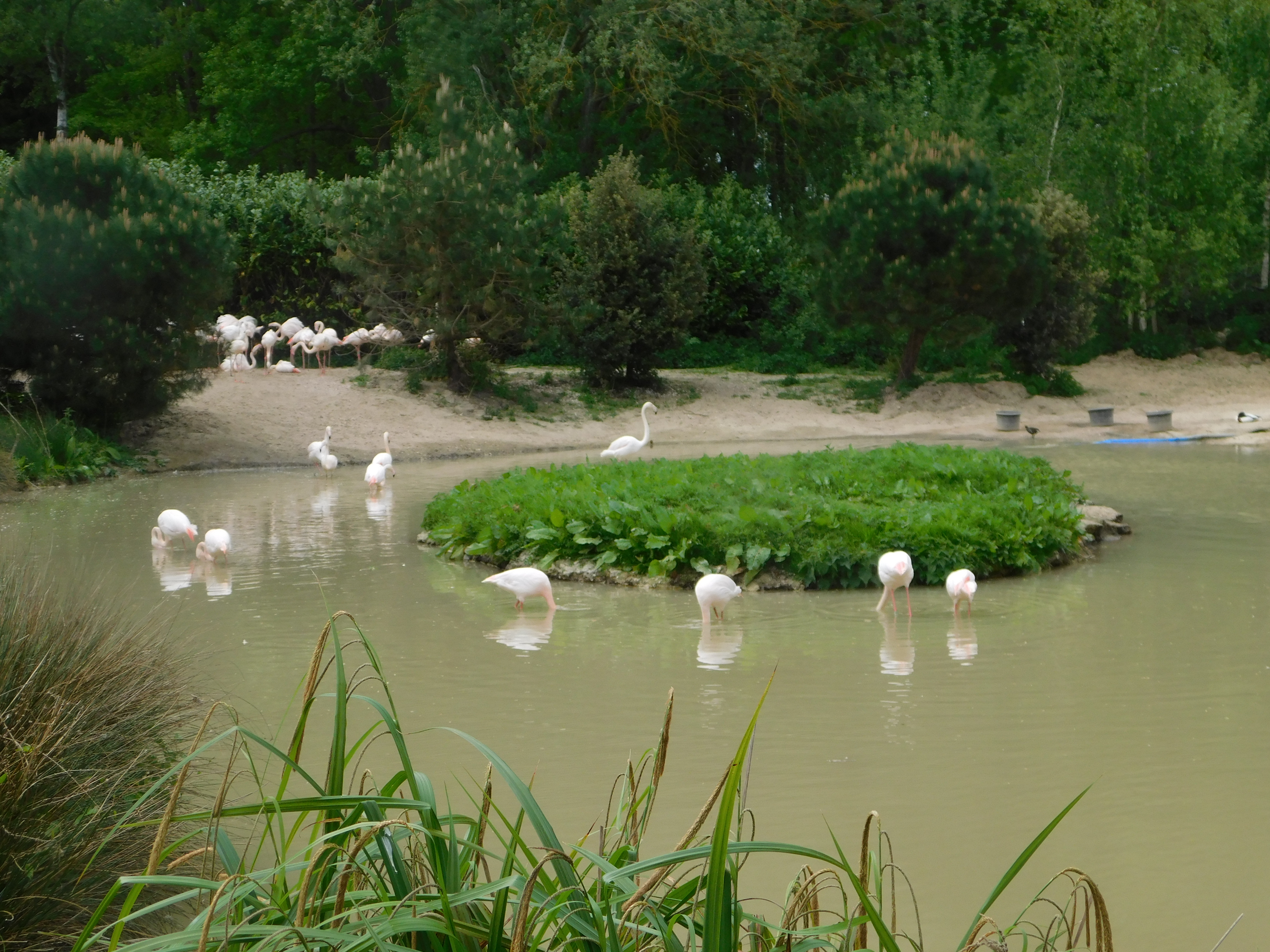
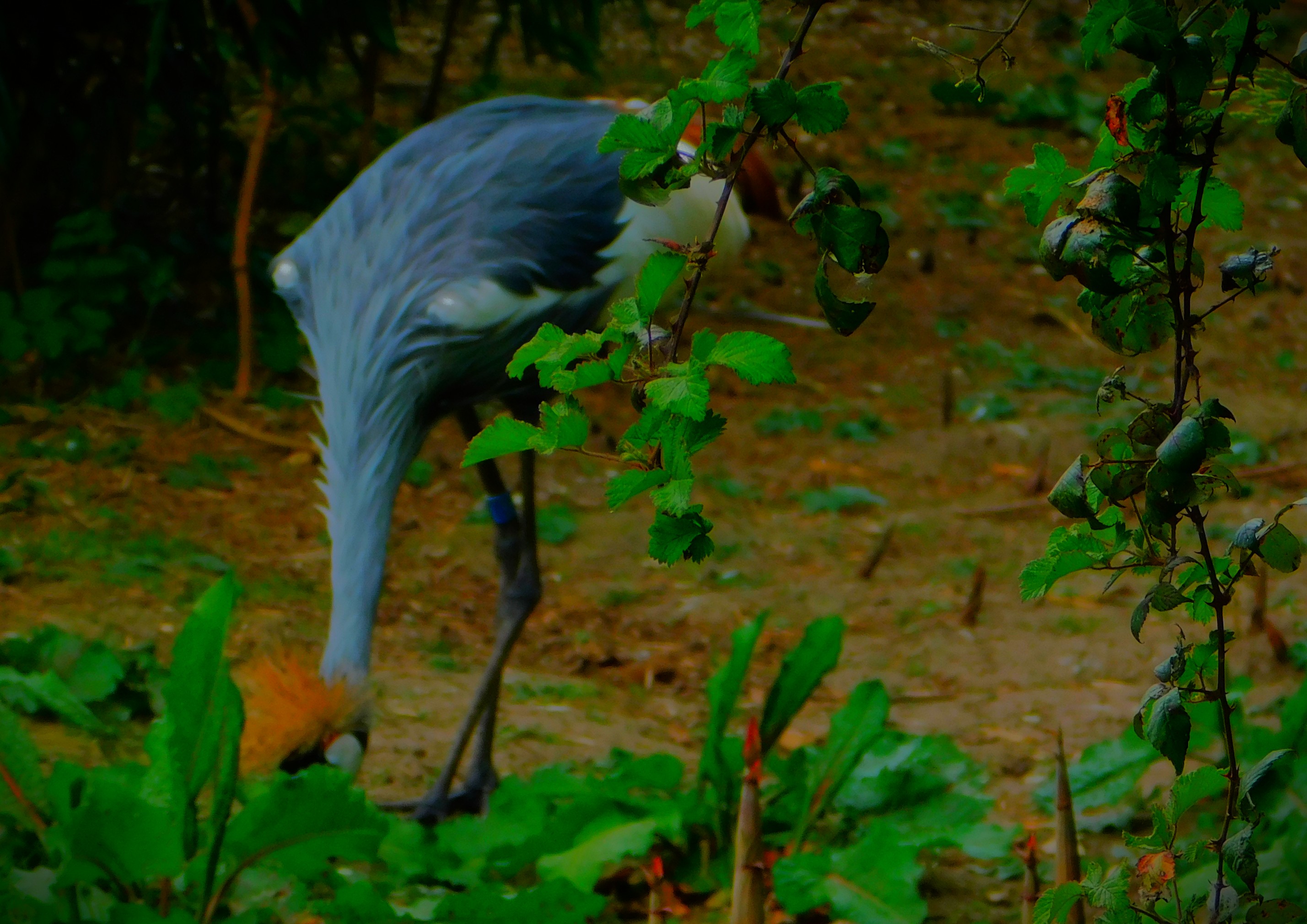
This is third post in my series about the West Norfolk Autism Group outing to Pensthorpe (see here and here). This post is devoted to the cranes and flamingos. I made two visits to that part of Pensthorpe in the course of the day, one near the start, and one just after eating lunch.
THE CRANE AND FLAMINGO AREA
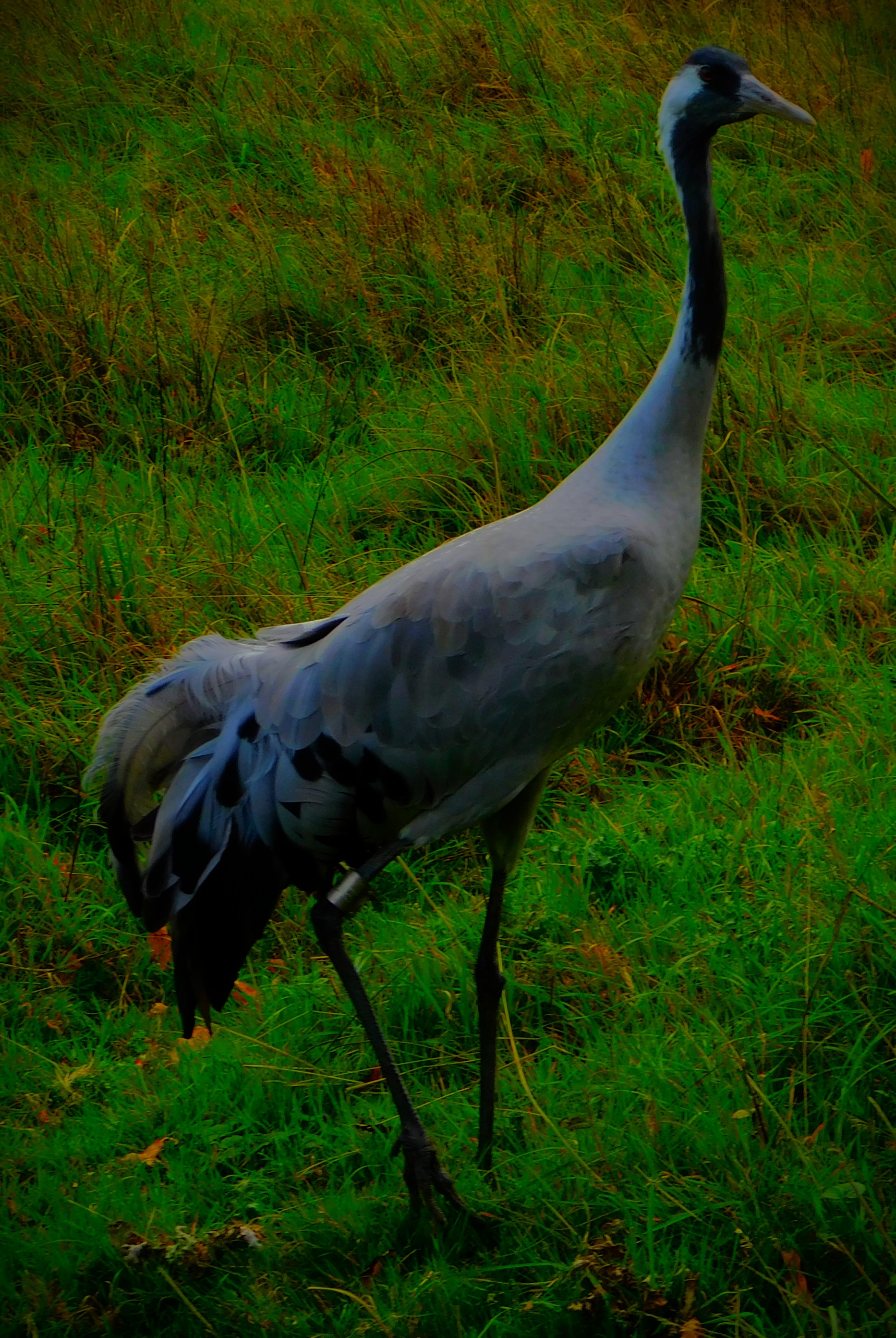
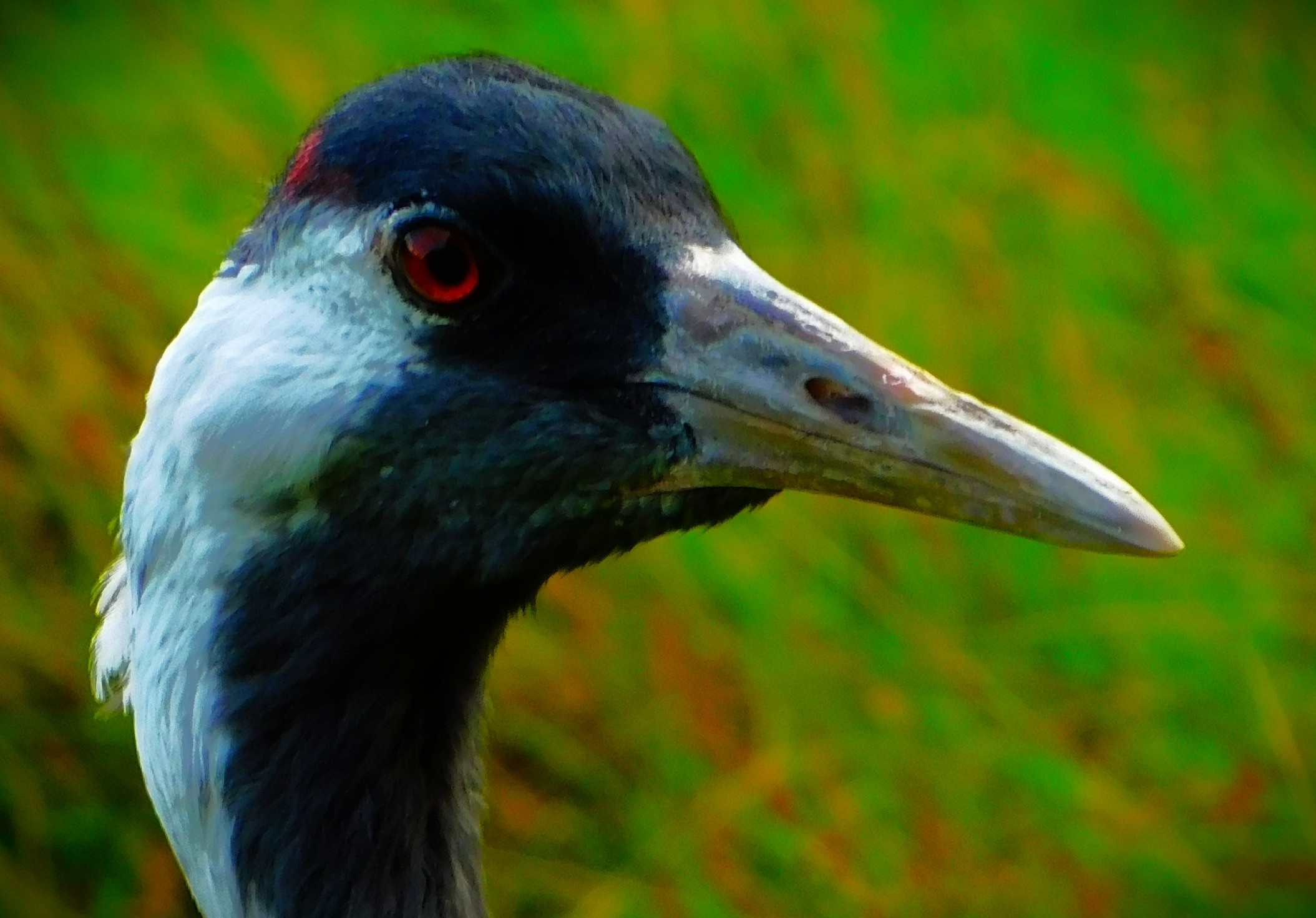
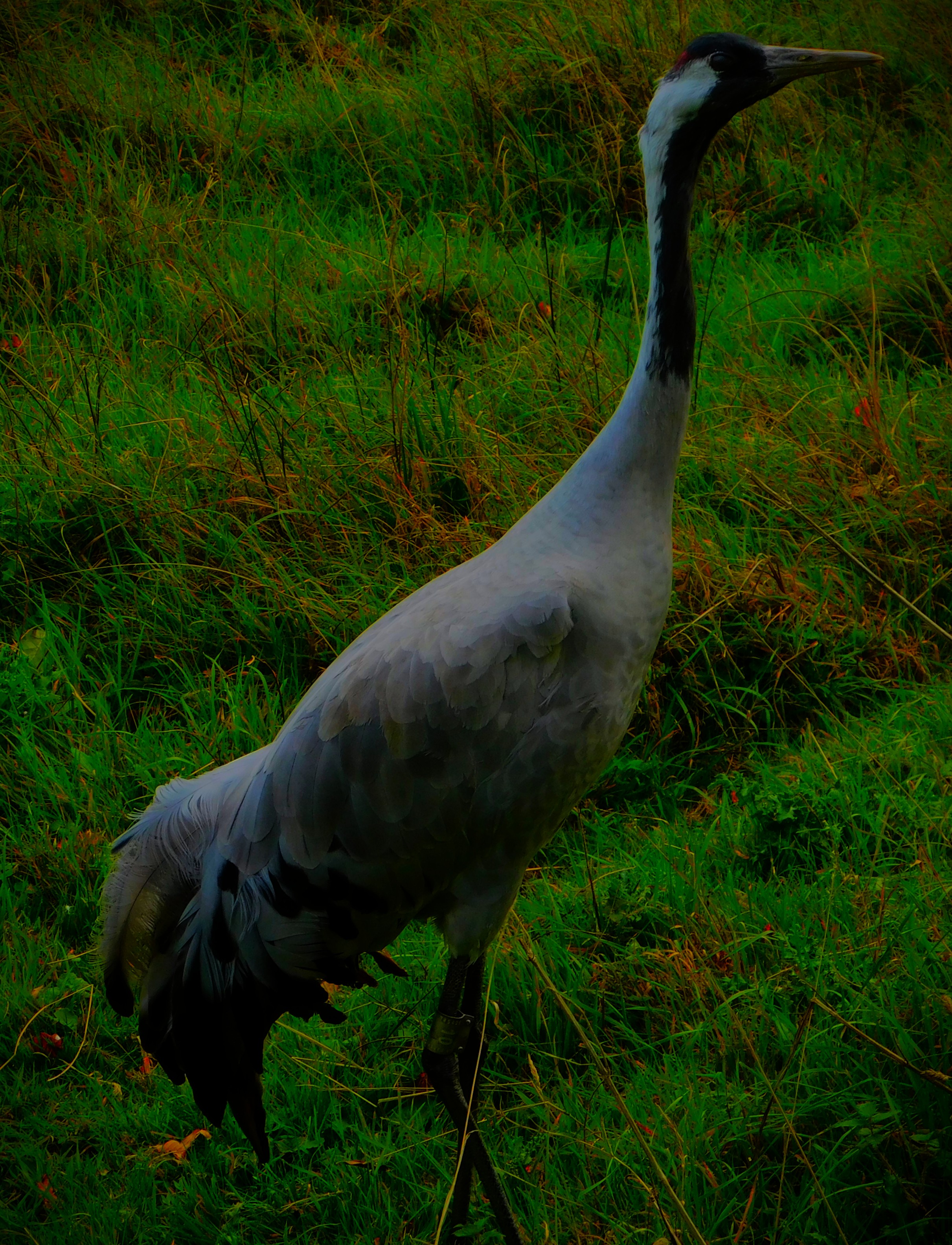
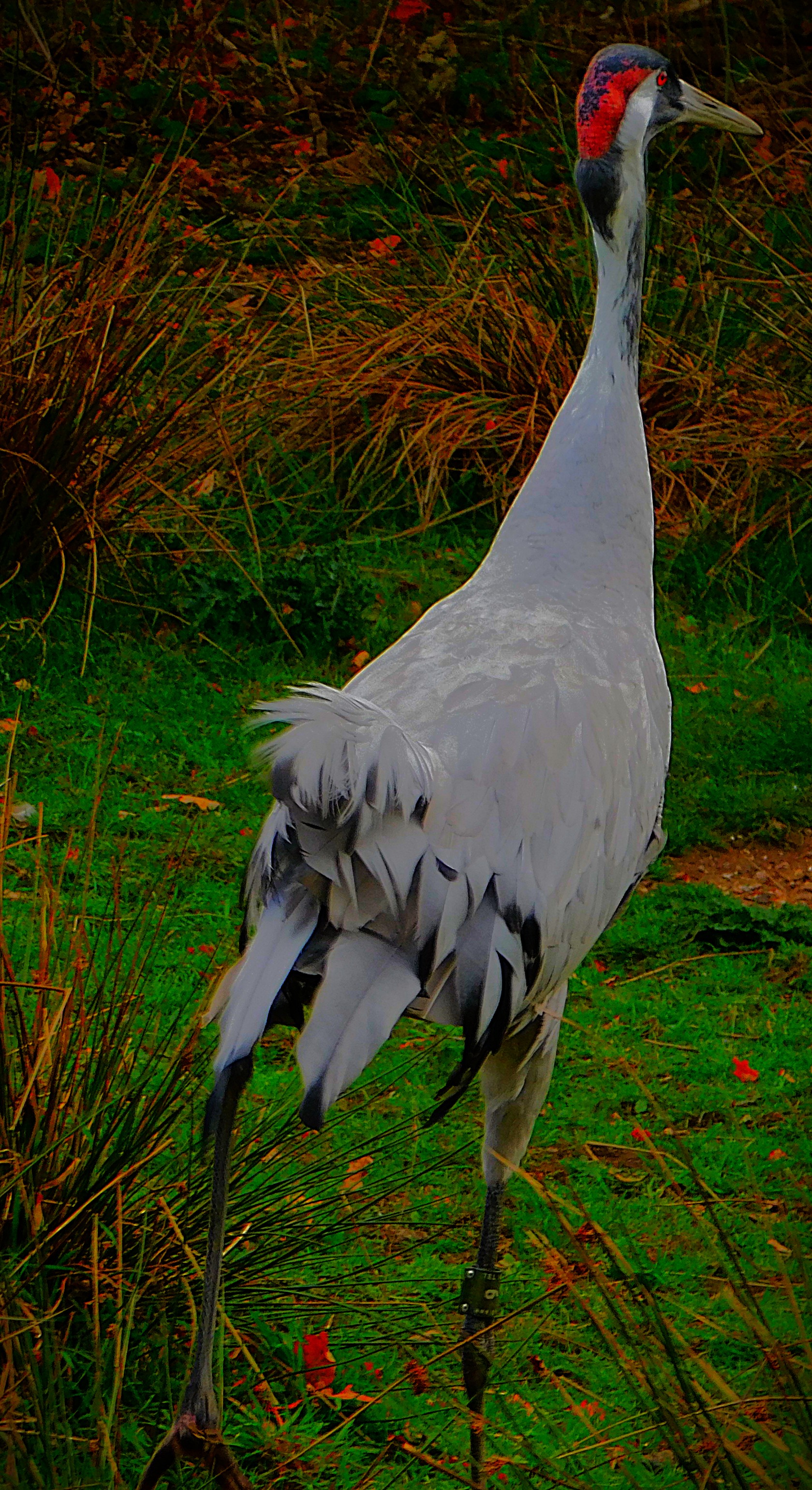
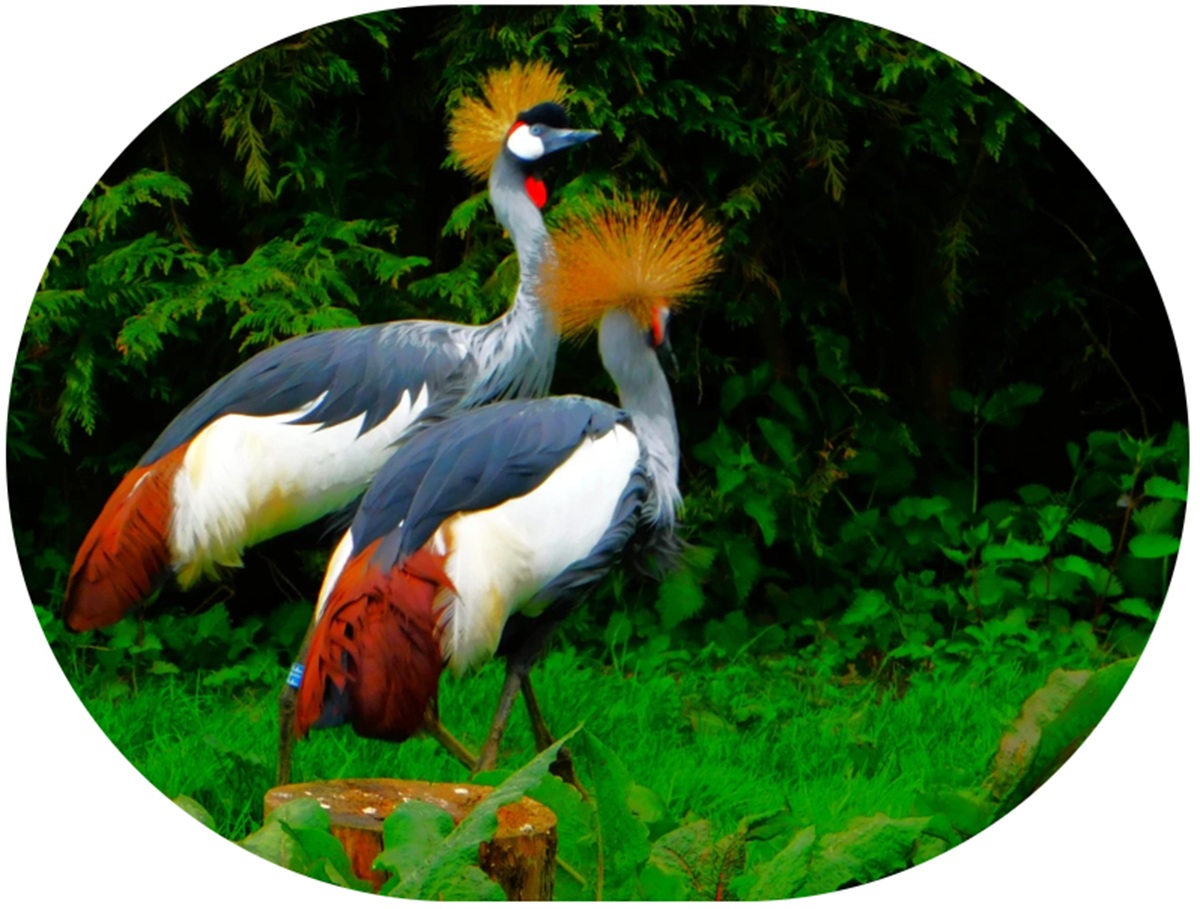
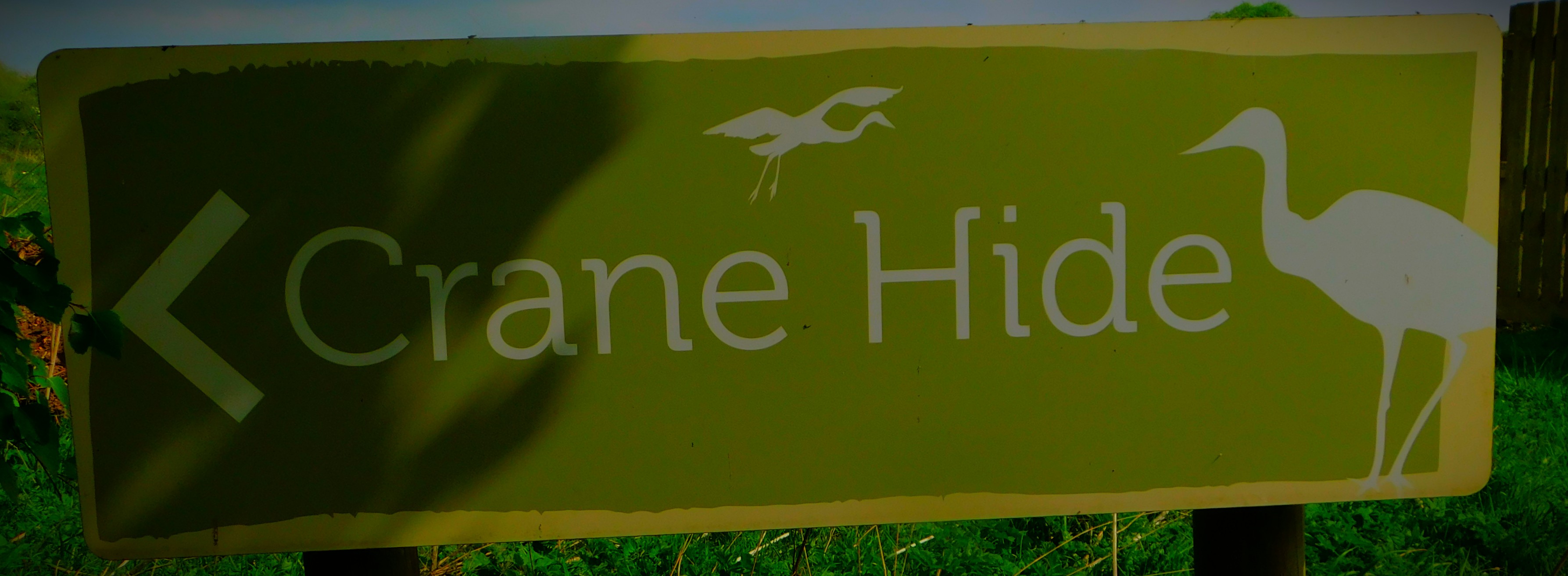
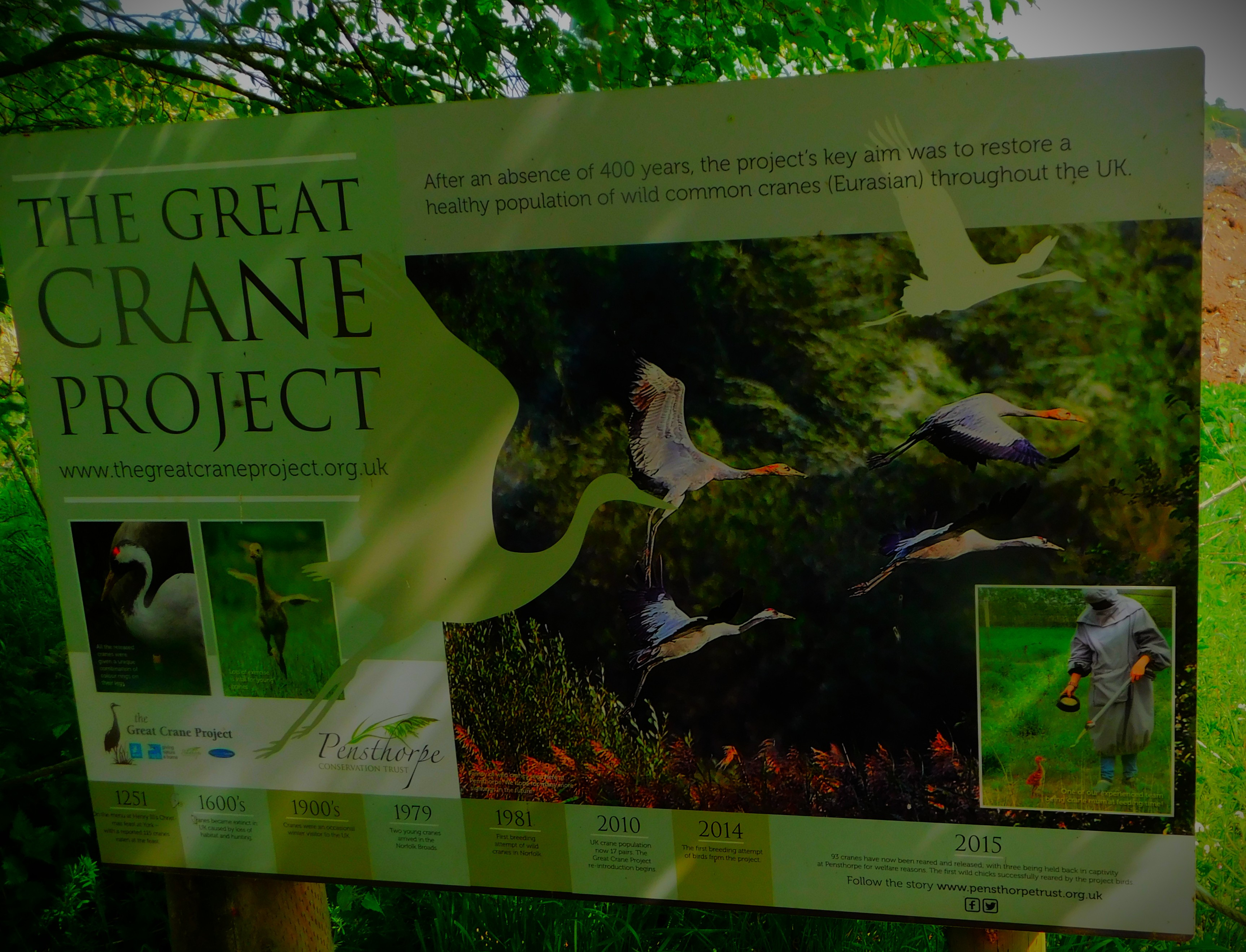
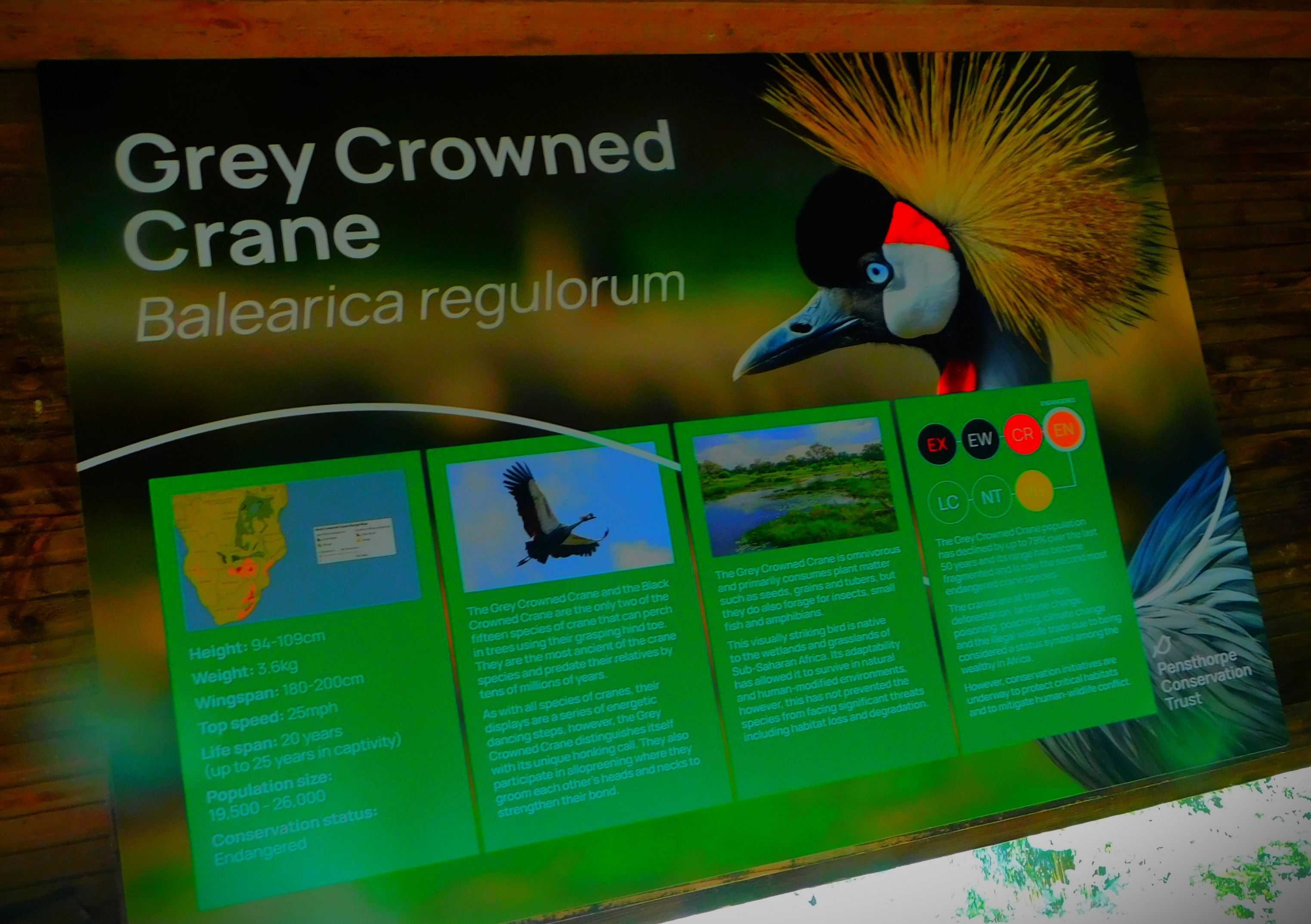
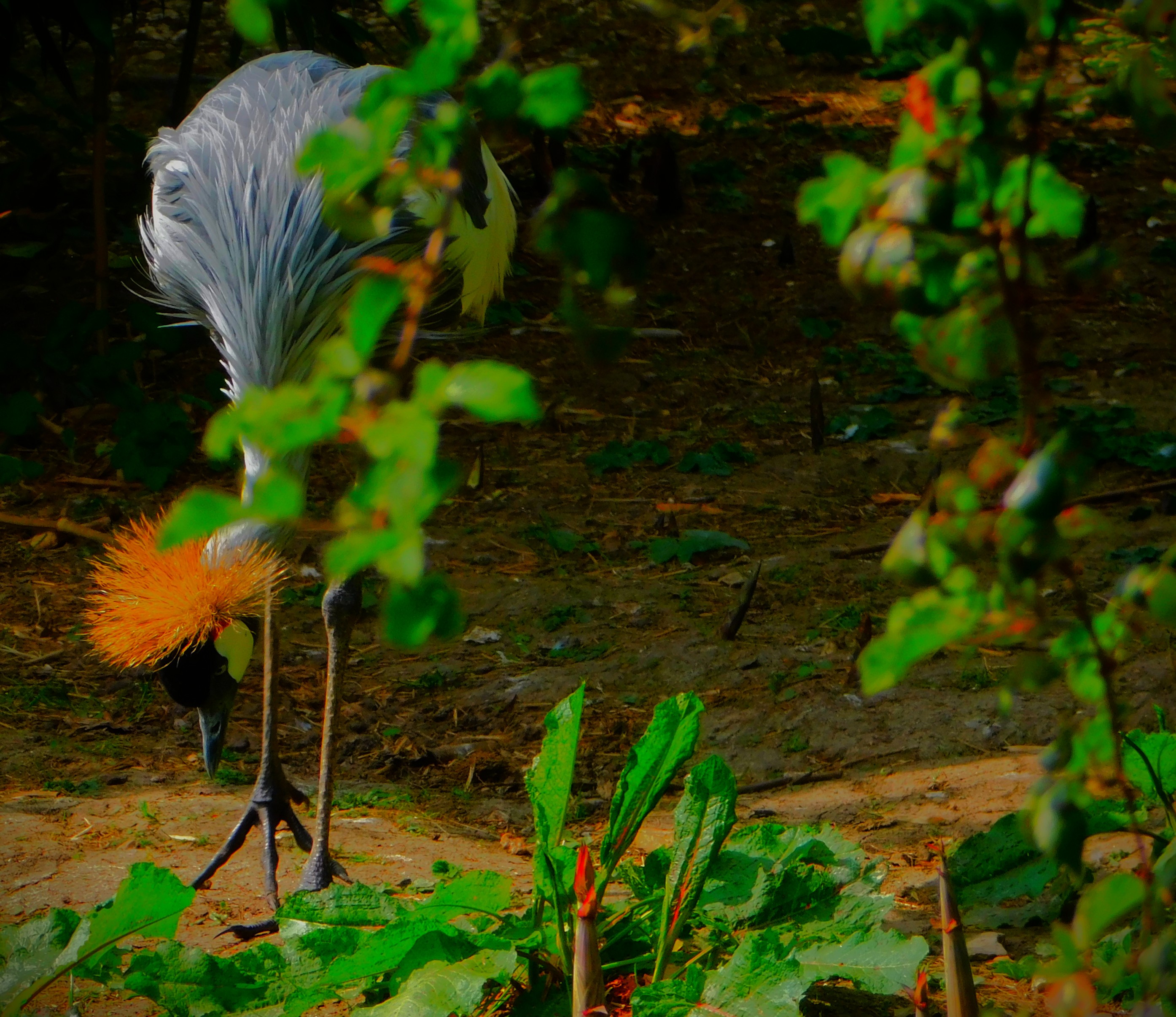
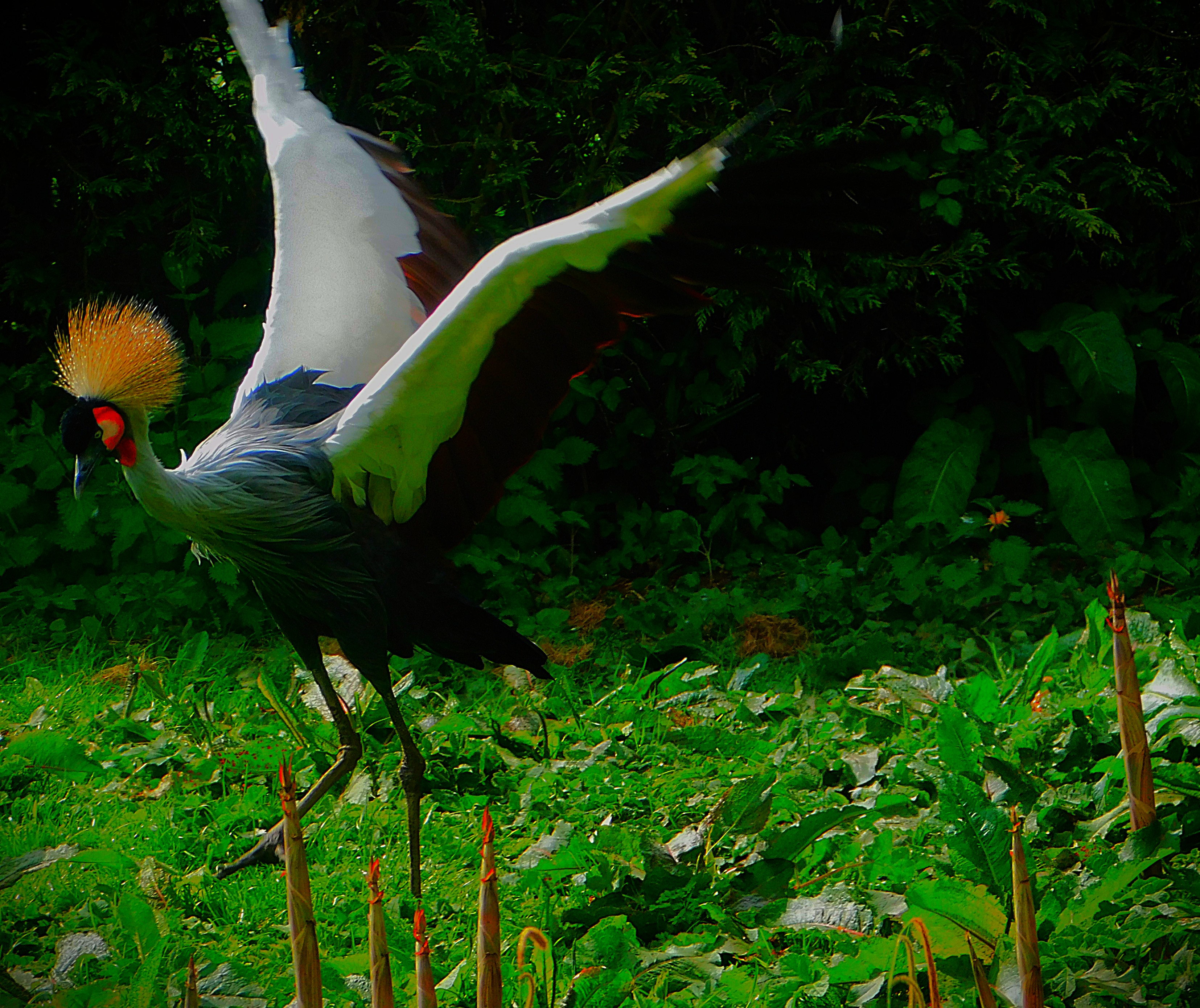
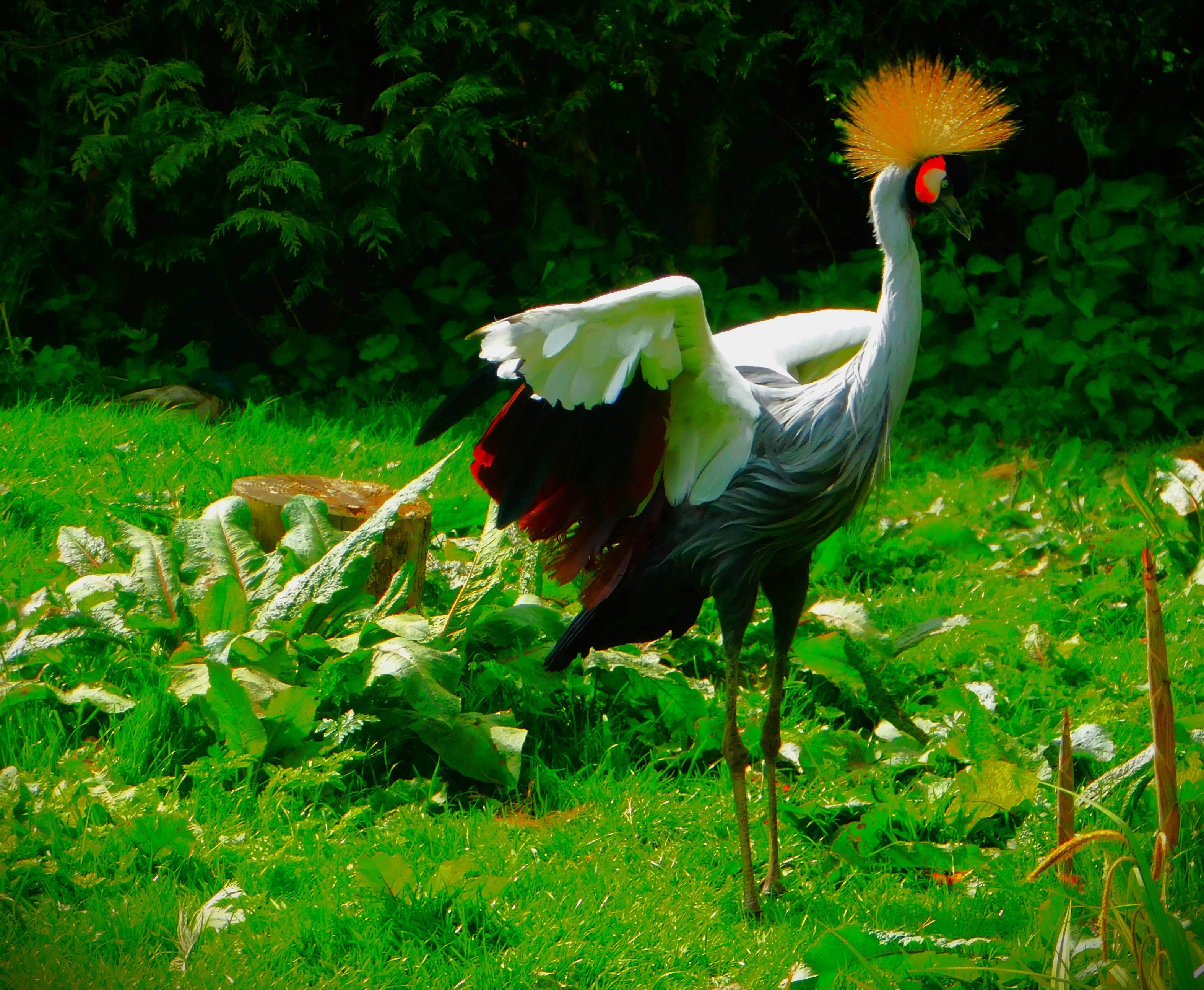
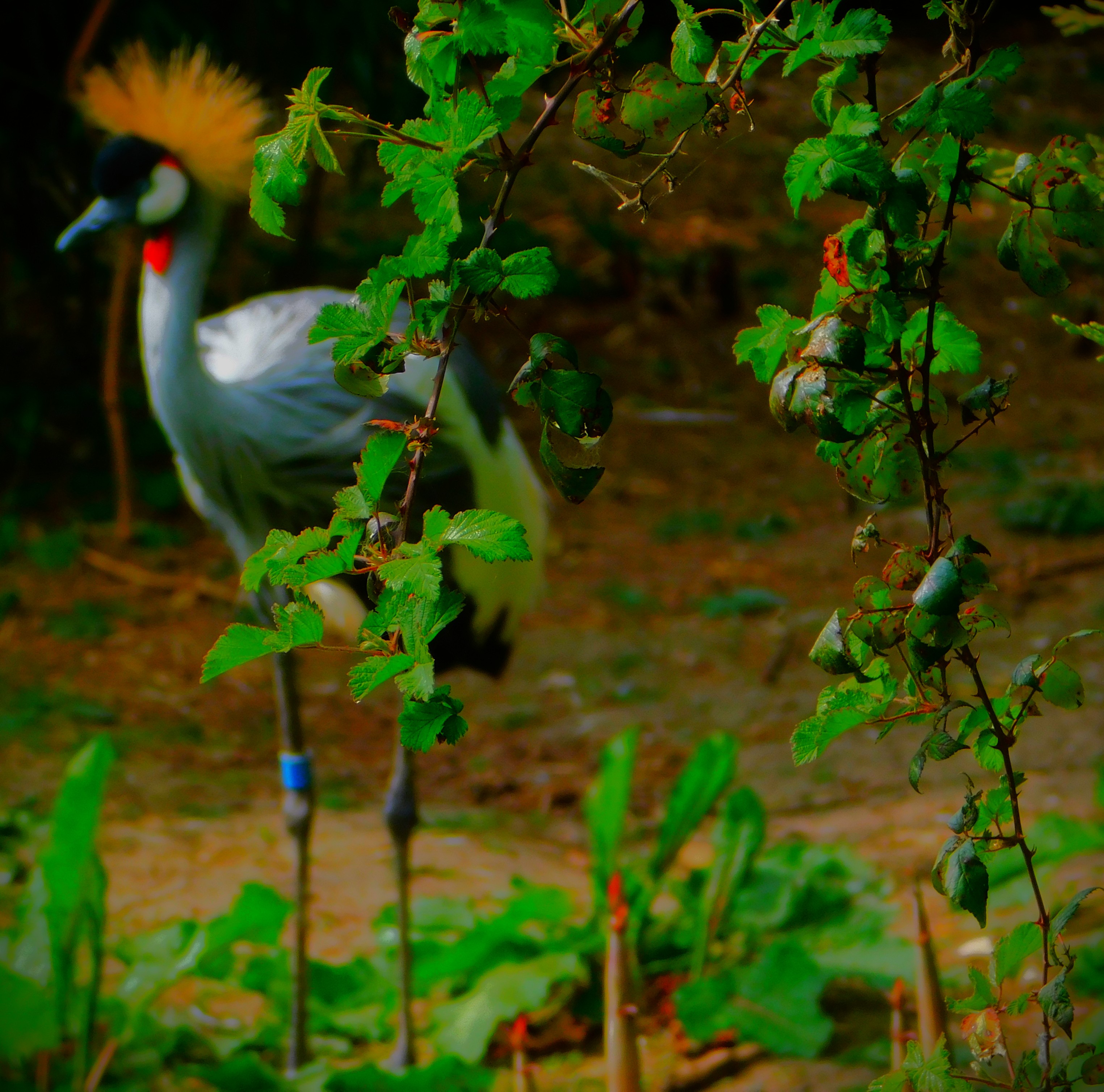
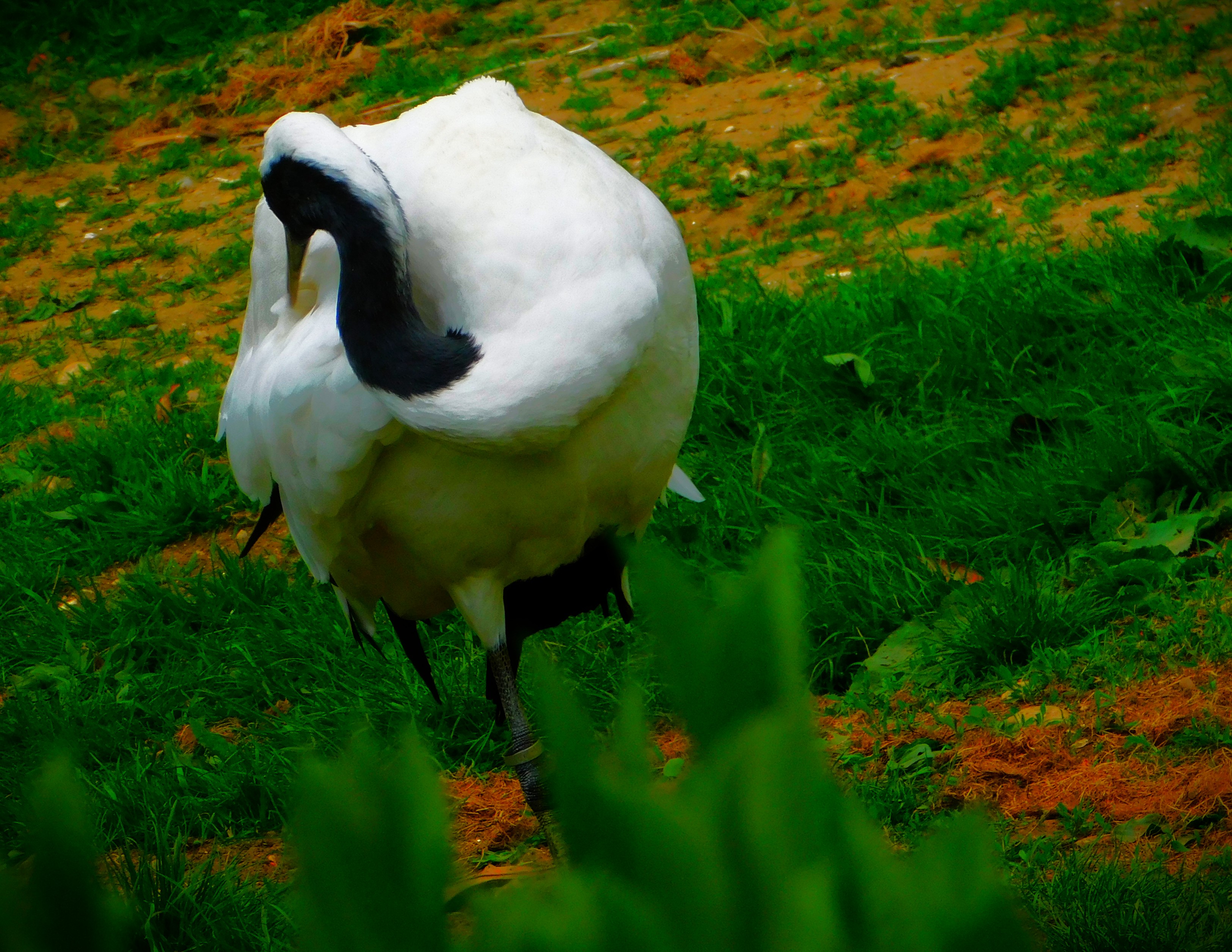
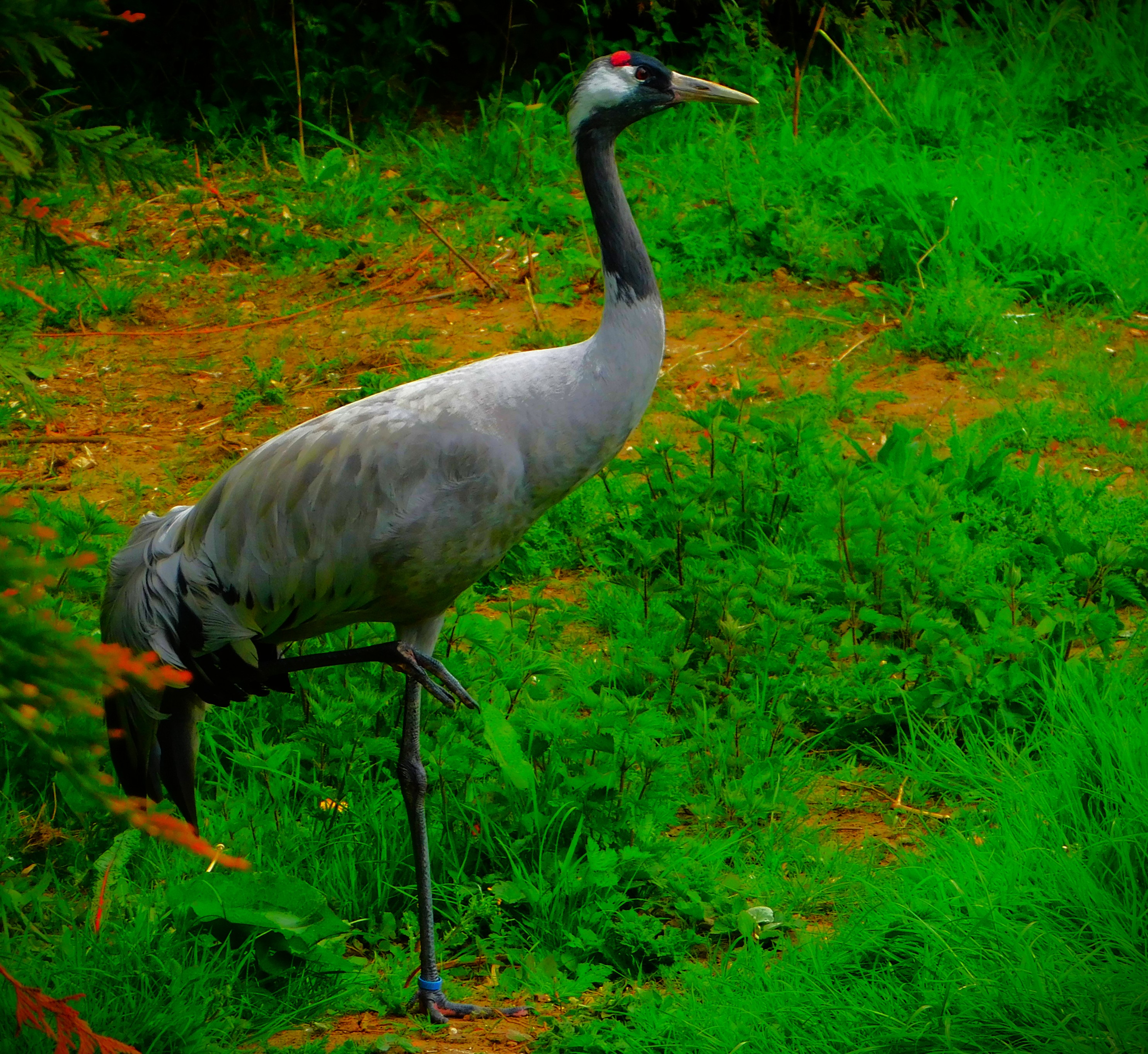
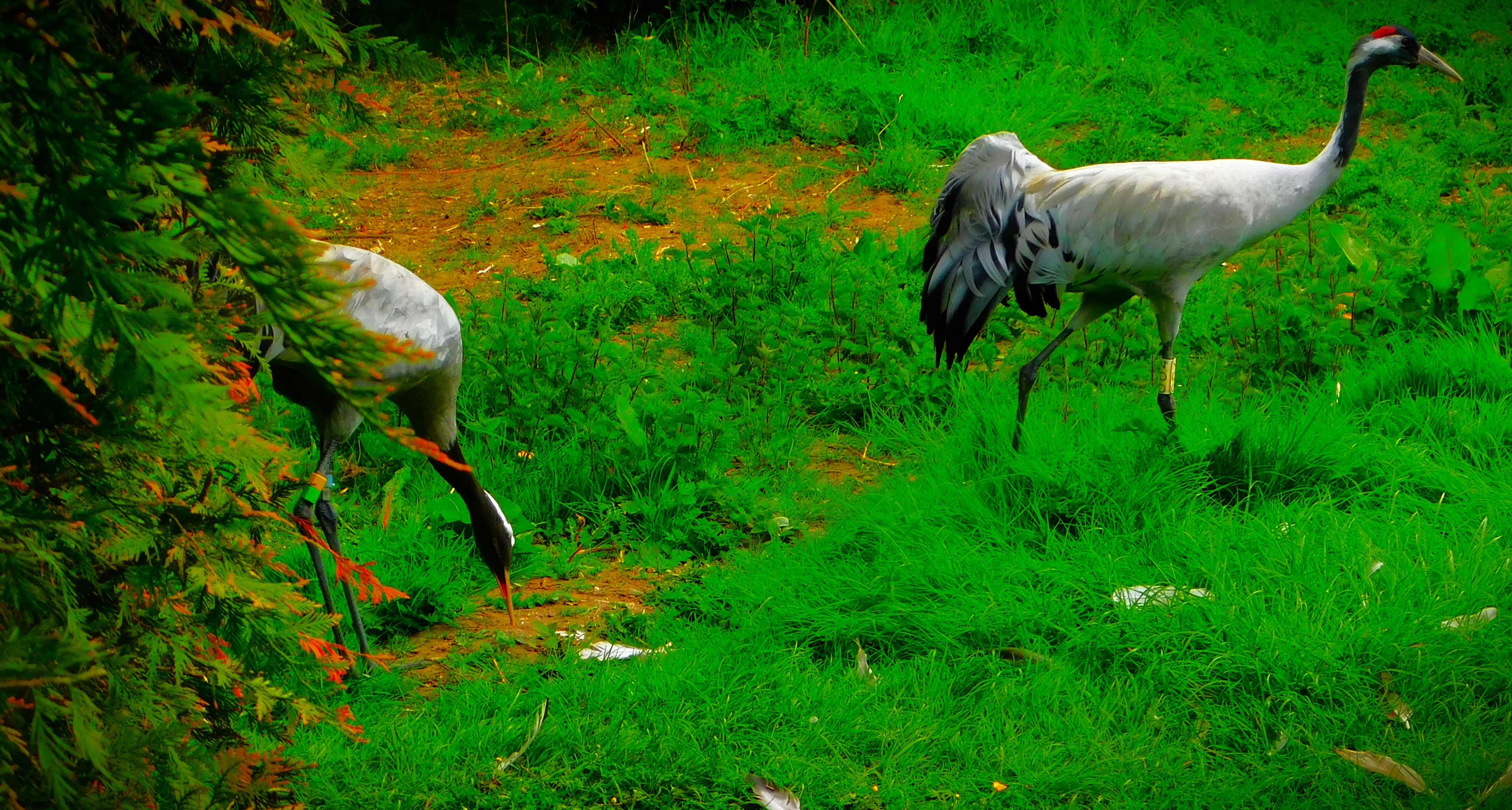
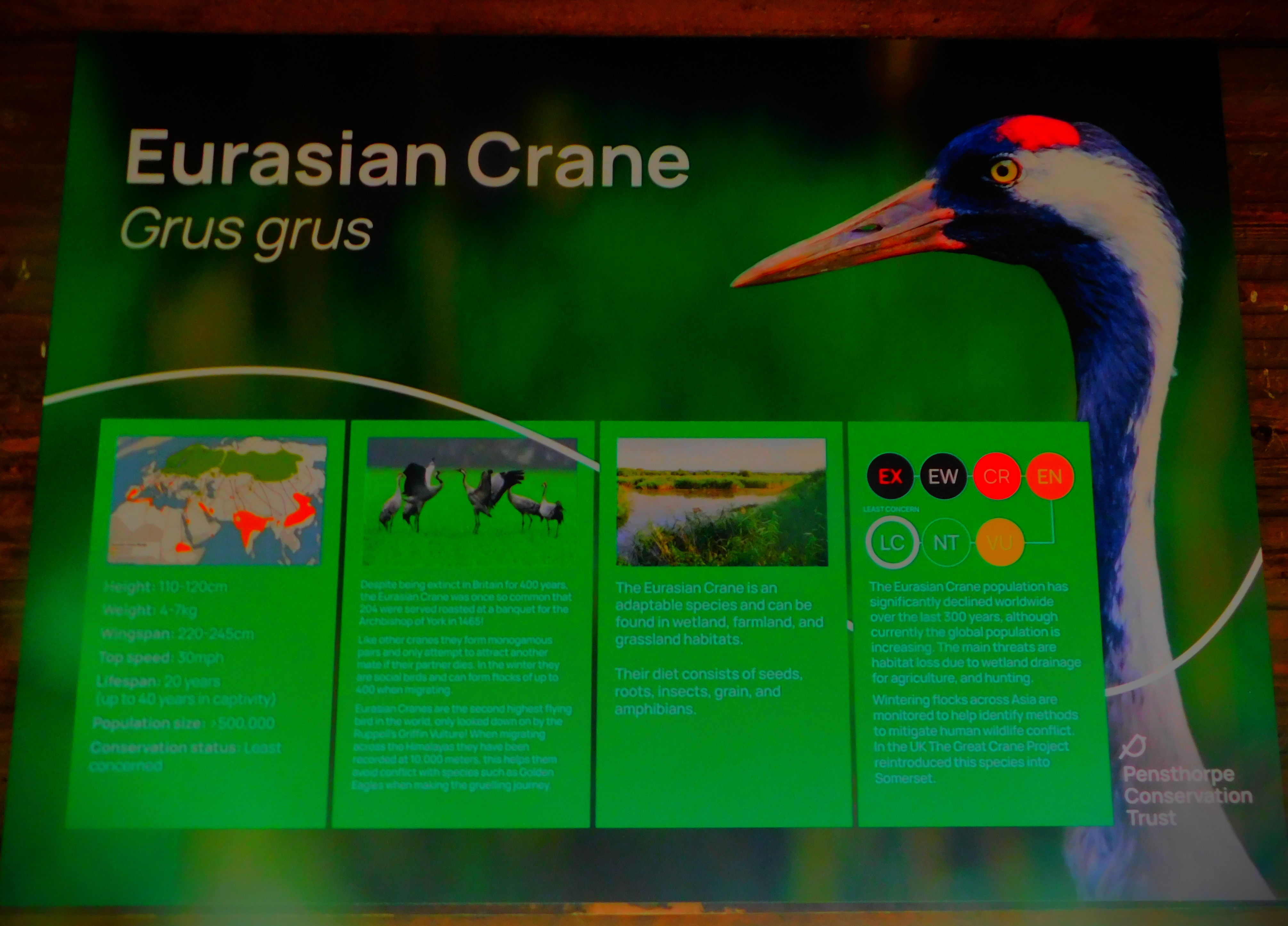
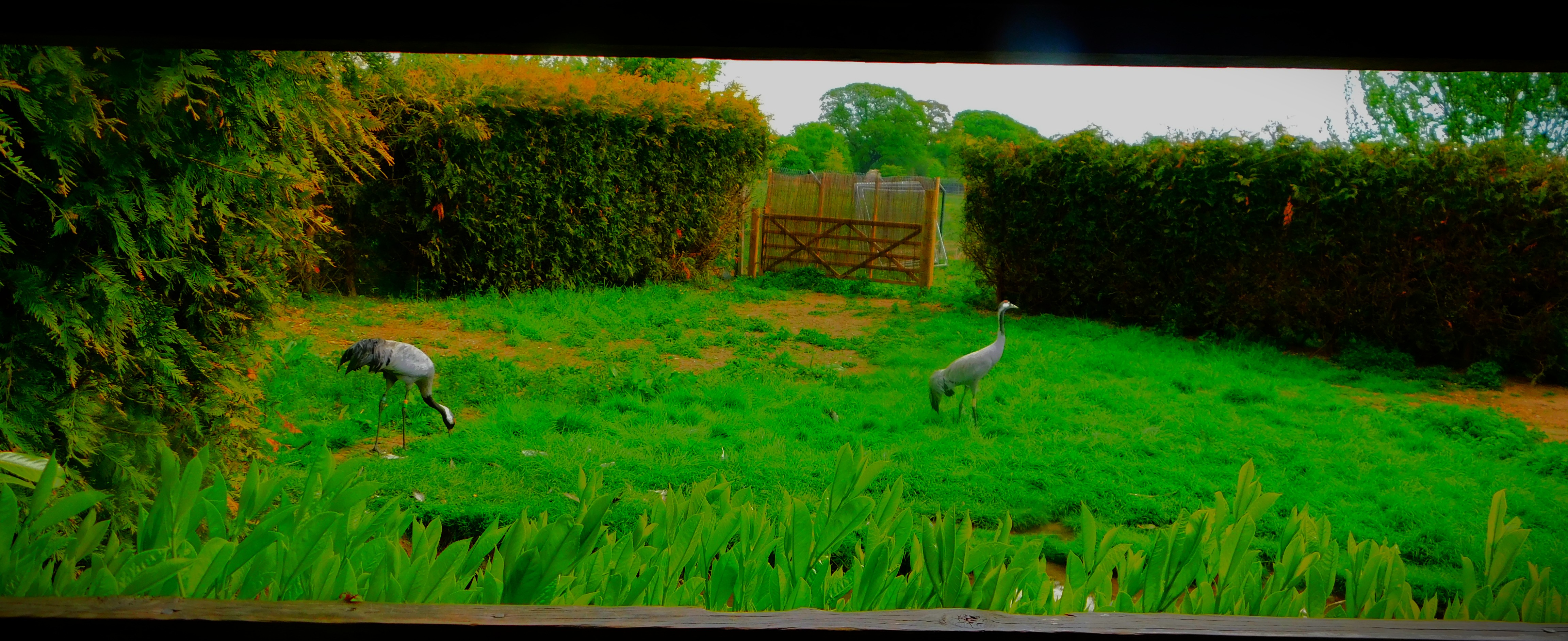
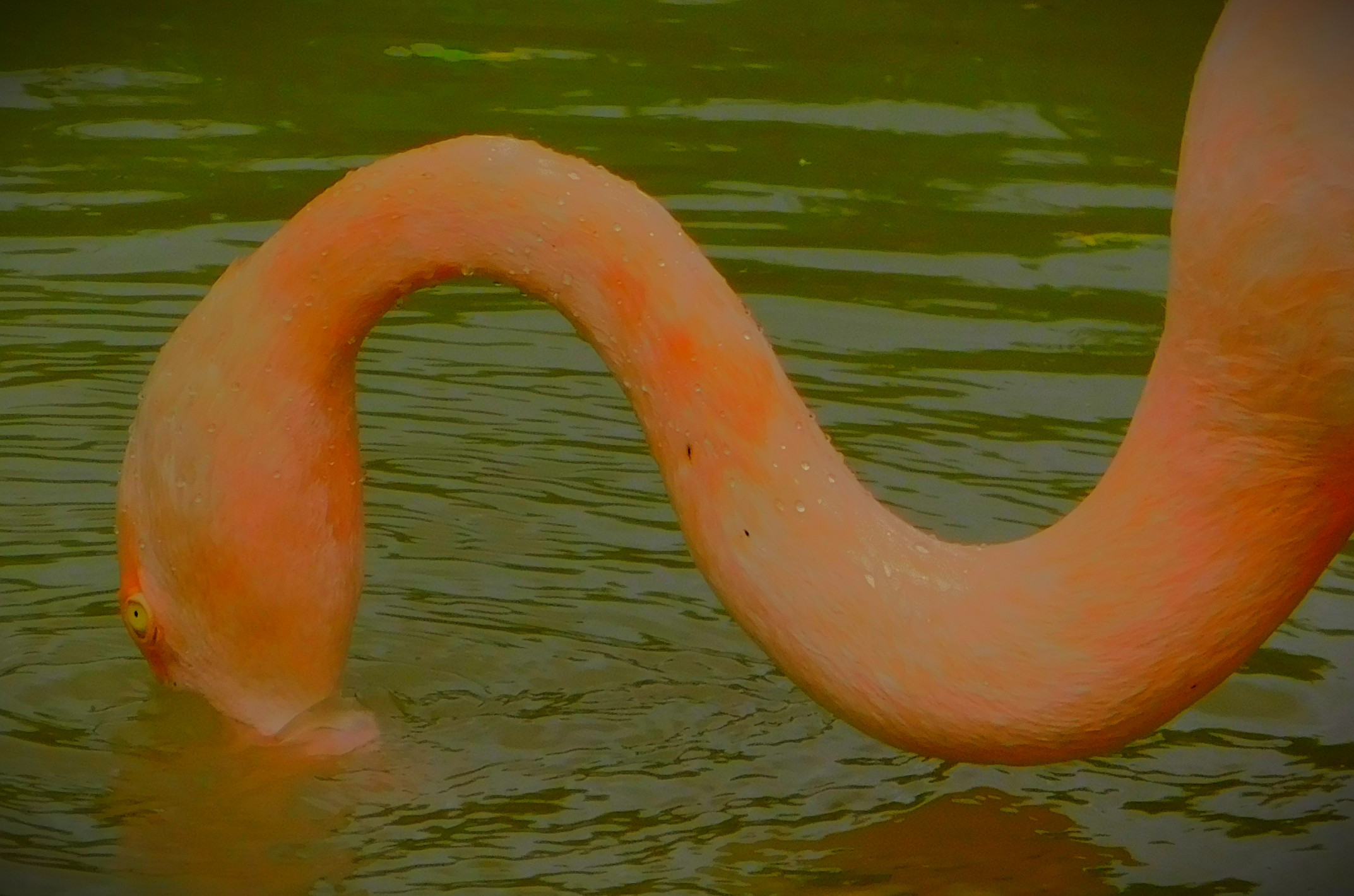
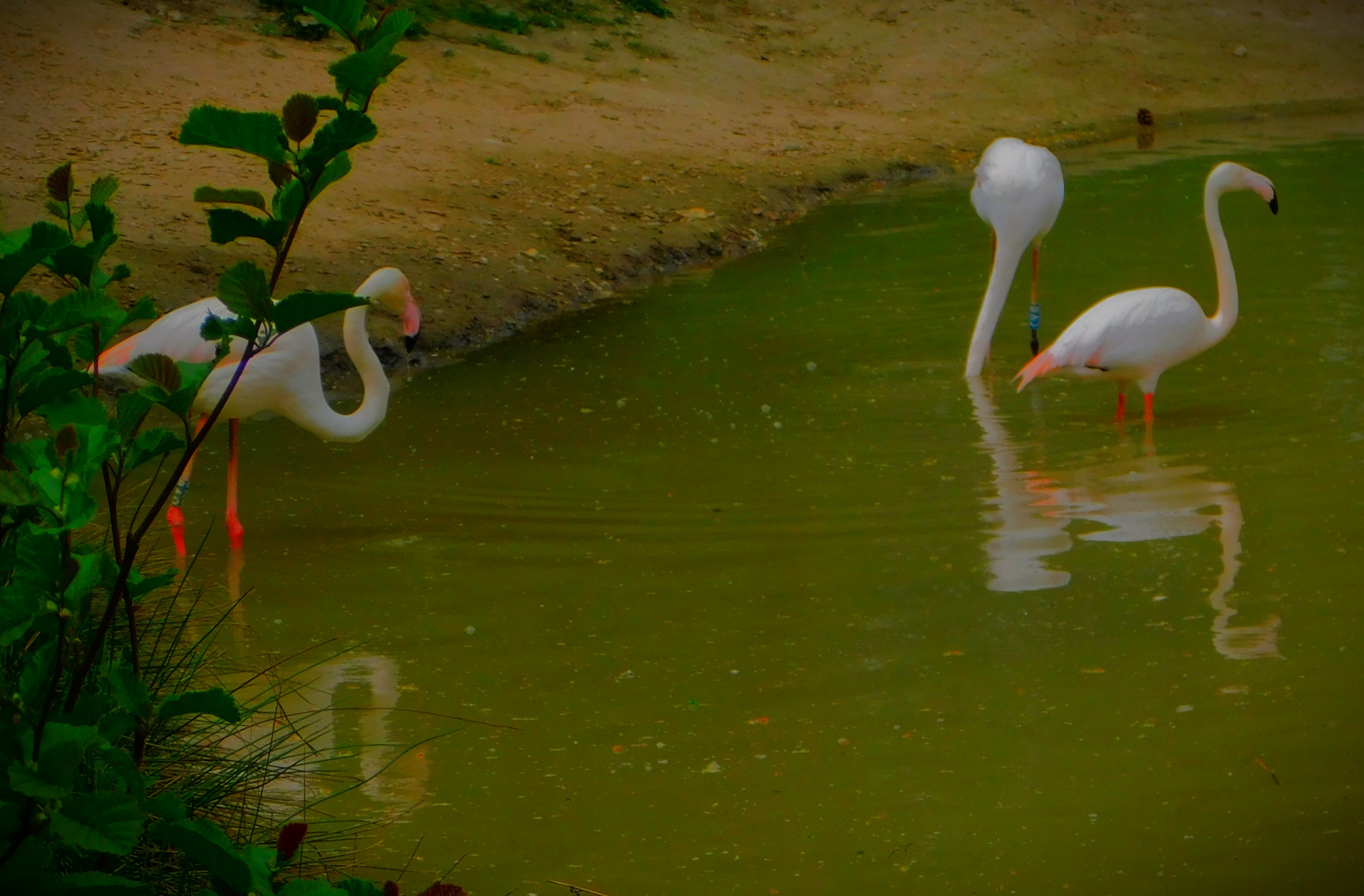
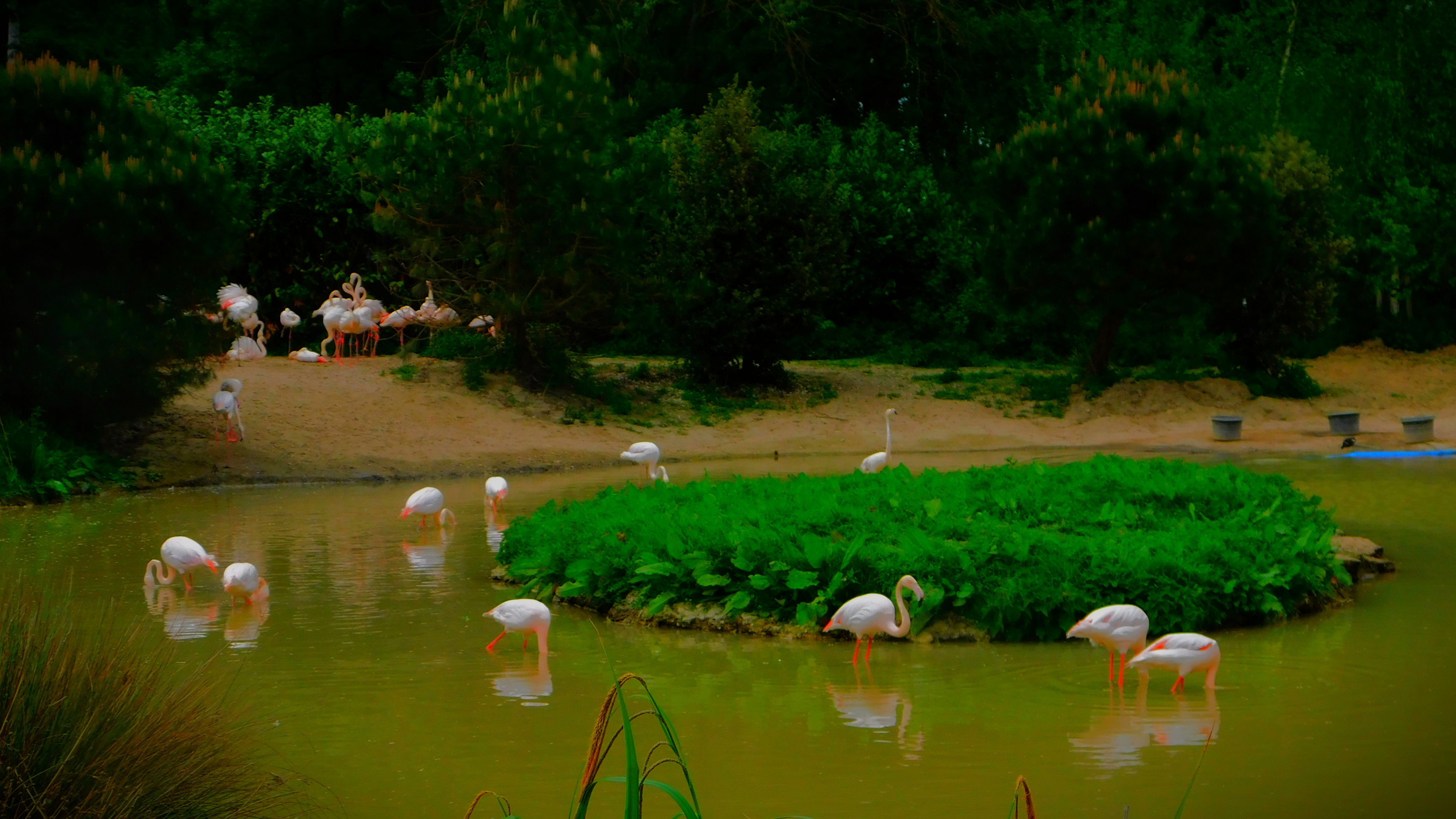
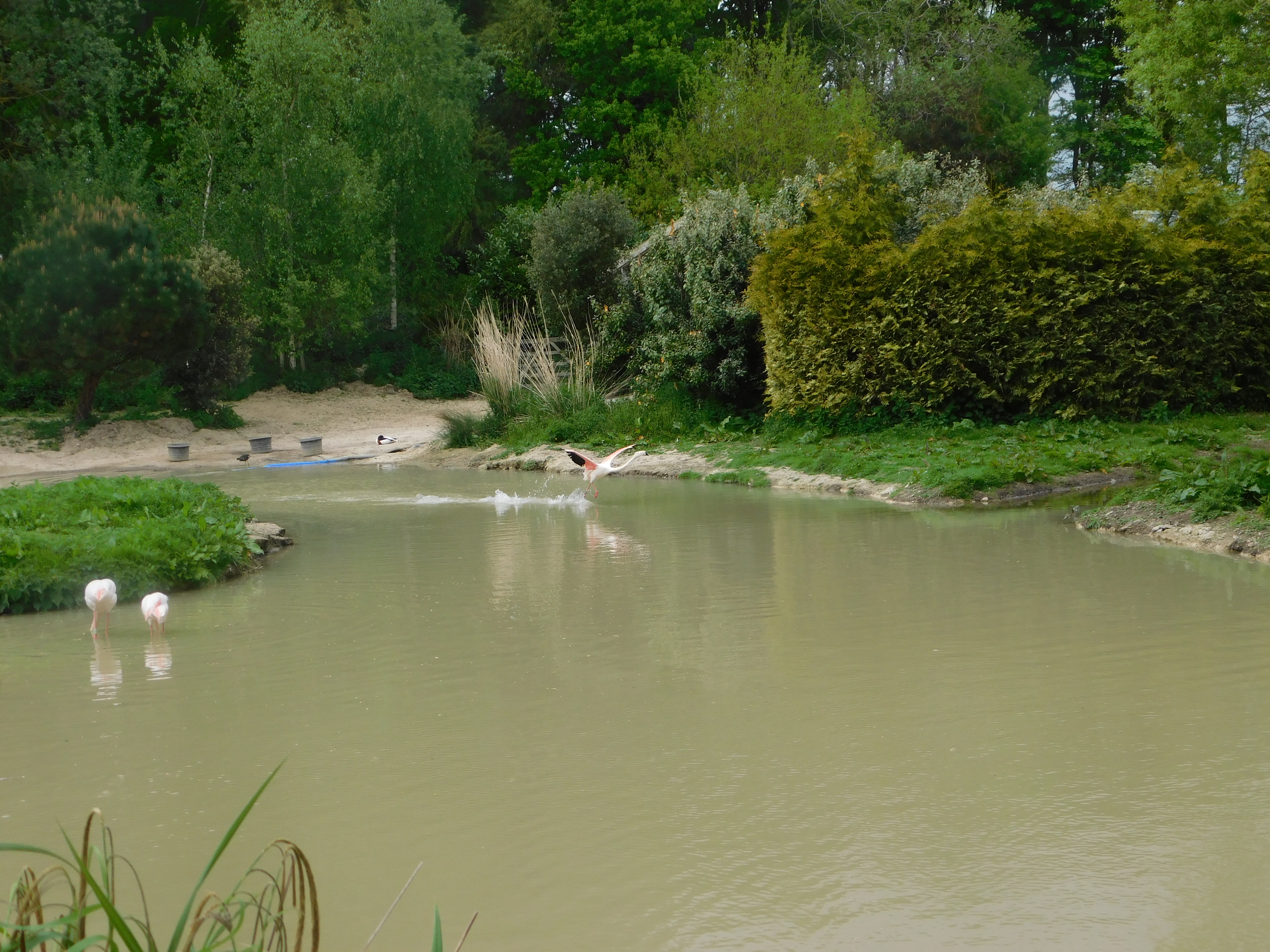
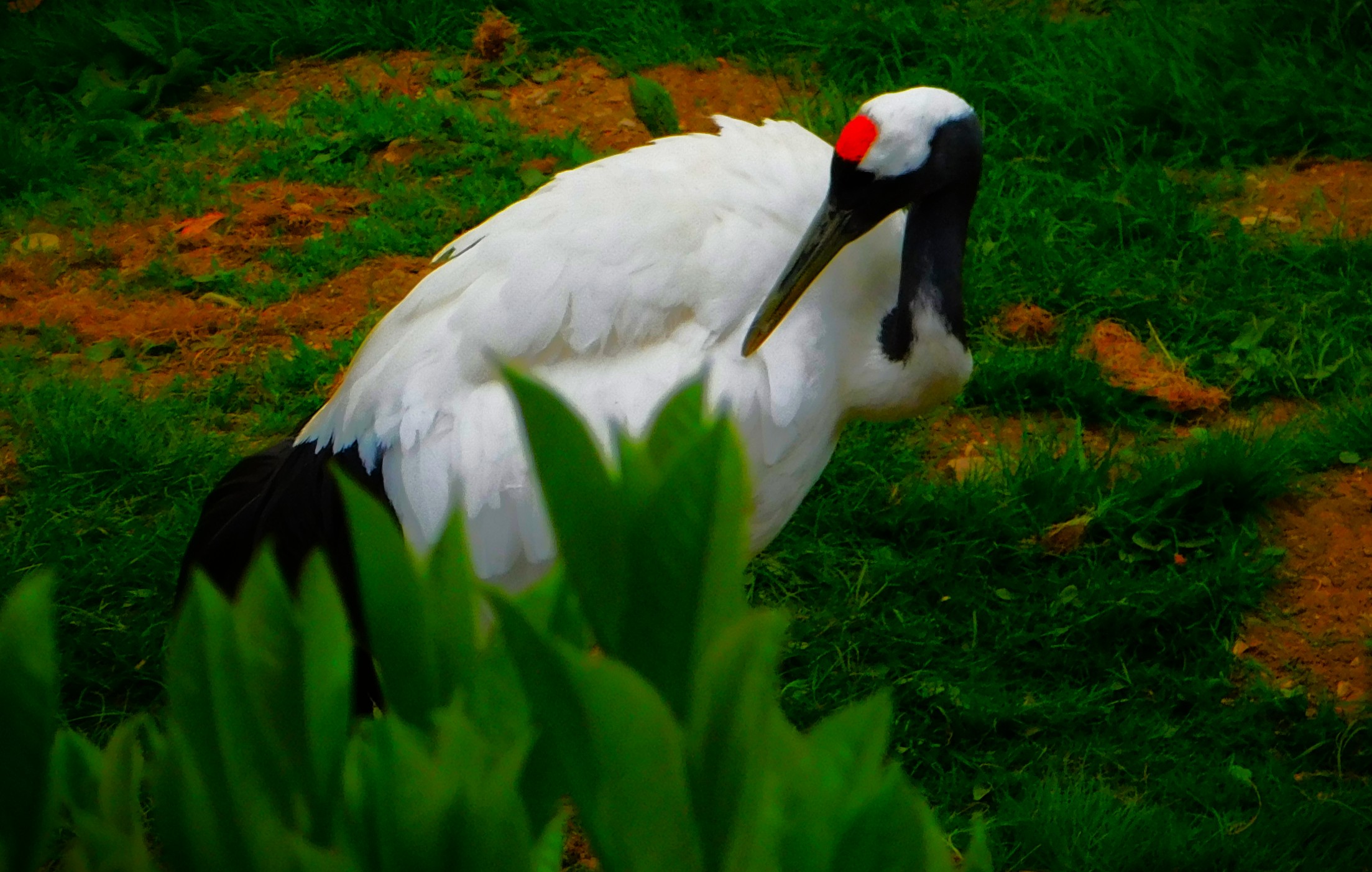
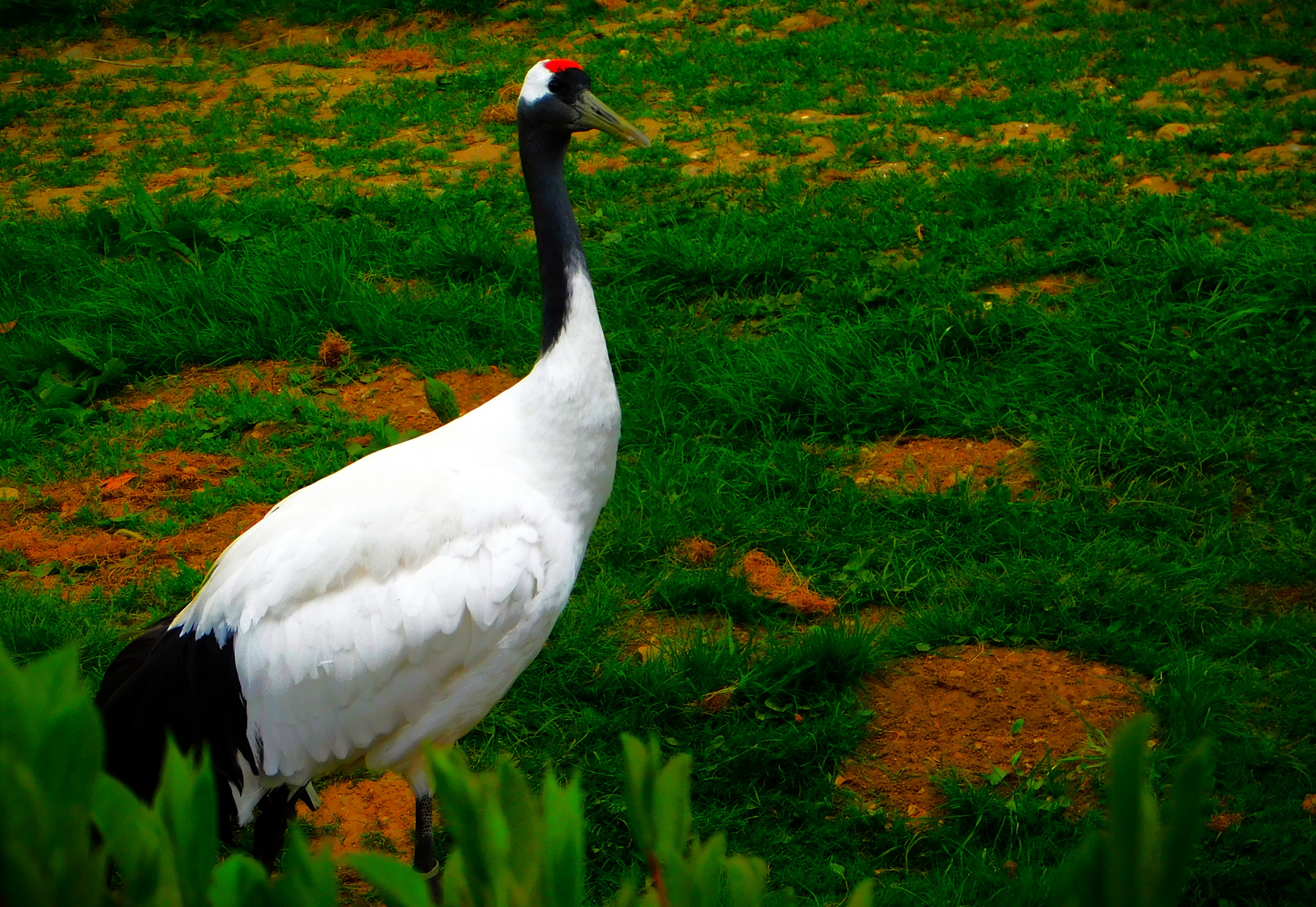
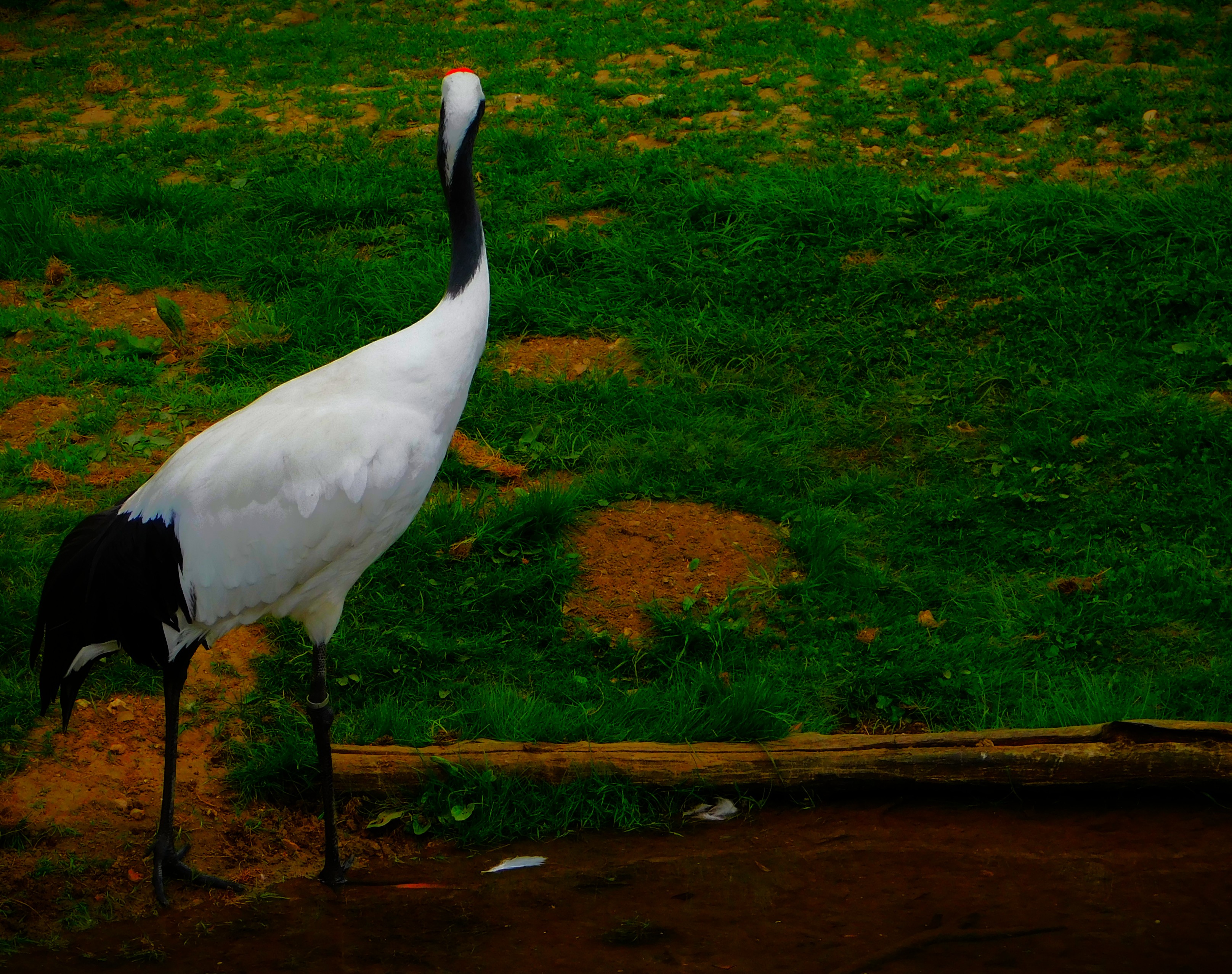
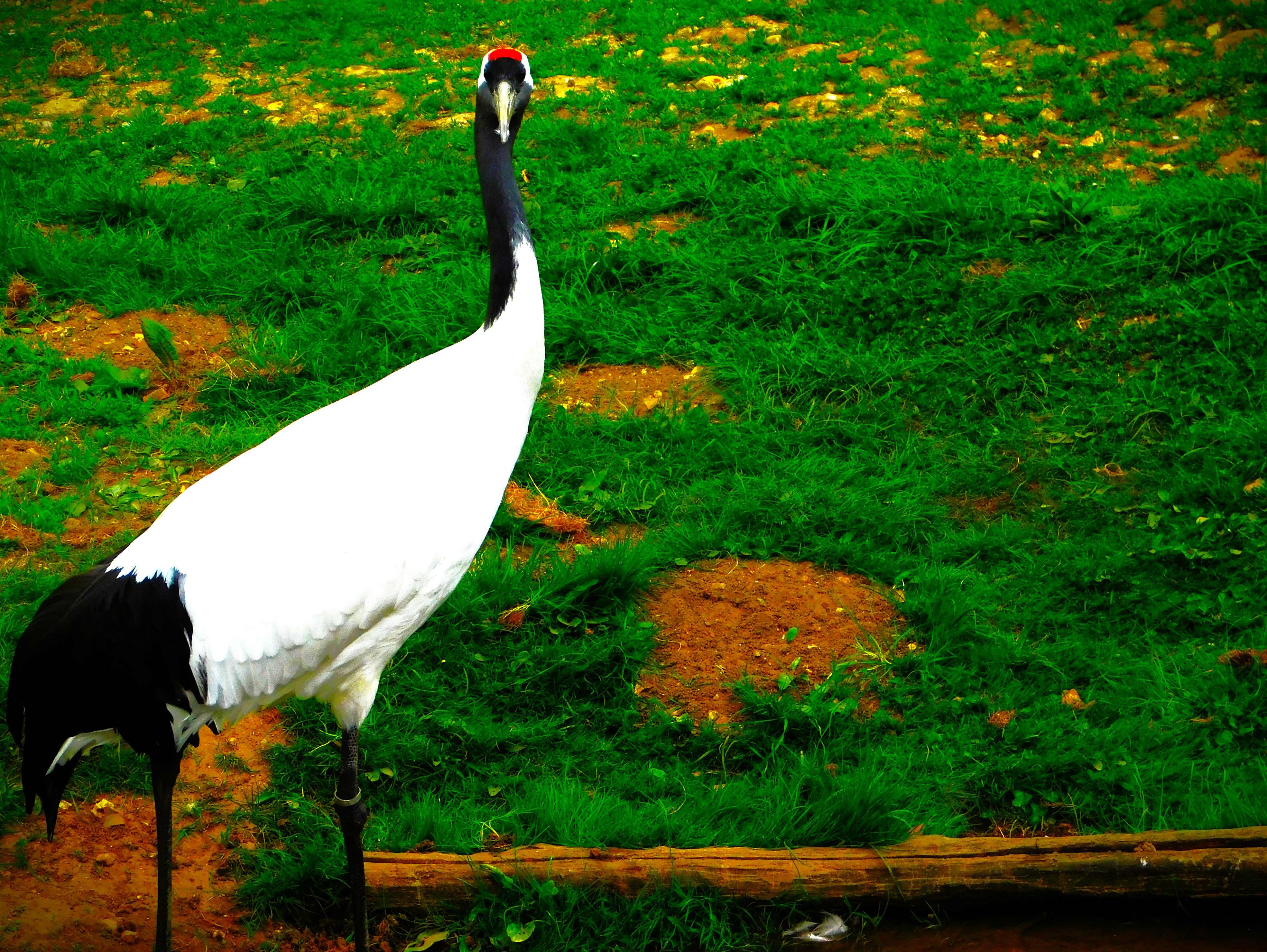
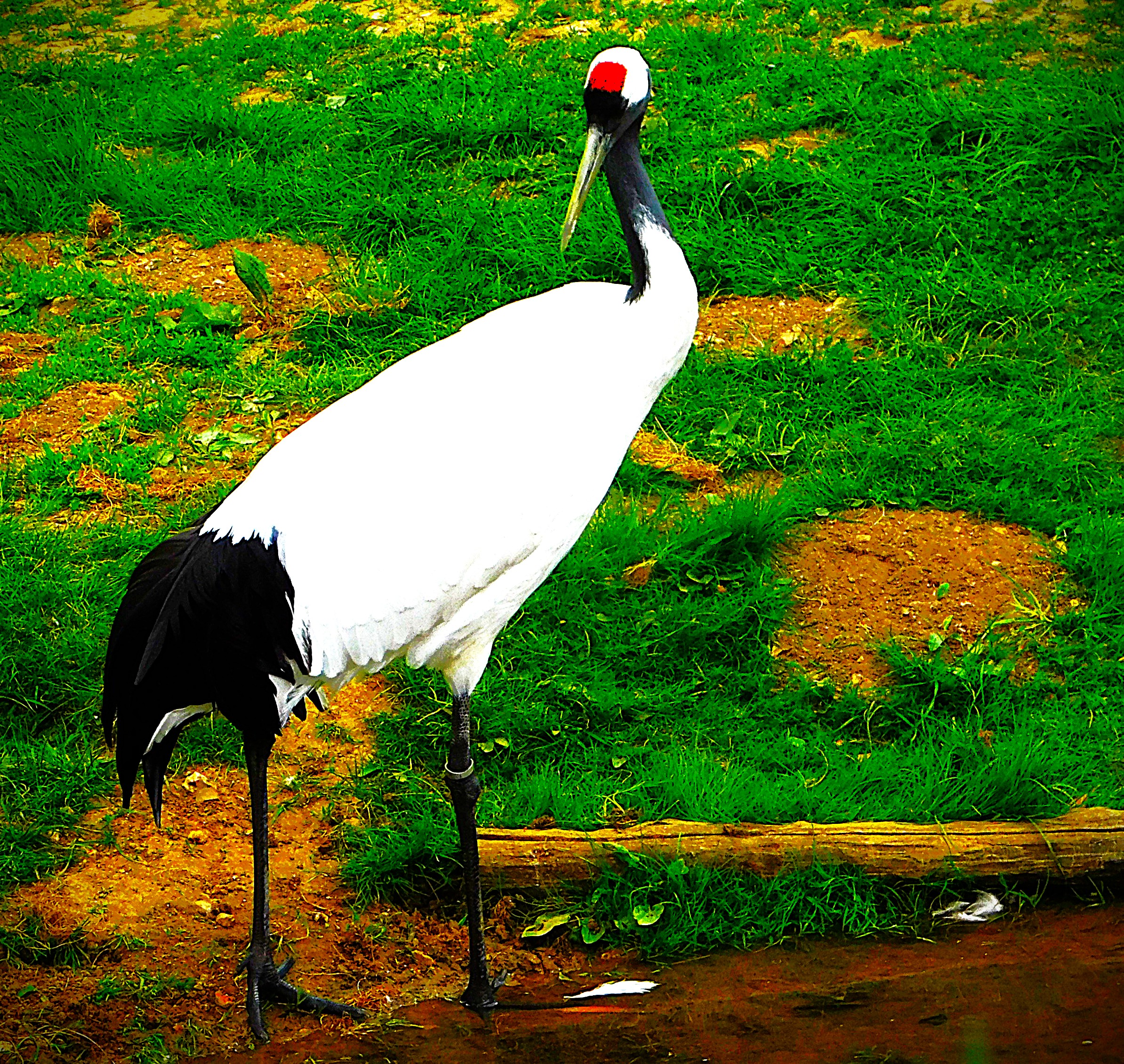
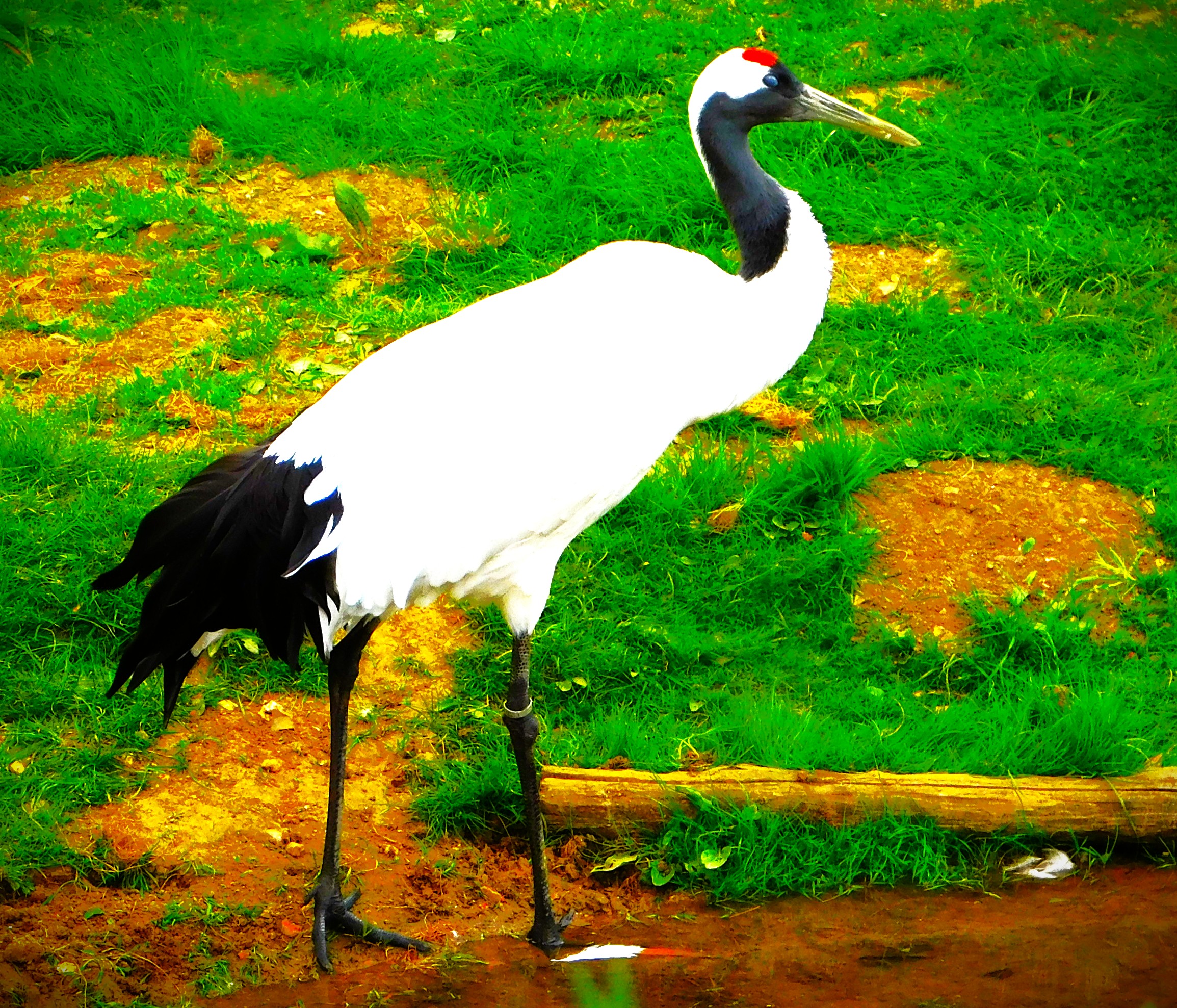
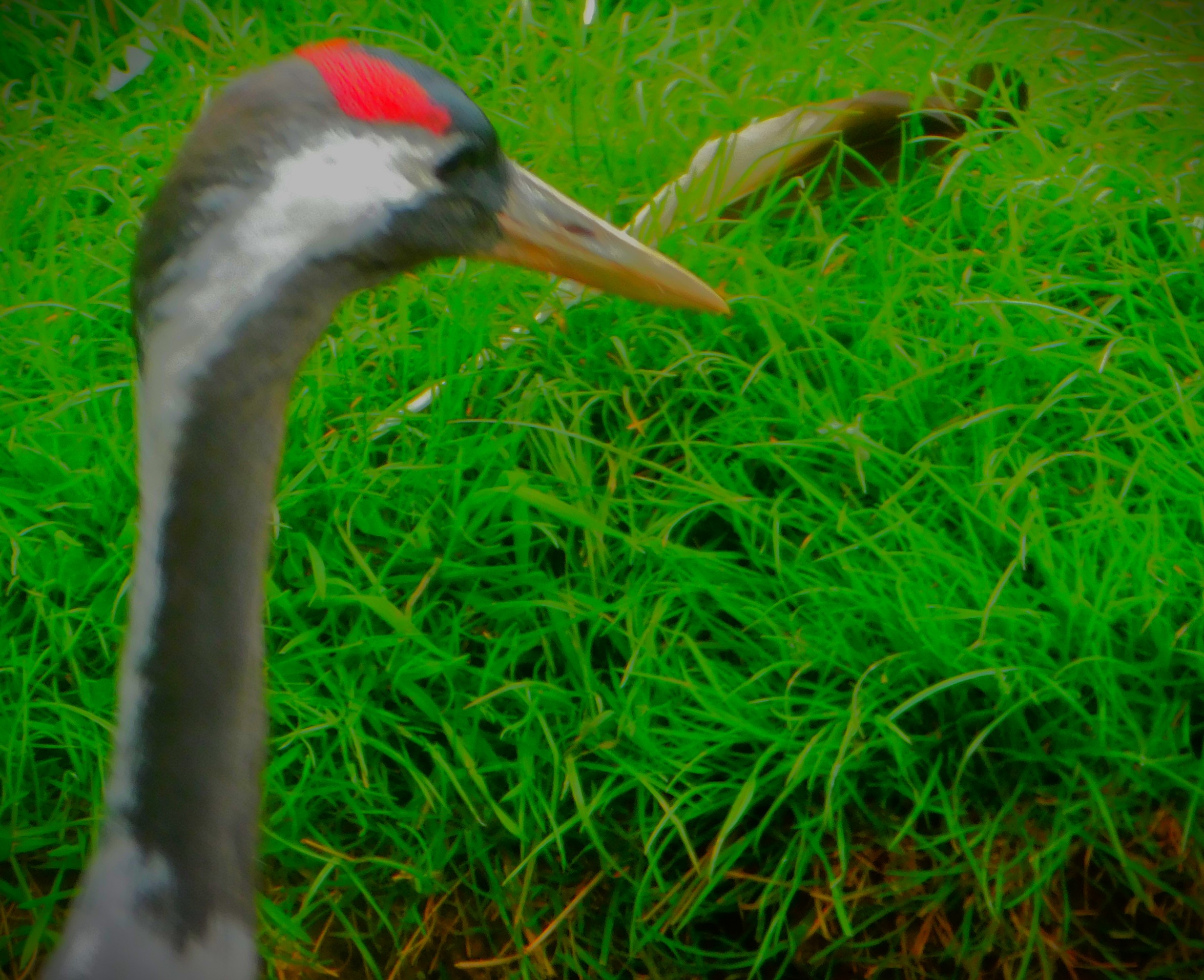
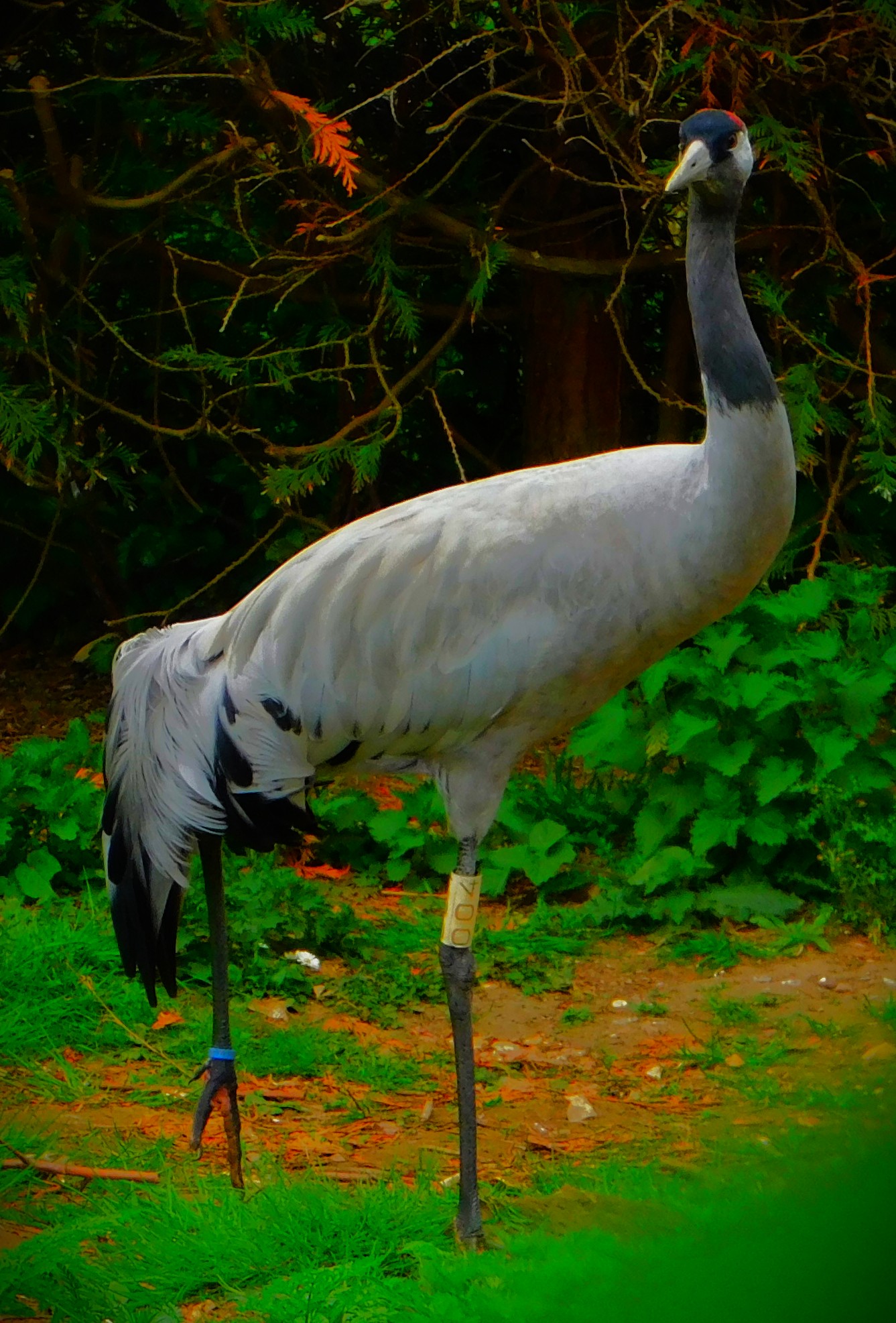
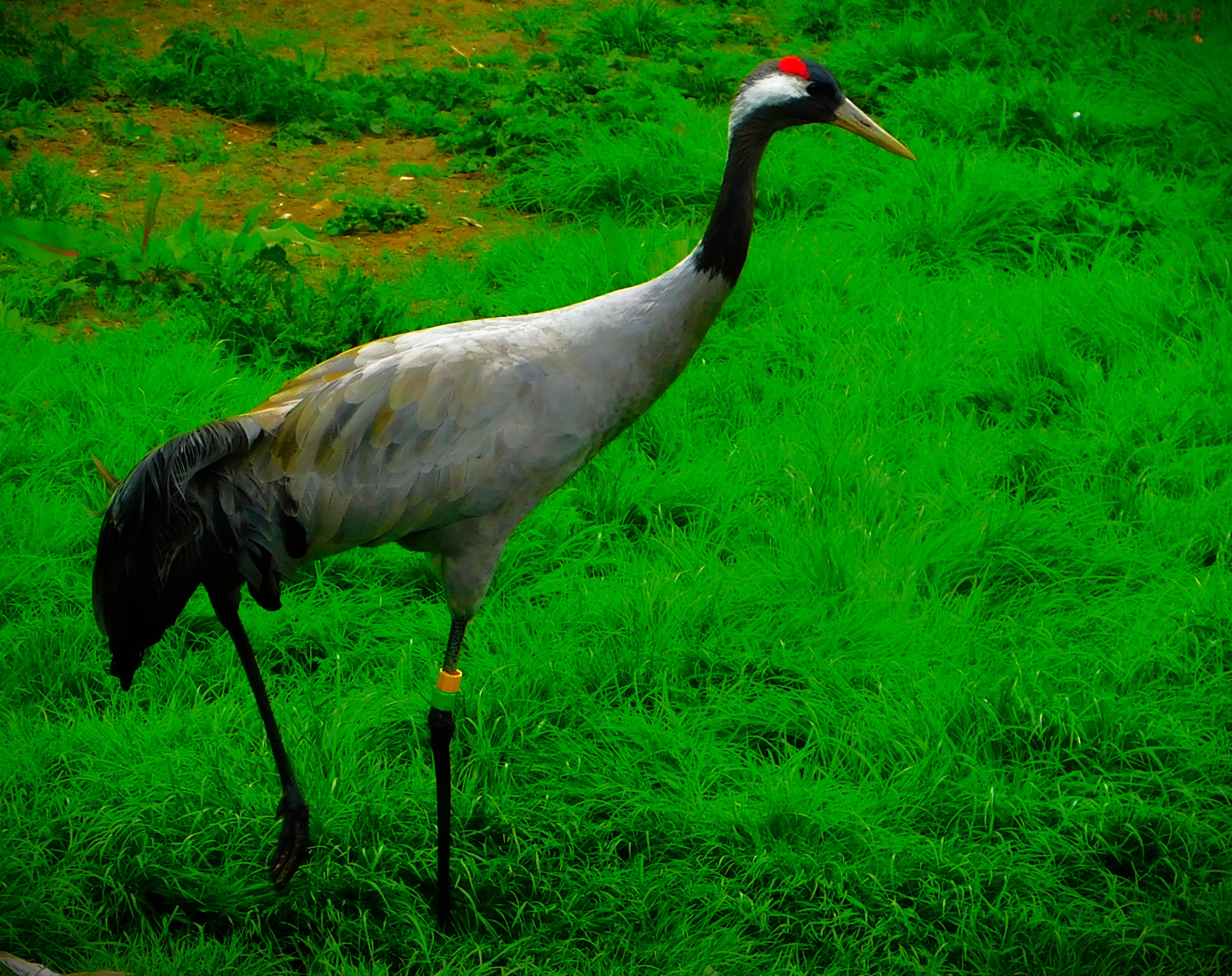
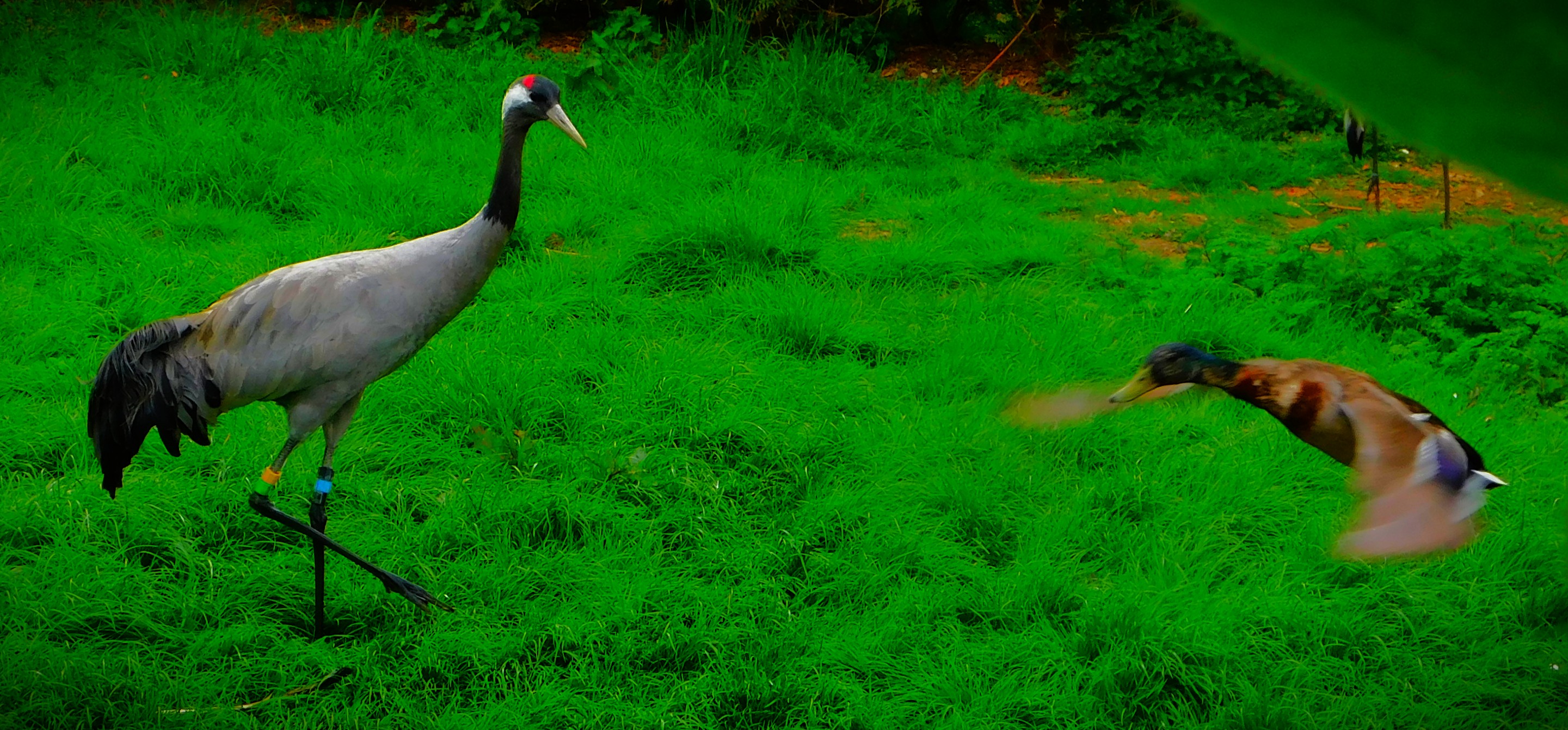
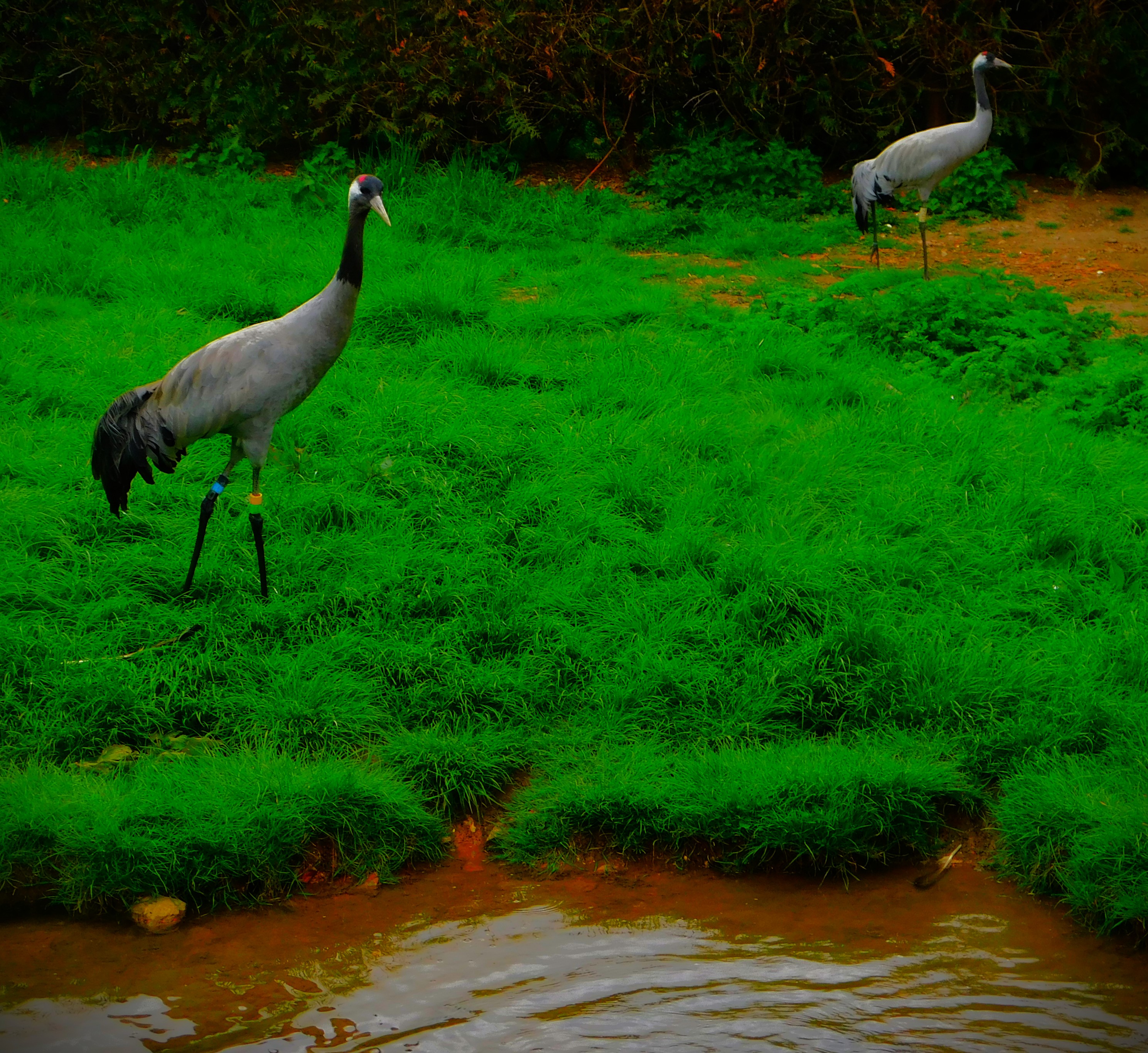
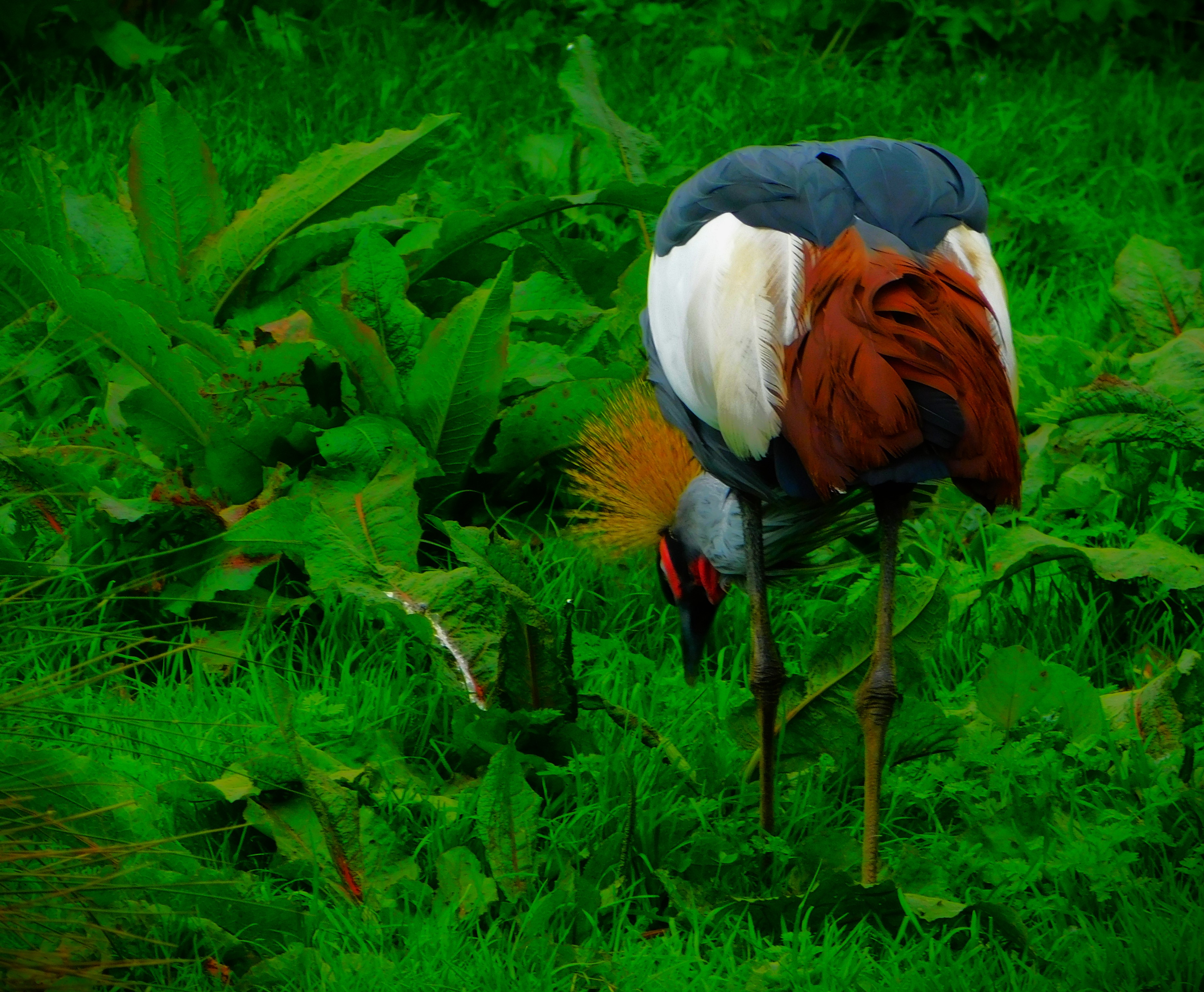
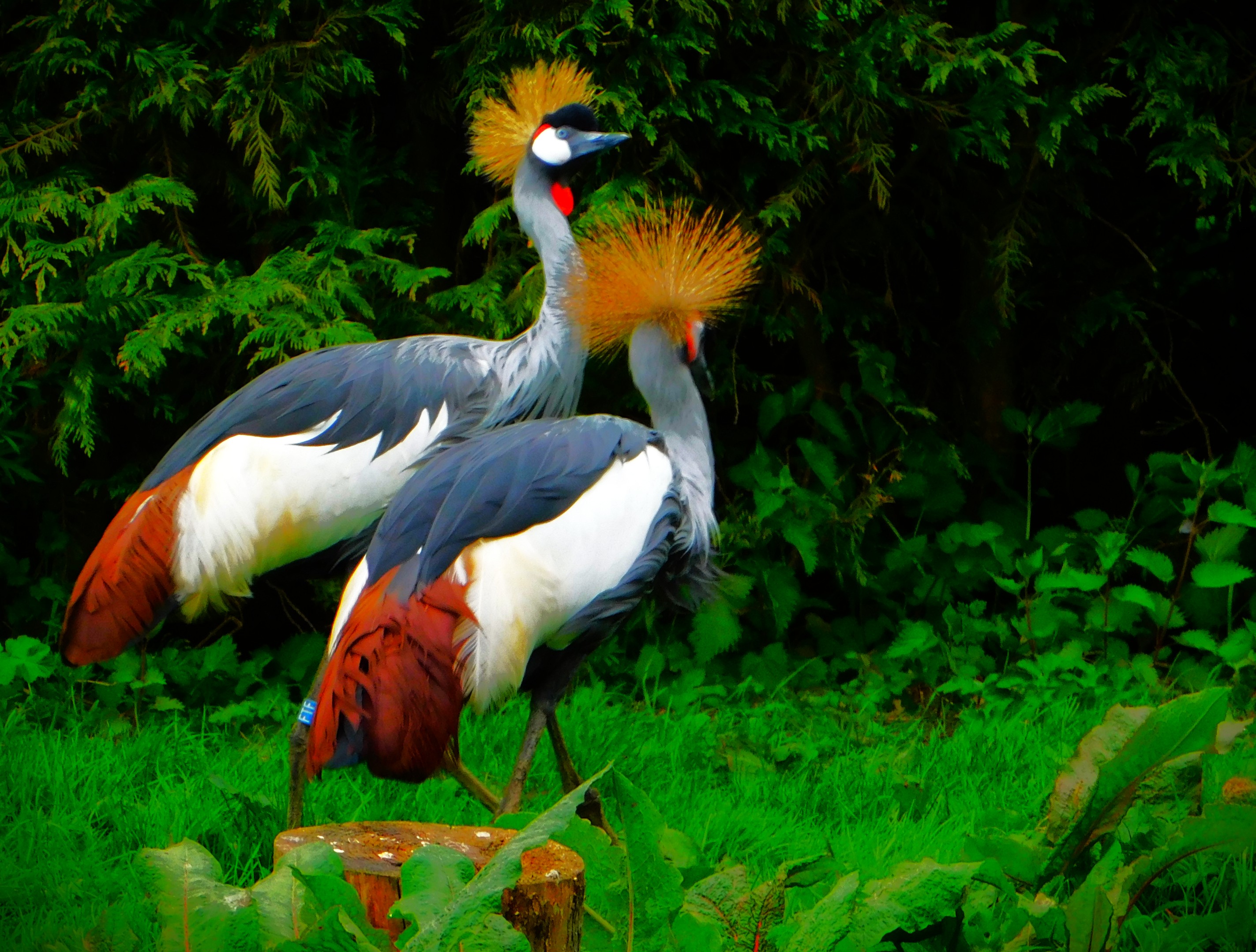
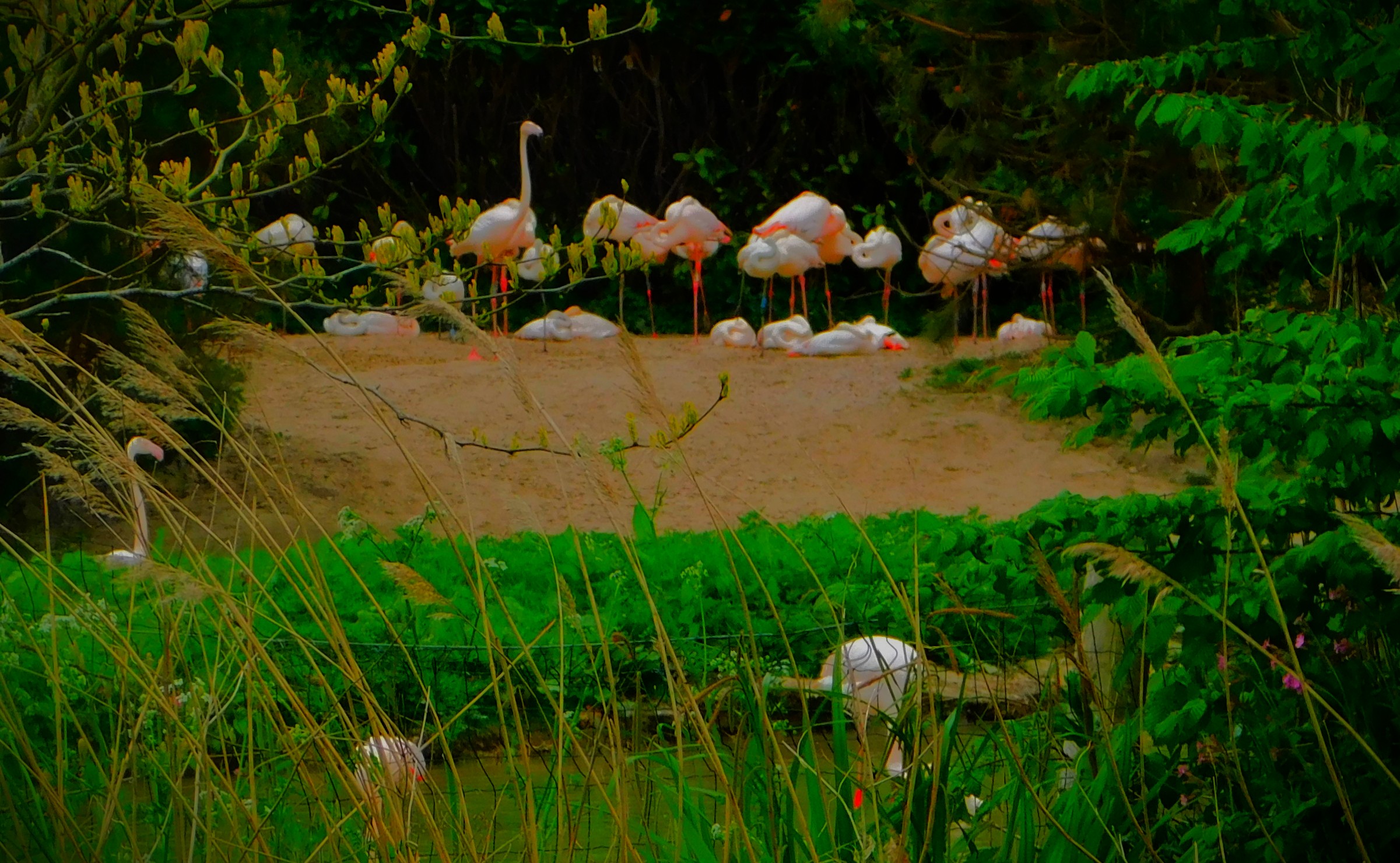
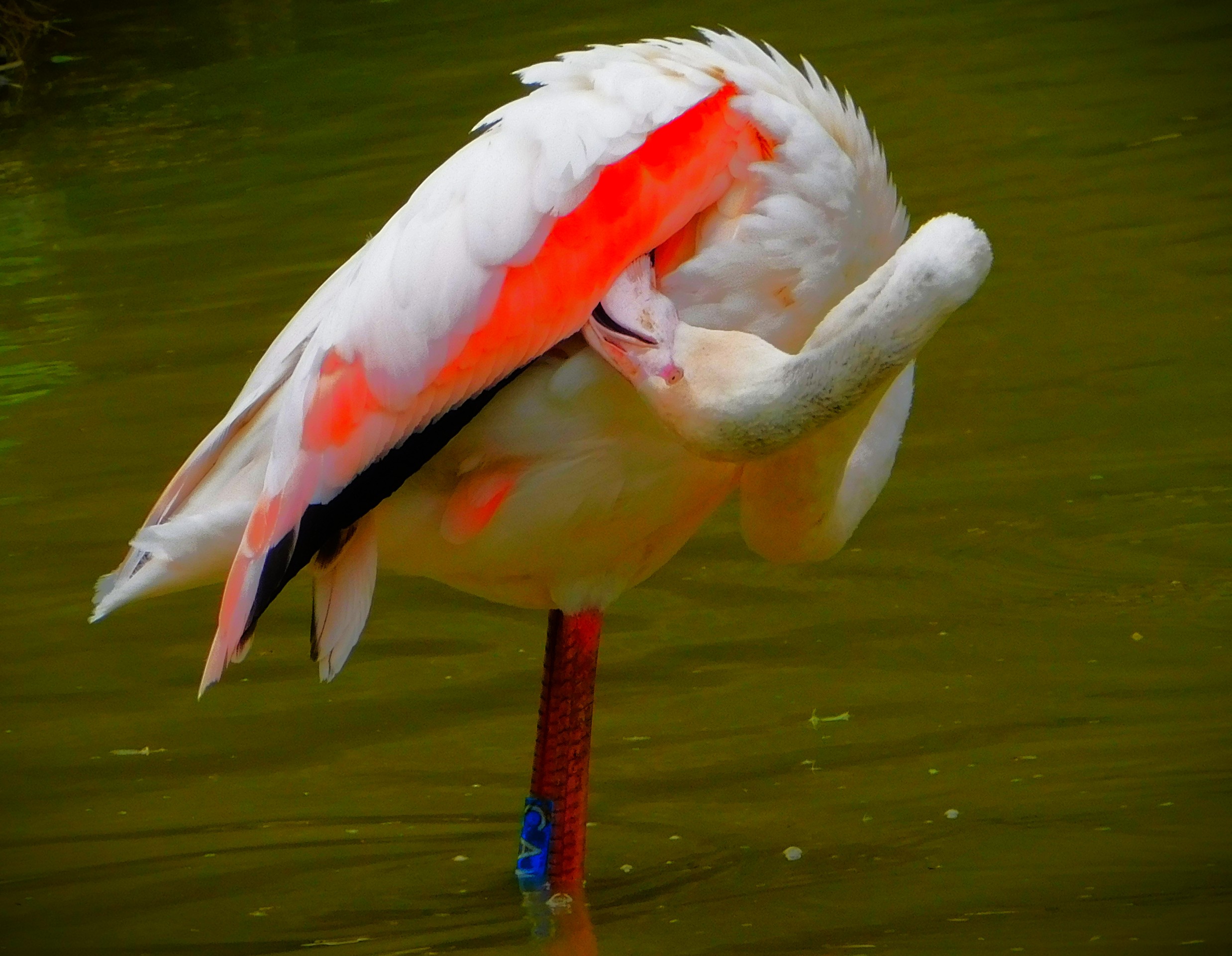
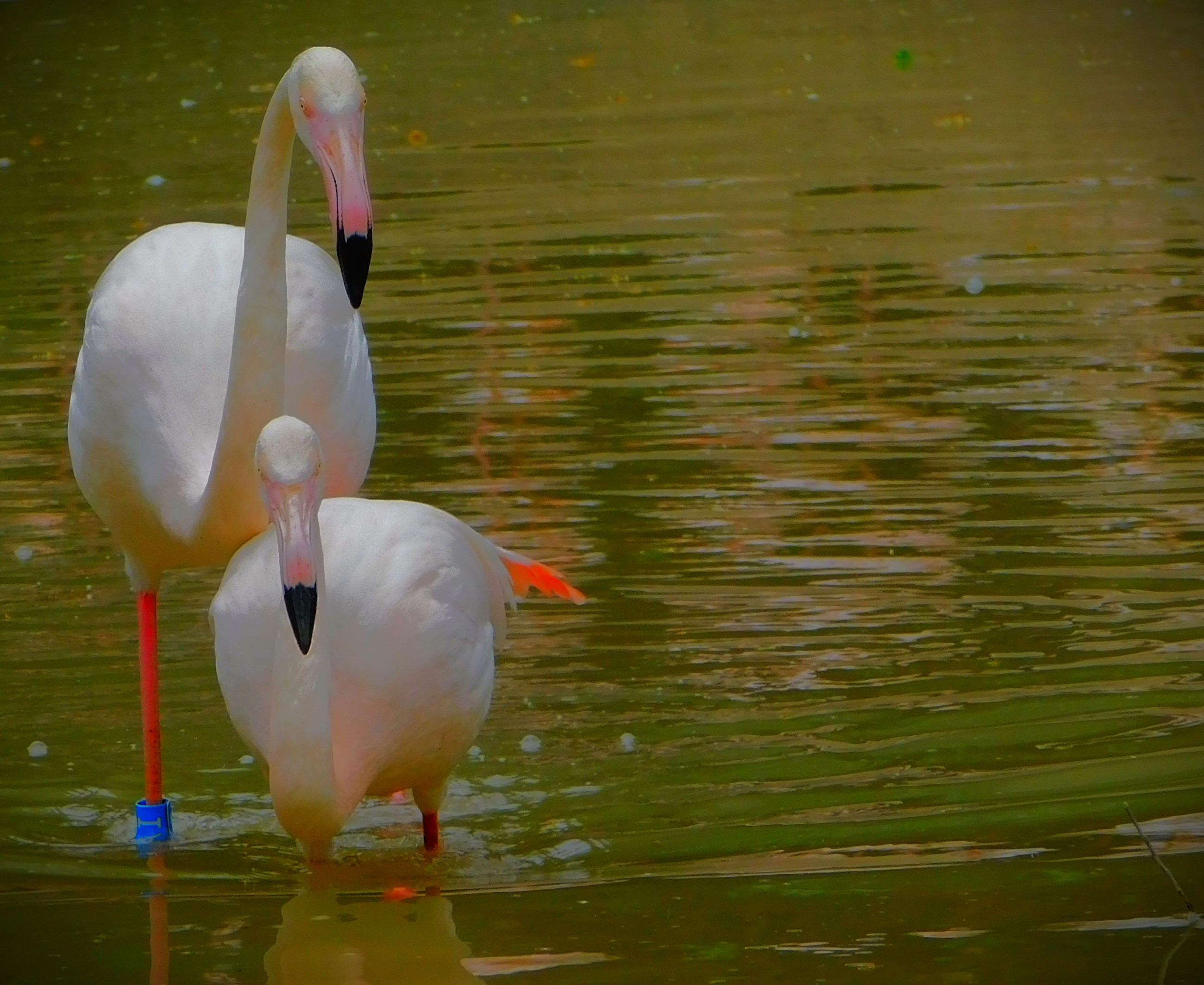
The Crane and Flamingo Area has two ways in and out, both in between the Flamingo pond and the Crane hide. It is close to the wetland area, and also close to the Monet inspired bridge. Pensthorpe is very well equipped with signage, so finding one’s way there is not difficult, but it is not on the way to or from anywhere else, so it requires a conscious decision to give it your attention. There are four different crane species to be seen, each viewable from a different window of the hide.
The second post in my Pensthorpe series: A look at the Discovery Centre and the rest of my general photos,
This is the next post in my series about the West Norfolk Autism Group outing to Pensthorpe Nature Reserve (68 of us went in total). It features the Discovery Centre and those of the general photos that I have not already shared.
THE DISCOVERY CENTRE
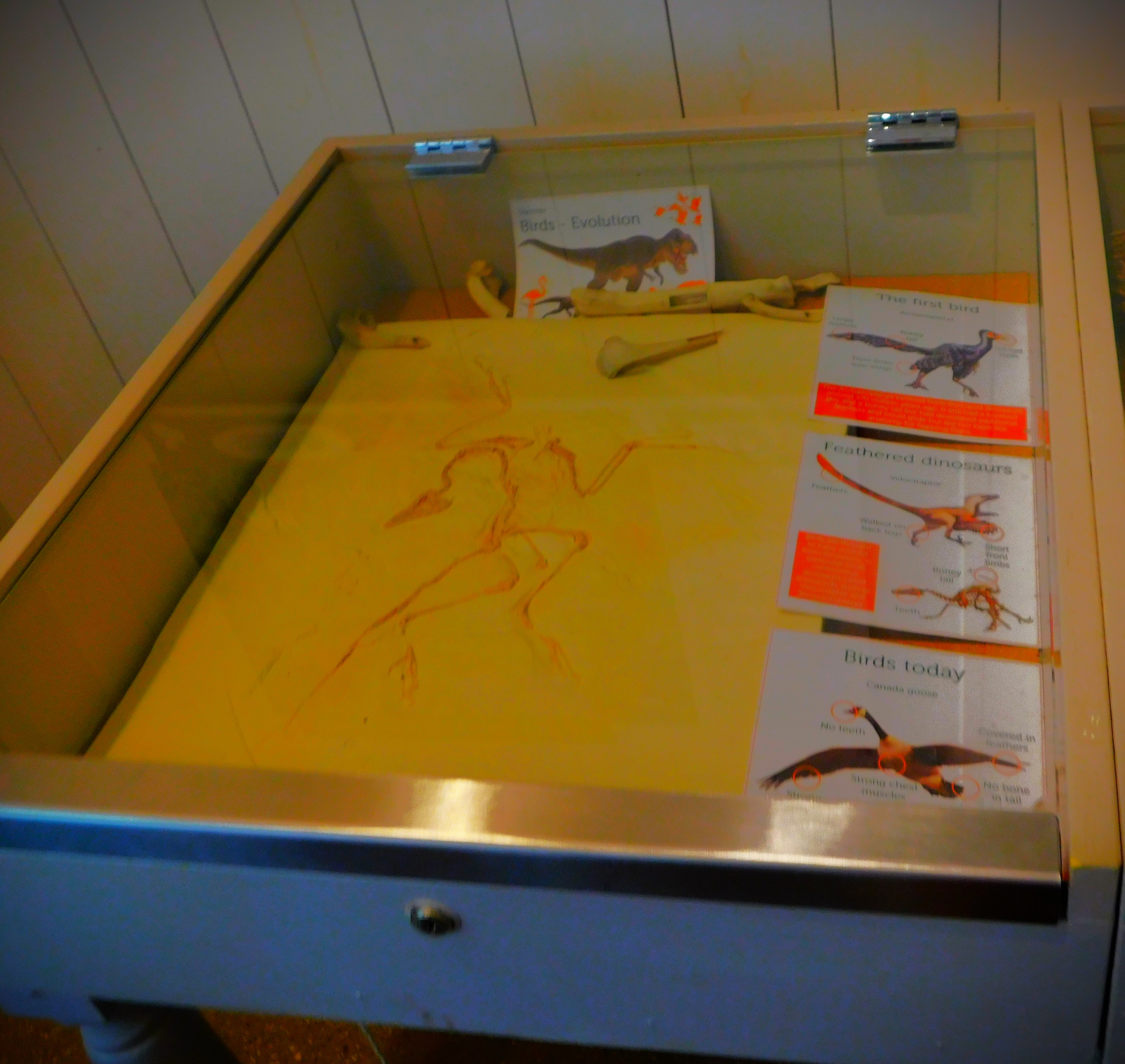
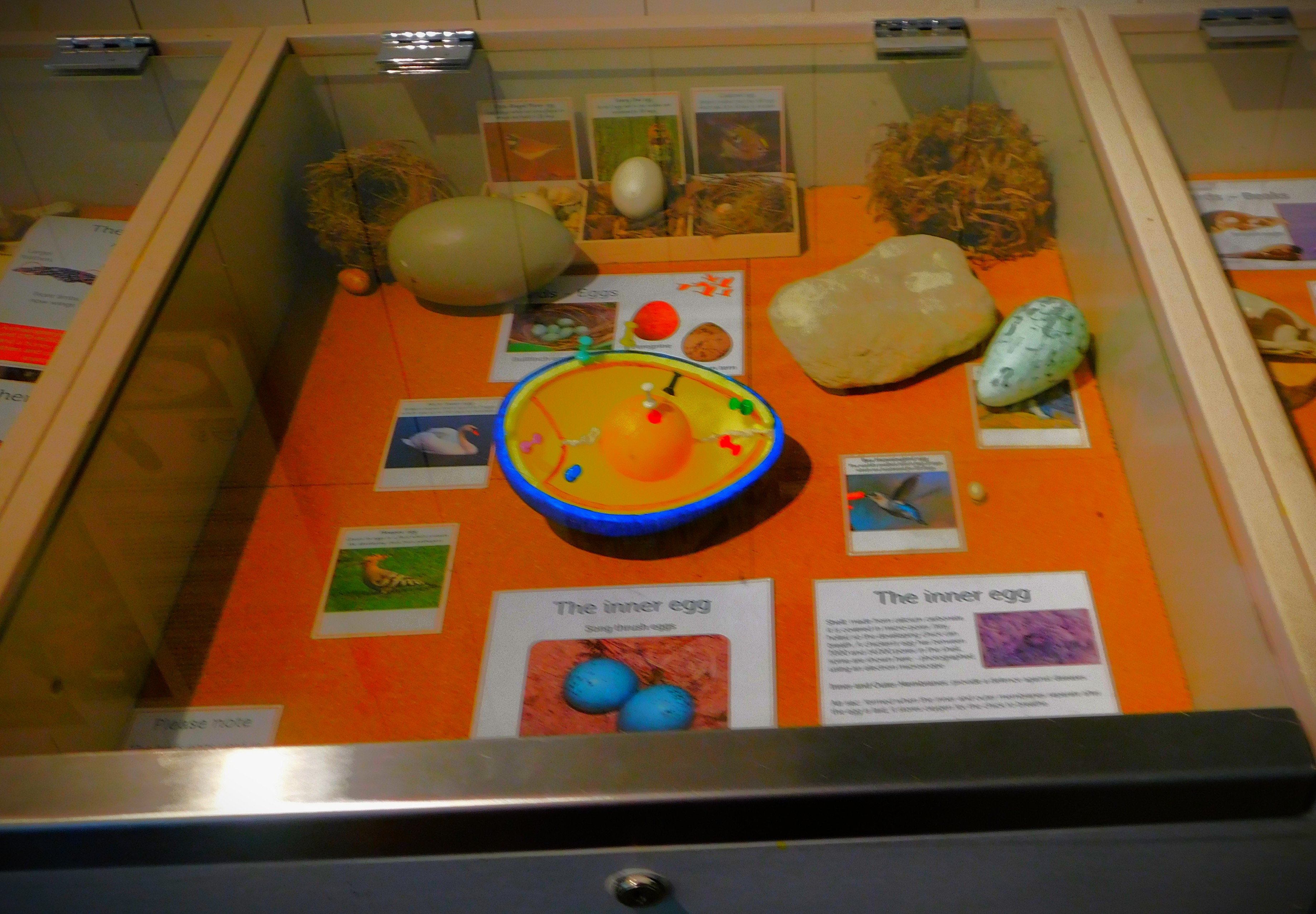
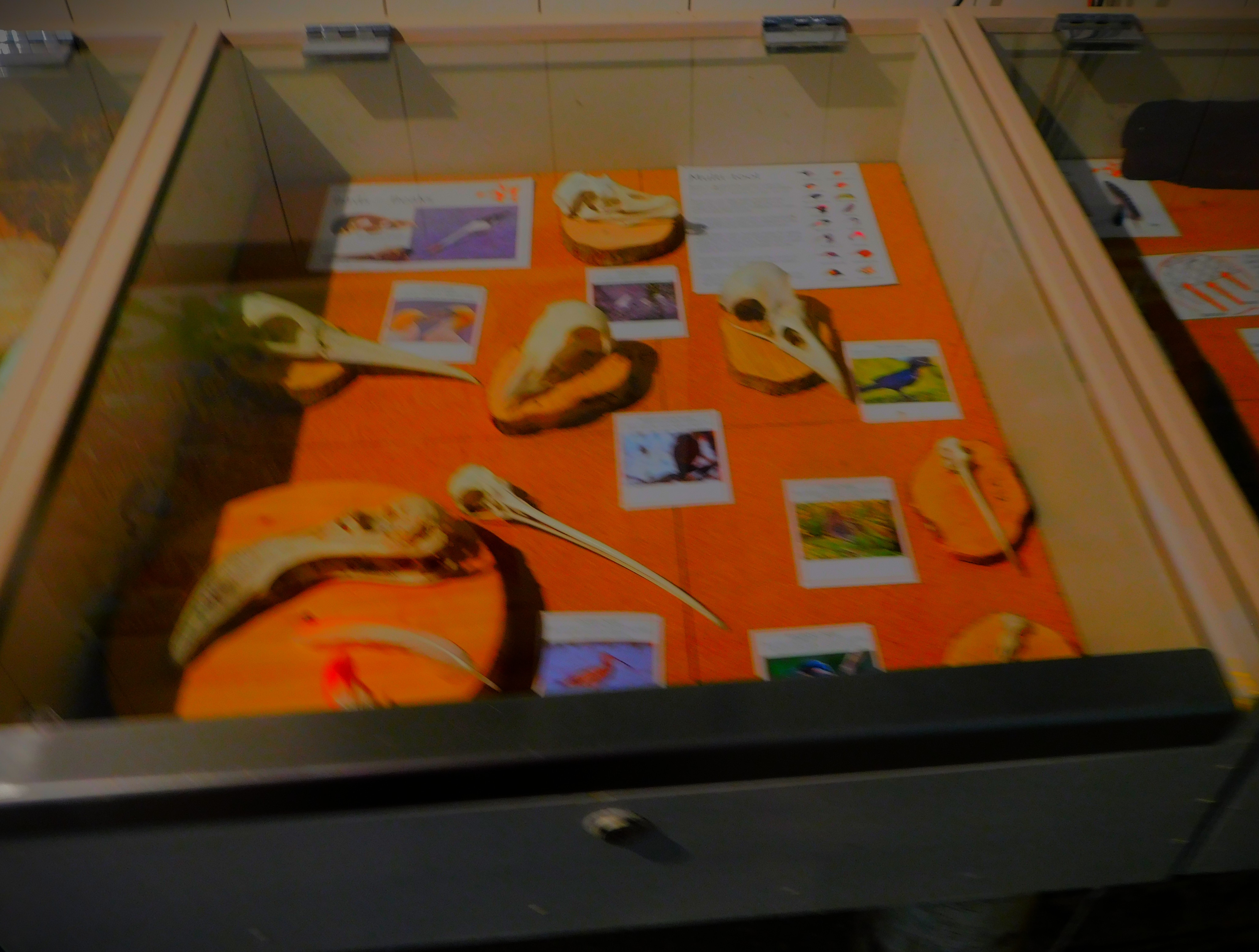
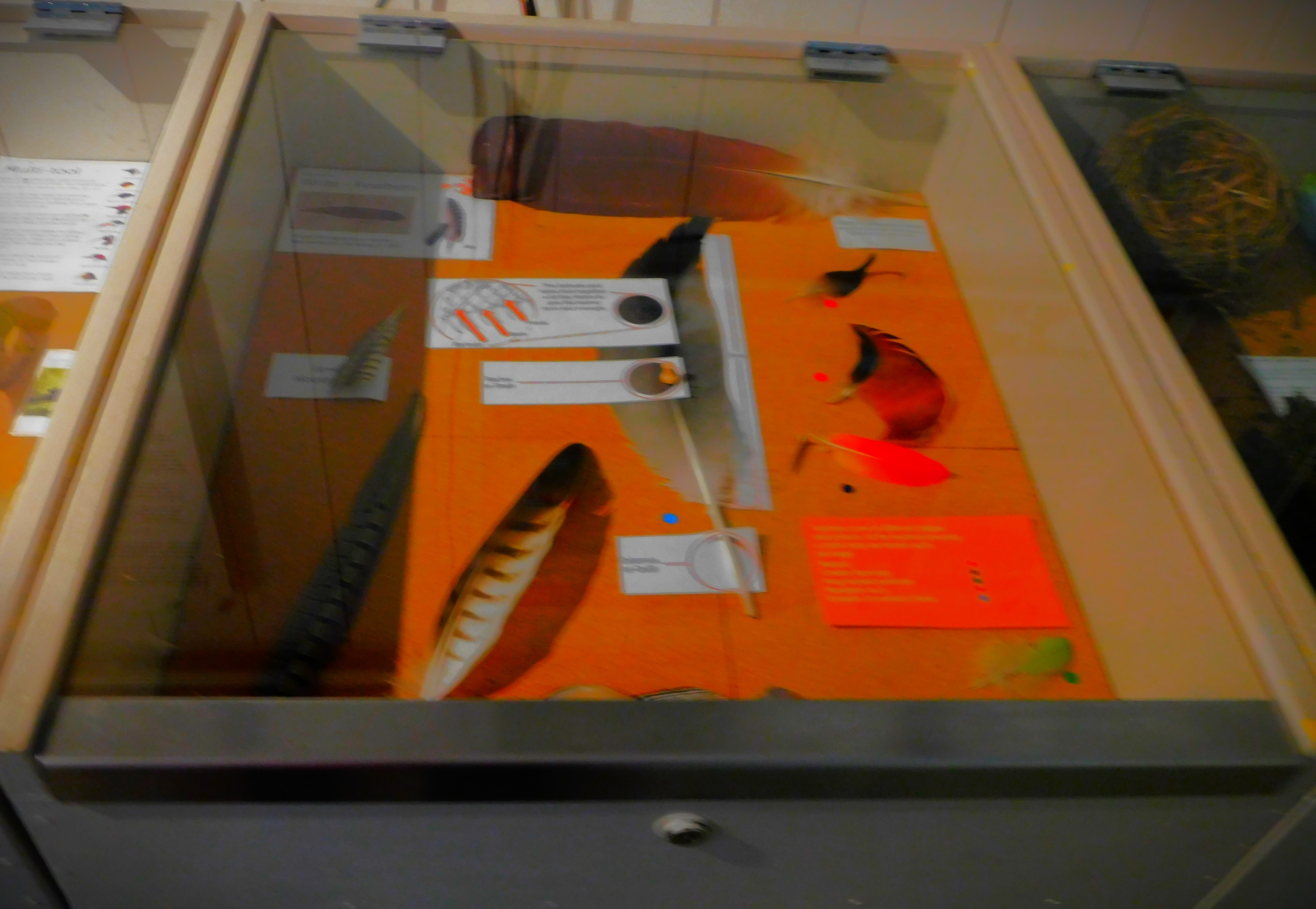
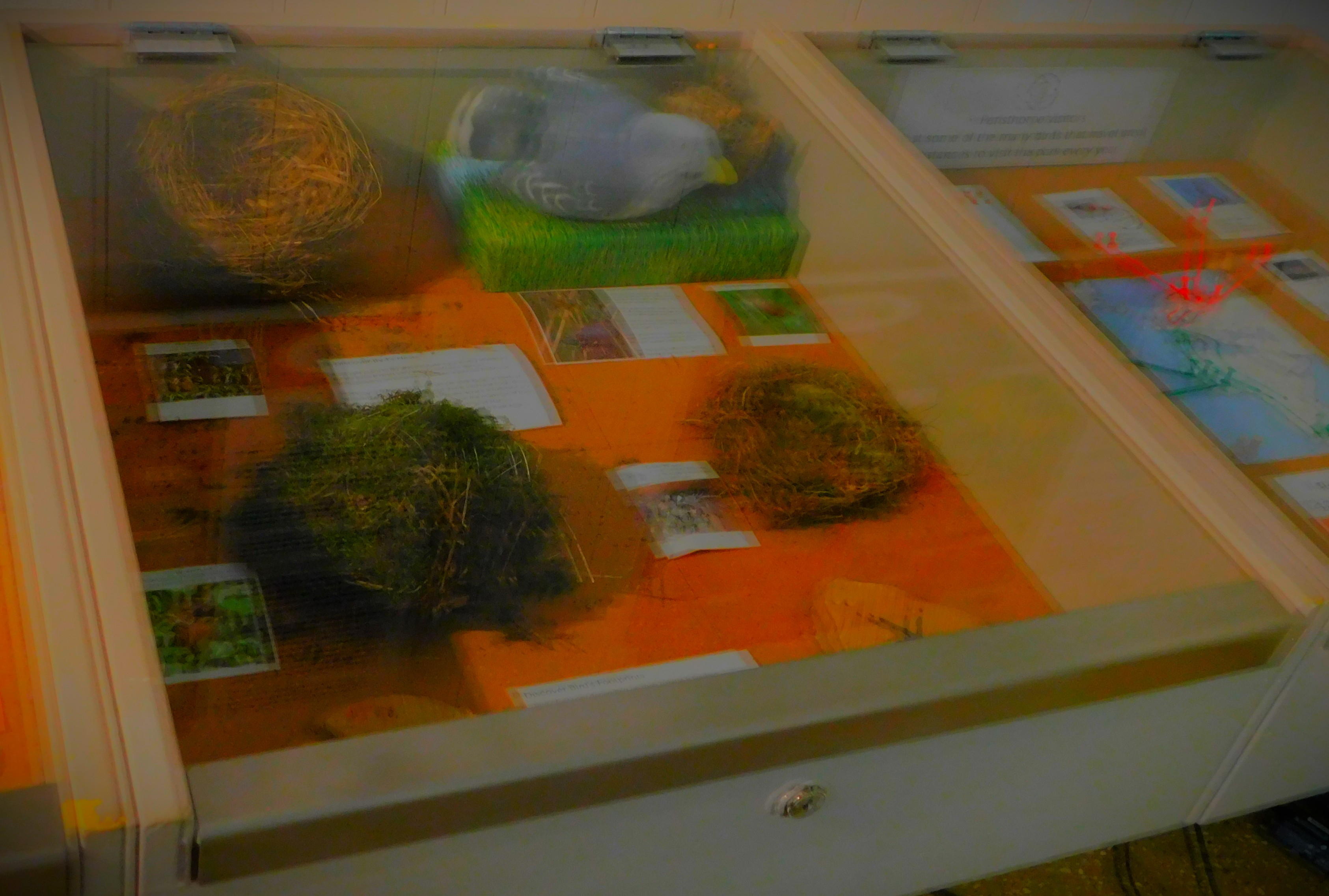
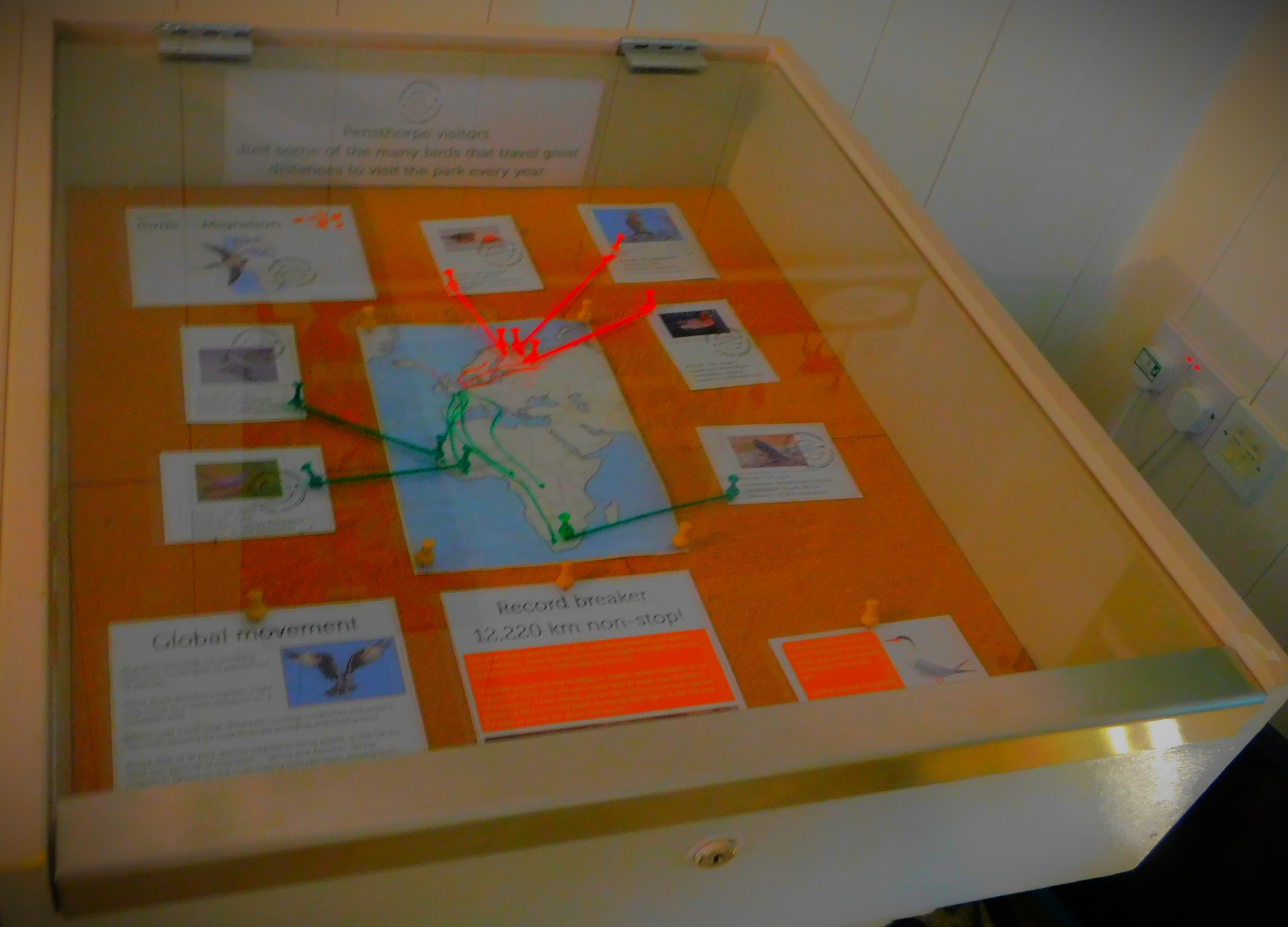
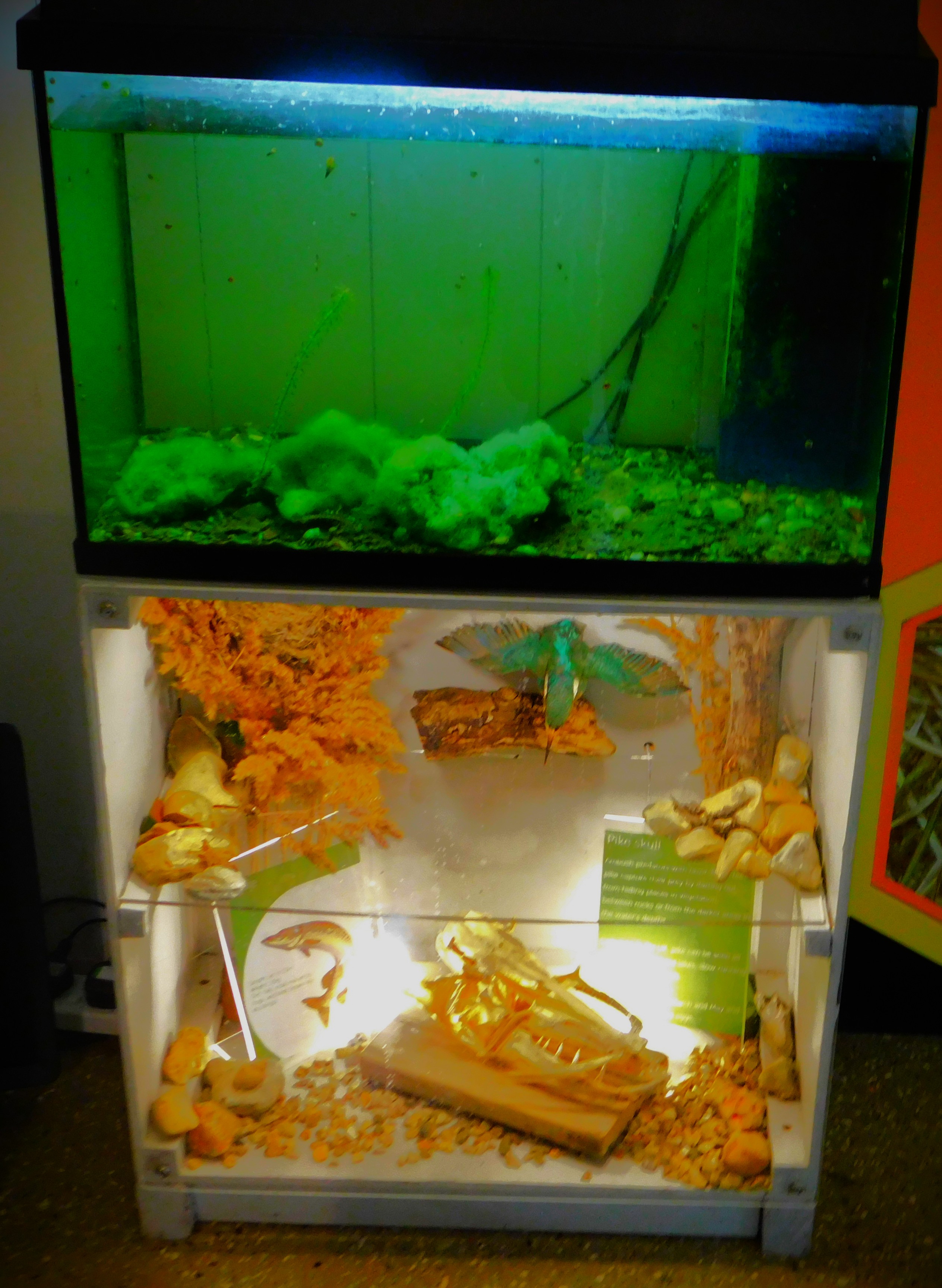
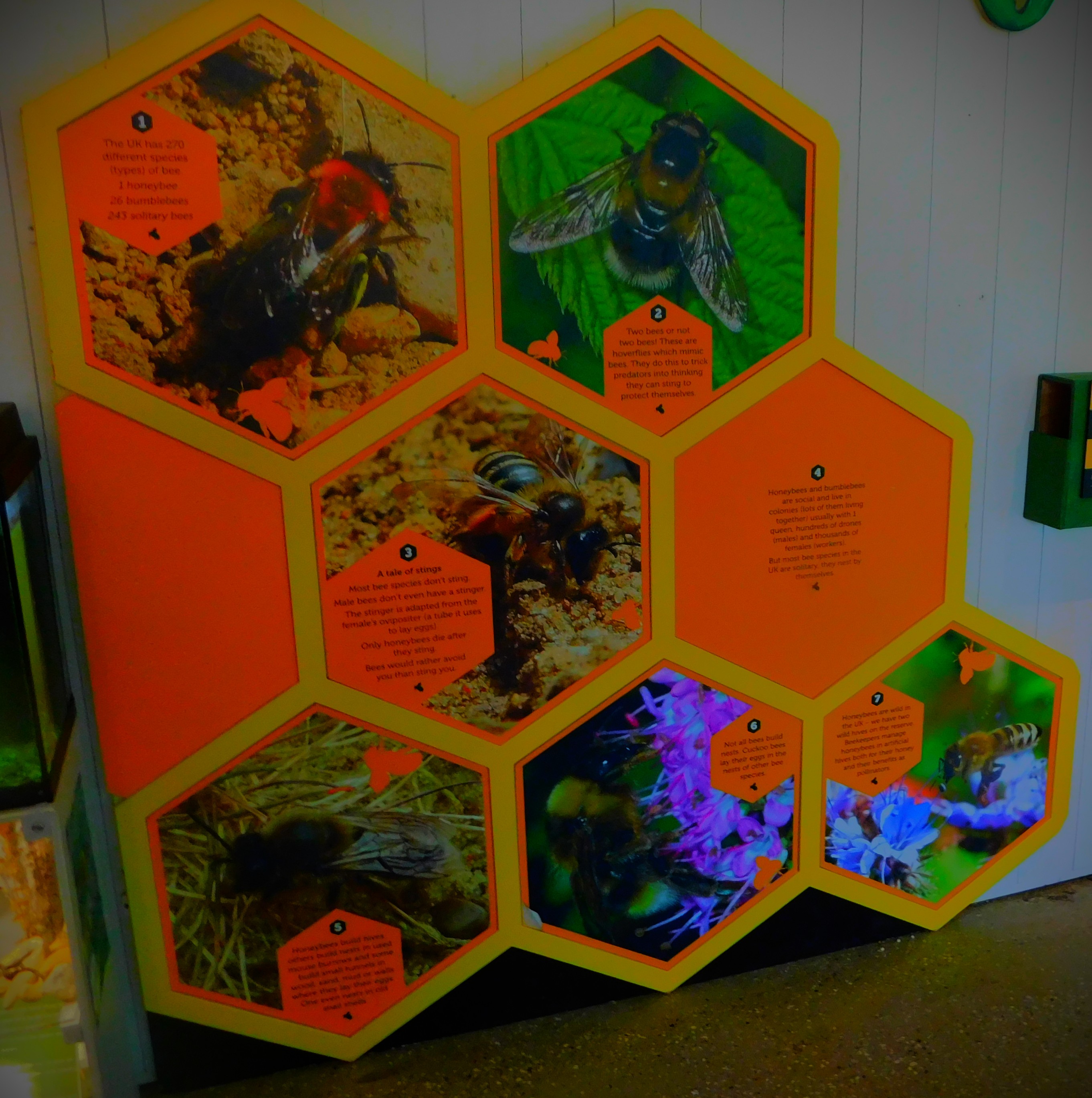
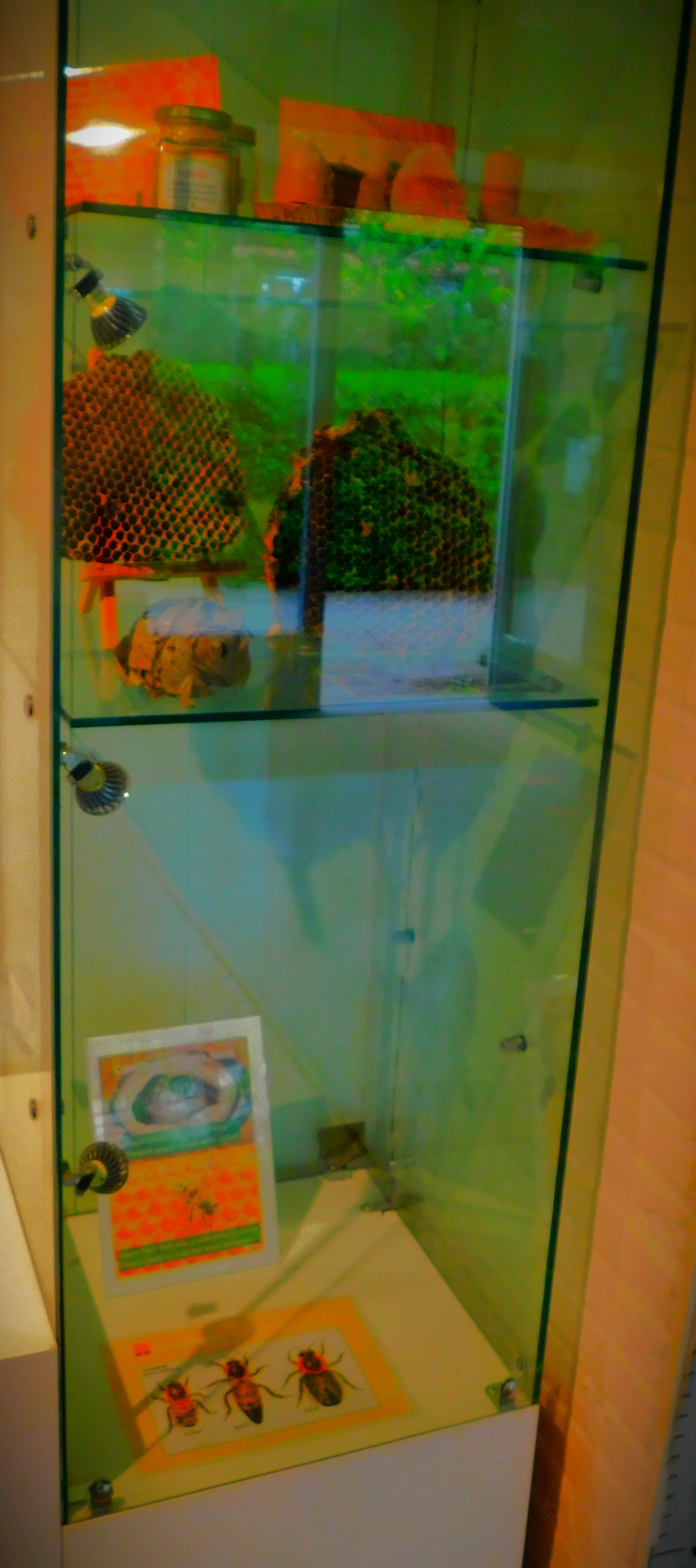
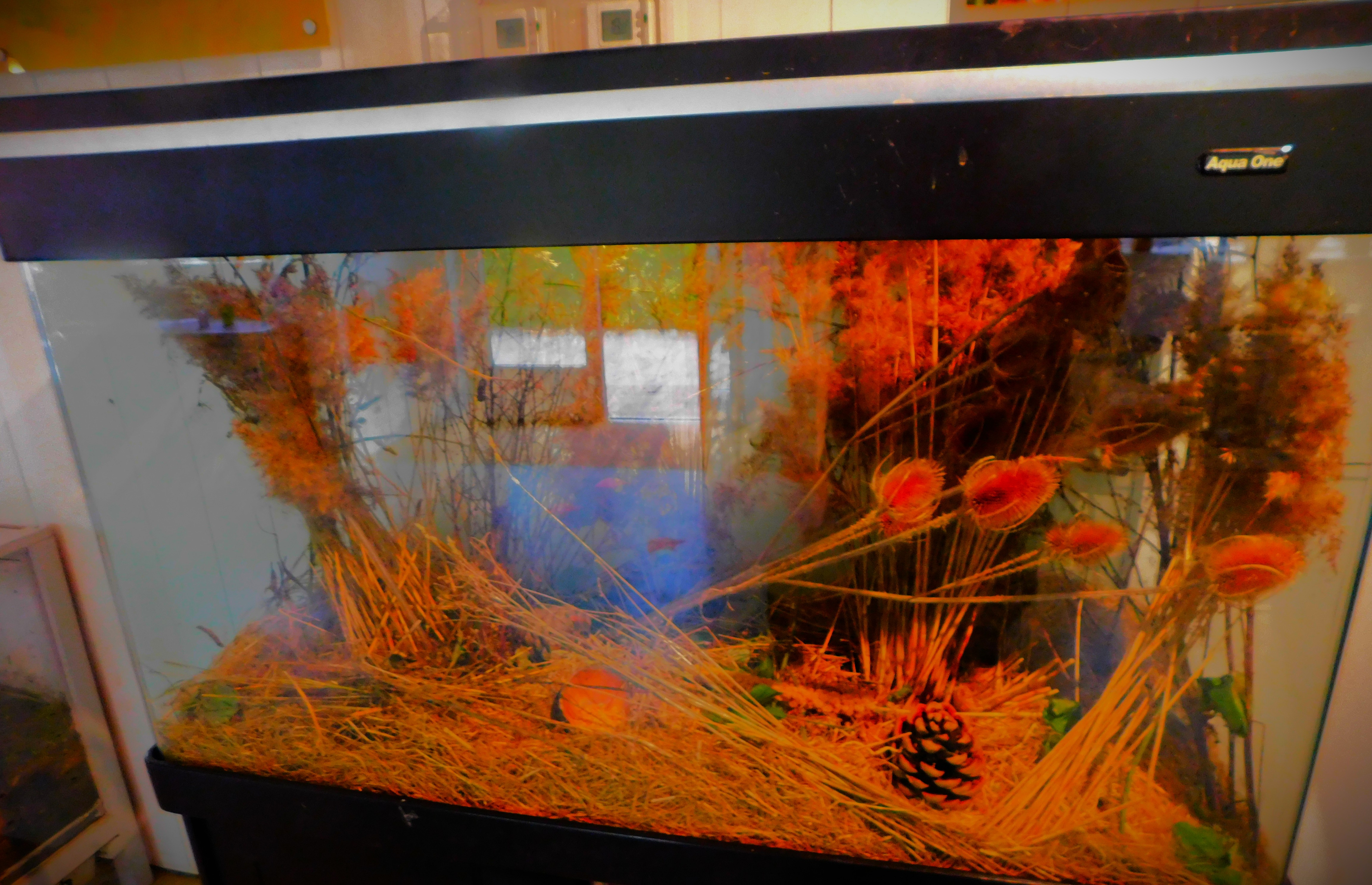
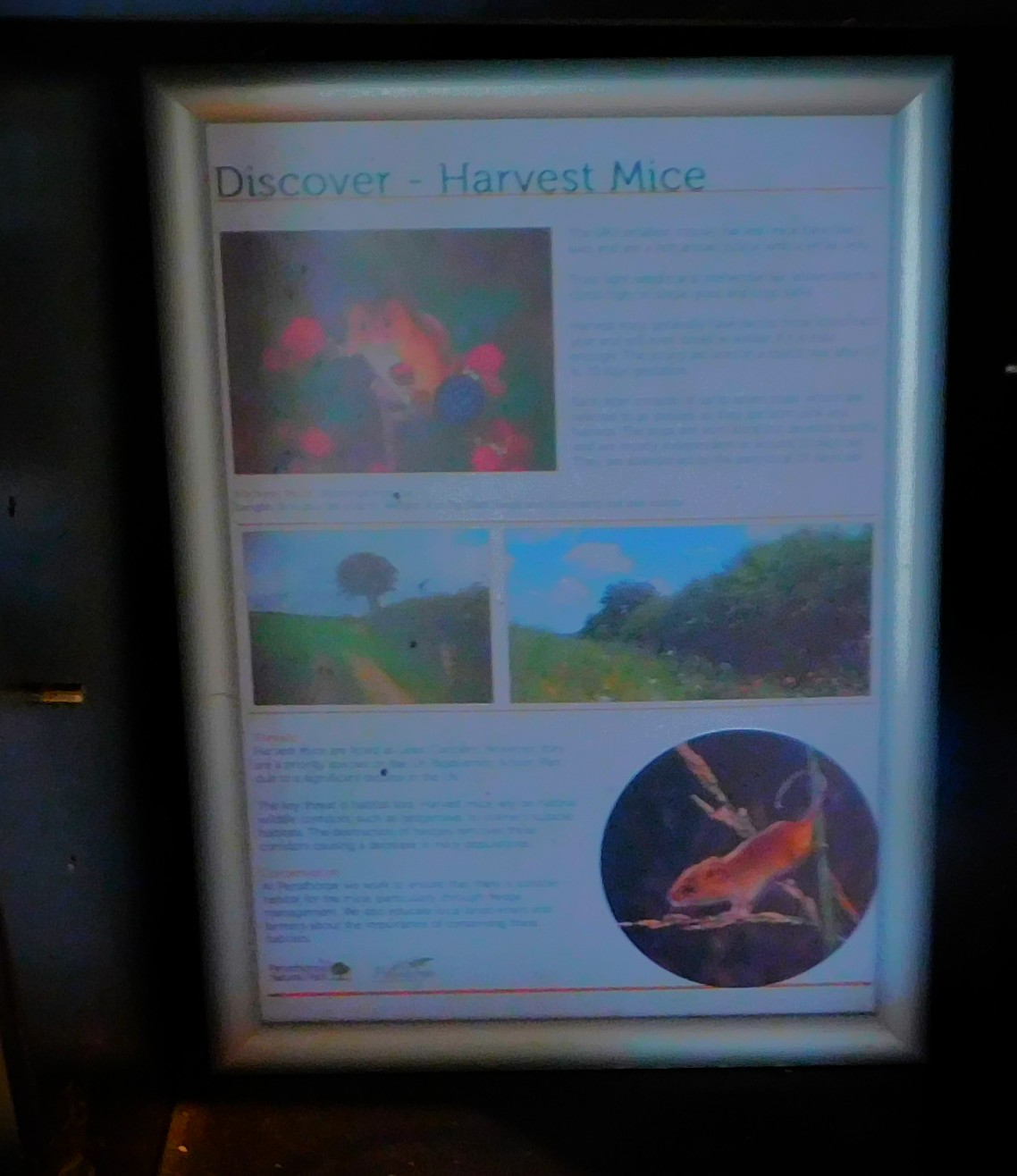
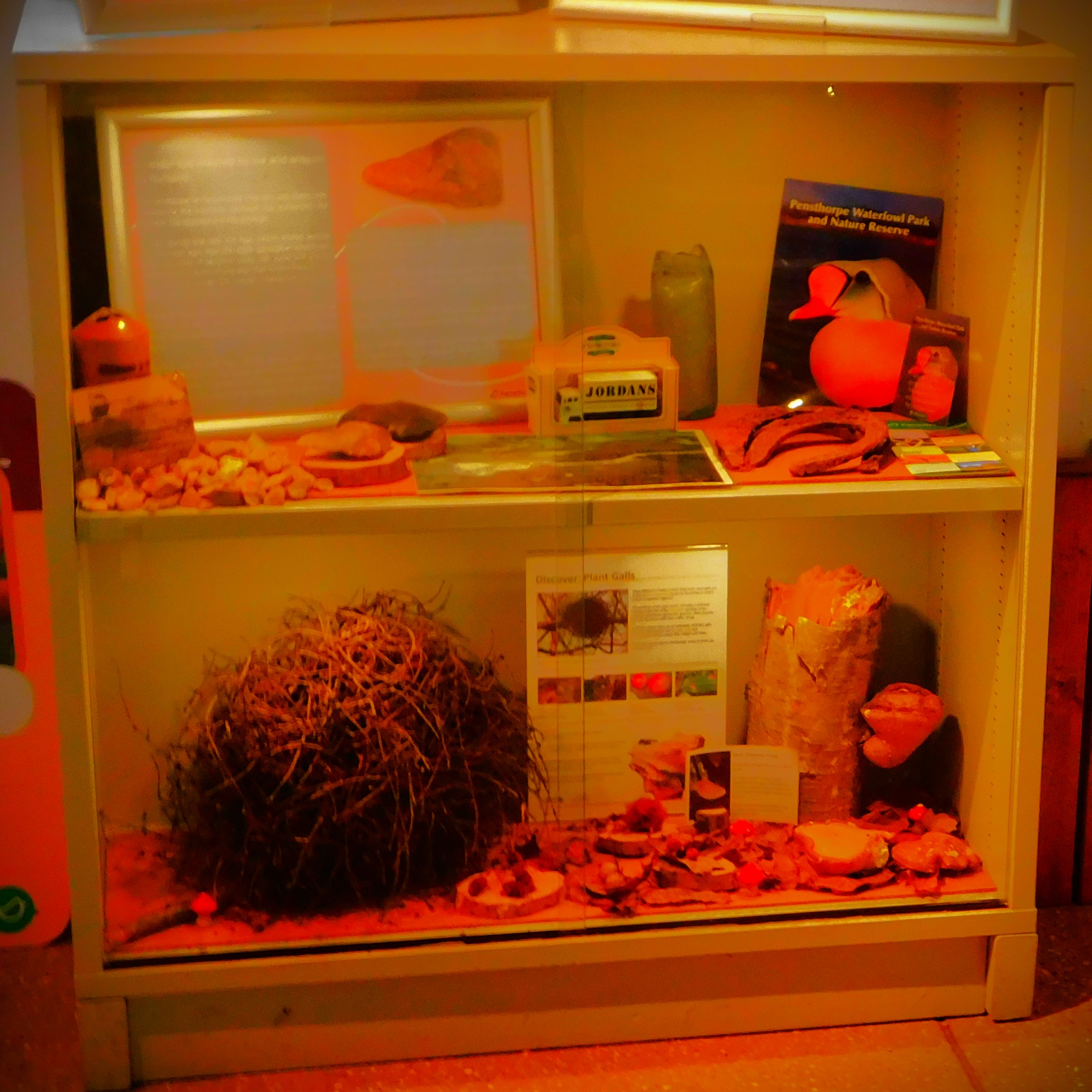
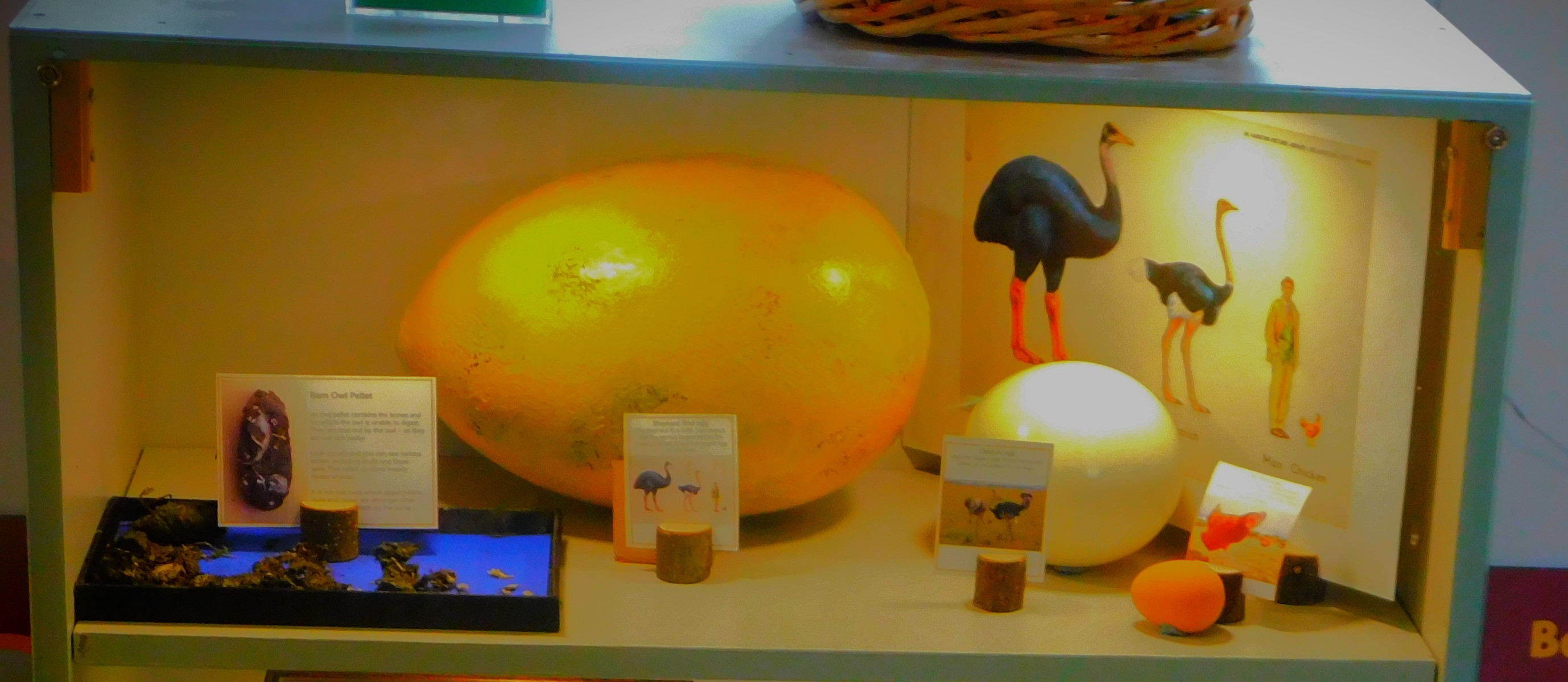
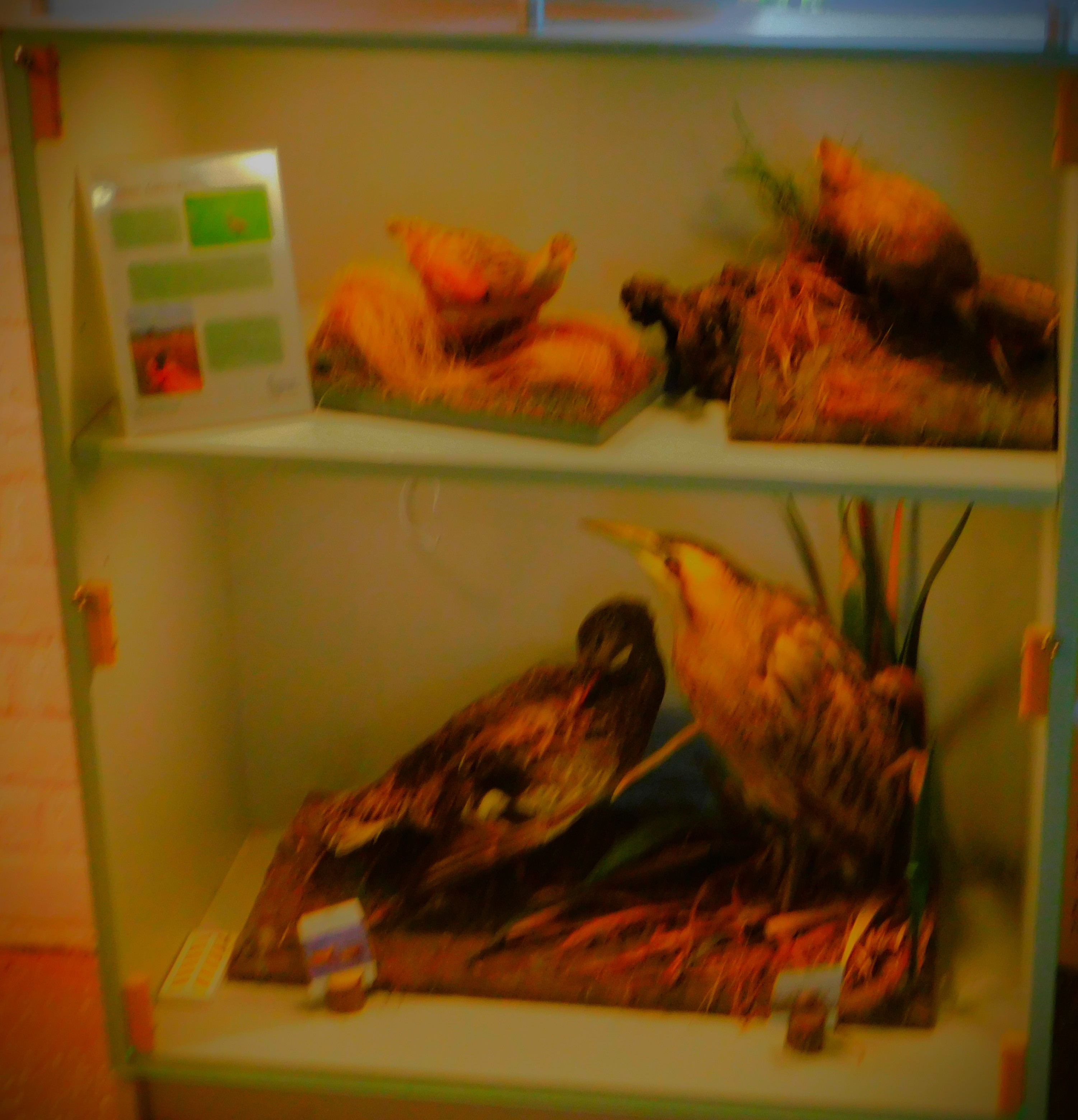
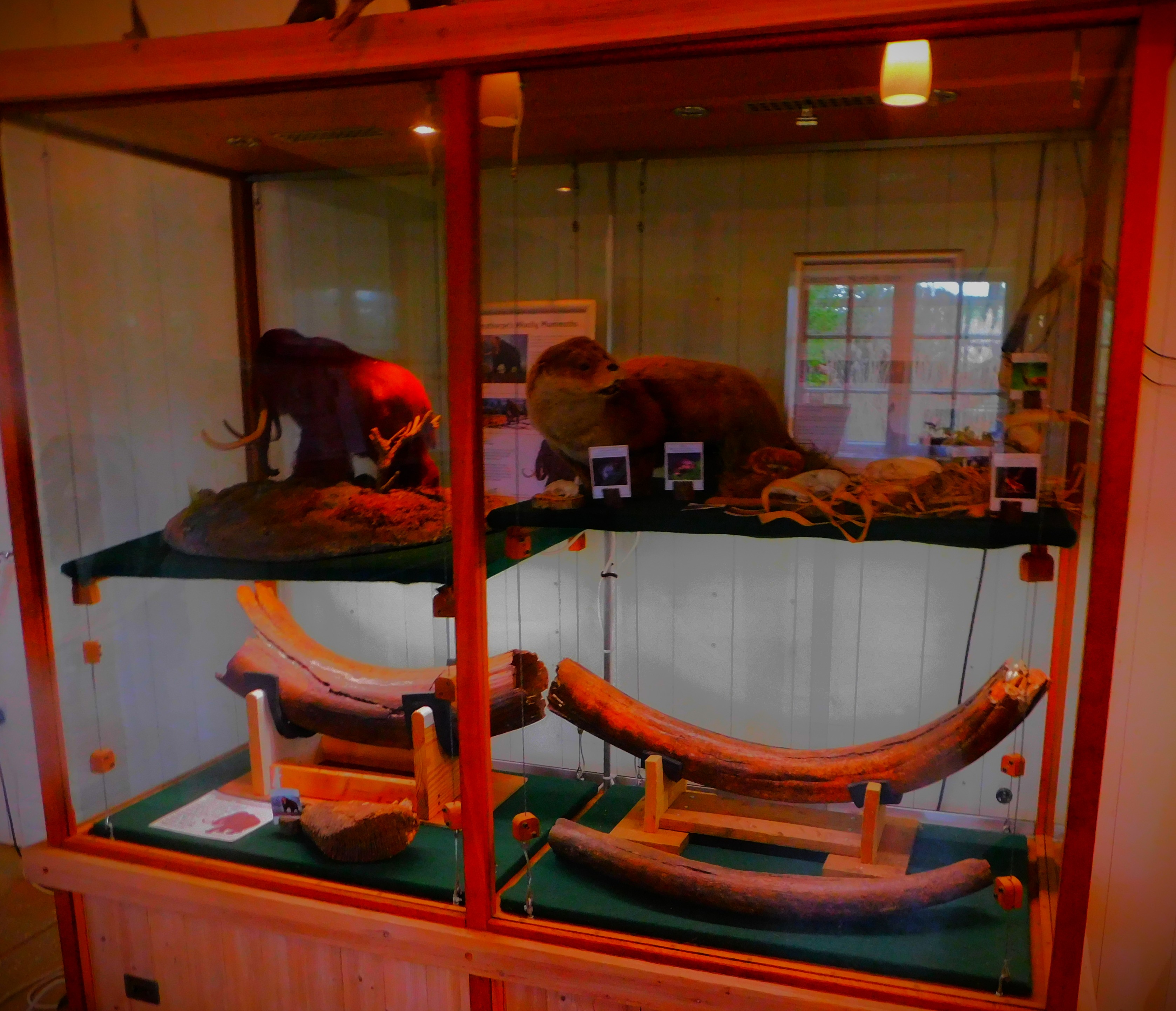
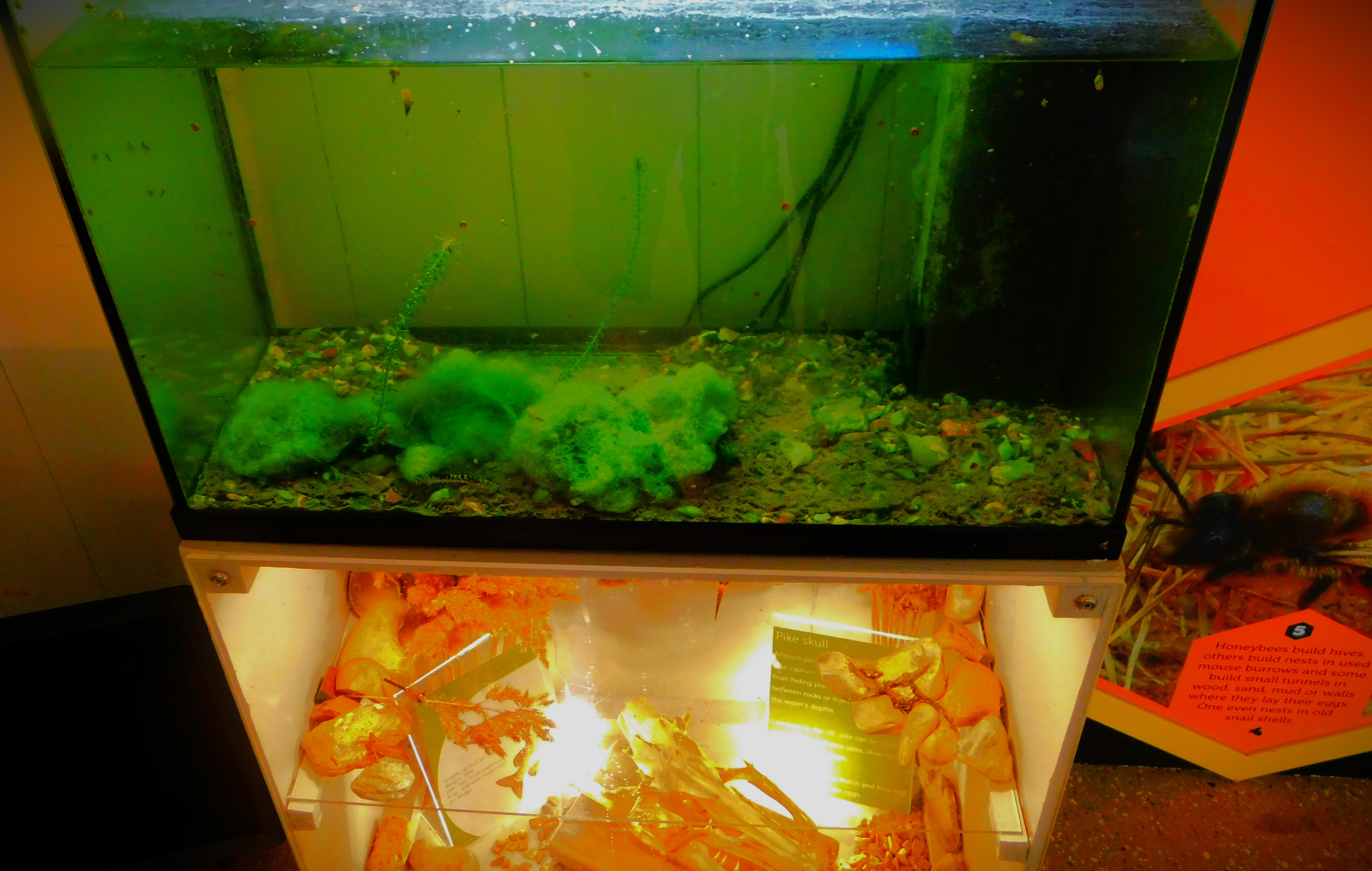
The Discovery Centre at Pensthorpe is a small museum featuring exhibits about the natural history and evolution of birds, stuff about bees, stuff about the area through the ages, and a couple of mini-habitats – a fish tank and specially created habitat tank for harvest mice (as well as being tiny – an adult harvest mouse weighs 4-6 grammes – these creatures are exceedingly shy, and they did not show themselves while I was in there). Though I would recommend visiting it at least once when at Pensthorpe there is no need fit such a visit into any kind of plan for exploring the site – it is located close to the main entrance and can be fitted in any time you fancy.
OUT AND ABOUT AT PENSTHORPE
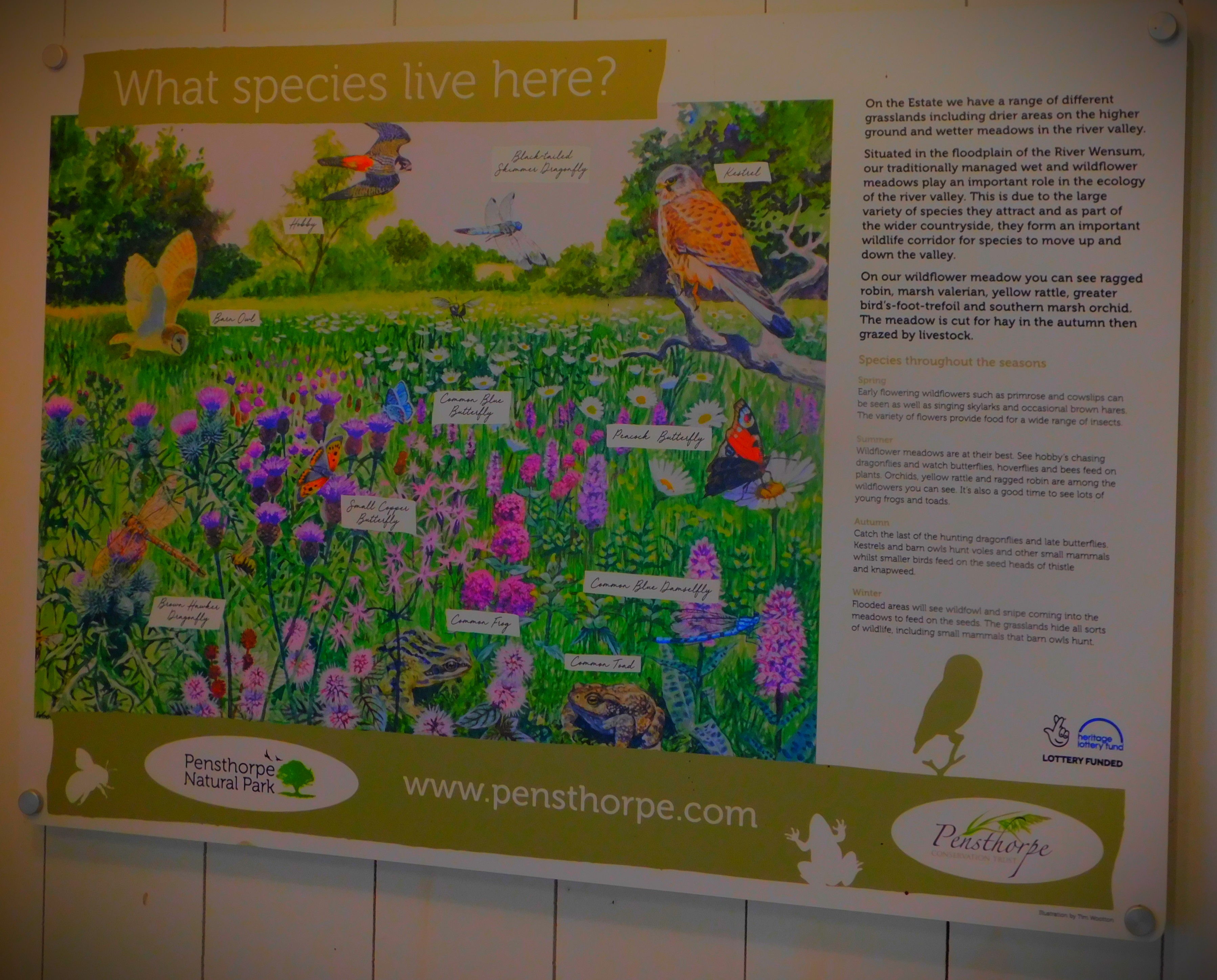
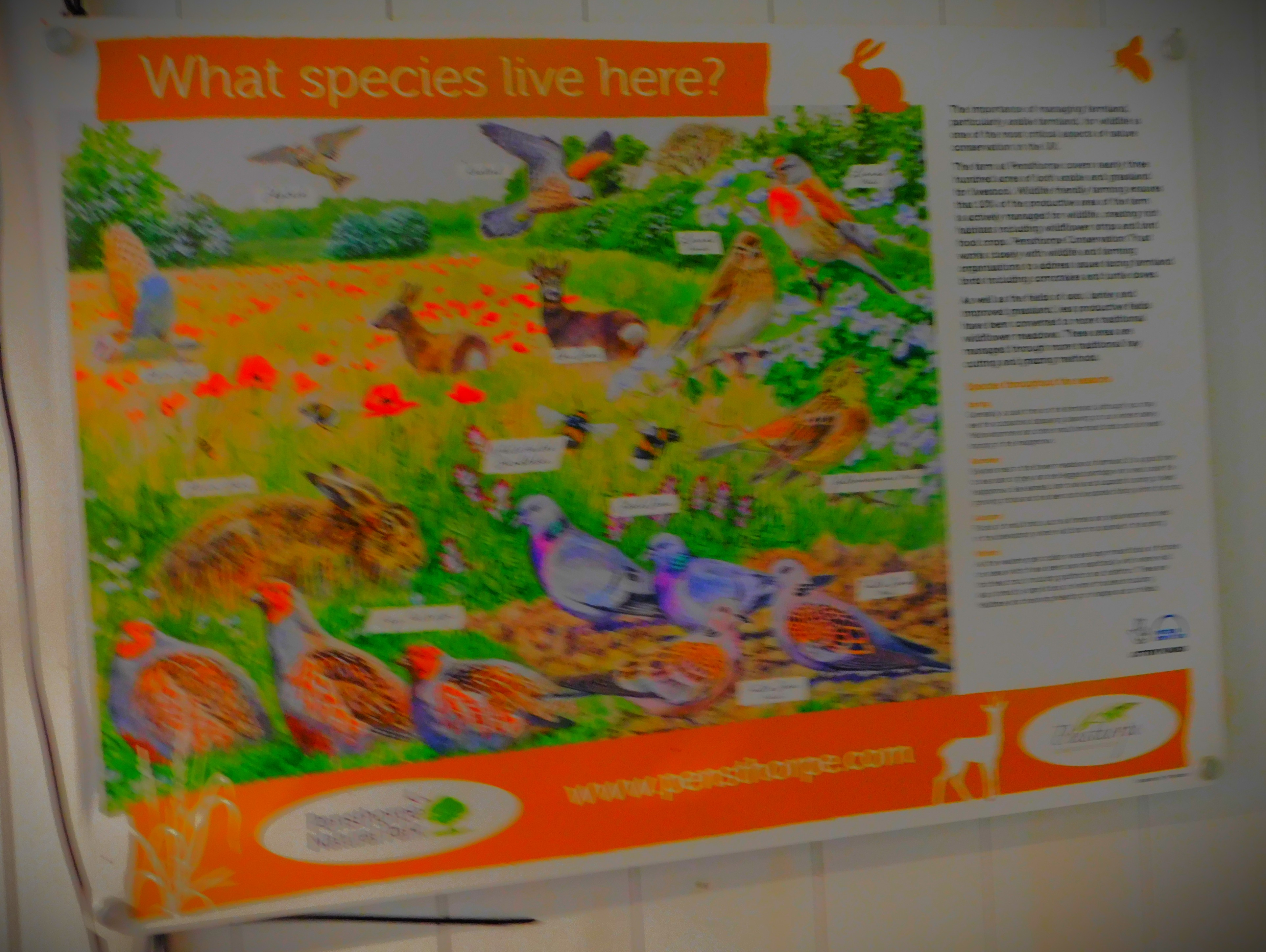
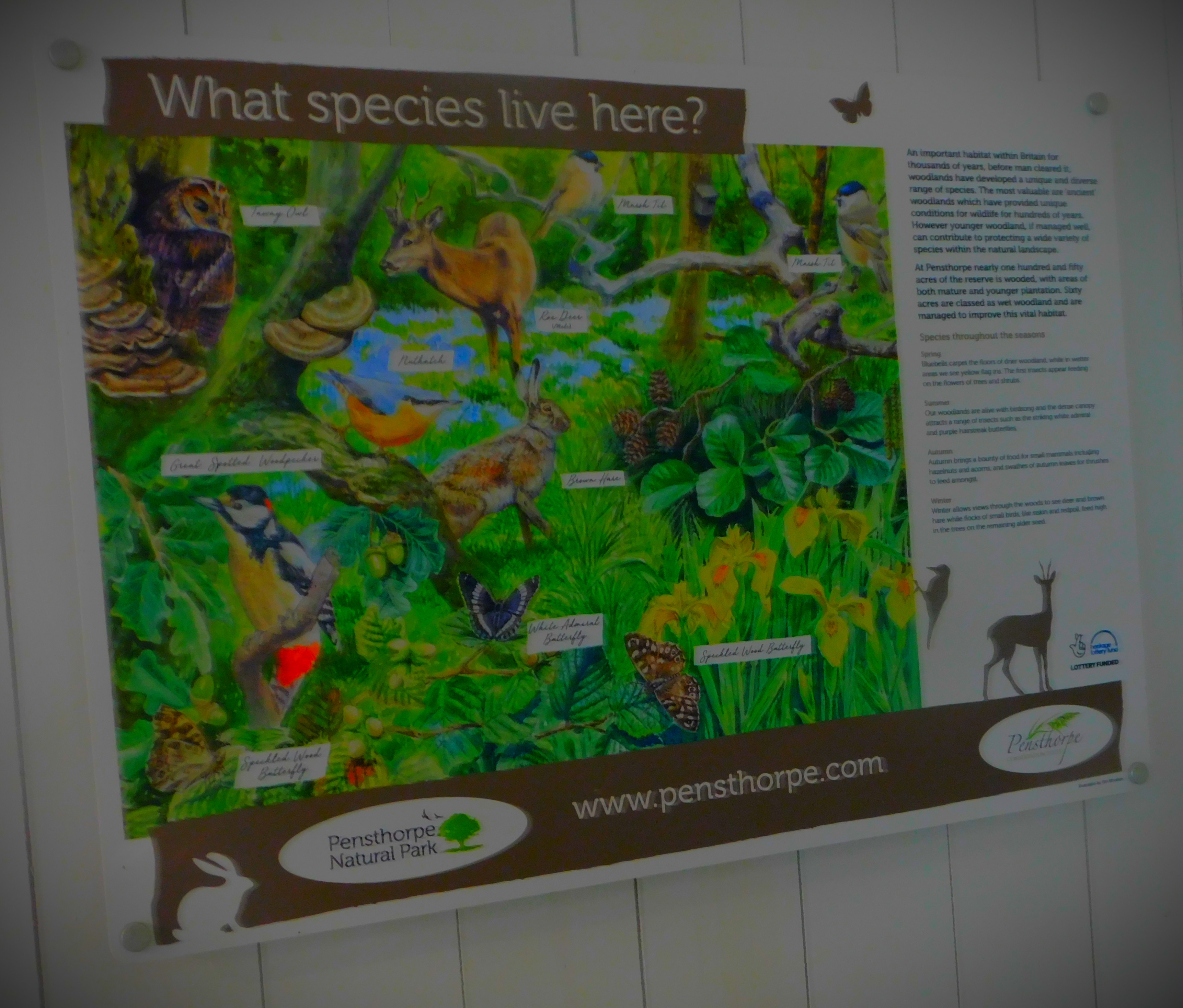
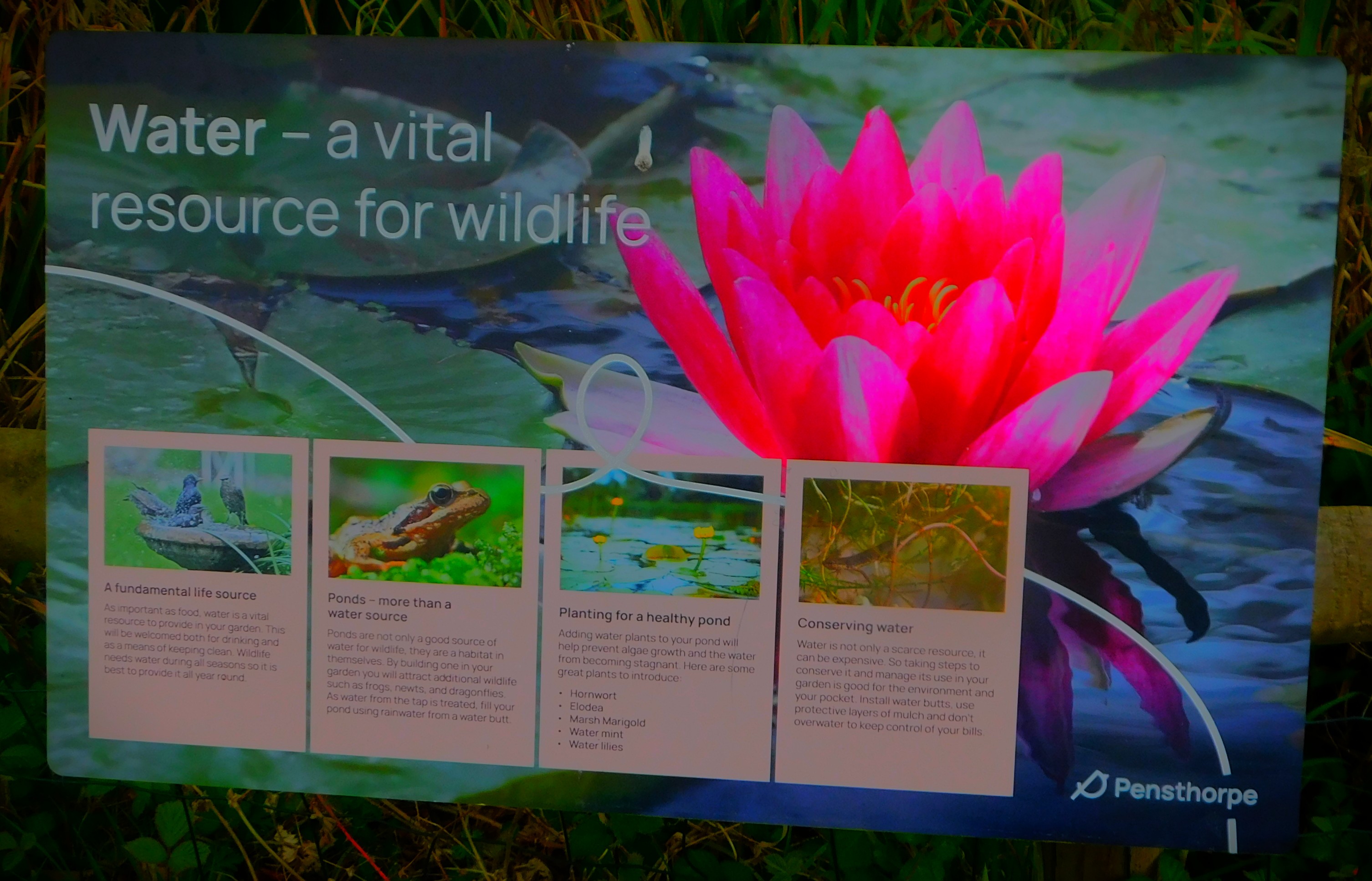
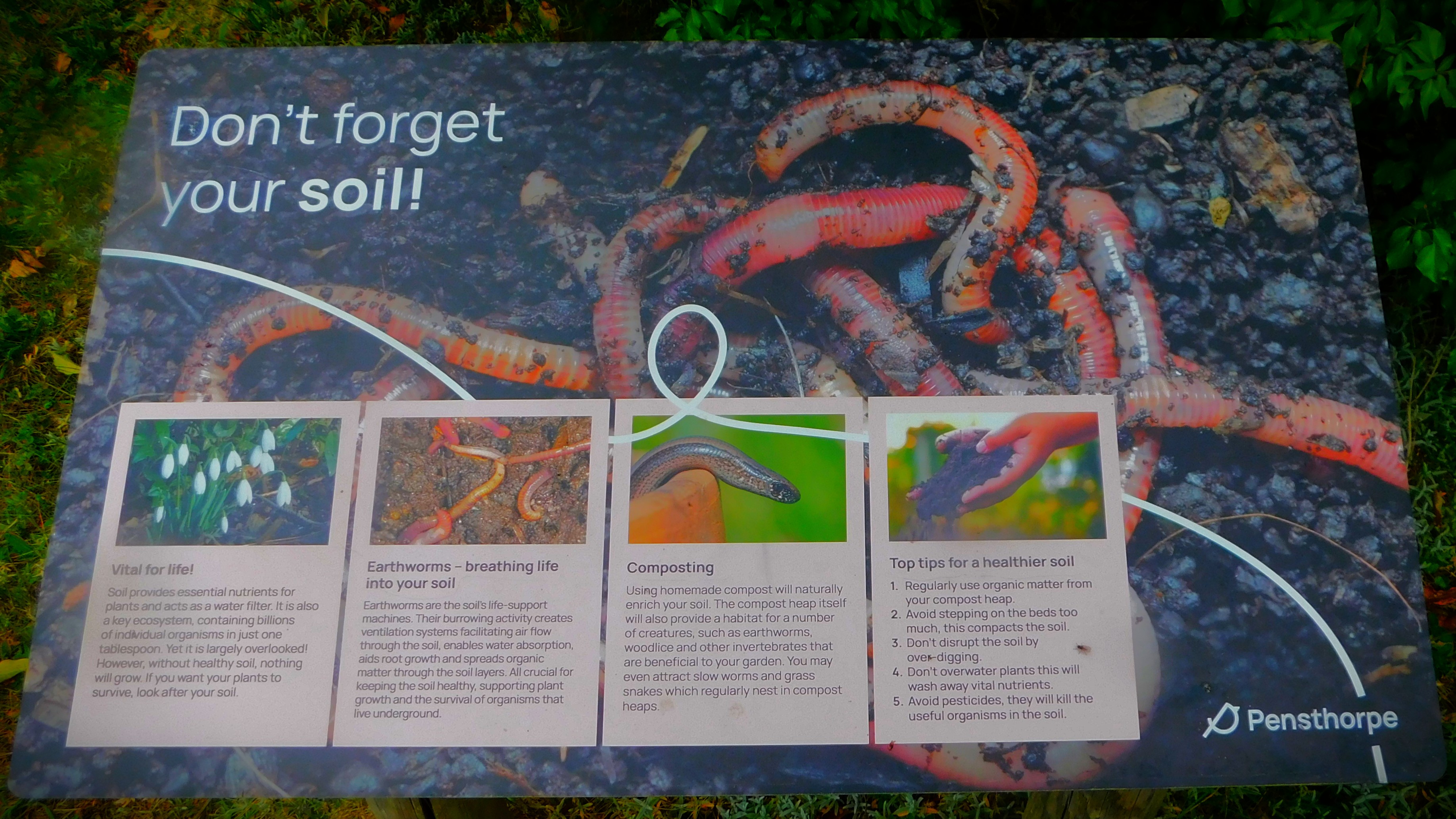
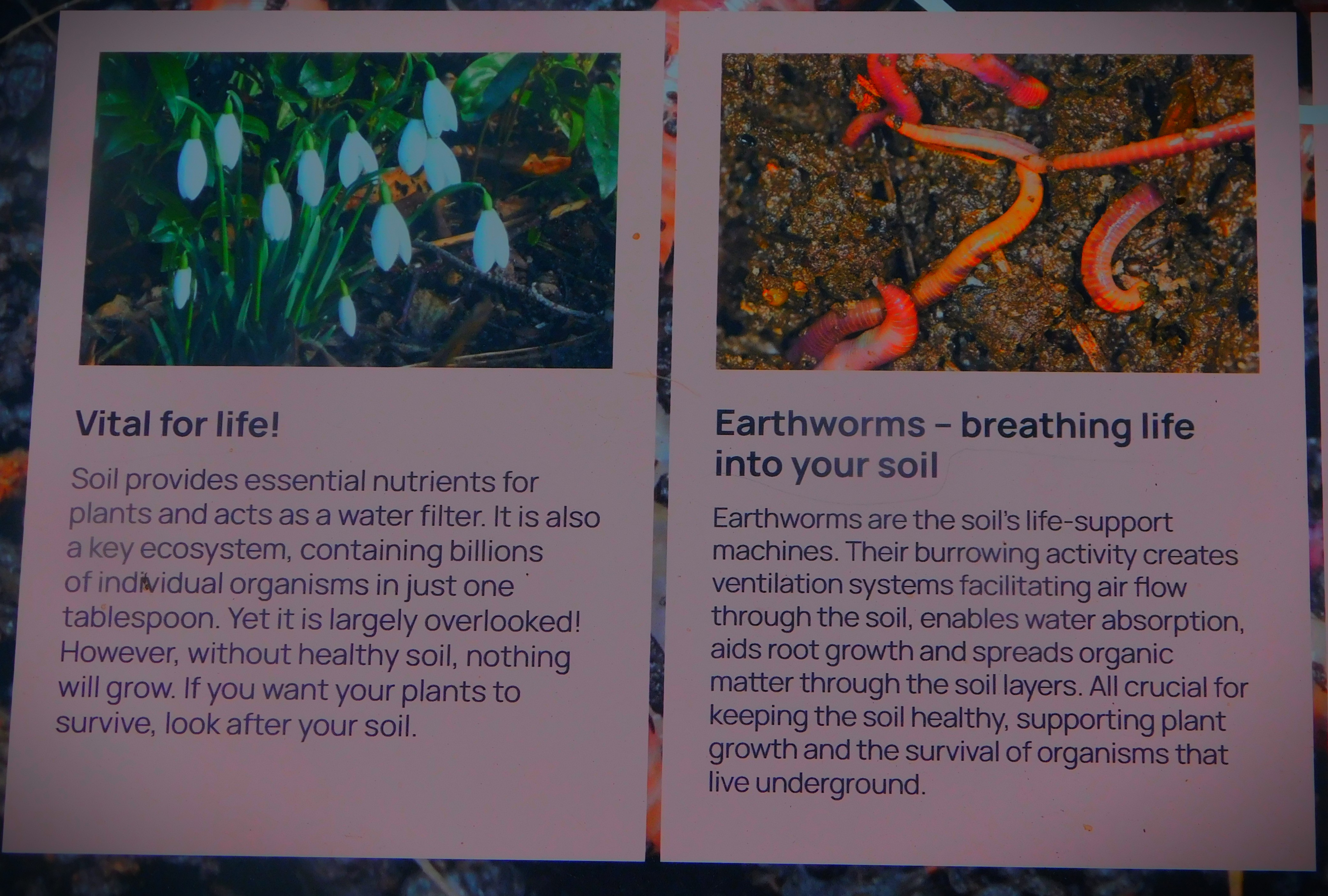
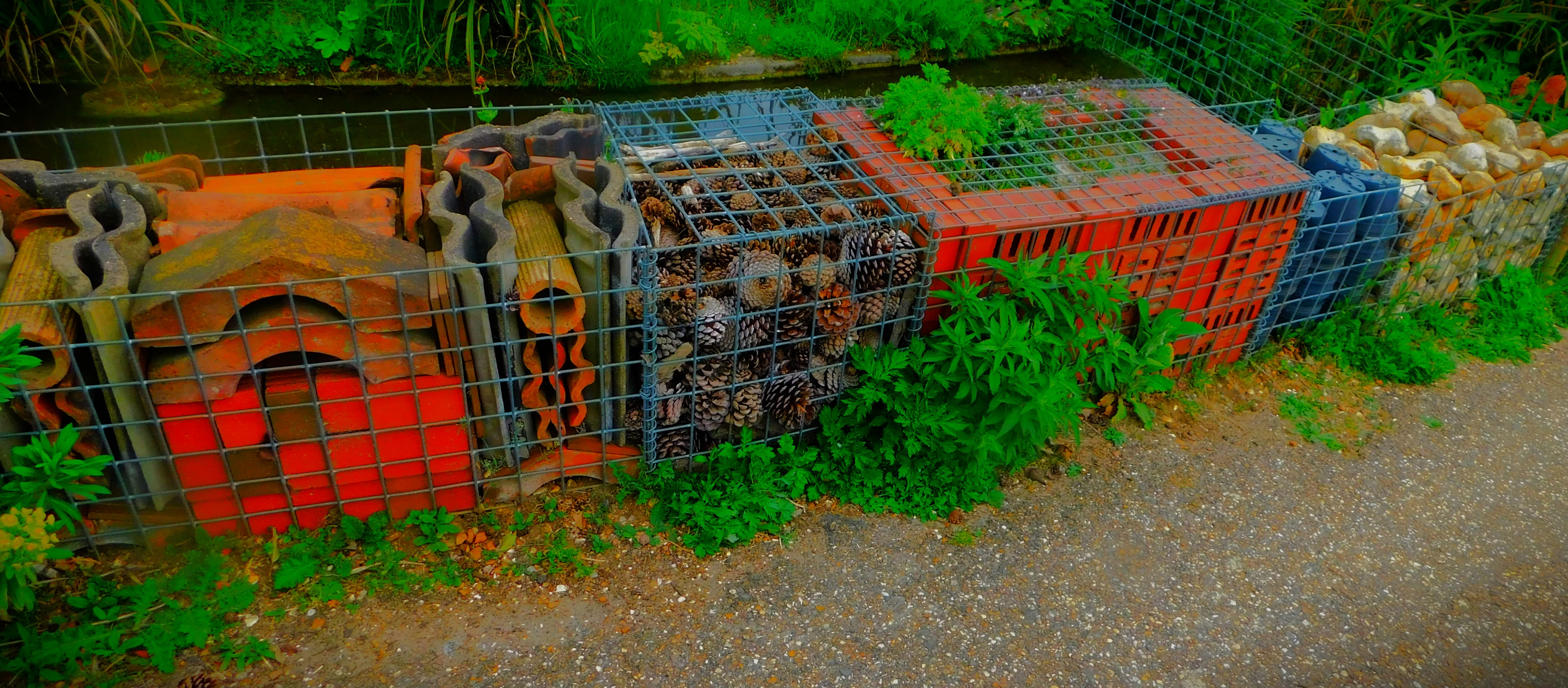
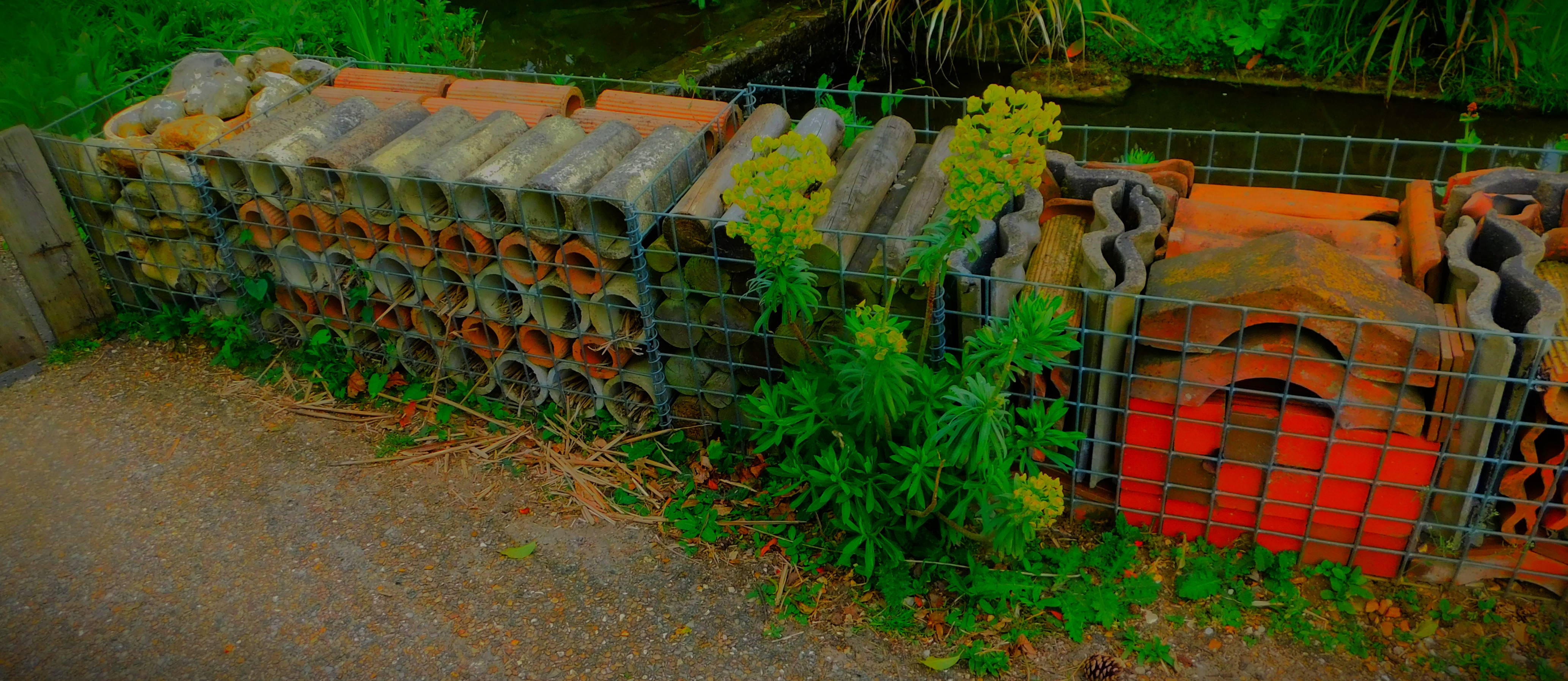
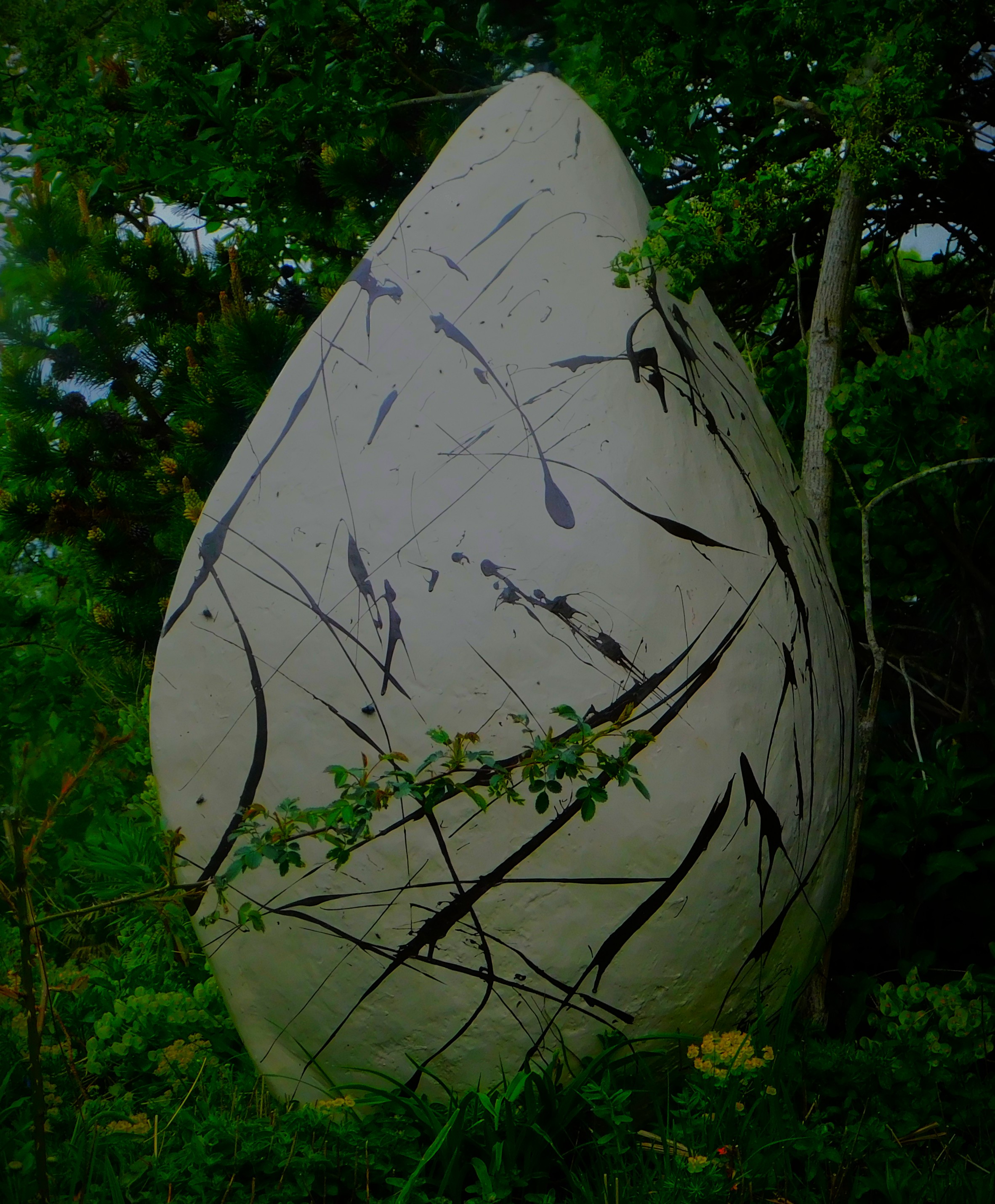
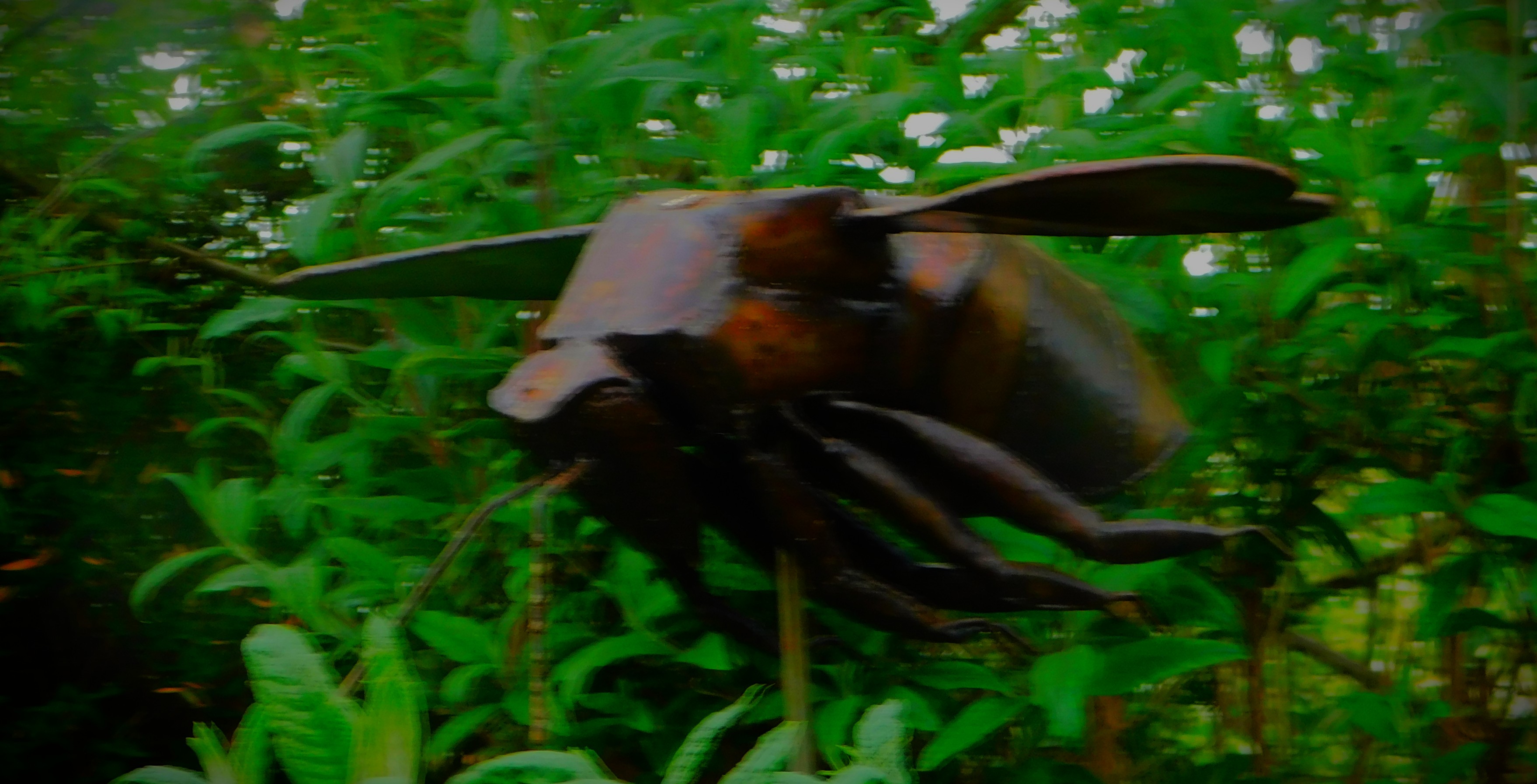
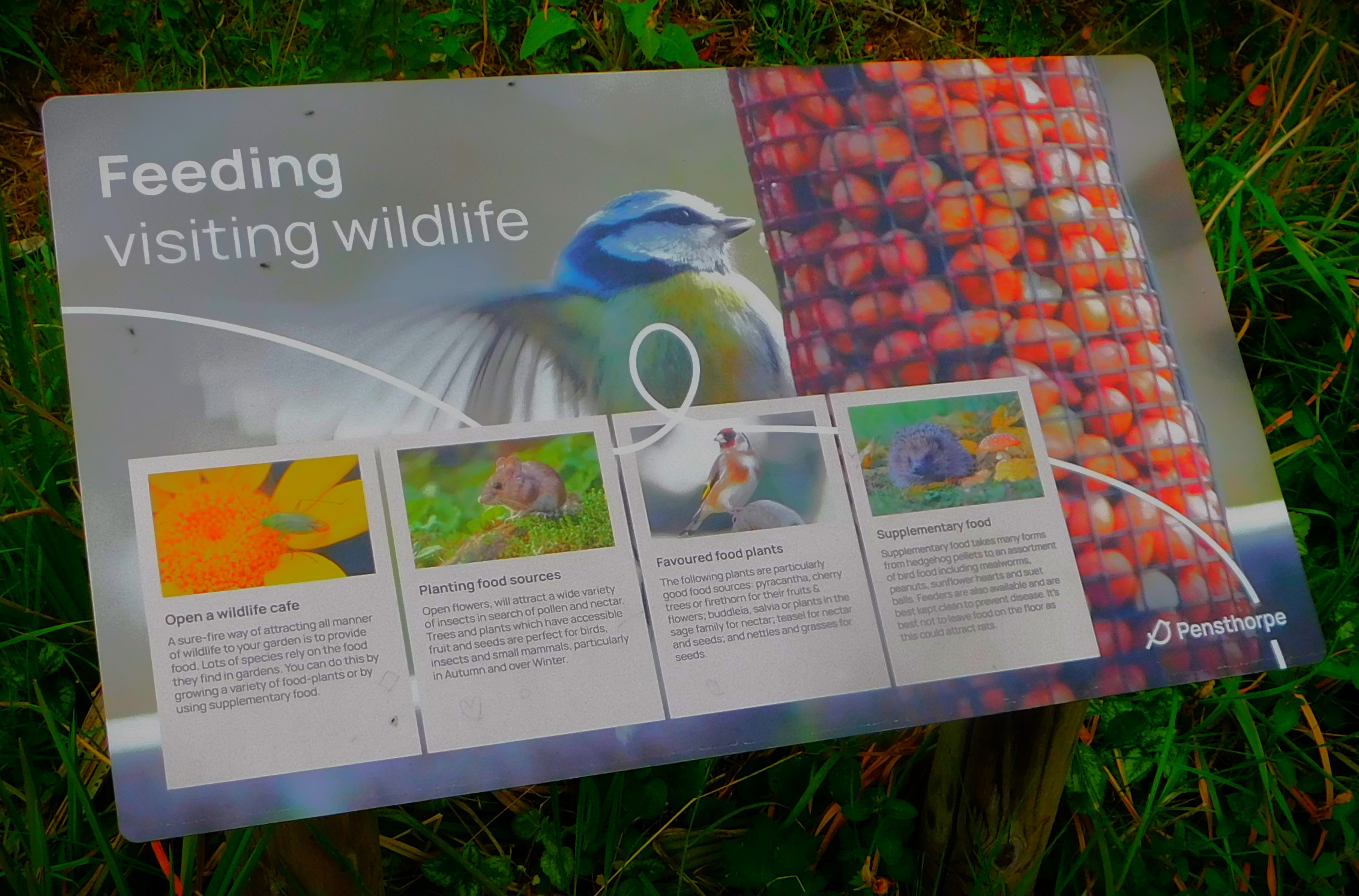
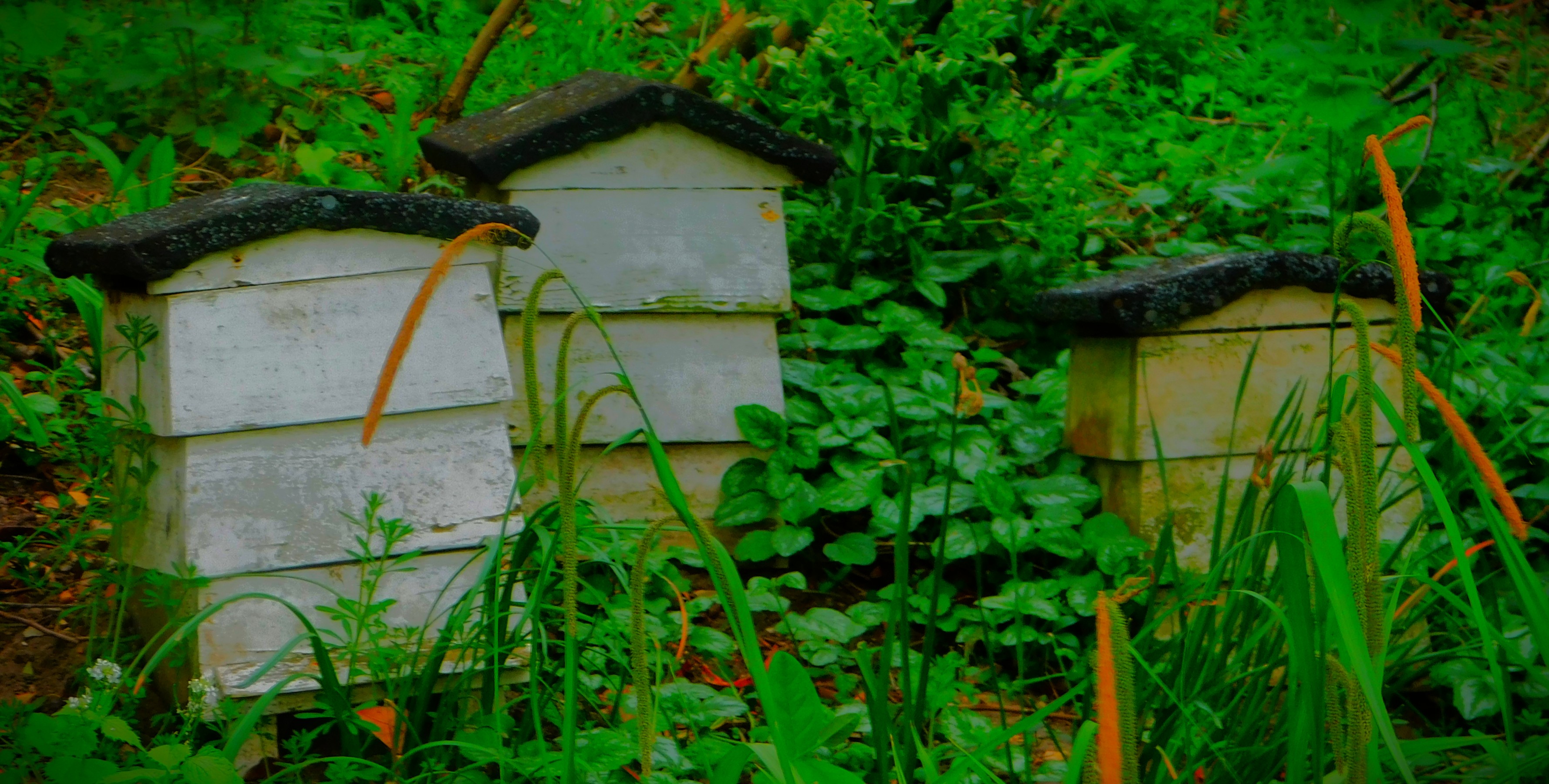
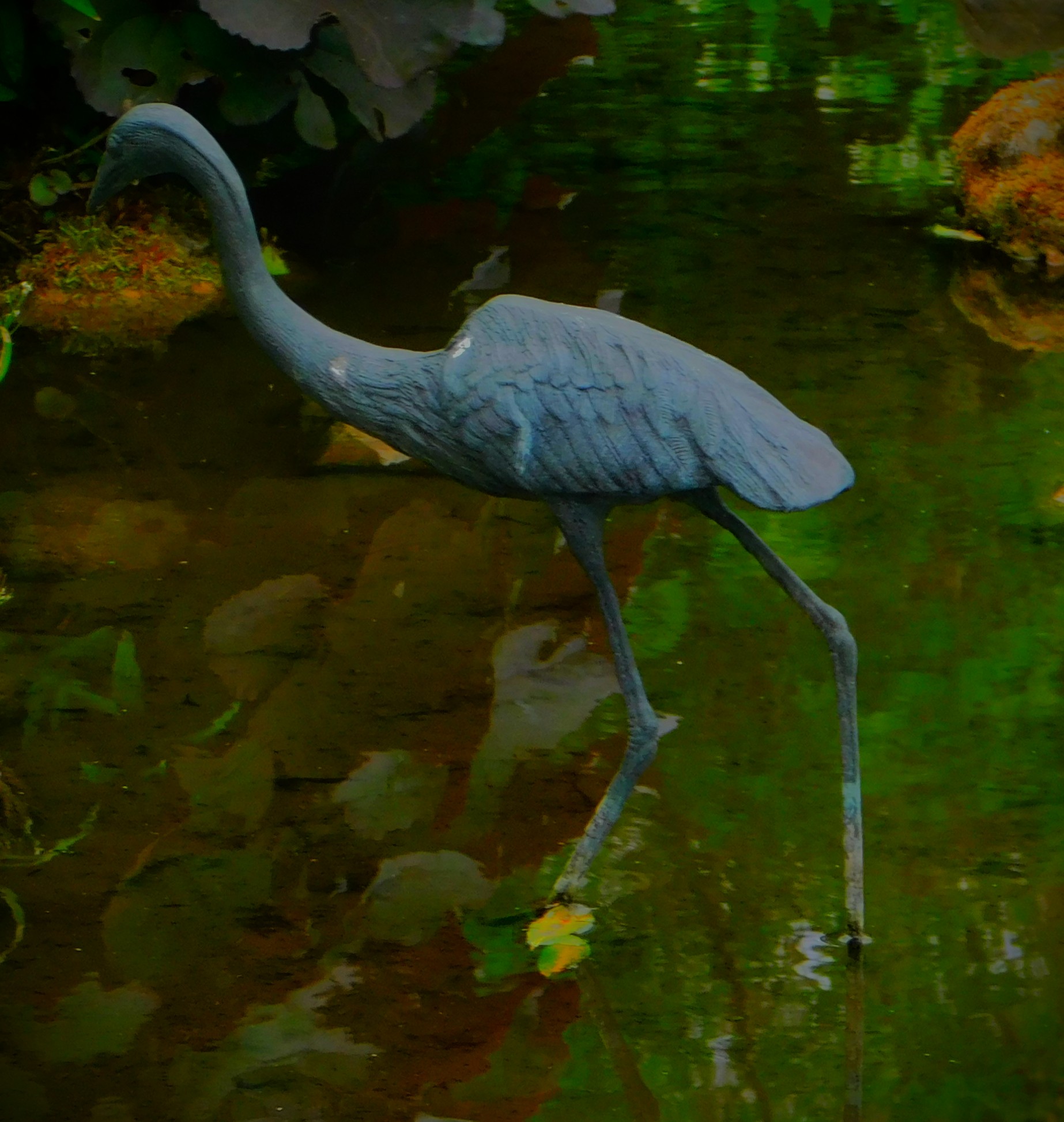
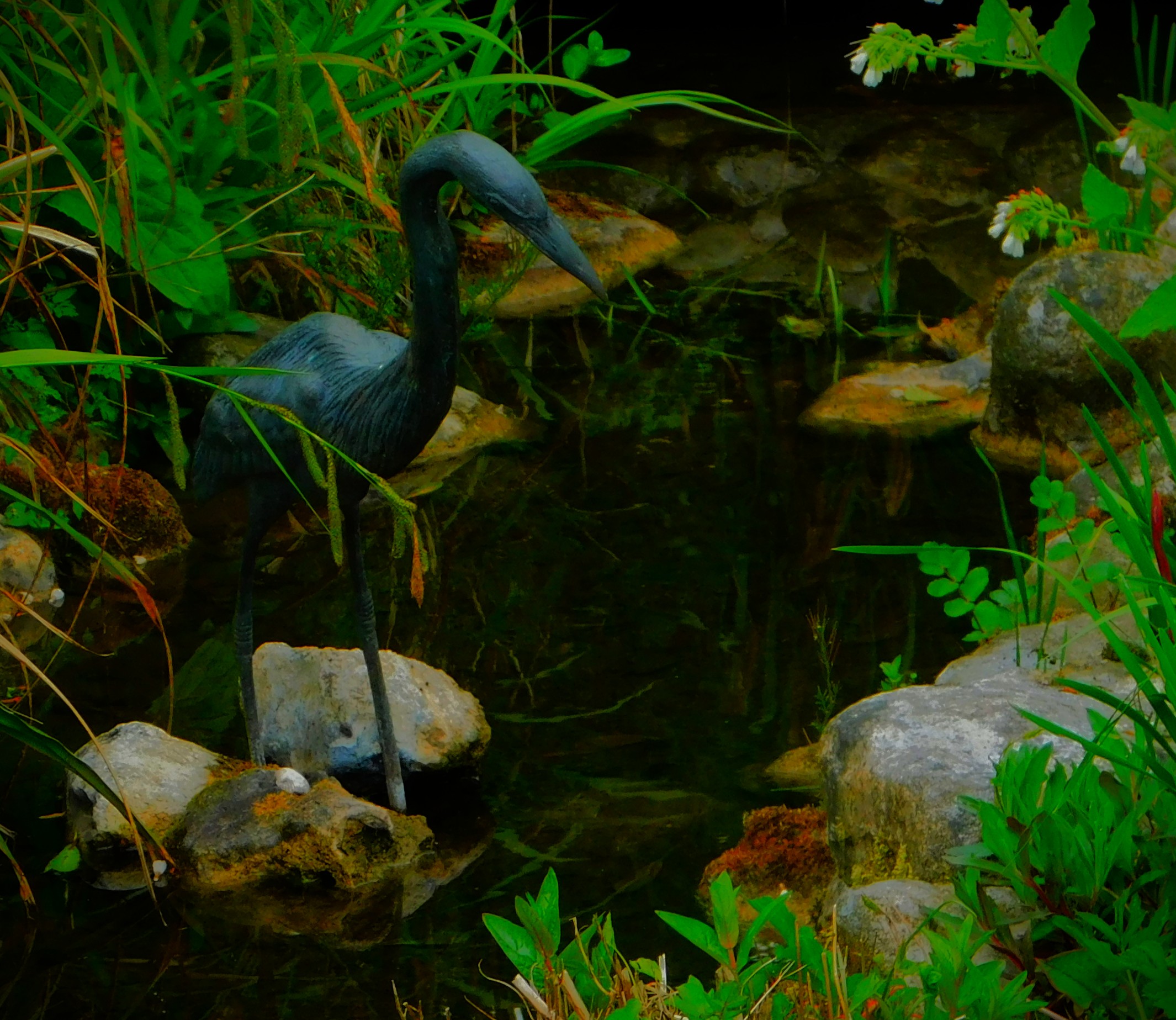
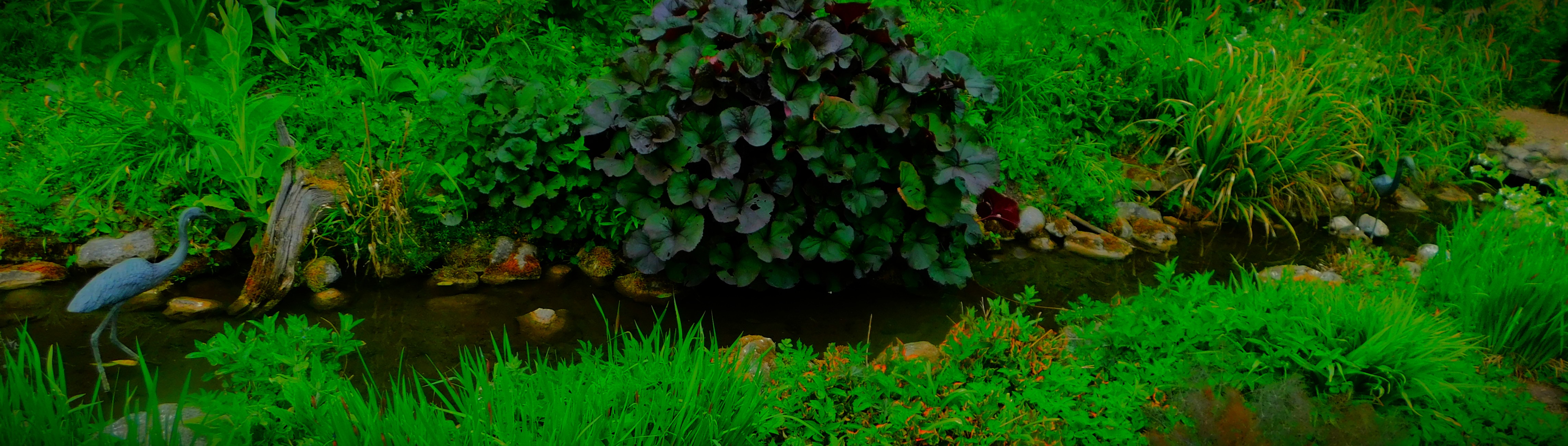
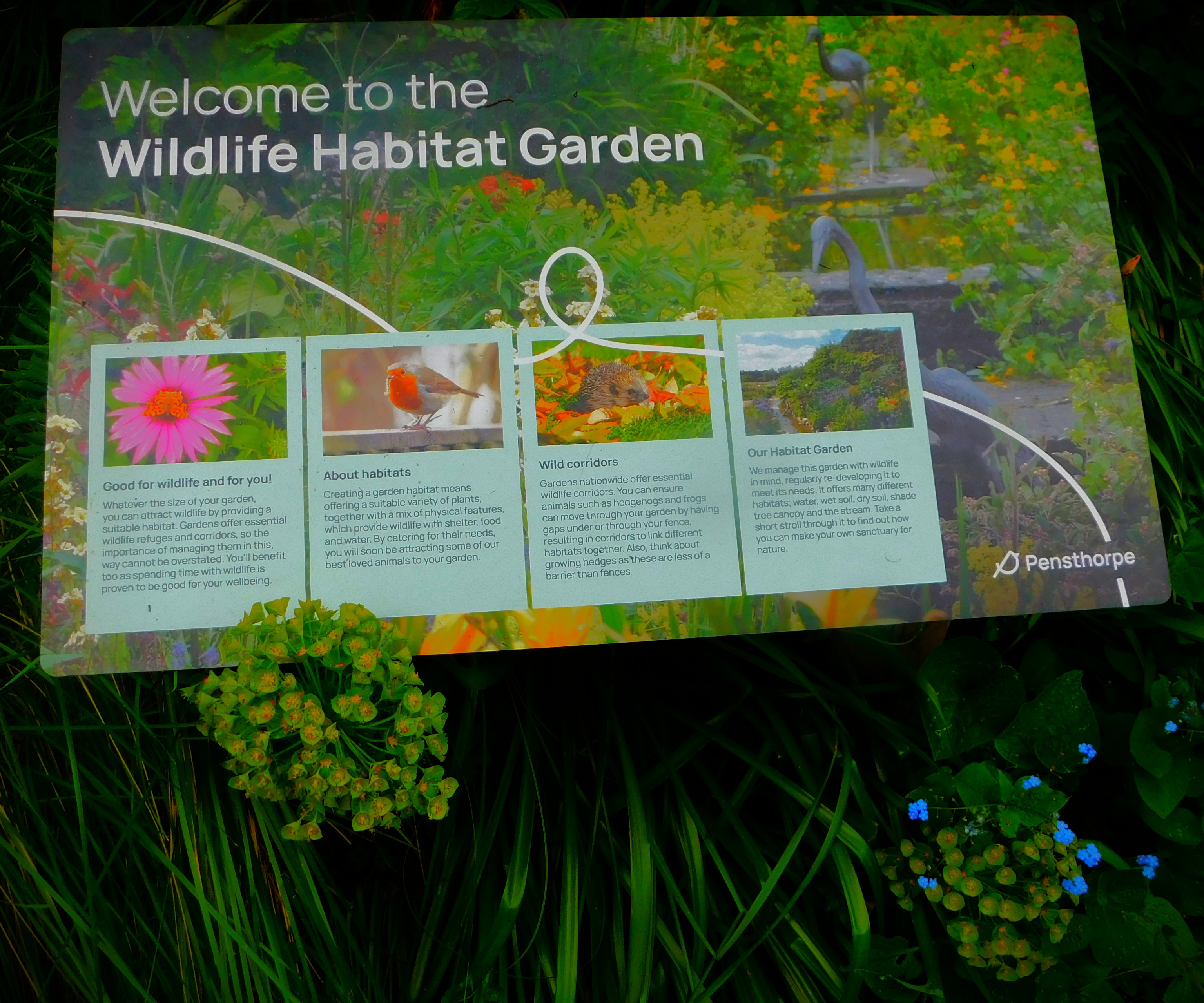
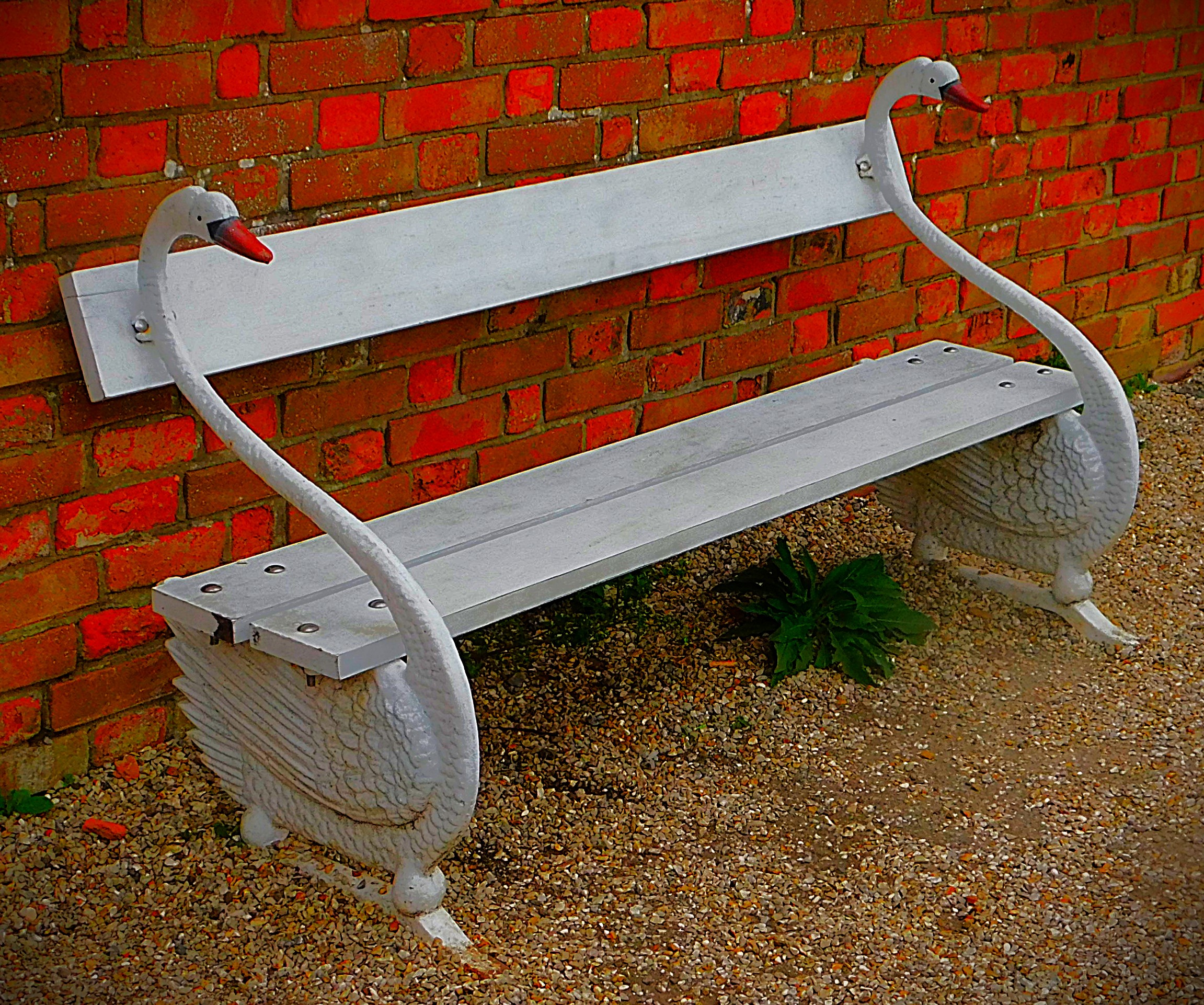
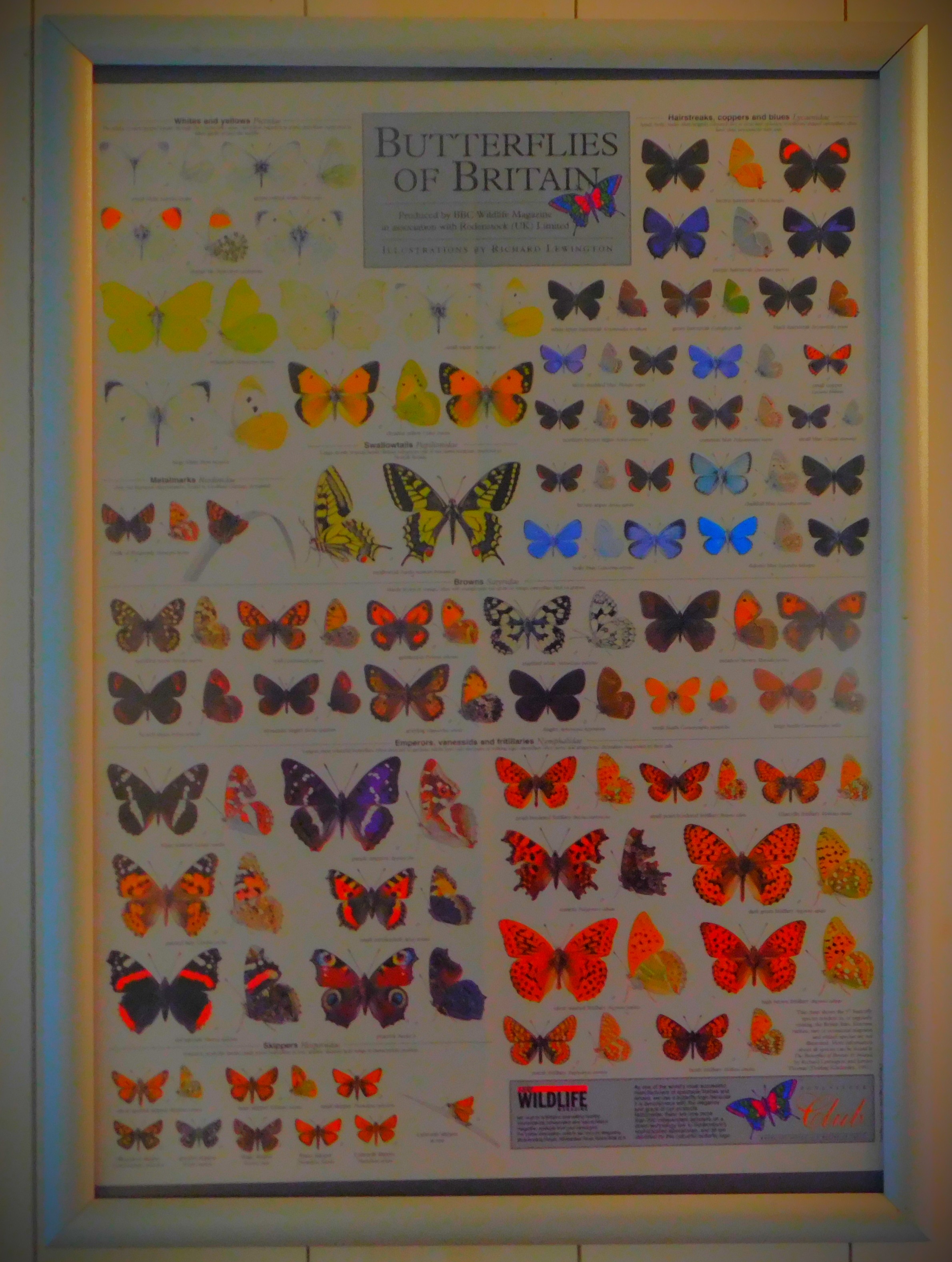
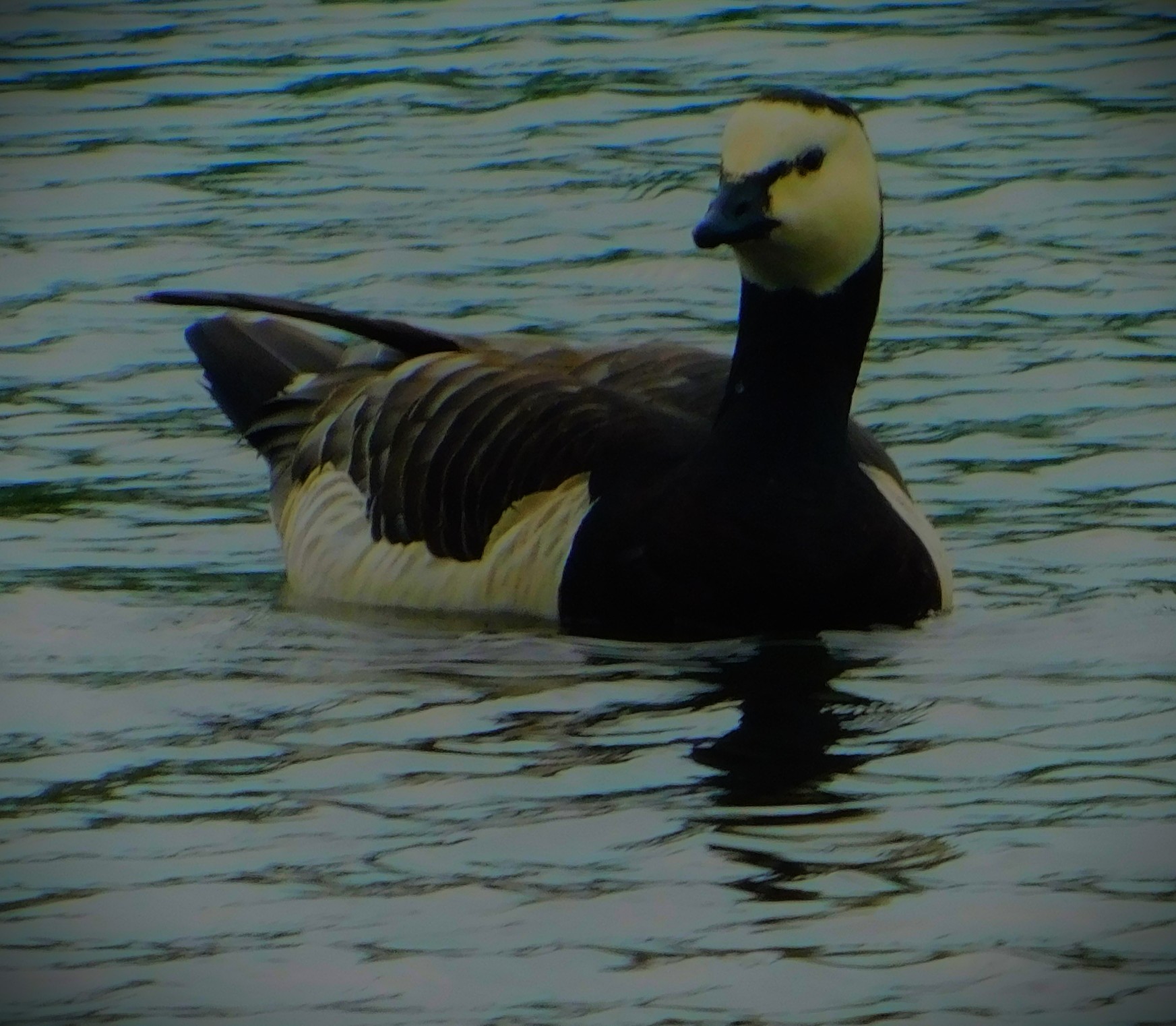
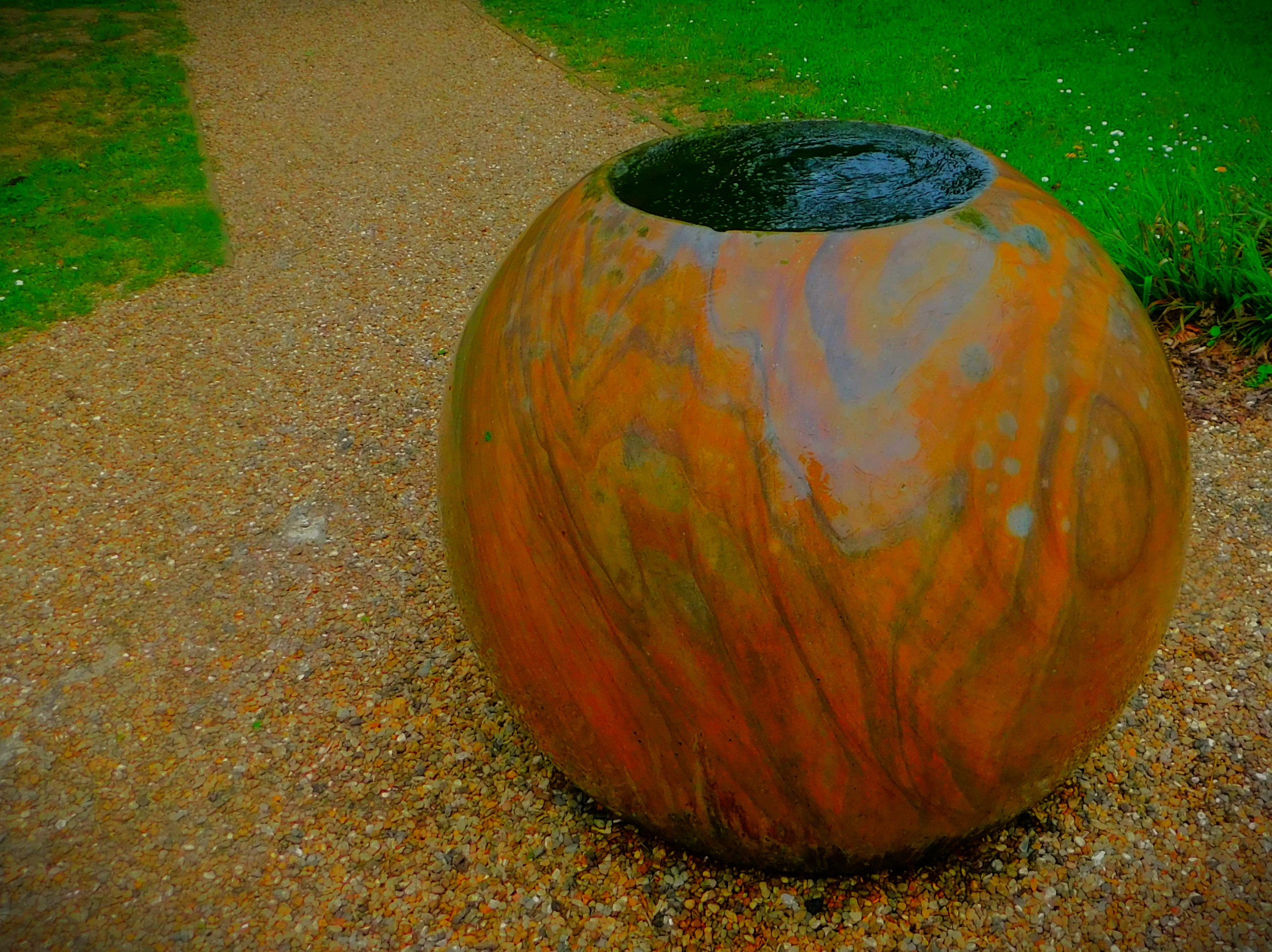
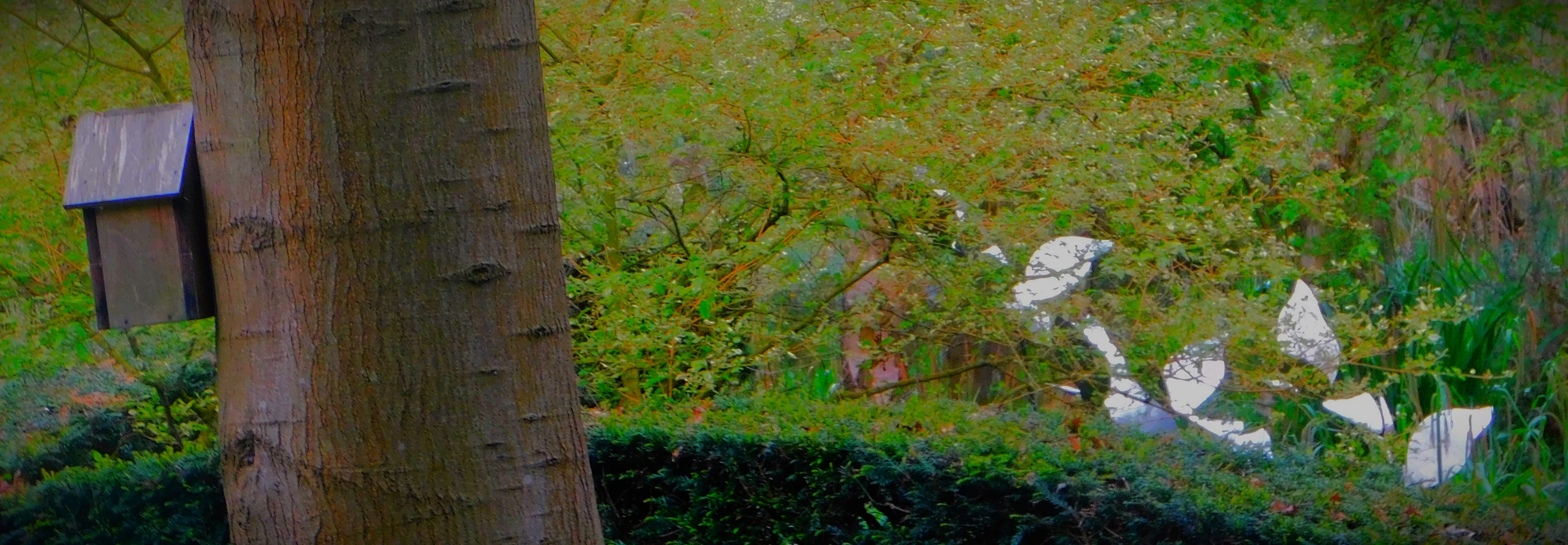
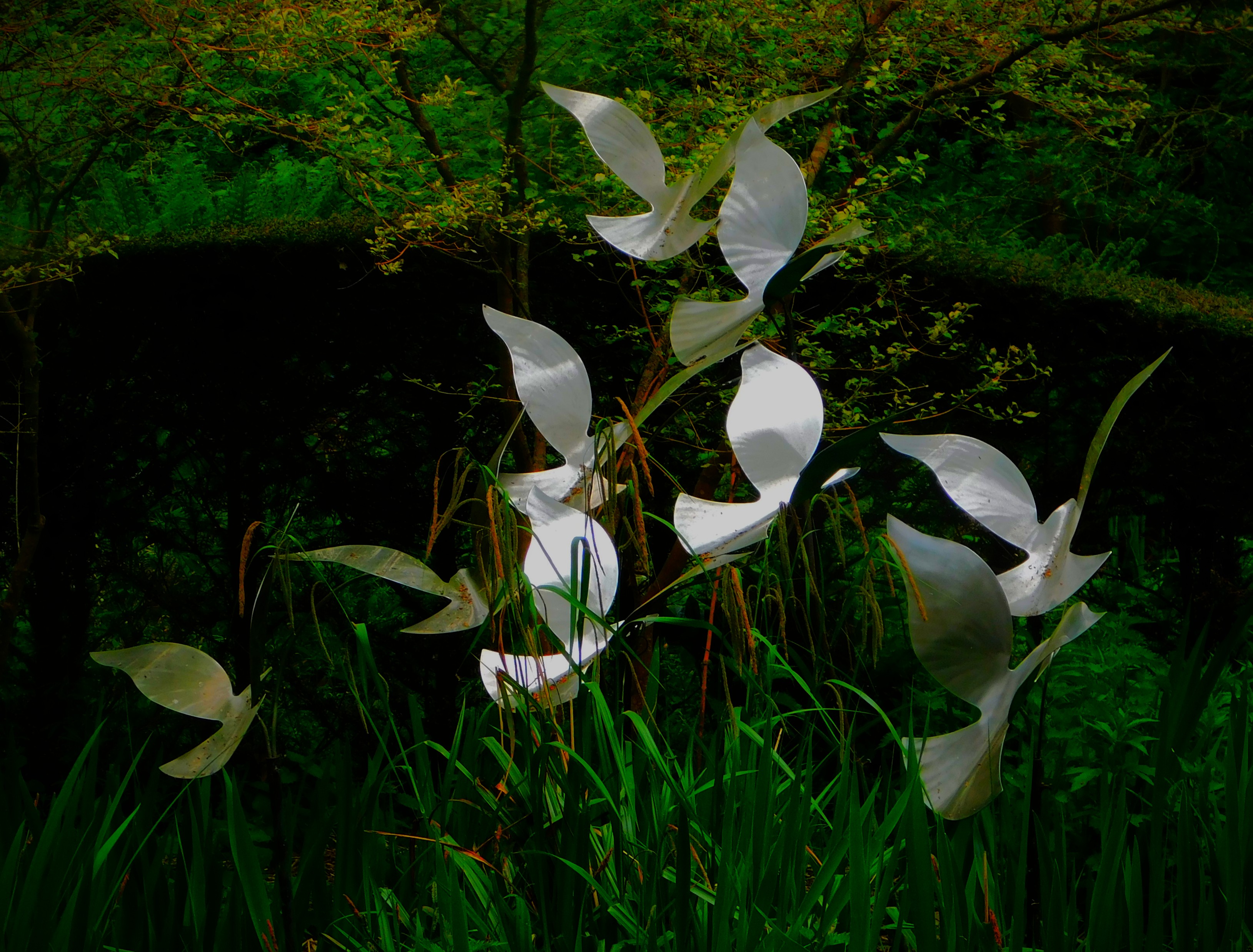
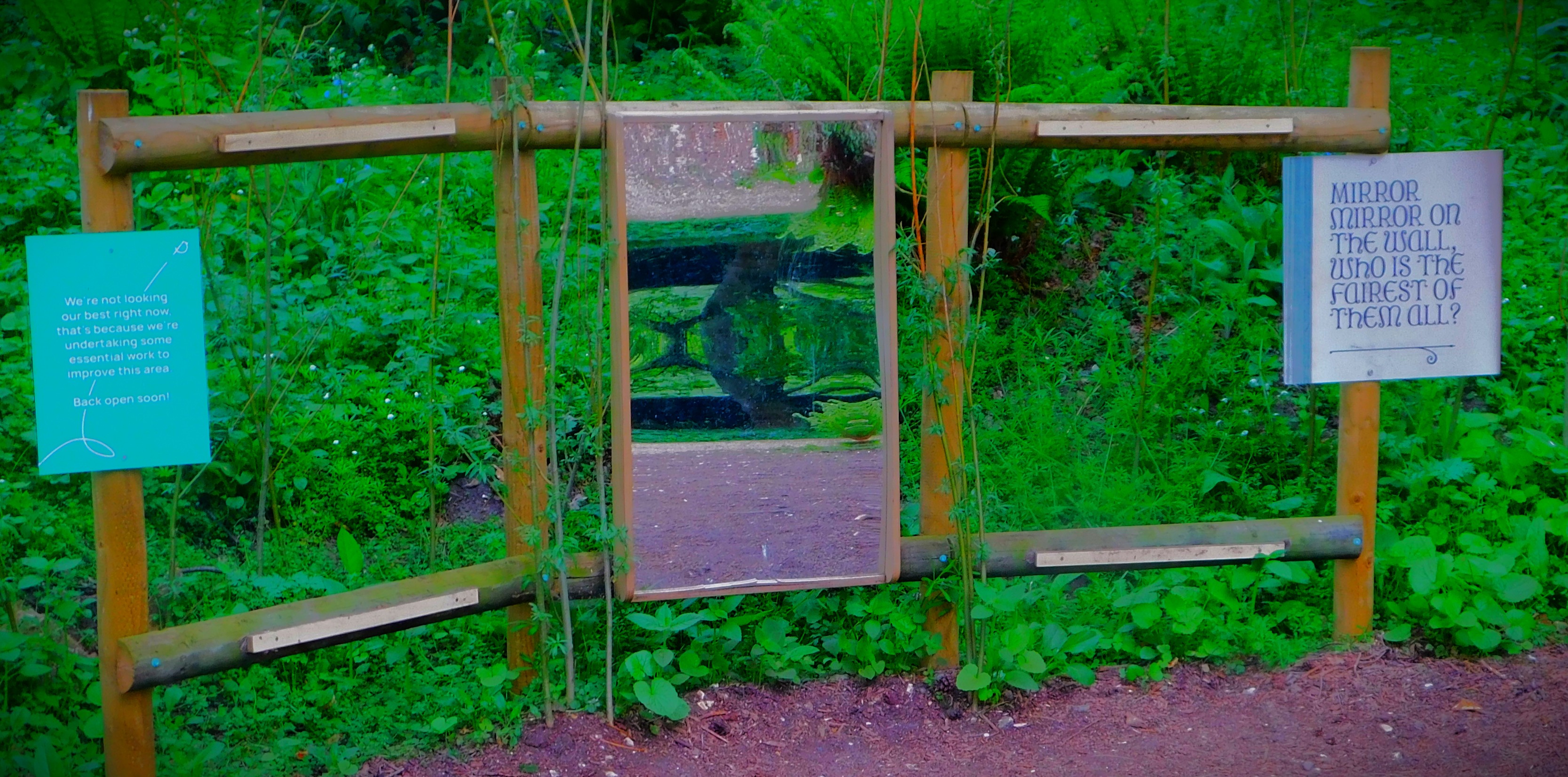
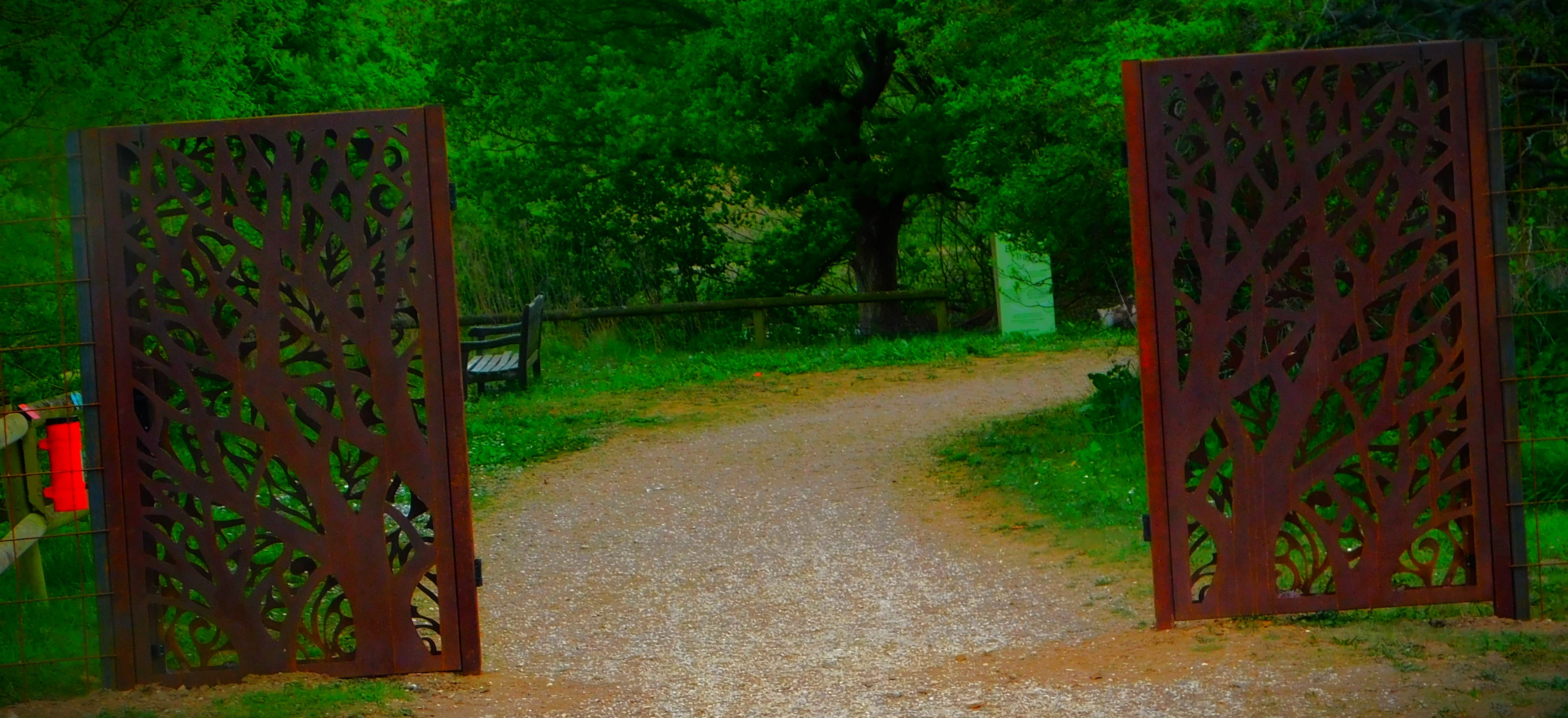
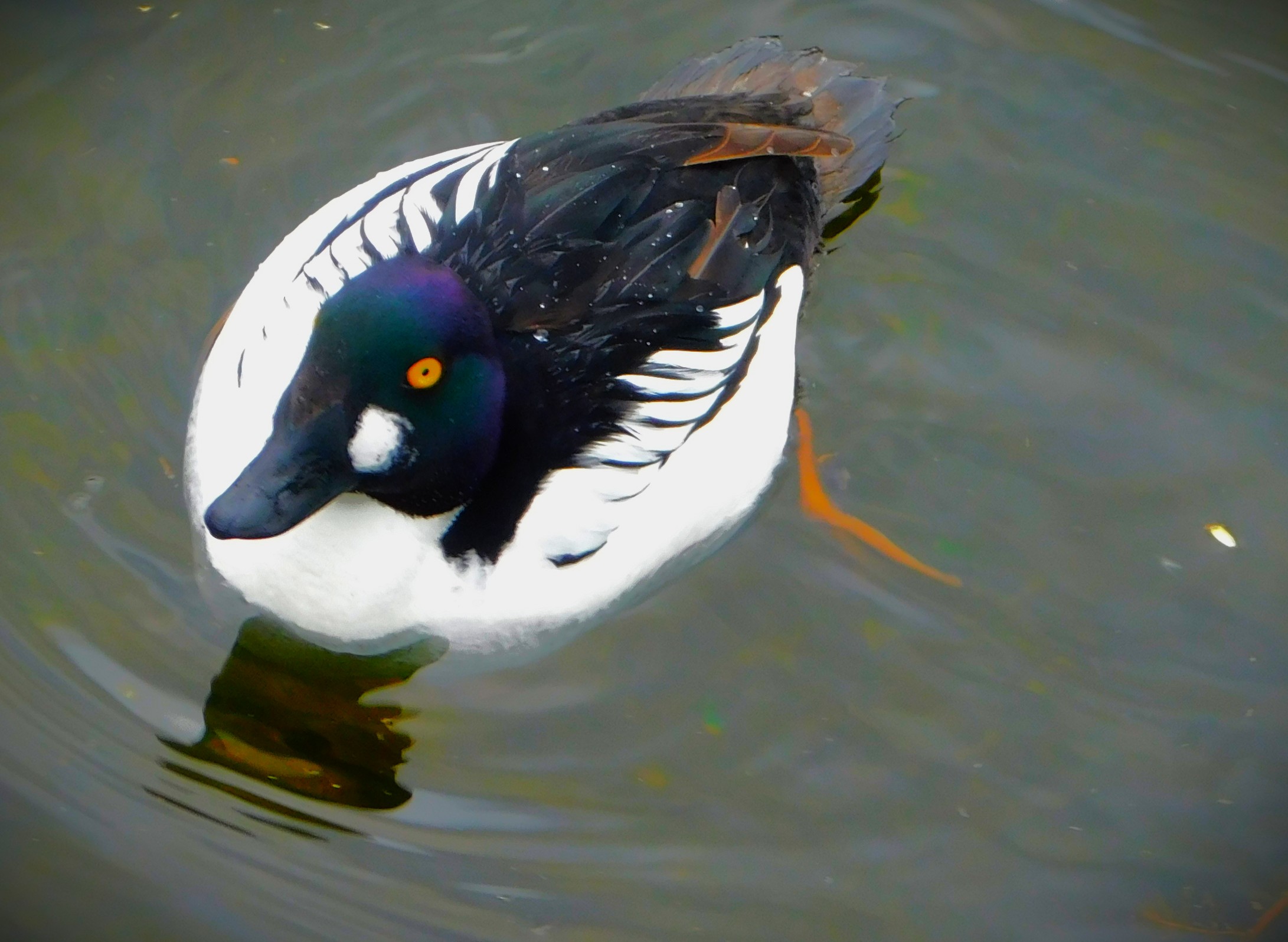
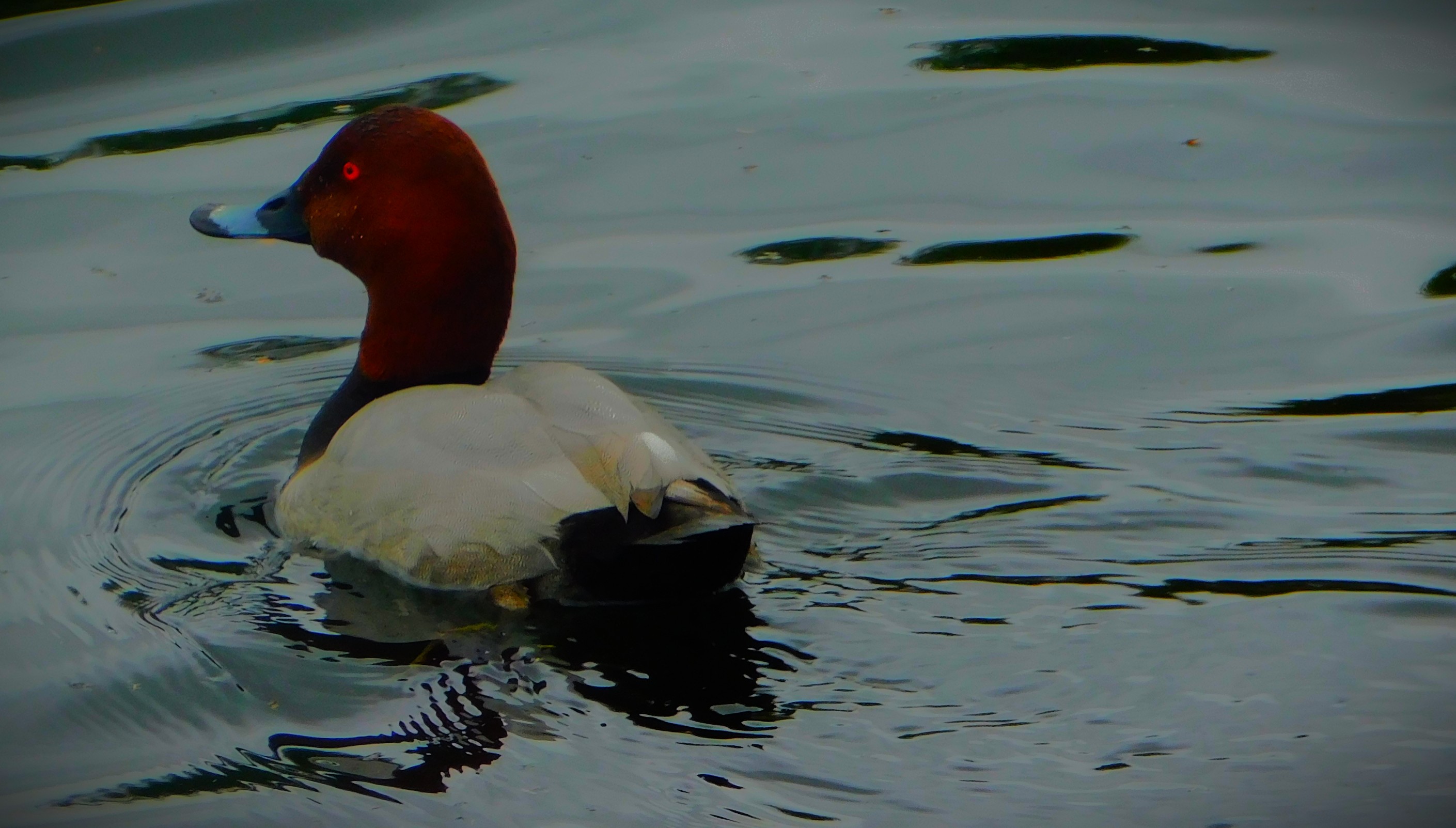
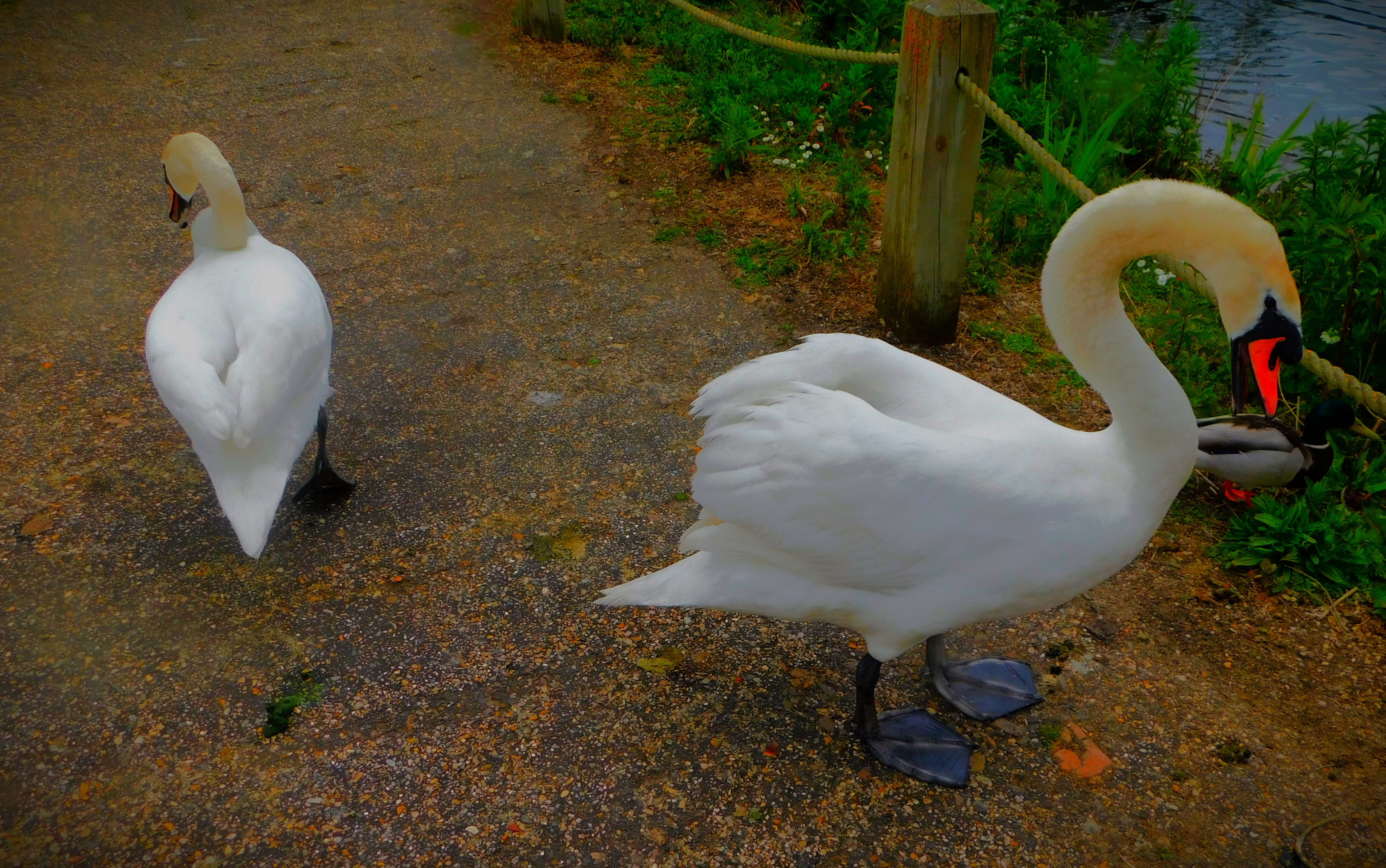
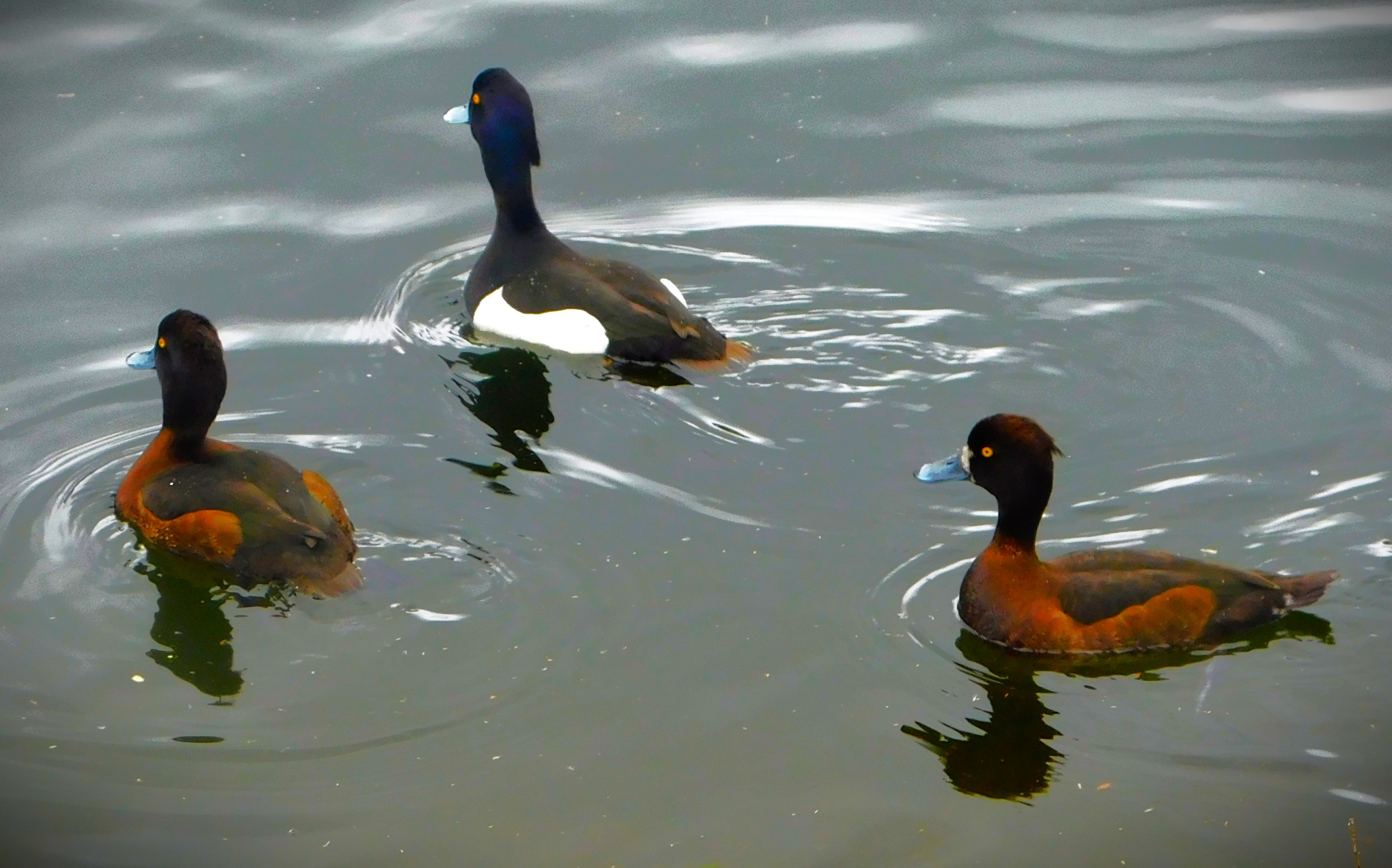
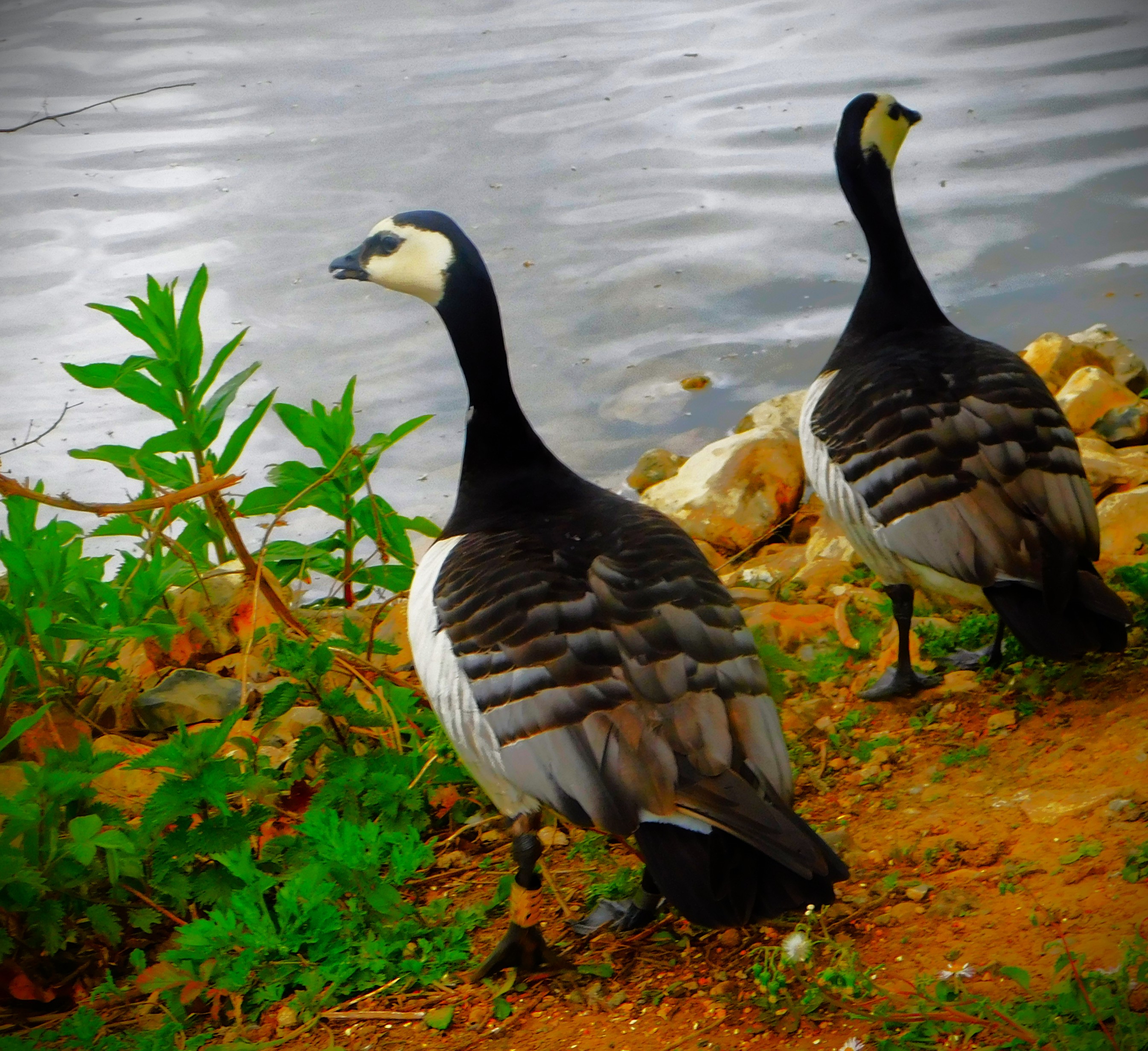
As well as the specific locations of interest there is an enormous amount to be seen just walking around the site – huge numbers of water birds of a wide variety, sculptures, art works of various kinds, a great variety of habitats, and lots of information boards all of which merit attention.
PHOTOGRAPHS
This the second half of the general photo gallery…
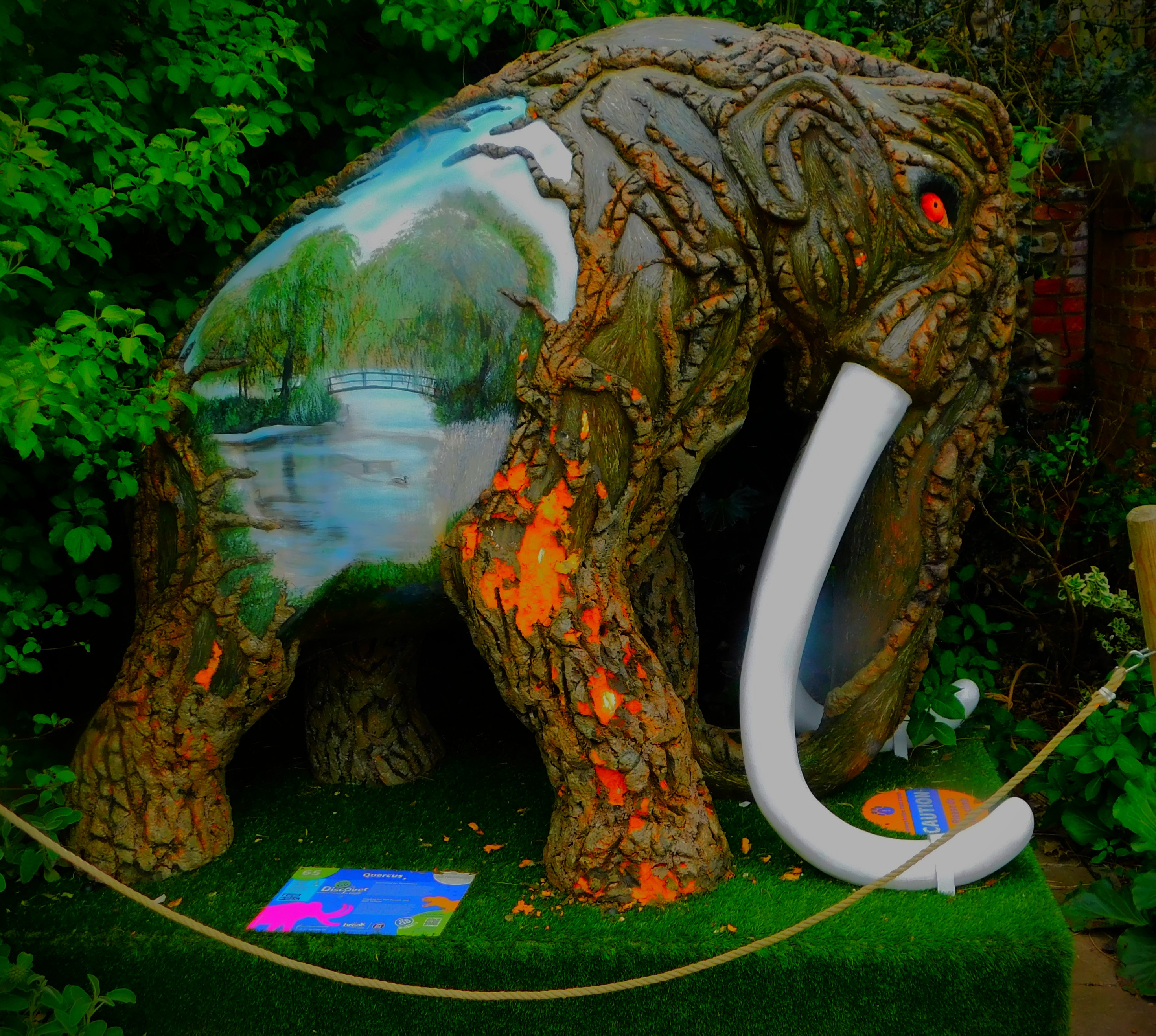
This is at the entrance/ exit of Pensthorpe. Mammoth bones have been found in the course excavations in this part of the world – 10,500 years ago or thereabouts this was at the southern edge of a vast ice sheet, and beyond the ice sheet would have been tundra, where the mammoths would have roamed.




















































































































































































































































































































































































































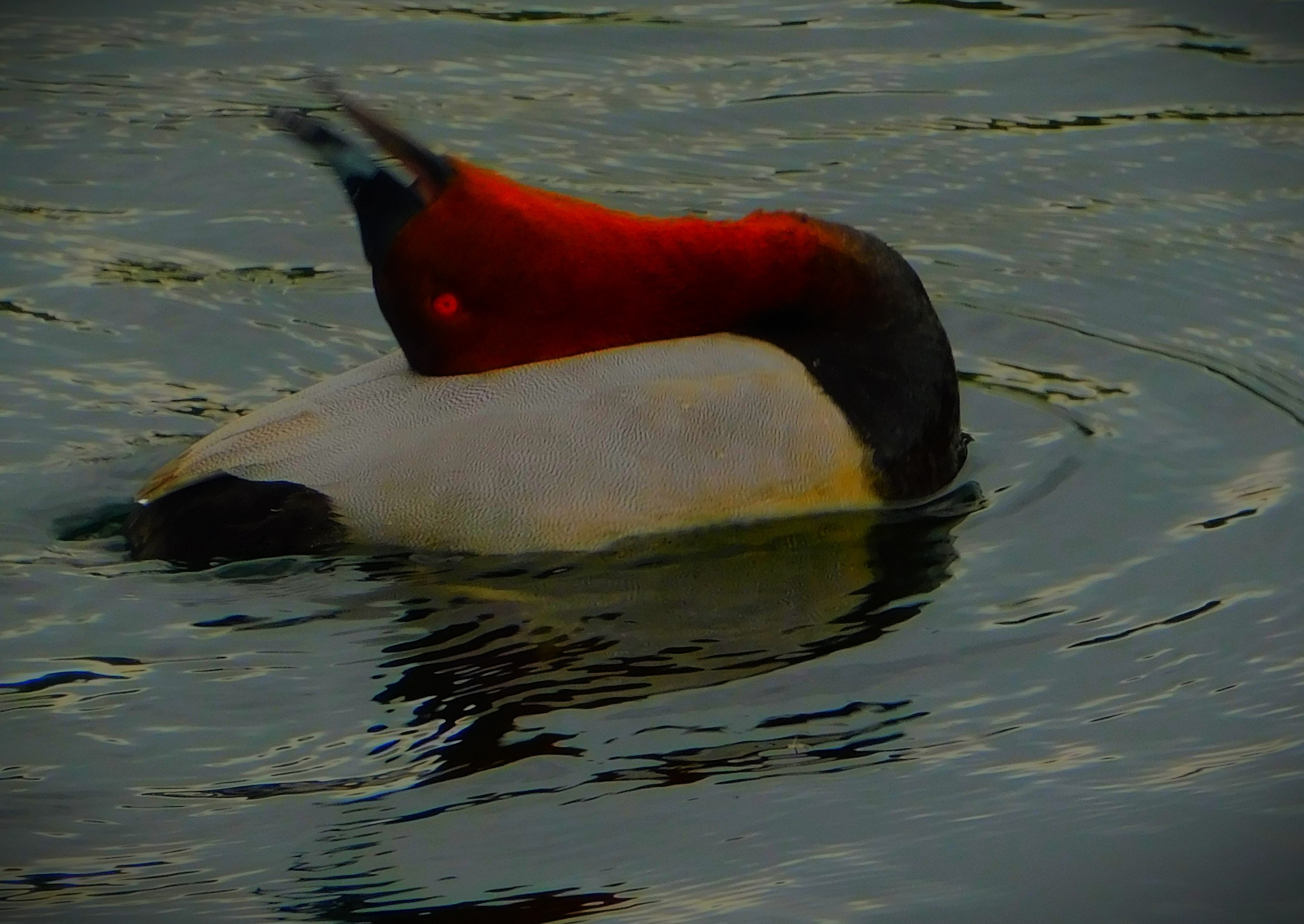
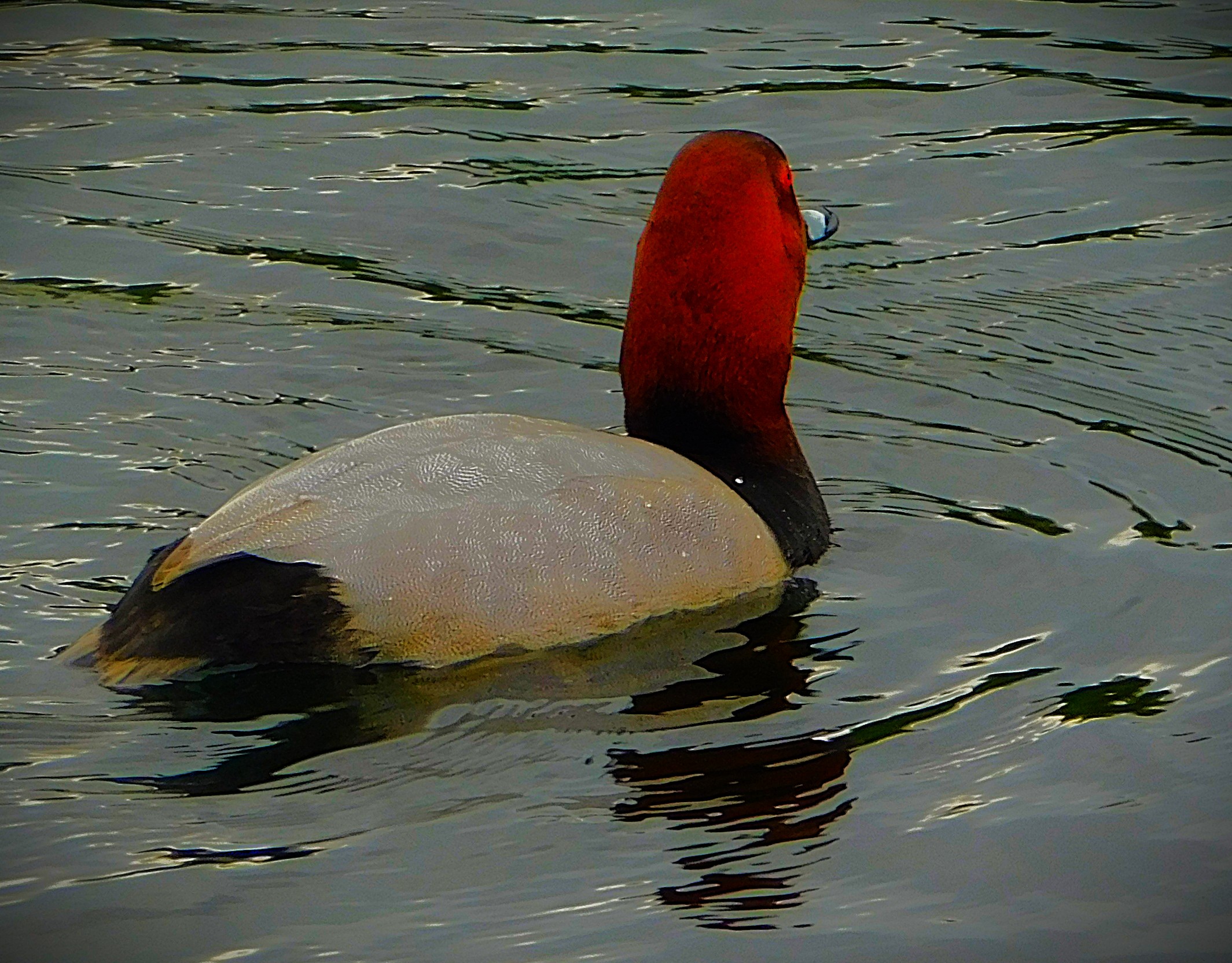
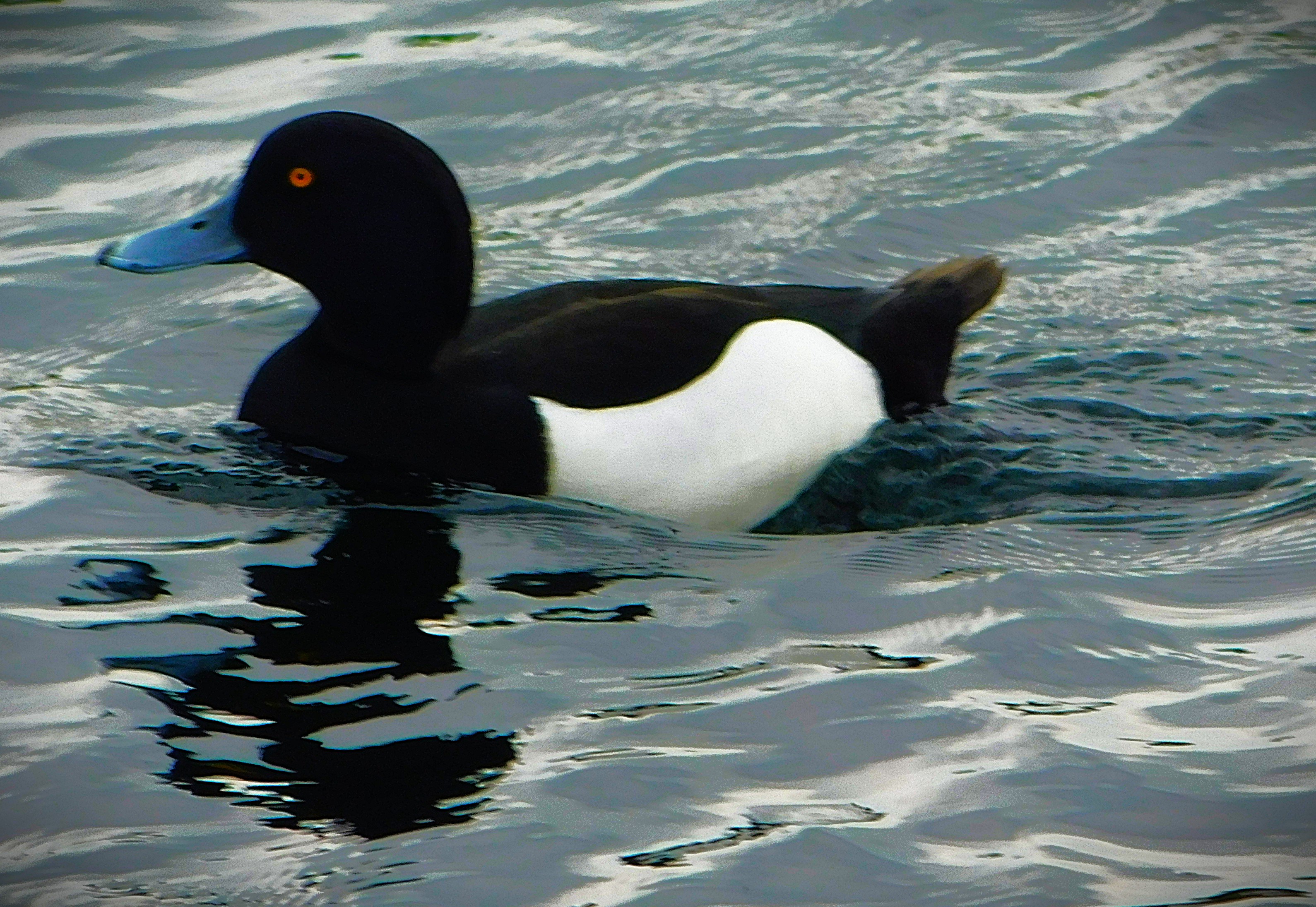
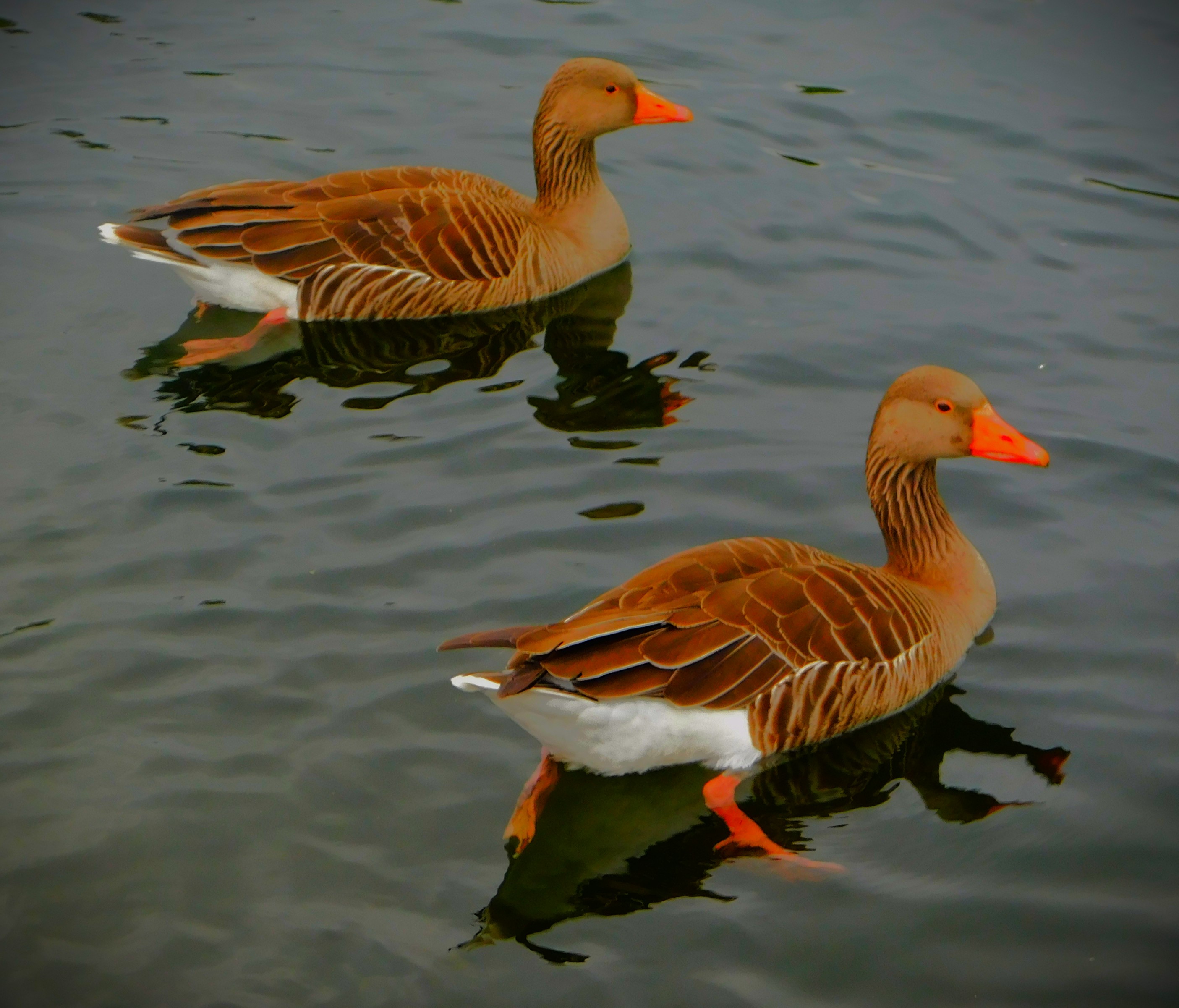
















 aspiblog