Two splendid problems, one terrible one and one intermediate one, all courtesy of brilliant.org.
INTRODUCTION
This week on brilliant.org I have encountered two of the finest mathematical problems that I have seen on that site, and also unequivocally the worst. In the rest of this post I will share these problems with you – solutions and explanations will appear in a later post.
FIRST THE BAD NEWS
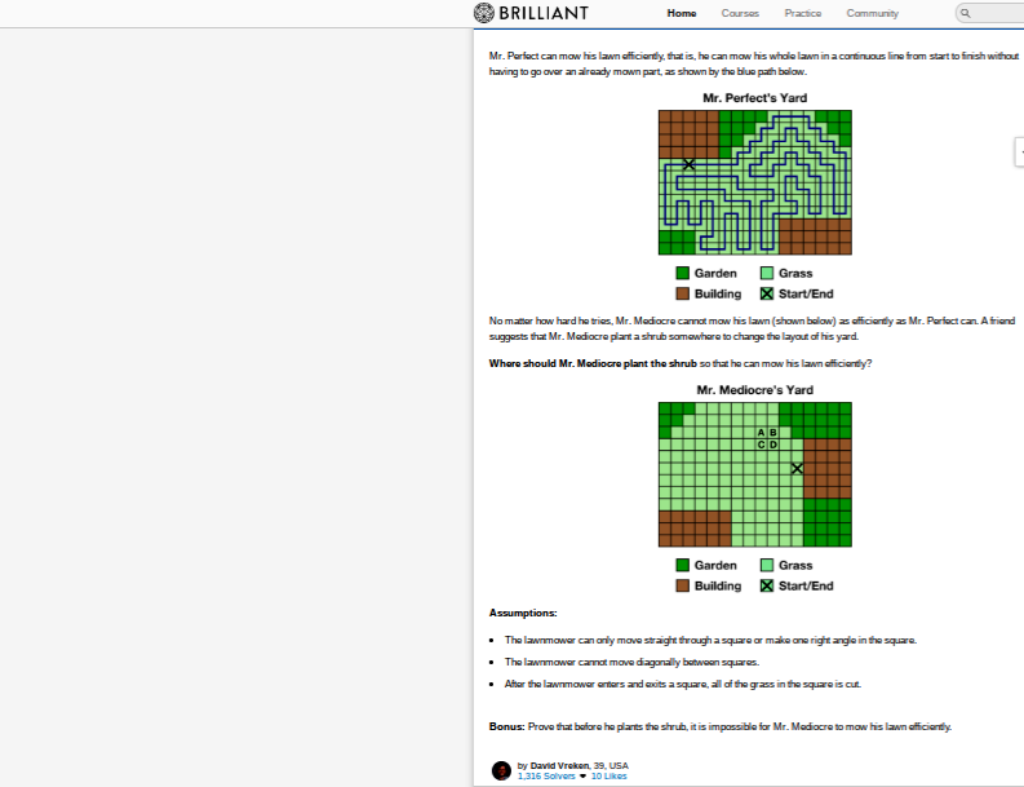
This is the terrible problem referred to in the introduction. In almost 15 months og being a brilliant.org solver I have complained about precisely one problem – this one:
The “correct” answer when I give it will make it clear precisely why I was so annoyed by the setting of this problem.
TWO FABULOUS PROBLEMS
These two problems were beautifully set, very fun to solve, and one has a published solution that I consider to be quite superb. First:~
I tackled this one this very morning:
A BONUS PROBLEM
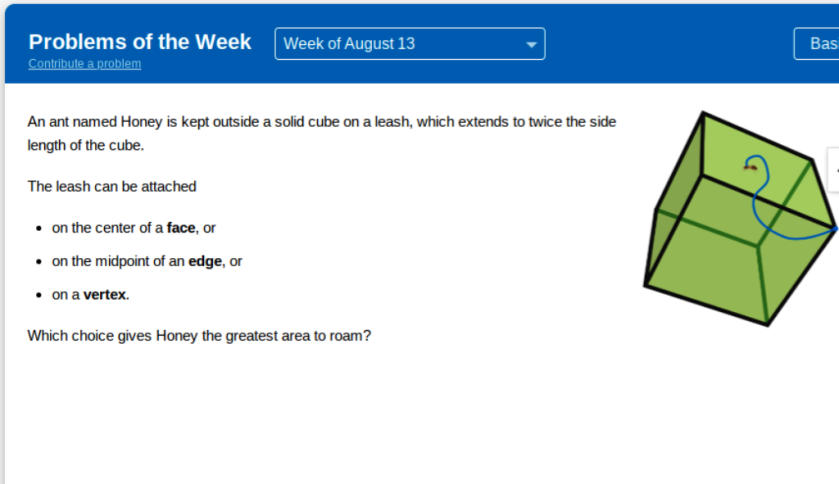
Can you give Honey the ant maximum possible access to the surface of the cube?
Some stuff about upcoming auctions and press coverage thereof and the solution to my most recent mathematical teaser.
INTRODUCTION
This post deals with some of my work at James and Sons and also includes a solution to a problem I posed last week.
PRESS RELEASES
In my recent post about James and Sons’ upcoming gold coin and proof set auction I included a copy of the official press release I had put out about it. What I did not mention in that post is that we also have a less significant ajuction coming up this Monday, for which I had also out out a press release. Both are reproduced below to set the scene for what follows:
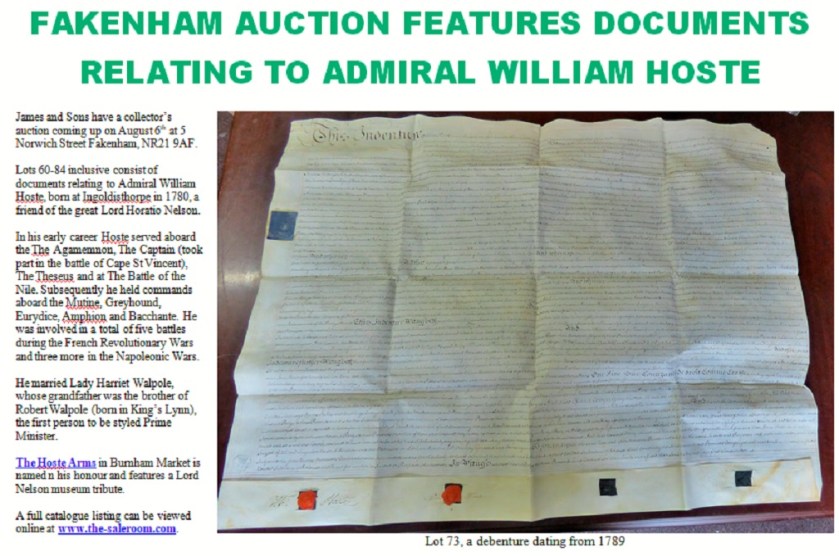
Then yesterday morning brought more positive news – a link to an article in that day’s Lynn Newsabout Monday’s general collector’s auction. The focus of this article is some documents we have relating to William Hoste, after whom The Hoste in Burnham Market is named, and who was a protege of Lord Nelson and connected by marriage to Robert Walpole. Here is a scan of the print version of this article:
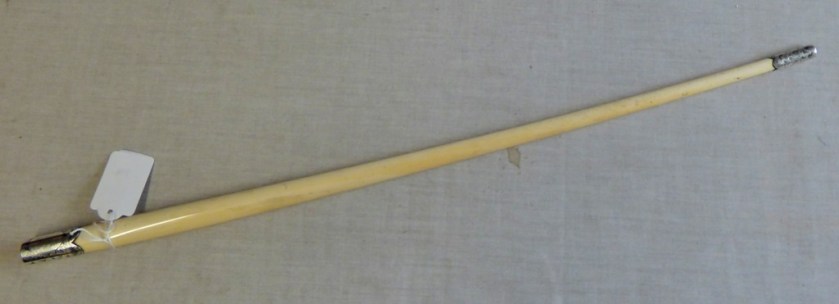
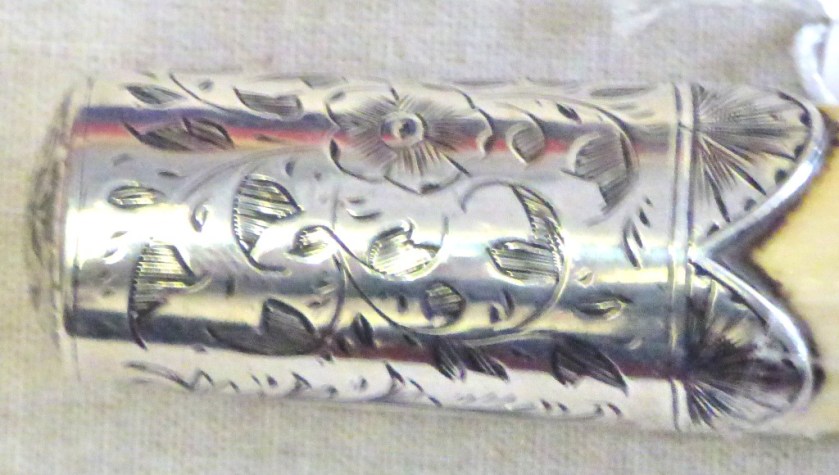
We have another auction in preparation, and I have already pretty much decided that this 19th century presentation conductors baton (it is too large to have been intended to be used) will be the feature image in the press release for that one:
For me the local connection revealed here clinches it.
THE TRIANGULAR BRIDGES
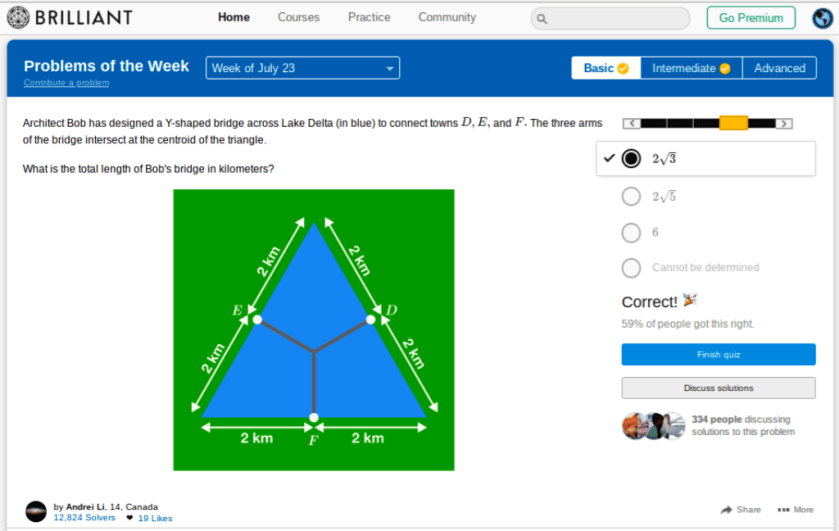
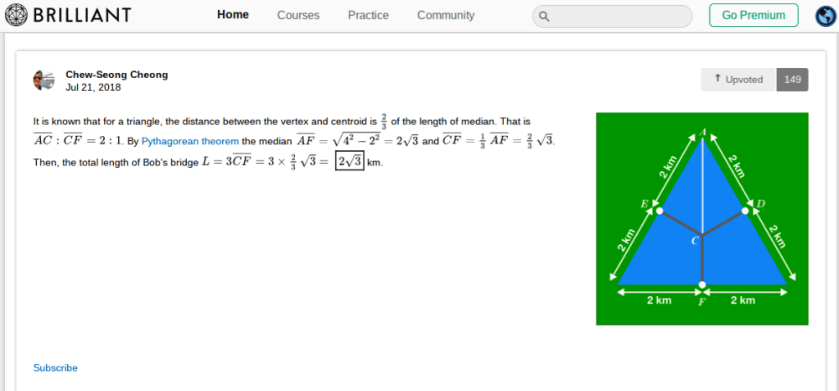
Here is the problem I set last week, followed by the answer and an official solution:
Advertising the Walk for Wildlife and attending to mathematical matters.
INTRODUCTION
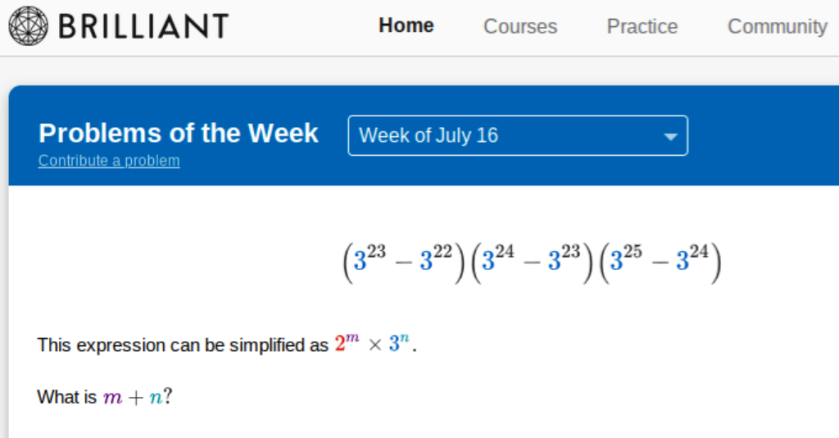
The centrepiece of this post comes courtesy of the team4naturetwitter account. I have also included the solution to a prnblem from brilliant.org and a new problem from the same source.
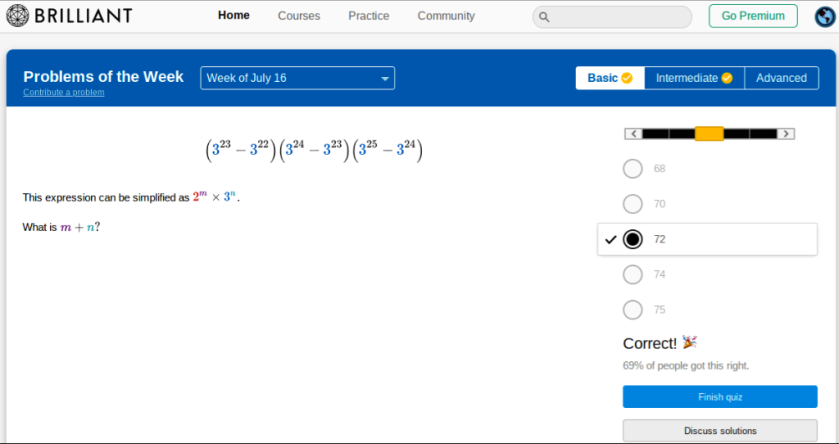
carrying out the subtractions in thte brackets above gives us (2 * 3^22)(2 * 3 ^23)(2 * 3^24). This becomes (2^3)(3^(22+23+24))= (2^3)(3^69). Thus m = 3 and n = 69, and 69 + 3 = 72.
As a supplement to this little problem, would you have an observation platform where the three bridge segments meet at the centre of the lake? This latter of course, unlike the mathematical question is purely a matter of opinion. I would go for a circular platform just below the level of the bridges, accessible by lifts and stairs.
Solutions to na couple of problems and a new problem for you to get your teeth into.
INTRODUCTION
A couple of aeons ago in the post I put up immediately before setting off for Marxism 2018 I presented two problems from brilliant.org, one easy and one hard. Now at long last I offer solutions to them.
THE GUARDS PROBLEM
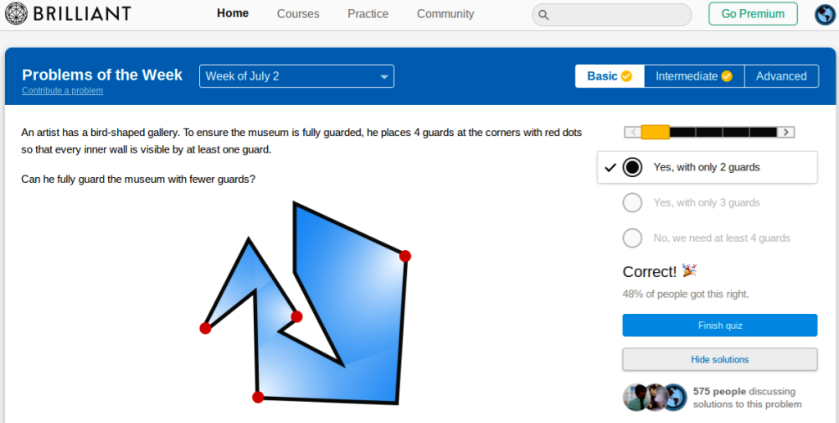
Here is the answer:
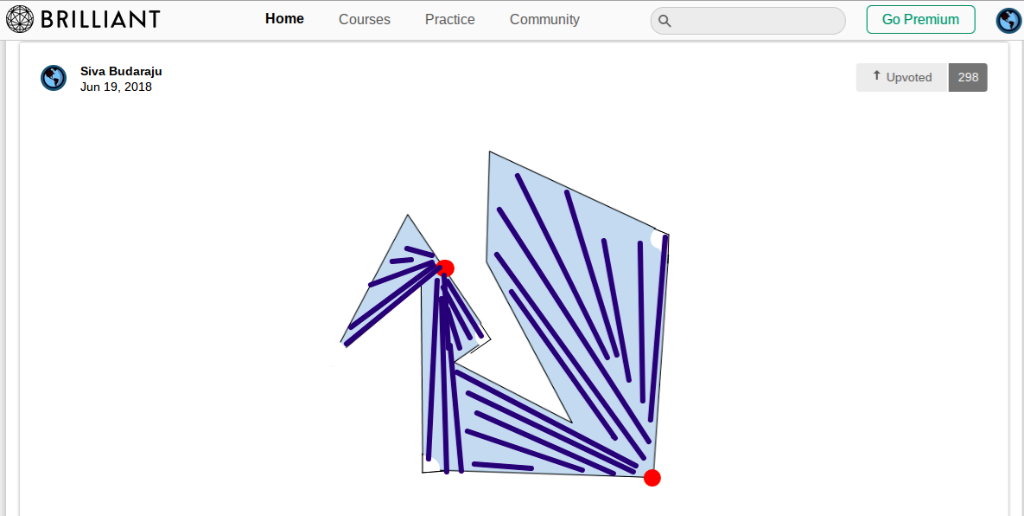
Now here is an official solution, posted by Siva Budaraju:
Yes, Anna, you were right about this one, as you are about many things.
THE CLOCK PROBLEM
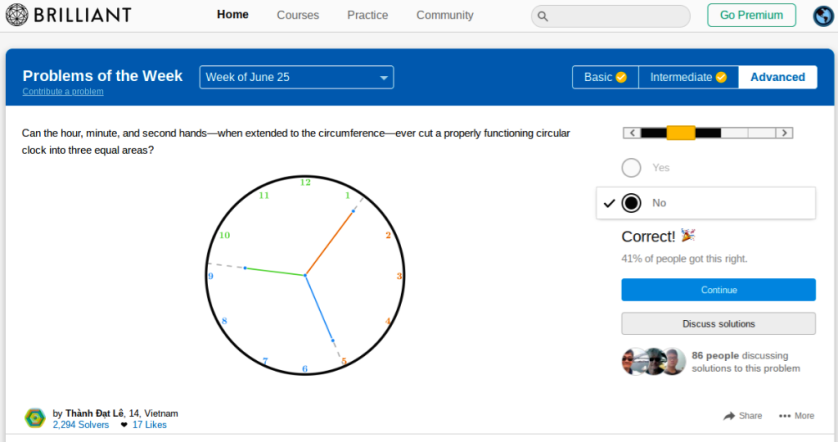
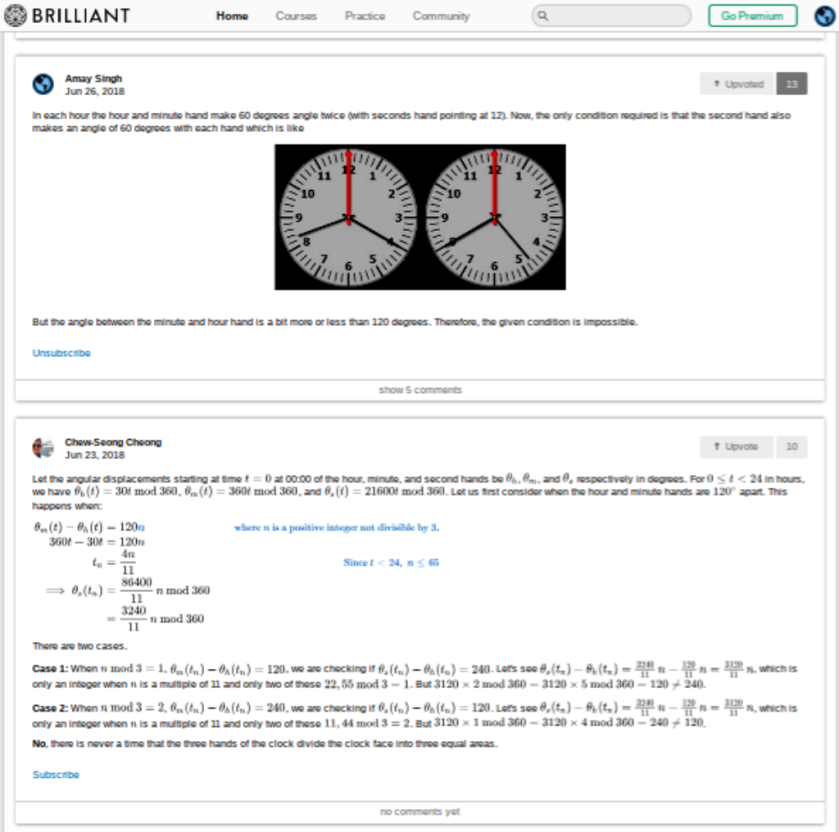
For this one I shall present the confirmation that my answer was correct, my sneaky way of solving the problem and then an official solution.
I got the solution by realising that if there was an arrangement of the hands that enabled this to happen it would not be unique – as with problems involving two hands on a clockface there would be a number of possibilities, which would mean that finding such an arrangement would not be very difficult, and this was supposed to be a dificult problem, which led me to the conclusion that there could not be a time when the three hands divided the clockface into equal segments. Now here are two official solutions:
A NEW PROBLEM
I finish by sharing another problem with you that I enjoyed solving:
A solution and two new problems by way of a quick post before setting off for Marxism 2018.
INTRODUCTION
I am writing this immediately before setting off for Marxism 2018, a four-day political festival taking place in London. I should be able to do some posting at the event and at my accommodation. In my recent “An A-Z of Me” I included a mathematical problem from brilliant.org, and I now post the solution to that problem and offer you a couple of others.
THE SOLUTION
The problem I posted earlier was this:
The answer is that there is not, because it turns out that the perimeter of a plus-plus is always a multiple of four, which 2018 is not.
TWO NEW PROBLEMS
These are also both from brilliant.org. One is easy but generated a bit of controversy, while the other is very hard to solve properly, but by applying logic it can be easily worked out what the correct answer is. First, the hard problem:
The easier problem which generated some controversy is this one:
Notice of my imminent departure for a week’s holiday and solutions to Wednesday’s puzzles.
INTRODUCTION
A couple of days ago I set some puzzlesfor you, and in this post I will be answering them. Also, I am off to Greece for a week’s holiday later tonight (I fly out of Gatwick at 5:40AM, so am envisaging taking the 21:36 train out of Lynn, connecting to a Thameslink service at St Pancras and arriving the airport just after 1AM – the second latest set of connections available to me, and I know British public transport too well and trust it too little to rely on the last possible connections) and although I will take any opportunities that arise to go online I will still have comparatively little access to the internet, so you will hear little from me between now and a week tomorrow evening when I shall be back home.
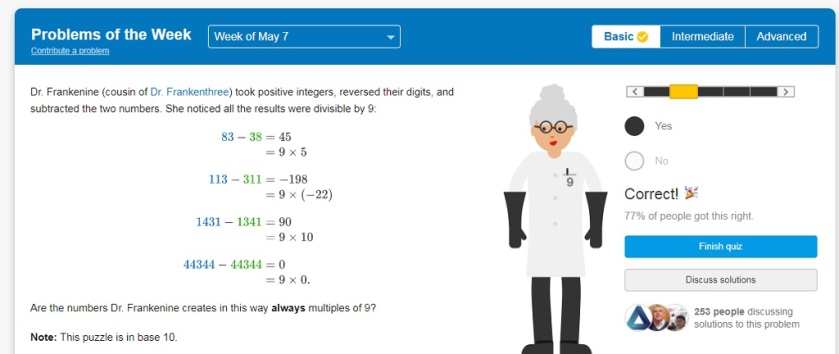
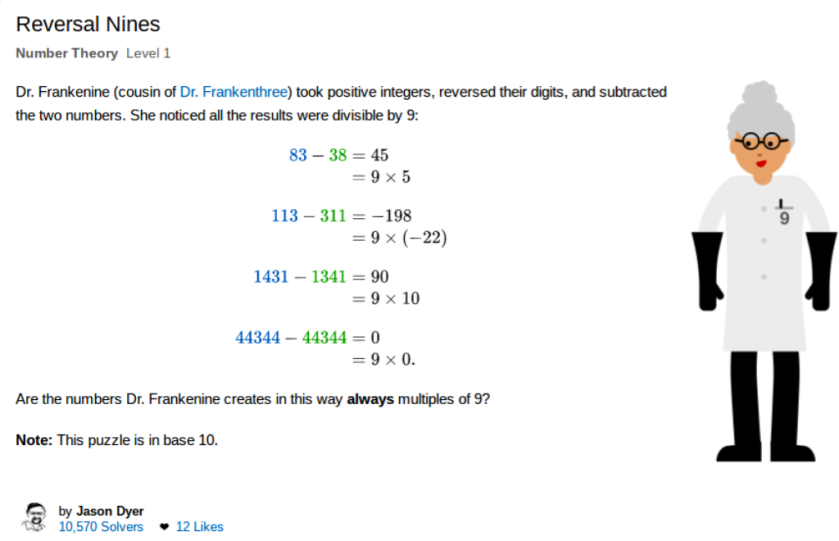
SOLUTION 1: DR FRANKENINE
Here is the most elegant of the official solutions, posted by Callum Cassidy-Nolan:
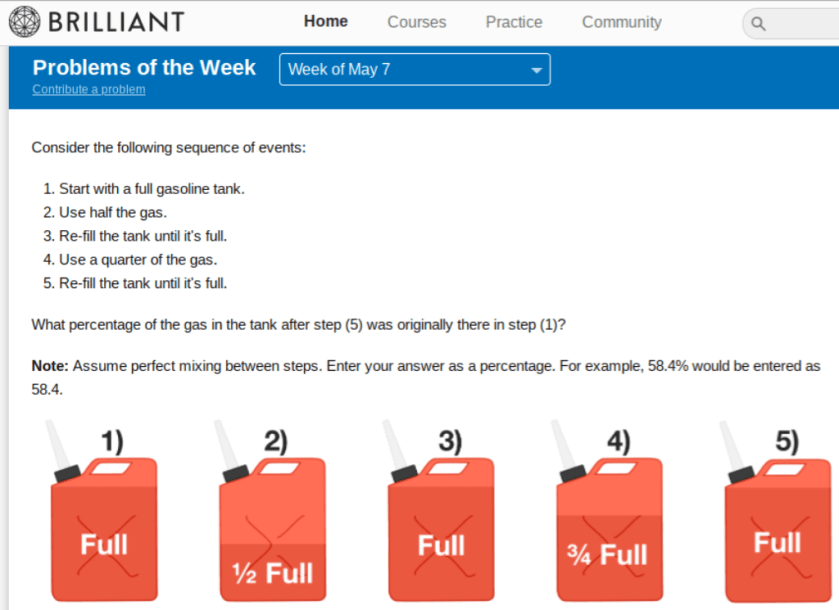
SOLUTION TWO: FUEL TANK
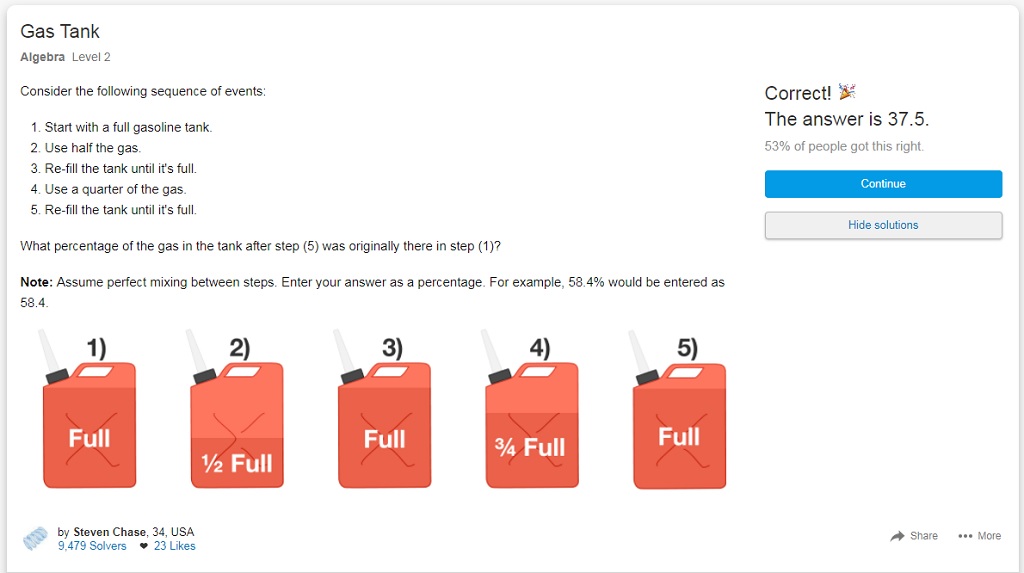
As you can see from the above graphic, almost half of those who attempted solutions on brilliant.org got it wrong. A perusal of the comments section revealed a degree of reluctance on the part of some of the errant solvers to admit to being wrong (never mind arguing with the umpire, some of these folk were metaphorically following that up by arguing with TV replay umpire) so I am to explain the whole process of getting the right answer (though it took me milliseconds to work out and not much longer to enter the correct answer):
After stage 2) half of the original fuel remains and is then topped up with new fuel, and we are told to assume that perfect mixing occurs…
After stage four one quarter of the tank of perfectly mixed fuel has gone, and as it is perfectly mixed one half of that fuel is original, meaning that a further one eighth of total tank full of original fuel has been used.
One half plus one eighth = five eighths of the original tank full of fuel has been used, leaving three eighths of the original tank full still there.
As a percentage three eighths is 300/8 = 37.5 per cent, and the question has asked for that figure.
One particularly offensive complainant attempted to use the fact that the question had said decimals allowed to claim that an answer of 0.375 should have been permitted. This is wrong – the question specifically asked for a percentage, and the reason for mentioning the a decimal figure was OK was so that people did not think they needed to round to the nearest whole number, which in correct mathematical notation would have been 38 (the figure being rounded away is five or greater so you round up, had it been four or less it would have been correct to round down).
Another complaint people made was being marked wrong for including the percentage symbol – I am less unsympathetic to this than I am to the indefensible claim that 0.375 should have been marked as right, as this latter has missed out turning the answer into a percentage, but including the symbol is still a mistake as the way the question is asked renders it needless to do so.
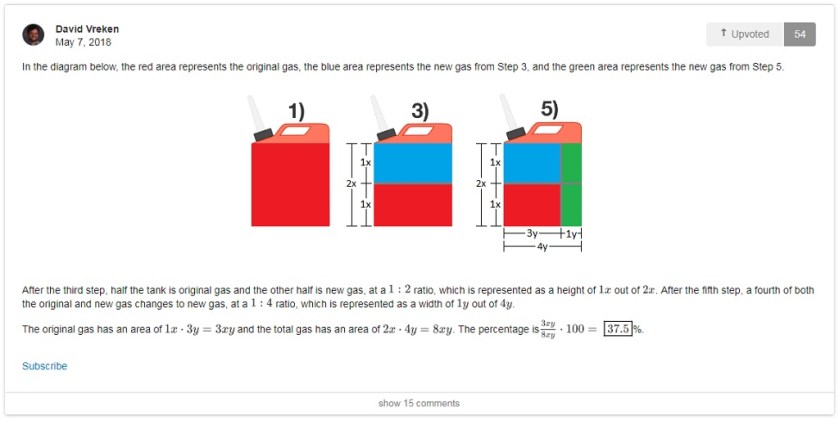
Please note that I did not create this problem and had nothing to do with deciding what answer should be marked as right – I have treated it at length because I was annoyed on the composers behalf that so many solvers rather than attempting to see by looking at correct solutions, of which plenty of good ones were posted, why their chosen answer was wrong instead opted for the ‘argue with the umpire’ approach, in some cases being very unpleasant about it. Here to end this little post is David Vreken’s published solution:
A couple of easy problems on brilliant.org that have generated considerable controversy, and some butterfly pics of my own.
INTRODUCTION
A couple of this weeks puzzles on brilliant.org have generated considerable controversy, so I am going to share them with you as a prelude to the butterfly pics. Both puzzles are actually very simple, and I will provide solutions and explanations some time on Friday.
PUZZLE 1: DR FRANKENINE
Here is a screenshot of the first puzzle:
PUZZLE TWO: FUEL TANK
Here it is:
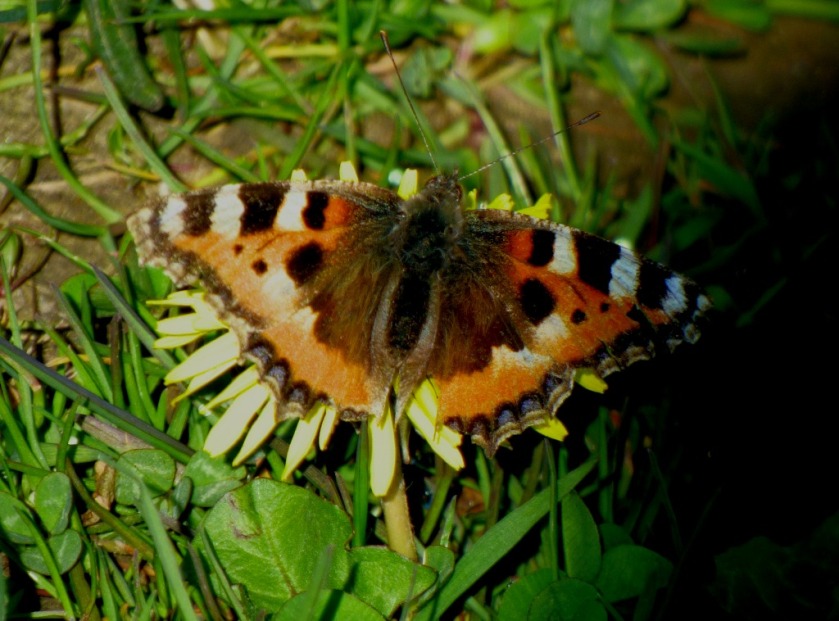
BUTTERFLIES
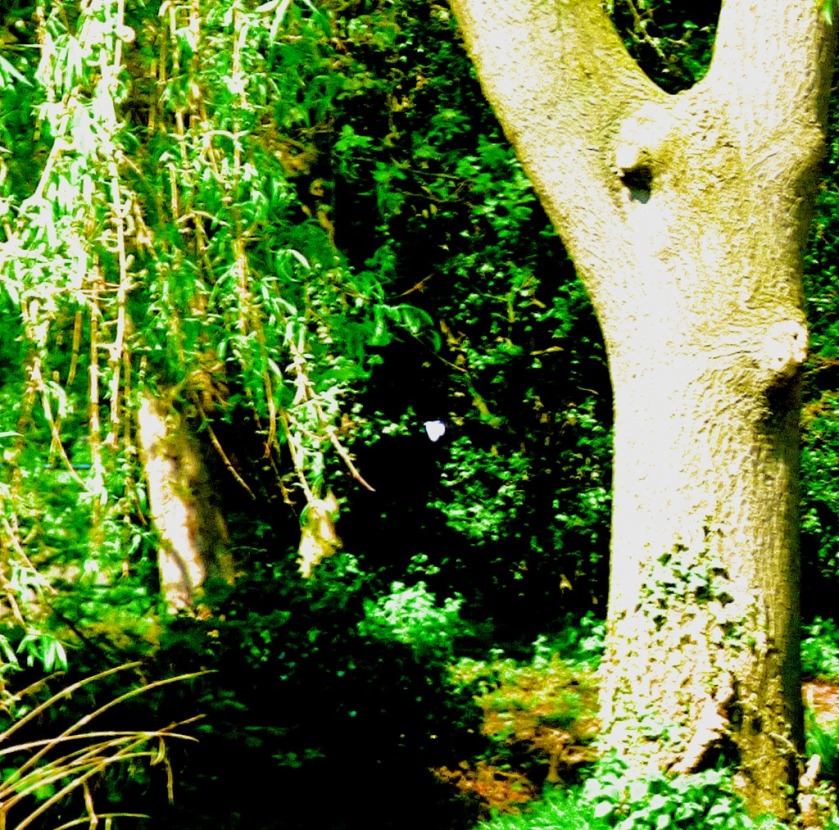
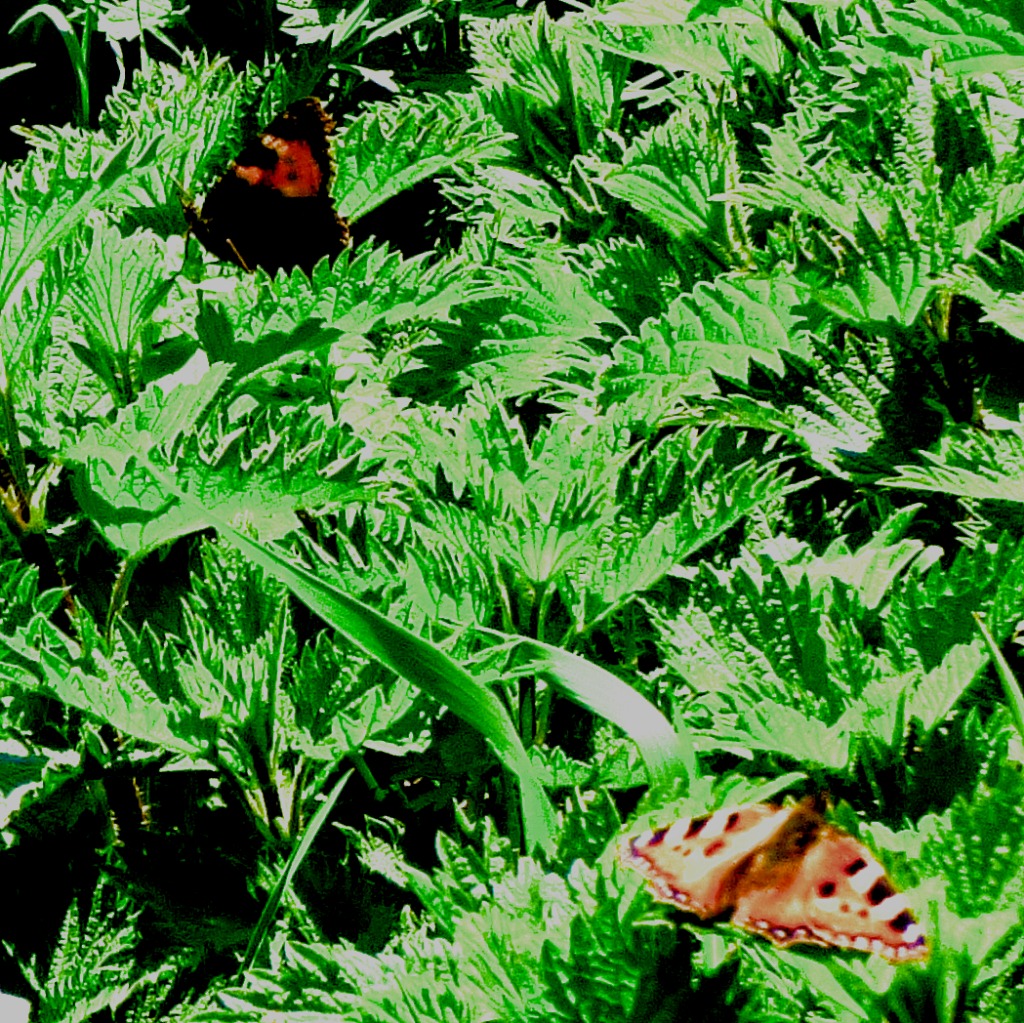
These are from Saturday and Monday. In addition the ones I have photographs of I have seen one other species, mainly white but with flame coloured wingtips but not yet been able to photograph it.
Some cricket related thoughts, photographs and solutions to my most recent set of problems.
INTRODUCTION
I have a couple of cricket related things to share, a few photographs, and solutions to the puzzles I set in the post “Cricket, Photographs and Puzzles”.
CRICKET
The third round of Championship matches were scheduled to start yesterday, but most did not get underway due to the weather, and those that did get underway were heavily affected by the weather. I have two other things to mention in this section:
WORLD CUP 2019 SCHEDULE
The schedule for the 2019 World Cup is now available to the public (see here for full details). The tournament is as usual spread out over far too long (starting at the end of May but not finishing until mid July) because the organisers will not stand up to the TV people and schedule multiple matches for the same day. In 2015 I put up a post demonstrating how a 16-team tournament could be scheduled to last no more than three and a half weeks, and I reproduce the text from that post below:
THE SUTCLIFFE FORMULA FOR ORGANISING A CRICKET WORLD CUP
There has been much talk at the Cricket World Cup about how the tournament should be formatted, especially given that there are those who would reduce it to a ten team tournament (so utterly harebrained a notion that I do no more than mention it). Several of the associate nations at this world cup have given good accounts of themselves, with Ireland having a strong chance of progressing to the quarter finals.
My formula for a Cricket World Cup would be as follows:
16 teams to play in the tournament. Stage one would involve two groups of eight teams, the top four from each group progressing. Each group would play its matches in sets of four (hence two groups of eight), making seven rounds of matches for each group, to played on alternate days (i.e. this stage would span two weeks, with each side having a day off between matches.
After the group stage would be a three day break before the quarter-finals, which would be played all on one day. After a two day break the semi–finals would take place. Then following another two day break the final would take place. This would mean that the tournament would be played in a period of three and a half weeks (a sensible length for a global tournament).
As for the TV people: If they don’t like it they can lump it.
A SUGGESTED ENGLAND TEAM FOR 1ST TEST MATCH
The early stages of this cricket season have been less than satisfactory, but I have some thoughts about an England team for the first test match nonetheless. In batting order:
A Cook
H Hameed – Mark Stoneman has had ten test matches without producing a serious score, and the fact that he has reached 50 five times but not gone beyond 60 is enough for me to call time on him. Hameed is restored to full fitness (it was injury that ciost him his place after an encouraging start to his test career) and should be given another chance.
J Bairstow, playing as a specialist batsman (he is plenty good enough to do so).
J Root (Captain)
D Malan – one of the few England test batsmen to be able to claim a successful tour of Australia and New Zealand.
B Stokes
M Burgess (wk) – a fine wicketkeeper, and in what is currently a very exclusive club of batsmen who have produced two major scores this season.
S Curran – a left-arm pace bowler who has been knocking on the door. The fact that he bowls with his left-arm will lend variation to the seam attack.
J Leach – finally given a chance in the last test of the New Zealand leg of the tour, he bowled well and must surely be persevered with.
S Broad
J Anderson
D Bess– stranger things have happened than an English pitch in May warranting the selection of two spinners, so Bess gets the nod as 12th man. Incidentally, controversial as it would be, the person who would have miss out were I going the two spinners route is Broad, going for a new-ball combo of Curran and Anderson.
Of the three players who went into the Ashes tour as England players and who do not feature above James Vince may yet redeem himself by producing some huge scores for Hampshire, while Stoneman and Ali are as far as I am concerned firmly in the category of ex-England players.
PHOTOGRAPHIC INTERLUDE
We now change focus, and I am marking this with some photographs. There will be more after I have presented solutions to the problems I left you to tackle.
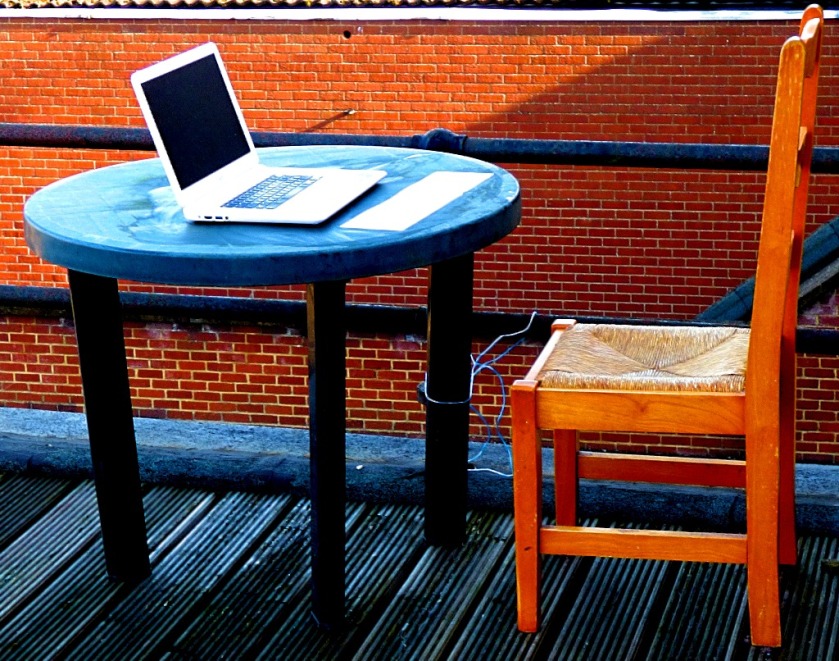
During the fine weather last week I used the ‘outside study area’.
SOLUTIONS
All of these problems were taken from brilliant. The first was:
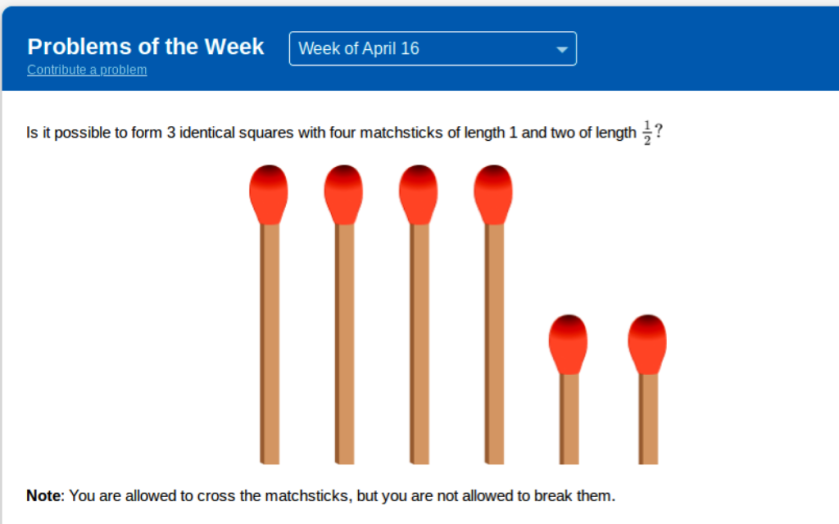
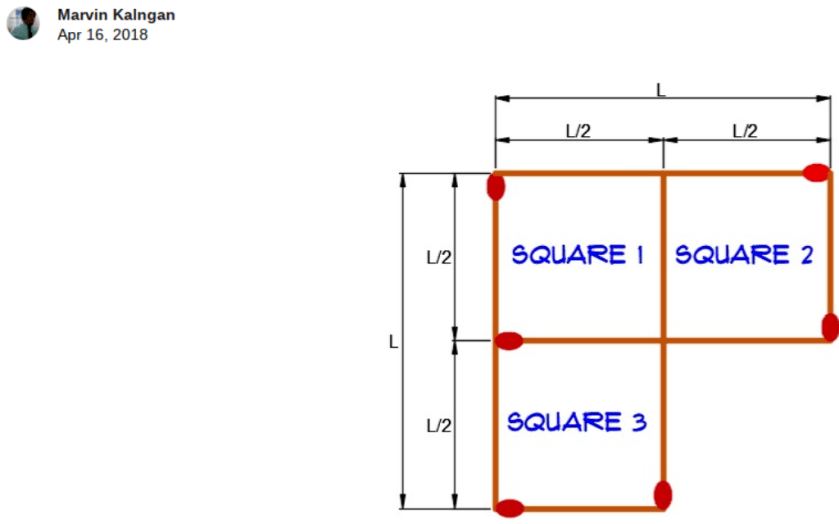
MATCHSTICKS
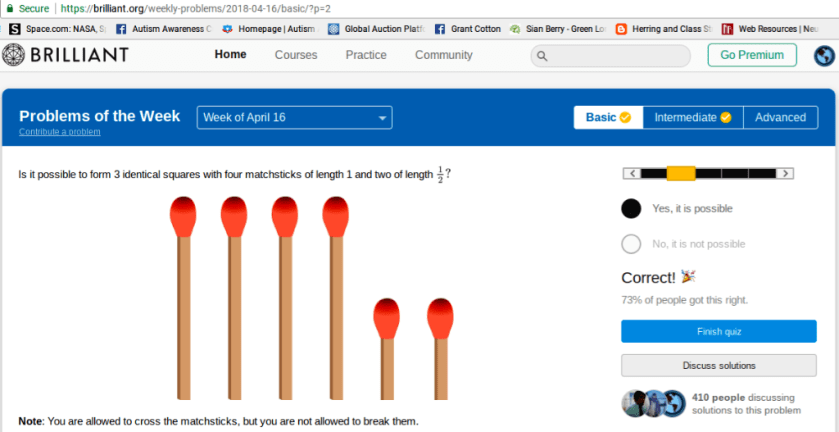
First the answer:
Now here is Marvin Kalngan’s published solution:
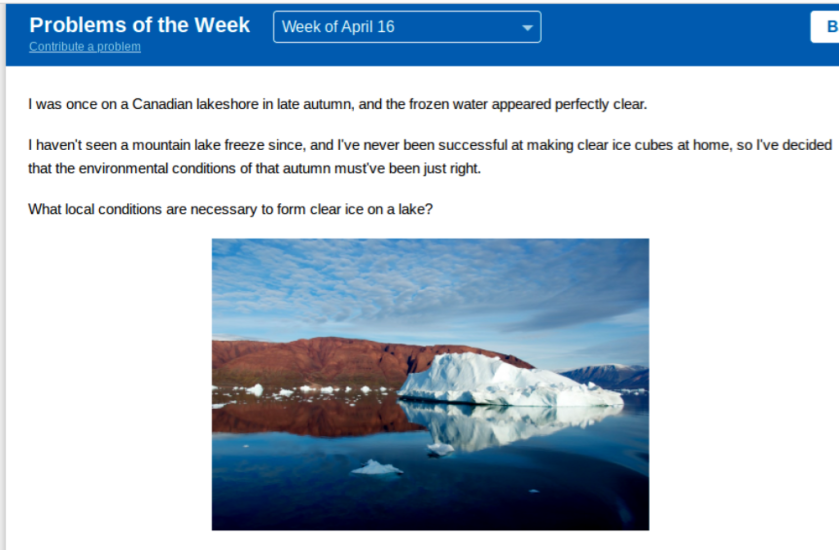
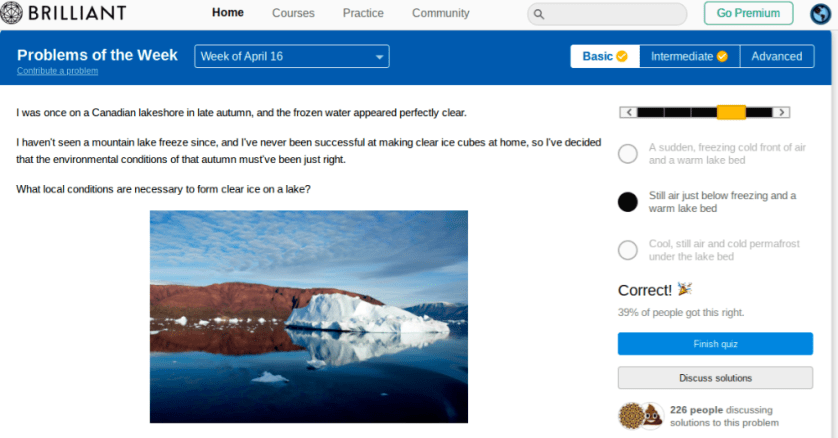
SOLUTION 2: CLEAR ICE
Here is the problem:
And the answer:
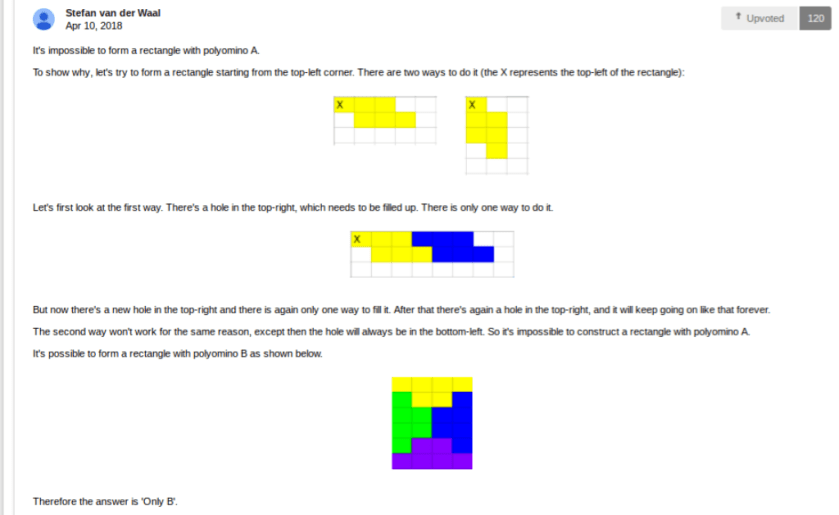
SOLUTION 3: POLYOMINO
The problem:
The answer:
I solved this one the lazy way – I noted that shape B very easily forms a rectangle, and after visualising various assemblages of shape A and noting that none were rectangular I opted for B only given that this is a Basic level problem. Stefan van der Waal published this solution:
SOLUTION 4: CONVERGENCE
The problem:
The answer:
Since the sequence involves numbers between 0 and 1 being multiplied together, and such numbers multiply to produce smaller numbers, the series actually converges on 0.
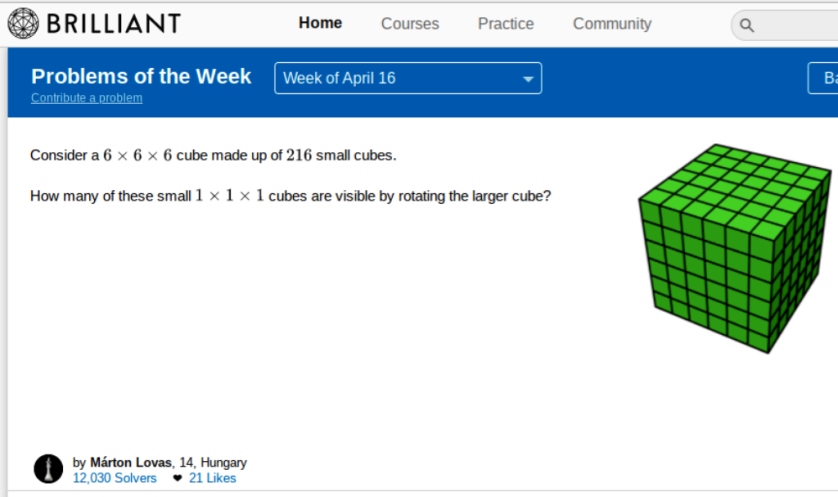
SOLUTION 5: CUBE
The problem:
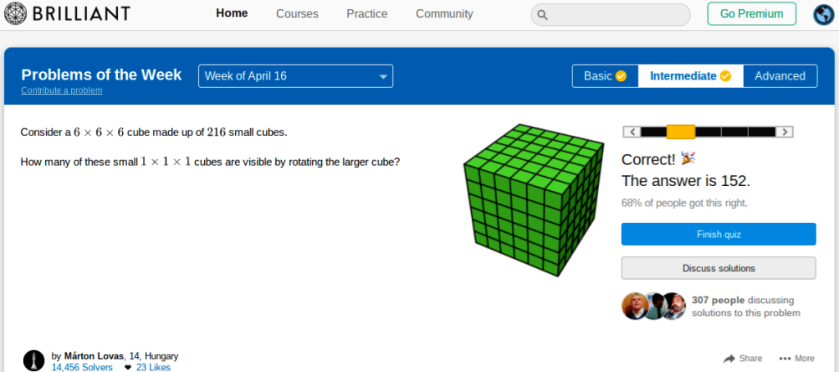
The answer:
I solved this as follows:
1)Because you are specifically allowed to rotate the cube you can see every individual block that appears on the outside… 2)This means that the only blocks that can you cannot see are those wholly inside the cube…
3)…Which since the surface layer is 1 block thick, and occurs twice in each direction amounts to a 4 x 4 x 4 cube… 4)…Therefore 64 blocks are invisible, which means that (216-64) = 152 blocks are visible.
To end this section here is Aaa-Laura Gao Gao’s solution:
Some thoughts about the early stages of the English Cricket Season, some photographs and some puzzles.
INTRODUCTION
The second round of County Championship matches in season 2018 are now on their second day. Additionally the fact that here in England we seem to have skipped spring, going dorectly from a long, unpleasant winter into summer means I have a particularly fine selection of photographs for you, and there will be puzzles.
THE COUNTY CHAMPIONSHIP
Scoring is low everywhere. At Chester-le-Street it is looking a first innings tally of 169 will be sufficient for Kent to record an innings victory (Durham, shot out for 91 yesterday morning are 39-7 in their second innings, needing their last three wickets to double that paltry tally just to avoid the innings defeat). Essex and Lancashire are already into their third innings as well, Essex having scraped together 150 first up and Lancashire replying with 144. Essex are 39-0 in their second innings. Somerset, having actually claimed a batting bonus point by reaching 202 are poised for a handy first innings lead, Worcestershire being 153-8 in response. Surrey also topped 200 – making 211, and Hampshire are 79-6 in response. Yorkshire made 256 in their first innings, and Nottinghamshire are 110-6 in response. Derbyshire made 265, and Middlesex have also reached three figures, being 101-5 in response. Gloucestershire are 47-0 in response to Glamorgan’s 236. Northamptonshire were all out for 147 and Warwickshire are about to overhaul them, with wickets in hand. Finally, Sussex batting first are a comparatively monumental 304-7 (three batting bonus points, although they will not get a fourth as they have had 108.3 overs, and bonus points are only awarded in the first 110 overs of a team’s first innngs) against Leicestershire.
Every match is in progress, which beats last week, when Yorkshire failed to produce a playing surface on which the game could be played, resulting in their match against Essex being abandoned without a ball being bowled.
The low scoring is a major problem – the batters will gave little confidence since they are not making runs, and as soon as they face conditions in which the ball does not get up to mischief most of the wicket-taking bowlers will revert to being their workaday selves (we saw, unforgettably for all the wrong reasons, over the winter how seamers who bowl accurately but not especially fast are cannon fodder for international class batsmen on good pitches).
From the point of view of England possibles these two rounds of championship matches have been largely valueless – the 75 from James Vince on the opening day was the usual Vince fare – excellent while it lasted, but did not last long enough to be satisfactory and given the conditions no bowling figures can be taken with anything other than a substantial helping of salt.
PHOTOGRAPHS 1: AN ASPI.BLOG FIRST
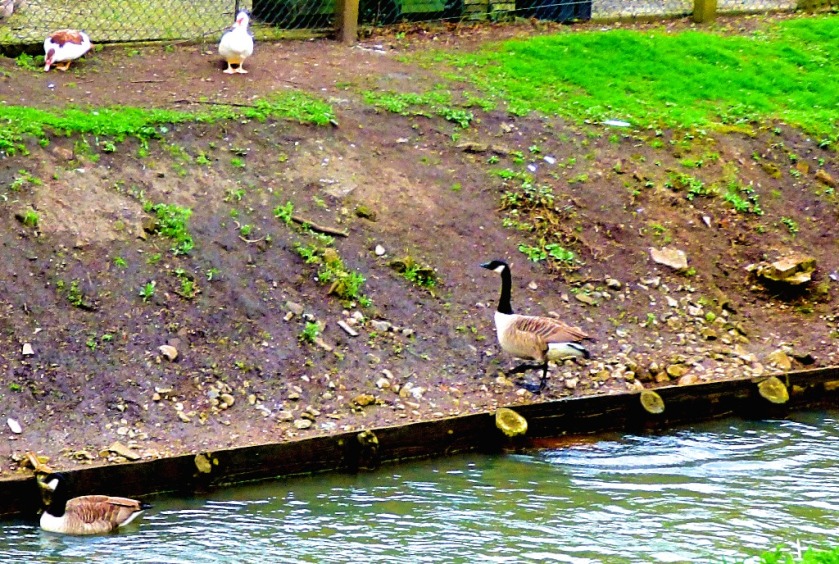
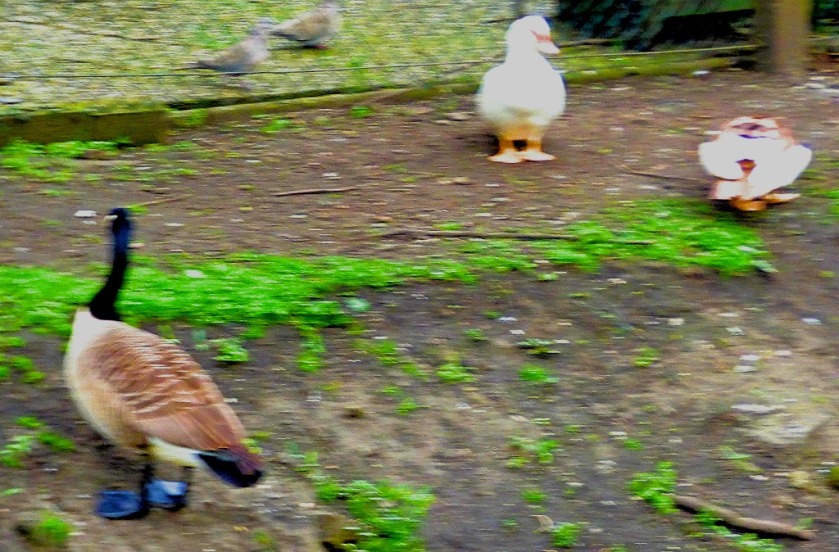
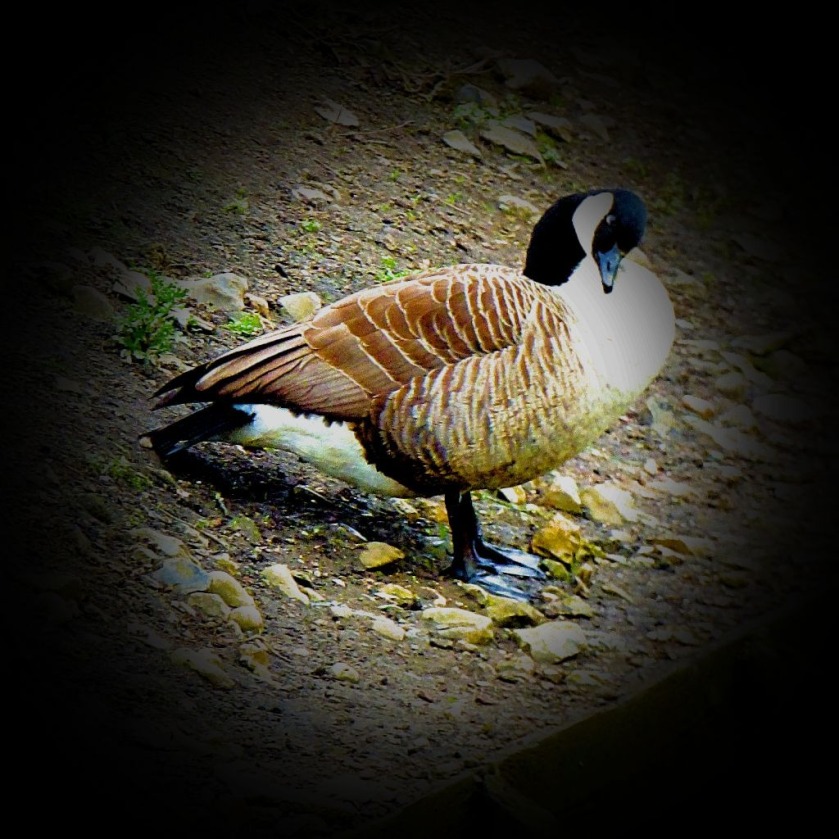
The Muscovy ducks first saw a few months back are still in residence, and they have been joined by an unusual visitor, the second largest bird species I have seen in King’s Lynn – Canada Geese.
The white patch at the top front of the otherwise pure black neck (the head and bill are also pure black) is, along with the colossal size, the key identifier of these birds as Canada Geese.
PUZZLE 1: MATCHSTICKS
My first offering from brilliant(the source of all of today’s puzzles – note also that all can be solved without even using pen and paper, never mind mechanical assistance – I did) is an exercise in visualization:
PHOTOGRAPHS 2: MUNTJAC
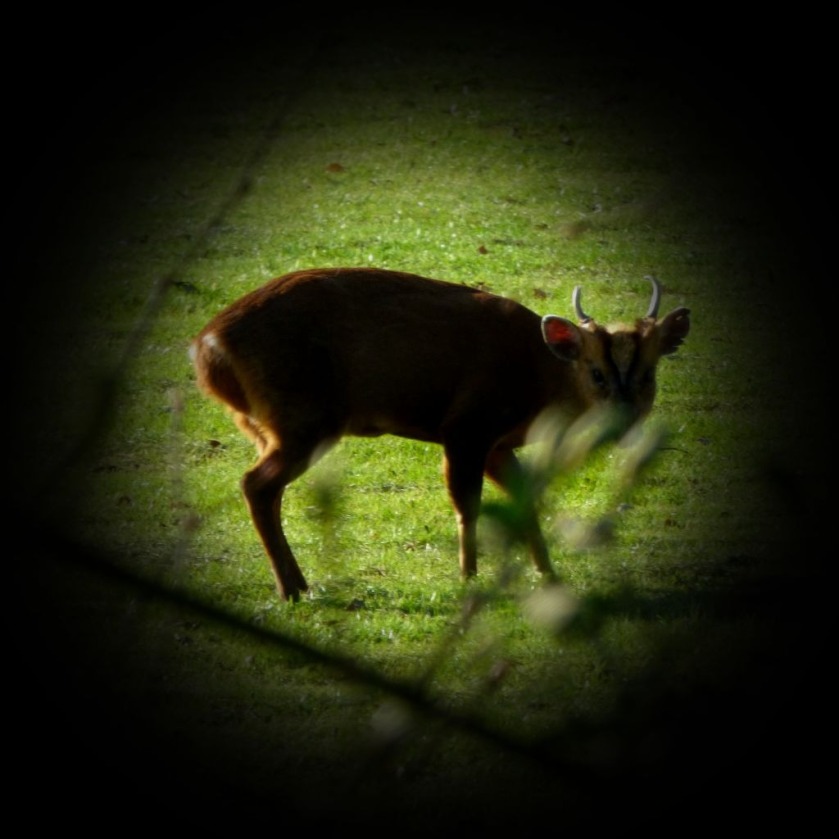
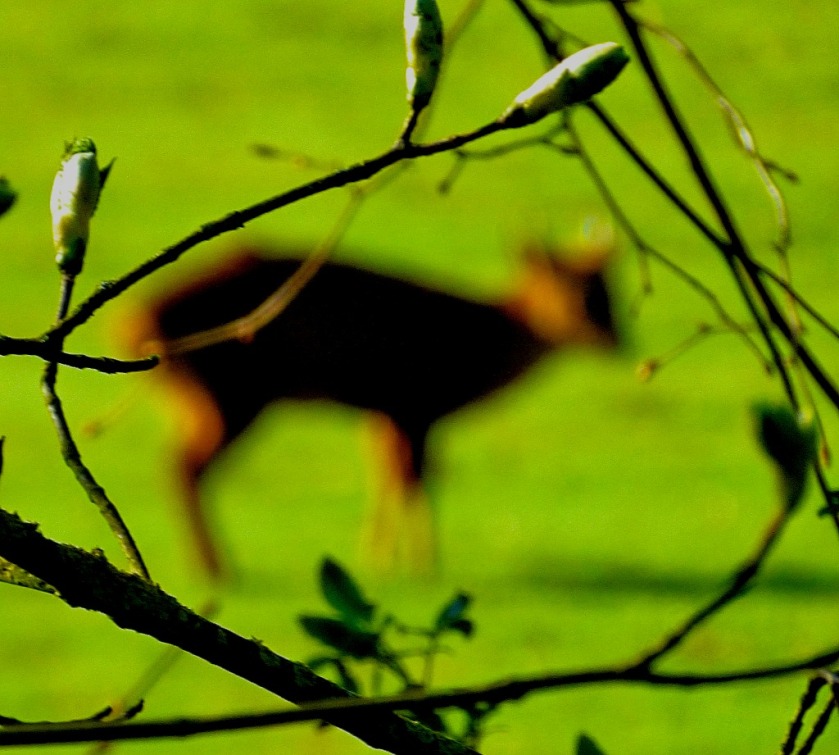
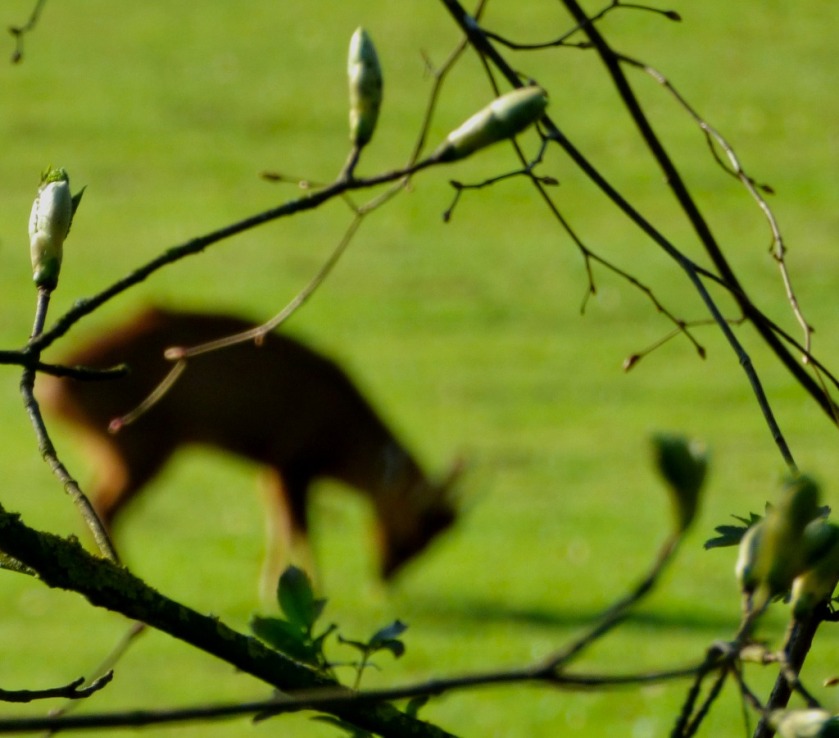
This muntjac was nibbling the grass on the playing field of the Lynn Academy, and I was taking pictures through a screen of plants:
PUZZLE 2: CLEAR ICE
PHOTOGRAPHS 3: SQUIRREL
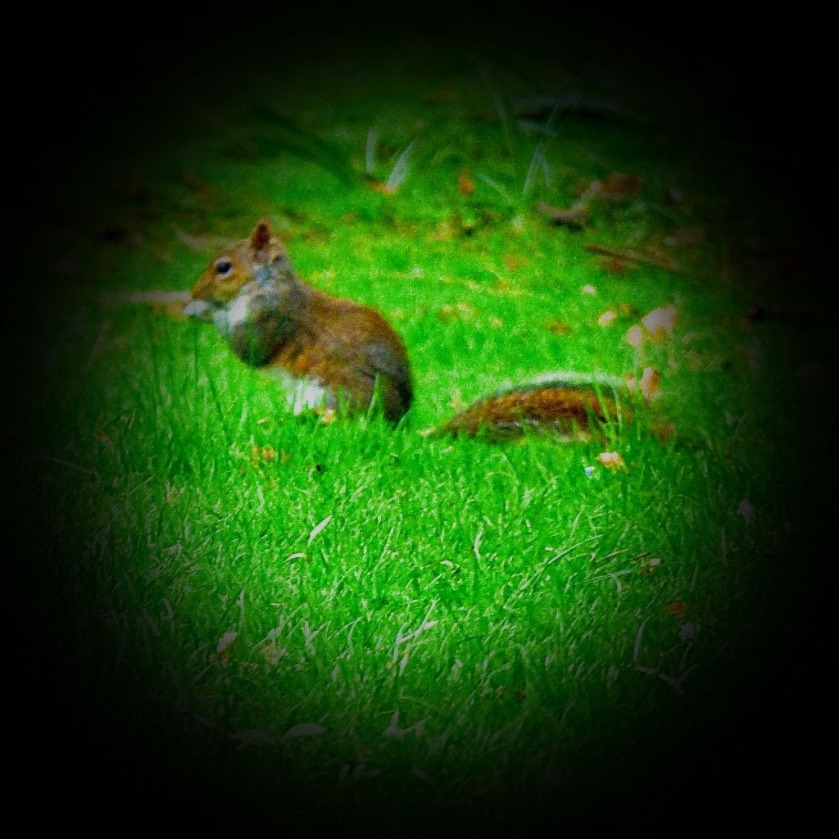
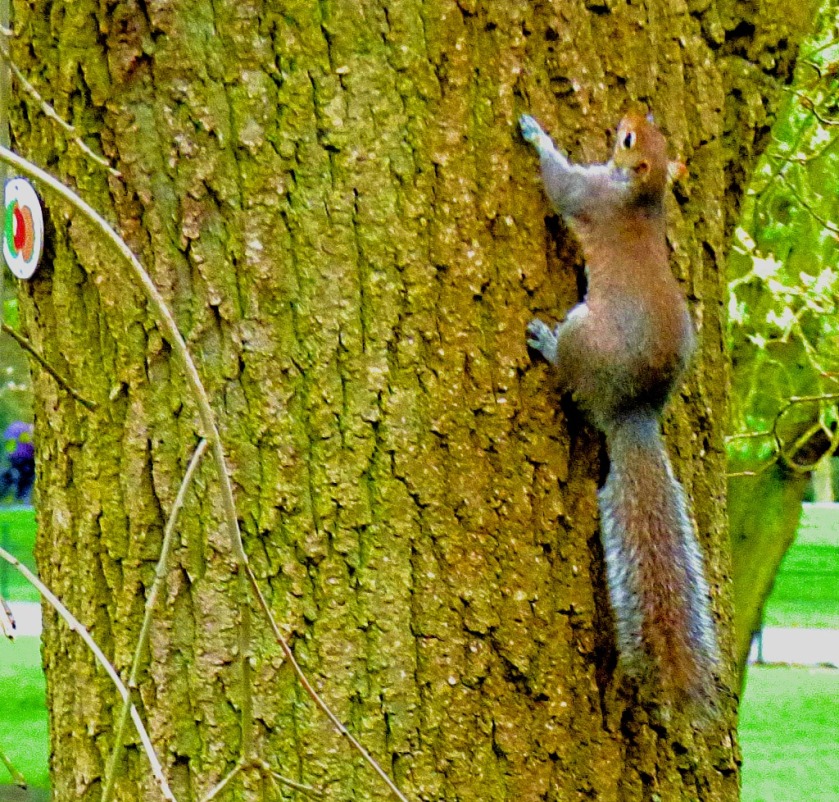
I got two shots of this squirrel, one om the ground, and one as it swarmed up a tree trunk:
PUZZLE 3: POLYOMINO
Another exercise in visualization (my own success with this one enabled me to celebrate what I call my brilliant.org Pi Day – 314 successive days on which I had solved at least one of their problems!):
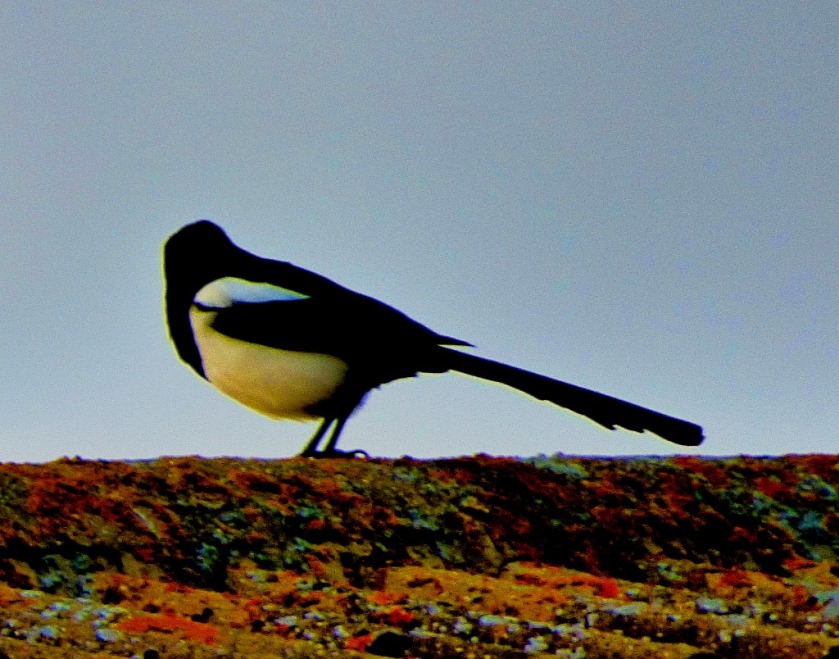
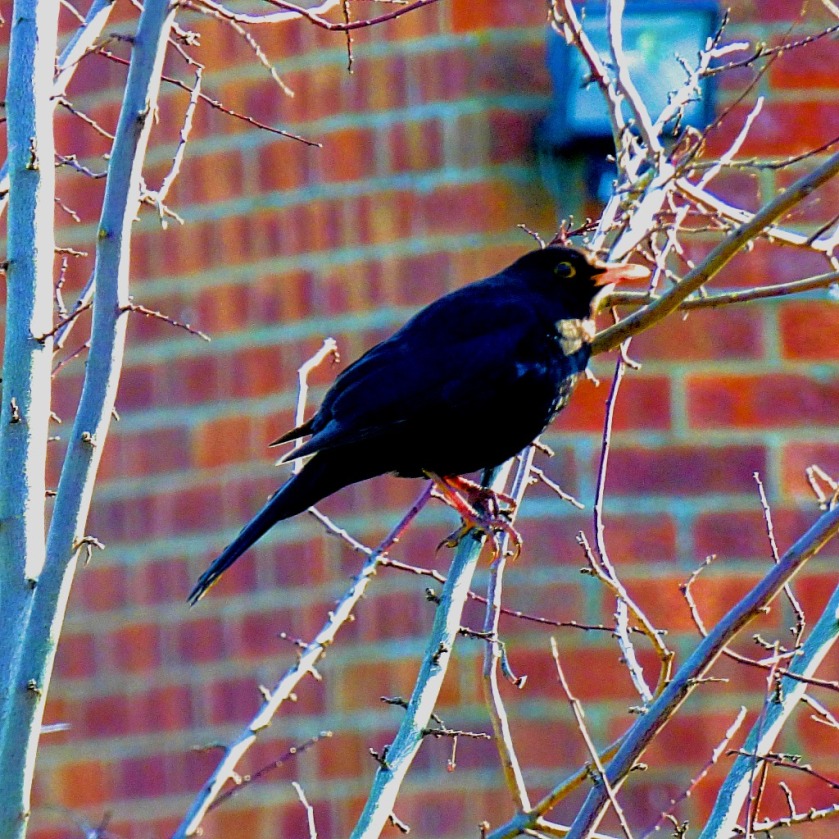
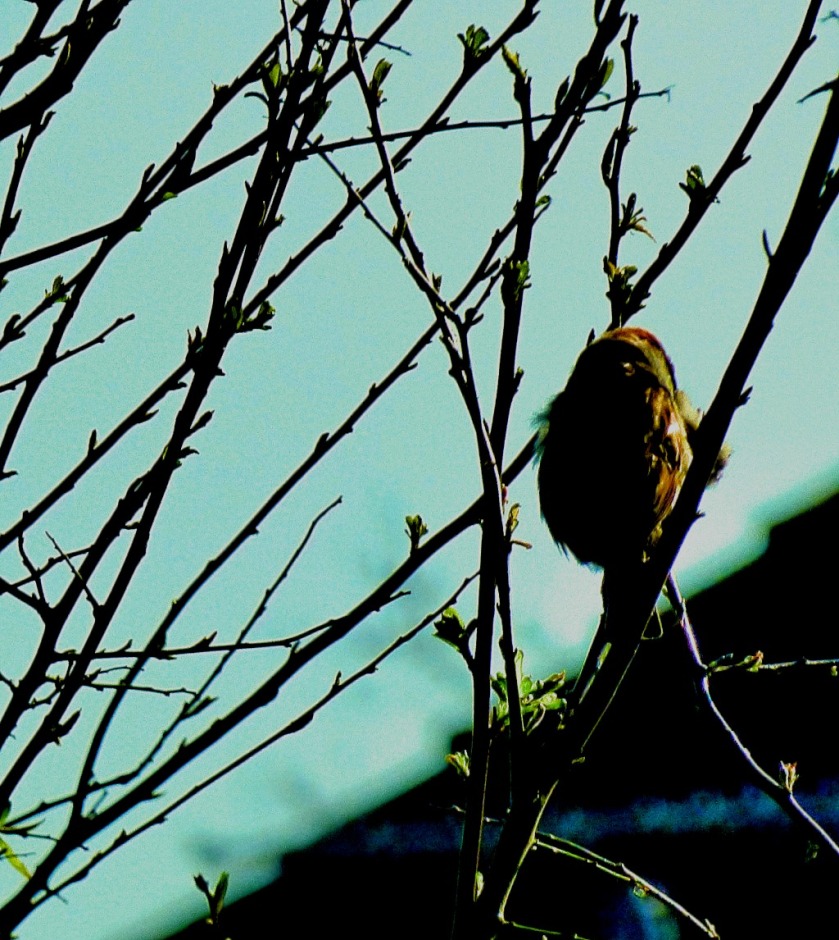
PHOTOGRAPHS 4: SMALLER BIRDS
PUZZLE 4: CONVERGENCE
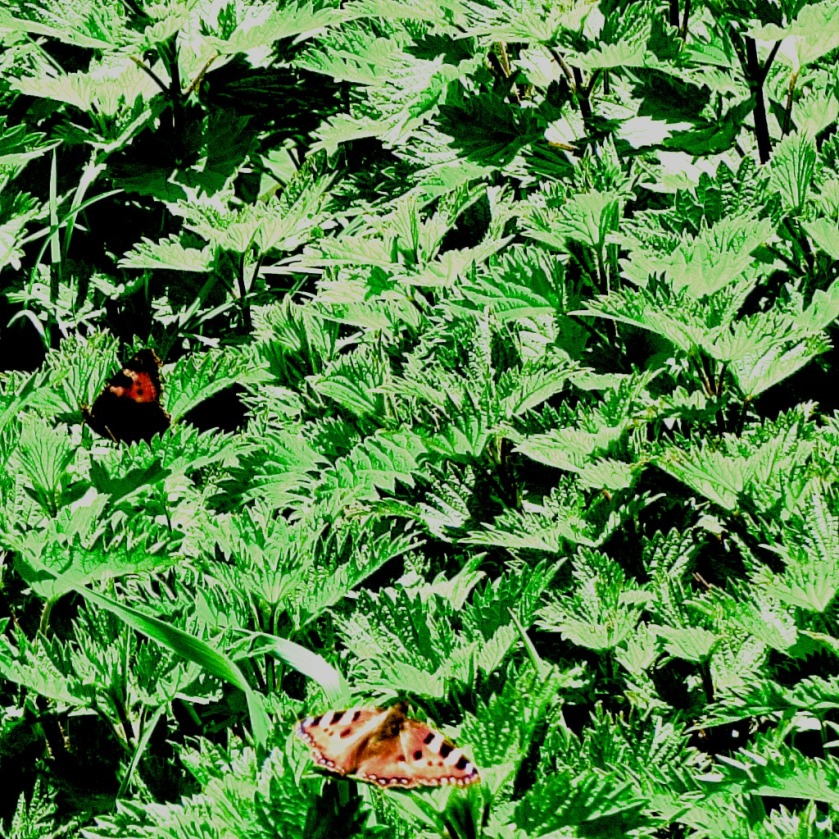
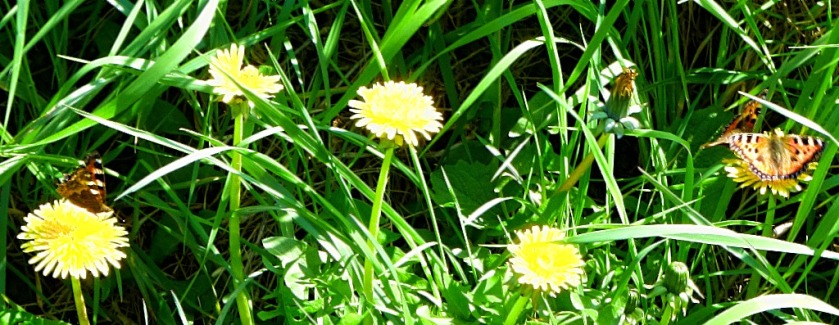
PHOTOGRAPHS 5: BUTTERFLIES
PUZZLE 5: CUBE
My own method for solving this one once again involved visualization, although other methods were also used.
In view of some of the moans that appeared on brilliant in relation to this problem please note the crucial words “by rotating” in the question – they are absolutely key.
PHOTOGRAPHS 6: THE REST
AFTERWORD
While I have been completing this post Durham have succeeded in making Kent bat again, though it is still massive odds against that game even making it onto the third of the scheduled four days.
The first round of County Championship matches in season 2018 is drawing to a conclusion. Where there has been action (Yorkshire’s failure to get their ground into playable condition caused their game against Essex to be abandoned without a ball being bowled). I also have some photos to share, and will provide answers to the last problems I posed.
RAIN, WICKETS AND THE ODD RUN
A lot of drawn games have resulted due to poor weather before and during the matches. However, those matches which have had definite results have been absolute crackers. Only one game remains in progress – Sussex against Warwickshire, with the former’s David Wiese having scored the only century of this first round of fixtures (and off a mere 94 balls, helped along by 14 fours and three sixes). Sussex are building are useful lead, but it will take something spectacular in what is left of the match for anything other than a draw to eventuate. Gloucestershire beat Kent in a very low scoring affair (the largest team total in any of the four innings was only just over 150). Middlesex also won their match in short order, completing the job early on yesterday. Two other matches had definite results:
HAMPSHIRE V WORCESTERSHIRE
Worcestershire generally have a lot of away games scheduled for early in the season to give the New Road ground an apportunity to recover from its winter inundation (it is very close to the river Severn, so this is pretty much an annual event), and this year is no exception. Their match against Hampshire at Southampton (I refuse on principle to refer directly to grounds that are named after a sponsor) saw many twists and turns, but Hampshire were pretty well always ahead of the game. James Vince’s spirited 75 on the opening day was a fine effort, but yet again he failed to turn a good start into a really significant score. All-rounder Gareth Berg matched Vince’s score. Worcestershire fought back from a dreadful start in their own first innings to top the 200 mark, but they still conceded a deficit of 79, and Hampshire then scored 244 in their second innings to leave Worcestershire needing 324 to win. Worcetserhsire were so far short of threatening this target that it took a defiant last wicket partnership to get the final margin below 200 runs.
LANCASHIRE V NOTTINGHAMSHIRE
Lancashire were all out for 158 in their first innings, Nottinghamshire responded with 222, and overnight Lancashire were 58-2. Harry Gurney and Jake Ball (Left-arm Fast and right-arm Fast Medium respectively) bowled magnificently this morning, and Lancashire’s last eight wickets scraped together a measly 15, which meant Nottinghamshire needed just 10 to win. Nottinghamshire themselves managed to lose four wickets while chasing down this target, making the score for the day 25-12.
PHOTOGRAPHS
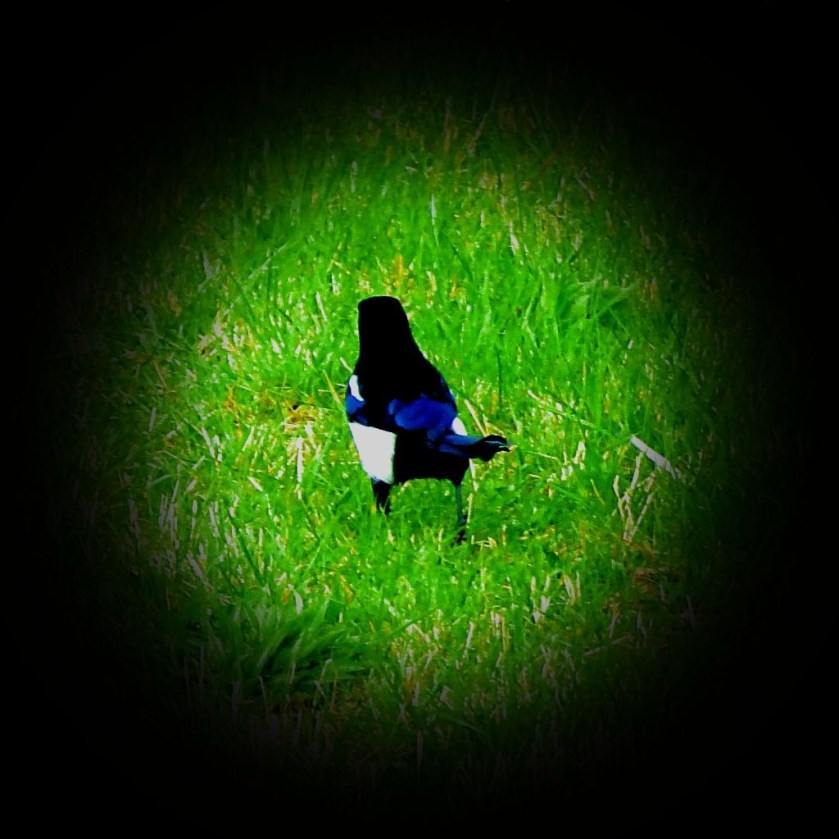
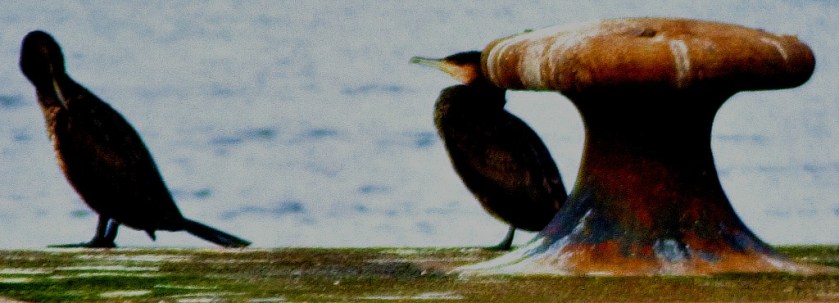
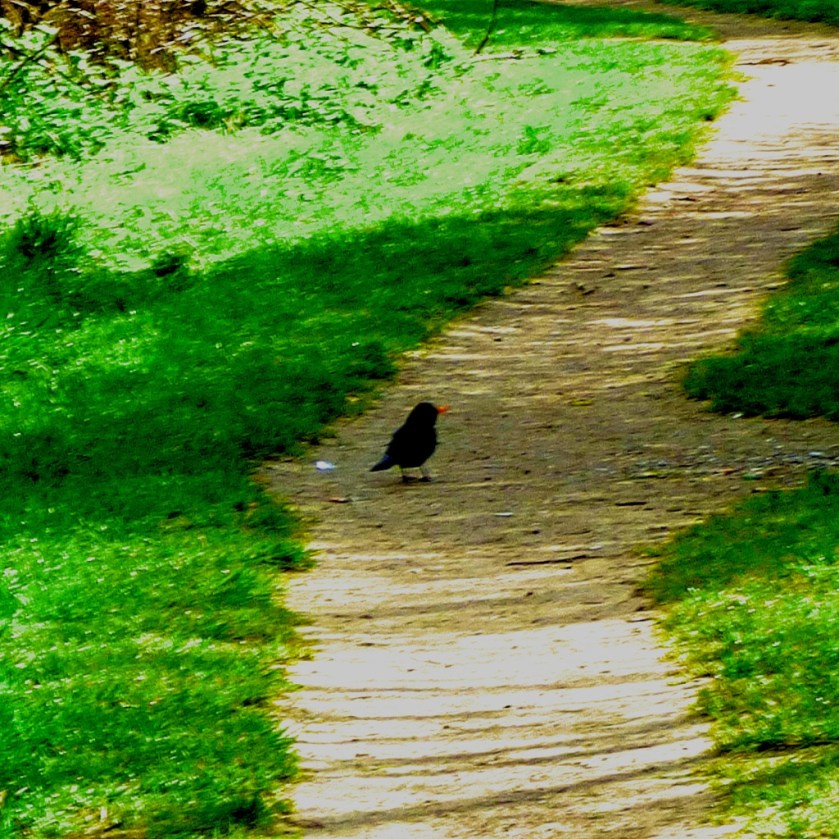
These are all from this morning:
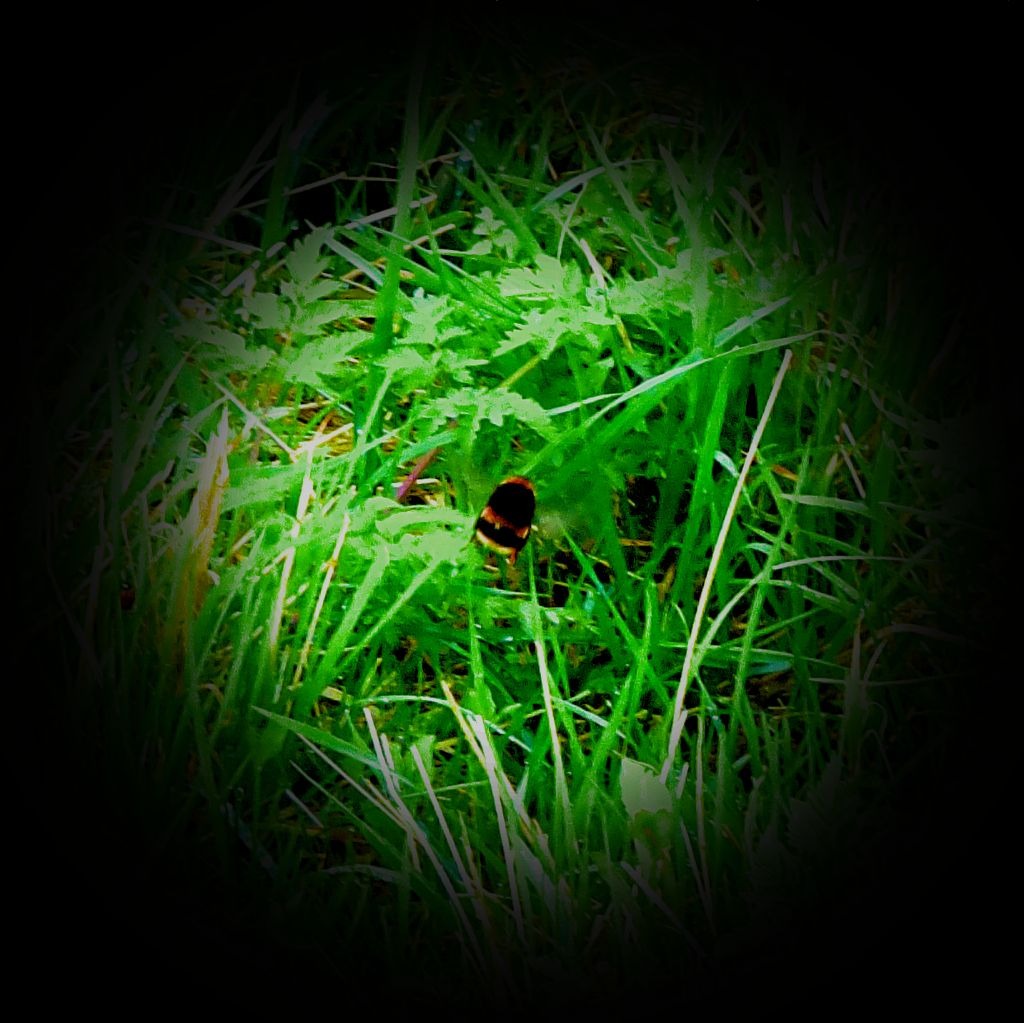
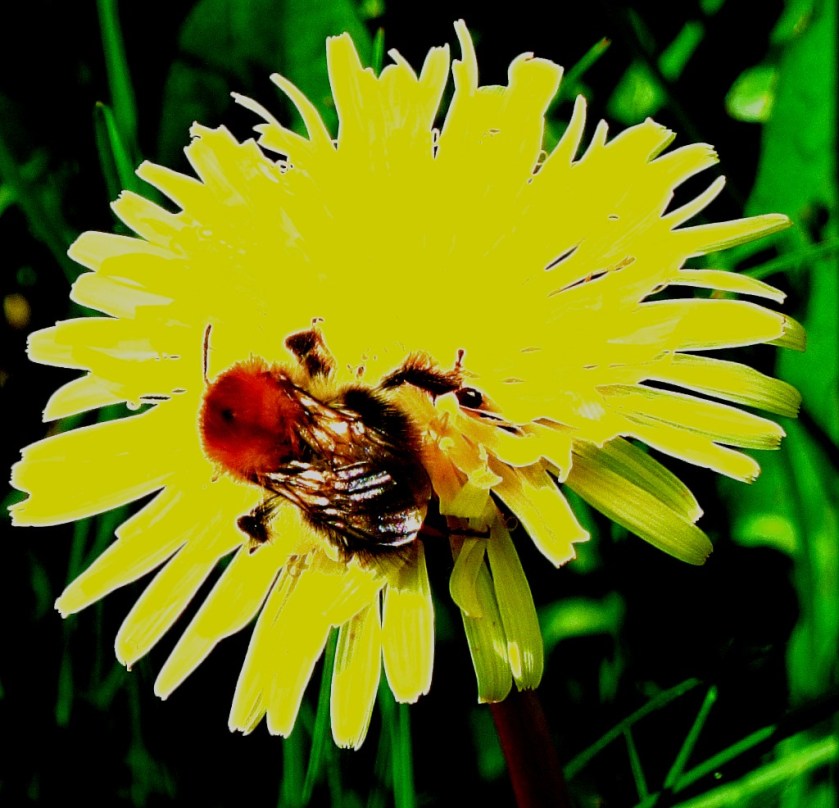
My first bee picture of 2018
SOLUTIONS
I posed these problems on Friday, in a post titled “Solutions (And New Problems)“
Deck of Cards:
This is a multi-choice question, the possible answers being:
a) Less than 50% b) More than 50% c) Exactly 50% This problem generated a huge amount of controversy among solvers on brilliant (many of those who opted for exactly 50% being unable to accept that they were wrong and arguing over it). The answer is “less than 50%” – whatever colour the top card in the pack is there remain 51 cards of which 25 are the same colour as the top card and 26 are the other colour. Hence the probability of the bottom card being the same colour is the top card is 25/51, which is just less than 50%. The more cards the deck contains the closer to 50% the probability gets, but it never reaches 50%.
2. Groyne
This one caused such confusion to solvers om brilliant that over half of them got it wrong. The answer is A, since the groyne acts as a block against waves approaching it from the right as you look at it, and therefore the reduced speed of those waves causes sediment to deposited on that side of the groyne.


































































 aspiblog