An account of my return journey from Penzance to Liskeard to bring the Penzance ‘series within a series’ to a conclusion.
I am writing this post from a hotel room in Plymouth where I am spending the last night of my excursion, due to a mix up over holiday dates (I booked my train tickets based on my parents flying out to Crete tomorrow, whereas they are actually doing so today). I will cover the events of today in considerable detail in a later post. Suffice it to say for the moment that I am happy with my room. For today I complete my coverage of my excursion to Penzance with an account of the return journey.
PENZANCE TO LISKEARD
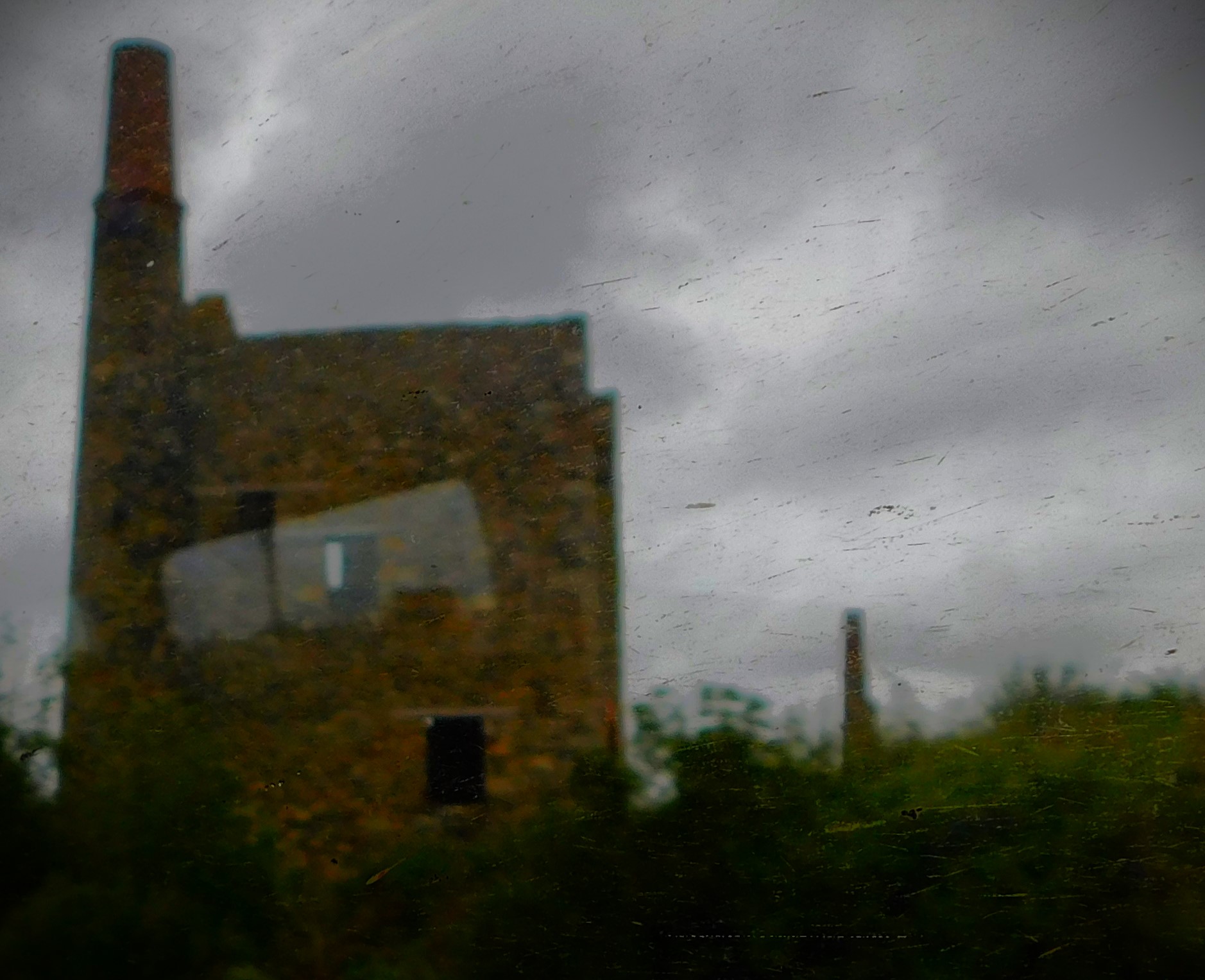
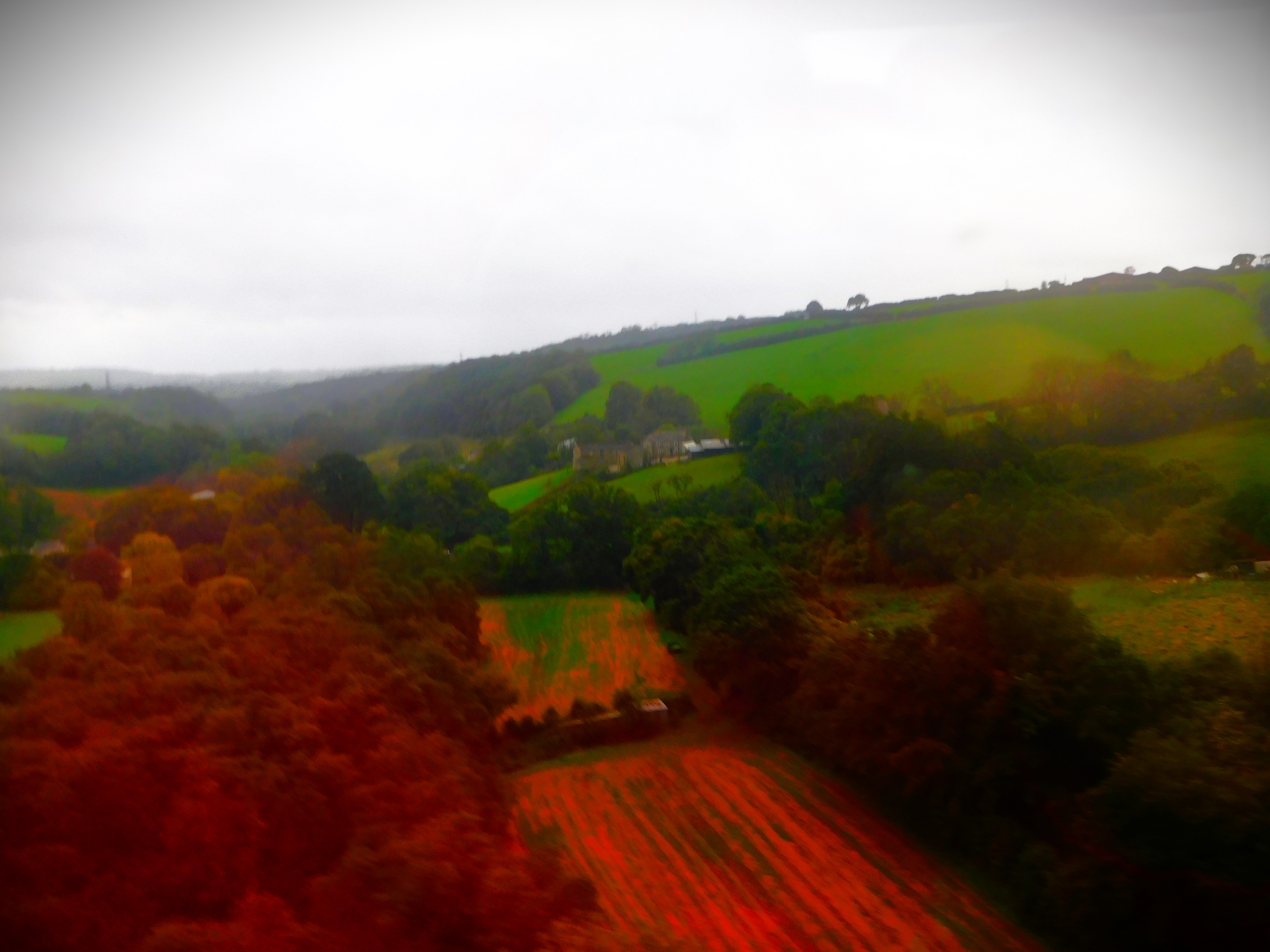
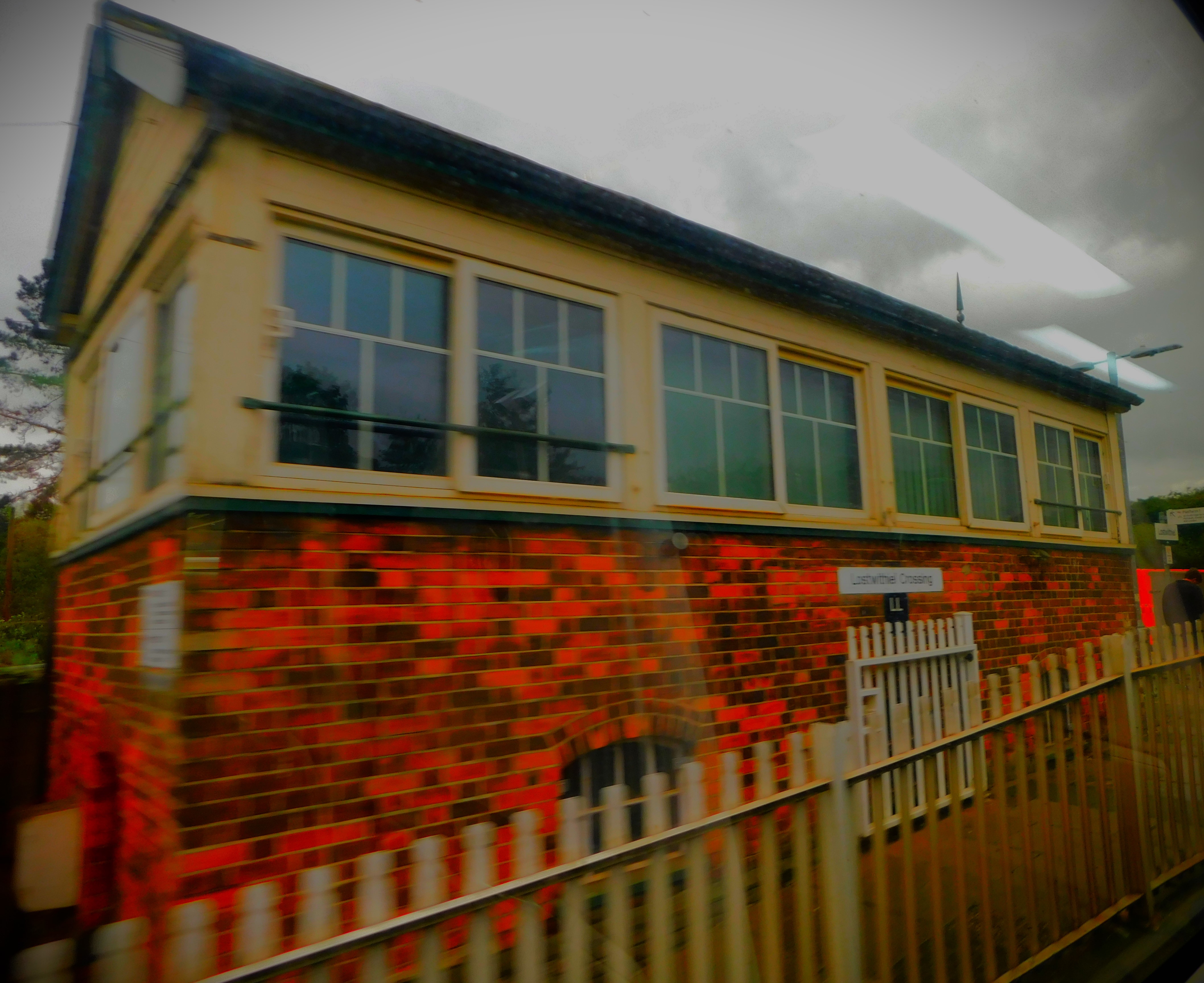
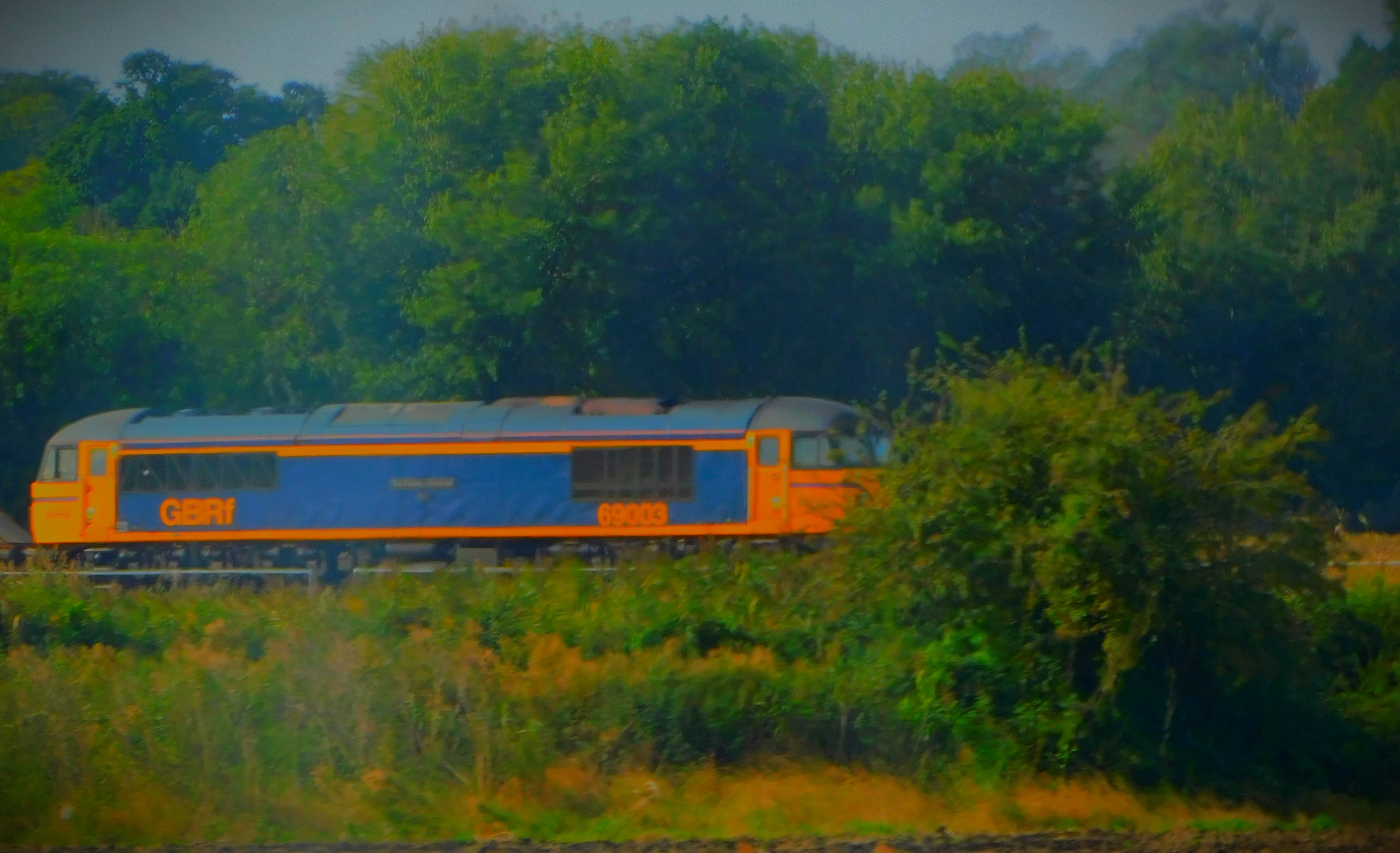
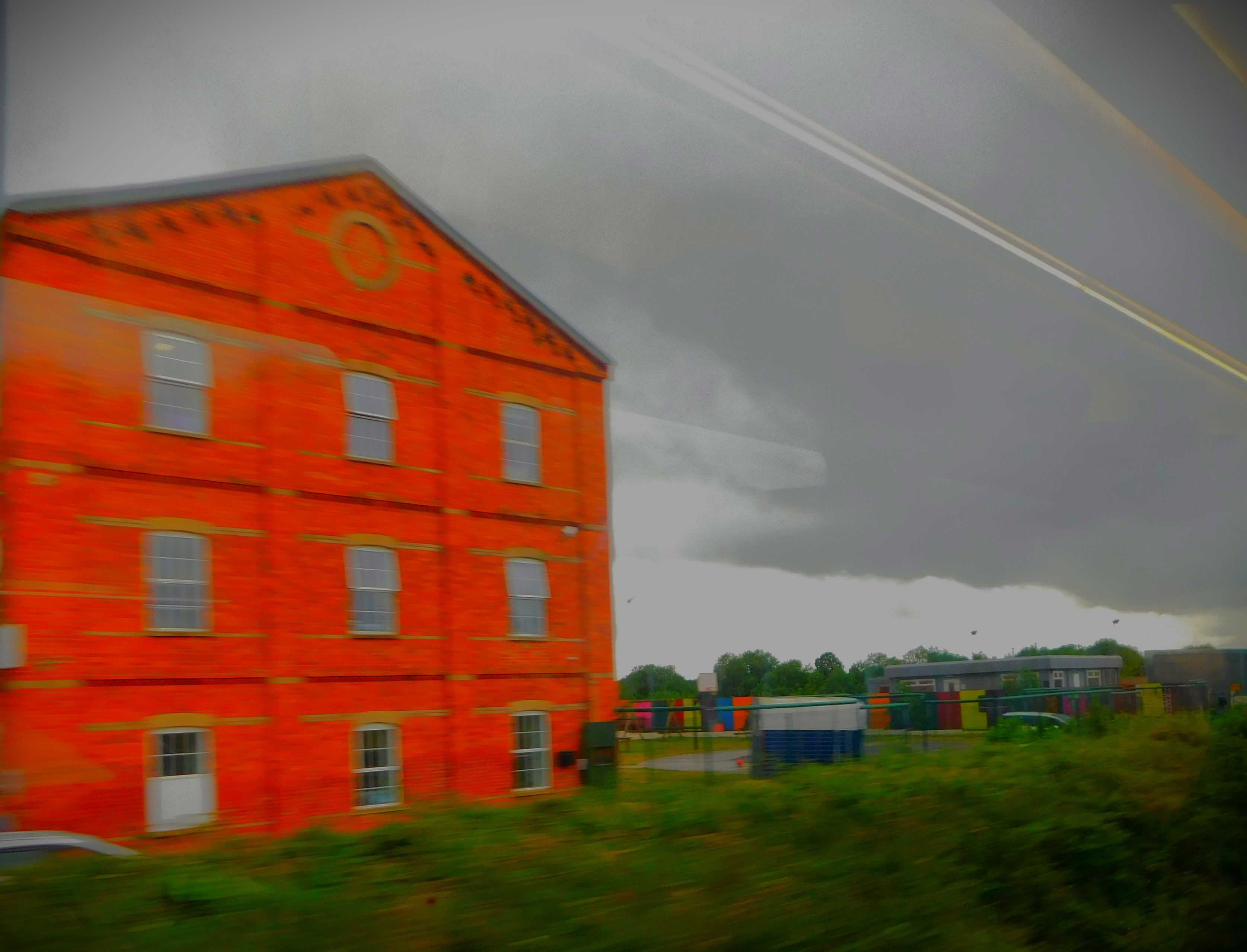
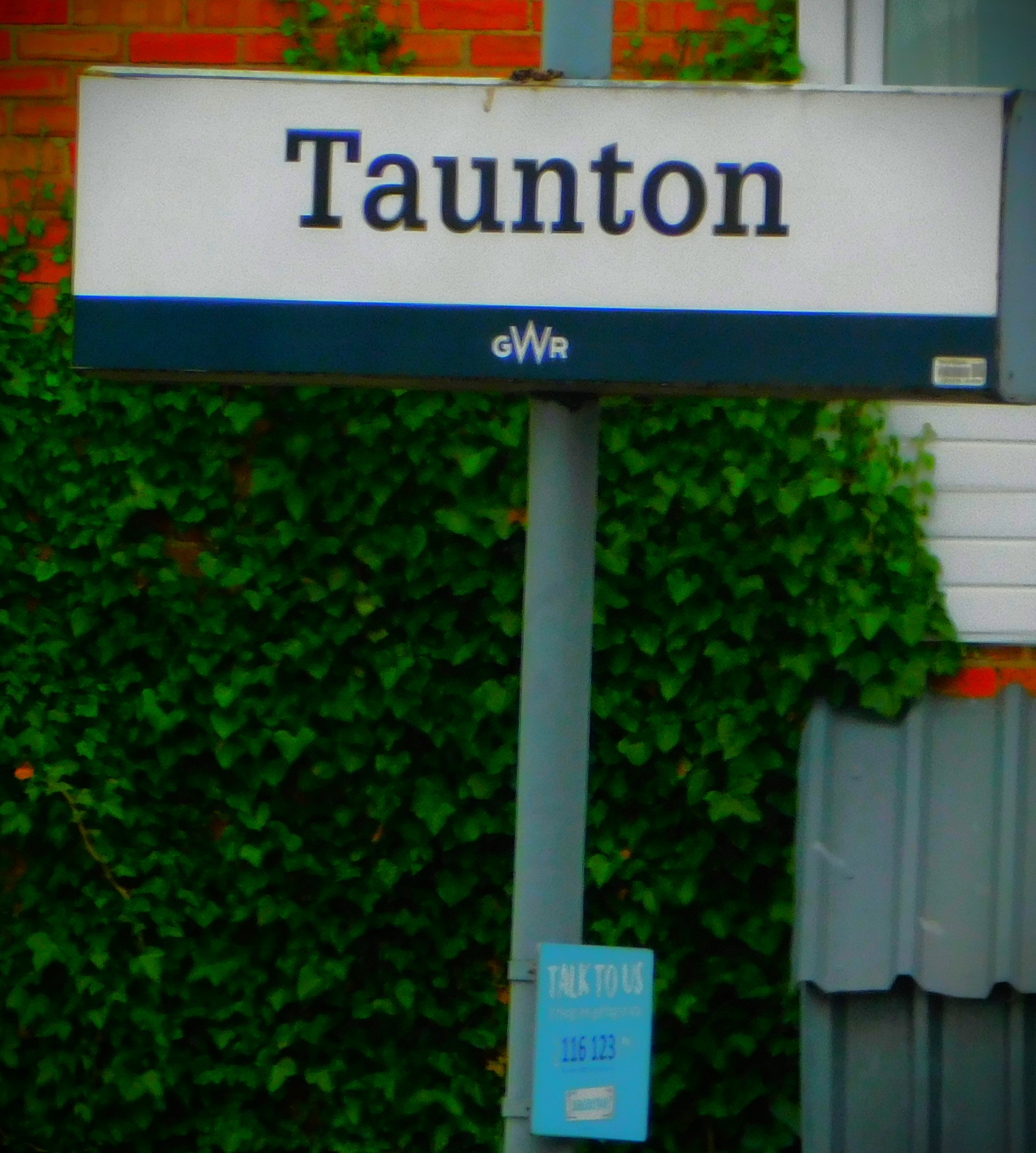
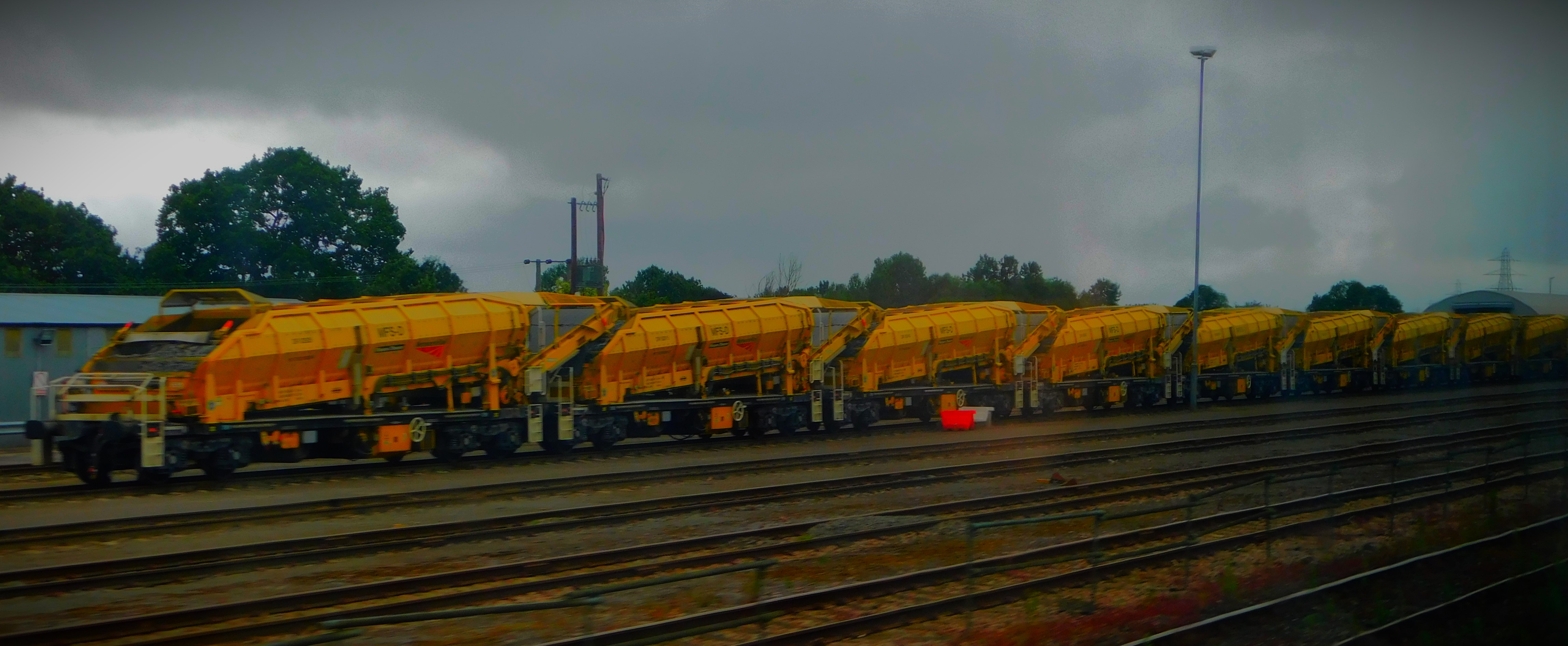
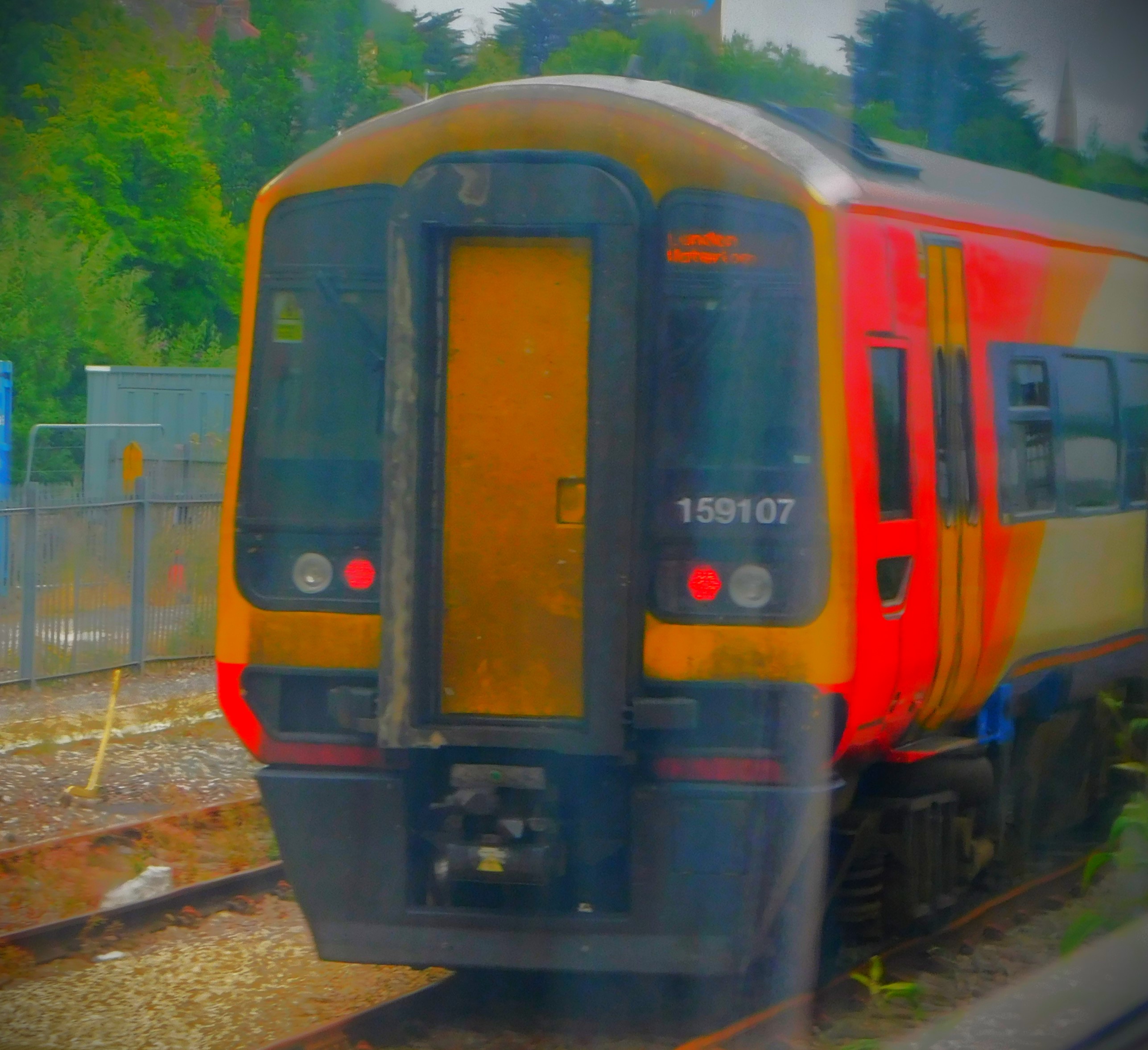
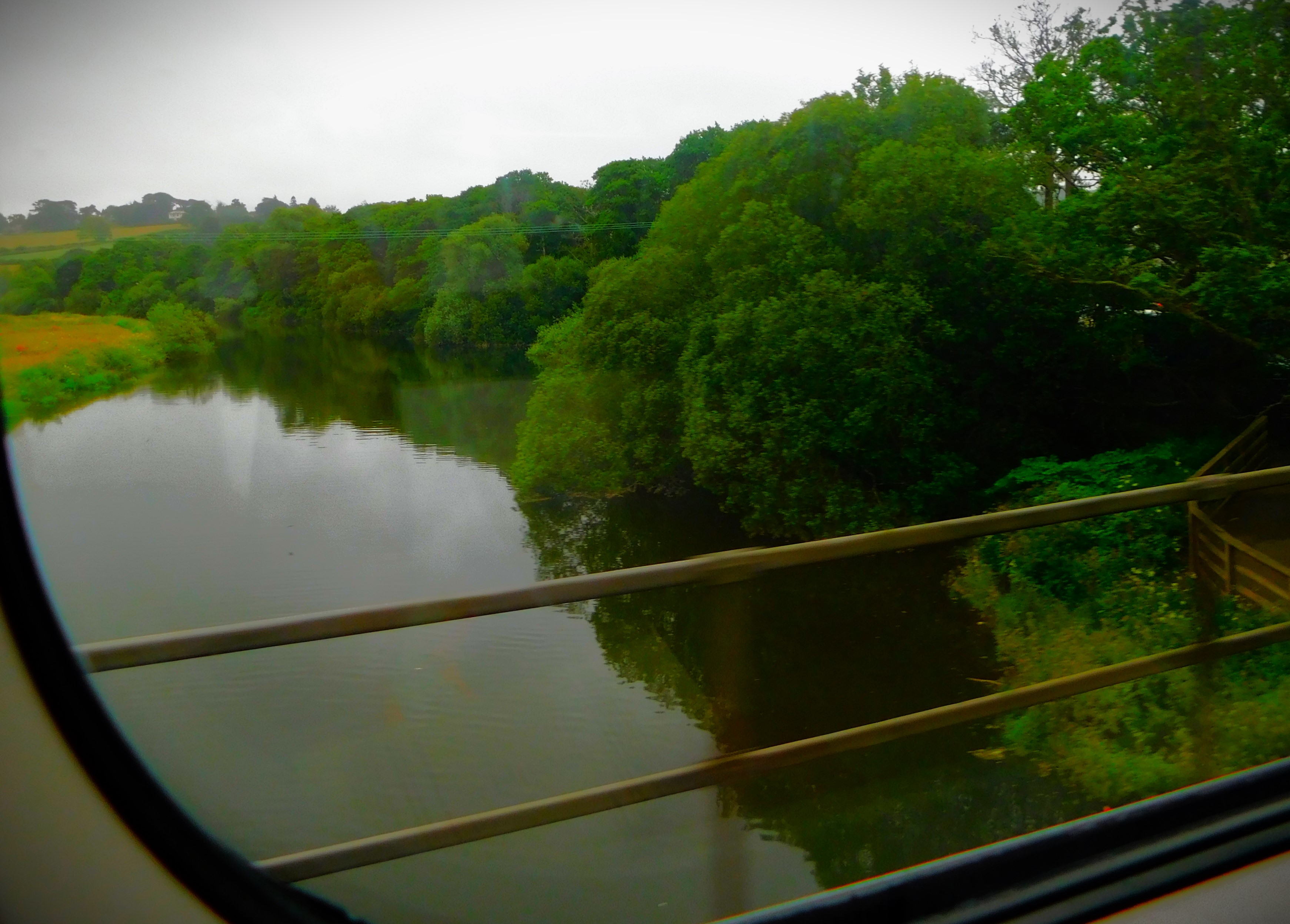
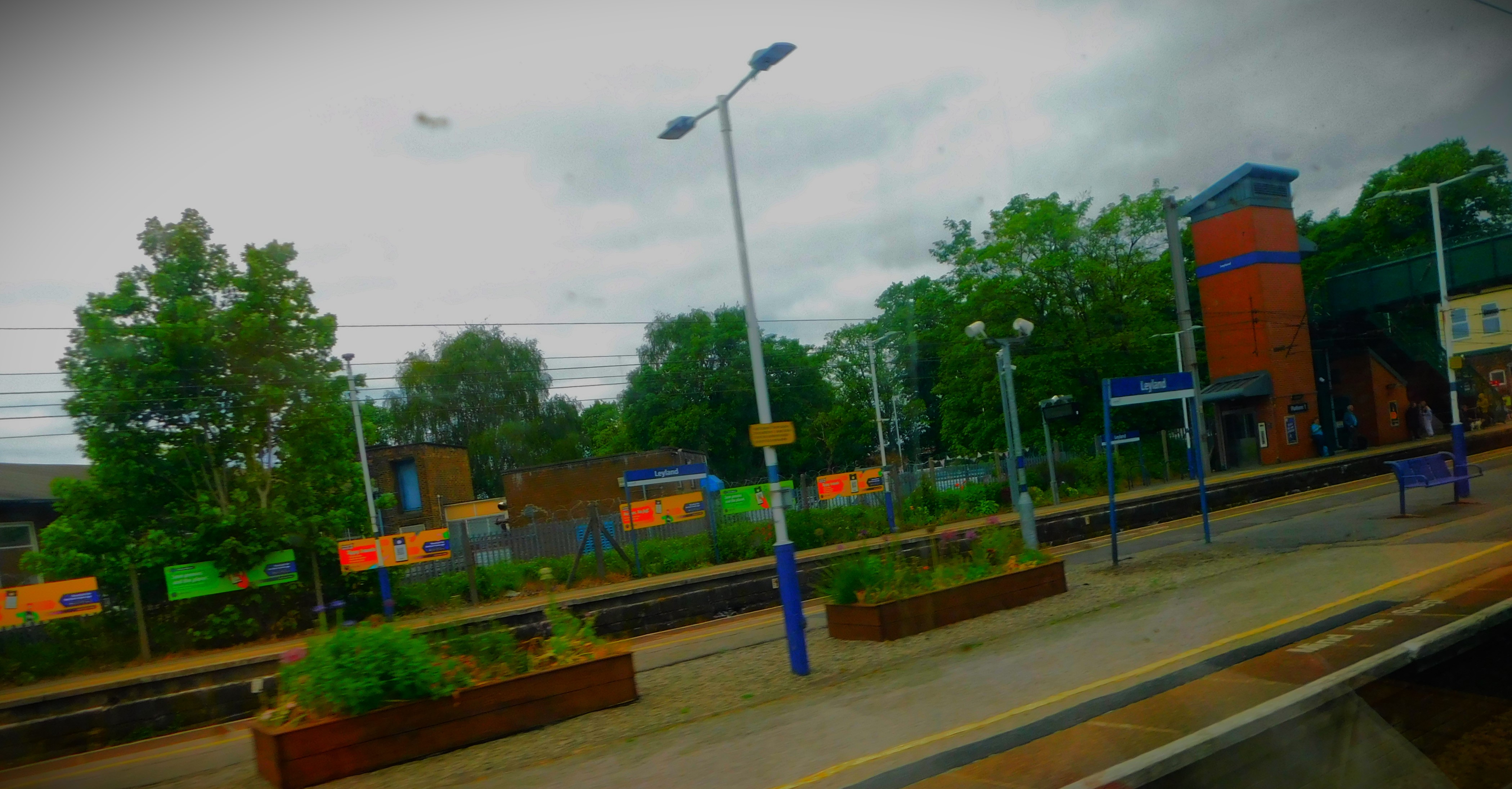
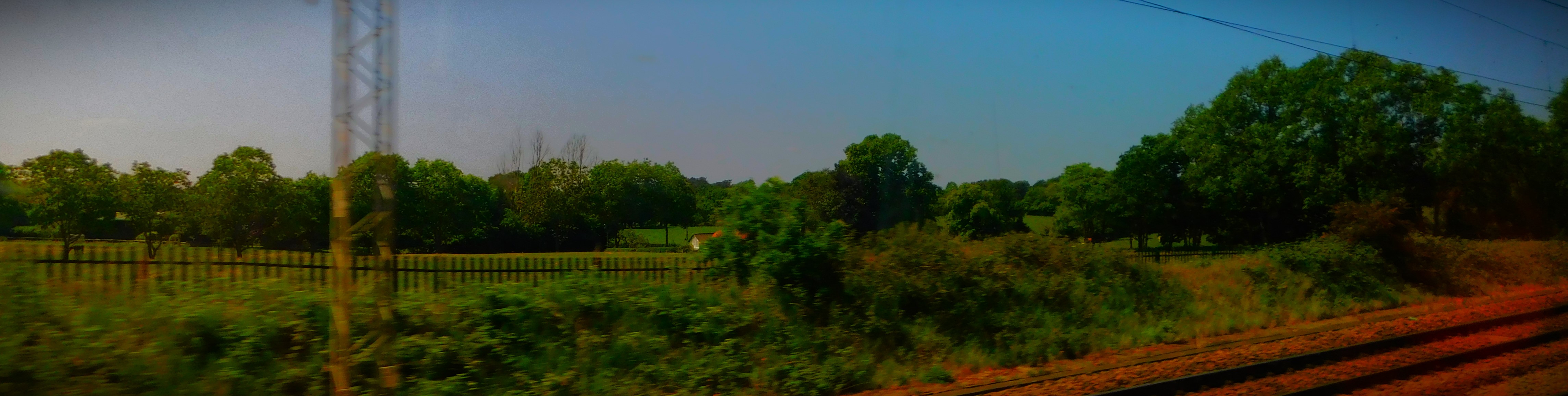
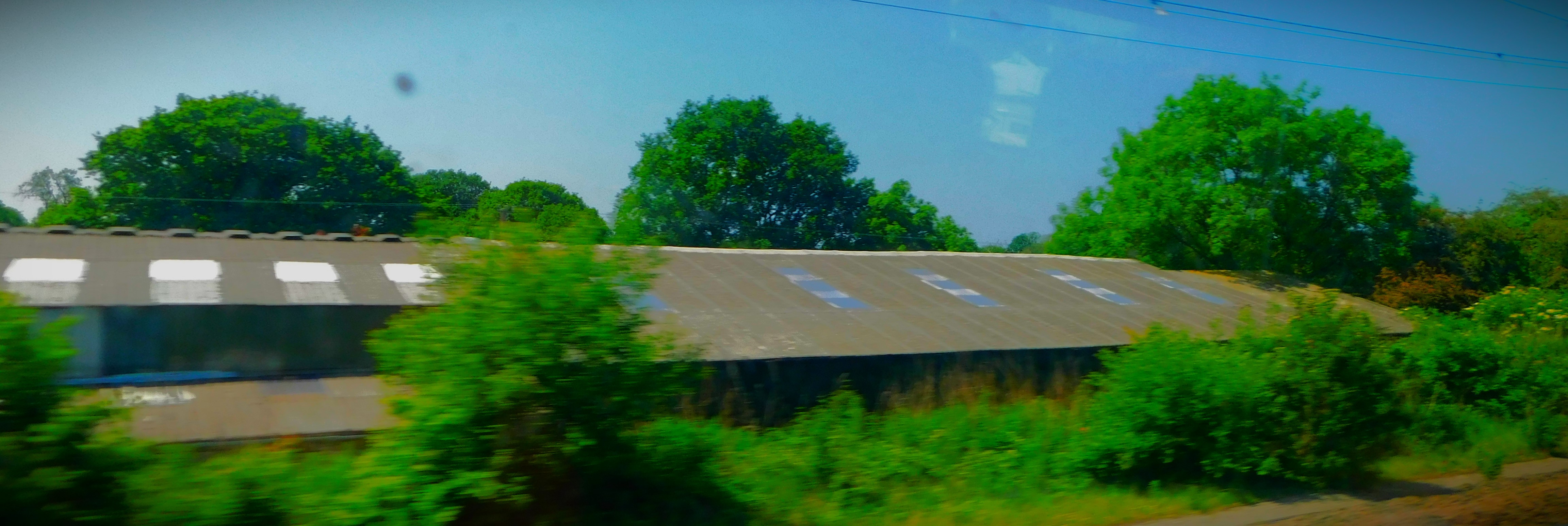
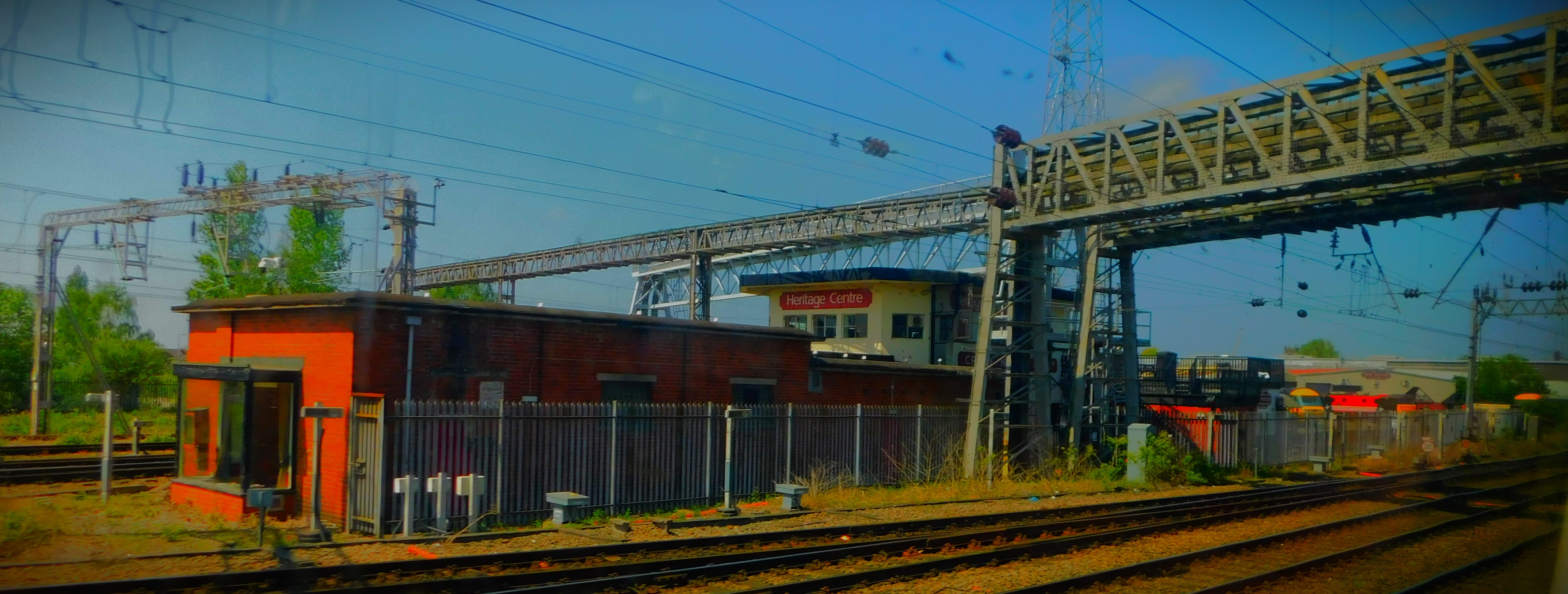
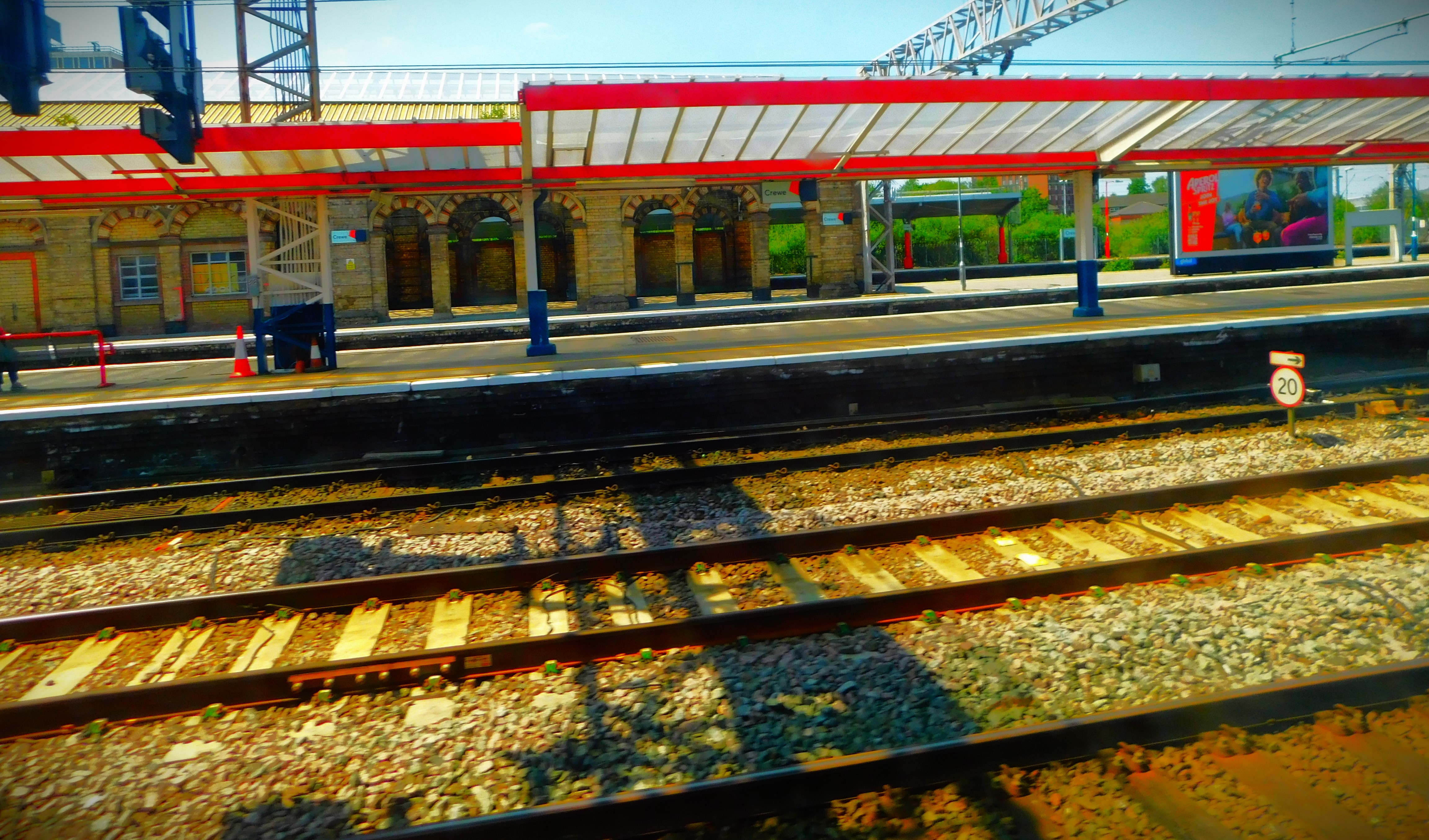
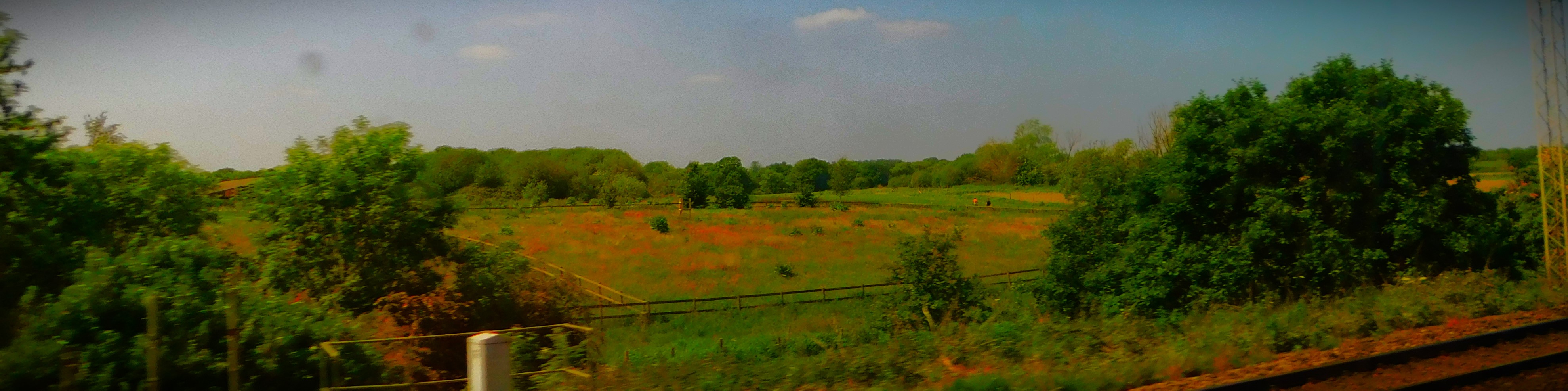
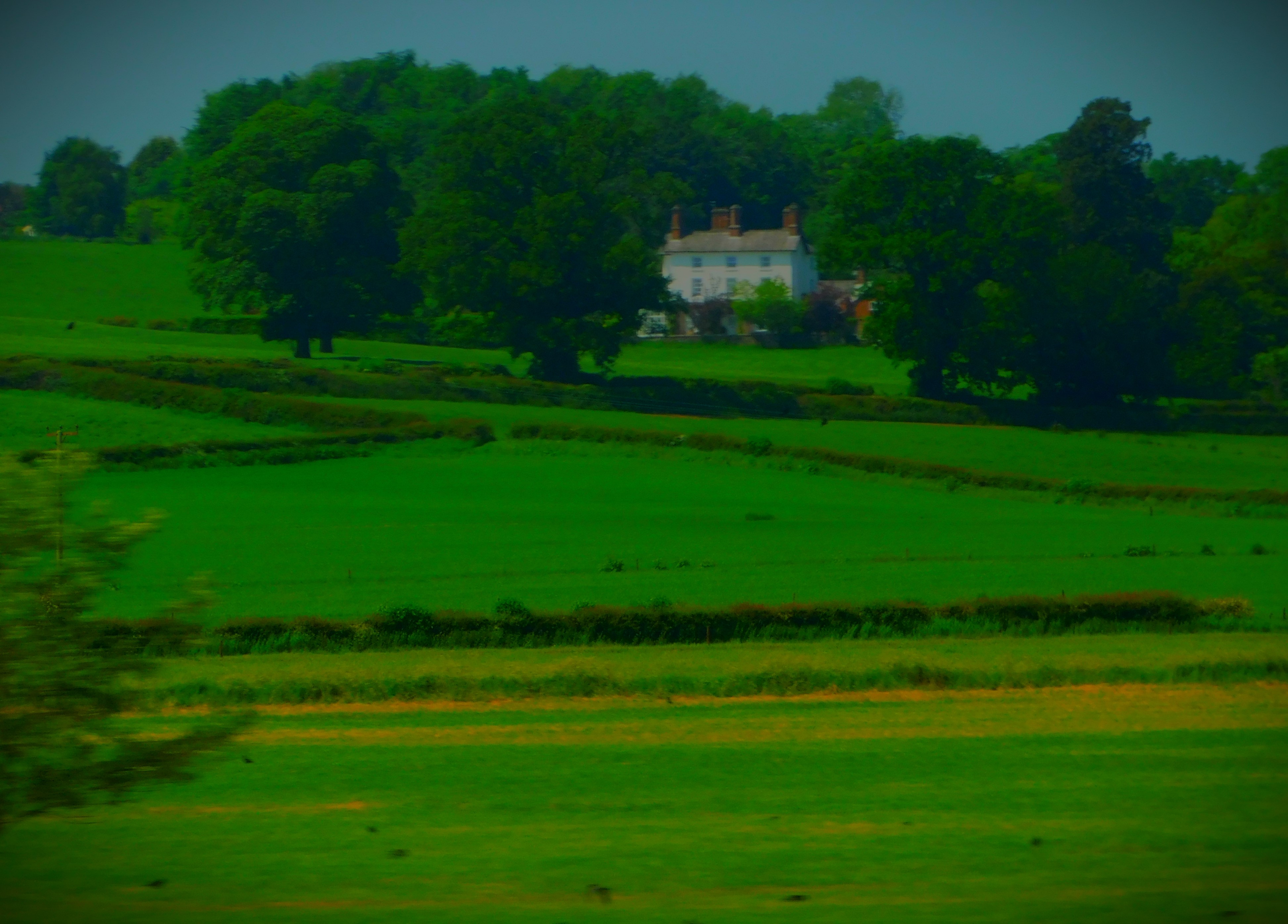
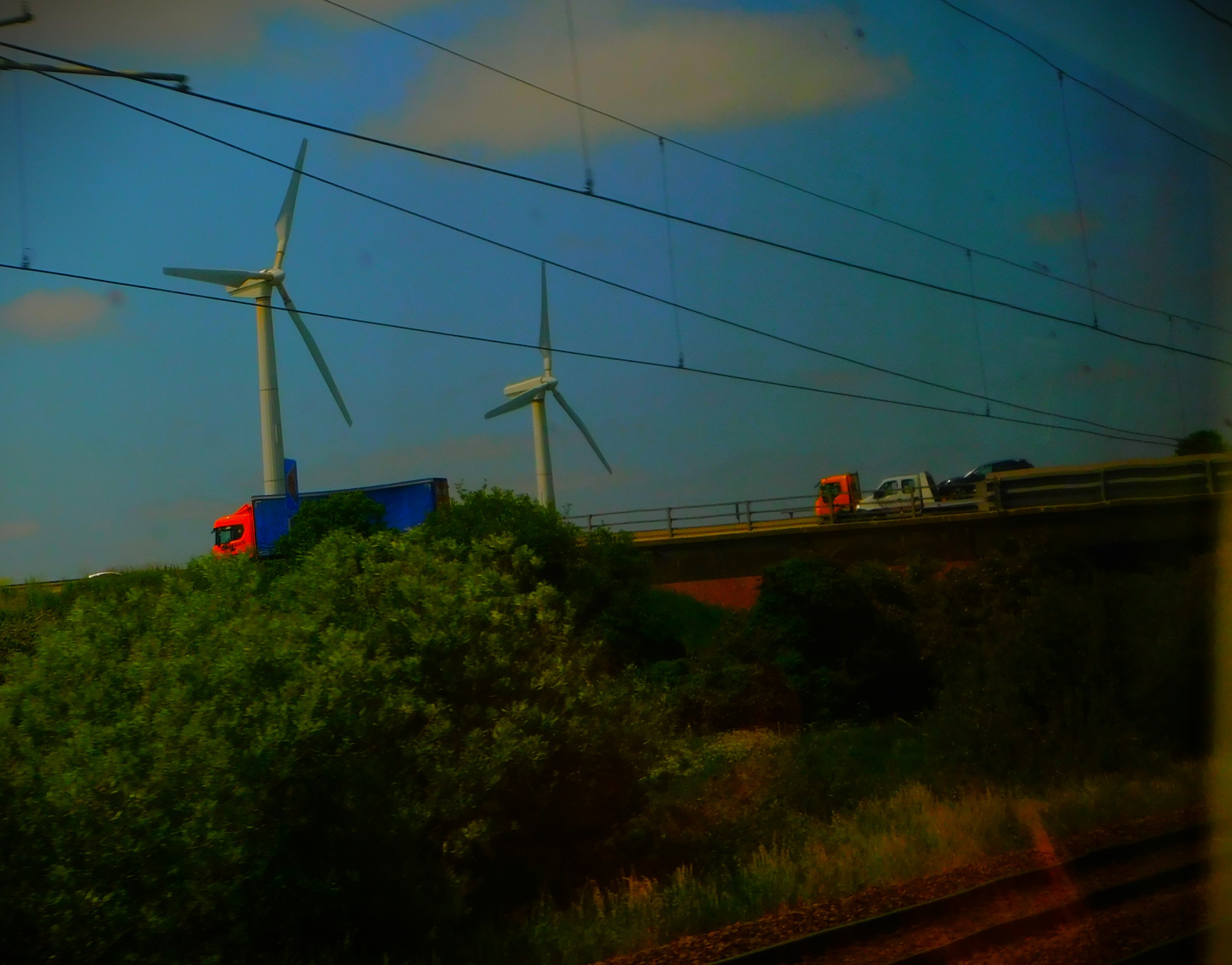
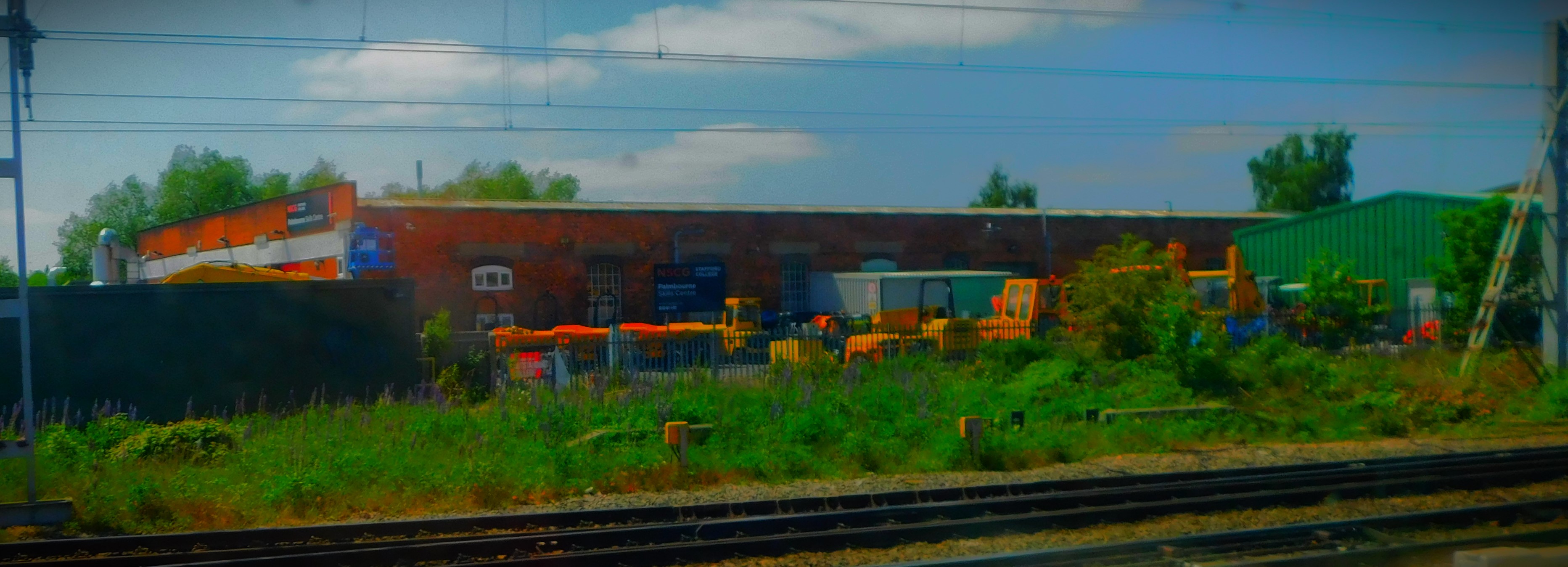
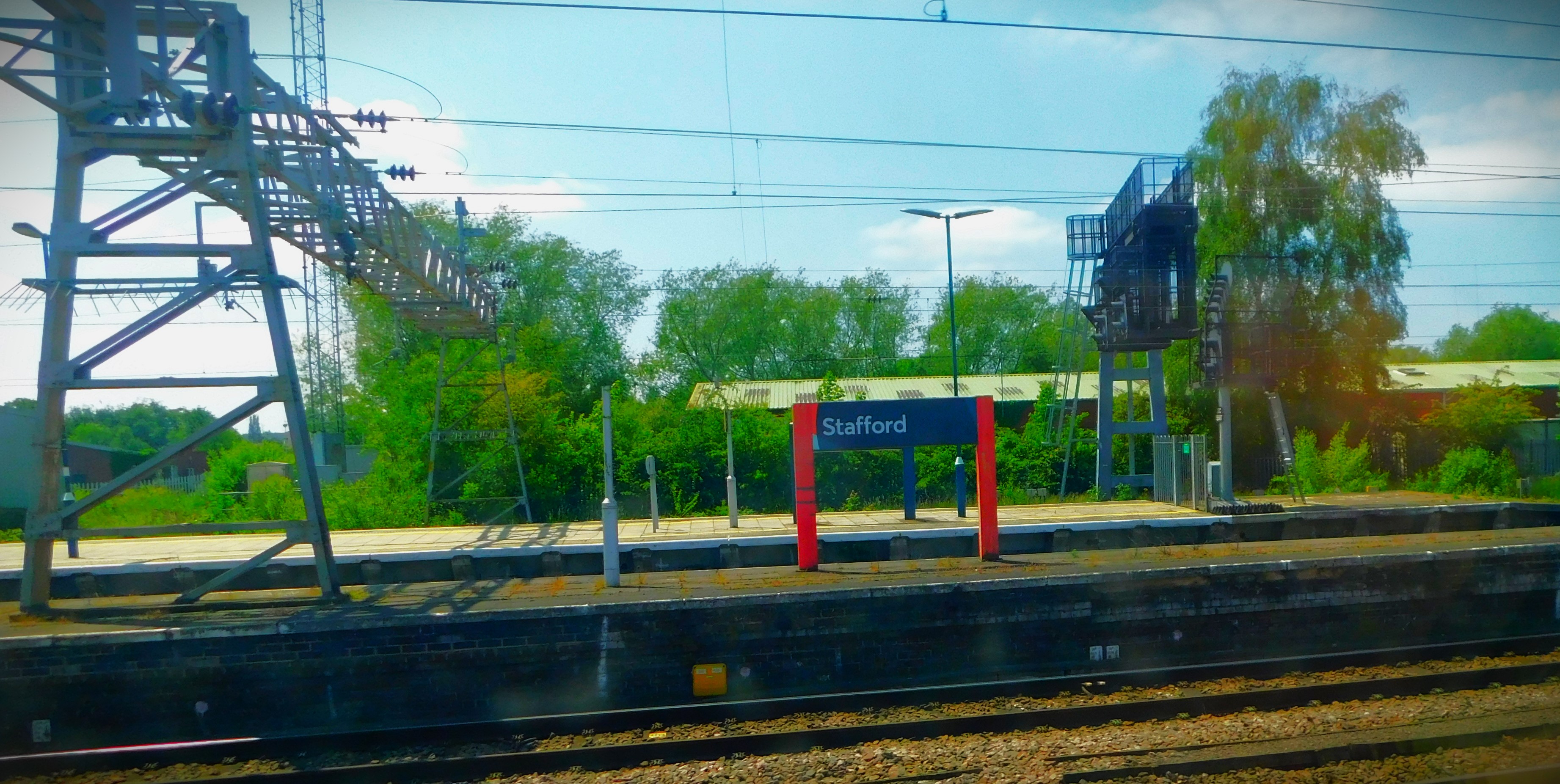
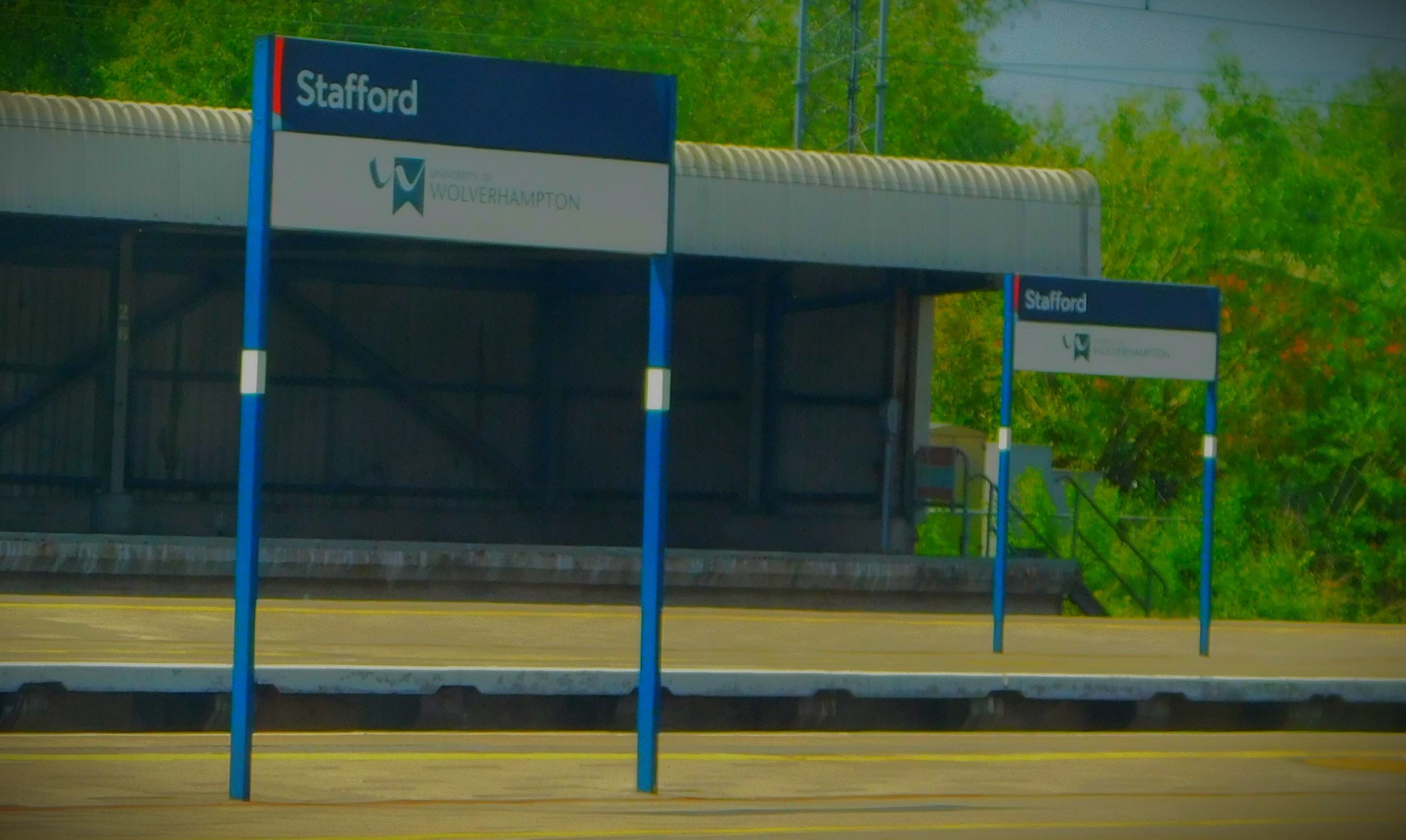
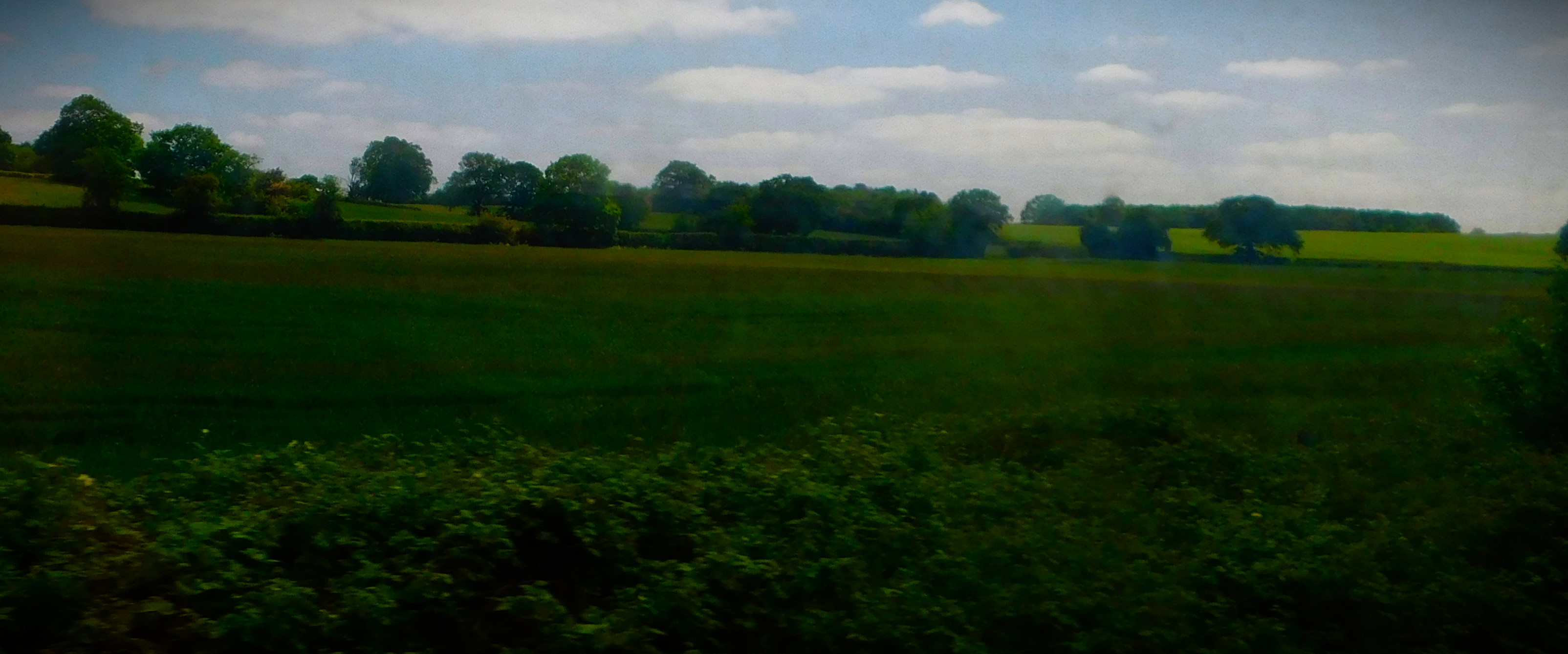
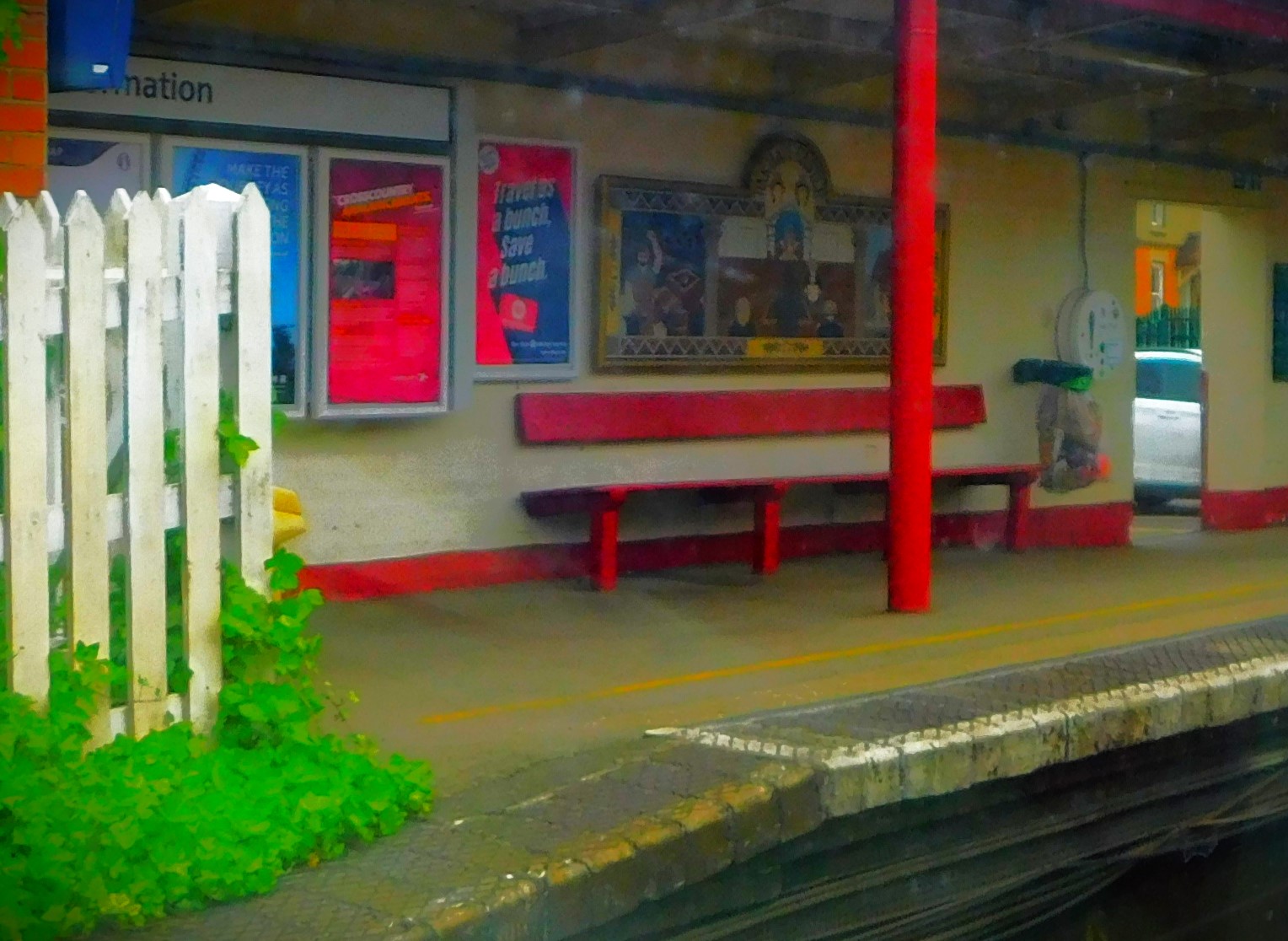
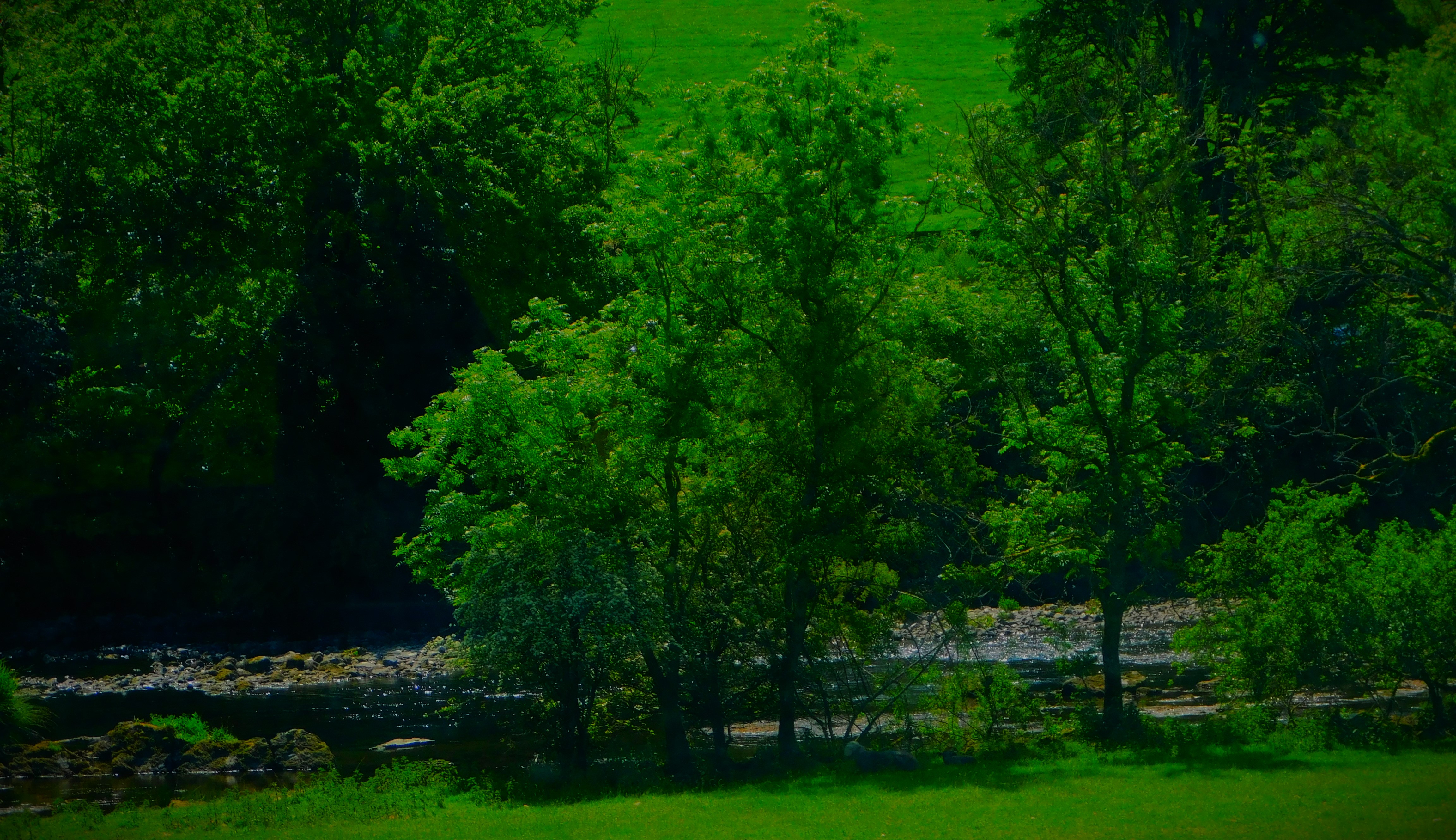
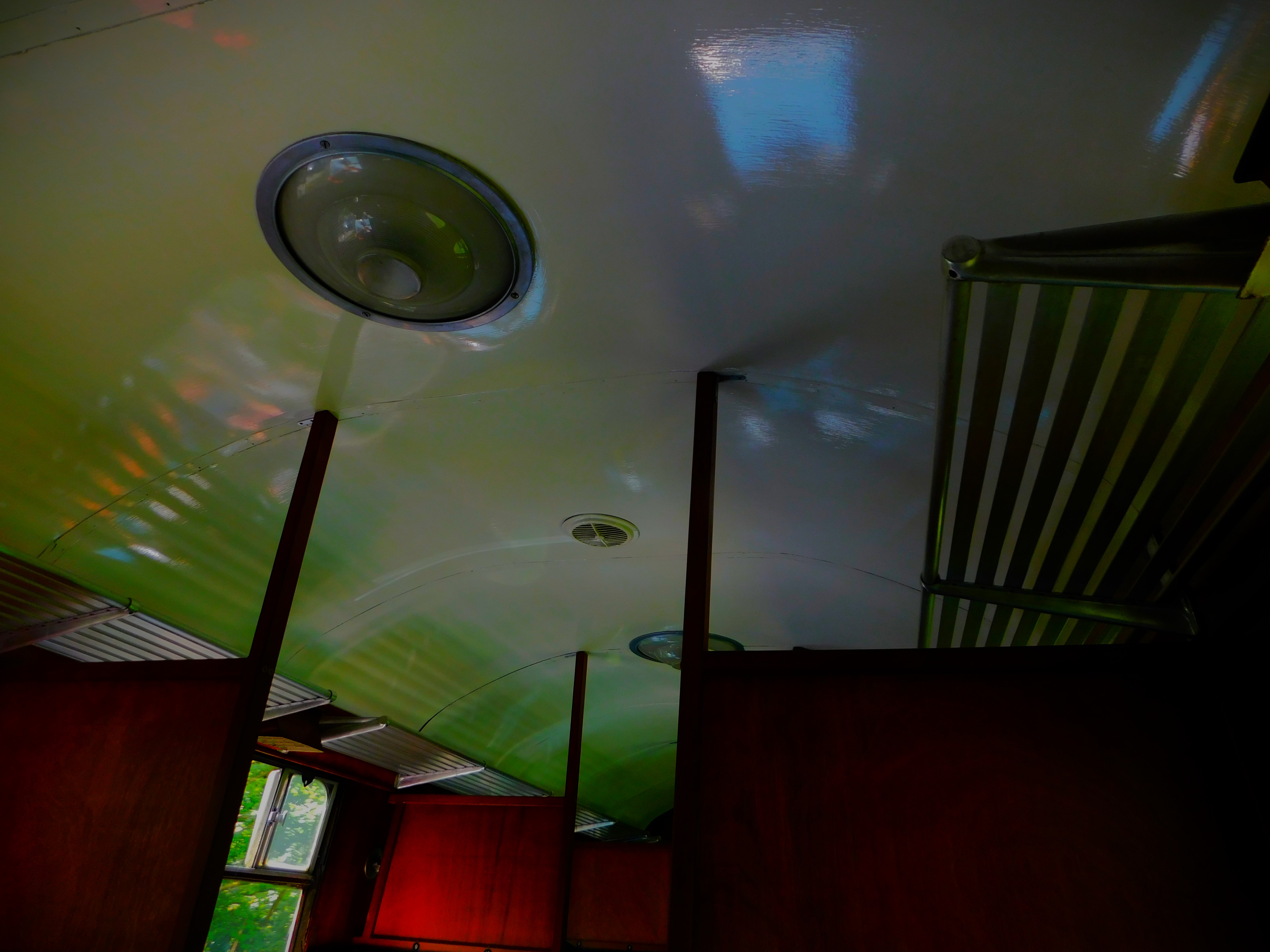
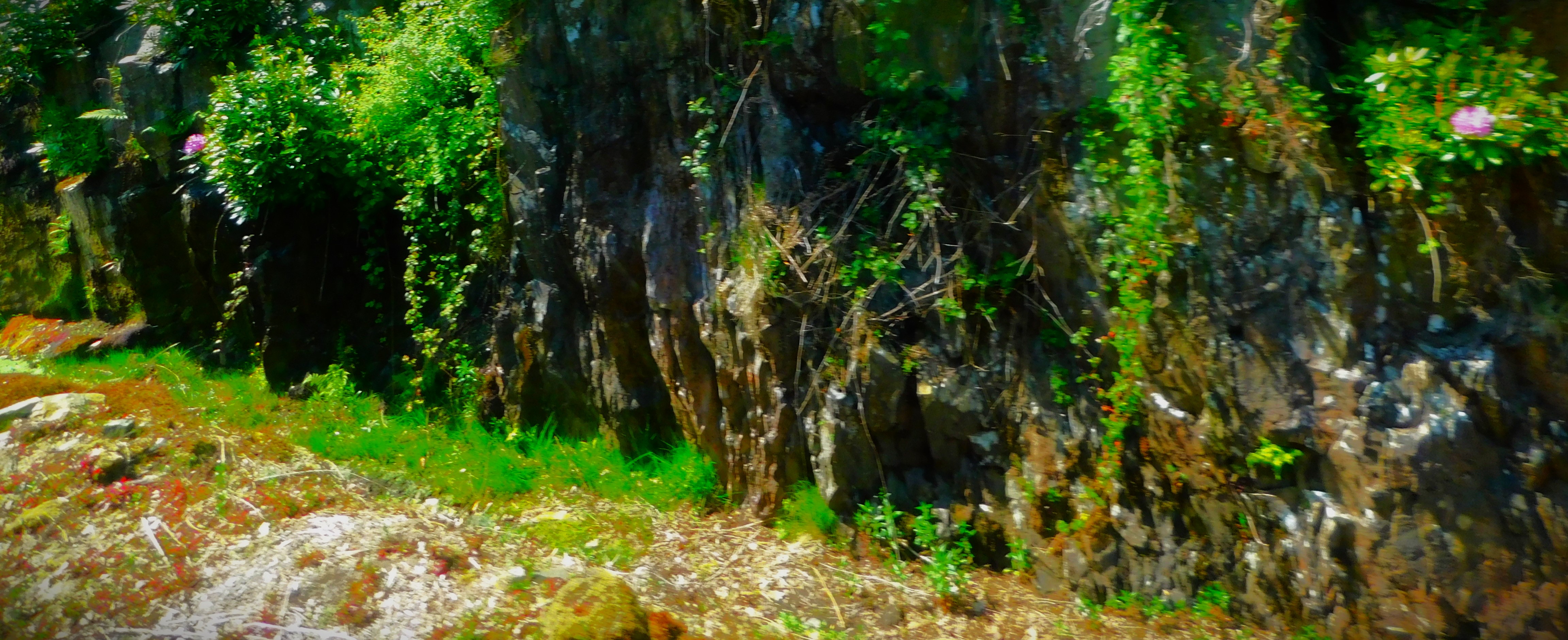
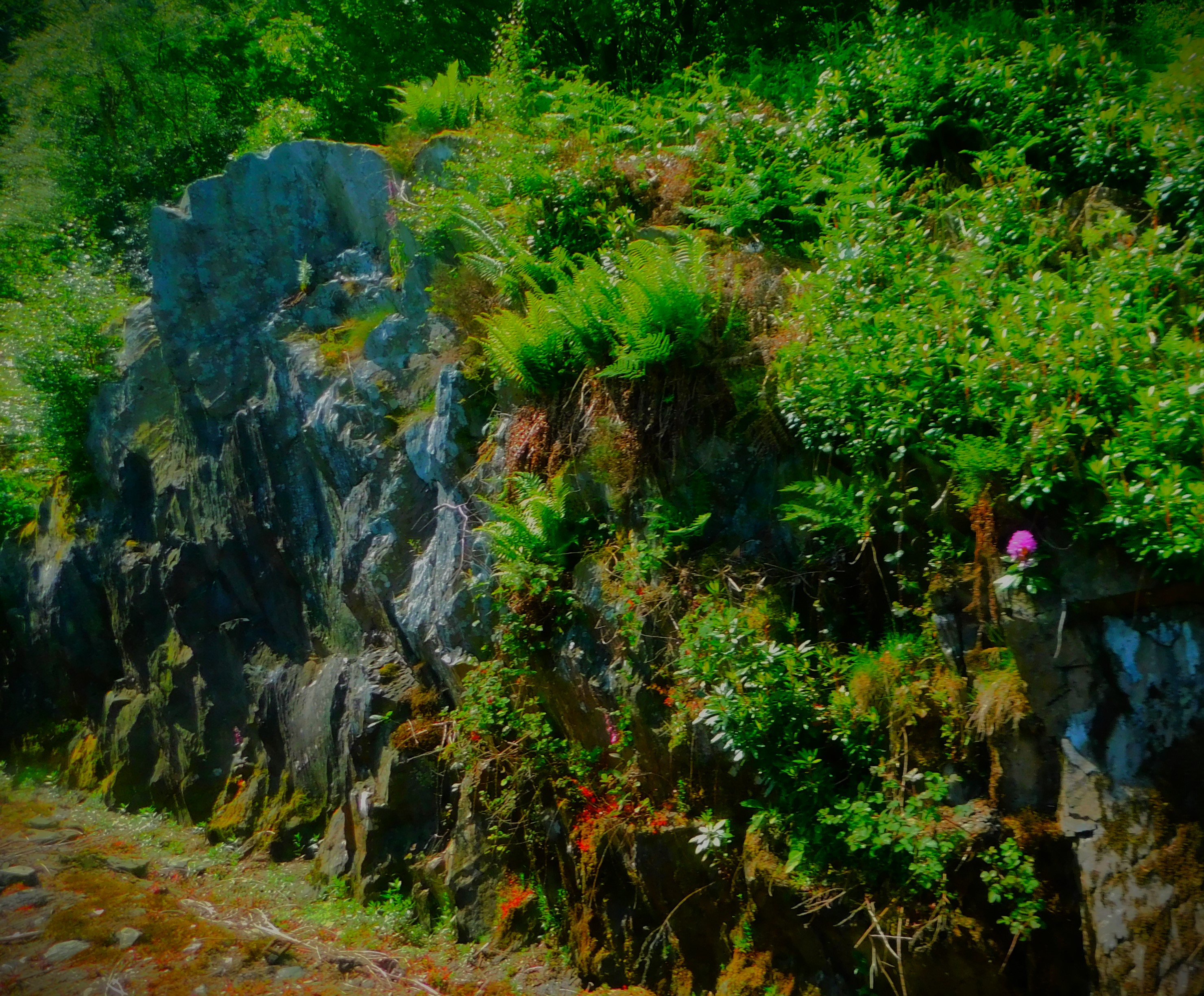
While I was heading east from Penzance to Liskeard my sisters was heading westwards towards Plymouth, from where she would be picked up. In the event although my train reached Liskeard some while after hers reached Plymouth I was back at Fort Picklecombe first due to the shorter journey from Liskeard as compared to Plymouth. There were two short stoppages on my journey from Penzance to Liskeard, but overall it was a smooth run. I got some good pictures along the way.
PHOTOGRAPHS
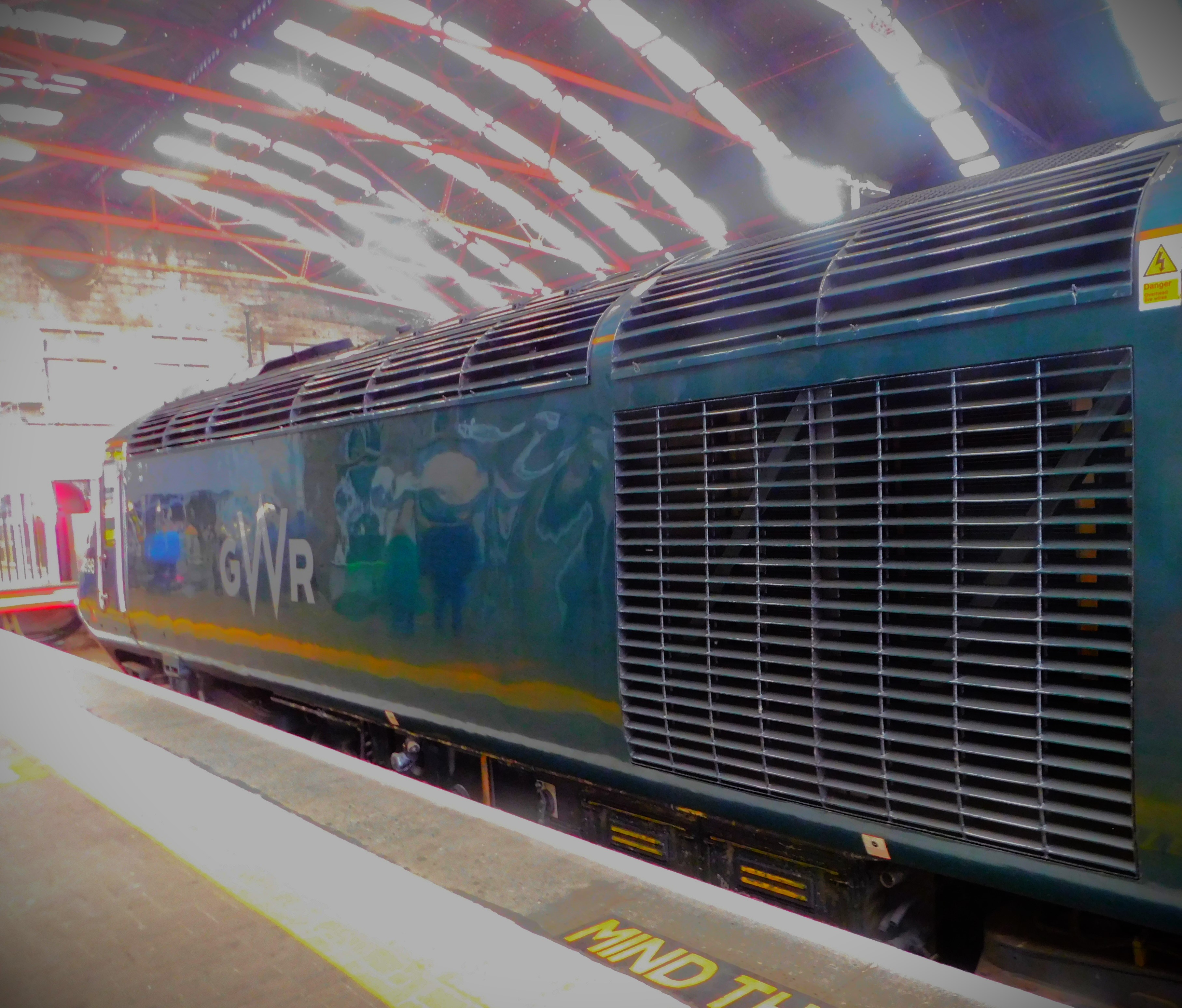
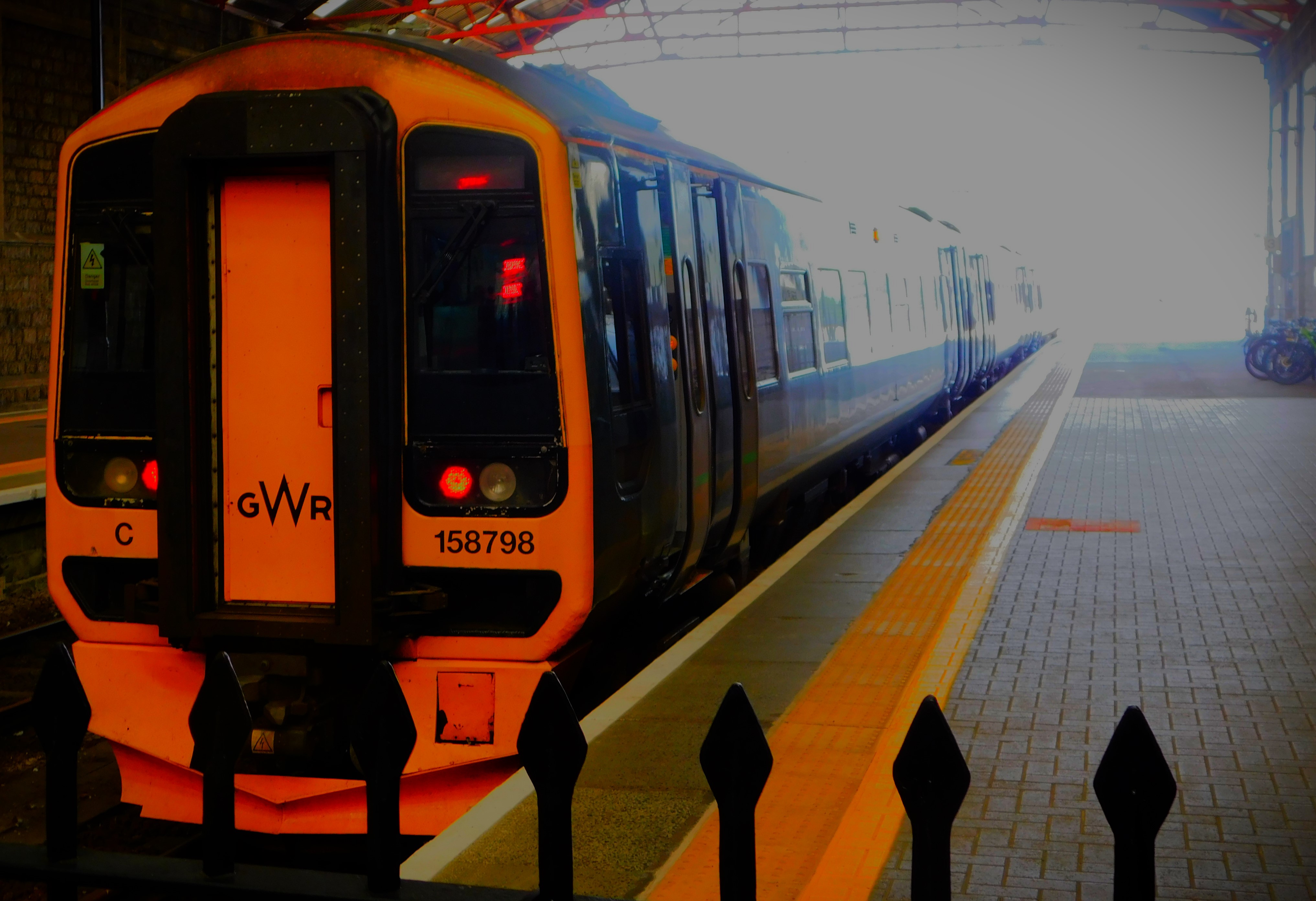
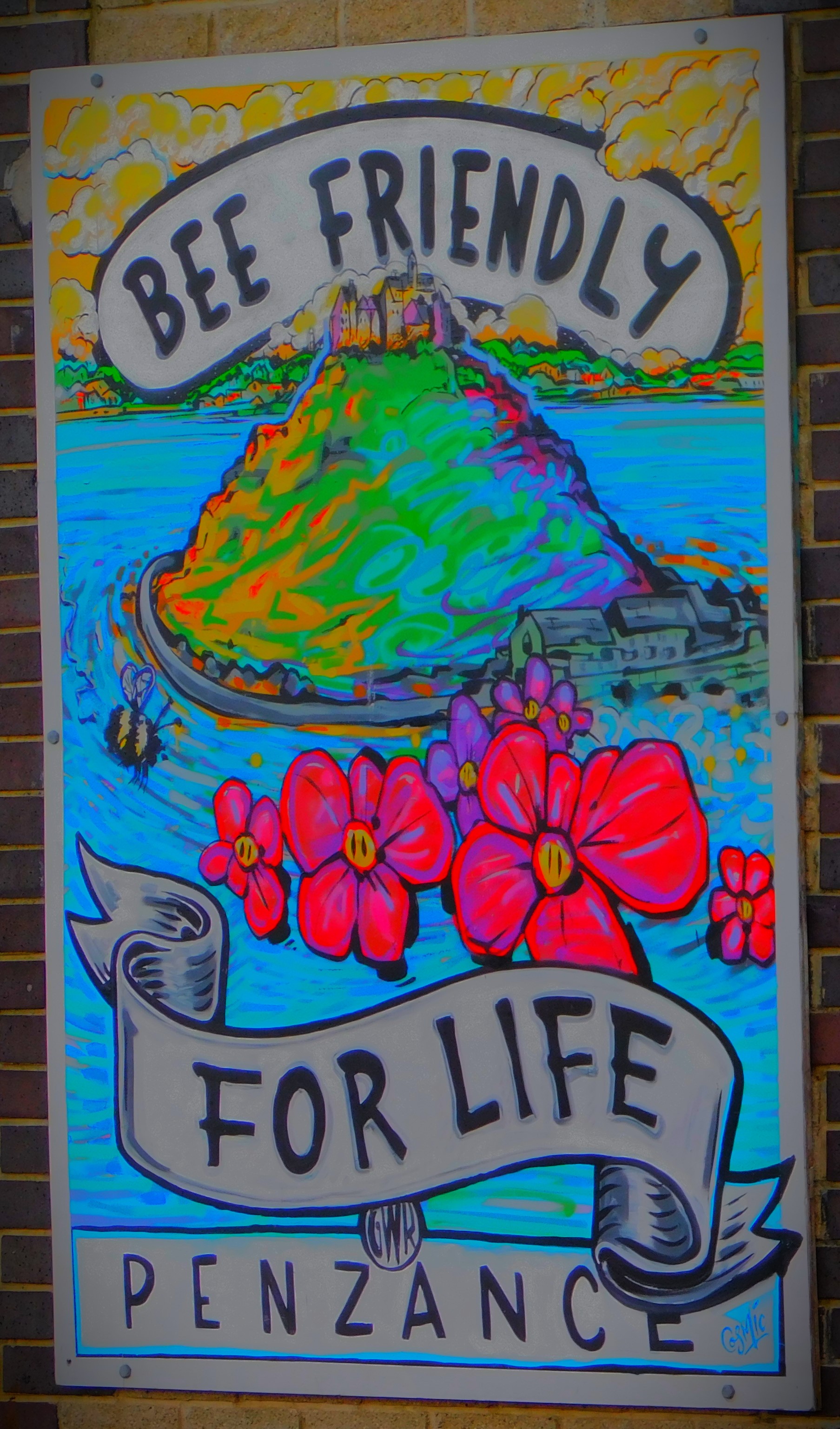
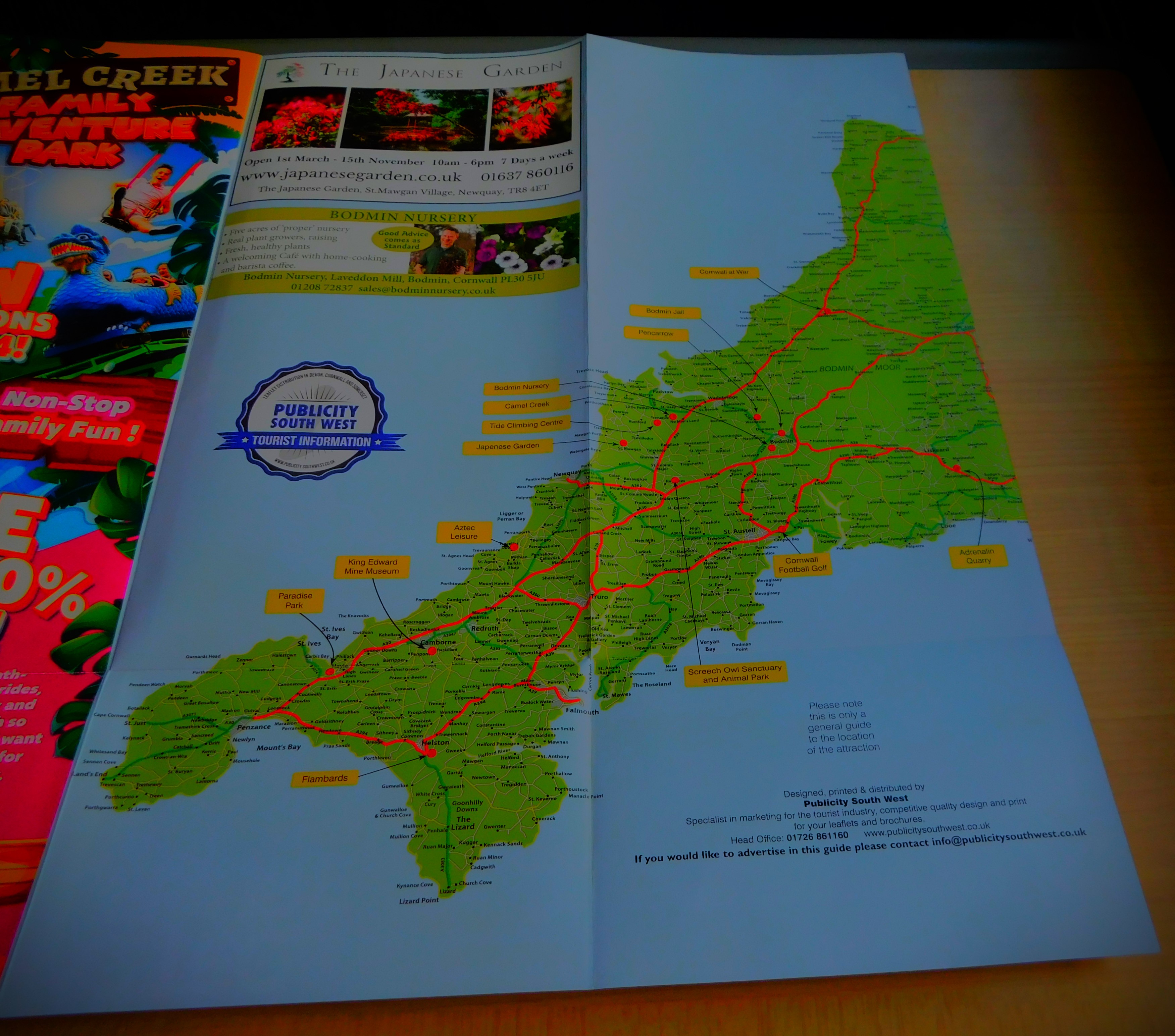
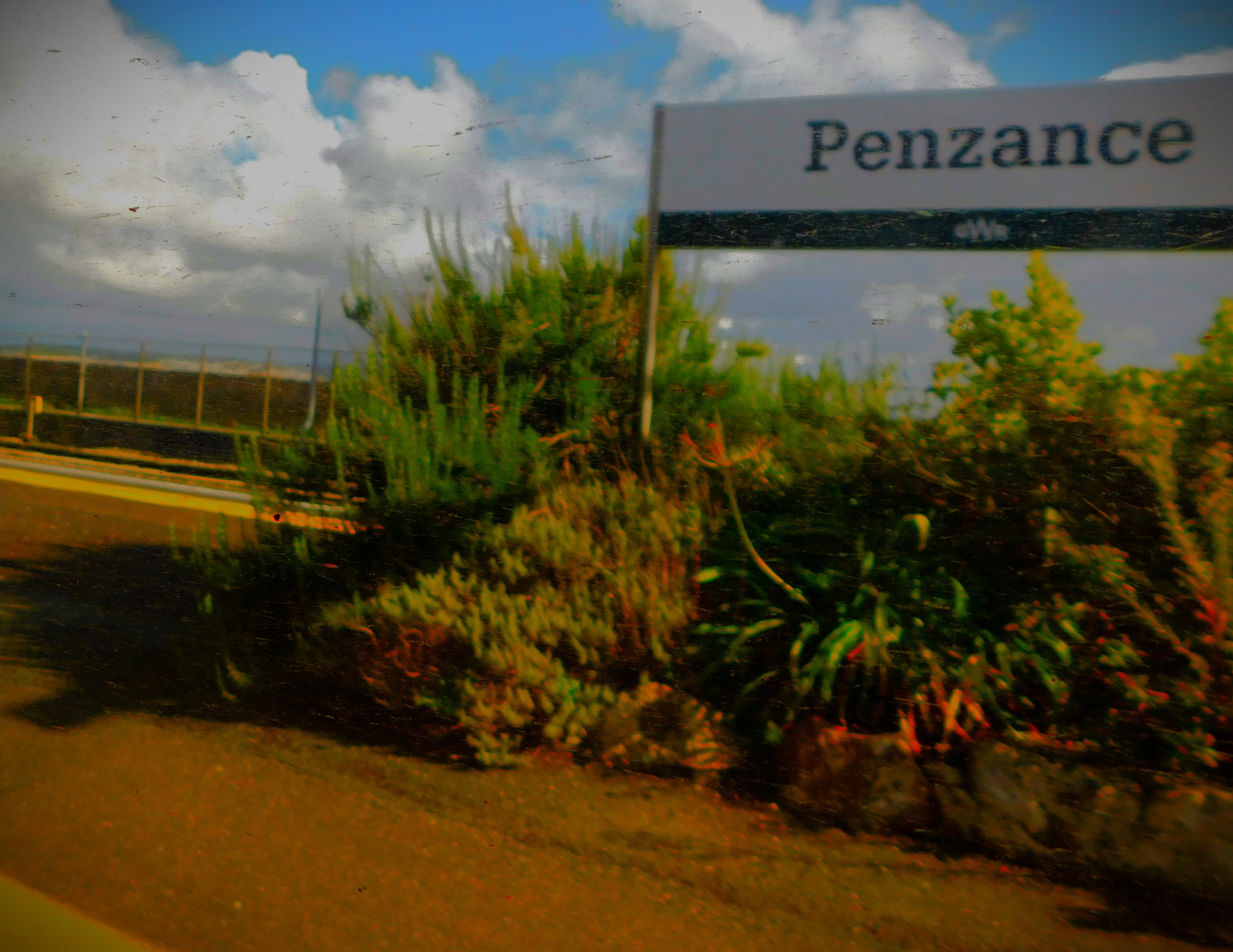
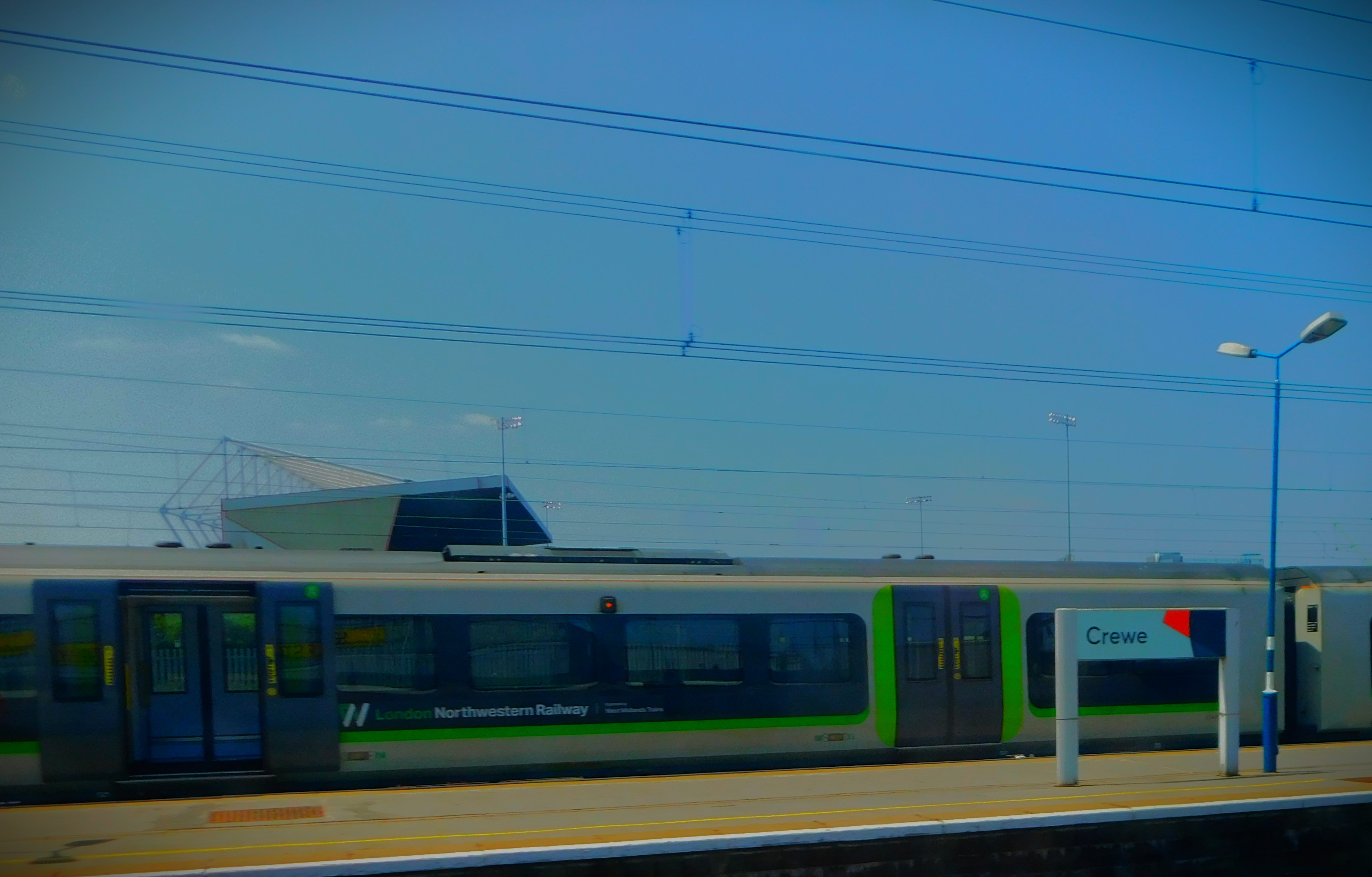
Here are the photographs from the return journey…
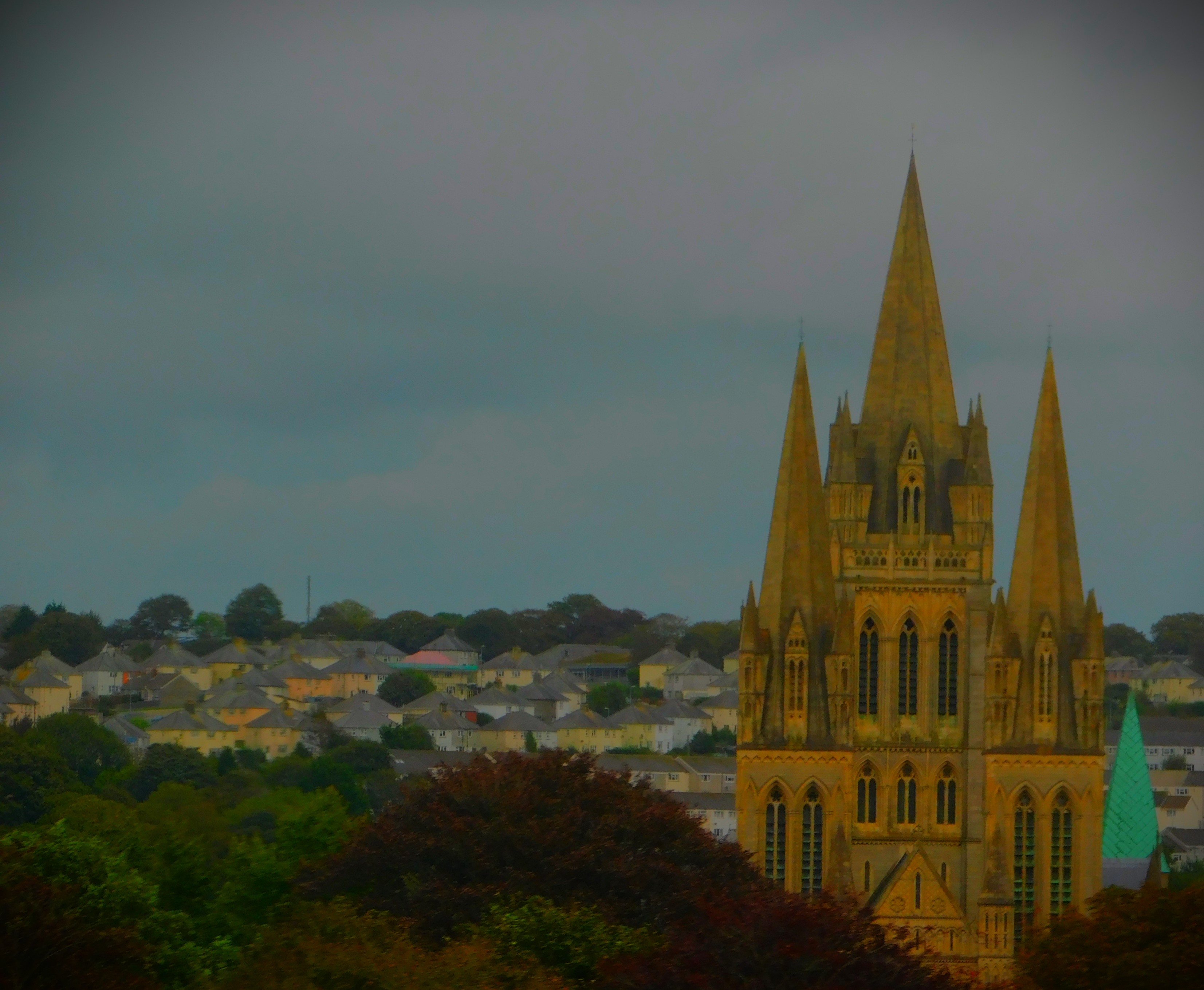
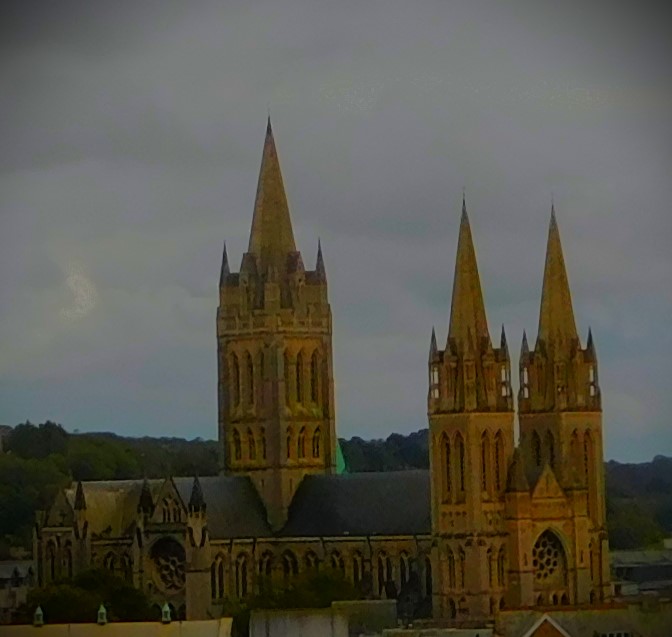
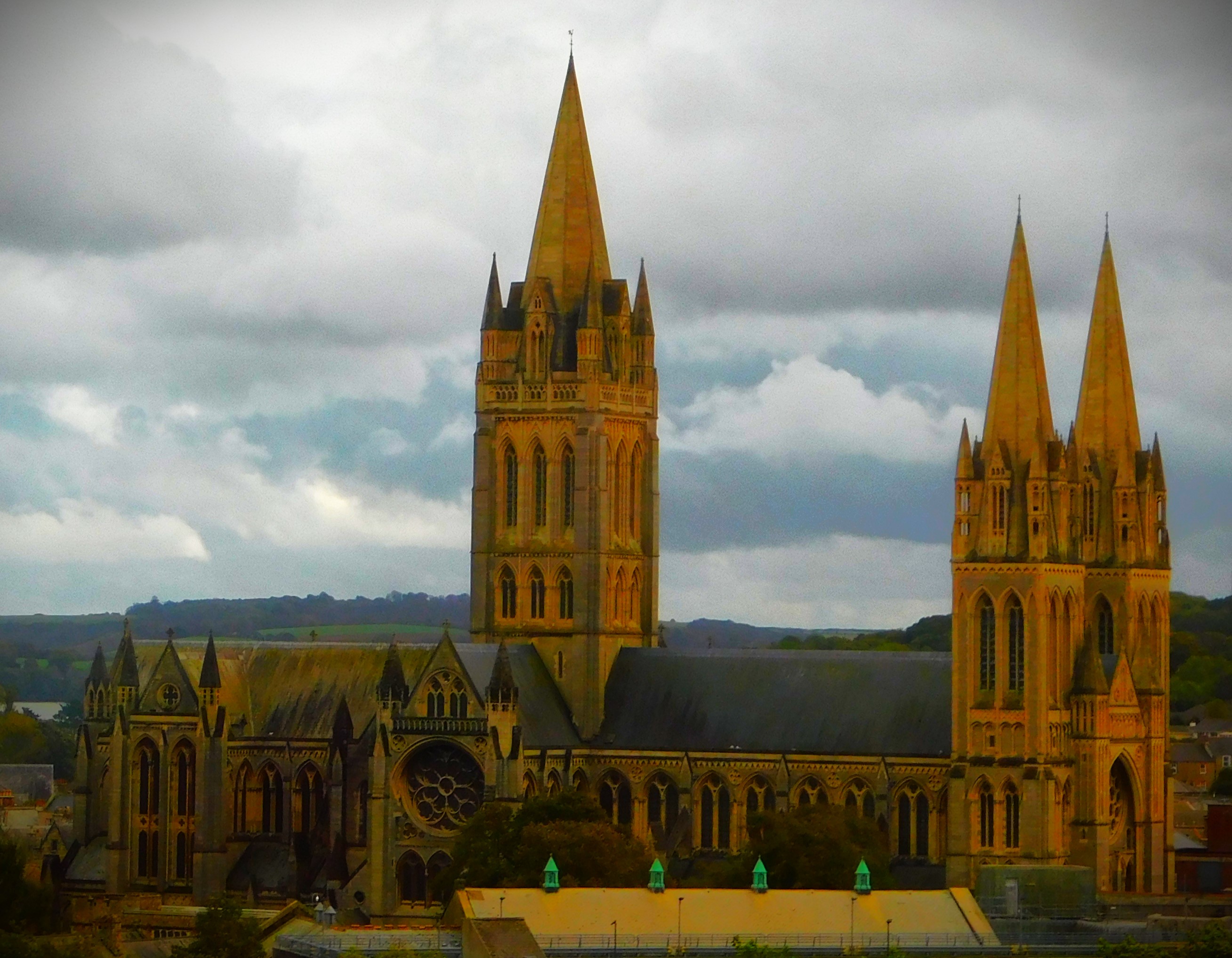
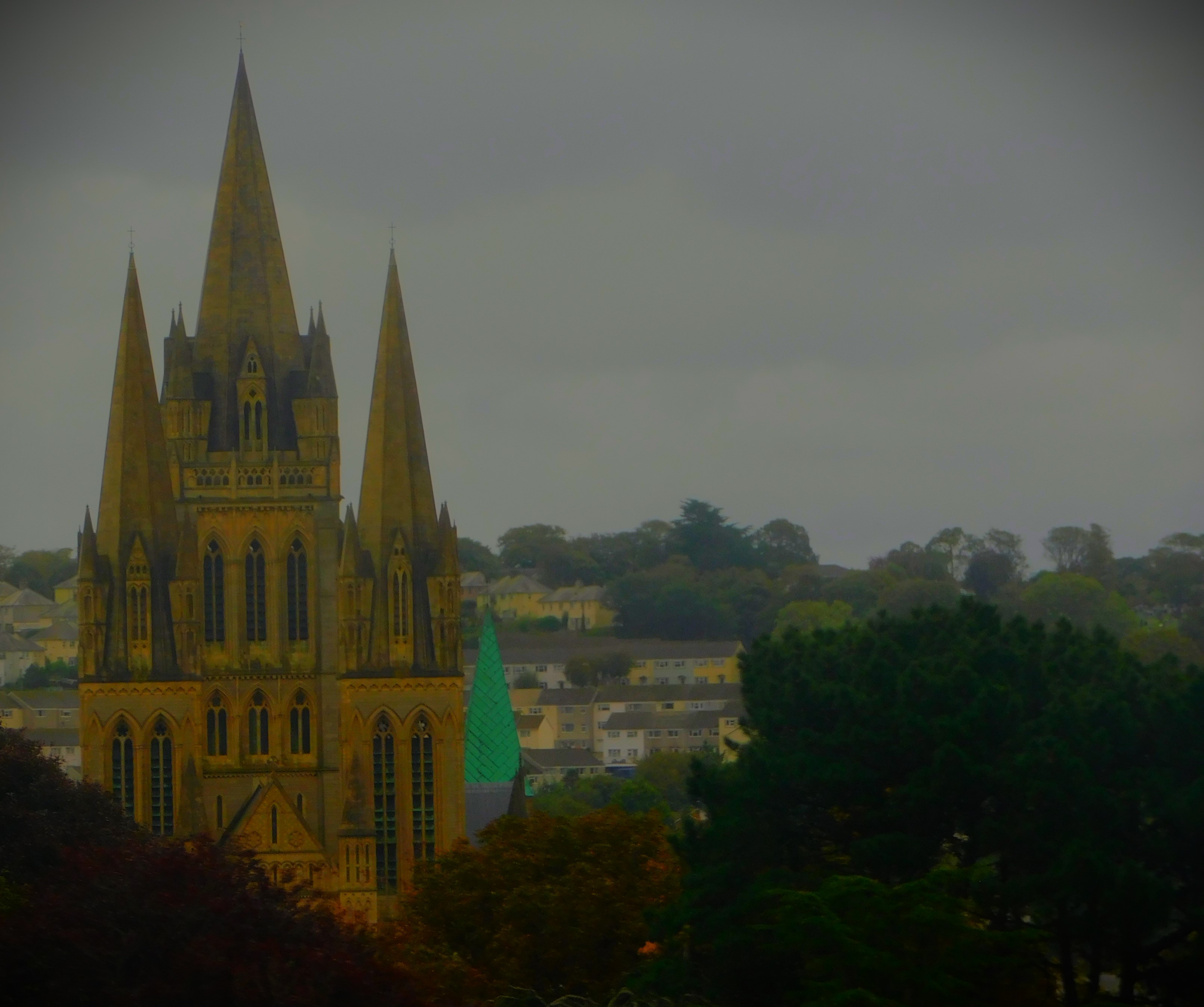
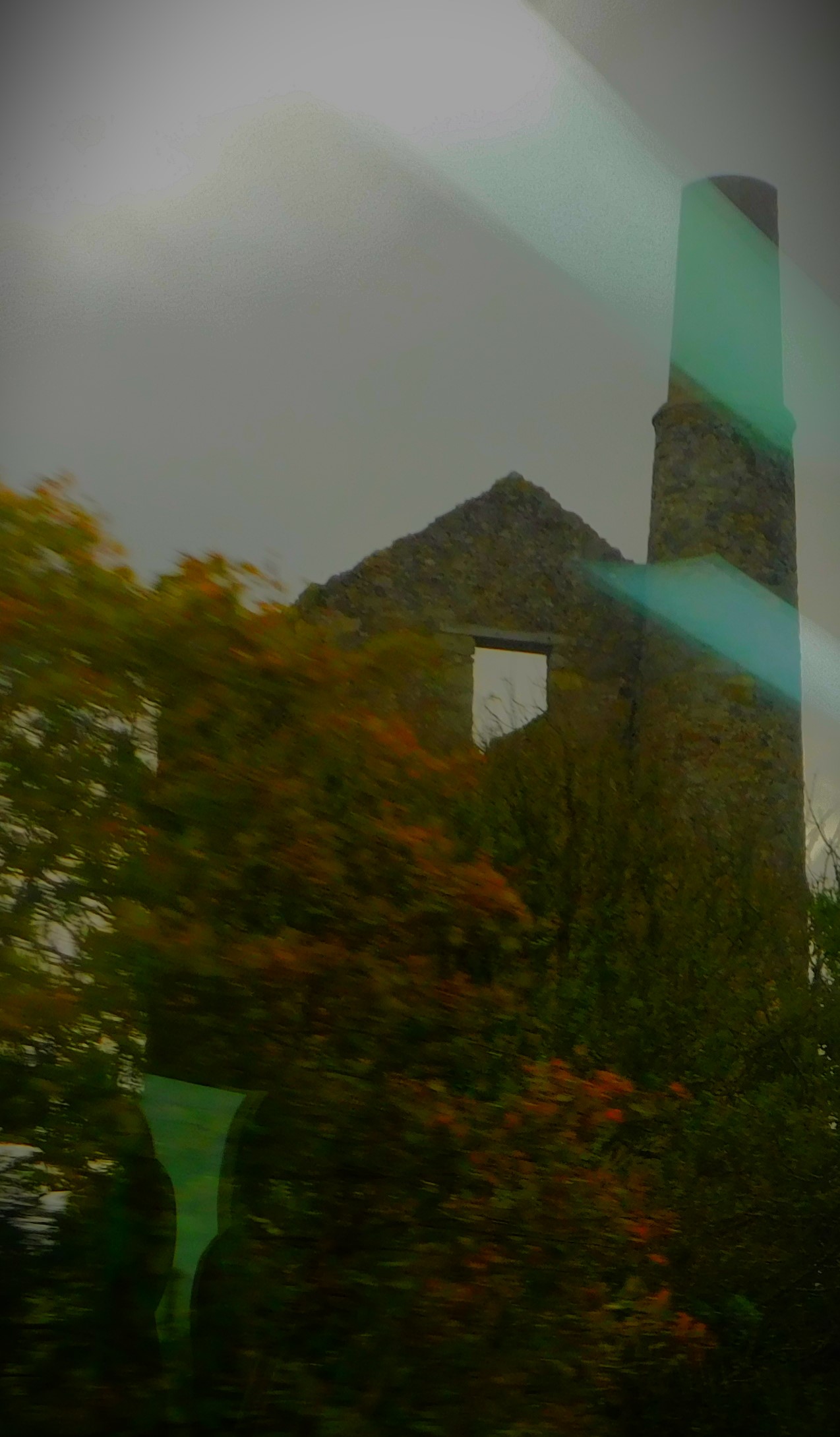
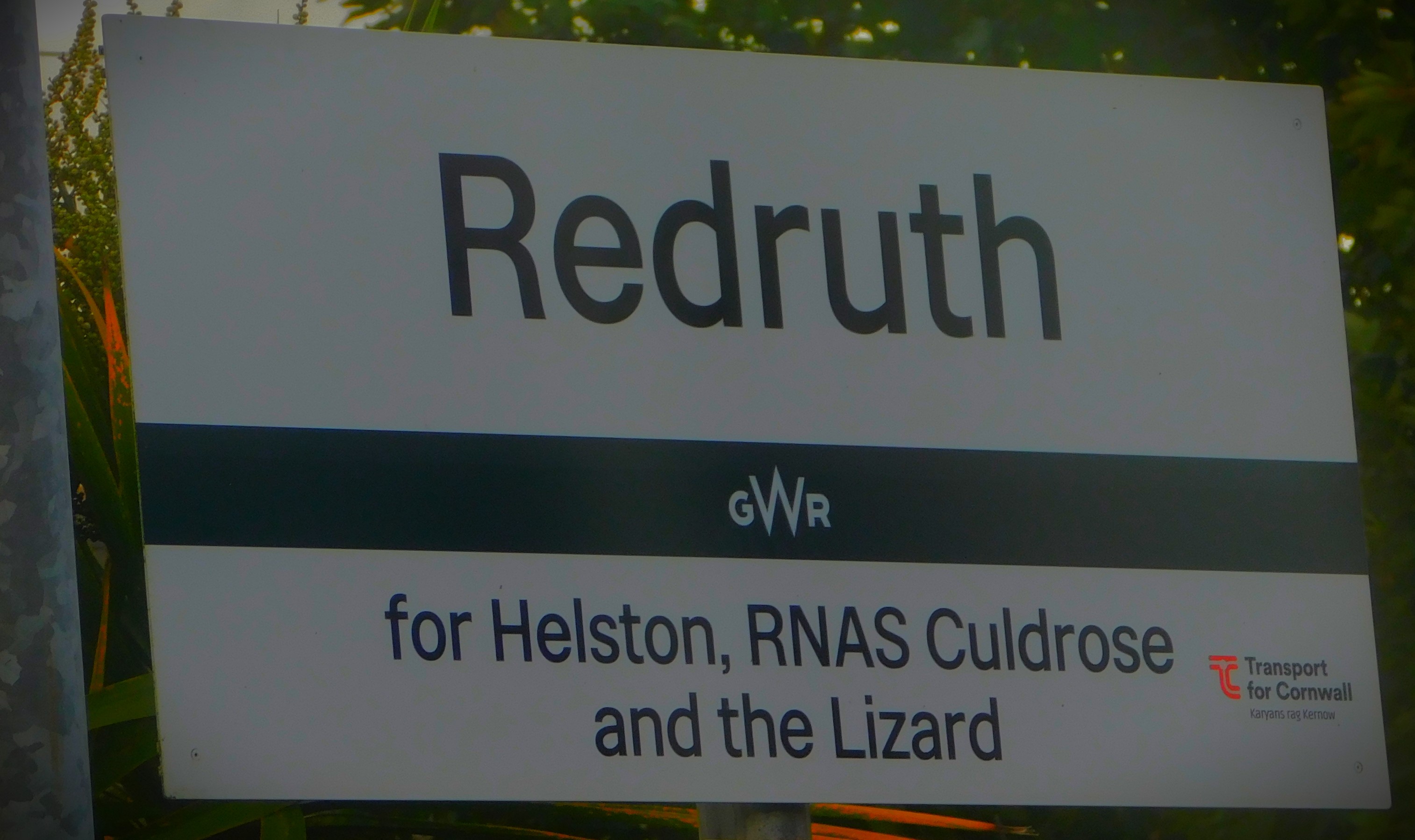
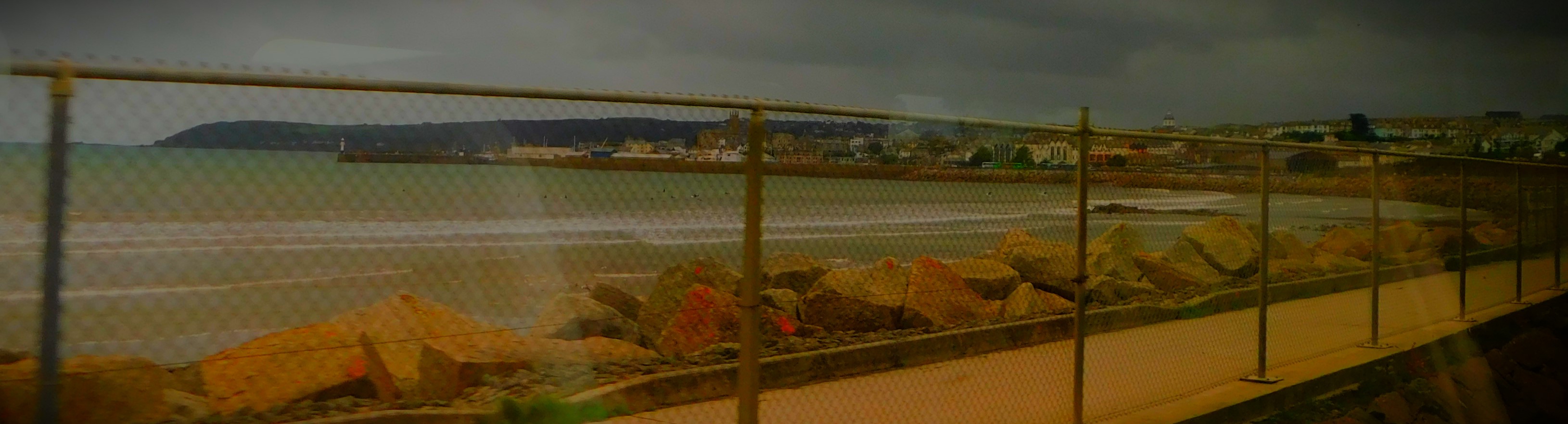
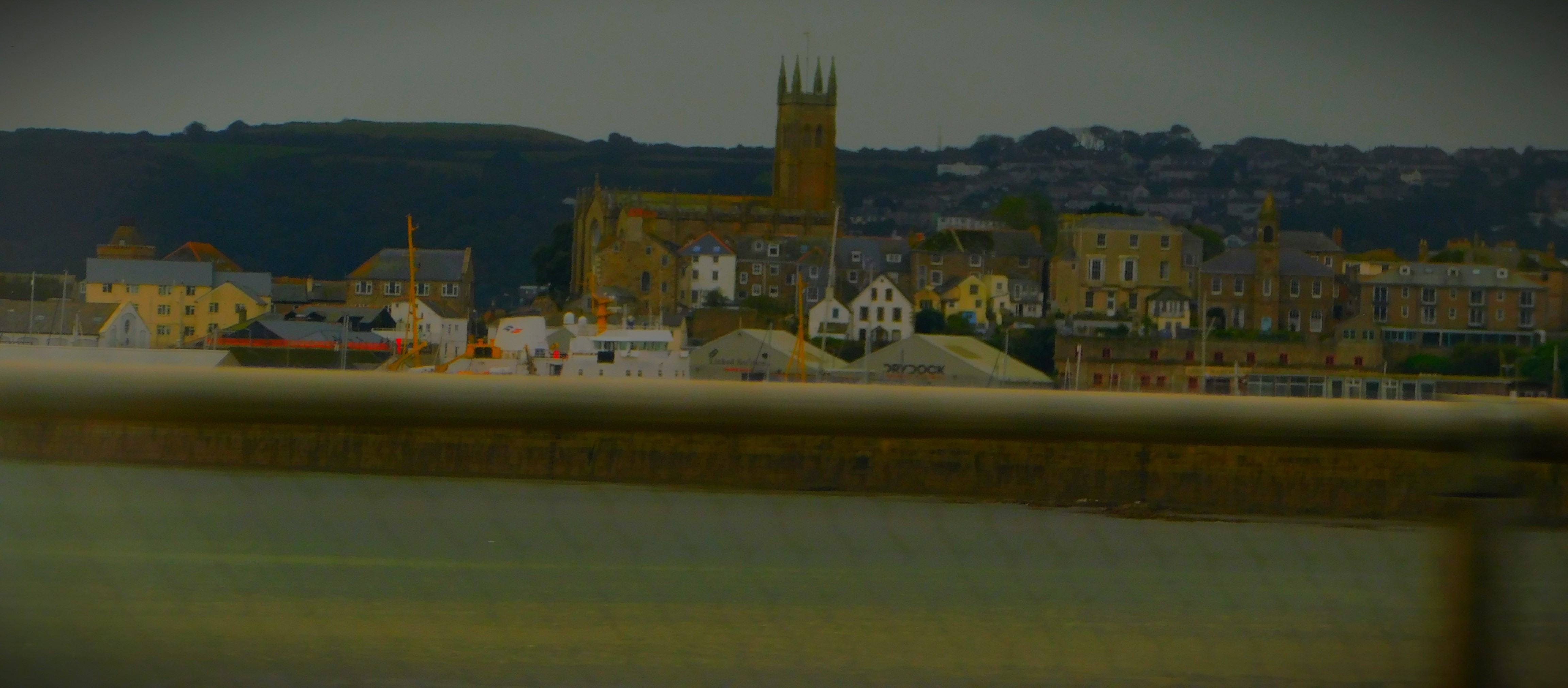
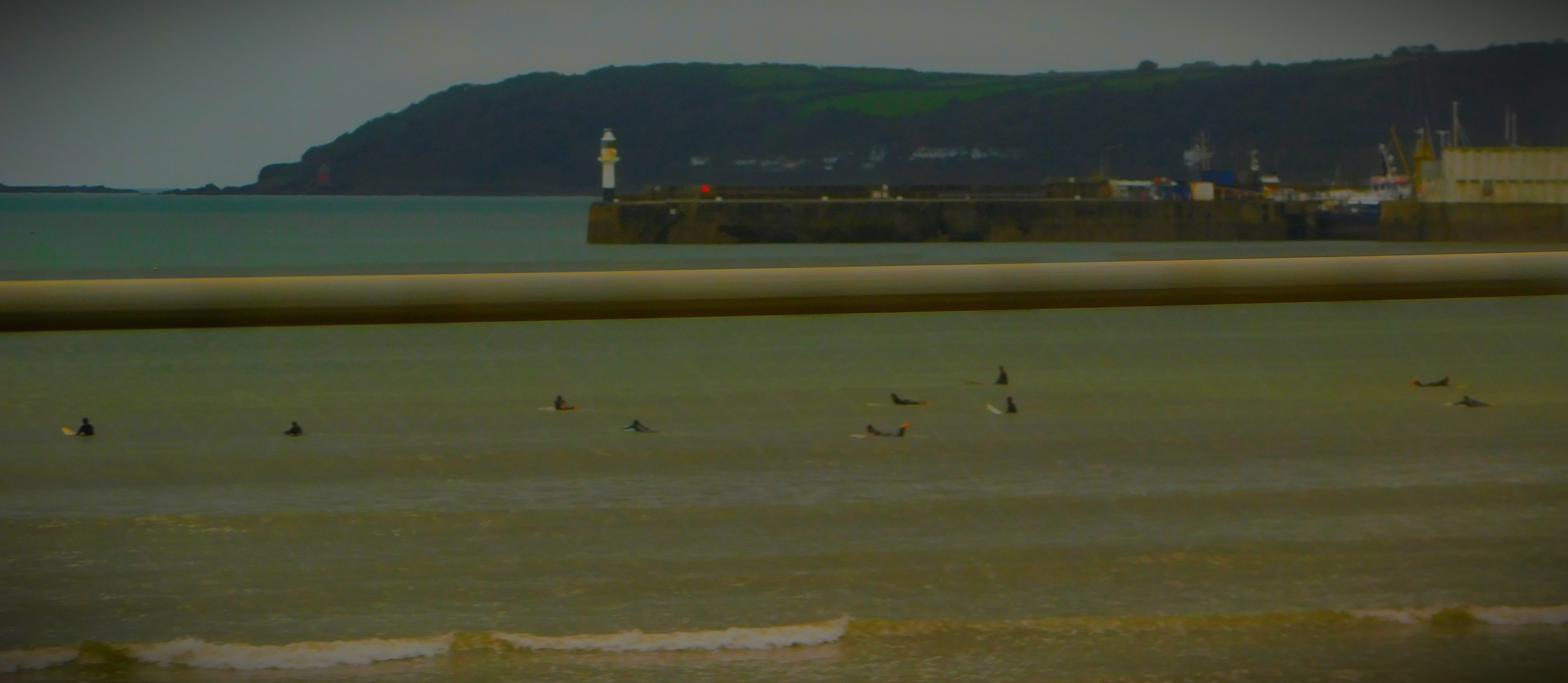
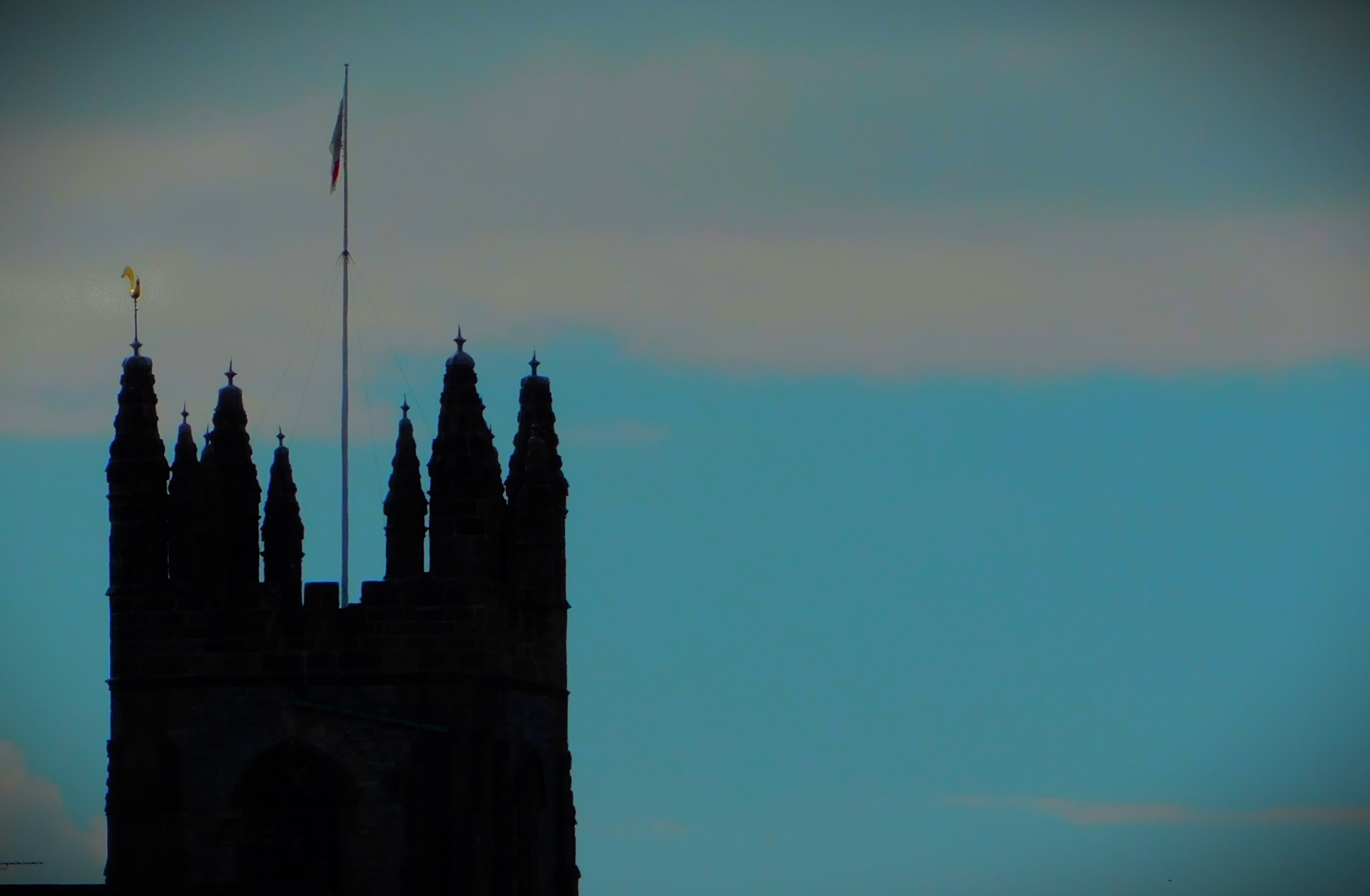
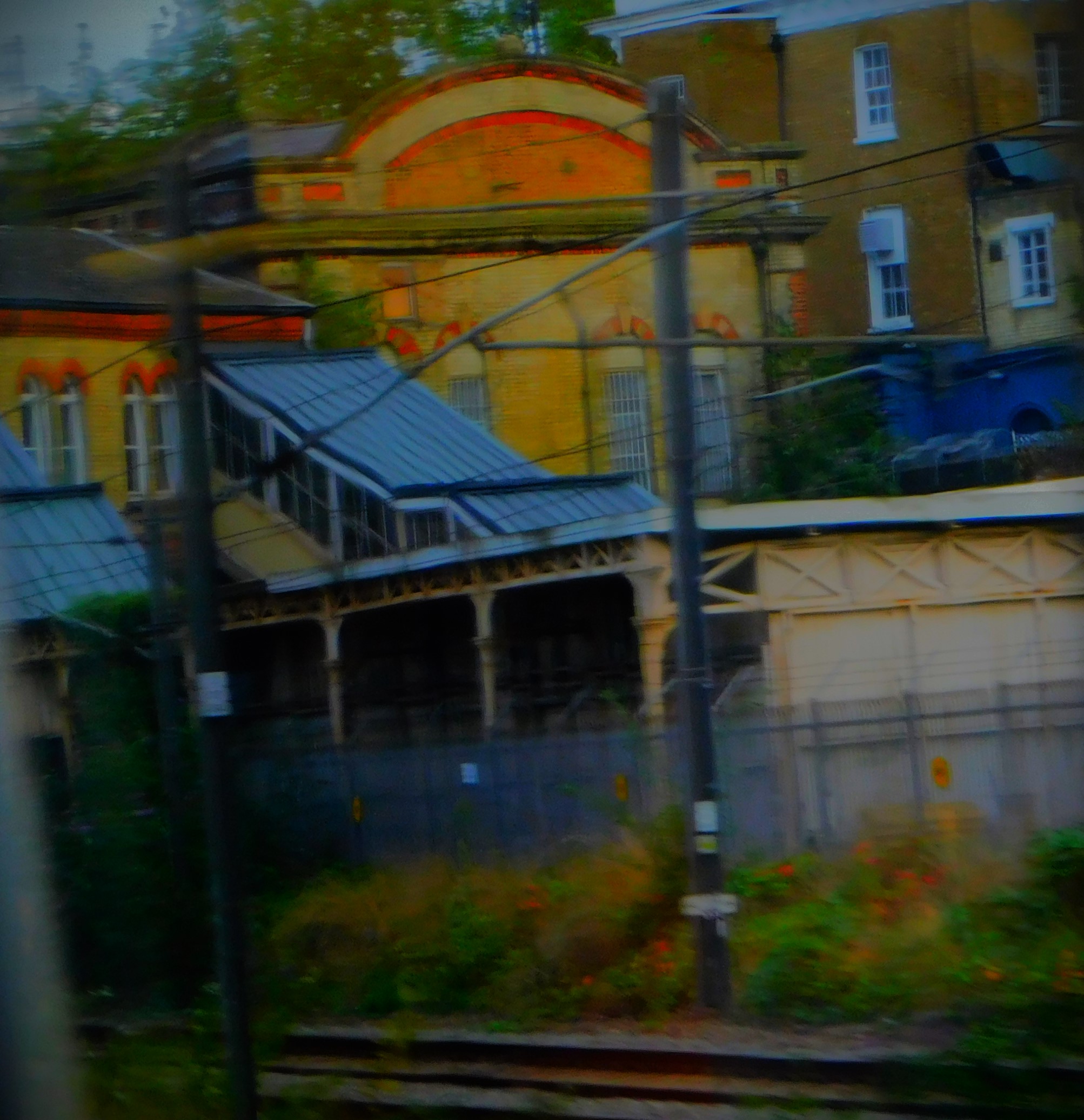
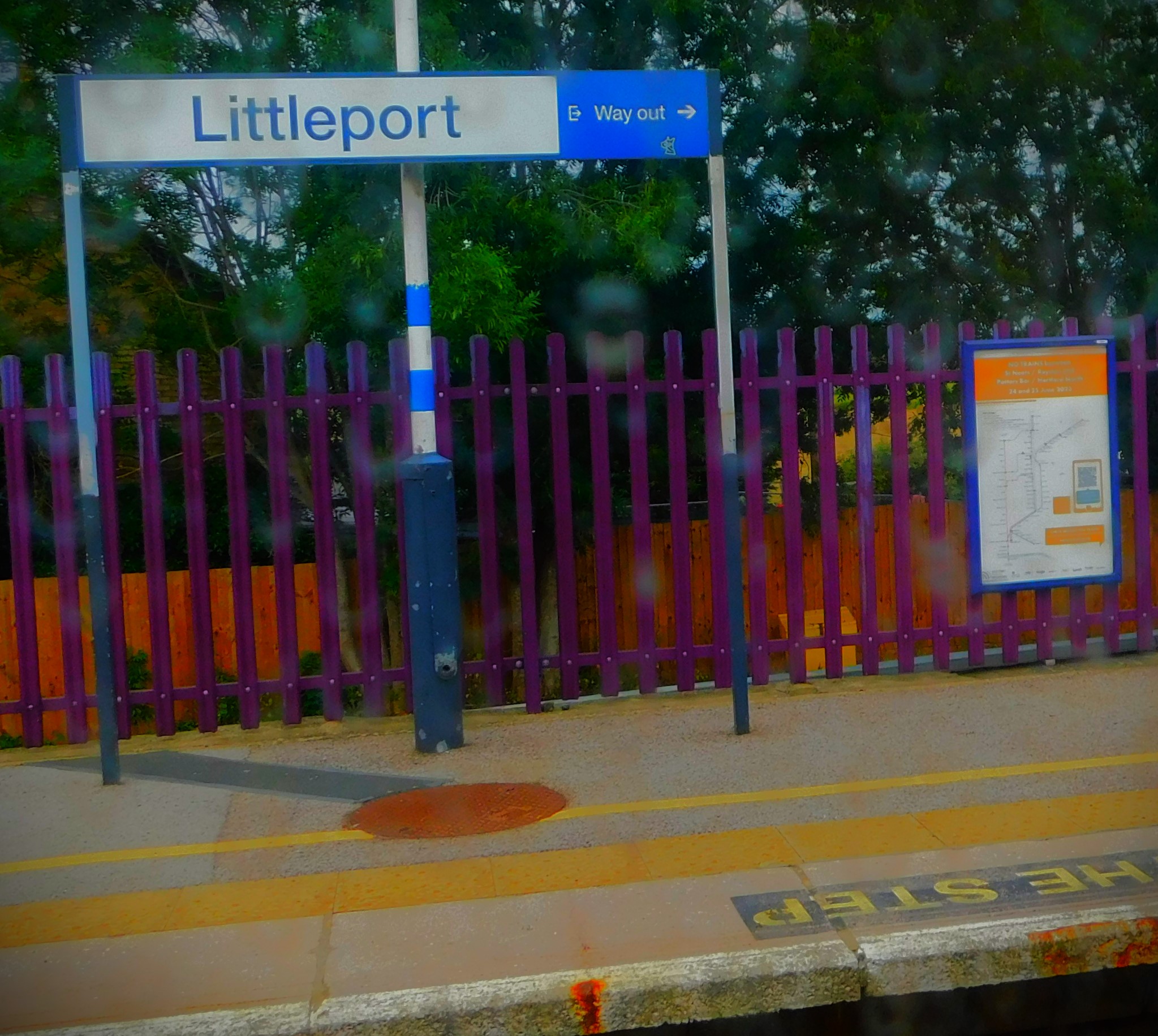
The photos from the return journey start here.Truro Cathedral in as much of its glory as can be captured through a train window.
Starting a series-within-a-series about my trip to Penzance yesterday. This post deals with the train journey there.
The weather here in Cornwall is much improved from Sunday, an improvement which started yesterday afternoon, while I was visiting Penzance. This post is the first of three I shall be producing, covering Liskeard to the just before arrival in Penzance (Penzance station will feature as the starting point of the third post, about the journey back).
A COUPLE OF MINOR IRRITATIONS
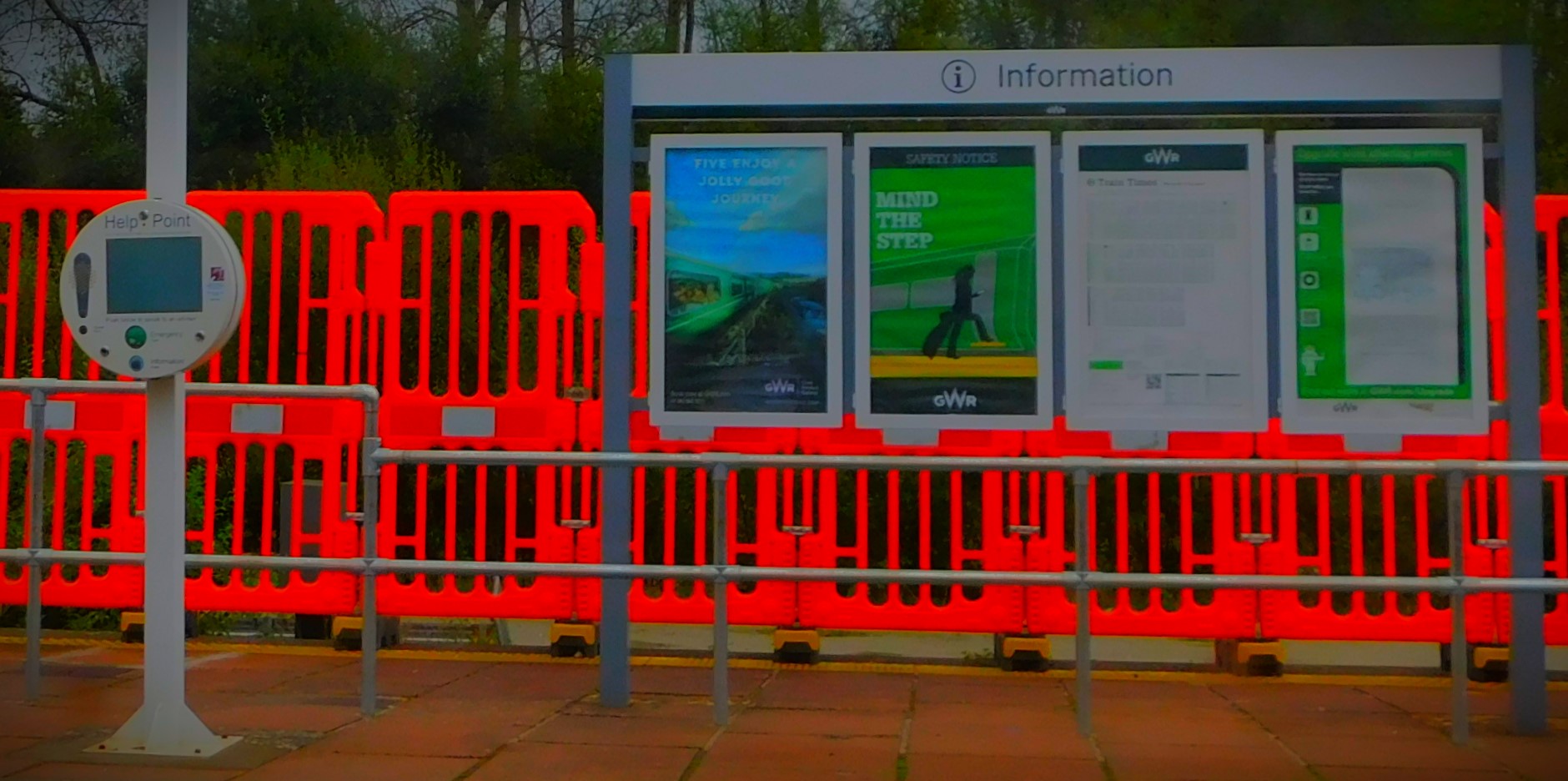
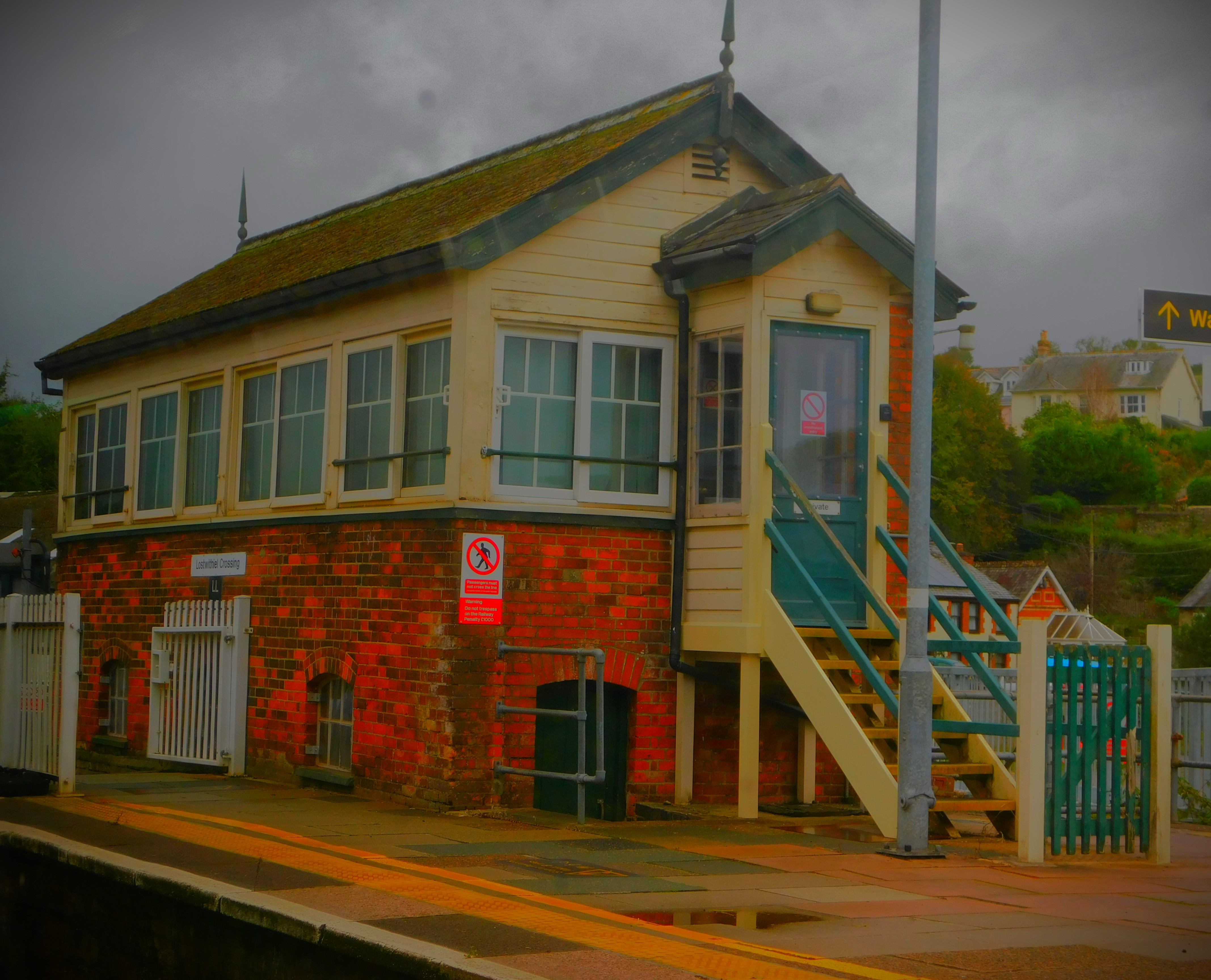
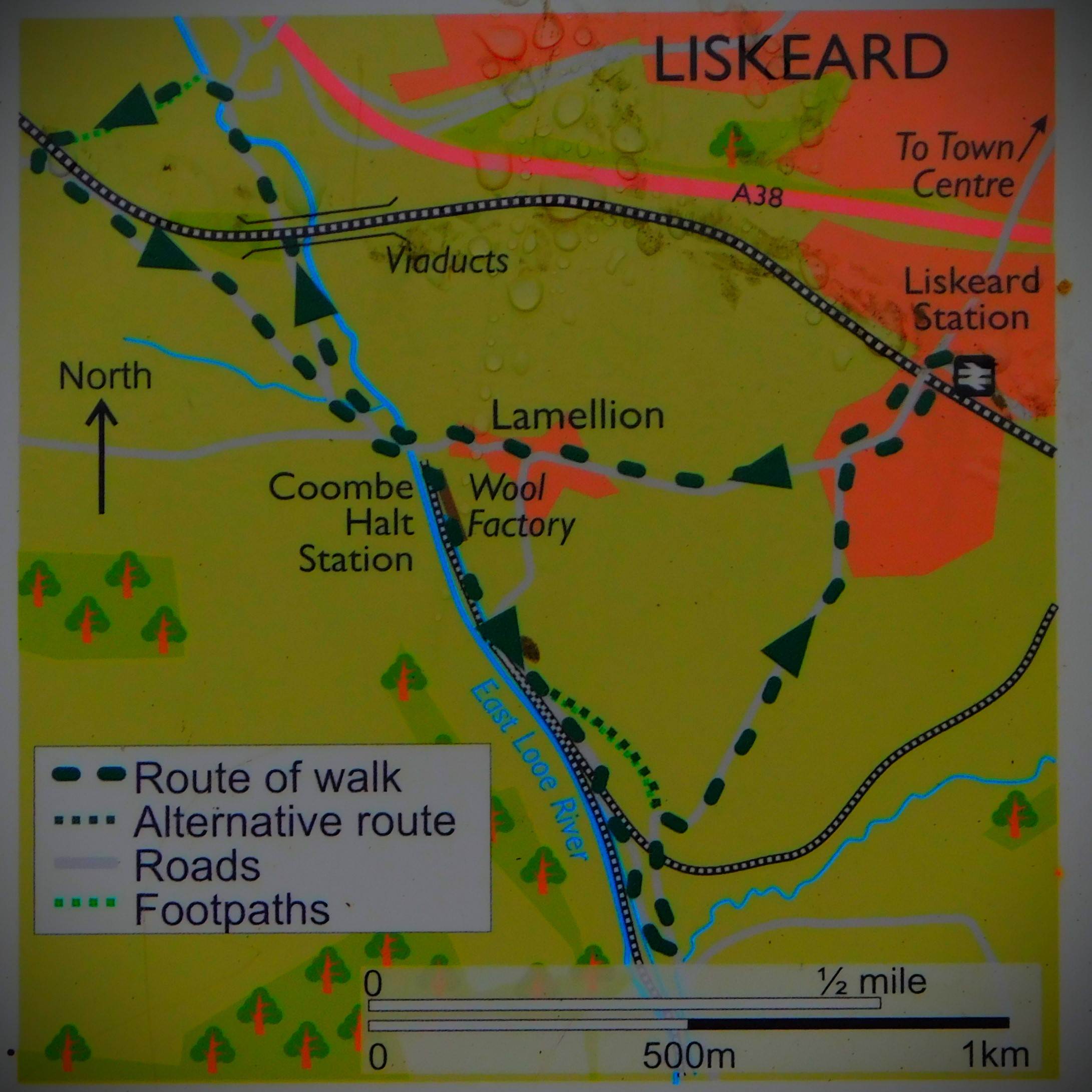
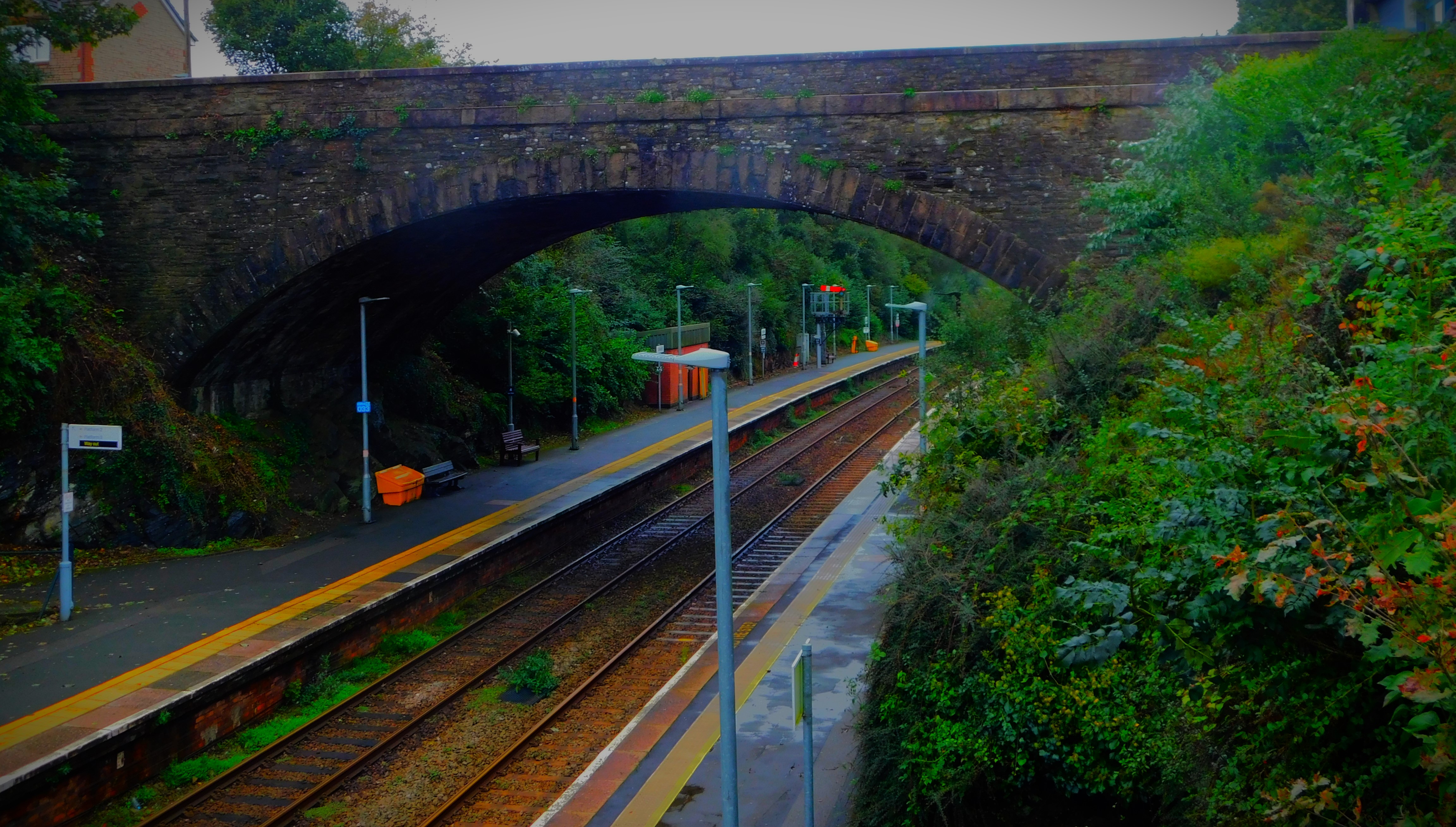
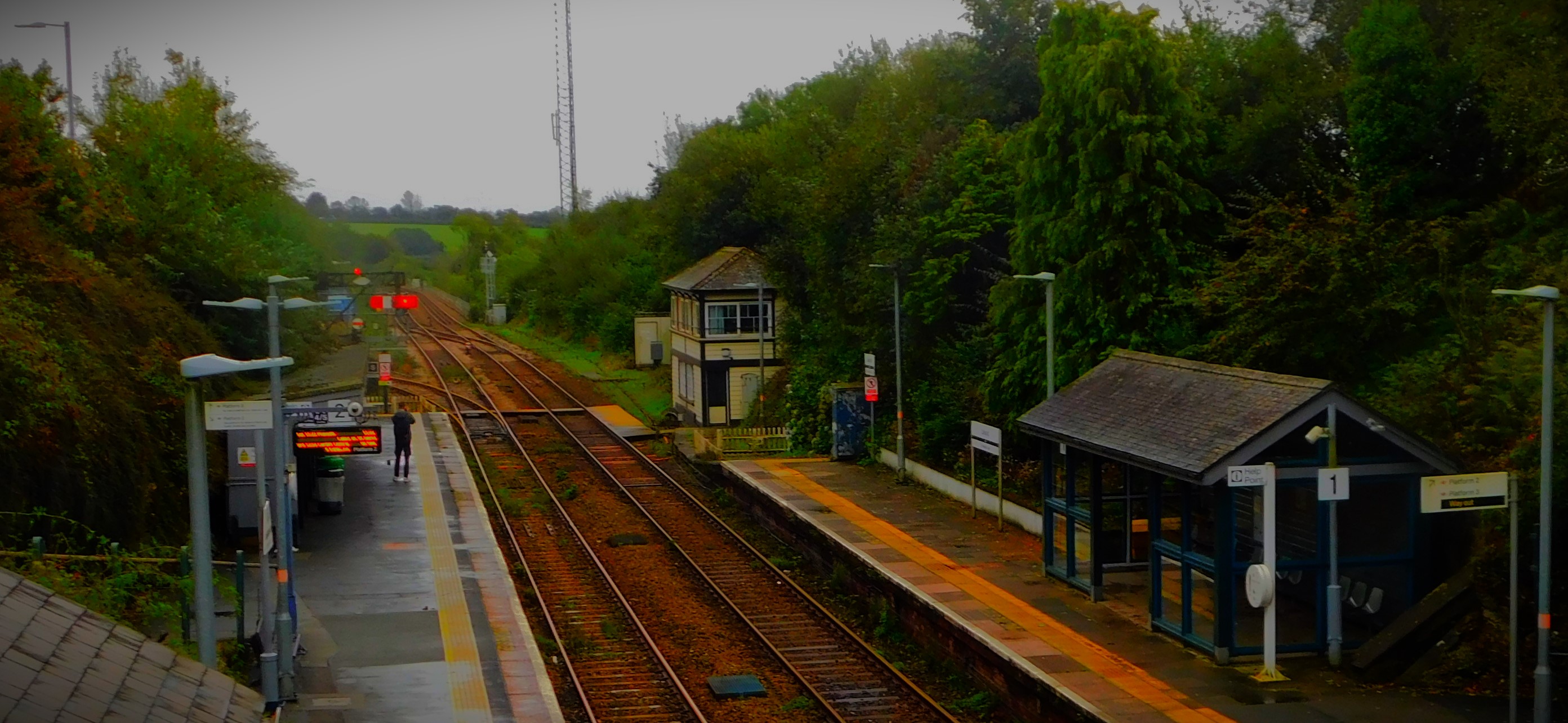
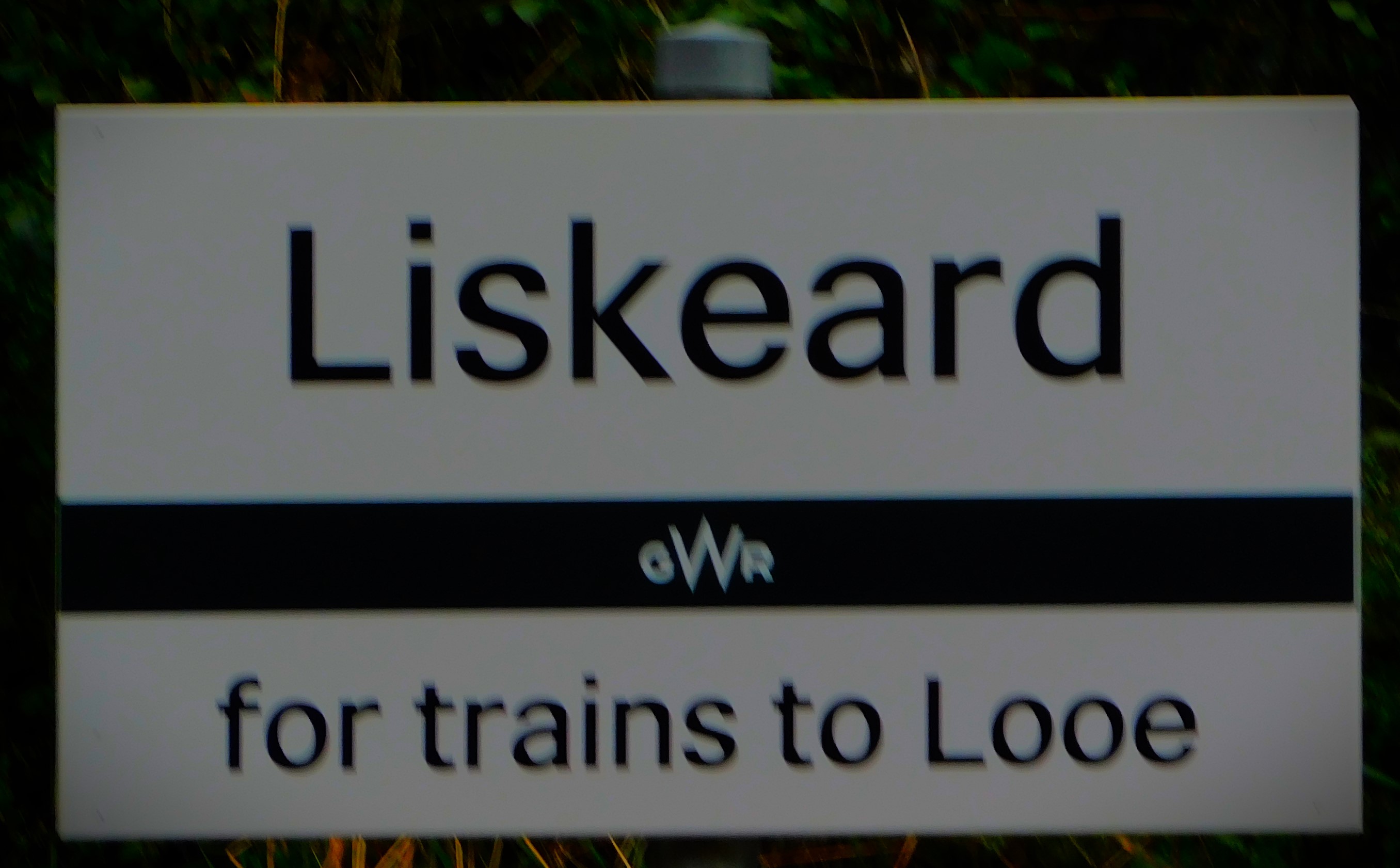
My original plan had to been to catch the 10:33 out of St Germans, but unfortunately that had to be readjusted to catching the 11:12 out of Liskeard as we did not have time to get to St Germans for the earlier train. At Liskeard I joined a small queue for the ticket office (I was third in line at that stage, with two more people having joined the queue by the time the first customer had been dealt with, a mere trifle of 17 minutes later). I still had ample time after completing my purchase of a return to Penzance (fortunately the second customer in the queue was quick, as I was) to get down to the platform and take some pictures at platform level before the train came in (Liskeard has a slightly curious layout, with platforms 1 and 2 both being approached by way of a footbridge, while platform 3 which is the terminus of a minor branch line to Looe is approached by a separate footpath and is at 90 degree angle to the other two platforms).
A SMOOTH JOURNEY
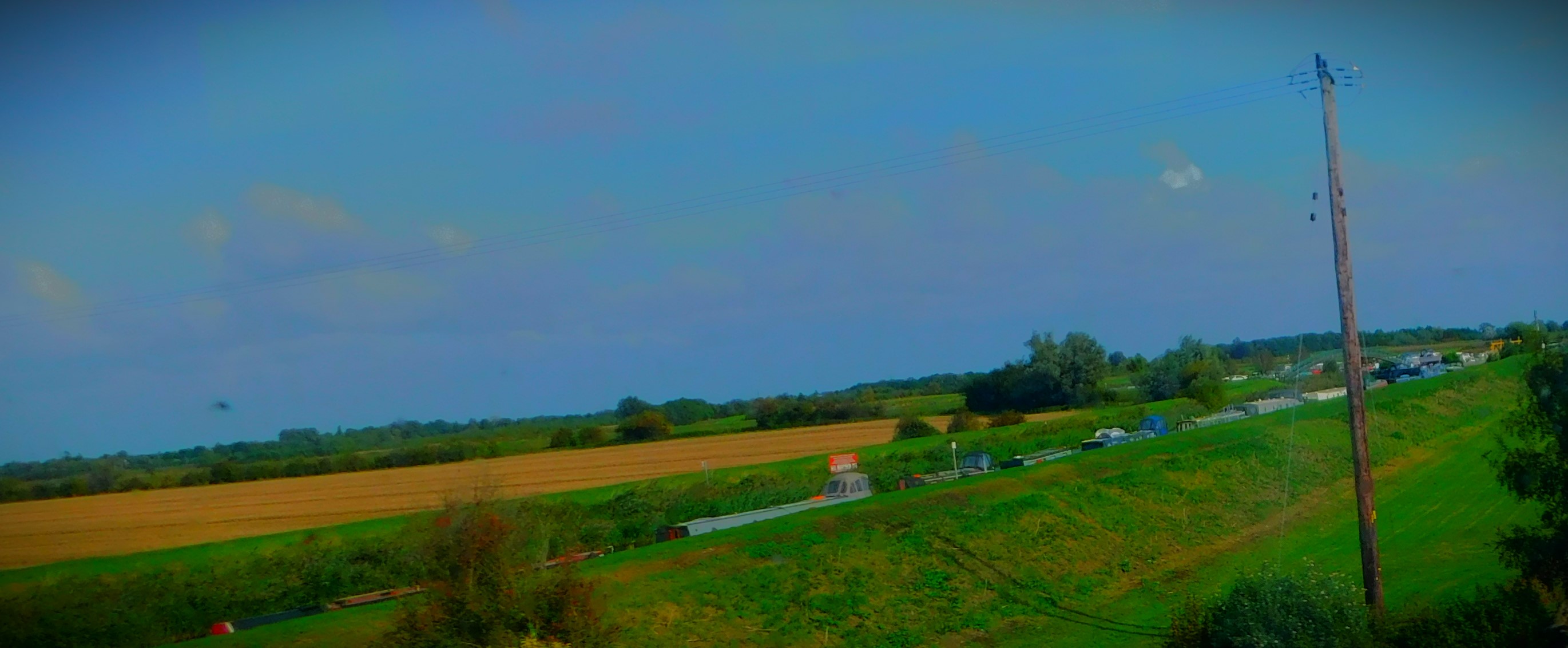
The journey from Liskeard to Penzance passed smoothly, though with the usual frustrations for a photographer in motion of failed shots due to misjudging the precise moment at which to click the shutter to capture the target. I arrived into Penzance at about 12:50 and was ready for the next stage of the day, which will covered in my next post.
PHOTOGRAPHS
Here is the picture gallery for this post…
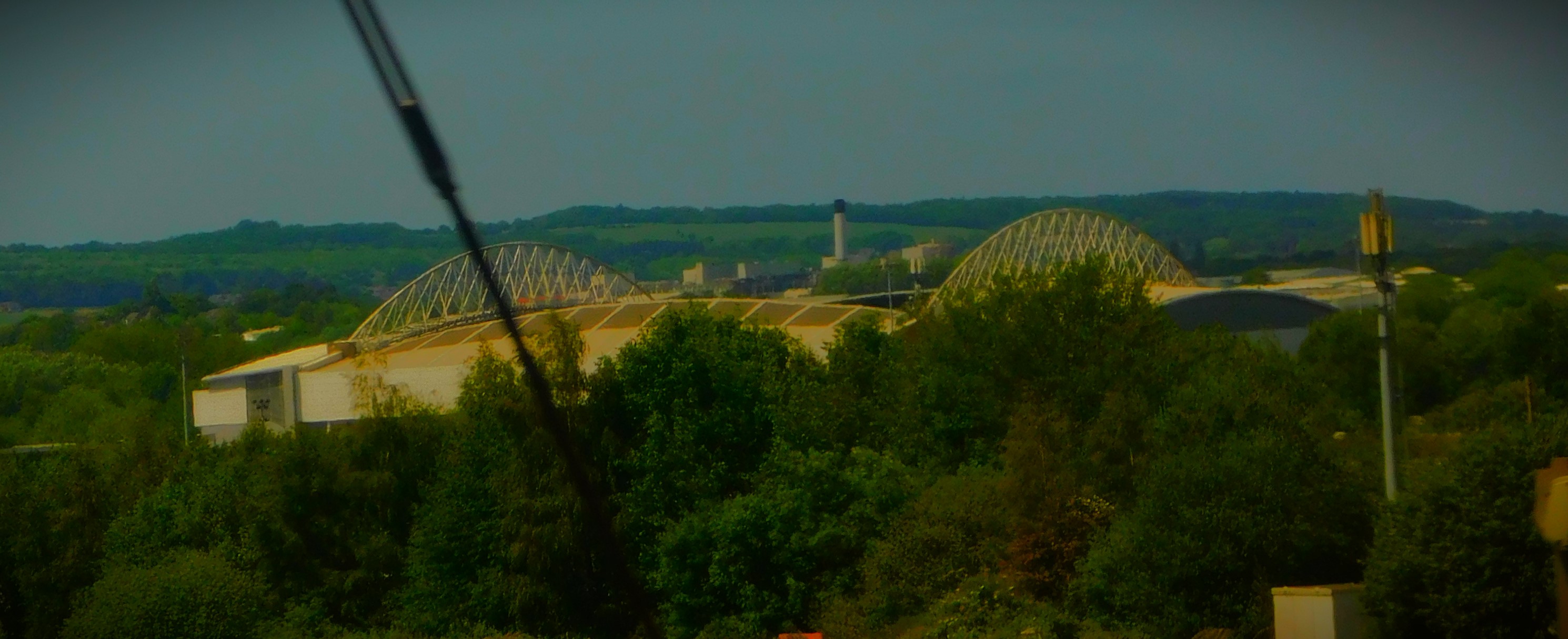
The final approach to Penzance (station building at front of shot).
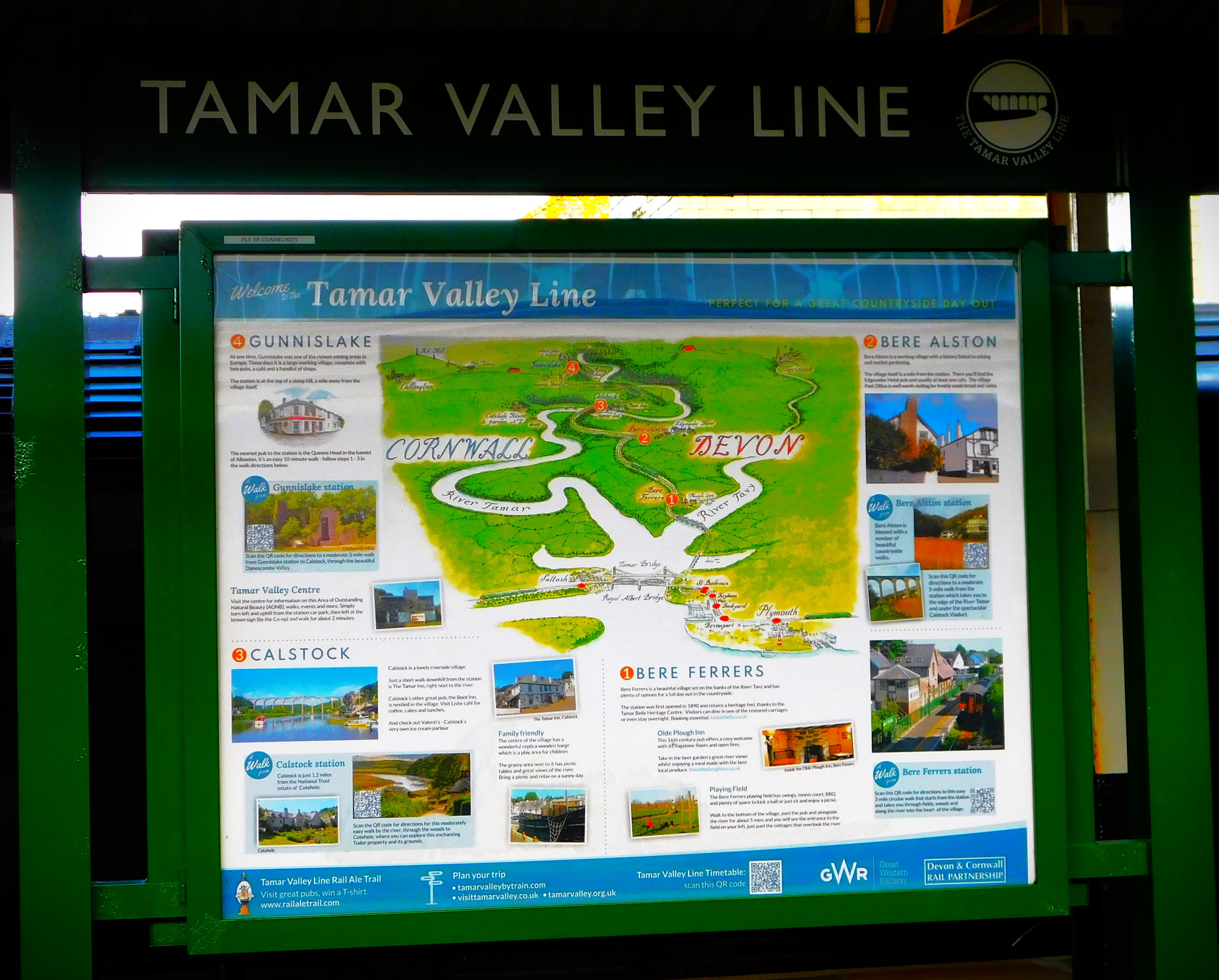
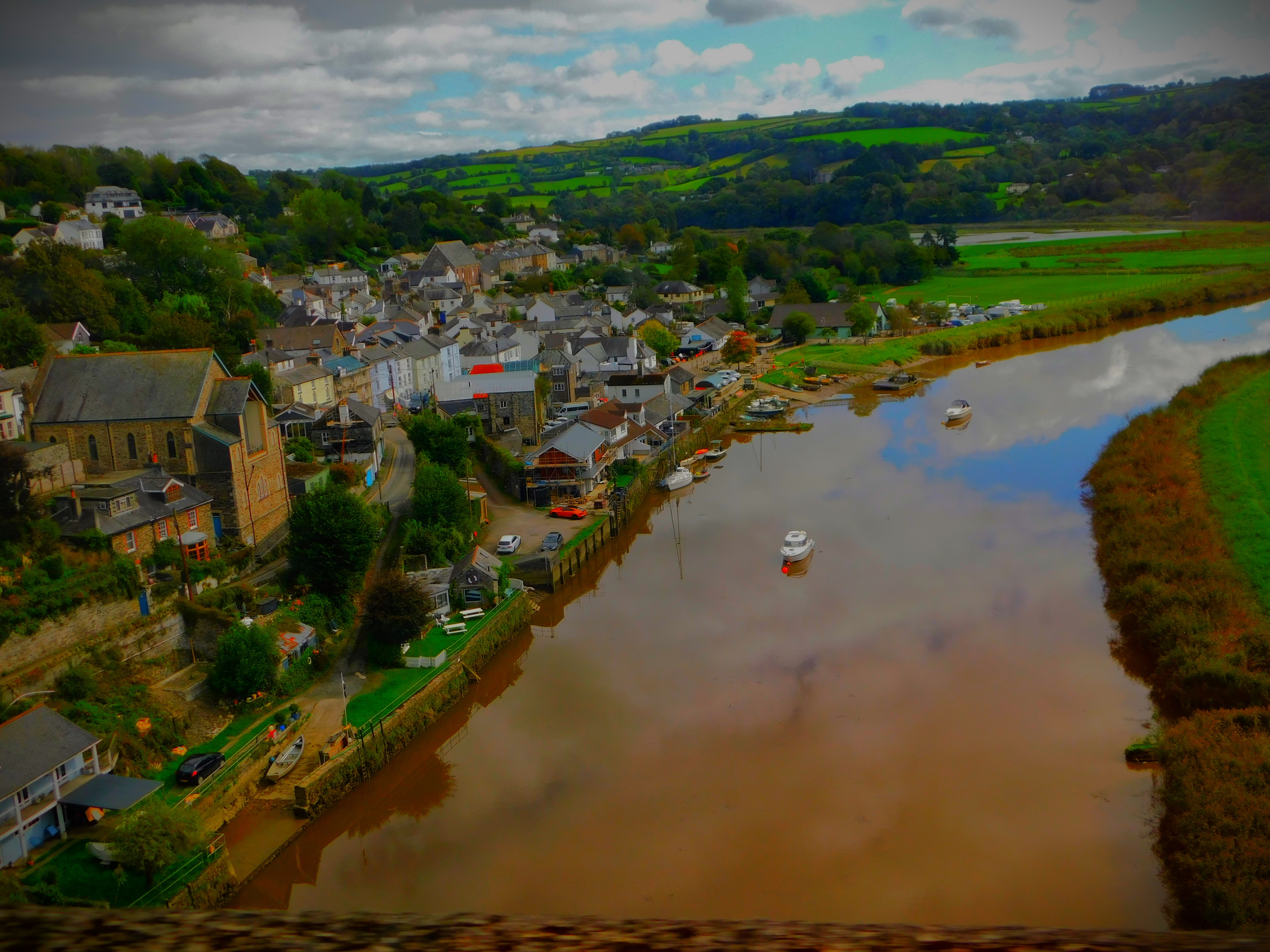
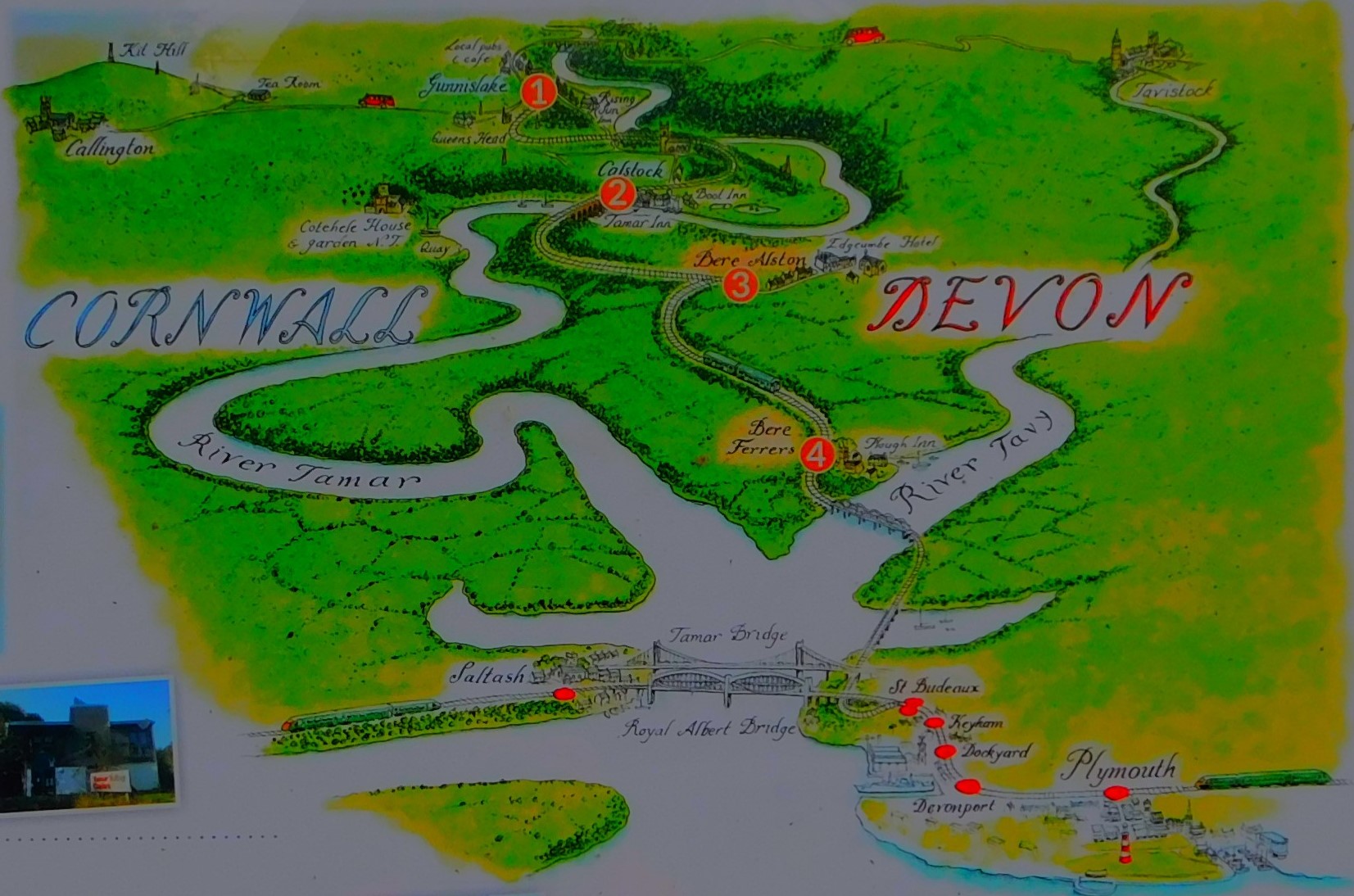
An account of a trip on the Tamar Valley line, complete with large photo gallery.
Yesterday was the first full of my stay in Cornwall, and this post describes my main activity for that day. Today the weather is truly vile – high winds, lashings of rain and more recently to add to the mix fog as well so that the lighthouse that is usually clearly visible from my parents apartment is currently entirely shrouded from view.
A PLAN MISFIRES
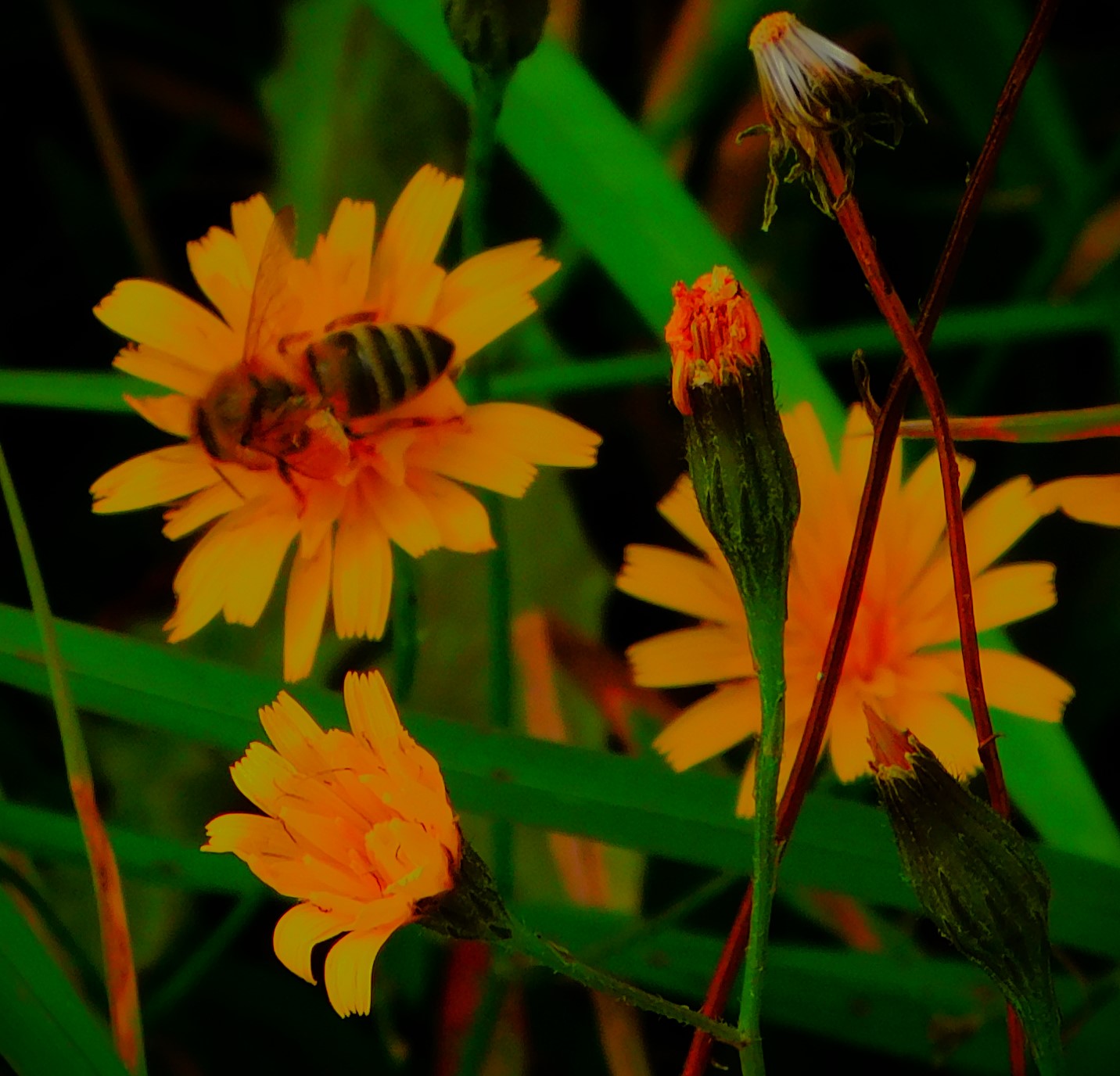
I was dropped in Plymouth yesterday with a view to purchasing a Devon and Cornwall railcard (cost £12) to gain a 1/3 discount on all train fares in the region for a year. Unfortunately such a card can only be obtained if documentation relating to an address in the area can be produced and I had no such documentation. However I bought a return ticket to Gunnislake, northern terminus of the Tamar Valley Line, cost £7.90. I had over an hour before the next train to Gunnislake was departing, so filled some of the time by gaining greater familiarity with the environs of Plymouth station. Pedestrian access from the station to other areas of town comes by a way of path that leads under a roundabout. The central area of the under-roundabout path is dedicated to wild flowers and is pleasant walking. The hour of my journey arrived…
A SCENIC JOURNEY
The journey to Gunnislake could be described as a journey of two parts in two different ways:
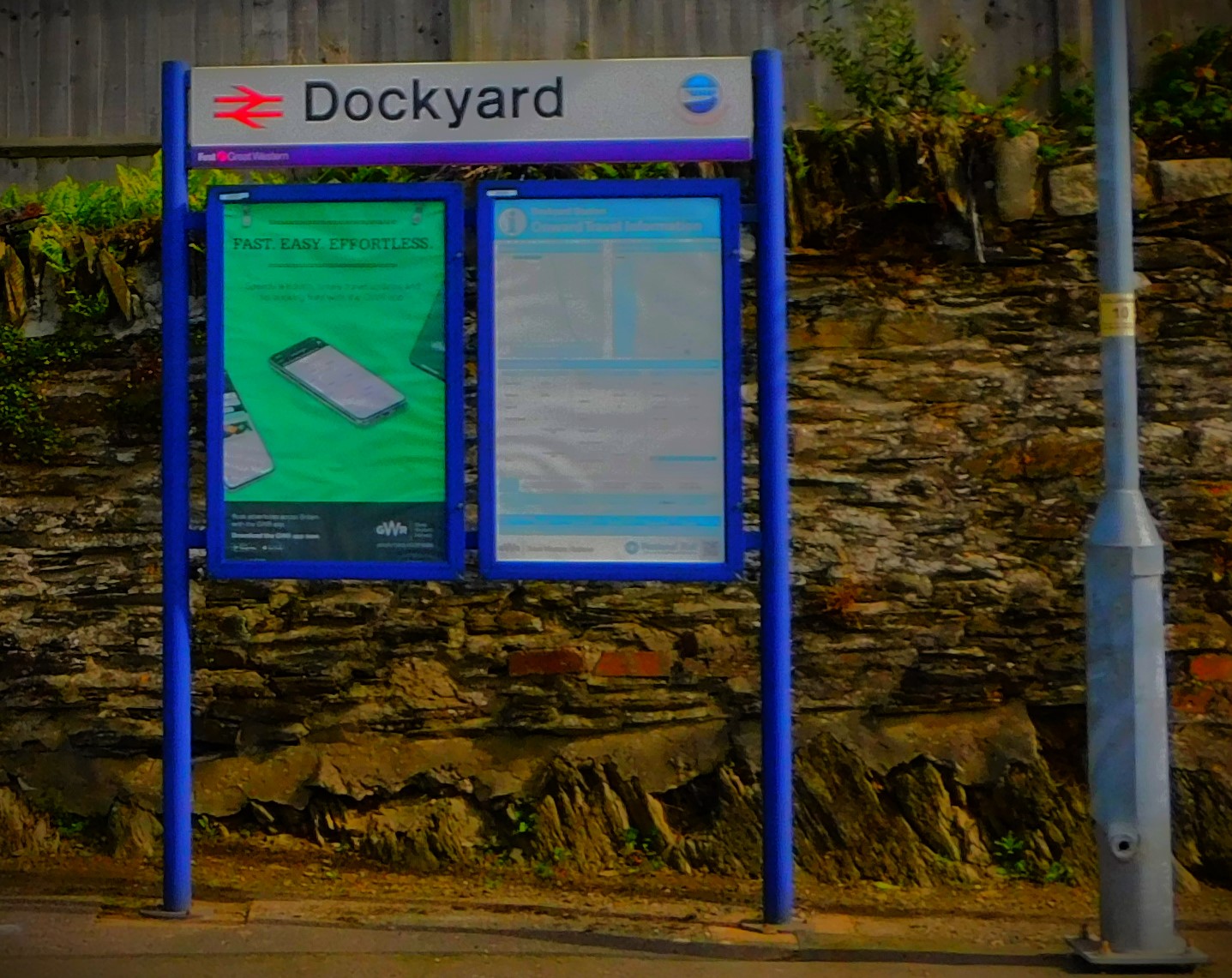
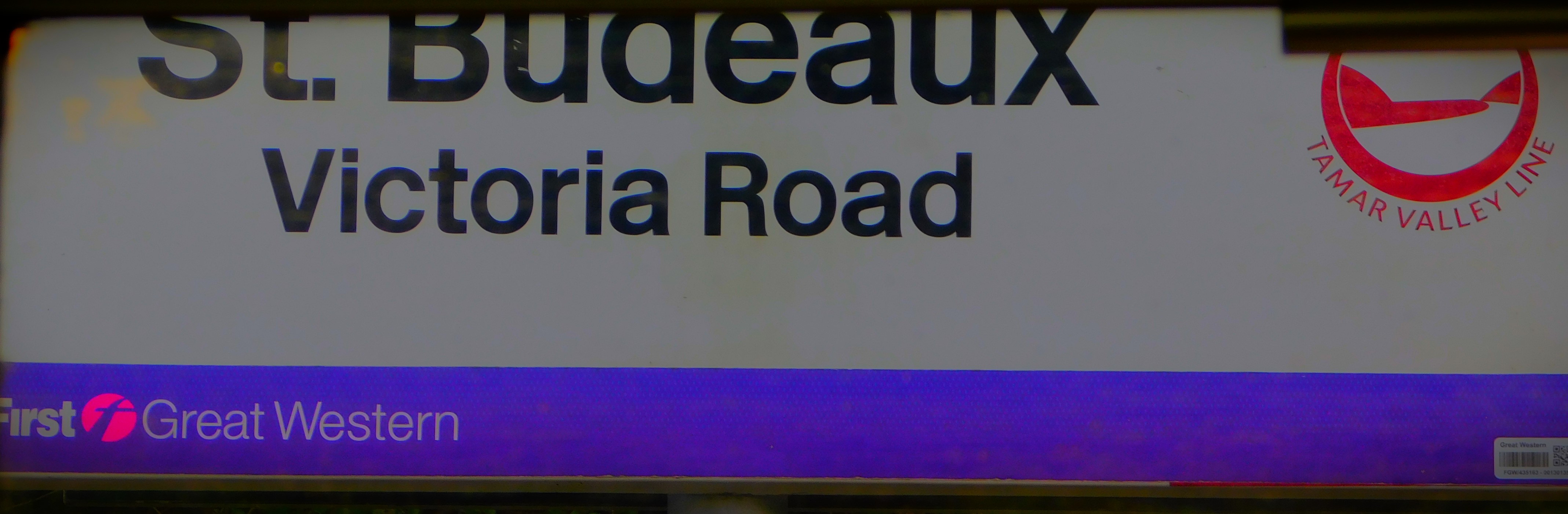
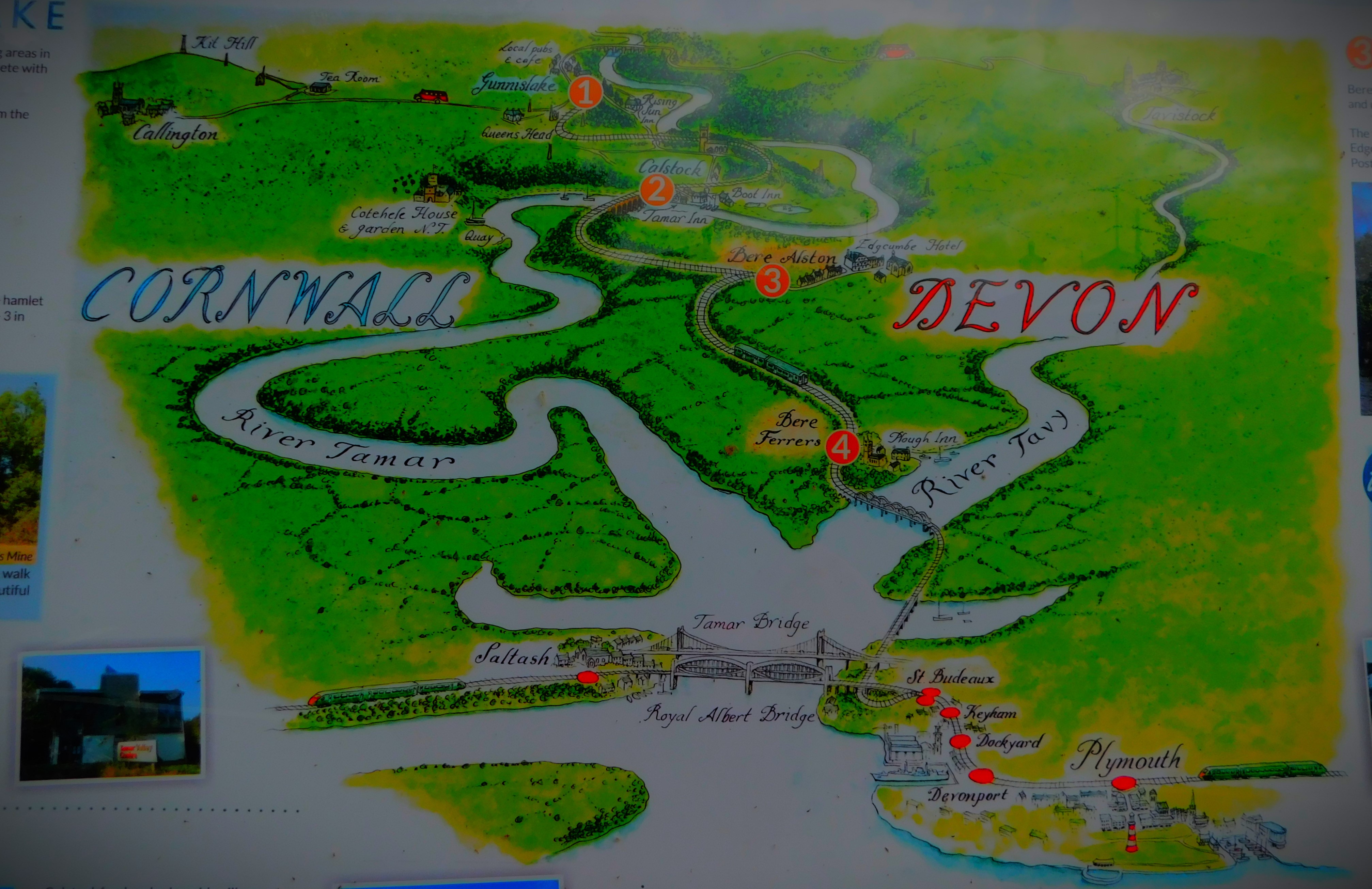
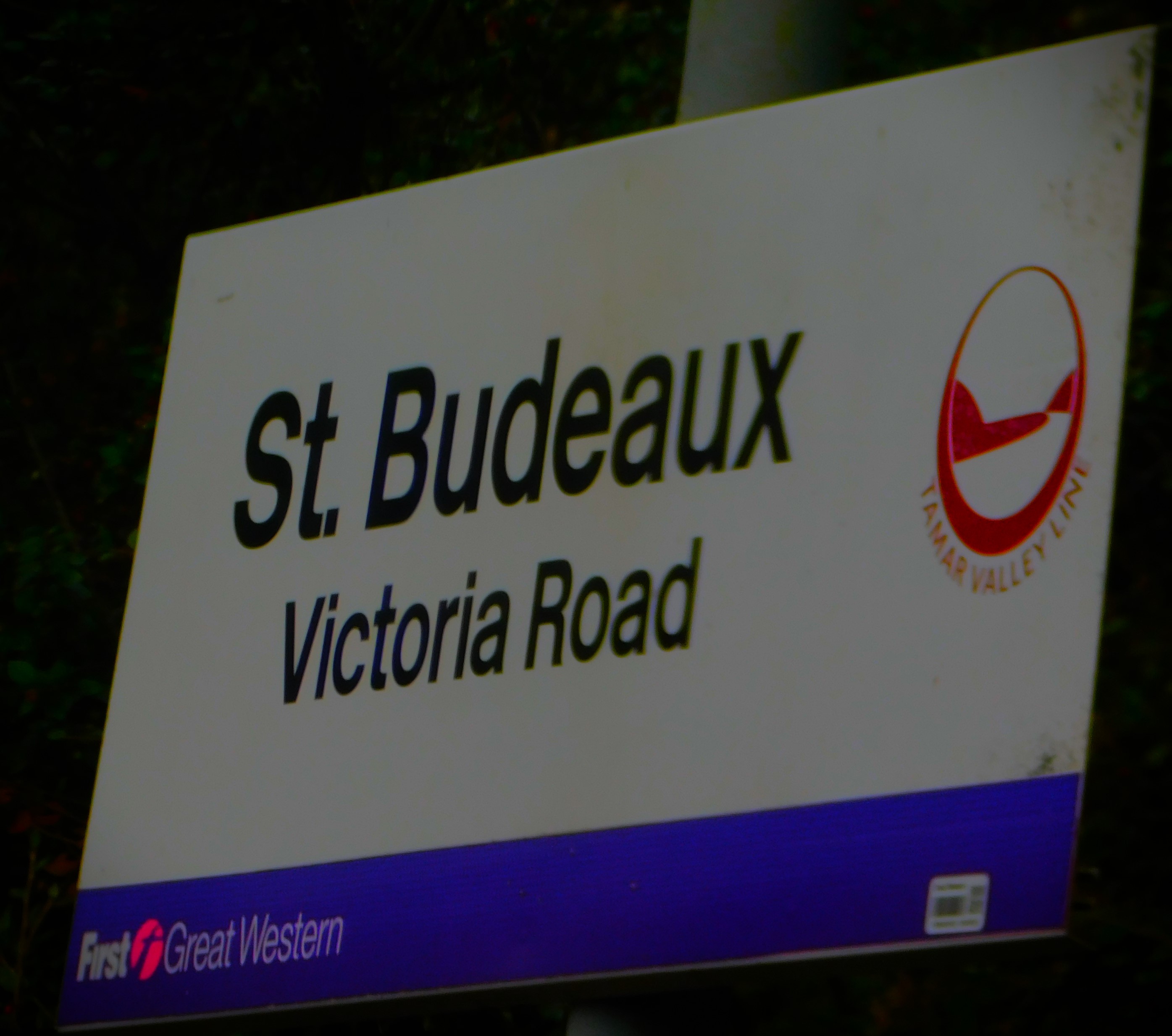
For the first small portion of line (Plymouth – St Budeaux Victoria Road)the stops are frequent and the surroundings urban, specifically a commercial port area whose best days were long in the past, before the line then becomes very rural in character and the stops become much more widely spaced.
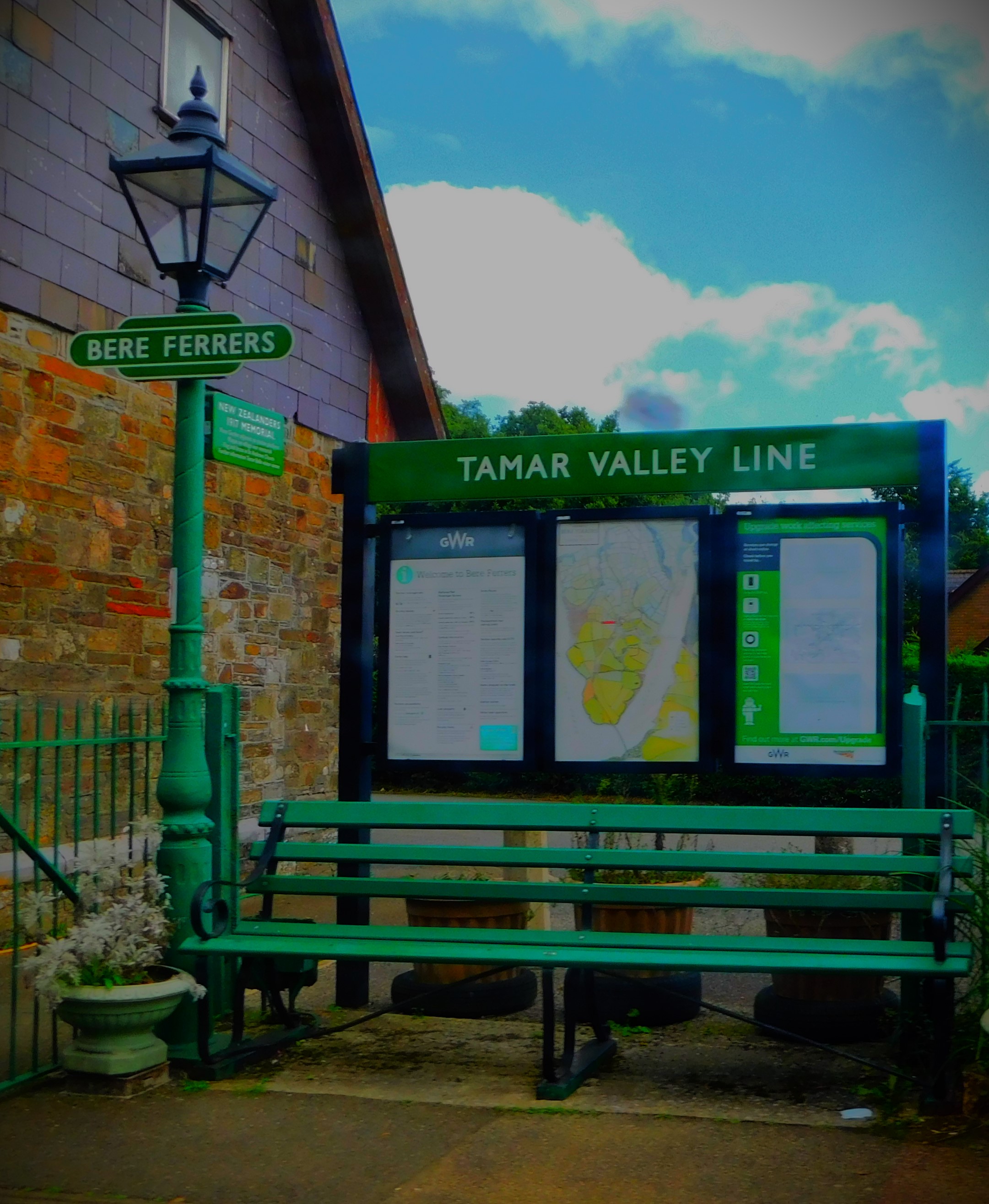
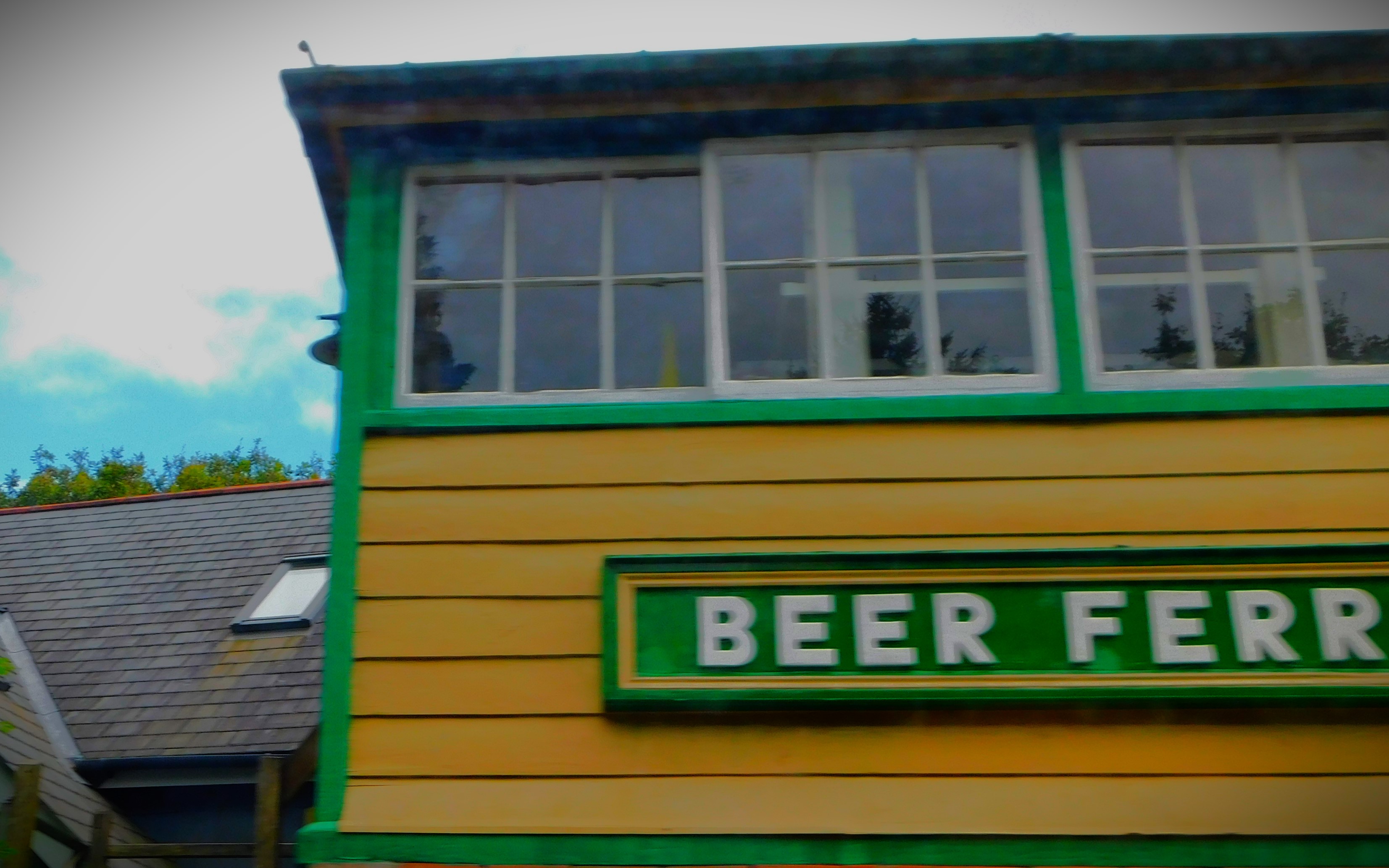
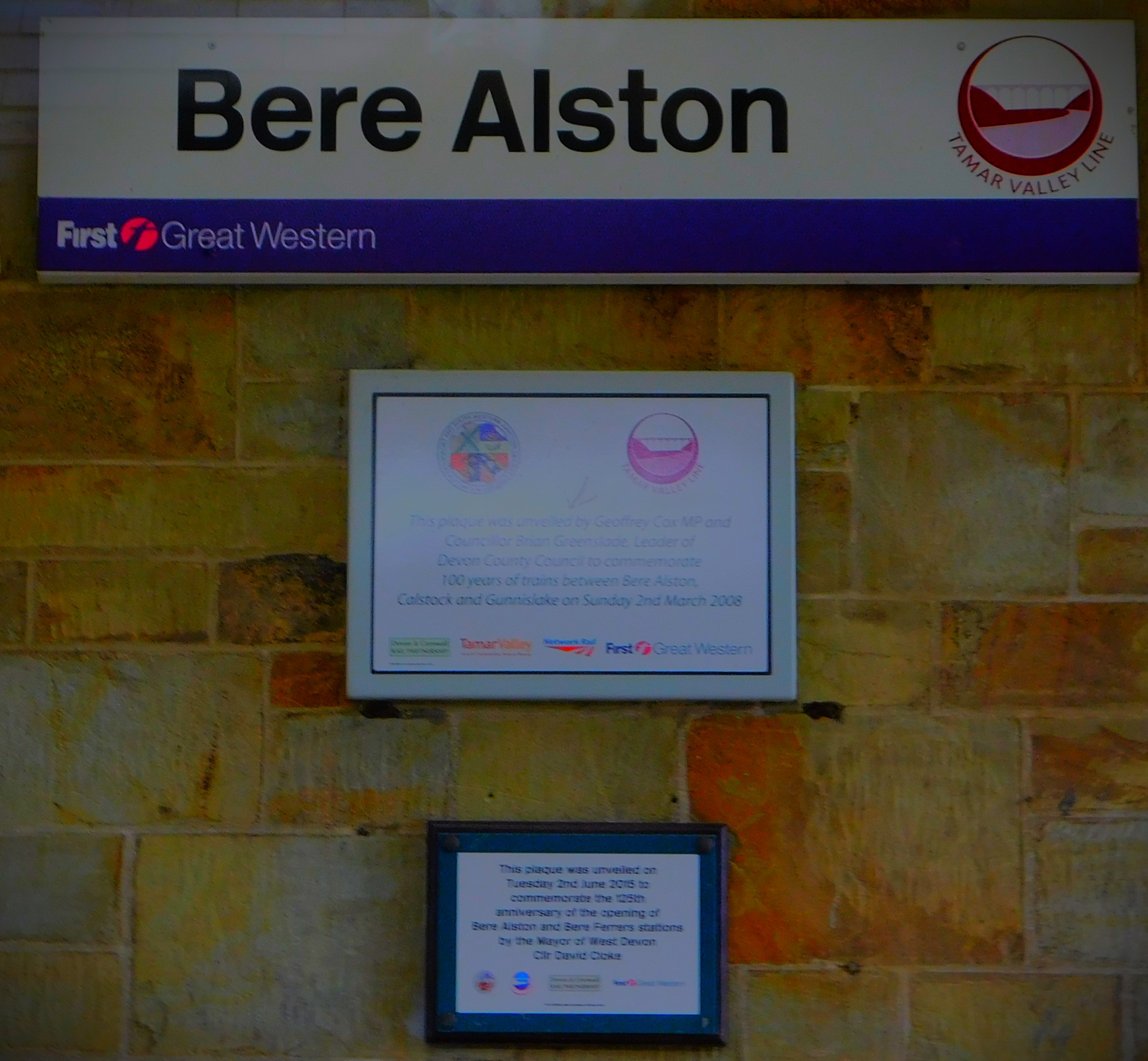
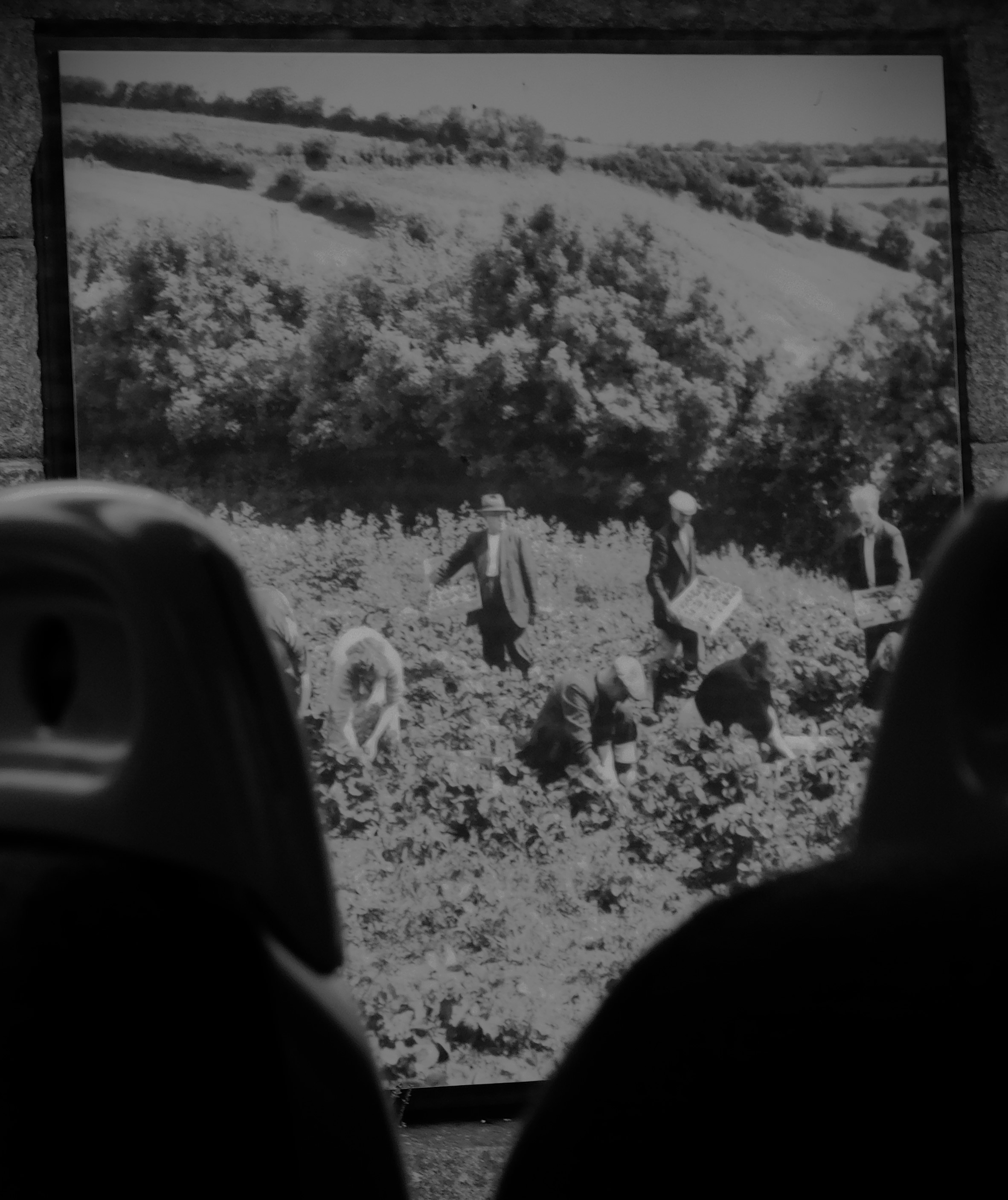
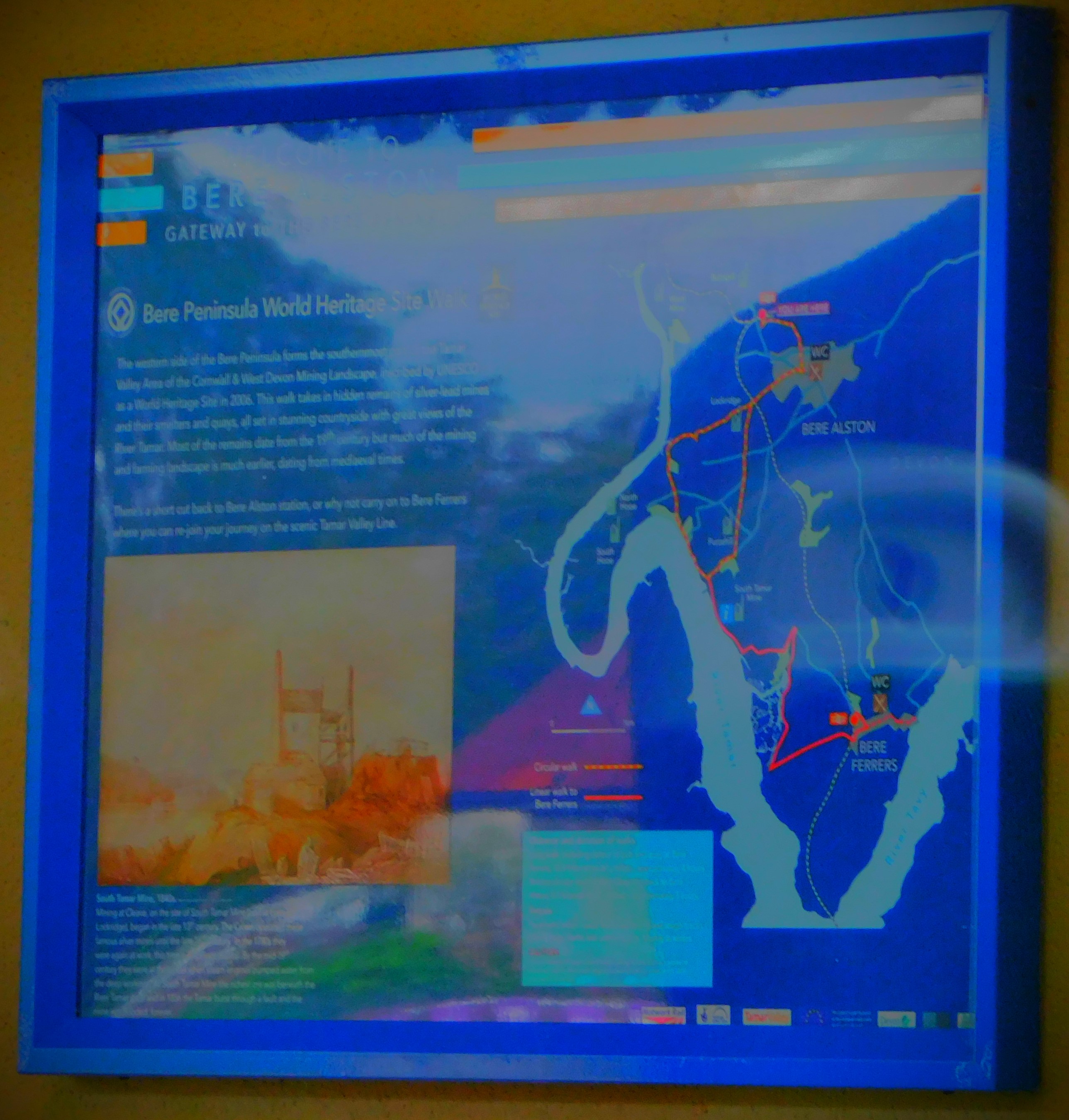
The route has a hairpin at Bere Ferrers, so that the train reverses its direction fo travel for the last three stops on the route (Bere Alston, Calstock and Gunnislake).
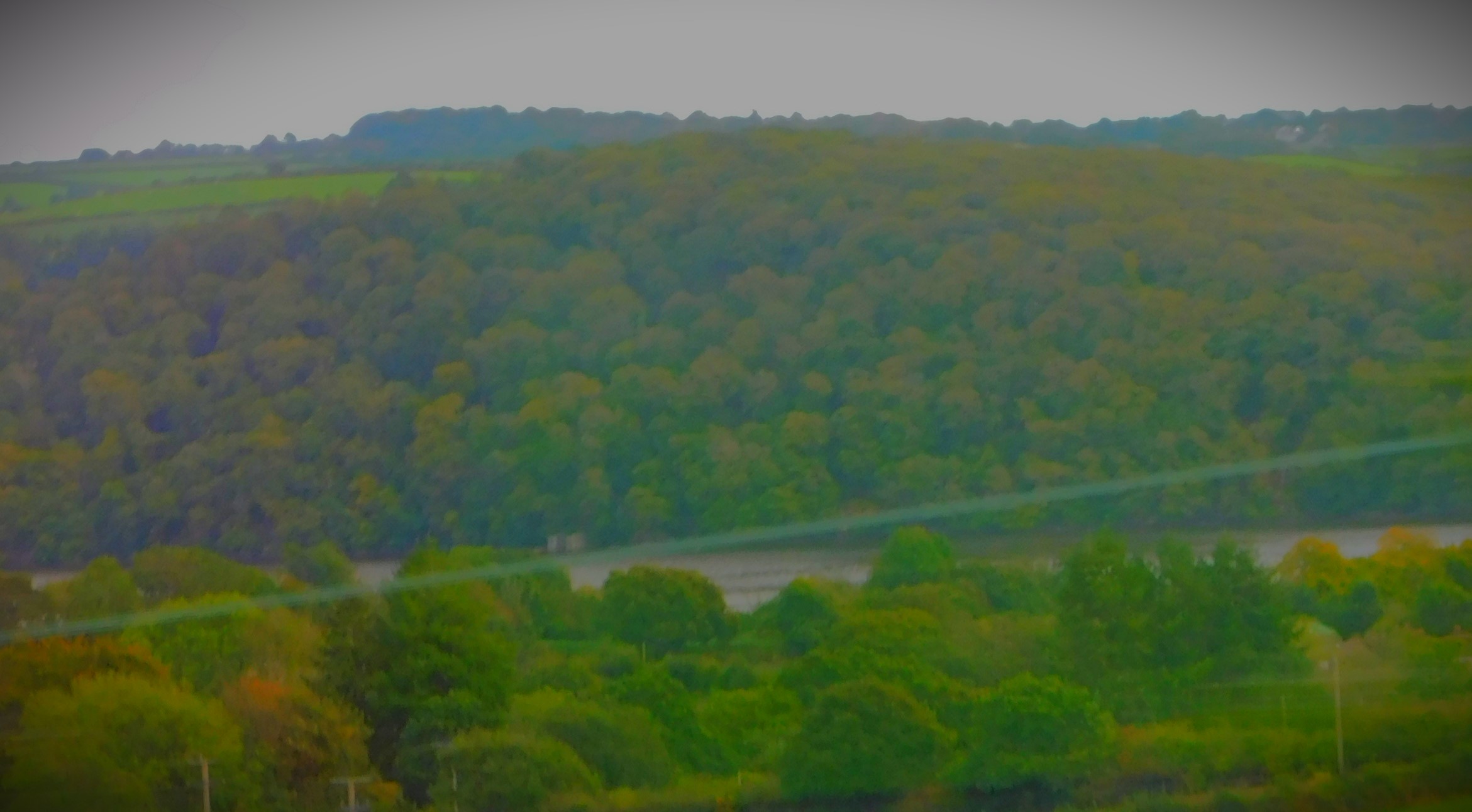
Also, as I failed to realize for the outbound journey the windows on the side of the train from which you board at Plymouth and at Gunnislake for the return journey offer much finer views than the other, which is why the majority of my best photos from the two train journeys were taken on the return one where I positioned myself correctly.
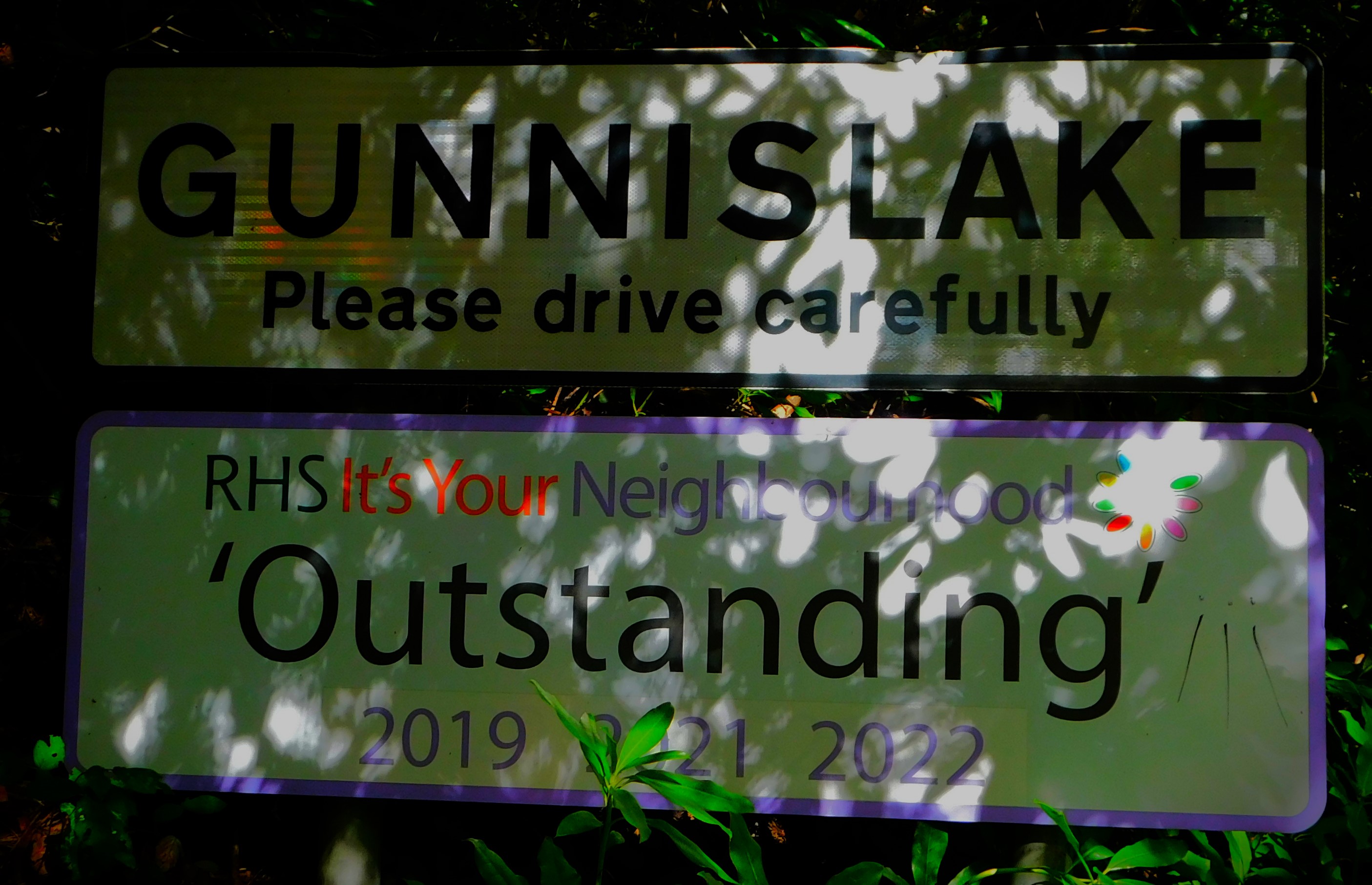
GUNNISLAKE
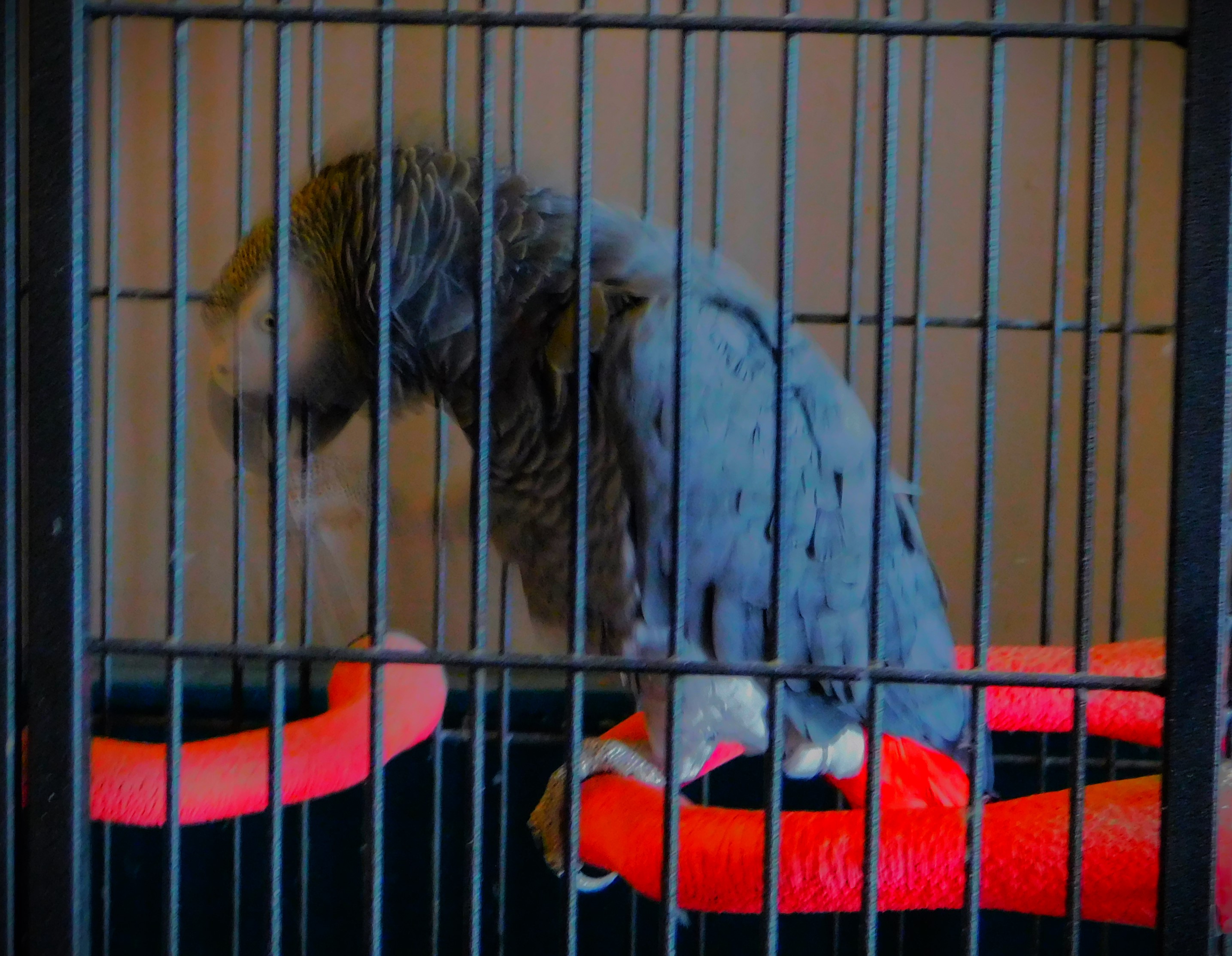
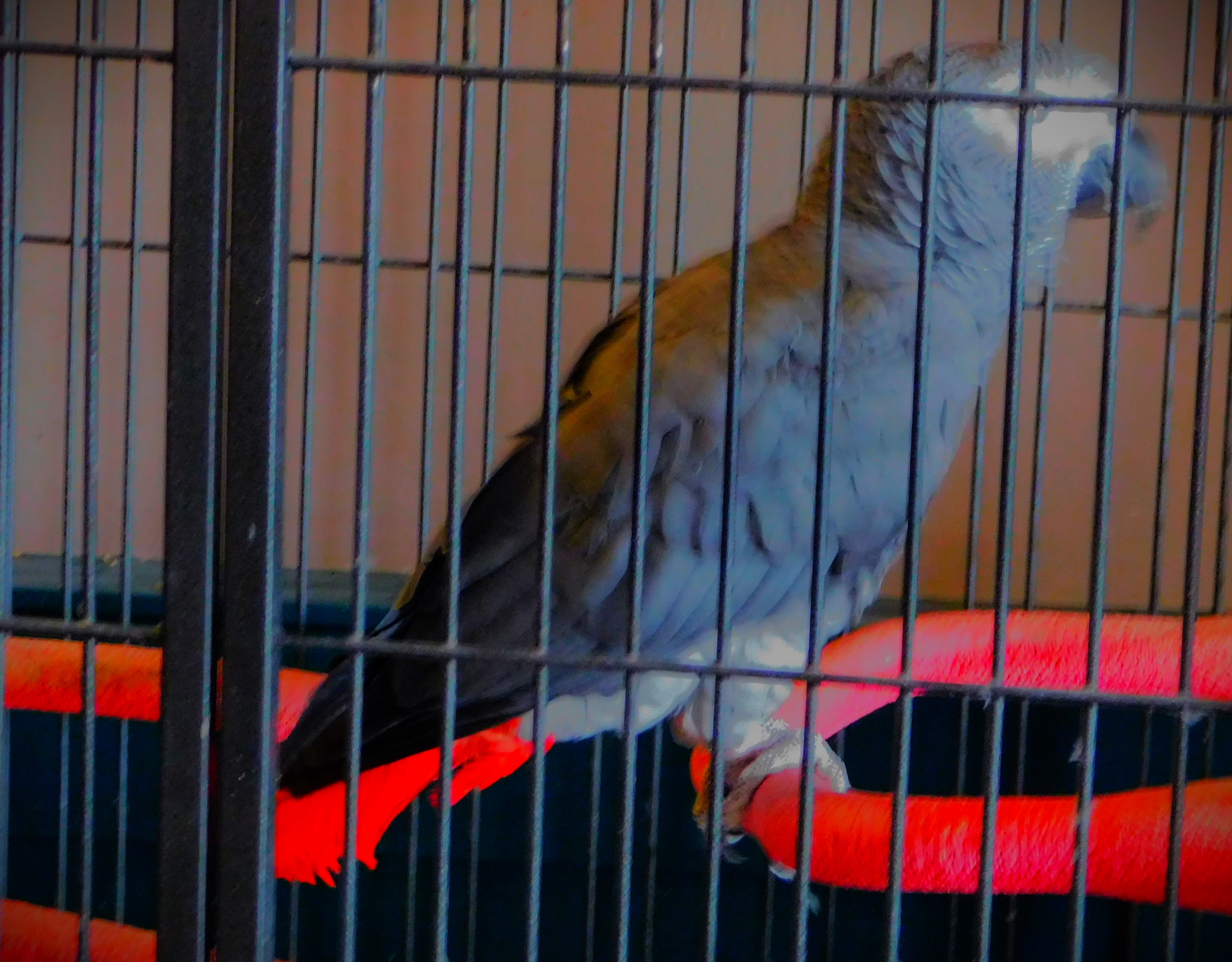
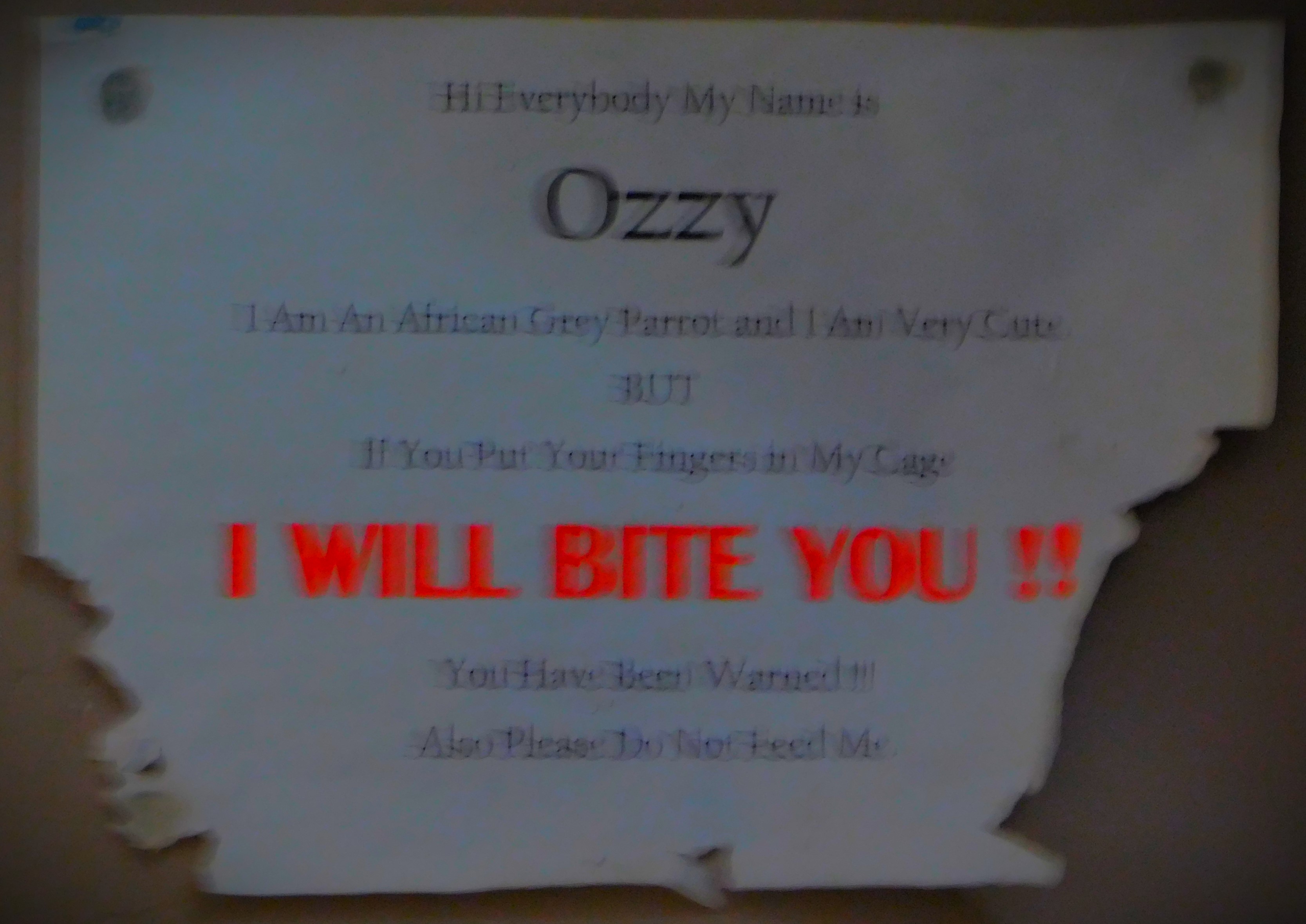
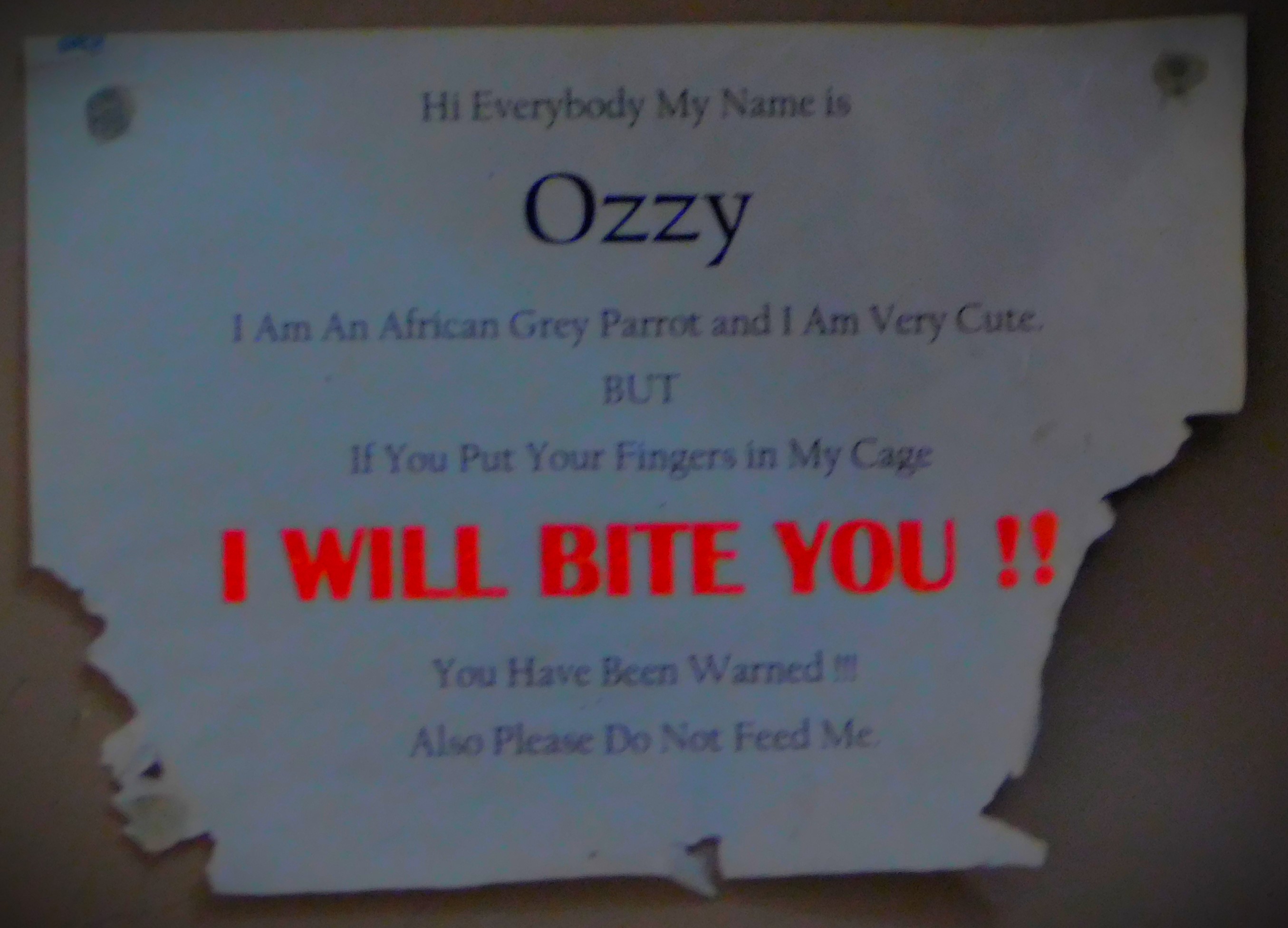
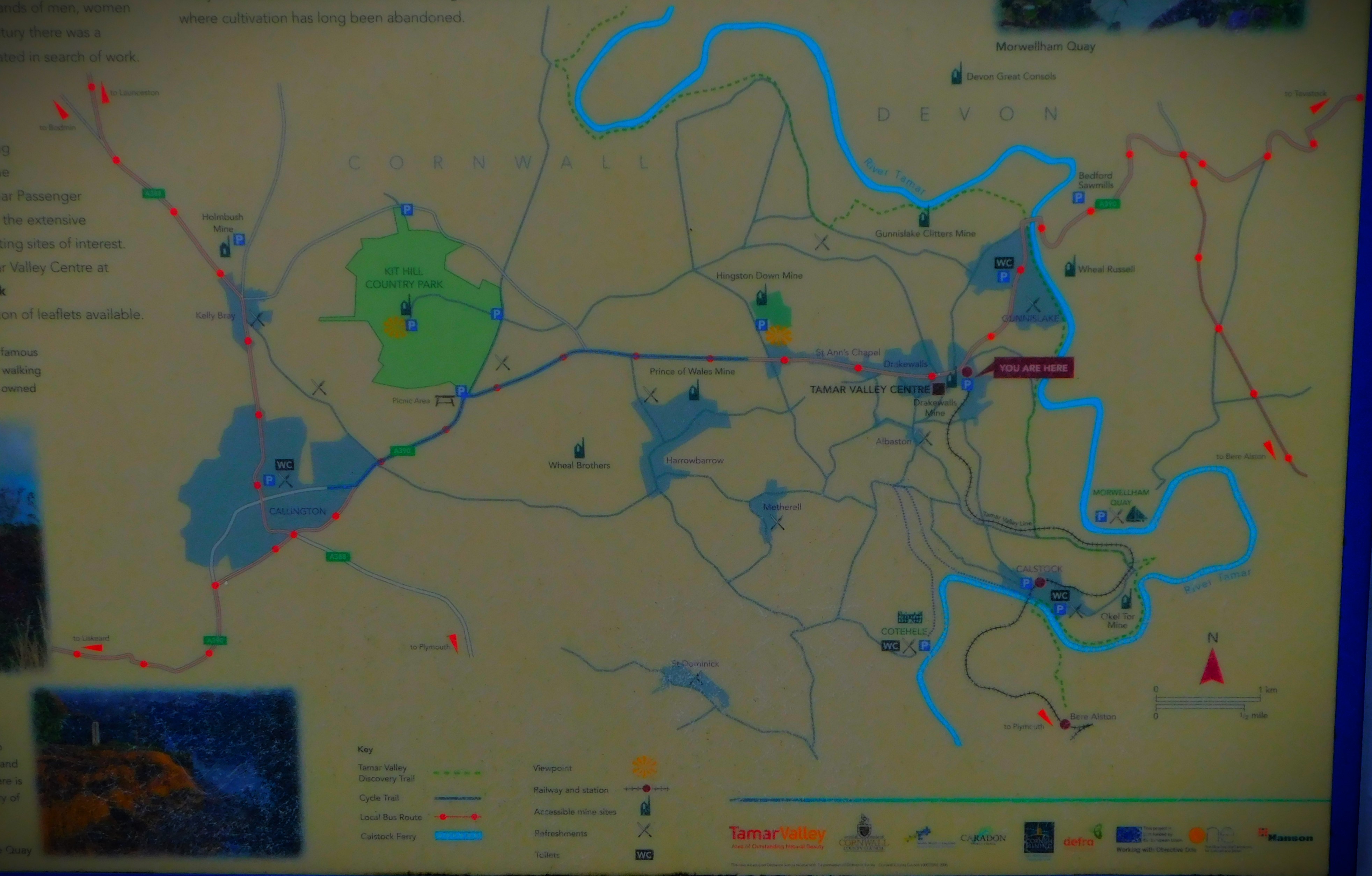
Gunnislake village is down a significant hill from Gunnislake station, and Tamar Valley is still further down (I did not venture right down into the valley). The Cornish Inn offered an acceptable pint, and also a view of what I suspect to be Gunnislake’s most intriguing resident, an African Grey Parrot named Ozzy, complete with warning notice written from his perspective.
THE RETURN JOURNEY
It was sufficiently warm that I removed my jumper while in Gunnislake. The train (a two coach crawler, and fairly basic, though less spartan than the laughably misnamed ‘sprinters’ that used to do the Sheffield to Barnsley run when I lived in that part of the world) was due to depart at 15:14, and it actually did precisely that. The return run went well, and I made up for not having had many successful pictures on the outward run as you will see. I think that if I make a second excursion on this line at some point I will book to Bere Alston, walk from there to Bere Ferrers and pick up the return train at Bere Ferrers.
PHOTOGRAPHS
Here are the pictures I took yesterday…
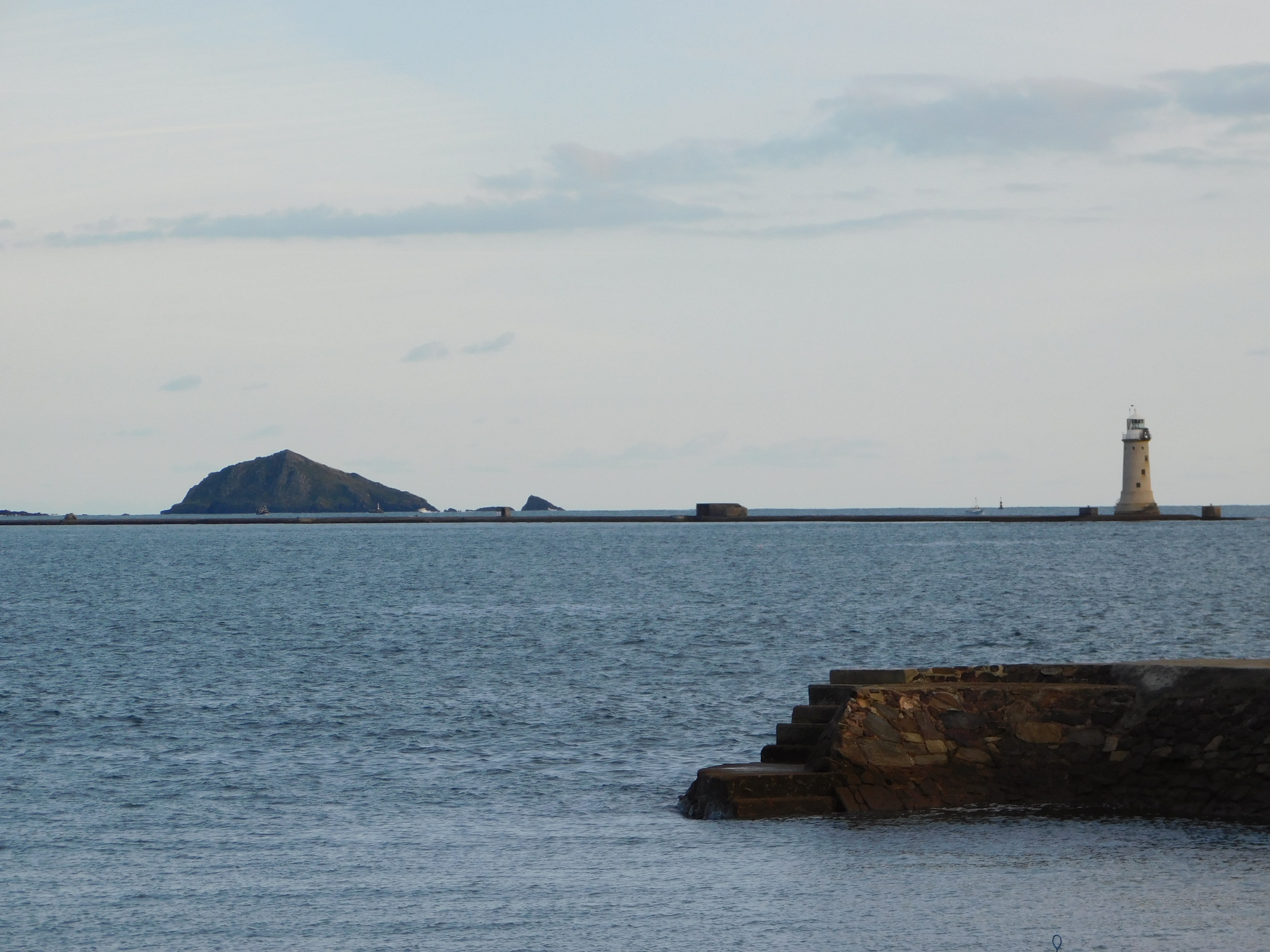
This one was taken through the window of my parentt’s apartment.A few pictures from Plymouth Station and its immediate environs.The Tamar Valley section of the gallery begins here.The view from Maker Heights on the way from Plymouth to Fort Picklecombe.The lighthouse mentioned in the introduction, taken from outside the fort yesterday.
An account of my journey from King’s Lynn to Plymouth yesterday, with a fine photo gallery.
I am in Cornwall, staying with my parents for a few days. I travelled down yesterday, and that journey will be the subject of this post.
KING’S LYNN TO LONDON
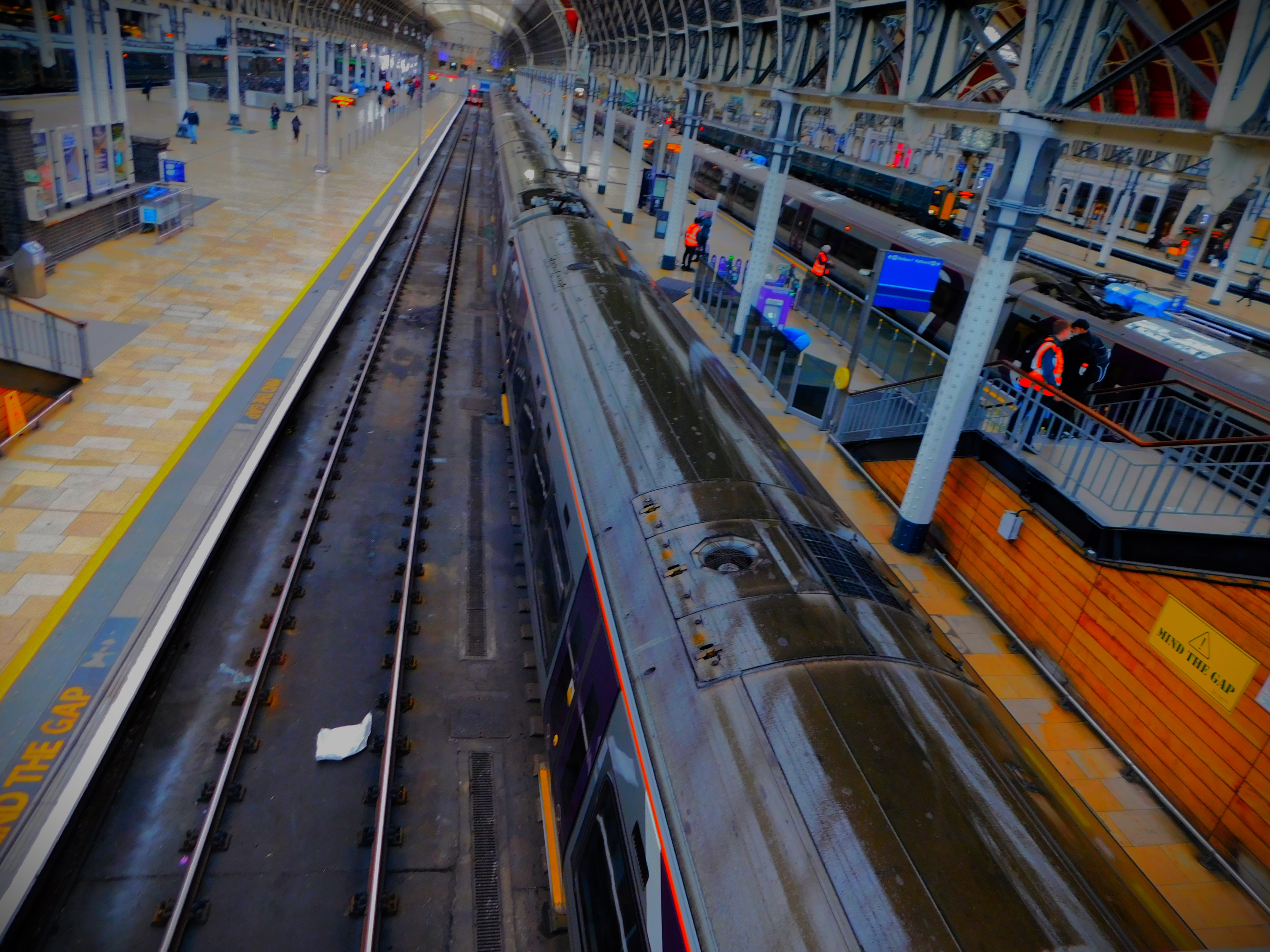
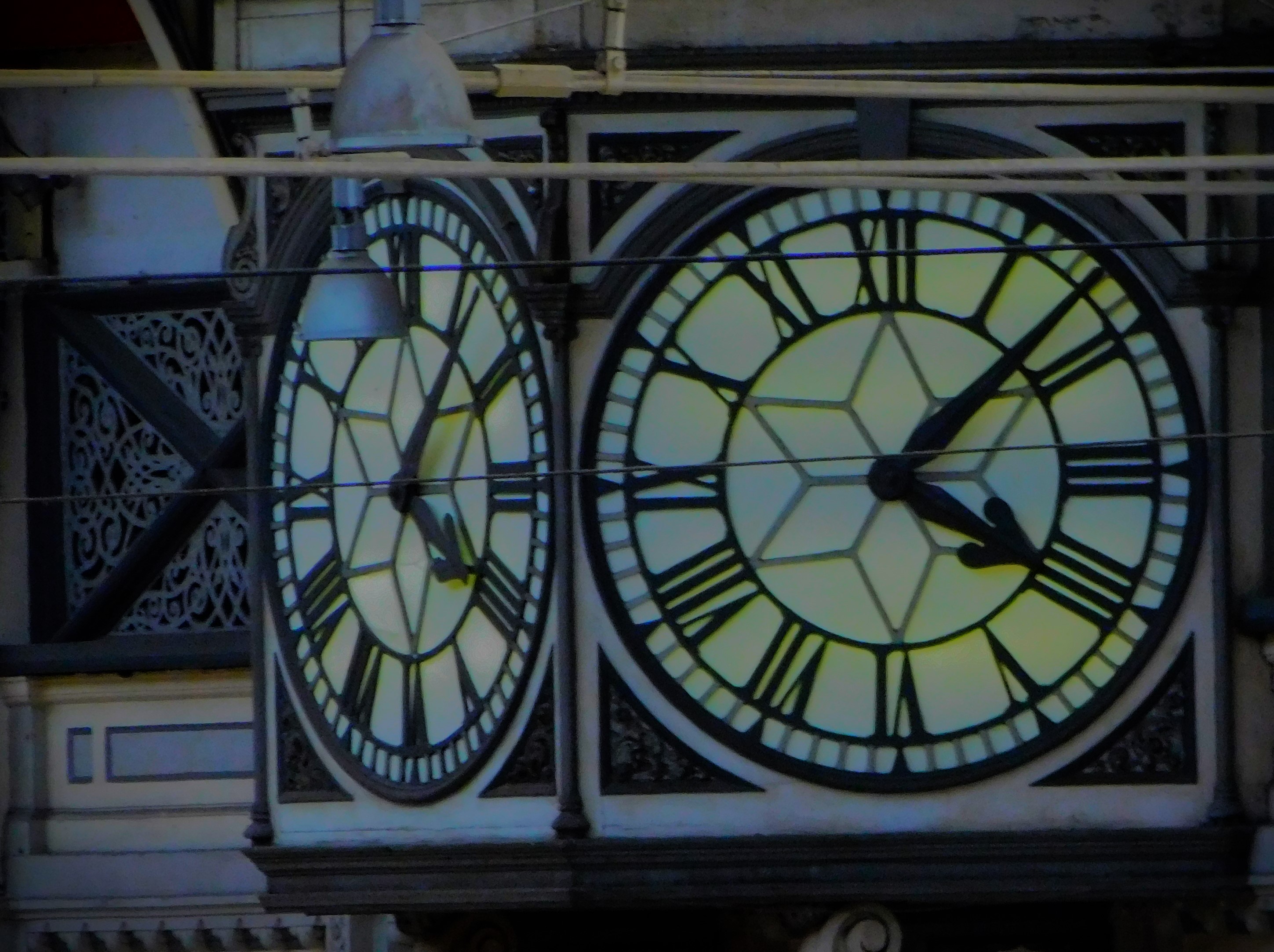
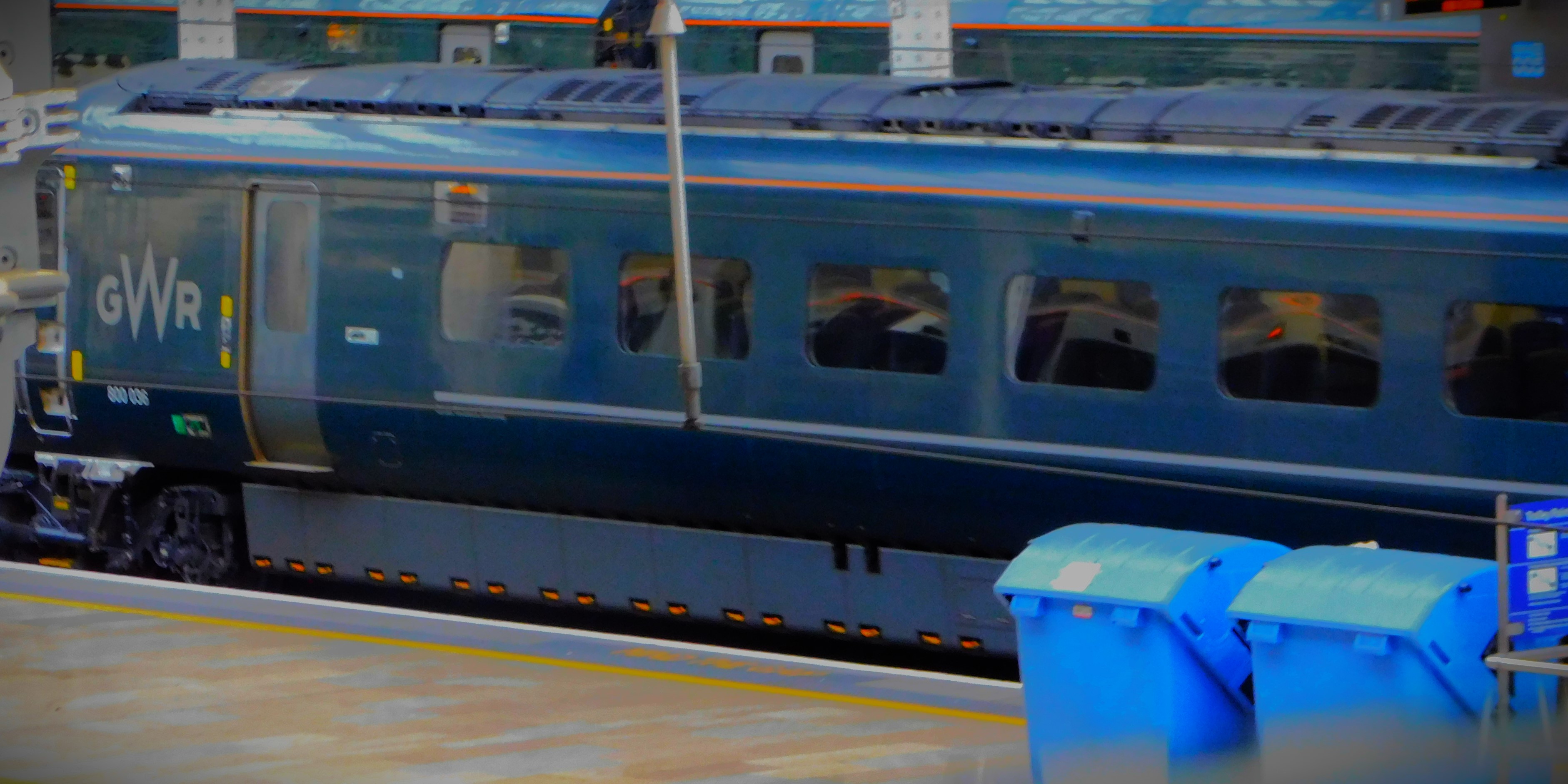
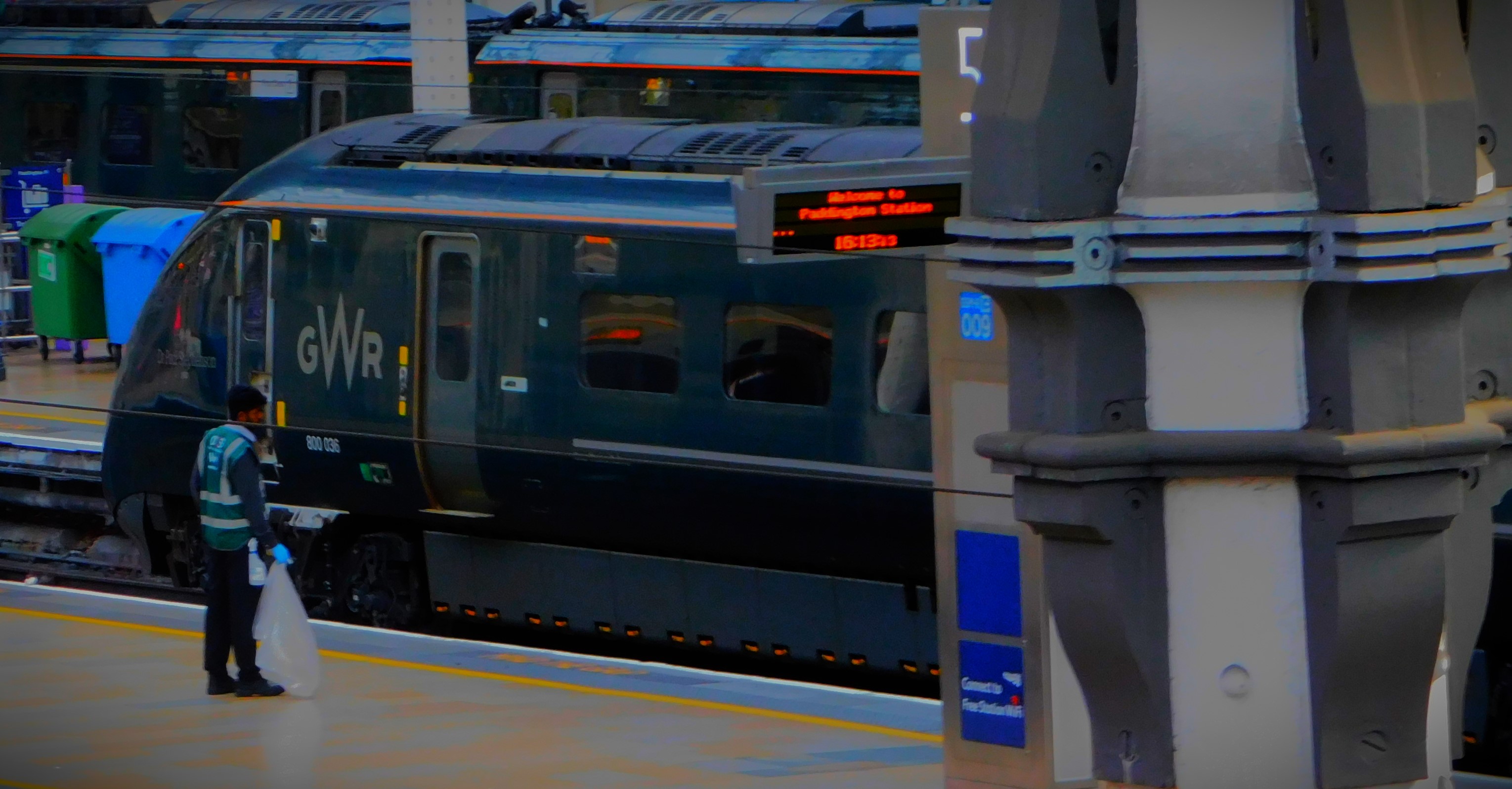
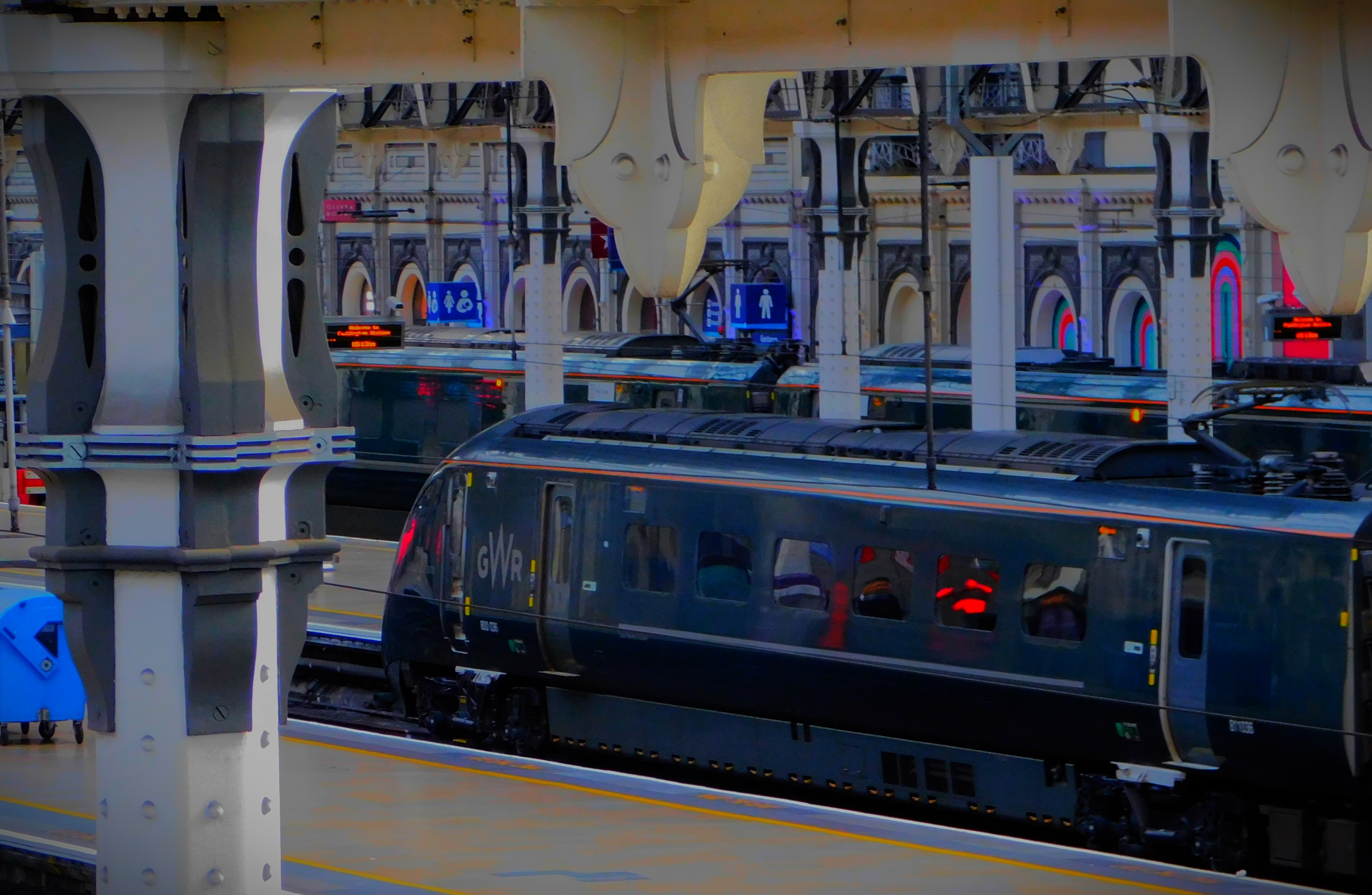
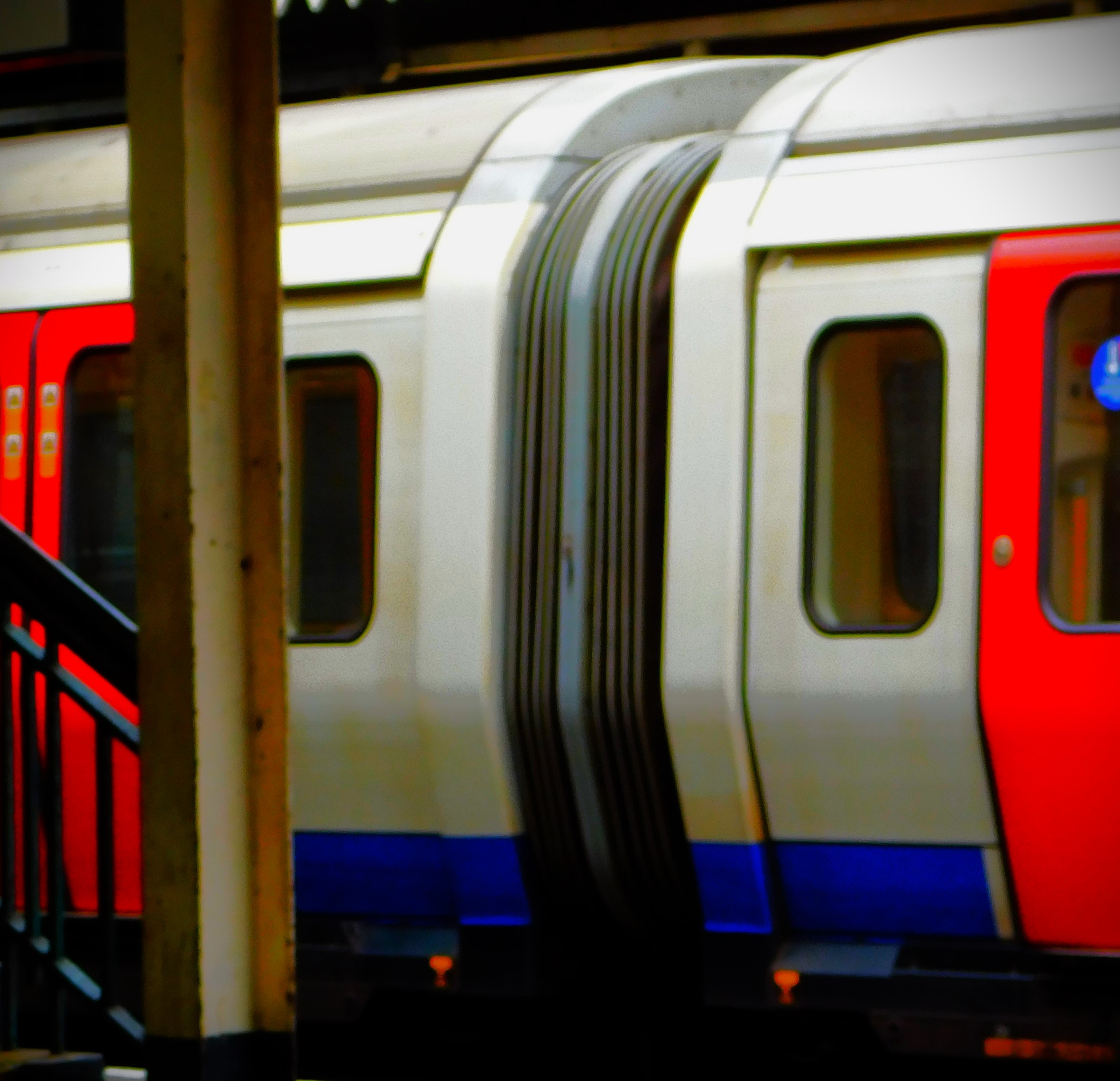
I was booked on later trains than I would have liked – leaving Lynn on the 1:42Pm and arriving into Plymouth where my parents would be meeting me at 8:13PM. I set off from my home in North Lynn an hour before the train was due to depart from King’s Lynn, and was on the platform with huge amounts of time to spare. The train suffered a couple of minor delays en route to London but I still had over 50 minutes to get from King’s Cross to Paddington. I arrived at Paddington half an hour before the train to Plymouth was due to depart, but it took a long time for the platform information to be confirmed, and I had only a few minutes to make my way to my seat by the time that happened.
PADDINGTON TO PLYMOUTH
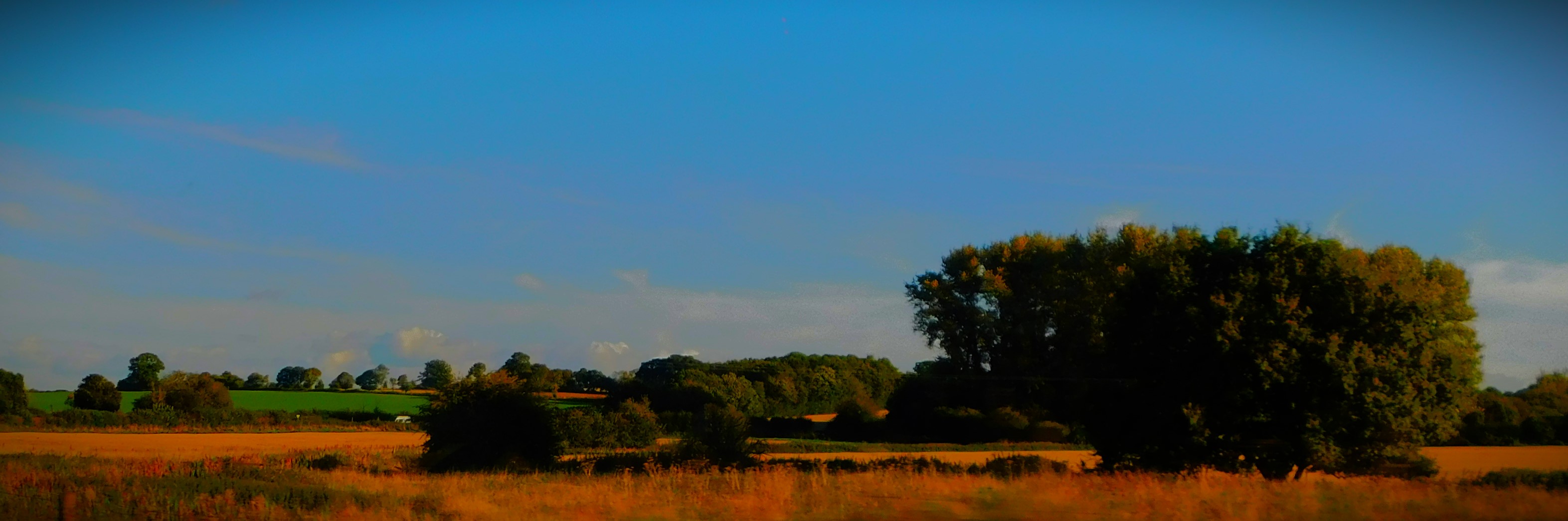
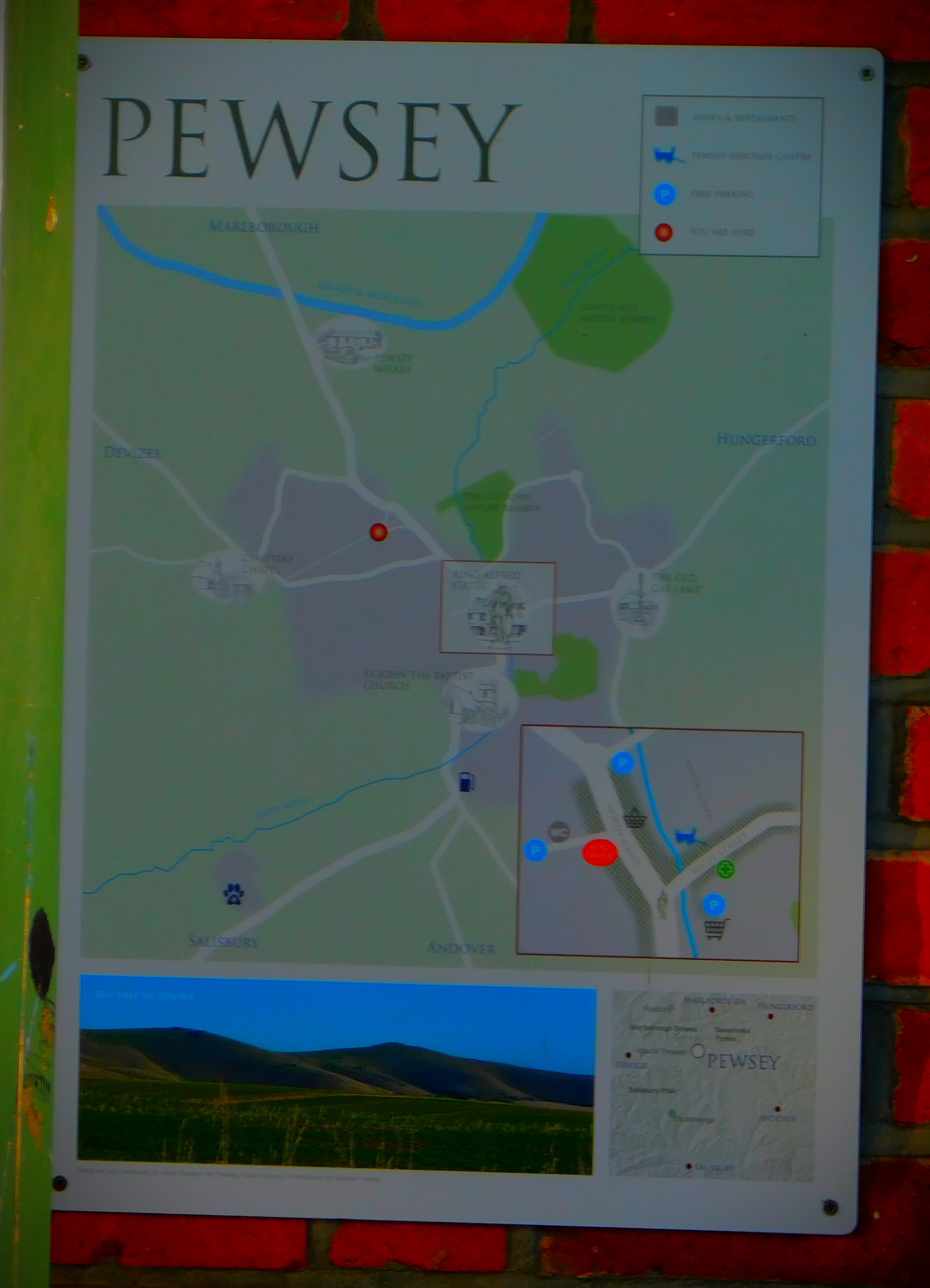
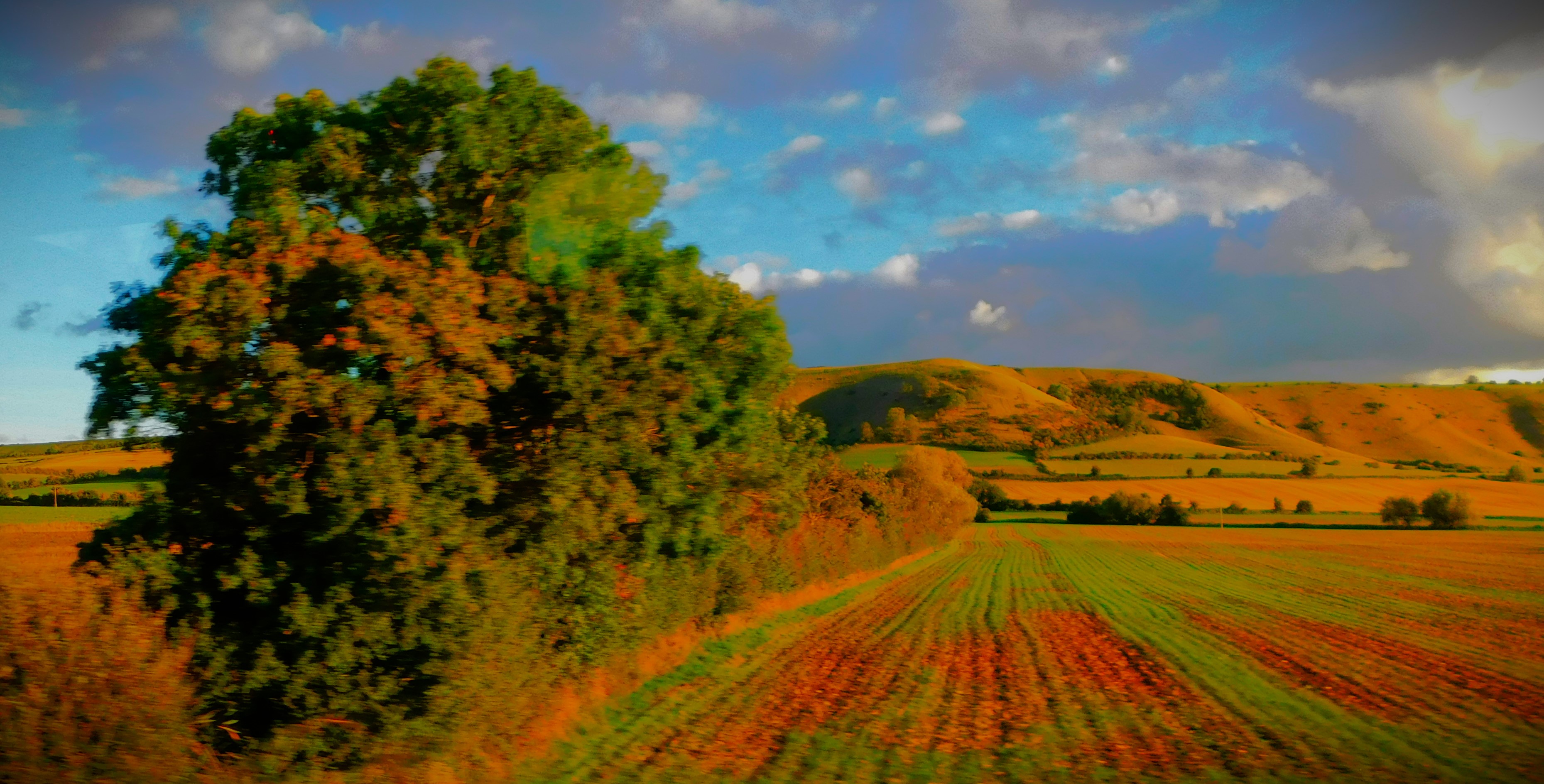
I was on a train that was stopping at more places than usual for a journey to Plymouth – Newbury, Hungerford, Pewsey, Westbury and Castle Cary between Reading and Taunton. I got some good pictures between London and Exeter, but it was dark by the time I got to the seaside section of route between Exeter and Newton Abbot, and that meant it was hardly possible to take pictures due to the interference of reflections owing to the extreme contrast between the brightly lit train interior and the near darkness outside. The train arrived into Plymouth almost exactly as per schedule, which I understand is not a frequent occurrence with GWR long distance services. Apart from the overcrowding on the Hammersmith & City line between King’s Cross and Paddington the journey went well overall.
Starting a mini-series about a long weekend in Cornwall with an account of the journey there.
I last posted on Wednesday and this post explains why. Thursday was a work day, and then Friday was pretty much entirely given over to travel, as I was going to Cornwall for a long weekend with various relatives, while yesterday was also very busy, as today will be. However, I have time to do a blog post now, the start of a mini-series.
MY BASE FOR THE WEEKEND AND TRAVEL PLANS
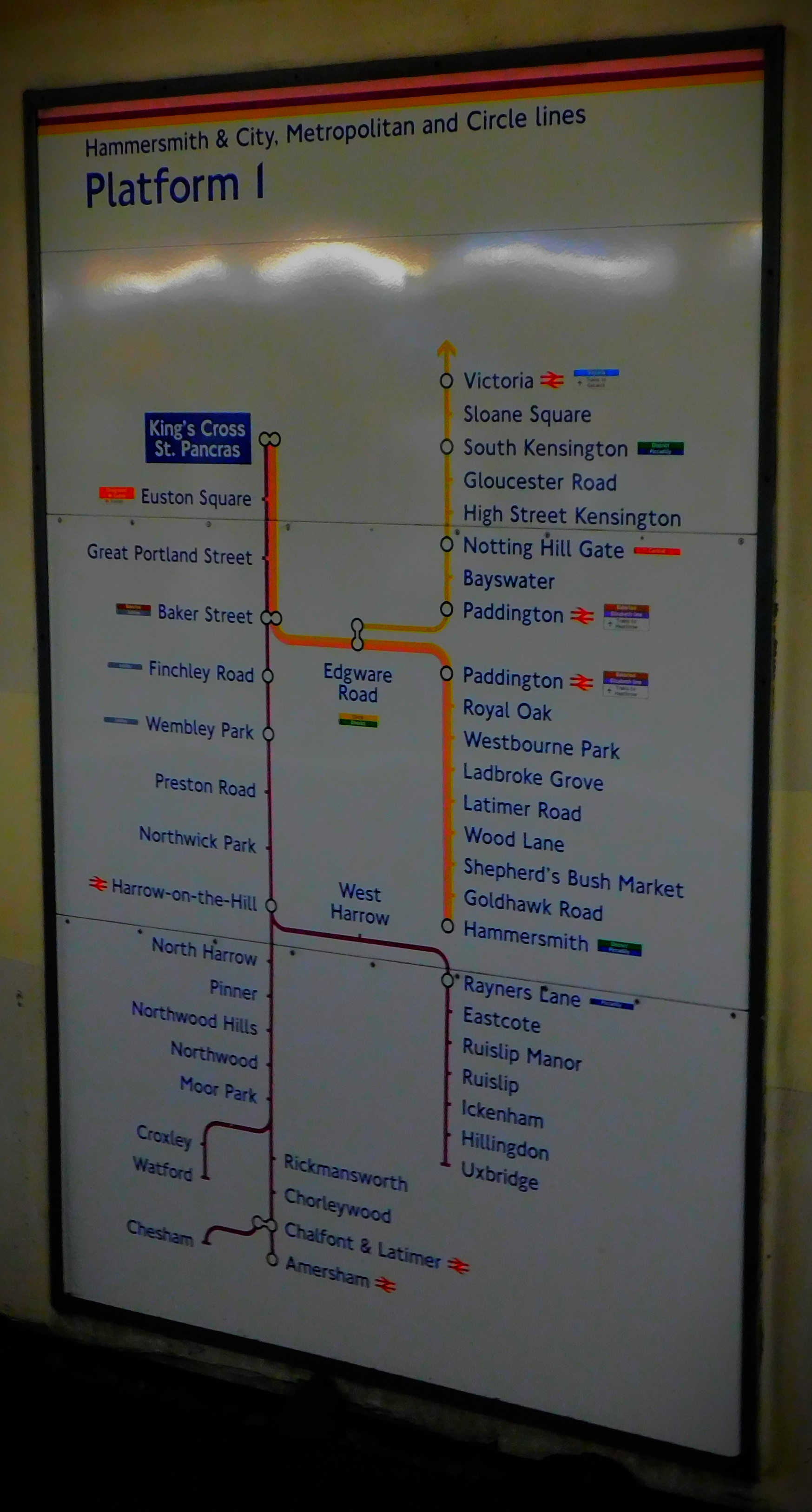
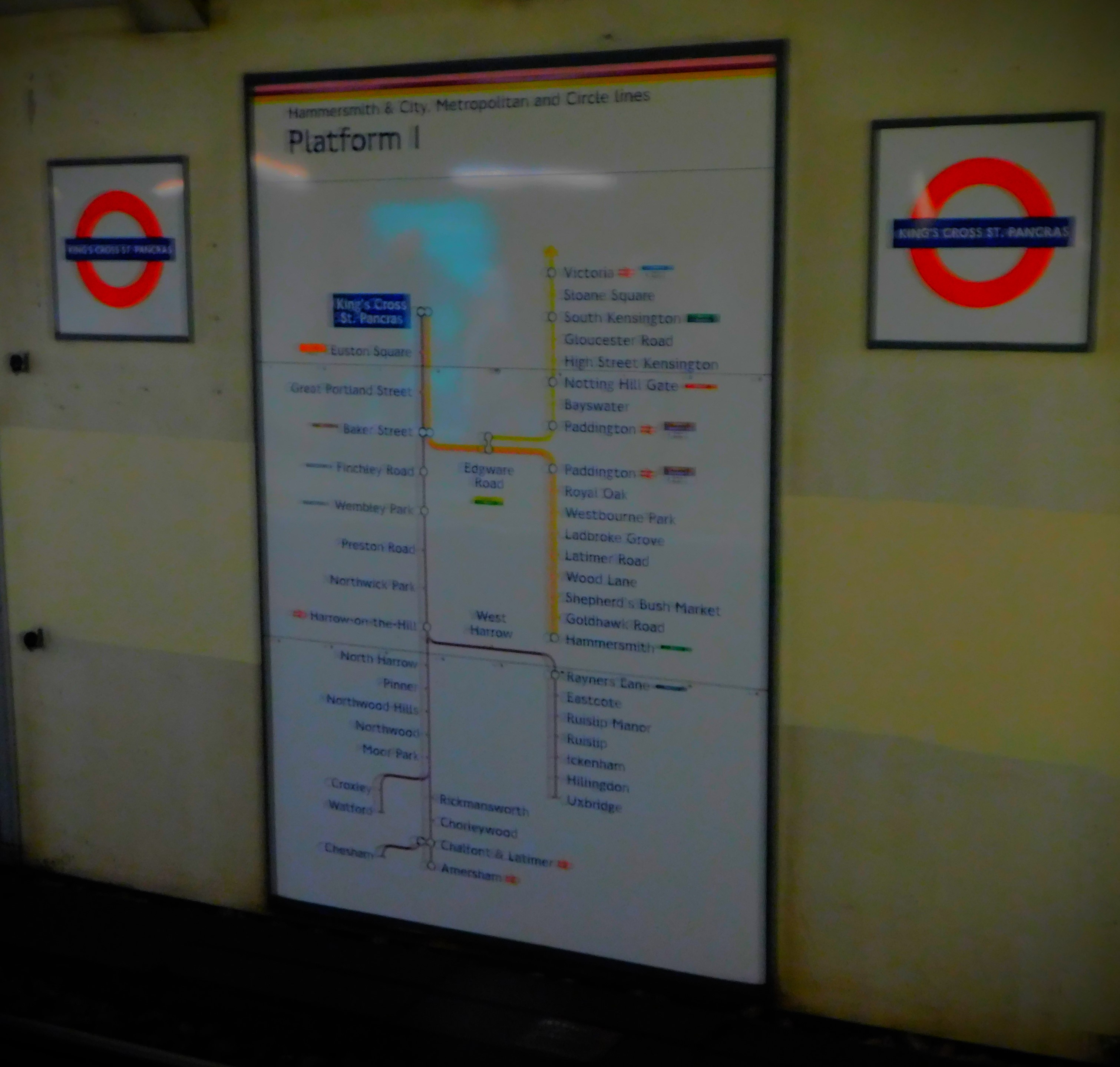
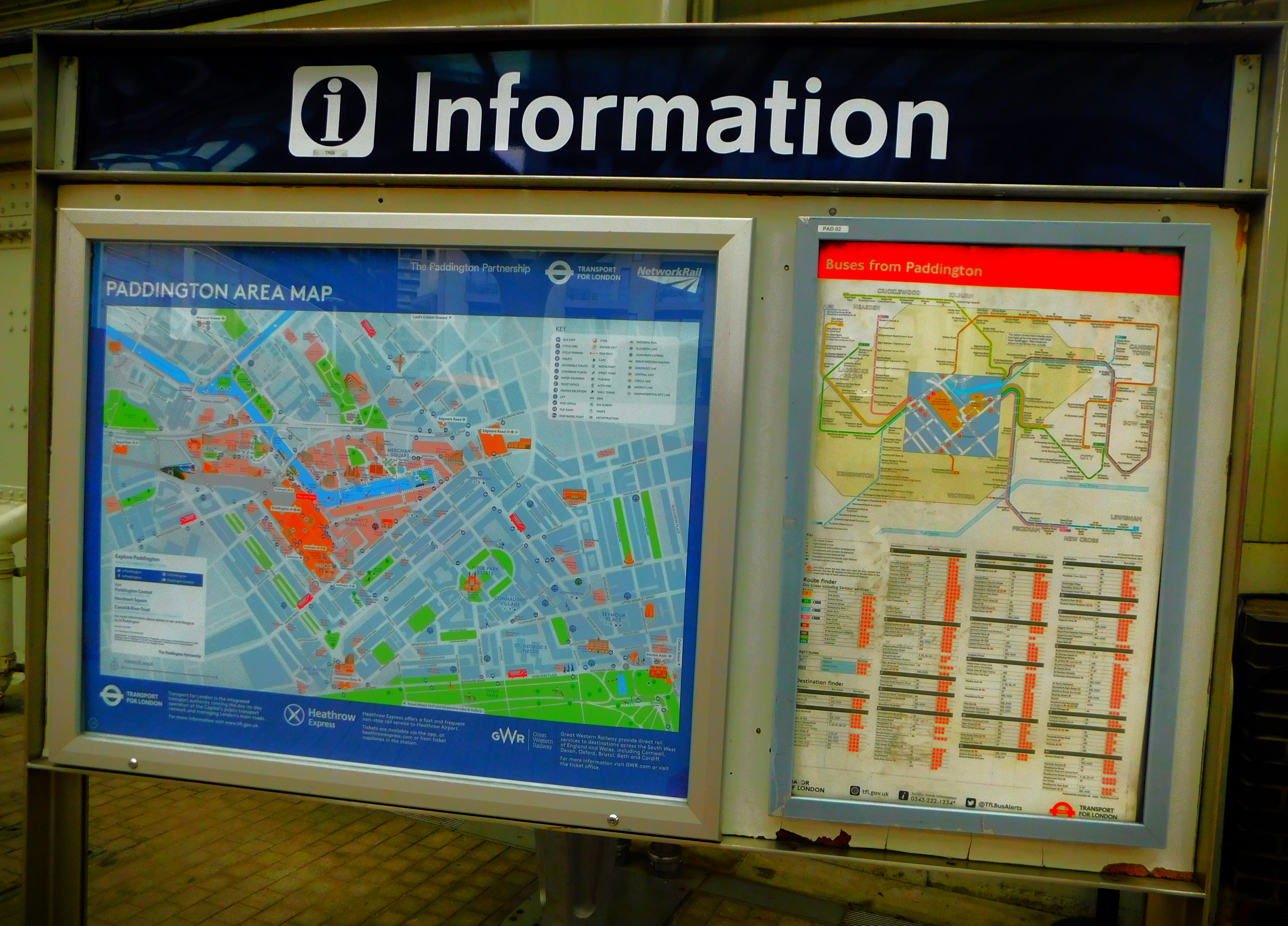
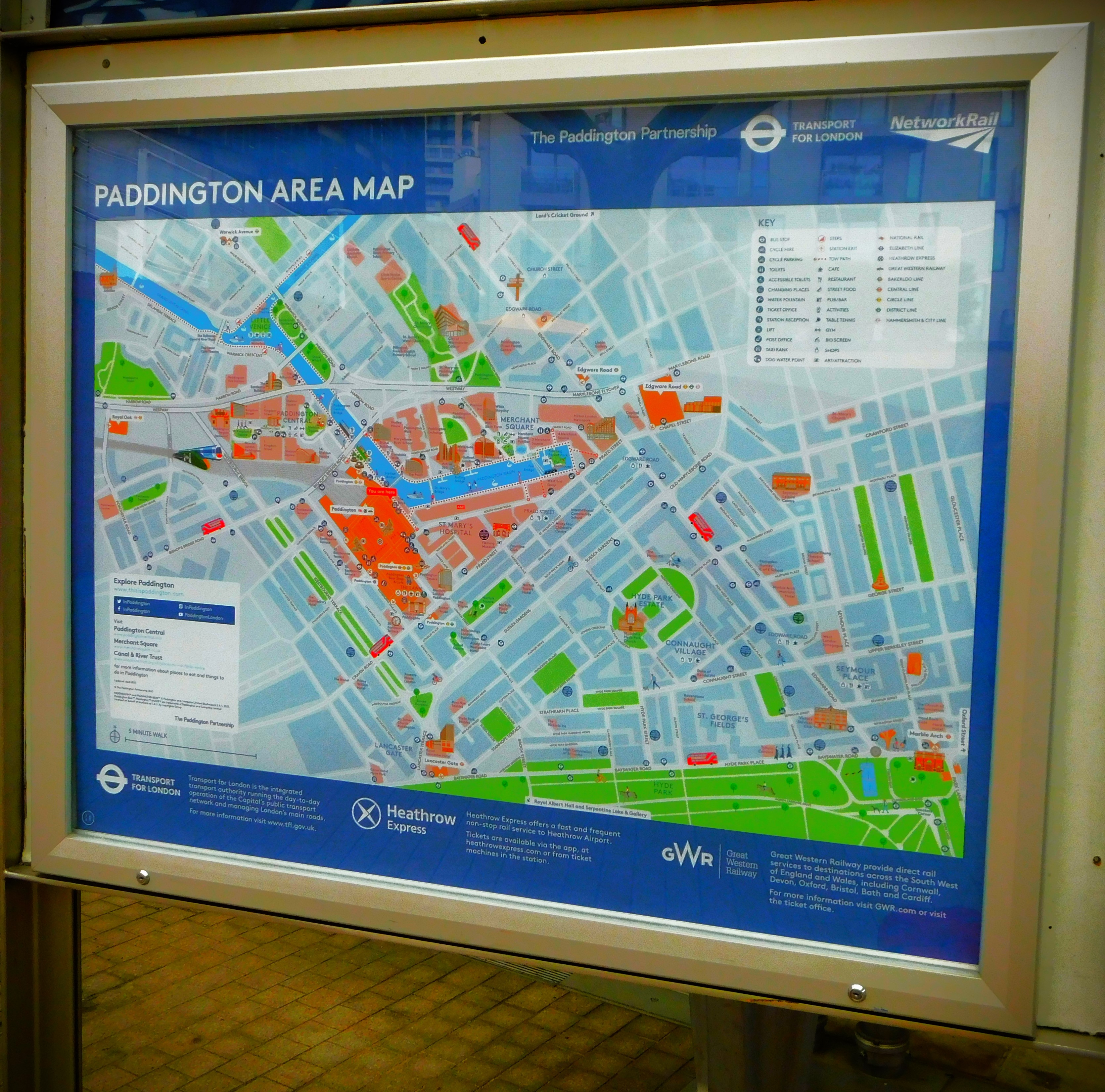
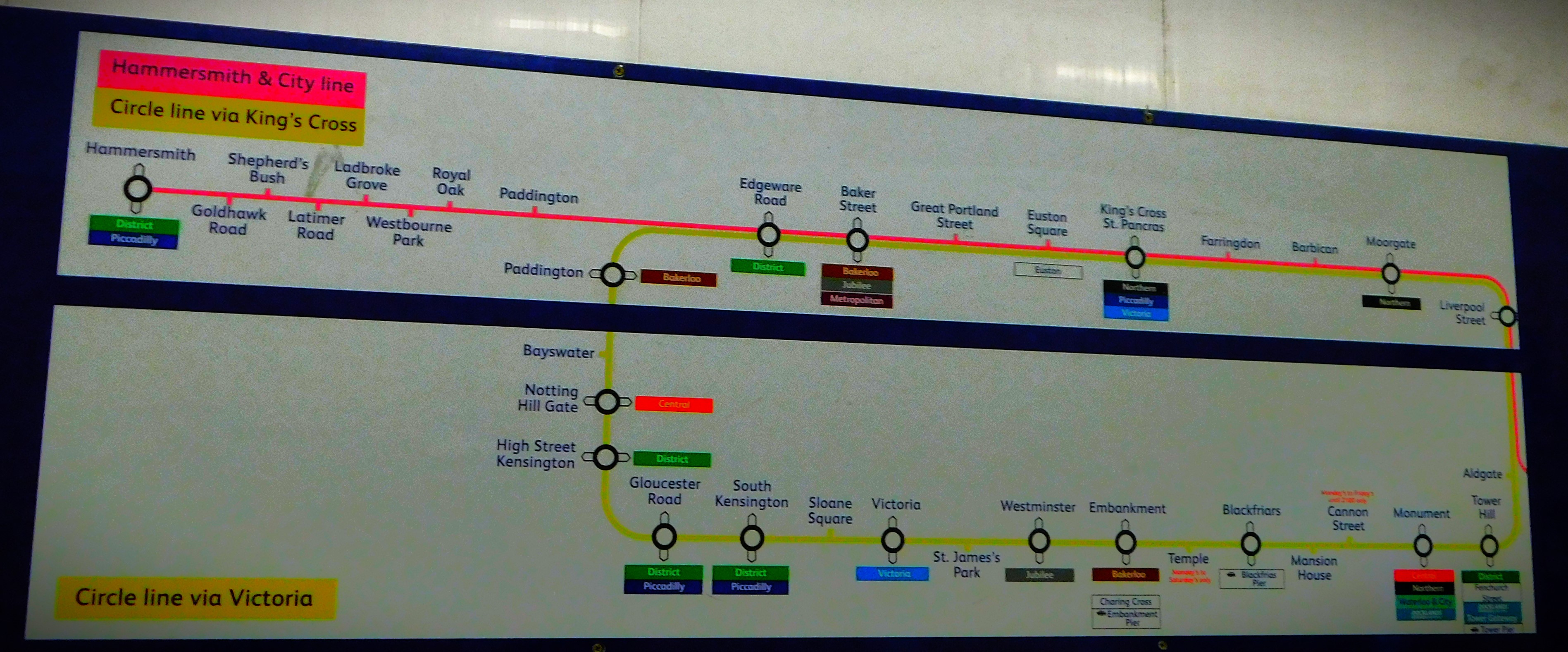
My parents live in Fort Picklecombe just on the Cornish side of the Tamar and about a mile from the village of Cawsand. I would be staying with them for the weekend so my task travel wise was to get from King’s Lynn to Plymouth from where they could pick me up. This journey is accomplished in three parts – King’s Lynn to Kings Cross, Hammersmith & City line to Paddington (NOT the Circle line – the Paddington served by that line should revert to its original name of Praed Street – it is significantly removed from the main line station, whereas the Hammersmith & City line platforms are structurally part of the main station), Paddington to Plymouth. I arranged to leave Lynn on the 09:42, connecting to the 13:03 from Paddington, which would arrive in Plymouth at 16:12.
KING’S LYNN TO LONDON
I reckoned on leaving my flat at 9AM so that I had plenty of time for the walk to the station, and I actually got away by 8:55. The train to London was a little late leaving and lost further time along the way, but with an hour and half between scheduled arrival at Kings Cross and scheduled departure from Paddington my cross London connection was never close to being in jeopardy. I arrived at Paddington with over 40 minutes to spare, and spent half of that time waiting to find out which platform I needed to get to. Then, since my designated seat was in coach A I had to walk the whole length of the platform before boarding and finding my seat.
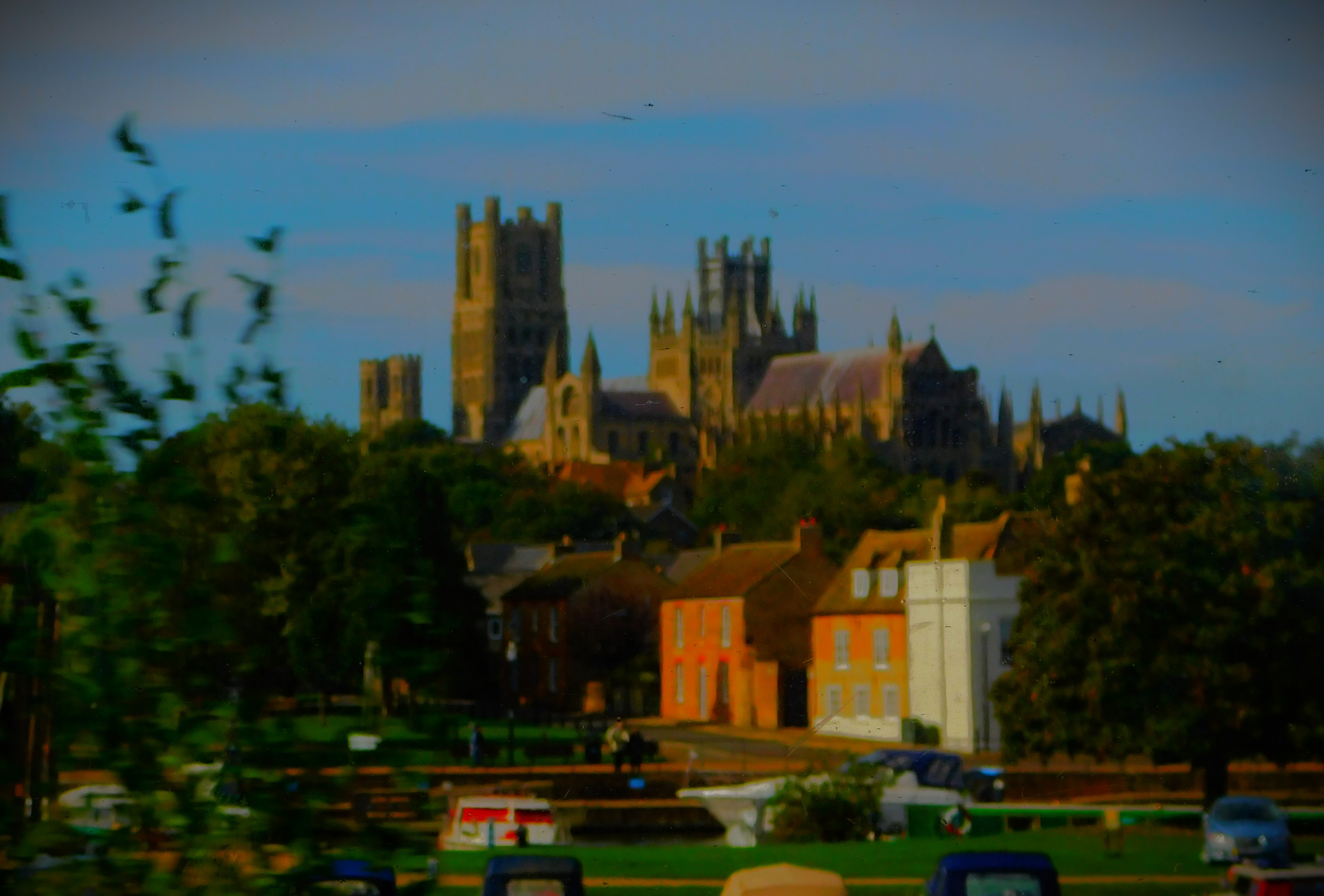
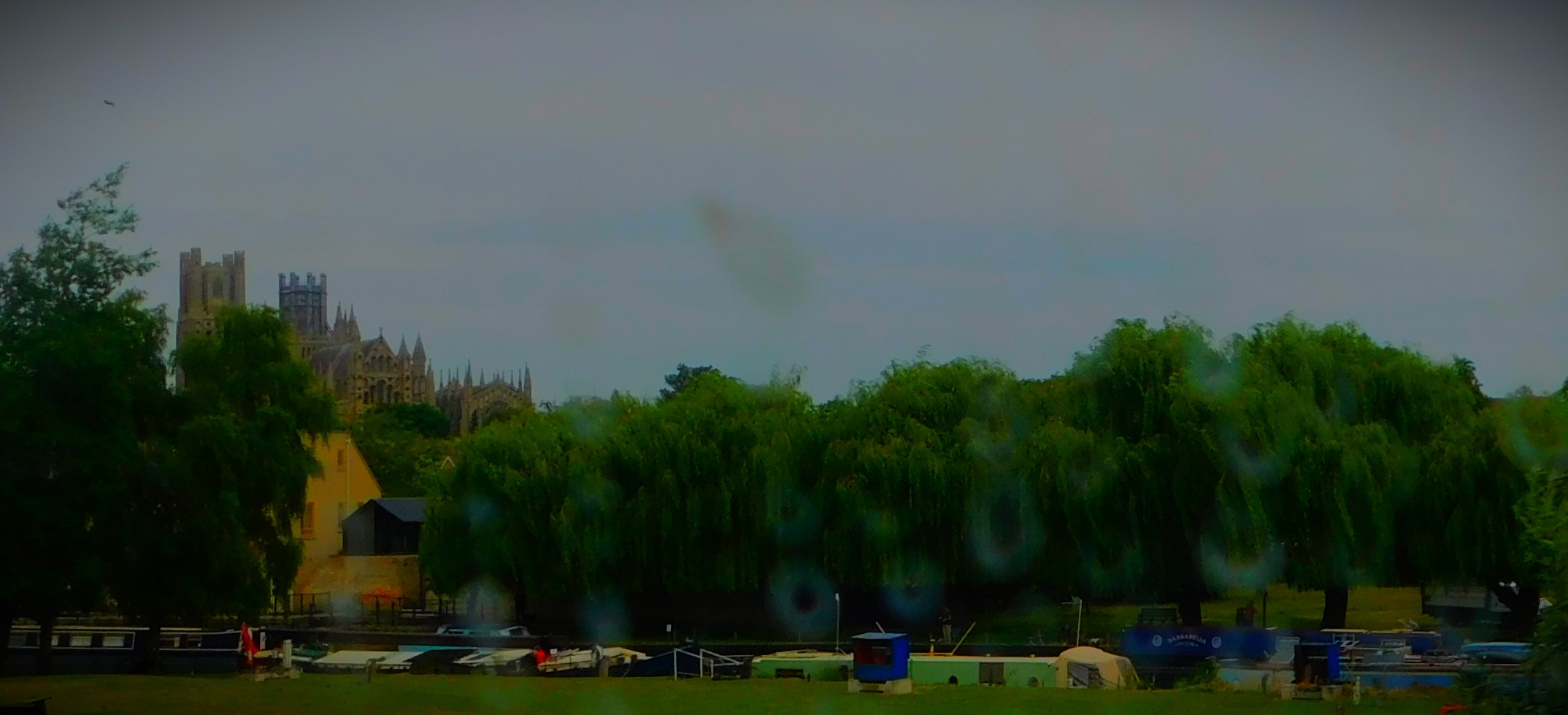
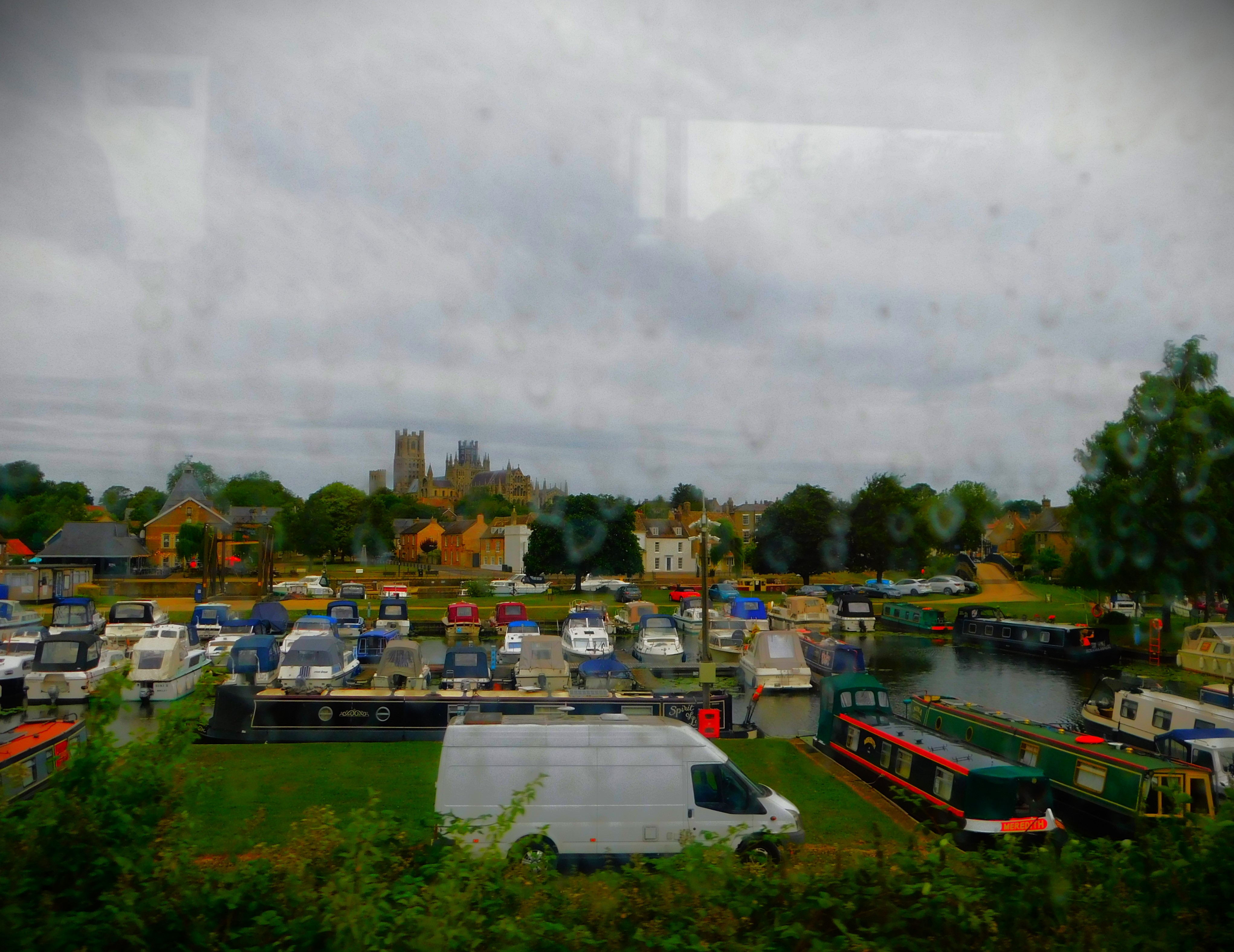
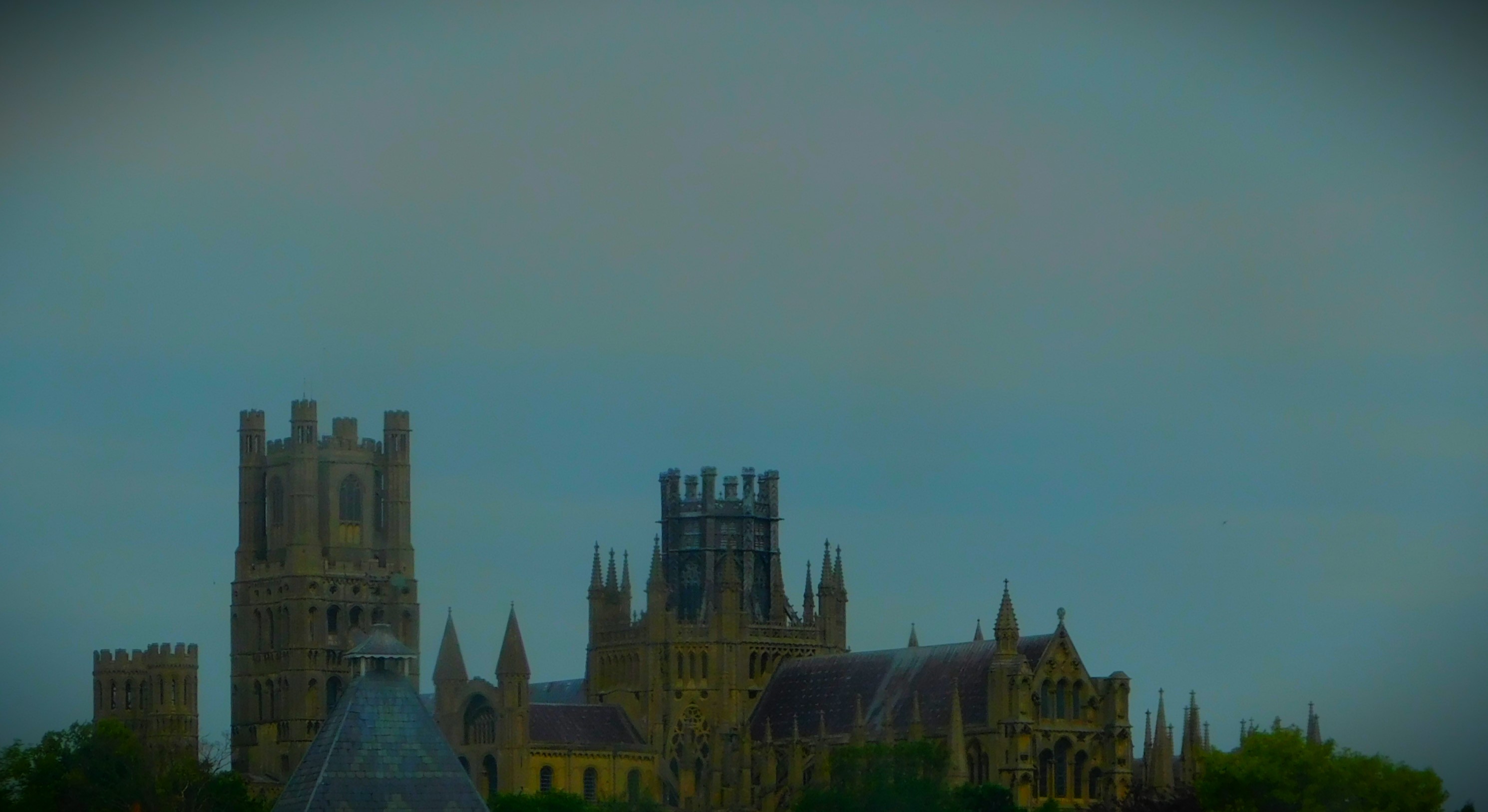
Setting off early meant that I could pause to take photographs while walking to the station.Ely CathedralEly Cathedral’s unique feature, the octagonal tower designed by a 14th century prior known to posterity only as Alan of Norwich.
PADDINGTON TO PLYMOUTH
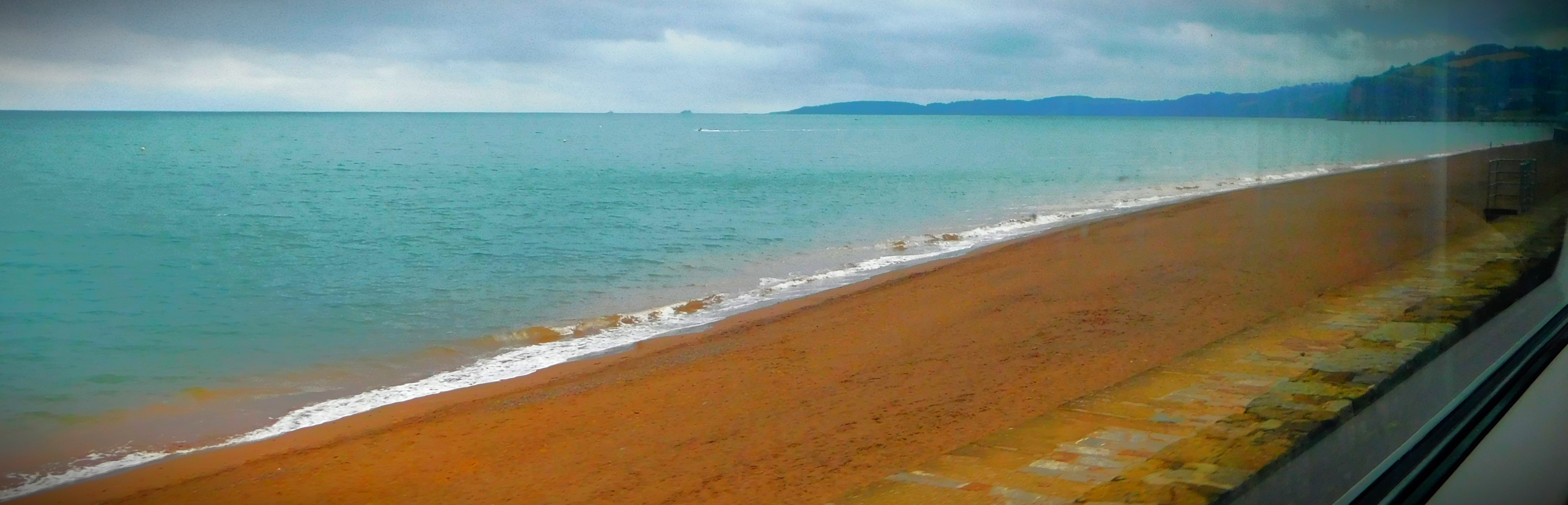
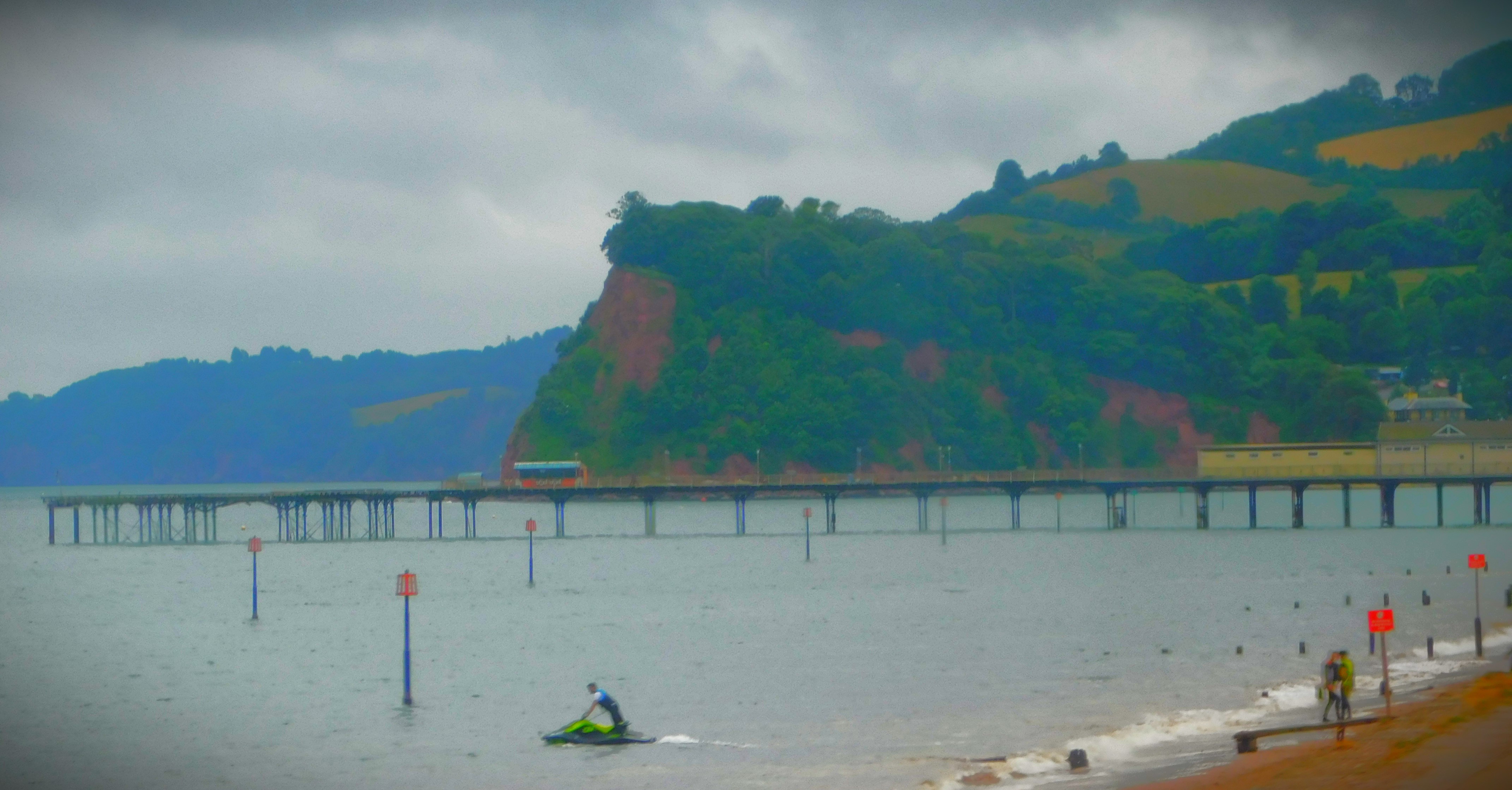
Great Western don’t have the worlds greatest reputation for punctuality, but this time the service set off precisely as scheduled, and ran pretty much exactly as per schedule all the way. This service stops at Reading, then has a long fast run to Taunton before making additional stops at Tiverton, Exeter St Davids, Newton Abbot and Totnes en route to Plymouth. There is one stunningly scenic section on this route, between Exeter and Newton Abbot, where the railway is literally right alongside the sea for most of the way.
PLYMOUTH TO FORT PICKLECOMBE
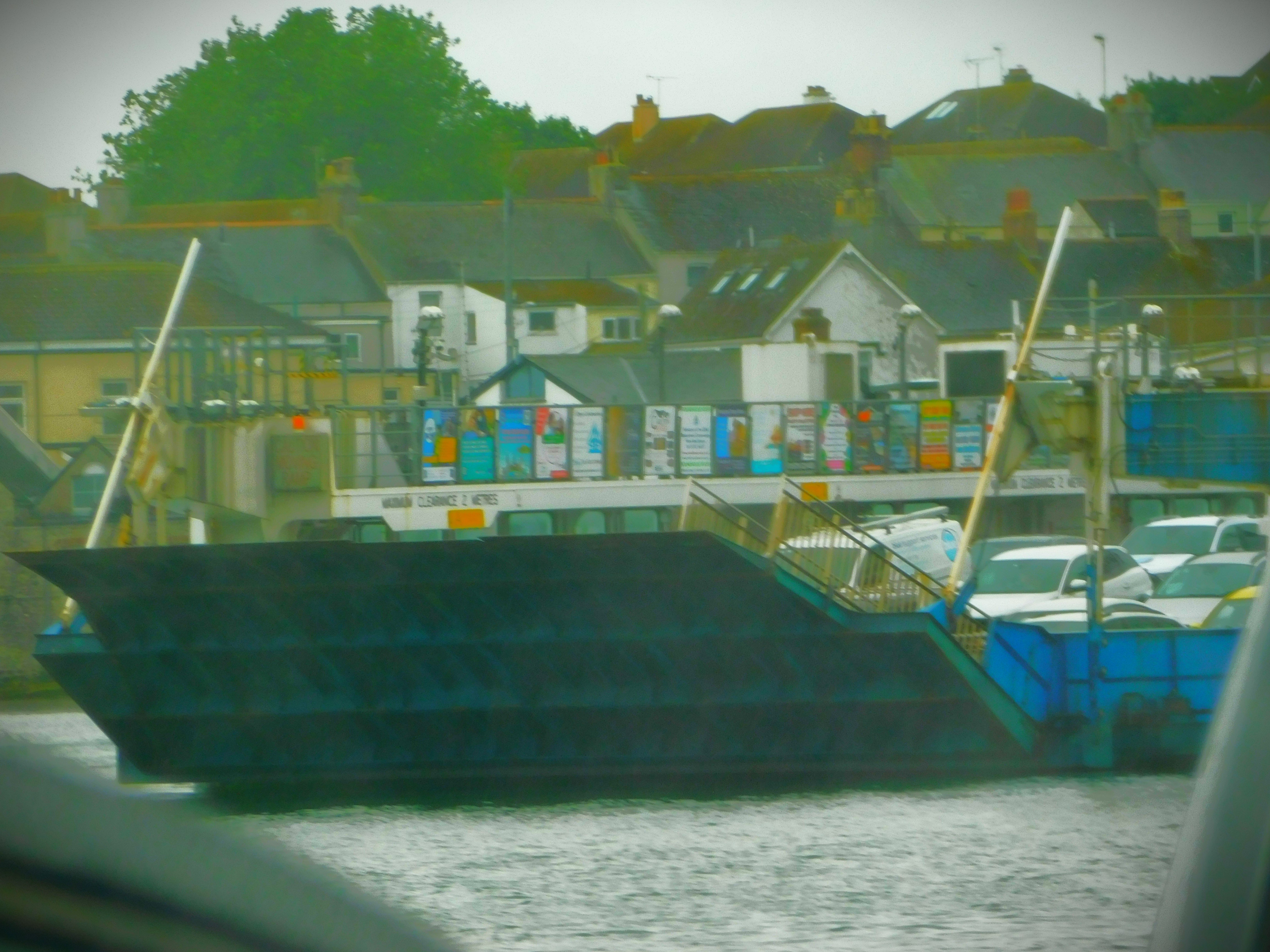
The last part of the journey was in my parents car, and included making use of the Torpoint car ferry. Although my parents car is small and not well suited to photography I did my best even on this leg of the journey.
The final post in my series about my holiday in the Lake District, detailing the journey home.
Welcome to the final post in my series about my holiday in the Lake District. In it I talk about my journey back to King’s Lynn.
A MULTI-MODAL JOURNEY
Thursday was the only day on which I could travel home – the next non-strike day was the following Tuesday by when I was due back at work. I had been warned by thetrainline.com of trouble on the Ely-King’s Lynn portion of the journey – they had wanted to me to book a whole new journey, but I knew better – so long as I could get as far as Peterborough I could then get a bus to King’s Lynn, and there is no difference in the time taken to walk from the bus station to my home and that from the train station. Thus I was prepared for a journey using three modes of wheeled transport plus walking.
THE JOURNEY
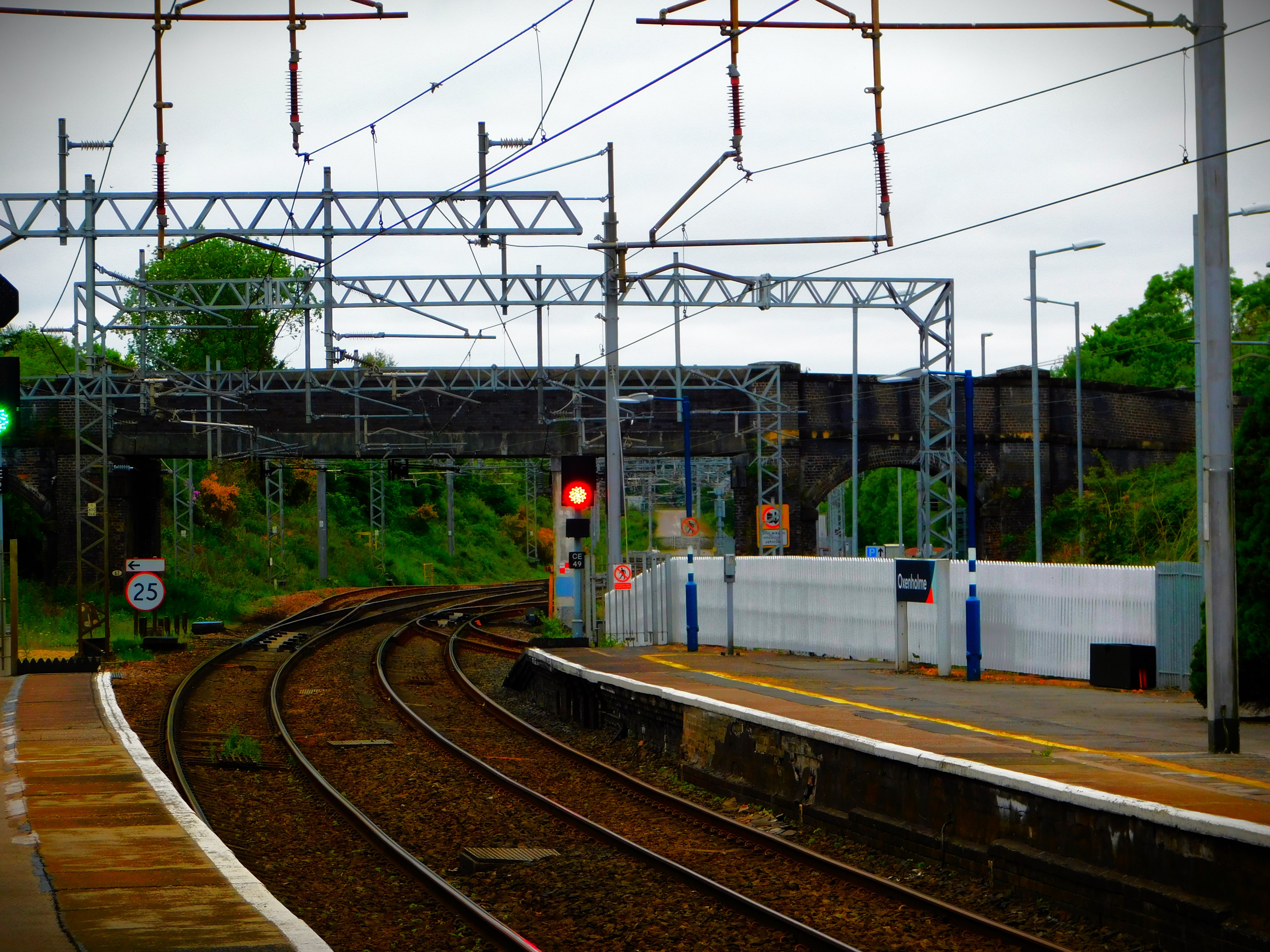
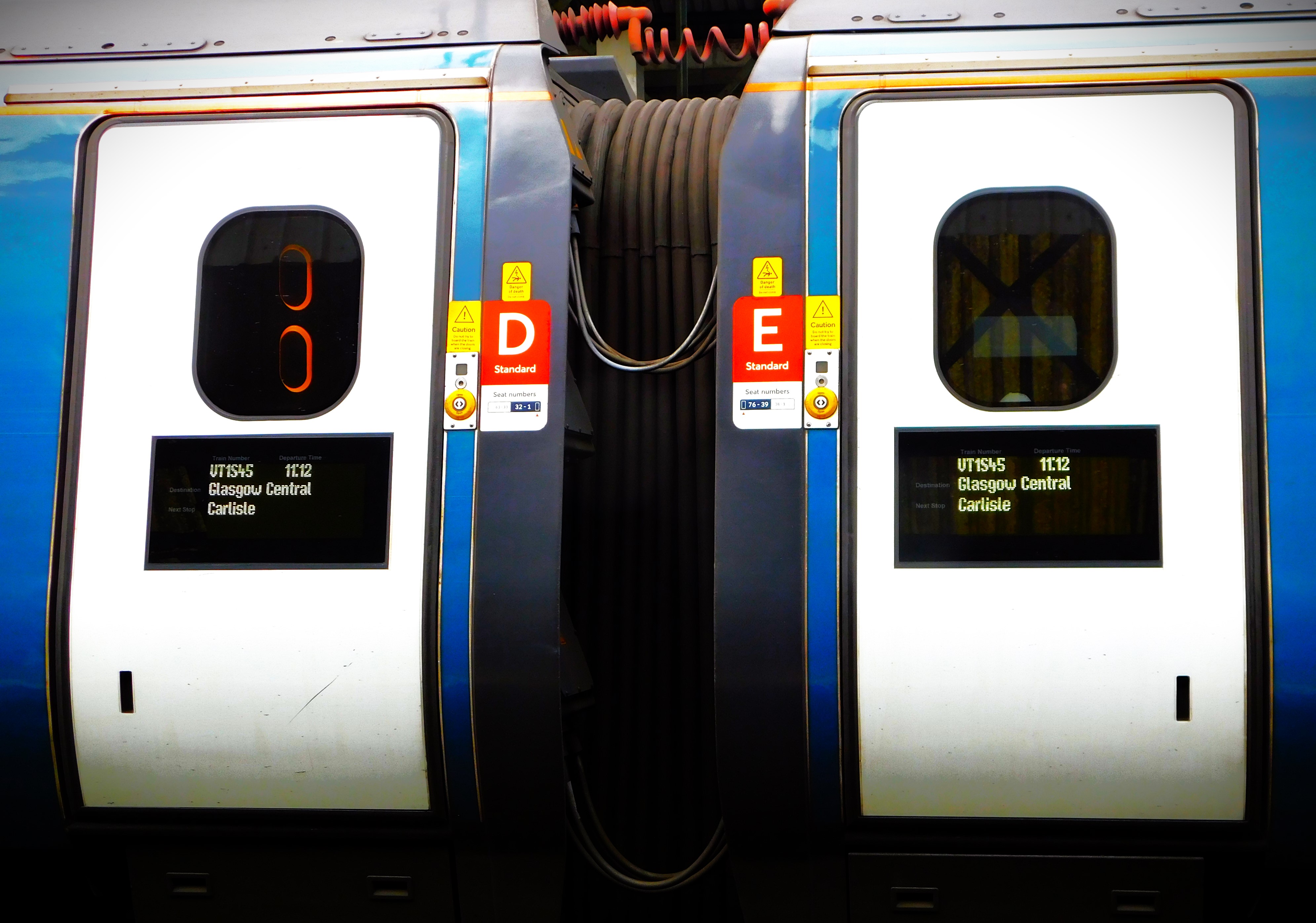
My parents gave me a lift from Ambleside to Oxenholme the Lake District, getting me there well before my train was due. The train arrived five minutes late, which is early by Avanti’s usual standards. The train was a little crowded, but I had a reserved seat, and it was otherwise uneventful.
At Preston I had to change to another Avanti service, as the one I was on ran non-stop between Warrington and London, and my second change was at Birmingham New Street. This train was also fairly crowded.
At Birmingham New Street I boarded a service bound ultimately for Norwich. This train ran exactly according to schedule, and it turned out that I had just under a 20 minute wait at Peterborough for the bus to King’s Lynn.
ExCel proved to among the bus routes on which no single journey costs more than £2, a substantial saving on previous fares on that route (Lynx, whose buses I use to get to and from work are not as yet part of this scheme). Arriving at King’s Lynn bus station, as unappealing as that location is, was something of a relief – I knew for certain at that point that last possibility of trouble was behind me, which given the situation in which I made that journey was no small thing.
PHOTOGRAPHS
Here are my pictures from this day…
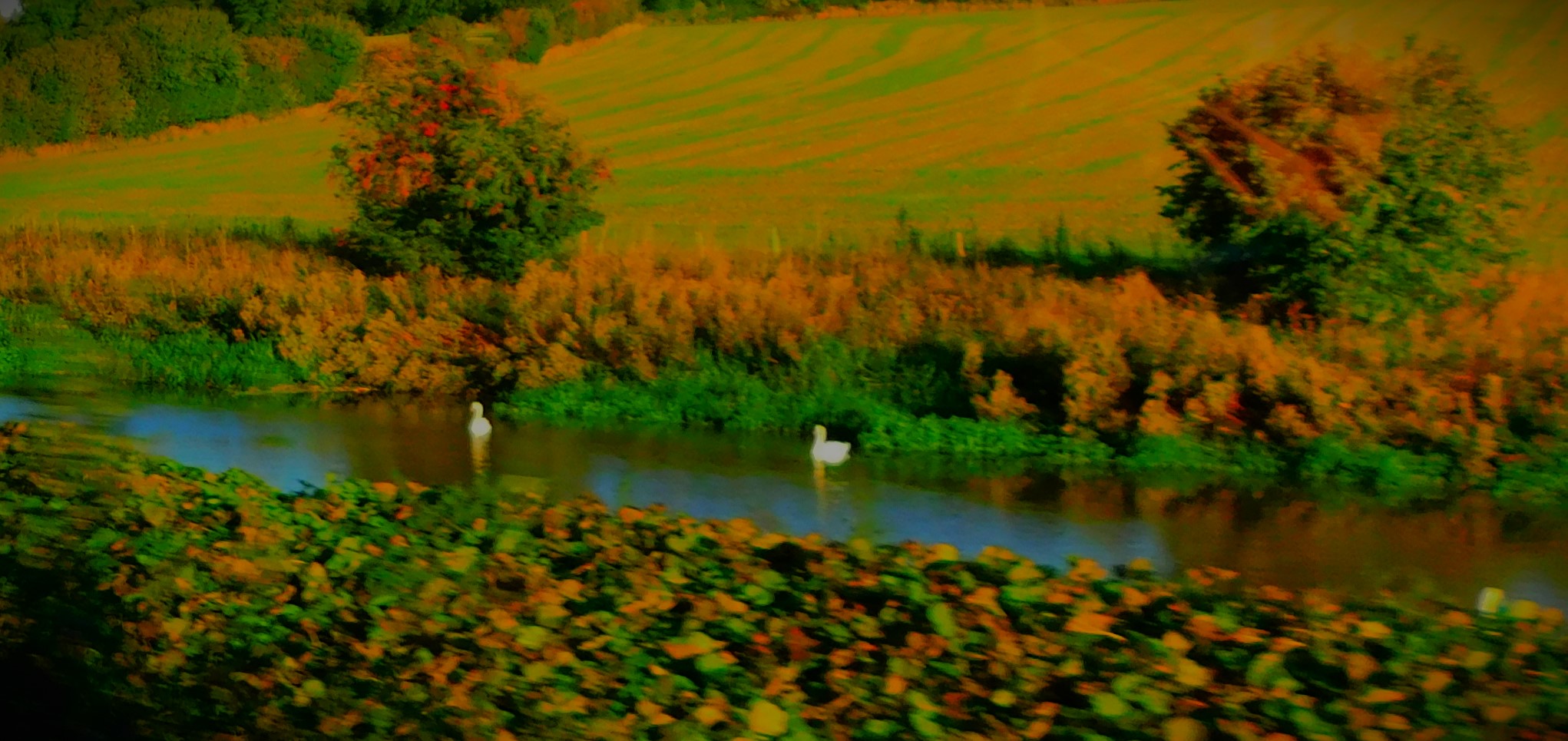
Crossing the Great Ouse by bus, the moment I regard as the end of the holiday.You will be seeing more of this swan family in posts to come, although the eight cygnets here have been reduced in number to six.
Continuing my series about my holiday in the Lake District with an account of a visit to Coniston.
Welcome to the latest instalment in my series about my holiday in the Lake District. This post focusses on Coniston.
ANOTHER TOPE CONNECTION
As with Hawkshead which featured in my last post Coniston is a setting for one of Rebecca Tope’s Lake District series, “The Coniston Case”.
CONISTON
A short and scenic bus ride took us on from Hawkshead to Coniston. We found a likely looking pub for my birthday lunch, discovered that we could not order food before 12:30, and decided to wait because it looked very good. I found a suitable local beer to drink. The food proved to be excellent, with just one minor quibble: I asked for my steak rare, which means it should be red in the middle, and it came closer to medium than rare.
Lunch done we set off on a walk to Coniston Water. We headed back by a slightly different route.
PHOTOGRAPHS
My usual sign off…
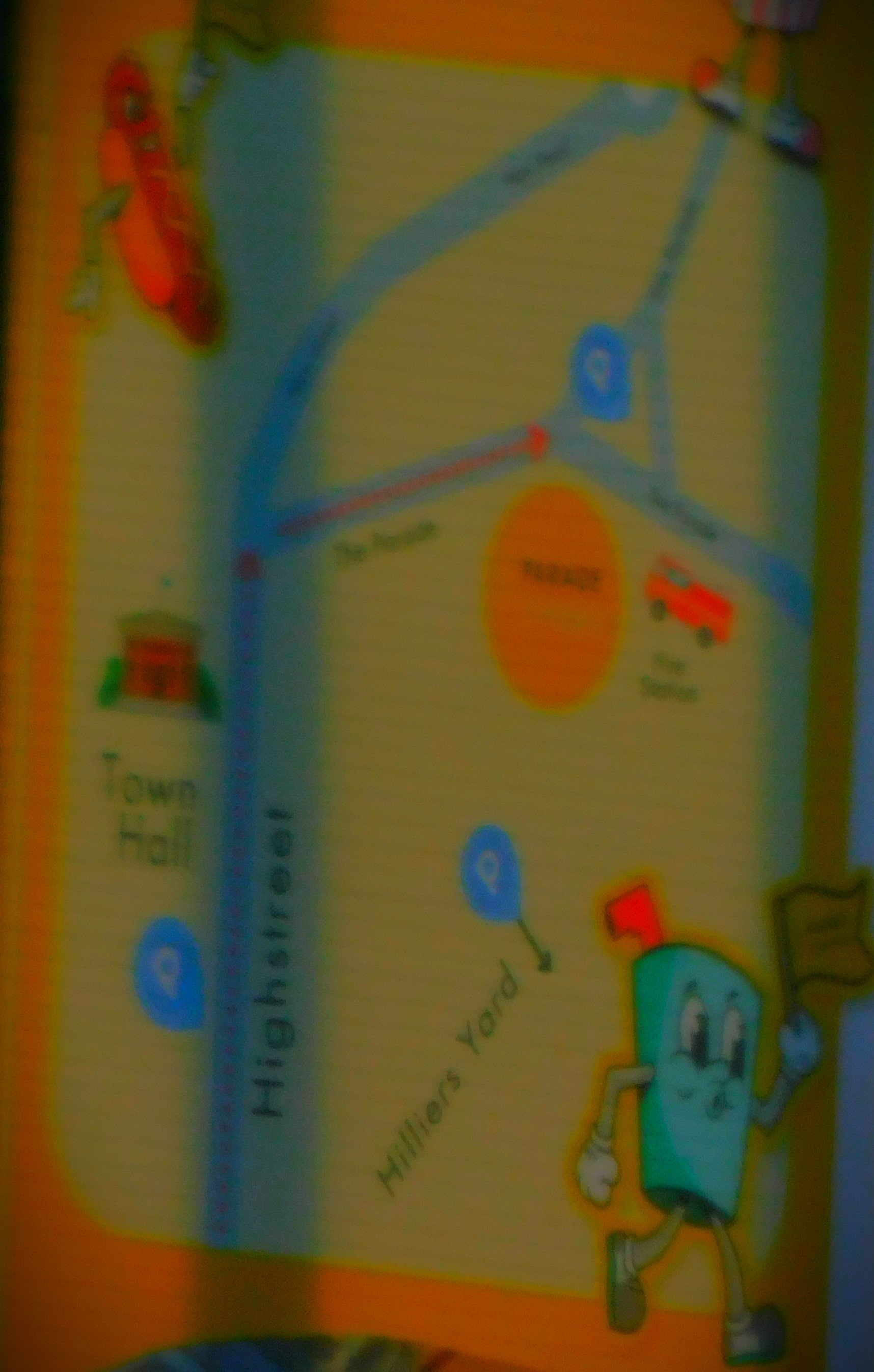
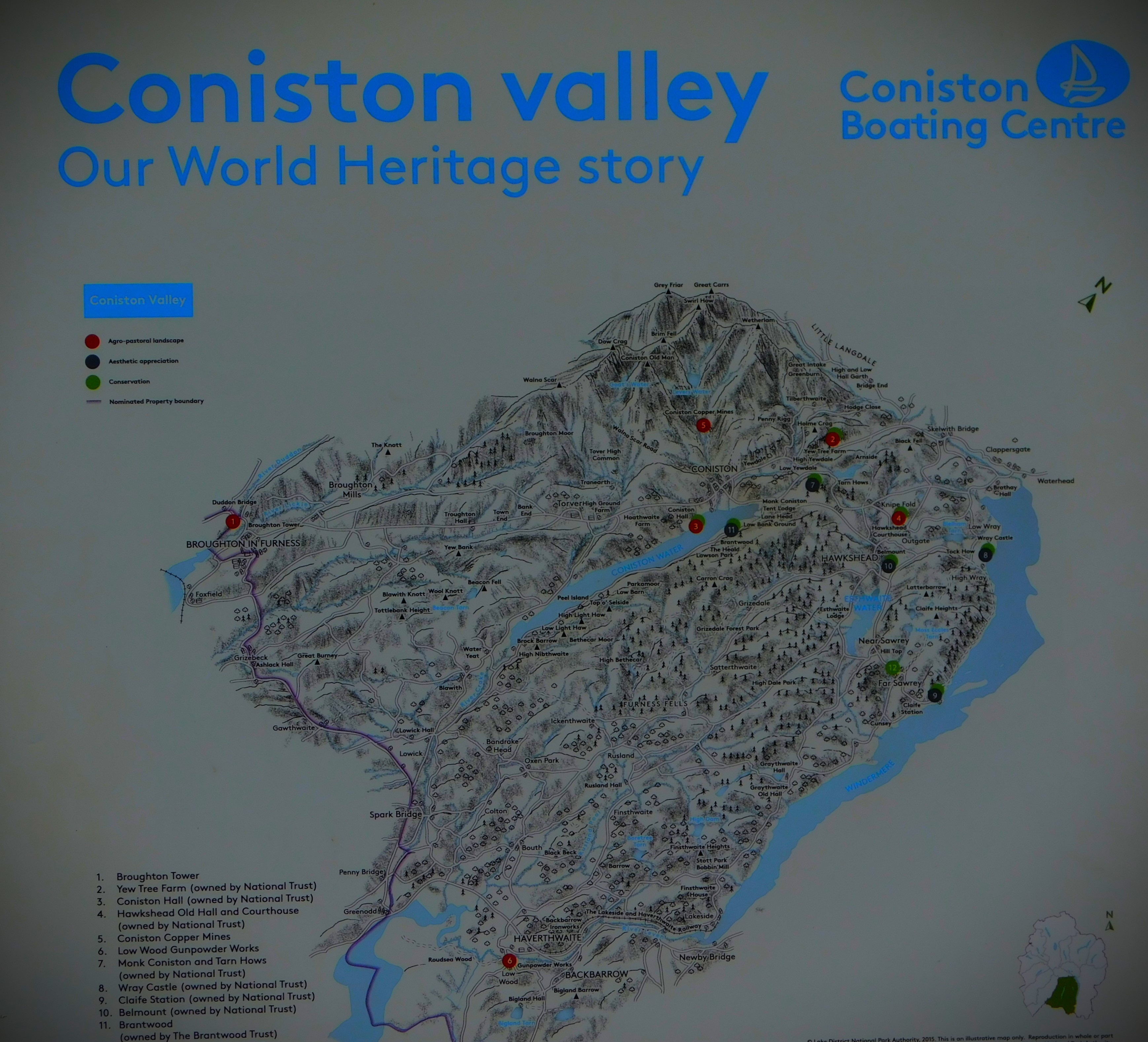
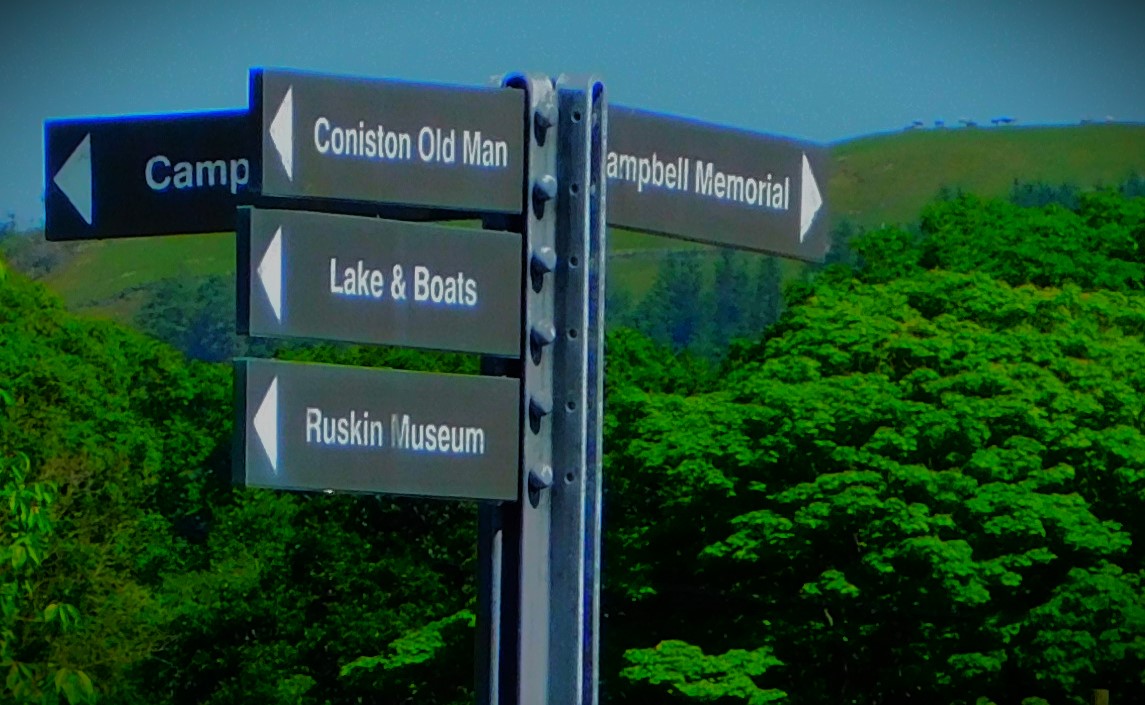
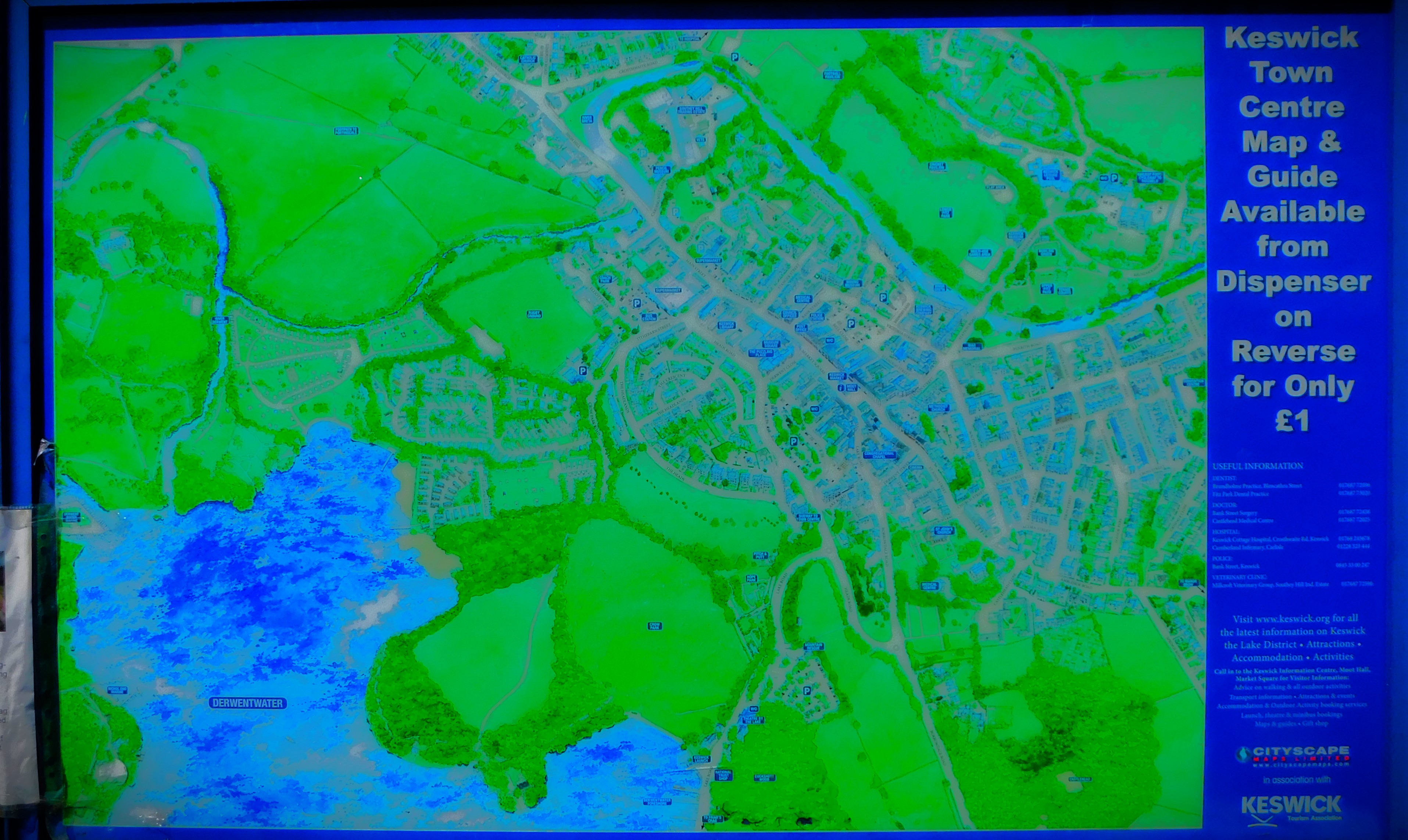
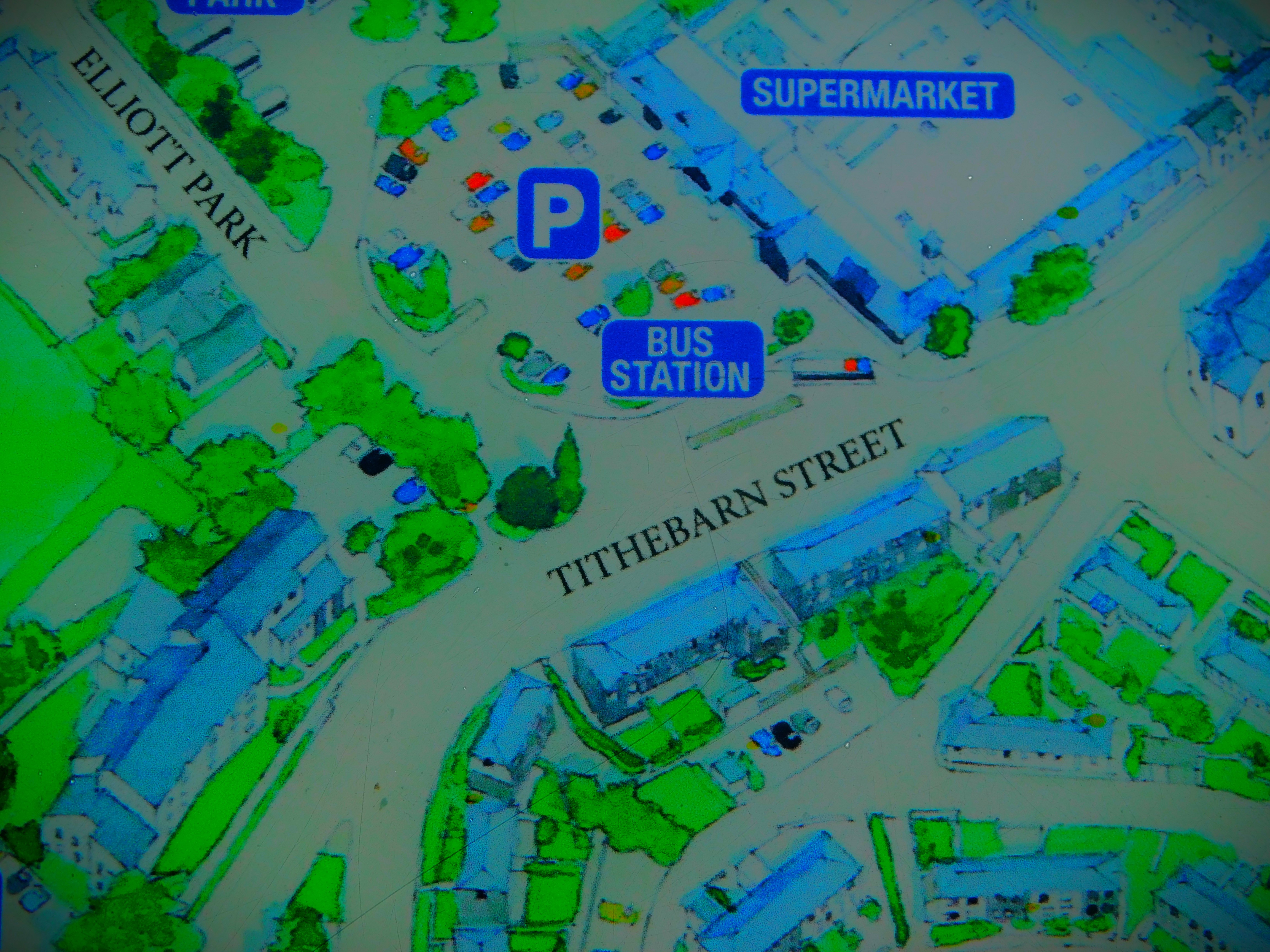
This picture and the next (click to view at full size0 show the pub menu).Many maps of various kinds caught my attention in and around Coniston.I was pleased to spot this.
Continuing my series about my holiday in the Lake District with a post about our visit to Keswick.
Welcome to the latest instalment in my series about my holiday in the Lake District. Today deals with the last activity of the Tuesday – after concluding our explorations of Grasmere we went on to Keswick before returning to Ambleside.
ABOUT KESWICK
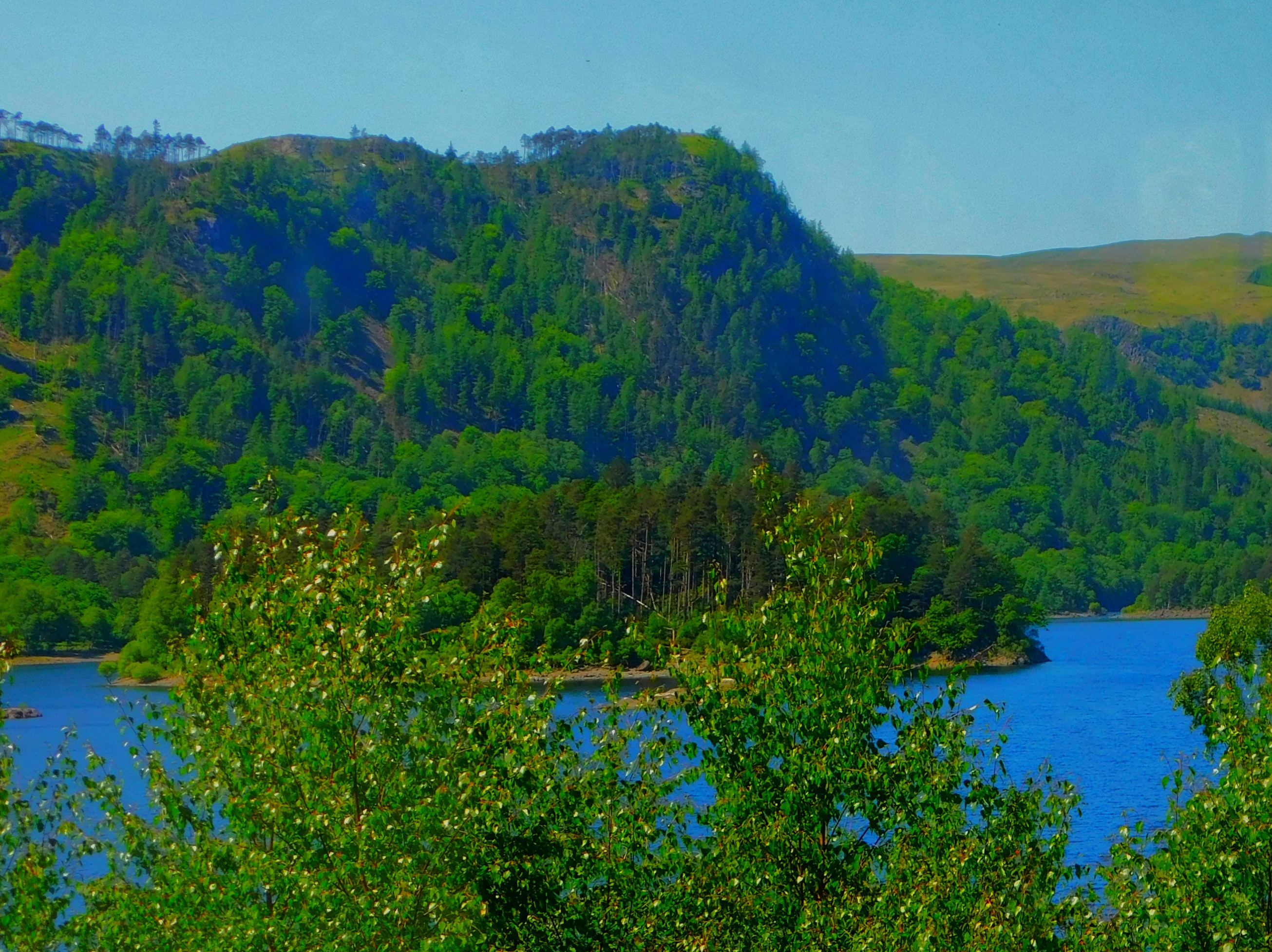
Keswick looks down on Derwentwater (although this area is called the Lake District very few of the bodies of water in question actually have lake in their title – they are either -mere, -water or water (Coniston Water and Brothers Water to name two of the latter). Those of you who think the Derwent part of Derwentwater looks familiar are probably right – you almost certainly had pencils which had Derwent stamped on their sides, and they were made here – there are graphite deposits in the area. Keswick has its place in Rebecca Tope’s Lake District series – main character Simmy Brown’s other half, who becomes her second husband during the course of the series, is an auctioneer and his auction house is in Keswick.
EXPLORING KESWICK
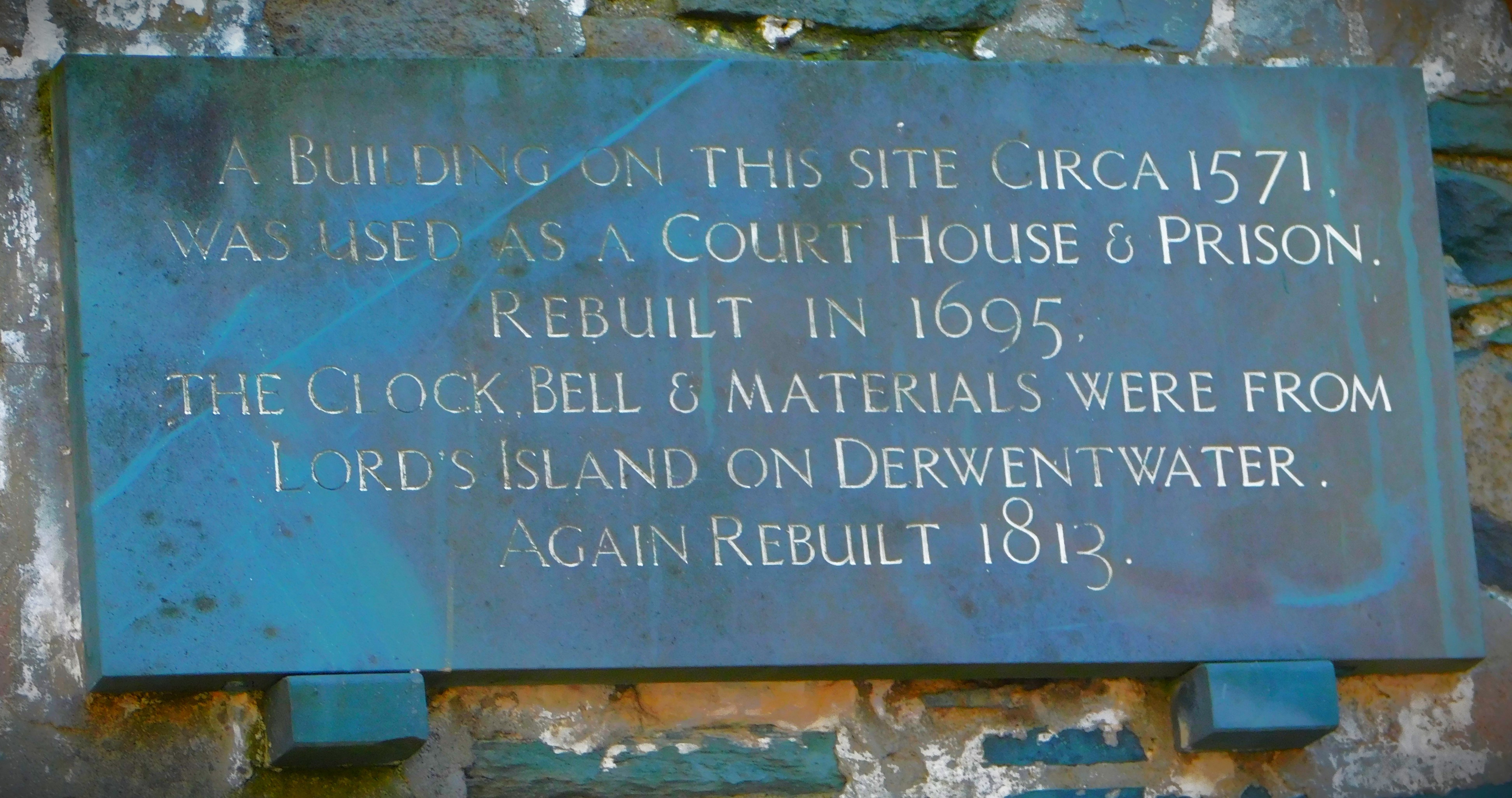
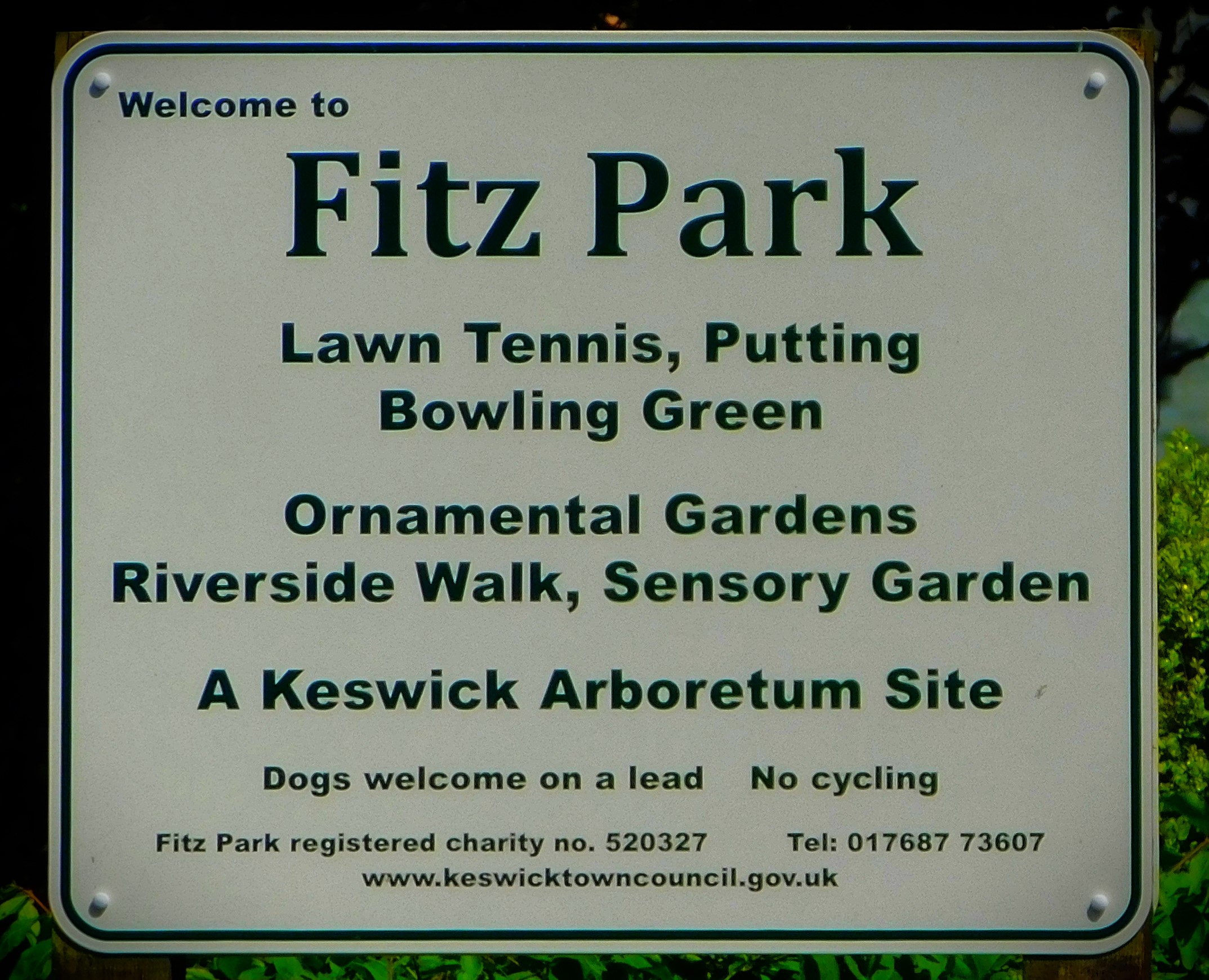
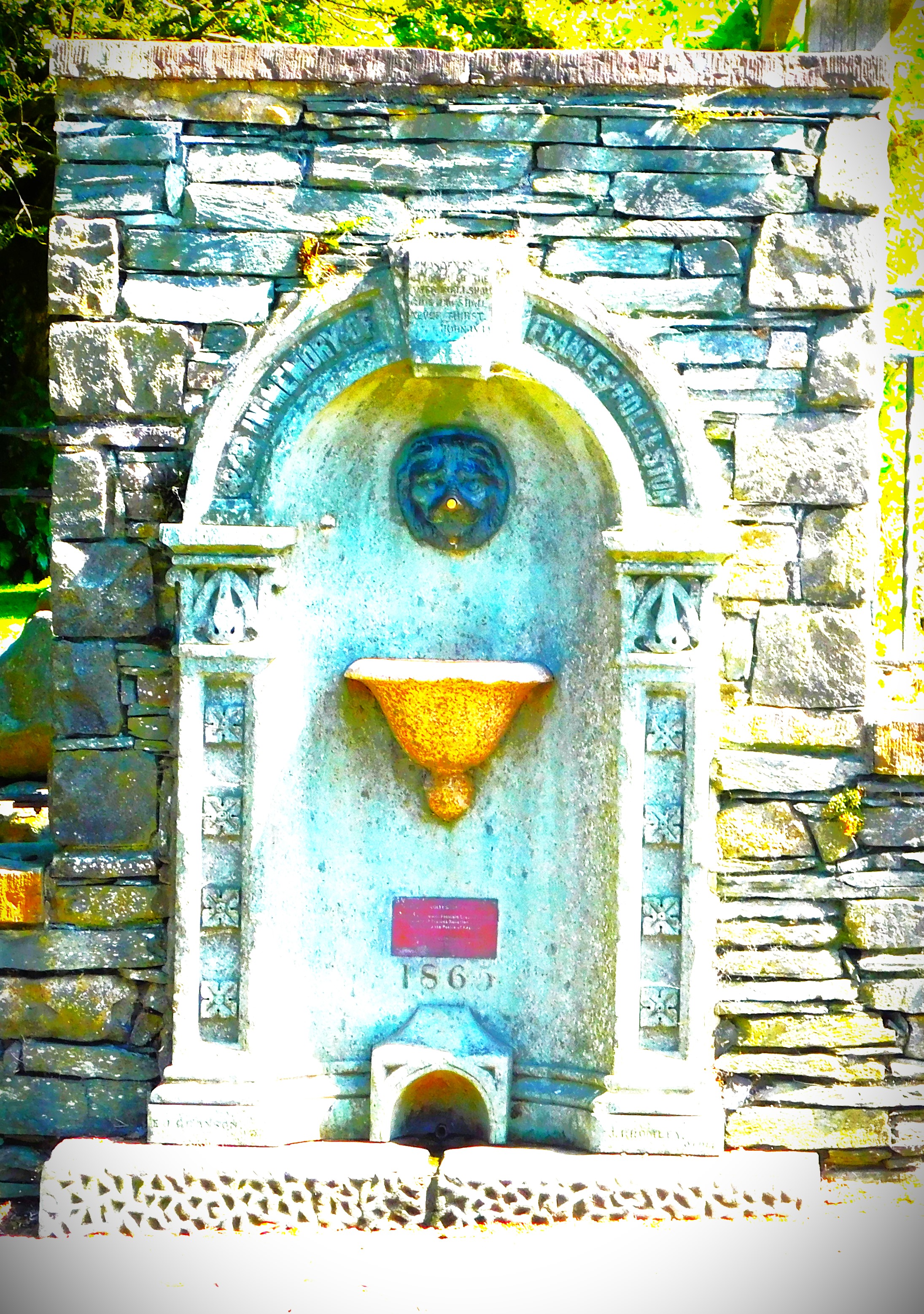
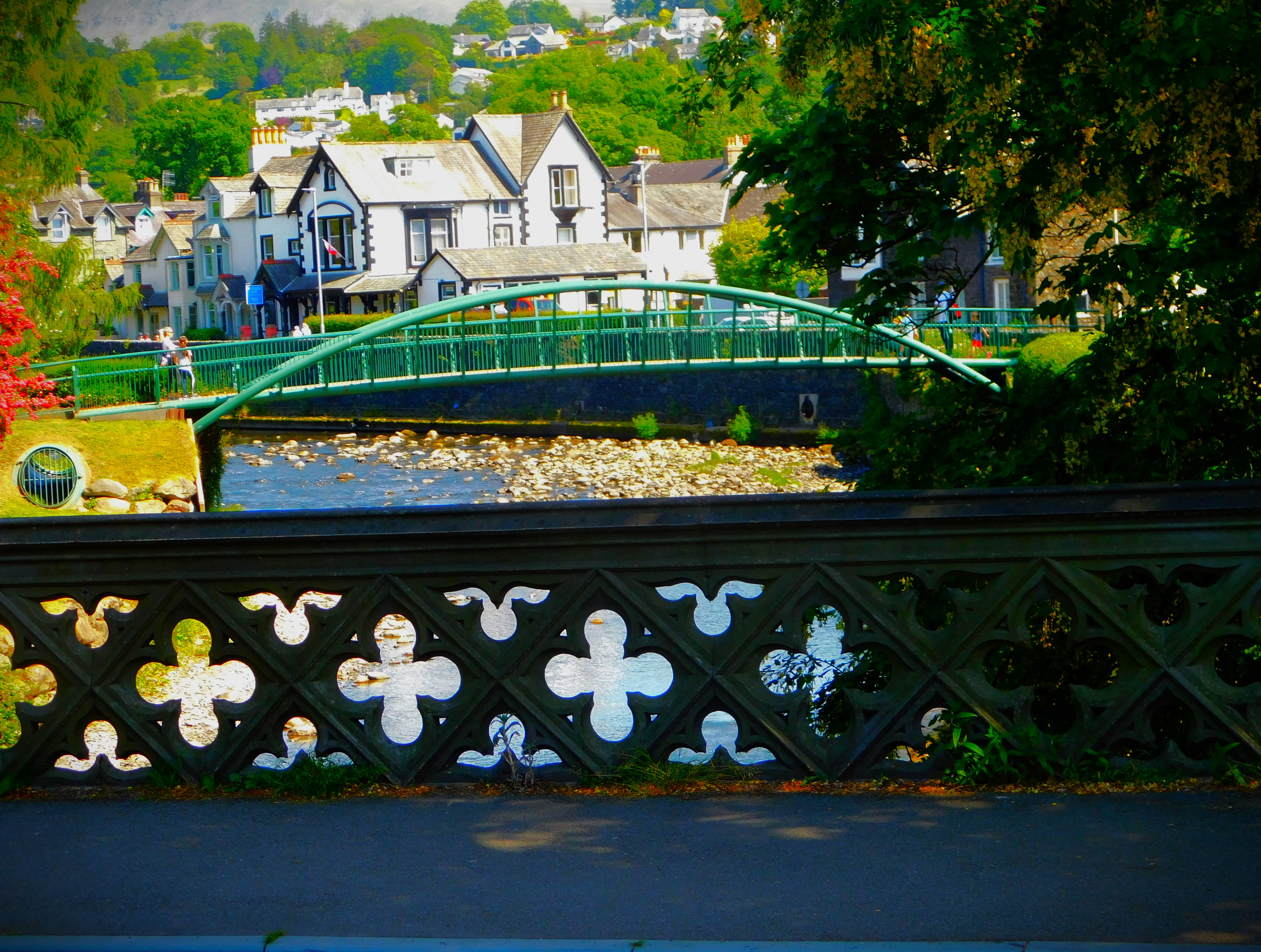
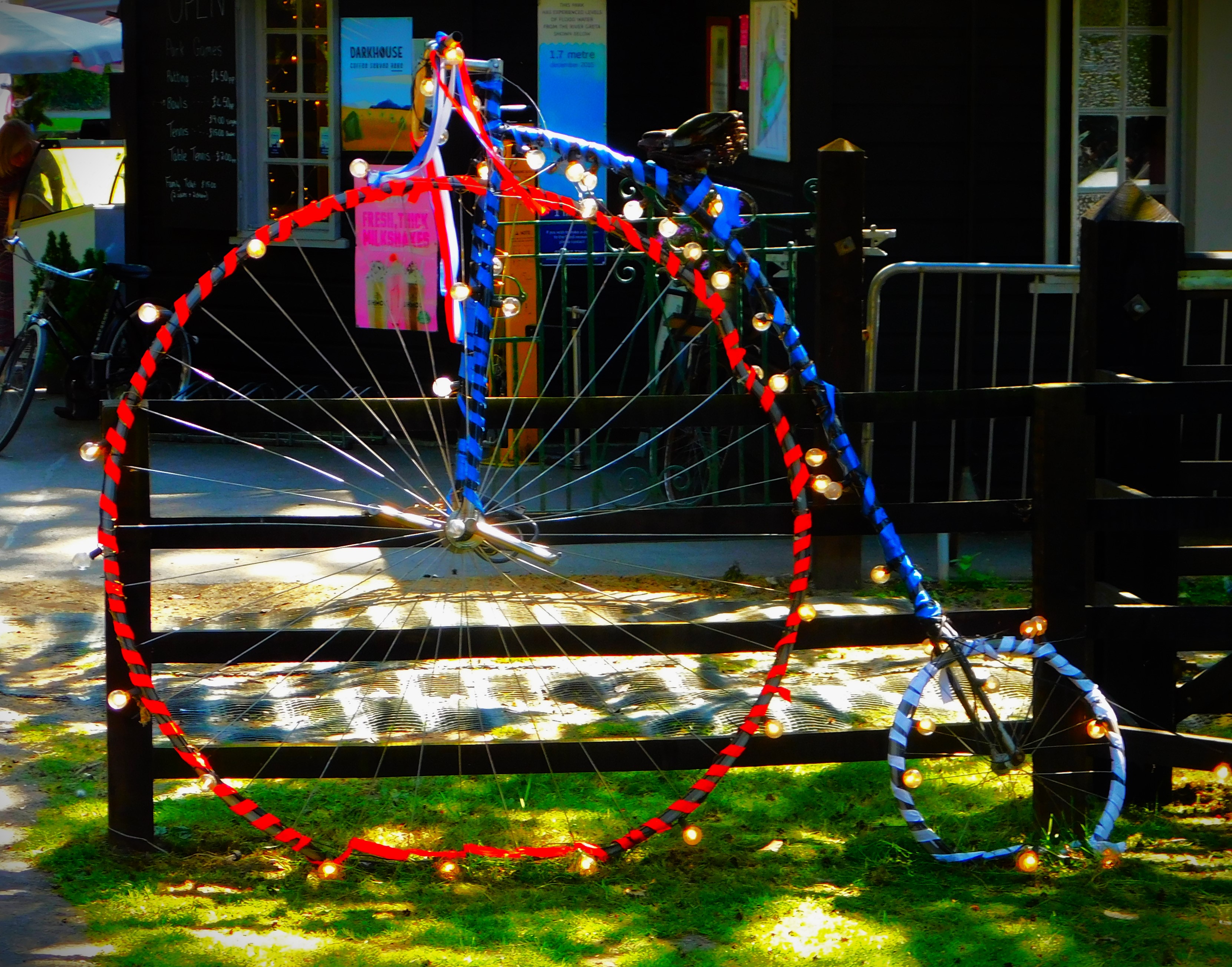
Grasmere to Keswick is a short and scenic bus ride, and I enjoyed it. Keswick has an old meeting hall, a pencil museum which we didn’t visit and a general museum which we looked at but opted not to visit given the price. It is also home to a splendid park in which we spent some time. A bus journey back to Ambleside, alighting at Ambleside bus station at my initial suggestion – I had figured it was close as the bus was going to get us and I was right – it is a much shorter walk than from the garden centre which would have been the next stop.
PHOTOGRAPHS
My usual sign off…
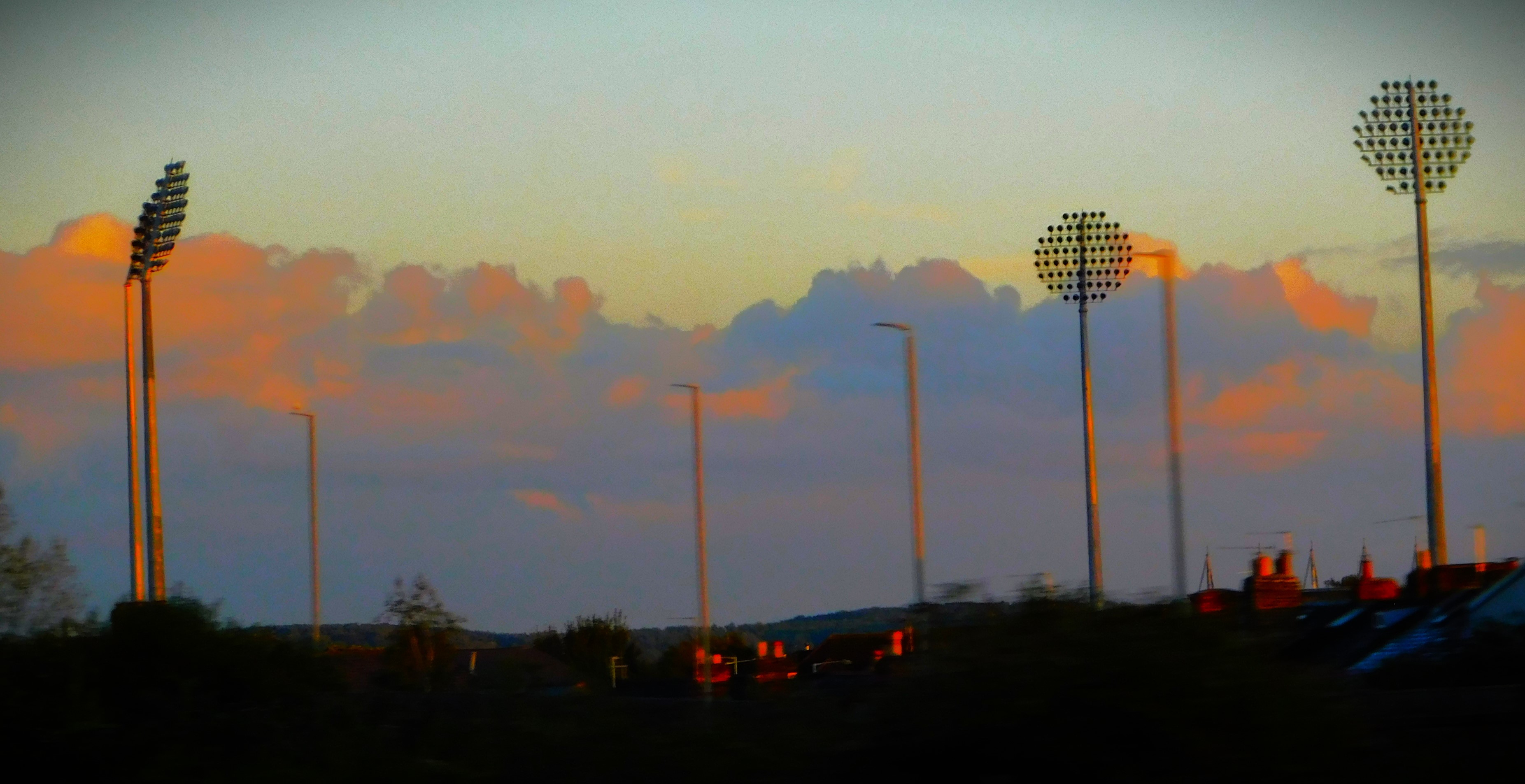
A rather scenic cricket ground.The significance of this sign is the top line (see also the next picture) – Ellie Threlkeld is England Women’s second choice wicket keeper at present, and this sign provides a clue to the origins of that surname.
A look at the Lakeside and Haverthwaite Railway as part of my series about my holiday in the Lake District.
Welcome to the latest post in my series about my holiday in the Lake District. Today I look at a train journey that formed part of the Monday’s activities, which all focussed on cruising on Windermere. There will be one more post about the Monday, dealing with Wray Castle, before we move on to Tuesday.
A HERITAGE RAILWAY
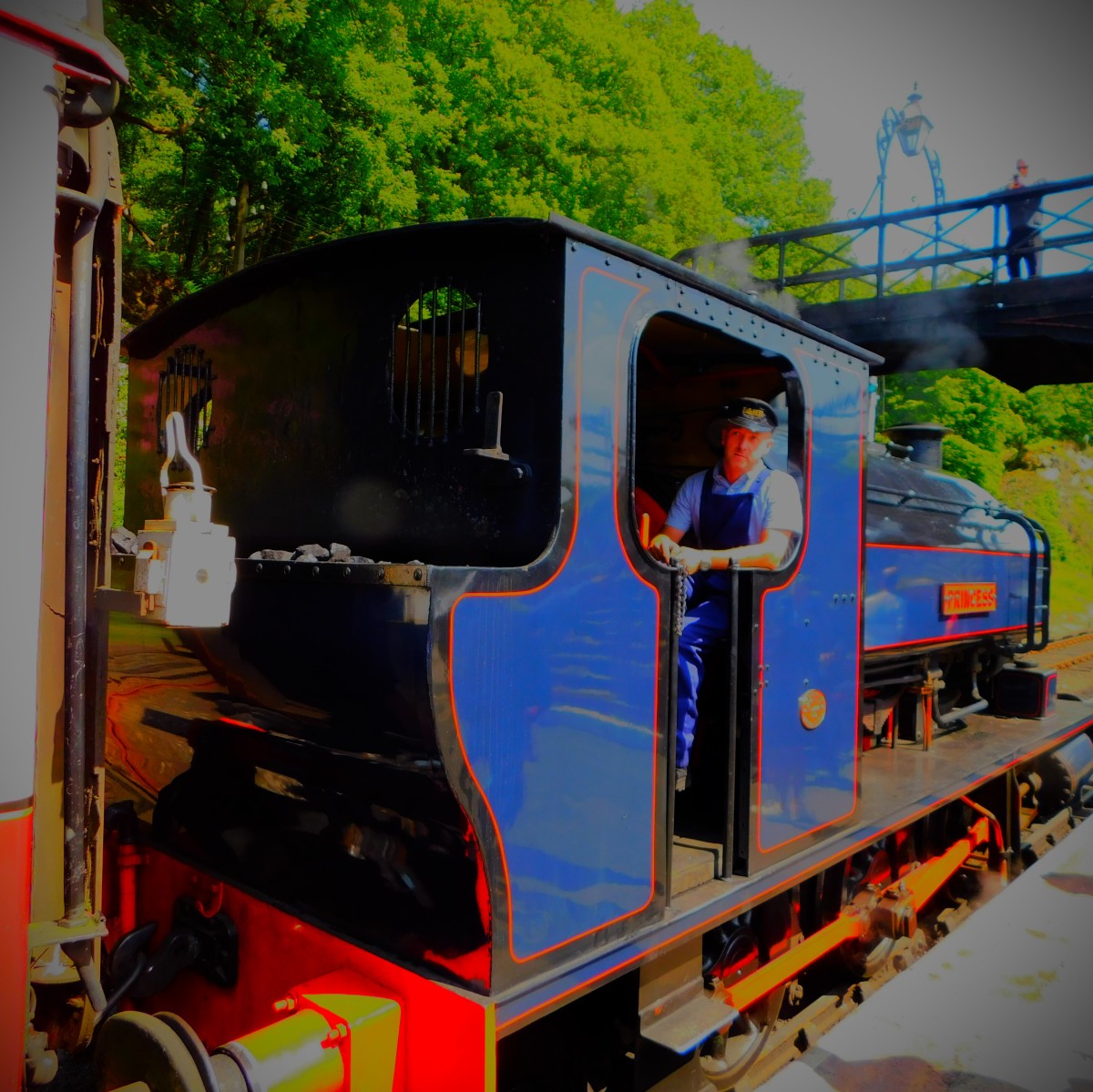
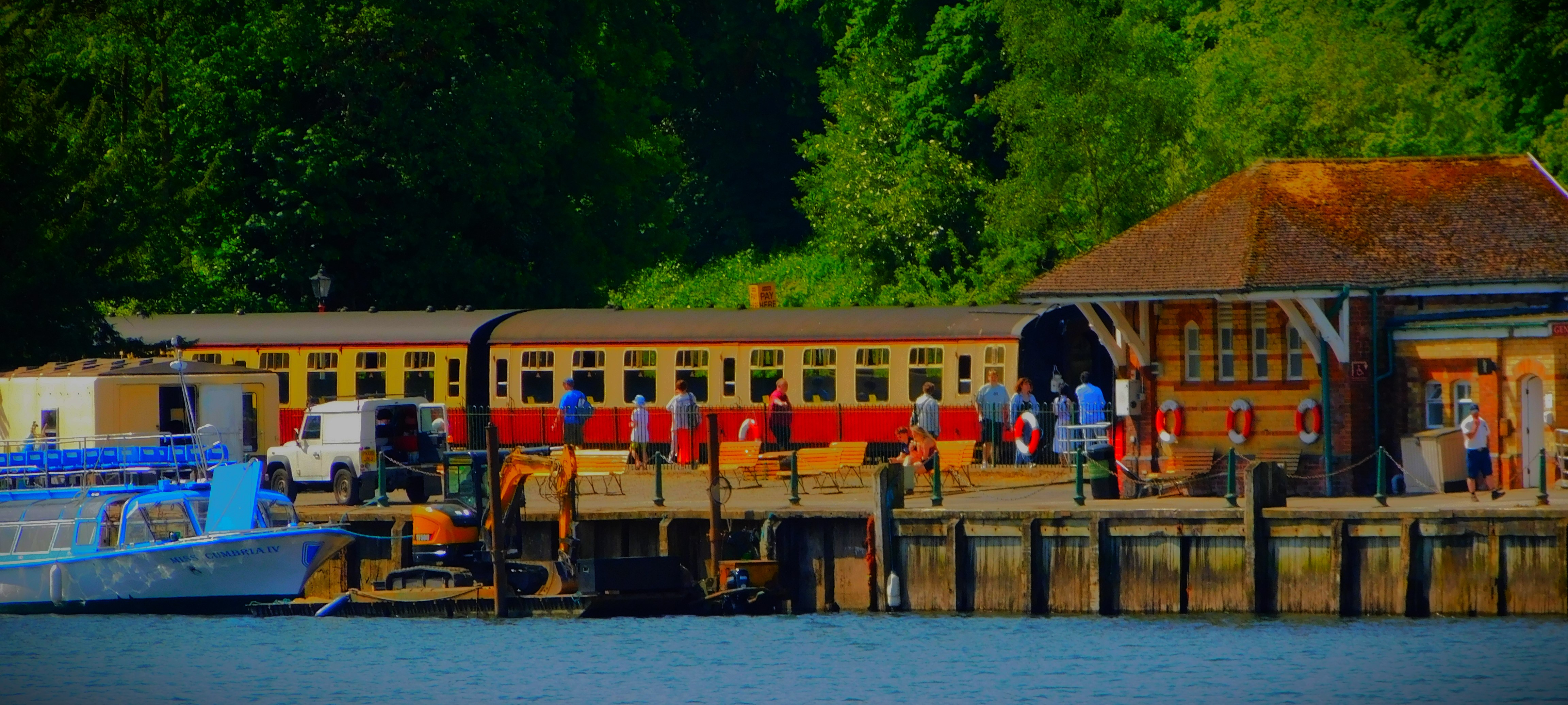
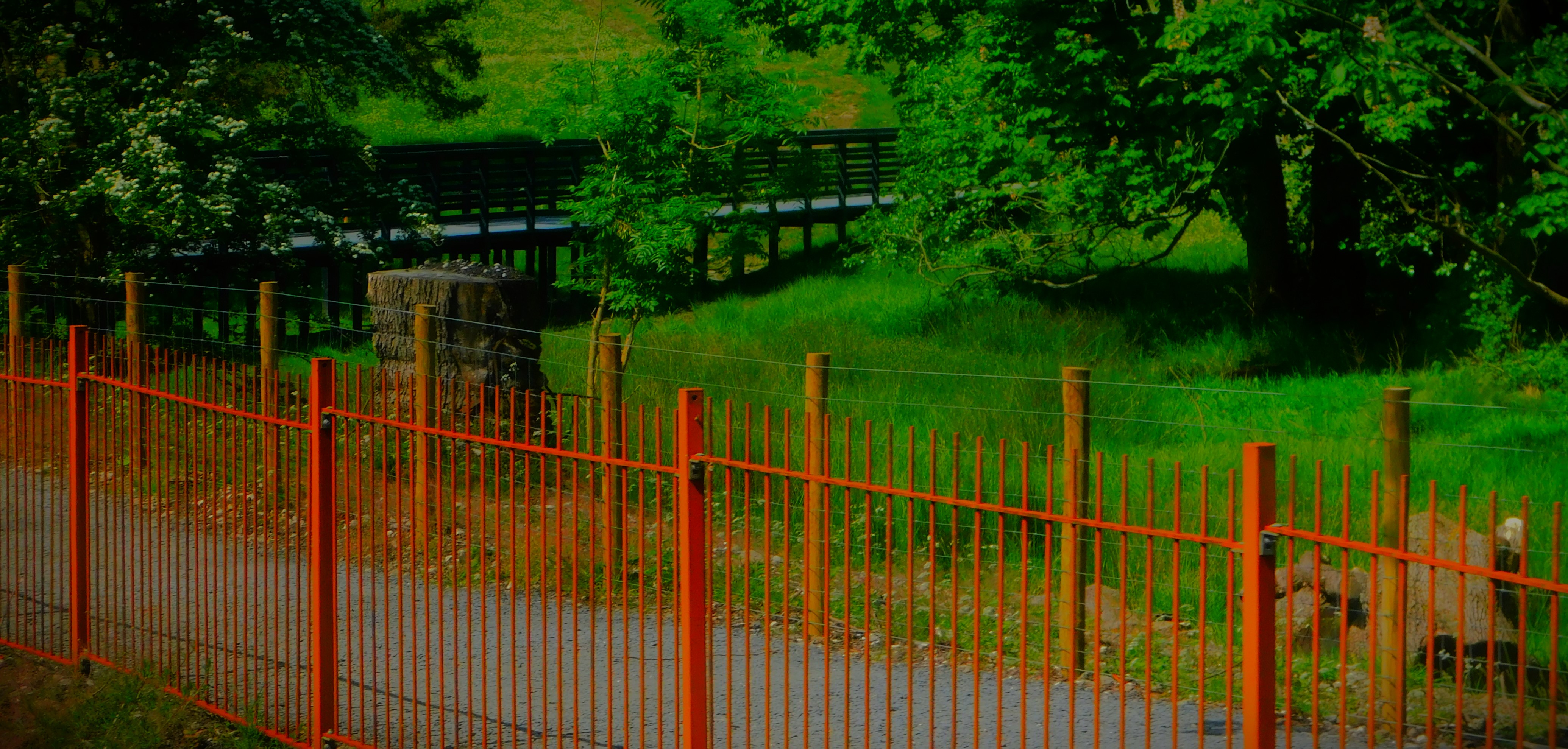
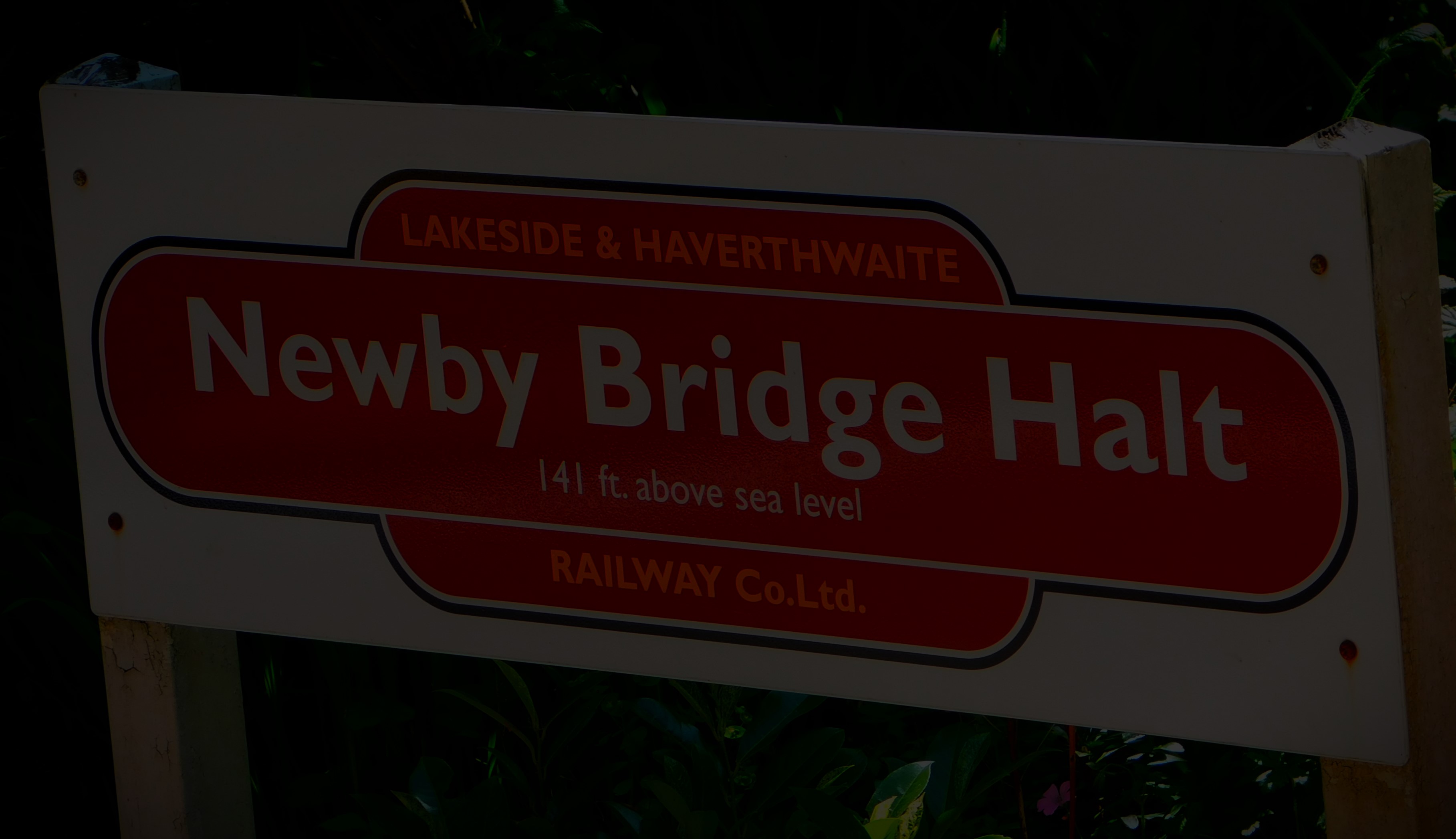
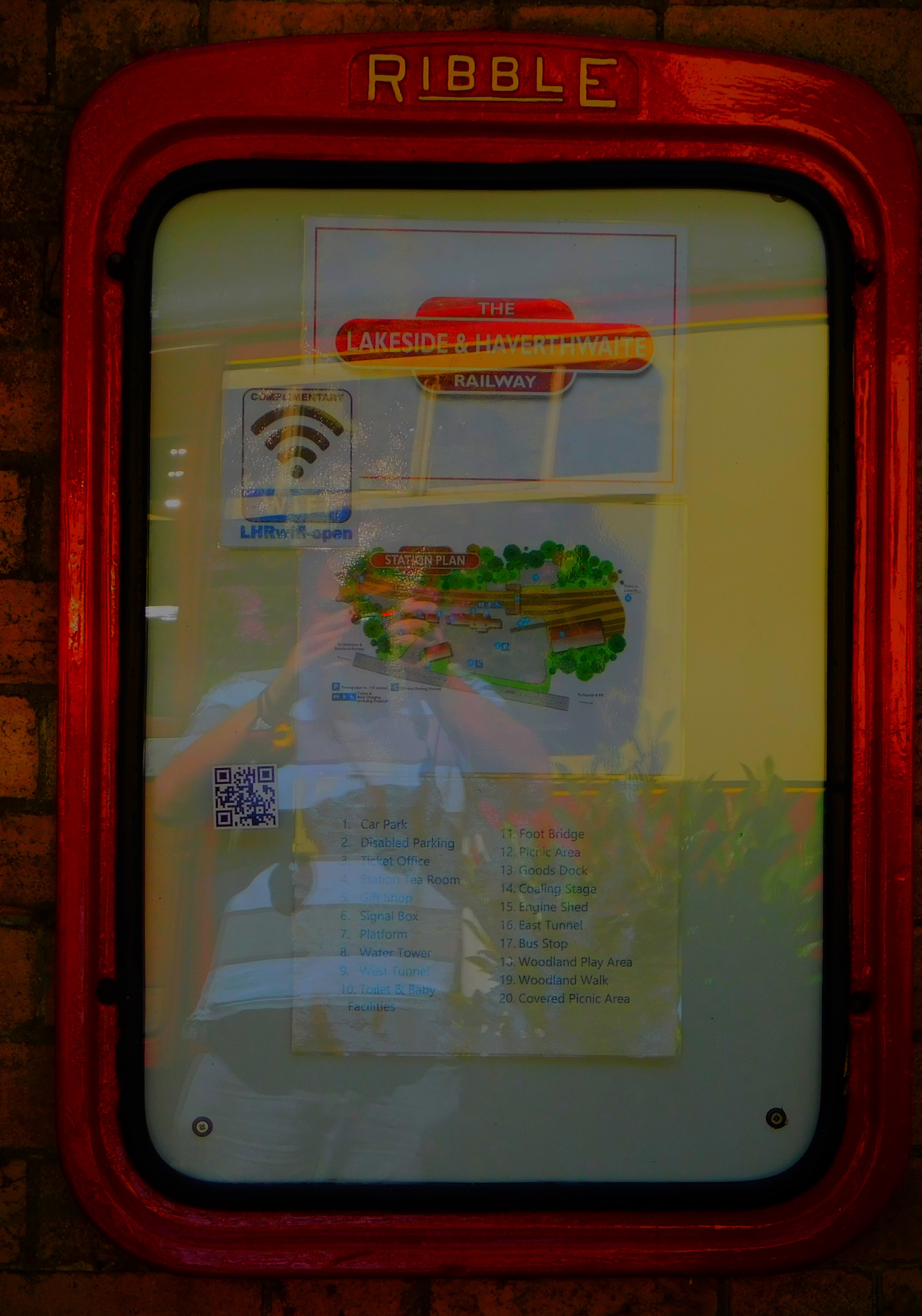
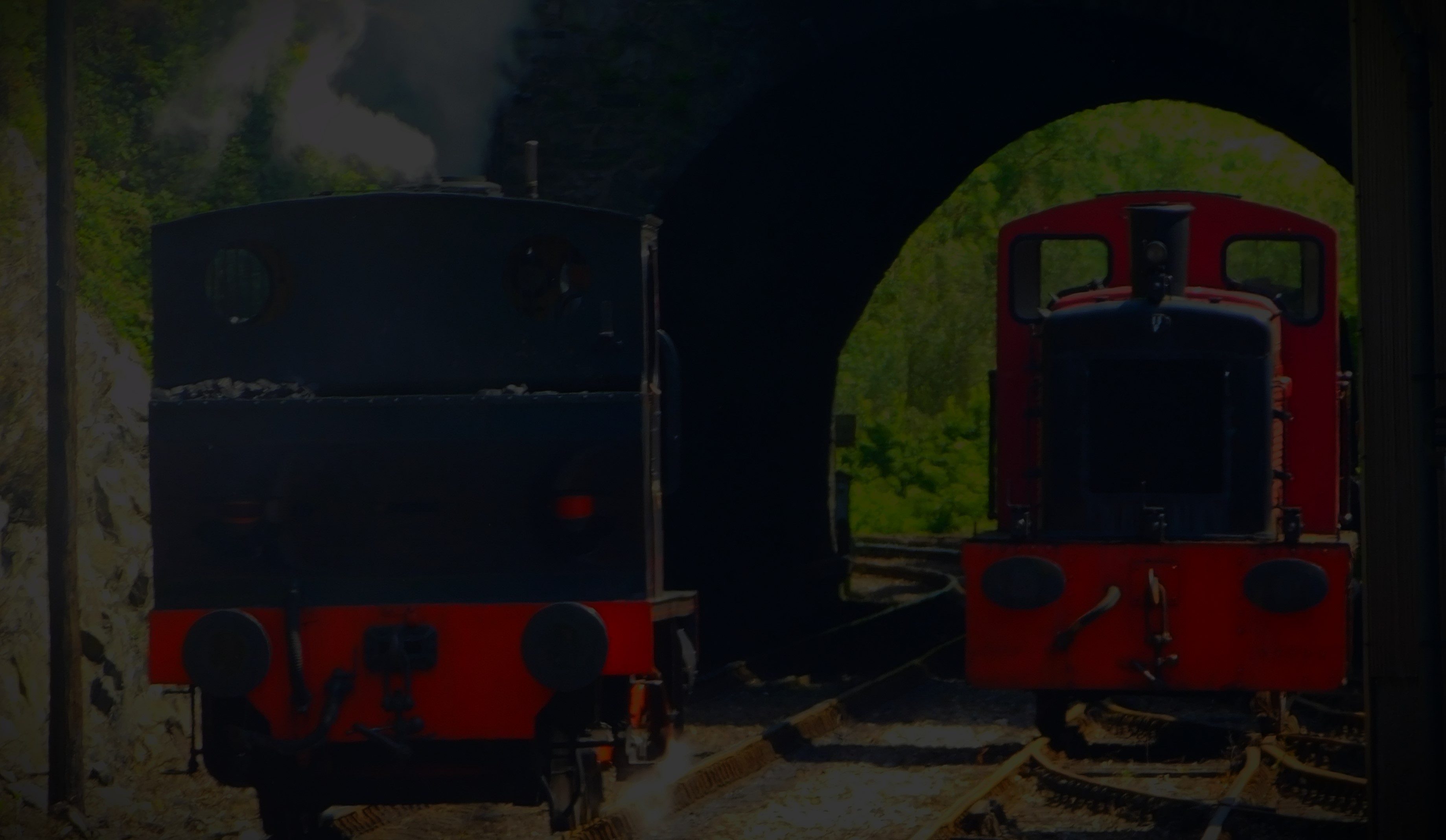
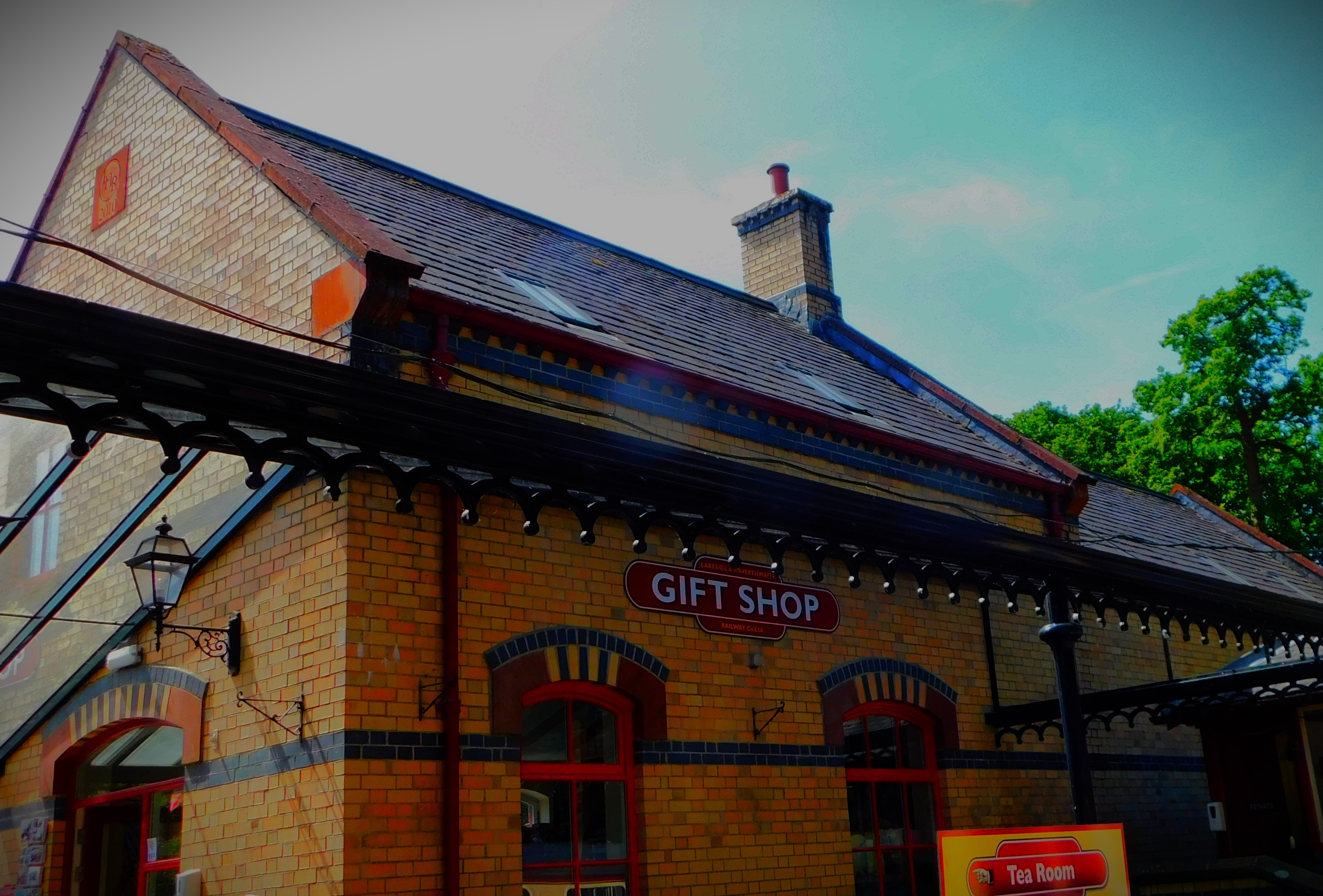
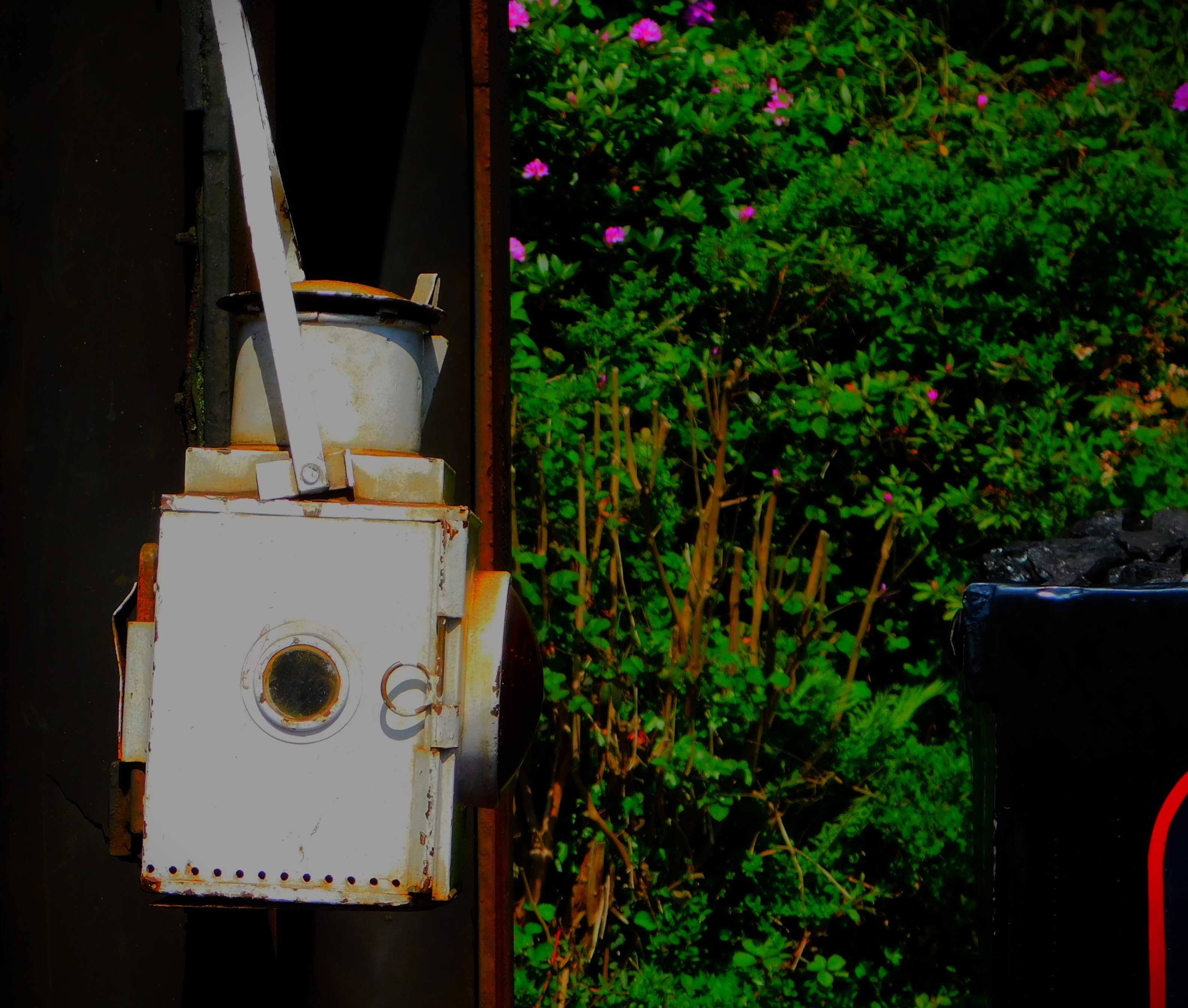
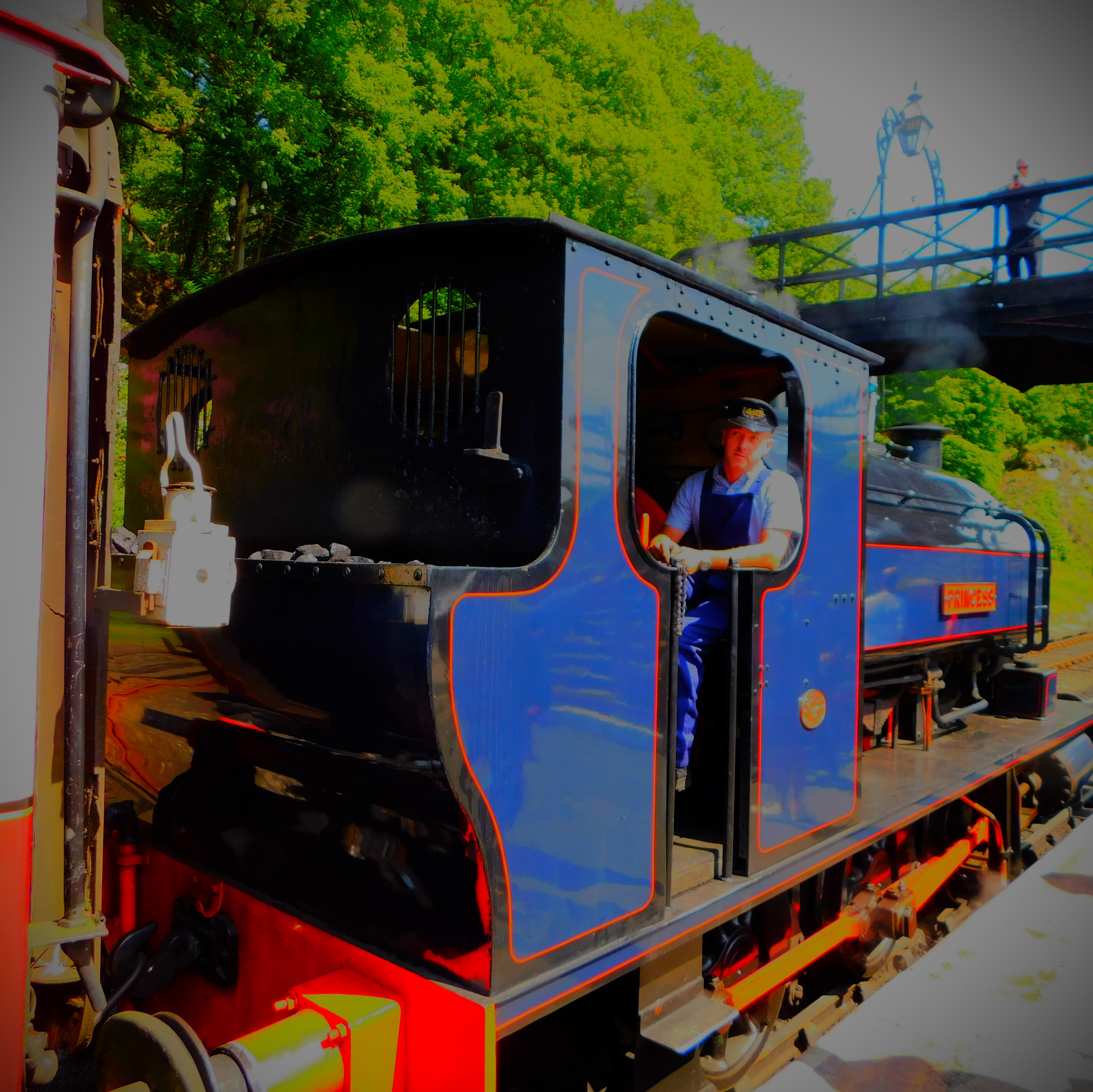
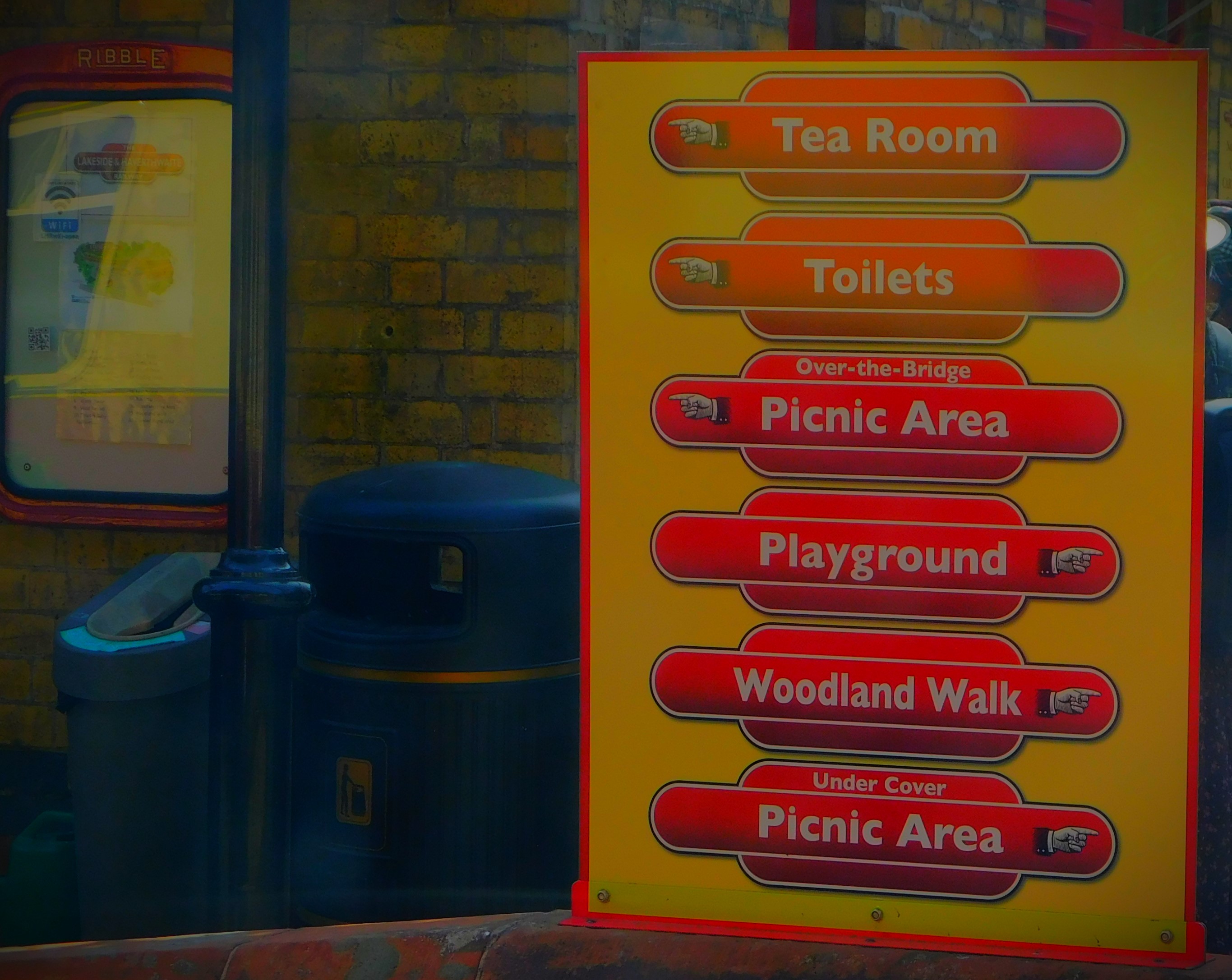
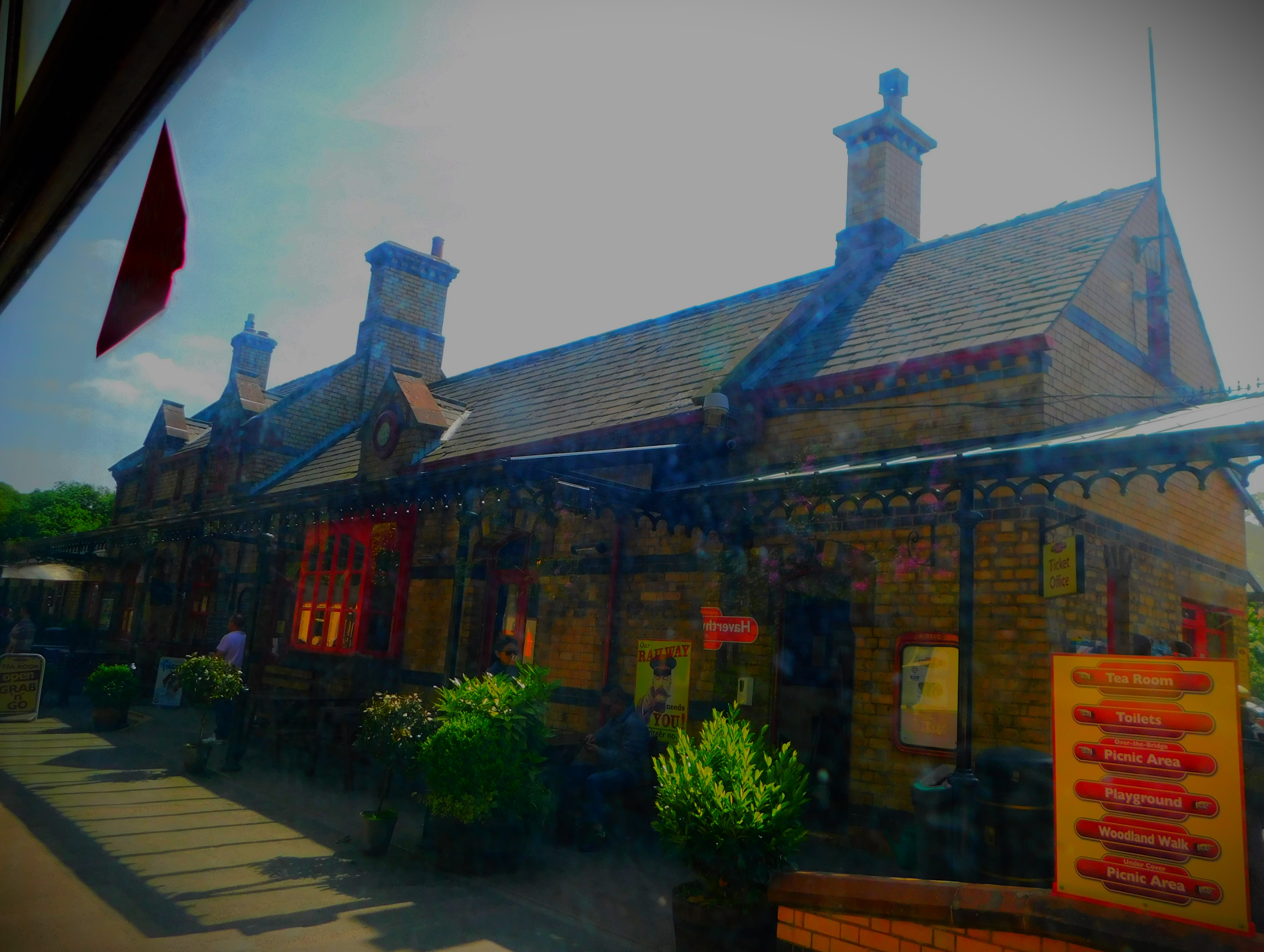
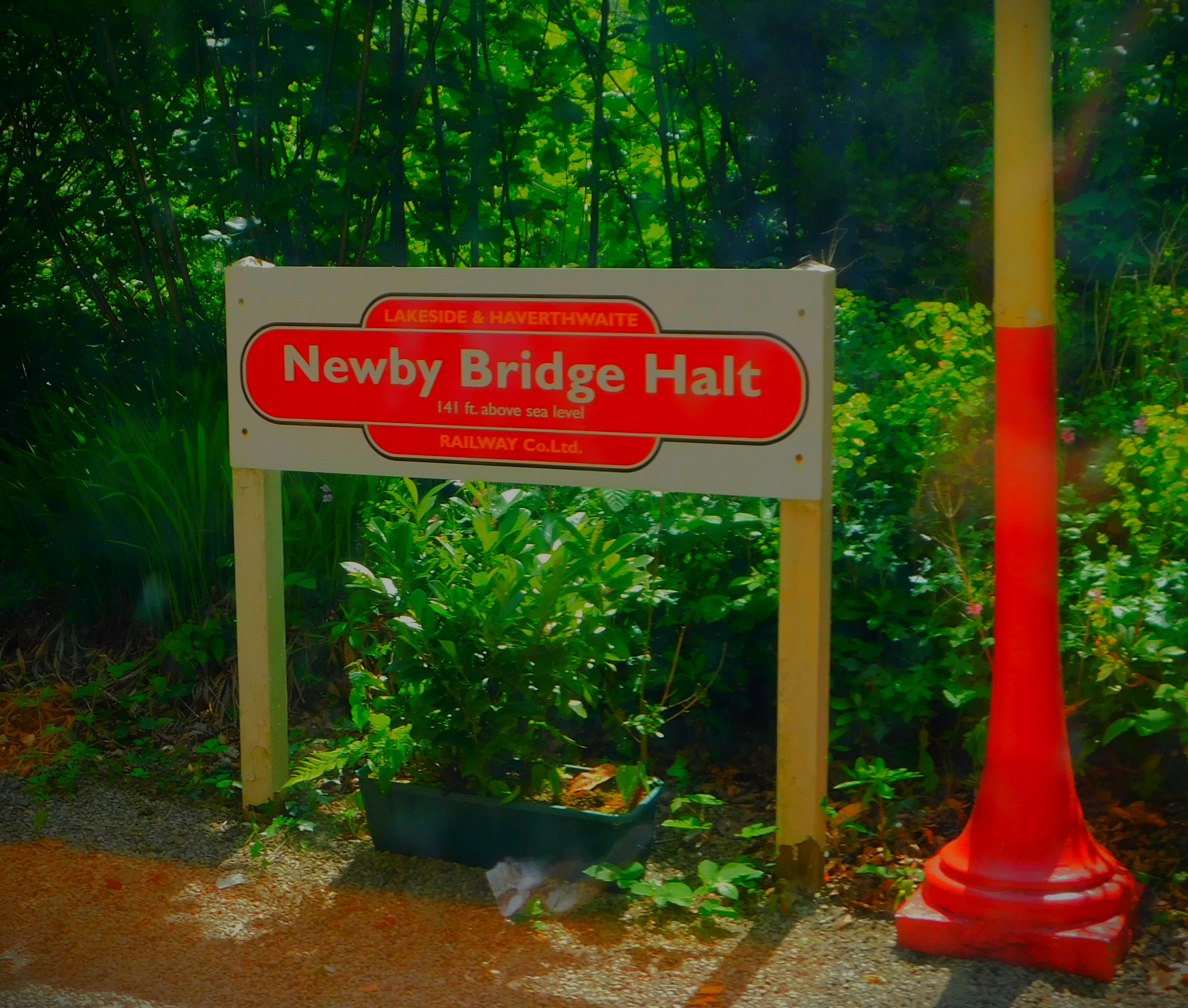
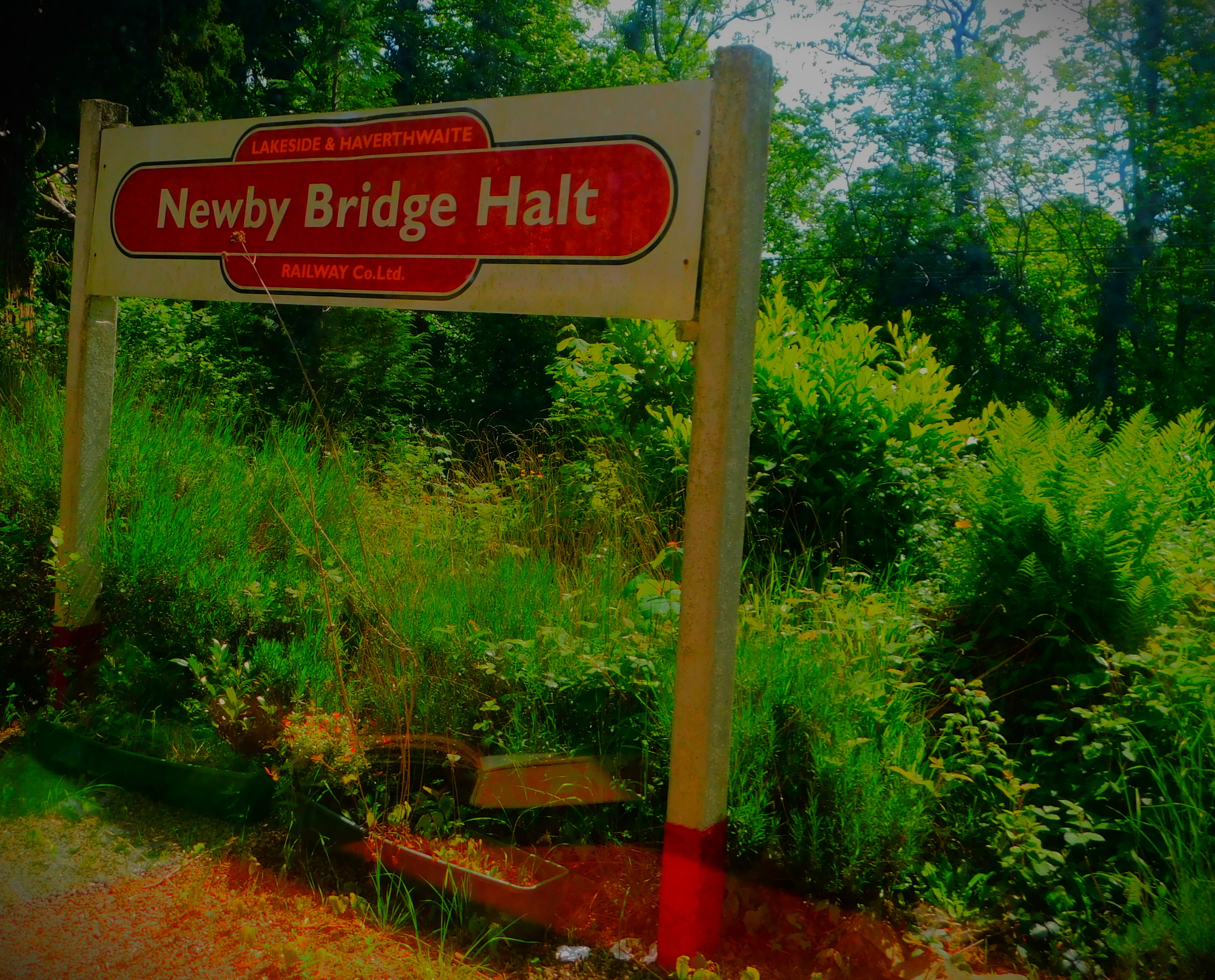
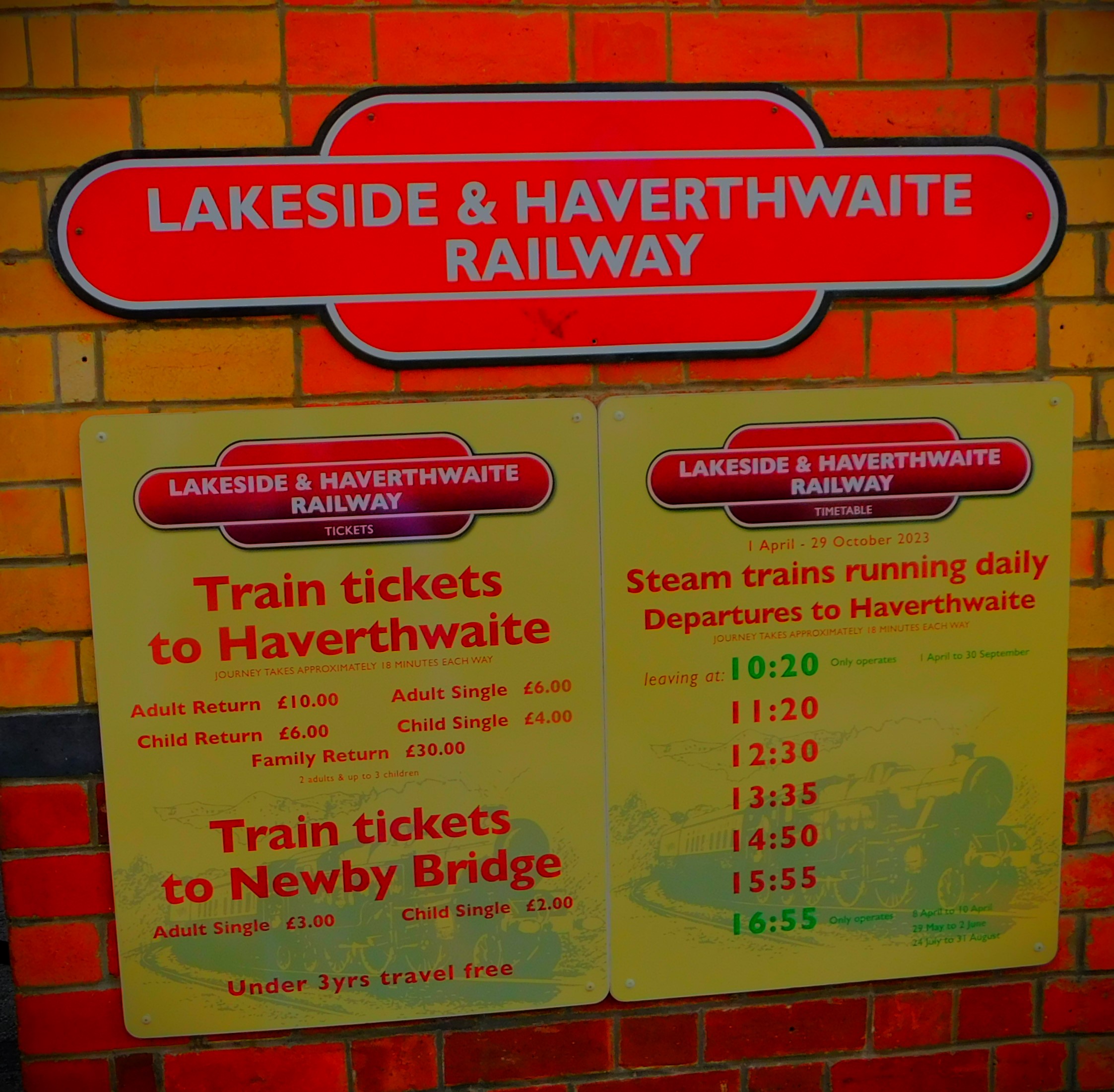
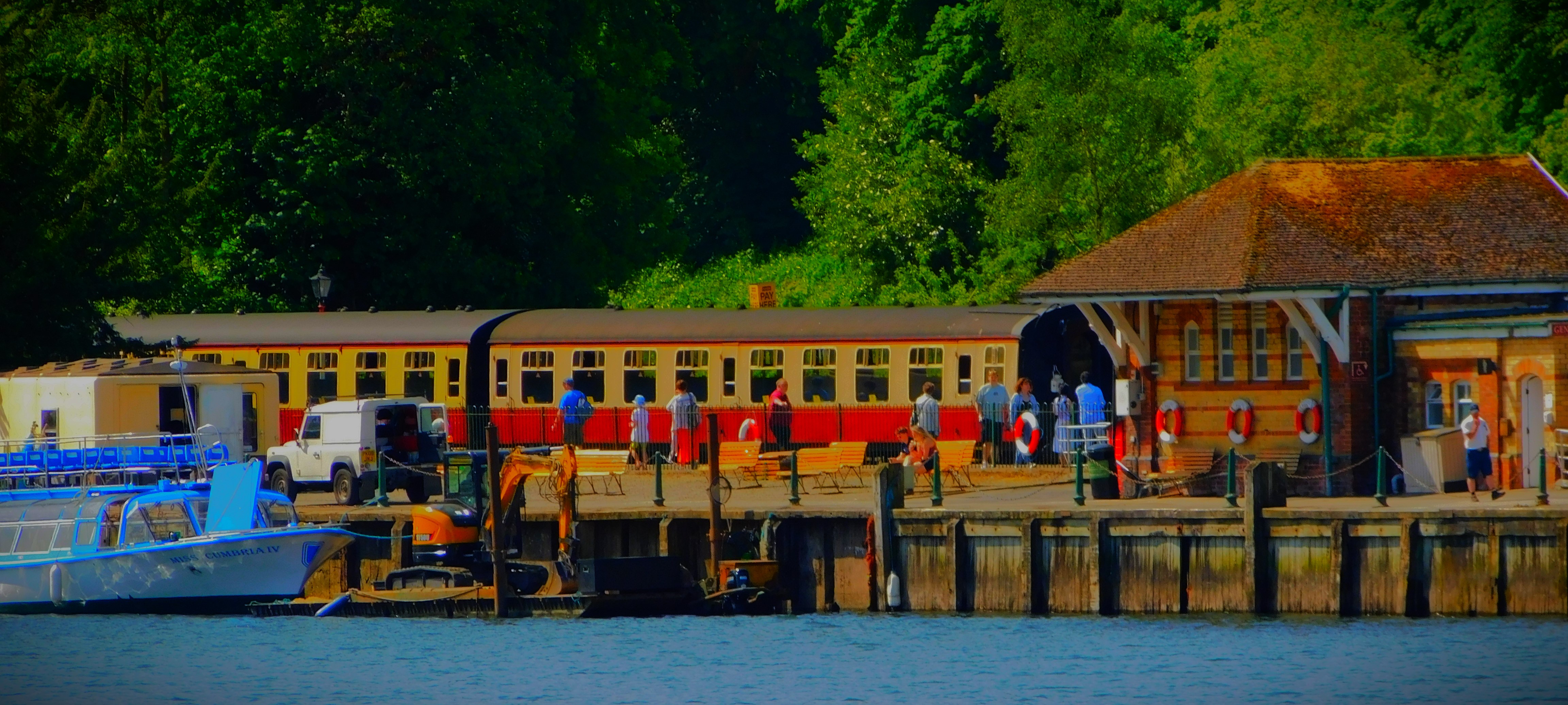
Lakeside, about as far from Ambleside as one can get and still be on Windermere, is the terminus of a heritage railway which runs for a short distance alongside a river heading towards Morecambe Bay where it joins the Irish Sea. There is one intermediate stop at Newby Bridge and then the inland terminus at Haverthwaite. In our case we stayed only a few minutes at the Haverthwaite end before returning to Lakeside to resume cruising. The line, like so many others now operated as heritage railways, fell victim to the Beeching directed axe in the 1960s, though it was closed for only a few years before opening again in its heritage railway guise in 1973.
THE JOURNEY
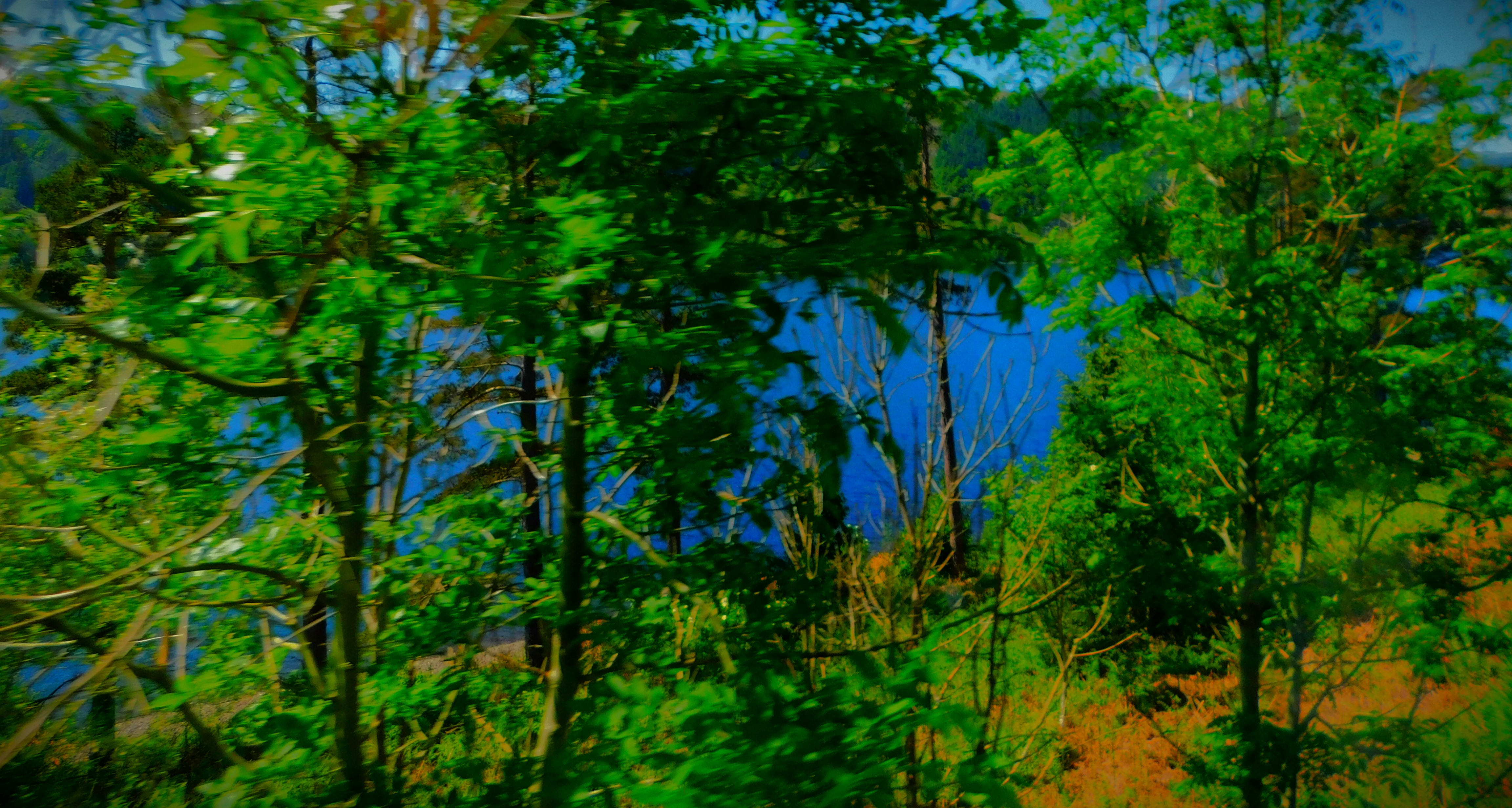
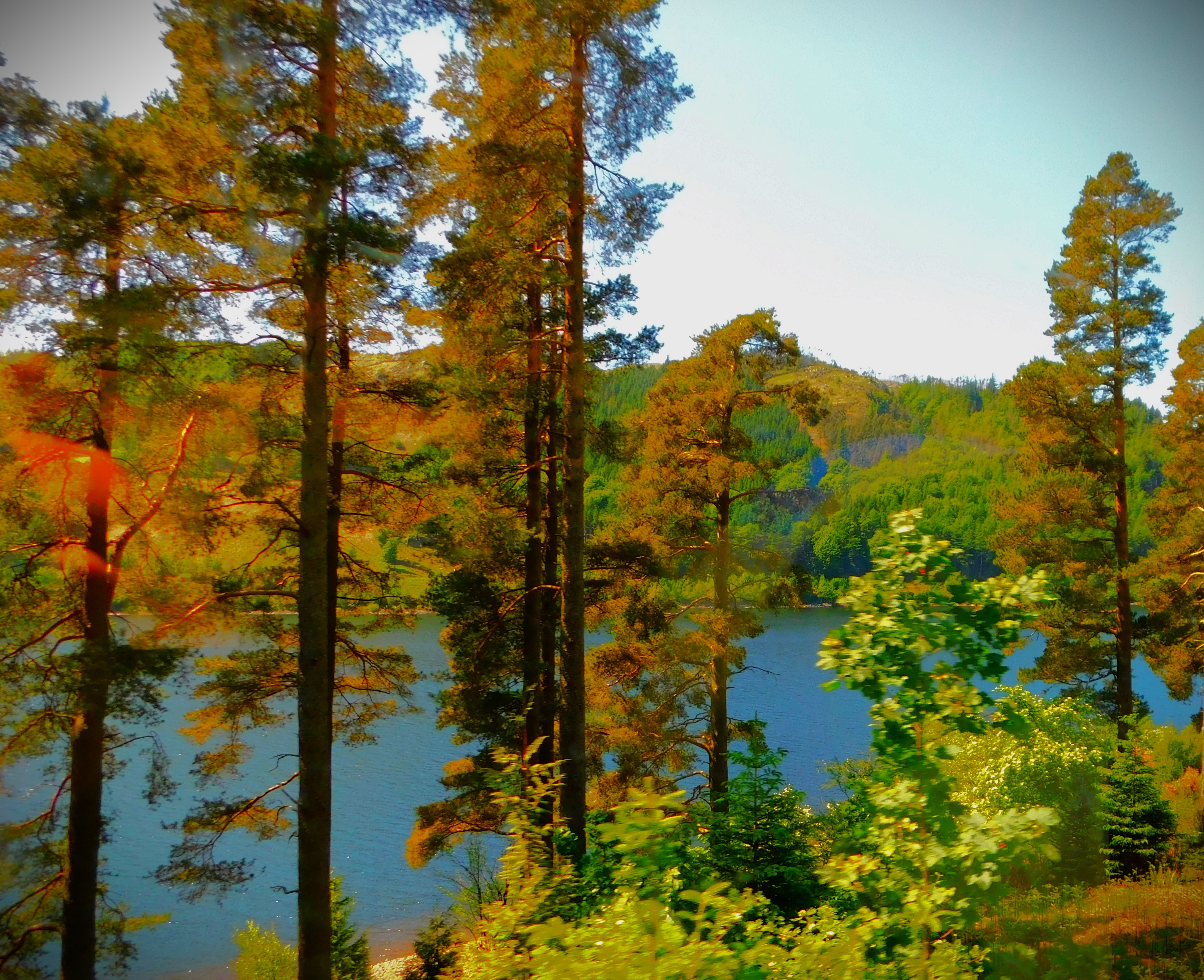
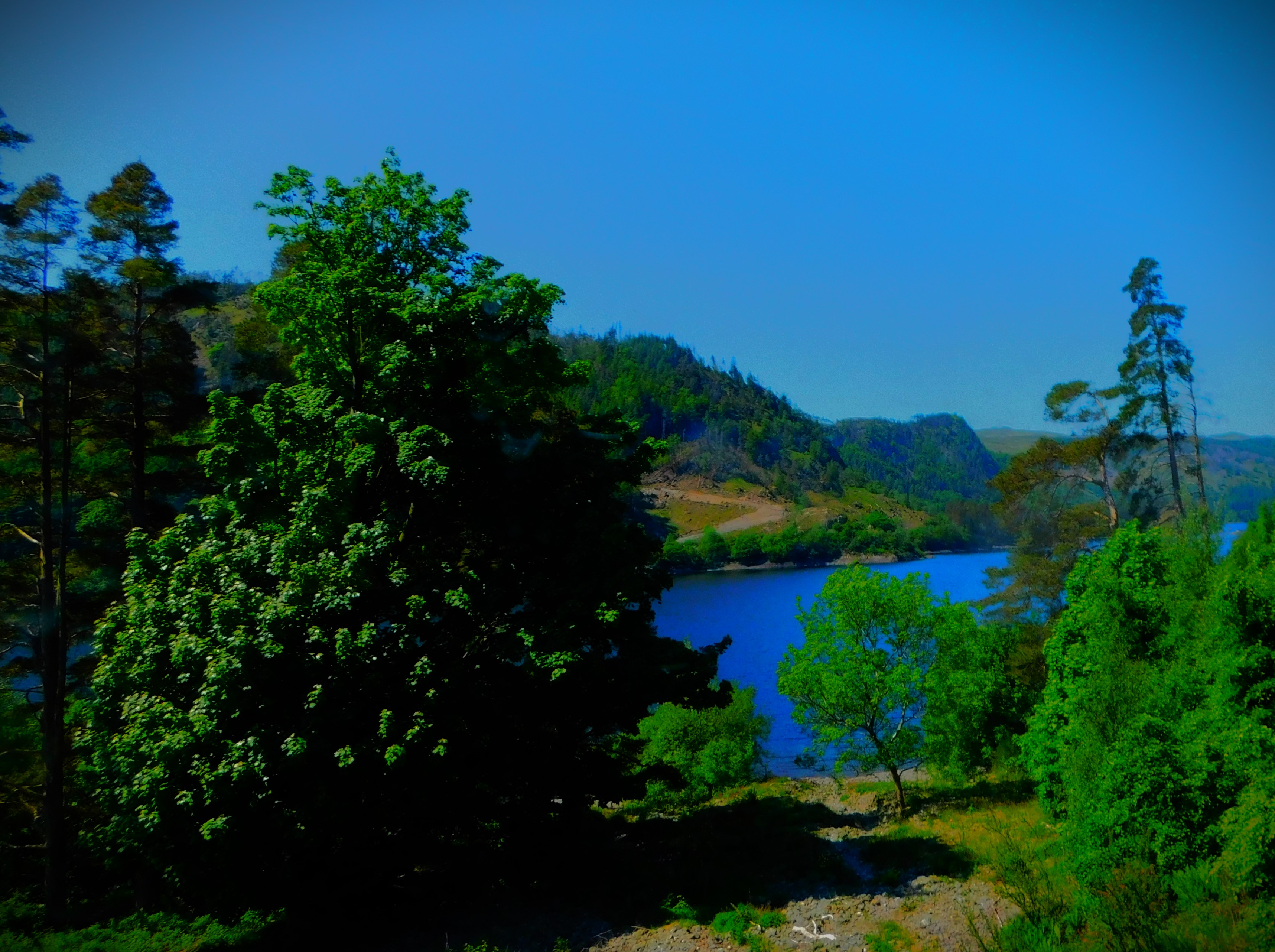
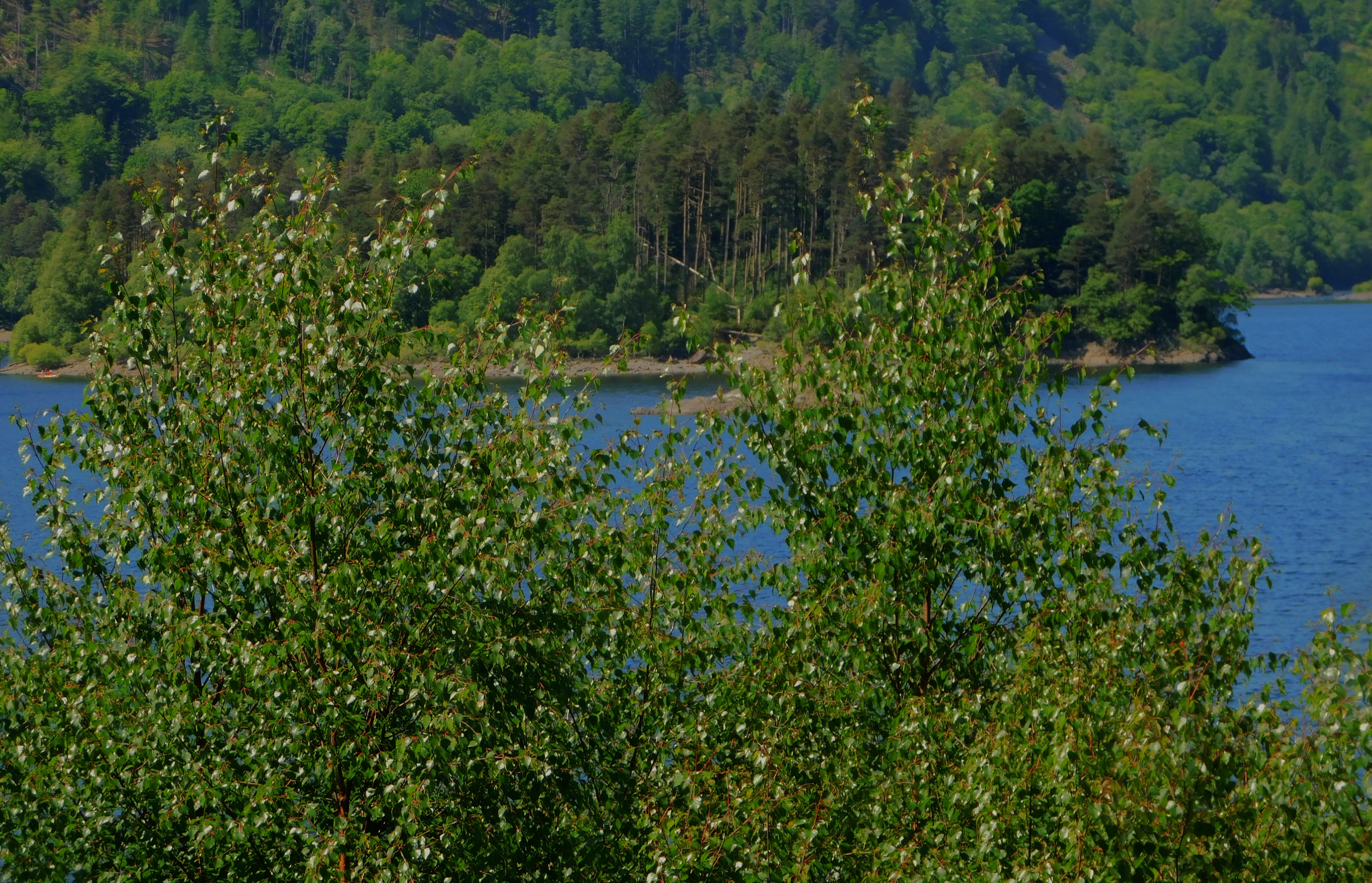
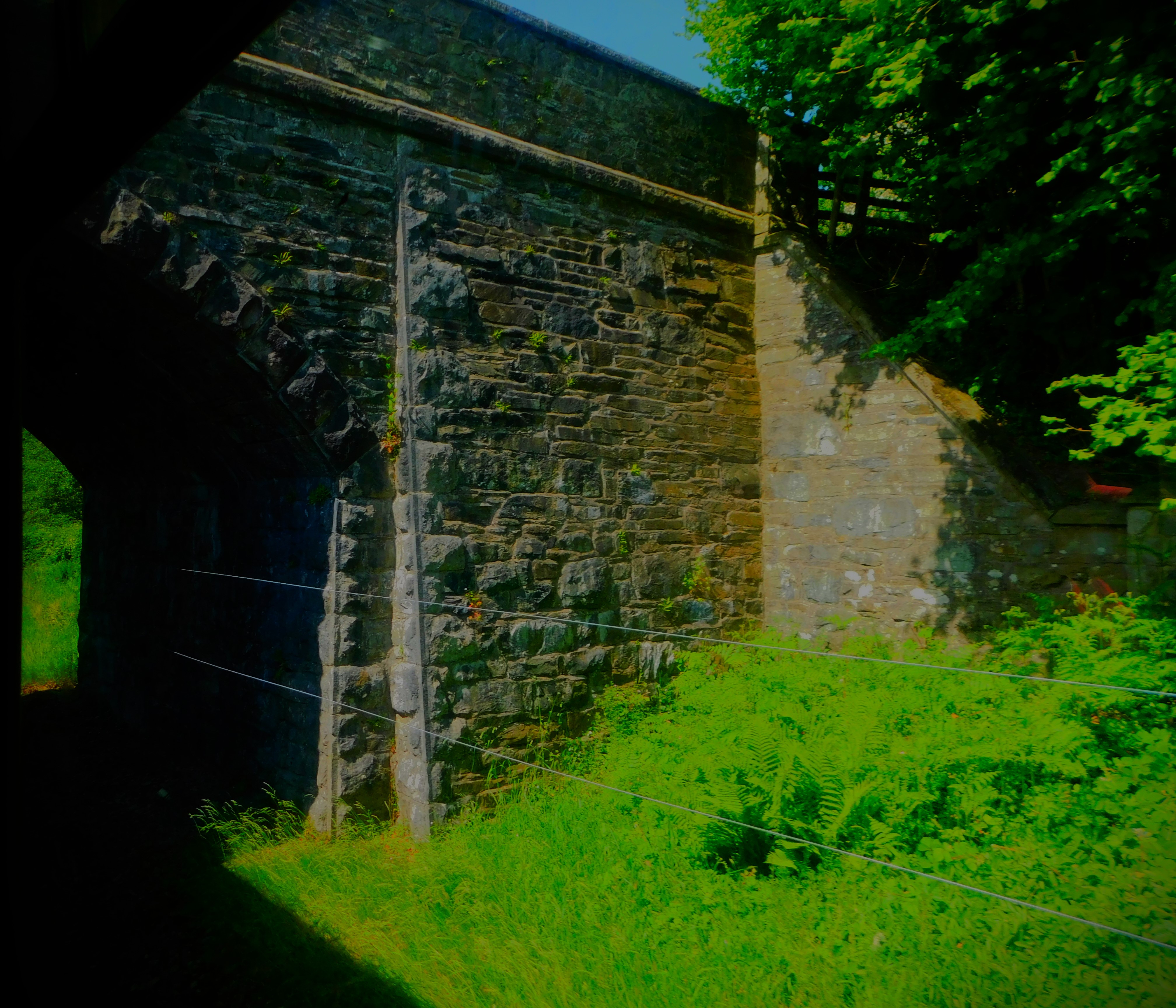
The train was a fraction late setting out as they wanted to get more people aboard but thereafter ran quite smoothly. We faced away from the river on the journey to Haverthwaite and towards it on the way back, and I was in forward facing window seats both ways. There was a lot to see on both journeys, and I recommend you to include this little journey in your itinerary if you are in this part of the world.
Some hints of what is to come on this blog when I have edited all the pictures I have from my holiday in the Lake District.
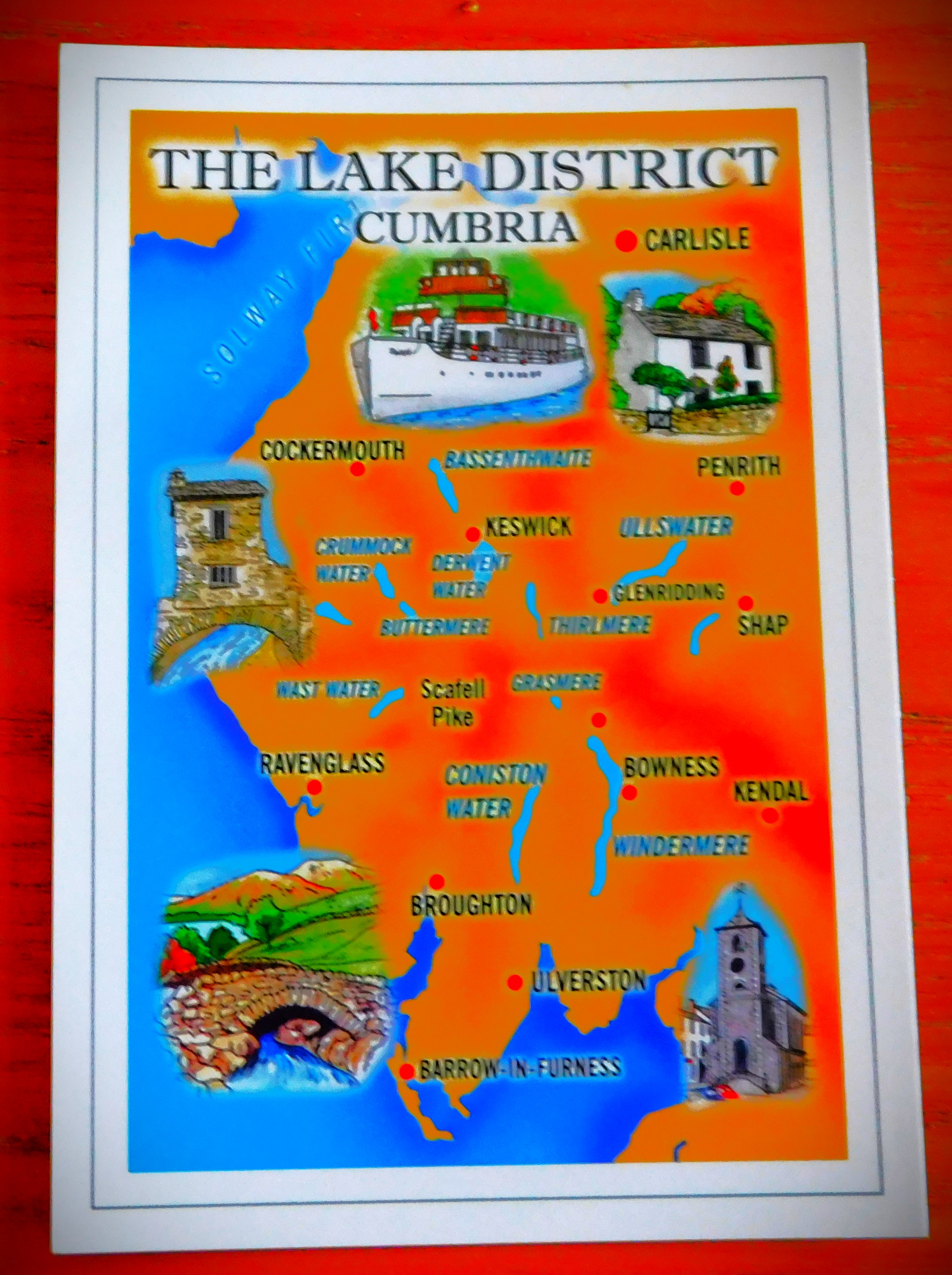
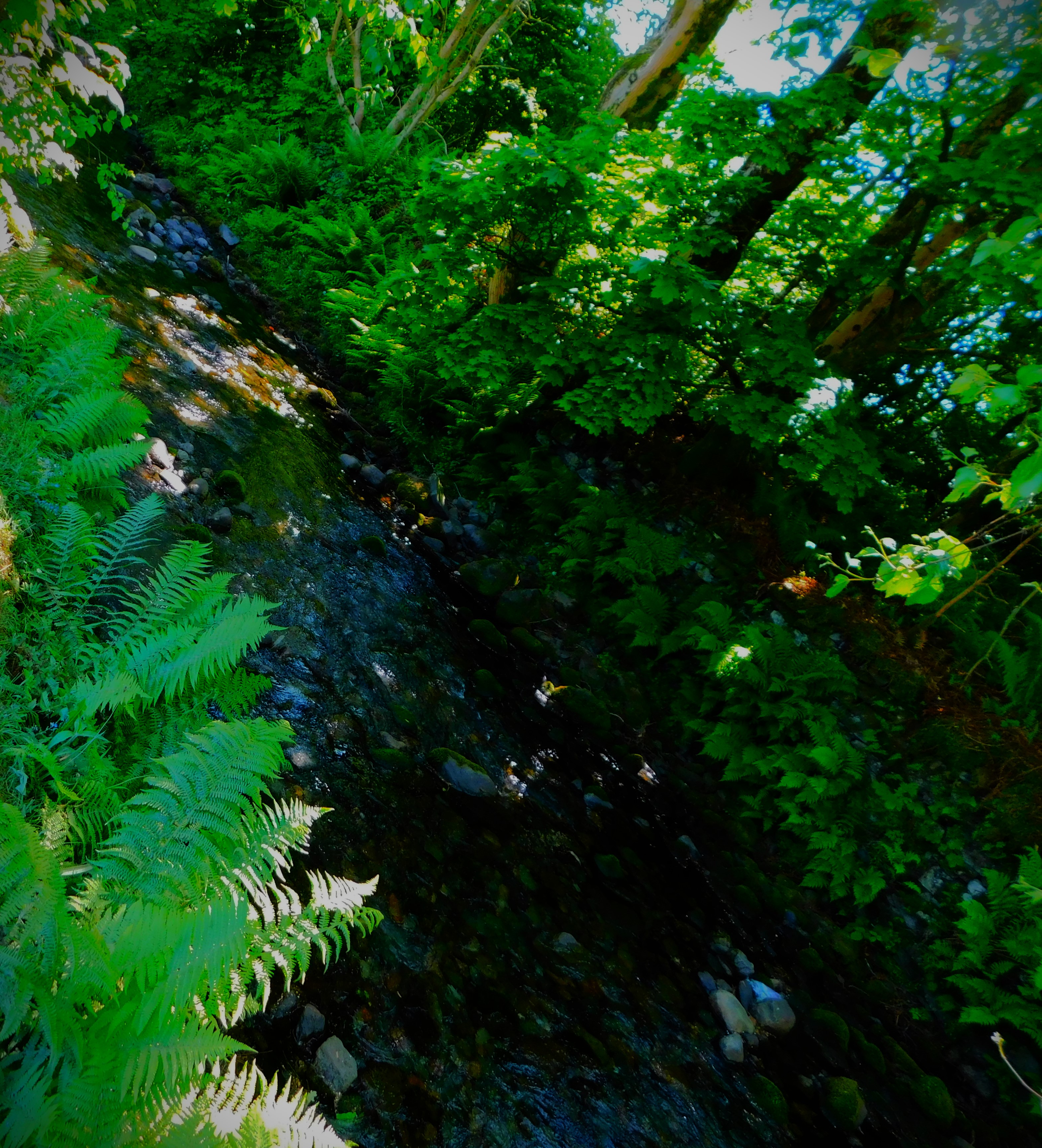
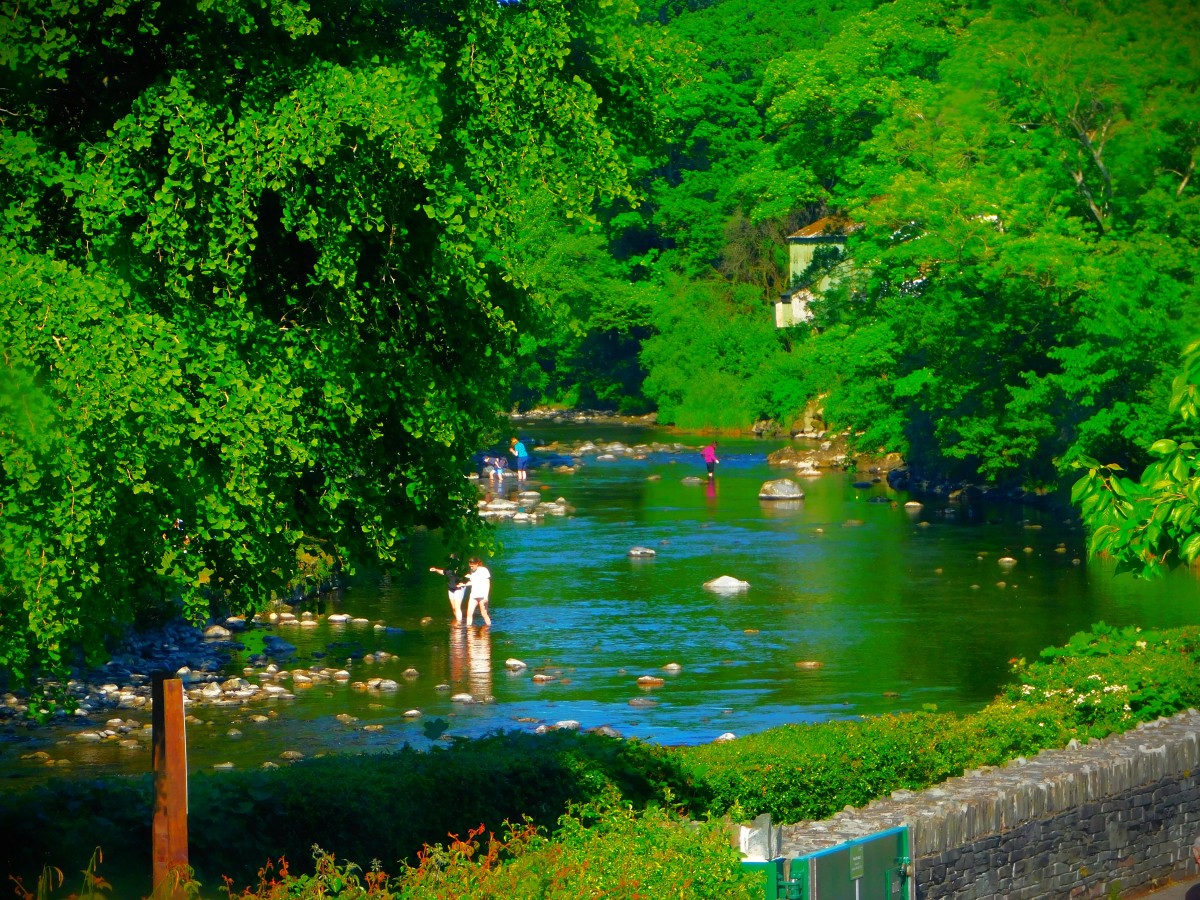
After yesterday’s boat trips around Windermere and today’s visits to Brockholes, Grasmere (“The Grasmere Grudge” for my fellow Tope fans) and Keswick (where in Tope’s lake mysteries series main protagonists Persimmon ‘Simmy’ Brown’s other half Christopher Henderson works as an auctioneer) I have a huge number of images to edit and prep for showing on this blog. However, I though this was a good moment to signpost some of the many forthcoming posts about this holiday.
AMBLESIDE GENERALLY
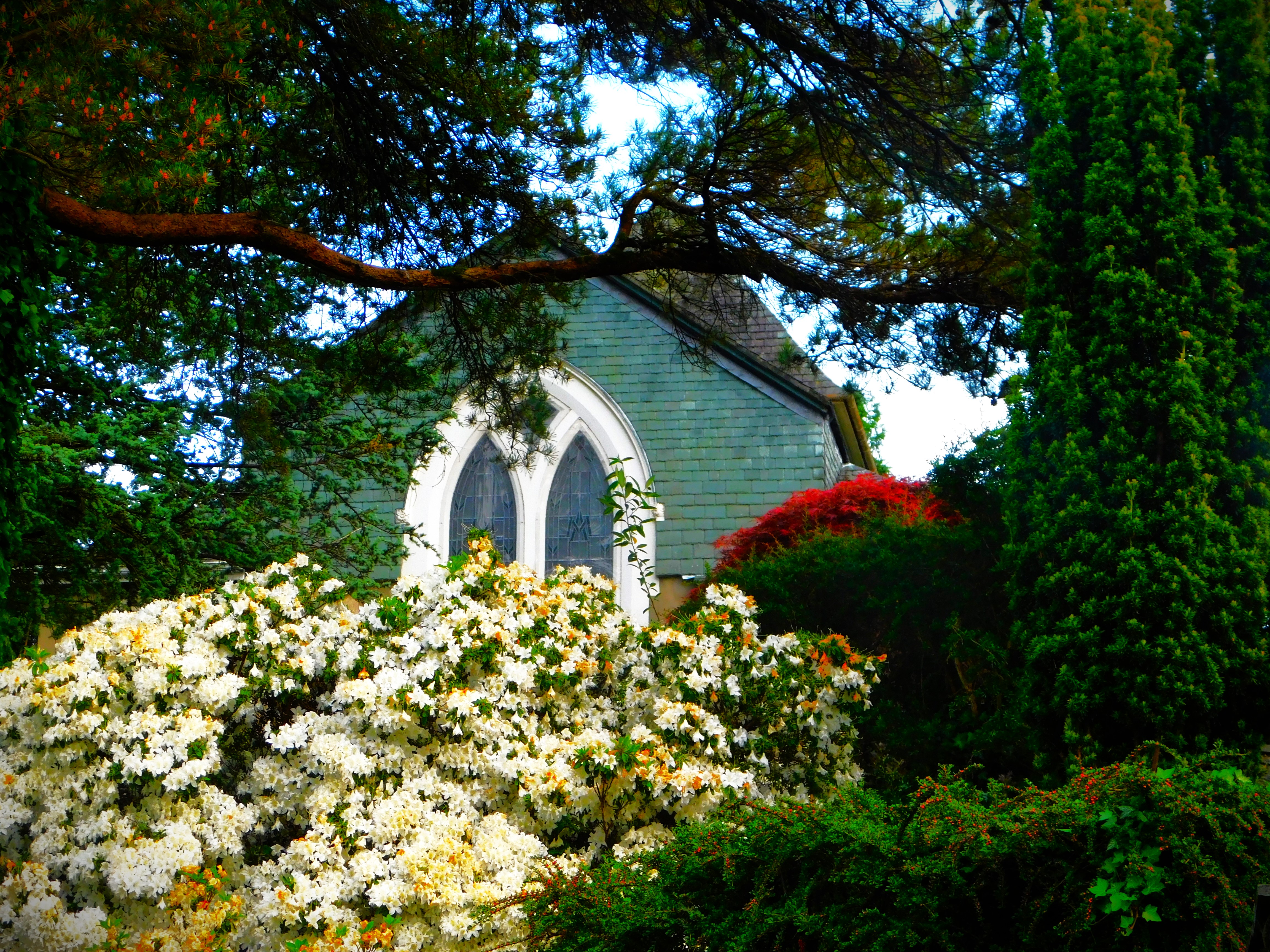
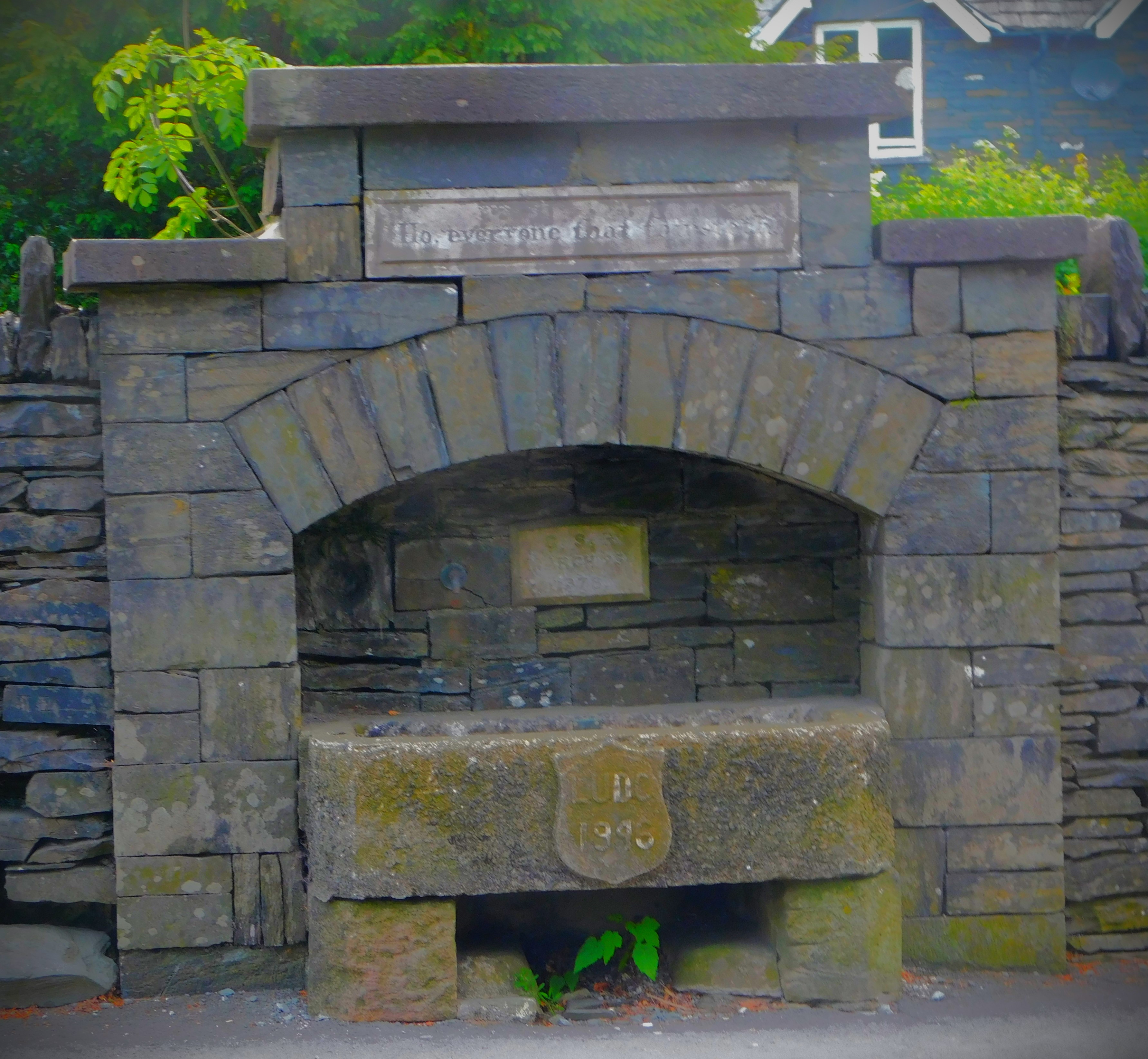
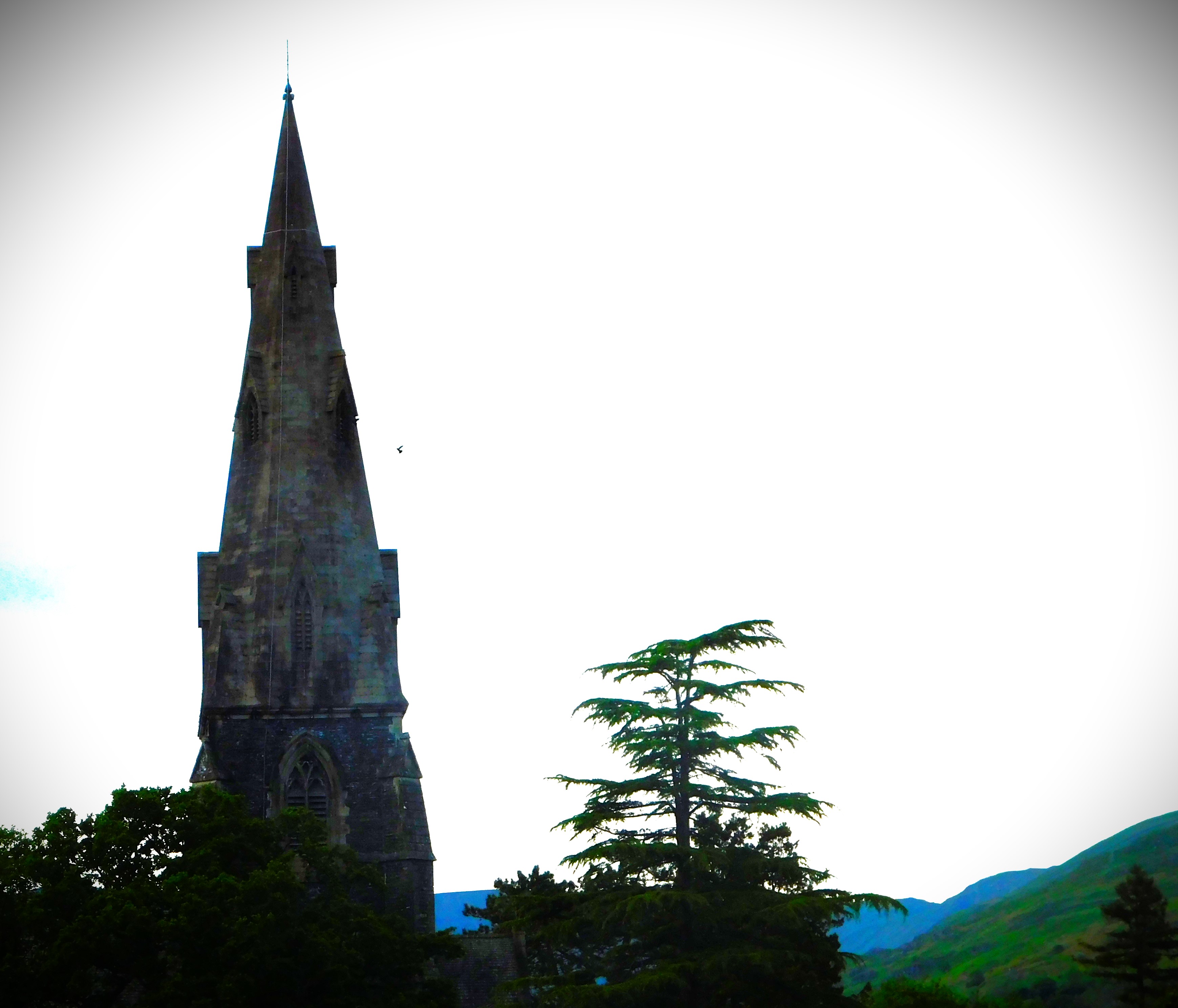
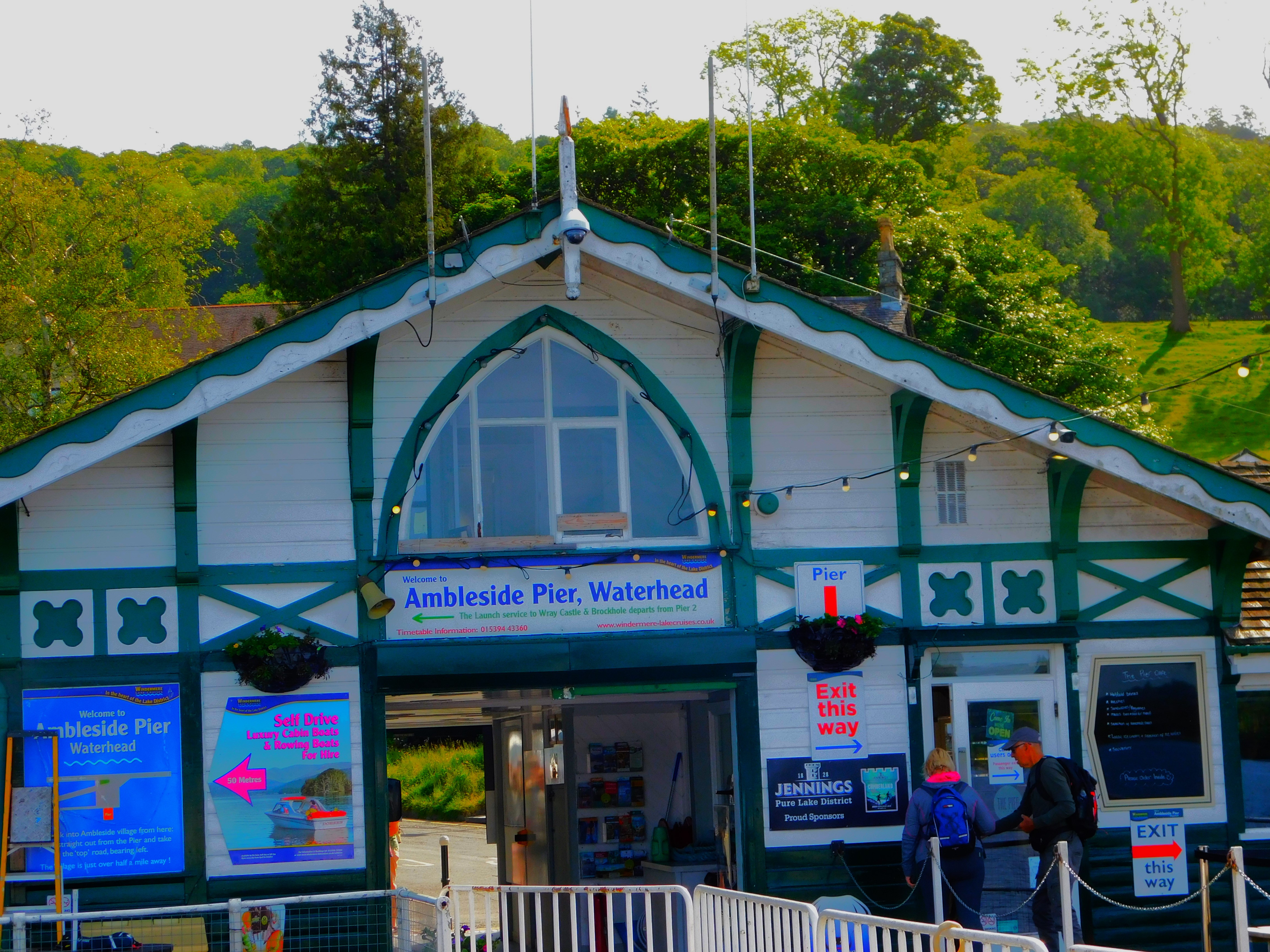
Ambleside is a fine little town in its own right, and since every trip starts with a walk to some part of Ambleside or other (my parents car has remained parked just below the cottage in which we are staying since our arrival on Saturday and will do so until Thursday morning when my journey home begins) opportunities for taking photographs in and around Ambleside have abounded.
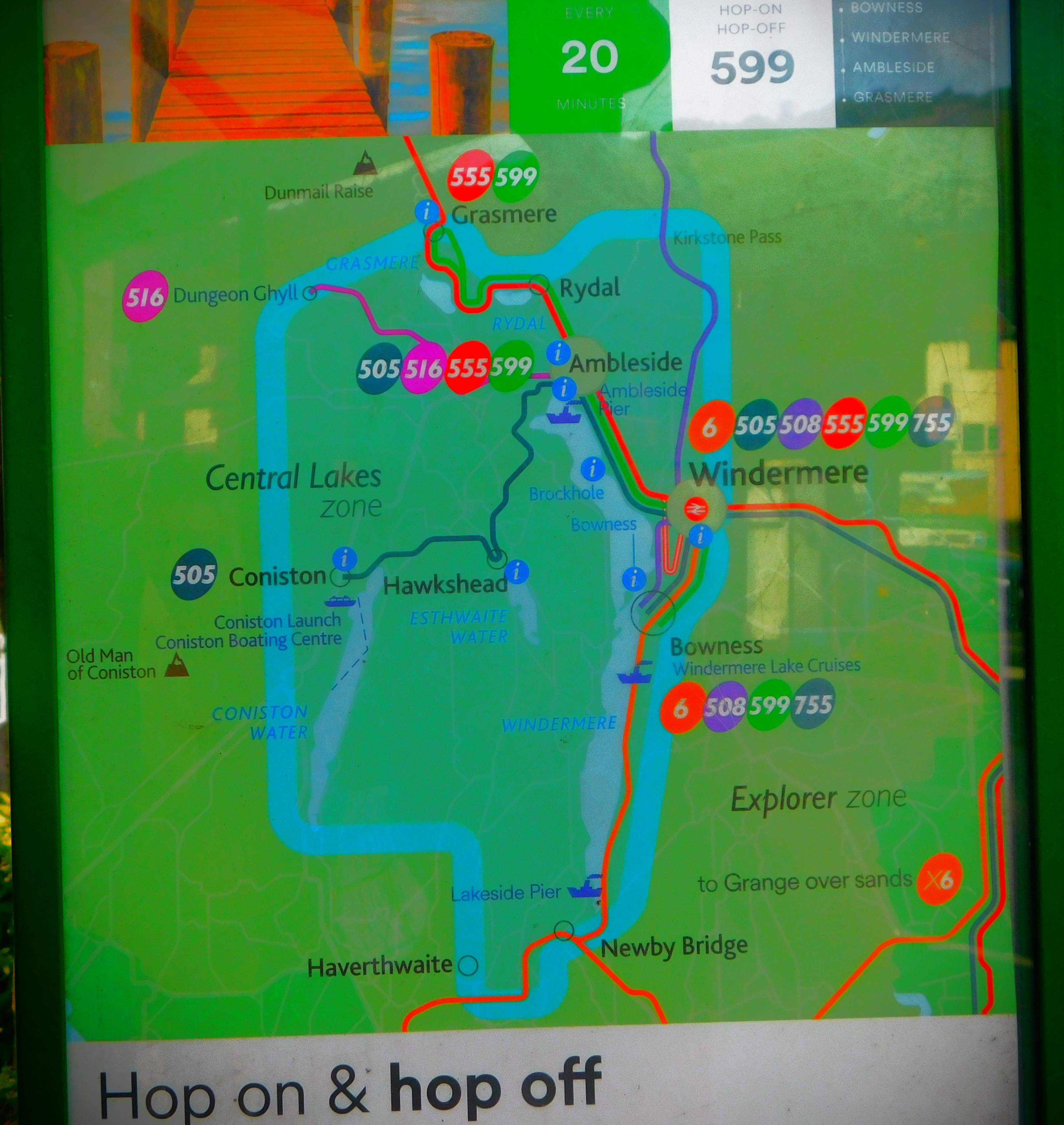
A clue as to why the car is not needed once one has arrived in Ambleside – services are frequent.
ON WINDERMERE
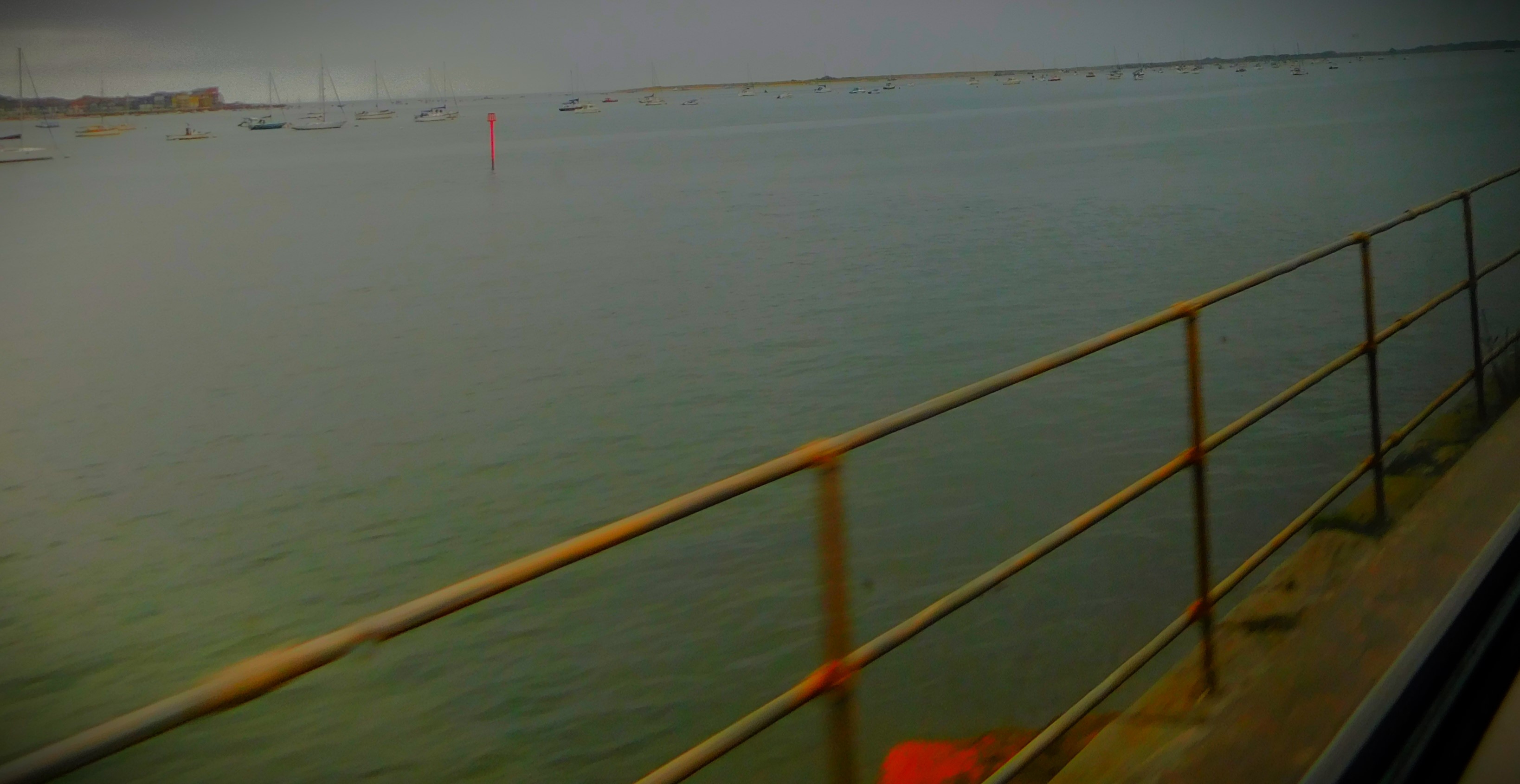
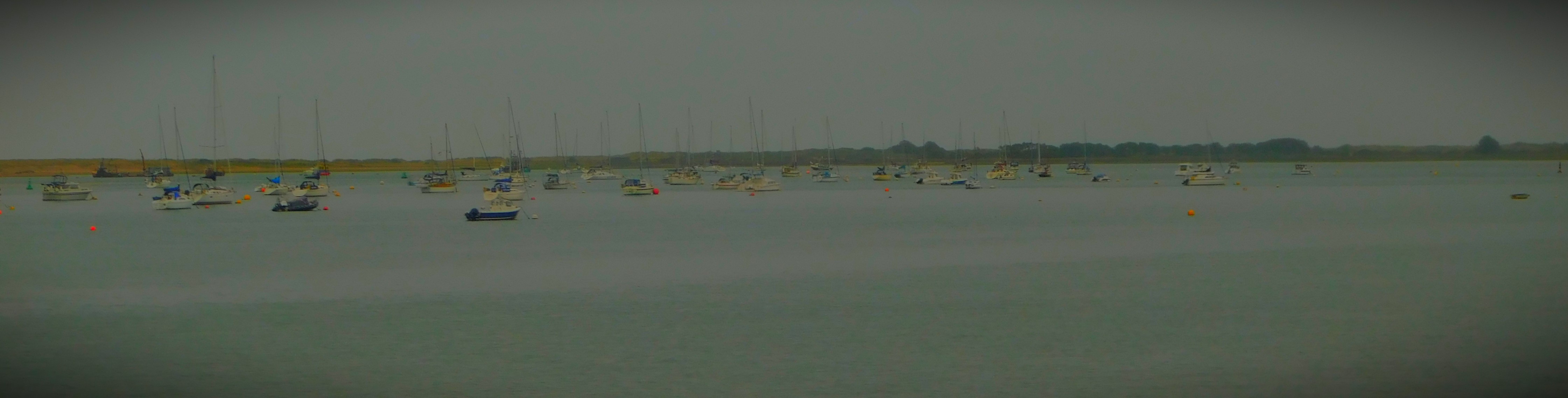
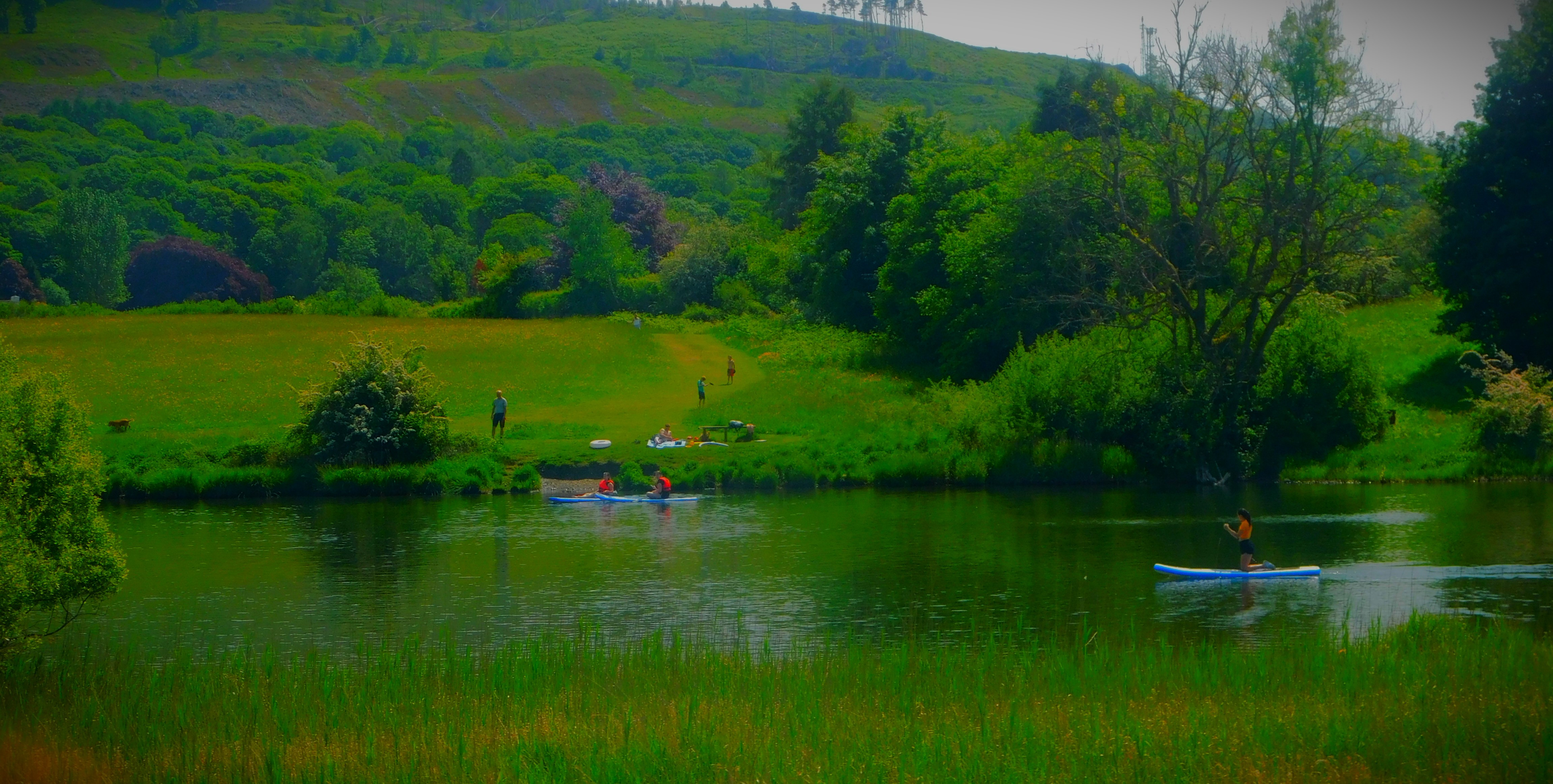
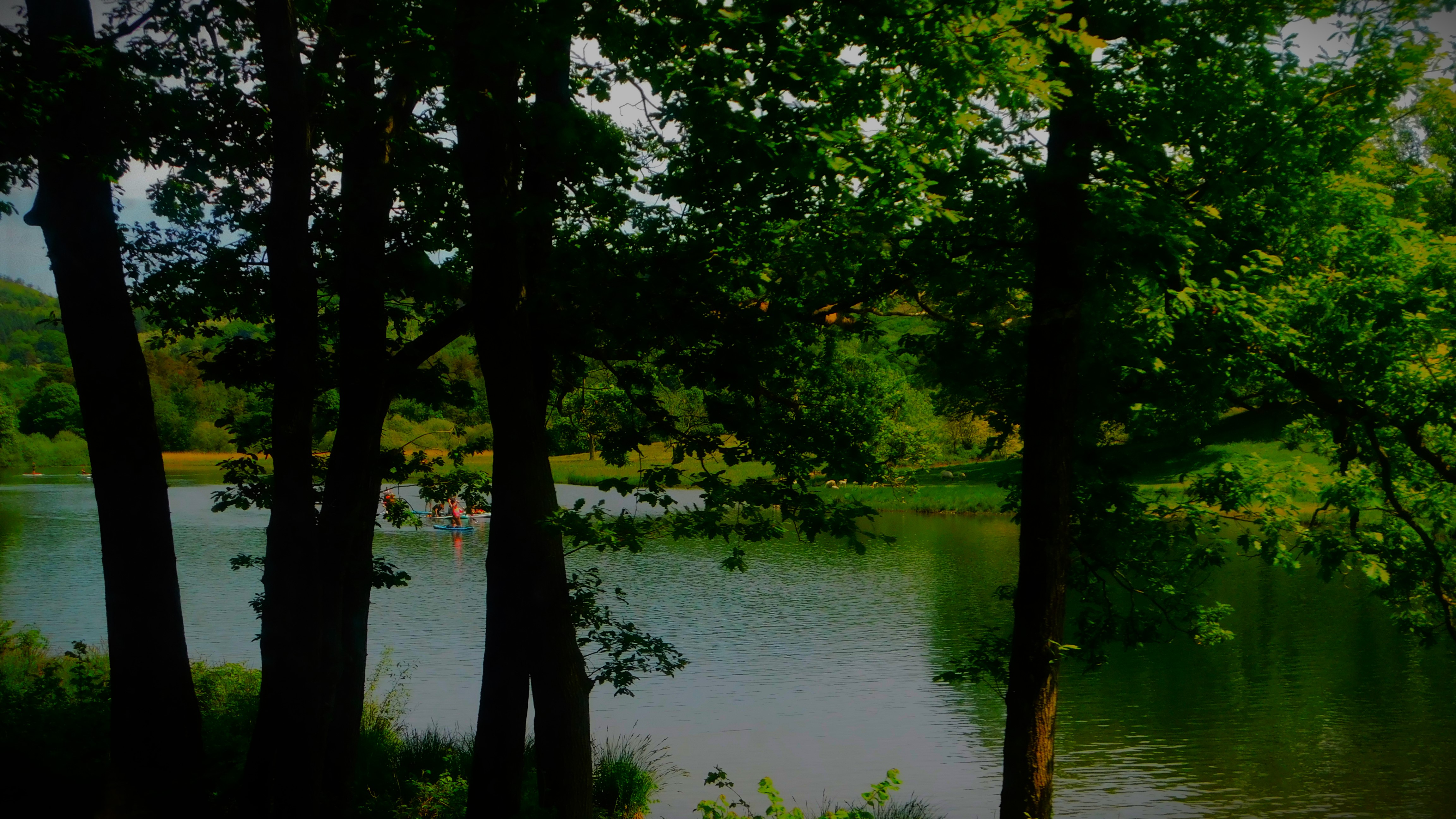
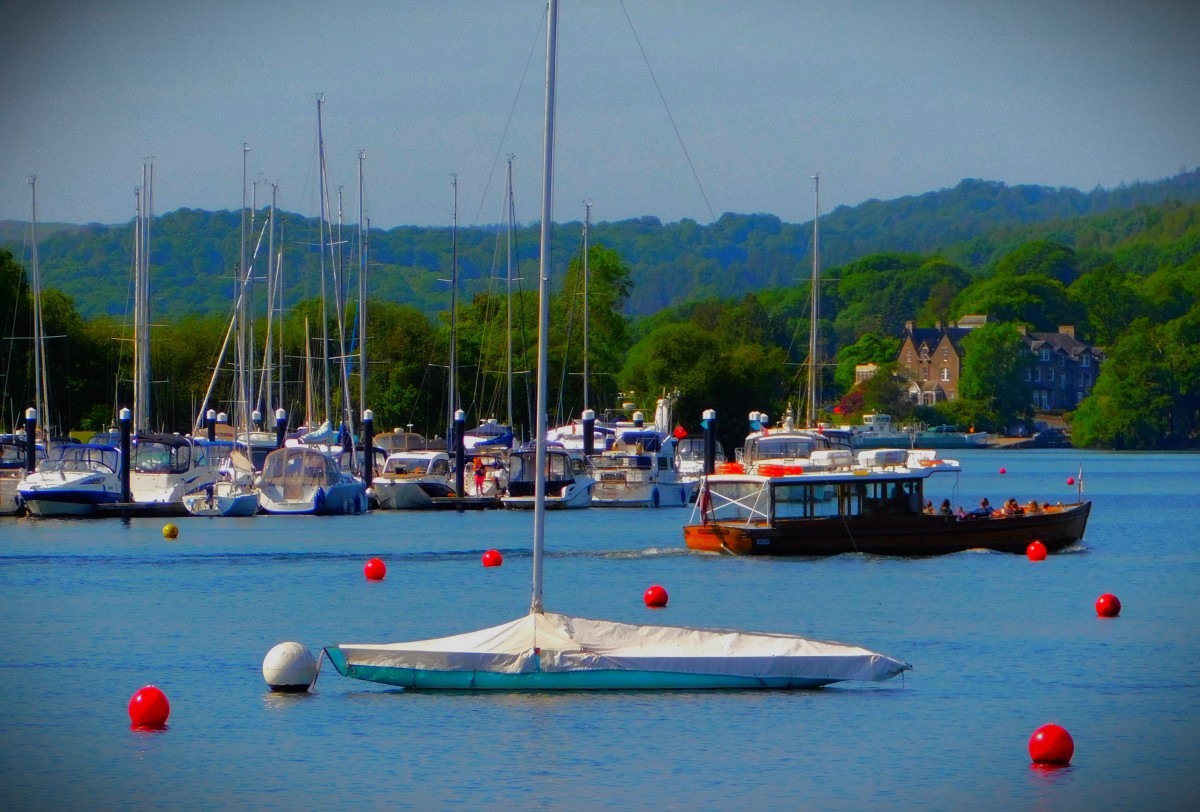
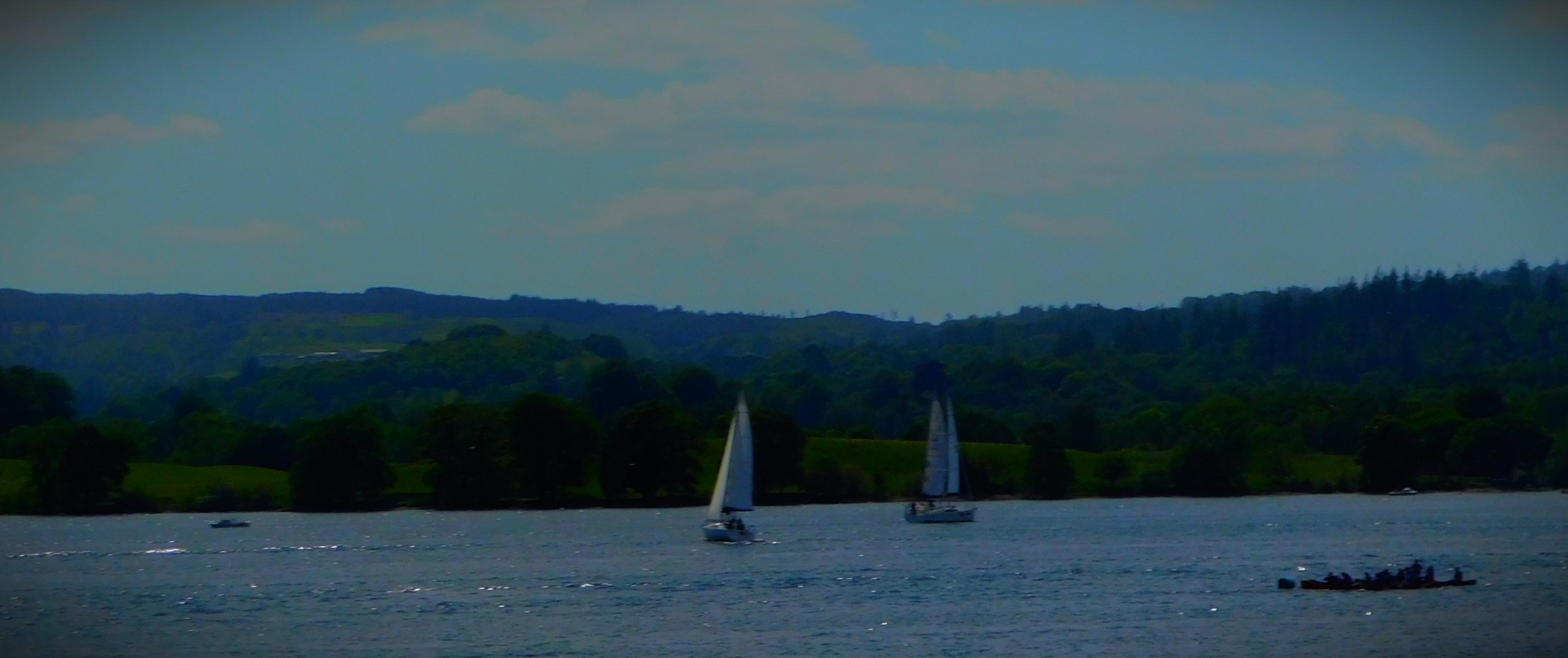
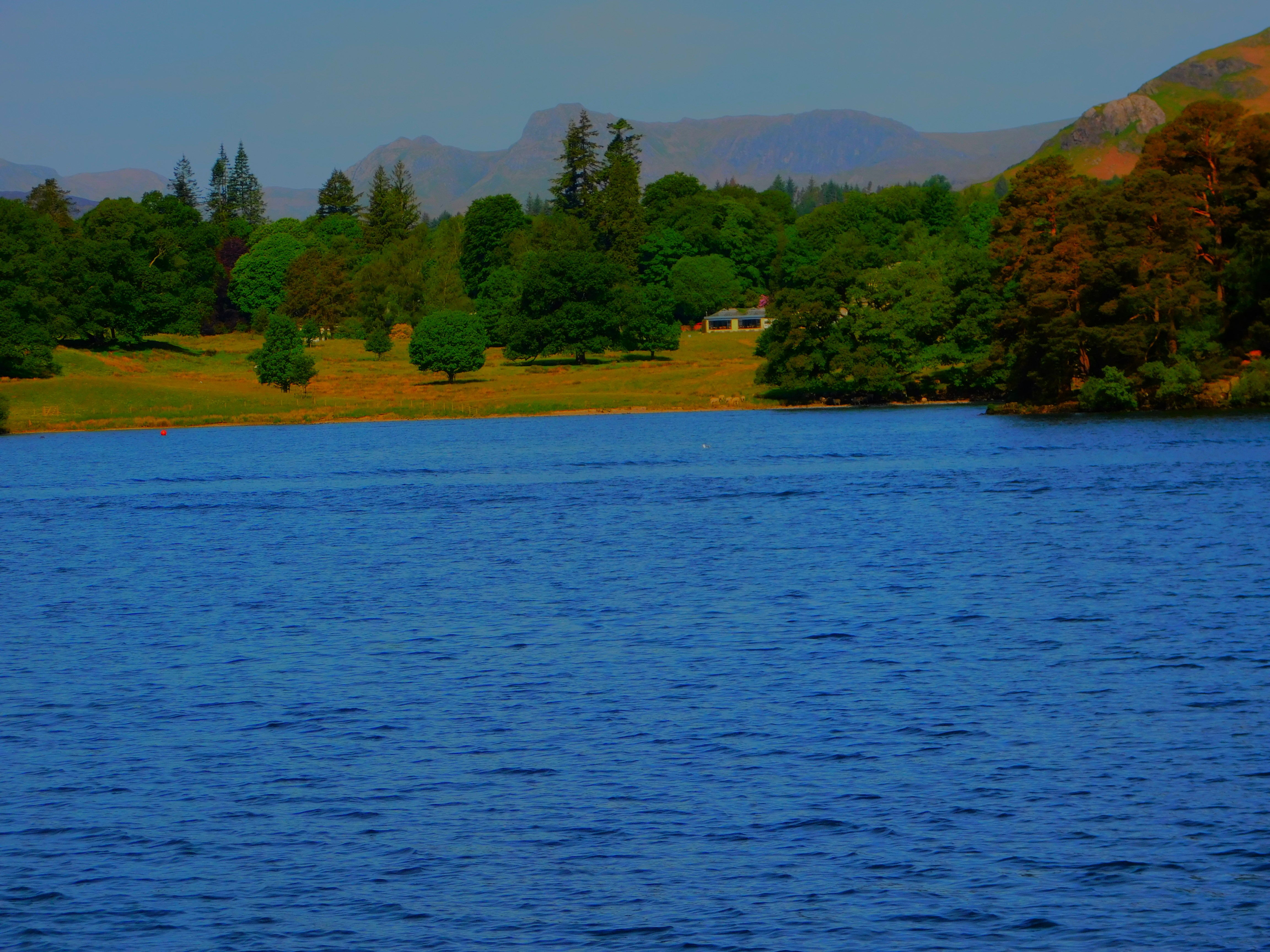
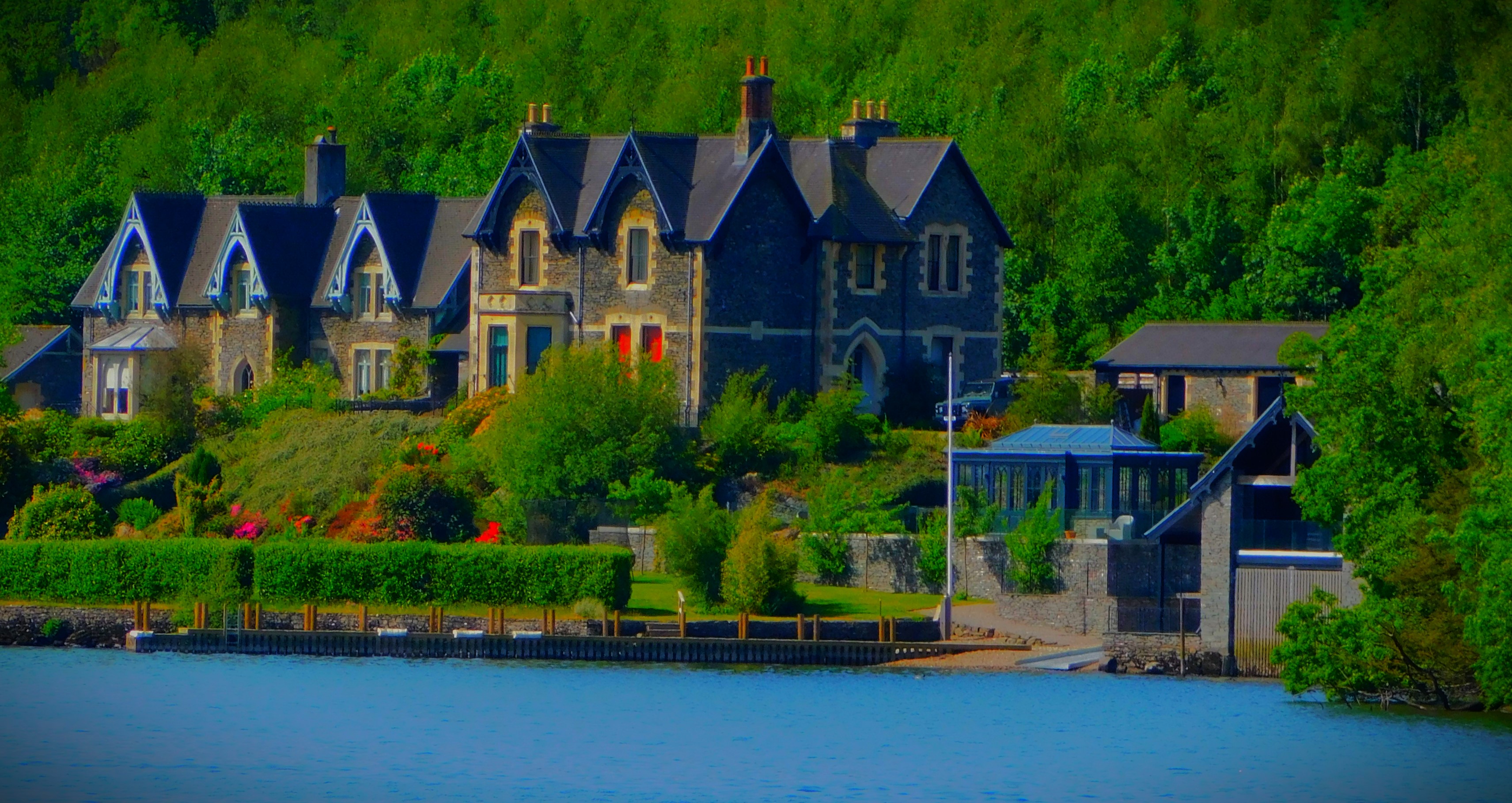
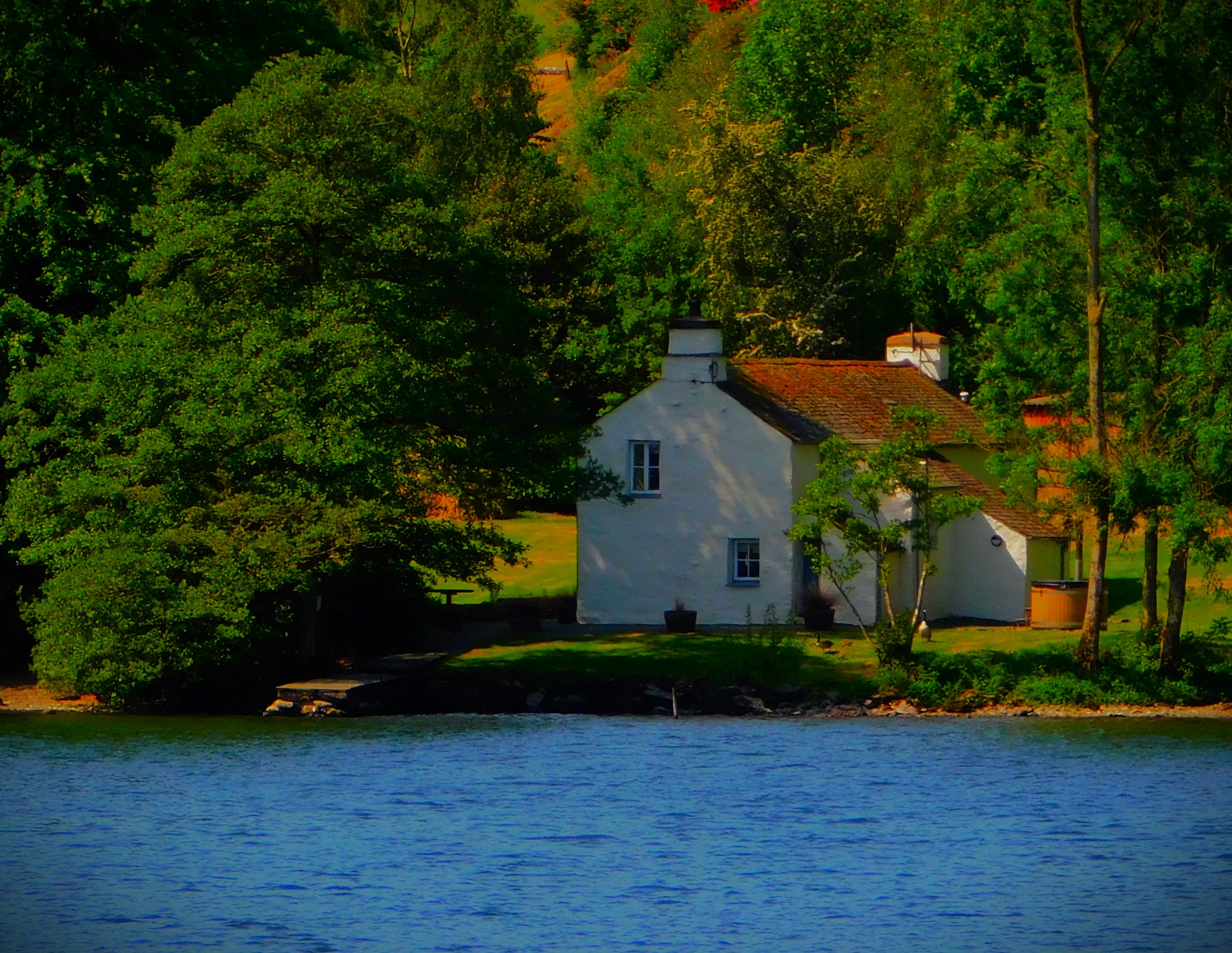
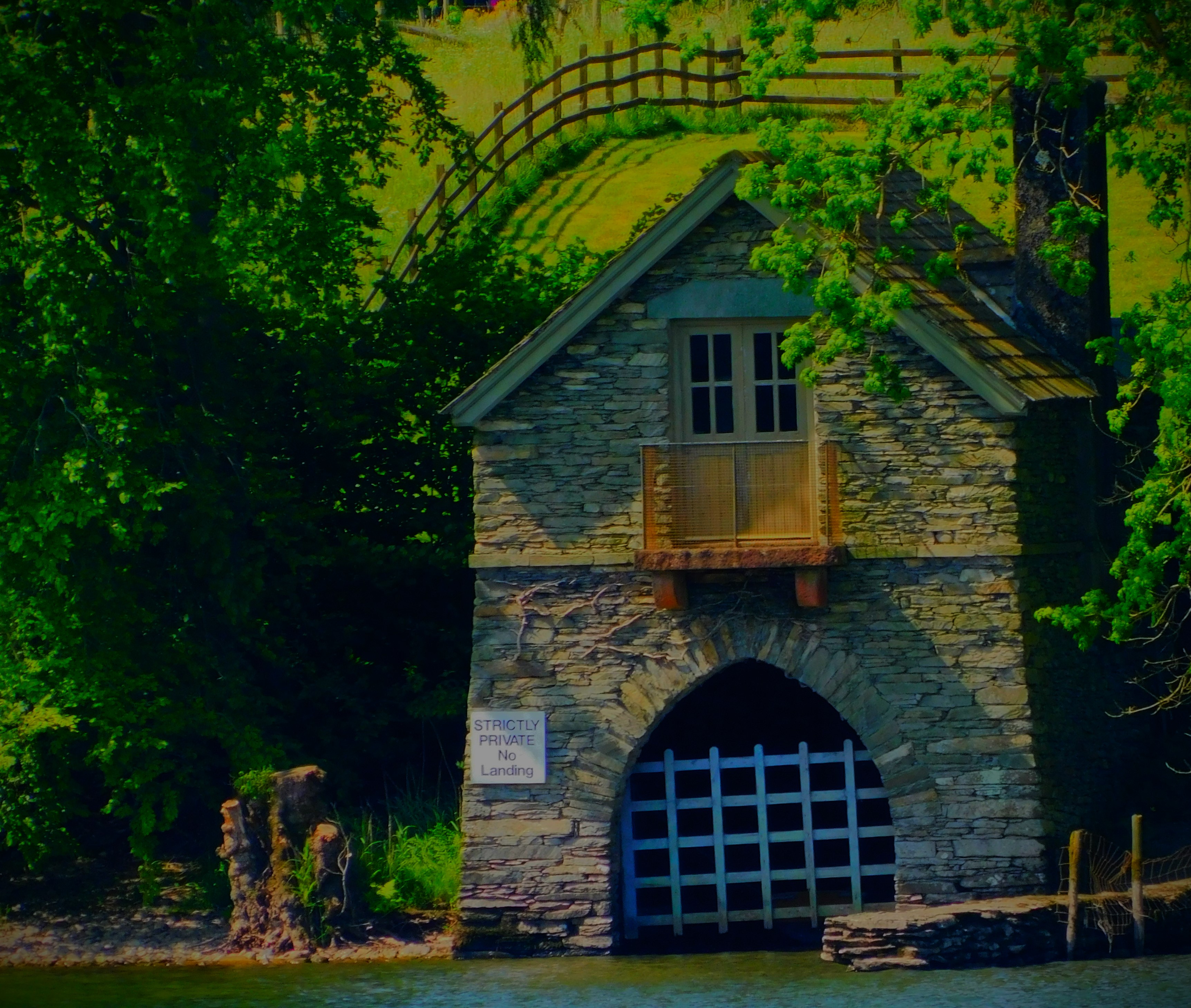
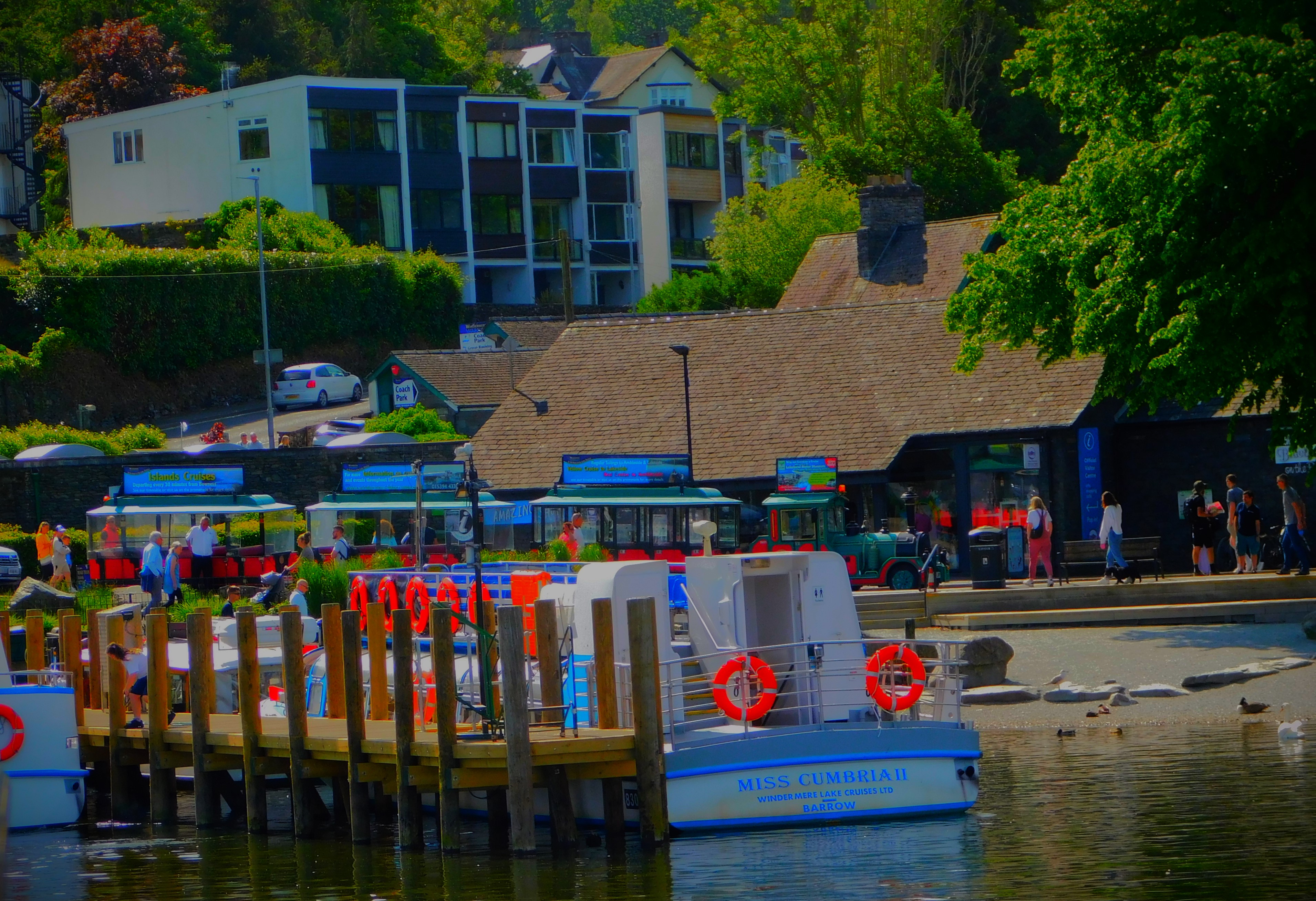
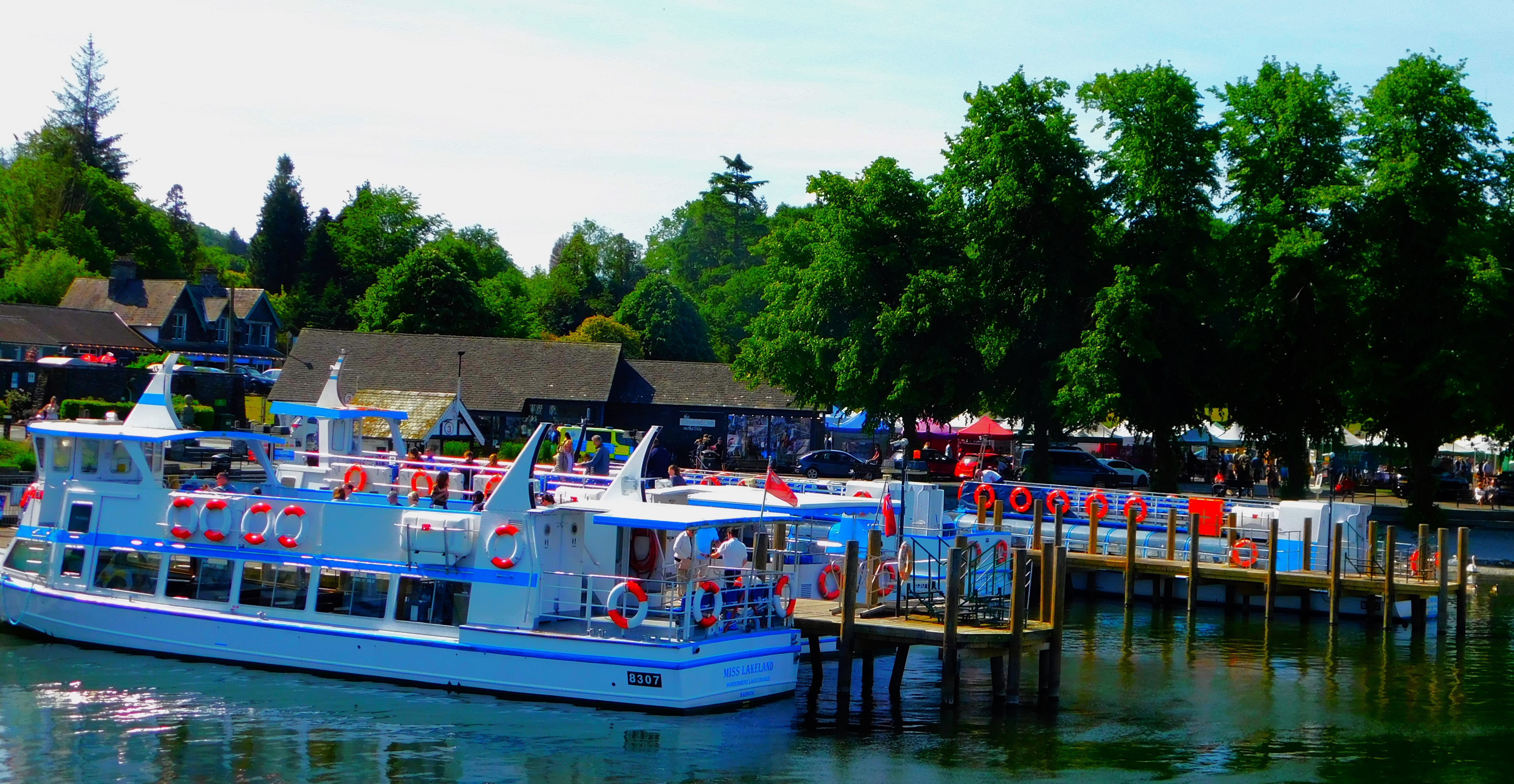
The atrocious behaviour of the local water company notwithstanding (they have been polluting Windermere by pumping raw sewage into it) Windermere remains very scenic, and the boat trips I have taken have been exceedingly enjoyable.
BIRDS OF WINDERMERE
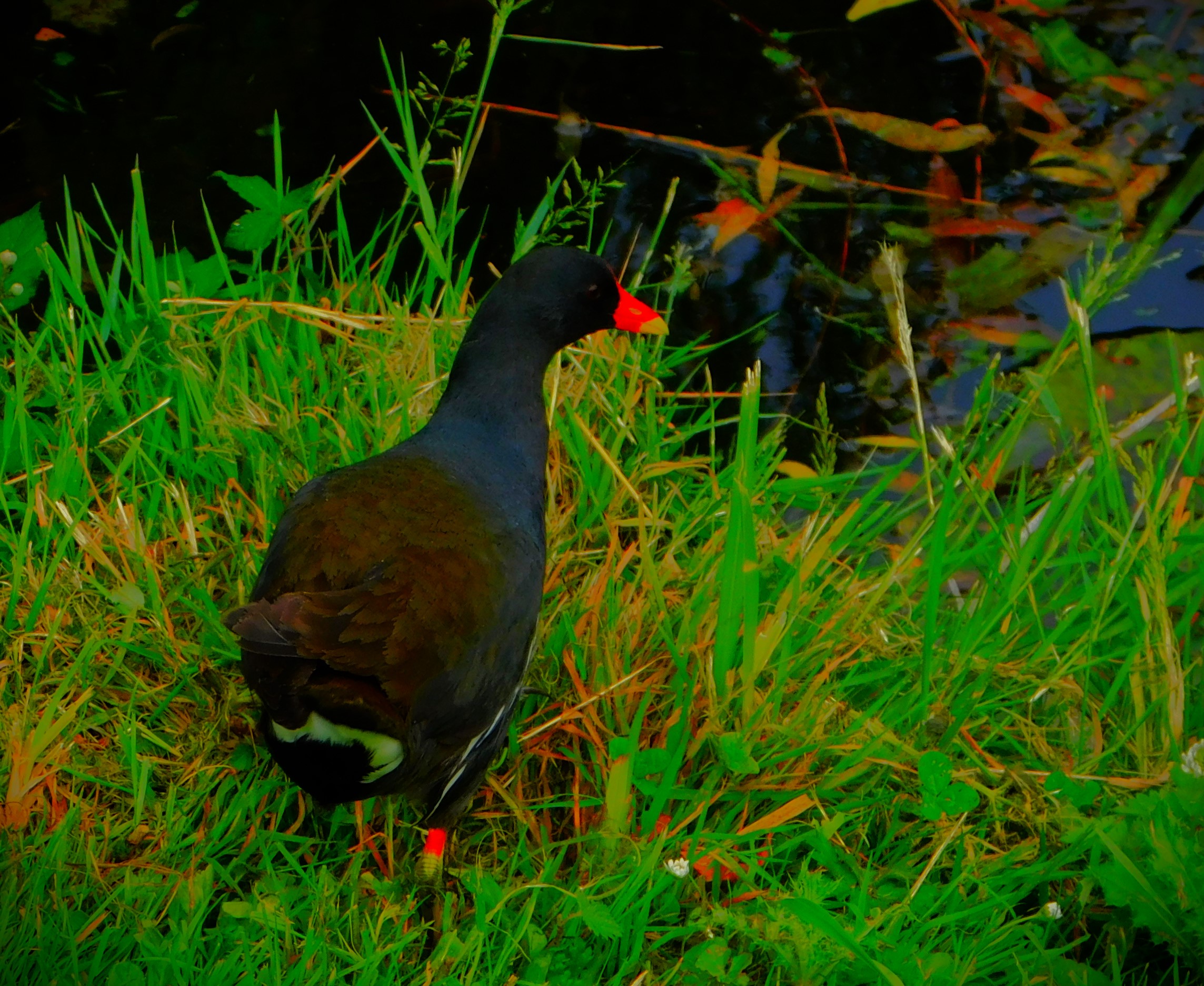
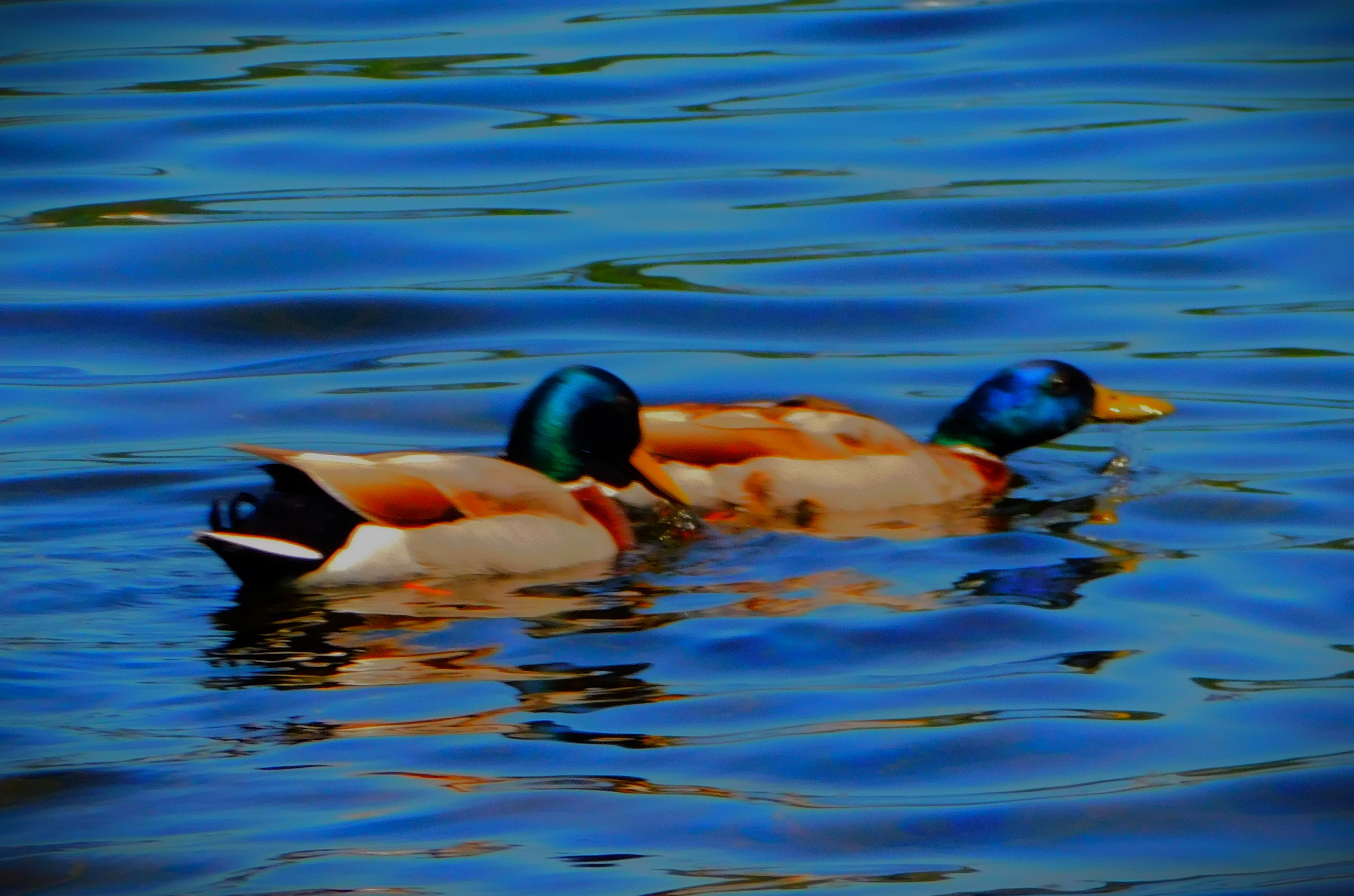
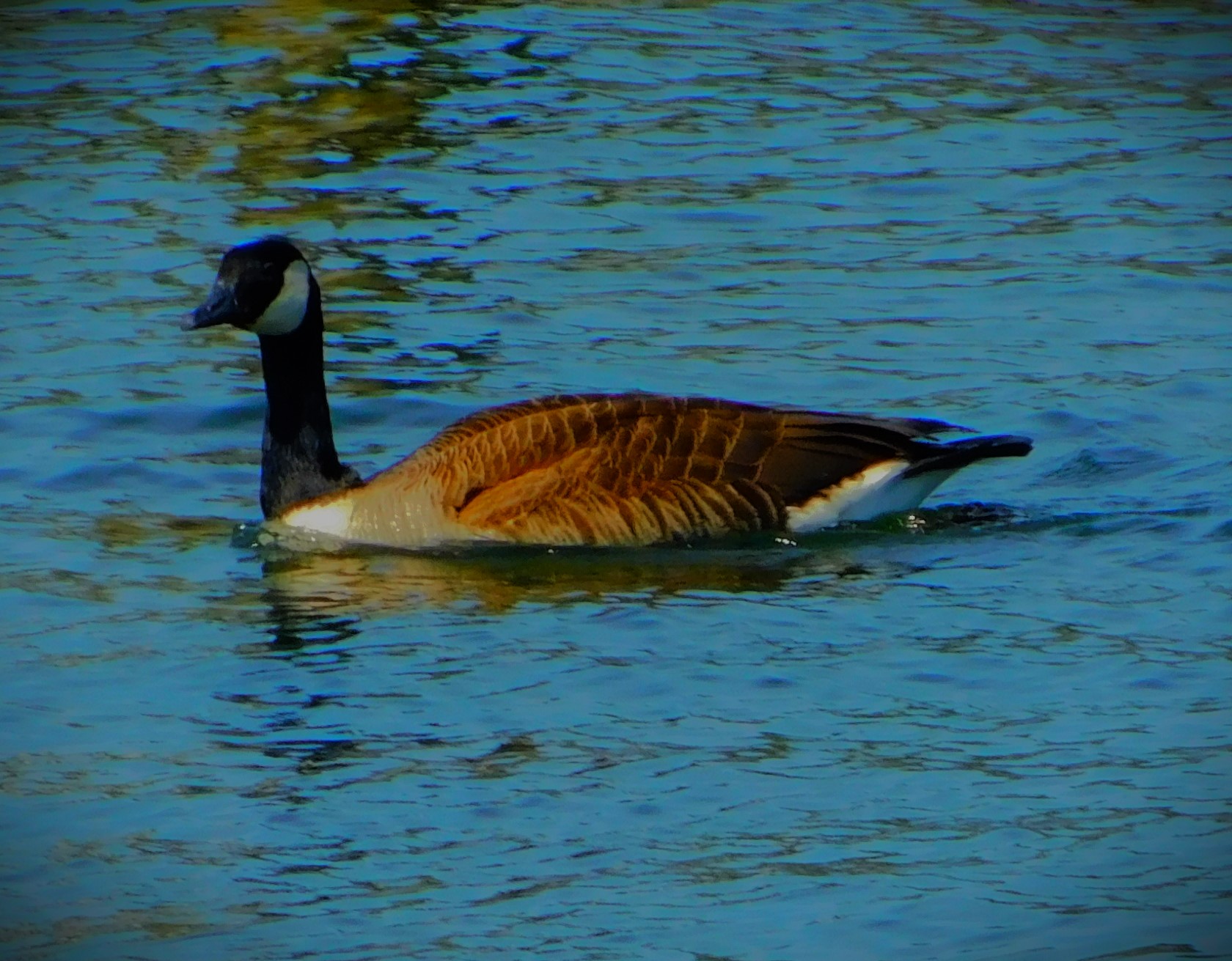
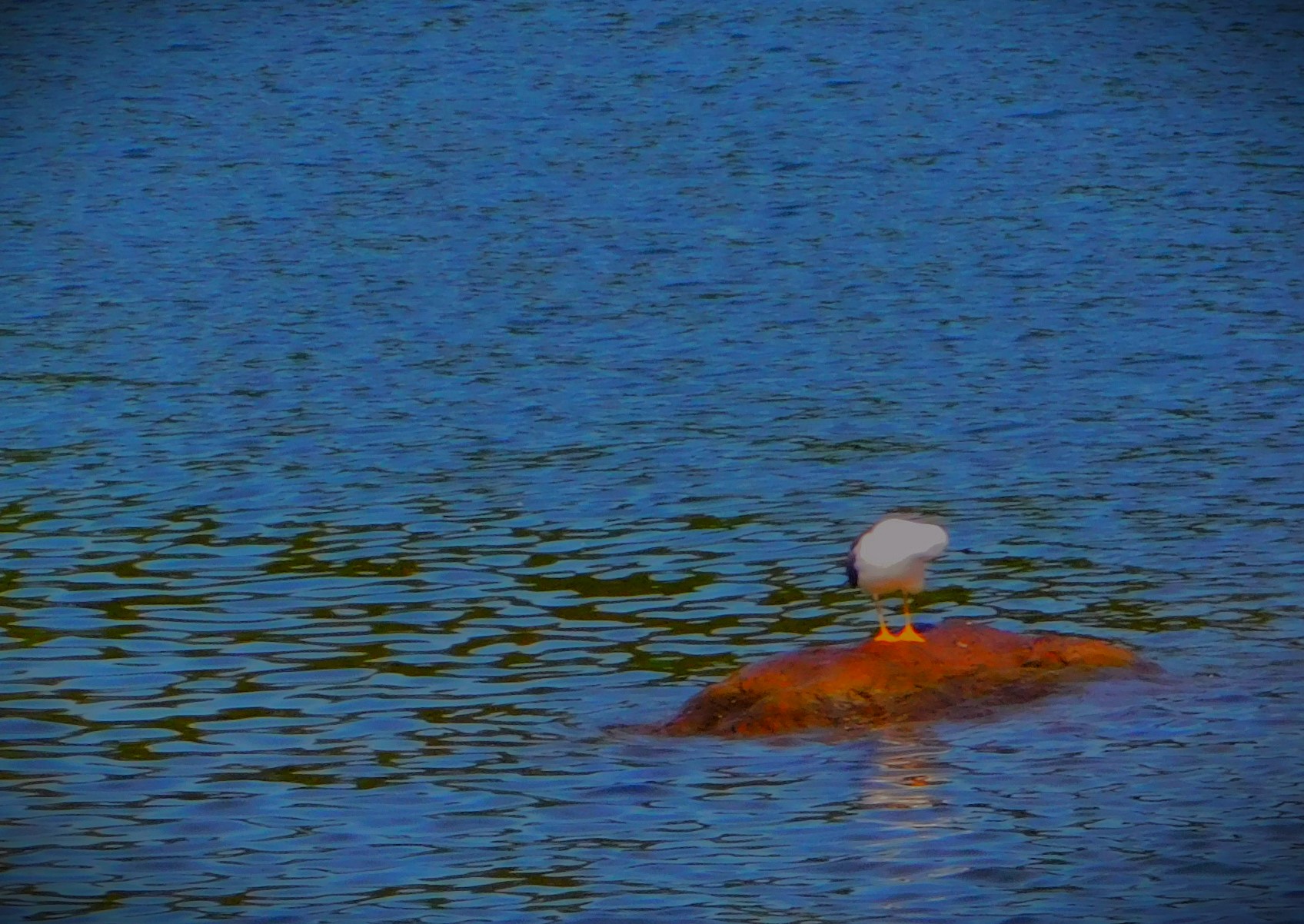
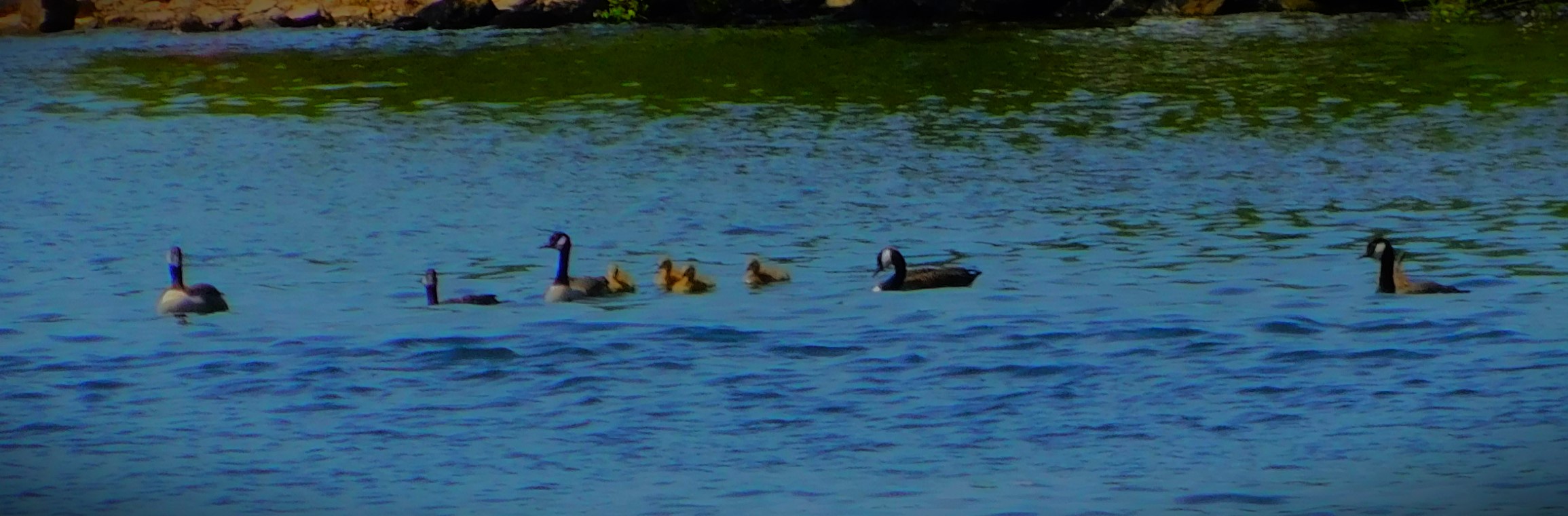
Windermere is home to a considerable quantity of birdlife (I have am not close to editing all my bird images yet), and I have managed to capture a not entirely insignificant fraction of it.
BOATS OF WINDERMERE
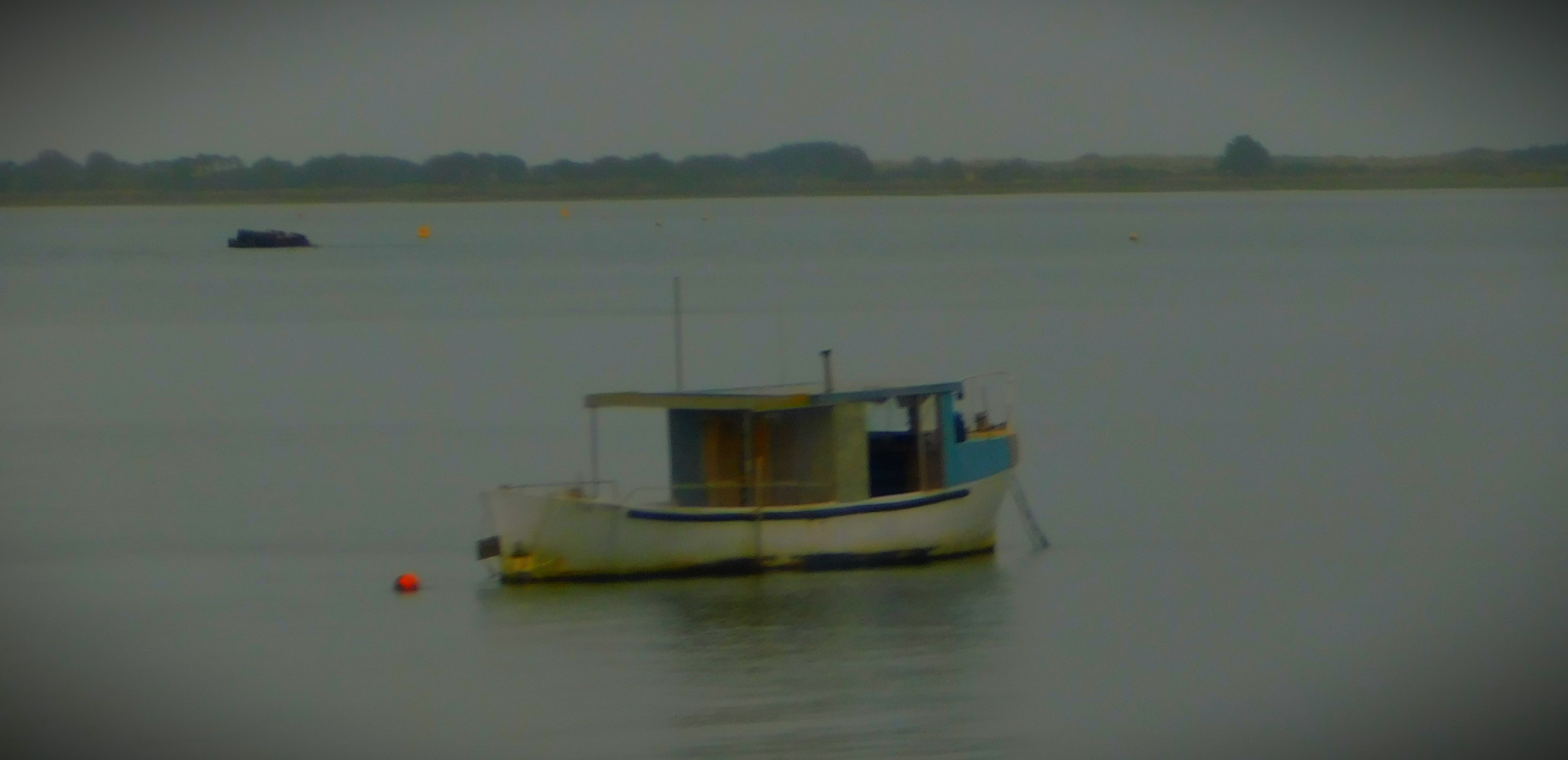
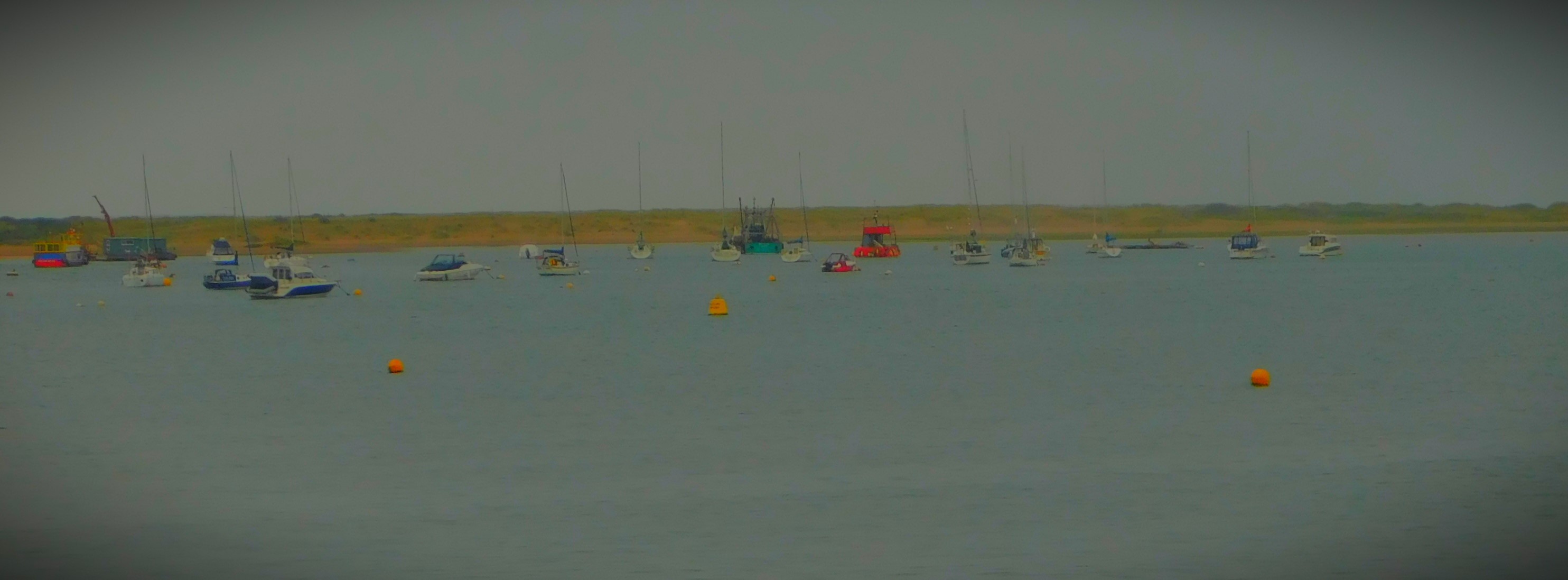
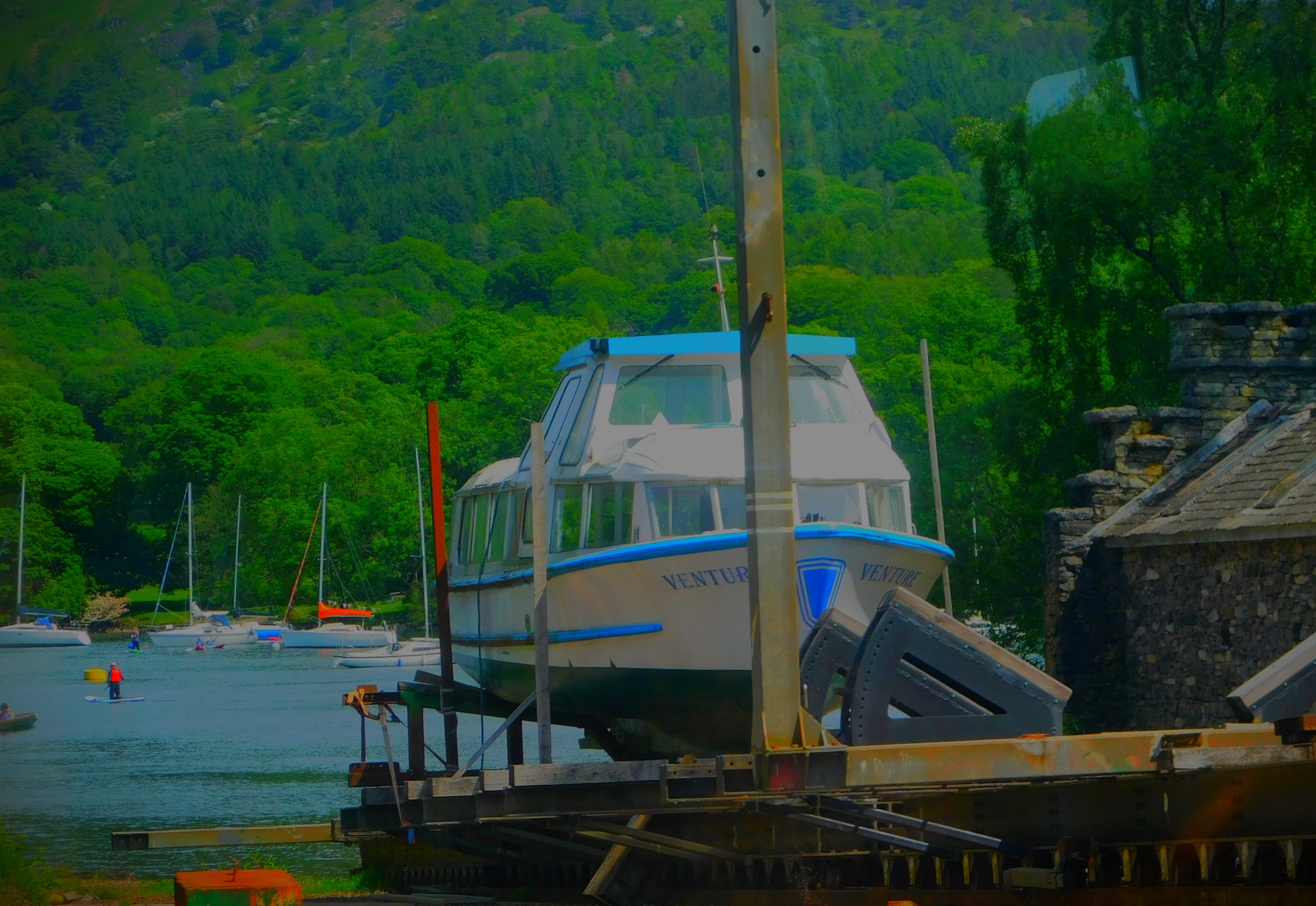
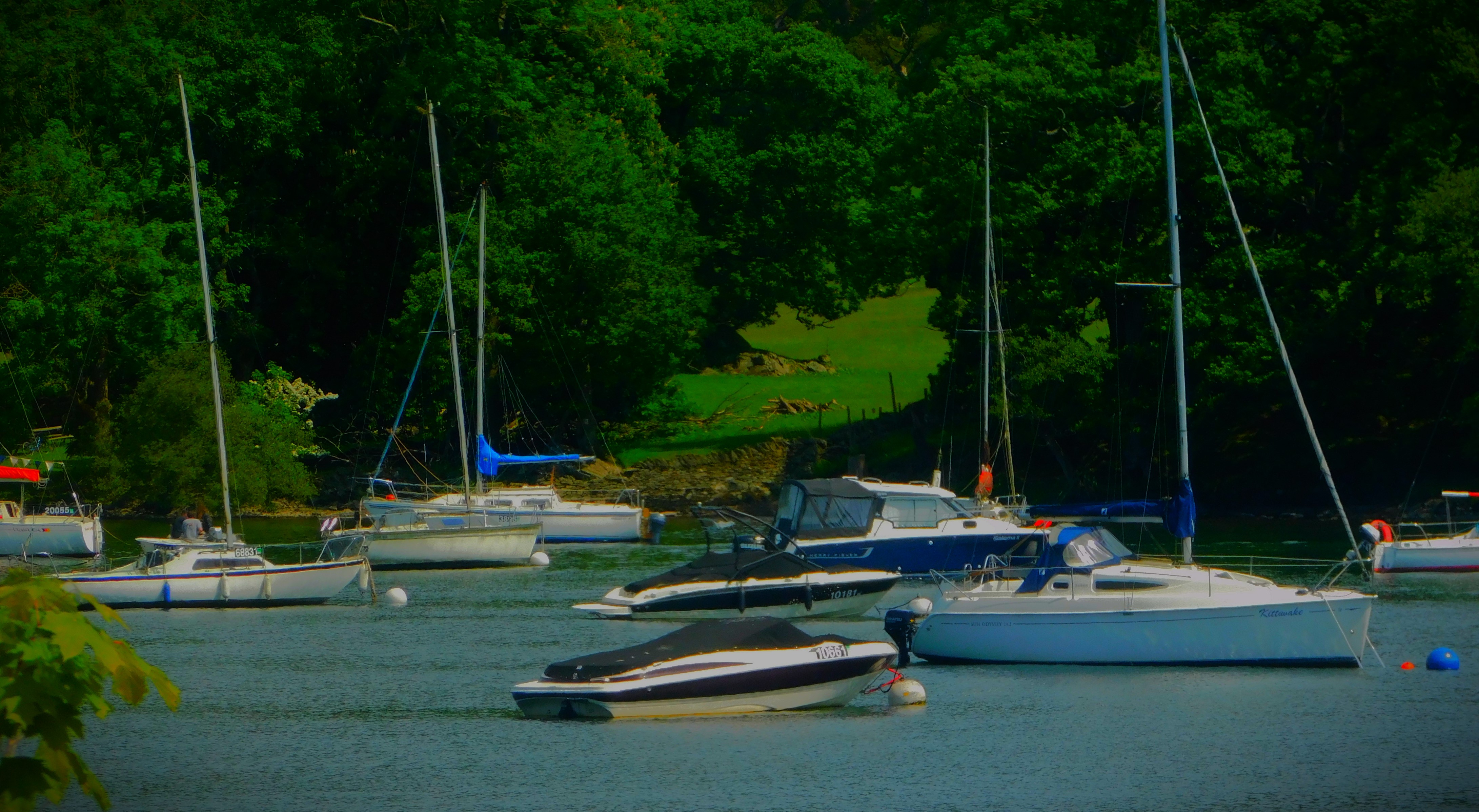
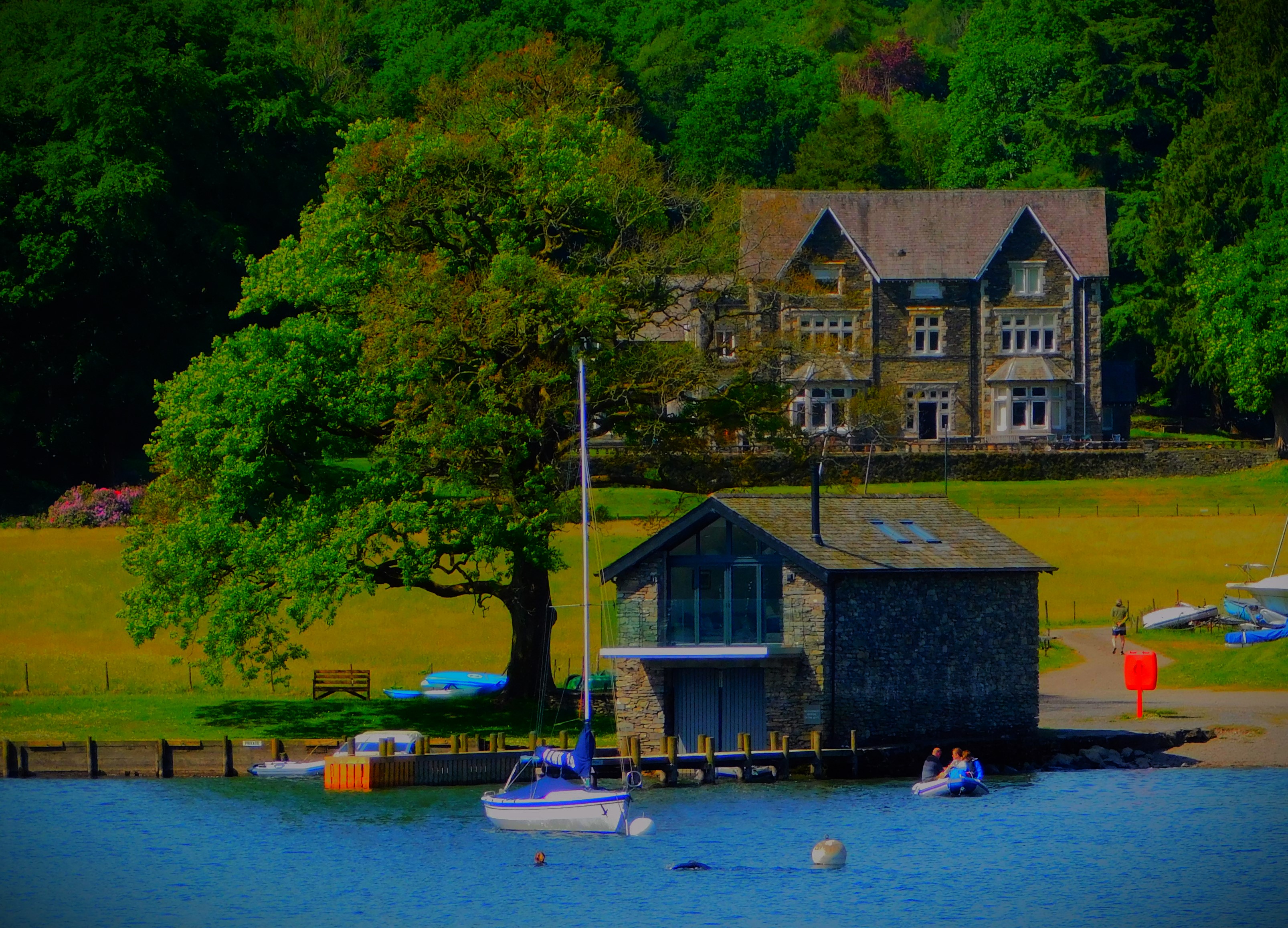
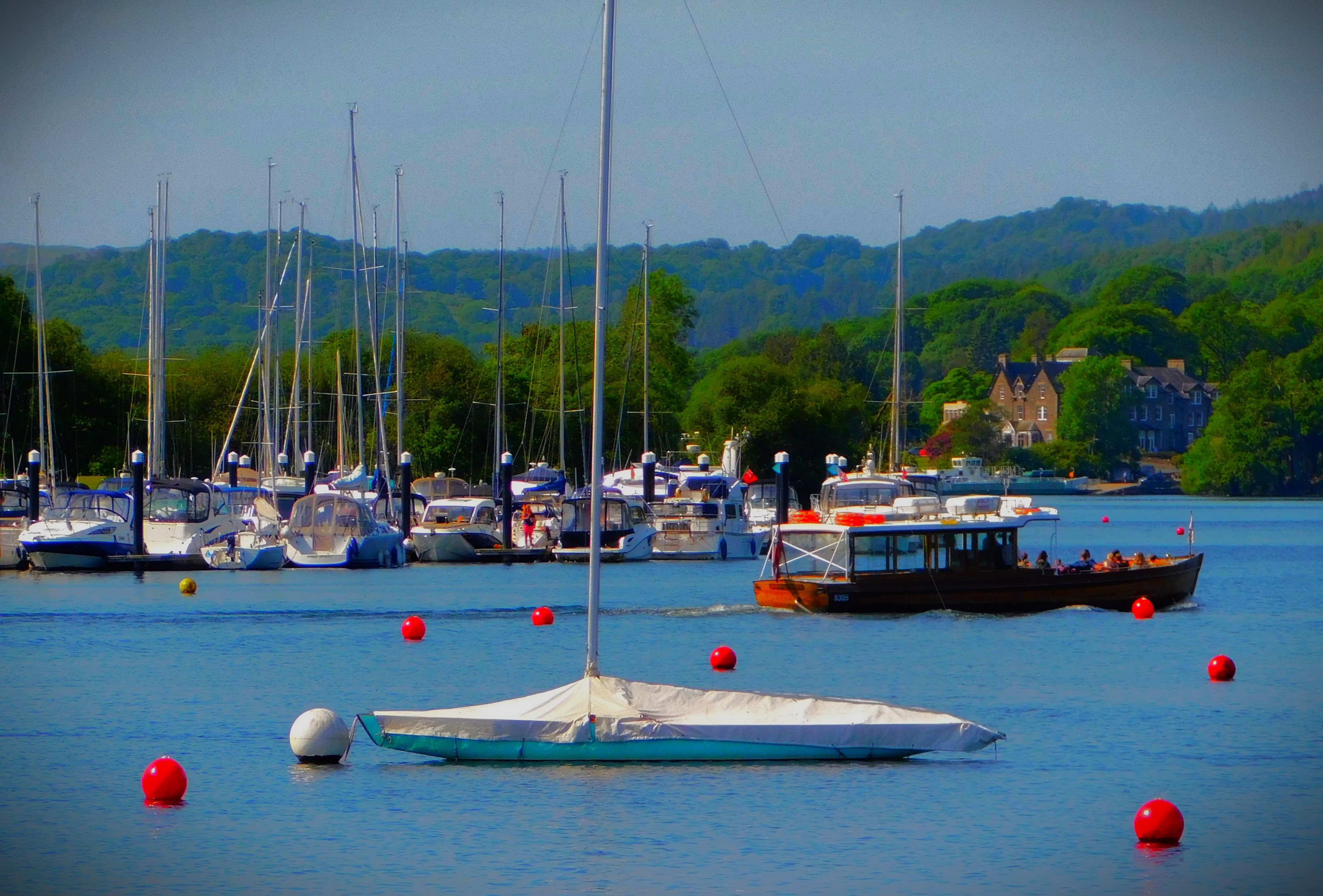
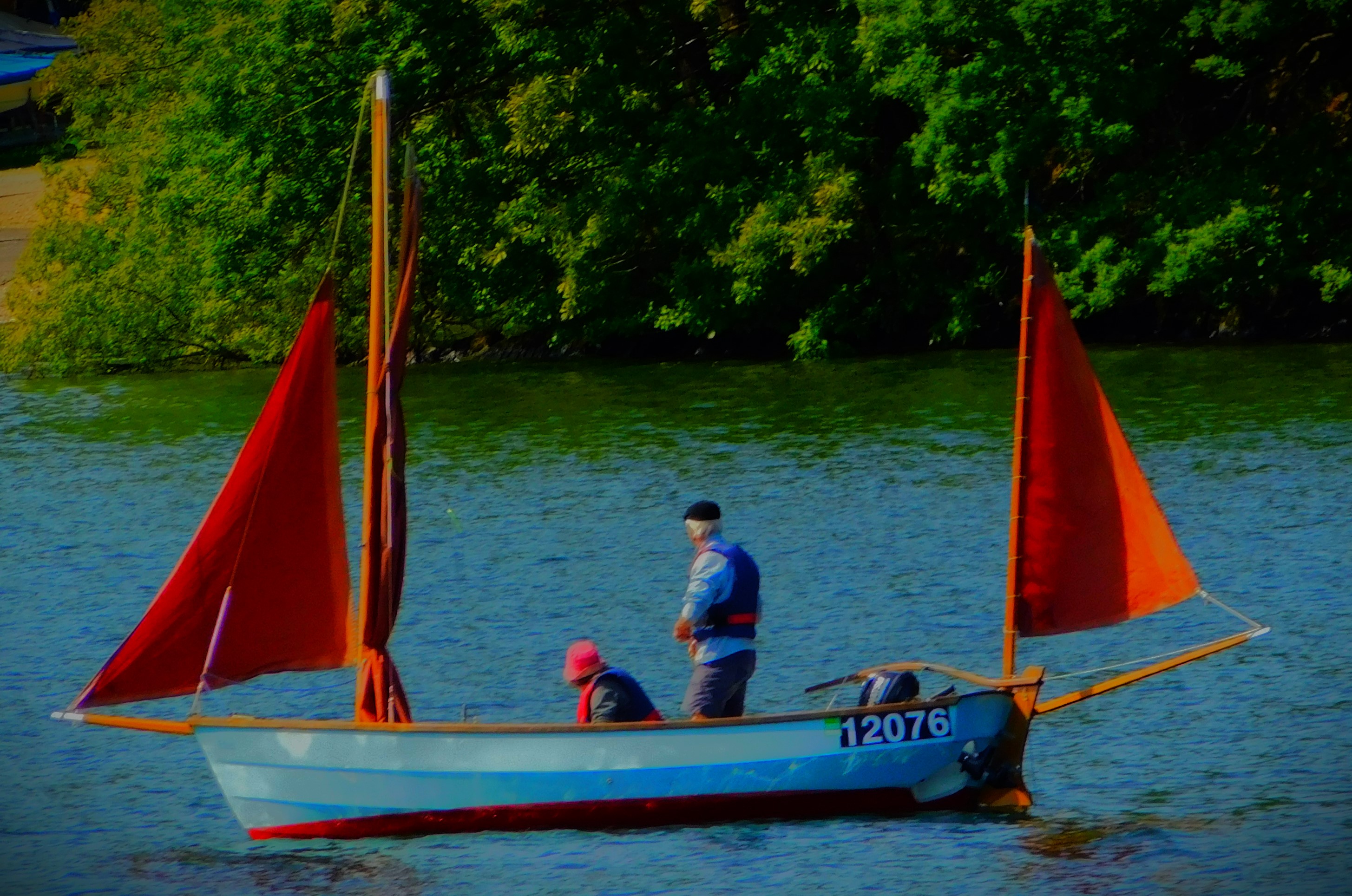
For very obvious reasons there are tight speed limits on Windermere, but nonetheless a considerable variety of watercraft make use of it.
A STEAM RIDE
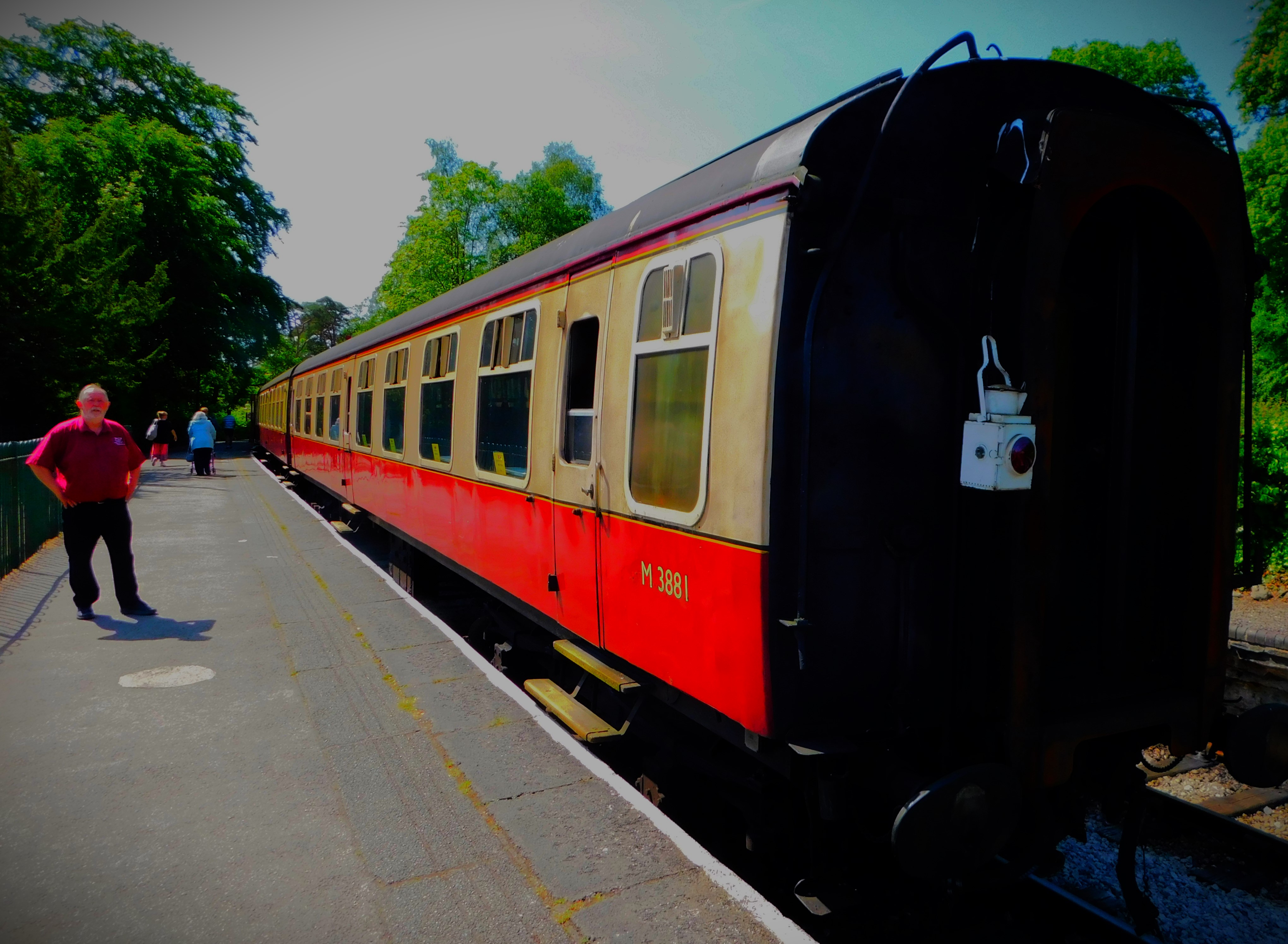
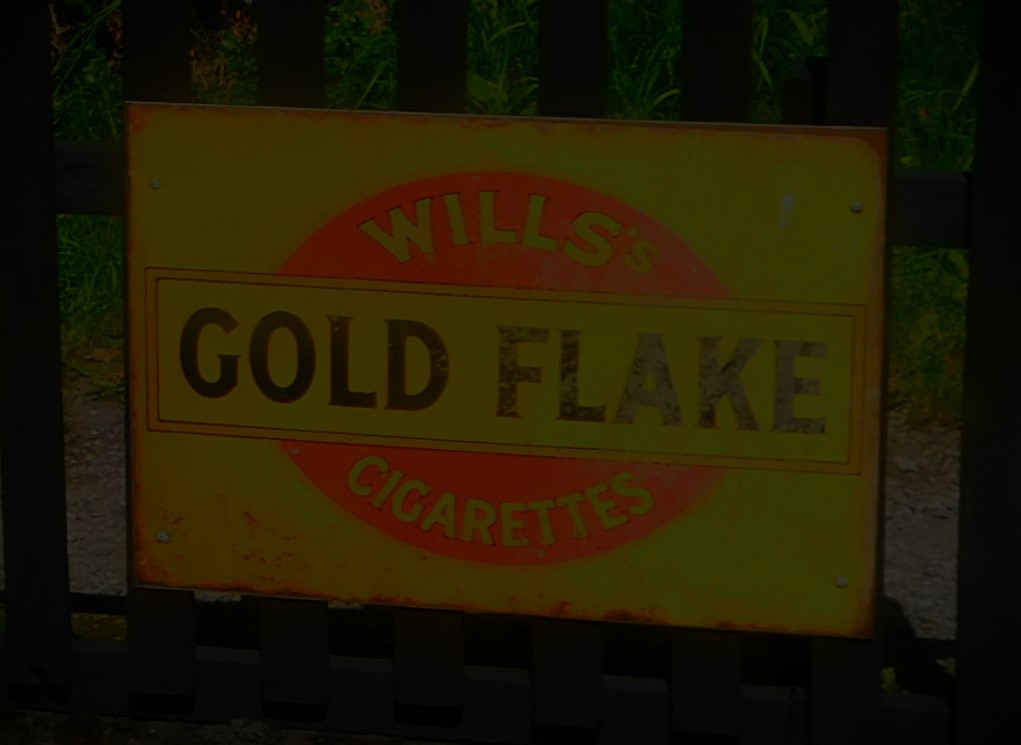
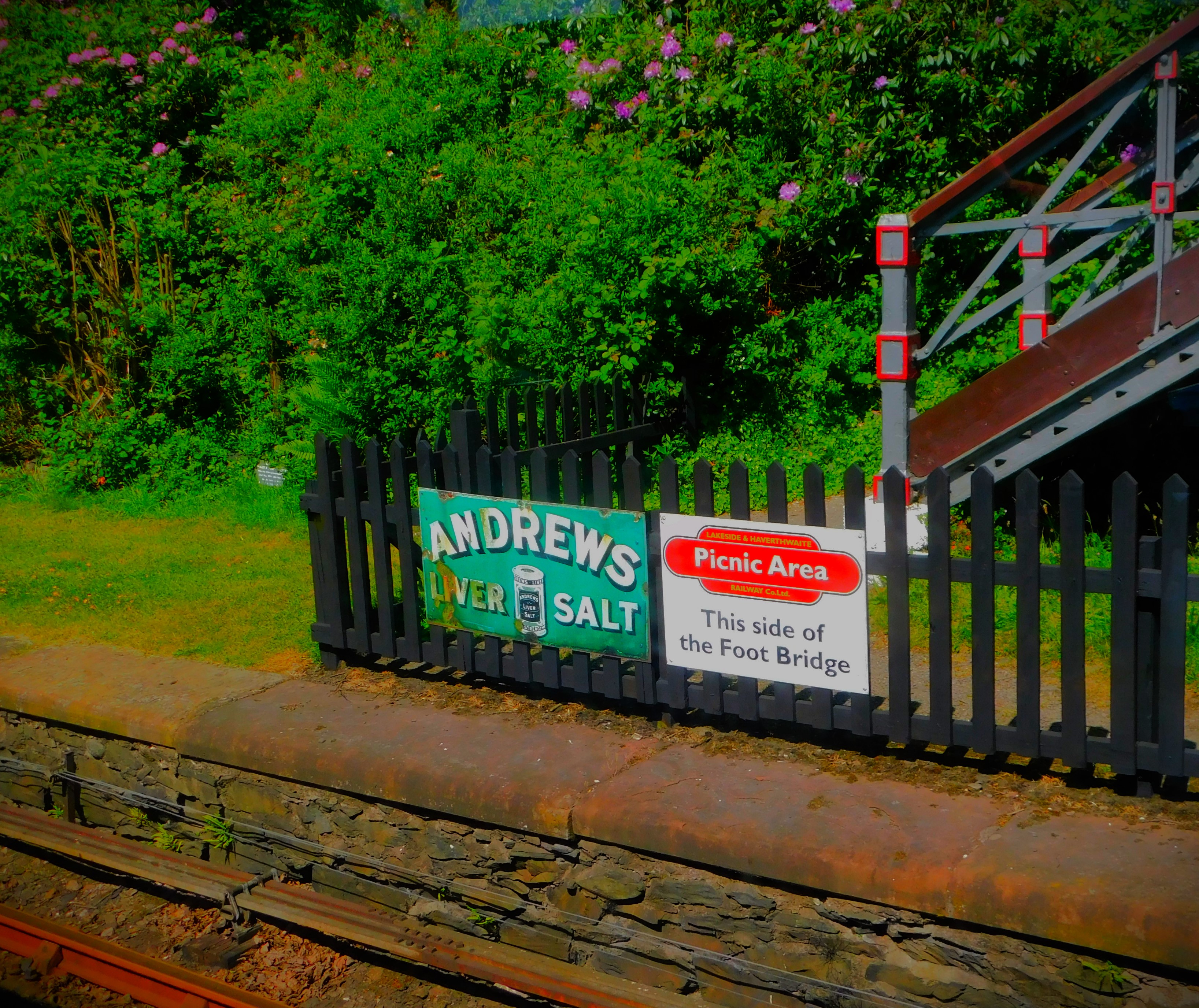
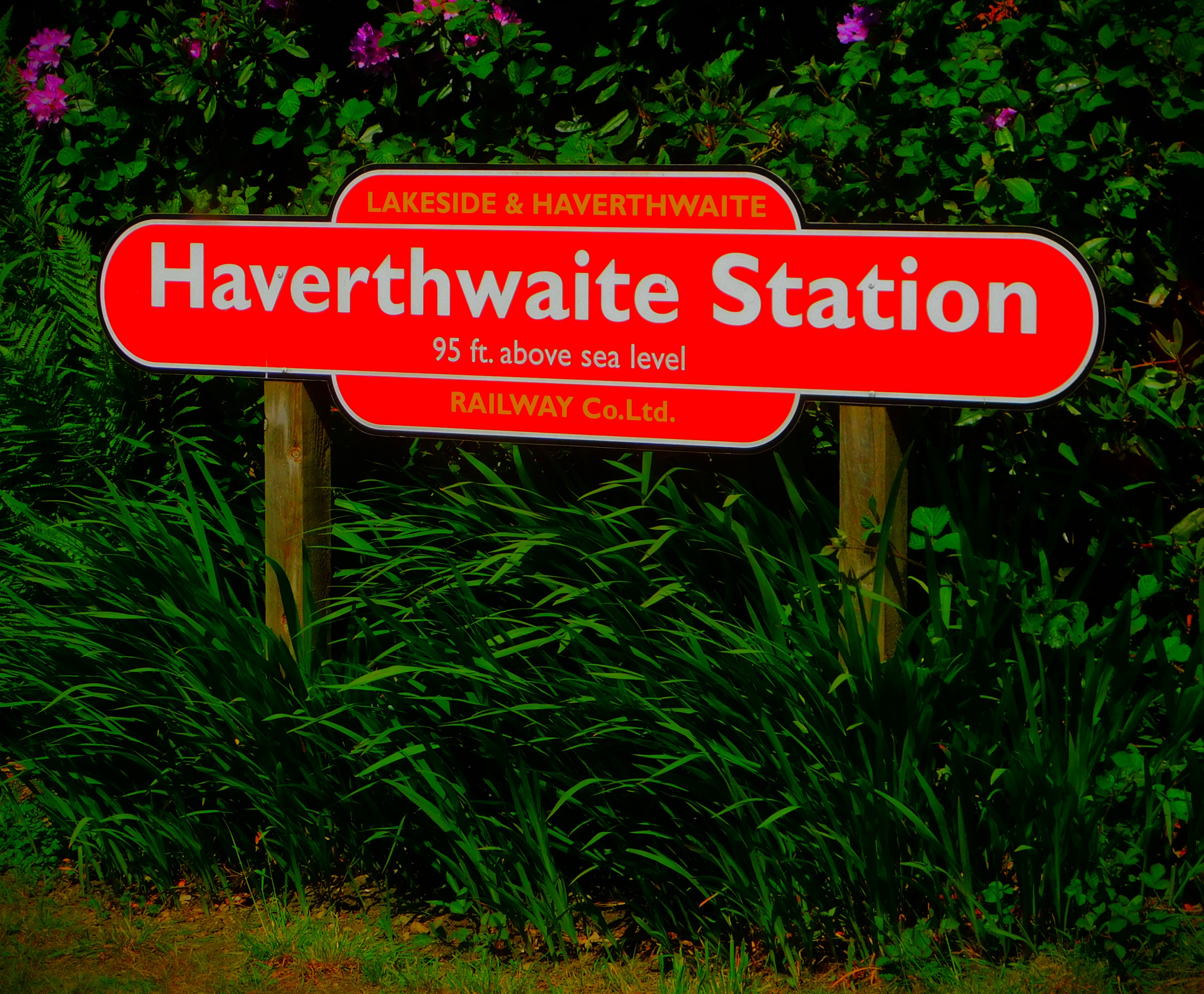
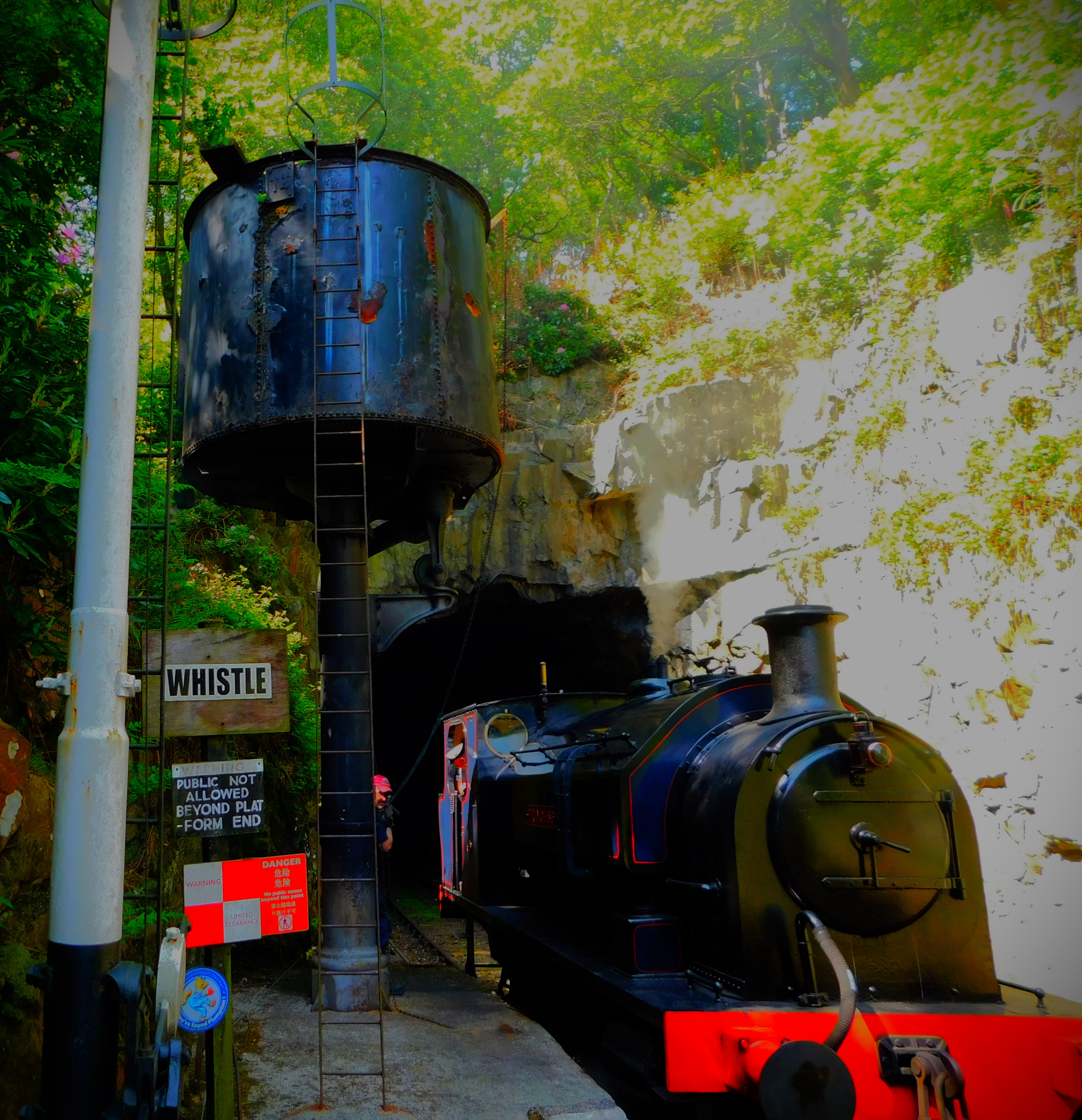
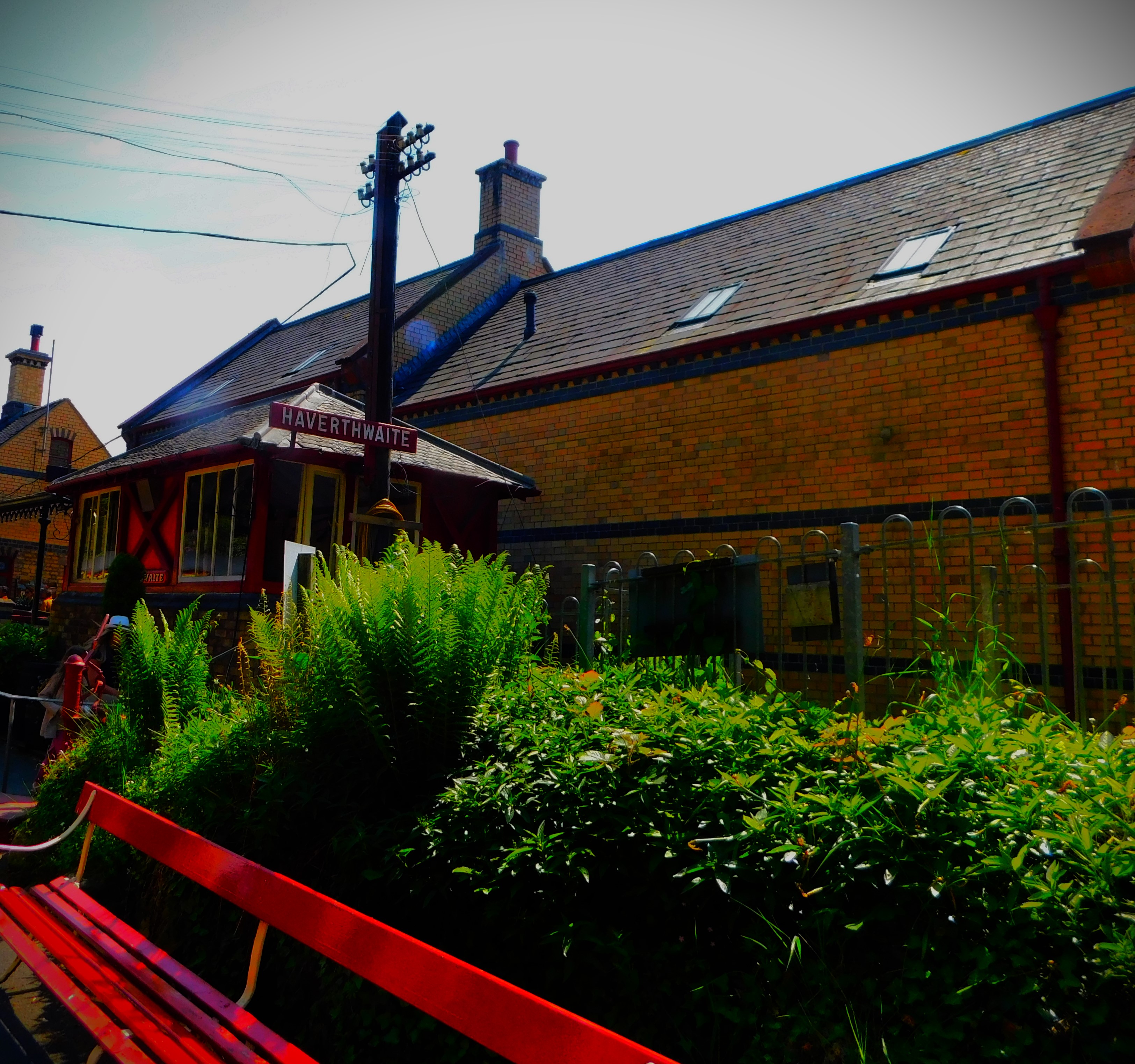
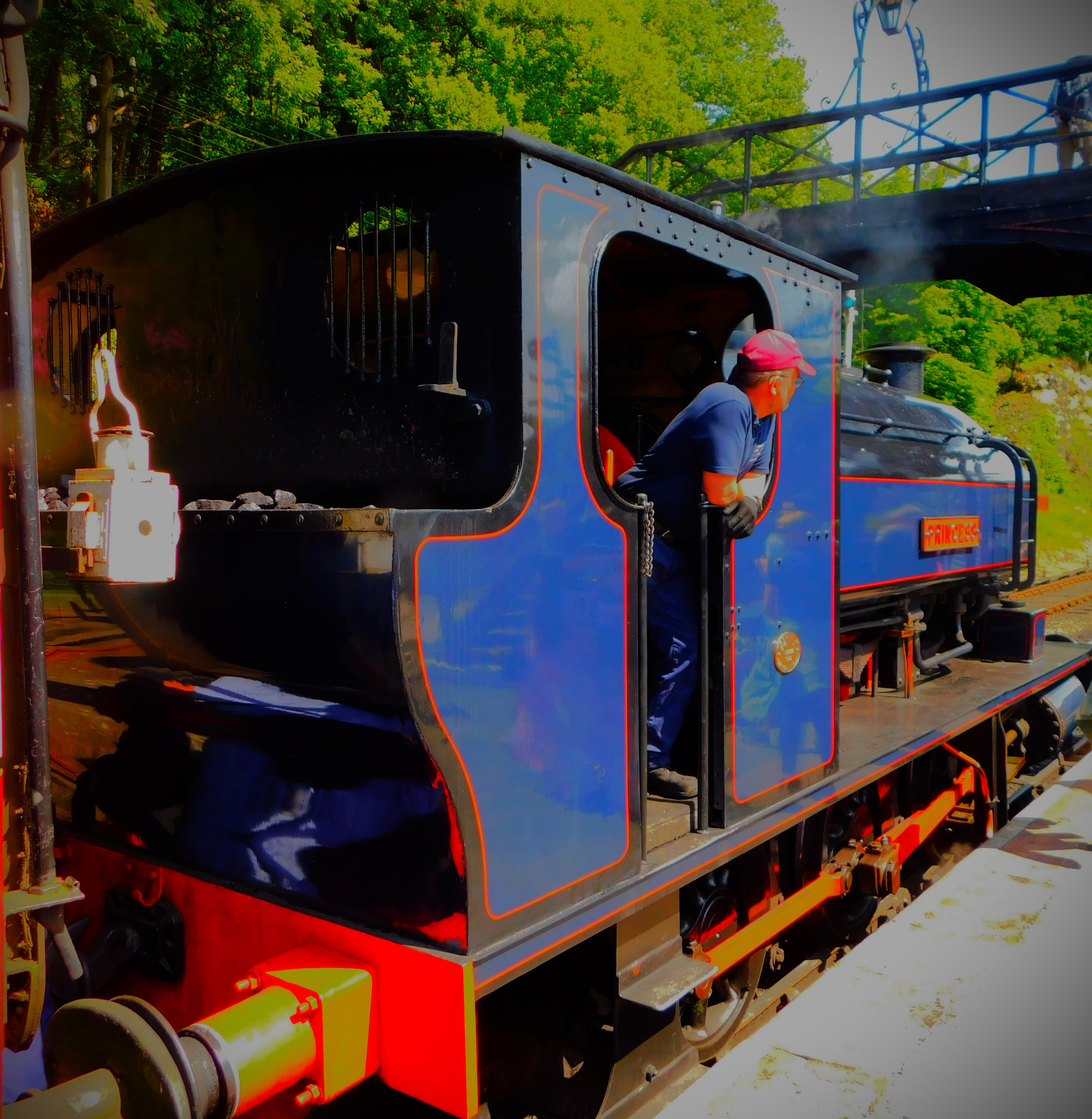
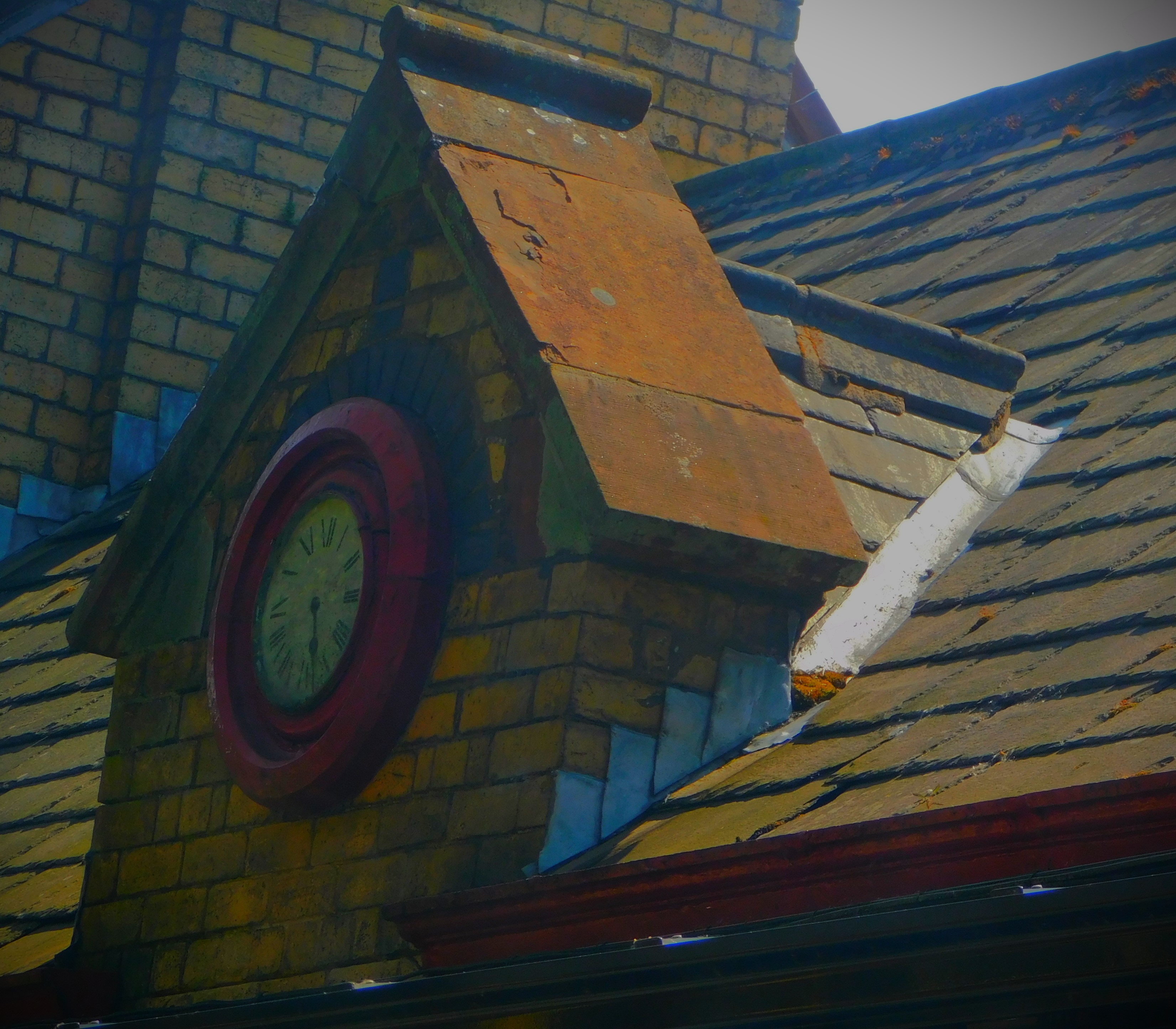
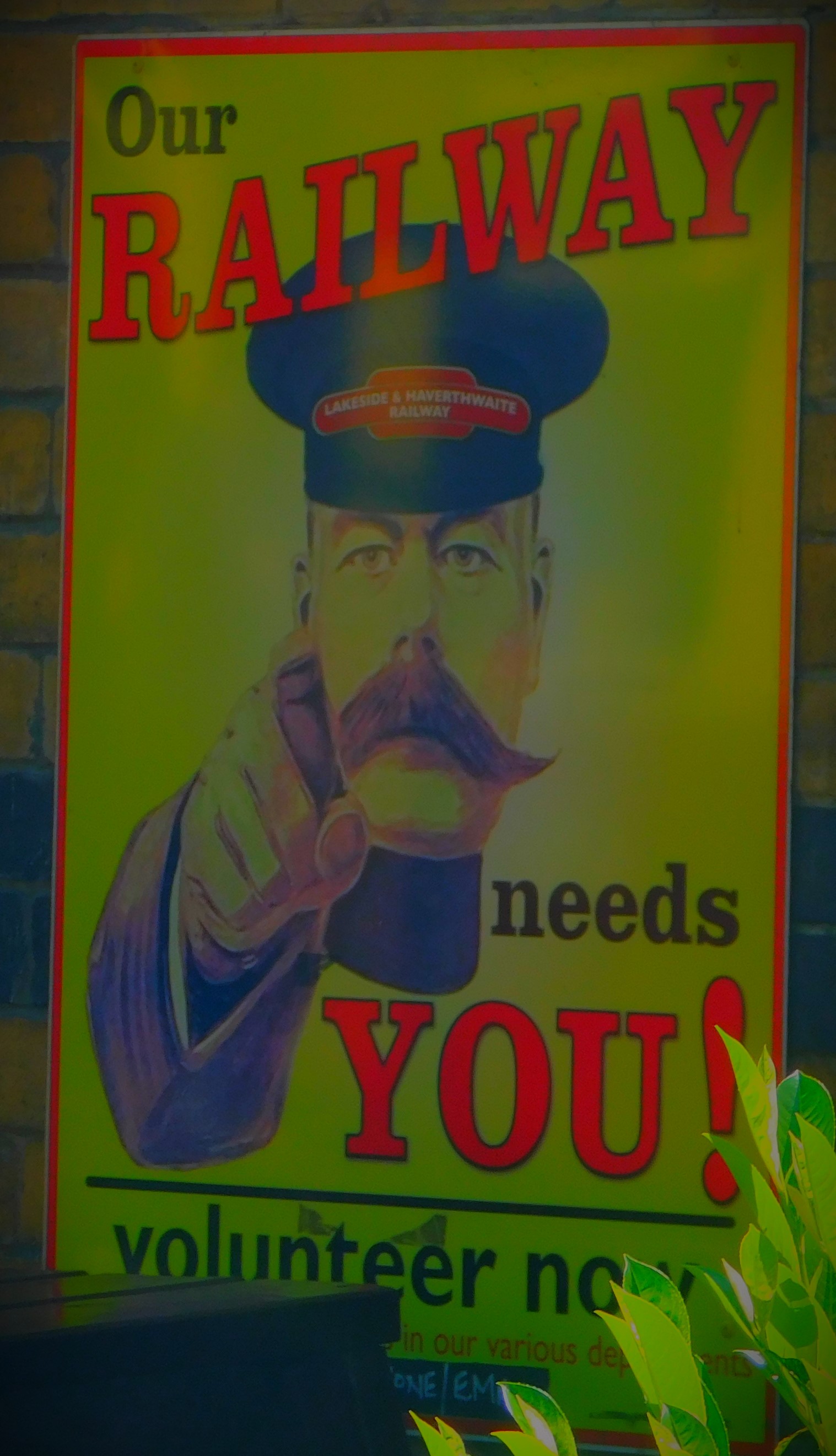
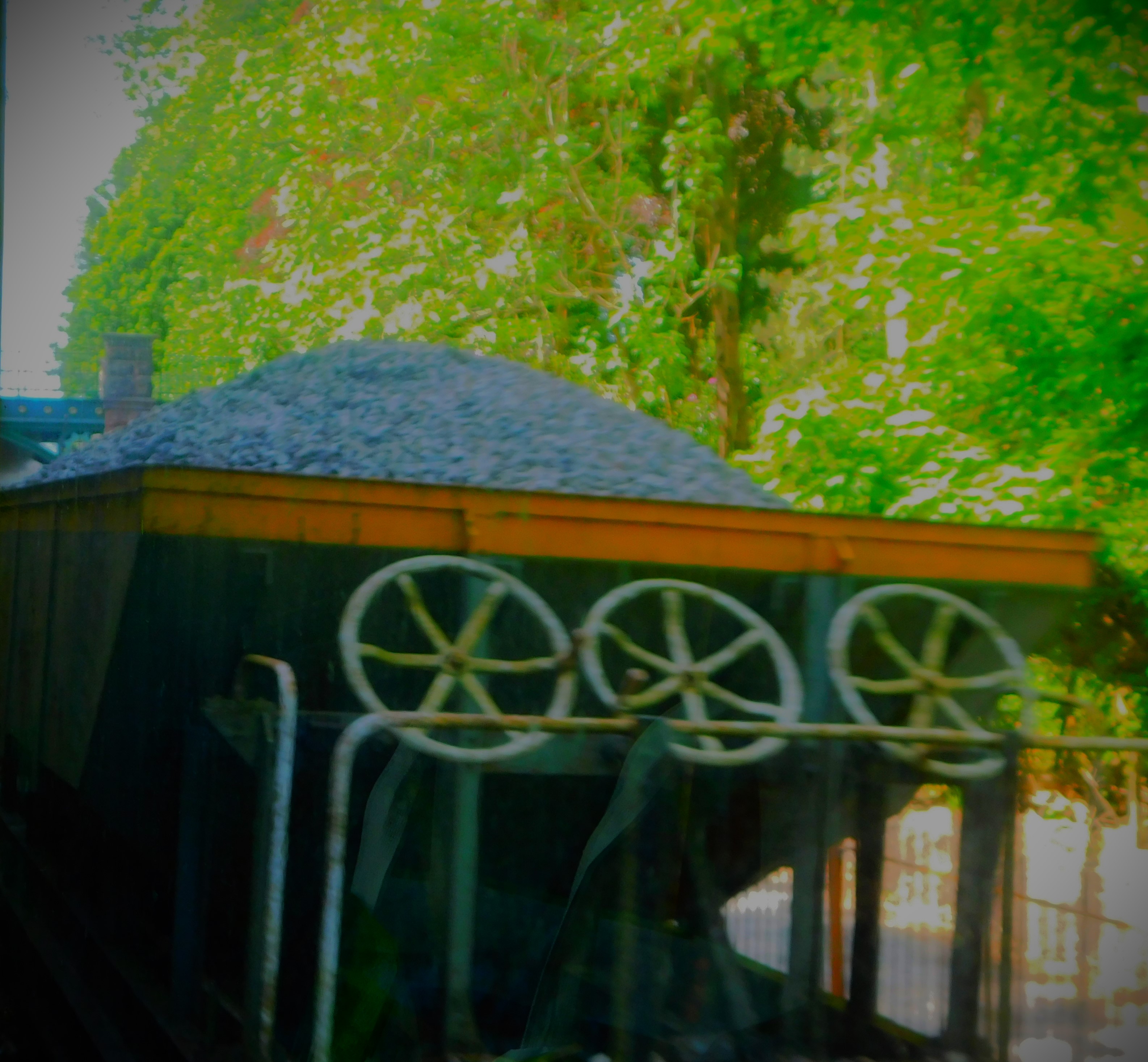
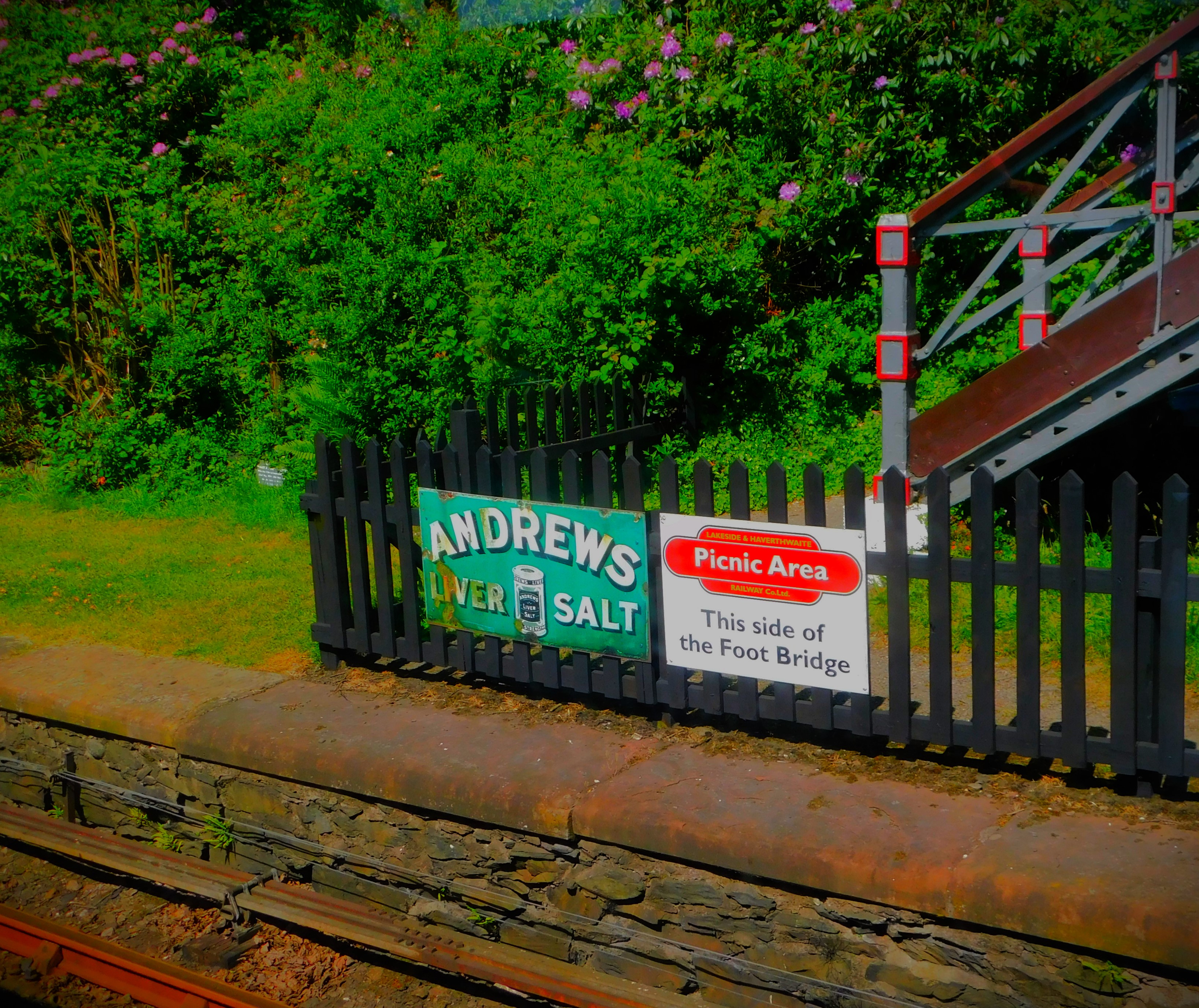
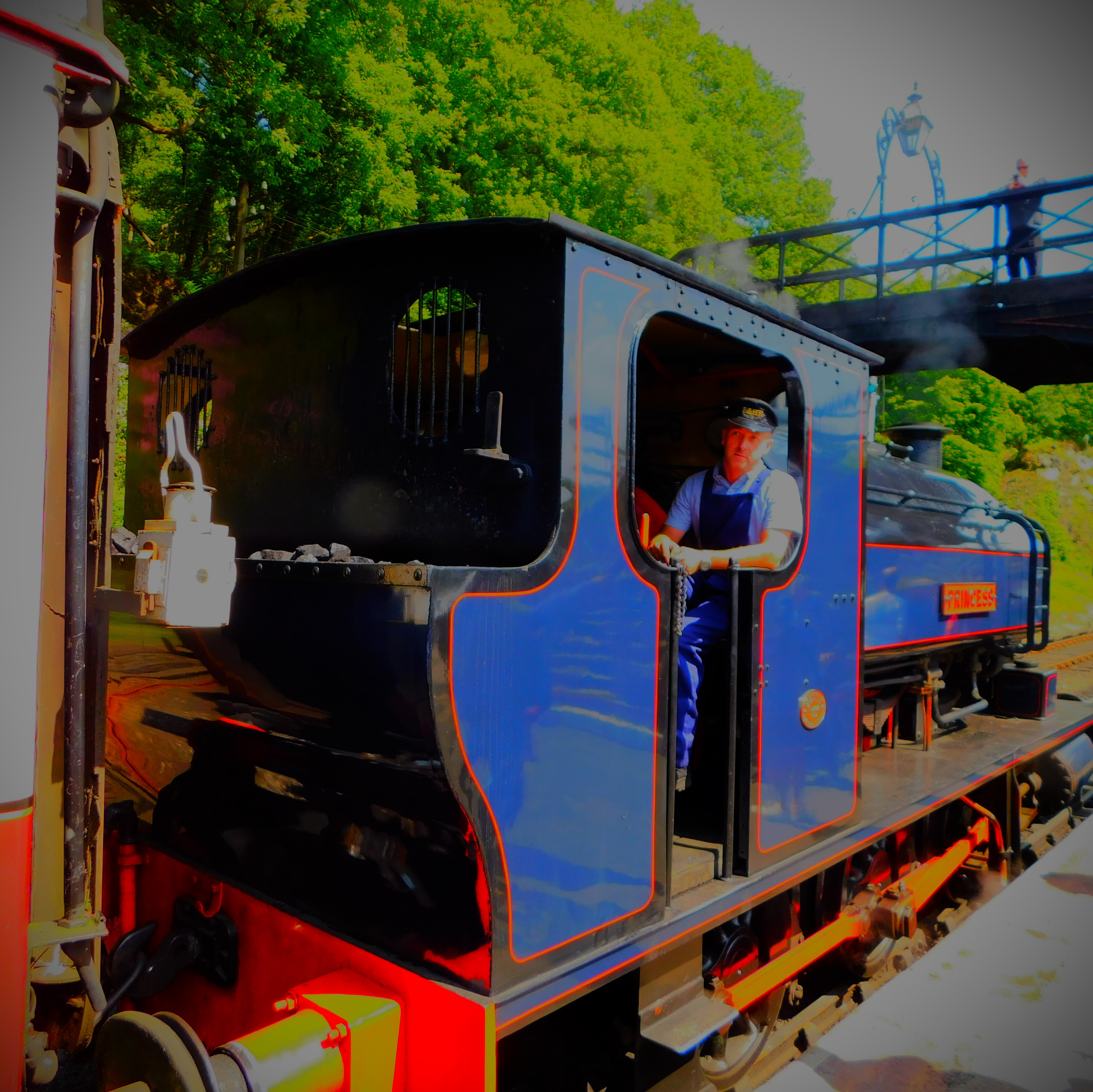
One of the boat drop of points for the big Windermere Cruise is called Lakeside, and is one terminus of a heritage railway which follows the line of Windermere’s exit river towards the Irish sea. It travels a short distance to a place called Haverthwaite, and then back to get another boat onwards, and is a fun little journey.
CASTLE WRAY
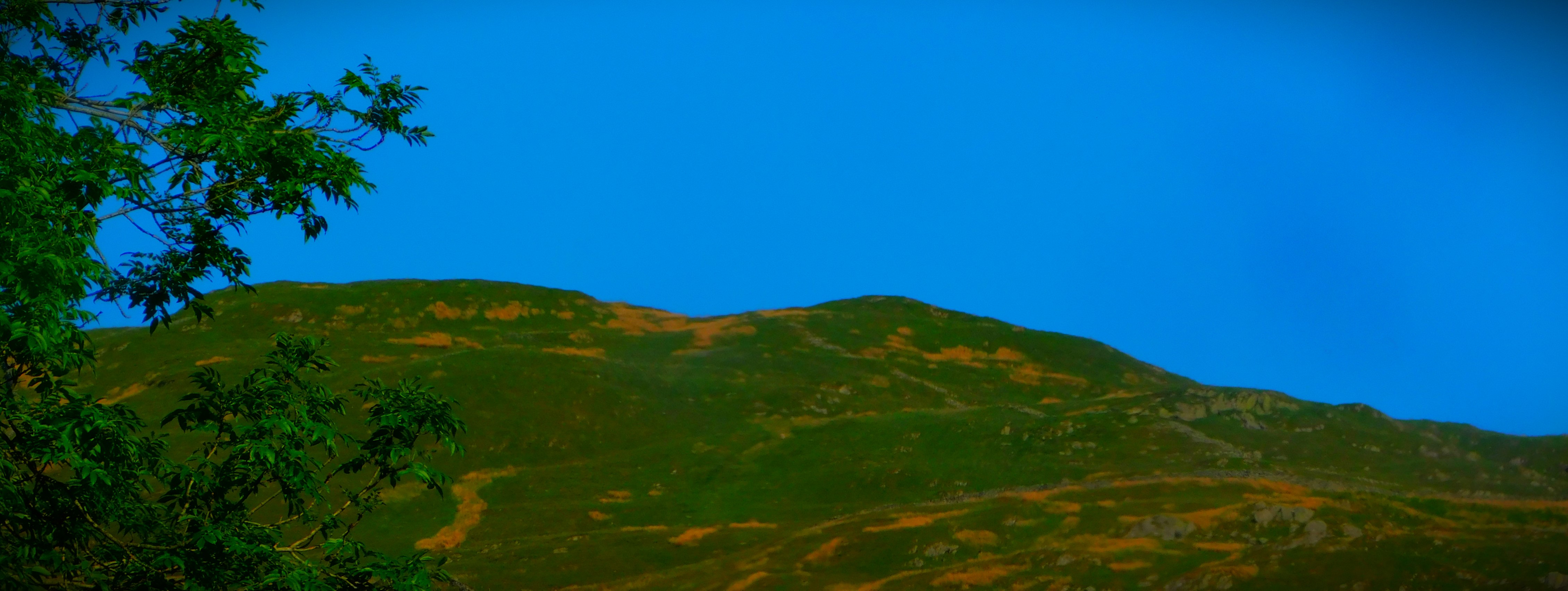
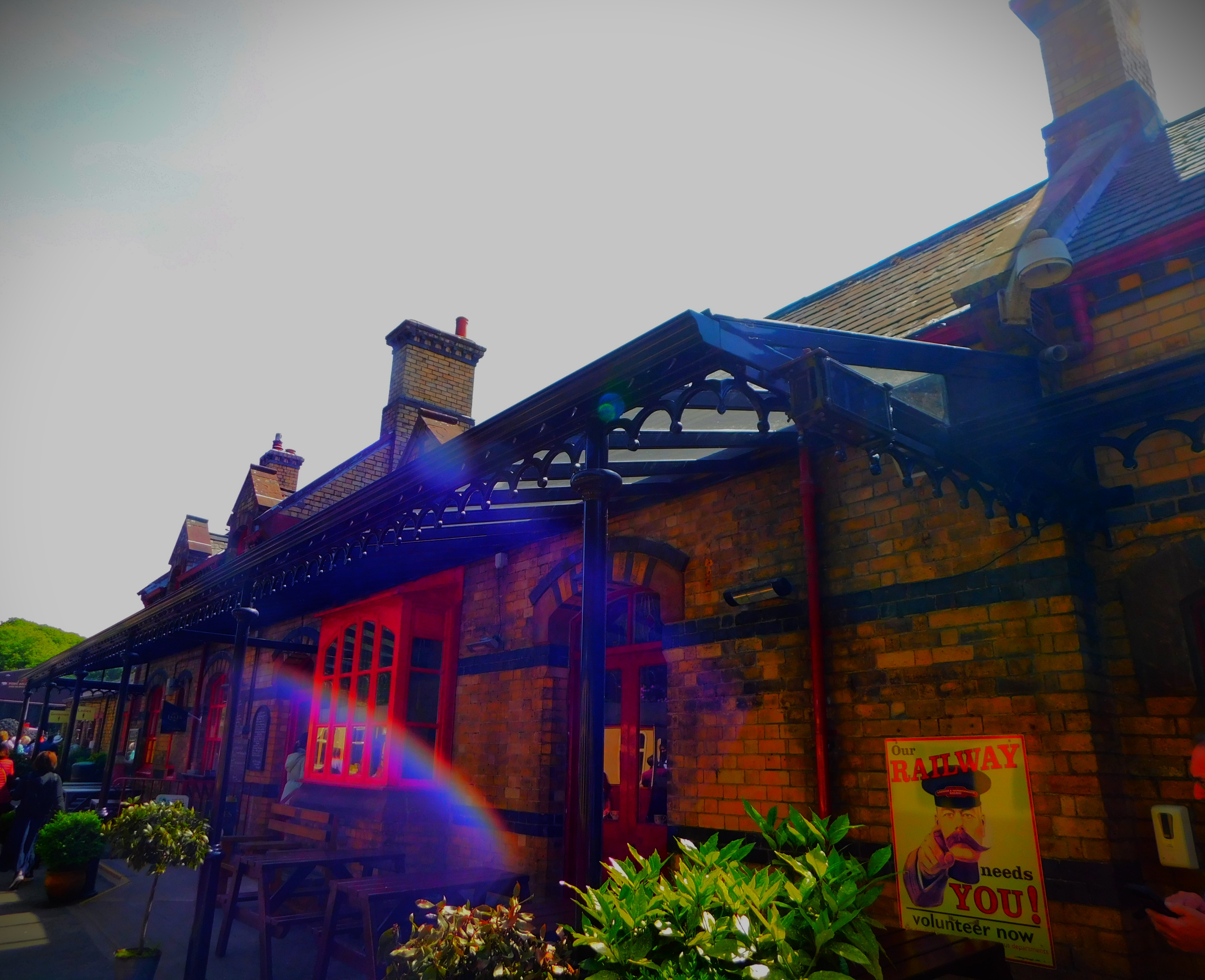
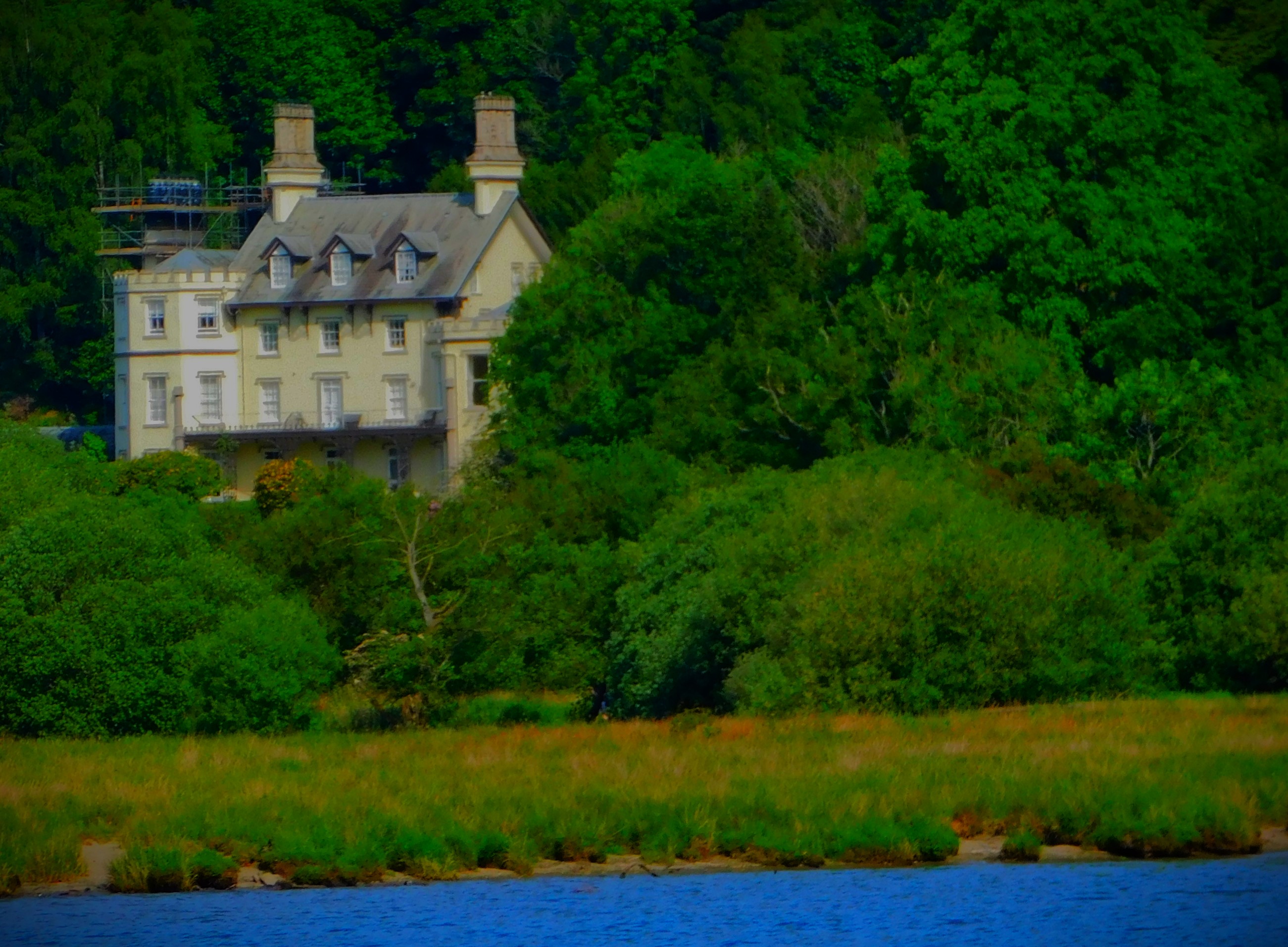
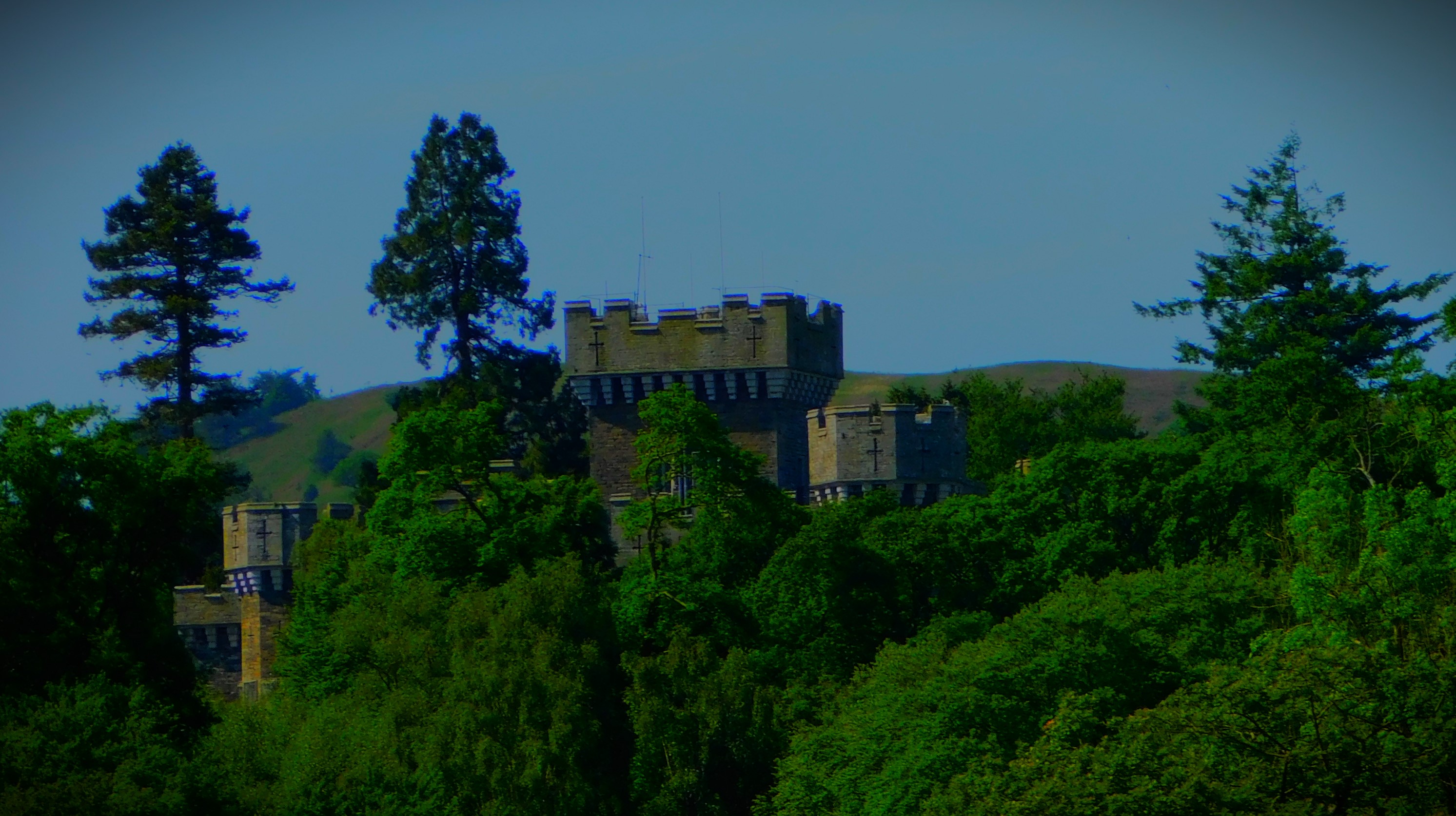
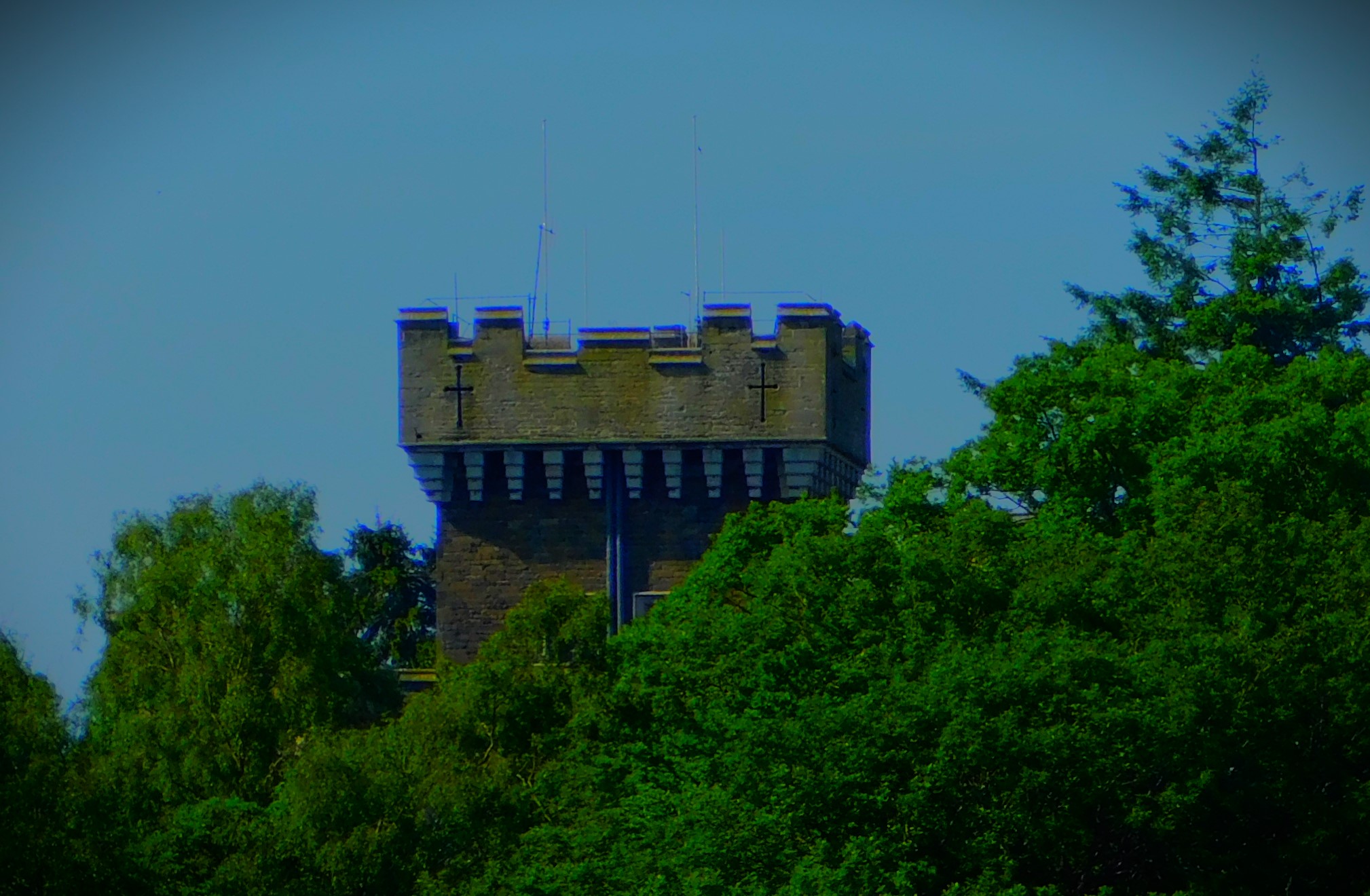
The last place for which I have any edited images is Castle Wray, which I captured from afar a number of times before we actually landed at it’s boathouse on Monday evening. The close pictures are among the unedited at the moment. It is not a real castle – it was built in the 1840s for a wealthy doctor.
















































































































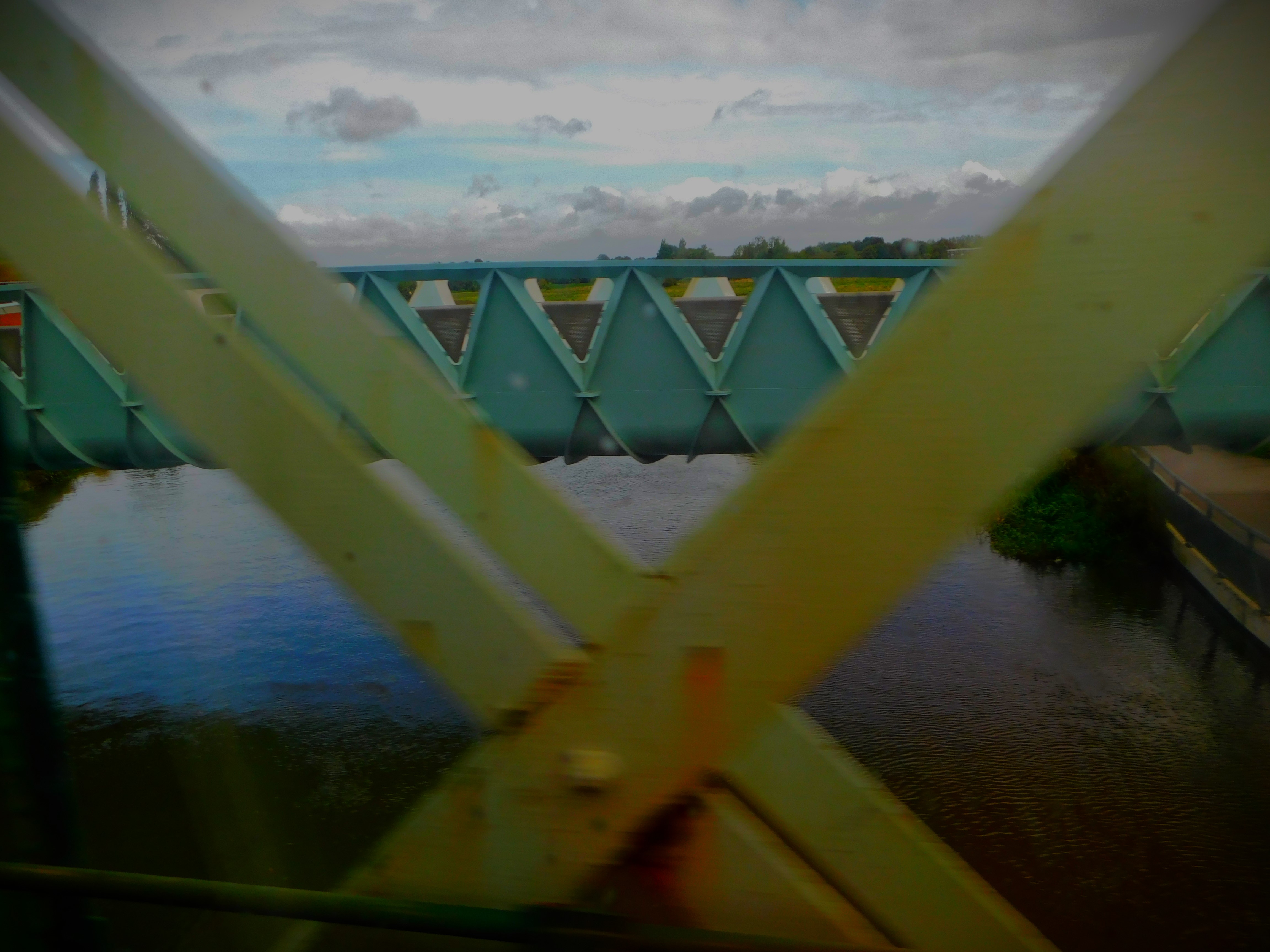

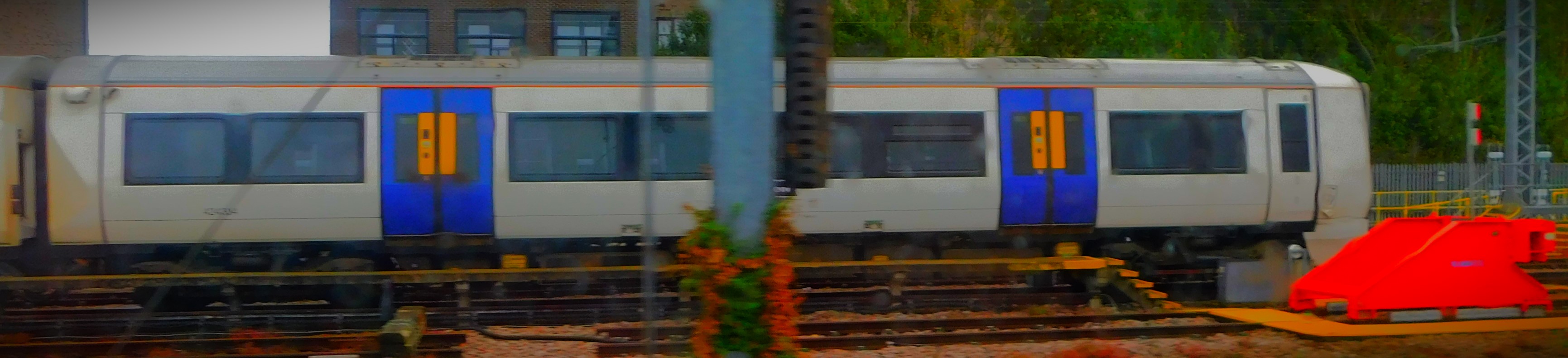


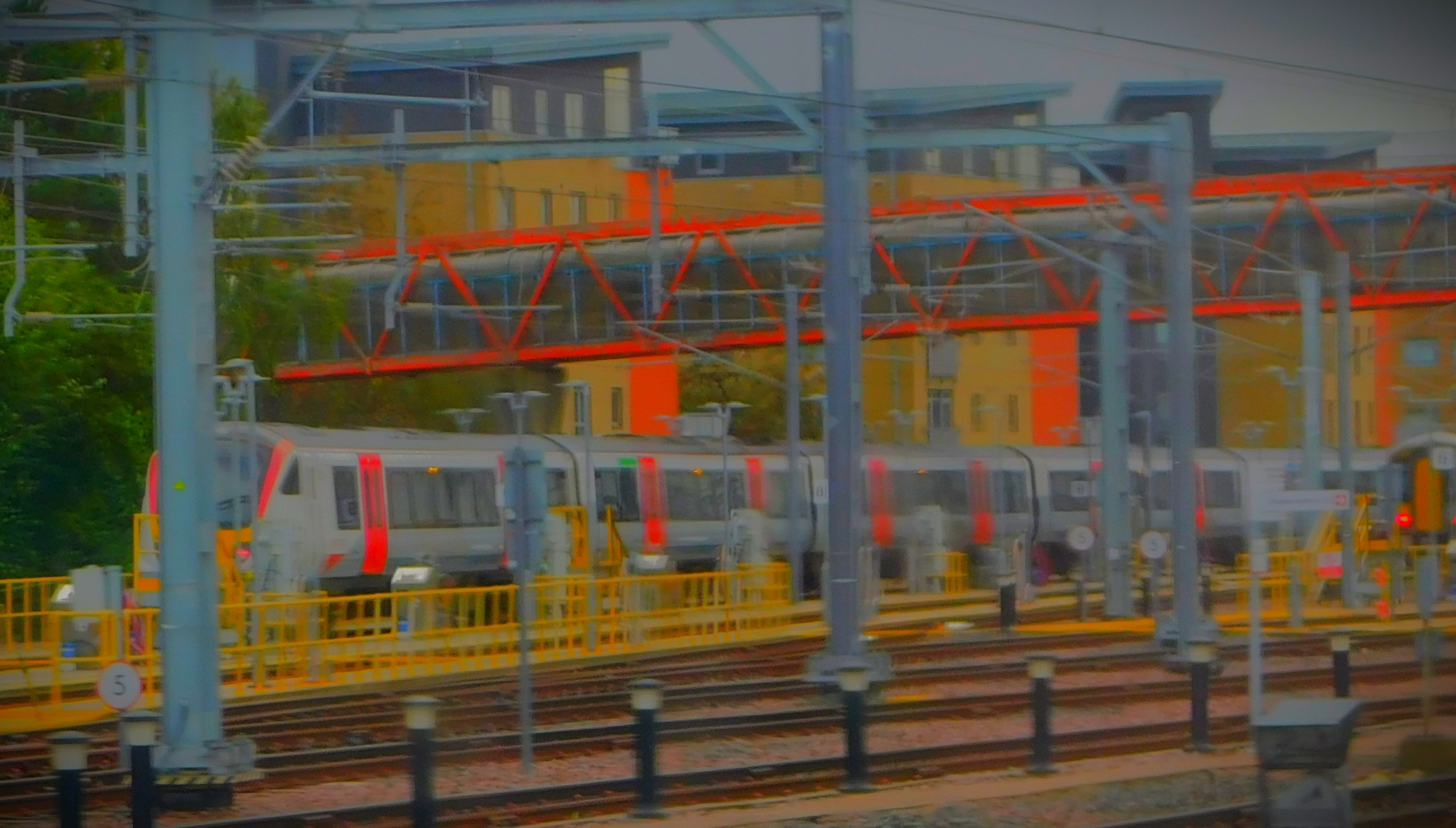





































































































































































































































 aspiblog