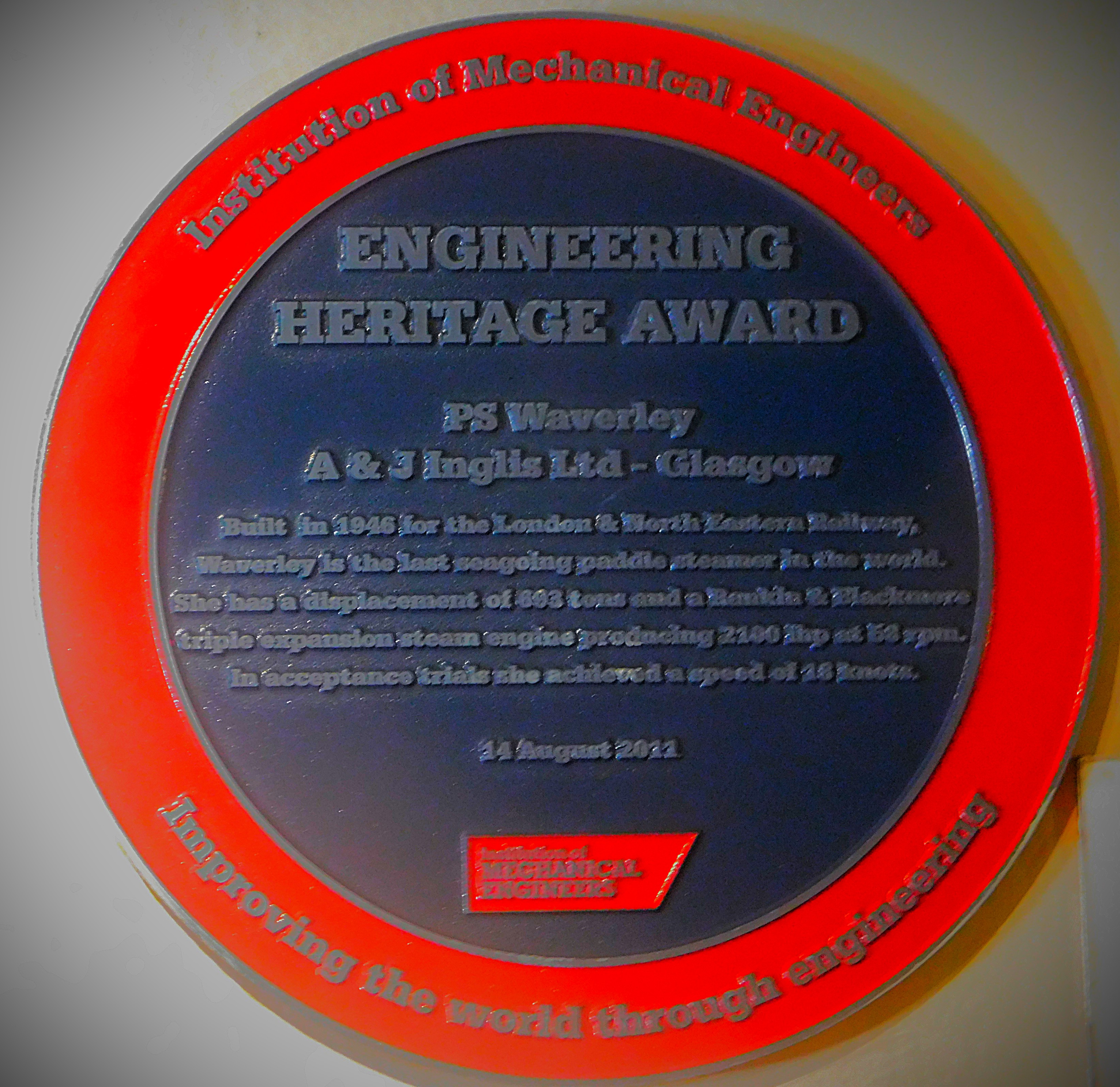
Continuing my series about my holiday in the far west of Scotland around the time of my birthday, with a post about The Waverley, the world’s last seagoing paddle steamer. Features three short videos and a photo gallery.
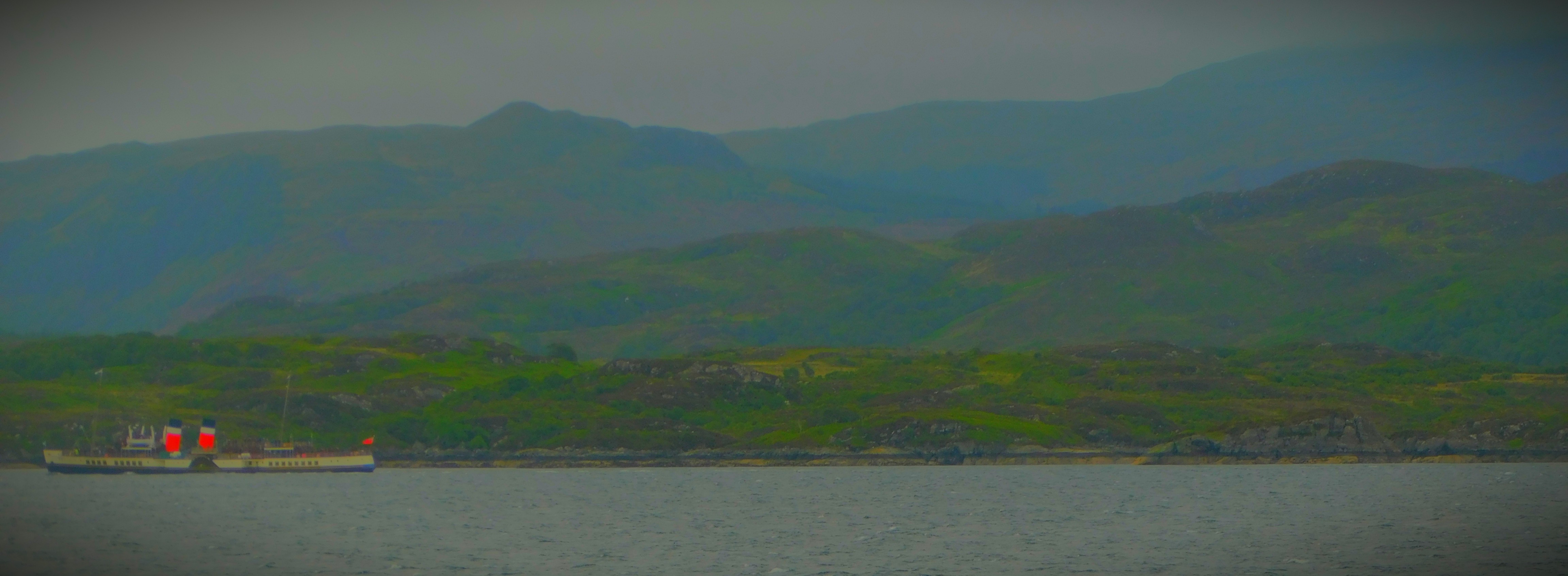
In my last post in this series about my holiday in the far west of Scotland around the time of my 50th birthday I prepared the way for posts about the paddle steamer Waverley, the world’s last seagoing paddle steamer. This post is about the Waverley itself, before I then post about the voyage.
THE WAVERLEY
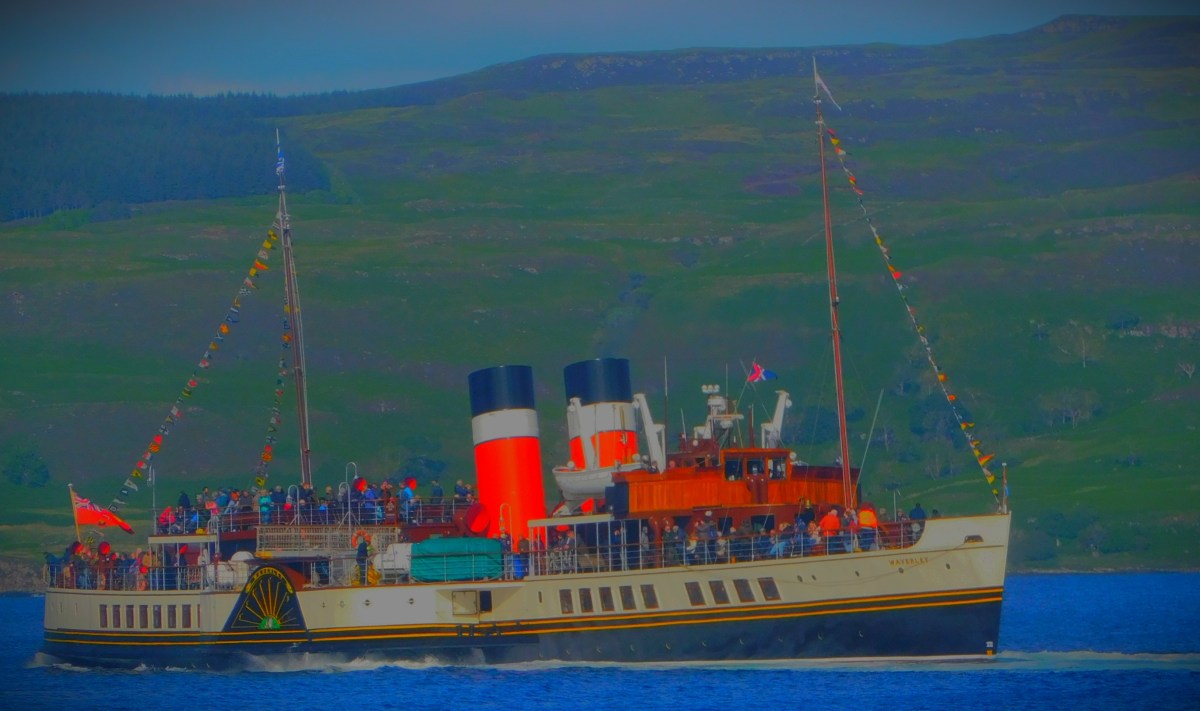
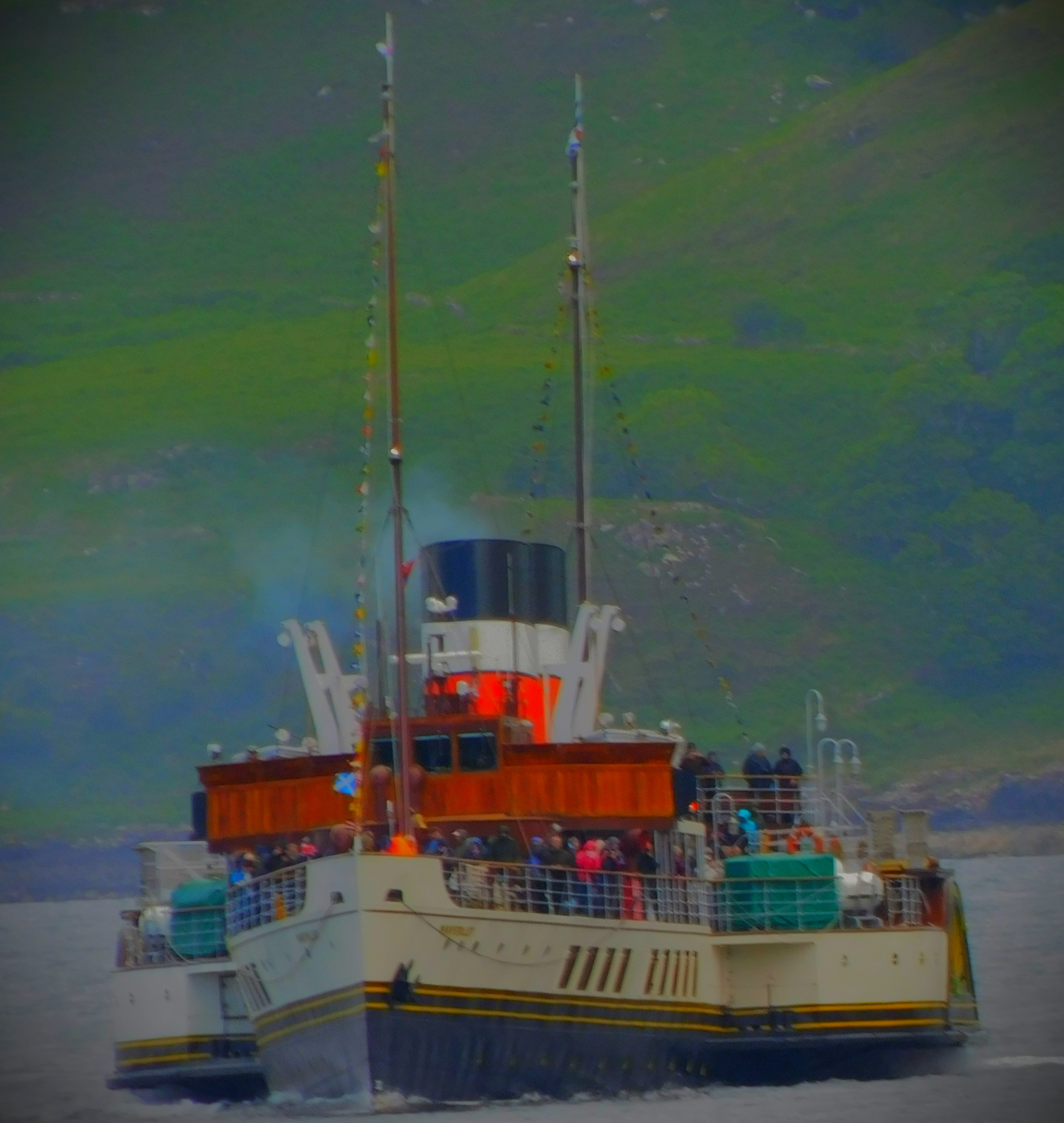
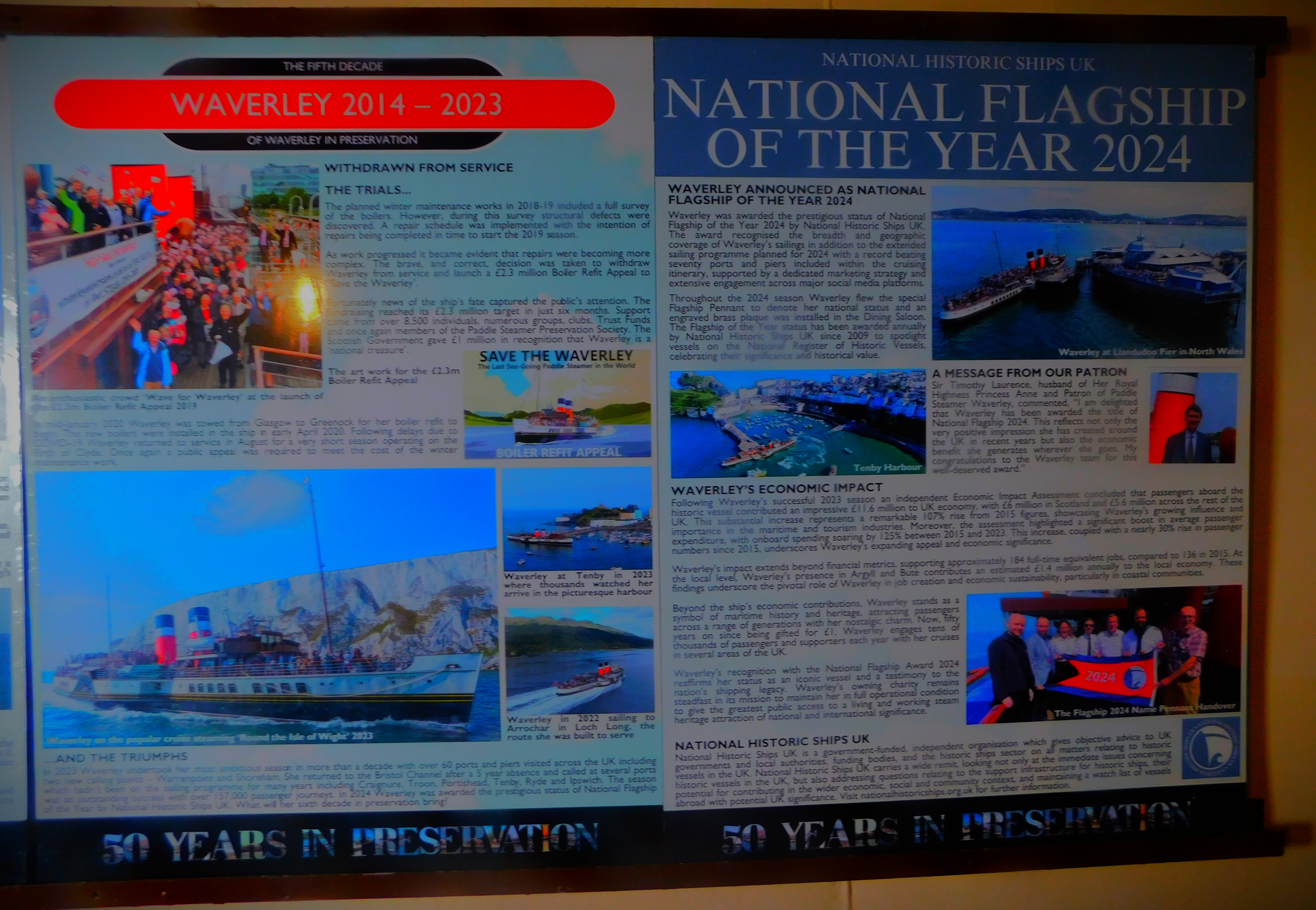
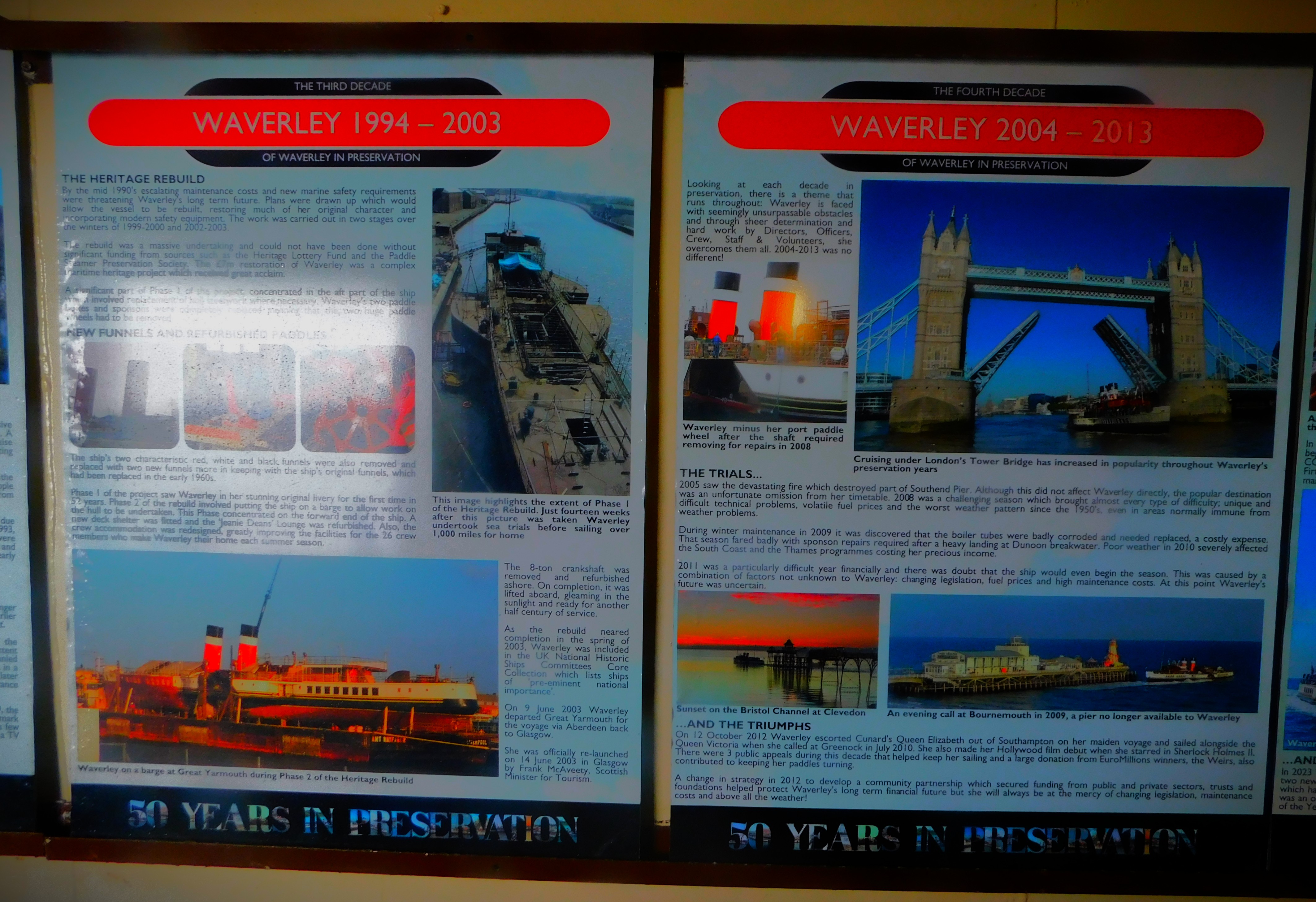
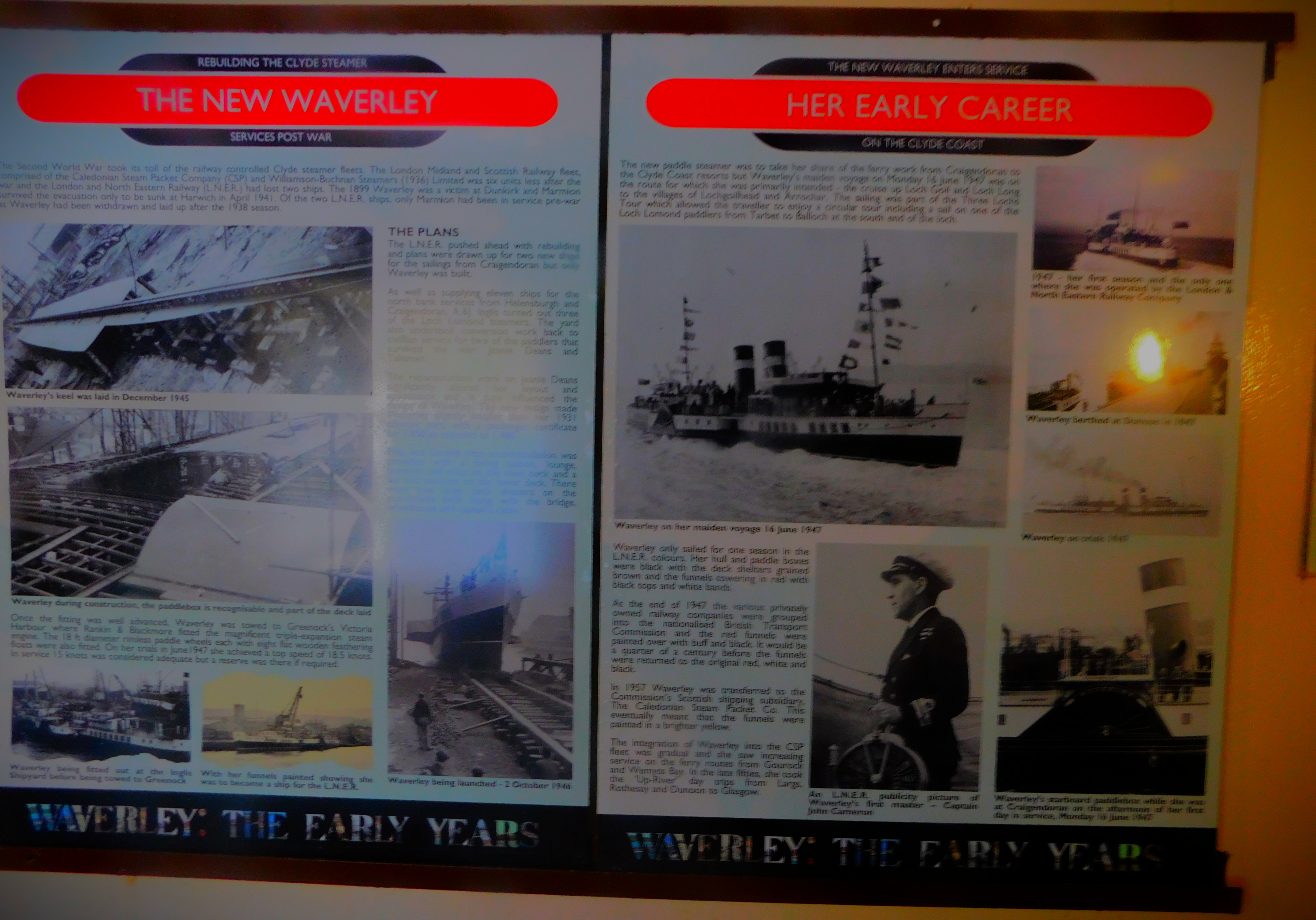
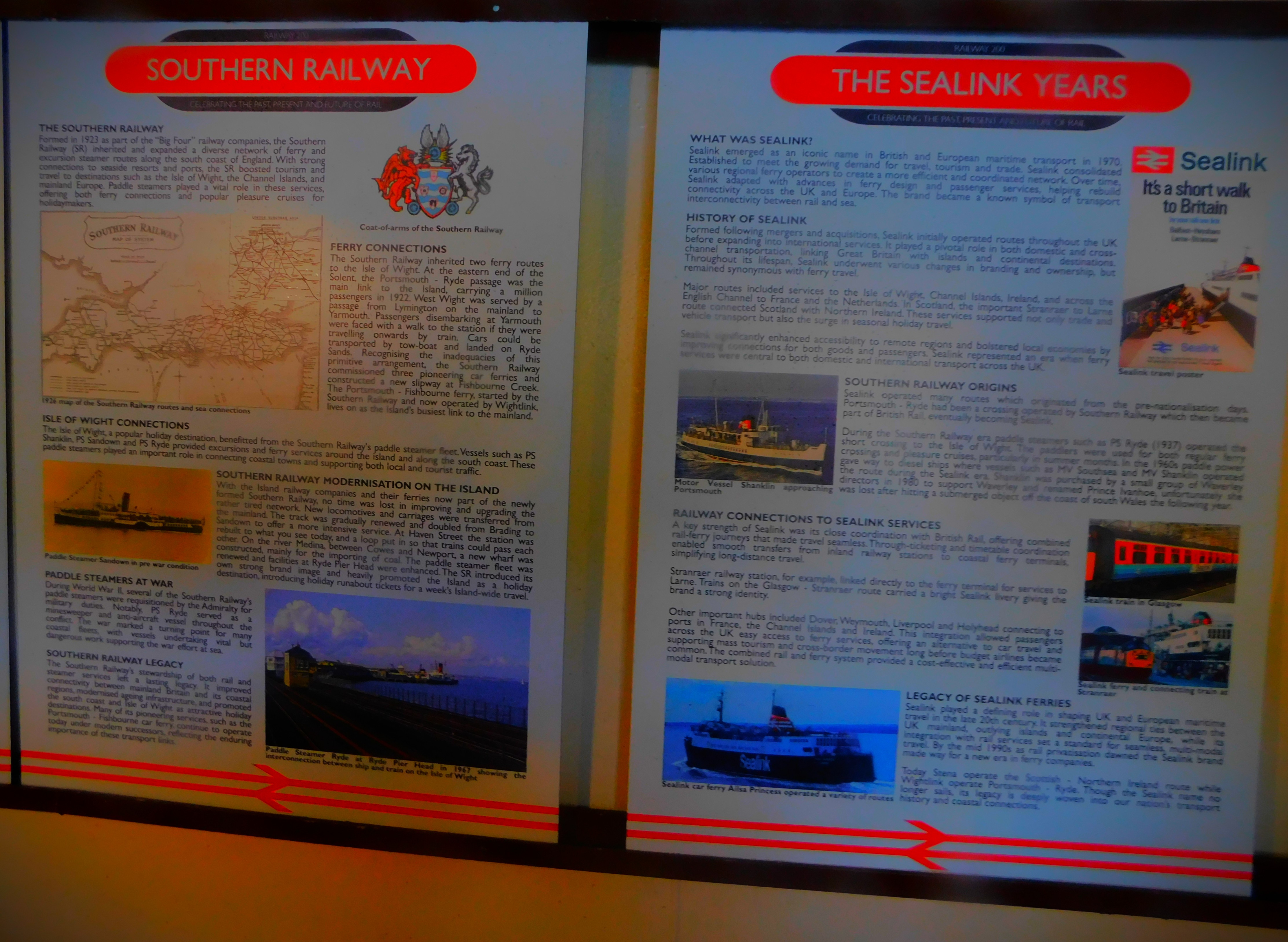
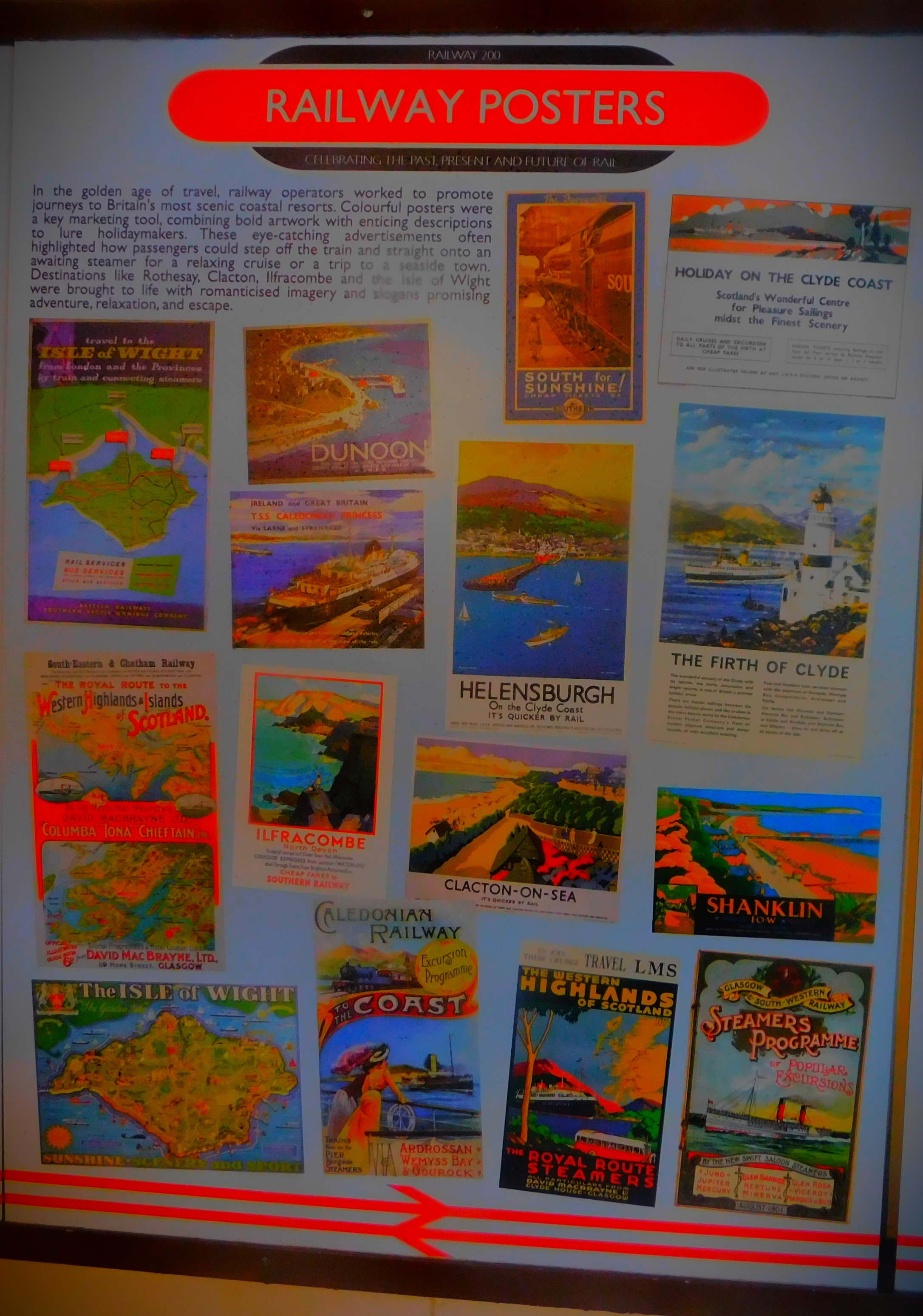
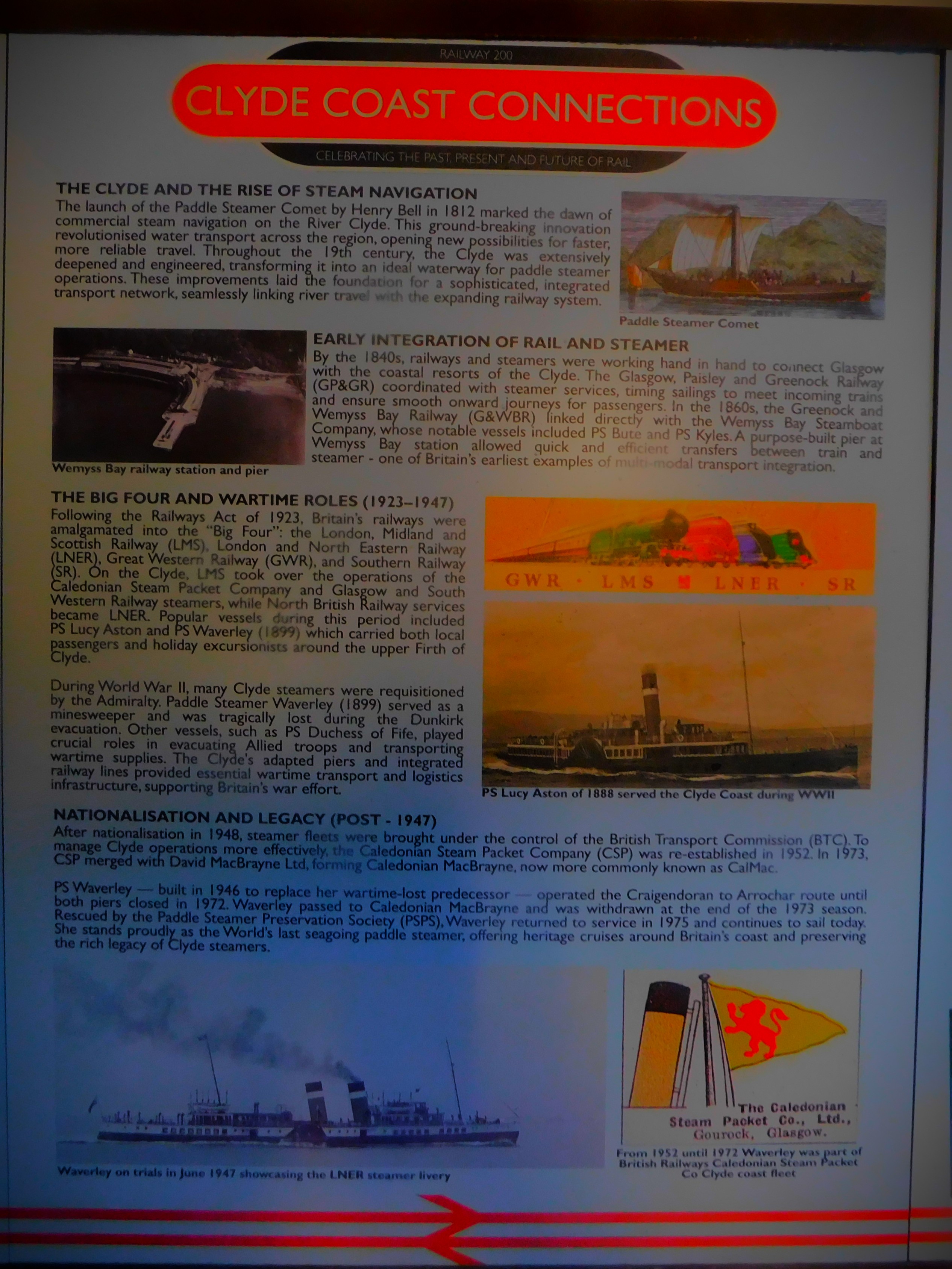
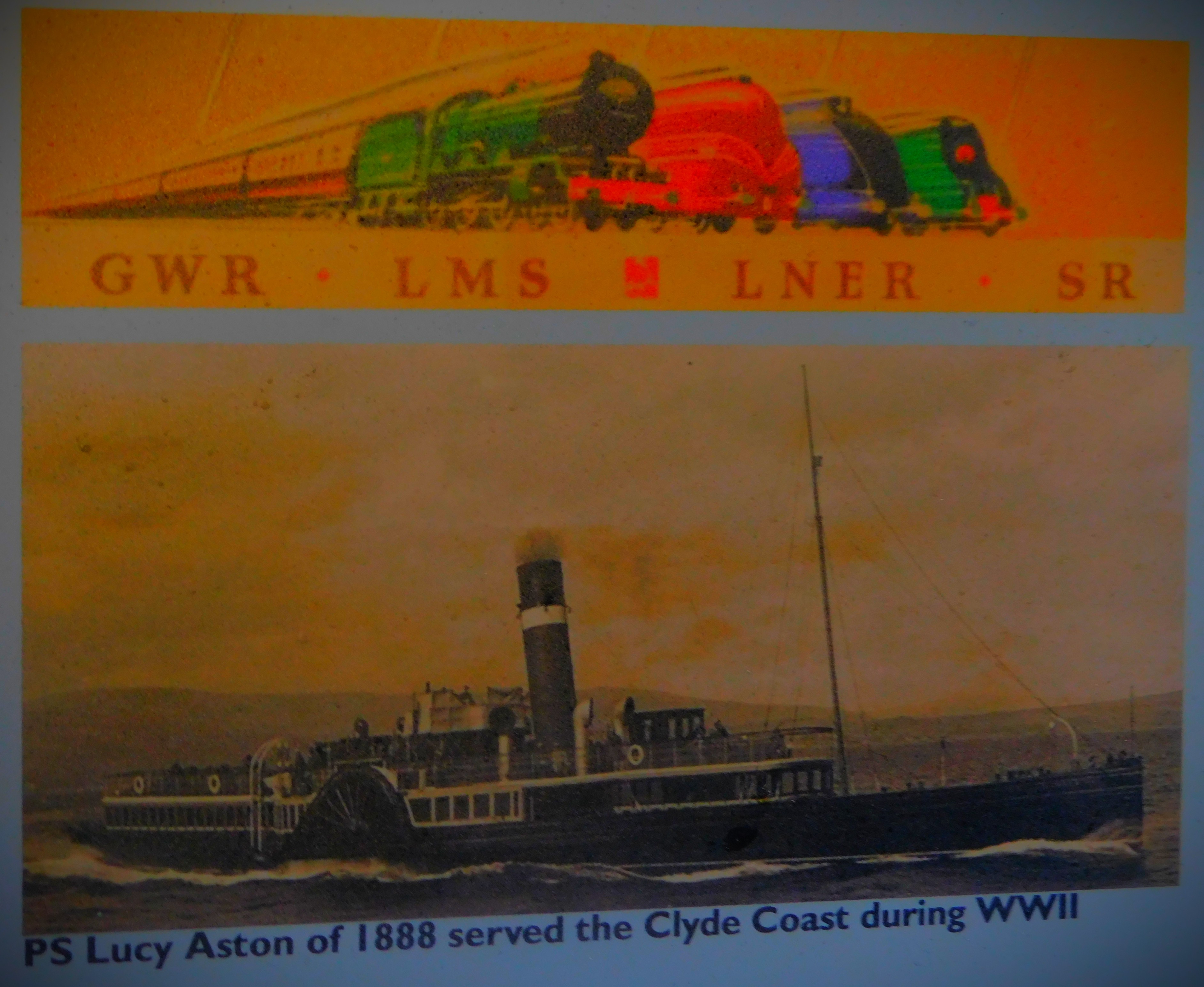
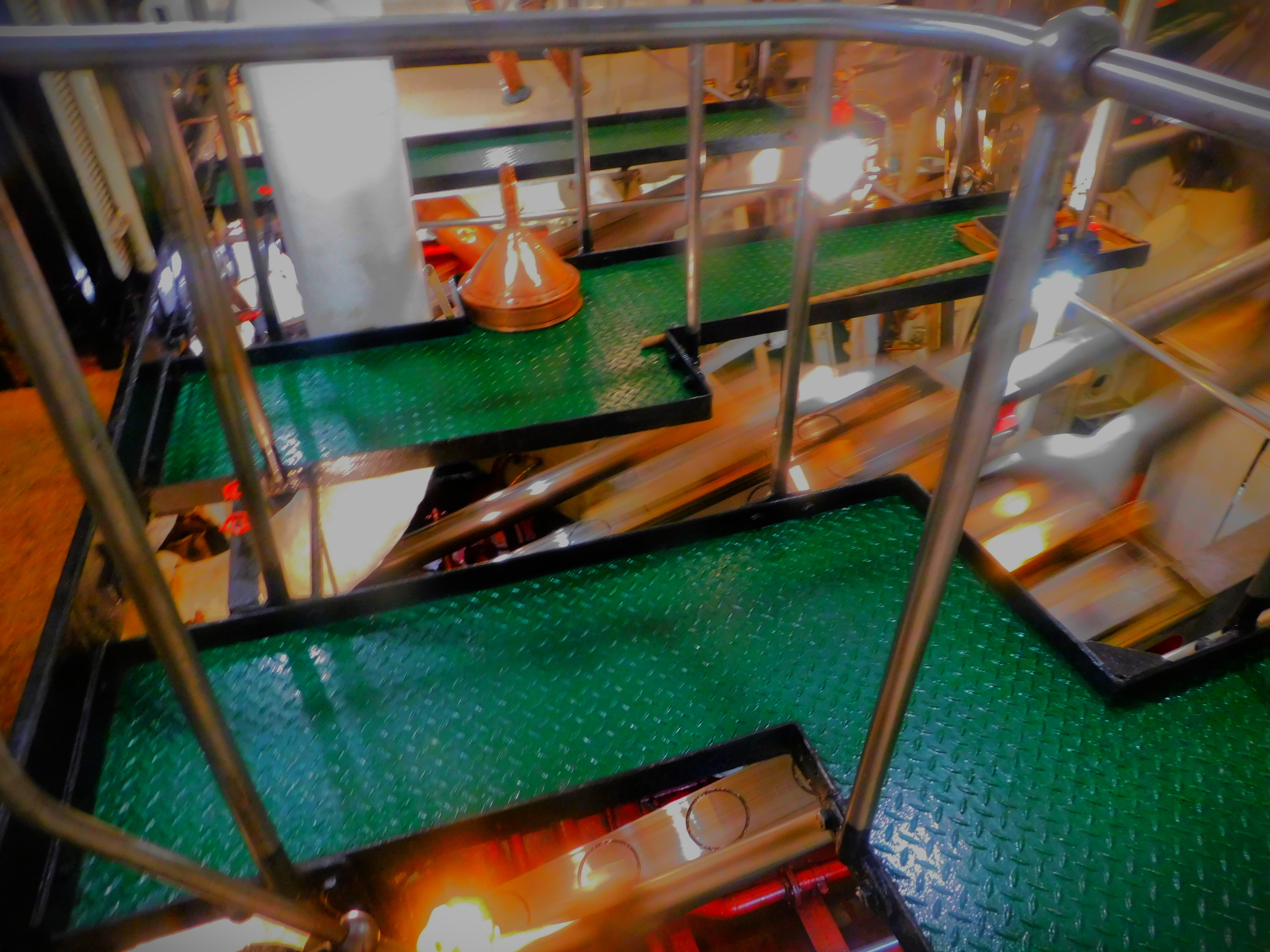
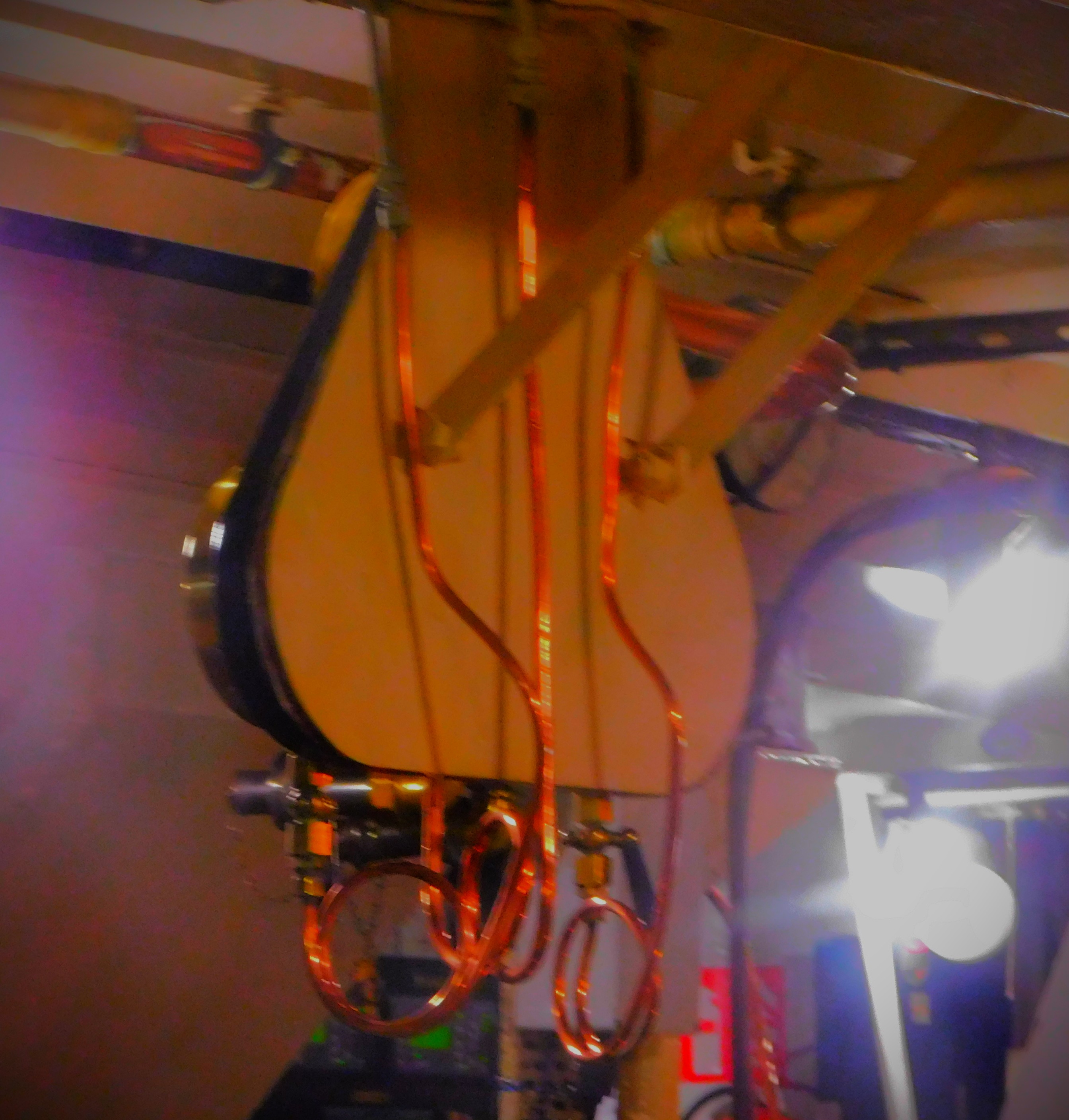
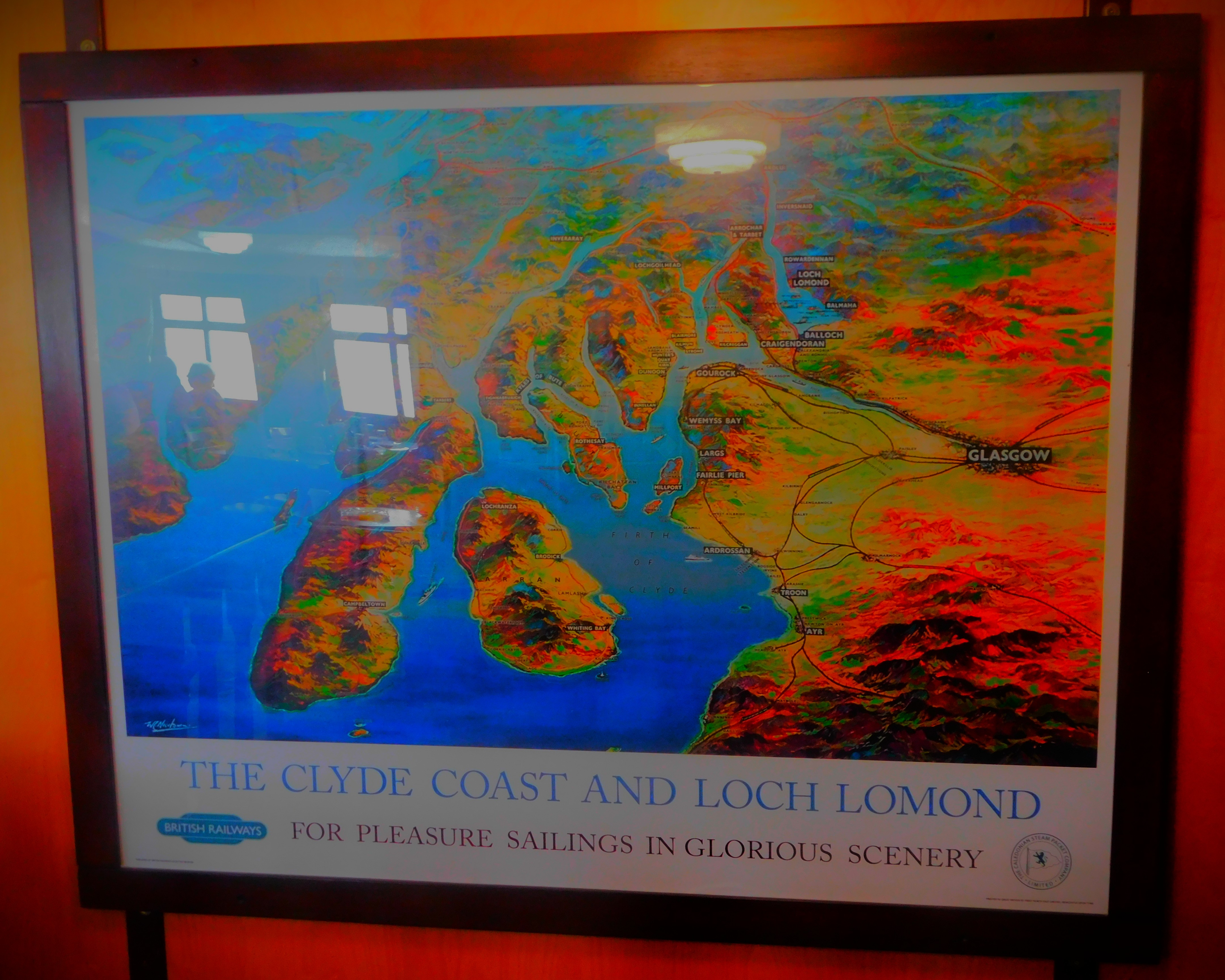
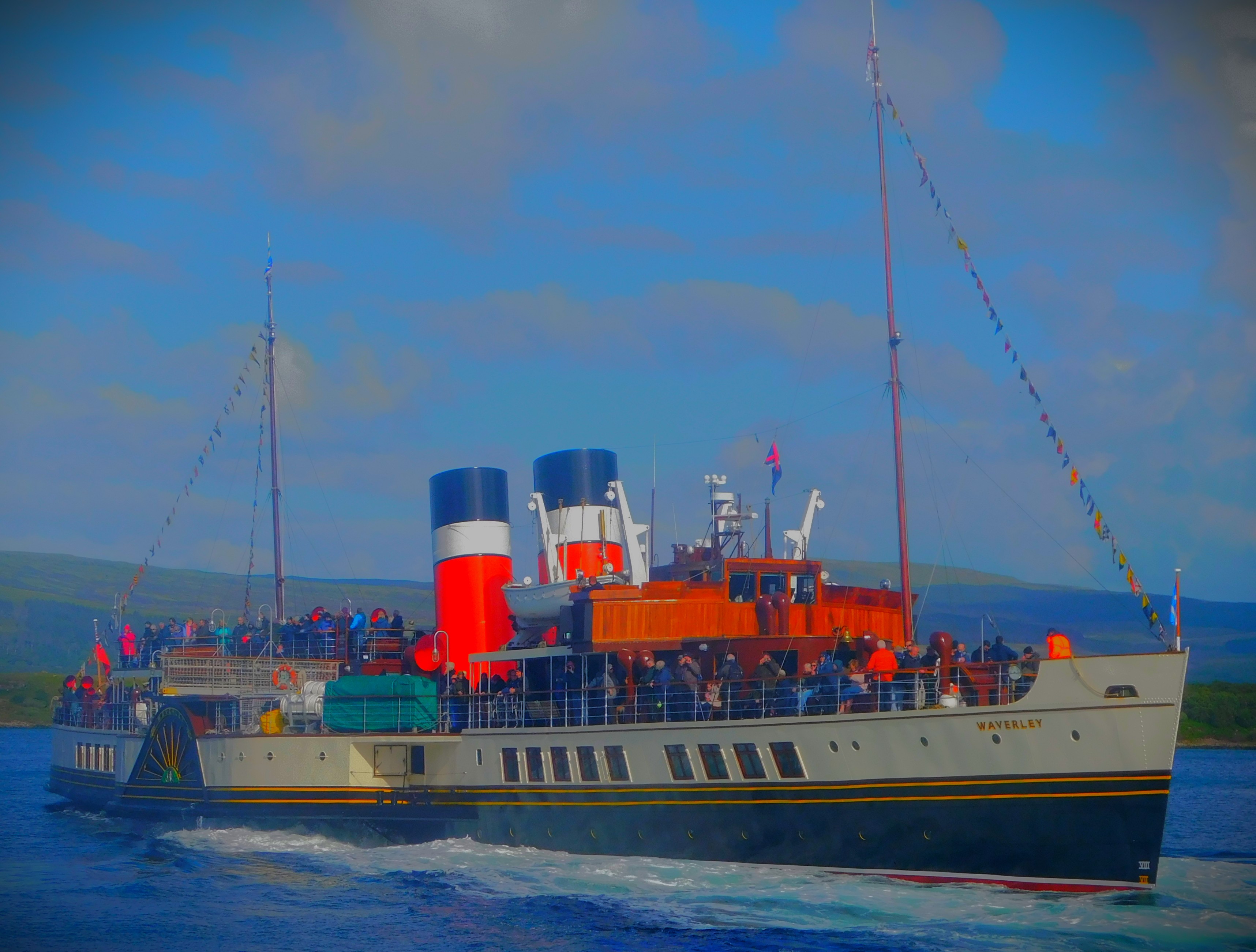
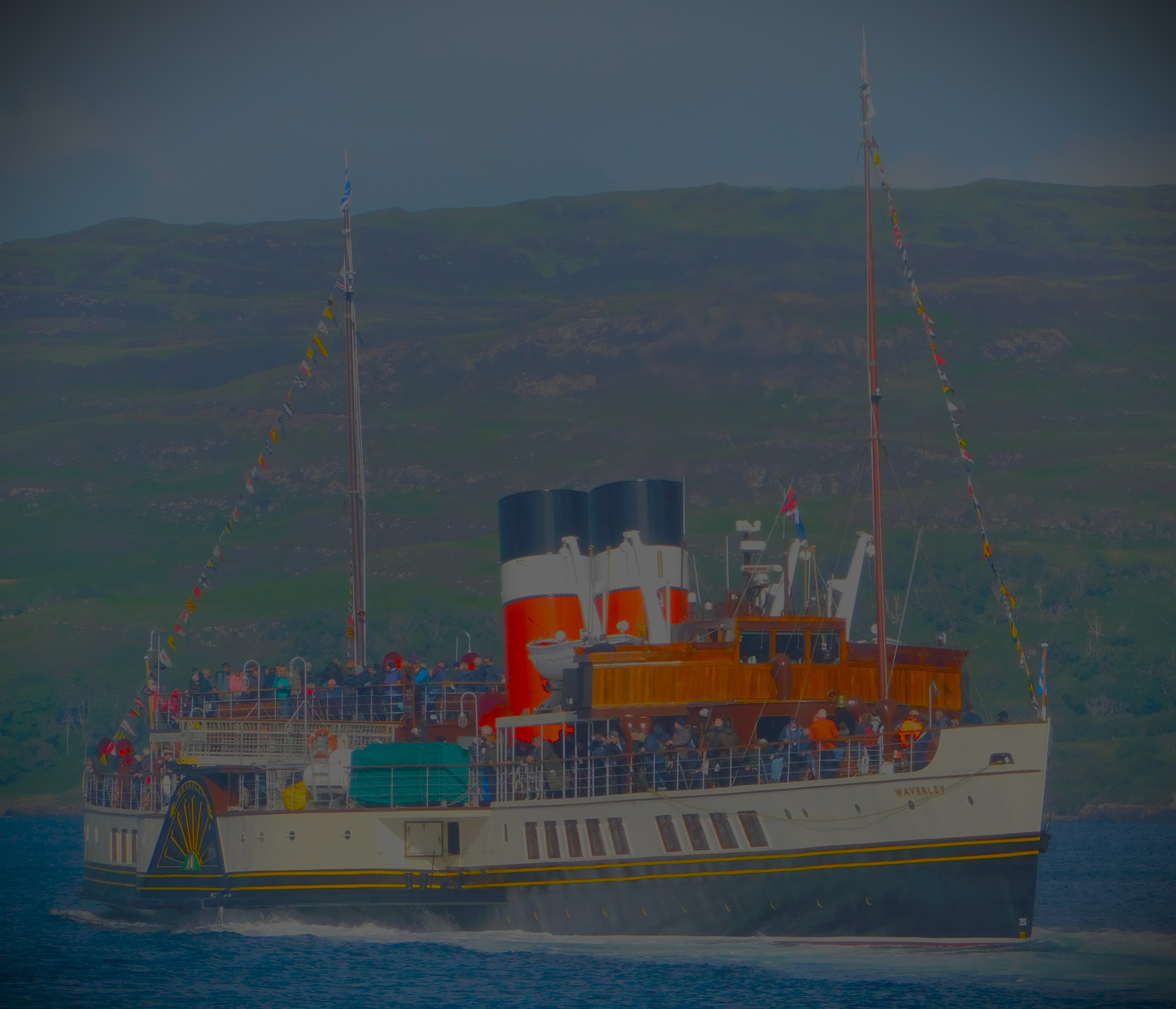
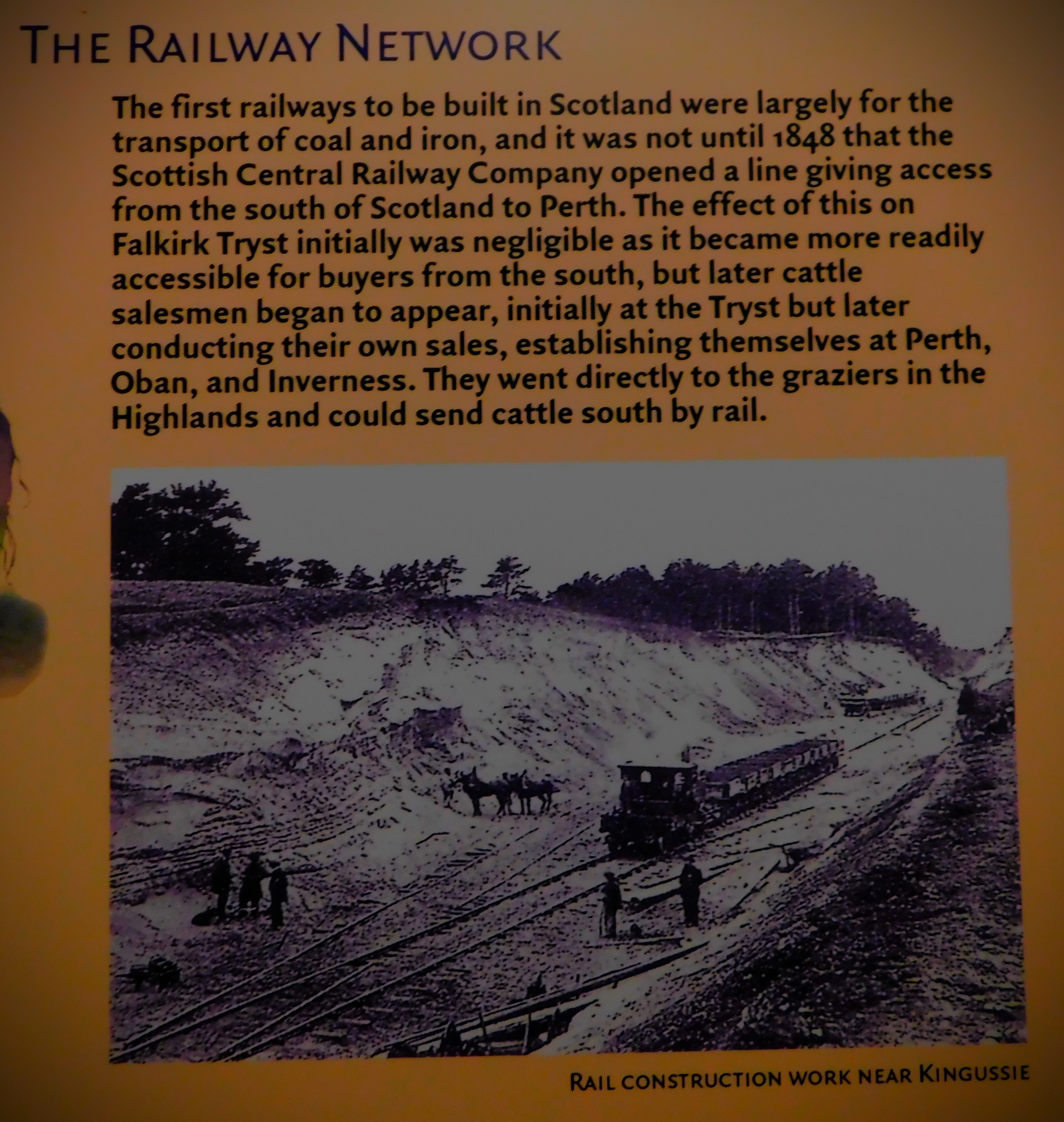
The Waverley is a ship with two funnels. The engine can be viewed by the public, and there are detailed displays on board relating to the history of The Waverley and of paddle steamers in general. Paddle steamers were the first kind of steam ship, displacing sailing ships because they were faster, and not being dependent on the wind could steer a more reliable course. Being steam powered they developed around the same time as the first railways (the photographs in this post will show more detail about this), and those railways that served port cities generally ran their own shipping lines so that they could sell all in one tickets covering the train journey and the sea voyage.
VIDEOS
Before the photographs this post features three short videos…
PHOTOGRAPHS
Some photos of and about The Waverley…
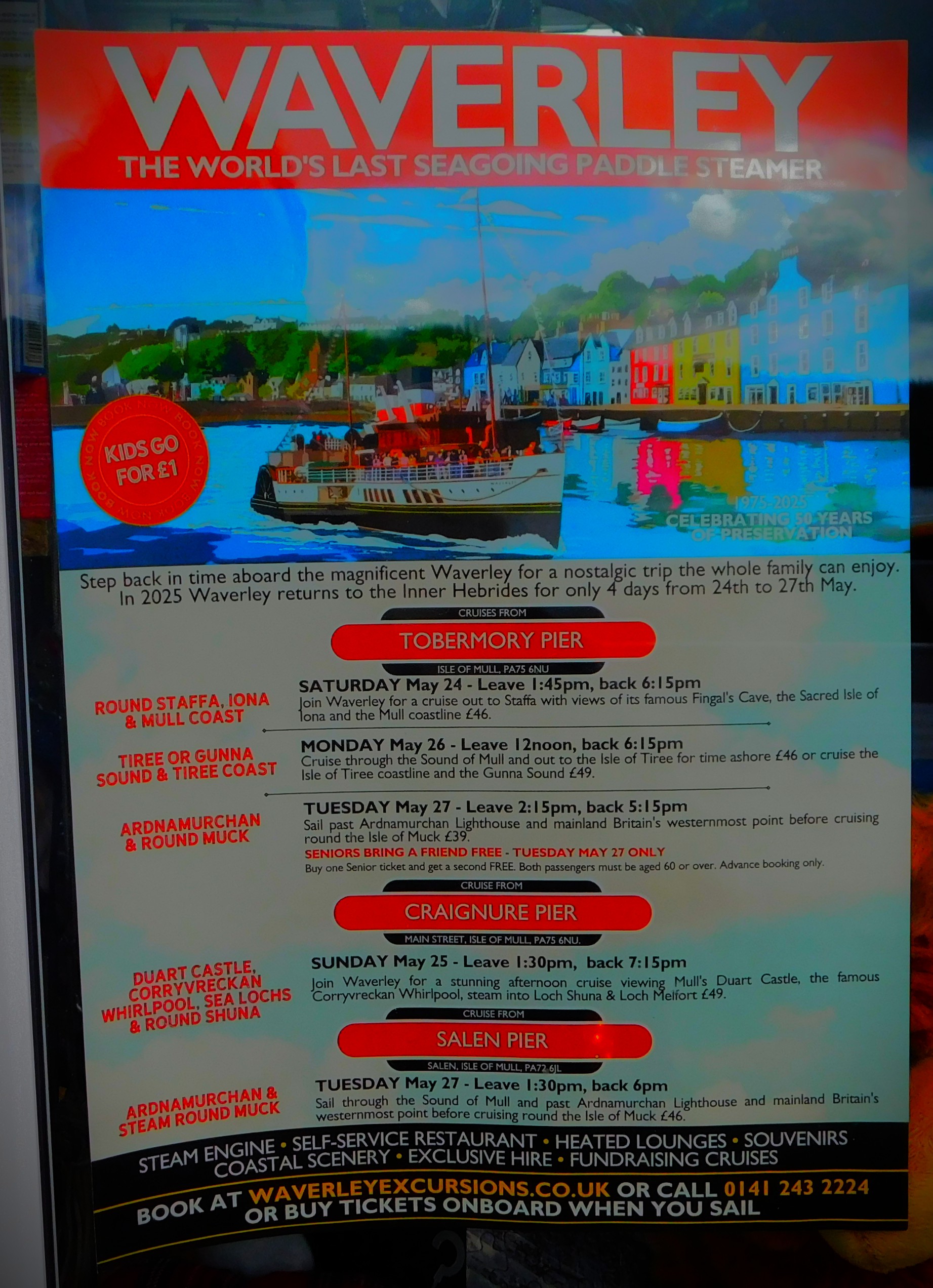
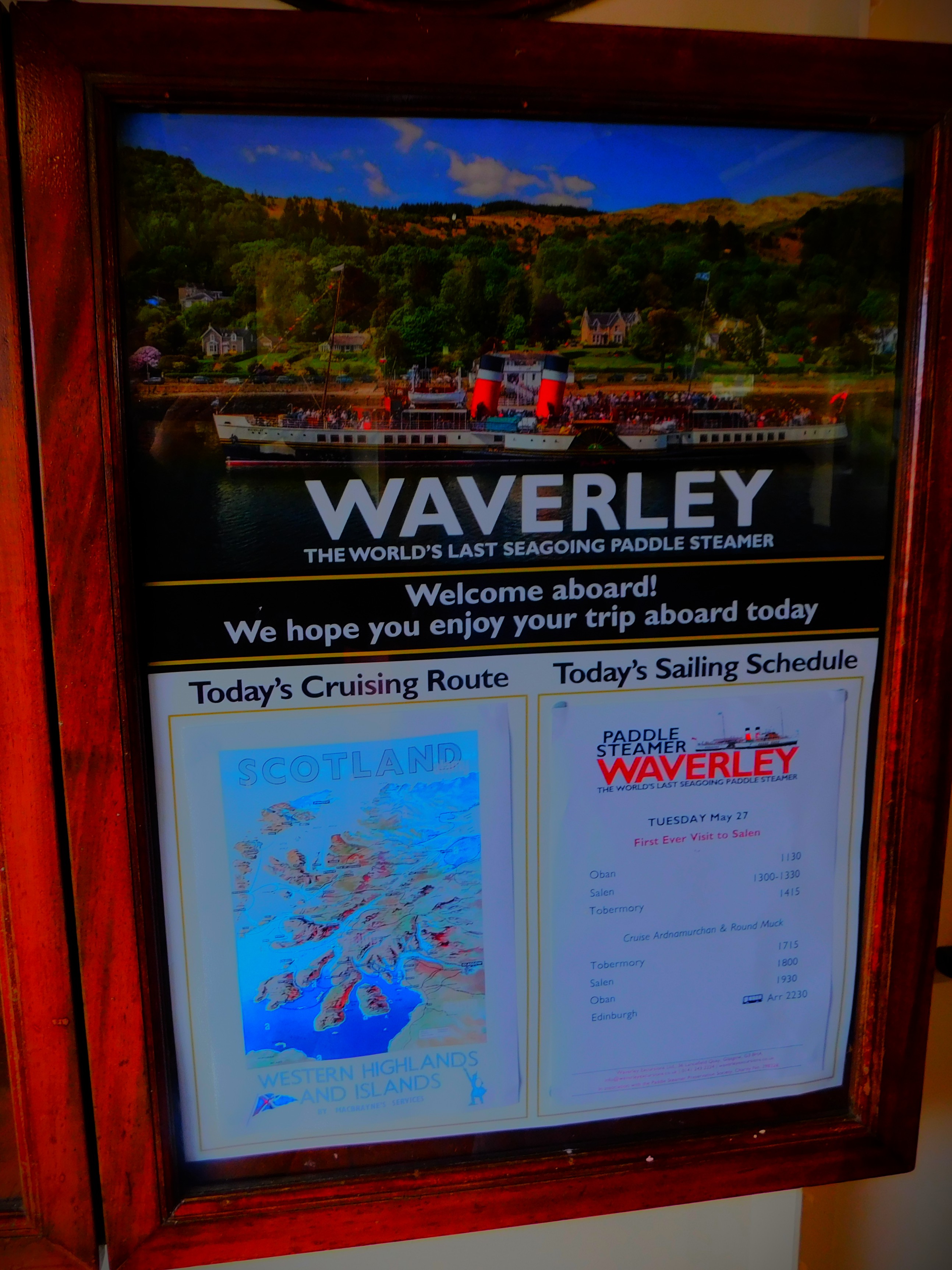
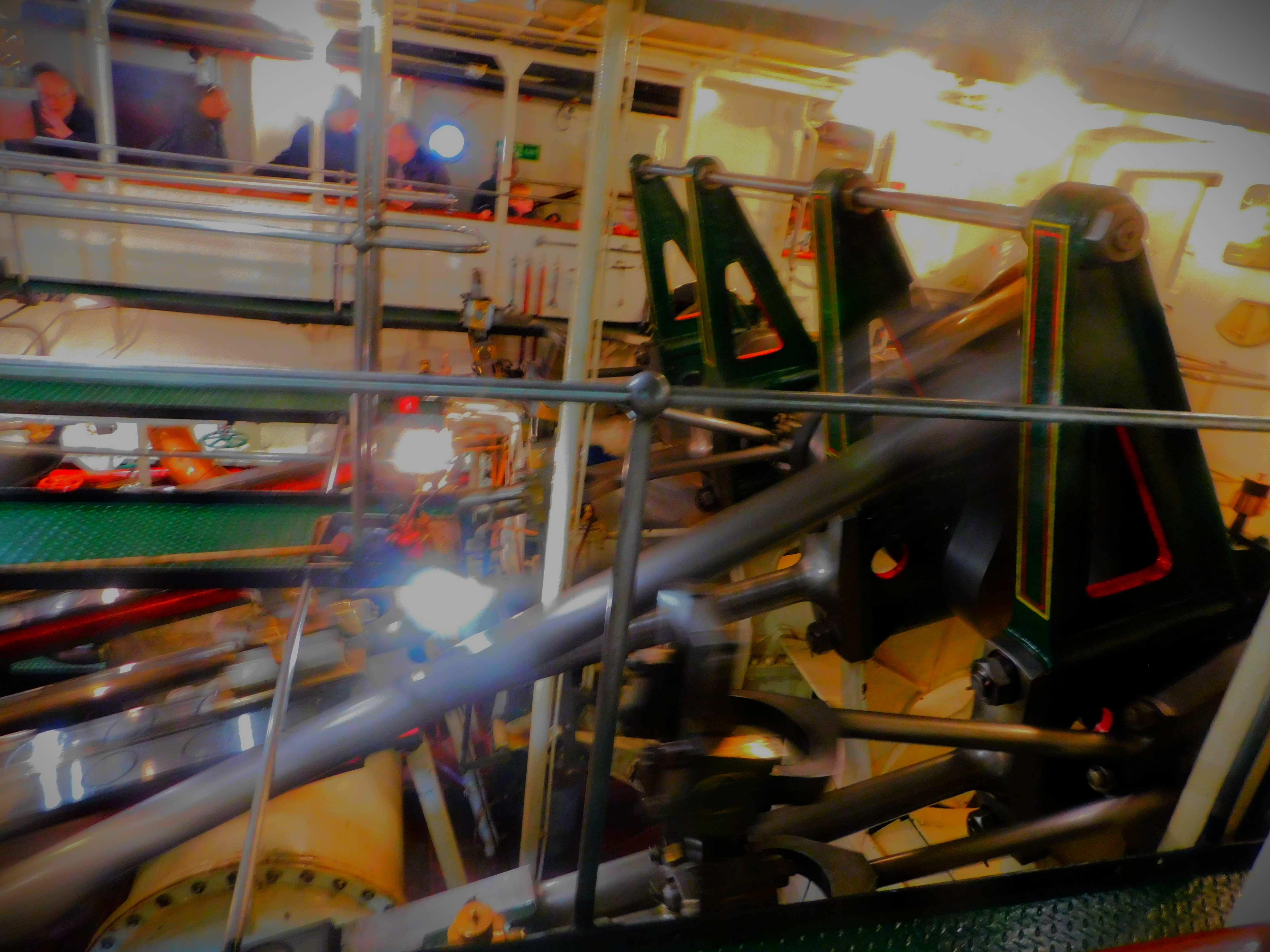
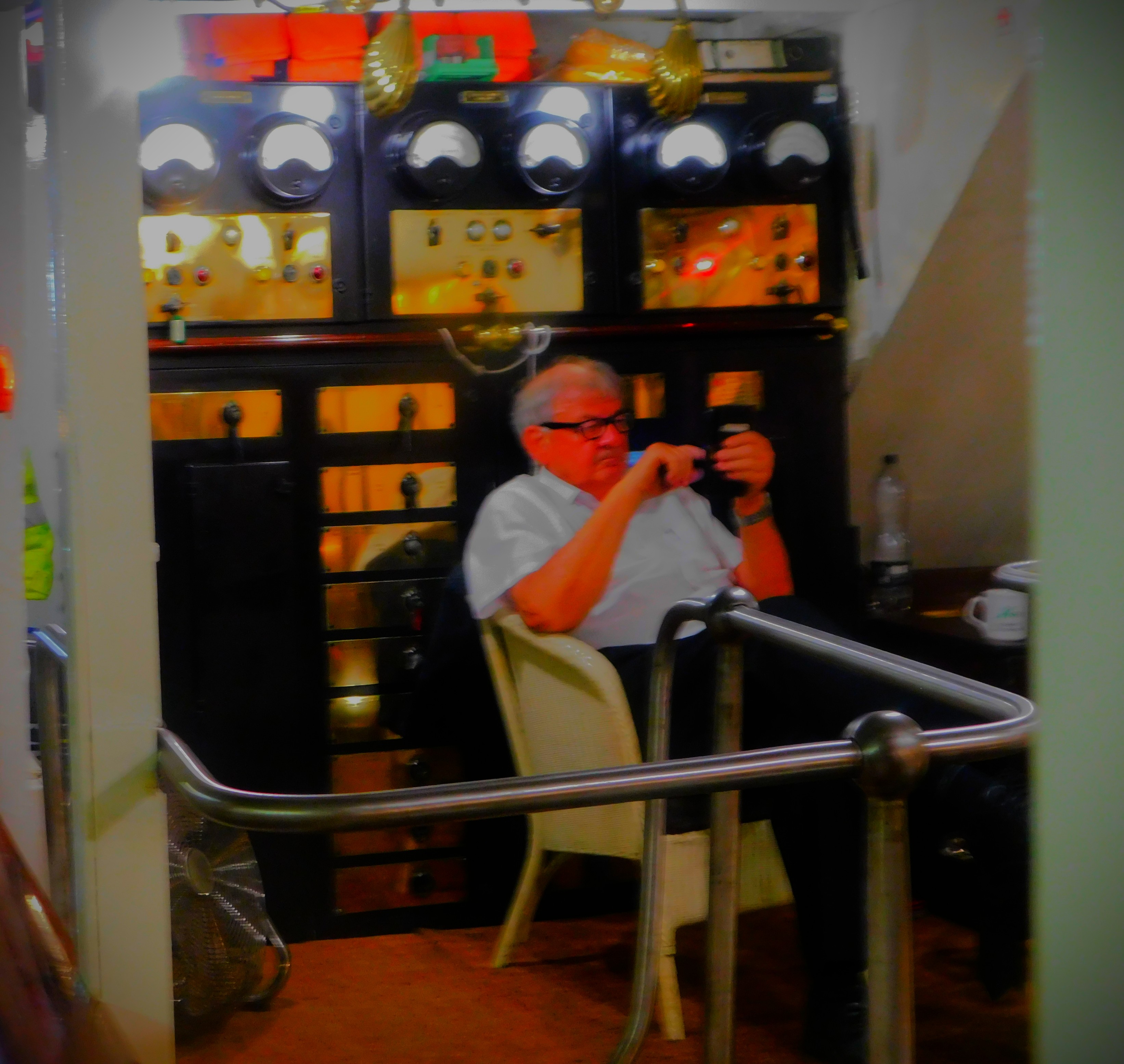
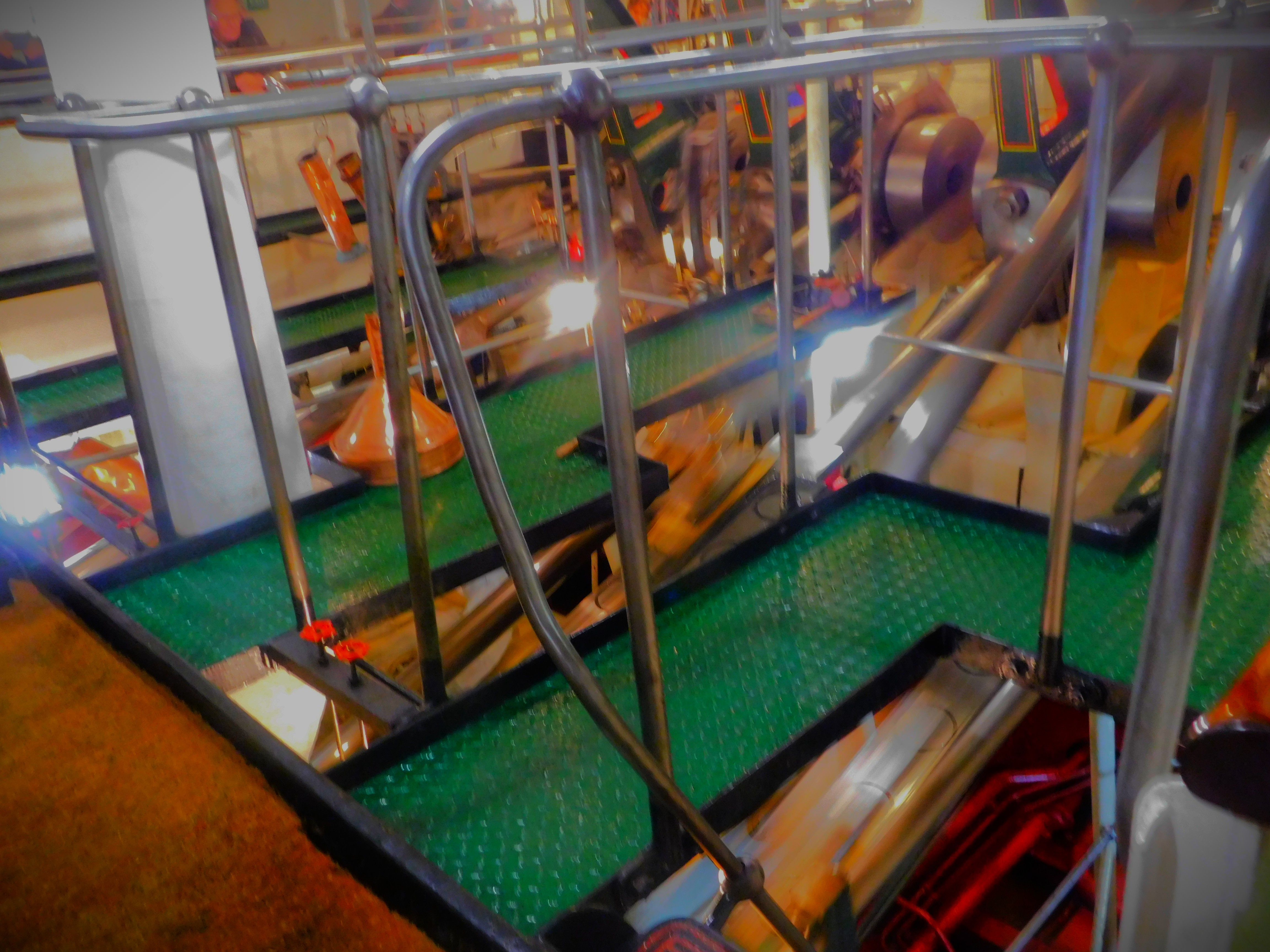
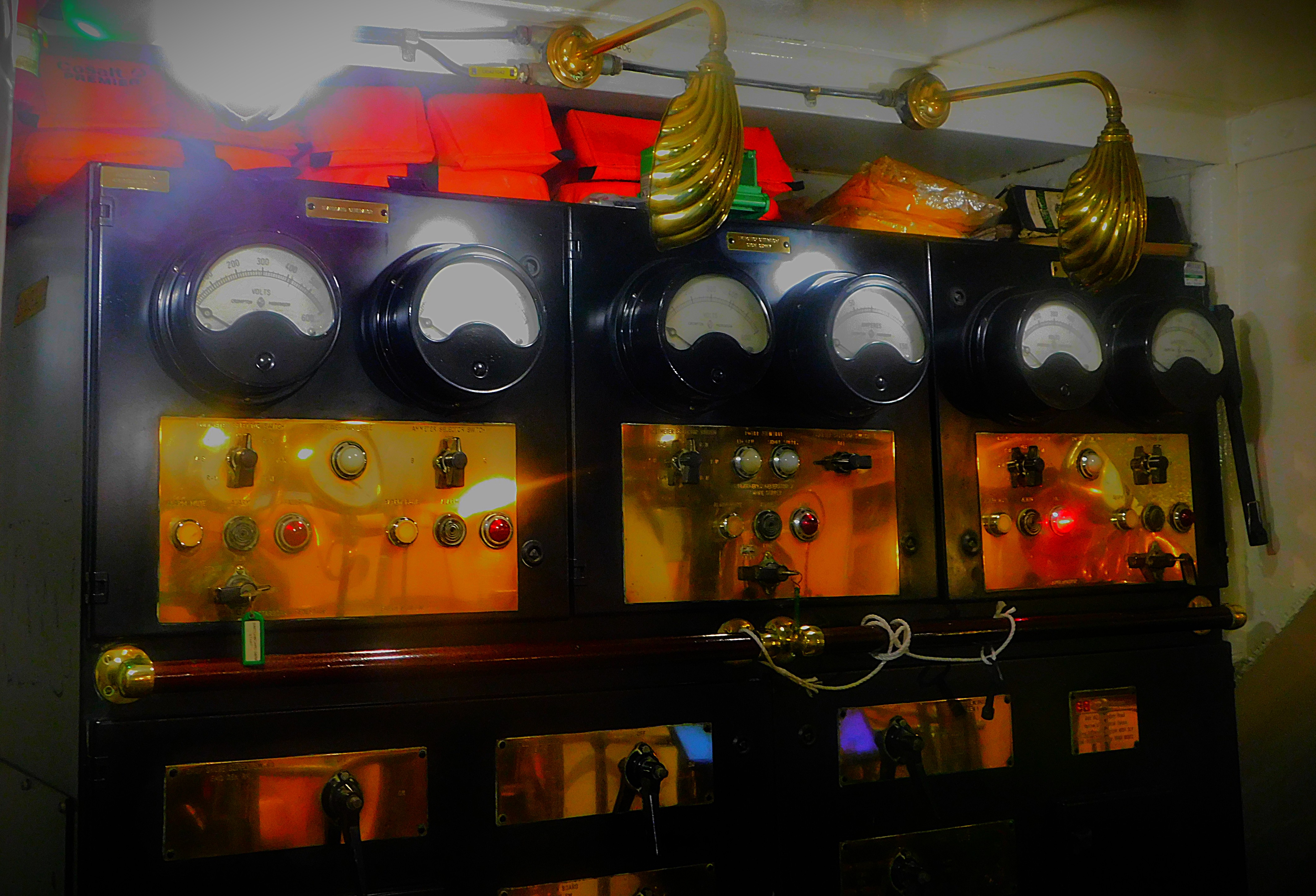
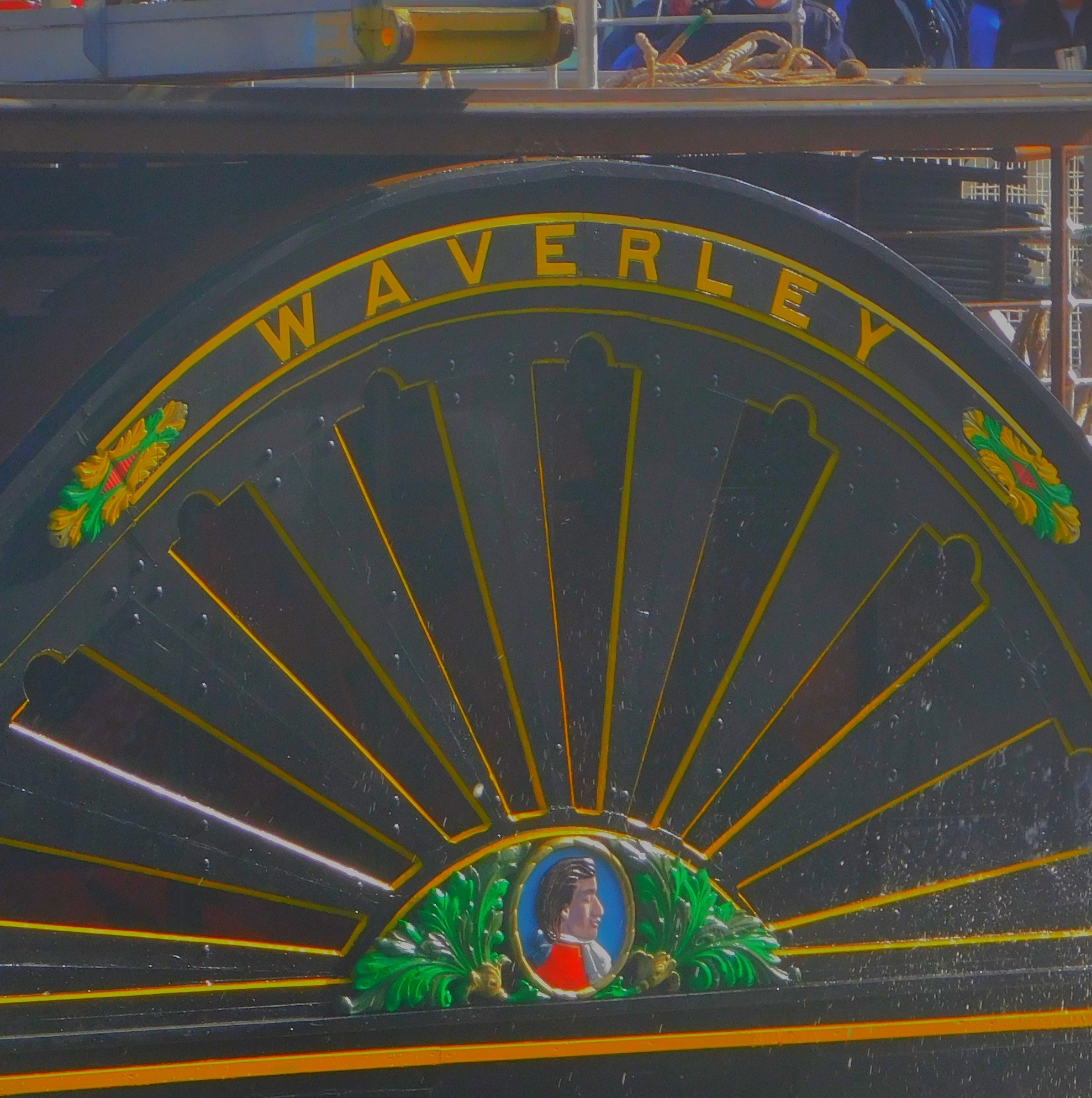
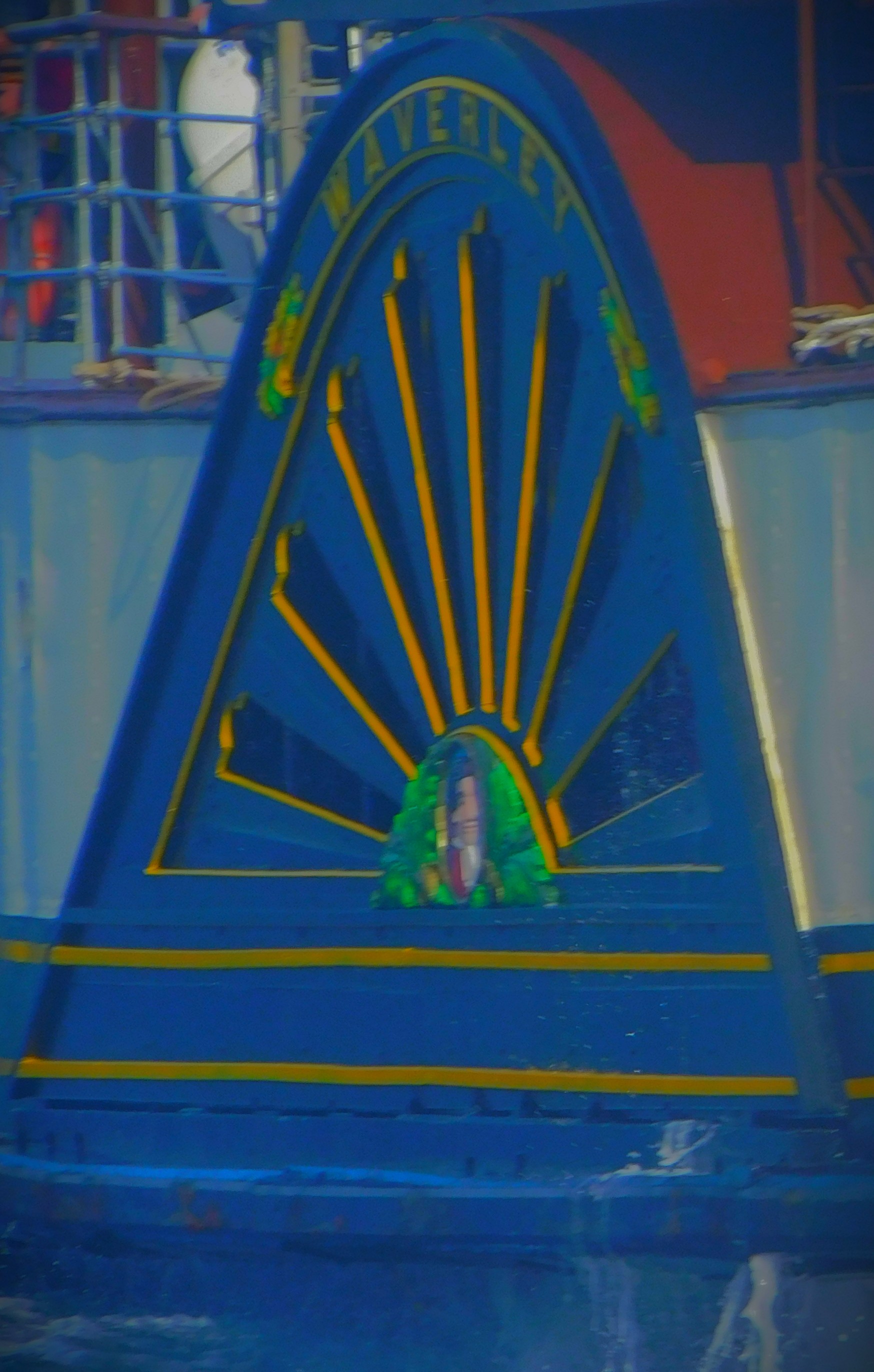
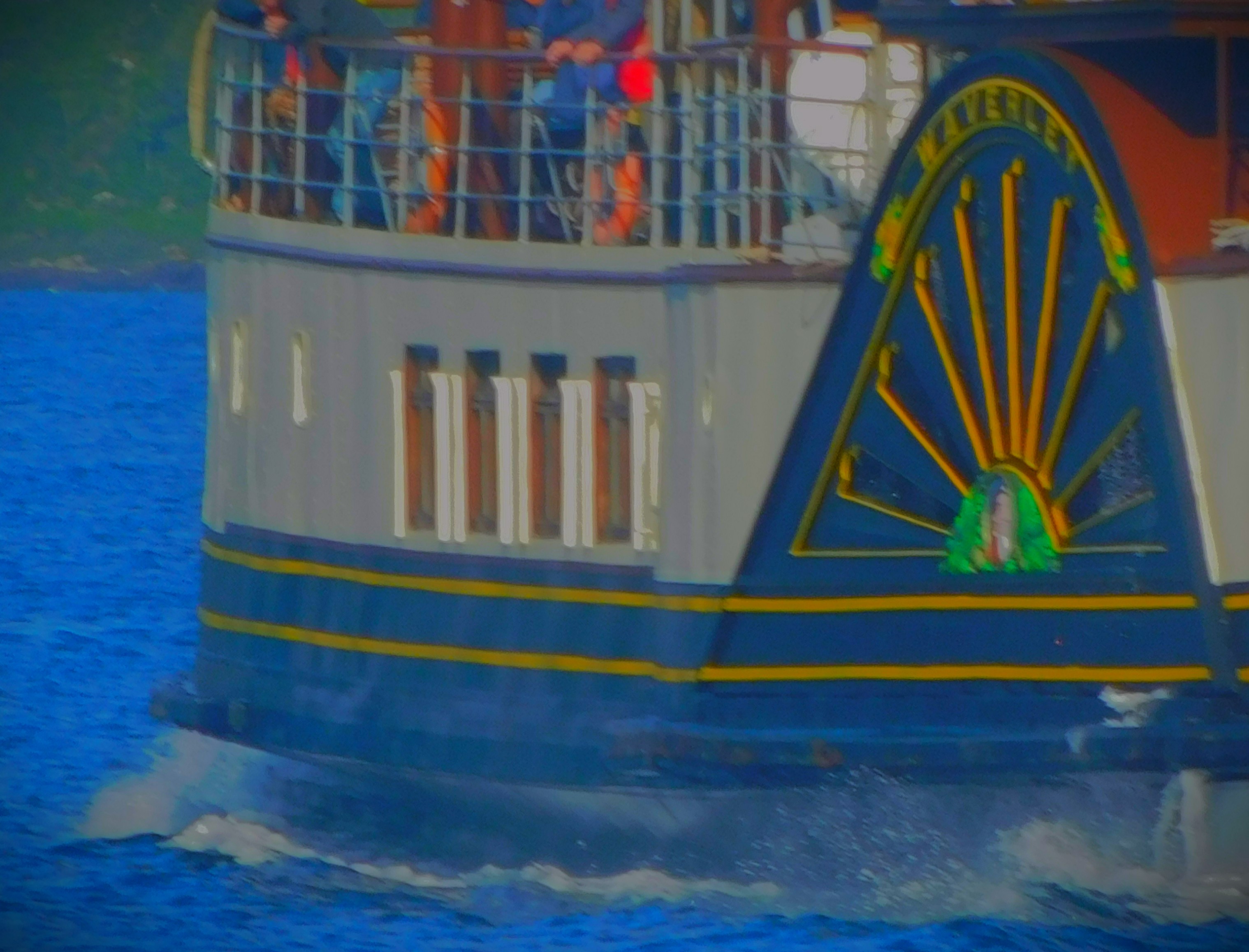
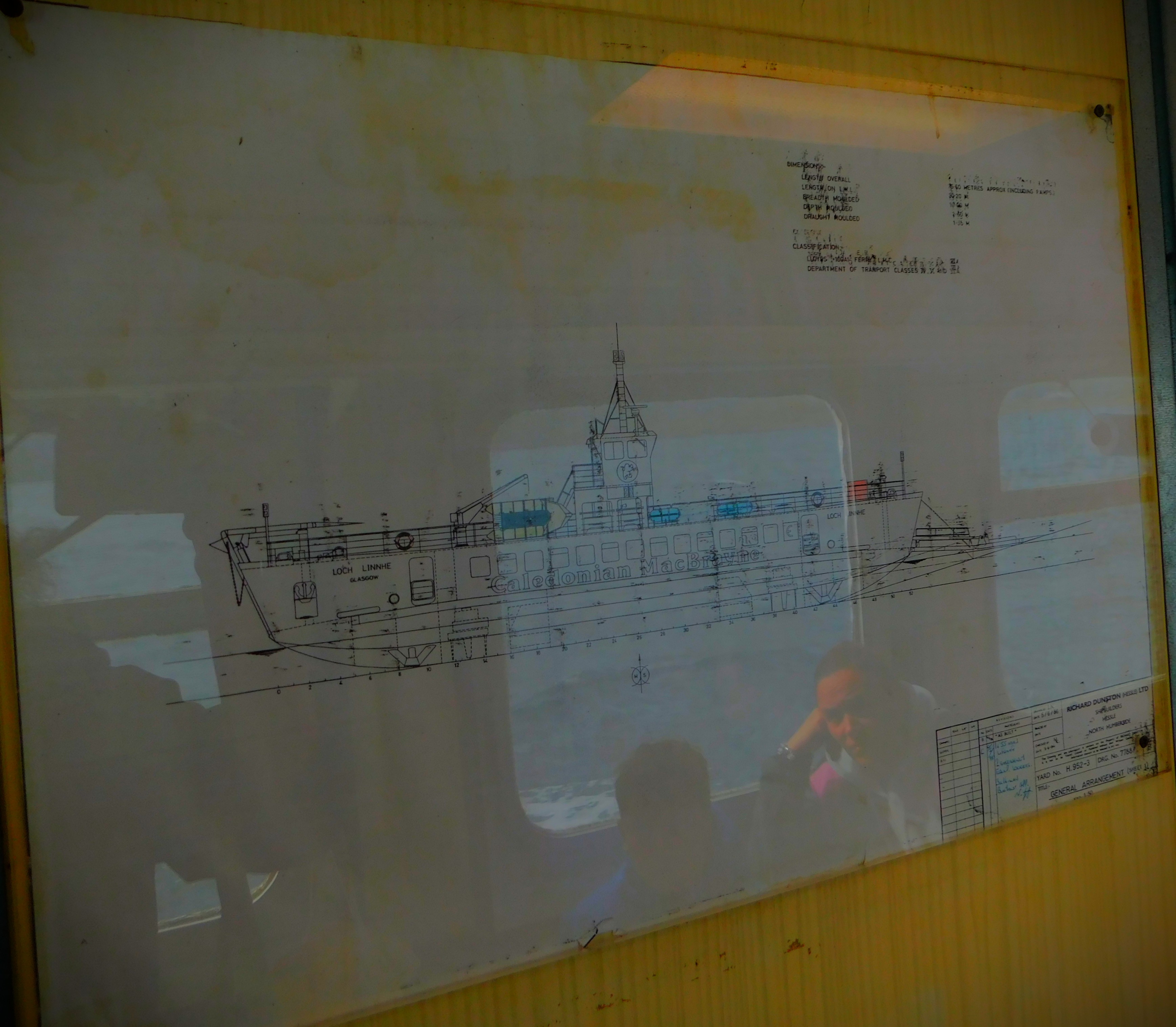
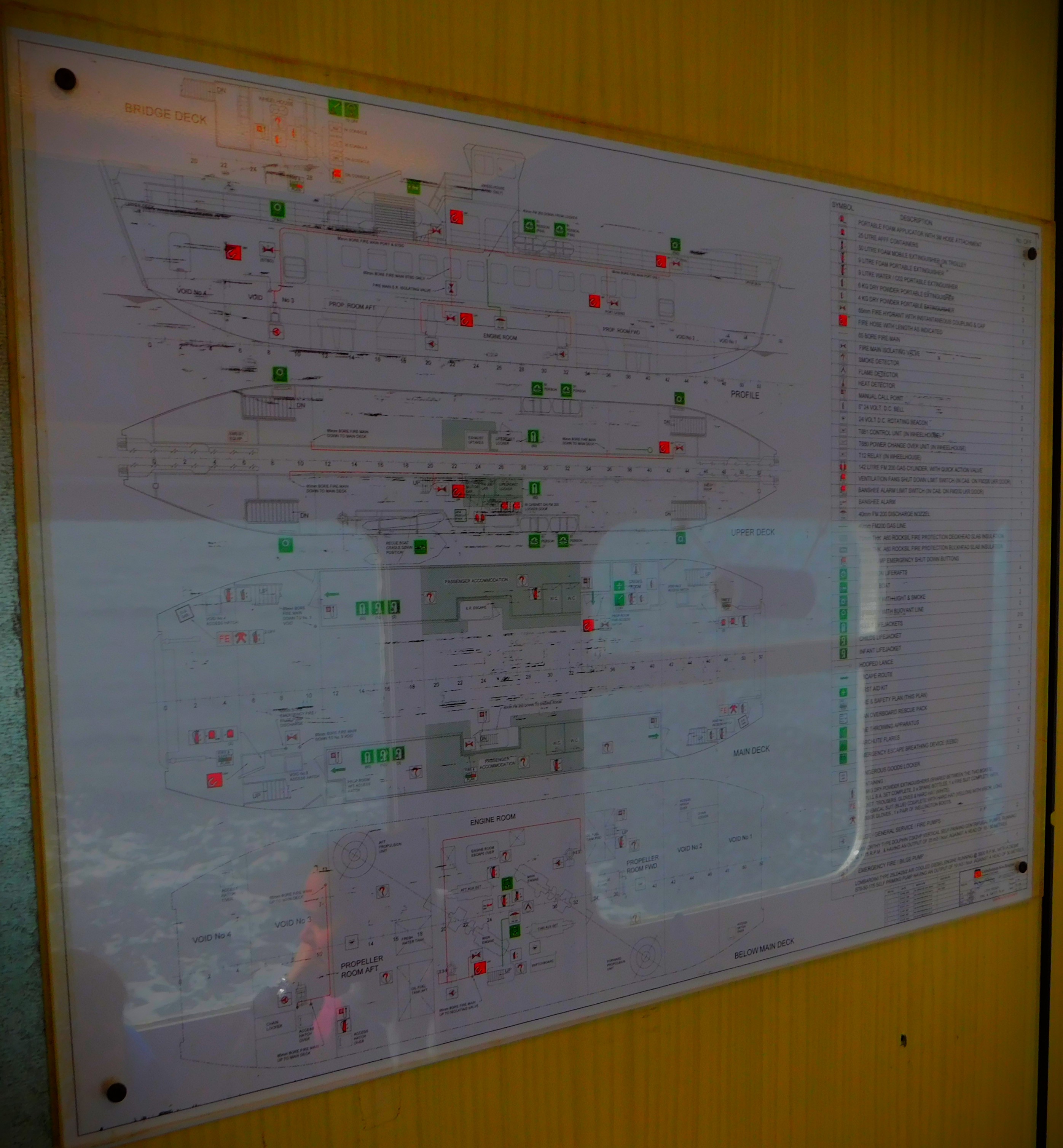
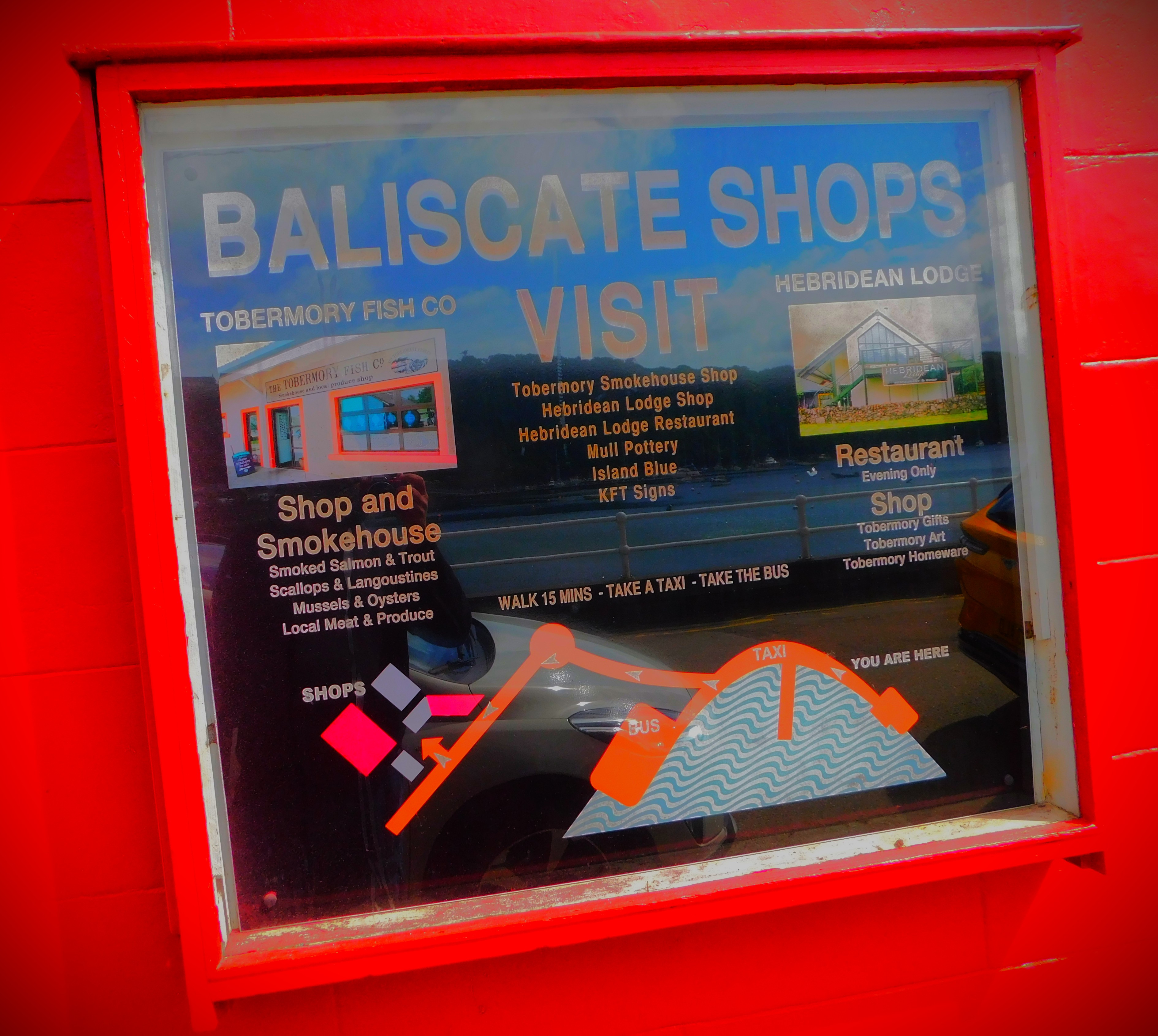
Advertising for The Waverley, spotted in TobermoryA first view of The Waverley from the pier at TobermoryA small but highly important document – my ticket for the voyage.A lot of pictures from the display areas inside the ship.Photos from the engine room (x3)More from the engine room.Close ups of the outside view of the paddle (x3)Another close up of the paddle. A final farewell to The Waverley before it was lost from sight as we waited to board the ferry back to Kilchoan.
This post, the fourth in my series about my holiday in Scotland around my 50th birthday, is by way of setting the scene for what will probably be two posts about my voyage aboard The Waverley, the world’s last seagoing paddle steamer. Posts 1, 2 and 3 in the series can be accessed from here by clicking on the numbers.
A CHANGE OF PLANS
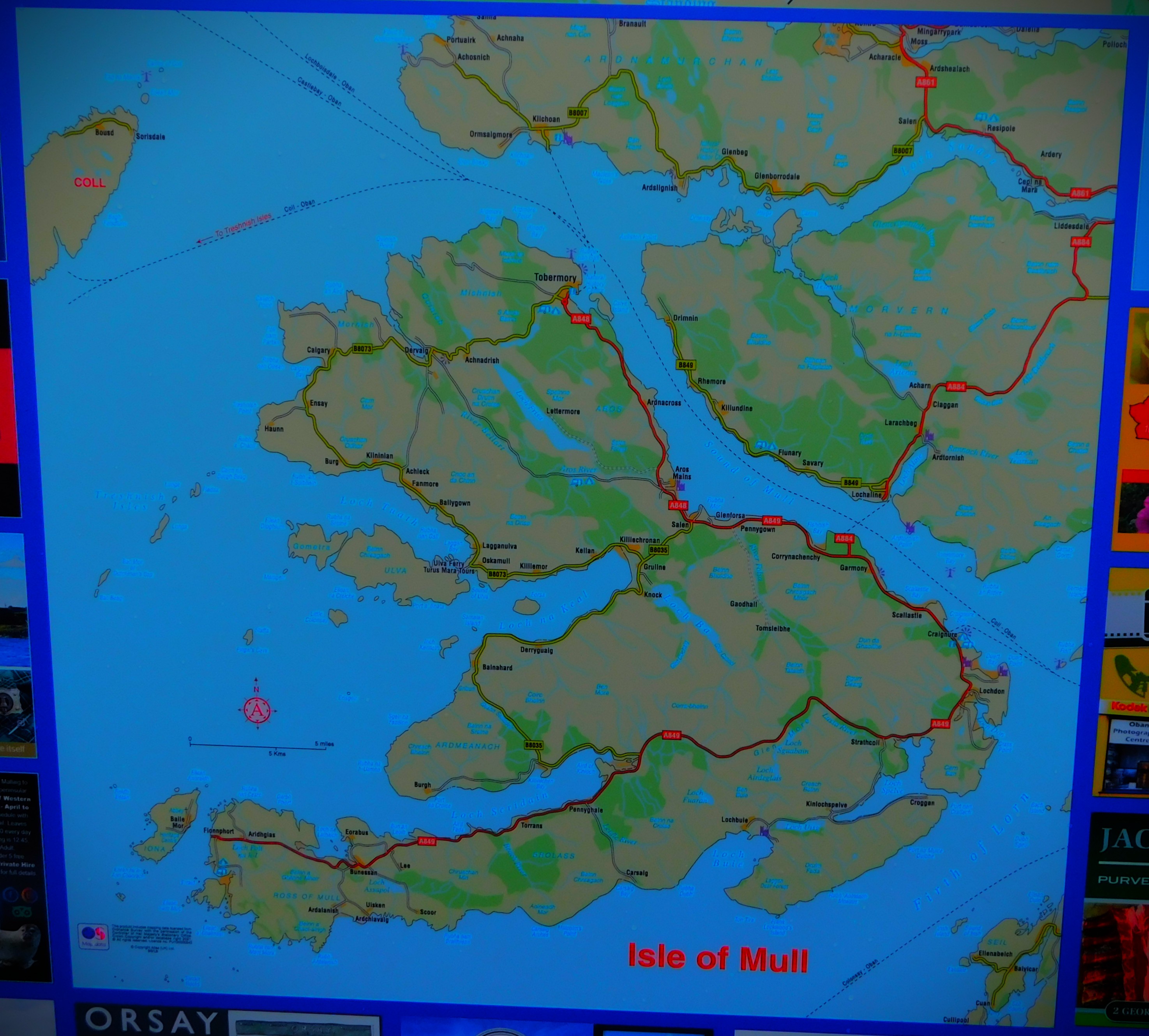
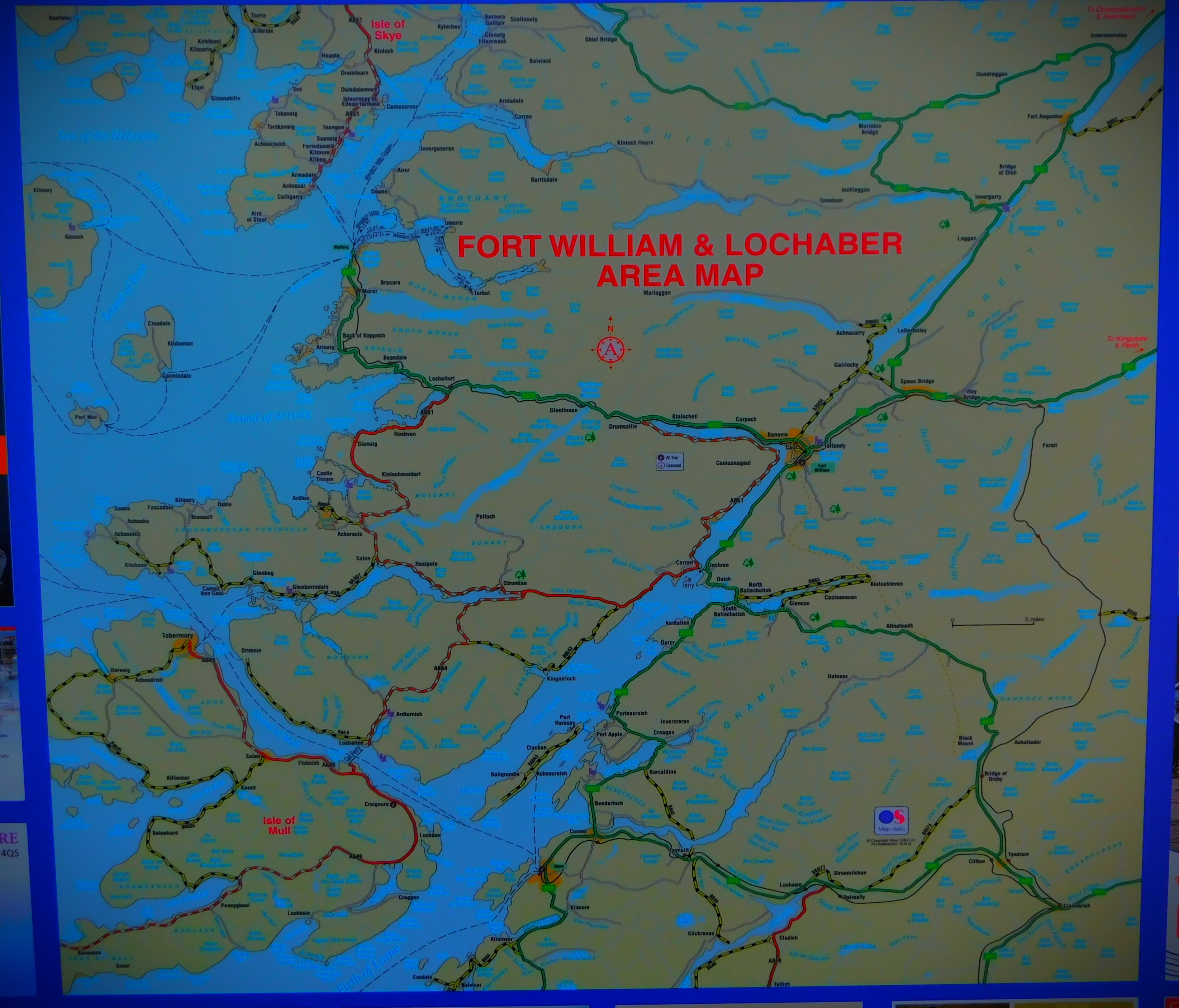
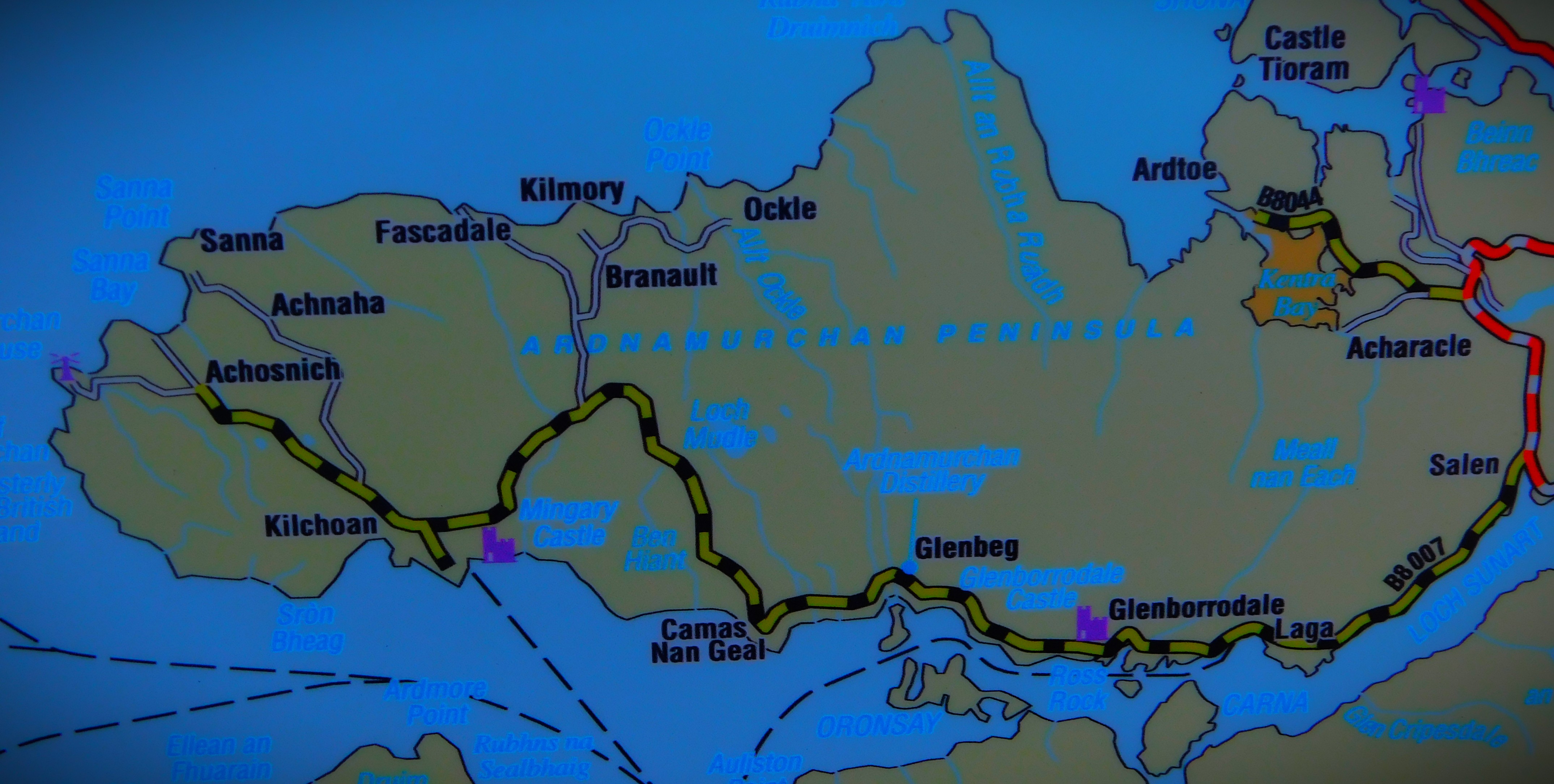
We were originally supposed to board and disembark from The Waverley at Oban, quite a substantial journey from Achosnich, where we are staying. However, the road closure that had delayed our arrival on Monday was just one of a number scheduled, which made the prospect of driving to and from Oban more worrying than it should have been. The alternative was to take the ferry from Kilchoan across to Tobermory, and join and leave the steamer there. This was what we chose to do, and we had a fair amount of time in Tobermory before boarding (not much after disembarkation from The Waverley.
TOBERMORY
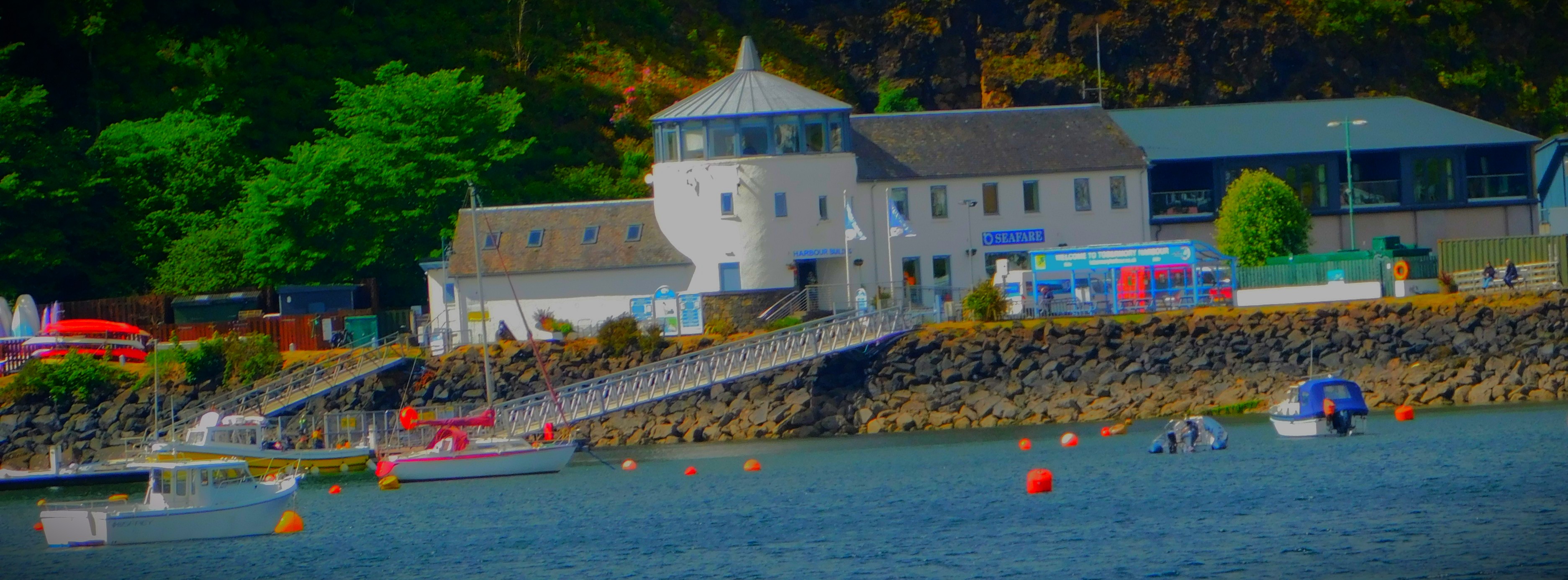
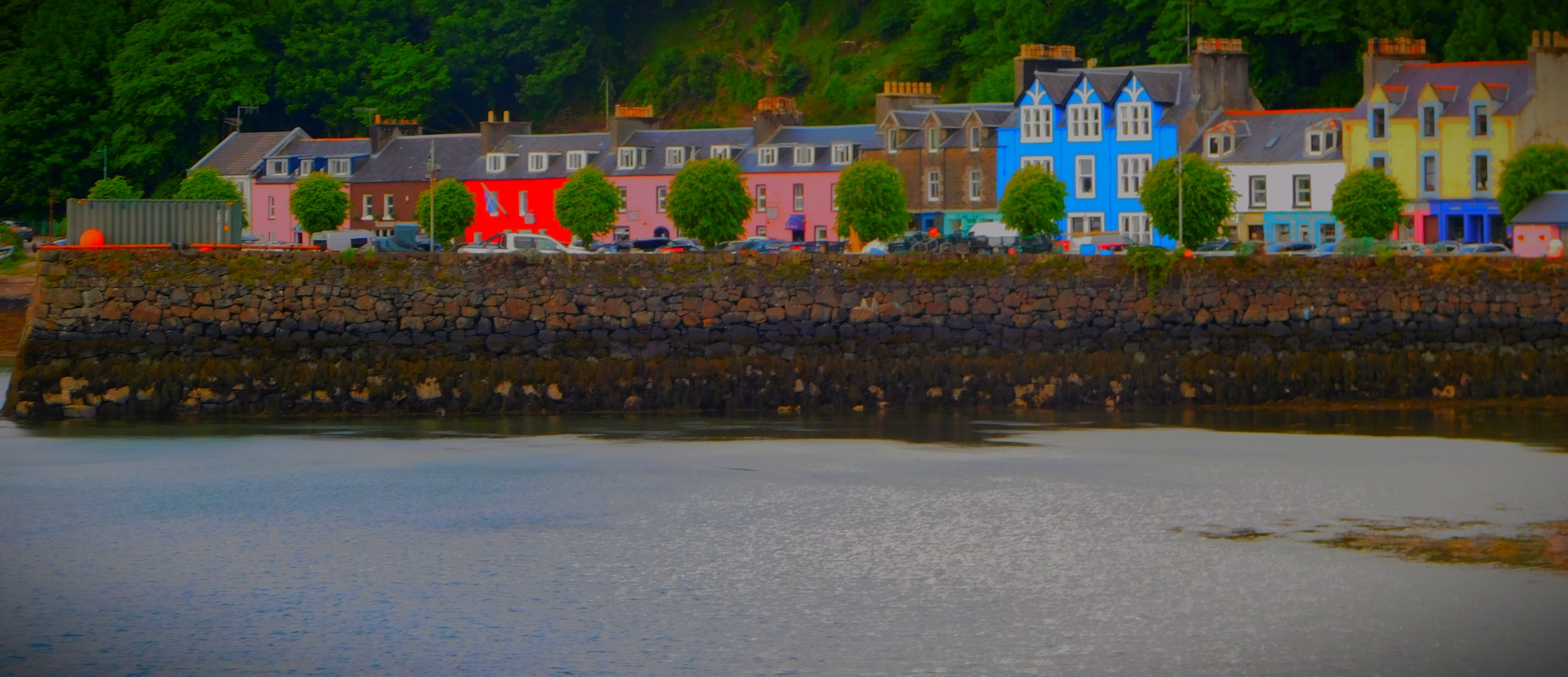
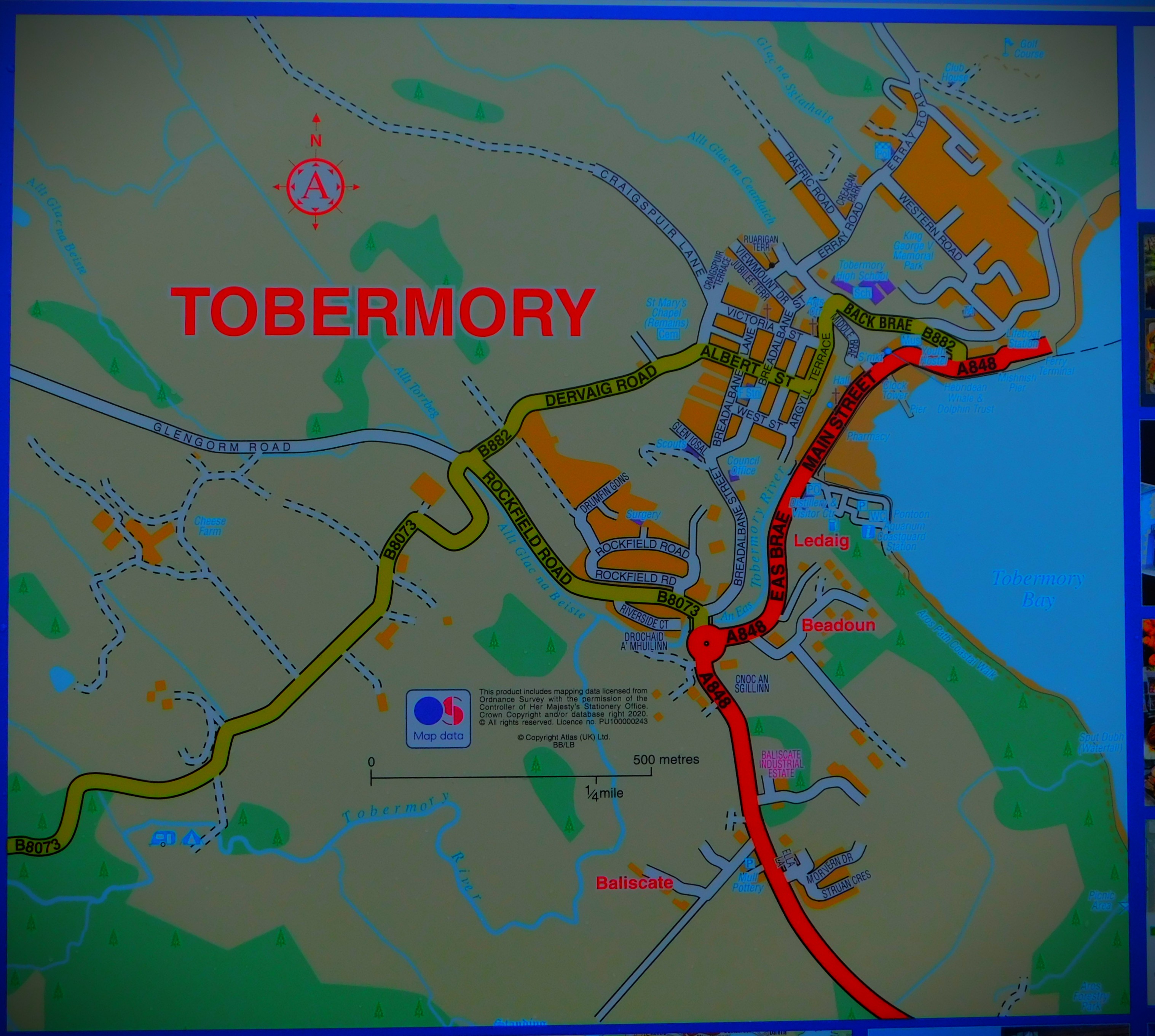
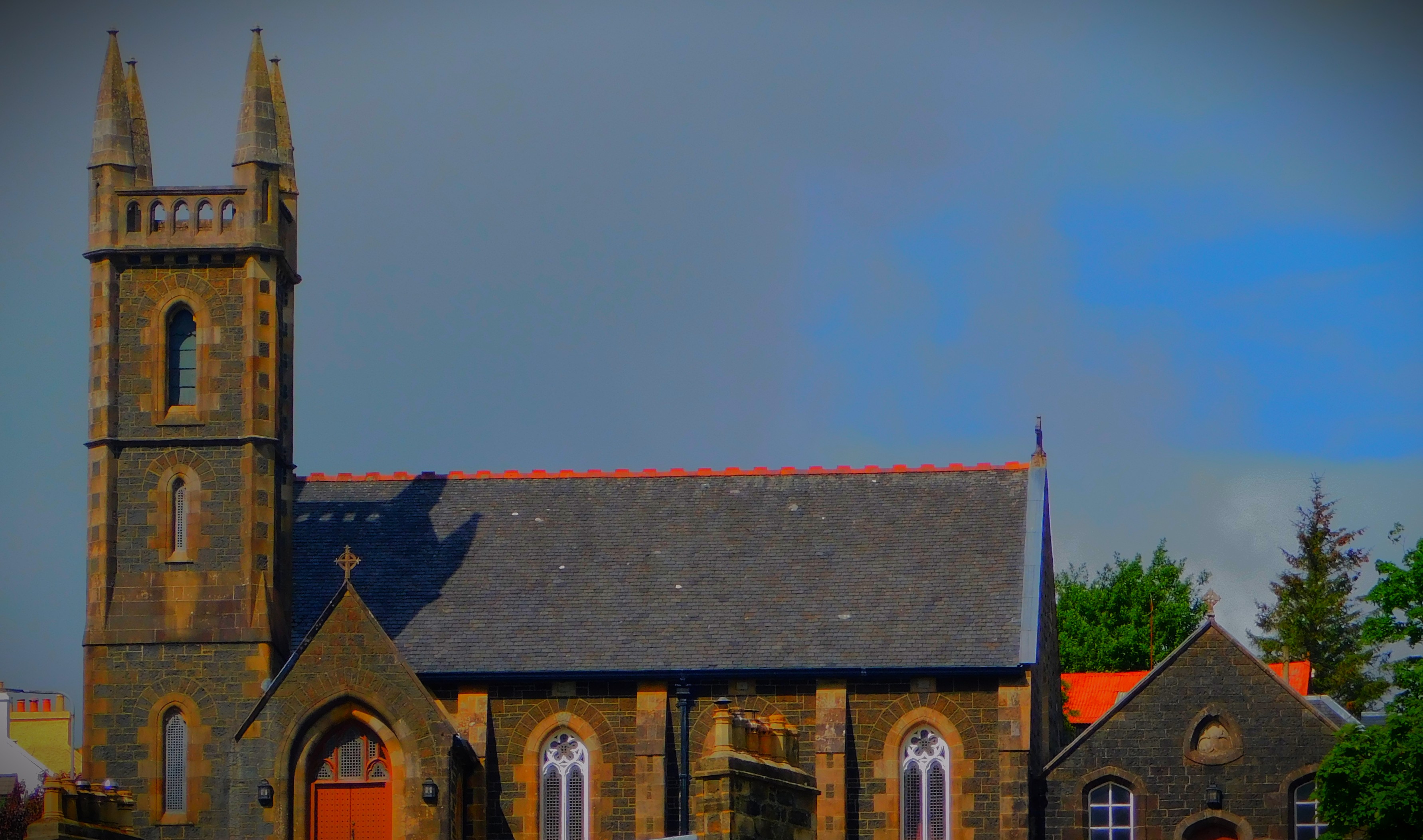
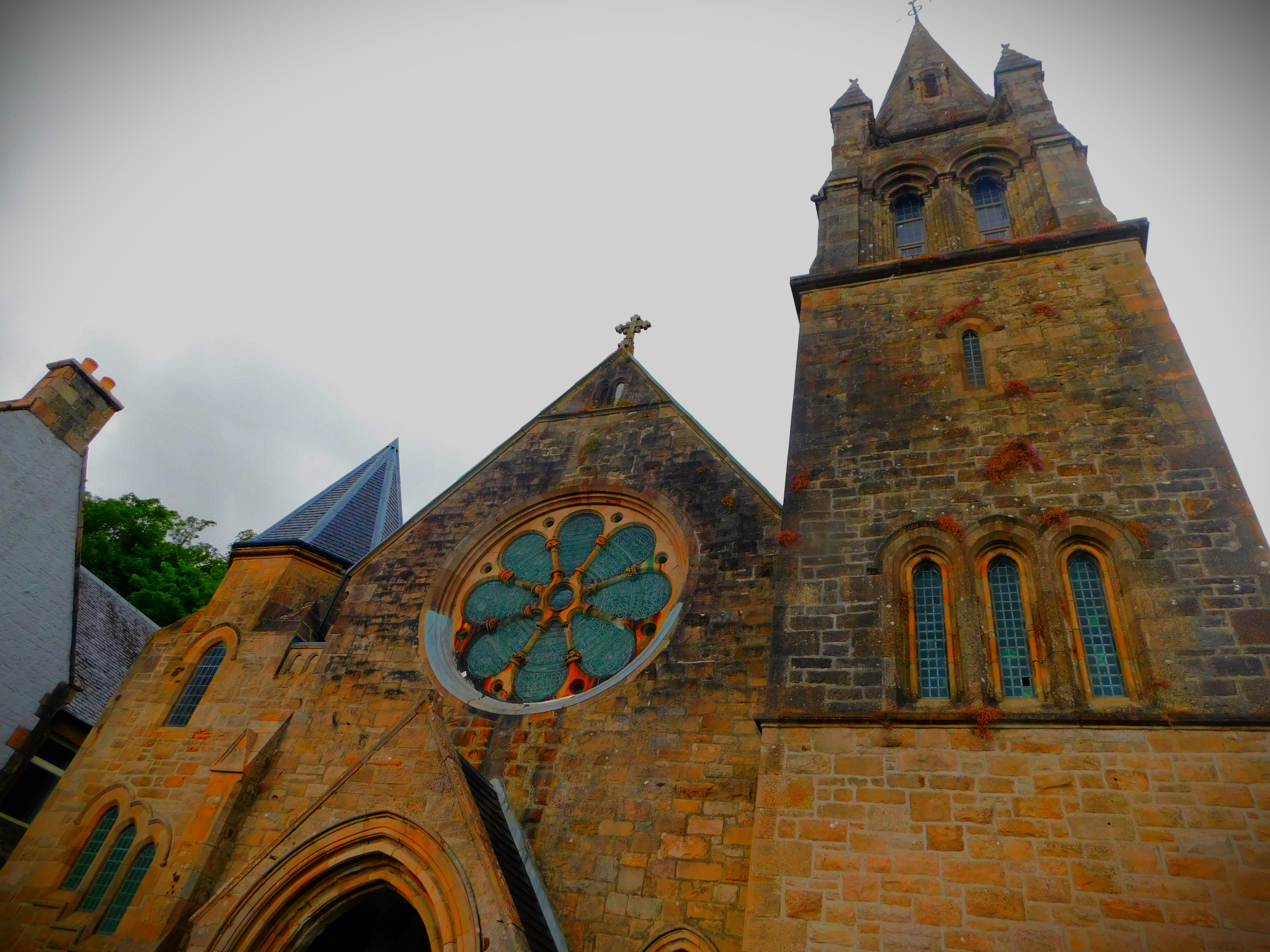
The Kilchoan ferry is a small one, and the journey across to Tobermory on the Isle of Mull is not a very long one. Tobermory will be familiar by sight to watchers of children’s TV – the brightly coloured houses that form the backdrop to “Jackanory” are there. We had a few bits of shopping to do, which were quickly accomplished. The only other interruption to seeing what could be seen at the sea front was caused by bad weather, which at one stage forced us to seek refuge in a cafe located in a converted church. Finding somewhere to eat our sandwiches for lunch proved a challenge, and we ended up doing so while stood waiting for the steamer.
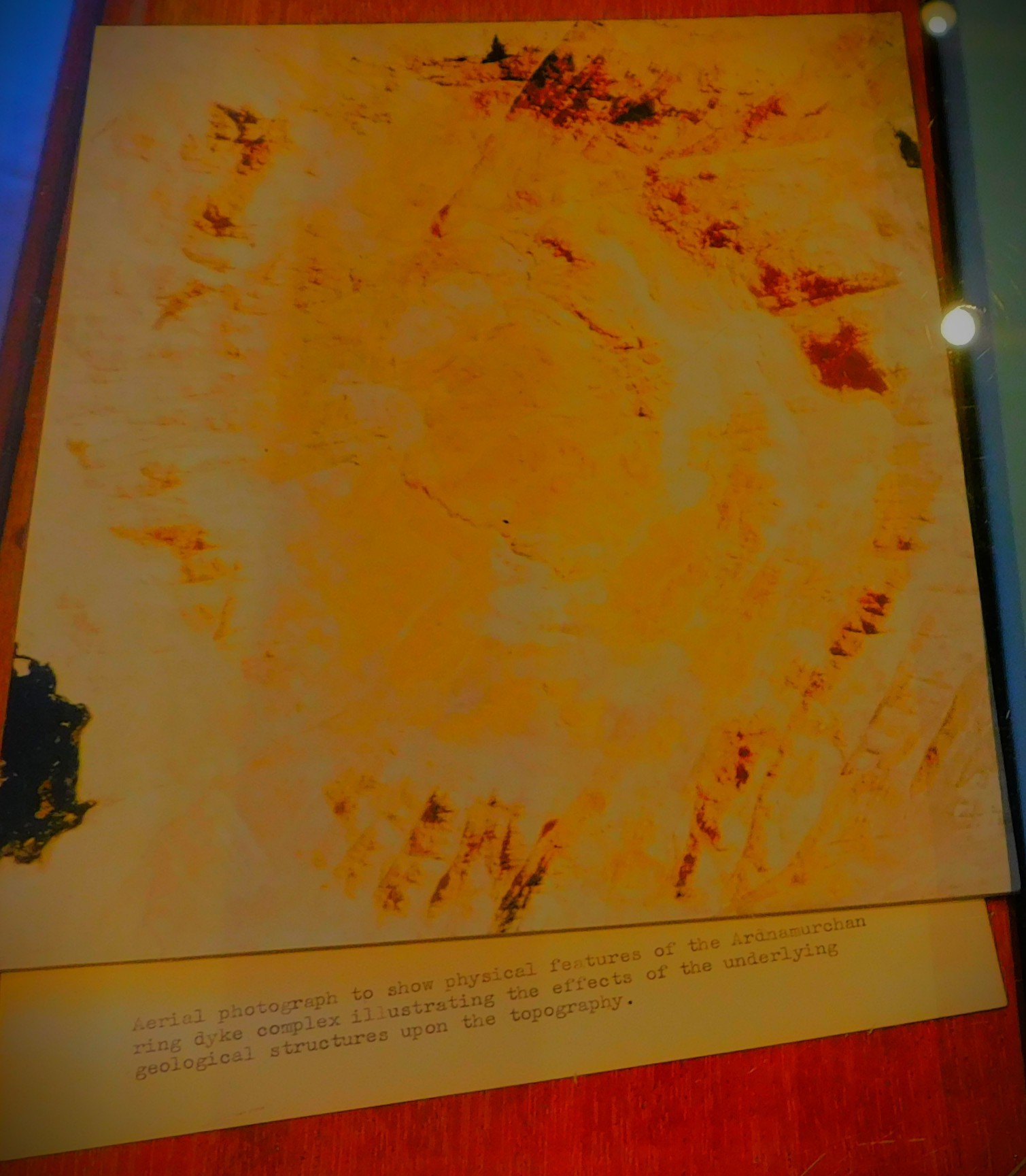
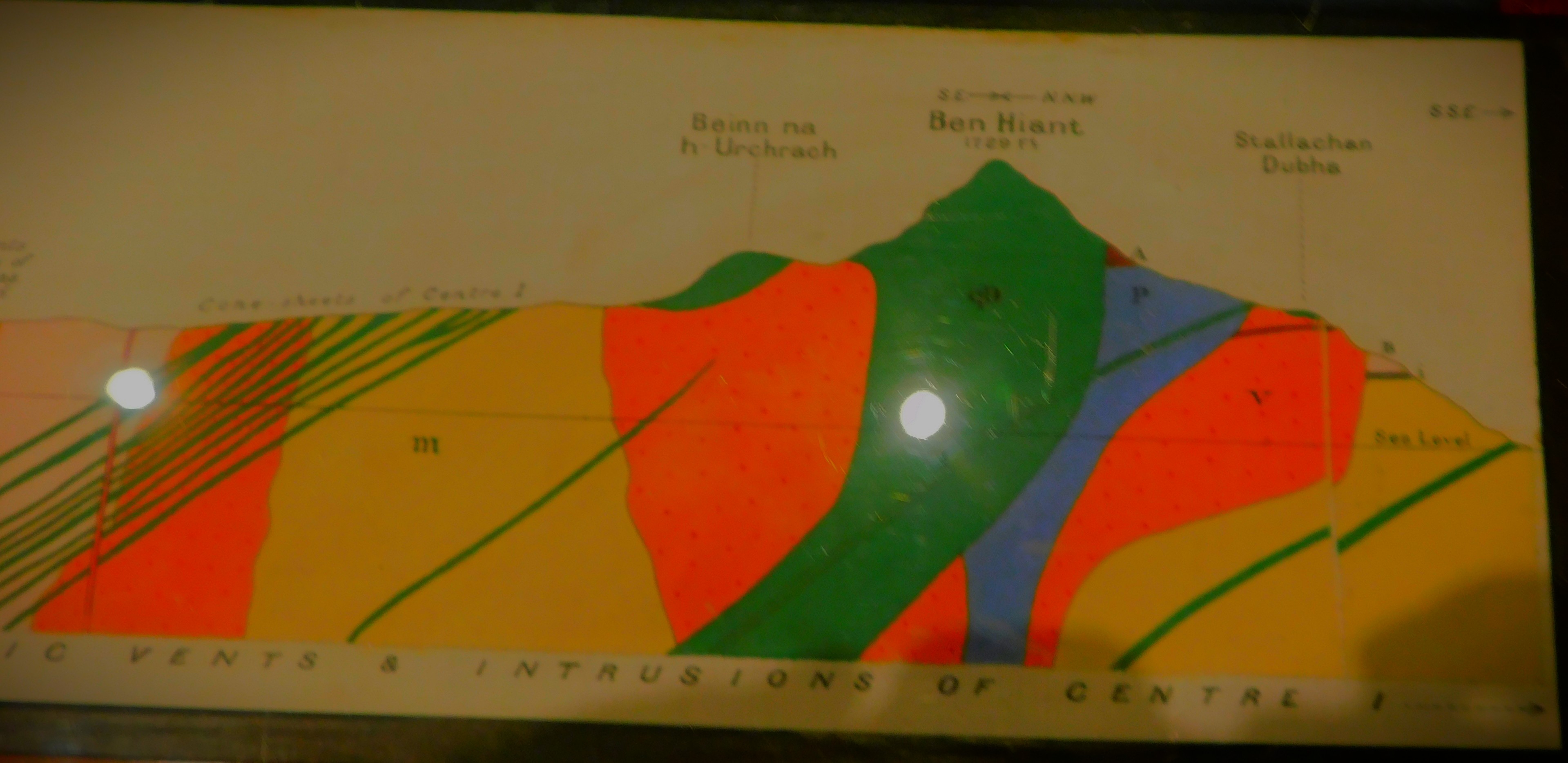
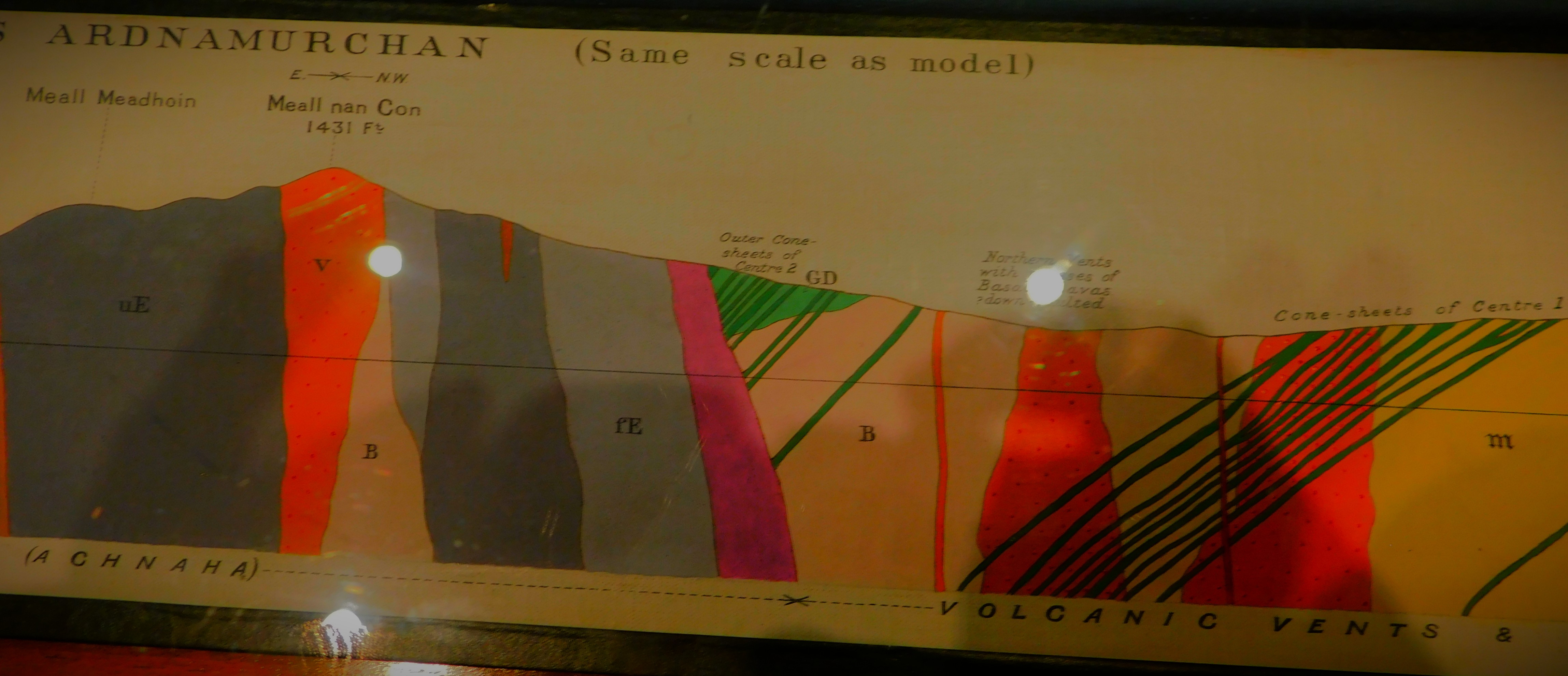
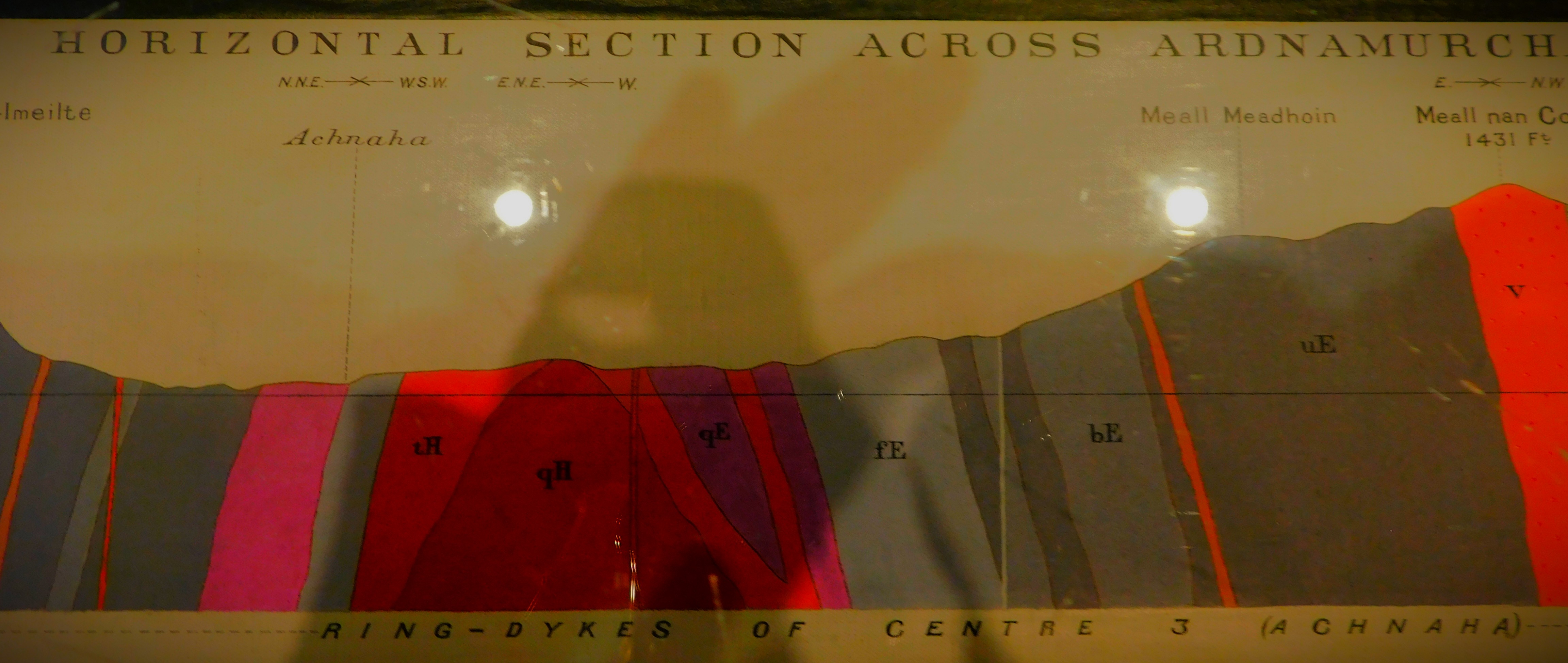
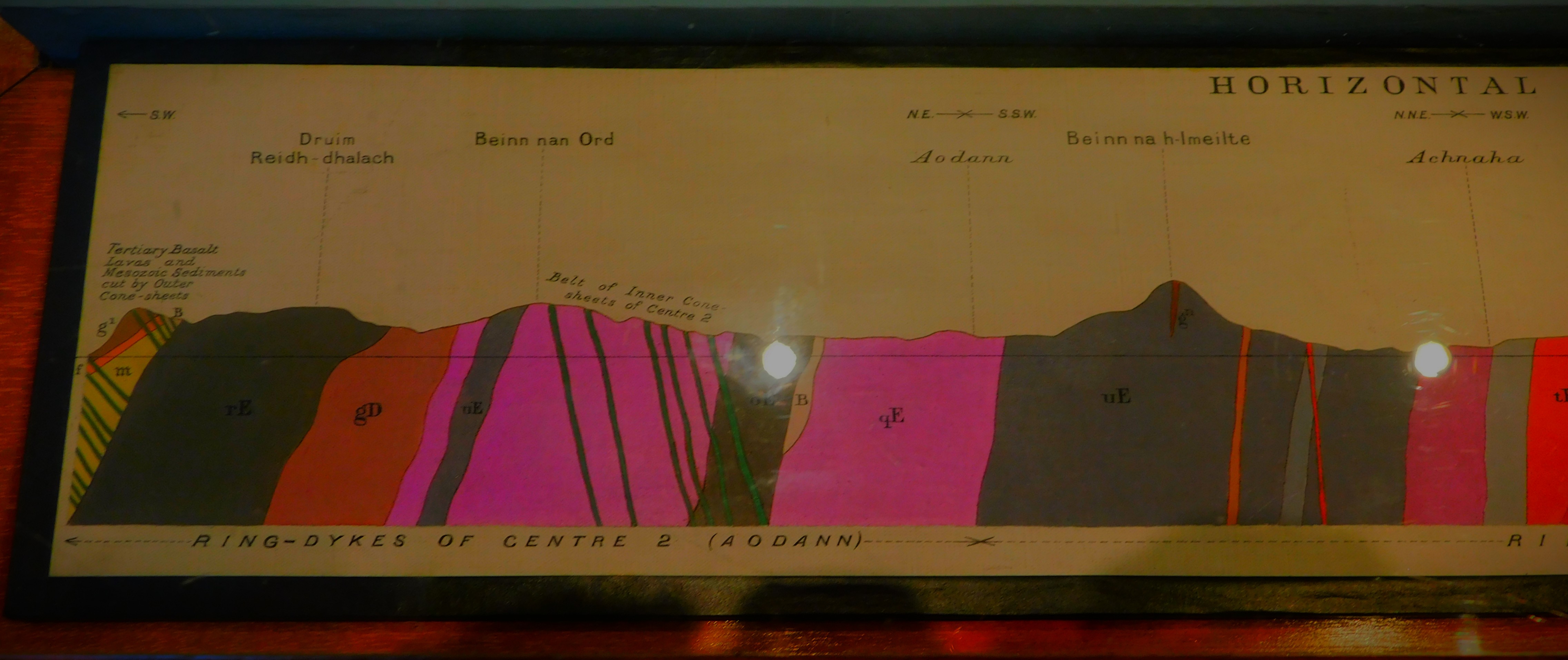
A special post about the geology of the Ardnamurchan Peninsula, prompted by a small but captivating display at the Kilchoan Community Centre.
This post is somewhat out of sequence given that most of the photographs which provide the information were taken yesterday. It is the third post in a series I am doing about a holiday I am currently on in the far west of Scotland (see here and here).
KILCHOAN’S TREASURE TROVE
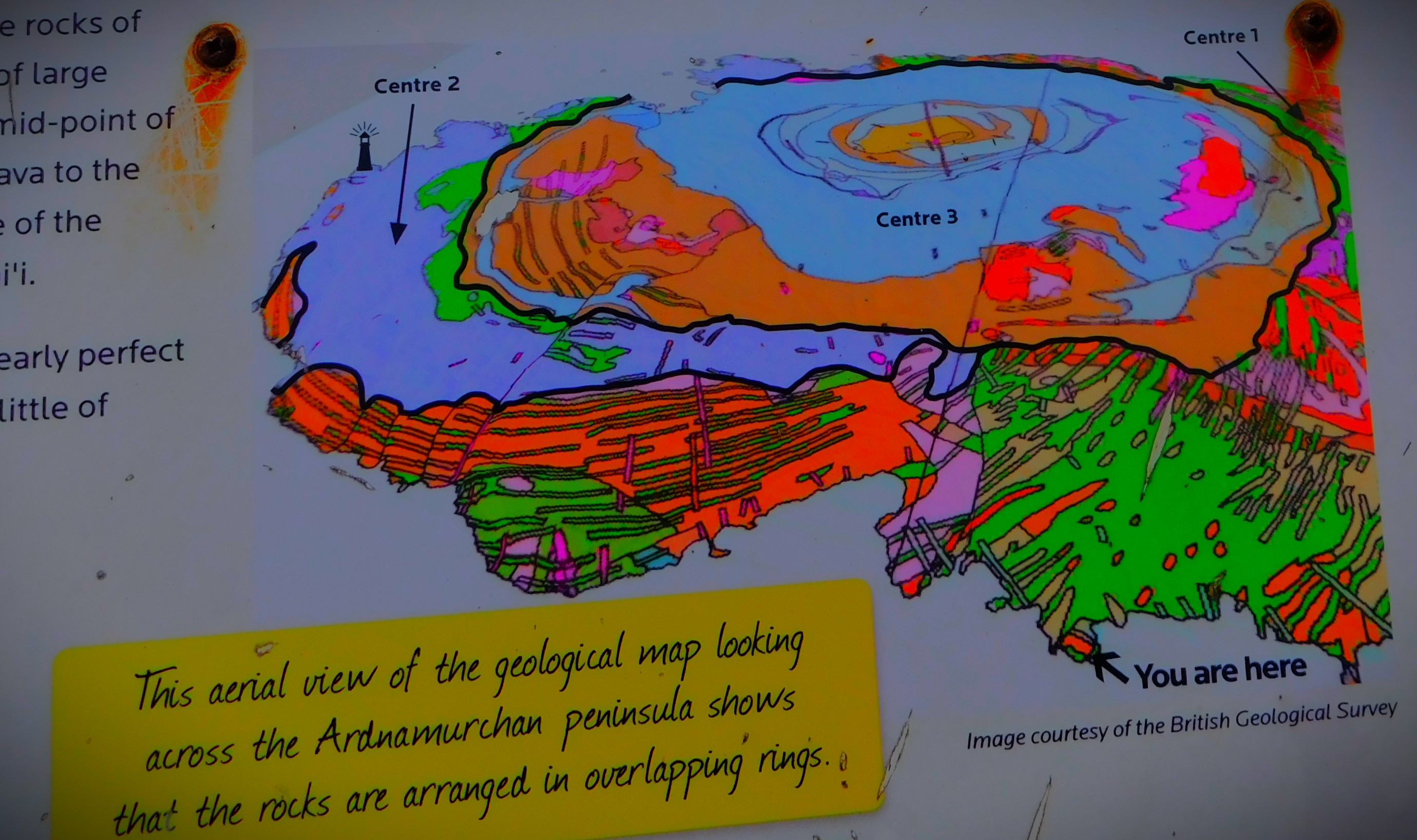
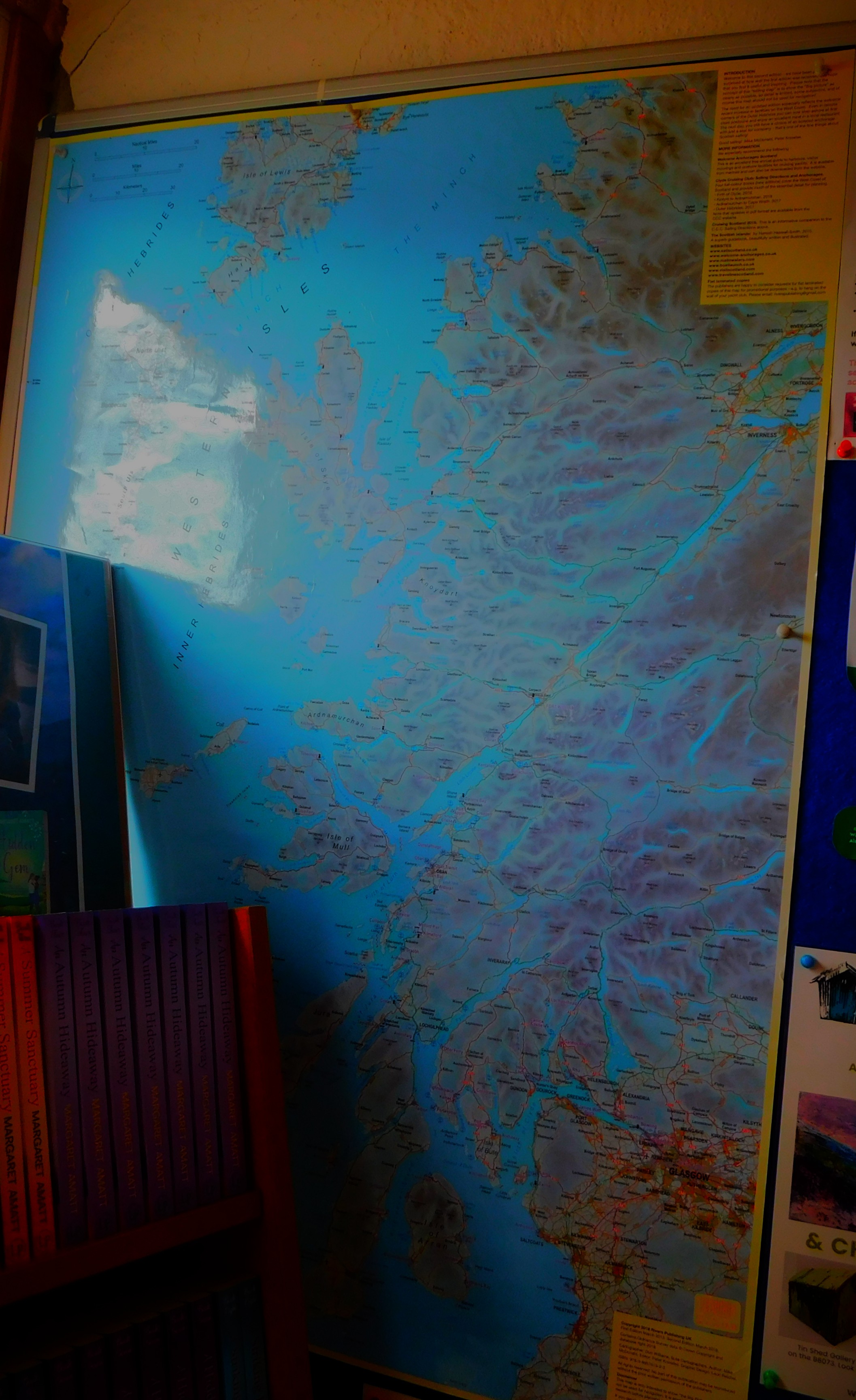
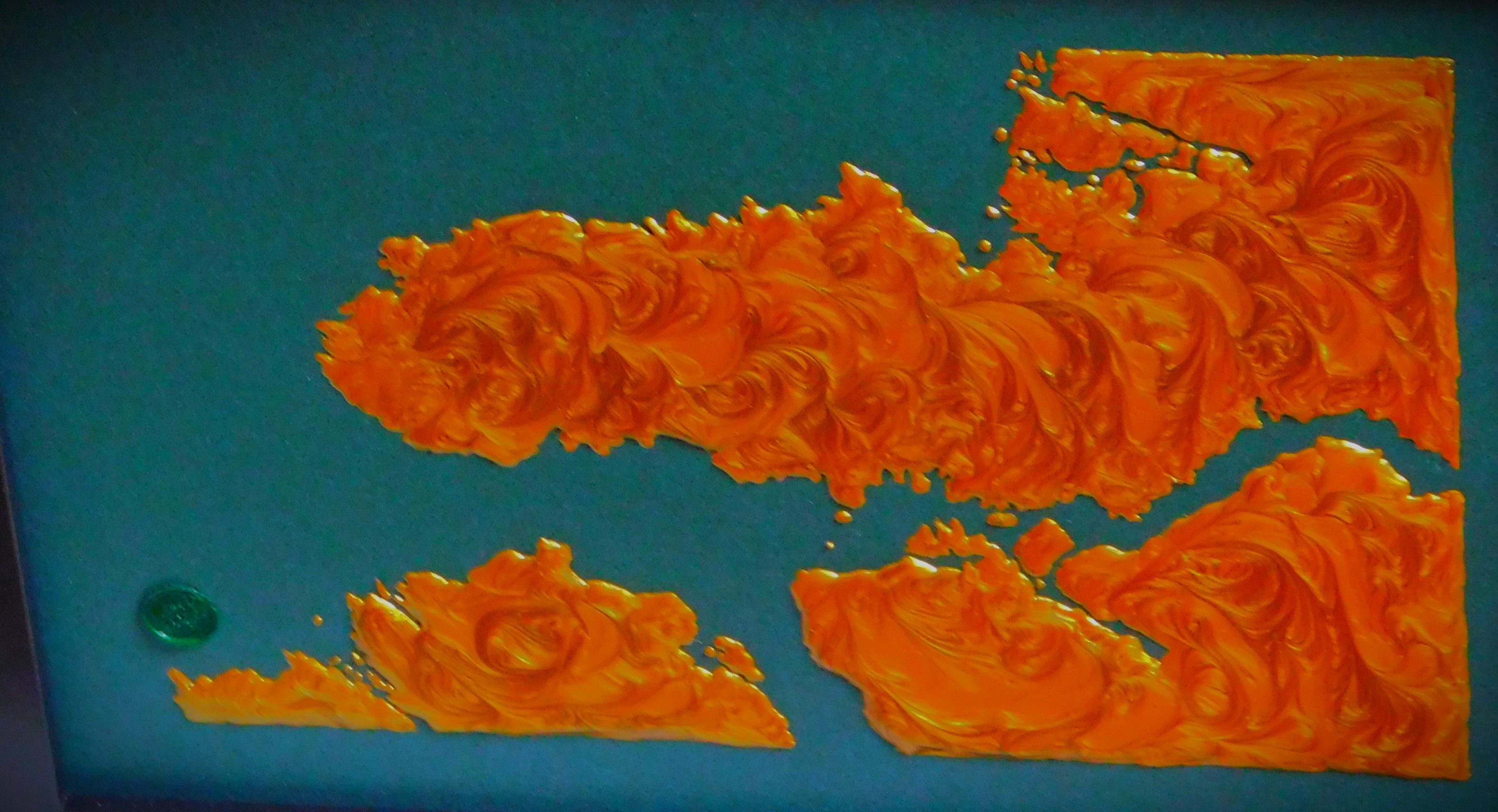
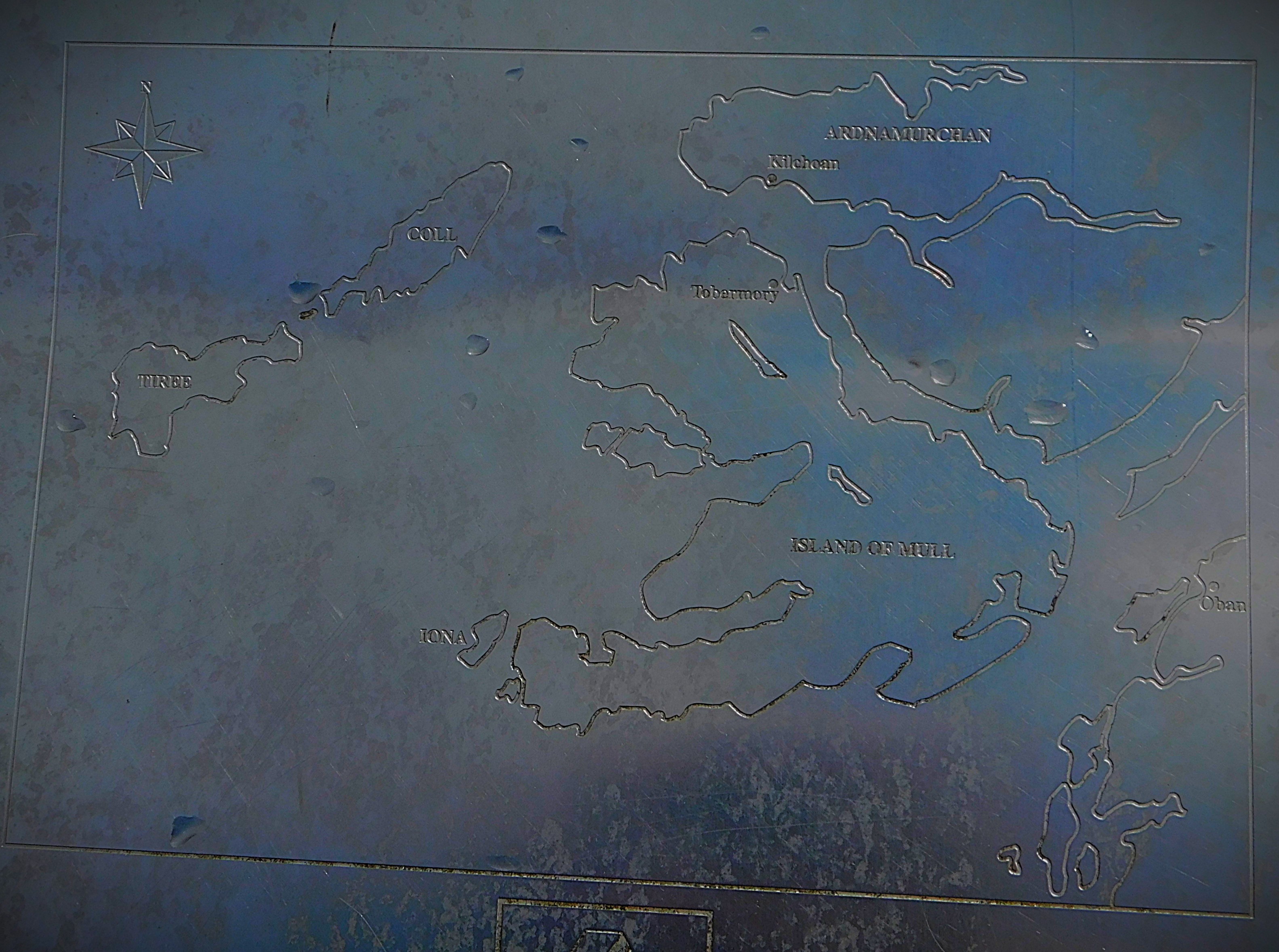
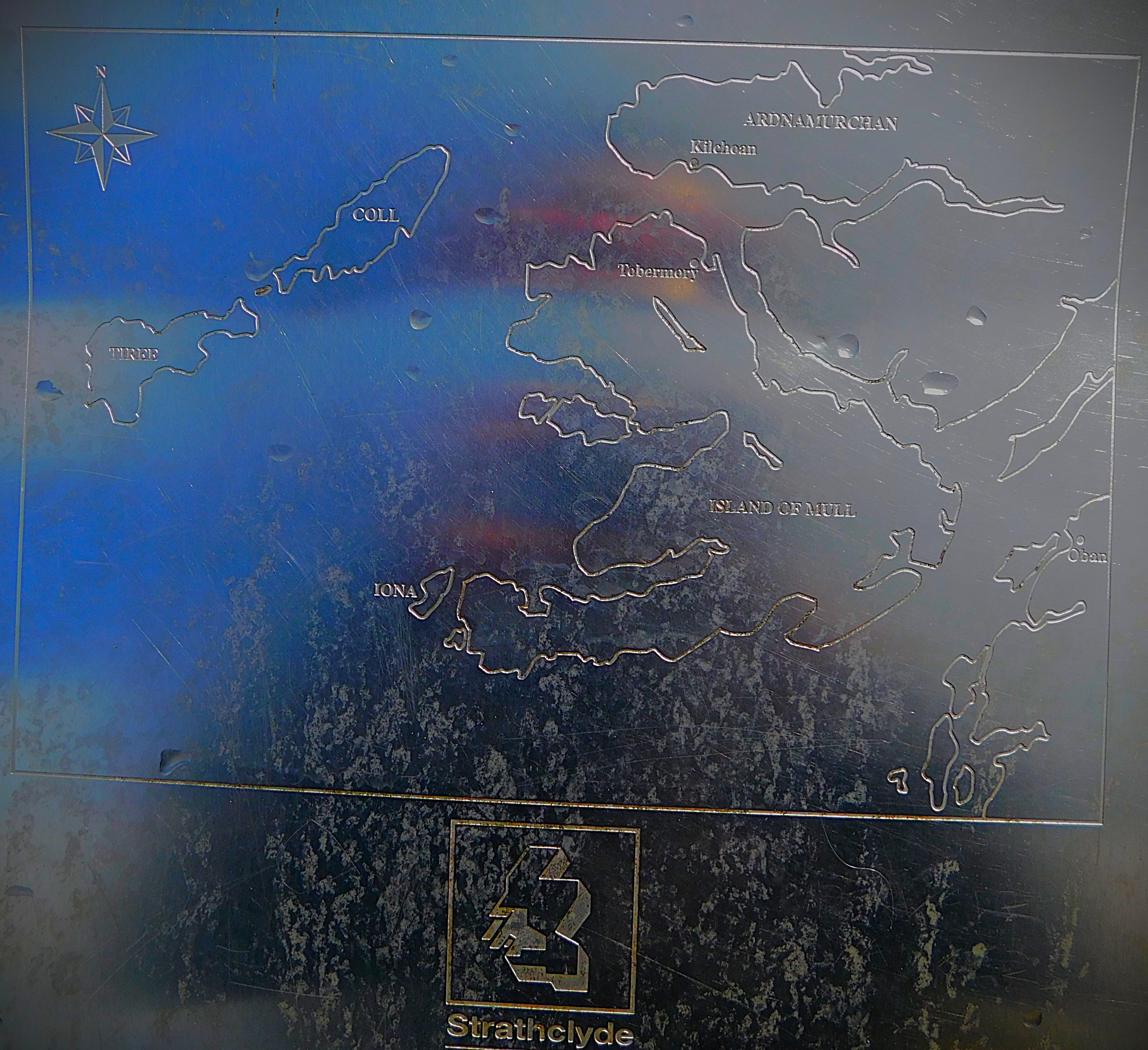
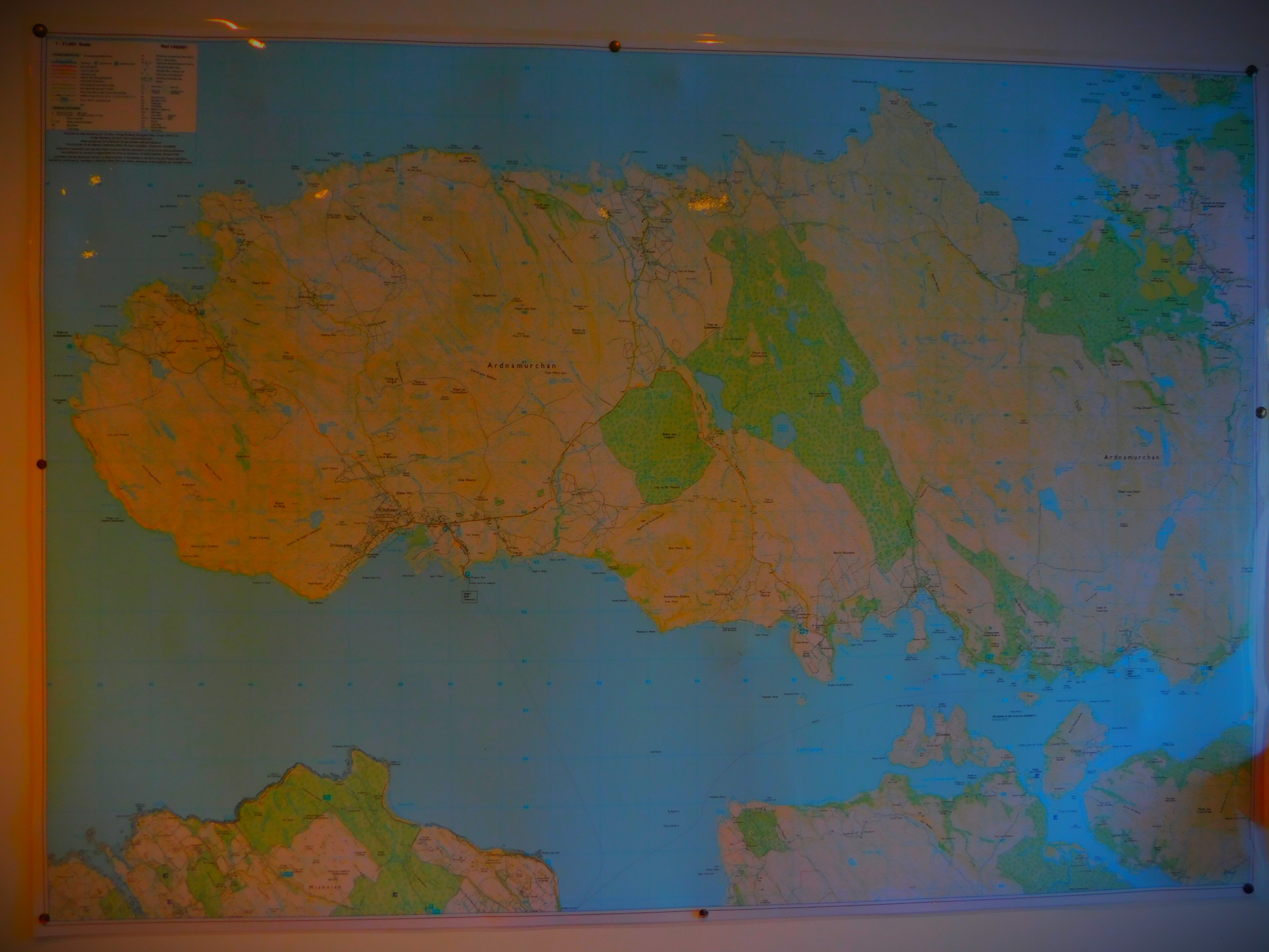
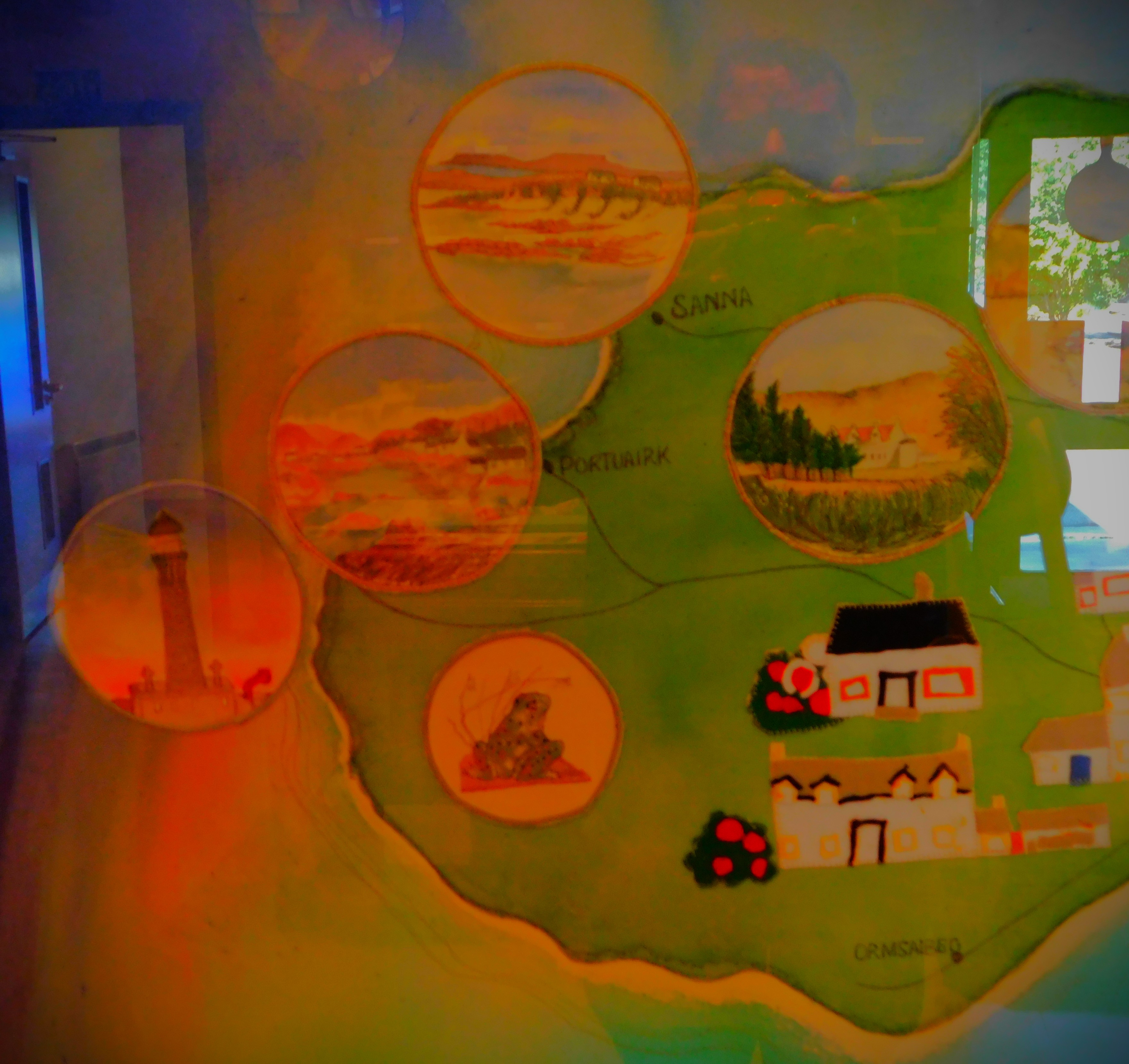
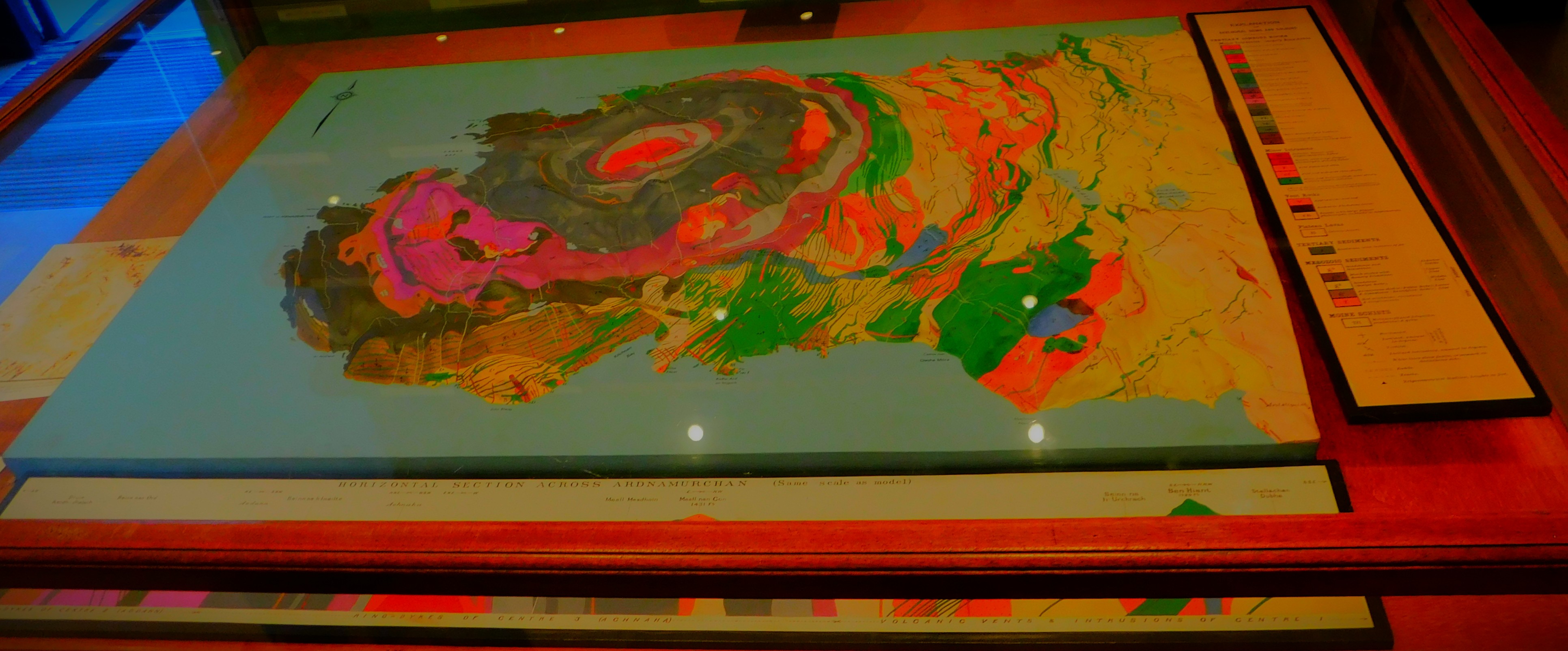
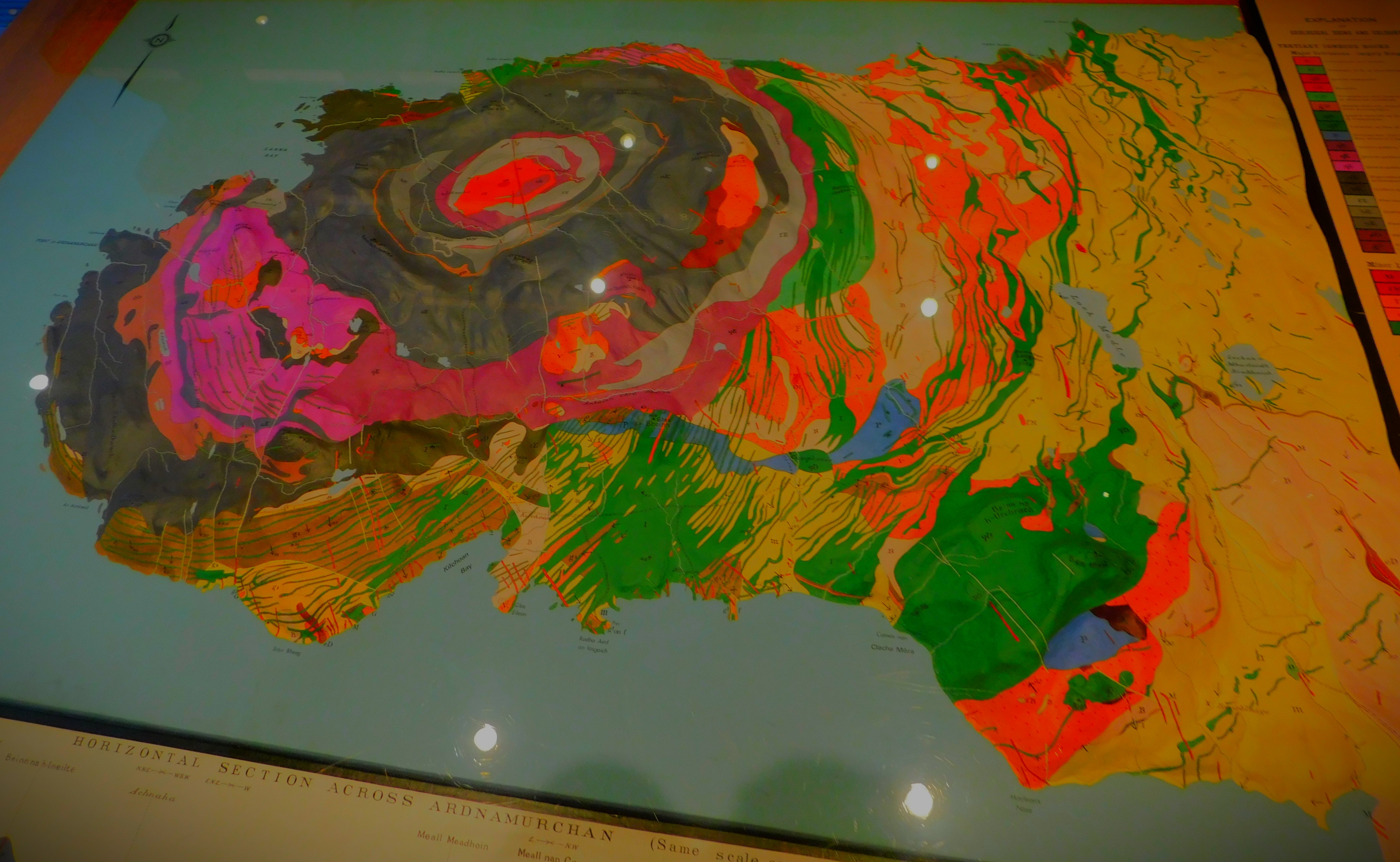
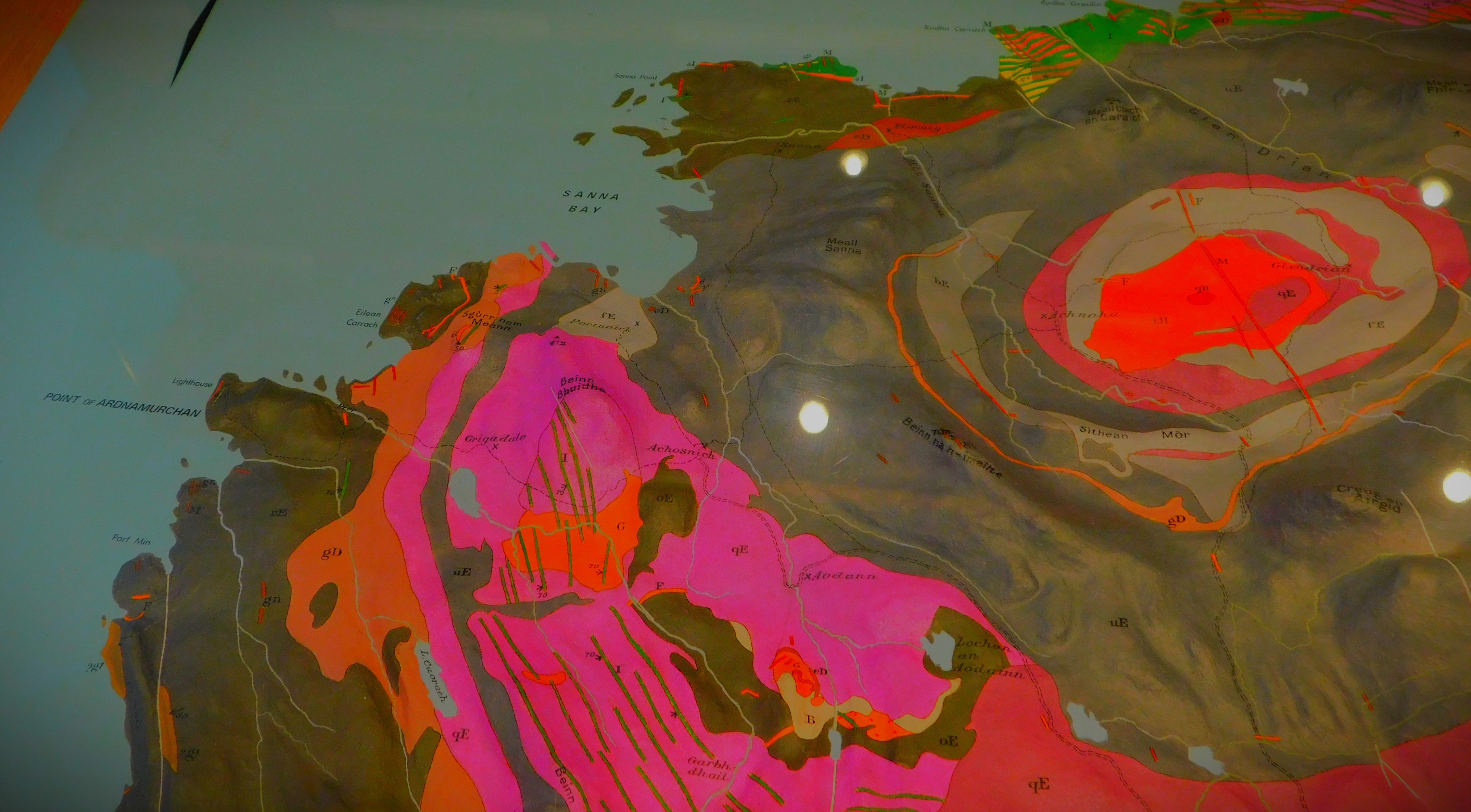
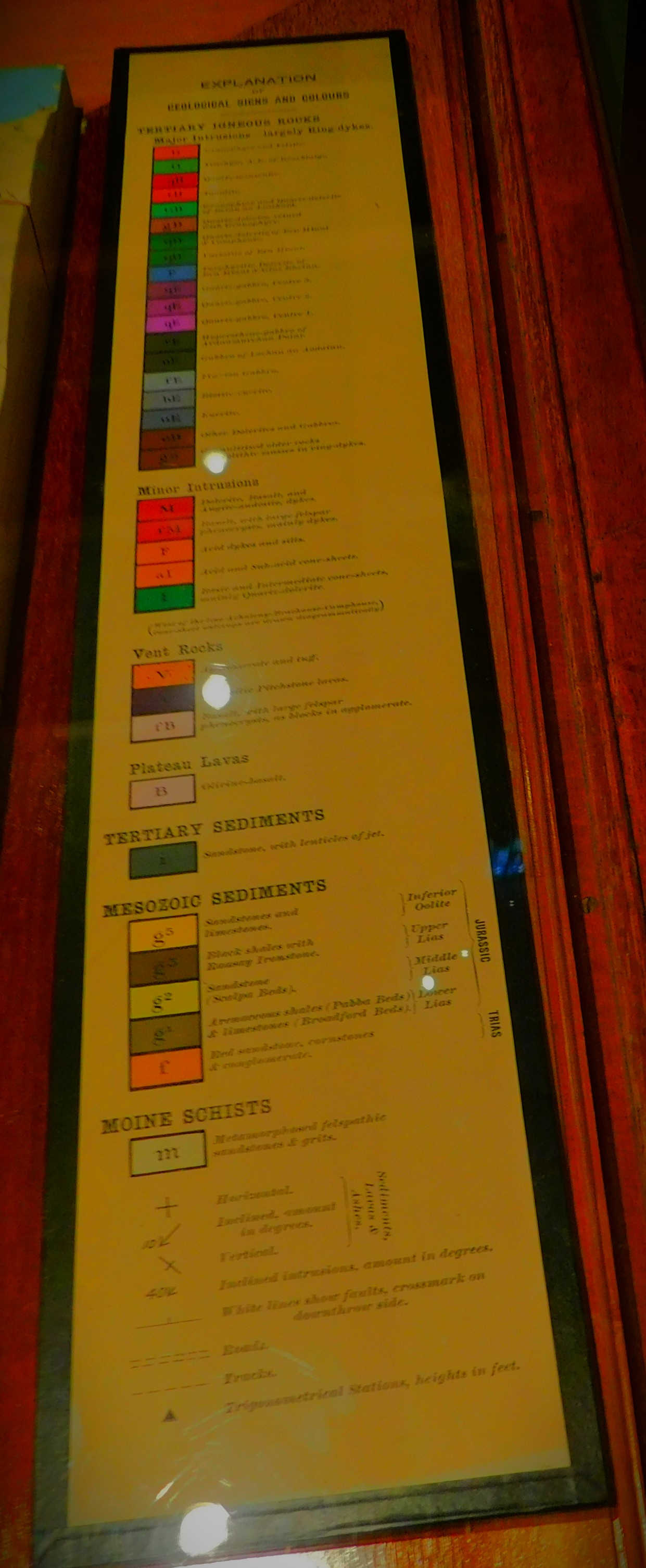
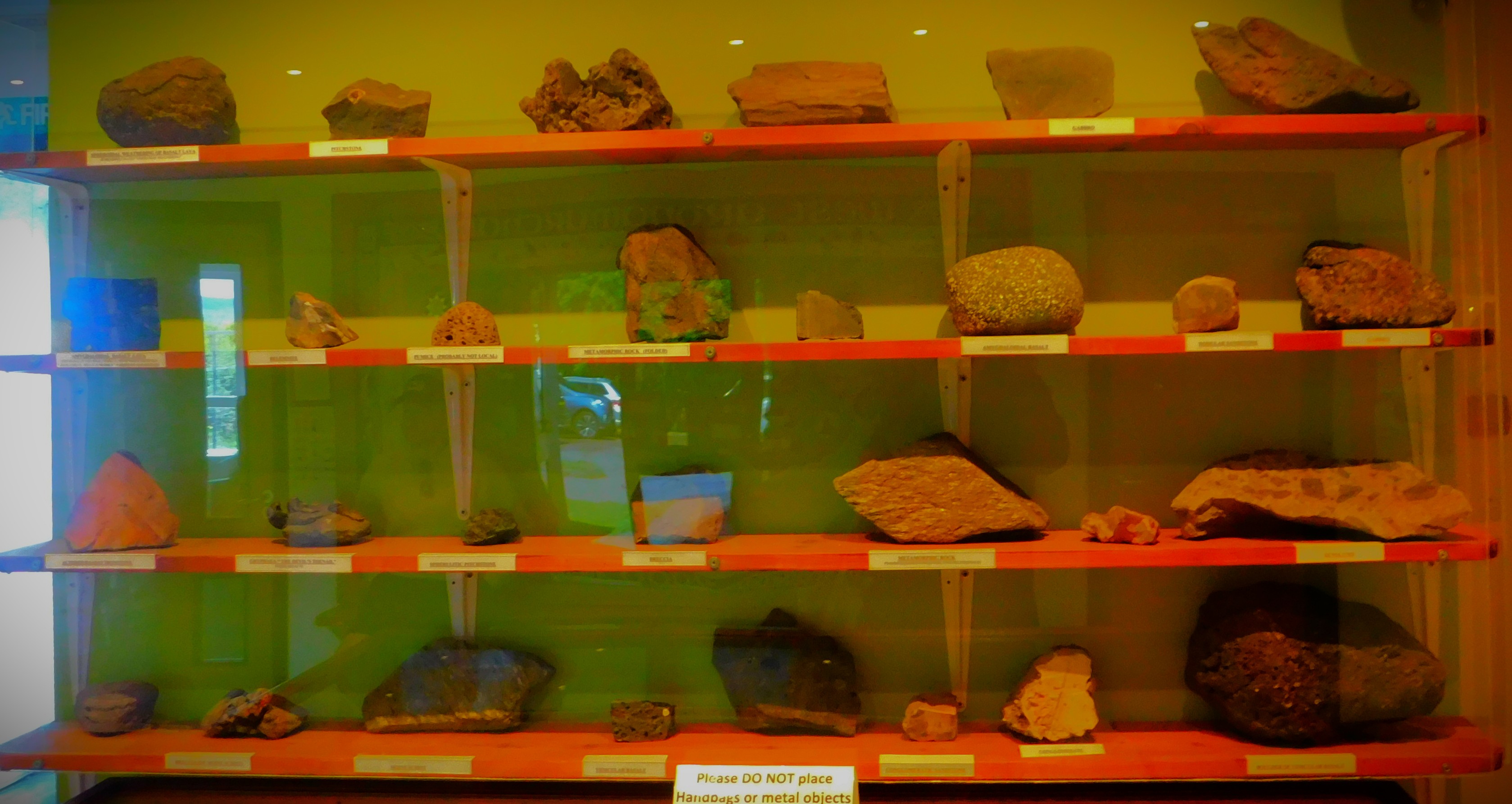
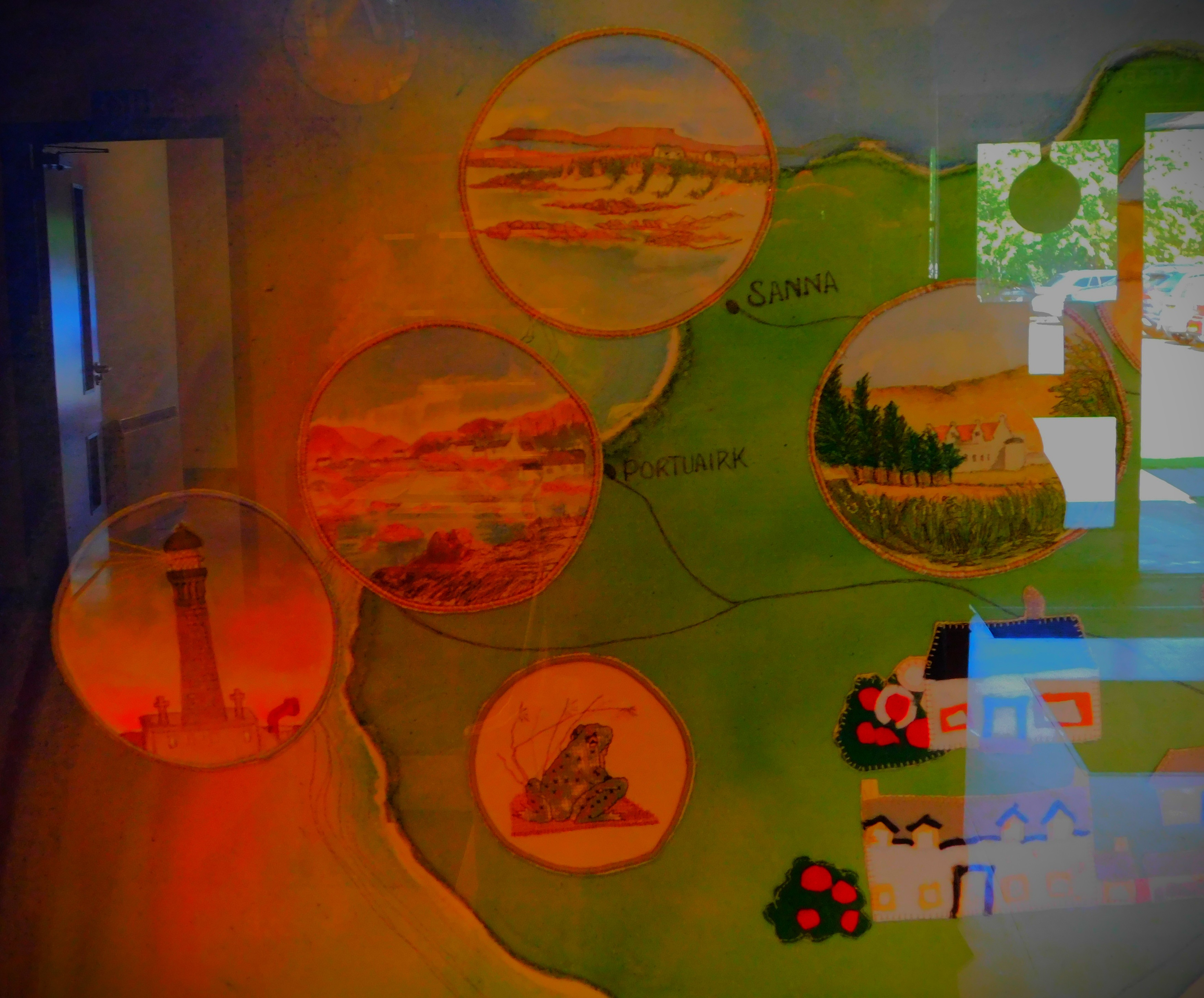
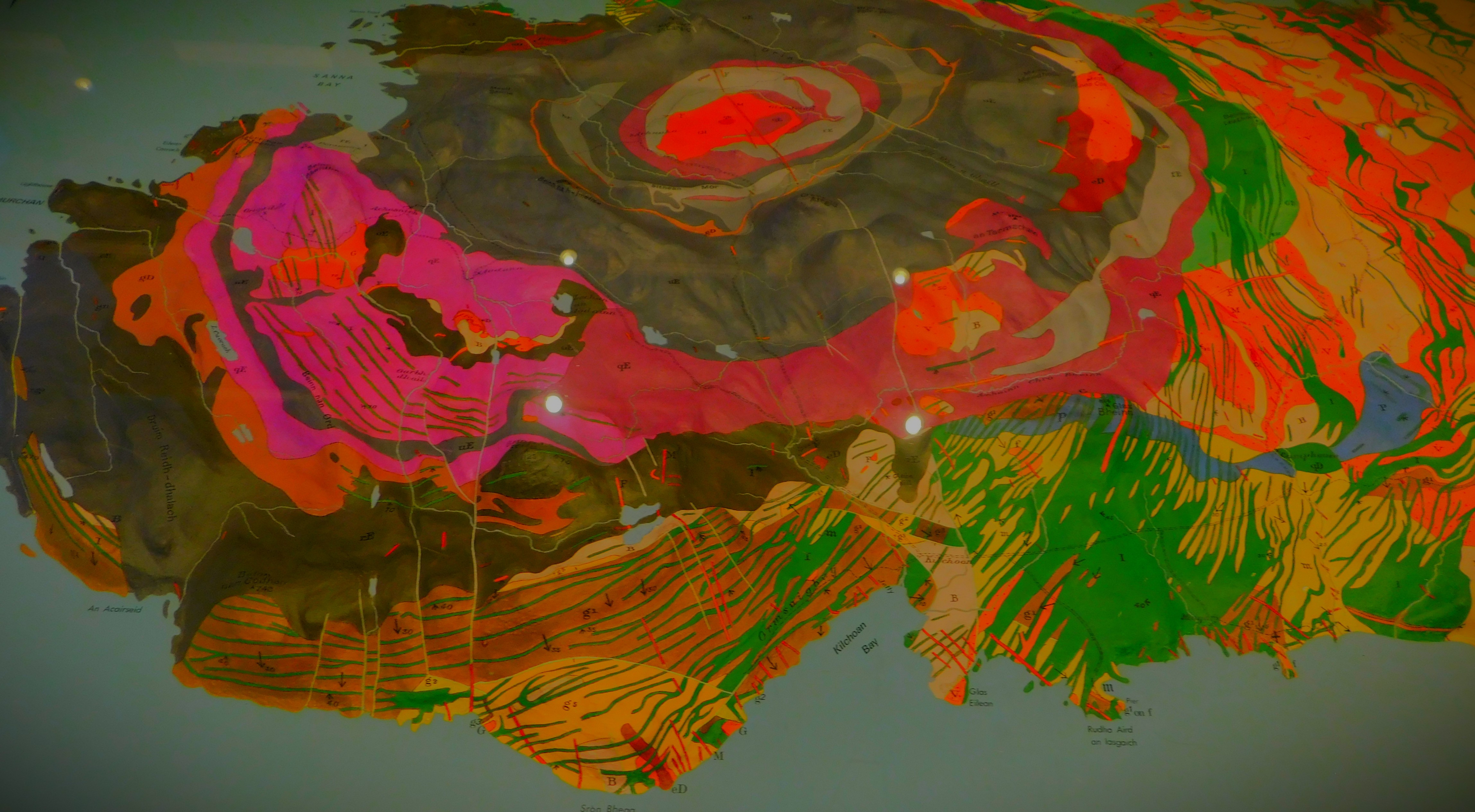
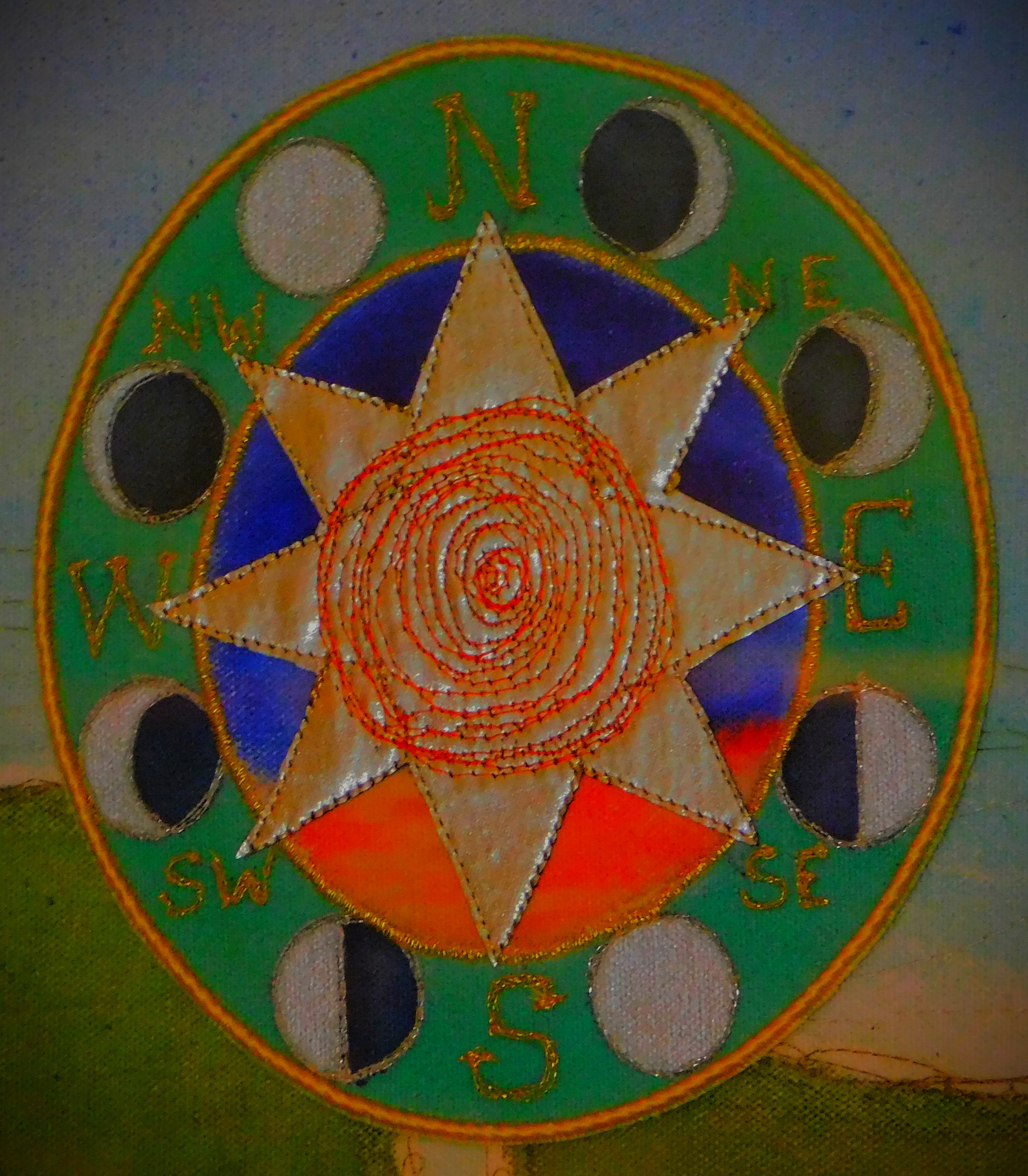
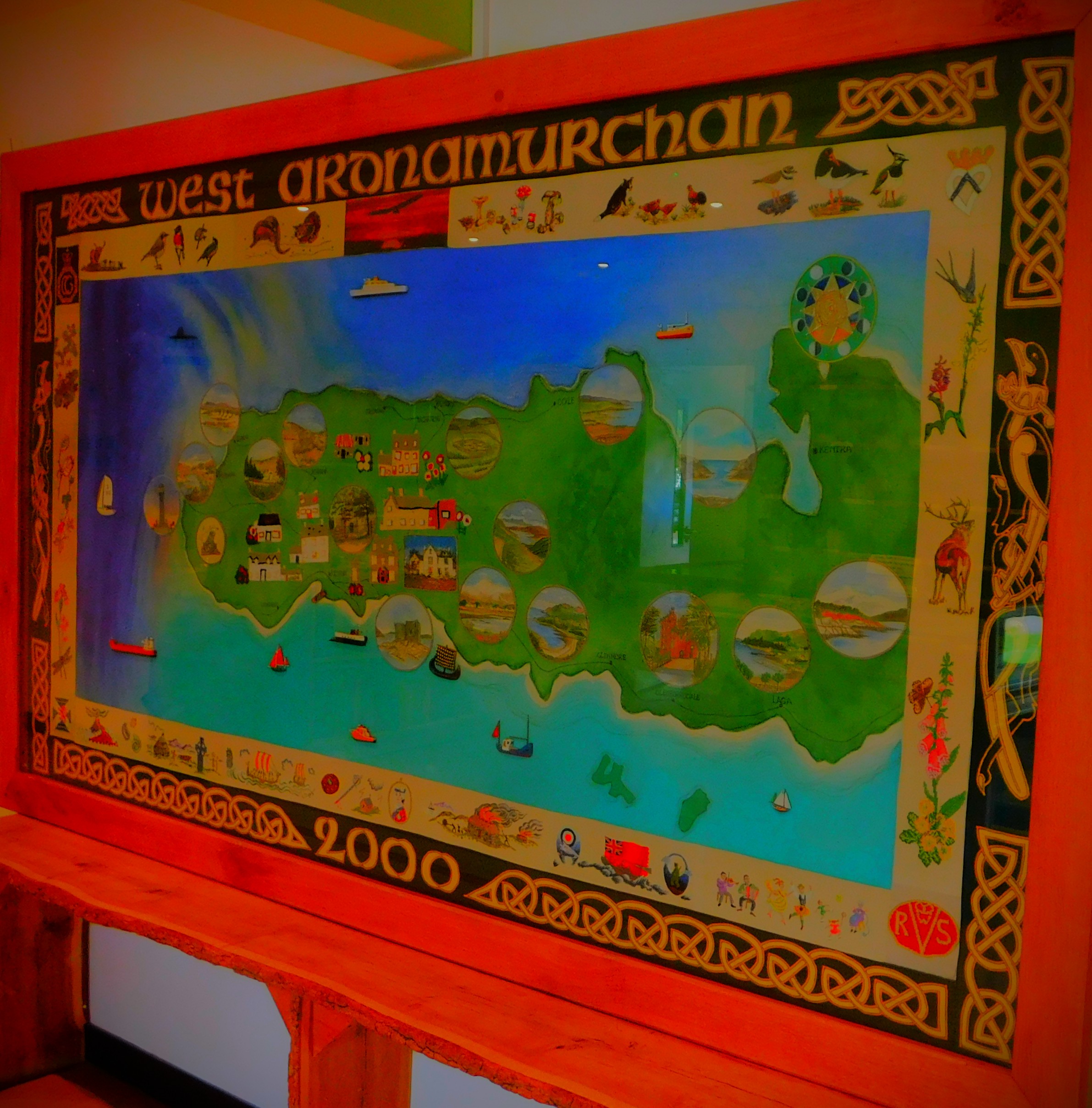
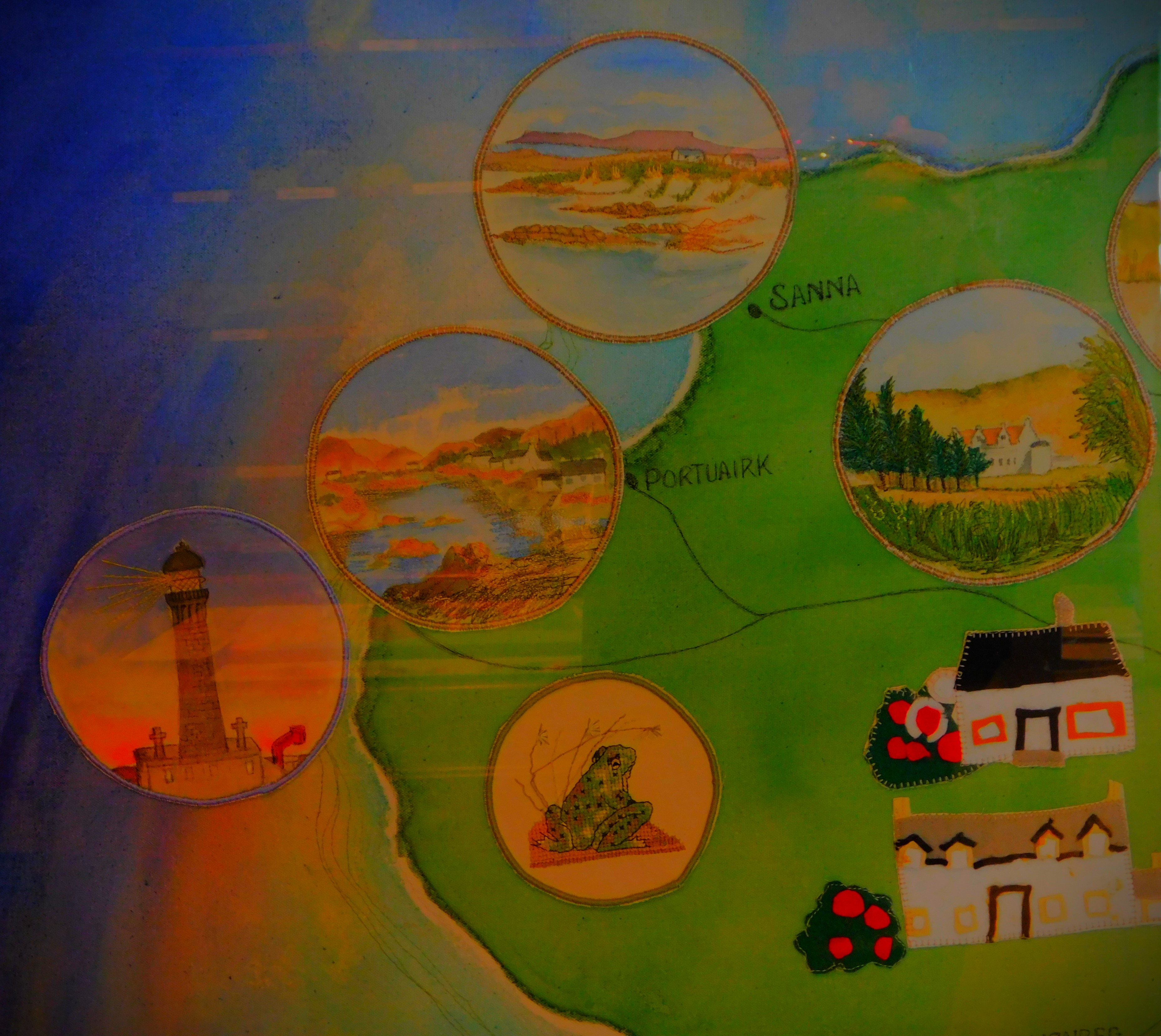
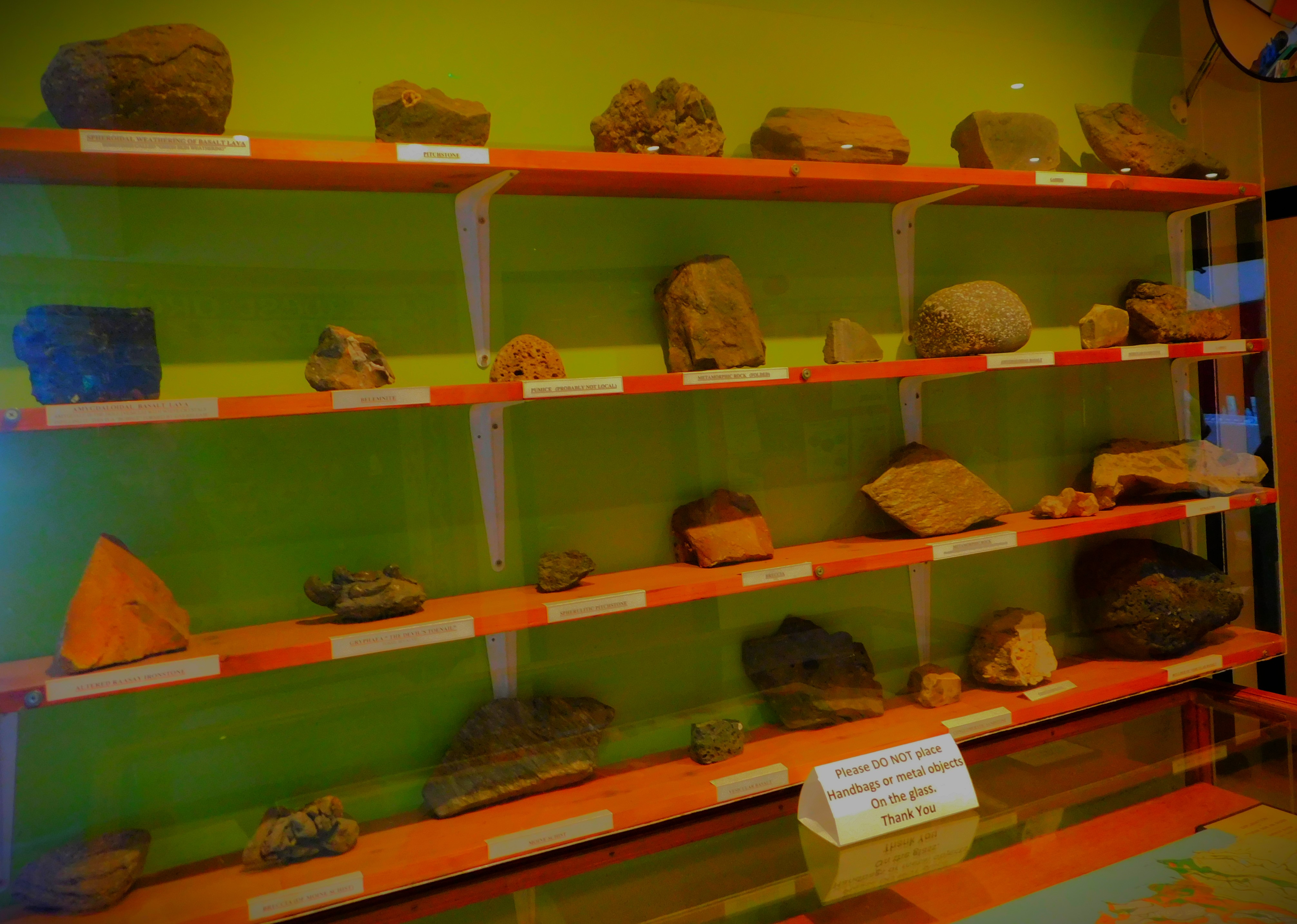
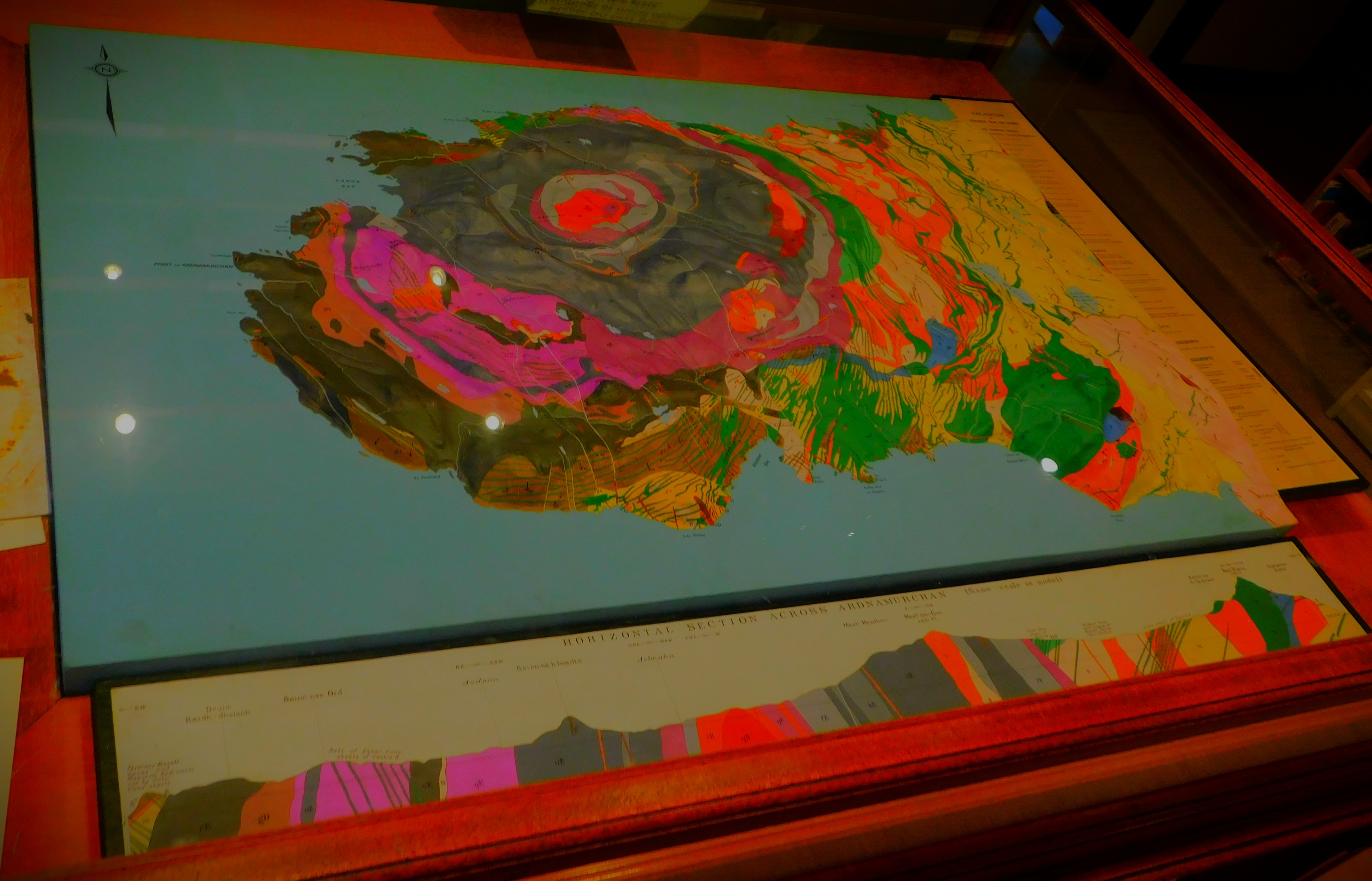
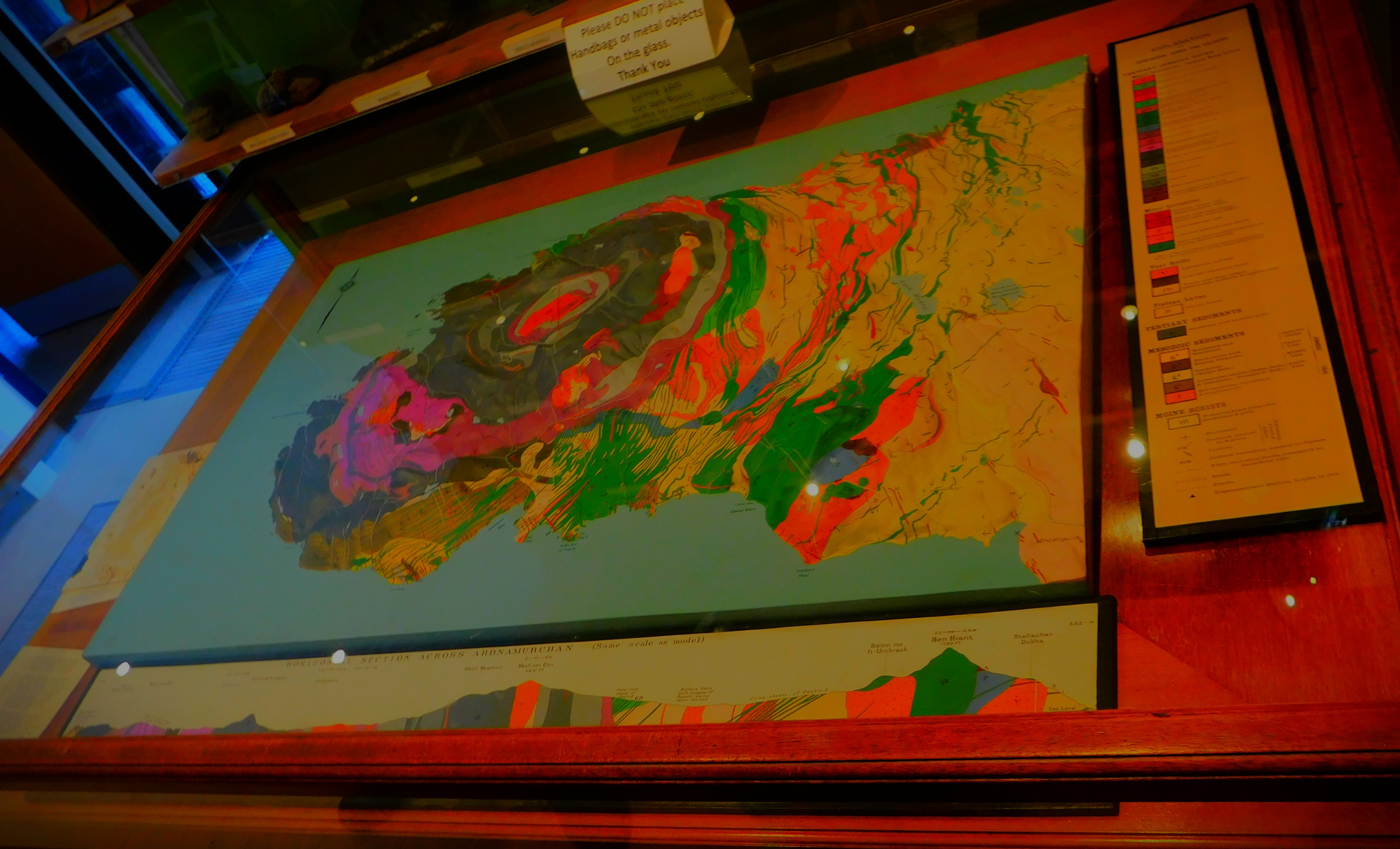
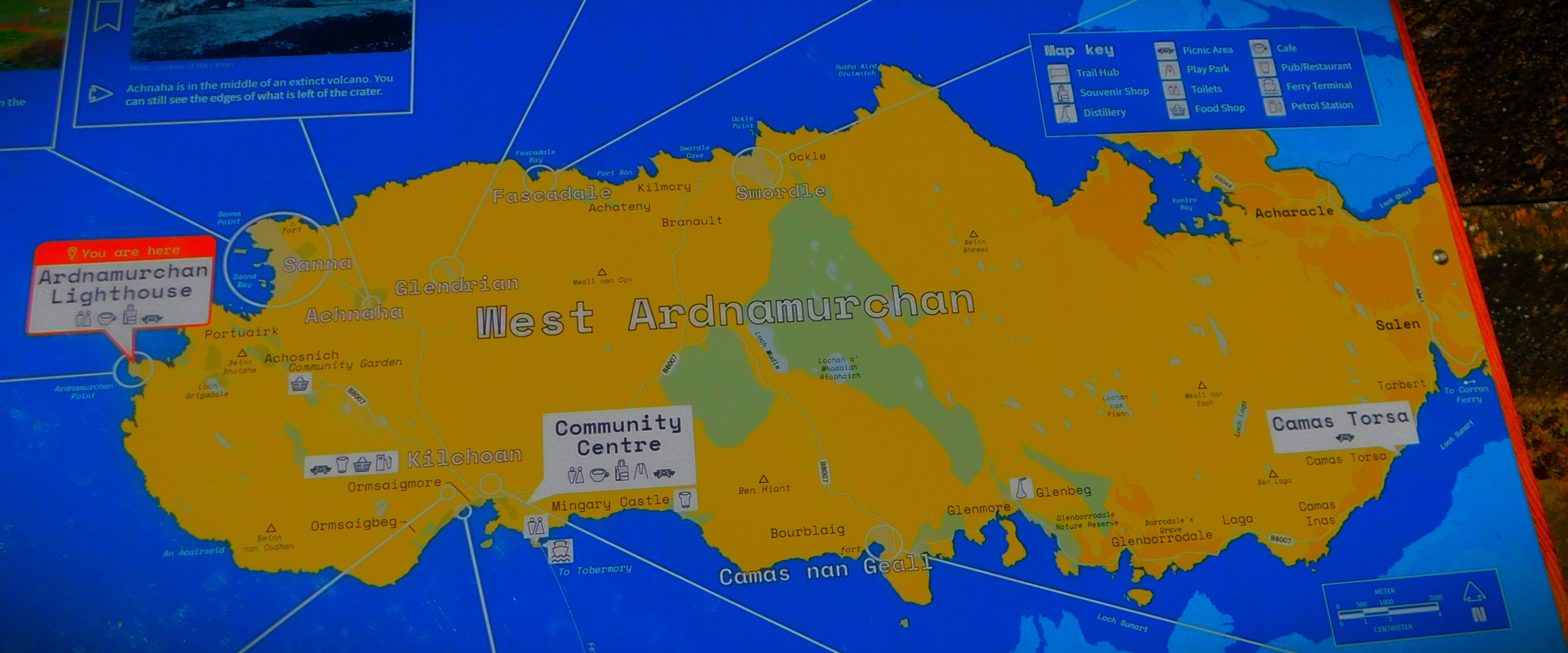
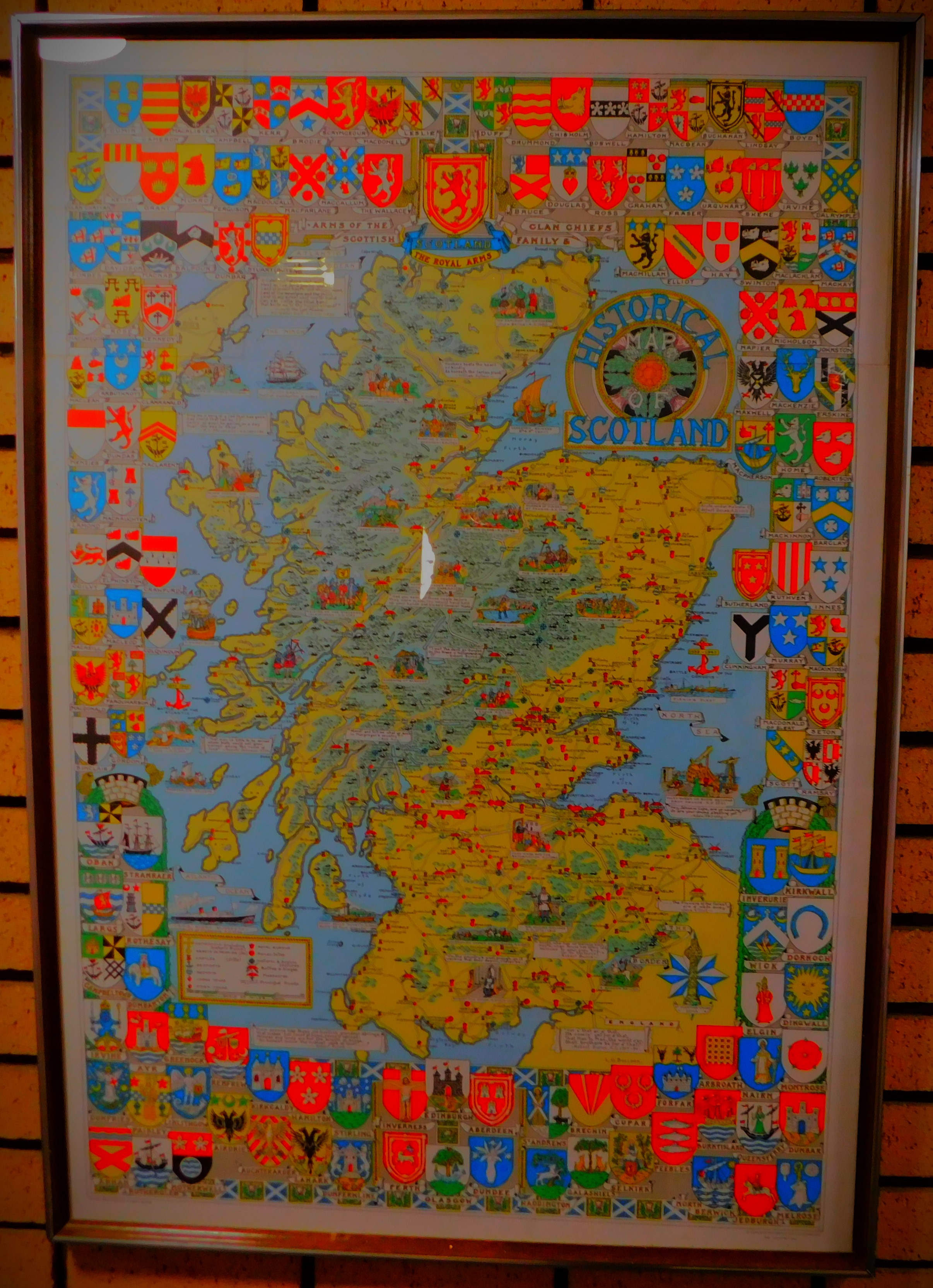
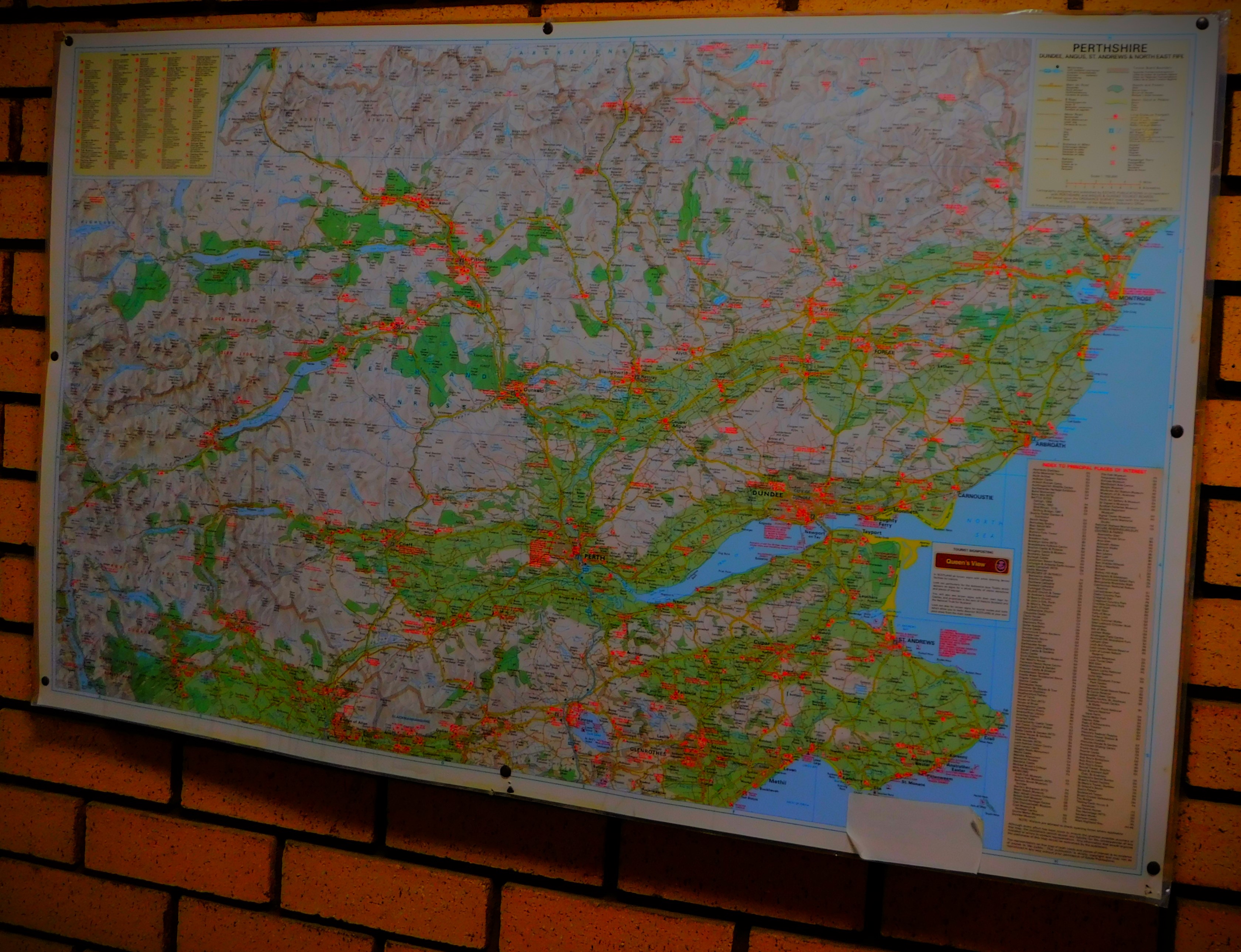
Yesterday we went to visit a craft market in Kilchoan, a very small town that serves as a ferry terminal as well. The community centre boasts a very mini museum – two maps, one an elaborate wall mounted one and the other a three dimension relief map in a glass case with accompanying key and notes, and some rock samples showing all the types of rock in the area. The market was very worthwhile in and of itself – we got some good food there, including bread of superlative quality, but I would regard the display at the community centre as worth seeing in its own right as well.
A VOLCANIC REMNANT
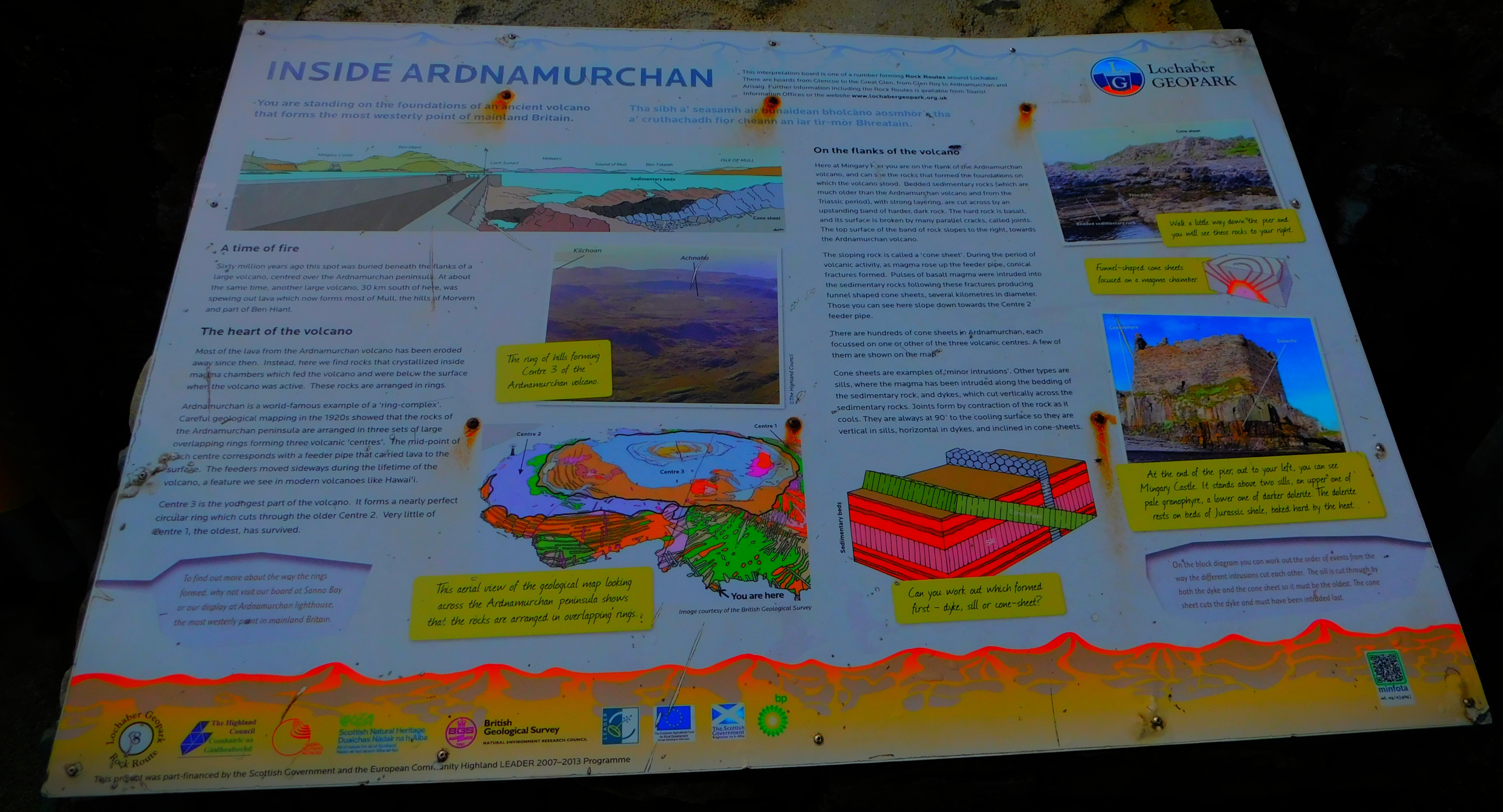
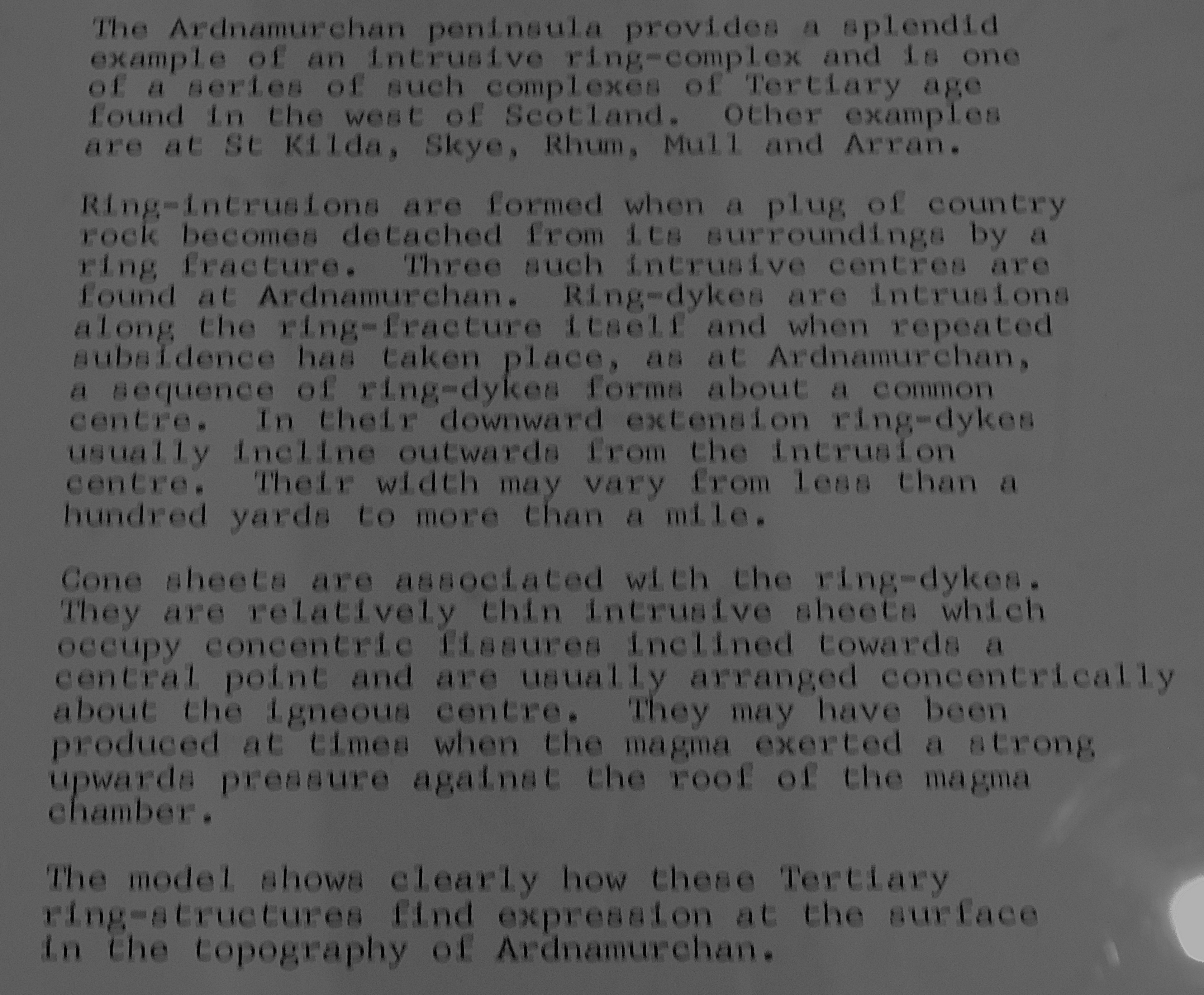
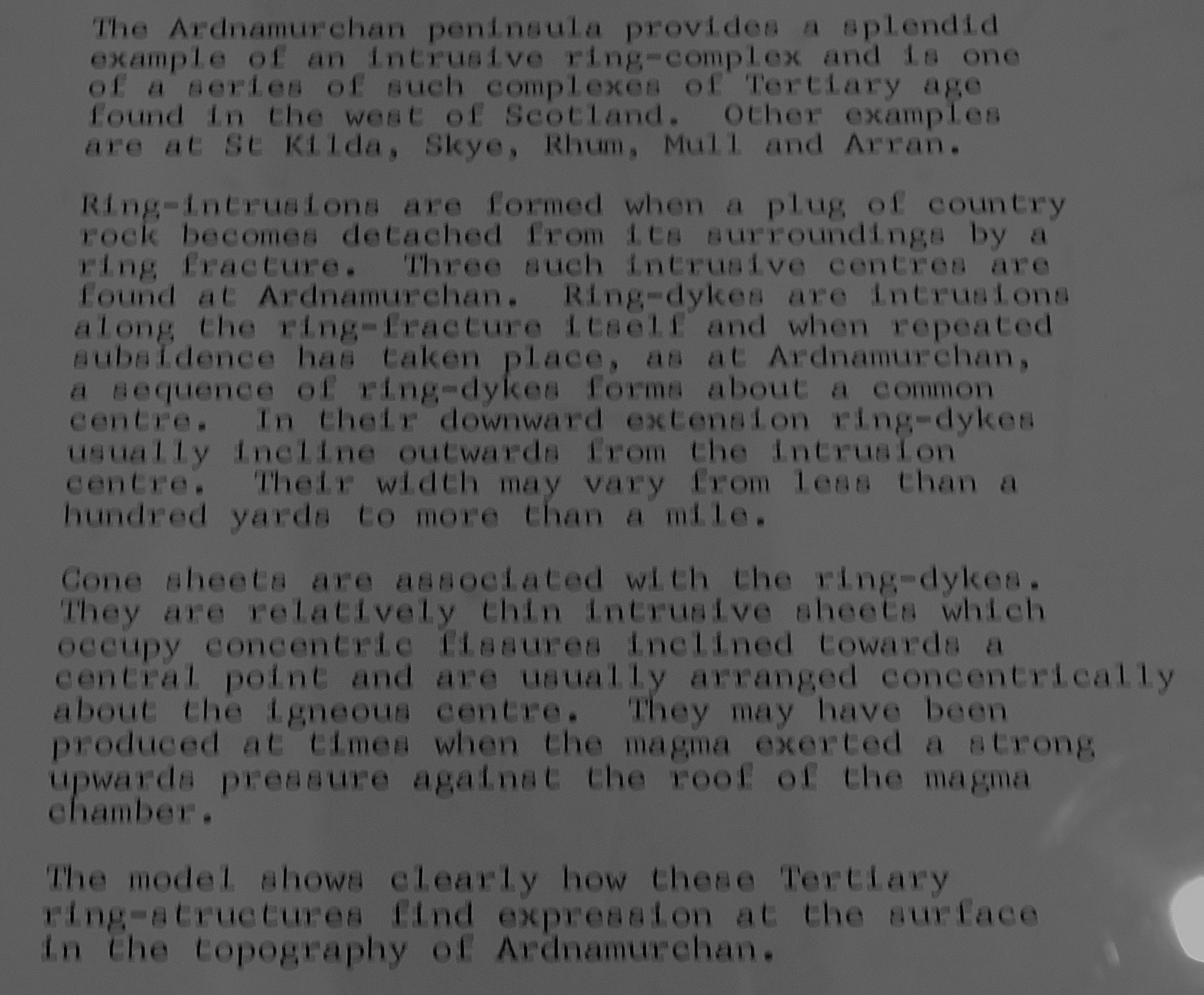
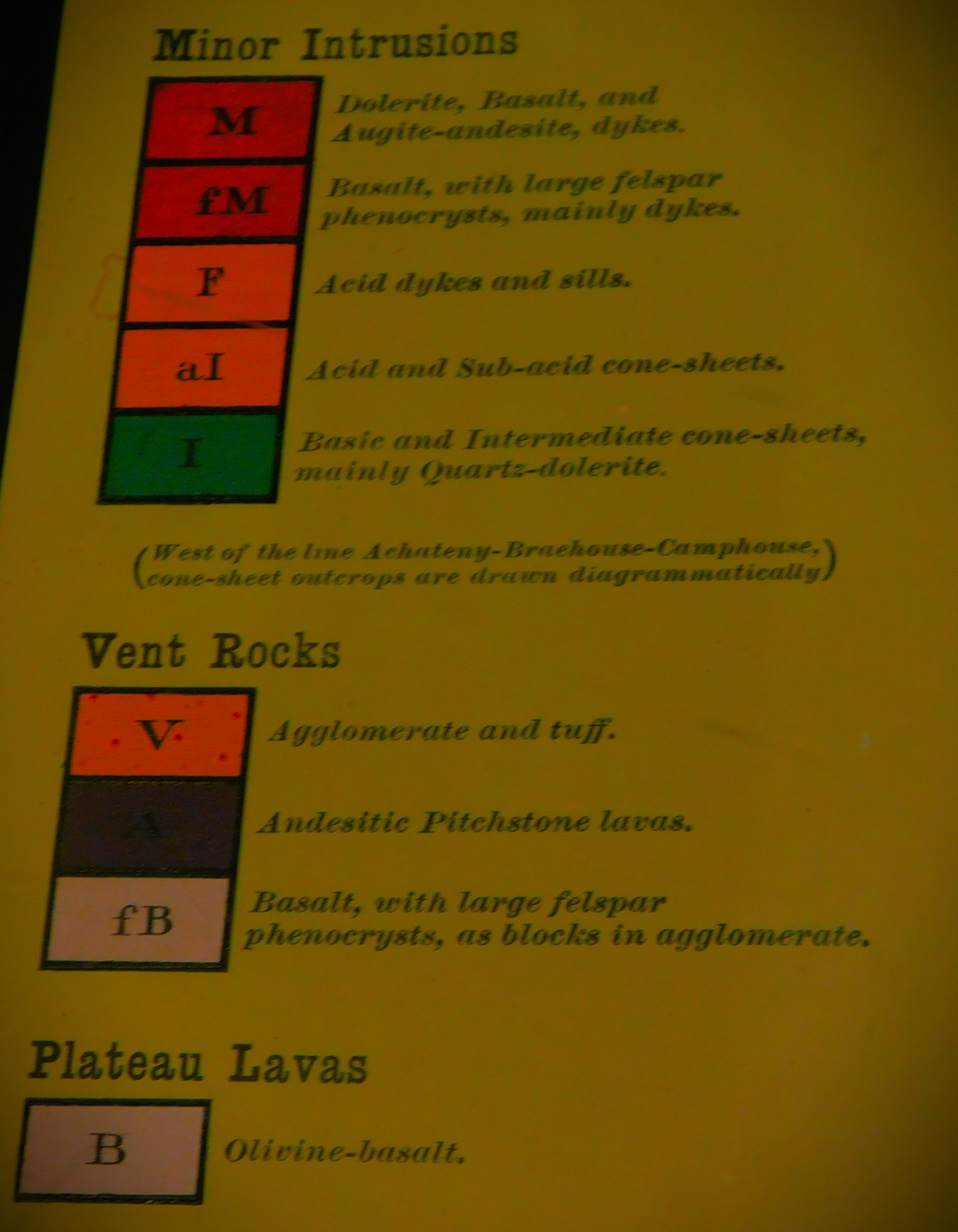
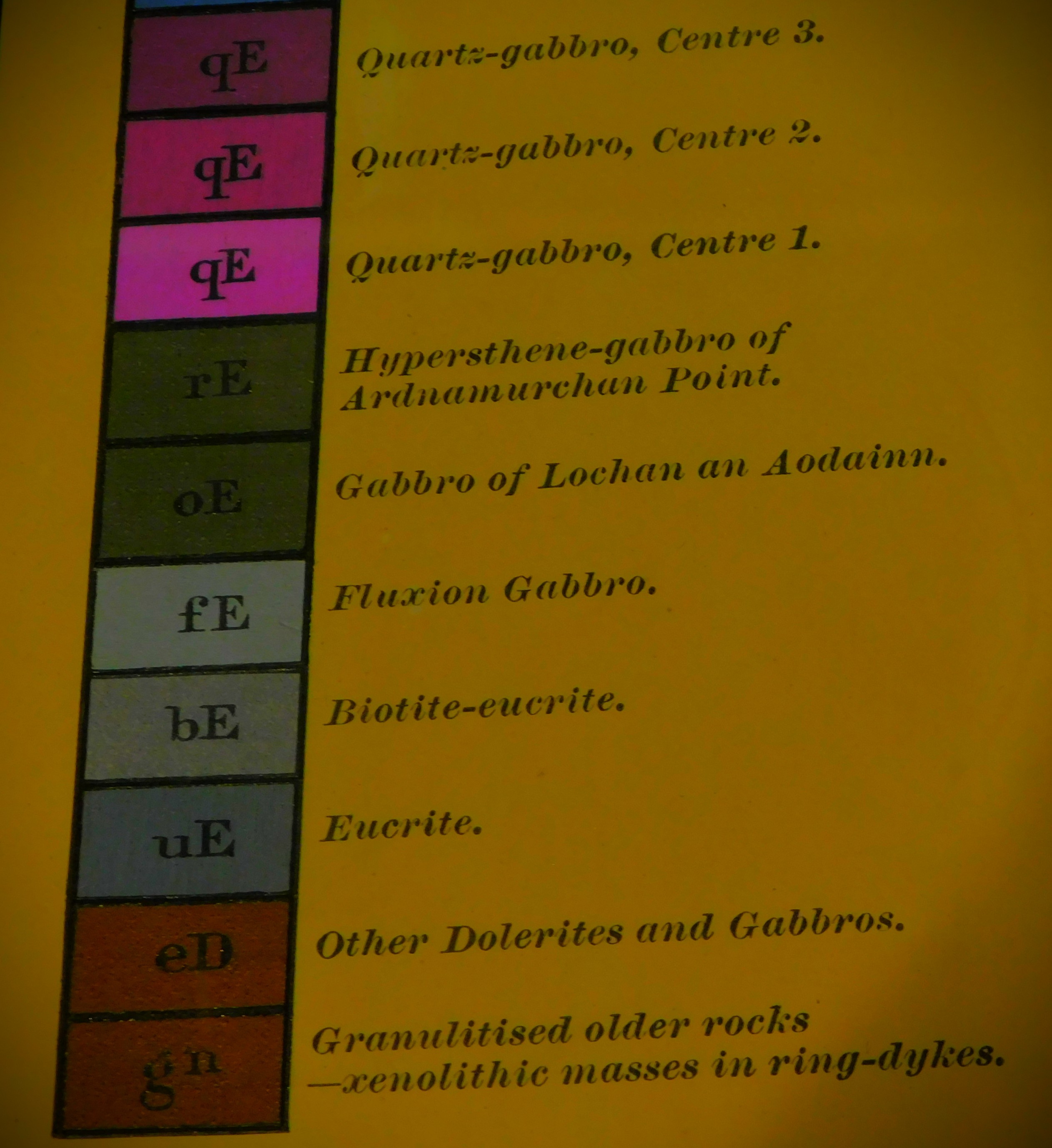
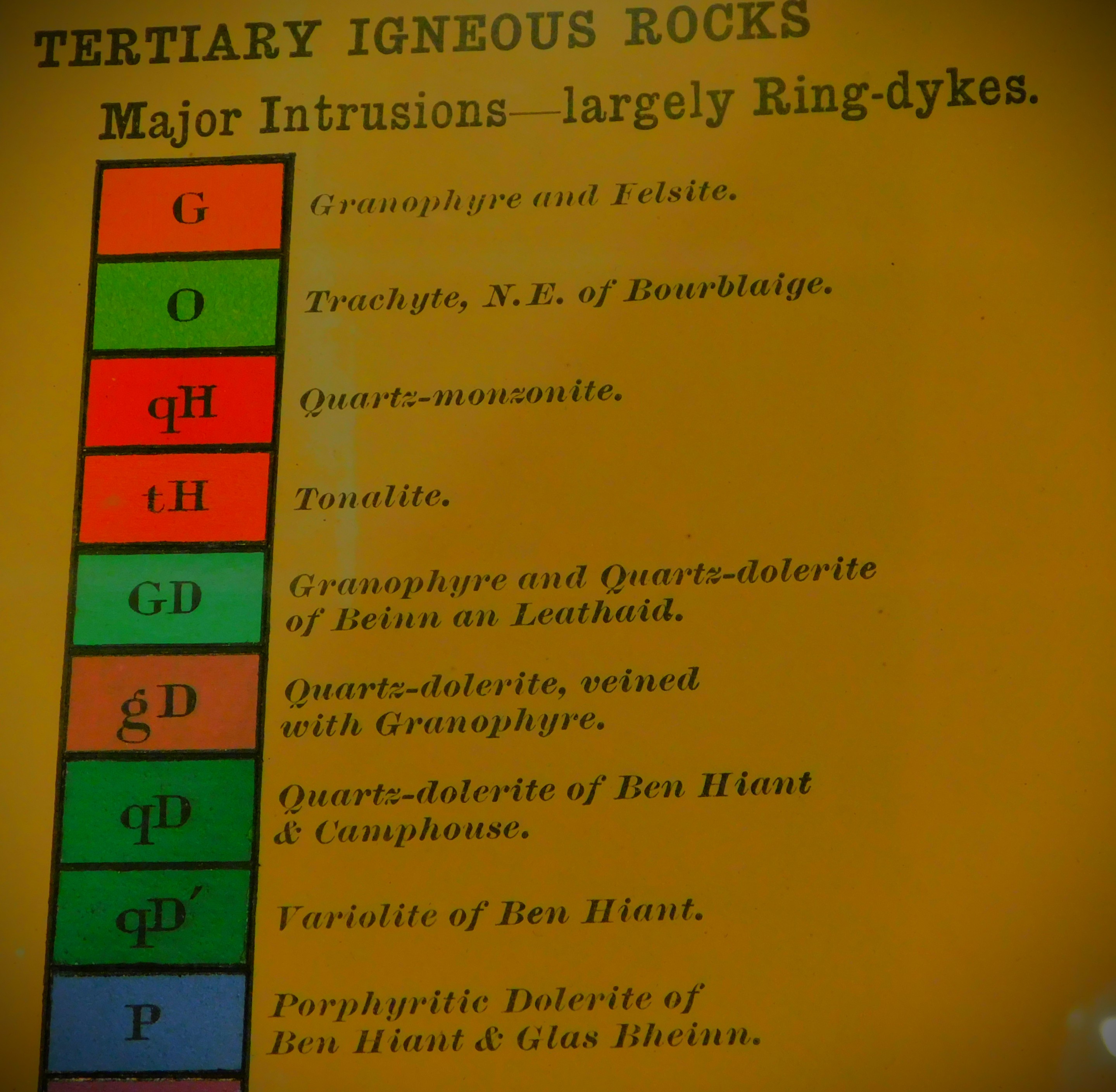
The above image contains a lot of text, and just to make sure everyone can access that text I reproduce it below:
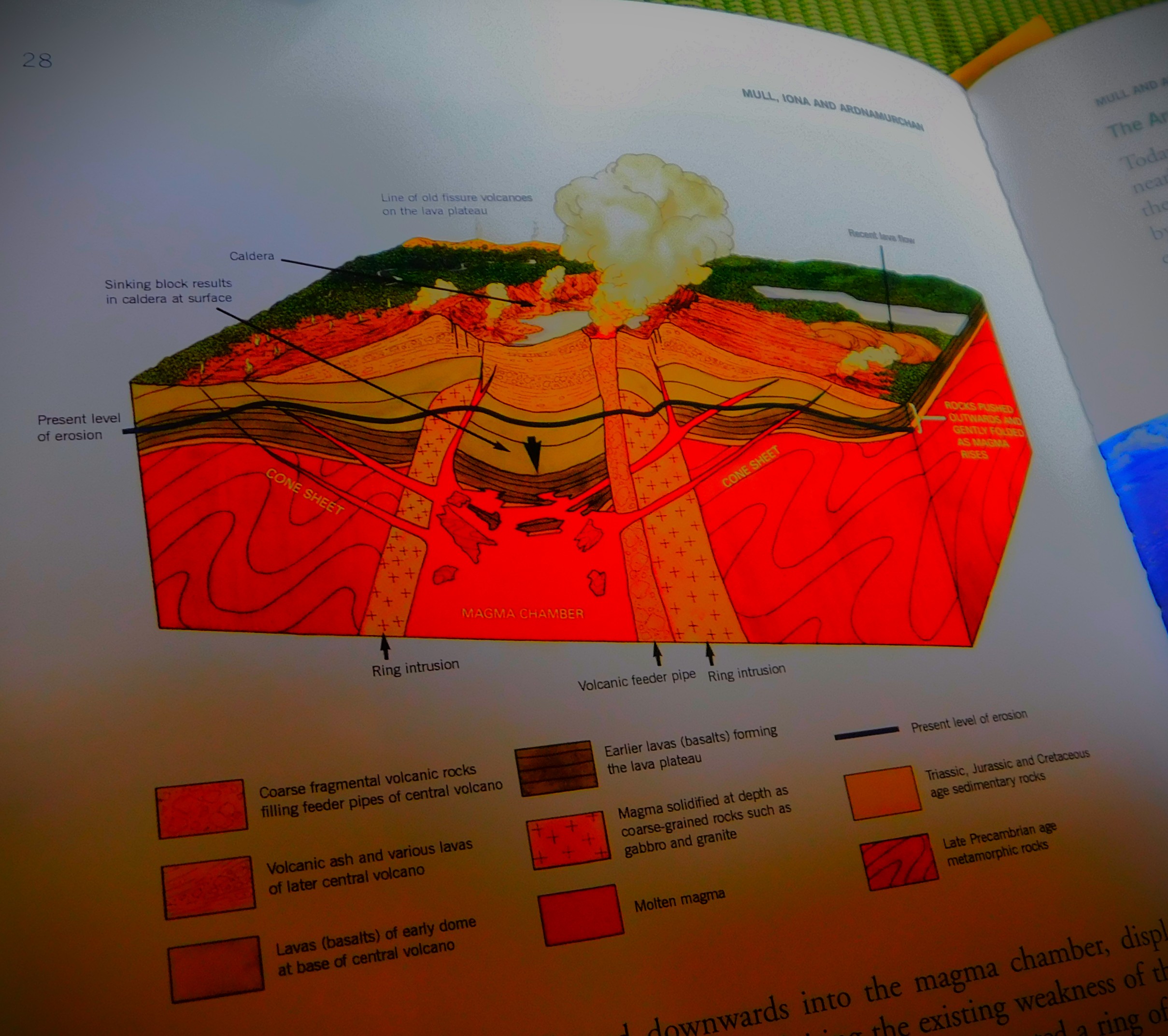
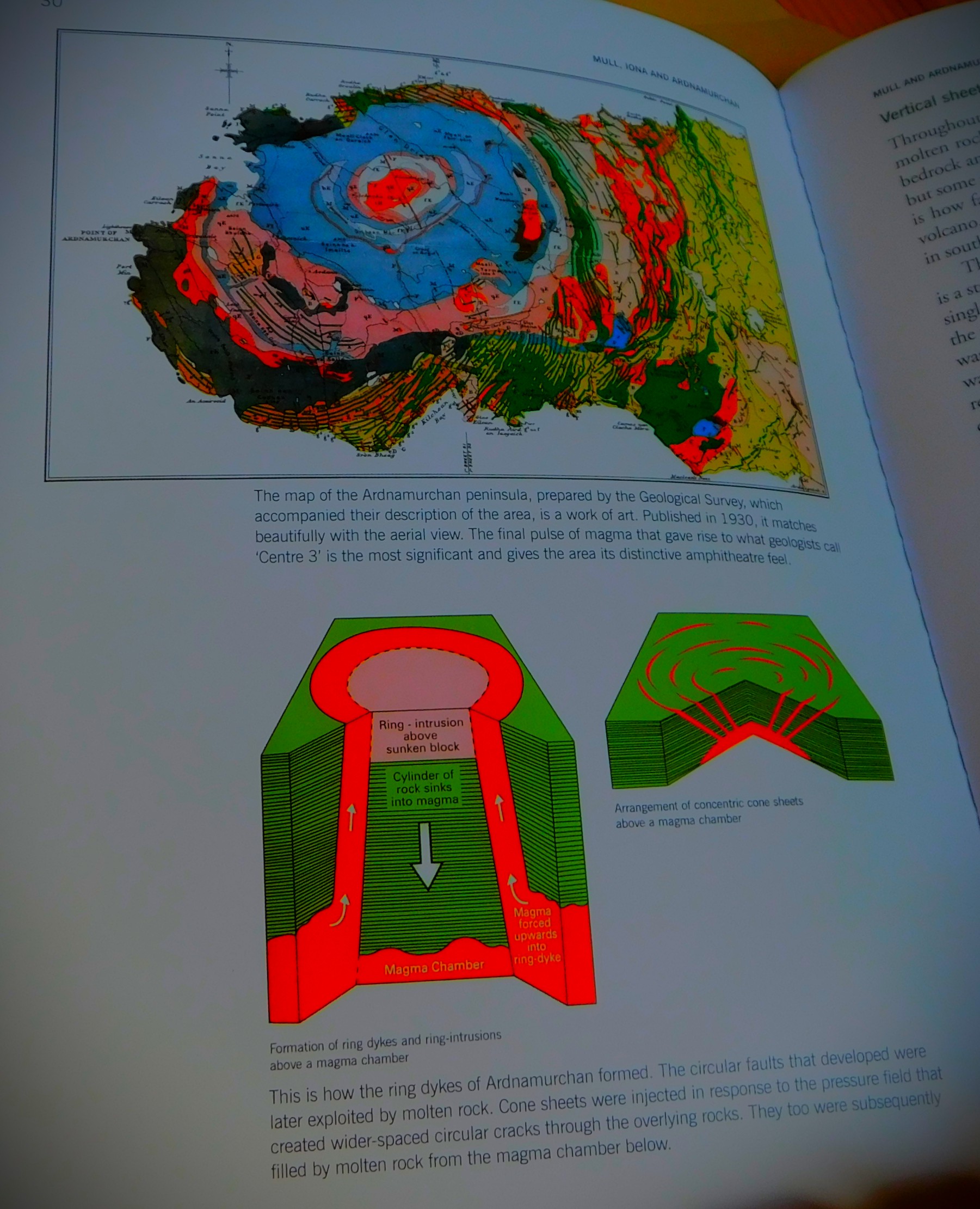
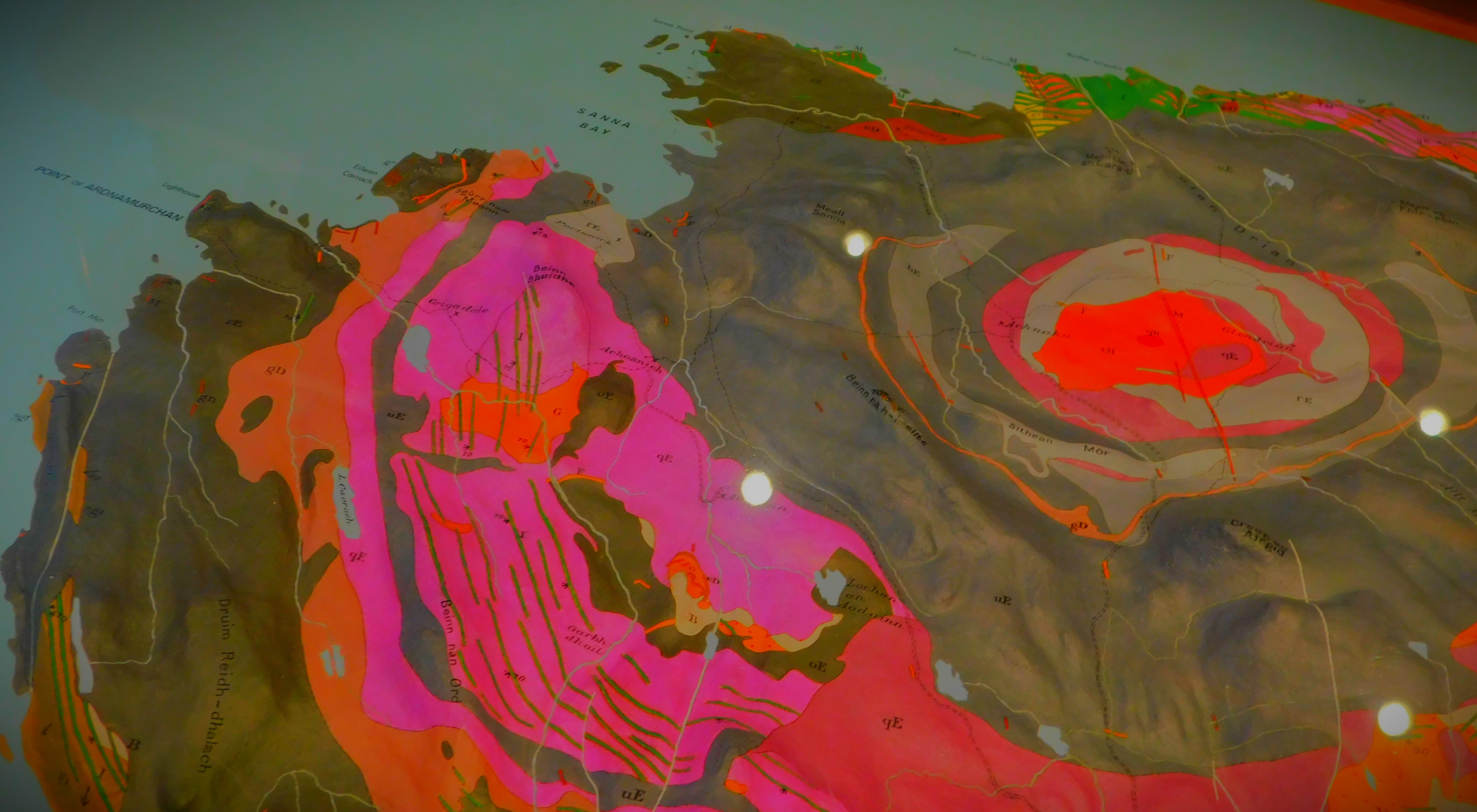
The Ardnamurchan peninsula provides a splendid example of an intrusive ring-complex and is one of a series of such complexes of Tertiary age found in the west of Scotland. Other examples are at St Kilda, Skye, Rhum, Mull and Arran.
Ring-intrusions are formed when a plug of country rock becomes detached from its surroundings by a ring fracture. Three such intrusive centres are found at Ardnamurchan. Ring-dykes are intrusions along the ring-fracture itself and when repeated subsidence has taken place, as at Ardnamurchan, a sequence of ring-dykes forms about a common centre. In their downward extension ring-dykes usually incline outwards from the intrusion centre. Their width may vary from less than a hundred yards to more than a mile.
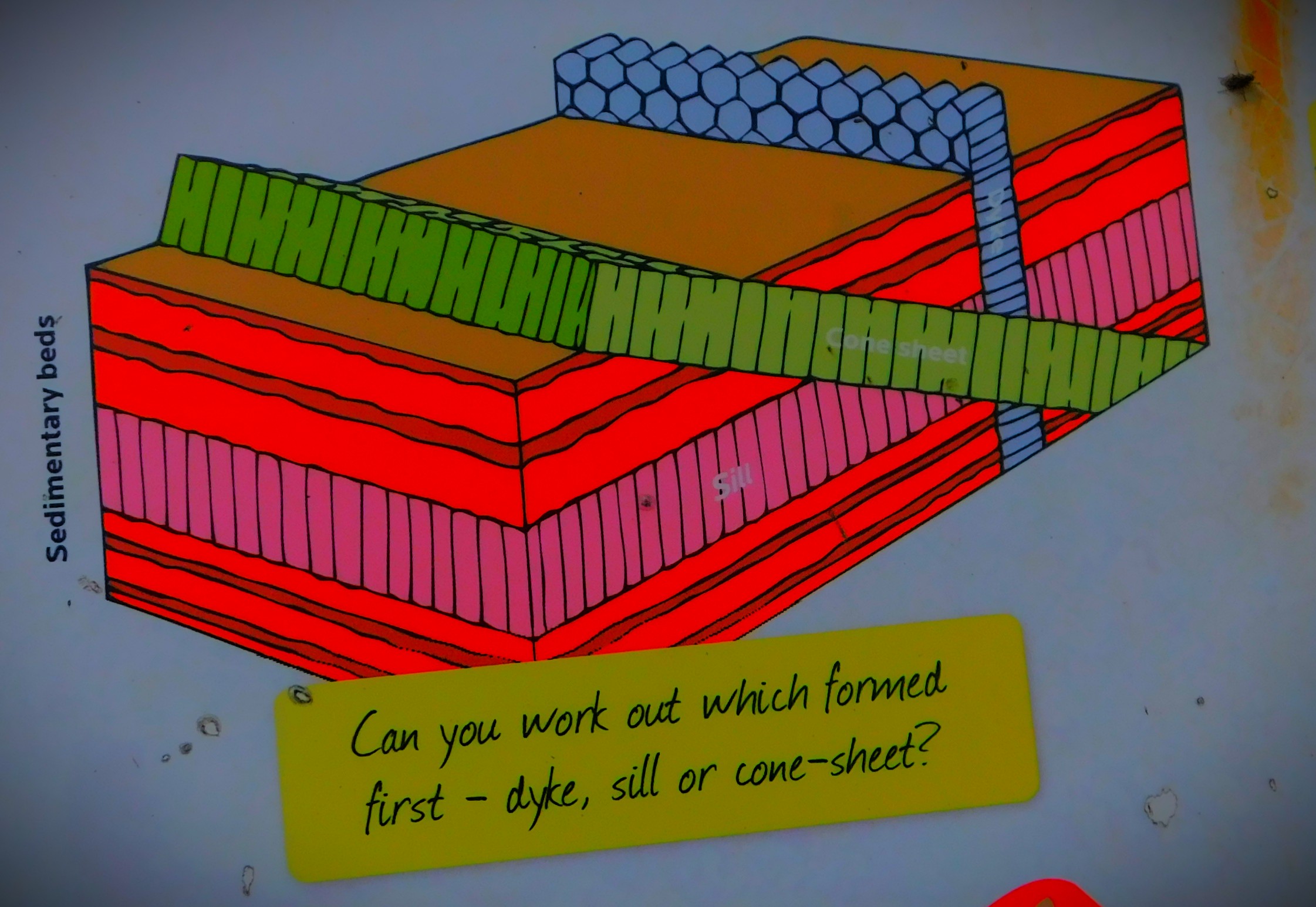
Cone sheets are associated with the ring-dykes. They are relatively thin intrusive sheets which occupy concentric fissures inclined towards a central point and are usually arranged concentrically about the igneous centre. They may have been produced at a time when the magma exerted a strong upwards pressure against the roof of the magma chamber.
The model shows clearly how these tertiary ring-structures find expression at the surface in the topography of Ardnamurchan.
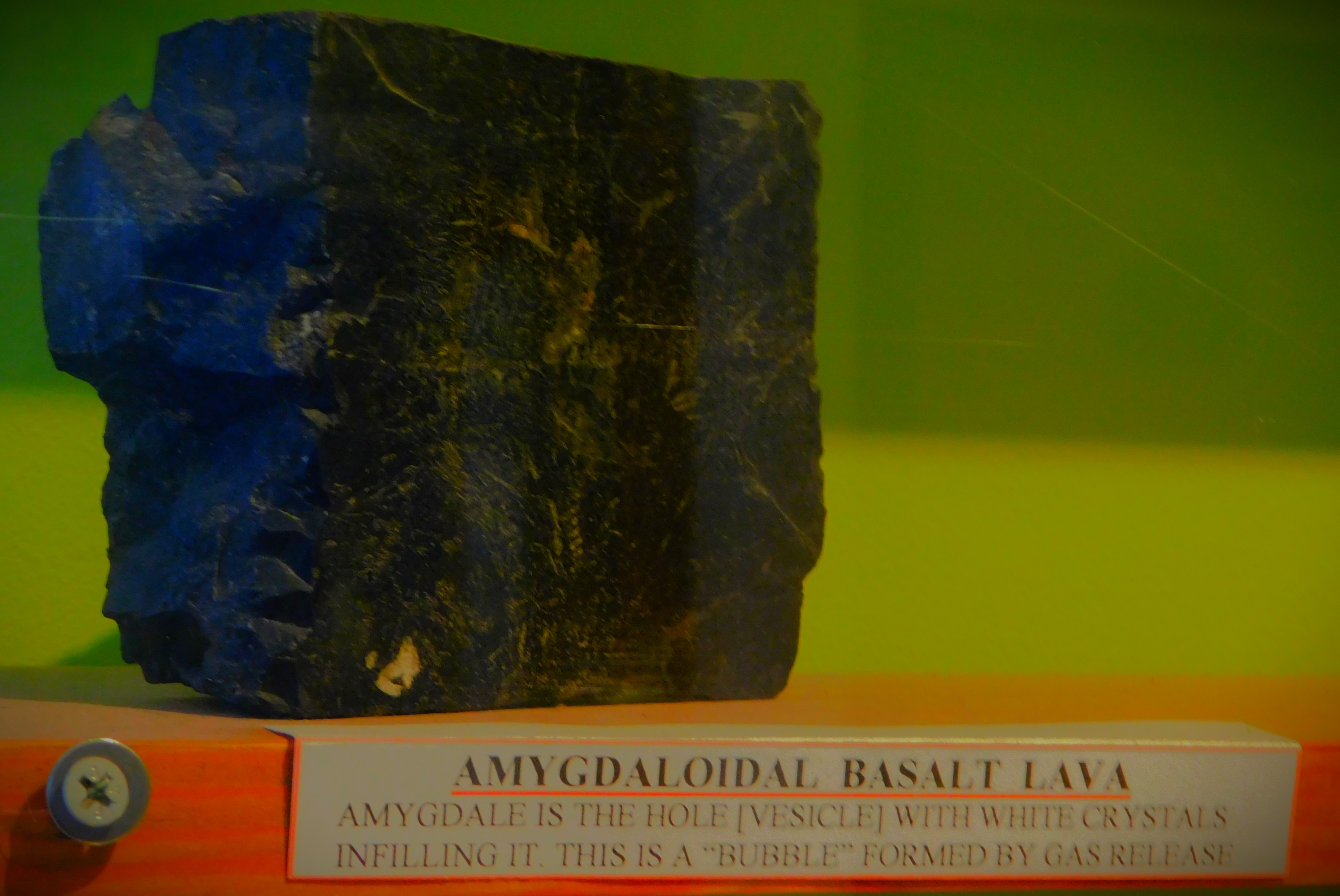
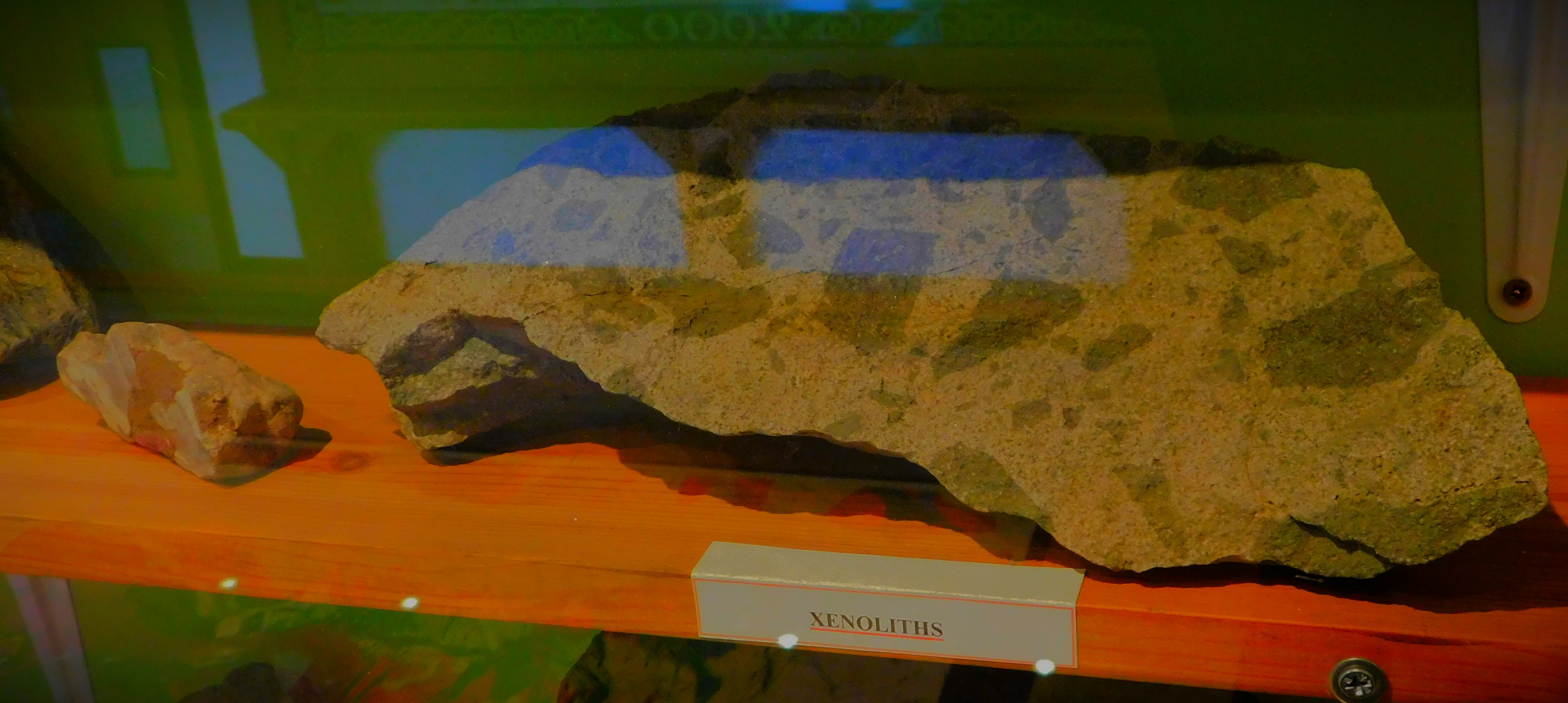
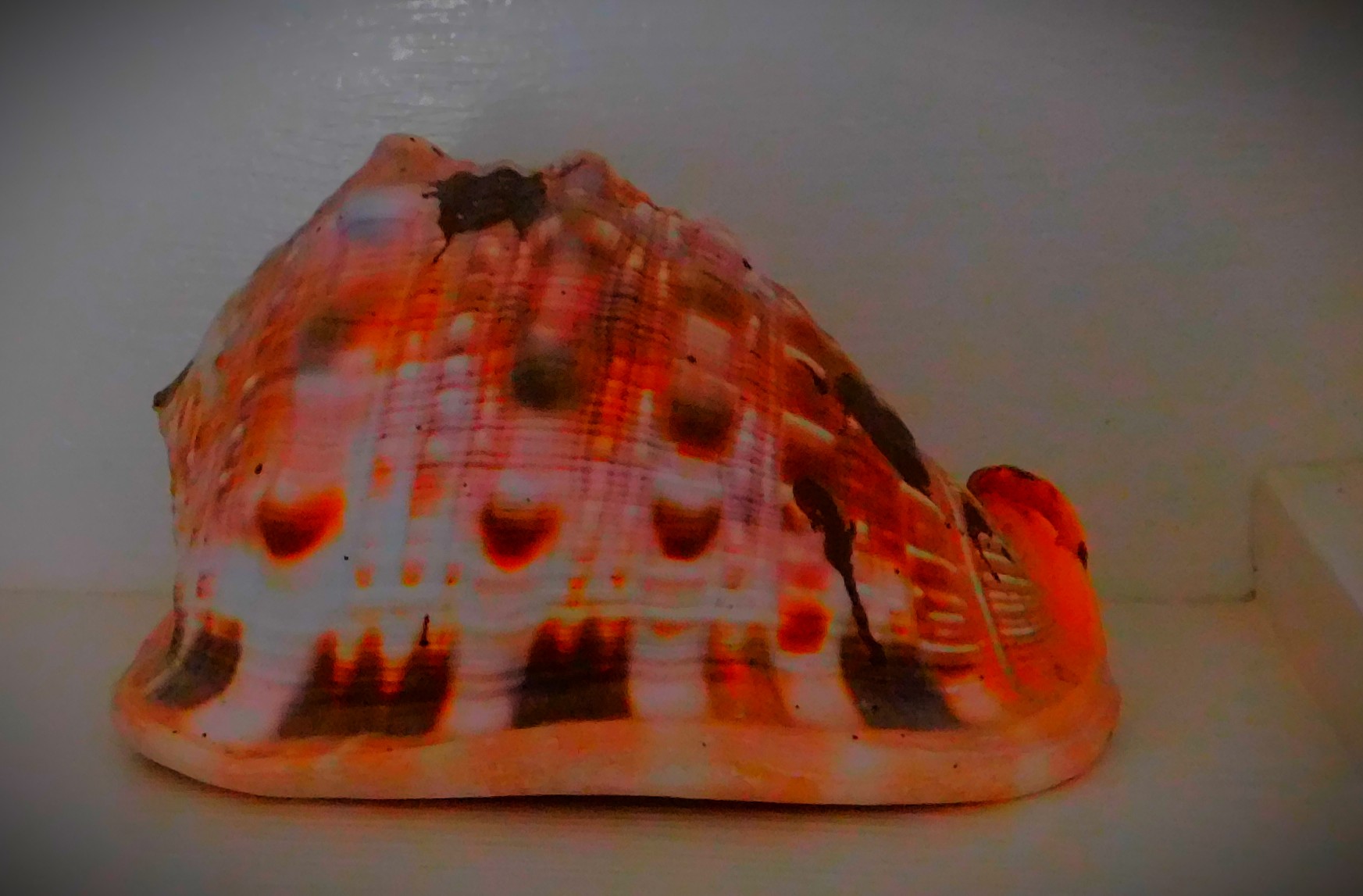
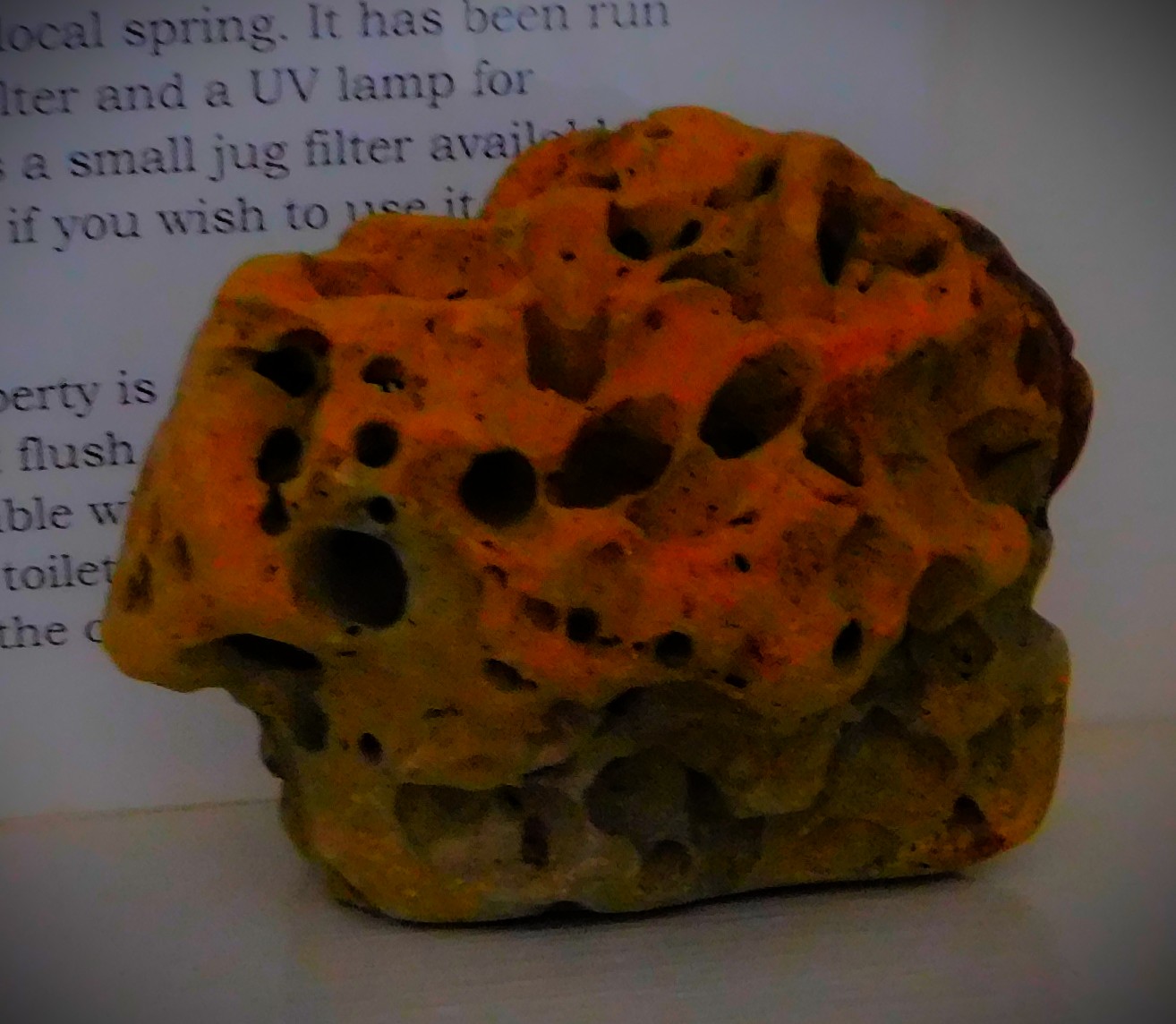
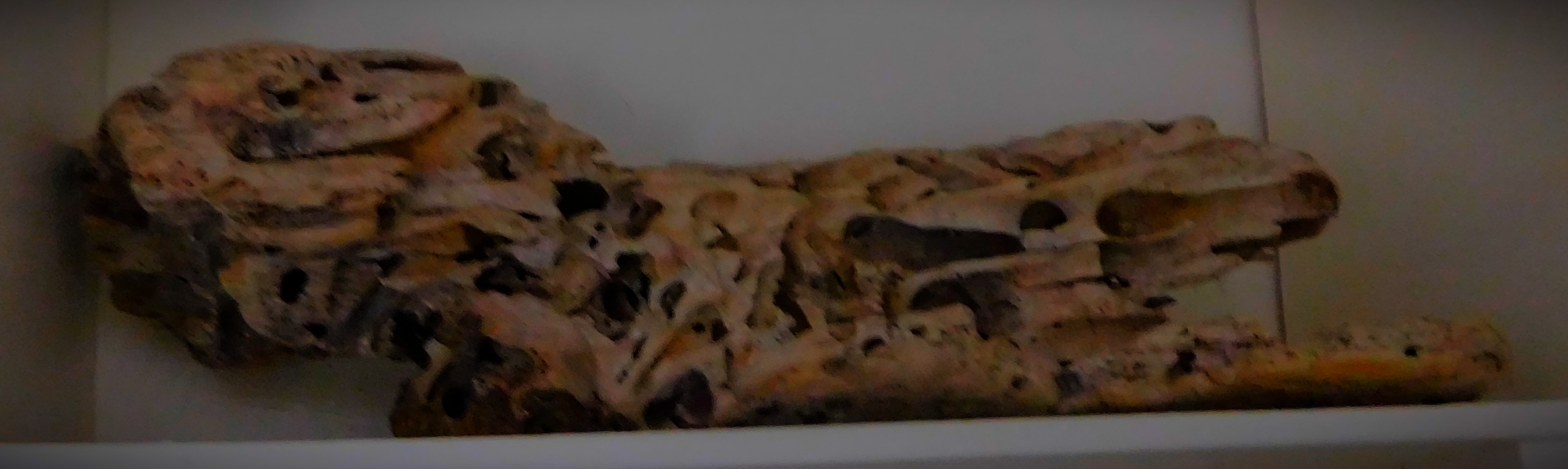
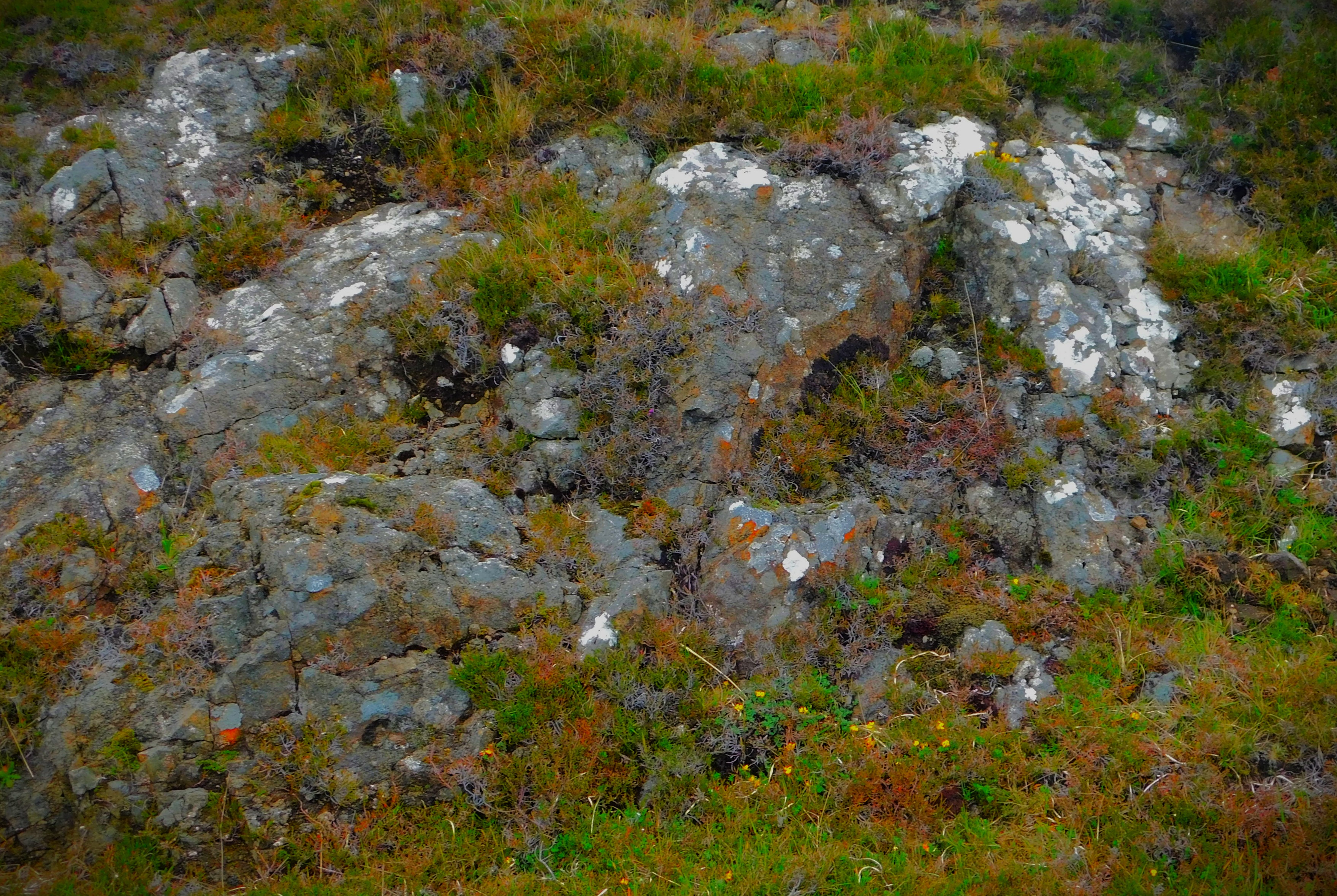
The rock samples on display include granite, basalt and xenoliths. Xenoliths (from the Greek, meaning literally ‘alien stone’) are rocks formed particularly deep within the earth, and hence not commonly seen at the surface.
PHOTOGRAPHS
My photographs relating to the above post…
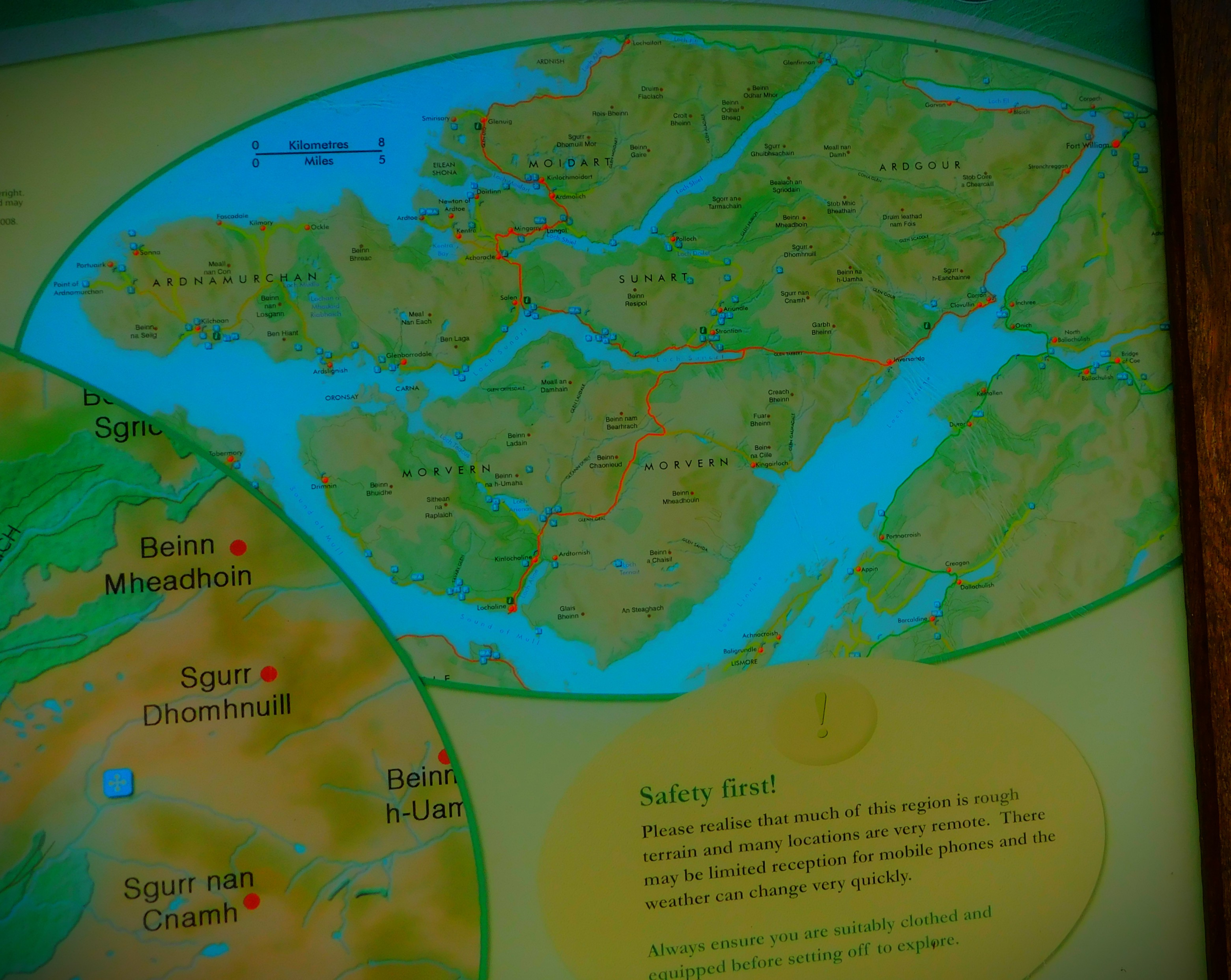
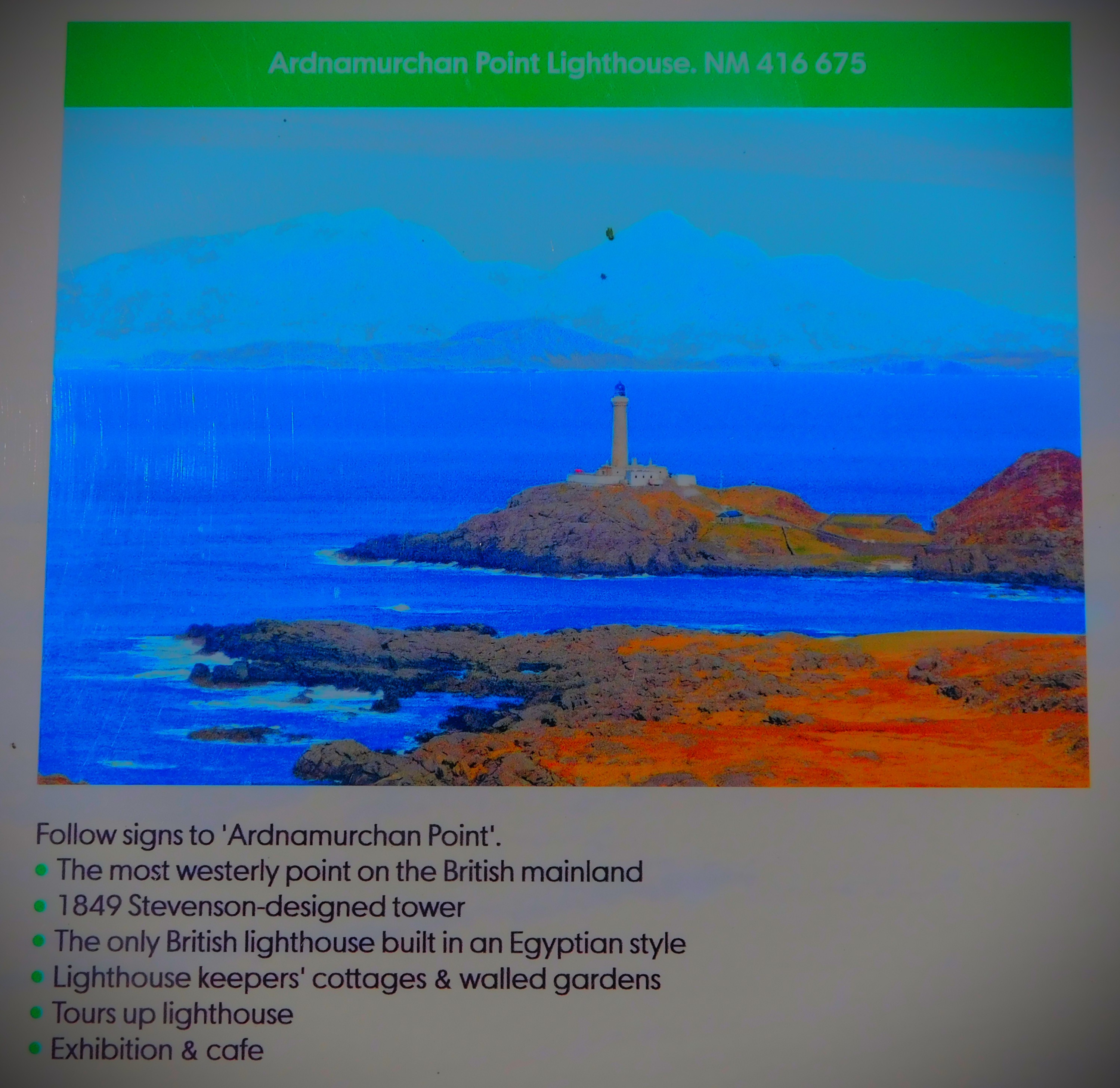
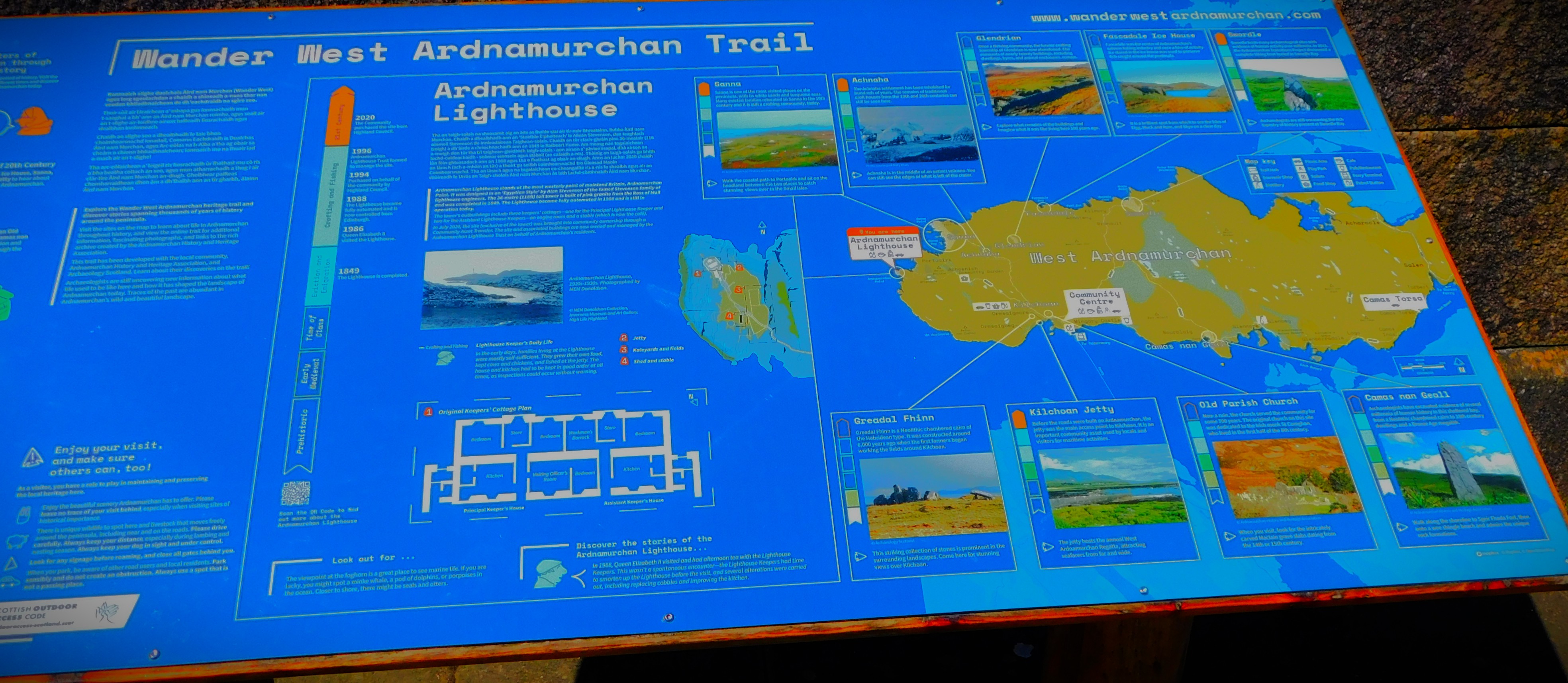
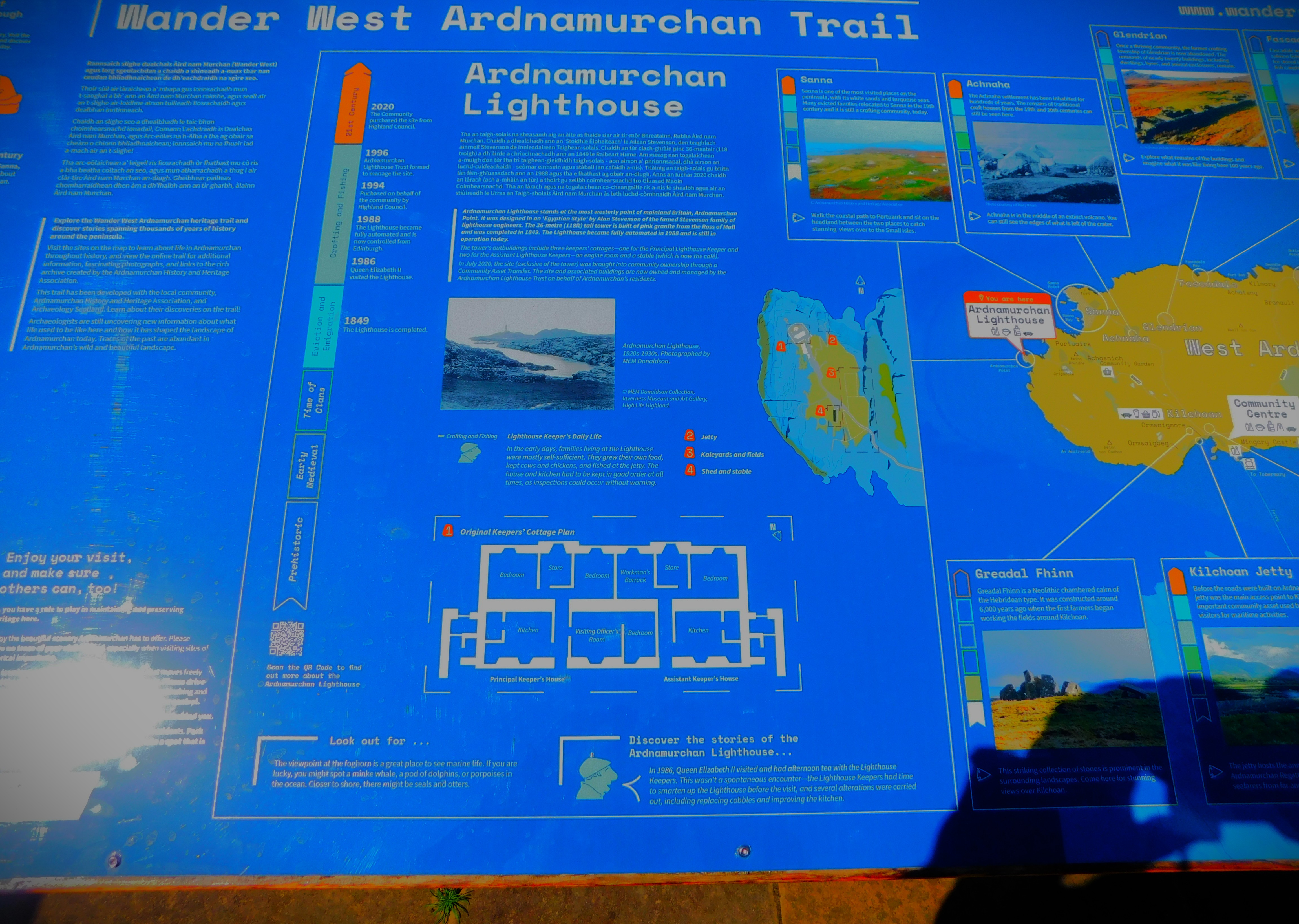
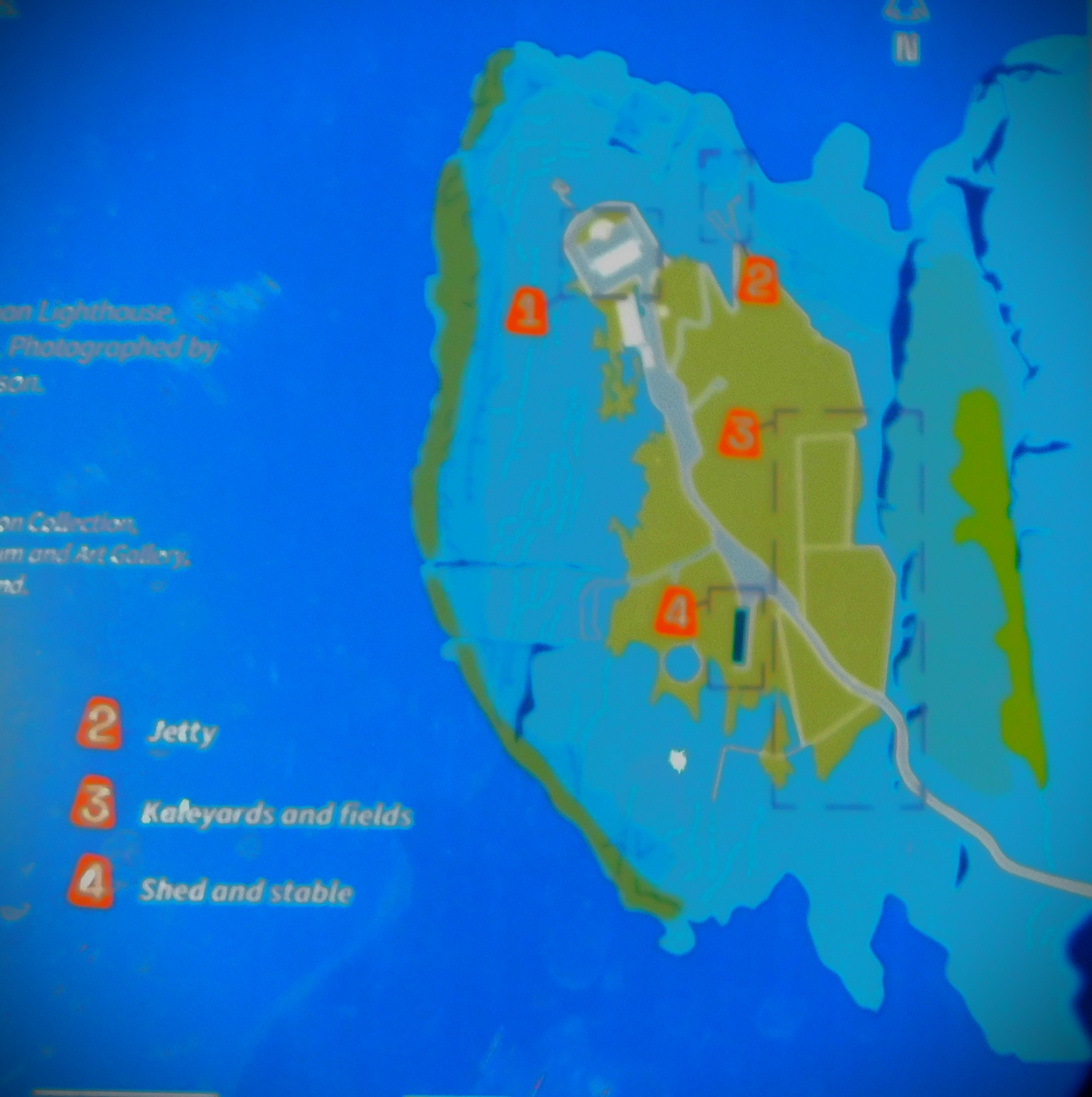
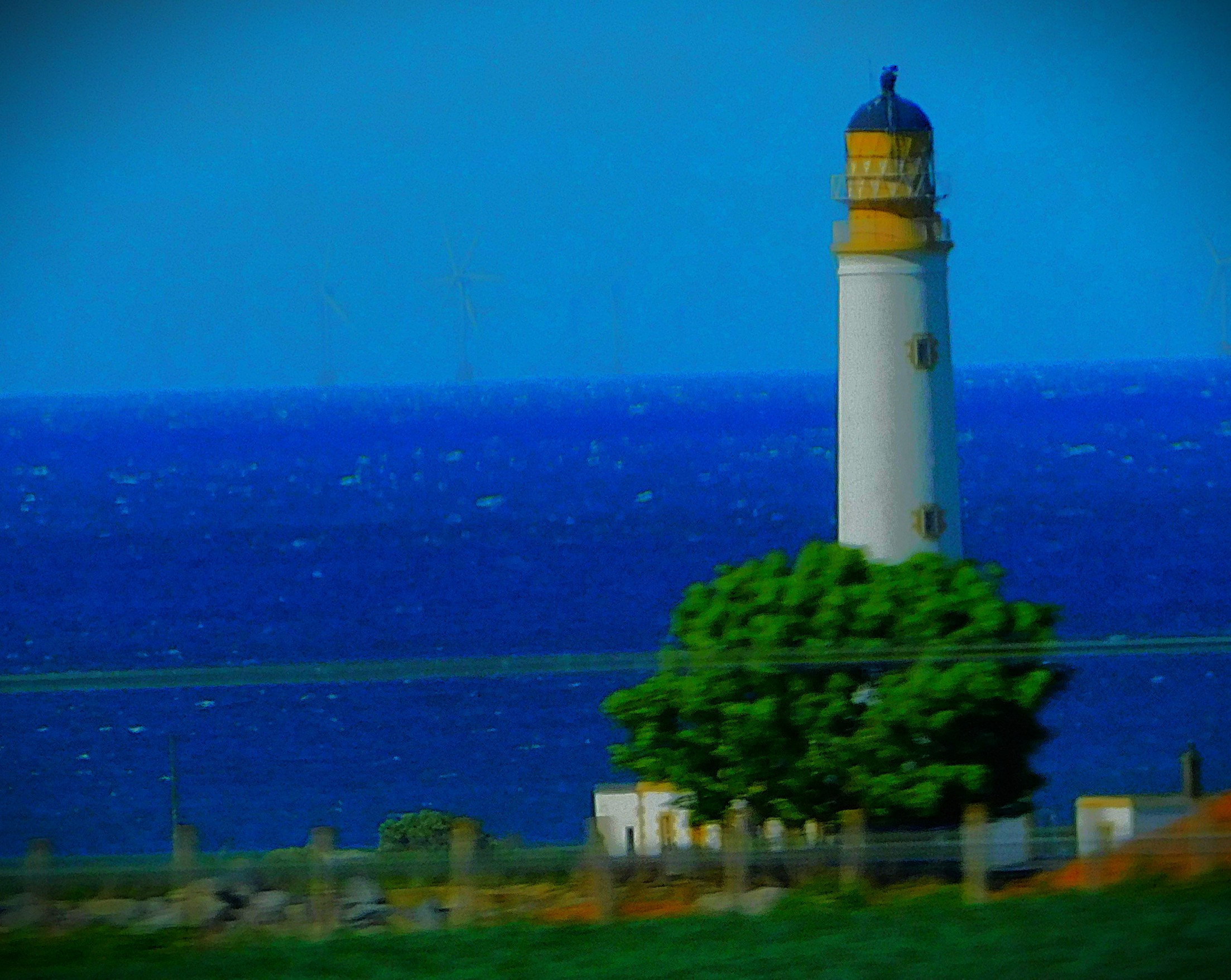
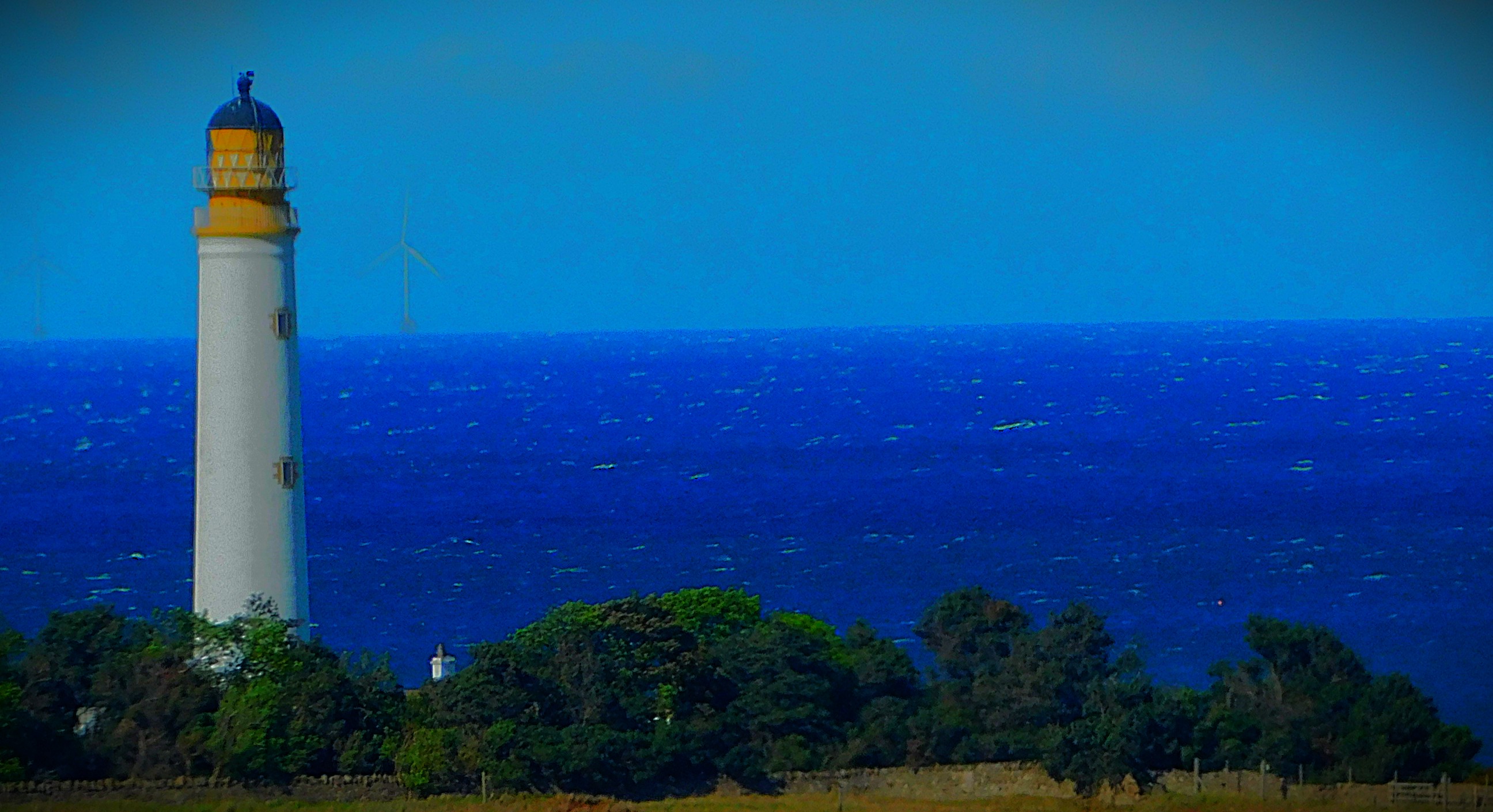
This is the wall mounted map ,memtioned in the post.This is the 3D map/ model that prompted the post.These last few pictures are from Ardnamurchan lighthouse.
An account of day two, including a walk I took after we were safely ensconced in the house at Achosnich.
Welcome to the second post in my series about my 50th birthday holiday in the far west of Scotland. I started by explaining the snags of day one and consequent rearrangement of plans. This post completes the story of getting here. Yesterday provided material for several more posts – it featured one of two major events planned for the week, the other being the birthday meal on the day itself, Saturday.
LONG AND WINDING ROADS
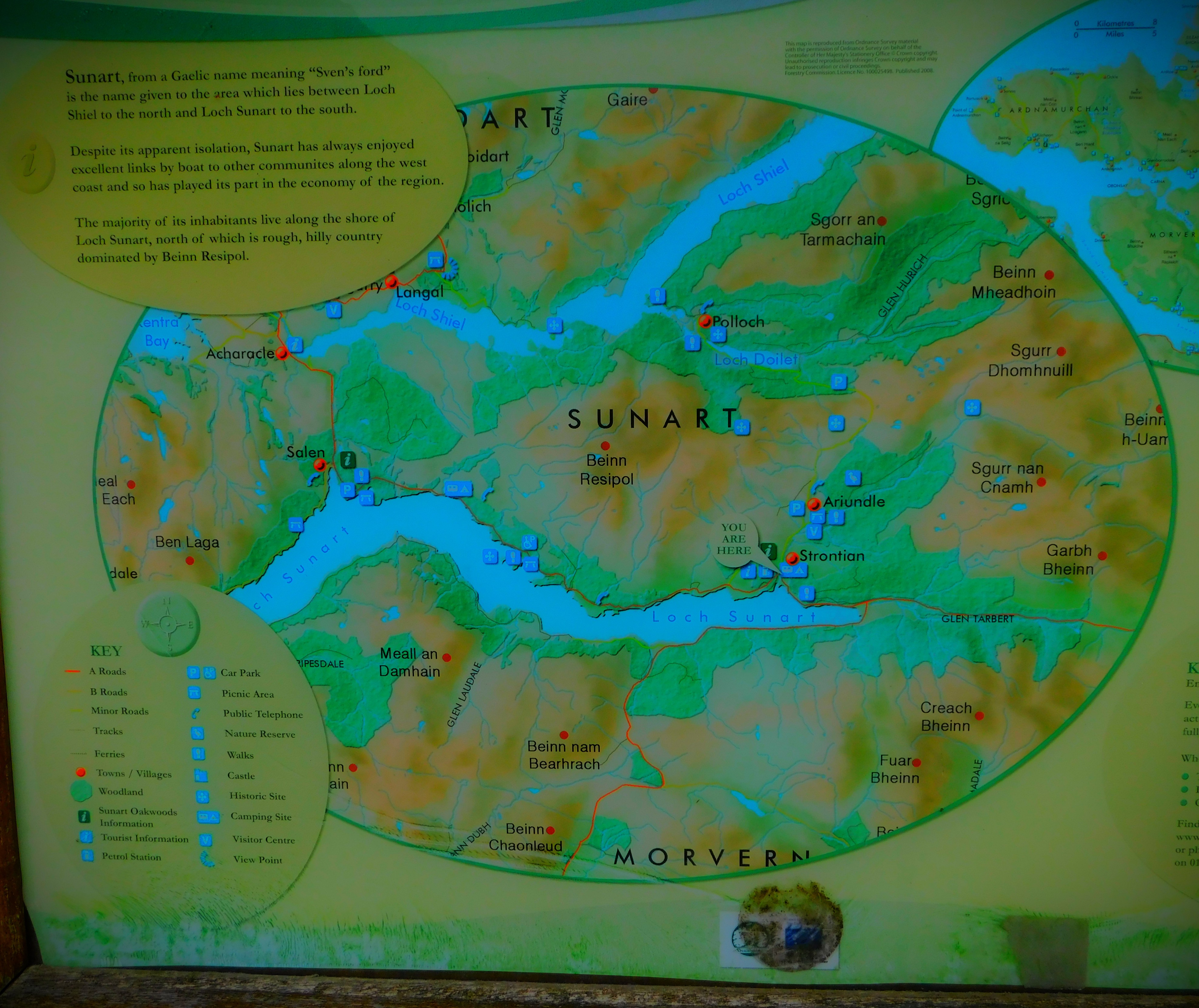
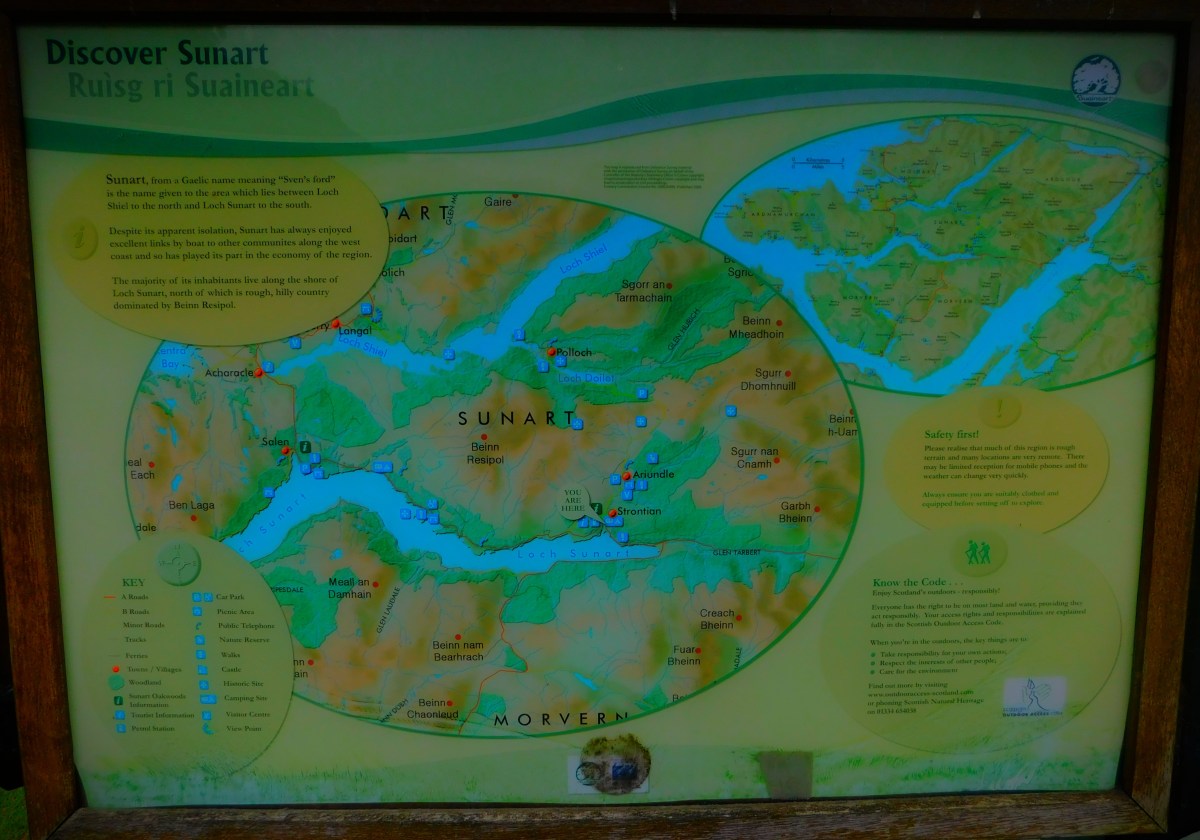
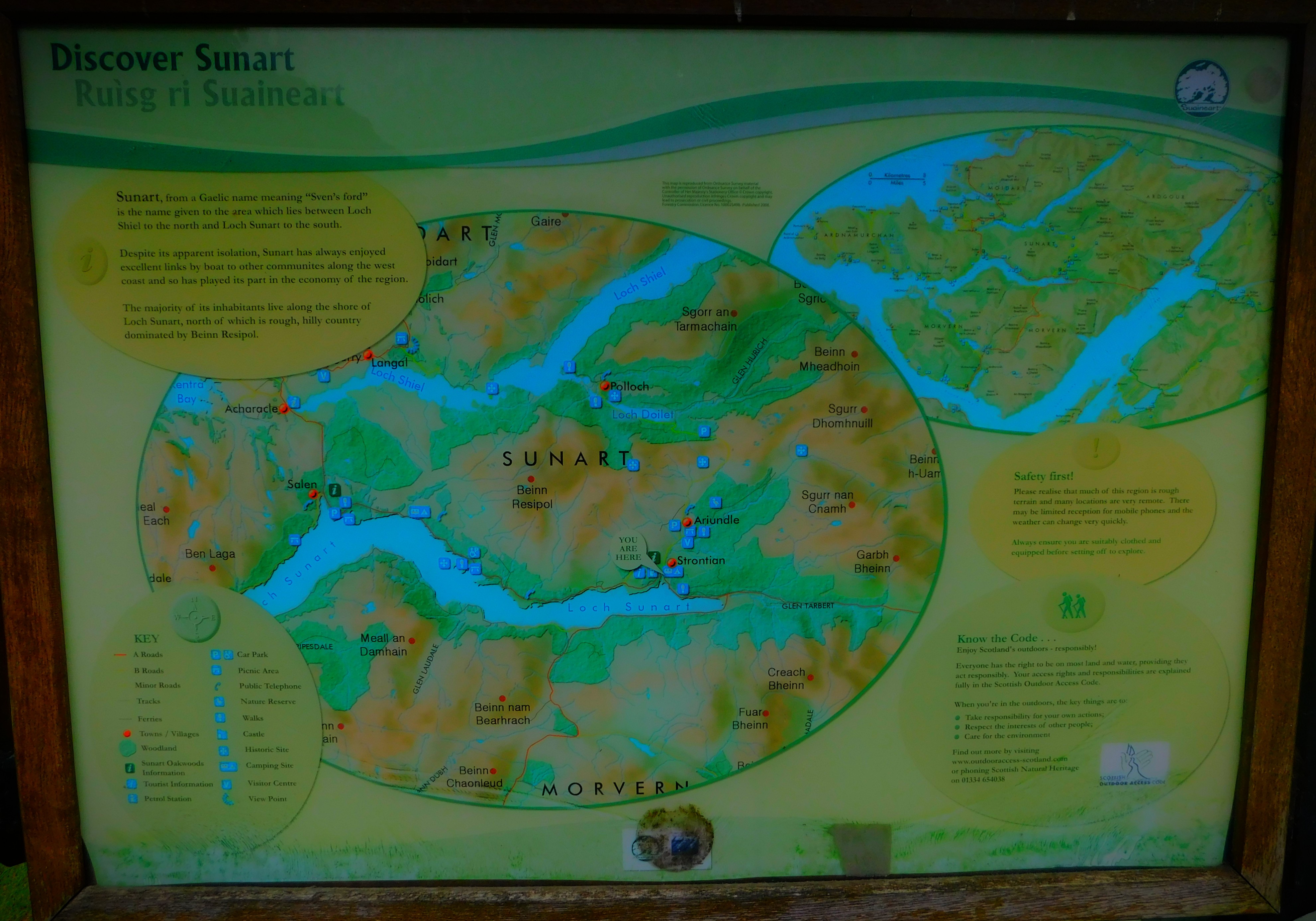
Though there were a few minor issues with the journey from Callander where we had overnighted on to Achosnich where we are staying for the week there was nothing to compare with the upheavals of day one. There are two land routes to the far west of Scotland, the direct route that involves using the Corran ferry and the longer route by way of Fort William. We had opted for the Corran ferry route, and until 12:20, by when we were very close to our destination there were no problems. It was then that we hit a delay in the form of a temporary road closure. Fortunately, the village of Strontian (where the metallic element Strontium was discovered in 1790 – like the four elements Ytterbium, Yttrium, Terbium and Erbium, all named for Ytterby in Sweden where they were discovered, the element is named for the village) was only a few miles behind us, and it numbers a cafe among its amenities, and since the road was reopening at 1:30 filling in the necessary amount of time was less of a drag than it might have been. Once the road reopened it took us a couple of attempts to locate the property, but we got there in the end.
PHOTOGRAPHS
Here are my photographs from the day…
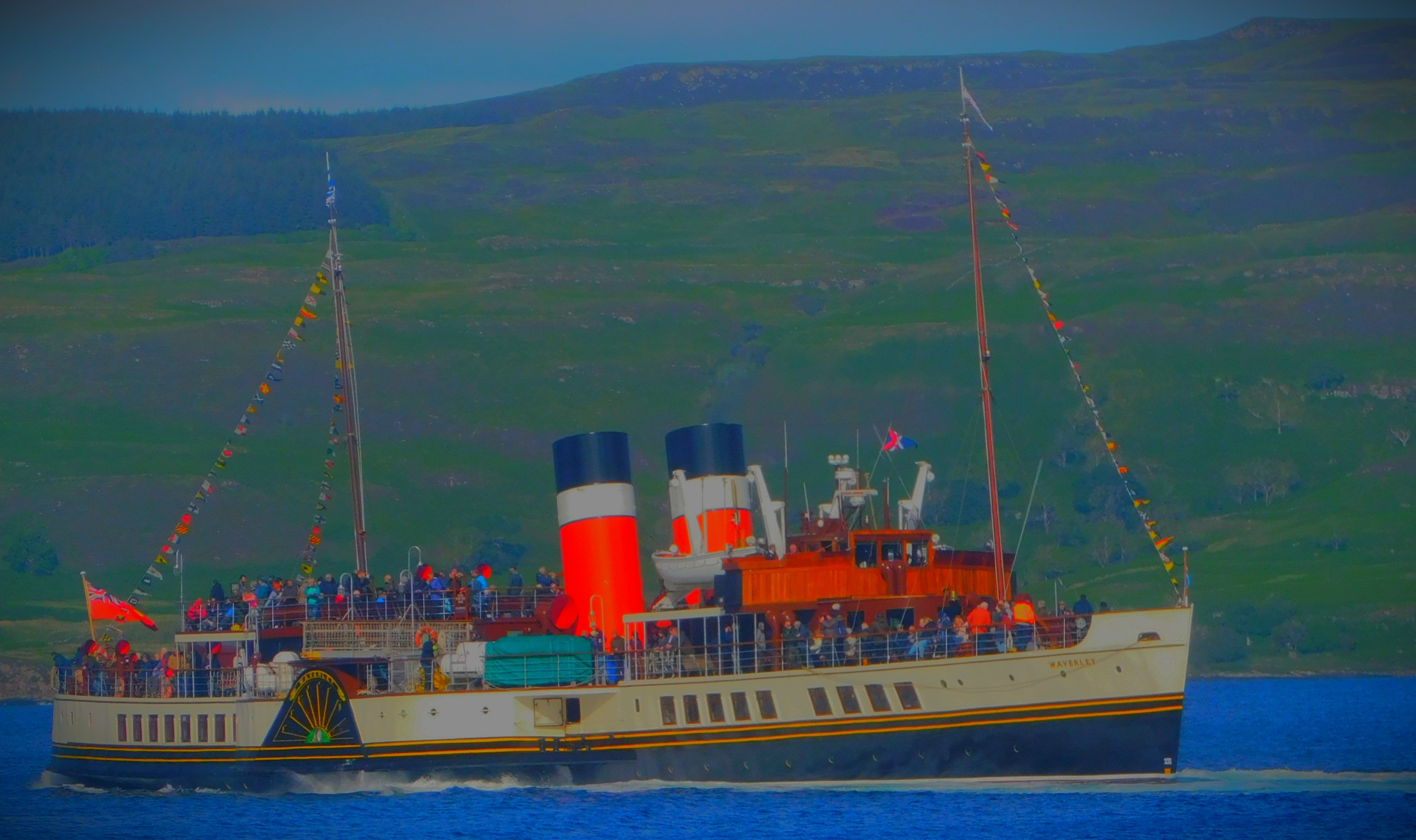
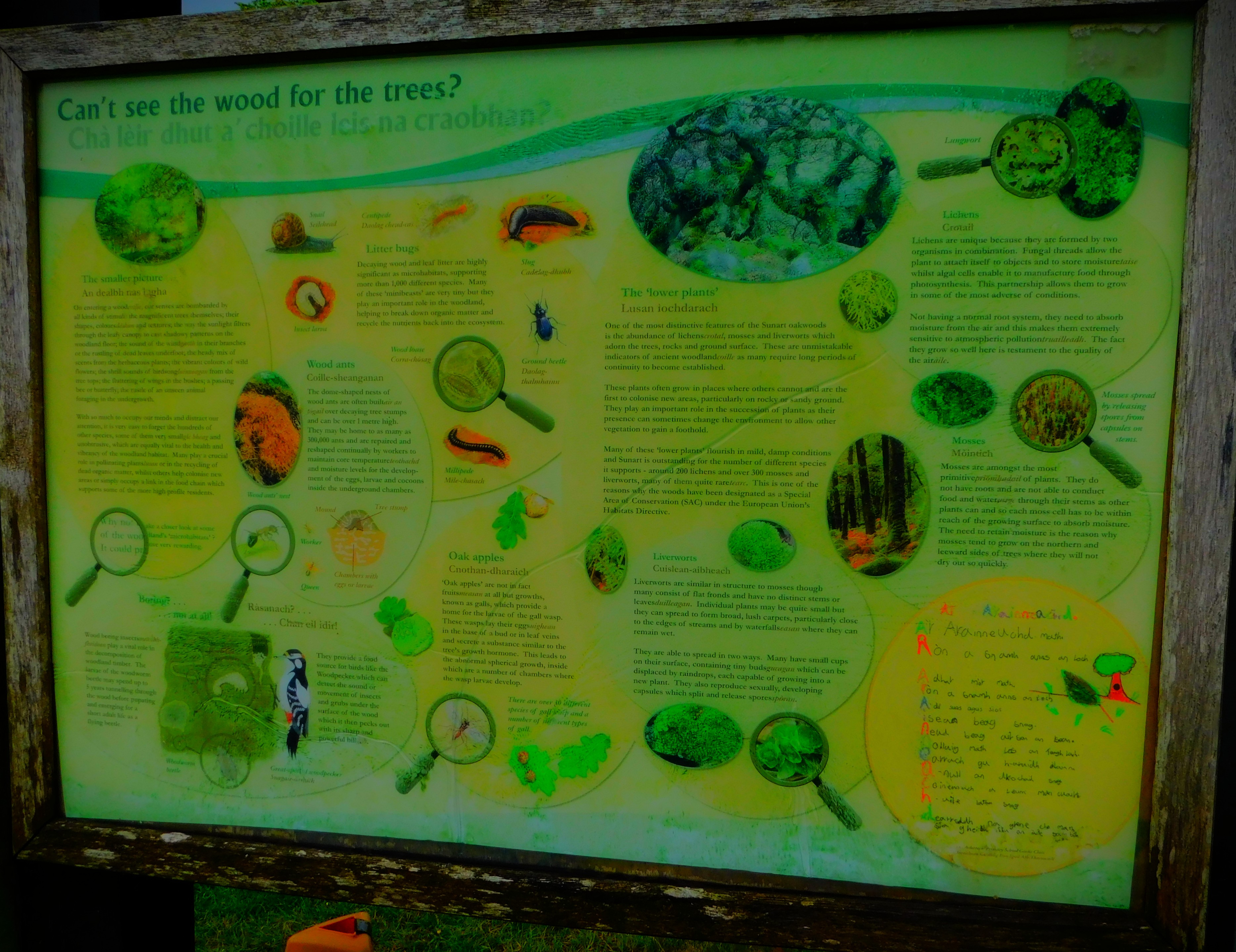
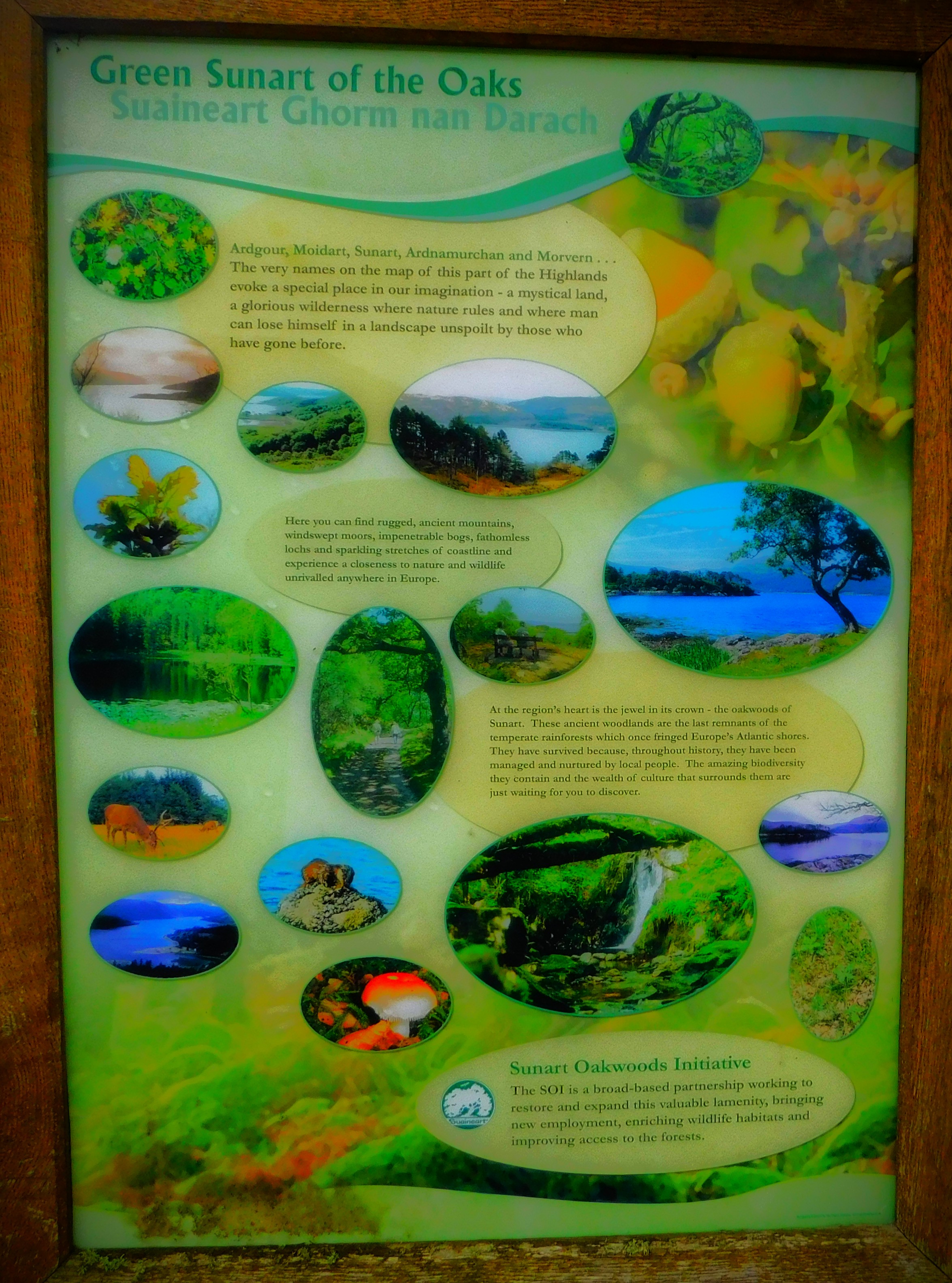
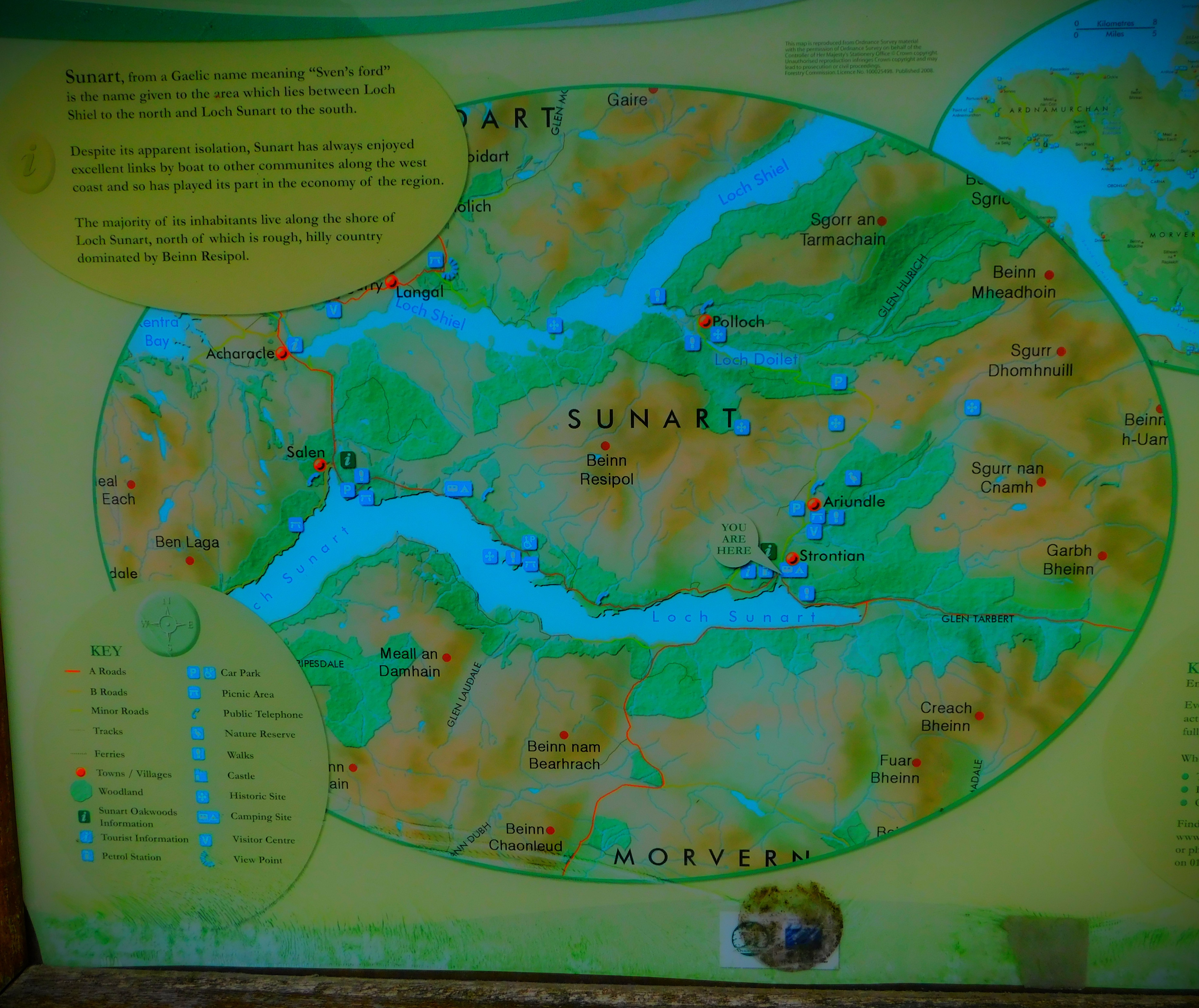
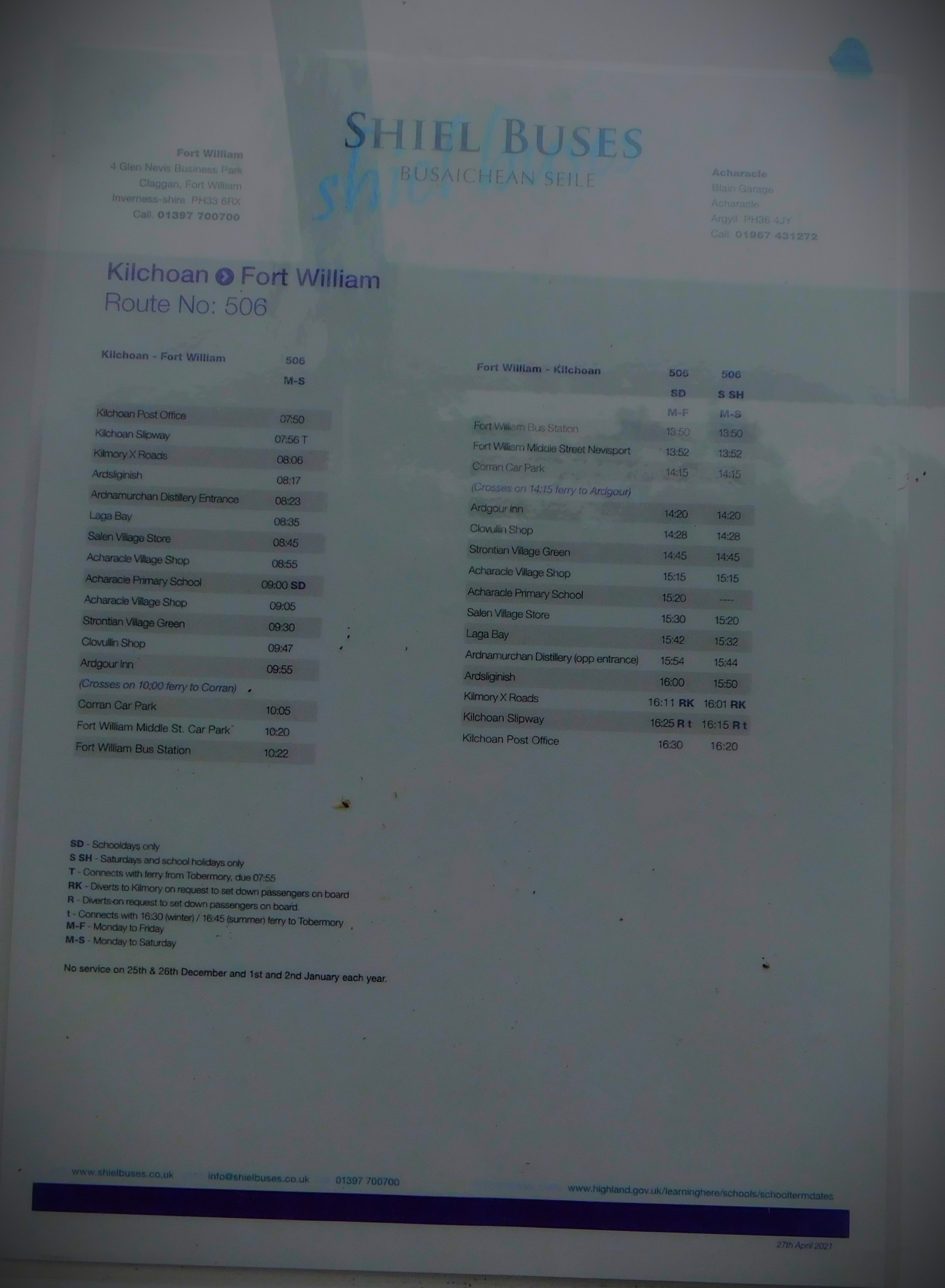
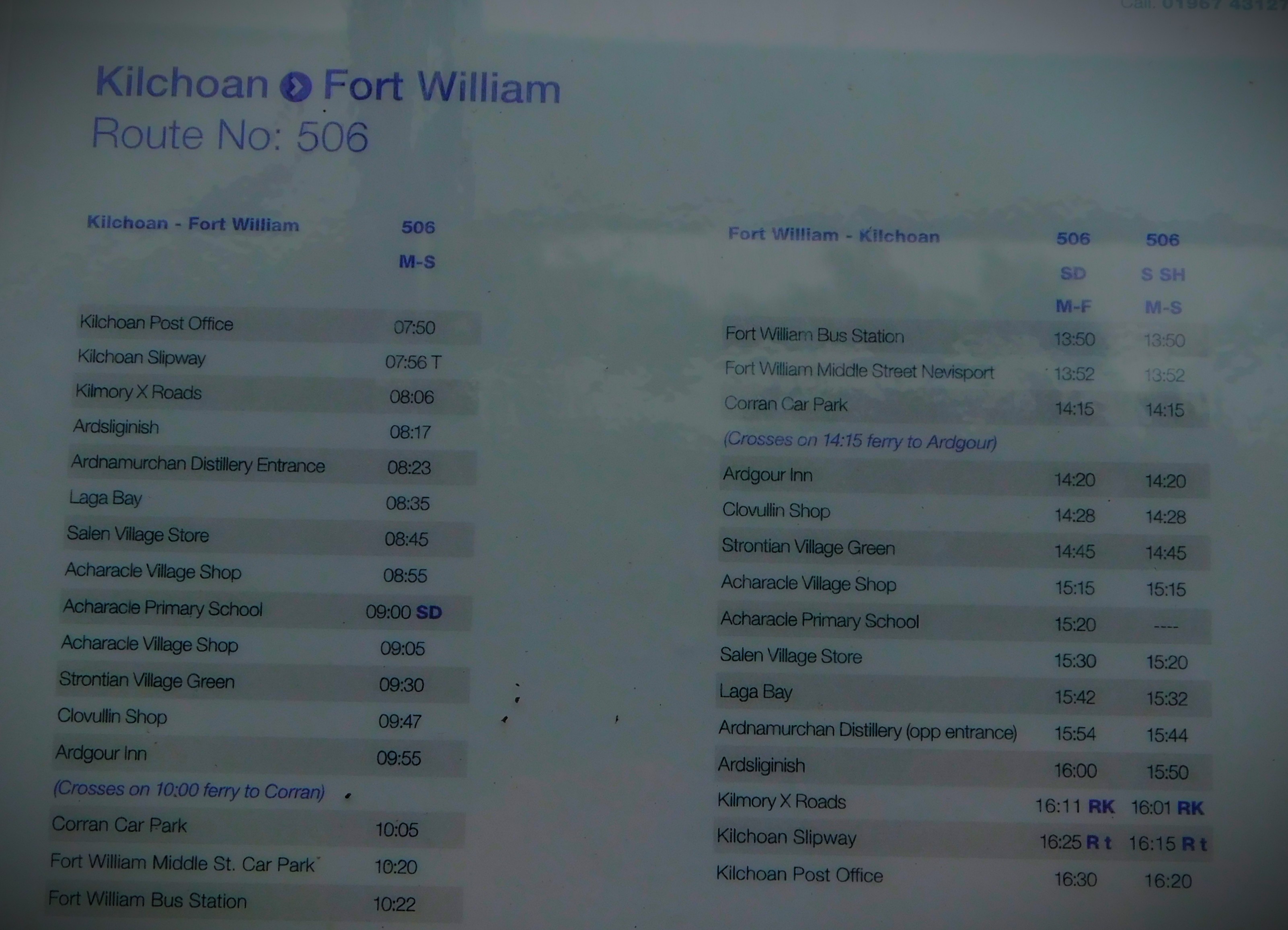
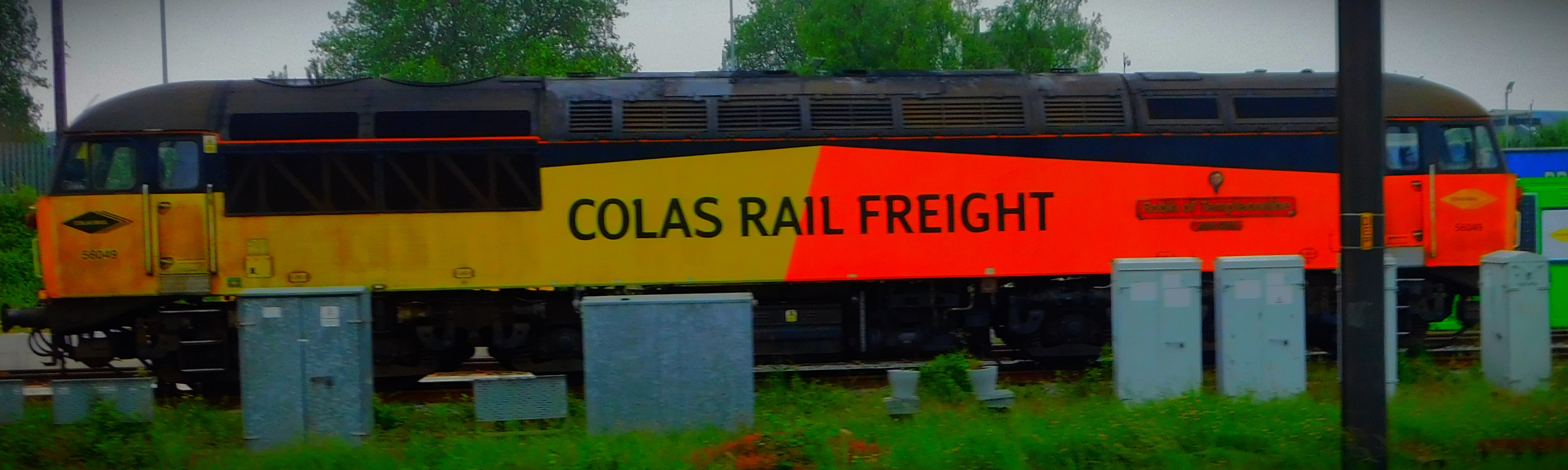
We investigatred this walk early in our journey, but it was not that impressive.The Corran lighthouse, visible from many angles while crossing on the Corran ferry.Information boards at Strontian (five pics)Internal decor at the cafe (four pics)Pictures from the Strontian river (nine in total)Even a place as remote as Strontian has a bus route.This is the Paddle Steamer Waverley – there will be much more about this vessel and its history in later posts.Some pictures from the house at AchnosnichI ventured out for a walk later that afternoon.
An account of a problematic start to this year’s Scottish holdiay, courtesy of LNER. Also a photo gallery of pictures all taken at various stages of the journey.
I am now ensconced in a tiny hamlet named Achosnich in the far west of the Ardnamurchan Peninsula, which is itself the westernmost past of mainland Britain, where I and my parents are having a holiday around my 50th birthday. The day itself is Saturday, for which I have already scheduled a small post which will come out as near as can be scheduled precisely 50 years after my birth. This post would normally have been entitled ‘Getting There’, but as will become clear this process has been somewhat less straightforward than it should have been.
THE BEST LAID PLANS OF MICE AND MEN…
Up until about 11:30AM yesterday, for all that the day of my birthday had meant a Sunday to Sunday holiday booking and thus travel and the most unreliable day for using public transport, I was feeling pleased with how things were progressing. I had booked from Peterborough to Crianlarich, the closest place to our final destination that I could sensibly book to, and to guard against choppy waters in respect of the opening leg of the journey had opted for the safe option of the 9:25 bus from Lynn to Peterborough, rather than the 10:25 which would have had to run very late to get me in trouble, or to not run altogether. A clear run on the bus saw at Peterborough Station with comfortably over an hour until the train on which I was booked was due, so I purchased some light refreshments and killed time in the station cafeteria, before checking the departure information screen, still with masses of time to spare…
…GANG AFT AGLEY
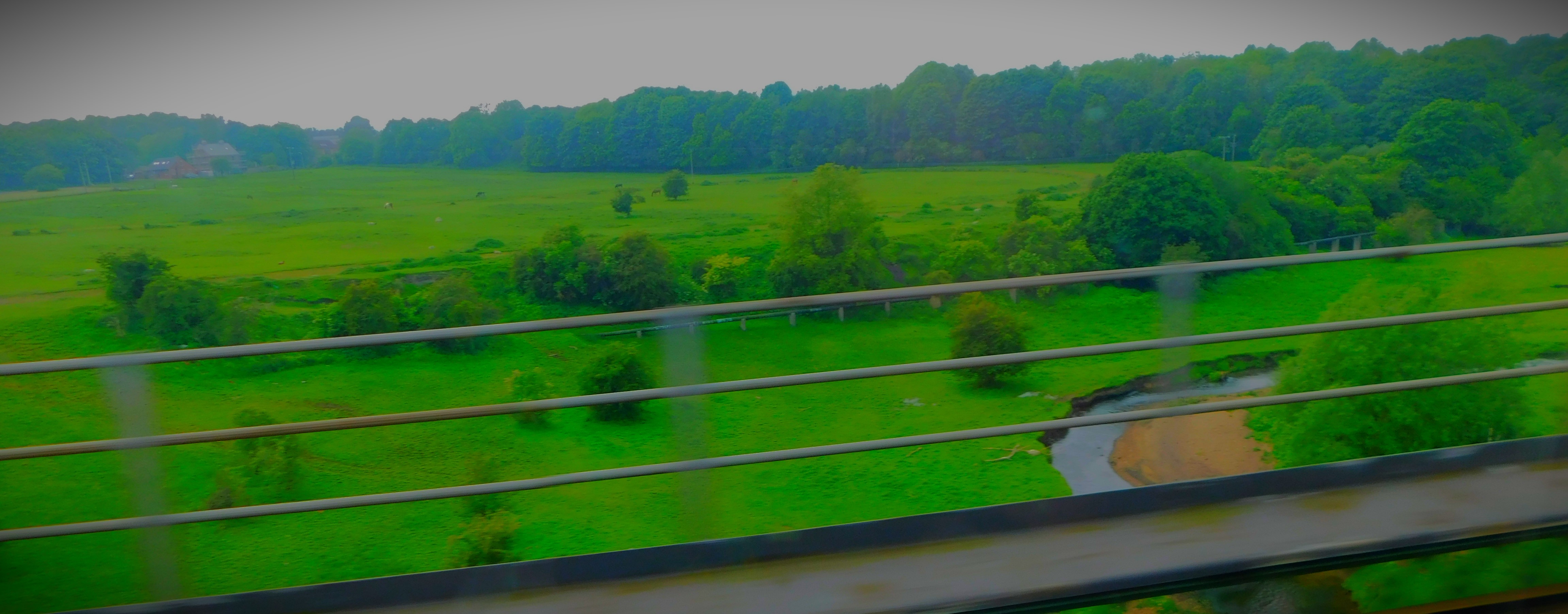
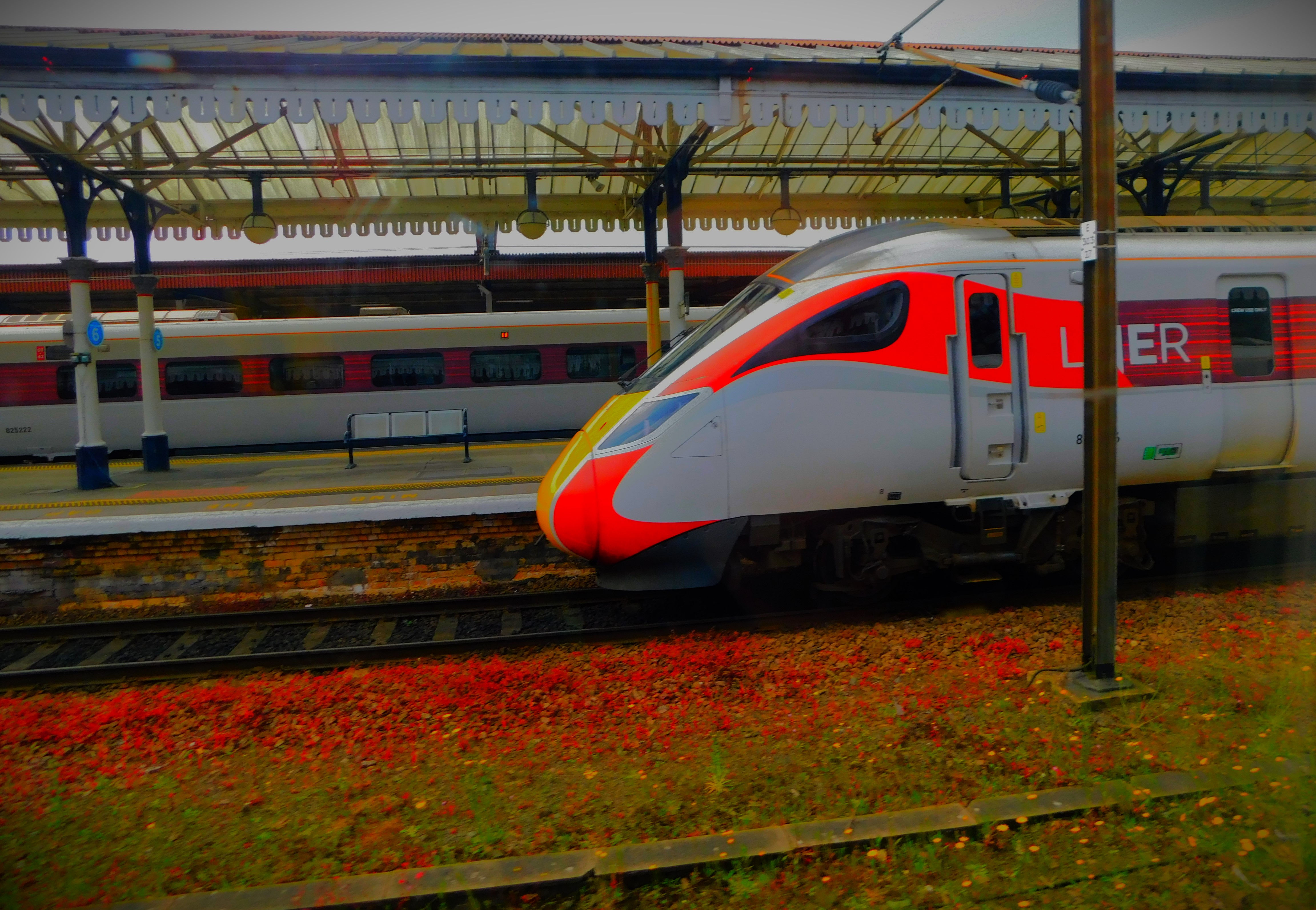
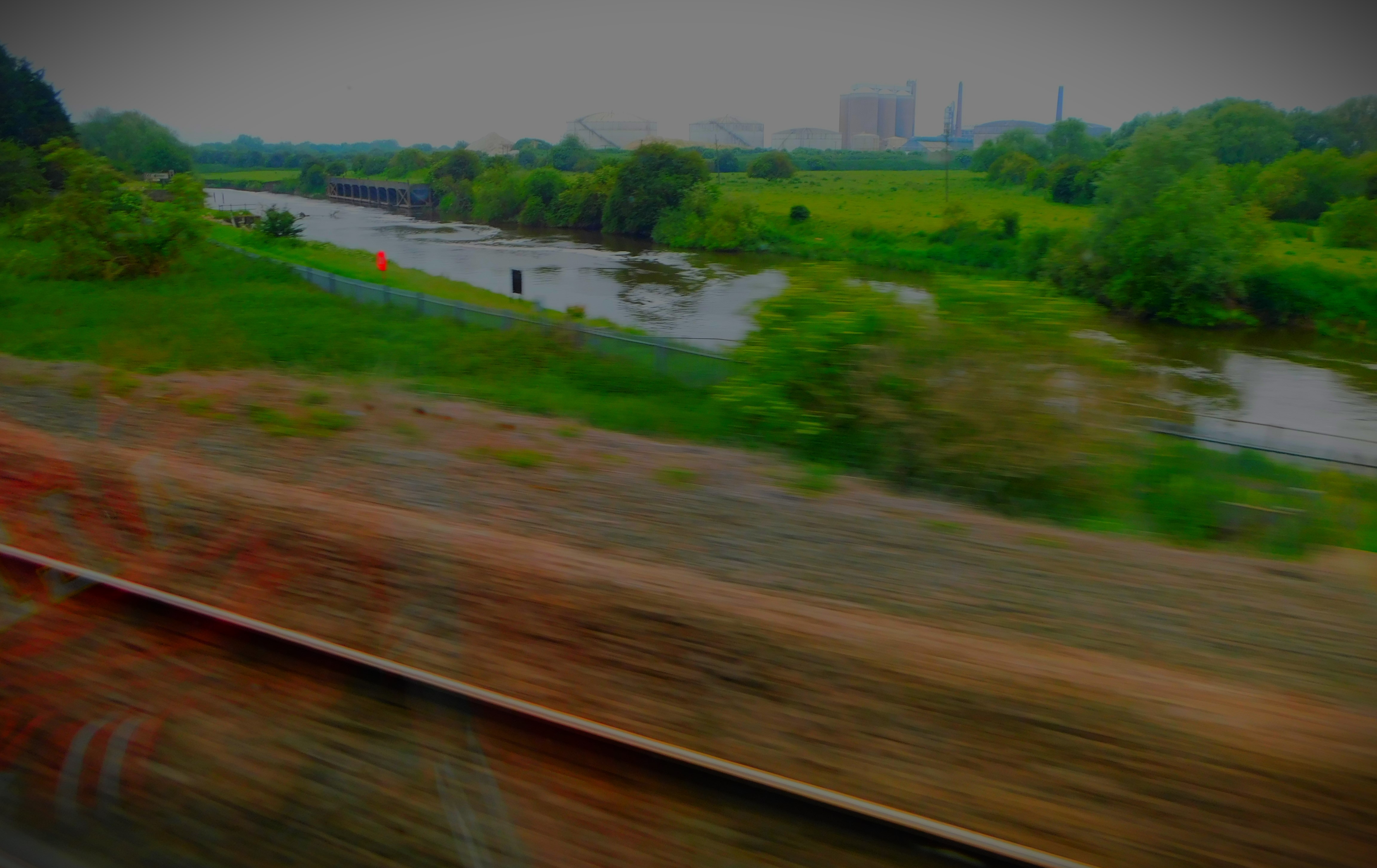
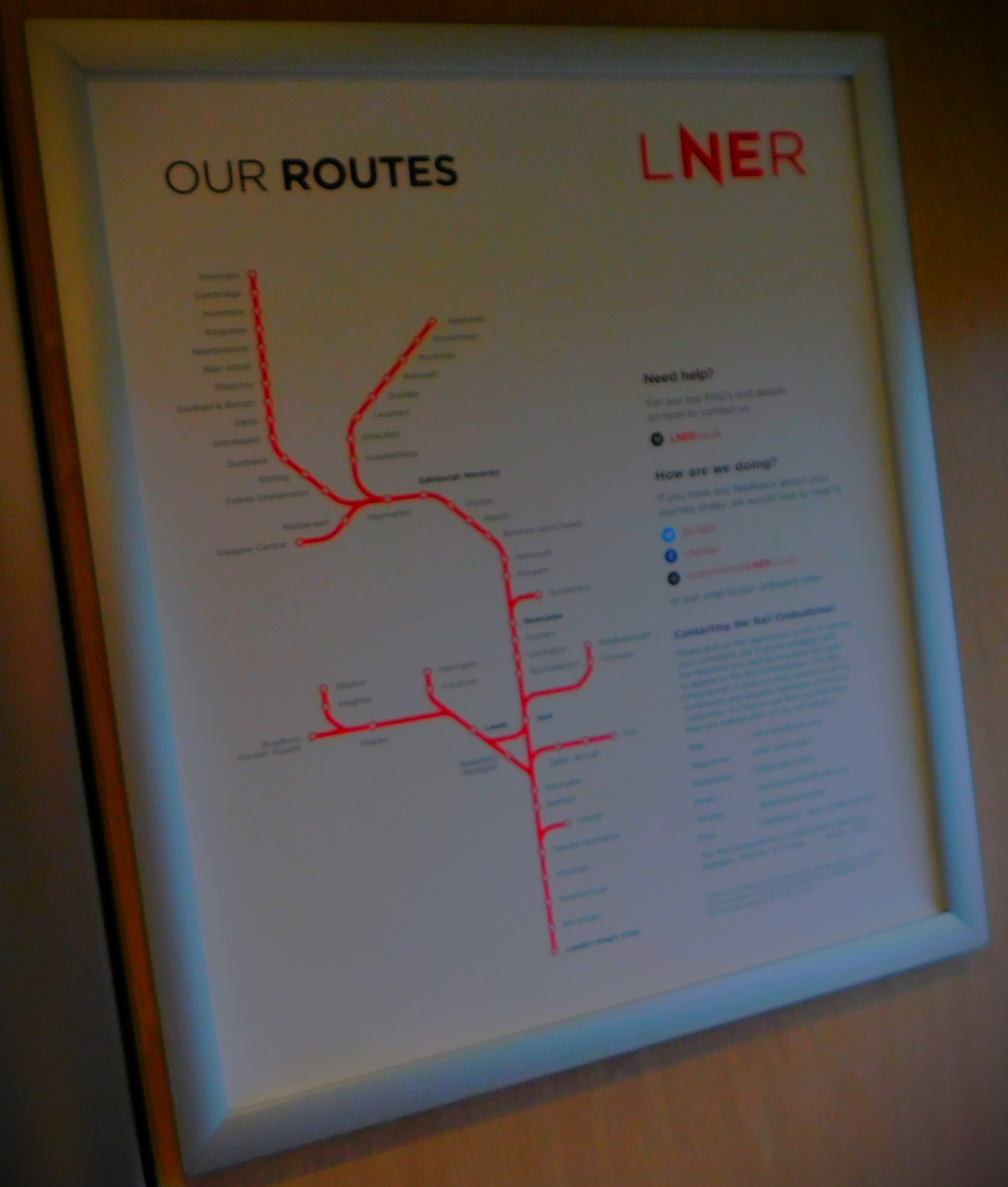
…it was that look at the departure information screen that blew my travel plans sky high. There in big red lettering against the 12:18 to Edinburgh Waverley was the dread word “CANCELLED”, along with a perfunctory line about a faulty train. Fortunately my parents were not by the point irretrievably committed, and we were able to arrange for me to get the 13:18 to Edinburgh, on which I had established that my ticket would still be valid, since the cancellation was entirely the fault of LNER, and they would pick me up there and we would go together in their car to be a place they had booked that was between Edinburgh and our final destination. There were a few problems around Edinburgh, but we got to where we were staying overnight in time for latish supper. The journey to Edinburgh, save for it being a crowded train (Sunday is a light travelling day, but a combination of a cancelled train and the fact that Sunderland had won a play off final and with it promotion to the Premiership on the Saturday meant that space was at a premium) to the extent that I did not get a seat until Newark Northgate. However, by the time of the stretch between York and Edinburgh, which is where all the scenic stuff is I was not merely seated, I was in a window seat, albeit facing against the direction of travel.
PHOTOGRAPHS
Here is my photo gallery…
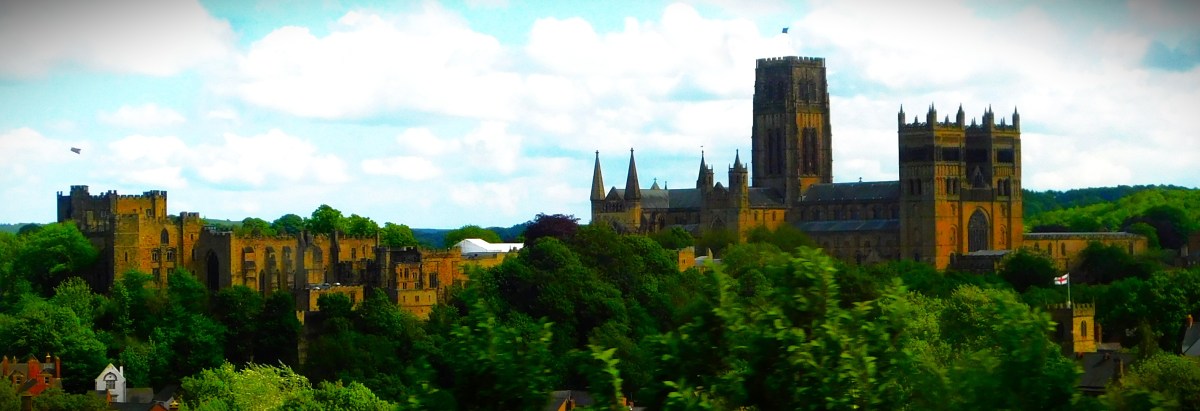
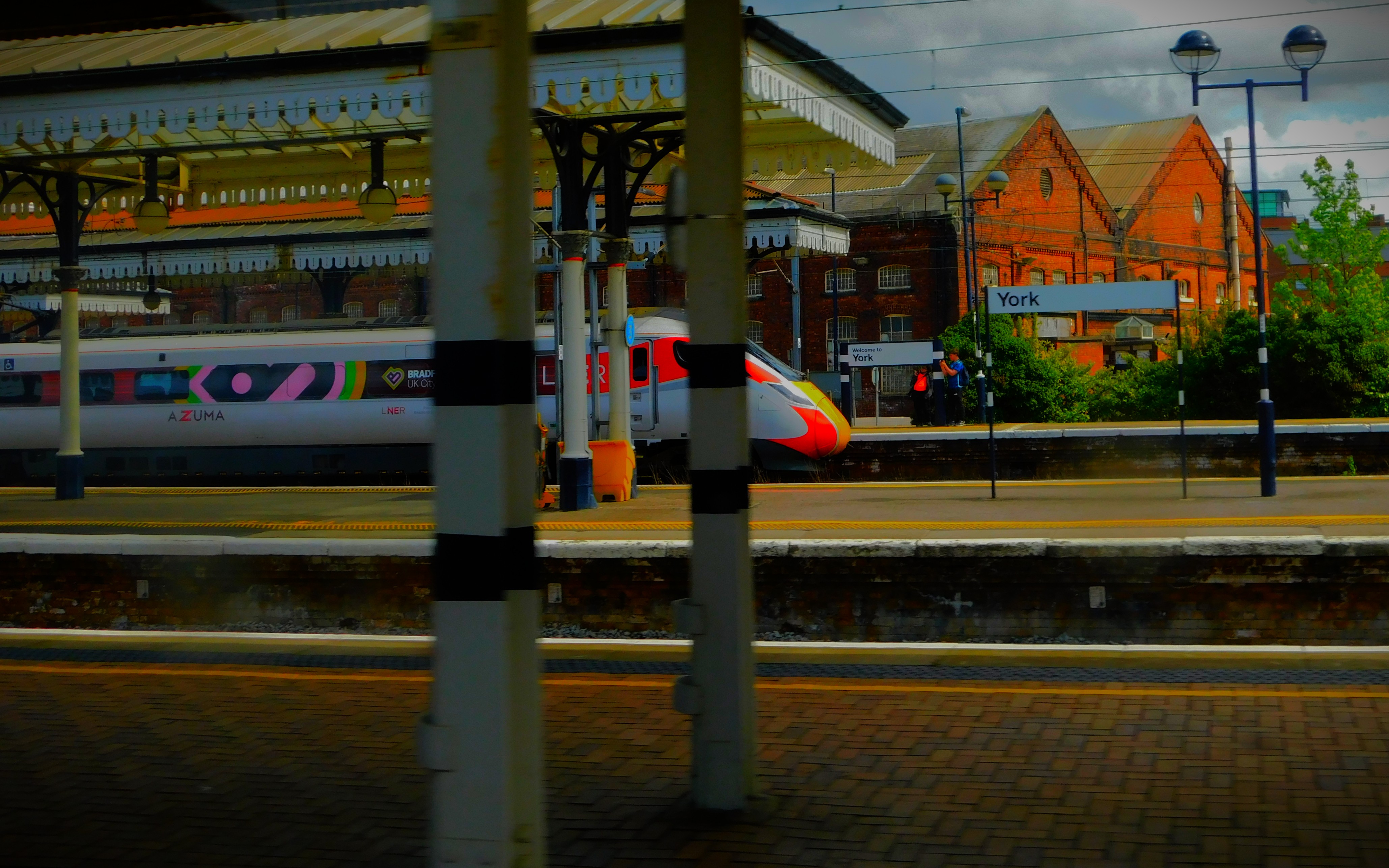
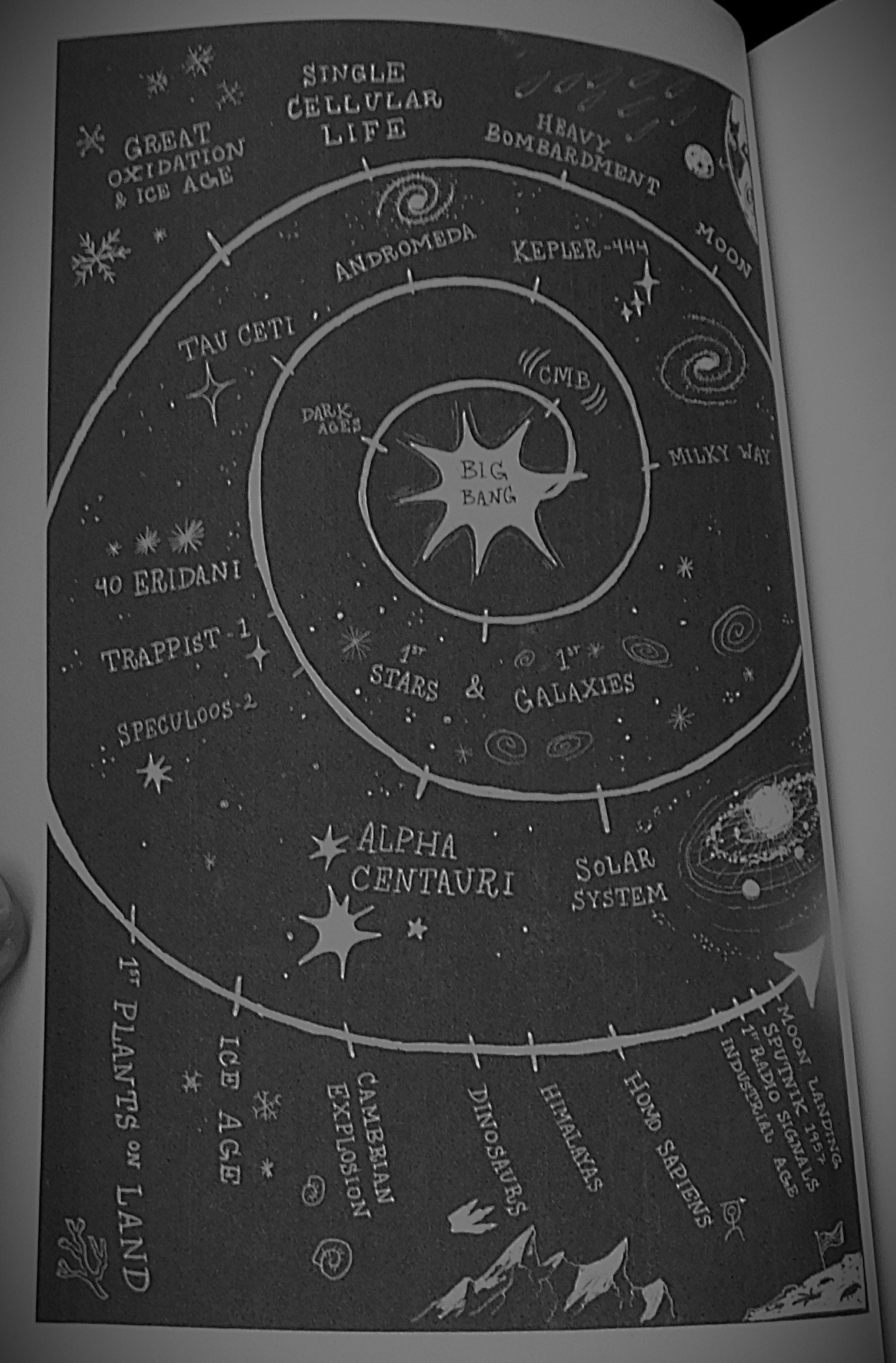
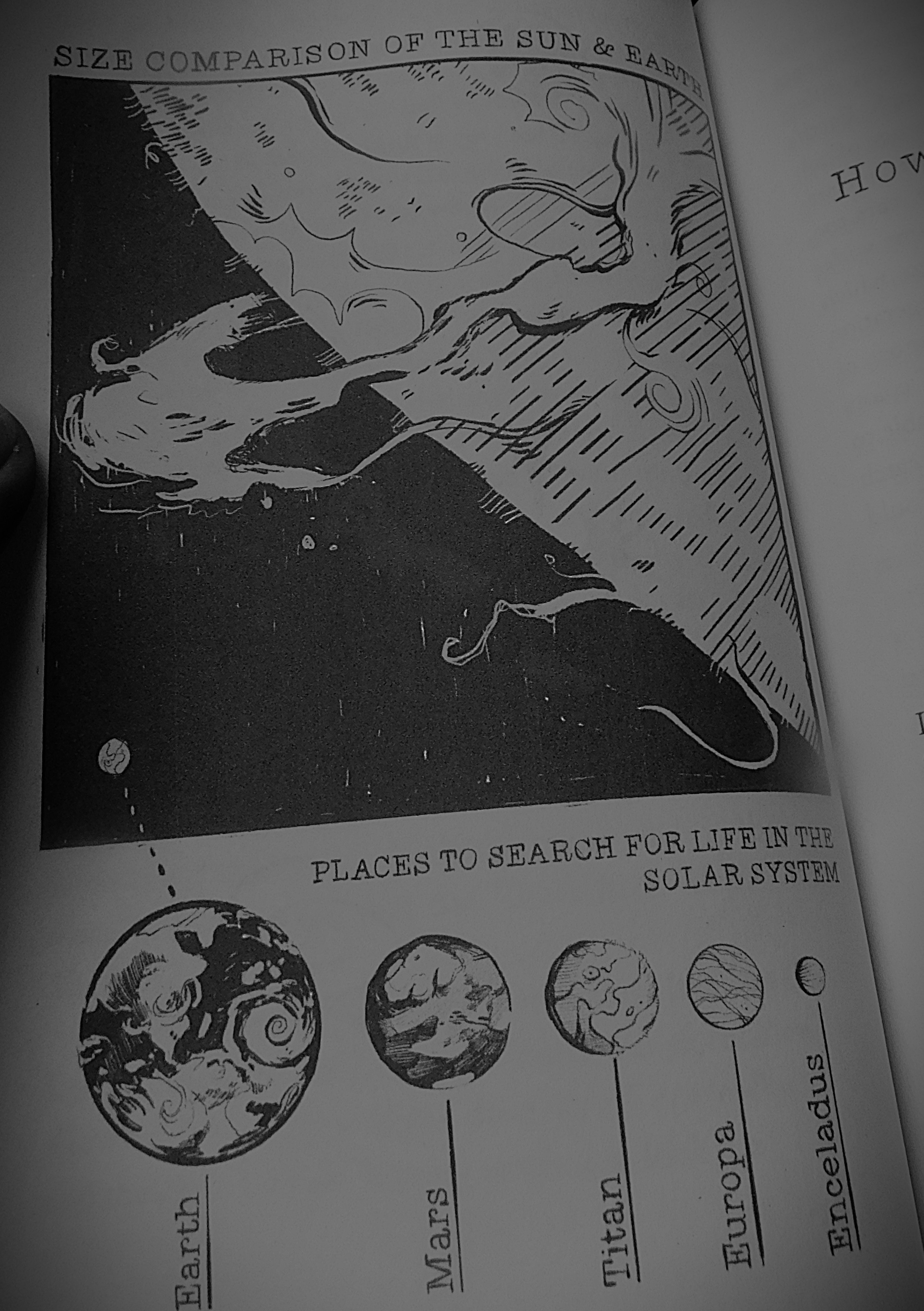
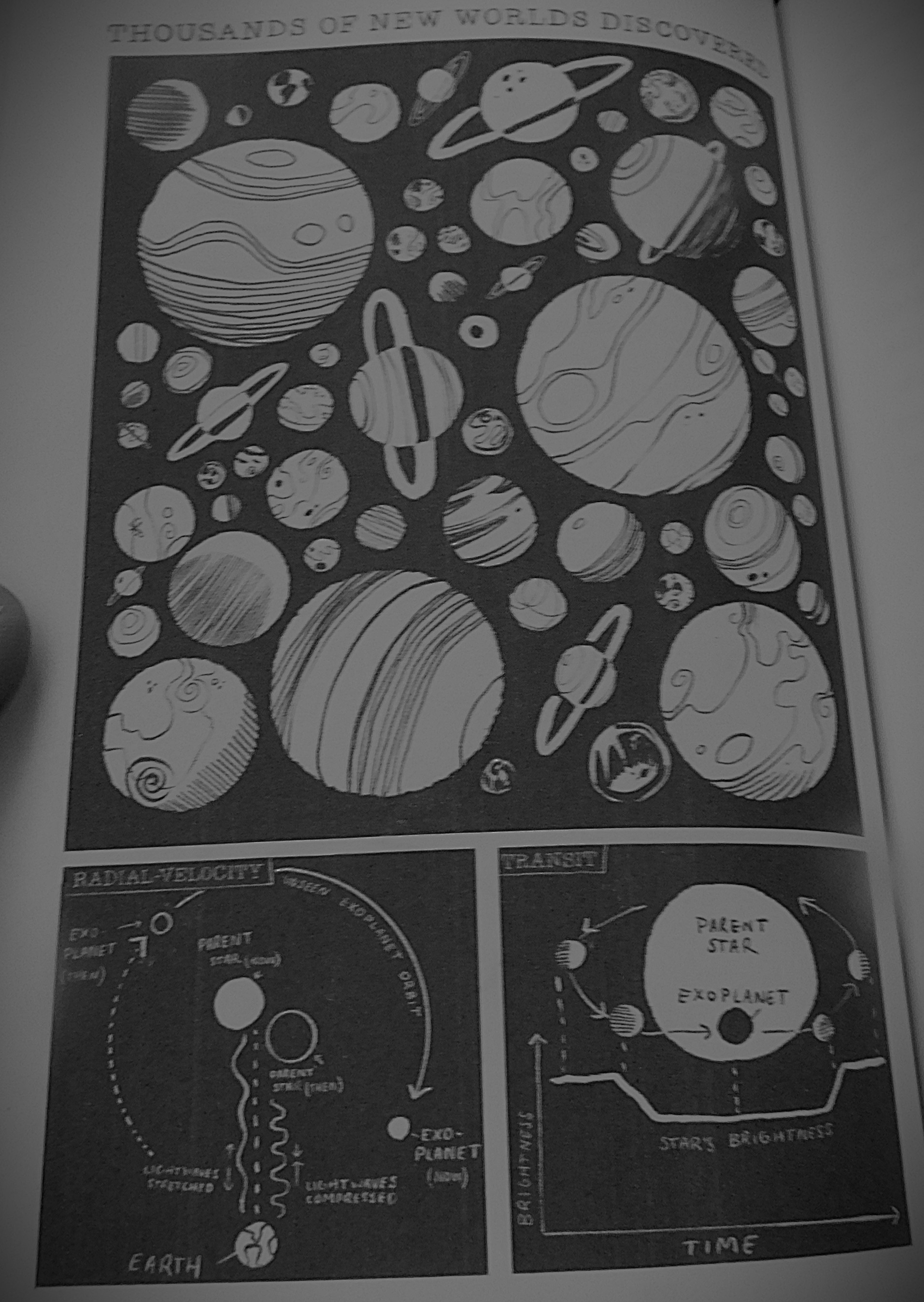
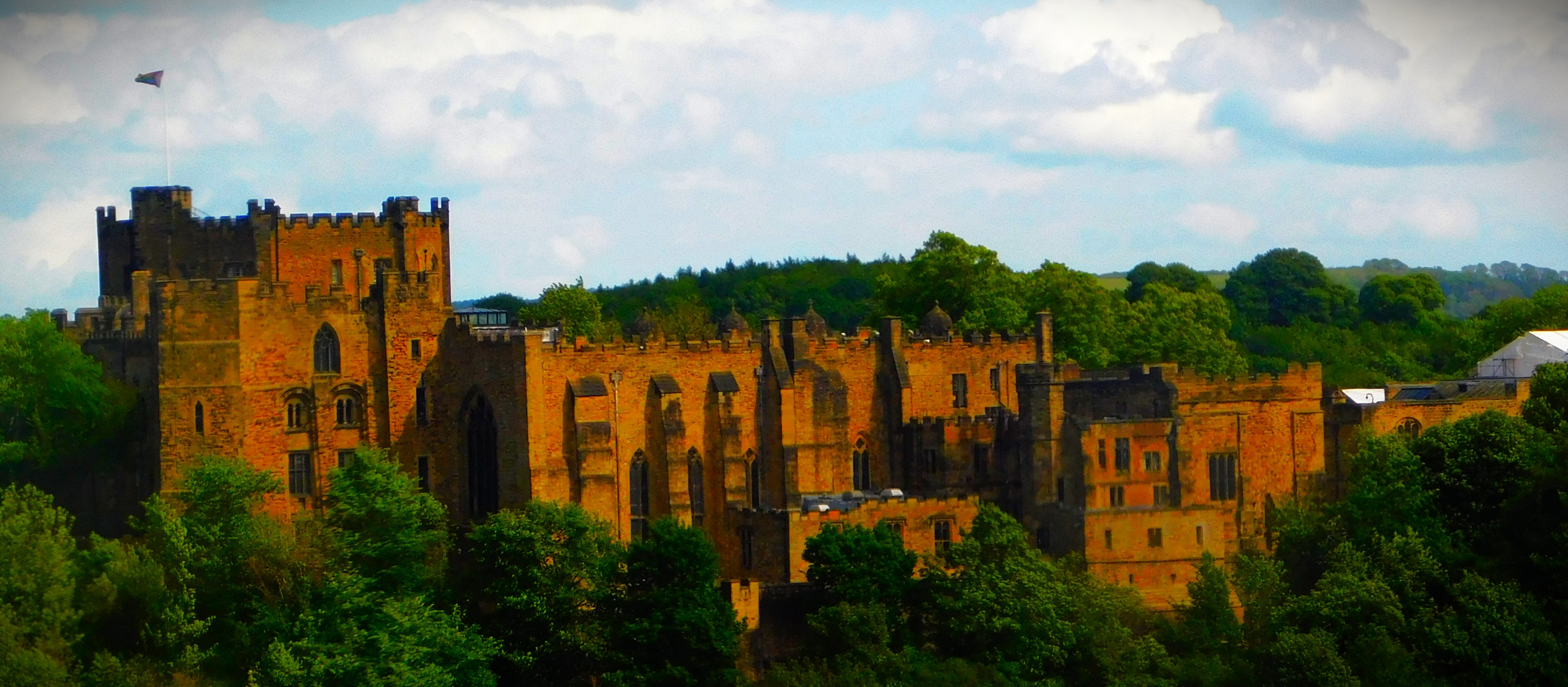
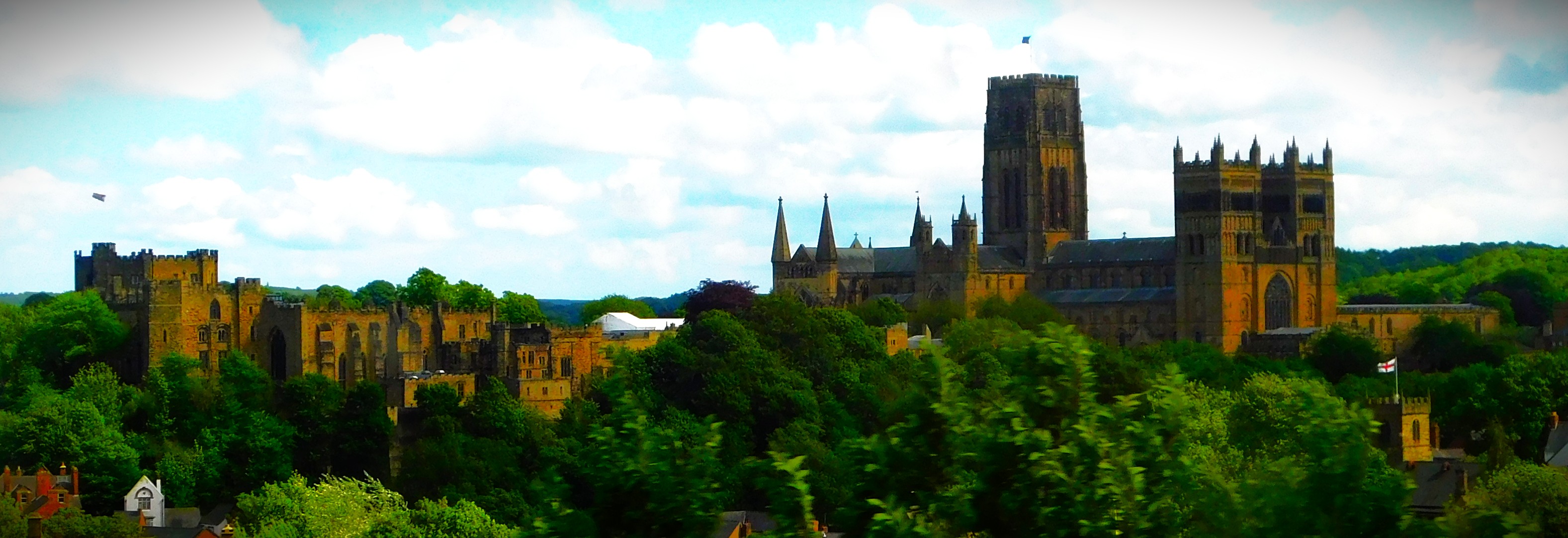
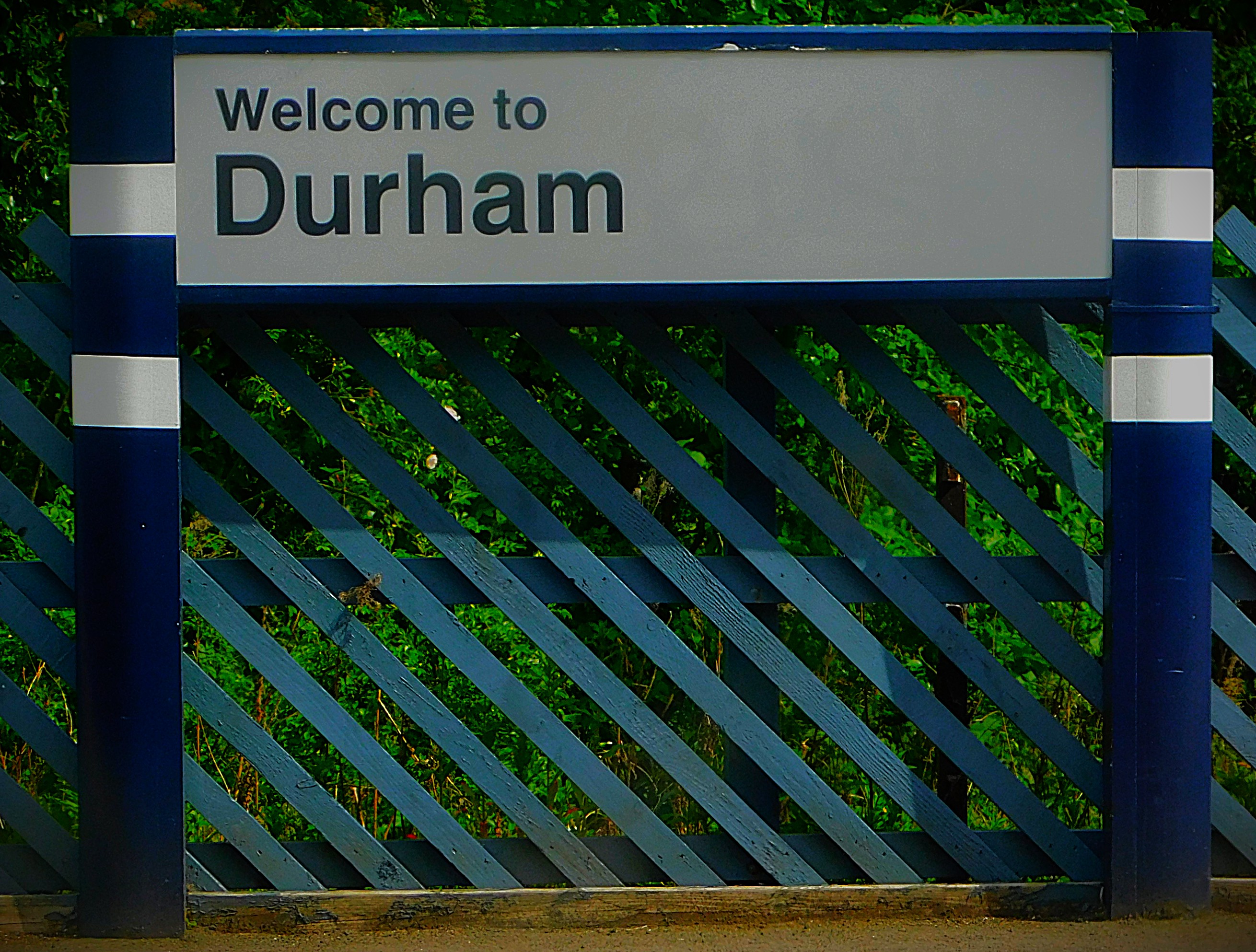
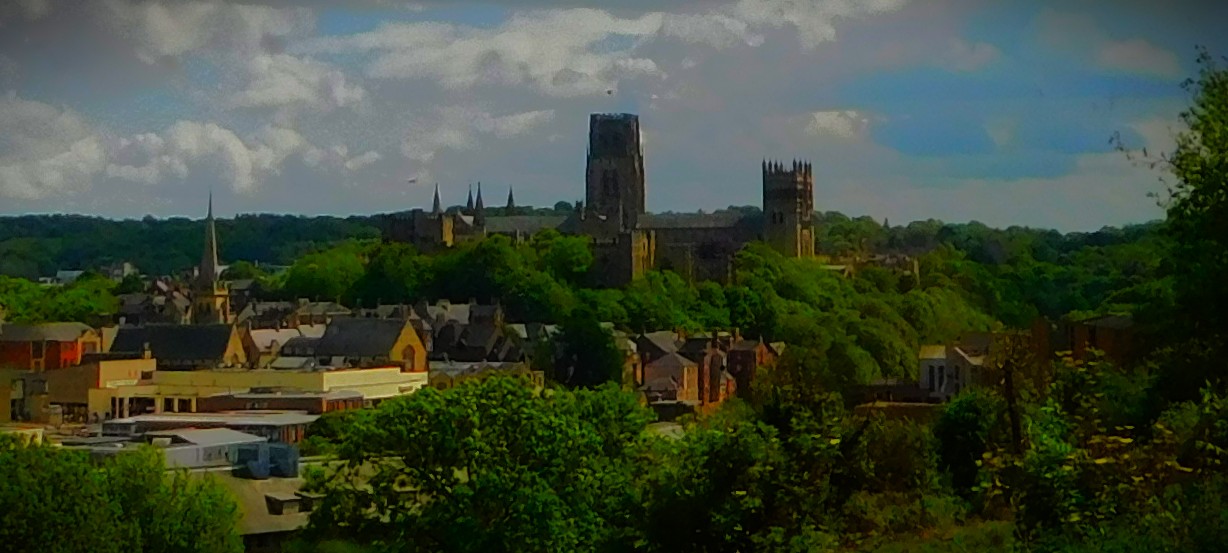
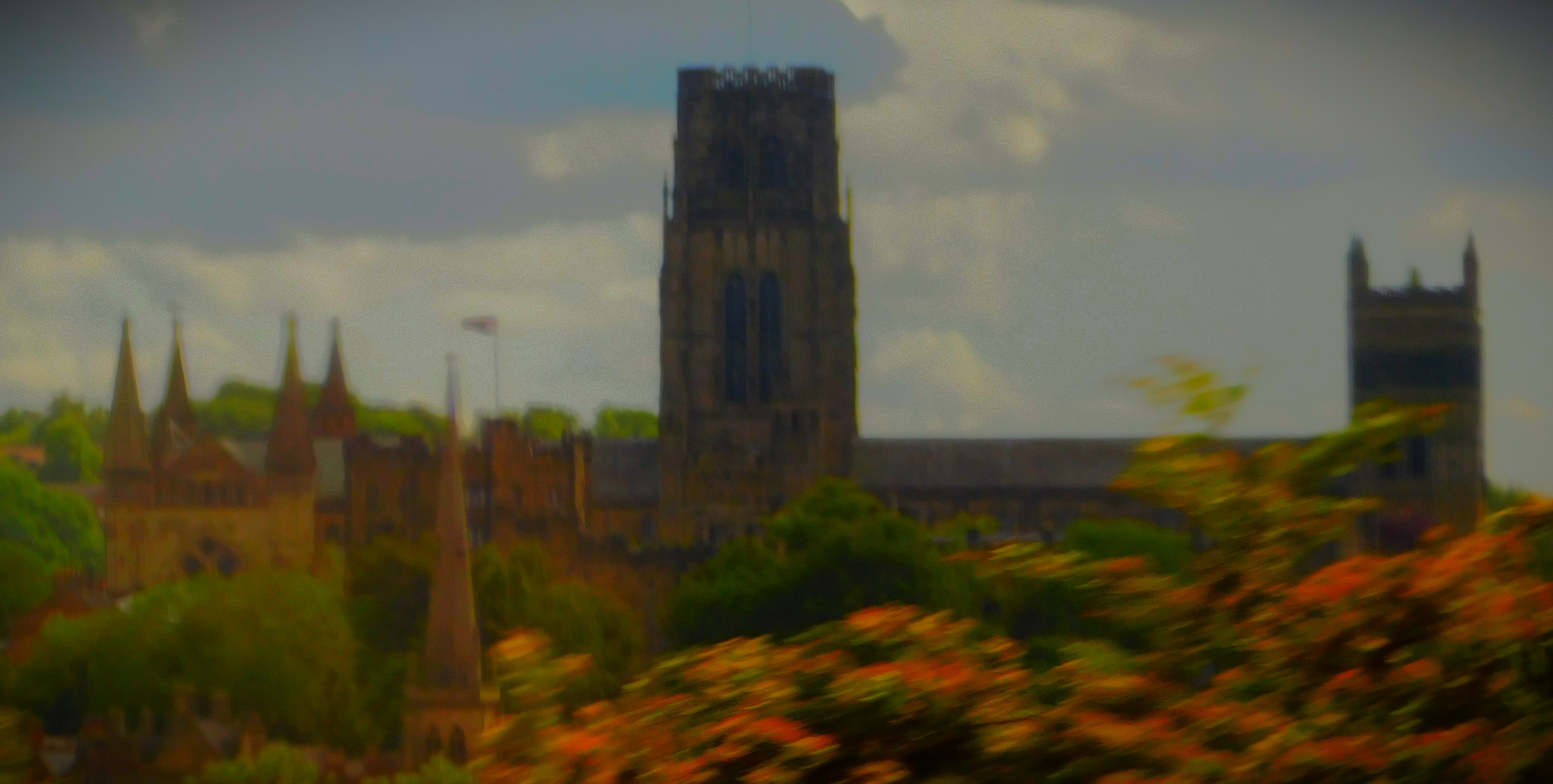
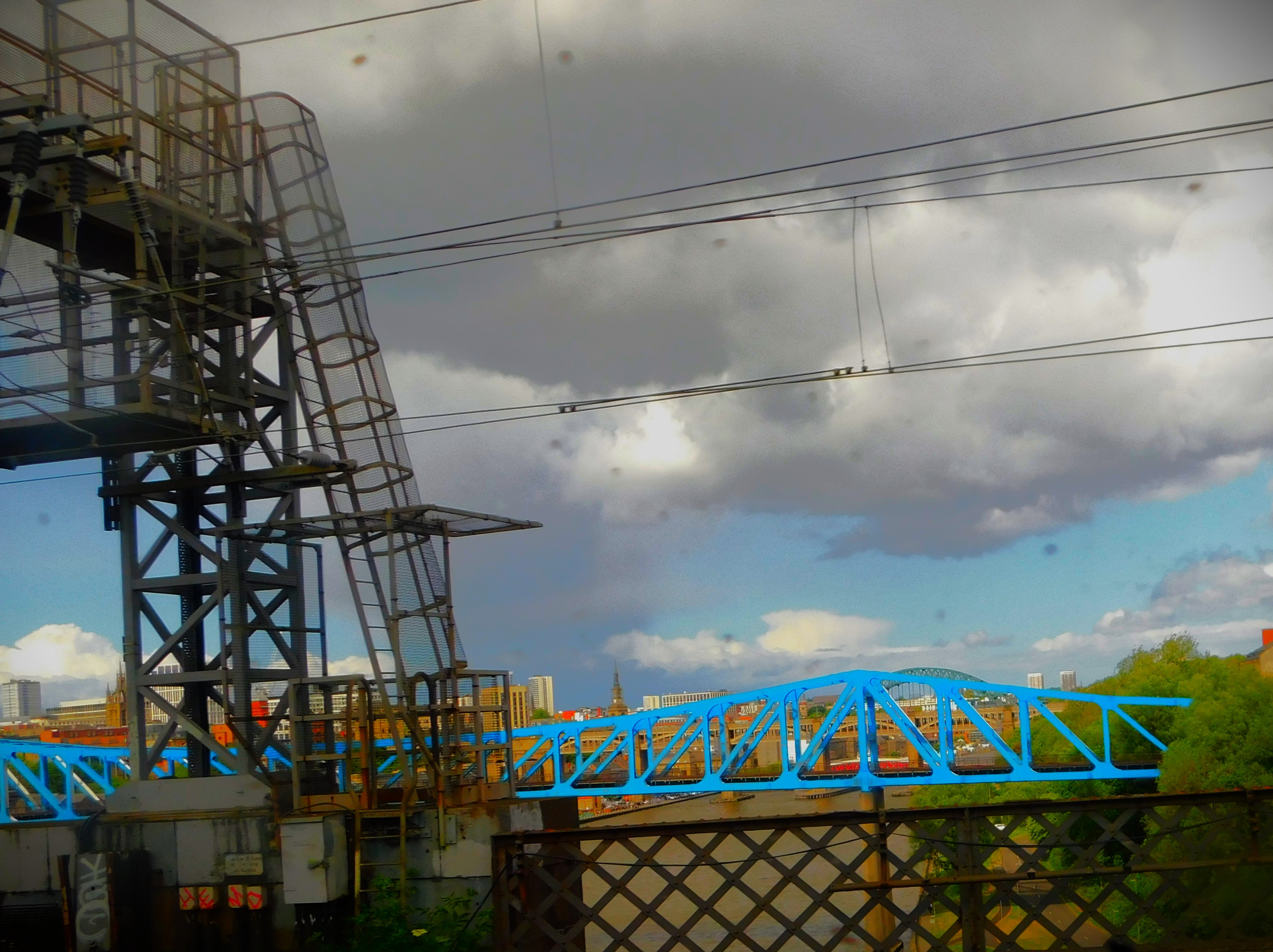
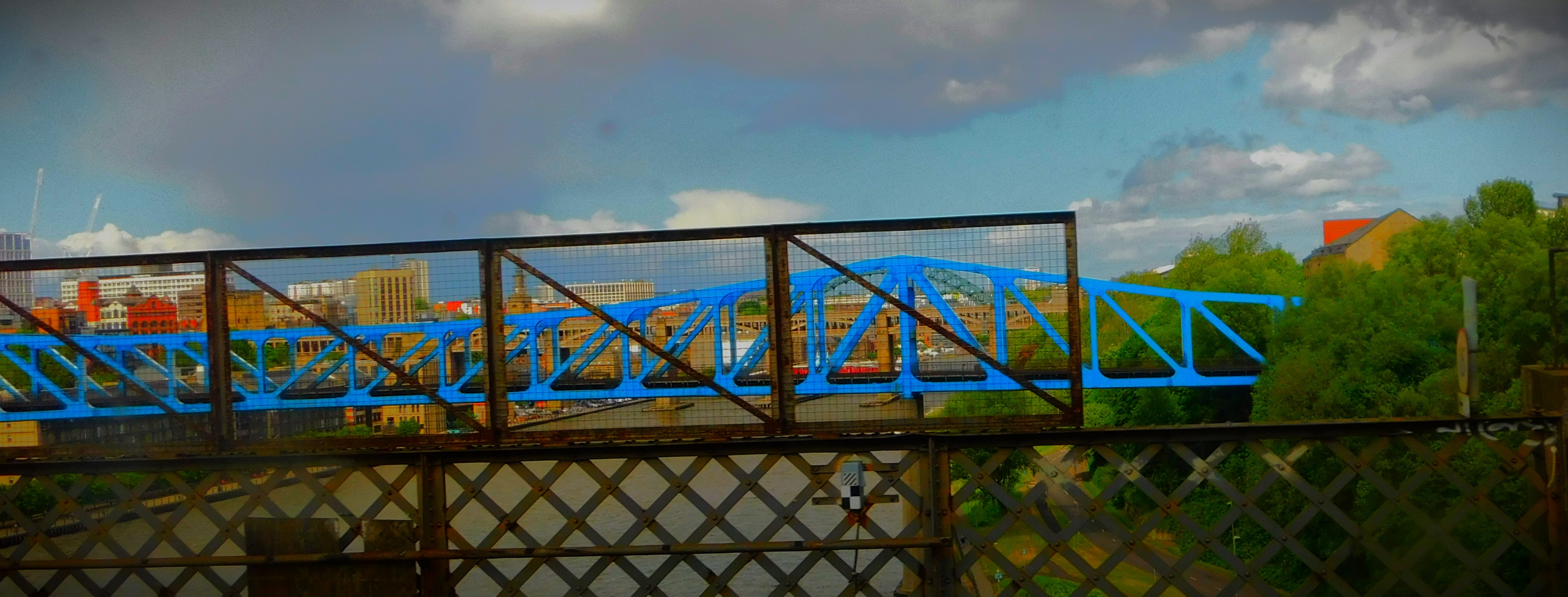
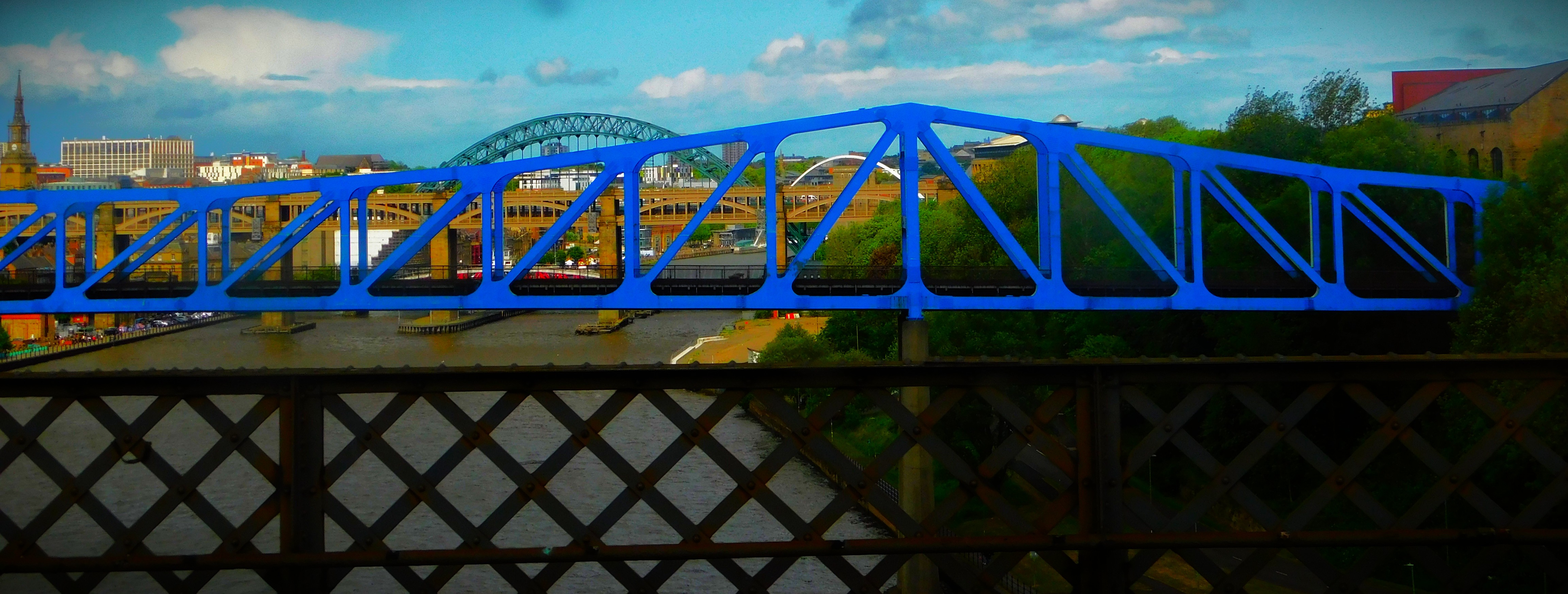
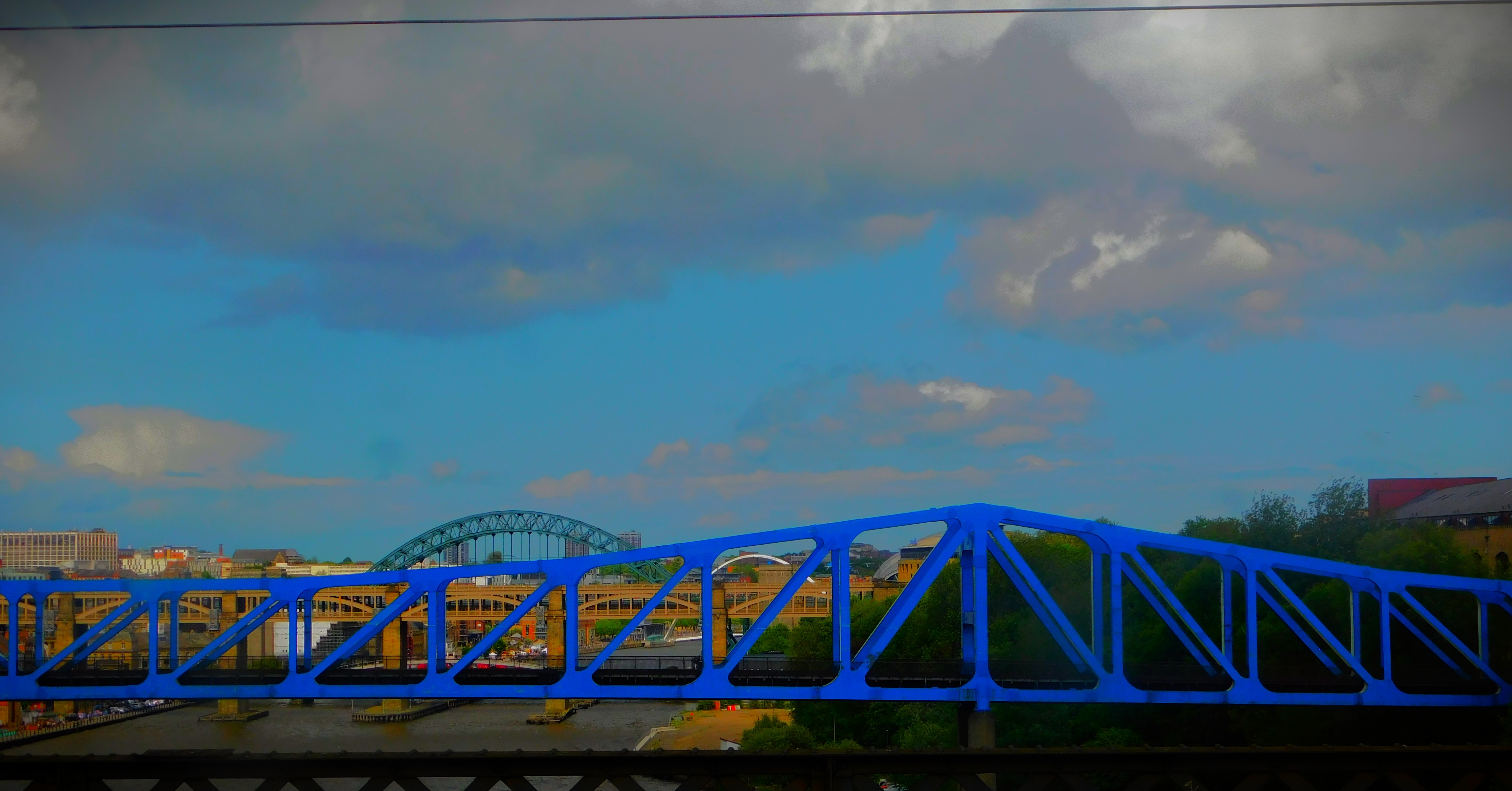
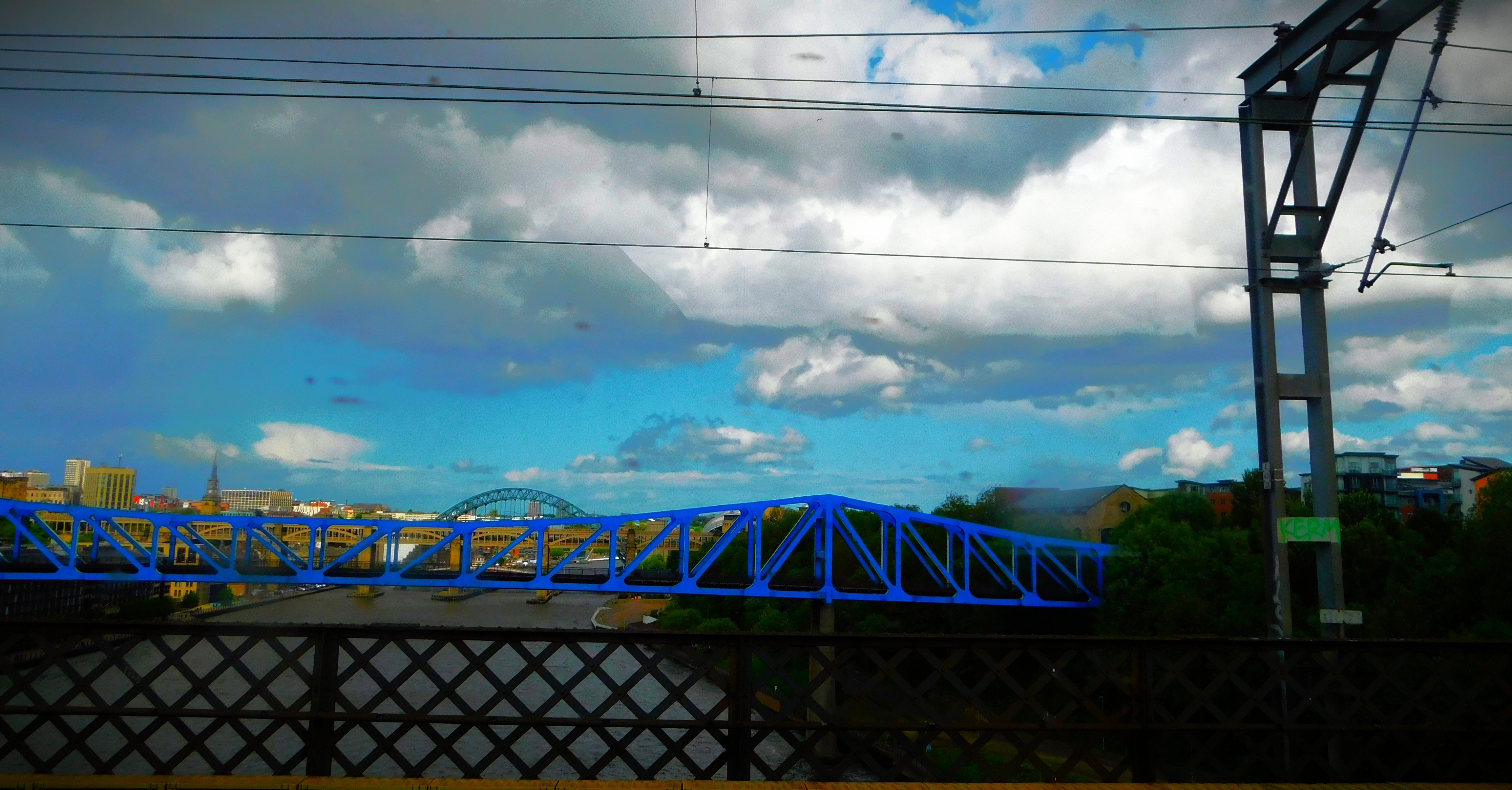
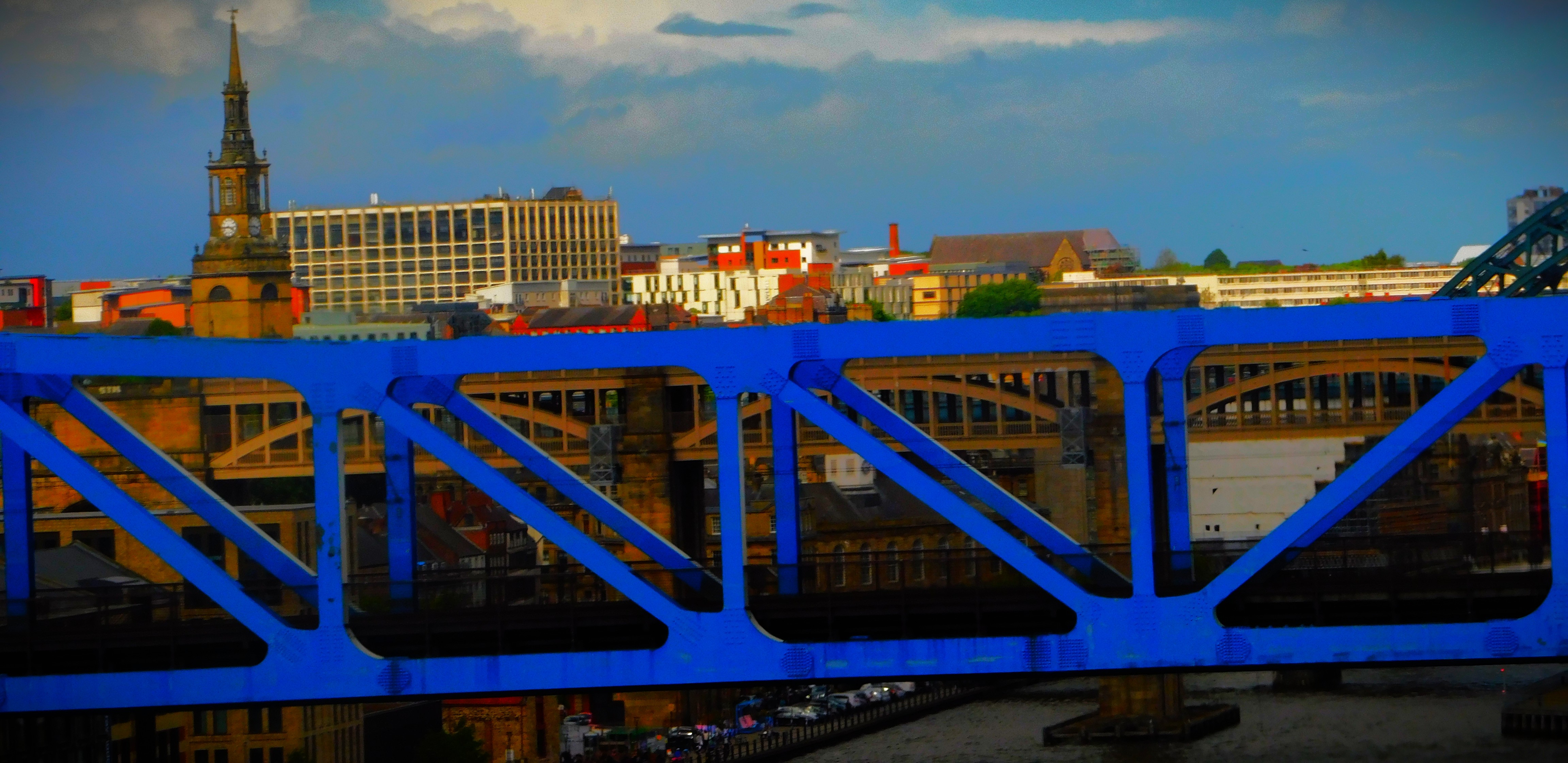
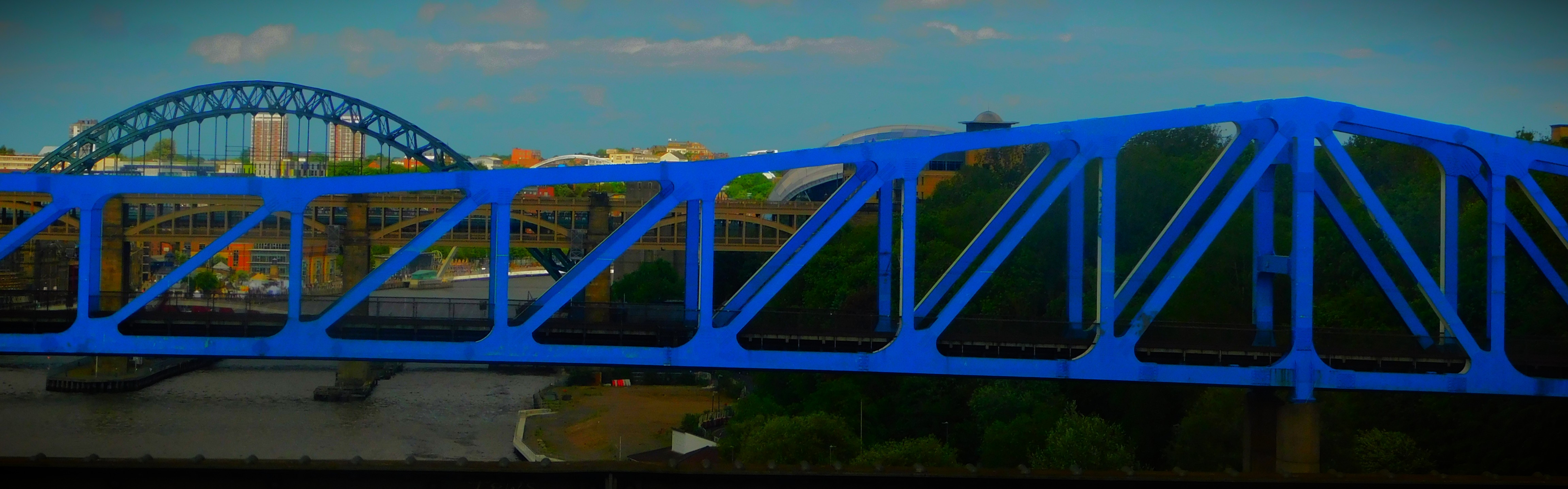
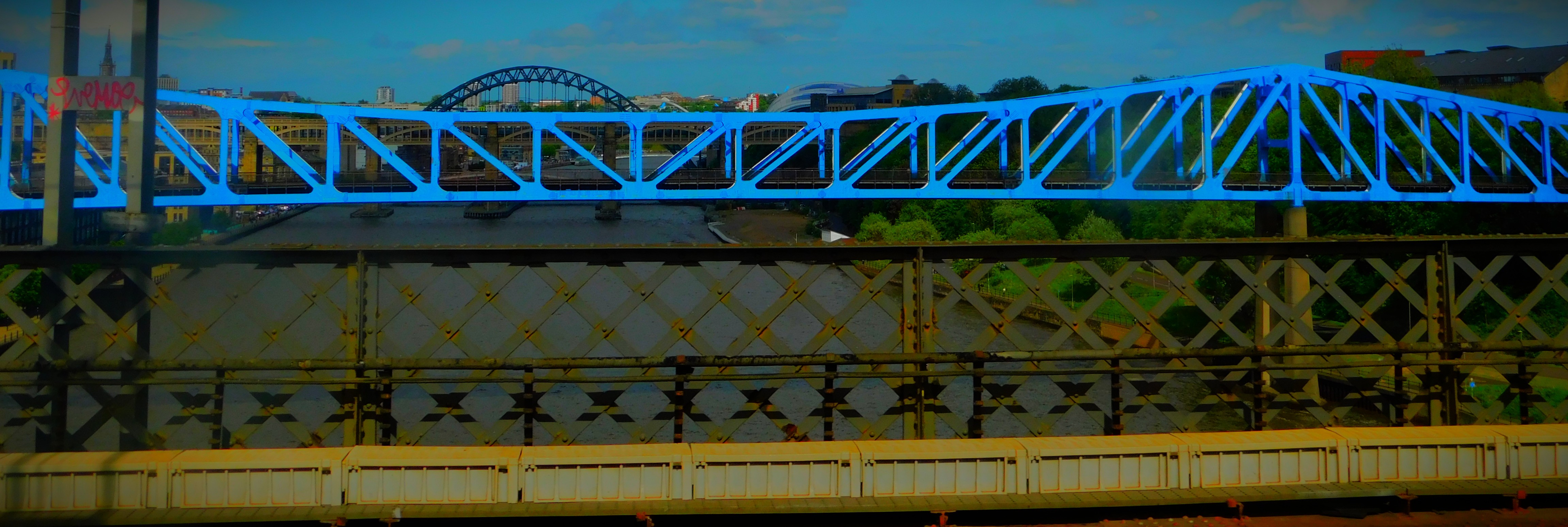
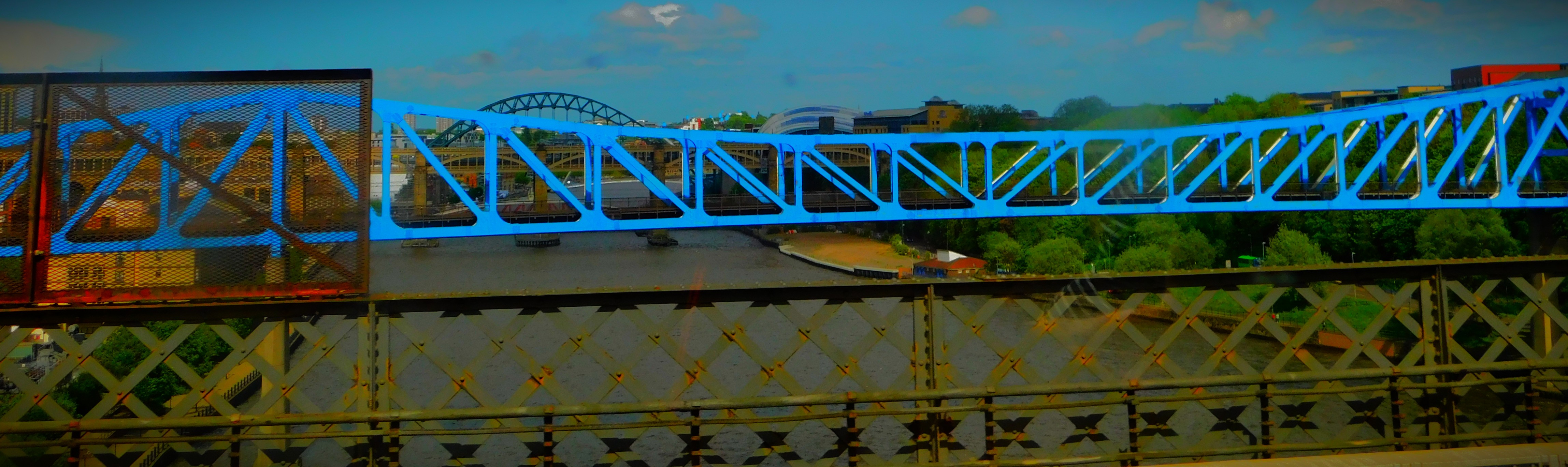
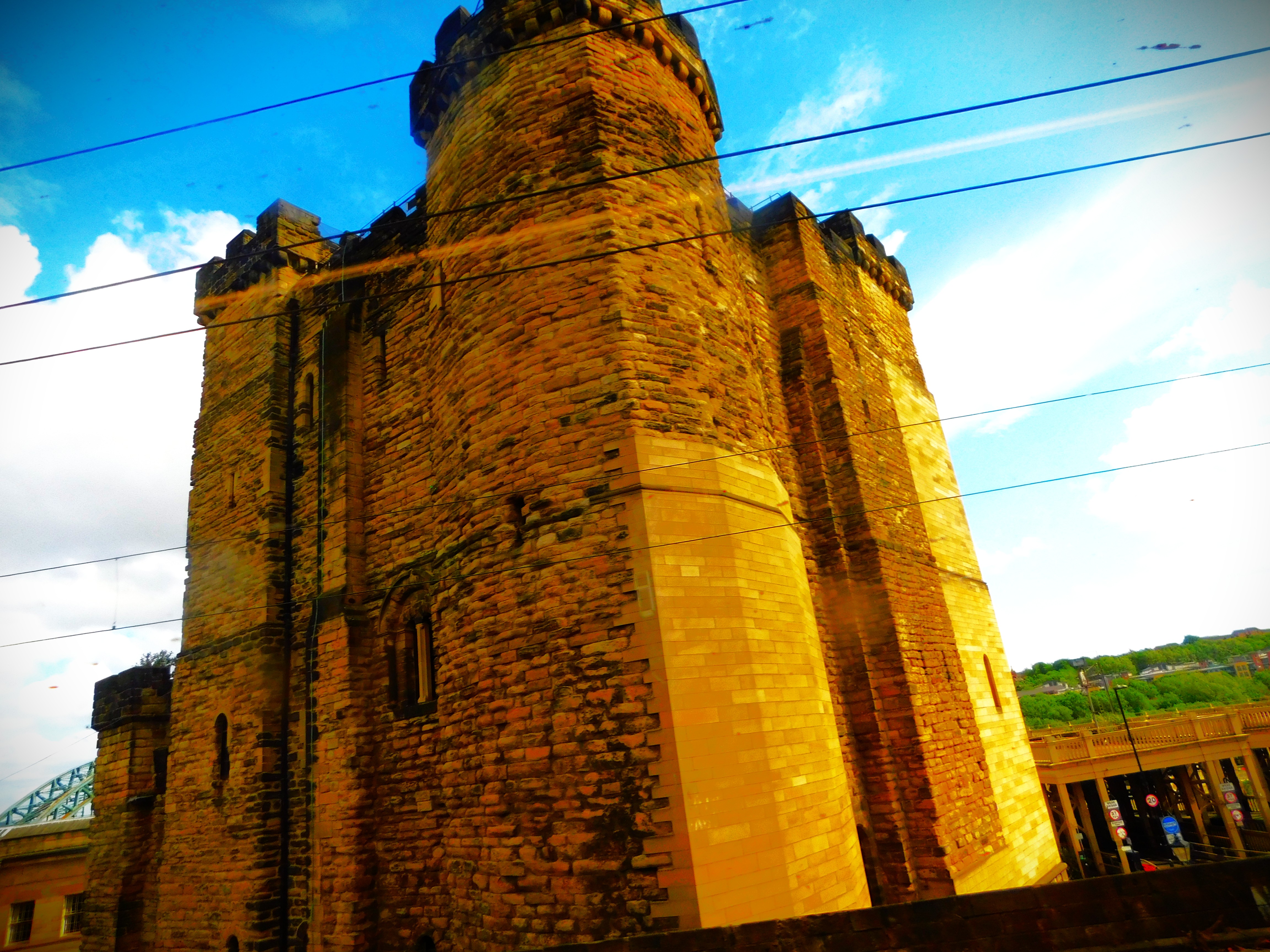
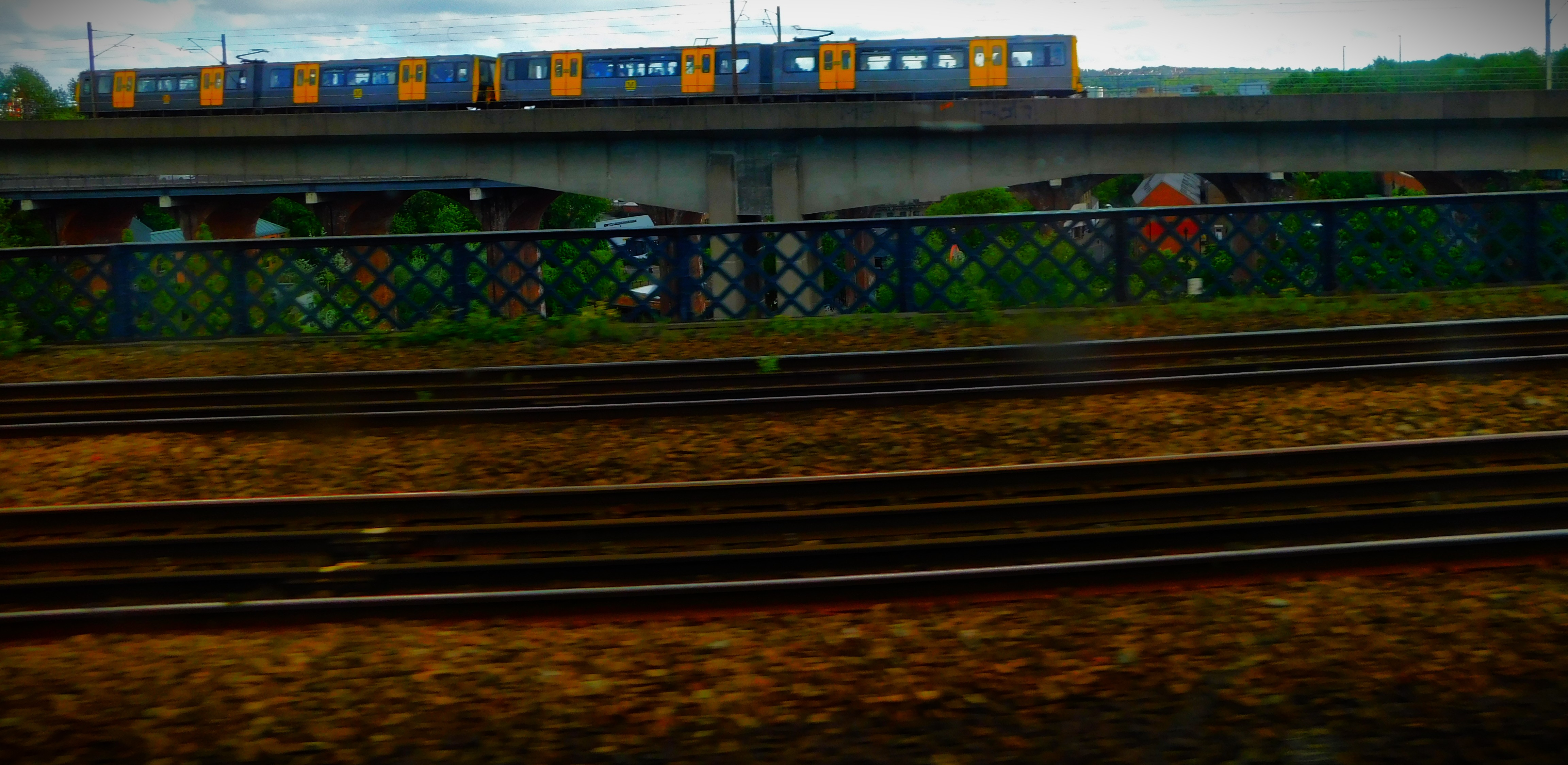
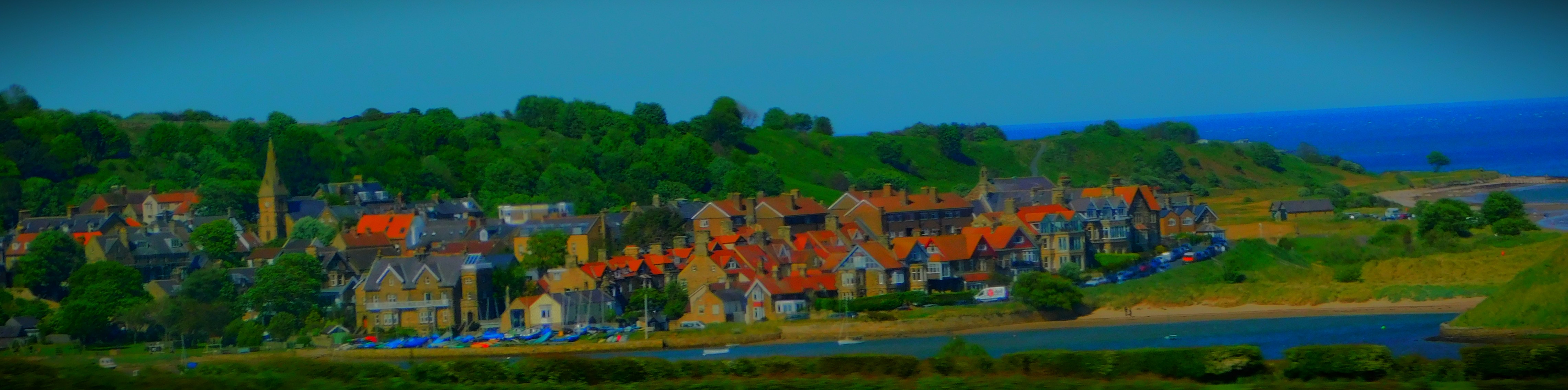
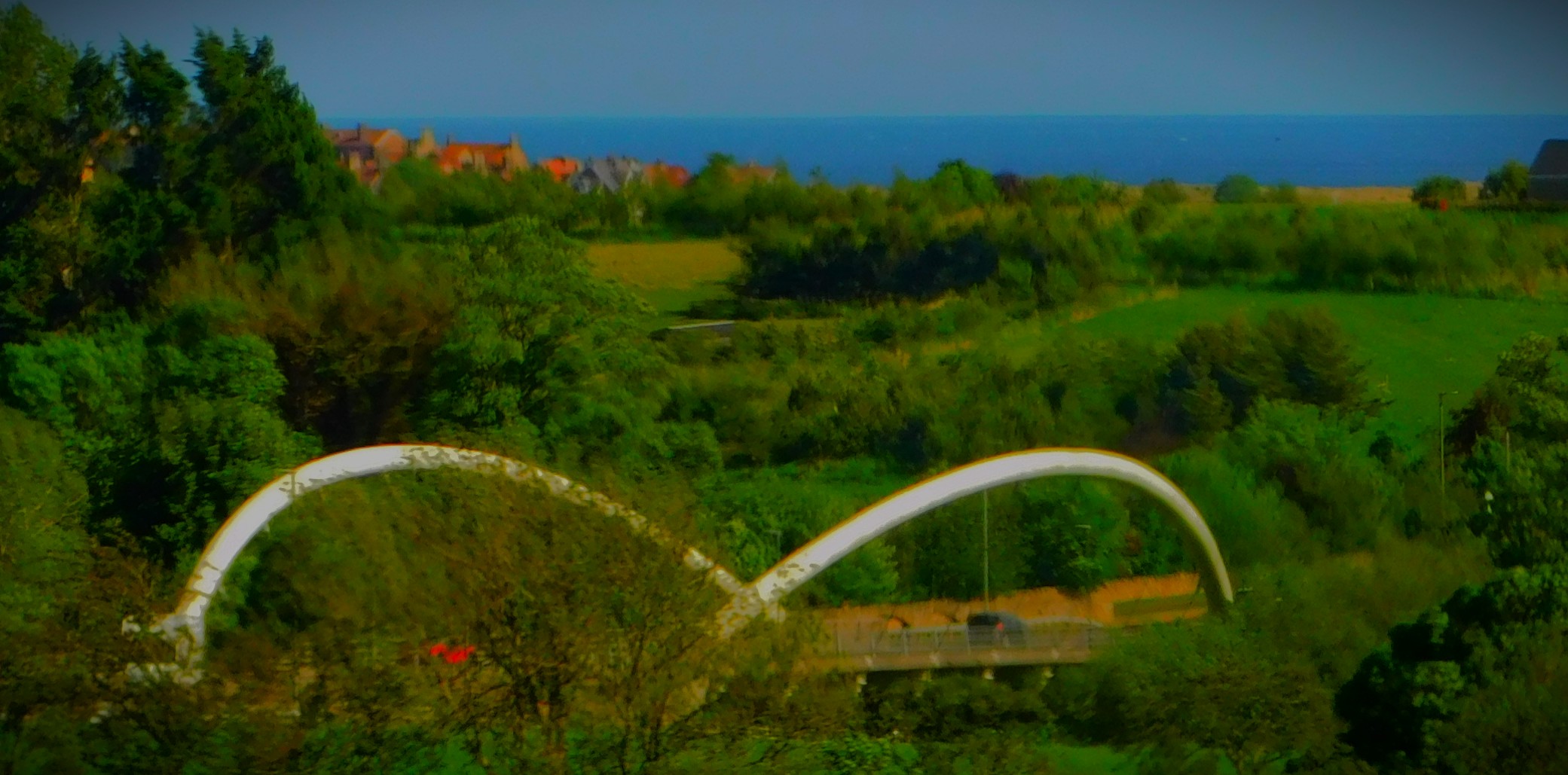
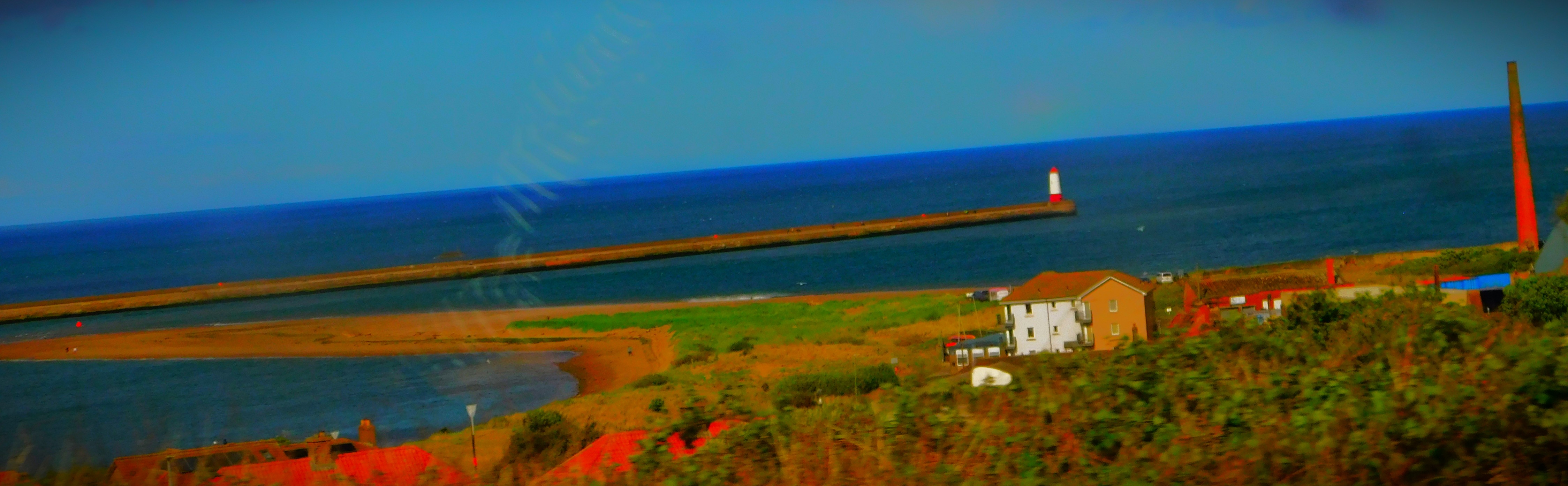
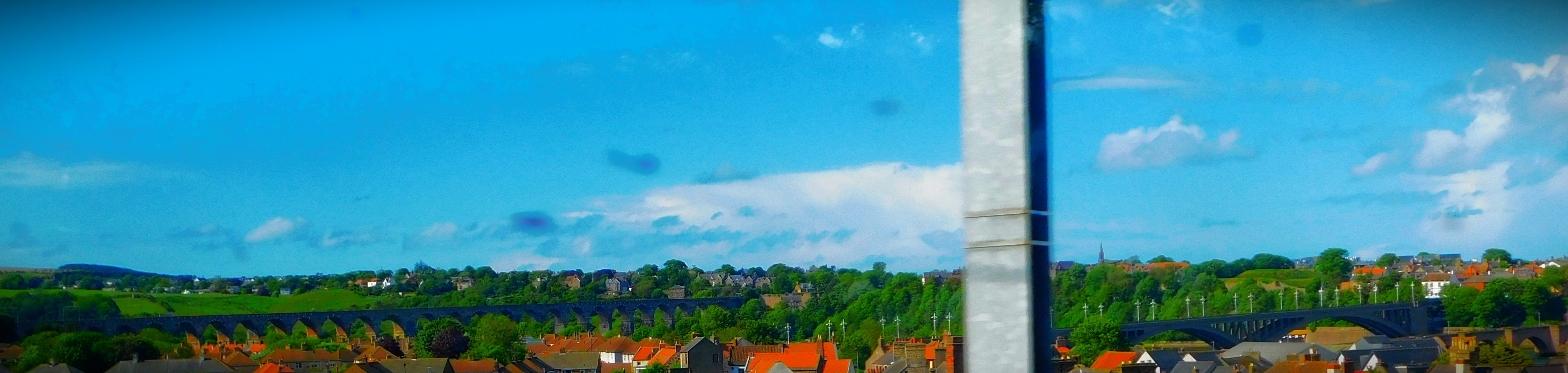
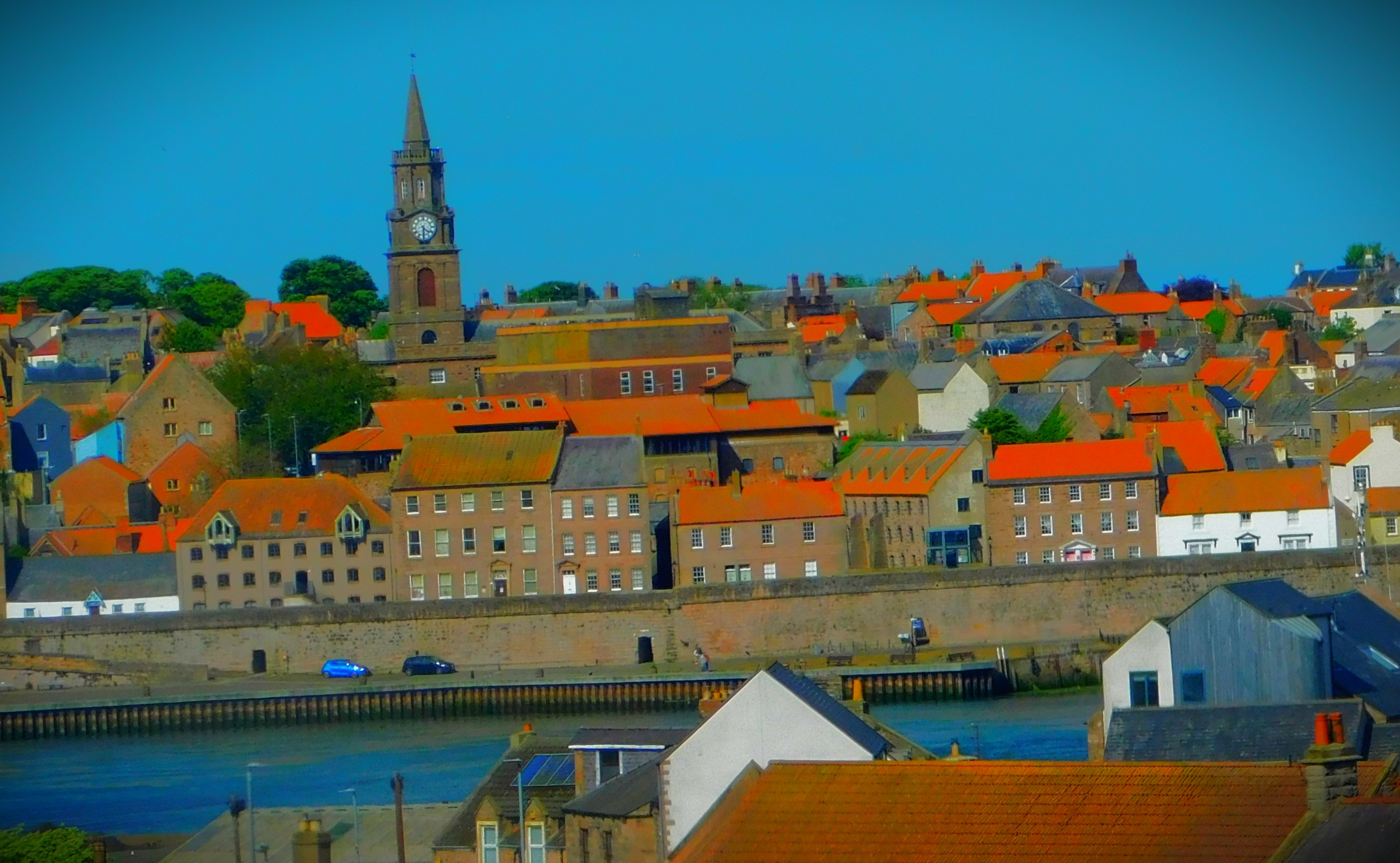
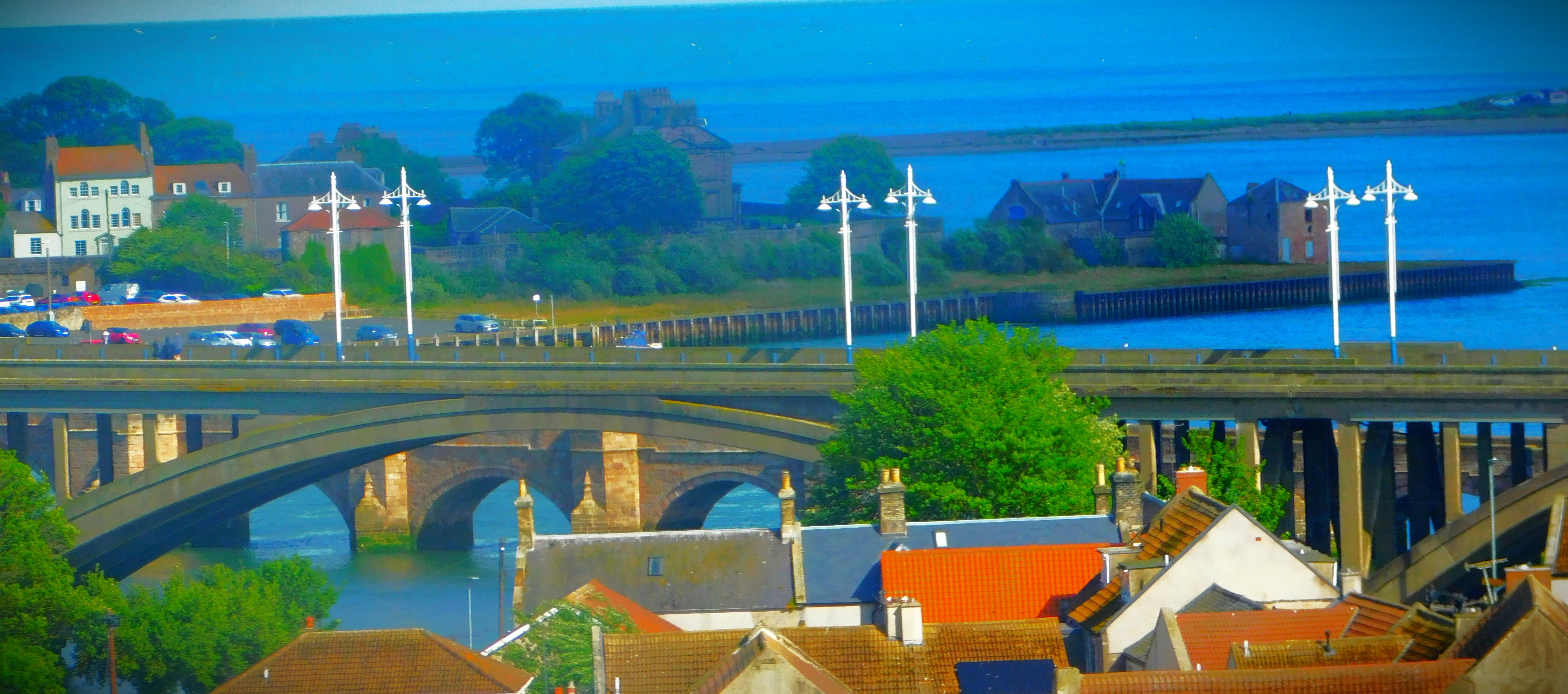
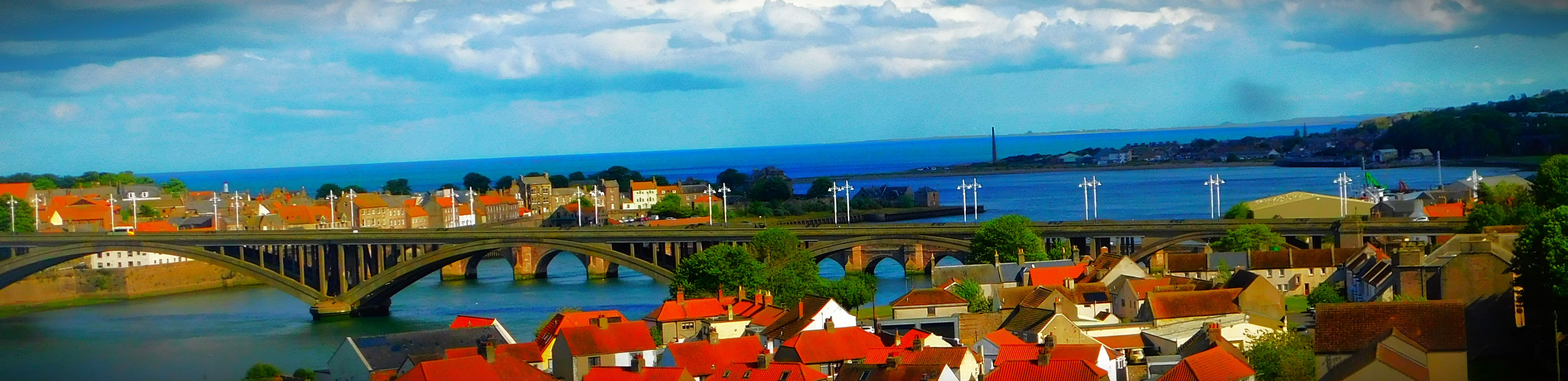
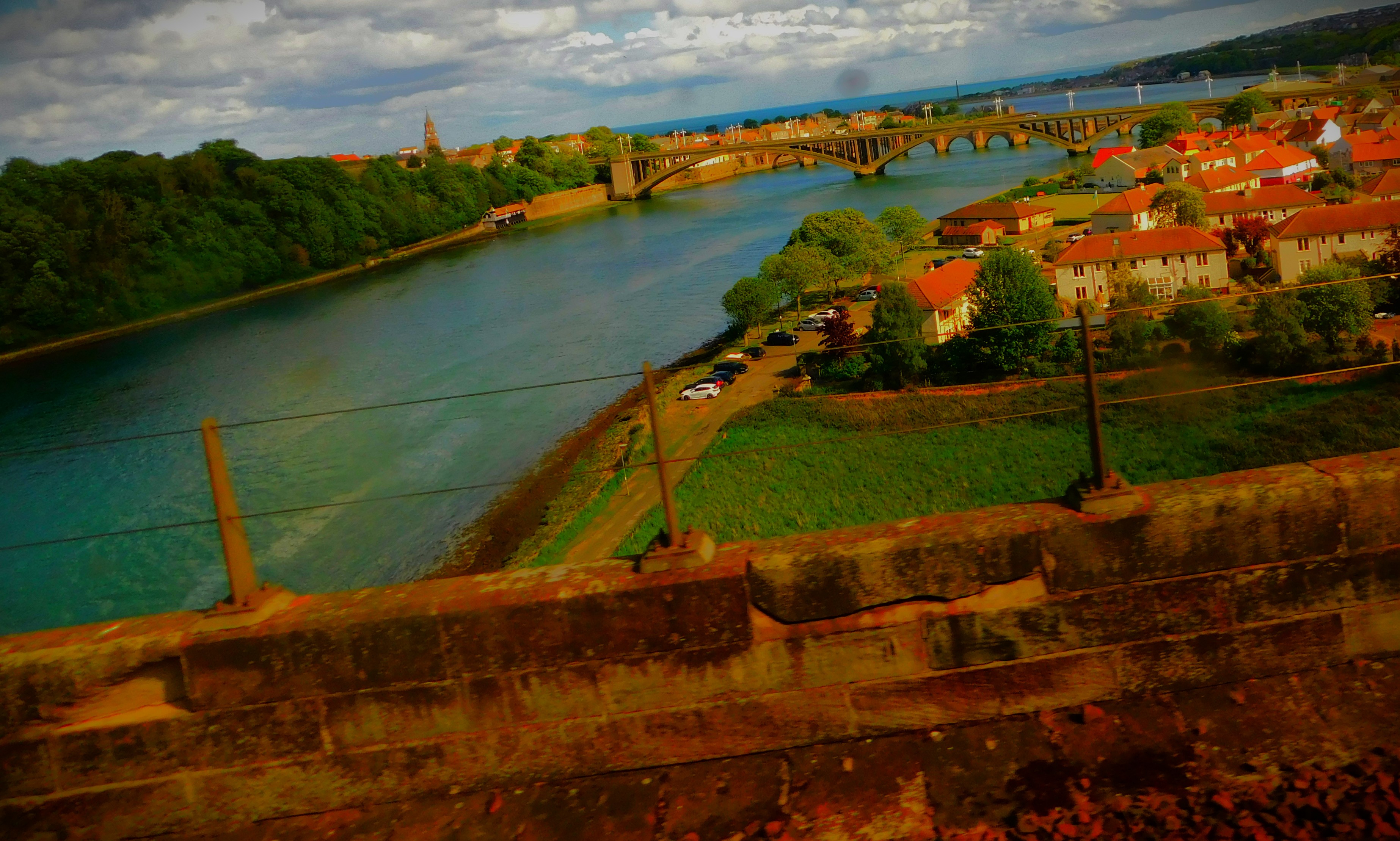
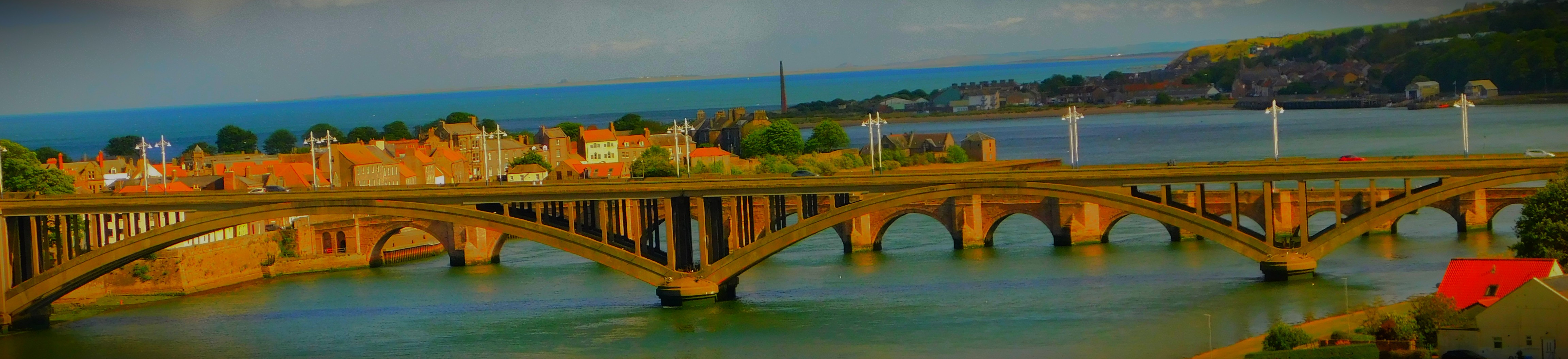
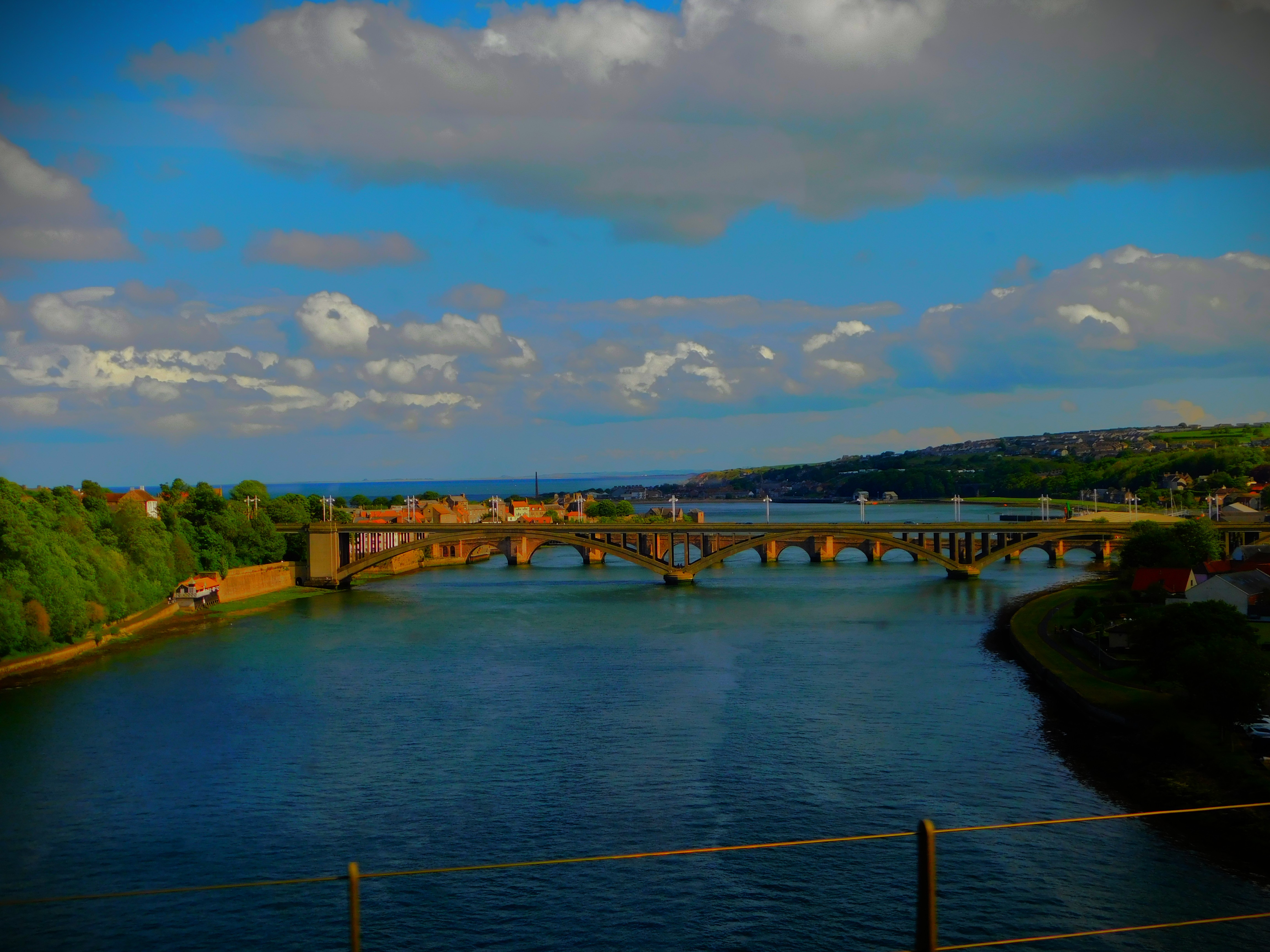
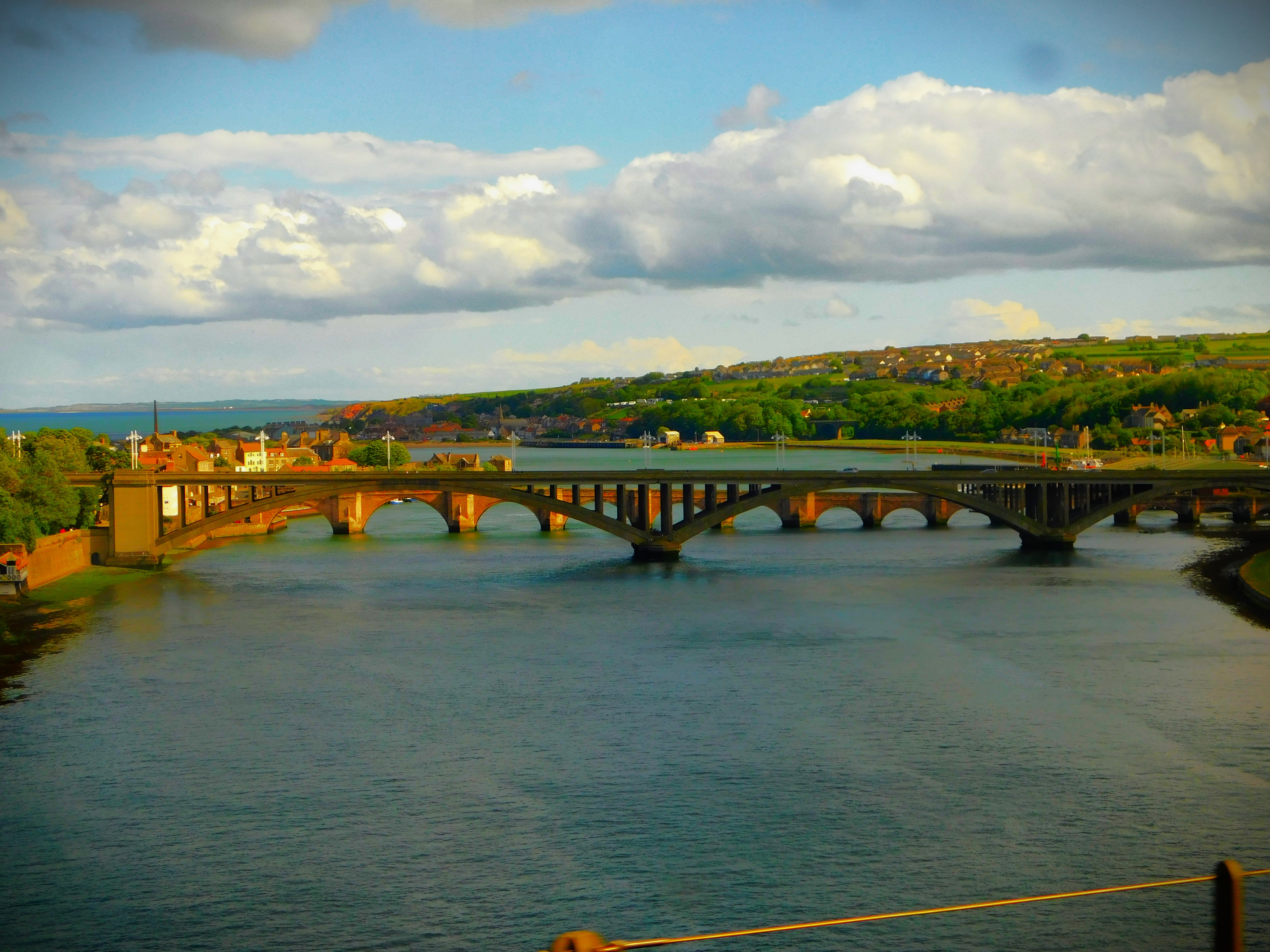
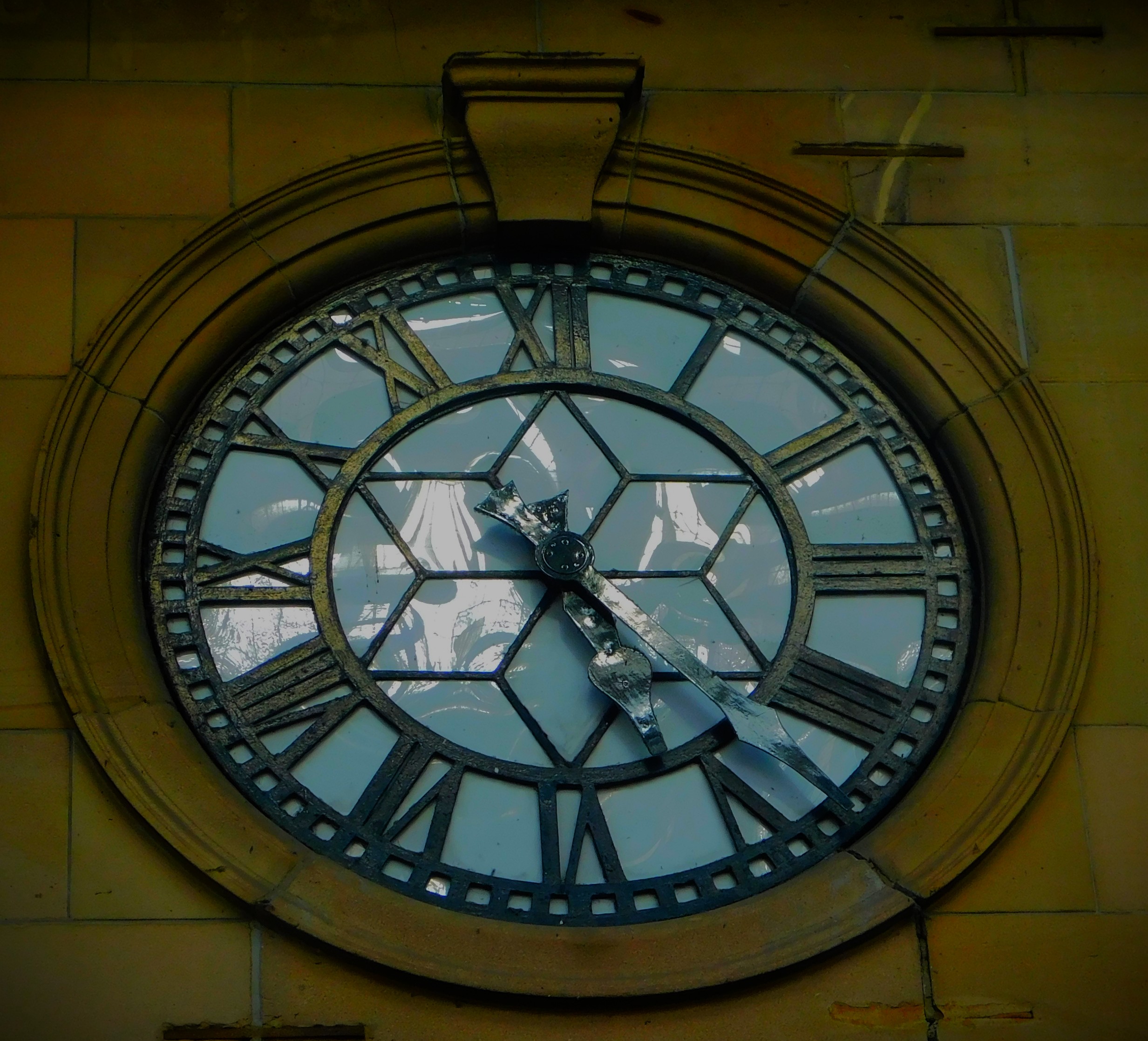
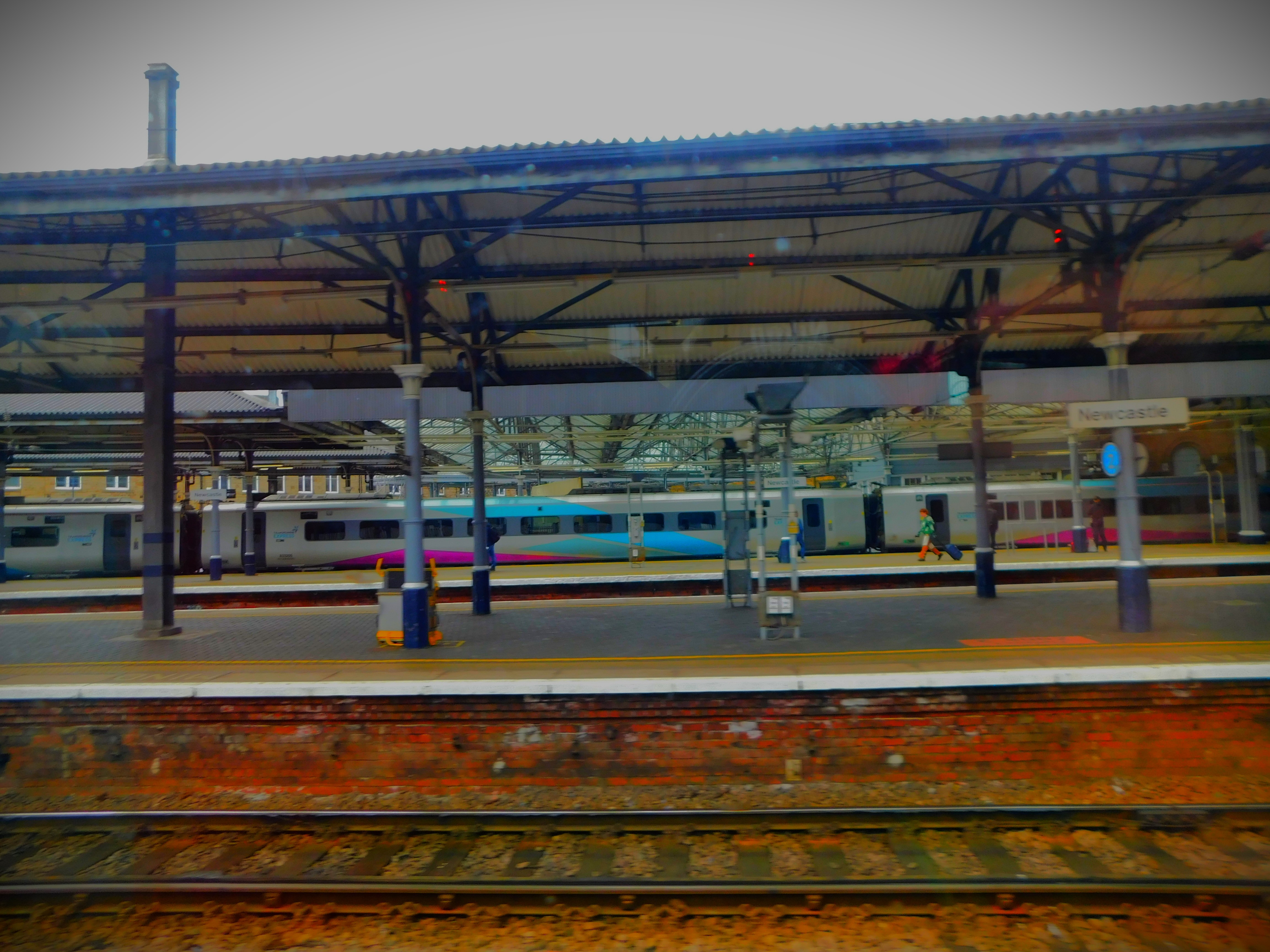
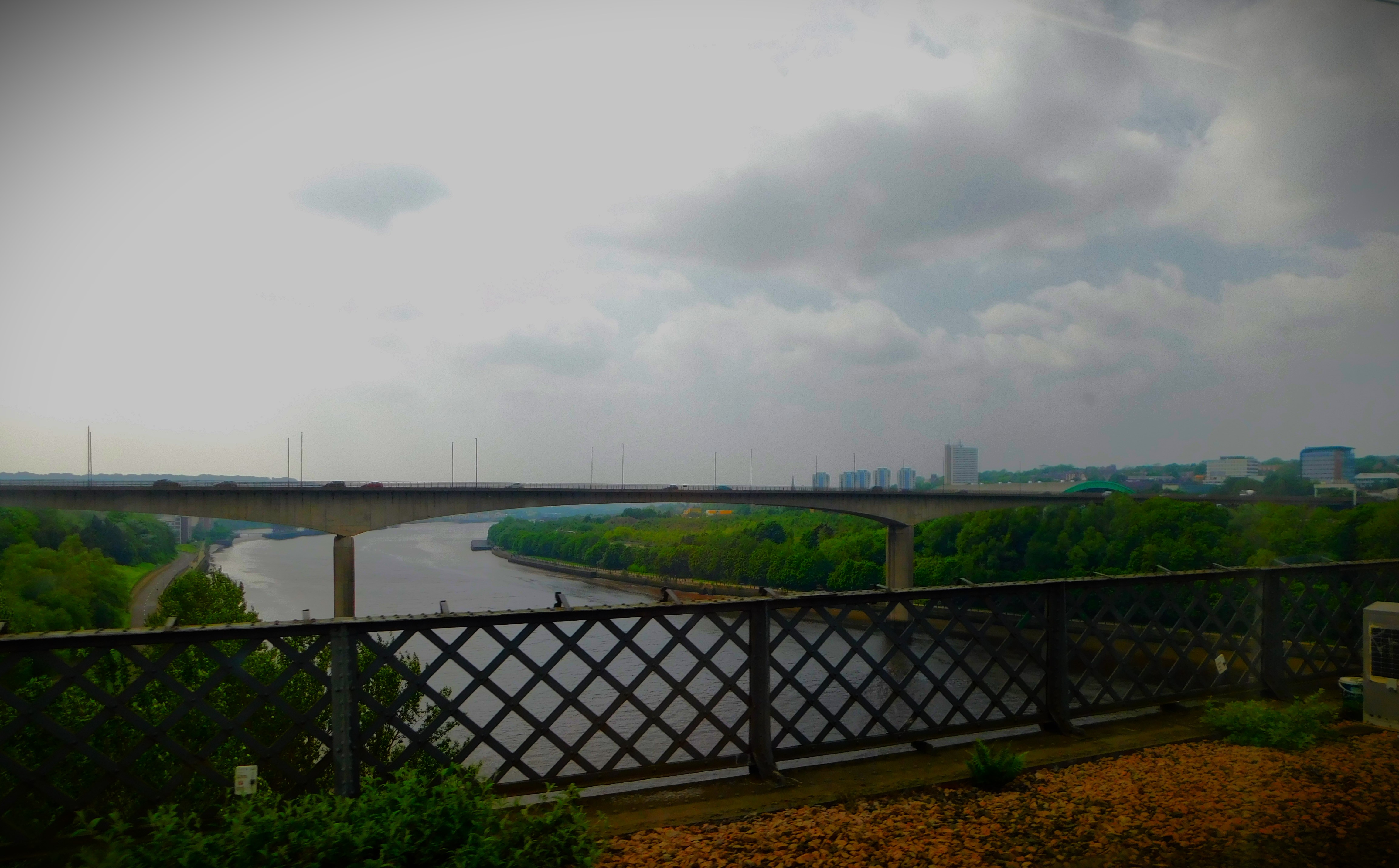
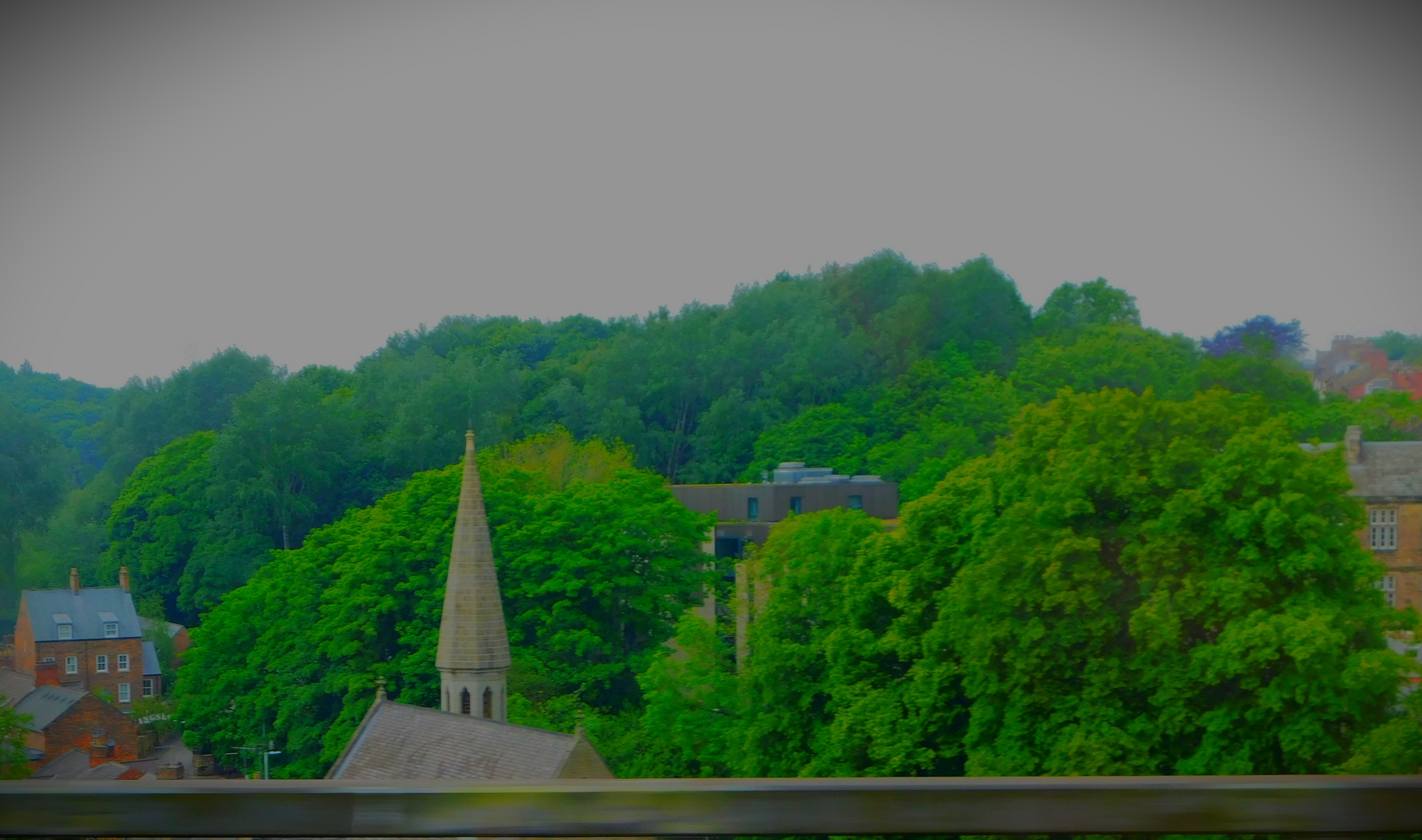
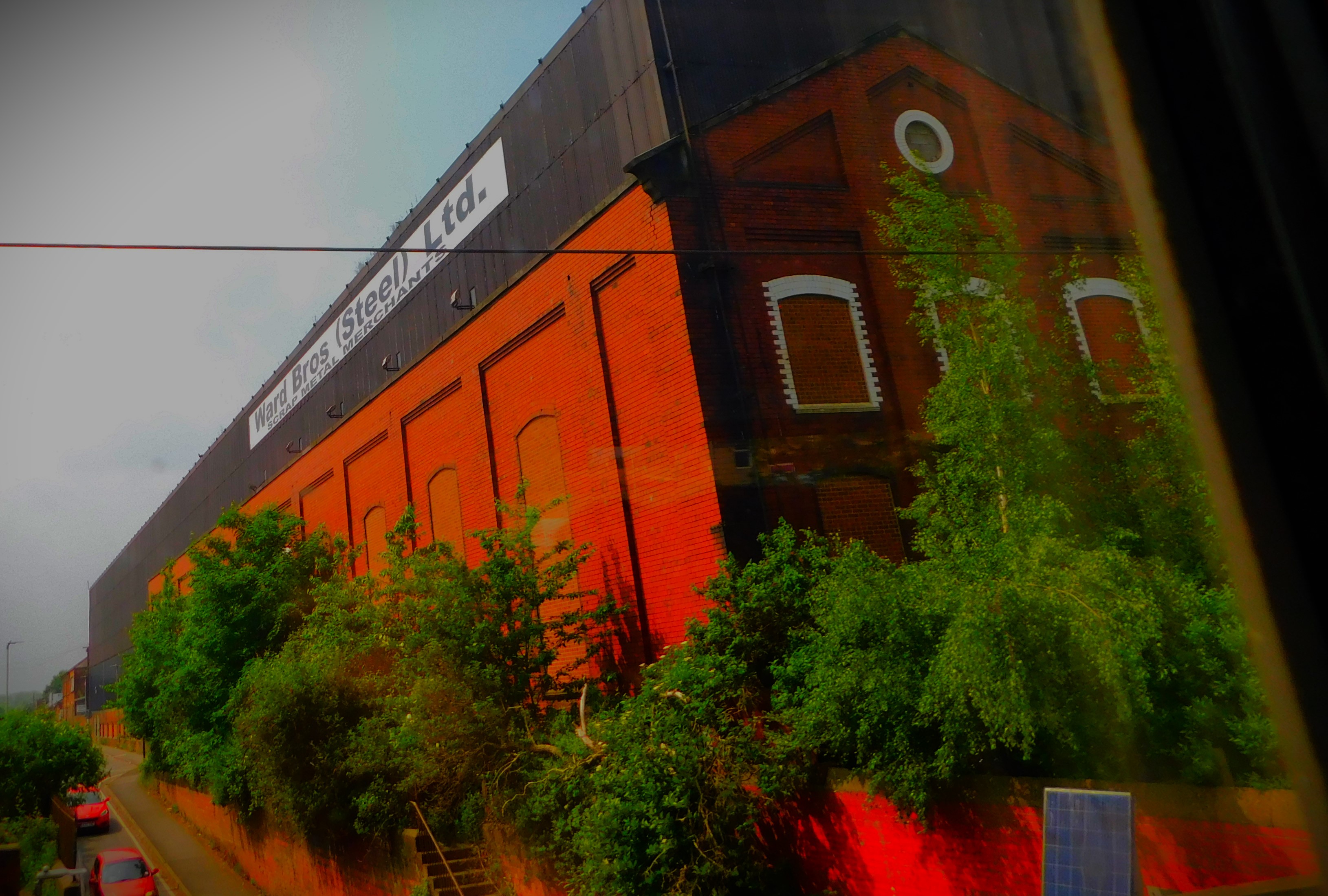
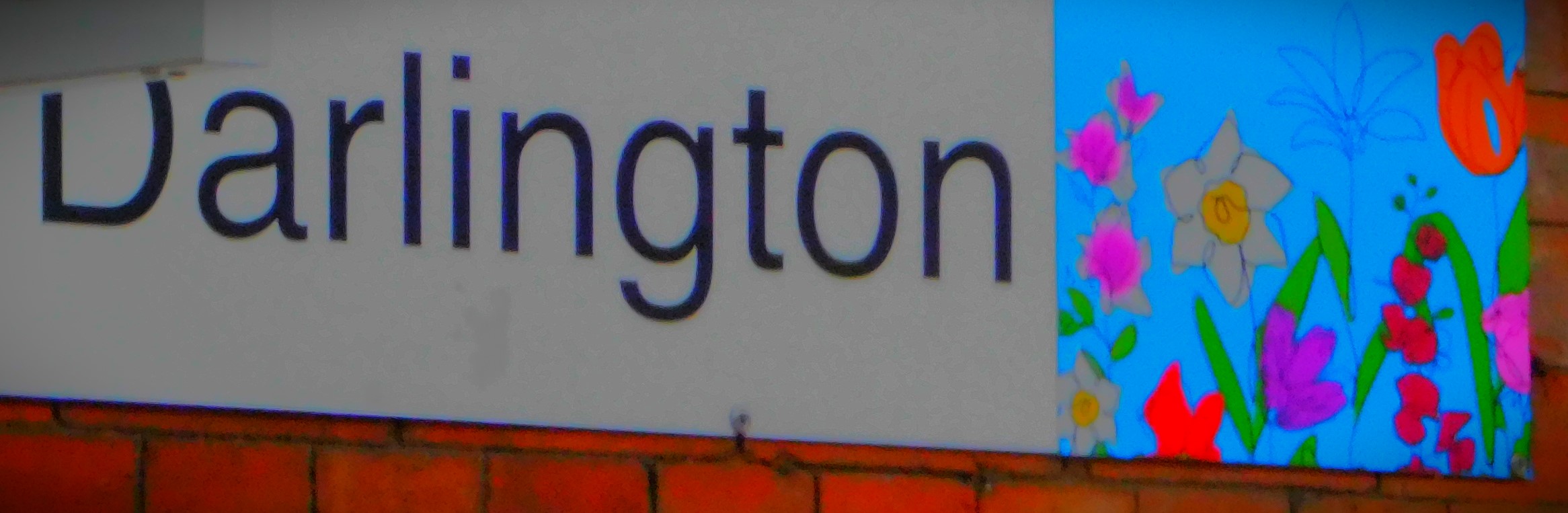
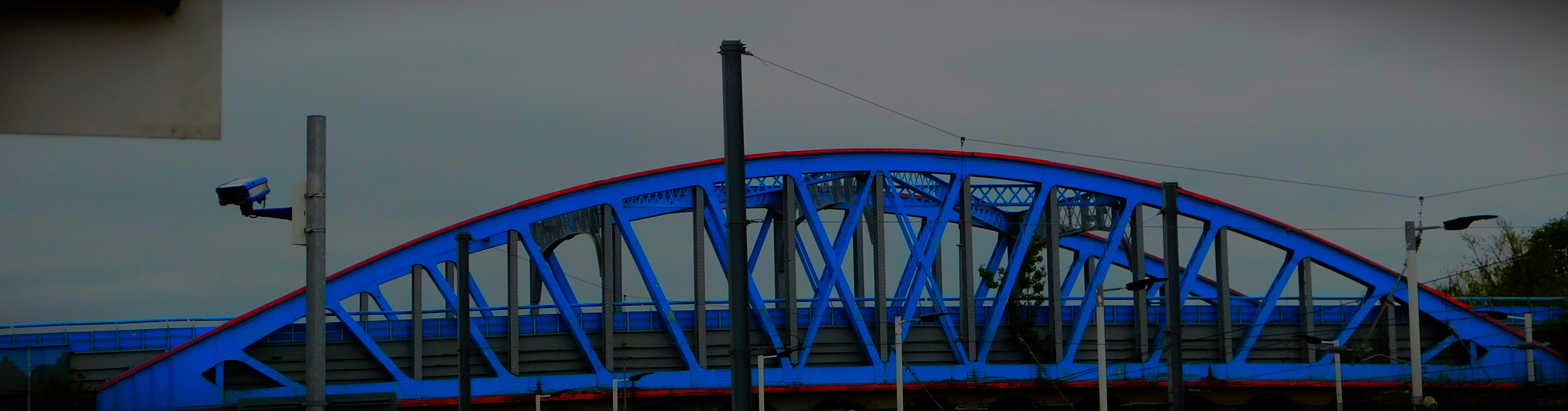
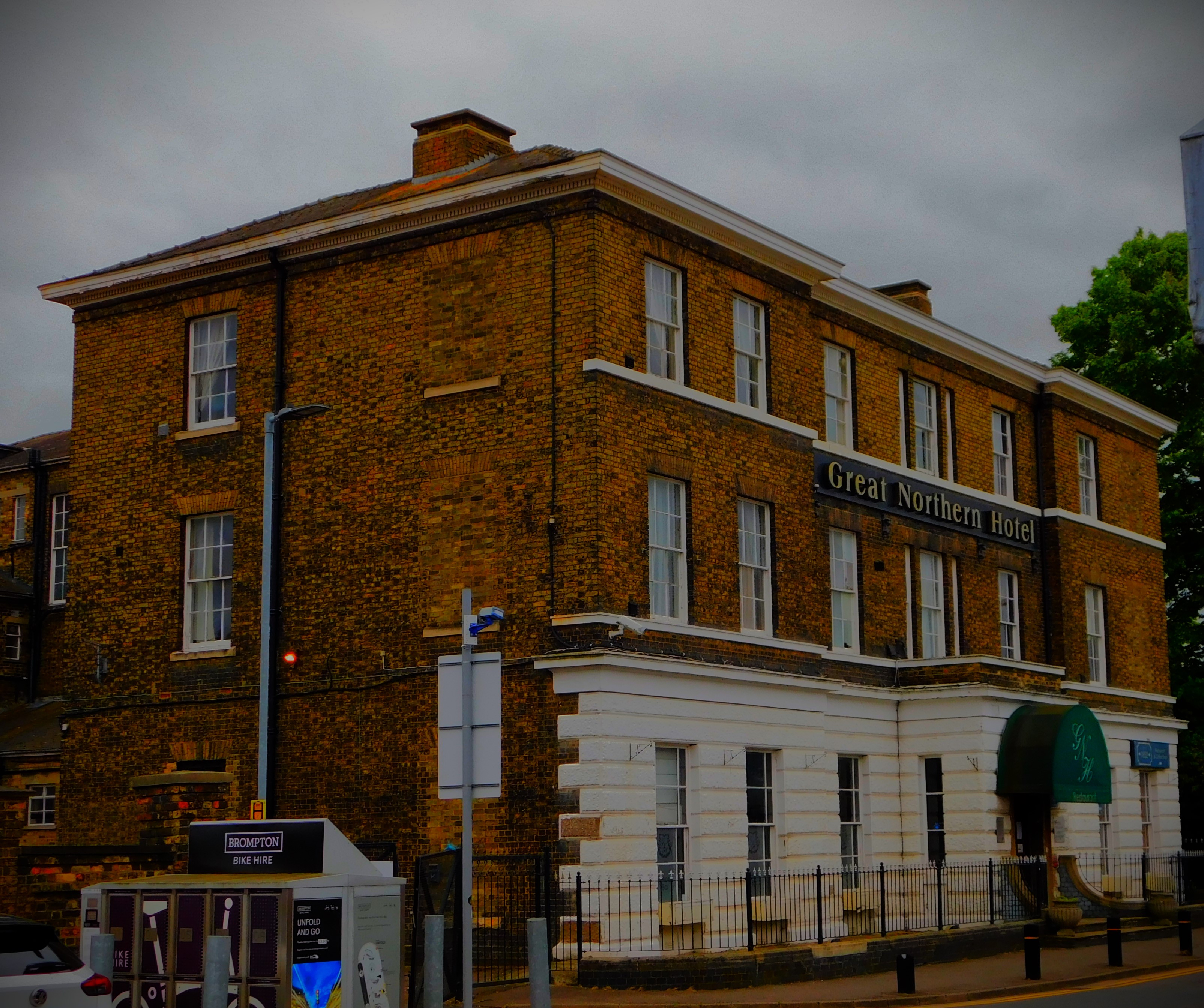
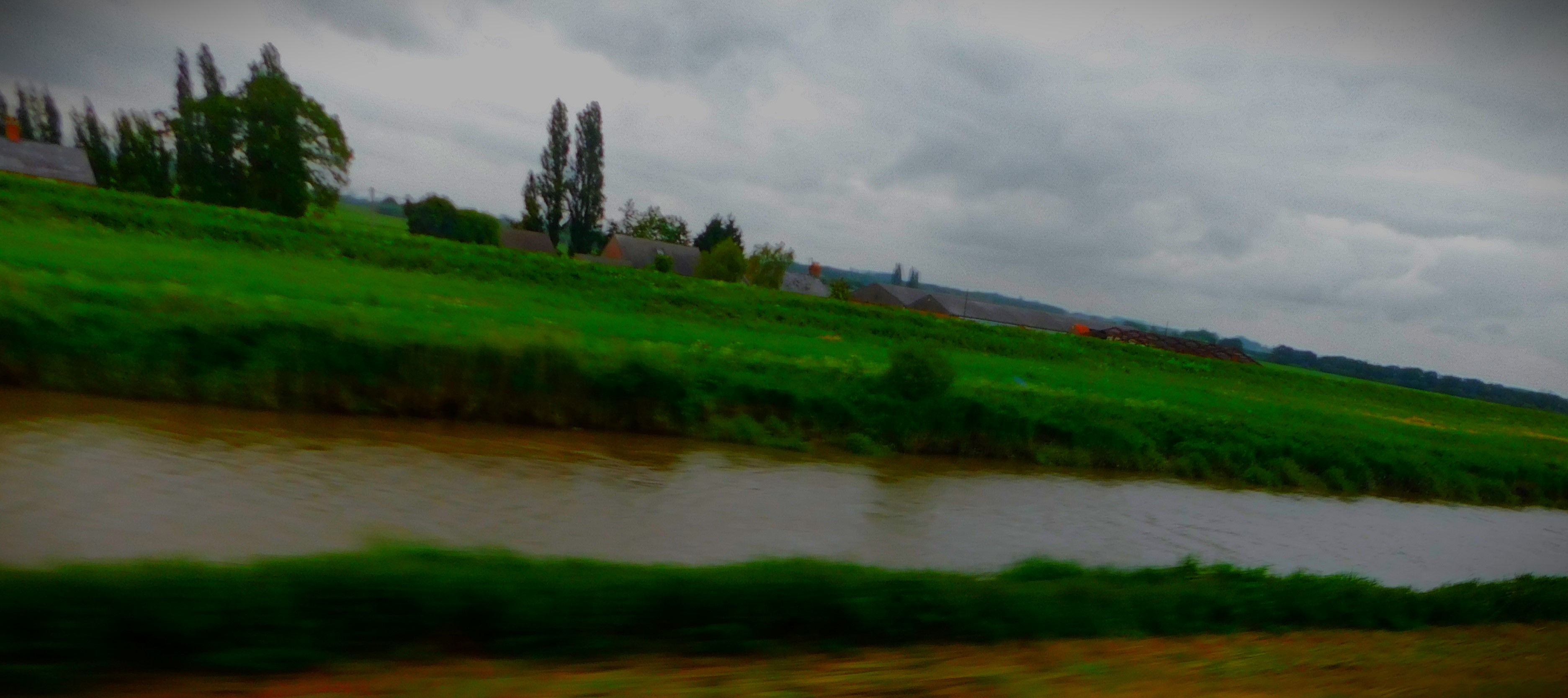
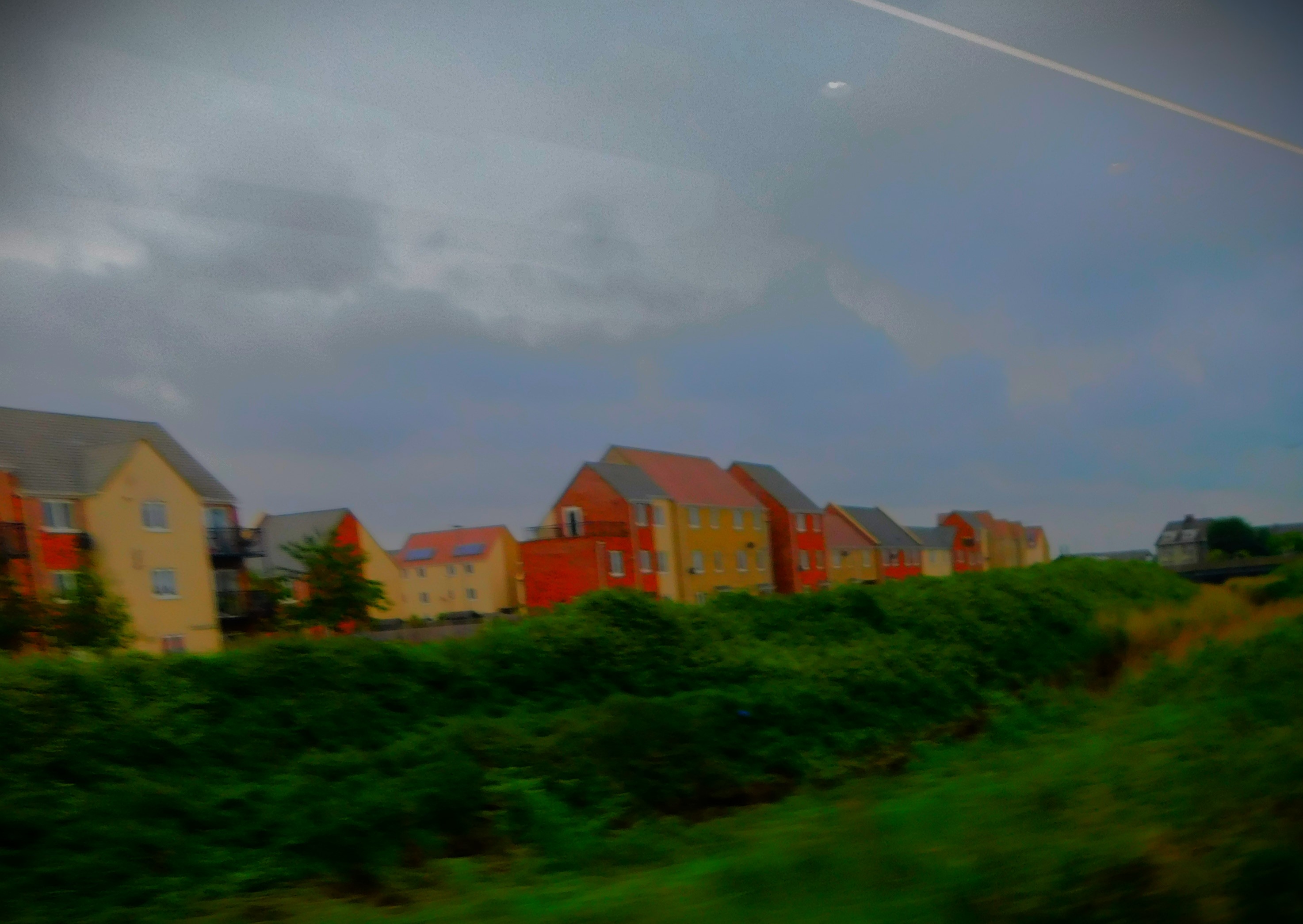
One of the reasons I quite like starting journeys to a holiday destination with the bus trip to Peterborough is that the crossing of the Great Ouse feels like the beginning of the holiday, since save for WNAG committee meetings pretty much all my daily life happens east of that river.After that the only place on the way to Peterborough that really offers photo ops is Wisbech, self styled “Capital of the Fenlands”.PeterboroughYork stationThis page and others like it come from a book that was one of the purchases I made with my birthday present from my friends at WNAGDarlington, the joint oldest passenger station in the world (the Stockton and Darlington route carried its first passengers in 1825, before when railways had been freight only).Durham is dominated by two massive buildings, this one……and this one.Newcastle is a city of bridges.A distant shot of a tram near Newcastle.A close crop showing only the tram and immediate surround.This is the town served by Alnmouth station, though the station itself is a tiny bit inland from the town.This long viaduct is in Berwick Upon Tweed, and it links England and Scotland.The Tweed will never rival the Tyne for bridges, but these are quite impressive.Is it possible to shoot a moving target when you yourself are in motion (and at some speed)? Yes, and this is defintive proof (but successes like this are rare).This is the clock at Edinburgh Waverley station.This establishment (see also previous picture) is directly opposite the Market Street exit from Waverley Station.From here on in the pictures were all taken from the back seat (non-drivers side) of my parents car.
Concluding my account of my Scottish holiday with the return journey.
This will be the final post in my series about my Scottish holiday (28-31 May inclusive. I will briefly mention the birthday festivities which took place a day early – the day itself (May 31) was to be a day of travelling home, before covering the return journey.
THE BIRTHDAY MEAL
One of the shops Comrie possesses is a butcher, and the centrepiece of the meal was three large rib eye steaks purchased from that establishment. We also had Jersey Royals and locally grown asparagus, while there were locally grown raspberries for pudding. There was sparkling wine before the meal, and still wine with it.
THE RETURN JOURNEY
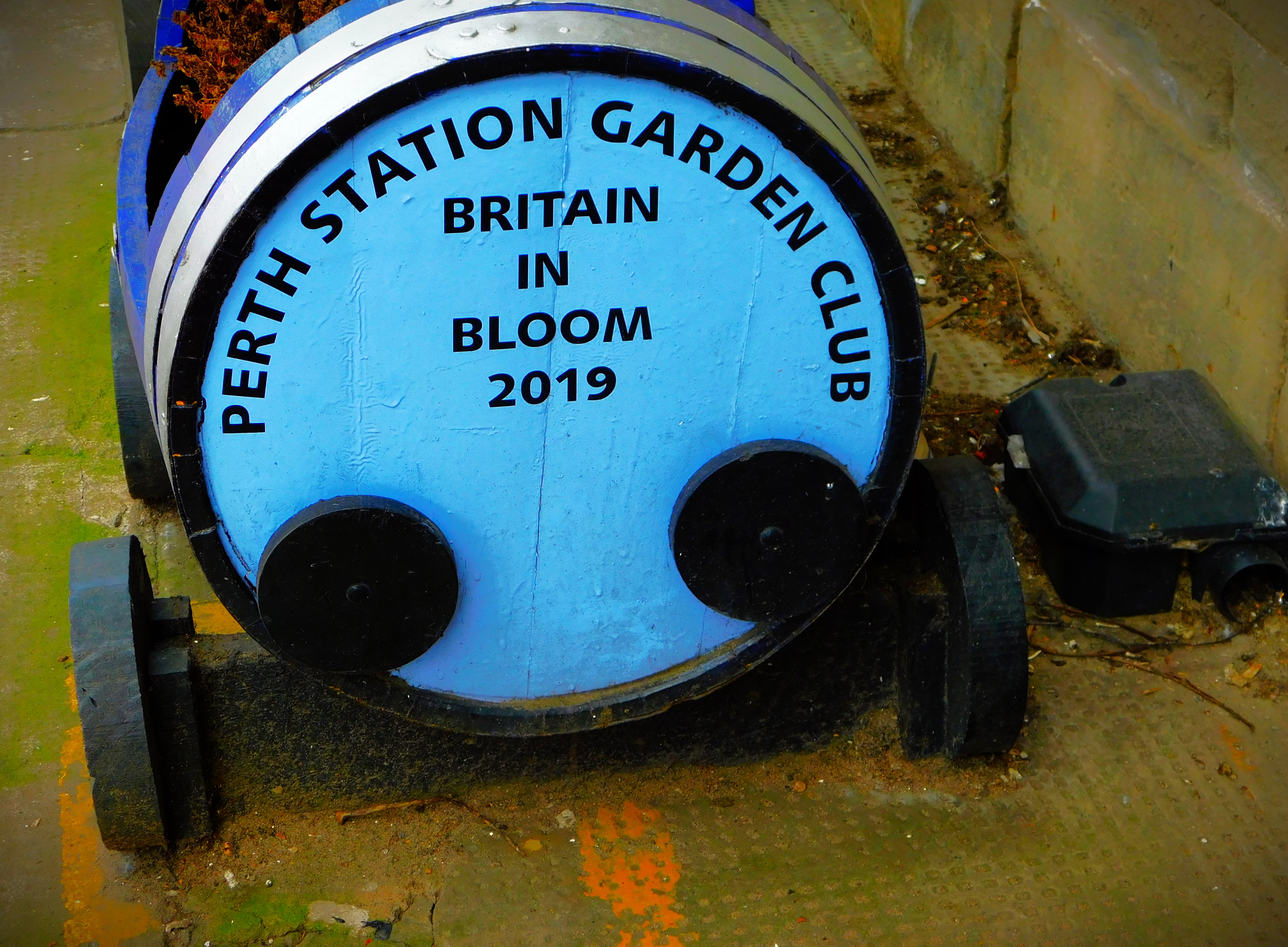
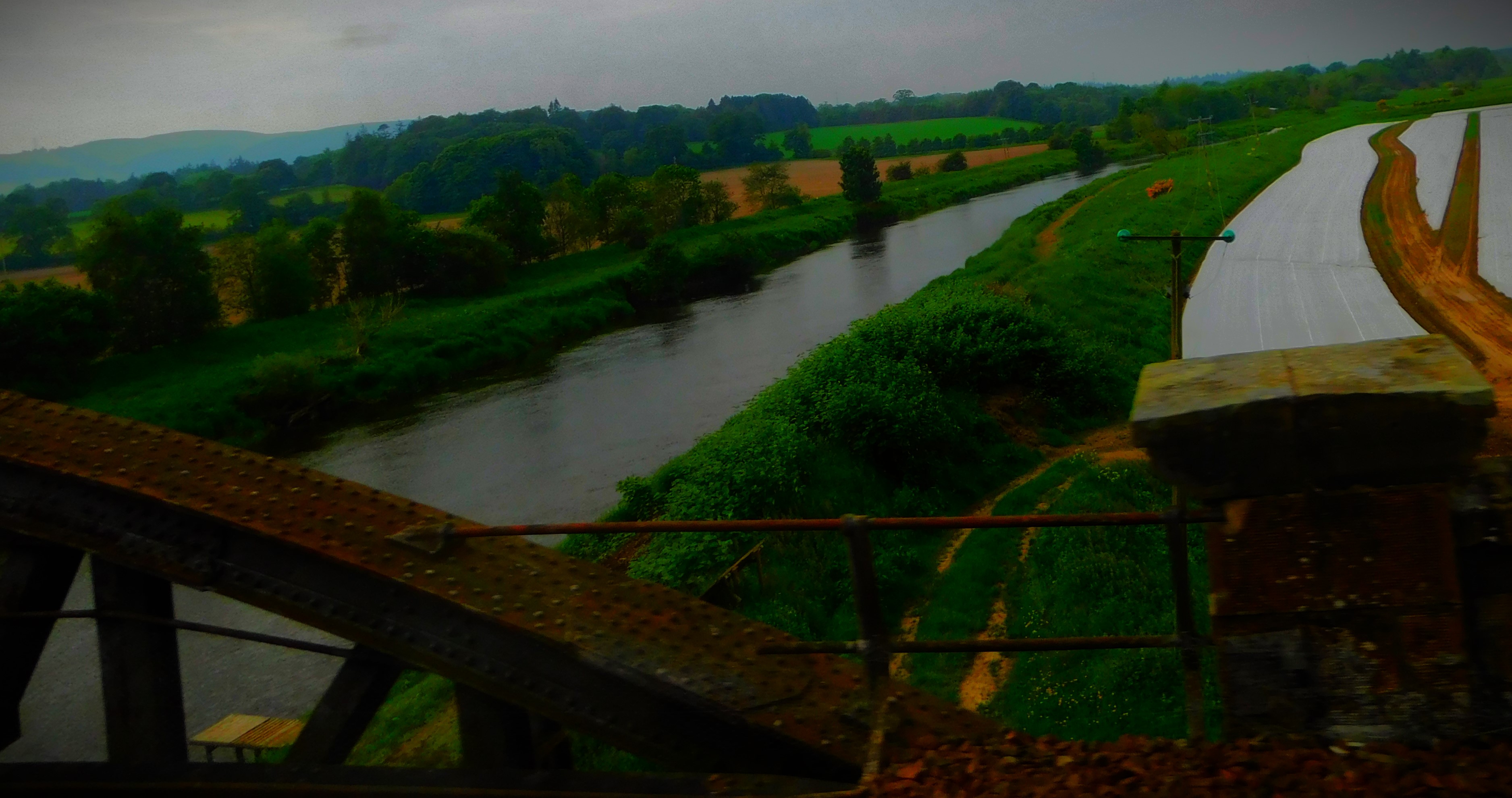
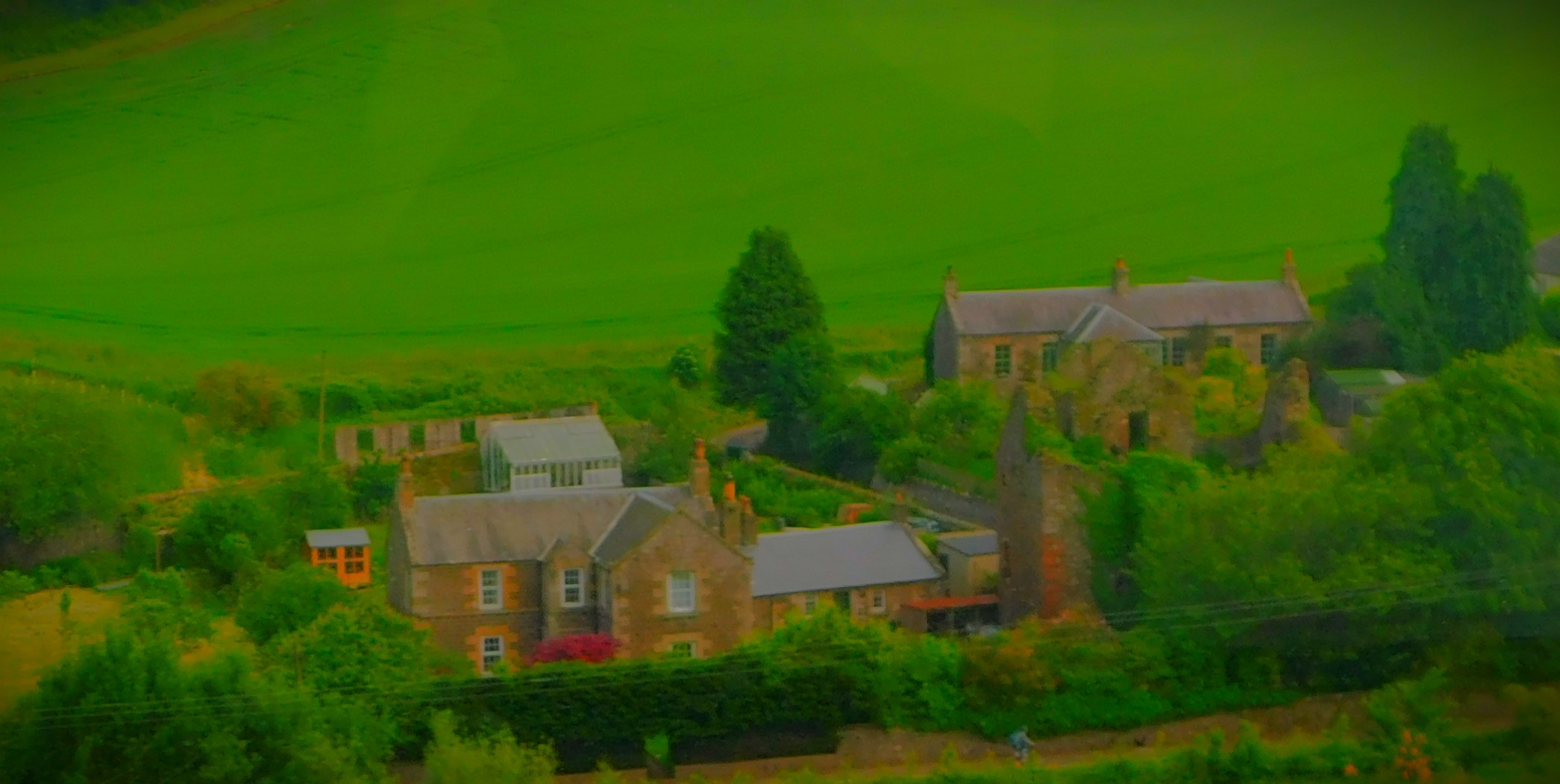
I was due to leave Perth at 11:15AM on May 31st, a time which was tailored to the fact that we had to be out of the building in Comrie by 10 at the latest – it was late enough not hurry our departure and early enough that the wait at Perth station would not be too long. This train was running a Perth to Edinburgh route and stopped at a number of places. There were some fine views, although I had put myself on the less good side of the train. I was worrying at one point as it ran late, and indeed I had only eight minutes to make the connection at Edinburgh, but I was never actually in any danger of missing that connection. The train from Edinburgh to Peterborough ran smoothly, though my reserved seat was on the less good side of the train for photography. At Peterborough I had a wait of about 20 minutes for the bus to King’s Lynn. This part of the journey also ran smoothly, and I arrived at the bus station a little before 6:40PM, and was home just before 7PM.
PHOTOGRAPHS
Here are my photographs from the return journey..,
The train for the Perth-Edinburgh leg of the journey.
Continuing my account of my Scottish holiday with a look at Crieff.
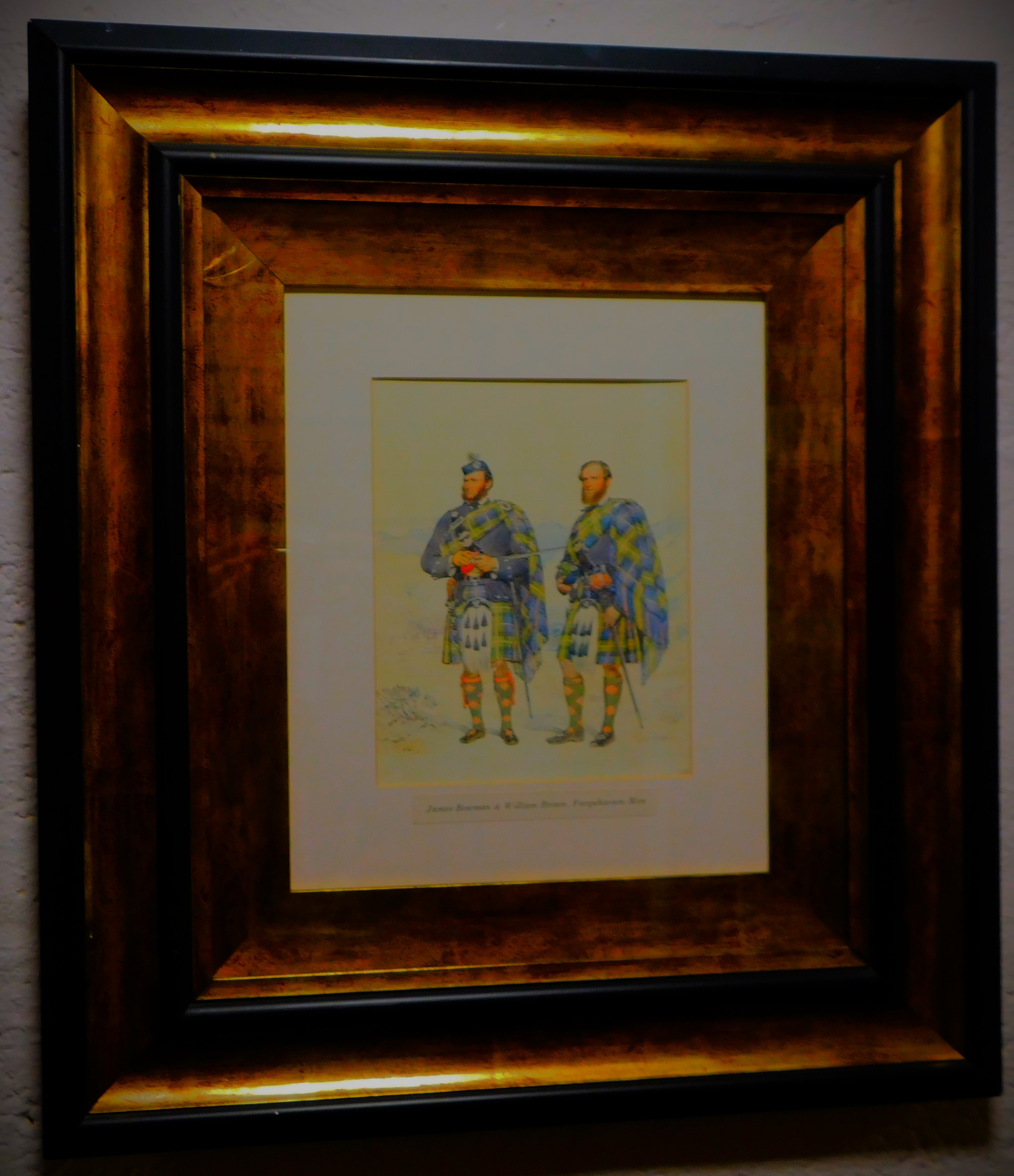
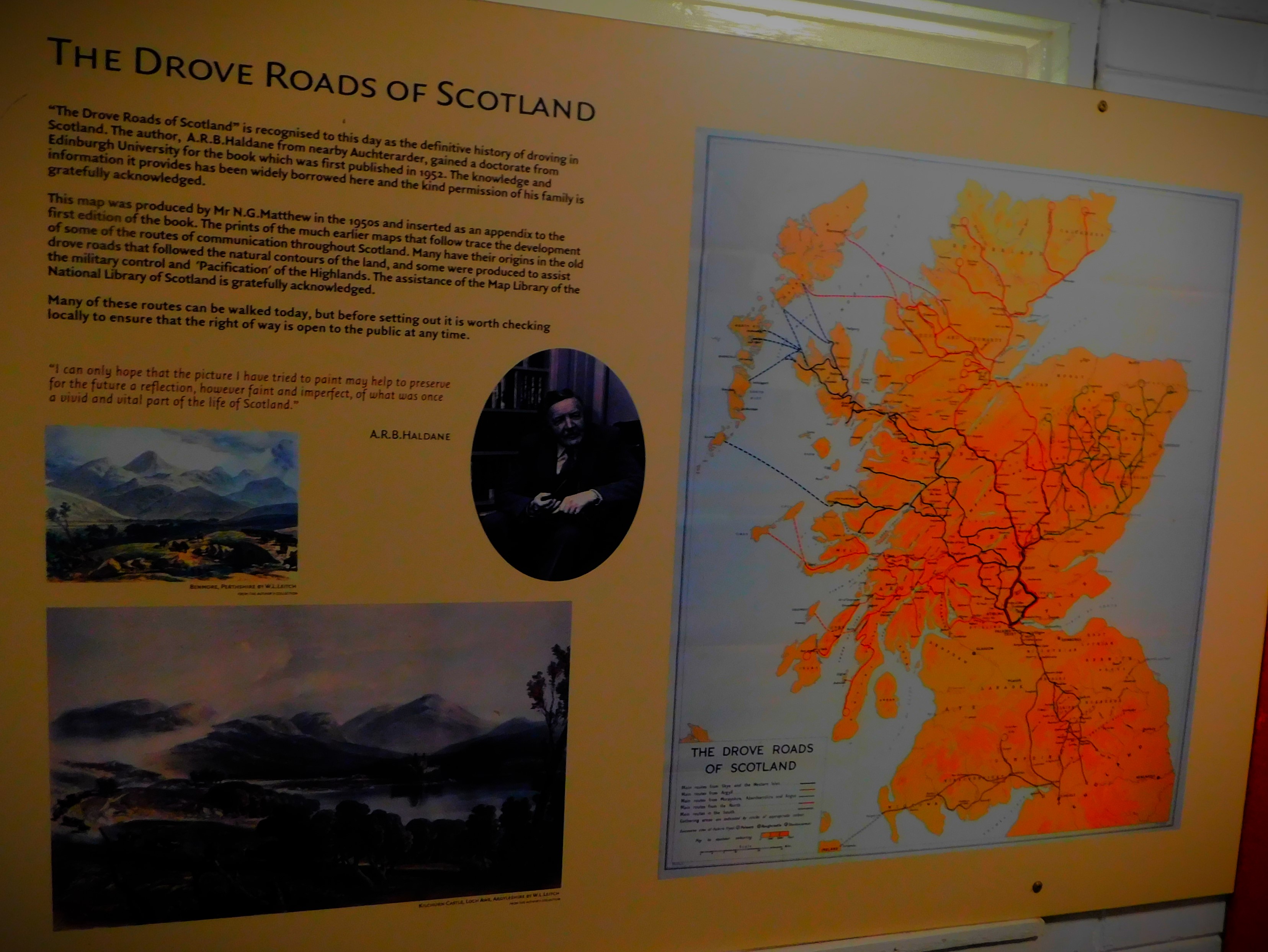
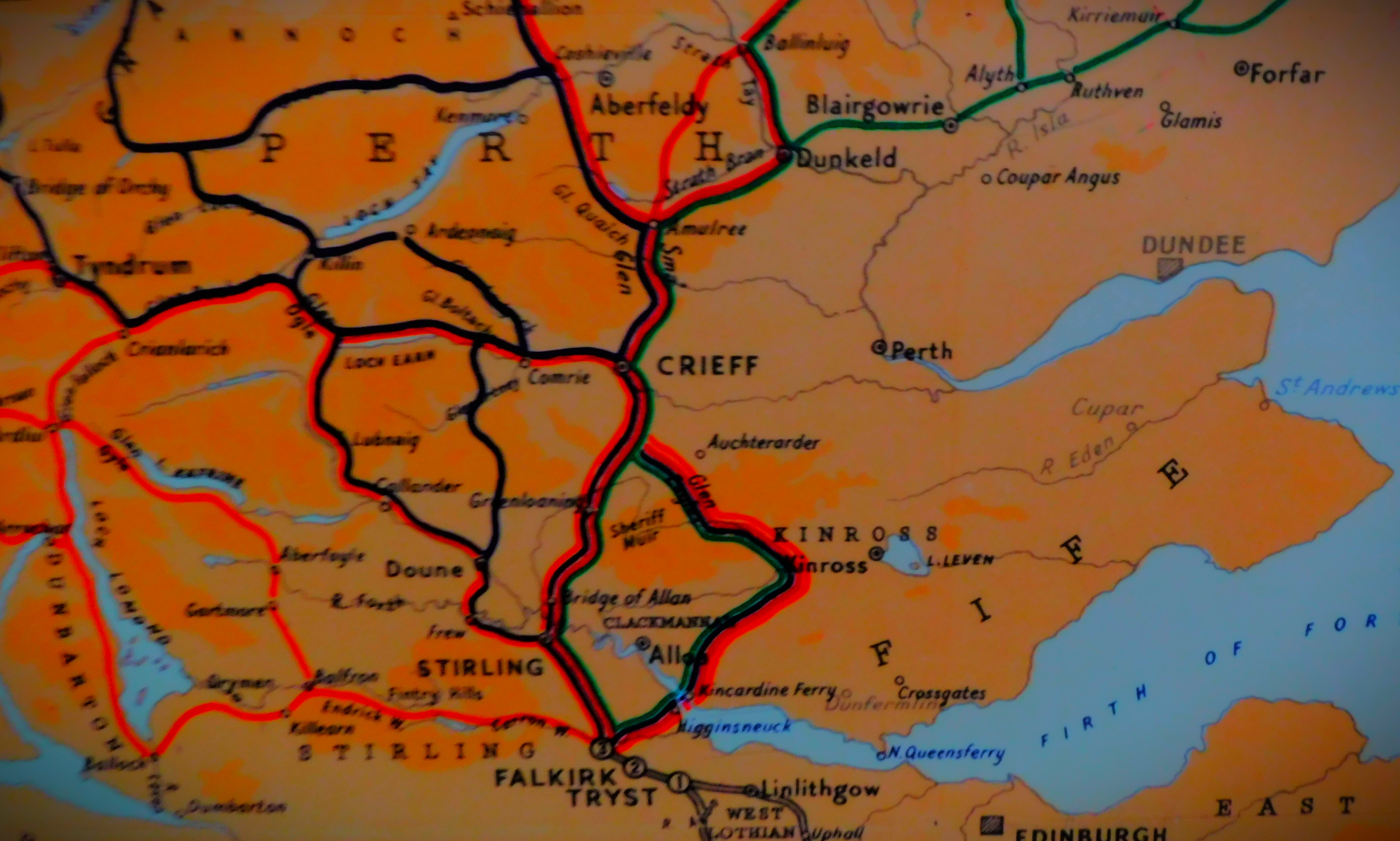
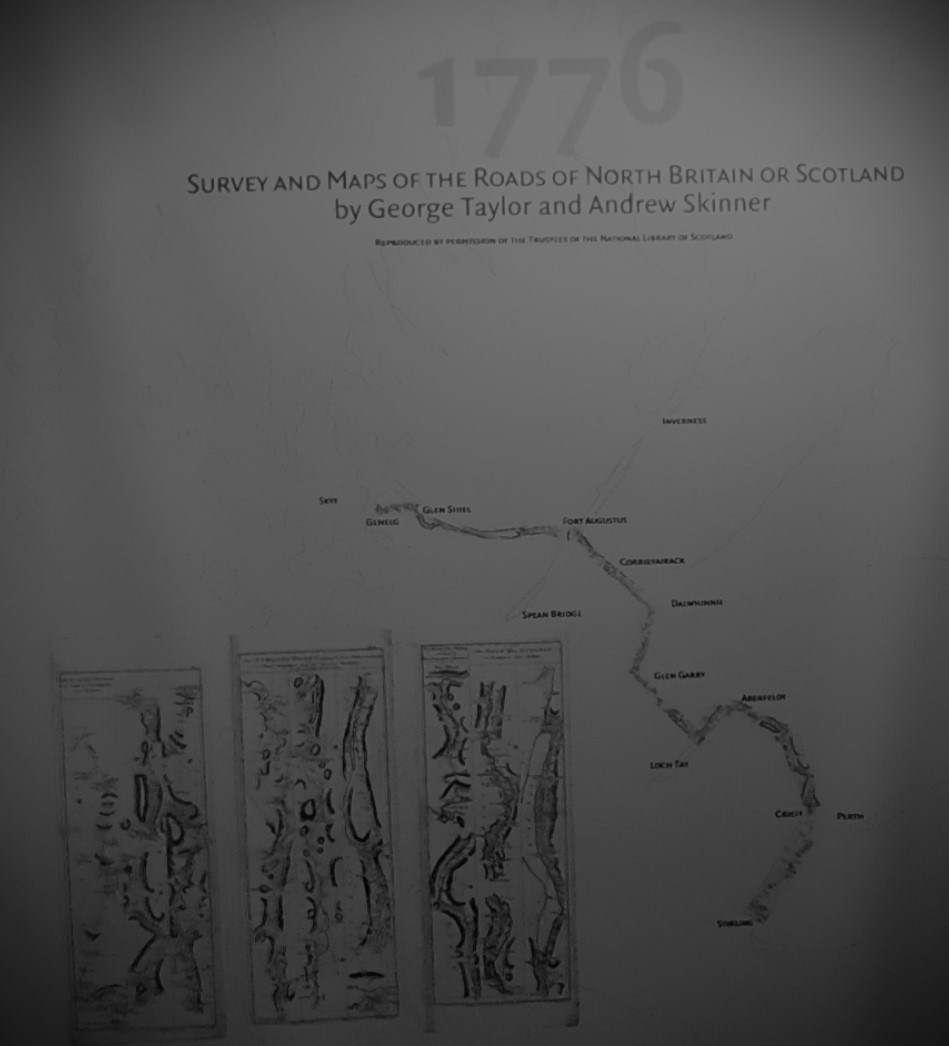
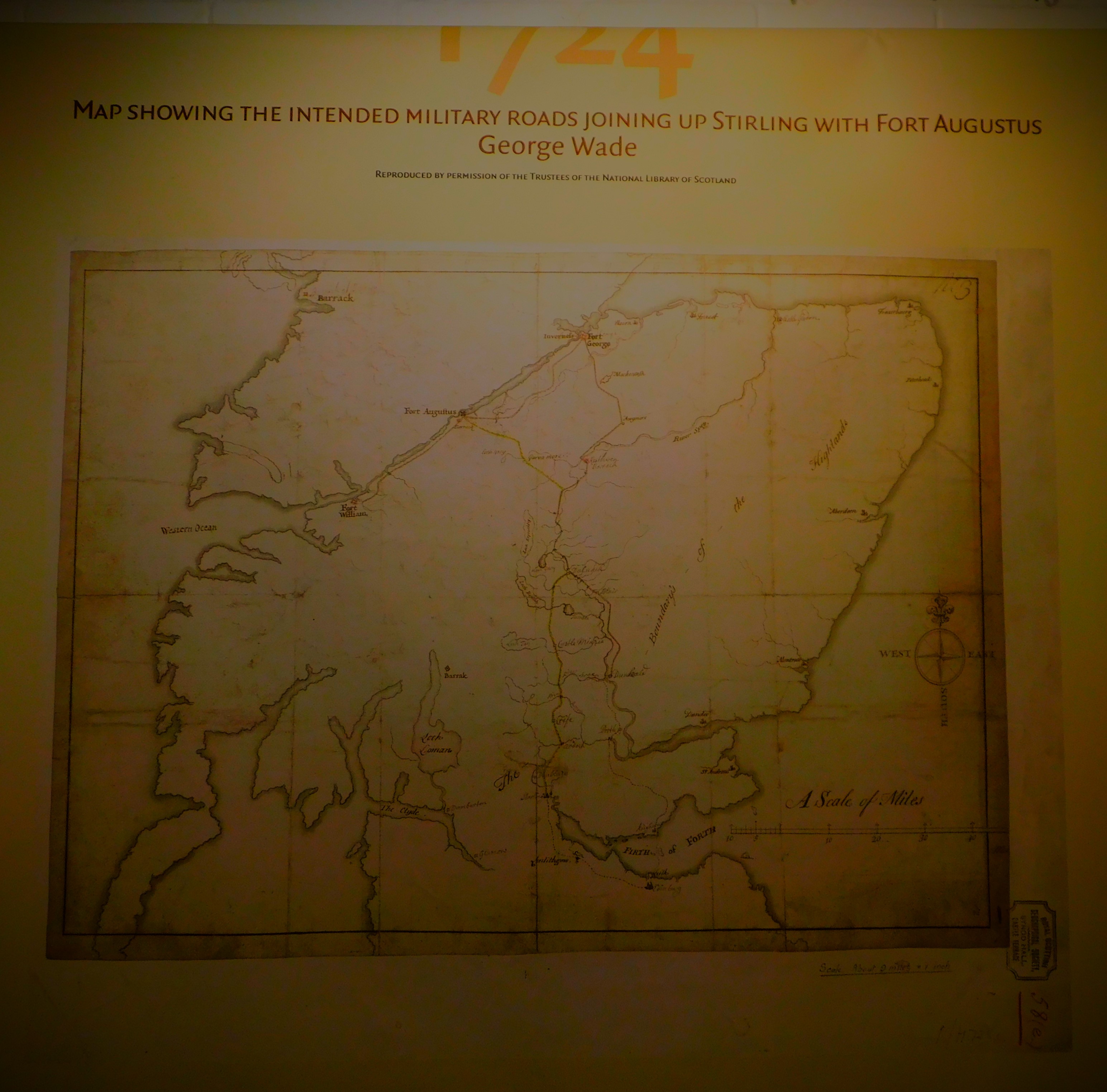
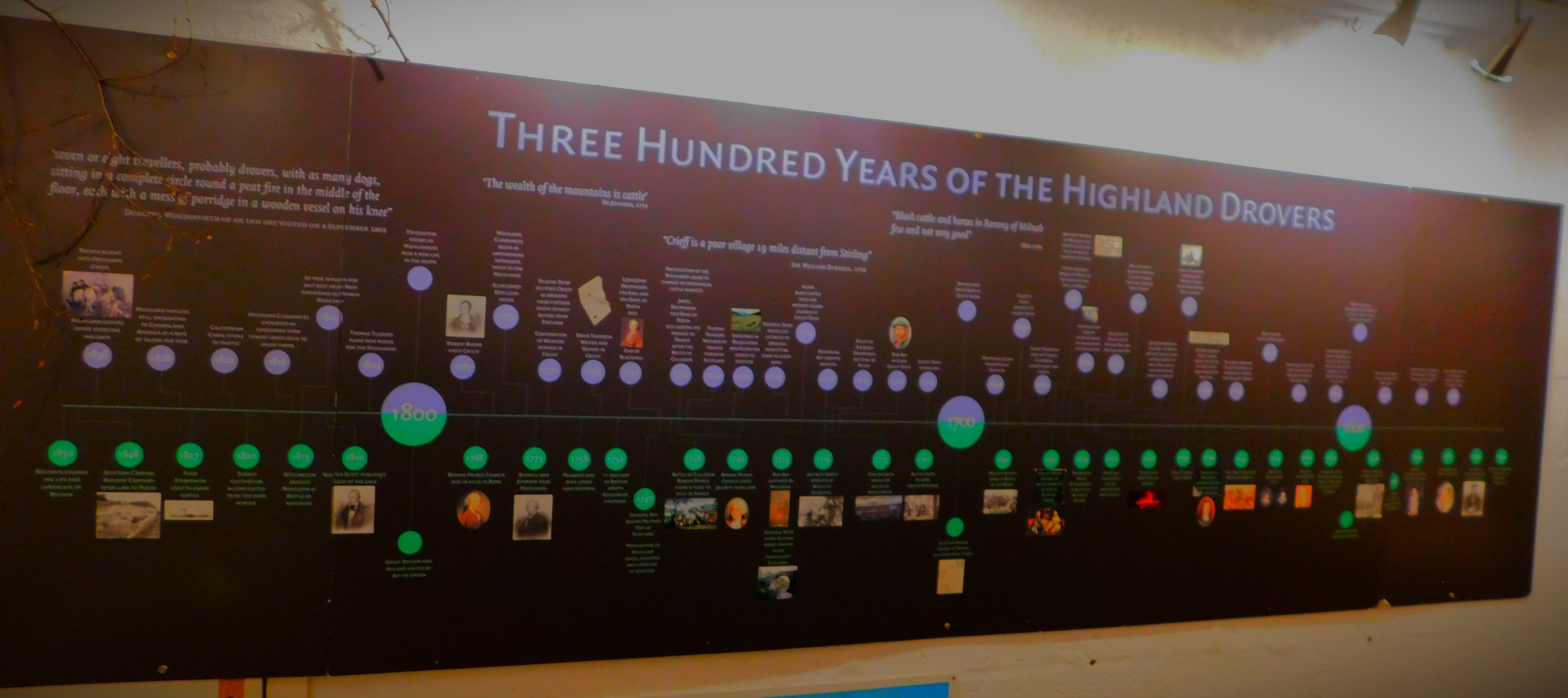
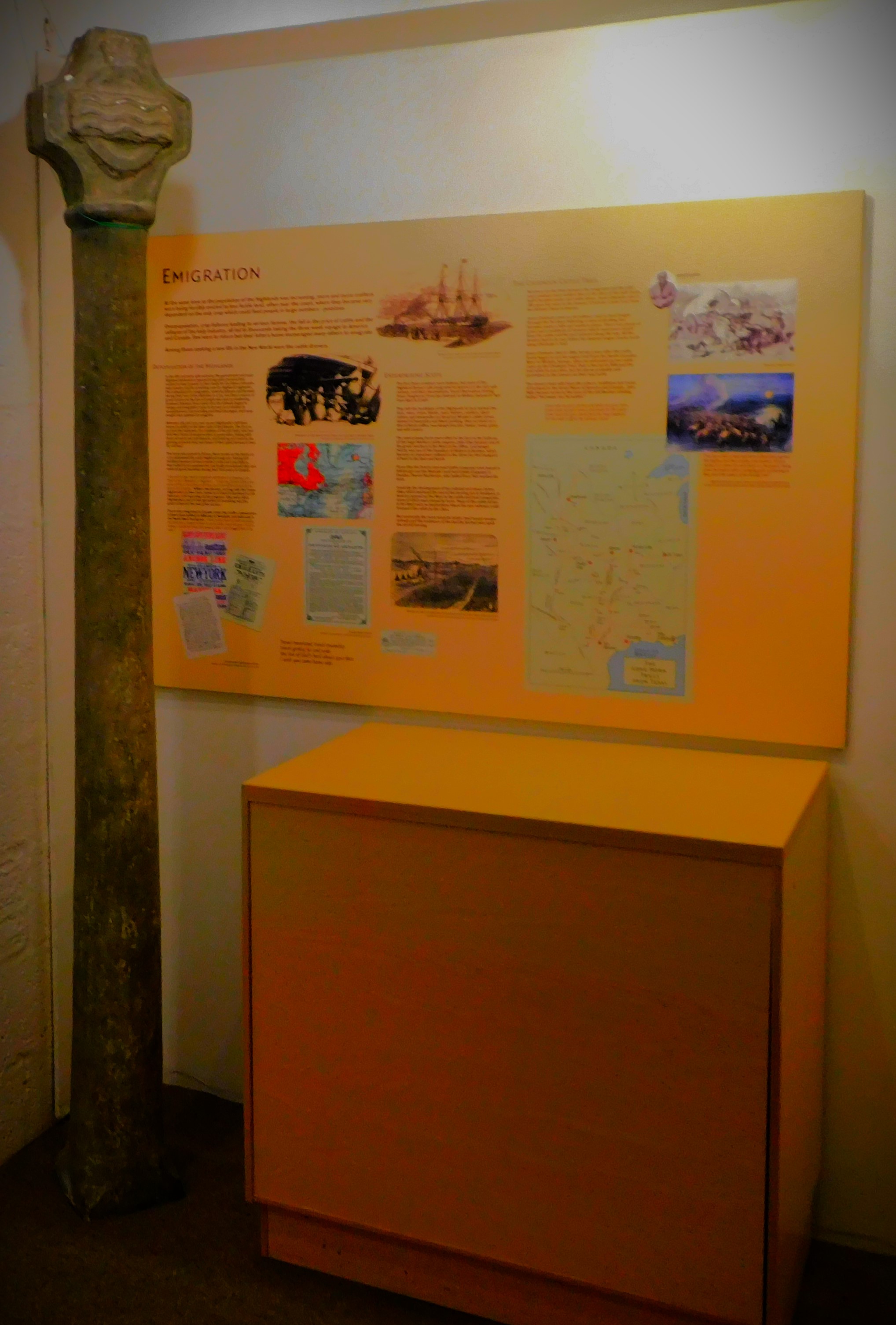
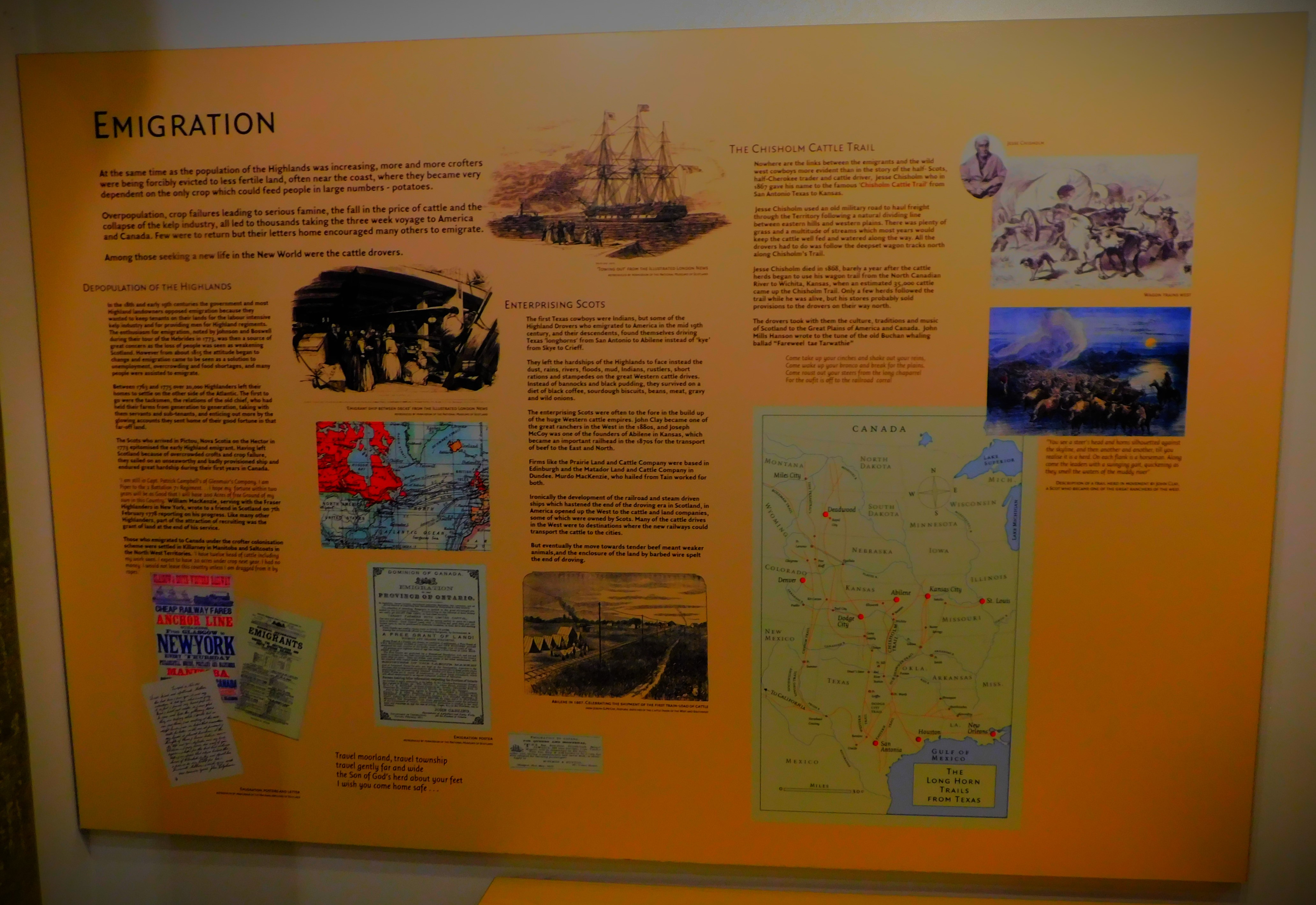
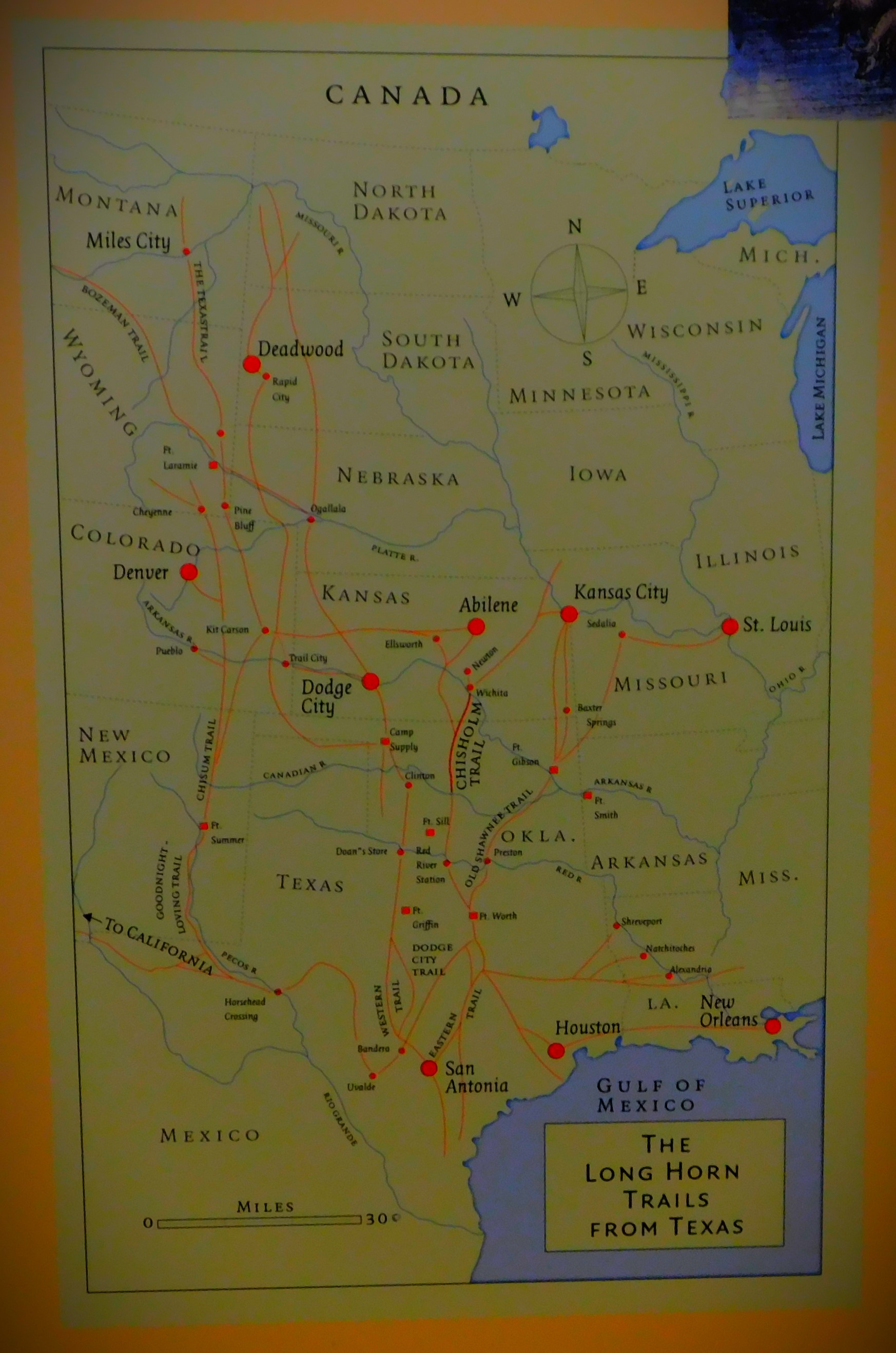
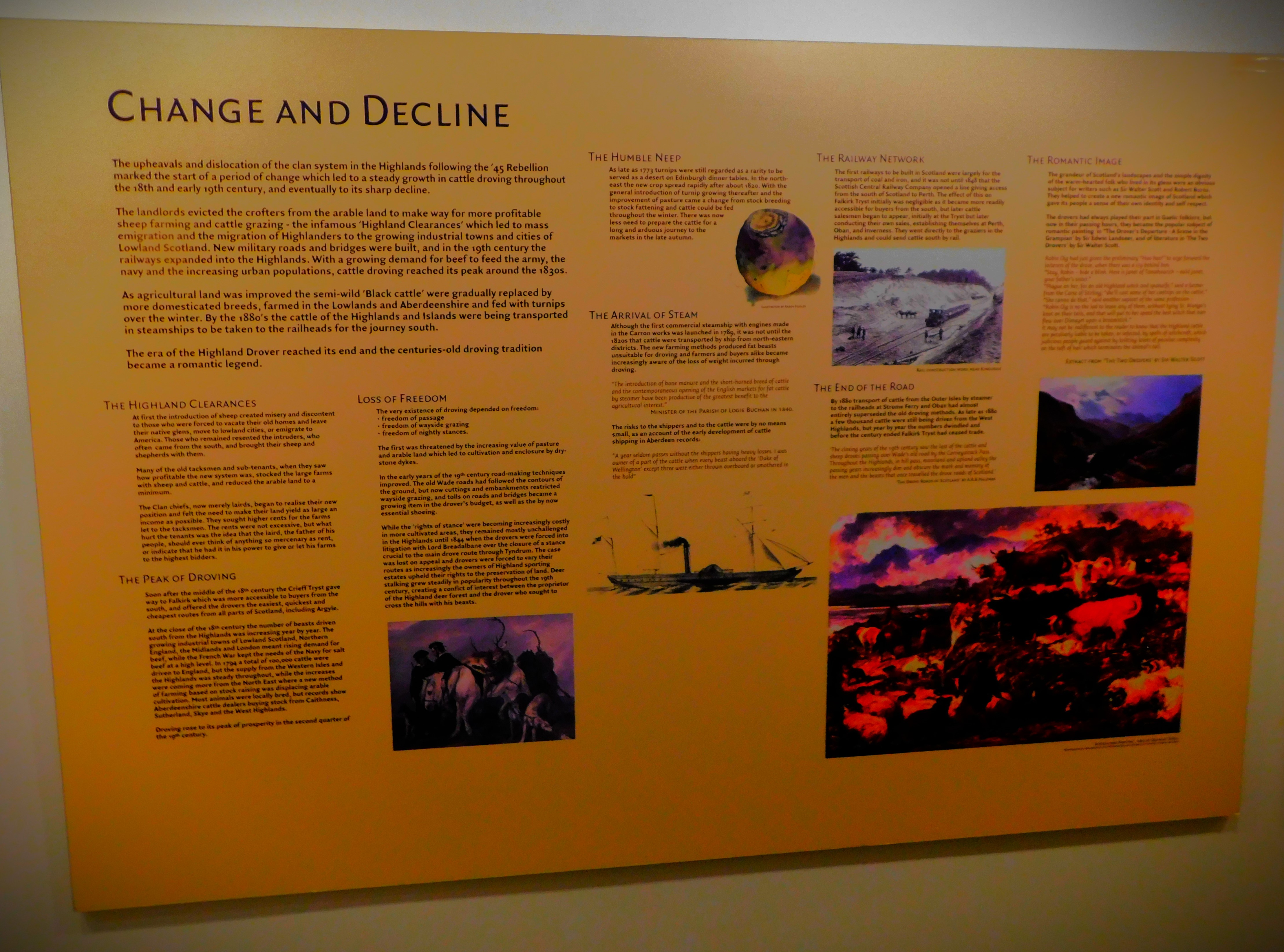
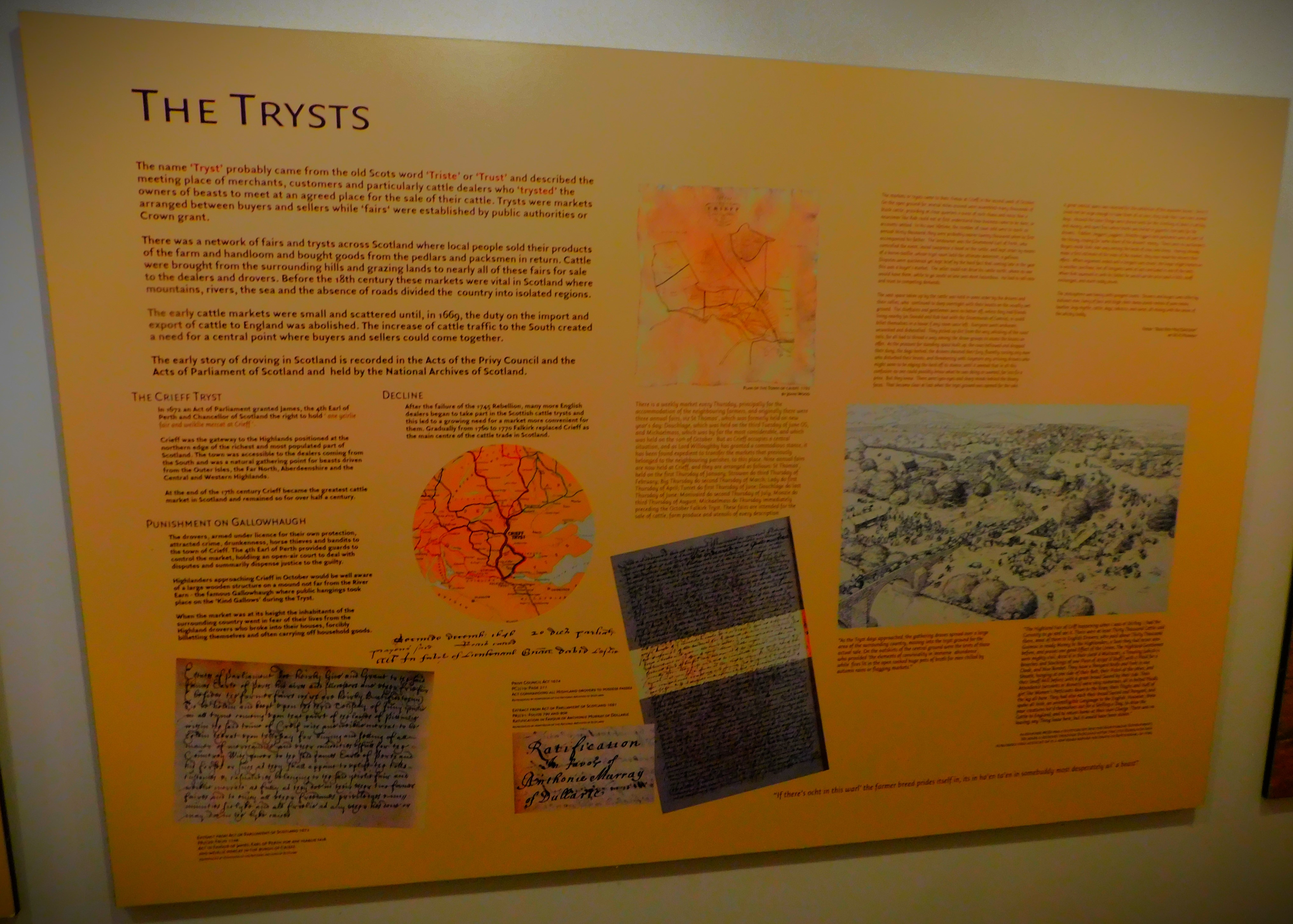
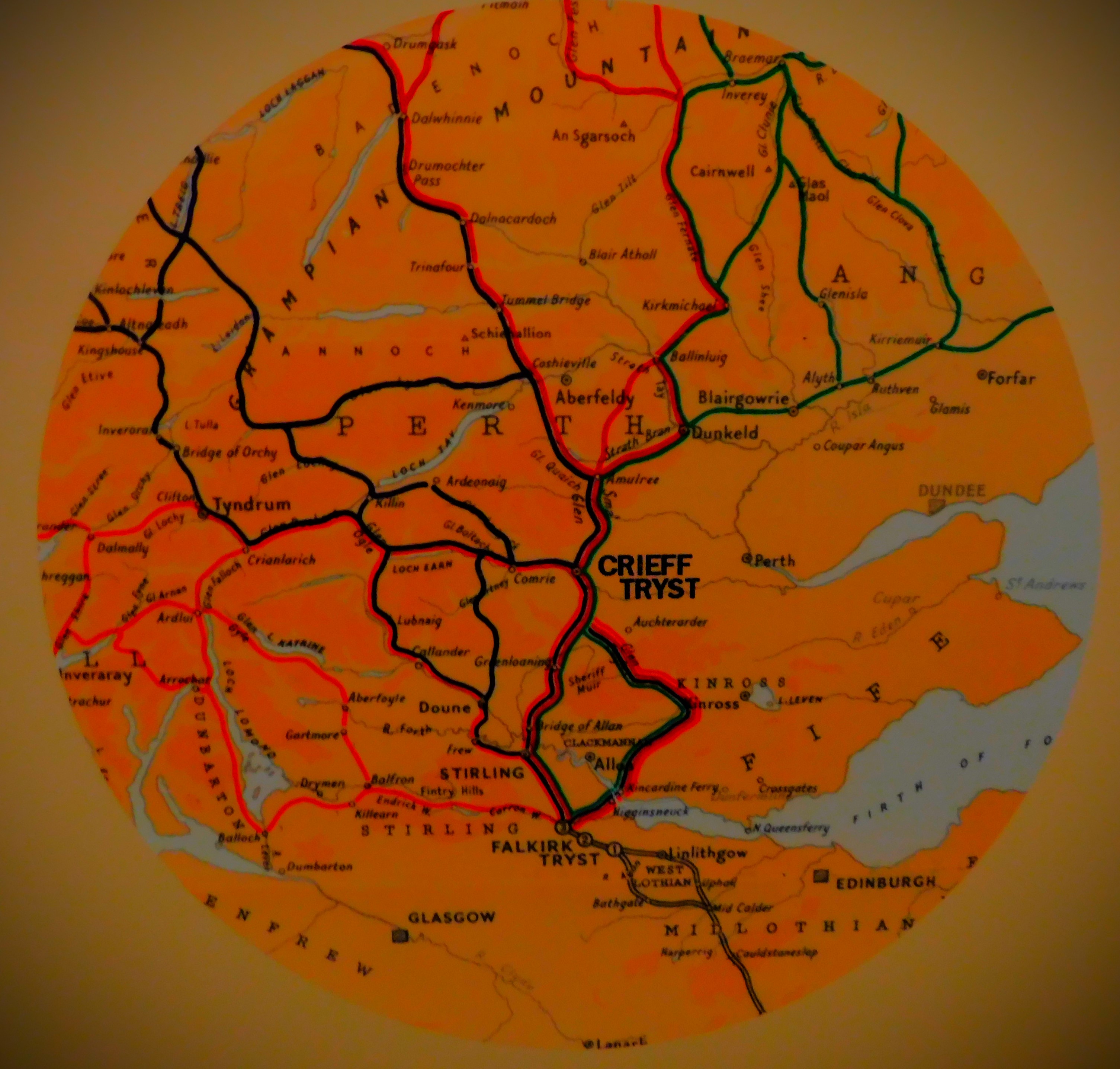
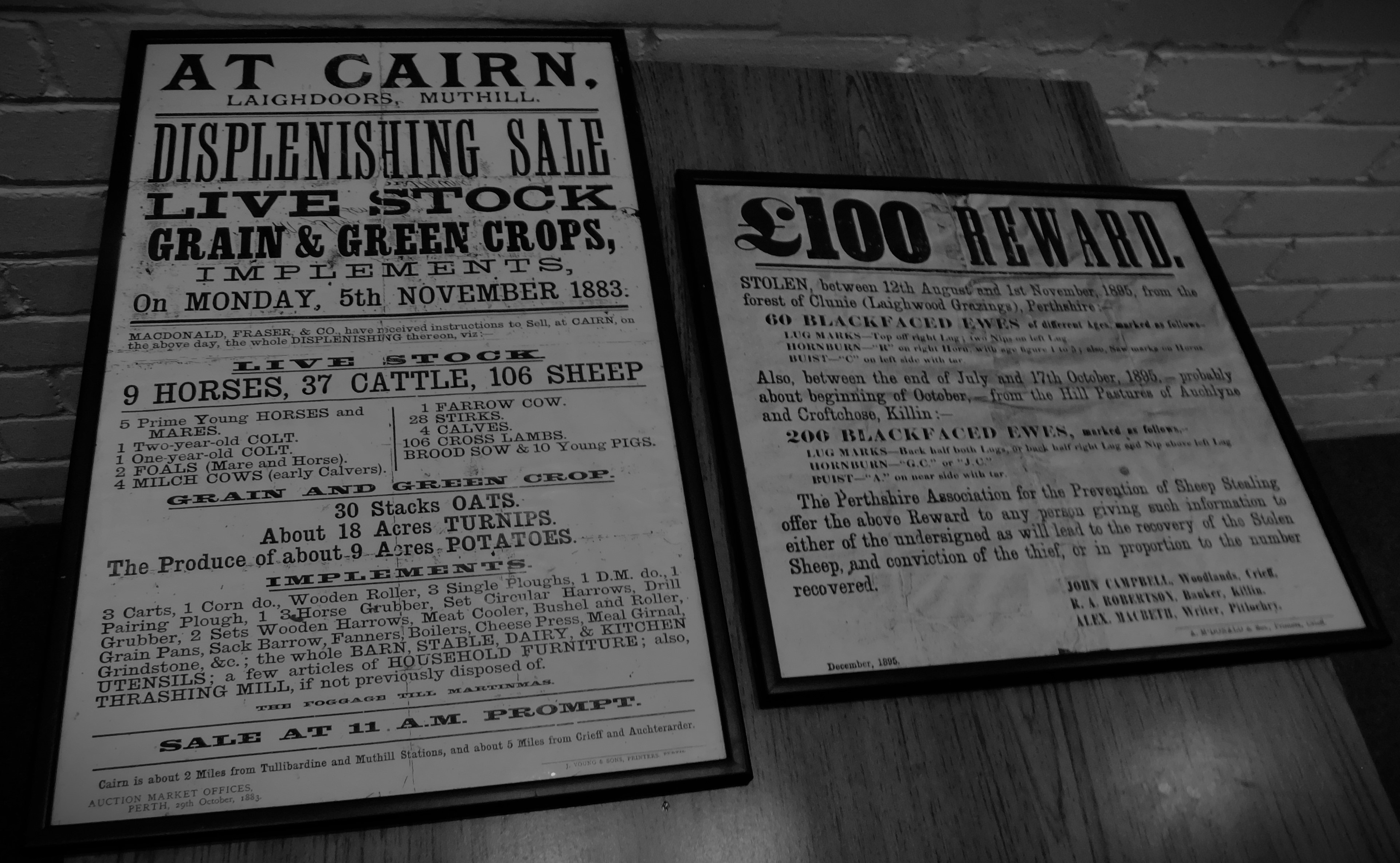
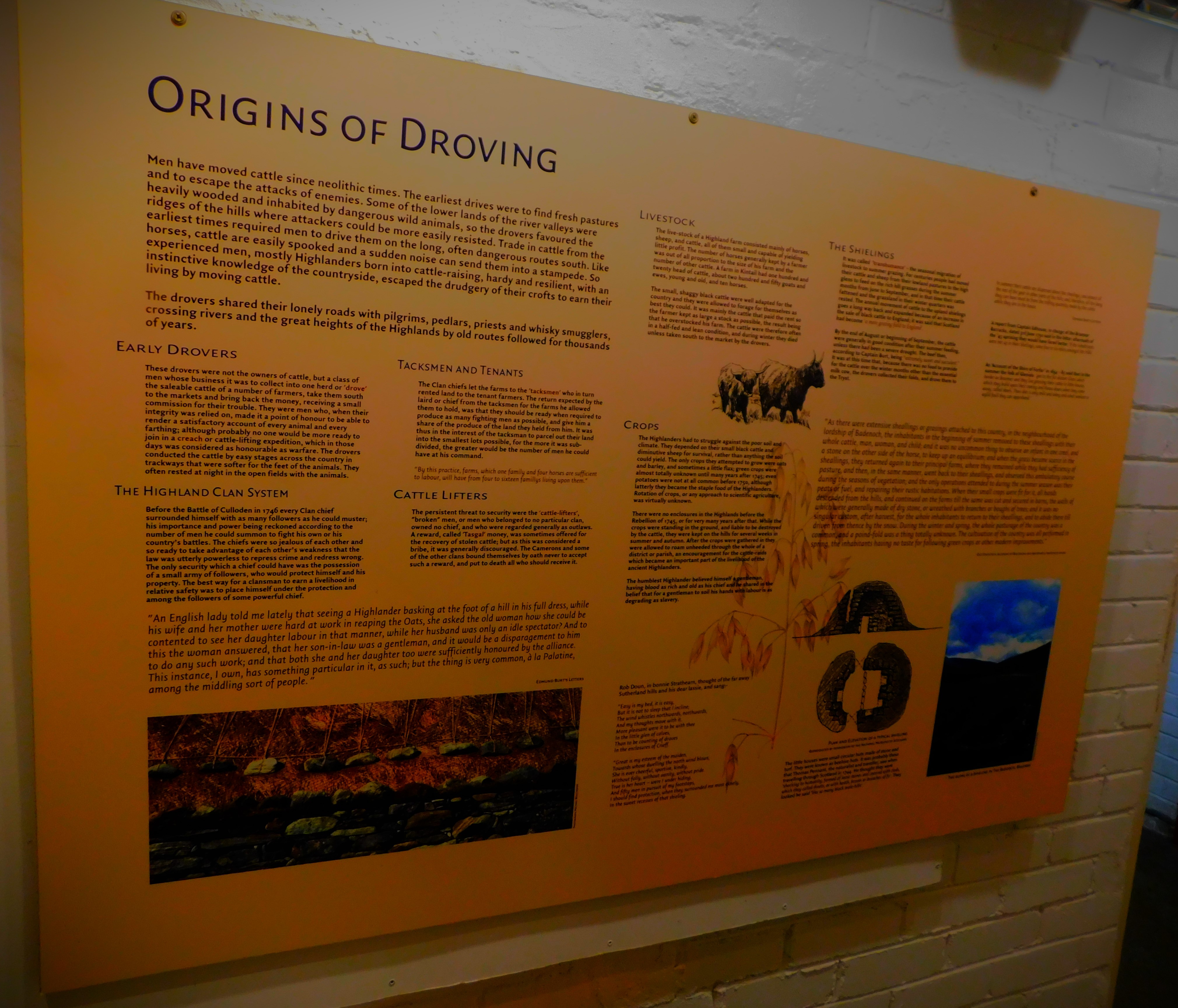
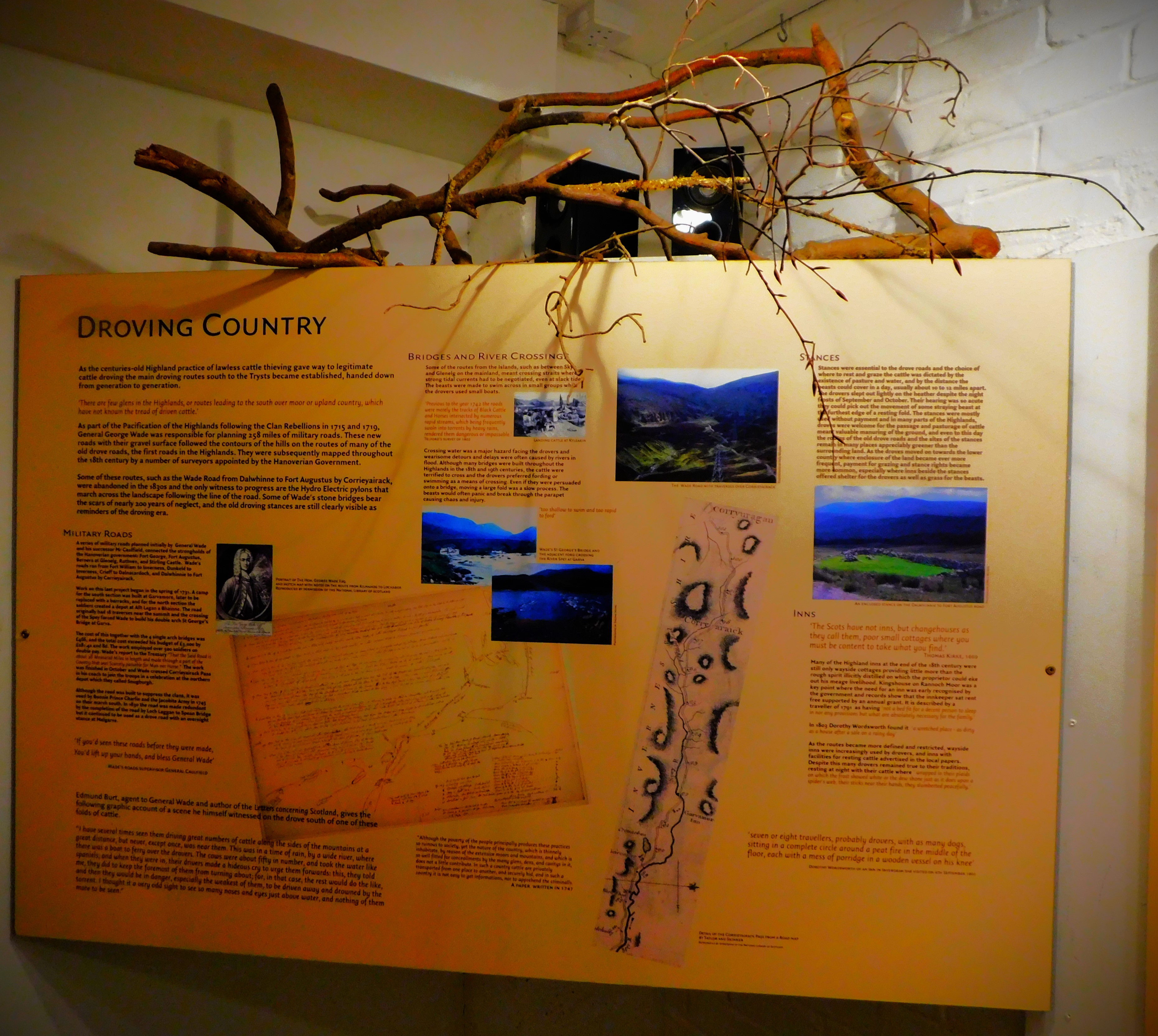
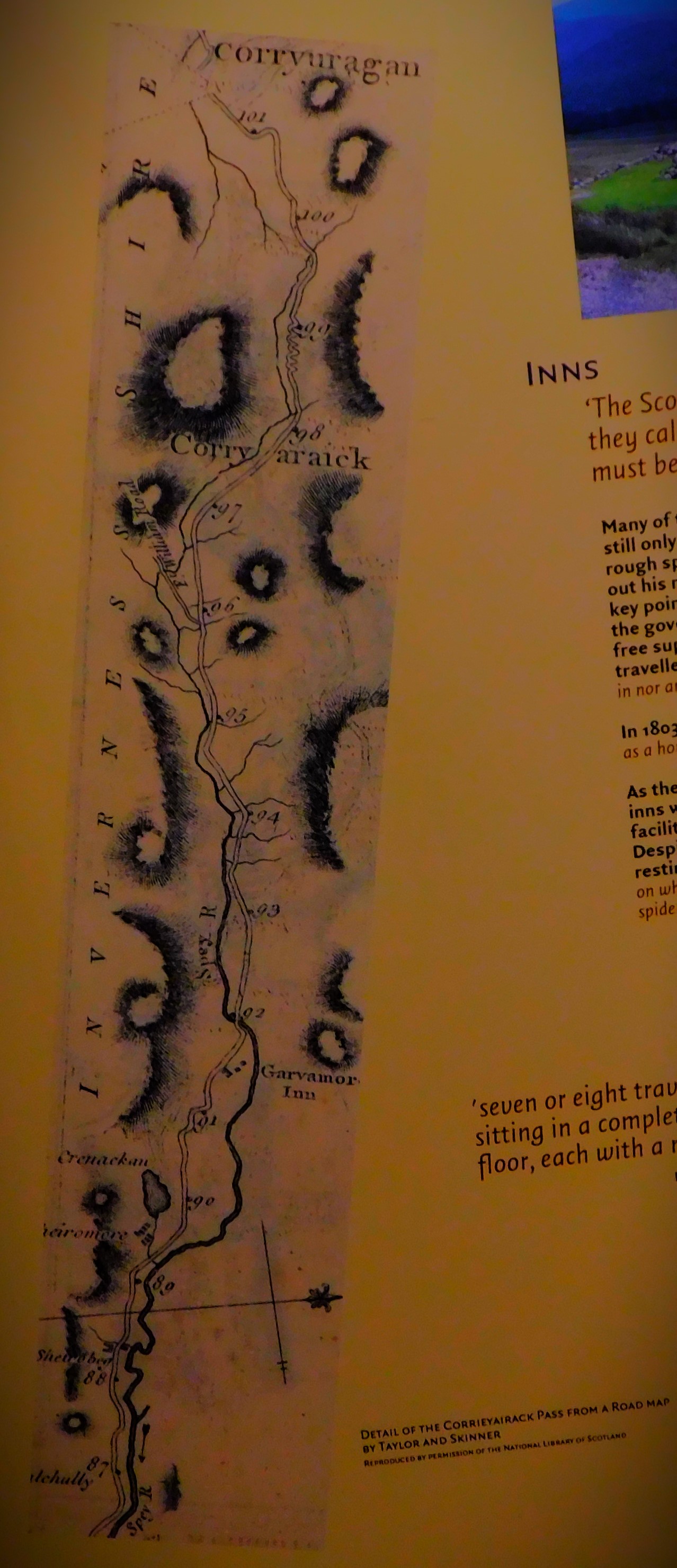
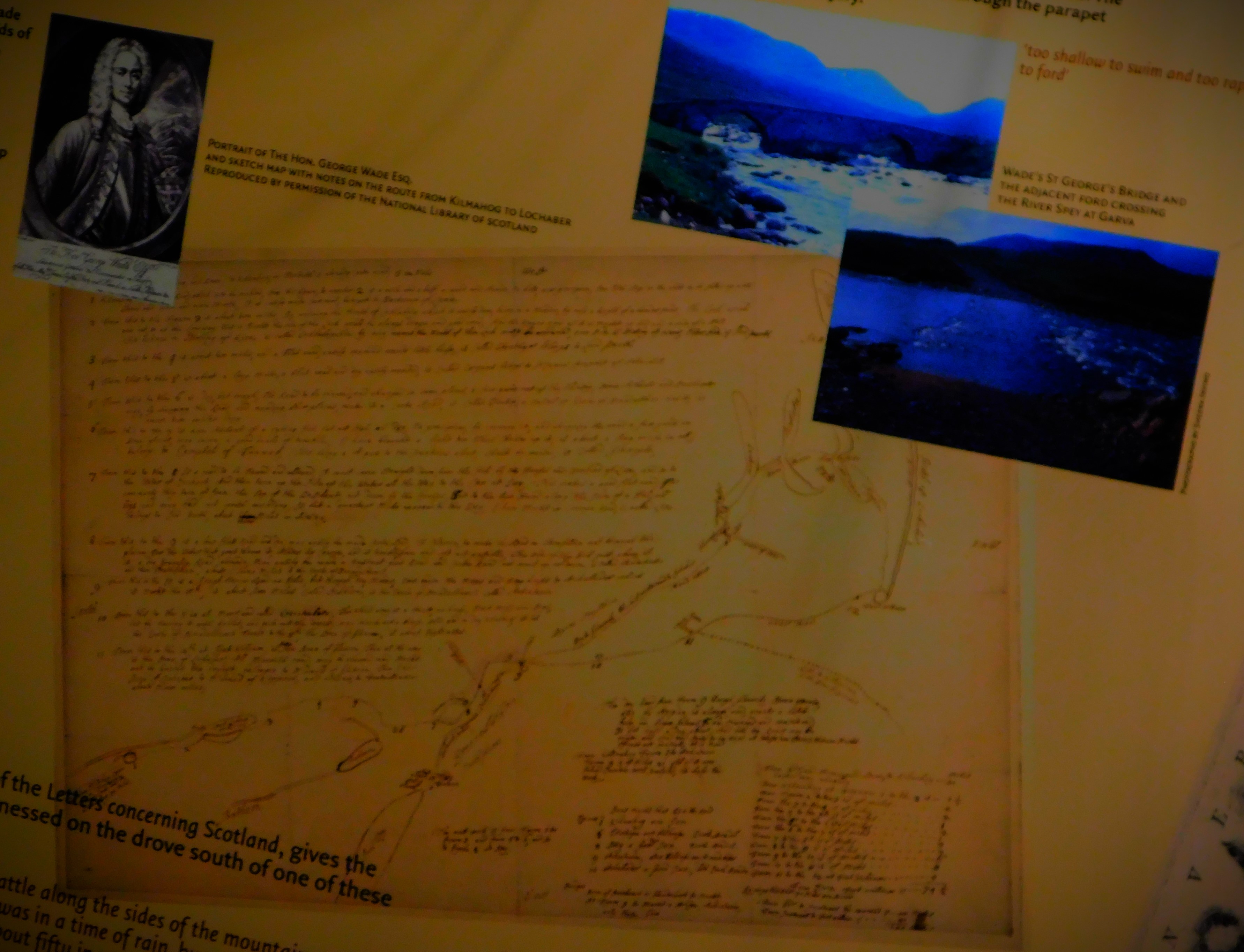
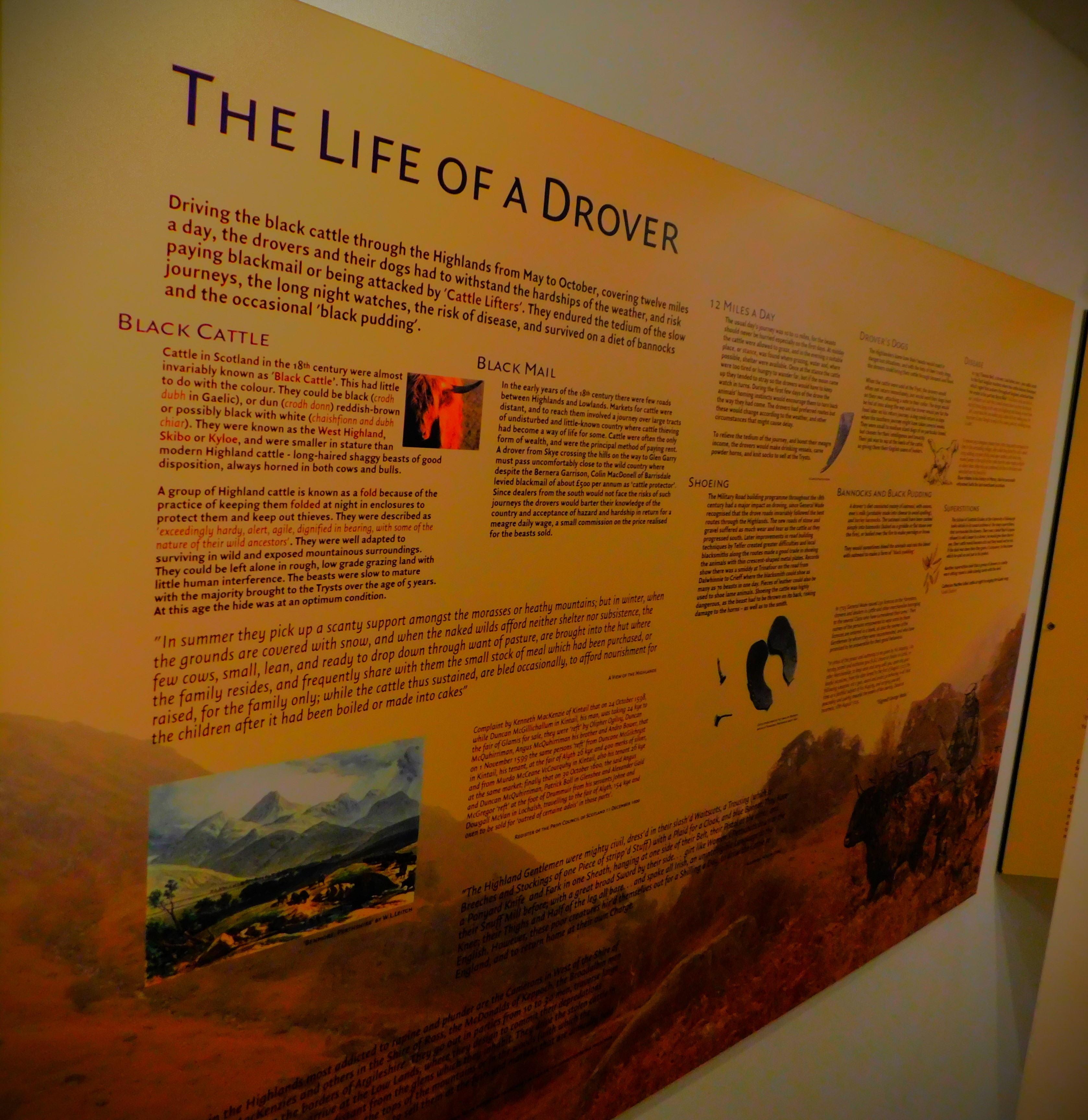
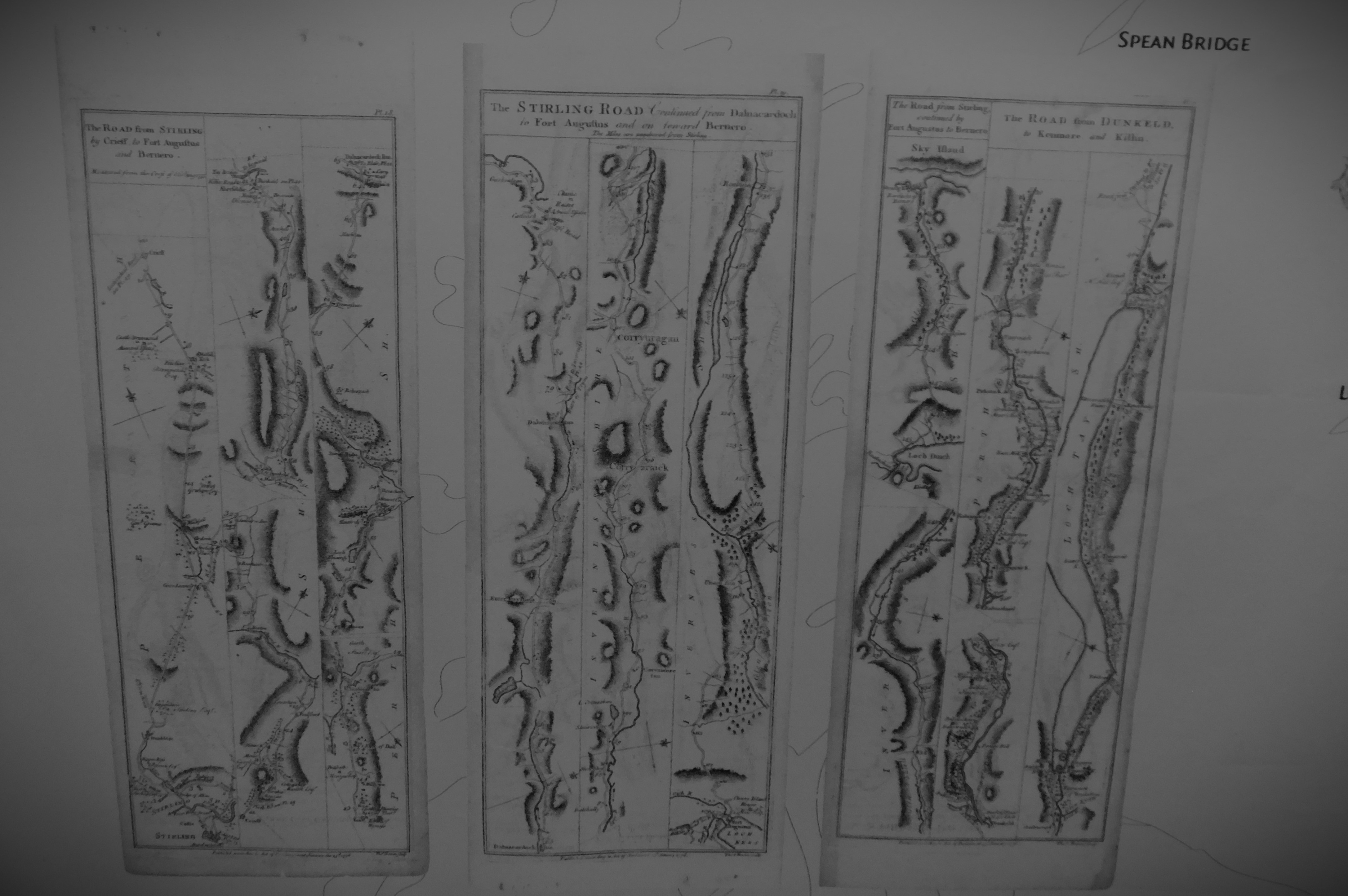
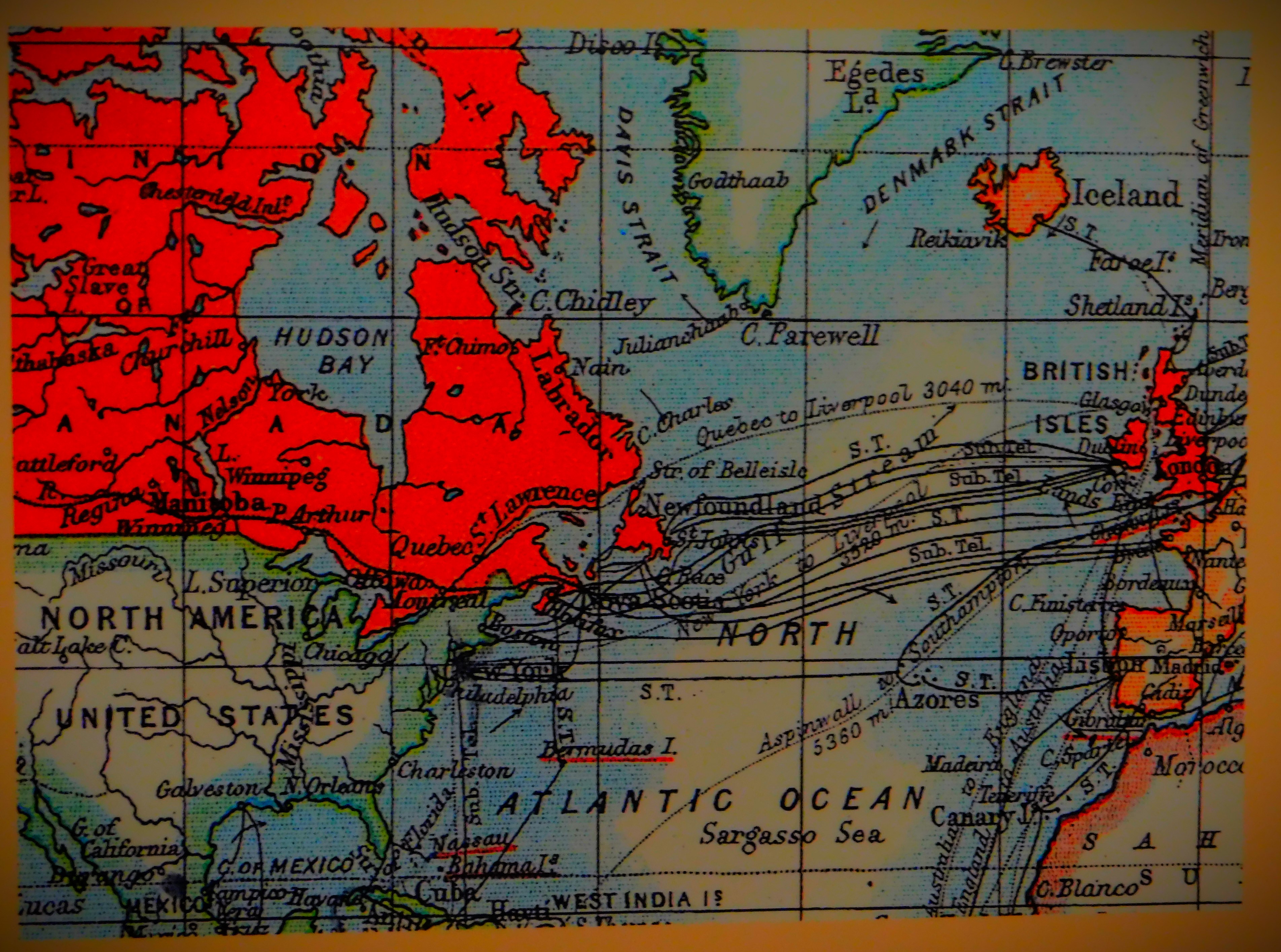
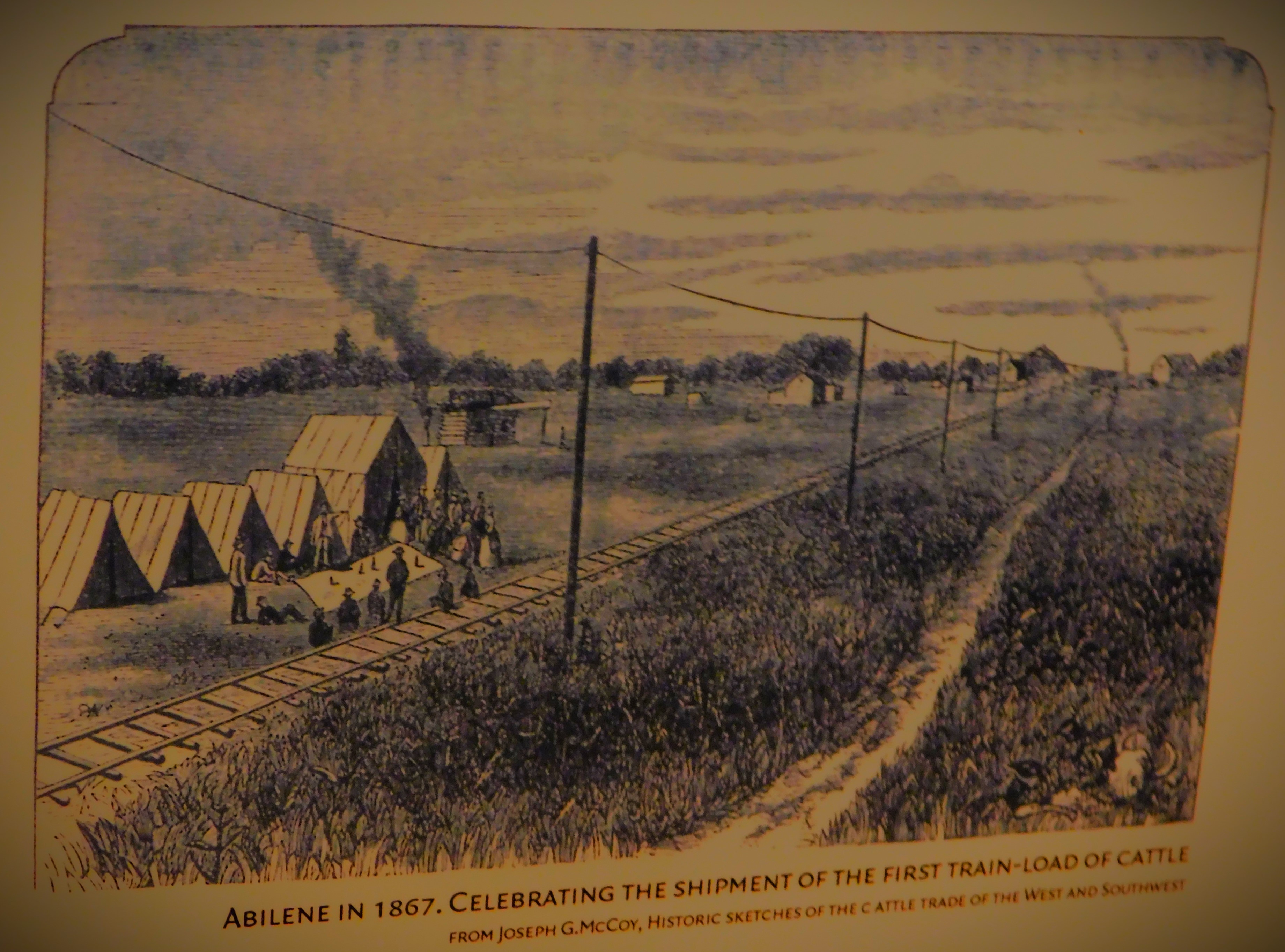
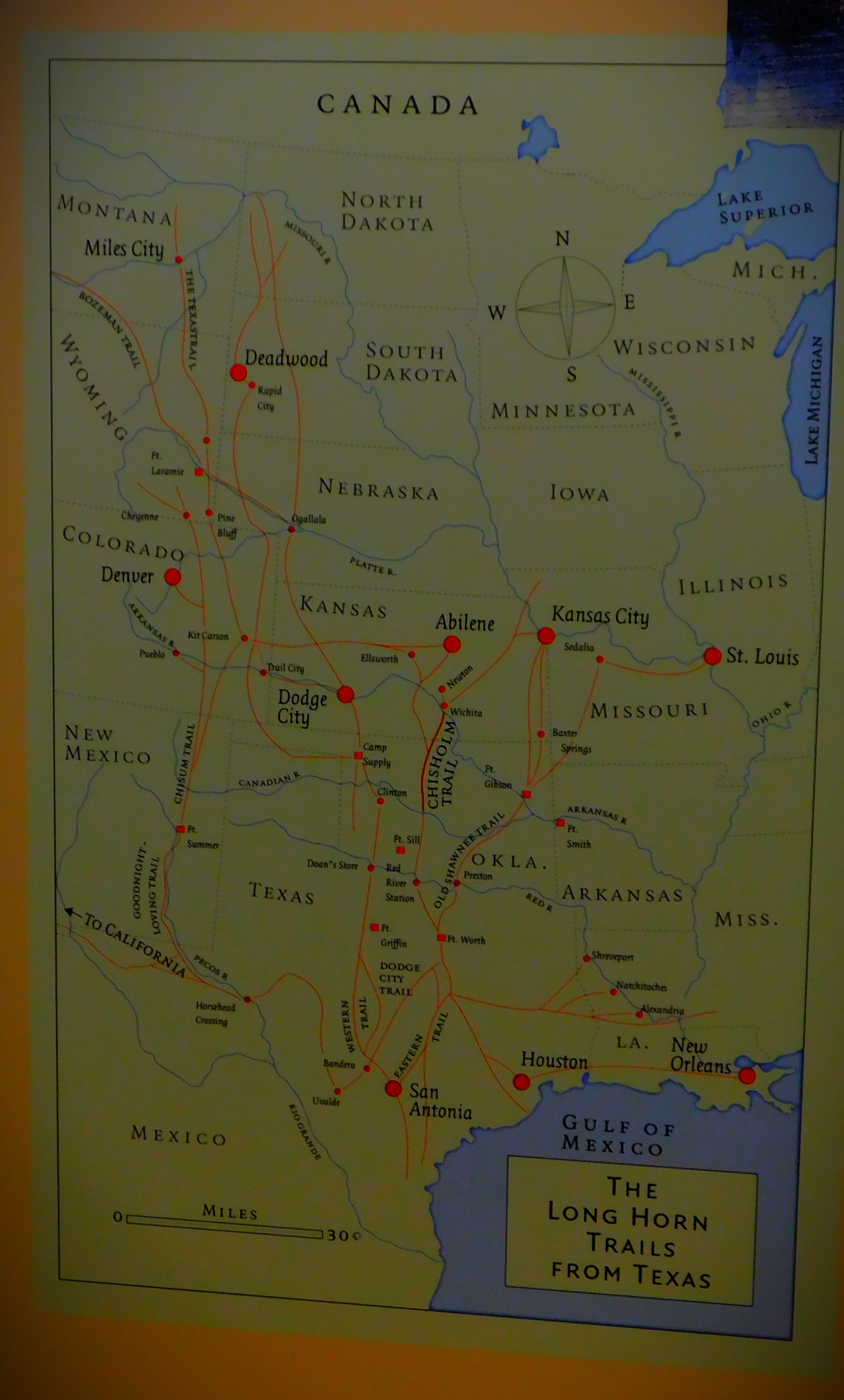
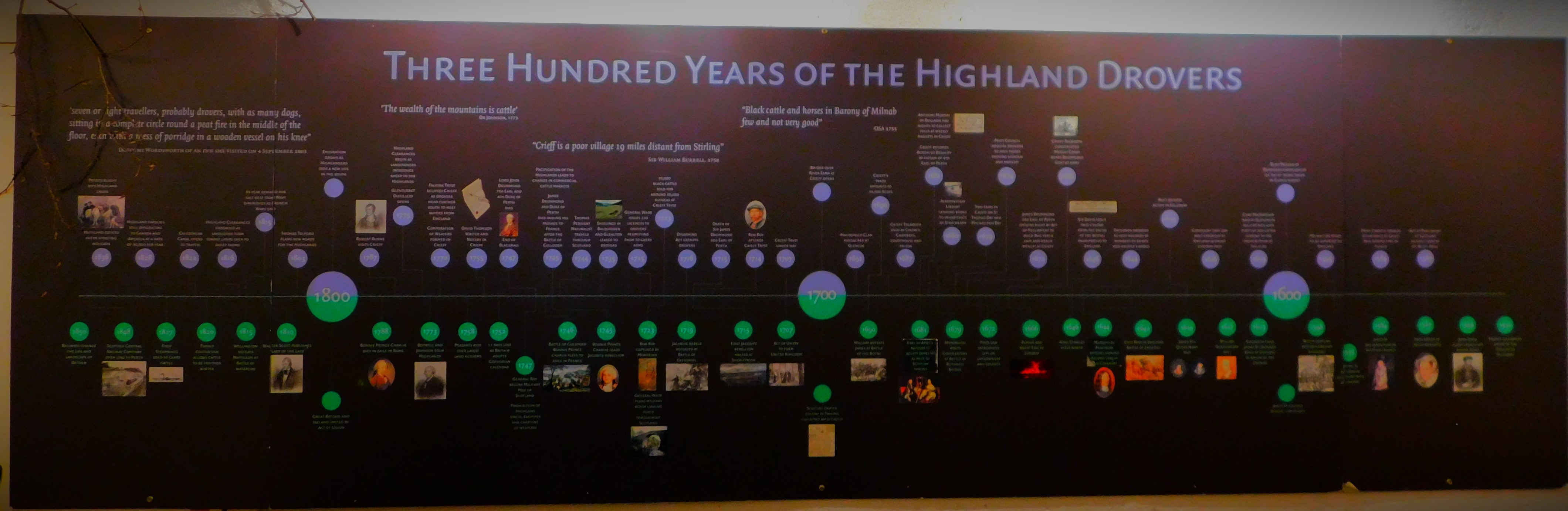
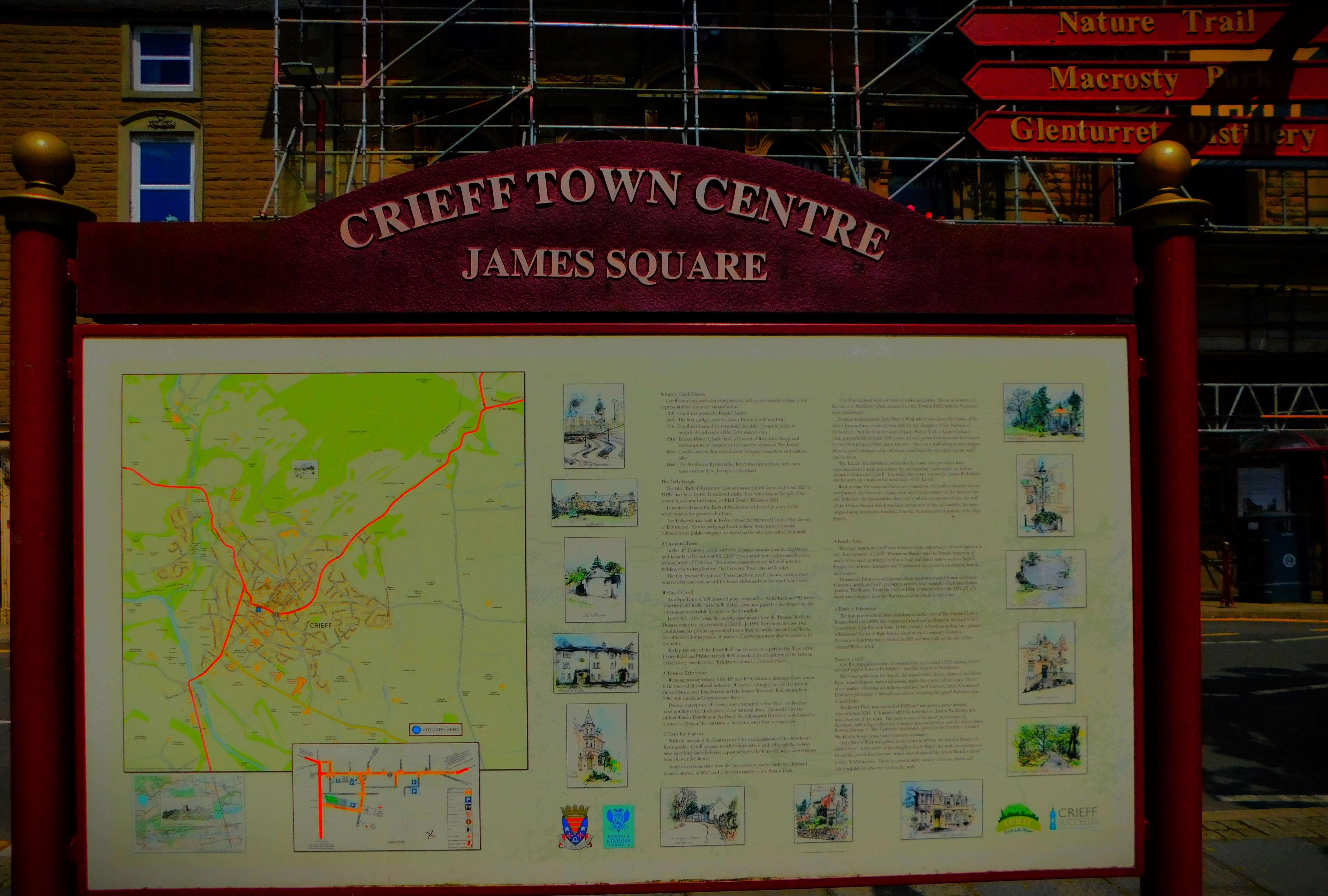
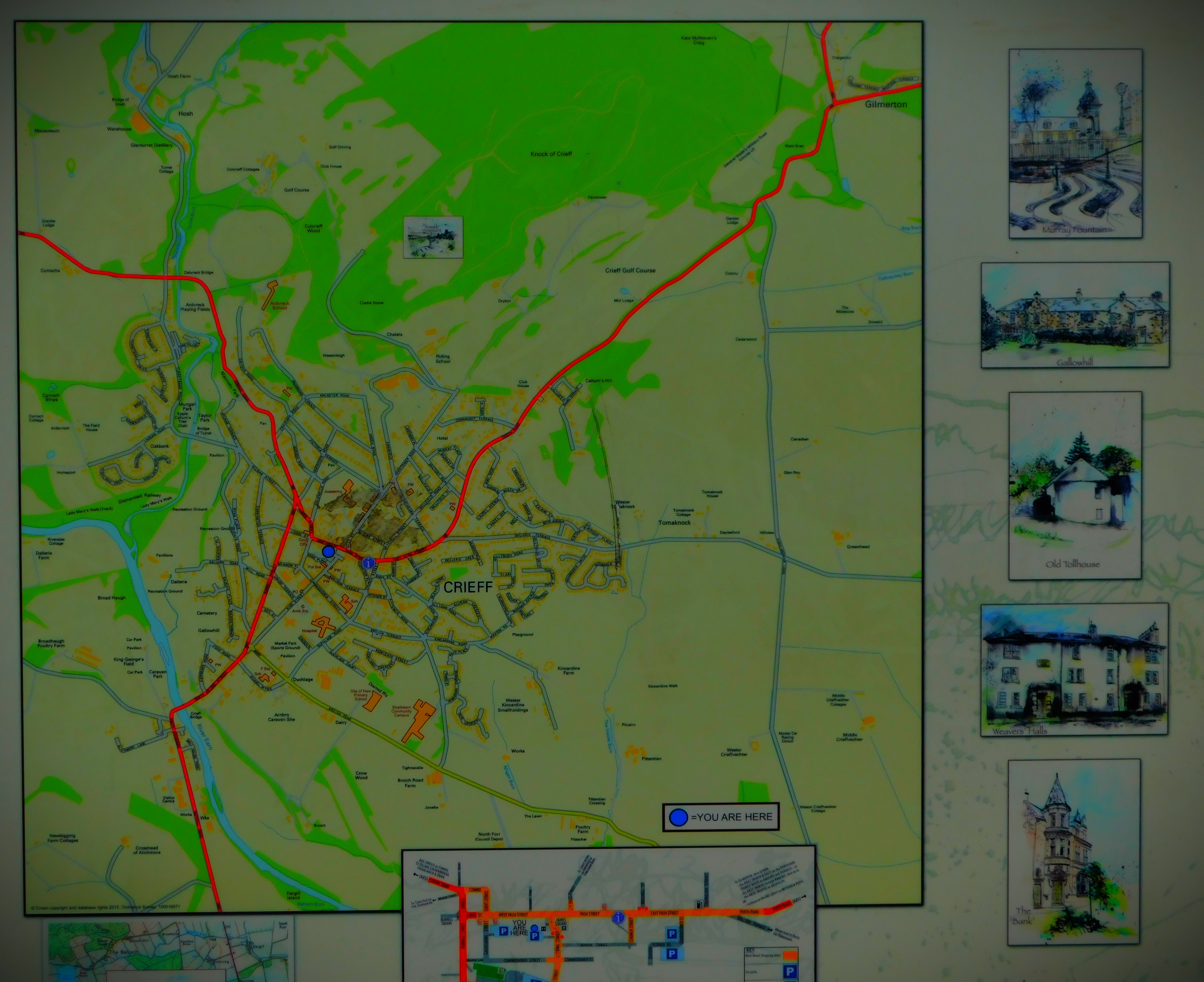
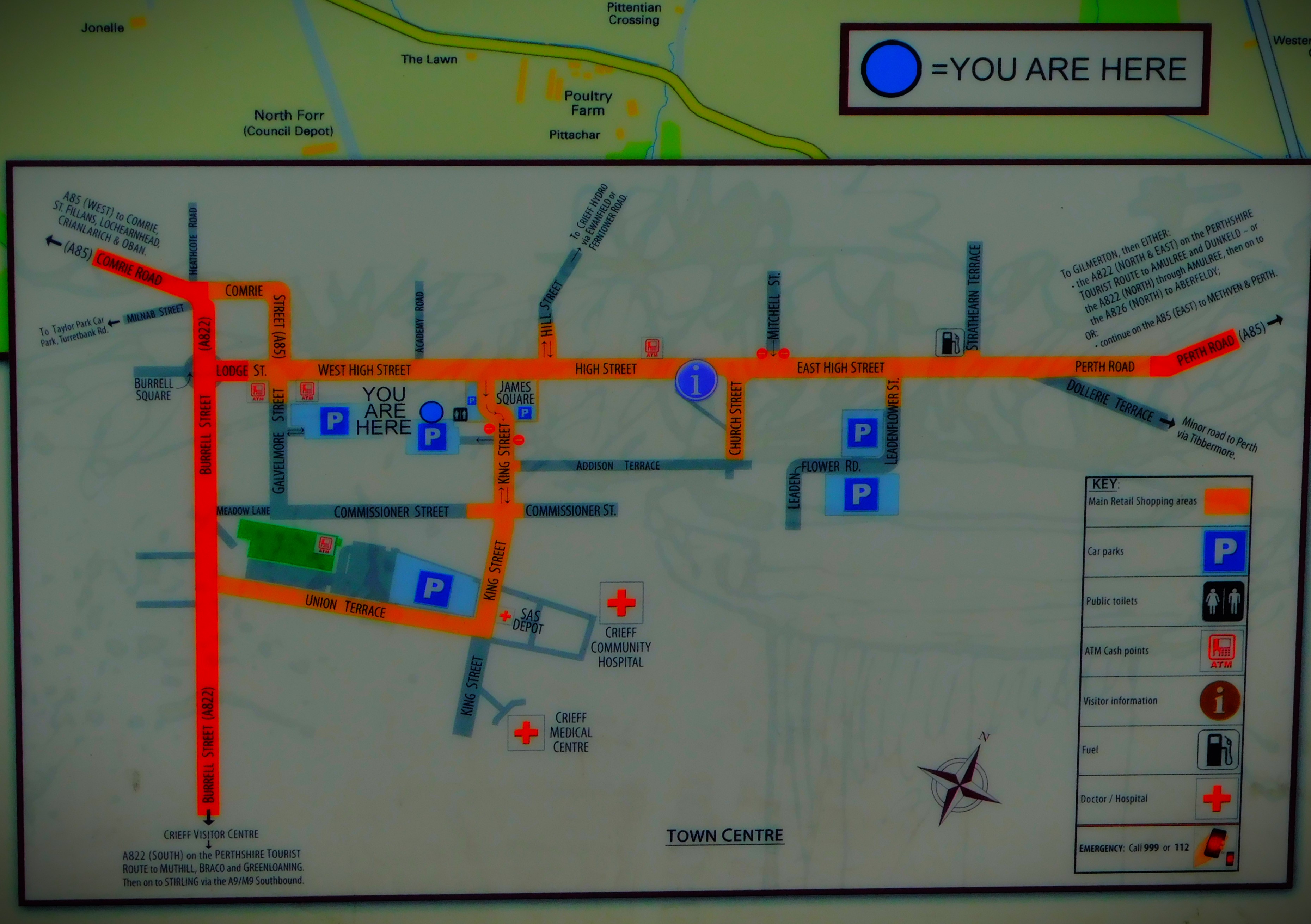
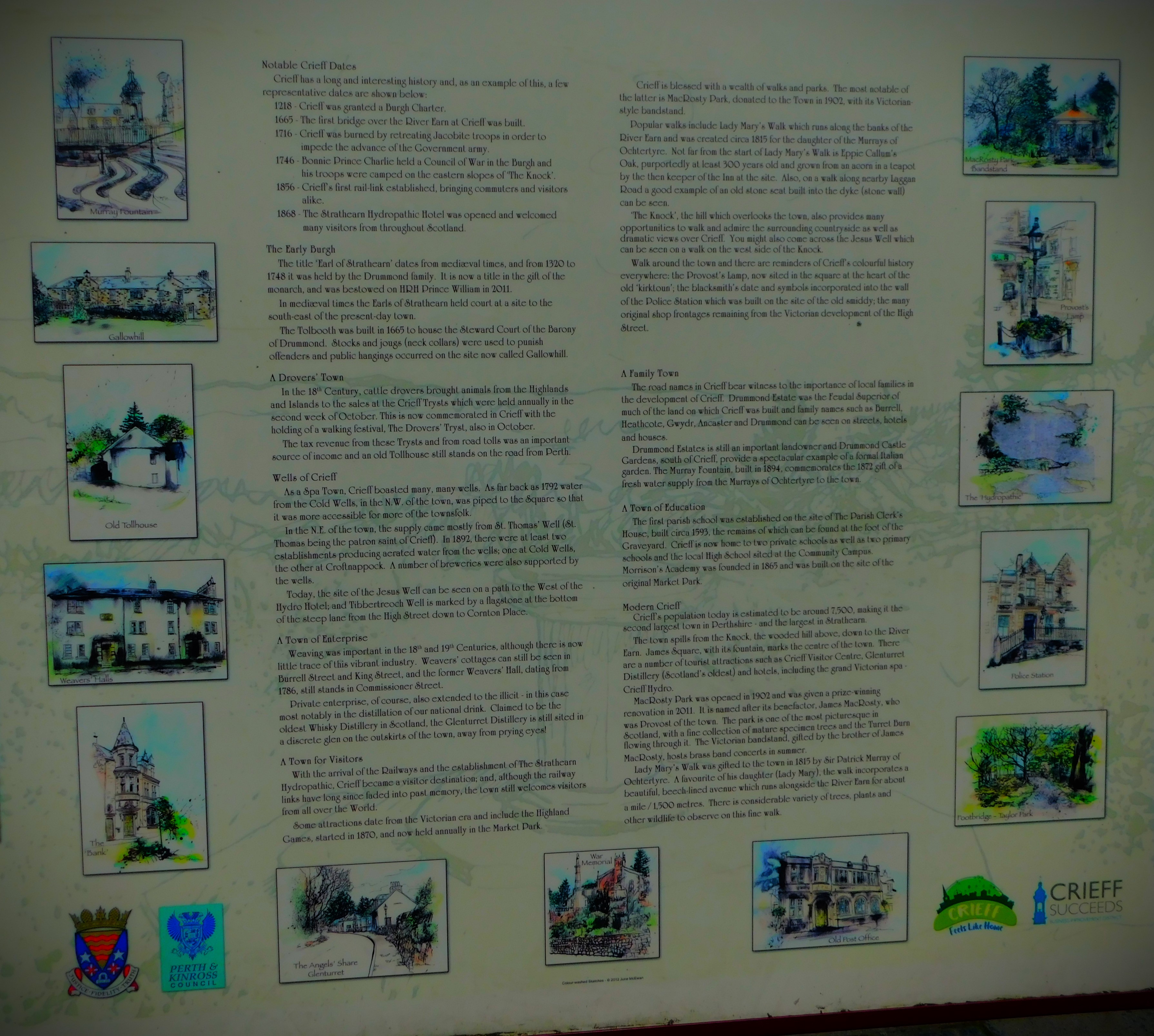
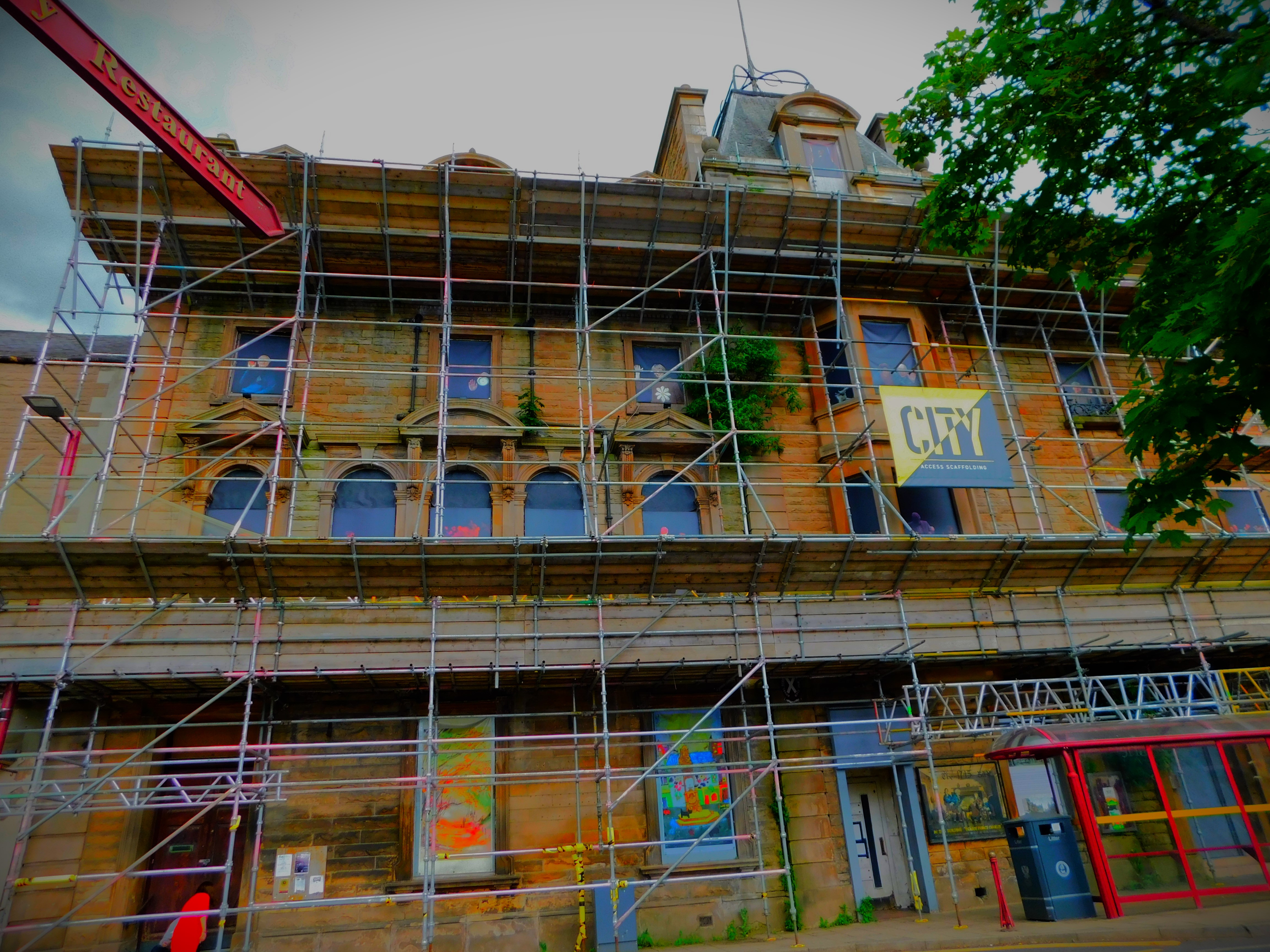
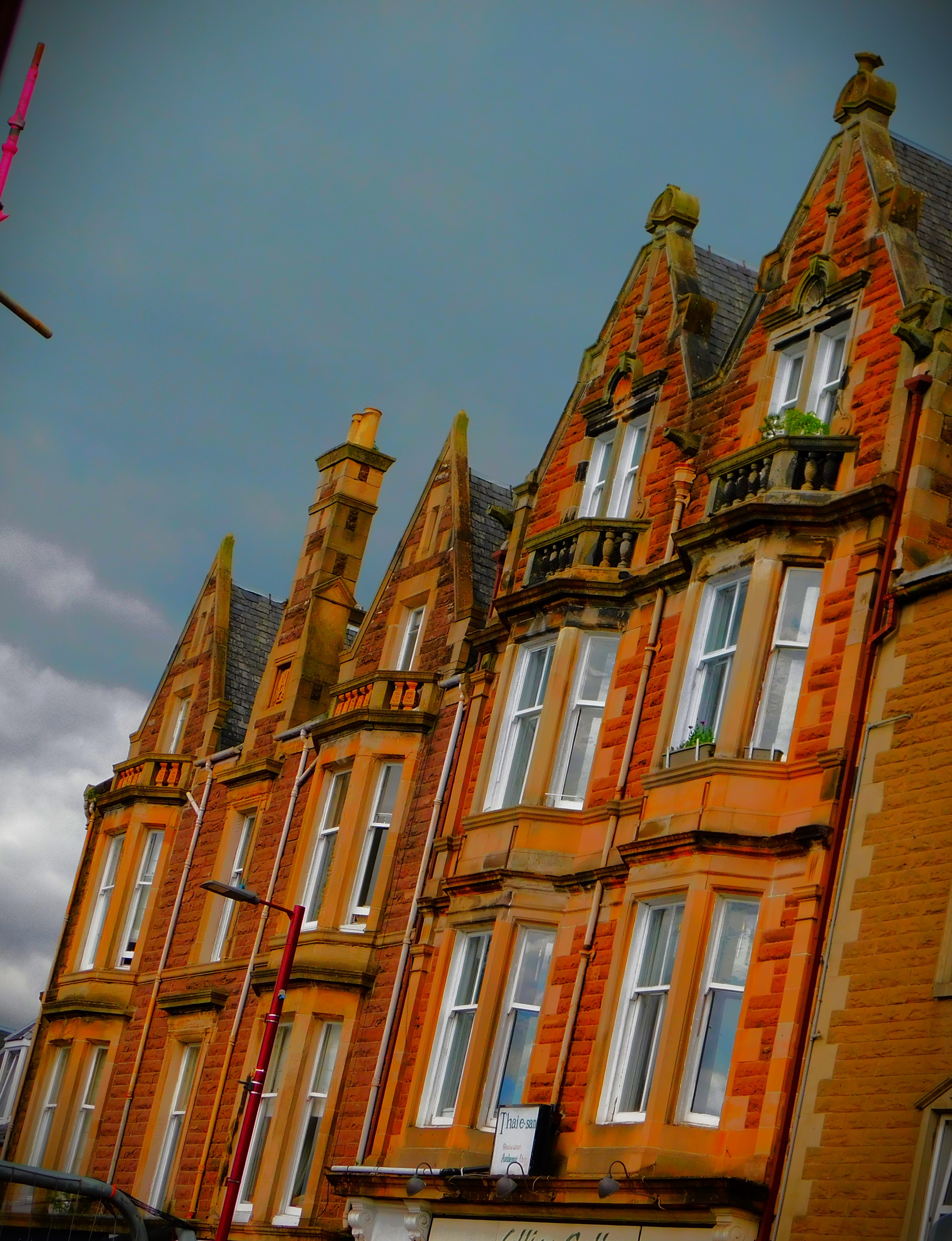
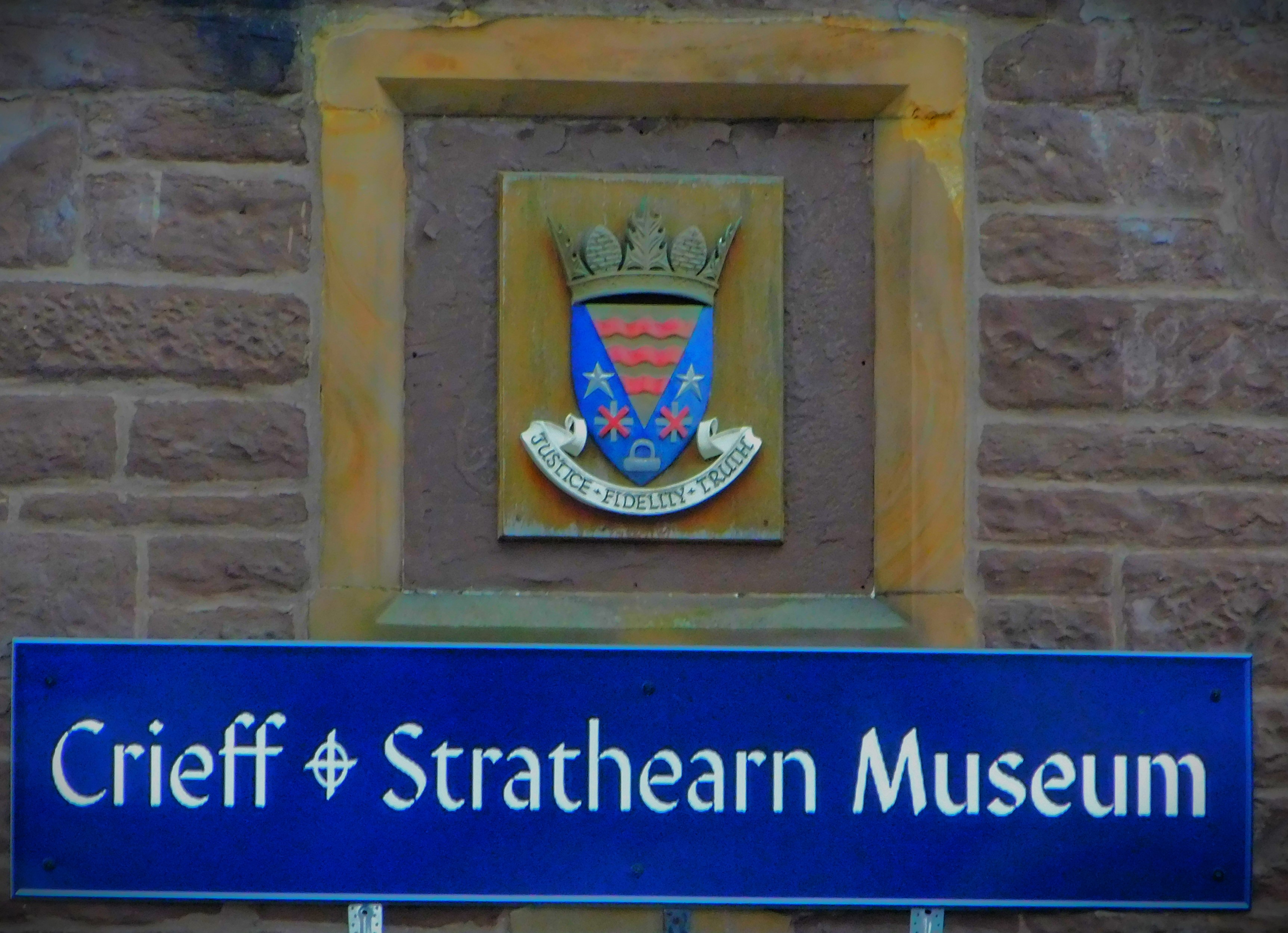
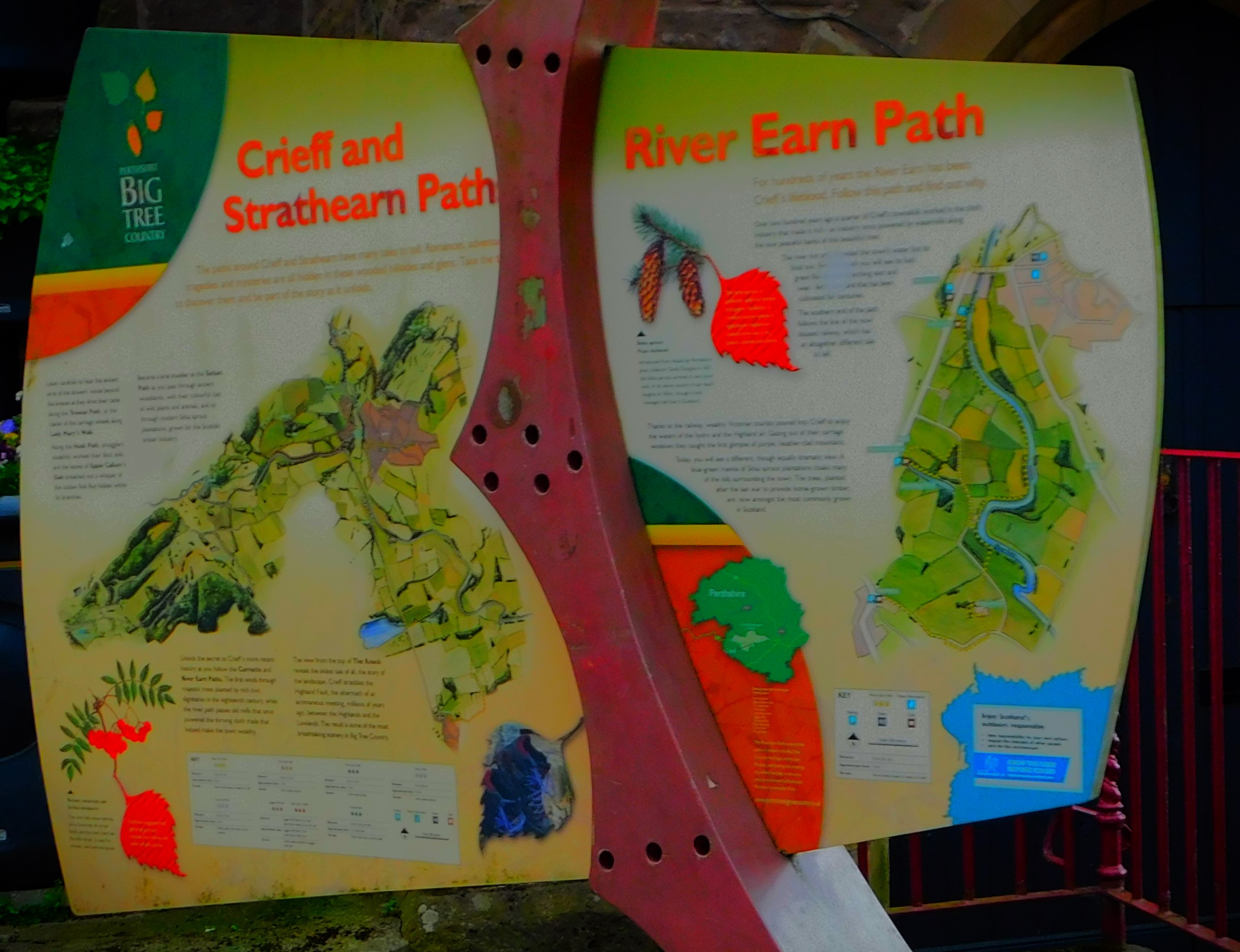
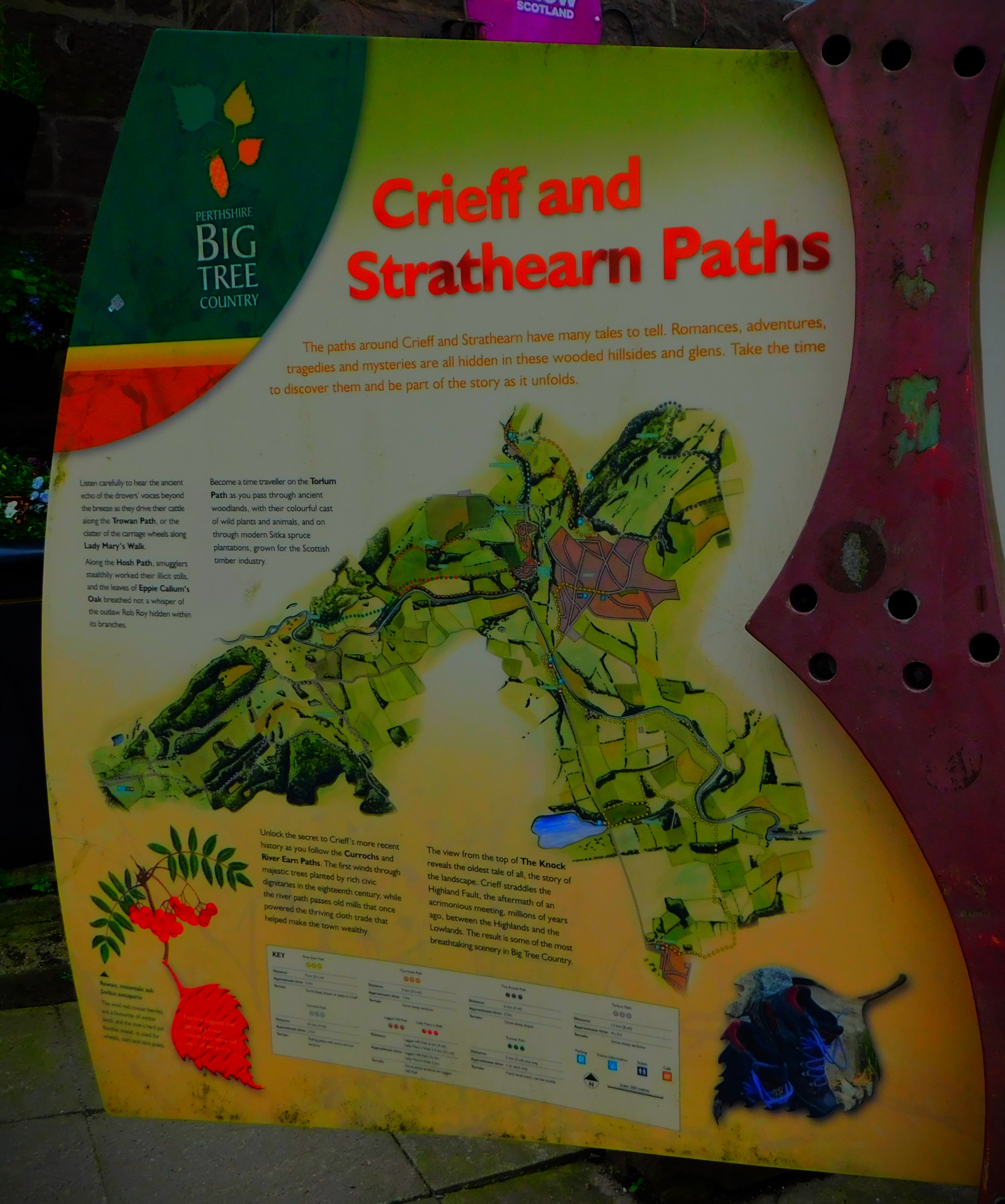
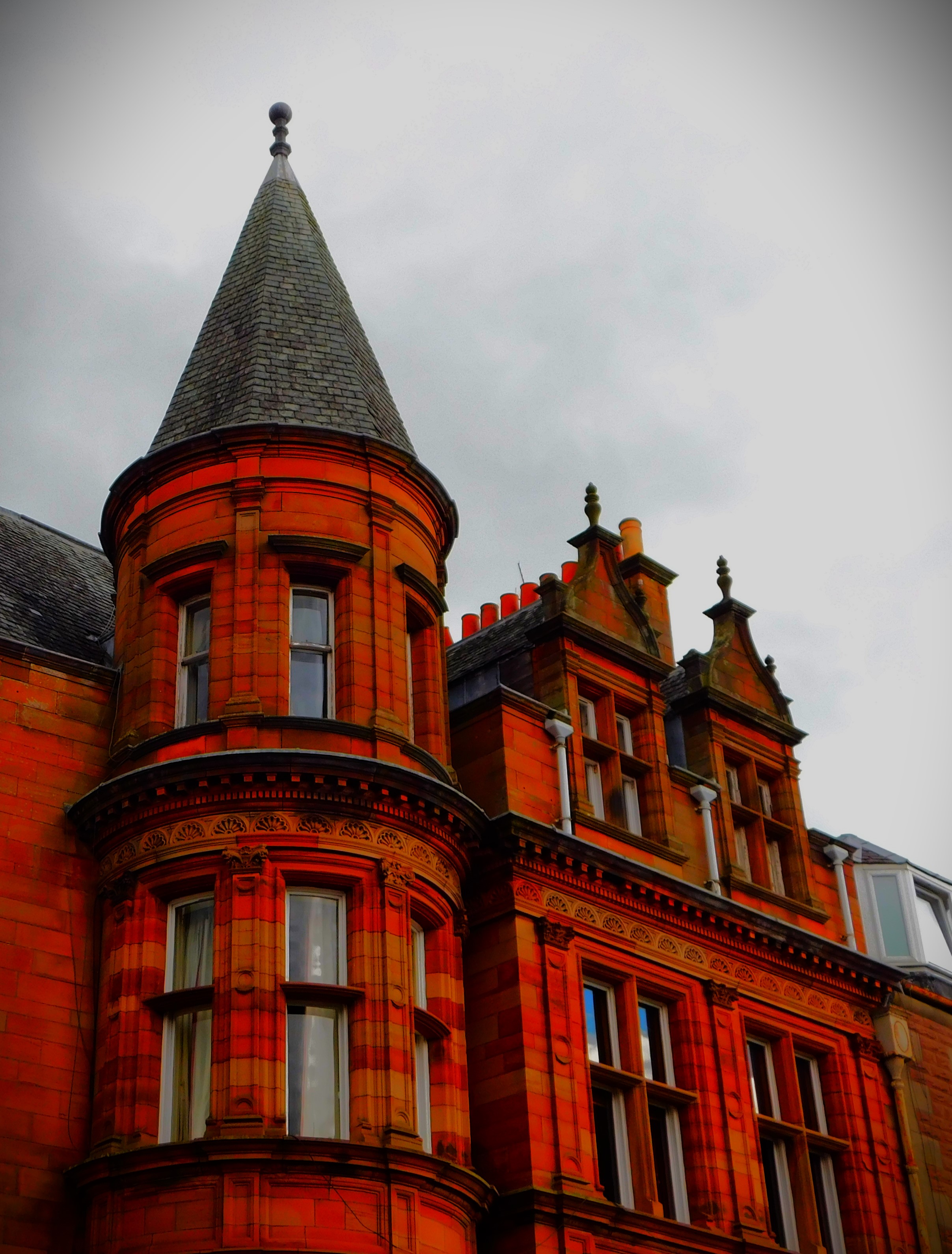
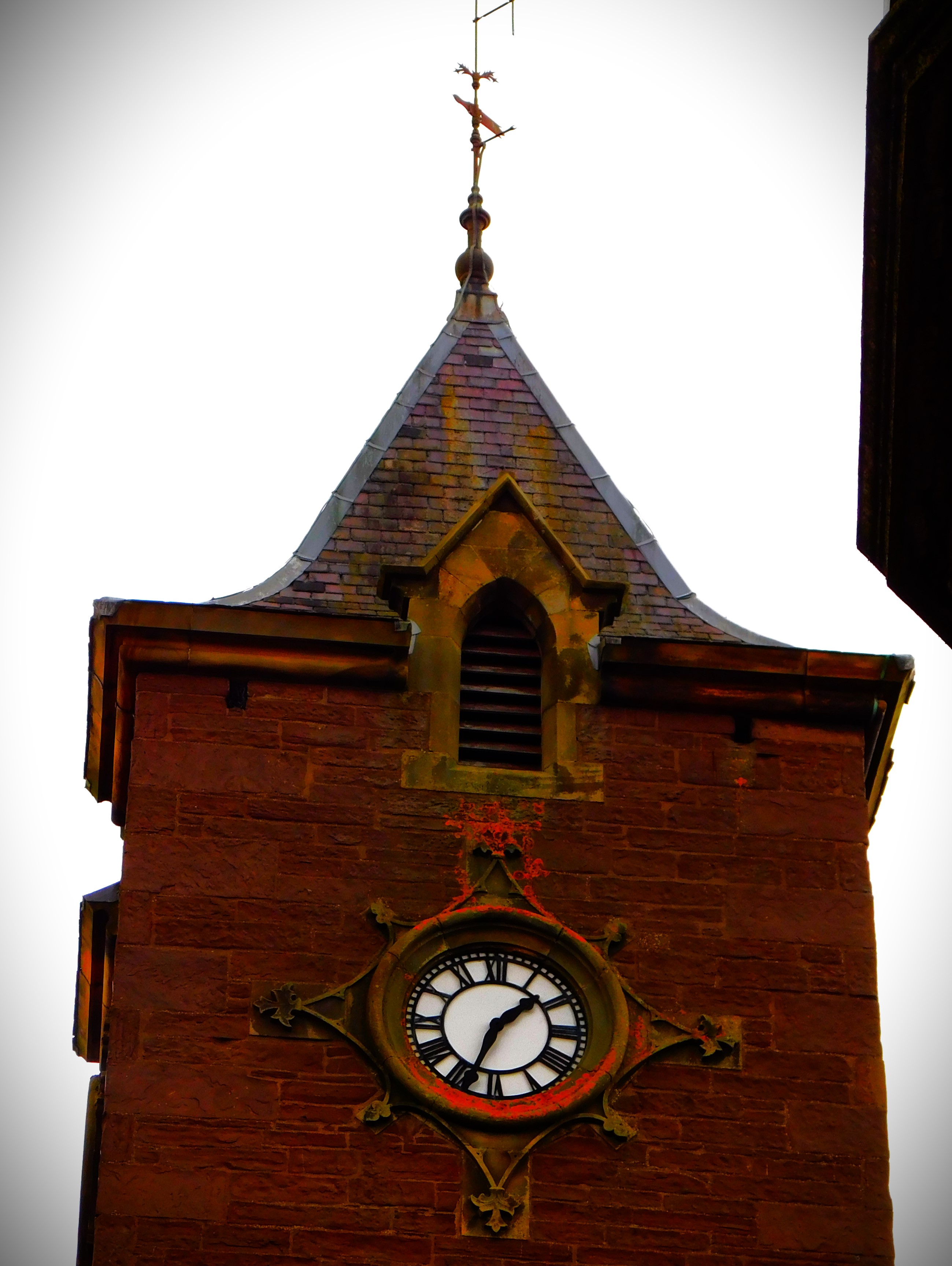
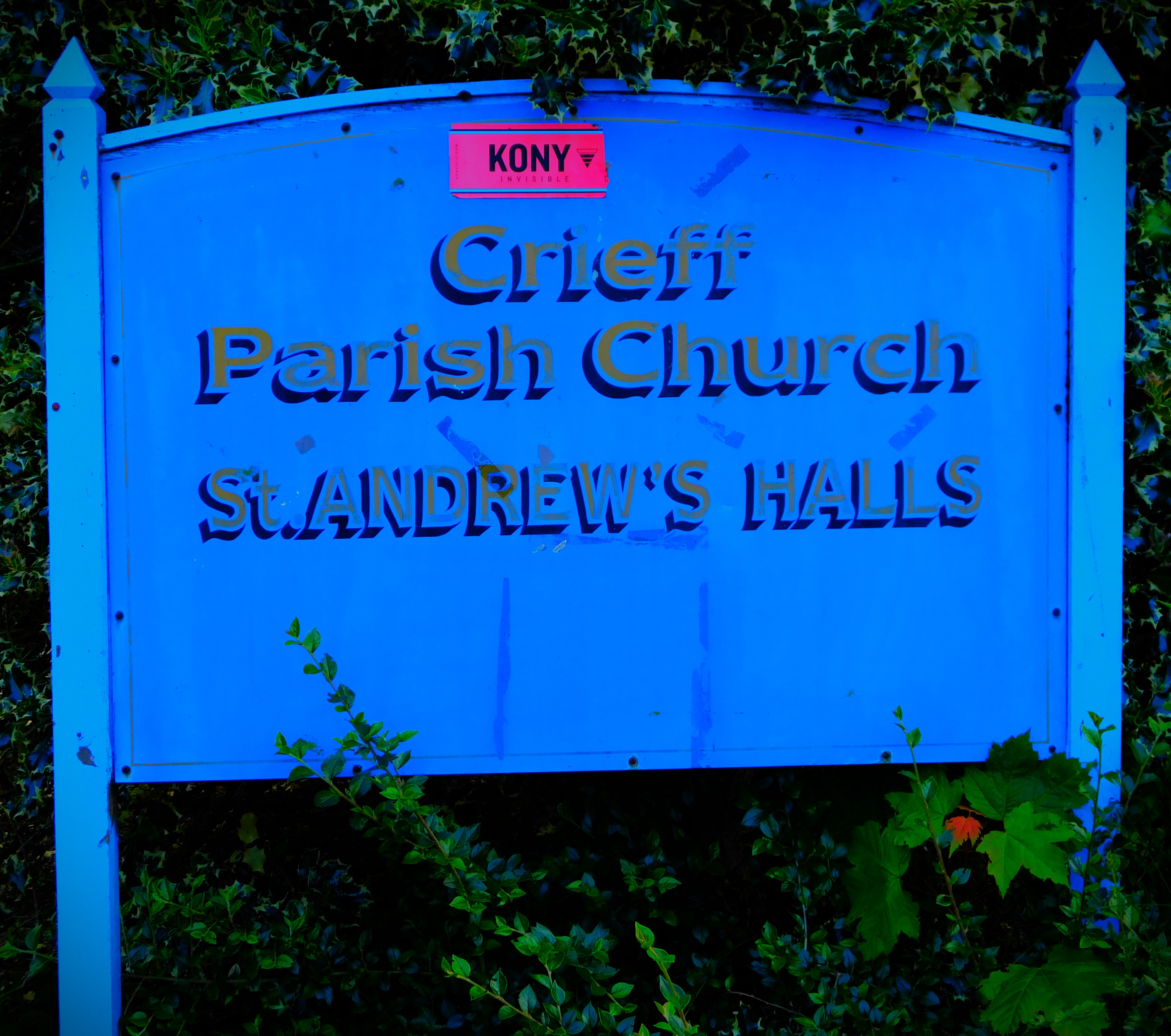
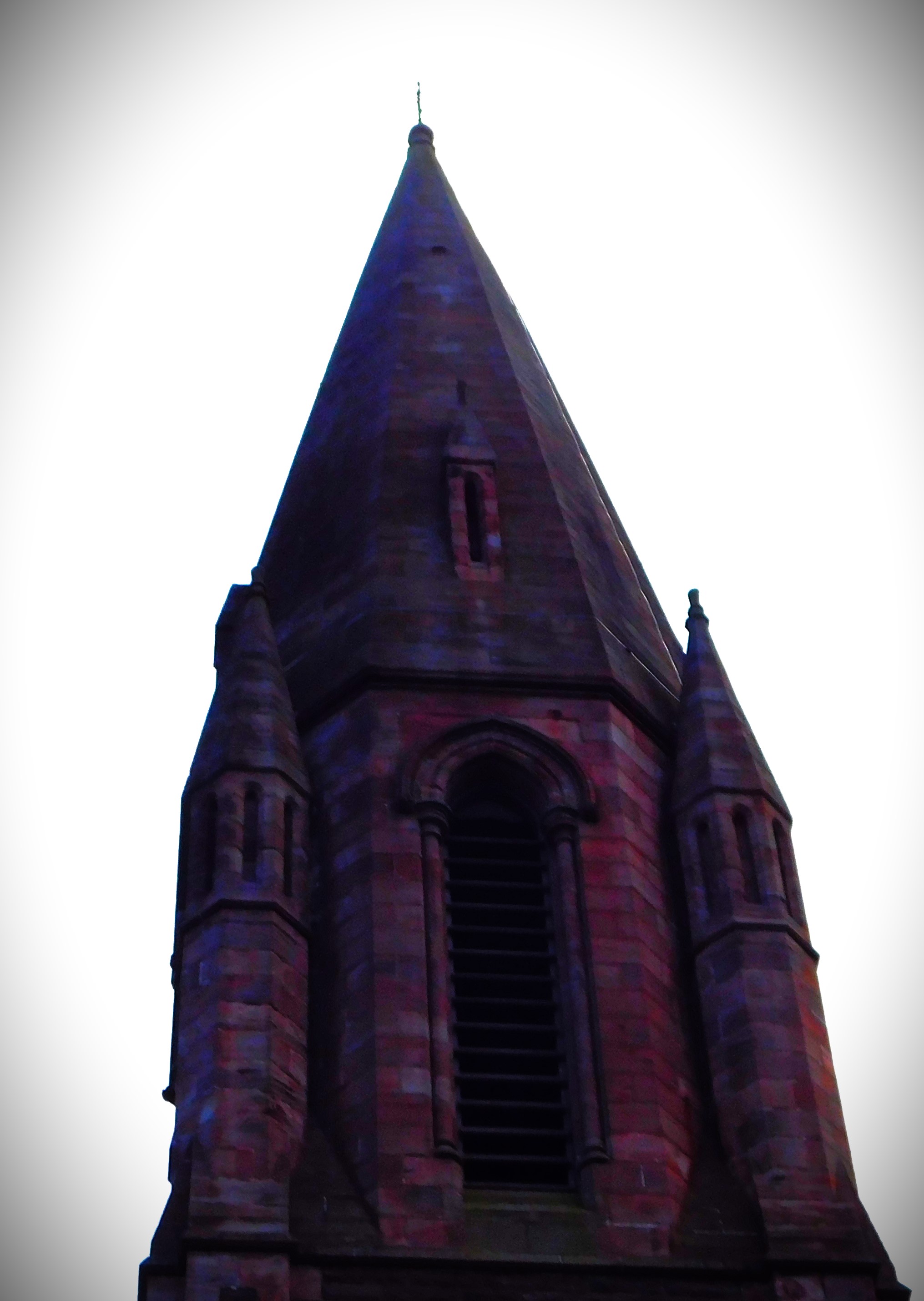
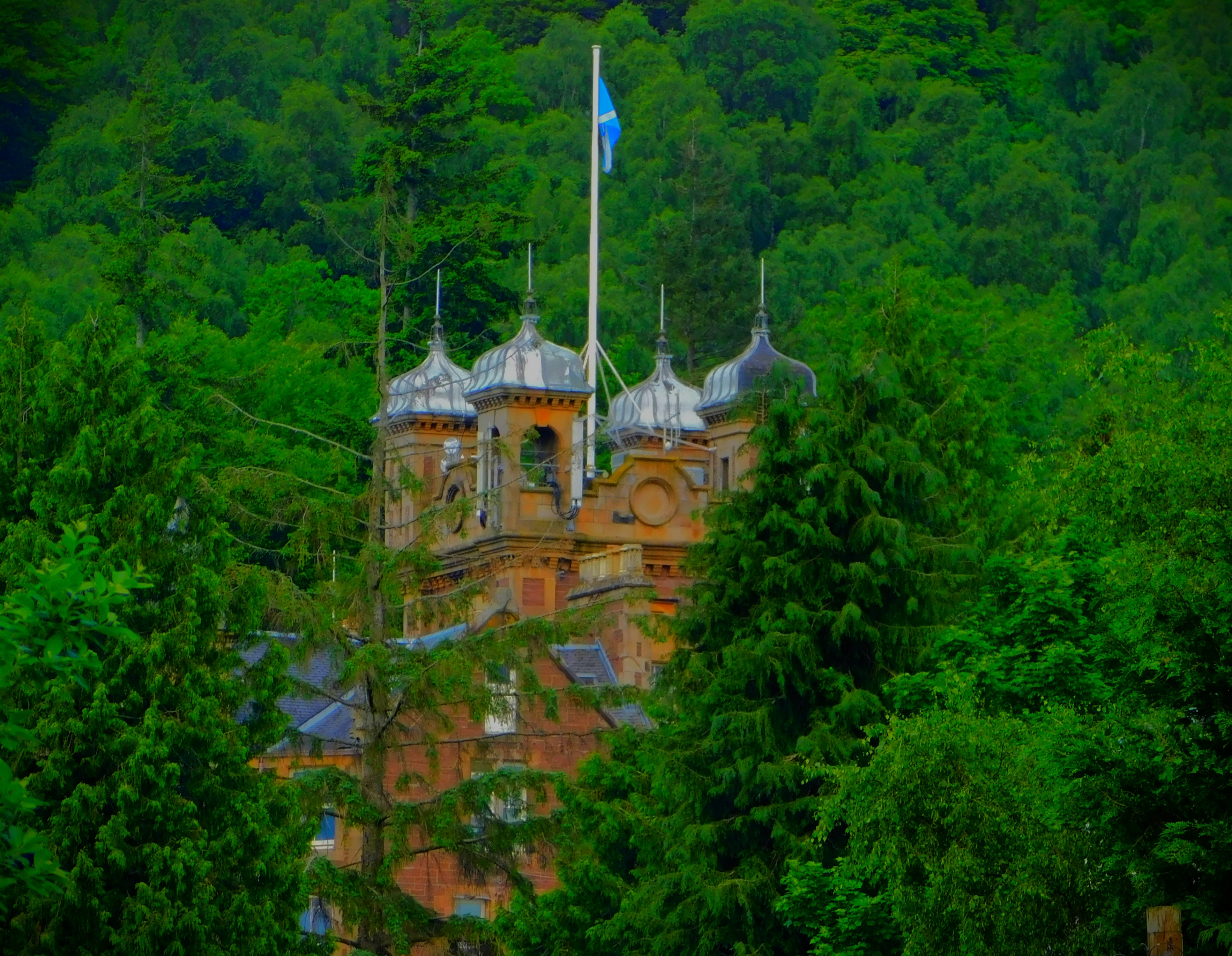
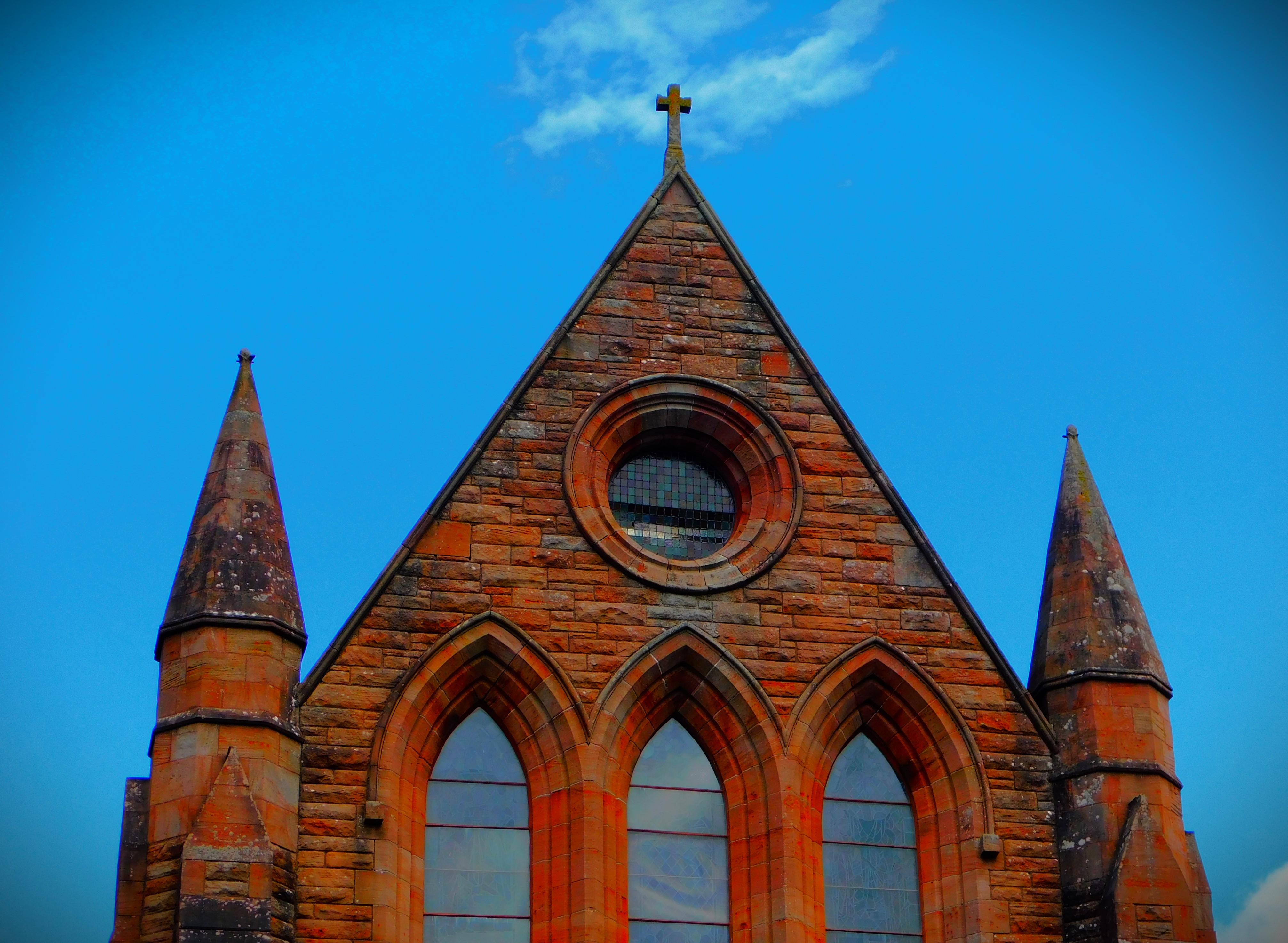
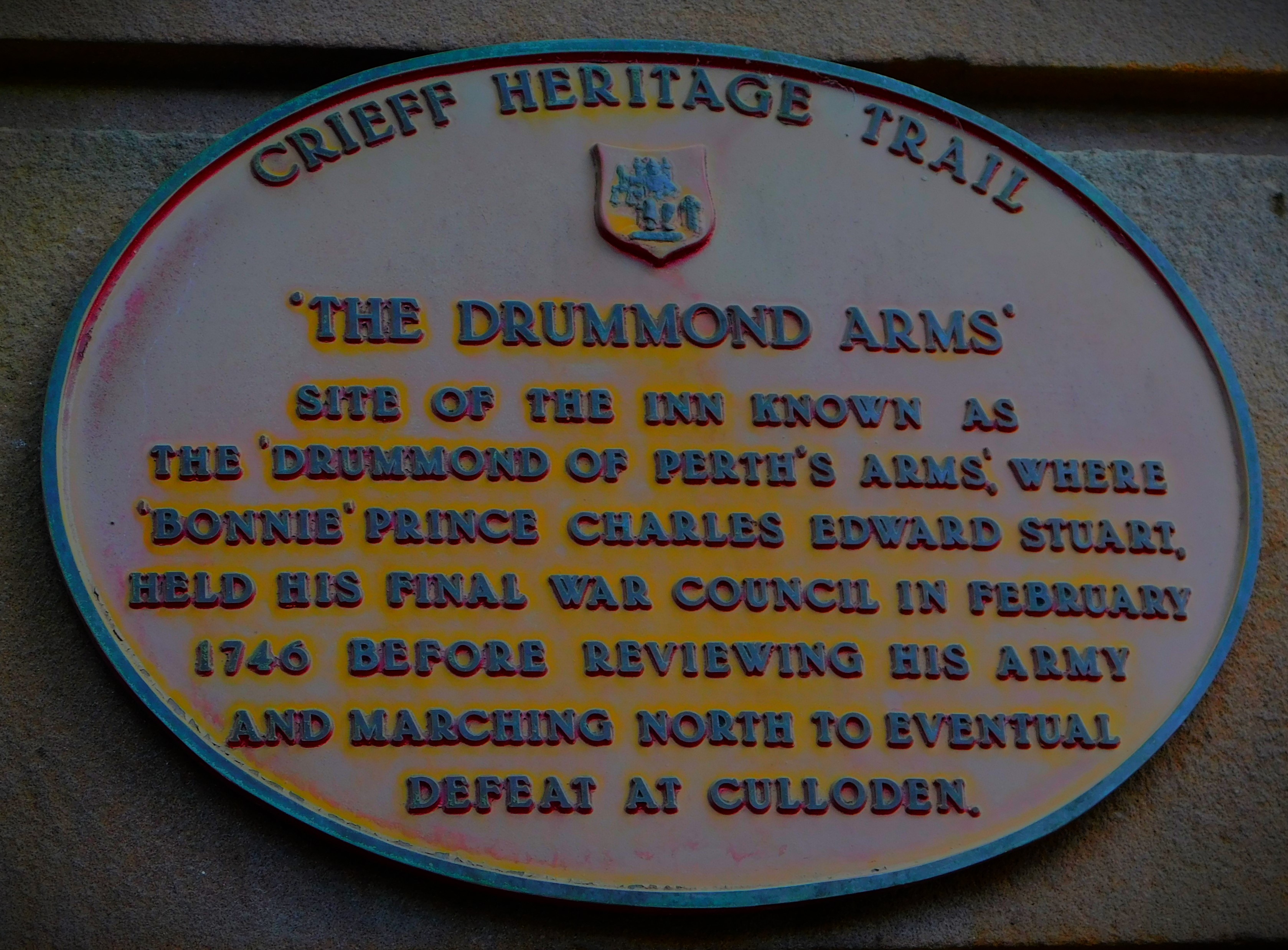
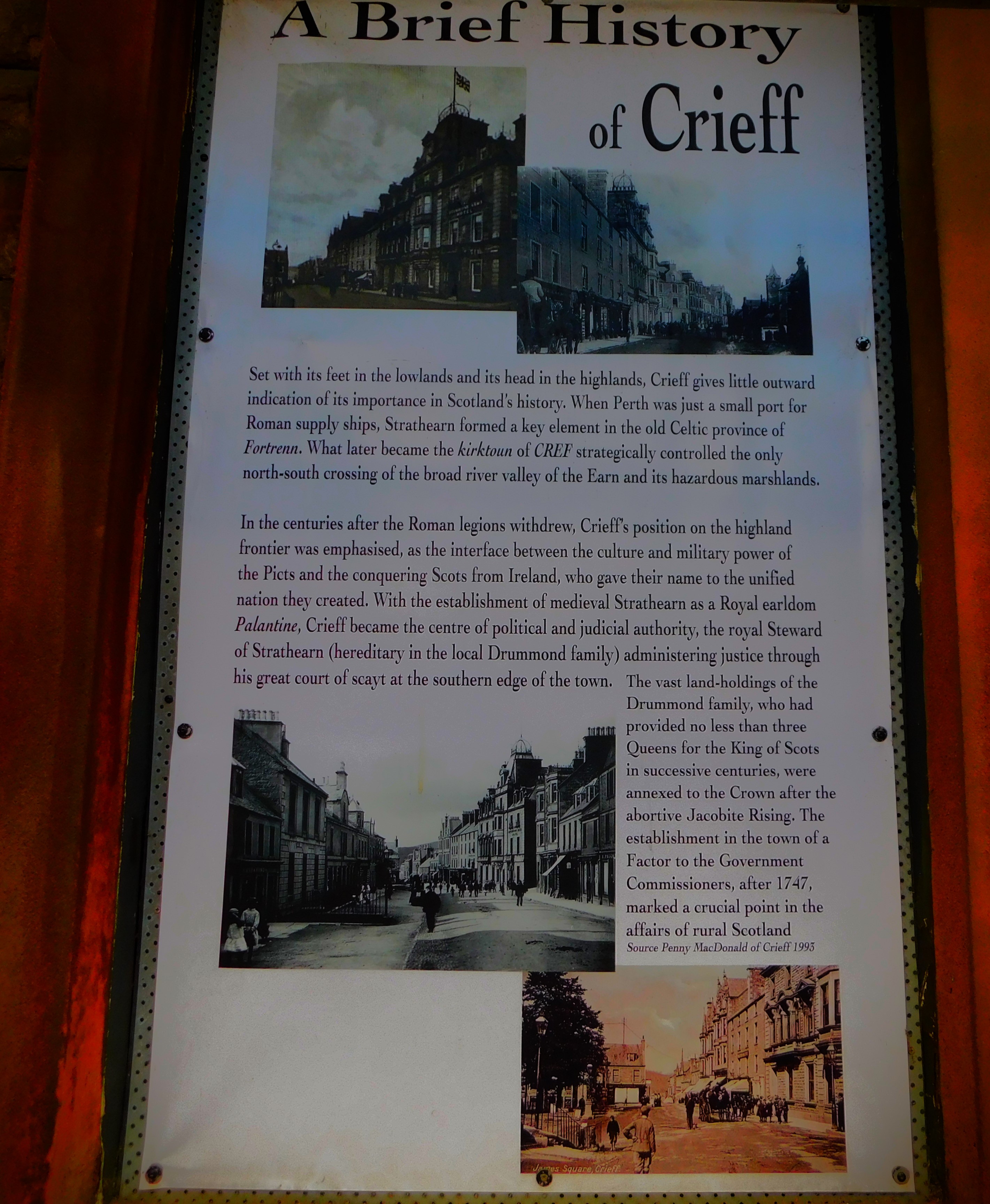
This is the penultimate post in my series about my recent holiday in Scotland. After Cultybraggan Camp and Ardoch Roman Fort we headed for Crieff. There is an excellent visitor centre, with a small museum about the cattle drovers who back in the day travelled from the far west of Scotland to Stirling with their cattle, with Crieff being an important staging post on the route. In the 19th century some of these people migrated to the US and Canada in search of better lives, and this was also covered in the museum. Crieff is home to some very fine buildings but time constraints limited our exploration of the town itself.
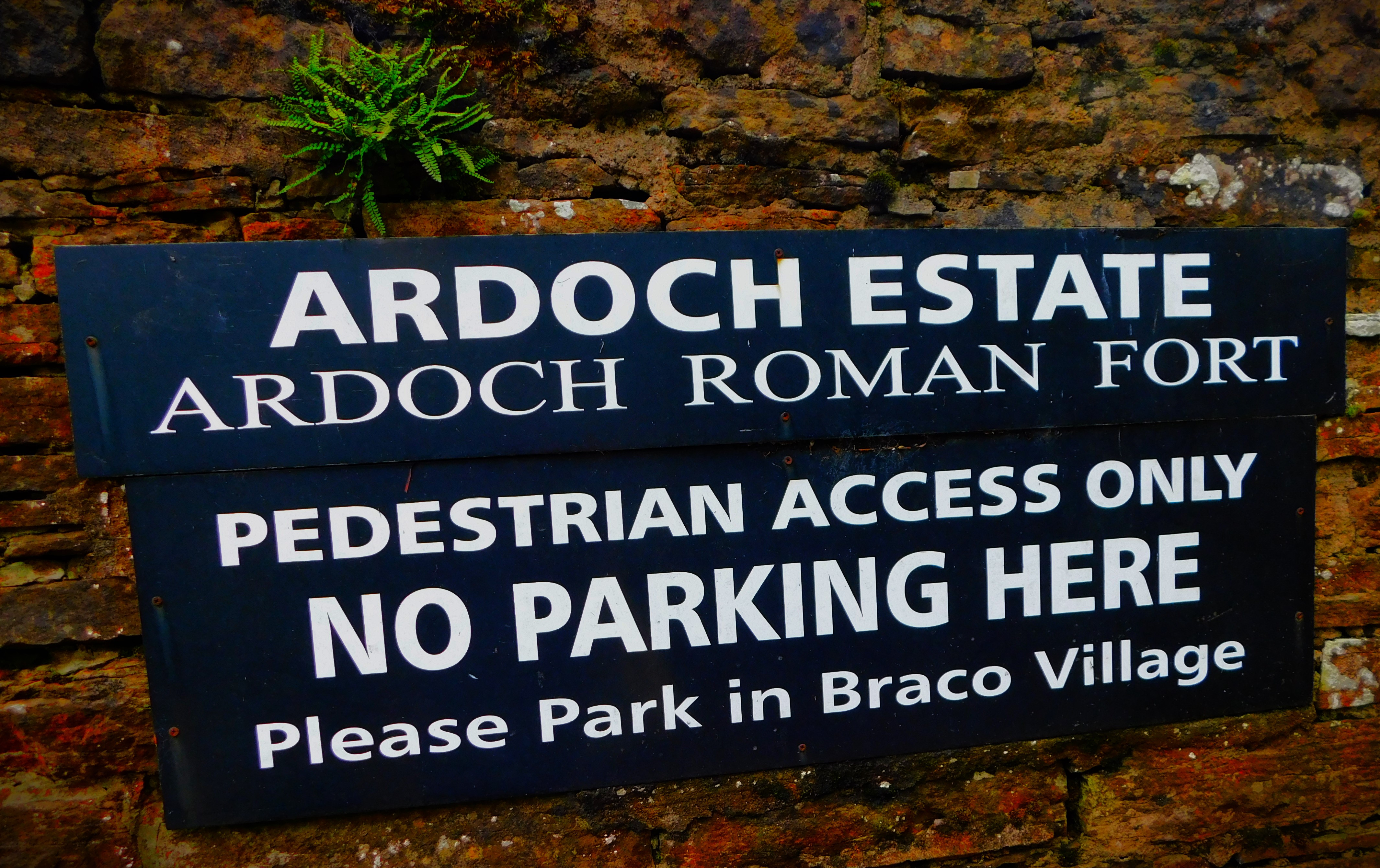
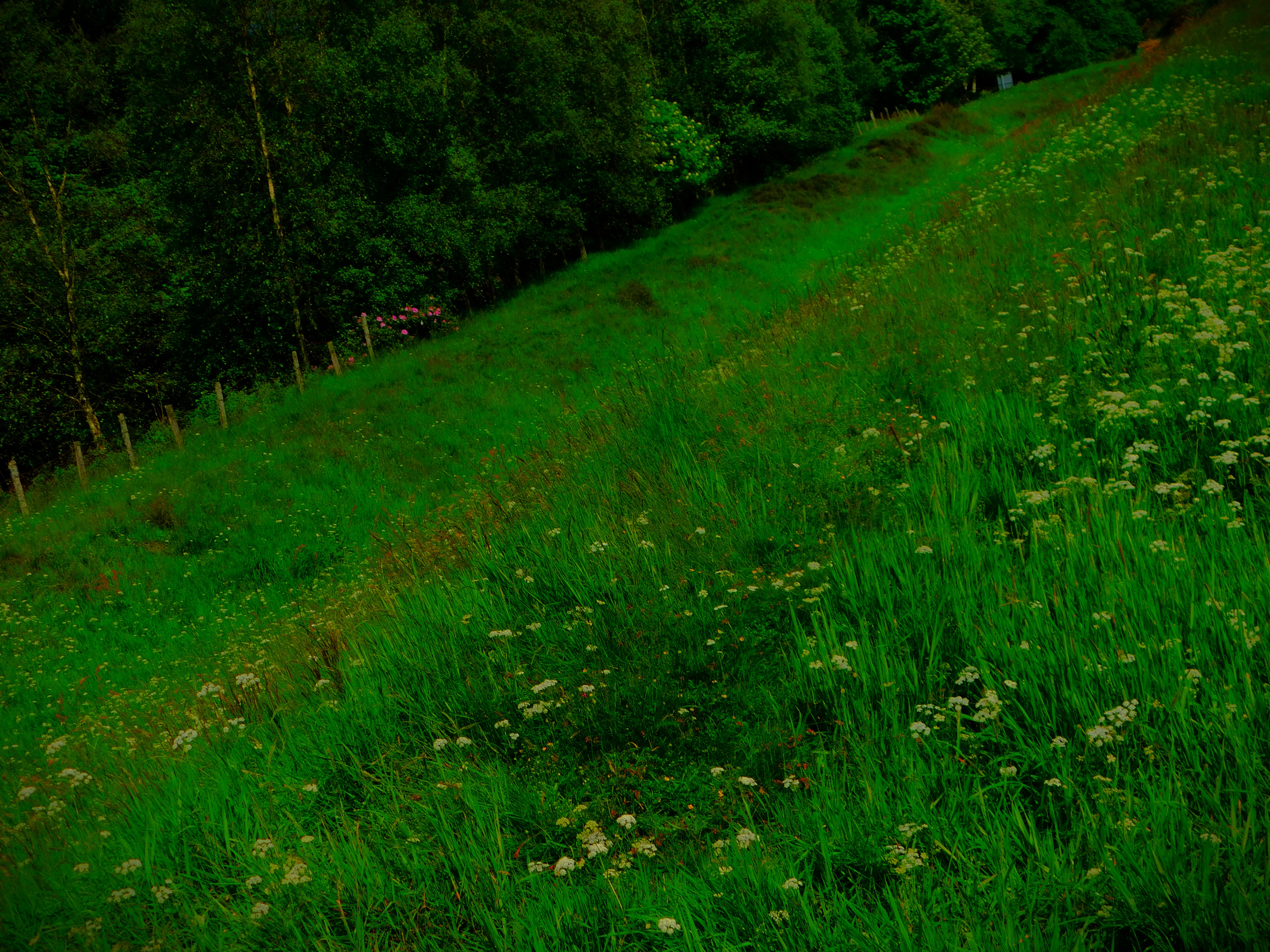
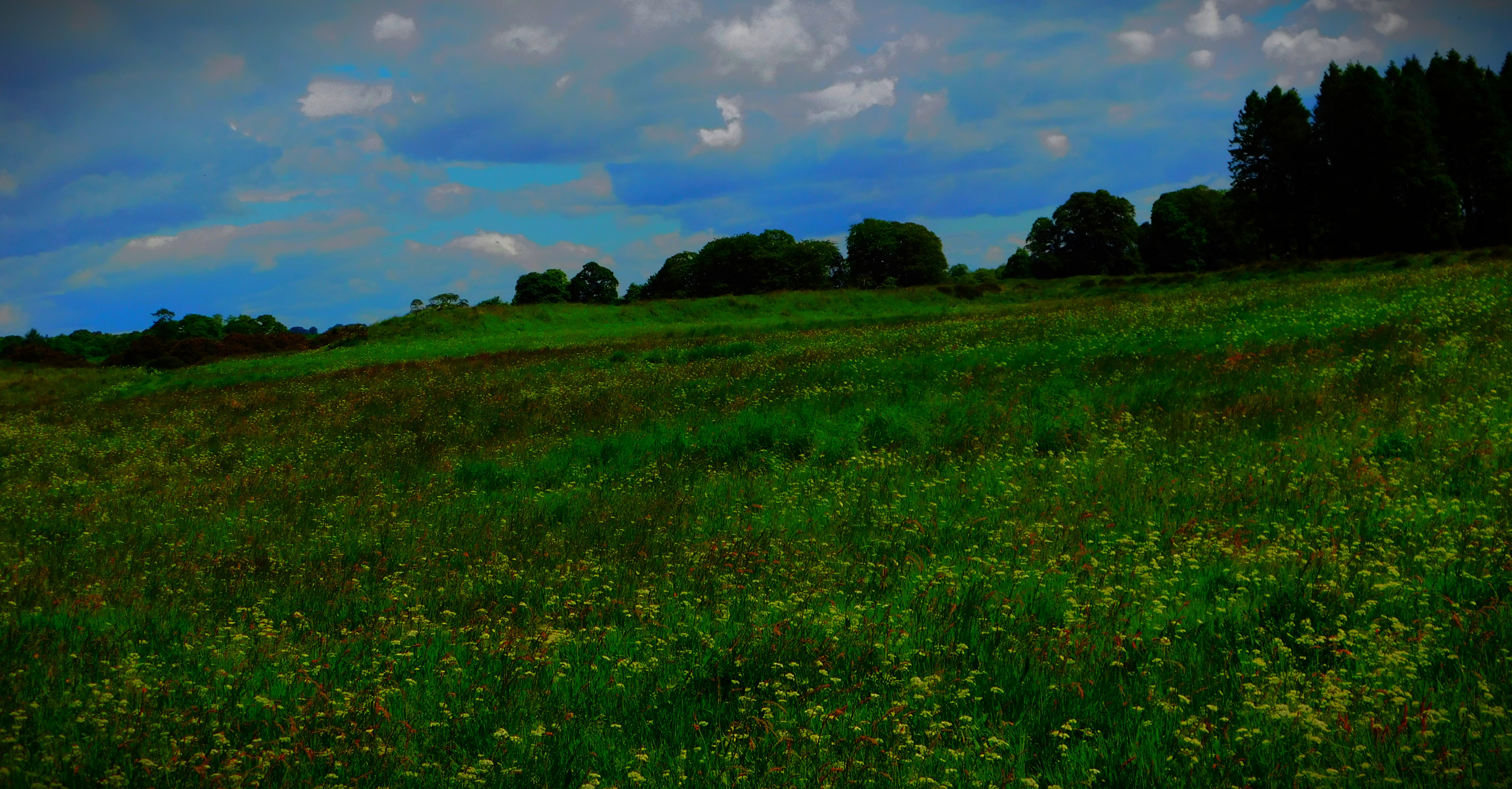
Continuing my account of my Scottish holiday with a look back at Cultybraggan Camp, Ardoch Roman Fort and the stone packhorse bridge over the river Earn.
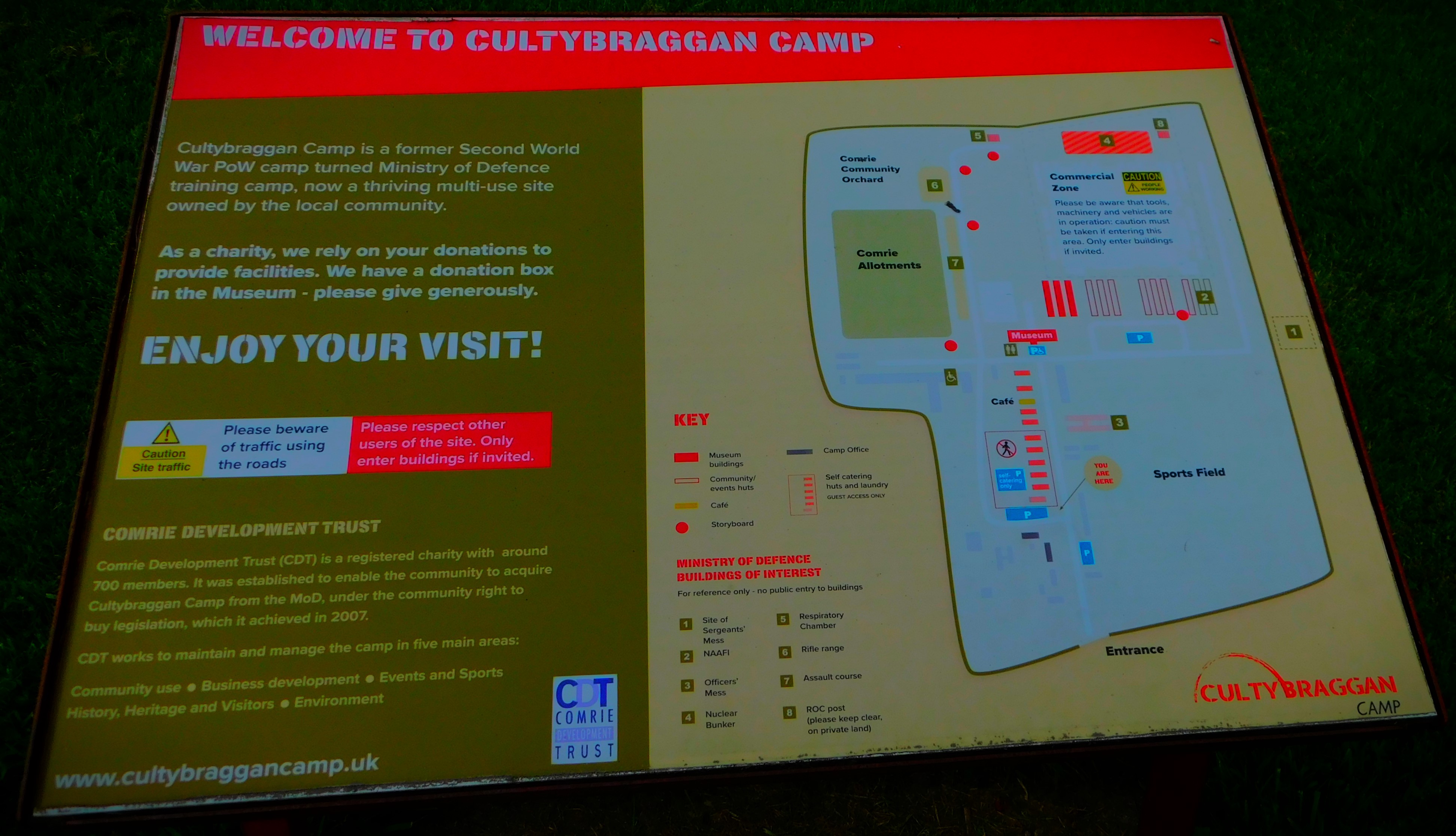
Welcome to the latest post in my series about my recent Scottish holiday. In this post I look at the visit to Cultybraggan Camp and also a Roman fort in the area.
CULTYBRAGGAN
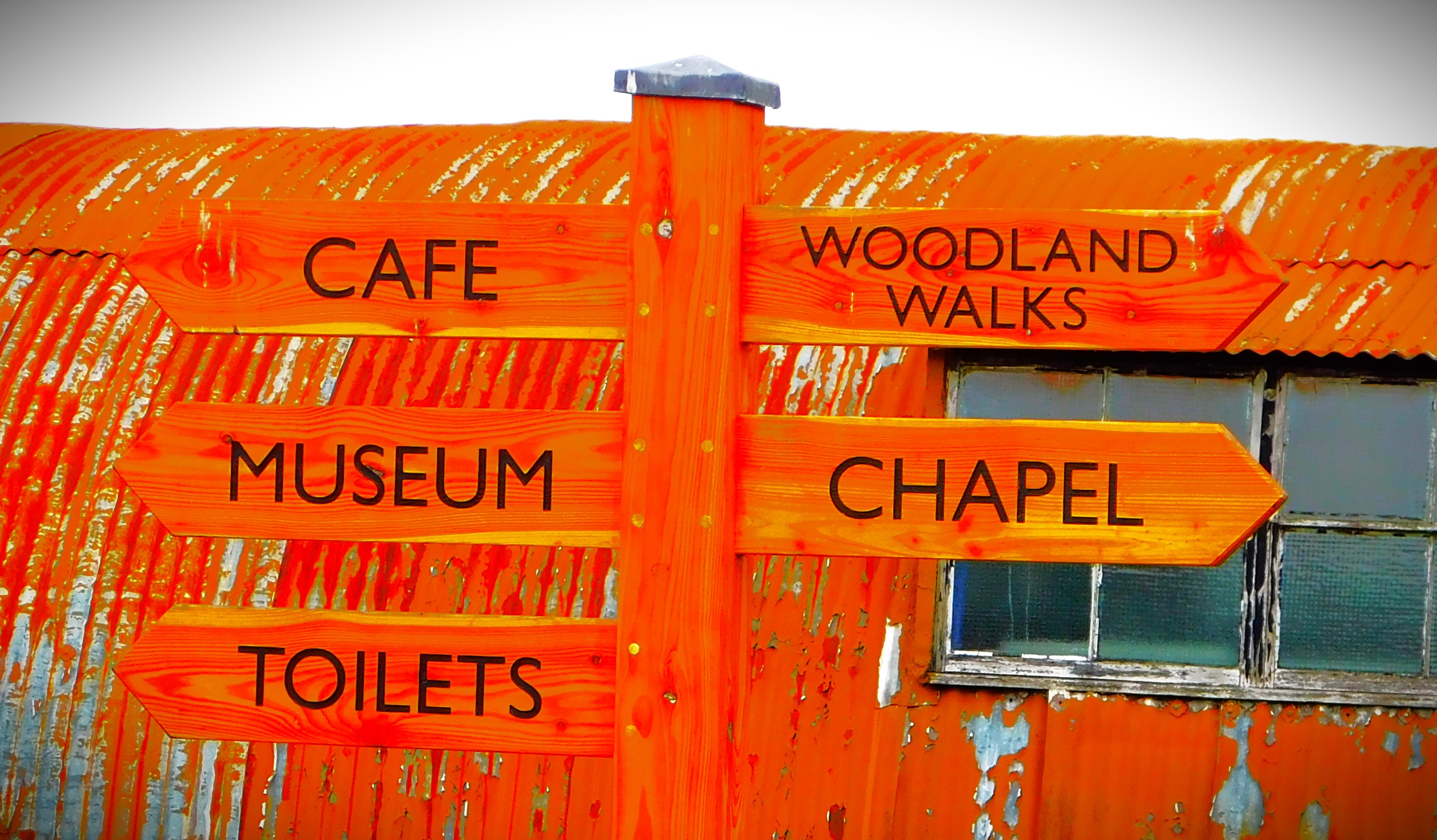
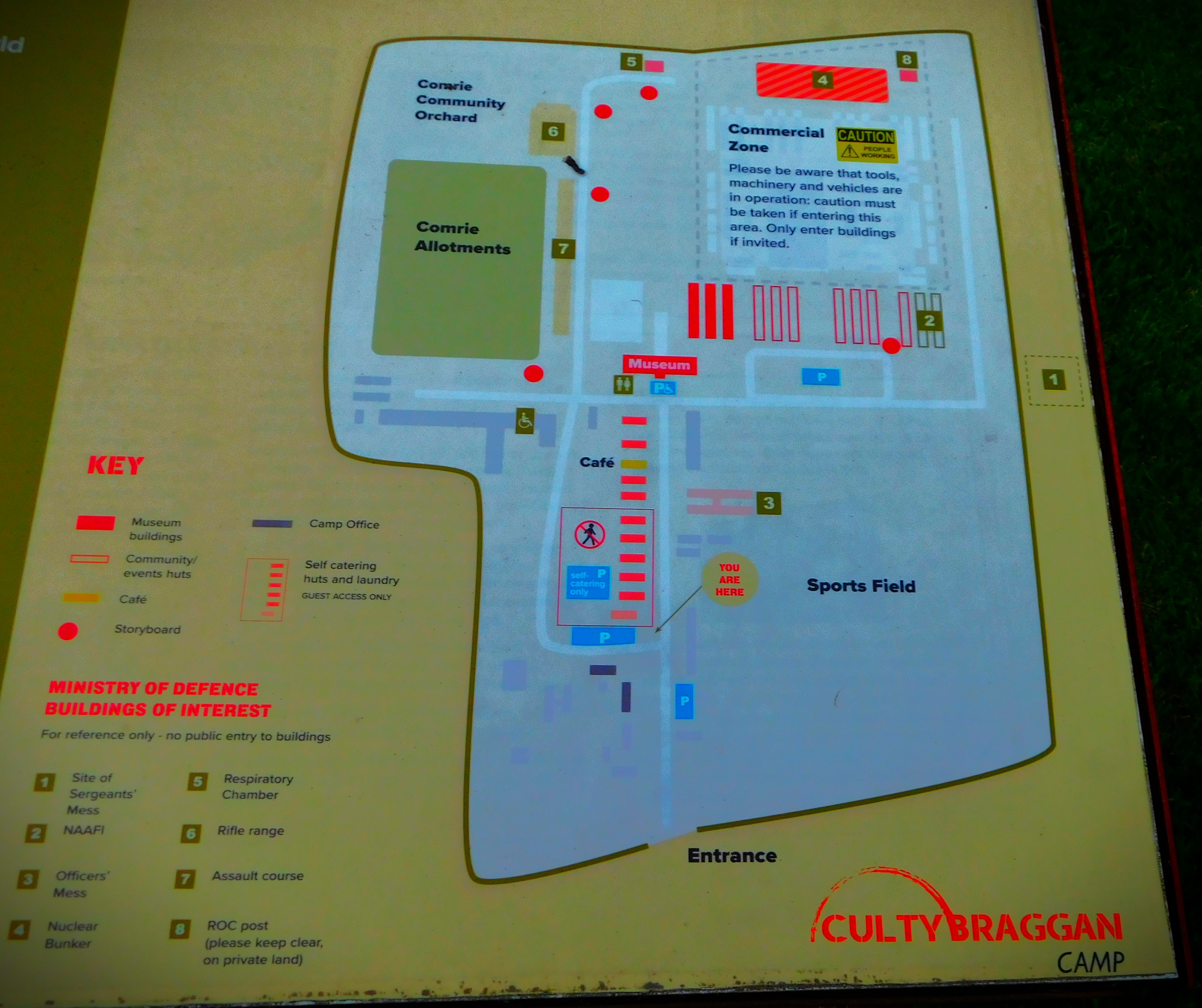
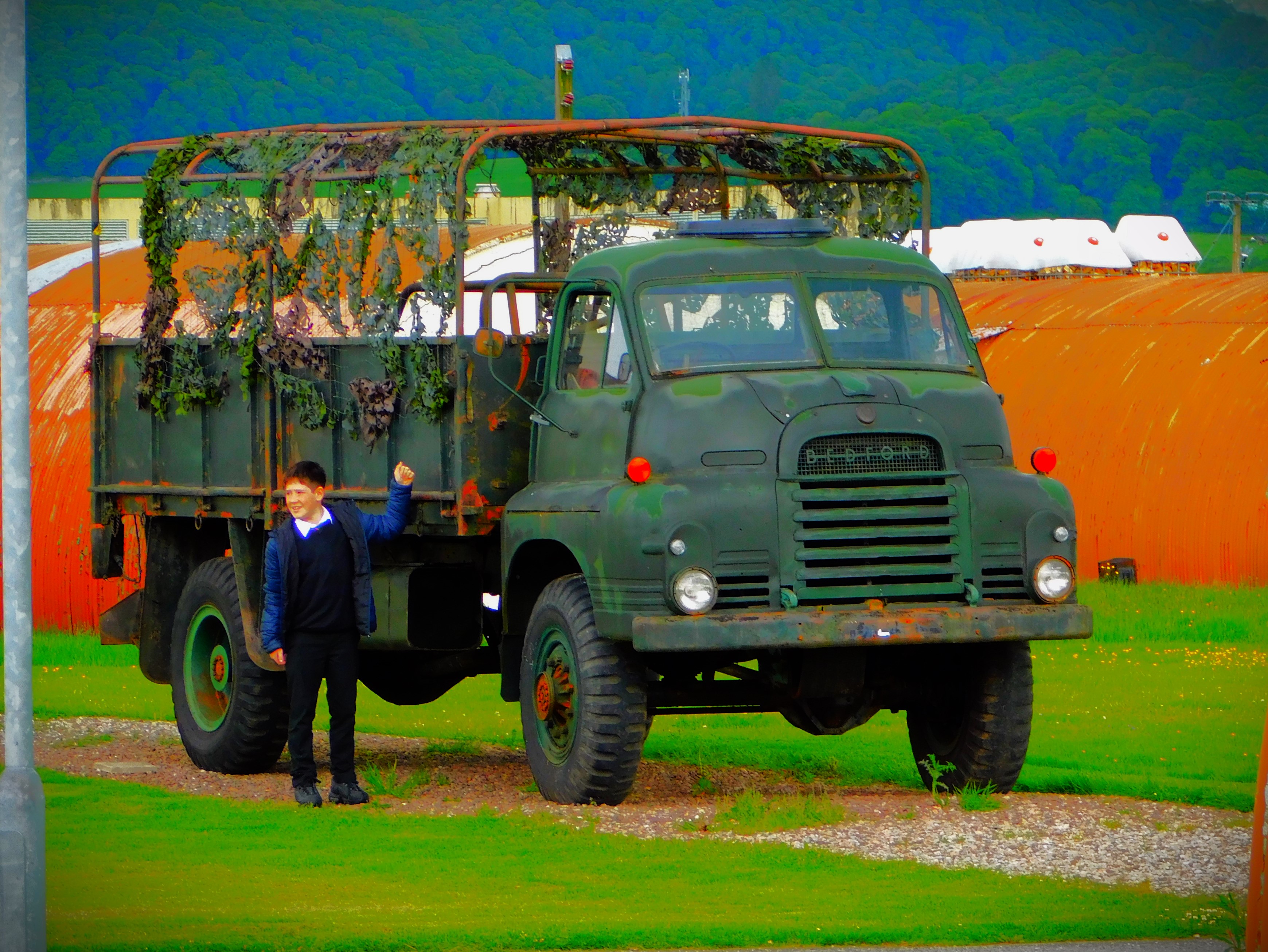
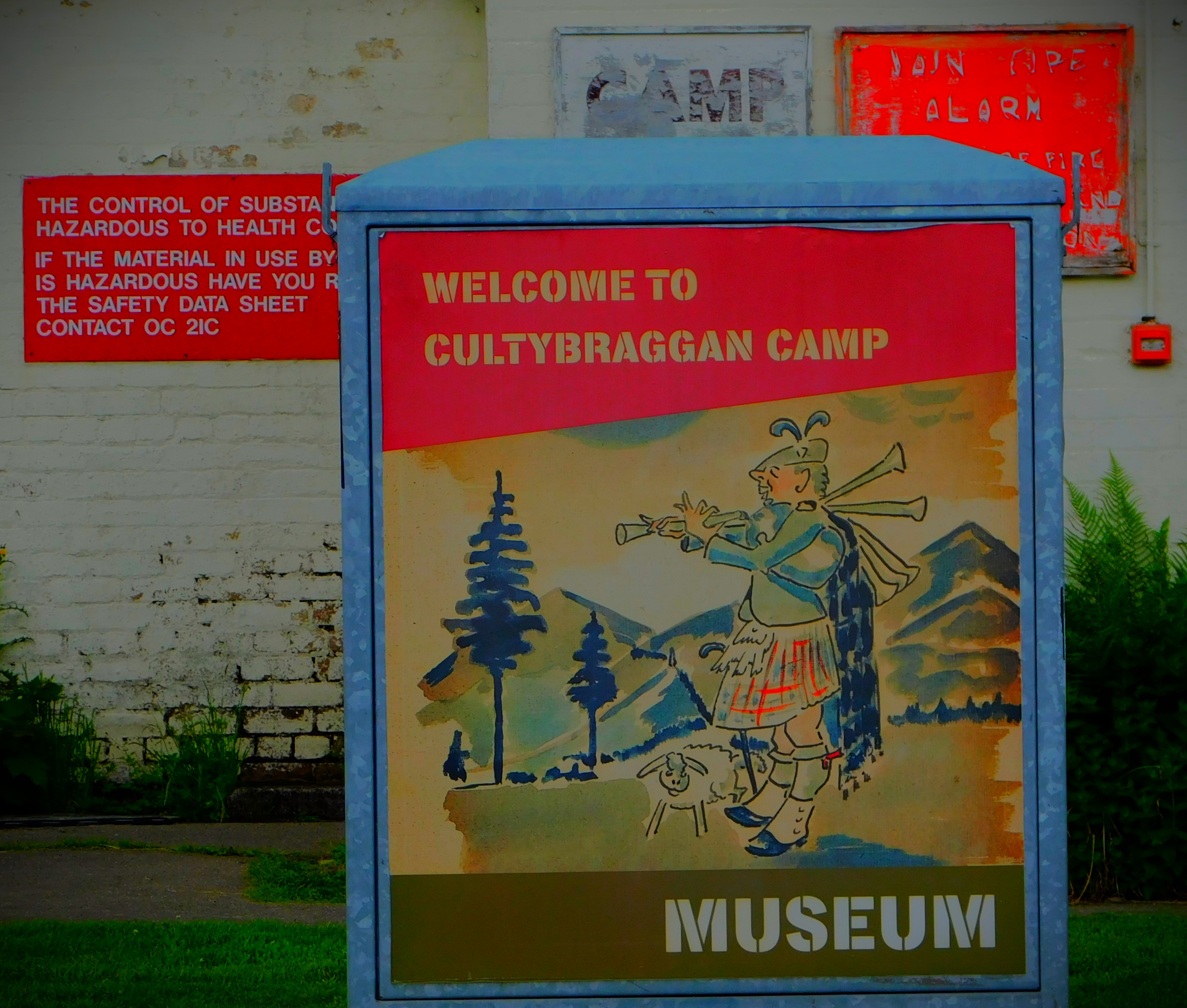
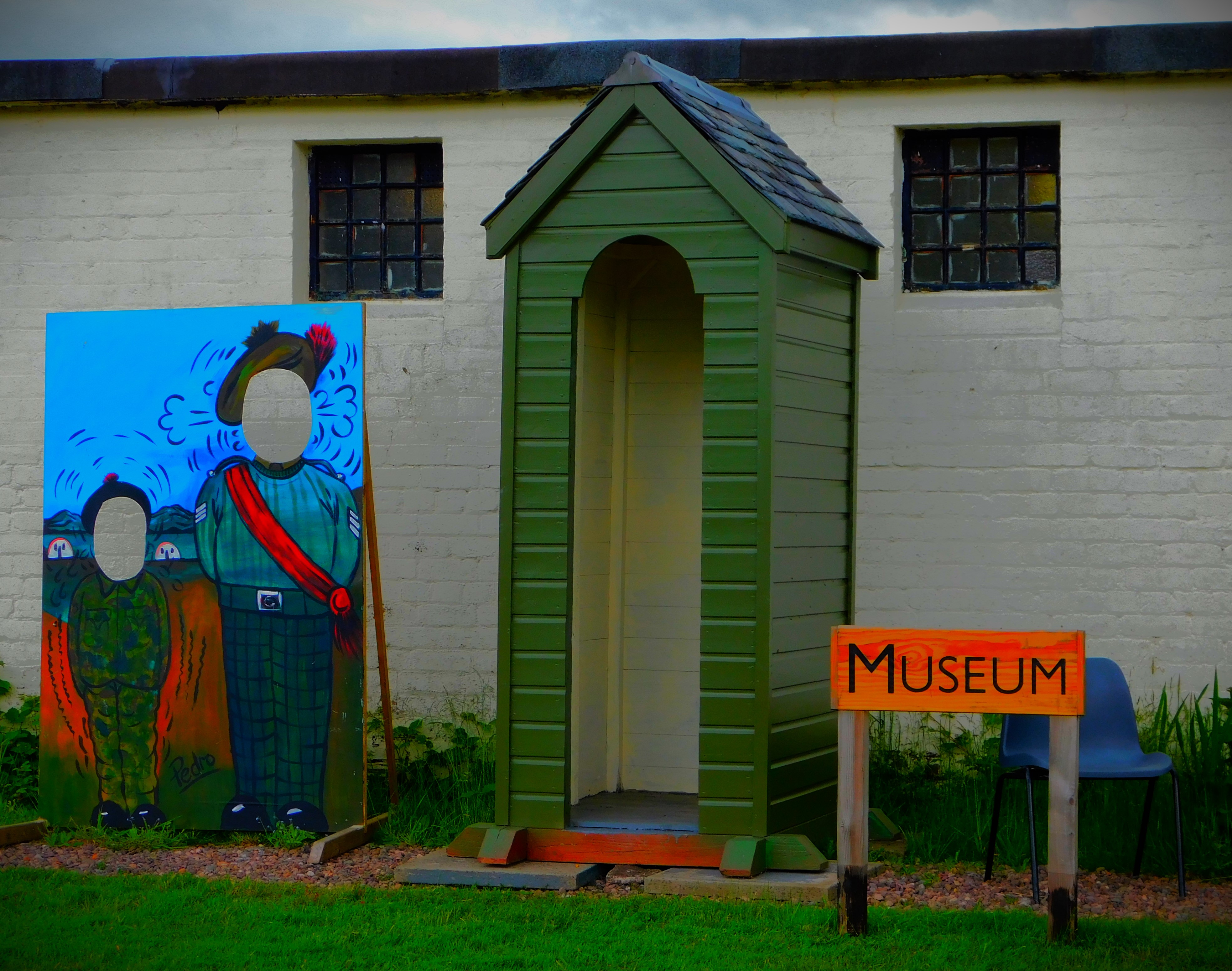
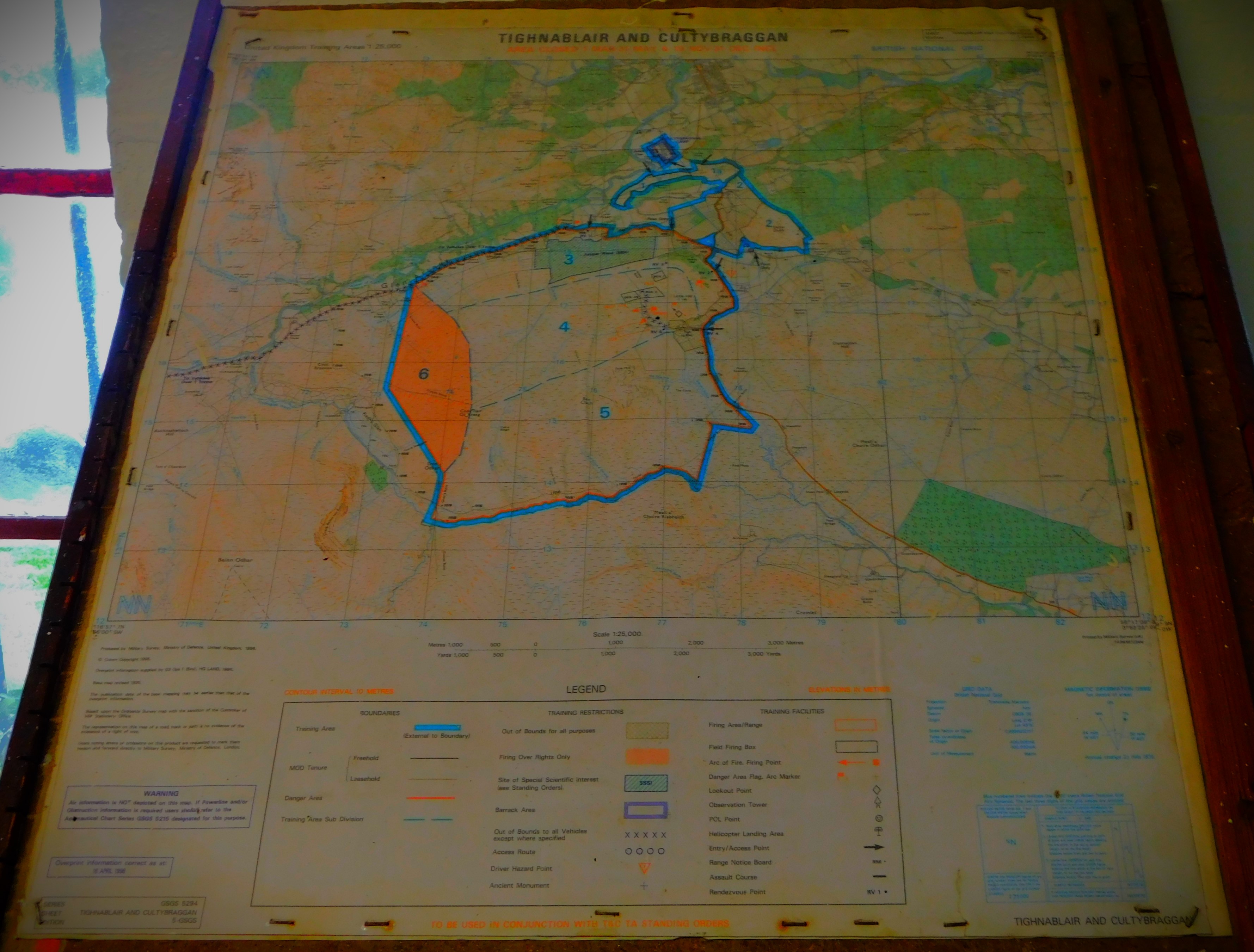
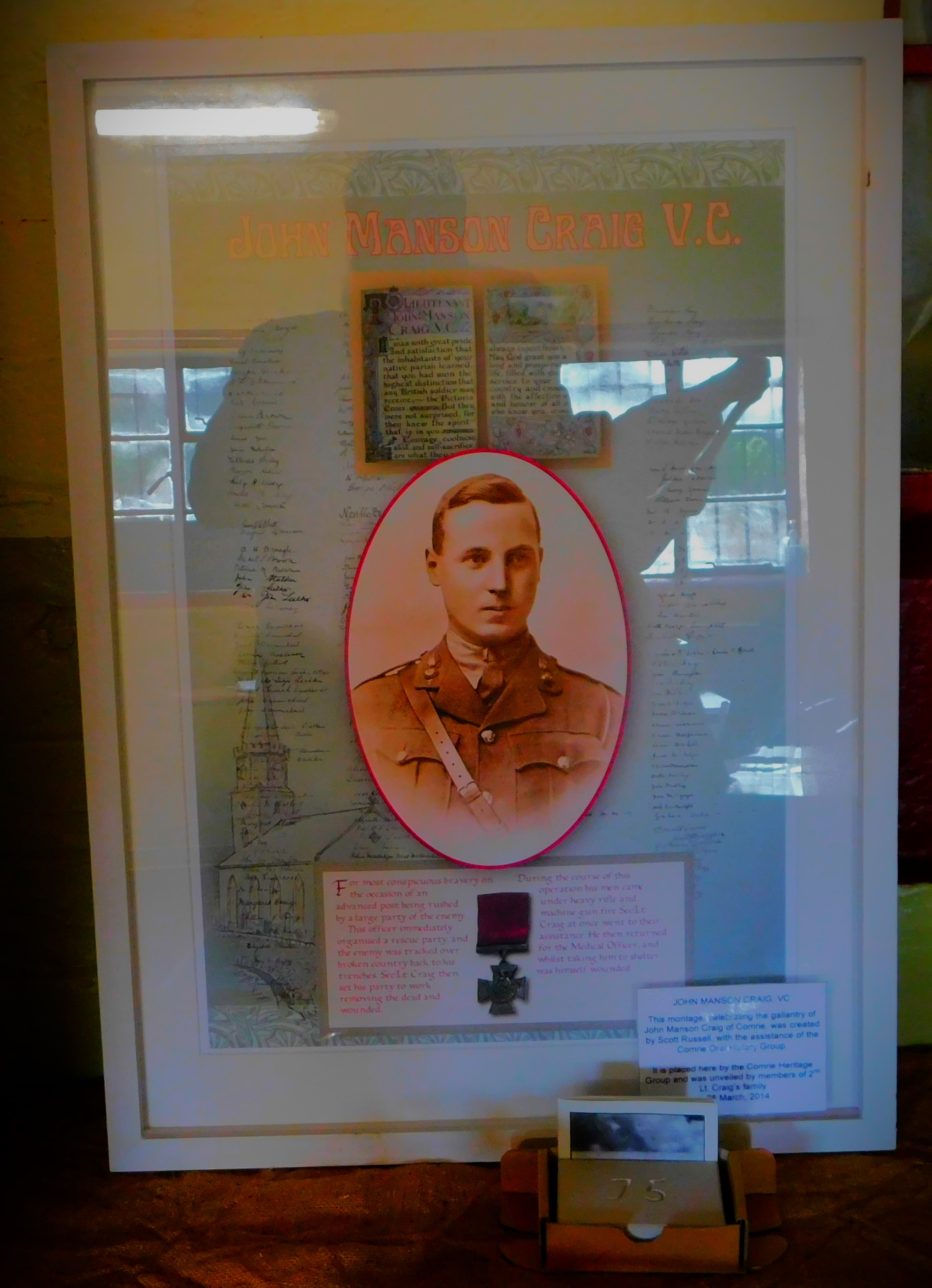
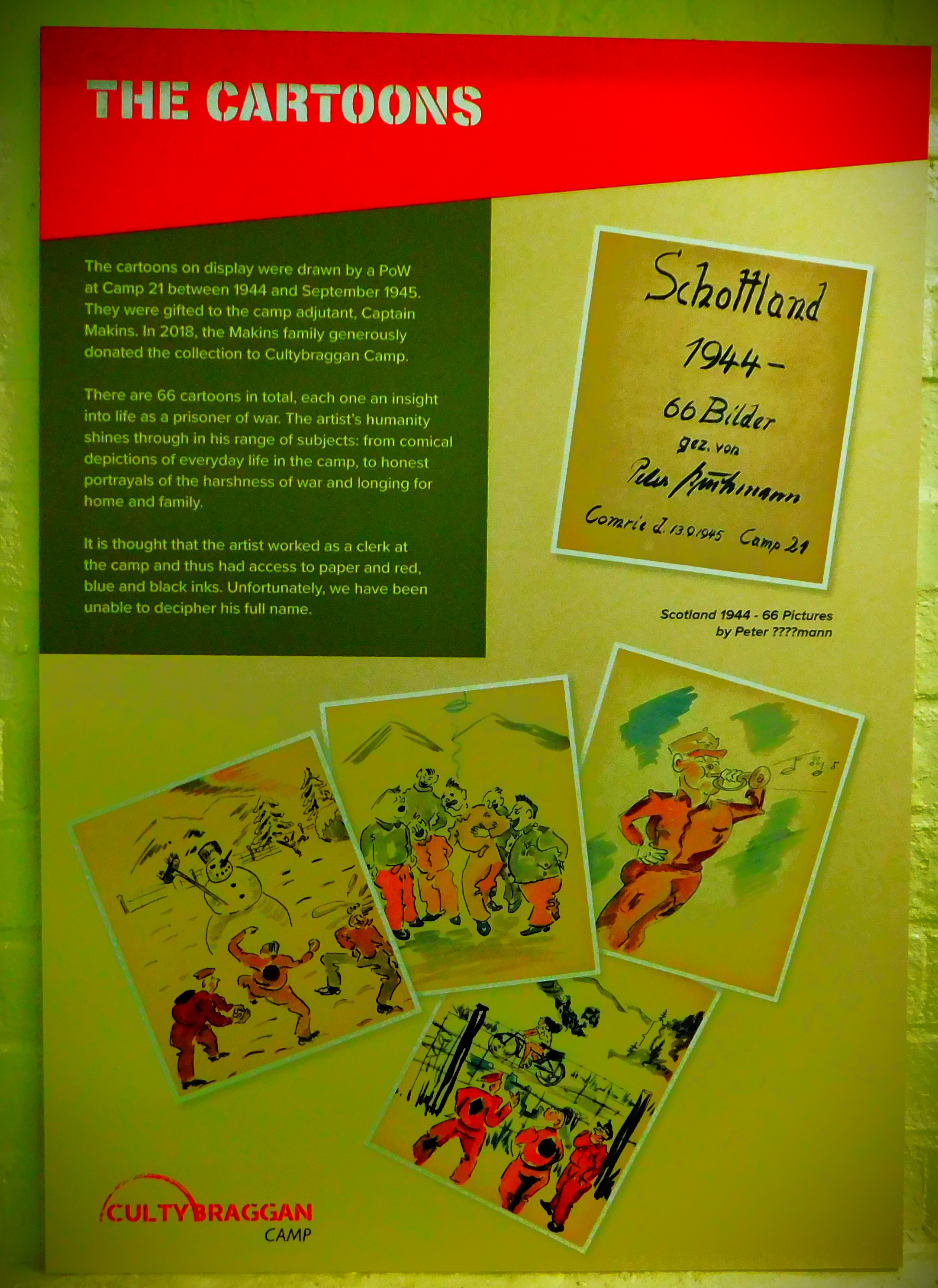
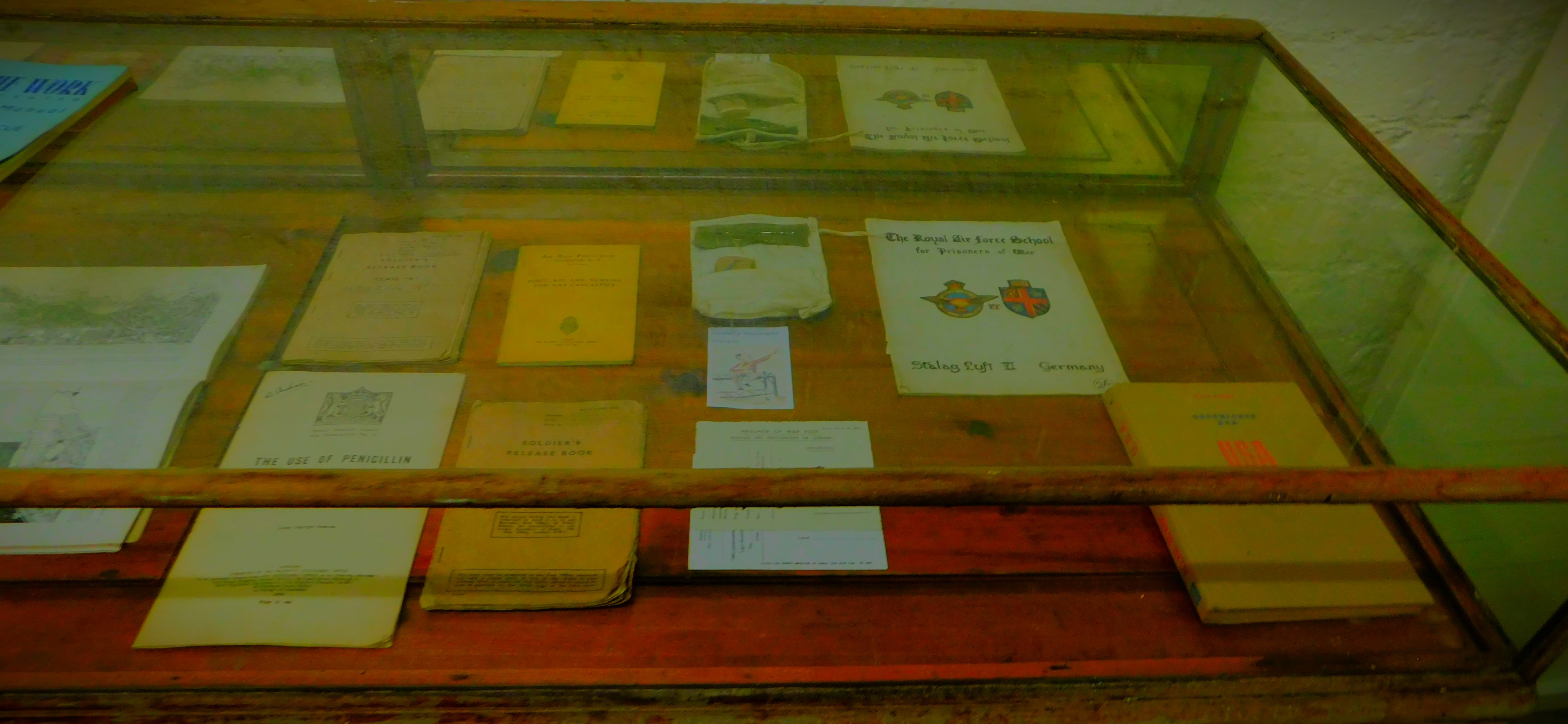
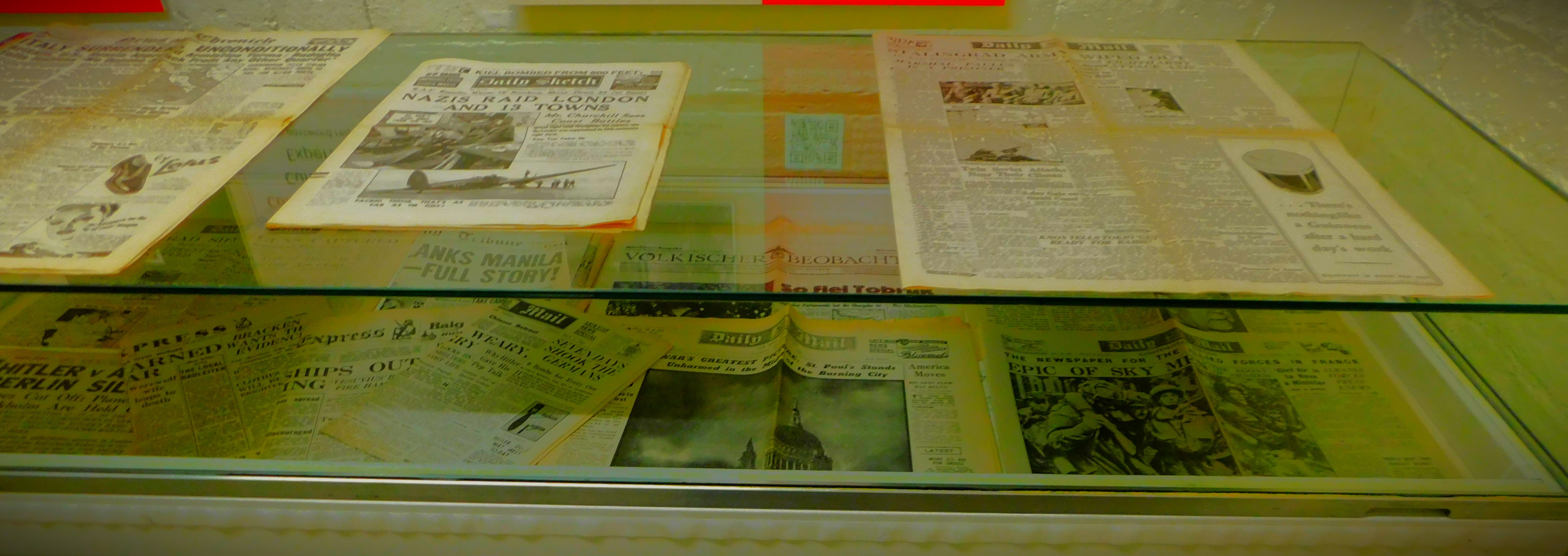
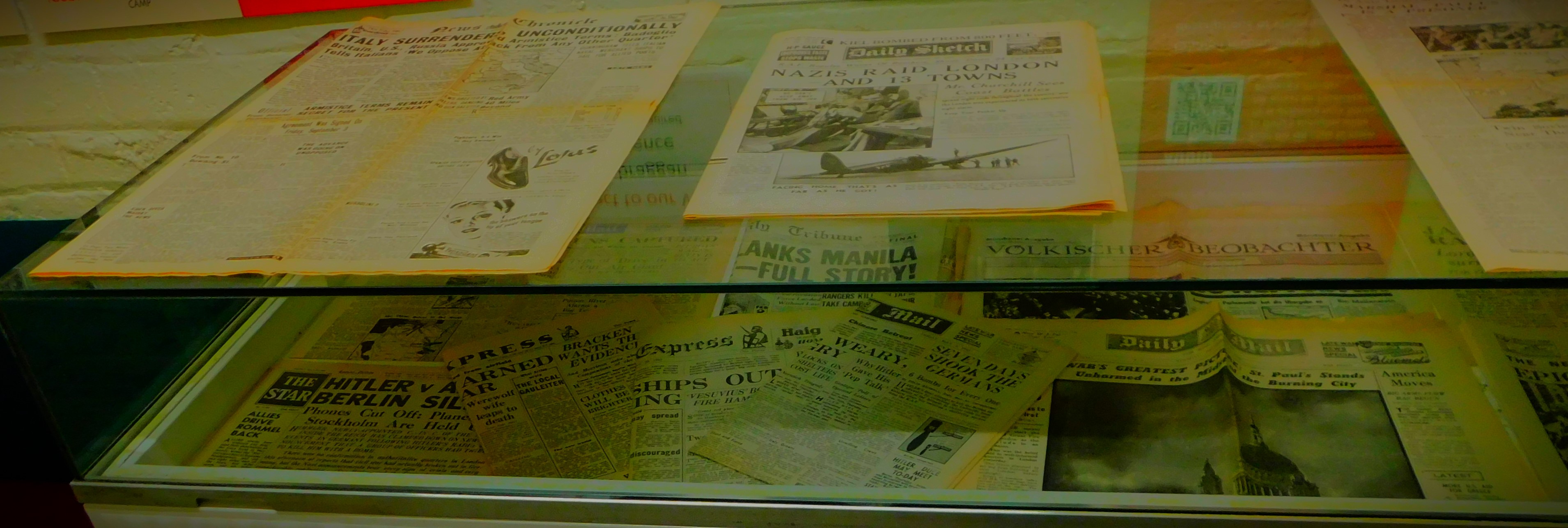
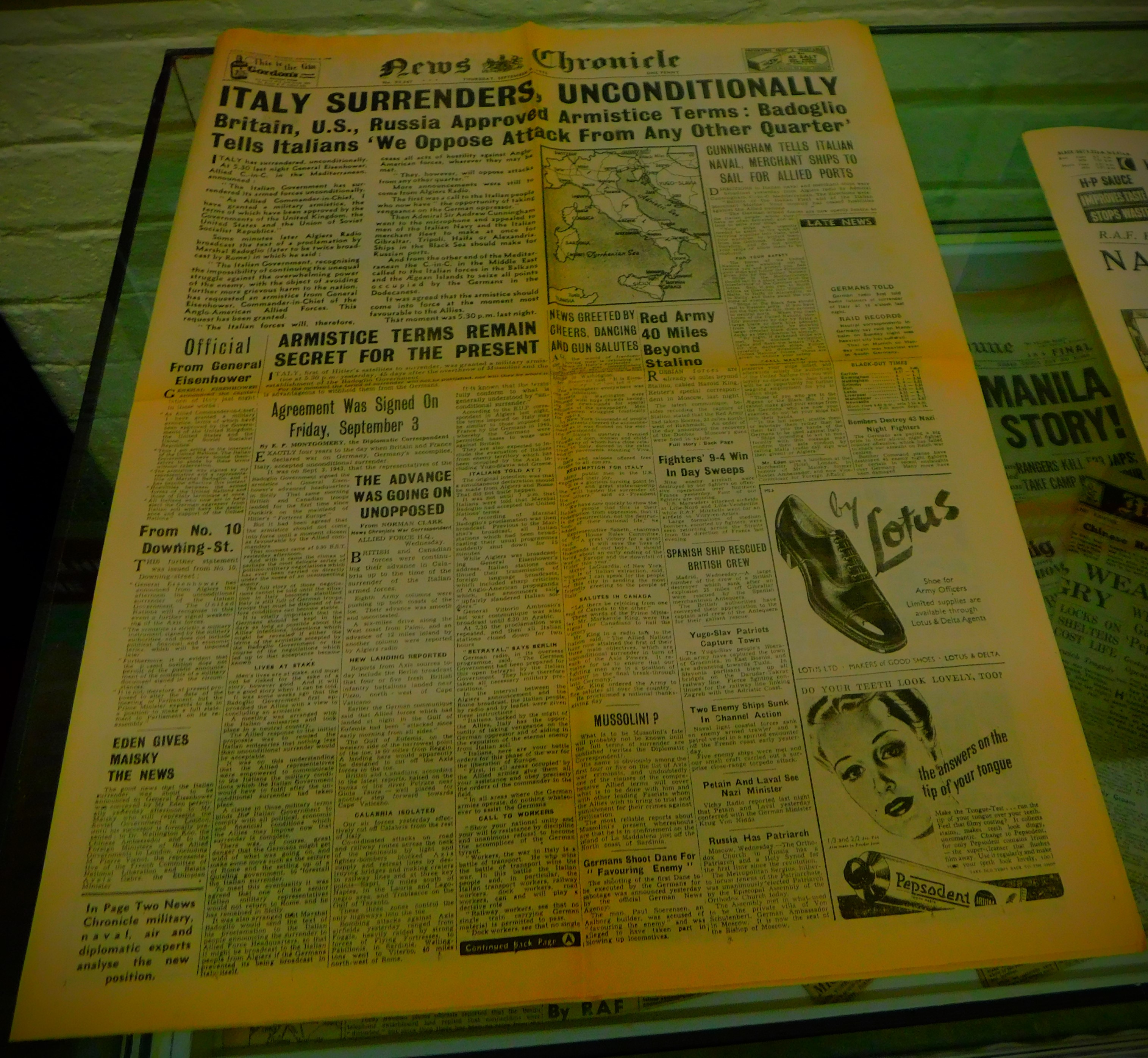
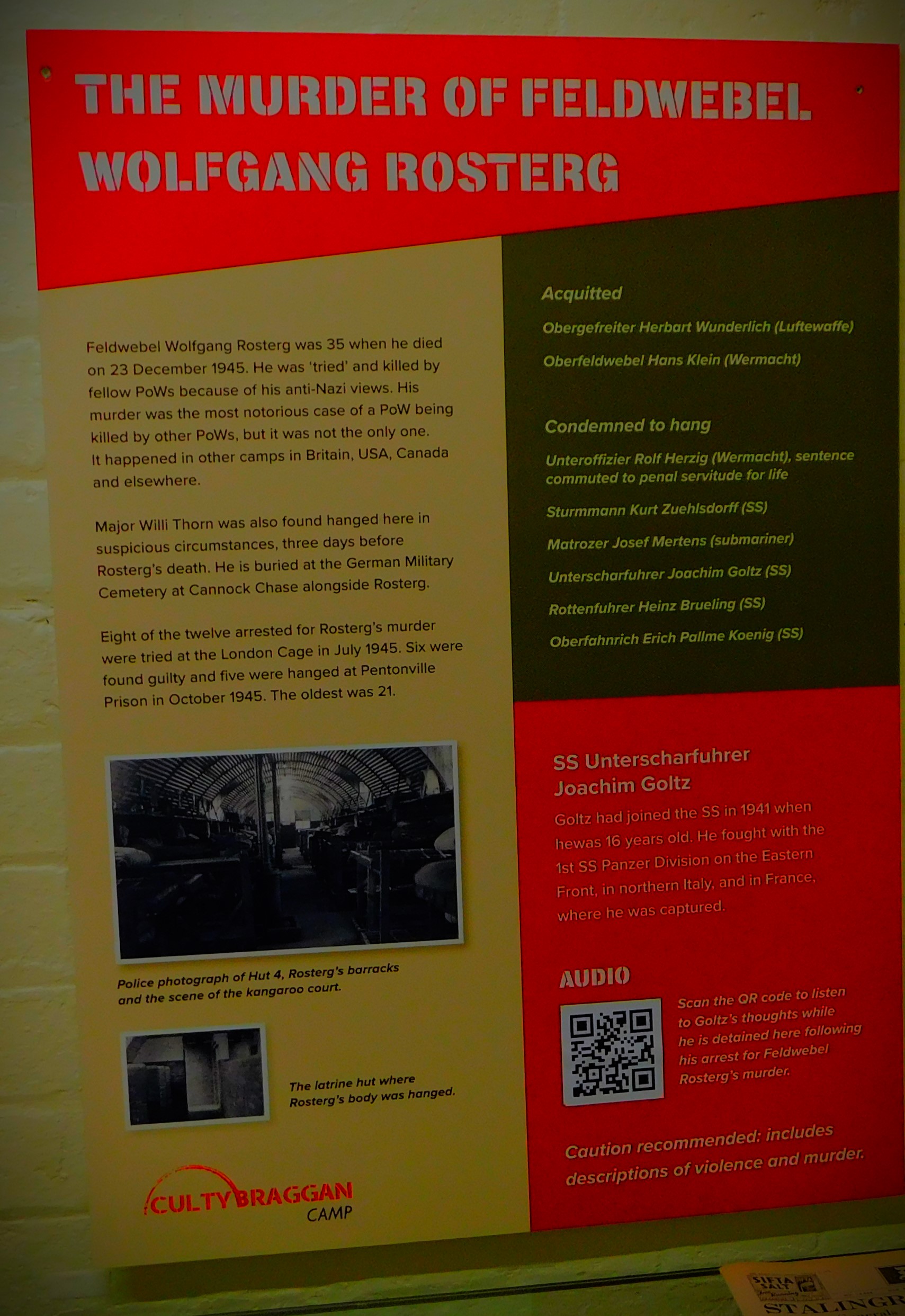
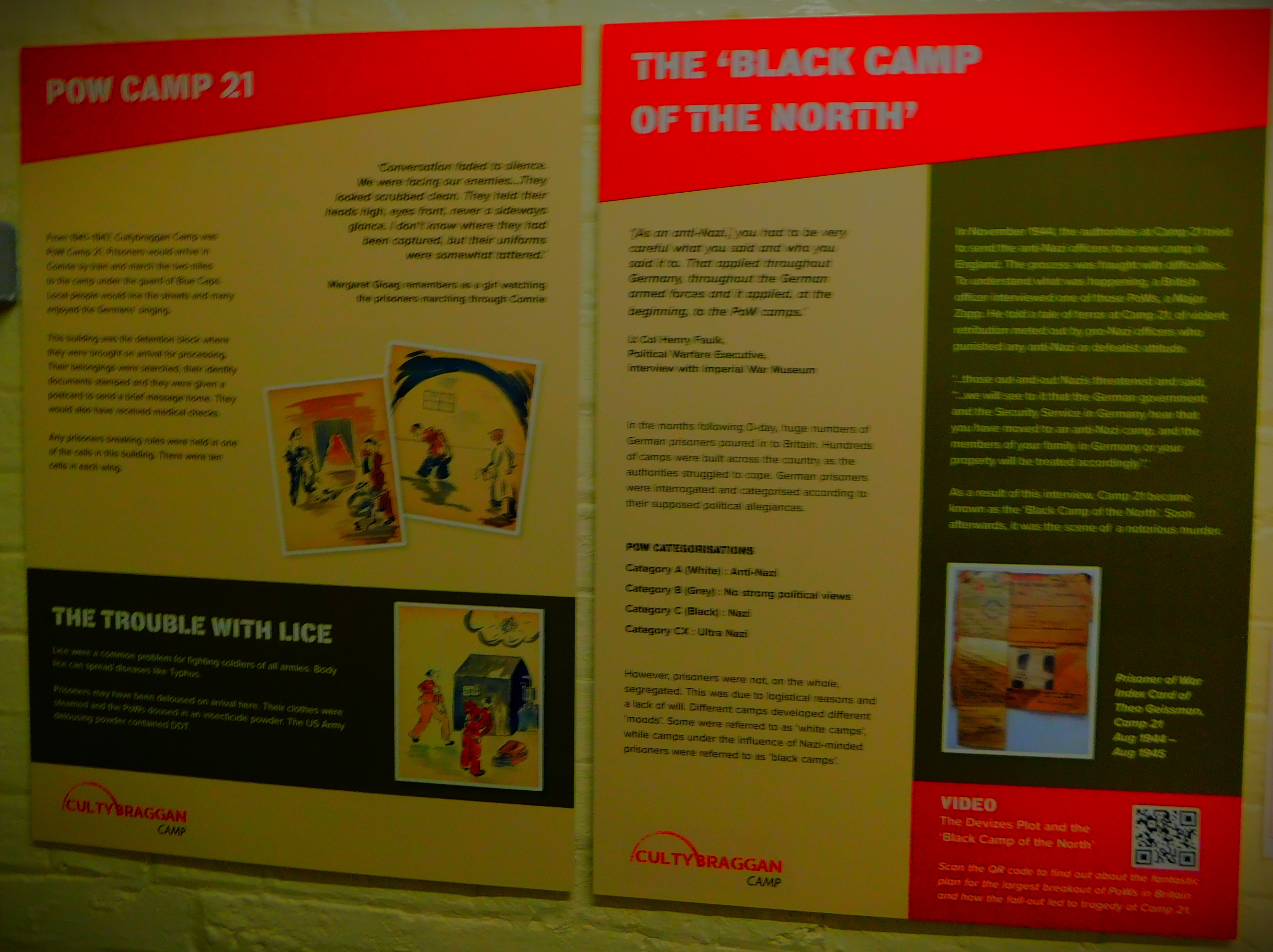
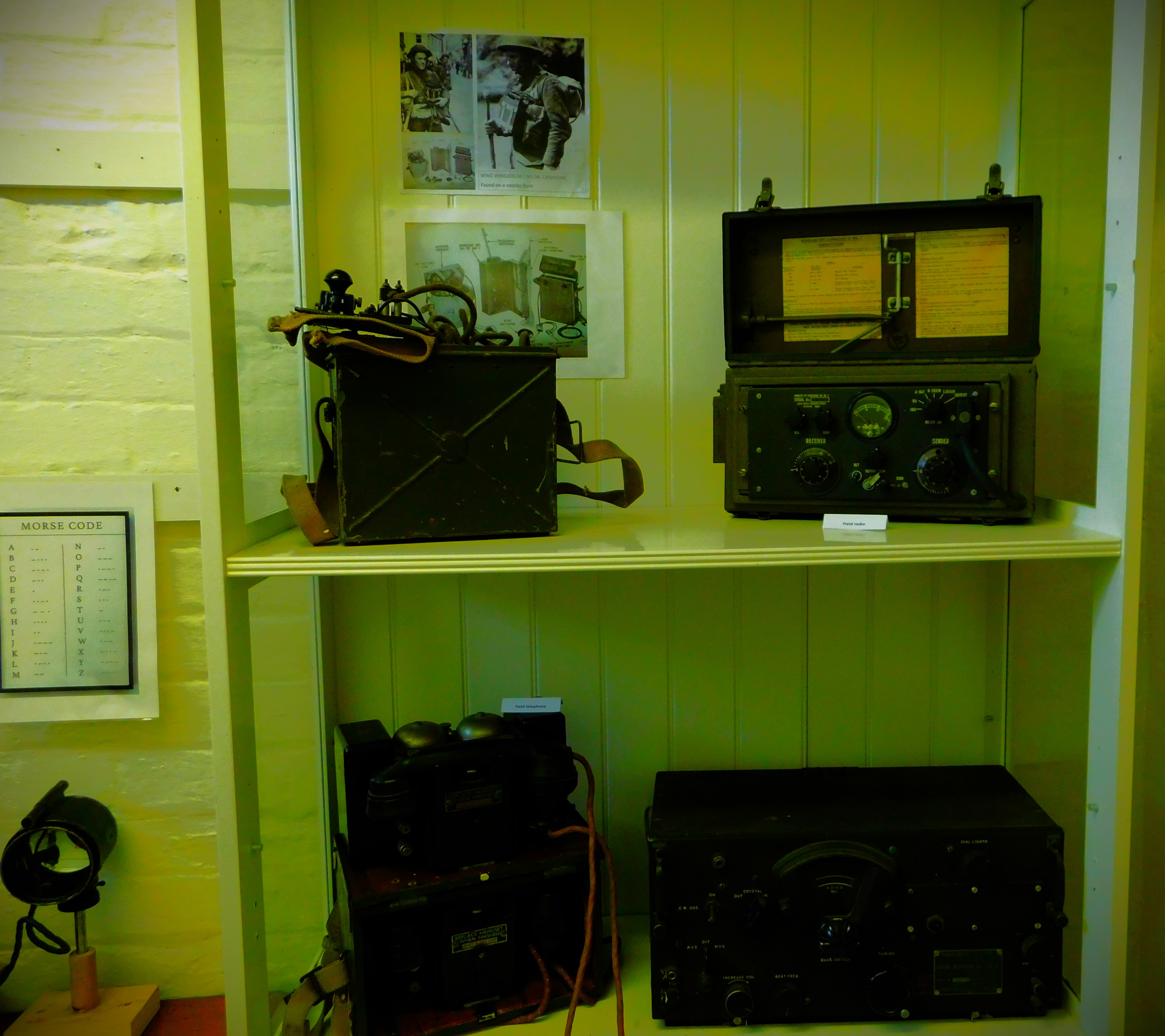
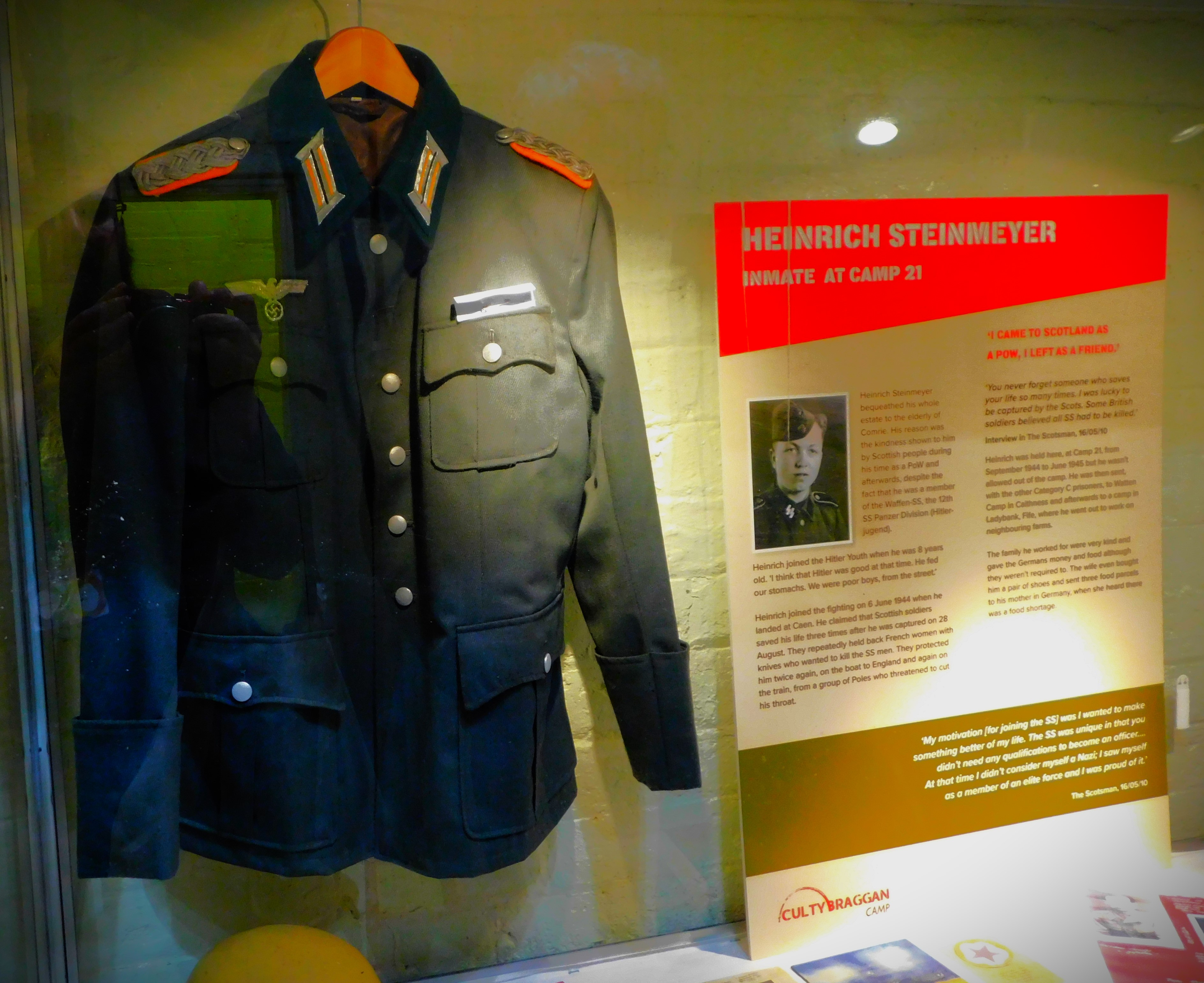
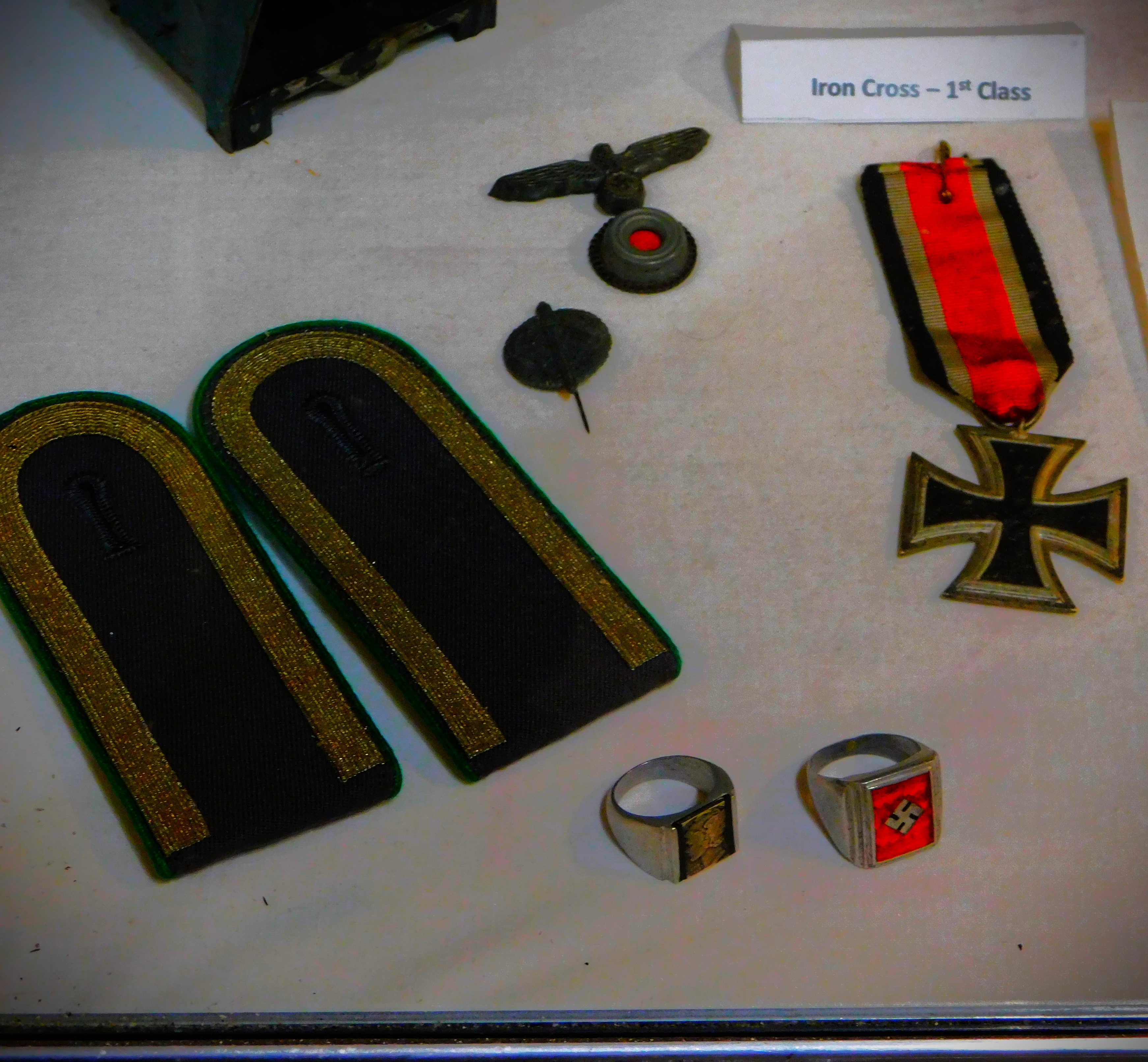
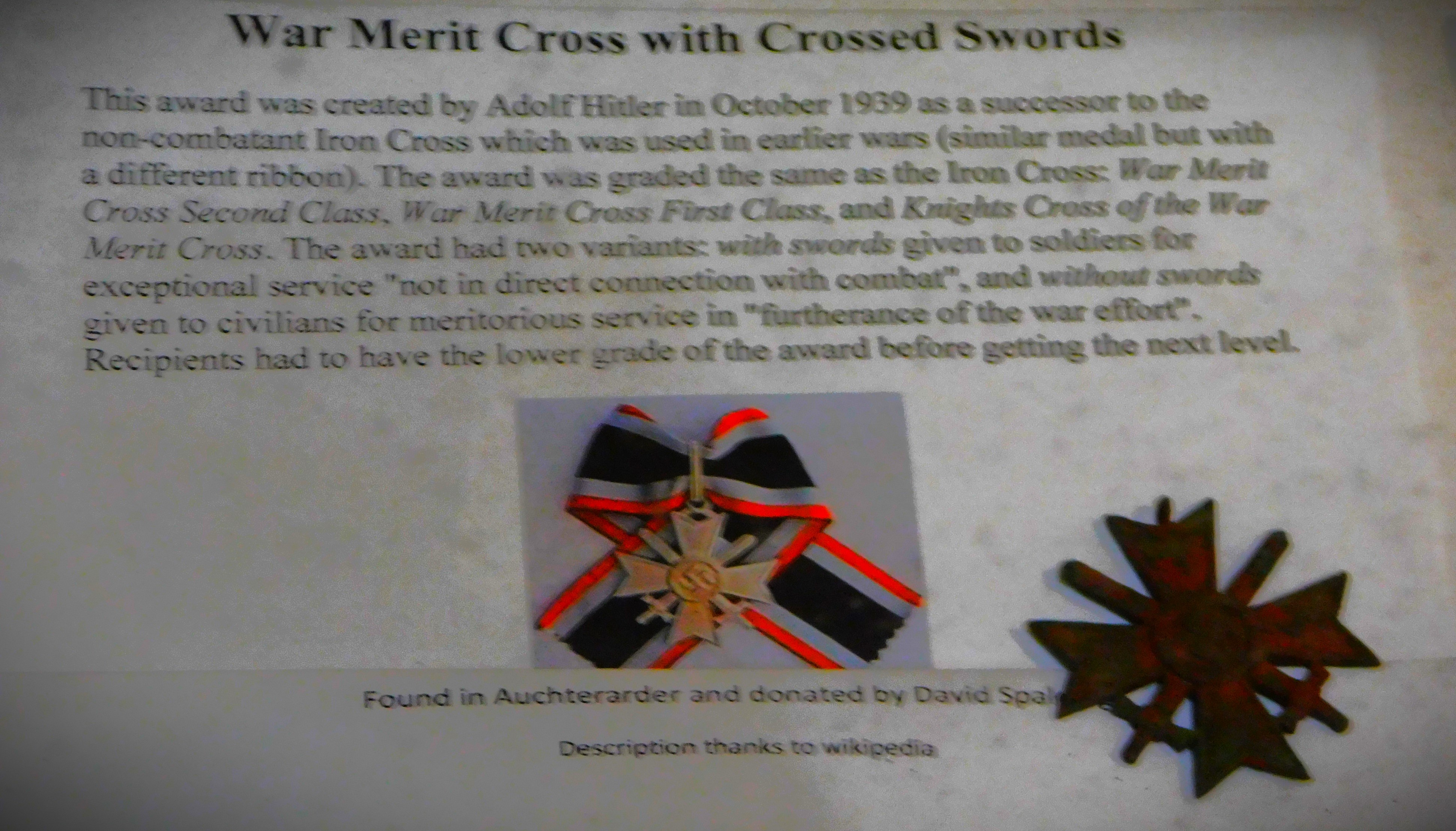
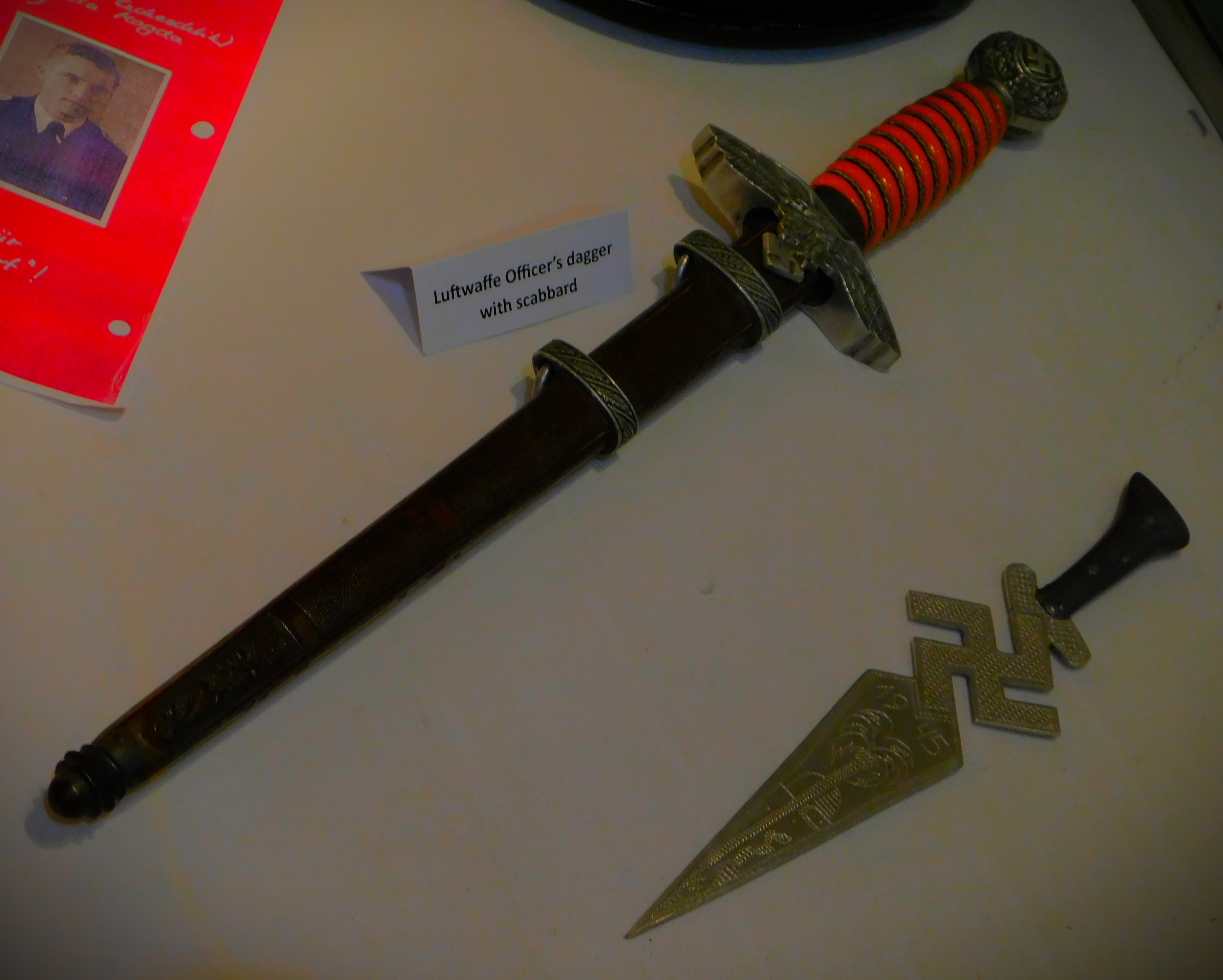
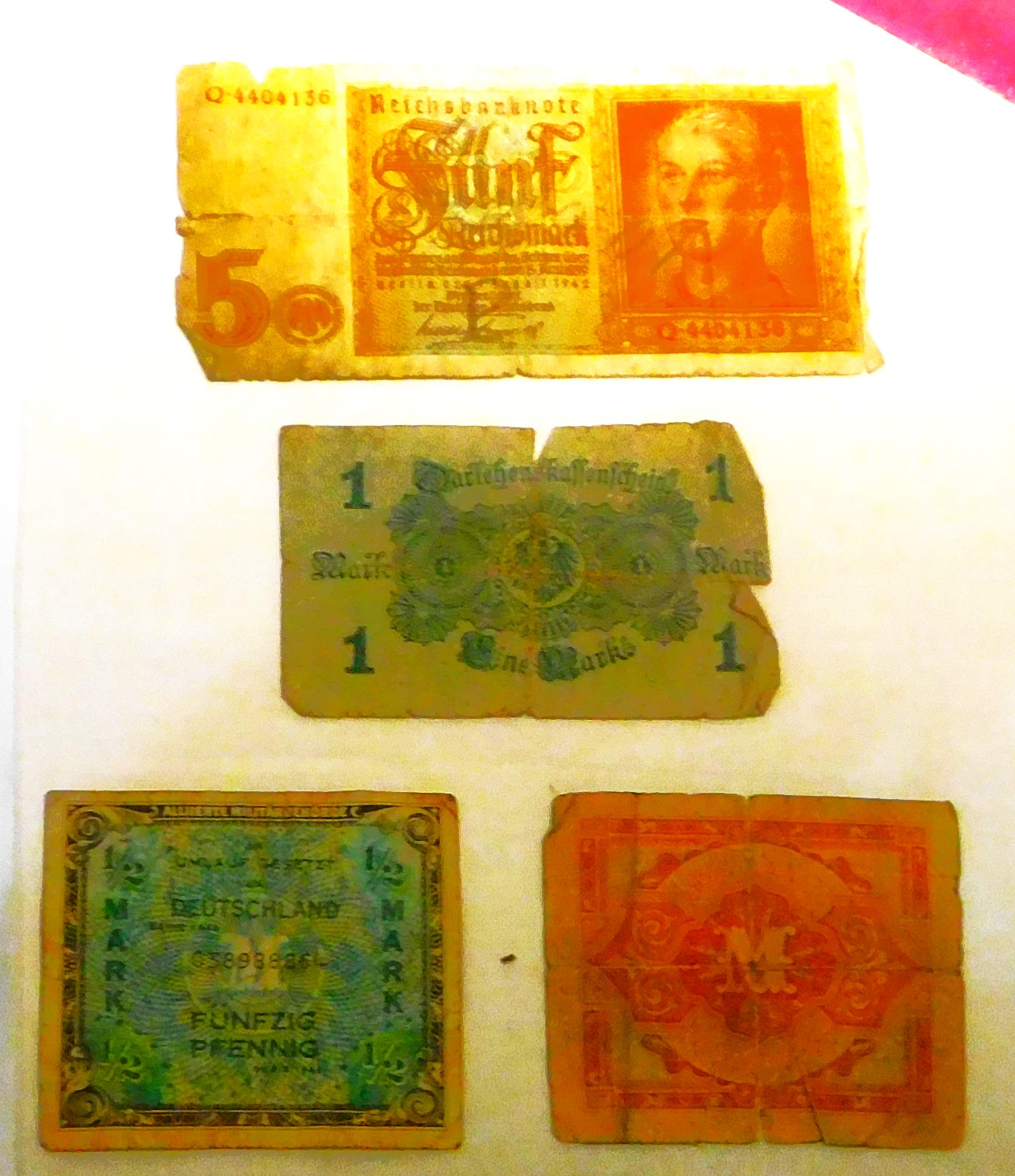
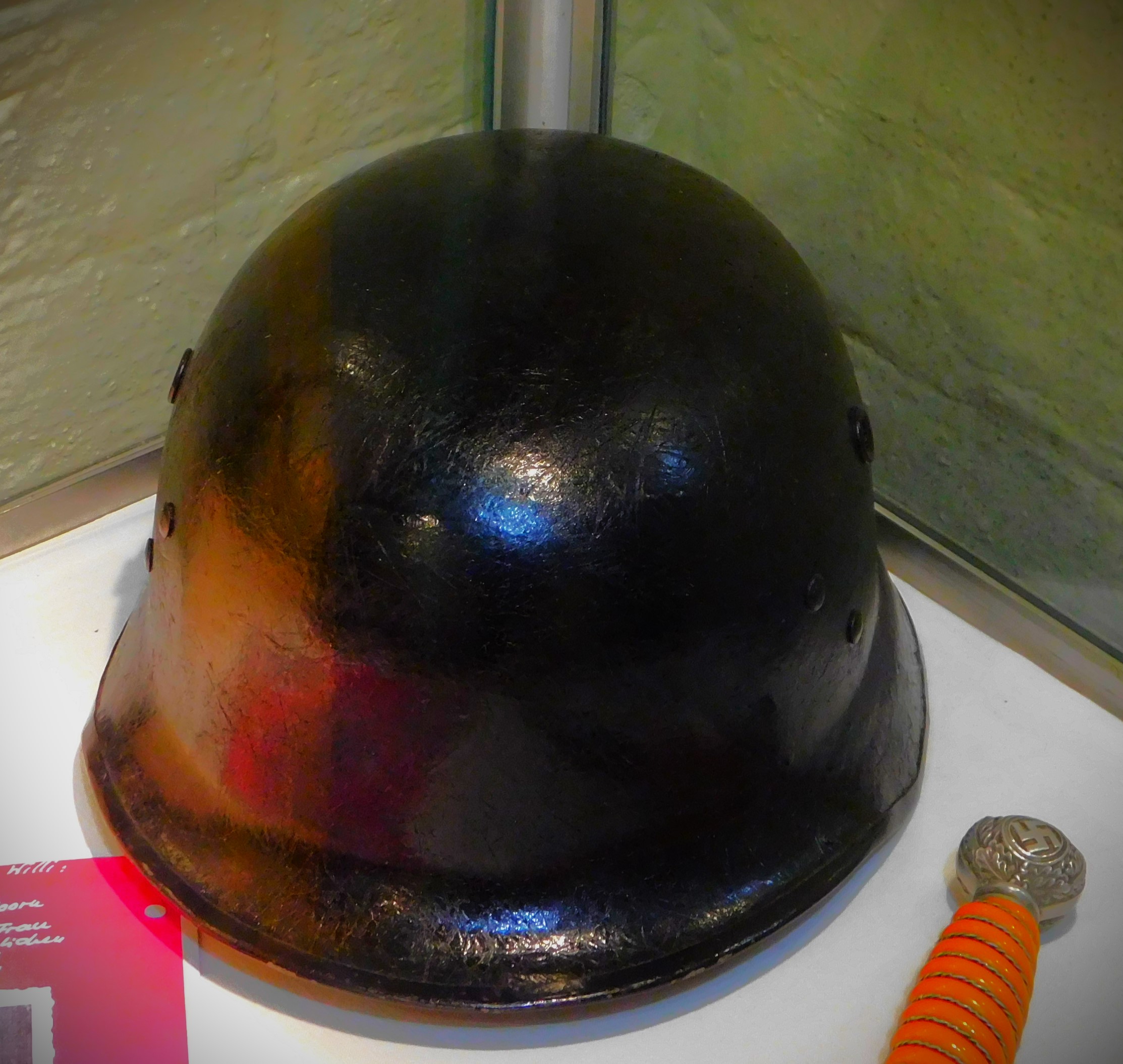
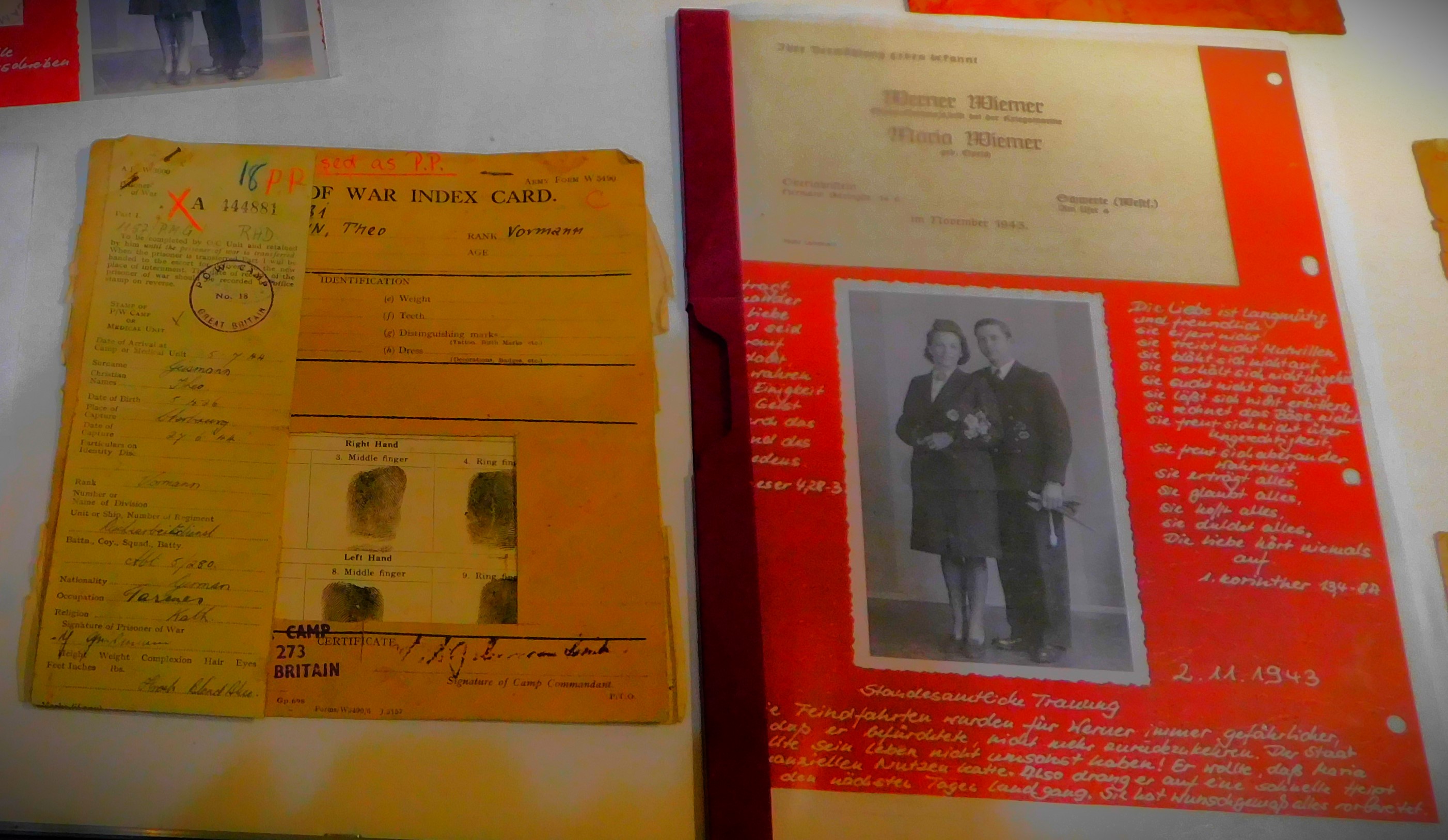
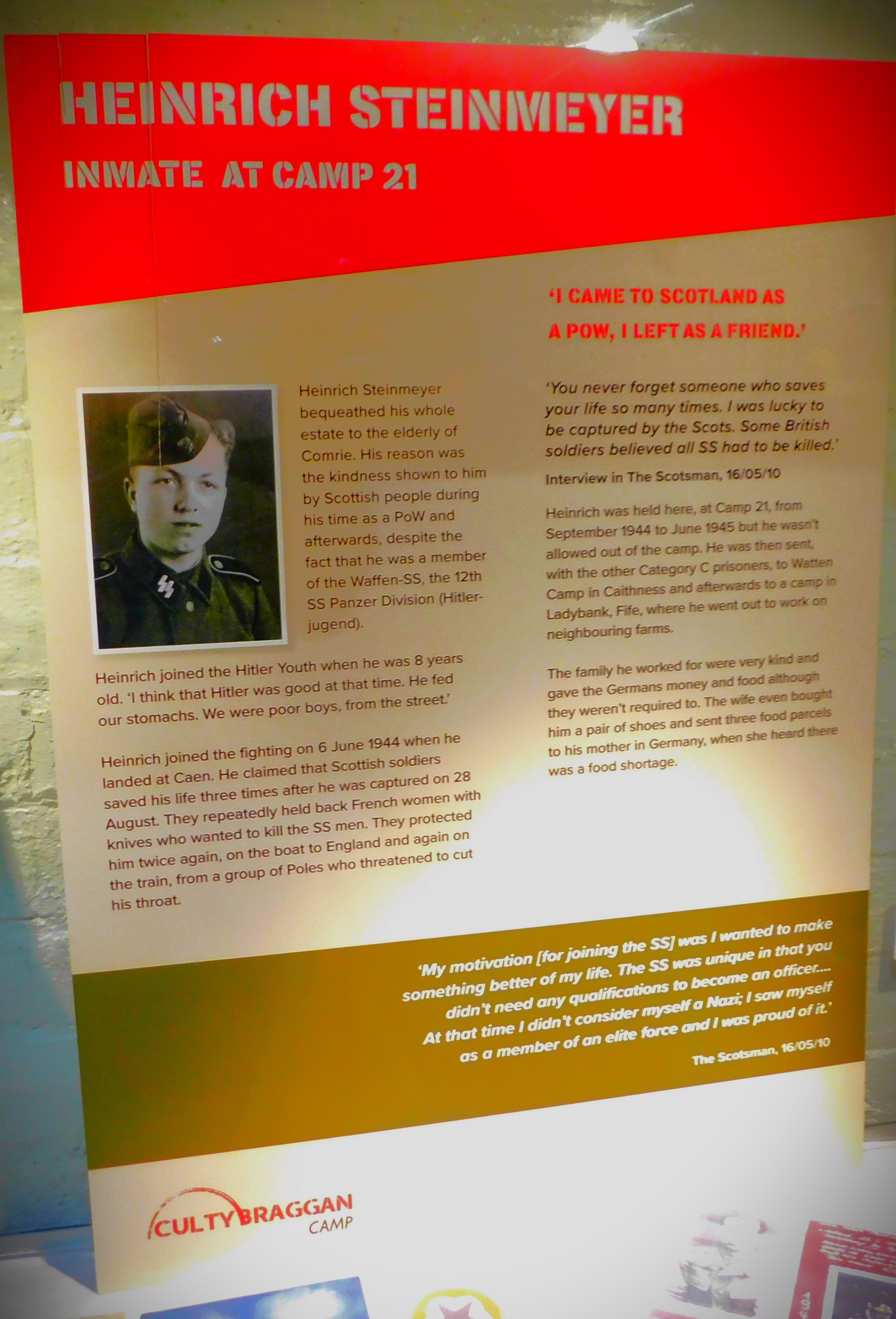
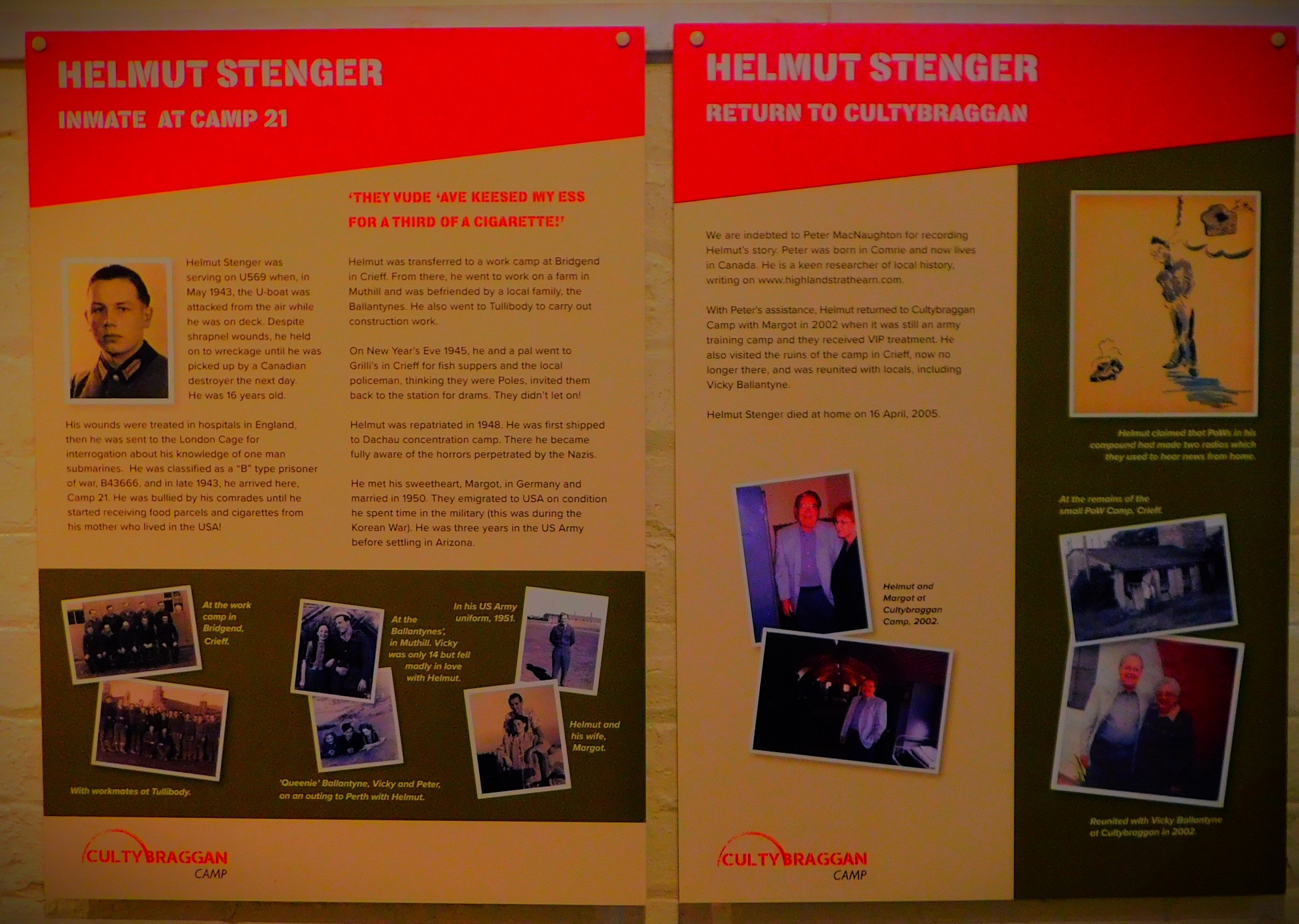
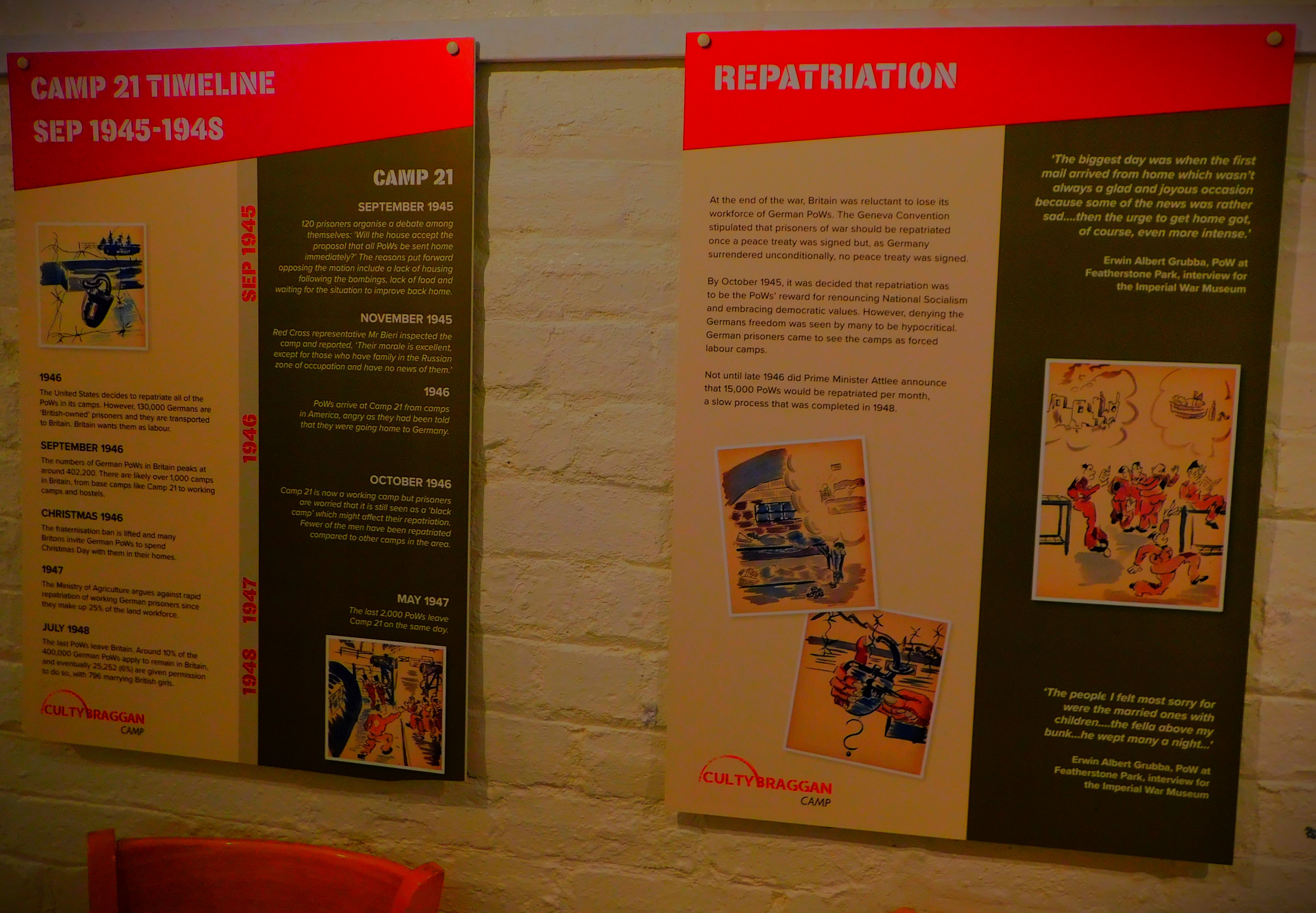
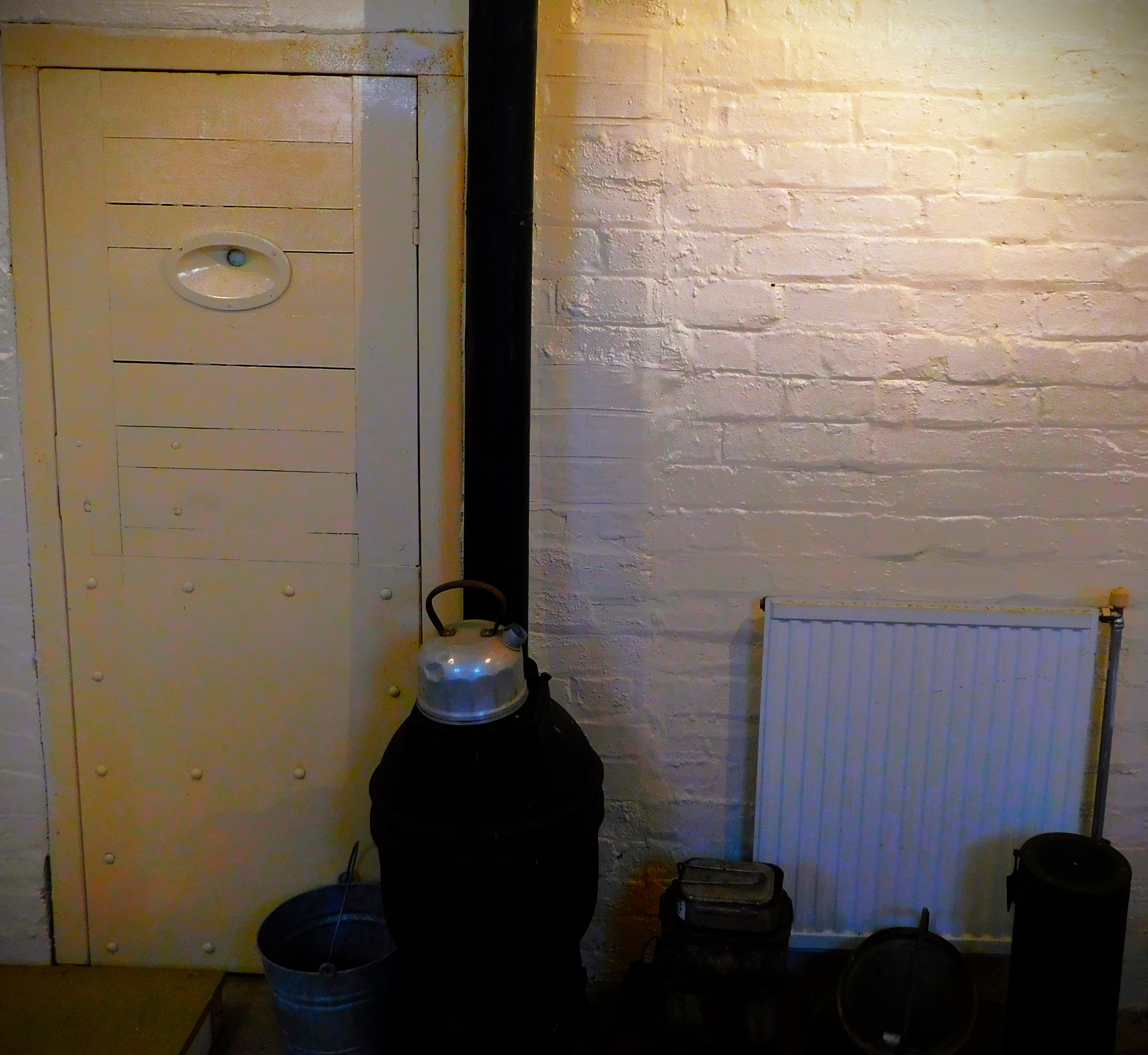
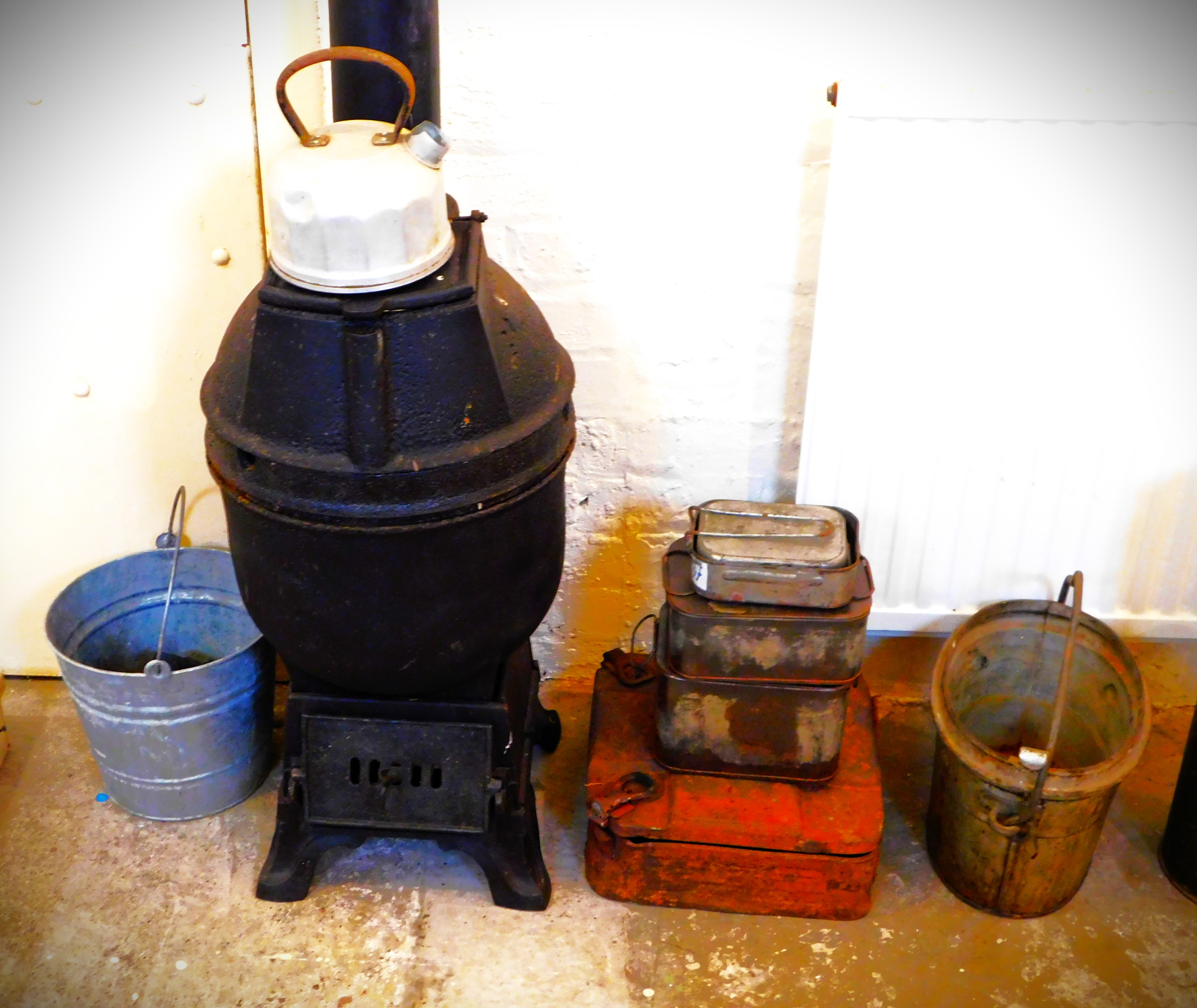
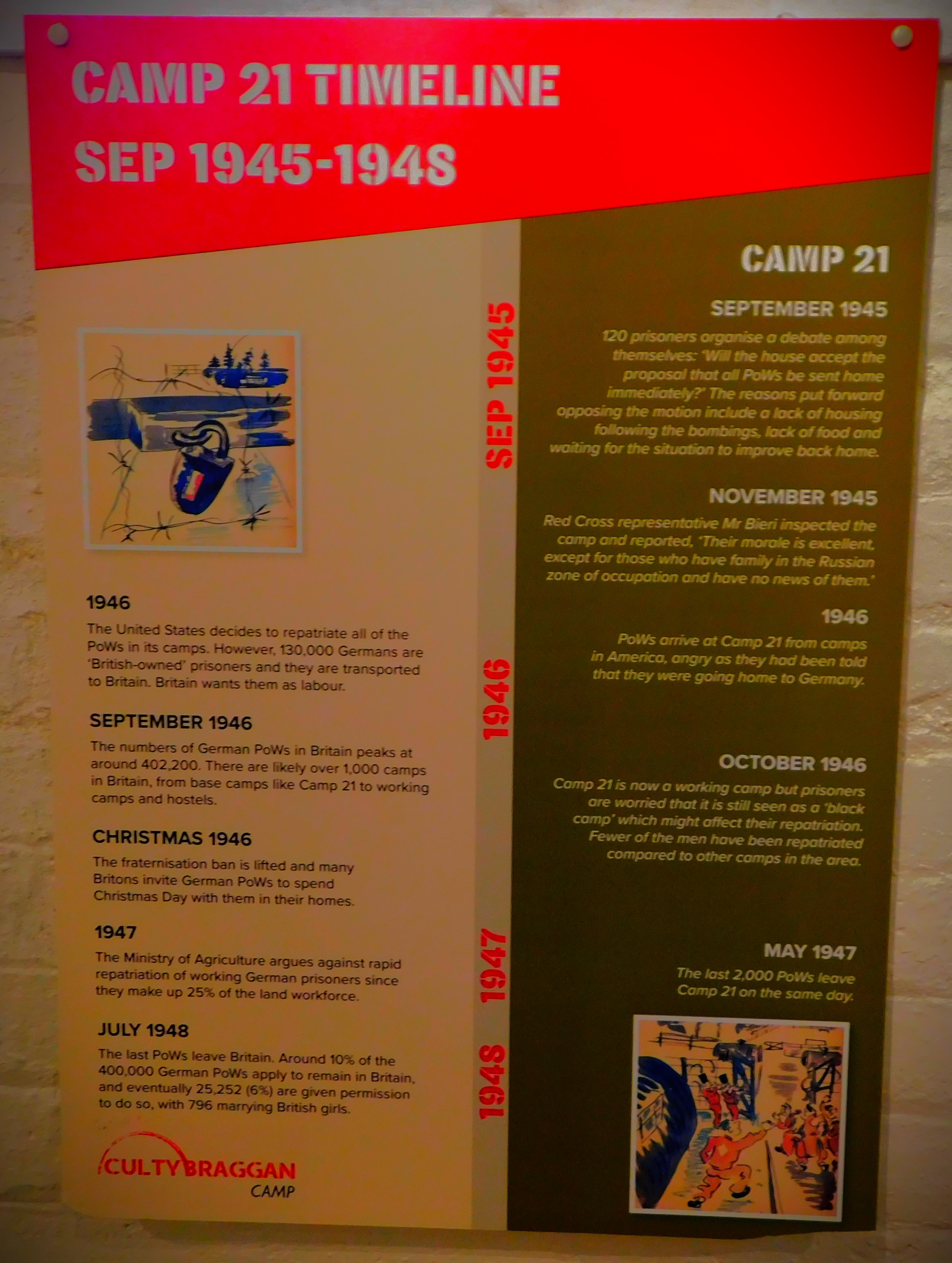
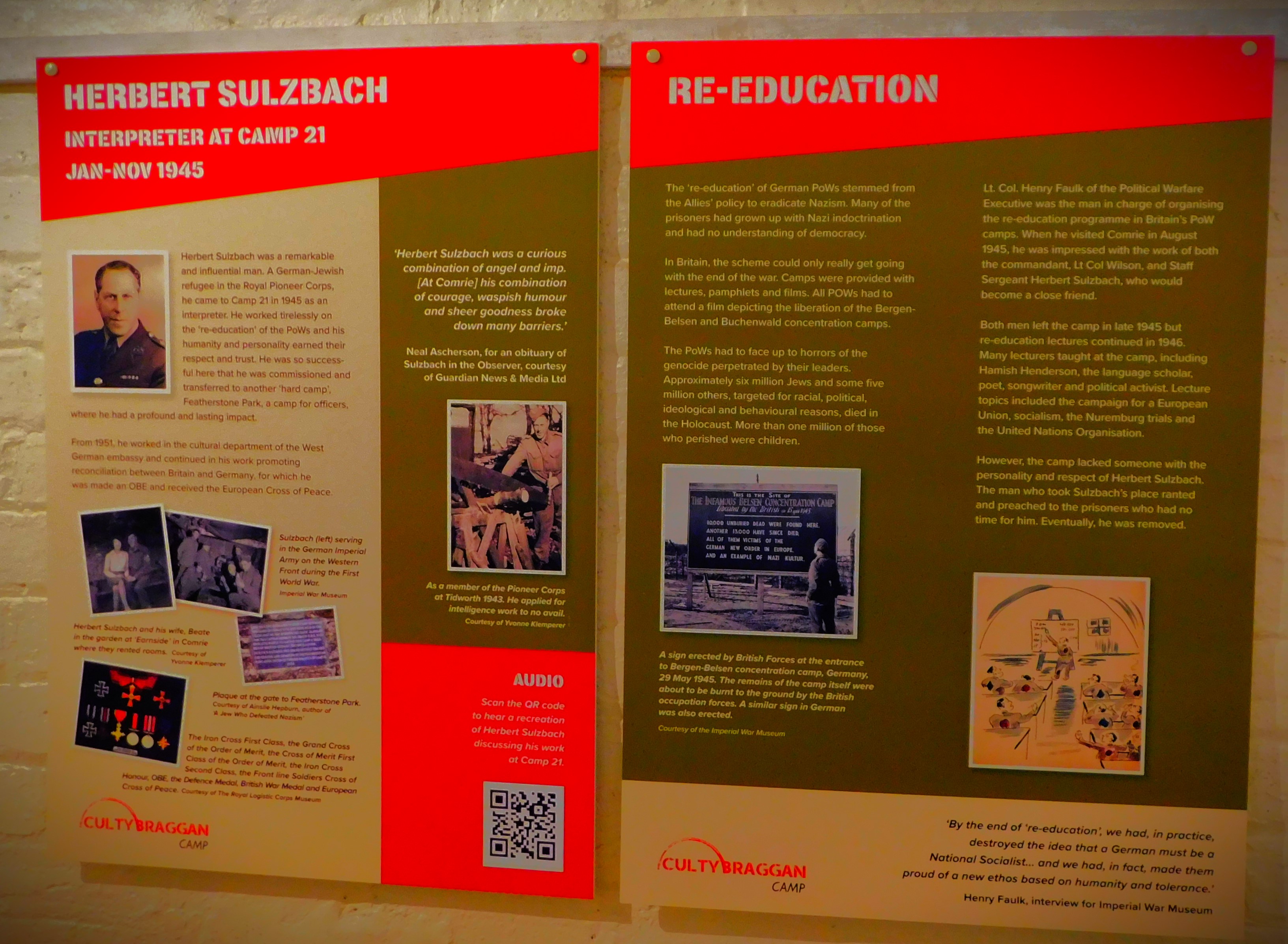
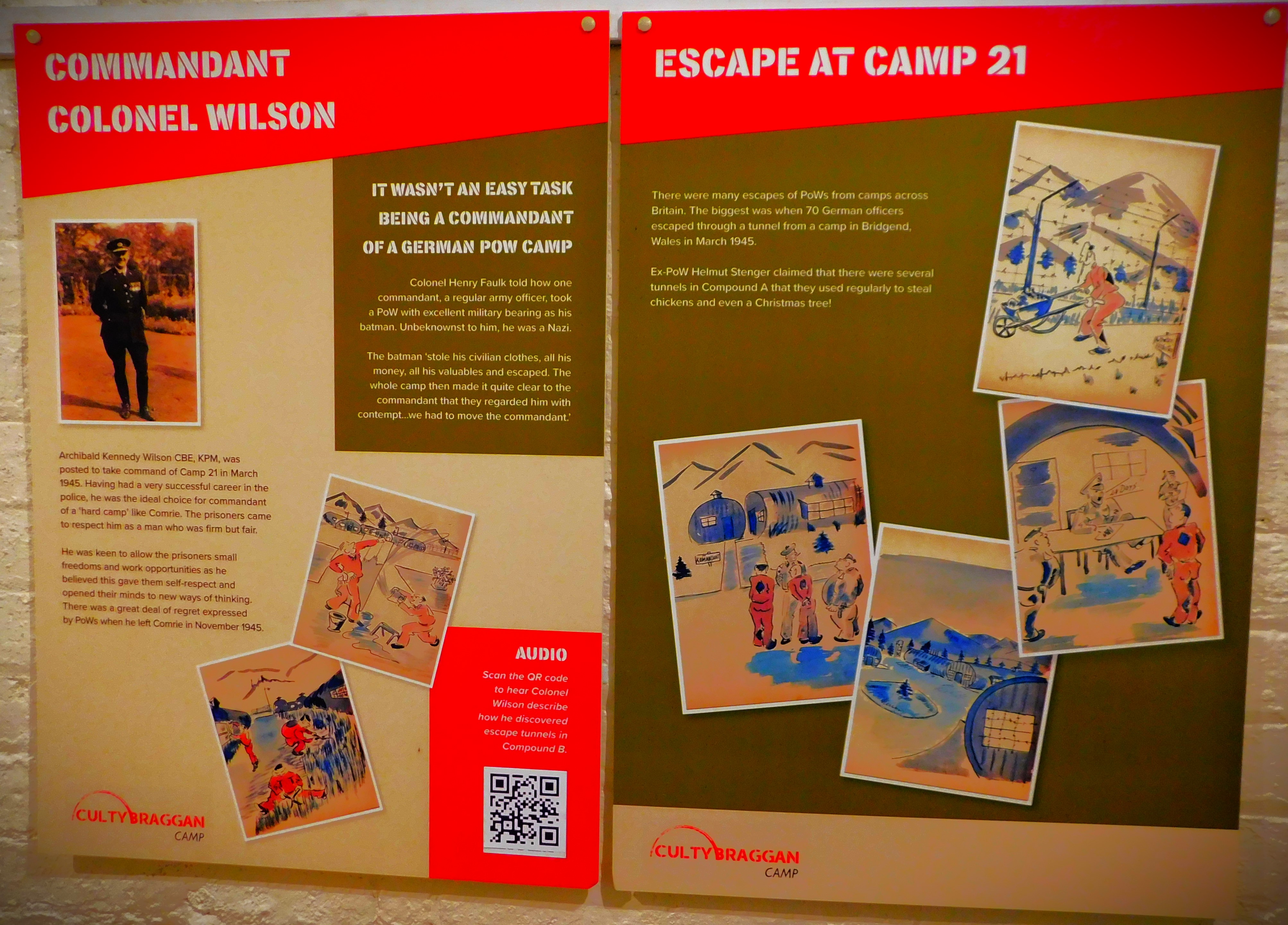
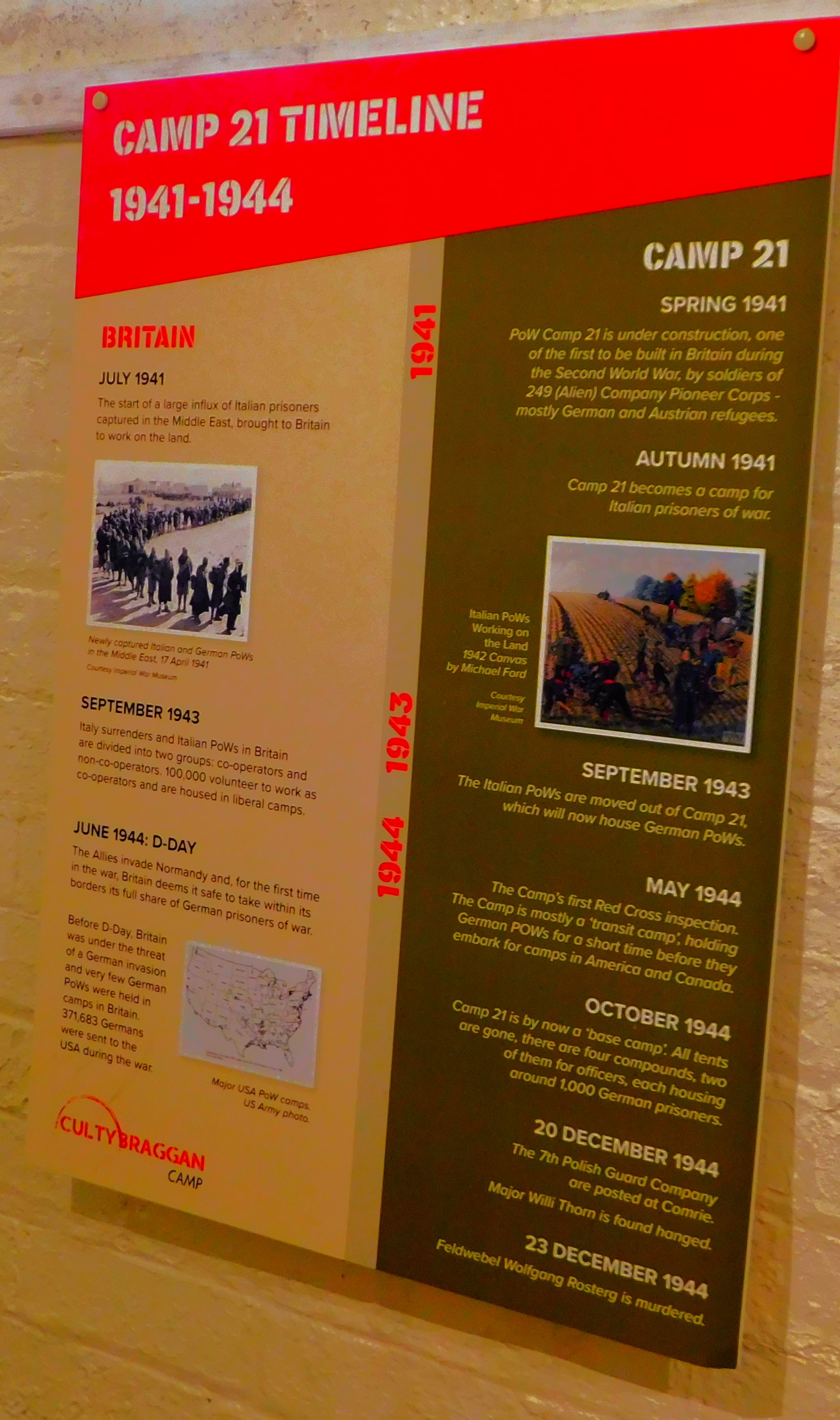
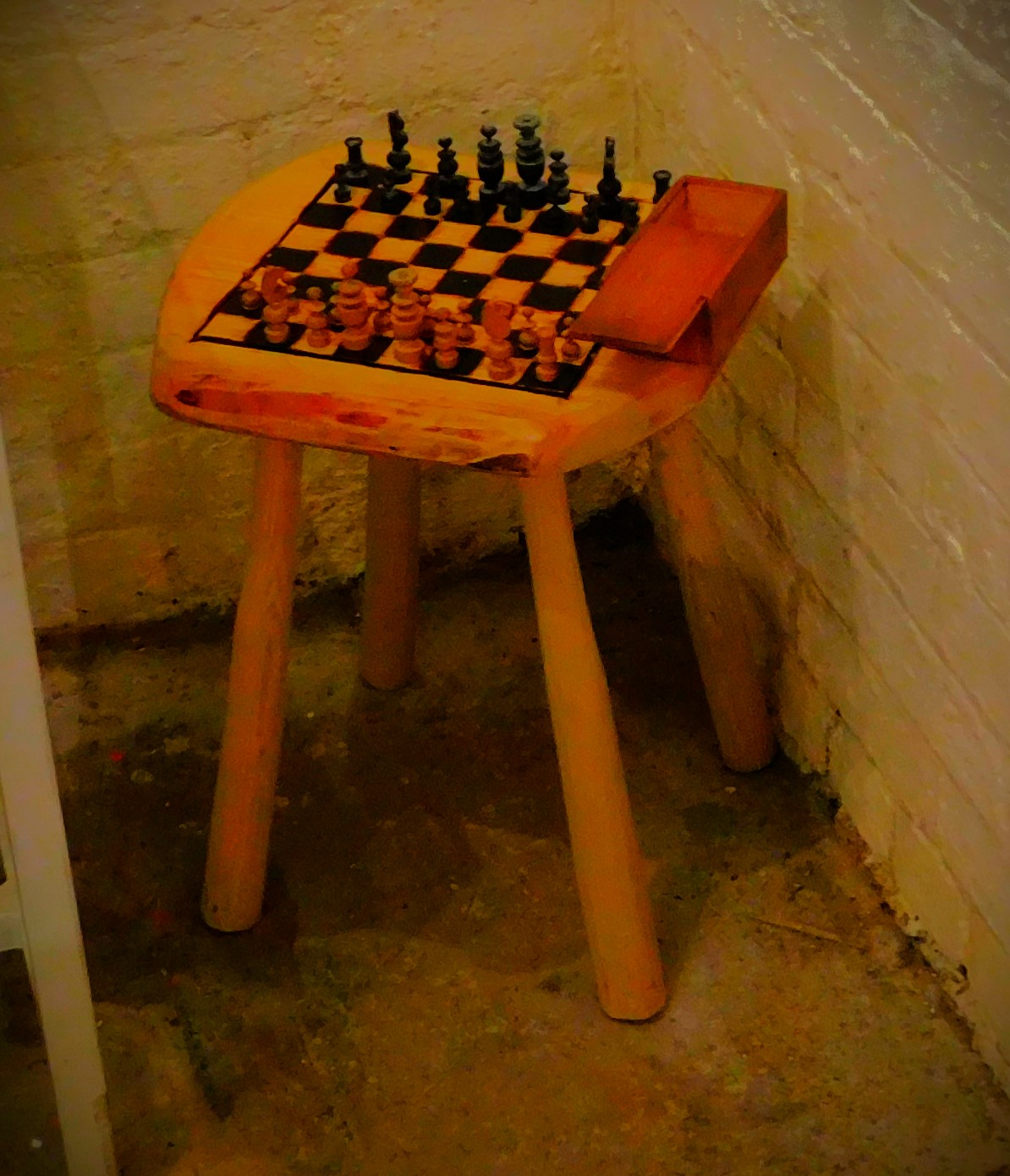
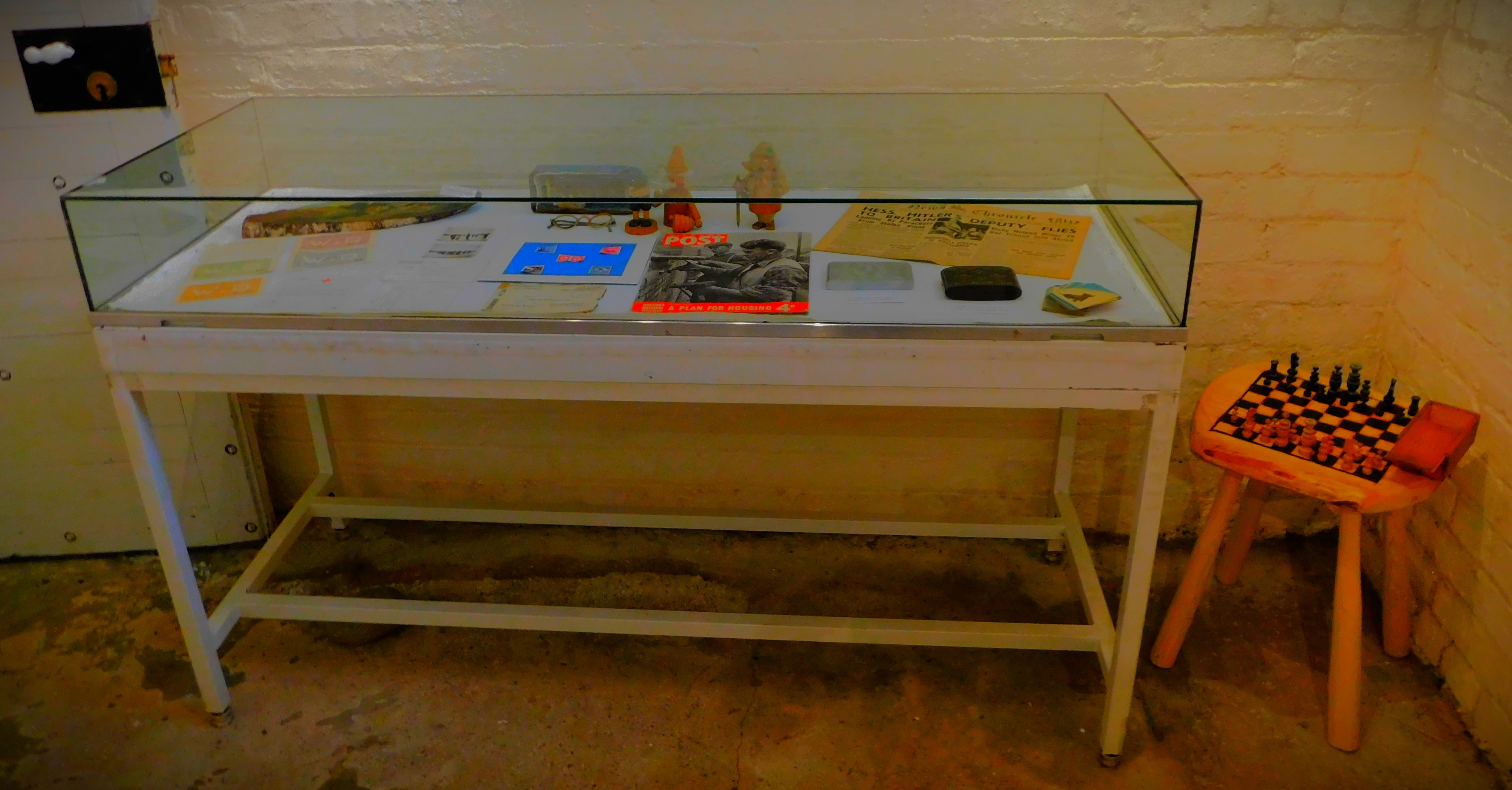
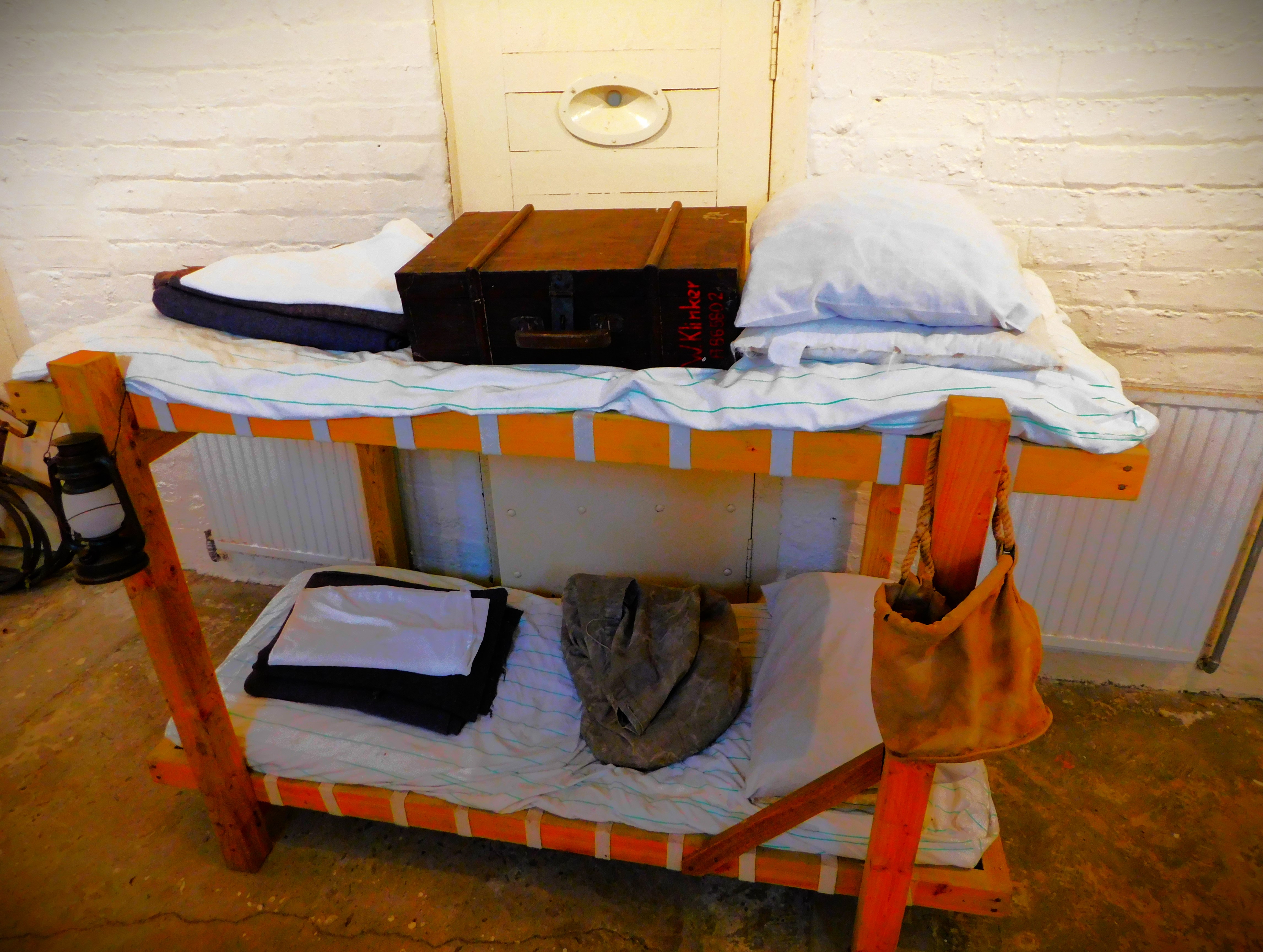
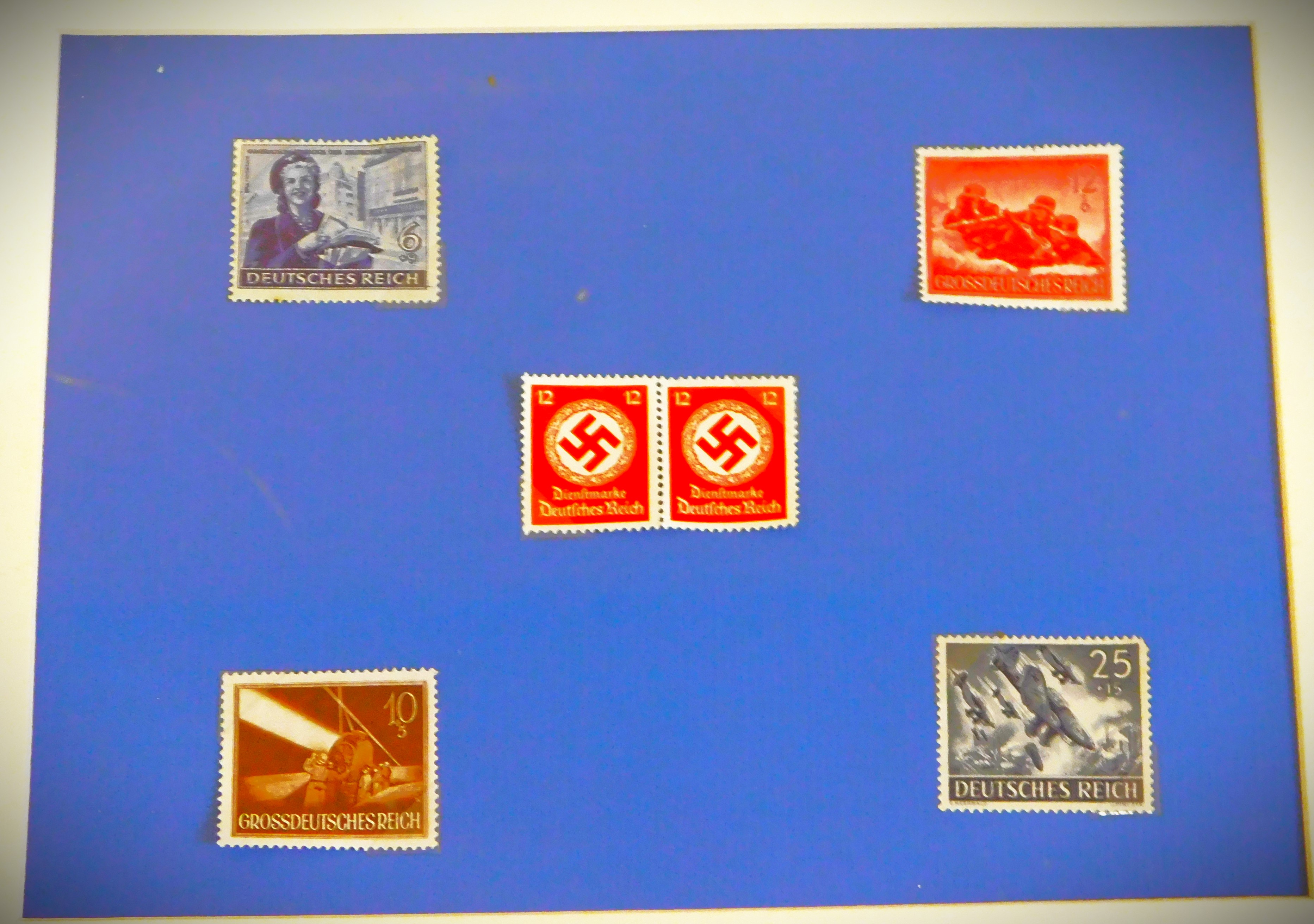
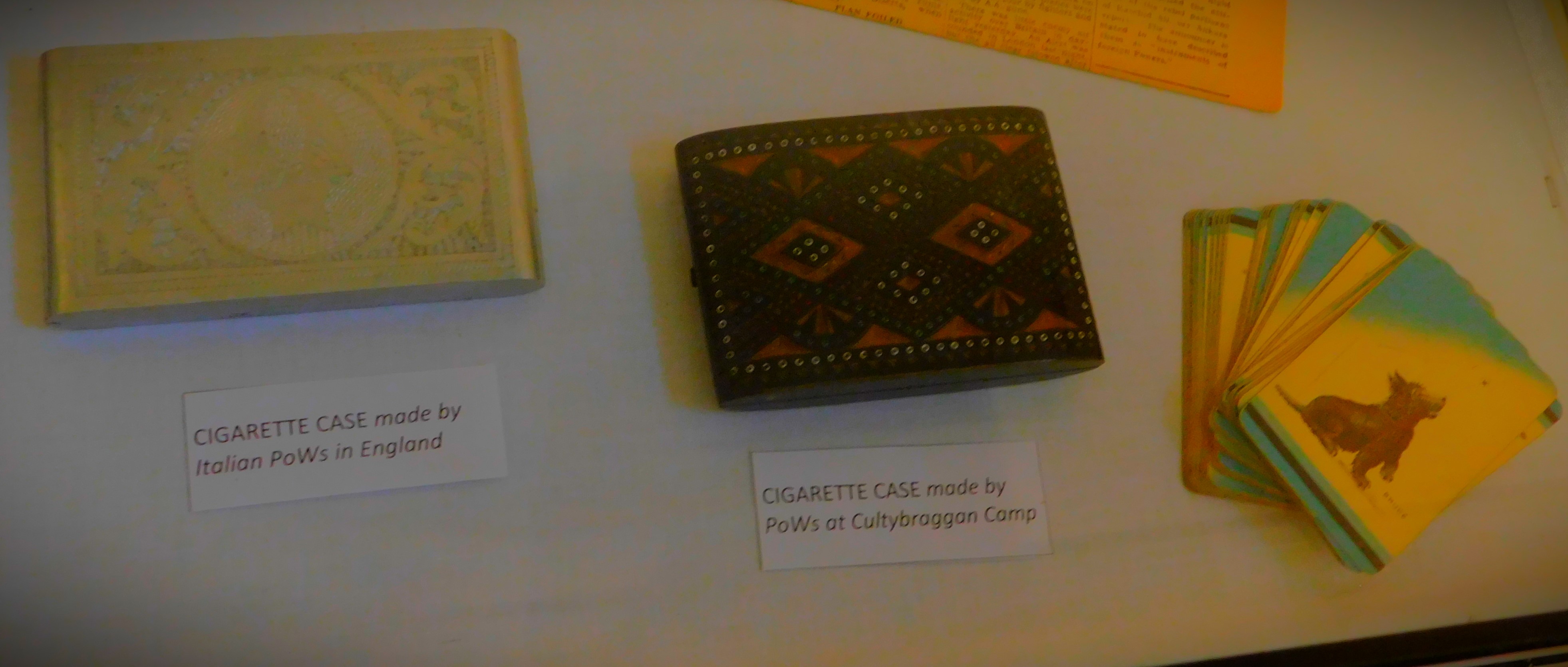
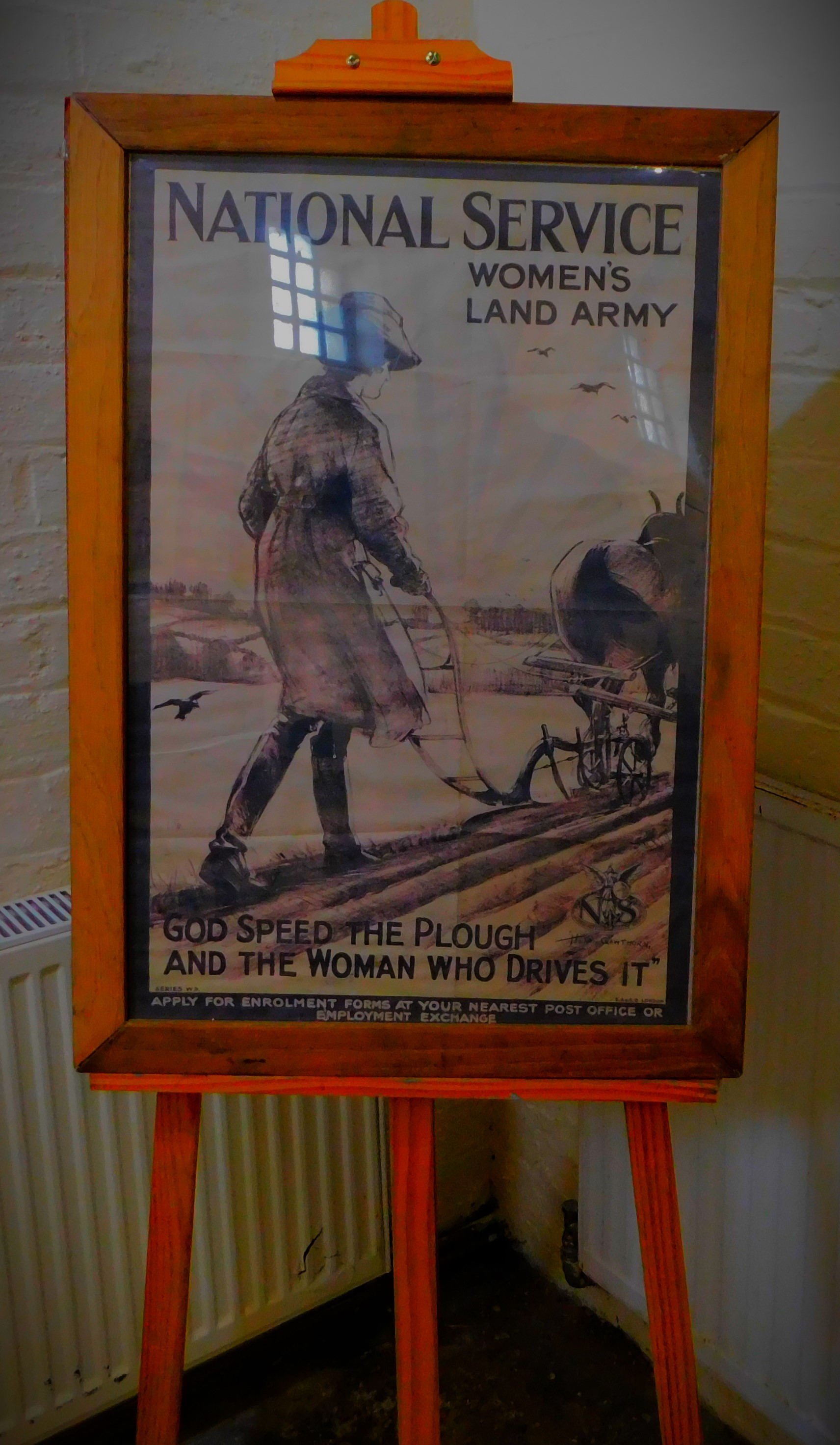
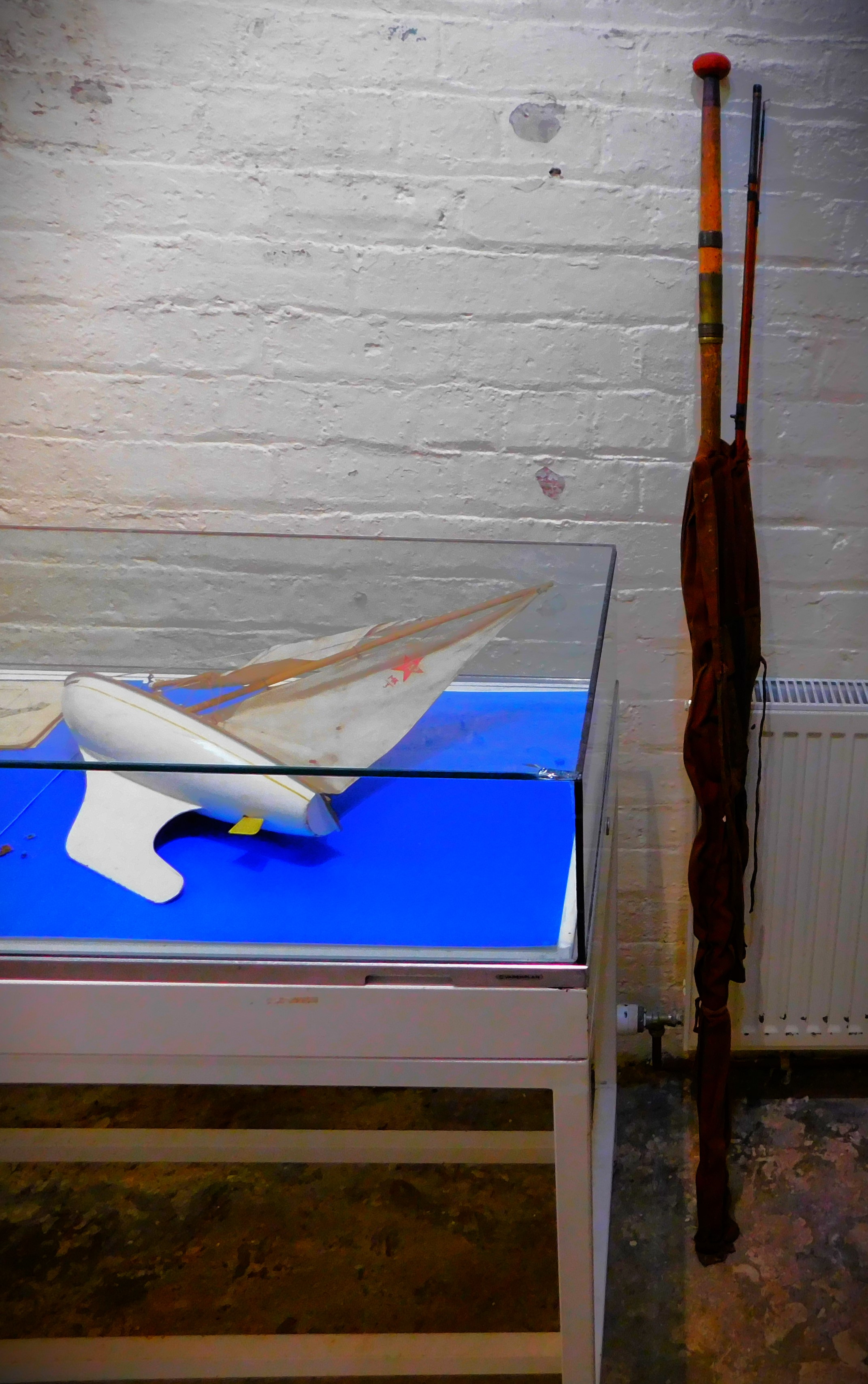
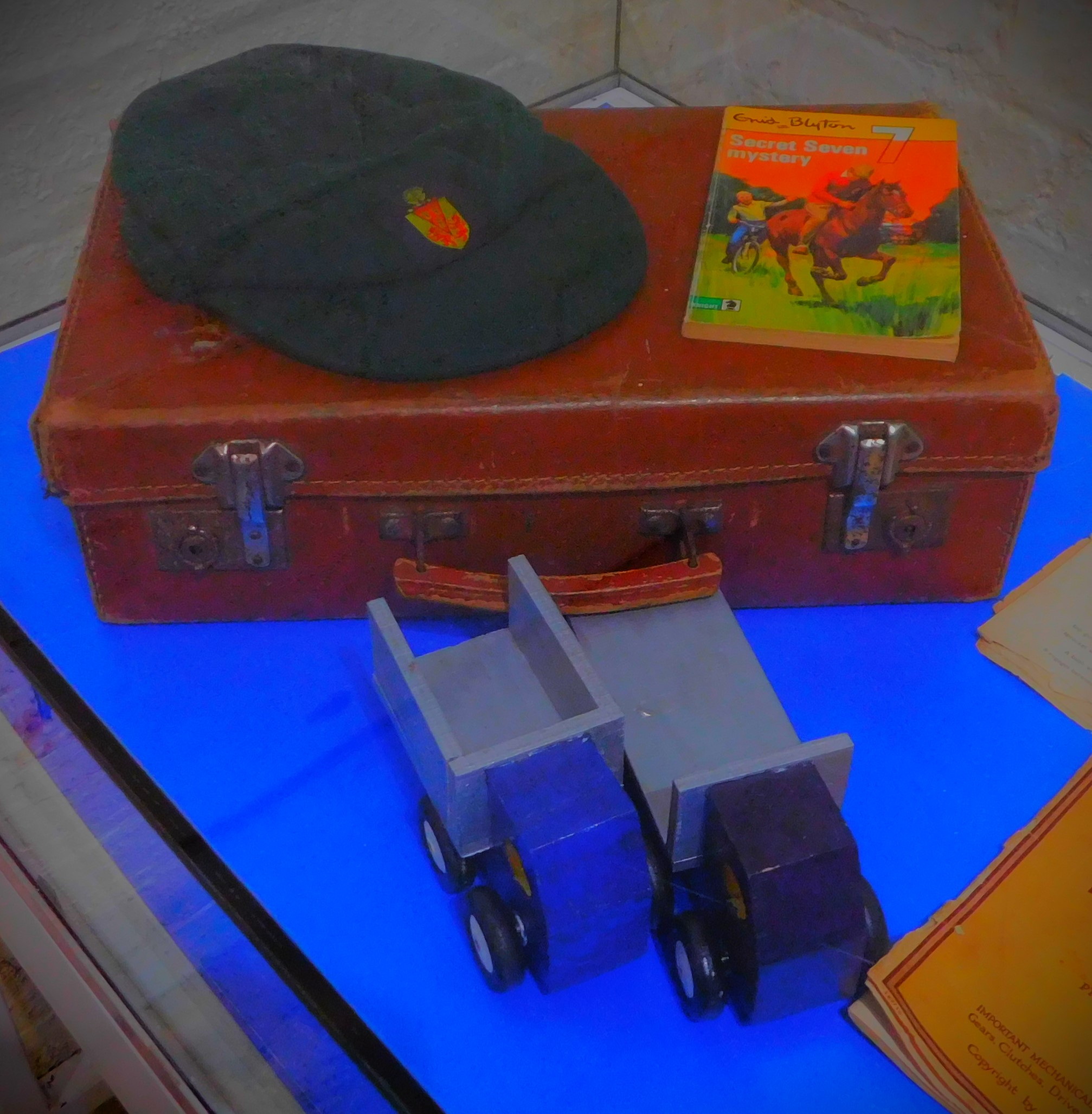
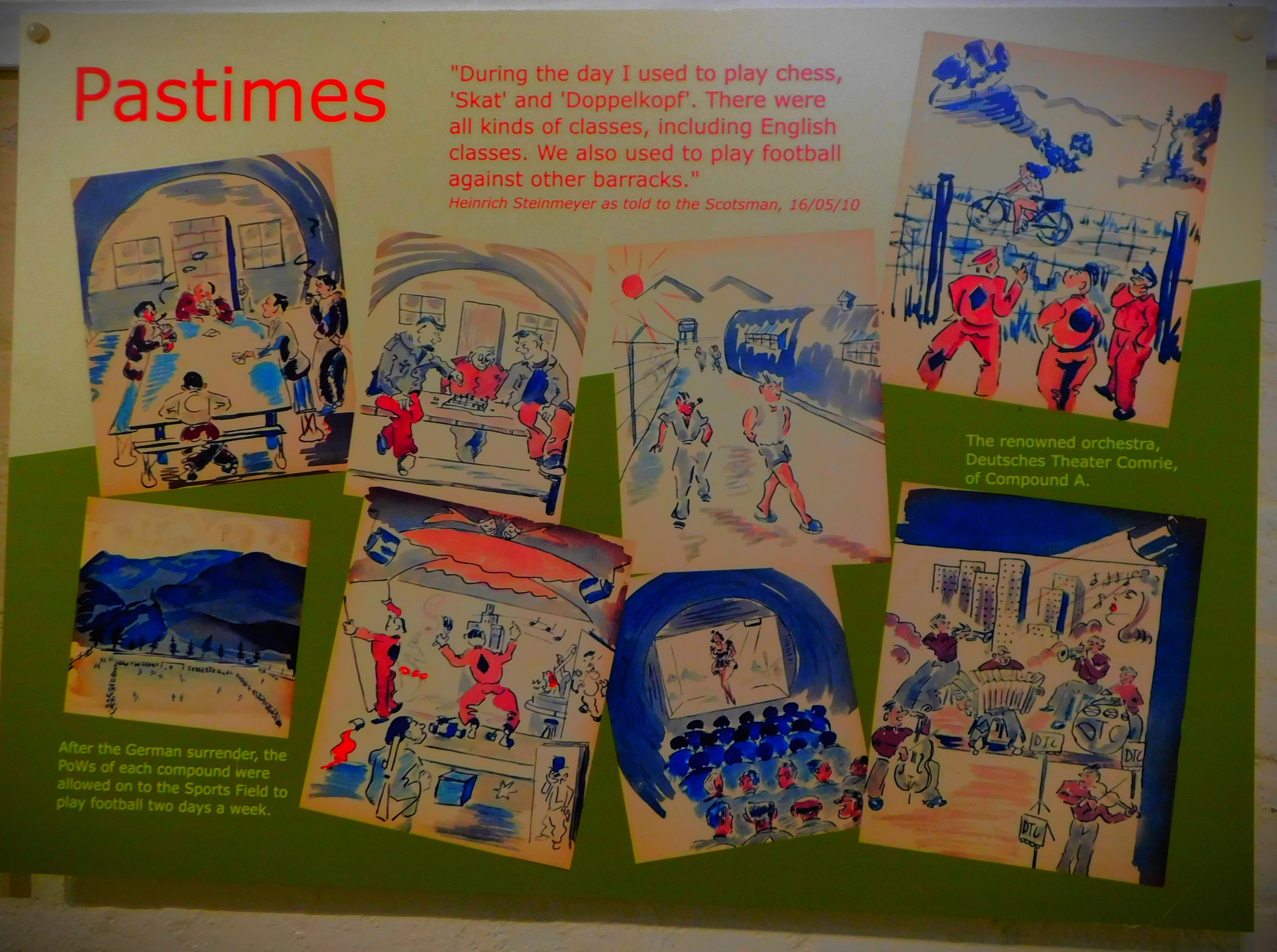
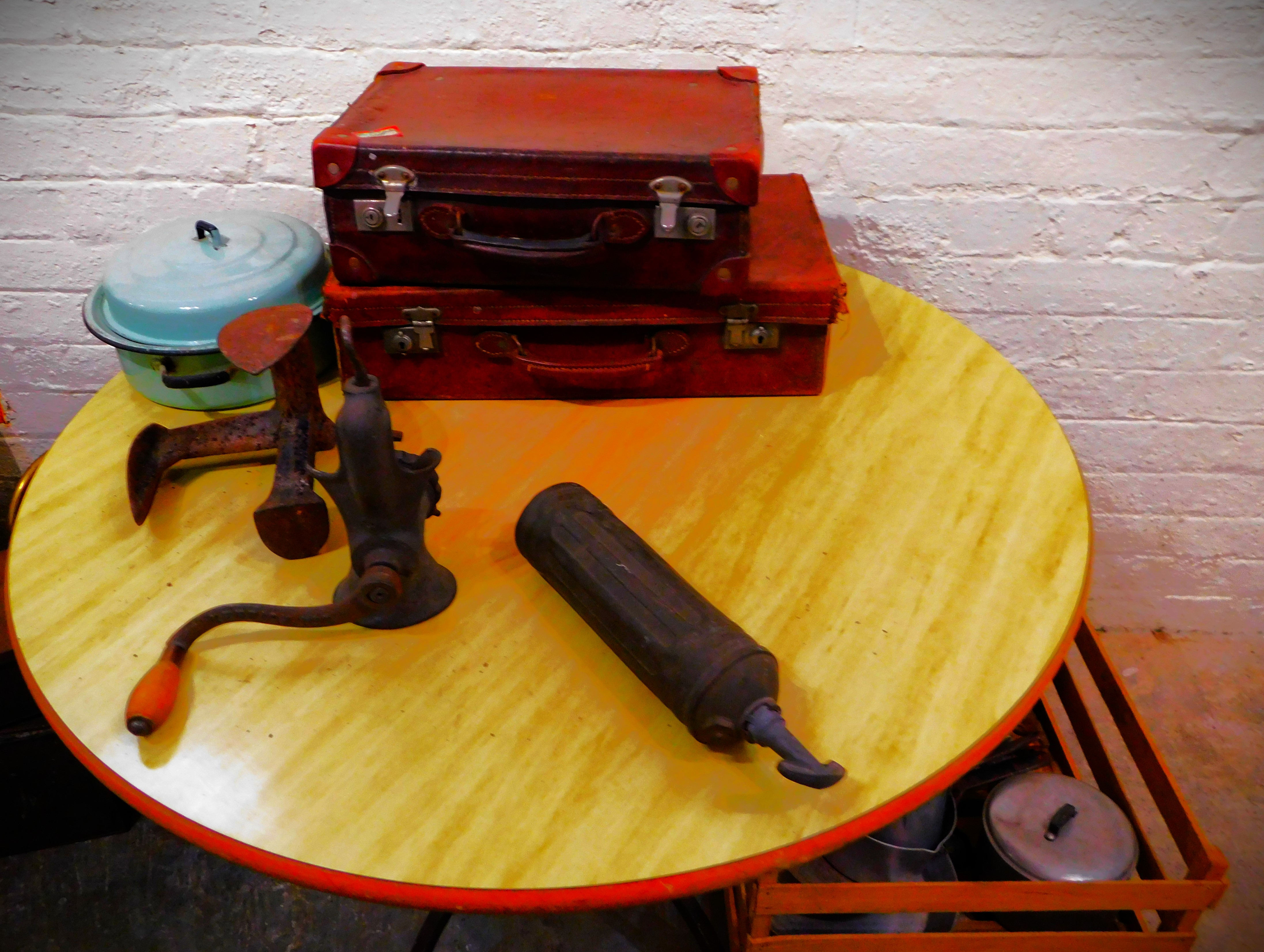
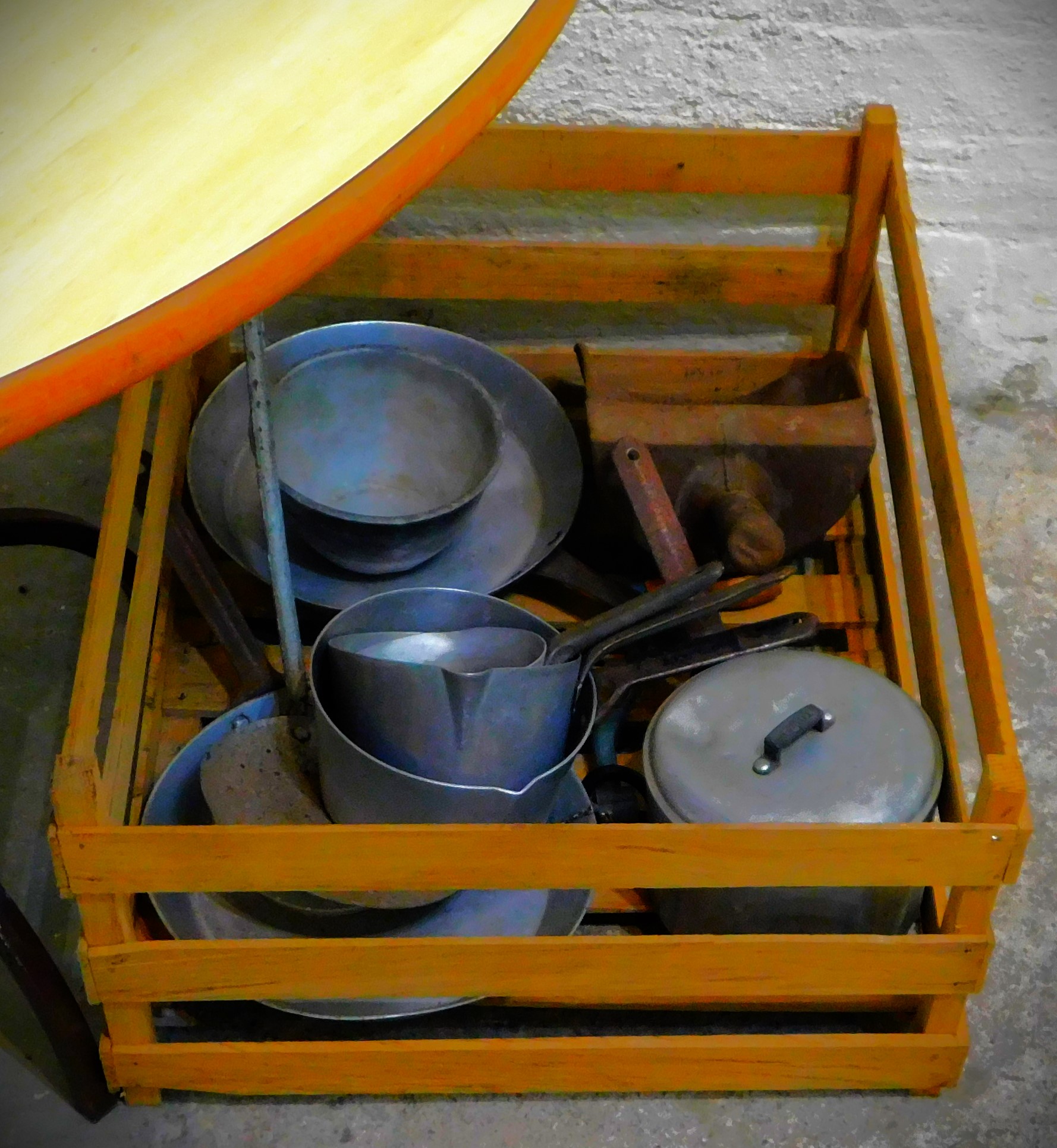
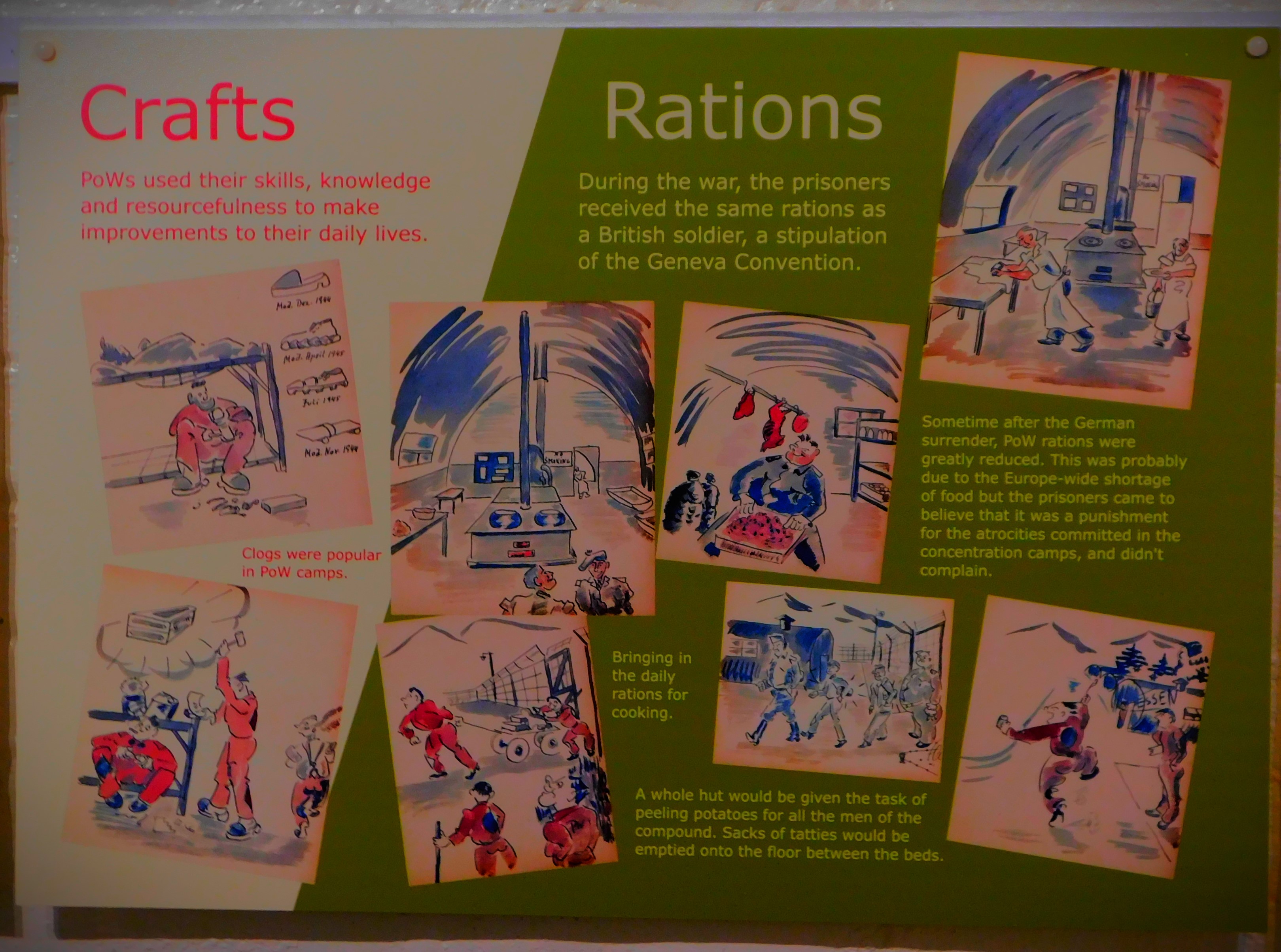
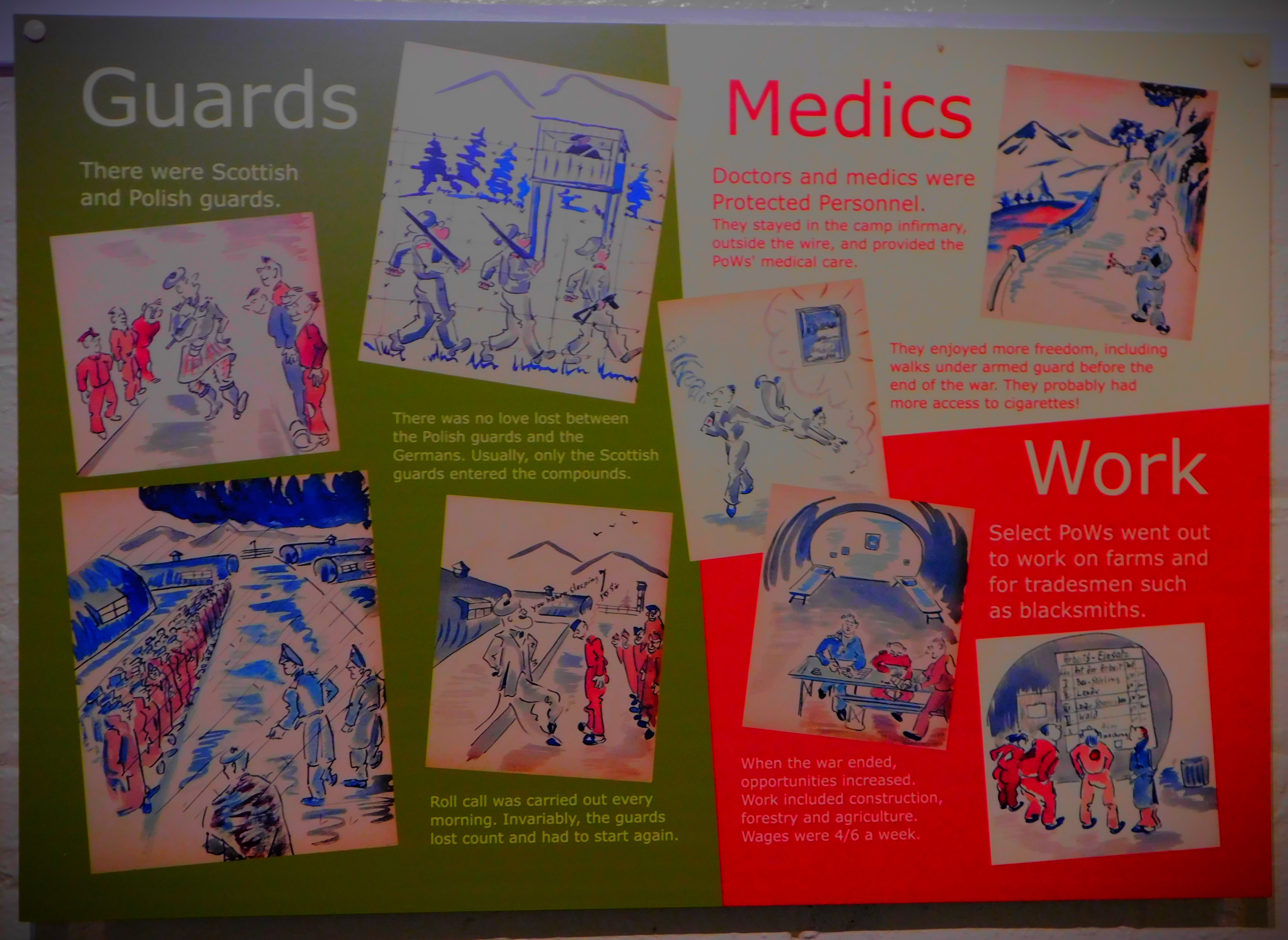
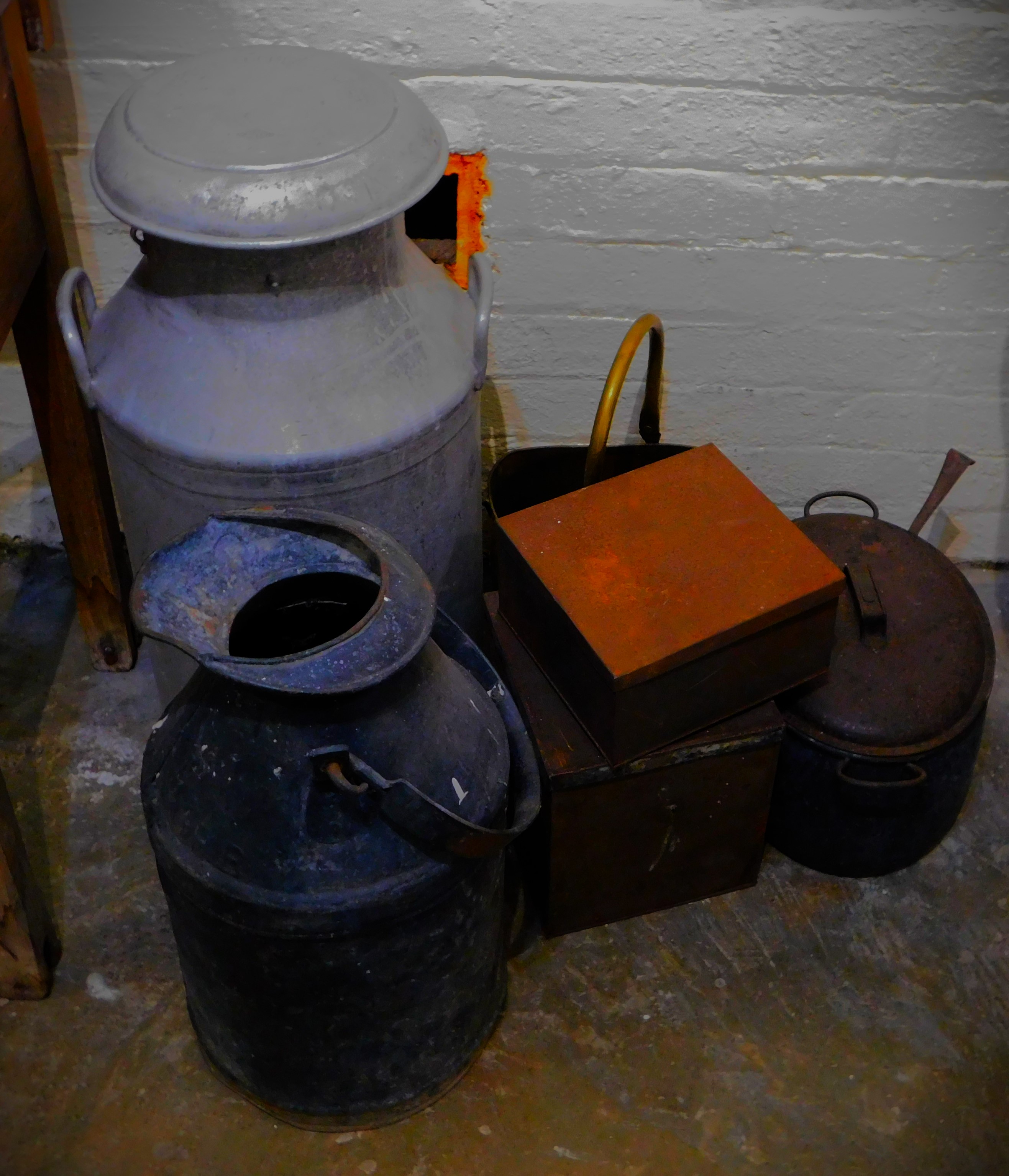
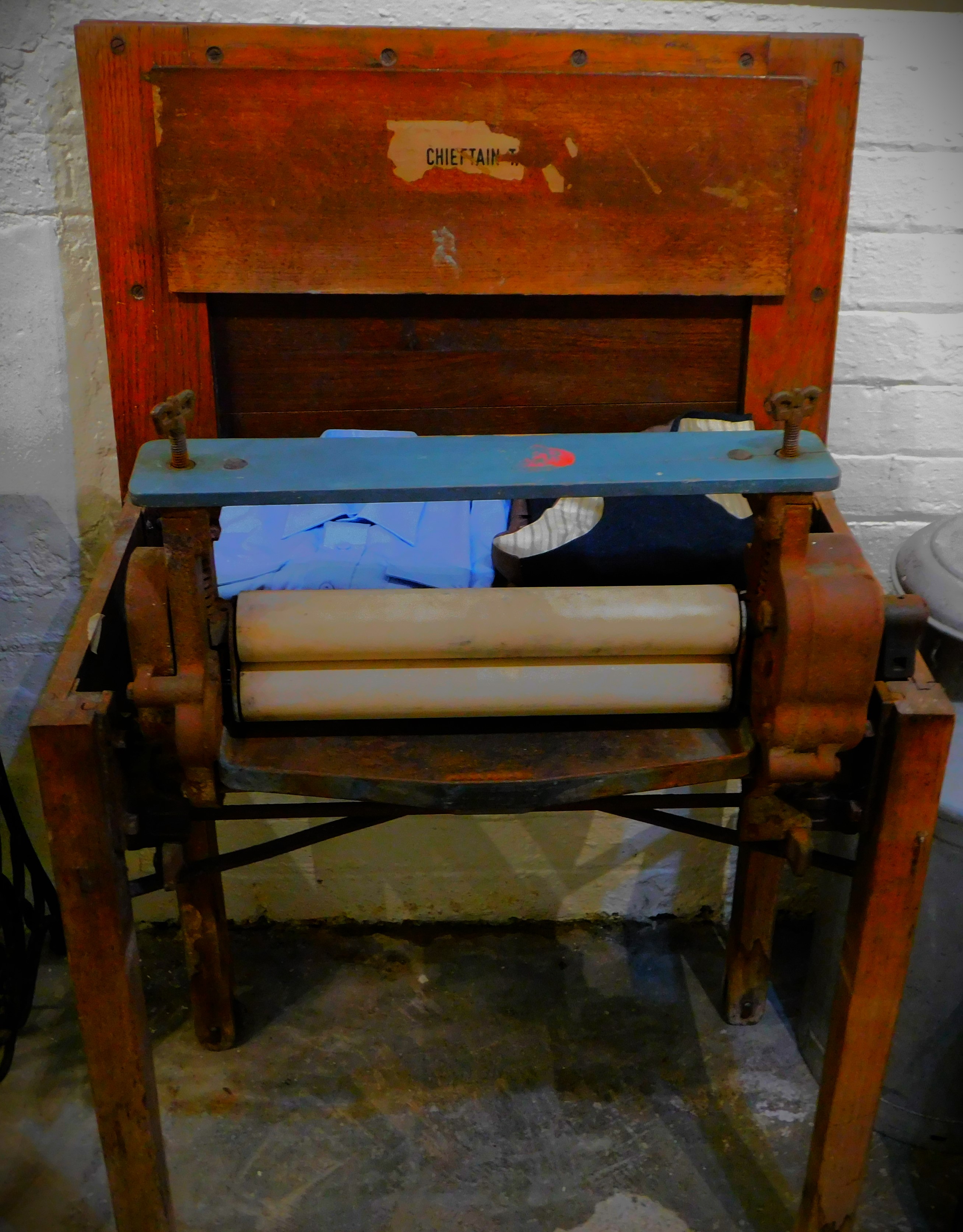
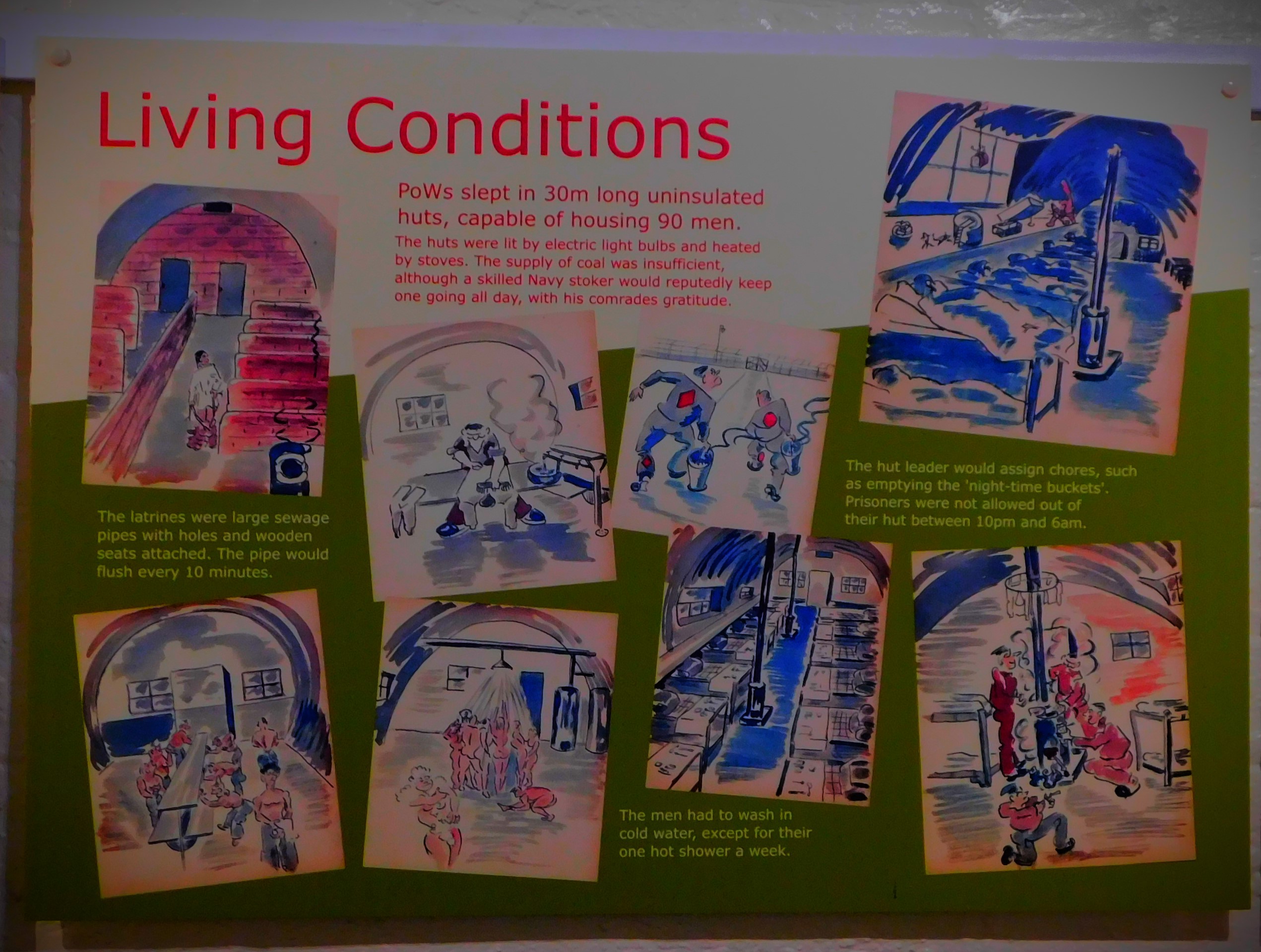
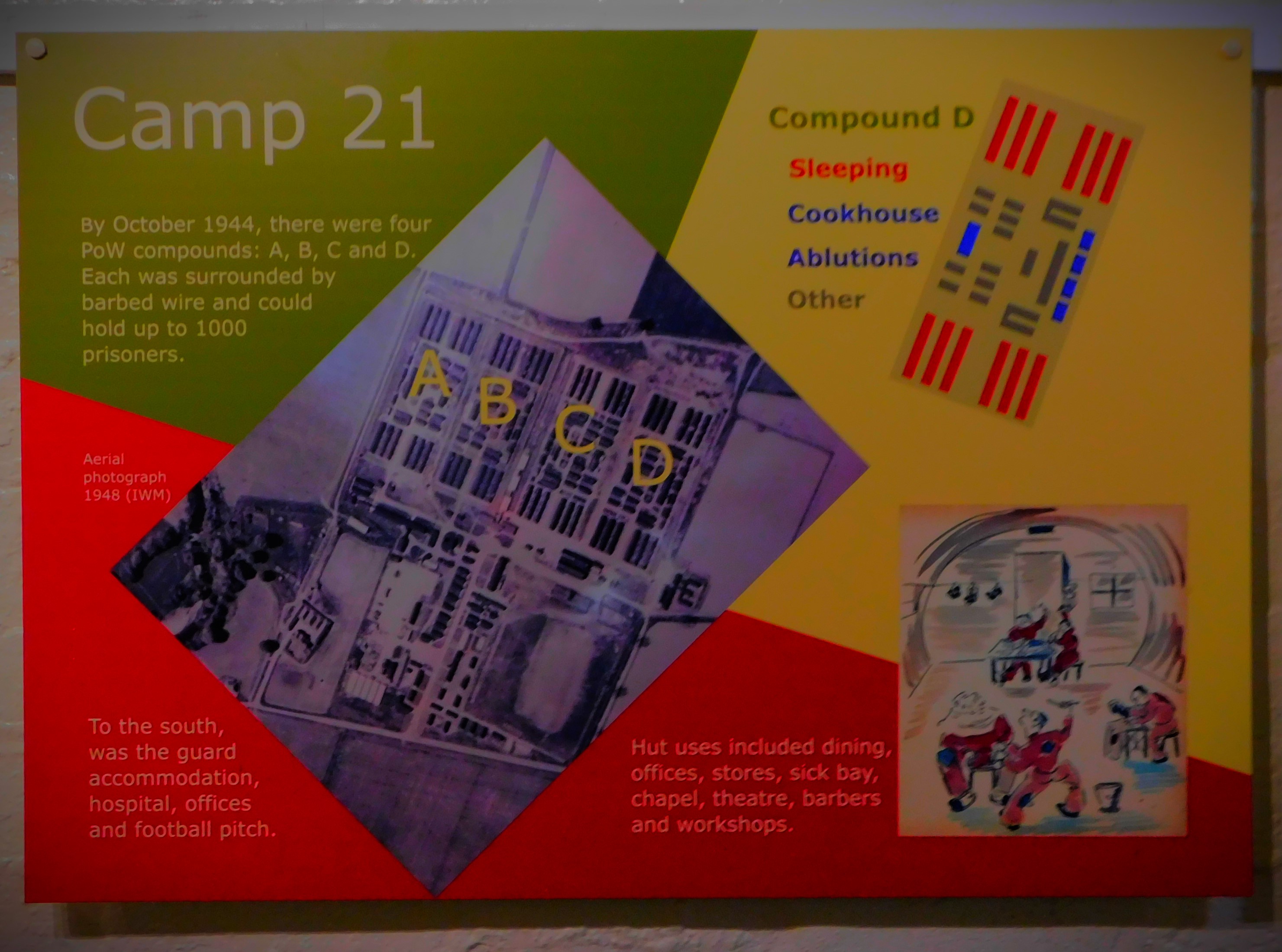
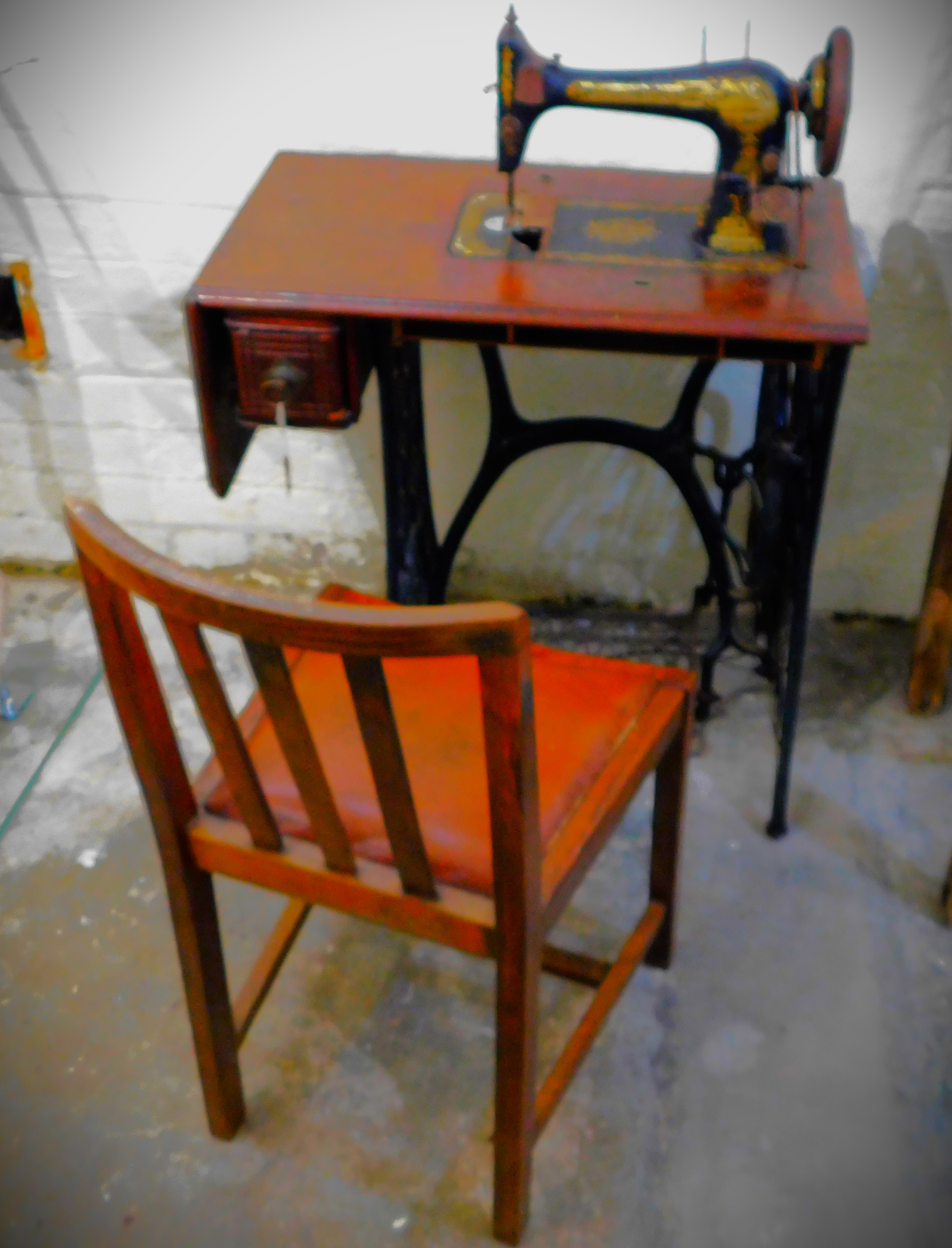
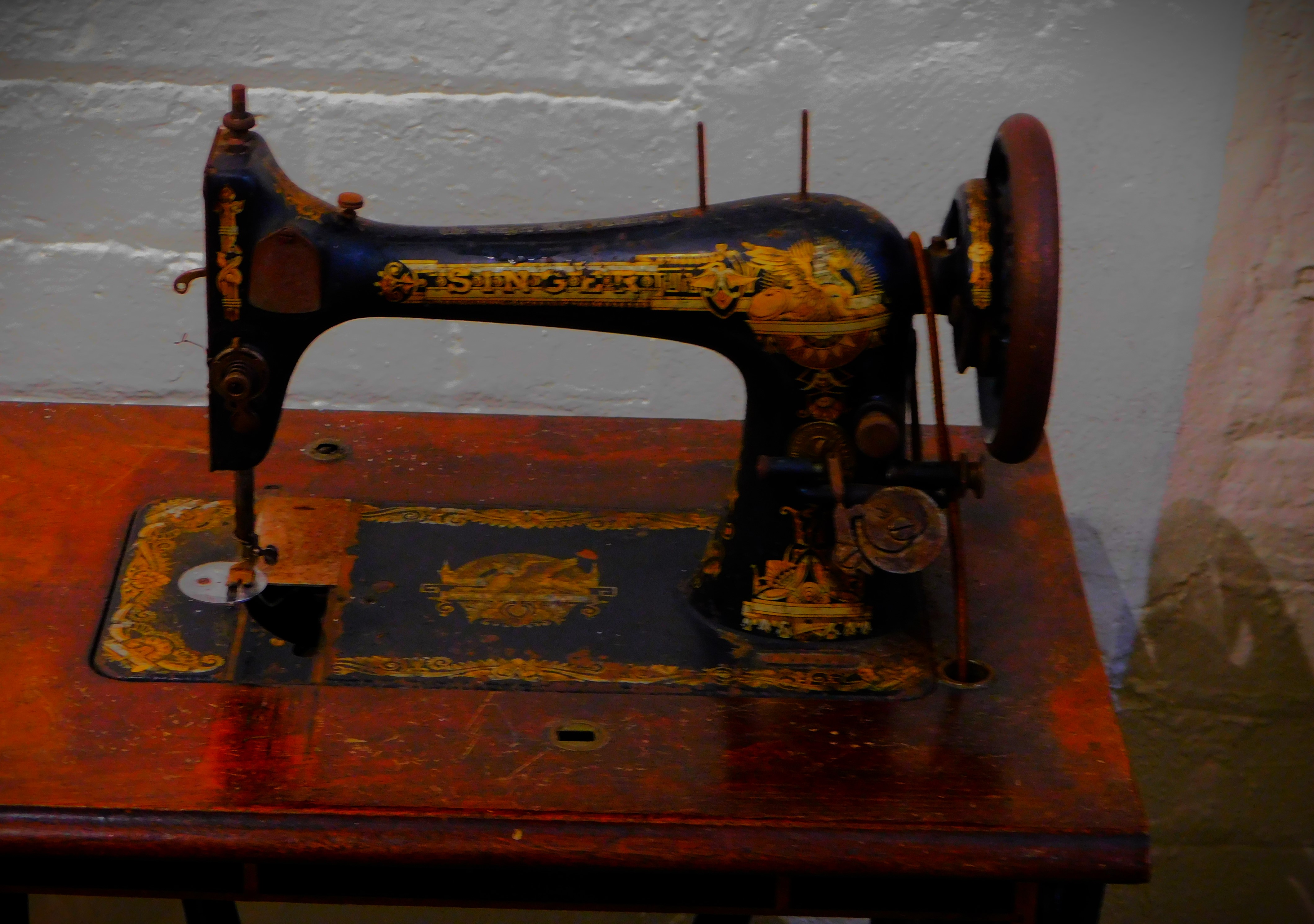
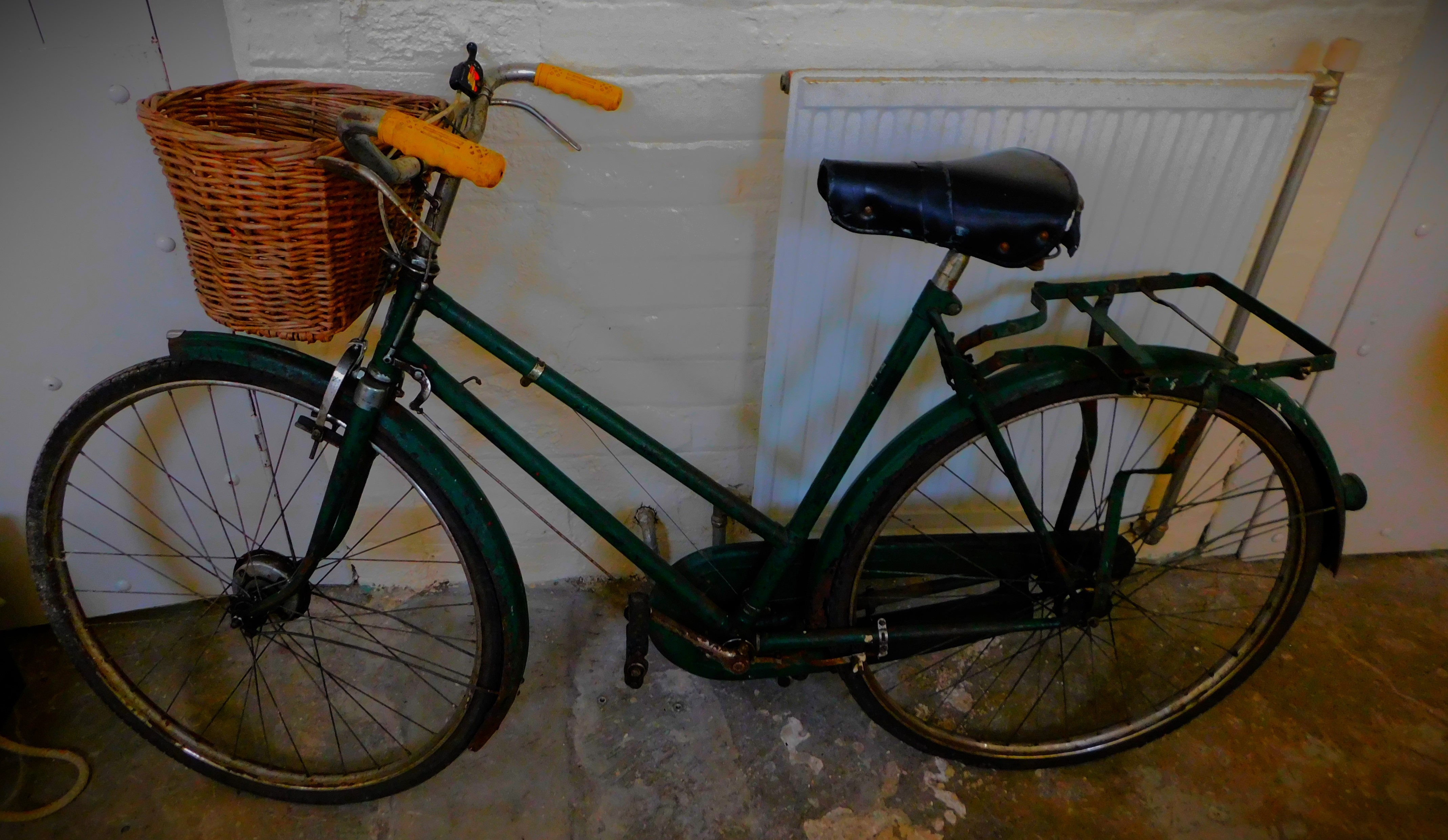
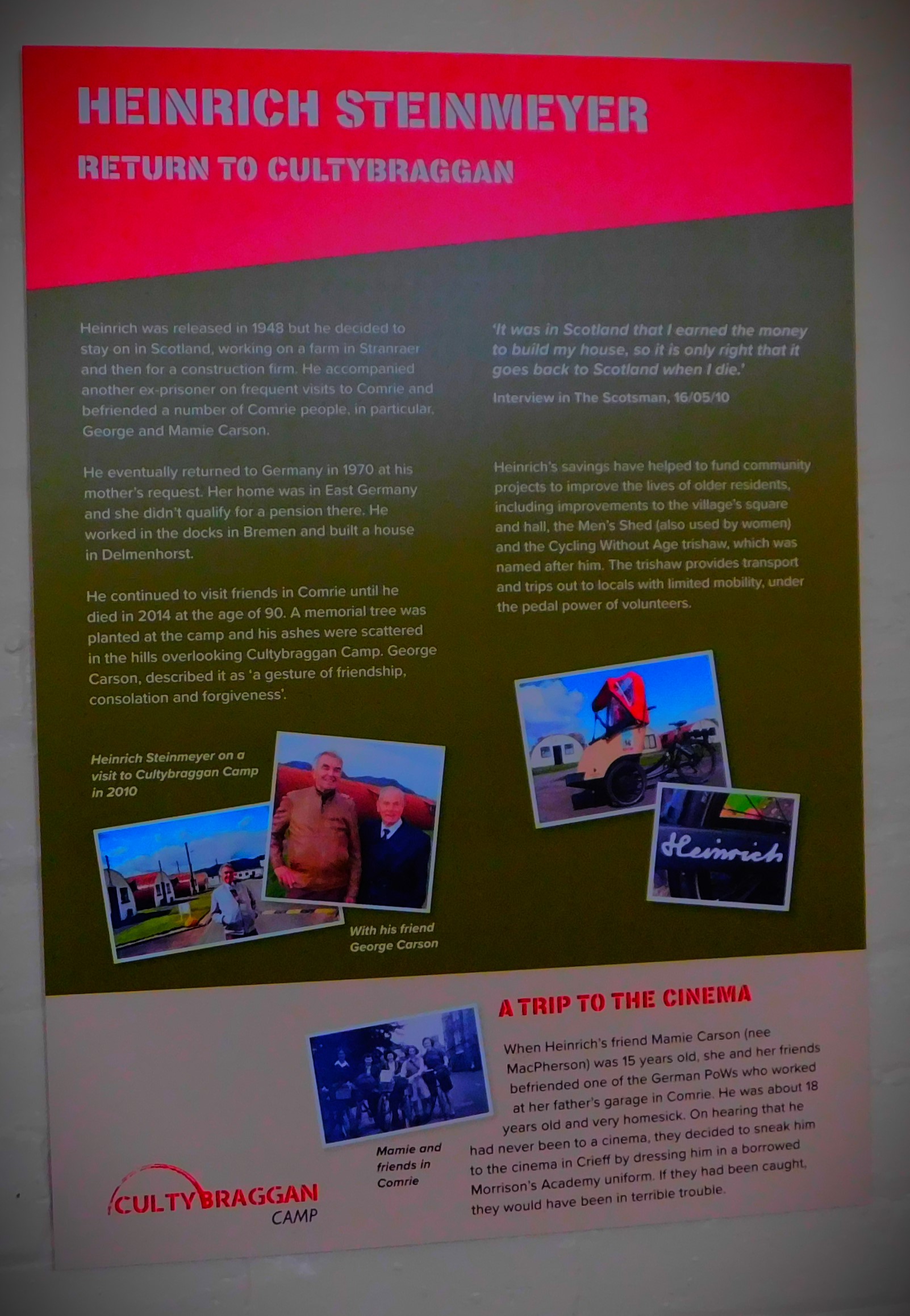
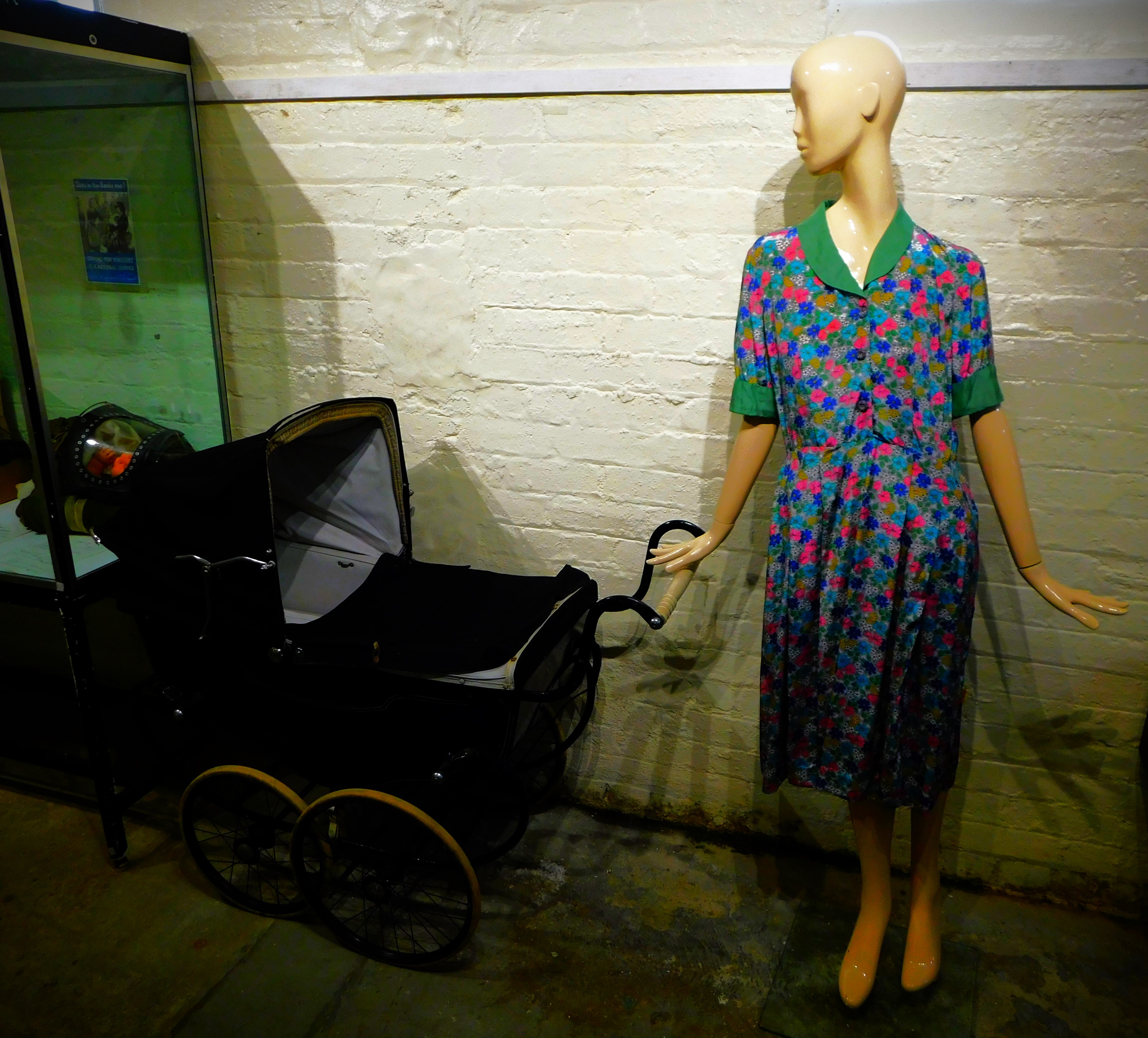
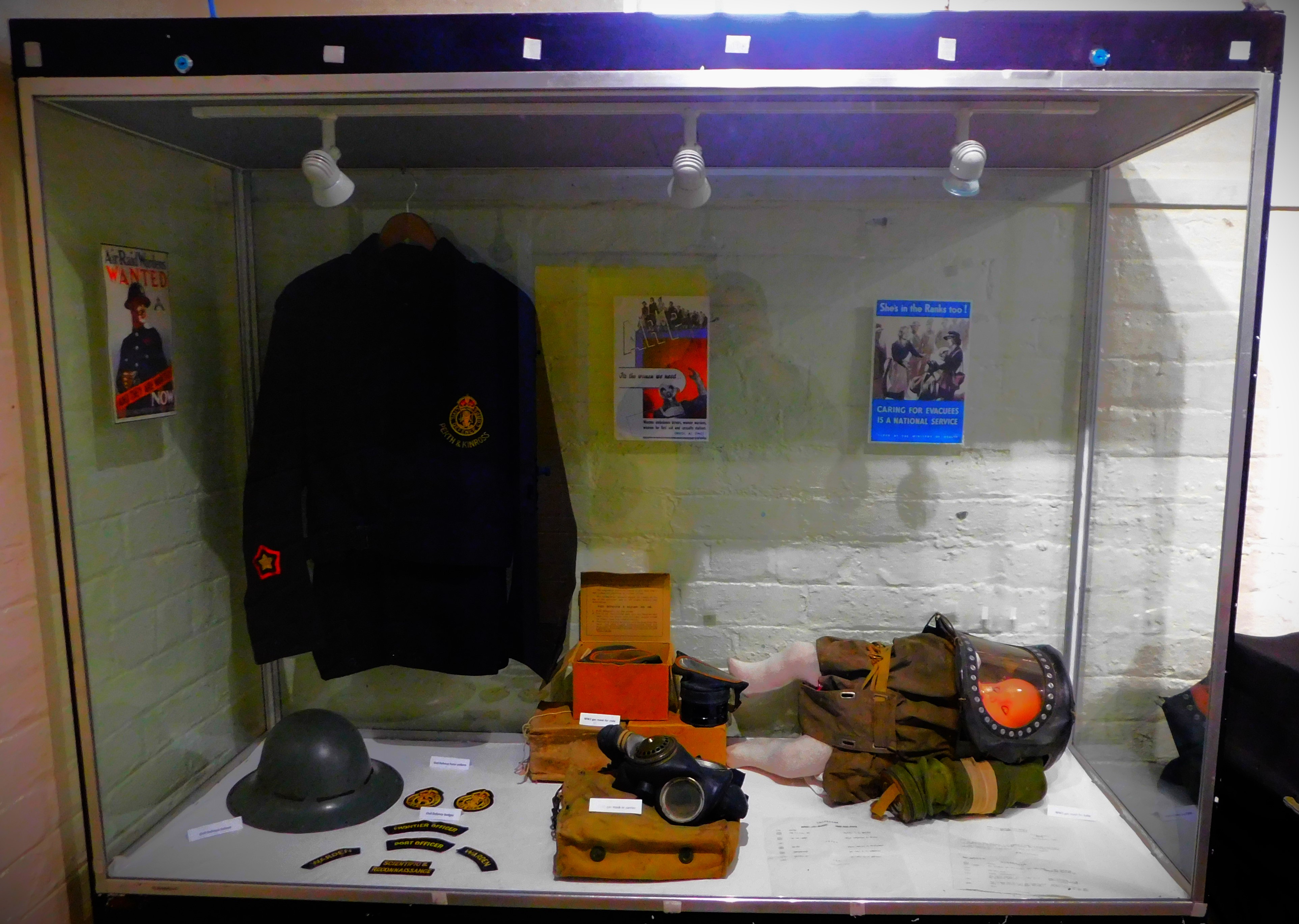
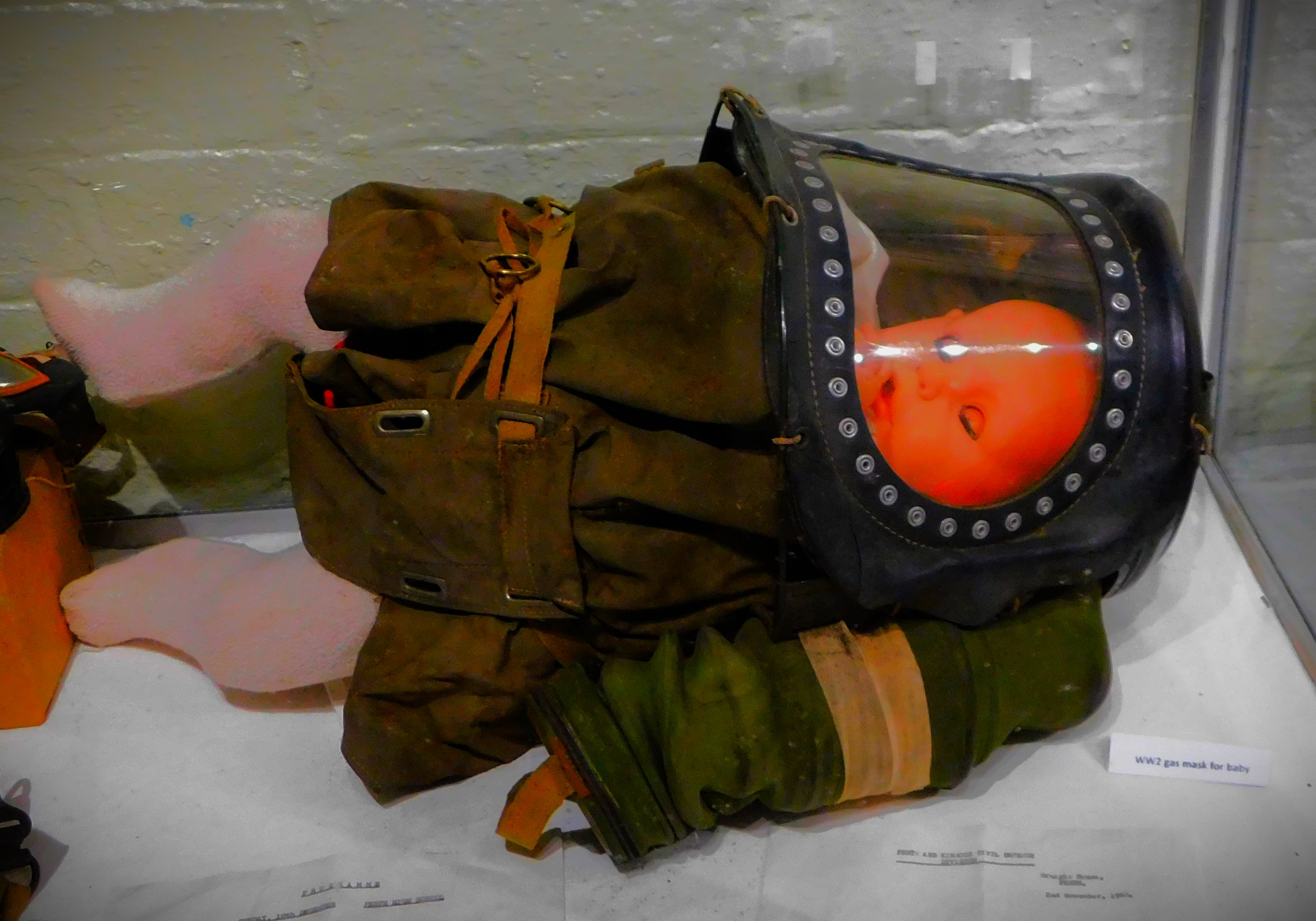
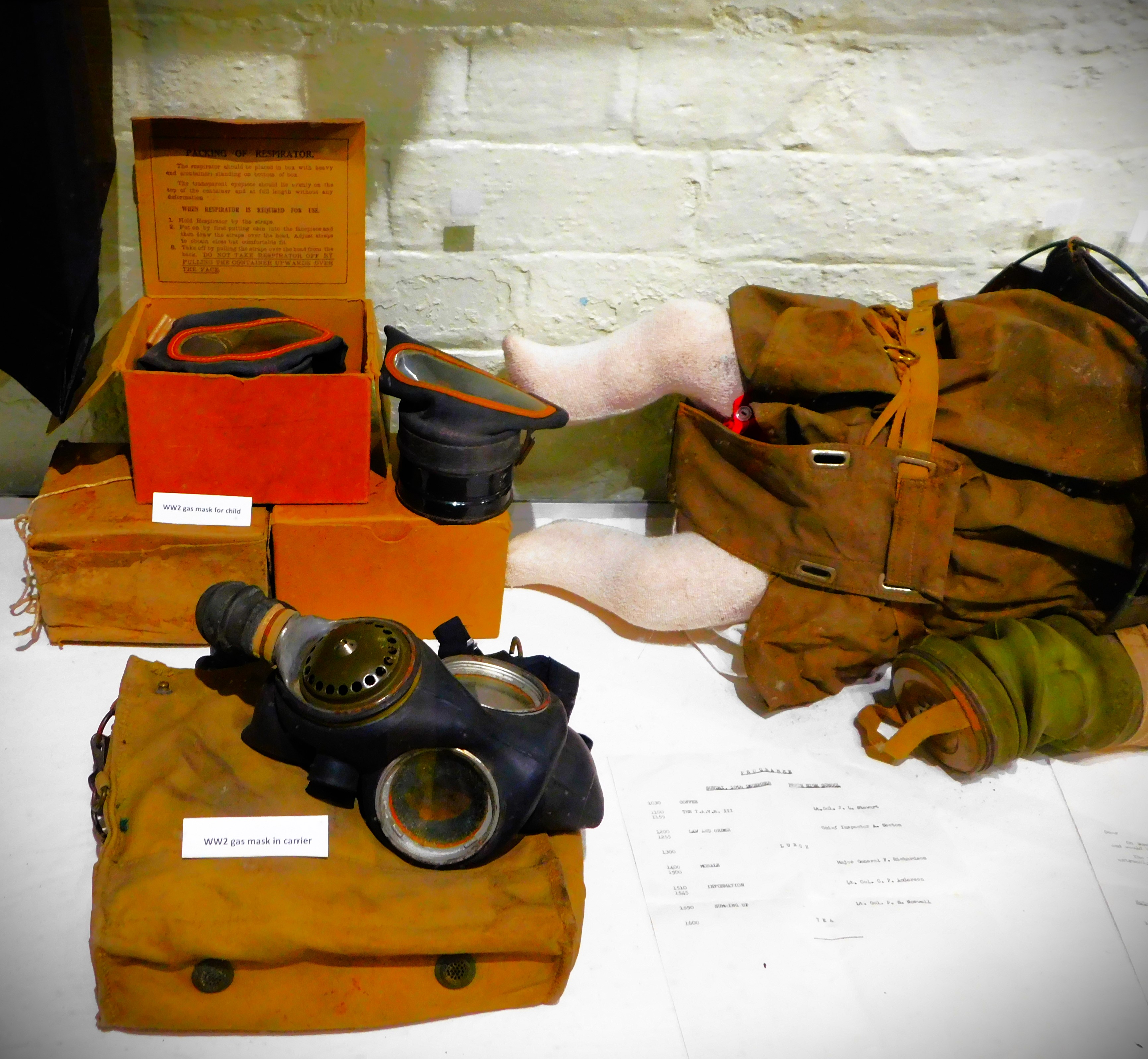
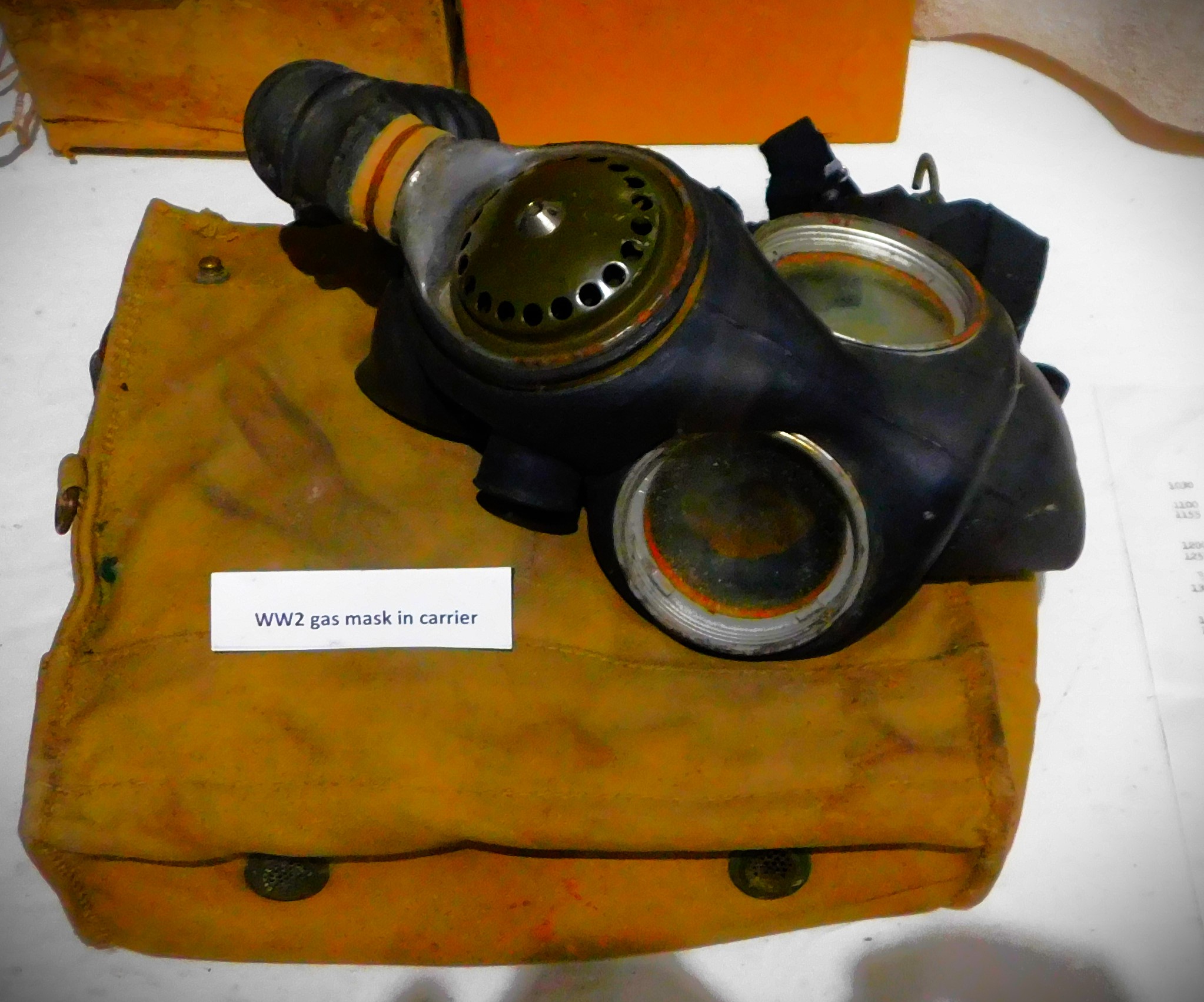
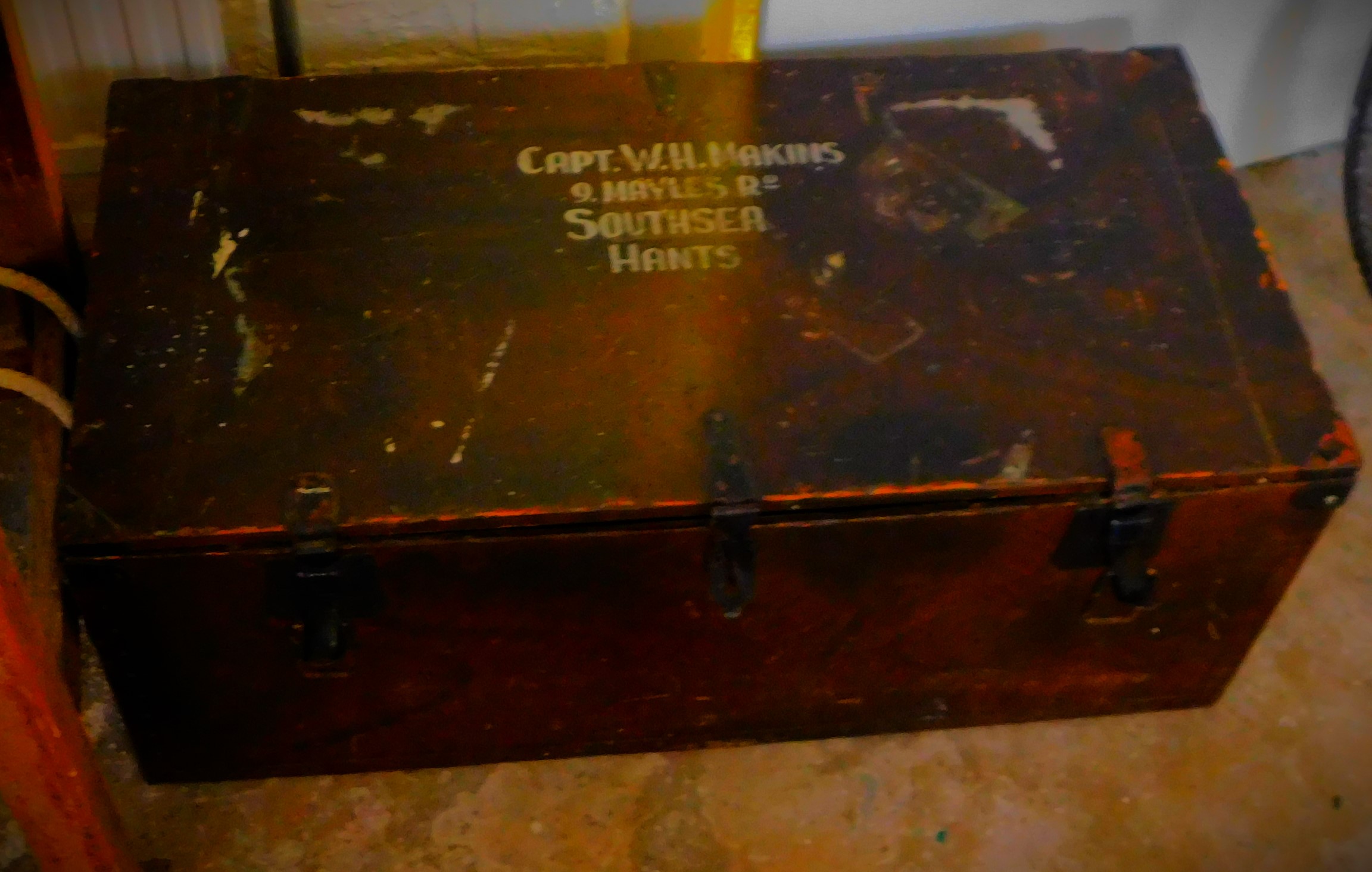
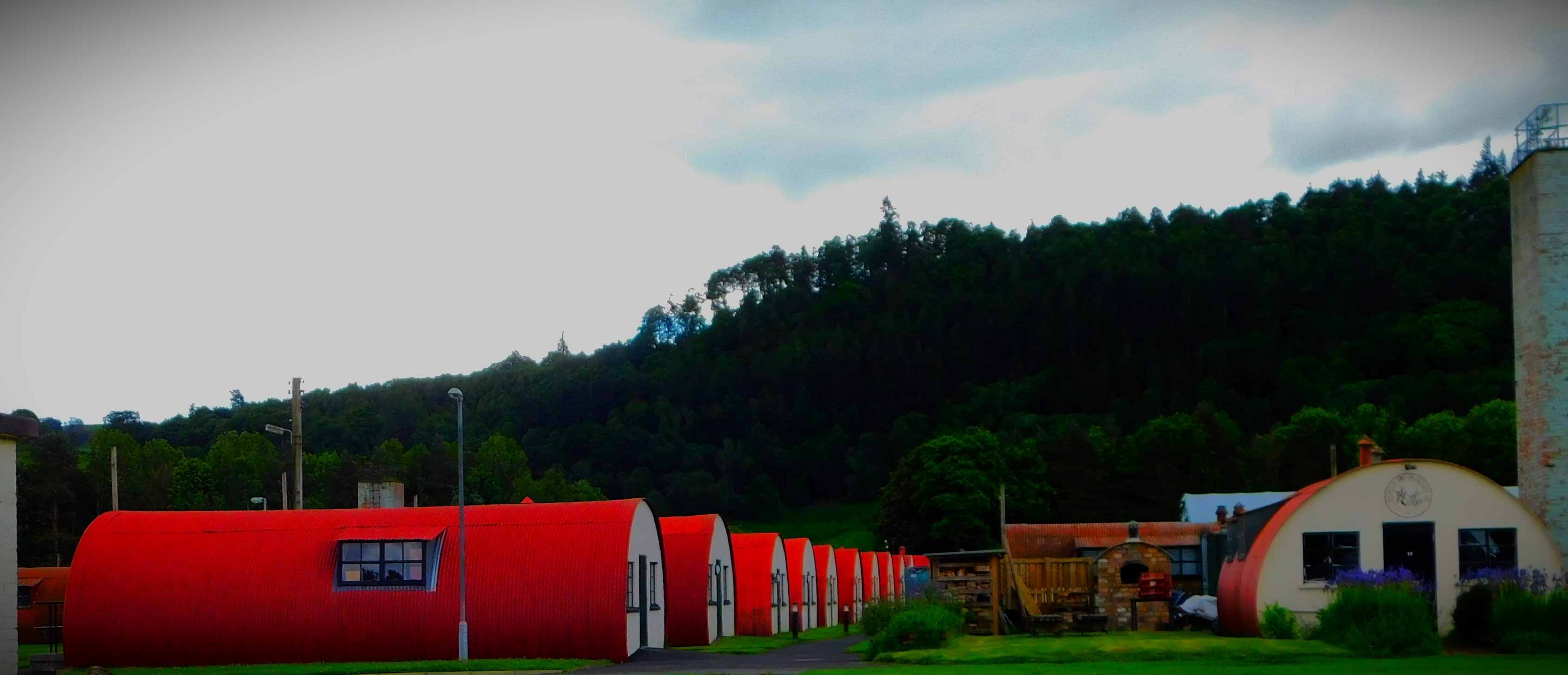
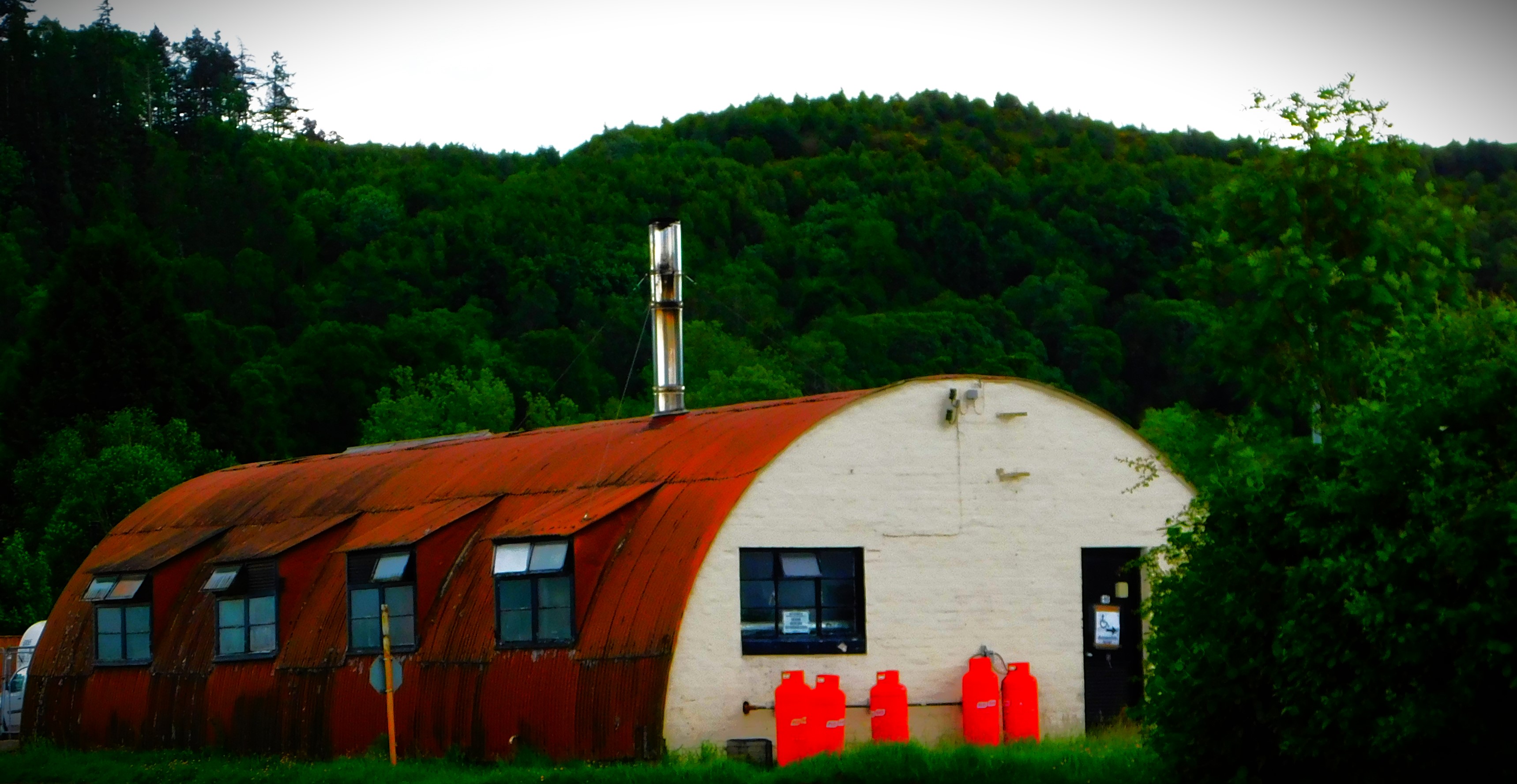
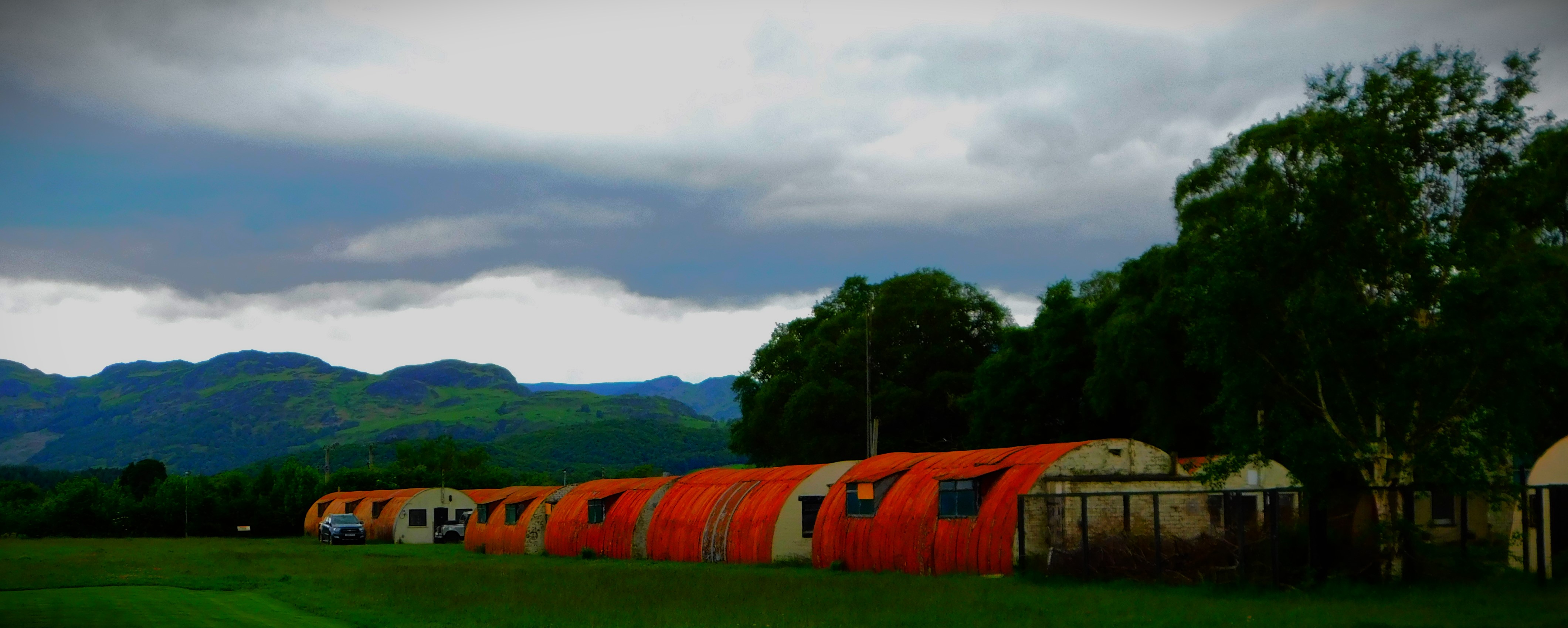
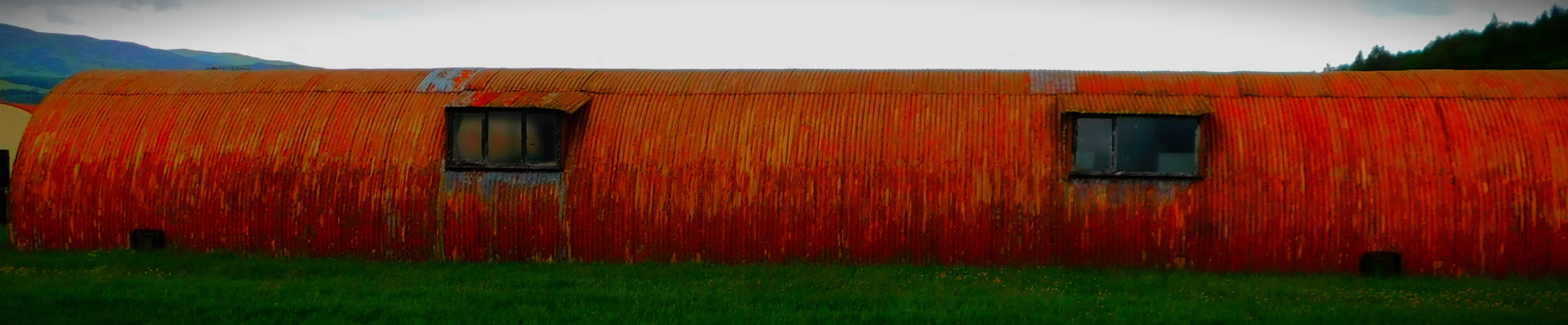
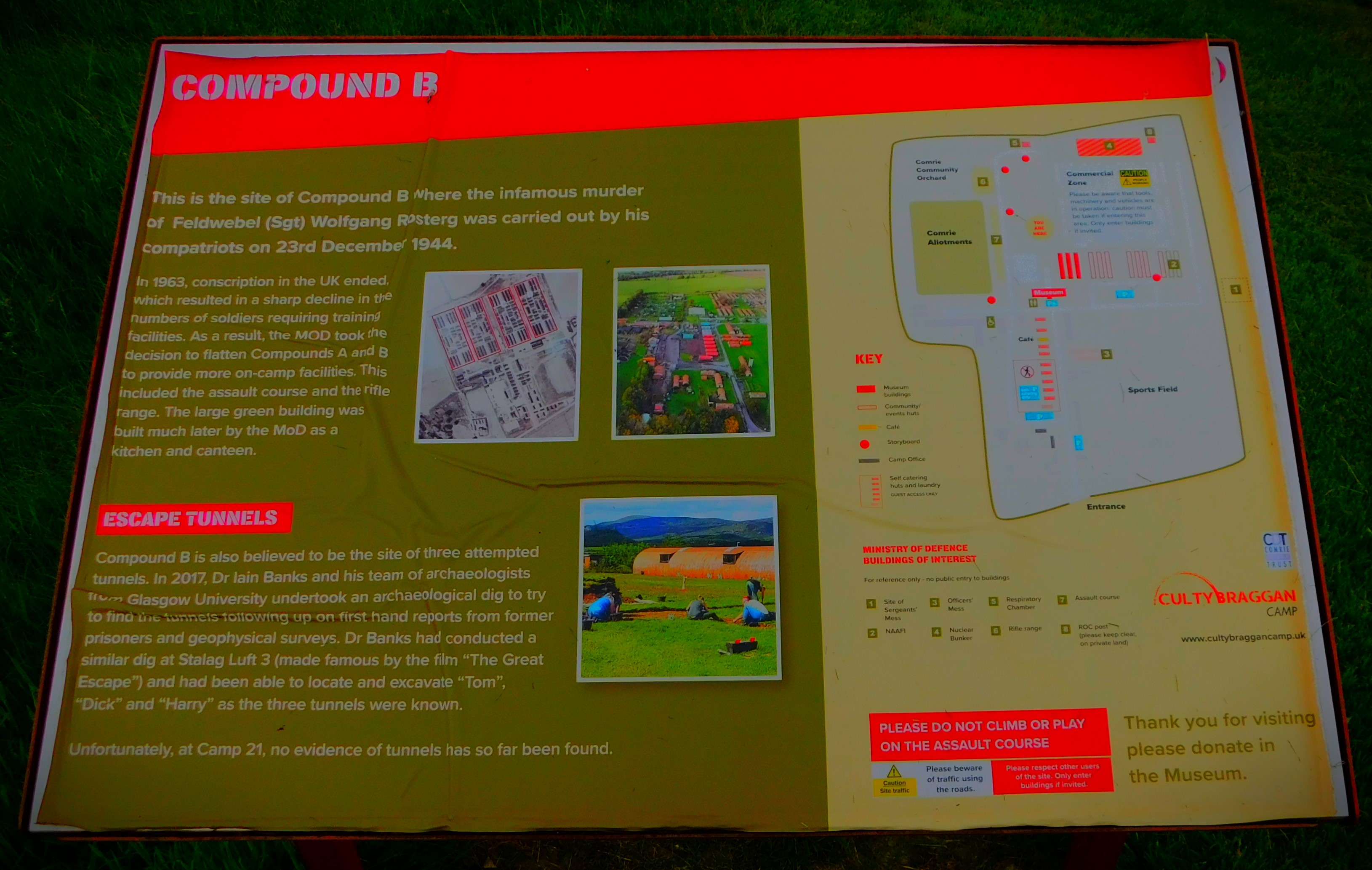
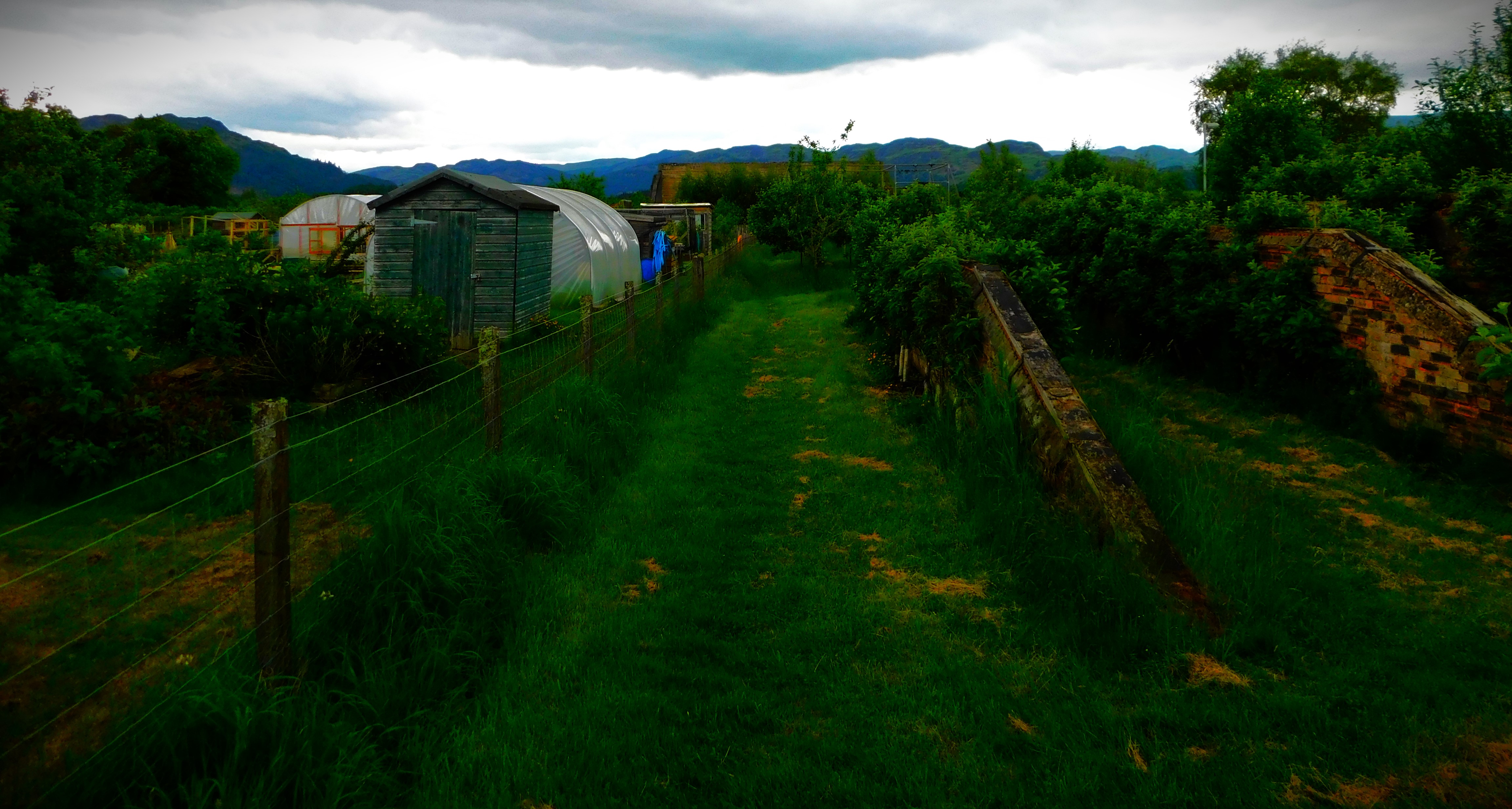
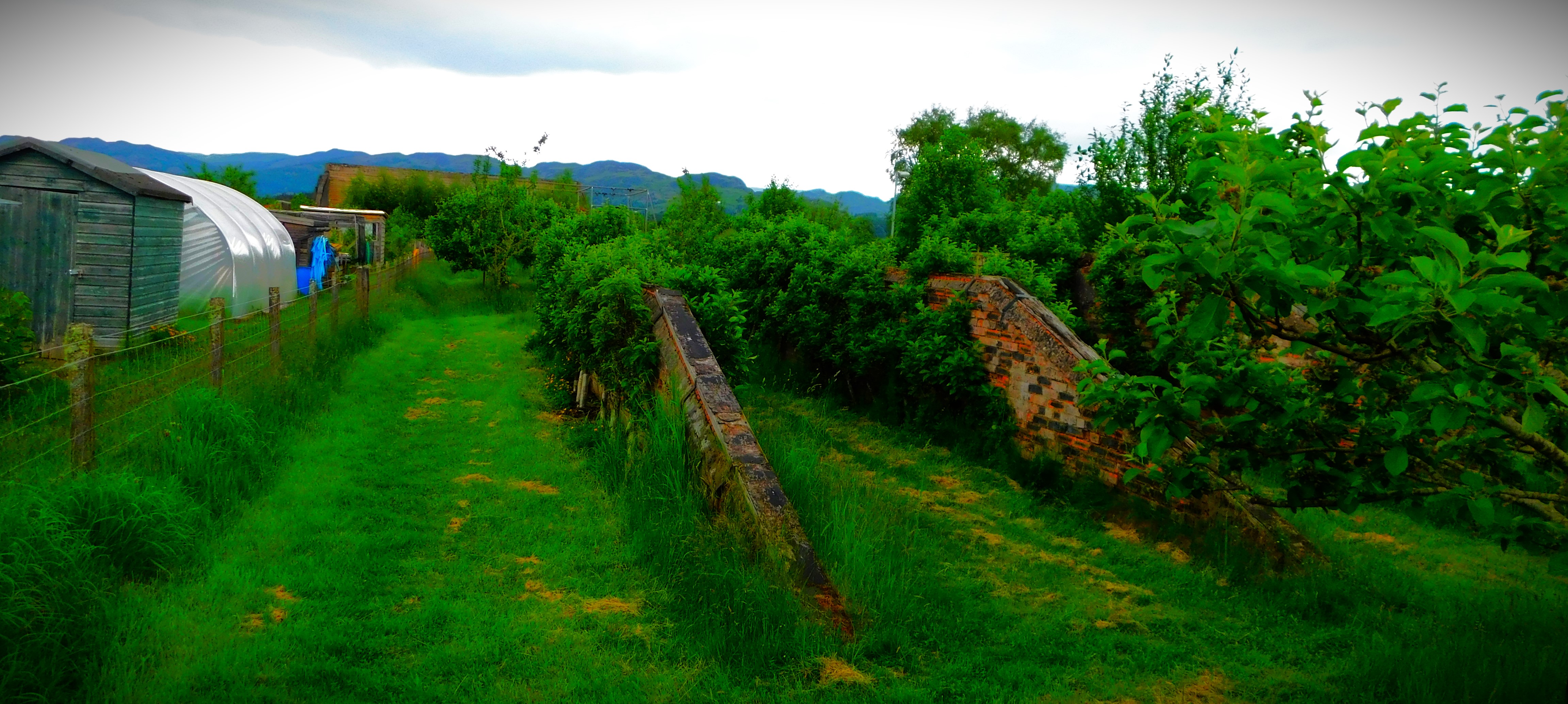
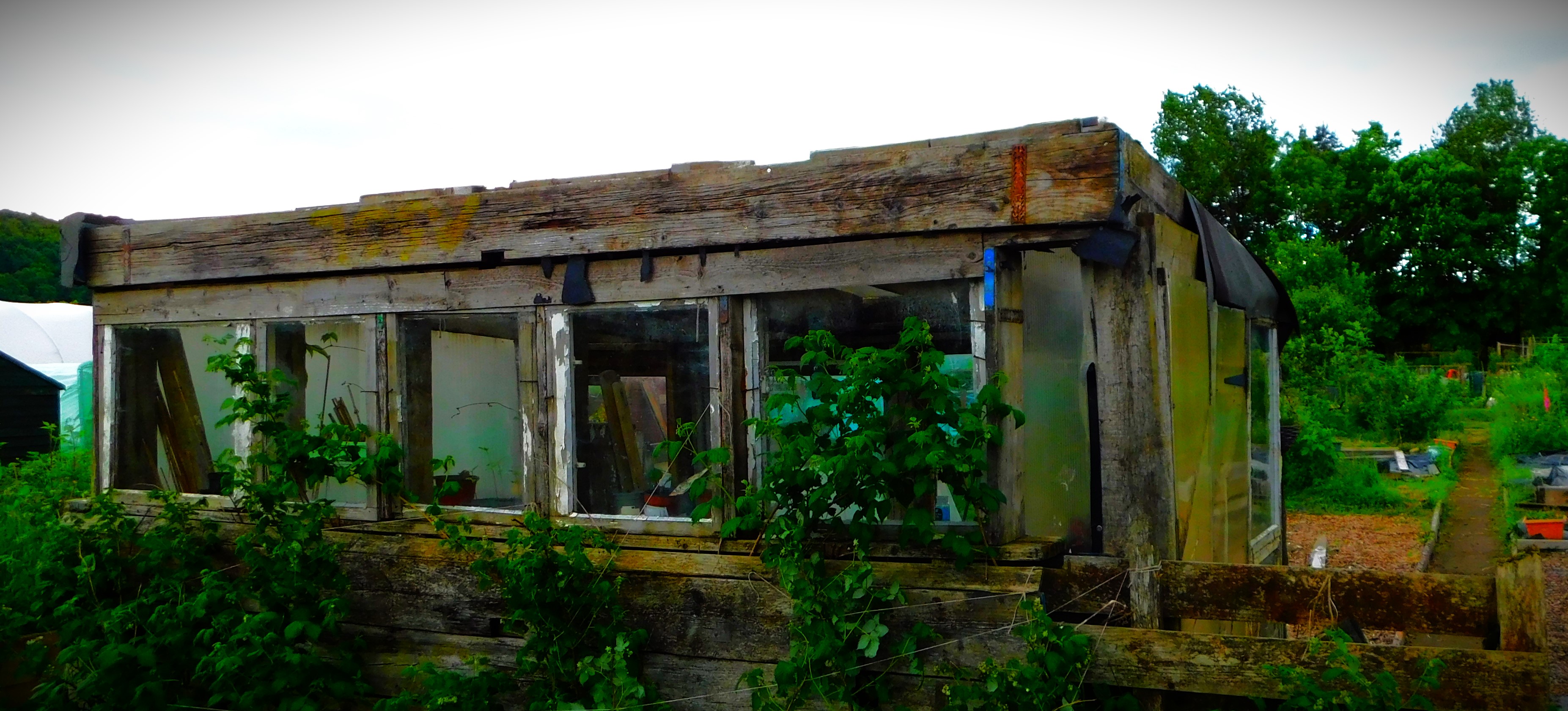
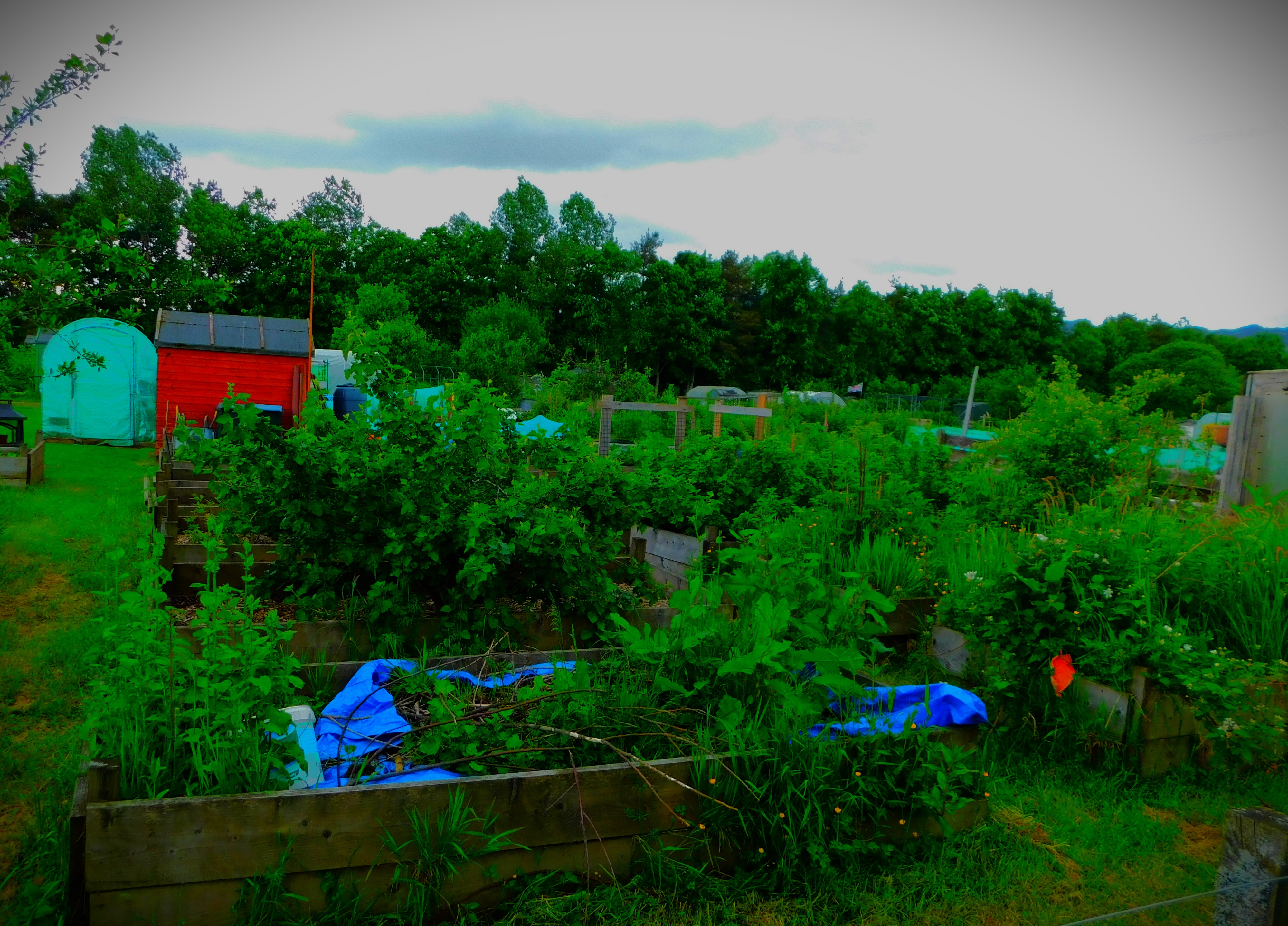
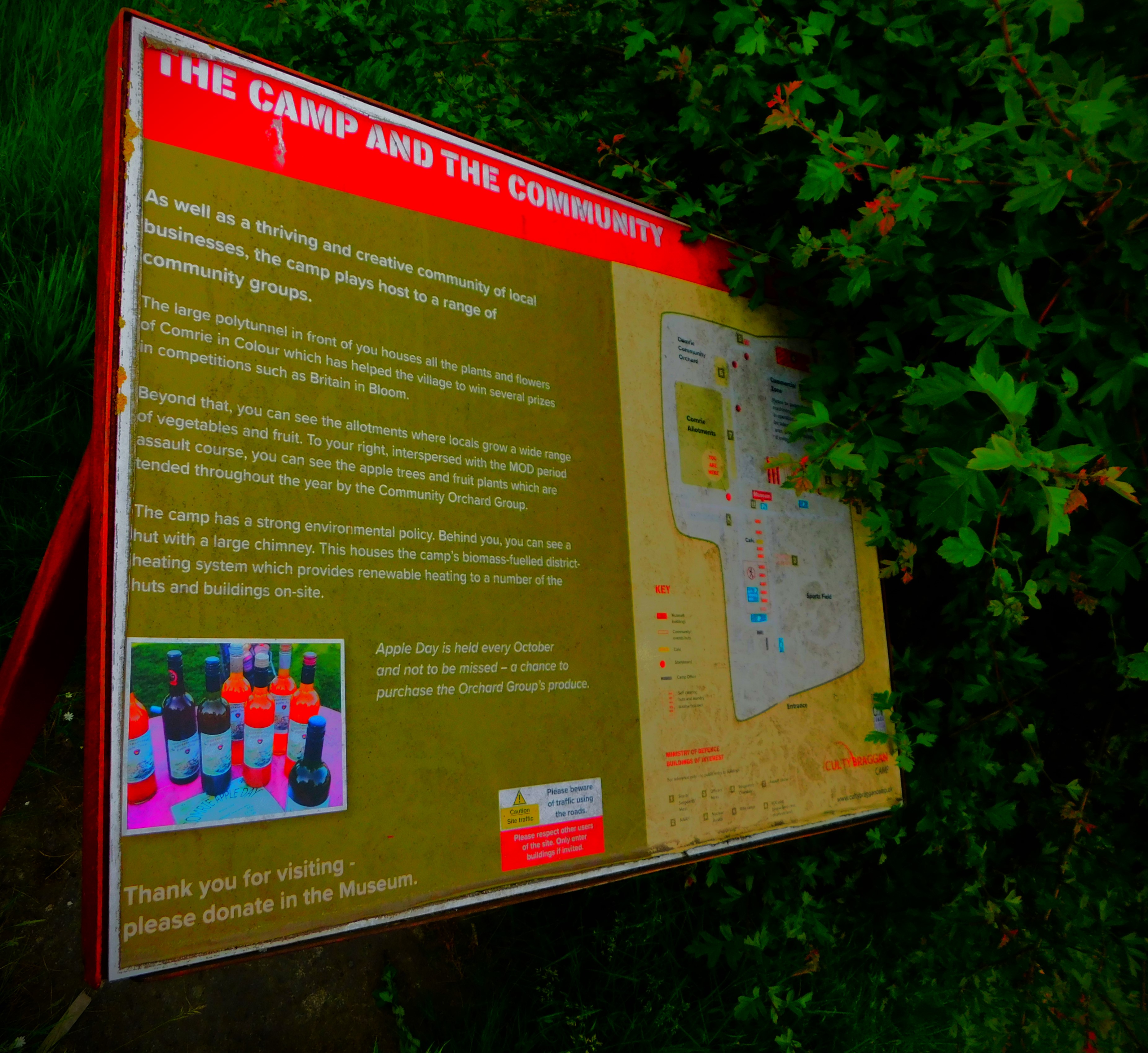
This is a perfectly preserved WWII camp. There is a museum which contains a large amount of memorabilia from the 1940s. Some of the Nissen huts that made up the camp have been modernized and are now rented out as holiday apartments, and some house businesses or parts thereof. There are also allotments.
THE ROMAN FORT
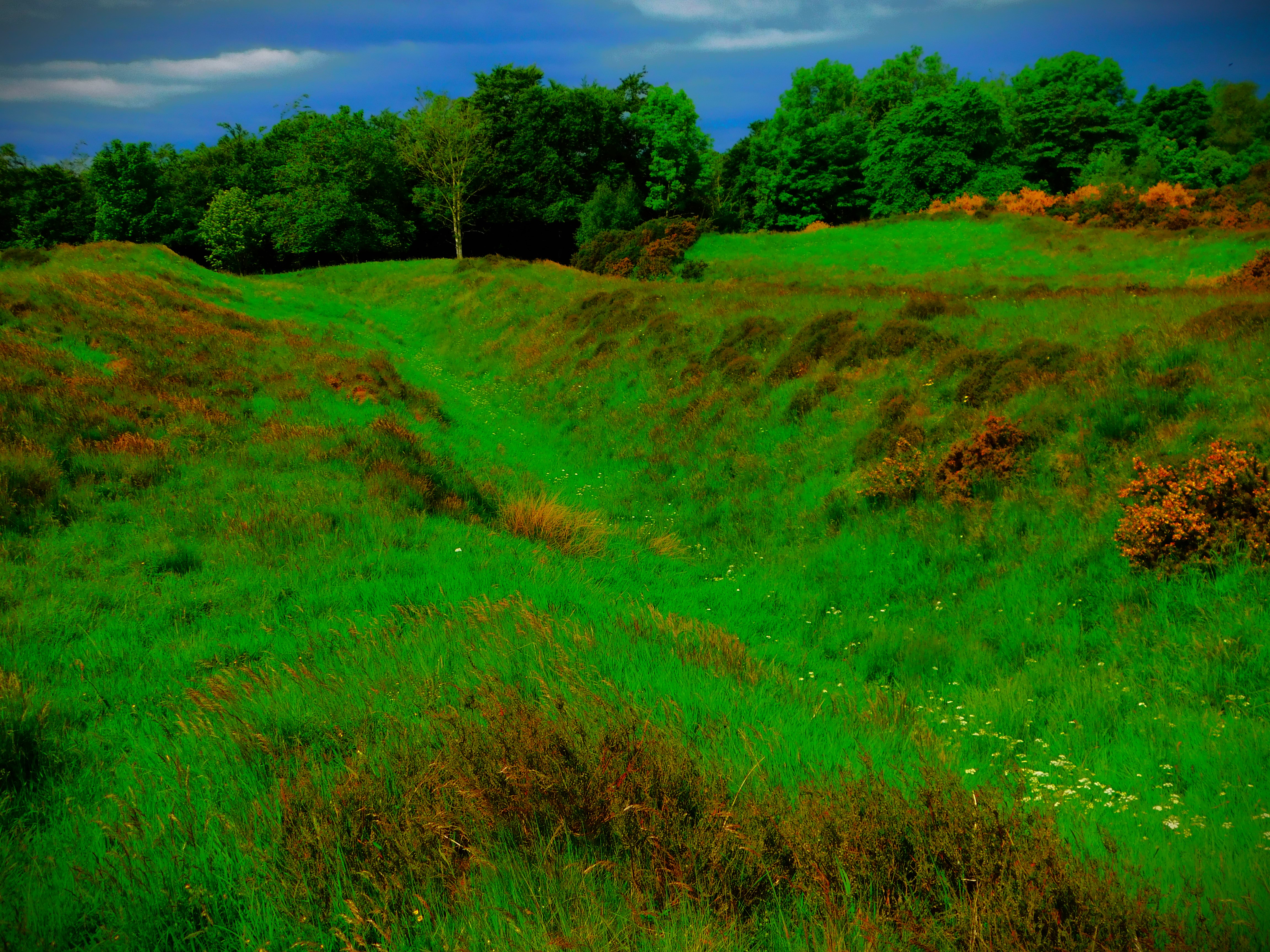
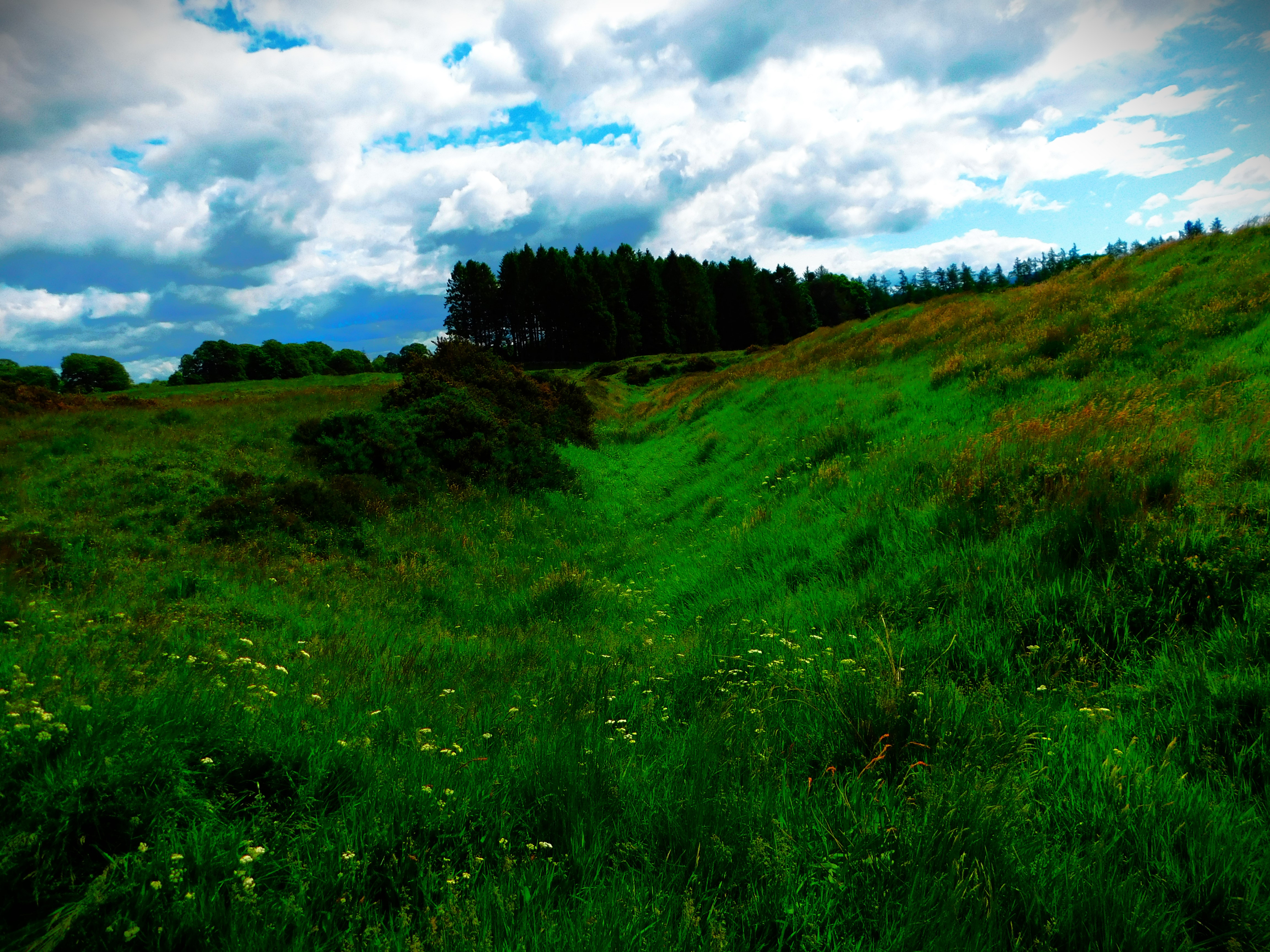
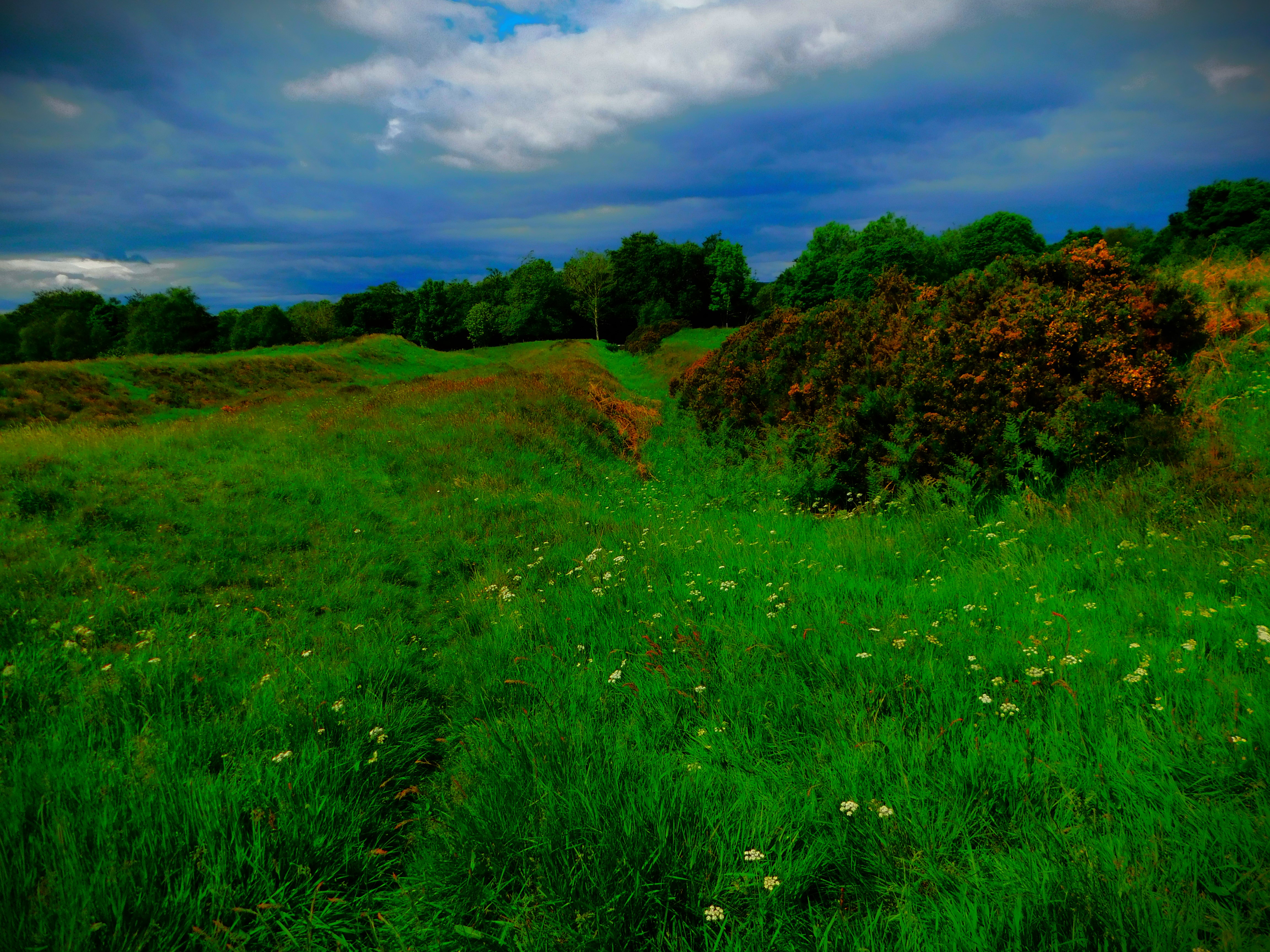
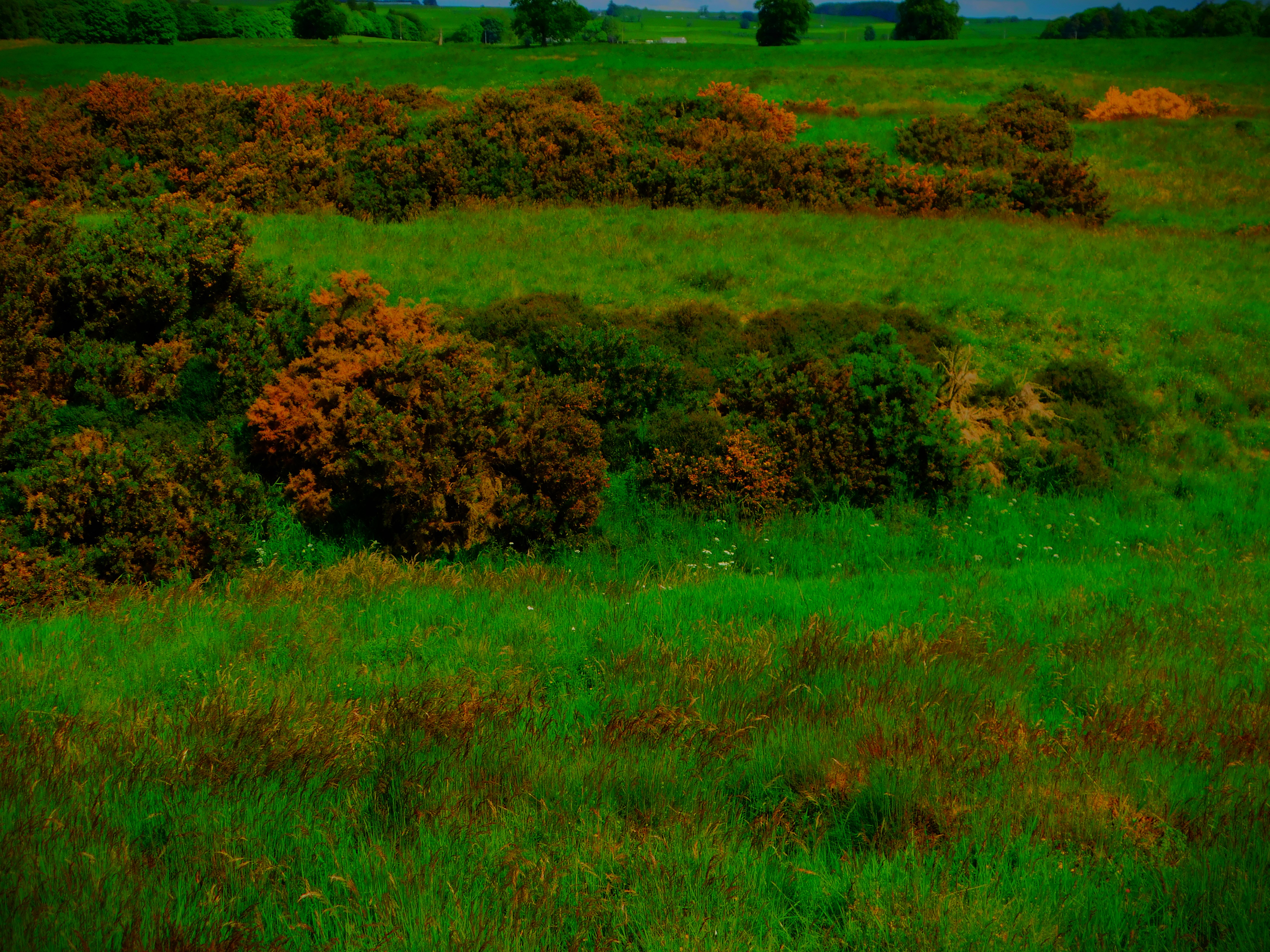
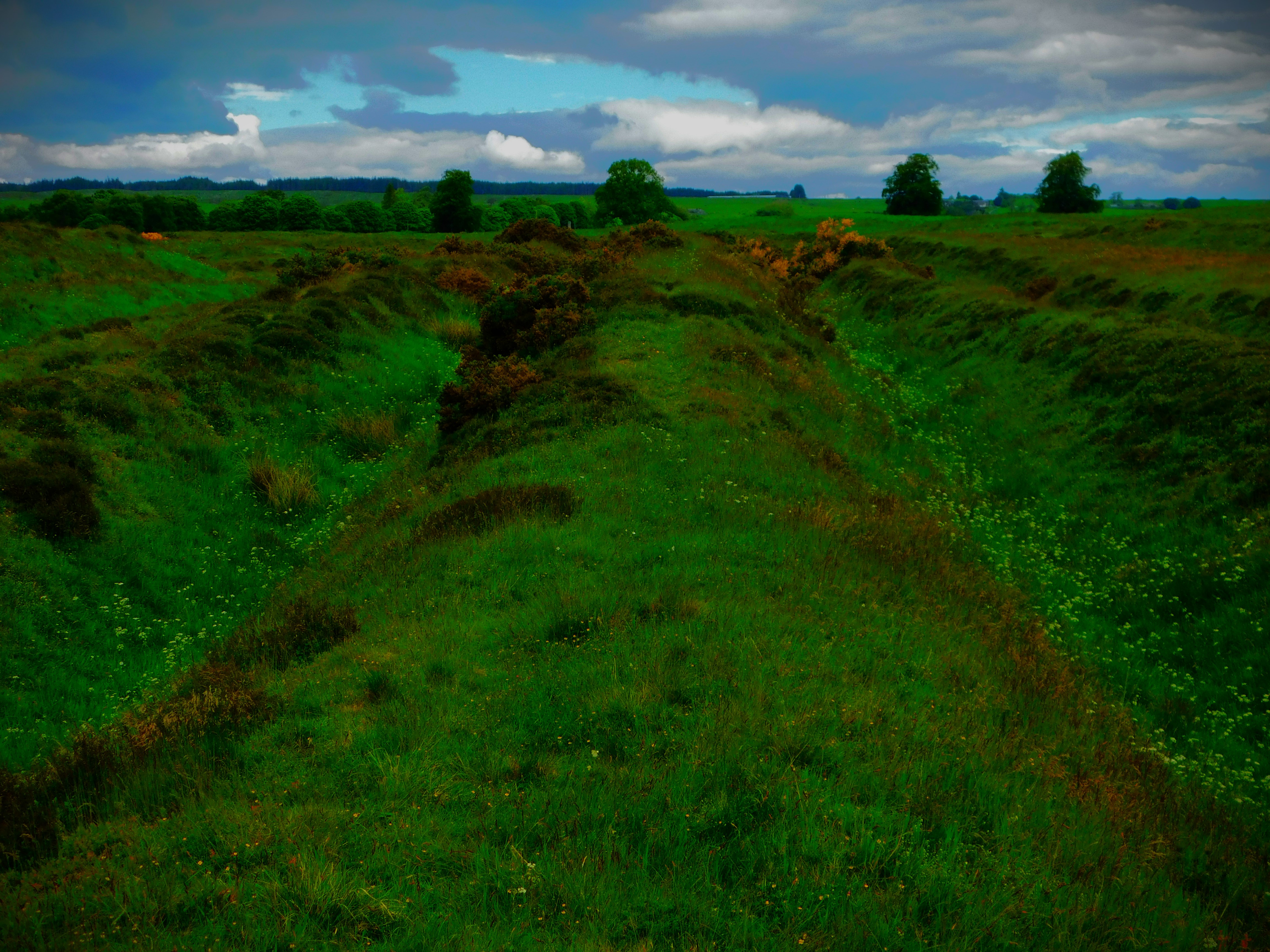
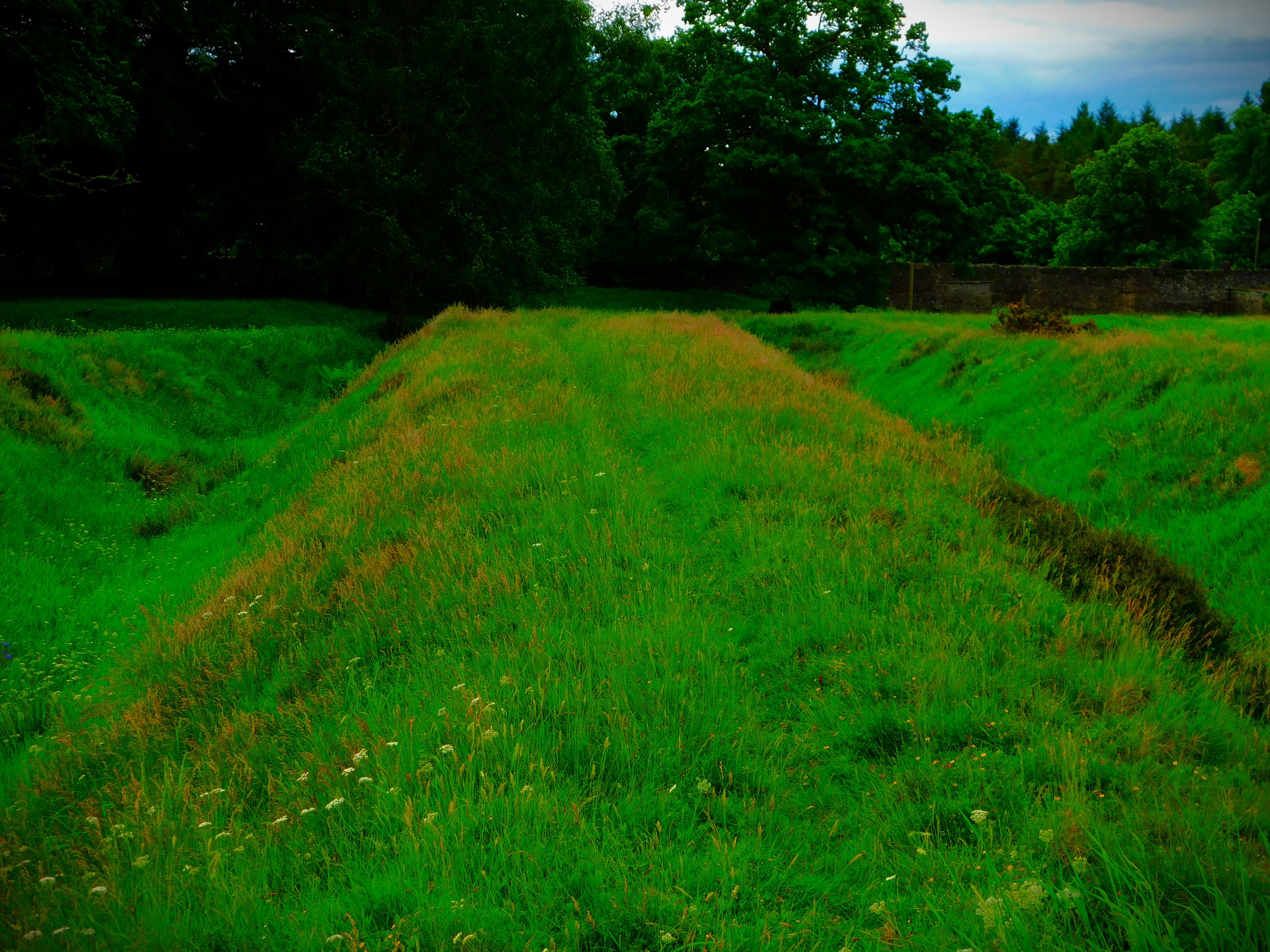
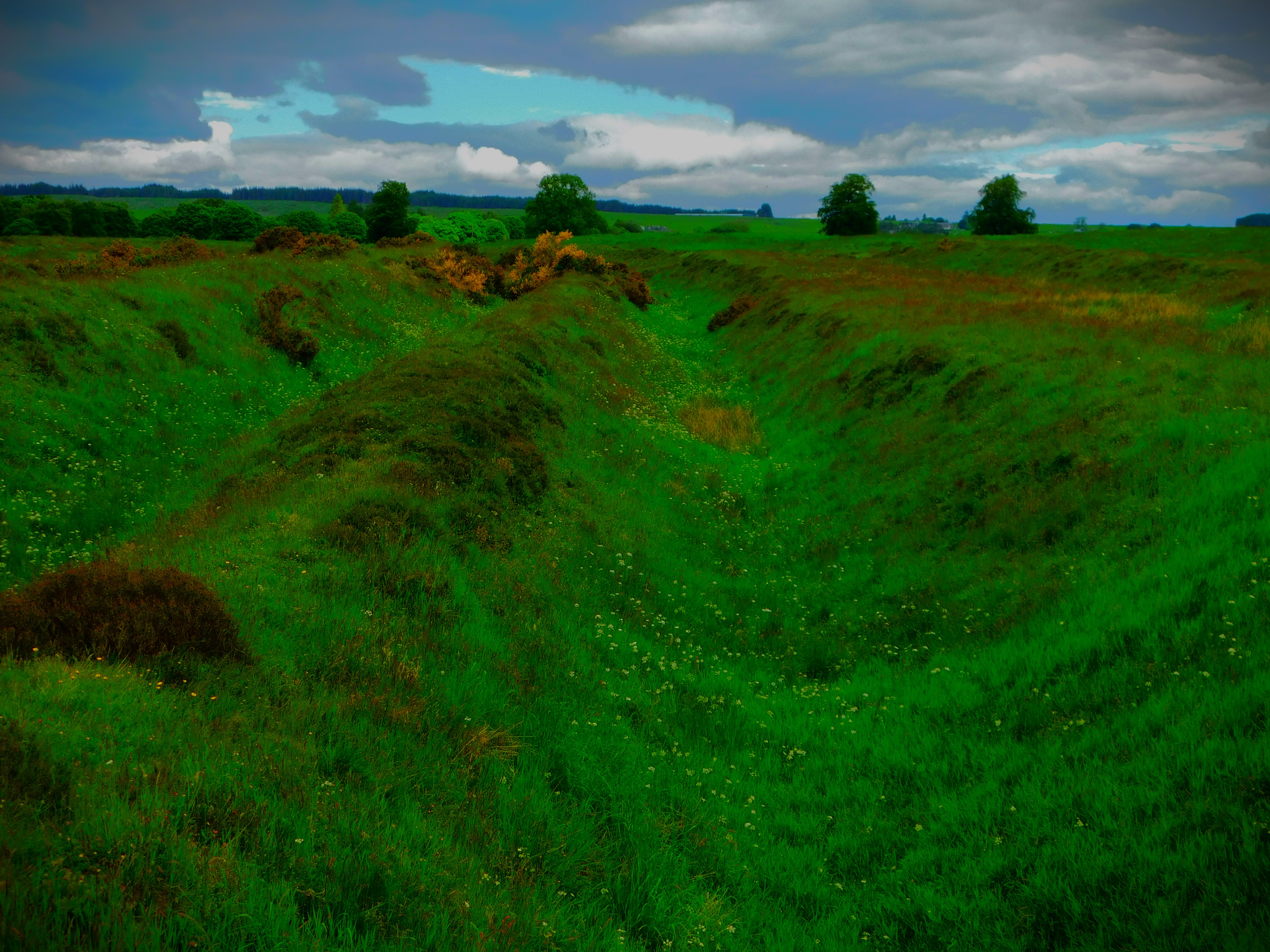
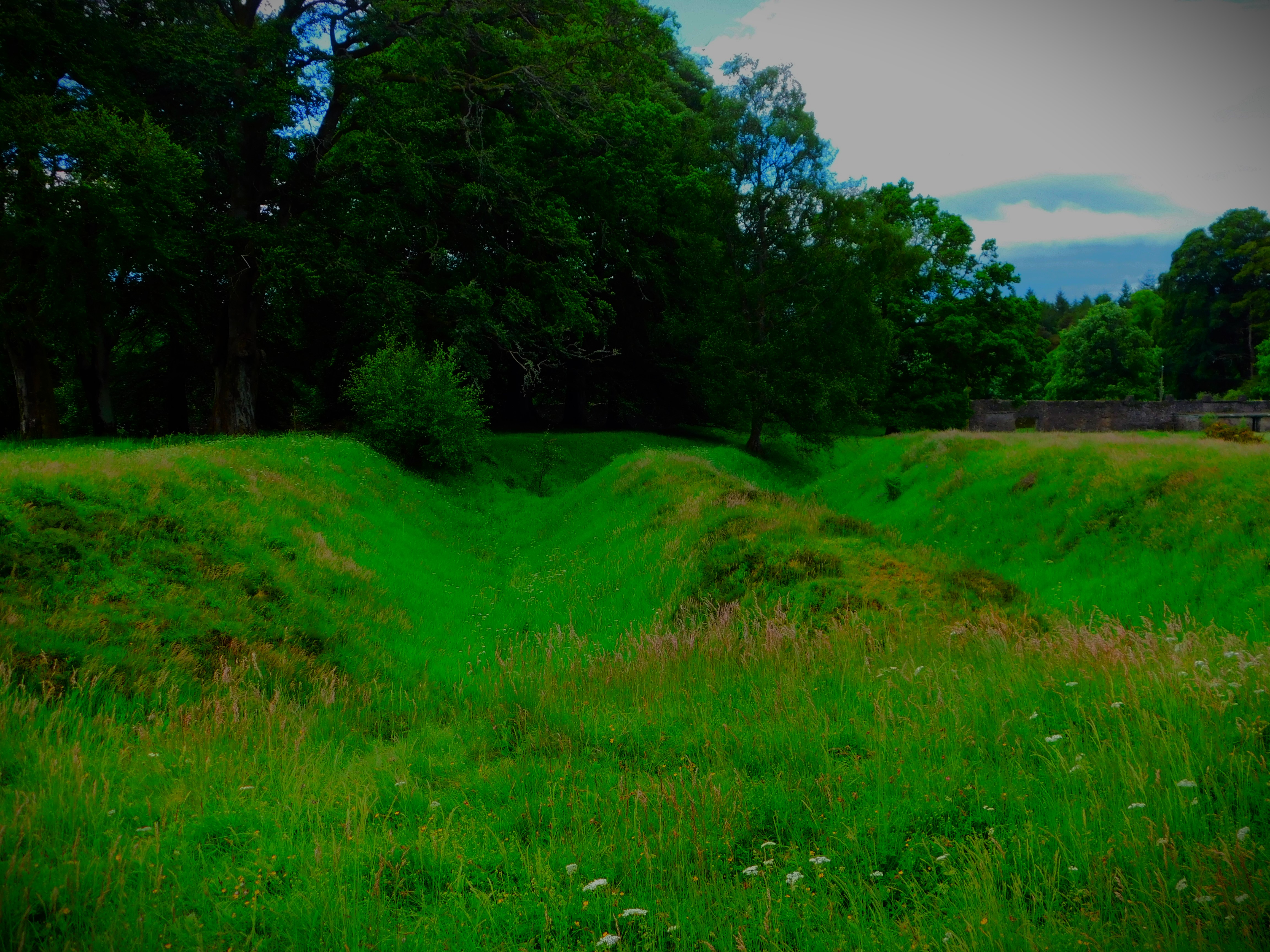
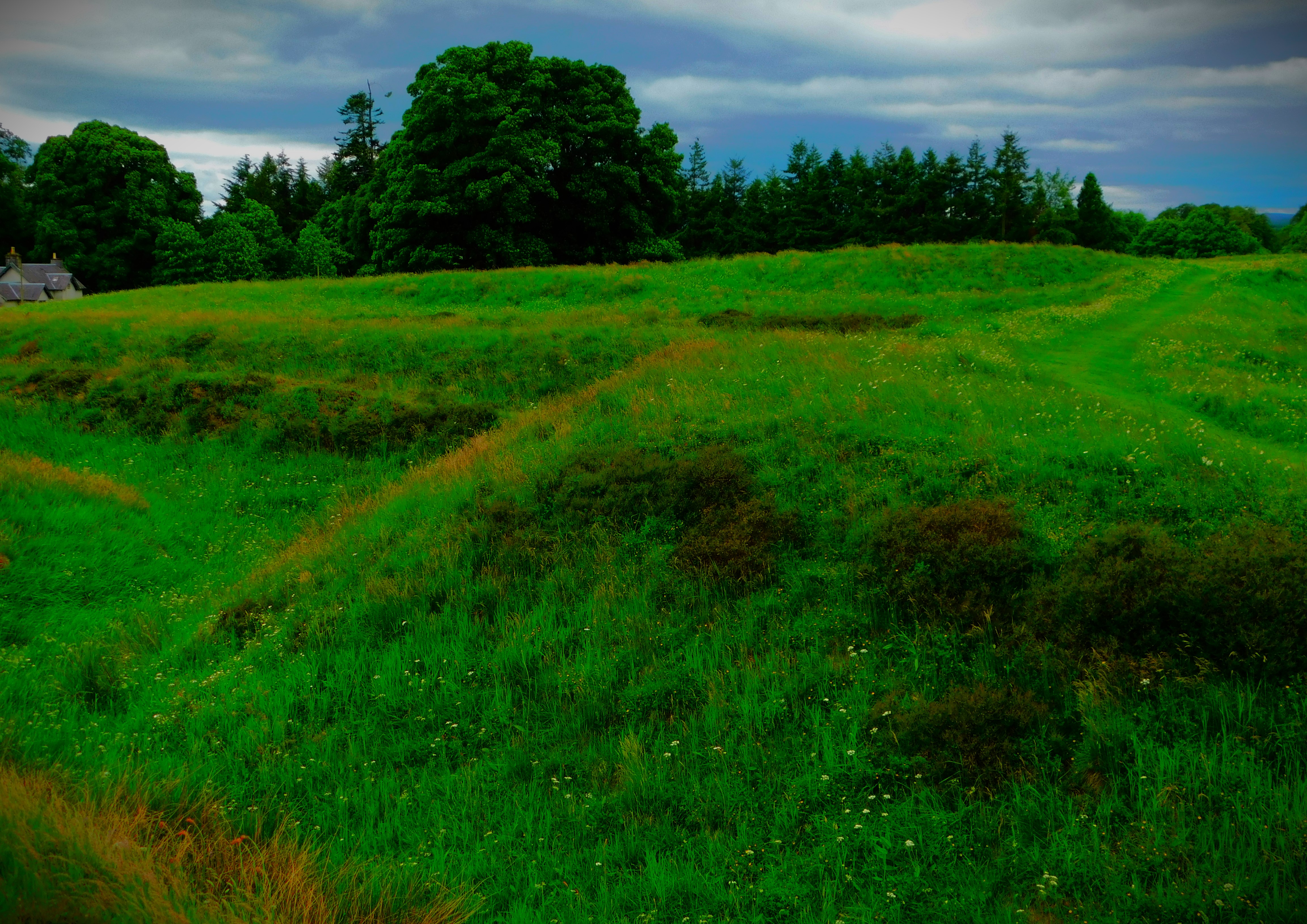
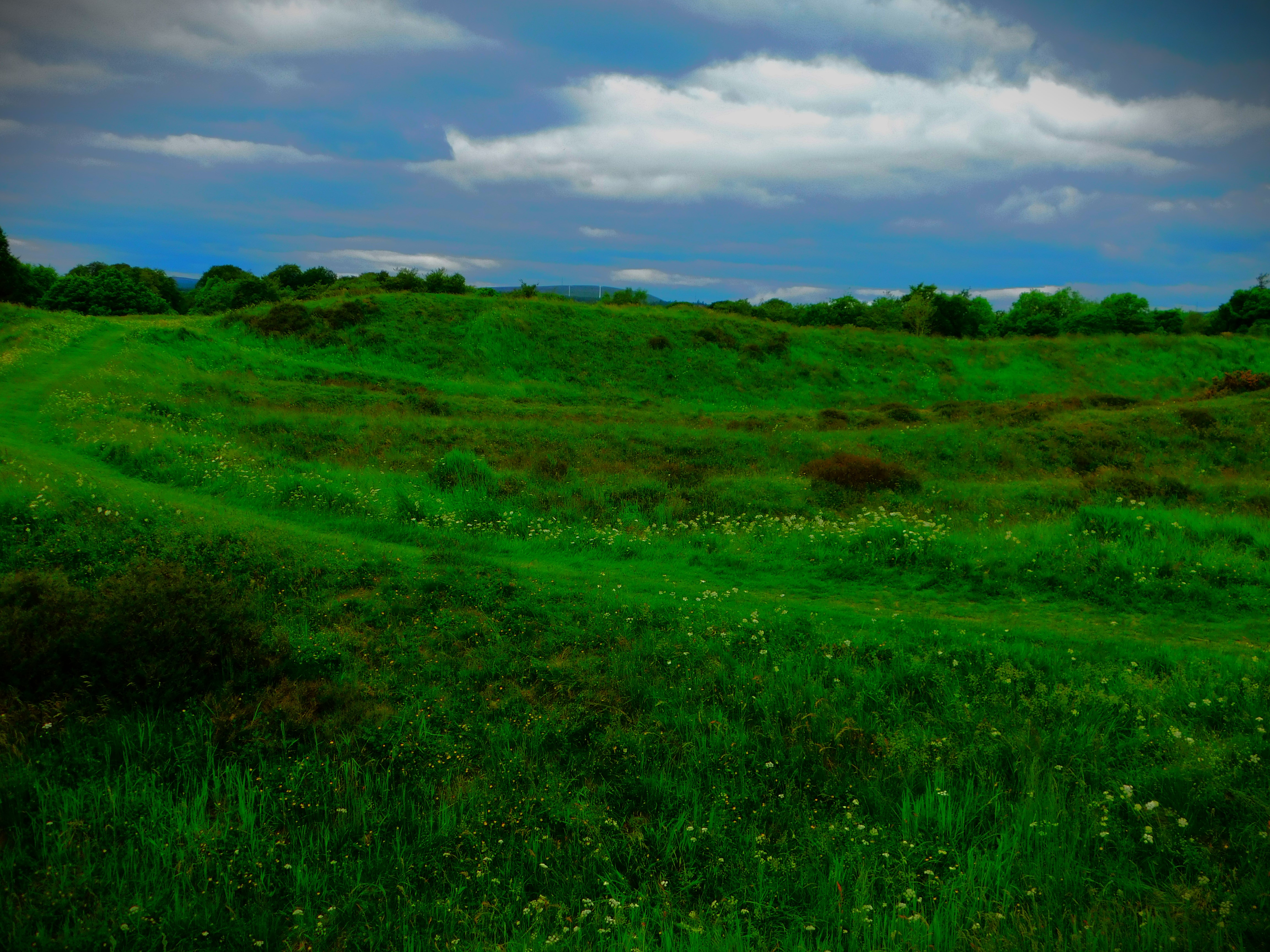
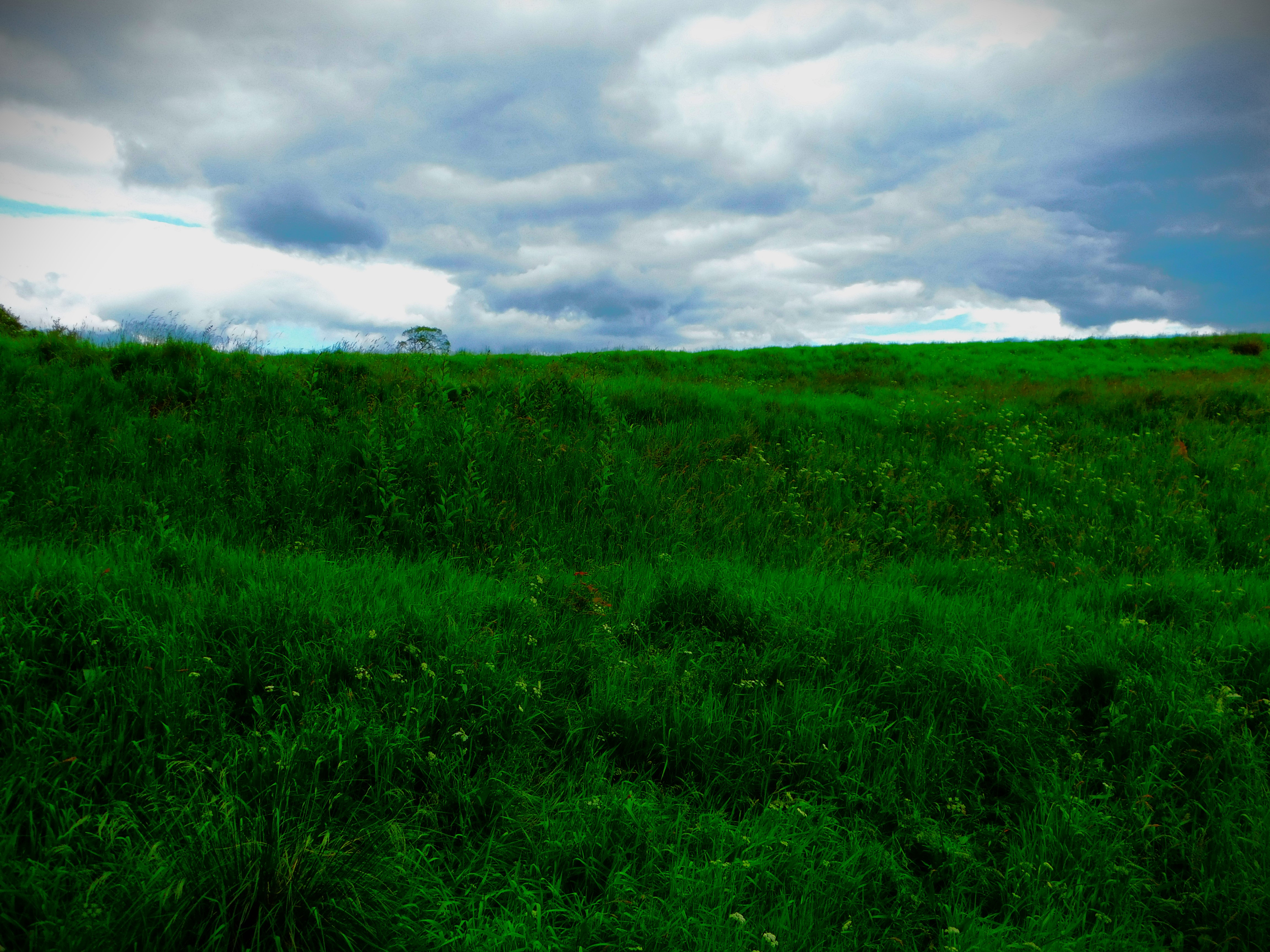
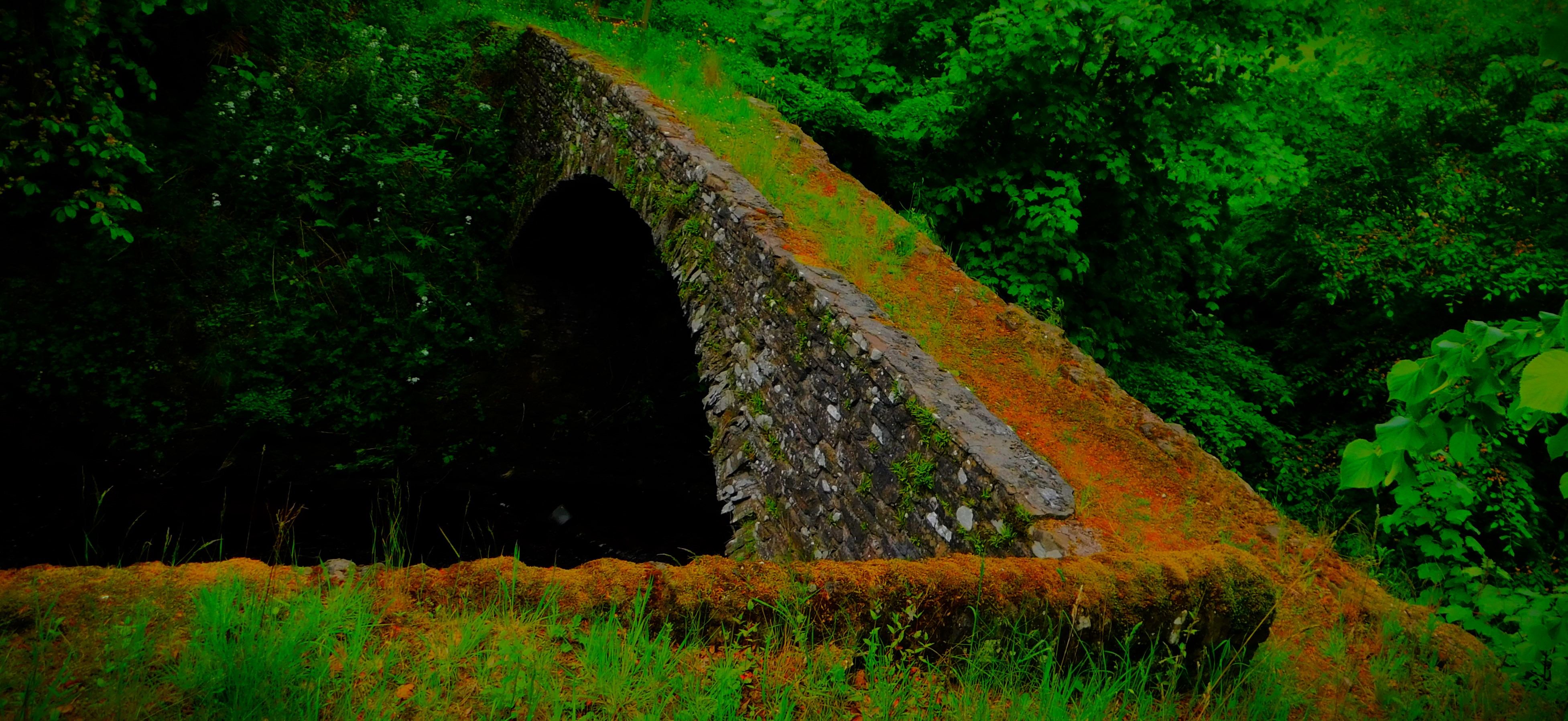
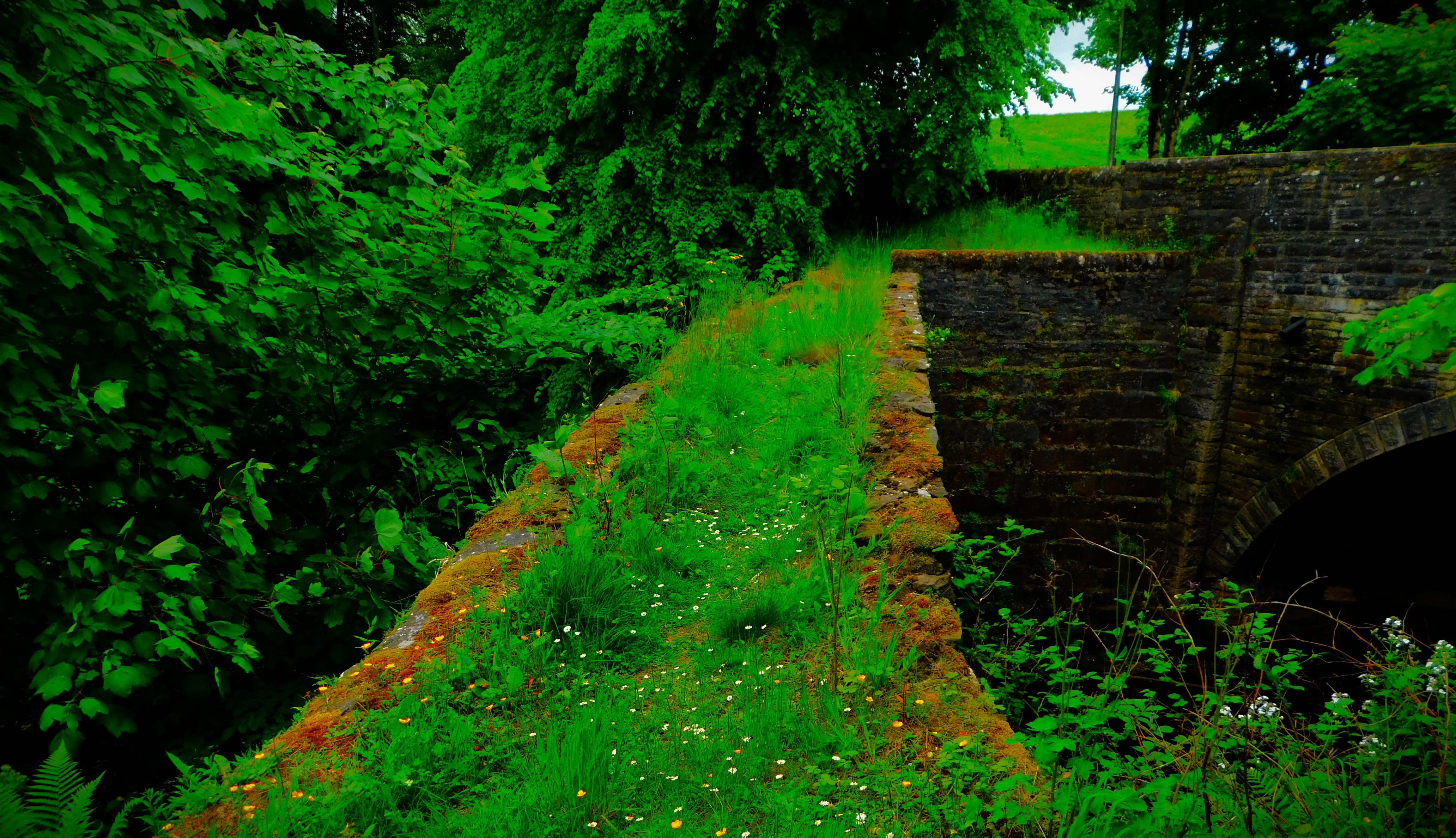
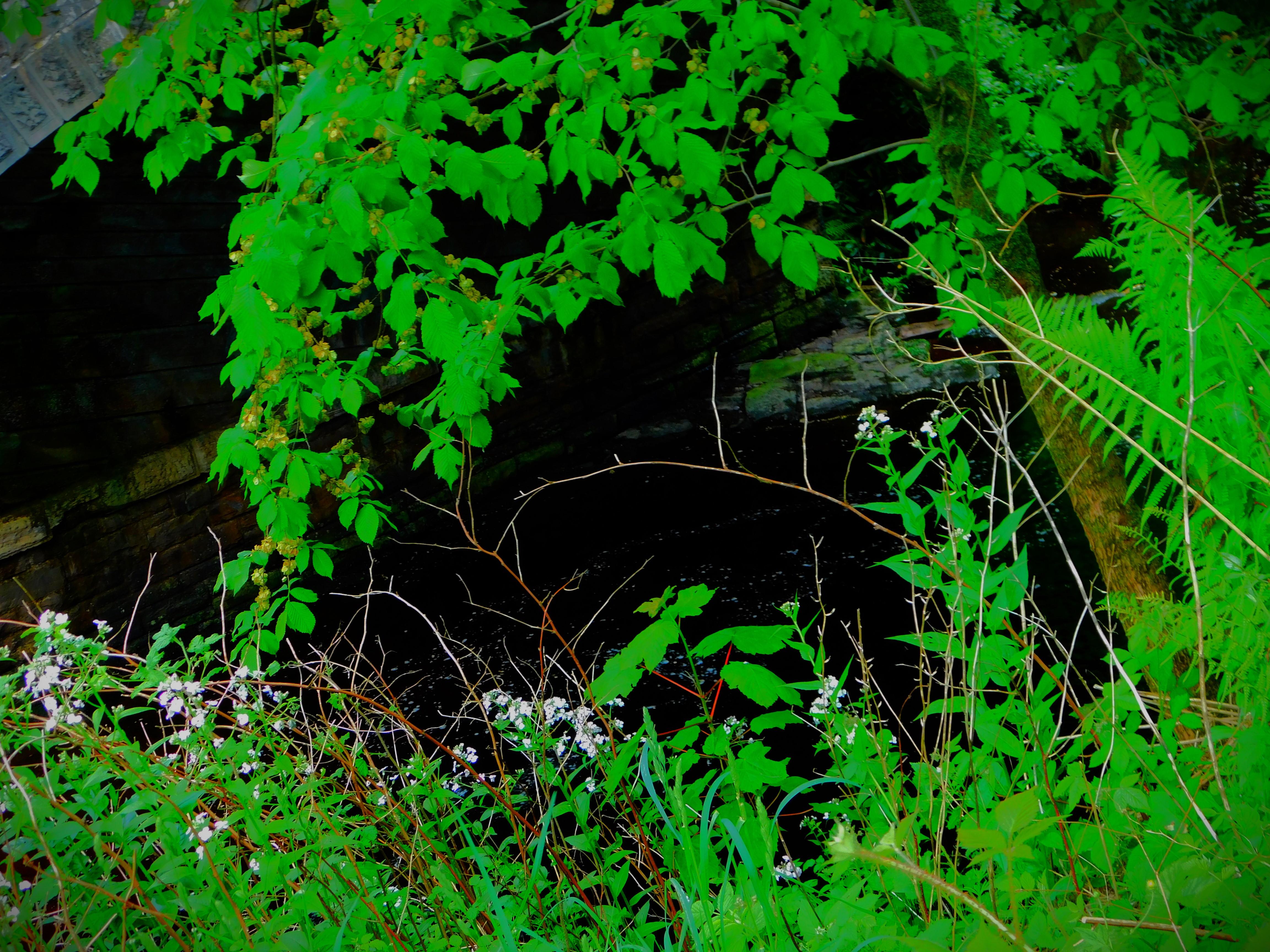
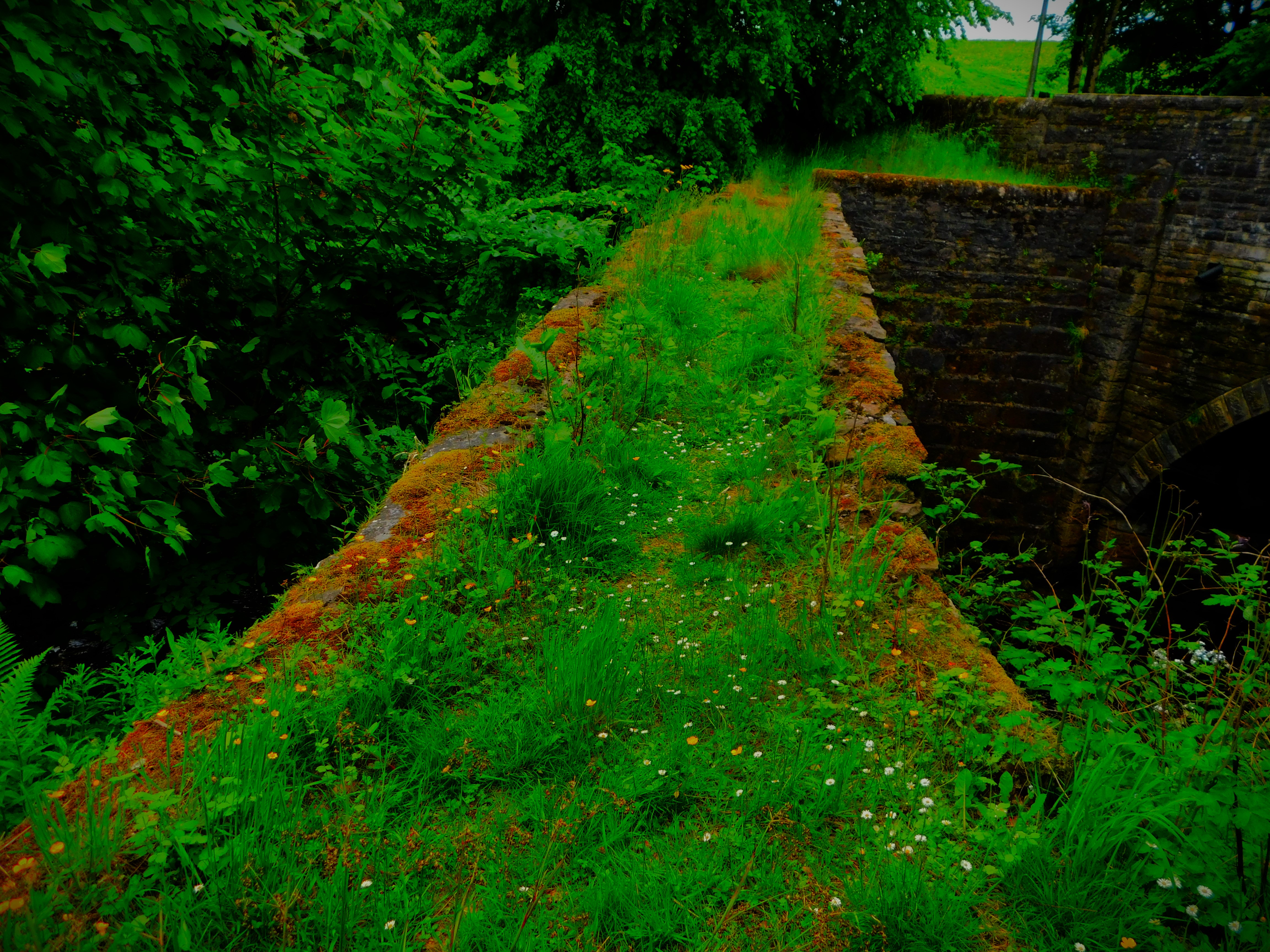
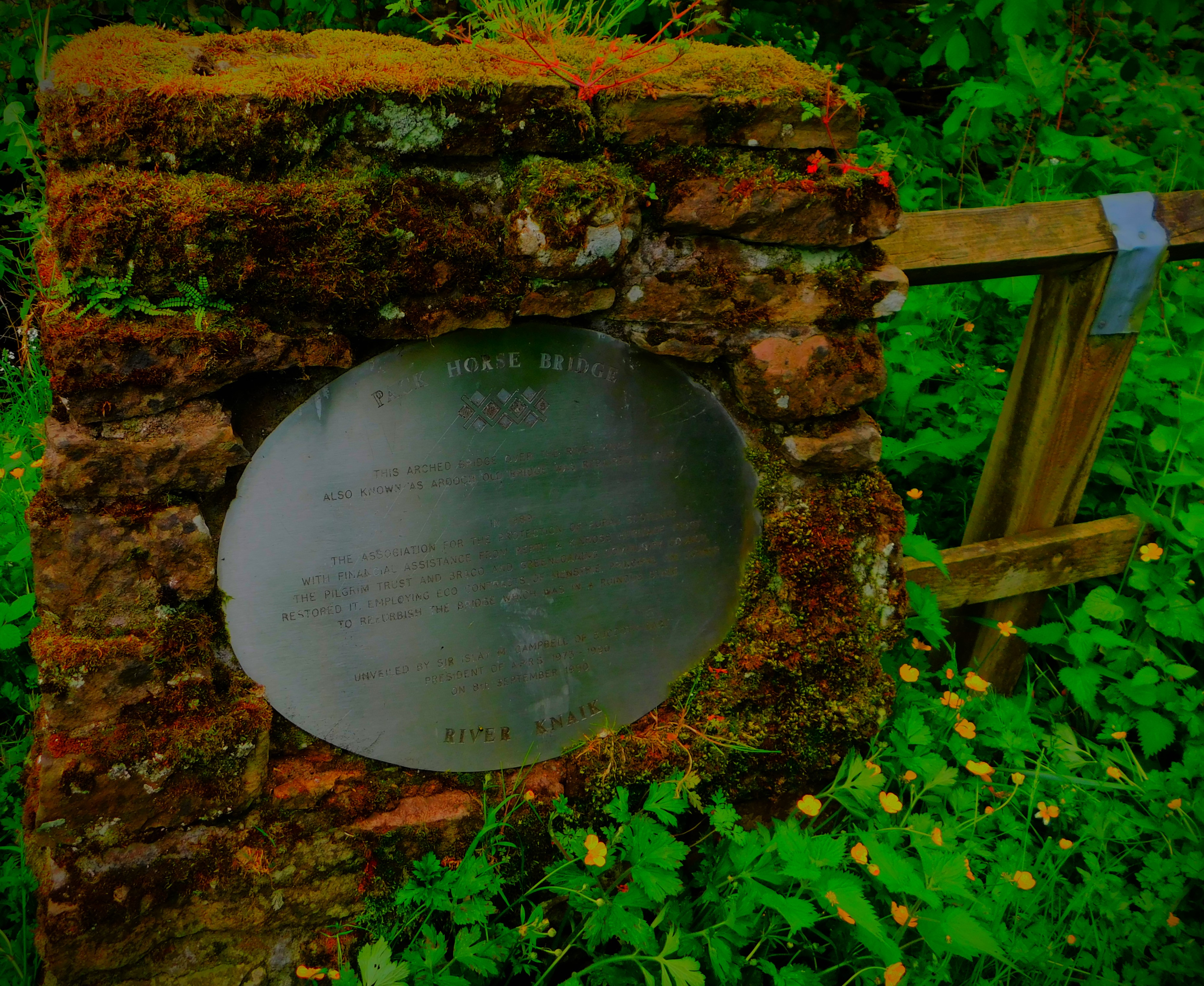
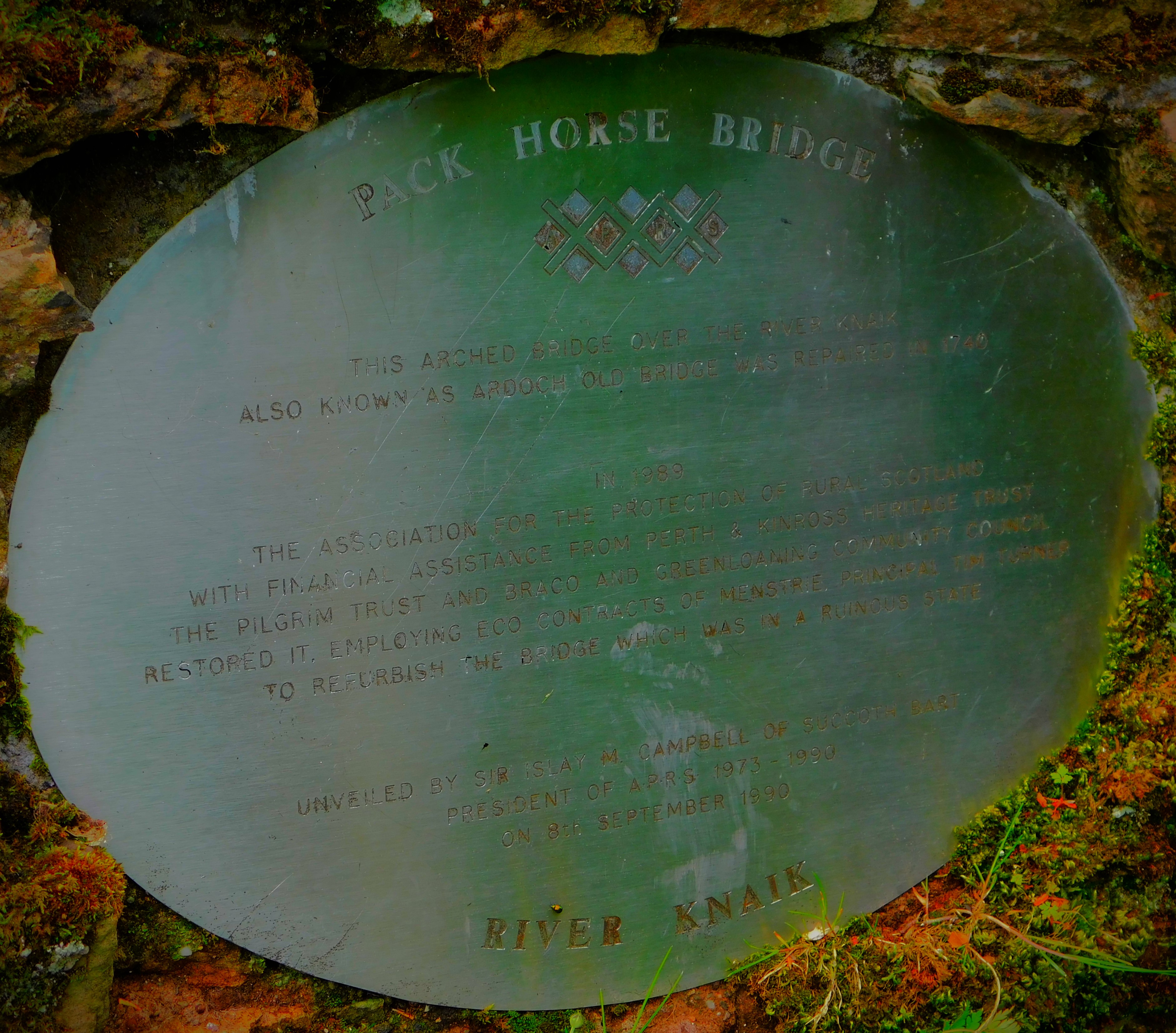
There were actually two forts built in the same area but at different alignments – the first by Julius Agricola, governor of Britain late in the reign of Vespasian, who had served in Britain as a young man and took more interest in it than most Roman emperors, and the second some 60 years later in the reign of Antoninus Pius. There are in consequence of this history a number of walls and ditches that nowadays overlap one another. There is also a medieval era stone packhorse bridge across the river Earn located close to the fort, which we got a look at after we had finished at the fort.
Continuing my account of my recent holiday in Scotland with an account of the earthquake walk.
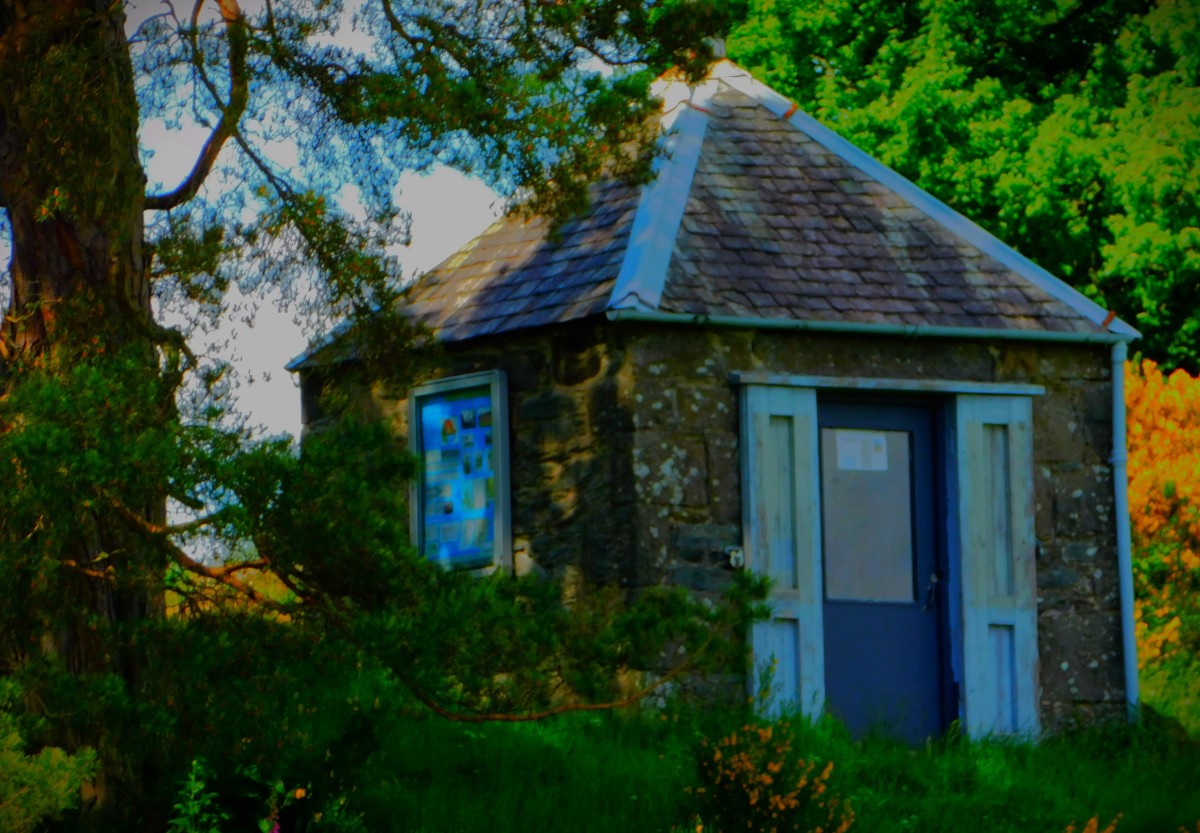
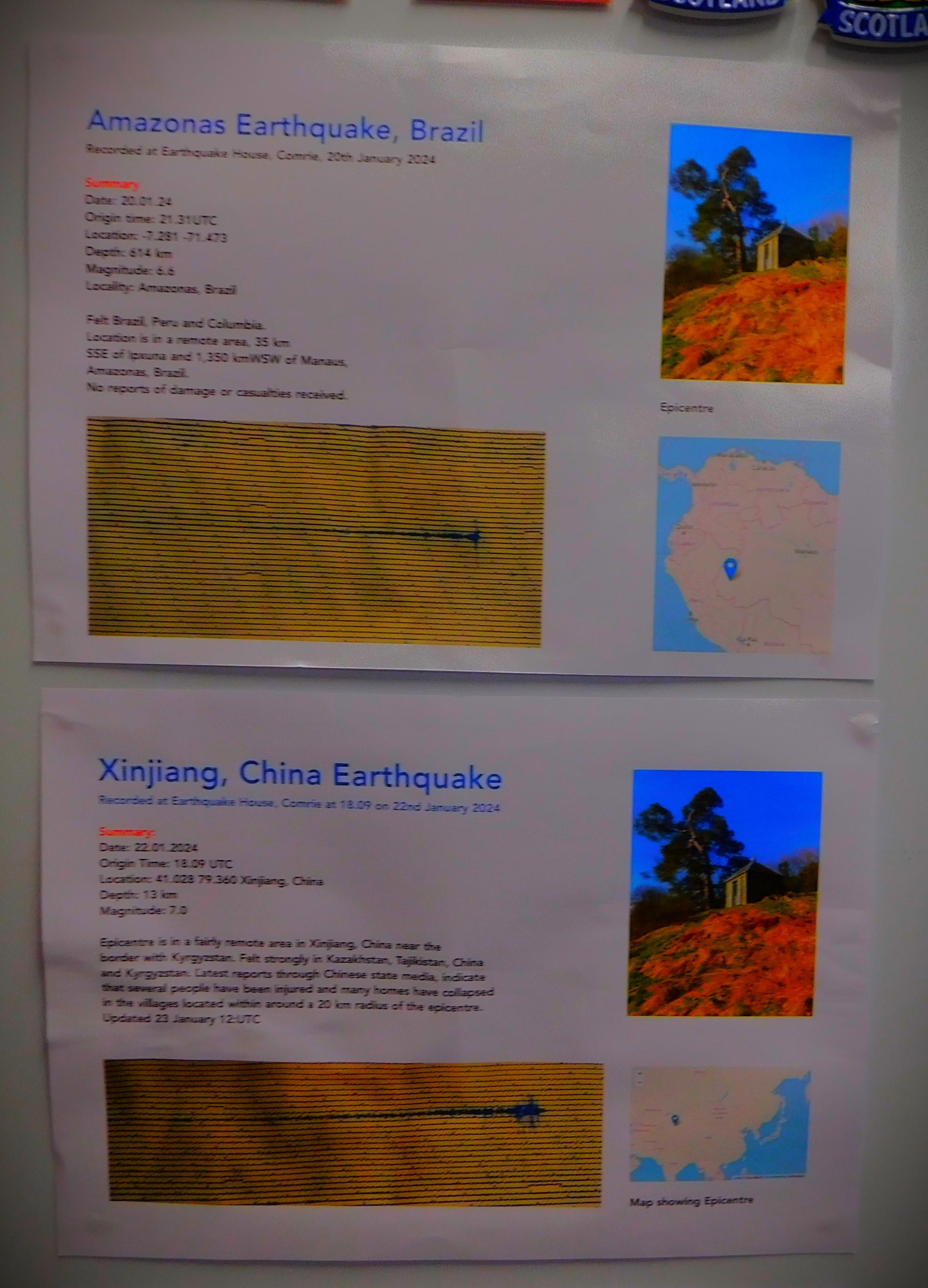
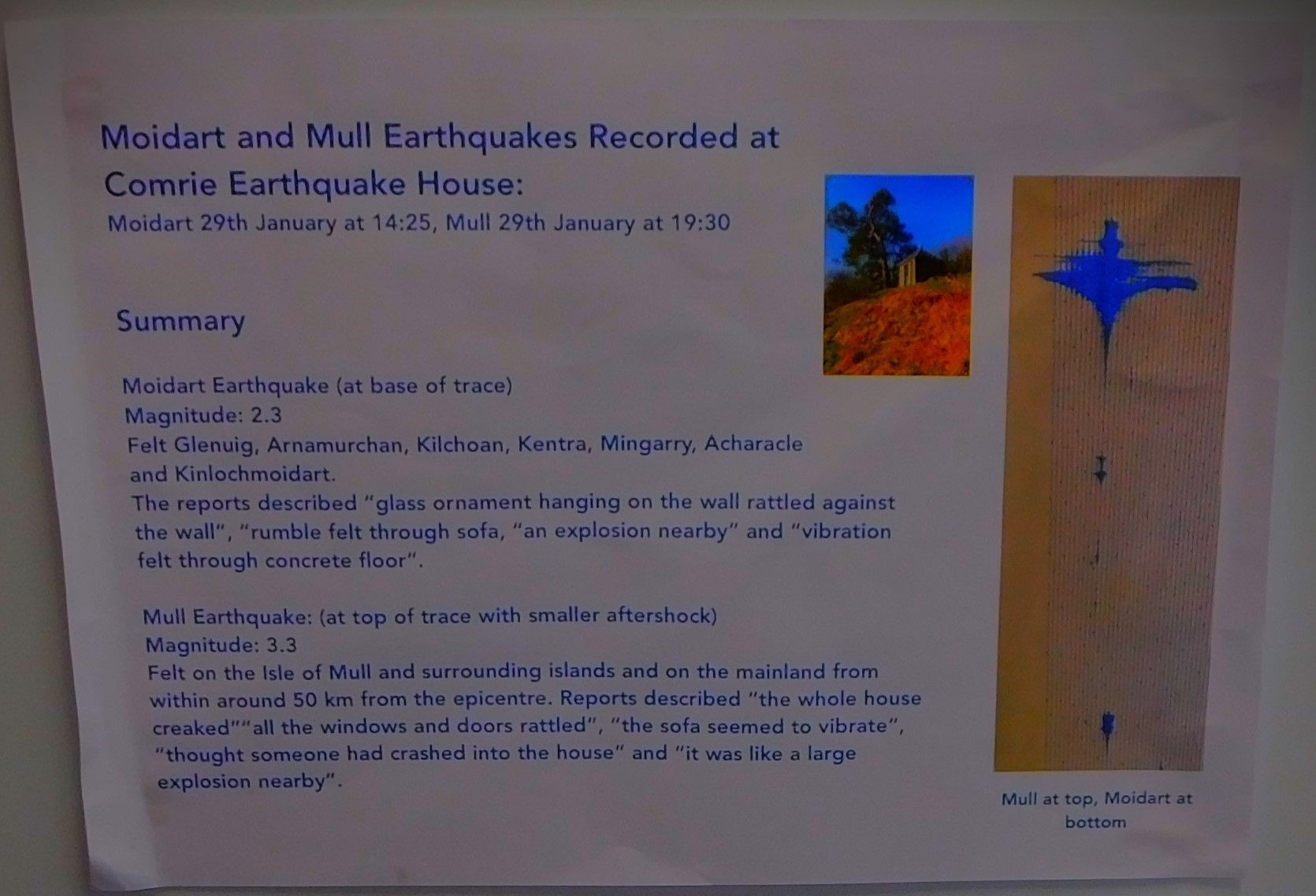
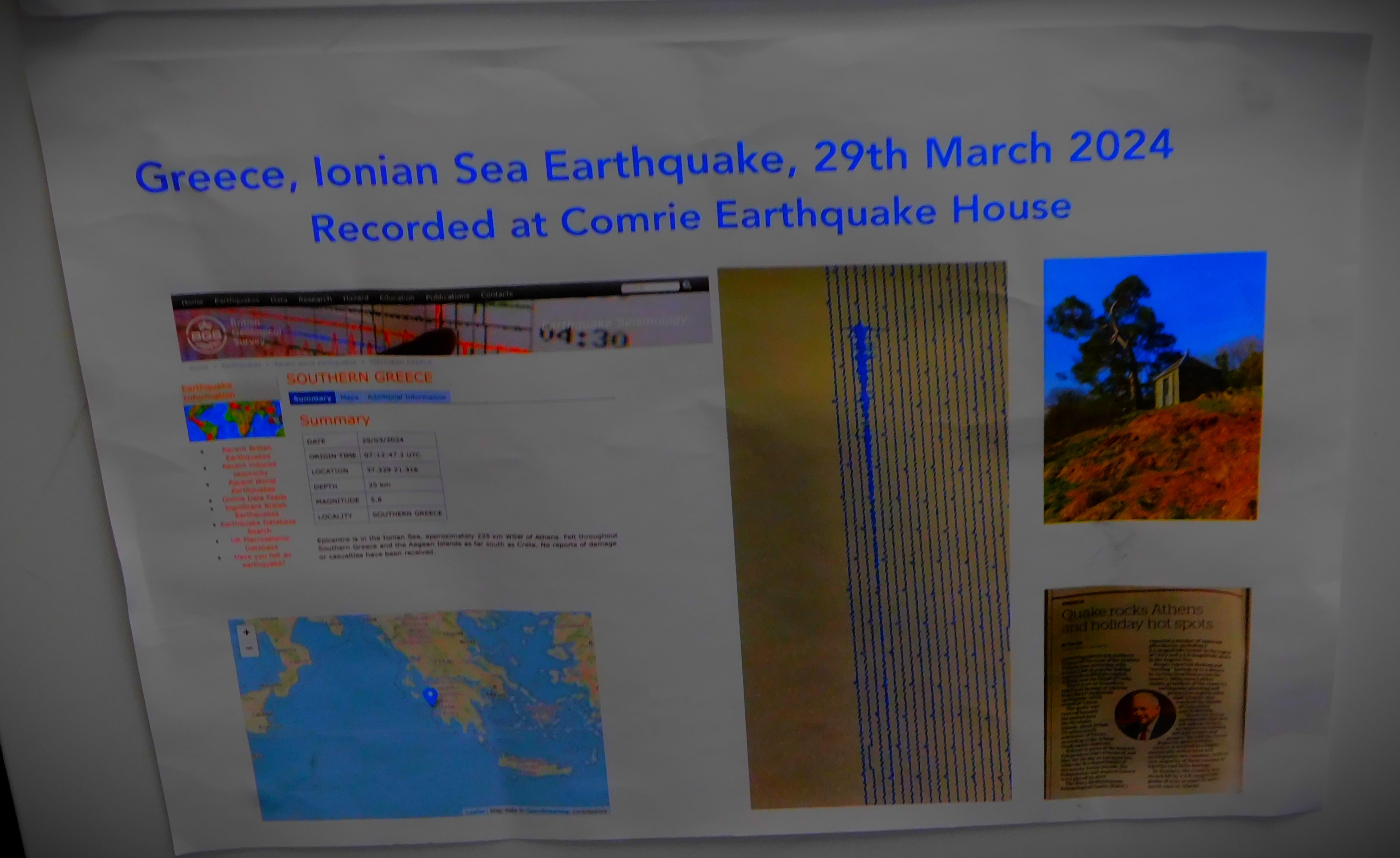
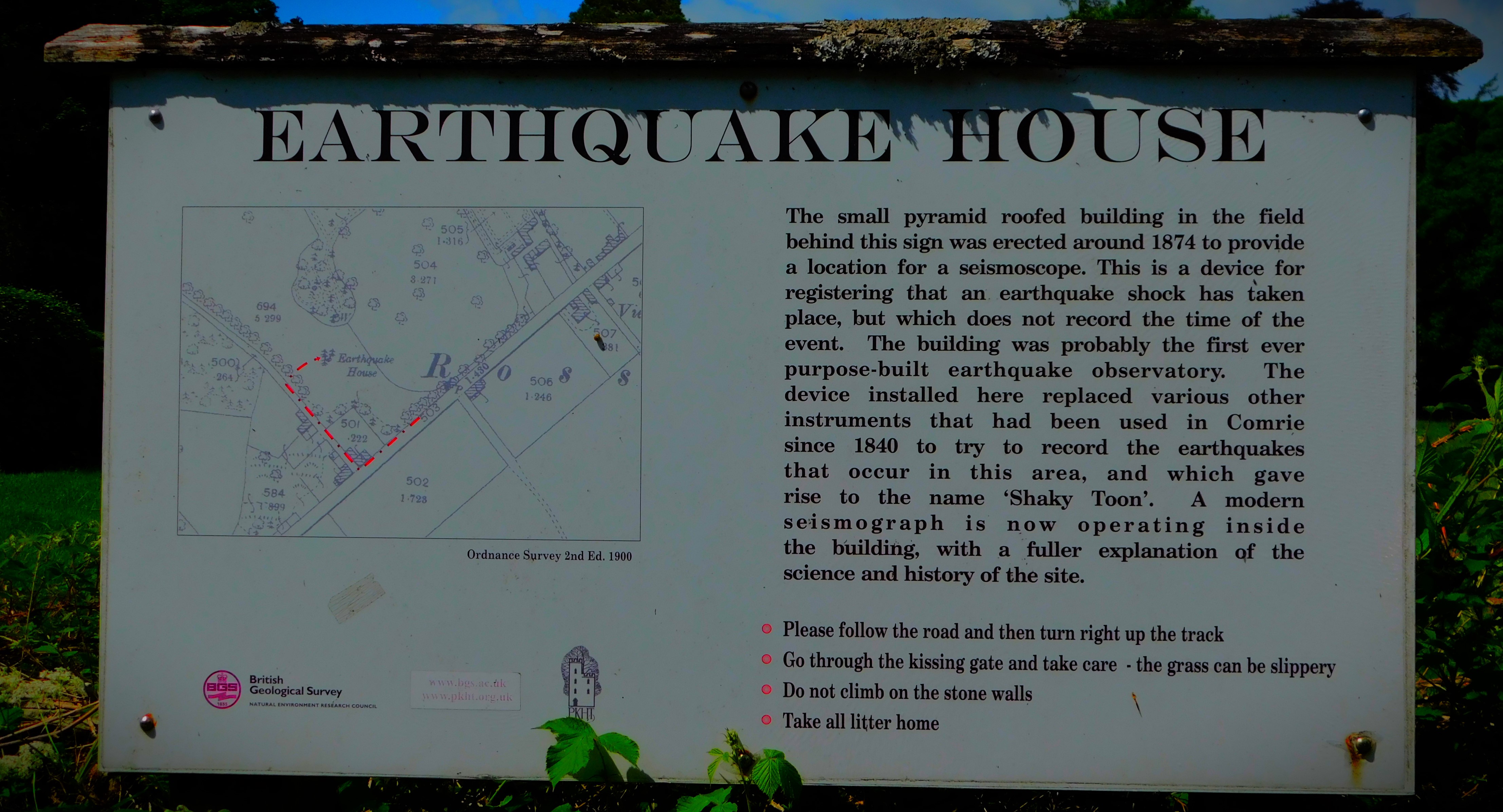
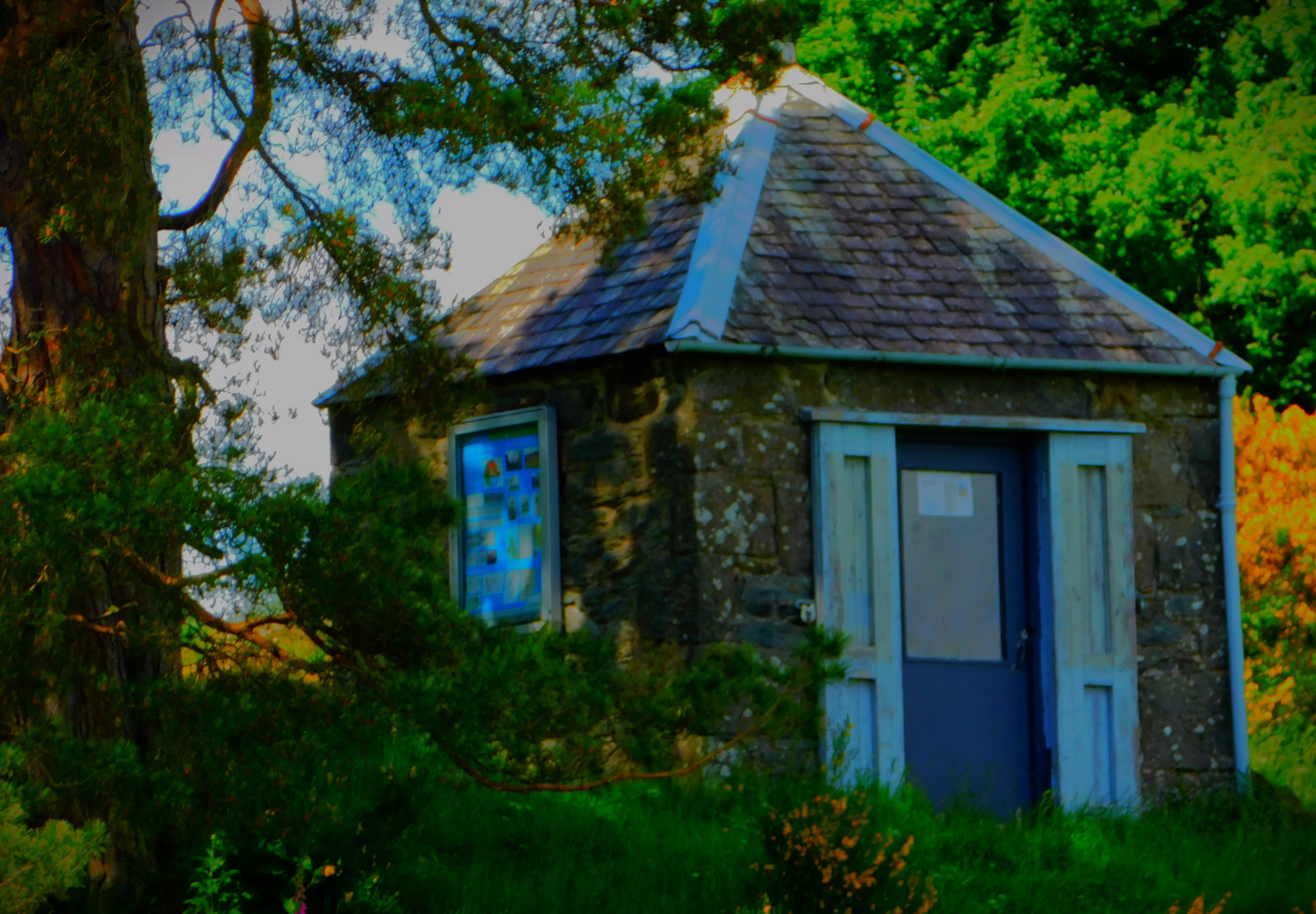
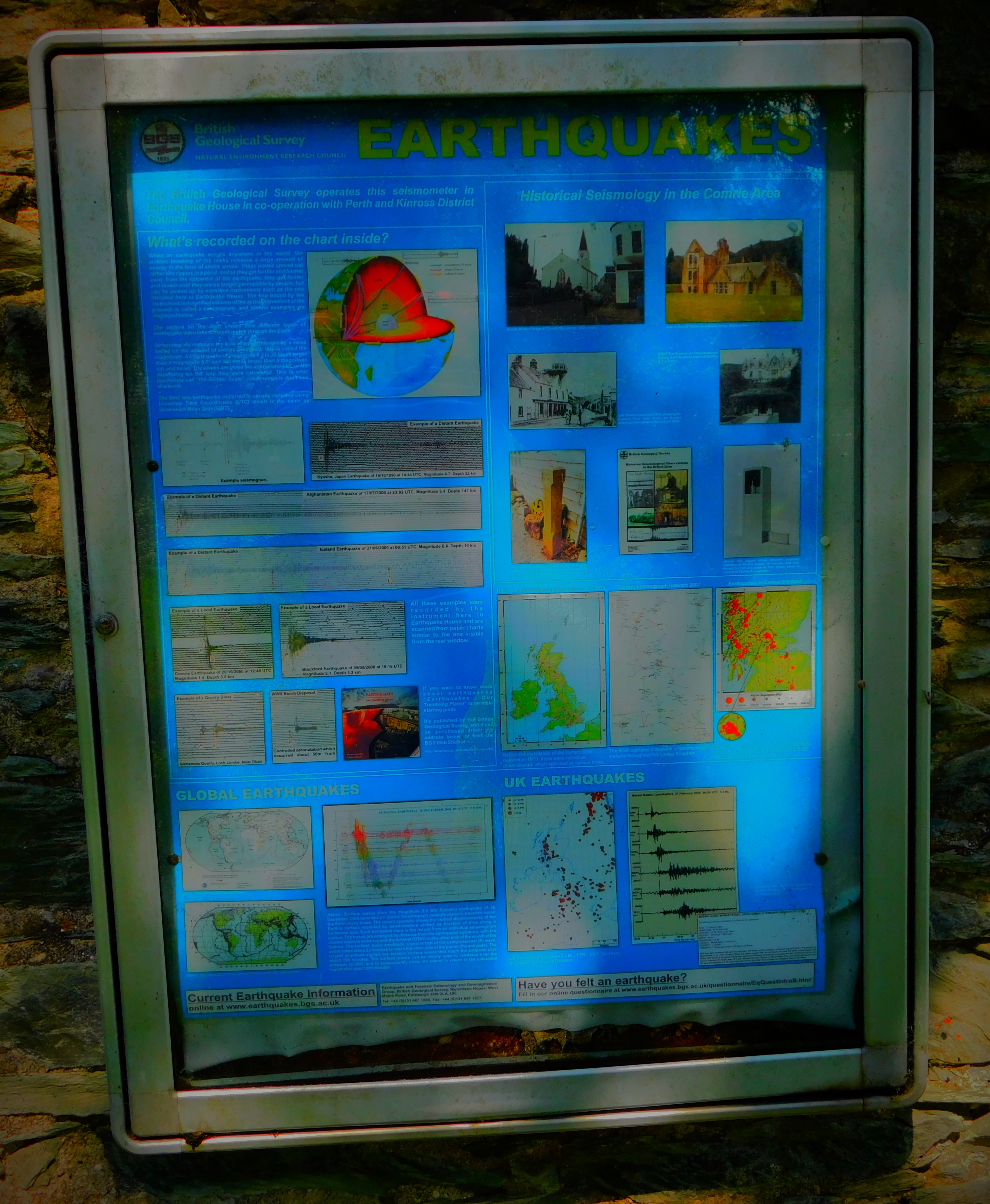
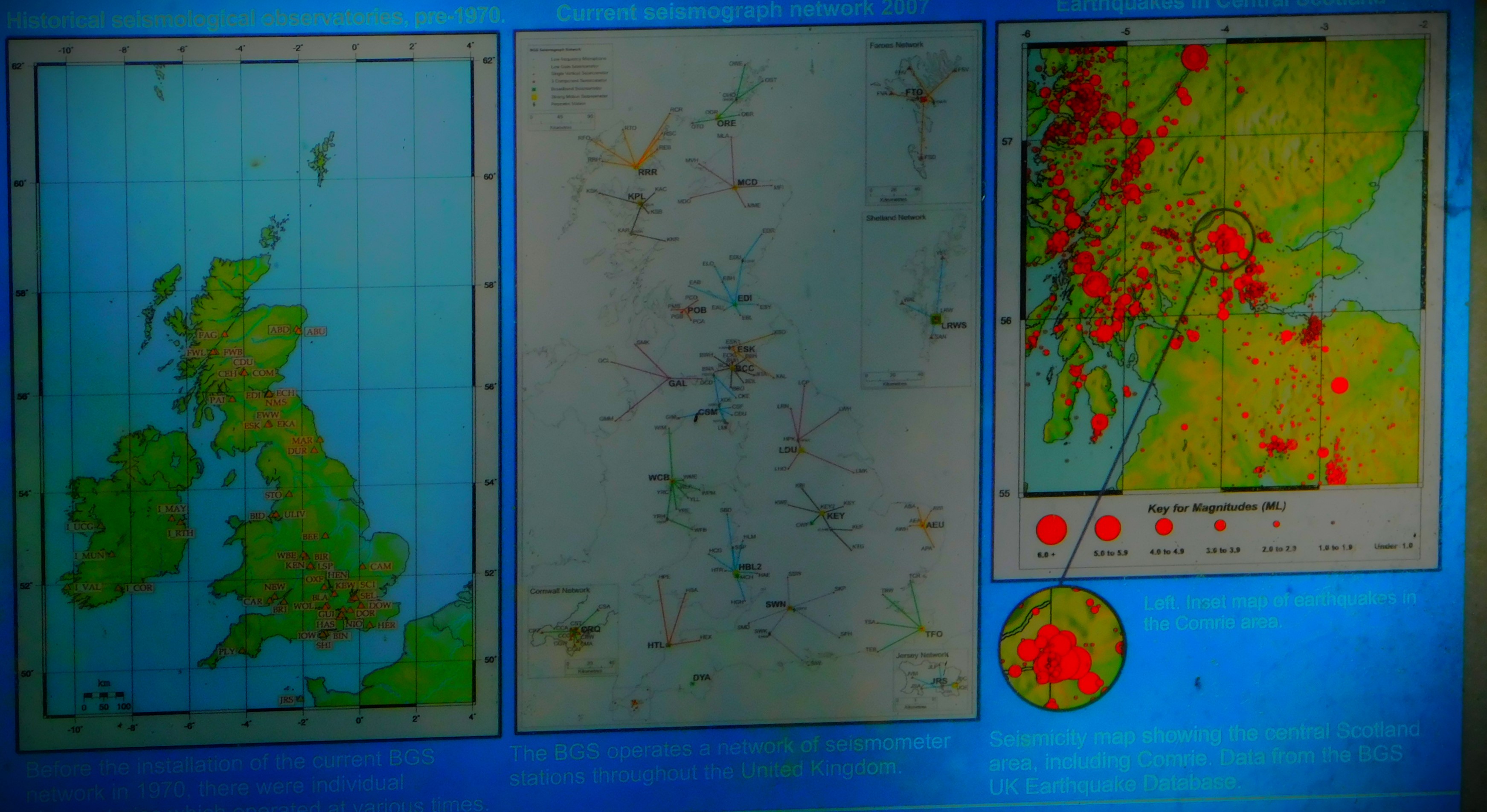
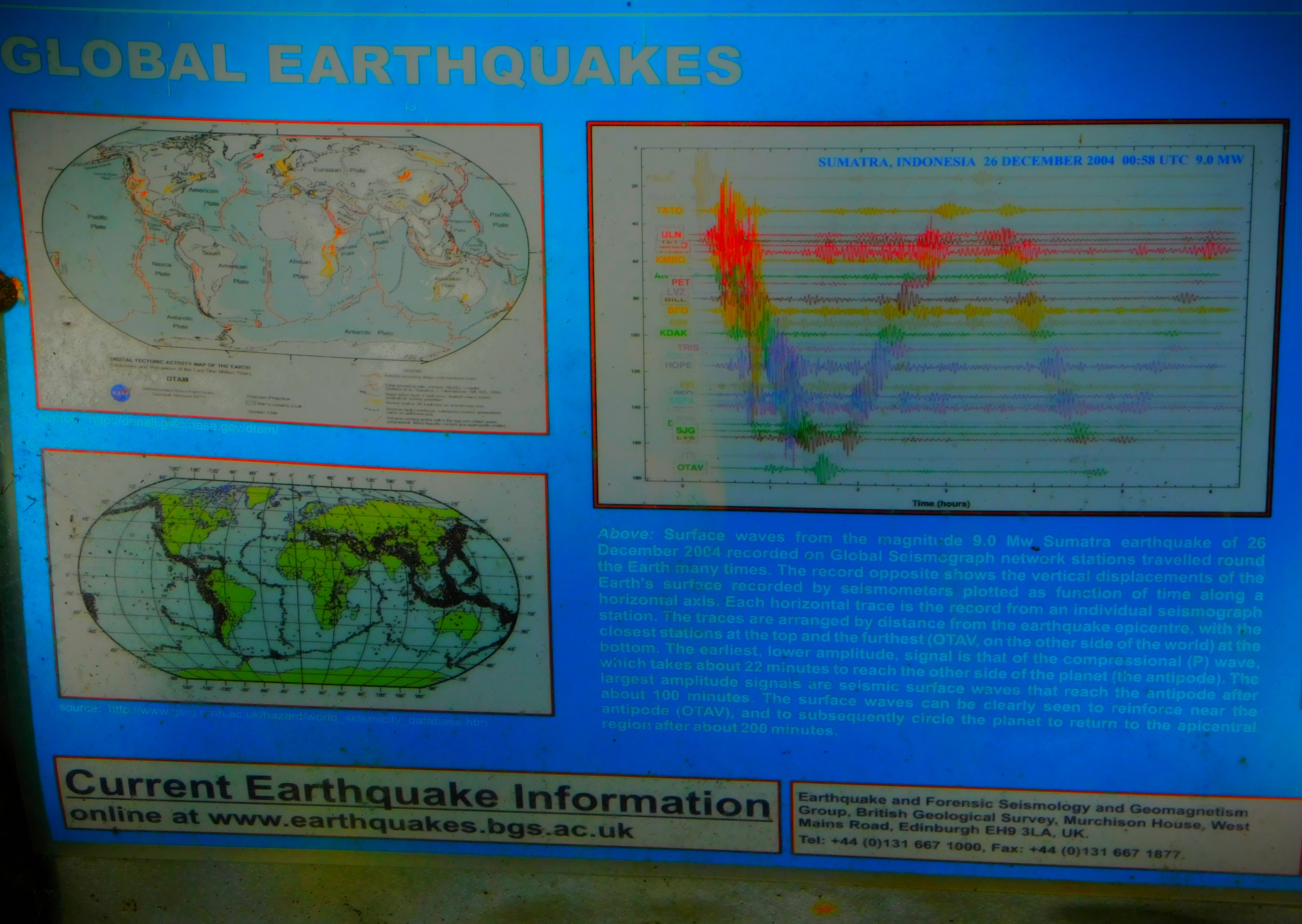
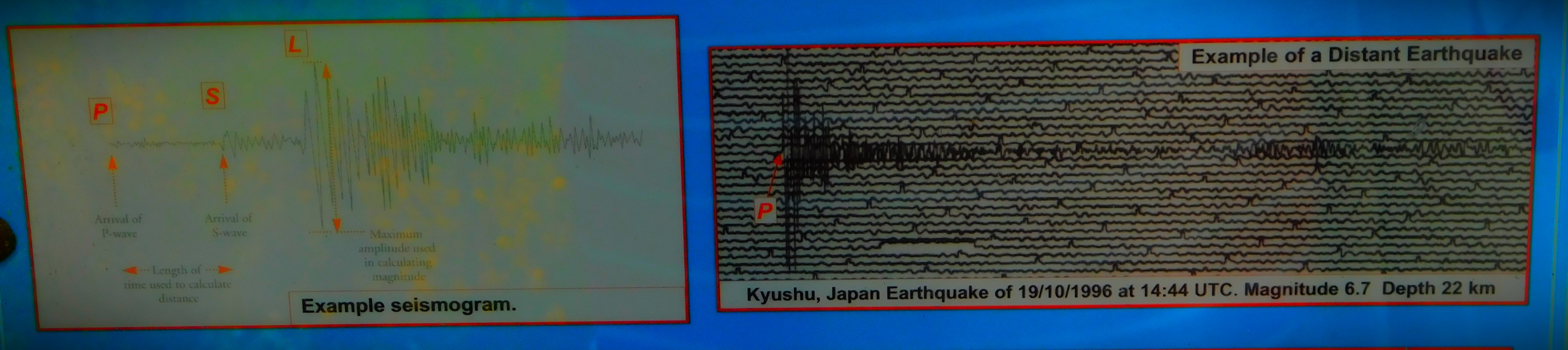
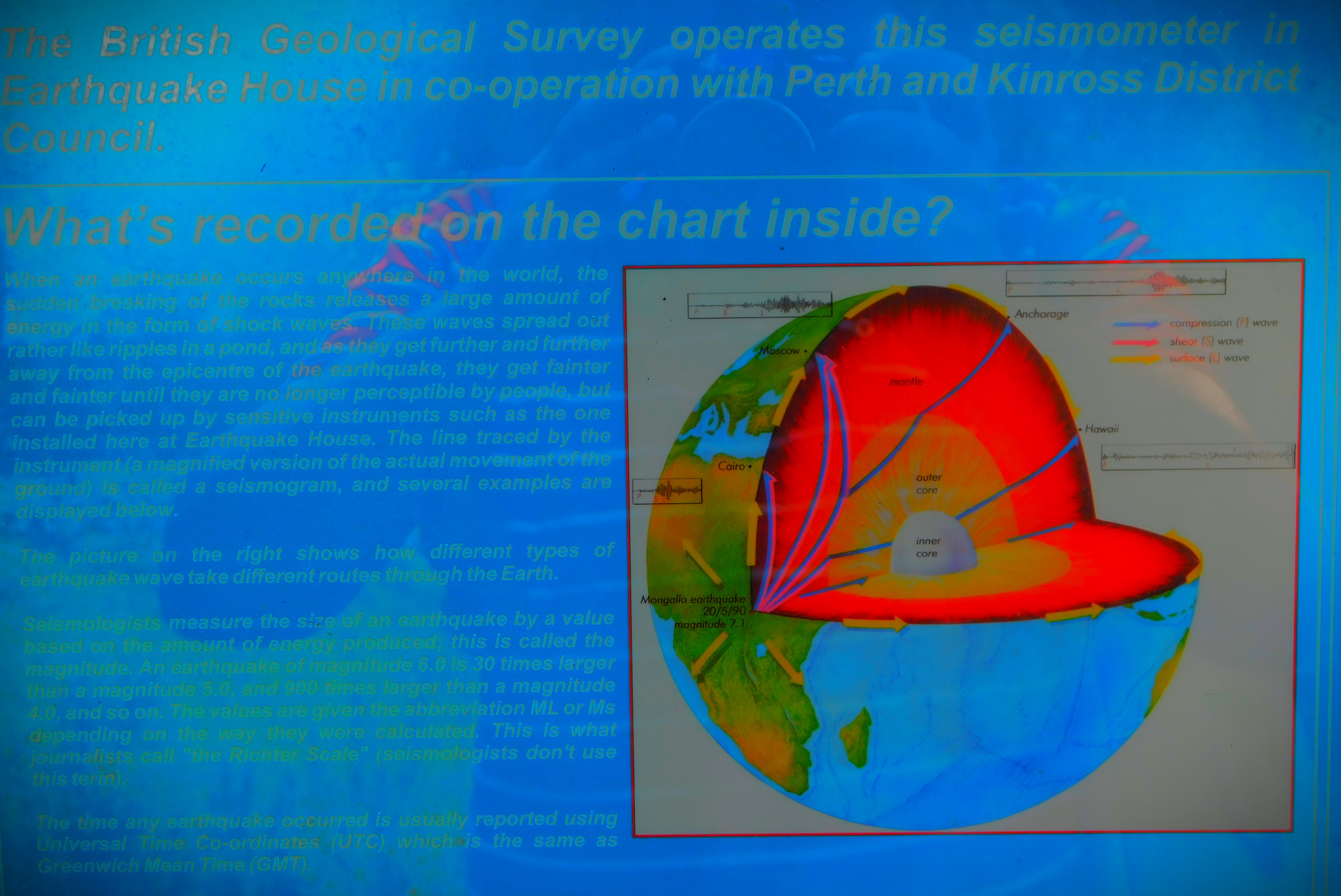
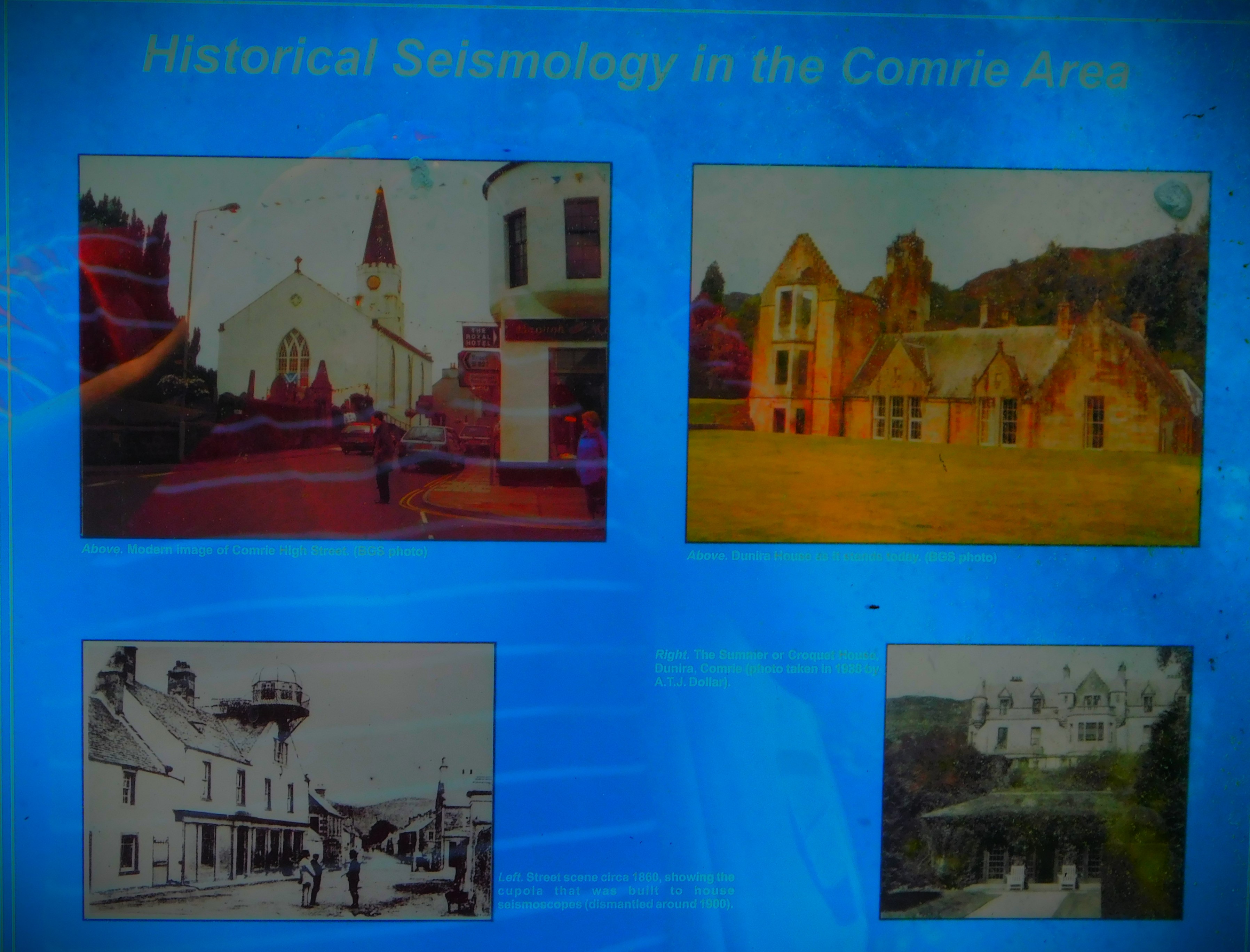
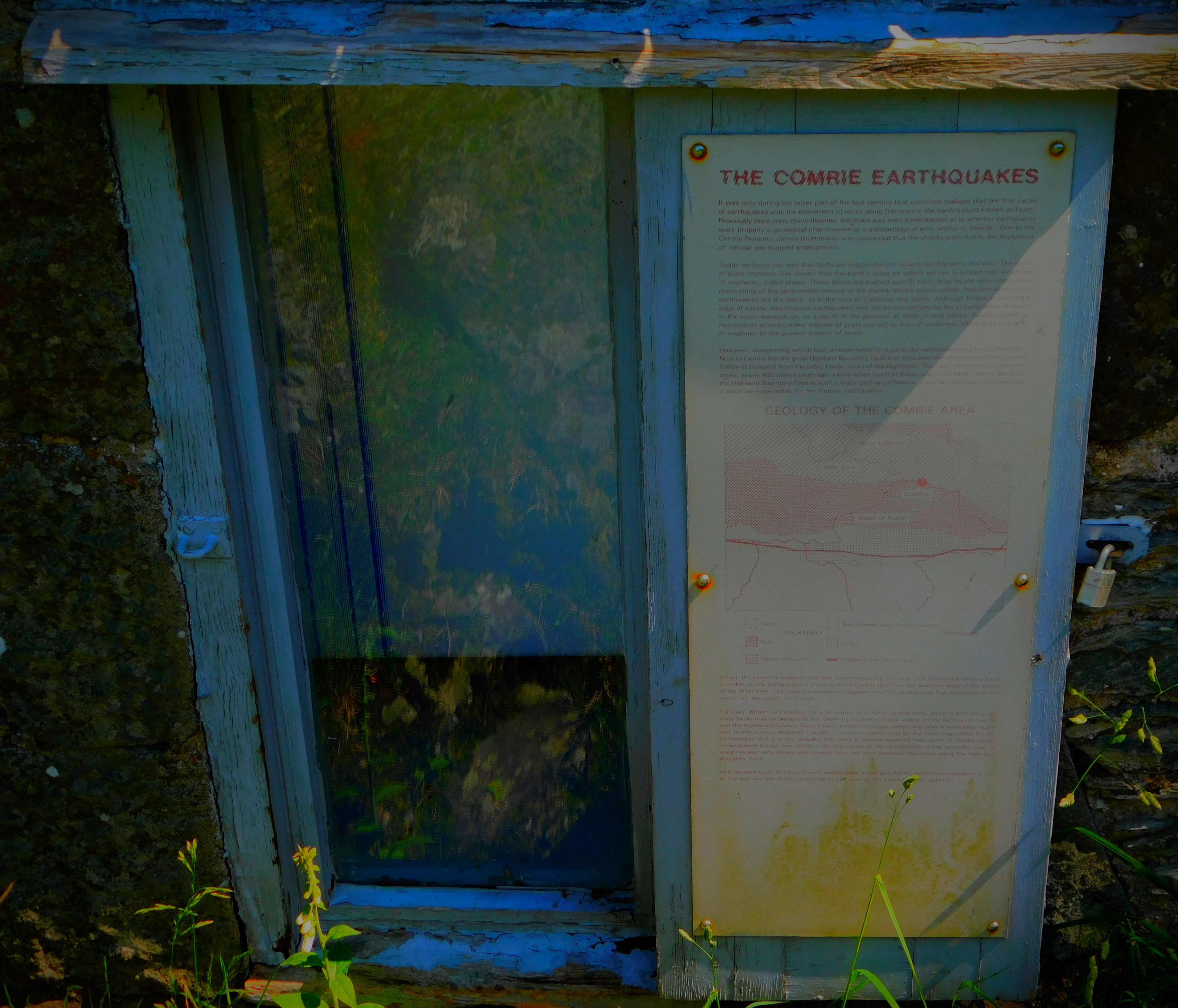
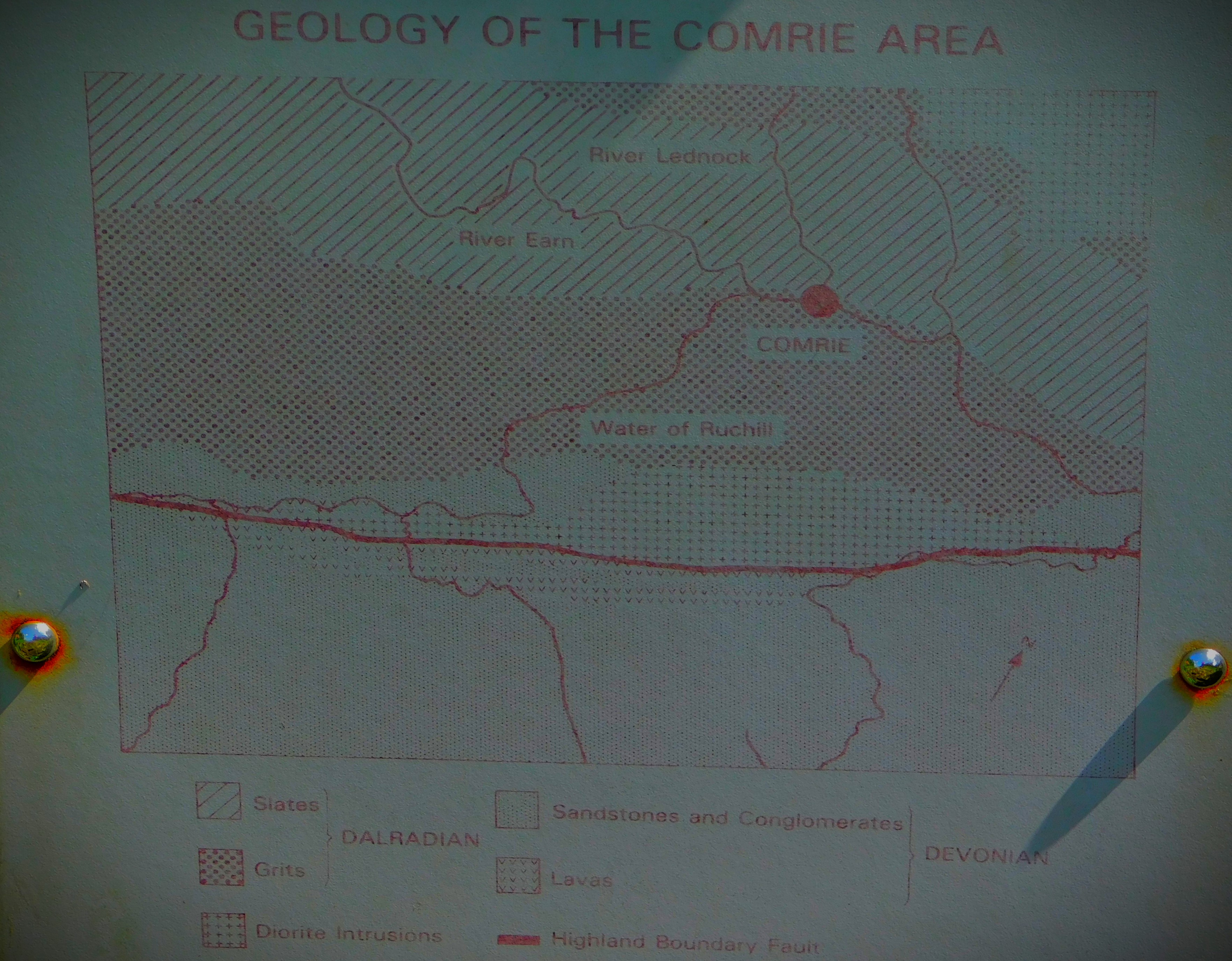
Comrie lies close to a fault line, and at one time was known as the ‘shaky toon’ because of this. It had earthquake recording equipment as early as the 18th century, and the building that housed that equipment still stands, and contains a more modern piece of recording equipment – a seismoscope, which records earthquakes and their intensity but not the times at which they occur. This post looks at our walk that took in that house, and features some information about earthquakes as well.
FIRST PORT OF CALL: COMRIE POST OFFICE
Comrie Post Office has some information about earthquakes on display. Apparently the post office itself shook when an earthquake hit Greece in March of this year.
THE WALK PROPER
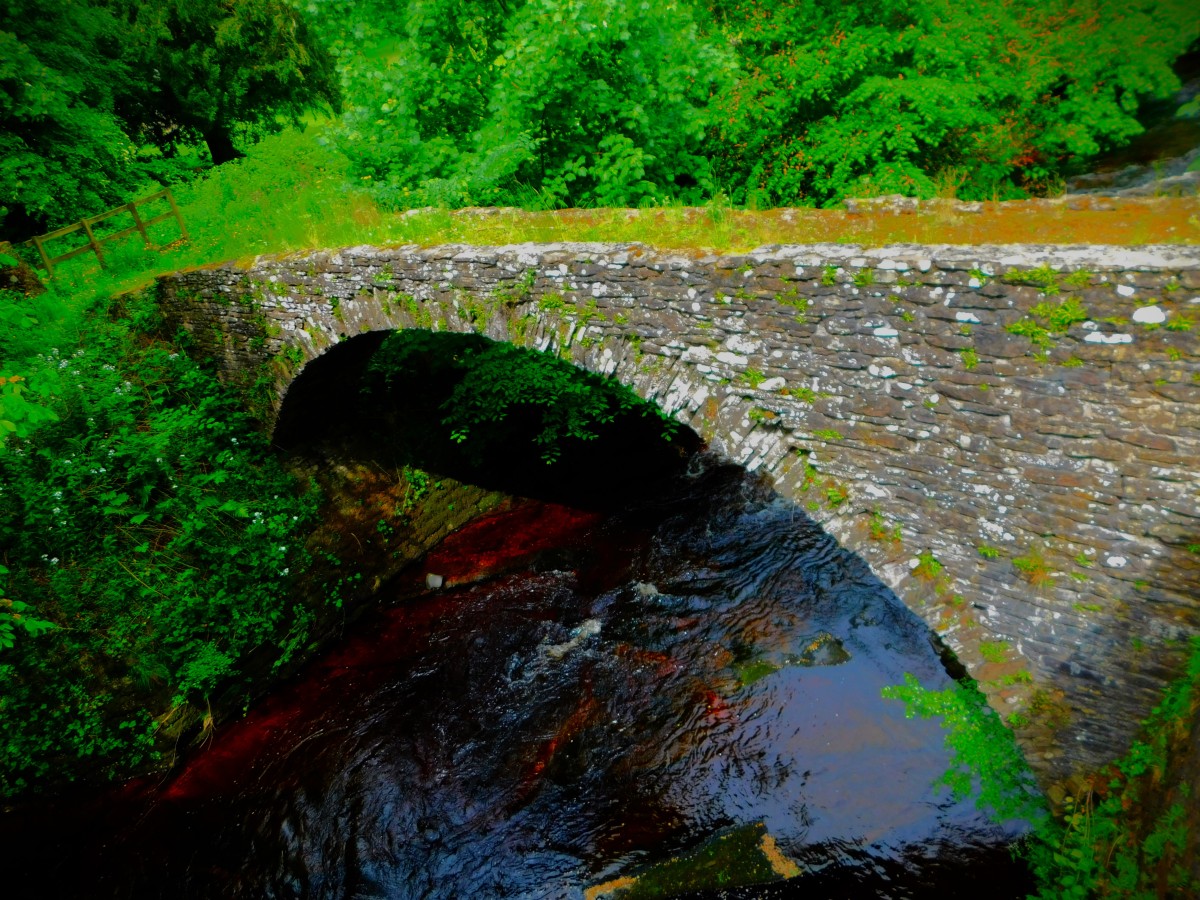
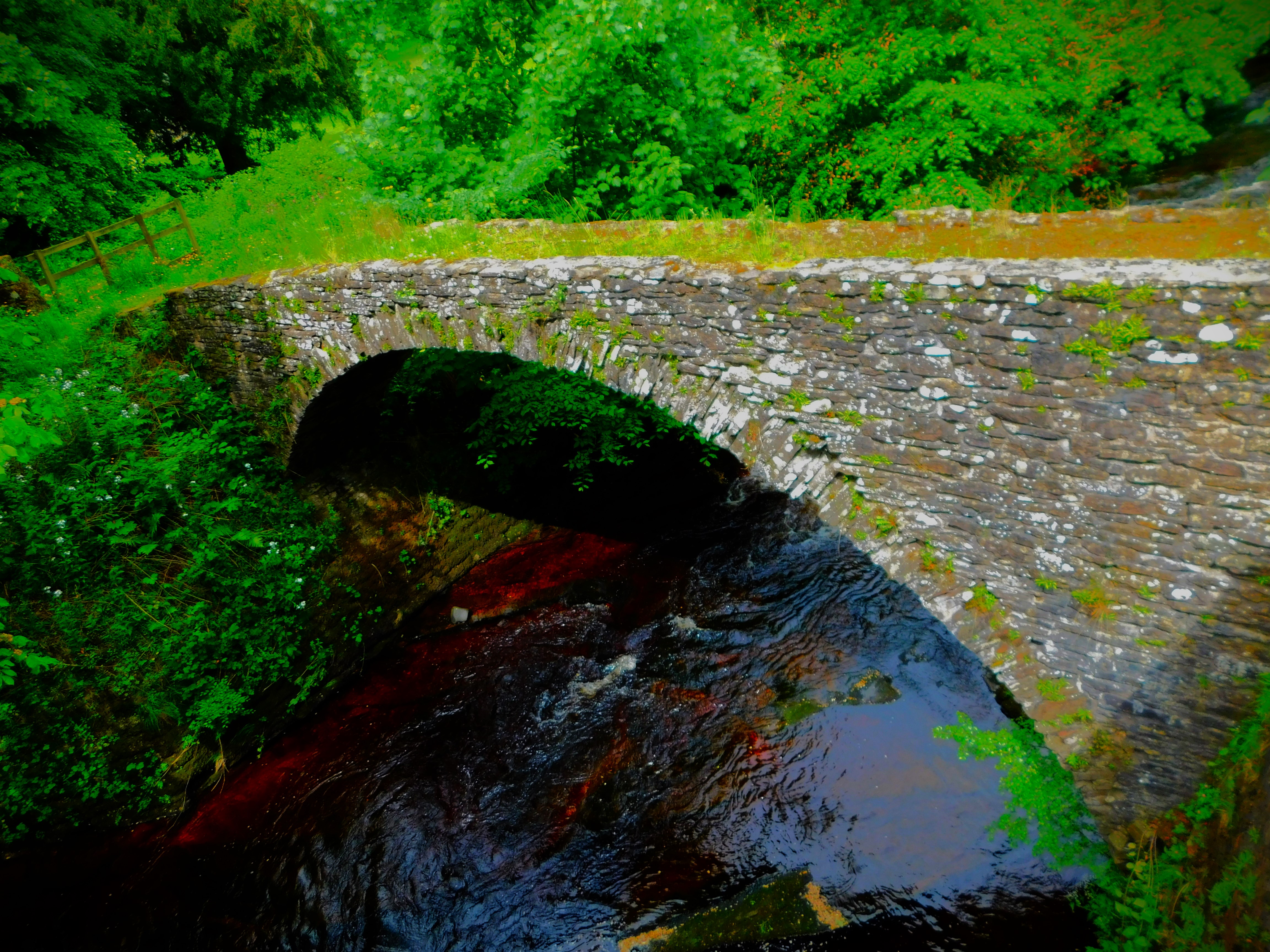
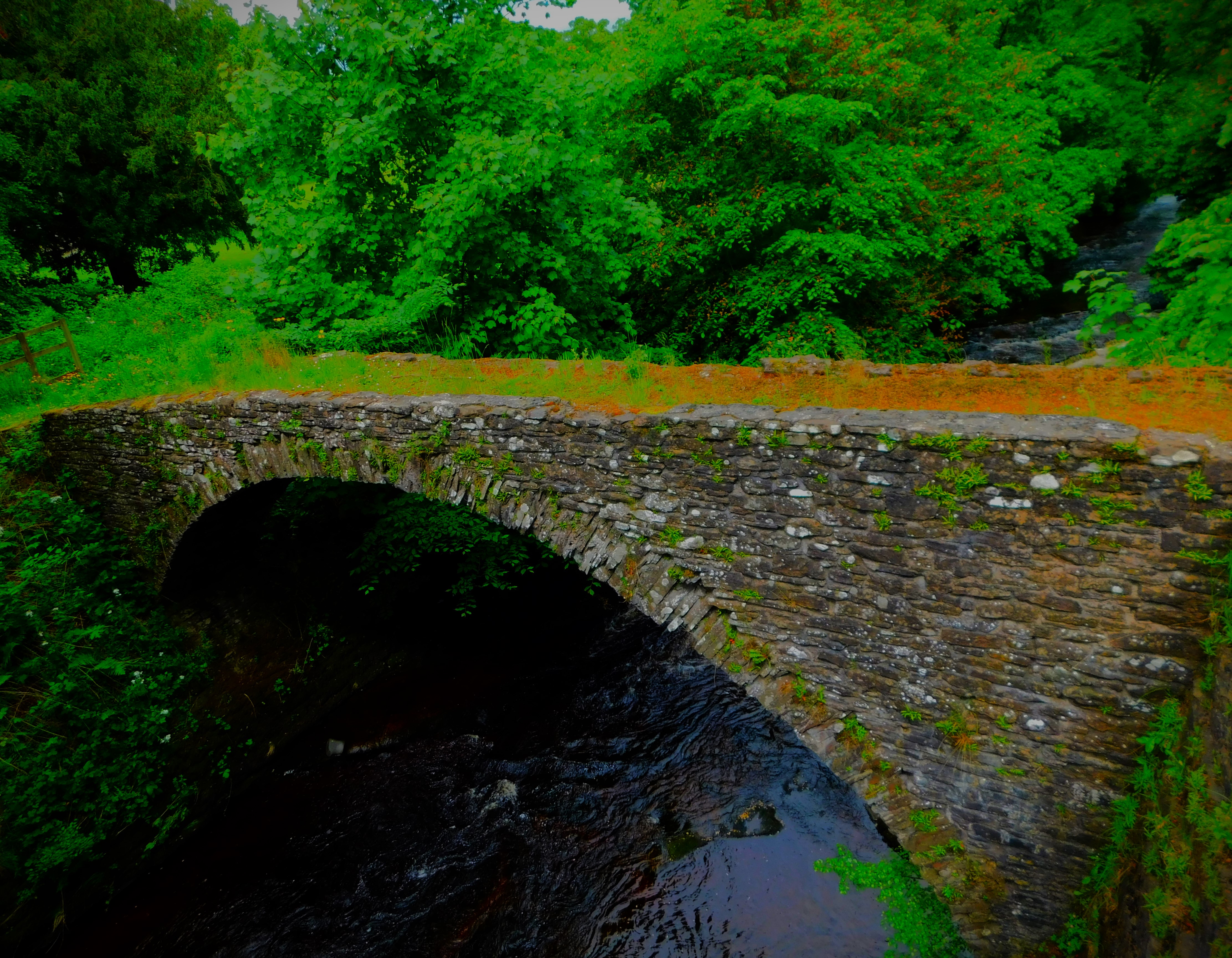
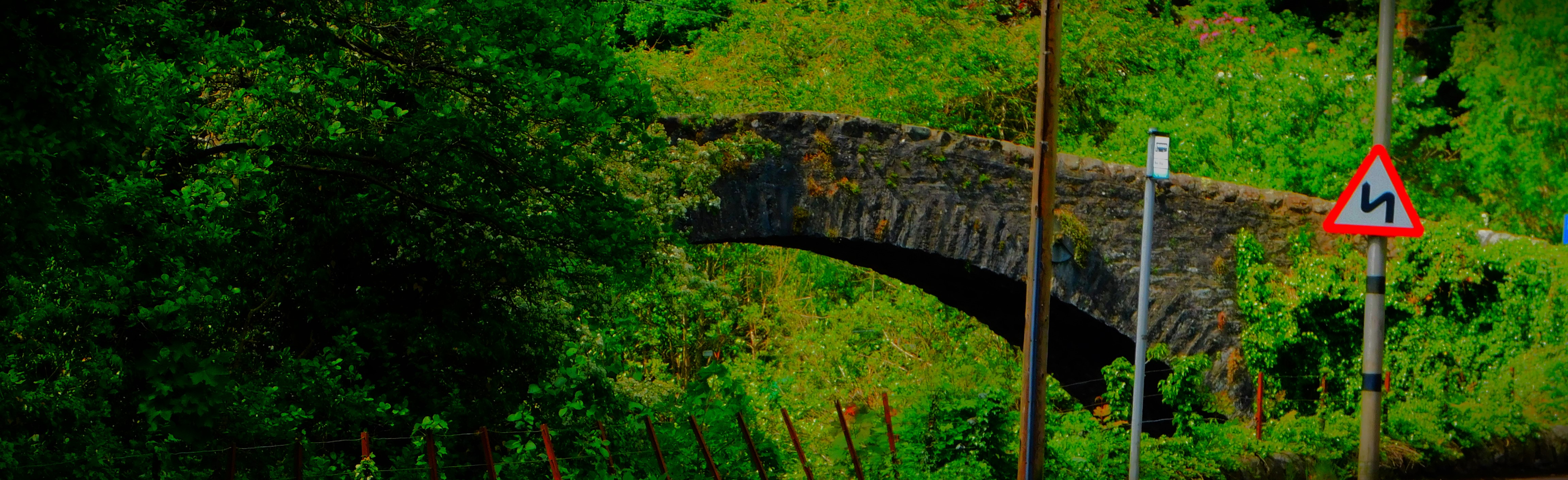
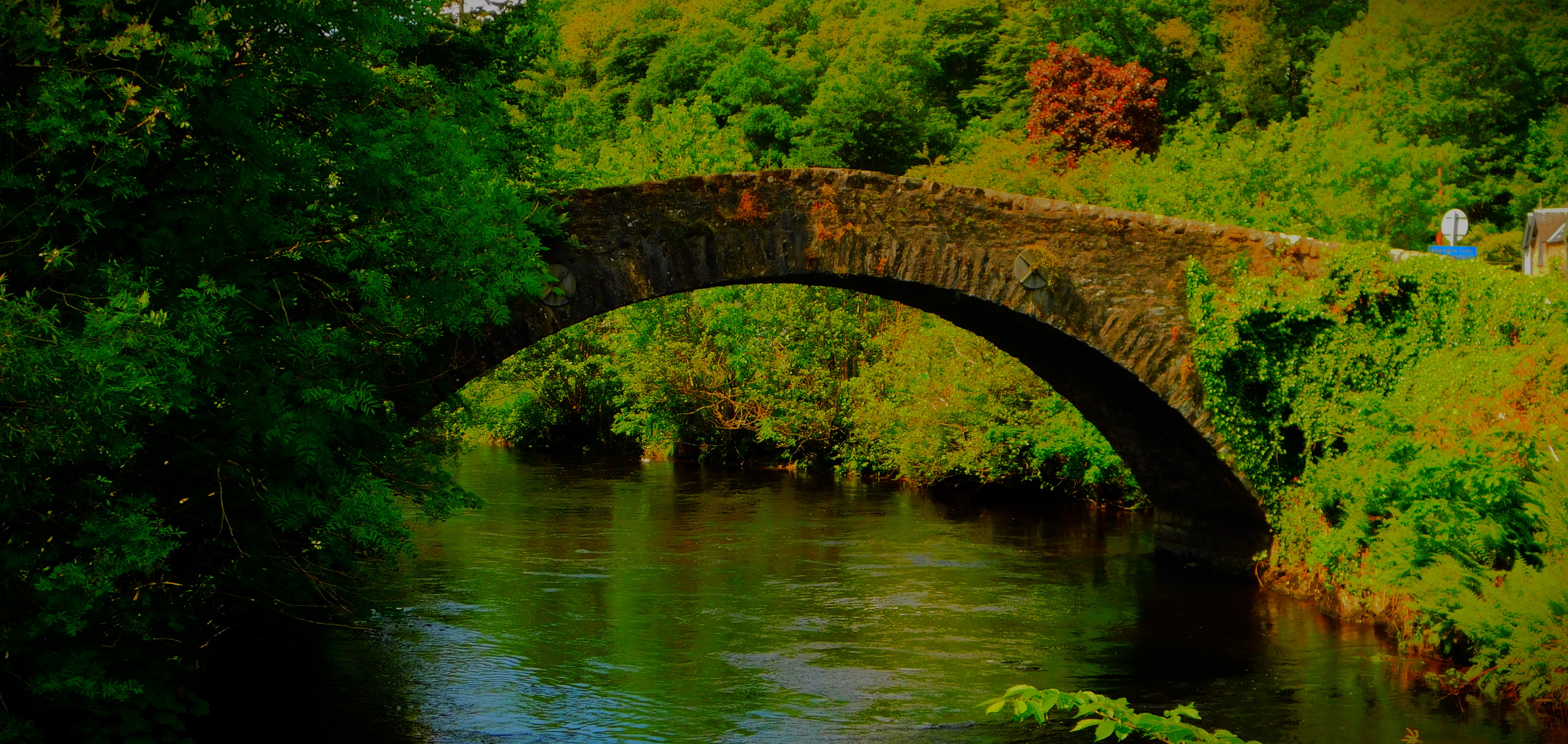
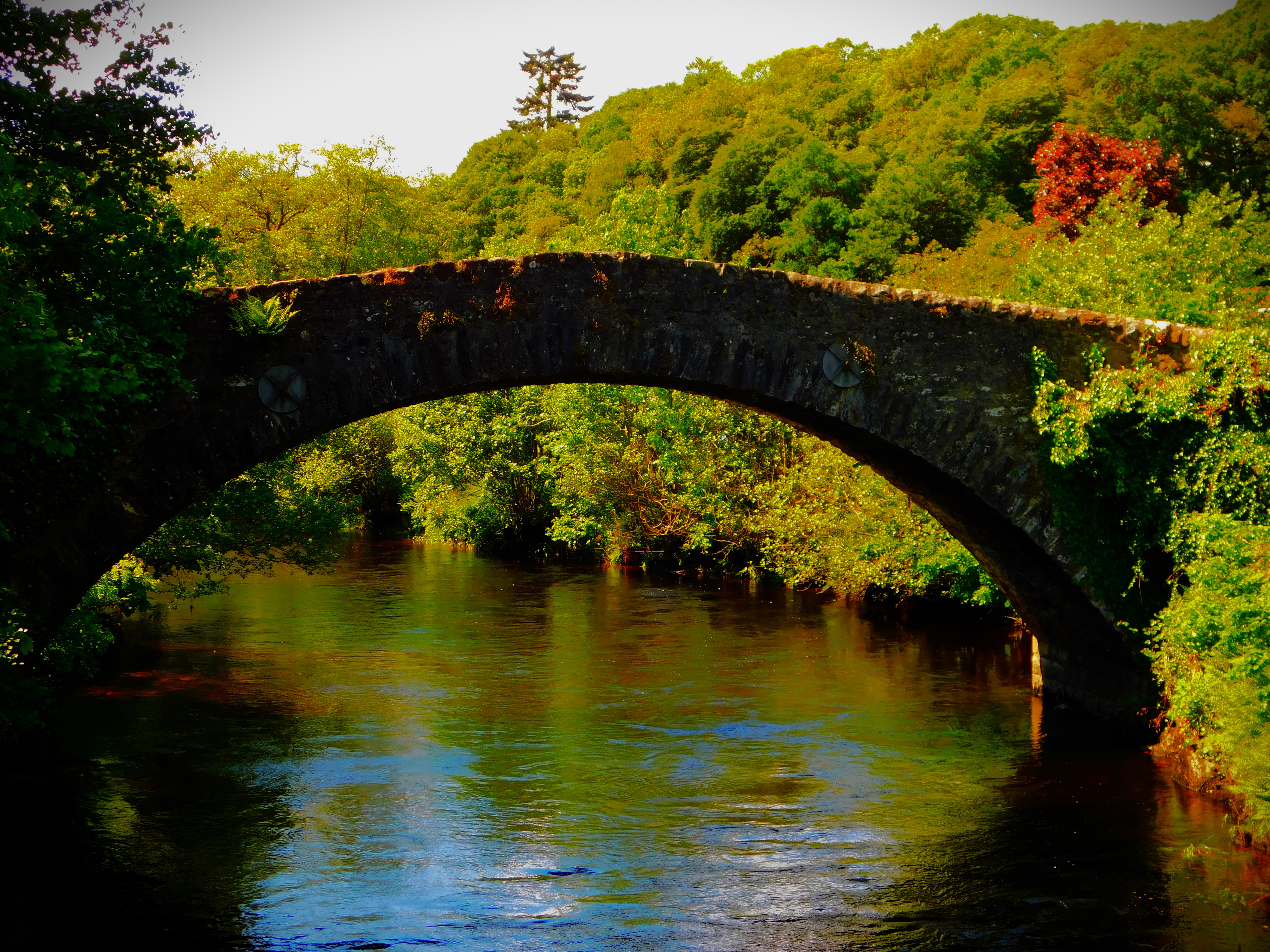
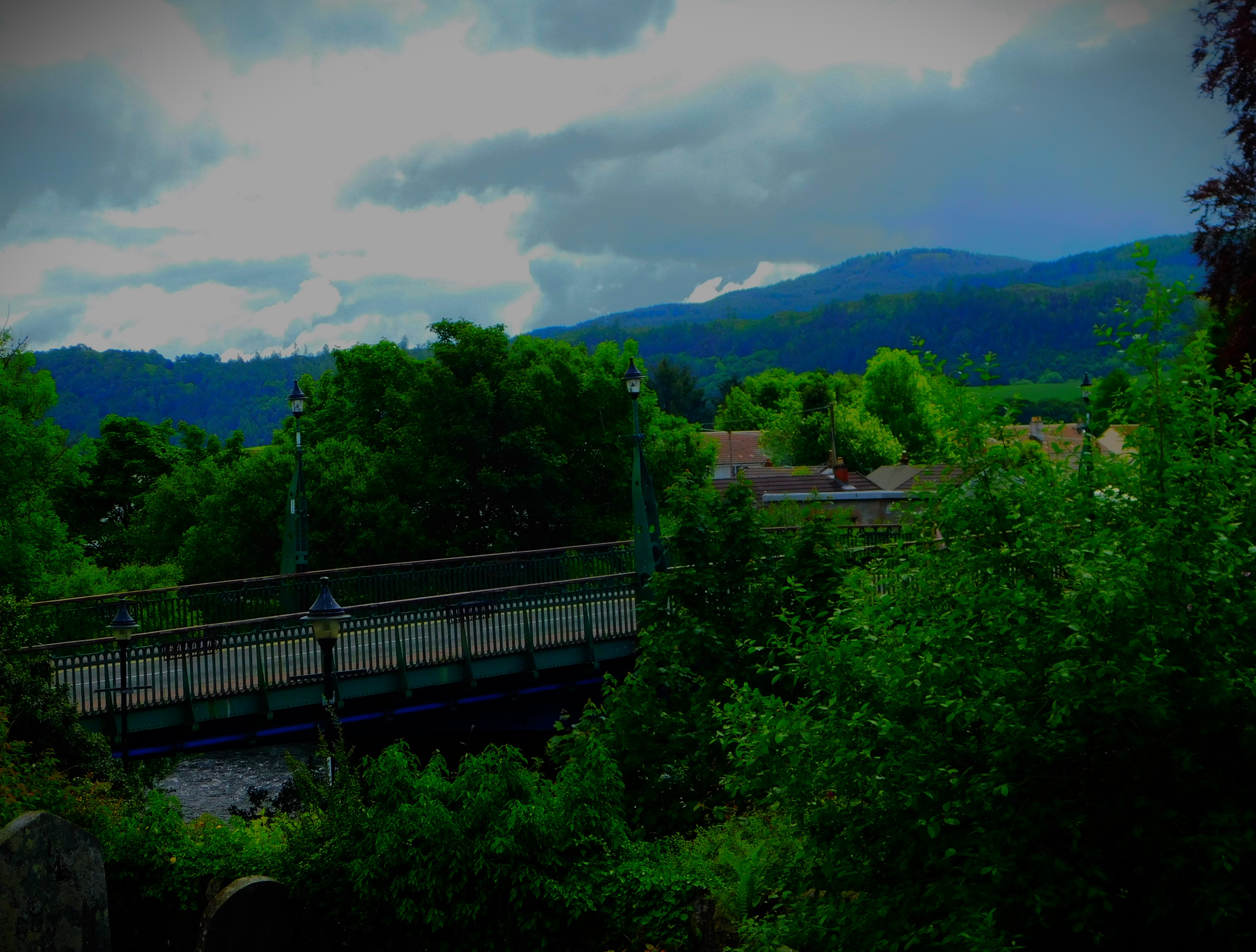
The walk begins by heading past the church and on to the road that passed the frontage of the church – heading at this point in the direction of Crianlarich. The first noteworthy point after the church is a magnificent stone bridge across the river Earn. The ‘Earthquake House’ itself stands alone in a field, and is accessed by a path which leads off a side road – the gate from the main road into that field is very firmly locked. The house has plenty of information, and although one cannot go in one can look through the window and get a decent view of the seismoscope, though the window is reinforced in a way that renders photographing the seismoscope a virtual impossibility – I tried.
We hoped to walk along a bit of disused railway – the former Lochearnhead, St Fillans and Comrie Railway, a route that was in operation between 1901 and 1951 when it was closed – but a small spring was bubbling on to the path rendering too wet and muddy to be walking, so we saw only the start of it. Thus in the end we went back the way we had come.
PHOTOGRAPHS
Here are my photographs from this walk…
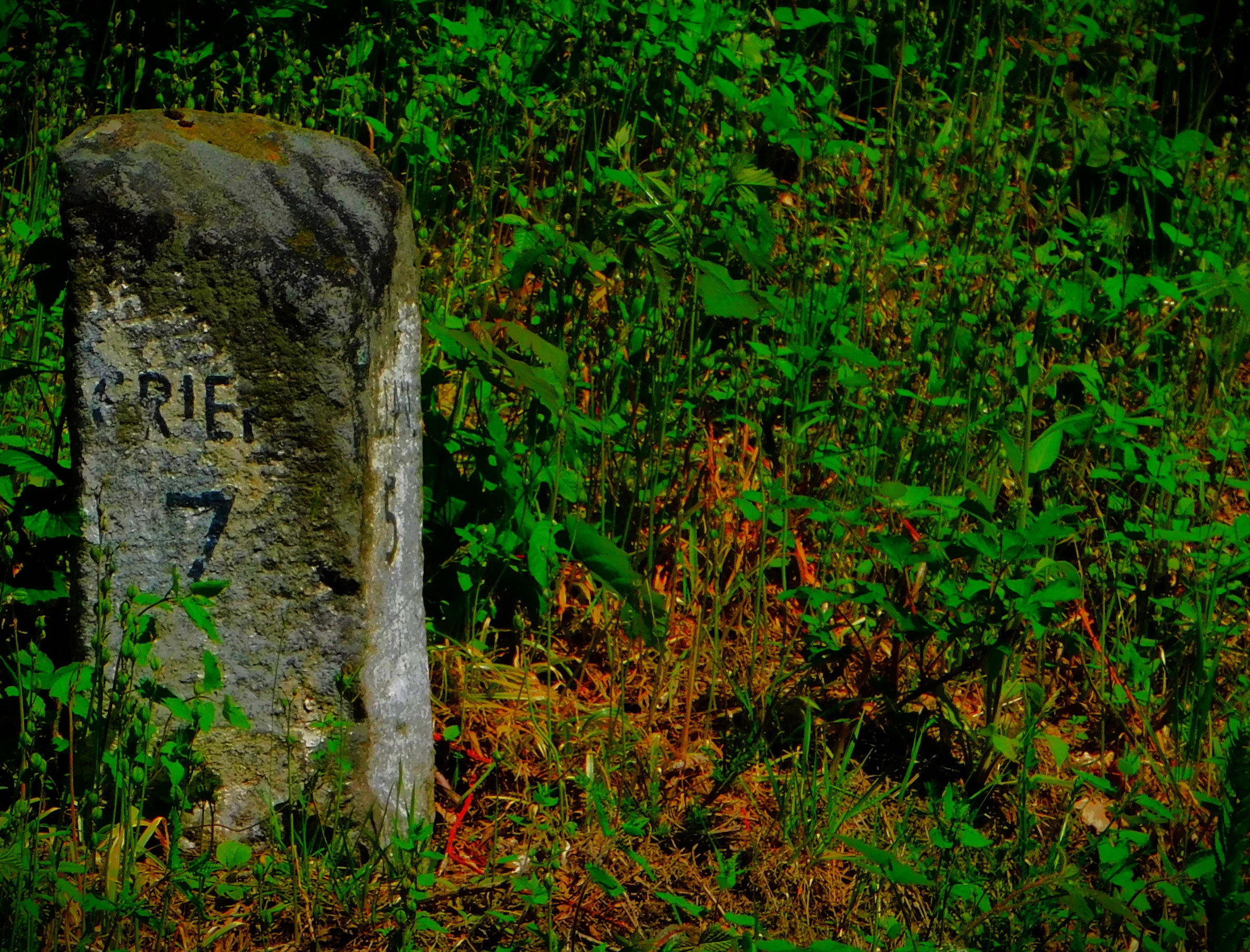
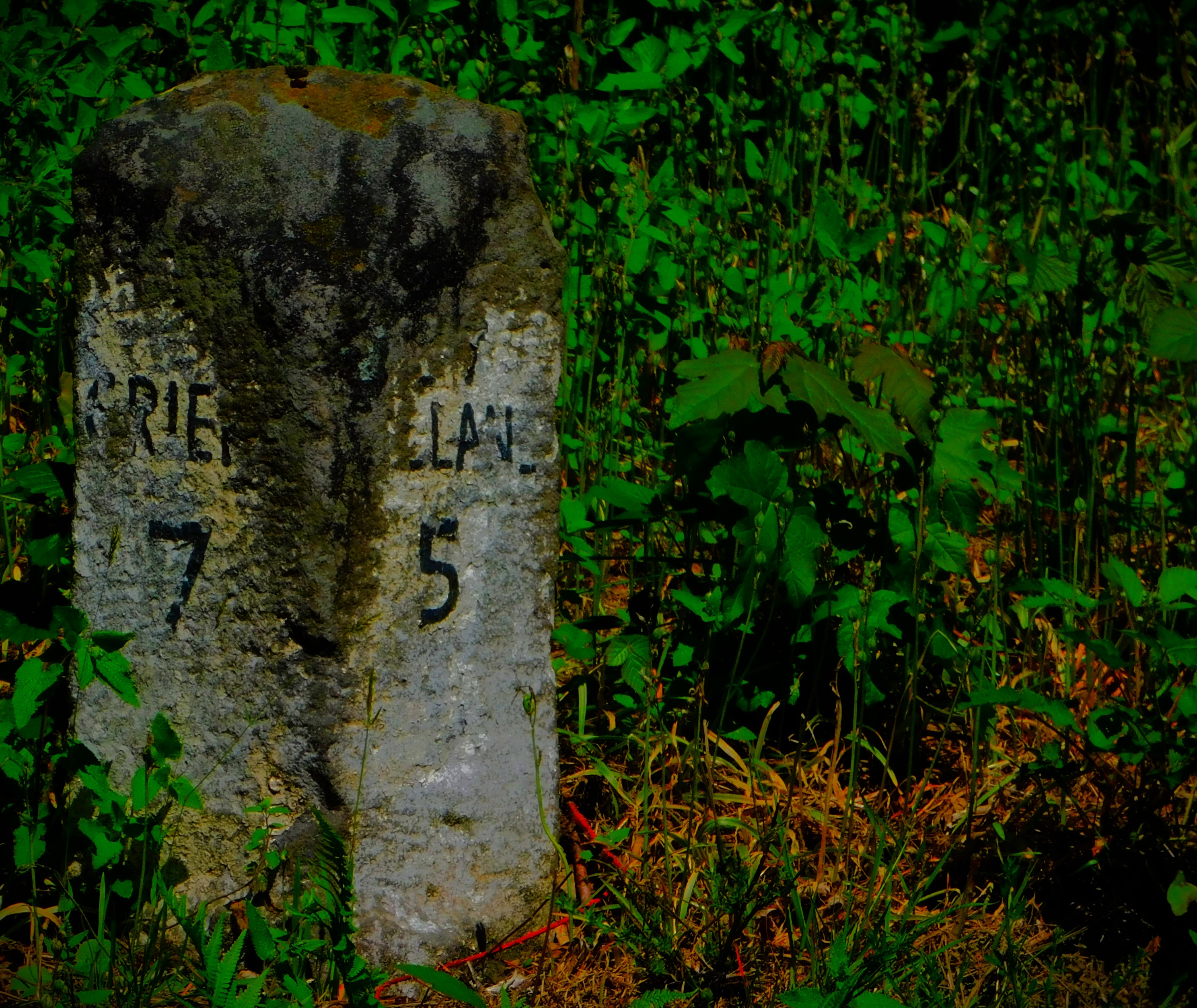
The stone bridge across the Earn.The Earthquake HouseI kept two of my attempts at photographing through the window to illustrate the problems.A mile post showing the distances to Crieff in one direction and St Fillnas in the other.
A look at the Charles Rennie Mackintosh building, the village of Comrie and the river Earn. Also a waterfall video.
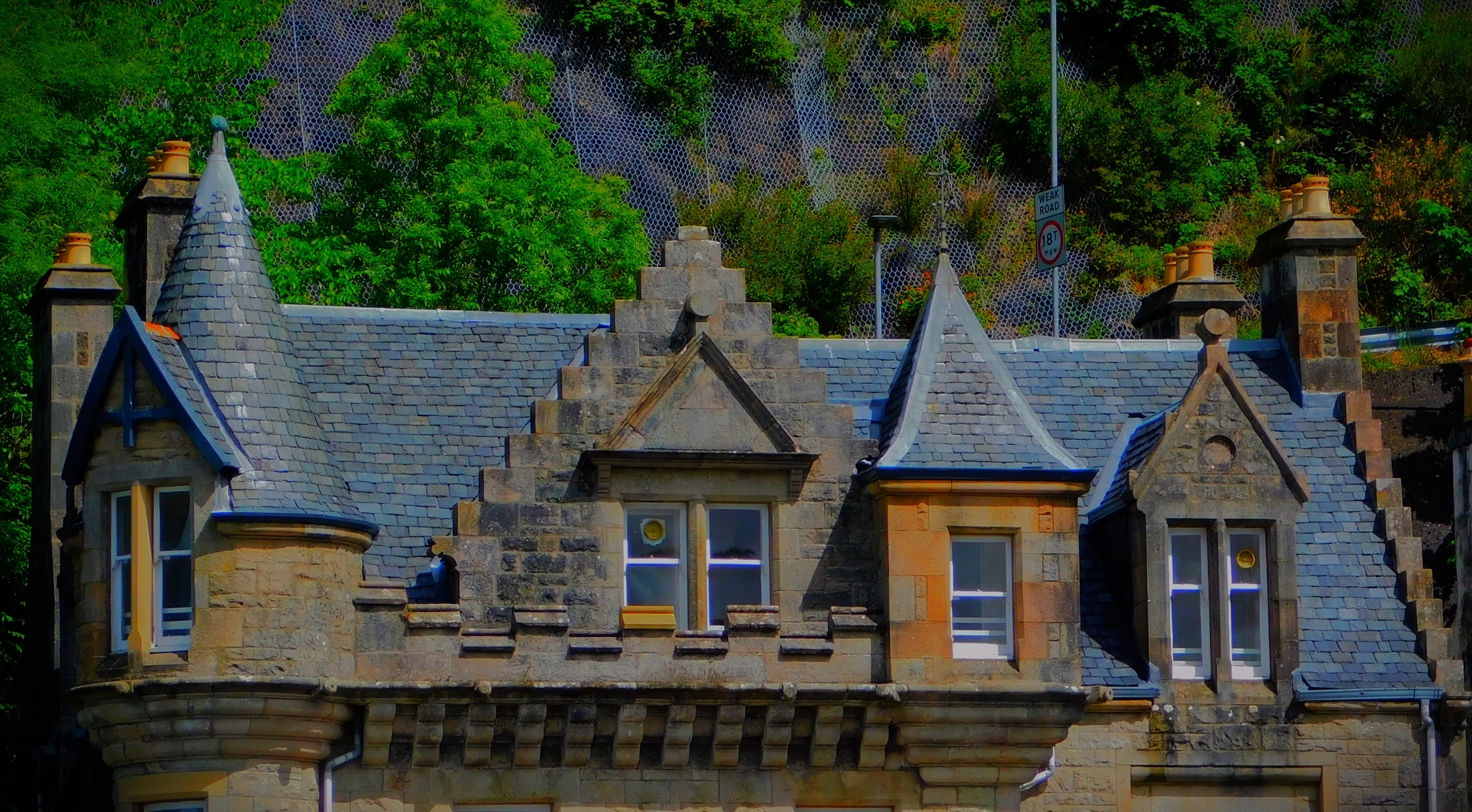
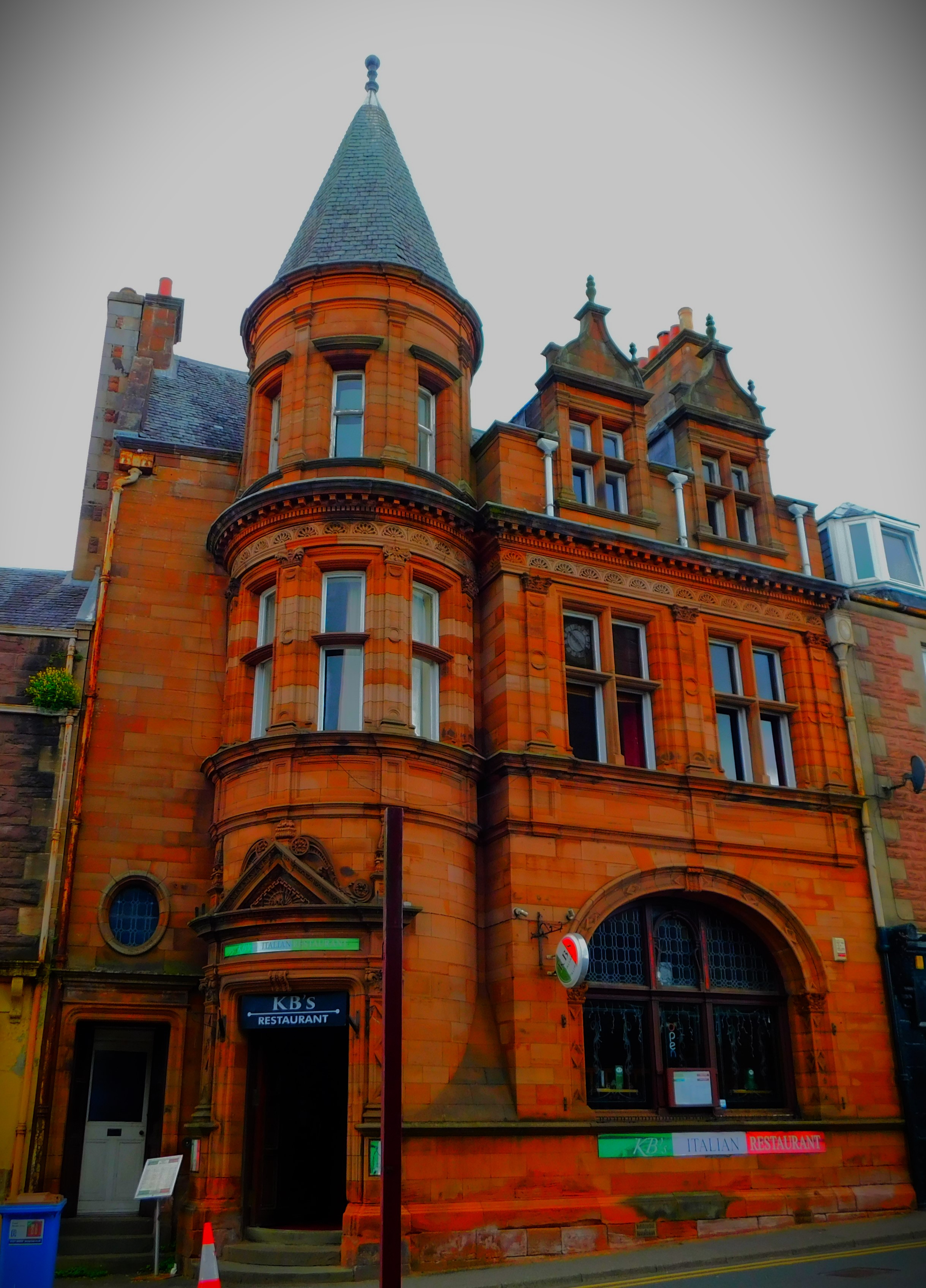
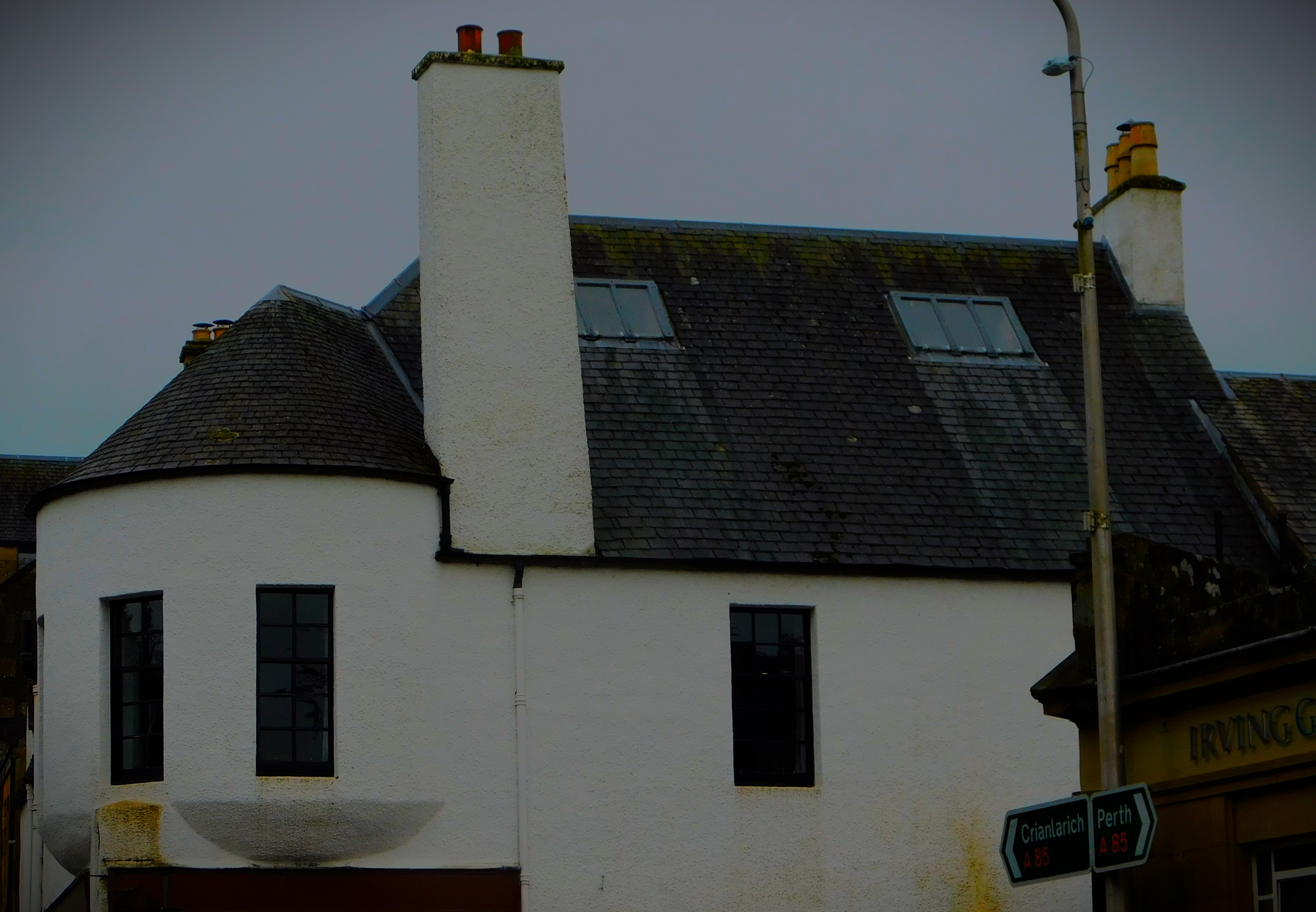
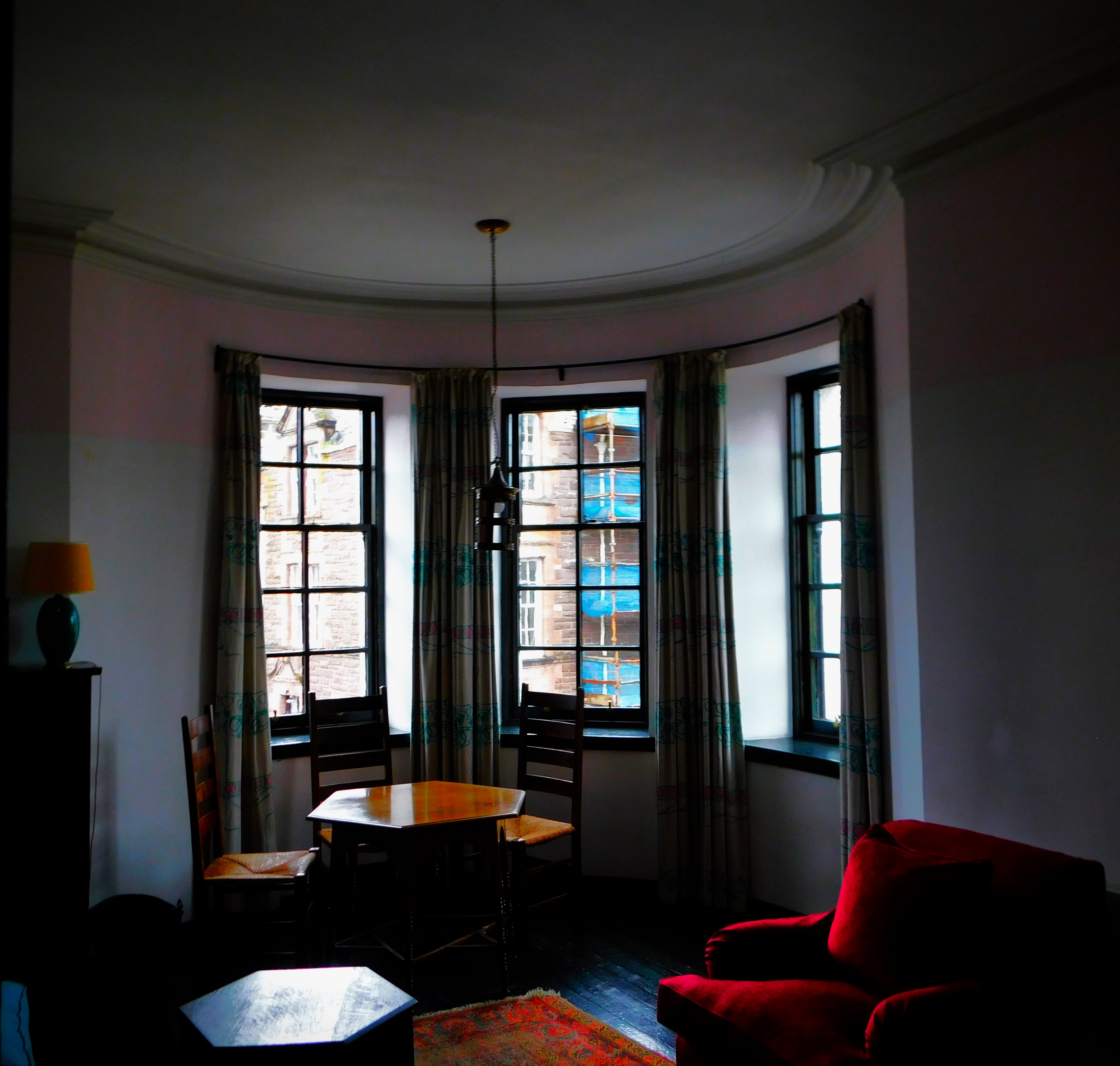
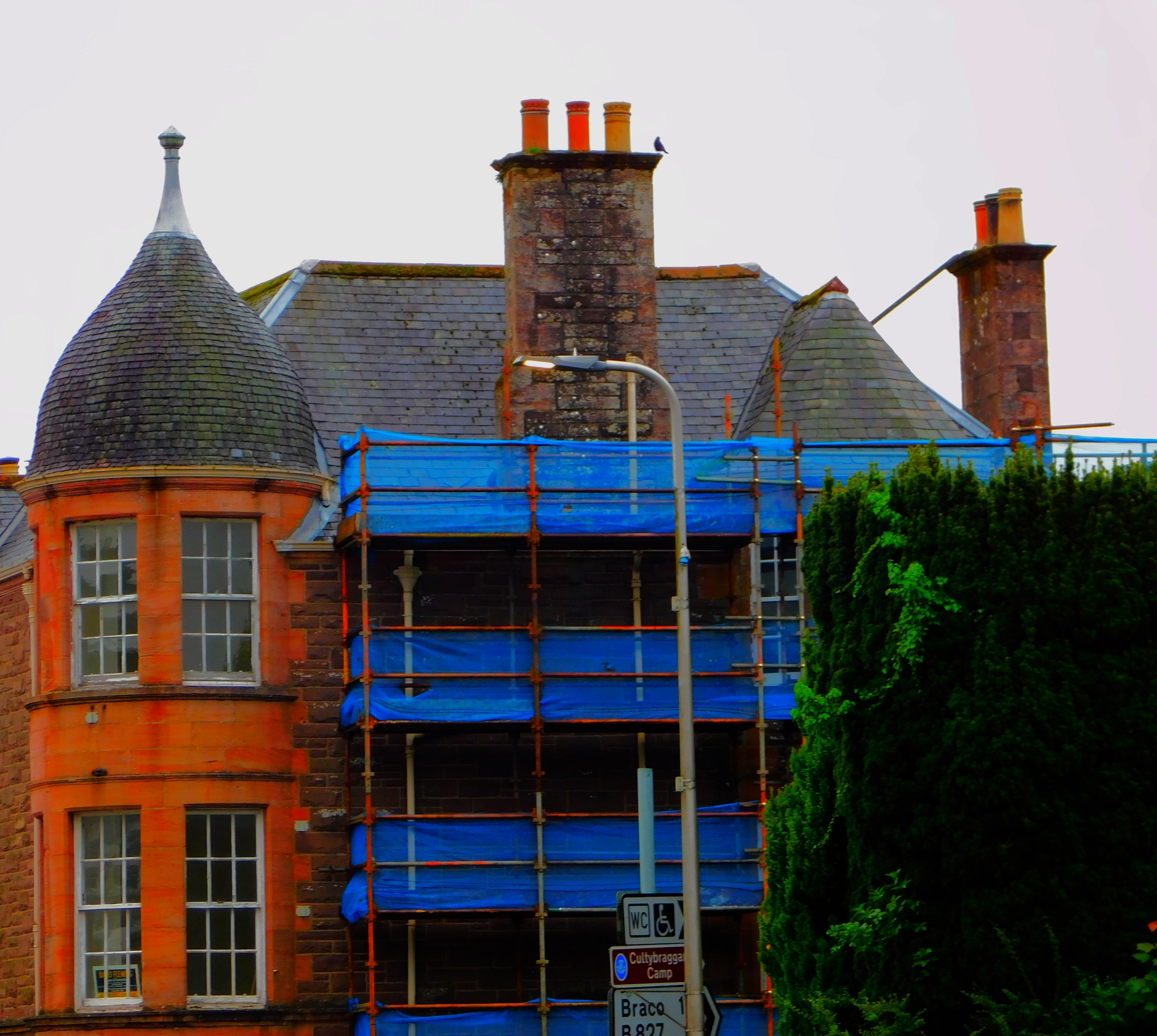
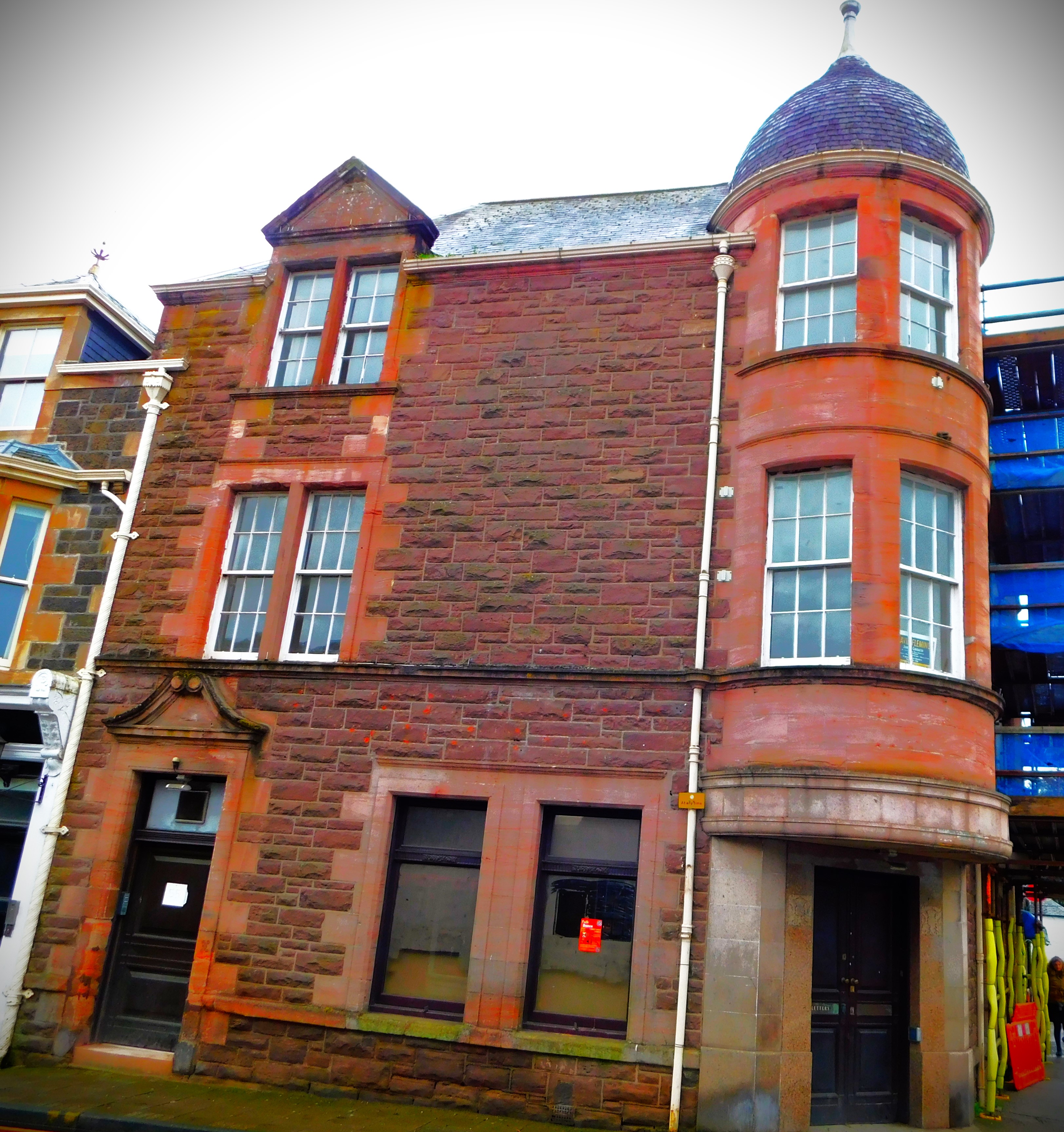
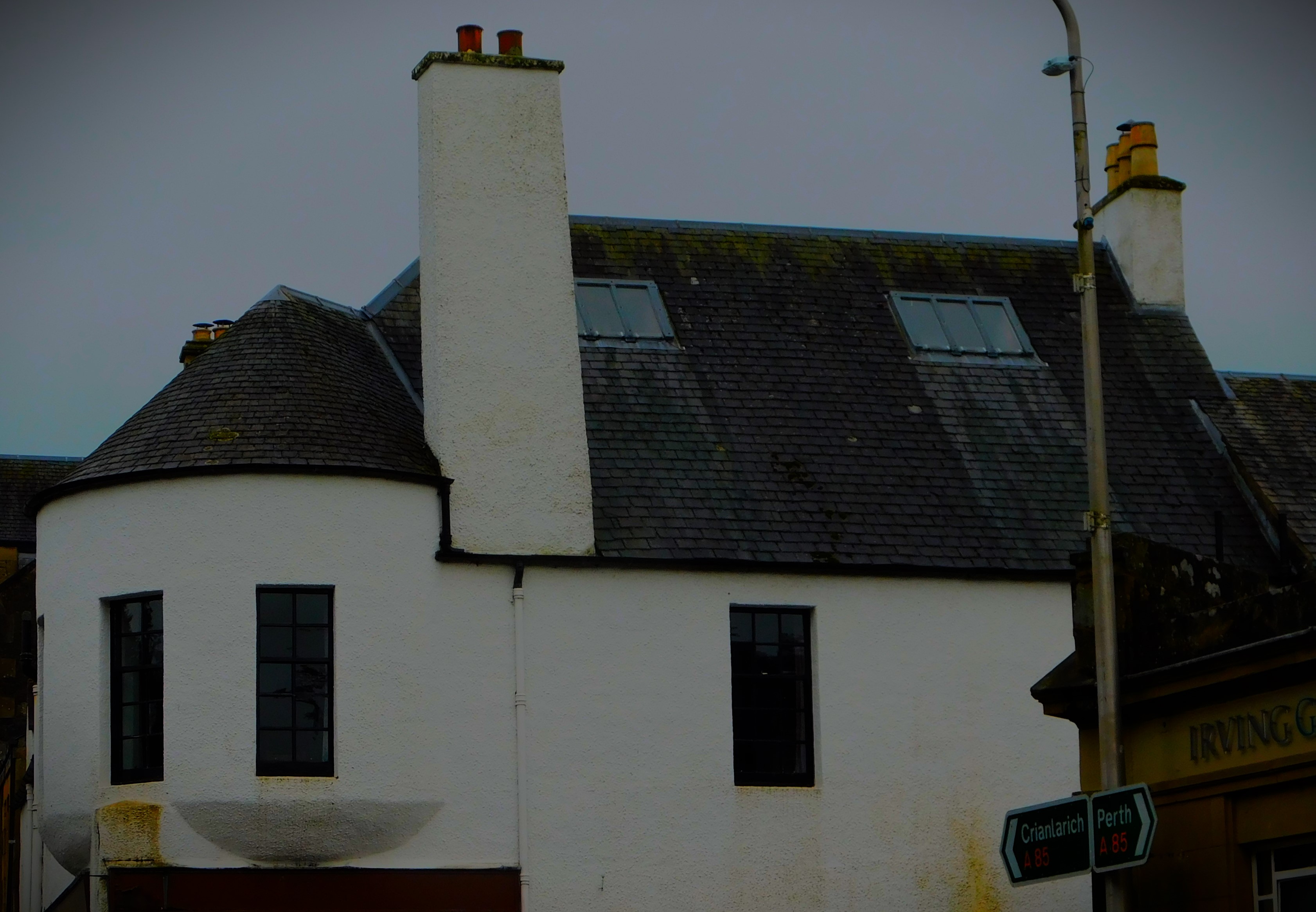
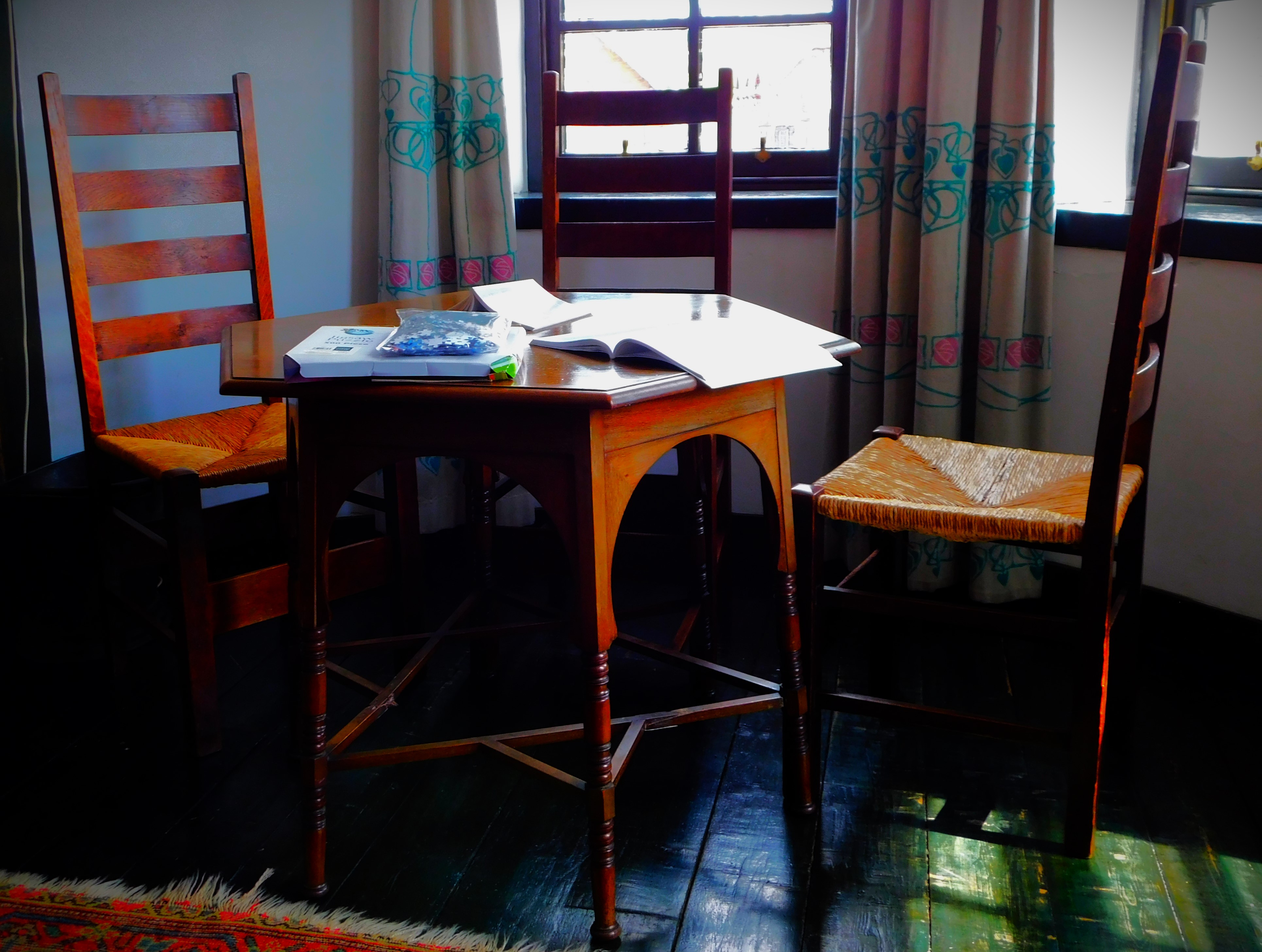
Welcome to the next post in my series about my holiday in Scotland. This post looks at the house itself and the the village of Comrie including the river Earn. It is in the nature of clearing the decks for the more specific posts that will follow. This is an outside view of the house itself:
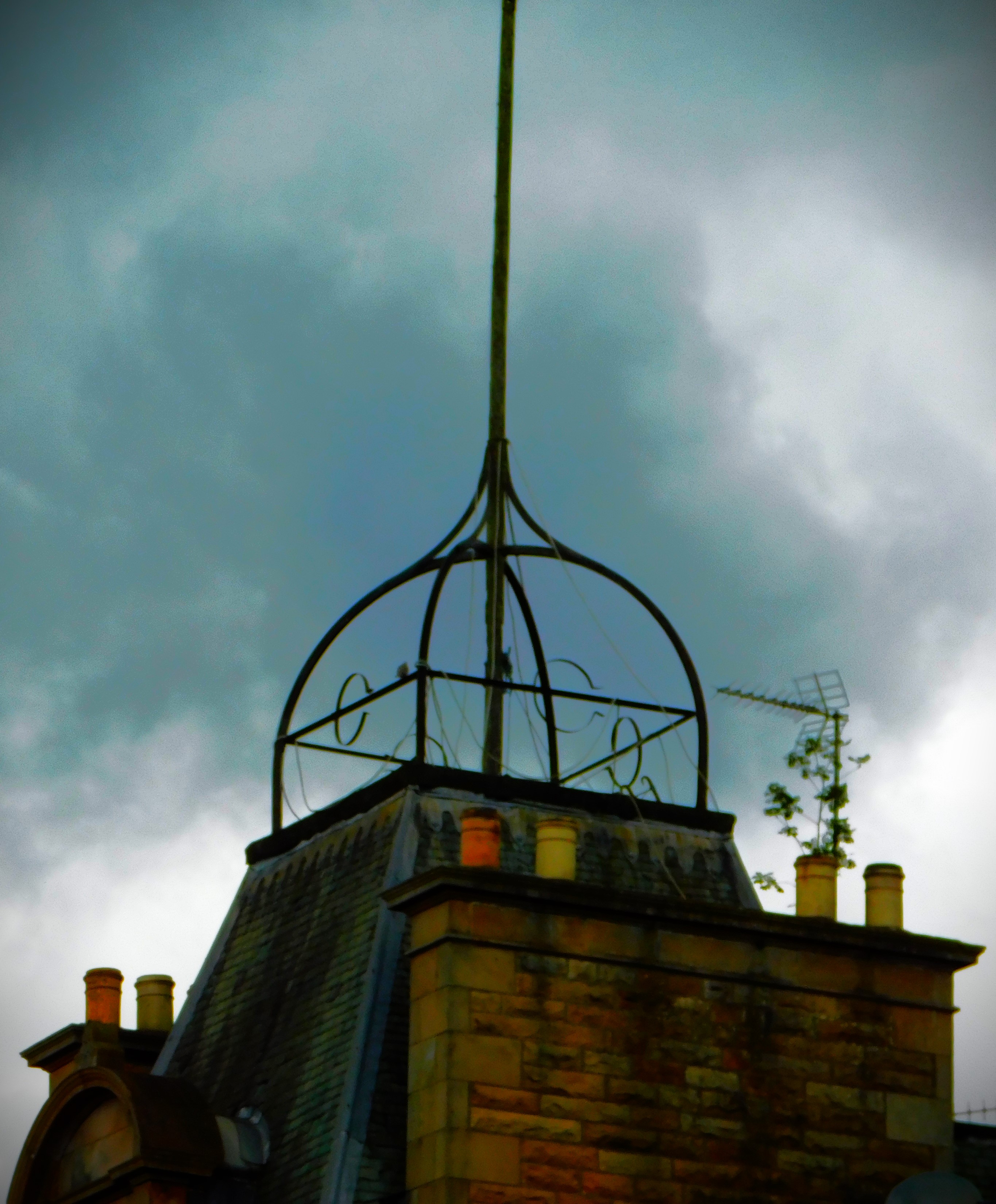
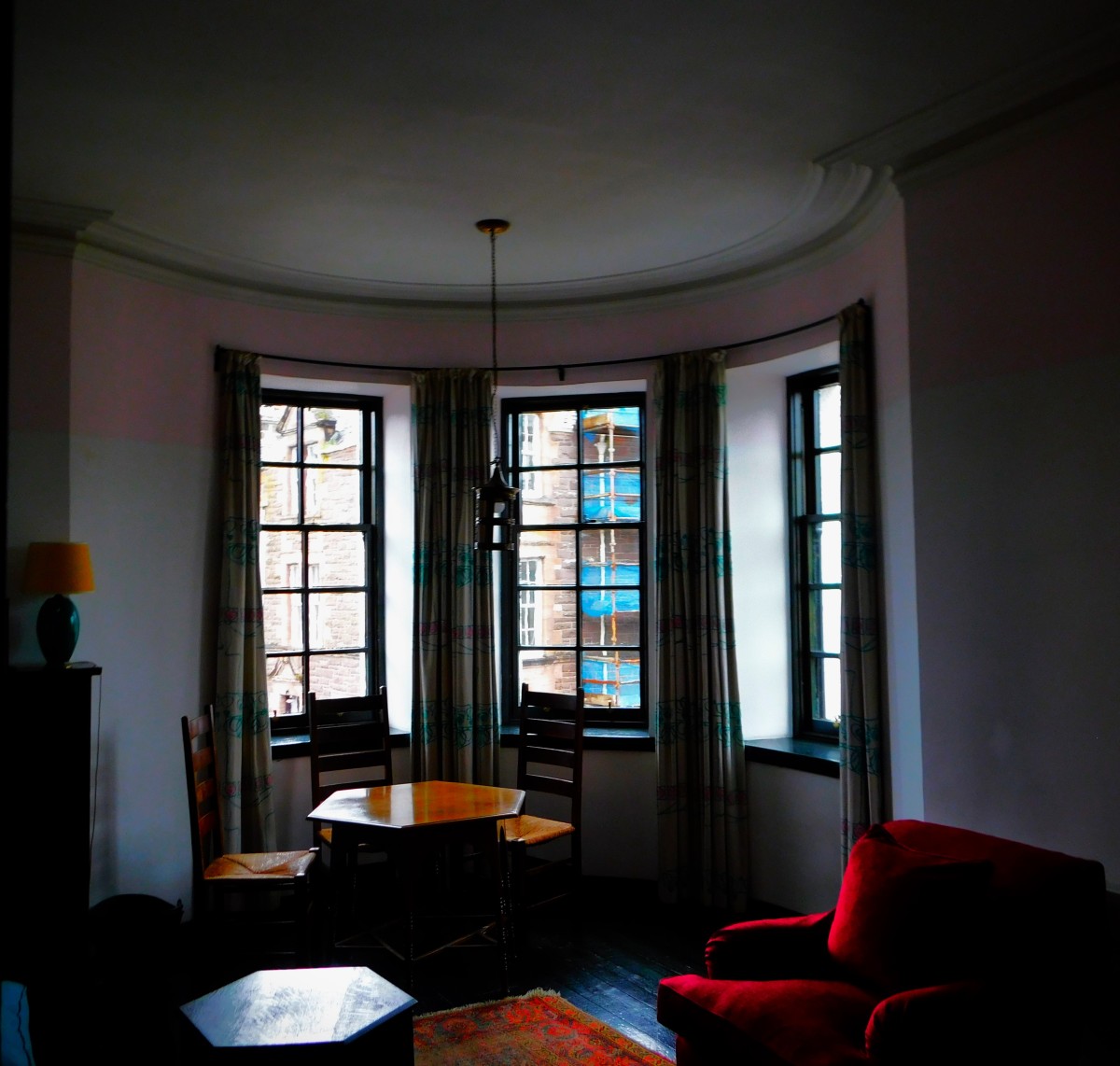
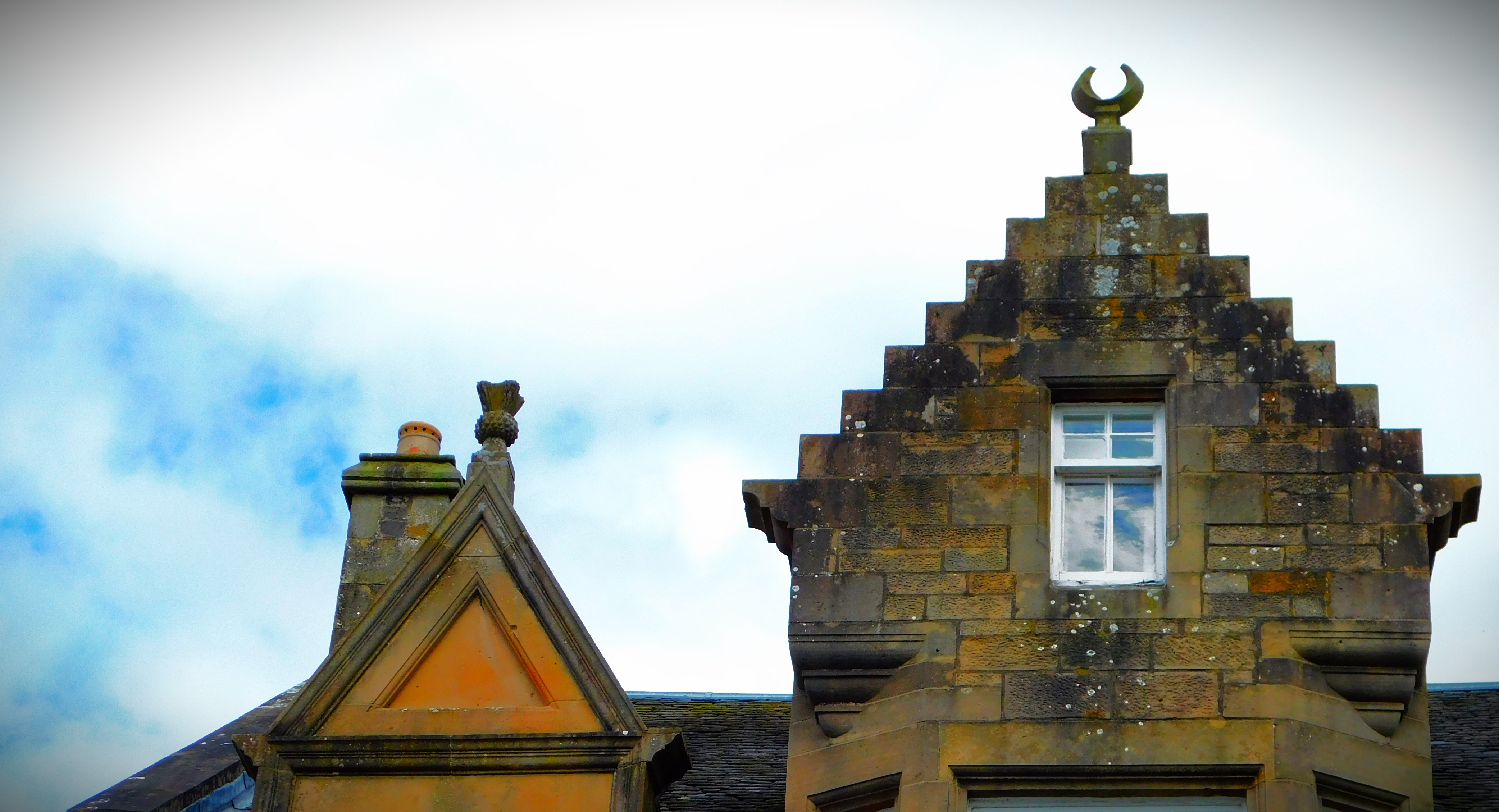
This is the outside view of our accommodation. The sitting room includes the turret, although there is an internal ceiling which means we don’t get to see the whole of the inside of the turret.
THE SETTING OF THE HOUSE
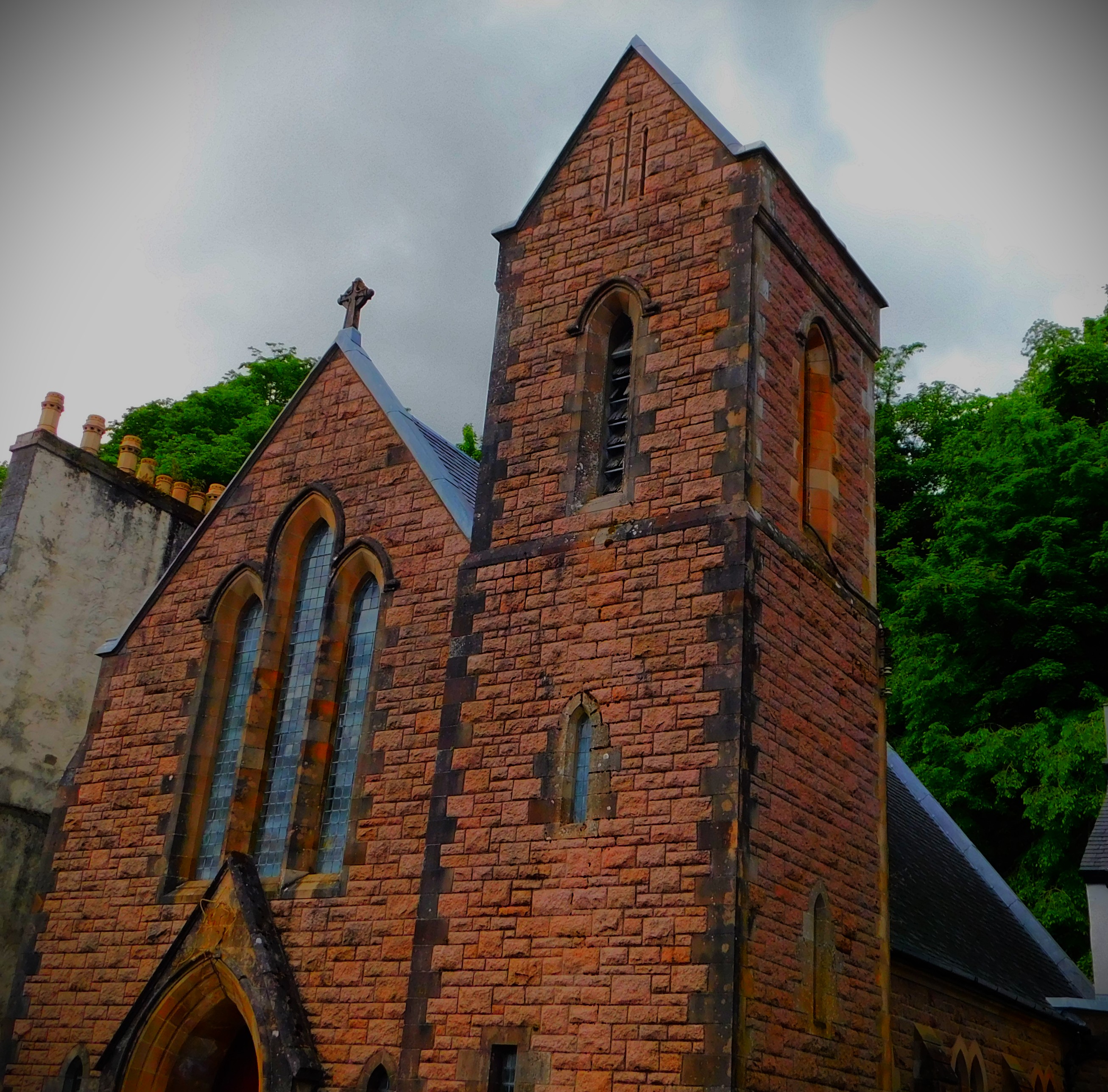
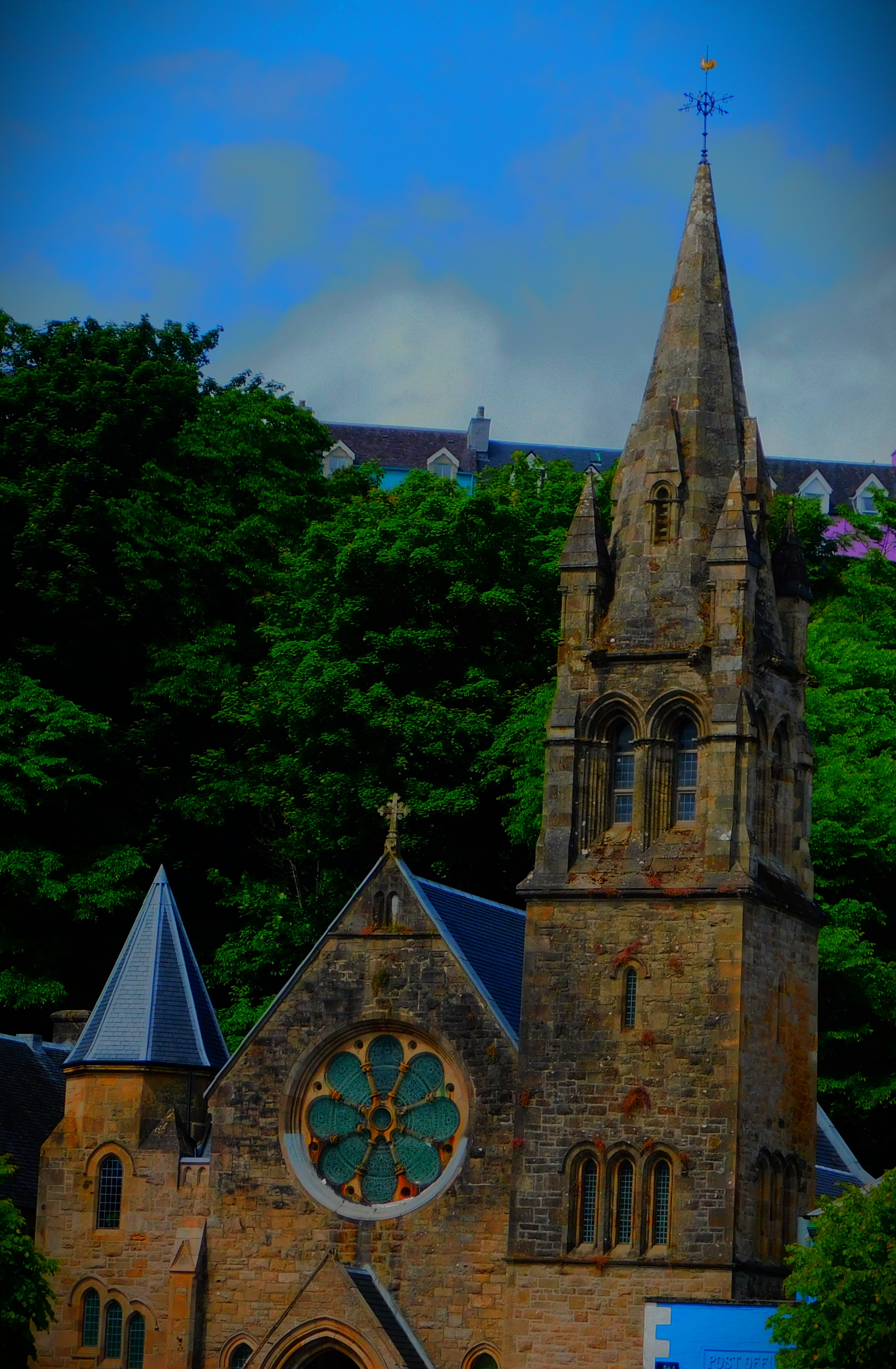
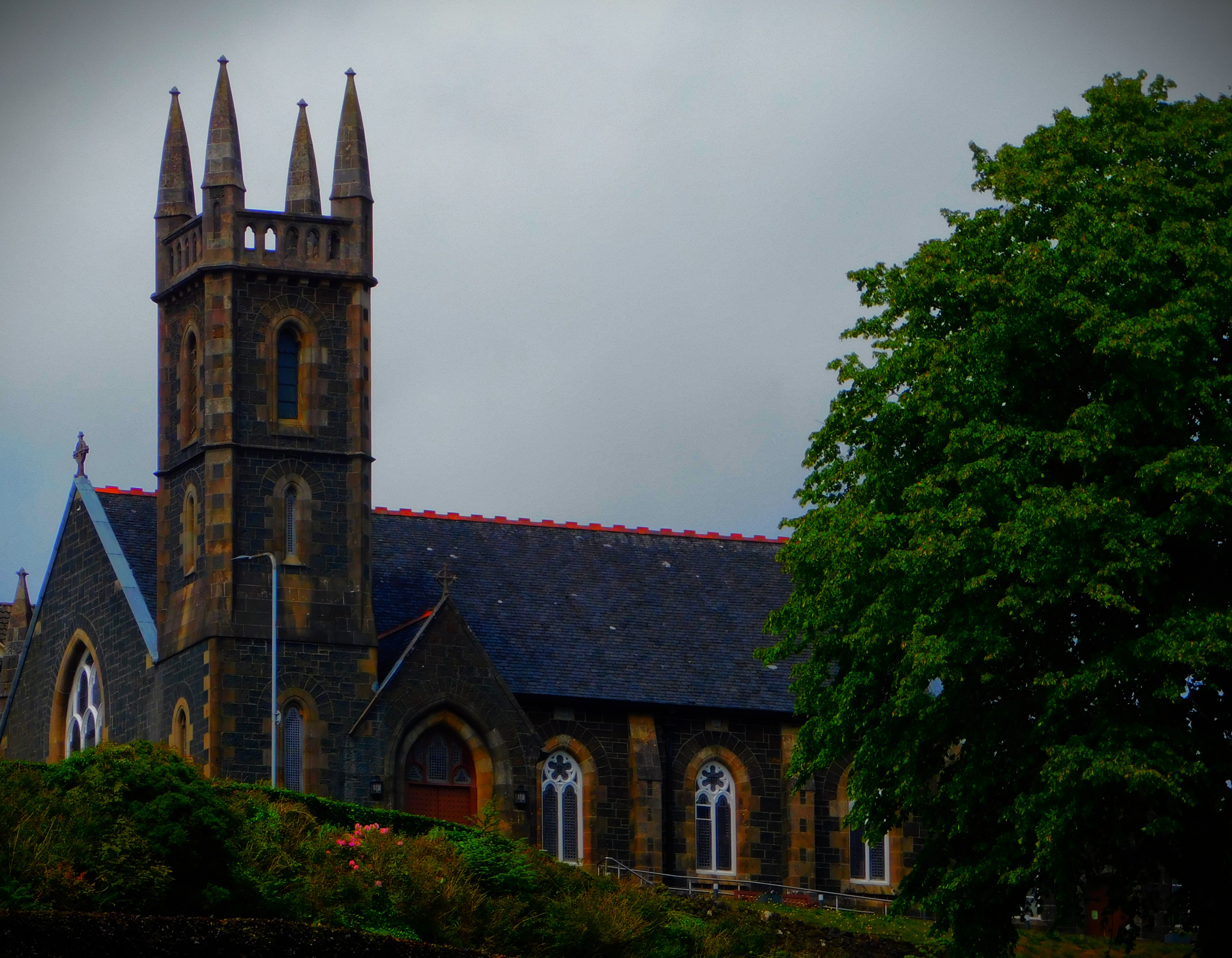
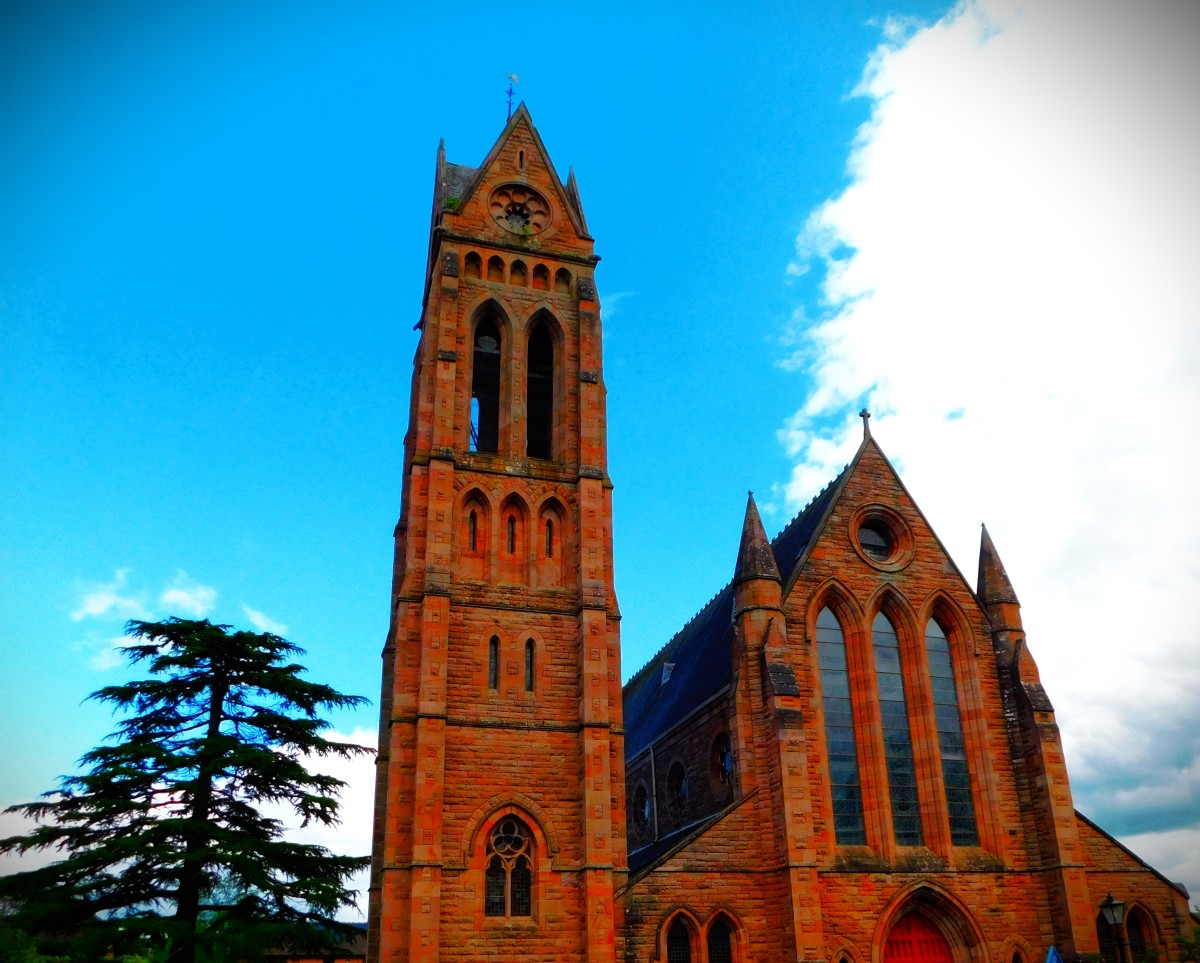
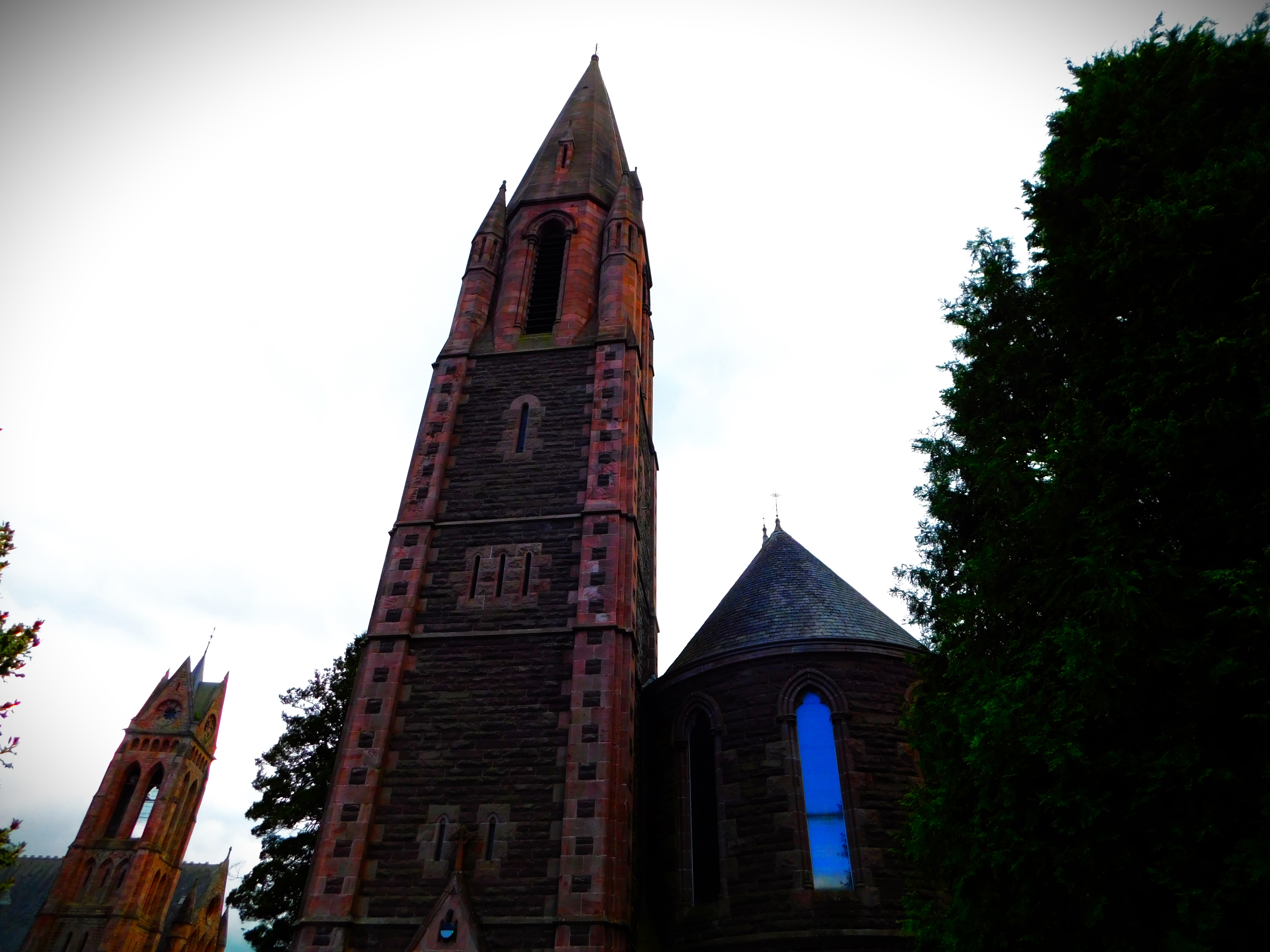
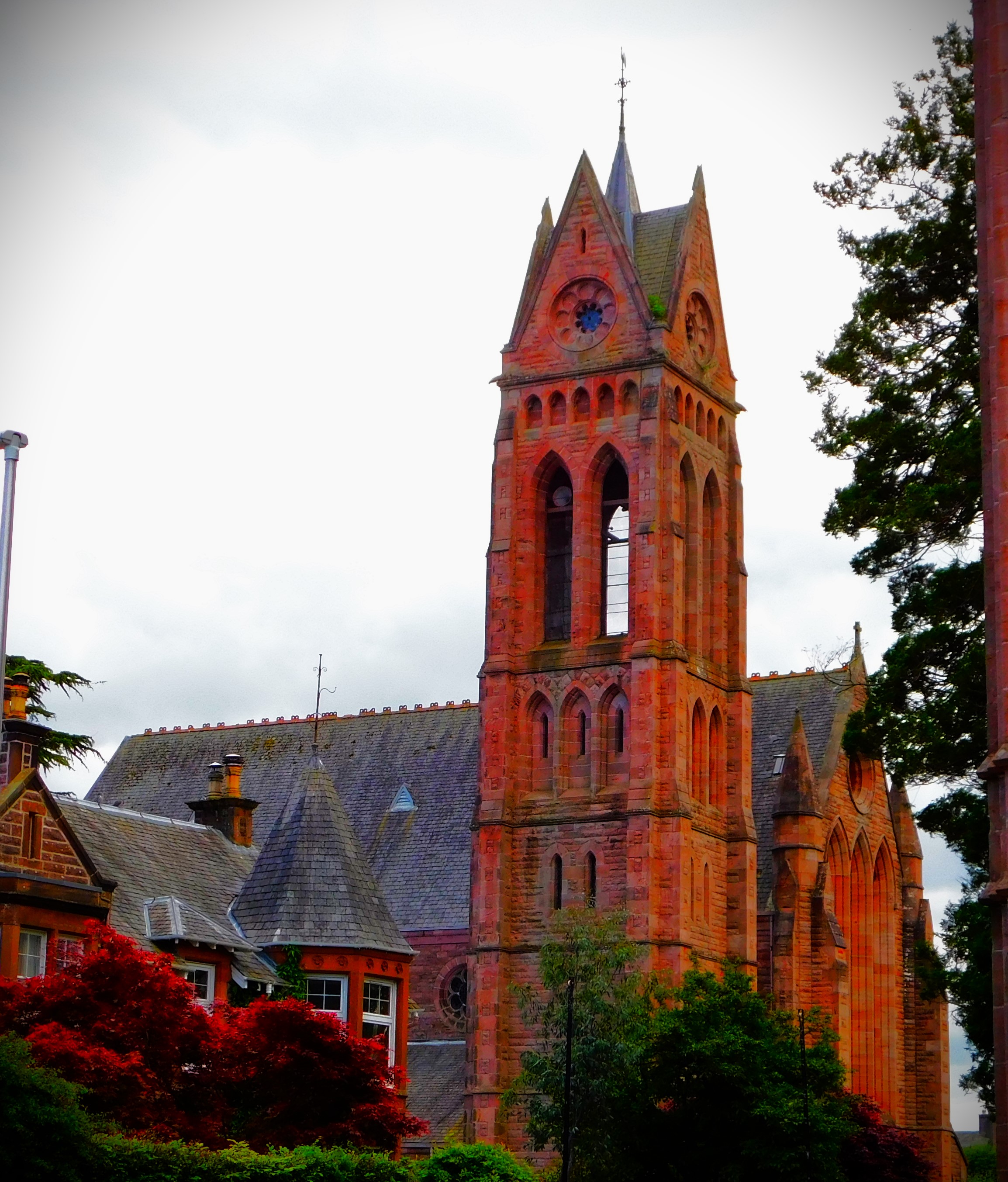
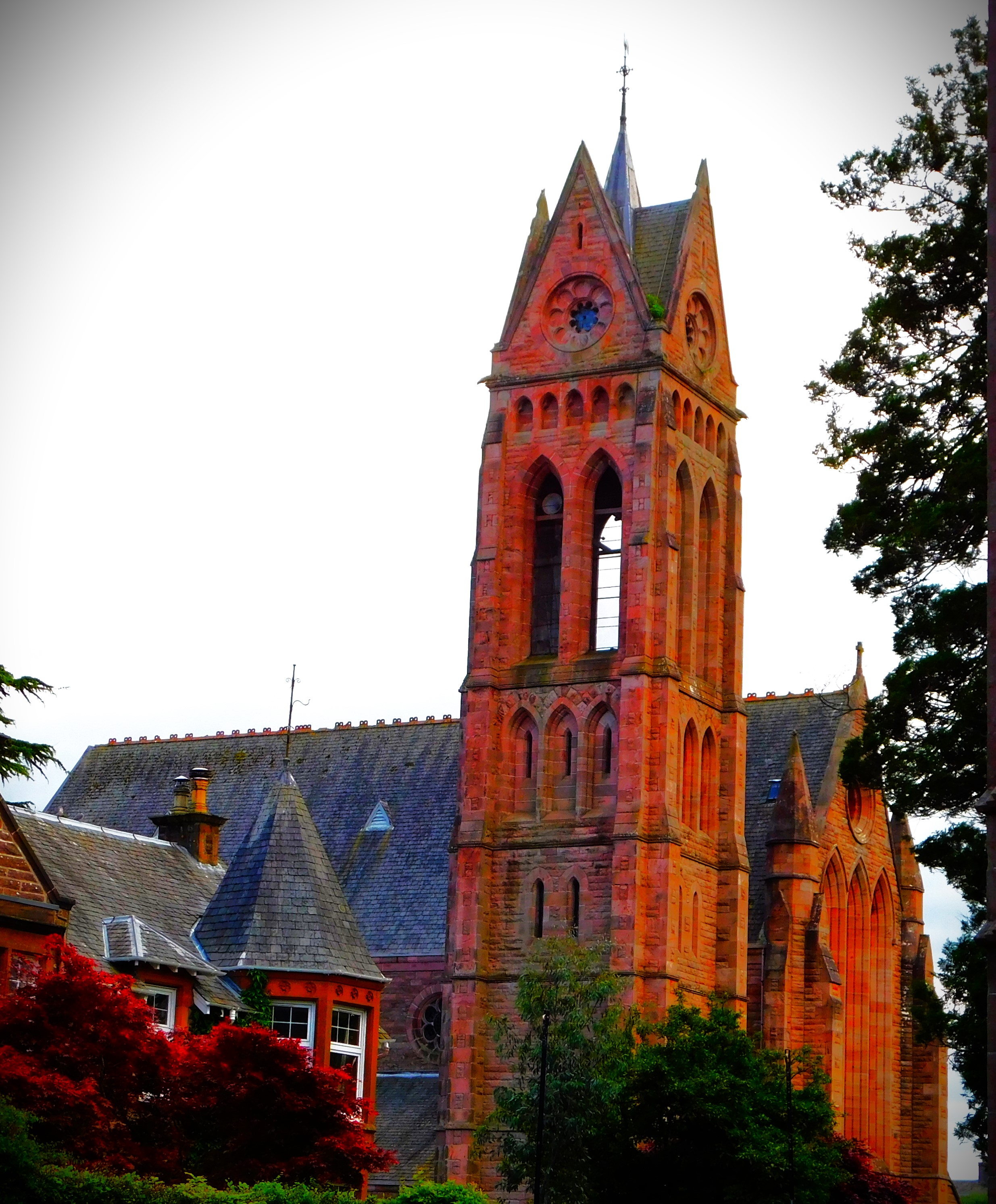
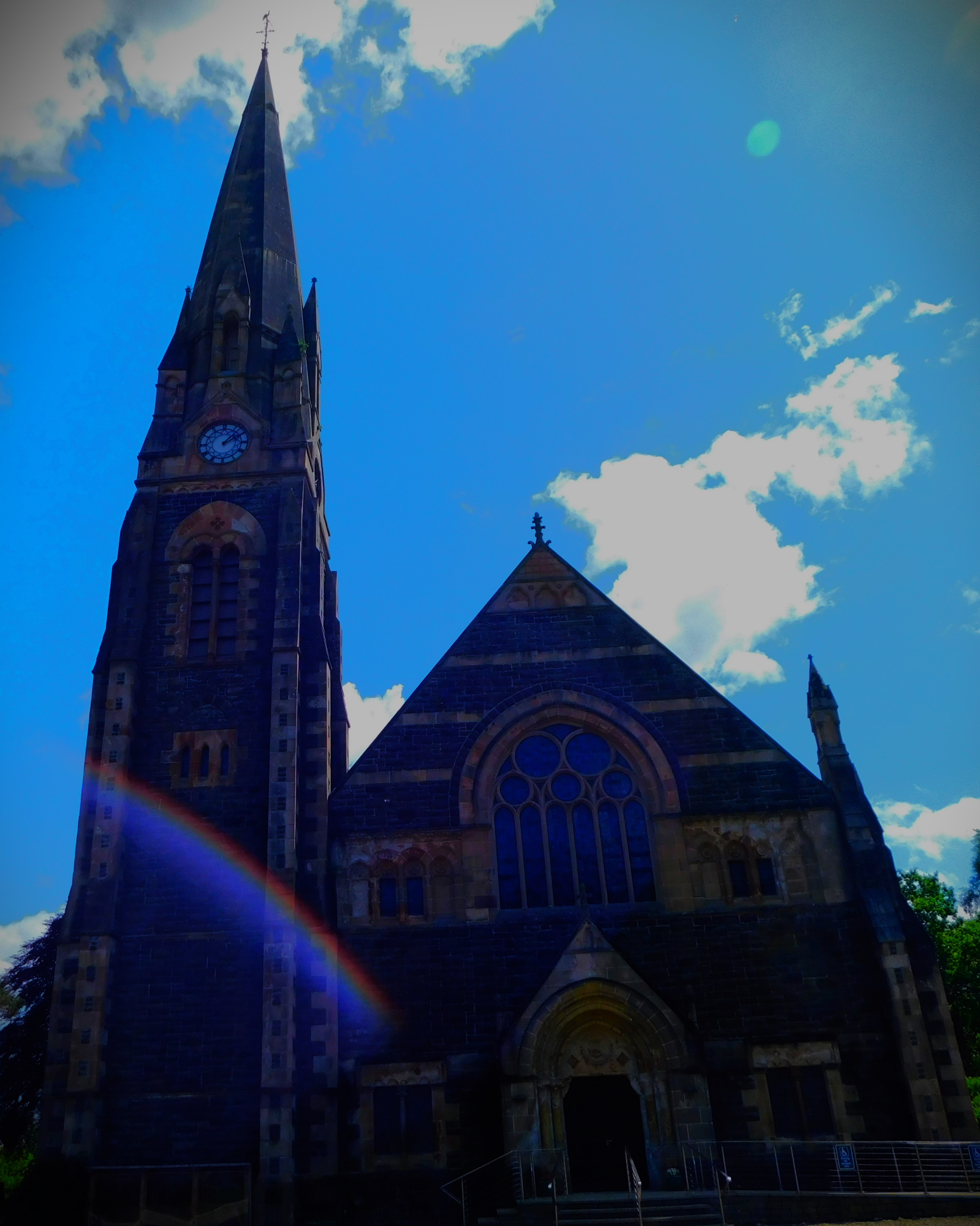
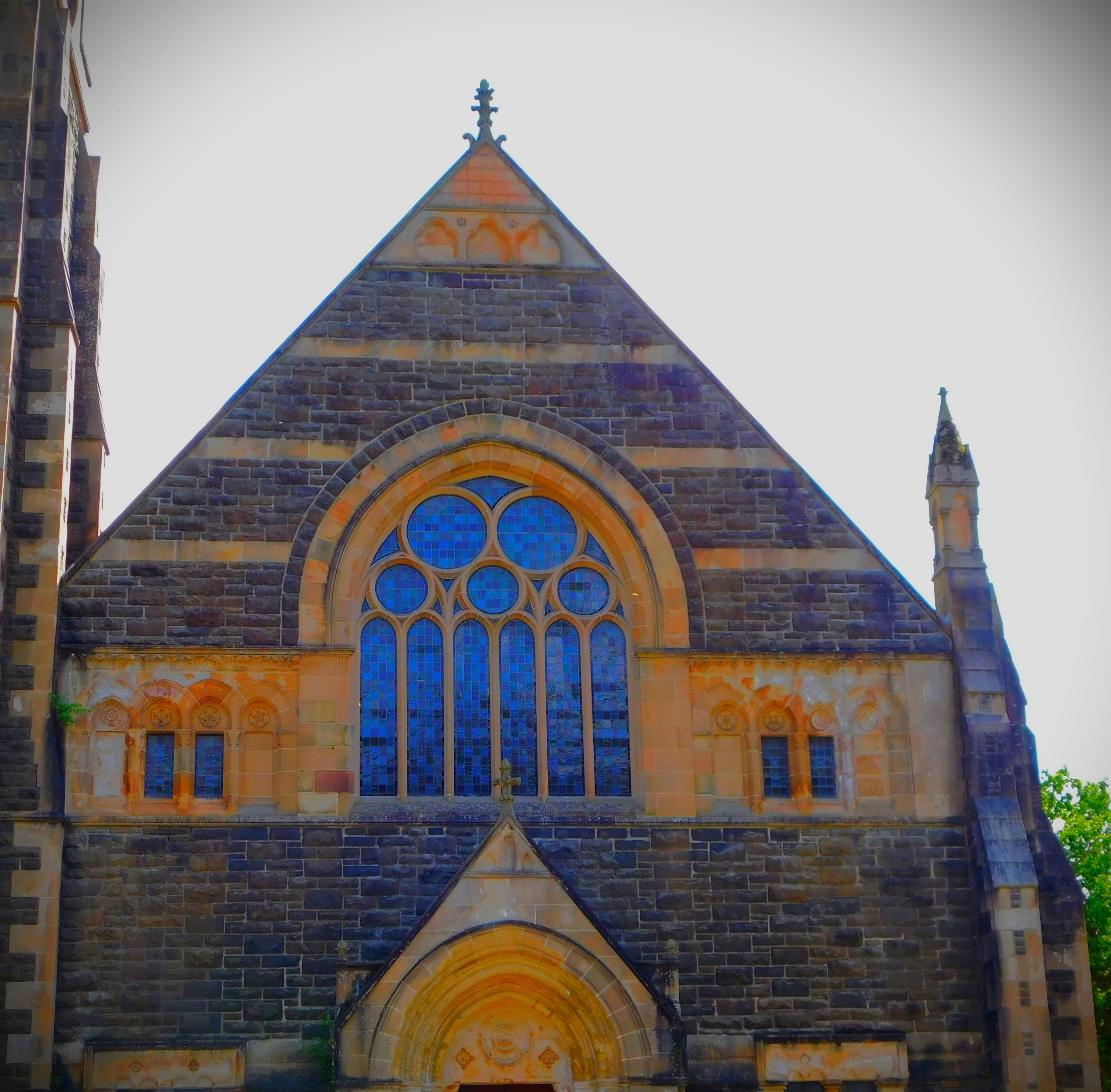
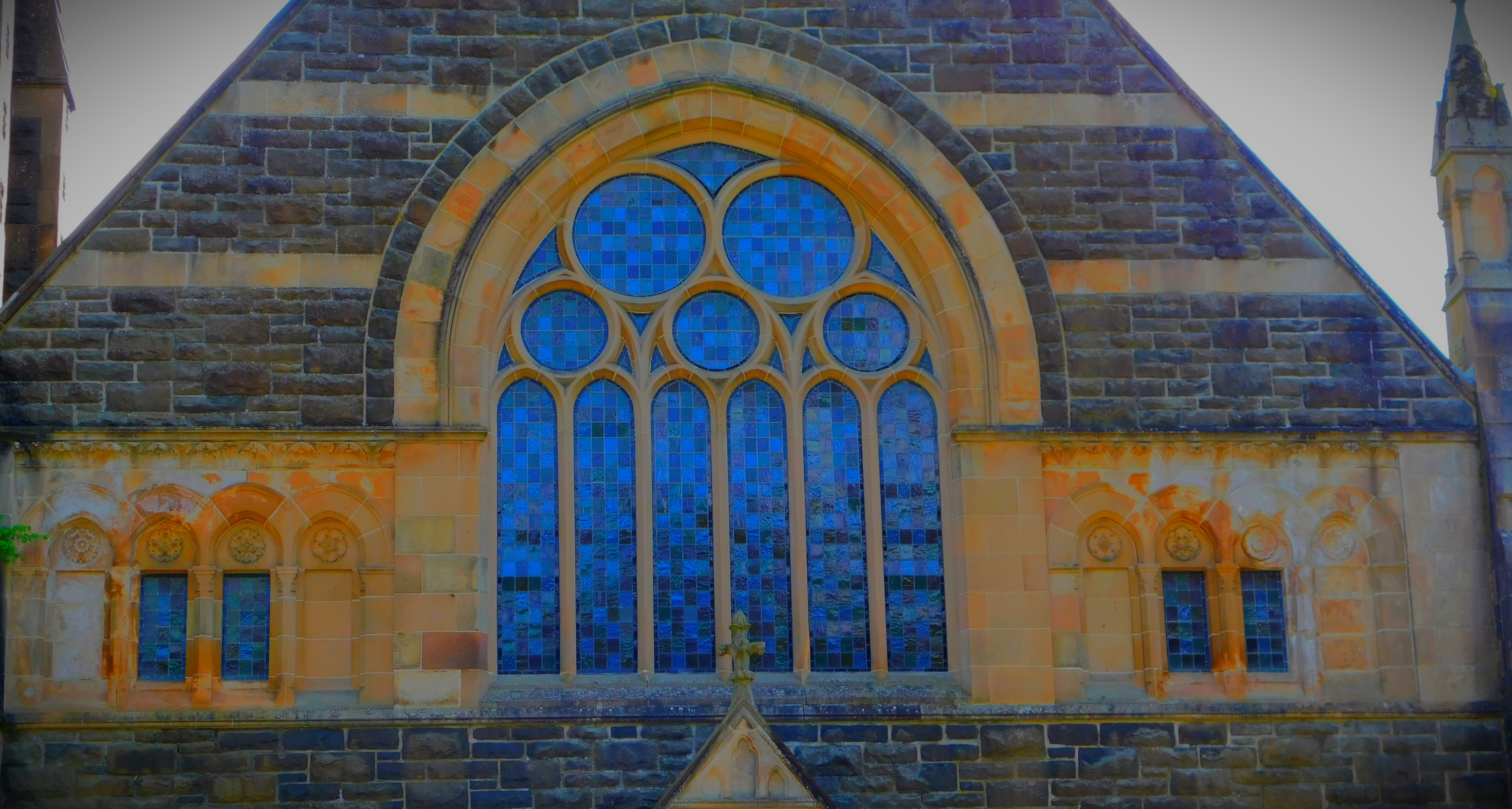
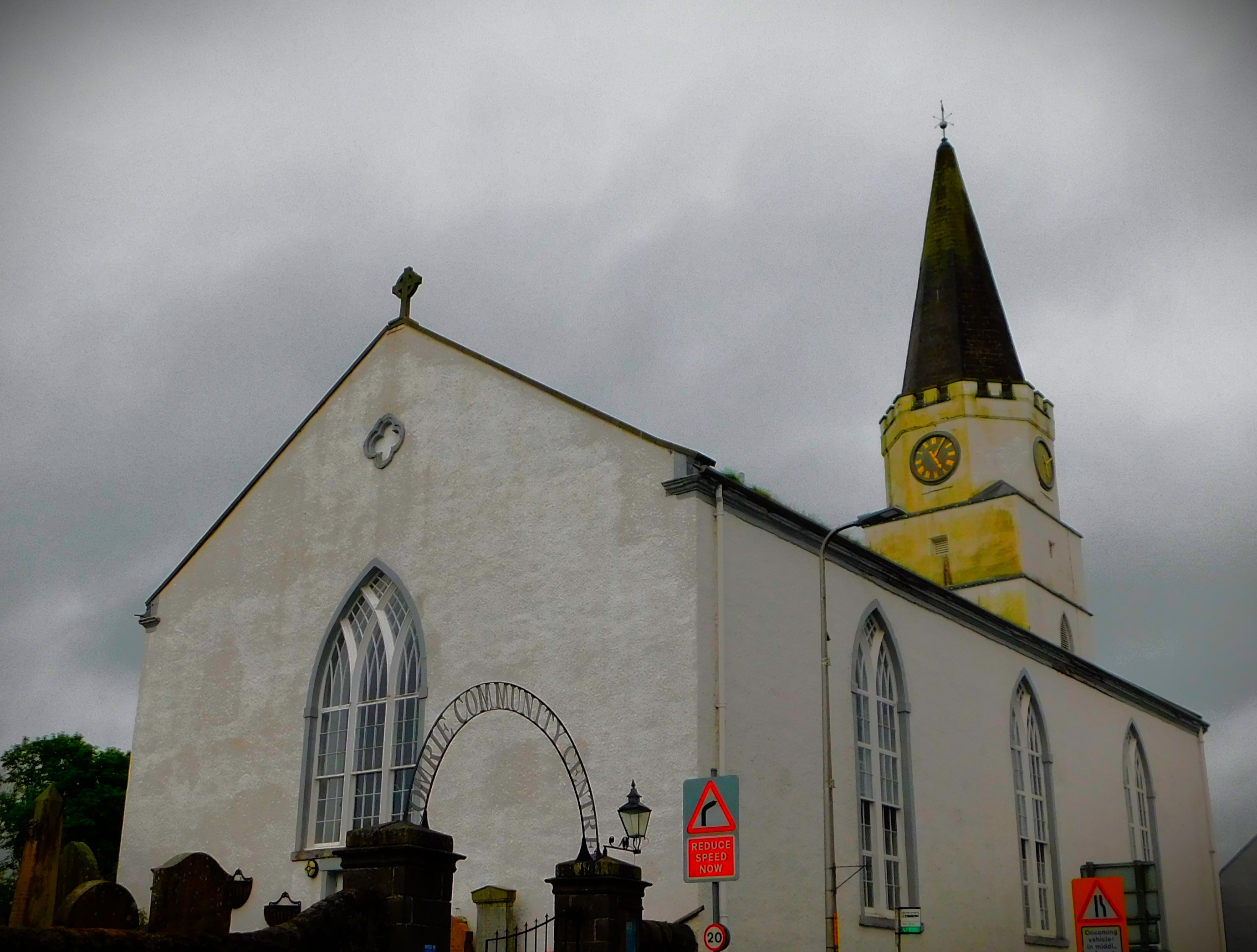
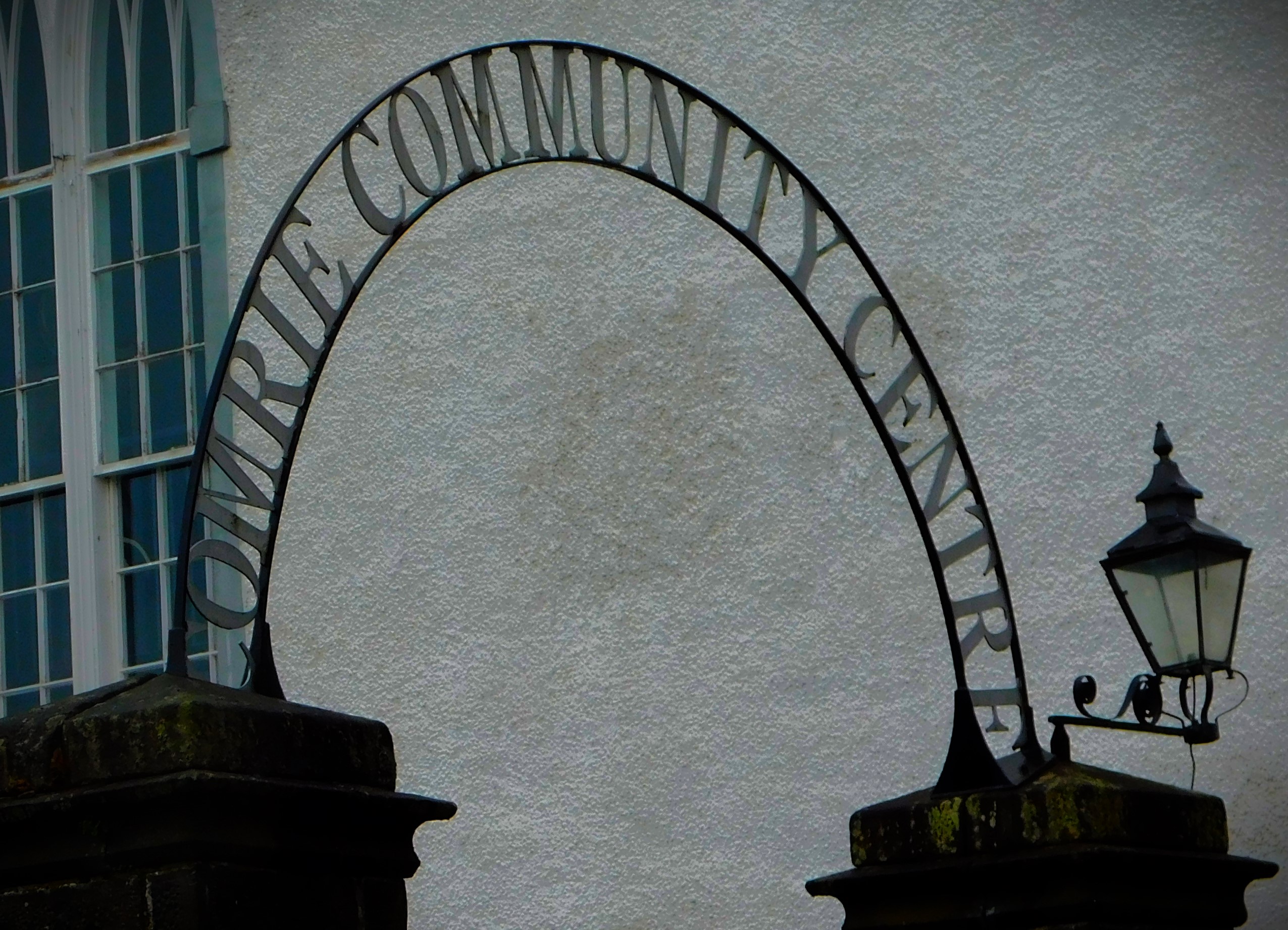
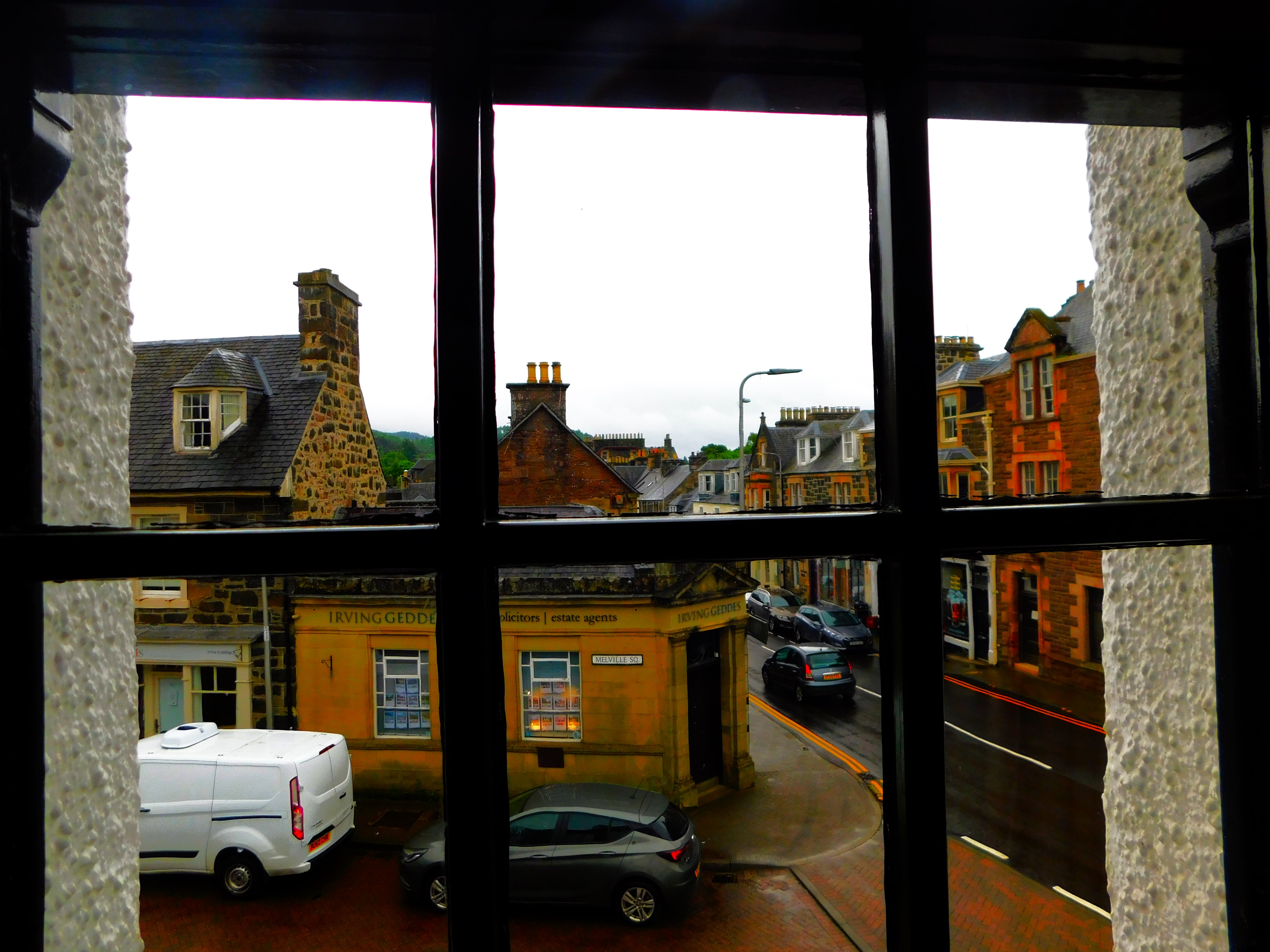
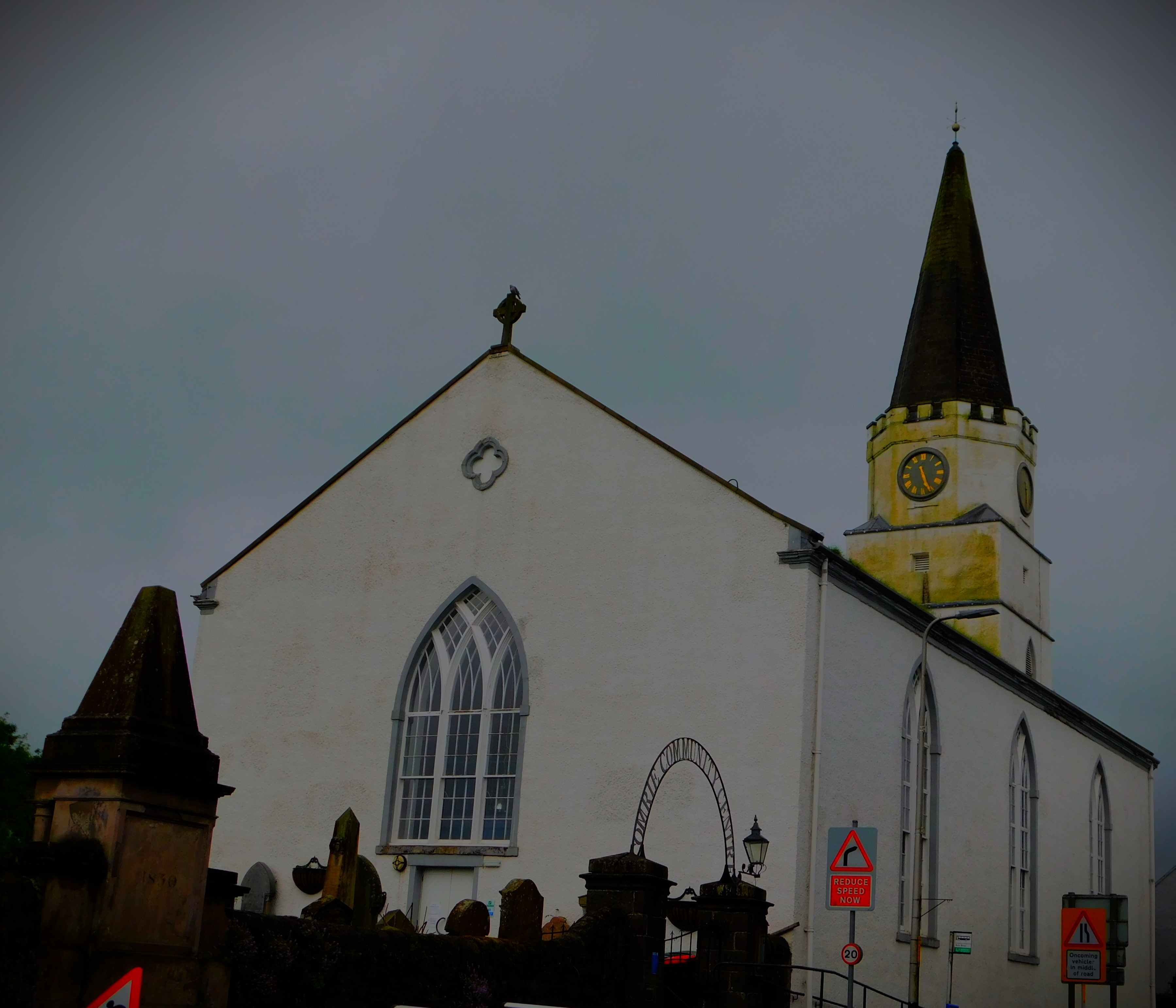
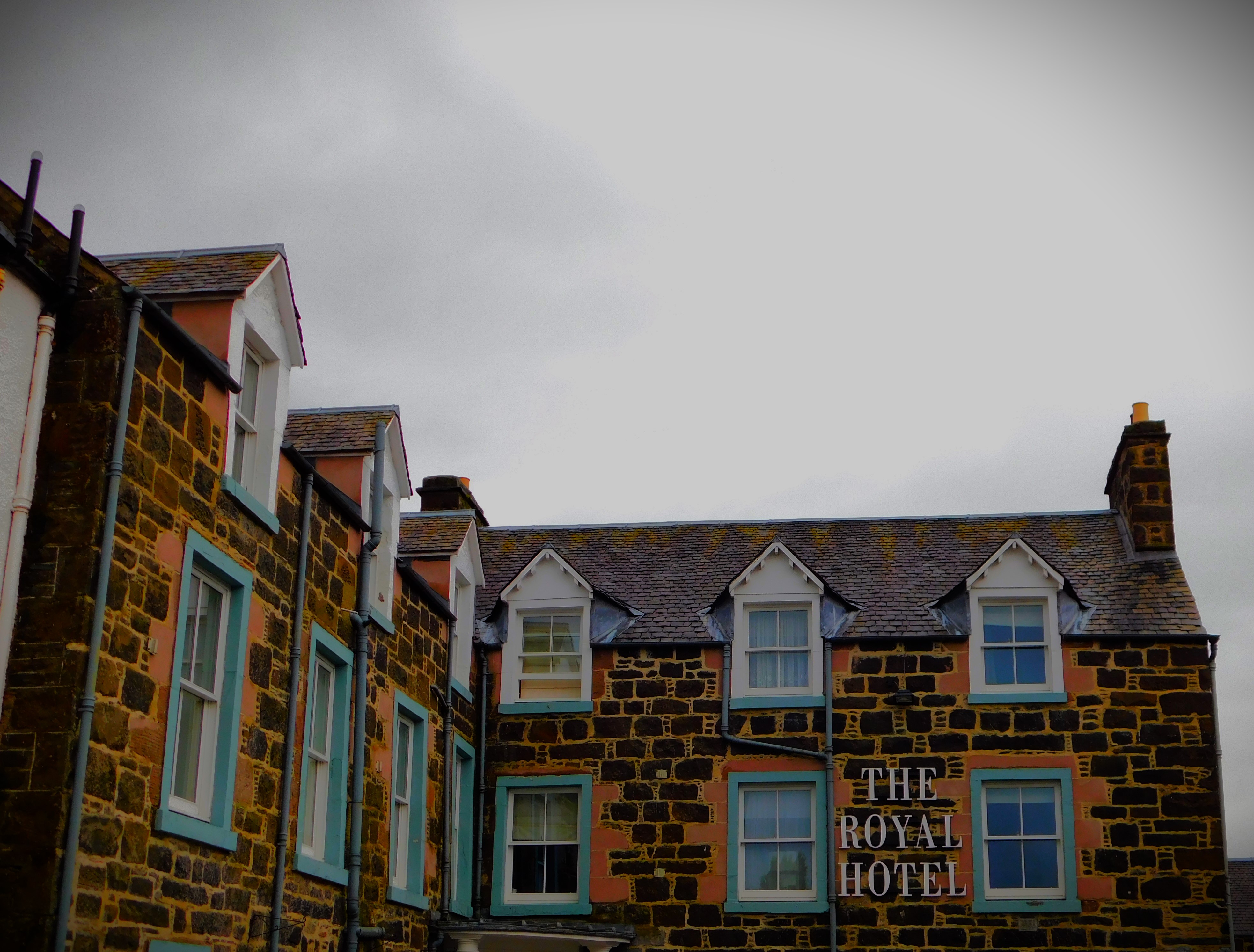
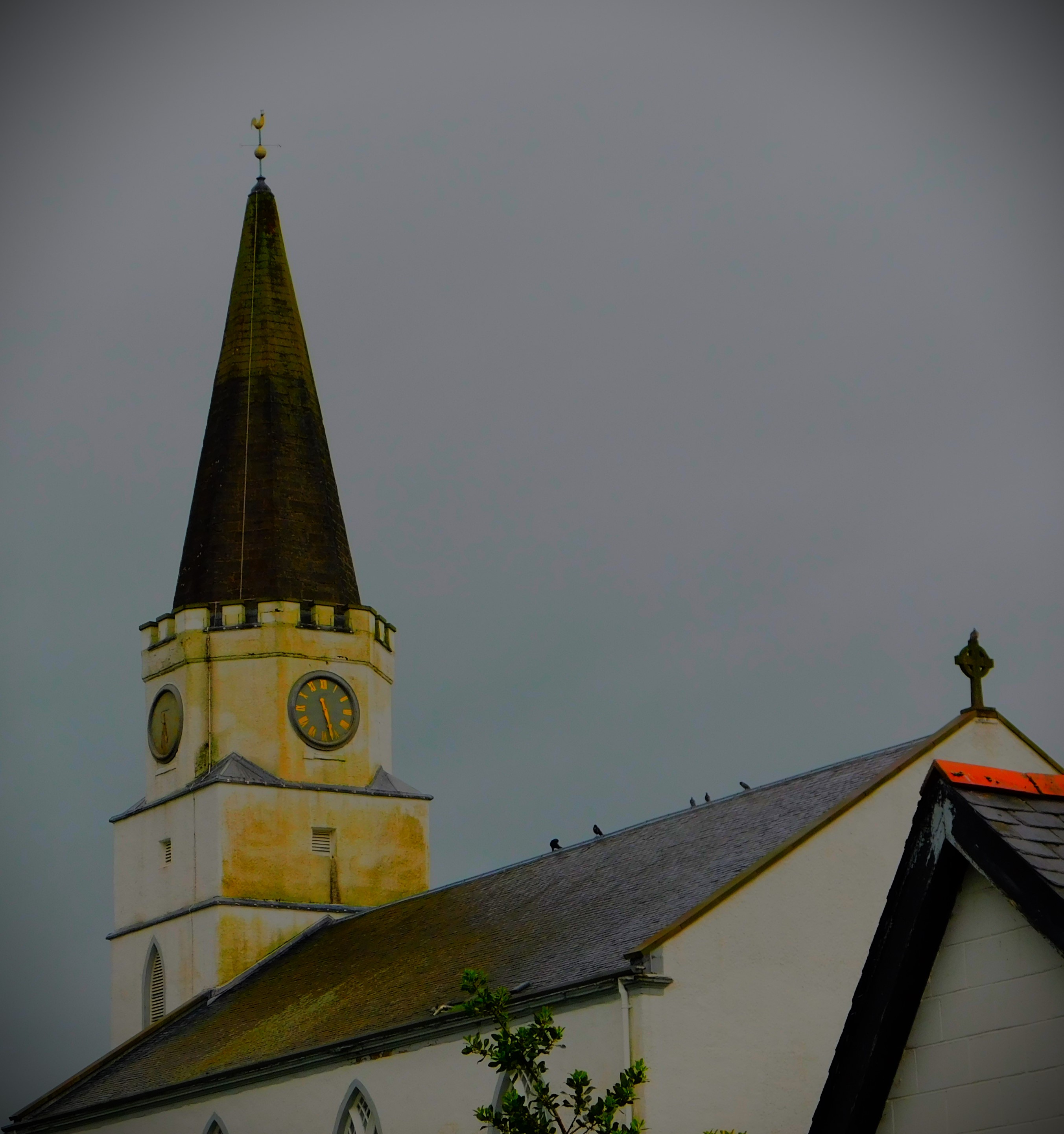
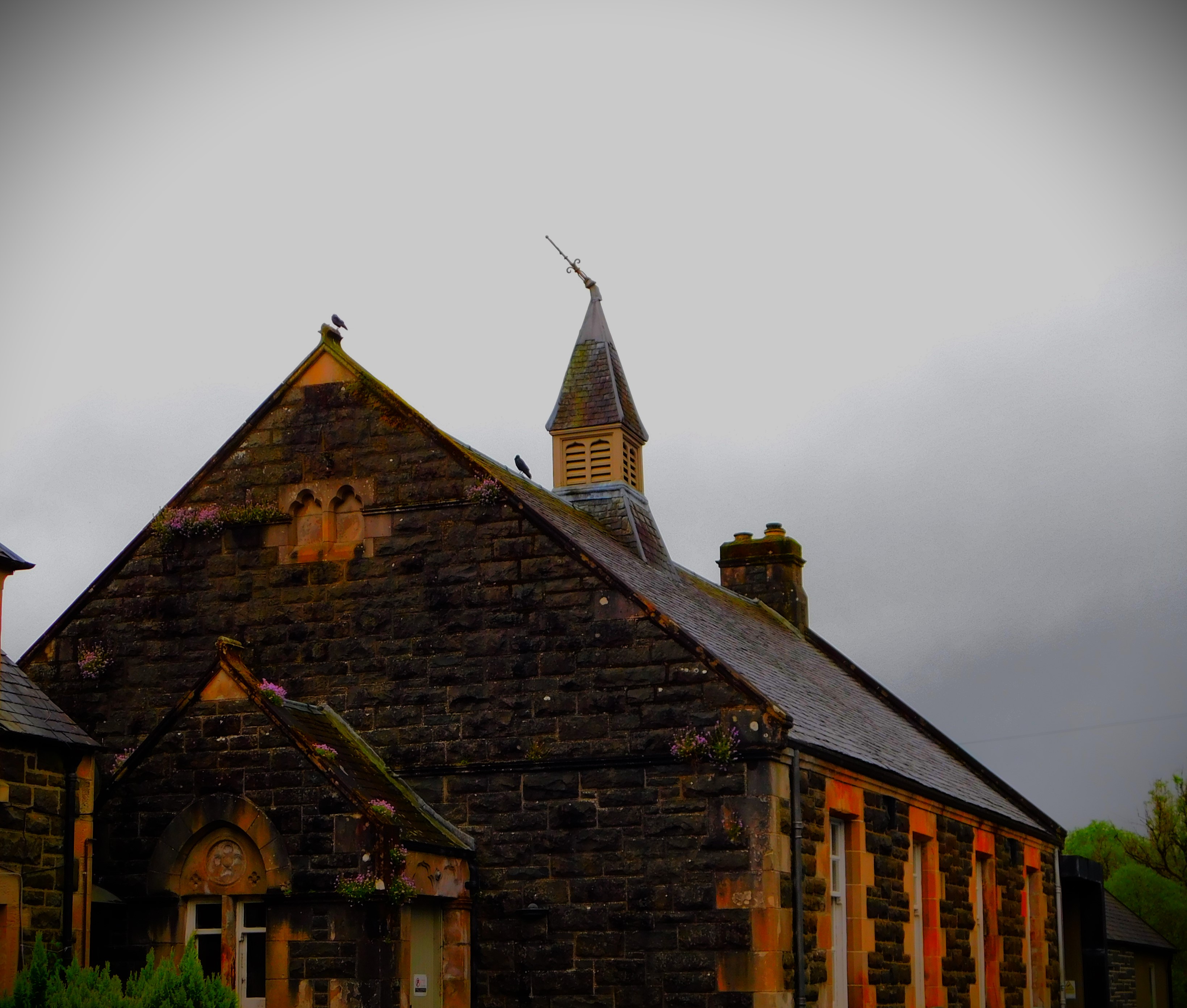
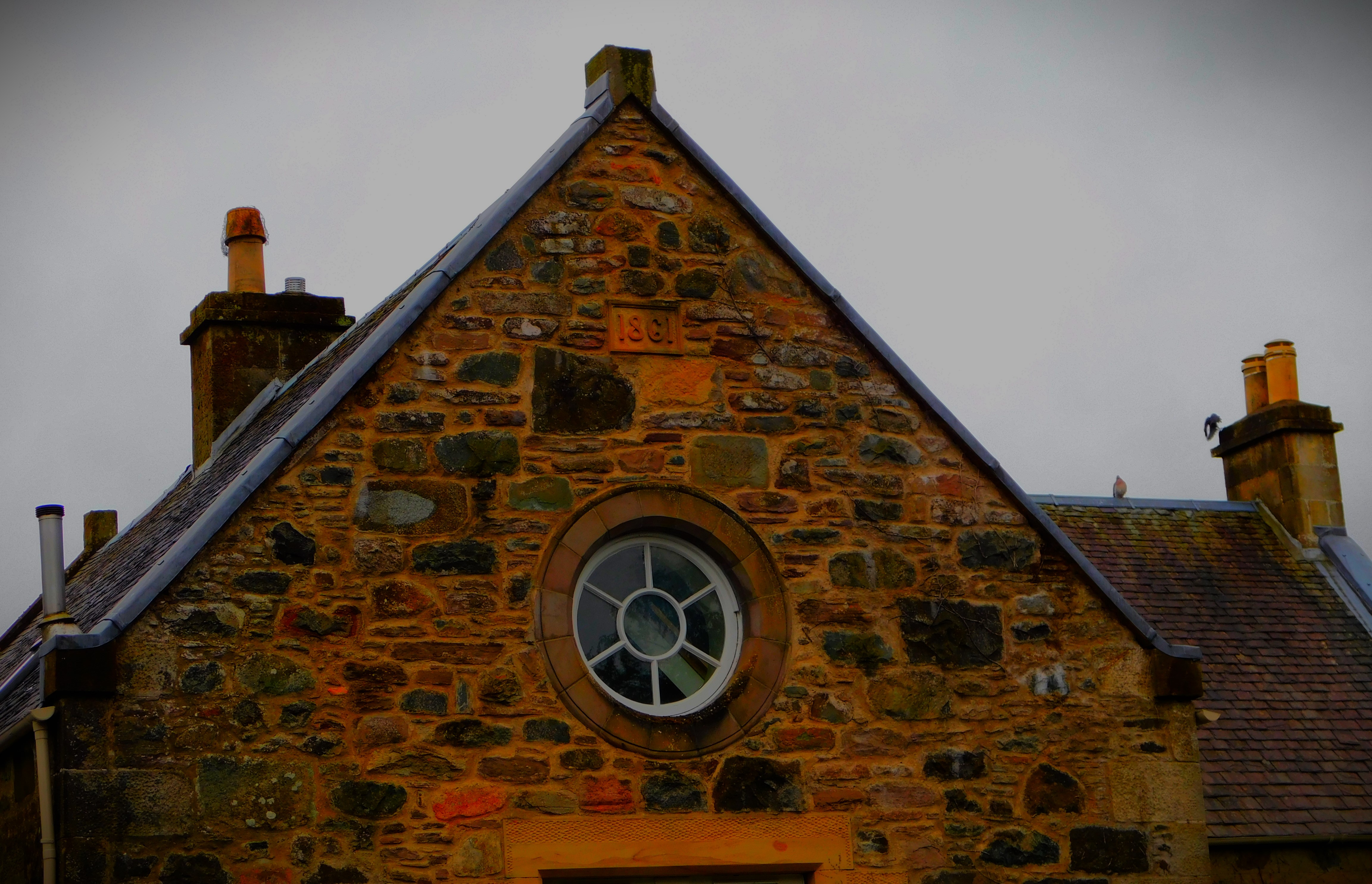
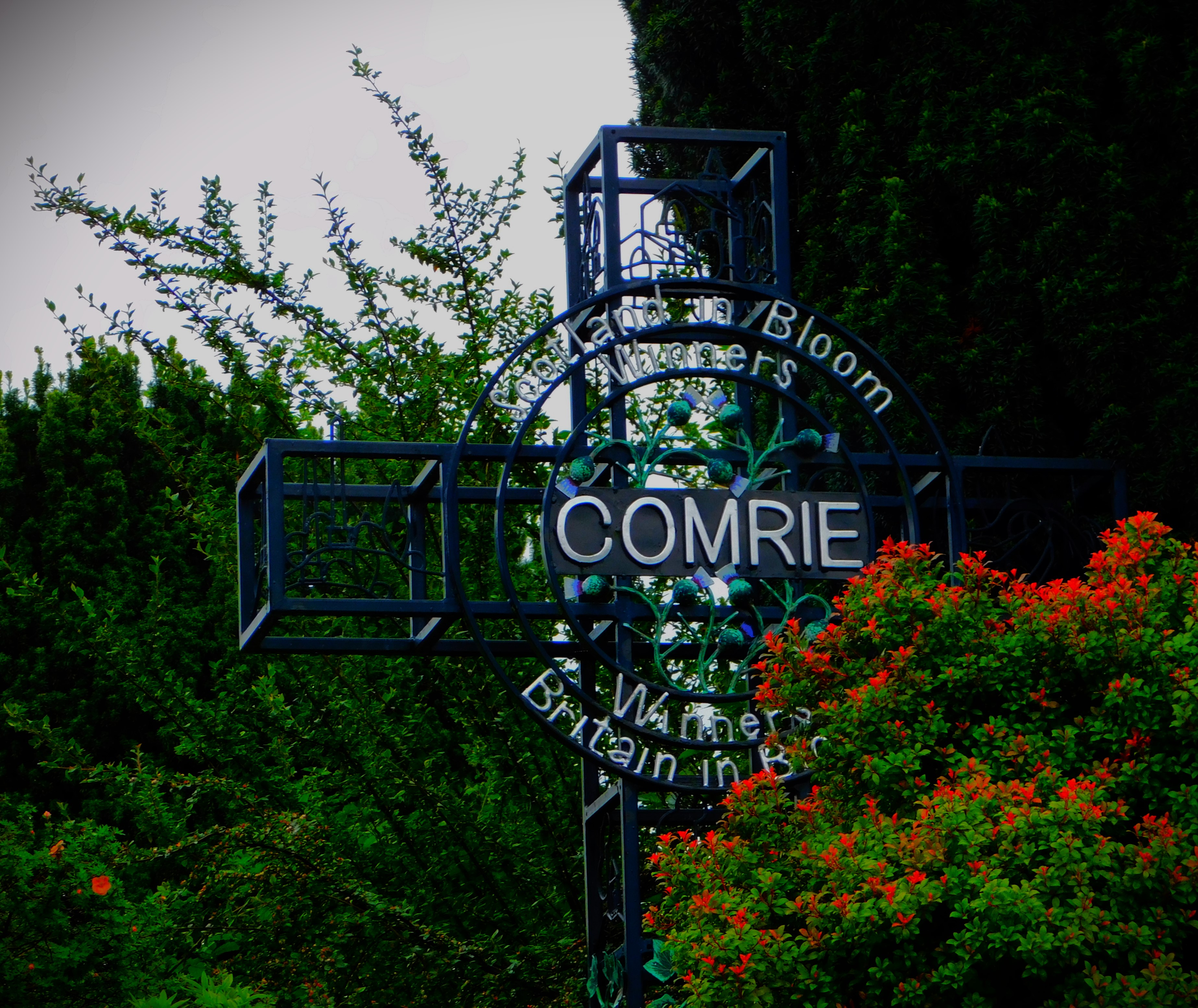
The house is directly opposite Comrie Community Centre, a building that looks remarkably like a church but is not (though it clearly used to be) – Comrie Church is about a five minute walk away. Next door it in one direction is an estate agent housed in what clearly used to be a local bank in the dim and distant days when such things existed while on the other side is a pet shop. Down one side of the house is a path that provides pedestrian access to the car parking area. There is a small shopping area, while the river, not quite visible from the house, is just the other side of the community centre from it.
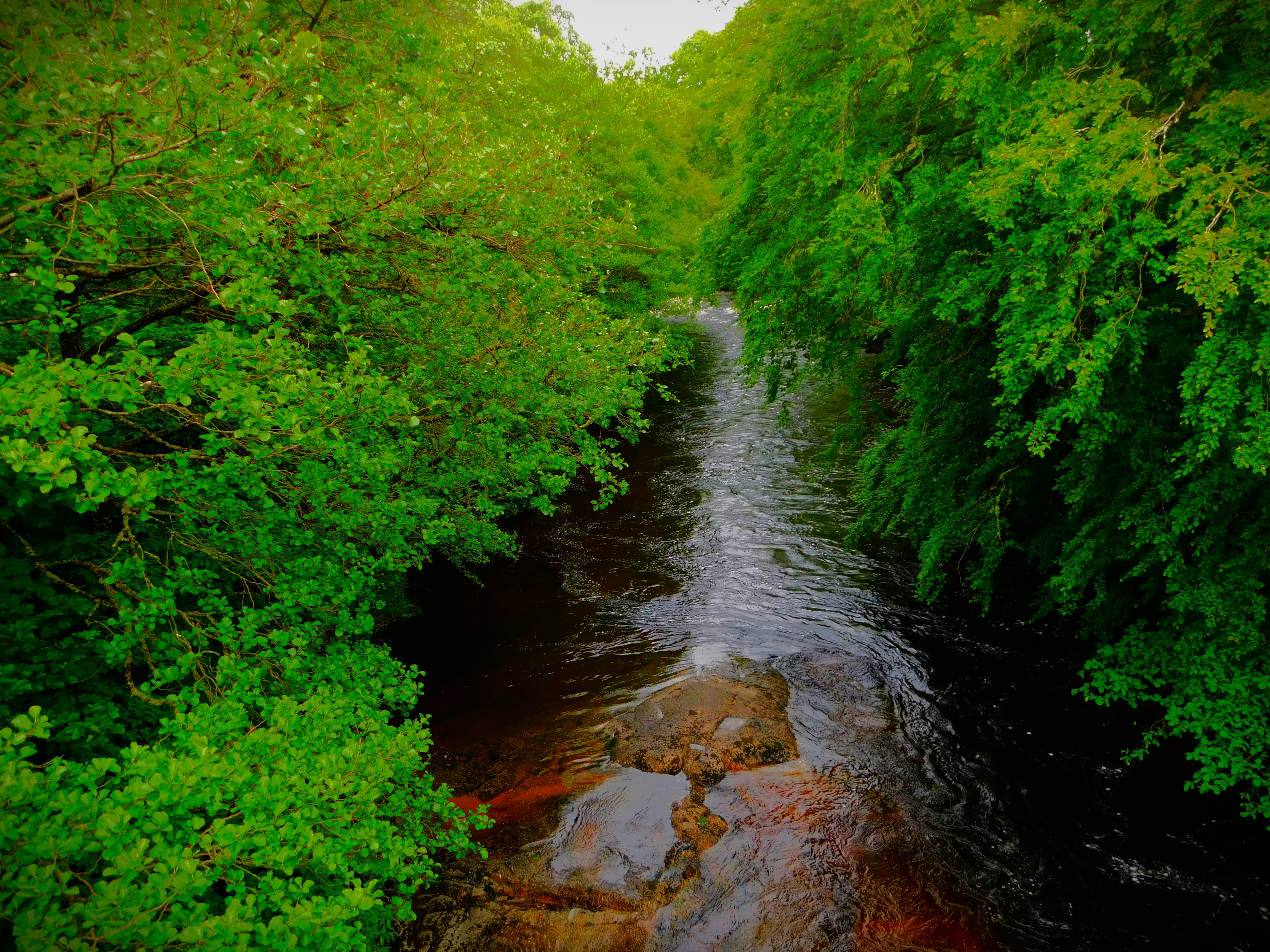
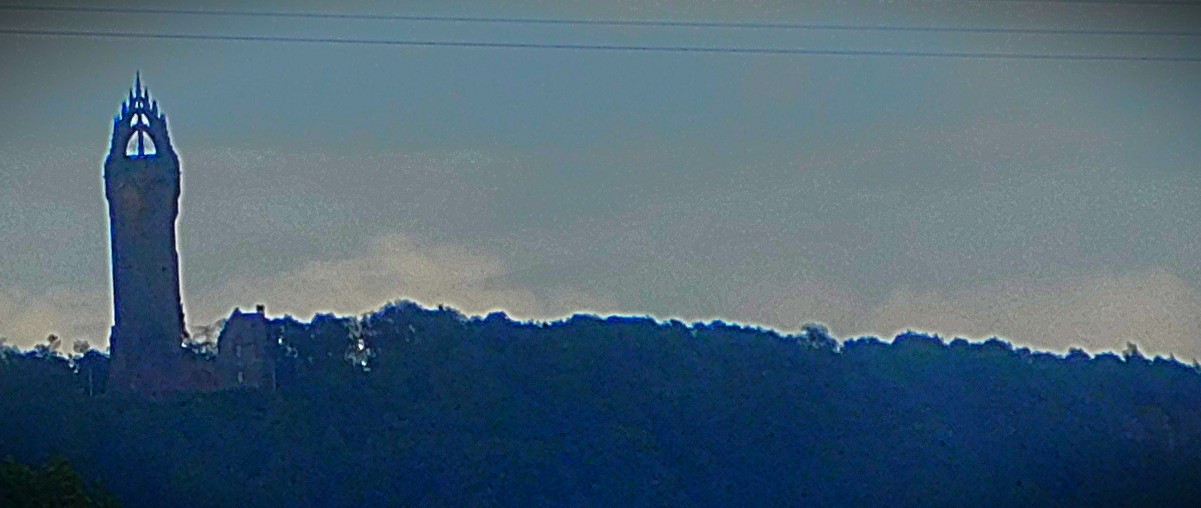
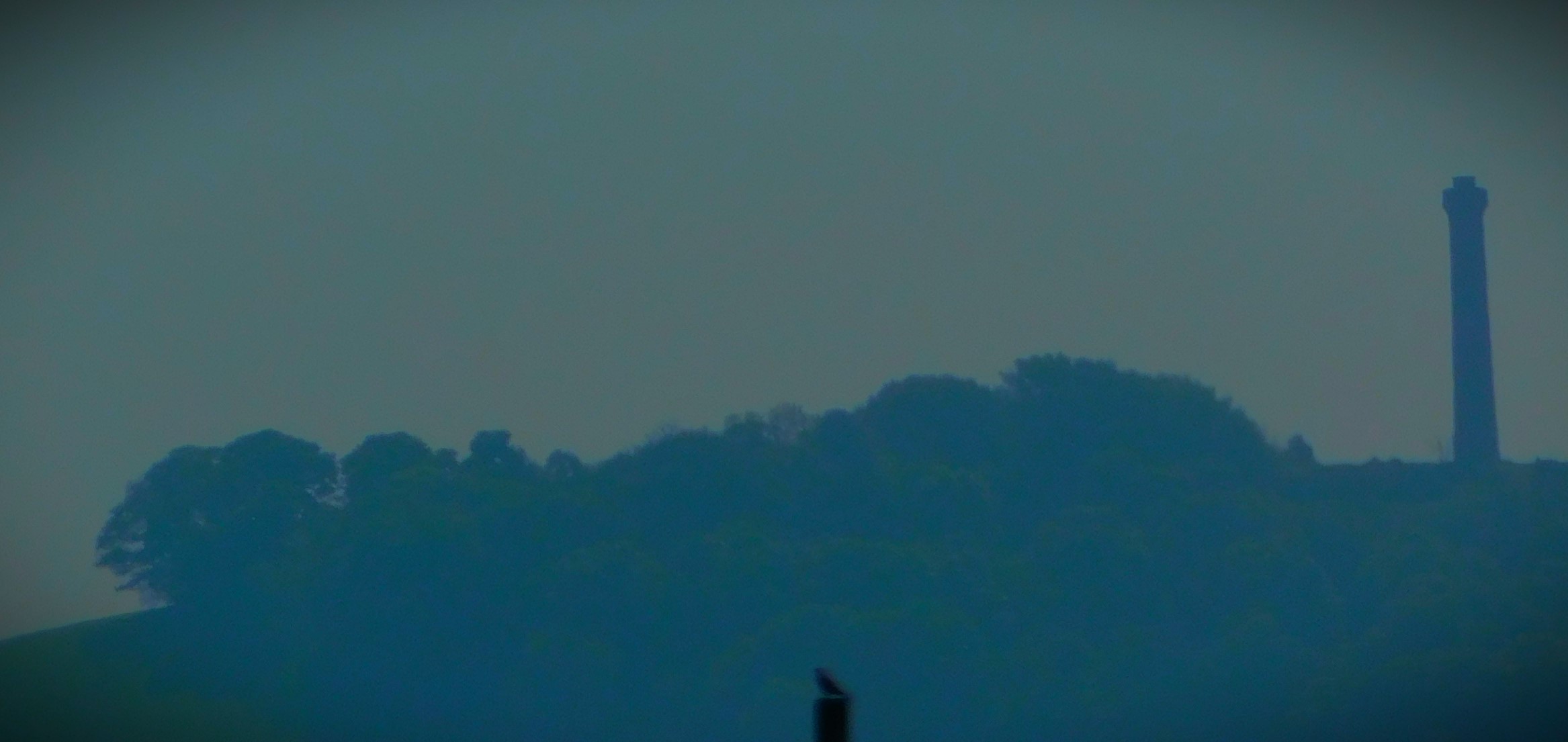
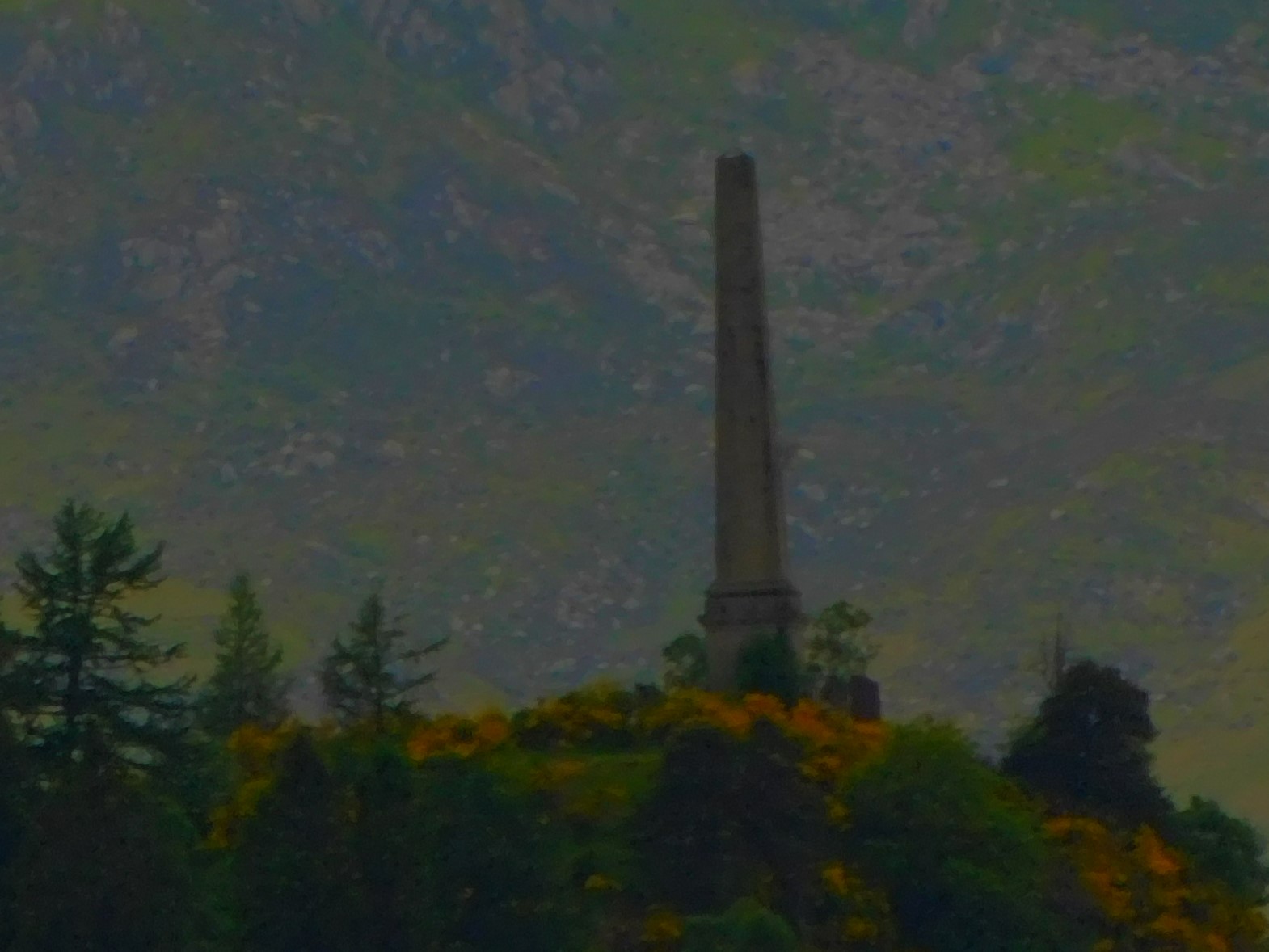
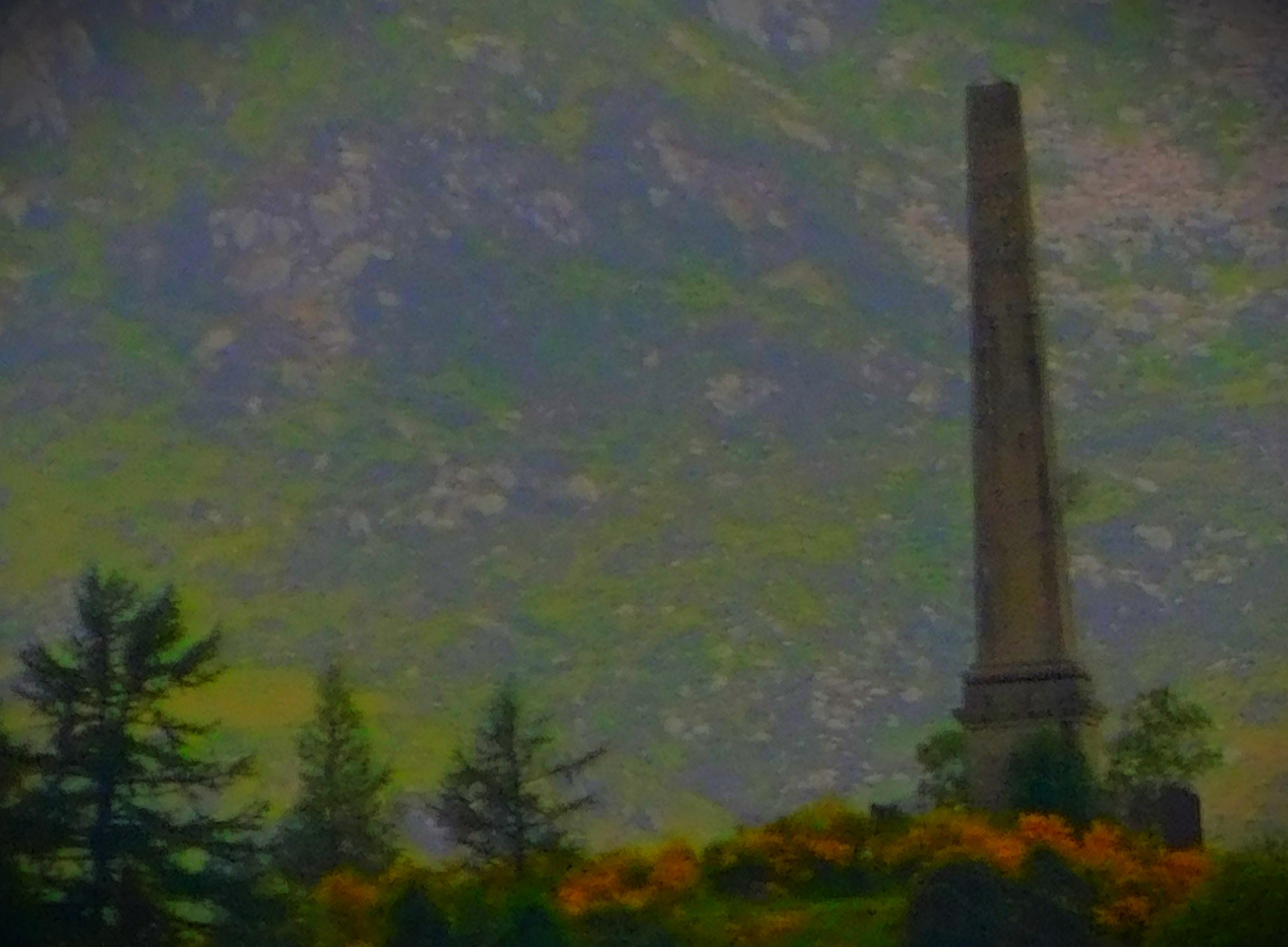
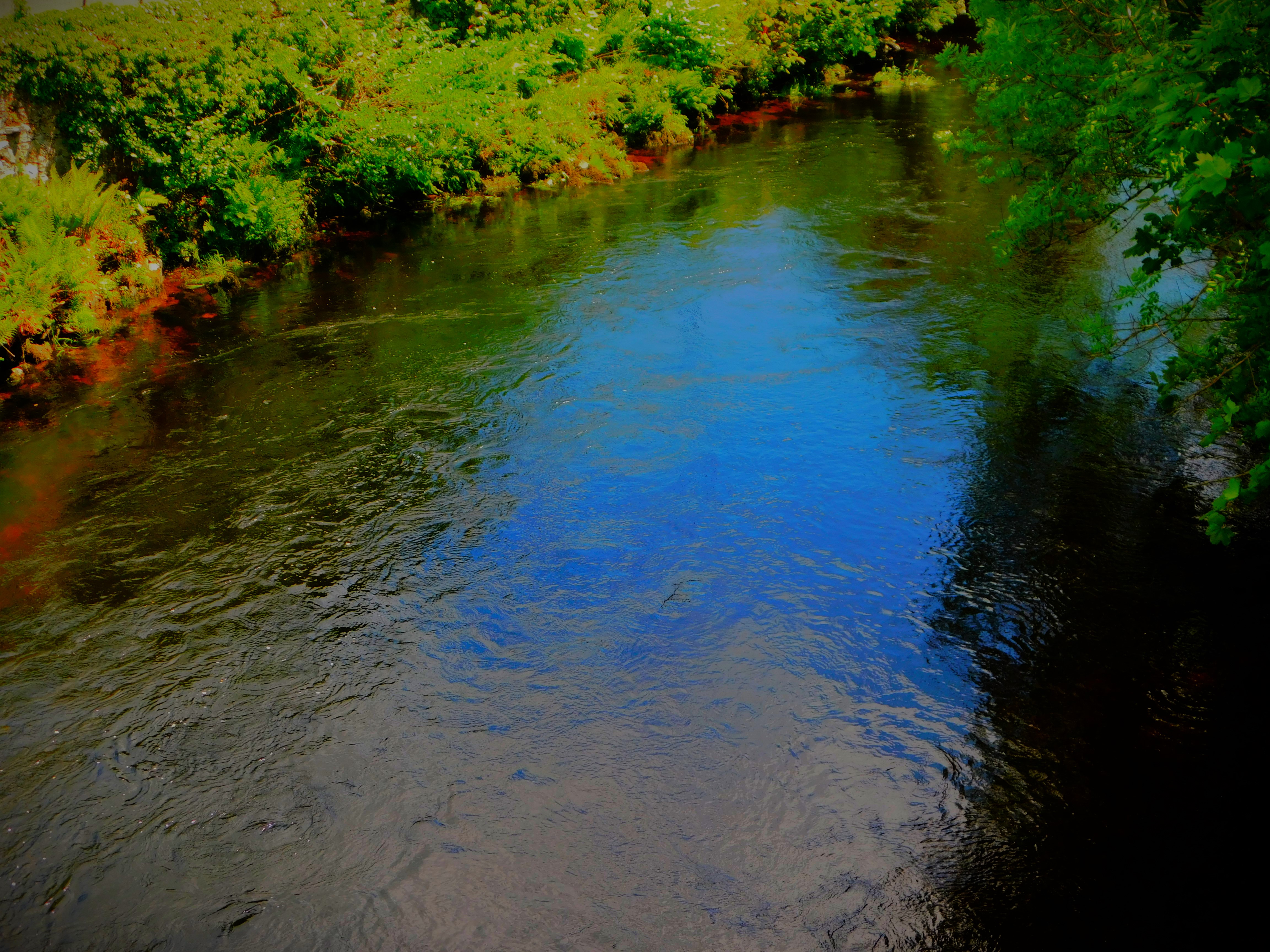
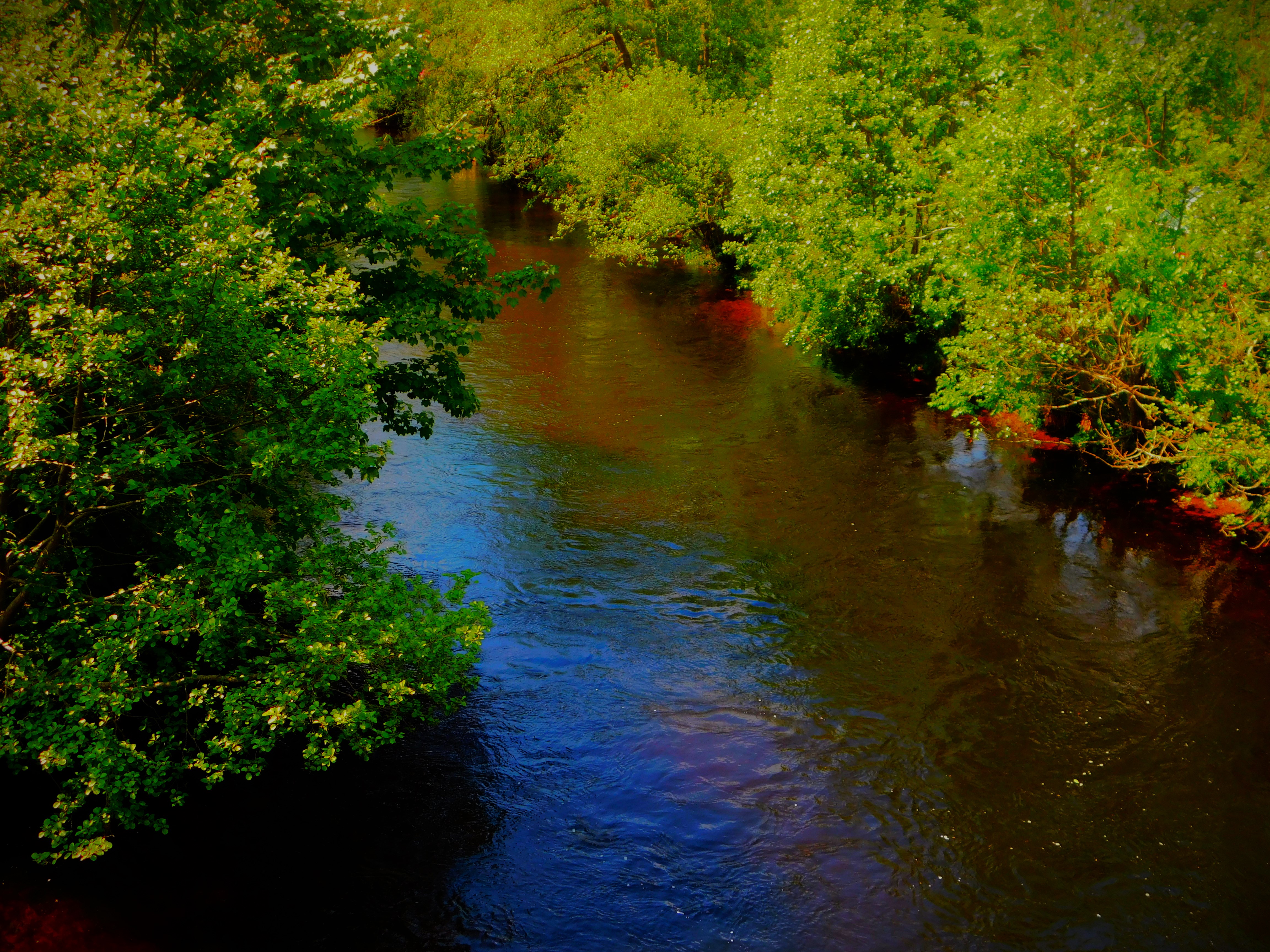
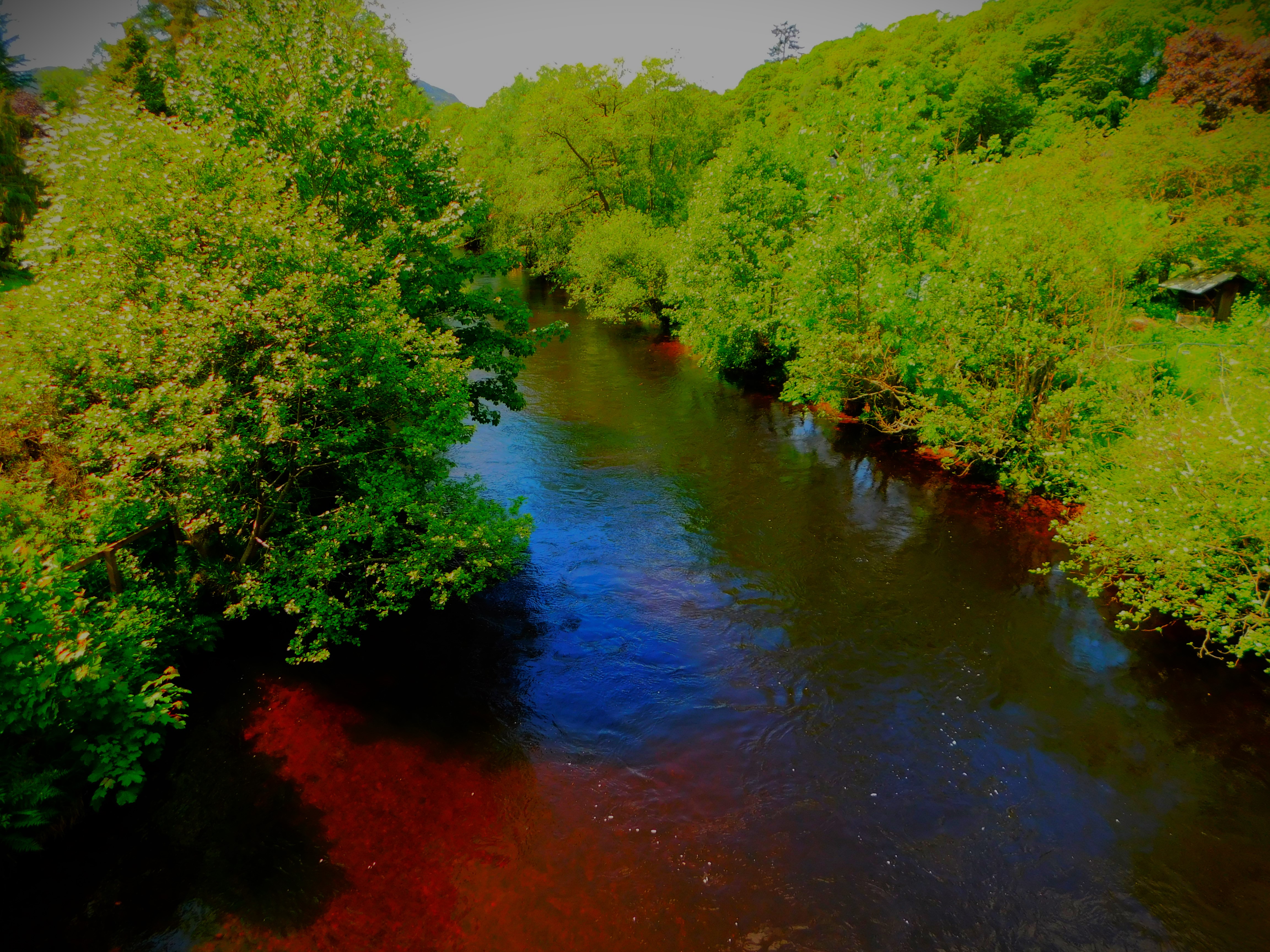
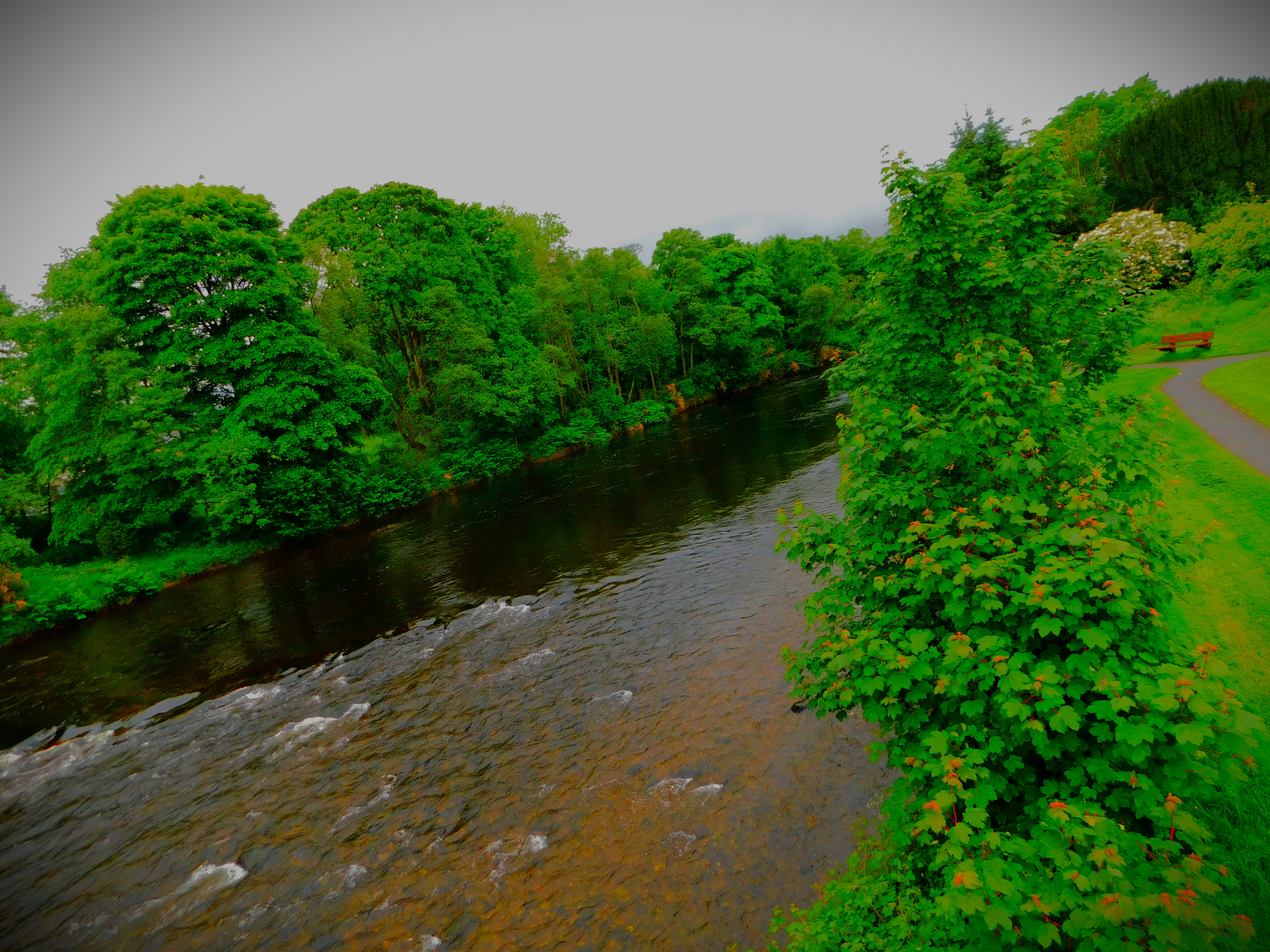
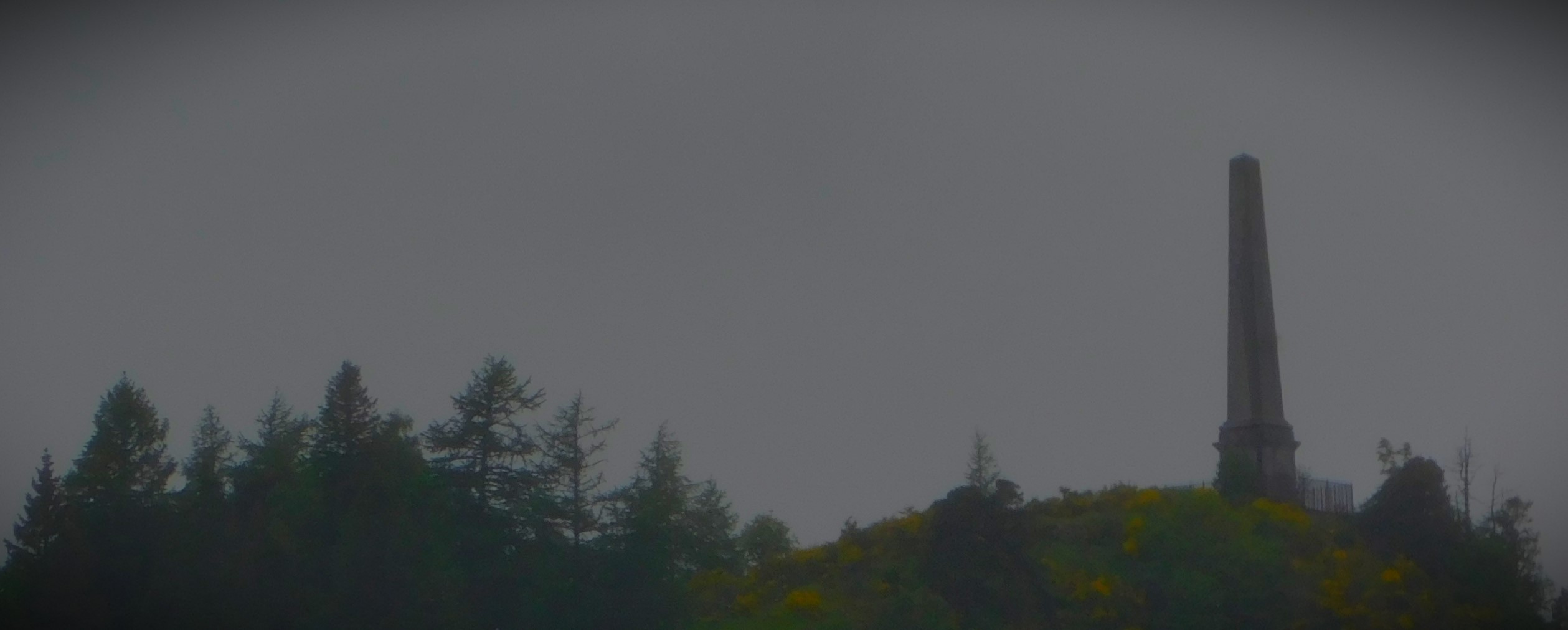
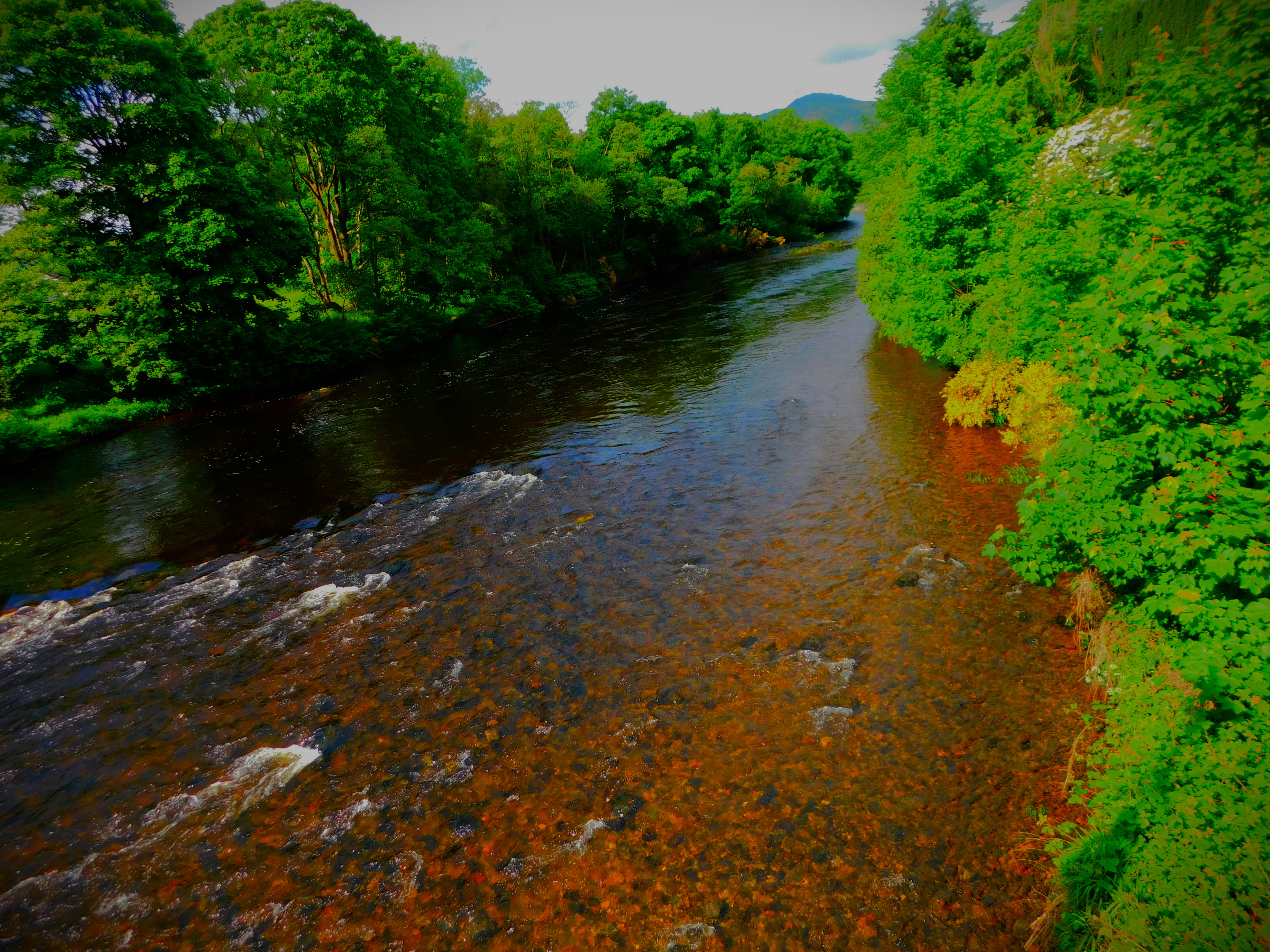
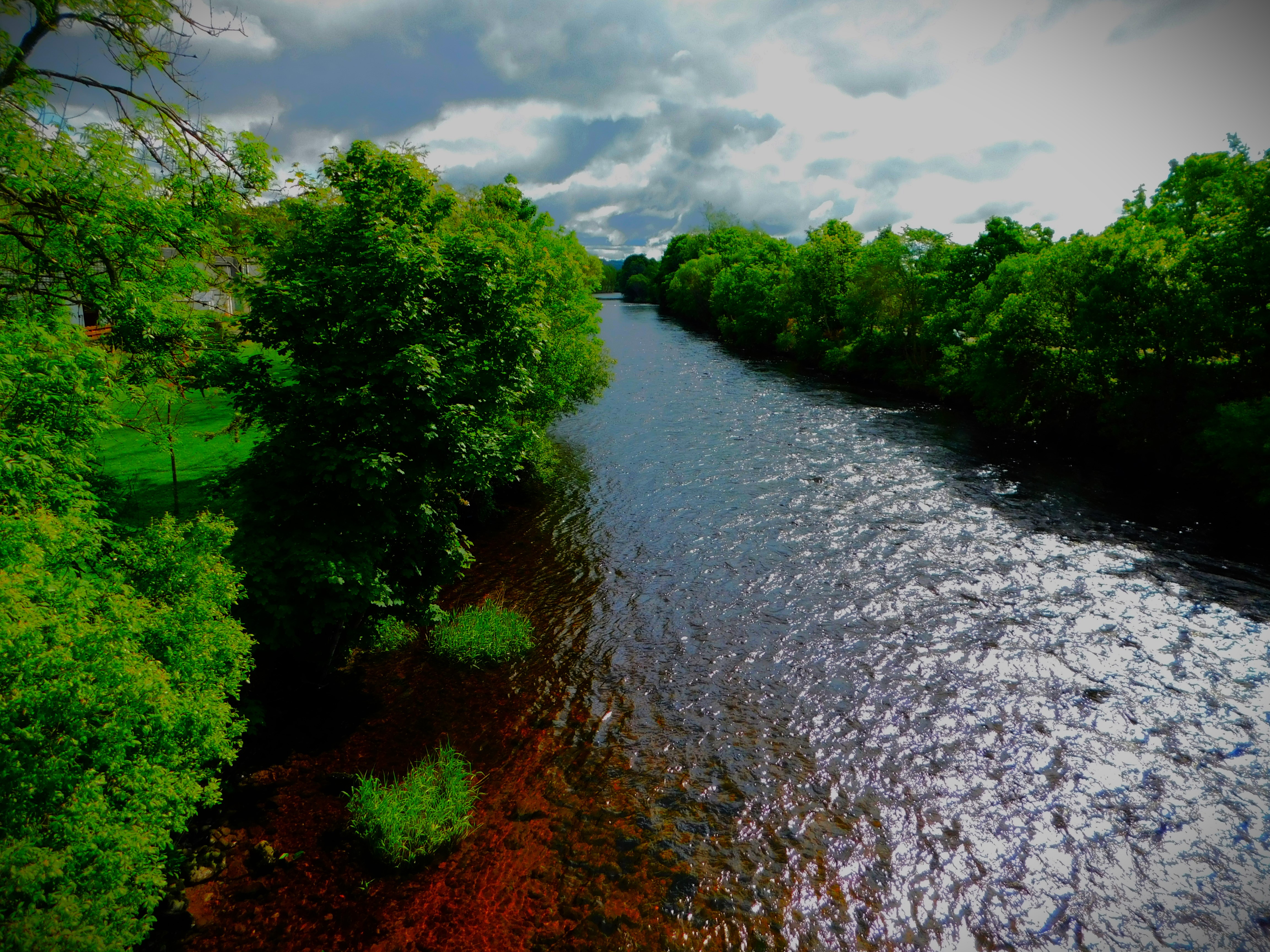
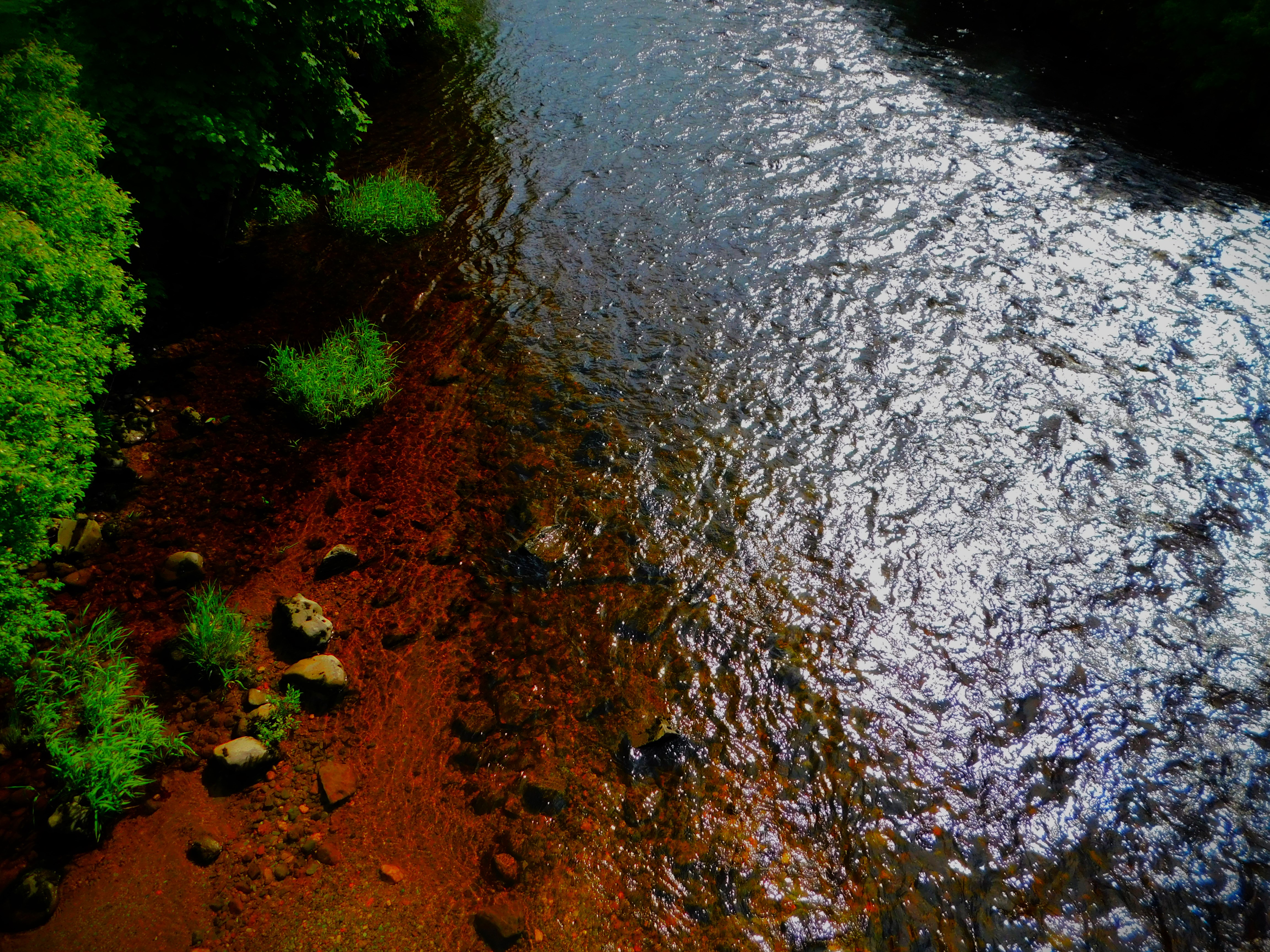
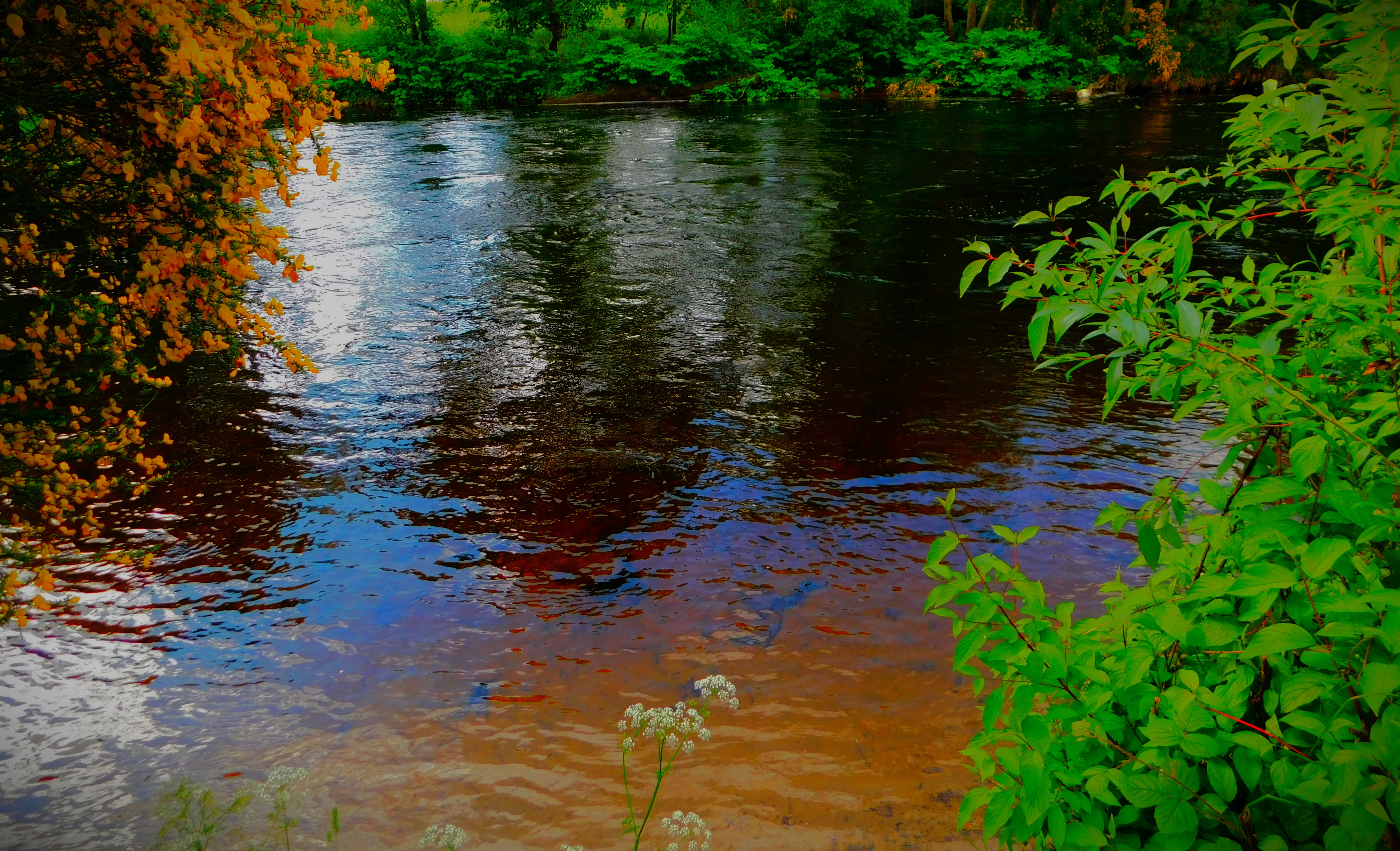
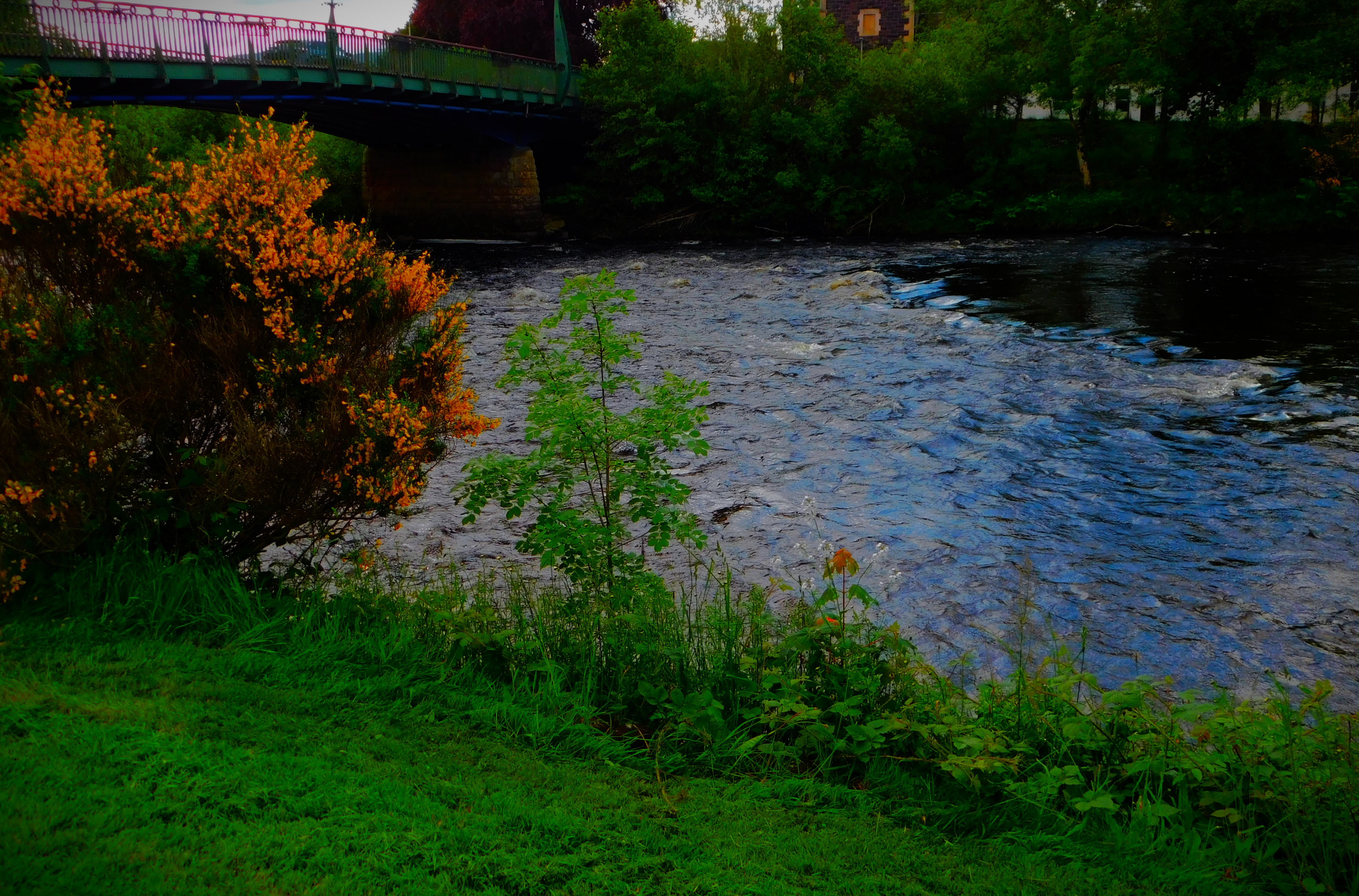
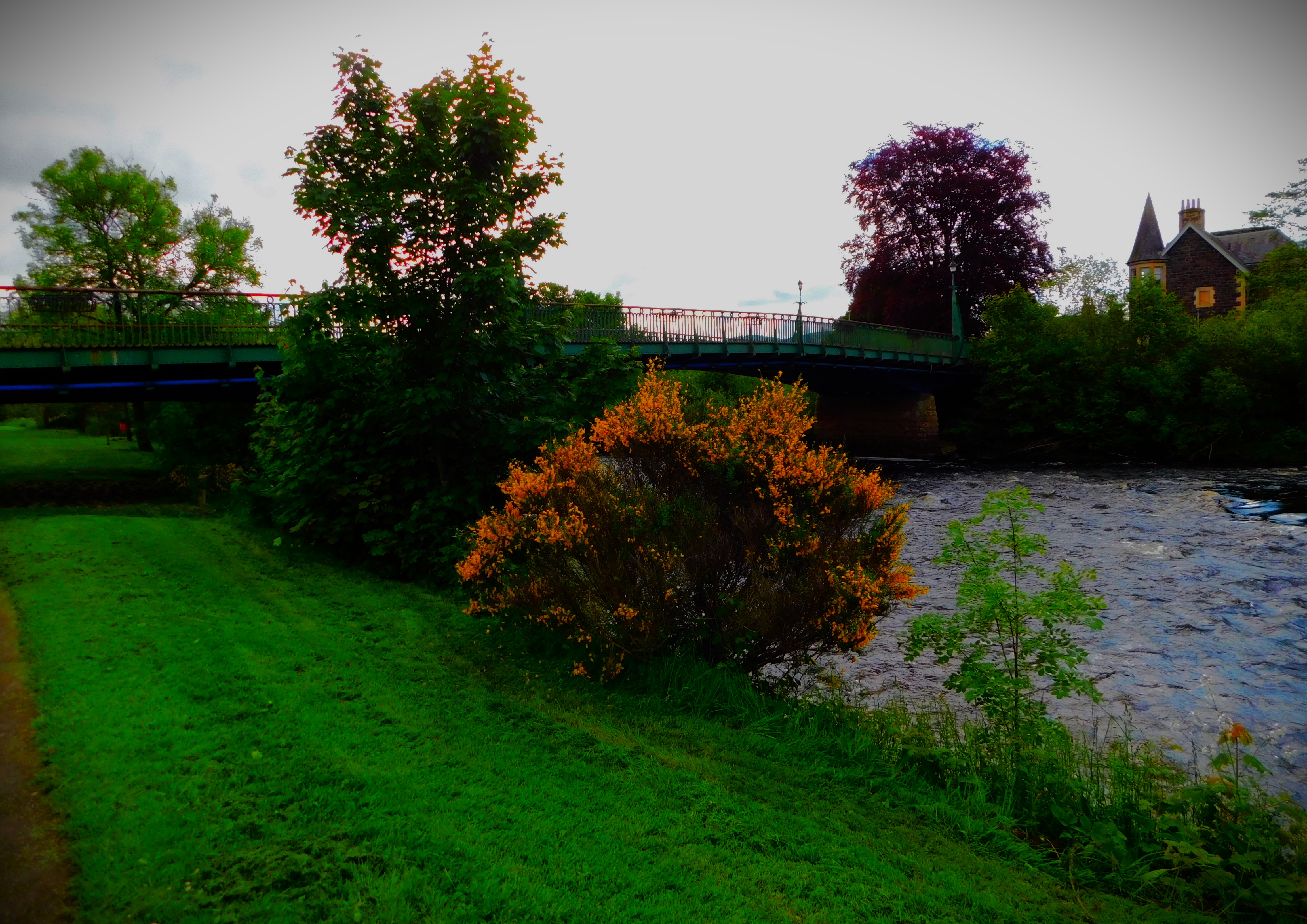
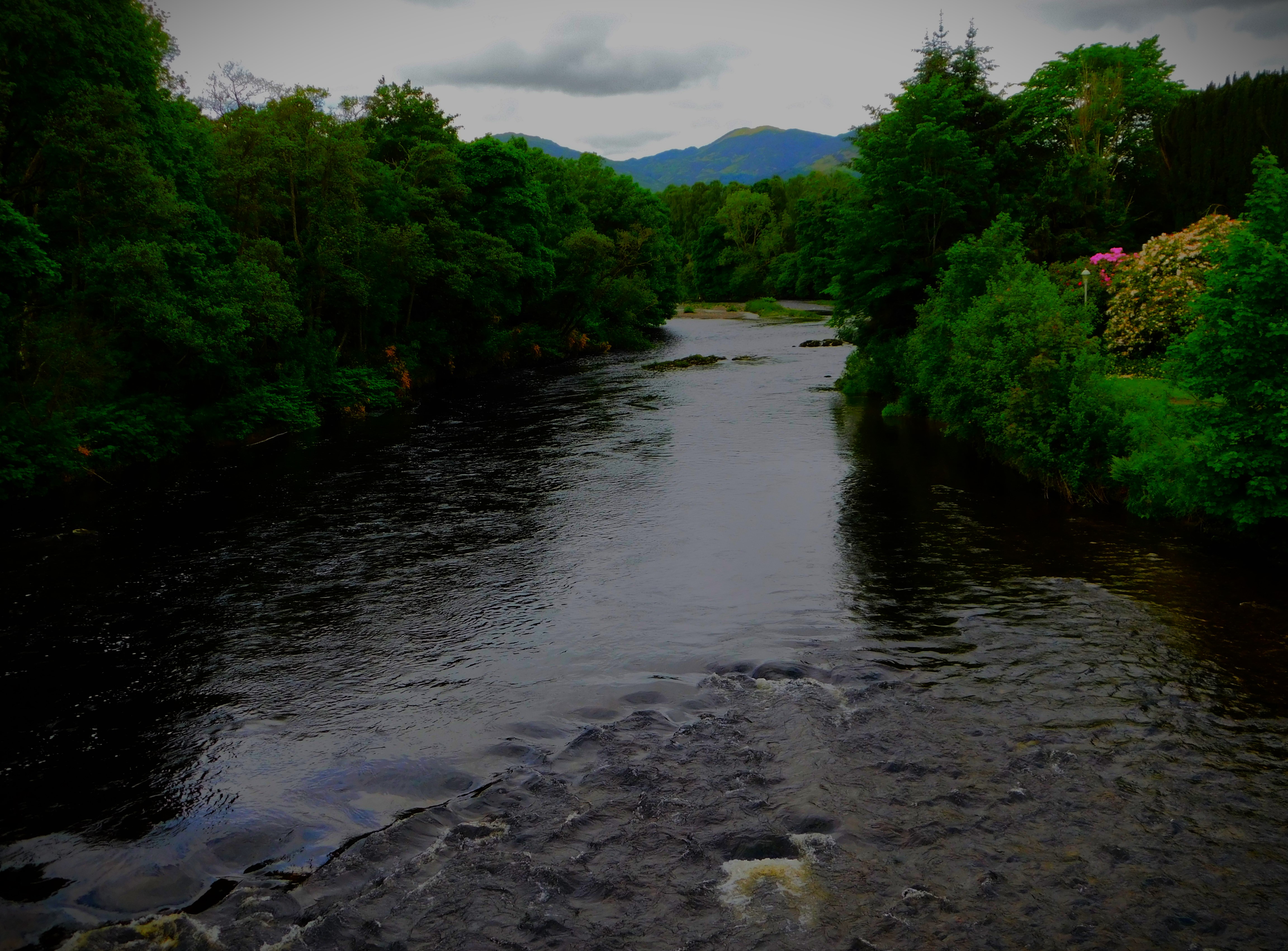
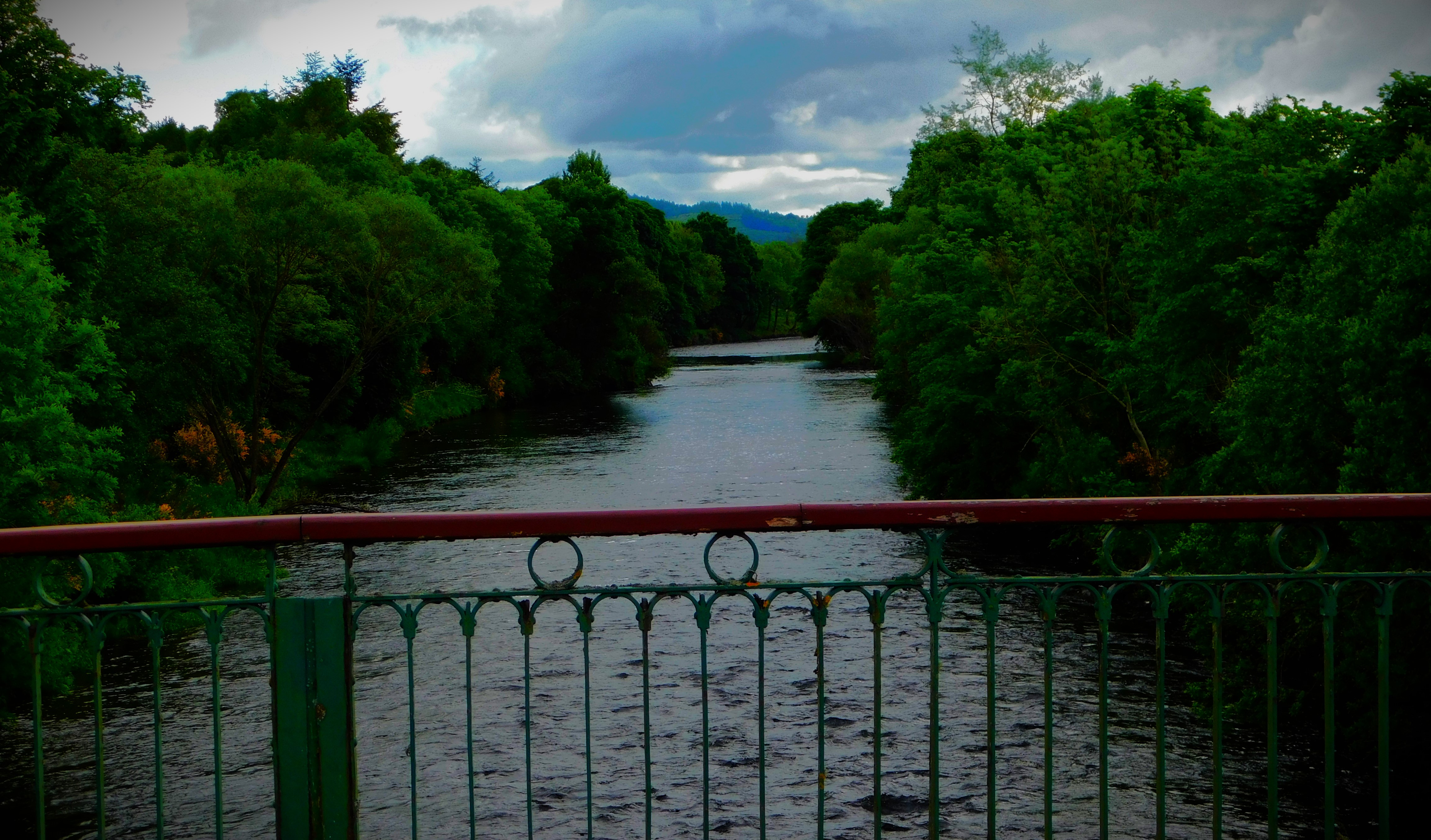
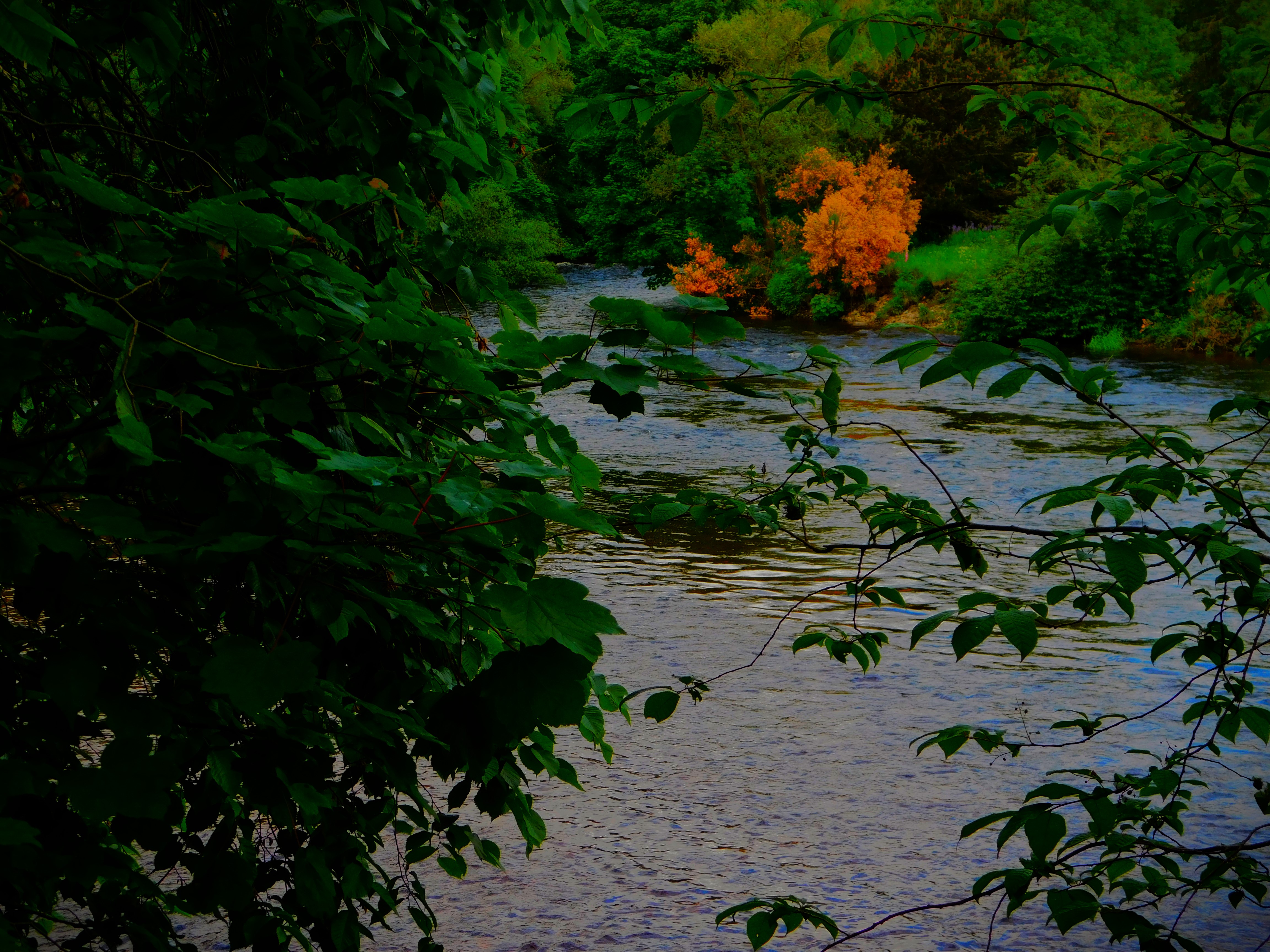
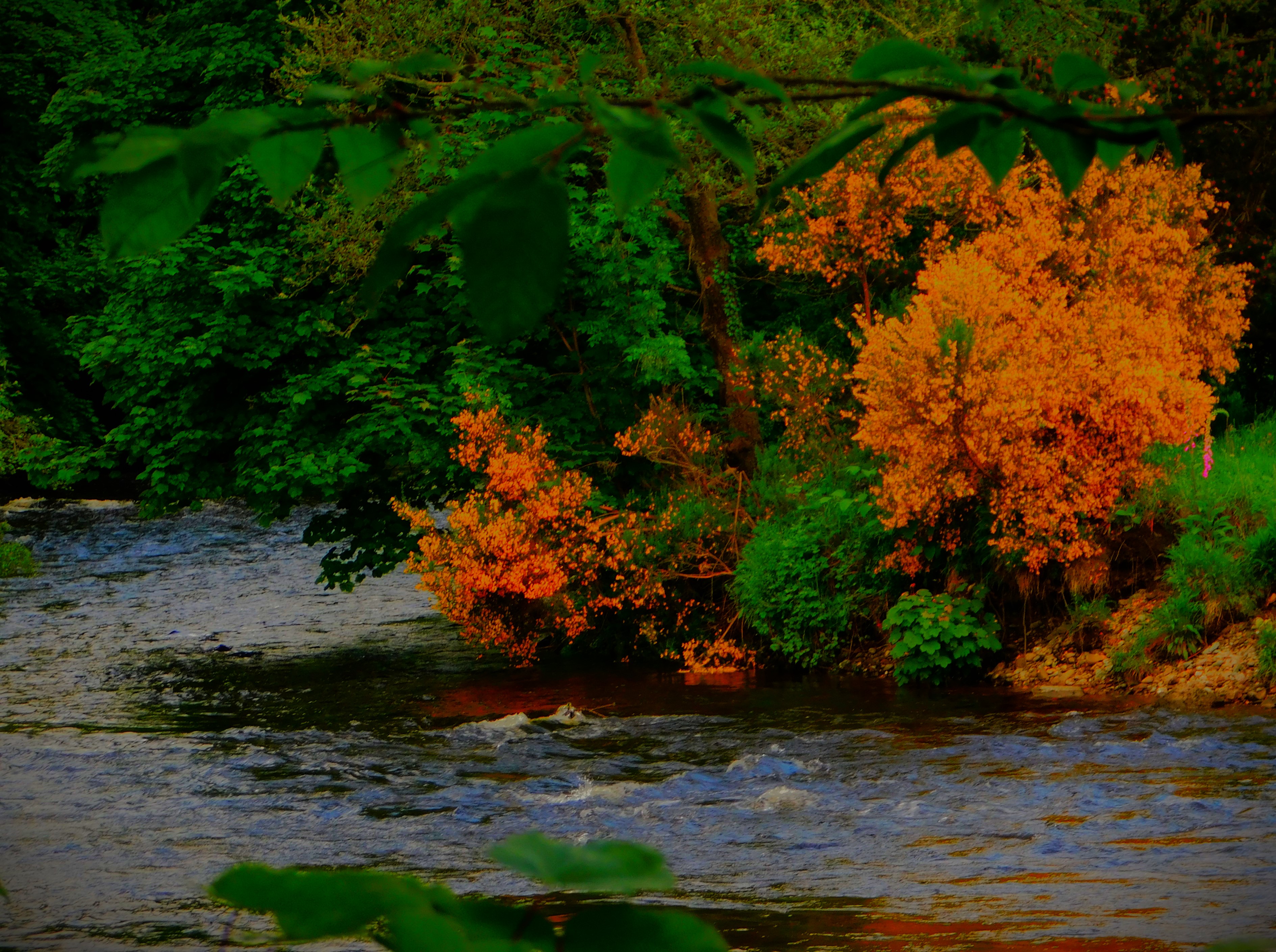
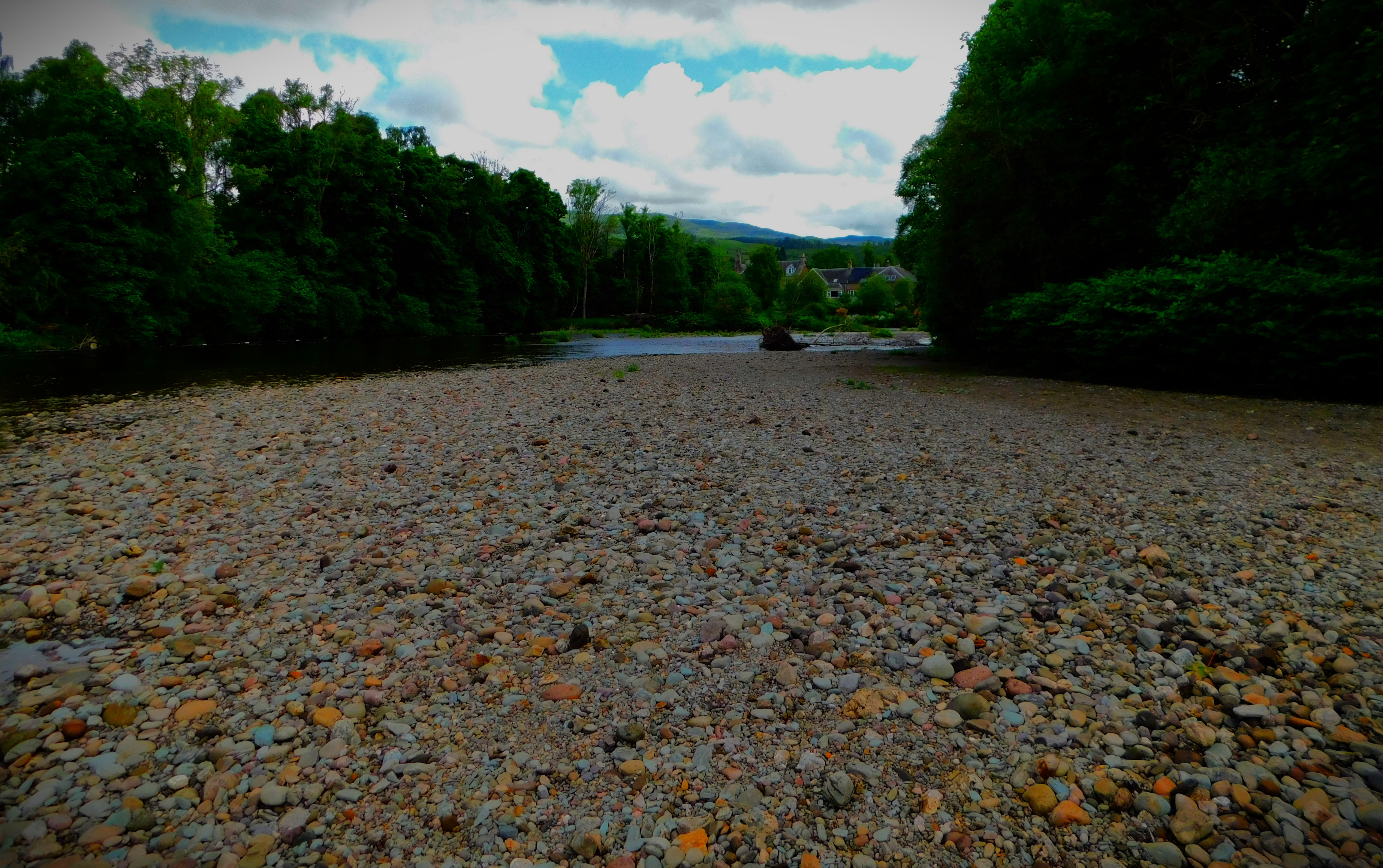
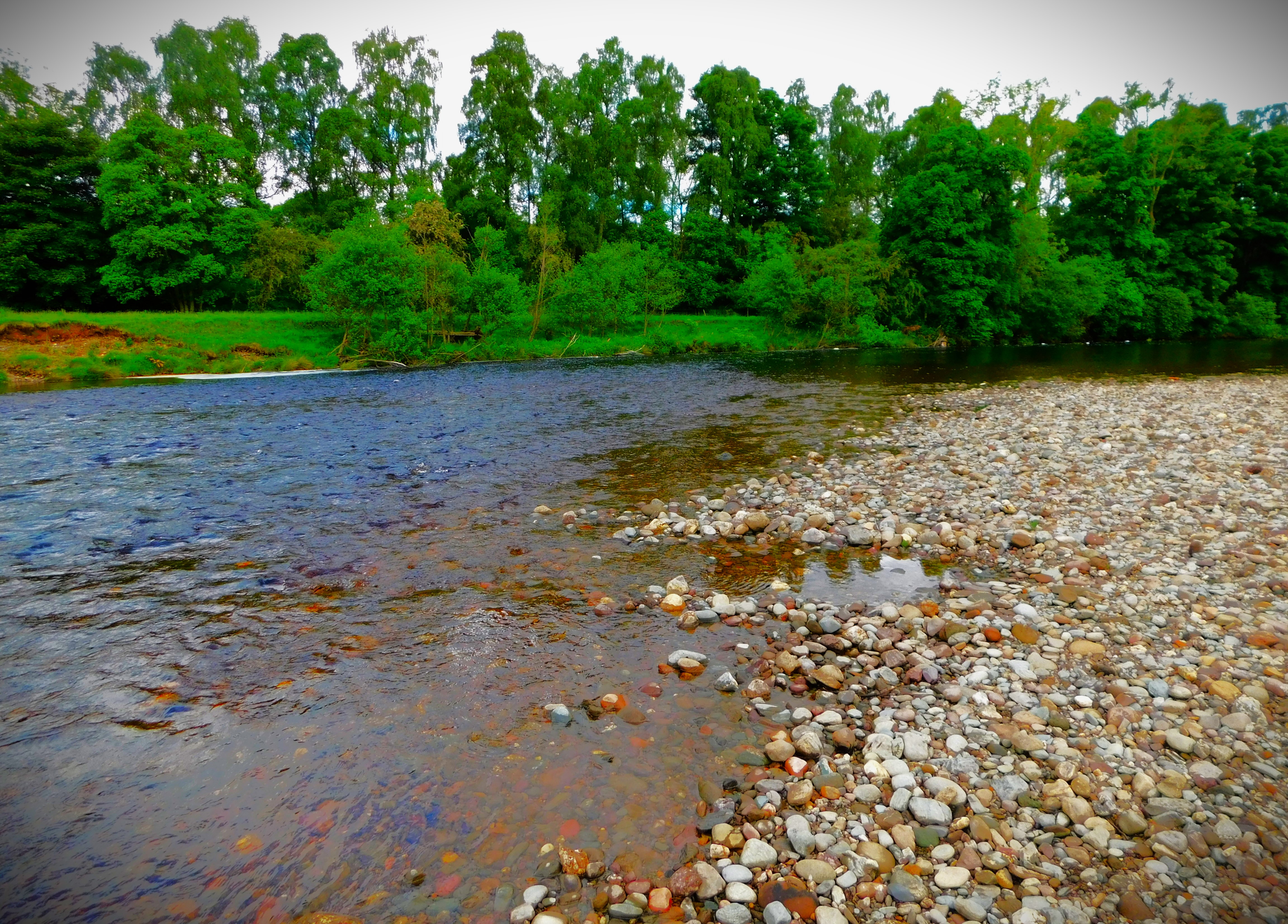
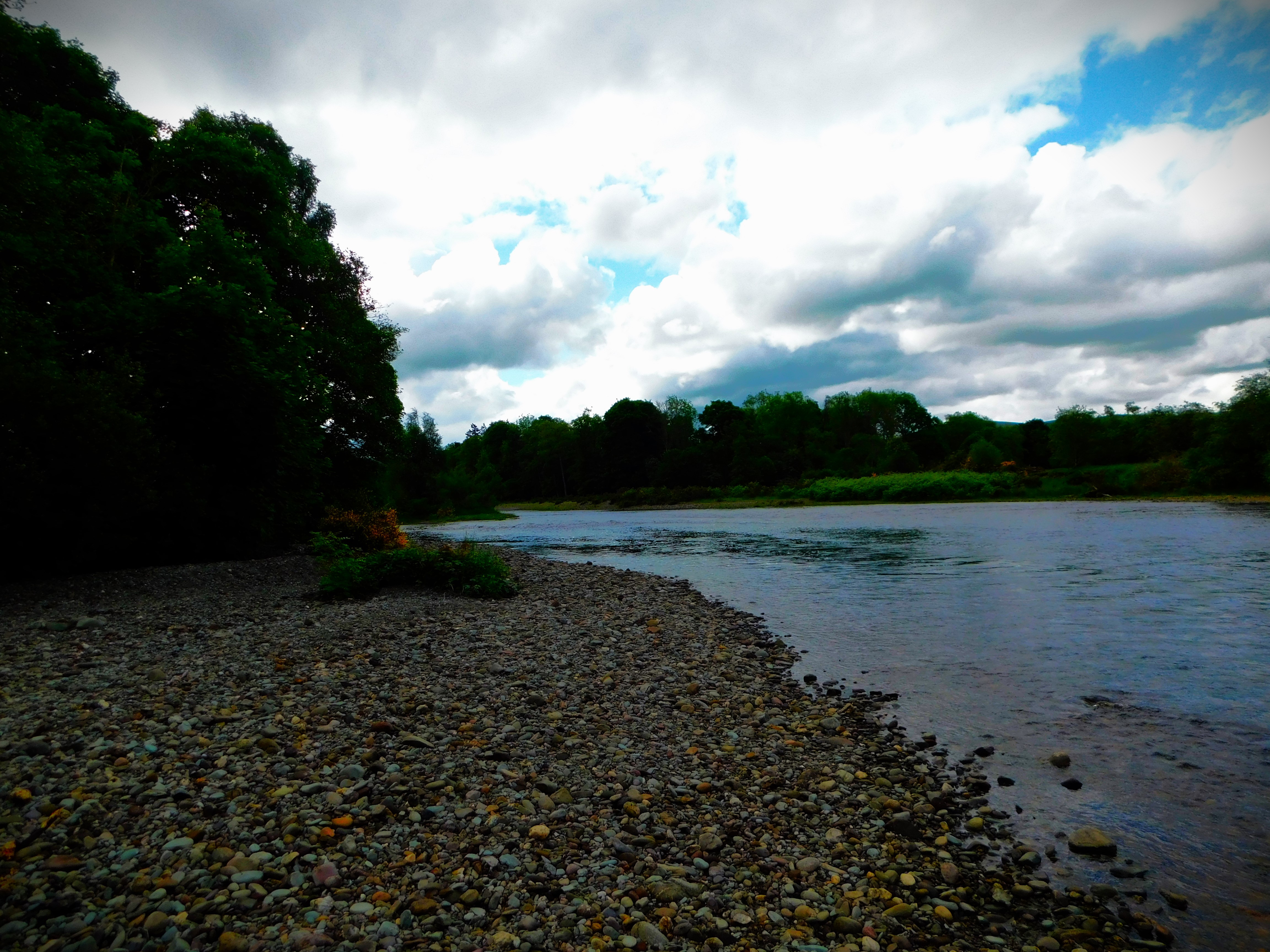
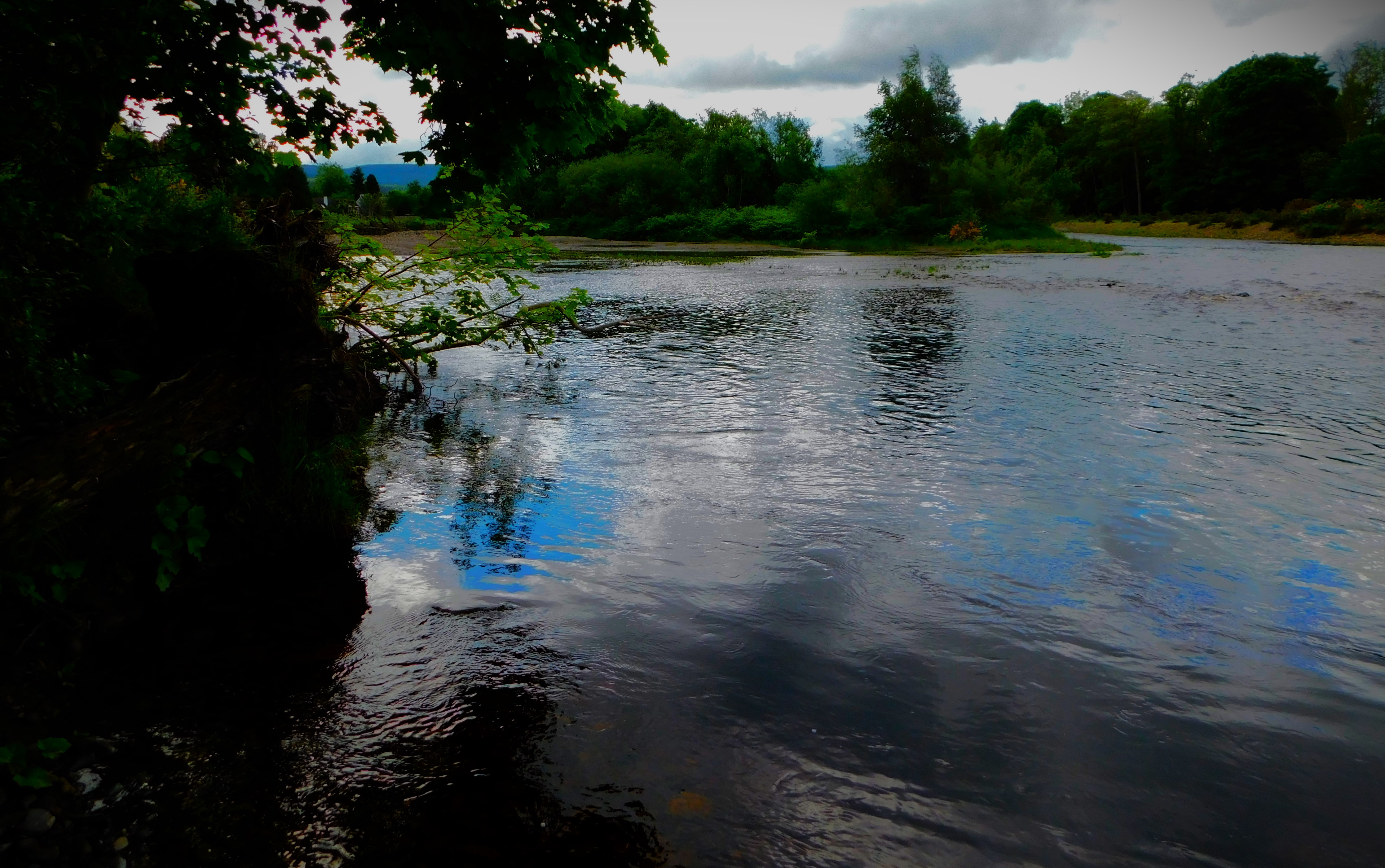
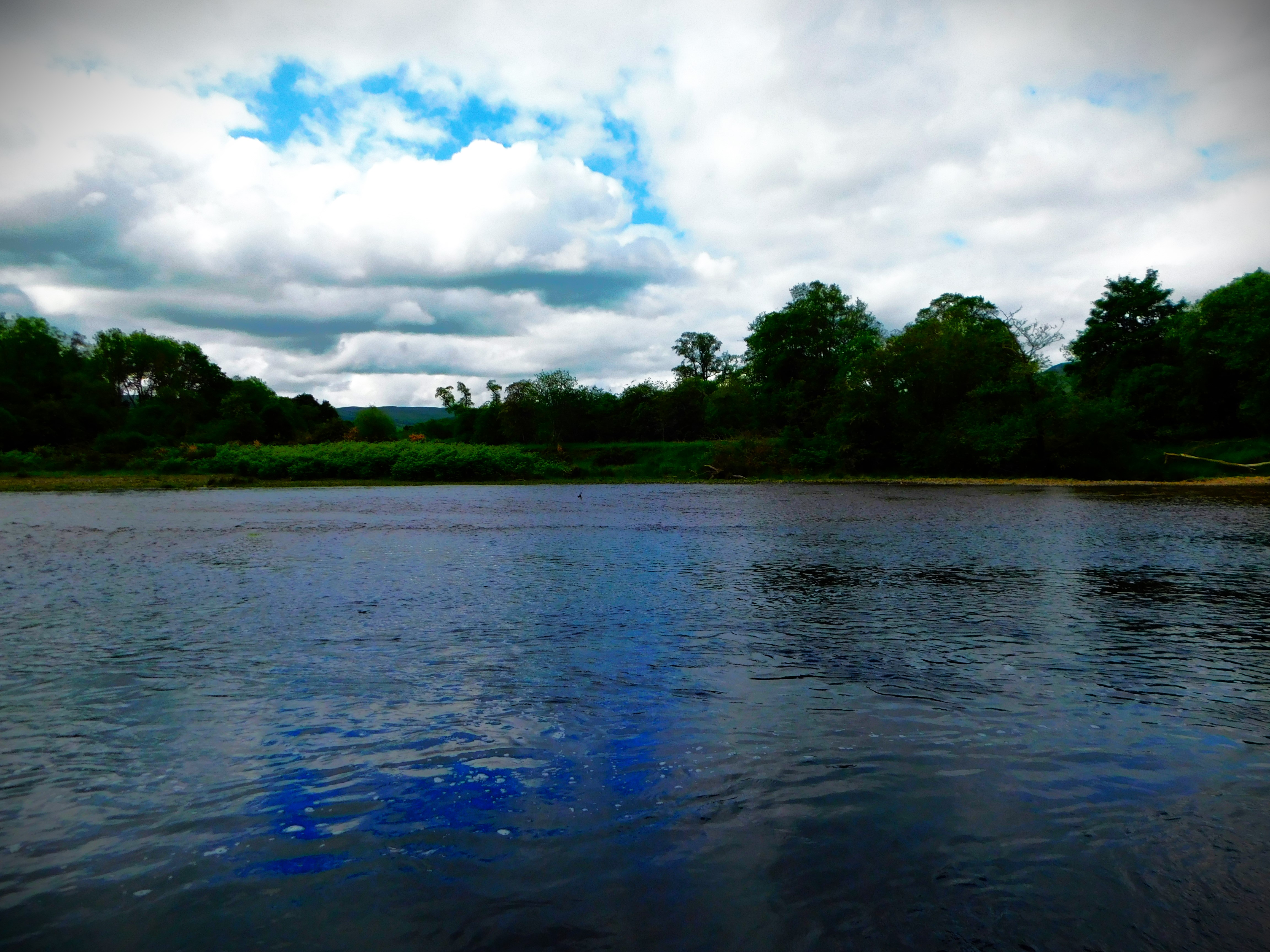
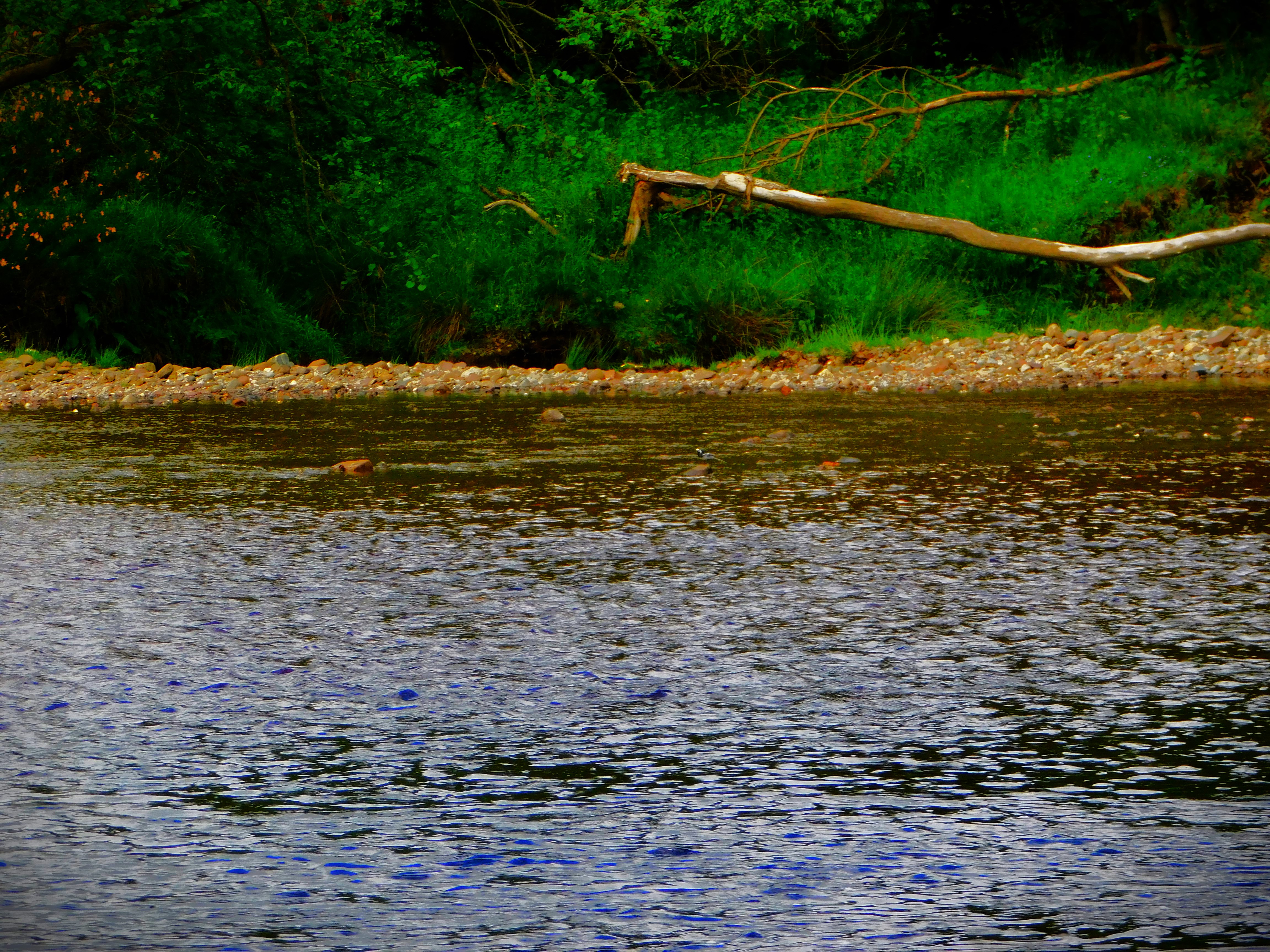
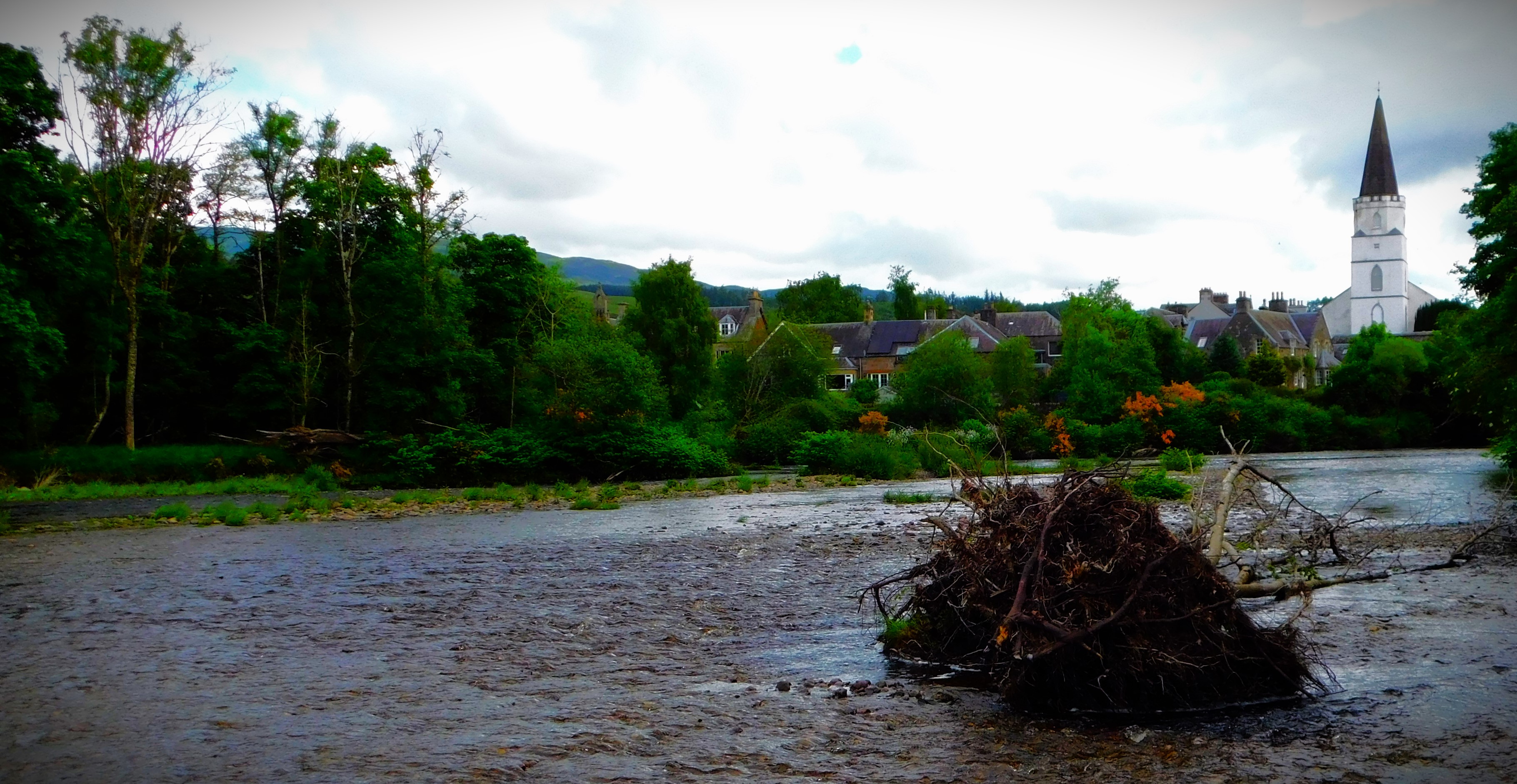
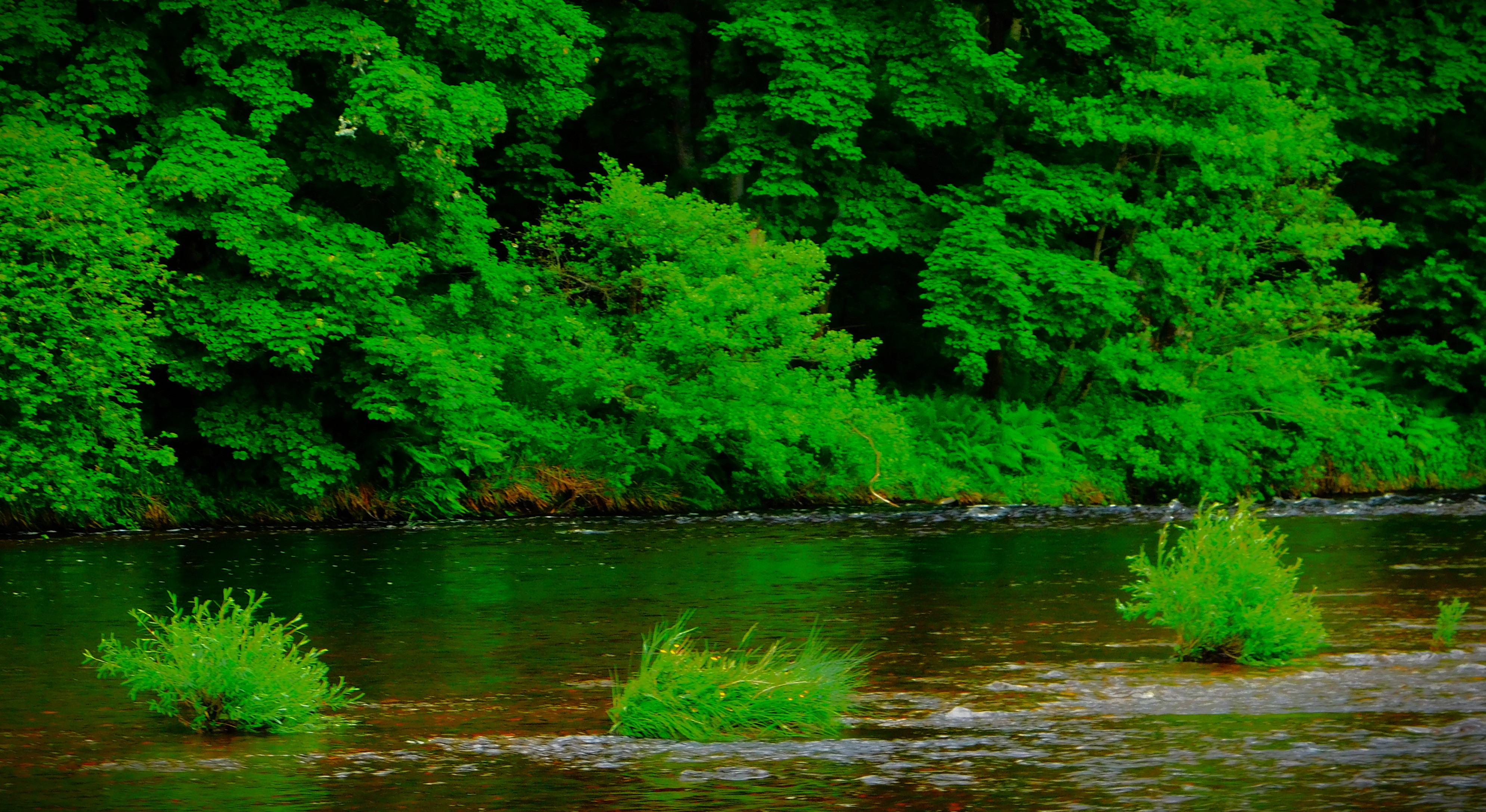
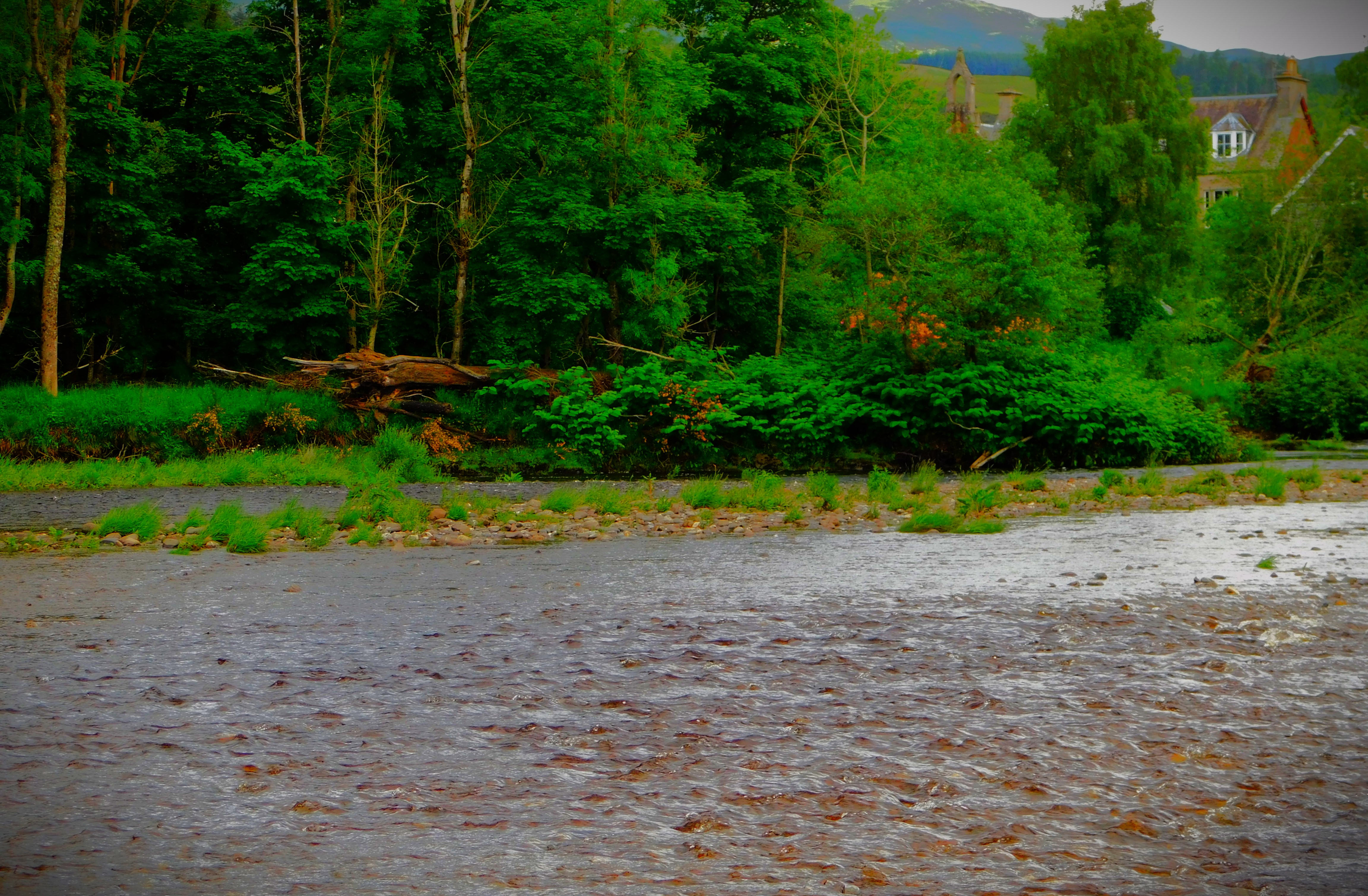
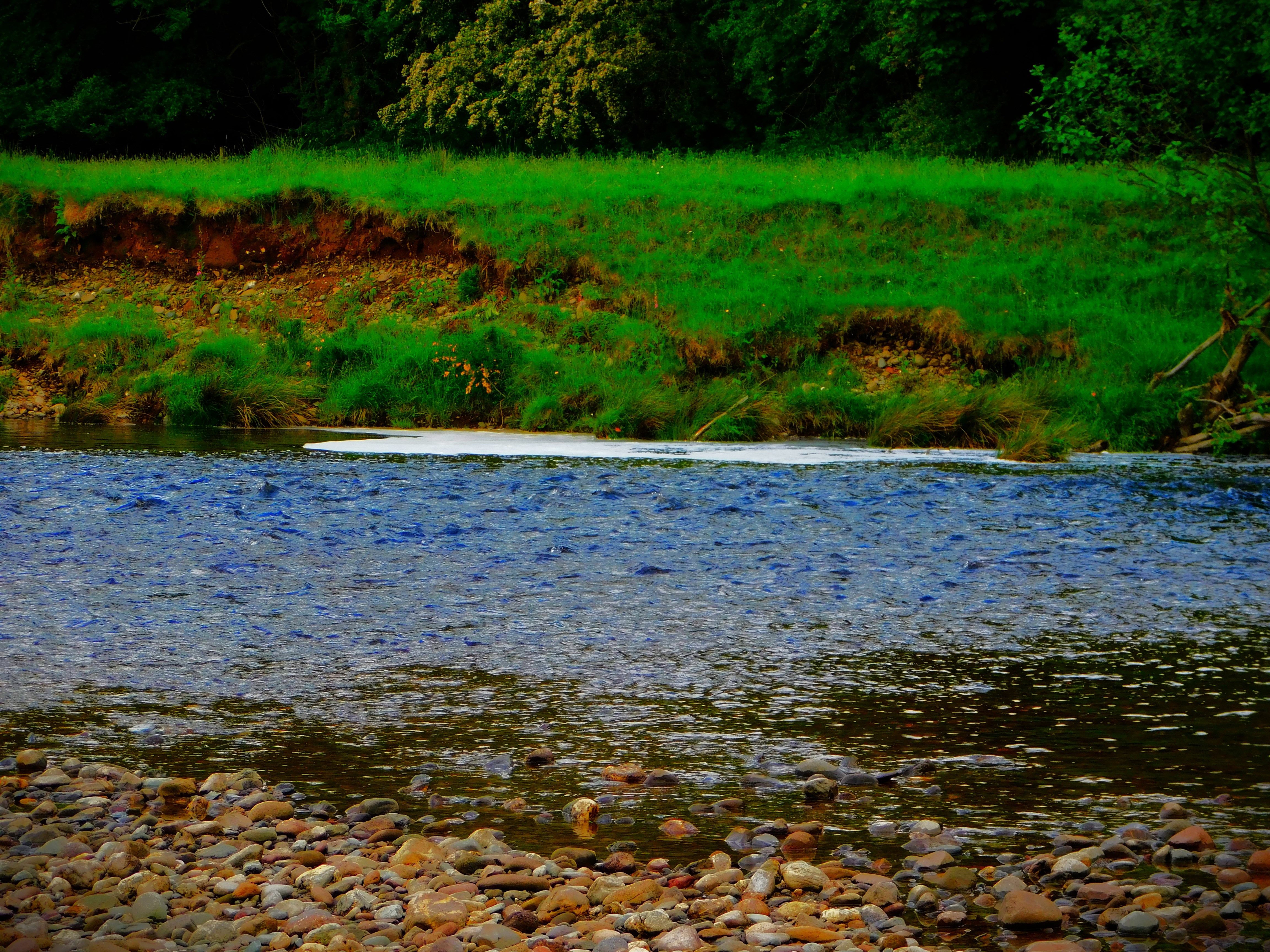
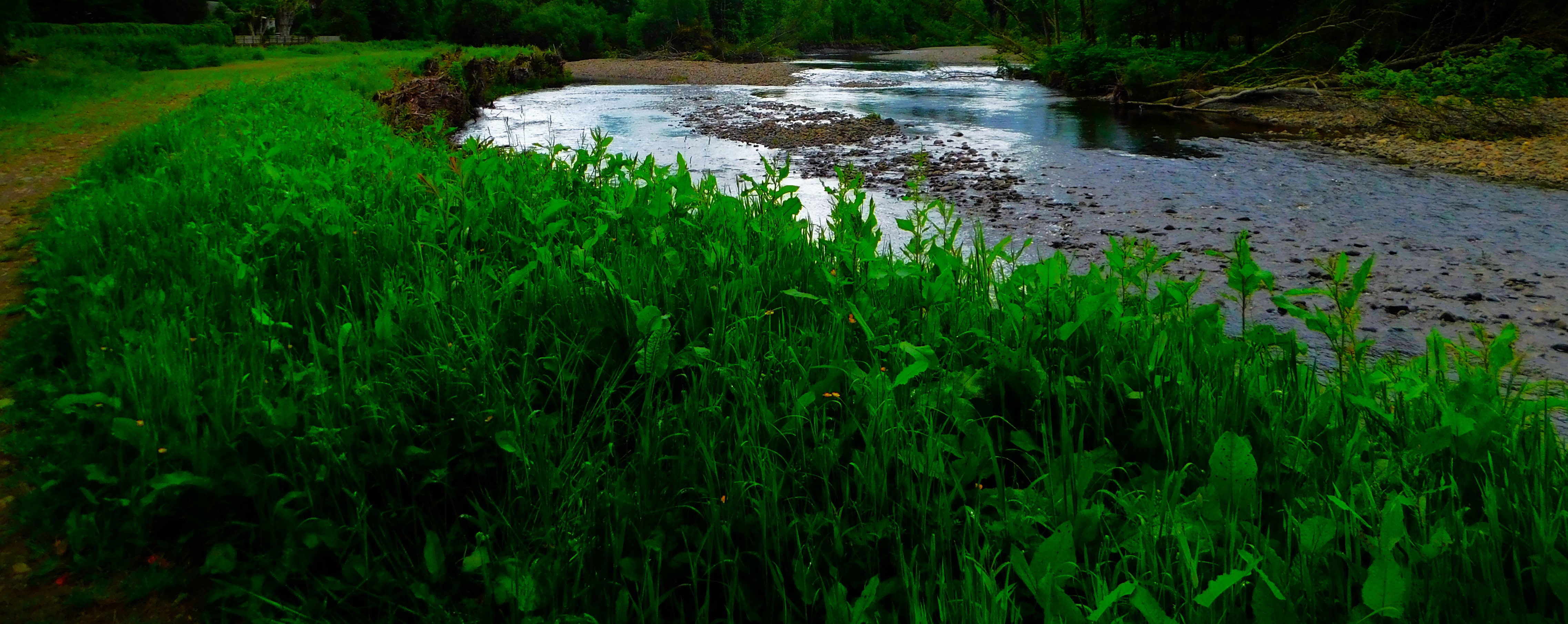
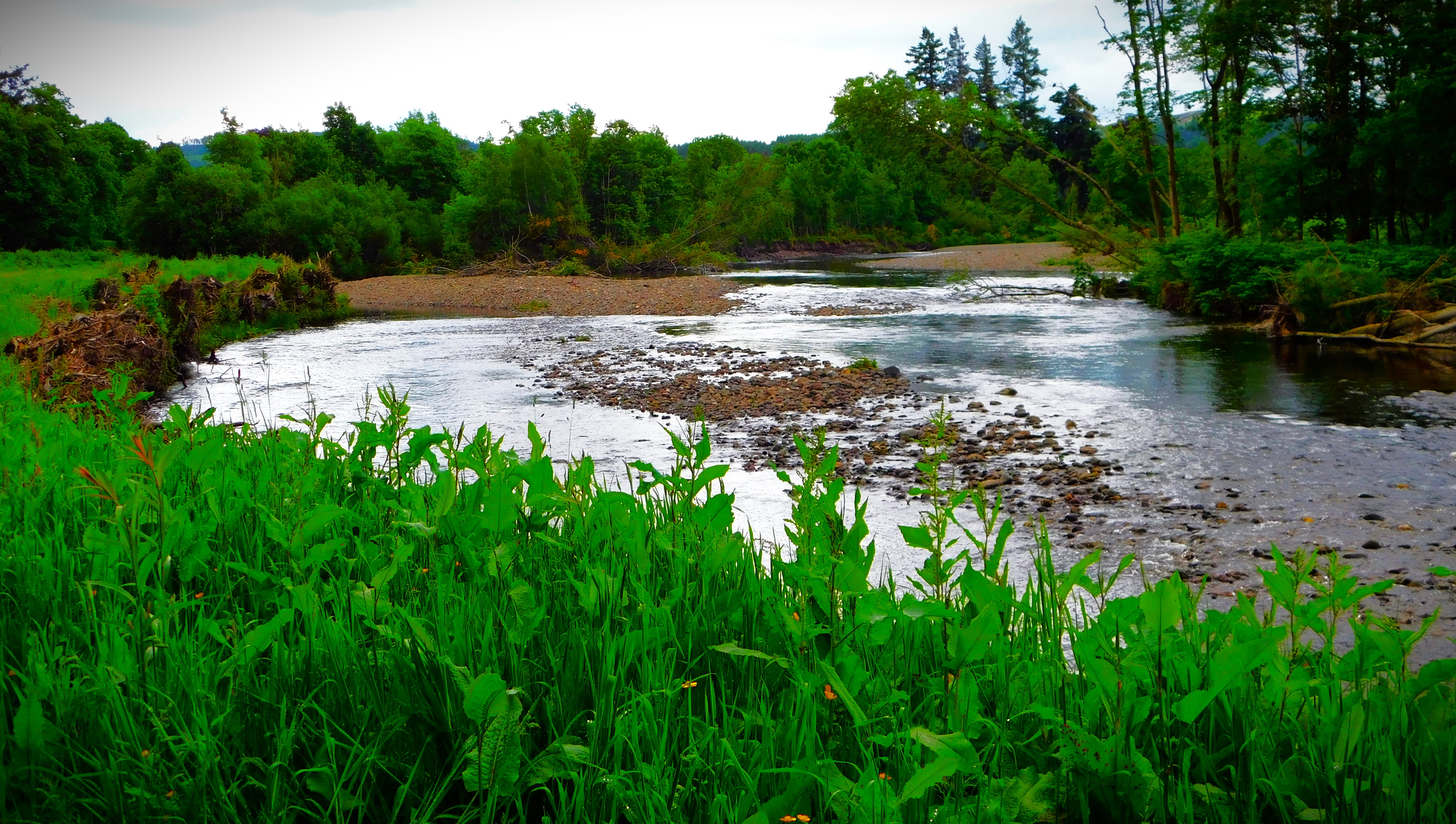
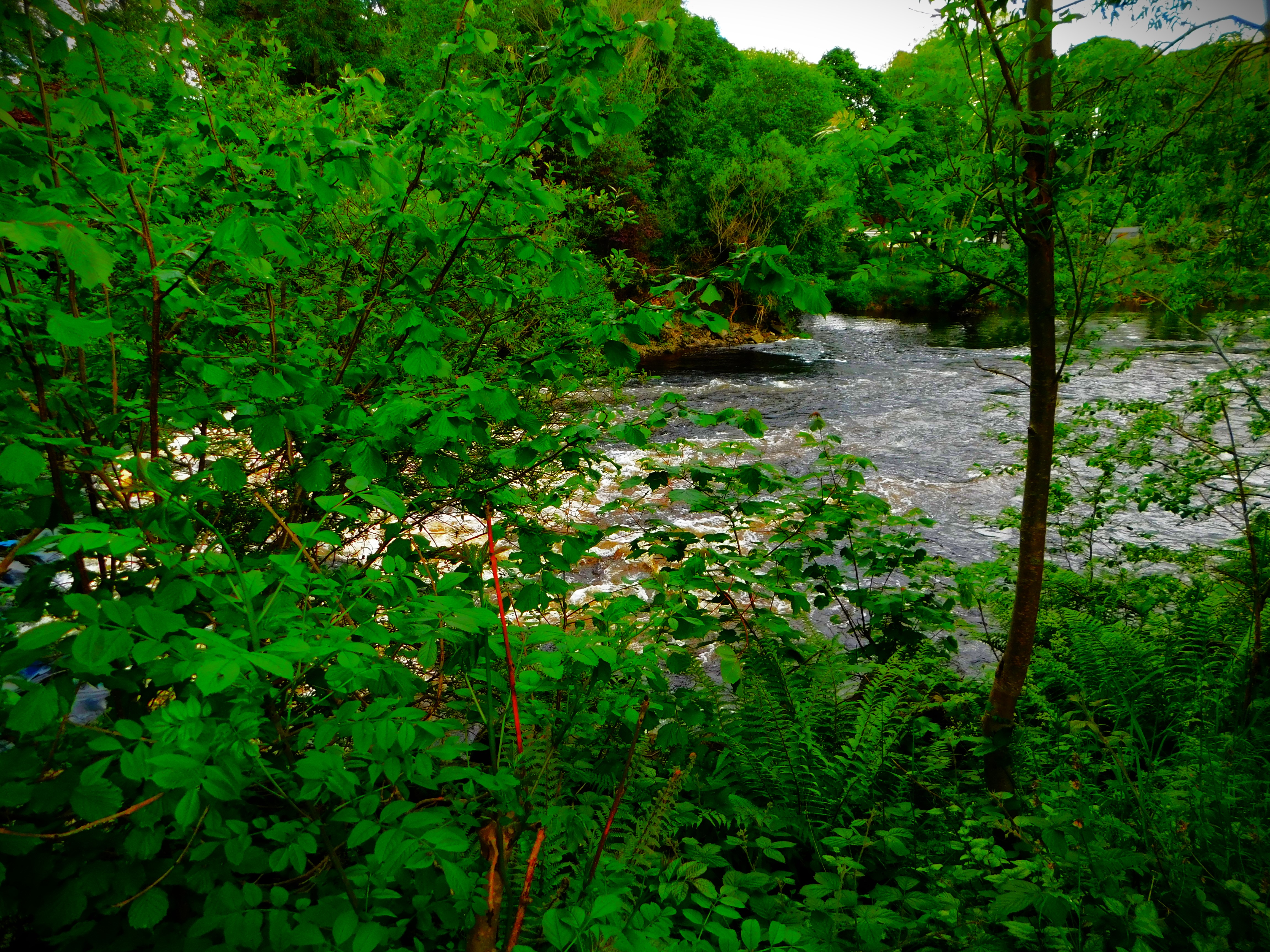
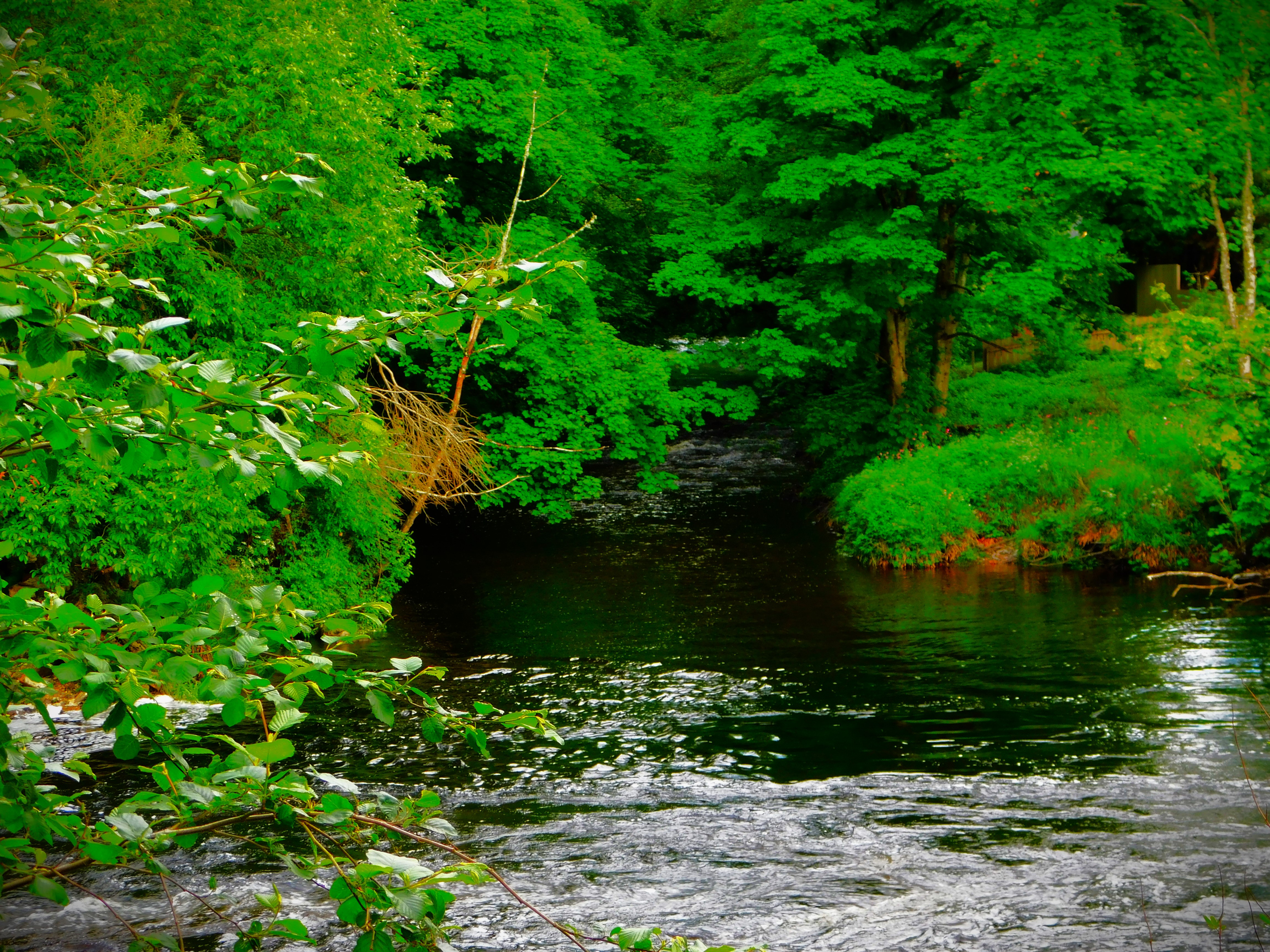
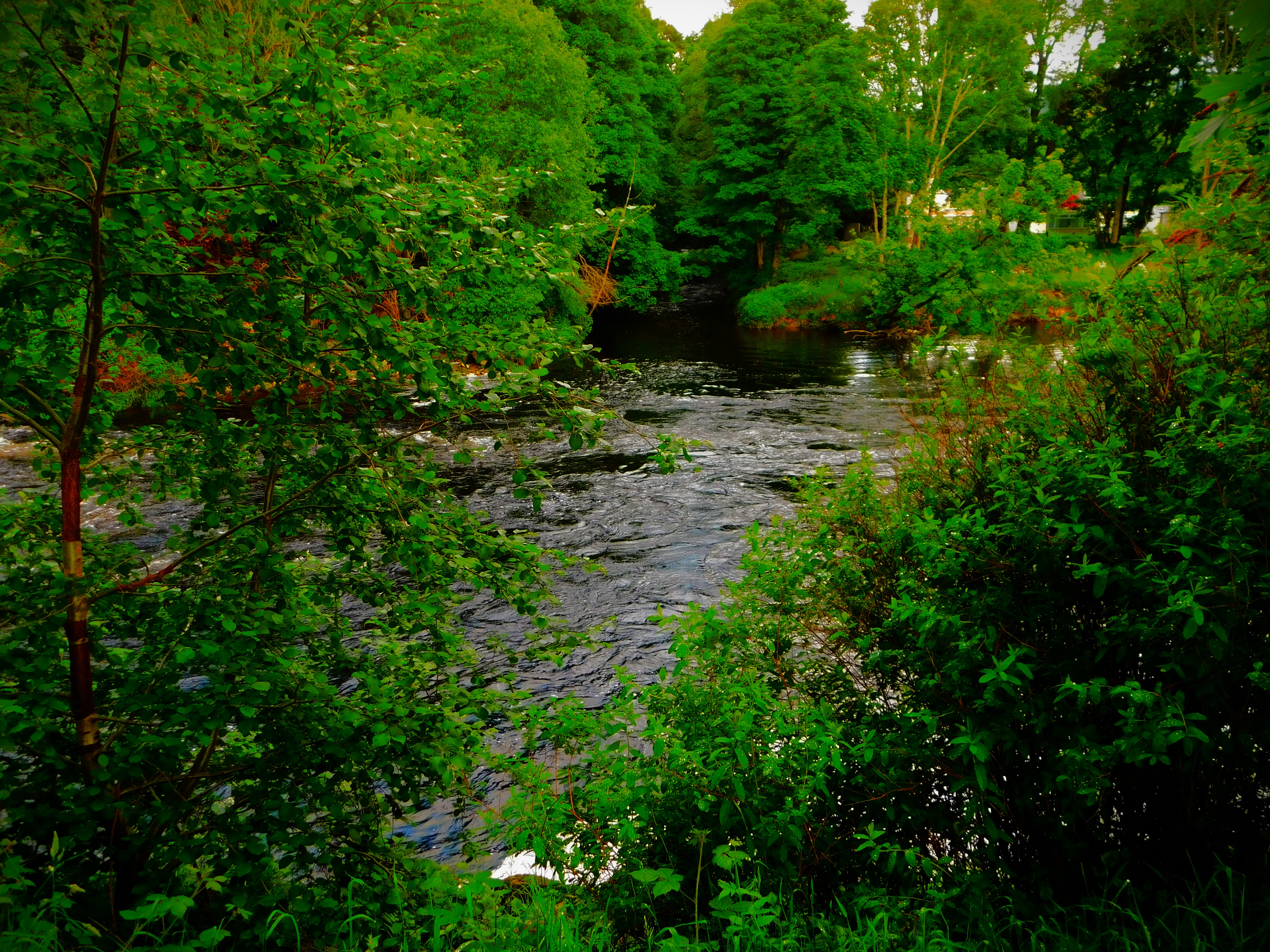
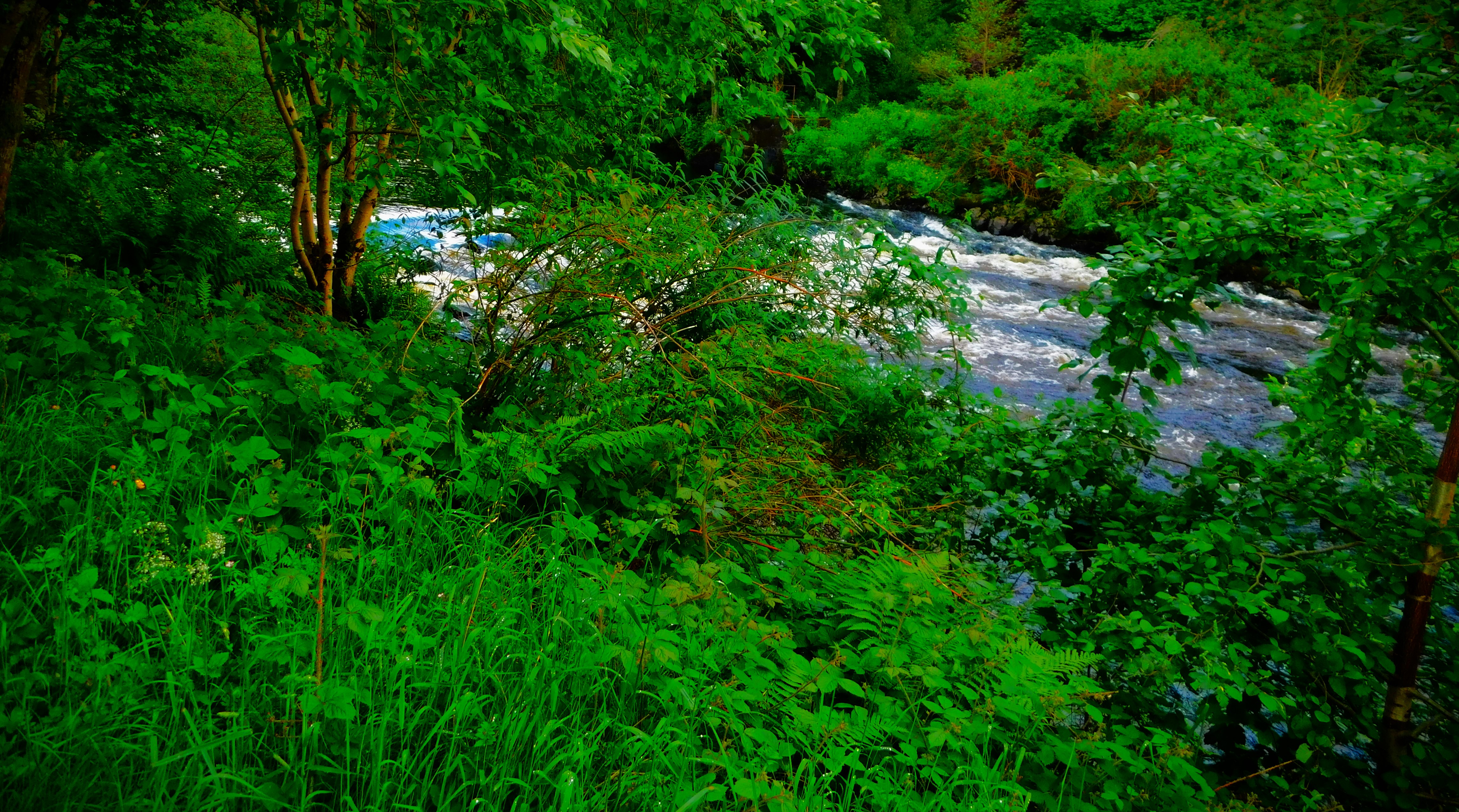
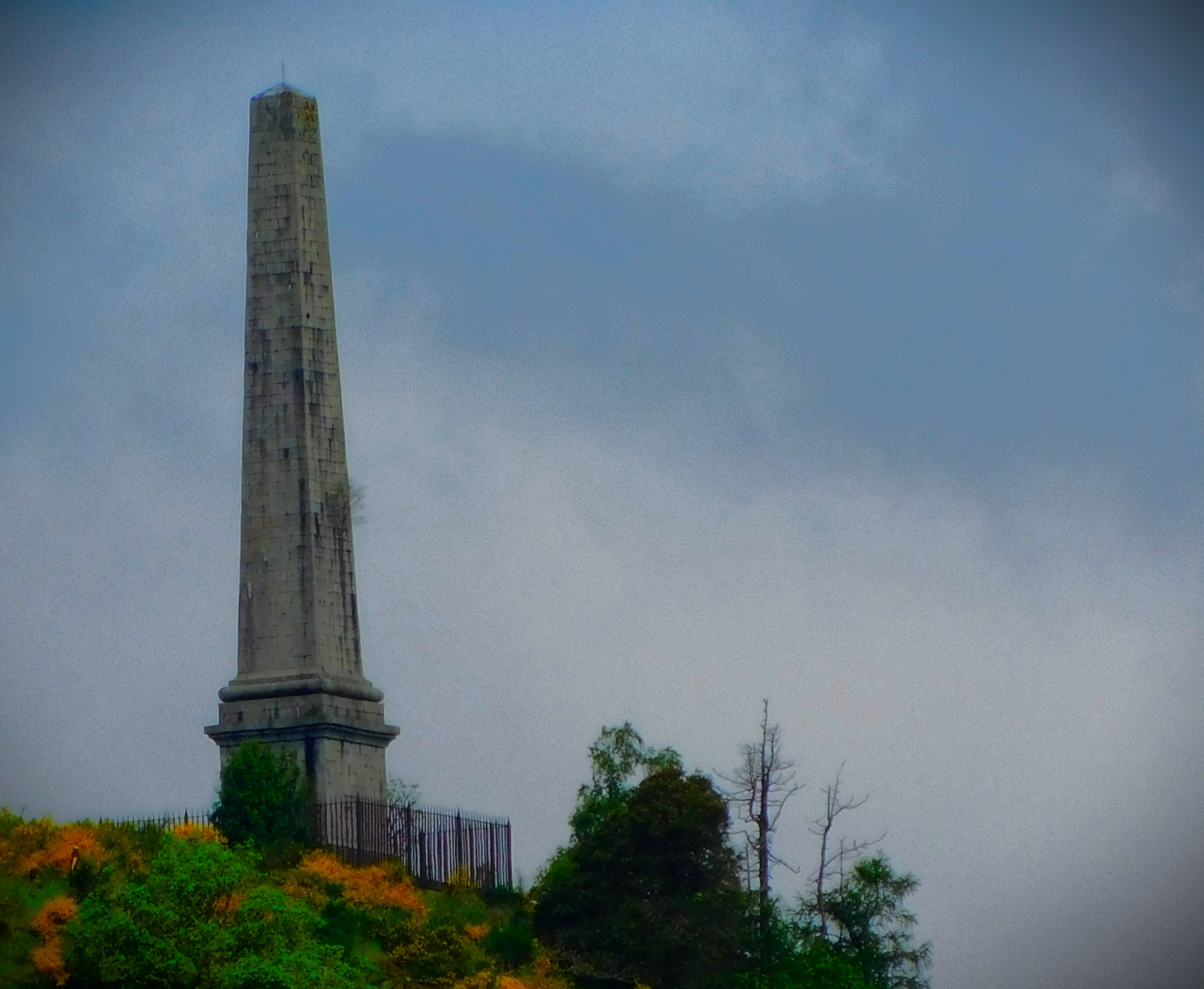
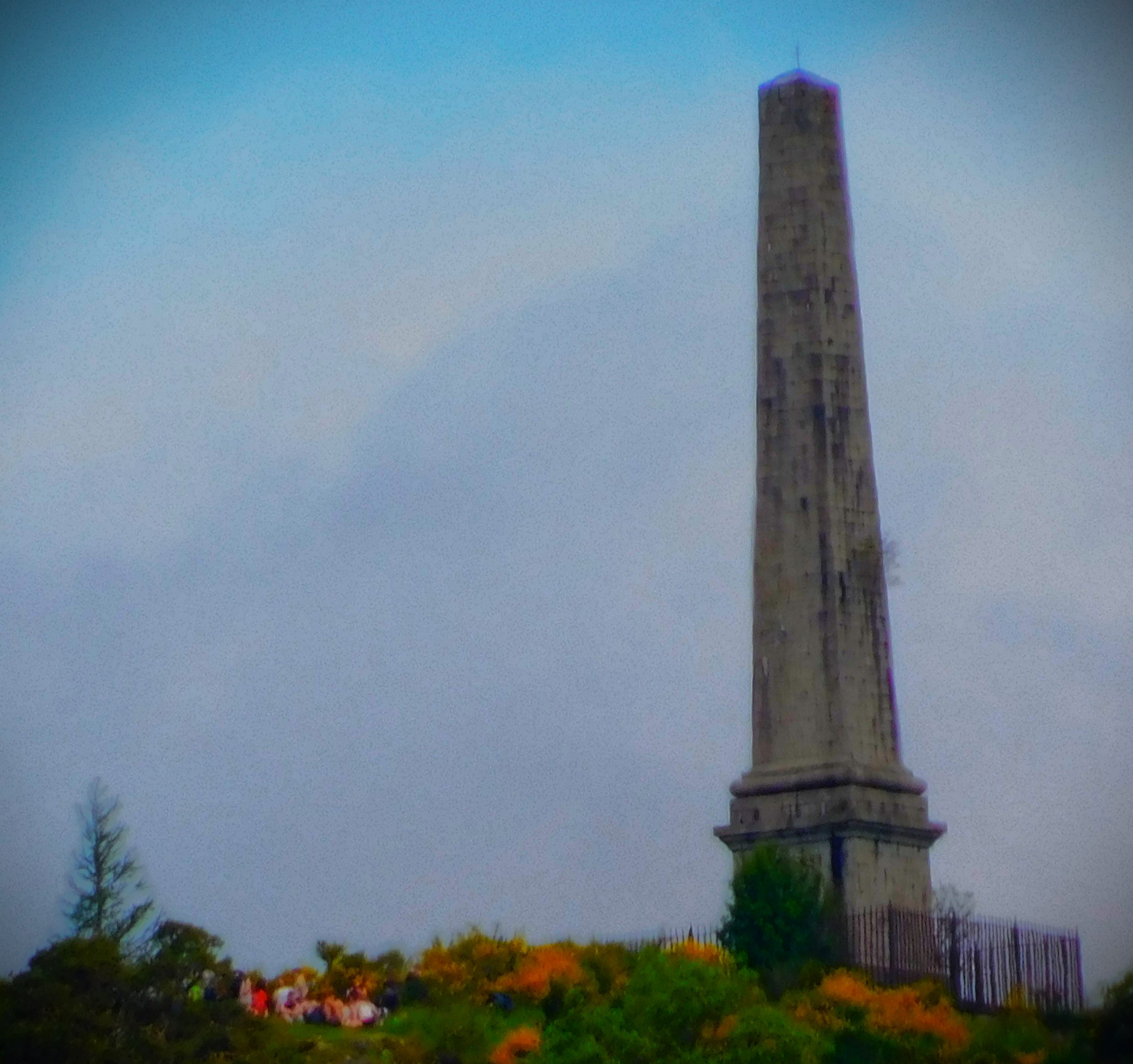
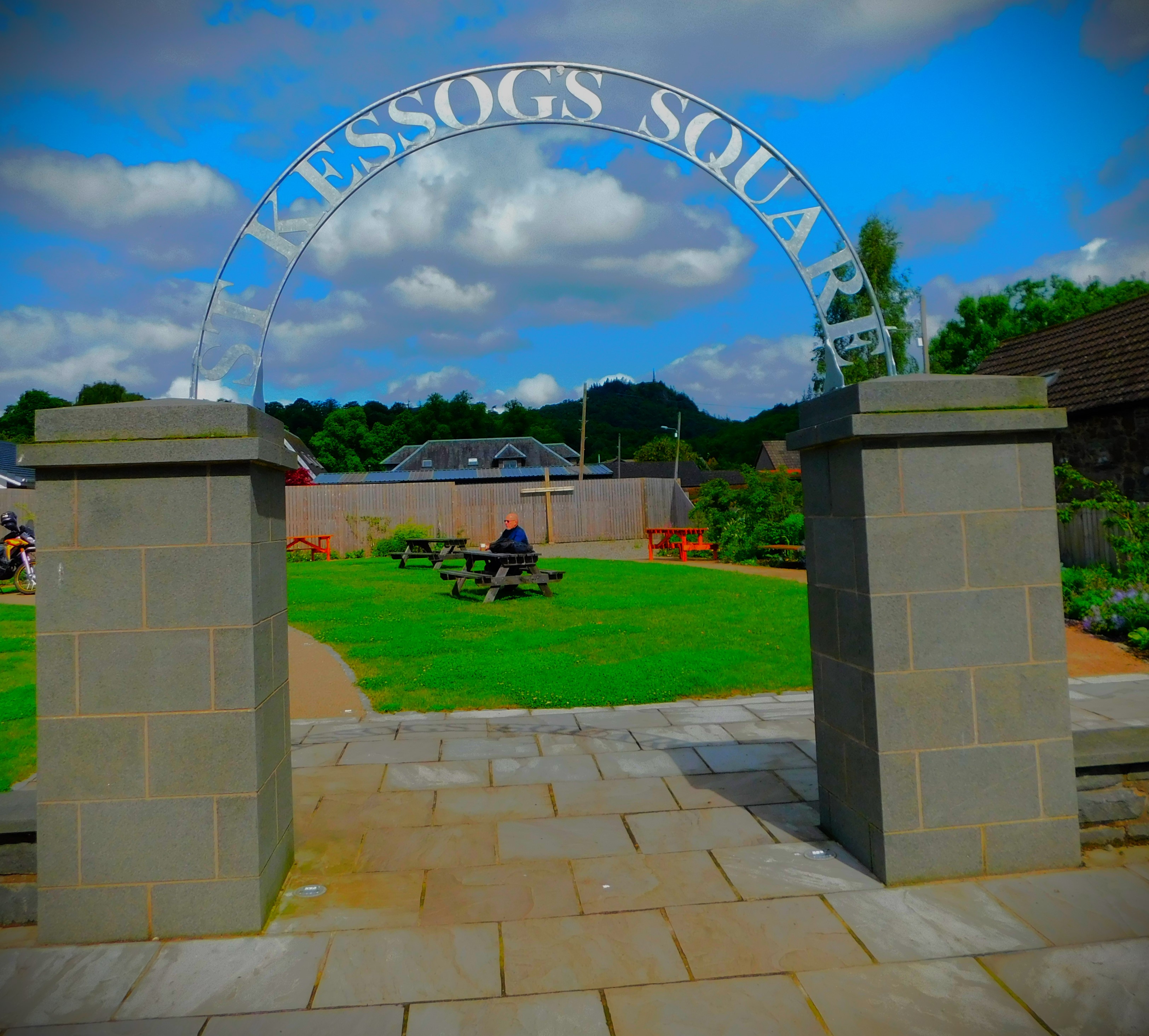
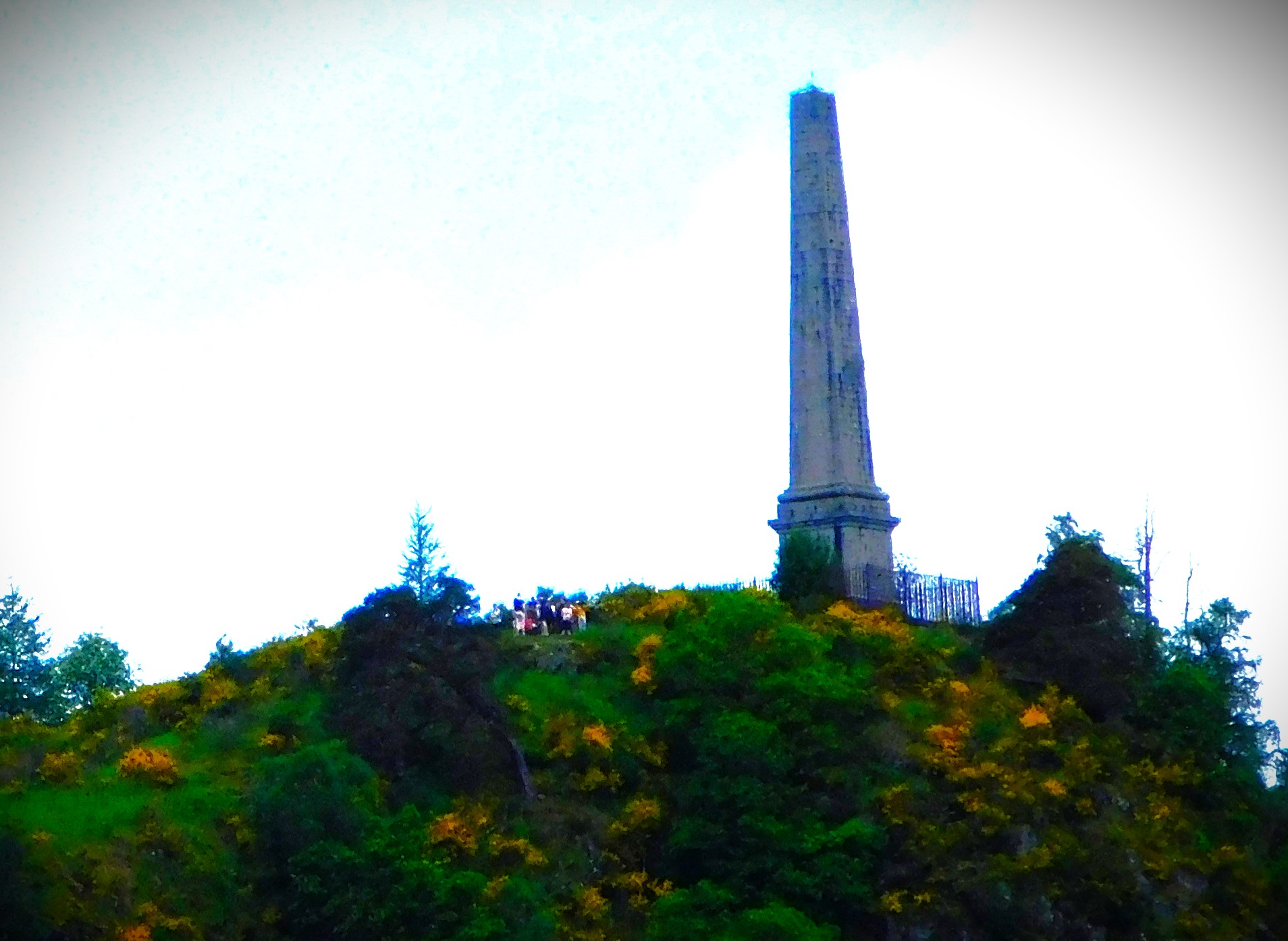
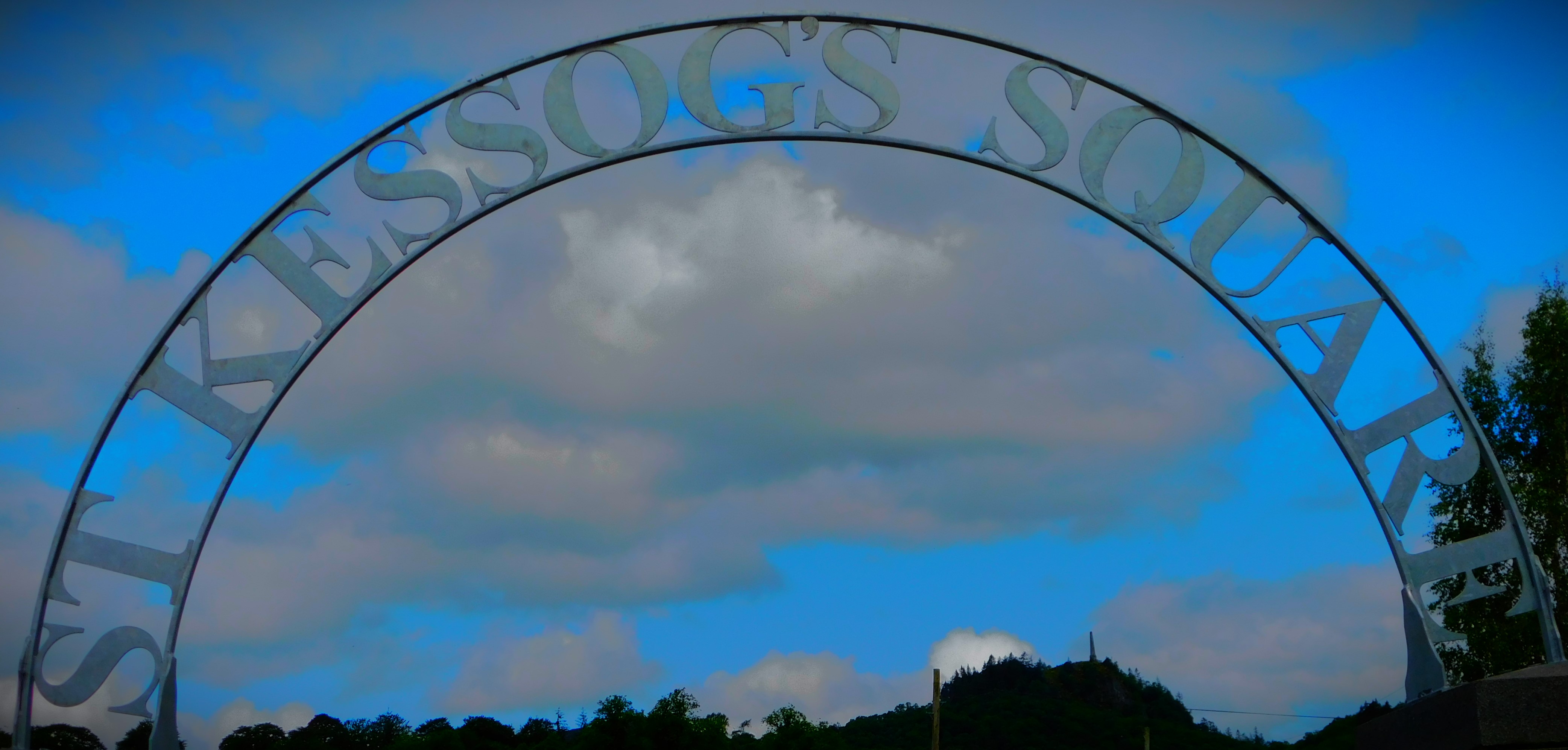
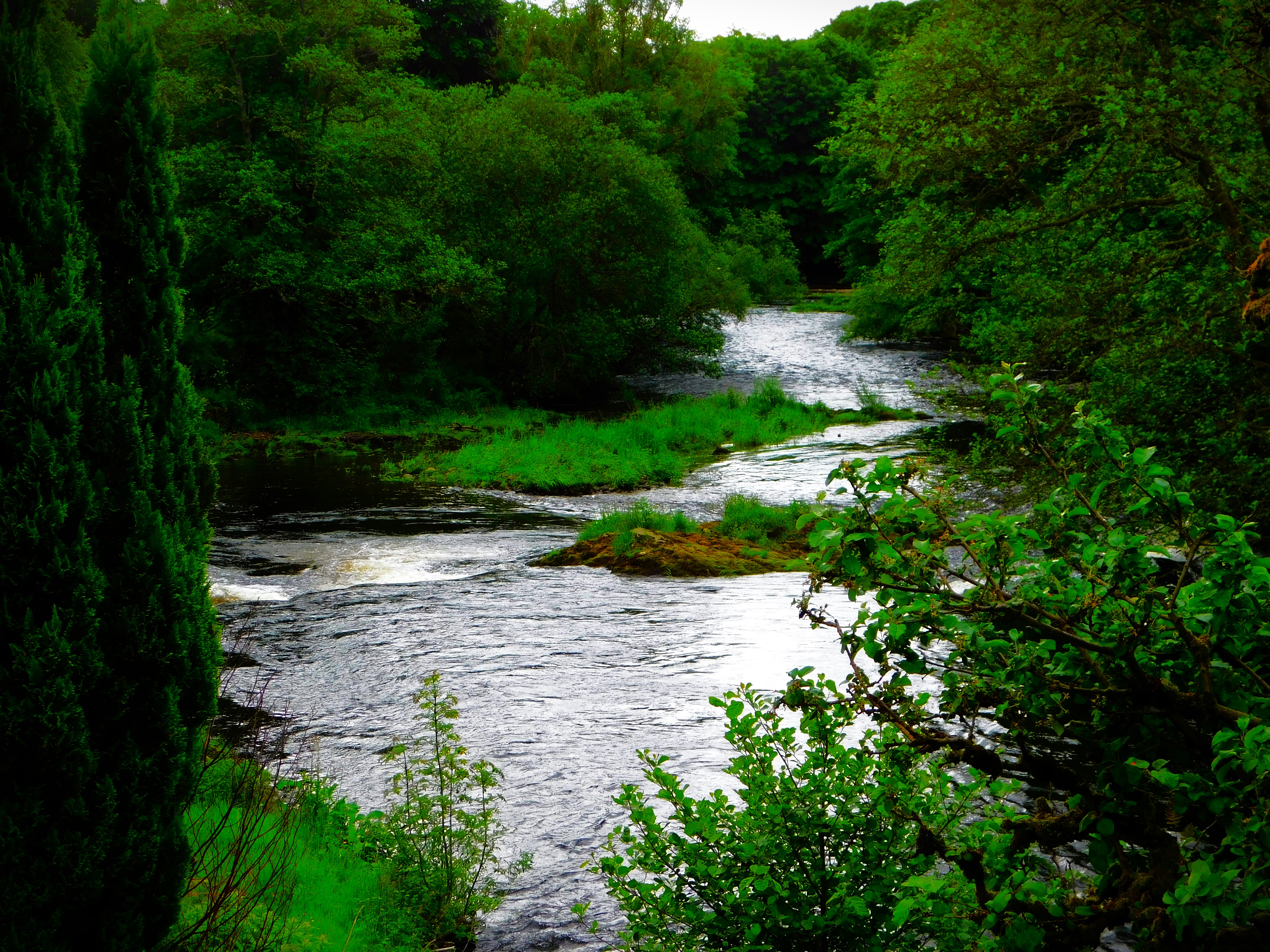
On the Wednesday morning I explored the river a little way in each direction. One way is a path that leads to Cultybraggan. In the other direction I got as far as Legion Park. From certain locations a hill top monument is visible – I photographed it more than once.
PHOTOGRAPHS
Here are the pictures for this post…
A community centre that looks like a church.The sitting room, showing the inside of the turret.
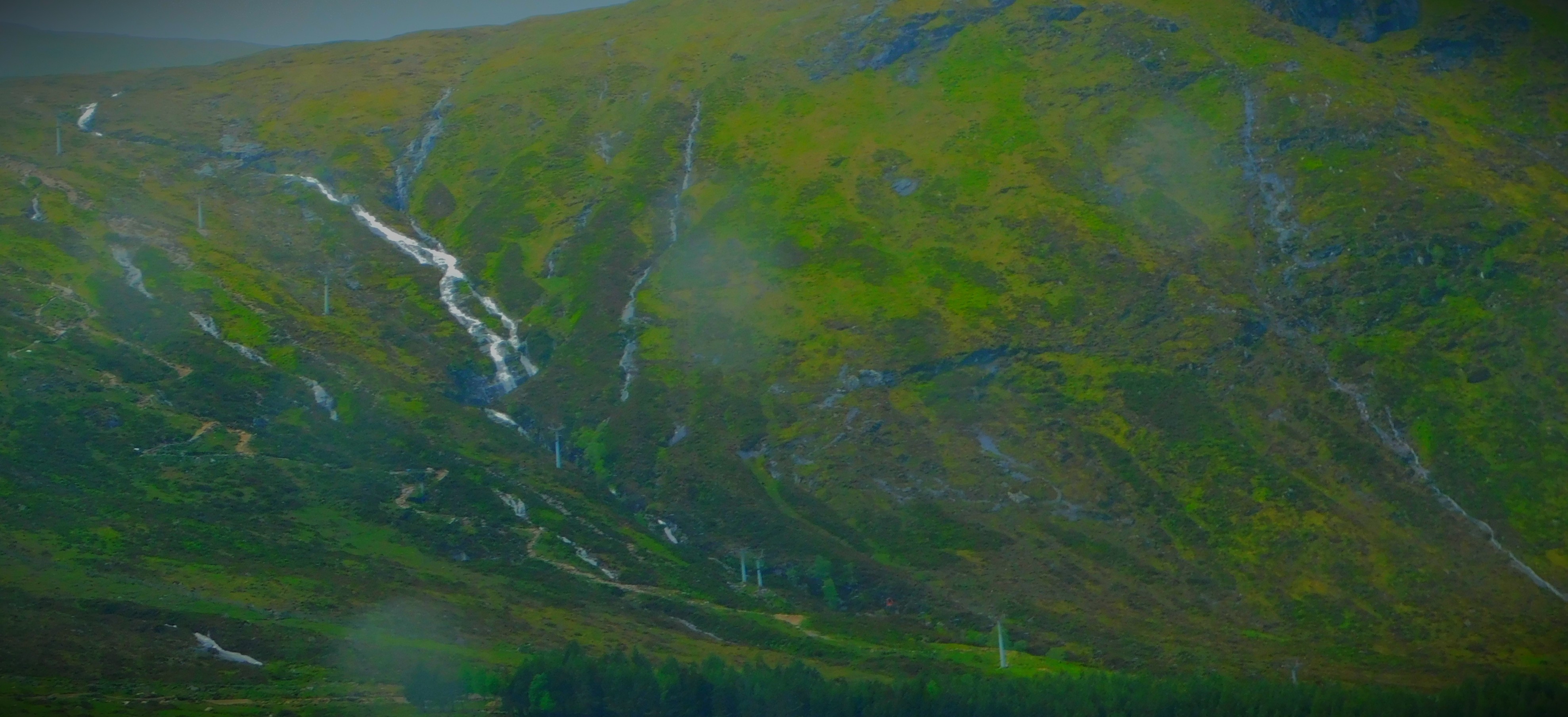
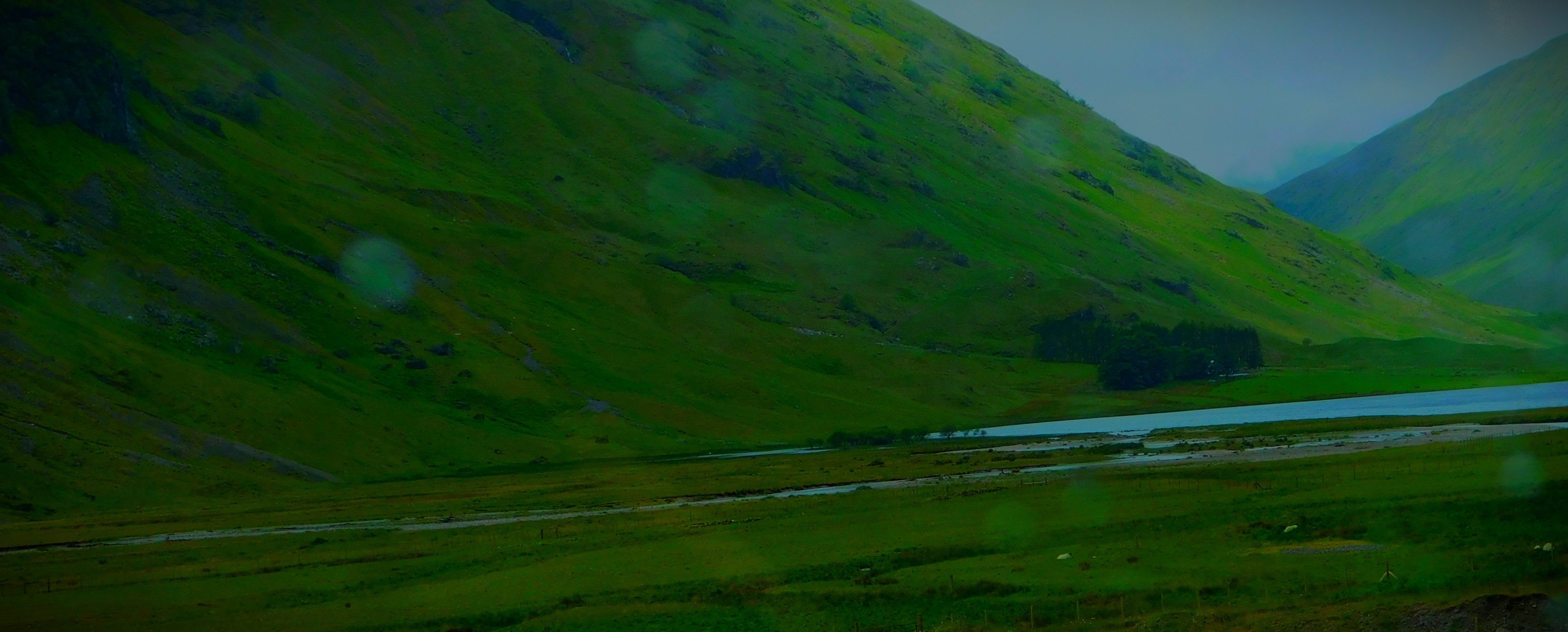
For those who made it to this point, here is the first of a series of waterfall videos which will feature in this series:




































































































































































































































































 aspiblog