A look at developments in the men’s T20 world cup, including a major elimination and a great individual effort by a Canadian.
The first stage of the 2026 men’s T20 world cup is now well advanced. This post looks at a couple of major stories.
ADIOS AUSTRALIA
Australia having already been beaten by Zimbabwe faced Sri Lanka on Monday. When the folks from down under passed the hundred mark in eight overs they looked unstoppable. However Sri Lanka fought back, and as wickets fell Australia’s scoring faltered. In the end Australia managed 181, and were all out just before the end of the 20th over. That total was on the face of it still defensible, but now Pathum Nissanka, well supported by Kusal Mendis and Pavan Rathnayake proceeded to play an absolute blinder of an innings, racking up 100 not out from 52 balls with 10 fours and five sixes. Sri Lanka won by eight wickets with two whole overs to spare, and the mighty Aussies were looking straight at the exit door from the tournament. This was officially confirmed yesterday when the match between Sri Lanka and Zimbabwe was washed out without a ball being bowled. The truth is that after the two defeats they had sustained, both of which were strictly merited Australia would have needed a massive helping of good fortune to qualify and they deserved not to receive such good fortune. I also reckon that a really big name falling at the first hurdle is good news for the tournament.
A GREAT INNINGS
When the first match yesterday, between Canada and New Zealand got under way, no one playing for an associate nation had ever score a century at a T20 world cup. Yuvraj Samra, named in honour of former India international Yuvraj Singh, and like him a left handed batter, scored 110 off 65 balls with 11 fours and six sixes for Canada to become the first such player. Unfortunately for him he did not receive enough support from his team mates – Canada still only managed 173 from their 20 overs, and they then bowled so appallingly that New Zealand reached the target with 4.5 overs and eight wickets to spare.
TODAY SO FAR
Pakistan battered Namibia by 102 runs in the first game of the day to secure their qualification, and South Africa beat the UAE by six wickets with almost seven overs to spare to finish this stage of the tournament with a 100% record – played four, won four. India and the Netherlands are currently doing battle, and an upset does not currently look terribly likely.
A brief mention of the opening stages of the Men’s T20 Cricket World Cup which is underway in Sri Lanka and a photo gallery.
This will be a brief post. The 2026 Men’s T20 World Cup is underway in Sri Lanka.
WHAT HAS HAPPENED SO FAR
The first match of the tournament saw the Netherlands and Pakistan in opposition. The Netherlands gave a good account of themselves but Pakistan emerged victorious by three wickets with three balls to spare. The second match was between Scotland and The West Indies. There were moments when Scotland seemed to be in this one, but two contributions were effectively decisive between them. First Shimron Hetmyer scored 64 from 36 balls, which lifted West Indies to 182-5. Then, with Scotland not entirely out of the running, Romario Shepherd took four wickets in five balls, including performing the hat trick, which turned 133-5 into 133-9. Shepherd’s final innings figures were 5-20. India had a major scare in the third match against the United States but it now looks like they will win comfortably, as would have been expected. I am not following this match because England are facing Wales in the Six Nations rugby tournament, and that has first claim on my attention.
PHOTOGRAPHS
My usual sign off…
A goldeneye duck in the pond nearest my home.Five lapwings just on the eastern (King’s Lynn) side of the Great Ouse.
A whimsical exercise inspired by a fairly newly constructed path in King’s Lynn, assessing how the real roundel might be brought here.
This is an exercise in purest whimsy, provoked by a recently constructed set of paths in Hardings Pits near King’s Lynn that I have dubbed ‘Roundel Path’ for their collective resemblance to London Underground’s classic symbol. Here is a photograph:
Roundel Path – I hope this photo, taken this morning illustrates the reason I have so named it.
Before moving in to the main body of this post I re-emphasise that this a purely whimsical exercise, and not even I would actually recommend the adoption of these schemes.
TWO POSSIBLE METHODS
These suggestions are listed from most to least fanciful with even the least fanciful still fairly so.
Over a decade ago I did a personal survey of the Piccadilly line, which among other things recommended a northwards extension from Cockfosters to Welwyn Garden City. Welwyn Garden City is a station that trains from London to King’s Lynn pass but do not stop at en route. Extending all the way to Lynn would require a lot of adjustments at every station that the line would stop at – ideal platform heights are very different for surface and tube stocks which is why I consider this possibility even more unrealistic than the other.
The slightly less ridiculous possibility makes use of the fact that the older subsurface London Underground lines are built to standard railway specifications and would at least not require any platform adaptations. It would require one completely new section of track, from King’s Cross St Pancras (Circle, Hammersmith&City and Metropolitan line shared platforms) to Finsbury Park or some point further north, with an intermediate station at Highbury& Islington, giving some useful connections, joining the existing tracks as soon as it is practical for it to come to the surface. That leaves one further question…
WHICH OF LINE SHOULD RUN THE NEW ROUTE?
There are three possibilities:
The Metropolitan line once extended over 50 miles out into the countryside, and is still much more like a mainline railway than other lines. The disadvantage of the Metropolitan getting this route is that from Baker Street onward trains would heading northwest, having come from basically due north (with a tiny fraction of east).
The Hammersmith and City line, which could abandon the Farringdon to Barking part of its route, all of which is served by other lines.
The Wimbledon-Edgware Road section of the District line could add the stations as far as King’s Cross to its existing route and take over the new route.
PHOTOGRAPHS
I state once again that the foregoing has been a piece of whimsy, not anything serious, before applying my usual sign off…
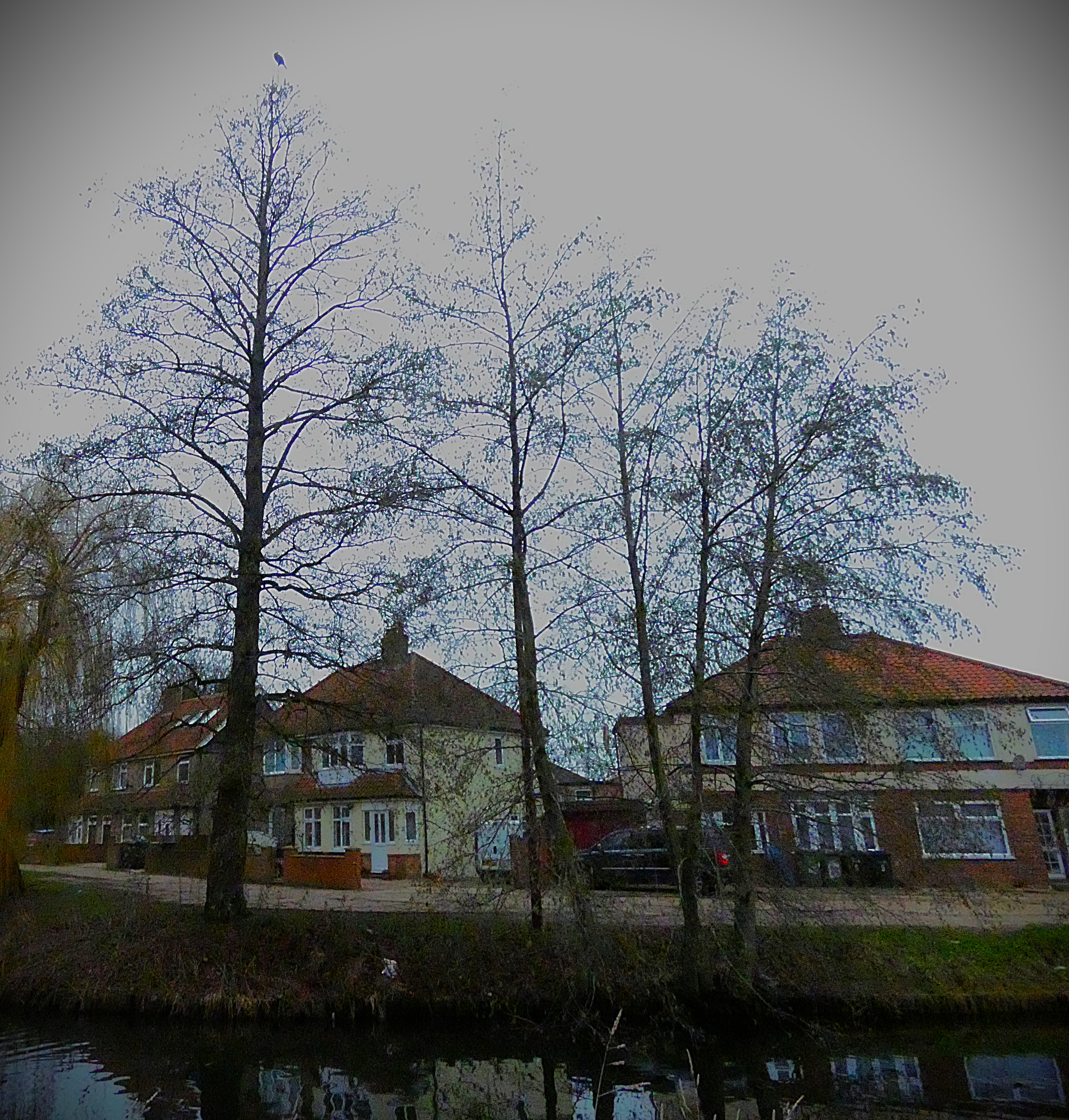
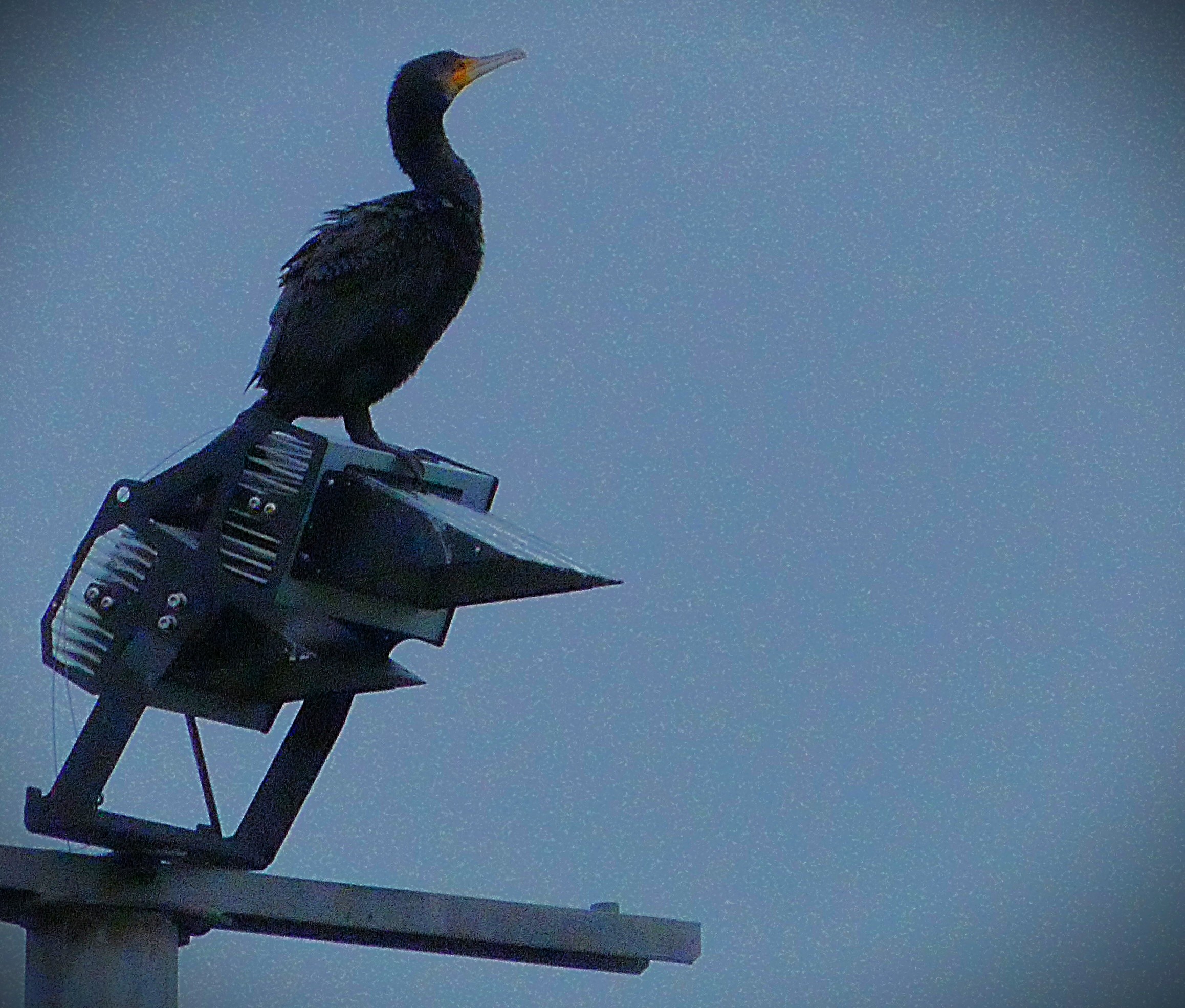
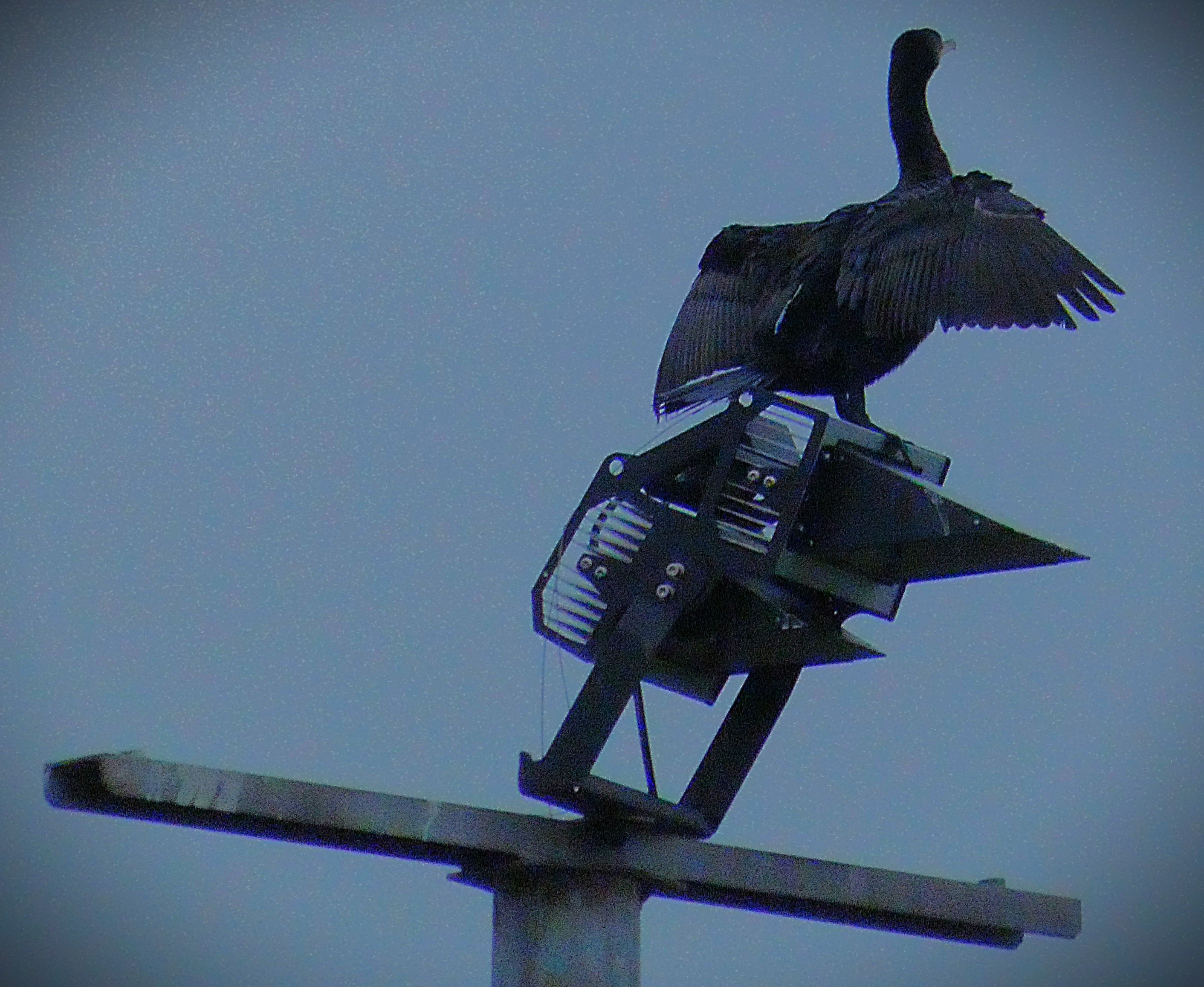
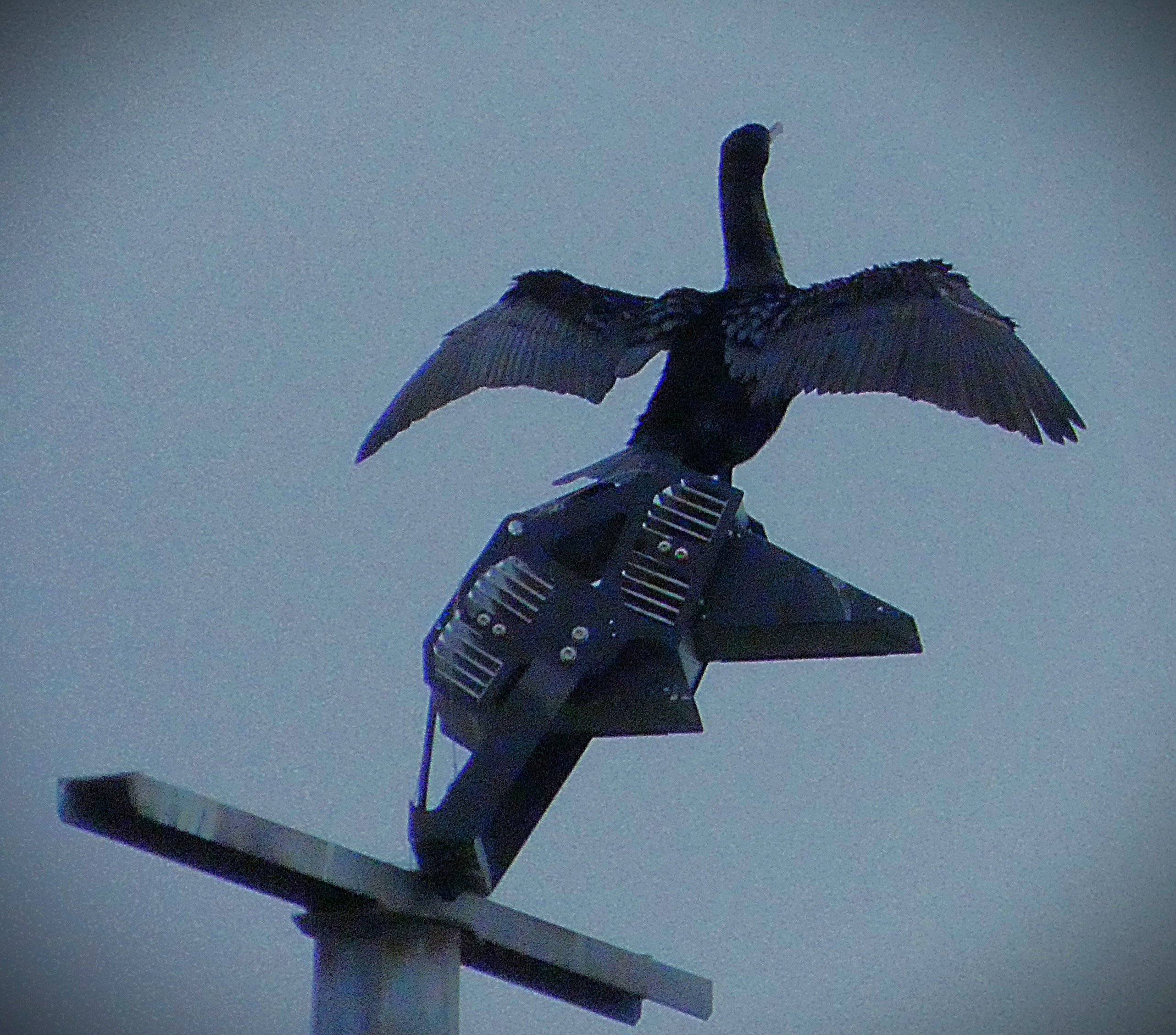
A new bird sighting for me, tentatively identified as a grey wagtail.This cormorant has evidently developed a taste for this particular tree canopy – I have seen it up there before.Roundel Path
An all time XI of players who have namesakes in detective stories and a photo gallery.
Today I select an XI of players who are namesakes of characters in detective fiction.
THE XI IN BATTING ORDER
Percy Holmes (right handed opening batter, Yorkshire and England). In most eras other than the one he played in he would have been one of the first names on the England team sheet, especially given what a great partnership he formed with Herbert Sutcliffe. As it was he generally missed out due to the presence of Jack Hobbs. His record for Yorkshire was outstanding, and at the time of his retirement included five of the ten highest individual scores made for the county. His fictional alter ego is of course the one and only Sherlock Holmes.
Herbert Sutcliffe (right handed opening batter, Yorkshire and England). One of the greatest opening batters ever to play the game, and shared 69 first class century opening stands with Holmes. He gets in by way of Magda Josza’s “Sherlock Holmes and the Femmes Fatales”, which features among others Lady Elizabeth Sutcliffe and her uncle Sir Vincent Sutcliffe.
Fred Bakewell (right handed top order batter, Northamptonshire and England). By the time a car crash brought his career to a premature close he had done more than enough to establish himself as a great batter. His fictional equivalent is Diana Bakewell, heroine of the Rachel McLean/ Millie Ravensworth series of London cosy mysteries of which I have read three thus far.
Jack Ryder (Australia, right handed batter, right arm medium fast bowler). One of the finer batters of the 1920s, his credits include a test match double century. He was also a useful enough bowler to occasionally be entrusted with the new ball. His namesake is James Ryder, villain in “The Adventure of the Blue Carbuncle”.
*Warwick Armstrong (Australia, right handed batter, leg spinner, captain). A magnificent all rounder, and a ruthlessly effective leader. The eight successive Ashes match victories he presided over (a 5-0 sweep in Australia in 1920-1, and the first three matches of the series in England in 1921) remains an all time record. His alter ego is Superintendent Armstrong from the Museum Detectives series.
Vallance Jupp (Sussex, Northamptonshire, England, right handed batter, off spinner). In the 1920s he achieved the double feat of 1,000+ runs and 100+ wickets in FC matches eight times in consecutive seasons. I have slipped him in by means of a small piece of sleight of hand – one of The Railway Detective, inspector Robert Colbeck’s colleagues is an inspector Vallence, and by altering one letter I got in a link to my favourite of all detective series.
+Adam Gilchrist (Australia, wicket keeper, left handed batter). |One of the all time greats of the game, although his legacy could be considered tarnished by the fact that a number sides nowadays blatantly sacrifice keeping quality for better batting from the keeper. One of the three students in the Holmes story of that title is named Gilchrist.
Gus Atkinson (Surrey, England, right arm fast bowler, right handed batter). He has had a superb start to his England career, though like too many of his team mates he had a poor time on the recent tour of Australia. Gus the cat is a character in the London cosy mysteries that also gave us a Bakewell.
Don Wilson (Yorkshire, England, left arm orthodox spinner, left handed batter). Though his England record was not great he took his first class wickets at 21 a piece. His alter ego is of course Daniel Wilson, one half of the Museum Detectives.
Ted McDonald (Australia, Lancashire, right arm fast bowler, right handed batter). One half of the first great fast bowling pair to operate at test level along with Jack Gregory, he later became one the spearheads of Lancashire’s most successful ever period. Though I have to add a letter to his surname to do it, I have two very different alter egos for him: Alec MacDonald, one of the few Scotland Yarders Holmes actually treats with respect (see “The Valley of Fear”) and Kylie MacDonald, one of the pair of detectives in the elite NYPD Red unit that features in a series of books with that title, the first six by James Patterson and Marshall Karp, and the seventh by Marshall Karp.
William Mycroft (Derbyshire, left arm fast bowler, right handed batter). Took over 800 FC wickets at 12 a piece in his career. With one Holmes brother sharing his name with an opening batter this XI ends with the other, Mycroft, sharing his name with an opening bowler.
This side has a more than adequate batting line up, and a stellar array of bowling talent – McDonald, Mycroft and Atkinson as front line pacers, with Ryder available as fourth seamer if needed, and Wilson, Jupp and Armstrong covering all the spin bases. I will not do honourable mentions for this one – there are a vast range of possibilities. Feel free to comment with your own ideas.
A look back at the Boxing Day activities of my Christmas in Cornwall, with a video and lots of photographs.
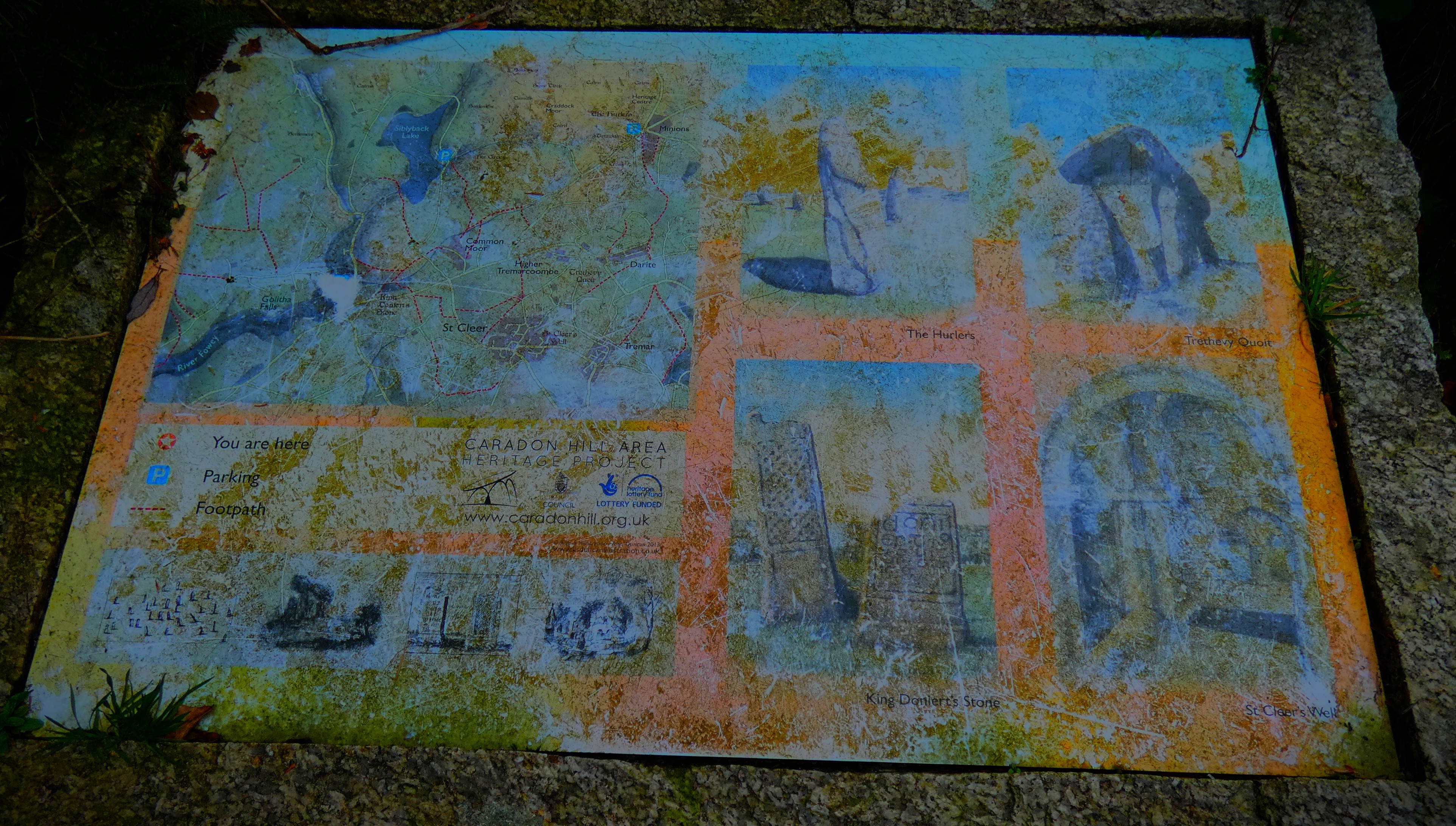
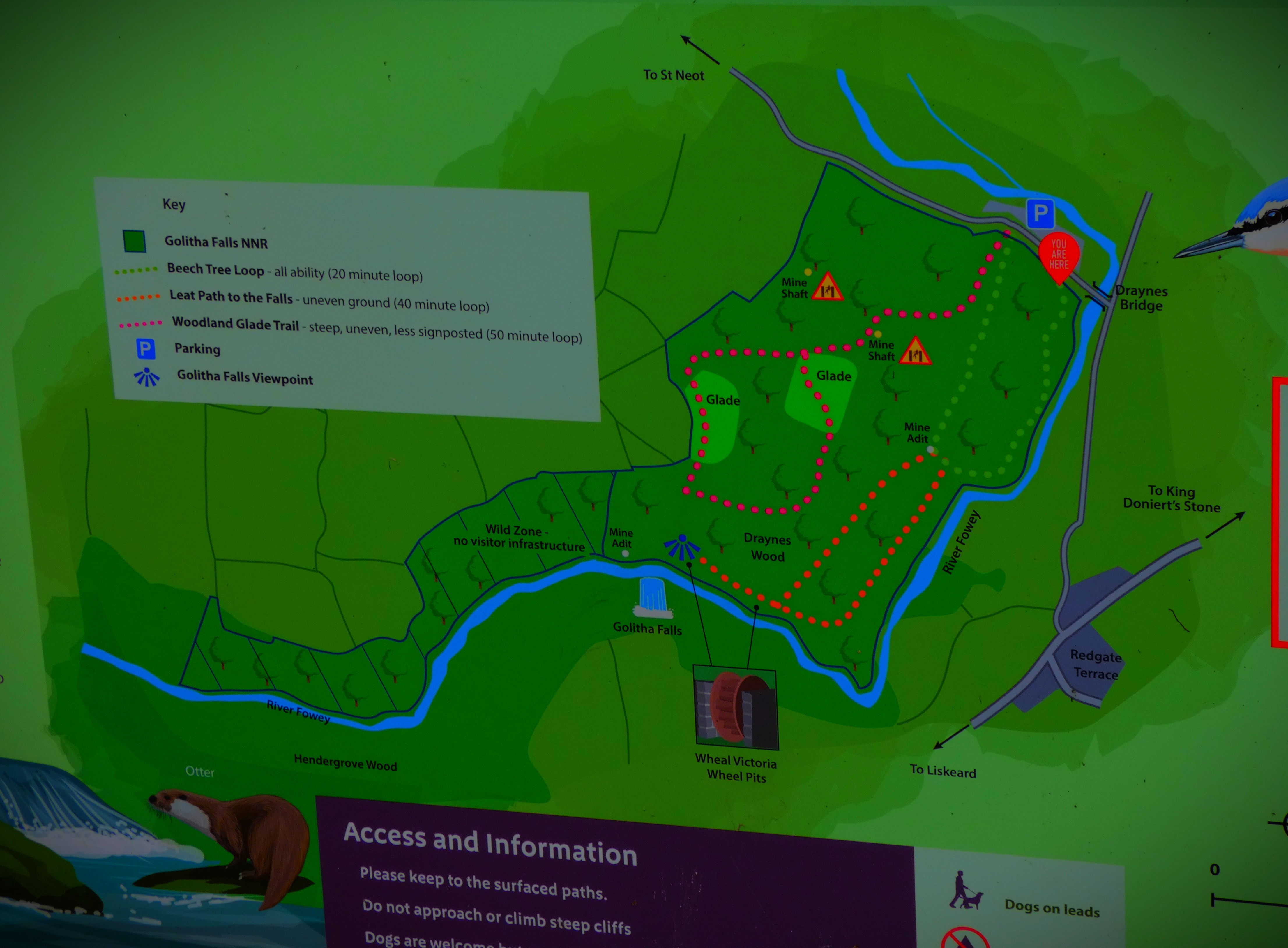
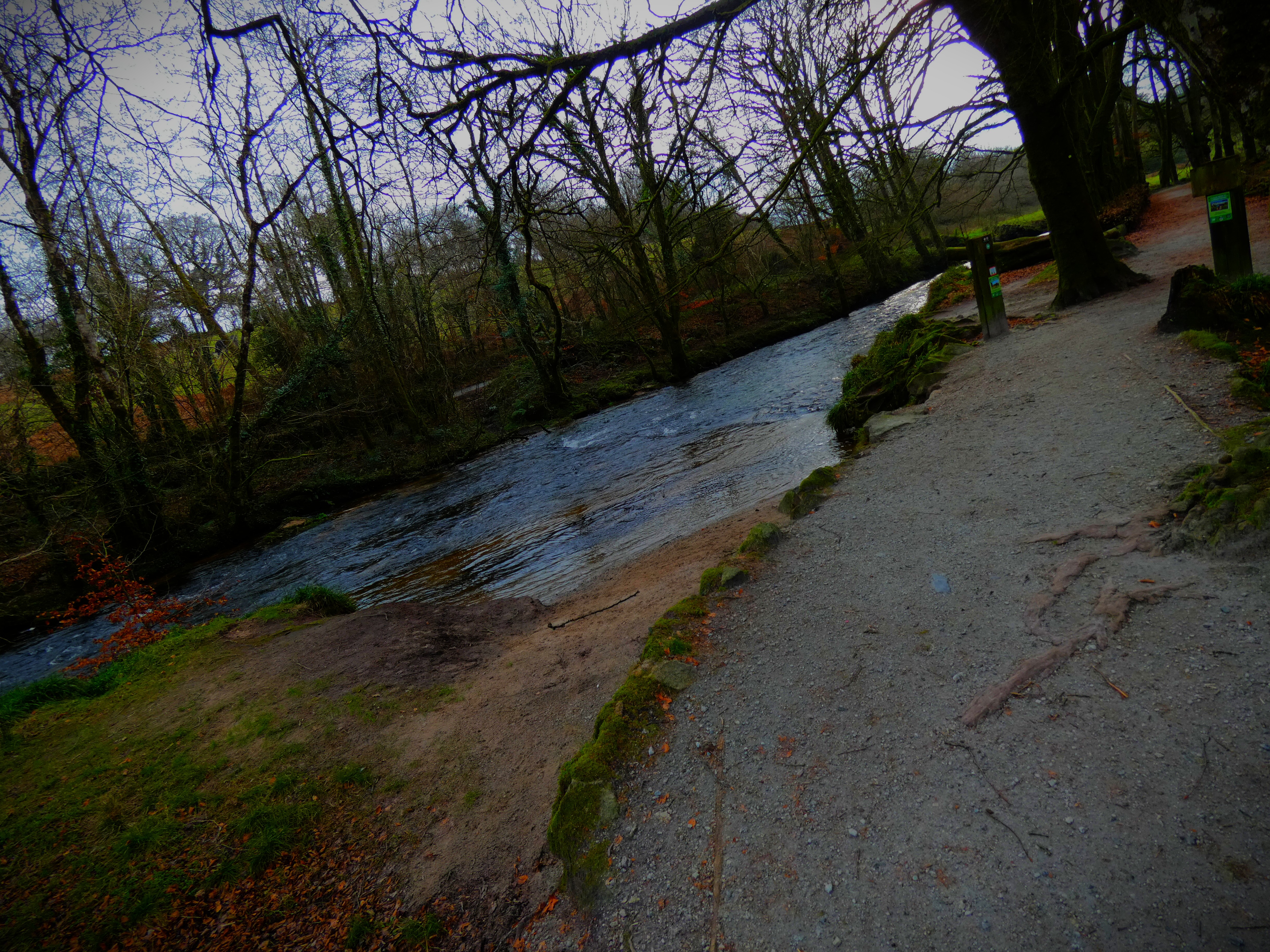
On Boxing Day we went out walking. Our original plan was to do a circular walk beginning with the Golitha falls Nature Reserve and continuing with a circular walk. This was later modified.
GOLITHA FALLS
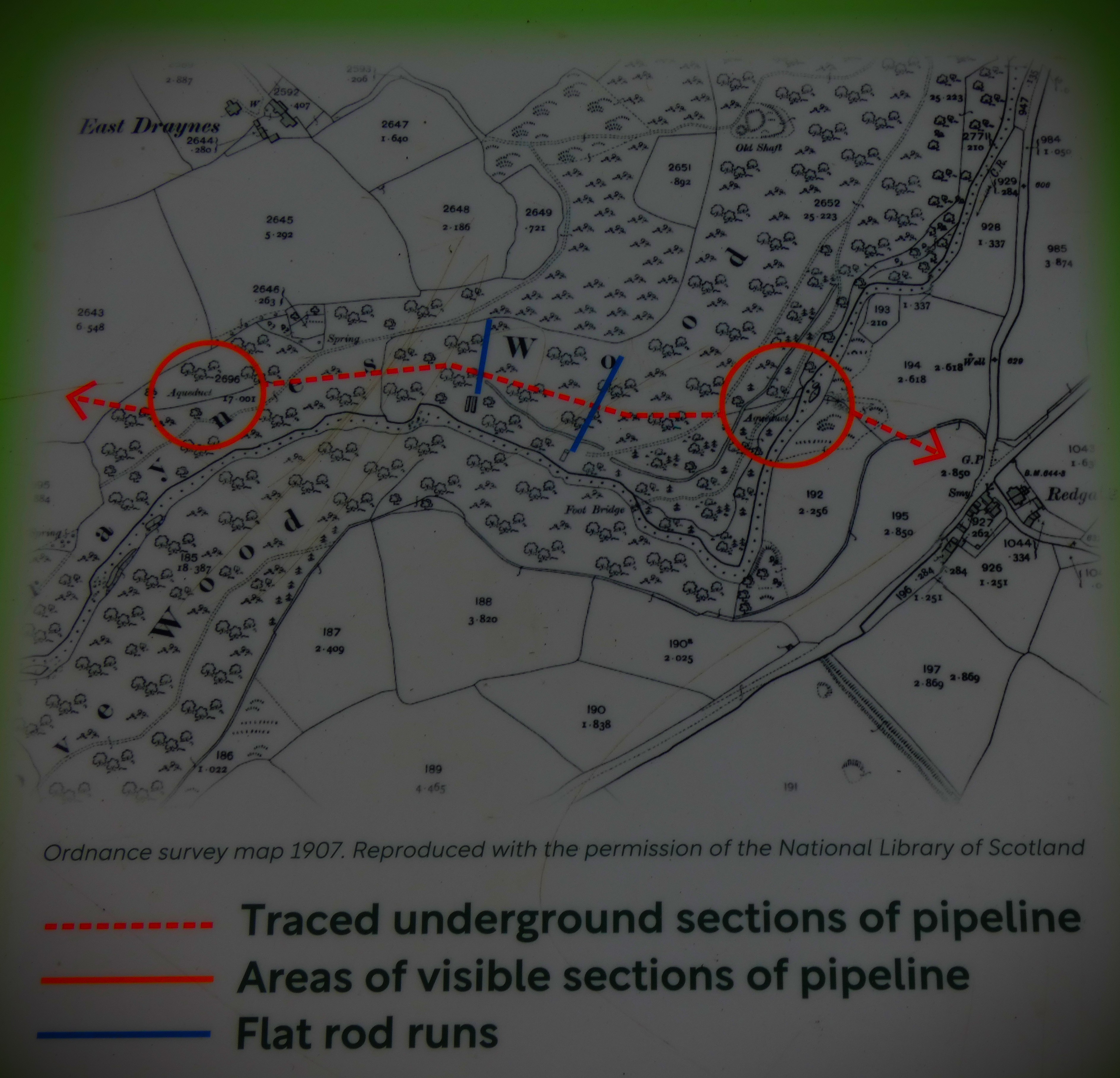
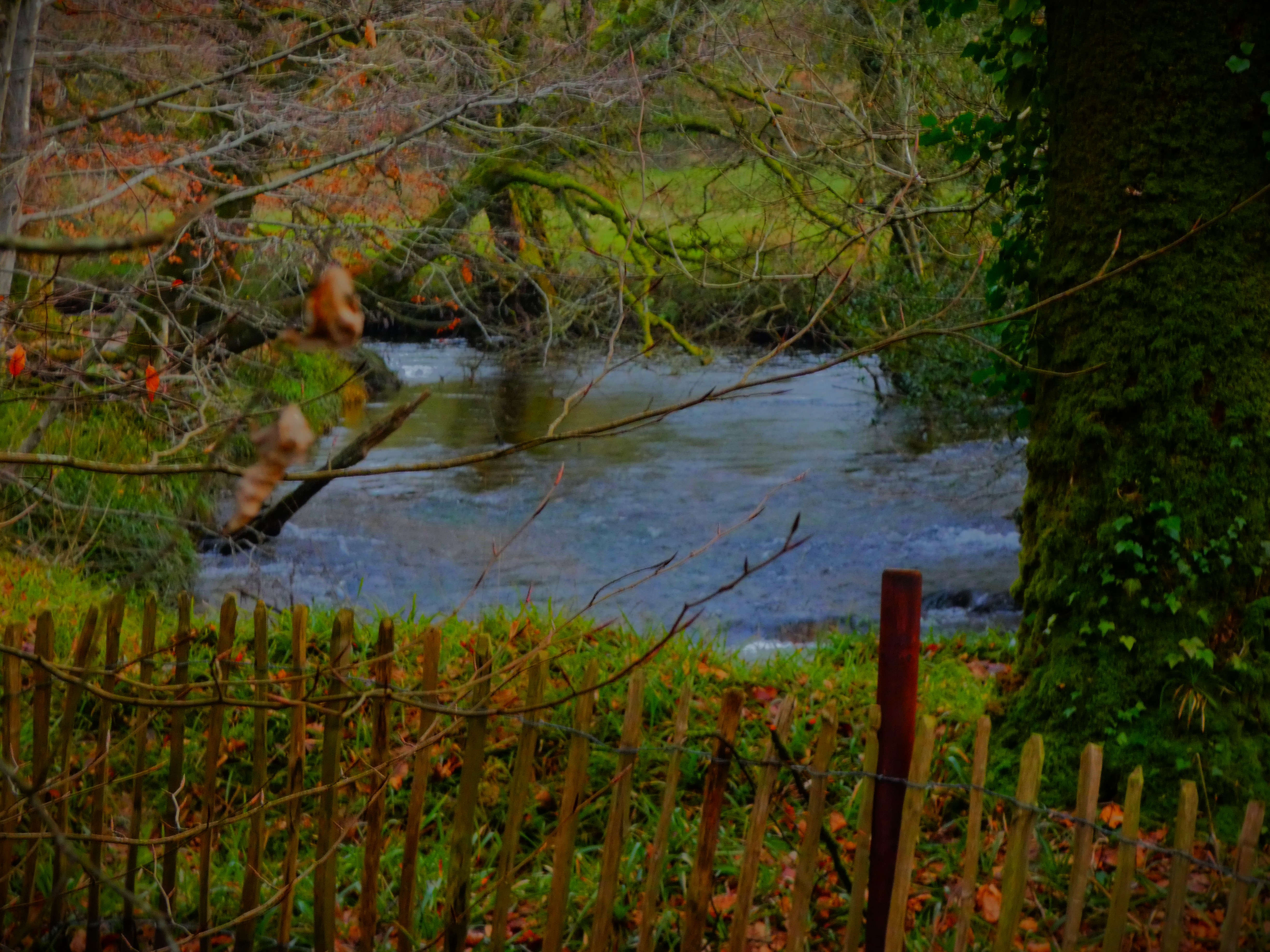
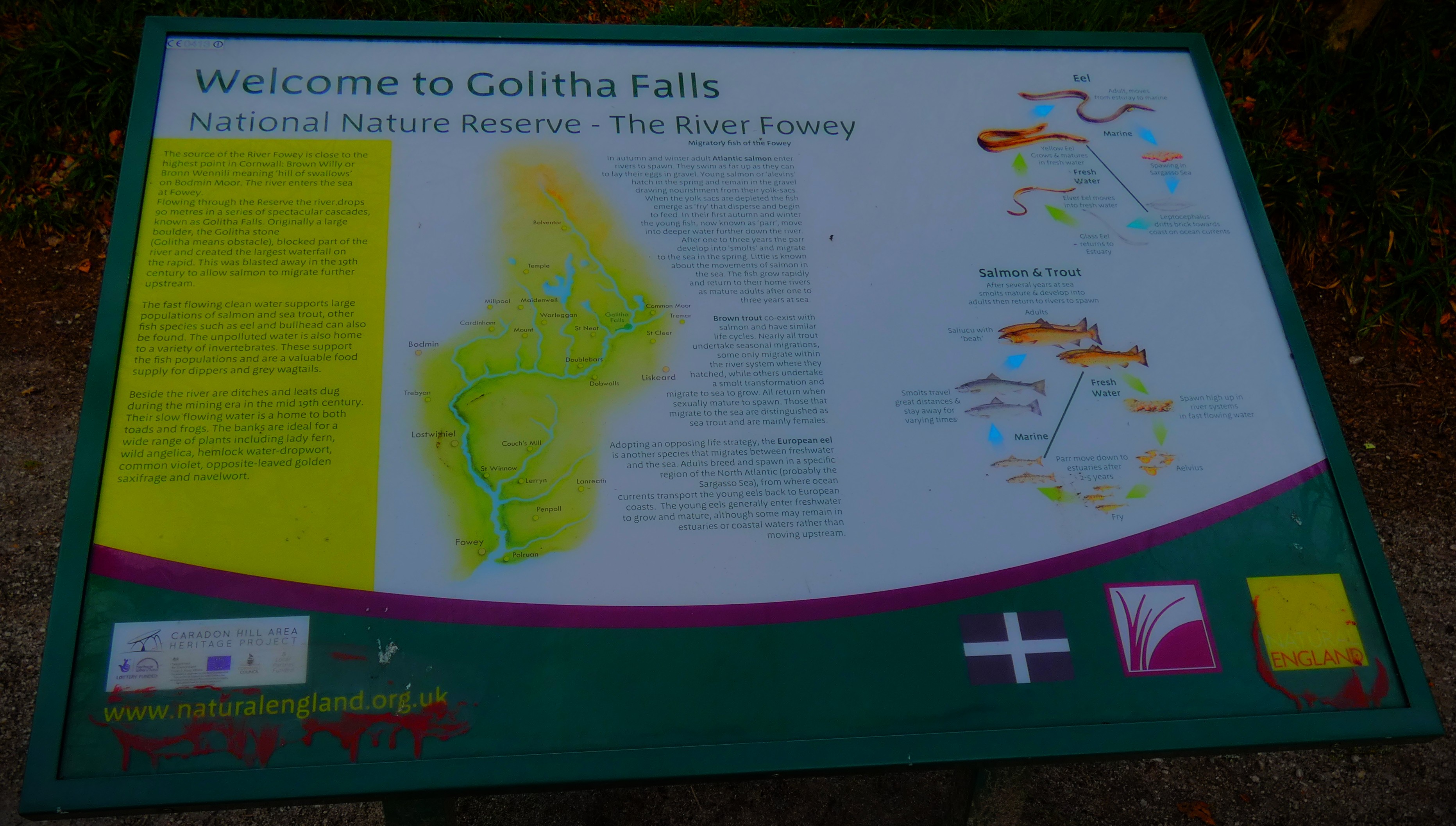
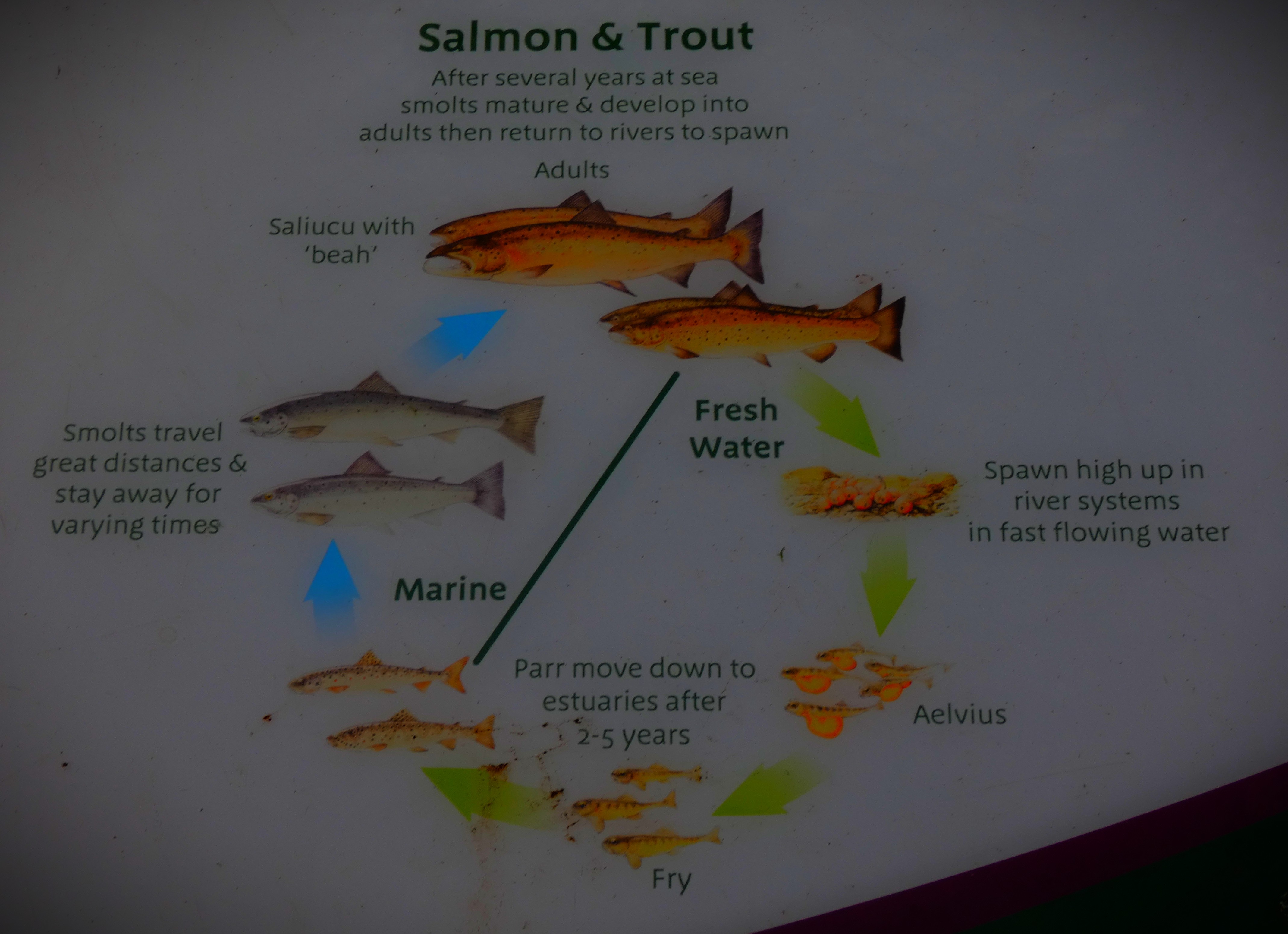
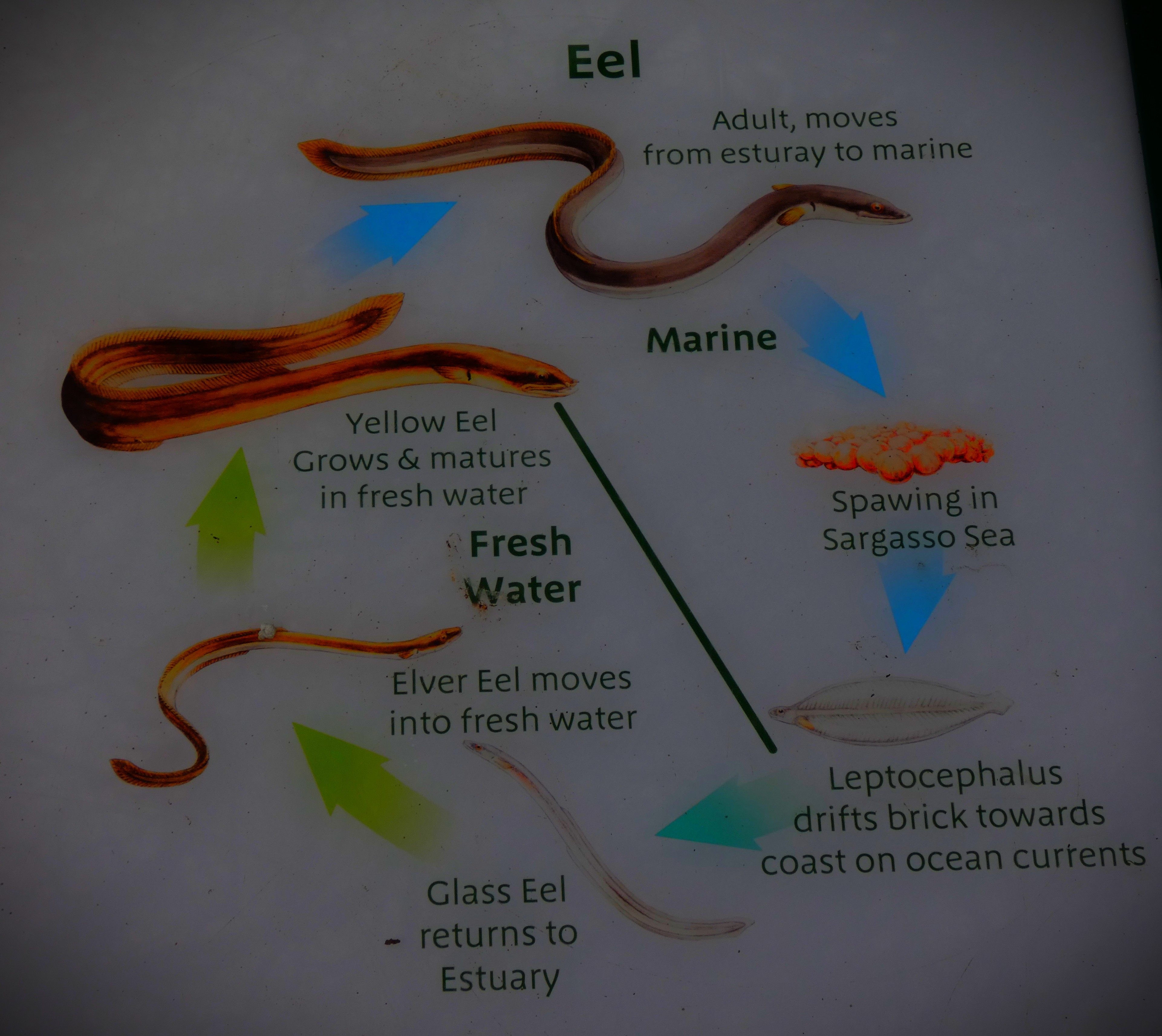
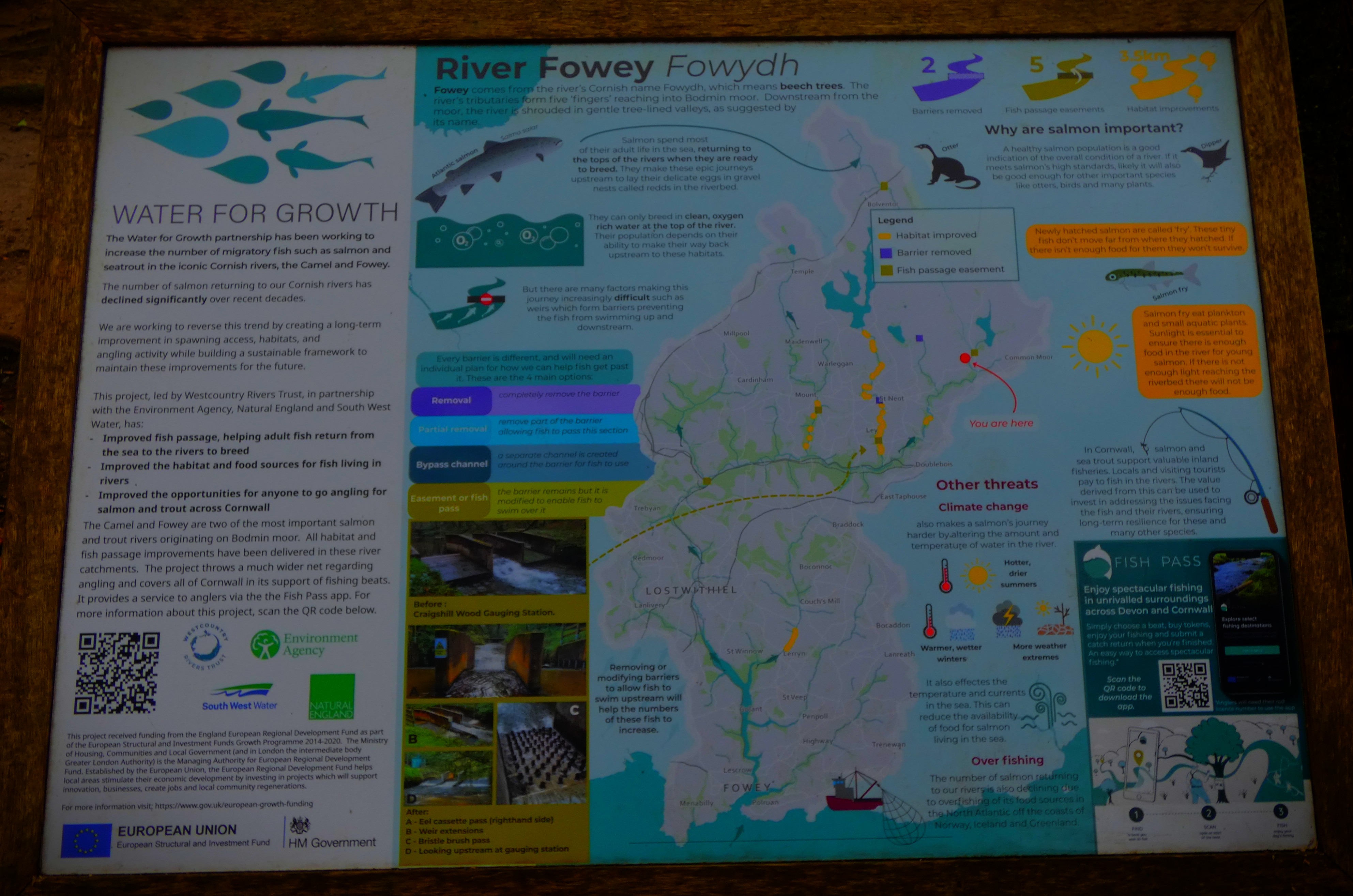
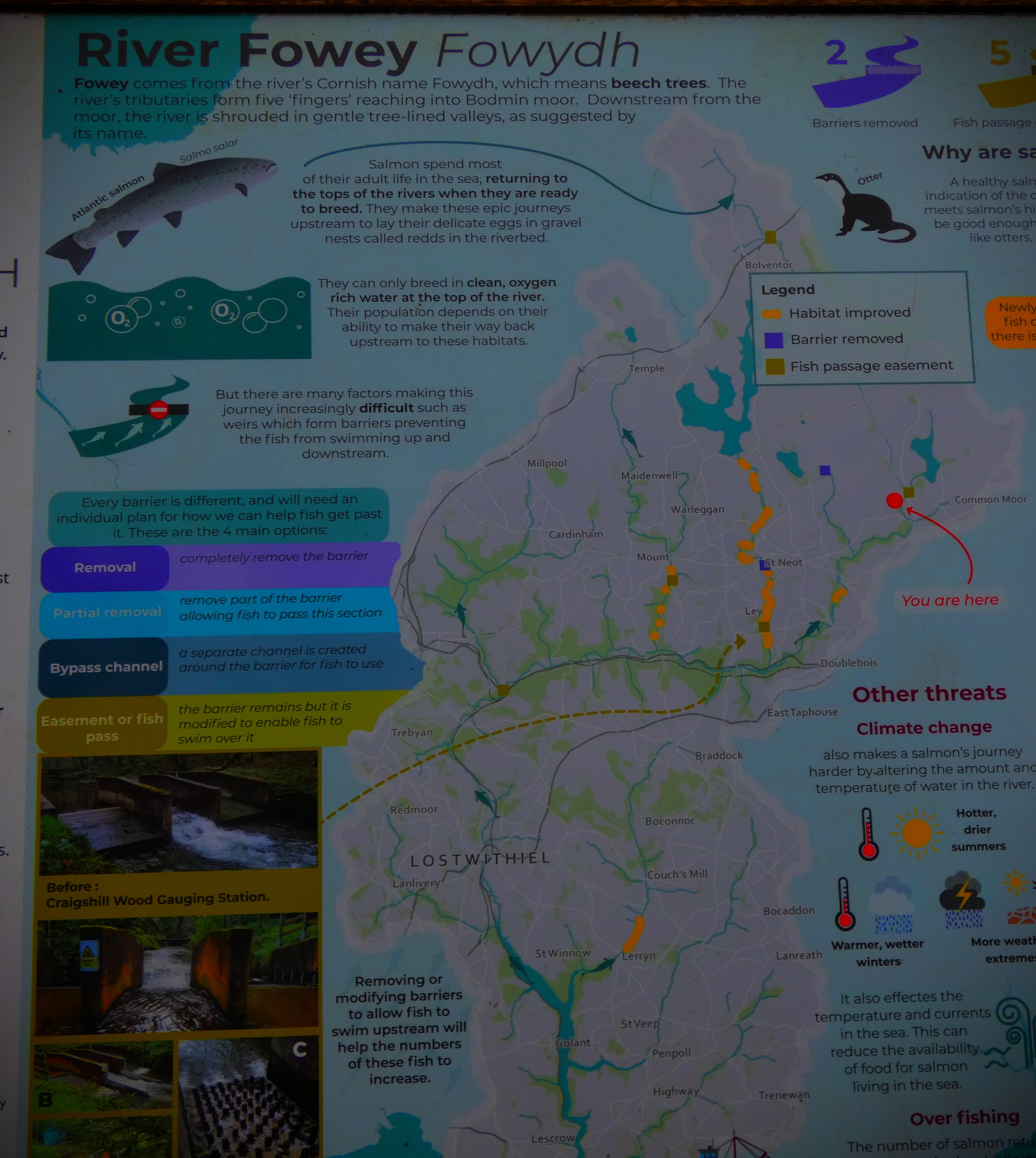
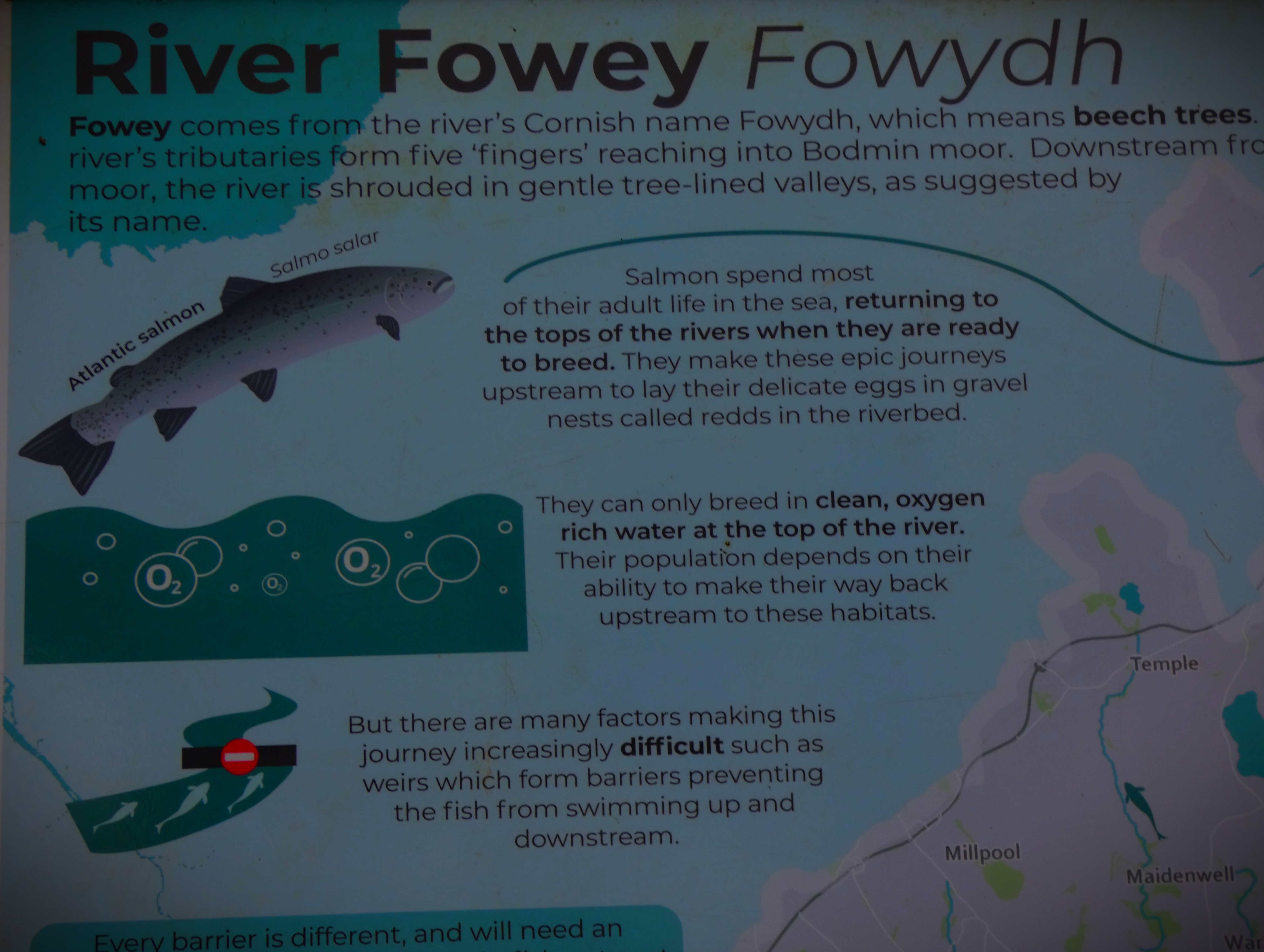
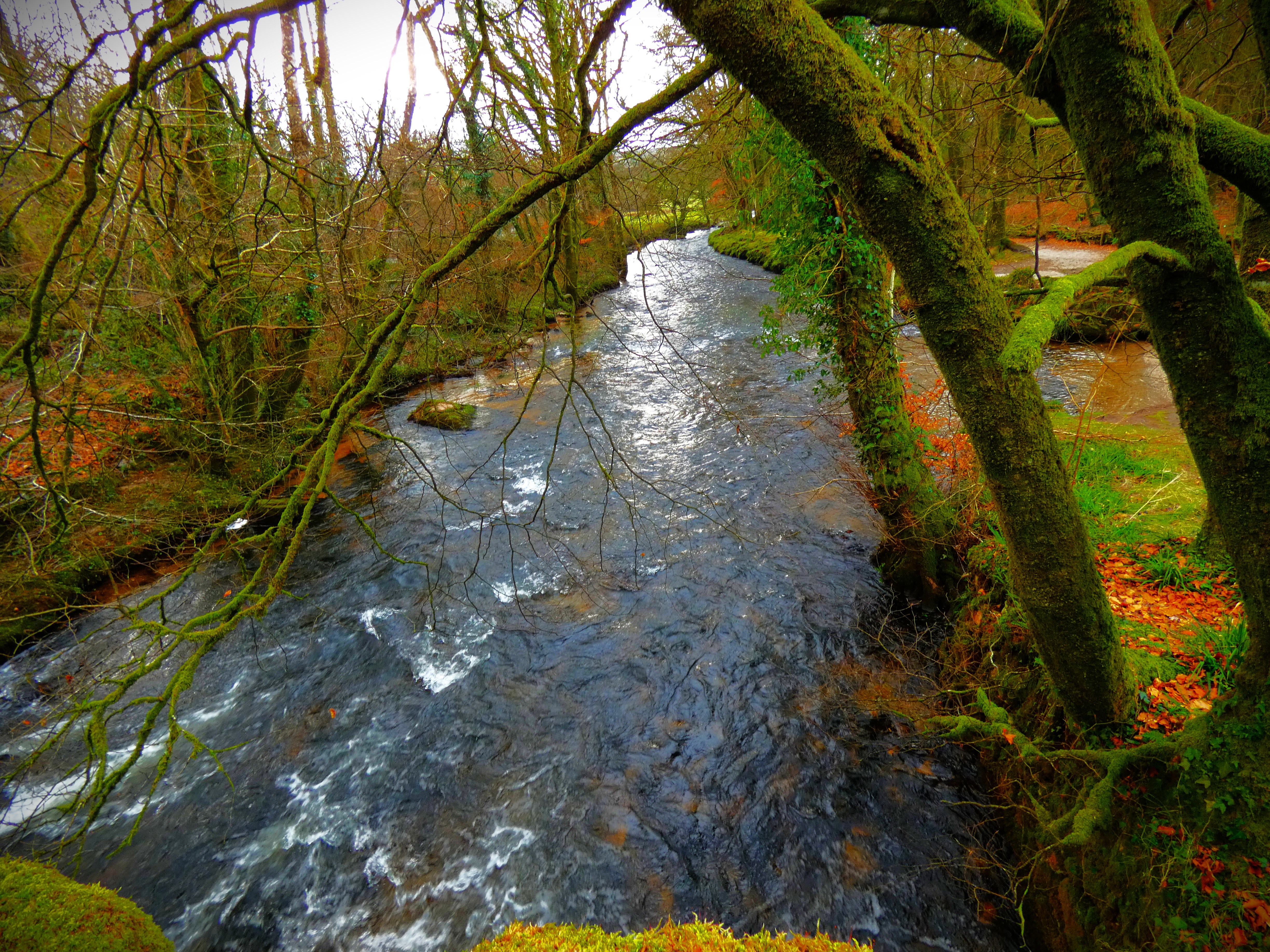
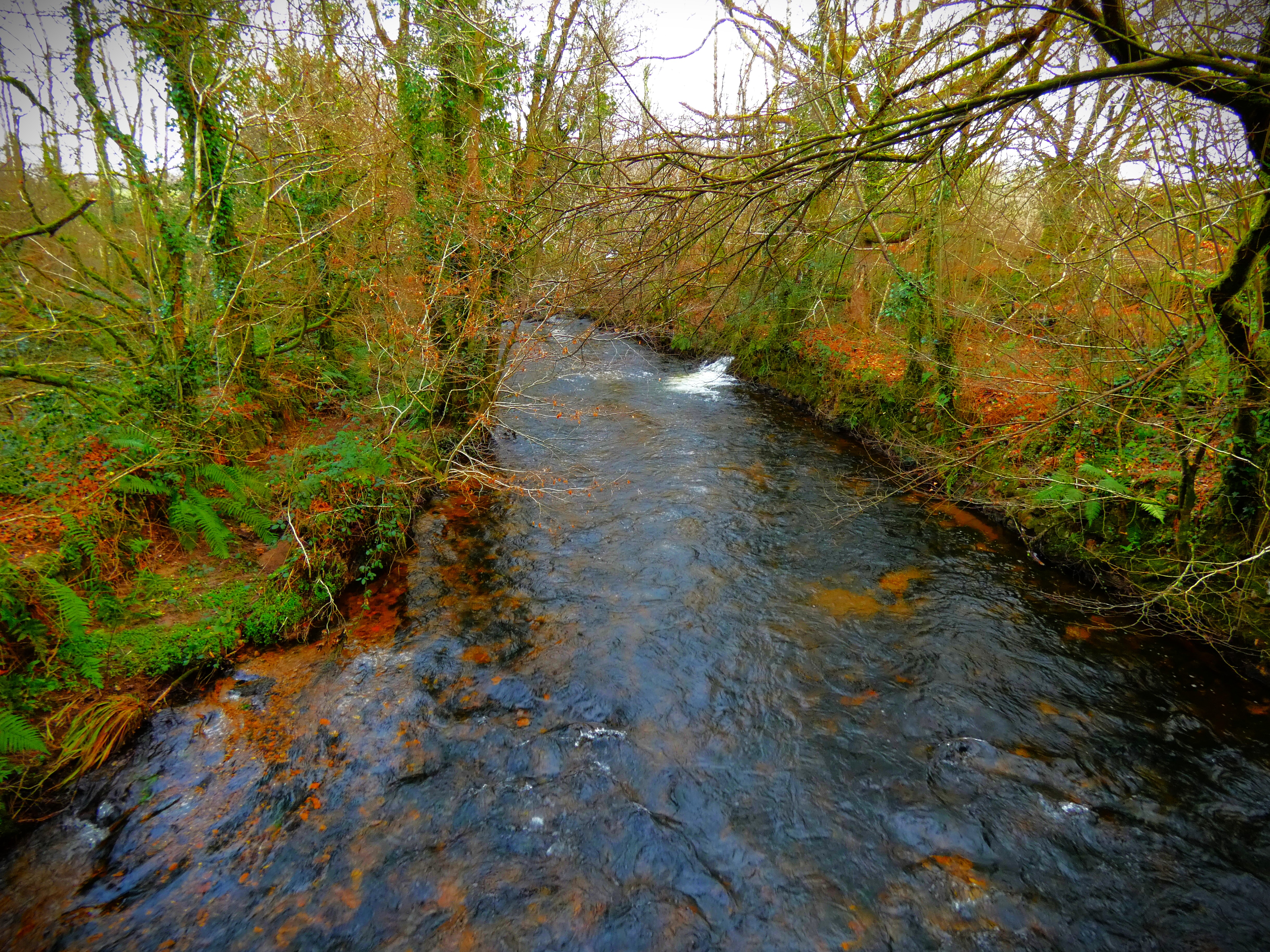
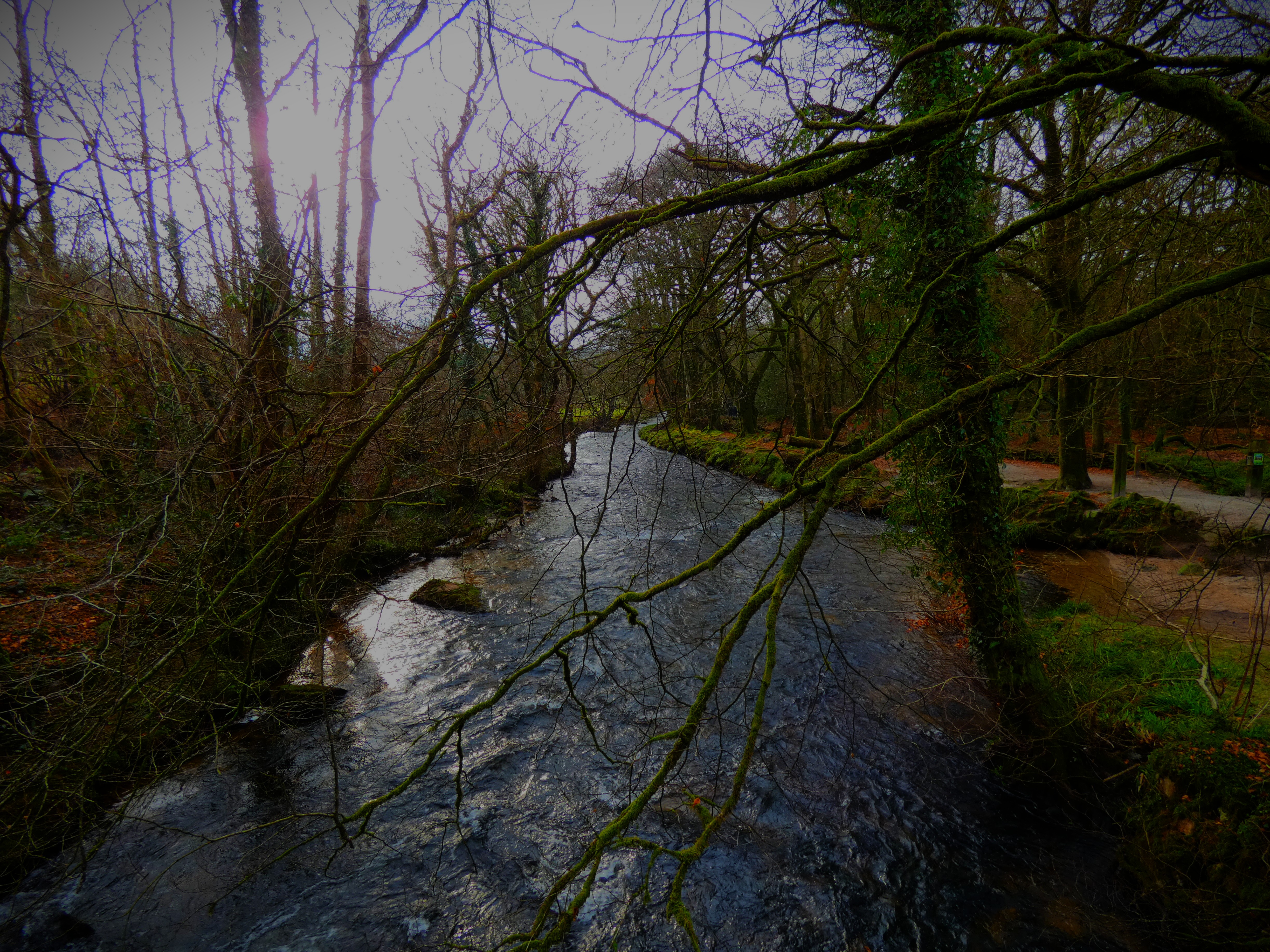
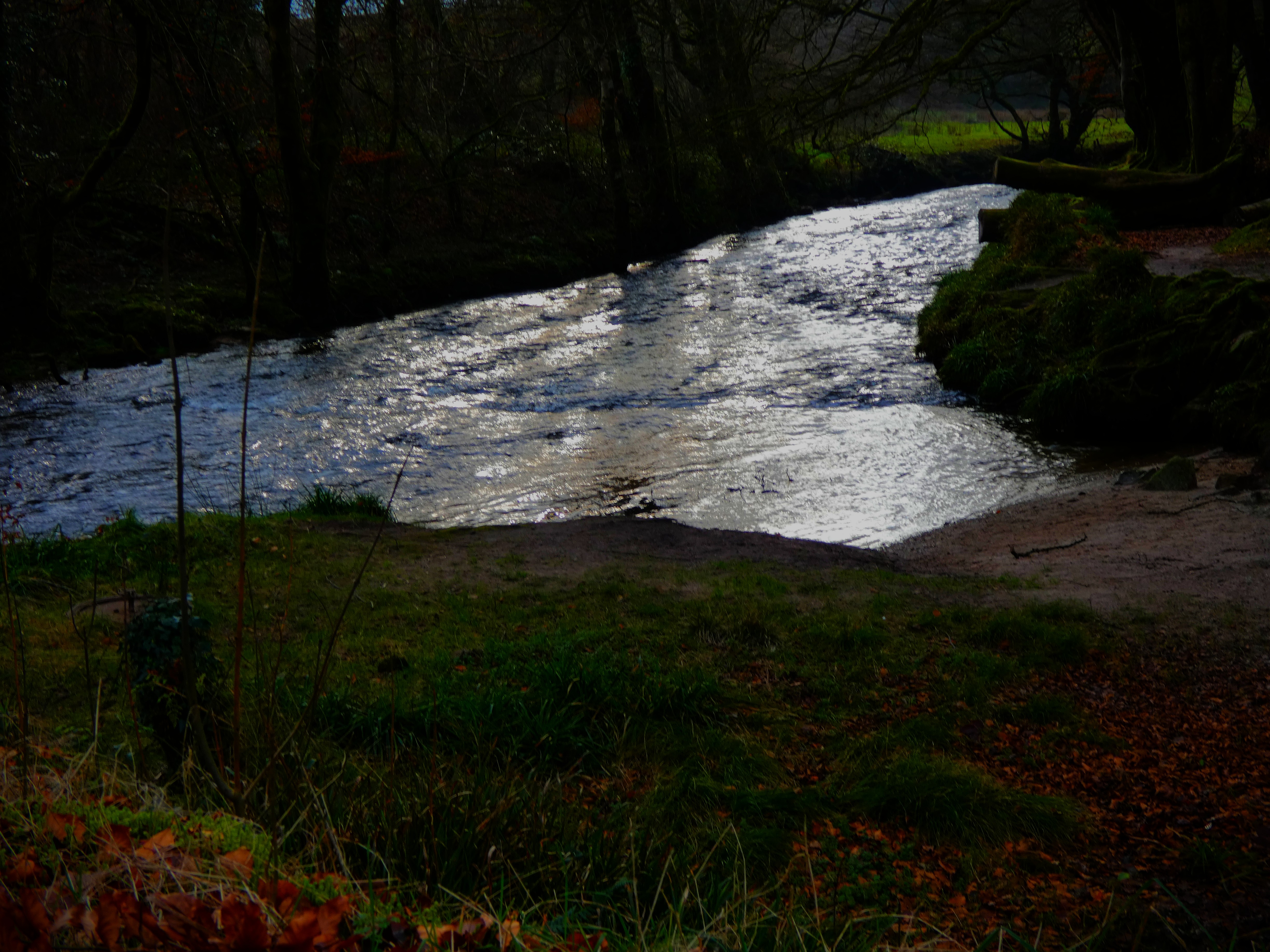
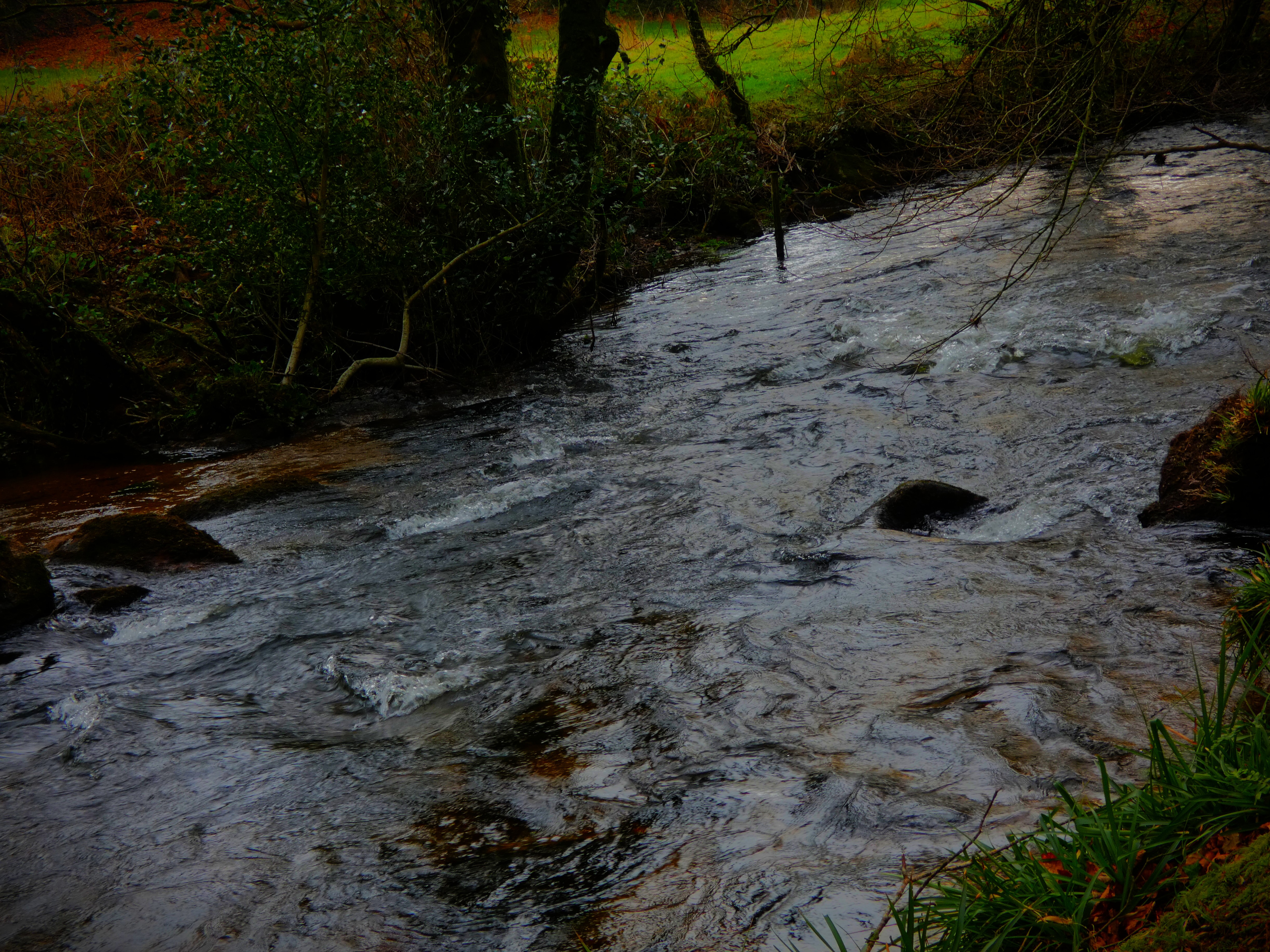
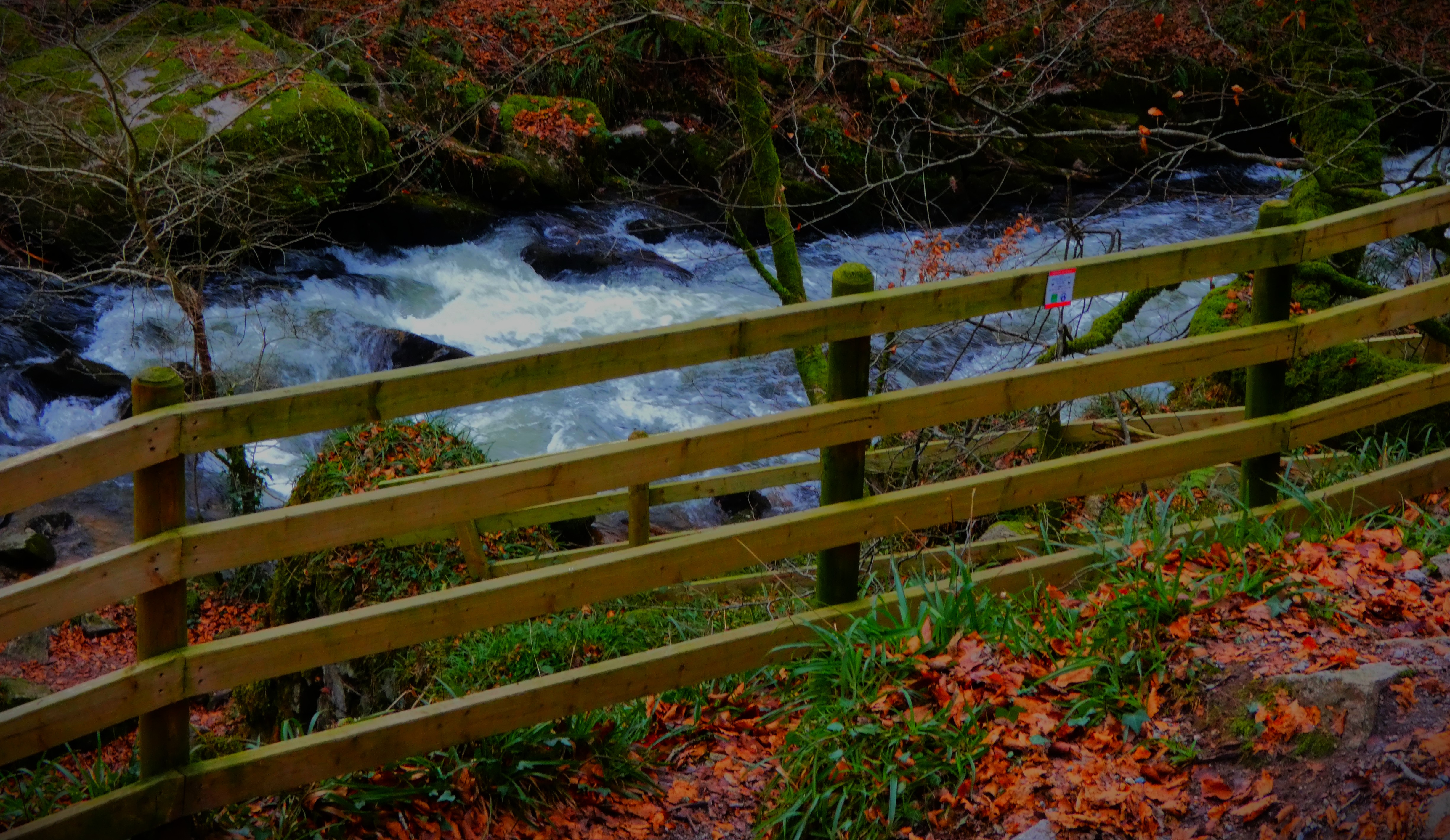
Golitha falls are actually more a series of rapids on the river Fowey than falls as such. The nature reserve is very beautiful and has some interesting historic connections – the town of Fowey, at the estuary of the river Fowey used to be important in the pottery trade, and the clay from which the china was made passed through this region. In the course of our explorations we saw details of a pipeline that had once carried liquid kaolin.
THE DONIERT STONE
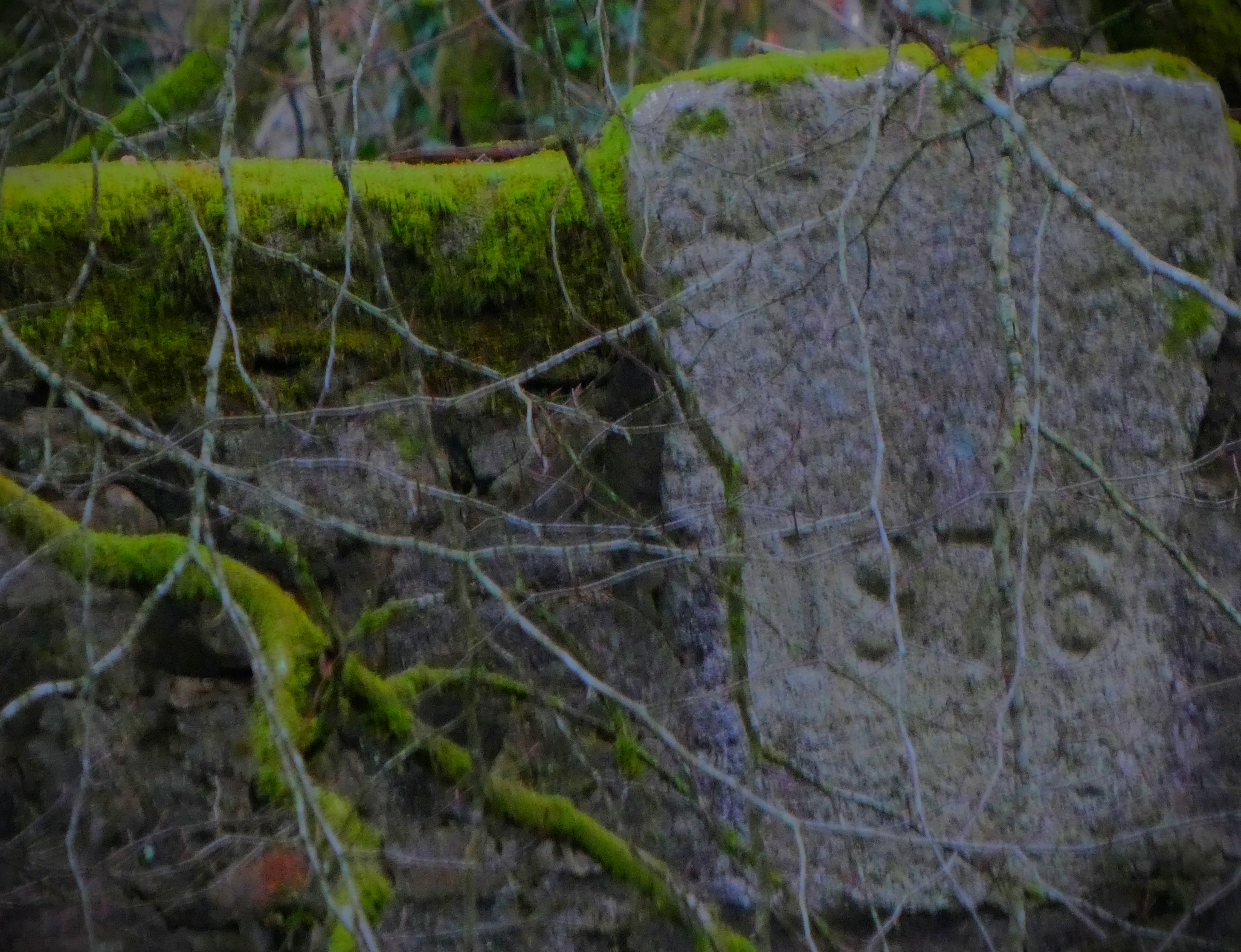
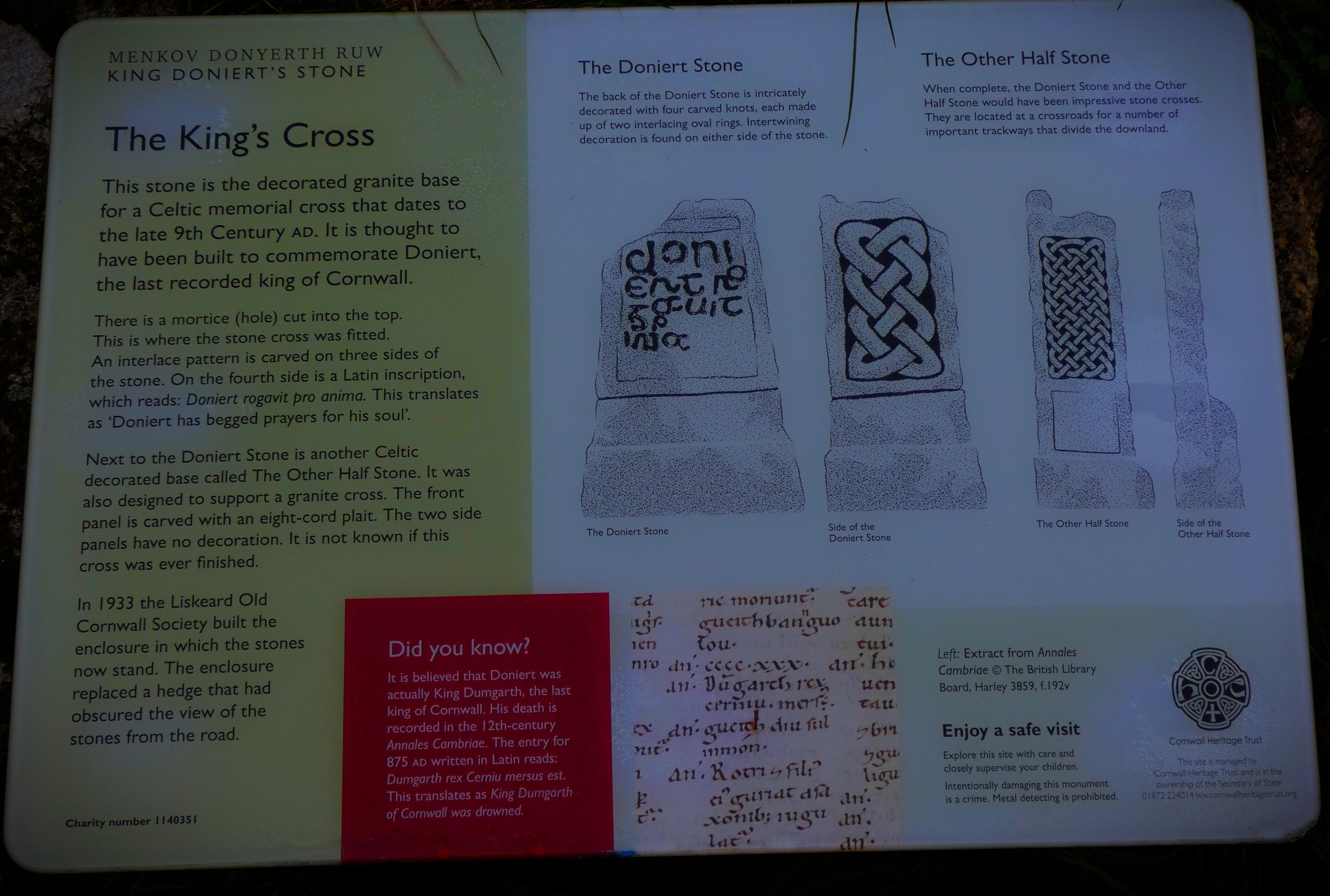
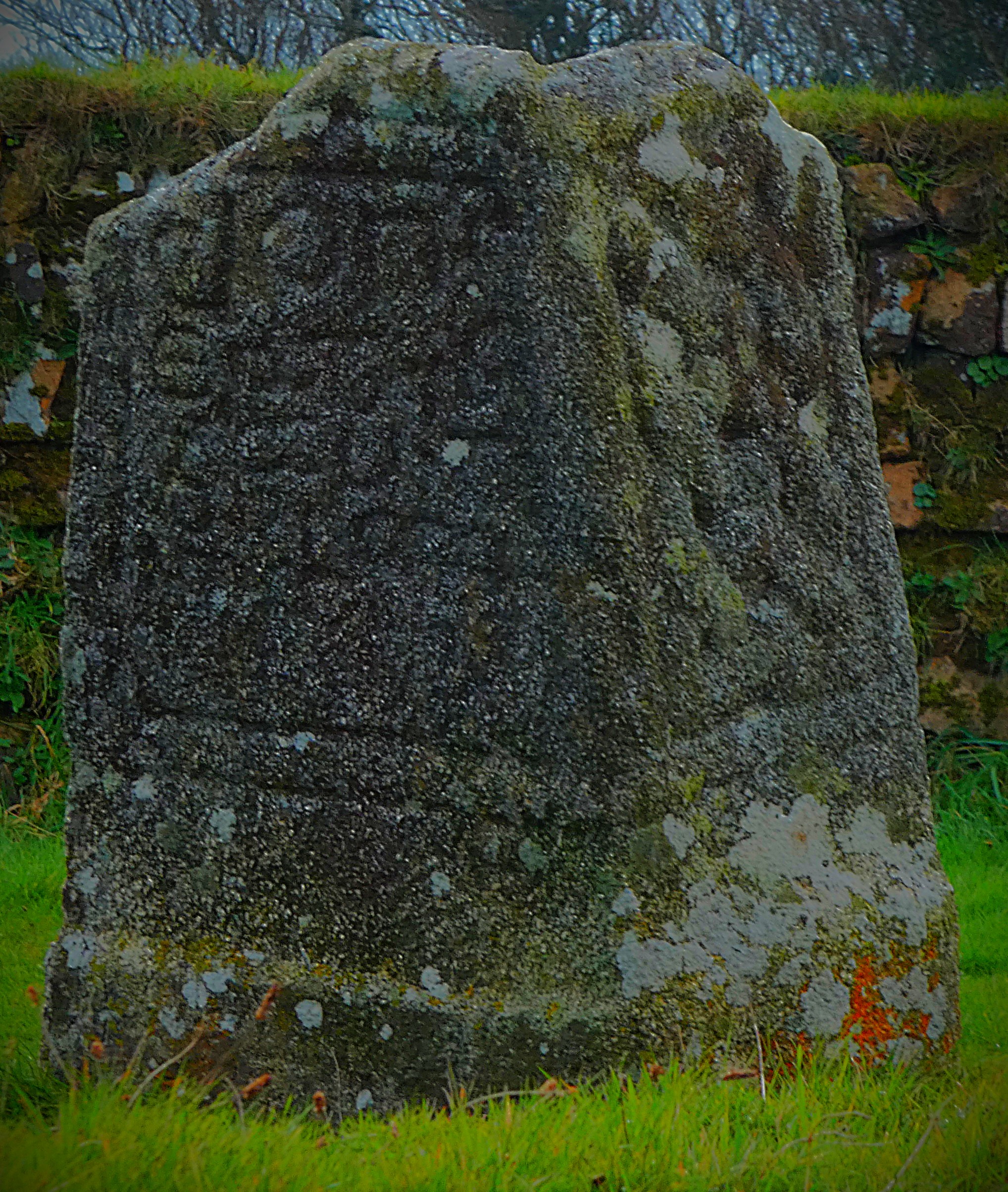
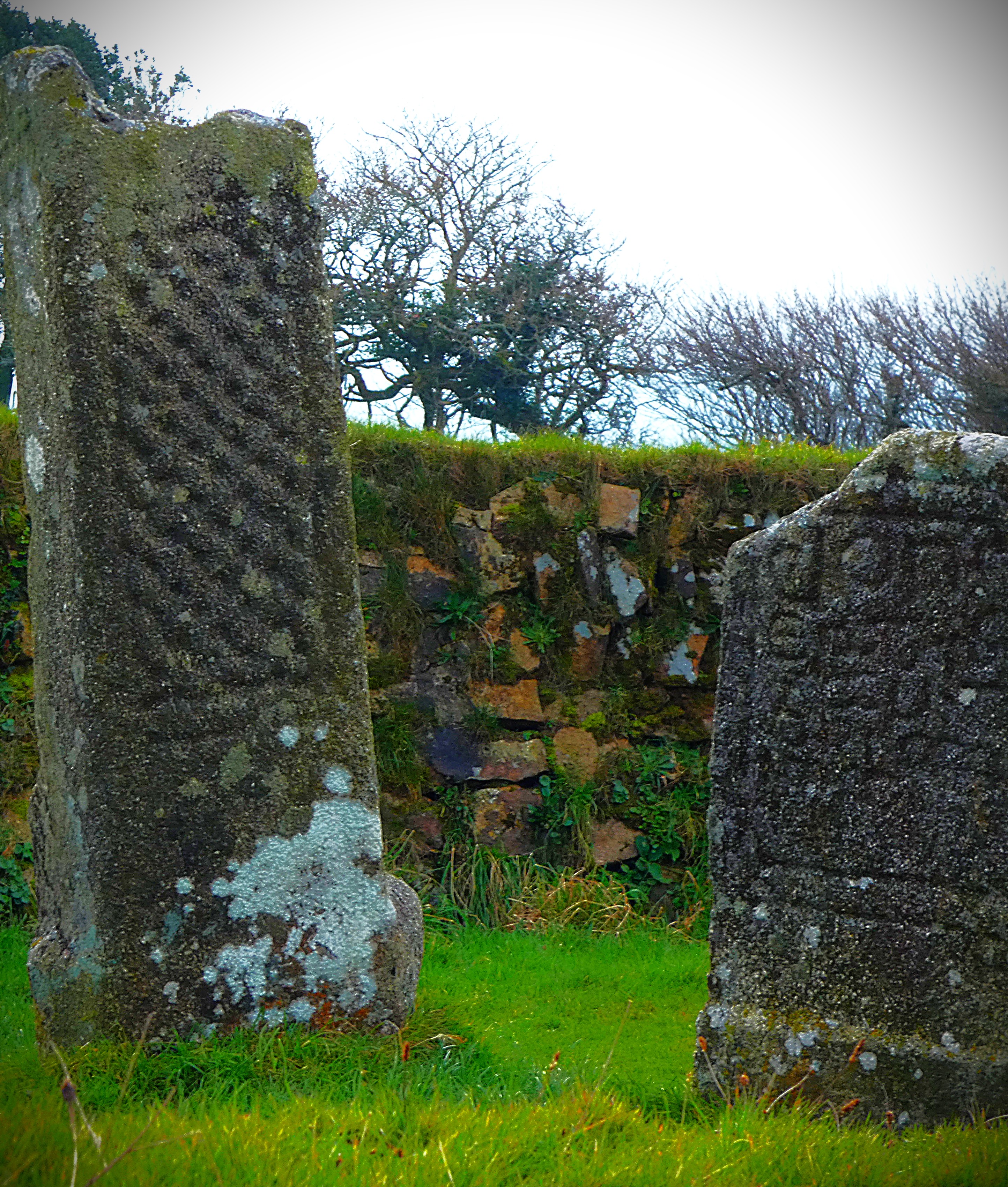
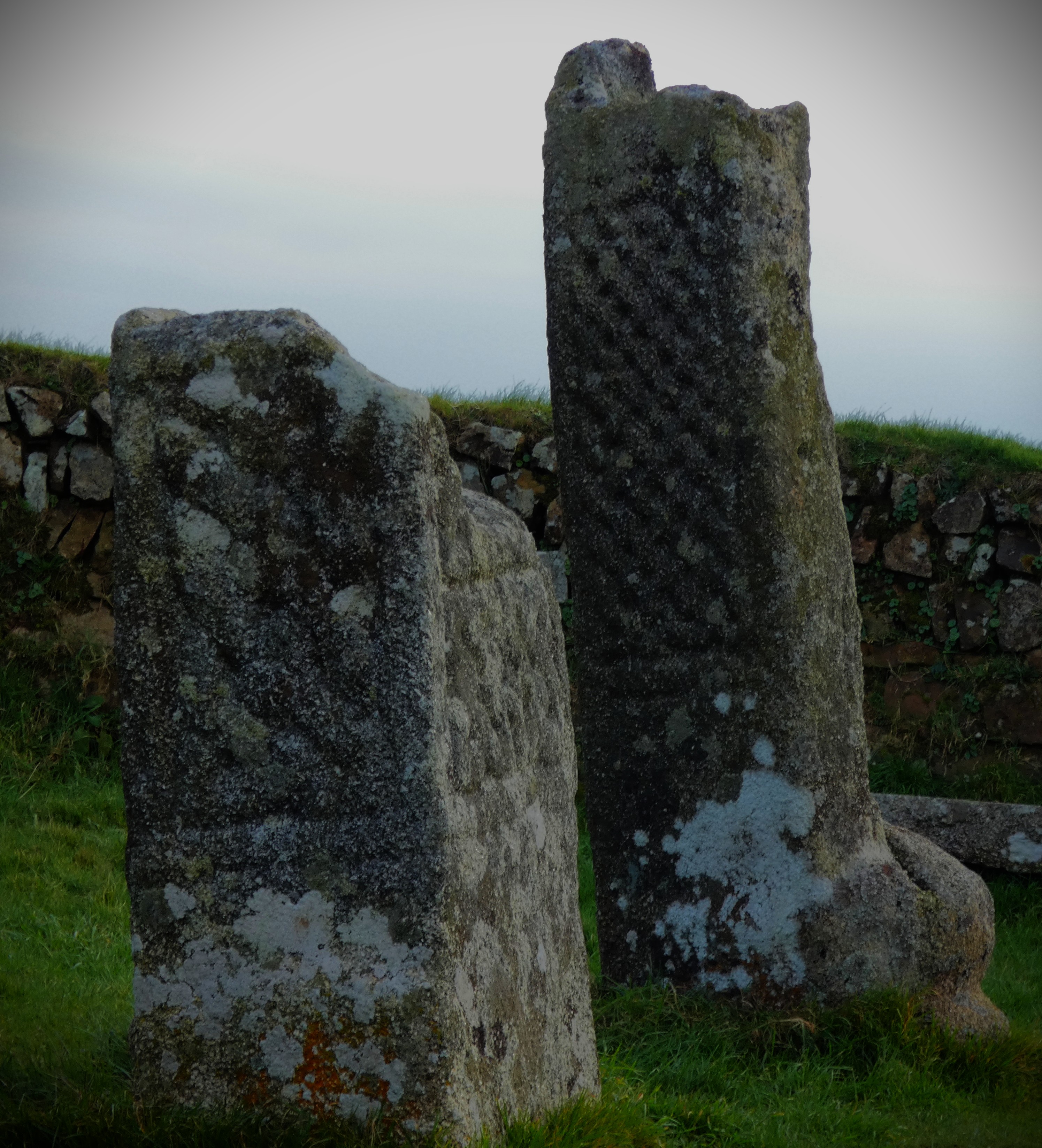
Doniert was the last recorded King of Cornwall back in the ninth century. His stone and an accompanying half stone sit in a semicircular enclosure just off a road. Although our original walk plan had to be abandoned to a stretch that was too muddy to be passed – I had a shoe sucked off before we abandoned our original plan – we were able to find an alternative route to the Doniert Stone and see this very interesting historical relic.
An account of a somewhat convoluted path to a 300 lot banknote and coin auction that is now up and running, plus a photo gallery.
Yesterday, with a little assistance from the former colleague who used to do such things, I sent an auction live on both the platforms James and Sons regularly use, the-saleroom.com and easylive. This post explains about that auction and its somewhat less than straightforward origins.
A FALSE START
Ten days ago sale 2285 was as follows: Lots 1-50 books, all described and imaged, lots 51-105 ephemera, described and imaged, with an unknown number of further such lots to go in, Lots 451-500 Banknotes, described and imaged, Lots 501-737 coin and coin related lots, described and imaged, lots 738-800 yet to be filled, lots 801-900 postcards, described and imaged, and lots 901-1000 militaria, as yet unfilled. Then my employer decided he wanted the coin and banknote lots under the hammer. Originally, on Thursday of last week, we were going to do this a timed-bidding auction, and had sent it live on the-saleroom as such, but then my employer panicked and went back on that, and that sale had to be deleted.
THE REAL DEAL
On Tuesday of this week I prepared as much as I could for a launch on Thursday. On Thursday the auction finally did go live on both platforms, with 300 lots in total, which will go under the hammer on December 2nd (I also have a 1,000 lot, two-day stamp sale complete and ready to go, and sending that online should be much more straightforward) starting at 10AM. Owing to the fact that the images had originally been saved as lots 451-750, and with those numbers, the images files had to be renumbered appropriately before they could be uploaded, which is why the auction does not have all the images yet – I have renumbered and uploaded up to lot 180, and have renumbered lots 181-90 but had no time to upload them yesterday. Fortunately I will not need to renumber the much larger number of images in the stamp/ postal history auction – this auction features about 900 images in total, the larger one some 4,000. I will have the rest of the renumbering done at some point on Tuesday, and may be able to get an email out that same day, or that might have to wait until Thursday. The heart of this auction is a collection of Polish coins spanning about half a millennium. To see what the auction currently looks like on easylive go here, while the catalogue on the-saleroom is still pending approval.
PHOTOGRAPHS
My usual sign off…
These sunset shots were taken from a bus that had broken down yesterday evening. We had a wait of about 20 minutes before the replacement arrived.
An account of my Heritage Open Day, with lots of pictures.
Yesterday was King’s Lynn Heritage Open Day 2025 (Downham Market will be having their equivalent this coming Sunday, and I may pay a visit). This post looks back at the day. This post of course covers only a fraction of the sites that were open for the day – the official brochure listed 58 sites.
HERITAGE OPEN DAY
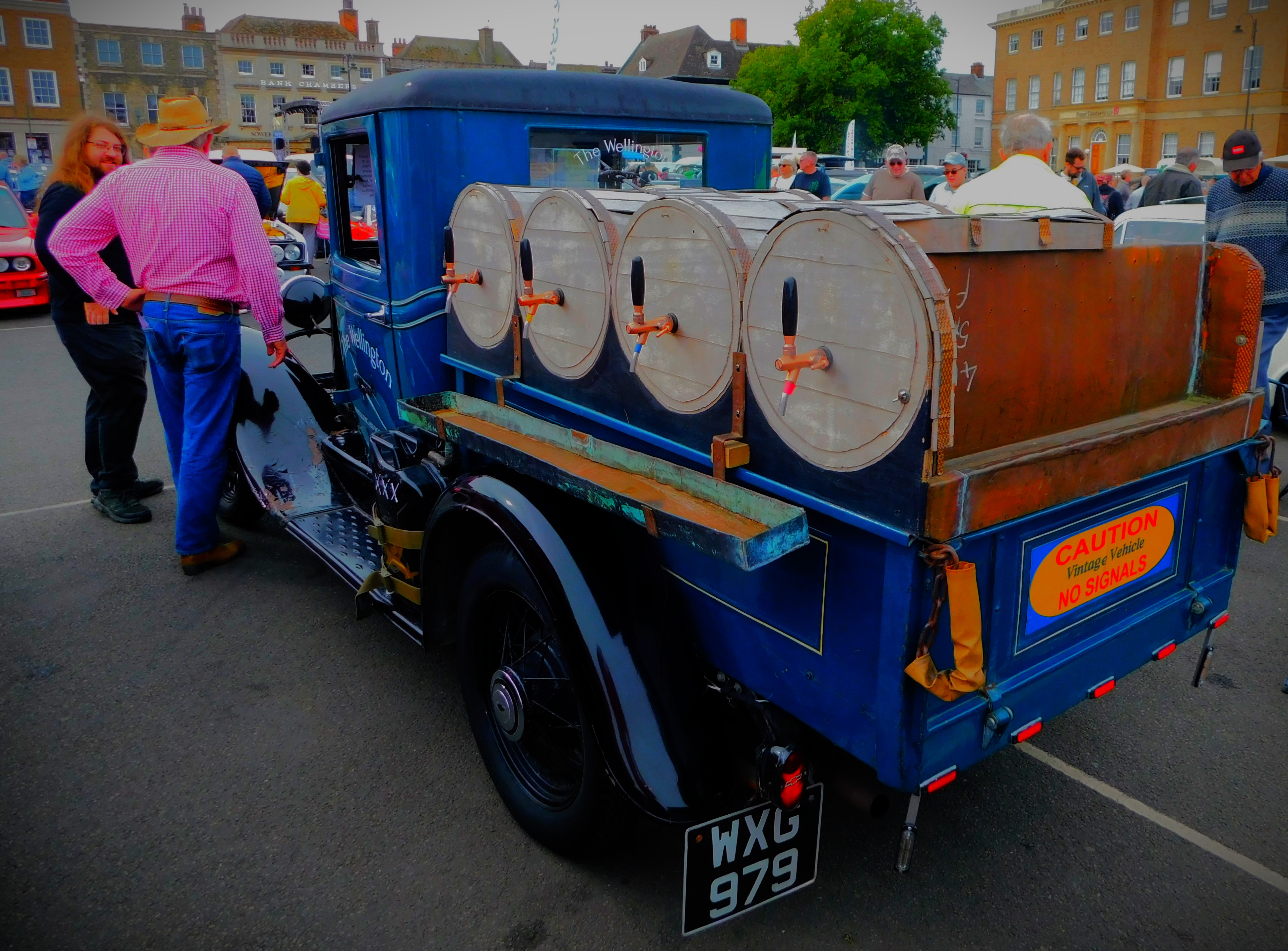
I set forth from home at about 10:15, intending to see a few things before doing my stewarding, and then either go home or look at a few more places after stewarding. I started with a look at some of the classic cars in the Tuesday Market Place…
My next port of call was the Guildhall of St George on King Street, a building that dates from the late 14th century, meaning that it was over 200 years old when Shakespeare came to town (this guildhall includes a theatre that has been staging live performances for over six centuries, and the Bard of Avon was among those to visit in that capacity).
The frontage of the Guldhall of St George
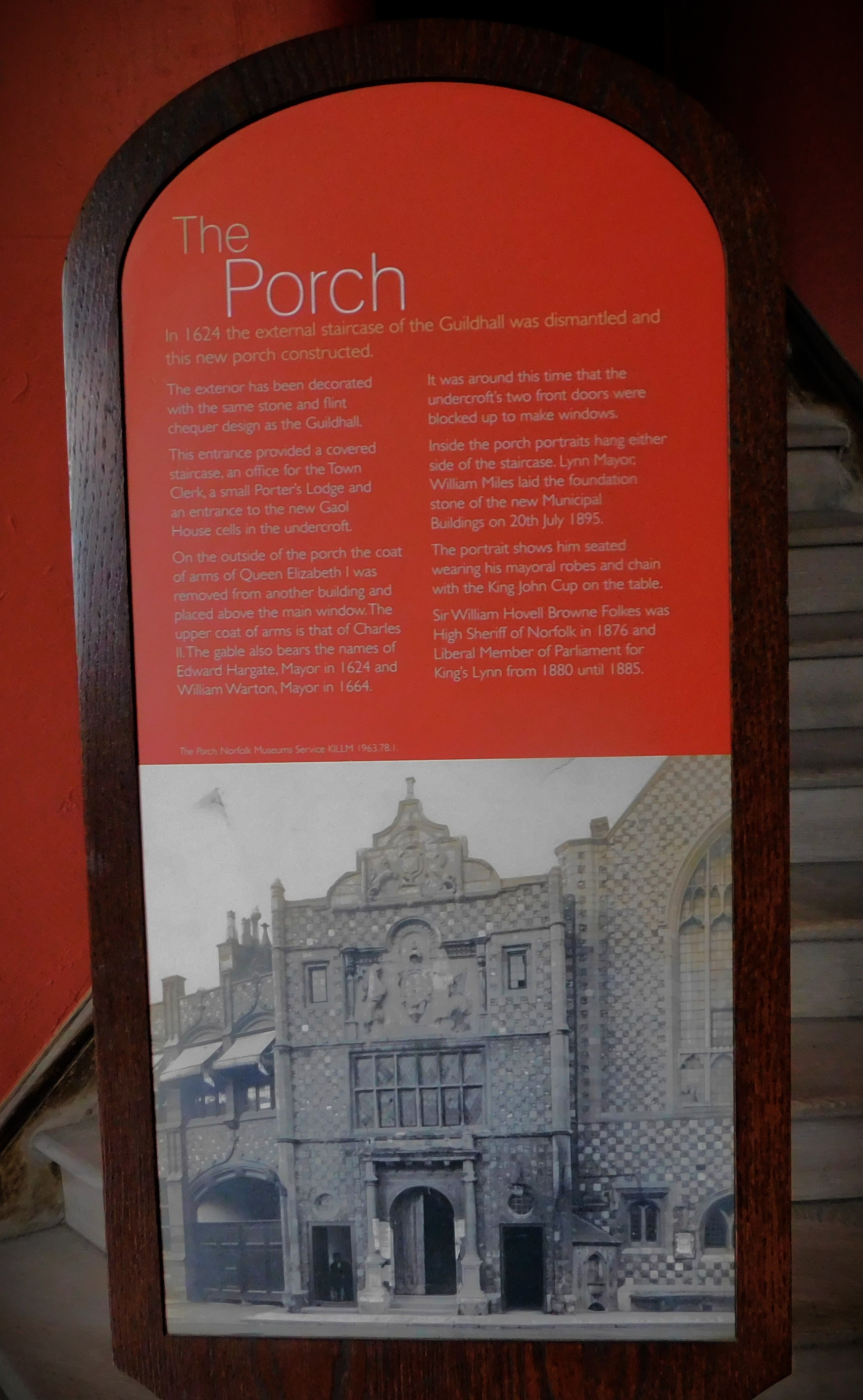
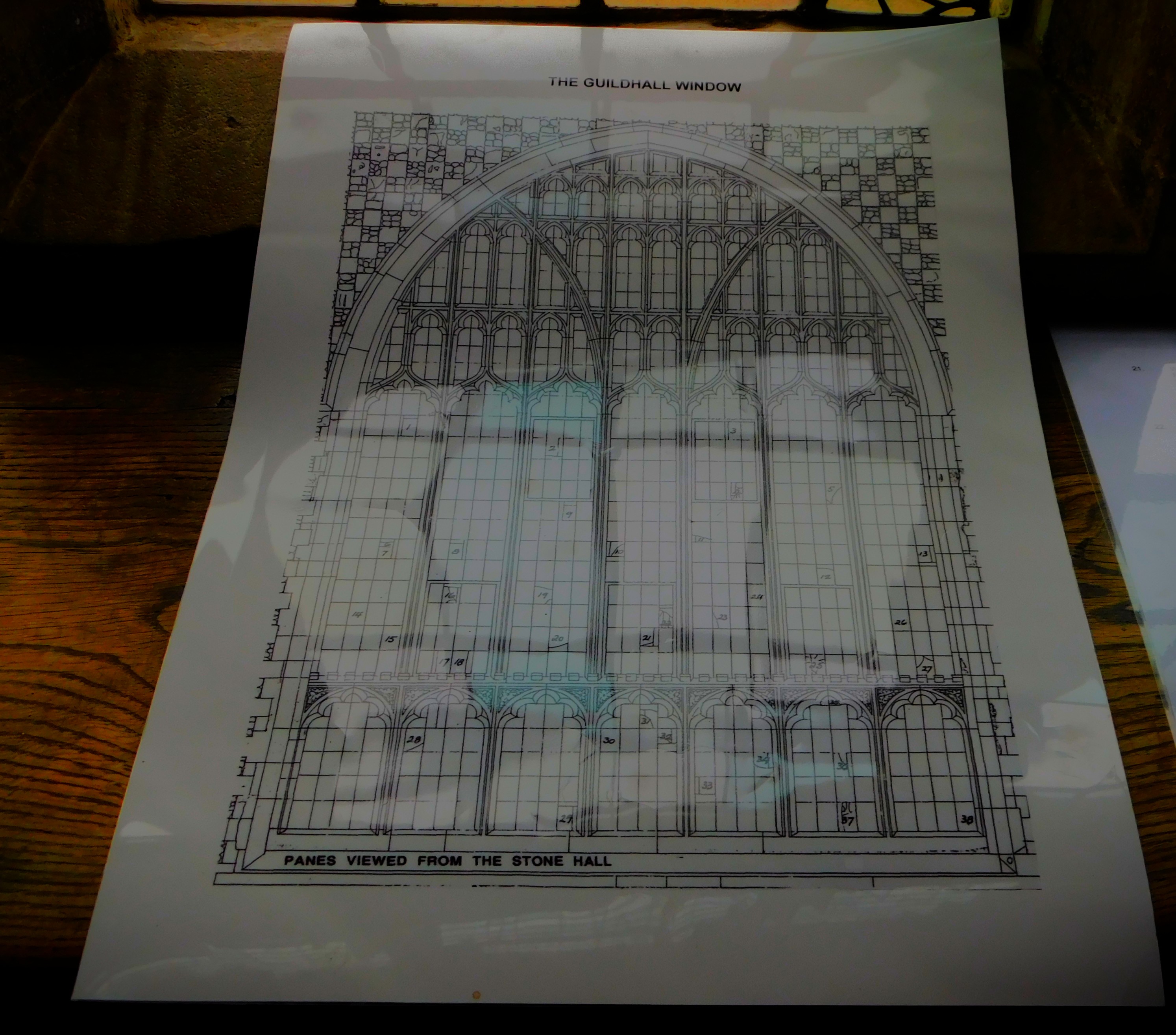
My next port of call was another guildhall, the Guildhall of the Holy Trinity, which also serves as King’s Lynn’s Town Hall.
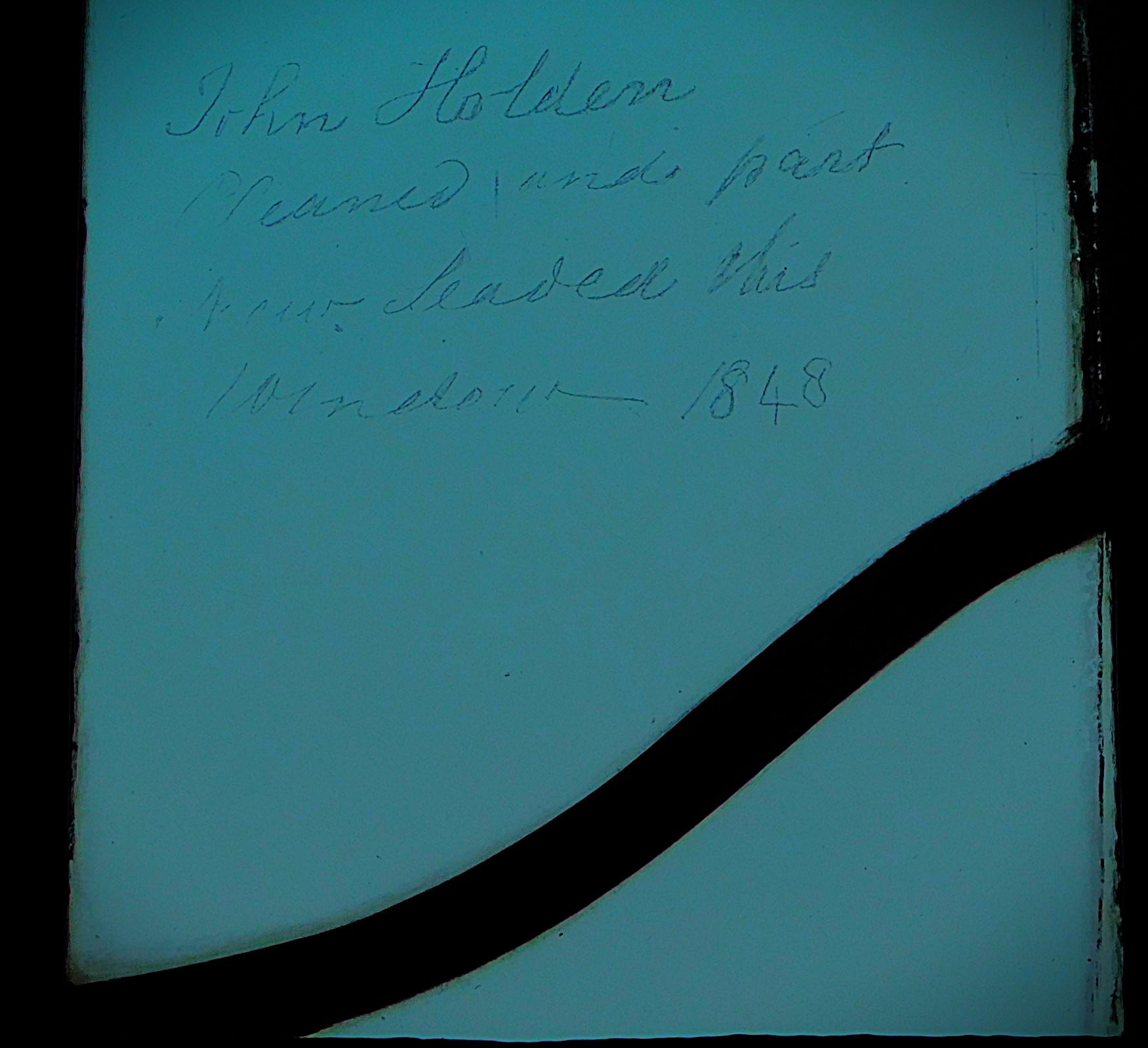
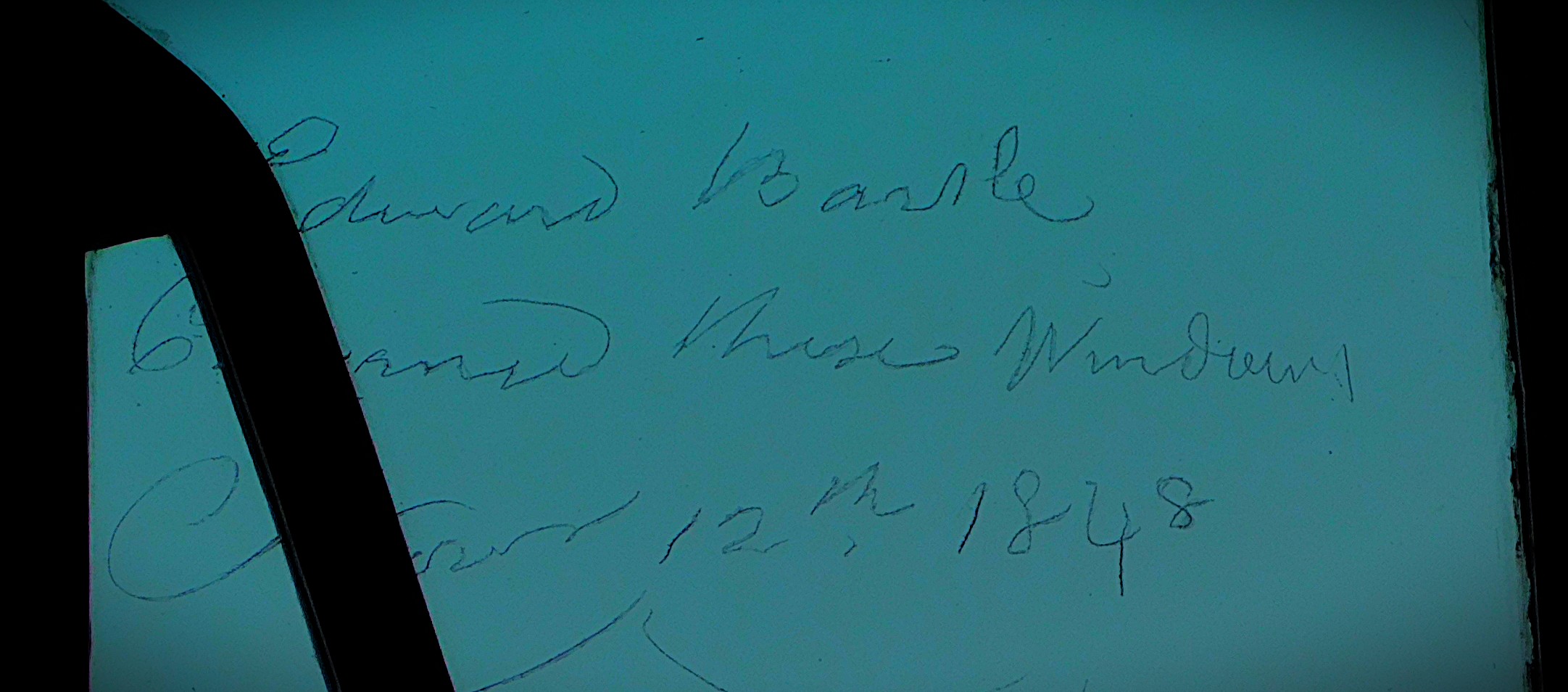
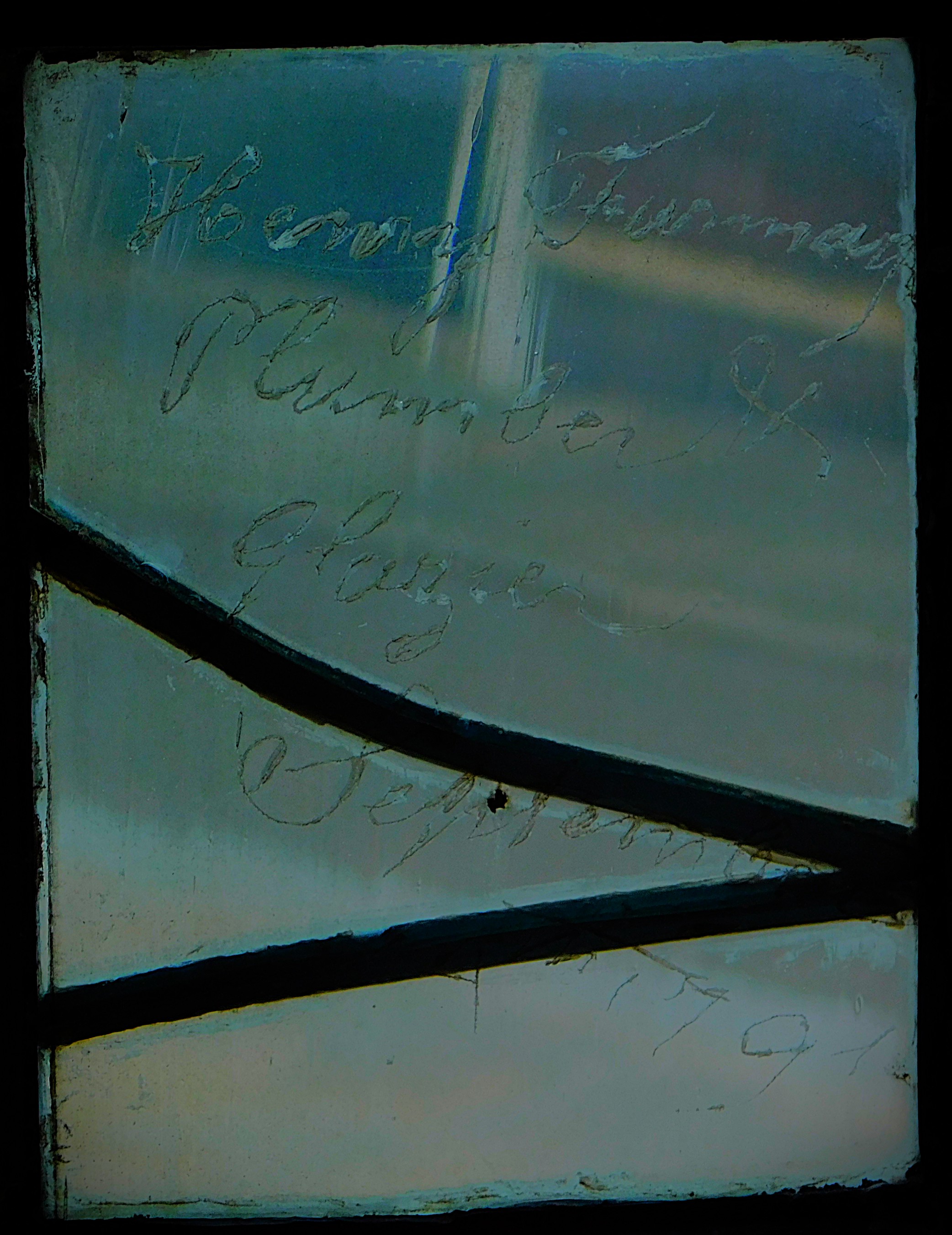
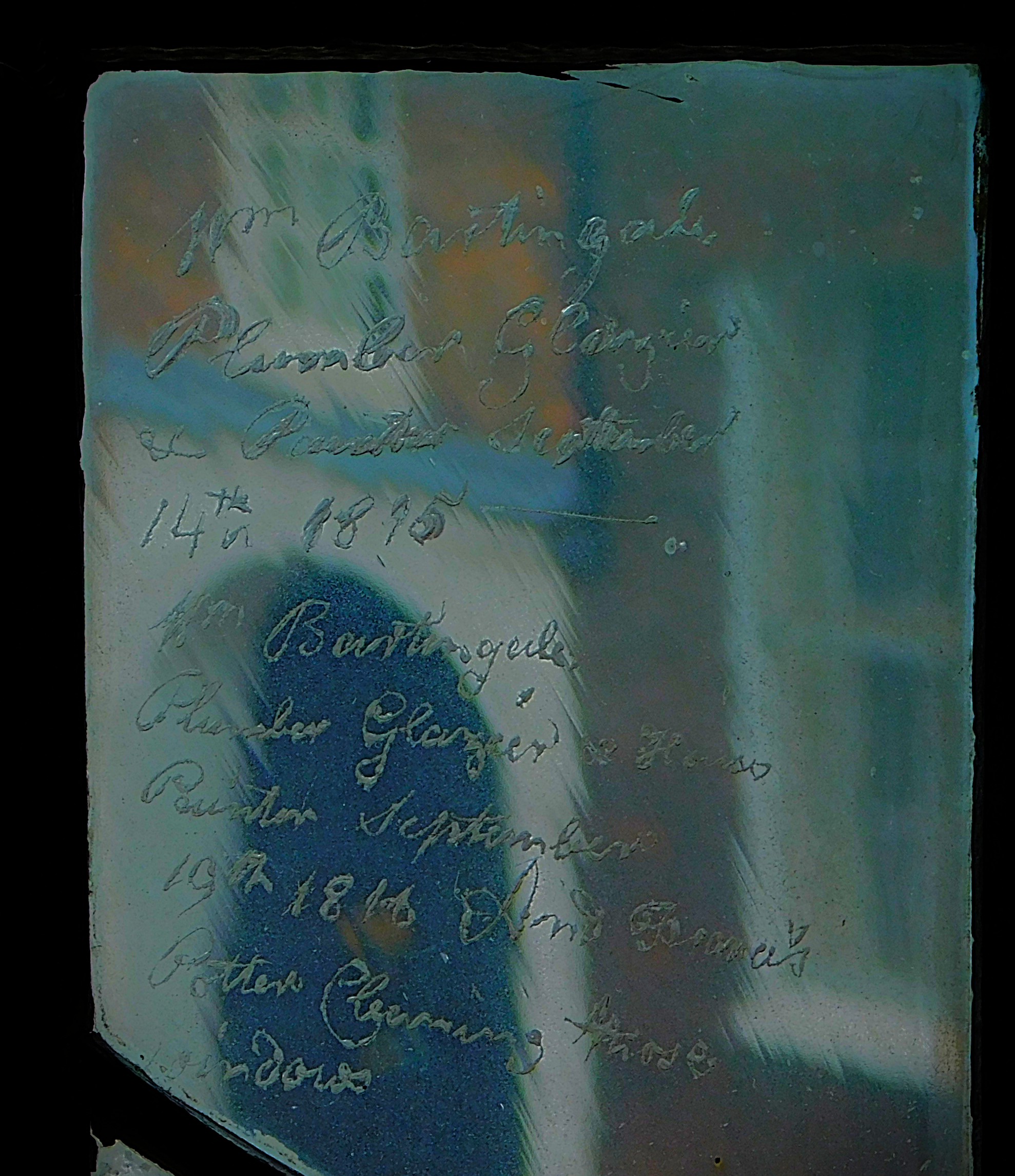
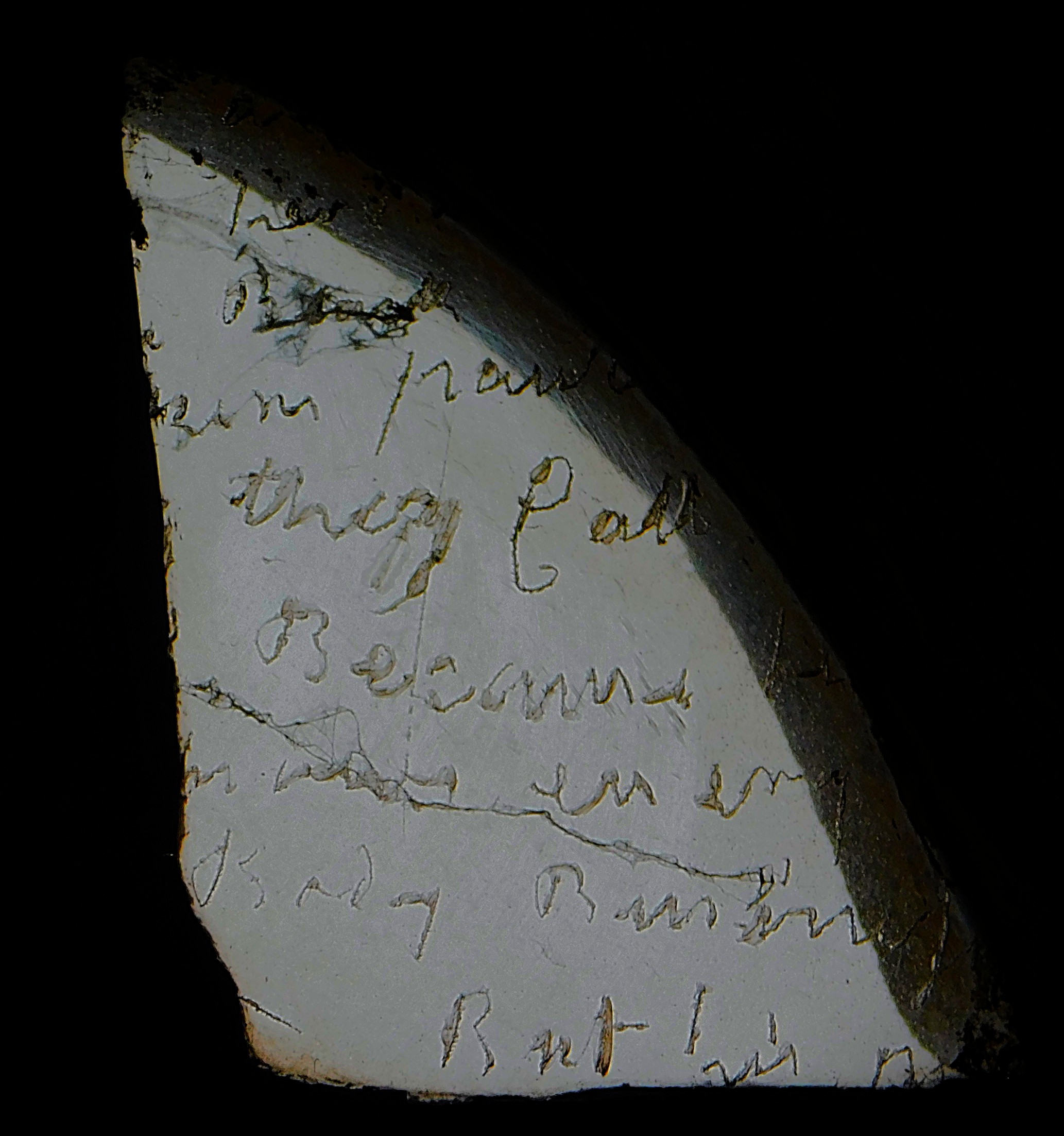
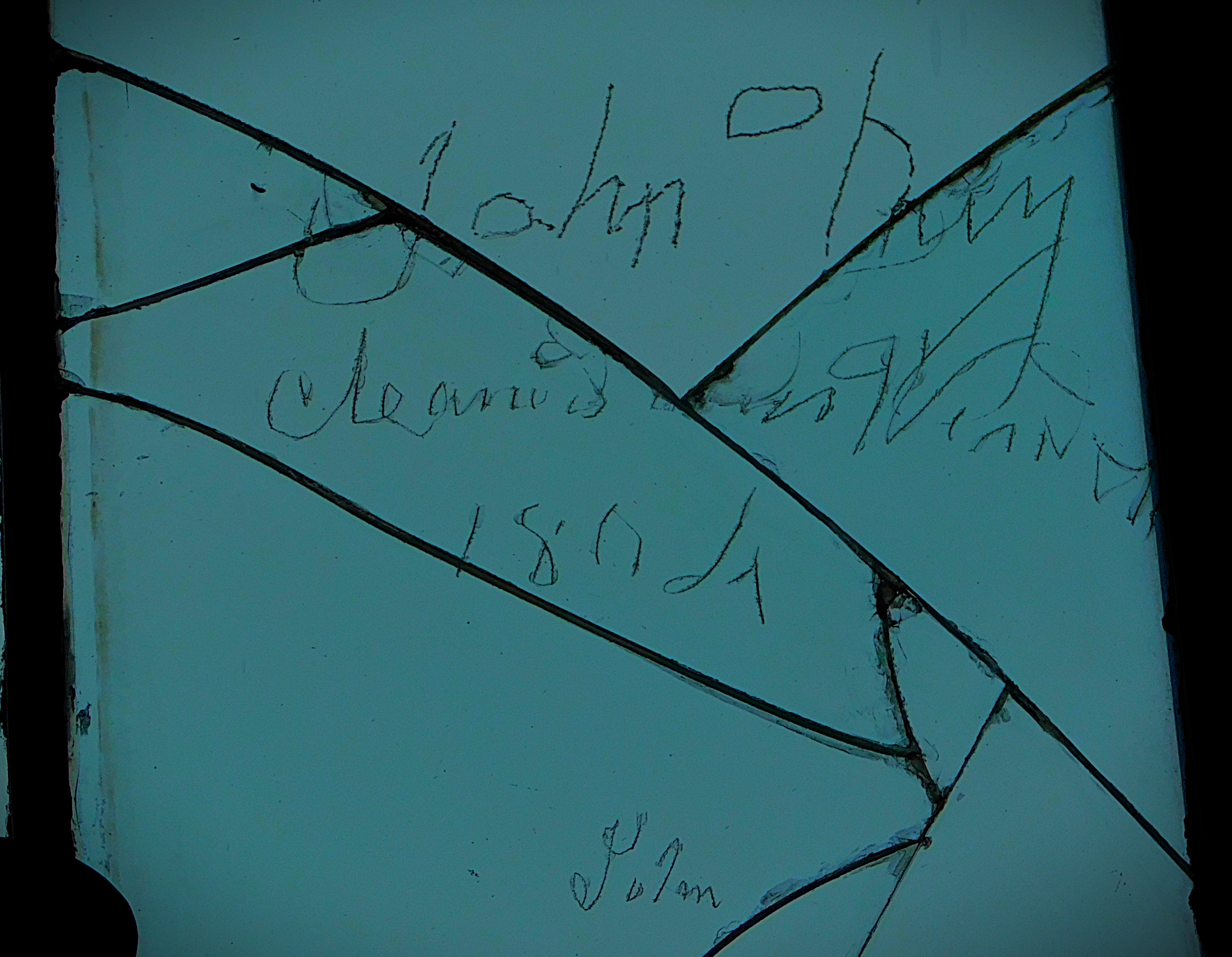
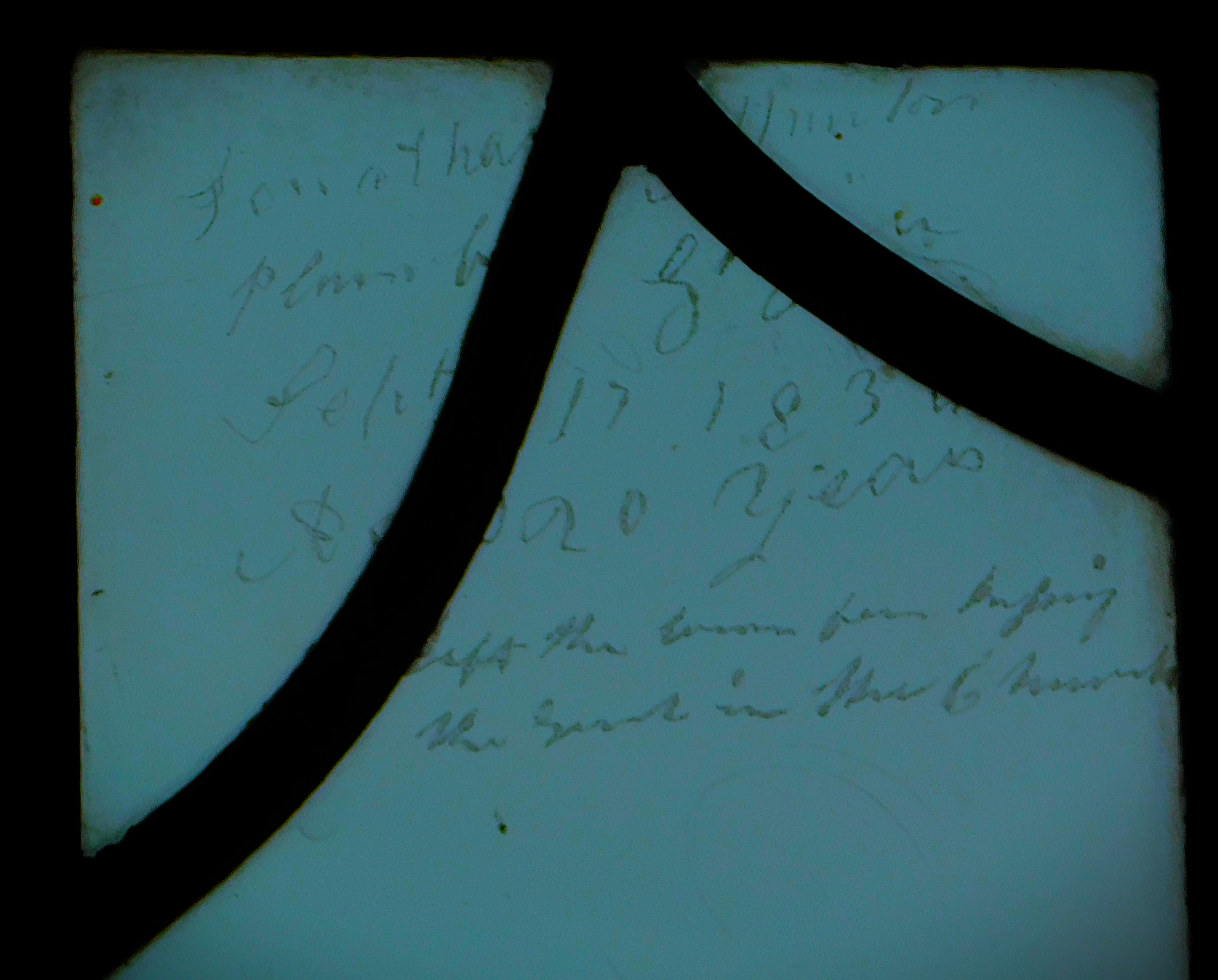
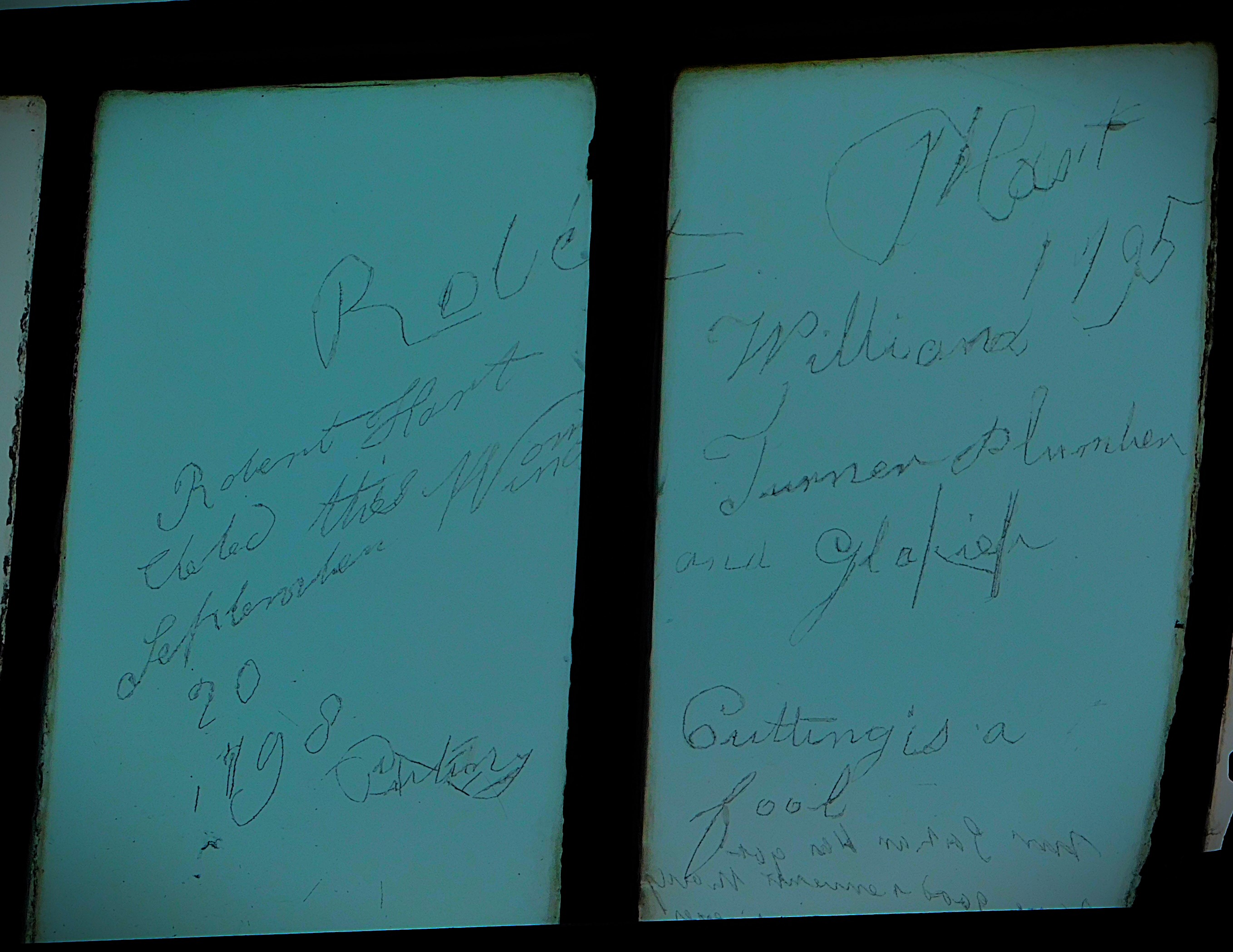
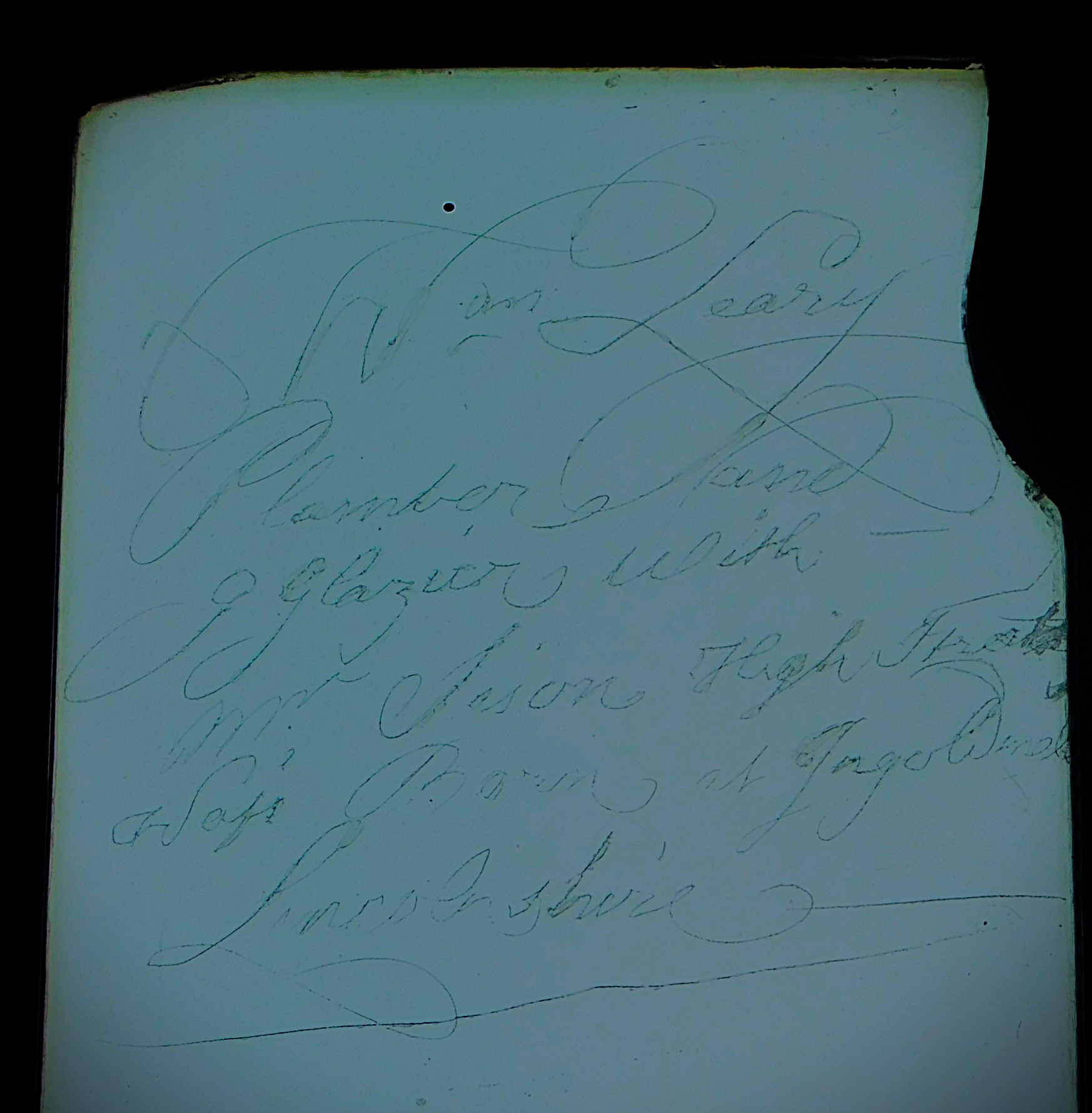
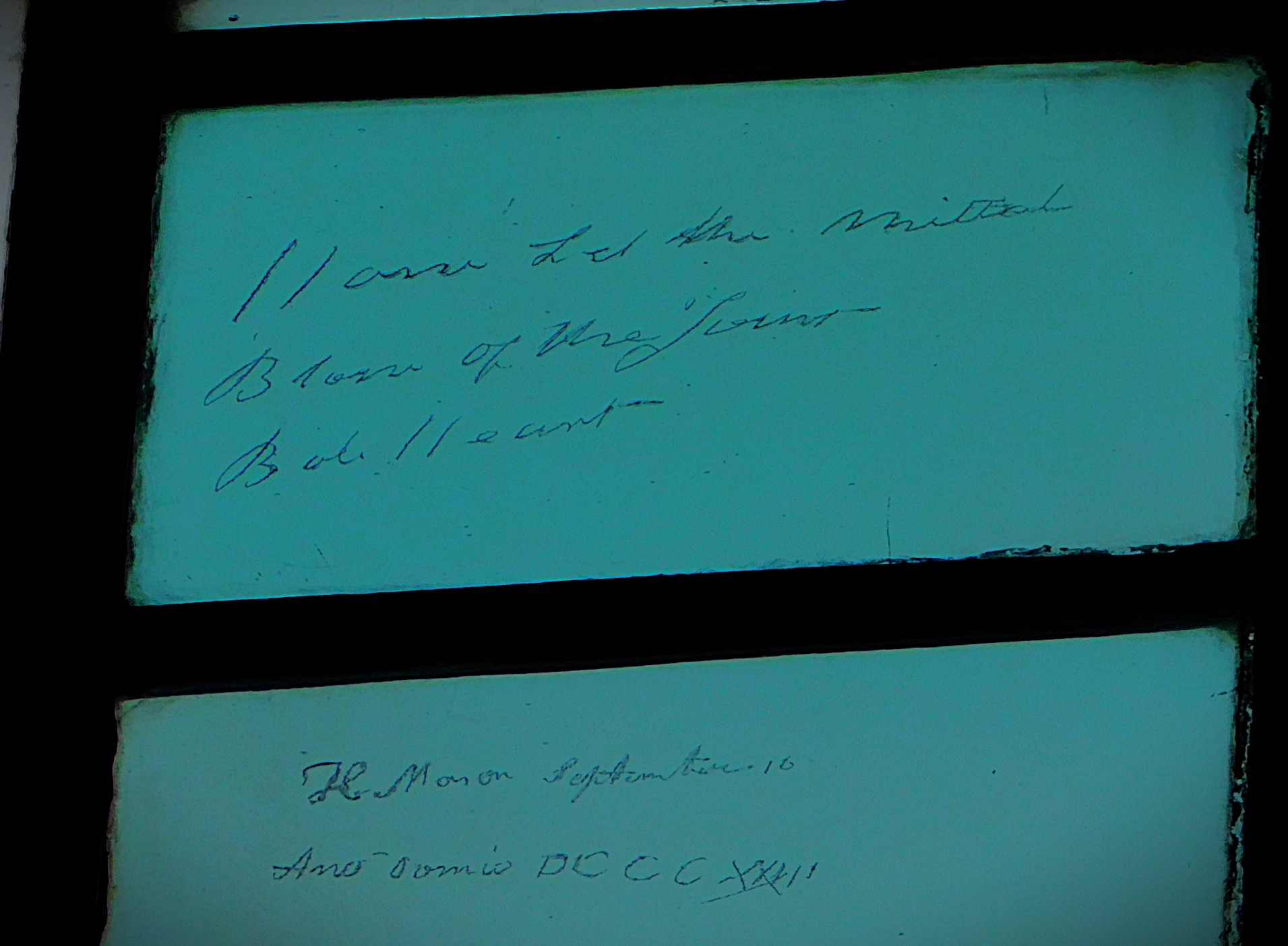
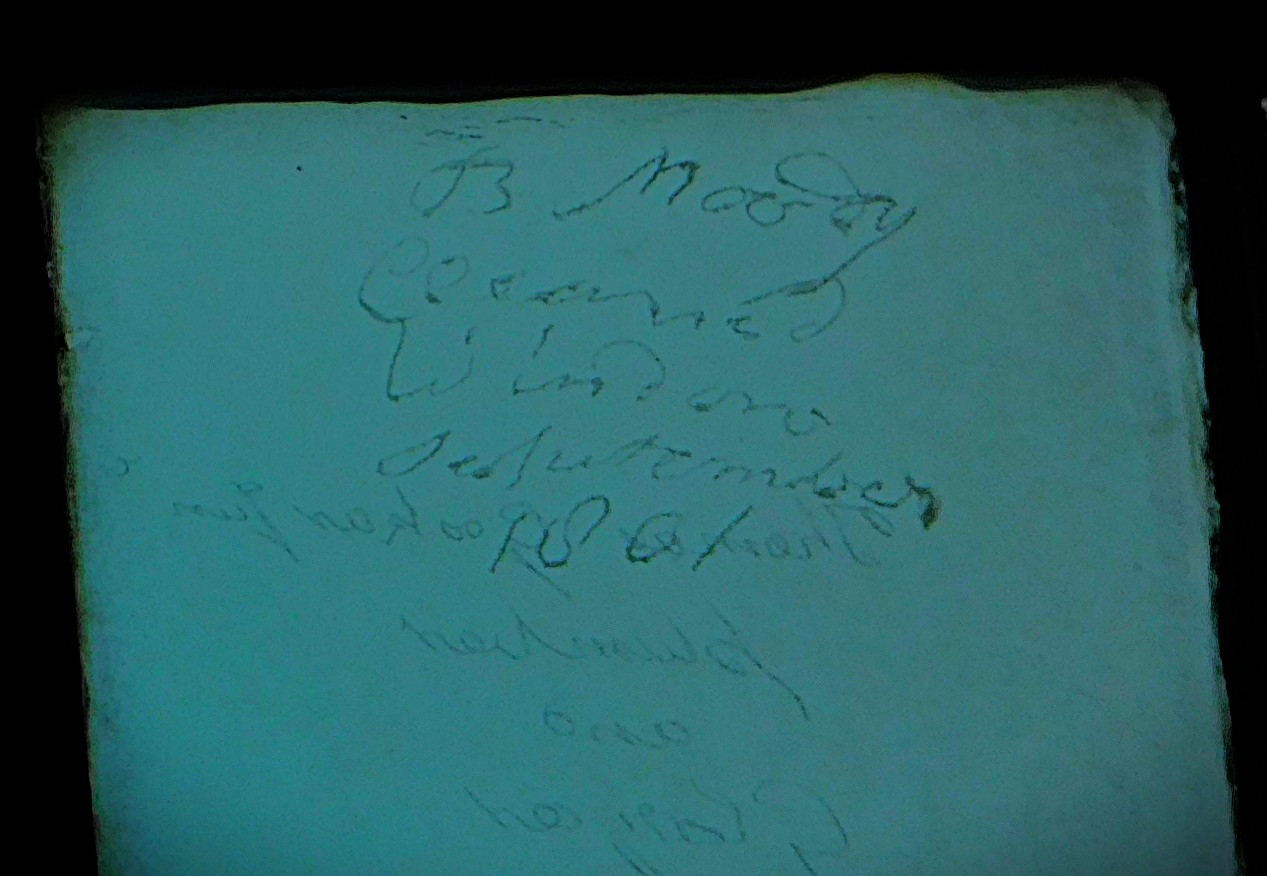
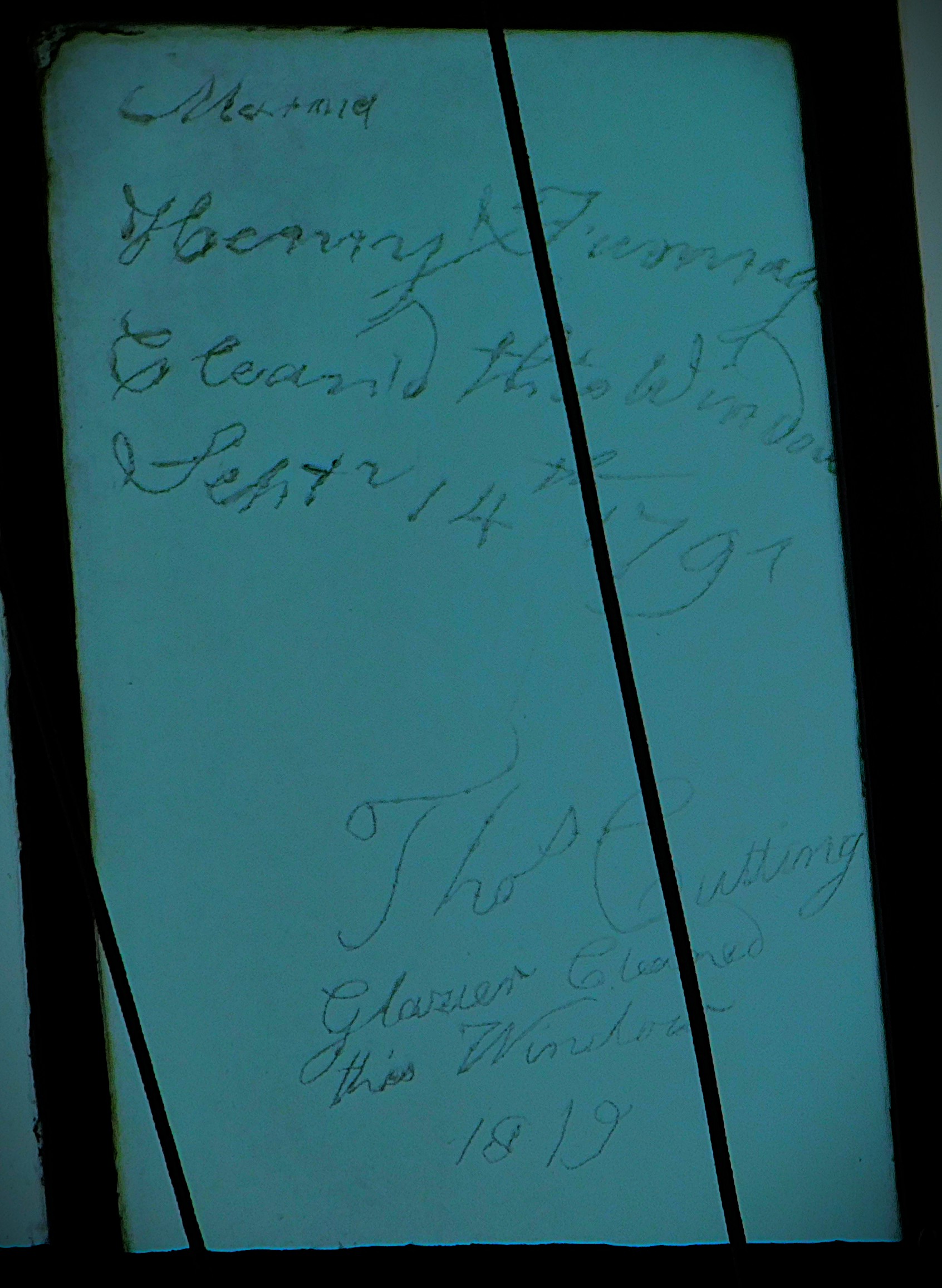
The massive front window of this guildhall, viewed from inside……various panes have writing scratched into them.
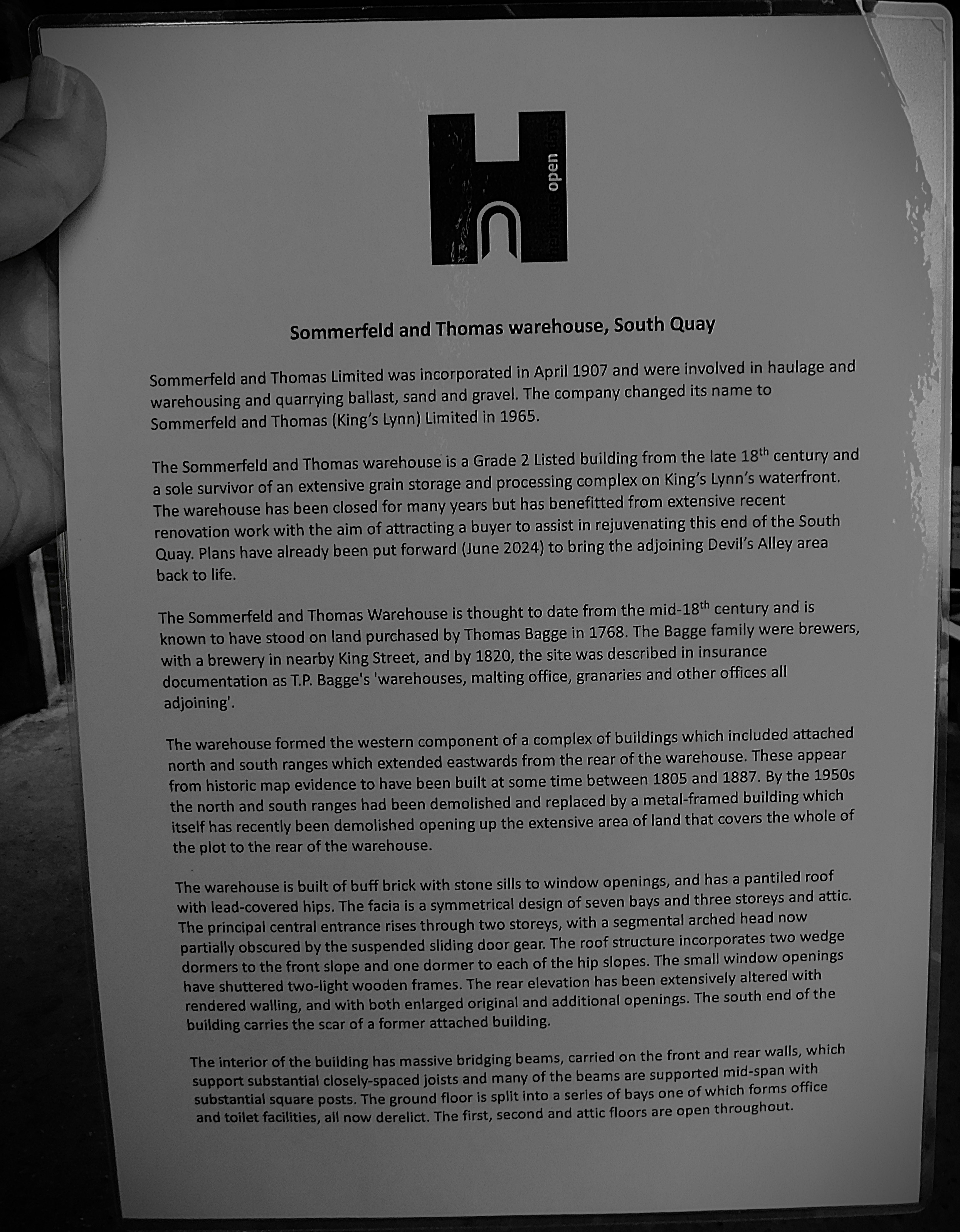
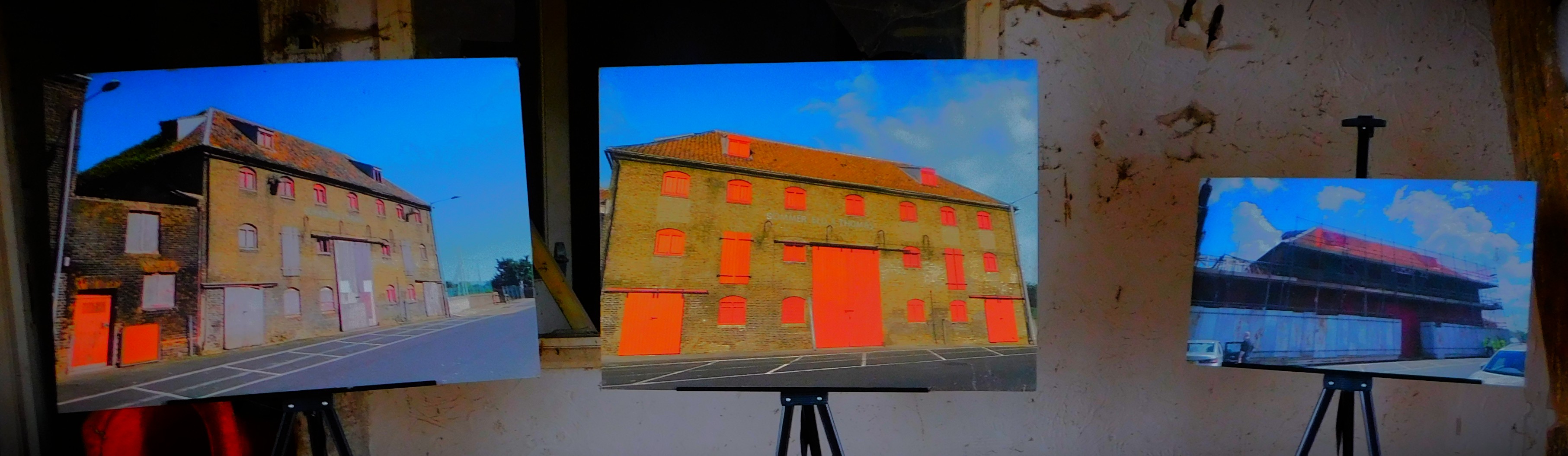
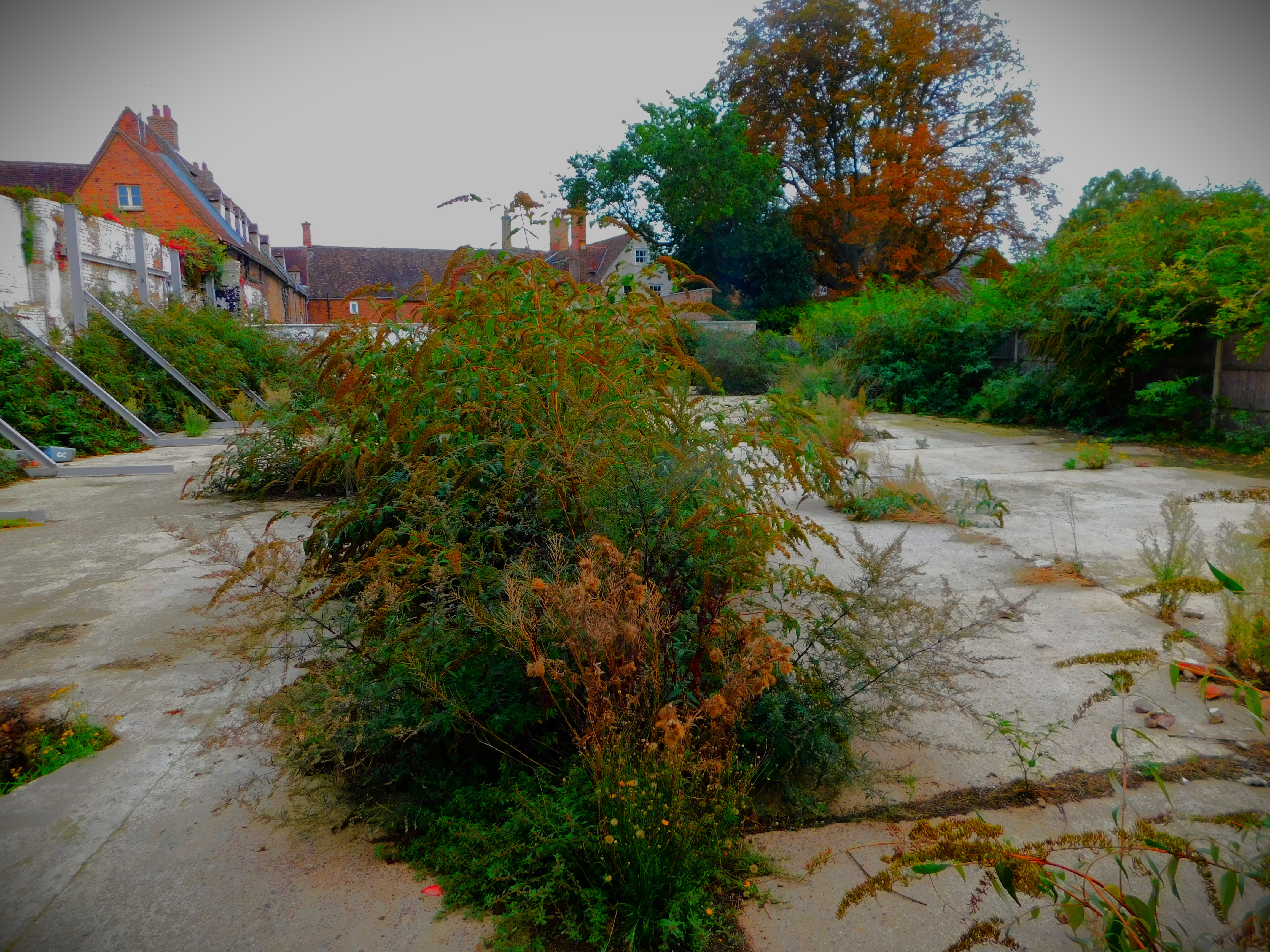
After this I headed to the river front, and Sommerfeld & Thomas, some of which was open for viewing for the first time.
The outside view of Sommerfeld & ThomasThese remains out back (two pics) indicate just how huge Sommerfeld & Thomas was in its heyday.
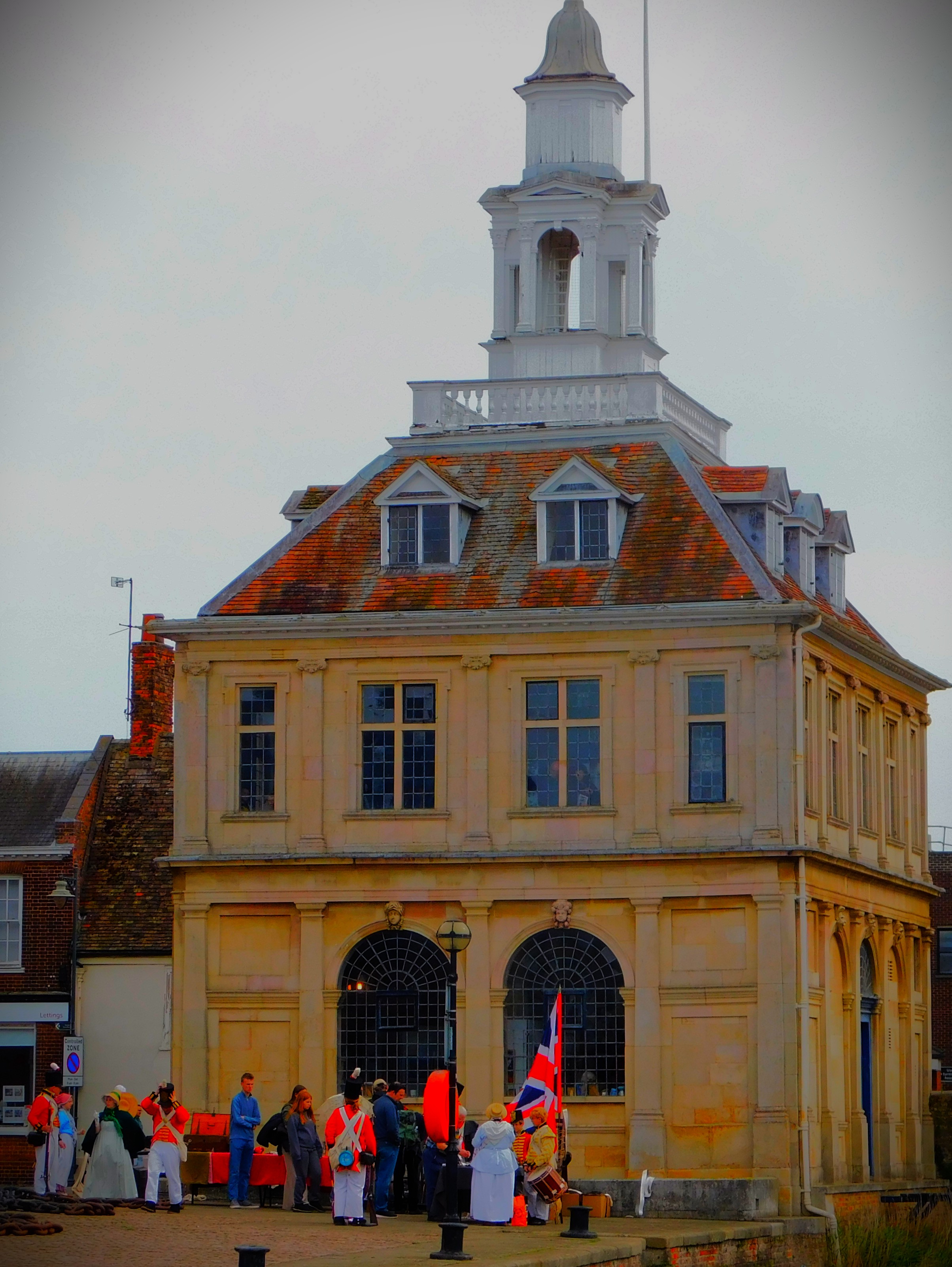
I then headed along the river front and past Custom House to King Street.
Back on King Street I made a quick visit to the What a Hoot Distillery. I did not purchase anything there, though until I saw the price I was briefly considering their golden rum.
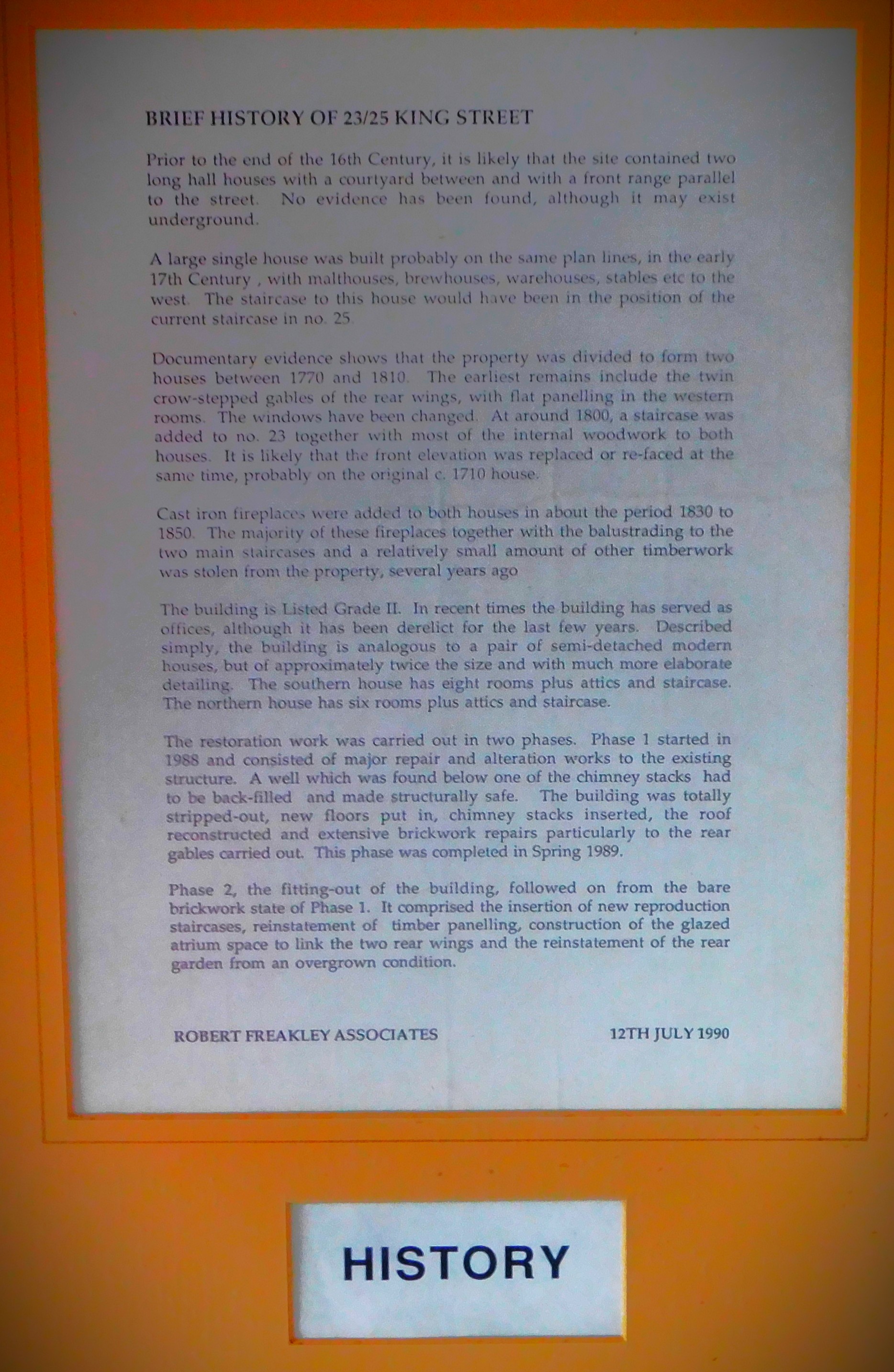
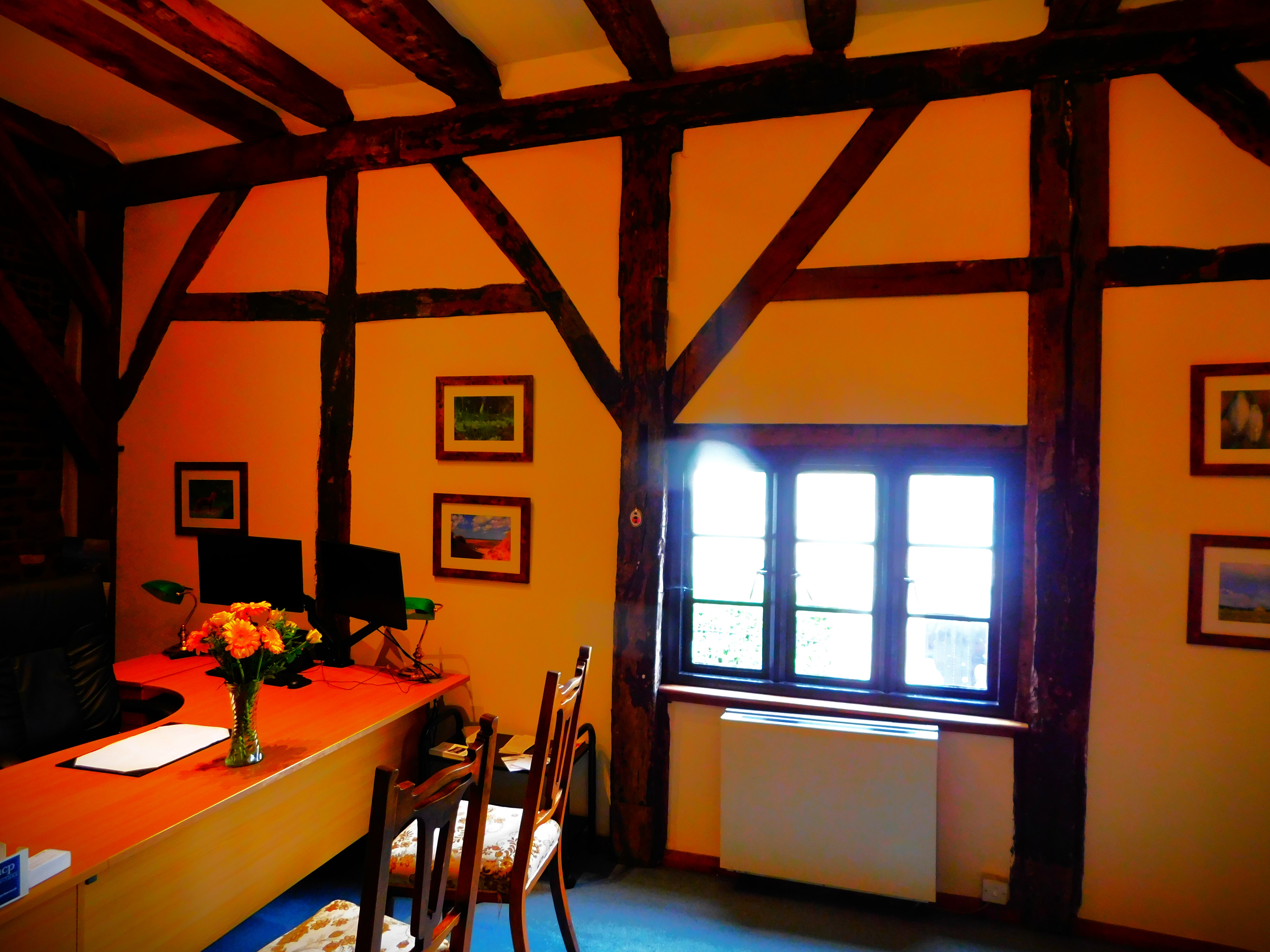
I then visited numbers 23-25 King Street, once private residences, now a solicitor’s practice – the two houses were joined together in 1989.
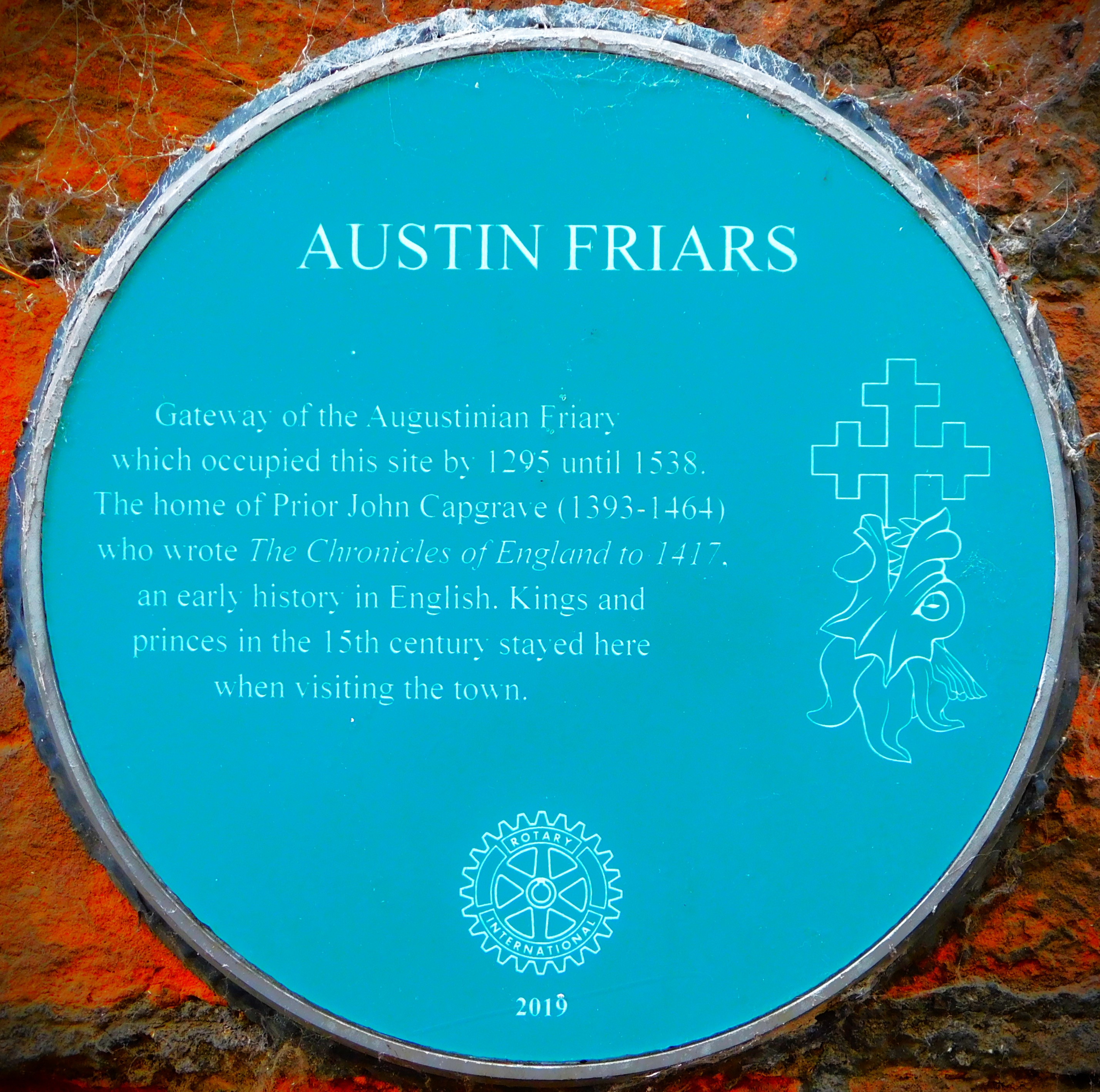
My last visit before heading towards the Bank House for my stewarding commitment was to another solicitor’s building, a regular port of call of mine, because it is Norman in origin and therefore among the oldest in King’s Lynn (the oldest building in the town is All Saints Church, Hillington Square, also Norman).
The stewarding, at the Bank House, was not especially difficult, although the placing of the hotel’s coffee machine was unhelpful, and a lack of functioning lighting restricted the portion of the cellars that was open to the public. My fellow steward then disappeared without telling me anything somewhat less than half way through our slot, and the Bank House being popular I never had a long enough quiet spell to be able to make a phone call, so had do all the stewarding myself. I waited until both stewards for the final session had arrived before taking my leave, and opted to head for home.
PHOTOGRAPHS
Some of the photographs here relate to Heritage Open Day, others are my usual sort…
This little bus was stopped outside the Bank House when I photographed it. It was too close to the beginning of my stewarding slot for me to ride on it.I spotted this from my stewarding spot outside the Bank House.At the bus station on my route home…Crossing Railway Road – my last photo of Heritage Open Day.
A look back at the match between the Northern Superchargers and Birmingham Phoenix women’s teams in The Hundred, and a photo gallery,
This afternoon the Northern Superchargers and Birmingham Phoenix women’s teams clashed in The Hundred (the men’s match is just getting underway as I type. This post looks back at the women’s match.
AN INNINGS IN THREE PARTS
Birmingham Phoenix found themselves batting first. The pitch was a good one, though the playing area was very large, and this factor played its role in proceedings. At 44-1 after 30 balls Phoenix looked to be going nicely. Then came a collapse, caused largely by bad batting. First Emma Lamb tried to aerial against the off spin of Lucy Higham and picked out Annabel Sutherland to make it 44-2. Then 11 runs accrued before the real collapse hit. Marie Kelly, bowled by Linsey Smith for 20 was actually got out, and Ellyse Perry, run out when Sutherland deflected a drive from Sterre Kalis into the bowler’s end stumps with the Aussie superstar out of her crease was genuinely unlucky. However Amy Jones, who holed to Sutherland off Grace Ballinger for 1, and Ailsa Lister who went aerial against Higham and succeeded only in finding the safe hands of Kate Cross, also for 1 both played brainless shots. Lister’s dismissal made the score 59-6 from 51 balls, with four wickets having gone for four runs in 12 balls, while five had fallen for 15 in 21 balls. The unbroken seventh wicket stand between Kalis and Em Arlott which took the score on to 116 by the end of the 100 balls, and in which neither player was seriously troubled served only to illustrate just how badly Phoenix had batted to suffer that collapse. Left arm spinner Linsey Smith had 2-18 from her 20 balls.
THE SUPERCHARGERS CHASE
This match had been billed as featuring a clash of Aussie titans, with Ellyse Perry and Annabel Sutherland in opposition to one another. However, it was to be another Aussie, 22 year old Phoebe Litchfield, who stole the show in the end. Davina Perrin and Alice Davidson-Richards put on 27 from 19 balls before Perrin was out, which brought Litchfield to the crease. The score had risen to 59 by the time Davidson-Richards was out to the 46th ball of the innings. This brought Sutherland in to join her compatriot. However the more experienced Aussie had to settle on this occasion for a supporting role, as the young left hander produced a quite glorious display. Learning the lessons from what had befallen Phoenix, Litchfield settled for fours and for running well between the wickets on other occasions. When the Superchargers sealed an eight wicket win with 26 balls to spare Litchfield had scored 59 not out from 28 balls with 11 fours, while Sutherland was 20 not out from 13 balls with two fours. Phoenix were guilty of some poor fielding along the way – Megan Schutt, the veteran Aussie seamer, tried to stop one with her boot and saw it roll away for four, while Hannah Baker, with the game well and truly lost already, dropped a very easy chance from Litchfield, then 48 not out. Full scorecard here.
PHOTOGRAPHS
My usual sign off…
My bus fare ready in advance.This unfortunate muntjac may have been a casualty of the heat yesterday – I saw no sign of injury on its body.A picture with a displaying cormorant in the foreground and West Lynn church in the background.
An account of yesterday’s clash between Birmingham Phoenix and Trent Rockets in The Hundred (women’s) and a photo gallery.
This year’s edition of The Hundred got underway on Tuesday with the derbies between London Spirit and Oval Invincibles. Yesterday saw the fourth set of fixtures meaning that all eight sides have been in action once. As I type this the Oval Invincibles women are in action against Manchester Originals women, the first fixture of an action packed day. Yesterday Birmingham Phoenix played host to Trent Rockets, and the women’s fixture to which the rest of this post is devoted happened first as is standard in The Hundred.
THE SIDES
Birmingham Phoenix lined up as follows: Georgia Voll, Emma Lamb, *Ellyse Perry, +Amy Jones, Sterre Kalis, Ailsa Lister, Em Arlott, Millie Taylor, Megan Schutt and Hannah Baker.
Trent Rockets opted for an XI of Bryony Smith, Grace Scrivens, Natalie Sciver-Brunt, *Ash Gardner, Heather Graham, Emma Jones, +Natasha Wraith, Alana King, Alexa Stonehouse, Kirstie Gordon and Cassidy McCarthy.
THE MATCH
Birmingham Phoenix won the toss and opted to bat first. Voll and Lamb began impressively and at the end of the opening 25 ball Power Play (only two fielders allowed out deep) Phoenix were 36-0, Voll 19, Lamb 14. Alana King, the great Aussie leg spinner, came on immediately the Power Play was done and her second ball bowled her compatriot Voll for 19. Perry now joined Lamb, and played a fine support role while Lamb hit top form with a vengeance. A time out was taken at 48 balls into the innings, with score 77-1, of which Lamb’s share was 48. At the halfway point it was 78-1. Early in the second half of the innings Lamb reached 50, off her 28th ball, having struck eight fours along the way. While boundaries are always important the real key to Phoenix’s strong progress was that there were few dot balls. From this high water mark wickets began to fall, but after 75 balls, just about to enter the so-called ‘death balls’ Phoenix were 106-4, having scored 70-4 from the middle part of their innings. When they reached the 90 ball mark with 132 on the board a 150+ total would still have been the goal, but Rockets bowled well from balls 91 to 97 inclusive, though a big finish from Phoenix still got them to 148-5. Lister had scored 21 not out of 17, and Marie Kelly, largely responsible for the final flourish referred to, has 23 not out from just 10 balls. King, as befits her status, was the only multiple wicket taker, but she would have been disappointed to have conceded as many as 30 from her allocation of 20 balls.
Bryony Smith started impressively for Rockets, but the 21 year old Scrivens struggled badly, and her dismissal for 2 (8), which made it 35-1 from 24 balls was probably a relief even to her. At the end of their Power Play Rockets were 36-1, the same run tally but one wicket worse than Phoenix. In spite of the clear fact that they had done less well in this phase than had Phoenix Michael Carberry, supposedly ‘expert summariser’ on the radio (in his playing days he was a rather stodgy opener, not perhaps an appropriate choice to be making expert comments on the game’s most frenetic format) said that he thought Rockets were ahead of the game. Whatever may have been the case going into the middle phase, by the end of it no one could have been in any doubt who was ahead of the game. By then Rockets were 91-4, needing 58 from the last 25 balls at 2.32 per ball (11.60 per set of five, which equates to 13.92 per over in other formats), and had scored 55-3 in the middle phase, compared to Phoenix’s 70-4 in the same period. The one hope for Rockets lay in the fact that Nat Sciver-Brunt was still at the crease and was batting superbly. By the time 10 balls remained the Rockets needed 27 to win. Over the next six deliveries Millie Taylor effectively settled the match. First of all she conceded just seven runs from her own last five balls of the match, meaning that she had 1-22 from her 20 balls. Then off the the 96h ball of the innings, with Em Arlott bowling to close out the match she took a superb catch to dismiss Sciver-Brunt for 64, comfortably the highest individual score of the game, and made off a mere 40 balls. That left Rockets needing 20 off four balls to win the match, and at no time did it look remotely probably that they would do it. The final margin was 11 runs (note the importance of that 15 run gap between what the sides scored in the middle part of their innings). Phoenix had won the Power Play by virtue of not losing a wicket themselves while Rockets did, totally bossed the middle phase – 70 to 55 – and narrowly lost the ‘death balls) – 42 to 46. As well as Taylor who I have already mentioned another youngster, 21 year old leg spinner Hannah Baker, had 2-18 from 15 balls. Emma Lamb’s 55 (32), the chief reason for Phoenix’s substantial total, earned her Player of the Match. A mention also for the fielding of Ailsa Lister – three of the first four Rockets wickets went to catches taken by her. Scorecard here.
PHOTOGRAPHS
My usual sign off…
Wheel clamps are an uncommon sight these days……this one in place due to the vehicle being untaxed, and omission that has clearly been put right, since the next time I walked past that location the vehicle was gone.The town wall from the park sideThe town wall looking along Kettlewell Lane.The beetle the was the star of my previous post (https://aspi.blog/2025/08/08/a-beetle-watching-the-nar-outfall/)
A look at some recent action in the men’s and women’s T20 cups and a large photo gallery.
Both the men’s and women’s domestic T20 cup competitions are going on at the moment. Yesterday both Surrey teams recorded wins at Southampton. Today Essex Women are closing in on victory over Birmingham Bears Women (I followed the early part of that match, before the first part of today’s action at The Oval got underway). This post looks at some of these matches.
YESTERDAY EVENING
I got home from work yesterday just in time to catch the closing stages of Hampshire Women v Surrey Women. It went down to the very final ball, which Paige Scholfield hit for four to get Surrey over the line. The men’s match provided plenty of entertainment, but not a close finish. Surrey’s strong bowling unit, given a total of 193 to defend by their batters, were simply too good for the Hampshire batting, and the margin was very substantial in Surrey’s favour. Southampton has been a happy hunting ground for Surrey men in this tournament – they last lost to Hampshire there way back in 2015. Is it time for Hampshire to schedule this fixture for an out ground? Bournemouth, Portsmouth and Basingstoke have all staged matches over the years.
TODAY
Essex won the toss and batted. They scored 150-3 from their 20 overs, Cordelia Griffith scoring 47 not out of 36 balls and Madeline Penna 41 not out off 42 balls. Some good captaincy by Grace Scivens, at 21 a very young skipper, and some ordinary batting from Warwickshire seemed to have settled it. At 111-6 it looked all done. However, since then another youngster, Charis Pavely, a left arm spin bowling all rounder, has been showing an audience that includes a number of school parties what she can do with the bat, and it now looks like Birmingham Bears are going to win. Pavely is currently 67* (38), with five fours and three sixes.
Surrey Women are currently in action against Lancashire Thunder Women, while the second half of this somewhat unorthodox double header will feature Surrey Men against Sussex Sharks Men. The current match started with a bang – Bryony Smith hitting the first ball of it for four and then being bowled by the second to give Sophie Morris instant revenge. Sophia Dunkley got to 10 and was then bowled by Tara Norris. Then a disastrous piece of running between the wickets cost Surrey the wicket of Kira Chathli. A mini-revival led by Grace Harris and with Danni Wyatt-Hodge struggling but fighting gamely has just ended with Wyatt-Hodge going stumped by Threlkeld off Sophie Morris to make it 50-4 in the eighth over, S Morris 2-5. Paige Scholfield has joined Harris.
PHOTOGRAPHS
My usual sign off…
A new insect sighting – for all its colouring this is too large to be any kind of bee or wasp.Photographing swallows is hard because they move fast and a are never at rest.A Cinnabar MothA Cinnabar Moth caterpillar.The hot weather we are having here in King’s Lynn has brought the dragonflies out.Two Little Egrets in one frame.































































































































































































































































































































































































































































































































































































































































































































































































































































































































































































































 aspiblog