The second in my series of posts about Autism events I have attended recently.
INTRODUCTION
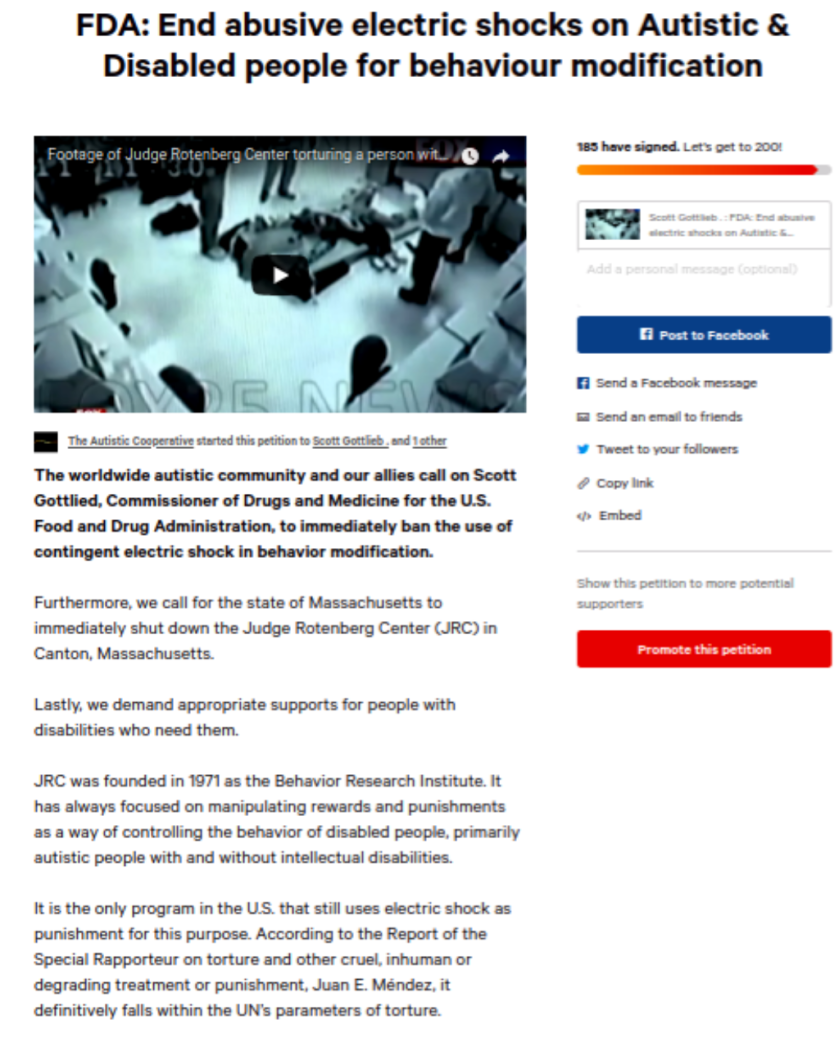
Welcome to this second in my series of posts about recent Autism events that I have attended. The opening piece can be seen here. Before moving on to the main body of the post I include a petition from today. It was posted on change.org, and the screenshot below contains details and functions as a link:
THE STORY SO FAR
During the first post in this series I set out what the series was going to be about, put up a mini-time line of the days covered and started my coverage of the Autism Anglia Information Sharing Event, reaching the end of Sian Hutchings’ talk. This post takes us up to the end of that event. Here are a few pictures from that event:
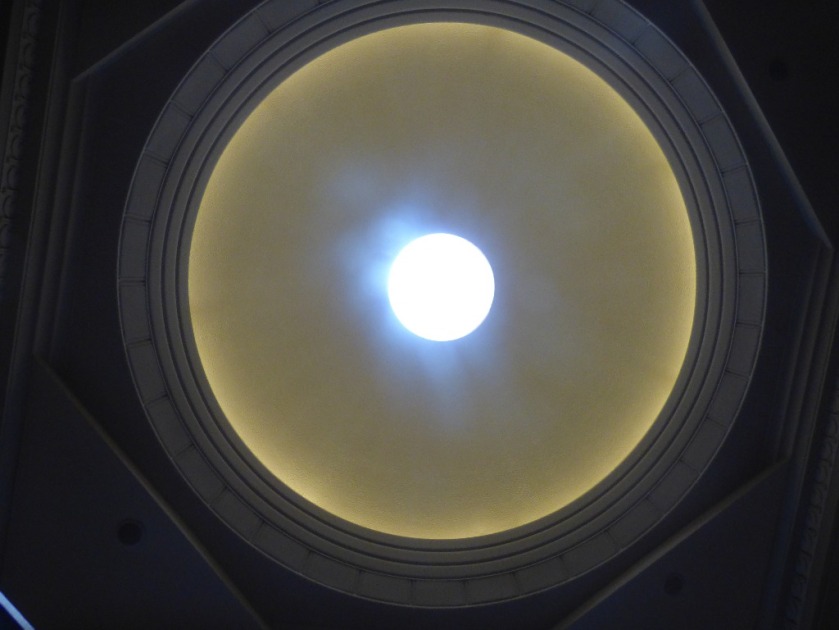
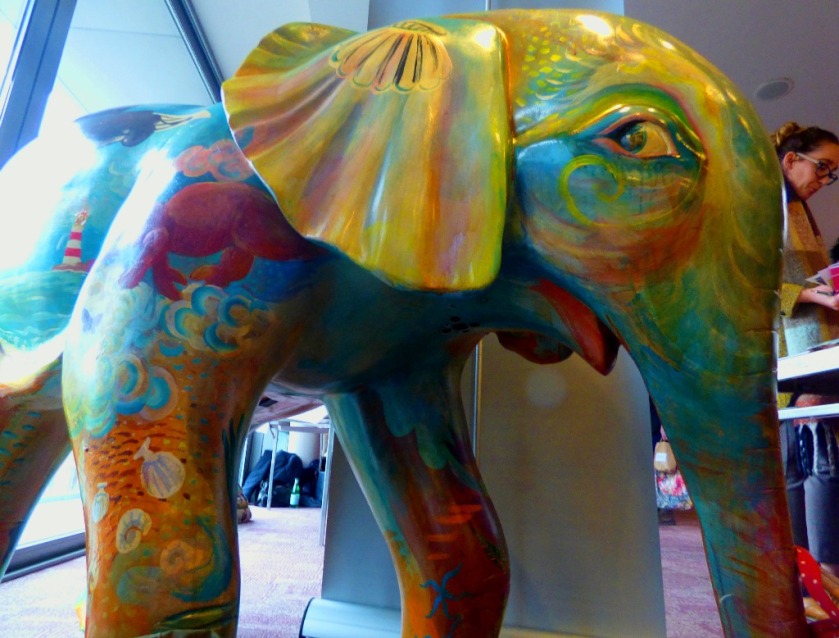
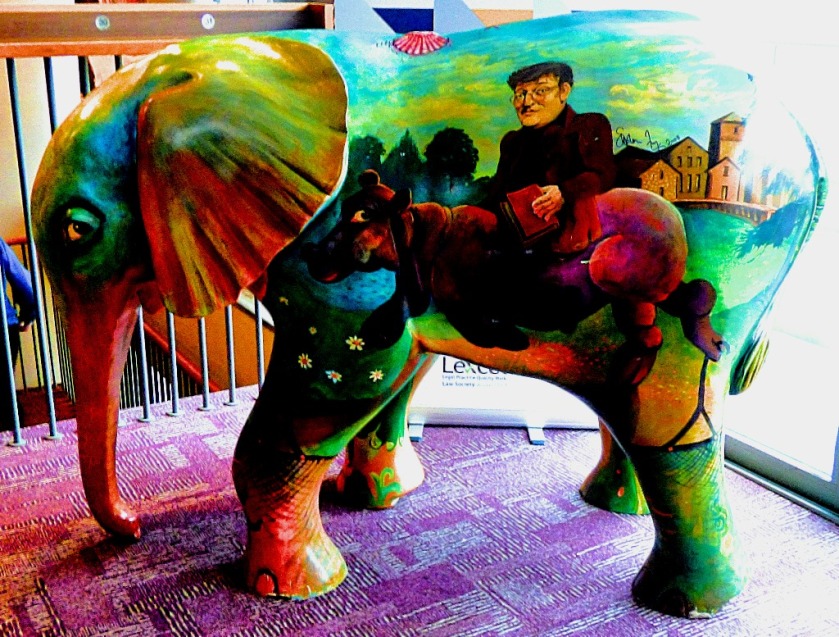
This cupola caught my attention.One of the stalls I visited – we had a very positive little discussionThis elephant is a legacy from what was once a Norwich display of the creatures.
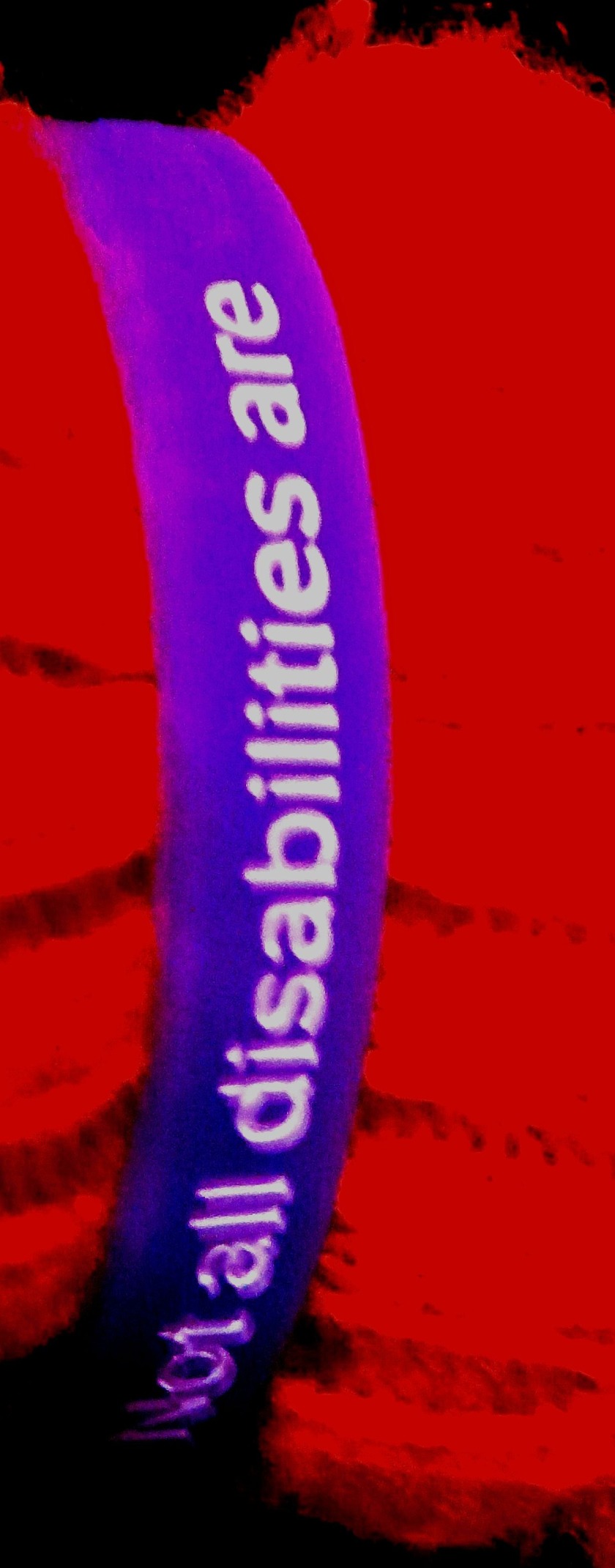
Scope and NAS West Norfolk are working together on various projects, and this wristband is a product of one of them (there is also a matching key fob and small button badge). The message, conveyed simply and powerfully is “NOT ALL DISABILITIES ARE VISIBLE”
SESSION 3: ACTIVATE
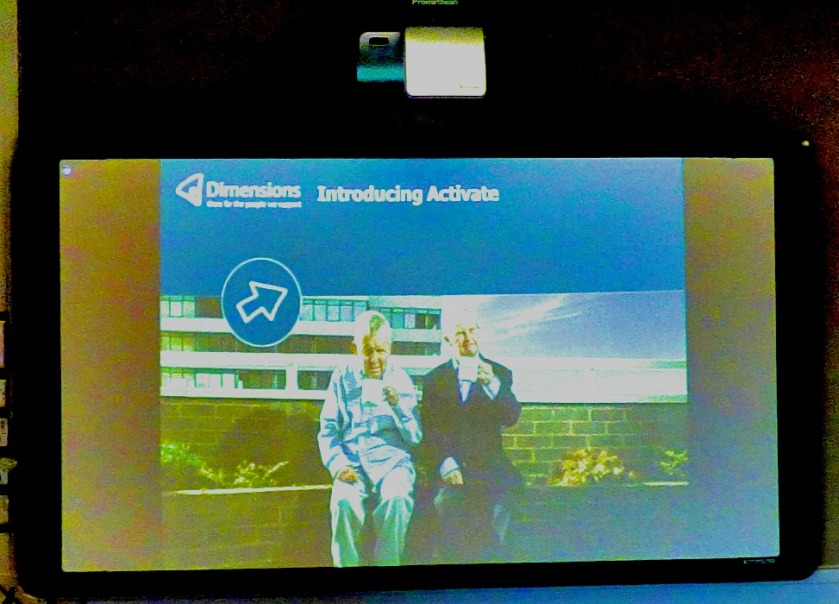
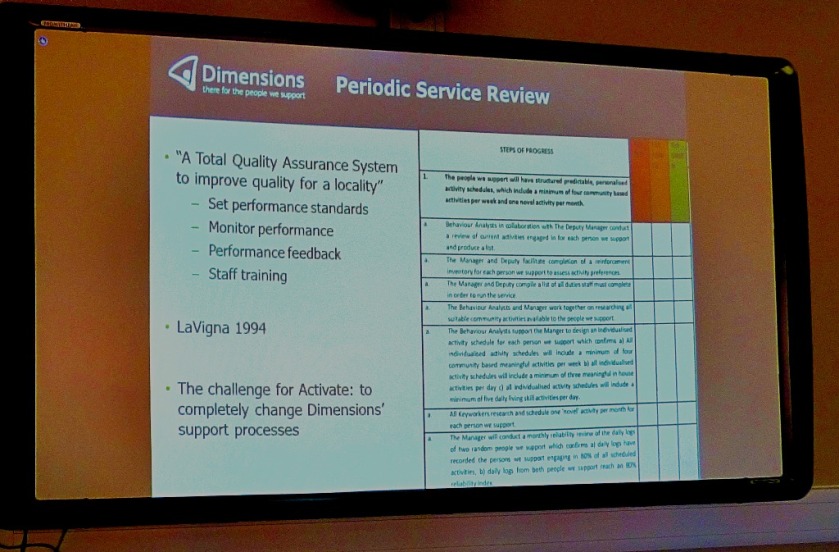
Just in case anyone was wondering this has nothing to do with the vile Tory offshoot of the same name (an organisation of such vileness that it is known in certain circles as “Active Hate”). This Activate is a very different organisation, devoted to helping vulnerable people. Here are a couple of pictures:
This was a very interesting session and I went to lunch in good spirits. The lunch was excellent – decent sandwiches, crisps and a drink. Then I had one more session to attend.
SESSION 4: AMANDA HIND
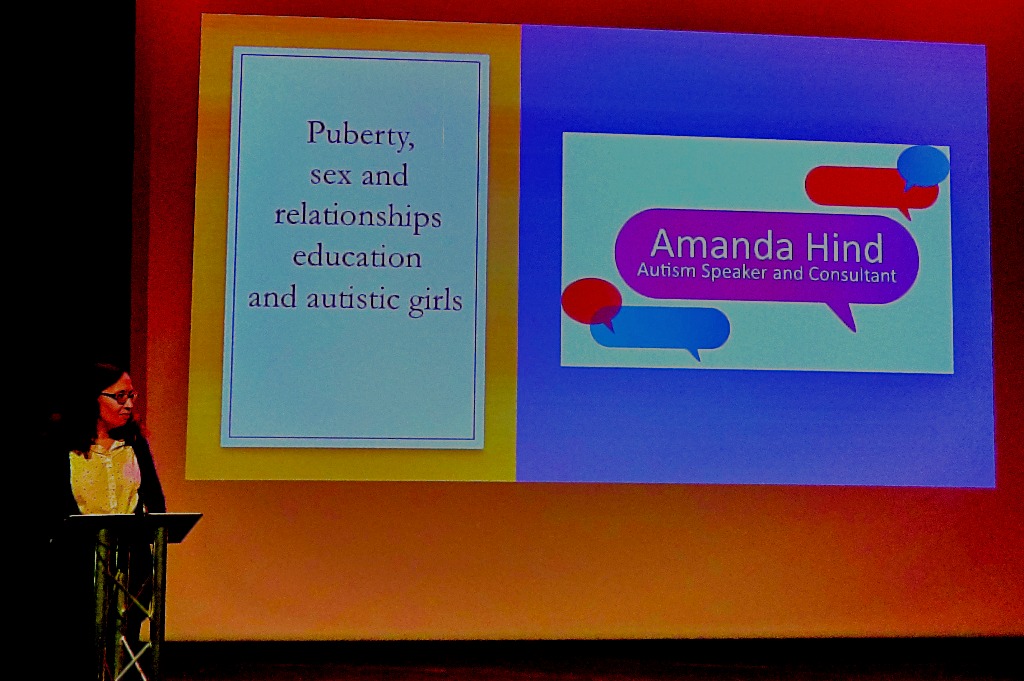
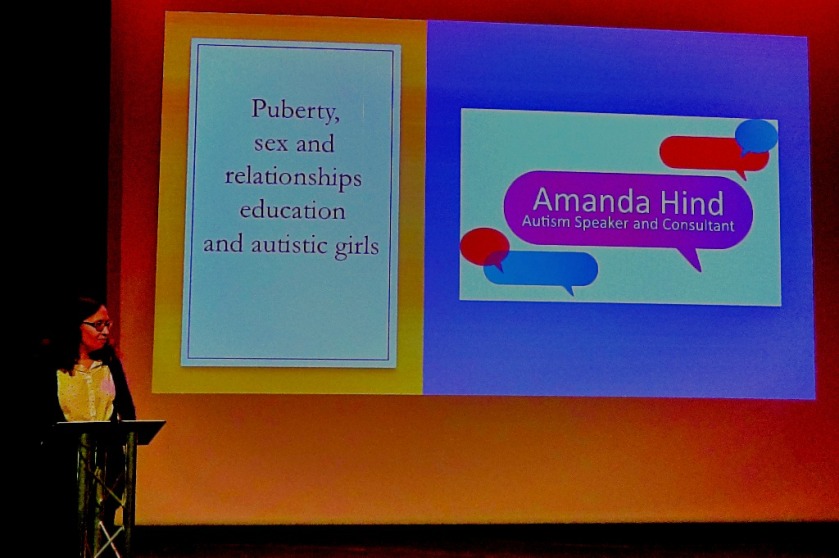
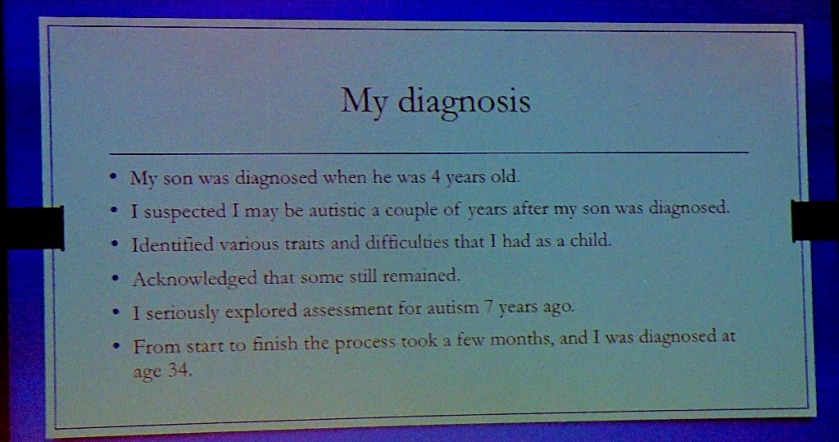
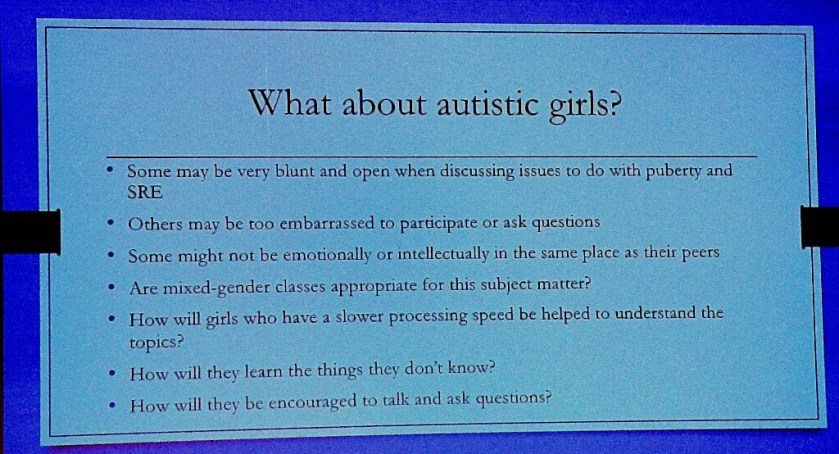
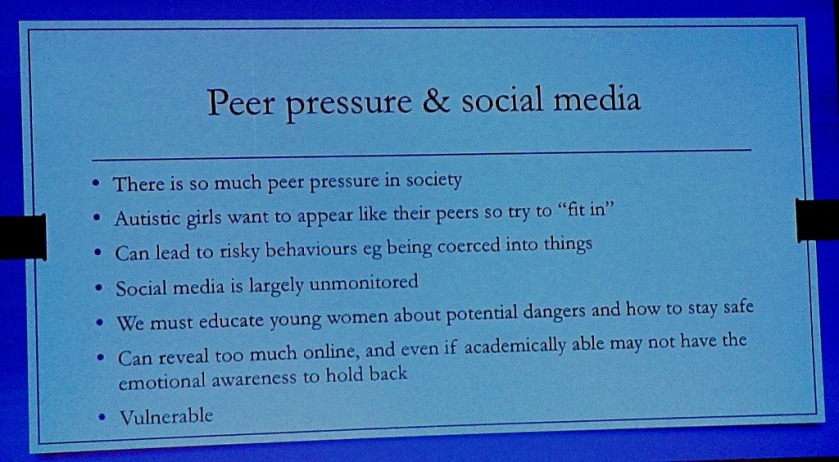
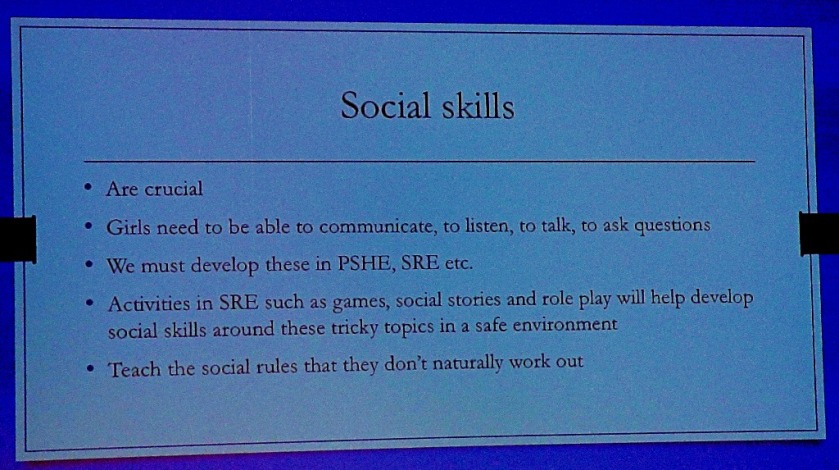
Amanda Hind’s session, on Puberty, Sex and Relationships Education and Autistic Girls, was packed full of interesting and important stuff. Before letting my photographs take over, I will say that she is an autistic mother of two autistic children (it was actually her son’s diagnosis that prompted her to investigate on her own behalf) and that she is a fantastic speaker. At her request I am only displaying a handful of the slides…
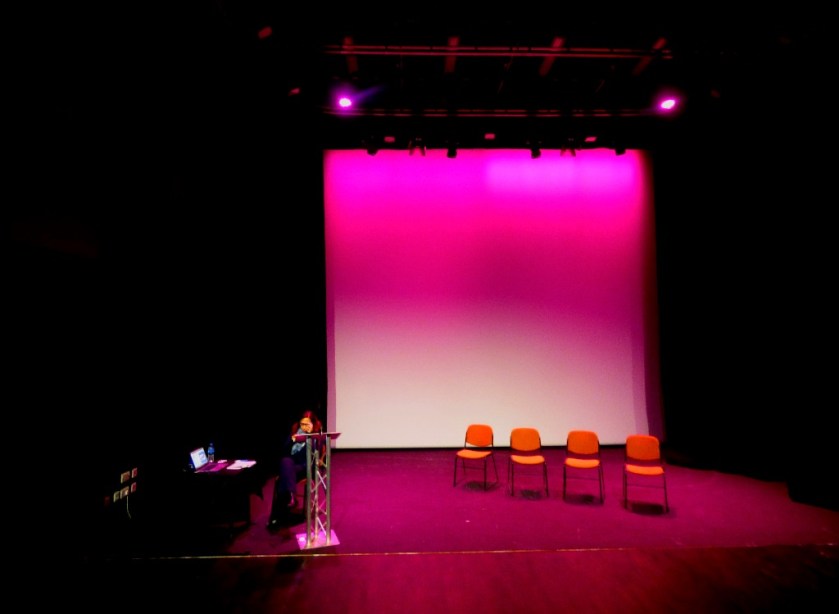
The Stage 2 Auditorium, Norwich Theatre RoyalUsing the zoom lens to capture the hexagonal array of bulbs in the overhead lightsThe title slide.The first three slides of the title slide cover the ‘back story’
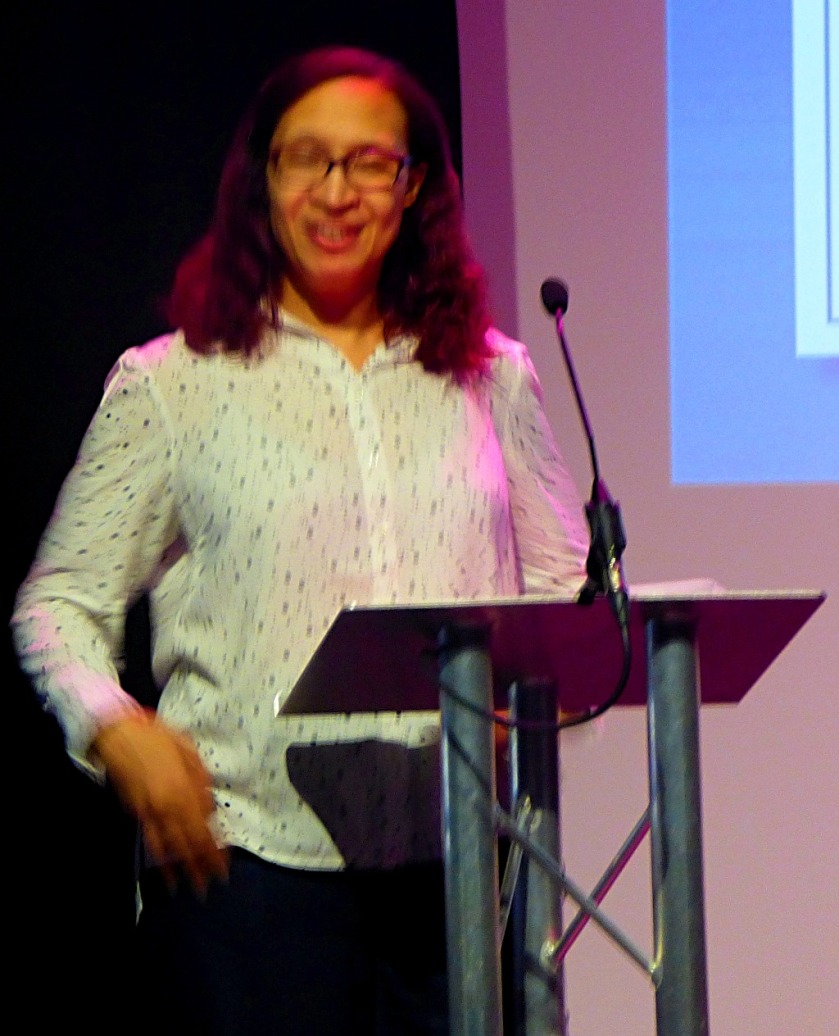
Amanda Hind speaking
FINAL ACT – FEEDBACK
One of the things contained in the packs we were each given on arrival at the venue was a feedback form. I filled mine in after this last talk, and suffice to say it was all positive. As I was staying in Norwich for an evening meeting I then decamped to the Millennium Library, very close to the theatre, to unwind for a bit, and prepare myself for the evening. All in all this was a very positive experience, and I left the event in a very good (if tired) frame of mind.
The first in a series of posts about a couple of autism events that I ahve attemded recently.
INTRODUCTION
I have had the good fortune to attend two autism events in the last few days. NAS West Norfolk, of which I am branch secertary funded my attendance at both events, and so I travelled with a bundle of NAS West Norfolk leaflets as well as my own personal cards. This is the first of a series of blog posts I will be writing about these events, and therefore includes a…
Thursday evening: public meeting on trans liberation at the Vauxhall Community Centre, Norwich
Friday daytime: work day.
Friday evening: supper at my aunt’s house.
Saturday all day: Anna Kennedy Autism Expoat the Eastern Gateway Building, Brunel University, nr Uxbridge
I hope that the above makes it clear why I am only just starting this series of posts and why I still have a large number of photos from the last few days to edit.
THE AUTISM ANGLIA EVENT
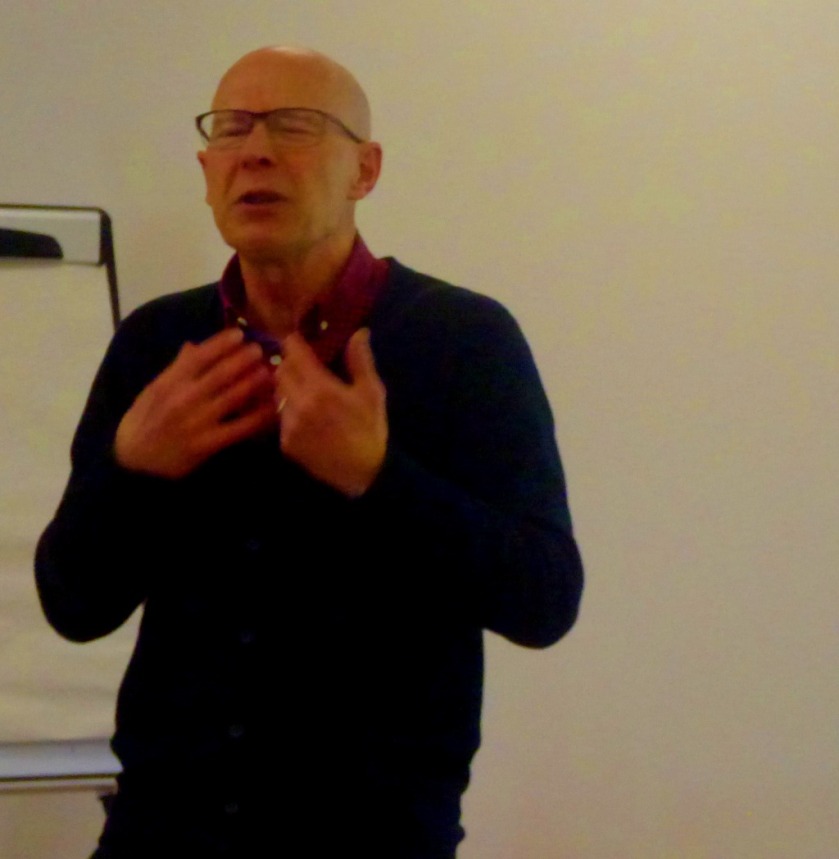
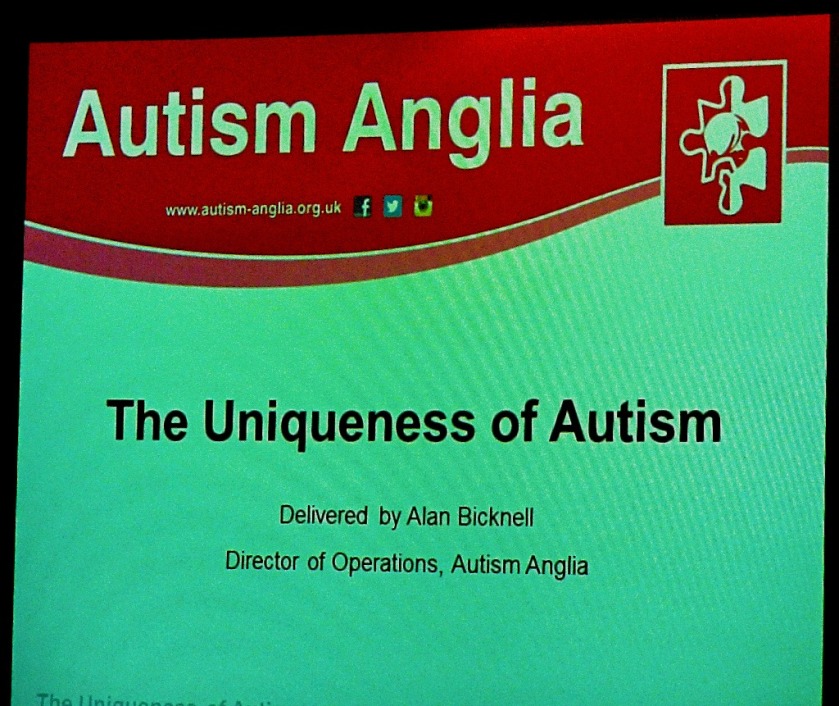
The bus ran a bit late, which meant that I arrived at the venue later than I would have liked. However, I was in time to get into the first talk I had booked for, Alan Bicknell of Autism Anglia talking about “The Uniqueness of Autism”. I impressed the speaker with three useful interventions – first up responsing to his request for a ‘guess’ as to how many people in the UK were likely to be on the autistic spectrum. I reasoned in Holmesian fashion that given the UK’s overall population and the popularly reckoned instance of autism being 1 in 68 the figure was likely to be somewhere in the region of 1,000,000. I was in the right ball park, with the speaker’s own reckoning being somewhere in the region of 800,000. My second intervention was to identify the author of the the ‘Thomas the Tank Engine‘ stories (Reverend W Awdry – his son Christopher continuing the family tradition). My third and final intervention was in response to his question “Can we all be a little bit autistic?” To which I said a very firm no, and backed this up when asked to expand on that answer by stating that ‘we are all a little bit autistic’ cheapens and demeans the very real difficulties faced by those of who are #actuallyautistic. He thanked me for making those points, and subsequently when I spoke to him after the talk he again thanked me for my contributions.
PHOTOGRAPHS FROM THAT FIRST TALK
Alan Bicknell speaking
SESSION TWO: SIAN HUTCHINGS
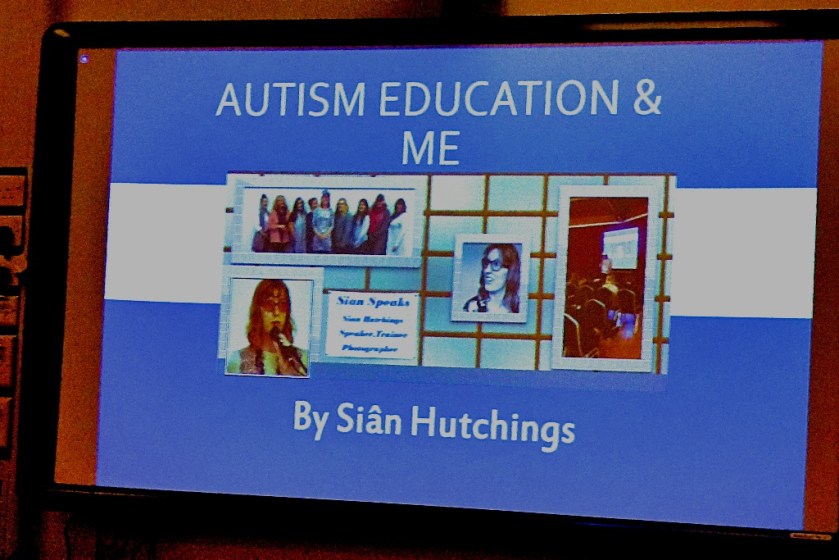
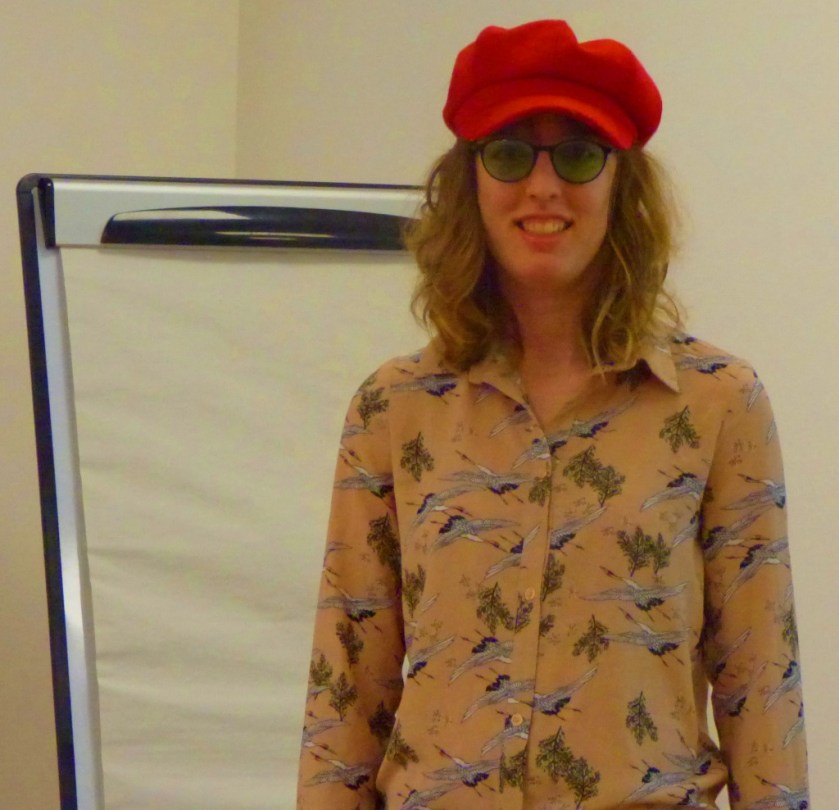
Ms Hutchings is autistic herself, and her talk was based around her own life and experiences, before focussing on educating autistic people. This was in the same venue as the first talk I had booked to attend. Sian’s talk was absolutely amazing, and although the photographs with which I end this post give you some basic idea of it, you really had to be there to hear it.
These big screens look a lot like giant Ipads, and as I saw when one speaker poked the screen in making a point they also work a bit like giant Ipads – he was a bit discombobulated when the next slide appeared early.Their size is not the only thing about this screens the connects them to giants!Sian Hutchings
A sharing post again! I am doing stuff first tomorrow and then Saturday that will provide material for a number of blog posts, so watch this space…
GENERAL LINKS
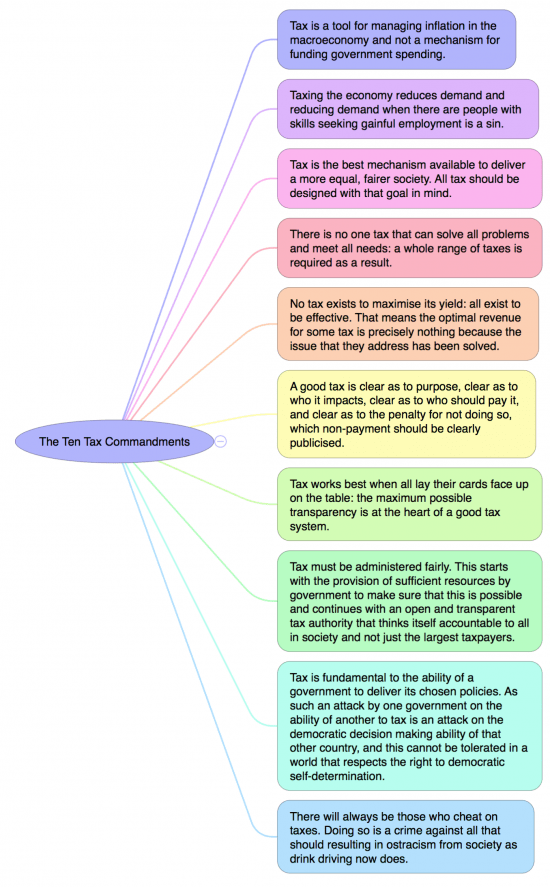
Richard Murphy of Tax Research UK is working on (among many other things) a project he calls the Ten Commandments of Tax. Below is a graphic of his first draft.
My next piece comes from The Guardian, and is Caroline Lucas and Jonathan Bartley on why the Greens will not simply fold into Labour. It is an excellent piece, well worth reading. I would say that Labour and the Greens can work together, and that if Labour are able to form a government after the next General Election they should still seek to put Ms Lucas in charge of environmental policy even if they have an outright majority that would entitle them appoint ministers exclusively from their own ranks.
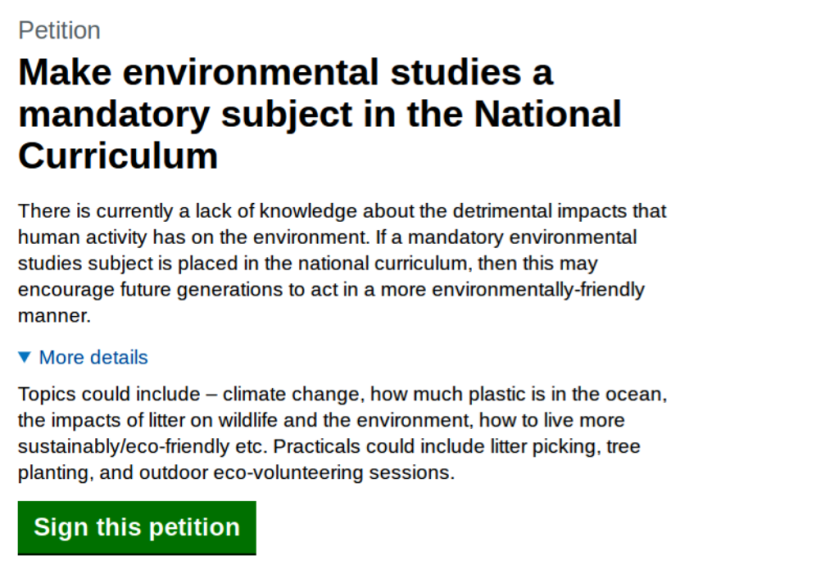
This feeds nicely into the final piece in this section, a petition calling for Environmental Studies to be part of the National Curriculum. As this petition is on the official site for petitiions to the UK parliament only UK citizens can sign it – if you are one and want to sign it please click on the screenshot below:
AUTISM SPECIFIC STUFF
We begin this section with a link to a post on Cambria’s Big Fat Autistic Blog titled “Preparing for April, the Trauma Month“. It sets out in detail just why “Autism Awareness Month” is actually not a good time for autistic people, and I recommend everyone to read it. Below is the infographic that heads the post:
My next link is from the the Thinking Person’s Guide to Autism and is titled “The Toxicity of “Autism Parent” Memoirs“. Please note that this piece does not at any point even suggest that parents of autistic children should not write about their children’s experiences – it merely points out recent examples where this has been done in a way that is not acceptable.
My next post, courtesy of Fire Bright Star Soul, is an example of a parent of an autistic child writing about one of said child’s experiences in exactly the right way. “Autistic and Suspended” could serve as a model for how to write such stories. Below is a quote from the middle of the piece (the first of the two paragraphs is italicised in the original as well):
I spoke with the assistant principal of her grade, and he was compassionate, thoughtful and had an easy way with B. After speaking with both him and me, she decided not to have me take her home from school but try to push through it and stay the rest of the day. I was extremely proud of her for making that effort, and it worked. It’s a step toward success for her, because she is making progress to self regulation and learning that even if she has a meltdown, it doesn’t mean the ruin of the rest of her day. She can calm down, pick herself up and keep going. This won’t always be the case of course, but it’s an achievement on her part that I am happy to celebrate for the victory that it absolutely is. A year ago she would have been down for the entire day.
A word: By now you are probably aware that I follow a strict self-restraining policy of not posting any detail of my daughter’s life as an autistic without her express consent, and this is no different. We discussed this last night, and I explained why I wanted to write about it. She was amenable to this, so here we are.
A SOLUTION AND A NEW PROBLEM
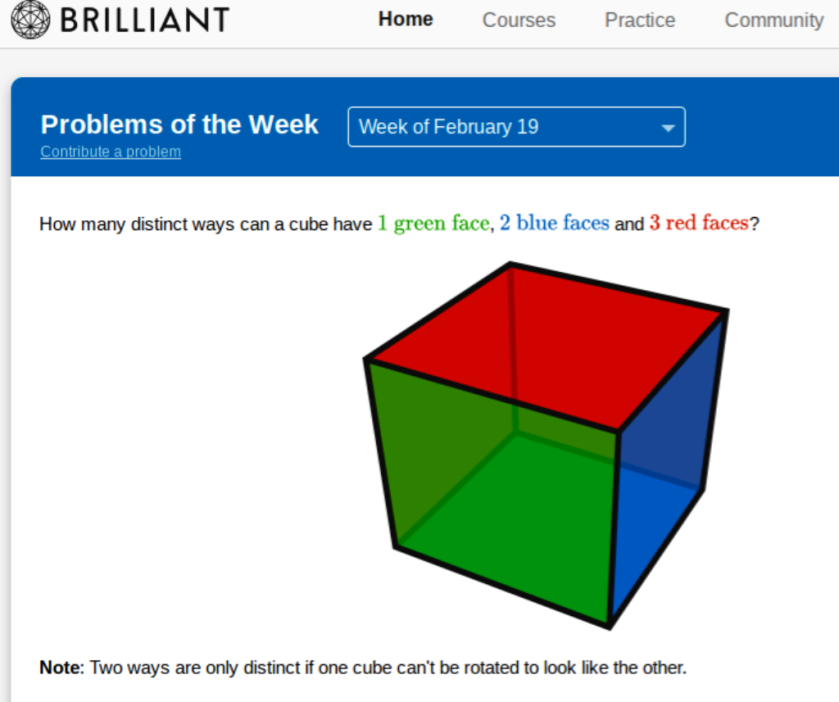
In “Midweek Medley II” I posed the following problem from brilliant:
Below is the answer and then one of the published solutions:
Here is Geoff Pilling’s very succinct explanation:
There is 1 way you can have three reds all adjacent, and 2 ways you can have two of the reds be on opposite edges (distinguished by whether the green is opposite the third red or not). That gives,
1+2 = 3
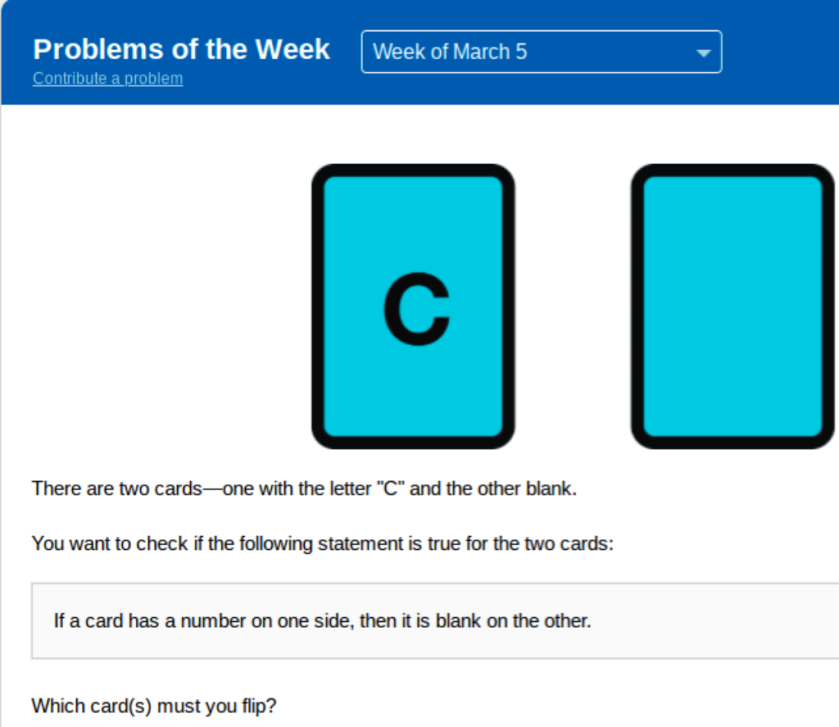
My new problem for you, also from brilliant, is a variation on a very old theme, which caught a surprising number of solvers on the hop:
PHOTOGRAPHS
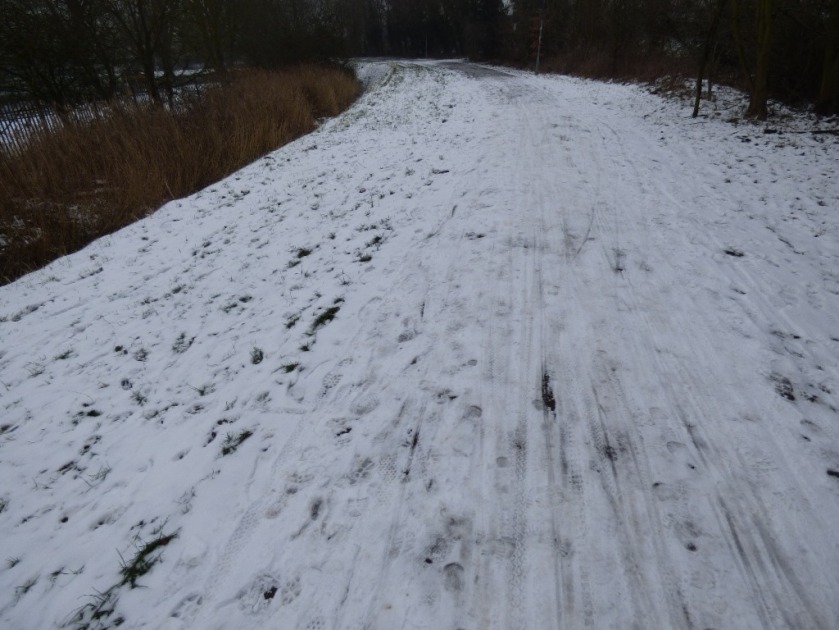
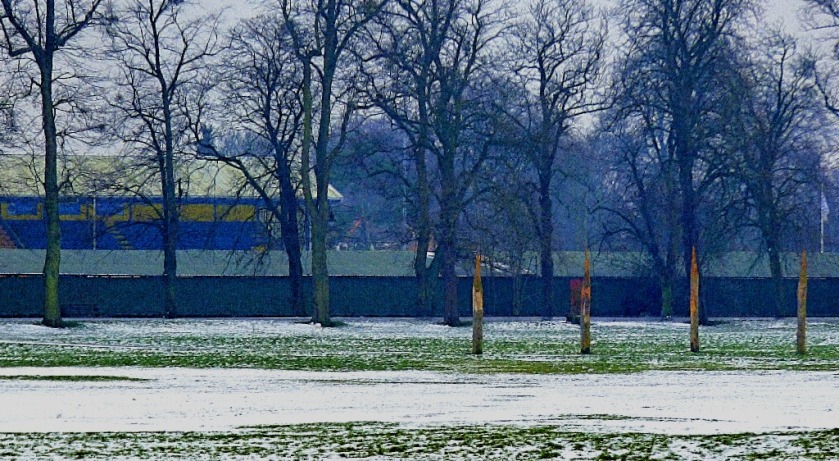
As the world knows (since many of us Brits are absolute drama queens about such matters) we have recently had some rough weather, which means I do not have as many pictures at my disposal as usual, but here are some:
Although the weather had definitely eased by Saturday not all the snow had melted
Musical keys ran as normal.
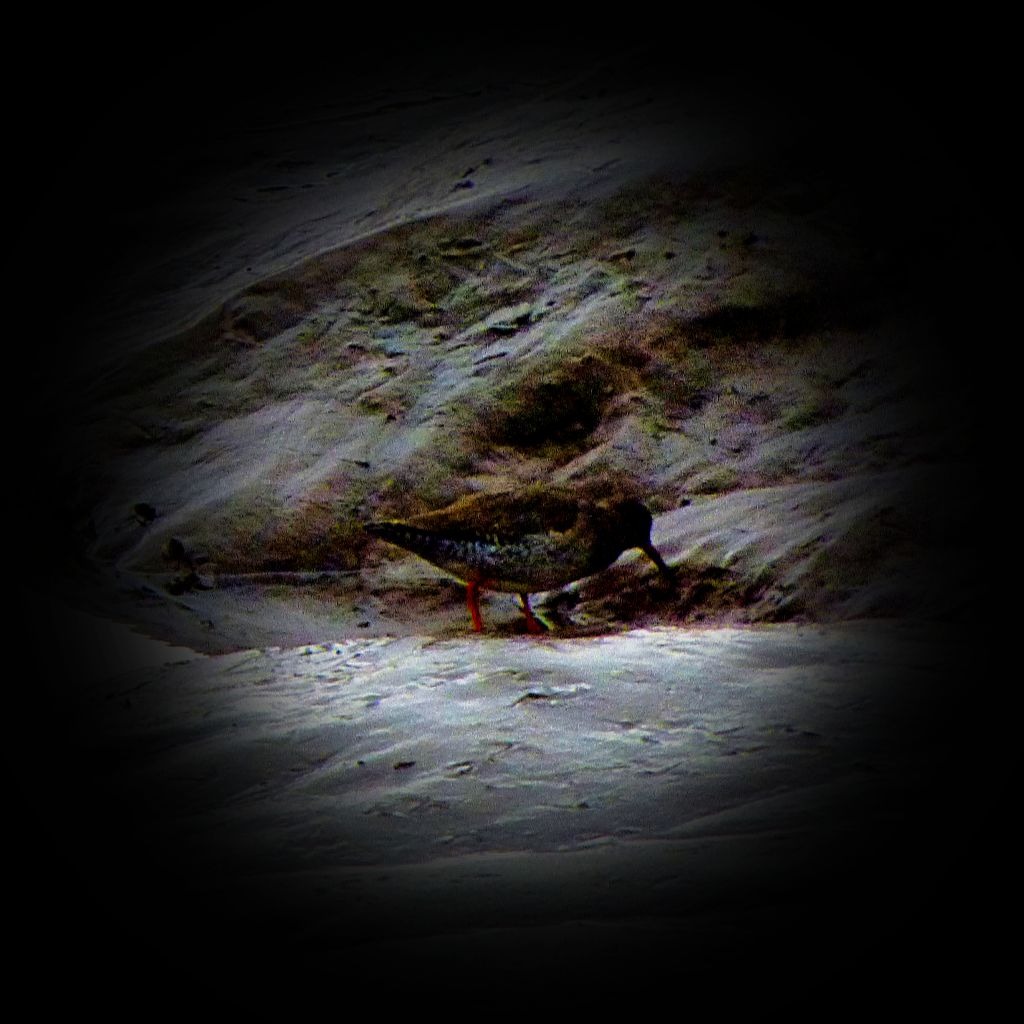
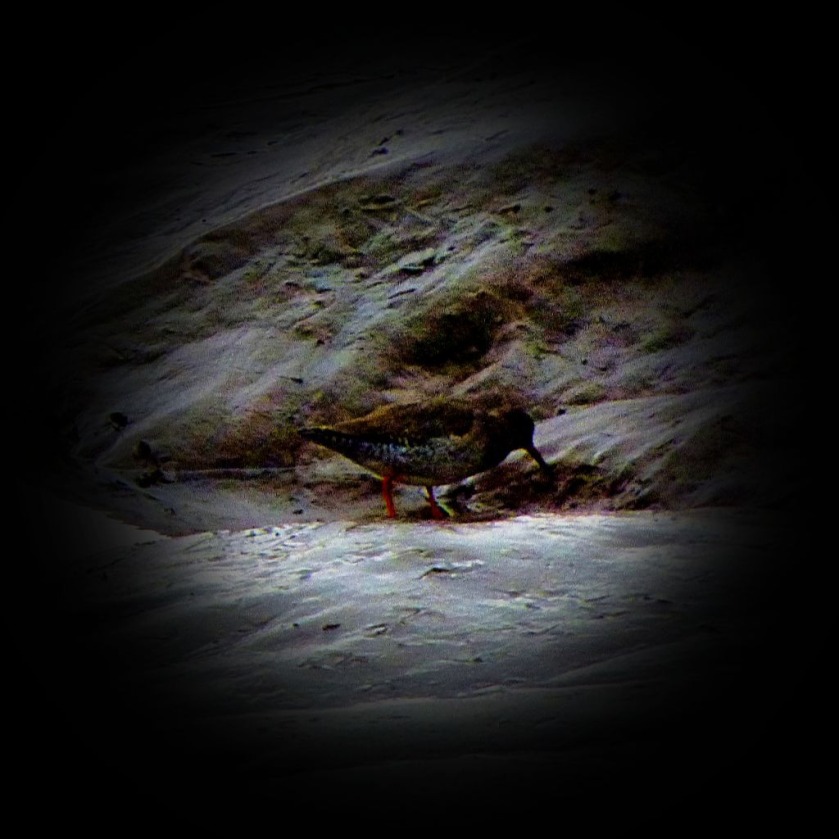
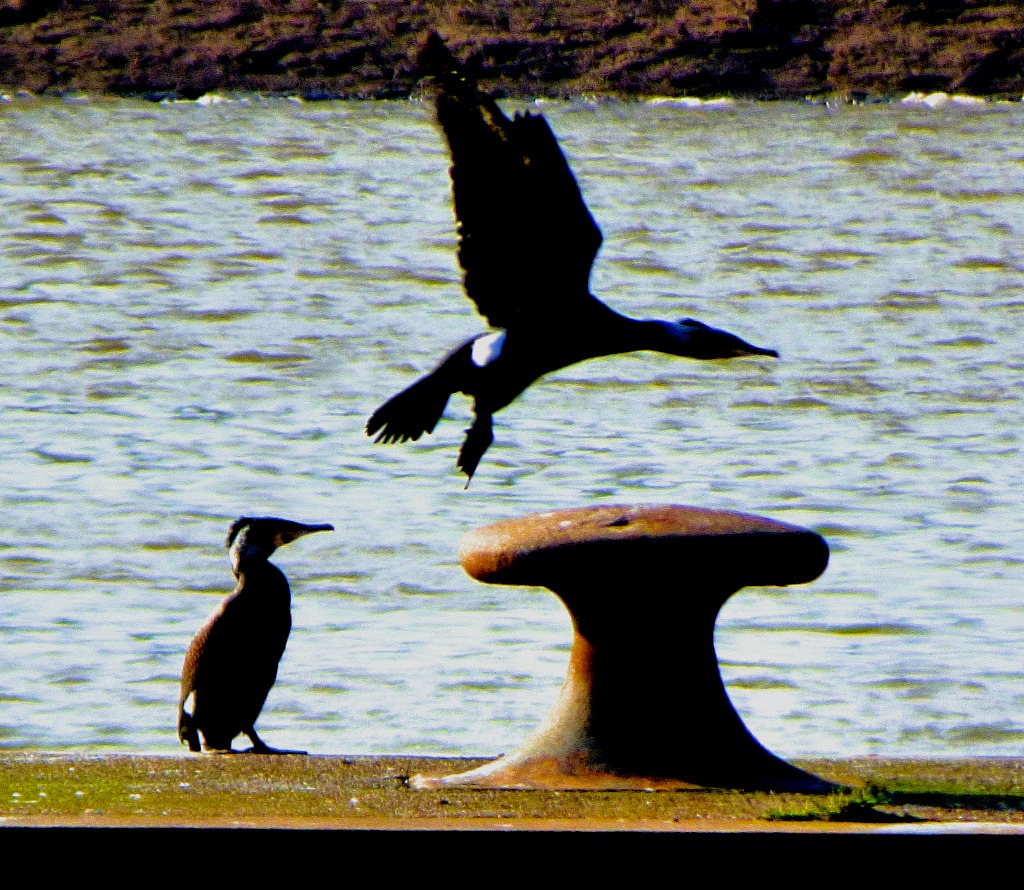
Today was wet at times, but never really cold (though I would have advised against anyone going out without a coat)A redshank near the Nar outfall, earlier today.
Originally posted on YennPurkis: I give a lot of presentations about autism and resilience. Right after the slide about what resilience is, I always add one about what resilience is NOT. There is a reason for this. One of the first presentations I gave about autism and resilience was at a large conference in Queensland…
An excellent post on the subject of bullying and victim blaming byJeanette Purkis(be warned it is not an easy read, but it is really well worth it)…
I give a lot of presentations about autism and resilience. Right after the slide about what resilience is, I always add one about what resilience is NOT. There is a reason for this. One of the first presentations I gave about autism and resilience was at a large conference in Queensland a few years ago. Many of the attendees were parents of autistic kids. My resilience talk was in the big theatre and I was on quite a high stage. The whole way through my talk I noticed a woman in the second row on my right. I could tell she wanted to ask a question. I expected her to interject – she clearly had something important to say. As soon as I finished speaking and it was time for questions her hand went straight up. I gestured to her to speak and told me she had enjoyed my presentation…
A mixed bag of bits and pieces from around the net and some of my own stuff, including photographs.
INTRODUCTION
Yes folks it is time for sharing post, including some of my own photographs. I have a lot of interesting stuff to share, starting with…
AN ANNIVERSARY OF SHAME
The bodytext of this section is in #RedInstead because it relates to Autism. To be exact, today marks 20 years since Andrew Wakefield published his “research” indicating a link between autism and vaccines. One impact his decision to go straight to the press without having his “research” peer reviewed first (it was badly flawed, and that is being kind) had was to cause measles to become a significant factor in parts of the UK as parents declined to have their children vaccinated. There can be no comparison between autism (a neurological DIFFERENCE – and don’t forget that different is not a synonym for lesser) and measles (a dangerous illness). However, in the minds of some parents, fear of autism has been sufficient to prevent them from vaccinating. Mr Wakefield has since decamped to the US (Texas to be exact), and he has just weighed in on an election in his new home, supporting the challenger against the current incumbent, republican Sarah Davis, who has supported vaccines. I am not USian, nor based in the area where this election is taking place, but if there is anything that could induce to me to vote for a republican it would the likes of Wakefield urging a vote for their opponent.
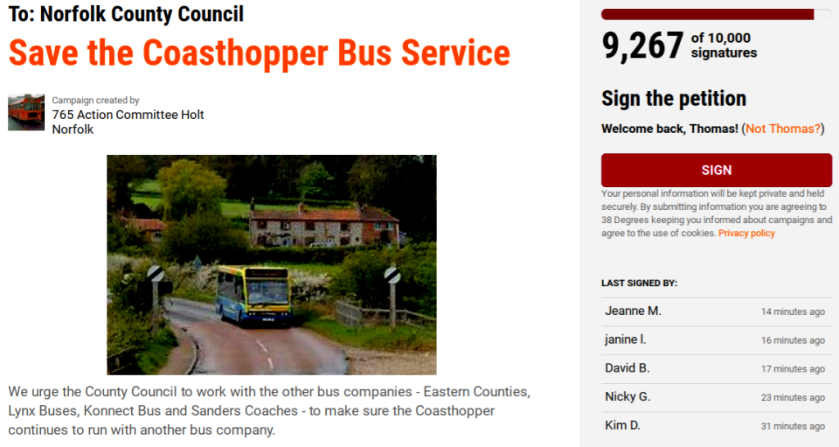
I finish this mini section back here in Norfolk, bringing up a topic close to my heart. Stagecoach are closing their King’s Lynn depot on April 30th (a king sized betrayal of Norfolk Green, the company they bought to get that depot) and will not be running any Norfolk routes thereafter. This leaves Konect, Lynx Buses, First, Sanders Coach Services and West Norfolk Community Transport to pick up the pieces. Our bus routes are very important to us, not least since thanks to Dr Beeching our county has no train routes to speak of. Thus I bring you a 38 Degrees petition calling on the council to work with these companies to ensure that the Coasthopper service (under threat of being entirely shut down) keeps running. Please sign and share the petition, via the screenshot below:
AUTISM RELATED SHARES
There have been two posts created by people responding to my Sunshine Blogger Awardnominations. Anna’s response which handles the entire brief is also titled “Sunshine Blogger Award” and is an excellent effort. I have already reblogged stimtheline’s“Sunshine Blogger Questions“, which does a magnificent job of answering my questions, and I share it once again now.
I end with a link to the petition to save the Morley House Respite Unit, which now has just over 3,200 signatures – please sign and share!
A MEETING
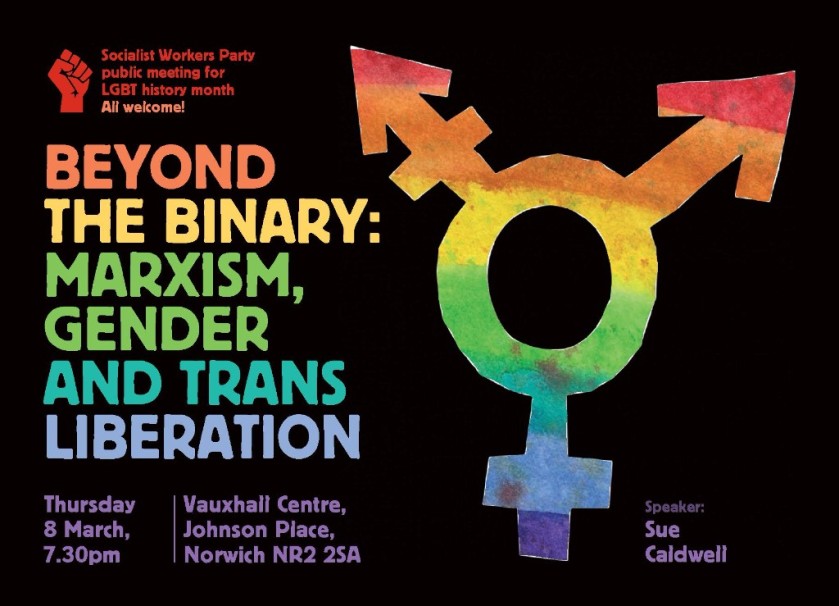
This meeting will be taking place in Norwich on the evening of March 8th (I will be in Norwich that day on behalf of NAS West Norfolk and will stay on for the meeting):
A TEASER
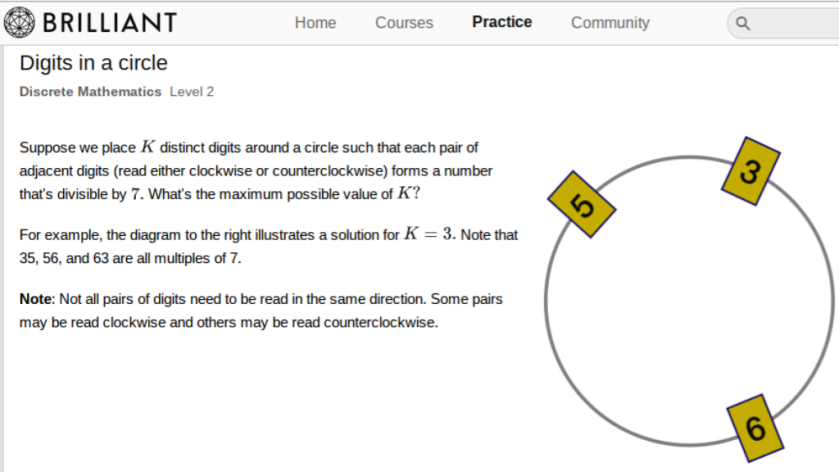
This is not too difficult IMO, from my regular source, brilliant.org:
Brief mentions of last week’s auctions and a longer look ahead to the March auction.
INTRODUCTION
Last week James and Sons had two auctions, a small postcard auction on Tuesday and a much larger Postal History and Ephemera Auction on Wednesday. We are now moving towards completing the catalogue for an auction on March 28th which will feature a wide variety of stuff. We have snow around at present, which is provoking the usual British display of wimpiness about rough weather – I was supposed to be attending a meeting in Swaffham this morning but it has been cancelled due to concerns about the weather. This was the view out of my door at 8:30 yesterday morning as I set off to catch the bus to work.
The view is similar today.
THE POSTCARD AUCTION
With only 134 lots going under the hammer this sale was over and done with quickly. Most of the lots found buyers.
EPHEMERA AND POSTAL HISTORY
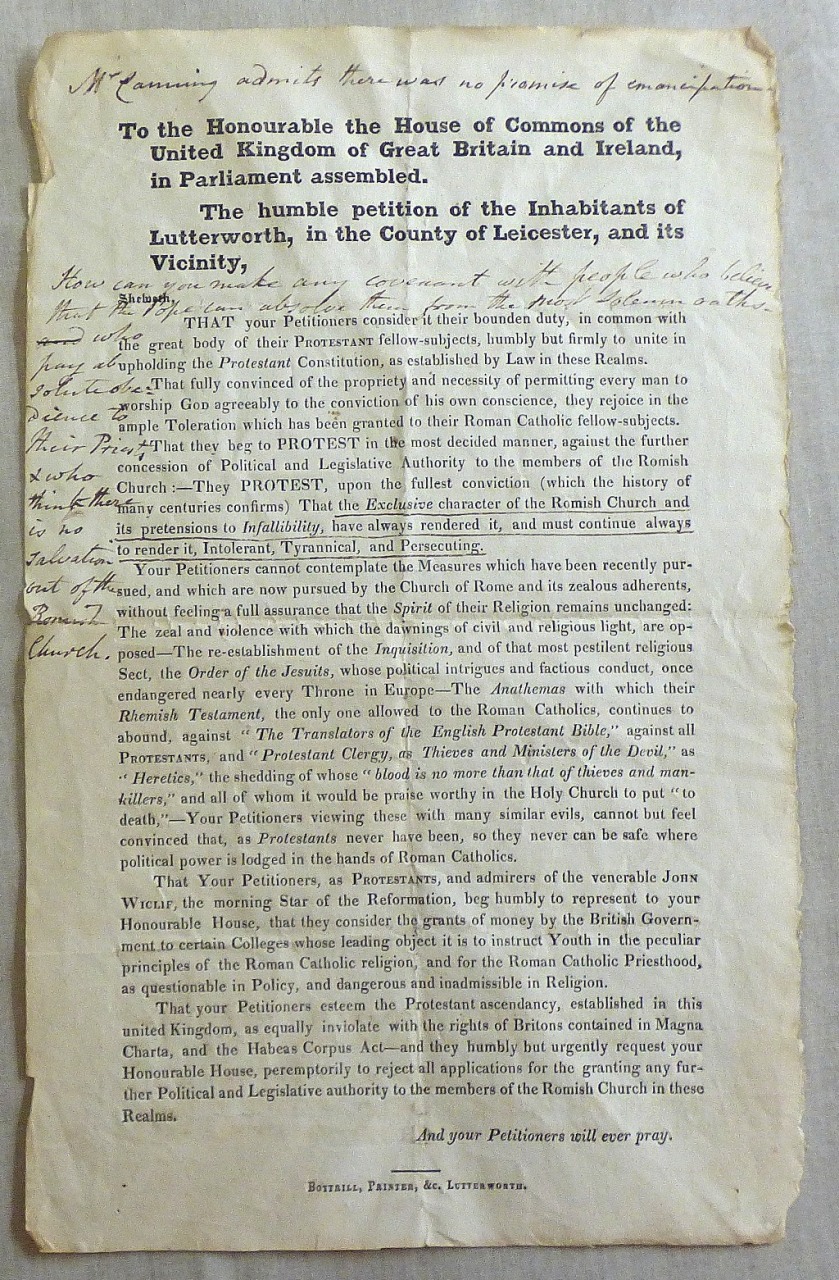
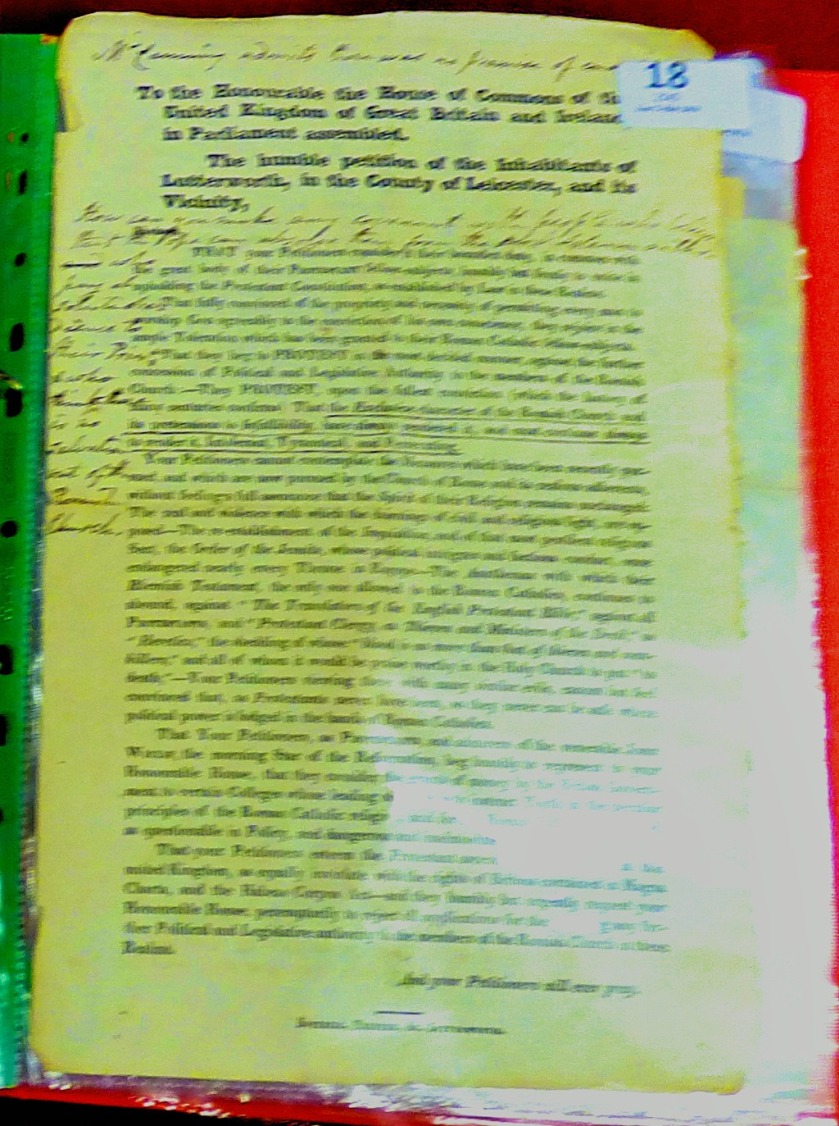
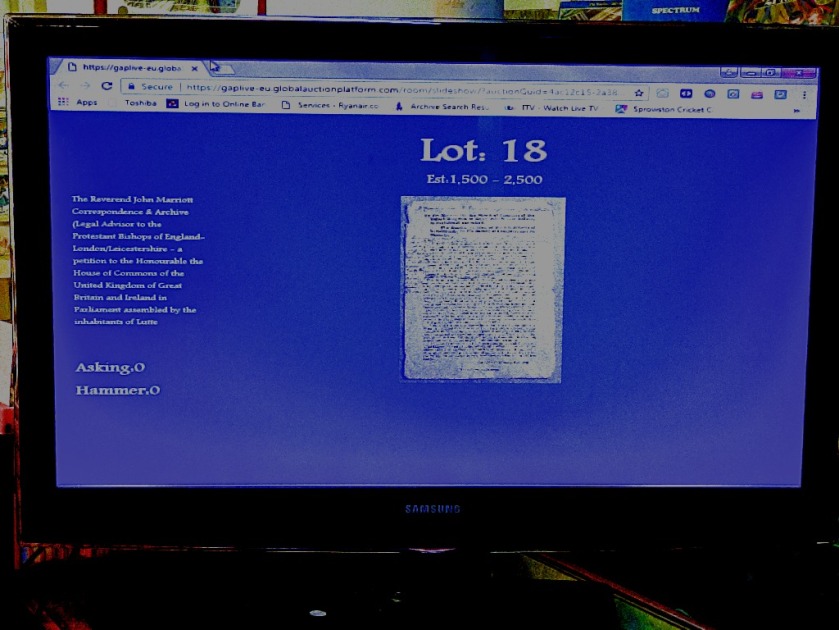
The centrepiece of this auction was a collection of the Ecclesiastical and Political Correspondence of the Rev J Marriott. The people currently in charge of the property he bought had got wind of this collection, which meant some big money sales, because they were determined to secure as much of it as they could to reunite it with his old home. Lot 18 on its own went for over £2,000:
The stock for this auction as displayed in the shop.The original image of lot 18. It must have taken a lot of brass neck to produce this petition.Lot 18 in its folderThe big screen.
THE UPCOMING AUCTION
Our auction on March 28th will start with some sporting memorabilia, including a framed ticket for the 1923 FA Cup Final (the first to be played at Wembley, just three weeks after that stadium was completed). For the record Bolton Wanderers beat West Ham United to win that year’s FA Cup. I do not yet have a lot number for this item, but it will be early in the auction.
A standard price for a ticket from this fixture in this condition is in the region of £800.
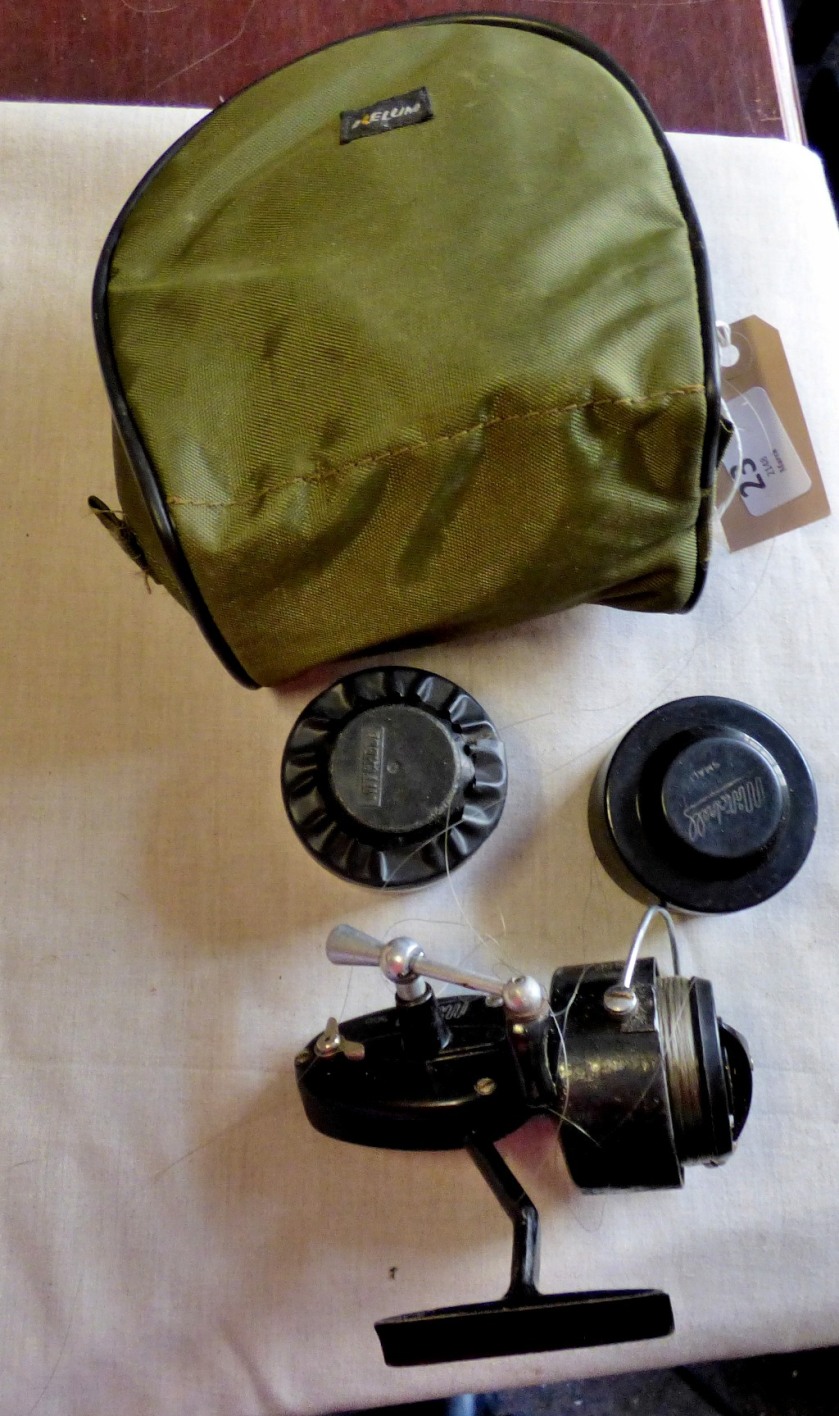
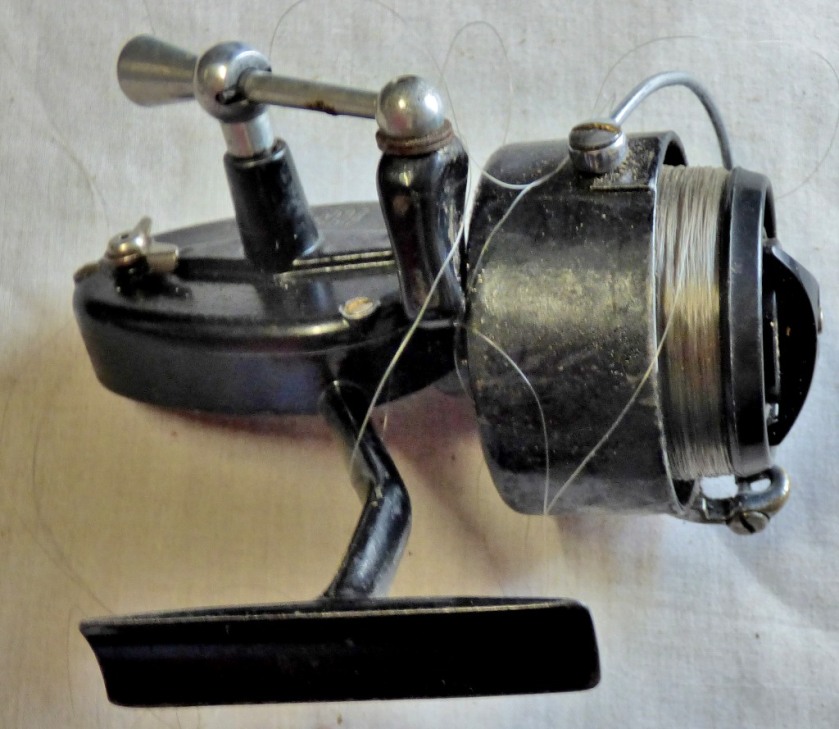
We have some old fishing reels and som billiards stuff as well…
Lot 23 (two images, a sample of the fishing reels)
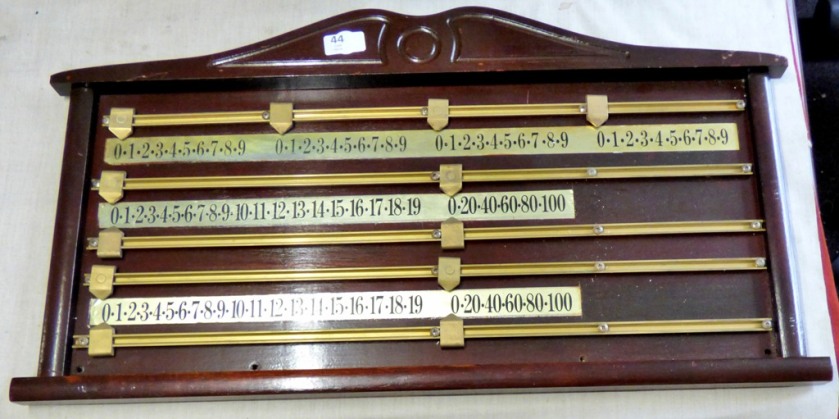
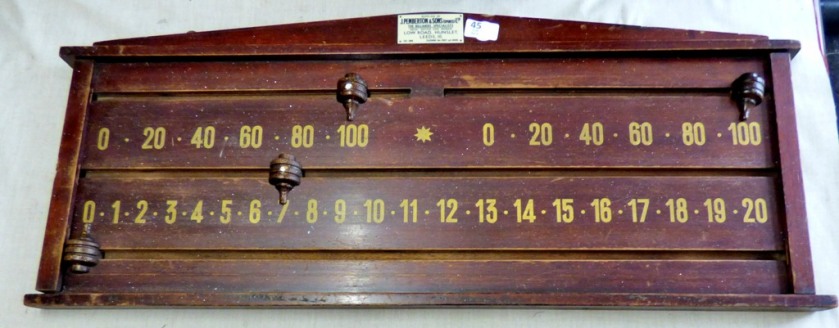
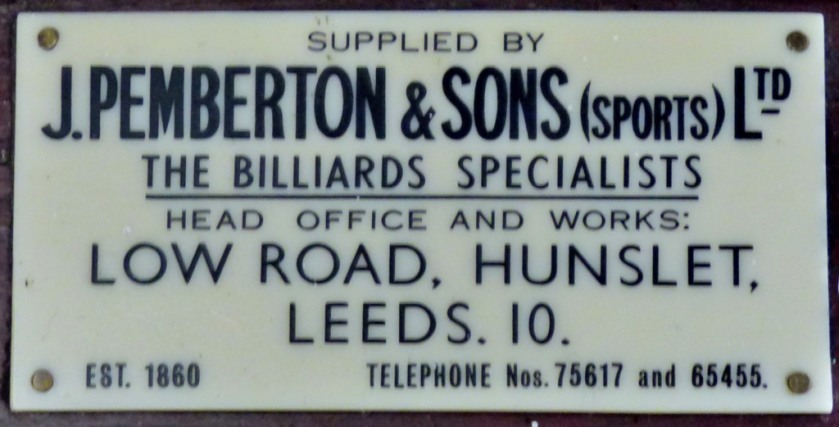
The billiards memorabilia begin at lot 44 with the first of two scoreboards
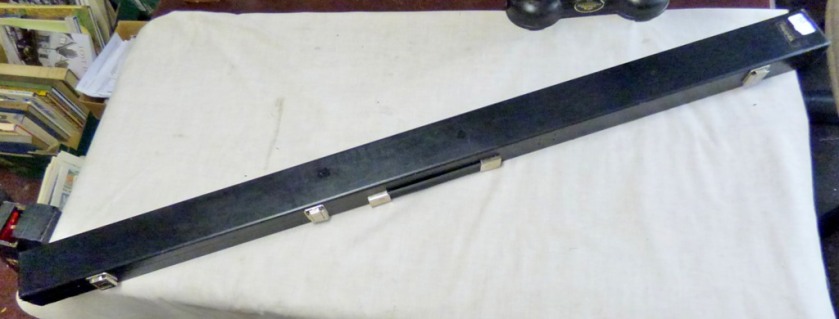
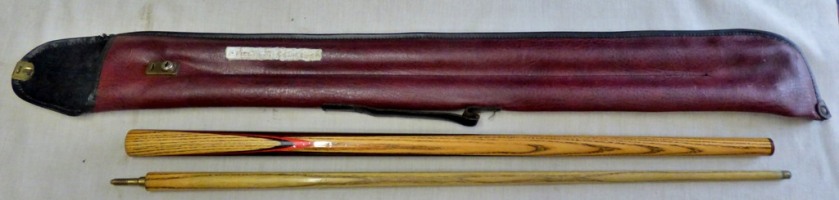
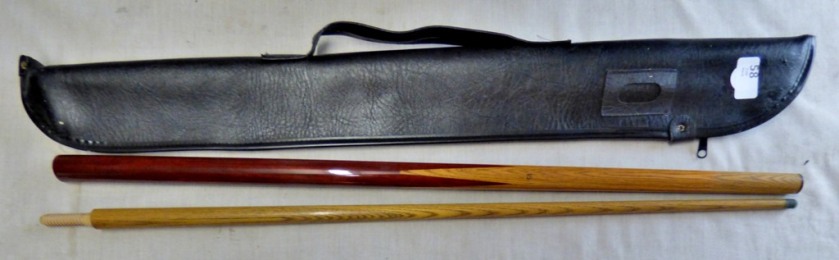
From lot 46-58 inclusive are cues, first four lots of large numbers of loose cues, and then individual cues in cases or bags, starting with lot 50 pictured here.
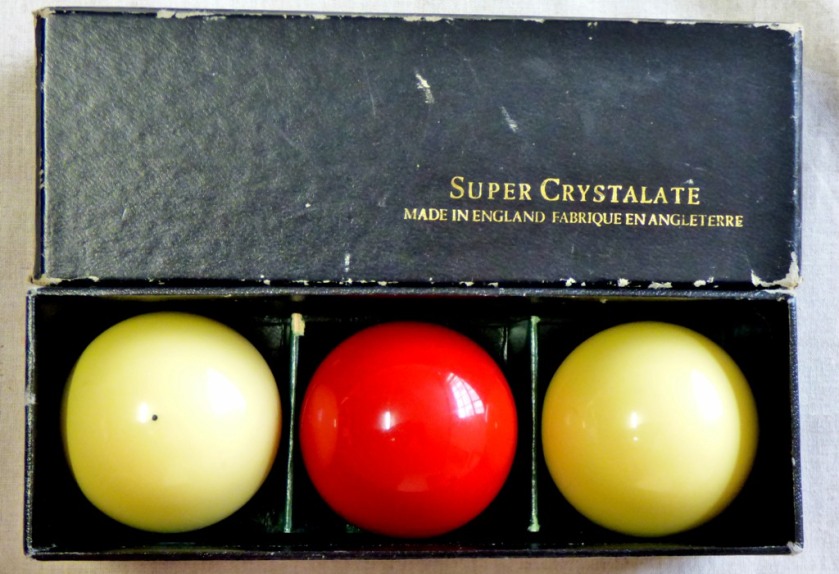
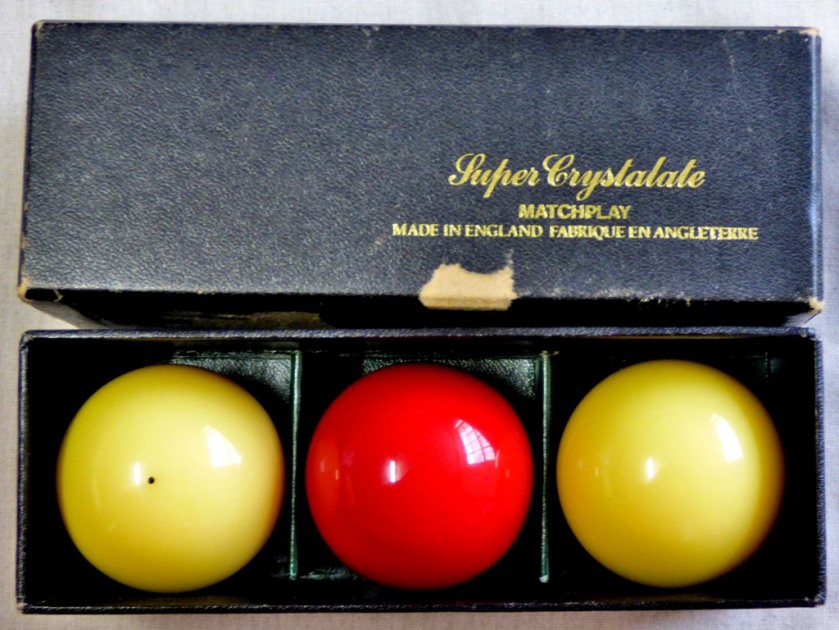
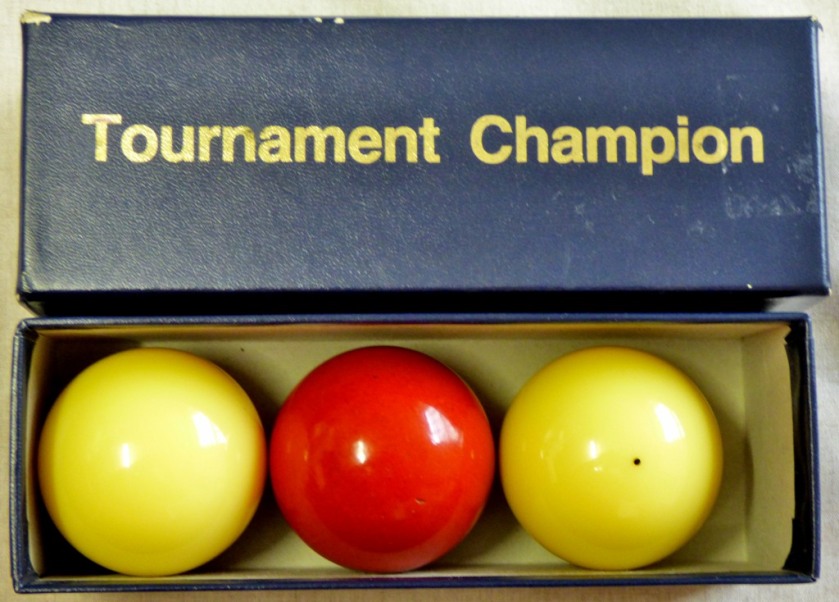
Then from lot 59 to 71 we have sets of balls – note that in billiards there are two cue balls, one of which is distinguished from the other by the presence of a black spot, and the only other ball used is one red one.
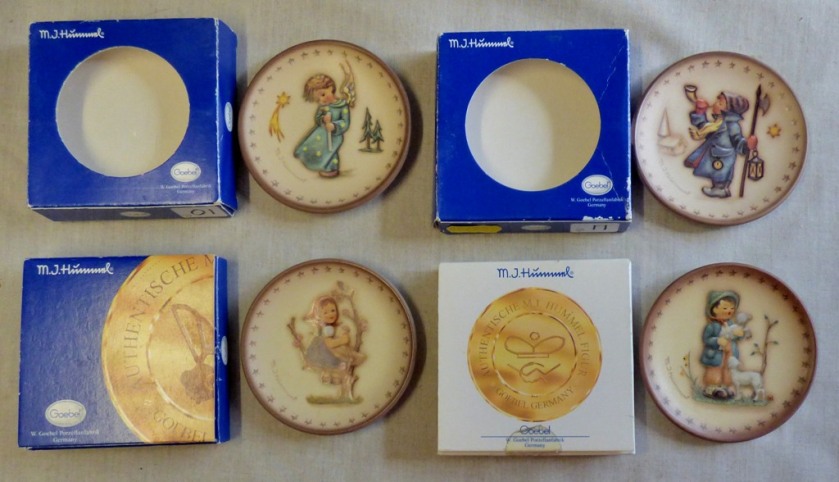
We also have some bygones, of which I will feature a few that particularly caught my eye while I was imaging them:
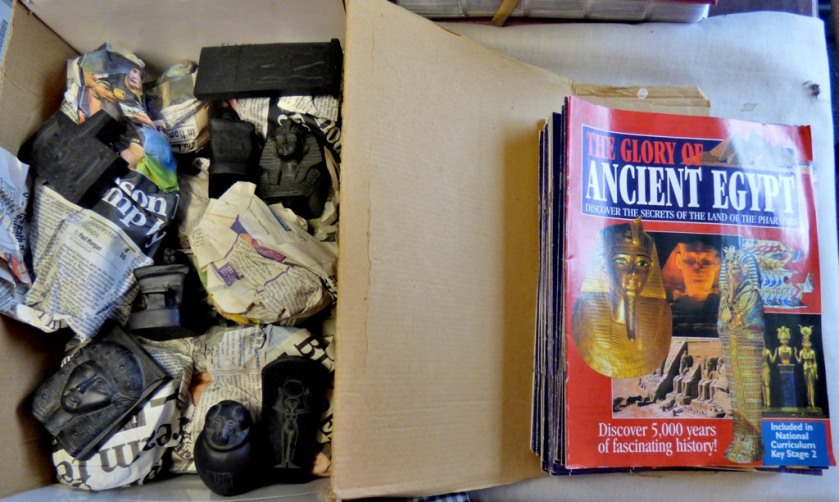
Lot 124 – the fiugurines are made of some sort of balck ceramic, and as the second image, a close-up of two them shows, they are of very good quality.
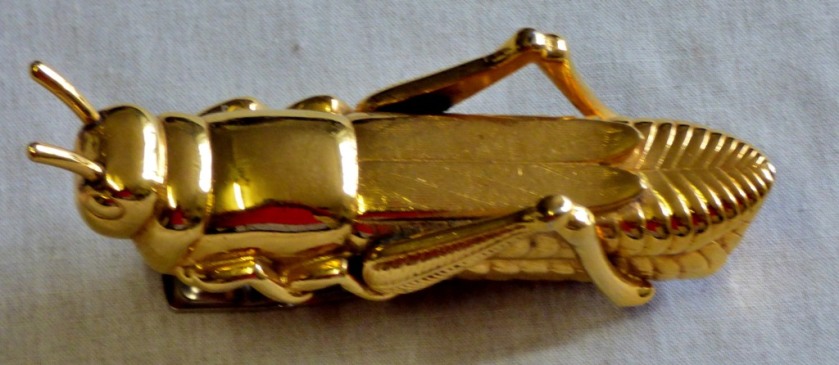
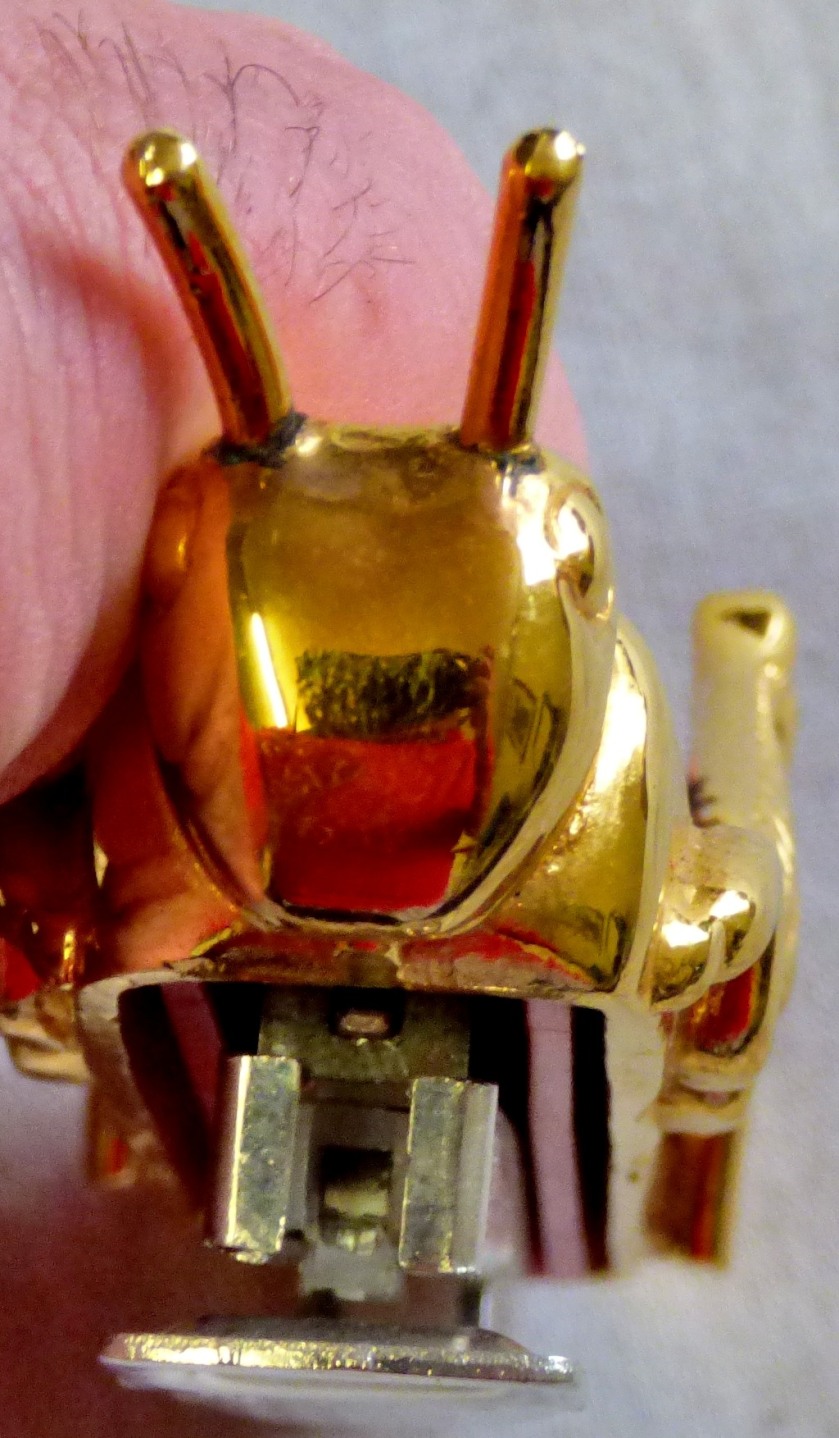
Lot 147 – a brass fly……that can be used to store trinkets.Lot 146, a brass grasshopper……which is also a mini stapler.
Other categories featured include toys, crockery, and though I have not yet had any to image, stamps. Here are some toys and crockery…
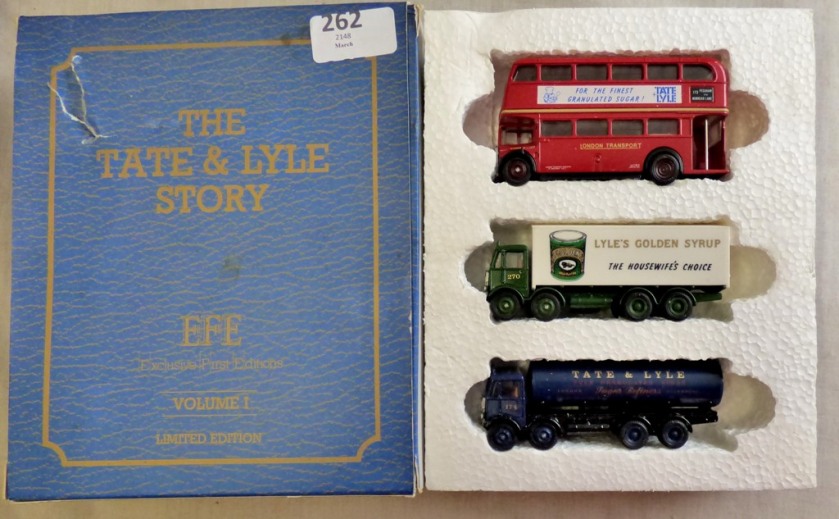
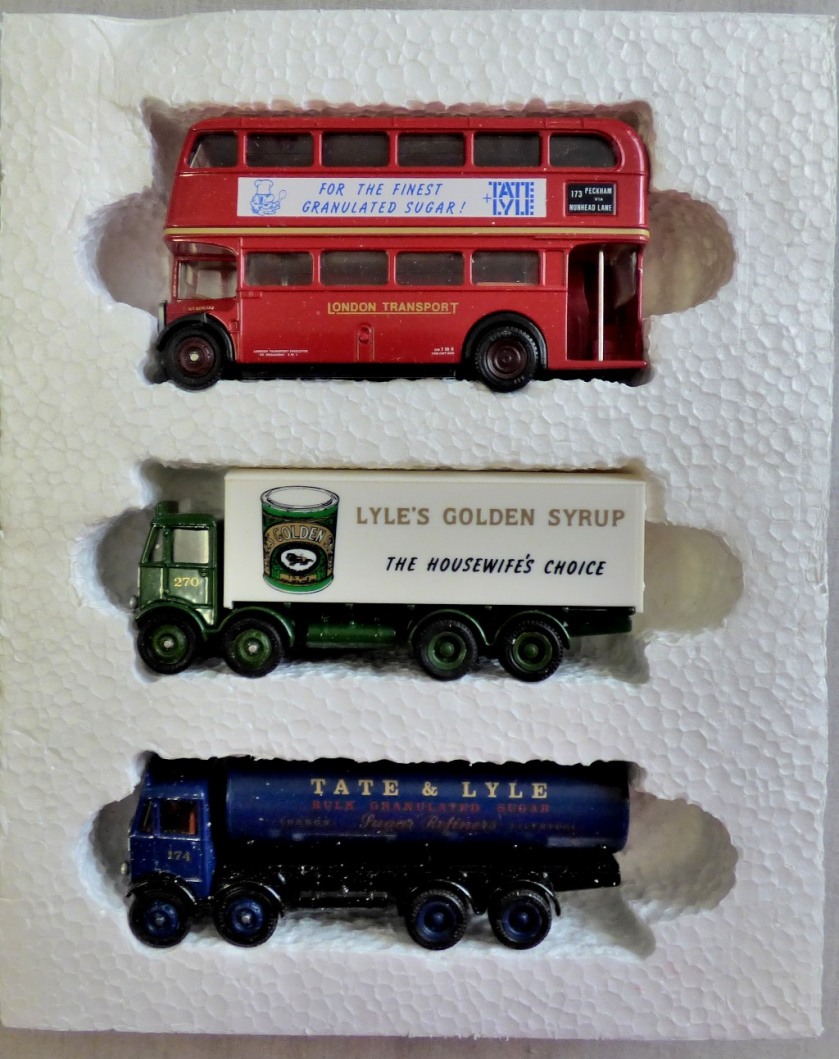
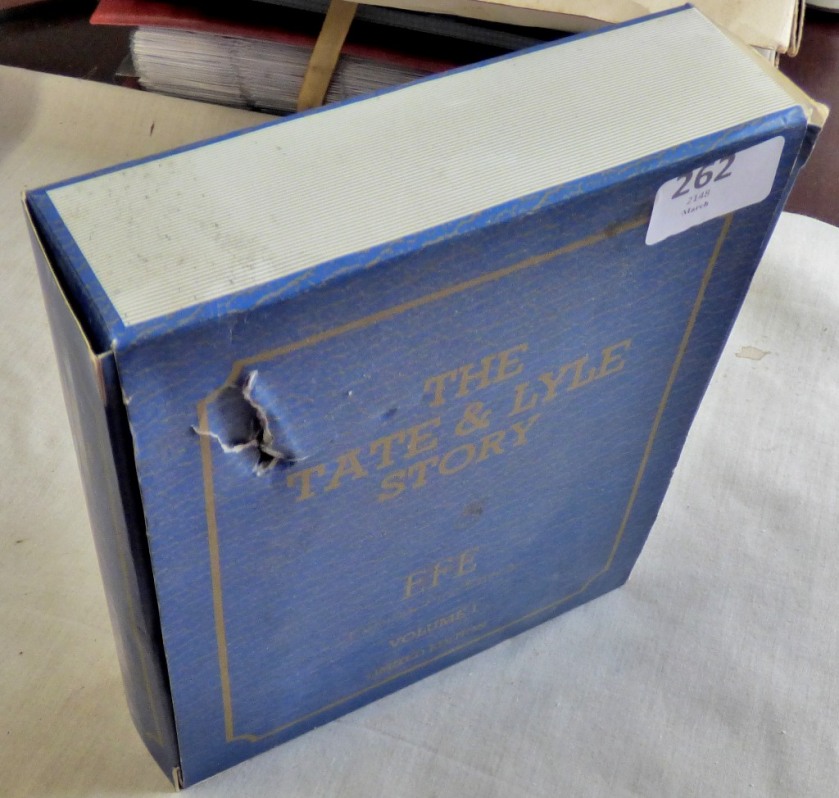
Toys in a box that has been disguised to look like a book (lot 262)
Lots 264 and 265 occupy the next four images.
The next 12 images encompass lots 301-4.
Lot 346 (two images)
Lot 350 (again two images).
SOME EXPERIMENTS IN WATERMARKING
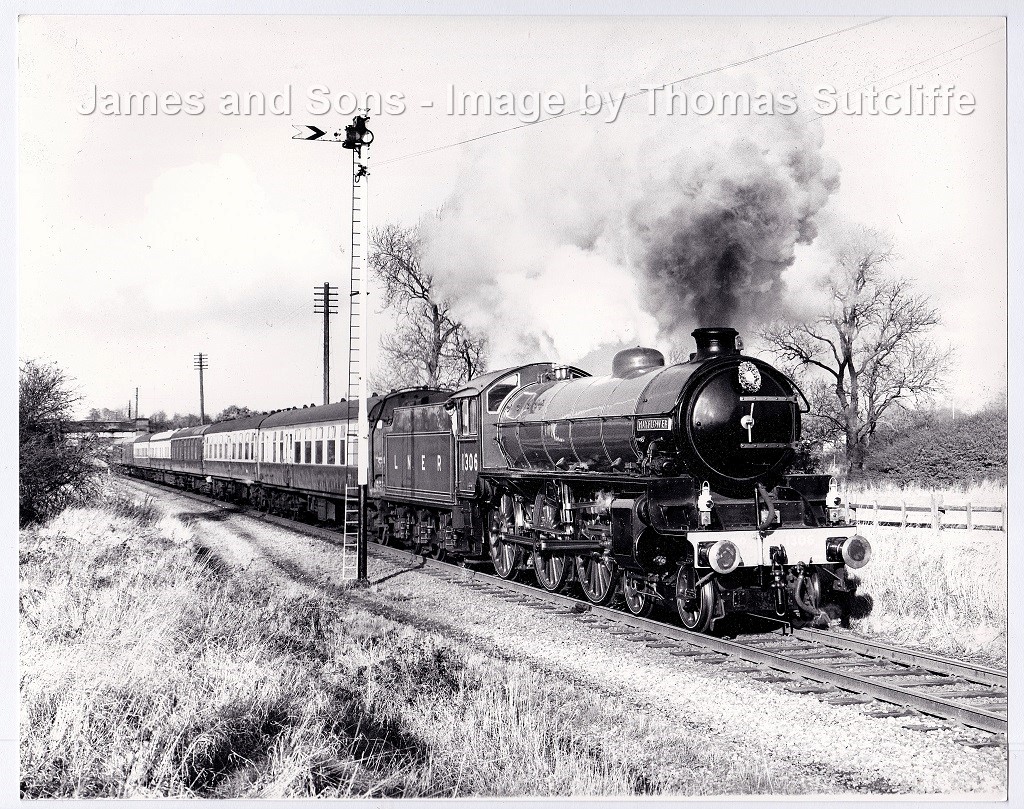
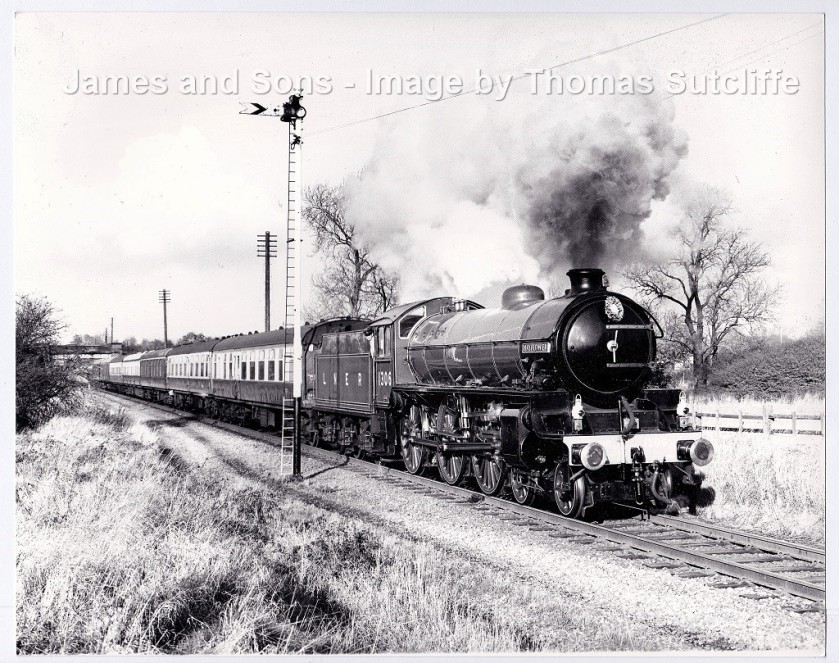
We have a vast collection of railway photographs, taken with a Soviet-era camera which is also in our possession and will be going under the hammer. Obviously we need to identify our images of these pictures as just that – our images – in order to stop unscrupulous types from printing the pictures out for no more than the cost of ink and the appropriate paper. Hence, I have been looking into watermarking the online pictures. I am aiming at marking the pictures in a way that will not interfere with anyone viewing them, but will prevent anyone from cheating. Here is a sample of what I have arrived at us possibly the best solution:
The positioning of the watermark does not spoil the picture, but does prevent it from being removed, since cropping the image sufficiently to eliminate it most certainly does damage the picture.
A special post from stimtheline to answer my questions, not a full response to my nomination as oer official requirements, just a quite magnificent one of its own type…
What a great week! I was nominated for a Sunshine Blogger Award by the wonderful Thomas over as the equally wonderful Aspiblog.
I’m not nominating anyone this time around (I still pretty tired, and I haven’t been keeping up with everyone, and so I would hate to stress someone out with a nomination. This is possibly an unfounded anxiety, but hey, that’s my brain), but I got so excited when I saw the questions, that I knew I’d have to make a post just for them!
So, here are the questions and answers, I can’t put into words how much fun answering them. If that makes me a huge nerd, so be it!
1.If you could restore one place that exists only as an archaeological site to perfect condition what would it be?
I did a lot of research trying to make a decision here. My instincts would…
Cricket and Rugby action from the last few days and some photographs.
INTRODUCTION
Between the Six Nations rugby and the first ODI between England and New Zealand I have watched/ listened to a lot of sport over the last few days.
THE SIX NATIONS
There were three matches over the weekend, one on Friday evening and two on Saturday. The Friday evening match was…
FRANCE VS ITALY
This match took place in Marseille, a rare fixture of this nature not happening in a national capital. It was played at a disappointingly slow tempo. In keeping with Italy’s first two matches of the series it was close for the first hour and then one way traffic as the Italians tired in the closing stages.
IRELAND VS WALES
The best match of this year’s Six Nations to date. Non-stop action through the 80 minutes. Ireland only settled it beyond dispute right at the end with their fourth try of the game, the last action of the match being the conversion. In the early stages Jonathan Sexton had been decidedly fallible with his kicking, whereas save for one monster effort from 53 metres which did not quite make it Leigh Halfpenny for Wales was his usual impeccable self. Ireland fully deserved their win for all that it took them so long to officially seal it, and they now look favourites for the championship.
SCOTLAND VS ENGLAND
The oldest continuously maintained fixture in international rugby and a match the outcome of which only a fool would have tried to predict in advance. The Calcutta Cup match is always a great occasion, and this was no exception. Scotland came firing out of the blocks and caught England absolutely cold. At half-time Scotland led 22-6 and if anything England were lucky it was not worse. In the second half England fared much better. They had two tries ruled out for minor infractions and scored and converted another. The final score was Scotland 25 England 13. On the day Scotland were much the better side, and deserved their victory. England now need a big win over France to give themselves a chance of winning the championship (almost certainly they will also then have to beat Ireland, probably with a bonus point).
THE ONE DAY INTERNATIONAL
This match, which took place during the small hours of Sunday morning UK time, was already notable before it began as it was going to mark the second coming of Ben Stokes.
England managed 285 from their 50 overs which looked defensible. When New Zealand were 28-3 it looked even more defensible. Then Ross Taylor and Tom Latham had a huge partnership which looked like winning it for the Kiwis, then England started taking wickets again, and when Taylor (113) was dismissed, leaving NZ still 40 short and only three wickets standing England looked favourites. Mitchell Santner then connected with some lusty blows, while tailender Tim Southee hung in there at the other end, and New Zealand squeaked home. Stokes scored 12 with the bat and took two wickets, though he was given at least one over too many, as at the end of his bolwing stint he was looking decidedly ragged.
I have borrowed this section heading from Jerry Coyne of whyevolutionistrue. Title explained, here are the rules:
The Sunshine Blogger Award is for bloggers who are creative, positive and inspiring as they spread sunshine to the blogging community.
Here are the rules:
Thank the person who nominated you with a blog post and a link back to their blog.
Answer the 11 questions sent by the person who nominated you.
Nominate 11 new blogs to receive the award and write them 11 new questions.
List the rules and display the Sunshine Blogger Award logo in your post and/or your blog.
ALISON’S QUESTIONS
Do you sing in the shower? No
Is there someone for whom you’d die? I cannot answer this one.
Set a time for 10 minutes. You have until it expires to pick a band name. Go. I am mainly a fan of classical music, and am no good at coming uo with band names.
One thing you would surely grab before exiting if there were a fire? My camera
You’re chosen as part of an exploration team to visit a new planet and return in two years. Do you go? Absolutely – no way am I missing out on something like that.
A time traveler offers a choice between a cure for AIDS and cancer or a clean, plentiful source of energy in exchange for keeping her story secret. Which would you choose? I go for the clean, plentiful source of energy – we are already making good progress on AIDS and cancer, but not on ensuring that our planet remains capable of sustaining life, so I deem the latter the greater necessity.
How long since you last ate peanut butter? A very long time.
What do you collect? I collect things with a railway connection.
If you could step outside of time for however long you wanted, then return and no time has passed, what would you do with the time? I genuinely don’t know.
Who is the first comedian that made you laugh so hard you cried? I can’t remember
Who will play you in the hypothetical movie about your life story? Daniel Radcliffe
MY NOMINATIONS
Whether I have nominated you or not please feel free to respond to the challenge if you so desire. My official nominations are:
One of the posts I found in my drafts was this post about a nice cafe and wine bar. It is quite fitting that I started this post and never published it, because this is one of those places that I really wanted to go visit when they first opened, but it took me quite some time before I actually went.
If I won the lottery, I would buy a house in Zennor.
I love the idea of having plenty of space between houses, with unspoiled views and dramatic coastal scenery.
West Cornwall can feel like a different place to the rest of the county. Driving from Hayle in West Cornwall to Zennor in the area known as West Penwith, the views change quickly and it suddenly feels like you’re on the way to the end of the Earth!
…However, it seems that Mr Neil agrees with us that recent smears by Tory front-benchers against Jeremy Corbyn have been beyond the pale – as they prompted him to ‘do a Paxman’ on Wednesday on a hapless Tory minister during the BBC’s Daily Politics programme:
Robert Loves Pi– sample post Three Rings of Eleven (as I pointed out on the original, I saw five rings of eleven shapes) – given the significance of the number 11 to this challenge this is a particularly neat fit (IMO):
…A day gets a good start when you have made up your mind to think all positive, and nothing but positive. What acts like an icing to it is having a nobel purpose attached to it.
Our Autism Blog (Emzamy) – sample post ACure for Autism? (note the question mark with which this title ends – and that this piece follows the usual rule that applies to titles including a question, or I would not be linking to it) – quote from the end of the post:
The most important “cure” for Autism is to teach the child that being different is not a bad thing. We need to make it possible for a child to live and thrive by helping people to understand the nature of the condition. For the child to grow up and be happy, their Autistic needs have to be met. The way forward for us all is to accept difference in a world full of discrimination.
Getting rid of Autism isn’t the key to the perfect child…..I love mine just the way she is.
The NT Take On Life is often (too frequently) to dumb it down, complicate it with bullshit and distractions, condense it into bite-size pieces, and send it viral. Strip it of substance, complexity, and real-ness, lace it with double-speak, polish it up into something shiny and digestible, package it for appearances, and act like That’s The Way Things Are, assuming broad acceptance and mass adoption.
To finish this section: If you want to make a comment that relates specifically to one of the posts I have highlighted in this piece please go the original to do so. If your comment is about the post as a whole or about something that is specifically my work then by all means post it here.
MY QUESTIONS FOR NOMINEES (AND ANYONE ELSE WHO IS INTERESTED)
If you could restore one place that exists only as an archaeological site to perfect condition waht would it be?
If you remove from existence one current organization which would it be?
What is the most amazing sporting performance you have ever witnessed?
Who is your favourite author of fiction?
Pick one word beginning with each letter of the alphabet that is particularly associated with your life.
An alien visitor offers to give you the solution to one of humanity’s great unsolved problems: which one do you ask for?
If traveling were free, where would you like to go?
If you could have a dinosaur renamed in your honour which one would it be? (note to Autism Mom, if you take these questions on you are permitted to subcontract this one to The Navigator!)
You are able to save one music CD from the waves as you scramble ashore – what would you like to be on it? (If you want to go above and beyond and make the full eight music choices around which the actual programme is built be my guest!)
Choose three books that would help you pass the time on the island (the real thing restricts castaways to one choice, giving them The Bible and The Complete Works of Shakespeare whether they want them or not).
Choose one luxury item (it should not be too useful, but I am not going to be harsh on that, and I will allow a little latitude in the matter of what the main item has with it – e.g if you select a camera, as I would, it comes with a spare battery, as well as the fully charged one that is currently in there).
PHOTOGRAPHS
Having completed the business part of this piece I conclude it by putting up some recent photographs of my own:
Some technical tips prompted by a post on Yarnandpencil, a wide variety of shares from around the web, including a new facebook page and a petition, a solution to a teaser and some photographs.
INTRODUCTION
I have various things to share with you, and some new pictures to post. I am going to start with…
BLOGGING HINTS: HOW TO REBLOG WITHOUT A REBLOG BUTTON
This section was prompted by a post put up by Tracy at Yarn and Pencilthis morning titled “More WP problems“, and has developed from a comment I posted there. One of the problems she raised there was the ‘disappearing reblog button’ that others have commented on.
The process for reblogging when there is no reblog button is:
Start a new post as though you were going to create something of your own.
Link to the site on which you found the piece you intend to share and of course to the piece itself (use the actual title of the piece for this).
Select a paragraph and/or an image from the original to serve as an ‘appetiser’ (making sure to differentiate the text from your own and/or to ensure that the image is clearly identified as the other person’s work)
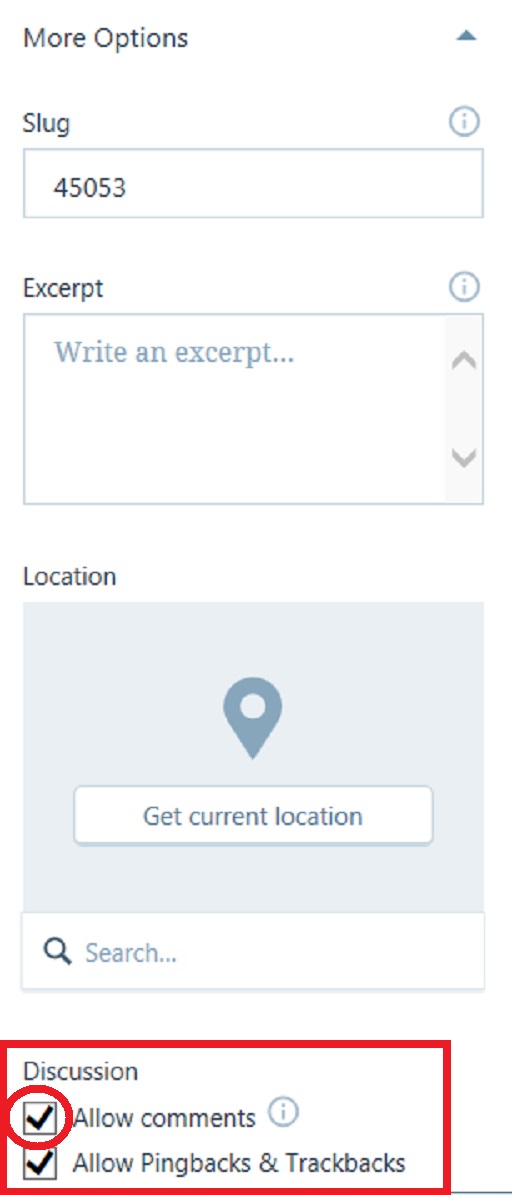
If you are using a whole post just to link to one piece turn the comments of on your post – you want to people to visit the original and post any comments they might have there. This last point leads me on to…
A QUICK GUIDE TO TURNING OFF COMMENTS
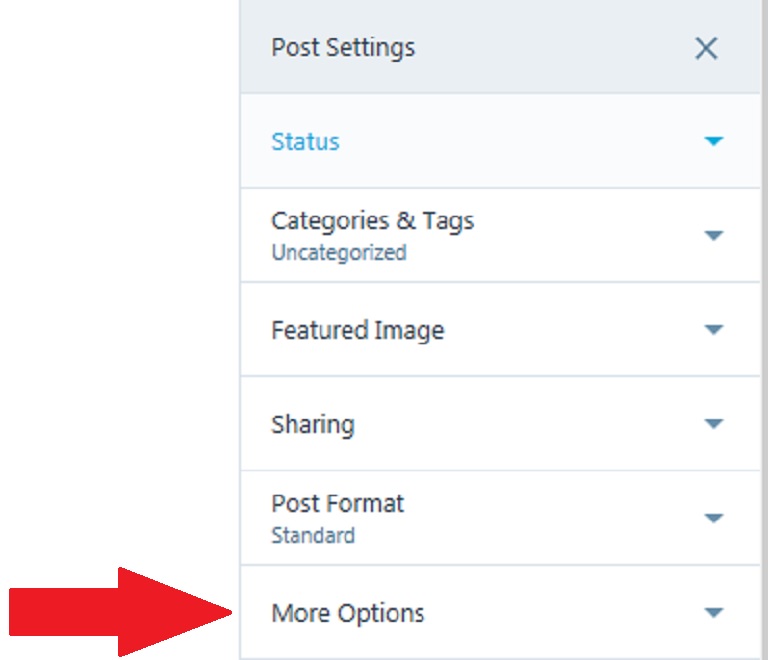
If your window when creating a post looks like mine, then on the right as you look is a panel of tabs as follows:
Open the ‘More Options’ tab, as indicated by the red arrow above, and you will see…
…Down near the bottom are two check boxes and you want to uncheck the top one of the two where it says “Allow Comments”. Instead of two ticks, shown above, you want it to look like:
1.) Neurodiversity is a natural and valuable form of human diversity.
2.) The idea that there is one “normal” or “healthy” type of brain or mind, or one “right” style of neurocognitive functioning, is a culturally constructed fiction, no more valid (and no more conducive to a healthy society or to the overall well-being of humanity) than the idea that there is one “normal” or “right” ethnicity, gender, or culture.
3.) The social dynamics that manifest in regard to neurodiversity are similar to the social dynamics that manifest in regard to other forms of human diversity (e.g., diversity of ethnicity, gender, or culture). These dynamics include the dynamics of social power inequalities, and also the dynamics by which diversity, when embraced, acts as a source of creative potential.
Meet John. He’s a wizard at data analytics. His combination of mathematical ability and software development skill is highly unusual. His CV features two master’s degrees, both with honors. An obvious guy for a tech company to scoop up, right?
Until recently, no. Before John ran across a firm that had begun experimenting with alternative approaches to talent, he was unemployed for more than two years. Other companies he had talked with badly needed the skills he possessed. But he couldn’t make it through the hiring process.
If the narrative around autism changed to one of true acceptance and kindness, would things be different? If we show people how to believe in themselves, will it make it easier for them to succeed?
The problem with autism isn’t autism. It’s society’s attitude that autism is wrong.
In fact, my dear, dear friend, Autism, I love you.
And I am grateful for who you have made me. And that you are there for me when I need you.
Let’s start our journey again, and this time I promise, I’ll try my best to understand what you need from me. Take my hand and let’s tackle the world together.
But please do try and understand what I have to give. That I have limits.
And, dear kind, confusing, Autism, remember this: I love you.
No matter what. Always, forever and a day.
Sincerely,
An aspie.
This next link is for those of you who use social media. Libby, who tweets as @LibbyAutism, has expanded her social media profile by creating a facebook page called Liberty – living with autism. Please visit and like the page if you can.
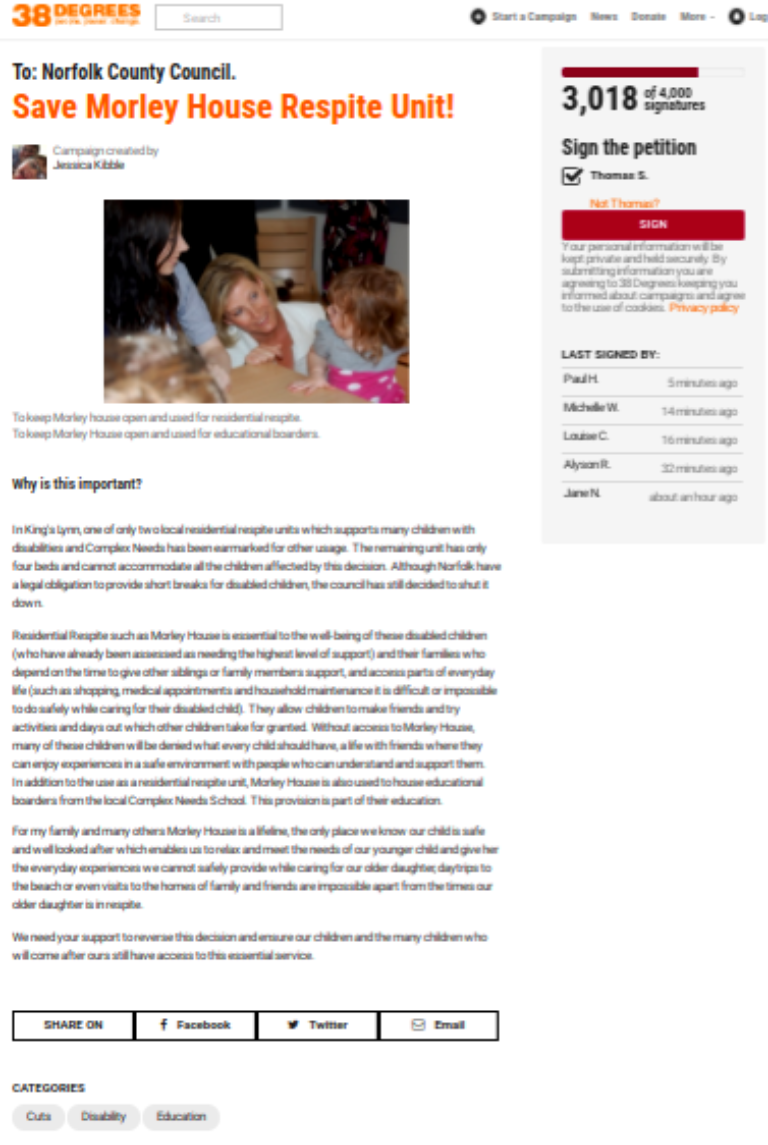
Finally, to end this section, a reminder about the petition on 38 Degreesto save the Respite Unit at Morley House. This petiton, screenshotted below, is now on just over 3,000 signatures, and I urge you all to help us increase that number:
SOLUTION TO SATURDAY’S TEASER
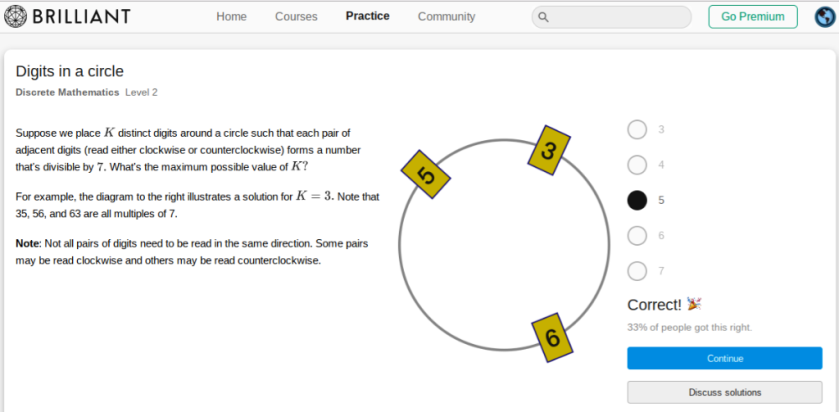
Here is the problem I set you on Saturday:
Here is the answer, followed by a published solution:
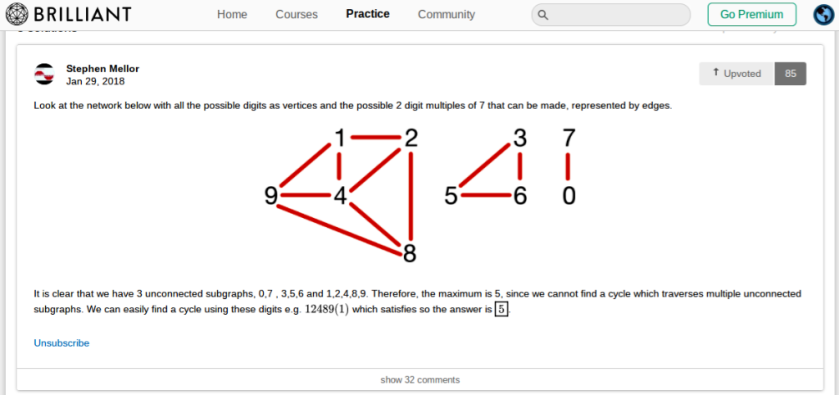
This is Stephen Mellor’s highly admired solution:
PHOTOGRAPHS
Well done those of you who have made it to this point! We end, as usual, with some recent photographs:
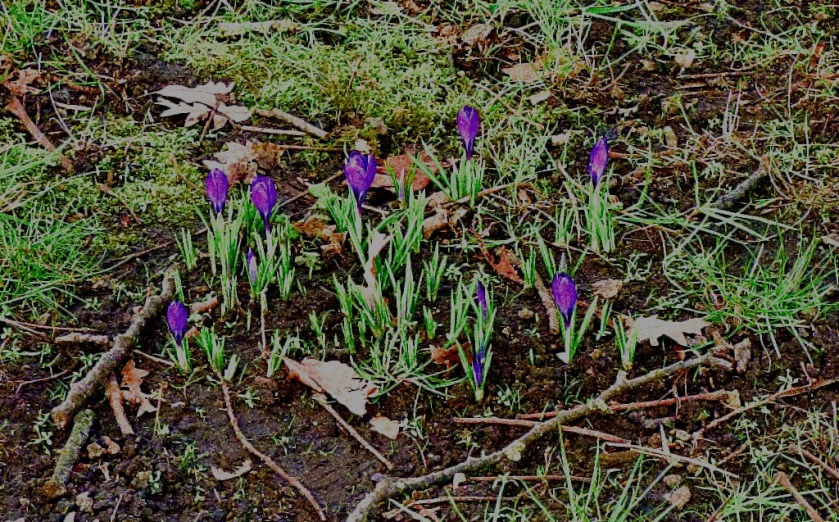
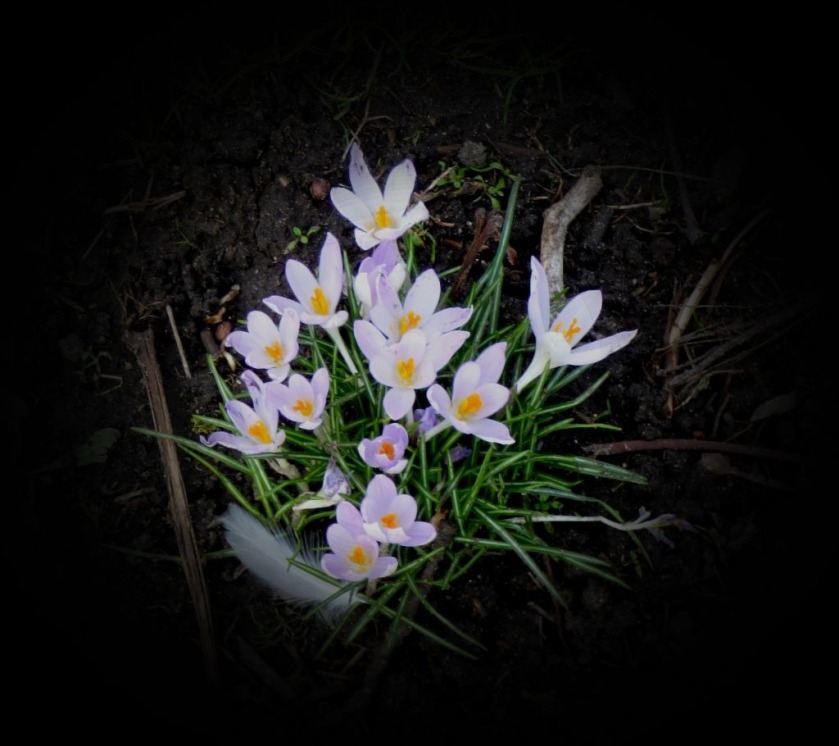
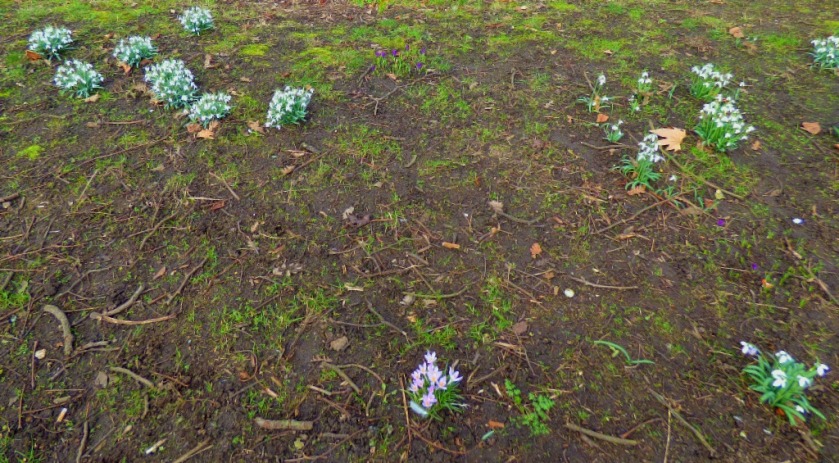
We start with a fungusThen we have three flower pictures
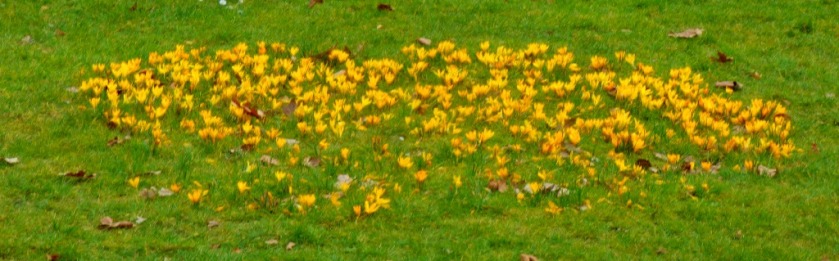
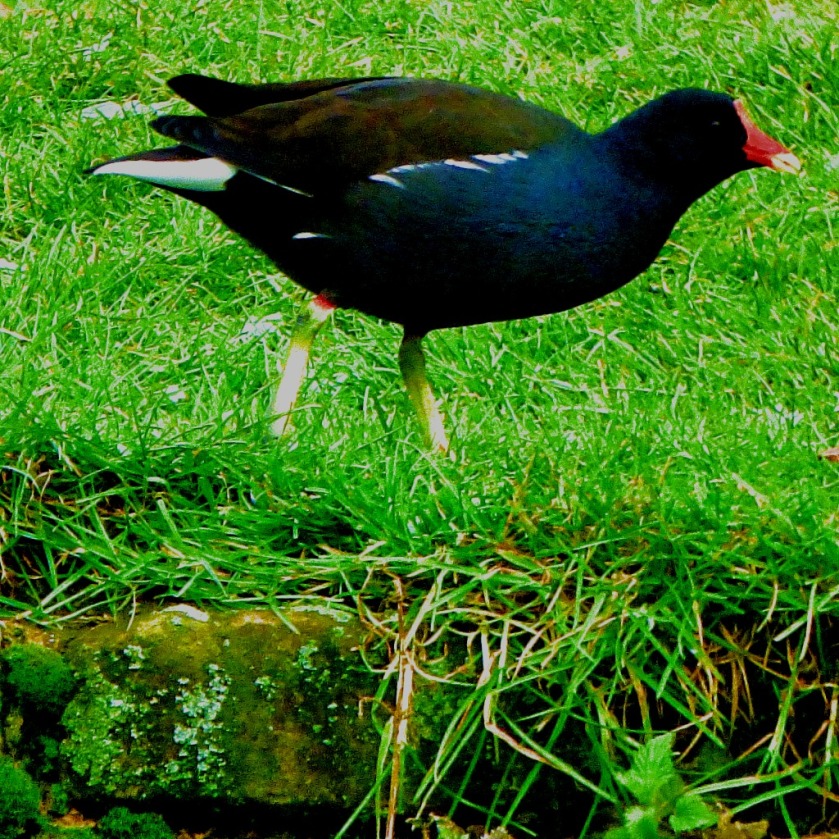
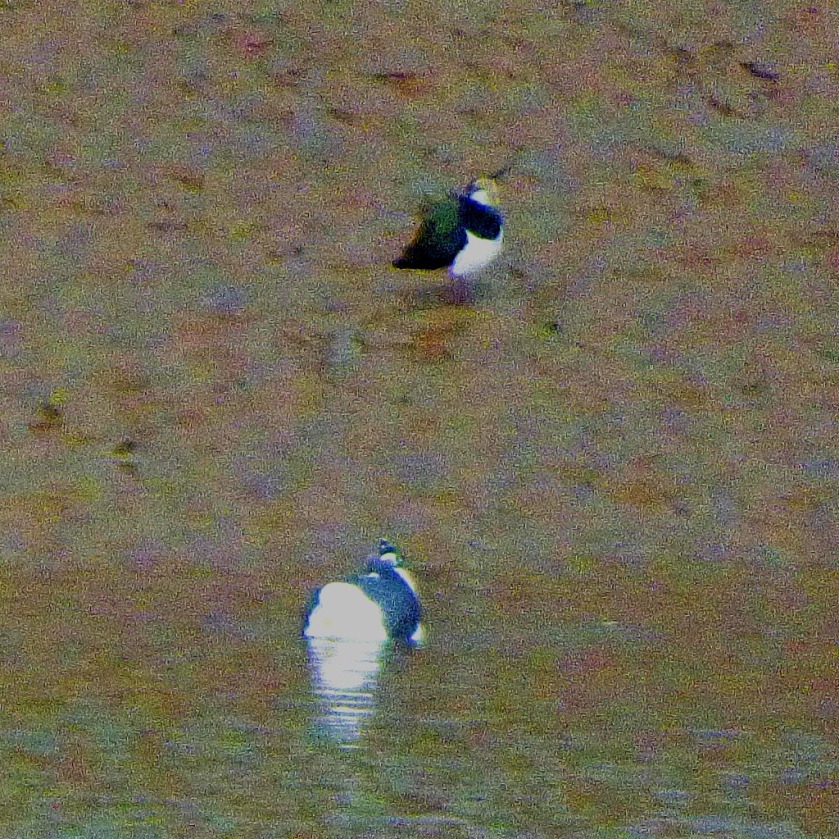
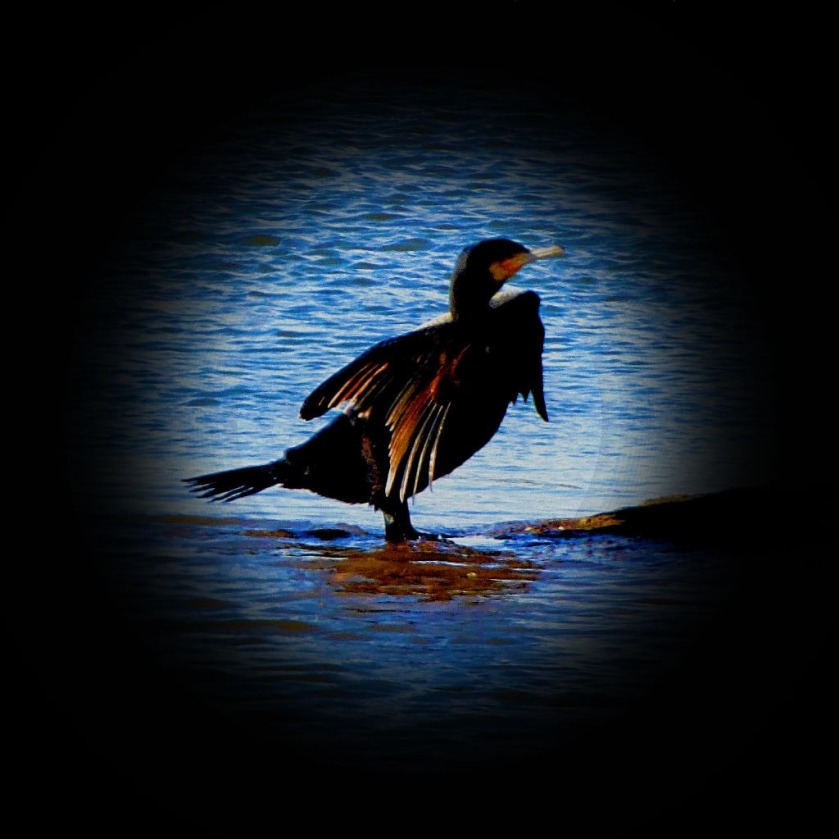
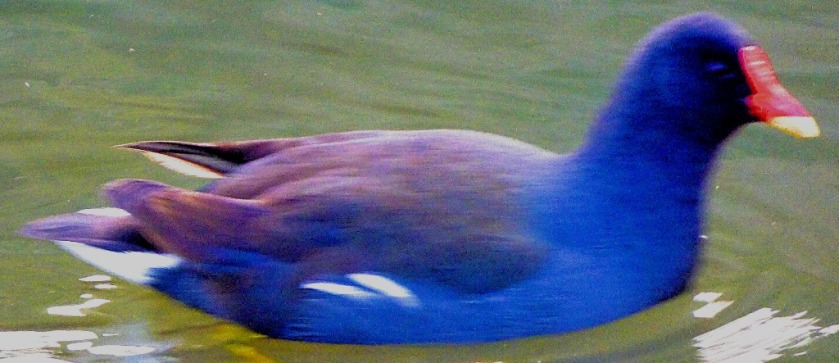
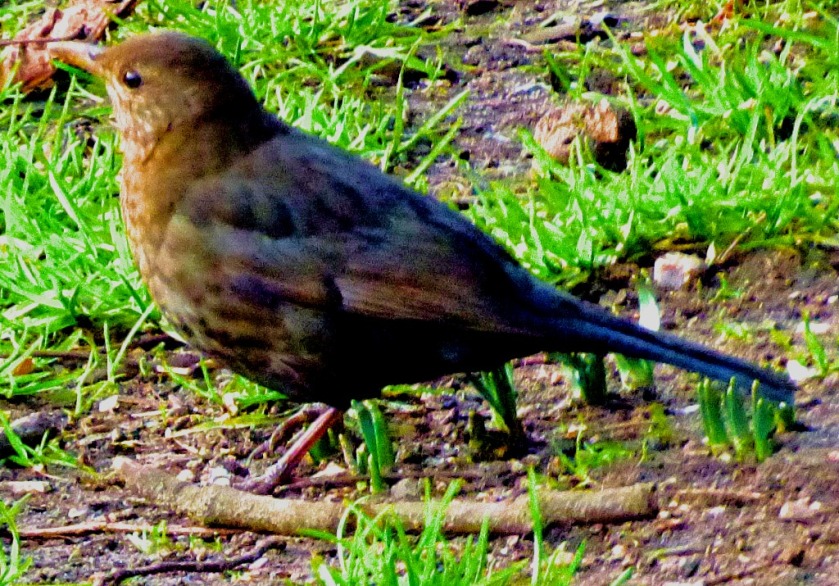
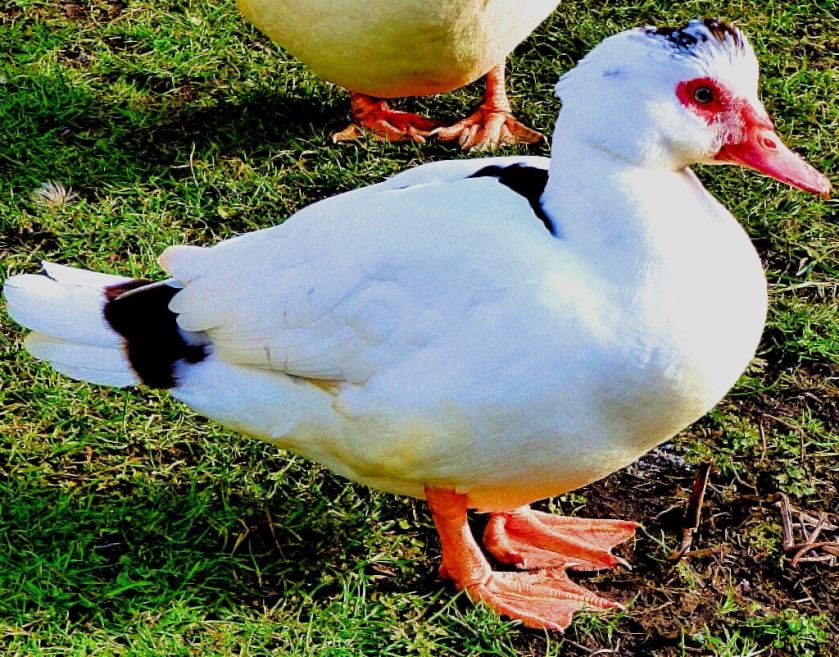
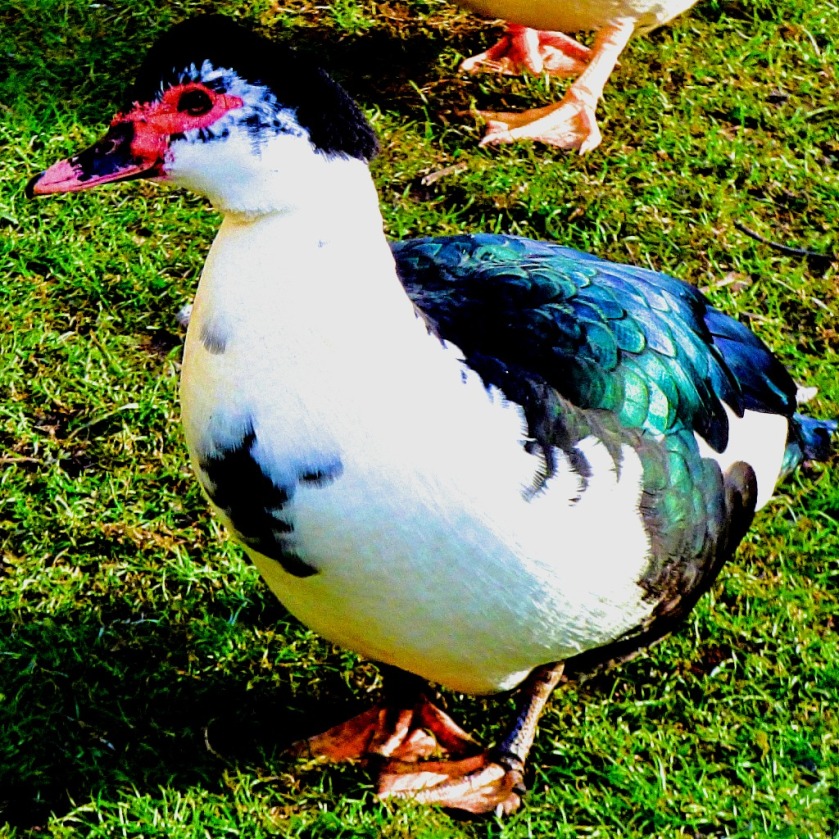
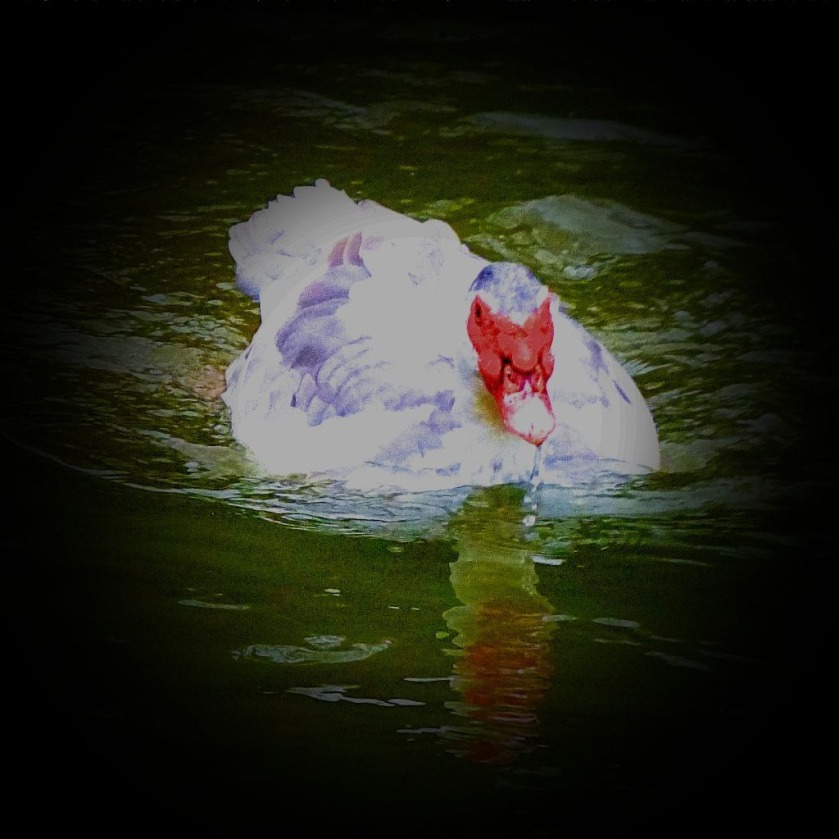
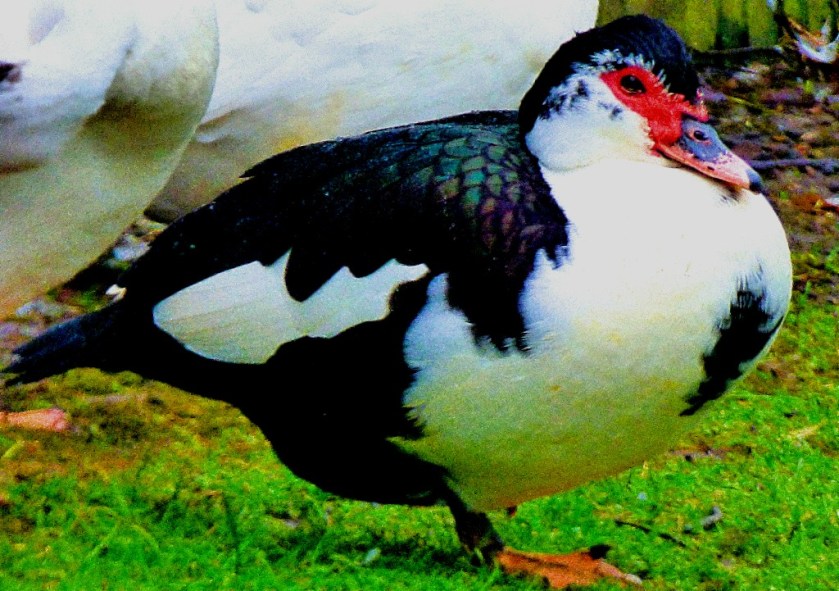
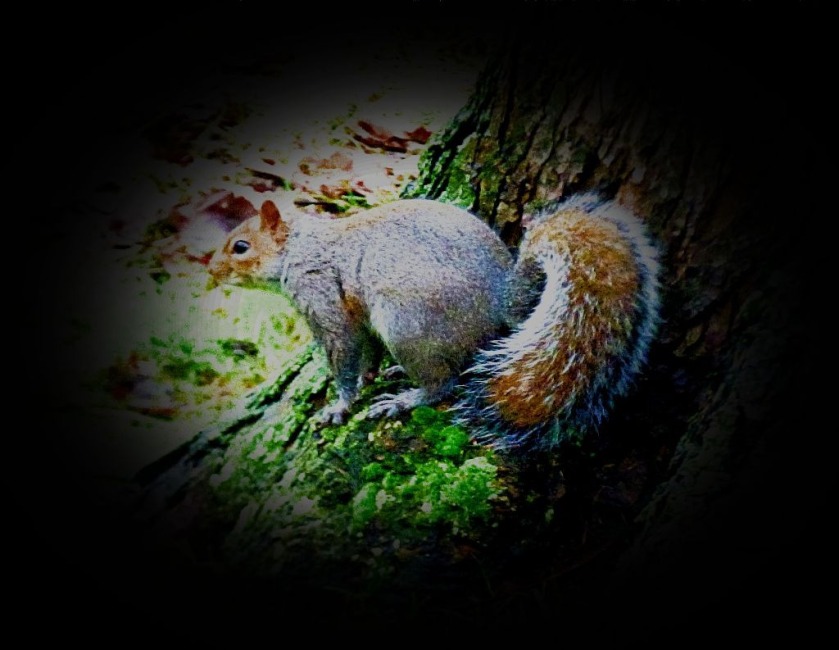
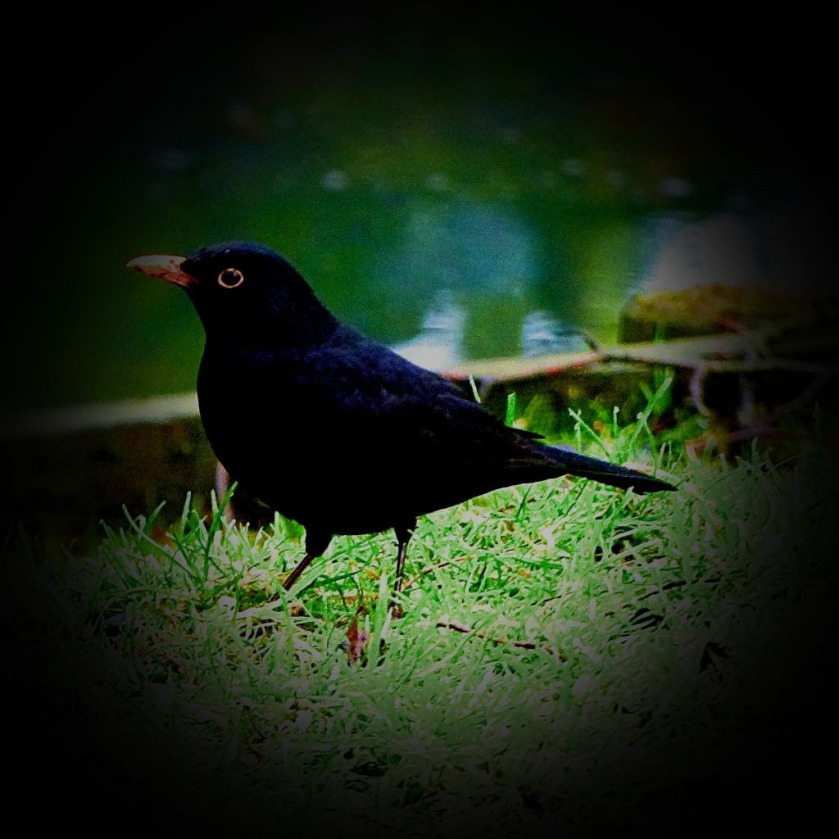
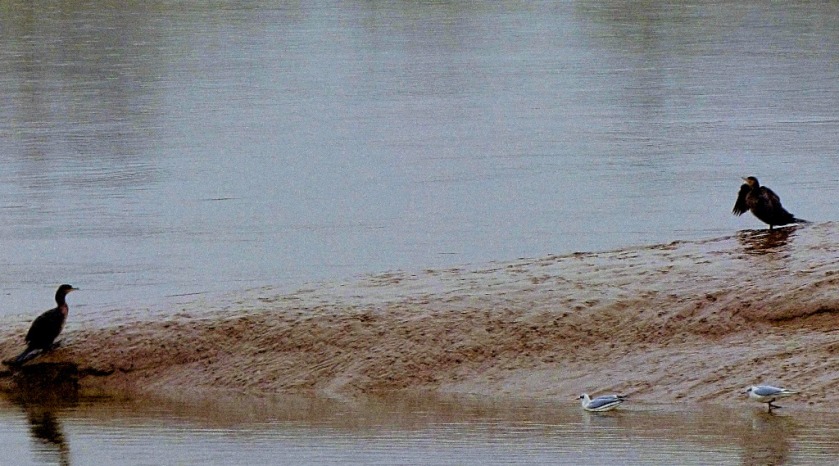
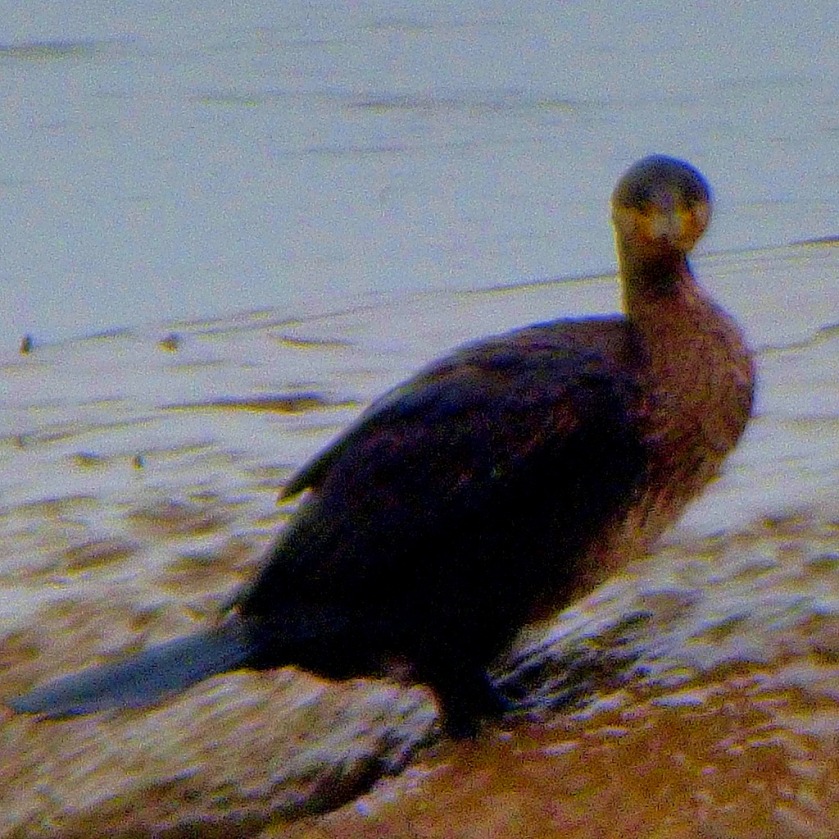
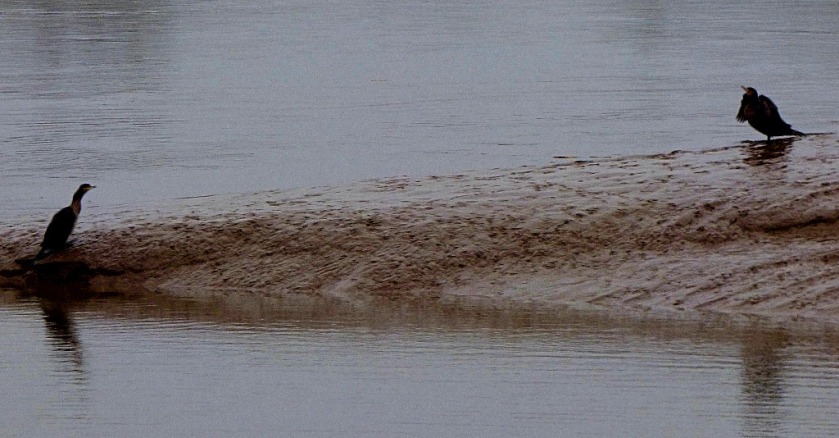
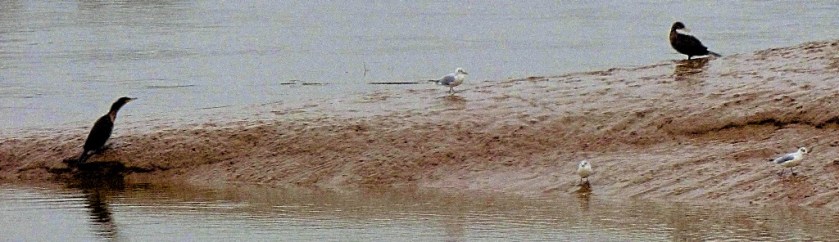
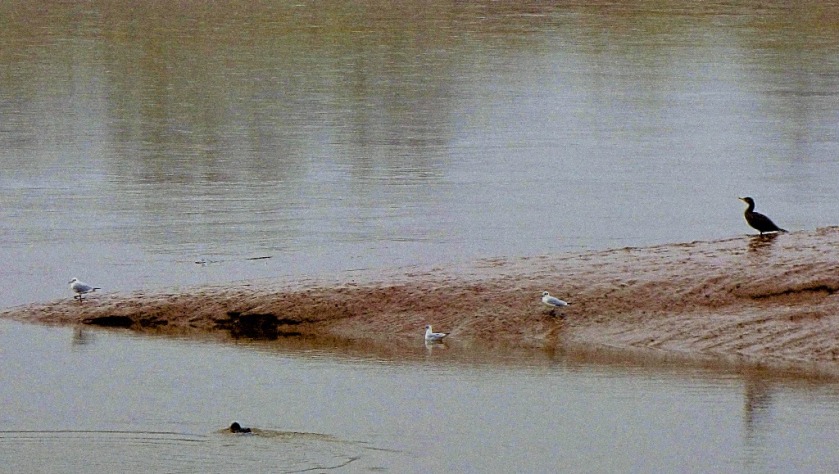
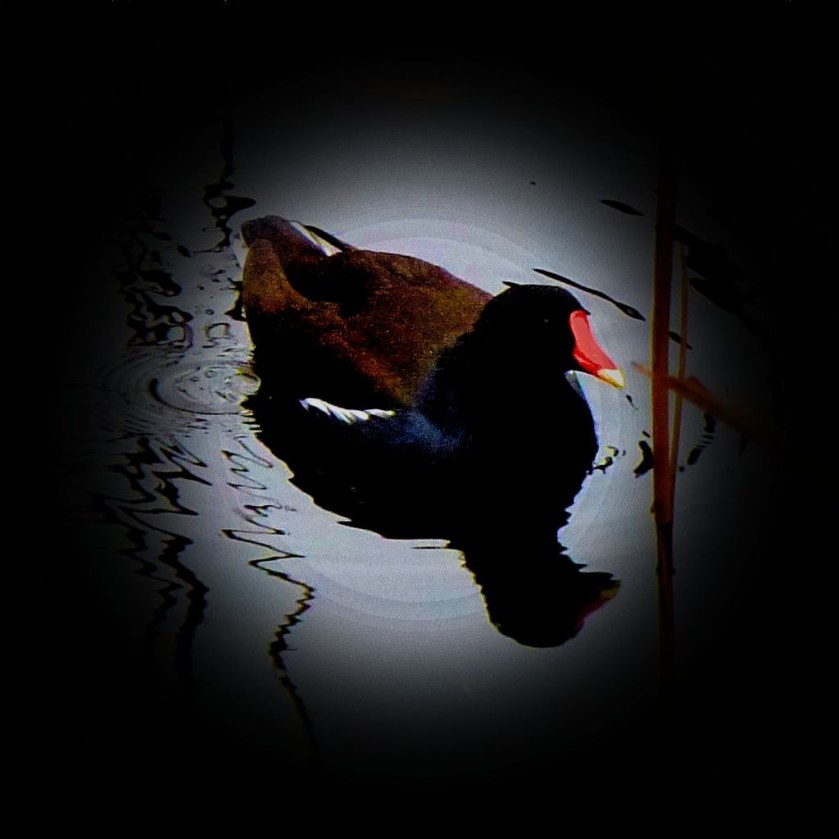
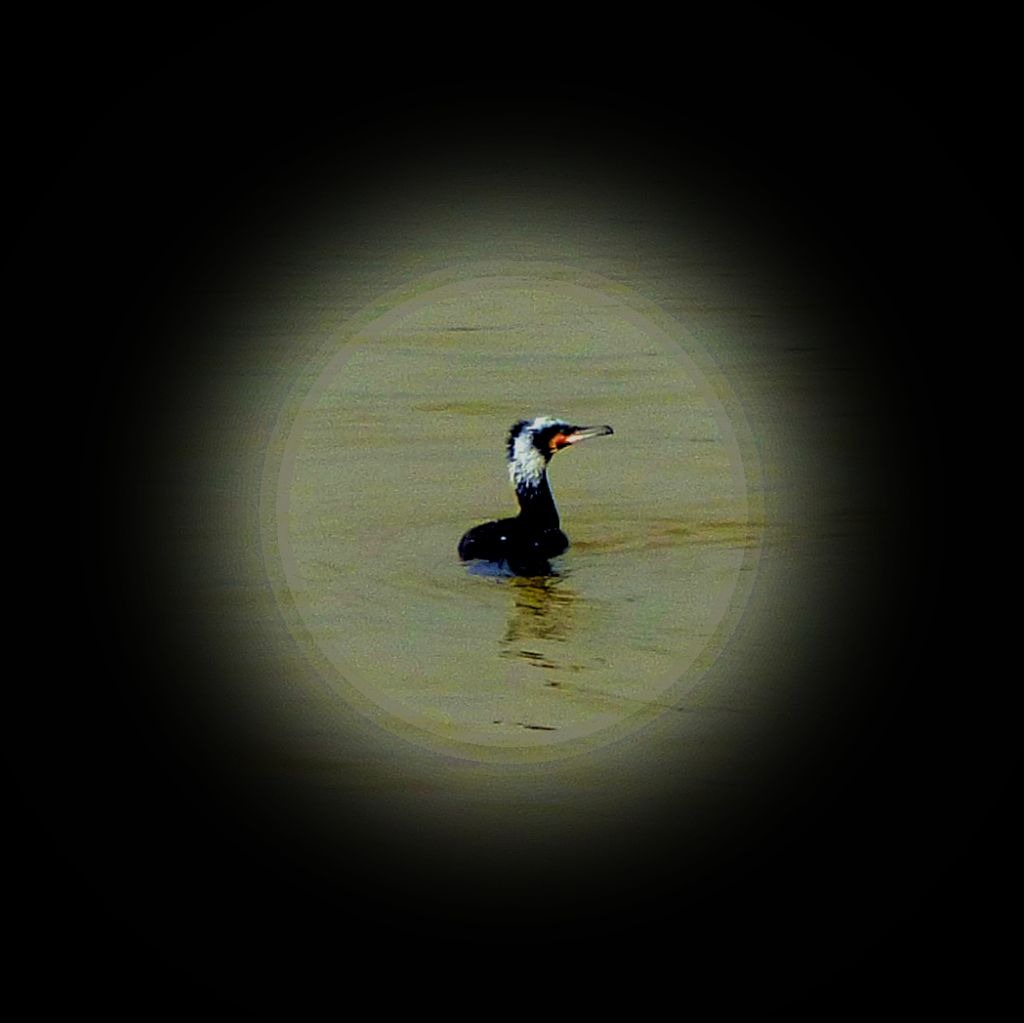
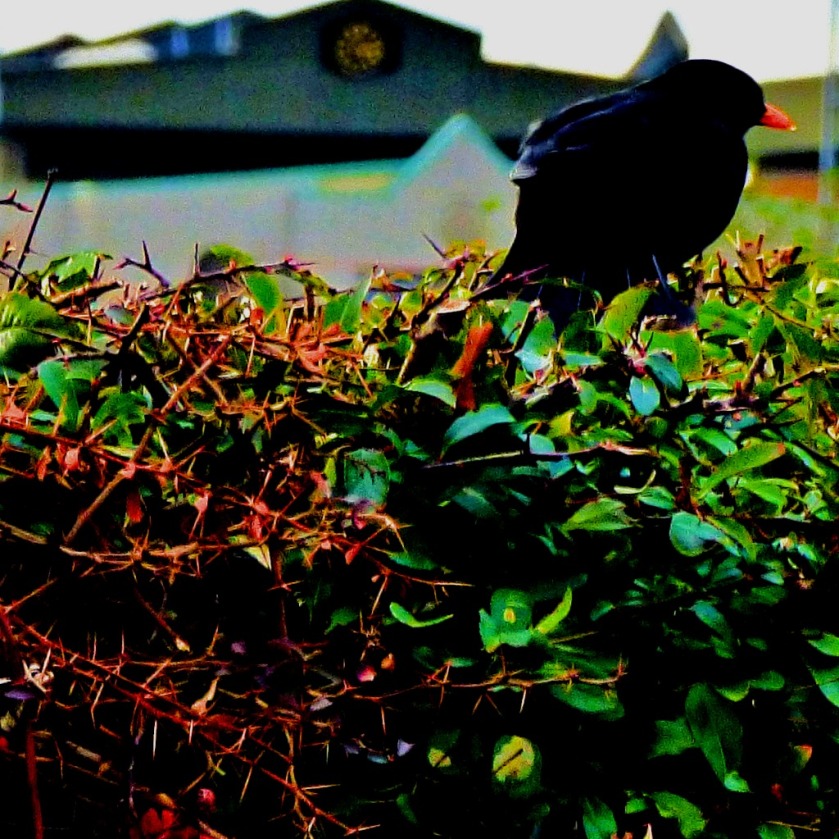
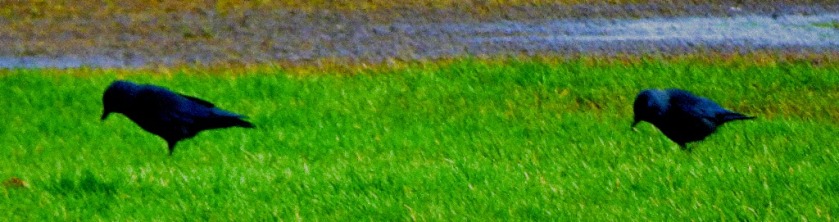
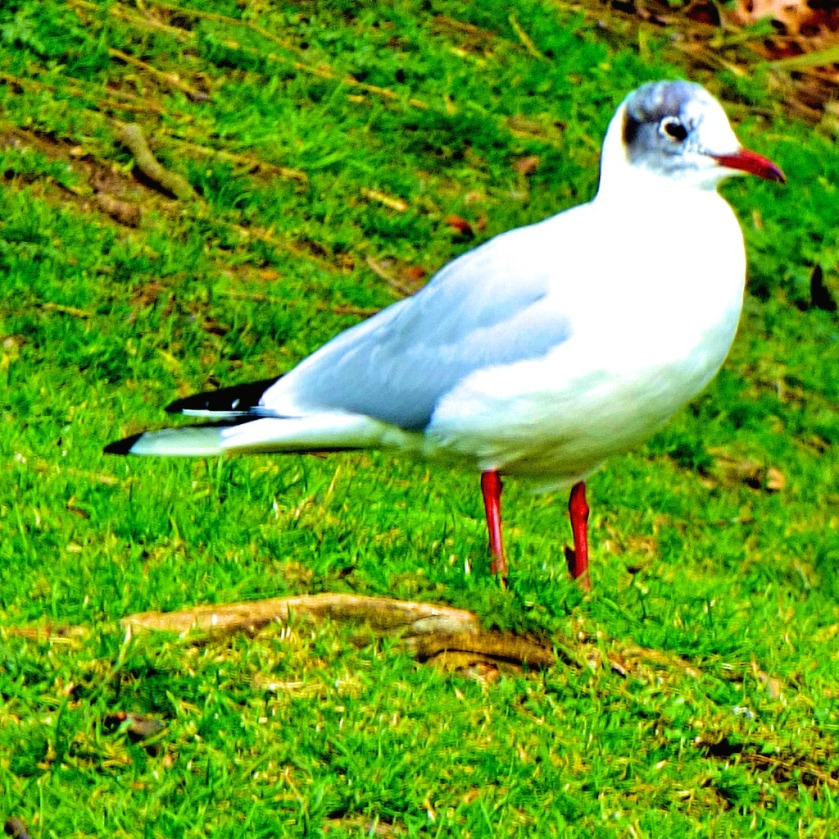
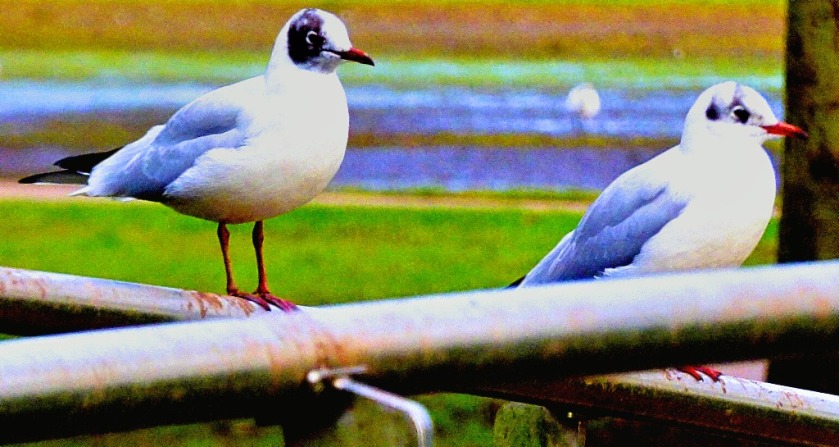
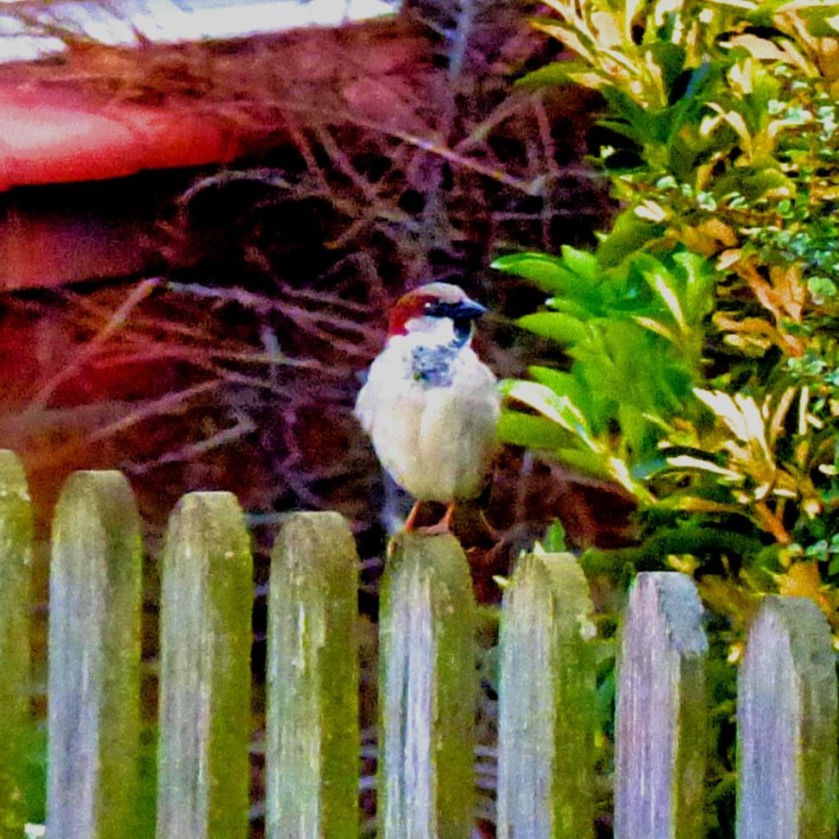
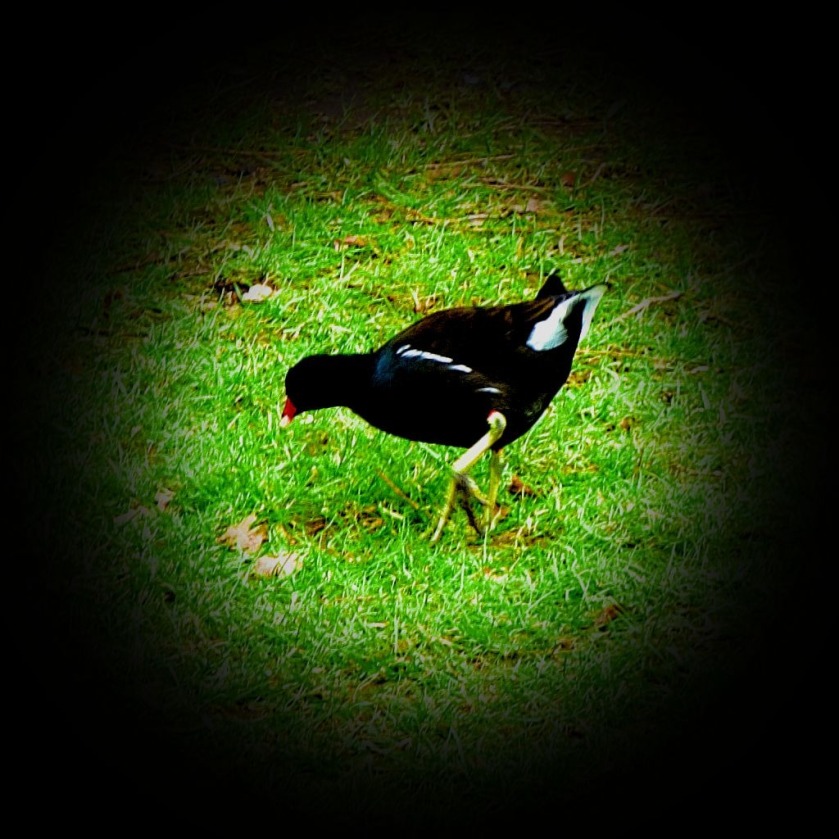
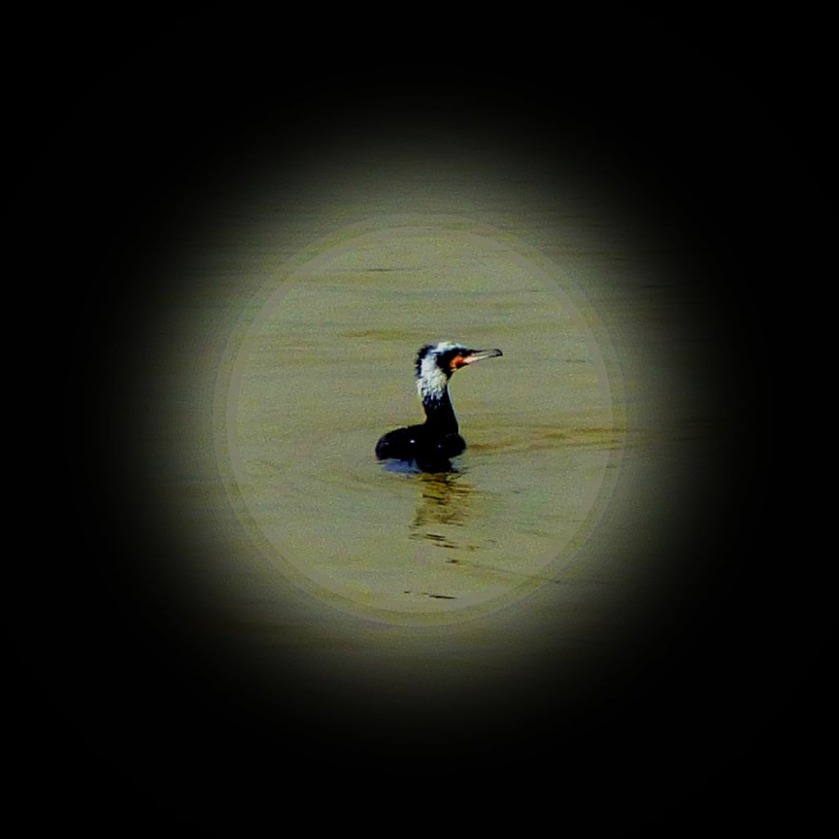
Then we are on birds.
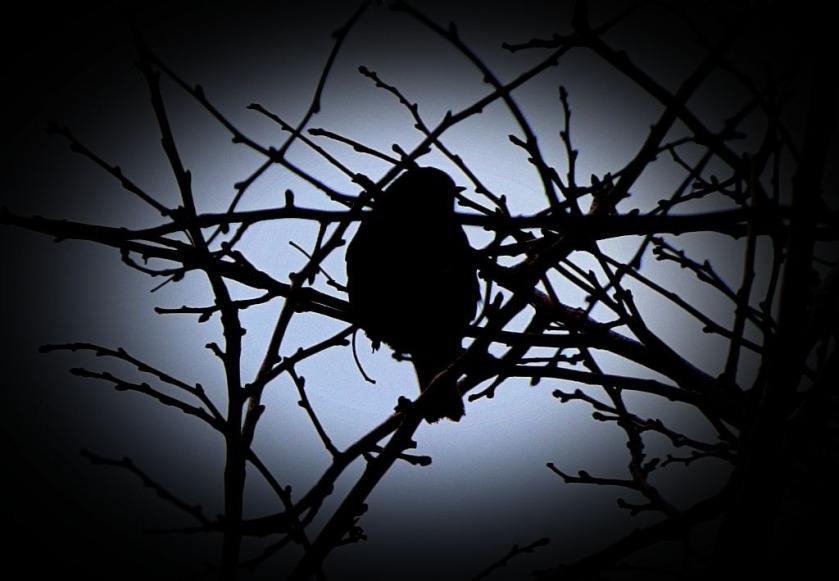
Both this pictyure and the next feature a House Sparrow – a common bird, but not always easy to photograph because it is very small.










































 aspiblog
There is 1 way you can have three reds all adjacent, and 2 ways you can have two of the reds be on opposite edges (distinguished by whether the green is opposite the third red or not). That gives,