
The Women’s T20 World Cup

A look at the Women’s T20 World Cup, now underway in the United Arab Emirates, and a photo gallery.

The Women’s T20 World Cup 2024 is underway. It was due to be staged in Bangladesh but was then moved at the last minute to the United Arab Emirates, although Bangladesh are still officially tournament hosts. In this post I look at what has happened so far in the matches I have been able to follow.

Australia, winners of six of the previous eight editions of this tournament, are as expected looking formidable once more. The extraordinary number of genuine all rounders they have in their squad (including the two recognized wicket keepers, who opened the batting together – Healy getting the gloves, Mooney playing as a pure batter – they had no fewer than six such players in their XI – Ellyse Perry, Ashleigh Gardner, Tahlia McGrath and Annabel Sutherland, all in the top seven of the batting order, and all well capable of bowling their full four overs, are the others) means that rather than struggling to cover all bases they have a positive embarrassment of riches. Effectively they were taking to the field with a team of about 15 – seven front line batters including the keeper, and eight front line bowlers – the four all rounders listed and four players chosen specifically on ground of their bowling skills.

England were fairly impressive in disposing of ‘hosts’ Bangladesh – their 118-7 from their 20 overs is the highest team total thus far recorded at Sharjah, where the pitches have been low and slow, and runs have been at a massive premium, and was enough for them to win by 26 runs. To give you an idea of the nature of the Sharjah surface, England picked four specialist spinners – Linsey Smith, Charlie Dean, Sophie Ecclestone and Sarah Glenn, and Nat Sciver-Brunt’s four overs of medium pace were the only overs by anyone other than those four for them. Further commentary on this is provided by Danni Wyatt-Hodge’s innings – the recently married (hence new, hyphenated surname) opener scored 41, but even she, normally exceptionally quick scoring, was barely striking at 100.

India suffered a humiliation against New Zealand in their opening match, going down by 58 runs. They were sloppy in the field (though far from the only offenders in this regard – a shedload of catches have gone down this tournament), with at least two very easy catches going down and a good 20 runs being conceded through poor ground fielding, and very poor with the bat. They were better today against Pakistan, but again there were lapses in the field, and they were overcautious with the bat, eventually getting home with only seven balls to spare, doing little to reduce the massive negative net run rate the NZ game left them with. This is important because they also have Australia in the group which almost certainly means that the other sides are fighting over one semi-final slot. Sri Lanka have yet to grow out of their dependence on Chamari Athapaththu – once the batting all rounder fell cheaply in their opening fixture they never looked like making a contest of it. South Africa were impressive – left arm spinner Nonkululeko Mlaba took four cheap wickets for them, and their opening pair of skipper Laura Wolvaardt and Tazmin Brits knocked the target off without being parted, each topping 50 in the process.

Dubai has been a better venue for cricket than Sharjah, which I am not convinced is still up to international standard, but even there the 160 that New Zealand posted against India is a massive outlier – 120 would still be respectable there, and 130 would be make the side scoring it favourites to win.

My usual sign off…

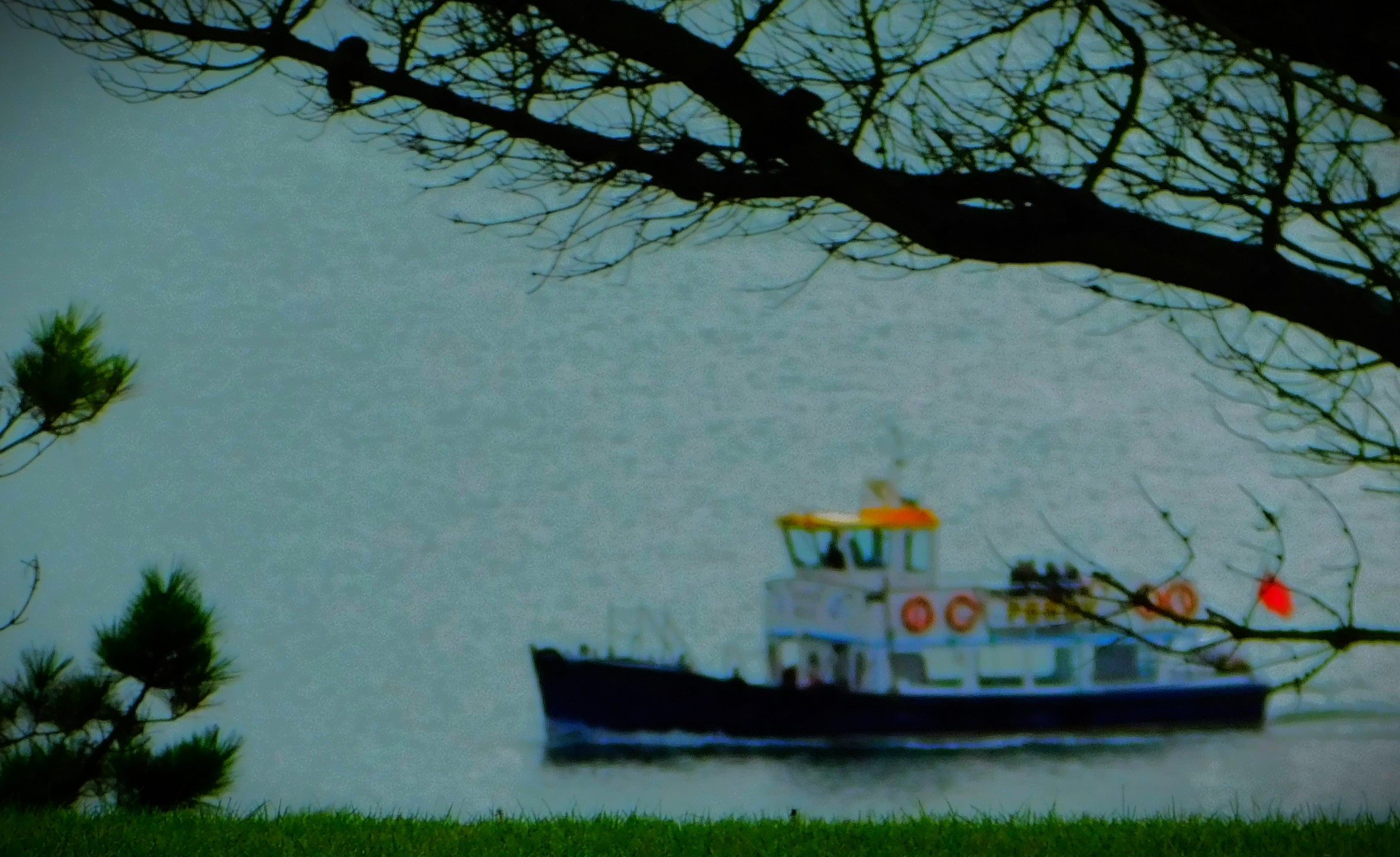
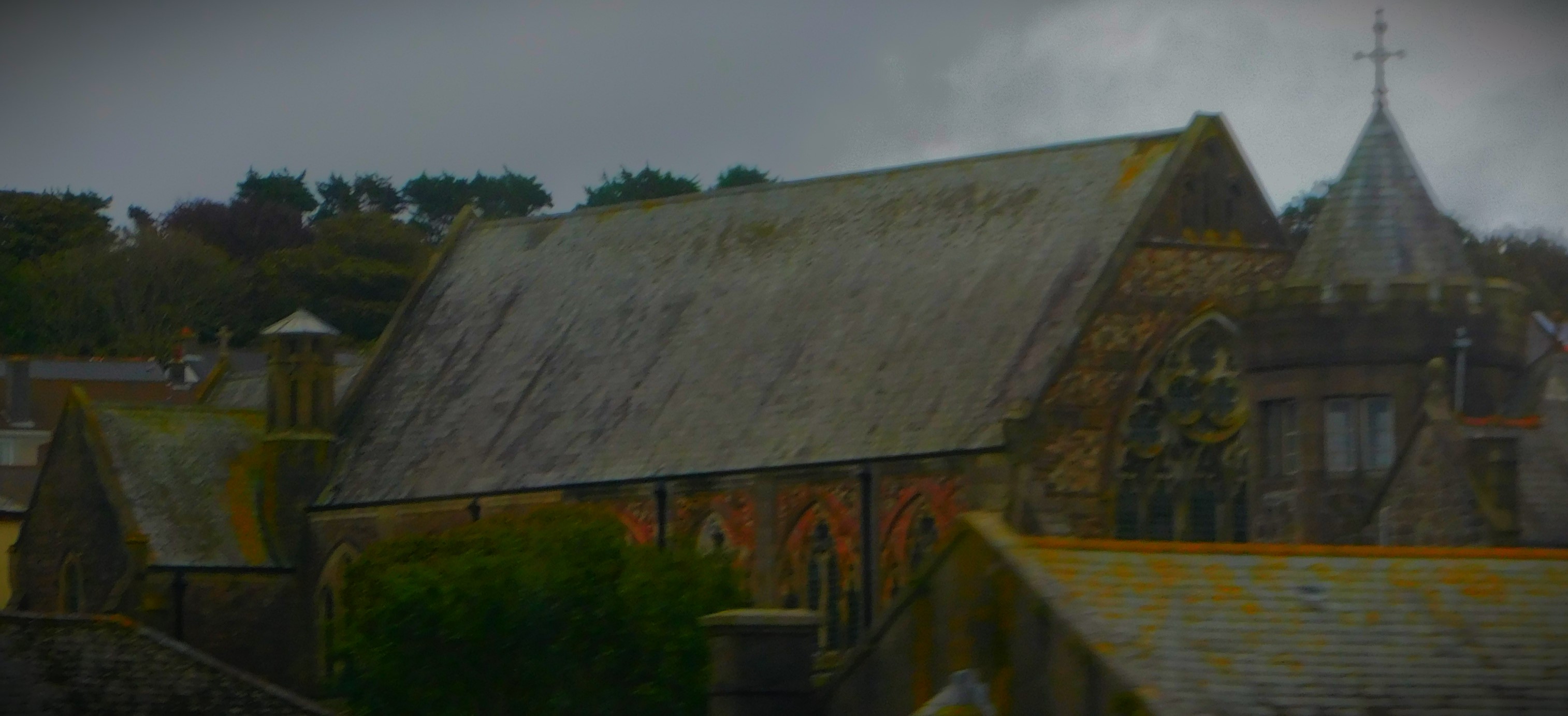
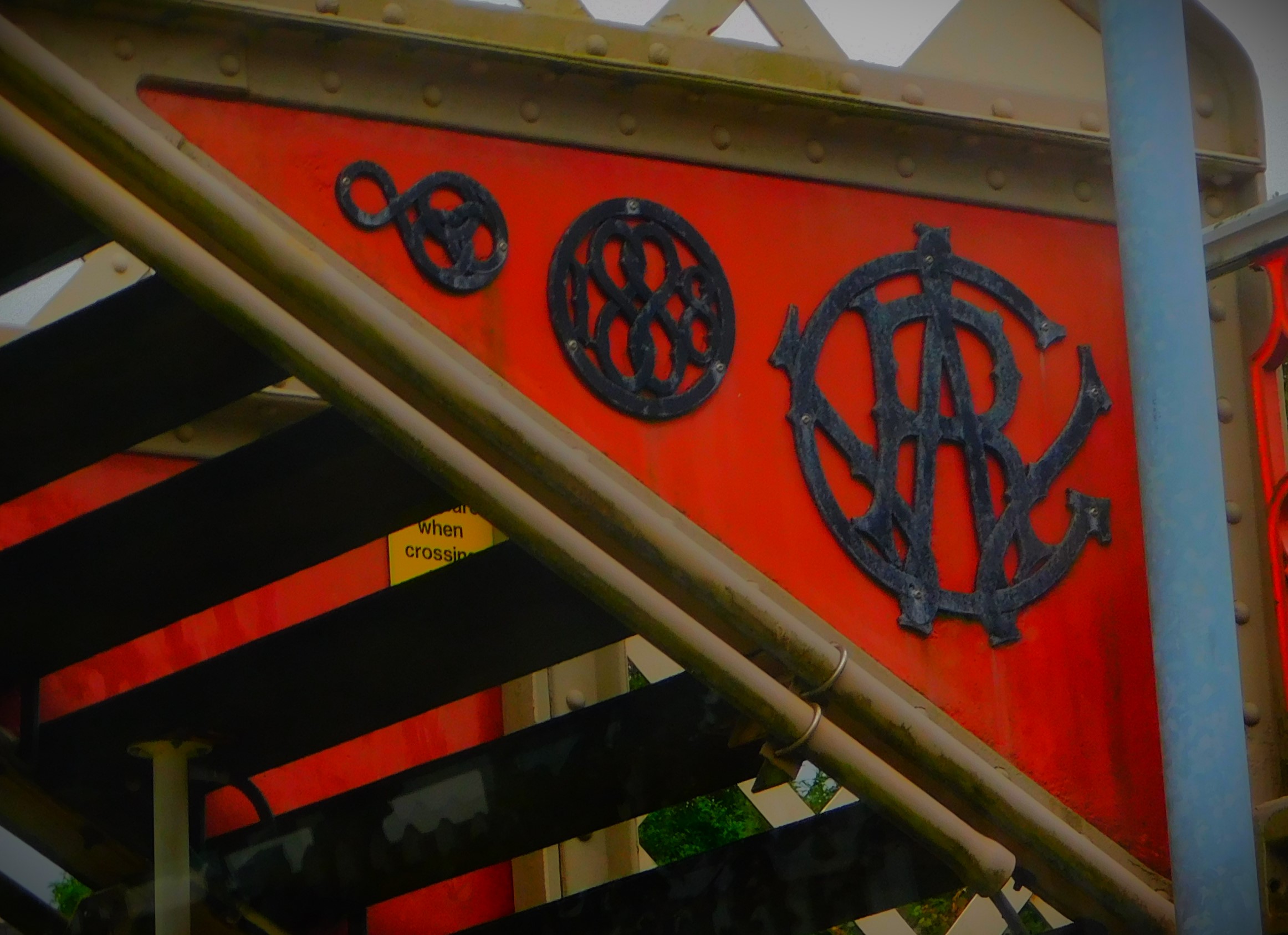
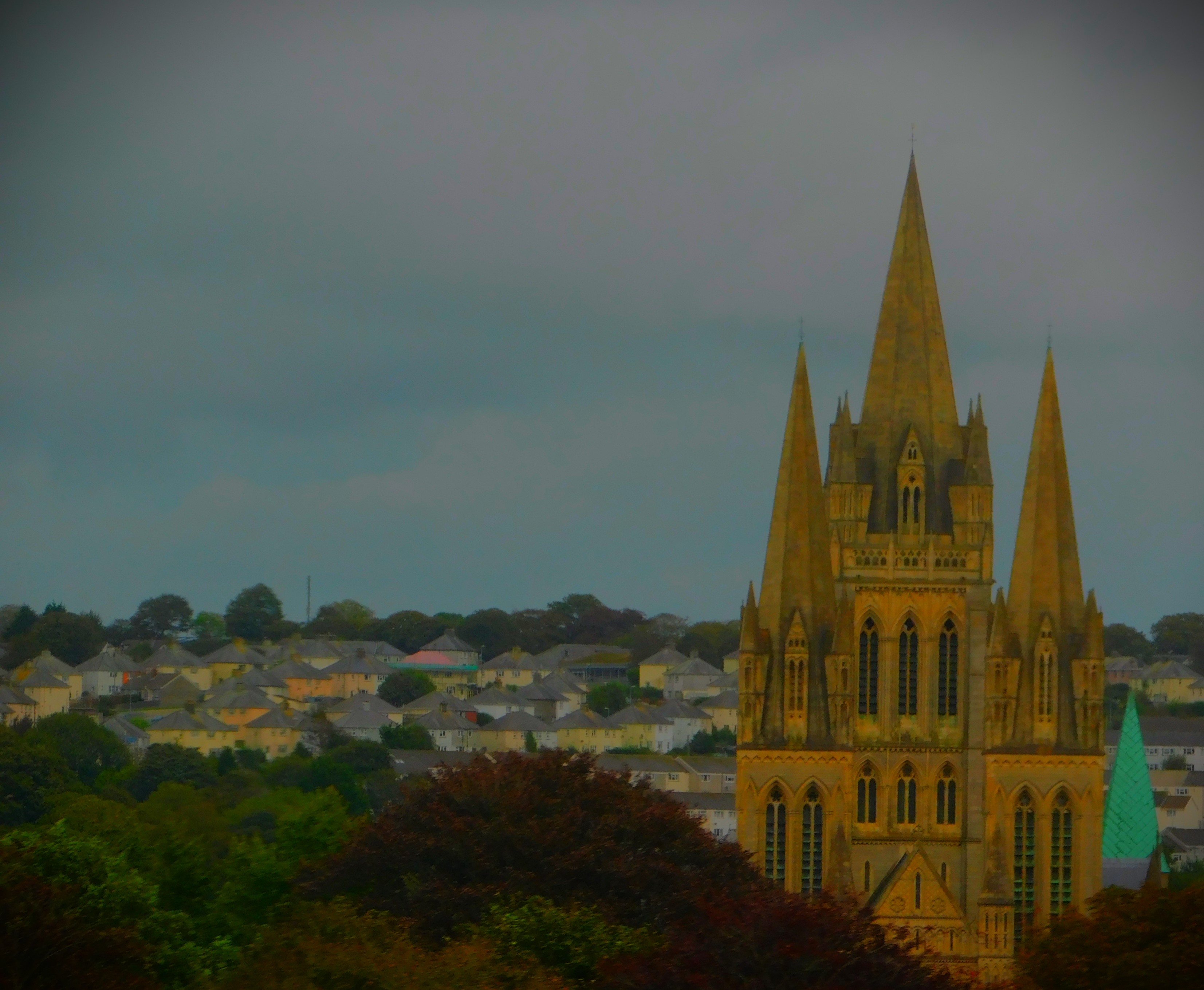
Cornwall – The Return Journey

An account of my return journey from my Cornish excursion, including a very large photo gallery.

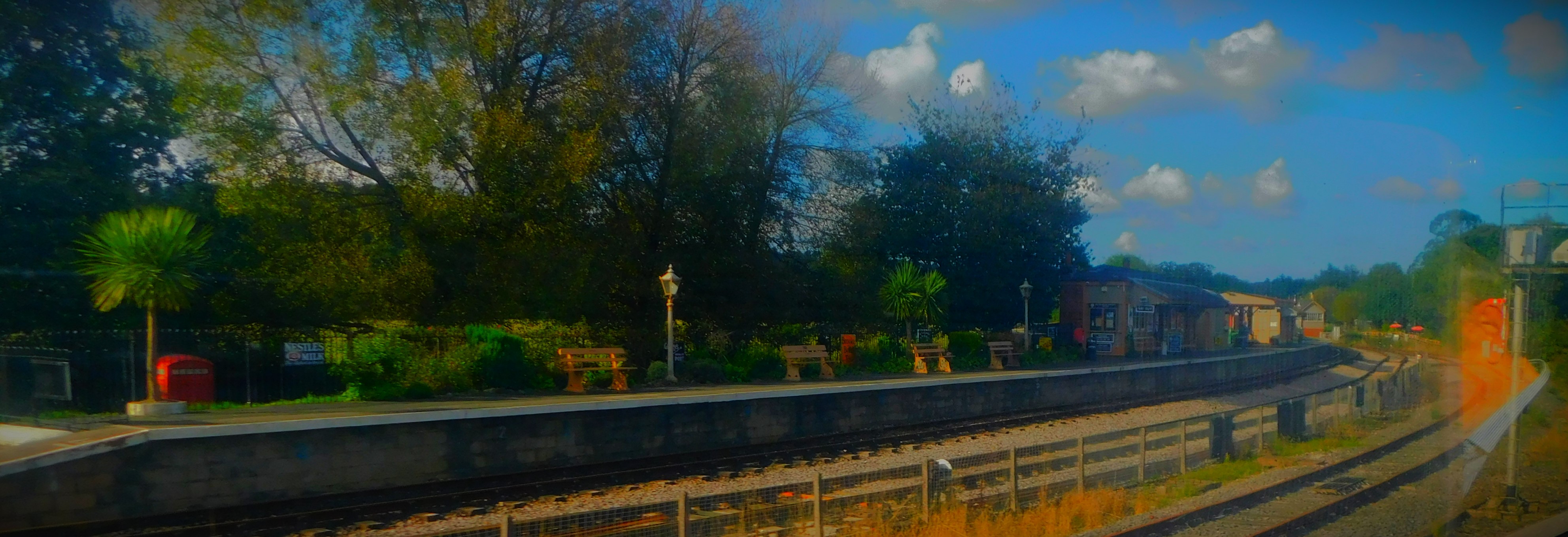
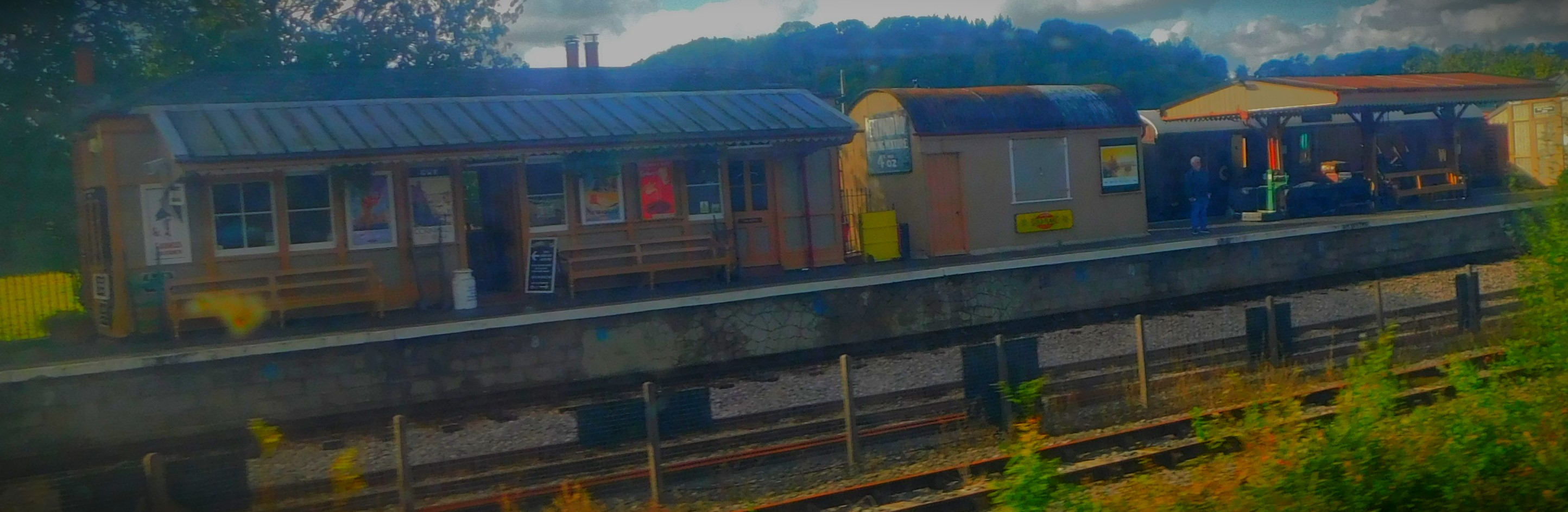
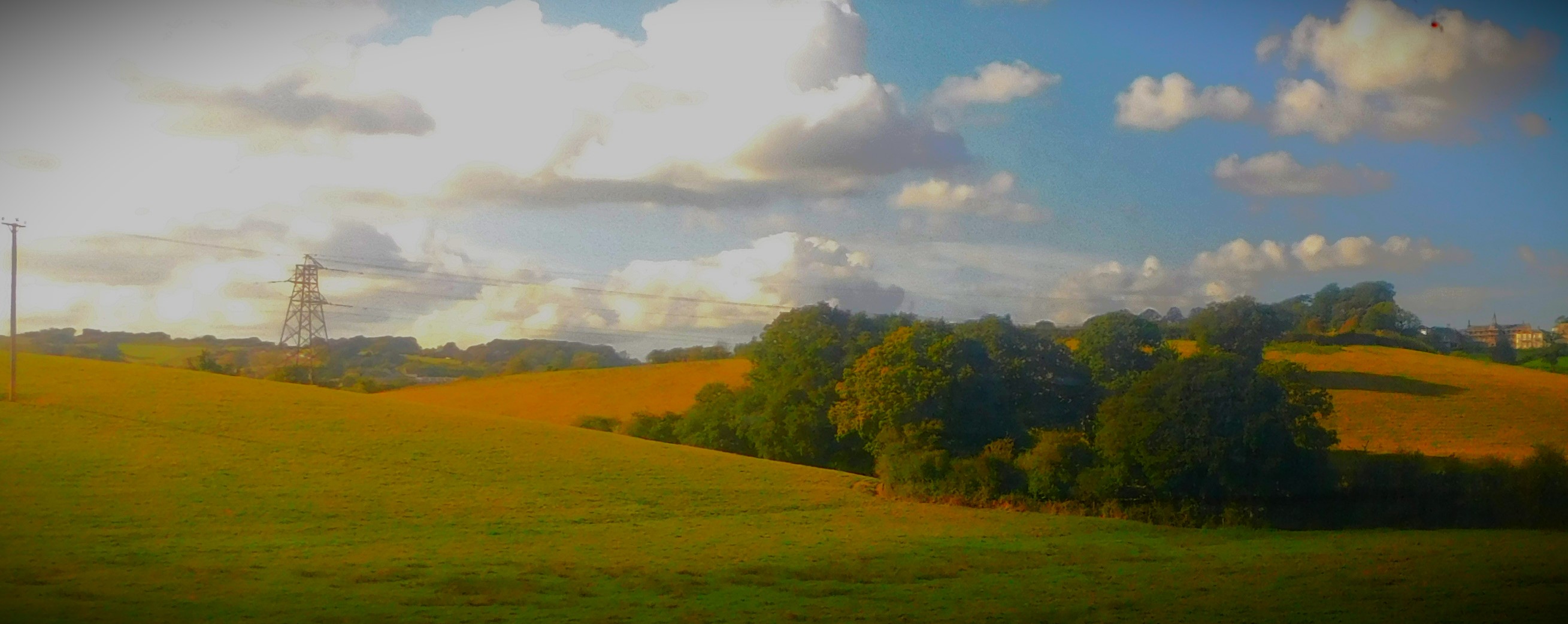
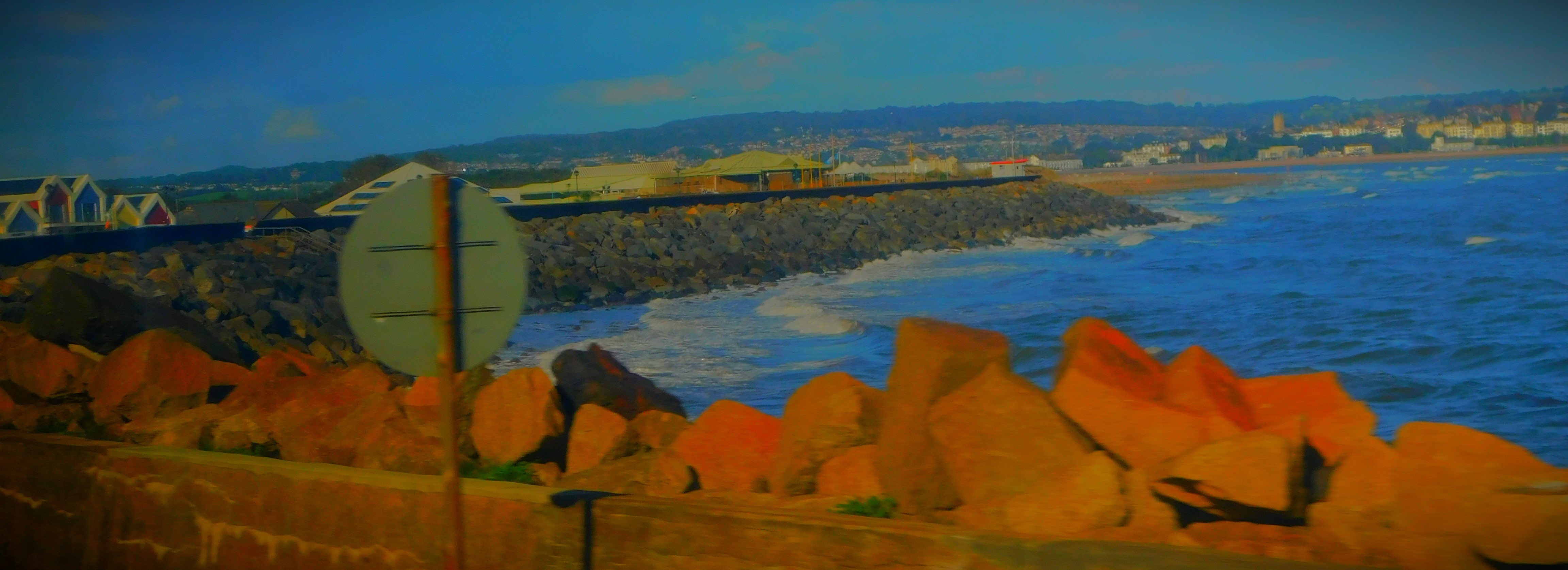
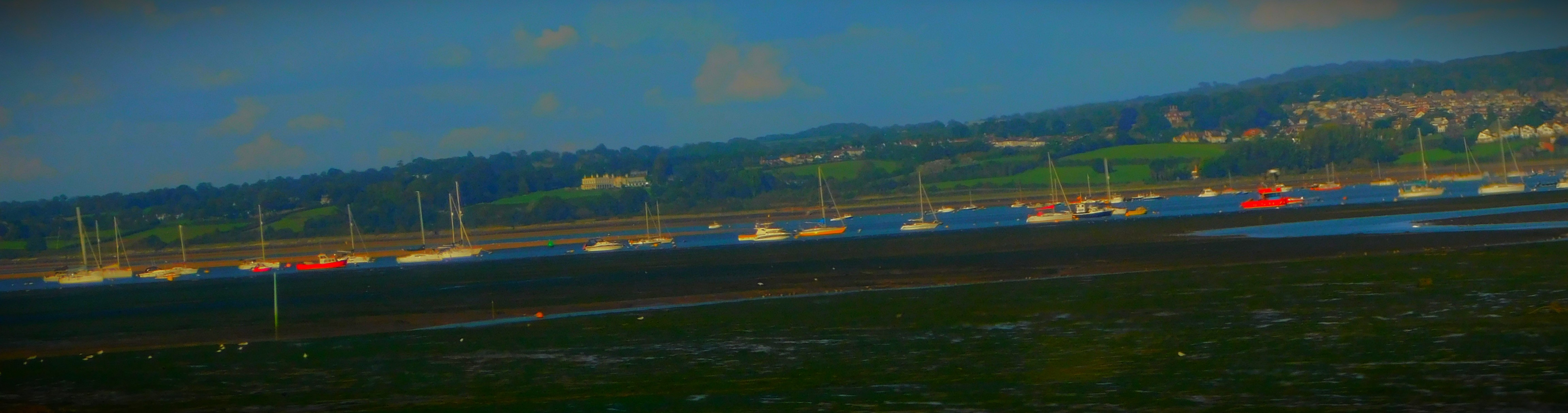
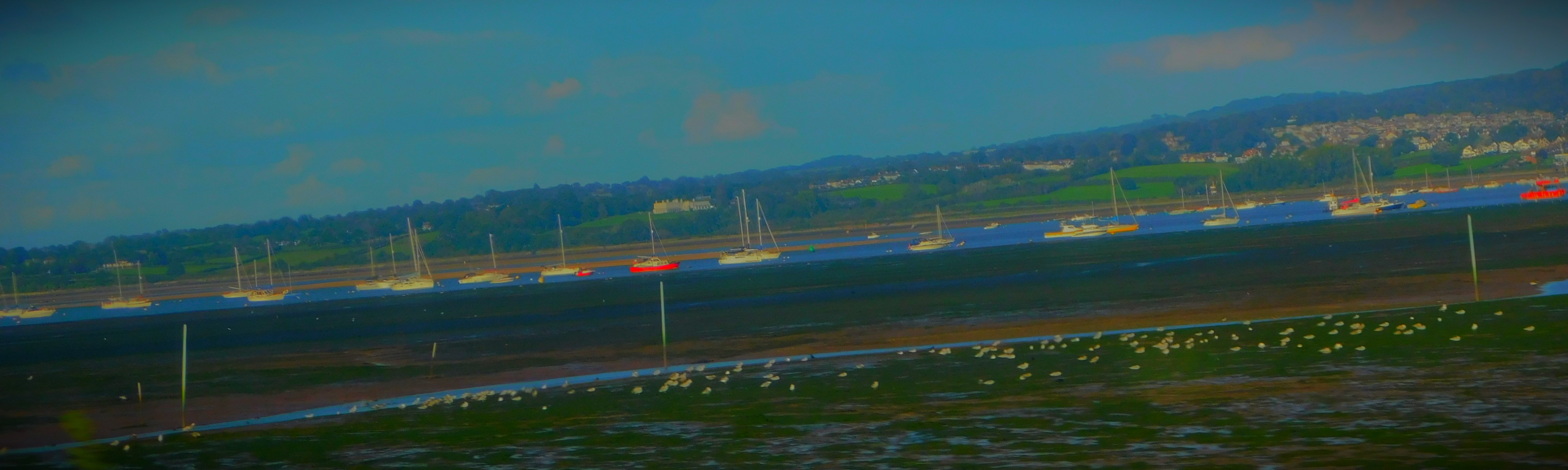
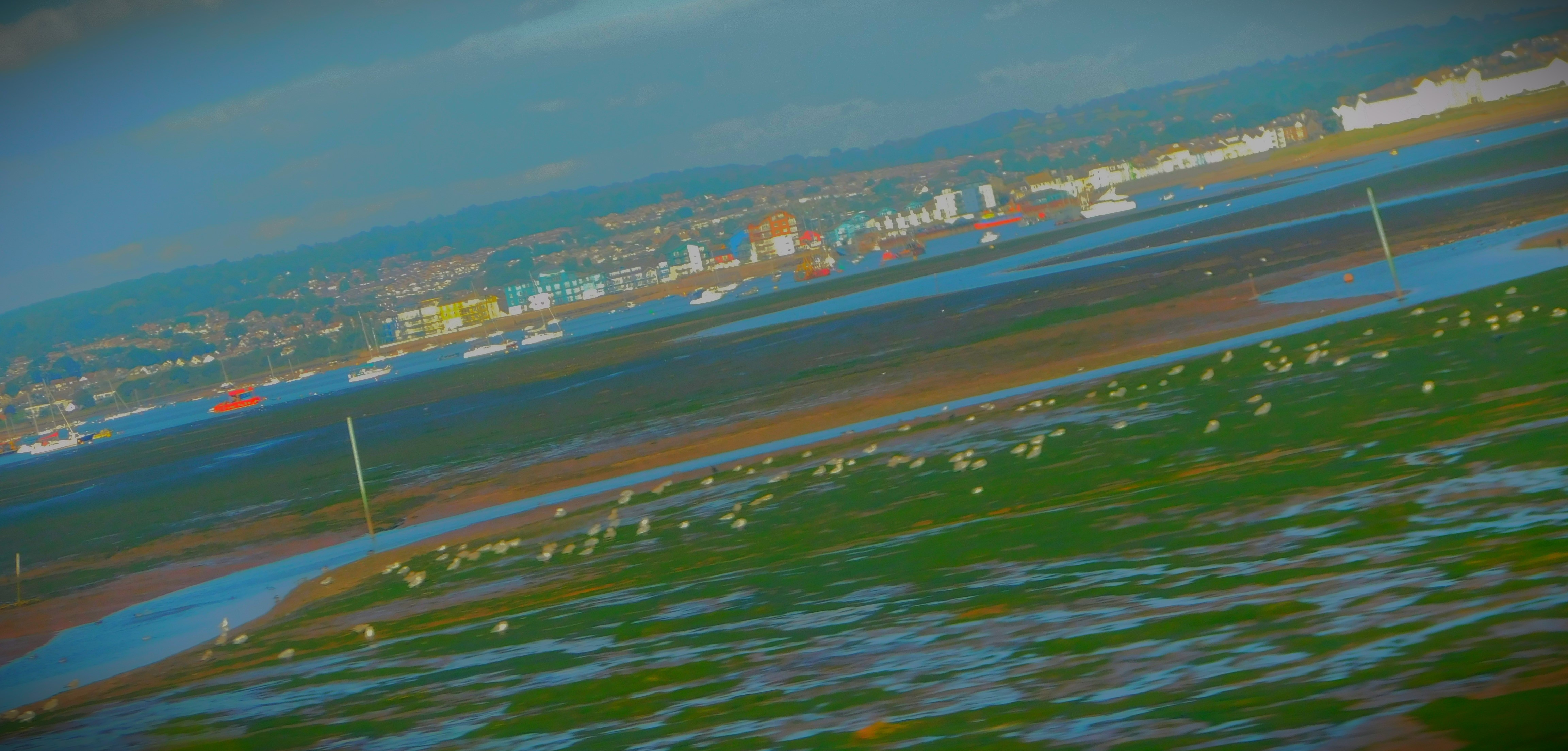
In this post I bring the account of my Cornish sojourn to a close with an account of the return journey.

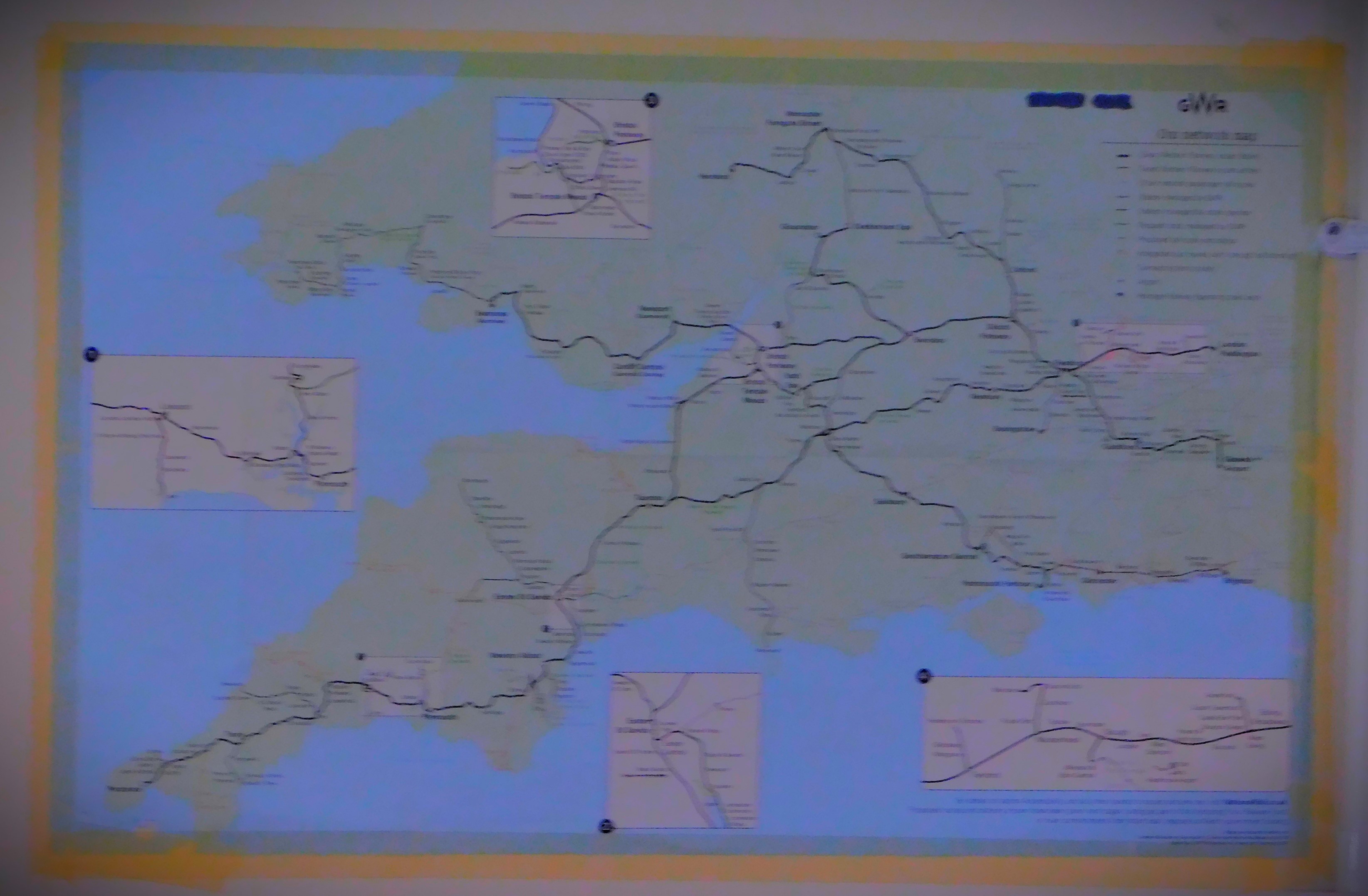
I was booked on the train leaving Plymouth at 3:15PM and had to be out of my hotel room by 10:30AM at the latest. My hope was that I could find somewhere to leave my bigger bag and spend much of the intervening time exploring Plymouth, but my hotel was not an option, being a place that did not offer full service, and Plymouth station proved not to offer that option either. Therefore I spent a long time in the vicinity of Plymouth station until I could board the train.

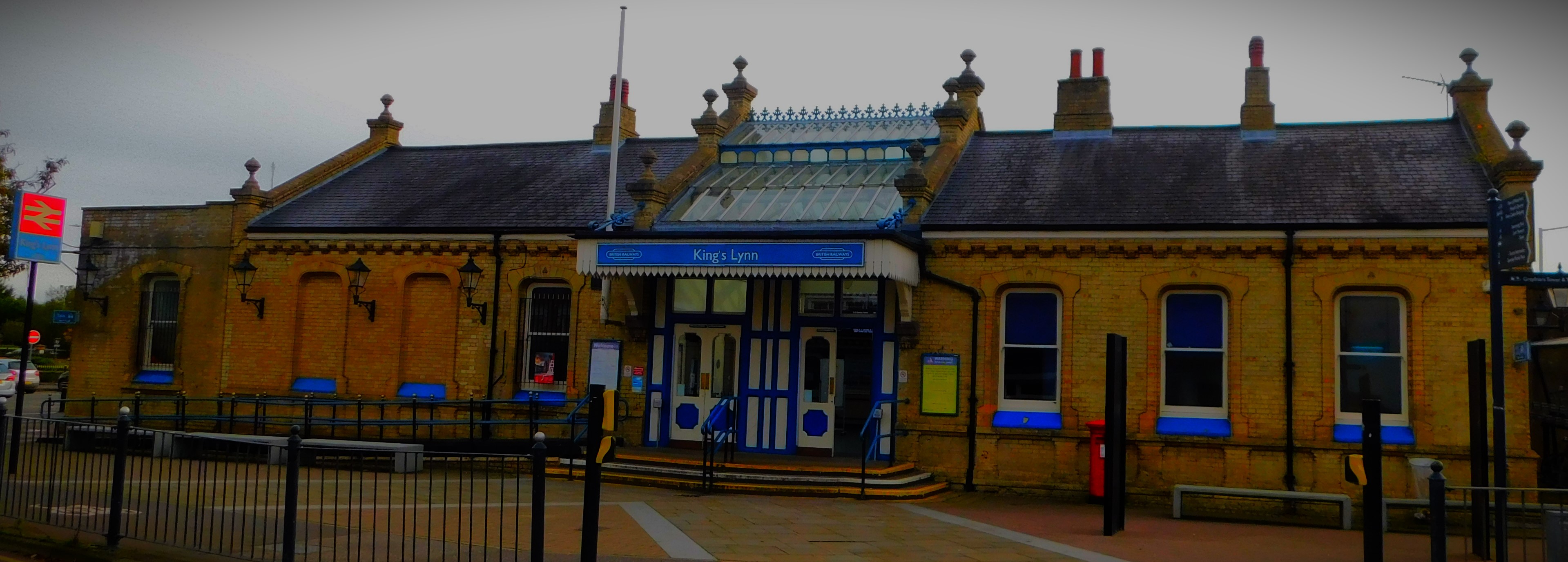
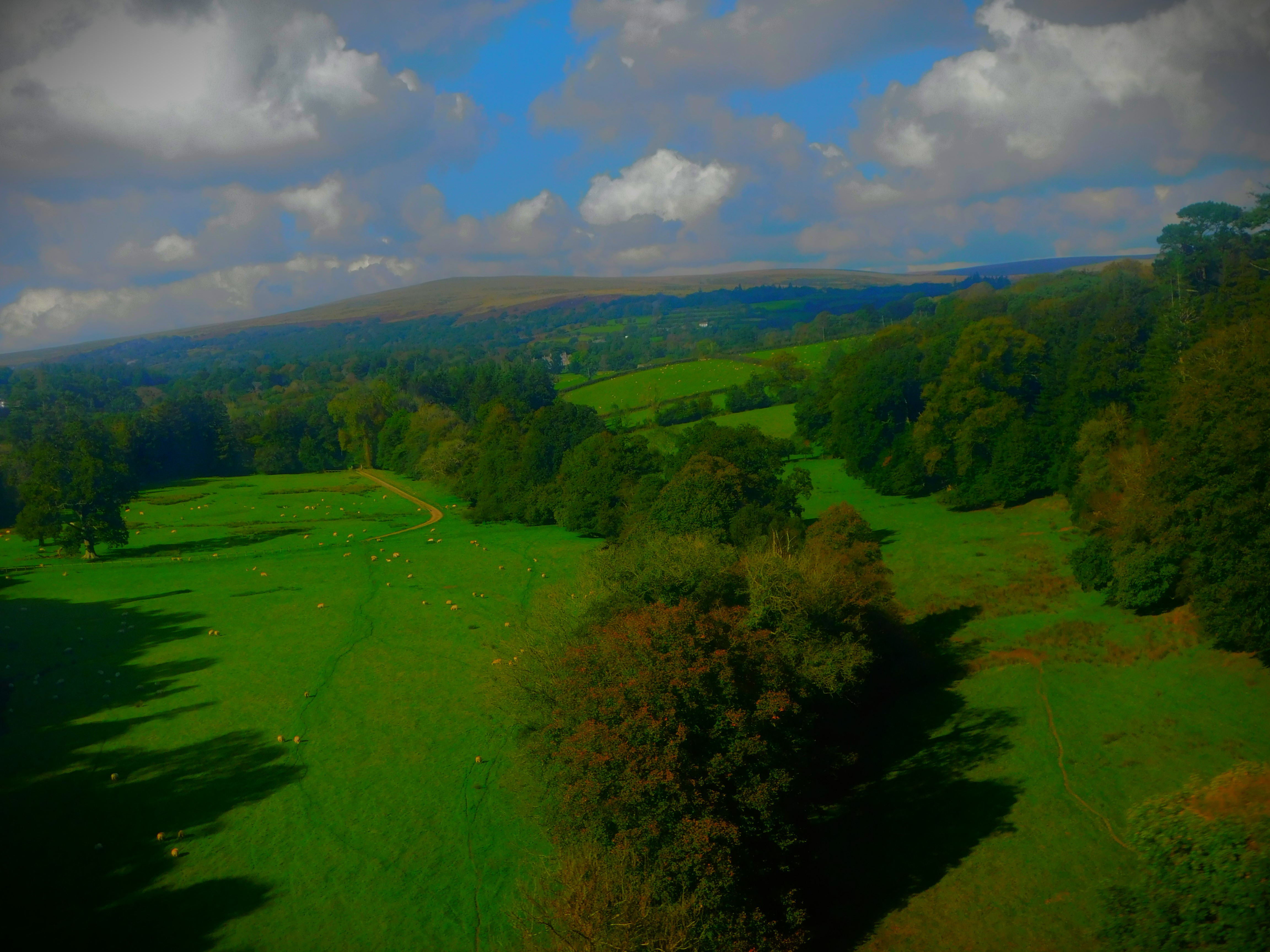
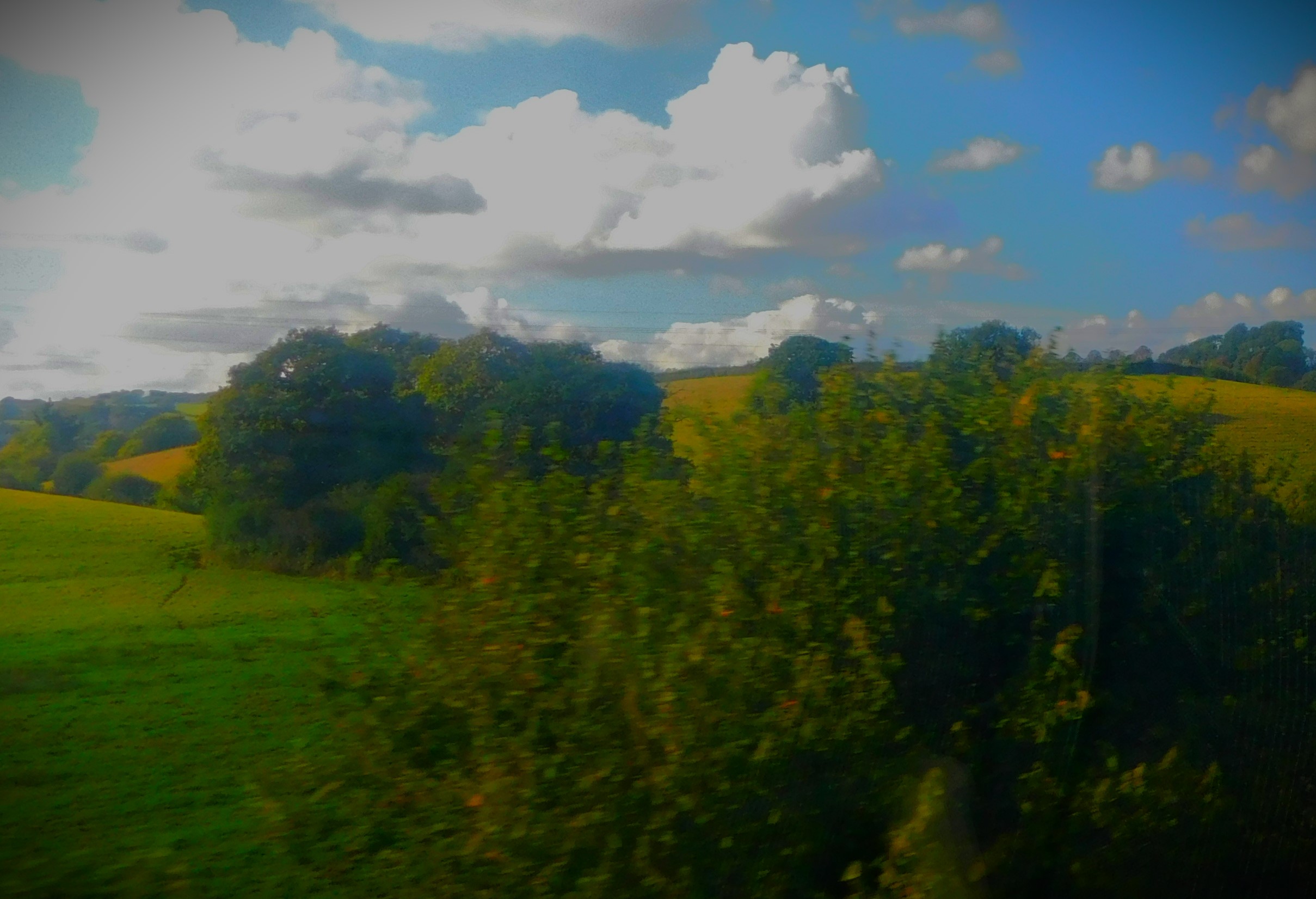
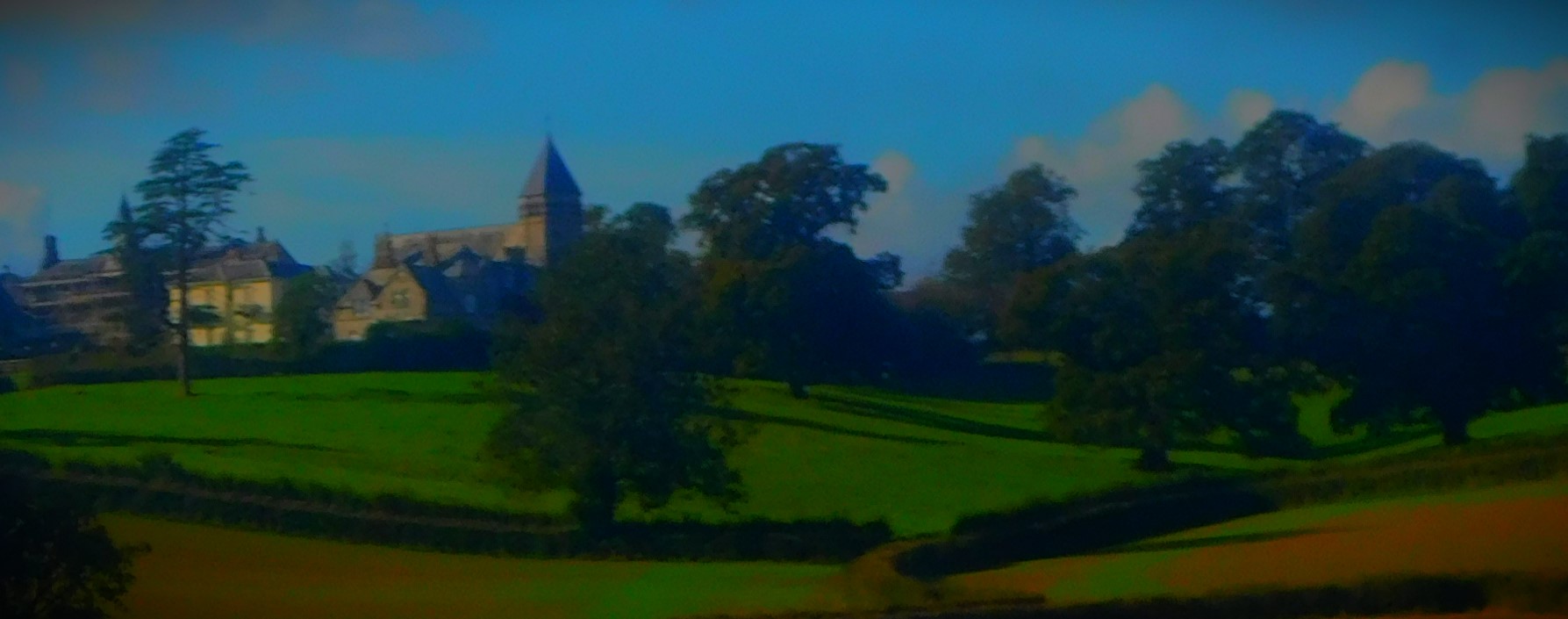
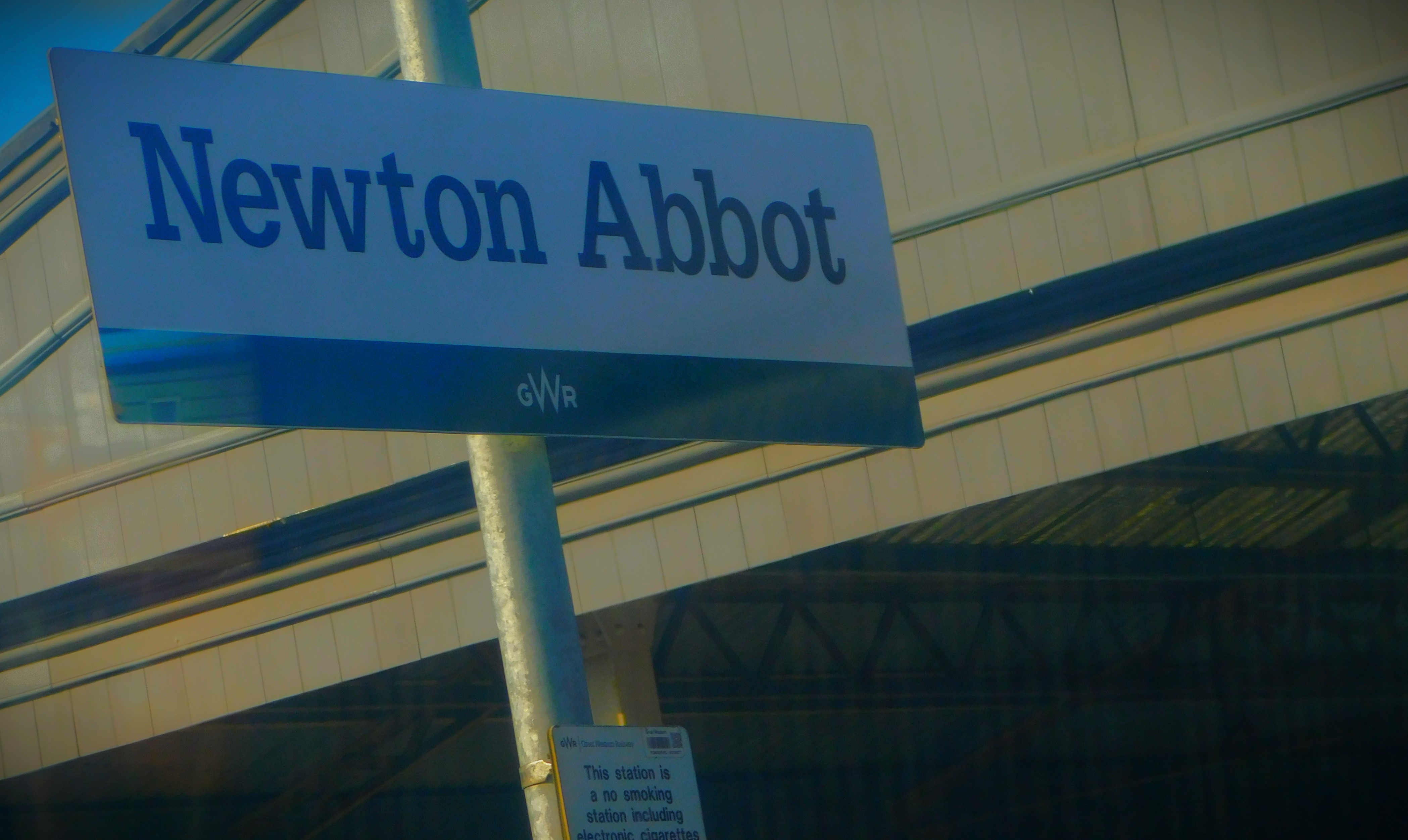
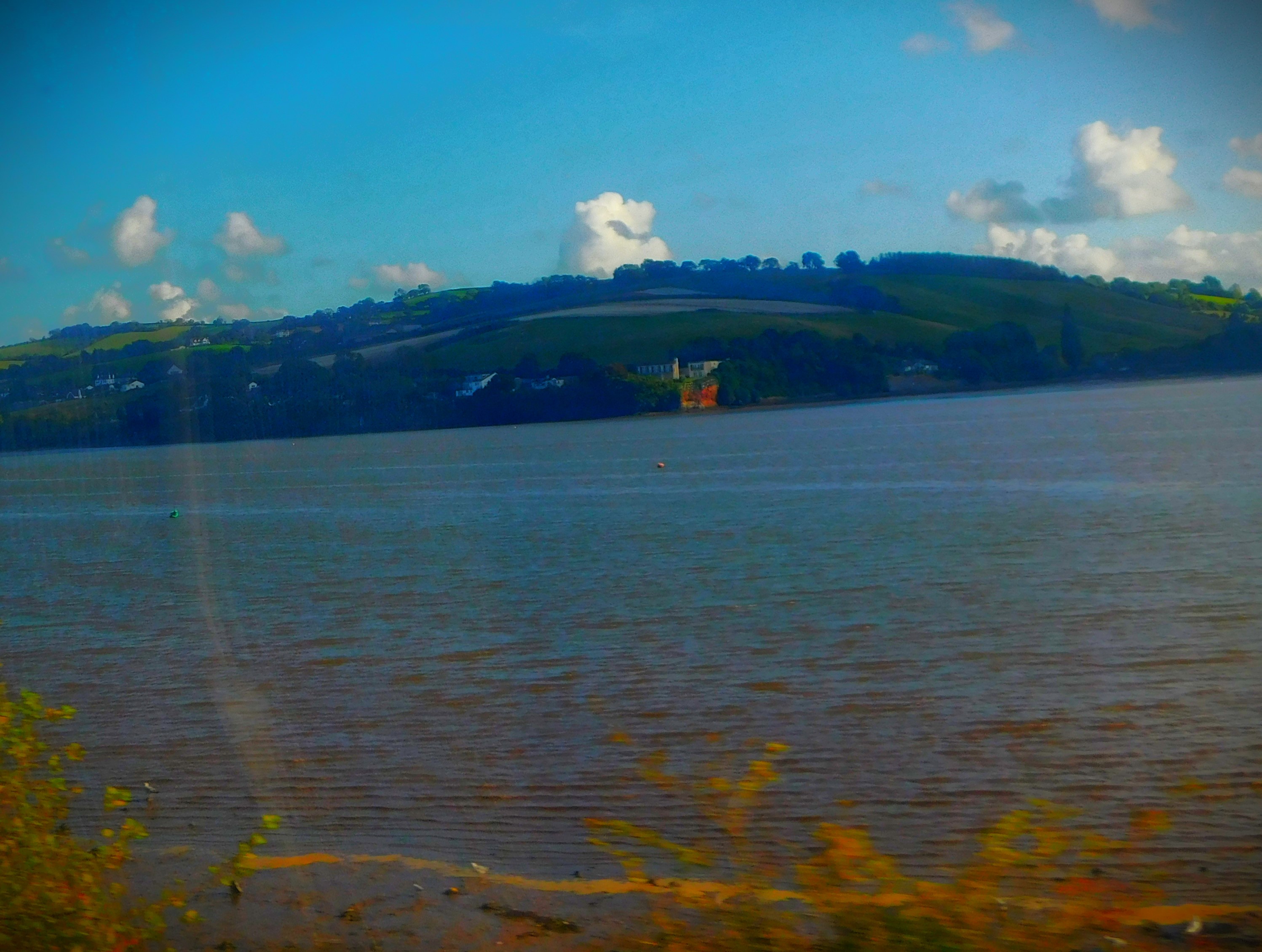
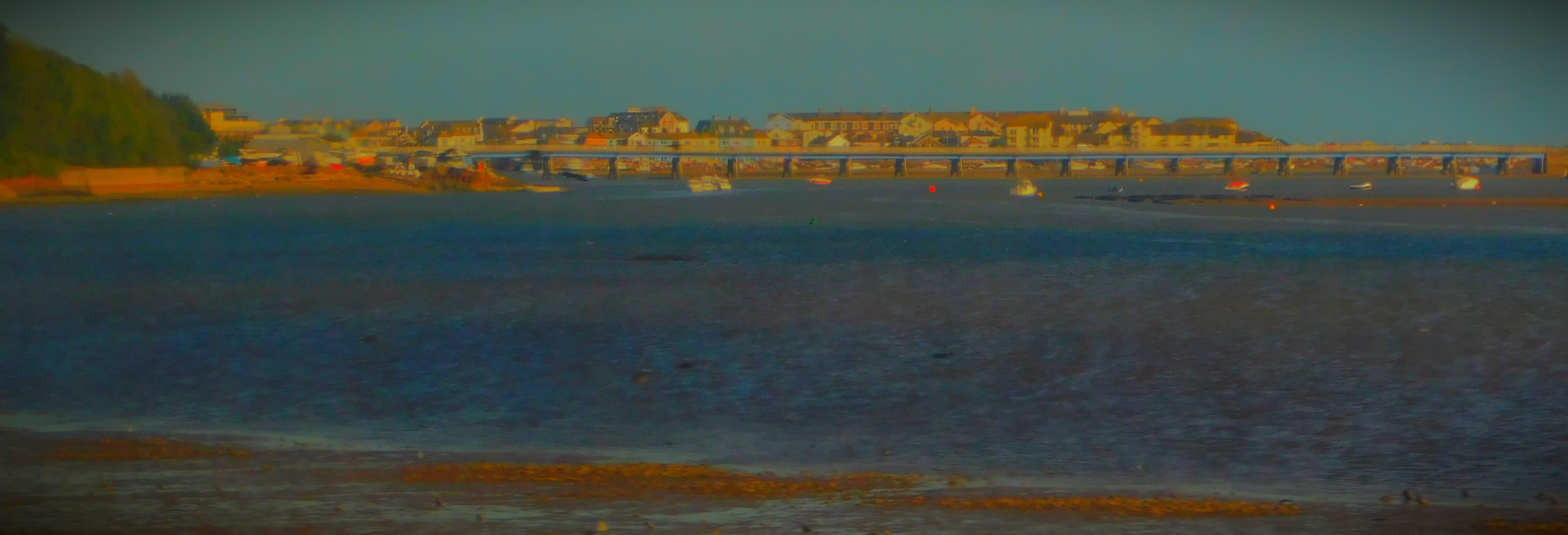
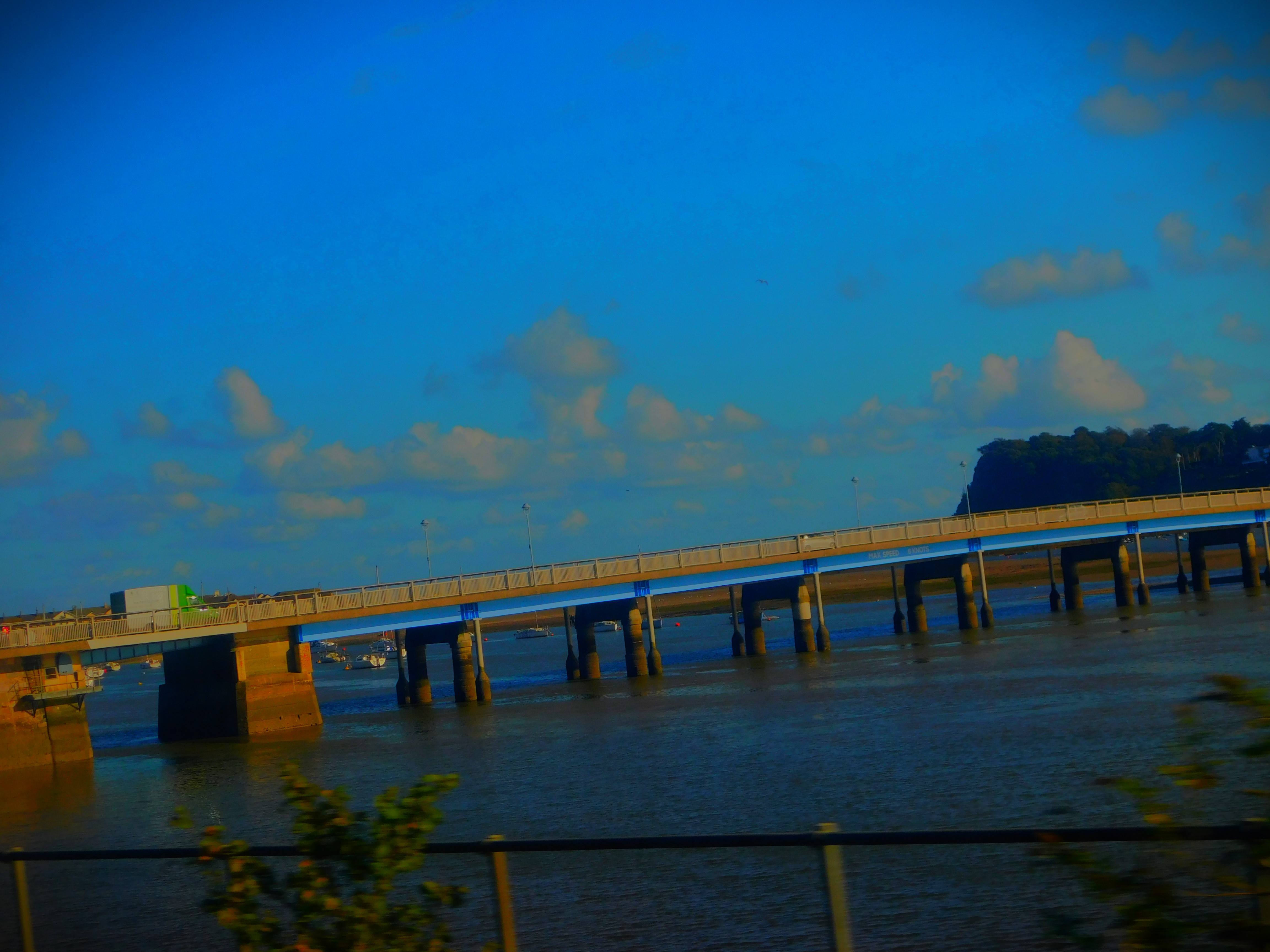
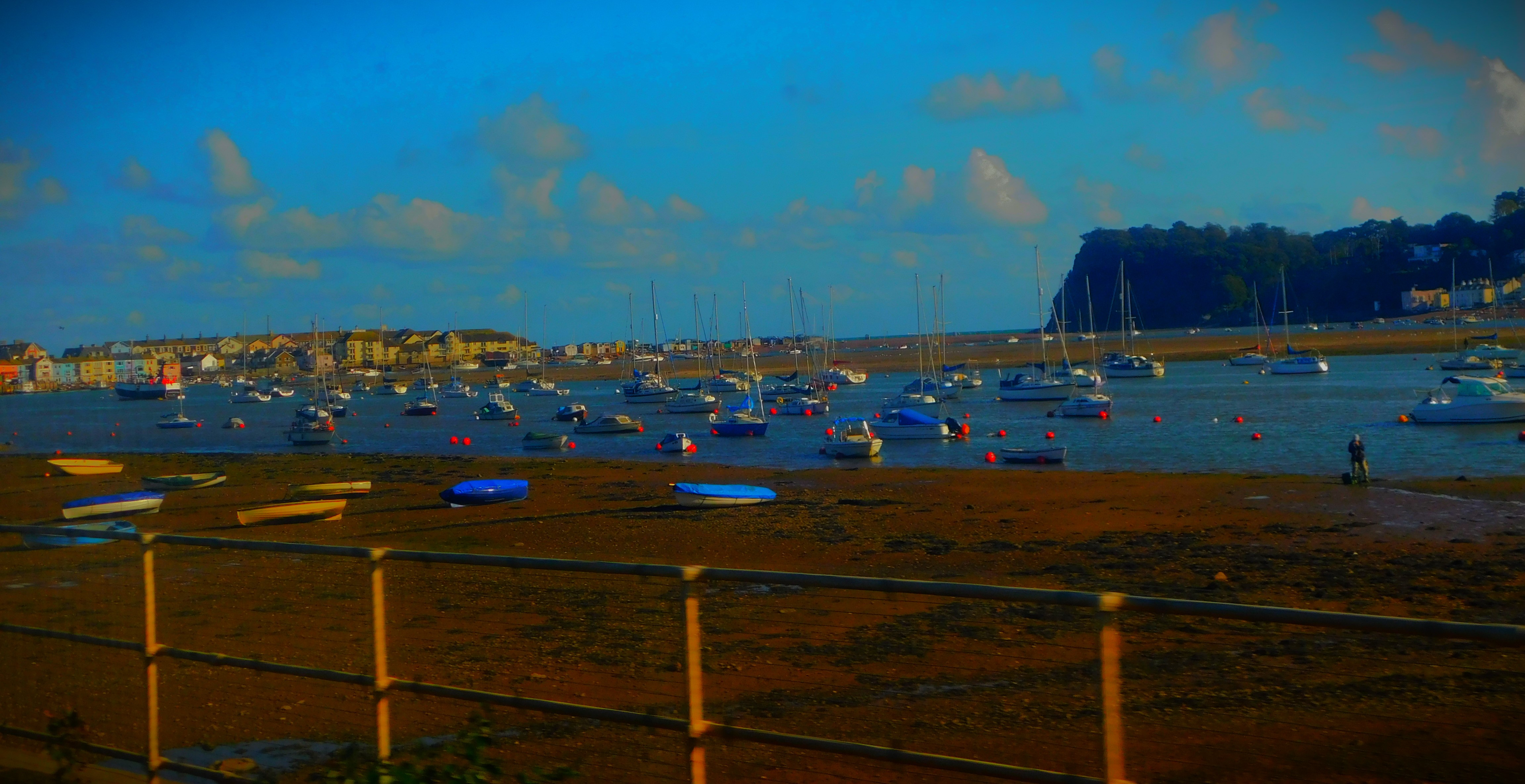
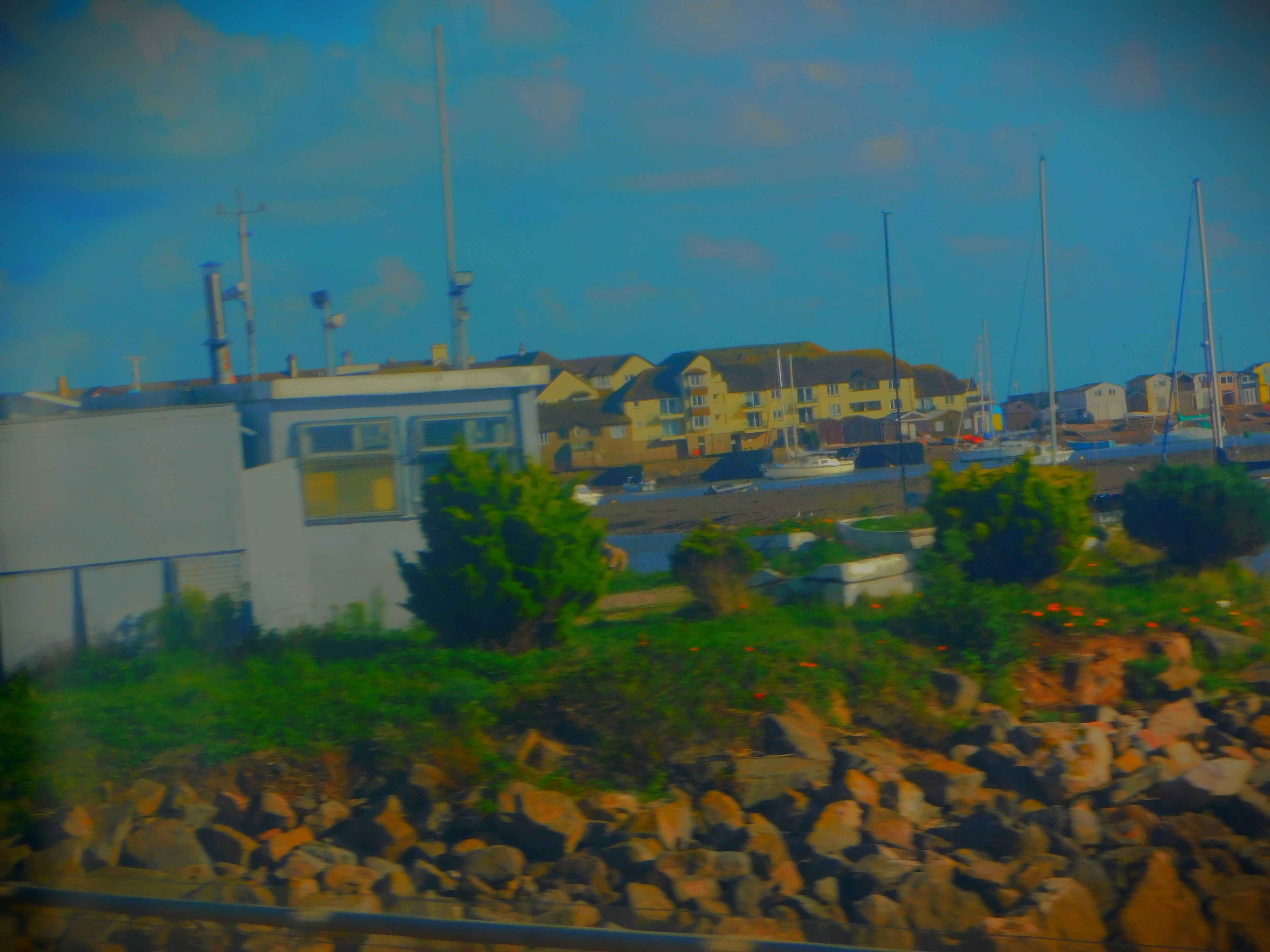
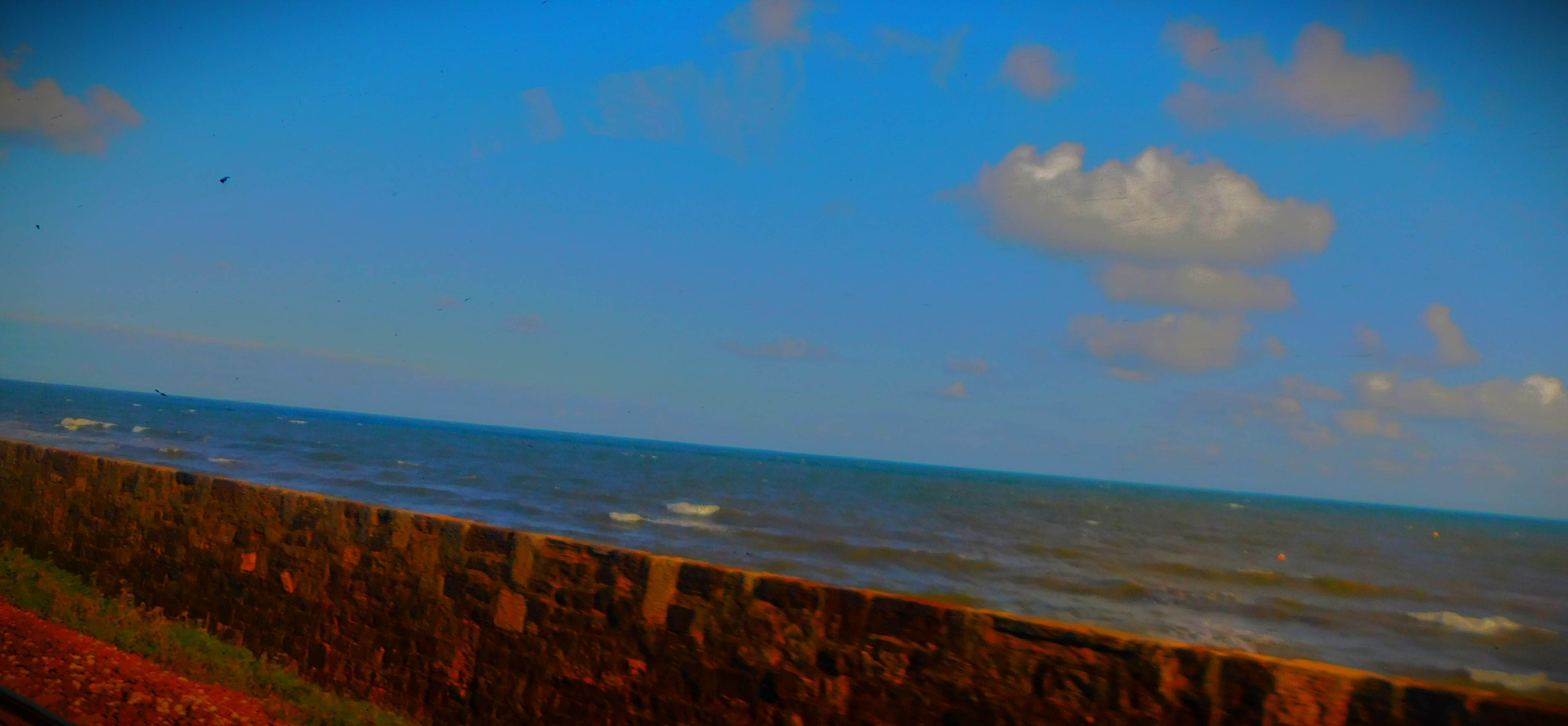
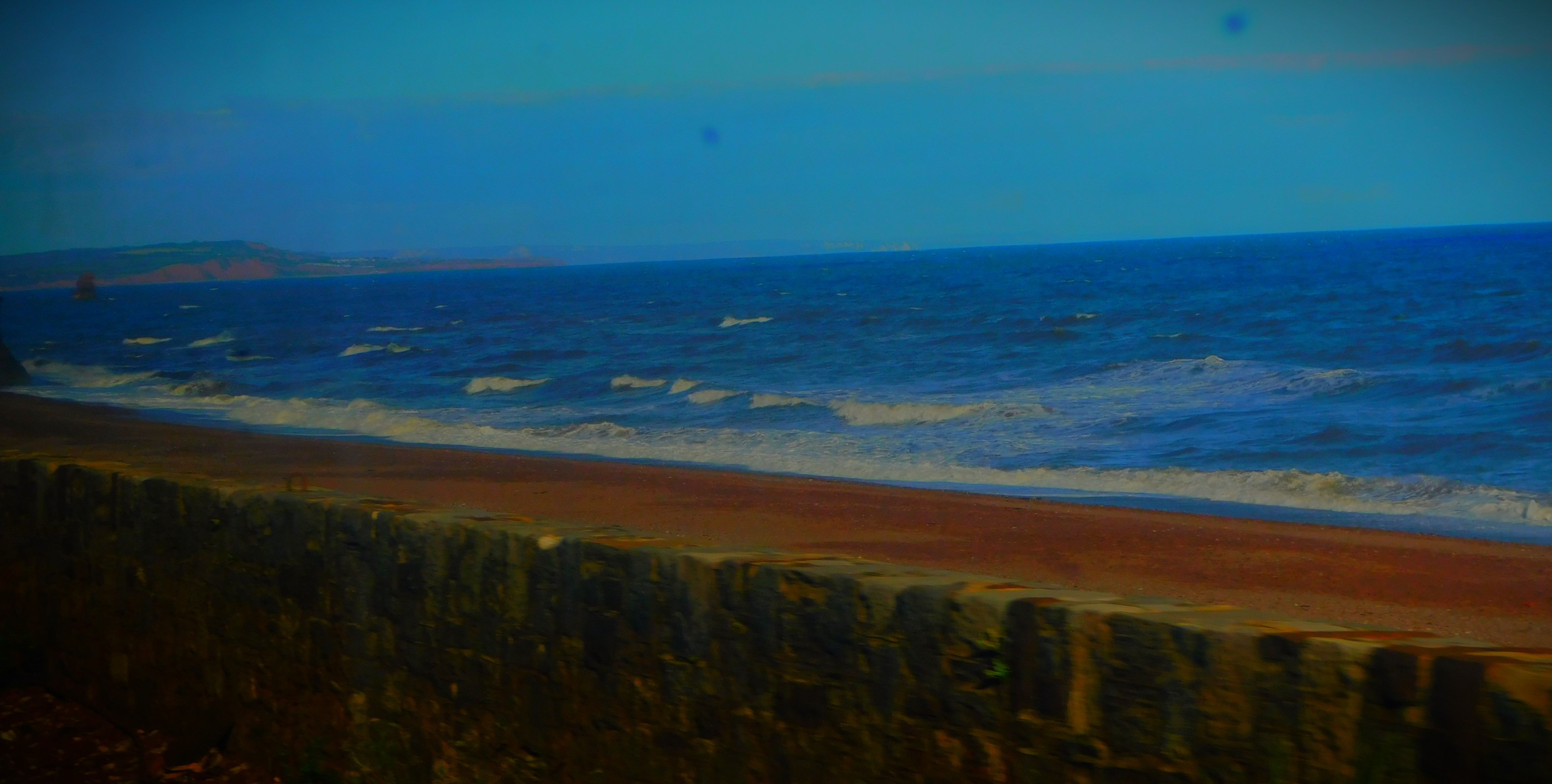
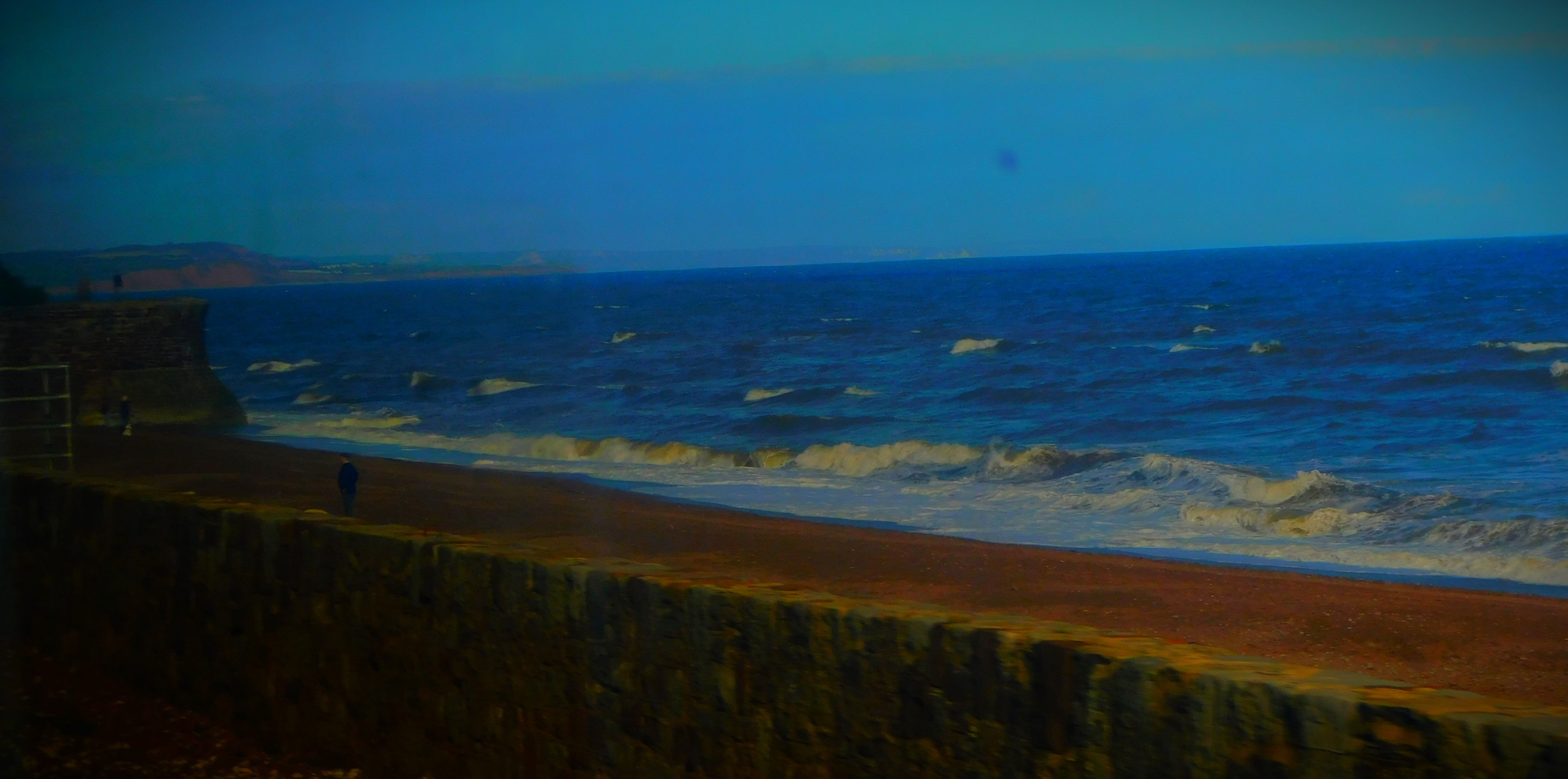
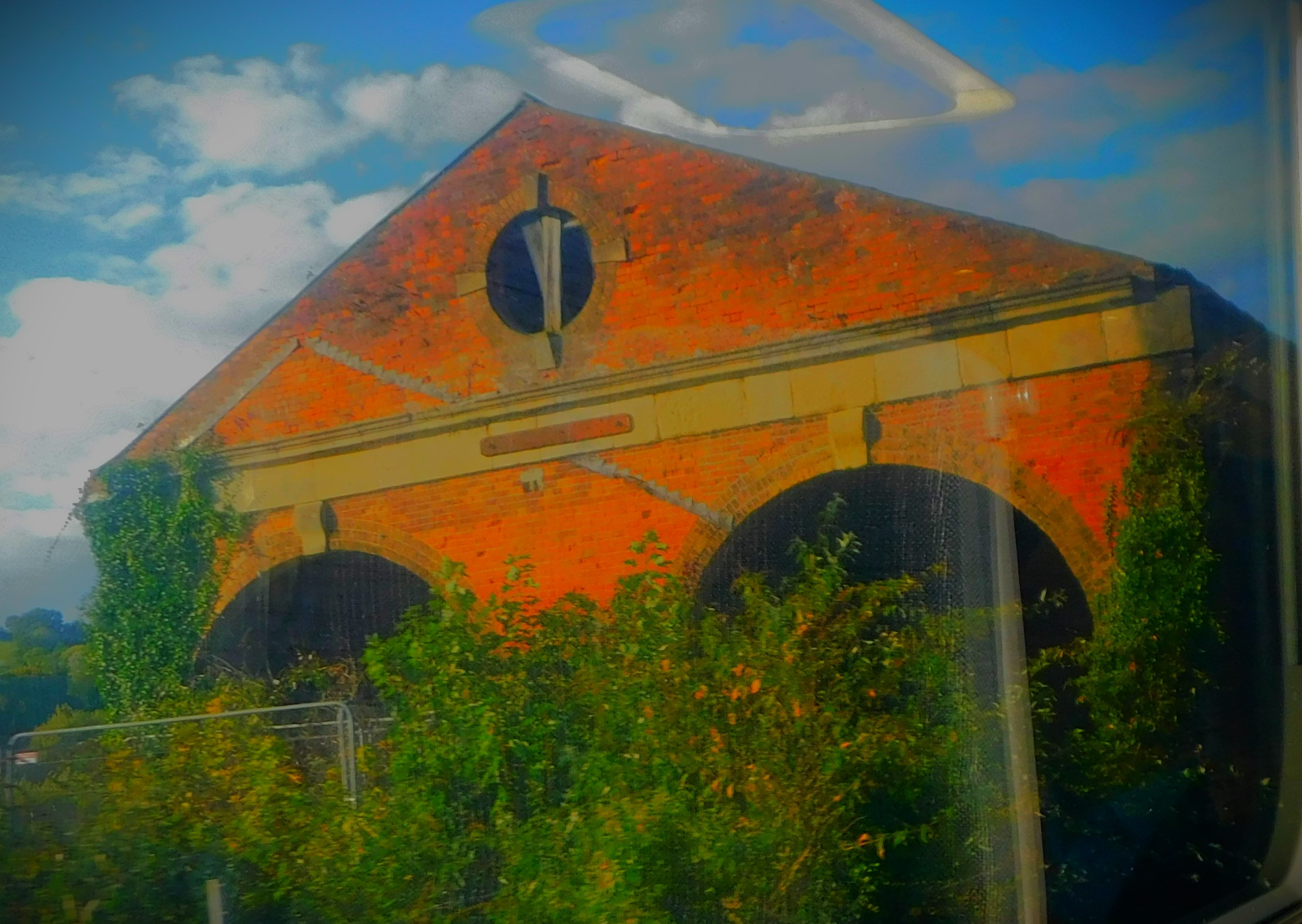
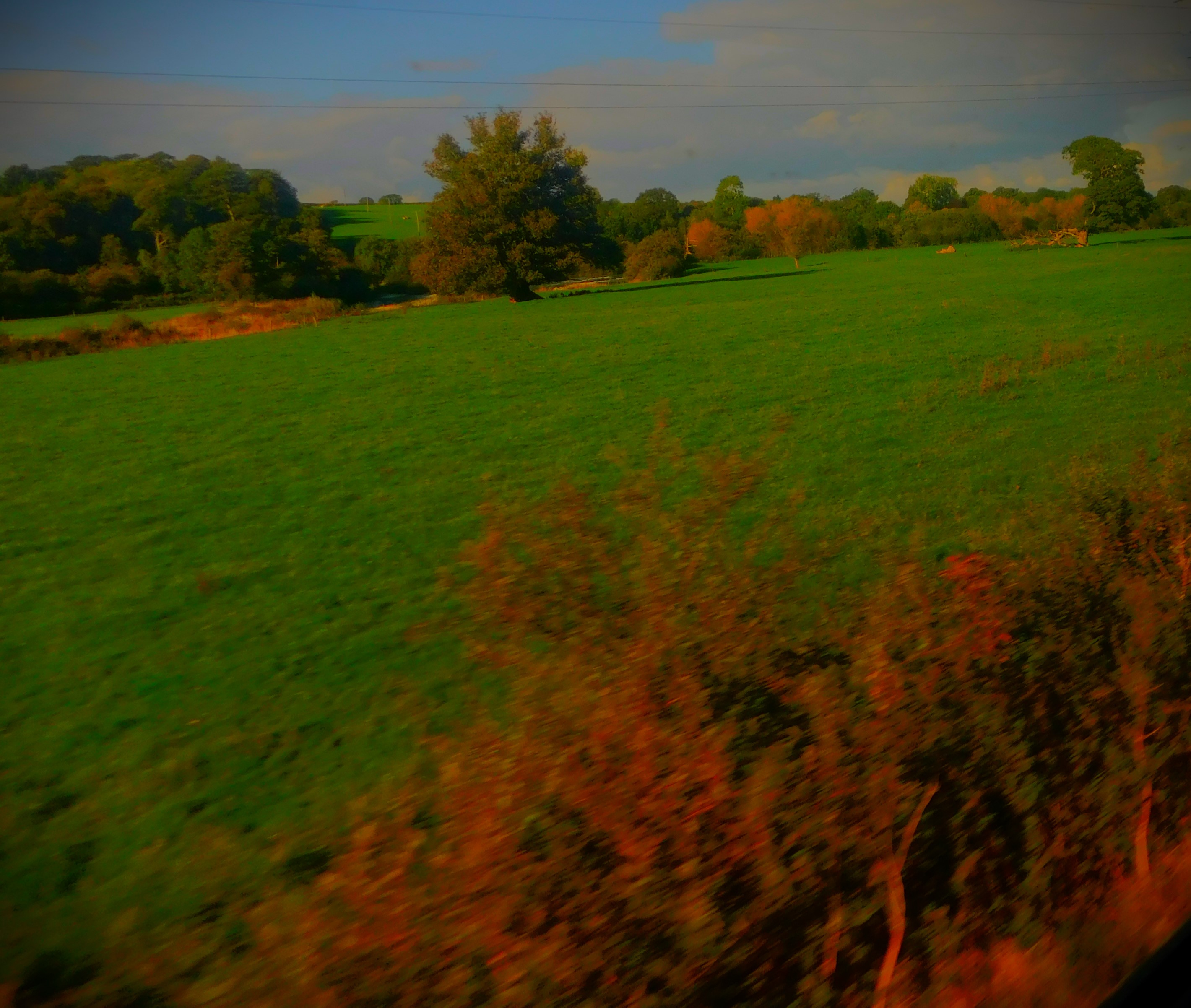
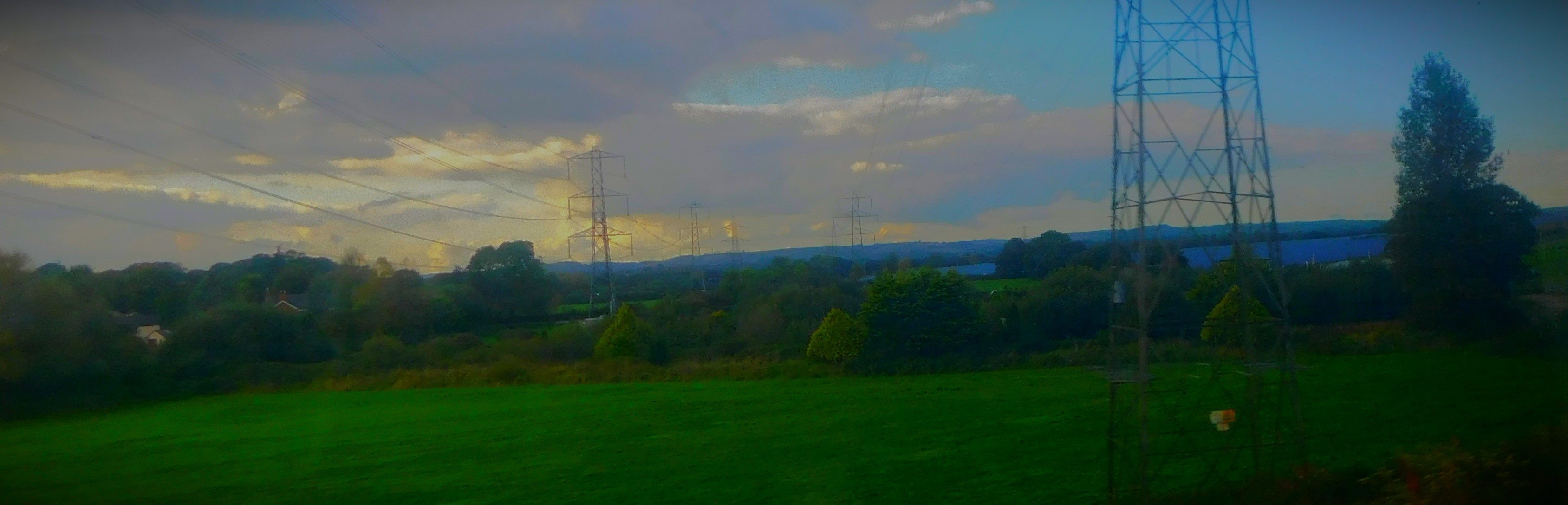
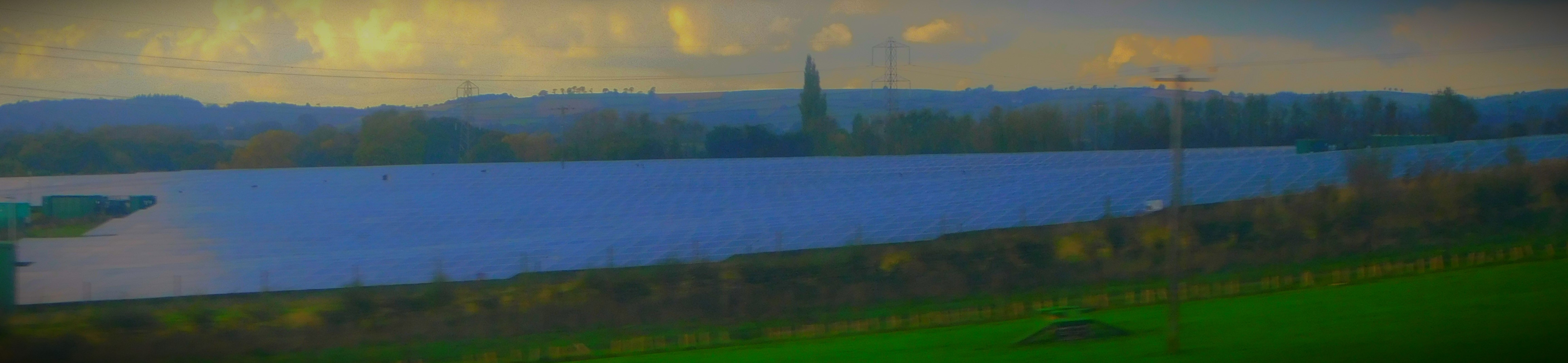
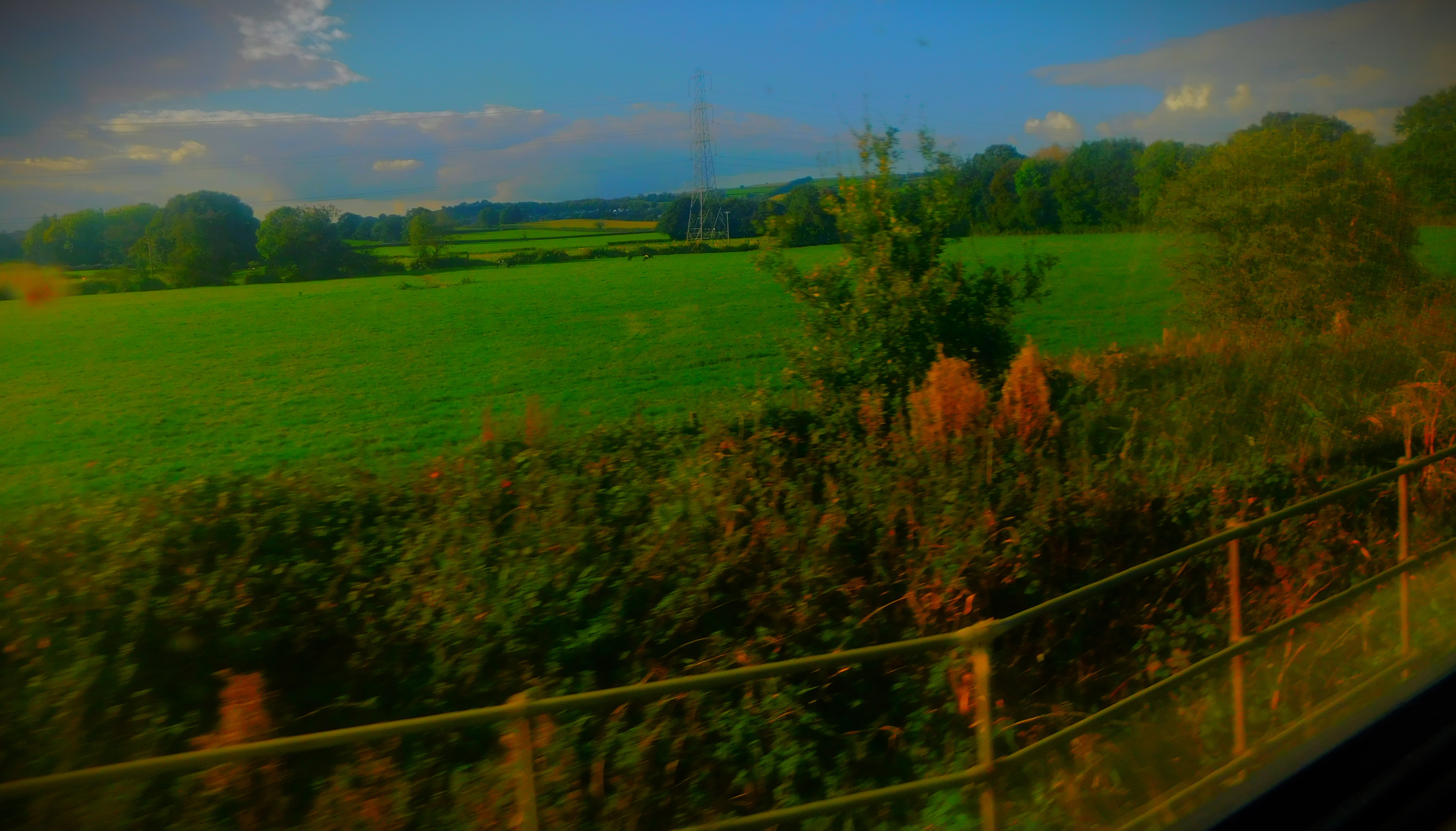
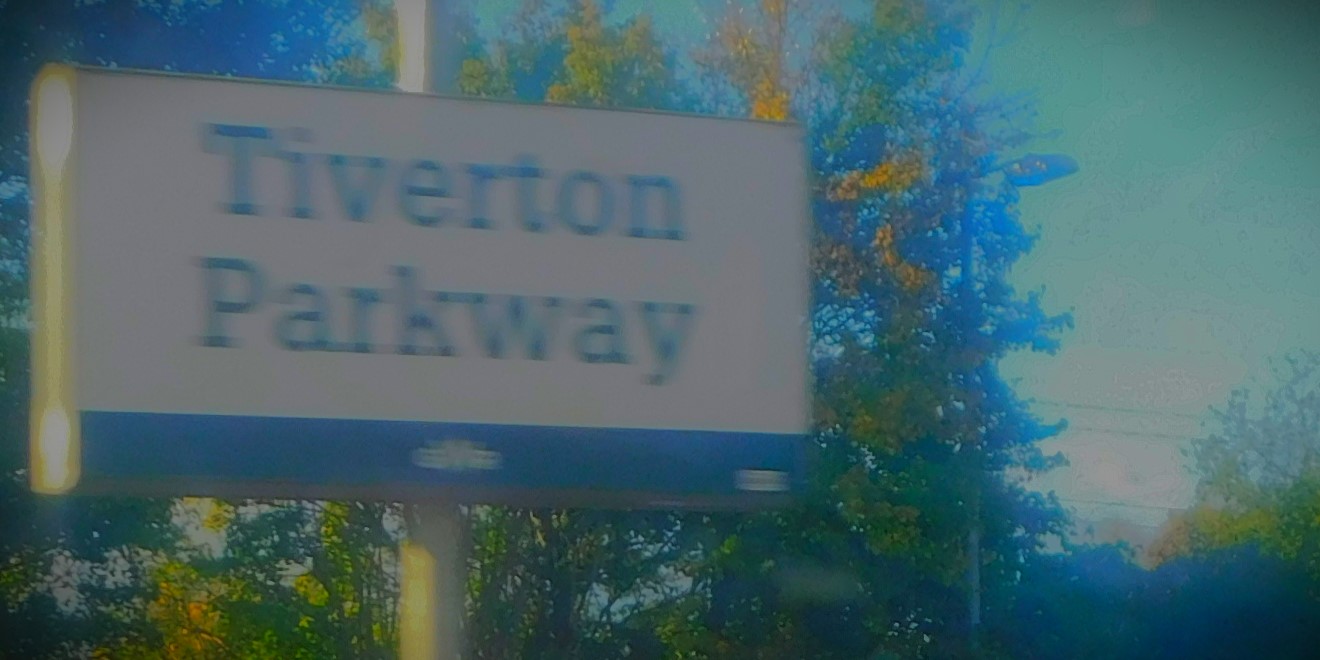
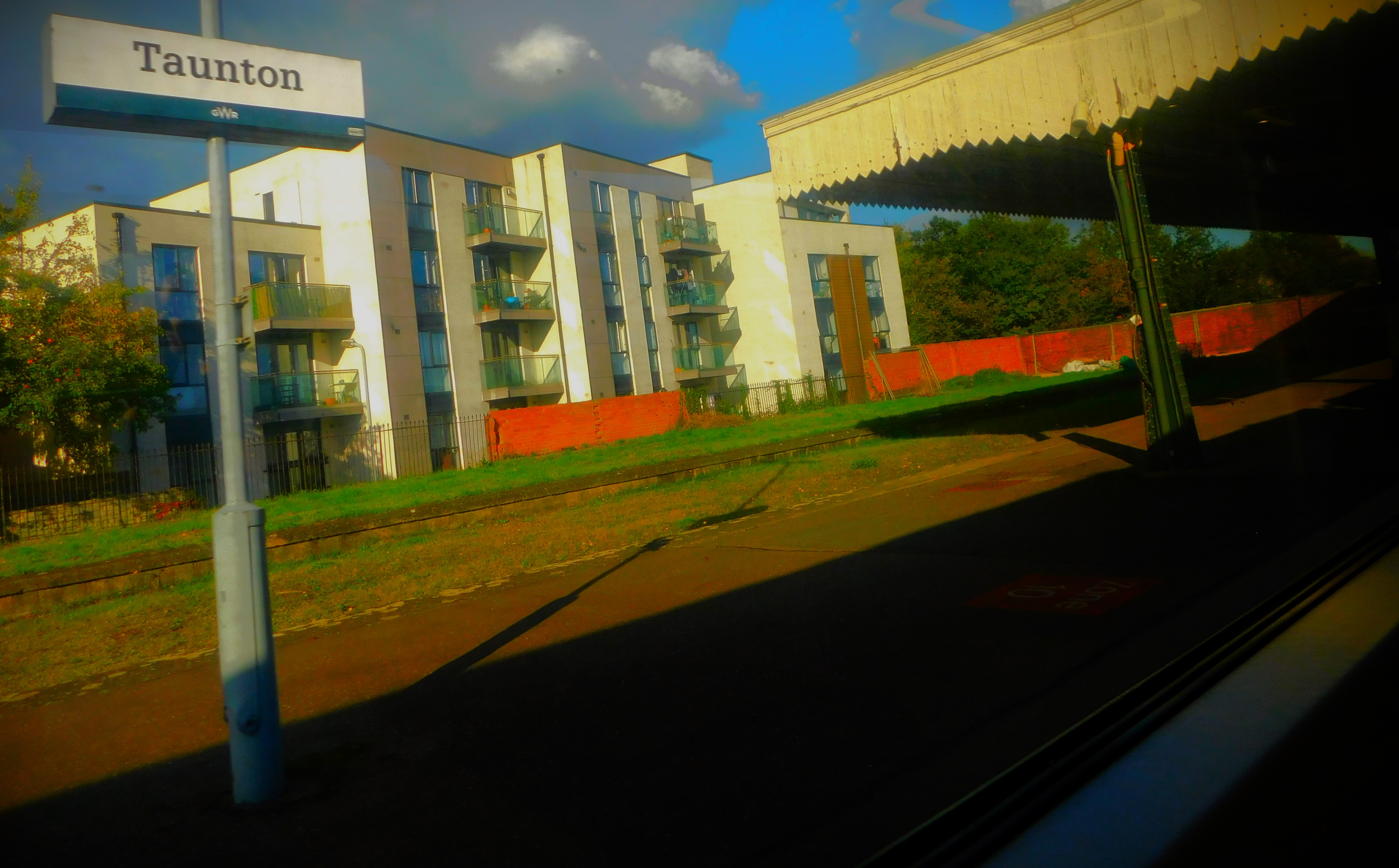
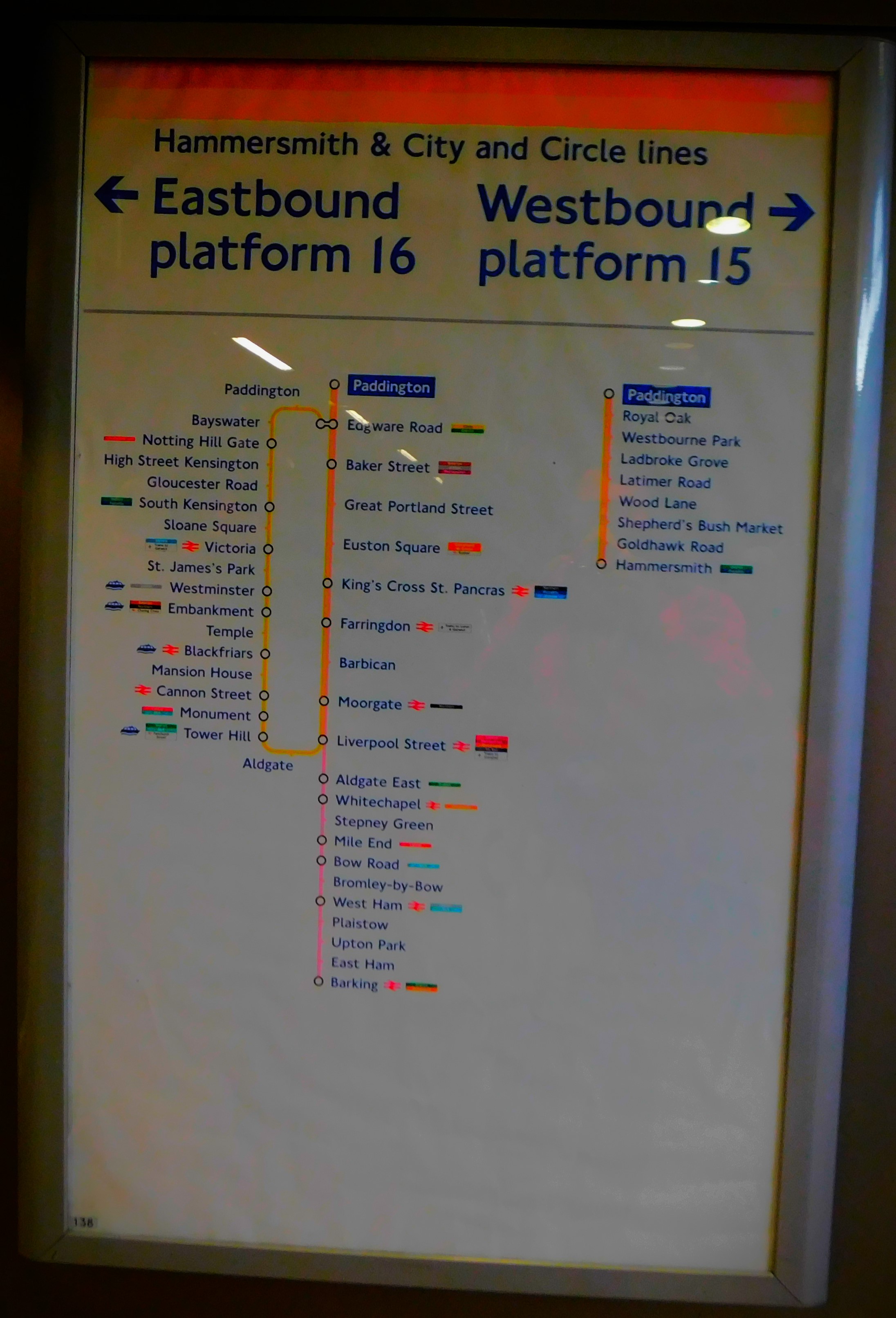
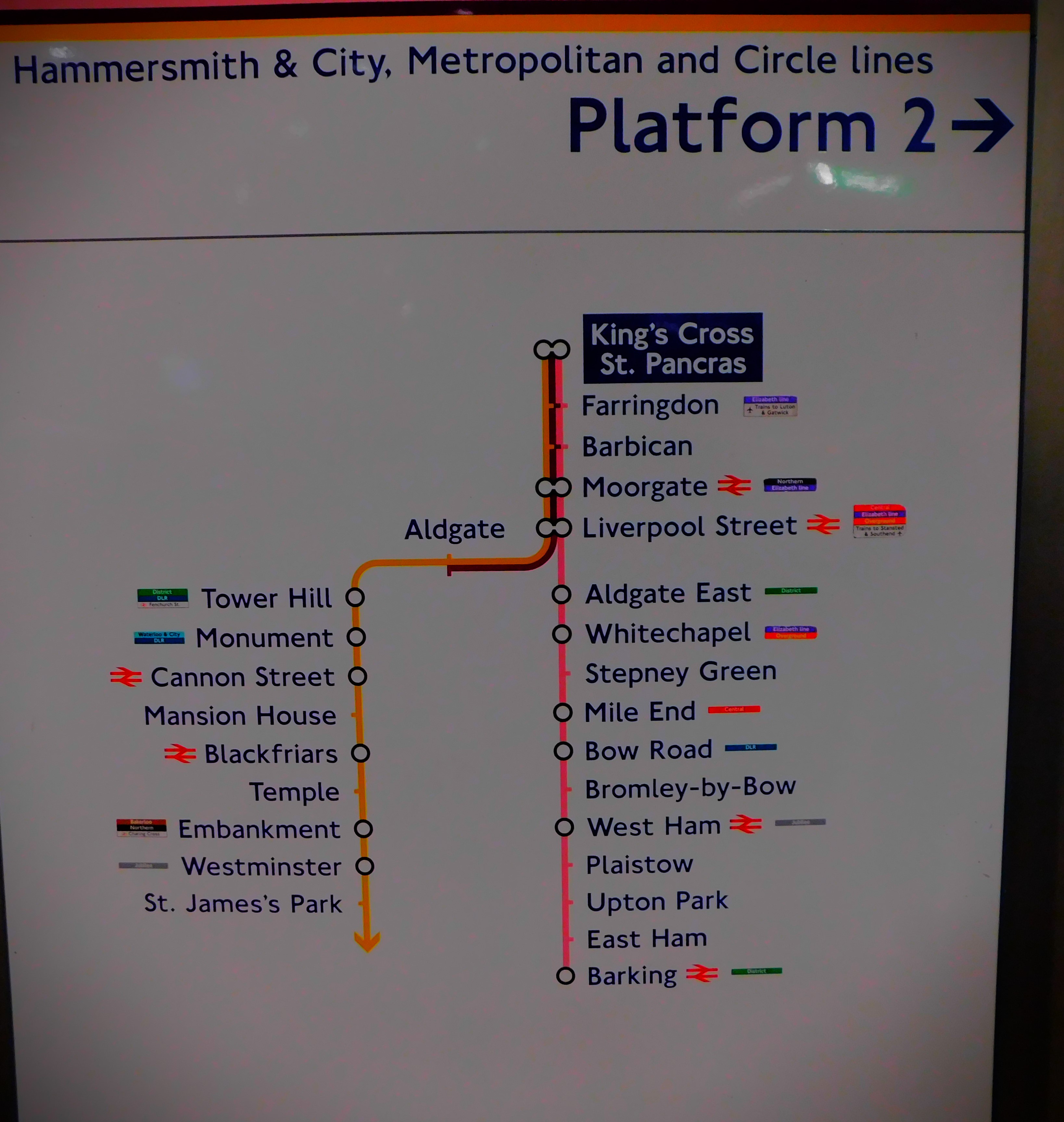
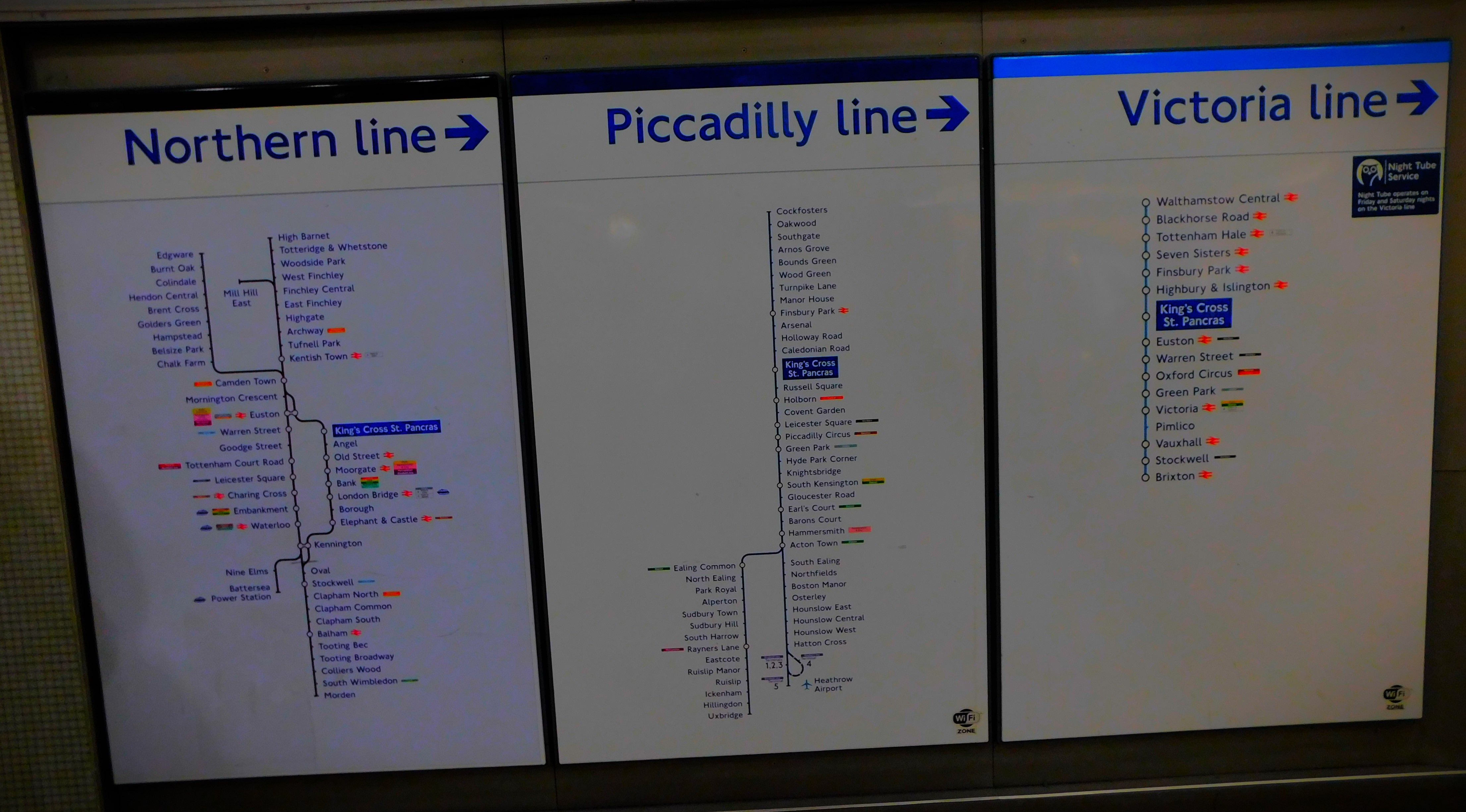
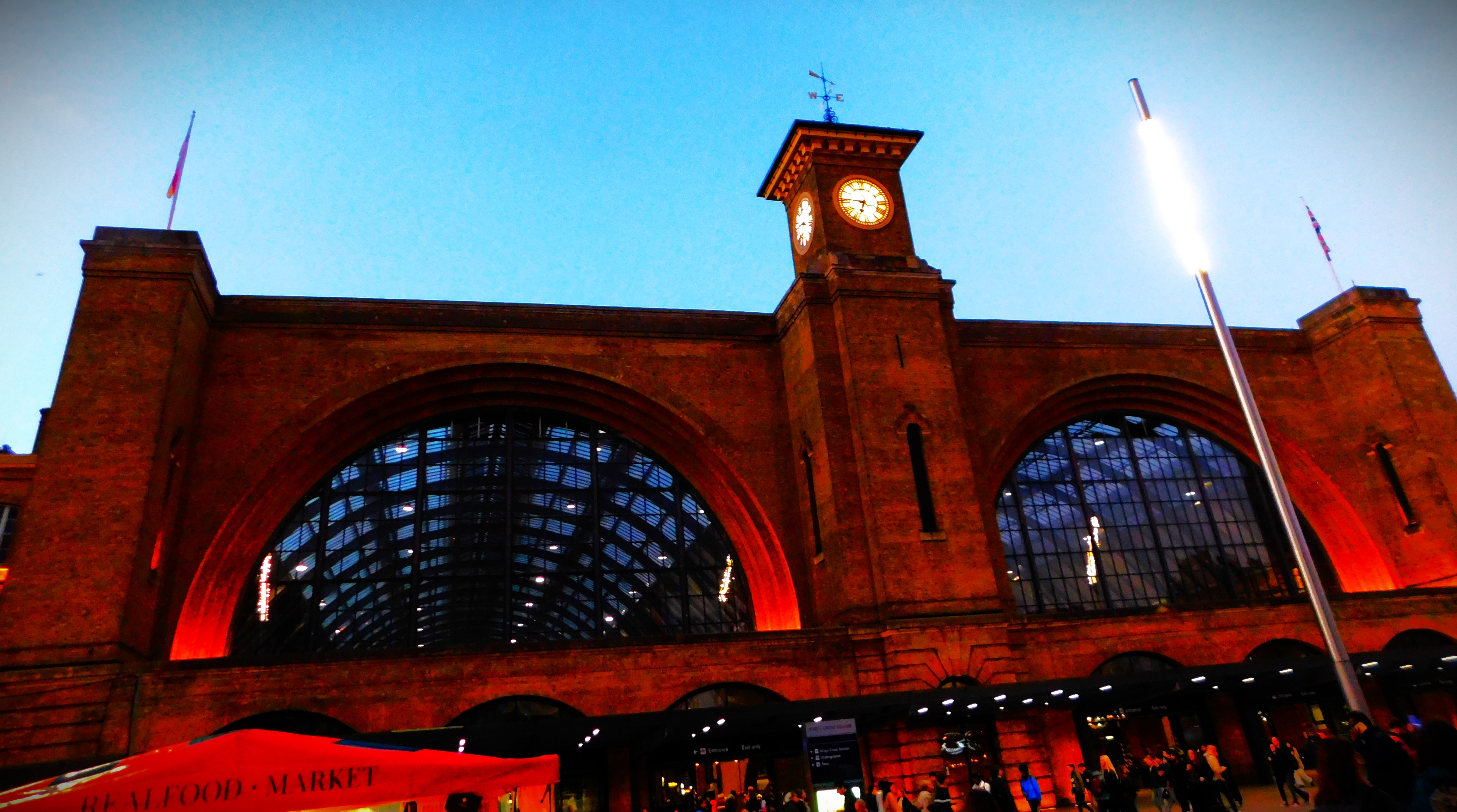
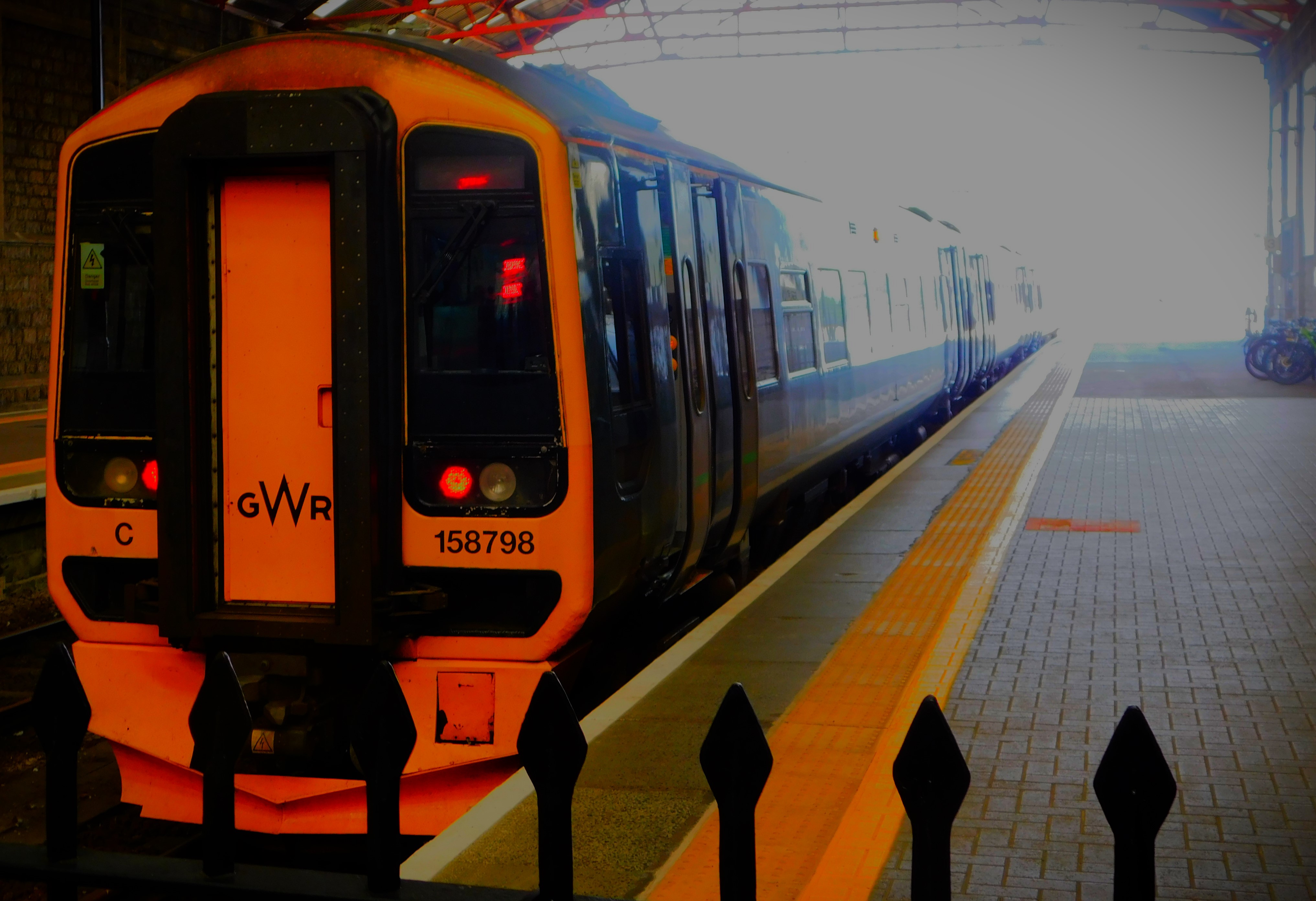
The train set off on time. My booked seat was on the wrong side of the train for the very scenic Newton Abbot – Exeter section, but the train was virtually empty, so I moved across temporarily, moving back as we arrived into Exeter St Davids (I don’t think the reservations were actually being enforced, but one can never be sure). The train arrived into Paddington as per schedule, and aside from the inevitable overcrowding my journey on the Hammersmith and City line to King’s Cross was also uneventful. The last potential problem area was Kings Cross train station where platform details are sometimes confirmed at the last minute. Fortunately on this occasion that did not happen, and I was settled in a seat near the front of the train in very good time. I was due to arrive at King’s Lynn at 9:00PM, and the train stuck to schedule. I made it back to my flat in decent time as well.

Here are my photographs from this day…

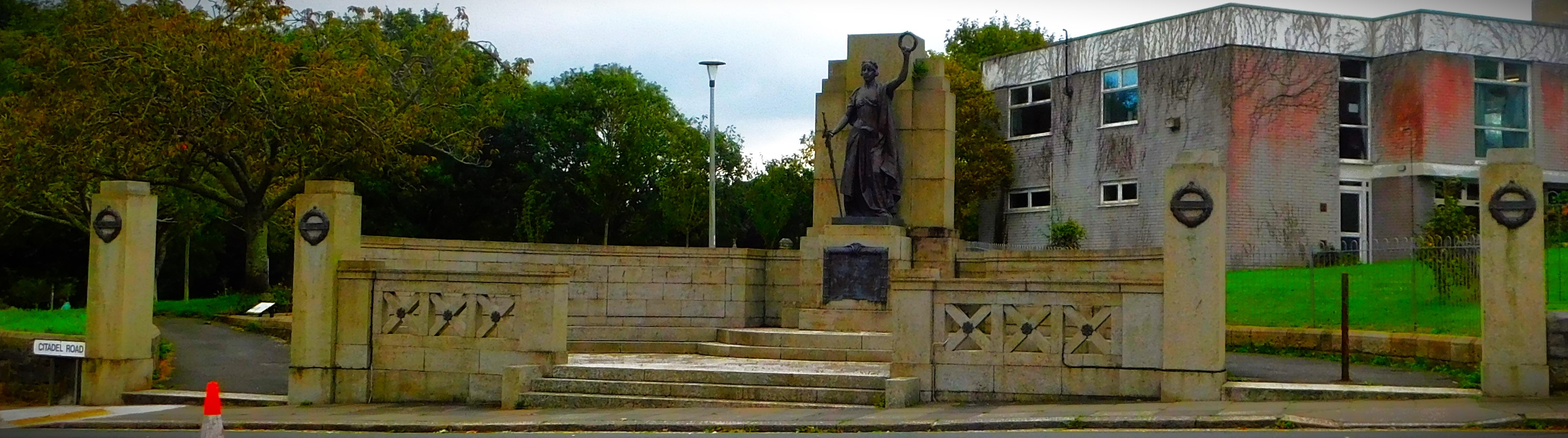
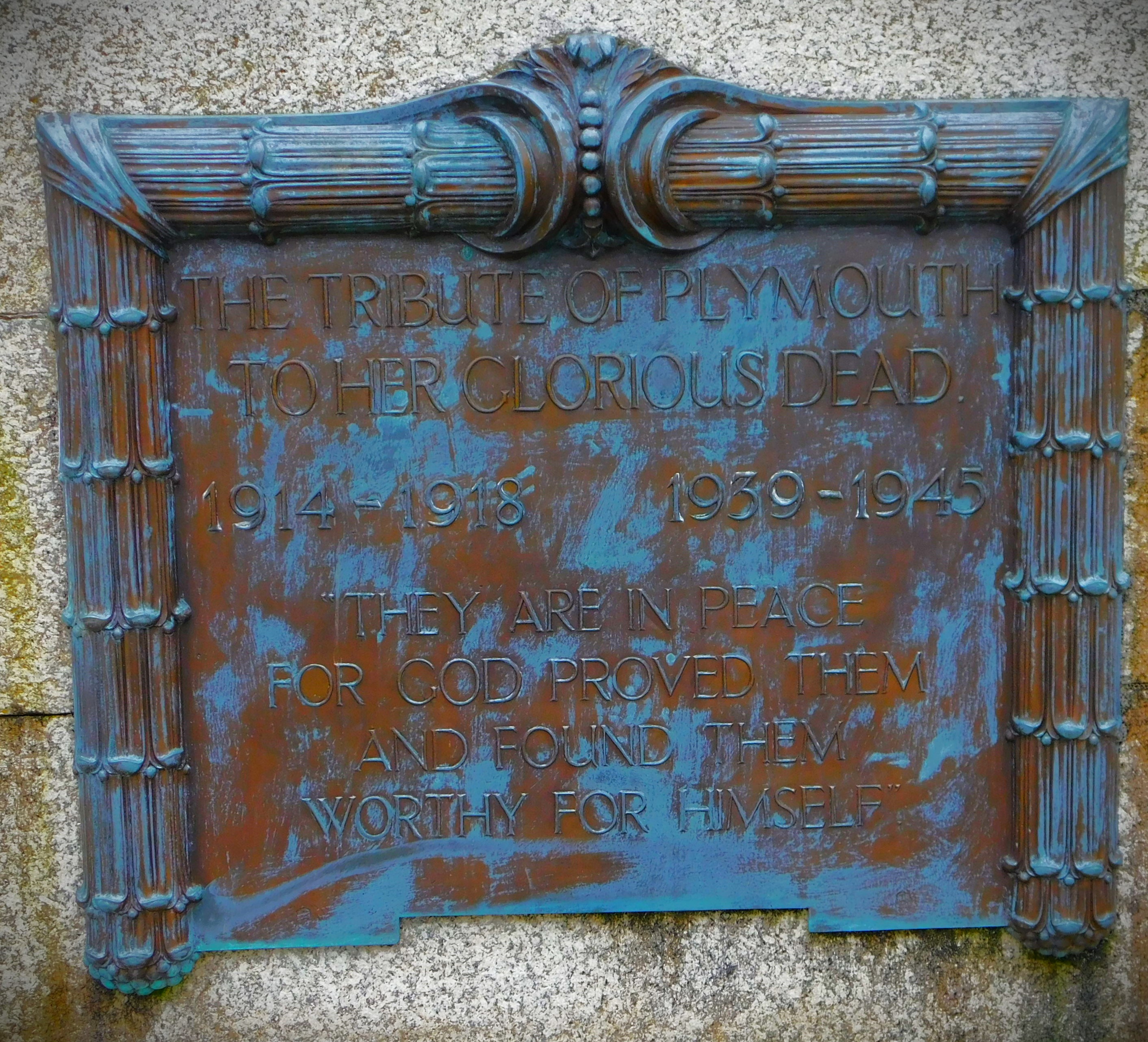
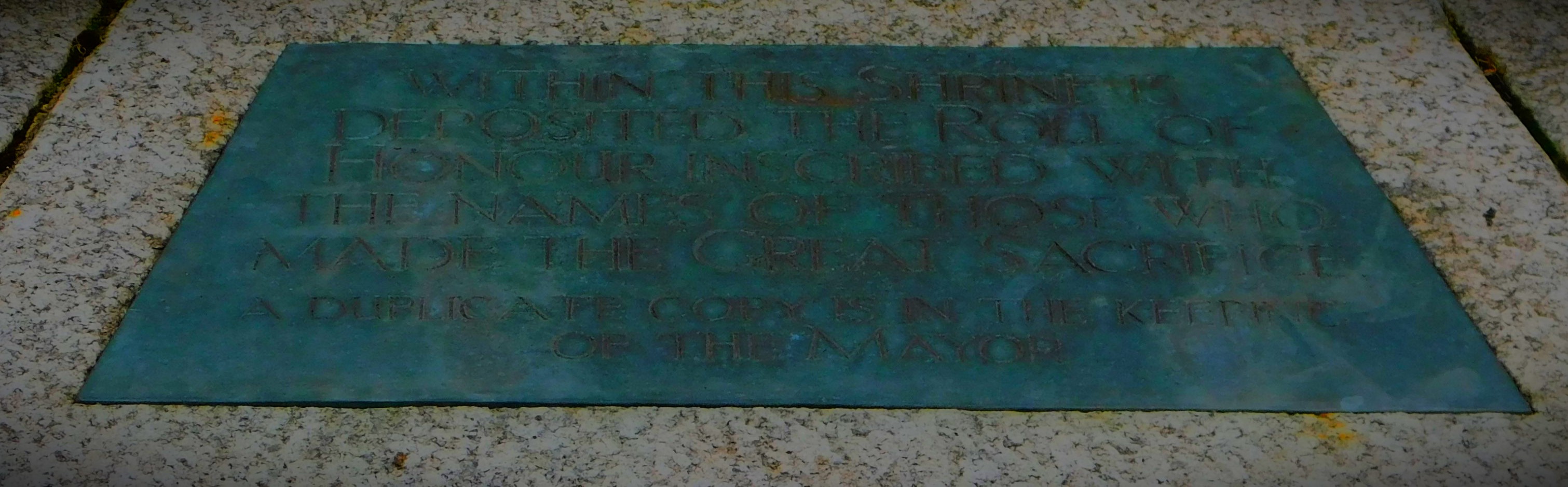
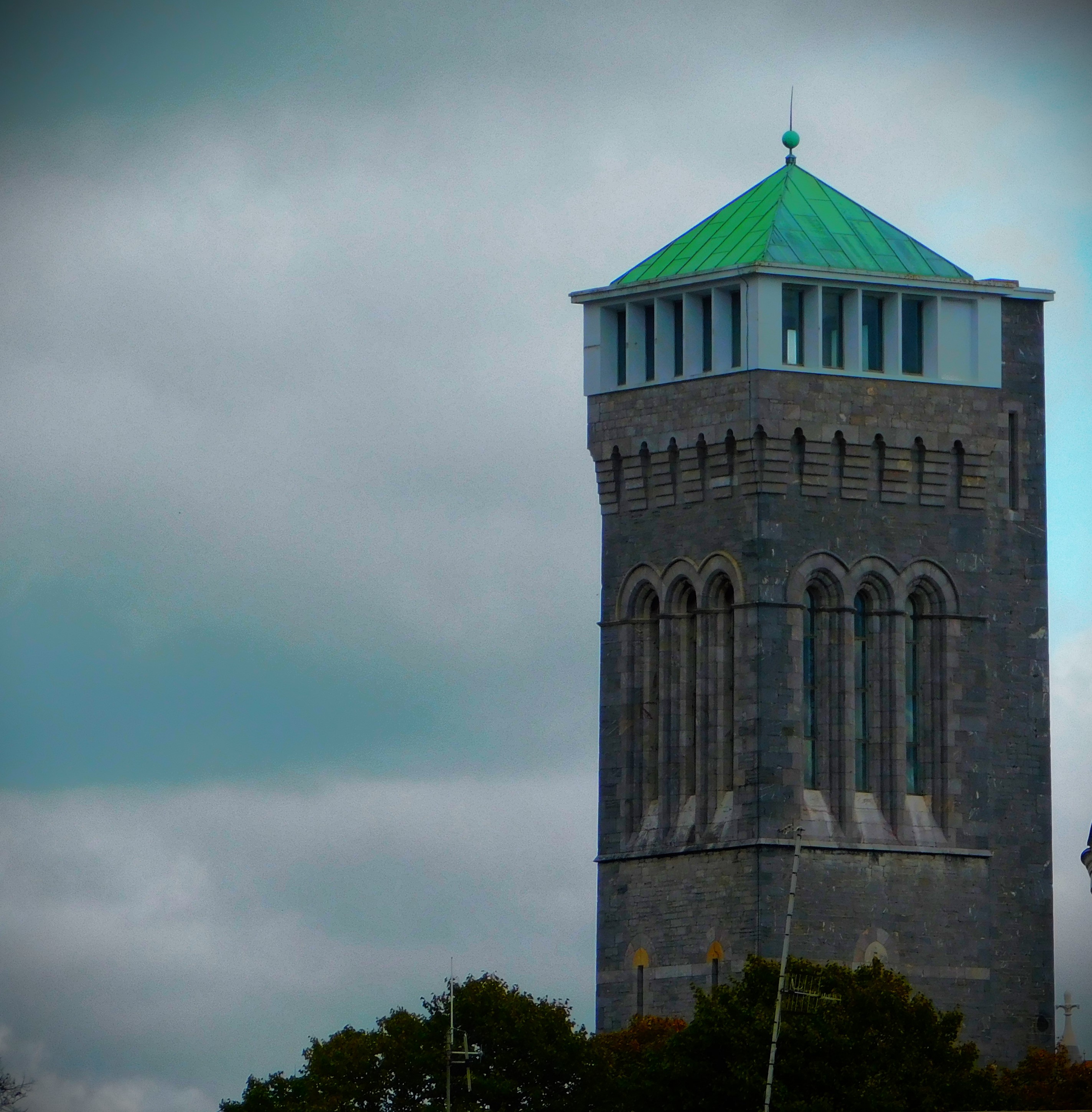
Cornwall – A Stay in Plymouth

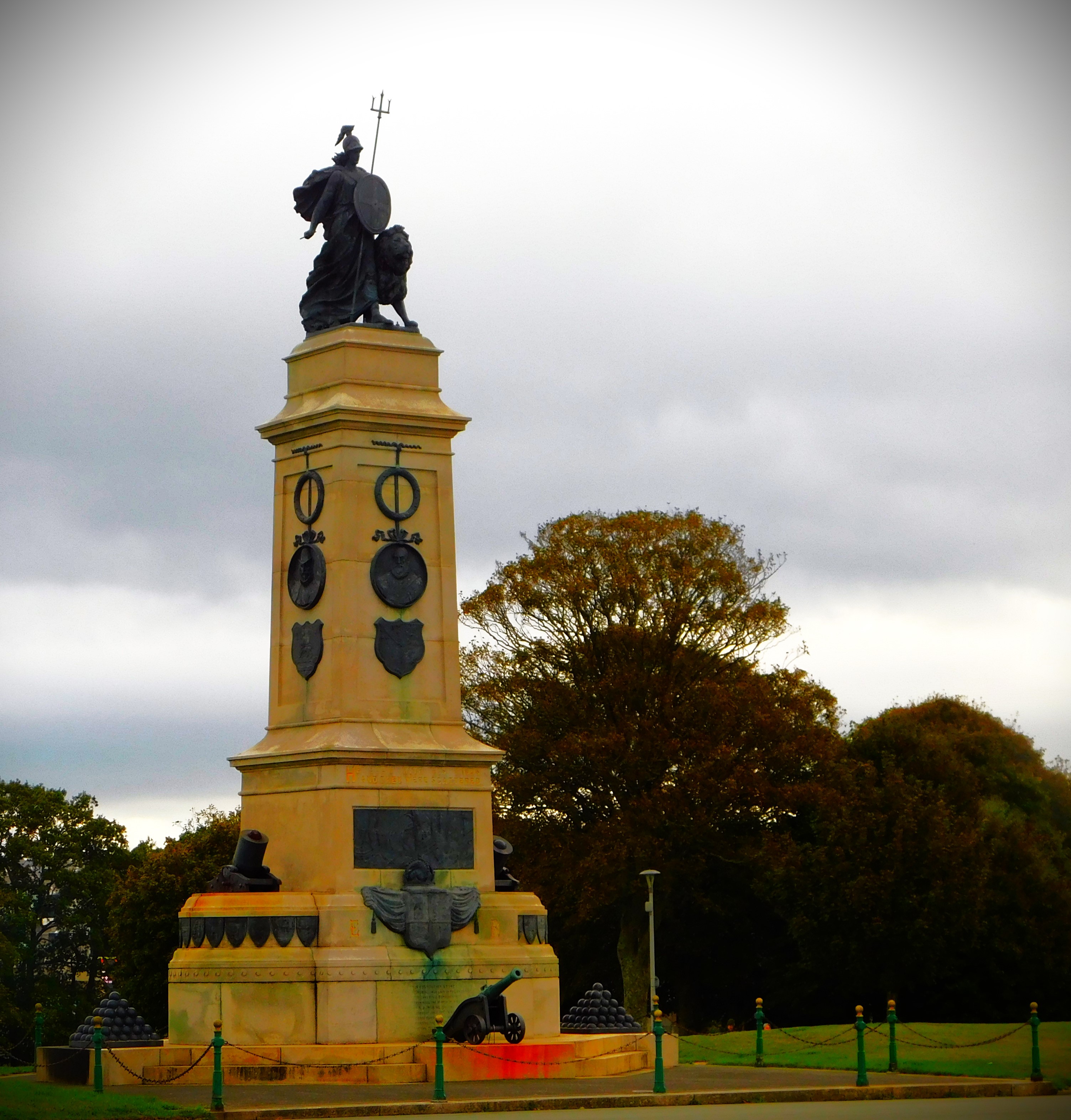
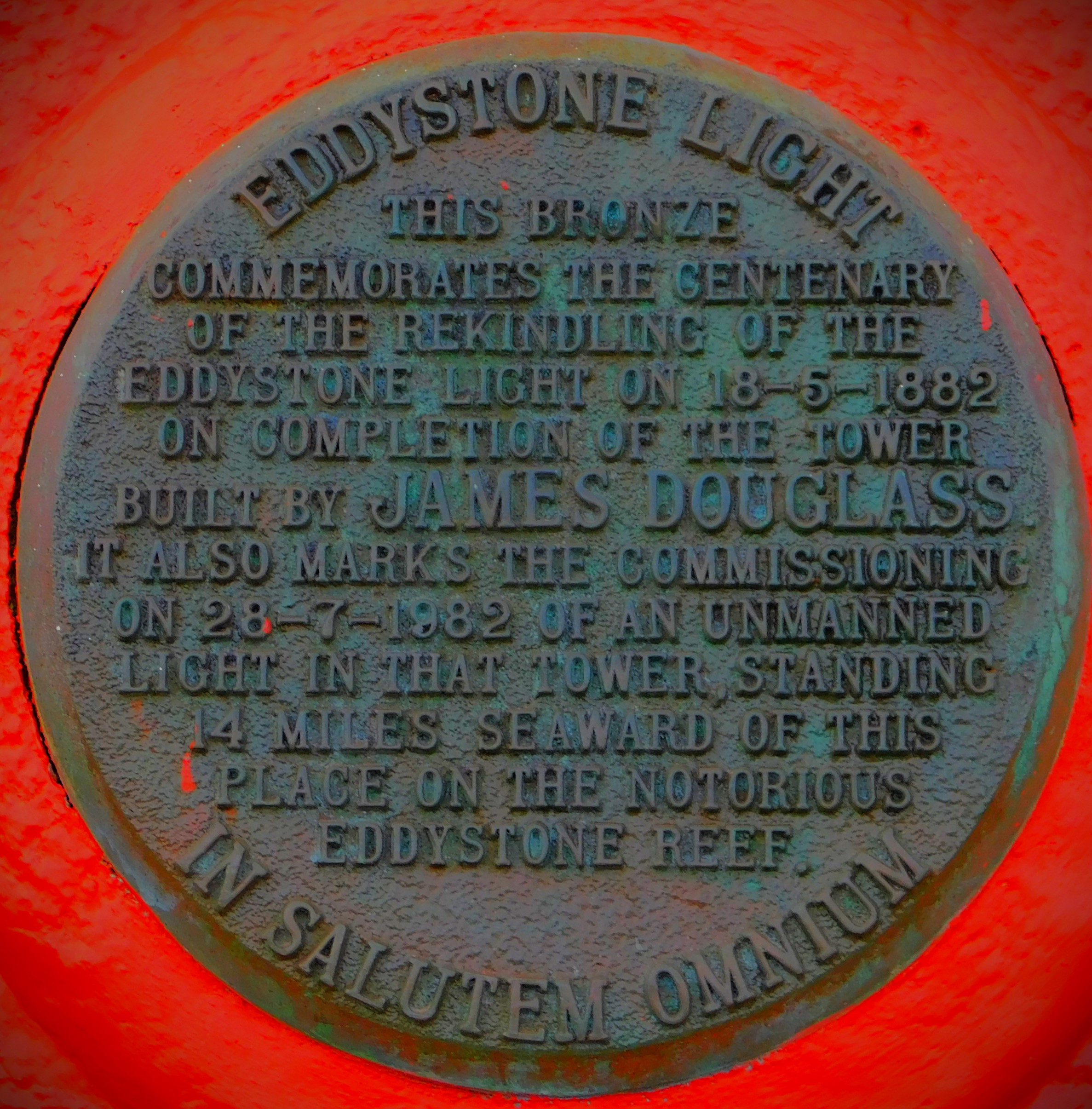
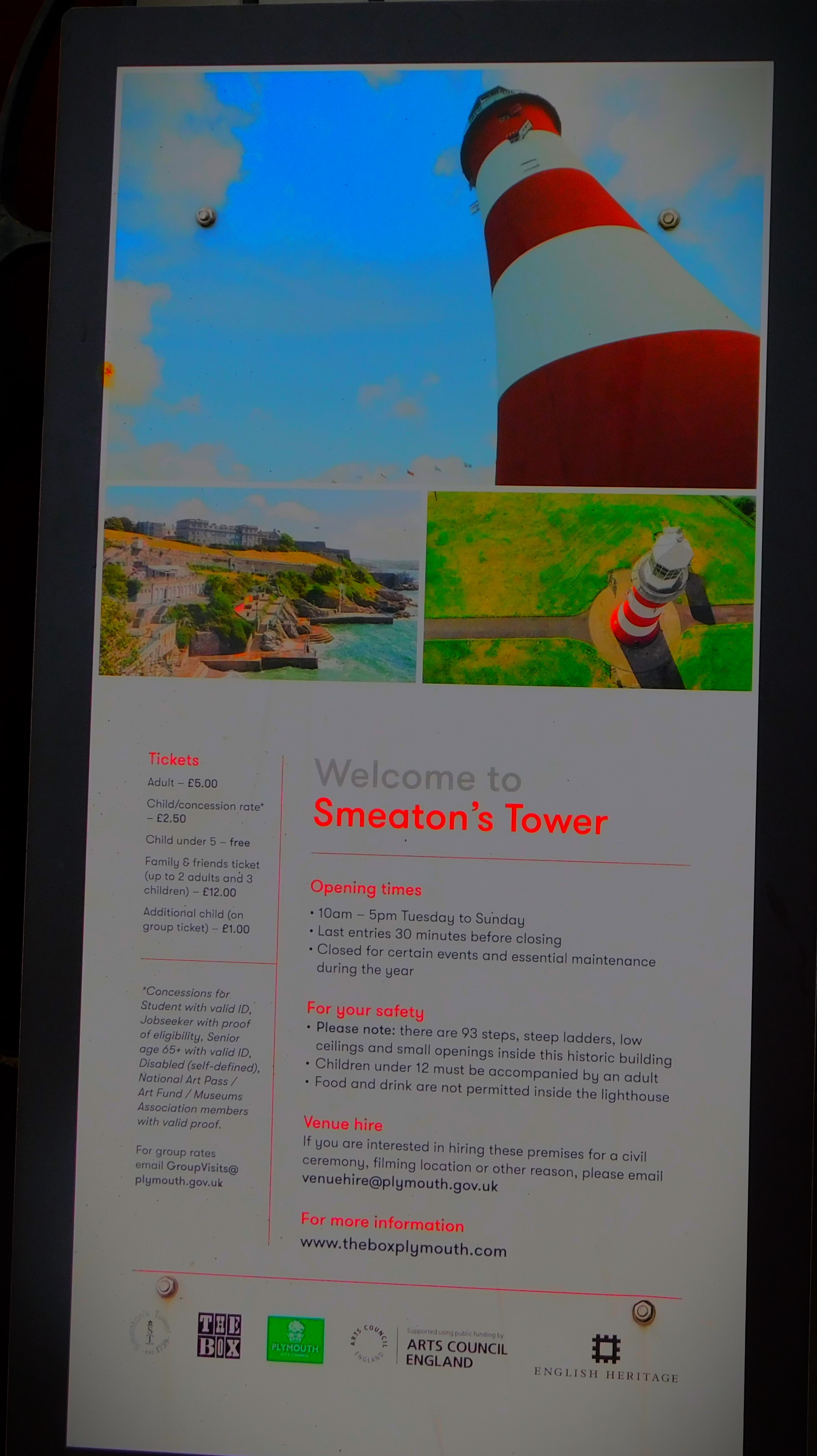
An account of a day in Plymouth, my last full day away from home on my recent excursion.

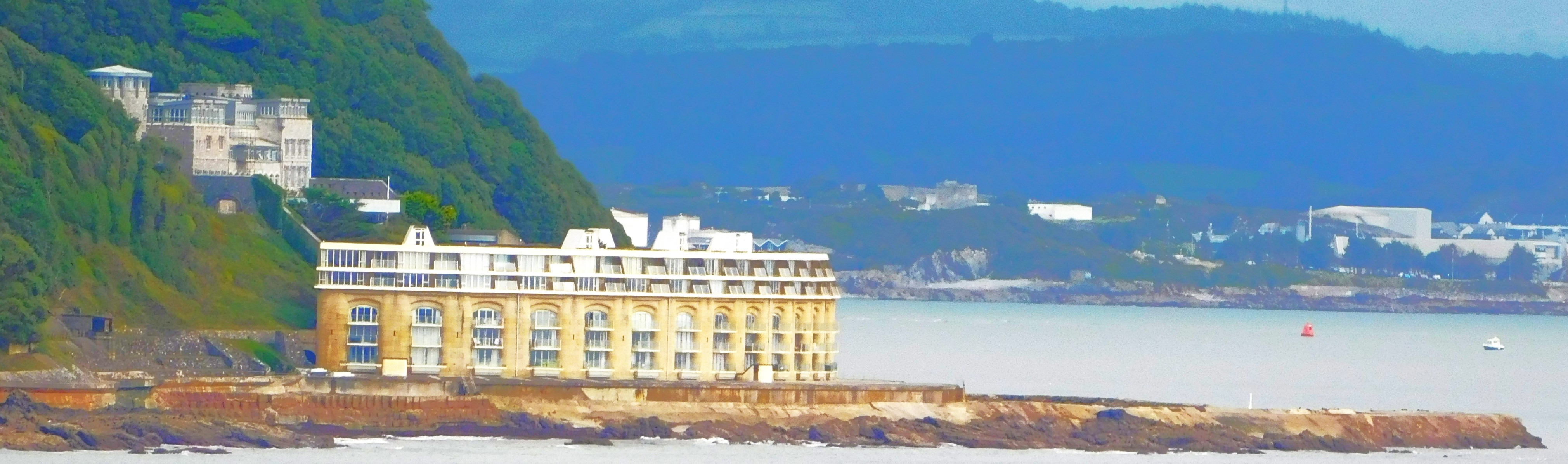
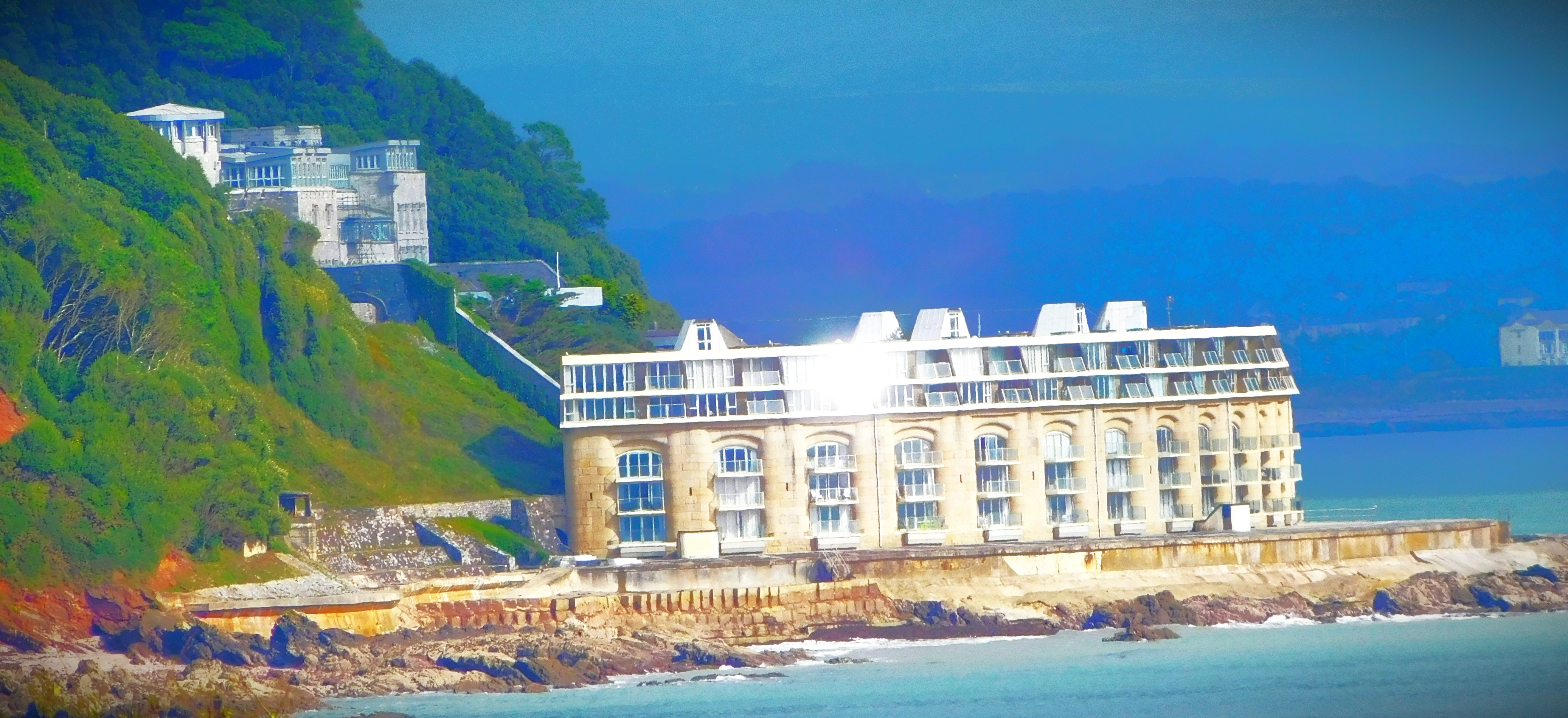
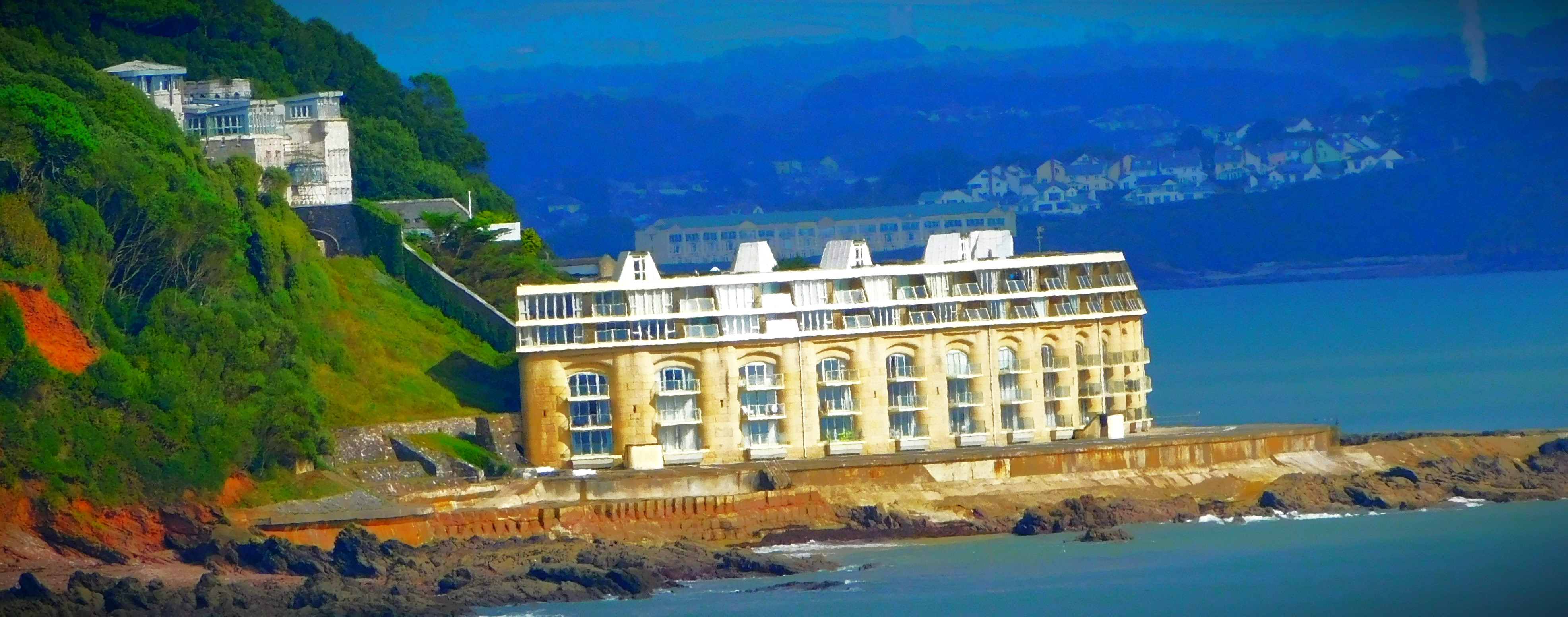
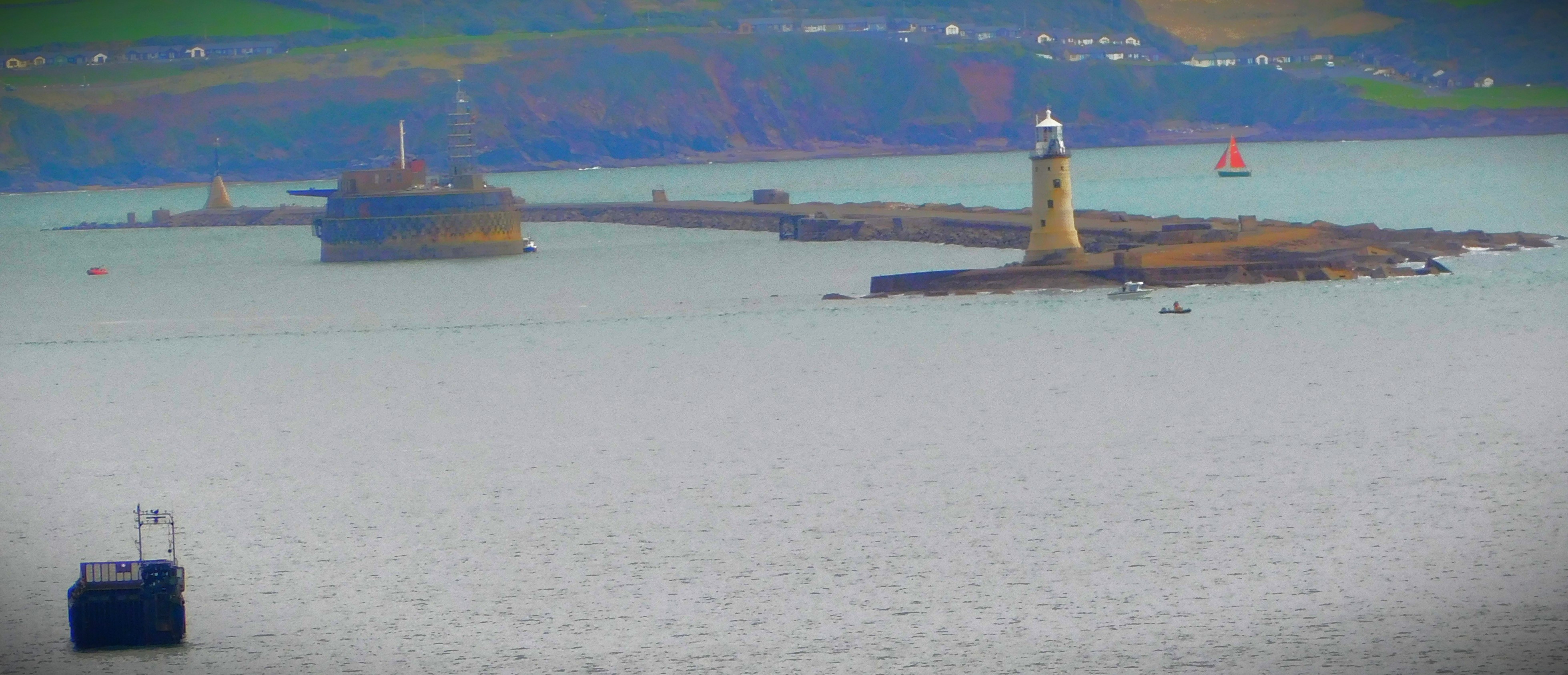
This will be the second last post about my recent visit to my parents in Cornwall (I arrived home at about 9:30PM yesterday), and deals with a period for most of which I was not in Cornwall.

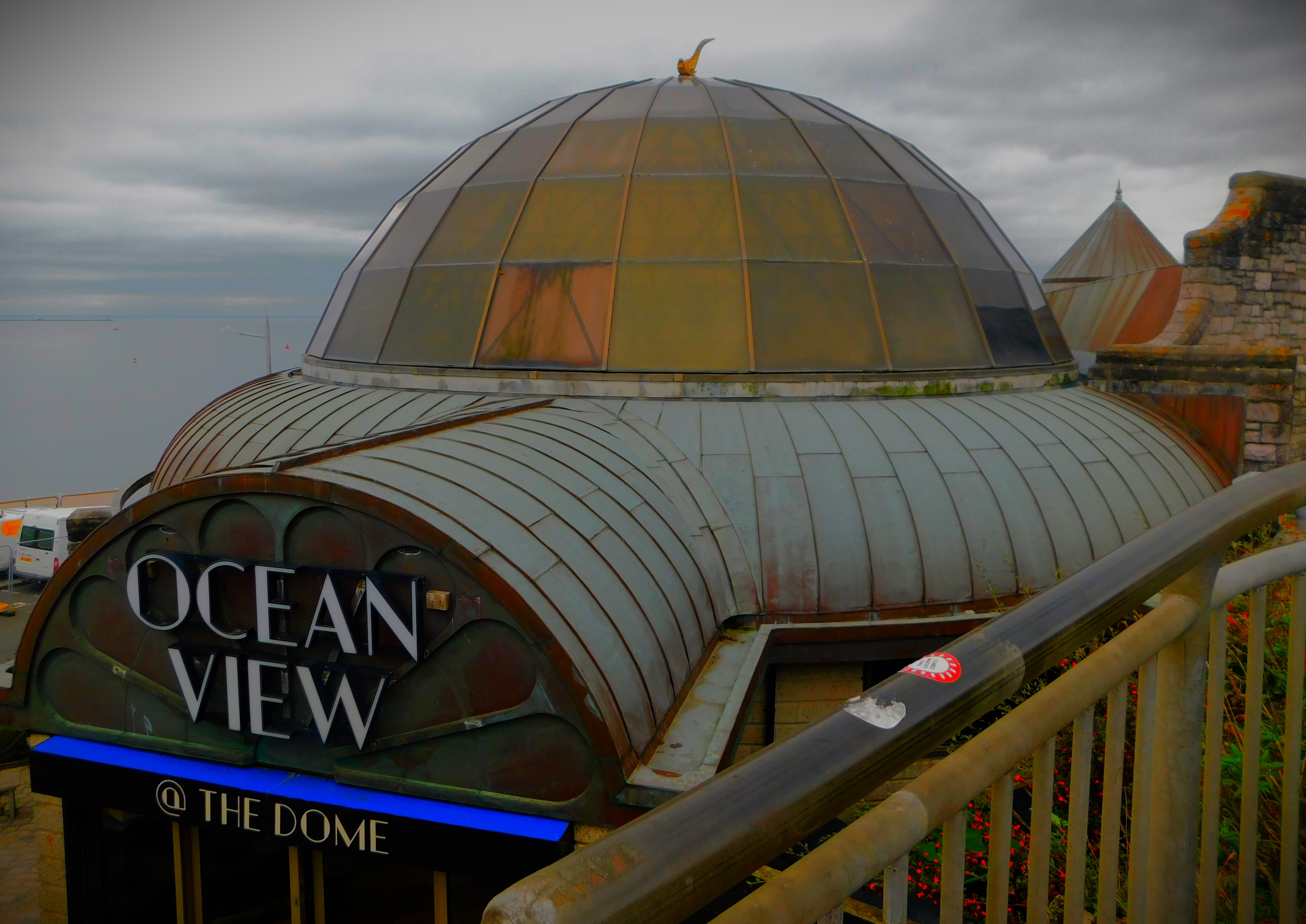
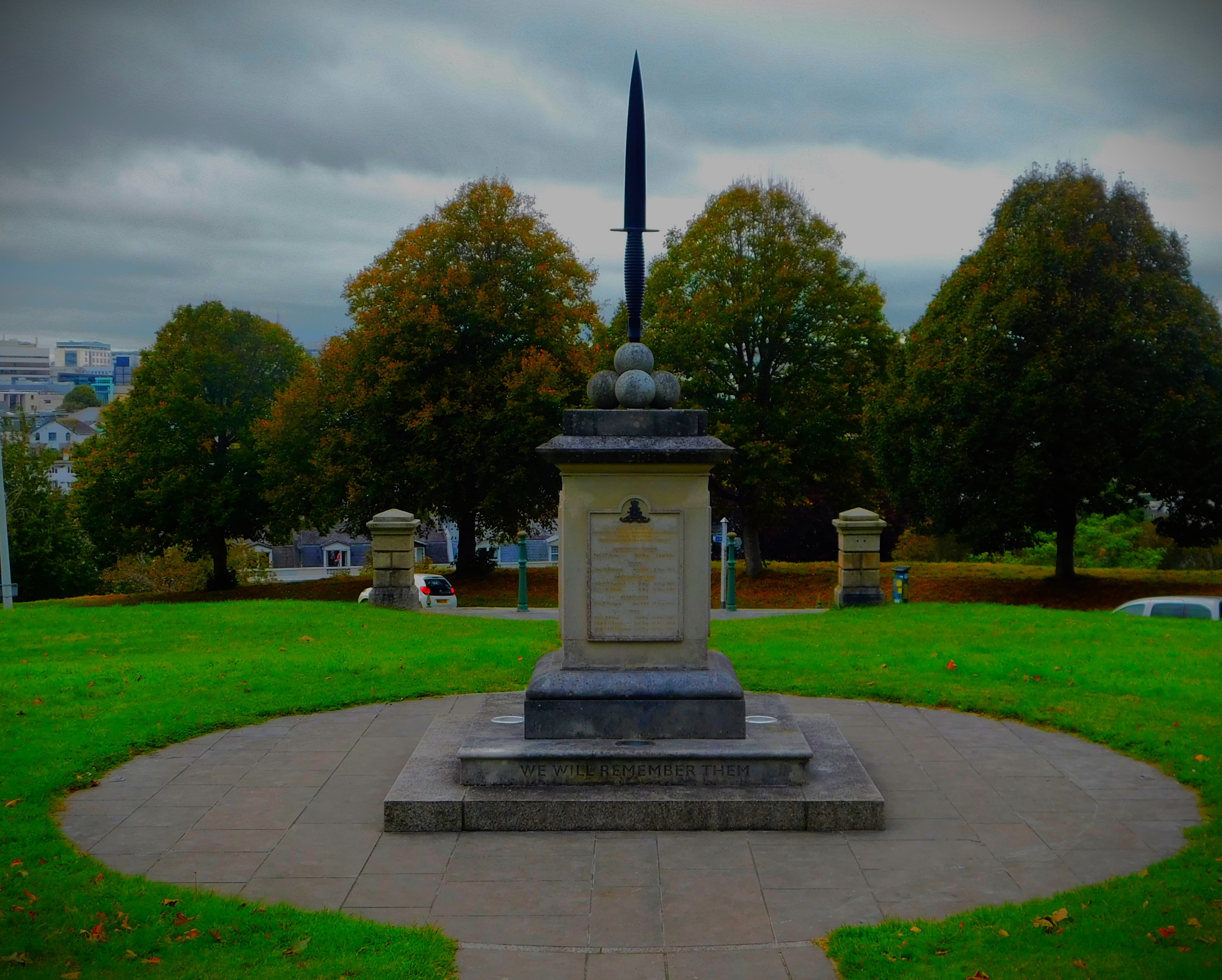
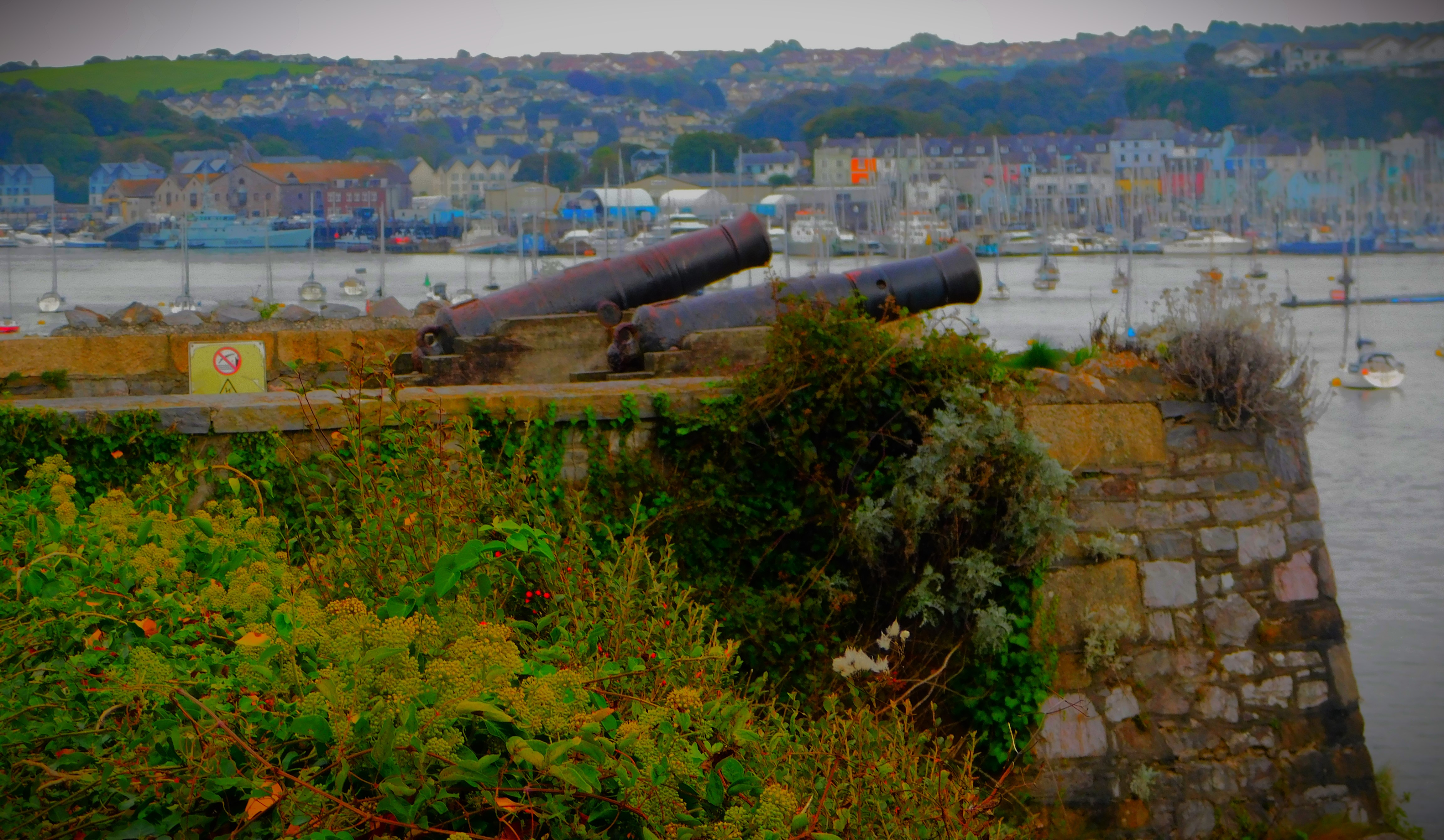
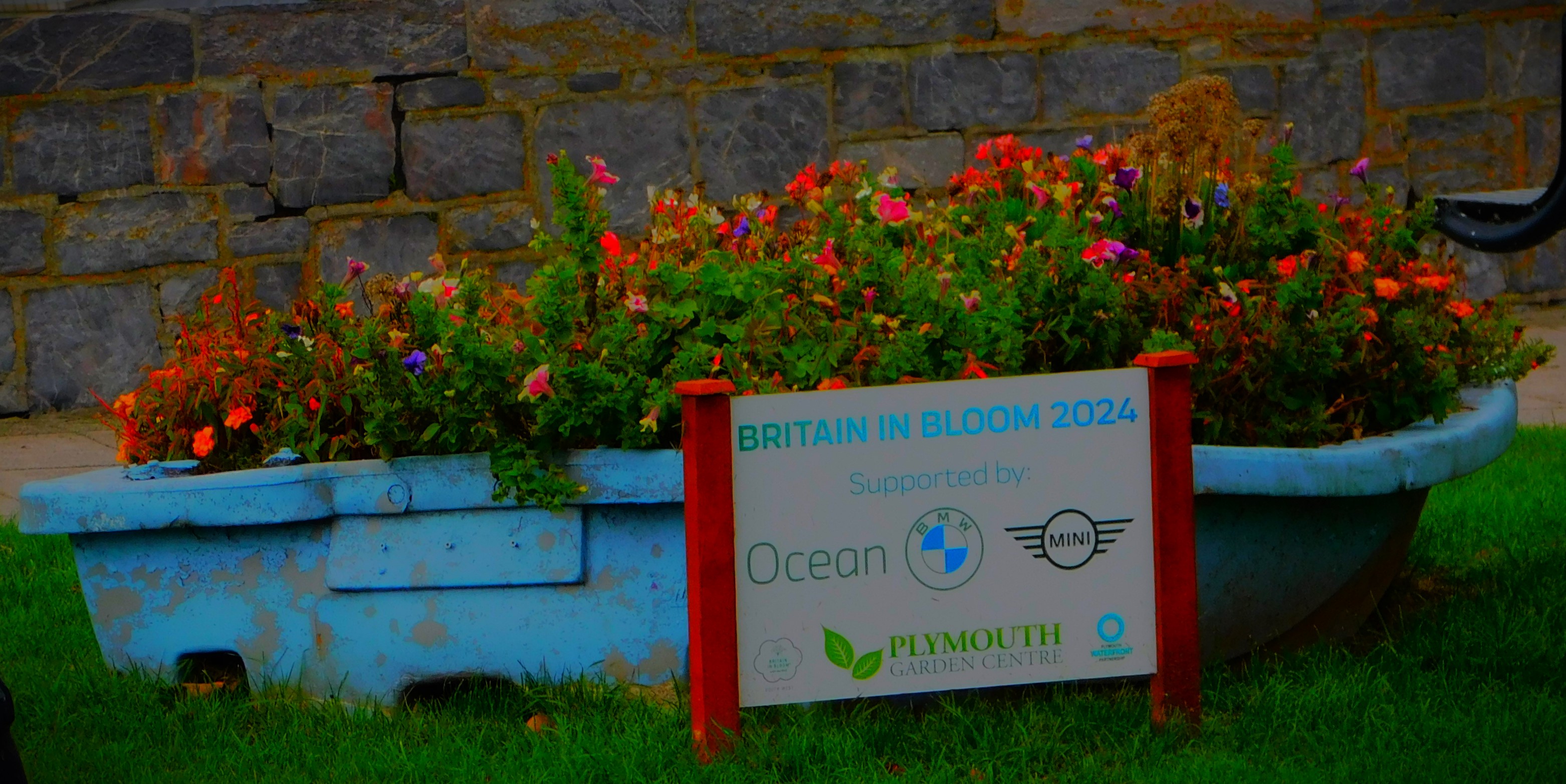
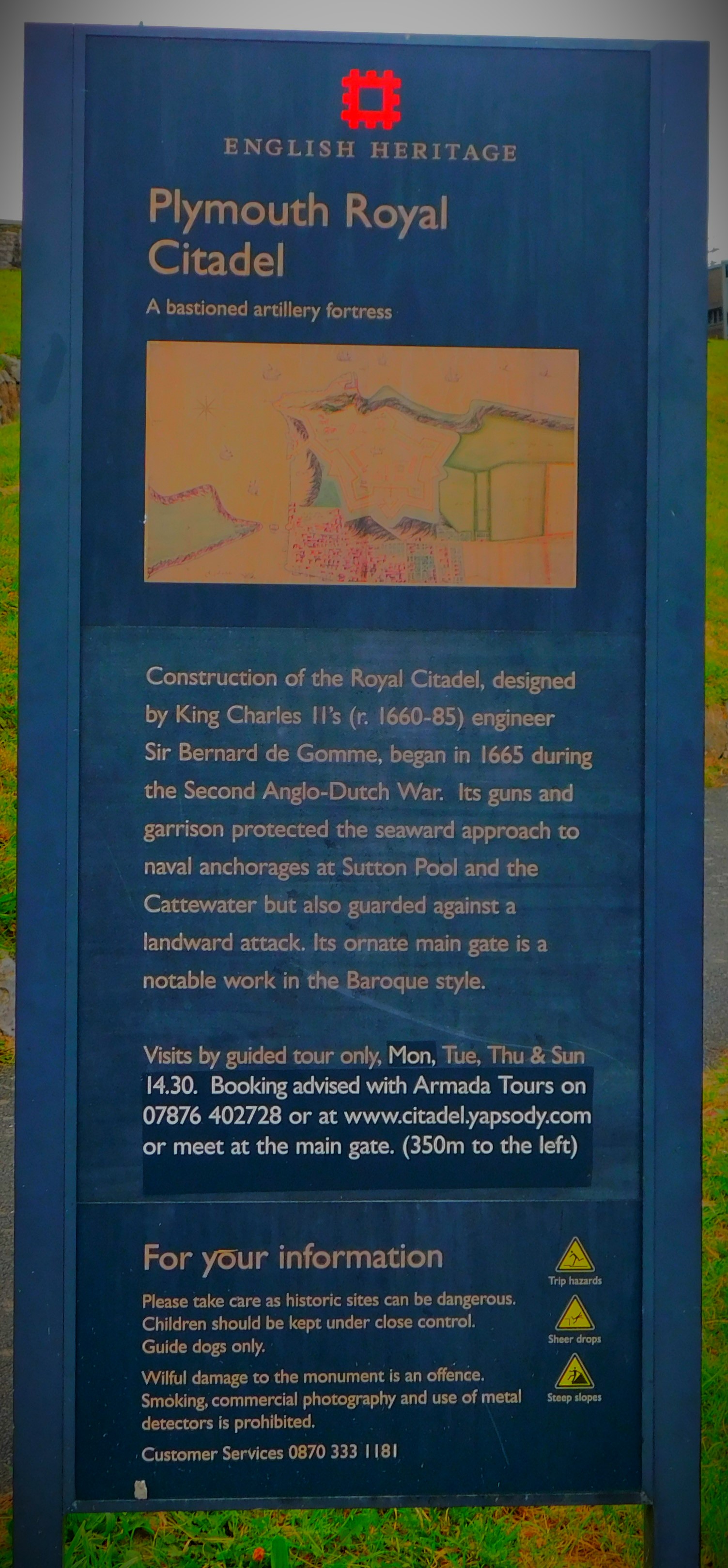
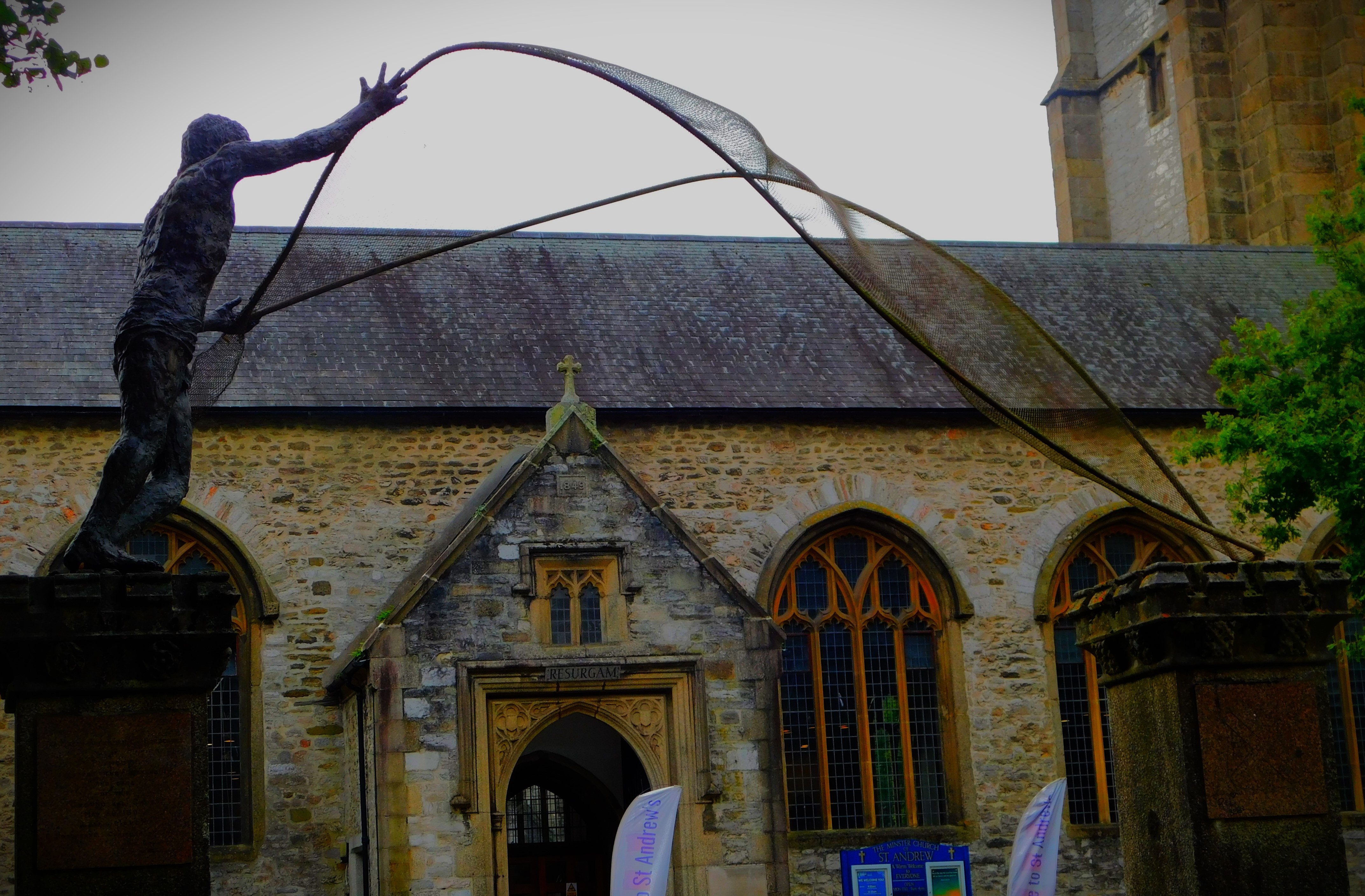
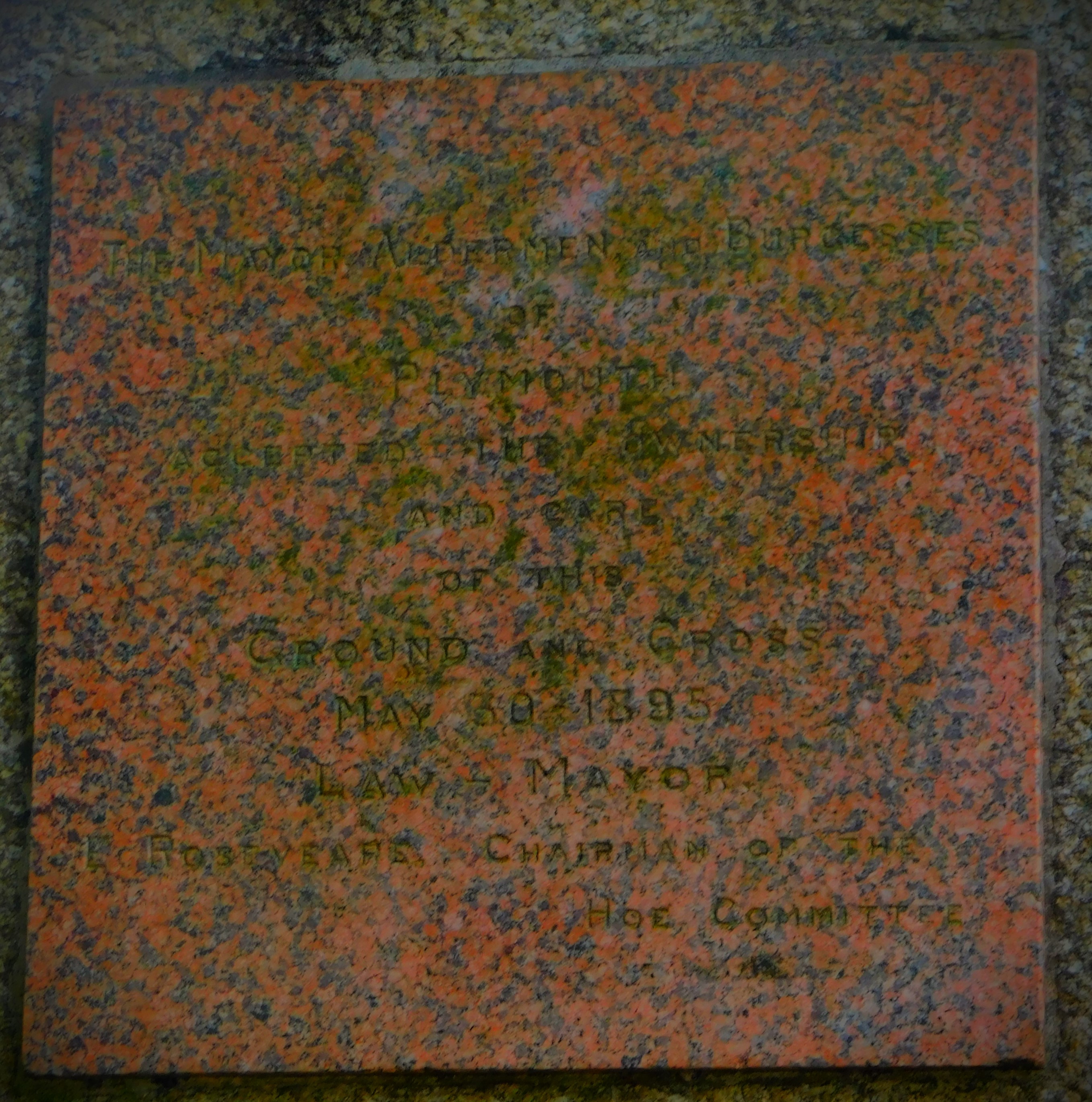
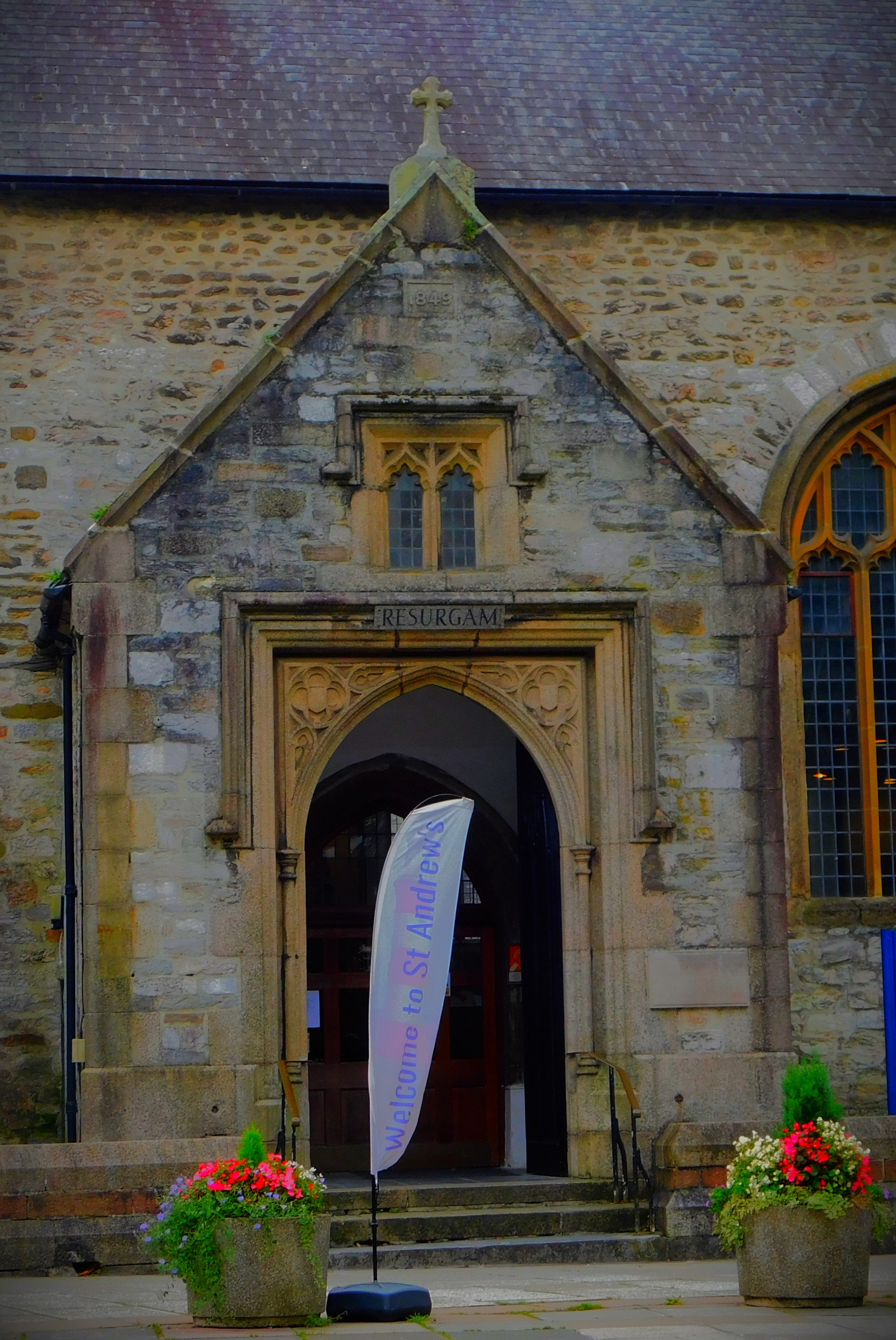
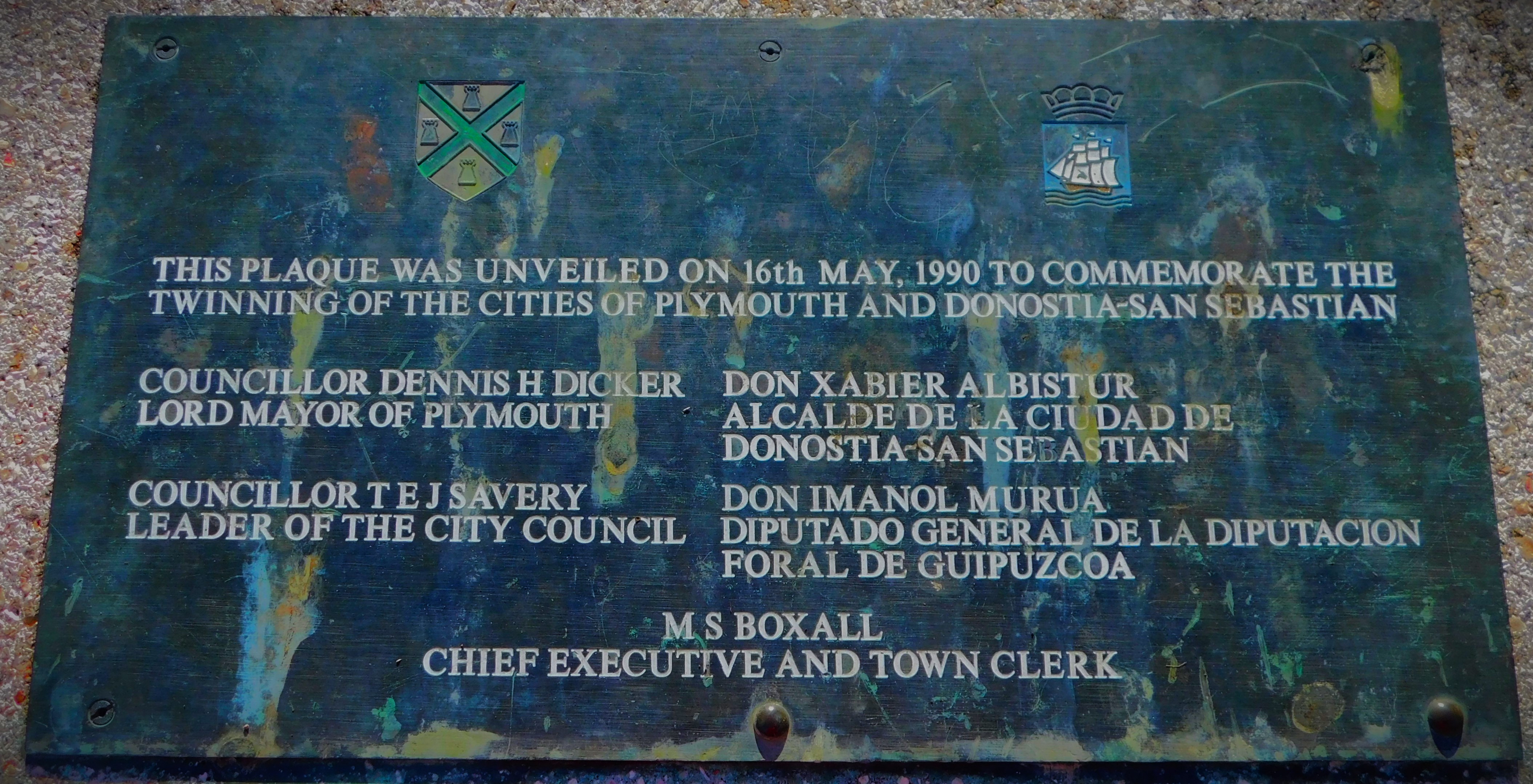
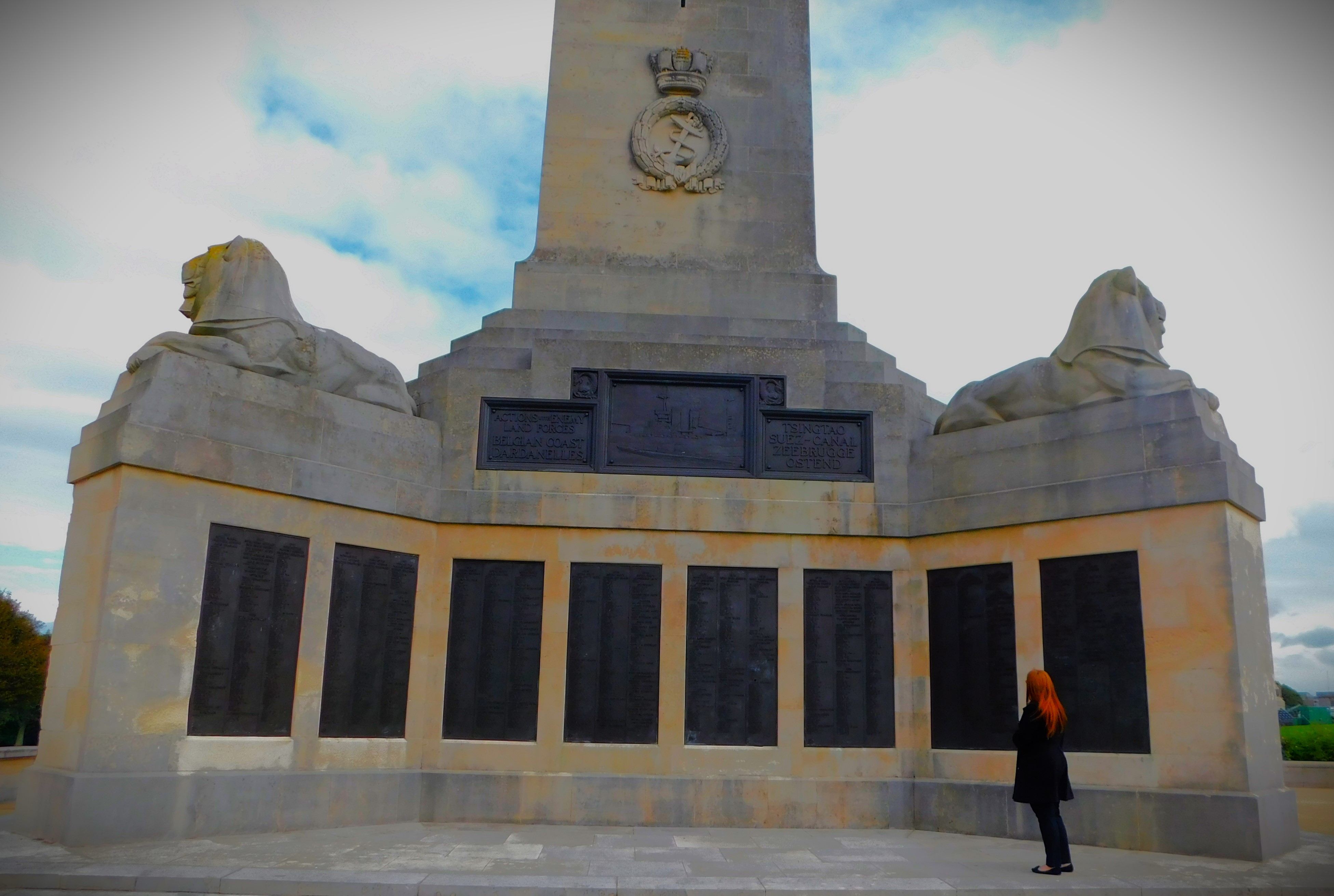
I had booked my train tickets, to and from Plymouth, based on the dates of my parents holiday in Crete being from the 3rd to the 17th of October. The actual dates were the 2nd to the 16th, which meant something had to be done for the final night of my time away. Originally I was going to be at the backpackers hostel on Union Street, but further changes occurred while I was at my parents place, and in the end I was booked to into Ocean Stays hotel on Citadel Road. This is not a full service hotel, and does not have a reception area, so check in has to be done online, and it also meant the necessity of speaking to someone about depositing the larger of my bags there to free me up a bit for the time before I could take possession of my room. Fortunately this was achieved fairly quickly, and by about 9:30 I was able to begin my exploration of Plymouth.

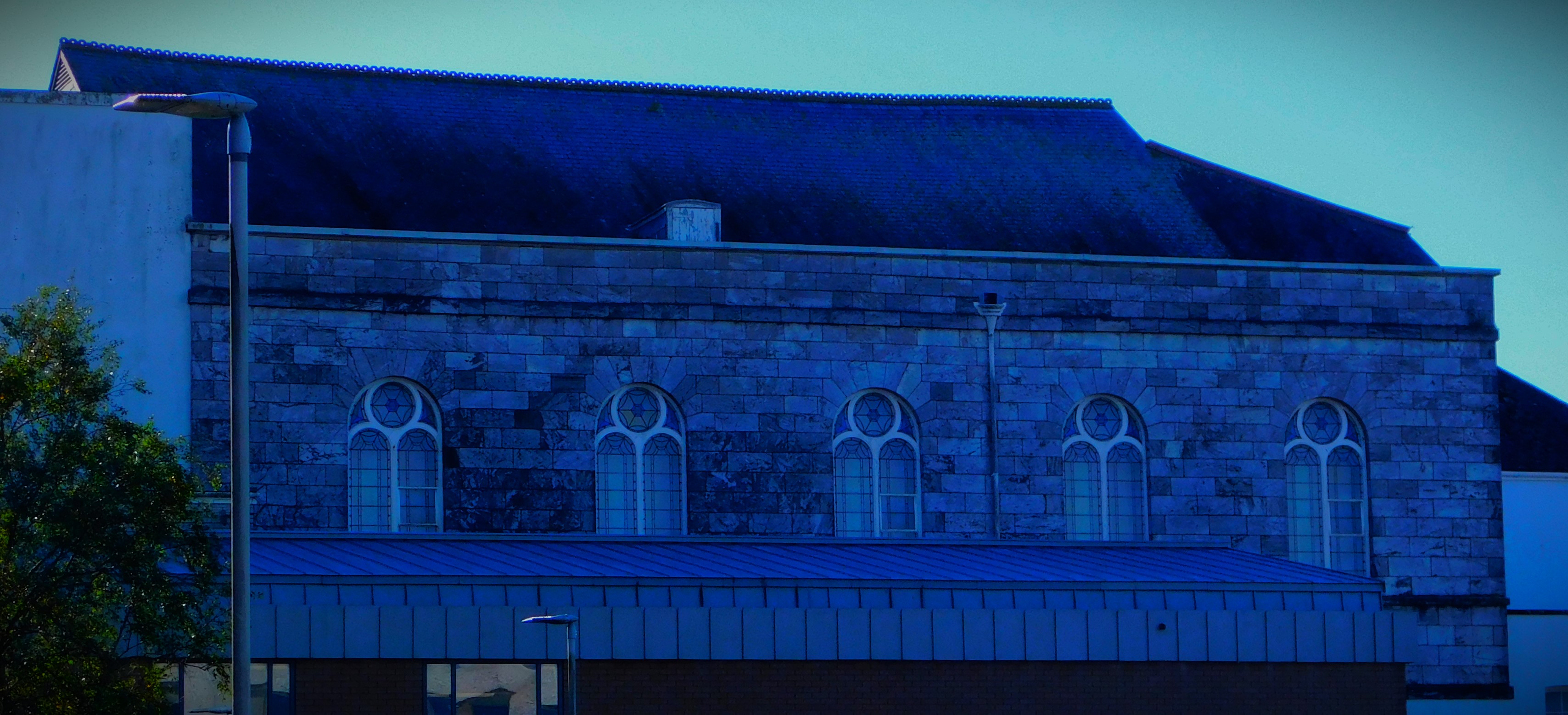
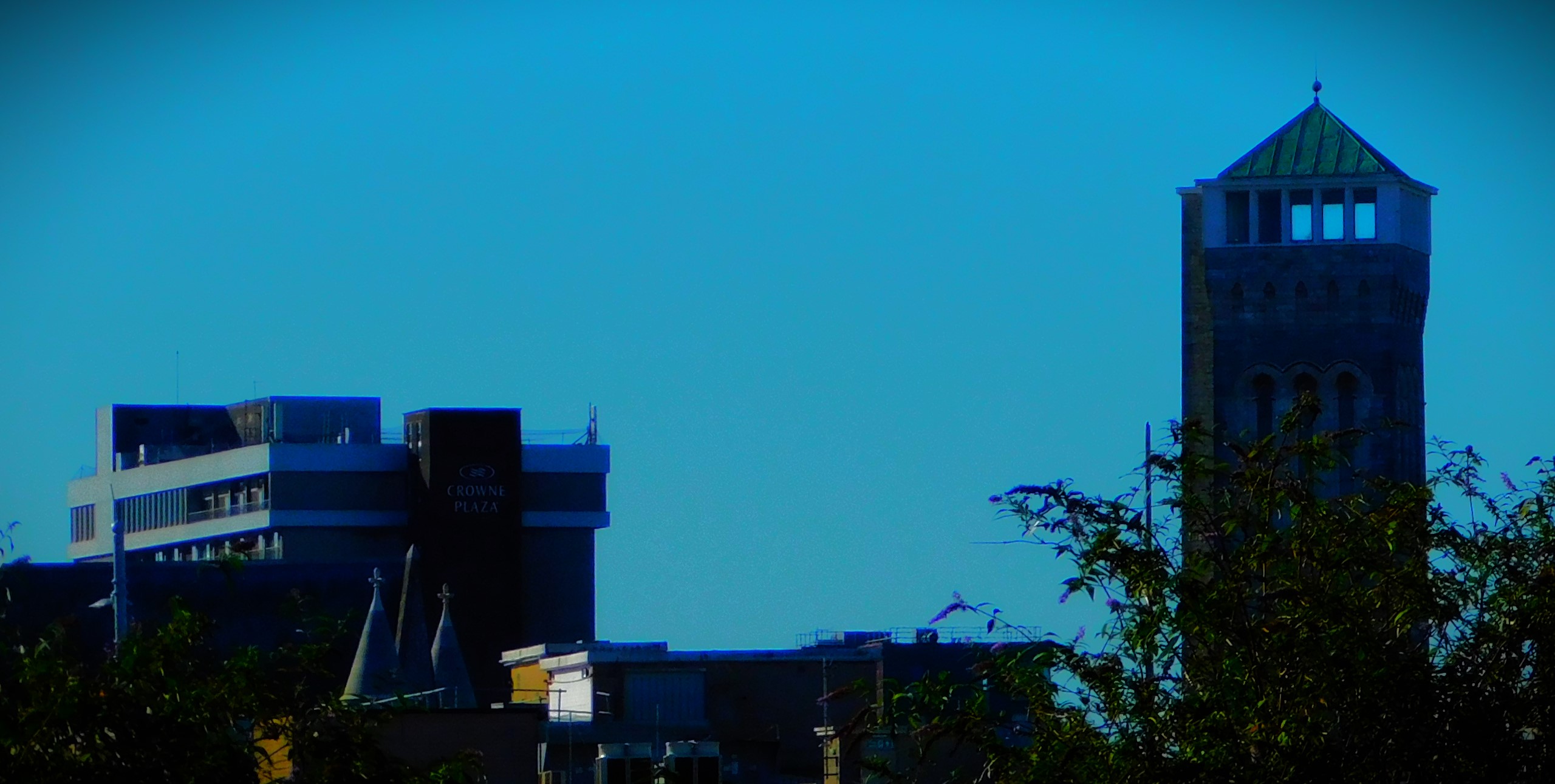
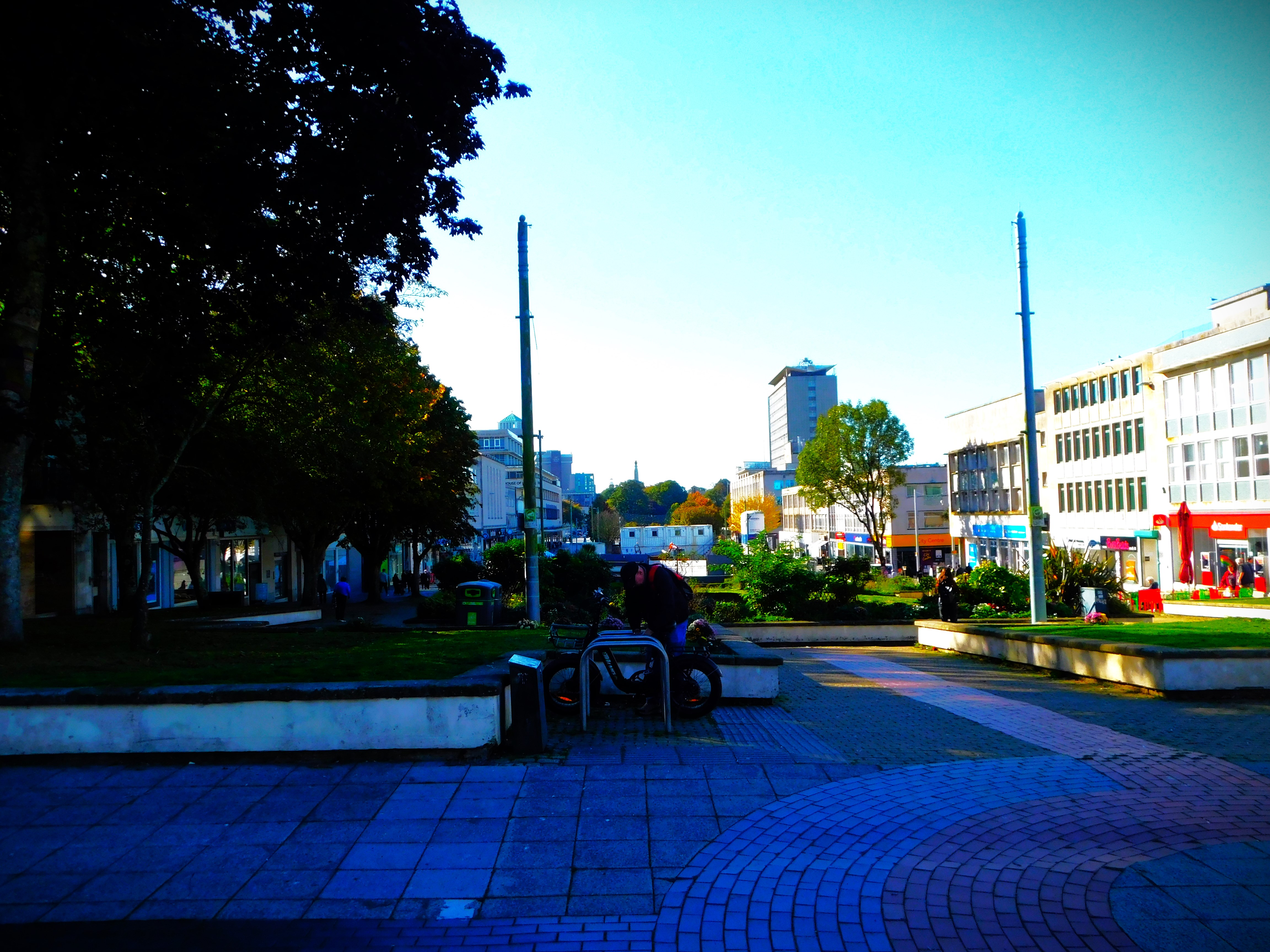
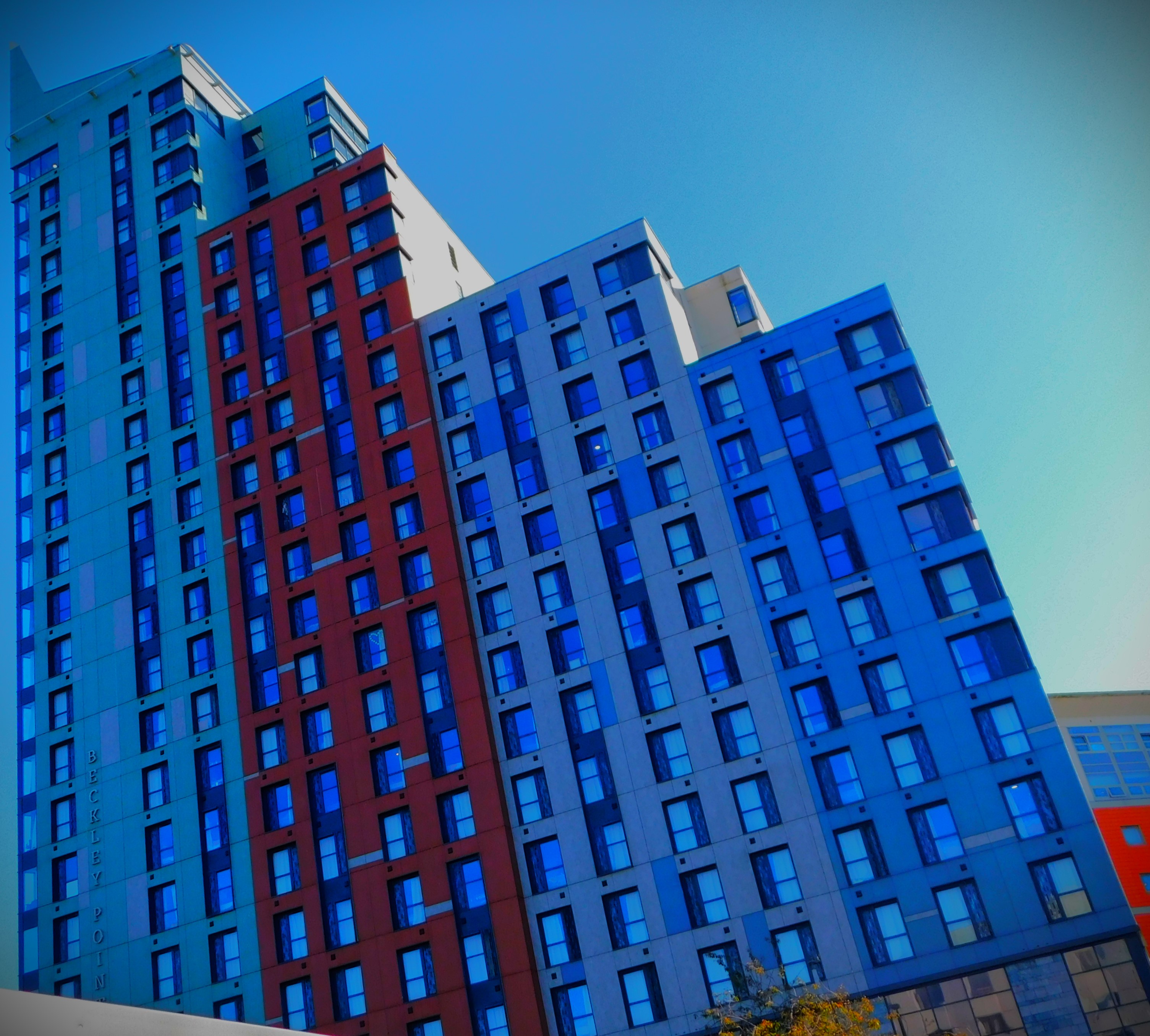
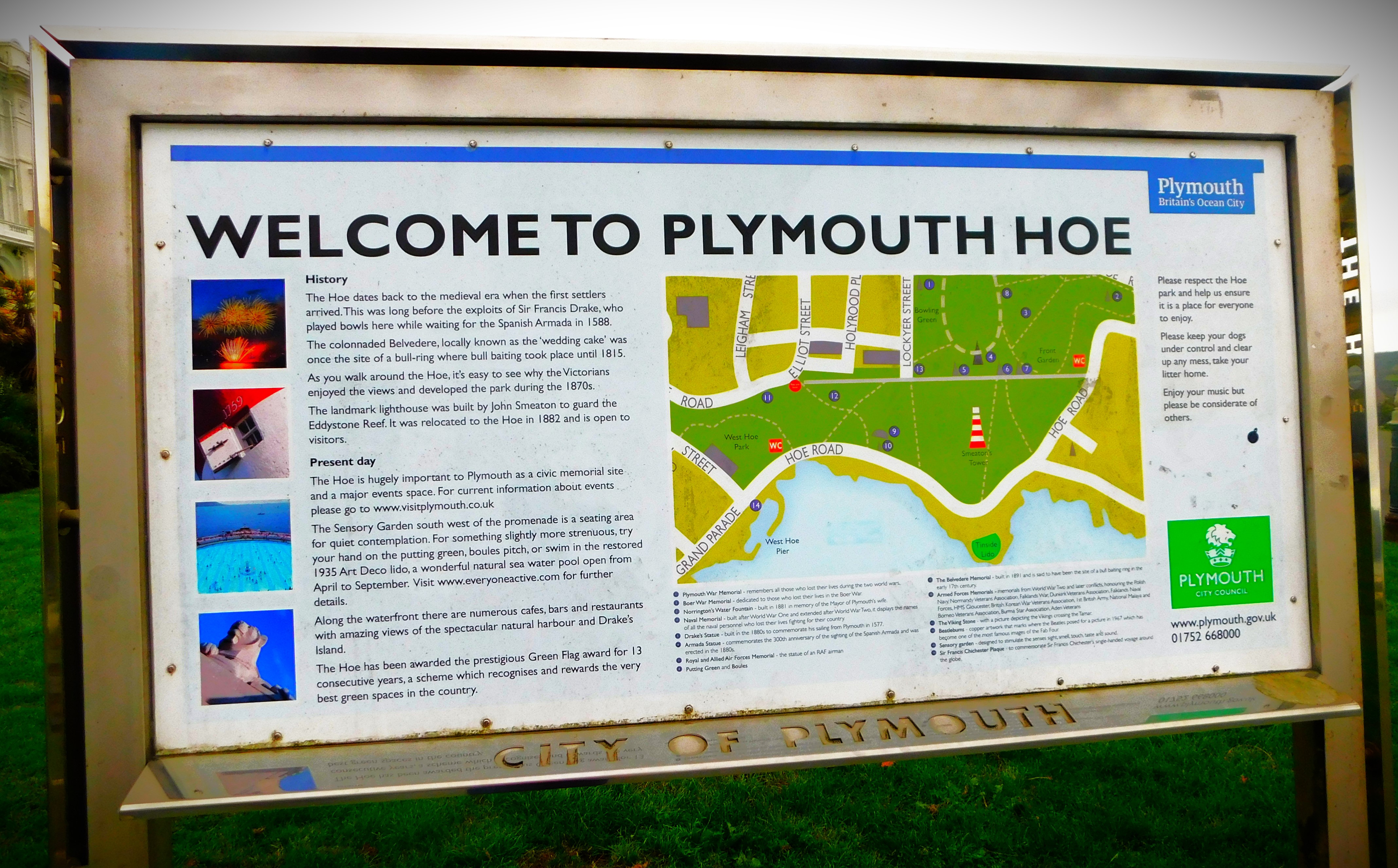
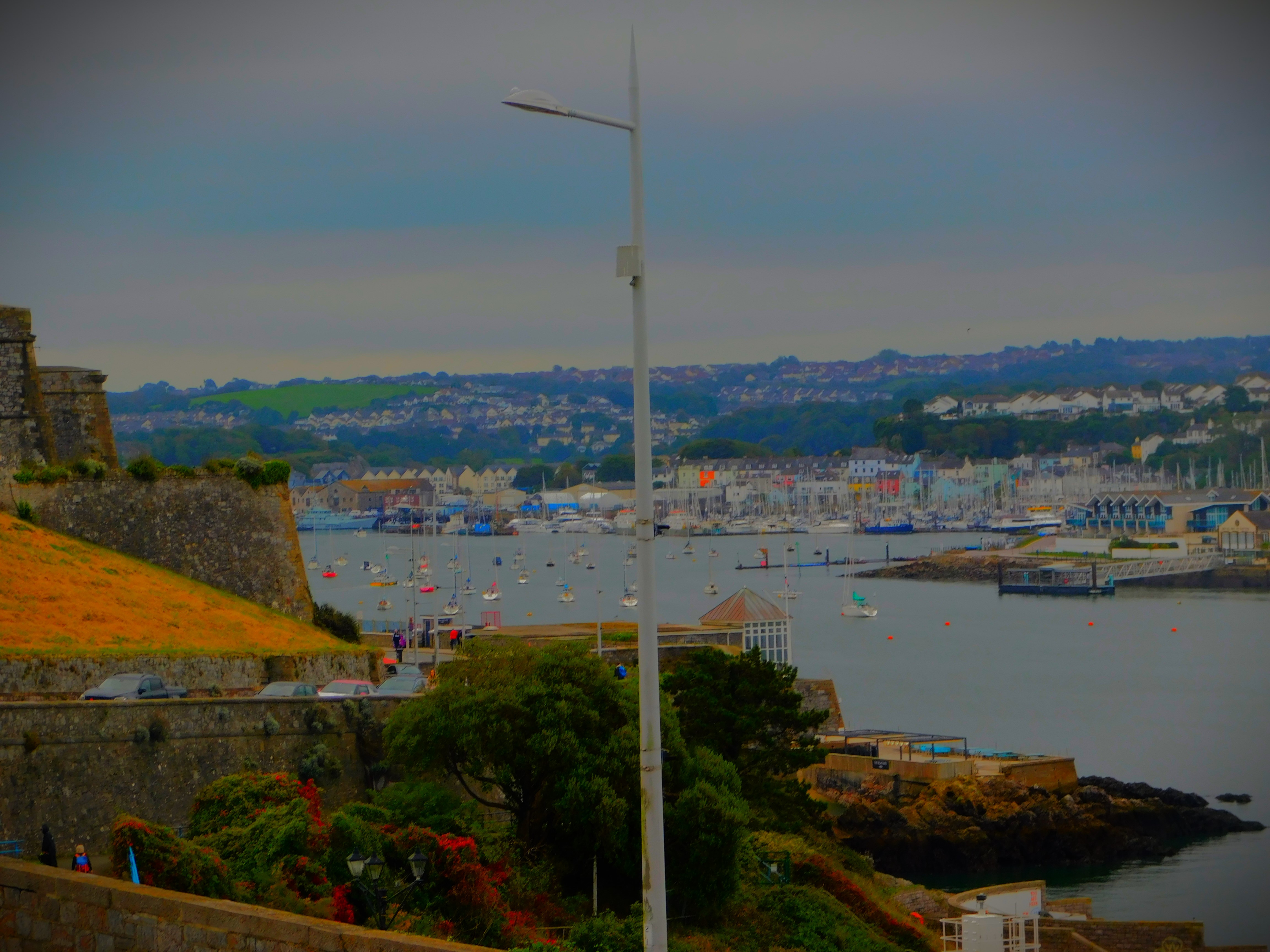
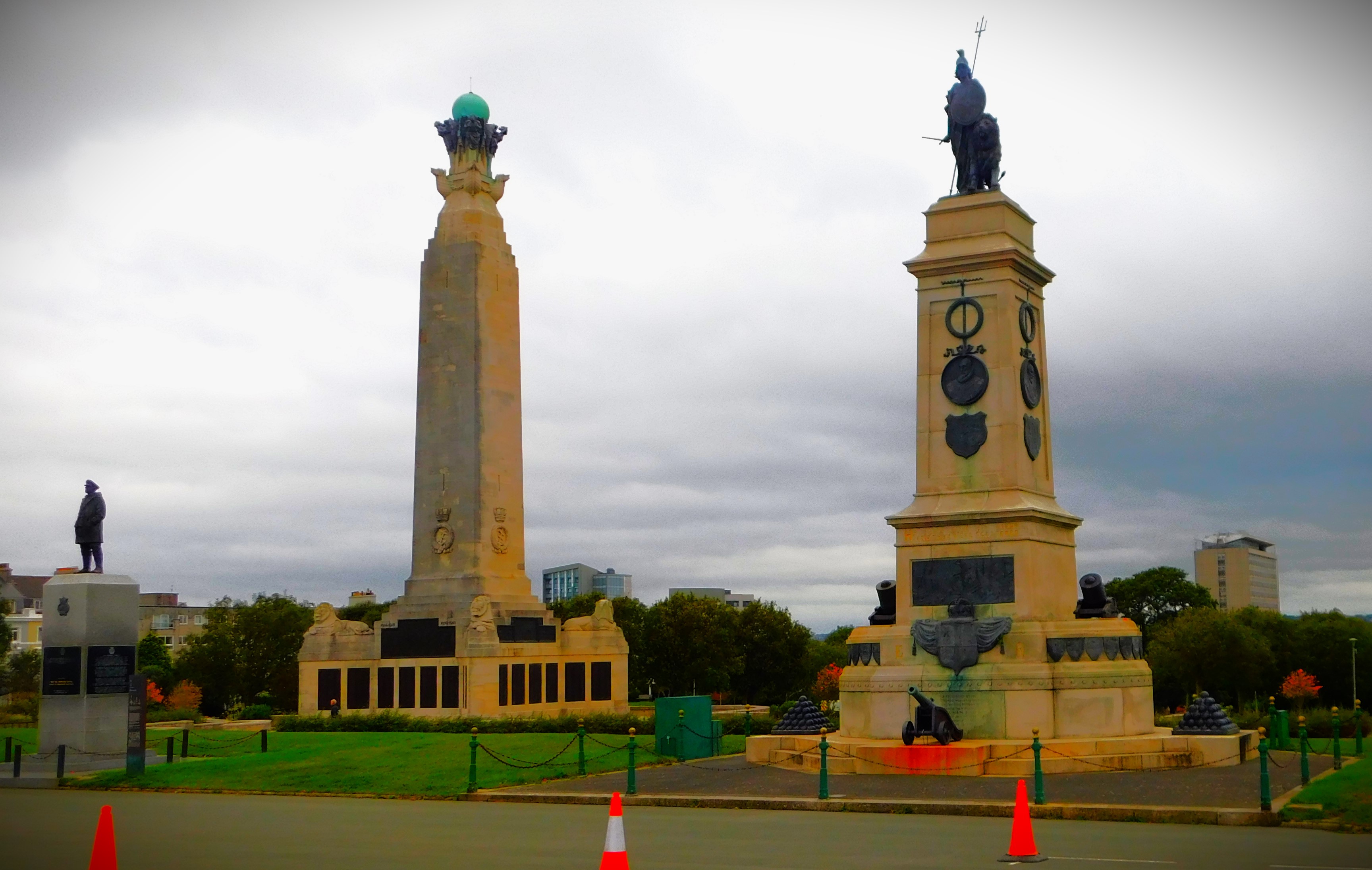
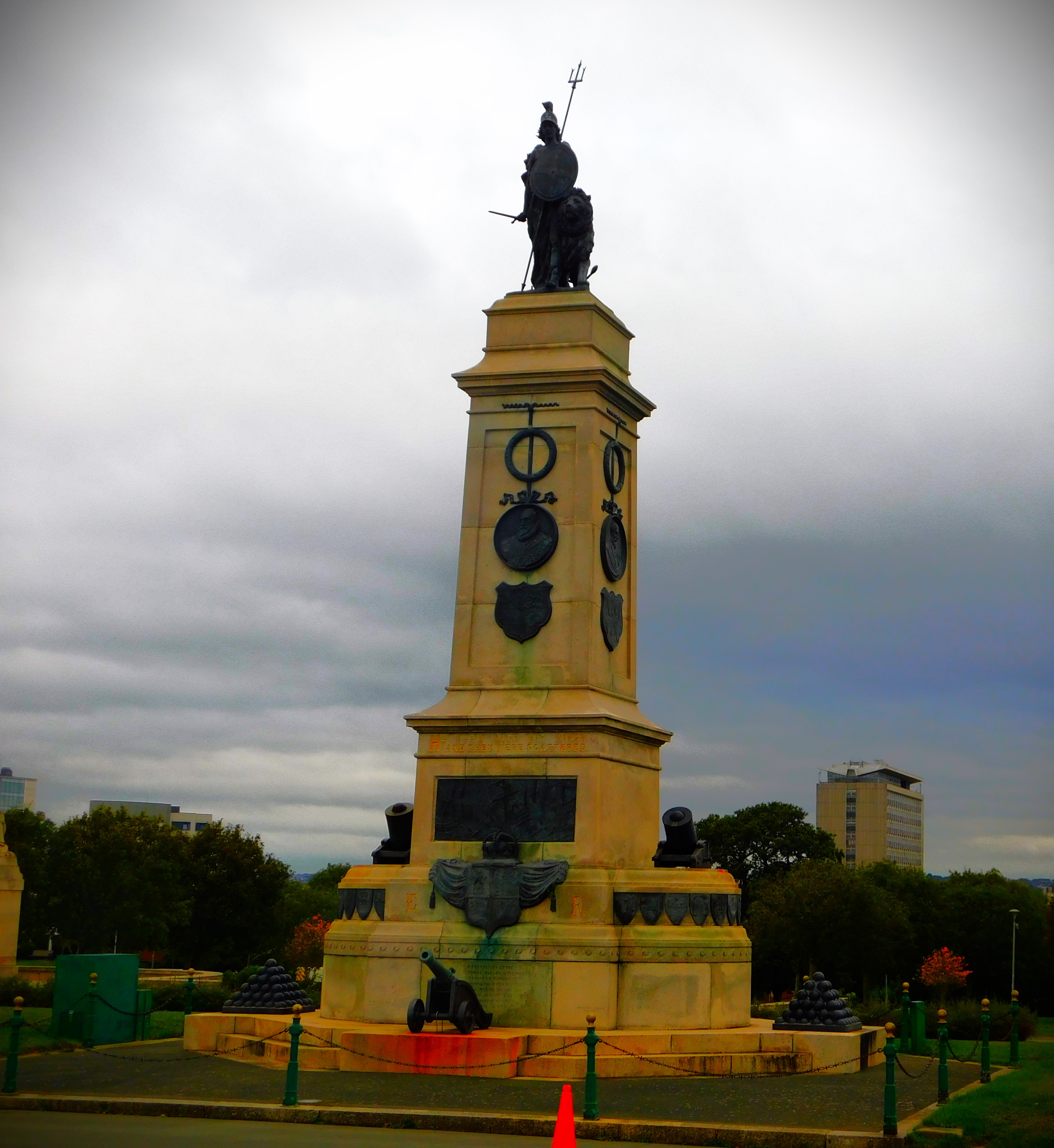
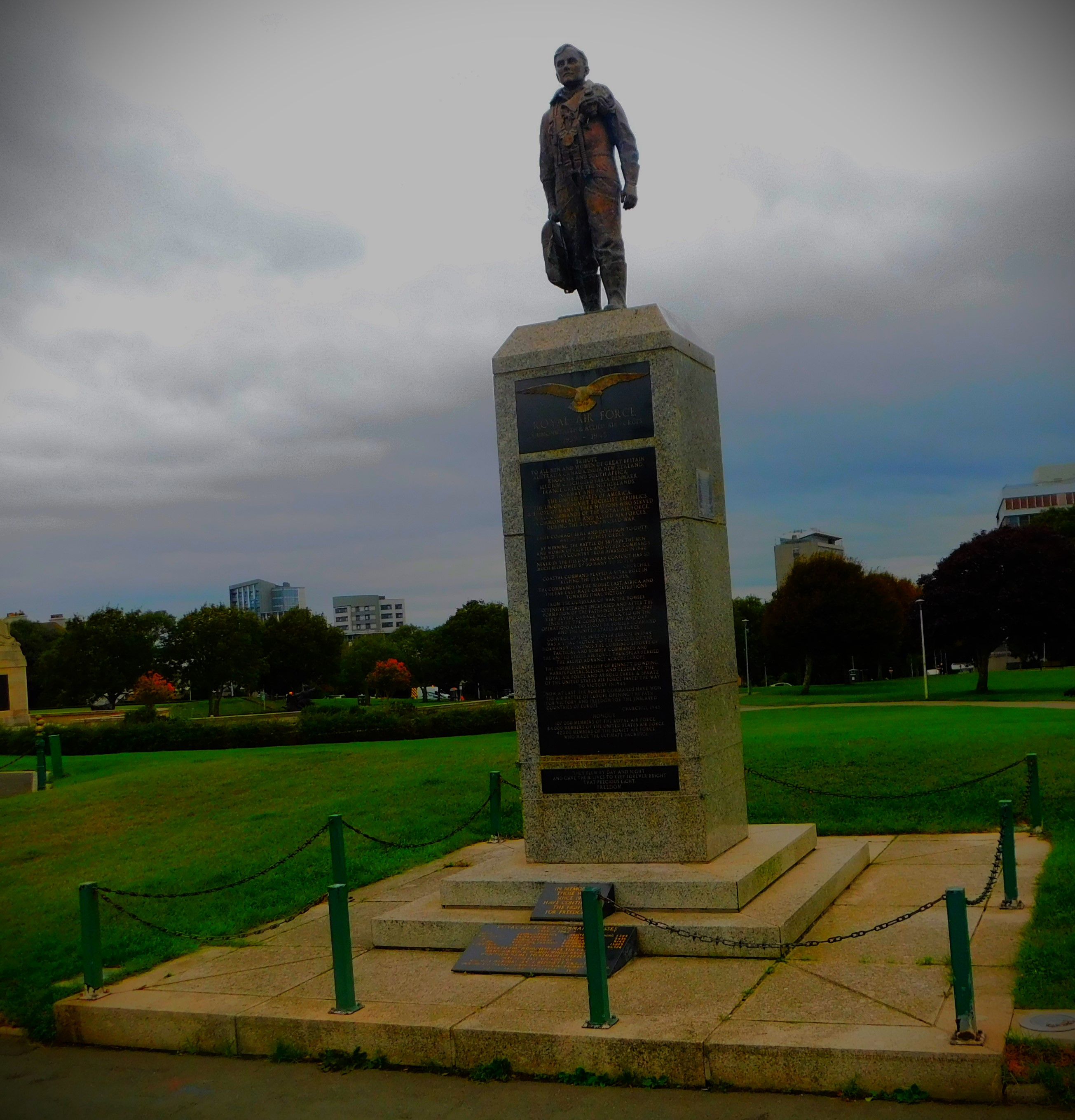
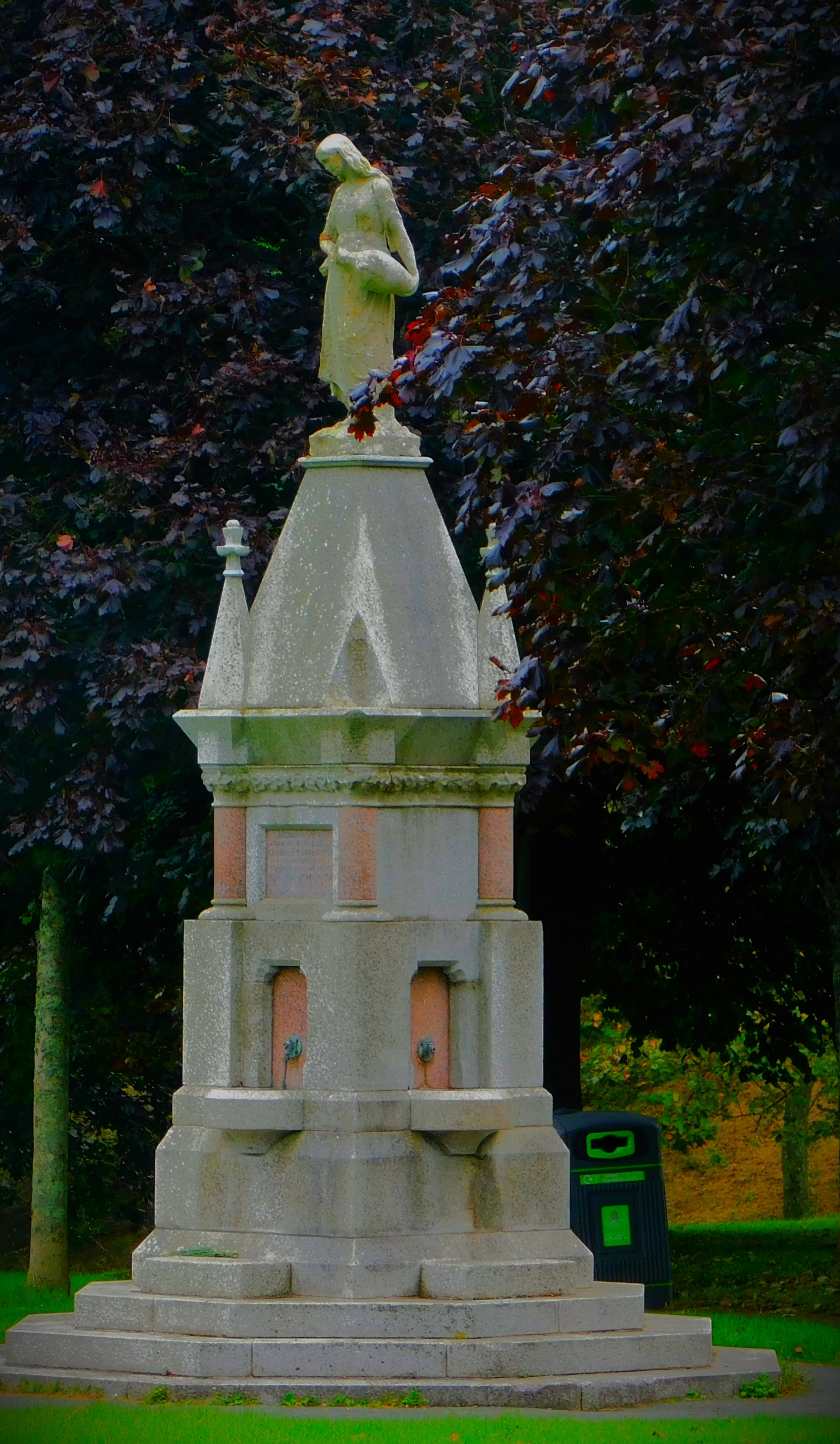
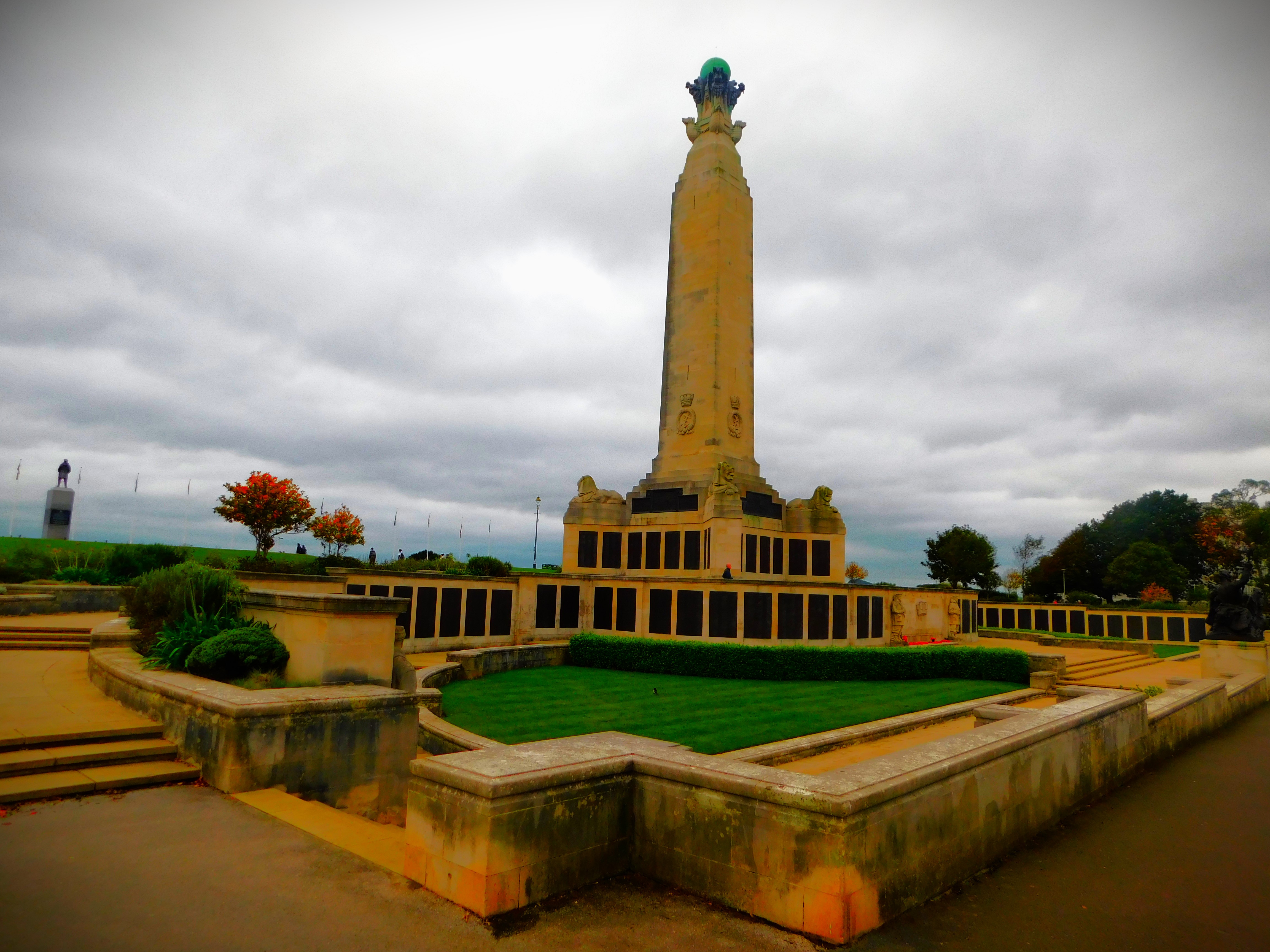
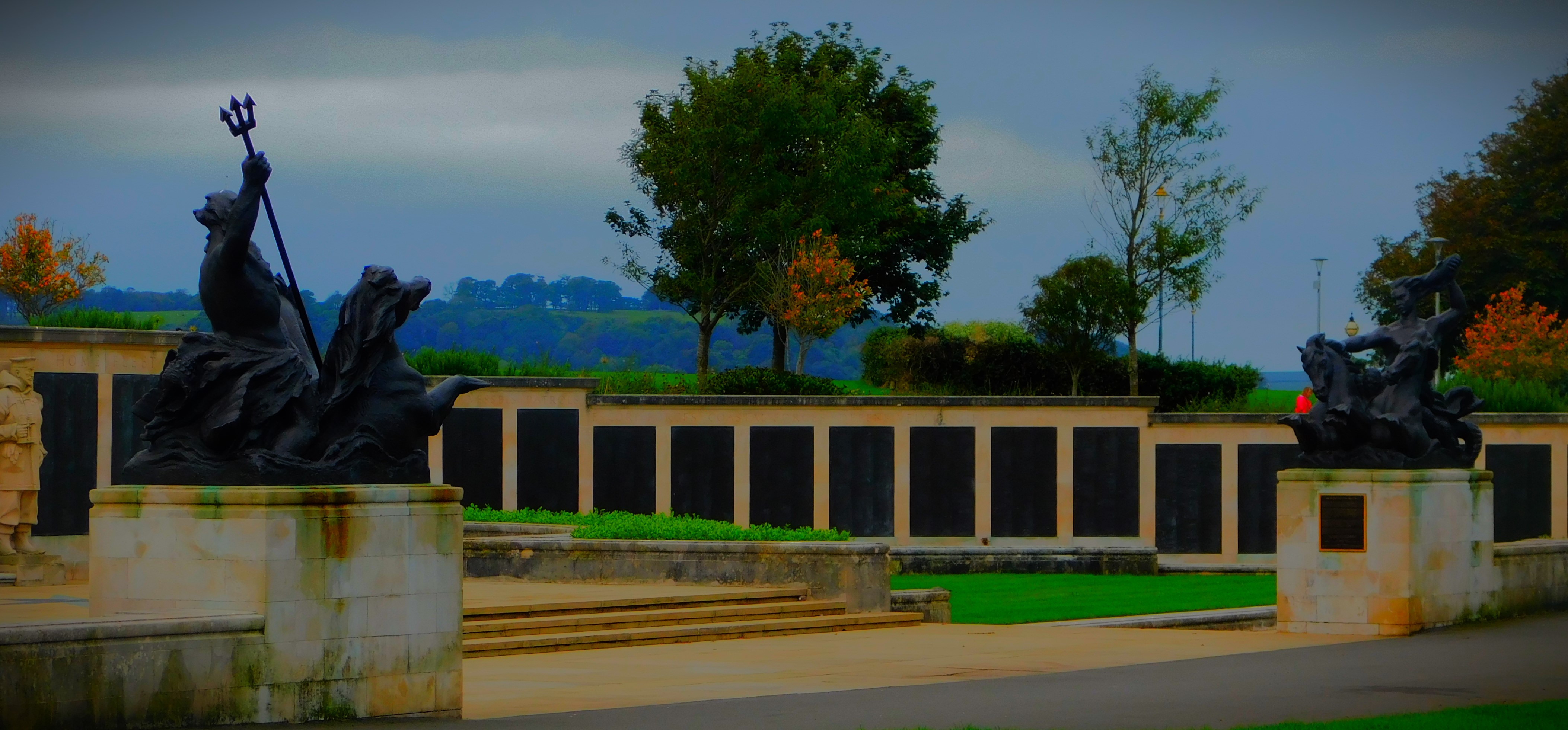
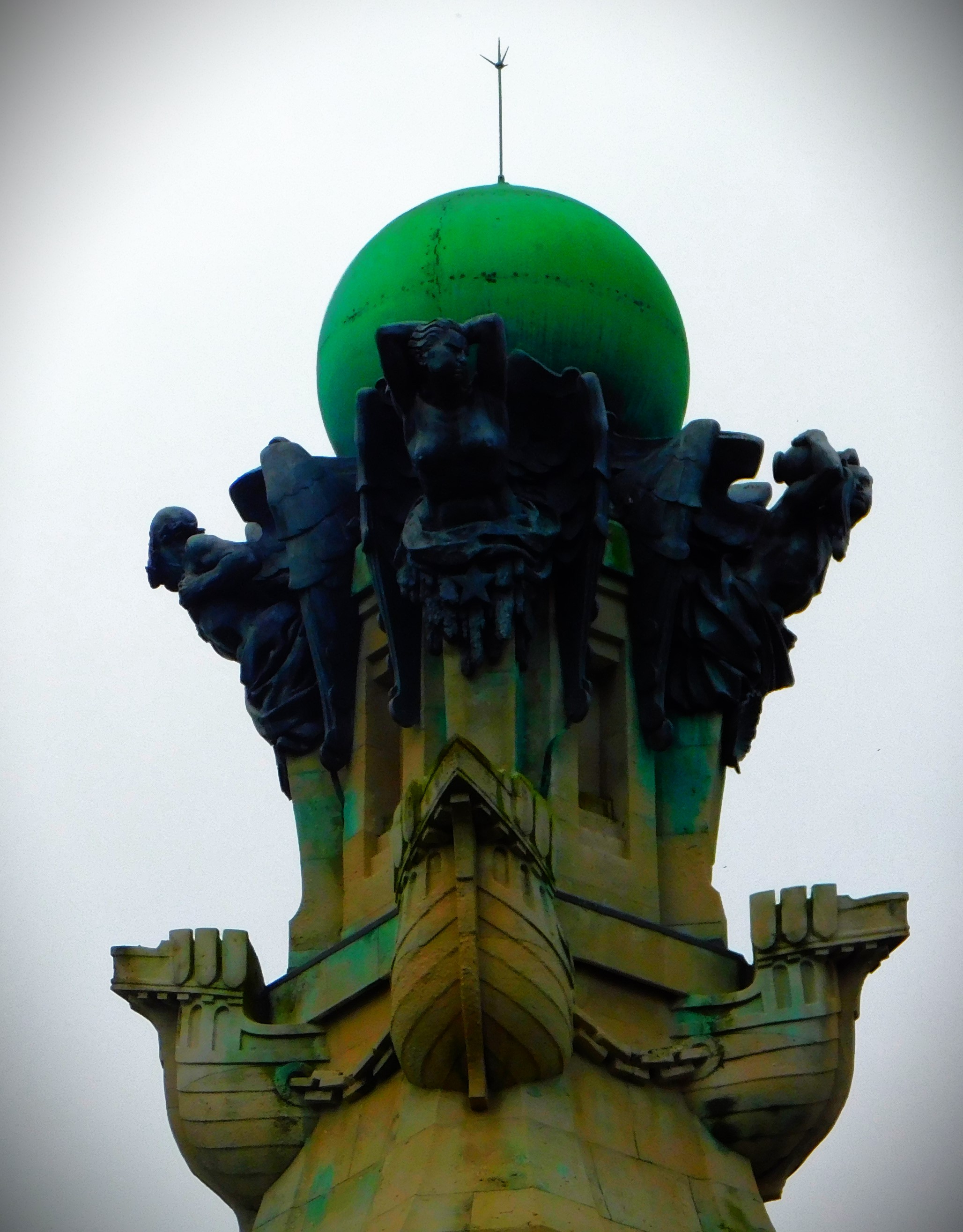
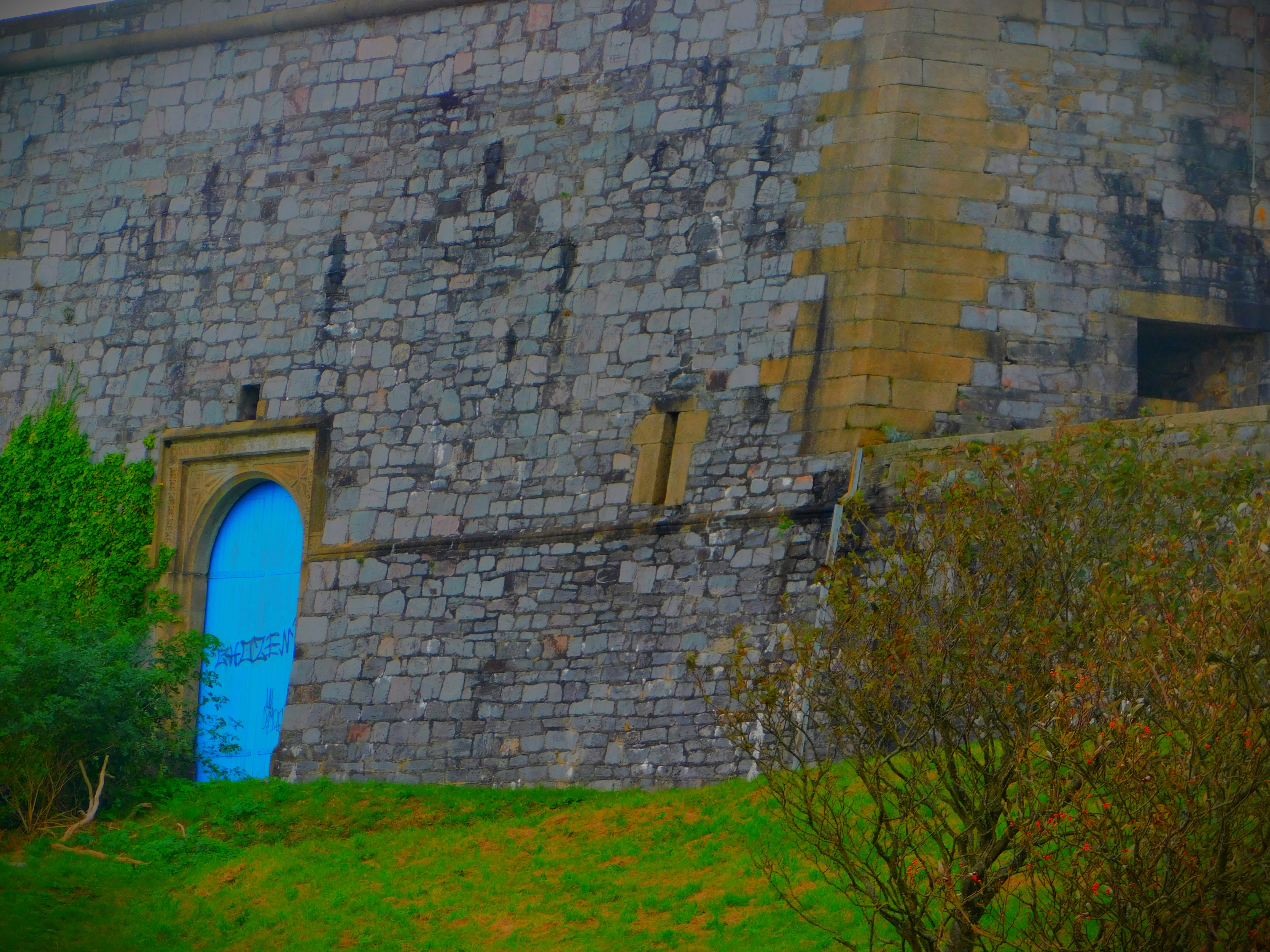
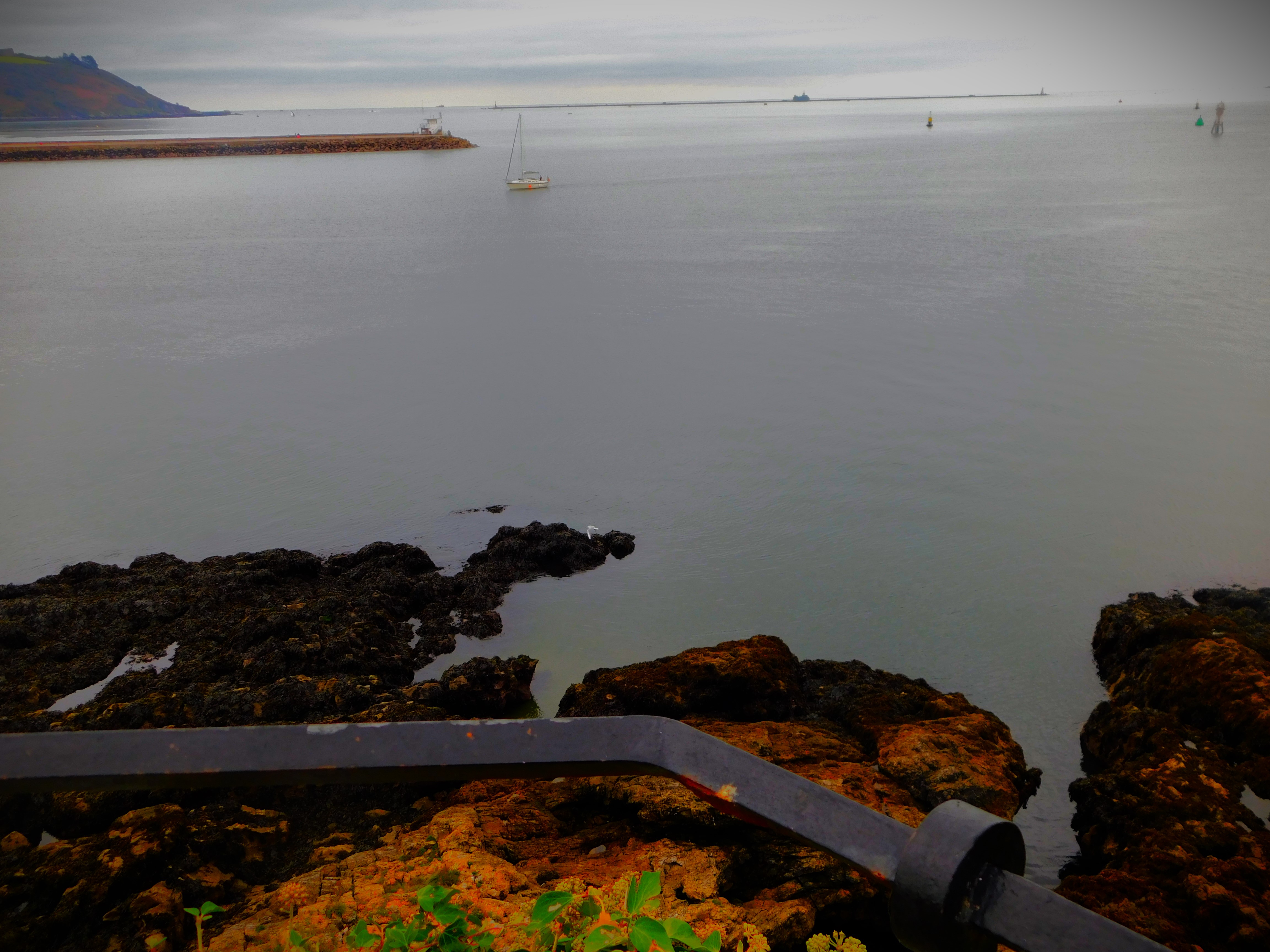
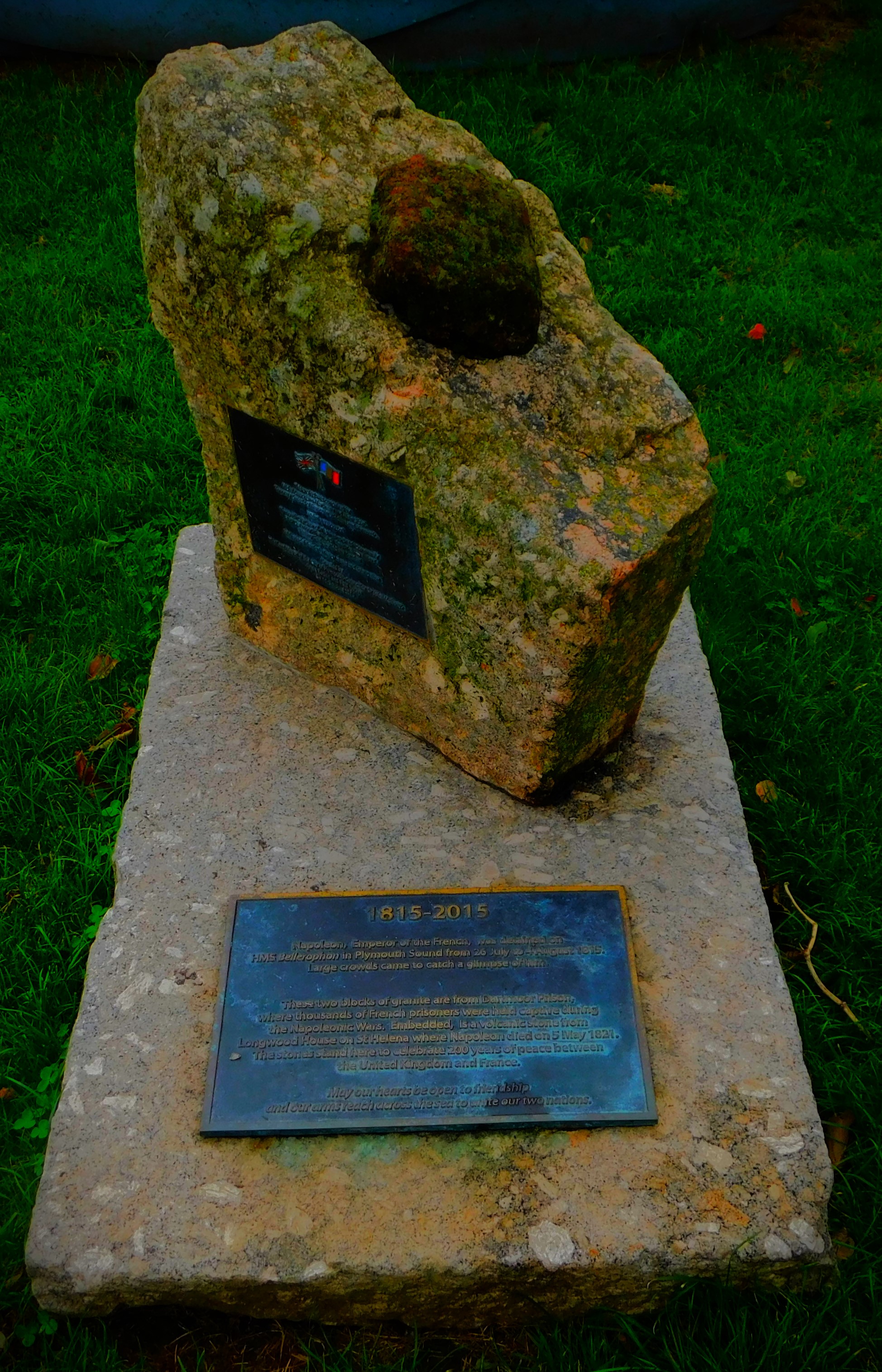
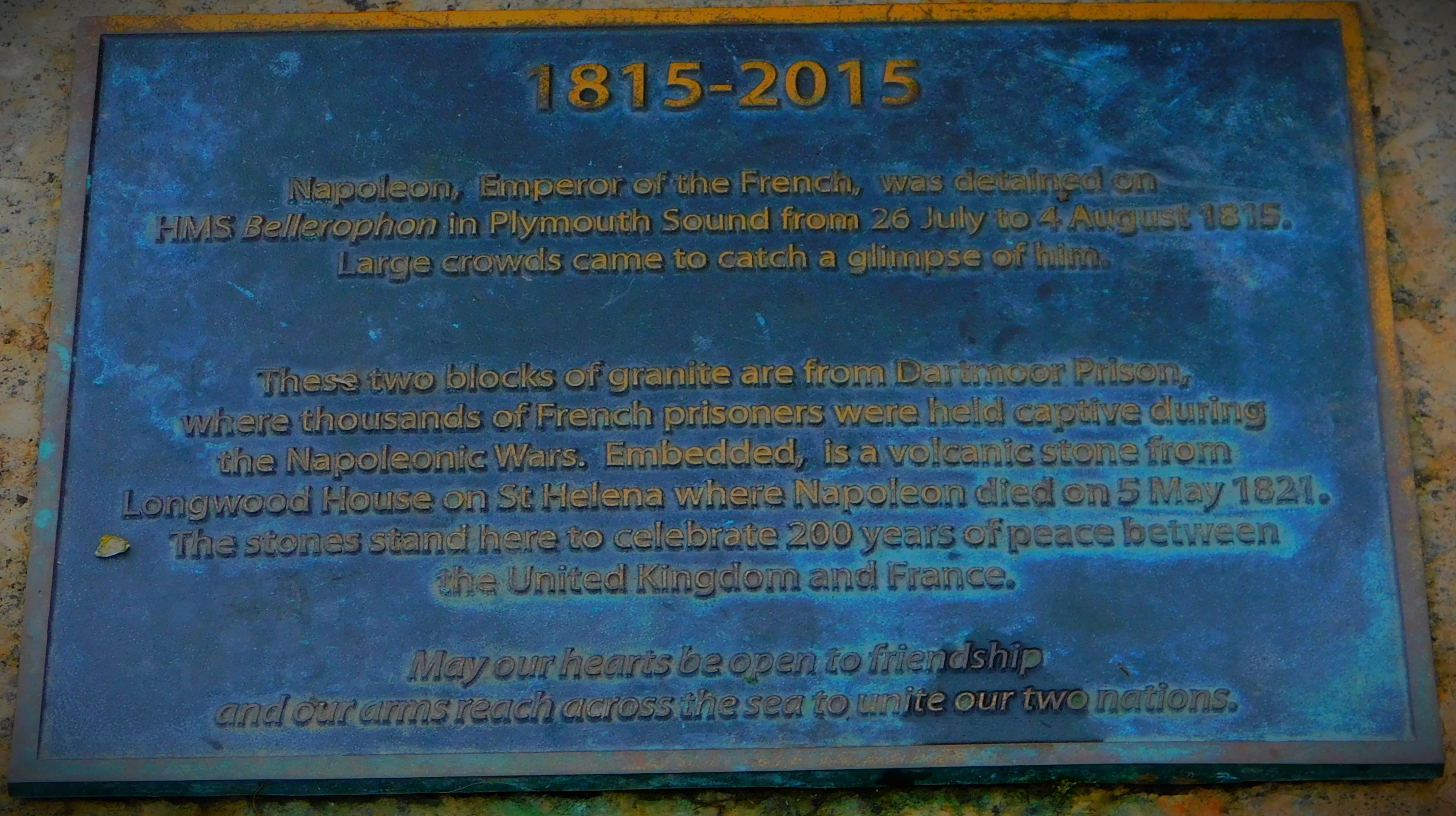
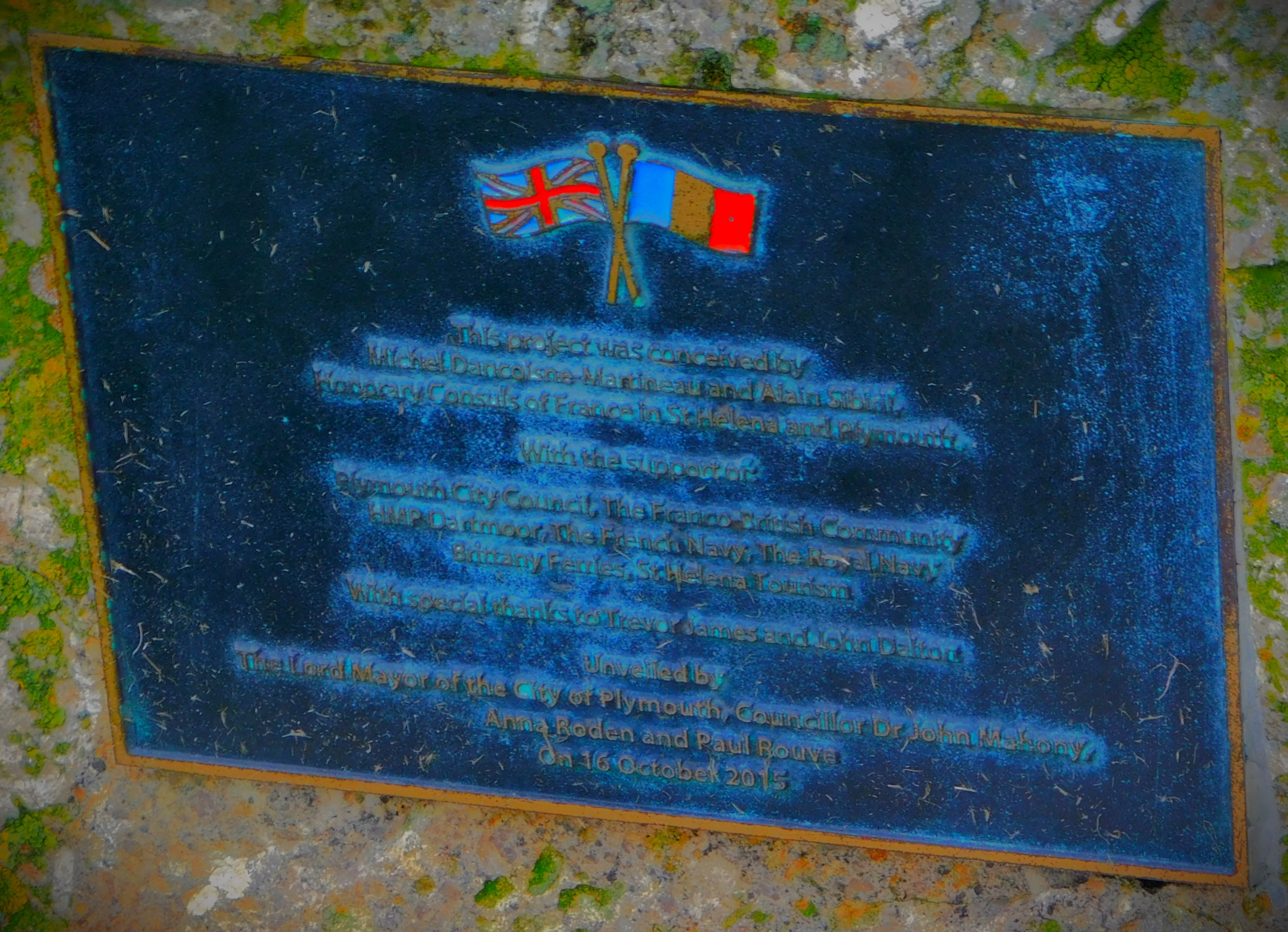
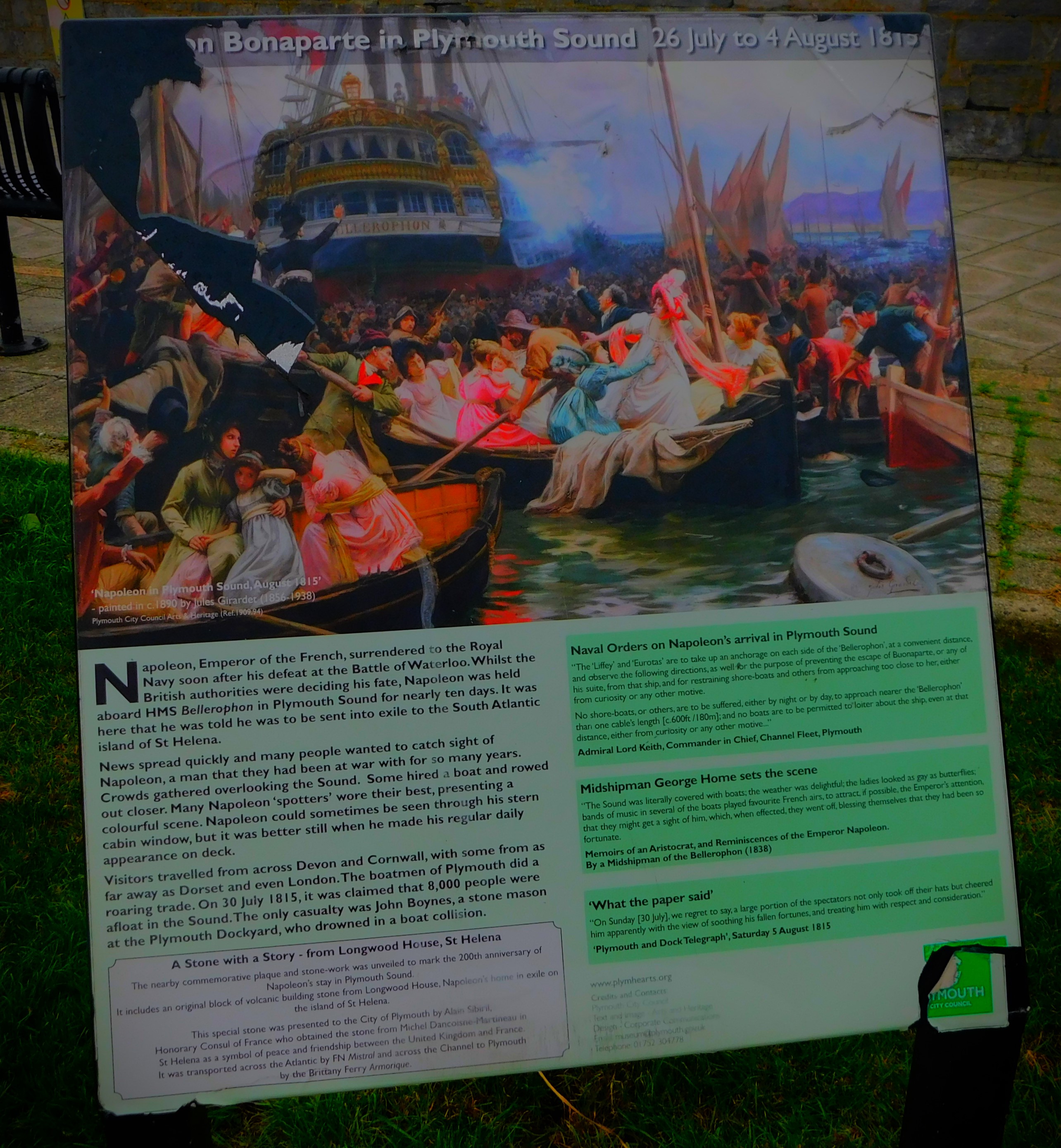
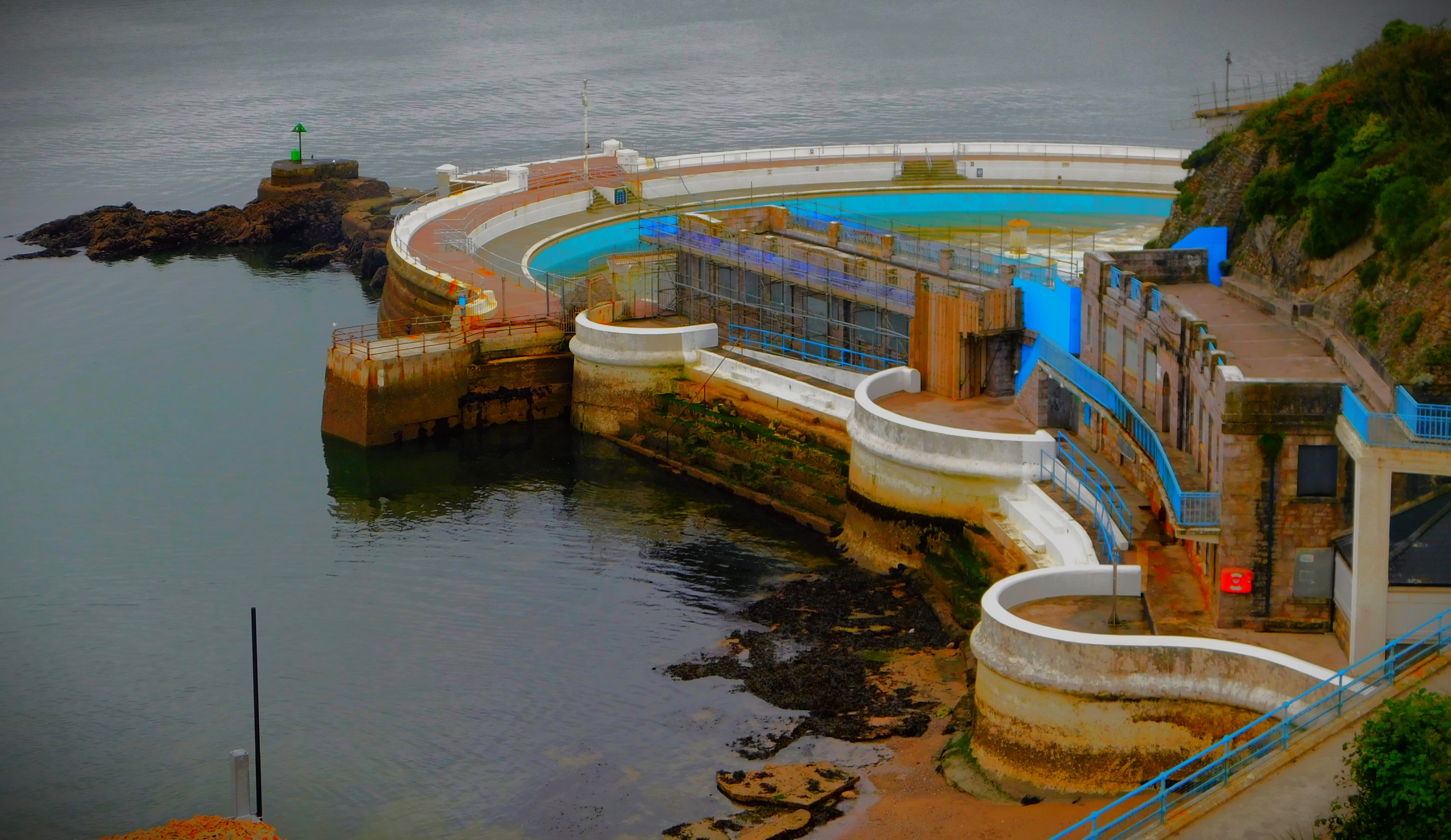
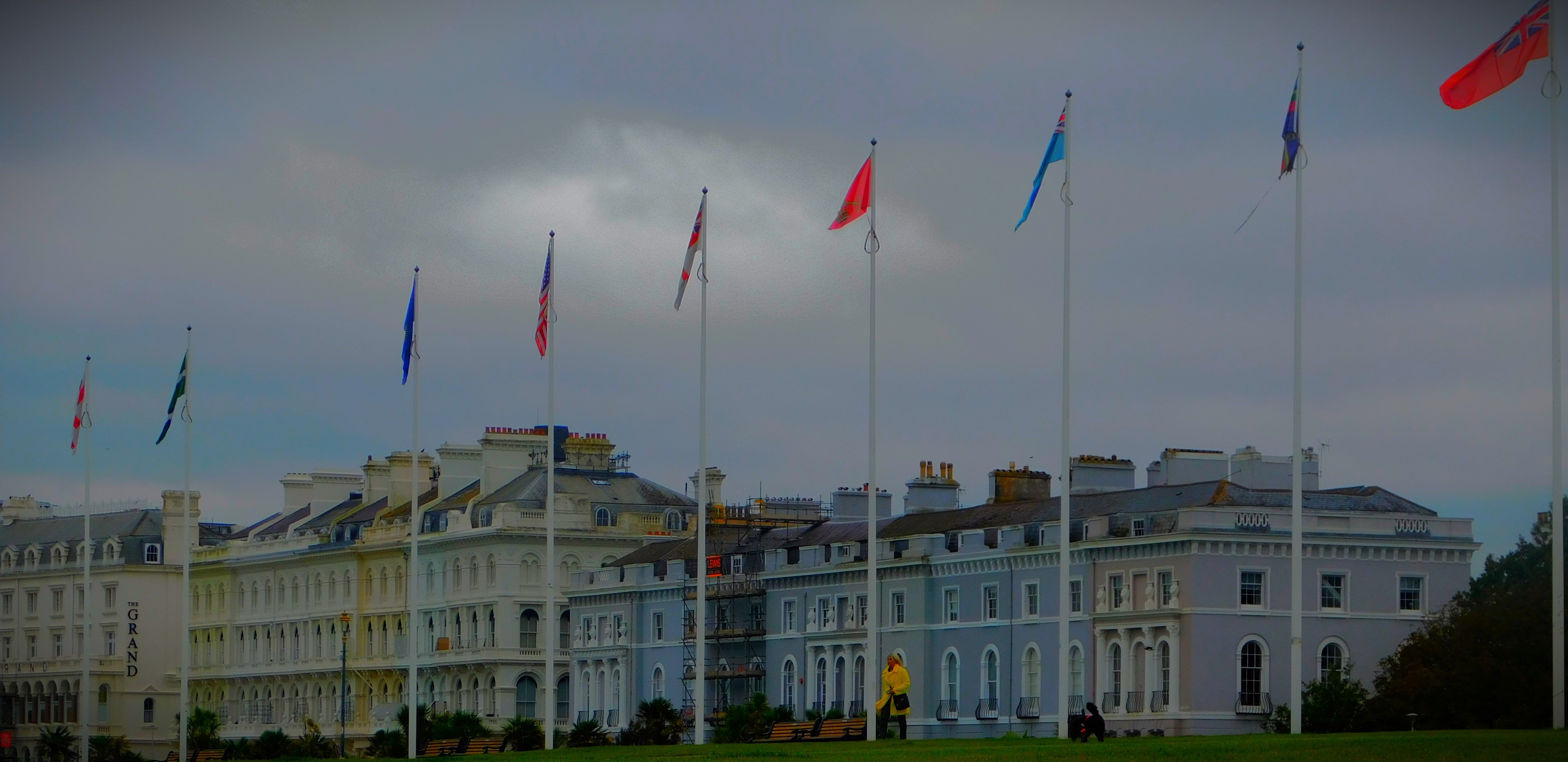
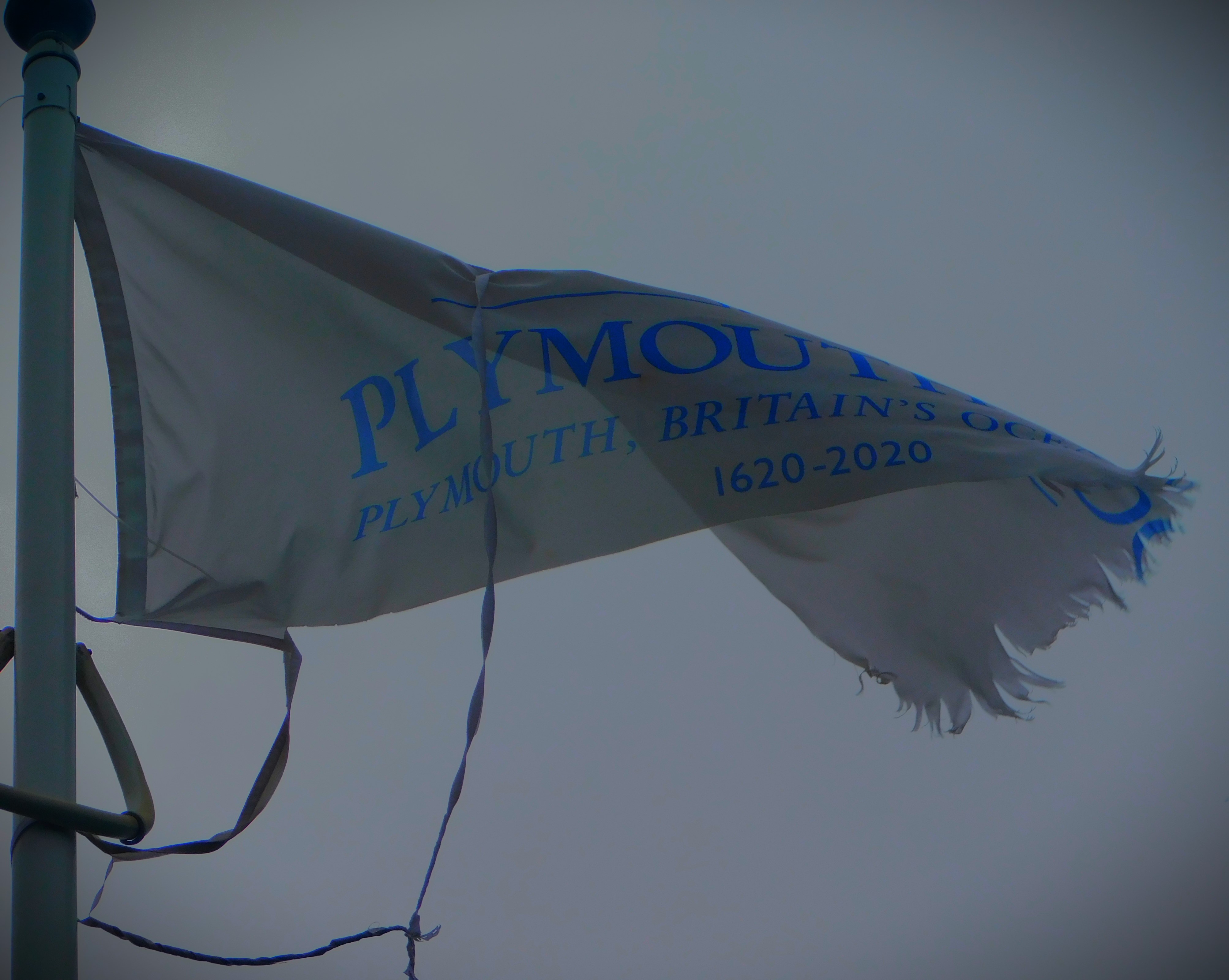
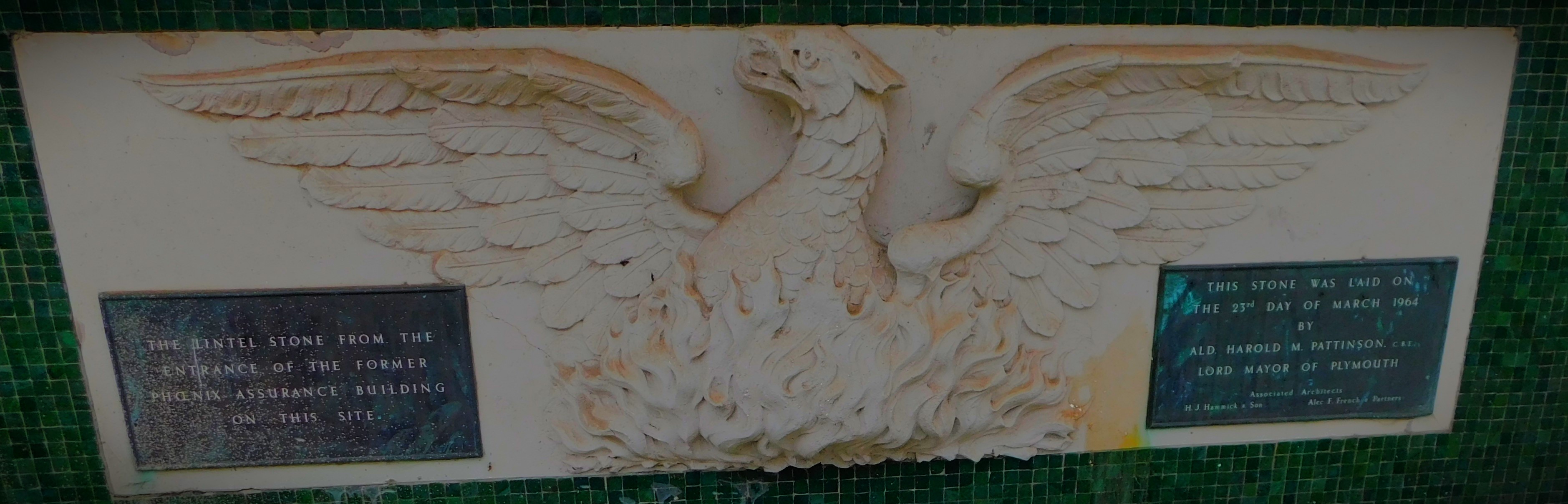
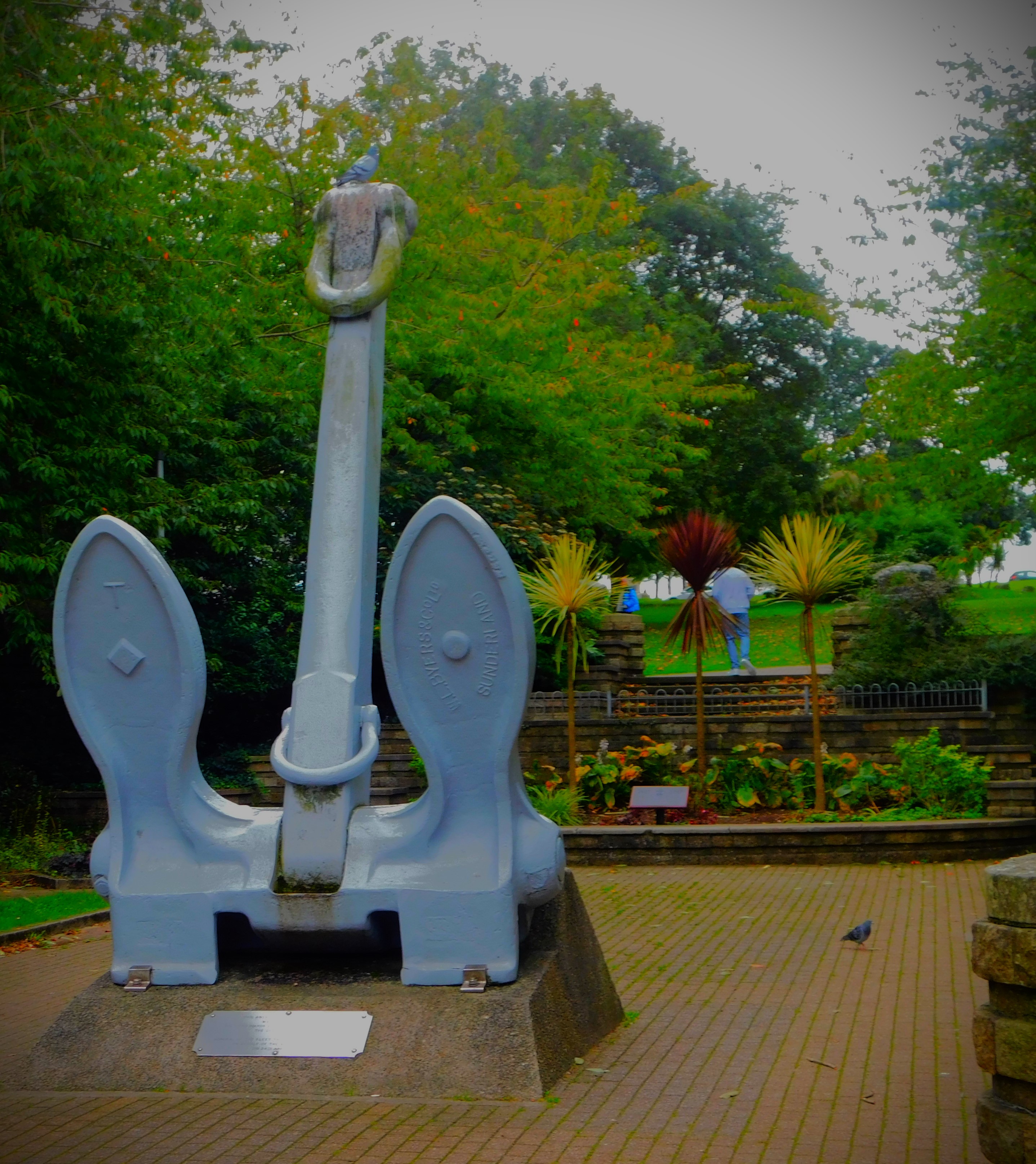
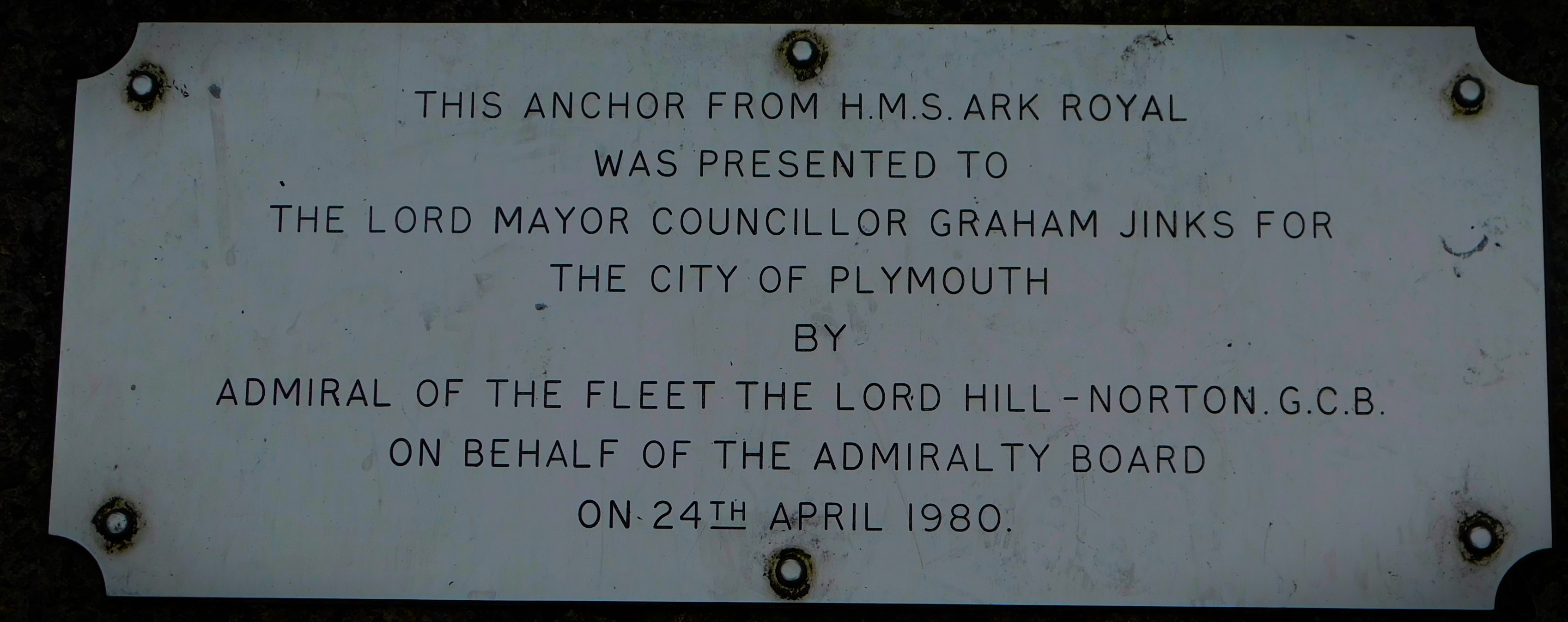
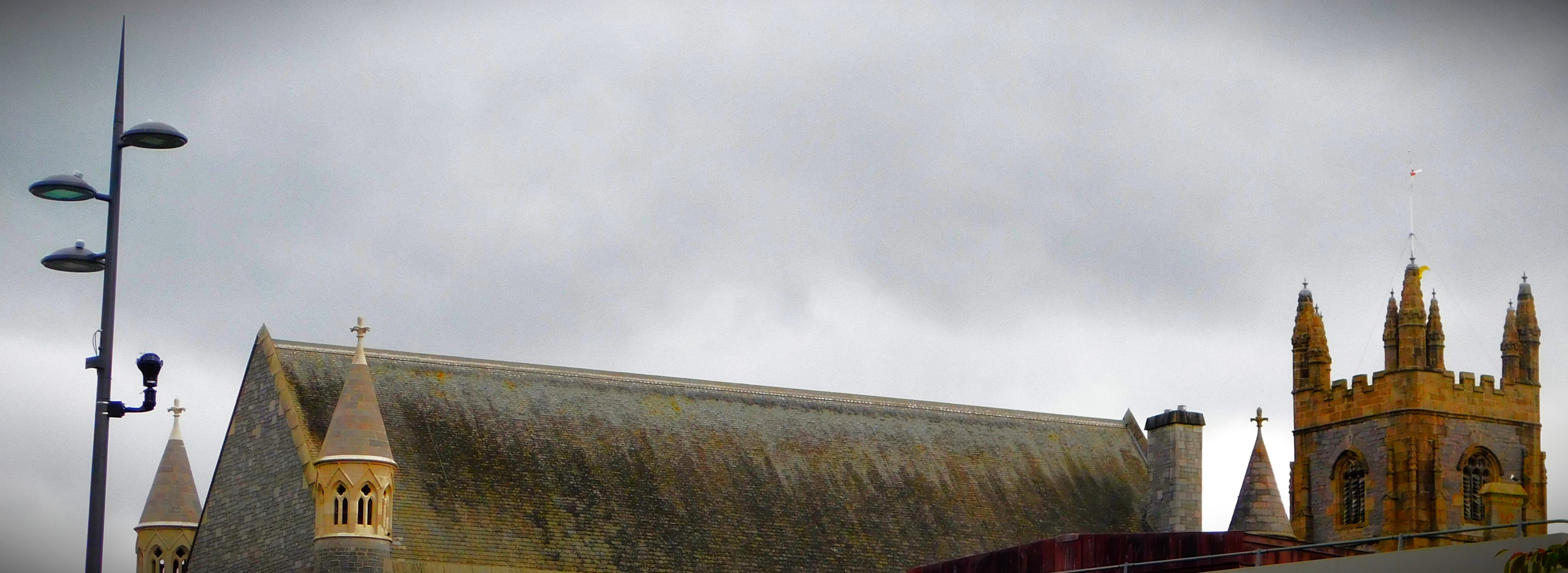
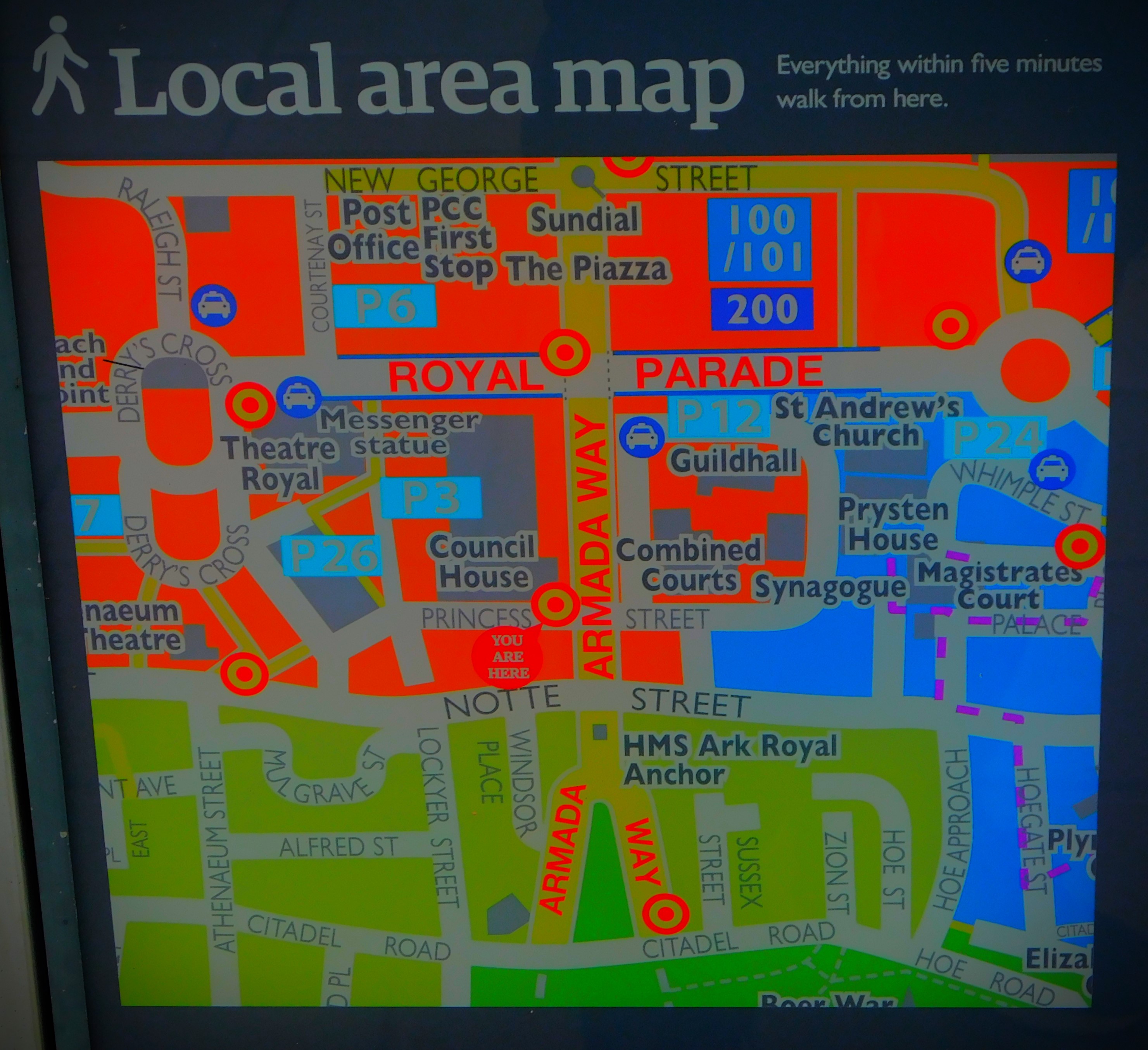
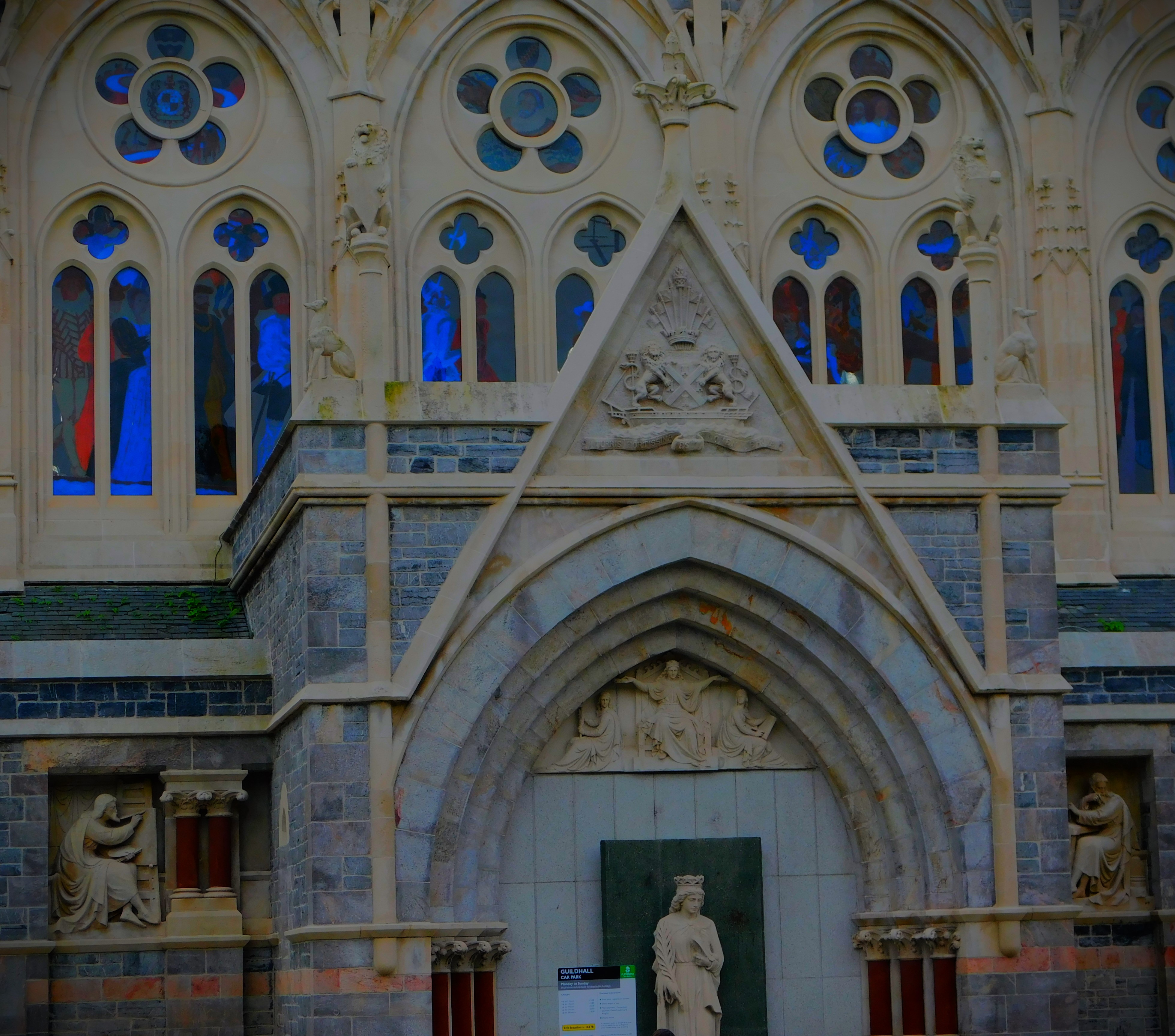
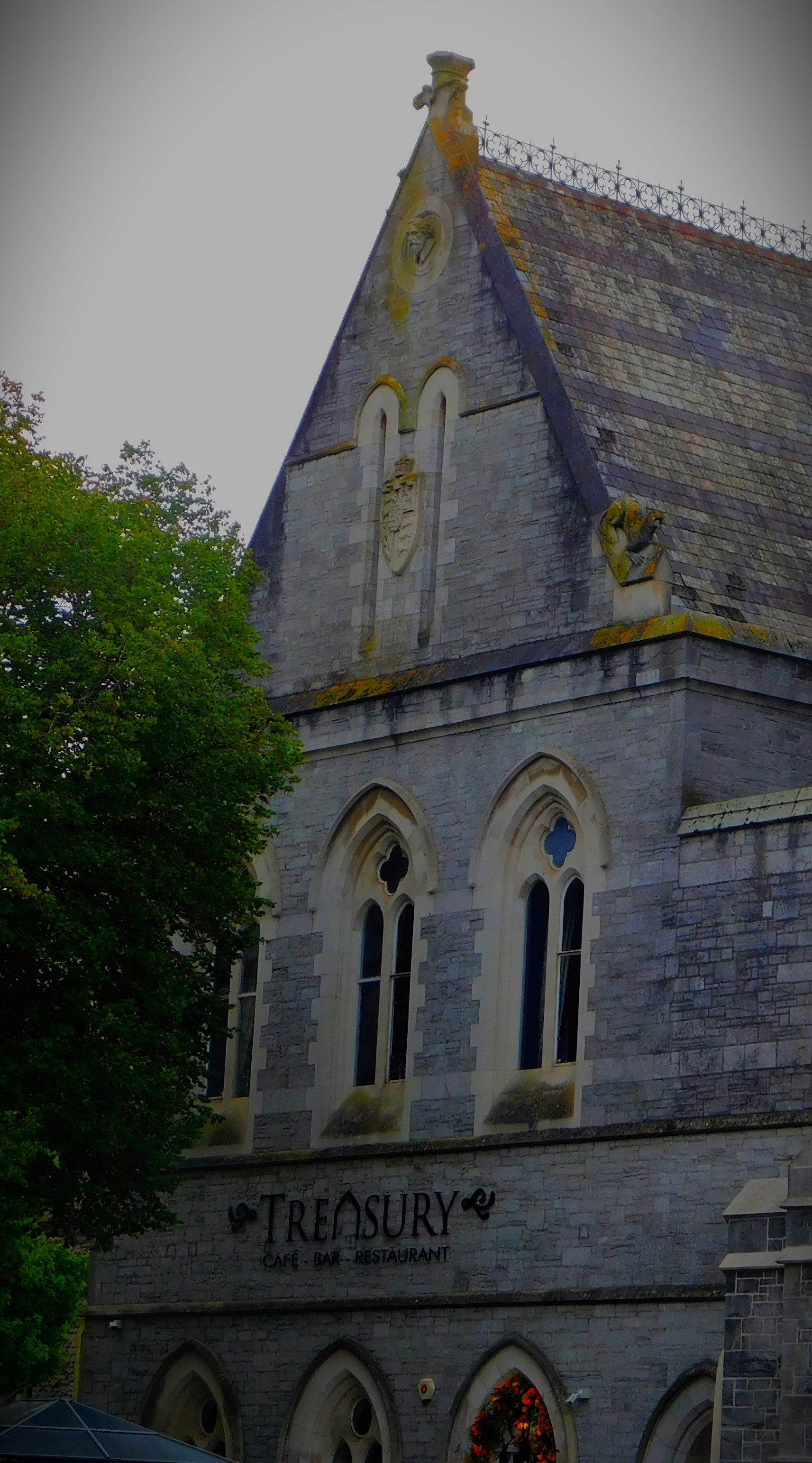
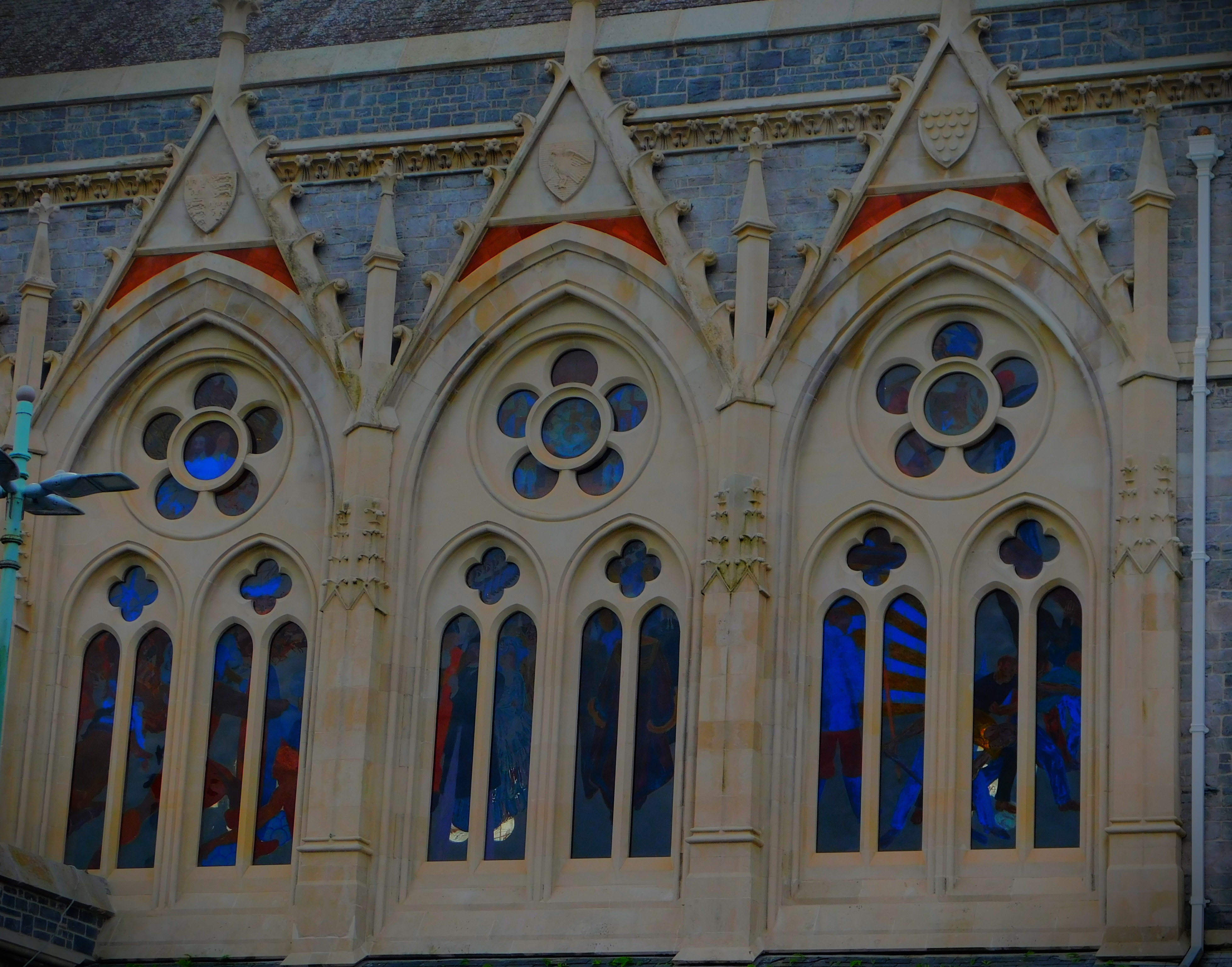
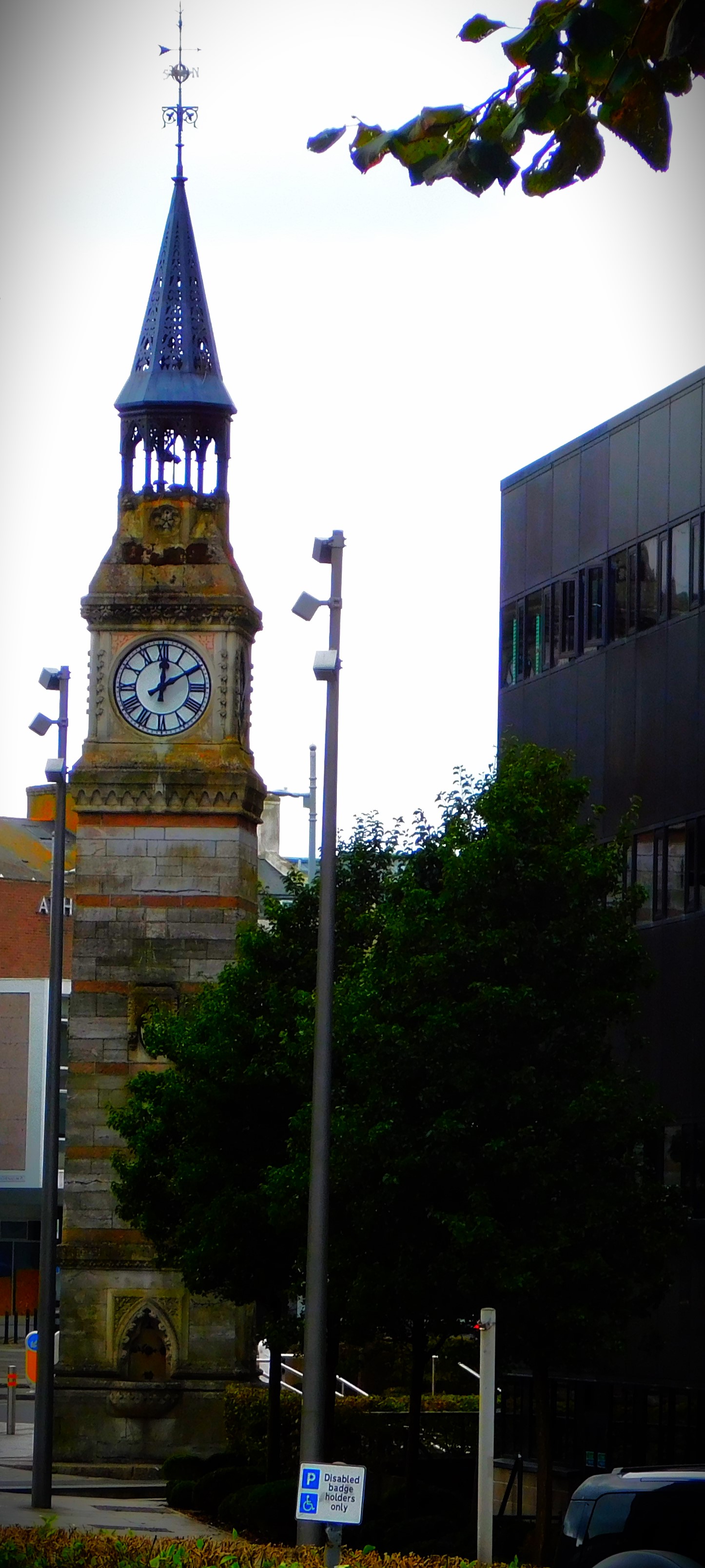
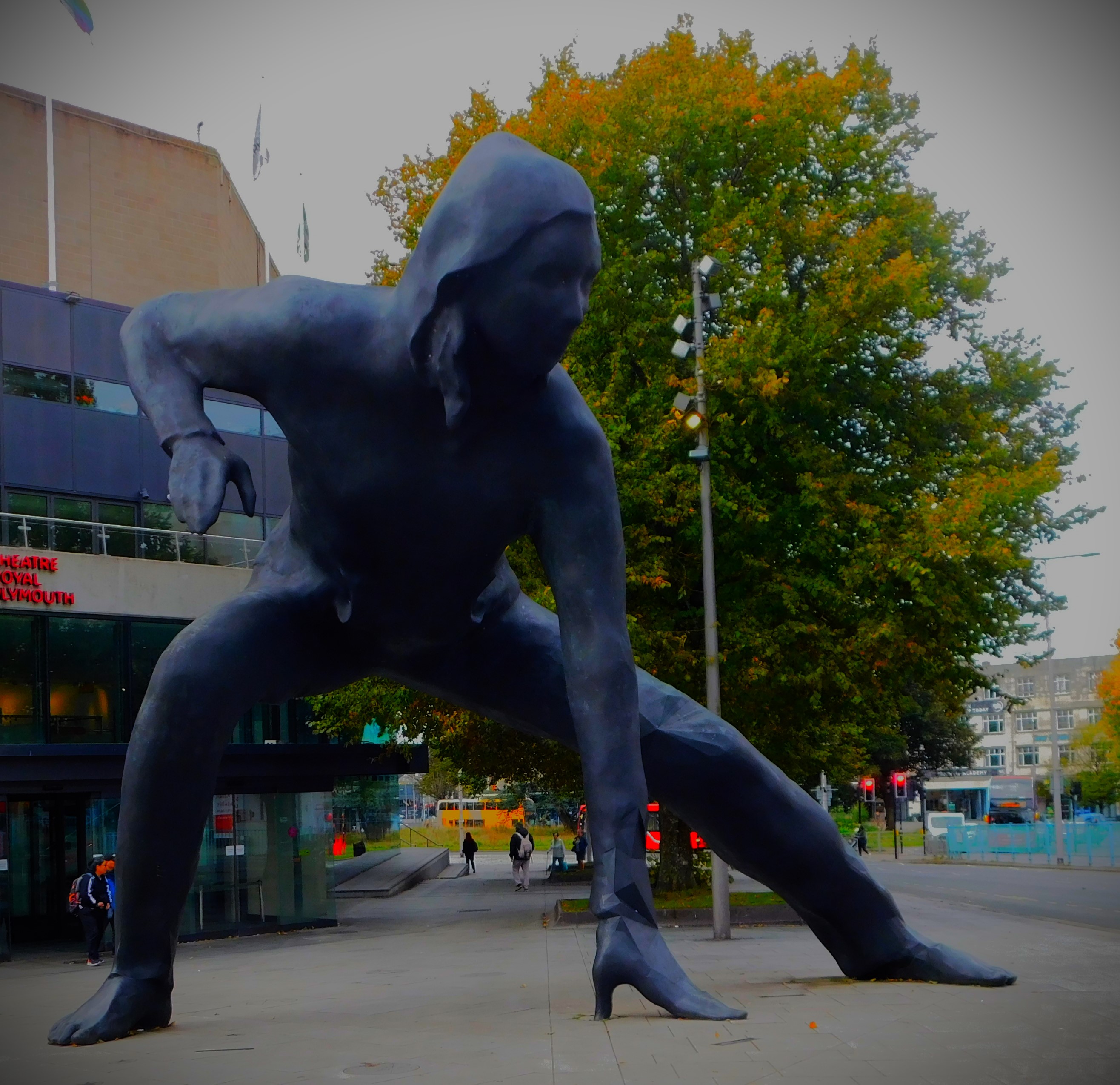
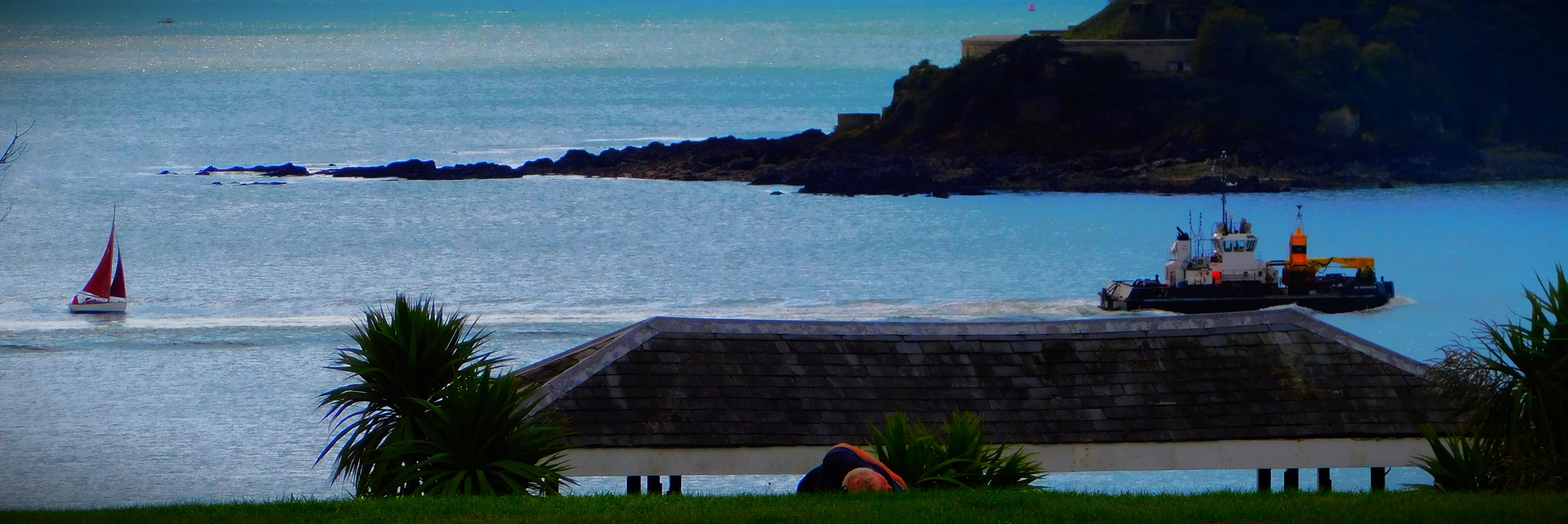
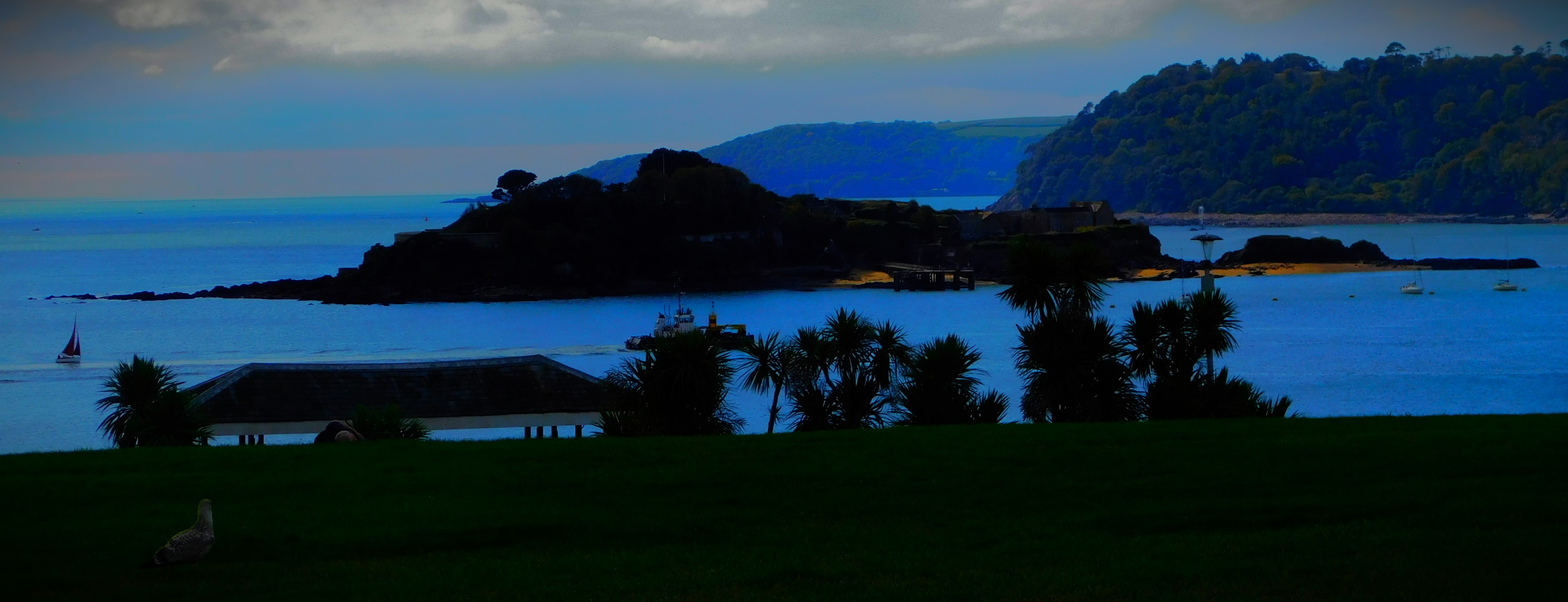
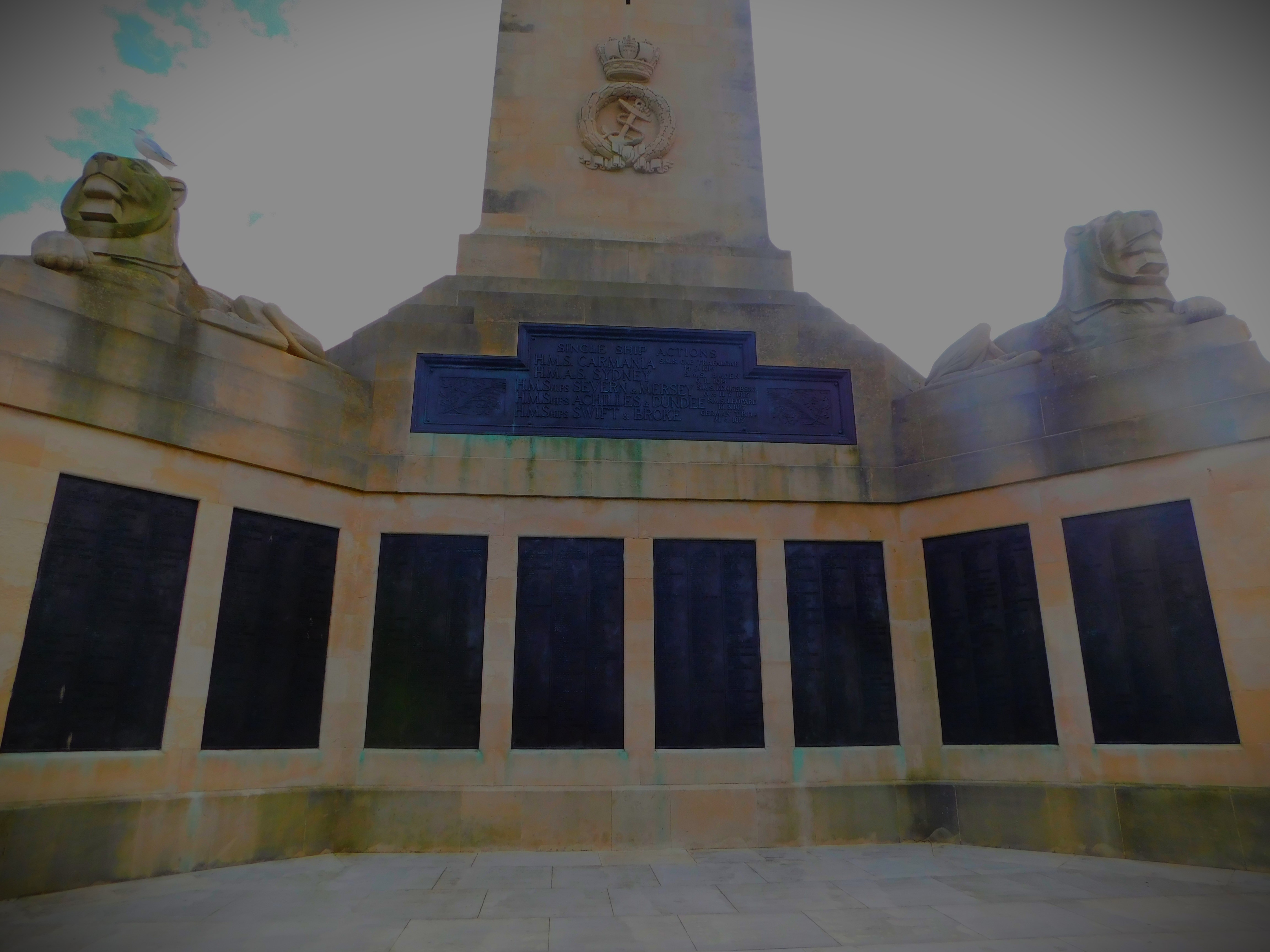
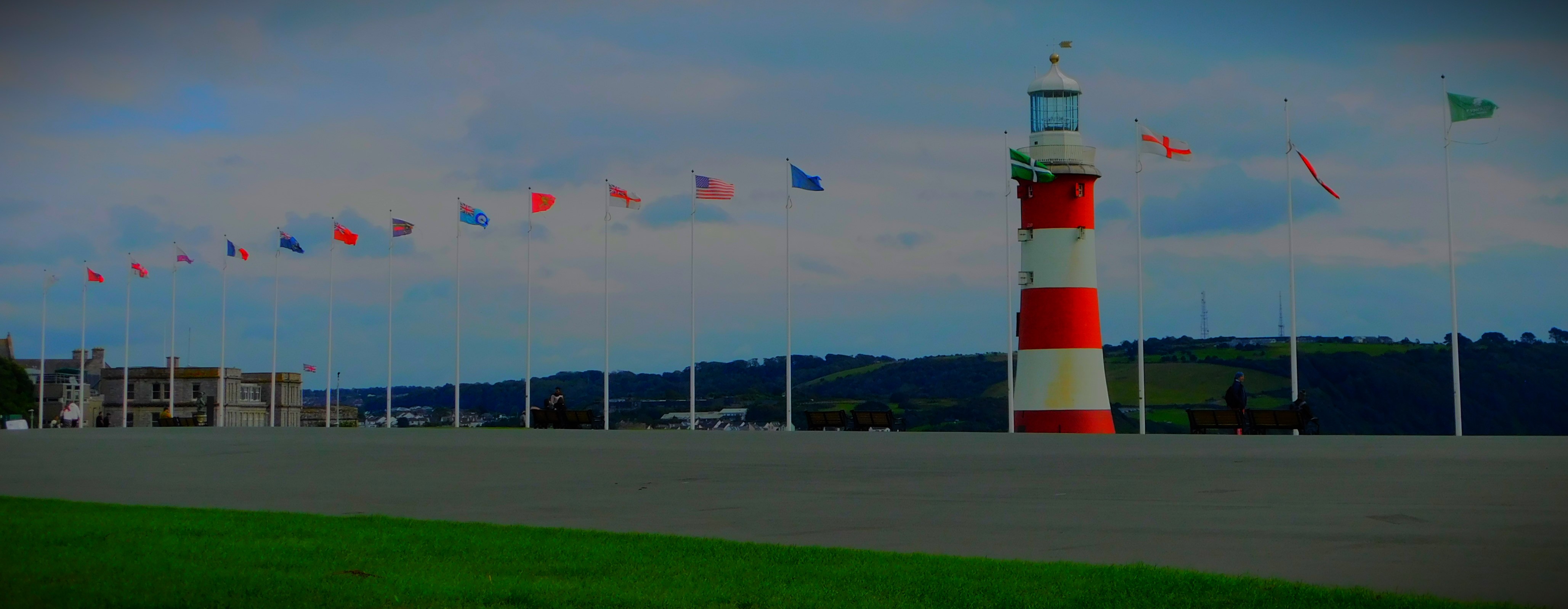
Since The Hoe was more or less on the doorstep of my hotel I started my explorations from there. I also took in plenty of other stuff as you will see. For lunch I had a recommendation of a Turkish establishment at Derry Cross, which is at one end of Royal Parade, a wide thoroughfare which also serves as the start and end point for all Plymouth based bus routes, and which in conjunction with the even wider and entirely pedestrianized Armada Way forms a giant T that effectively defines Plymouth city centre. Armada Way is also the beginning of the route to Plymouth Railway Station, of which more in the final post in this series.

Dunya, for such is the name of the Turkish establishment in question, lived up to what I had been told. I ordered from their lunch menu – mixed olives with feta for a starter and lamb kofte for main, which with a ginger beer added in came to £16, and kept me going for the rest of that day.

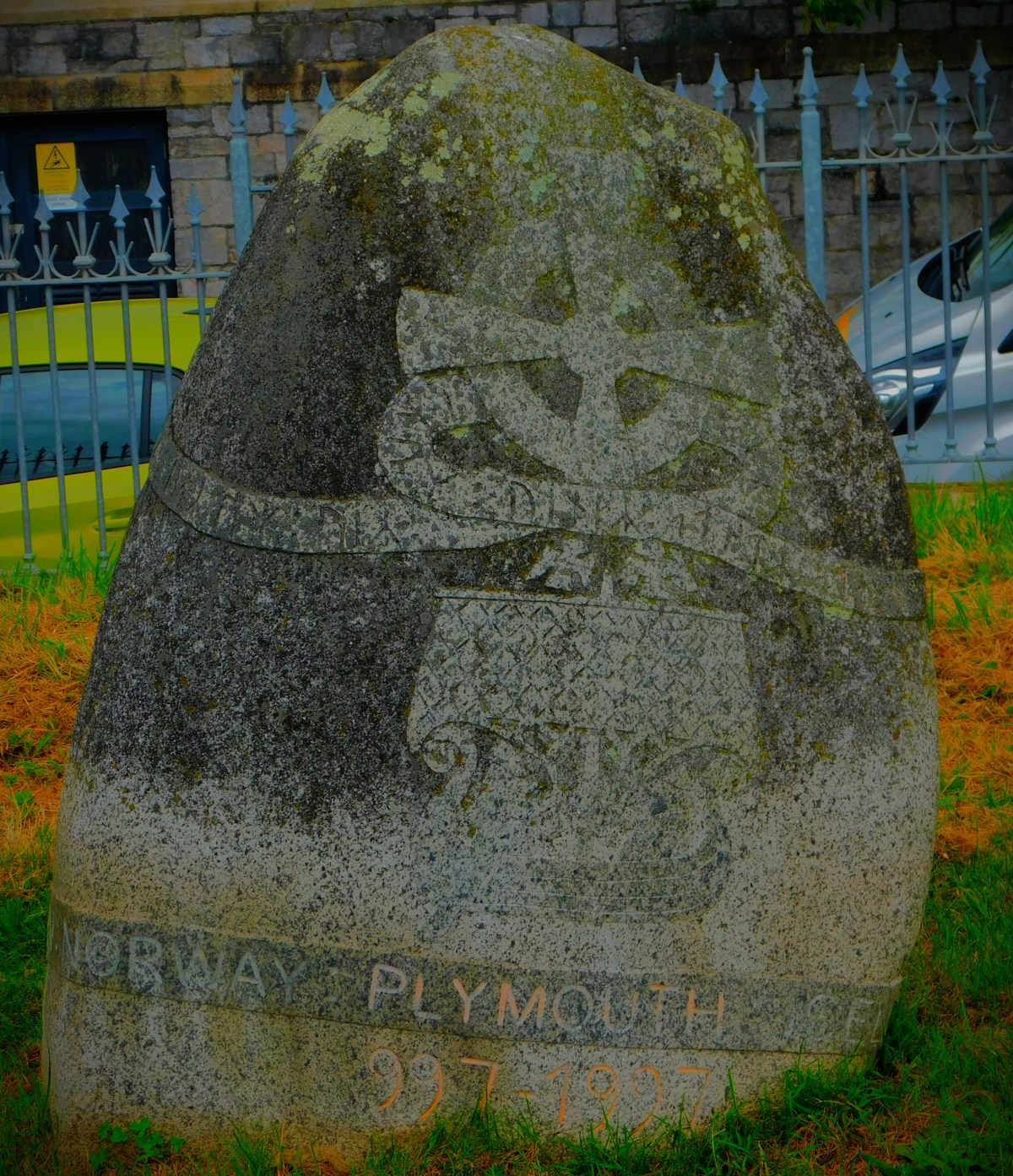
For the afternoon I returned to the Hoe, and awaited details of the two codes I needed to be able to enter the hotel – a door code, and a code for the key safe in which the room key is kept between customers (these key safes are located just inside the hotel). By the time I got the two codes I was ready to turn in. My room proved to basic, but very acceptable. It had a shower, and a fridge, both fo which proved useful, but no chair, let alone a table, so I did my photo editing sat on the bed, with the computer actually living up to its official designation of lap top for once.

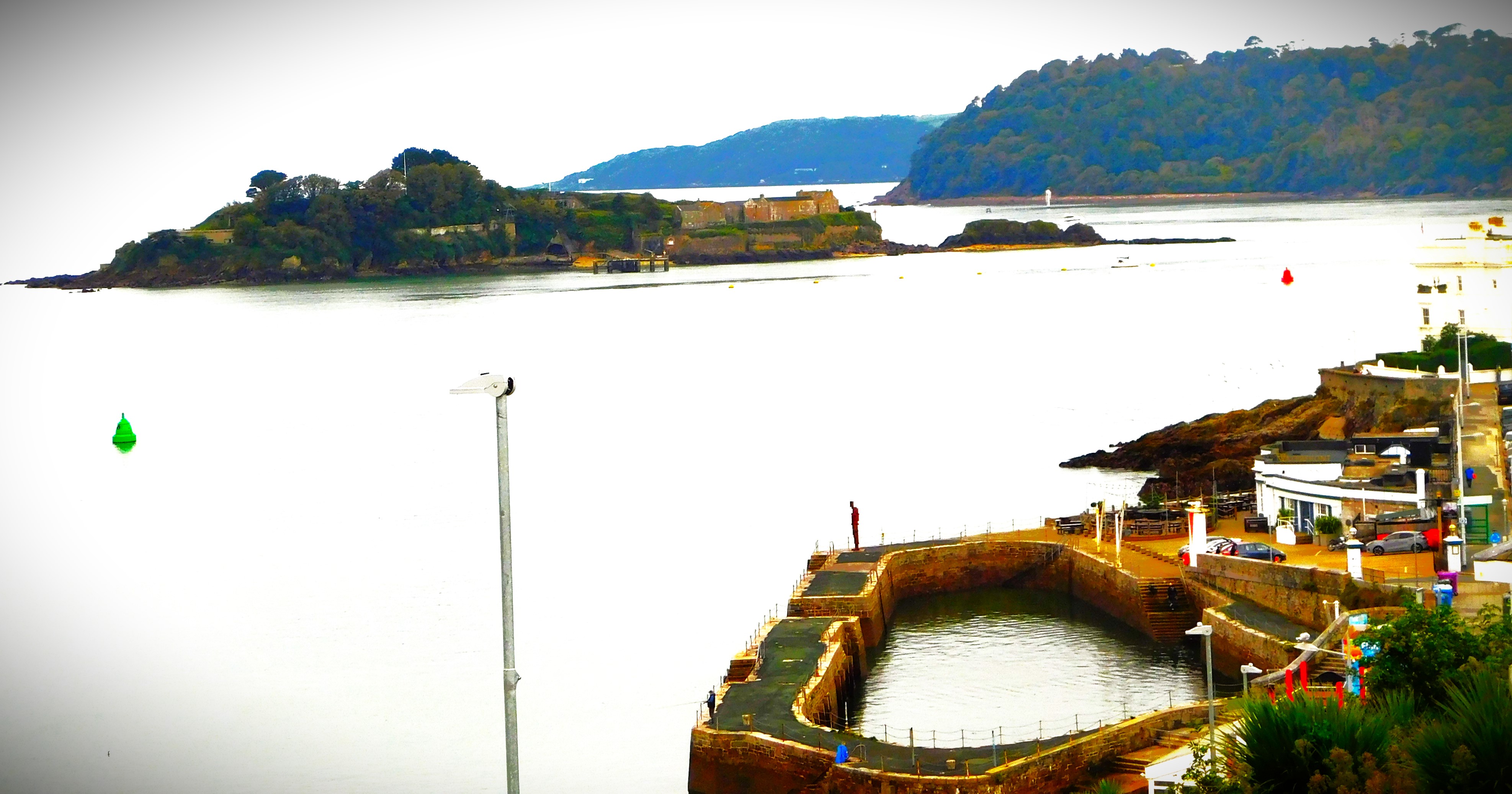
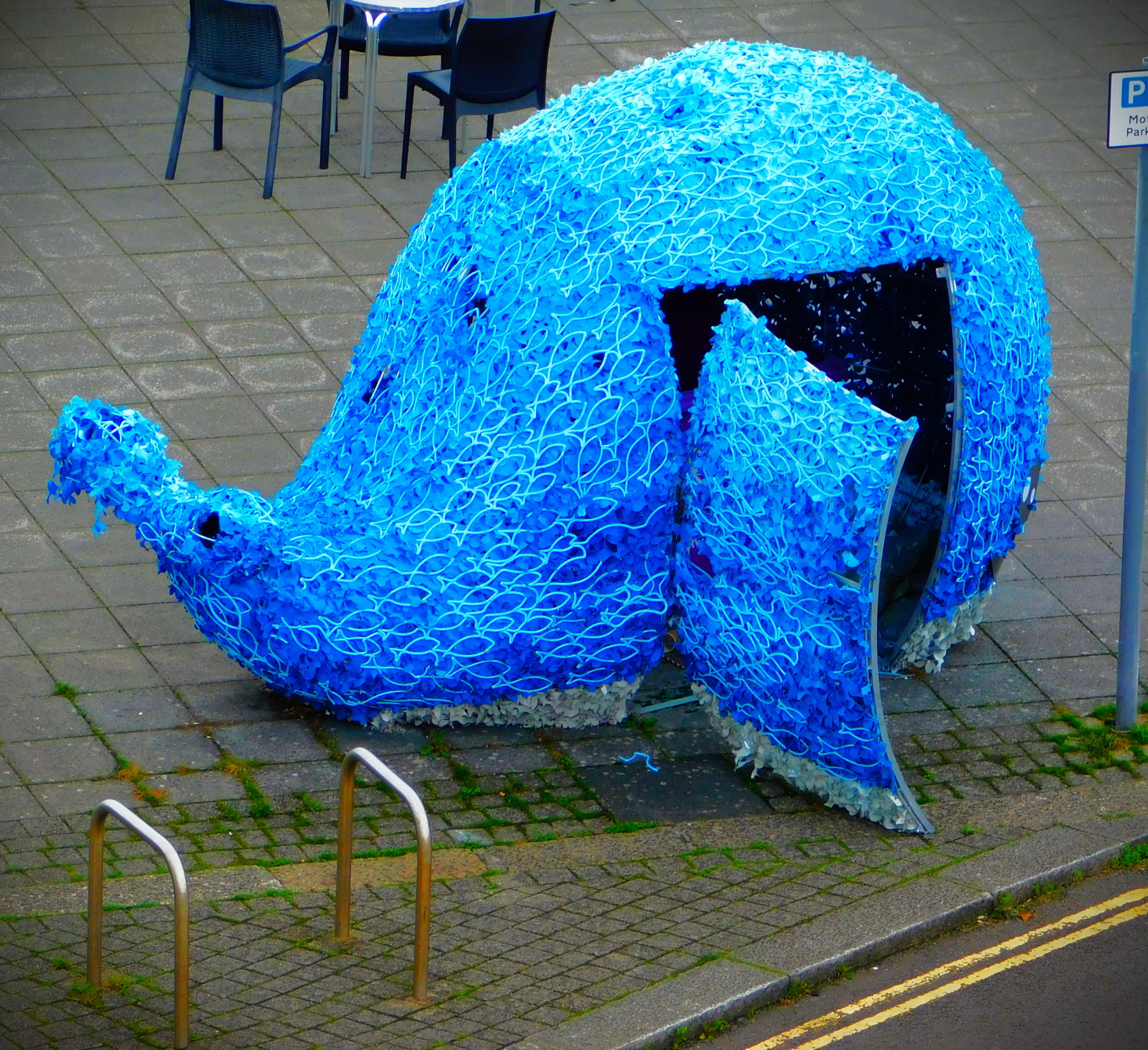
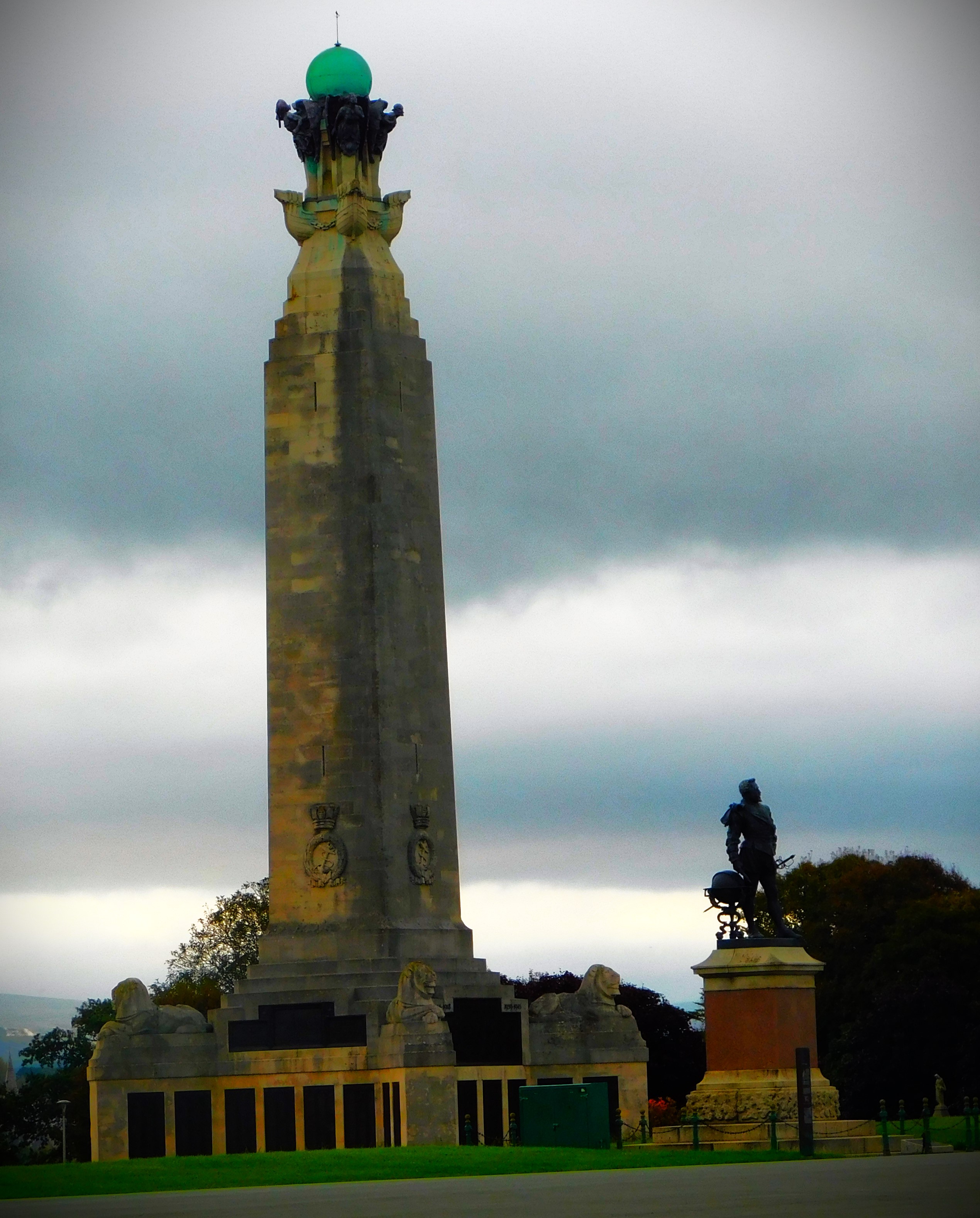
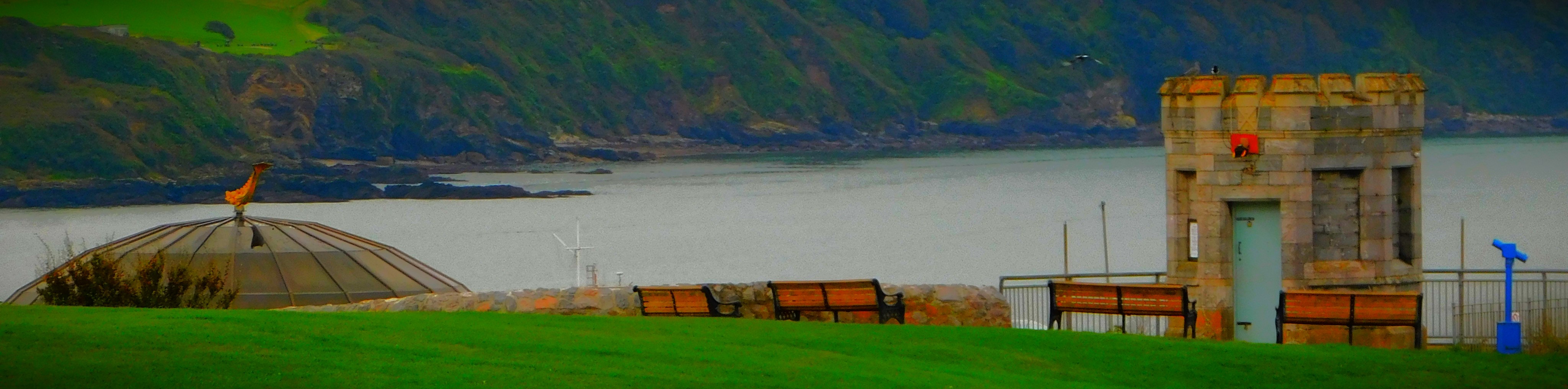
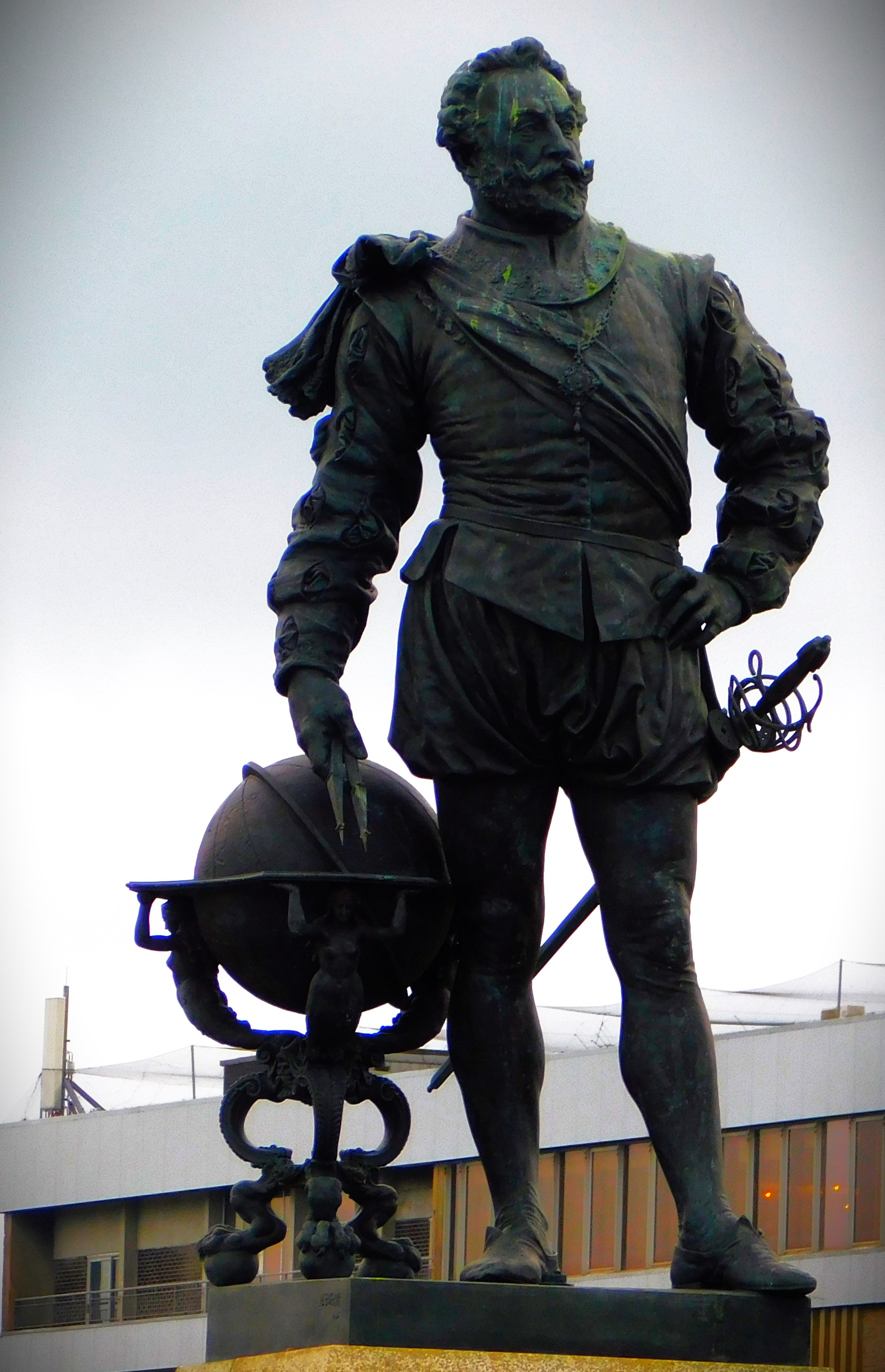
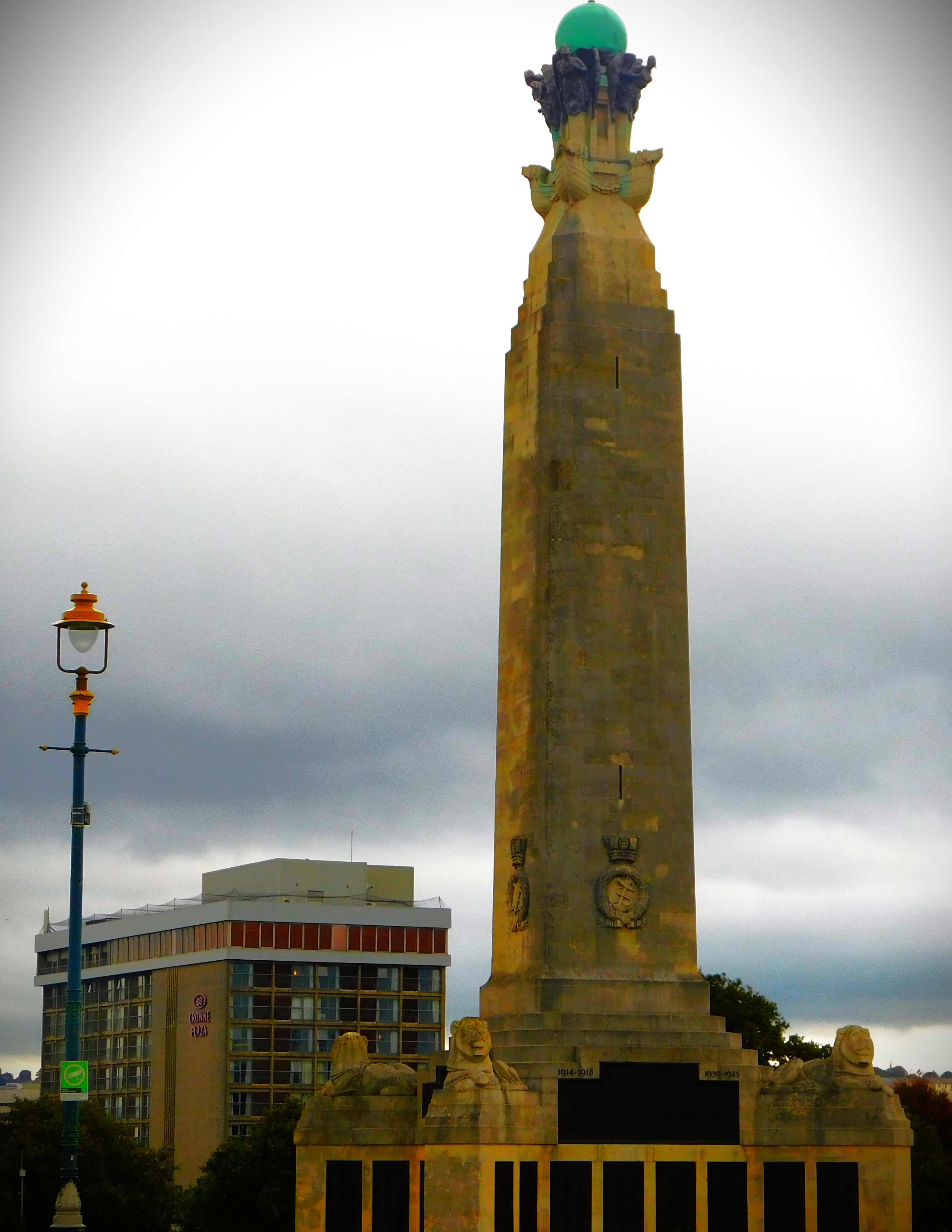
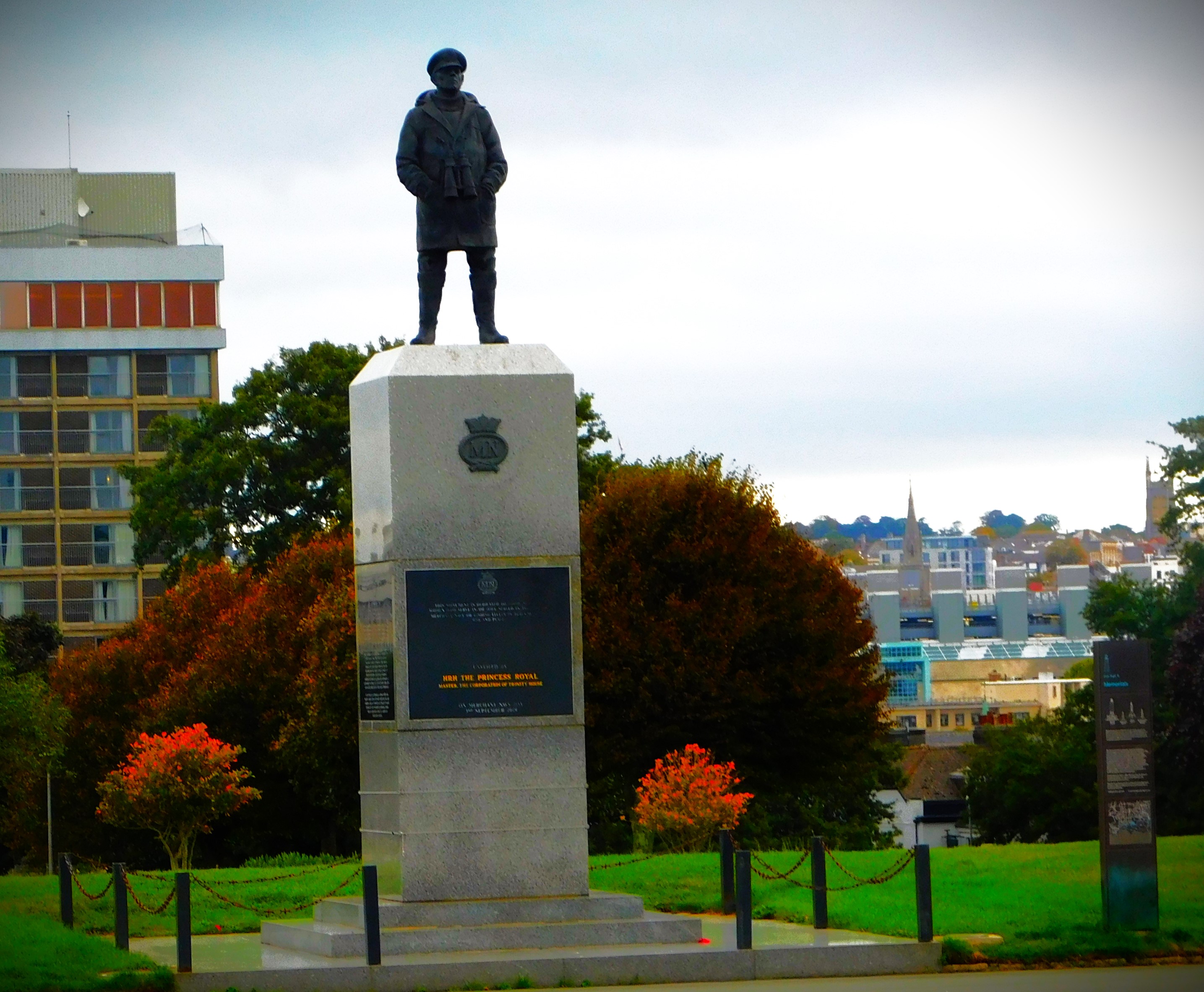
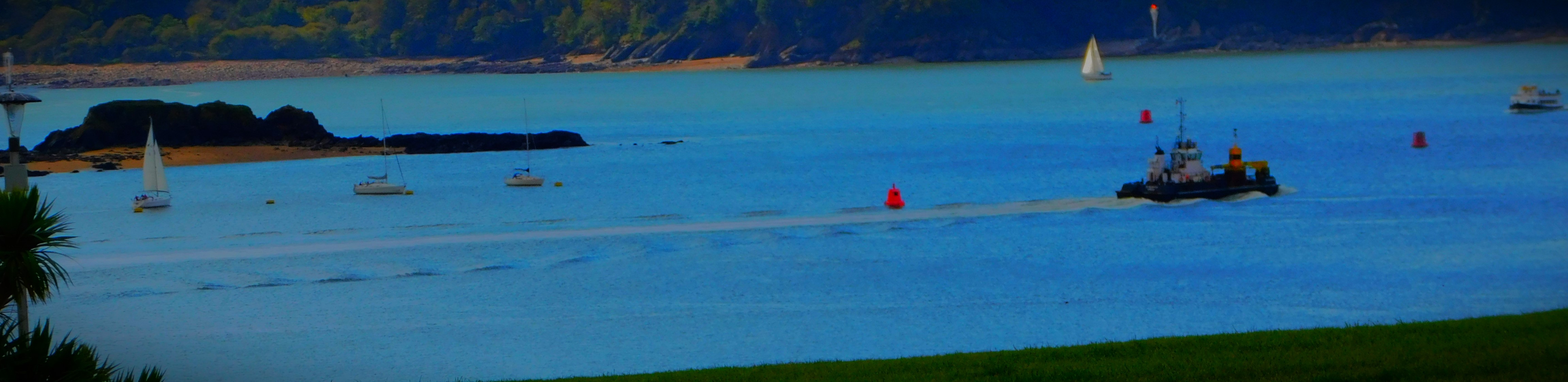
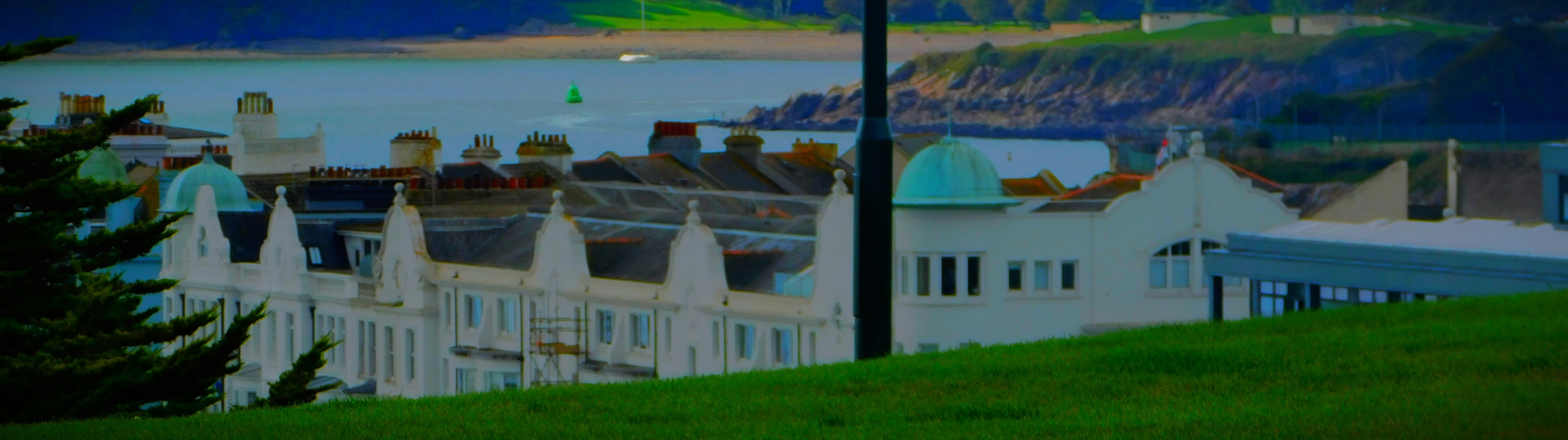
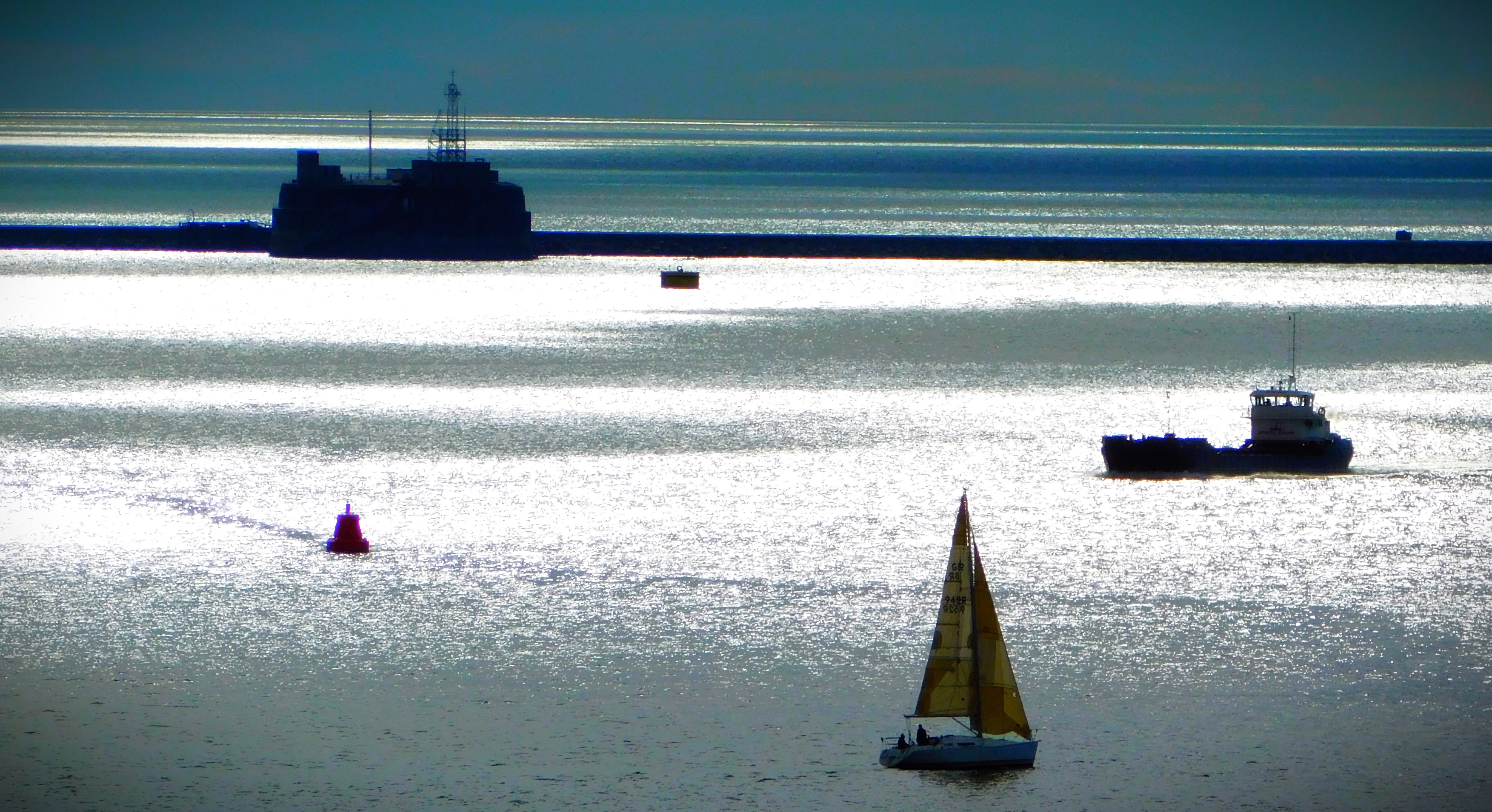
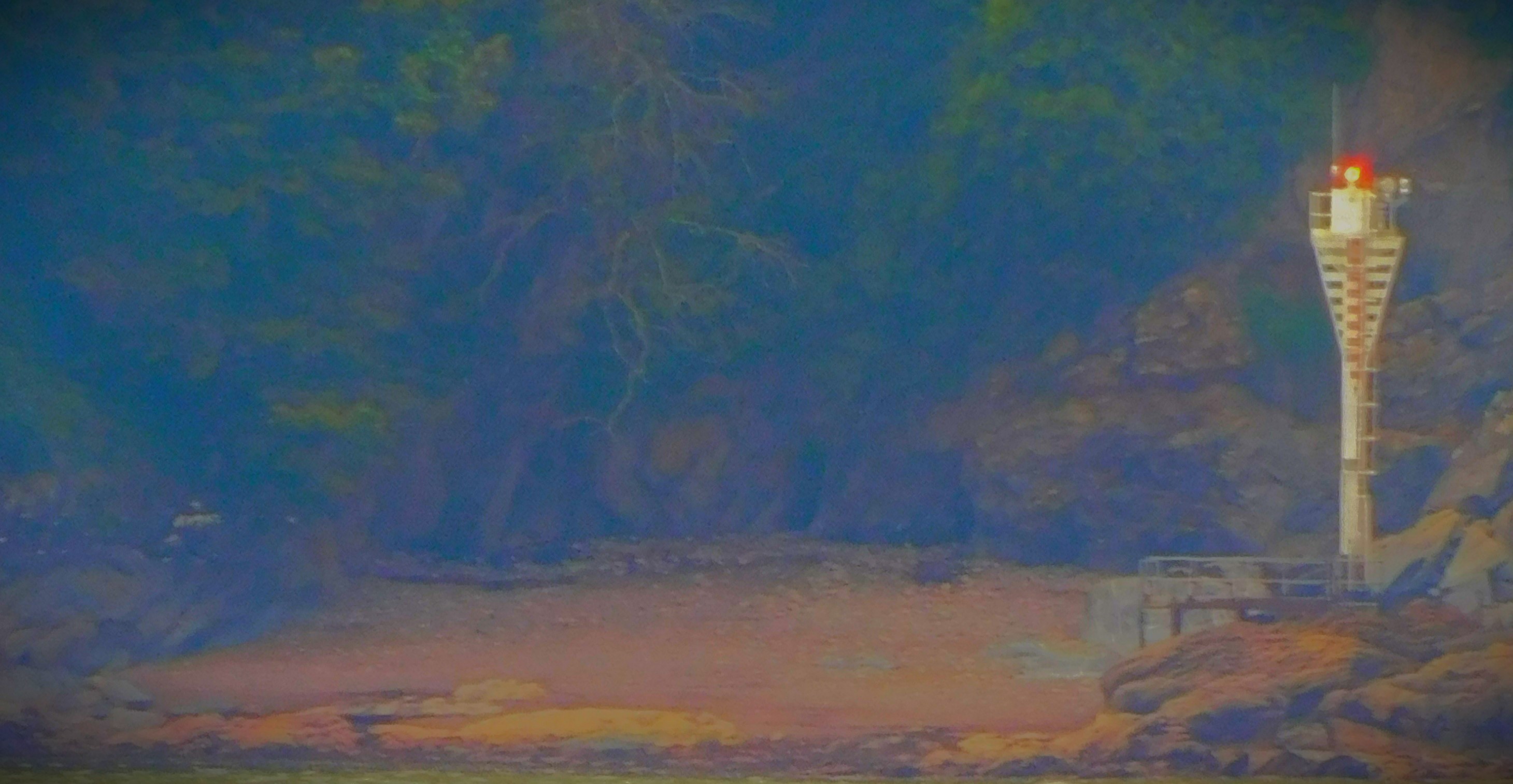
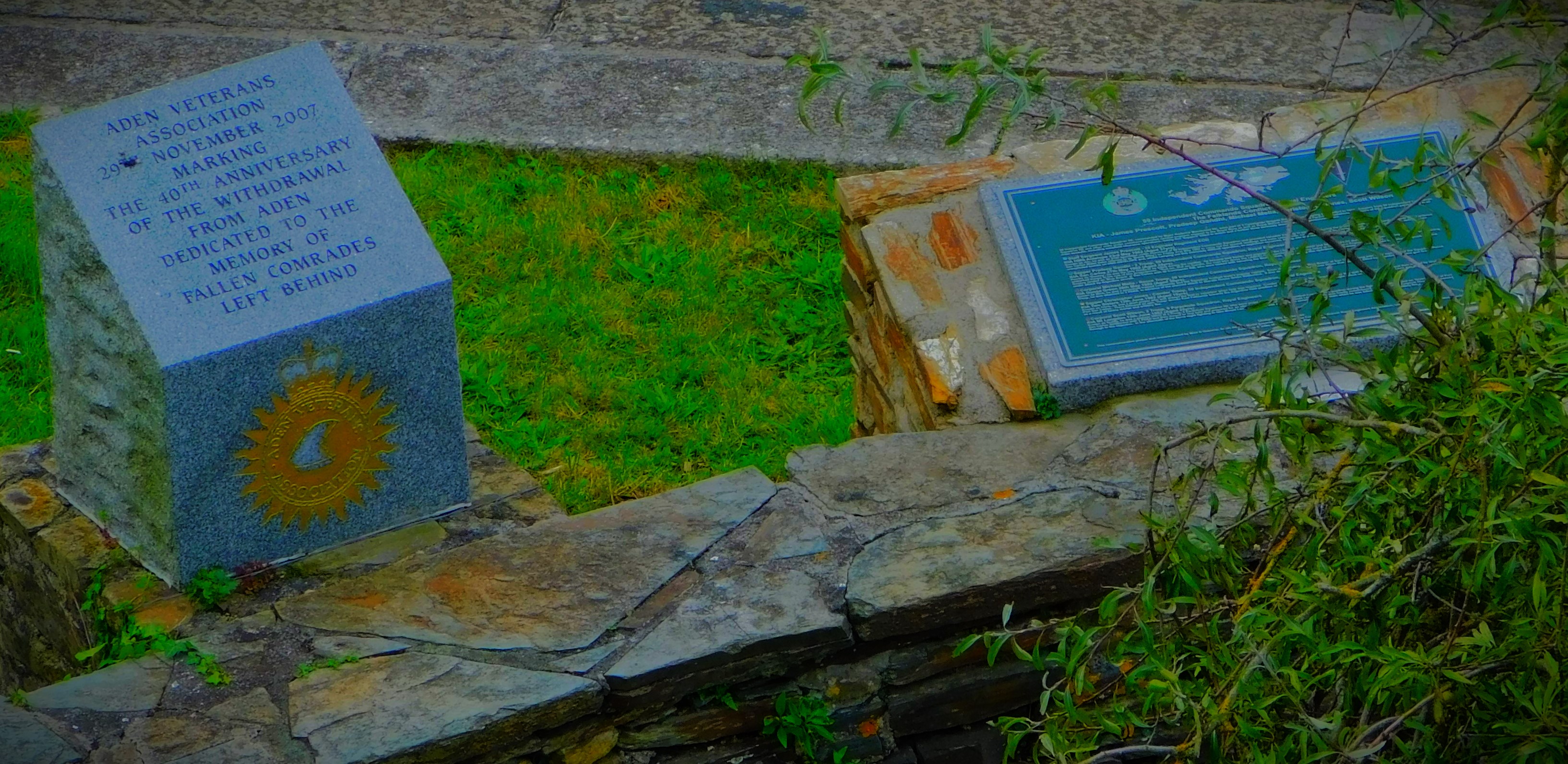
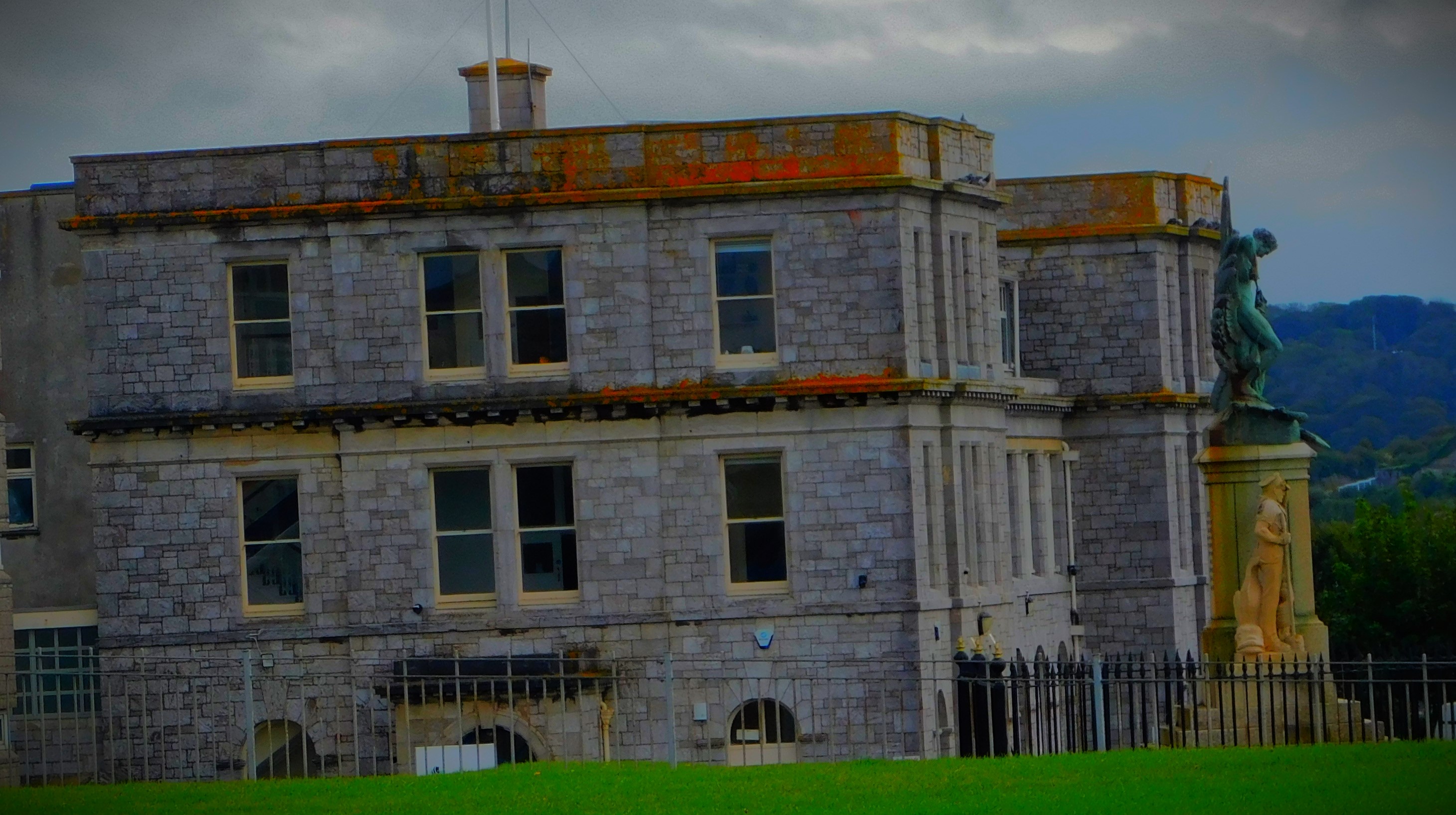
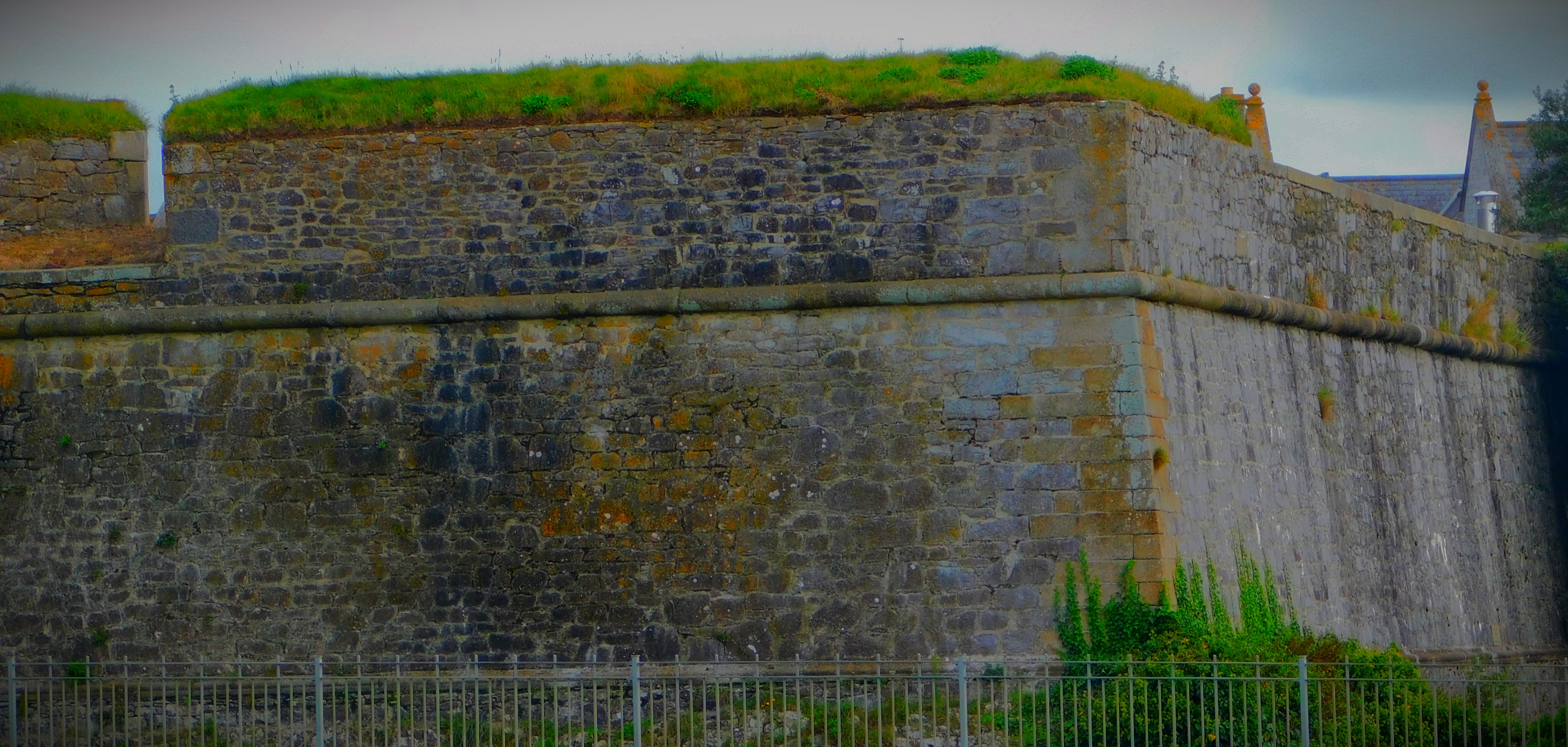
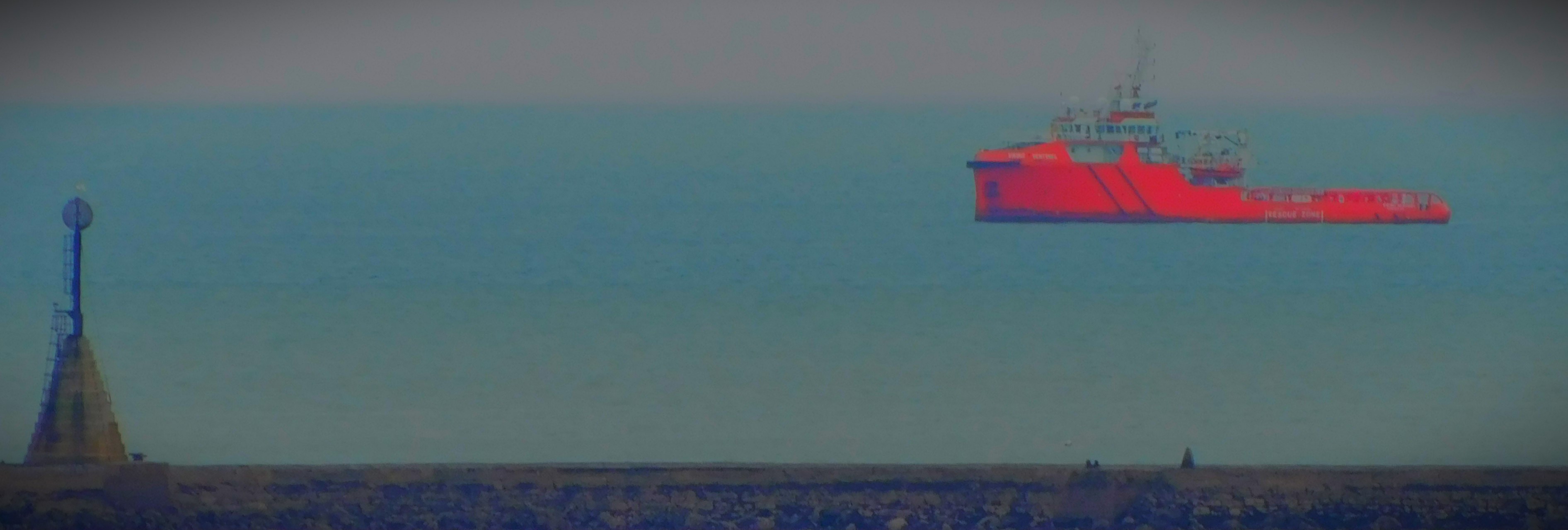
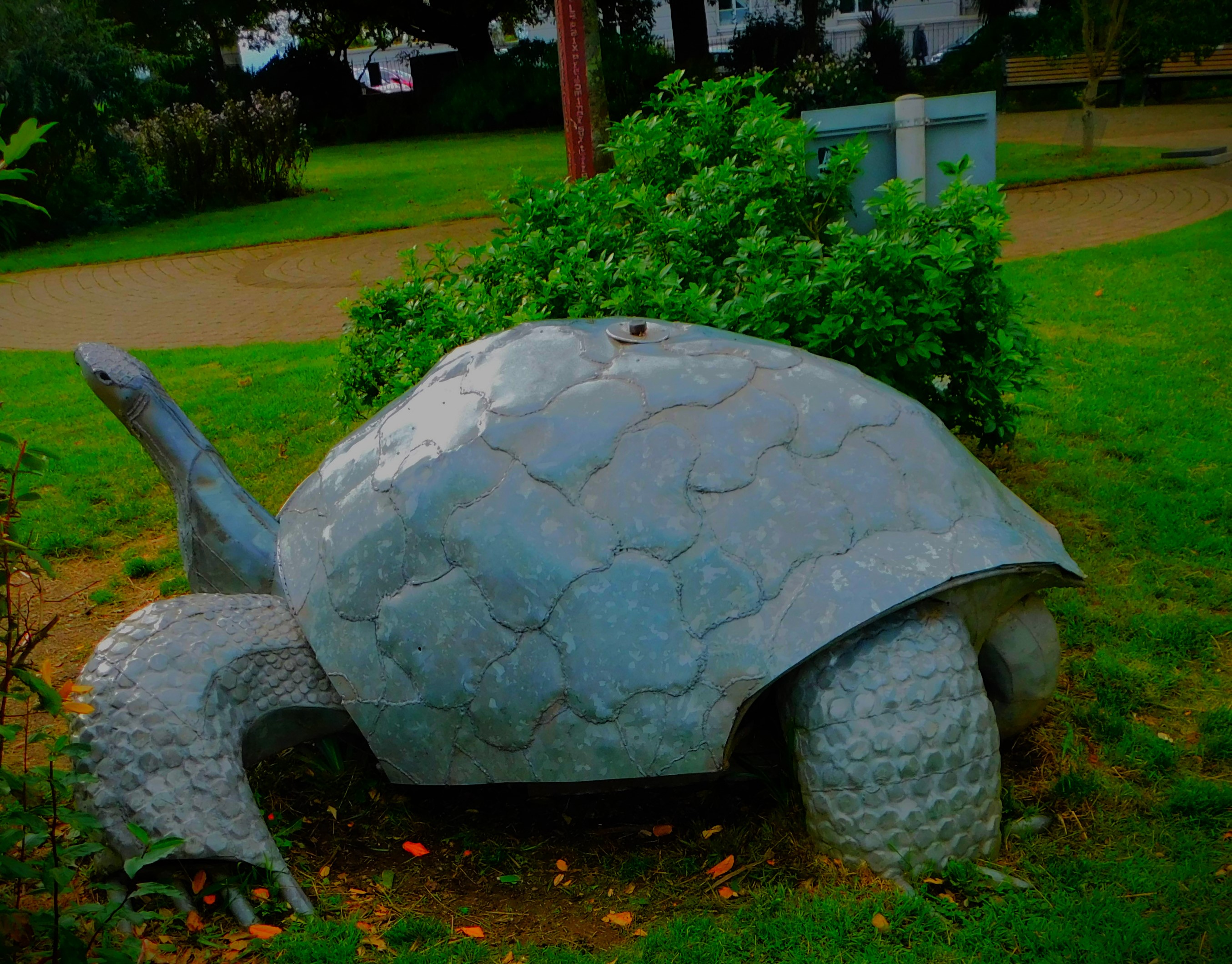
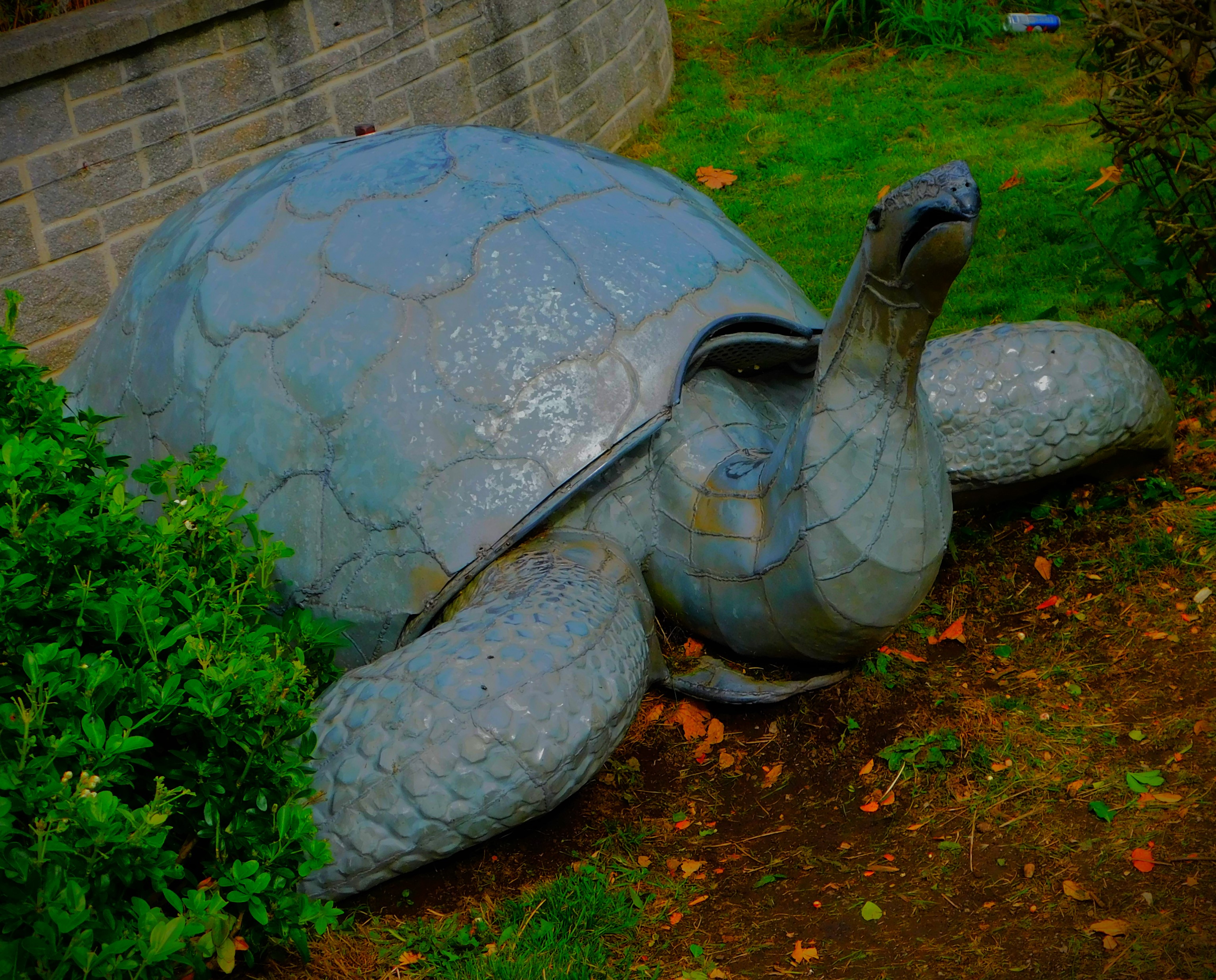
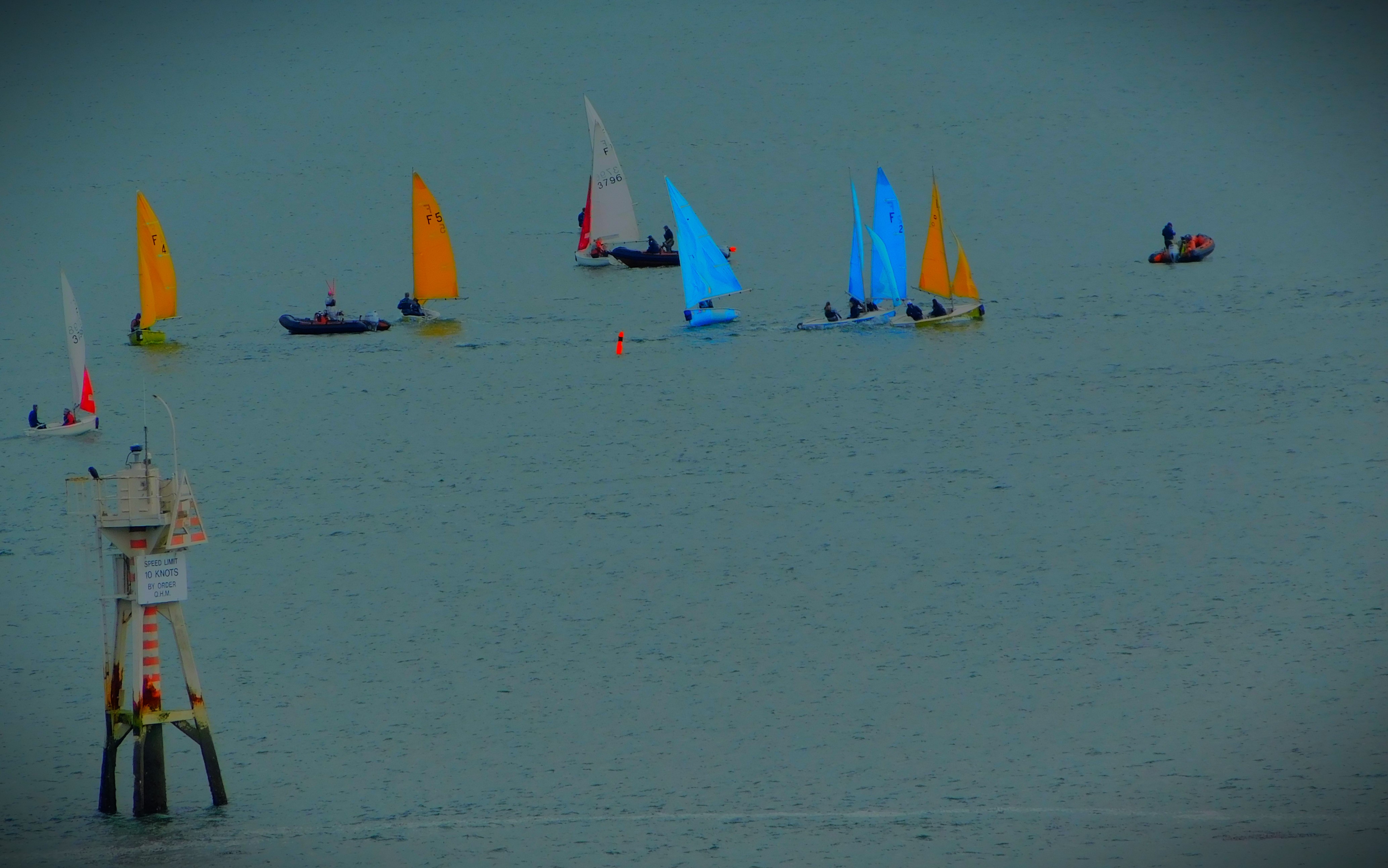
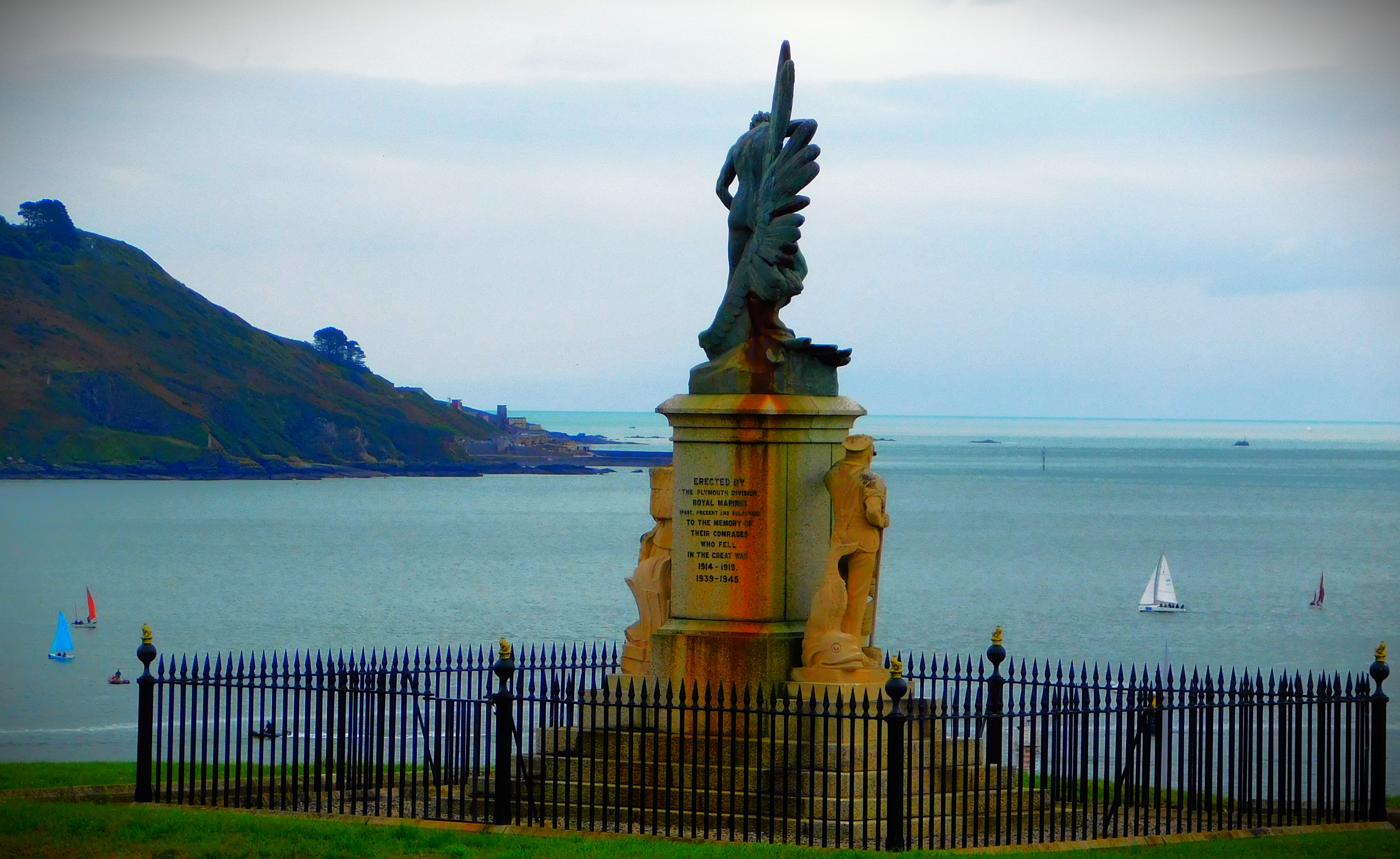
My photographs from Plymouth:

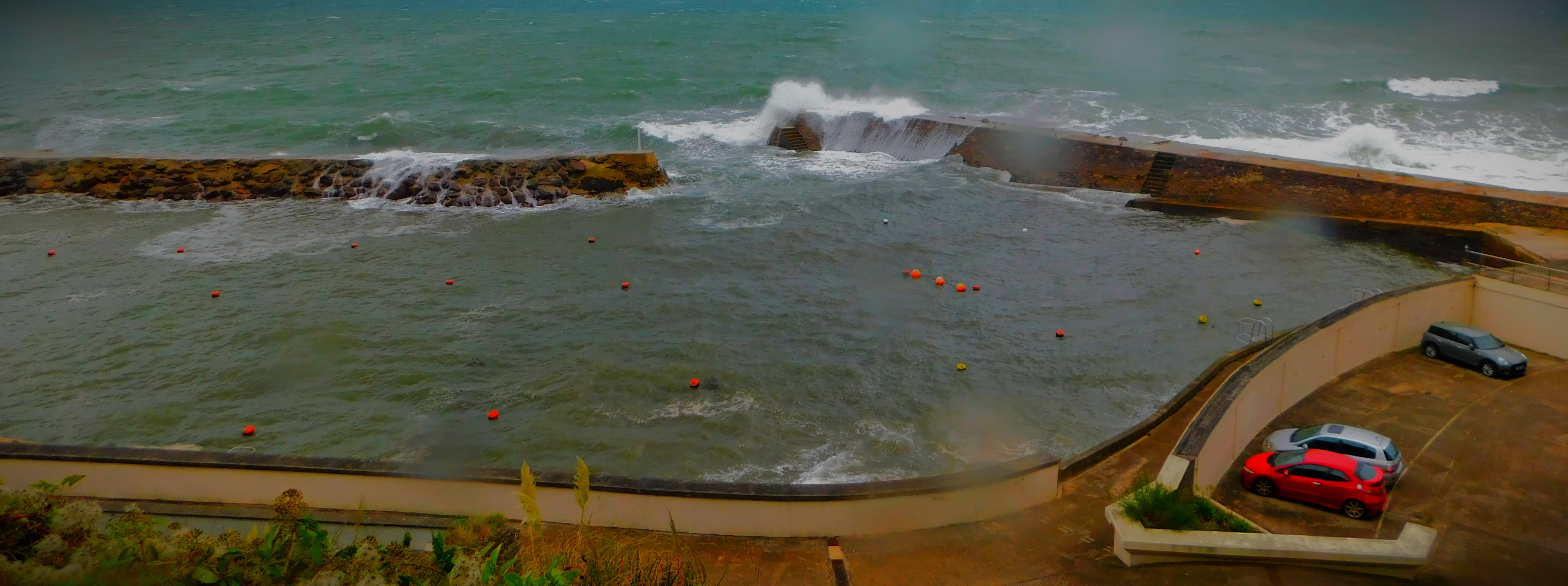
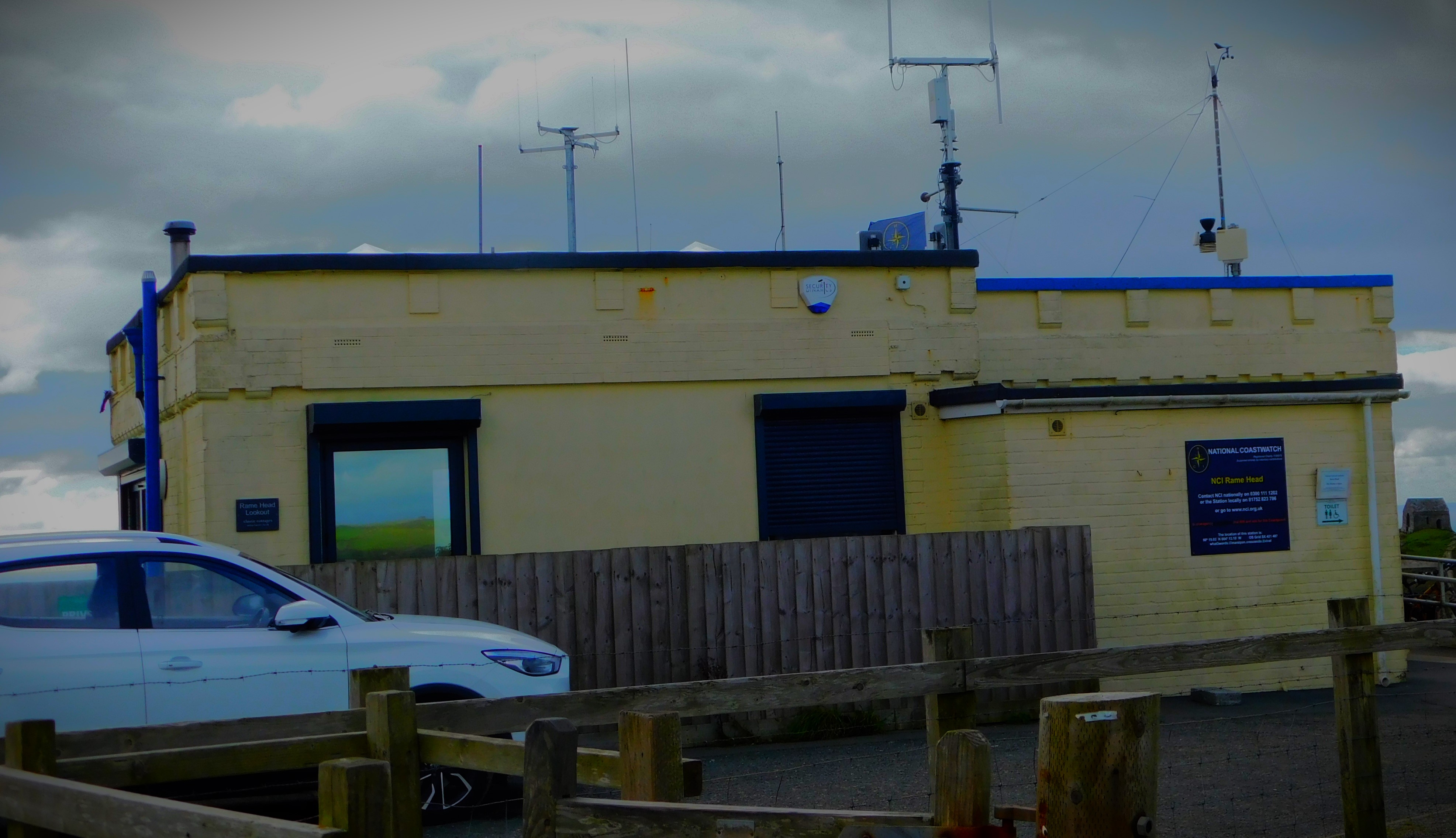
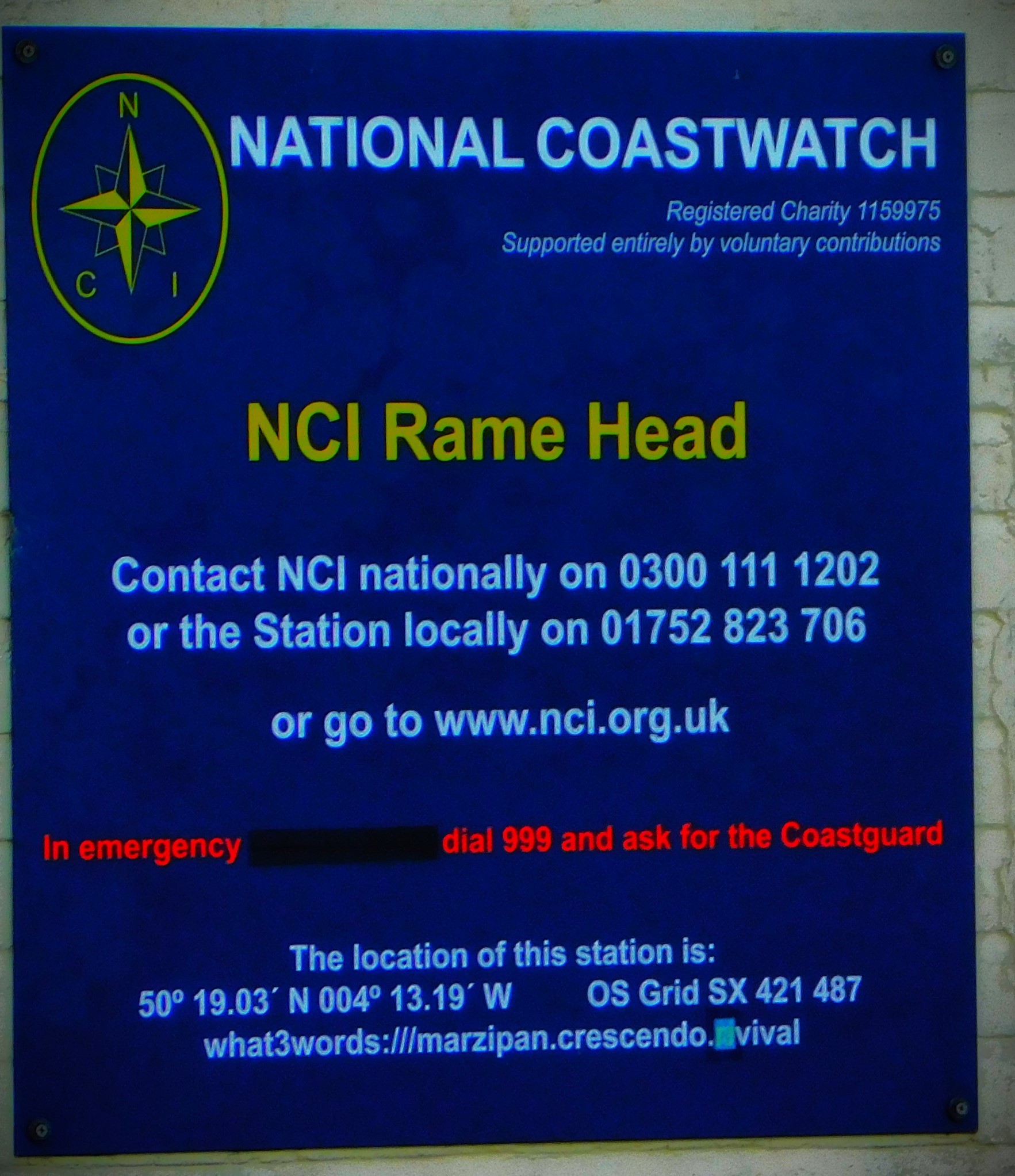
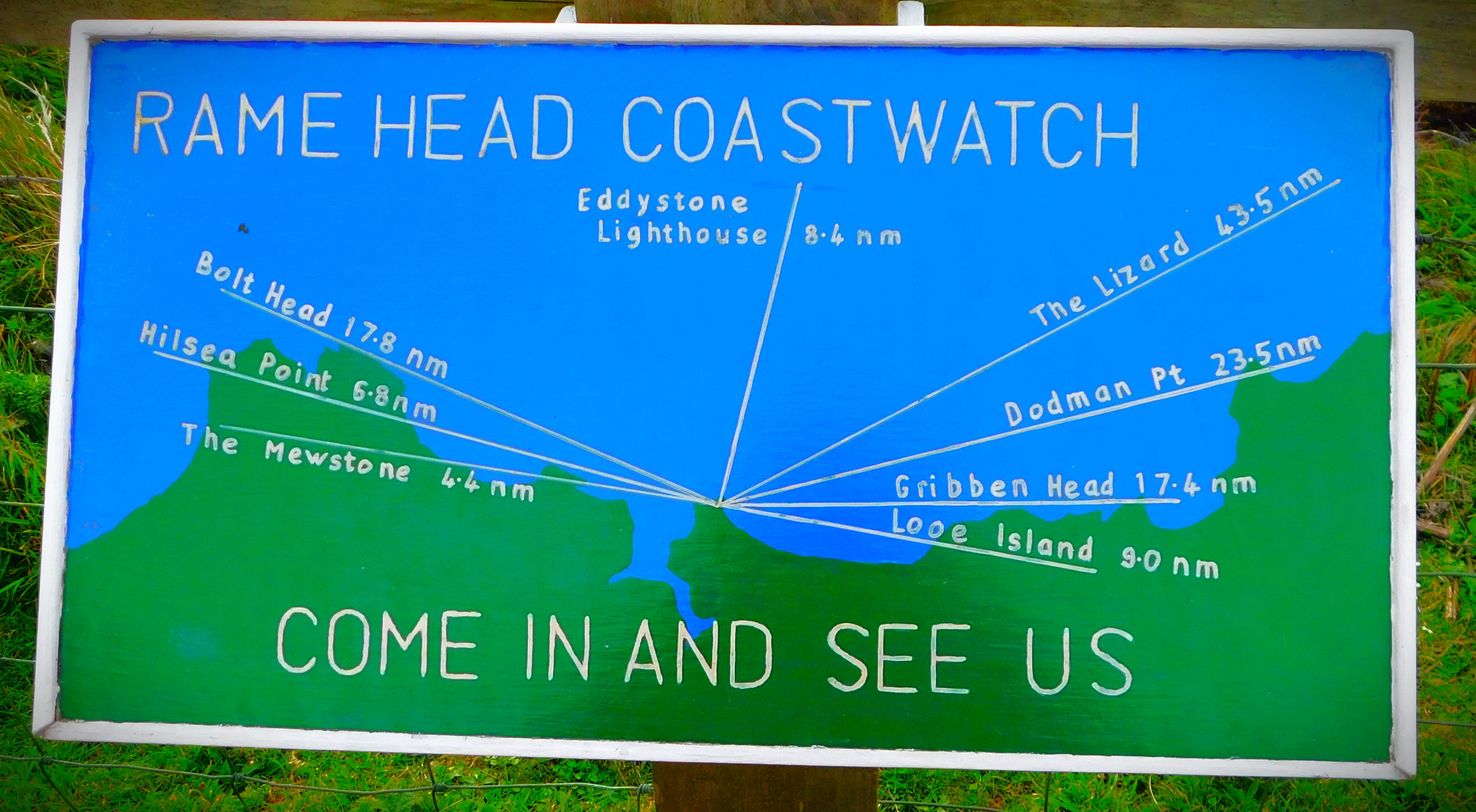
Cornwall – Rame Peninsular Walk

An account of walk in my parents local area, complete with photo gallery.

On Tuesday we did a walk in my parents local area. This post describes my particular walk (all of us did somewhat different things).

In order to fit in around people’s limitations (time and otherwise) both cars were being used – my mother, my sister and I were travelling in one to Rame Head where our walk would begin, while my father took the other to a different parking spot and walked towards us, meeting us part way through our walk. We would walk together to the second parking spot, my father would give my mother a lift back to Rame Head so she could take the other car into Liskeard where she had an appointment, and would then drive back along the route the my sister and I would be walking to give us the possibility of a lift back to the fort. He overtook just on the far side of the twin villages of Kingsand and Cawsand from the fort, my sister chose to take the lift back, while I opted to stay walking.

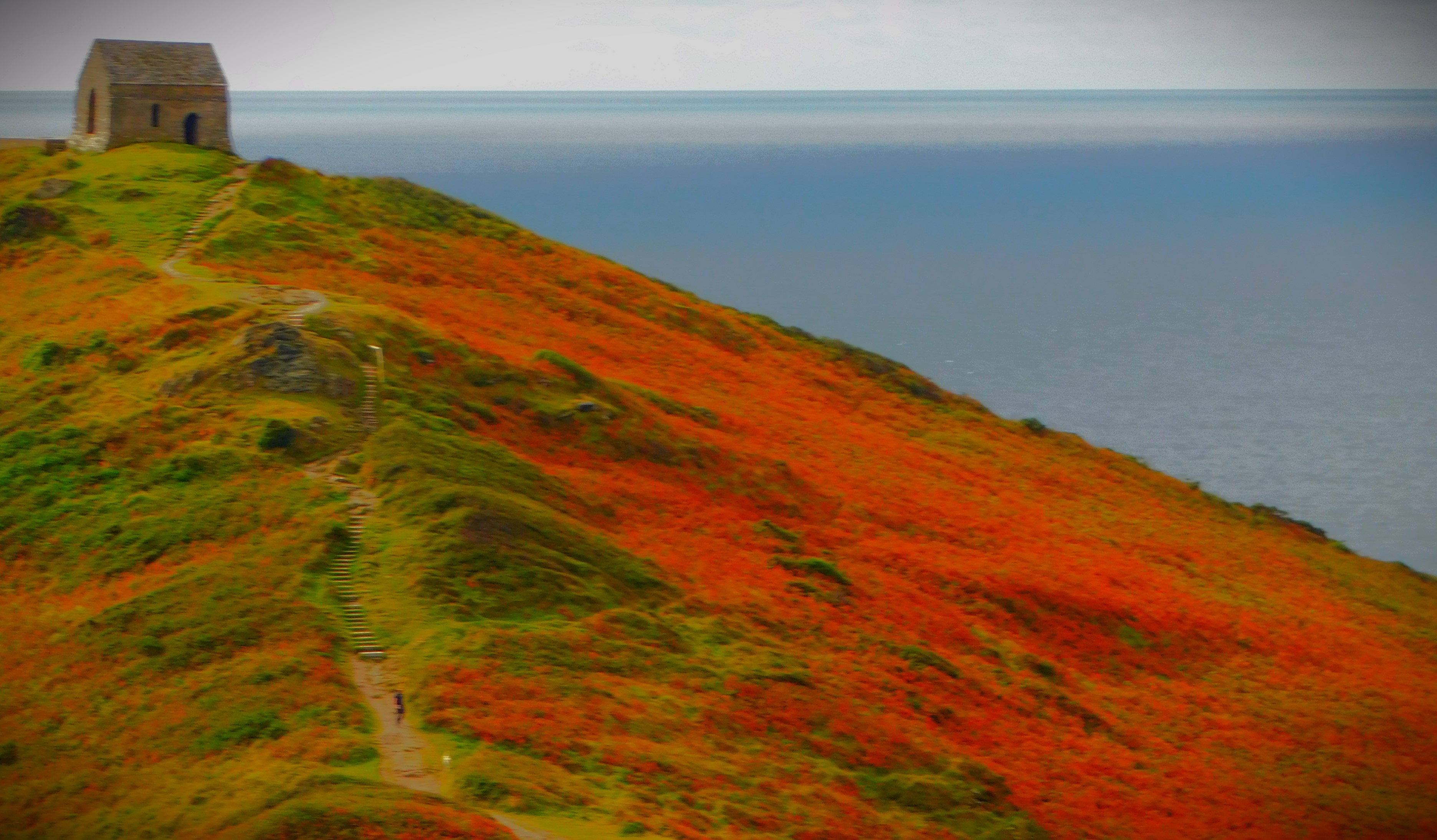
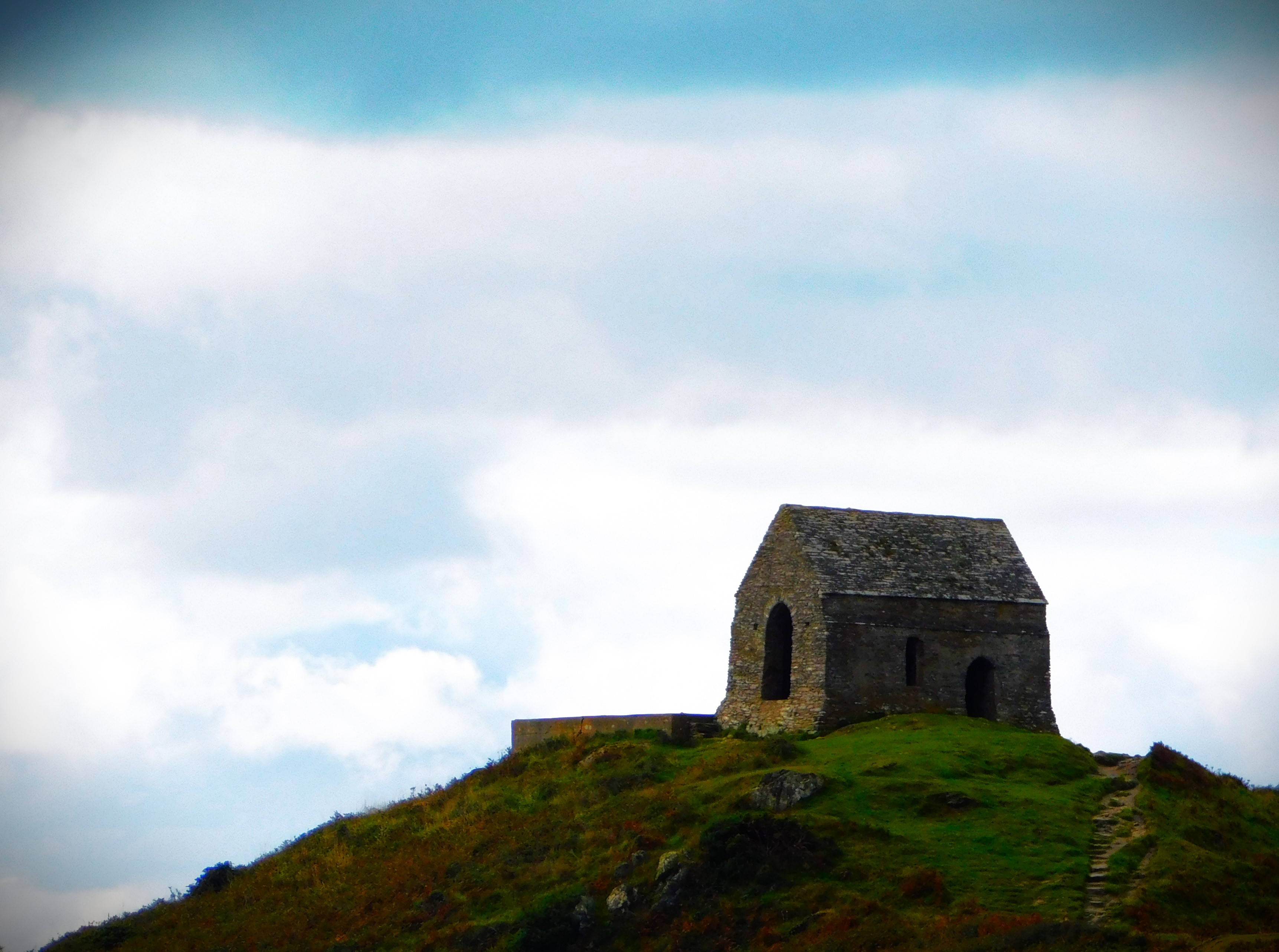
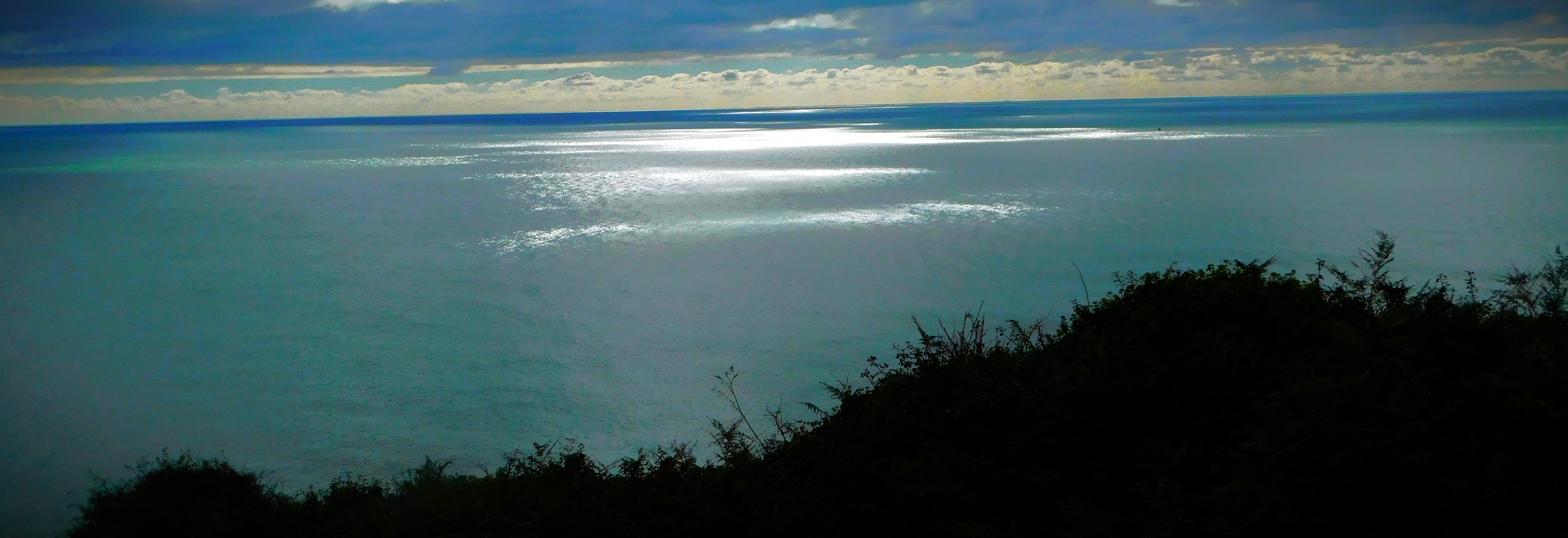
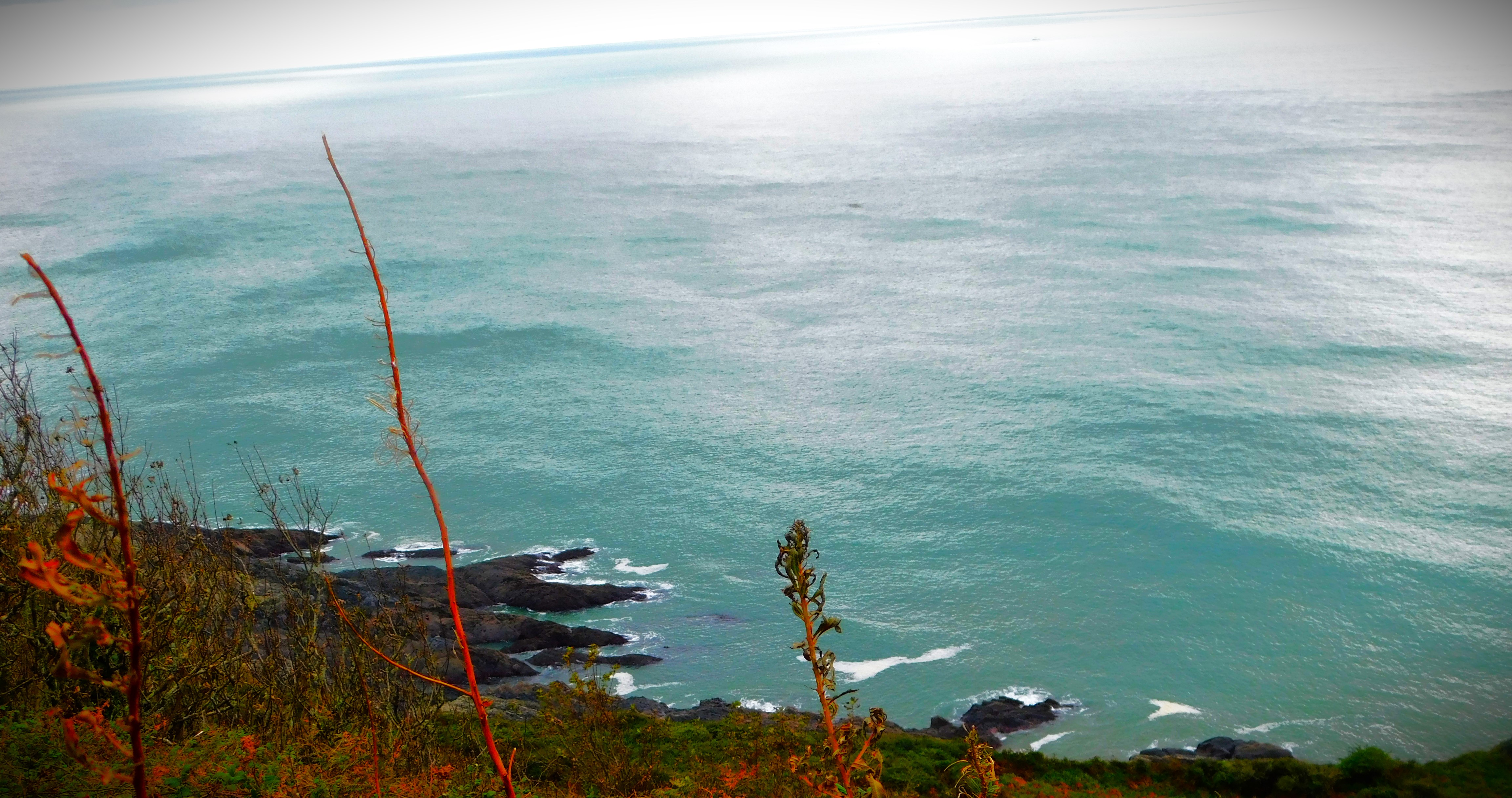
The path from Rame Head is extremely scenic, with some wonderful sea views. Out on Rame Head there was a wind blowing, but once away from the head the path was quite sheltered, and the temperature was fairly warm. The second stage of the walk, with my sister, was all road based, but there were one or two decent views along the way. The final stage, on my own, was road based until Kingsand, then on to a path through the Edgecumbe estate up the point at which that path intersects with the road above Fort Picklecombe. The path offers some fine views and was good for walking on.

Here are my pictures taken during the walk…
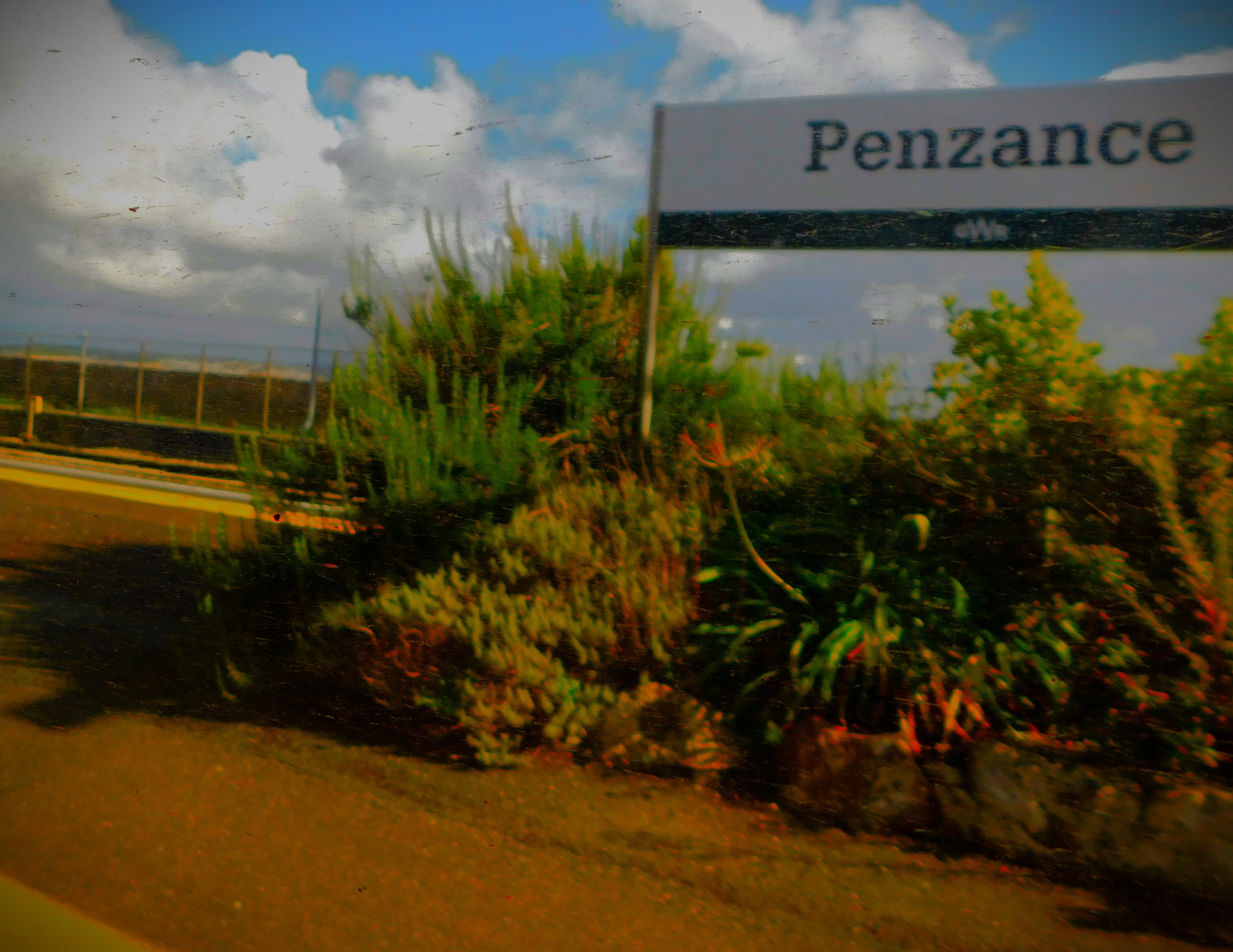
Cornwall – Penzance 3: The Journey Home

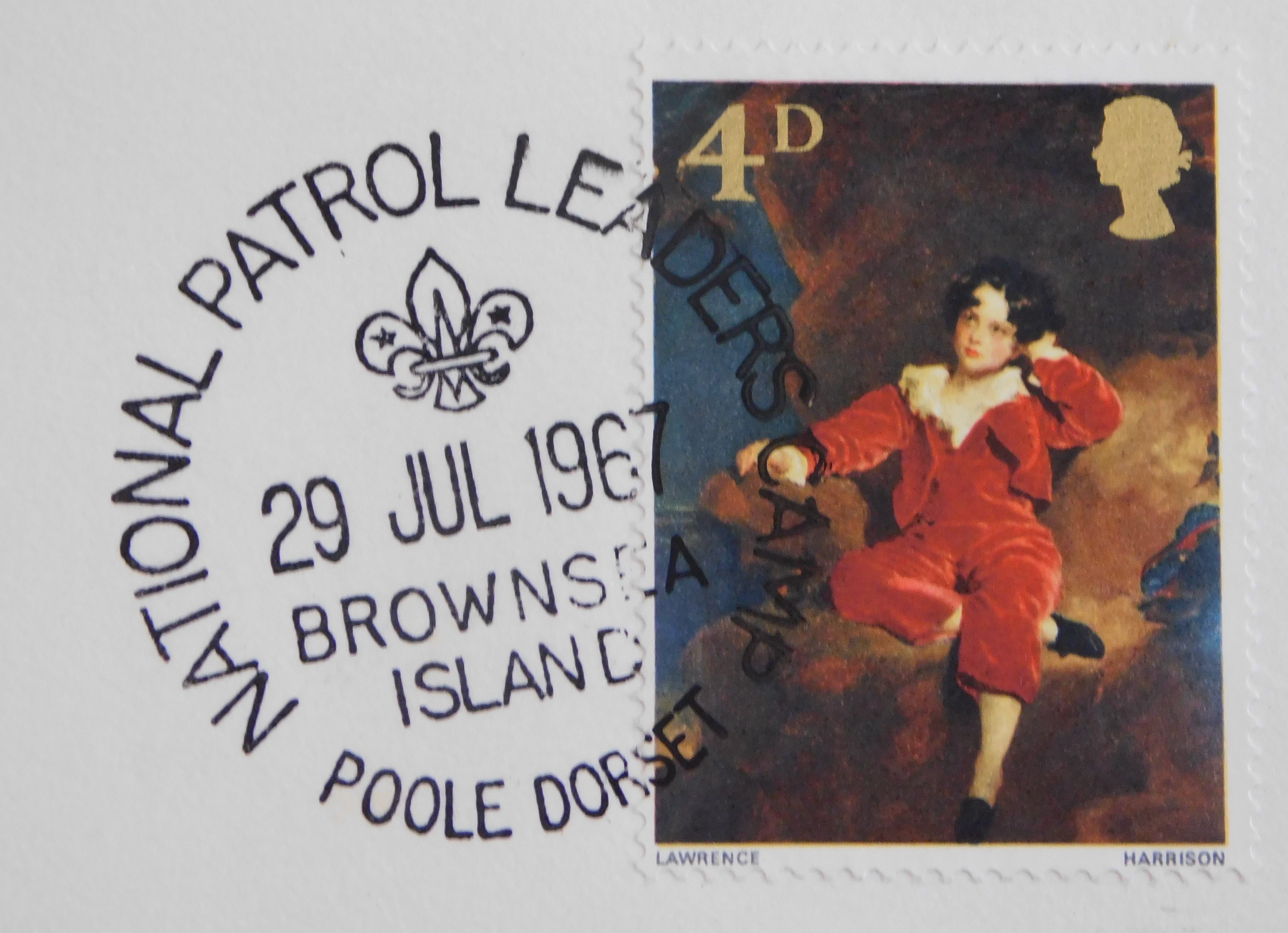
An account of my return journey from Penzance to Liskeard to bring the Penzance ‘series within a series’ to a conclusion.

I am writing this post from a hotel room in Plymouth where I am spending the last night of my excursion, due to a mix up over holiday dates (I booked my train tickets based on my parents flying out to Crete tomorrow, whereas they are actually doing so today). I will cover the events of today in considerable detail in a later post. Suffice it to say for the moment that I am happy with my room. For today I complete my coverage of my excursion to Penzance with an account of the return journey.

While I was heading east from Penzance to Liskeard my sisters was heading westwards towards Plymouth, from where she would be picked up. In the event although my train reached Liskeard some while after hers reached Plymouth I was back at Fort Picklecombe first due to the shorter journey from Liskeard as compared to Plymouth. There were two short stoppages on my journey from Penzance to Liskeard, but overall it was a smooth run. I got some good pictures along the way.

Here are the photographs from the return journey…

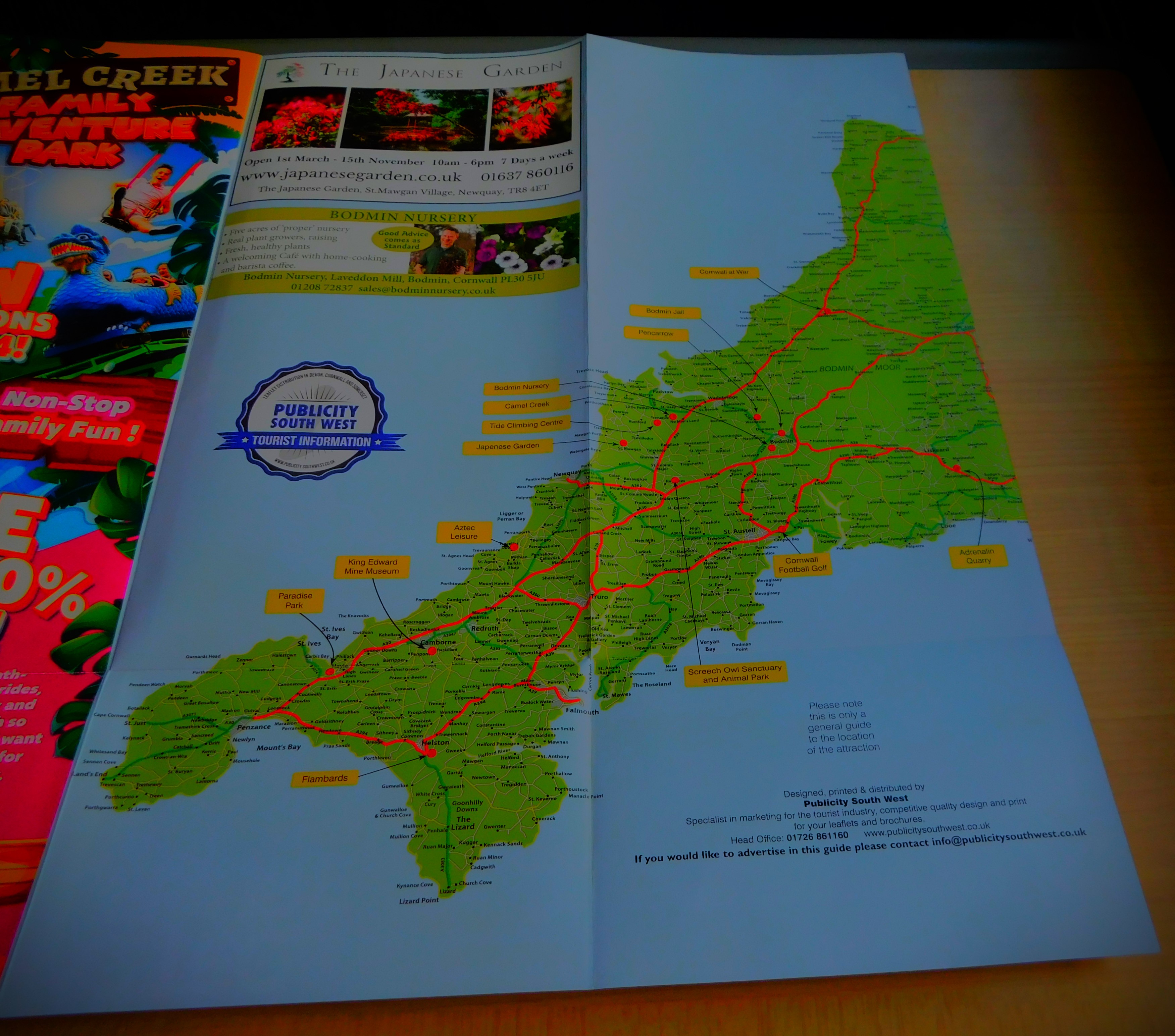
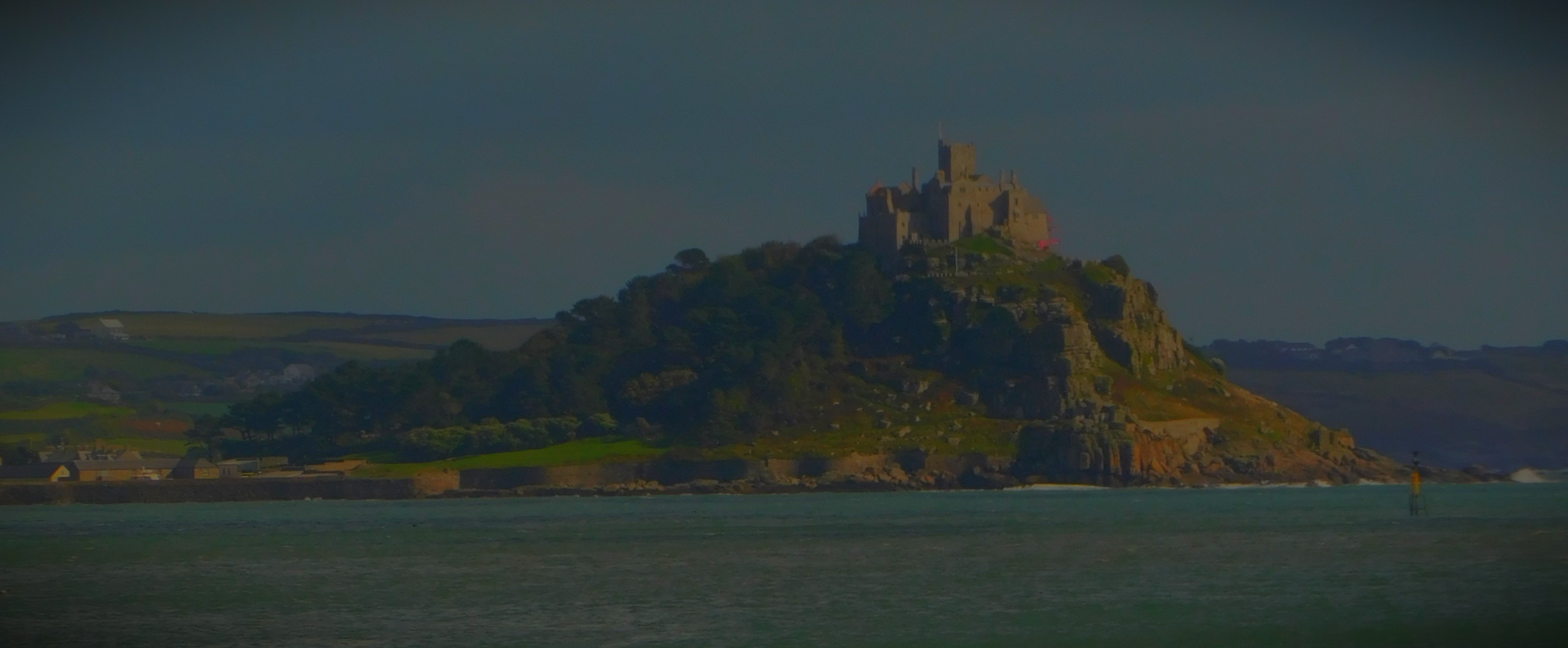
Cornwall: Penzance 2 – Penzance and its Environs.

An account of my explorations of Penzance and its Environs, complete with plenty of photographs.

This is the second of three posts I shall be writing about my trip to Penzance yesterday, and deals with my time in Penzance.

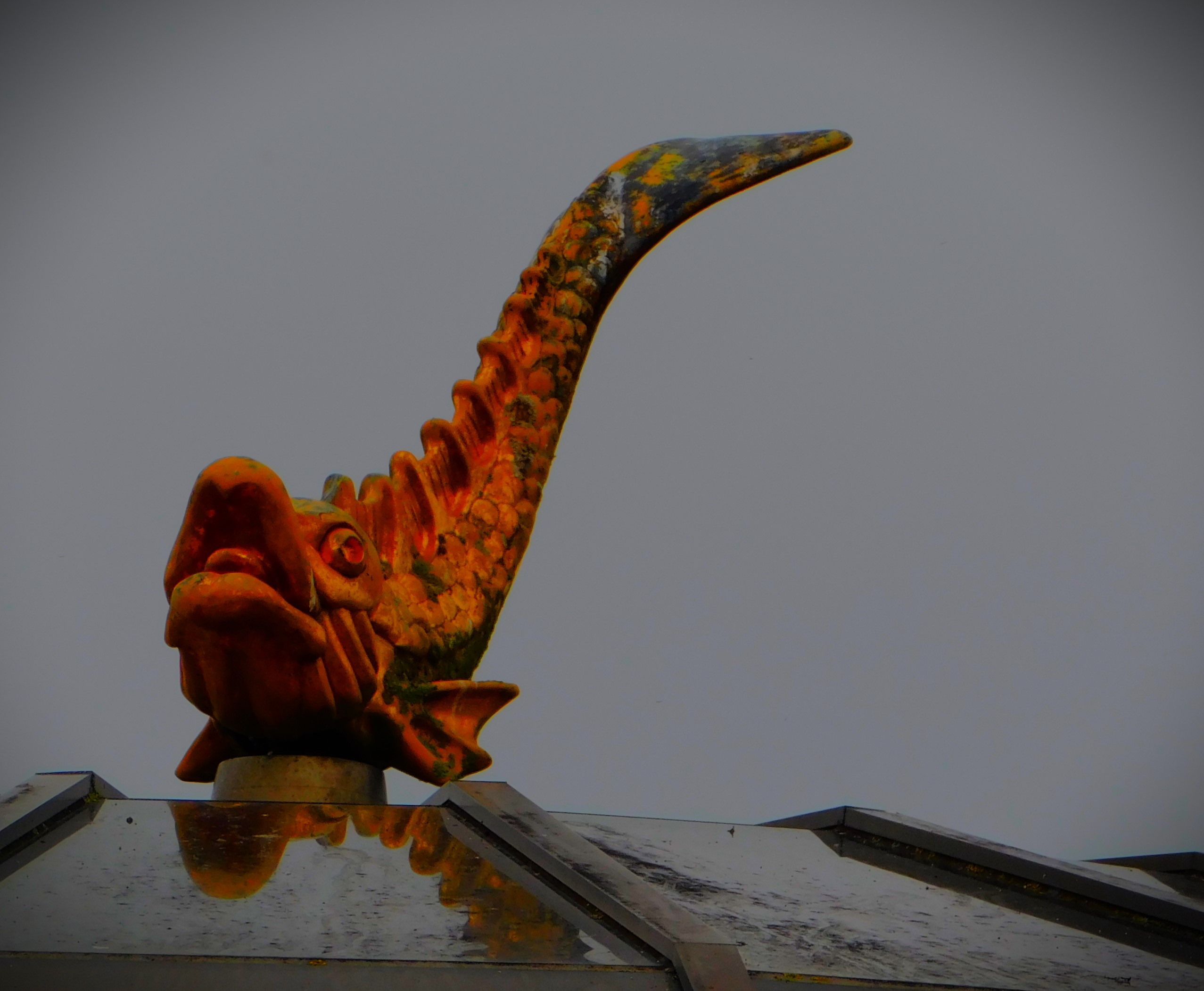
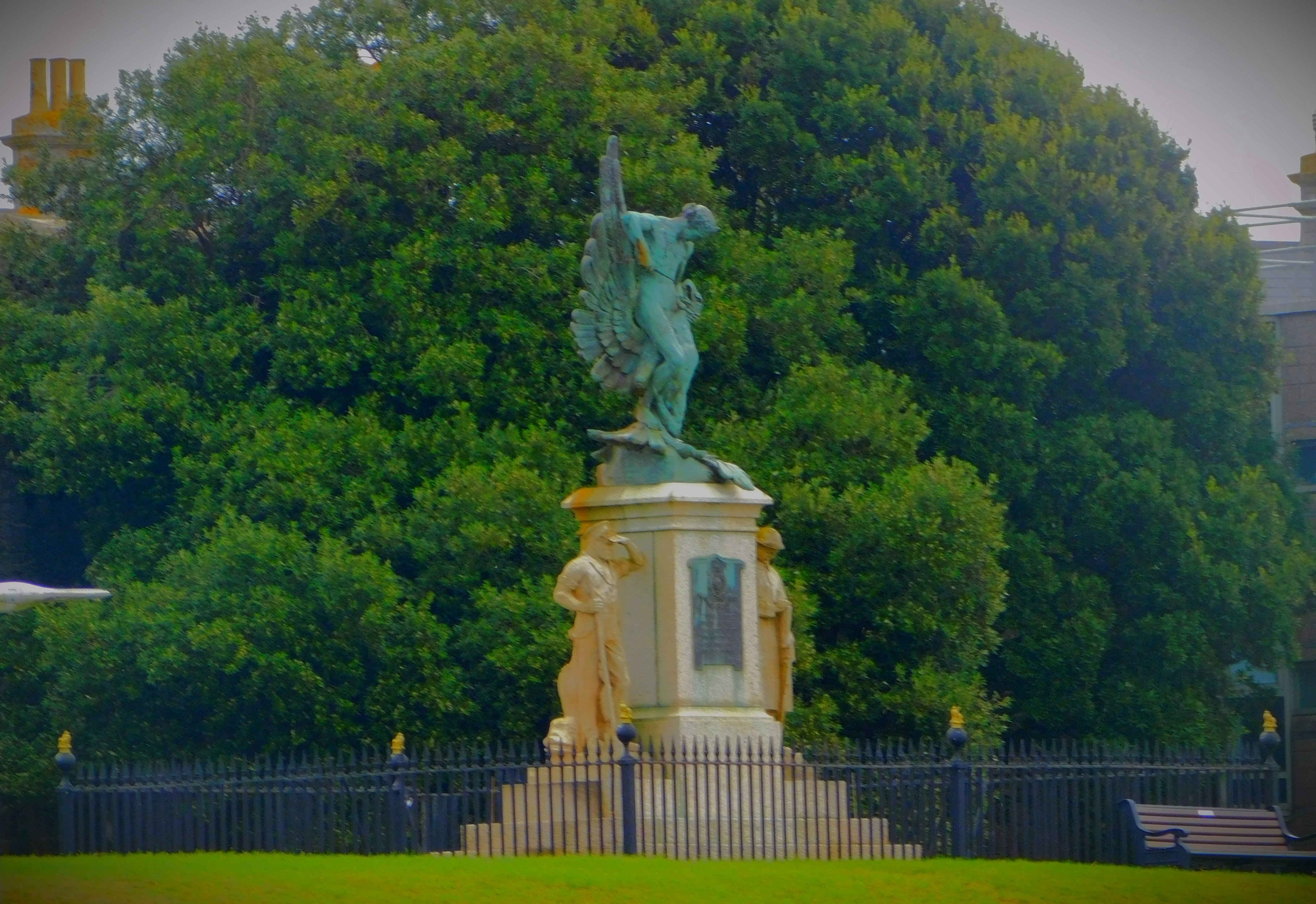
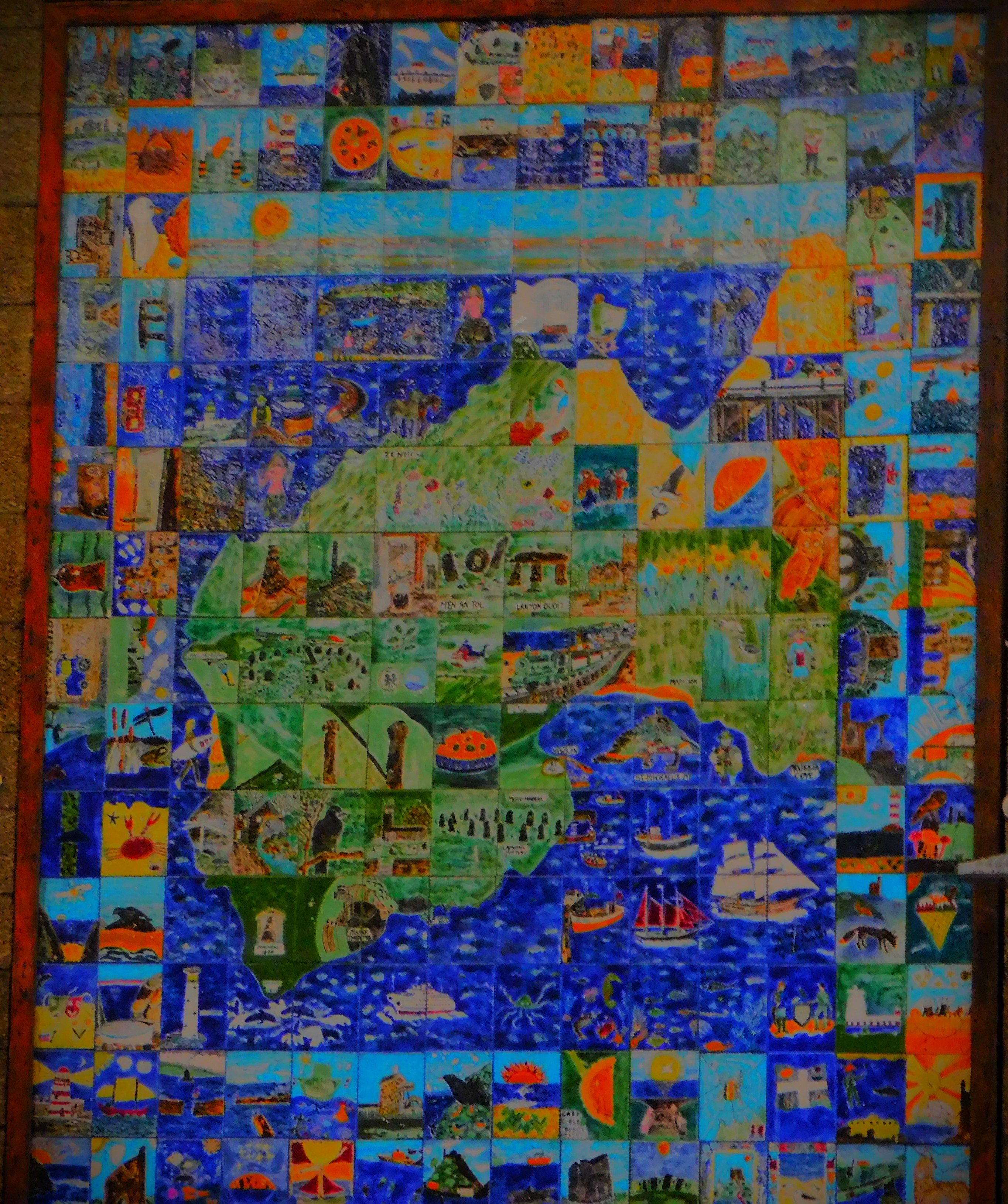
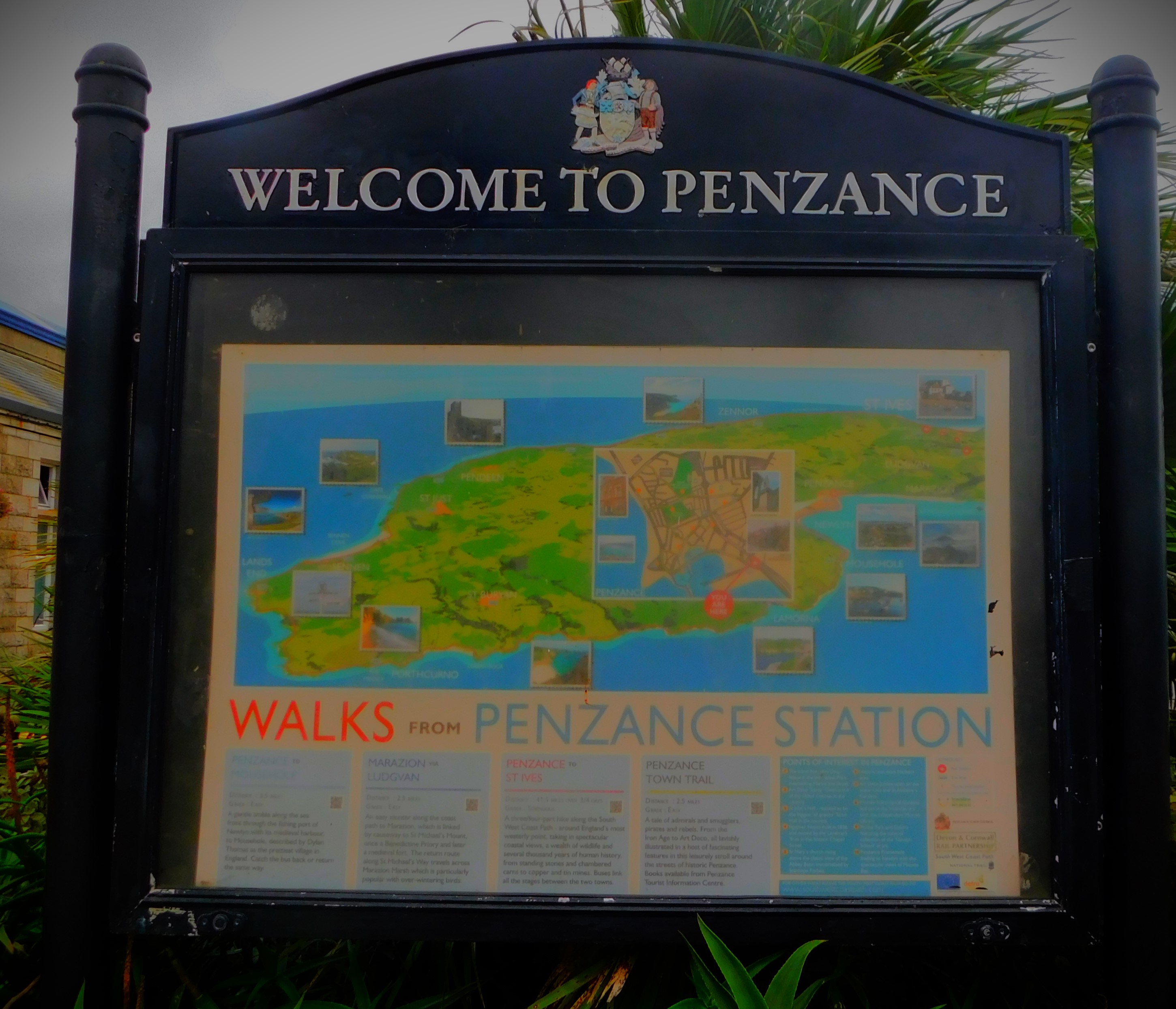
I began my explorations by walking along the sea front and past the harbour, before heading upwards into town. In this early part of my exploration I passed the post box which was painted gold to honour 2012 Olympic Gold medallist and Penzance native Helen Glover. I also renewed my acquaintance with the Egyptian House, a remarkable building in Penzance. After lunching in a pub I followed a different route back towards the station and the path that heads towards Marazion. This road was well chosen as it enabled me to see a statue of Penzance’s most famous son, 19th century science great Humphry Davy.

I walked along the path towards Marazion as far as a point at which there is a bridge over the railway to one side and a route down the beach on the other. I made use of both side routes, doing some photography from the bridge. I turned back at this point, deciding it was time to get a train back to Liskeard. I had enjoyed Penzance.

Here is the main gallery for this post…

Cornwall: Penzance 1 – The Journey There

Starting a series-within-a-series about my trip to Penzance yesterday. This post deals with the train journey there.

The weather here in Cornwall is much improved from Sunday, an improvement which started yesterday afternoon, while I was visiting Penzance. This post is the first of three I shall be producing, covering Liskeard to the just before arrival in Penzance (Penzance station will feature as the starting point of the third post, about the journey back).

My original plan had to been to catch the 10:33 out of St Germans, but unfortunately that had to be readjusted to catching the 11:12 out of Liskeard as we did not have time to get to St Germans for the earlier train. At Liskeard I joined a small queue for the ticket office (I was third in line at that stage, with two more people having joined the queue by the time the first customer had been dealt with, a mere trifle of 17 minutes later). I still had ample time after completing my purchase of a return to Penzance (fortunately the second customer in the queue was quick, as I was) to get down to the platform and take some pictures at platform level before the train came in (Liskeard has a slightly curious layout, with platforms 1 and 2 both being approached by way of a footbridge, while platform 3 which is the terminus of a minor branch line to Looe is approached by a separate footpath and is at 90 degree angle to the other two platforms).

The journey from Liskeard to Penzance passed smoothly, though with the usual frustrations for a photographer in motion of failed shots due to misjudging the precise moment at which to click the shutter to capture the target. I arrived into Penzance at about 12:50 and was ready for the next stage of the day, which will covered in my next post.

Here is the picture gallery for this post…

The Tamar Valley Line

An account of a trip on the Tamar Valley line, complete with large photo gallery.

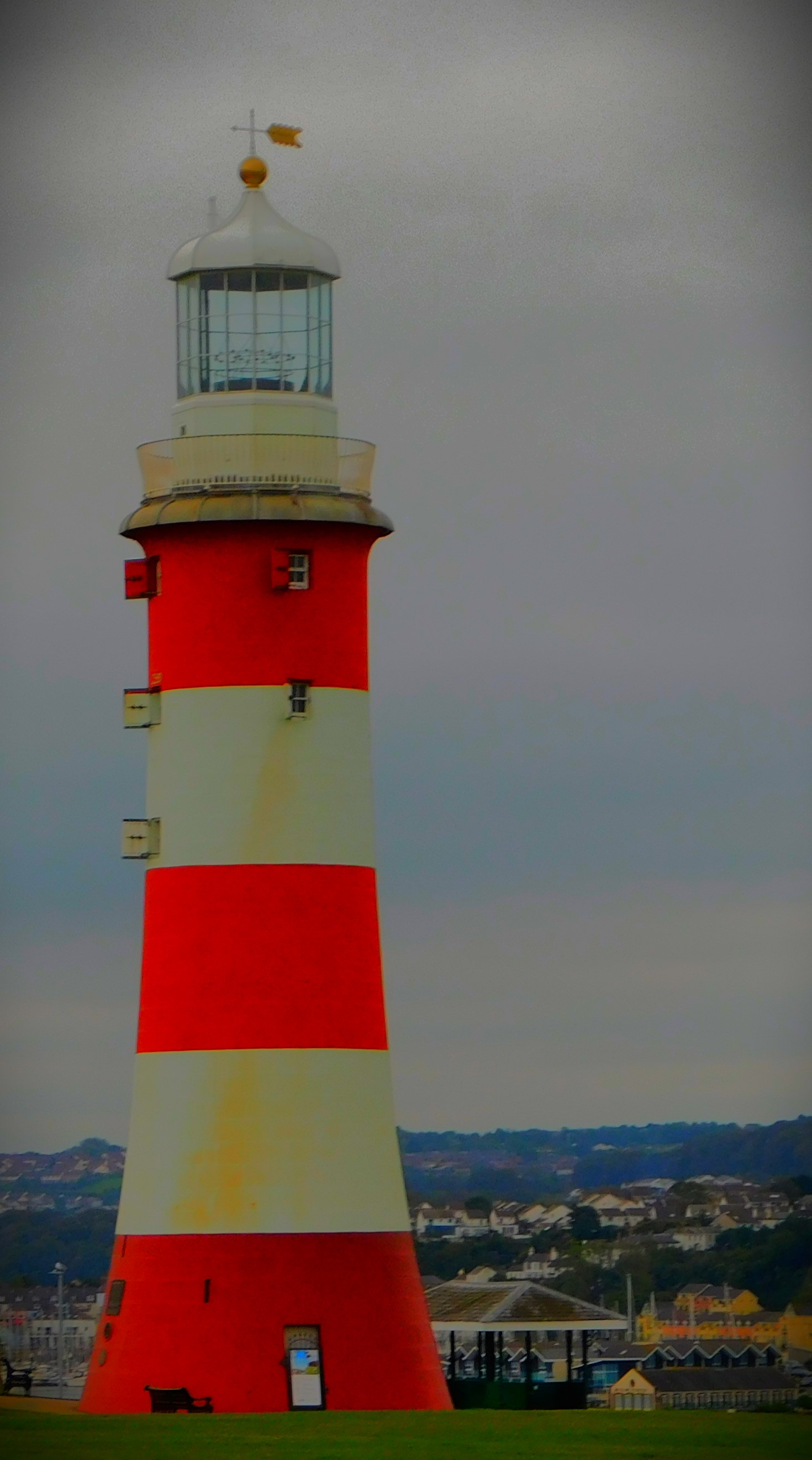
Yesterday was the first full of my stay in Cornwall, and this post describes my main activity for that day. Today the weather is truly vile – high winds, lashings of rain and more recently to add to the mix fog as well so that the lighthouse that is usually clearly visible from my parents apartment is currently entirely shrouded from view.

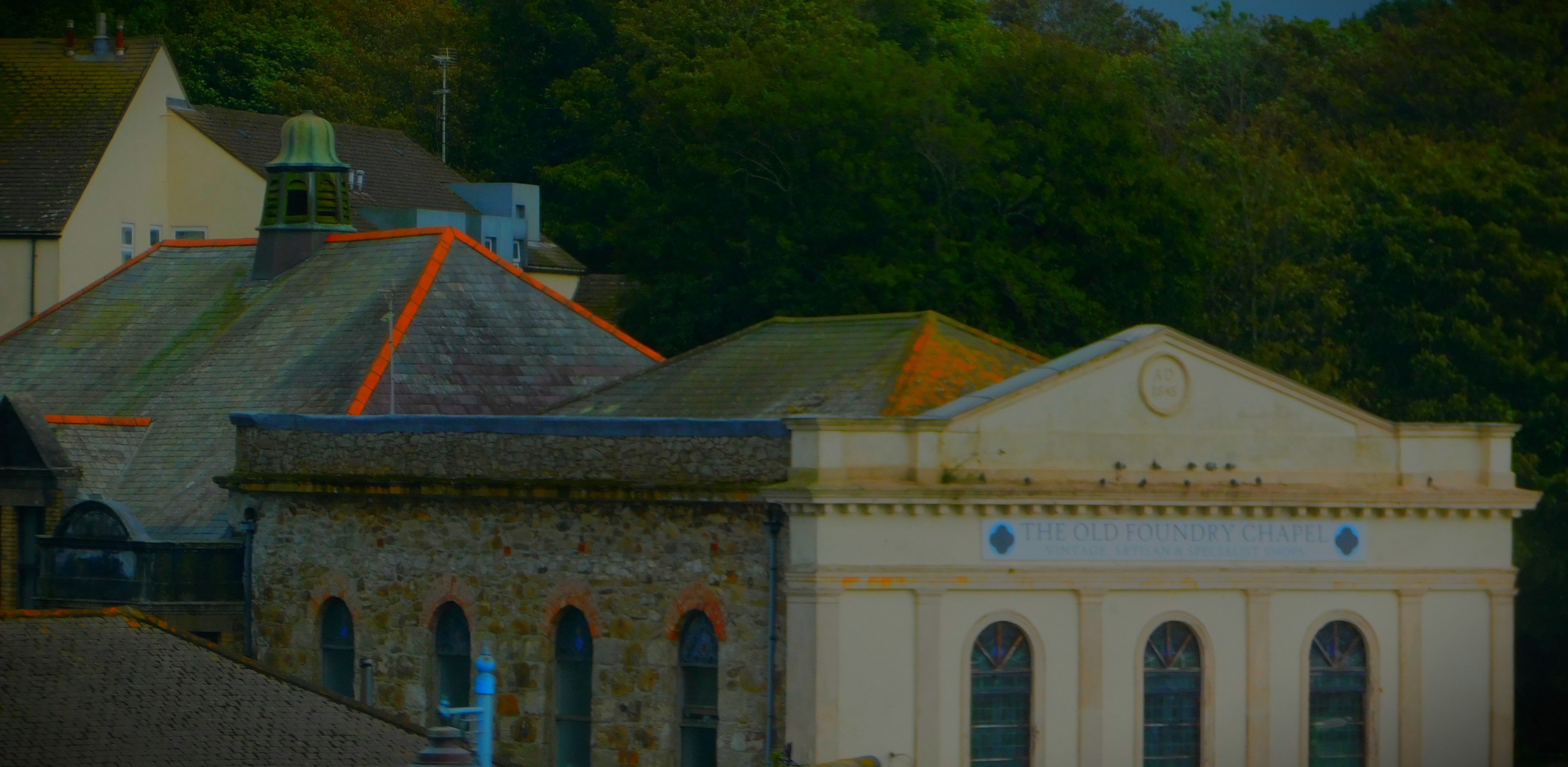
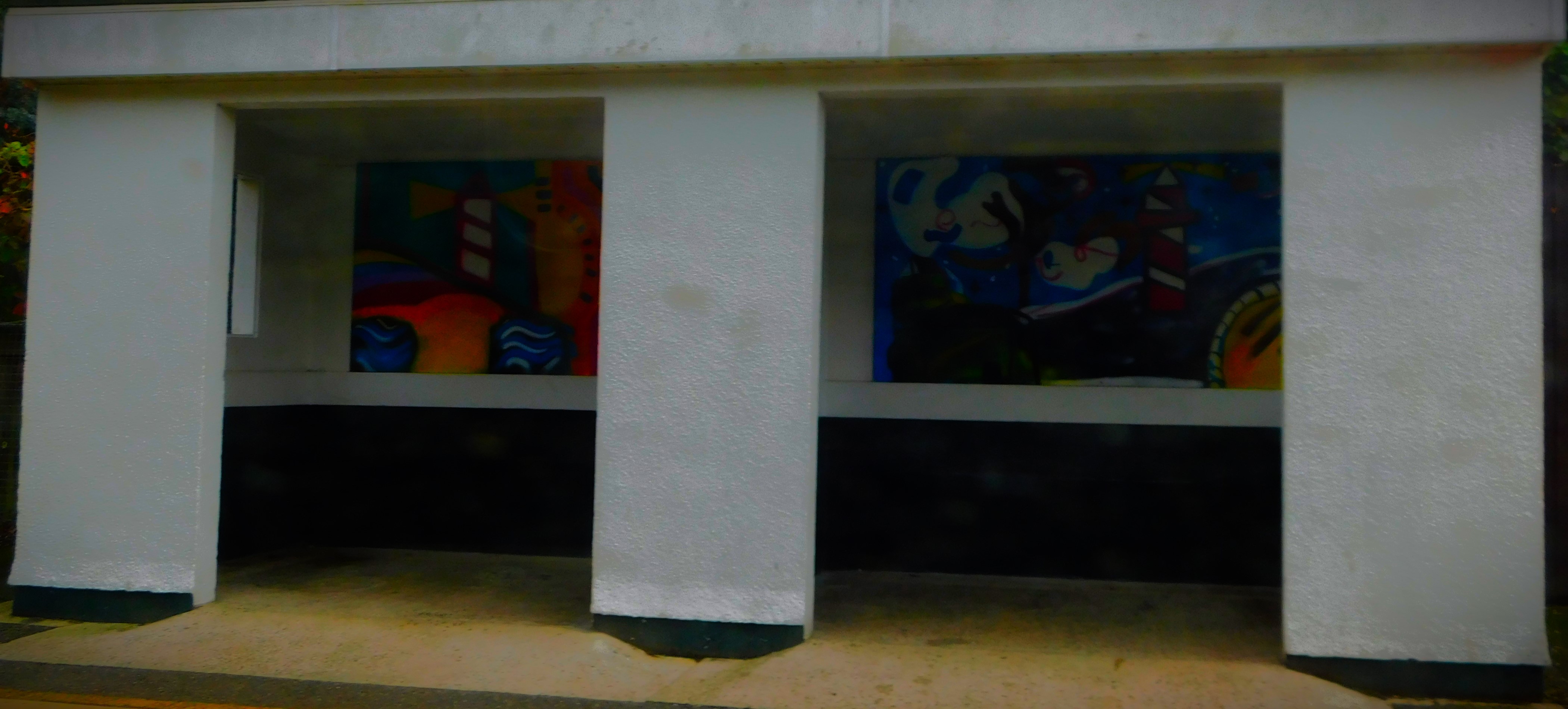
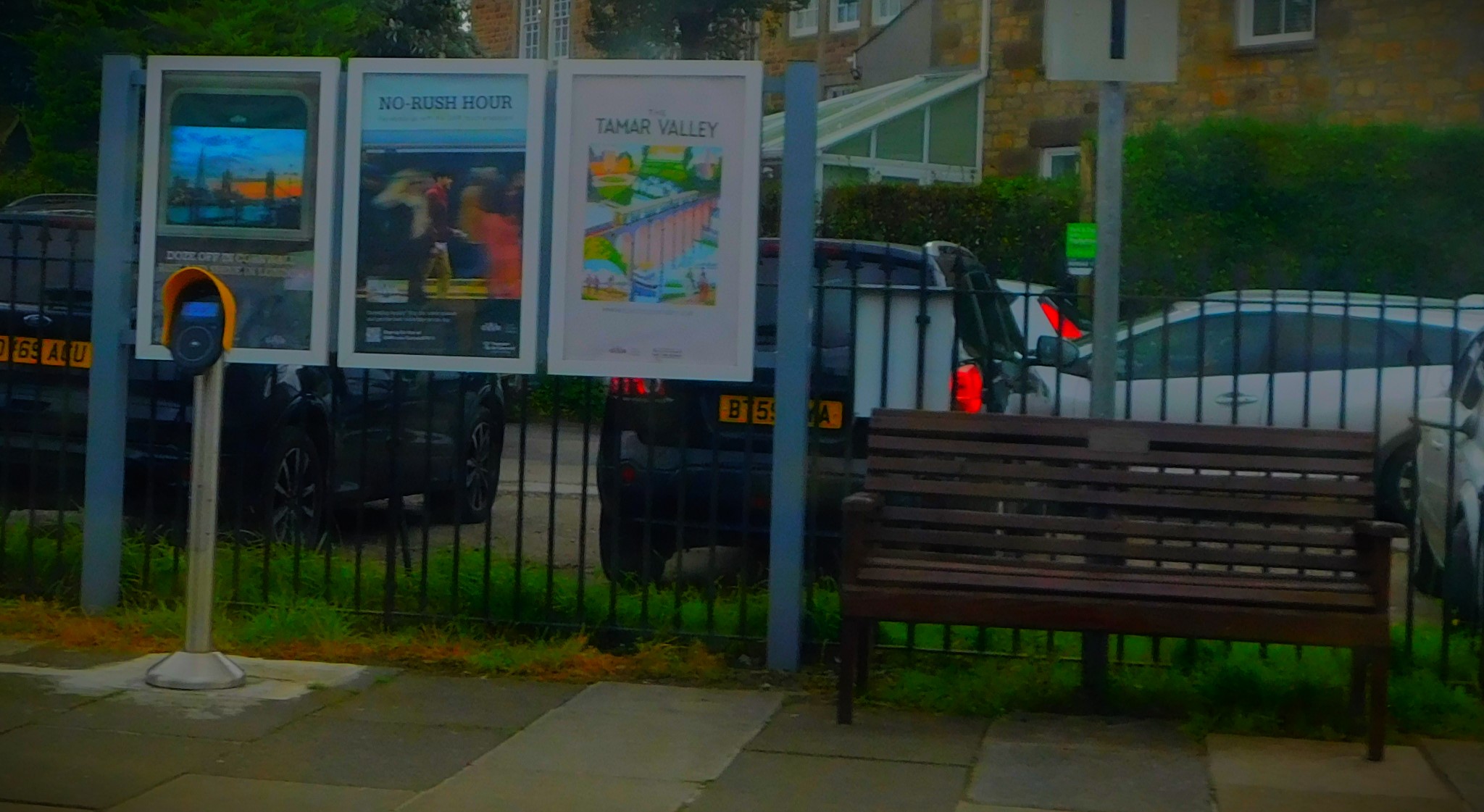
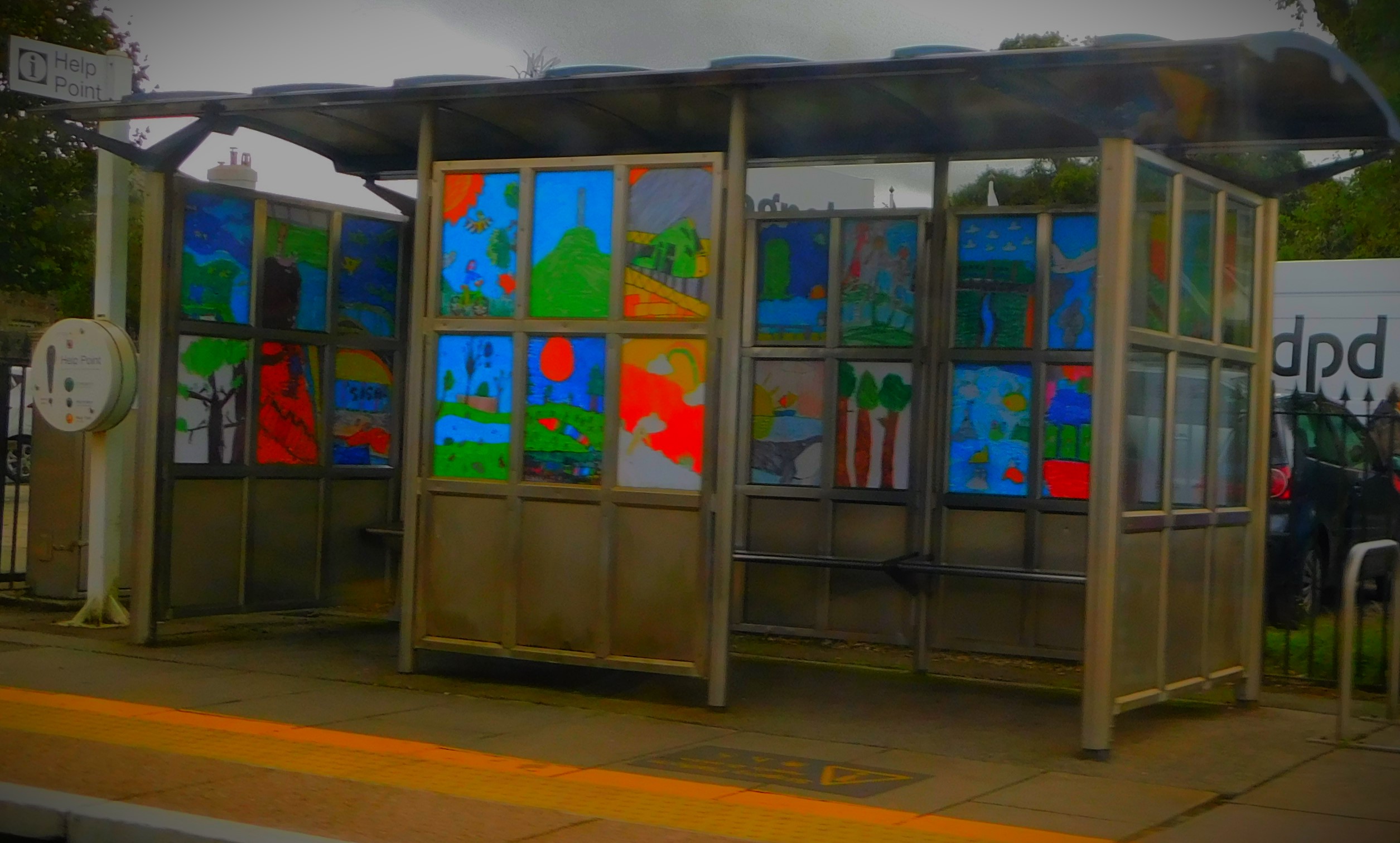
I was dropped in Plymouth yesterday with a view to purchasing a Devon and Cornwall railcard (cost £12) to gain a 1/3 discount on all train fares in the region for a year. Unfortunately such a card can only be obtained if documentation relating to an address in the area can be produced and I had no such documentation. However I bought a return ticket to Gunnislake, northern terminus of the Tamar Valley Line, cost £7.90. I had over an hour before the next train to Gunnislake was departing, so filled some of the time by gaining greater familiarity with the environs of Plymouth station. Pedestrian access from the station to other areas of town comes by a way of path that leads under a roundabout. The central area of the under-roundabout path is dedicated to wild flowers and is pleasant walking. The hour of my journey arrived…

The journey to Gunnislake could be described as a journey of two parts in two different ways:

  1. For the first small portion of line (Plymouth – St Budeaux Victoria Road)the stops are frequent and the surroundings urban, specifically a commercial port area whose best days were long in the past, before the line then becomes very rural in character and the stops become much more widely spaced.
  2. The route has a hairpin at Bere Ferrers, so that the train reverses its direction fo travel for the last three stops on the route (Bere Alston, Calstock and Gunnislake).

Also, as I failed to realize for the outbound journey the windows on the side of the train from which you board at Plymouth and at Gunnislake for the return journey offer much finer views than the other, which is why the majority of my best photos from the two train journeys were taken on the return one where I positioned myself correctly.

Gunnislake village is down a significant hill from Gunnislake station, and Tamar Valley is still further down (I did not venture right down into the valley). The Cornish Inn offered an acceptable pint, and also a view of what I suspect to be Gunnislake’s most intriguing resident, an African Grey Parrot named Ozzy, complete with warning notice written from his perspective.

It was sufficiently warm that I removed my jumper while in Gunnislake. The train (a two coach crawler, and fairly basic, though less spartan than the laughably misnamed ‘sprinters’ that used to do the Sheffield to Barnsley run when I lived in that part of the world) was due to depart at 15:14, and it actually did precisely that. The return run went well, and I made up for not having had many successful pictures on the outward run as you will see. I think that if I make a second excursion on this line at some point I will book to Bere Alston, walk from there to Bere Ferrers and pick up the return train at Bere Ferrers.

Here are the pictures I took yesterday…

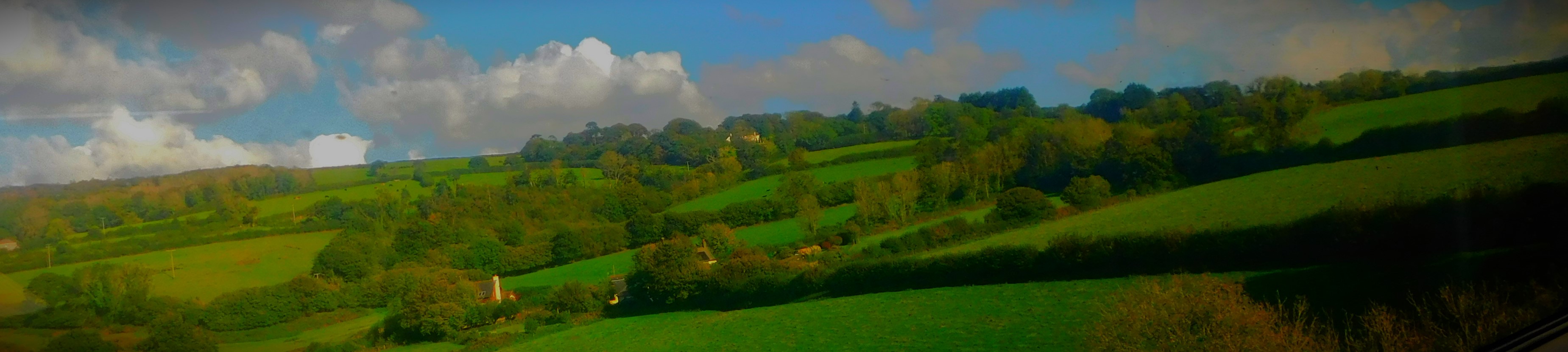
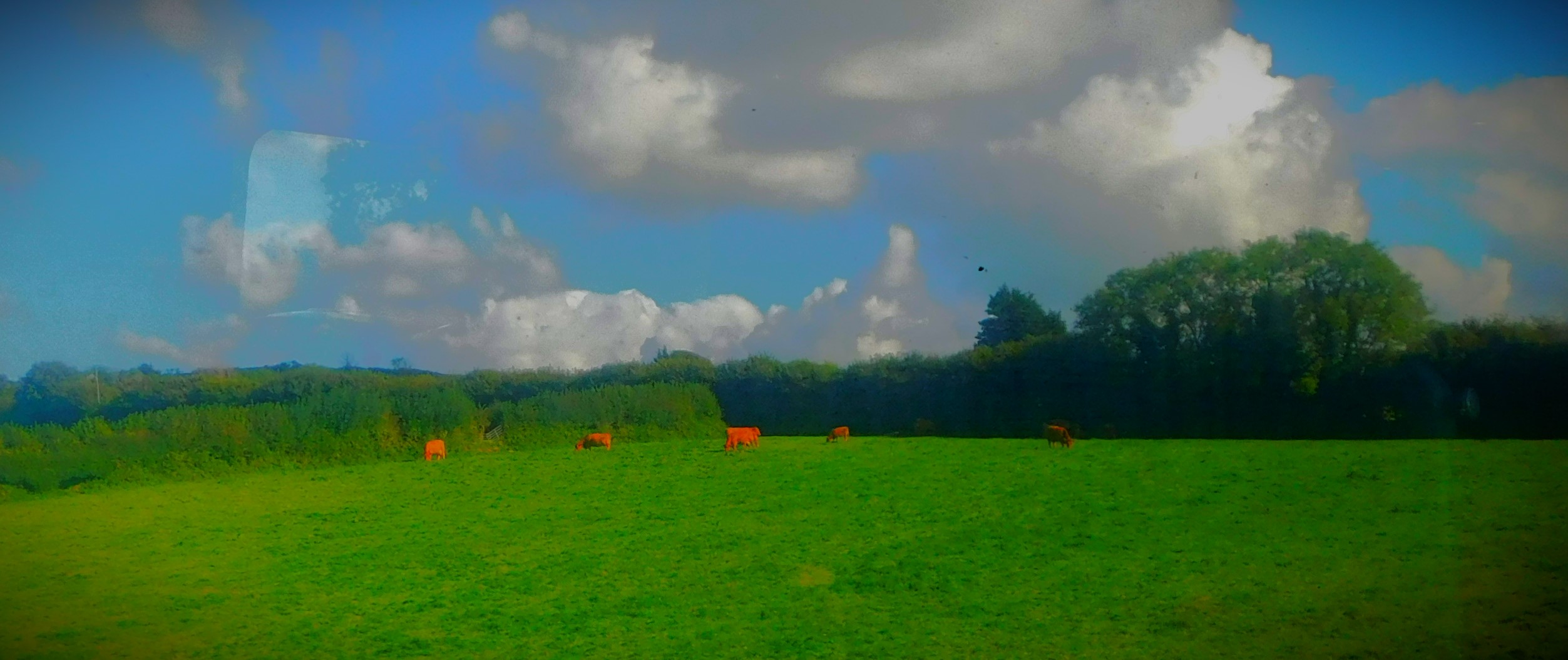
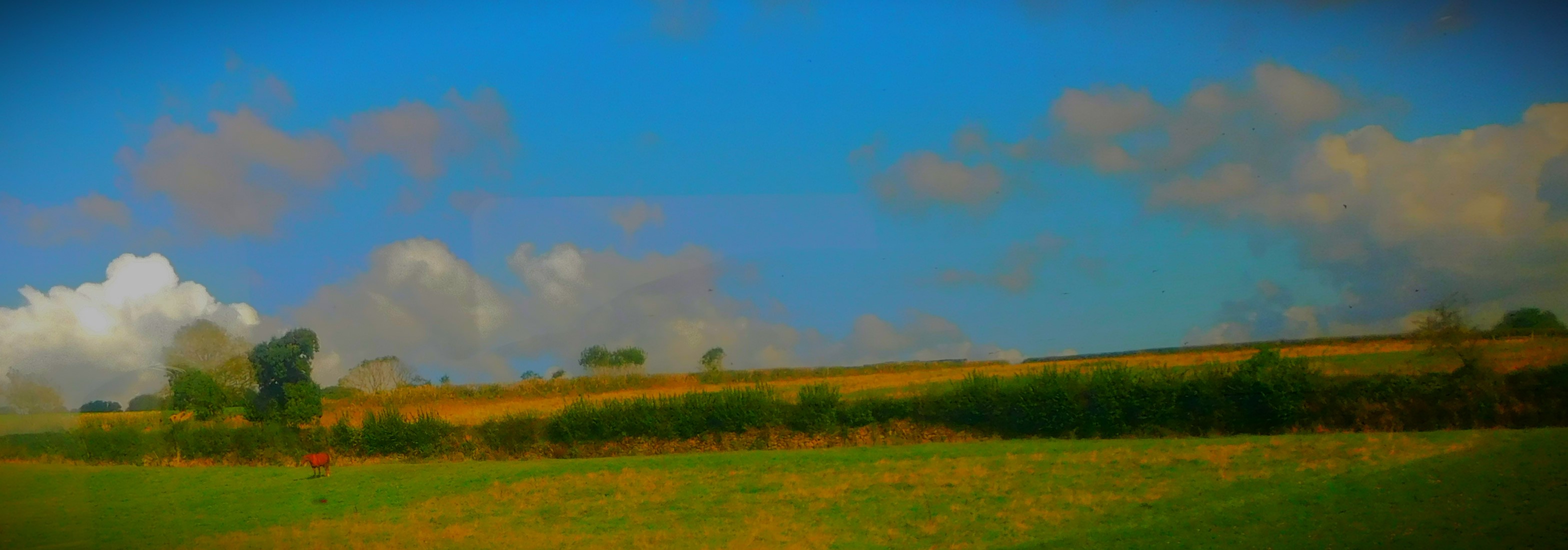
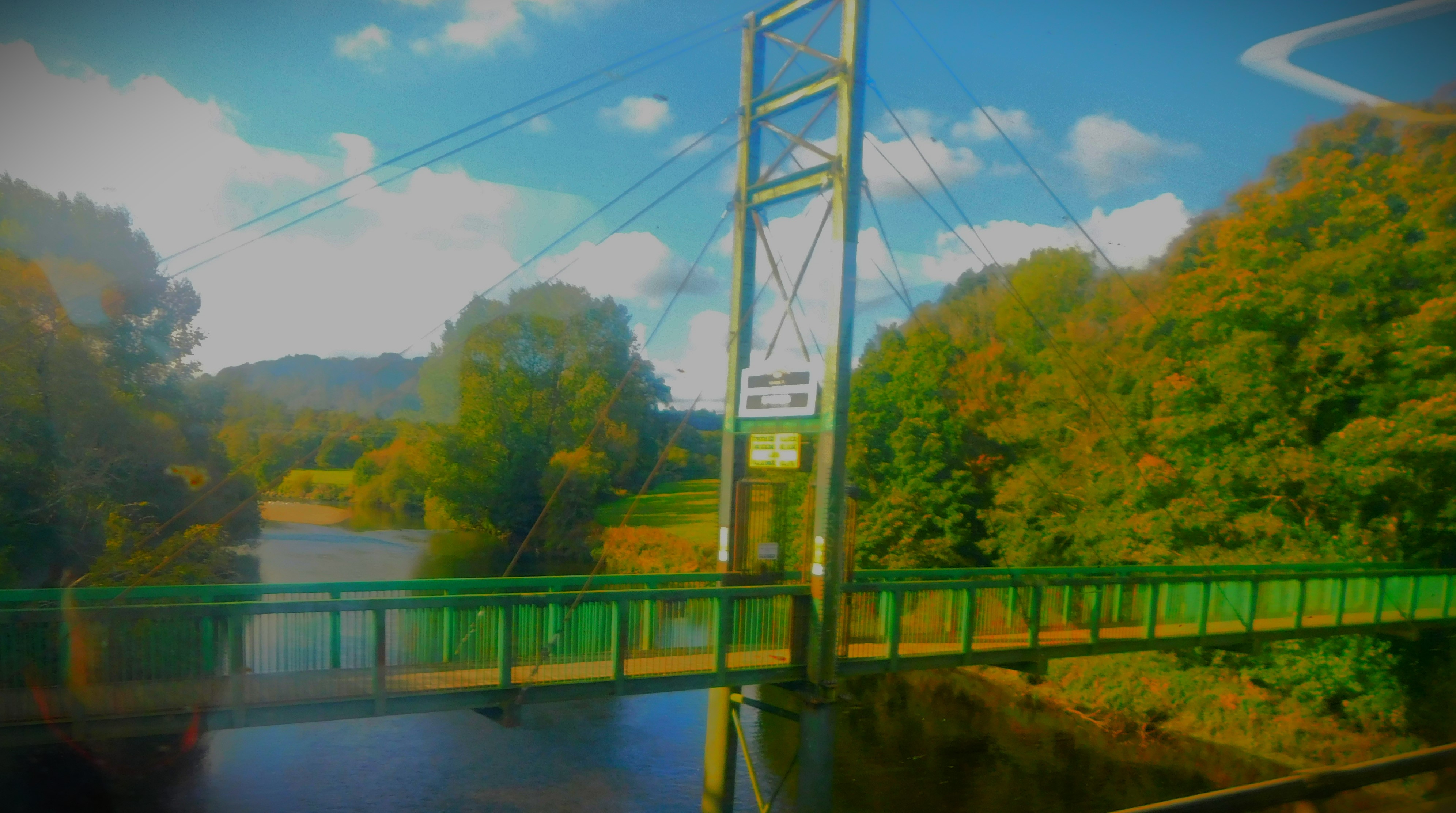
Cornwall 2024 – The Journey There

An account of my journey from King’s Lynn to Plymouth yesterday, with a fine photo gallery.

I am in Cornwall, staying with my parents for a few days. I travelled down yesterday, and that journey will be the subject of this post.

I was booked on later trains than I would have liked – leaving Lynn on the 1:42Pm and arriving into Plymouth where my parents would be meeting me at 8:13PM. I set off from my home in North Lynn an hour before the train was due to depart from King’s Lynn, and was on the platform with huge amounts of time to spare. The train suffered a couple of minor delays en route to London but I still had over 50 minutes to get from King’s Cross to Paddington. I arrived at Paddington half an hour before the train to Plymouth was due to depart, but it took a long time for the platform information to be confirmed, and I had only a few minutes to make my way to my seat by the time that happened.

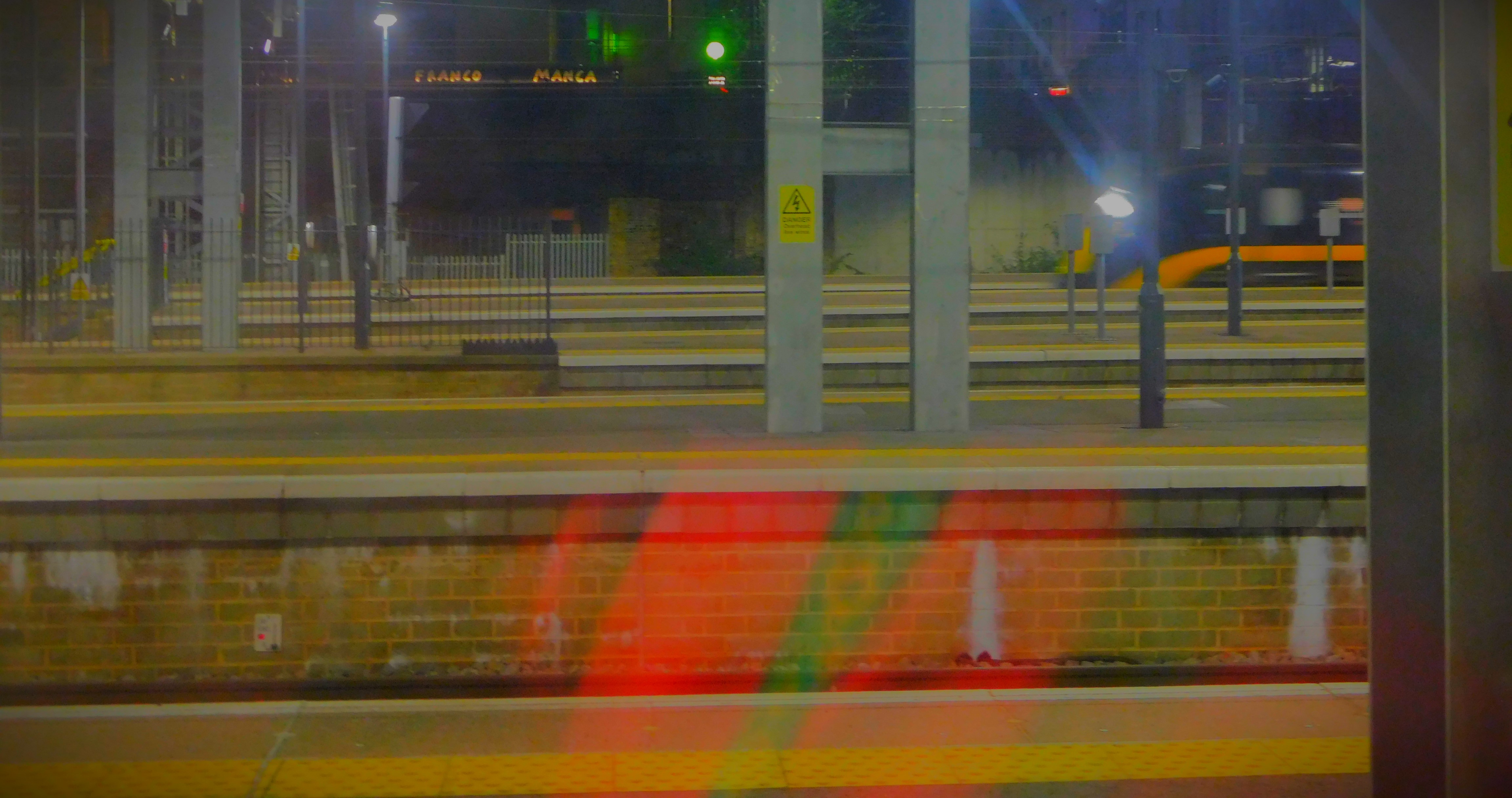
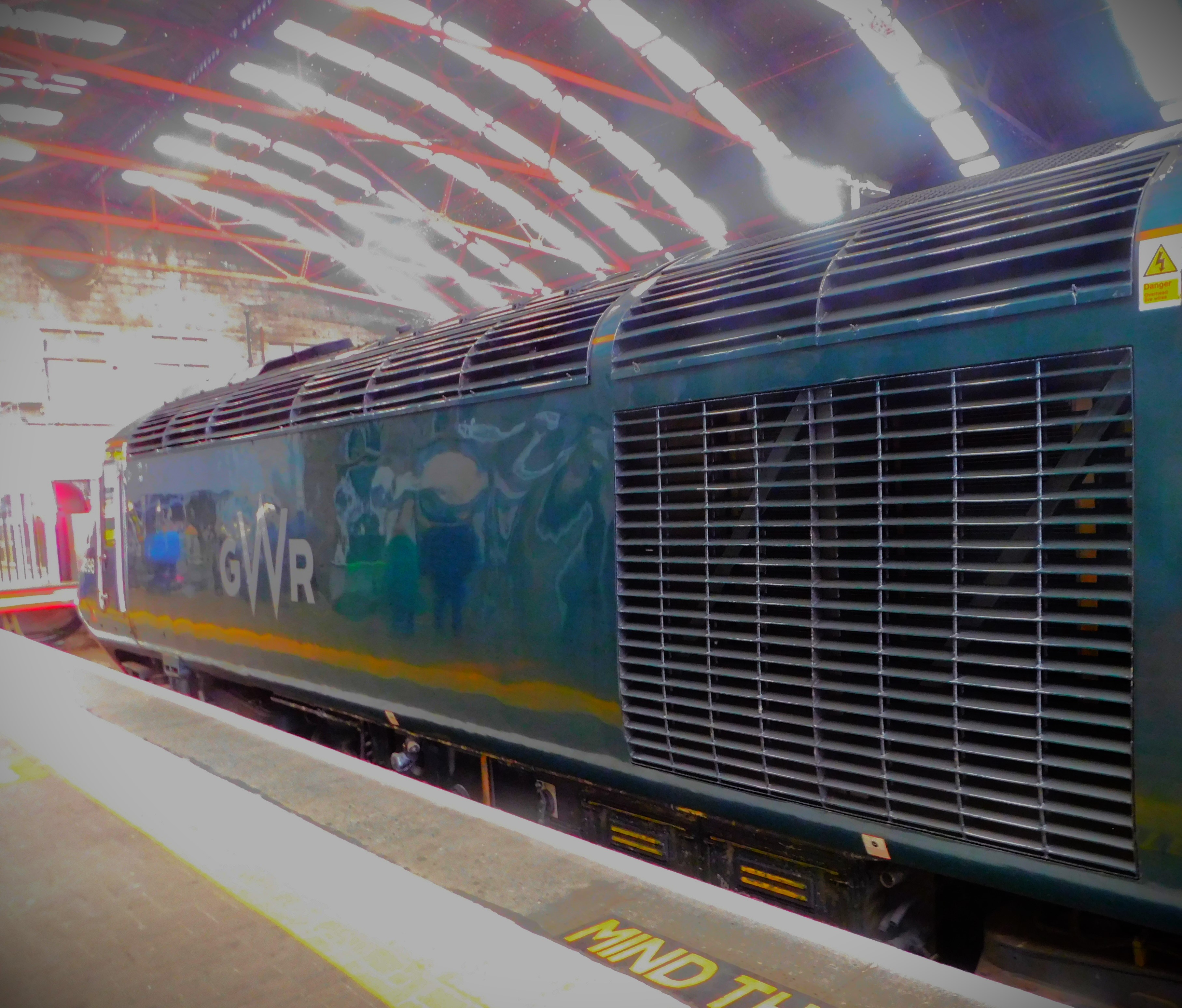
I was on a train that was stopping at more places than usual for a journey to Plymouth – Newbury, Hungerford, Pewsey, Westbury and Castle Cary between Reading and Taunton. I got some good pictures between London and Exeter, but it was dark by the time I got to the seaside section of route between Exeter and Newton Abbot, and that meant it was hardly possible to take pictures due to the interference of reflections owing to the extreme contrast between the brightly lit train interior and the near darkness outside. The train arrived into Plymouth almost exactly as per schedule, which I understand is not a frequent occurrence with GWR long distance services. Apart from the overcrowding on the Hammersmith & City line between King’s Cross and Paddington the journey went well overall.

Here are my pictures to go with this post…

A One Day Clash Between Past and Present

Two XIs – ‘Blasts from the Past’ – an XI who would have been excellent in limited overs cricket given the chance – and an XI picked from the best English white ball players of modern times. Also a photo gallery.

During the bit of commentary on yesterday’s third ODI between England and Australia that I was able to catch (between work and a weather induced early finish not nearly enough for me to write about) there was some discussion about greats of the past who might have fared well in limited overs cricket had it been a thing in their eras. I therefore offer a clash of two England XIs – an XI exclusively from before the era of limited overs cricket and an XI from the era of limited overs cricket. Usual one day rules apply.

  1. Charlie Barnett (Gloucestershire) – right handed opening batter. He once had 98* to his name going into lunch on day one of an Ashes match, having told his opening partner Leonard Hutton not to worry about trying to give him the strike in the final over before the interval because “we’ve given them enough cause for indigestion”.
  2. Lionel Palairet (Somerset) – right handed opening batter. He scored pre-lunch hundreds off scratch no fewer than five times in his first class career. He may also have had the most stories per match of anyone with more than one international cap – his two England appearances were Old Trafford and The Oval tests of 1902, the first a pulsating encounter that the Aussies won by three runs and the second “Jessop’s Match”.
  3. Frank Woolley (Kent) – left handed batter, left arm orthodox spinner. A fast scoring batter, a genuinely front line spinner (he achieved the “batting all rounder’s double” of 2,000 runs and 100 wickets in first class matches in the same season no fewer than four times.
  4. Denis Compton (Middlesex) – right handed batter, occasional left arm wrist spin bowler. He was capable of scoring at a breath taking rate and his penchant for unorthodoxy would have stood him in good stead in a limited overs setting.
  5. +Les Ames (Kent) – right handed batter, wicket keeper. His aggressive batting (winner of the Lawrence trophy for the fastest first class hundred of the season twice in the first three years of its existence) he was the only candidate for the gauntlets in this side.
  6. Gilbert Jessop (Gloucestershire) – right handed batter, right arm fast bowler. If ever there was a guaranteed selection for a side of this nature it was he. The most consistently rapid run scorer the game has ever known, a useful fast bowler and an outstanding fielder, he had all the attributes to have been a key member of any limited overs side.
  7. *Percy Fender (Surrey) – right handed batter, right arm leg spinner, captain. Still holds the record for the fastest first class century against legitimate as opposed to declaration bowling, 35 minutes against Northamptonshire. A fine leg spinner and an astute captain as well.
  8. Frank Foster (Warwickshire) – left handed batter, left arm fast medium bowler. A good enough batter (and attacking by instinct) to have a first class triple century to his name, and a good enough bowler to have been one half of one of the great new ball pairings in test cricket alongside the guy at number 10 in this side.
  9. Billy Bates (Yorkshire) – off spinner, right handed batter. A fine all rounder in his day, and a notably economical bowler.
  10. Syd Barnes (Warwickshire, Lancashire, various league sides) – right arm fast medium bowler, right handed batter. He would doubtless grumble about only being allowed 10 overs in the innings, but he would undoubtedly be a challenge for anyone to play, and in this XI he would be sharing the new ball with one of his favourite partners, and would be well handled by skipper Fender.
  11. Alfred Shaw (Nottinghamshire, Sussex) – right arm medium/ right arm slow bowler, right handed batter. The man who bowled more first class overs than he conceded runs at that level – to me almost as much of a cast iron pick for this XI as was Jessop.

This XI features great batting depth, with everyone down to Bates capable of major contributions there, a stellar collection of bowling talents – Compton would be eighth choice bowler in this side, a crafty and astute captain and a great wicket keeper.

  1. Alastair Brown (Surrey) – right handed opening batter. He was unlucky in terms of England caps because his prime was before England had really grasped the concept of separate squads for test and one day cricket. However he produced some devastating performances for Surrey, including 268 v Glamorgan, which remains the highest by an English batter in a limited overs match.
  2. David Gower (Leicestershire, Hampshire) – left handed batter. He did quite frequently open in limited overs matches, and was one of the first English batters to have great success in the format.
  3. Kevin Pietersen (Nottinghamshire, Hampshire, Surrey)- right handed batter, occasional off spinner. One of the most explosive talents ever possessed by anyone.
  4. *Joe Root (Yorkshire) – right handed batter, occasional off/leg spinner. The best England batter to appear in my lifetime, and certainly among the top half-dozen the country have ever had. I have reservations about his captaincy.
  5. +Jos Buttler (Somerset, Lancashire) right handed batter, wicket keeper. Excellent as an ODI finisher, the role he has here, and also as a T20I opener.
  6. *Ben Stokes (Durham) left handed batter, right arm fast medium bowler. A great match winner (cf his heroics in the 2019 world cup final), and as he has shown in test cricket a fine captain as well, which role I have given him in this side.
  7. Liam Dawson (Hampshire) – left arm spinner, left handed batter. A high quality all rounder who has been poorly treated by England – the fact that he will not be on the plane to Pakistan for England’s next tour is frankly scandalous.
  8. Moeen Ali (Worcestershire, Warwickshire) – off spinner, left handed batter. An excellent white ball cricketer.
  9. Adil Rashid (Yorkshire) – leg spinner, right handed batter. Without question the best white ball spinner of any kind England have ever had, and as such a shoo-in for this XI.
  10. Darren Gough (Yorkshire) – right arm fast bowler, right handed batter.
  11. Jofra Archer (Sussex) – right arm fast bowler, right handed batter. When fully fit he is absolutely devastating.

This side is strong in batting, and has a well varied bowling attack. There are only three pace options – Gough, Archer and Stokes, but there are three genuine spinners plus Root and Pietersen as back up options.

First to clear up a small point for regular readers, I have decided to omit the usual honourable mentions section from this post as if I did such a section any kind of justice it would be longer than the rest of the post put together. Please feel free to volunteer your own suggestions, though please remember to consider who you would replace from my selections and how that would affect the balance of the side(s).

The ‘Blasts from the Past’ are better equipped in all departments, and I would not rate Fender an inferior leader to Stokes. If a time machine enables these sides, with all 22 players at their peak and uninjured, to contest a five match series I would expect the ‘Blasts from the Past’ combo to win 4-1.

My usual sign off…