An account of my visit to Norton Hill near Snettisham yesterday.
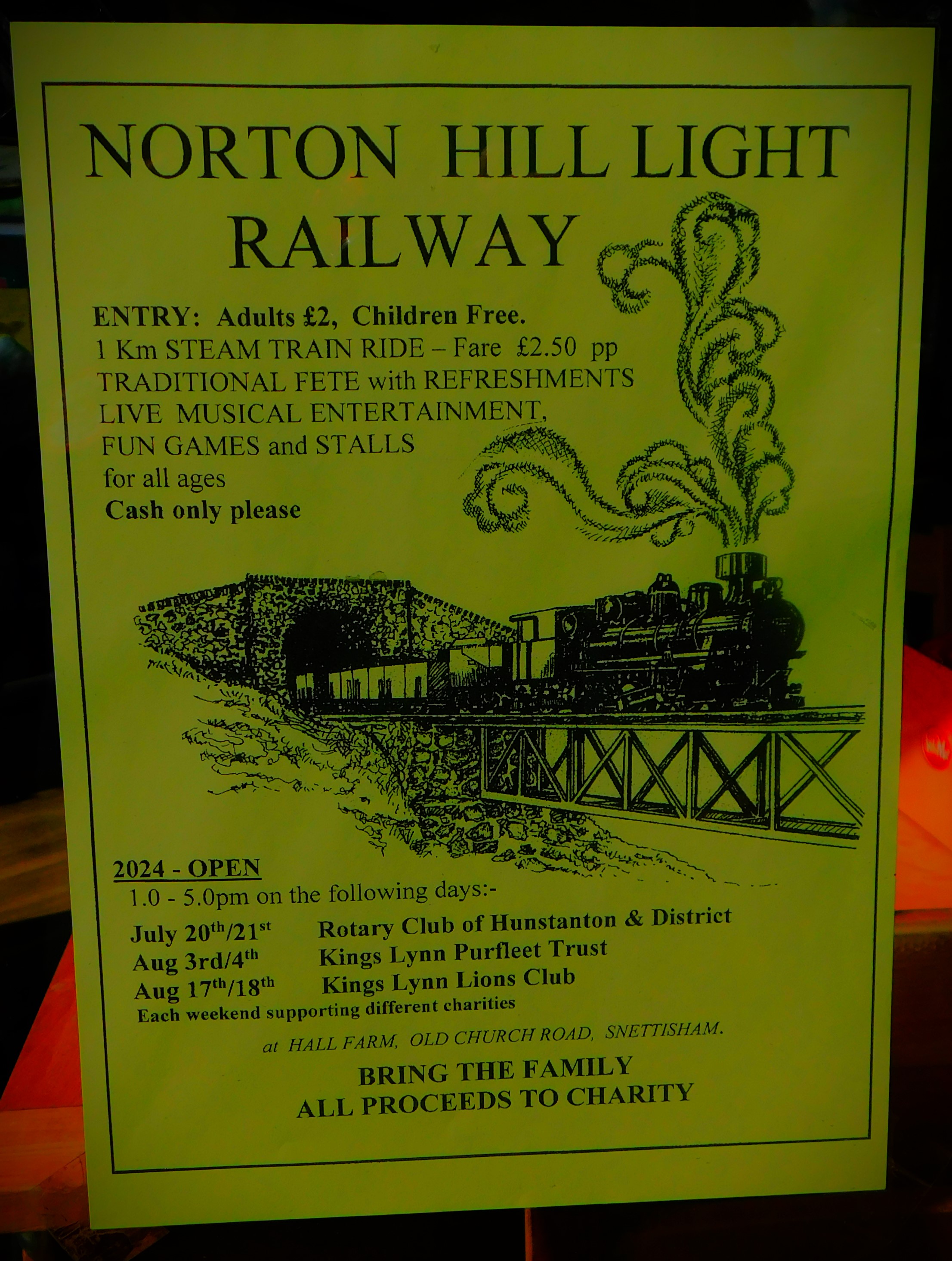
On Sunday I was at Norton Hill, where the Hunstanton & District Rotary Club were running an event and had very kindly invited the West Norfolk Autism Group to have a stall. This post looks back at the event.
THE PLAN
I had said I would come on the Sunday as there was no way I could go on the Saturday (see my previous post). As I was envisaging leaving early due to having an evening commitment and wanting to catch up on the cricket at some point I planned being there as early as possible – which meant 11AM for the start of setup. I had arranged to travel by bus with another member of ours, and had picked out the number 35 leaving King’s Lynn bus station at 10:10 as the best option. I wasn’t over worried about buses back as there are at least three bus routes that run between Snettisham (Norton Hill is a few minutes walk from Snettisham town centre) and King’s Lynn, and even on a Sunday the services are pretty frequent (King’s Lynn – Hunstanton, which passes through Snettisham is Lynx Bus’s most important route). I hoped to help get things set up, take a look around and sample Norton Hill’s feature – a light railway. I did accomplish this.
THE NORTON HILL LIGHT RAILWAY
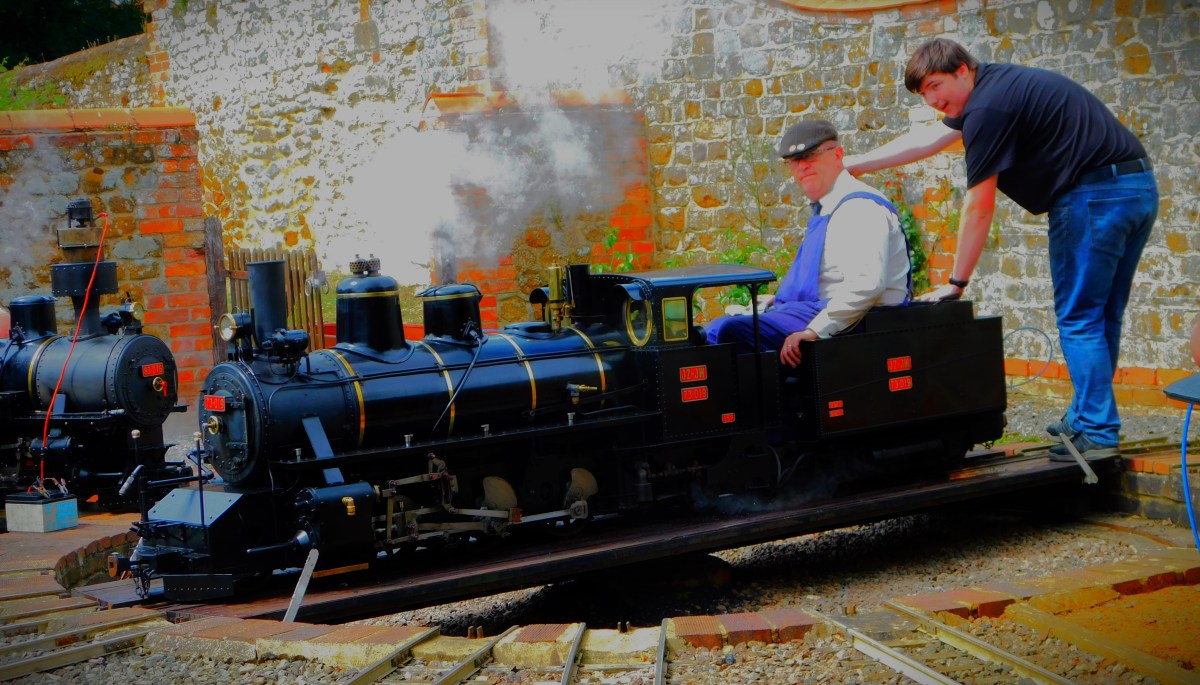
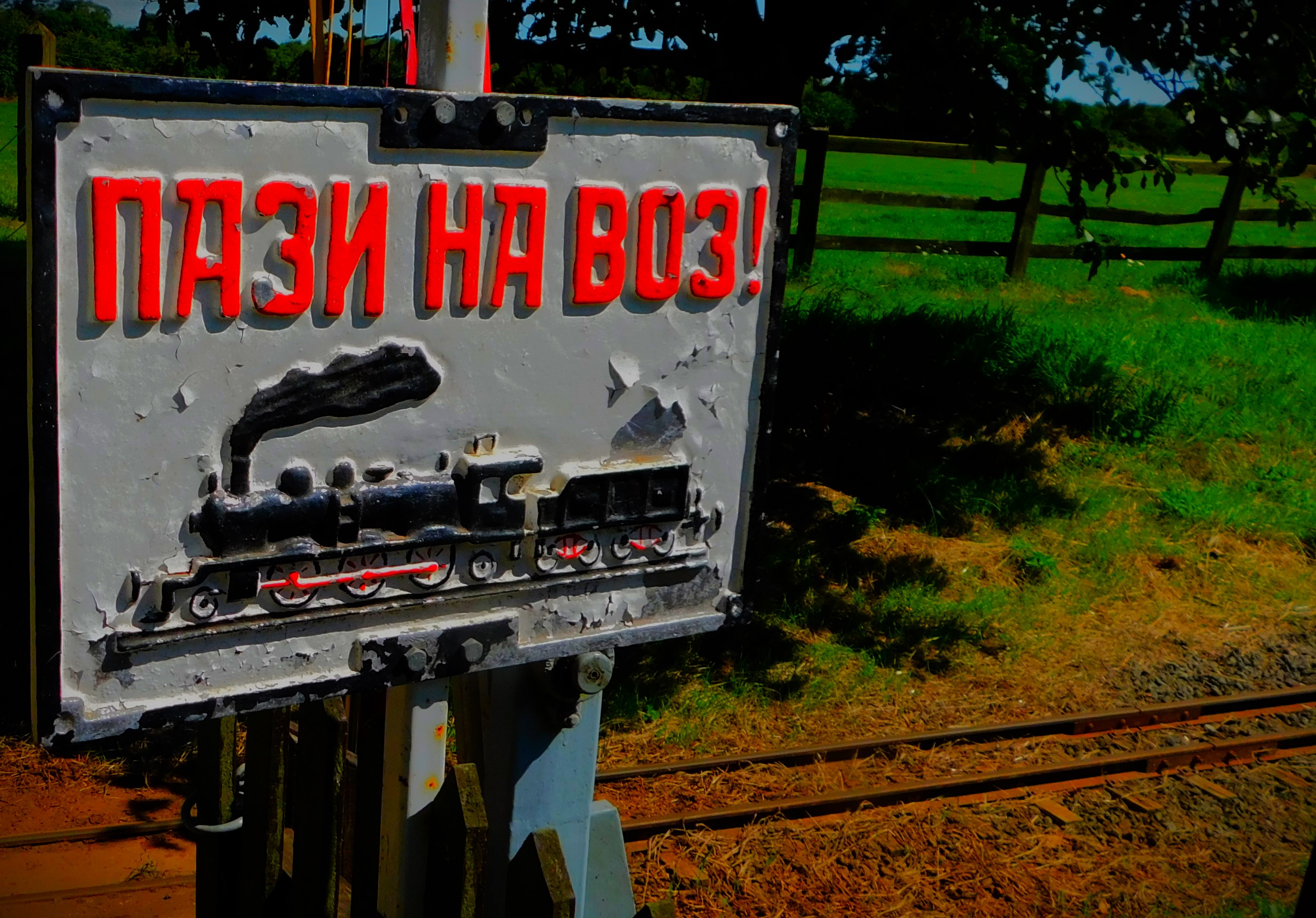
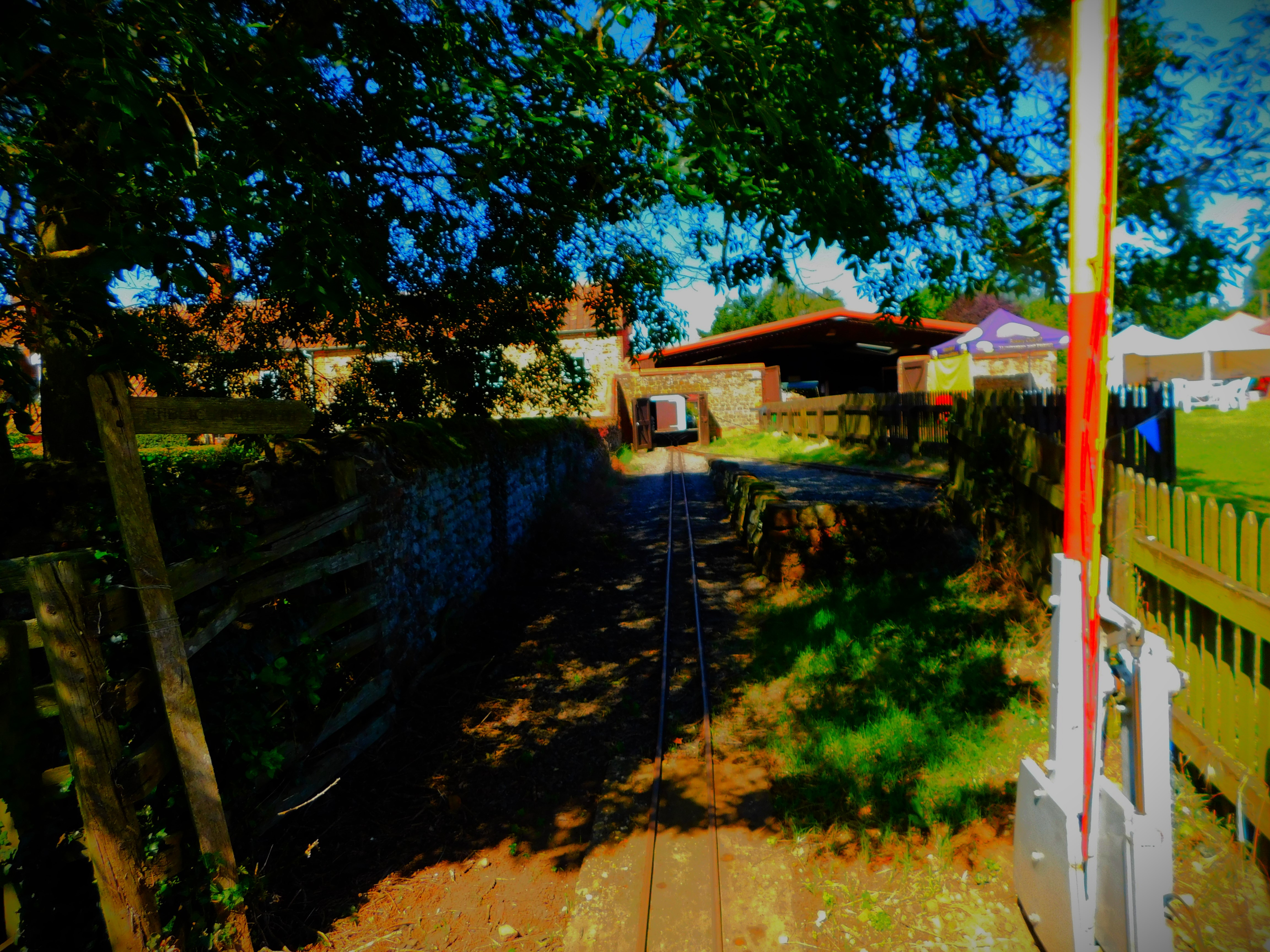
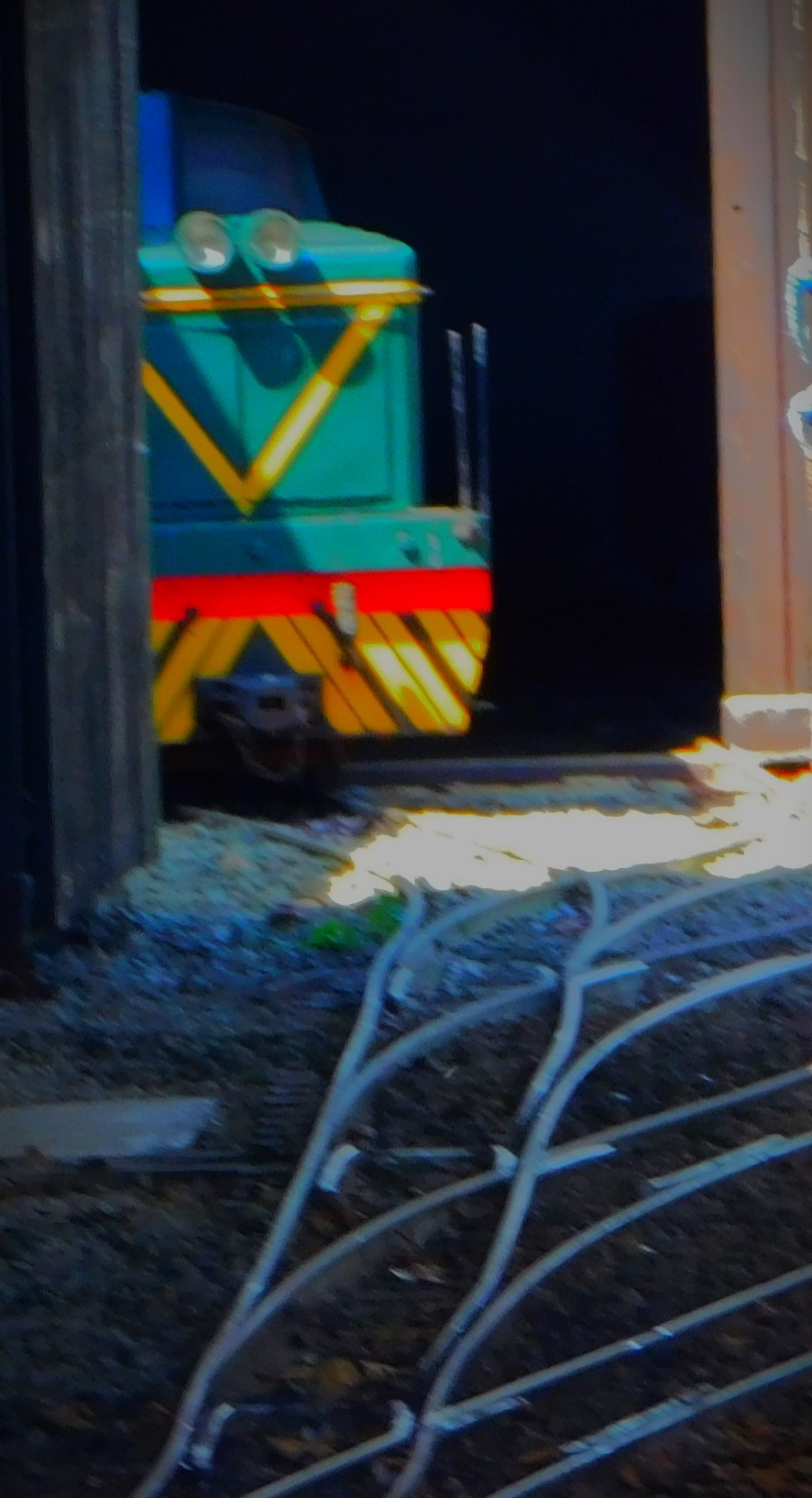
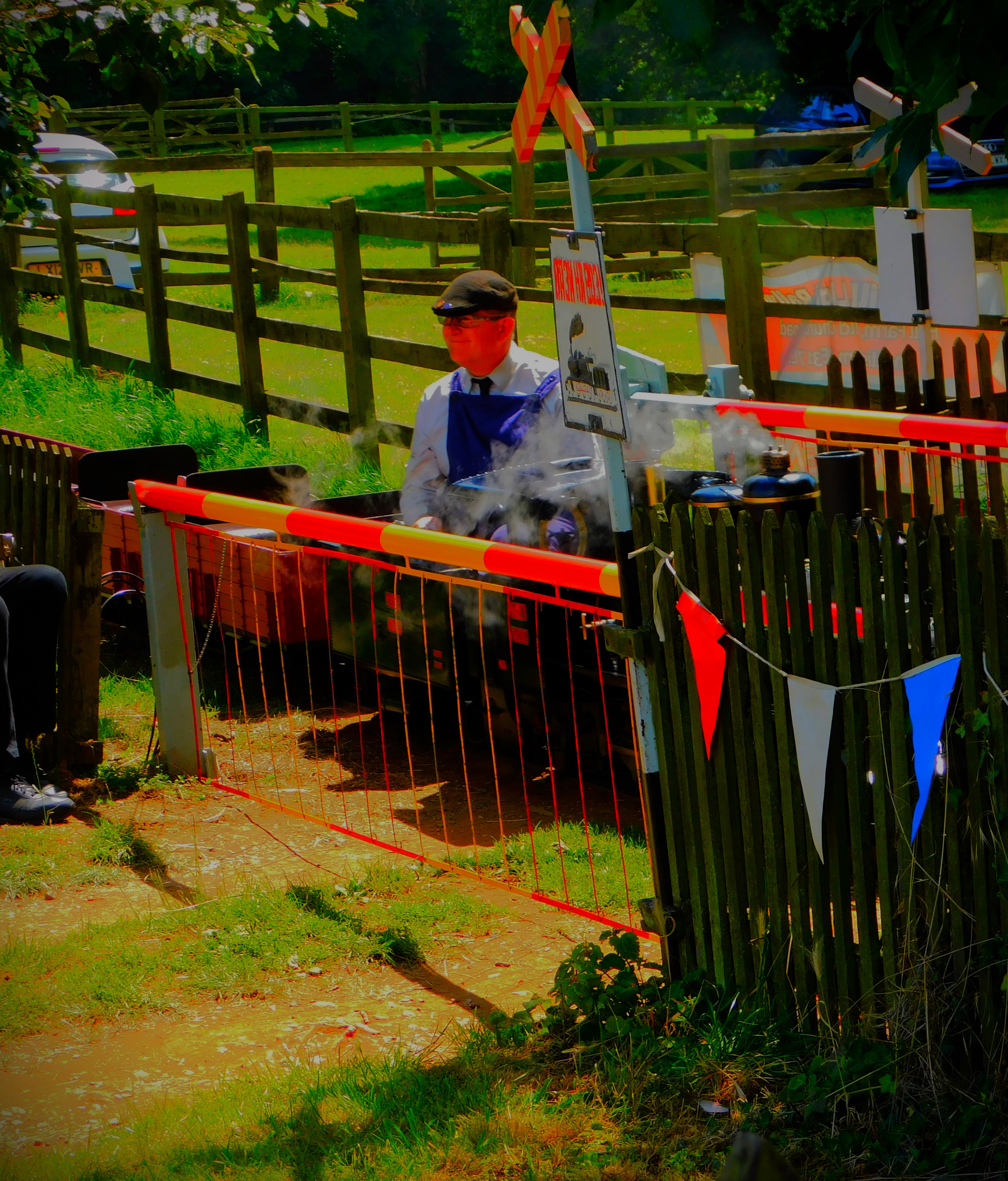
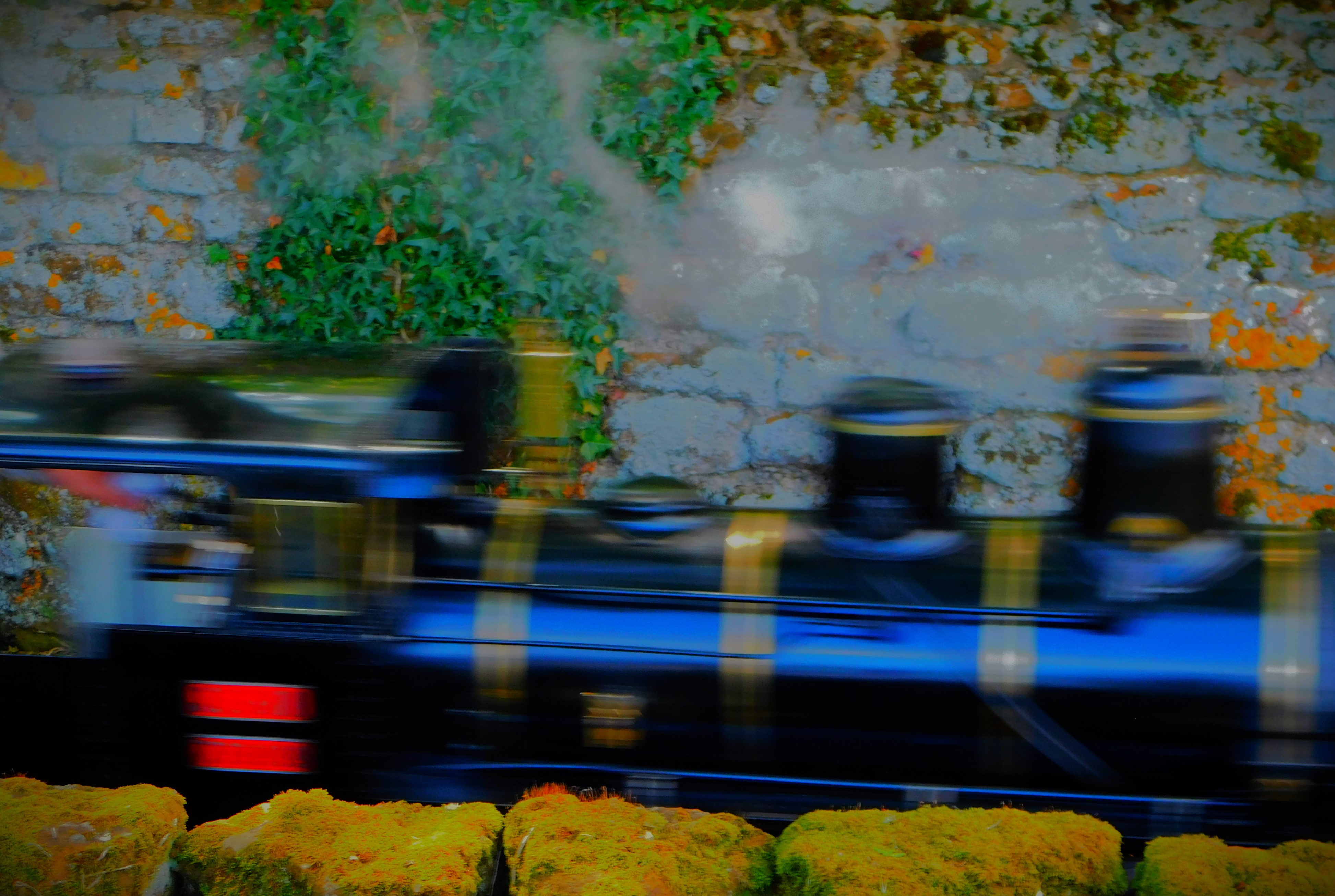
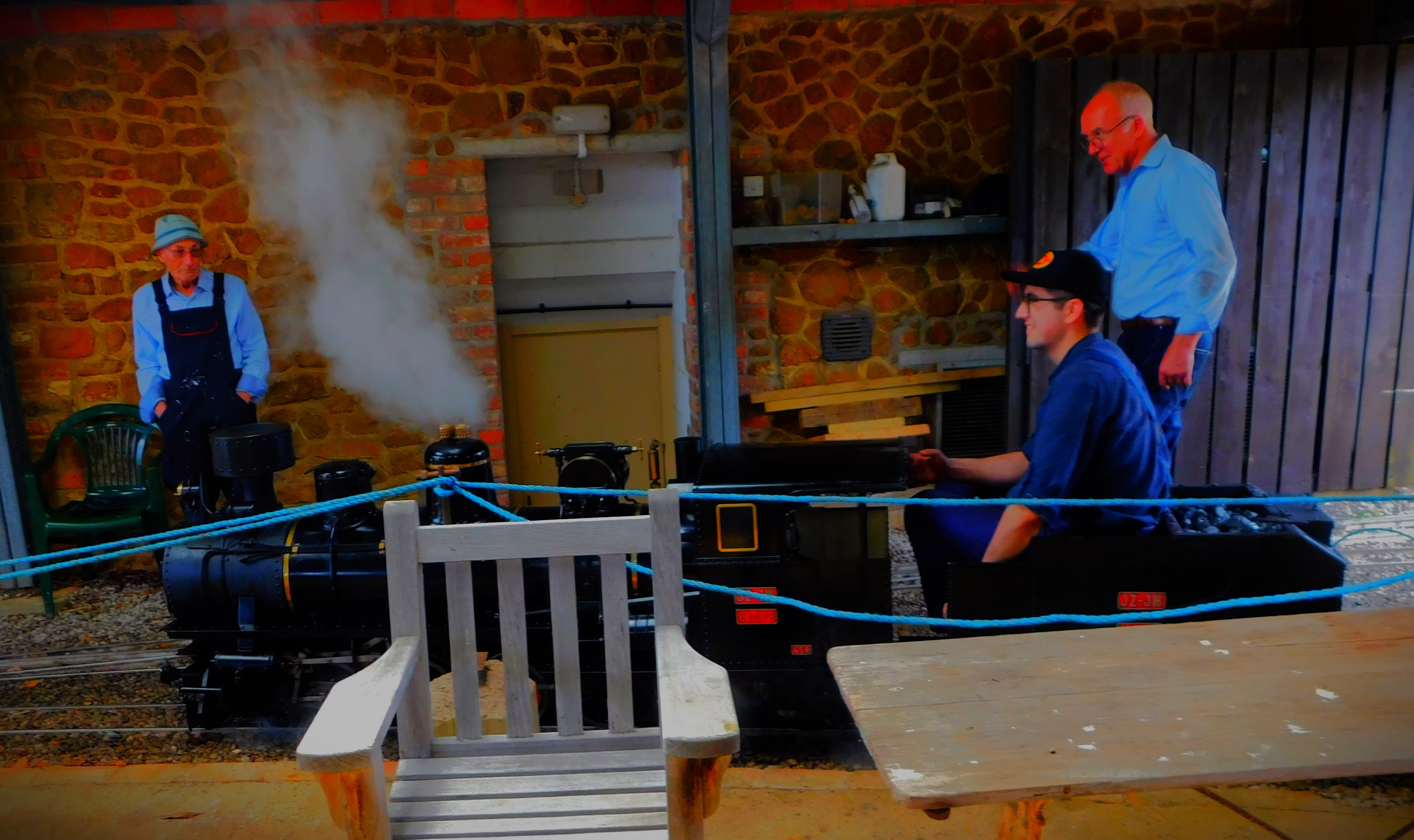
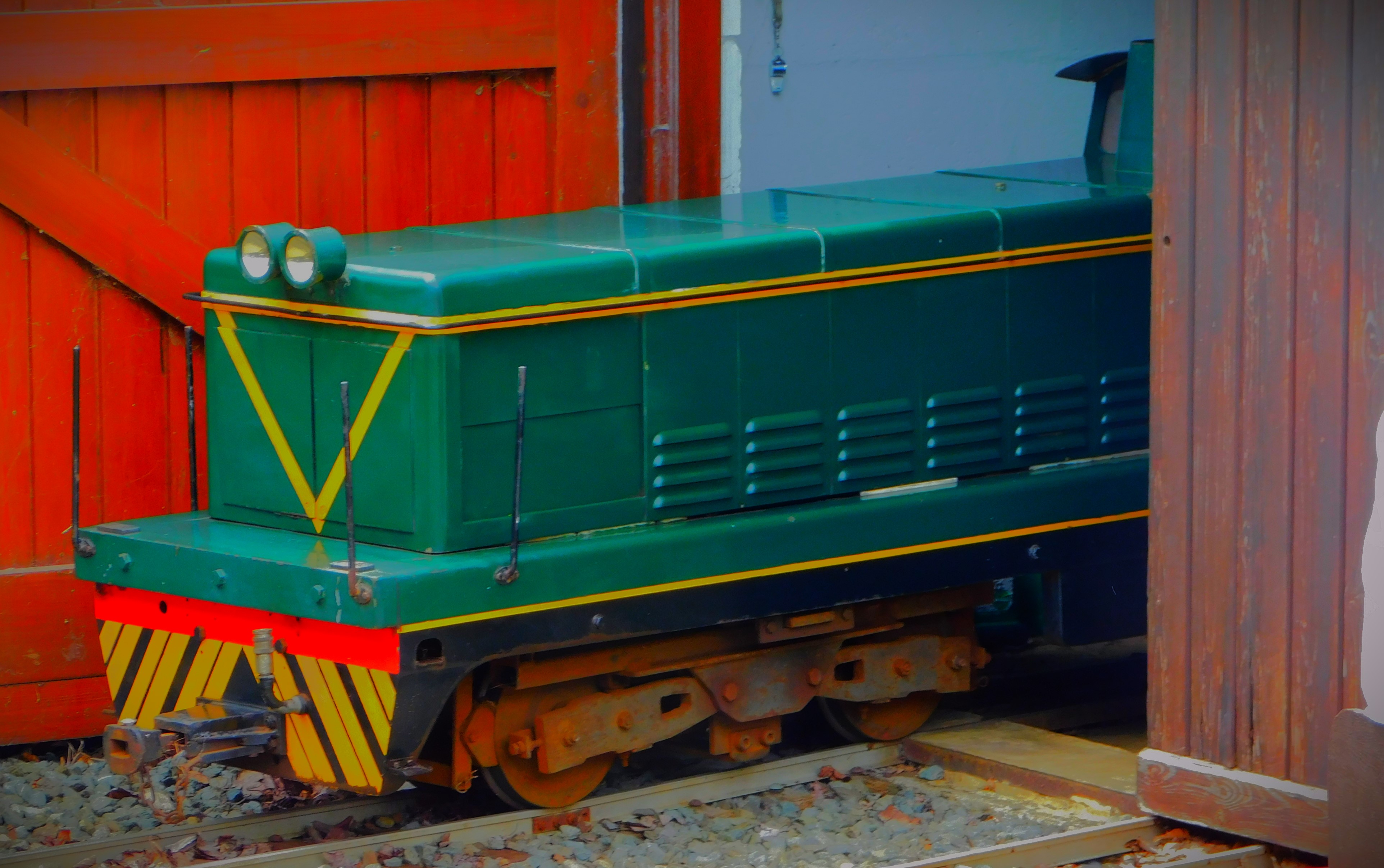
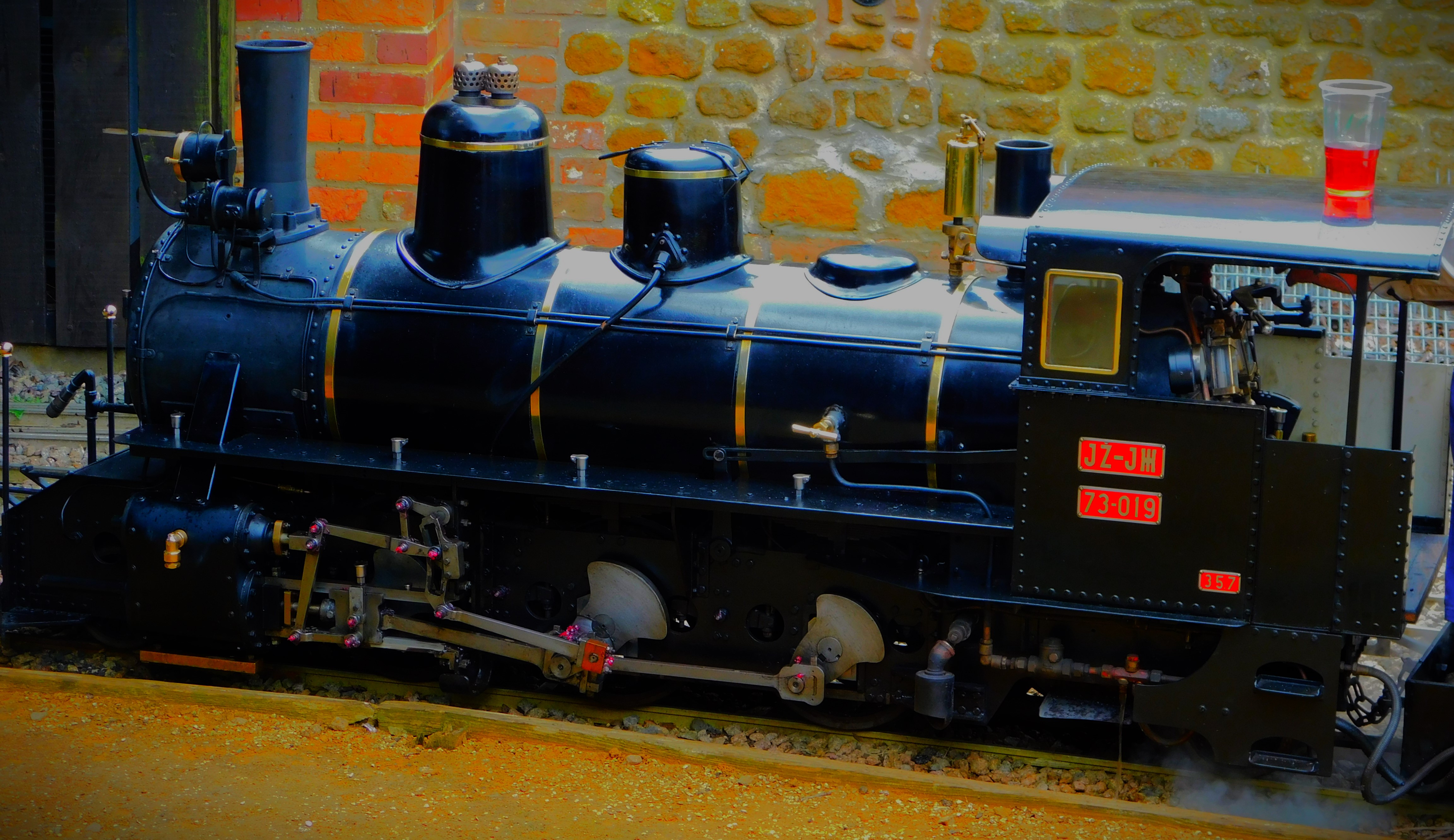
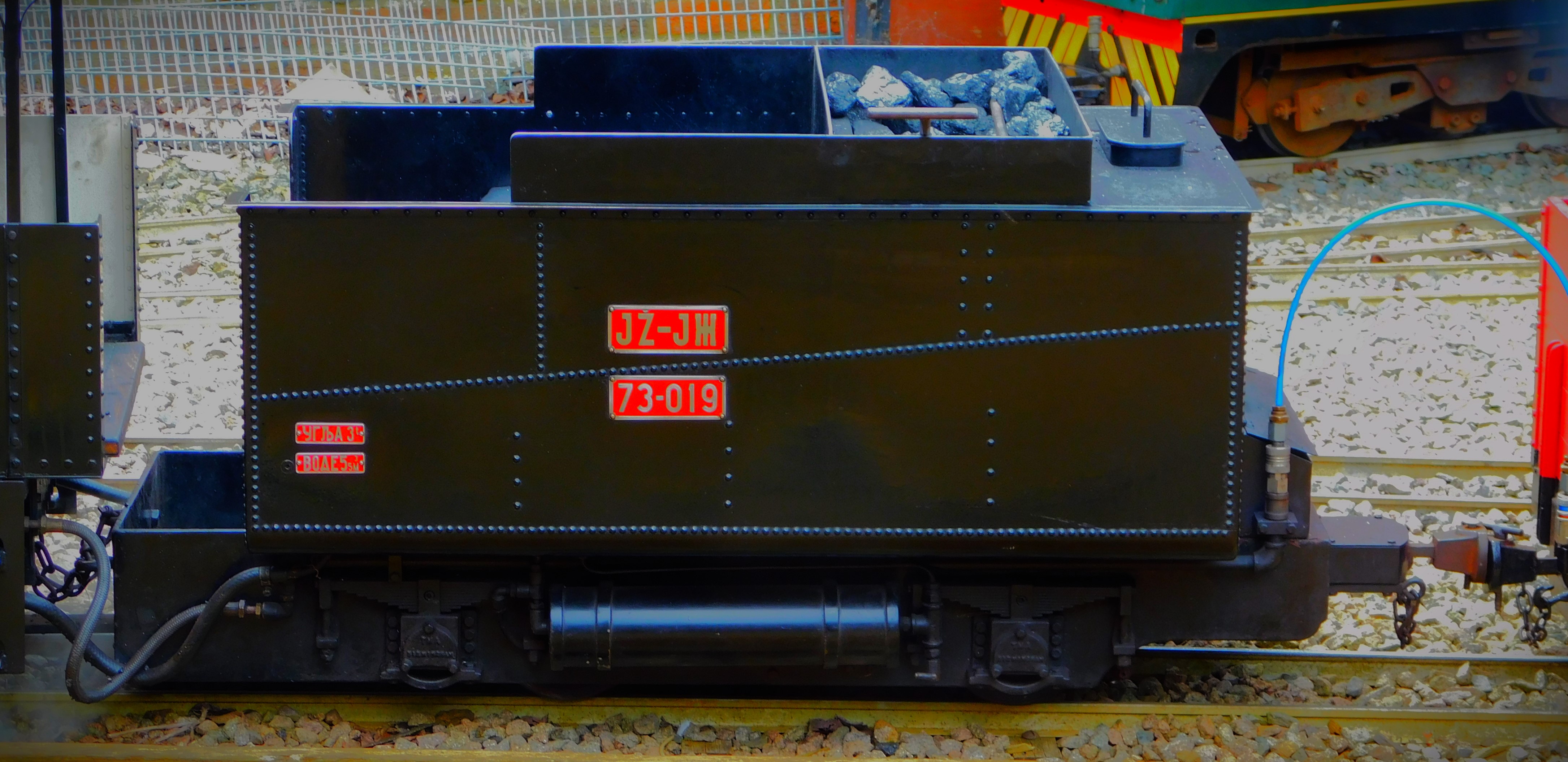
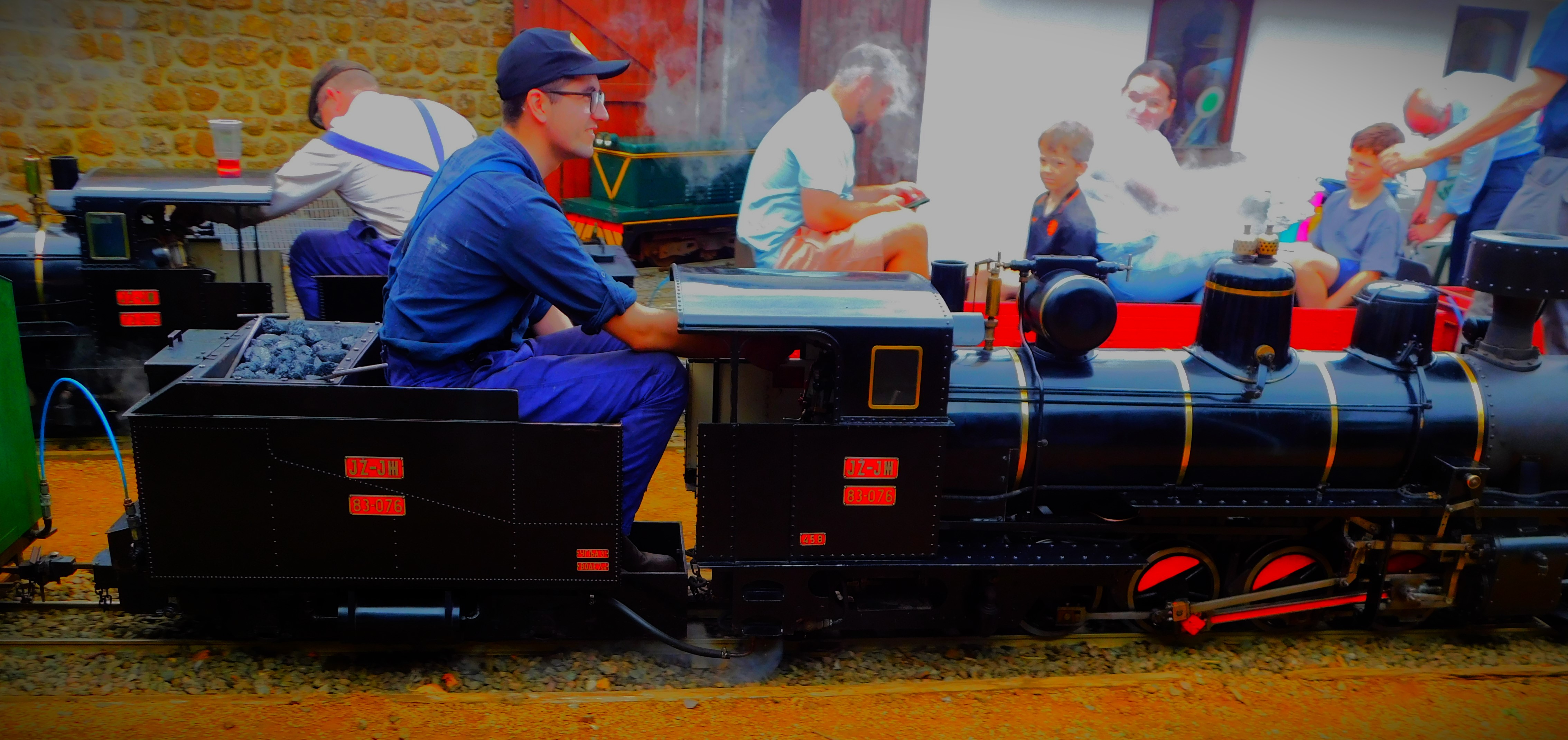
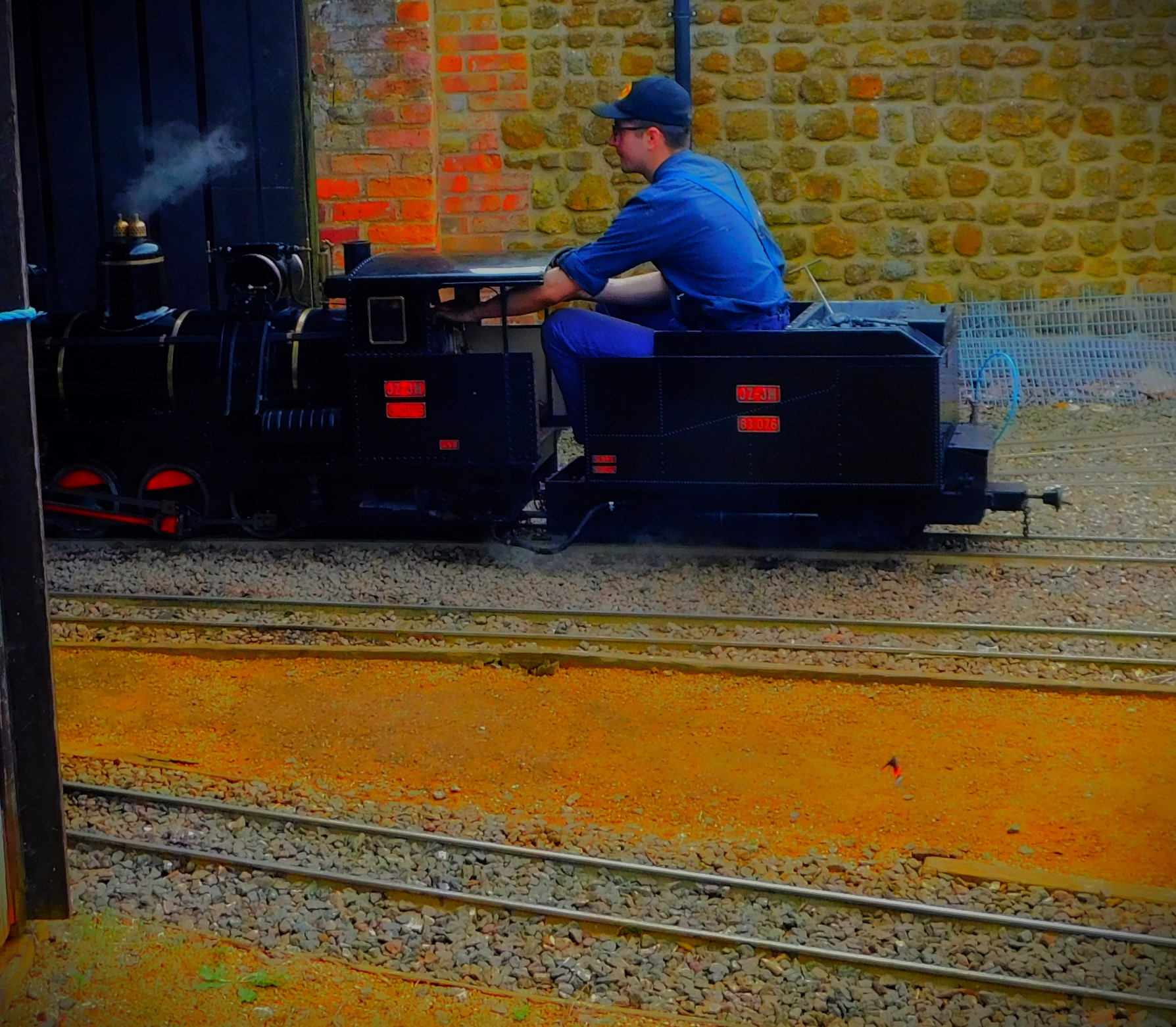
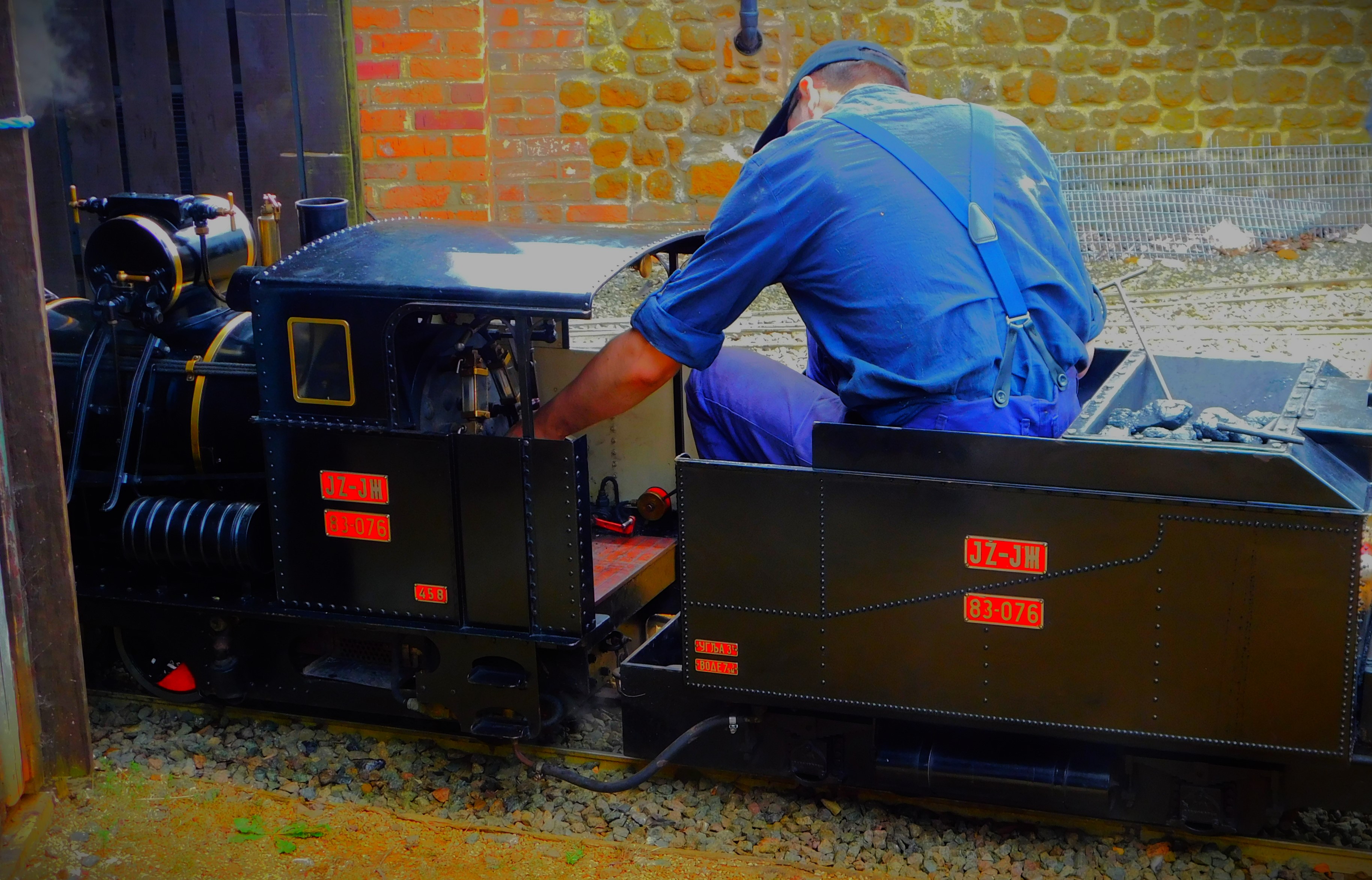
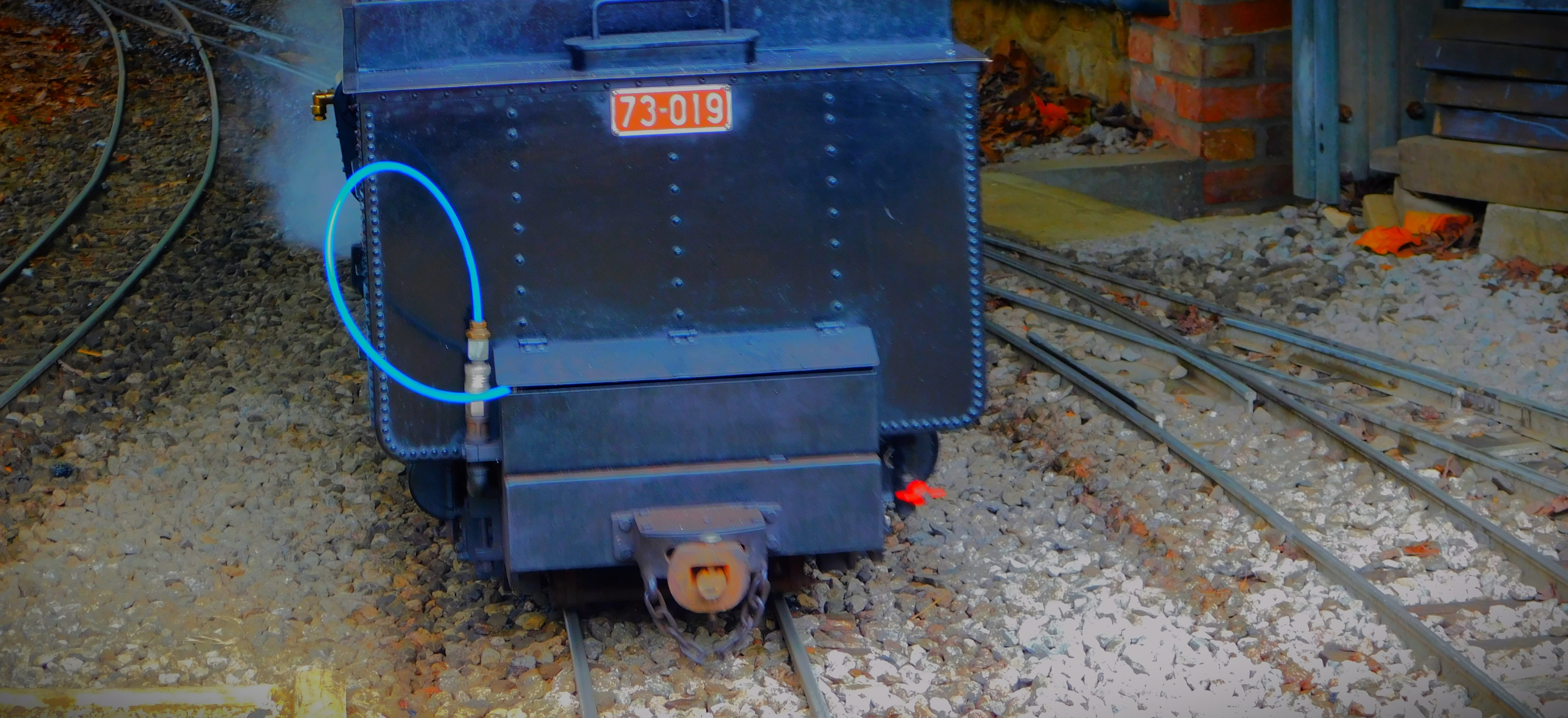
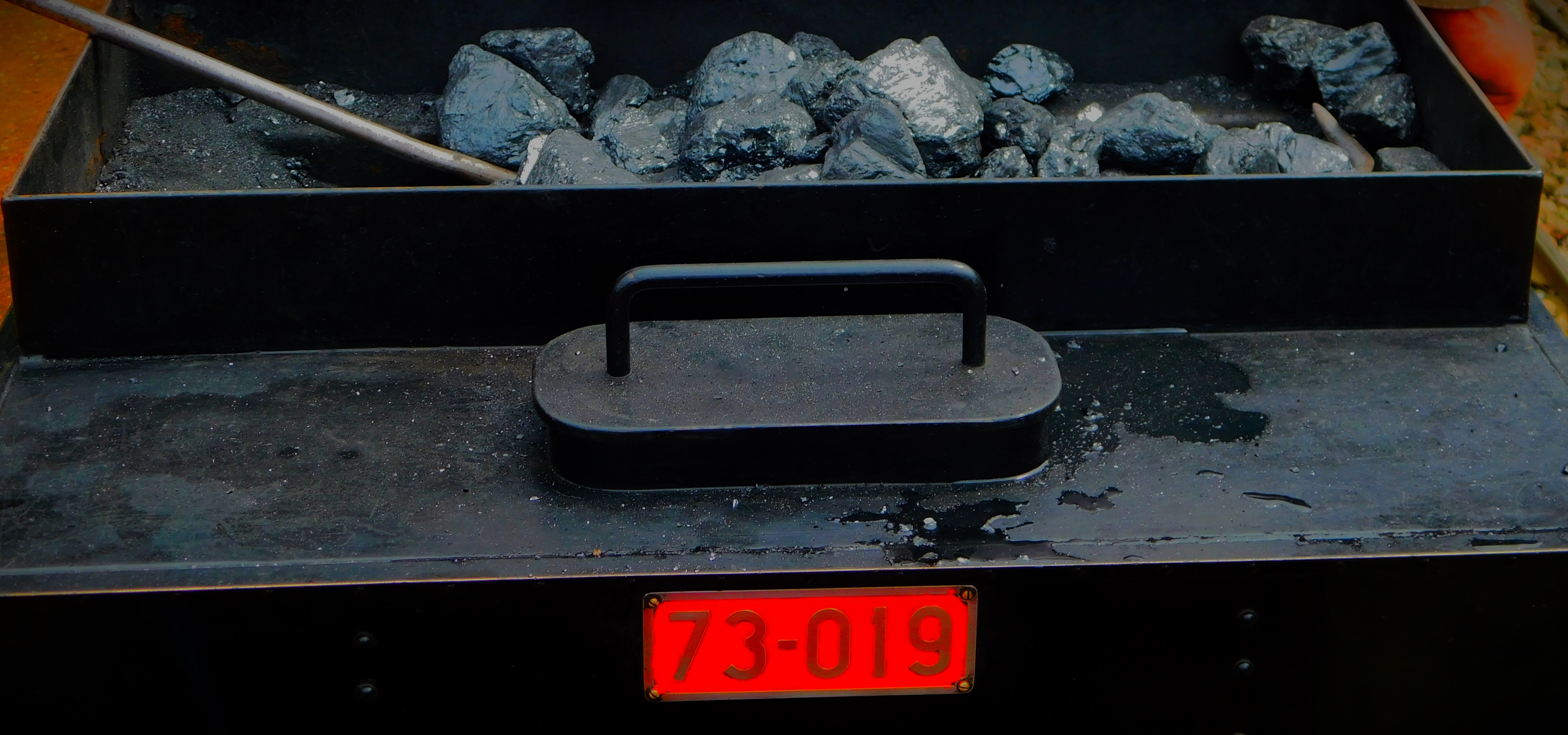
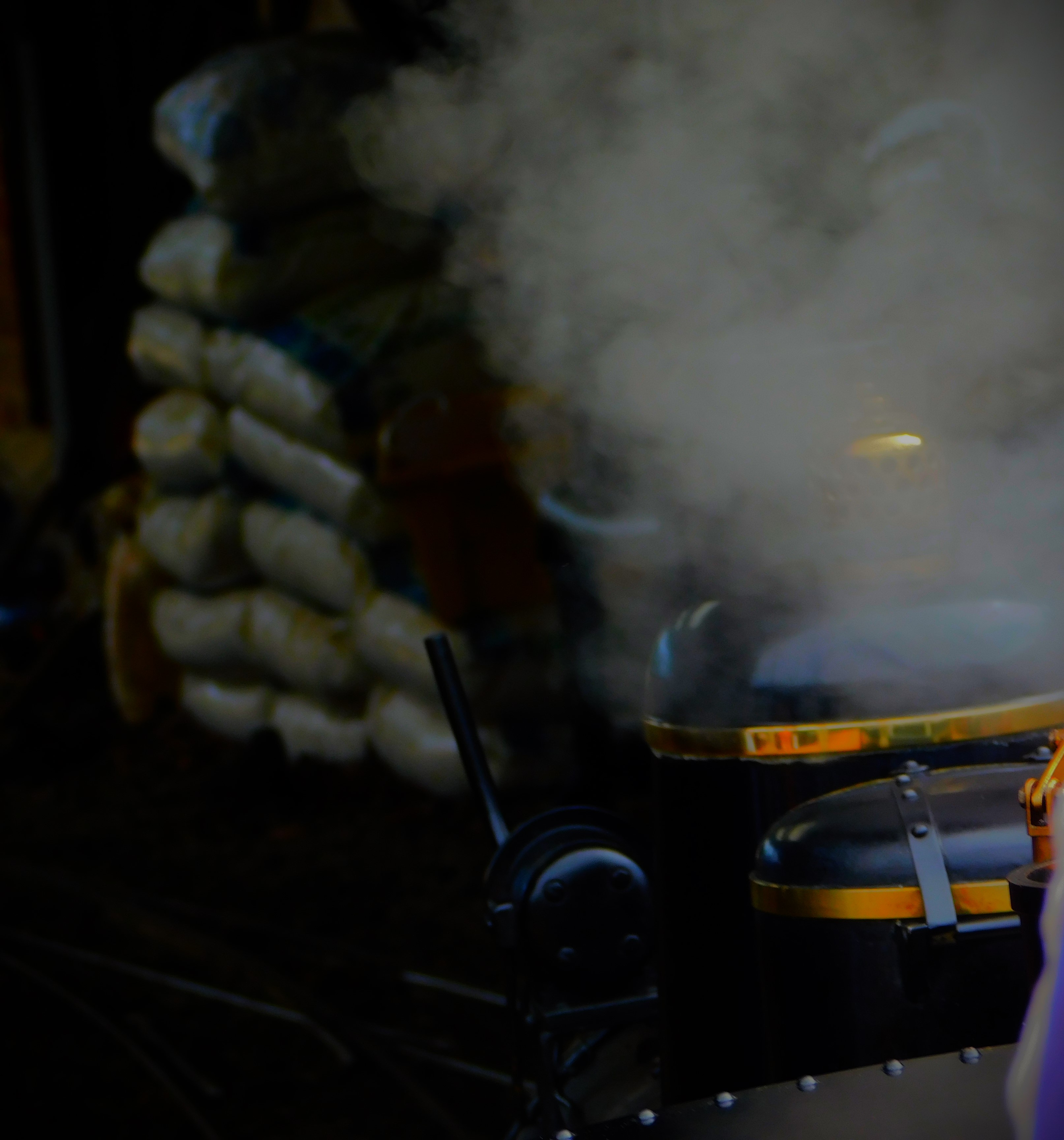
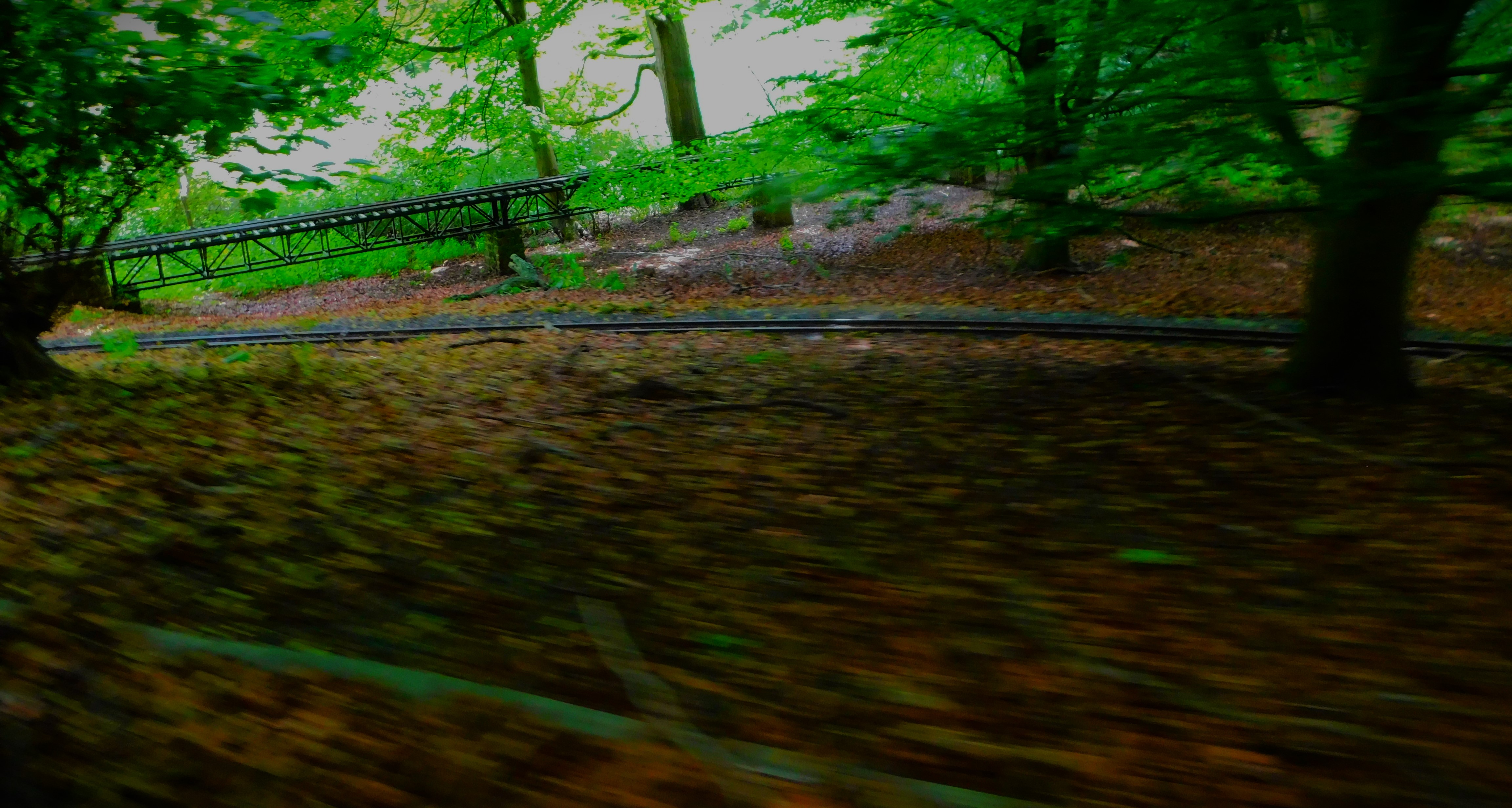
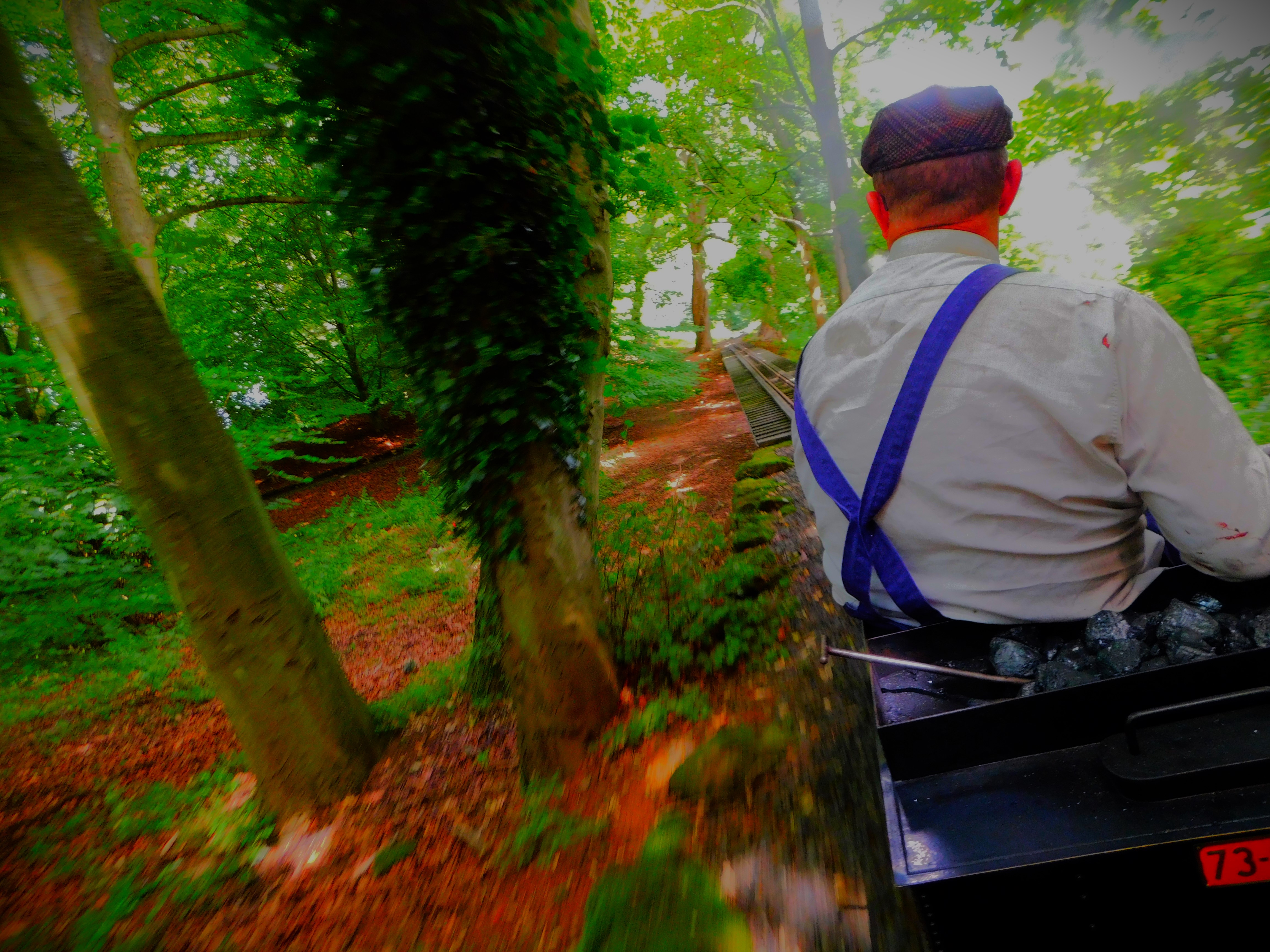
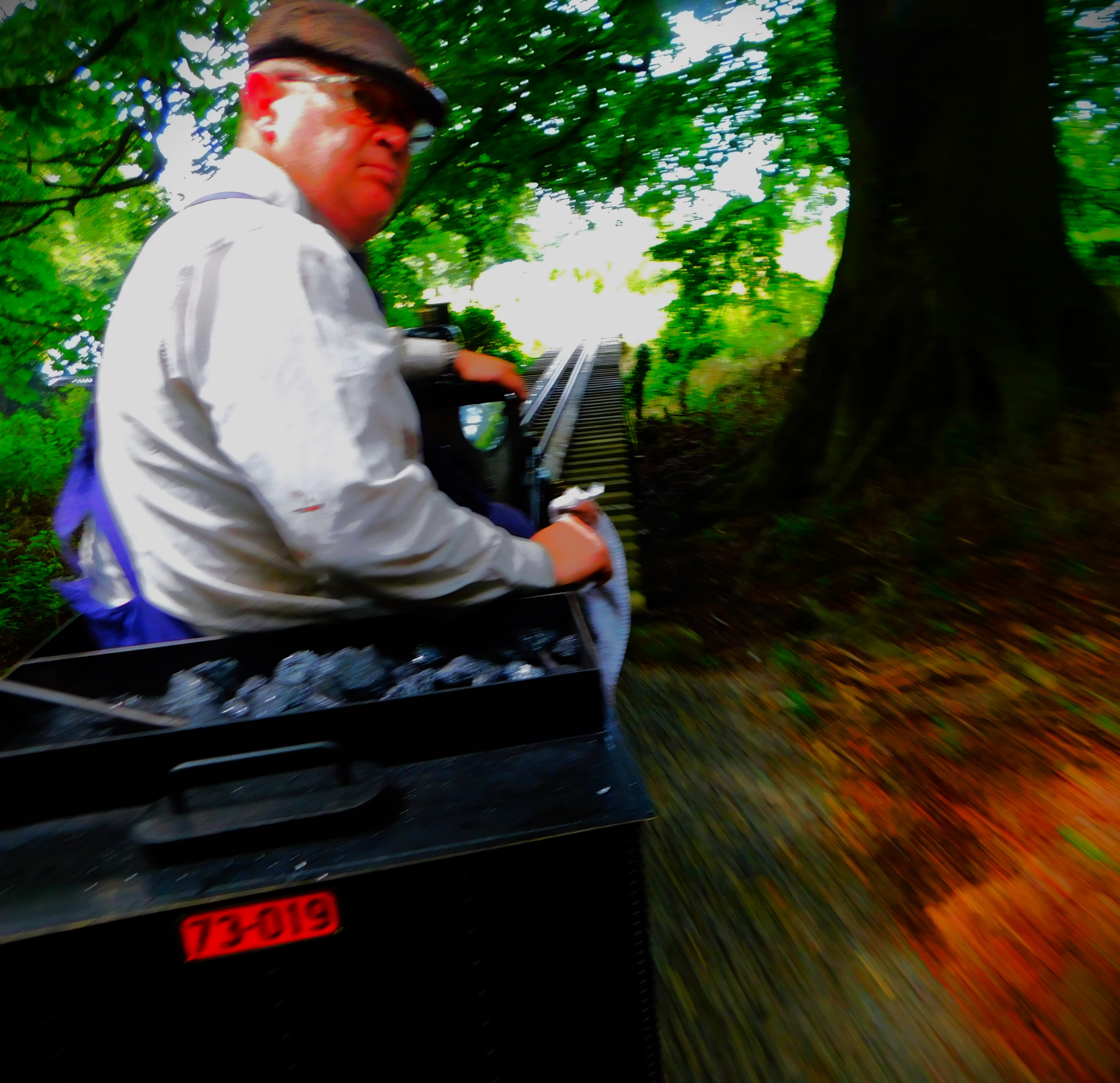
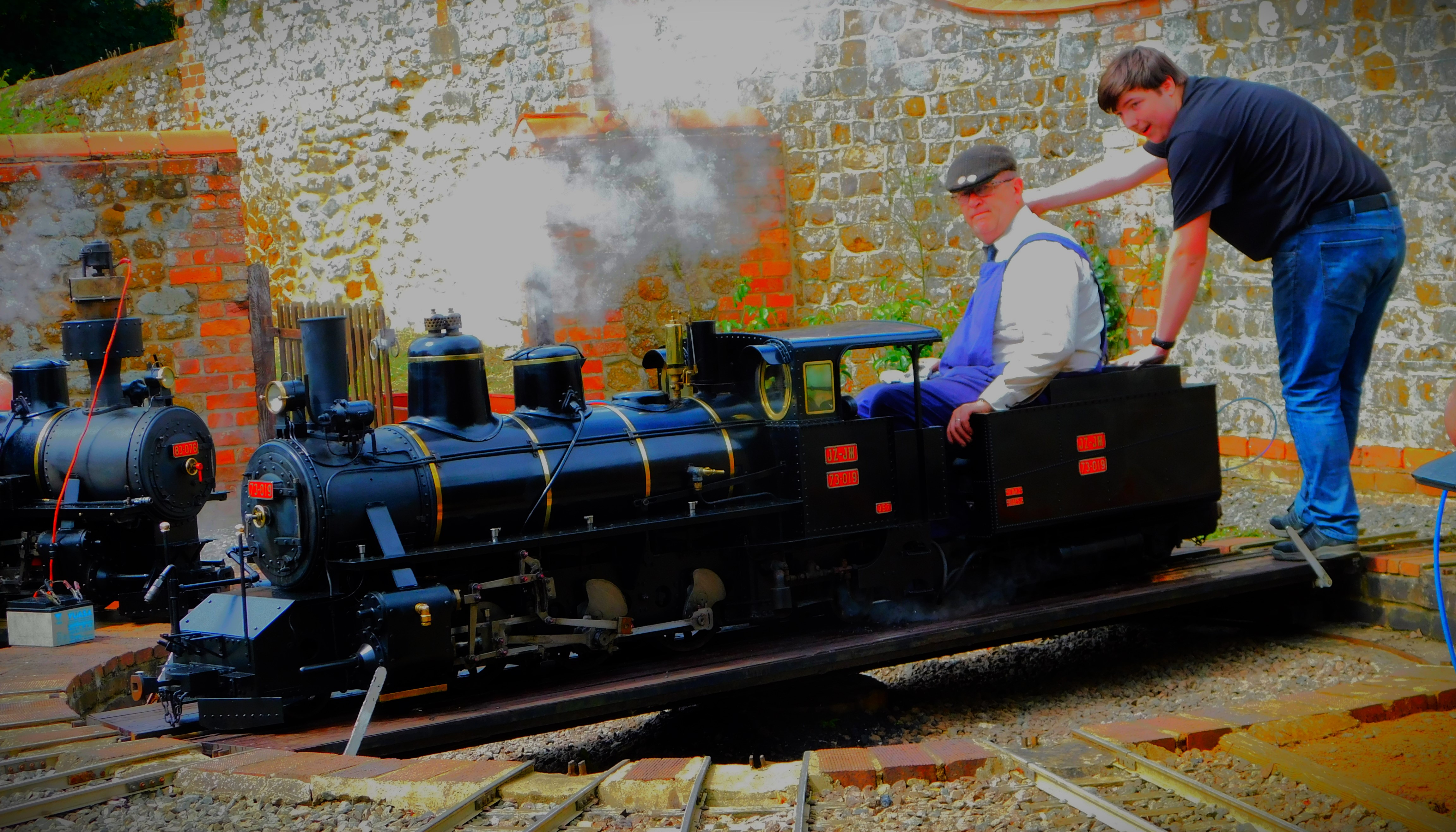
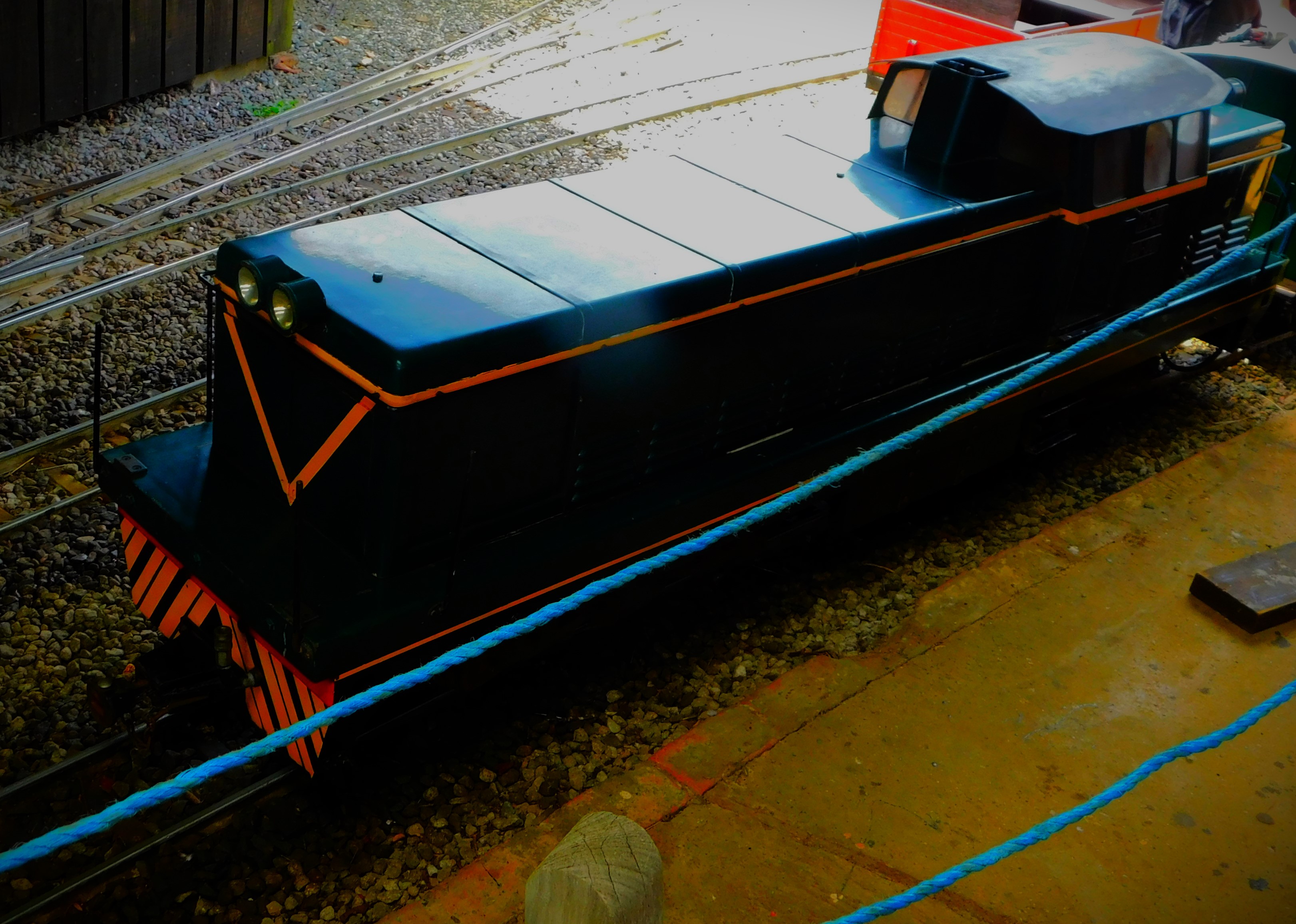
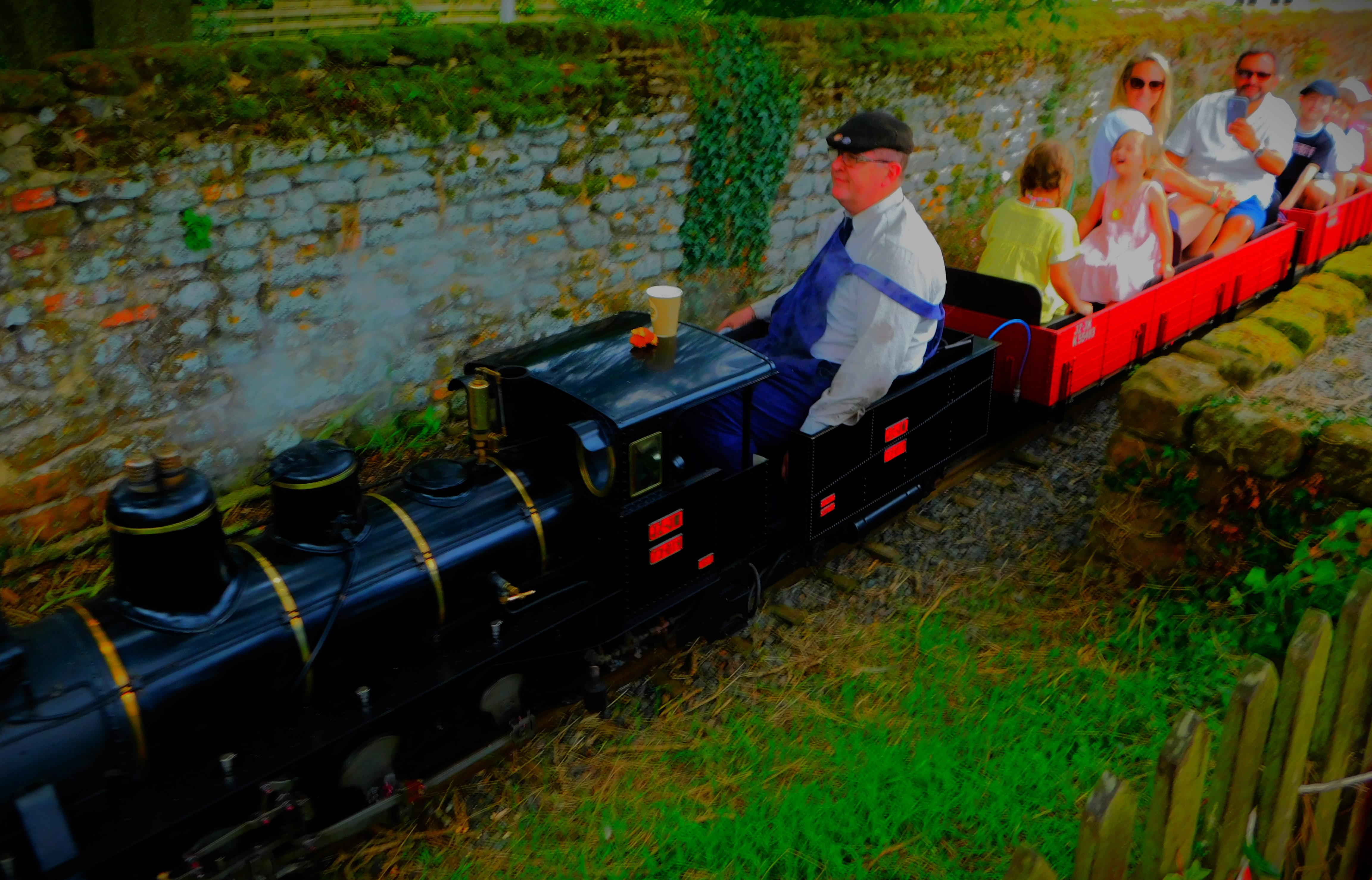
This railway runs for one kilometre (a circular journey), on tracks with a gauge of about nine inches. The locomotives though small are genuine steam locomotives. I managed to get there before it got really crowded, though I had a fairly long wait in the end, as I just missed getting on one train, and the next was reserved for a group of travelling singers, and actually broke down, meaning that the diesel locomotive kept for such emergencies had to be pressed into service. Fortunately the other steam train, on which I was travelling had no such issues. I enjoyed the journey, though the seating on the train I was on was very uncomfortable, and one kilometre was plenty from that point of view. On this short route a lot of pieces of railway infrastructure are duplicated in miniature – there are viaducts, there is one tunnel, which though not very long is impressively dark. This is very much a summer activity – there is no shelter for passengers. We got the bus back at around 3PM – it was 3:25 when we got in to King’s Lynn bus station. I was thus able to catch up with the cricket, though as you will see in my next post my evening engagement meant that I missed the conclusion.
PHOTOGRAPHS
Here is my Norton Hill gallery…
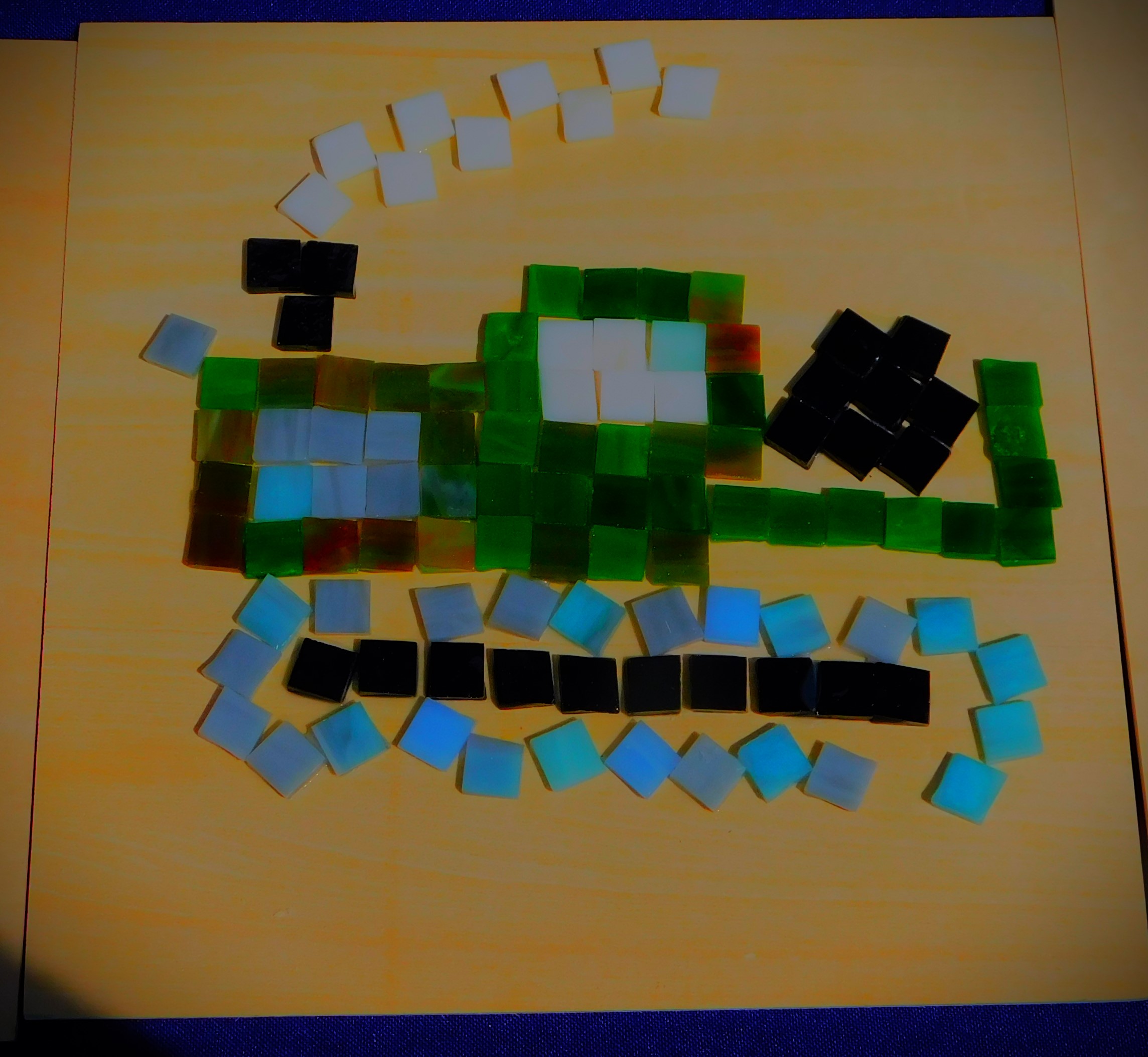
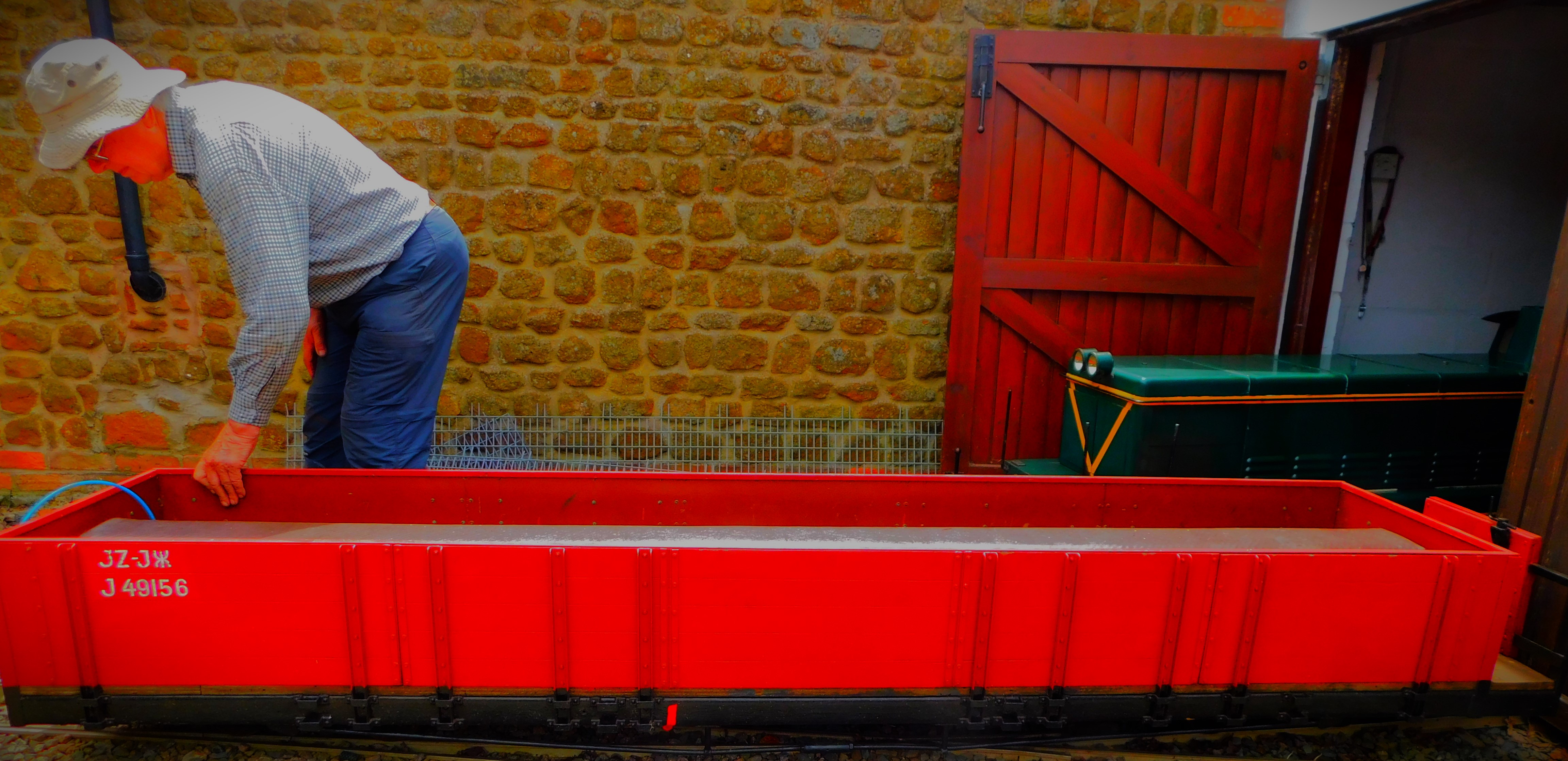
This was one of a number of mosaics made by a member of ours and available for a donation. I didn’t actually buy it.This was the type of wagon I travelled in.A viaduct section.Approaching the tunnelThe locomotive that pulled my train on the turntable.This locomotive has yet to be pressed into service.
A look back at Early Music Day at the King’s Lynn Festival.
I have had a very busy weekend – Saturday was Early Music Day at the King’s Lynn festival, and on Sunday I was involved with a fund-raising event at Norton Hill, and there was a family meal in the evening. This post deals with the Saturday.
HOW EARLY MUSIC DAY WORKS
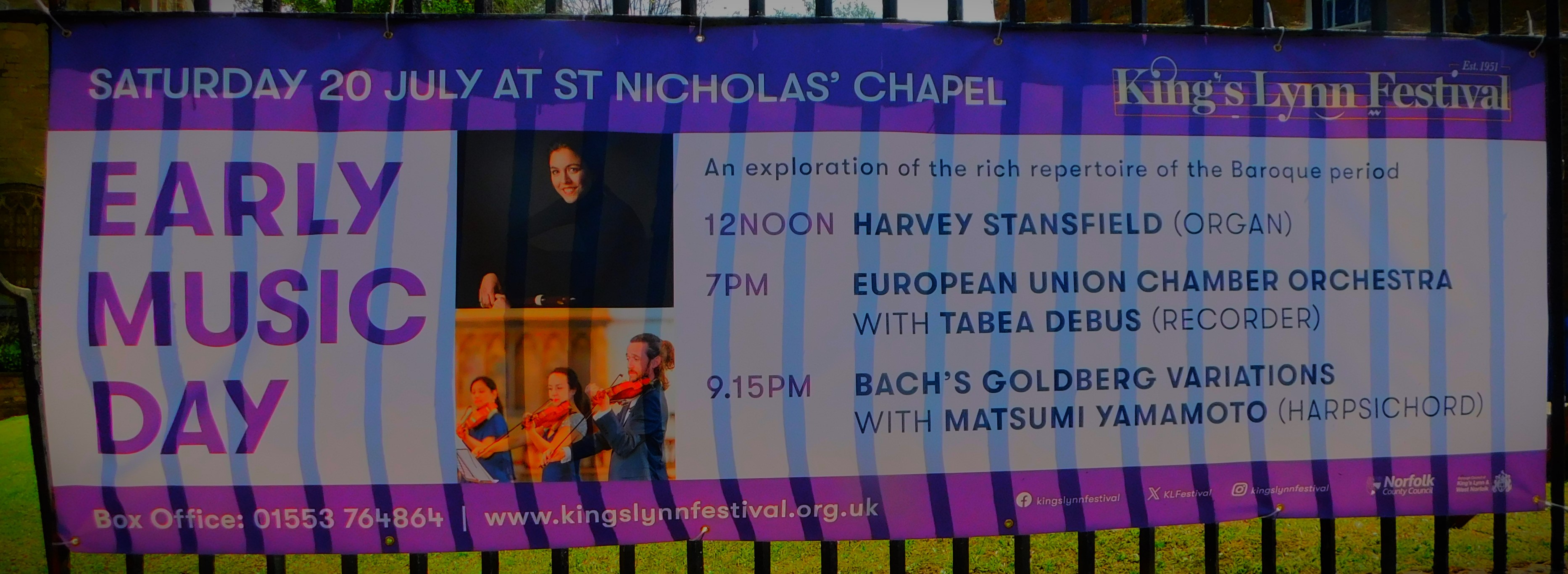
Early Music Day at the King’s Lynn Festival comprises three concerts – a short one at noon, a longer one that starts at 7PM and a final short late evening concert that gets underway at 9:15PM. I attended with my mother, and we had lunch out after the noon concert. I then went home between that and the evening concerts to catch up on progress in the test match that was going on between England and the West Indies. The end of the early evening concert and the start of the late evening concert are so close together that one cannot do very much in the gap between them.
THE MIDDAY CONCERT
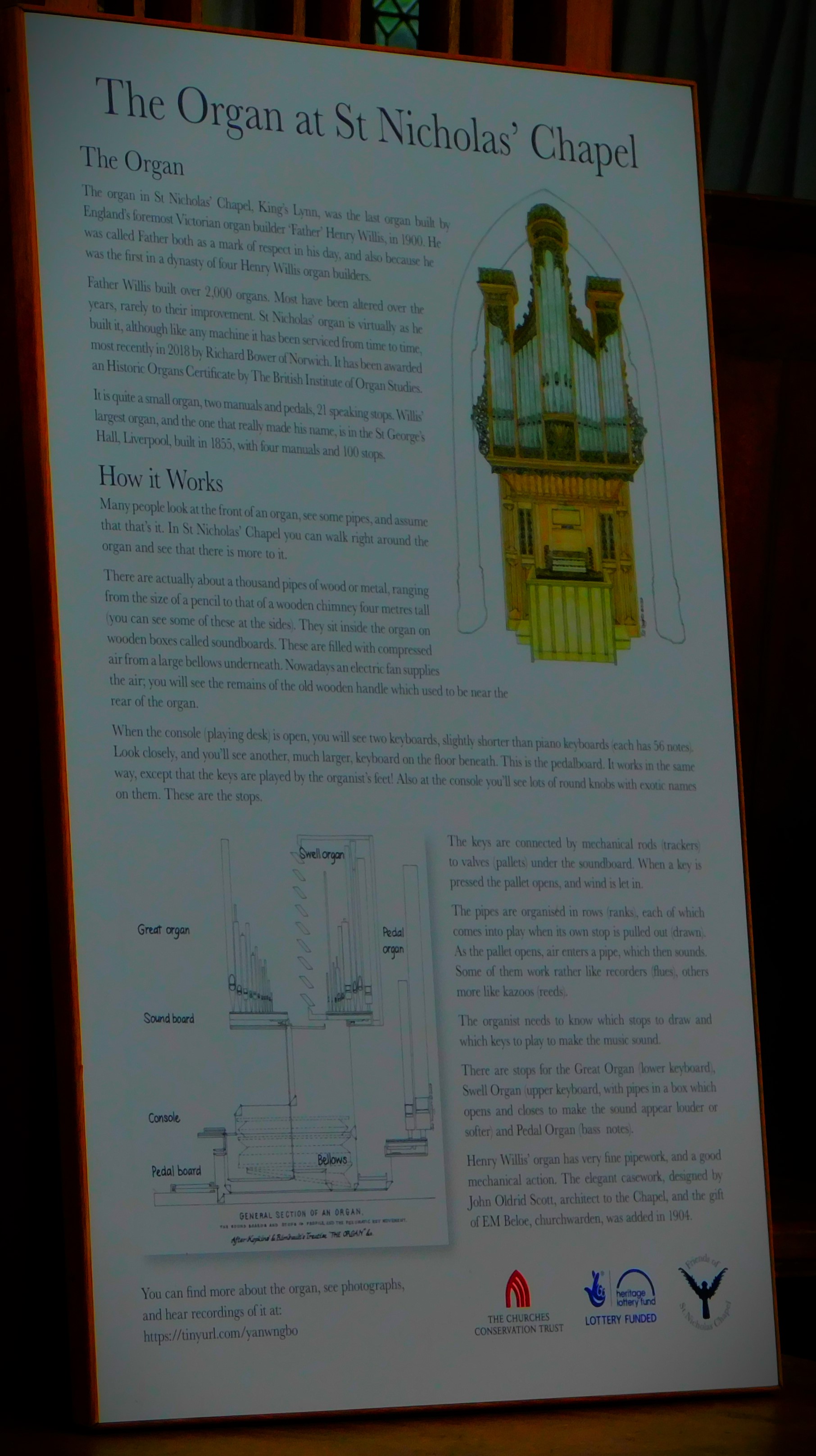
This was an organ recital by Harvey Stansfield and he had chosen some excellent works. Featured composers included JS Bach and the man he once walked 200 miles (each way) to see, Dietrich Buxtehude, among others. The organ at St Nicholas chapel is a superb instrument, and Stansfield’s performance was 100% worthy of such an instrument. Unfortunately attendance at this concert was both very small and very old – my mother looked younger than most of the audience, never mind me. Those who did the find the time to attend got a real treat. The full programme was: Bach, prelude and fugue in E Flat, Buxtehude, Praeludium in D Major, Coleridge-Taylor, Impromptu in F, Schumann, canonic studies 2&3 and Mendelssohn, Sonata no3 in D Major.
THE LUNCH
We had lunch at Marriotts, sat outside overlooking the Great Ouse (unfortunately the scene was marred by the river being at rather low tide which meant that lots of mud was on display). We were joined by my father who had already eaten, but who did indulge in a drink, and my nephew who both ate and drank. I, knowing that my arrangements for the rest of the weekend pretty much ensured that my next proper meal would be the Sunday supper had a steak and chips, which was a gargantuan meal.
THE EVENING CONCERTS
The early evening concert featured the European Union Chamber Orchestra and two guest recorder players, Tabea Debus and Miriam Monaghan. Being a chamber orchestra and hence limited in size the lead violinist, Hans-Peter Hoffman led the orchestra. The programme was Handel, The Arrival of the Queen of Sheba, Corelli, Concerto Grosso Opus 6 Number 1, Telemann Concerto for Recorder in F, Vivaldi, Concerto for two violins in A major, Opus 3 Number 3, Telemann, Suite Perpetuum Mobile and Bach, Brandenburg Concerto number four. This was much better attended than the earlier event, and was just as enjoyable in its own different way.
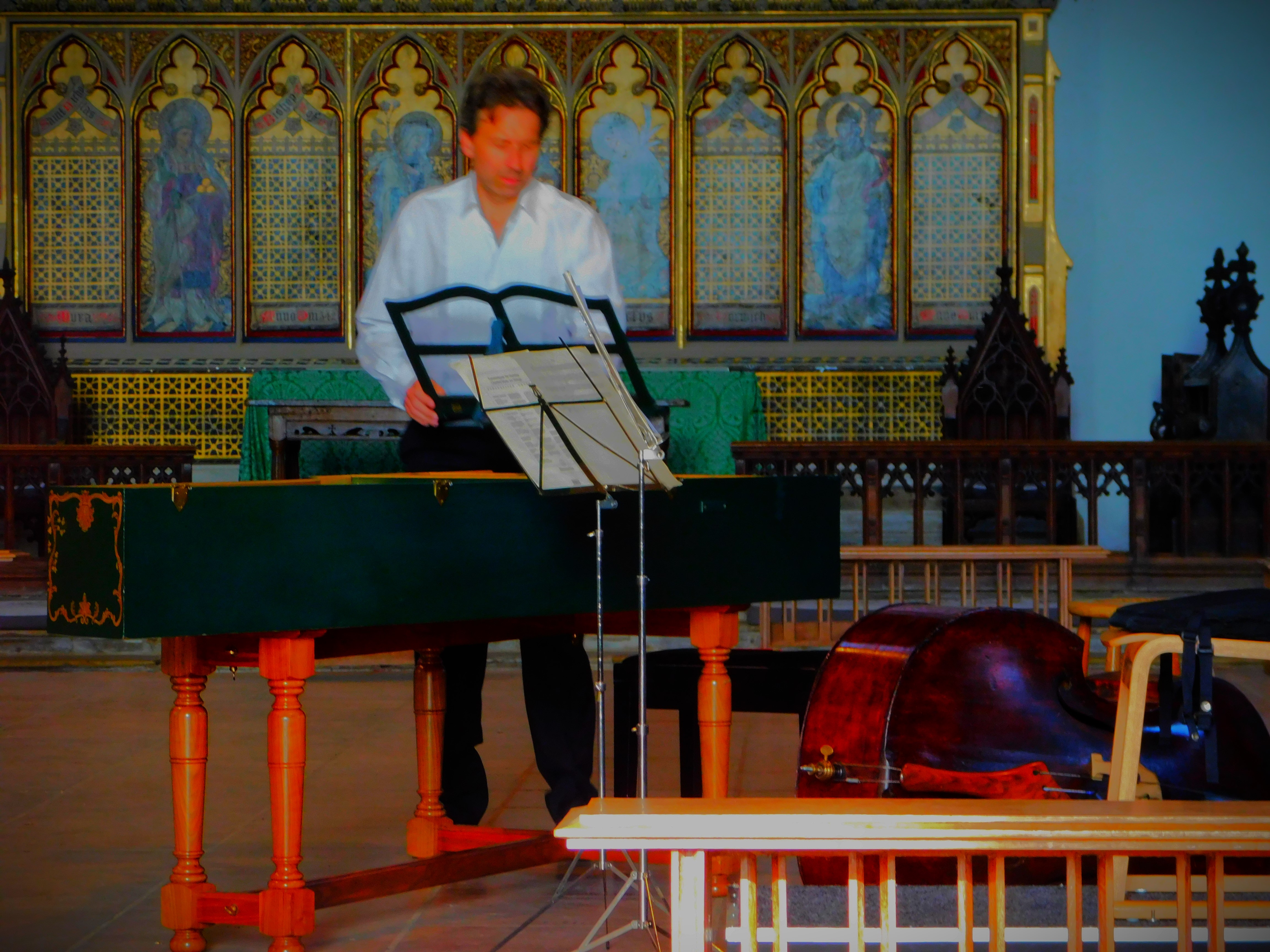
The late concert was a performance of Bach’s Goldberg Variations in their entirety, by Masumi Yamamoto on a harpsichord (the same harpsichord that had featured in the early evening concert, but a different player thereof). This music when played on a harpsichord by a really expert player (and she is certainly that) is superb, and certainly knocks the spots off any version of it on a piano.
PHOTOGRAPHS
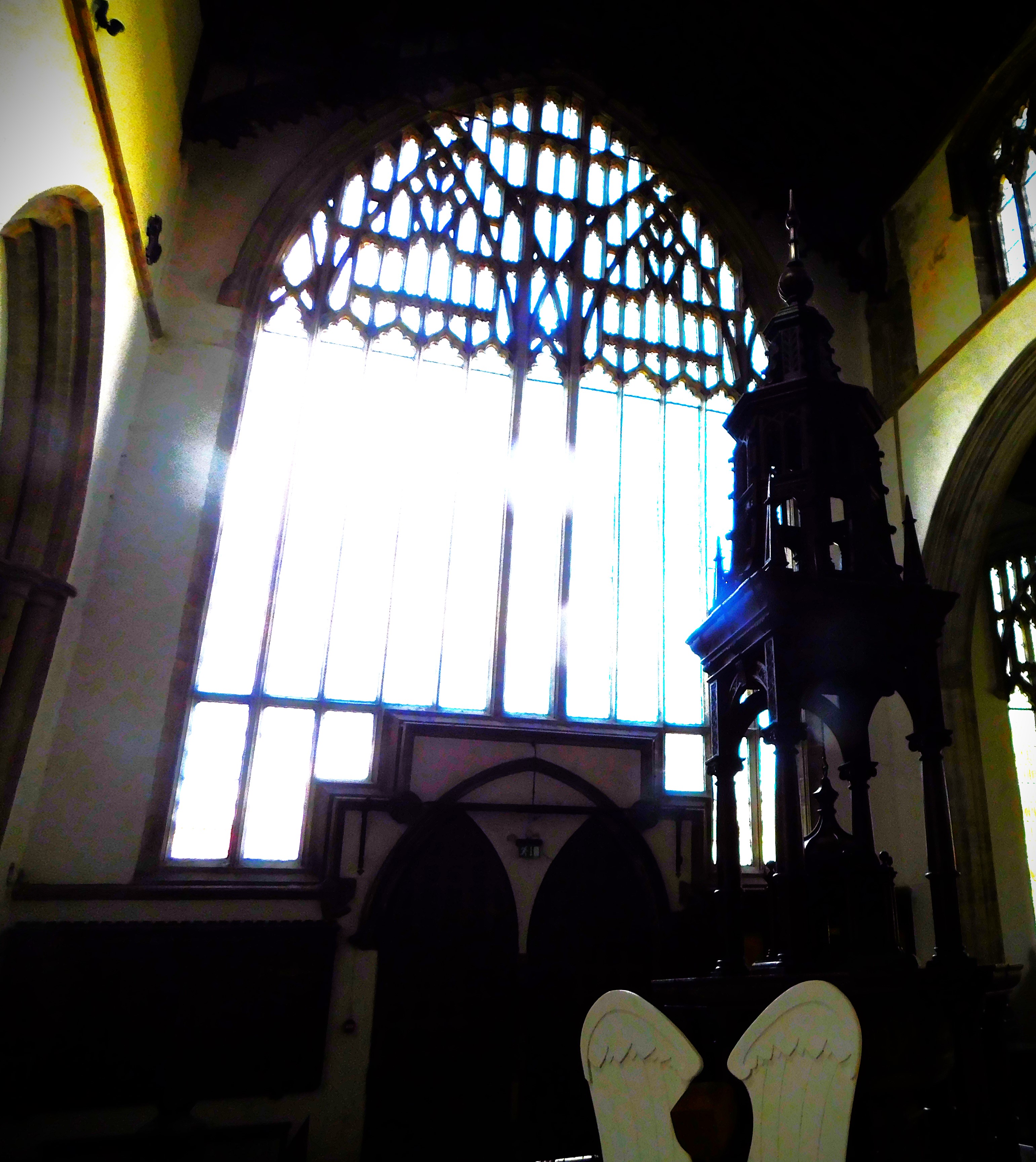
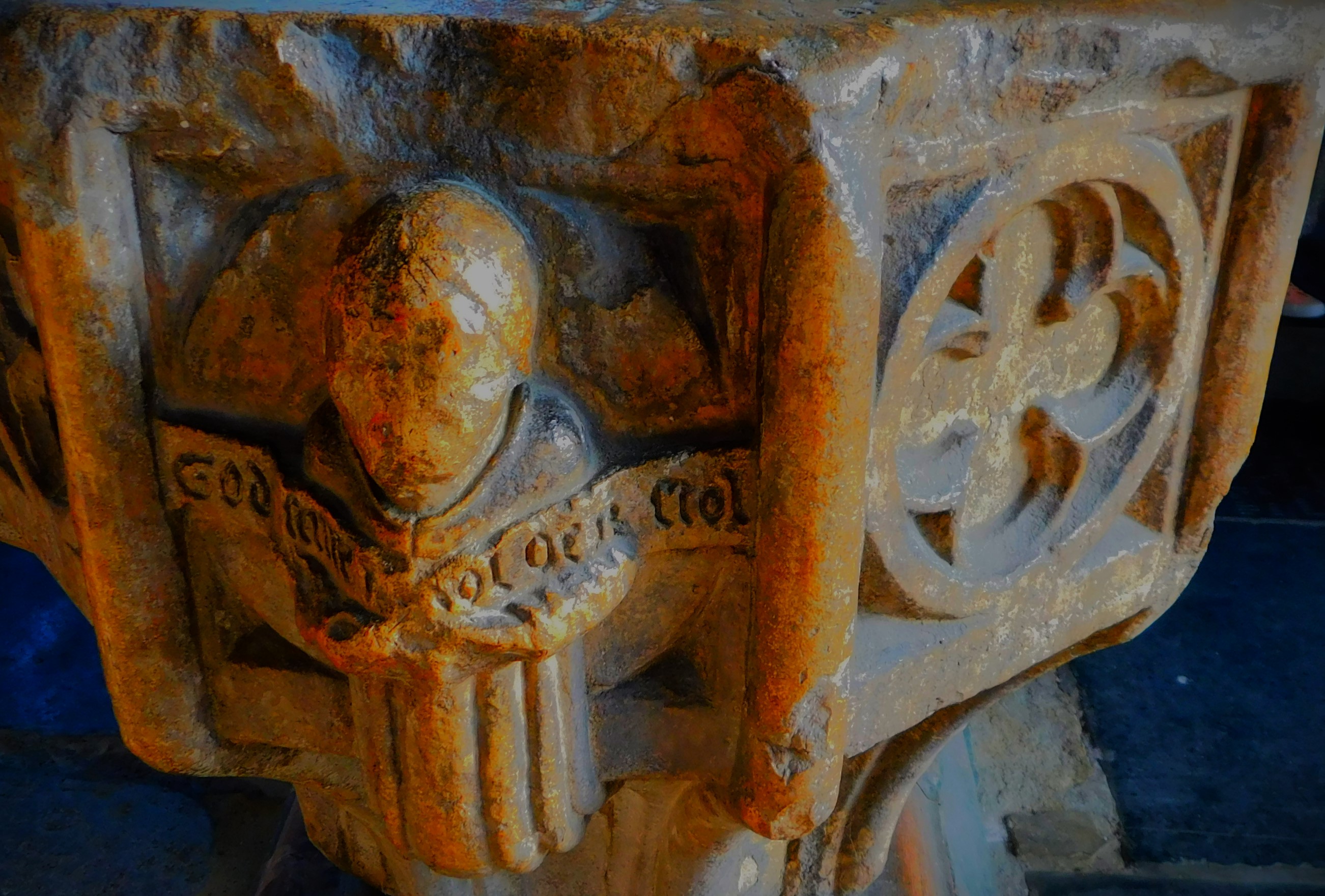
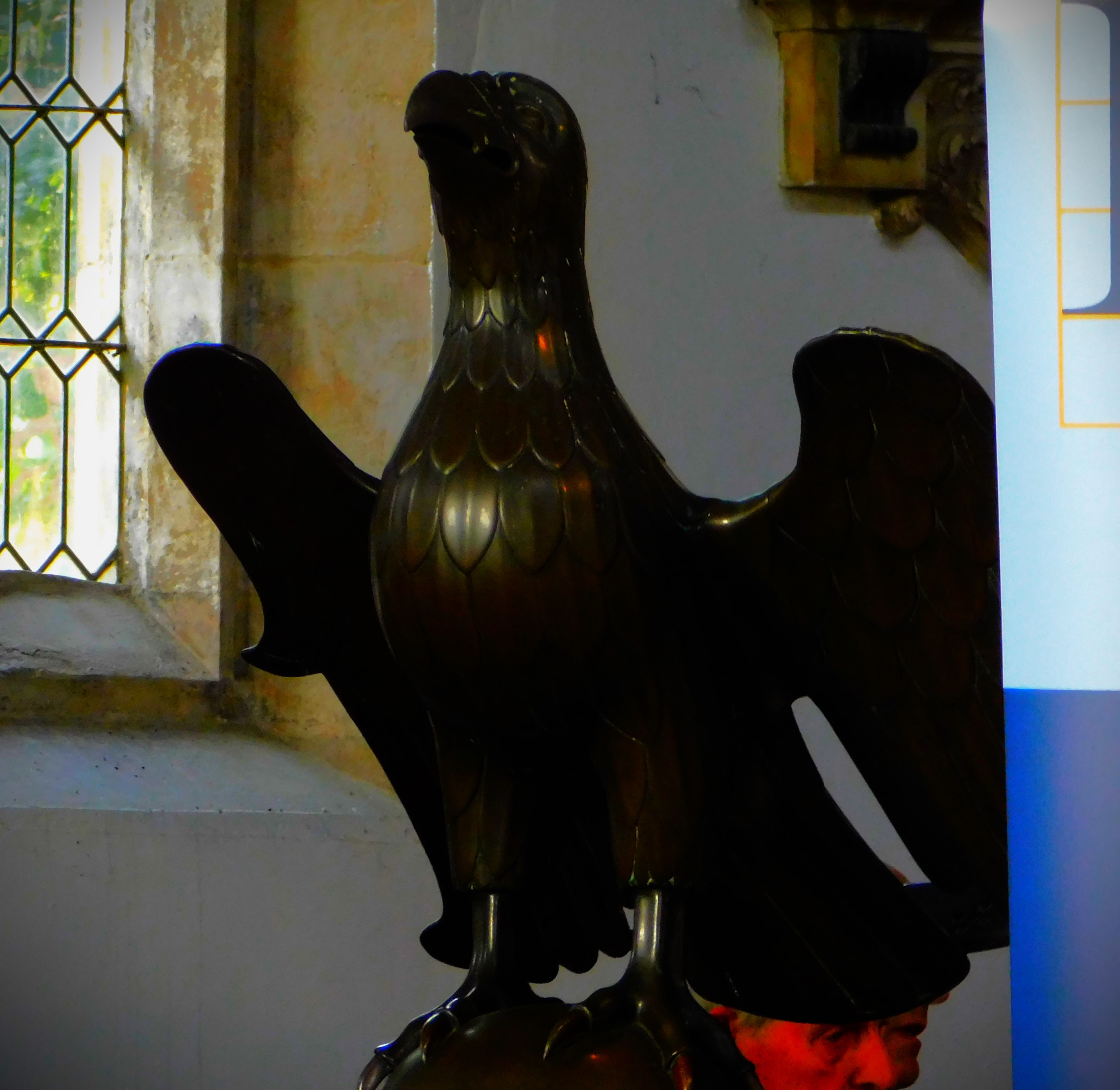
My photo gallery for this post is purely St Nicholas Chapel (where all three concerts took place) and musical instruments…
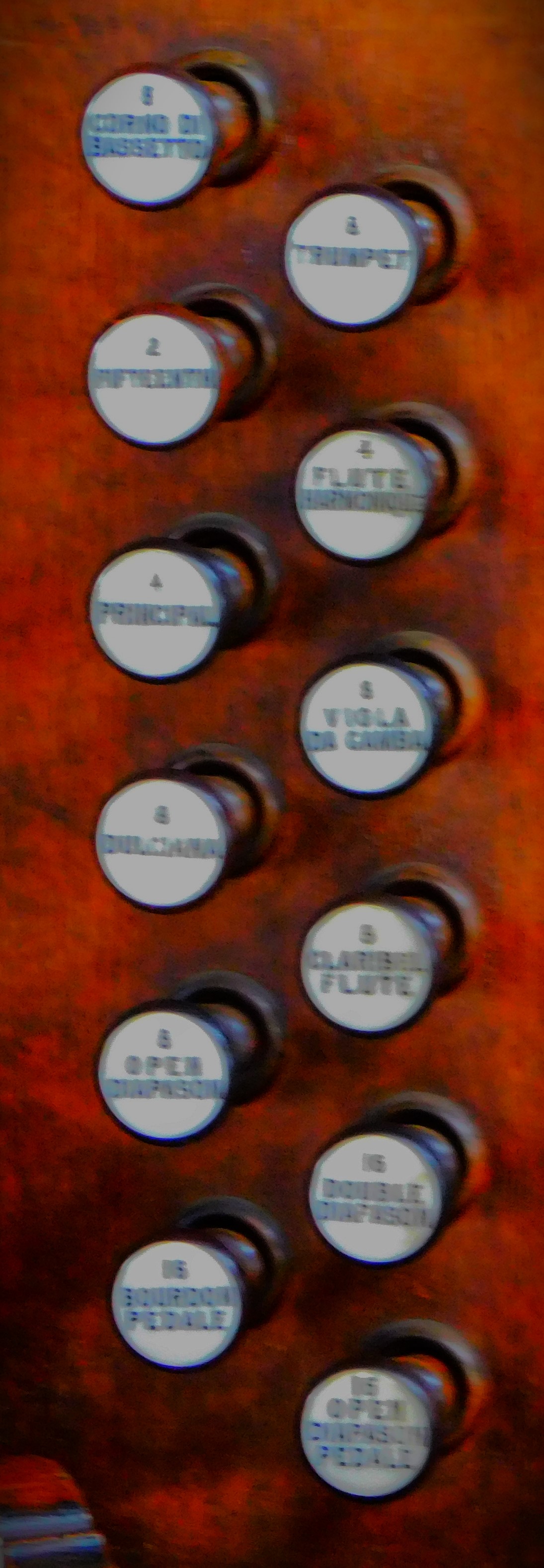
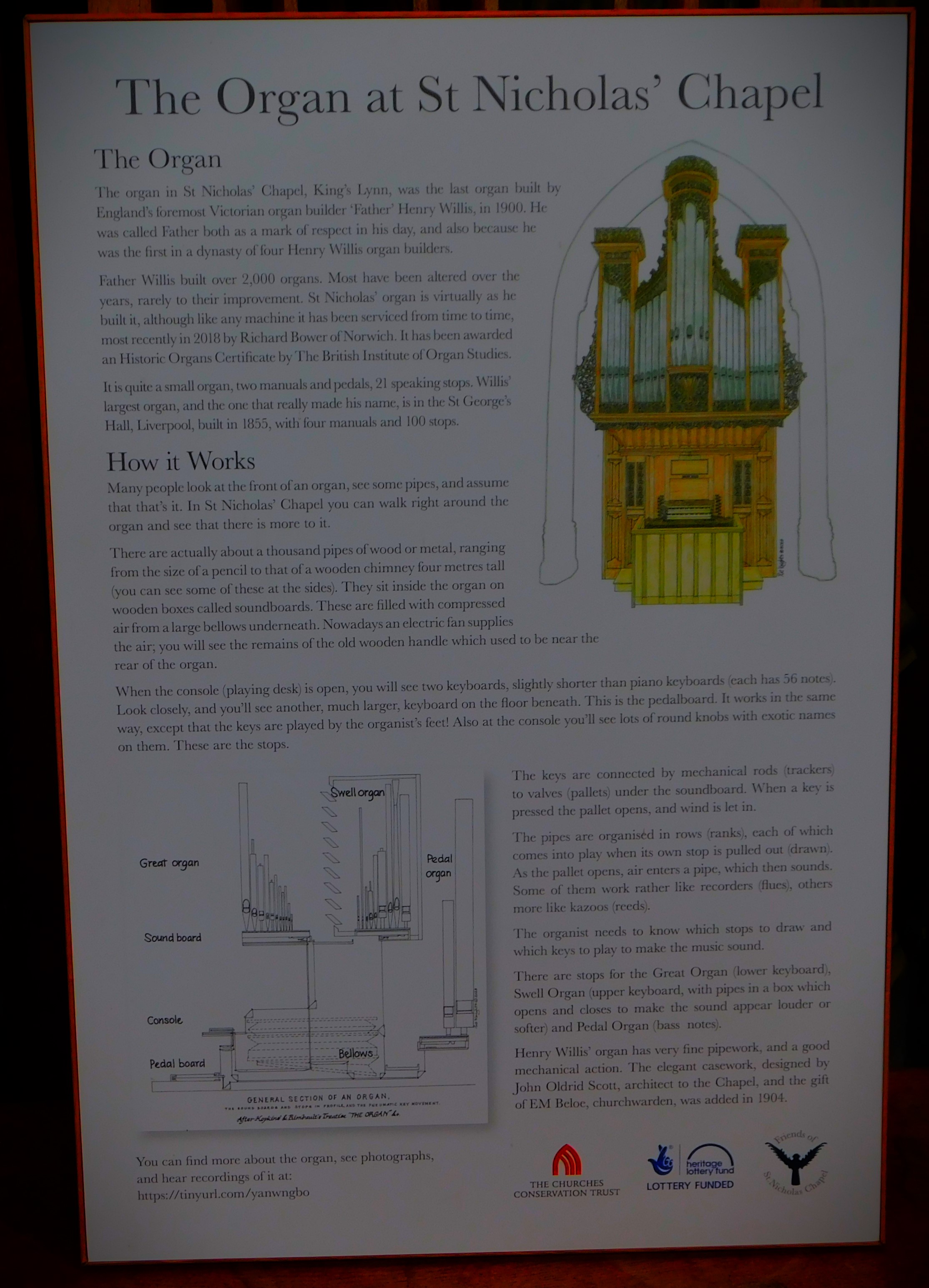
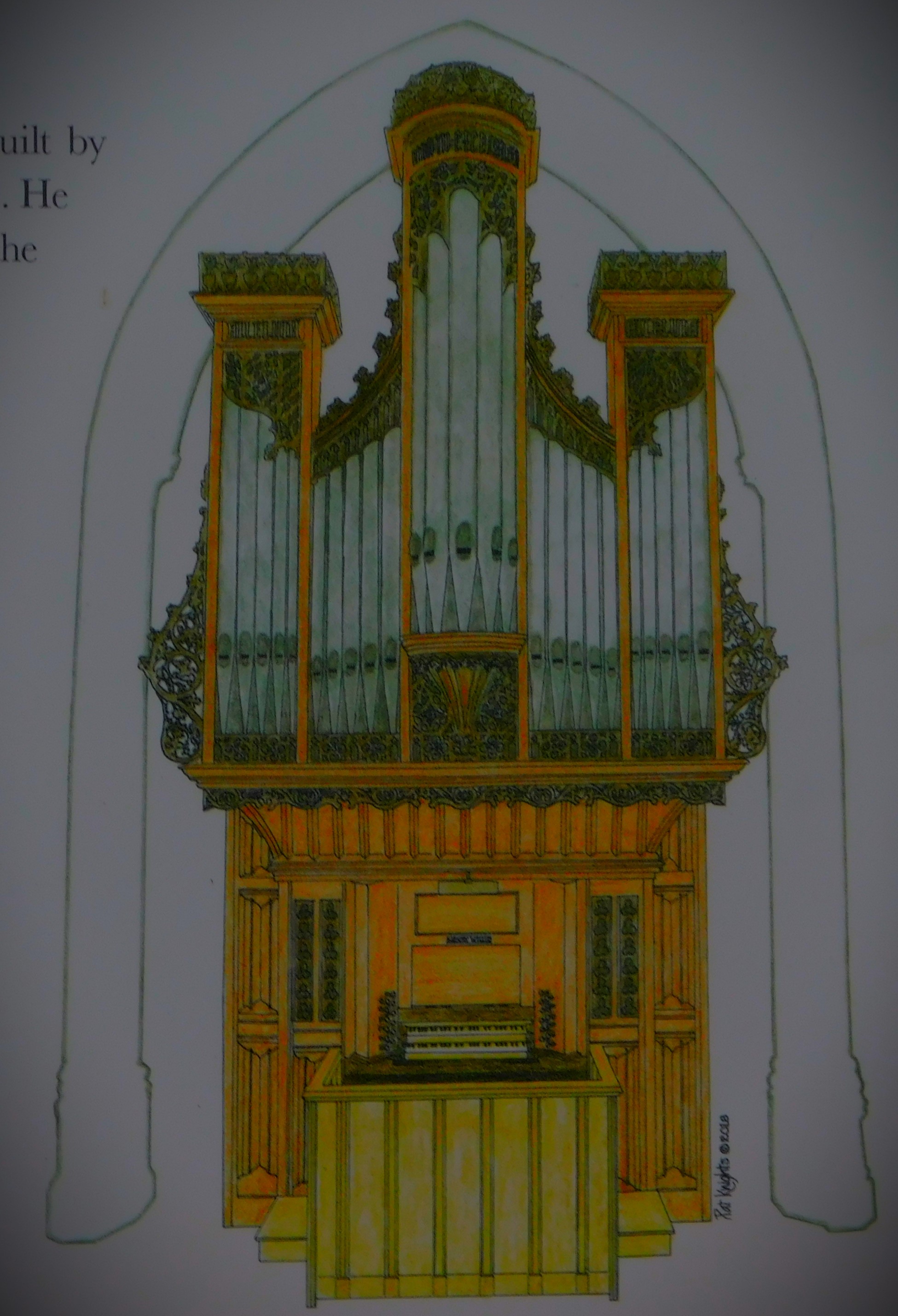
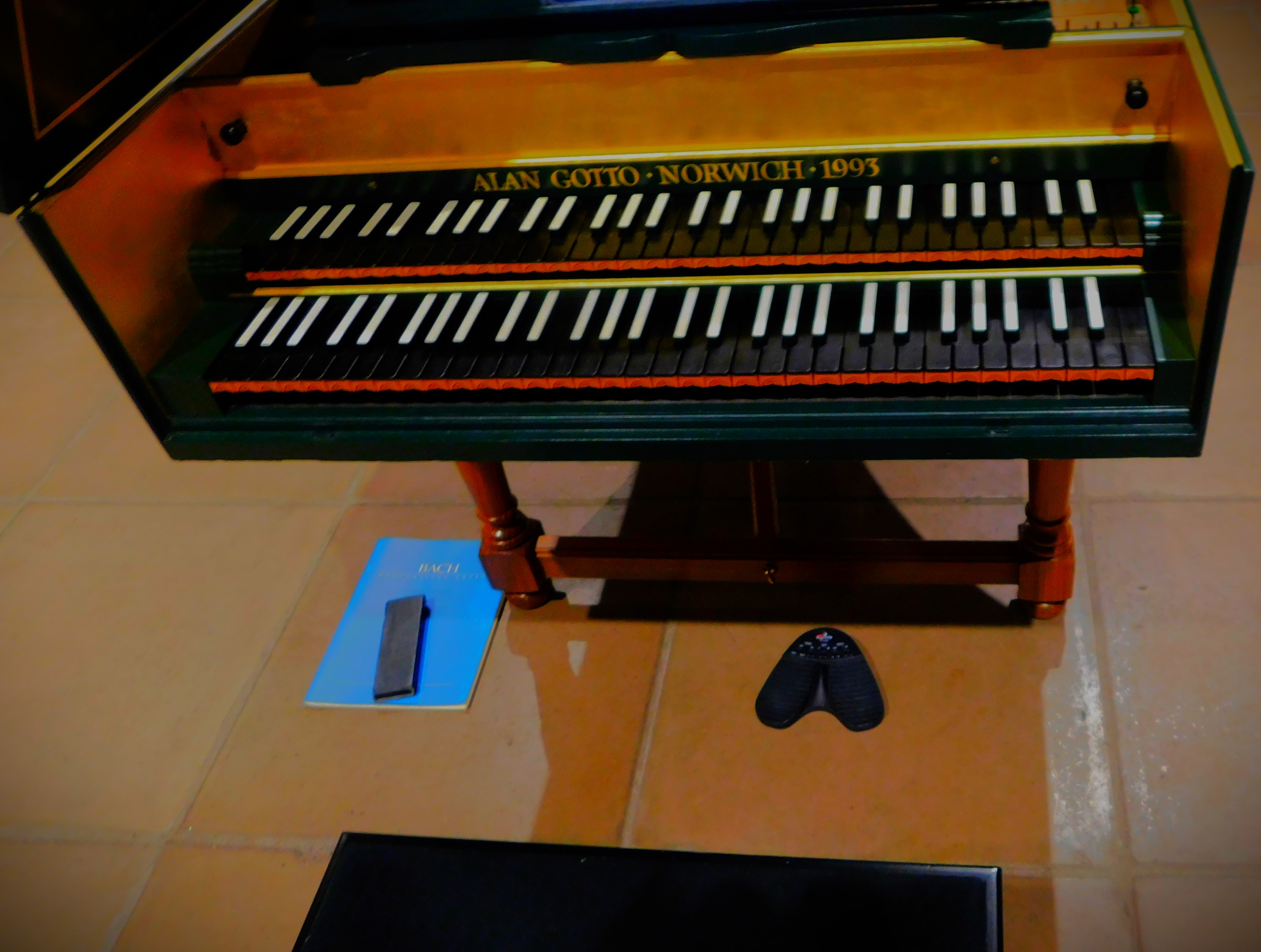
The organ at St Nicholas Chapel.The Harpsichord all set for the final concert.The double keyboard – which comes into play in a big way in the Goldberg Variations.
A look back at England Women’s last home match of the summer and a photo gallery.
As I write this post the England and West Indies men’s teams are locked in a test match battle at Trent Bridge. England Women played their last home match of the summer (they have a series in Ireland to come before heading over to Bangladesh for the T20 world cup) on Wednesday evening.
SETTING THE SCENE
England Women had won every match against Sri Lanka in the first part of their home season, and went into Wednesday night’s fixture having won all three ODIs and the first four T20Is against New Zealand. England had never previously won as many as 13 matches in a home season, which is what they were looking to achieve. They found themselves batting first…
THE ENGLAND INNINGS
England started badly, and at 87-6 they looked in big trouble. Heather Knight and Charlie Dean put on 54 together for the seventh wicket to dig England out of this hole, and a couple of good blows by Sophie Ecclestone at the end boosted the final total to 155-7. This was enough to require New Zealand to score their highest total of the series to win.
THE NEW ZEALAND RESPONSE
New Zealand were in the game for good while, and even kept Sophie Ecclestone wicketless, ending a run of 34 international innings in which she had claimed at least one scalp. However England never really looked in danger during this innings, and some good death bowling meant that the final margin in their favour was 20 runs.
PHOTOGRAPHS
My usual sign off…
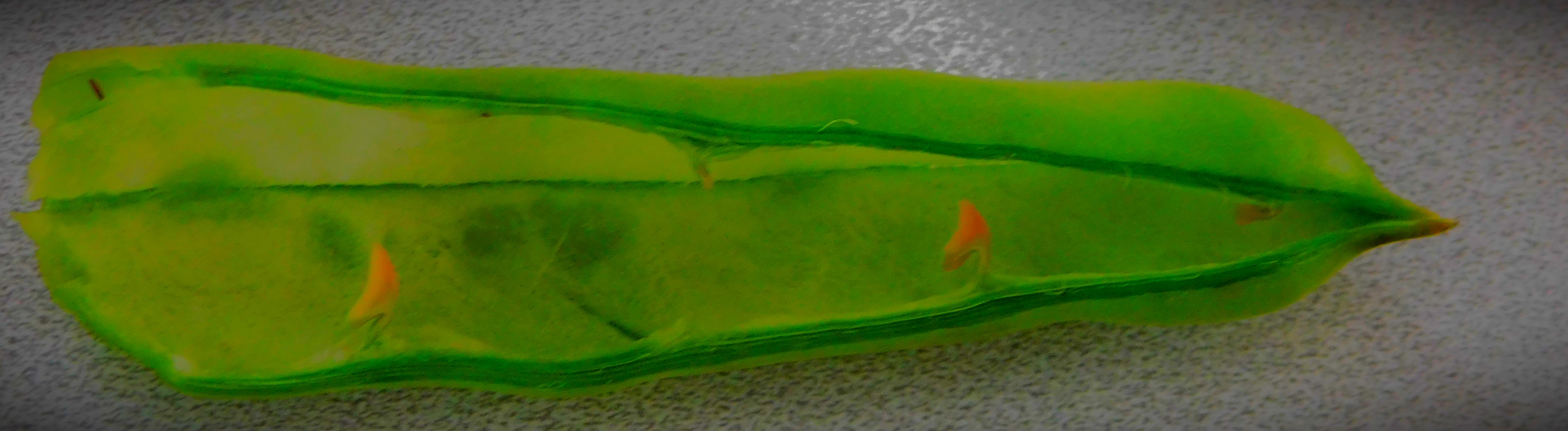
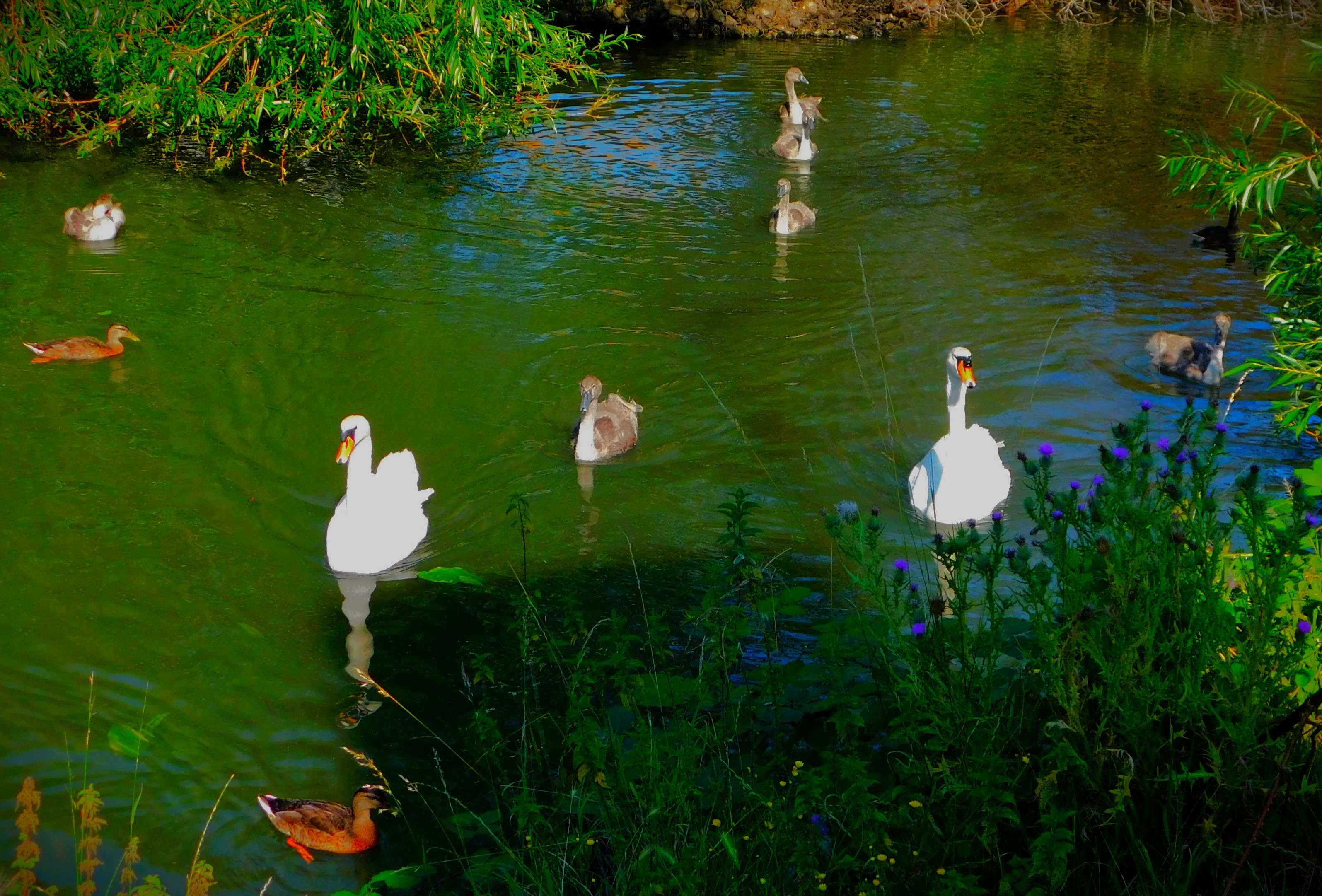
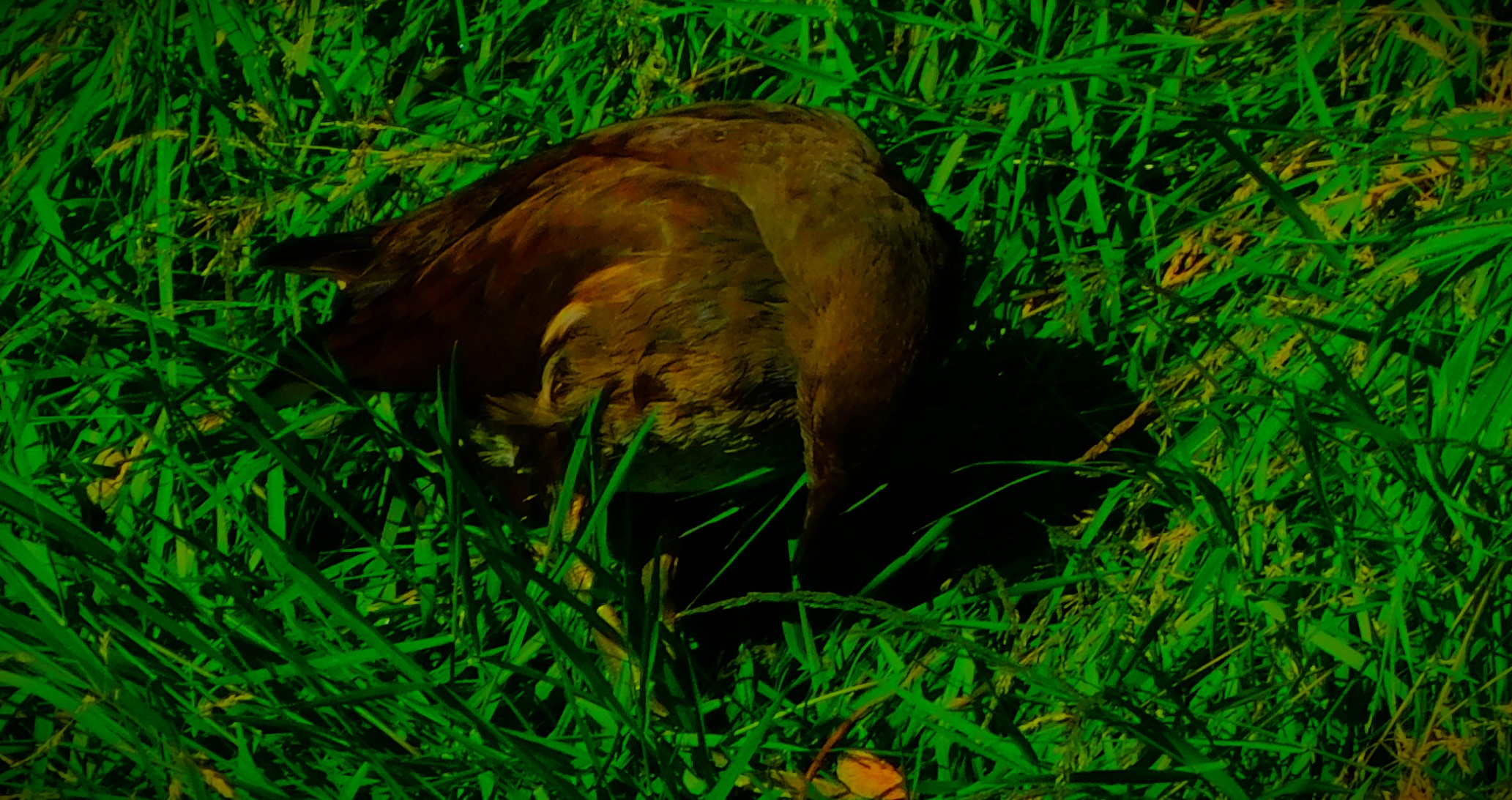
Broad beans – a little too large for comfort but……the inside of the pods were fluffy which suggested that they weren’t beyond hope – and indeed they were fine.This is some breed of diving duck that I have not been able to identify as yet.Another shot of the diving duck, as it came up from another dive.birds and a ‘bird man’
A look at England’s selections for the upcoming second test match of the three test match series against the West Indies and a huge photo gallery.
England announced their playing XI for the test match starting on Thursday yesterday afternoon. I have now had time to process my thoughts, which are actually pretty straightforward.
THE PROBLEMS WITH THE XI
The top seven is precisely as expected, and I don’t see many changes there at present. Of the remaining four Atkinson of course had to retain his place after that stellar debut, and the selectors appear to have decided that Bashir is the first choice spinner, so again it makes sense that he retains his slot. However the remaining two places are the cause for concern – Woakes having done precious little at his favourite venue retains the number eight slot, and Mark Wood, in his mid-thirties and injury prone, has been given the slot freed up by the enforced retirement of James Anderson. I do not believe that either of these players should be playing, and I think Matthew Potts and Dillon Pennington, in the squad, and Sam Cook, now recovered from the injury that cost him a place in the squad for the first two tests, are all entitled to feel aggrieved. Anderson’s retirement was enforced allegedly because the selectors wanted to look to the future, and Wood hardly represents the future, and Woakes is also at the veteran stage of his career and has the additional strike against him that he has never had any test success overseas.
I also don’t buy the notion that Woakes provides ballast at number eight for two reasons:
against this opposition England should not require ballast at number eight.
If England are genuinely concerned in this regard then rather than select a veteran who is an unlikely tourist they could drop Bashir and play either Rehan Ahmed or Matthew Critchley at number eight as the spin option, with Atkinson and two out of Cook, Potts and Pennington rounding out the order.
I understand the stated reasons for forcing Anderson’s retirement but I regard naming Wood as his replacement as an act of rankest hypocrisy, out of keeping with looking to the future as it is. I consider this selection as utterly senseless.
A look back at Essex v Surrey in the T20 Blast yesterday and a bumper photo gallery.
Yesterday afternoon there were various fixtures in the T20 Blast competition, and the one that I opted to follow was between Essex and Surrey. This post looks at that match and its wider context within the competition as a whole.
THE SITUATION GOING INTO THIS ROUND
The T20 Blast competition features two groups of nine teams, divided on geographical lines into a North group and a South group. The top four sides from each group progress to the quarter finals, with the top two in each group being rewarded for their extra success by getting to host their quarter final. The semi-finals and final are all played on one day to end the competition. Sussex were not in action this round, though their win in their previous match had put them second in the group. Gloucestershire were in action playing against Glamorgan, and that was the match most likely to impact on this one. Surrey knew that a win of any sort would guarantee them a home qualification, while Essex knew that at least a share of the points would ensure that they qualified. Surrey were not at full strength for various reasons but their line up still looked formidable. Essex did have a full strength side. In spite of the fact that there was other sporting action on the ground at Chelmsford was full.
THE SURREY INNINGS
Surrey batted first. Will Jacks played a superb innings, and was supported by various others along the way. Even so, with three balls to go Surrey had 178 on the board and Essex were reasonably hopeful. Cameron Steel ensured that those last three balls went for 11 runs and Surrey thus had 189 to defend. Jacks had scored 86 off 46 balls, and the best bowler for Essex was leg spinning all rounder Matthew Critchley, whose 4-0-22-2 was especially outstanding given the way the other Essex bowlers were treated. Critchley has been doing well in all formats lately, and if he continues to do so he may be a candidate for the next Ashes tour as English off spinners do not fare well down under, and there aren’t a lot of left arm spinning options.
THE ESSEX INNINGS
Dean Elgar, for many years a South Africa test cricketer, went cheaply, for just 9, but a successful chase looked possible while Adam Rossington and Michael Pepper, the latter fresh off a match winning 120* in Essex’s last outing were together. However, Pepper’s dismissal to the first ball of the tenth over, for 27, triggered something of a collapse, as 87-1 became 104-4 and then 124-5. At 148, with the required run rate getting out of hand, Essex’s last hope vanished when Rossington was caught by Jamie Overton off Sam Curran for 78 (46). That left Essex needing 42 off 15 balls with no front line batters left. They fought bravely, with news coming through that Gloucestershire had trounced Glamorgan, but the ask was just too much, and Surrey ran out winners by 13 runs, ensuring that they will play their quarter-final match at home. Gloucestershire’s big win moved them up to fifth and gives them a better net RR than Essex, which means that if they win their last group game and Essex lose theirs Essex will go out. Sussex and Somerset are fighting over which of them will end up in the top two and secure a home quarter final. In the other group the Birmingham Bears are qualified, but everyone else down to Derbyshire in seventh has some sort of chance of also doing so.
PHOTOGRAPHS
This gallery only contains about half of the new photos that I have ready to share, and there are more still on my camera…
A pill bug (so called because its defence mechanism is to roll itself up presenting that armoured exoskeleton to potential attackers.A heron surveying the scene where the Nar flows into the Great Ouse.While I was there it moved to the other side of the Great Ouse.
A look back at yesterday’s WT20I between England and New Zealand and a photo gallery.
Yesterday evening saw the fourth match of the WT20I series between England and New Zealand. The match was played at The Oval, where appropriately enough a new set of gates named after Surrey and England legend Natalie Sciver-Brunt were in use for the first time, having been unveiled the day before. This post looks back at the match.
THE PRELIMINARIES
Both teams made changes. In England’s case the changes were about preparation for the upcoming WT20I world cup in Bangladesh, in New Zealand’s case they were down to desperation. New Zealand won the toss and decided to bat first.
THE NEW ZEALAND INNINGS
New Zealand began steadily but somewhat slowly, ending the six over Power Play on 33-0. That was to be as good as it got for them. Leg spinner Sarah Glenn came on to bowl the seventh over and struck with her first ball, bowling Georgia Plimmer to break the opening stand. Two balls later the new batter Amelia Kerr hit a long hop straight into the hands of Capsey at short midwicket. A splendid inswinger from Dani Gibson accounted for Sophie Devine with the score on 40, and two runs later Ecclestone extended the sequence of international innings in which she has claimed at least one wicket to 34 by bowling Suzie Bates. The next to go was Brooke Halliday who gave Gibson an easy catch off Ecclestone. That was 52-5 and moved Ecclestone to joint third in the all time WT20I wicket takers list alongside Ellyse Perry of Australia. Ecclestone is 25 years old, Perry 33. Green and Gaze now shared the second best partnership of the New Zealand innings, before Green gave Gibson a catch off Glenn for 24 off 25 balls. Glenn then made it two wickets in an over for the second time of the evening when she hurried one through Jess Kerr to bowl her for 1. At 82-7 the Kiwis were utterly in the toils, and although Lea Tahuhu did her best to support Gaze they were unable to increase the scoring rate. The innings ended with Gaze being run out to give the Kiwis a final score of 103-8. Perhaps the single most damning stat relating to this sorry innings by the Kiwis is that Gaze with 25 off 24 balls was the only one of their batters to have an SR of above 100, which is not the sort of thing that wins many T20s at any level.
THE ENGLAND CHASE
New Zealand needed early wickets to have any hope of defending such a small total, and instead were greeted by a barrage of shots from Danni Wyatt and Sophia Dunkley. The opening stand yielded 54 before Dunkley departed for a 16 ball 26. That brought Capsey to the crease, and there was little slowing of the momentum. Amelia Kerr bowled Capsey with the last ball of the seventh over to make it 73-2, and off the first ball of the eighth Wyatt holed out to Fran Jonas off Eden Carson. That brought Sciver-Brunt and Knight together, and the pair looked comfortable all the way. The match ended when Sciver-Brunt on her home ground hit the second and third balls of the 12th over for fours to give England victory by seven wickets with 8.3 overs to spare. Sarah Glenn’s bowling performance deservedly secured her the Player of the Match award. The final match of this series takes place at Lord’s on Wednesday and it is hard to see any result other than another England win.
A look back at victories by the England men’s and women’s cricket teams, a mention of an upcoming auction and a photo gallery.
Last night saw the third T20I in a five match series between the England and New Zealand teams, while this morning, though it should have been just less than halfway through the match saw the last knockings of the first of three test matches between the England and West Indies men’s teams. This post looks at both games.
VALE ATQUE AVE
The test match at Lord’s was the last appearance at that level of the legendary James Anderson, who made his test debut as long ago as 2003. England have decided to look to the future, and gave Anderson this match so that he could bow out in front of a home crowd. It also saw the arrival on the test scene of Gus Atkinson, the Surrey fast bowler. In terms of the result it was the new comer who had the bigger say (and how!)
In my previous post I mentioned Atkinson’s first innings brilliance (7-45) and the fact that England were going well in response. While I was at work yesterday England continued to progress with the bat – Crawley, Pope, Root, Brook and the other debutant, Jamie Smith, selected as keeper although he is not Surrey’s first choice in that role all made 50s, though none managed to reach 80. Smith’s 70 on debut included a significant increase in scoring pace when he was left with the tail. The West Indies second innings got underway yesterday evening, and the skids were soon under it in no uncertain terms. Stokes took two early wickets, Anderson one and Atkinson one. Late in the day two further scalps fell, a second to Anderson and a second to Atkinson giving the debutant nine for the match to that point. West Indies were 79-6 when that wicket rang down the curtain on day two (although an extra half hour can be claimed if a result is possible that usually only enters the equation if seven or more wickets are down). It also ensured that James Anderson would finish behind Warne in the all time test wicket takers list. Atkinson and Anderson resumed bowling this morning, and it was Anderson who had the first success with a beauty that took the edge of Josh da Silva’s bat and went through to Smith. Thereafter however it was the Atkinson show. First Alzarri Joseph took on a short ball and succeeded only in giving Duckett catching practice, then Atkinson bowled Shamar Joseph to make it 103-9. At that point Atkinson had match figures of 11-86, and if he could take the final wicket and concede 15 or fewer runs in the process he would set a new record for an England debutant, beating the 12-102 taking by Fred ‘Nutty’ Martin way back in 1890 (Jack Ferris took 13 in his first match for England, but he had previously played for Australia, and it would have been news to him that he was playing that match for England since it was on a privately organized tour of South Africa and was only granted test status some years later). A combination of luck and some decent batting by Gudakesh Motie robbed him of that, but when Jayden Seales, the number 11, was caught by Duckett, fielding at long leg, Atkinson had his second five-for of the match, and final figures of 12-106 (7-45, 5-61), the second best ever for England, and a number of wickets beaten by only two test debutants in history, Narendra Hirwani (India, 16-136) and Bob Massie (Australia 16-137). Anderson’s final bowling effort was 3-32 from 16 overs, meaning that he ended with 704 test wickets overall. England’s winning margin was an innings and 114 runs – WI 121, ENG 371, WI 136. Atkinson was, as I said in a tweet shortly after the final wicket fell, the ONLY candidate for Player of the Match and was duly confirmed as such. A scorecard of this match can be seen here.
In theory the question for England is now which of Potts or Pennington comes in for Anderson (Sam Cook is currently injured, so his call up must wait). However, I would boldly select both, leaving out Woakes who contributed little at his favourite ground.
A TALE OF TWO SOPHIES
England won the toss and chose to field. The New Zealand innings was dominated by two players named Sophie. Sophie Devine scored 58 not out off 42 balls to give New Zealand 141 to defend, and the main reason that total wasn’t higher was Sophie Ecclestone, who finished with 4-0-25-4. The first of those four wickets, that of Suzie Bates, kept an astonishing run going – it made it 33 consecutive international bowling innings in which the left armer had claimed at least one wicket. Later in that same opening over she snared Amelia Kerr, and in the later stages of the innings she clean bowled each of Isabella Gaze and Leigh Kasperek. Although England only had four balls to spare when they scored the winning run, they had six wickets standing. The batting star was Alice Capsey whose 67* (60) undergirded the chase. It was Capsey who was named player of the match ahead of Ecclestone. Scorecard here.
PHOTOGRAPHS
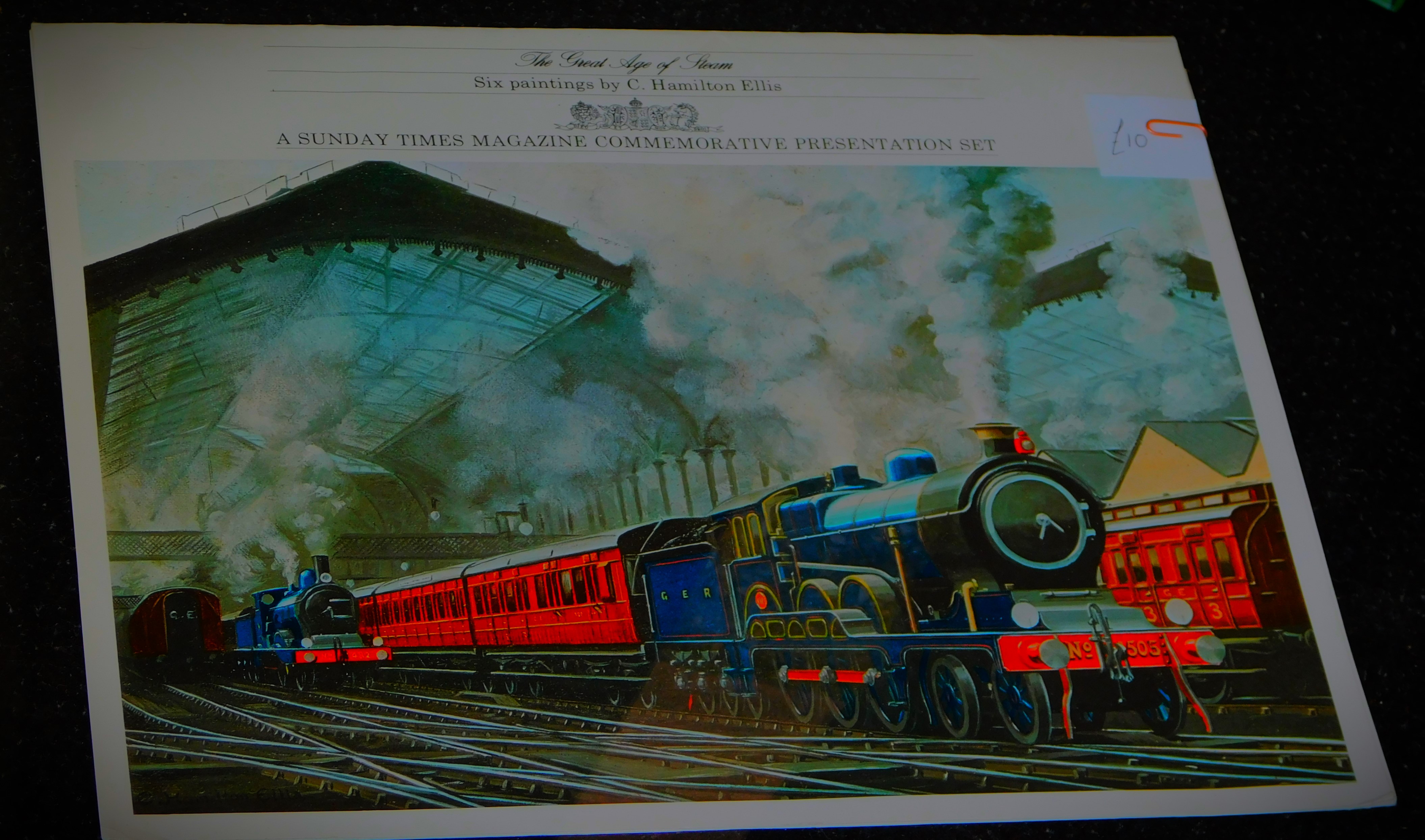
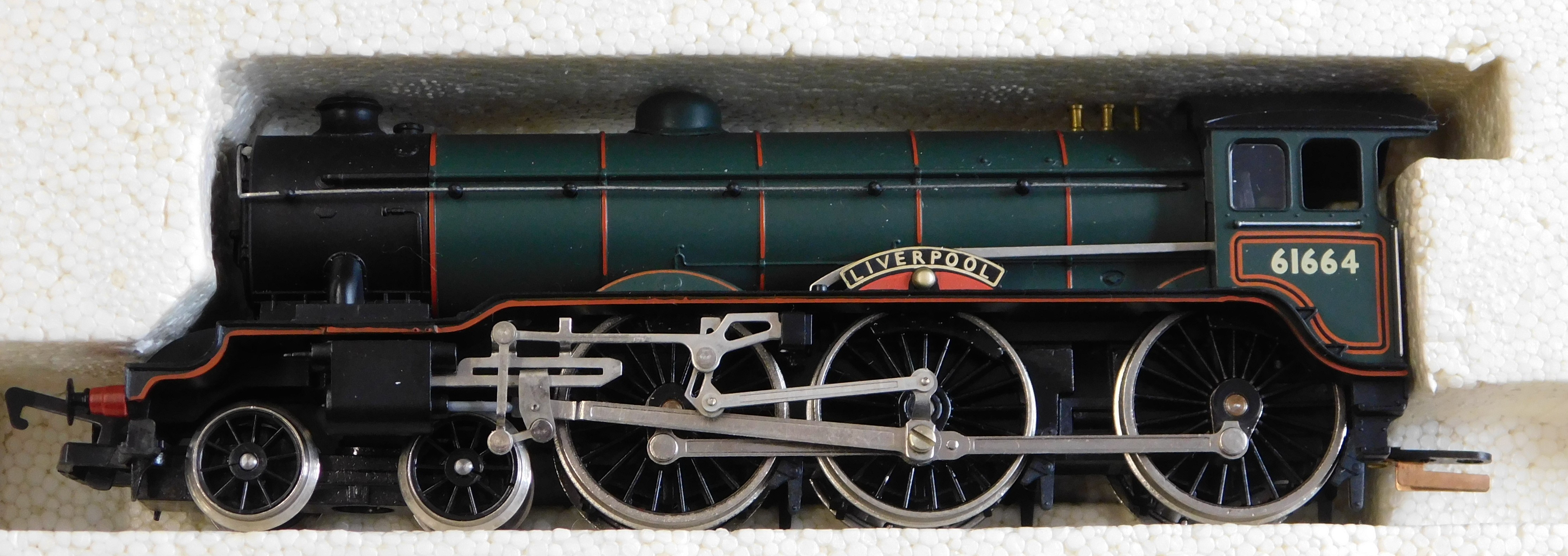
Before I get to my usual sign off, I sent out a bulk email about the upcoming railway models auction at work yesterday. I will not include the full thing here, but you can view a full catalogue and/or sign up to bid here or here. The image I used to accompany the email is below.
A look at developments so far on day one of the England v West Indies test match, dominated by an extraordinary debut performance from Gus Atkinson. Also a photo gallery.
Today is day one of the opening test match of the series between England and West Indies, which is happening at Lord’s. This post looks at the action so far.
THE PRELIMINARIES
Both playing XIs were known in advance, England’s on Monday, West Indies’ yesterday. England had gone for batting depth, with Woakes at number eight, while the West Indies had opted for extra bowling strength, and both Holder at number six and da Silva at number seven looked to be a place too high in their order for comfort. England won the toss and elected to field first.
THE MORNING SESSION
James Anderson in his final test match took the new ball in partnership with Woakes. West Indies got through 10 overs without losing a wicket, at which point Gus Atkinson came on for his first bowl in test cricket. Atkinson immediately showed the extra pace that had been the reason for his selection, and struck with his second ball, Kraigg Brathwaite dragging it on to his stumps. West Indies got through the rest of the over, but Atkinson avoided conceding any runs. Atkinson’s second over was also a maiden, and in his third he struck again, having Kirk McKenzie caught by Crawley. By the end of this over his figures were 3-3-0-2. Harry Brook held a sensational catch off Ben Stokes to get debutant opener Mikyle Louis, the first ever test cricketer to hail from St Kitts, although its sister island of Nevis has produced a few, for 27. That was 44-3, and Alick Athenaze and Kavem Hodge saw things through to lunch, with the score 61-3.
POST LUNCH
After the interval this pair advanced the score to 88 before Atkinson’s already impressive debut became a truly great one. He got Athenaze and Holder in successive deliveries, and although da Silva prevented the hat trick he was out second ball to make it three in four for Atkinson and a five-for in test debut. In the next over Kavem Hodge donated his wicket to an umimpressive Woakes, basically giving Pope catching practice, and that was 88-7 with four wickets having gone at the same score. Alzarri Joseph had a bit of fun before trying one aggressive shot too many and holing out to Woakes off Atkinson for the debutant’s sixth scalp. That was 106-8, and it was soon 106-9 as Shamar Joseph played the worst shot of the innings to give Pope his second catch. Atkinson at this point had 7-36 and was on for setting a record for the best bowling figures by an England debutant, but a combination of Gudakesh Motie scoring runs off him with a mix of luck and skill and James Anderson pinning Seales LBW to end the innings at 121 left him with 7-45, second best behind Dominic Cork’s 7-43 in 1995 (also against West Indies). However Cork’s effort had come in West Indies second innings, so Atkinson did have the best ever first innings figures by an England debutant. Ben Duckett has fallen cheaply, playing a loose shot at Seales and edging to keeper da Silva. However Crawley and Pope are going well together at the moment, with the score currently 58-1. While I have been preparing this for publication England have moved on to 71. An appeal for LBW against Pope has just been upheld, but has gone for review. However the replay shows the ball missing the wicket. England 71-1, already within 50 of first innings parity.
PHOTOGRAPHS
My usual sign off…
I wasn’t sure about the highlight of this gallery until while I was out walking during the lunch interval I saw this hedgehog near Kettlewell Lane.I got closer, while taking care not to cause stress.
A look at the England XI for the upcoming test match against the West indies, which was annoucned today, two days in advance of the match starting.
The England Men’s Playing XI for the test match against the West Indies that is due to start at Lord’s on Wednesday has been announced. In batting order it is: Zak Crawley, Ben Duckett, Ollie Pope, Joe Root, Harry Brook, *Ben Stokes, +Jamie Smith, Chris Woakes, Gus Atkinson, Shoaib Bashir, James Anderson. This will be Anderson’s last game for England. This post gives my thoughts on the final XI.
THE BATTING
Jamie Smith deserves his elevation to the test ranks, but I would not have made him wicket keeper, a role he does not usually play for his county. I also think that number seven is not an ideal slot for him – he is a regular number four for his county, and I would have preferred to see Stokes put himself at number seven and allow Smith to bat a place higher at number six. Woakes has a fine record in England but is an unlikely tourist, and his selection smacks more than a little of hypocrisy given that Anderson’s retirement has been effectively forced since the selectors want to look to the future.
THE BOWLING
The bowling looks thin and will look even thinner if Stokes’ knee plays up enough ton prevent him from bowling. The only member of the attack capable of producing genuinely quick deliveries is Atkinson, with Anderson for all his advanced (by international cricket standards) years probably still quicker than Woakes, and Stokes if he bowls no longer seriously quick. Bashir did well enough in India, but there is little reason to believe that he will be especially tricky to play on English pitches. Dillon Pennington and Matthew Potts, both in the squad and both left out of the final XI can feel hard done by, as can left arm spinner Jack Leach, now officially confirmed as being below Bashir in the selectors pecking order. I would have placed more reliance on that powerful top seven than has actually been done and had one or other of Potts or Pennington playing in place of Woakes. The West Indies are not among the most formidable of test foes right now, and I would still expect this XI to be good enough against them, but I cannot pretend to be impressed by it.
PHOTOGRAPHS
My usual sign off (don’t forget – if you want to view pictures at a larger size just click on one)…
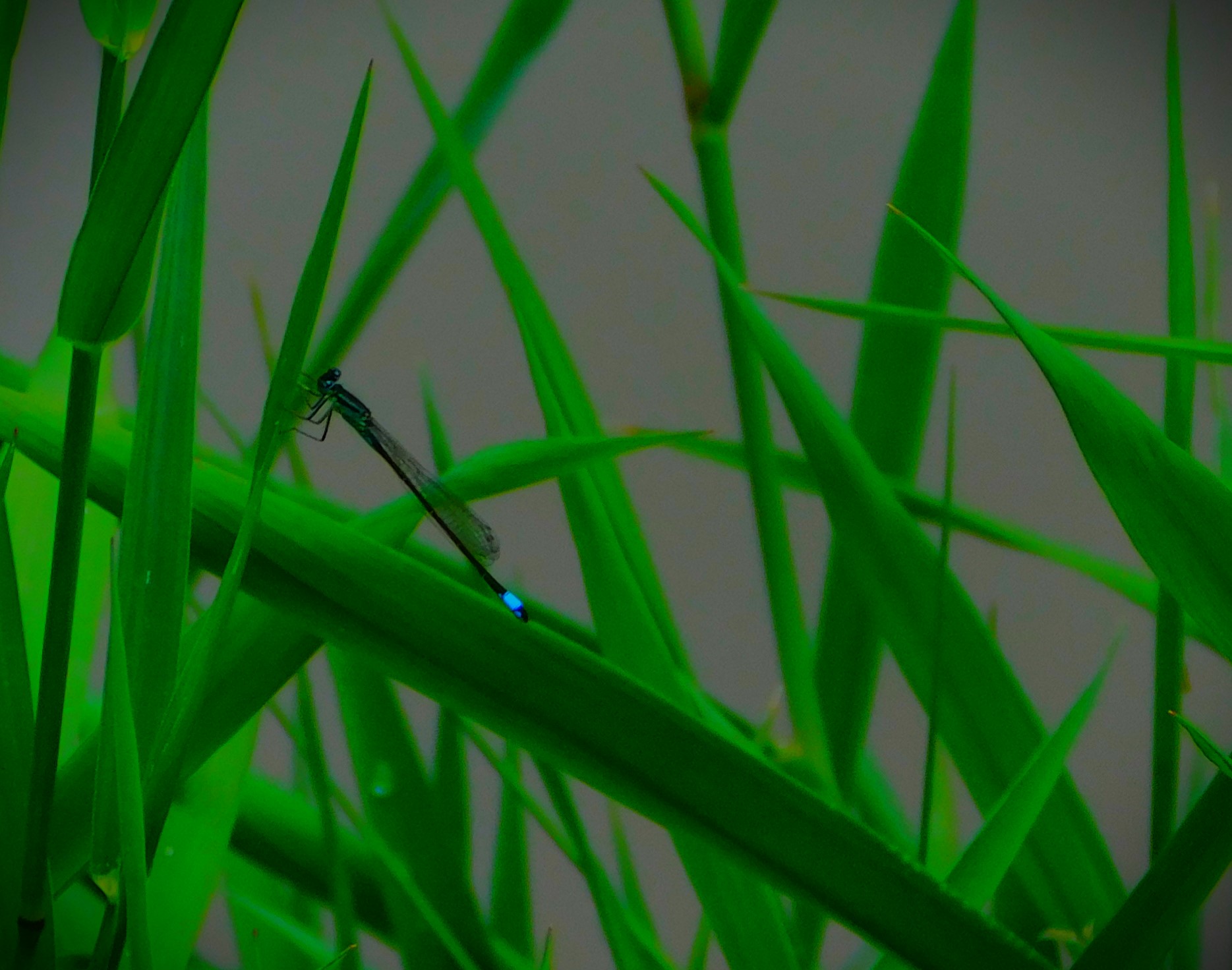
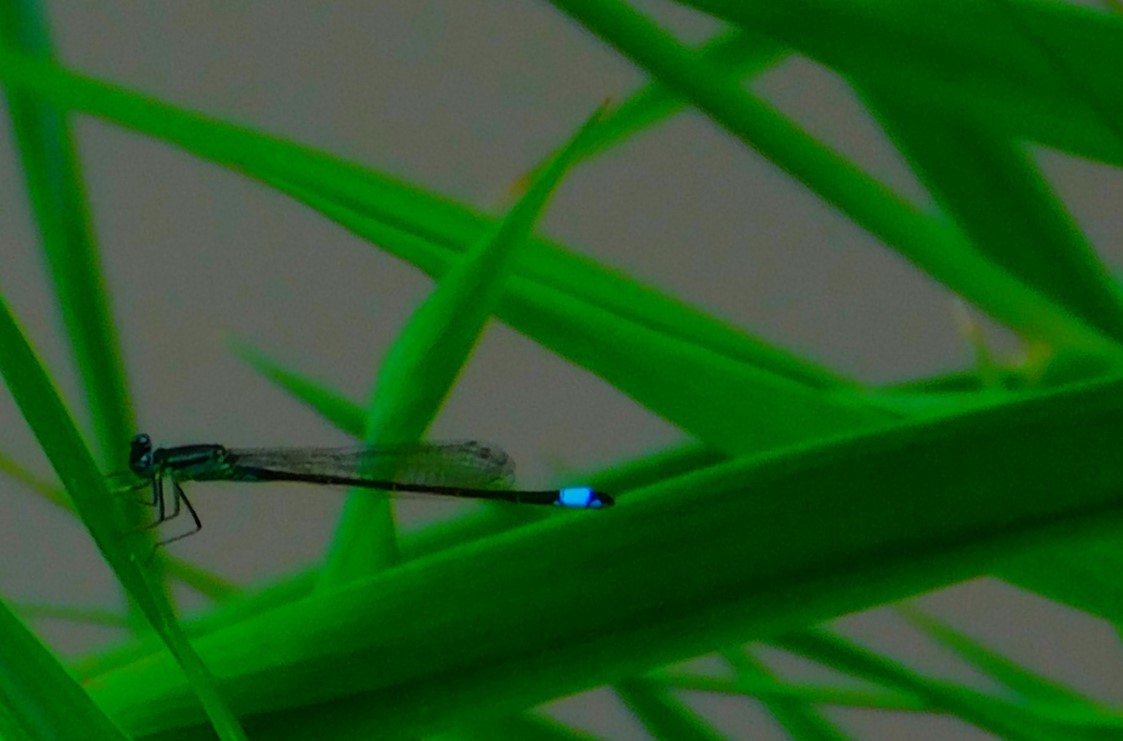
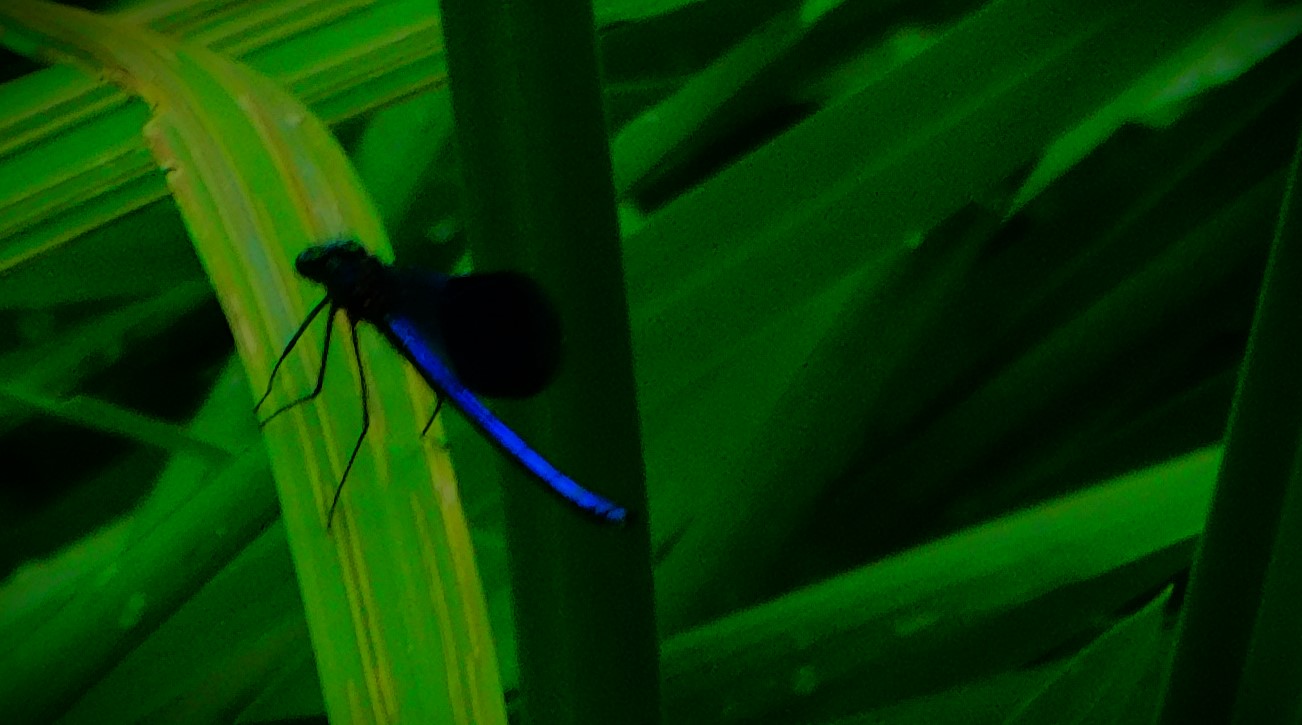
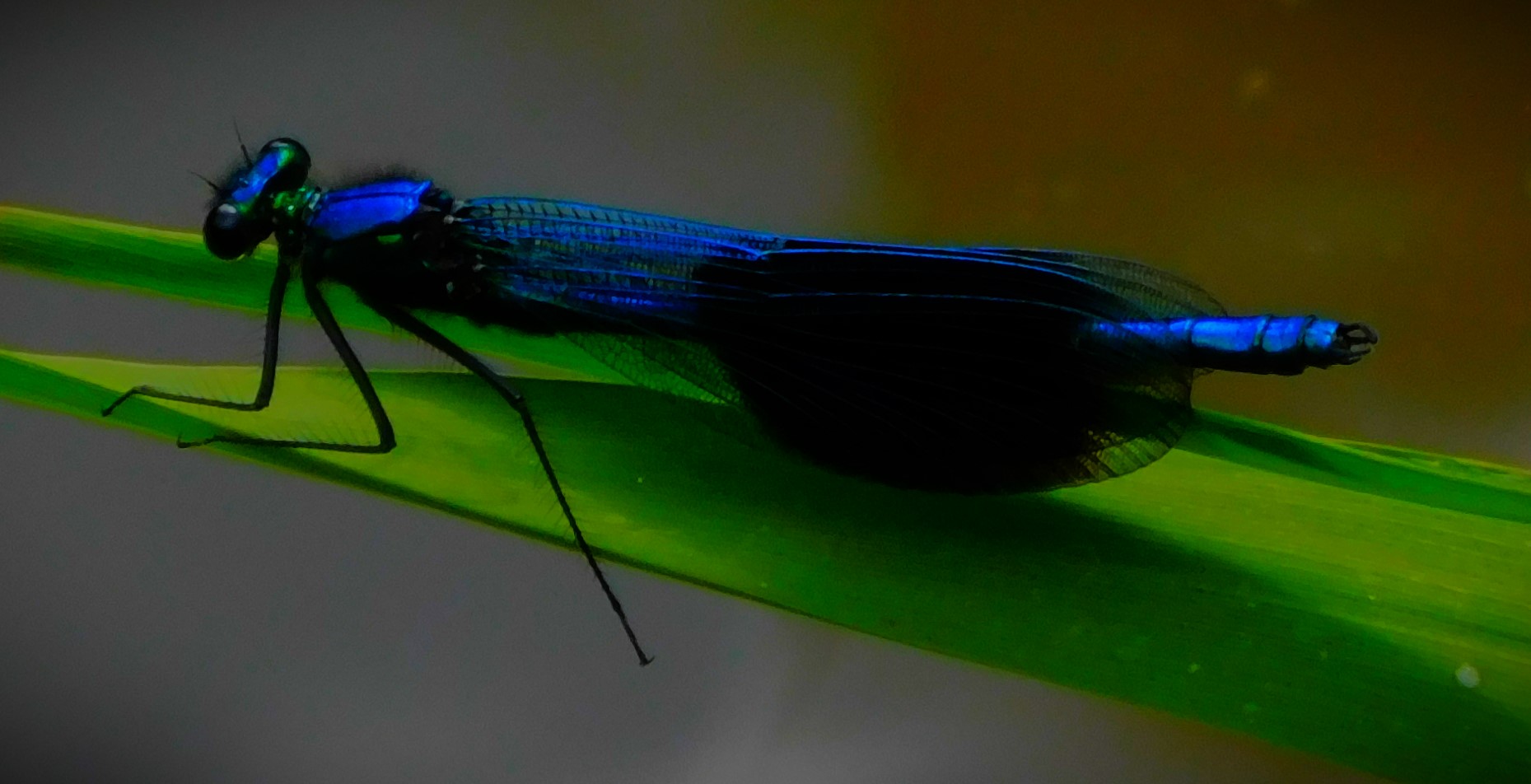
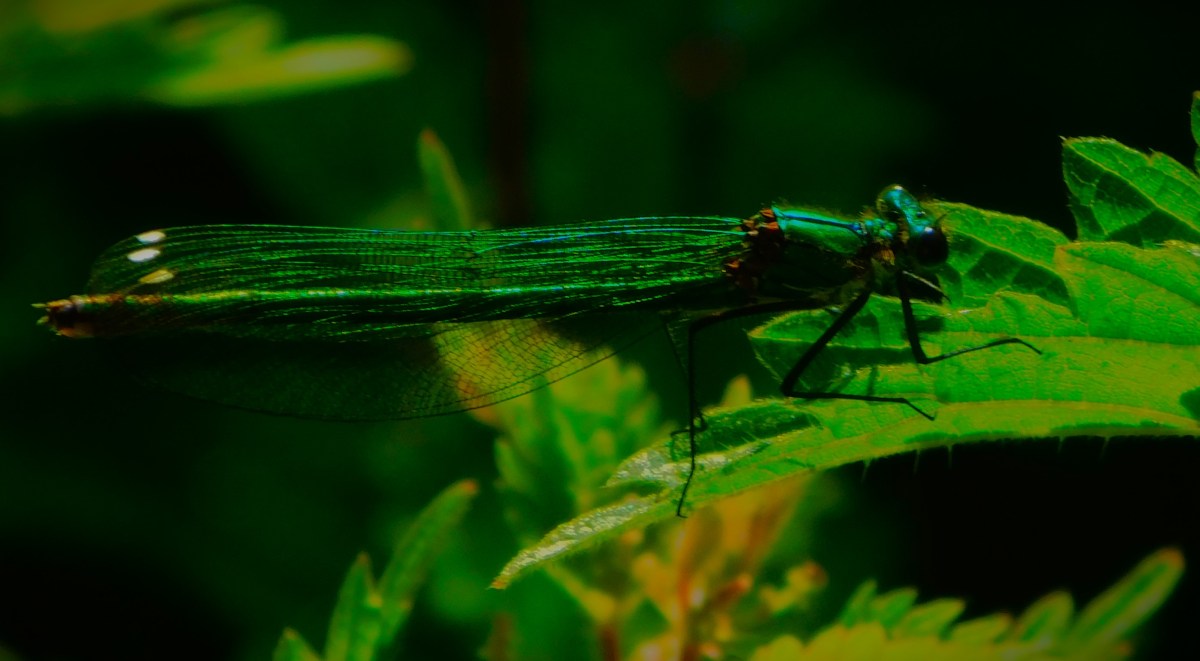
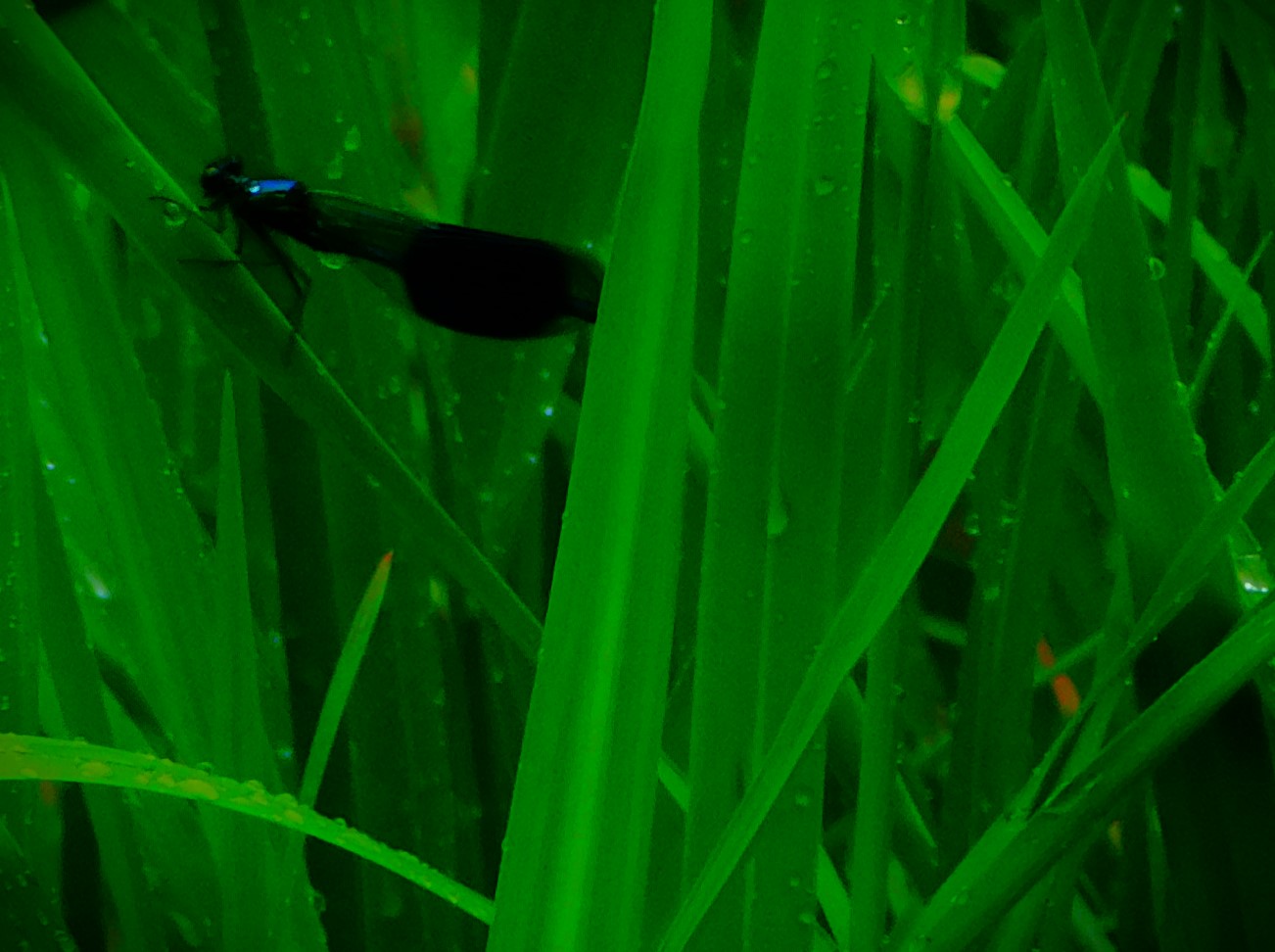
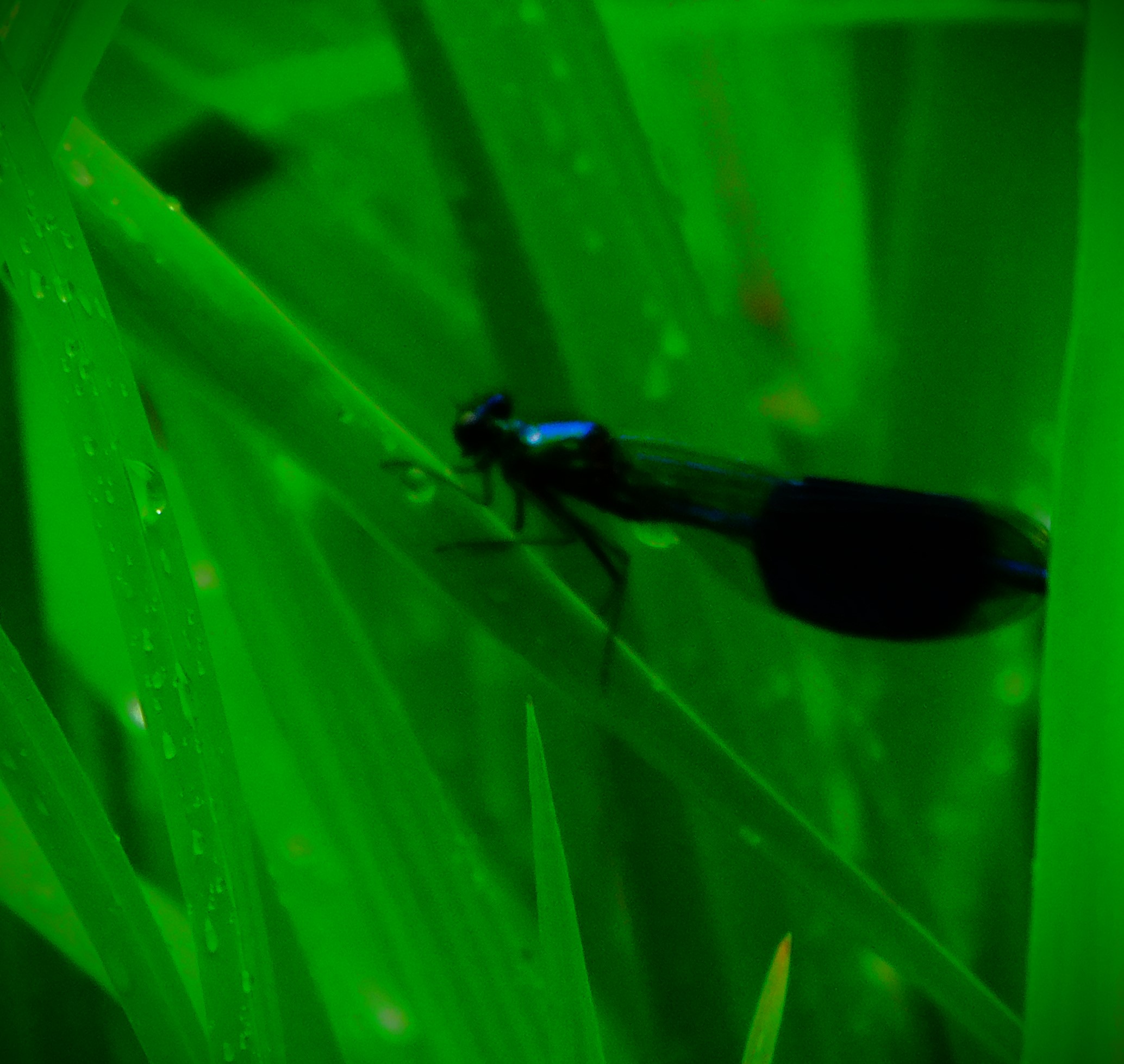
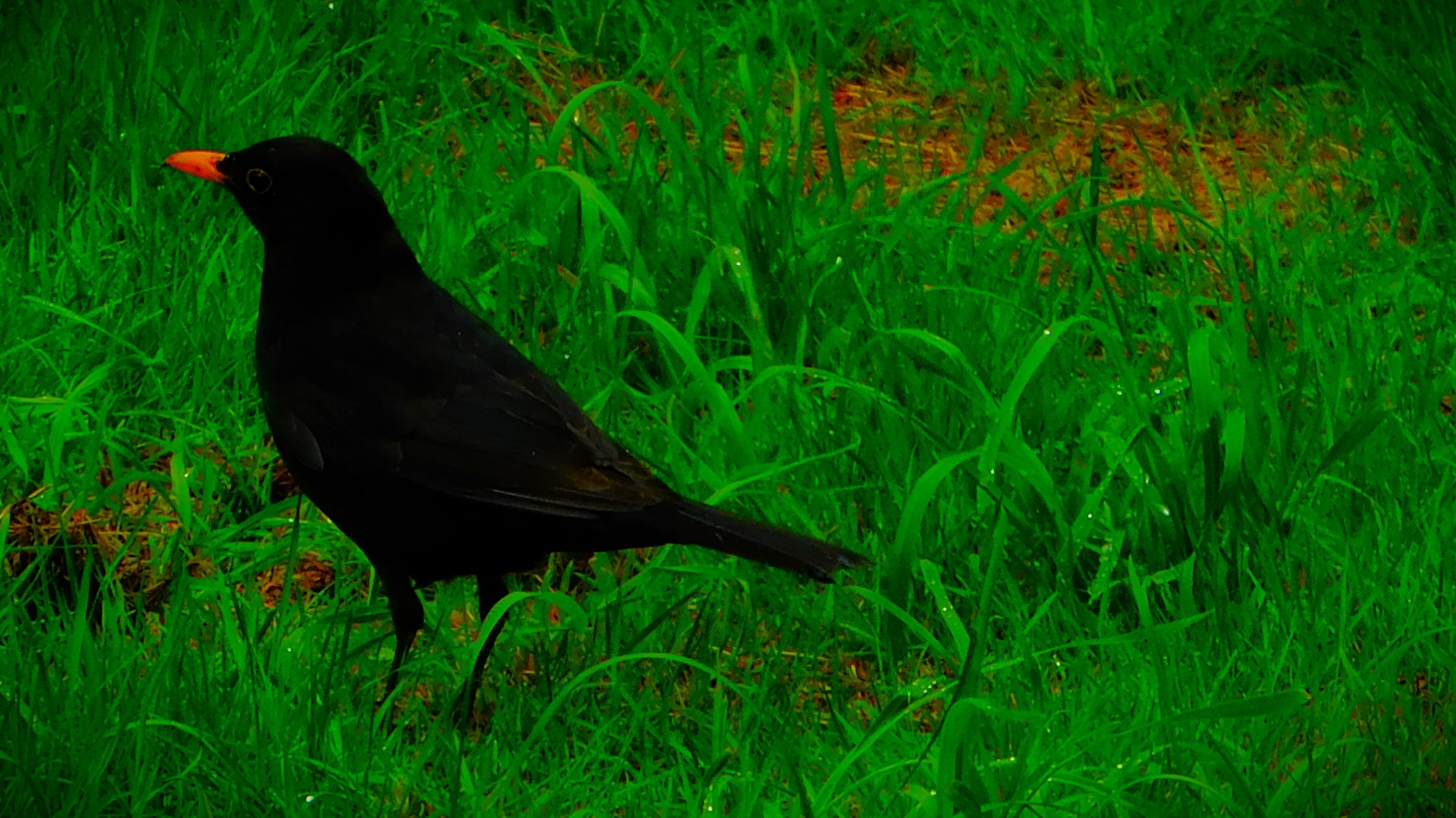
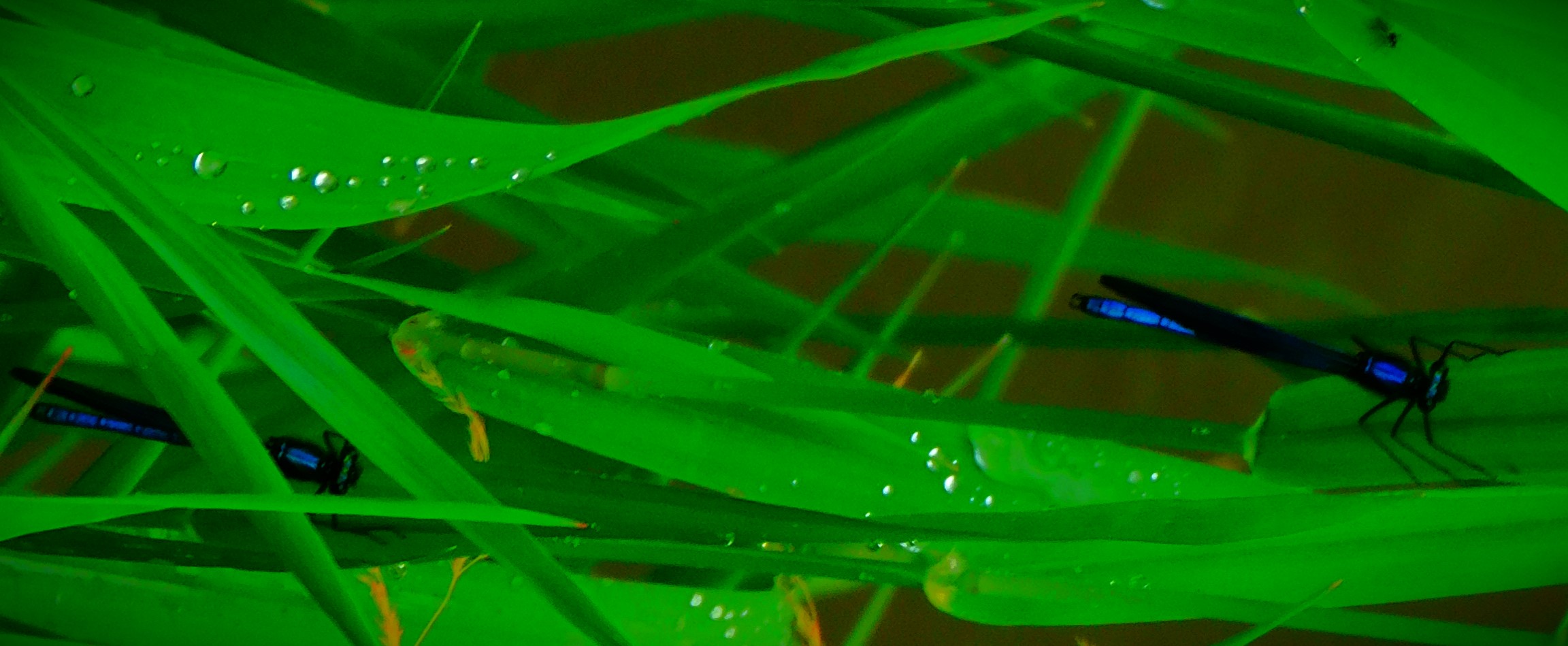
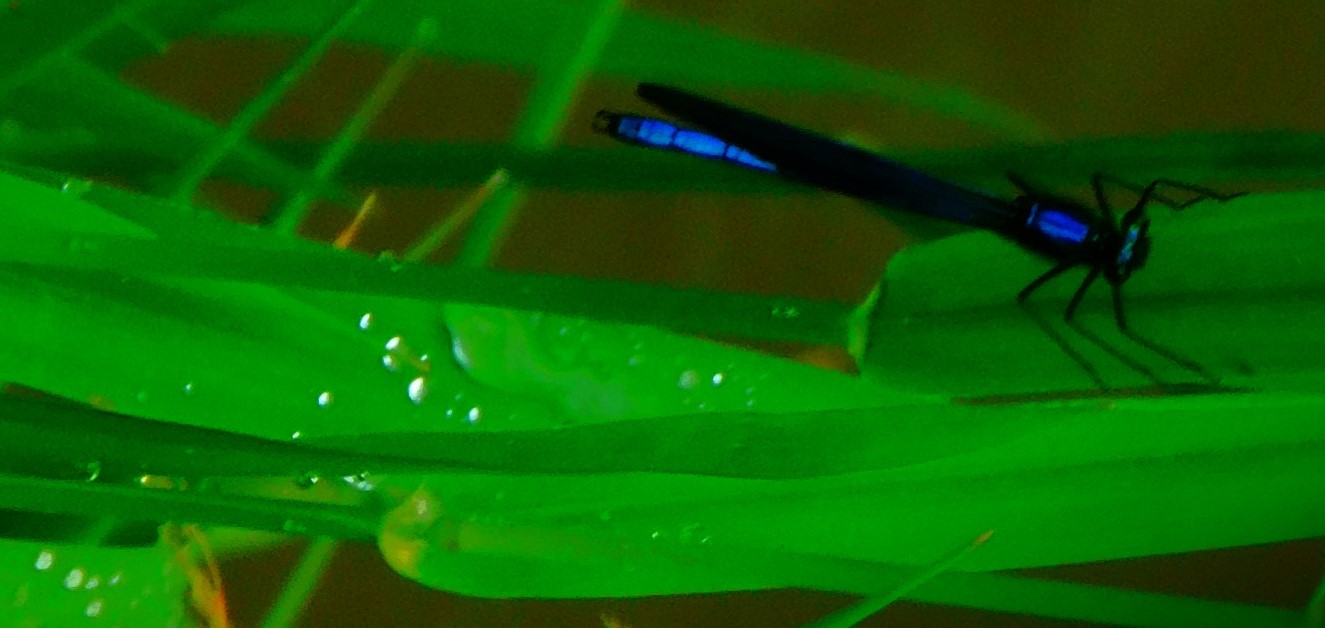
No cormorants today, but oystercatchers……and this egret.The gulls did a good job of cleaning out this discarded crab shell!Two dragonflies of different species……this green one……and this mainly dark blue one.
Yesterday, following on from the ODI series that in which England Women comfortably won all three matches the T20I series between the England and New Zealand women’s teams got underway.
THE ENGLAND INNINGS
England found themselves batting first. They were given a strong start by Danni Wyatt and Maia Bouchier, the former being preferred in T20Is to Tammy Beaumont, who was in the commentary box instead. Bouchier’s dismissal brought Natalie Sciver-Brunt to the crease, and she immediately put the Kiwis to the sword, making even Wyatt look somewhat pedestrian by comparison. Wyatt entered the record books when she brought up her 17th T20I 50, moving ahead of Sarah Taylor to the top of the England list of makers of such scores. Sciver-Brunt was already into the 40s by then, but she finally fell just short of 50. The left handed Freya Kemp maintained the momentum. Wyatt’s innings ended for 76. England finished with 197-3 from their 20 overs.
THE NEW ZEALAND RESPONSE
New Zealand started fairly well, although they were always behind the required rate. As had been a regular theme of the ODI series it was the spinners (of whom England had no fewer than four for this match, with a series in Bangladesh coming up in the futures) who applied a chokehold from which the Kiwis could not escape. At 63-1 New Zealand seemed to be faring respectably, especially given that the only one to go, Georgia Plimmer, had been run out, her third such dismissal in four innings. Once the second wicket fell however the floodgates opened, with leg spinner Sarah Glenn claiming three scalps in a single over, and Charlie Dean and Sophie Ecclestone picking up a wicket the score soon read 67-6. Jess Kerr, sister of leg spinning all rounder Amelia Kerr, batted in a manner that should have caused some of the more senior Kiwi batters no little embarrassment, making 38 to give the Kiwis a hint of respectability. Near the end the fourth front line England spinner, Linsey Smith, picked up a wicket. New Zealand finished with 138-9, beaten by 59 runs, which in a T20 is an absolute pummelling. Scorecard here.
PIZZA MAKING
Today there was a Pizza making session for autistic adults at the King’s Lynn branch of Pizza Express. Great fun was had by all, and my Pizza was certainly good.
The base in the tray in which the pizza would be cooked.The base loaded with toppings.The last pre-cook addition – some oregano.Dough laid out for the pizza makers.My particular piece of dough.The base, before removing the flour.
The above show stages in the preparation of the pizza, and below is the final outcome…
PHOTOGRAPHS
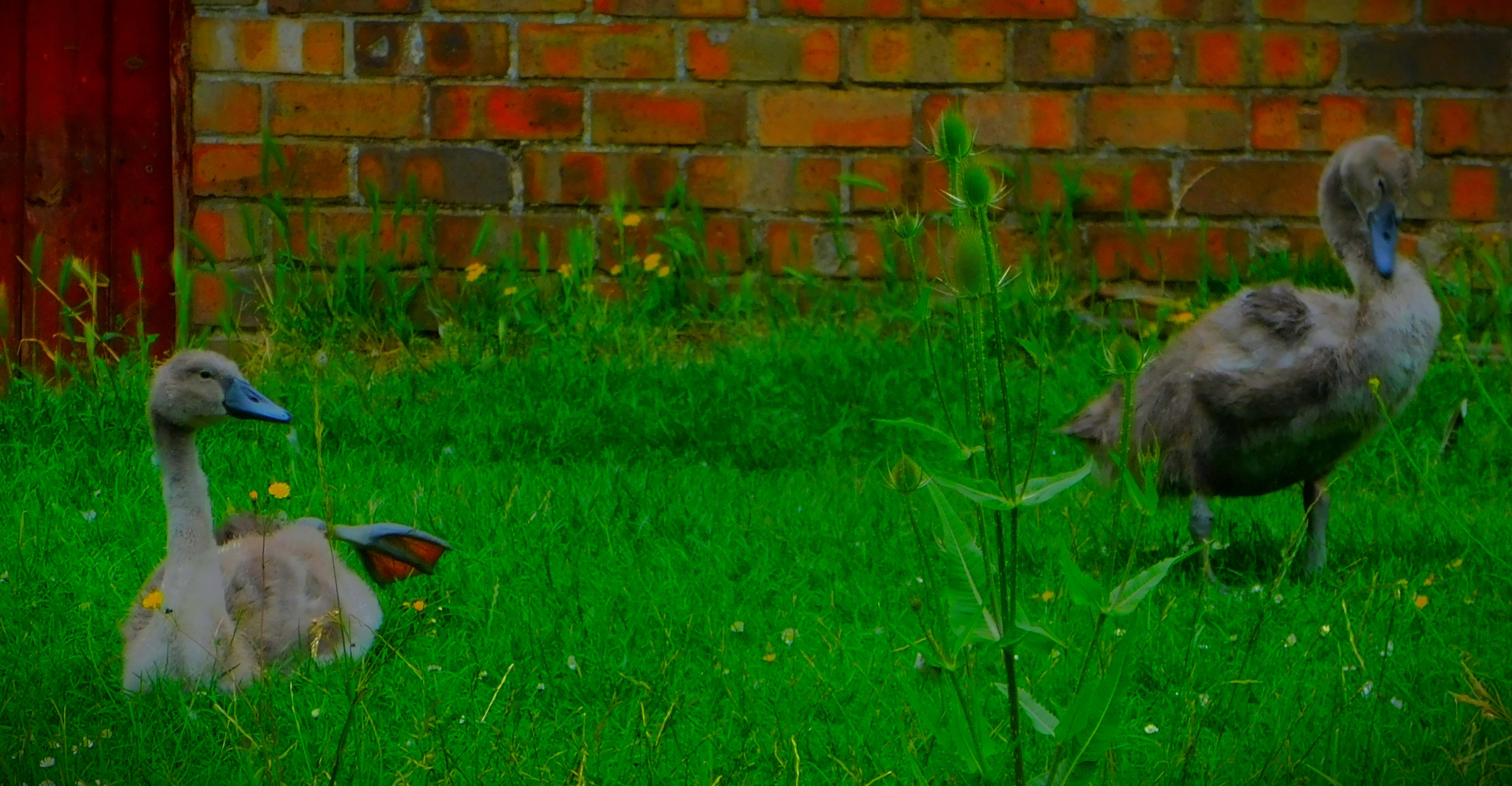
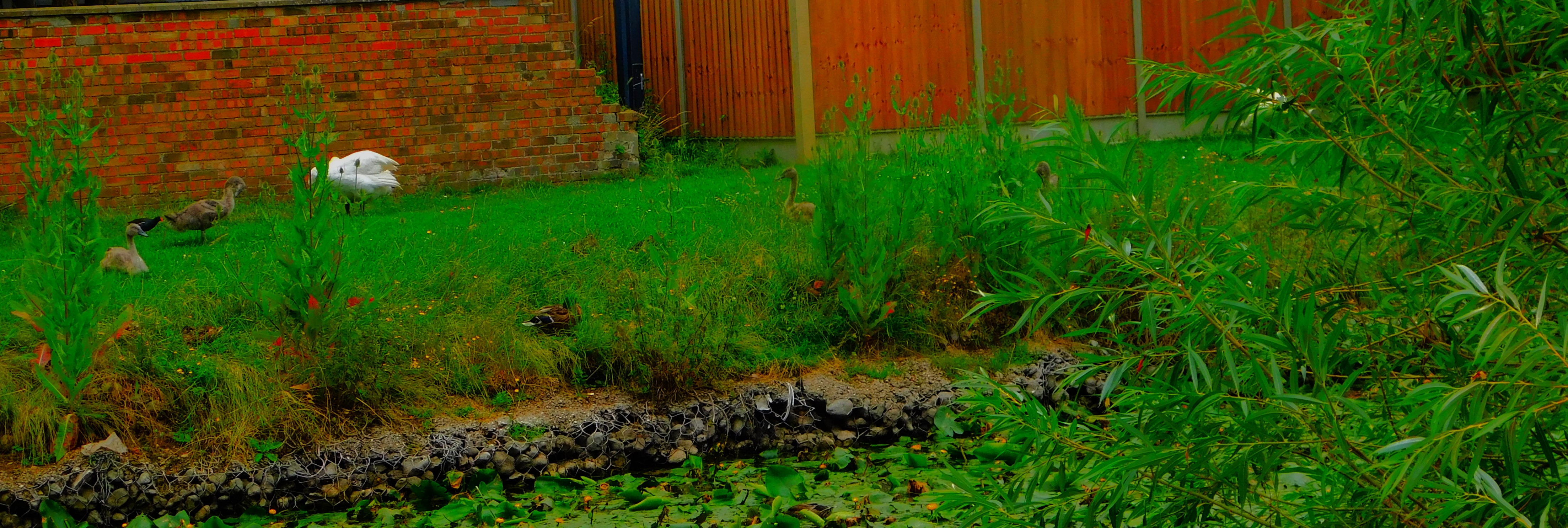
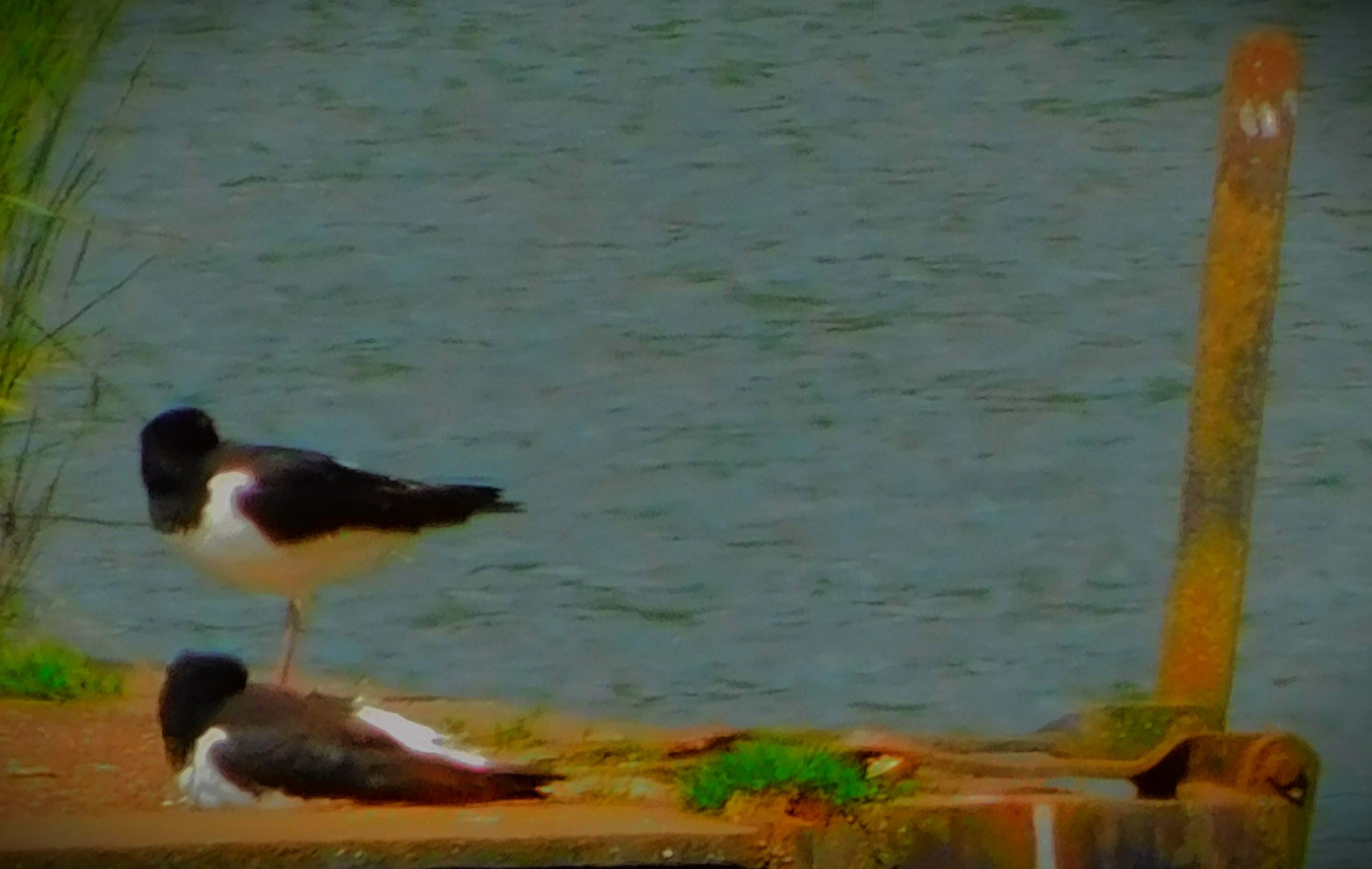
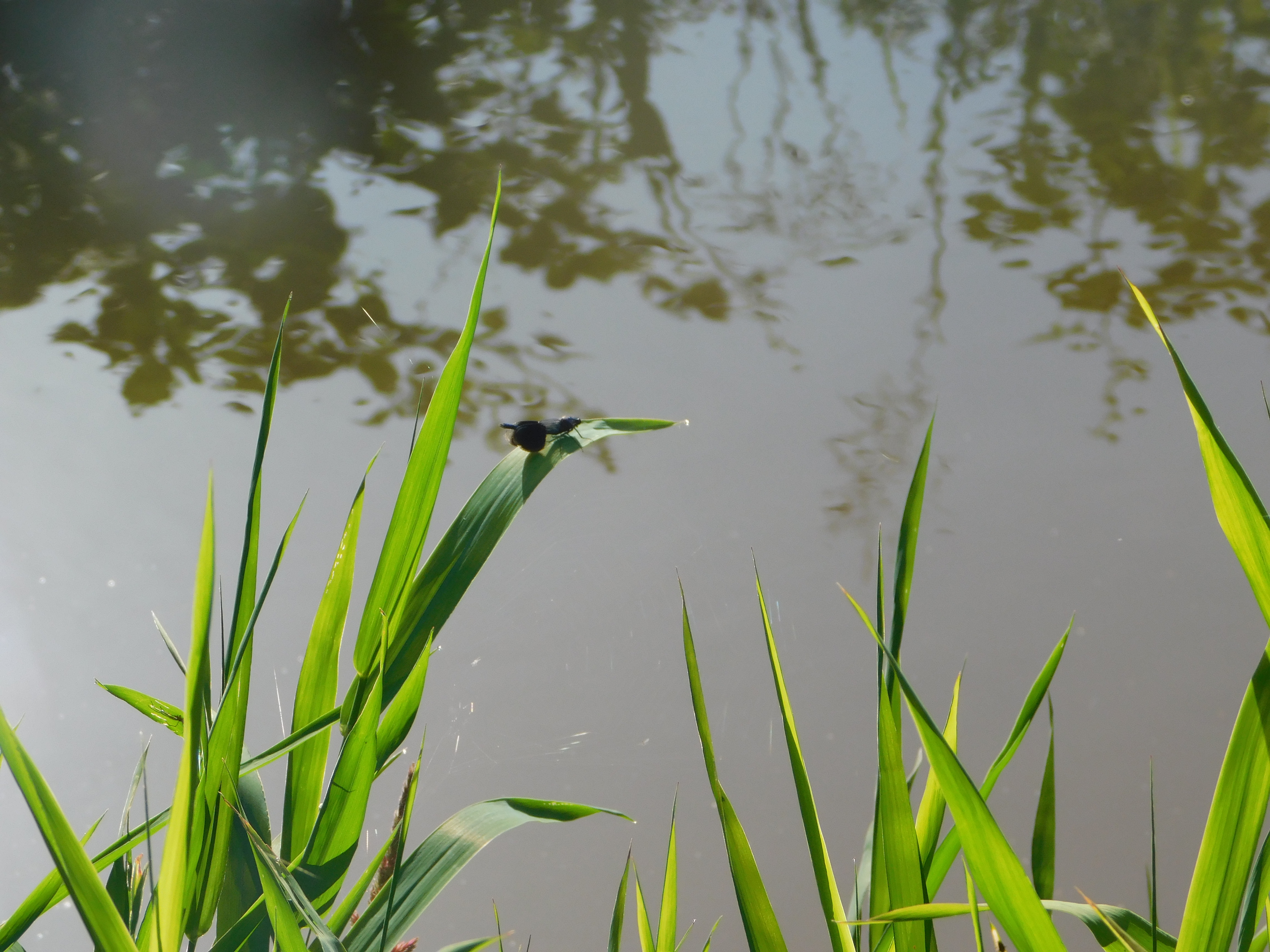
My usual sign off, in two parts, from yesterday and today…


























































































































































































































































































































































































































































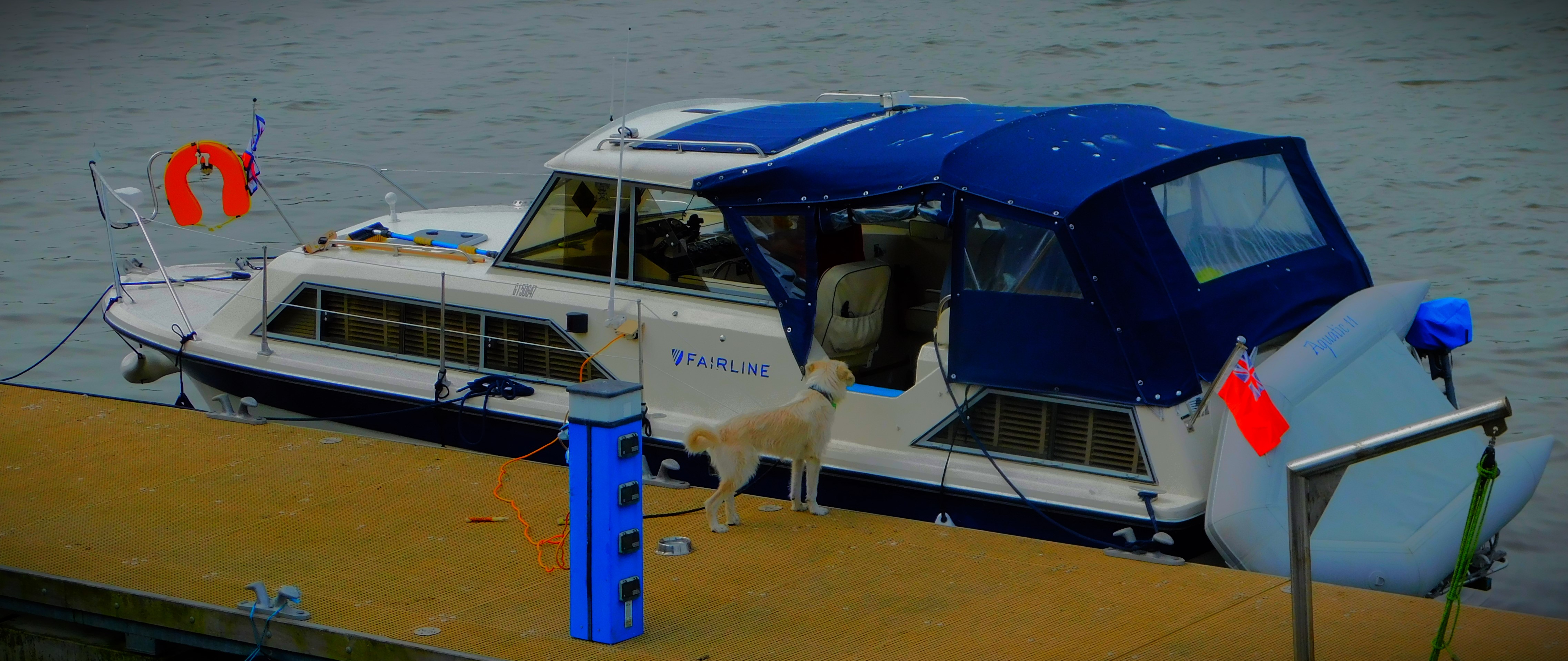
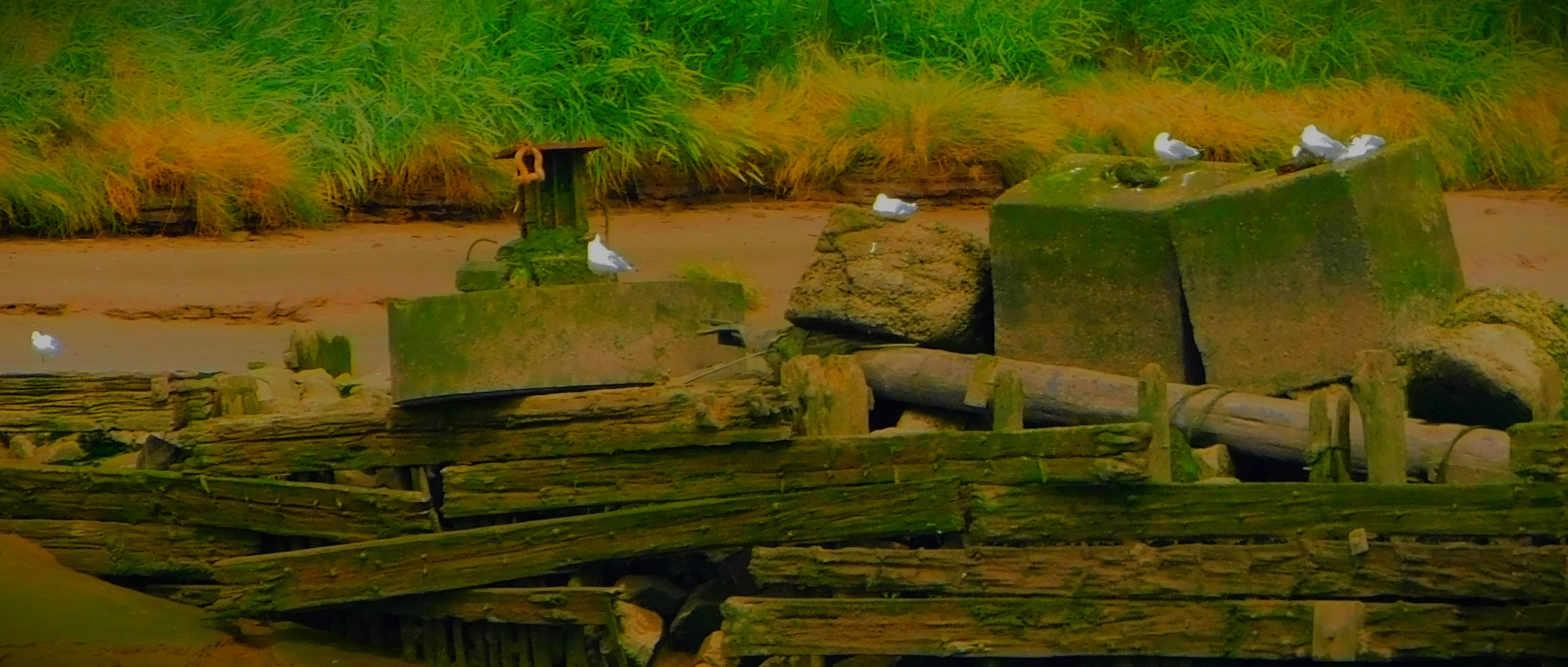
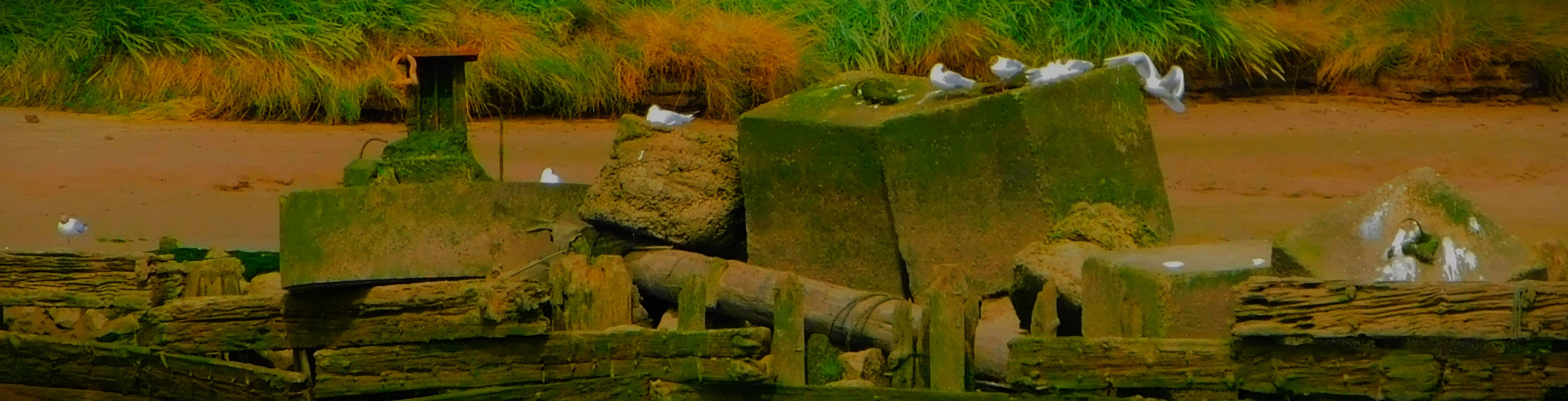

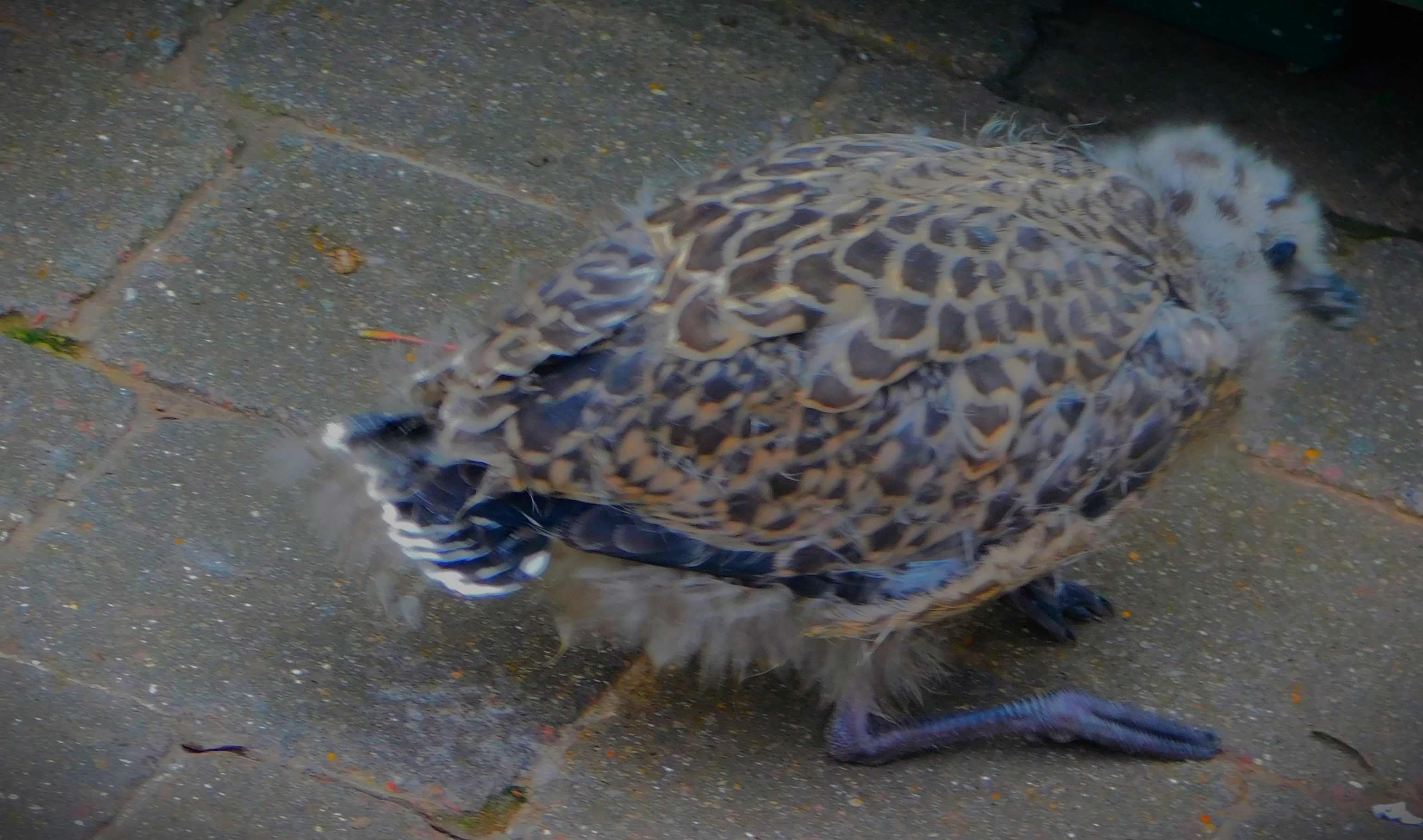






















































































































































































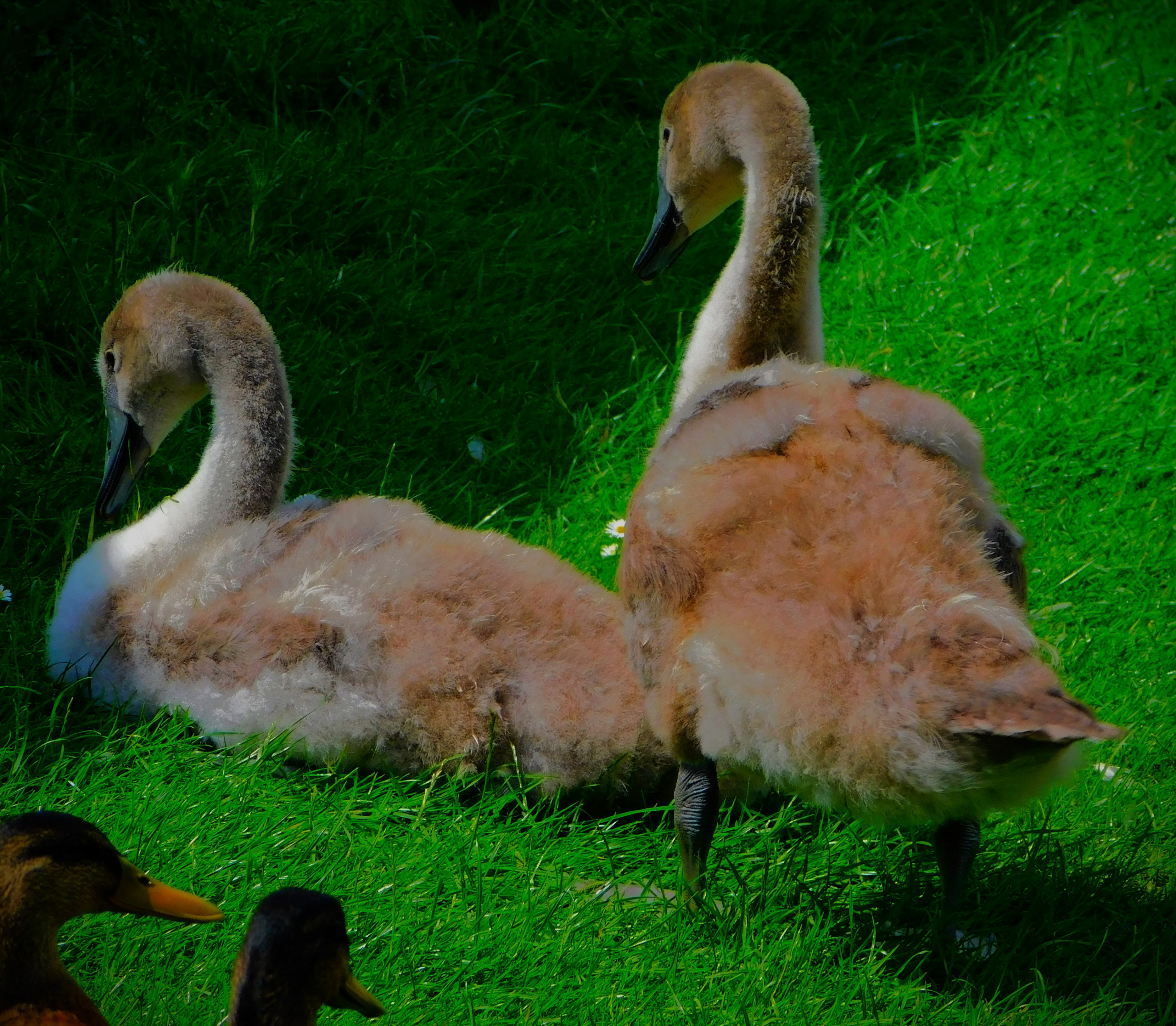









































































































































































































































































 aspiblog