A look at the events of the first two days of the test match that is the final instalment of this year’s Women’s Ashes series, and a photo gallery.
At 3:30AM UK time yesterday the final instalment of the multi-format series for the Women’s Ashes, a day/night test match at the historic Melbourne Cricket Ground, got underway. Australia had won both limited overs series 3-0, meaning that in the points system used to score the whole series they were 12-0 with four points at stake for the Test Match.
DAY ONE
Australia won the toss and put England in to bat. Several England players got starts, but only Natalie Sciver-Brunt who fought her way to a half century made a significant contribution. To make things worse for England it rapidly became clear that even on day one the pitch was helping spinners, and England, somewhat oddly given where their prime bowling strength lies, had opted to play only one front line spinner, Ecclestone. England were all out for 170, just before I had to set off for work. I found out later in the day that Australia had reached 53-1 by the close, and would find out later still that one catch had already gone begging.
DAY TWO
This was the day the wheels came right off for England (and probably the exhaust pipe and the axles!). The bowlers did not bowl badly, but the fielding was terrible, a further seven catches being dropped (although in other circumstances the last of these, an attempt at a return catch by fast bowler Lauren Filer would have earned her commendation for a fine effort rather than being recorded as the latest in a long series of drops). Annabel Sutherland, after being reprieved three times early in her innings played sublimely for 163, while Alyssa Healy, fit enough to bat and captain, but not to keep, offered some support, and then Beth Mooney, the batting star of the entire series, demonstrated her continuing excellence. After Sutherland’s magnificent innings ended, bowled by 20 year old medium pacer Ryana MacDonald-Gay, Mooney was supported by Ash Gardner who scored 44 before a catch was finally taken, by Filer off Ecclestone, and then in the last stages of the day by Tahlia McGrath. After having used only her five front line bowling options (Filer, Lauren Bell, Sciver-Brunt, MacDonald-Gay and Ecclestone) all the way through to that point the England skipper Heather Knight finally did something different for the final over the day – she turned to her own part time off spin. The main question was whether Mooney, already on a new test career best, could complete her maiden test ton before the close. In the end she did not, finishing the day on 98 not out. Australia at 422-5 already have a first innings lead of 252, with two whole days remaining. Ellyse Perry has a hip problem and has not batted, but it is not impossible that she will be considered fit enough to do so in the early part of tomorrow. The attendance for this match so far has been 23,508, a new record attendance for any women’s test match, with two weekend days to come.
A look at today’s ODI between the Australia and England women’s teams and a look at the current state of the Women’s Ashes series, plus a large photo gallery.,
The Women’s Ashes multi-format series in Australia is nearly done. The ODI and T20I sections (three matches each) are now both done, leaving only the Test Match to play. This post looks at what has happened so far.
TODAY’S MATCH
This morning UK time (late evening South Australia time) the third and final T20I took place in Adelaide. In metaphorical terms England did not merely go off the rails, they careered right to the bottom of the ravine and got smashed against the rocks. At the halfway stage, with Australia having won the toss and batted, it did not look too awful. Australia had scored 162-5, an innings dominated by Beth Mooney, who did not merely bat right through the innings, which on a hot evening would have been impressive anyway, she scored 94 of those 162 runs. That total soon looked positively mountainous, as England began losing wickets right from the start of the reply. At 39-3 with skipper Heather Knight and veteran opener Danni Wyatt-Hodge together England might have had half a chance of getting somewhere close, though that pair would probably have had to do most of the remaining batting themselves. At 48-7 the only question was whether England would avoid their lowest ever T20I score, which stood at 87 all out. Sophie Ecclestone joined Knight and the pair put together the best stand of the England innings. The ending of that partnership, worth 29 by then, was illustrative of one the key differences between the sides – the catch by Georgia Voll, who had earlier helped Mooney to put on 56 for the first wicket, which got Ecclestone was quite simply incredible. A video clip can be seen here. Voll, playing her first international series at the age of 21, has had a fine start, contributing 173 runs at 86.50 and a SR of 108.80 to the ODI leg of the series and 49 at 16.33 and an SR of 132.43. Between that and Beth Mooney playing the best cricket of her life at the age of 31 Australia have barely missed the injured Alyssa Healy from the top of their order. Linsey Smith, who had impressed with the ball and in the field on what was a rare appearance for her (as a left arm spinner she only plays when England deem it right to select two such bowlers) was ninth out at 82, run out by a sharp piece of fielding by Ellyse Perry. Lauren Filer lasted long enough for England to get past 87, but not long enough for England as a whole to match Mooney on her own – when Knight was last out to a stumping by Player of the Match Mooney off Tahlia McGrath’s medium pace the total had reached 90, 40 of them from the skipper. Australia had thus won by 72 runs, and had made six wins out of six across the limited overs element of the series. The points score with the test match to come is thus Australia 12 England 0.
A MISMATCH
The fact that Australia have won all three ODIs and all three WODIs tells some of the story of how dominant they have been, but not all of it. There has been one occasion in the six matches on which Australia have been in genuine trouble: in the second ODI they were all out for 180, which shouldn’t win a 50 overs per side match. They responded by bowling England out for 159. None of the other matches have ever got close. England have a fine bowling unit, though Australia are ahead even there. Batting wise Australia have been far better, but the biggest gulf has been in fielding skill. England have rarely risen above the competent in the field, rather too often have fallen below that level, and whereas Australia have had several show stopping pieces of fielding England have not had one. The two byes that accrued off Linsey Smith’s first ball were illustrative: even though saving runs was no longer relevant to Australia so dominant was their position Darcie Brown raced after the ball, got to it just before it reached the rope, tipped it back into play and saved her side two runs. England have not been at their best at any stage of this series, and against Australia any hint of weakness gets punished.
A look at a remarkable few days for the England men’s and women’s cricket teams, and two photo galleries.
The last few days have been excellent for both the England Men’s team and the England Women’s team. This post looks back at what both teams have done in that time.
THE MEN’S ASHES
England arrived at Headingley 0-2 down after two test matches, and with the Ashes currently in Australian hands that meant they needed to win all three remaining matches to take back the urn. England were ultimately set 251 to win in the final innings. They went into yesterday needing 224 with all ten wickets in hand. At various times it looked like Australia could do it, especially at 171-6, but then the largest England partnership of the match, between Brook and Woakes left England needing 21 with three wickets left, Brook falling for a splendid 75. That brought Mark Wood to the crease. With seven runs needed Carey dropped a chance offered by Wood, and that was the last sight Australia had of victory. At 3:45PM a boundary took England over the winning line with three wickets to spare. Wood, with seven wickets in the match and 40 runs in the two England innings was named Player of the Match.
Although England kept the series alive with this victory, all is not rosy in their garden. The number three position needs filling as a matter of urgency – England tried Brook in the first innings, and Ali in the second after Brook had looked like a cat on a hot tin roof batting there, and both failed. Also, Bairstow as keeper/ batter is proving disastrous – he has missed a load of chances and he has not been scoring runs since taking the gauntlets. Also Crawley twice tossed away promising starts with appalling choices of shot. Finally, Ali is not up to the task with either bat or ball. If England are to complete the miracle comeback all these issues need addressing. I would personally call up Dominic Sibley to open with Duckett (otherwise there would be two debutants in the top three, since I cannot countenance Crawley), select one of Bohannon or Abell to fill the number three shot (Bohannon has the better batting record, but Abell offers a back up seam option, which with Stokes unable to bowl could proved very useful). With Root and Stokes certain picks barring injury I would drop Bairstow to bring back Foakes as keeper, while the number eight slot either goes to Woakes if it looks like no spinner is needed or is a toss up between Rehan Ahmed and Liam Dawson if a spinner is deemed necessary. The 9,10 and 11 slots should go to Wood, Tongue and whichever of the two veterans Broad and Anderson is in better shape at the time.
PHOTOGRAPHS 1
THE WOMEN’S ASHES
The Women’s Ashes is played these days as a multi-format series, with the test match being worth four points and each other match being worth two points. England Women were in a similar position to the men’s team, having lost the test match and the first T20 match, which with Australia holding the urn meant that they also effectively needed to win every remaining game. They won both the second and third T20Is, the former being Australia’s first non-super over loss in the format since March 2021 and the latter being the first time Australia had lost two successive matches in any format since 2017 (also at England’s hands). This keeps England hopes alive going into the ODI element of the series.
The first of the two T20I victories was by only three runs, but it only became that close because with the match already settled Ellyse Perry hit the last two balls for sixes. The second was a more comfortable win for England.
A look at recent developments in the men’s and women’s Ashes and a substantial photo gallery.
It has been a few days since my last post, and a lot has happened in both the men’s and women’s ashes. This post looks at these various developments.
THE WOMEN’S ASHES
The brilliance of Tammy Beaumont (a new England women’s record score of 208 in their first innings) and Sophie Ecclestone (five wickets in each Australian innings) proved to be of no avail. England were bowled out for 178 in the final innings to lose by 89 runs, off spinner Ash Gardner taking 8-66. This is the first time in any test match, men’s or women’s that a losing side has featured both a double centurion and a taker of a 10 wicket match haul. The men’s game has provided three honourable mentions – in the tied test match between India and Australia at Chennai in 1986 Dean Jones had a double century and Greg Matthews took 10 wickets, while in England’s bottle-job at Adelaide in 2006 Collingwood scored 206 and Matthew Hoggard claimed eight wickets in the match, and finally, at the SCG in 1894 Syd Gregory scored 201 in the first innings, George Giffen had a match aggregate of over 200 runs AND claimed eight wickets in the match, and their side, Australia, lost by 10 runs.
THE MEN’S ASHES
Rehan Ahmed was added to the men’s squad in the run up to the second match of their series, which got underway at Lord’s today. In the event Ahmed was not picked, England going for an all seam attack. As was virtually dictated by this selection England put Australia in to bat, a decision that is not working out well. As I type this Australia are 181-2 with Smith and Labuschagne going well, the first named having gone past 9,000 runs in test cricket in the course of this innings. Both wickets have fallen to Josh Tongue. Broad and Anderson have had good moments but as yet no wickets, while Robinson has looked innocuous. Rehan Ahmed is on the field at present, as a substitute fielder.
Today’s variation on the all-time XI theme is a paradoxical one – it features two teams of players whose finest hours occurred in enemy territory.
INTRODUCTION
Welcome to the latest installment in my ‘all time XIs‘ series. Today we look at players who enjoyed their finest hours when doing battle in enemy territory, with The Away Ashes. Before getting to the main body of this post however, there is a matter to be attended to, in my usual ‘reverse tabloid’ style so that it cannot be missed:
CORRECTION/ APOLOGY
In yesterday’s South Africa post I failed to mention Dale Steyn when looking at players from my lifetime. I still stick to my chosen pair of specialist speedsters Kagiso Rabada and Allan Donald, but I should have included Steyn in the honourable mentions as a candidate for one of those spots. My apologies to Mr Steyn for the oversight.
THE AWAY ASHES – ENGLAND
Just before I start going through the players, a quick warning about an easy trap that people might fall into: that these players greatest achievements came away from home does not imply that they were not also successful at home – the majority of my choices had their successes at home as well.
Herbert Sutcliffe – right handed opening batter. The Yorkshireman scored 734 runs at 81.67 with four centuries in the 1924-5 series, which his side still lost 4-1. At the time both the runs aggregate and the century tally were records for a single series. In 1928-9 he played the single most crucial innings of the series when his 135, begun on a vicious sticky, underpinned England’s successful chase of 332 which put them into an invulnerable 3-0 with two matches to play lead. In 1932-3 he was joint leading run scorer of the series, with 440 at 55.00, something of an underachievement by his own stellar standards in Ashes cricket (overall average 66.85) as England ran out out 4-1 winners. That was third and last trip down under meaning that even after that 1924-5 series England had won nine and lost six in Australia with him in the side (1-4, 4-1, 4-1). His home Ashes highlights included a match and Ashes winning 161 at The Oval in 1926, and the same score at the same ground in a different outcome four years later.
Alastair Cook – left handed opening batter. A career that spanned 12 years, saw him score over 12,000 test runs and set an all time record for consecutive test match appearances naturally included many highlights. However, one particular achievement shone out more brightly than anything else he did over the period: his 766 runs at 127.67 in the 2010-11 Ashes as England won down under for the first time in 24 years. In total in that series he spent just over 36 hours at the crease, 15 of them in his two innings at The Gabba, when his second innings 235 not out prevented England from going 1-0 down. His 148 at Adelaide, alongside Pietersen’s test best 227 enabled England to fully capitalise on a fantastic start to that match – Australia, having won the toss and batted lost their first three wickets on the opening day for two runs, two to slip catches off Anderson and a run out. In the final game at Sydney, with England 2-1 up he batted 488 minutes scoring 189, setting England up for a monster total after which Australia’s batting folded to give England a 3-1 series victory. At Melbourne in 2017 on a strip devoid of any hint of life he produced his final major Ashes knock, 244 not out, the highest ever Ashes score by someone carrying their bat through a completed innings.
Douglas Jardine – right handed batter. He made two tours of Australia, in 1928-9 and 1932-3, and England won both series 4-1, the second under his captaincy. In the fourth match of the 1928-9 series at Adelaide he made his highest Ashes score, 98, sharing a third wicket stand of 262 with Hammond (177 not out), which put England in total control of the match. Though he did not manage any really major scores as captain in the 1932-3 series he did on some occasions soak up considerable amounts of time, putting more miles into the legs of the Aussie bowlers.
Walter Hammond – right handed batter, occasional medium pacer, expert slip fielder. In his first Ashes series, in 1928-9, he announced his presence in cricket’s oldest international rivalry by scoring 905 runs at 113.125, including the first ever incidence of successive test double centuries, 251 at Sydney in the second game and then 200 not out in the first innings of the third match at Melbourne, before then hitting 119 and 177 not out in the fourth match at Adelaide. In 1932-3 he was joint top scorer for the series with 440 runs at 55.00, including the first half a record sequence – in the final match he hit 101 and 75 not out, and then in New Zealand he thumped 227 and 336 not out, the only four innings test sequence to top 700 runs. In 1936-37 he scored 231 not out in the second match of the series, but was overshadowed by Bradman for the rest of the series. He unwisely agreed to skipper England in a ‘goodwill’ tour of Australia in 1946-7, by when he was 43 years old and unable to summon up former glories, averaging only 21 in the series. Of his three home Ashes series 1930 and 1934 were both failures, while 1938 was a success.
*Percy Chapman – left handed batter, occasional slow bowler, superlative close fielder, captain. Chapman was asked to captain England at The Oval in 1926 after the first four matches of the series had been drawn and the selectors had concluded that Arthur Carr was not the man for the job. He led them to victory and The Ashes. In 1928-9 he was made captain of the tour party and led England to a 4-1 triumph. His own batting contributions were minimal, but his captaincy attracted universal praise. He was a casualty of Bradman’s explosive vengeance in 1930, dropped from the captaincy after Lord’s that year, where the Don scored 254 (ended by Chapman holding a near miraculous catch – Bradman was to confirm that the ball had gone precisely where he intended to hit it and that he had not believed the catch was possible) in a total of 729-6 declared, and even though Chapman hit a defiant 121 in England’s second innings they went down by seven wickets.
Bernard Bosanquet – right handed batter, leg spinner. The pioneer of the googly took his new weapon with him to Australia as part of Warner’s 1903-4 Ashes party, and played a major role in the winning of that series, including taking his best ever test figures of 8-107 in an innings.
+Jack Richards – wicket keeper, right handed batter. Kept on the 1986-7 tour, when England won the series down under, scored 133 at Perth in second test thereof.
Harold Larwood – right arm fast bowler, useful lower order batter. Two ashes tours, 1928-9 and 1932-3, and two 4-1 series wins in Australia, in the second of which he was the undoubted star.
Farmer White– left arm orthodox spinner. His accuracy and stamina were vital to England’s 1928-9 triumph – he bowled 542 overs in the five matches of that series. In the Adelaide match of that series his total figures across the two innings were 124.5 overs, 37 maidens, 256 runs, 13 wickets.
Frank Tyson – right arm fast bowler. If fast bowlers ever came quicker than the 1932-3 version of Larwood, then the 1954-5 version of Tyson was one of the few to do so. England lost the first match of that series at The Gabba by an innings and plenty, Tyson taking 1-160. However, he also listened to and acted on some shrewd advice from former fast bowler Alf Gover, shortened his overly long run considerably to conserve on energy in the Australian heat, and in matches 2,3 and 4 of that series was simply too hot for the Aussies to handle, being the key ingredient in a turnaround that saw 0-1 and likely loss of the urn become 3-1 and retention of the urn.
Sydney Barnes – right arm fast medium. Archie MacLaren selected Barnes for the 1901-2 tour of Australia after a being impressed by him in the nets. Barnes won the first match of that series for his side, bagged another five for in the second, but was then rendered hors de combat by injury, an Australia ran out 4-1 winners. Barnes missed the 1903-4 series which England won. The 1907-8 tour party was poorly chosen and lost badly, but Barnes played a key role in the one test that England won in that series – his 38 not out in the final innings guided England home when they needed 73 from their last two wickets. His greatest Ashes moments came in the 1911-12 tour, when England won 4-1, and he took 34 wickets, backed him left arm pace bowler Frank Foster with 32, while the batting was dominated the opening pair of Jack Hobbs and Wilfred Rhodes. In all Barnes took 77 wickets in 13 test matches in Australia, as compared to 29 wickets in home Ashes matches.
This team has a magnificent looking opening pair, two good and one great batter in the 3-5 slots, an all rounder, a keeper who can bat and four splendid bowlers. The bowling has blitz men Larwood and Tyson, the extraordinary Barnes, and two contrasting spin options in White and Bosanquet, plus Hammond as a possible sixth bowler.
THE AWAY ASHES: AUSTRALIA
Mark Taylor – left handed opening batter, fine slip fielder. Taylor had a fine record at the top of the Aussie order, was the second in a sequence of long serving Aussie captains after Border, and probably ranked third of the four (Steve Waugh and Ricky Ponting followed Taylor) as a captain – my own reckoning makes the four skippers who spanned the ‘green and golden age’ rank as follows as captains: Border (unarguable – he taught an Australia who had forgotten the art exactly how to win and guided them from also-rans to top dogs), Waugh (who made a dominant side even better), Taylor (who consolidated Border’s work and kept Australia at the top) and Ponting (who inherited the captaincy of a team of champions and left a collection of ‘also rans’ for his successor). His greatest moments as a batter were in England in 1989 when he cashed in on the organization of what turned out to be the last of the rebel tours and general selectorial incompetence by the English to score 839 runs in the series, a record for any Aussie not named Bradman. Eight years later England was the scene of a display of massive character from Taylor, who was going through a run of dreadful form with the bat ans was under fire from his detractors. Australia were rolled in the first innings of the series at Edgbaston for 118, and had looked like not even managing 100 for large parts of the innings, and England spearheaded by Hussain with a double hundred and Thorpe with a century built a huge lead. Taylor opened the Australian second innings knowing that a second failure in the match could easily see the axe descend on him, and proceeded to chisel out a determined century, which could not save the match for his side, but did save his career. Australia bounced back to win the series, although England gained another victory in the final match at The Oval.
Bill Ponsford – right handed opening batter. In 1934 the chunky opener achieved the rare feat of finishing with a better series batting average than Don Bradman. Ponsford averaged 94.83 for that series, while Bradman had to settle for a figure of 94.75. In the fourth match of the series at Leeds he scored 181, sharing a 4th wicket partnership of 388 with Bradman (304). Then, at The Oval in a match played to a finish because the series was not settled, as was tradition in England at the time (all test matches in Australia were played to a finish back then), he scored 266 in the first innings, sharing a second wicket stand of 451 with Bradman (244). Australia won the test match by 562 runs and regained the Ashes, the victory coming, as it had four years previously, on skipper Woodfull’s birthday. Ponsford retired from the game at the end of that series, the only player to date to score hundreds in his first two tests and hundreds in his last two tests.
*Don Bradman – right handed batter. He played in four of the five tests of the 1928-9 Ashes, scoring one century for a badly beaten side. In 1930 he came to England, with a number of critics predicting that he would fail there. He reached his thousand first class runs for the season before May was done, the first non-English player to do so (and he would repeat the feat in 1938, the only player to achieve it twice), and he began his test performances comparatively quietly, with 131 in the second innings of the first match at Trent Bridge, when Australia were beaten. In the second at Lord’s he hit 254 in the first innings, and was one of the three Aussies dismissed in the second as they chased down 76. At Headingley in the third match he hit 334, 309 of them on the first day. After a quiet match in Manchester it was time for the final match of the series at The Oval, where in the tour match v Surrey he had scored 252 not out in a tally of 379-5 in a rain ruined affair. He racked up 232 this time round in a score of 695 as Australia won by a huge margin. In all in that series Bradman played eight innings, one of them a not out, and amassed 974 runs at 139.14. In 1934 he averaged 94.75, and in 1938 it was over a hundred again, helped by unbeaten centuries is the Trent Bridge runfest that opened the series (seven individual centuries and over 1,500 runs for less than 30 wickets in the game) and in the low scoring game at Headingley that saw Australia retain the Ashes. In 1948 he was outscored by opener Arthur Morris, but helped by 173 not out at his favourite Headingley he had a higher average for the series.
Billy Murdoch– right handed batter, sometimes wicket keeper. Twice in his test career he scored over 150, 153 not out at The Oval in 1880 in an ultimately losing cause (England after largely dominating the game had an attack of collywobbles in the final innings, contriving to surrender five wickets while chasing down 57) and 211 in a drawn game at the same ground four years later, the first double century in test cricket, and the second in the sequence of record individual scores at that level that in full reads: 165 by Bannerman at Melbourne in 1877, 211 by Murdoch at The Oval in 1884, 287 by Foster at Sydney in 1903-4, 325 by Sandham at Kingston in 1930, 334 by Bradman at Headingley in 1930, 336 not out by Hammond at Christchurch in 1933, 364 by Hutton at The Oval in 1938, 365 not out by Sobers at Kinsgton in 1957, 375 by Lara at Antigua in 1994, 380 by Hayden at Perth in 2000 and 400 not out by Lara at Antigua in 2004.
Charlie Macartney– right handed batter, left arm orthodox spinner. Macartney started his career as a blocker and ended it as one of the most highly regarded stroke makers of all time. In 1926 he became the first ever to score centuries in three successive test matches, although the weather saw it that all ended in draws.
Harry Graham – right handed batter. He scored a century on test debut at Lord’s in 1893.
+Graham Manou – wicket keeper, right handed batter. A rare Aussie ‘one cap wonder’, that appearance coming in England in 2009.
Shane Warne– leg spinner, right handed lower order batter. Only one person has ever captured 100 test wickets in a country other than their own: Shane Keith Warne, who reached the landmark in England in 2005, in the course of the only Ashes series in which he finished on the losing side. He announced his presence in Ashes contests with the ‘Gatting ball’ at Old Trafford in 1993, his first delivery in an Ashes match, which drifted in the air to land well wide of leg stump and then spun back so sharply that it brushed the outside of the off stump just enough to dislodge the bail, to the stupefaction of the batter. Robin Smith who since making his own debut four years earlier had built a hugely impressive record was made to look a novice in that series, and Alec Stewart, deployed in the middle order in that series, fine player of fast bowlers that he was, never looked anything close to comfortable against Warne either. Even in the 2005 triumph Warne retained full mastery over the England batting, collecting 40 wickets in the series.
Bob Massie – right arm fast medium bowler. Australia, captained by Ian Chappell, brought a largely young and unknown side to England in 1972. The first match was lost to Ashes holders England, and then the sides reconvened at Lord’s. Massie took 8-84 in England’s first innings 272, a sensational debut effort. Australia, with a century from Greg Chappell to help them led by 36, and skipper Ian Chappell gathered his team together and said he wanted a wicket before that deficit was knocked off, well rather as with Bill Bowes and his leg side field for Vic Richardson in 1932, ‘Chapelli’ did not get one, he got five! England recovered somewhat from that catastrophic beginning to their second innings, but only enough to reach 116, Massie 8-53 to give him 16-137 on debut. A victory target of 81 did not unduly trouble Australia, opener Keith Stackpole taking the opportunity to record an unbeaten half century. That was over half of Massie’s tally of test wickets. In the end England retained the Ashes, courtesy of a victory at Headingley, although Australia levelled the series by winning the final game at The Oval, both Chappells notching first innings centuries.
Charles Turner – right arm medium fast bowler. A rare example of an Aussie great who never won an Ashes series – it was his misfortune to be in his prime at a time when his only reliable bowling support came from Jack Ferris, and Australia were riven by dissension. During one of his tours (1886, I think), there was an occasion when the train carriage in which the Aussie team had been travelling was marked by blood spatters! Nevertheless, he was an even more difficult proposition in England than back at home.
Terry Alderman – right arm medium fast bowler. Meet the man who should have been the first bowler to 100 test wickets in a country other than this own (although a case could actually be made on Barnes’ behalf, since had been picked for the 1903-4 tour he would surely have done it in Australia). Terence Michael Alderman took an Australian ashes series record 42 wickets in a losing cause in the 1981 series. Eight years later he took 41 in a winning cause (both these series were of six matches, whereas the England ashes record, Laker’s 46 in 1956 came in a five match series), to bring his tally in England to 83 in 12 matches. Terry Alderman should have been part of the 1985 tour party as well, but he foolishly went on a rebel tour to apartheid South Africa instead, which netted him a three year ban from international cricket. The 1989 haul included a sequence of four successive innings in which he trapped opener Graham Gooch LBW, with the Essex man’s highest score in that little patch of torment being 13. Alderman may actually have contributed to the 1985 Ashes as well, since he was for a time a Kent team mate of Richard Ellison, who as a bowler of a similar type probably benefitted from the presence of an international practitioner. In the last two matches of that series Ellison captured 17 wickets, including the prize scalp of Border in three of the four innings.
This team has a decent top six, a splendid keeper, and four excellent and varied specialist bowlers (and Macartney had a 10 wicket haul in a test match with his left arm spin as well).
THE CONTEST
This looks an absolute ripper of a contest. Perhaps the trick would be to stage it on neutral territory, though not India, as that would spike Warne’s guns, so that both sides could treat as an away contest and thereby bring the best out of themselves.
ANSWER TO YESTERDAY’S PROBLEM
Yesterday’s post included the following teaser:
The available answers were 9, 15, 21 and 27.
The correct answer is nine, the speed of ball nine after collision being 511 m/s.
A LINK AND PHOTOGRAPHS
The scene has been set for the ‘Away Ashes’, with our players introduced and explained, yesterday’s teaser has been answered, but just before signing off there are some links to share, from the Guardian, where actor Rory Kinnear has a tribute to his sister who has just died of covid-19, in which he takes the “died with it, not of it” brigade sternly to task. Please read and share. A site which I discovered today, doodlemaths, has a number of posts about “Mathematicians who changed the world“, the example which drew me in, and which I offer as an introduction being about Florence Nightingale. Now it is finally time for my usual sign off…
Goldfinch (two pics)
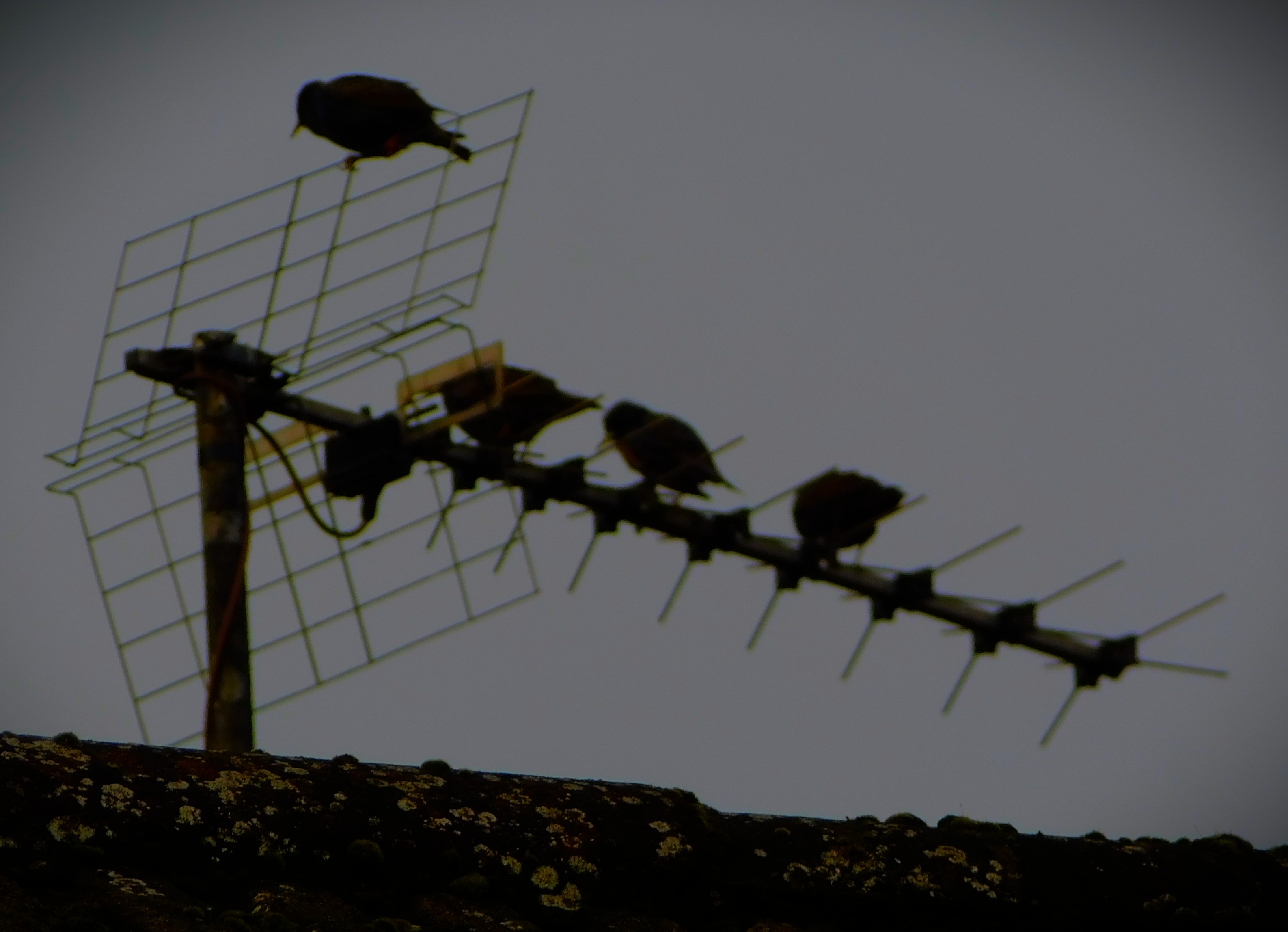
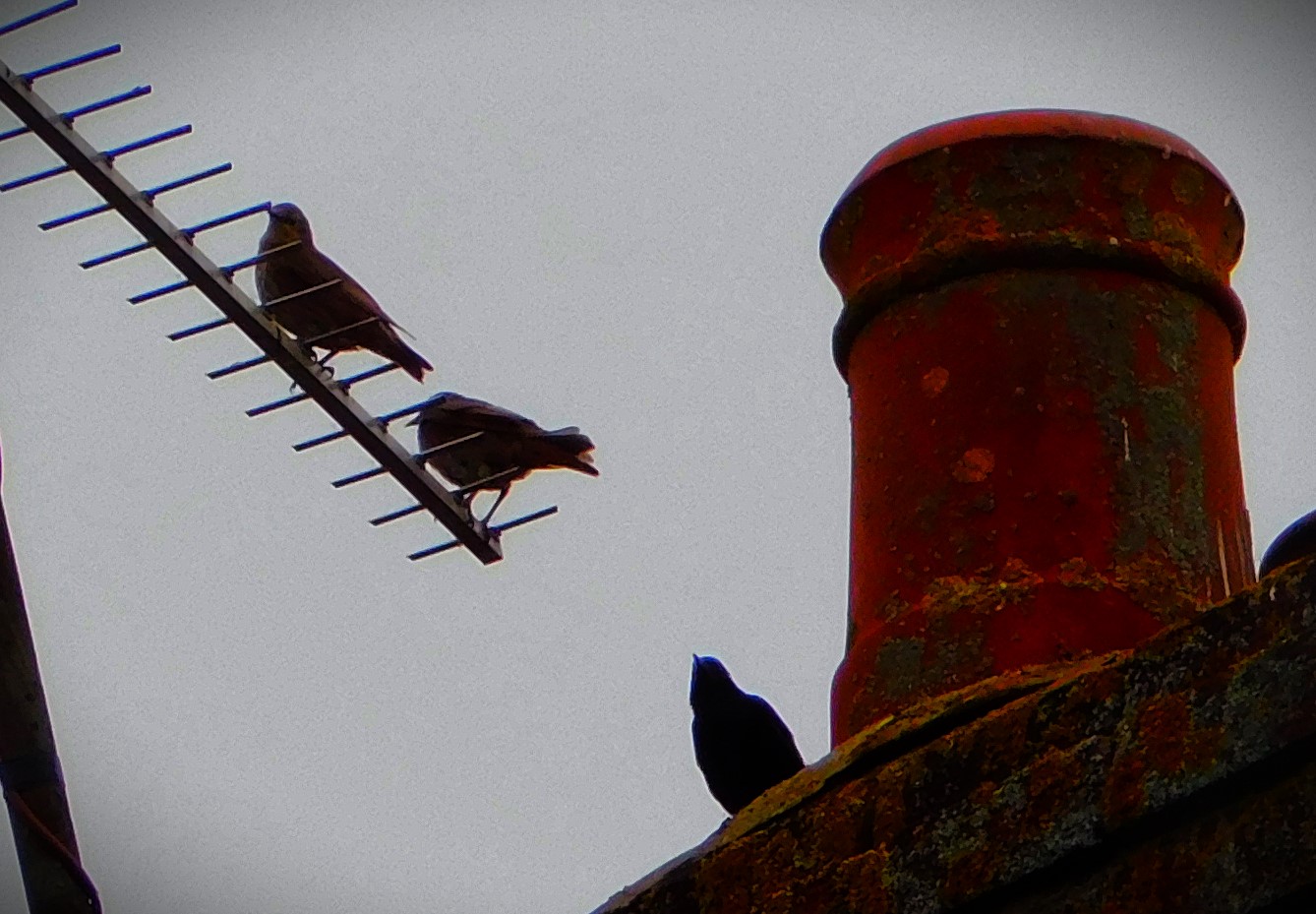
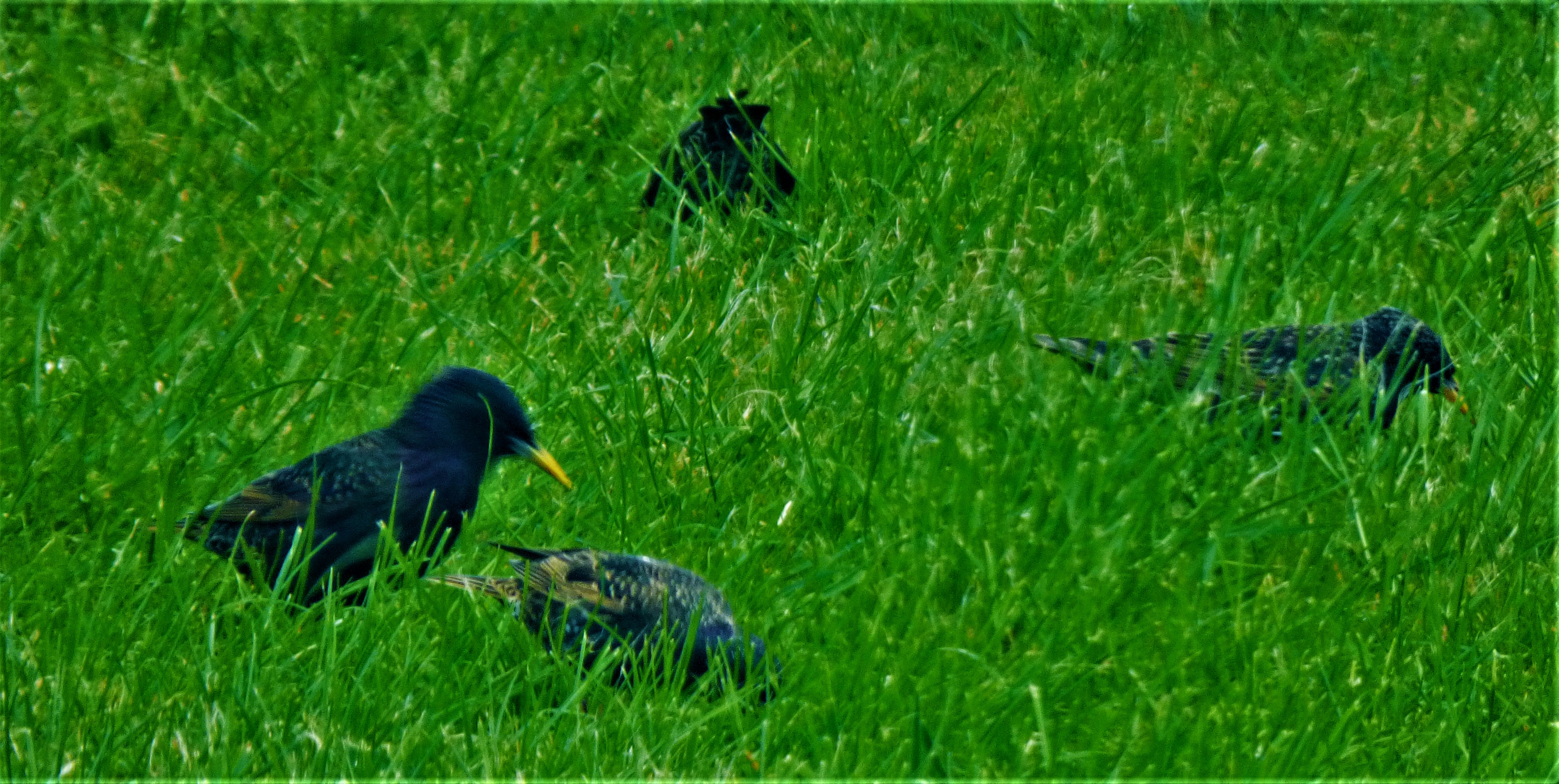
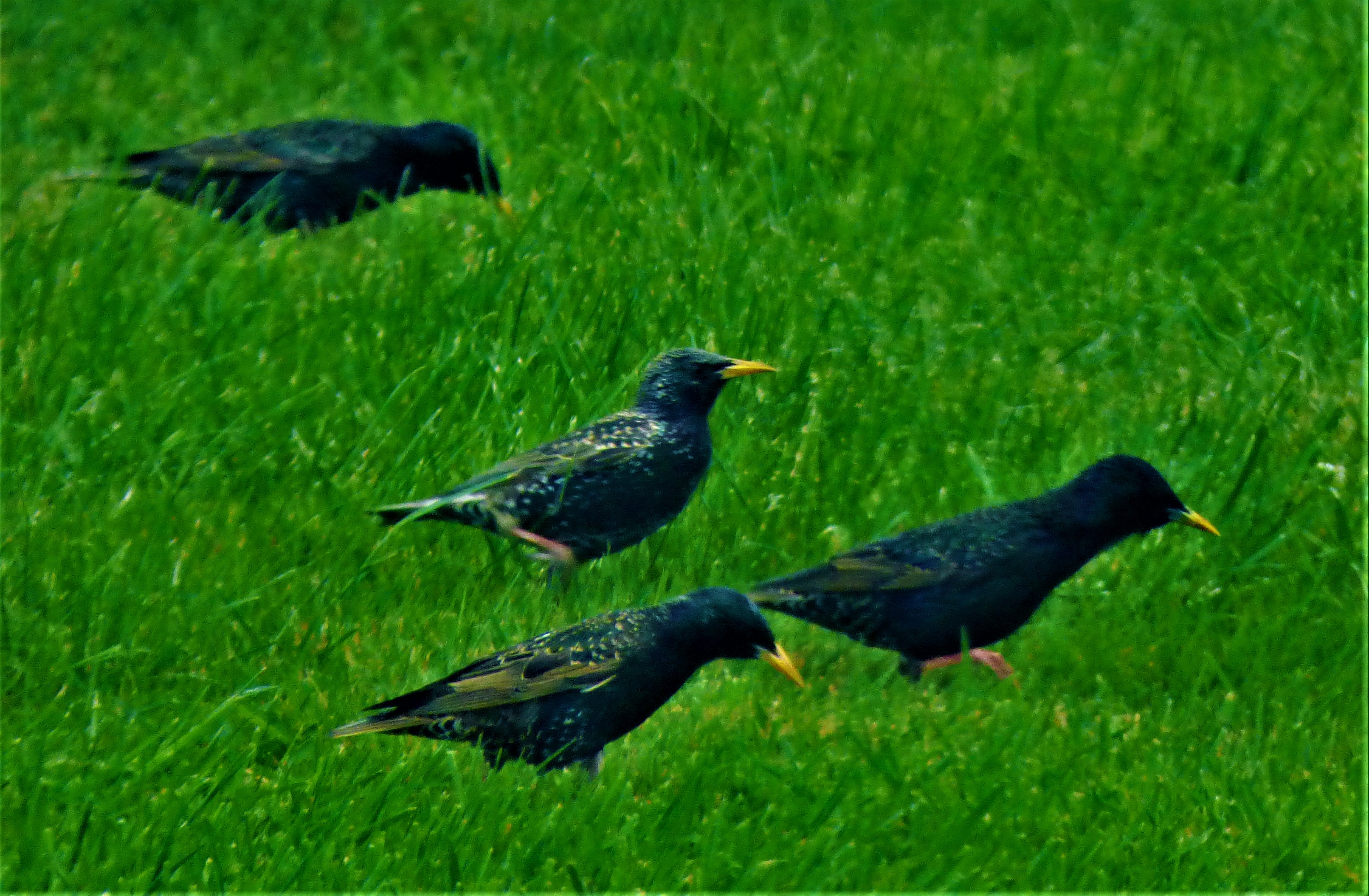
Four starlings all perfectly positioned for the camera at one time.
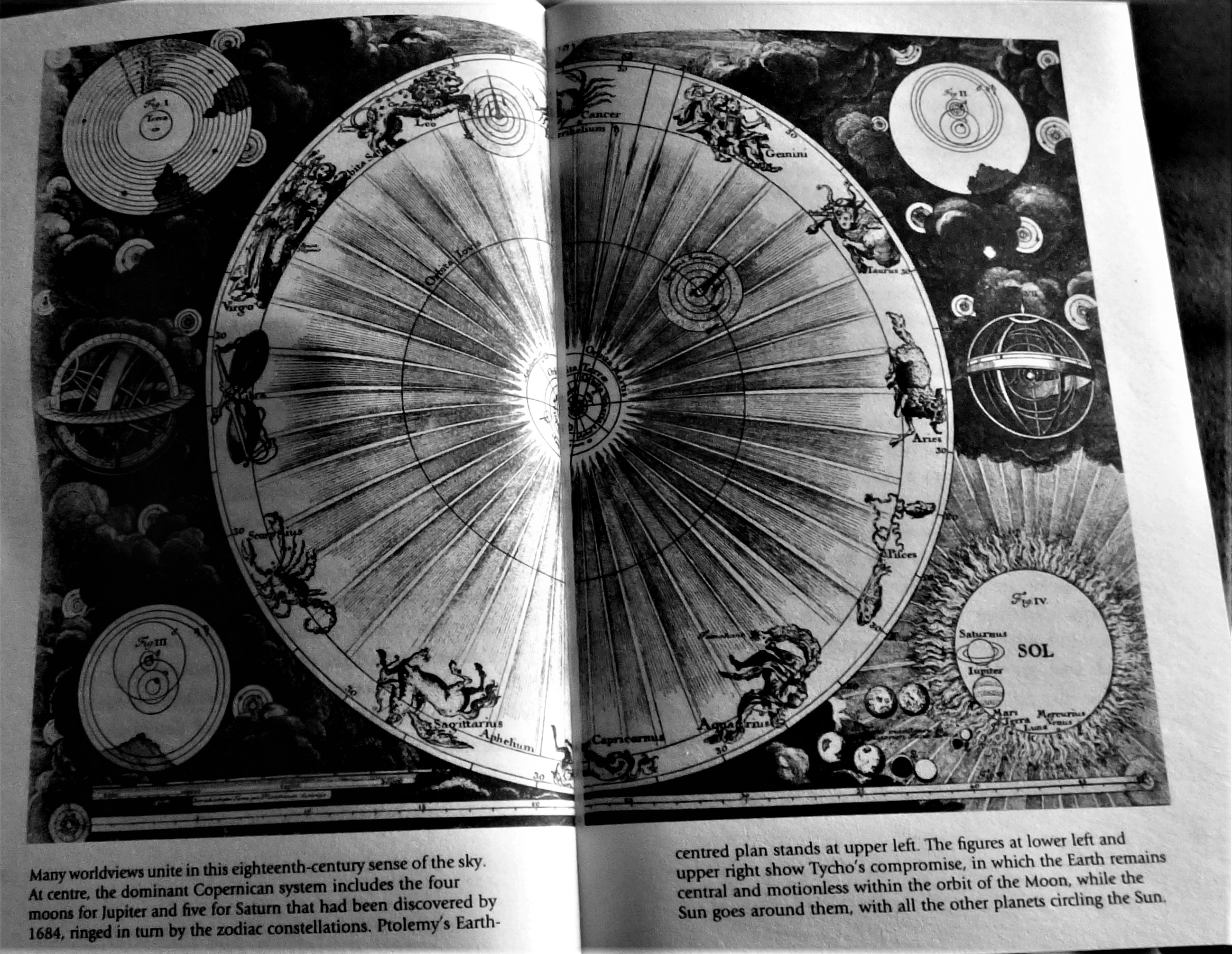
A double-page spread illustration in Dava Sobel’s “Planets”
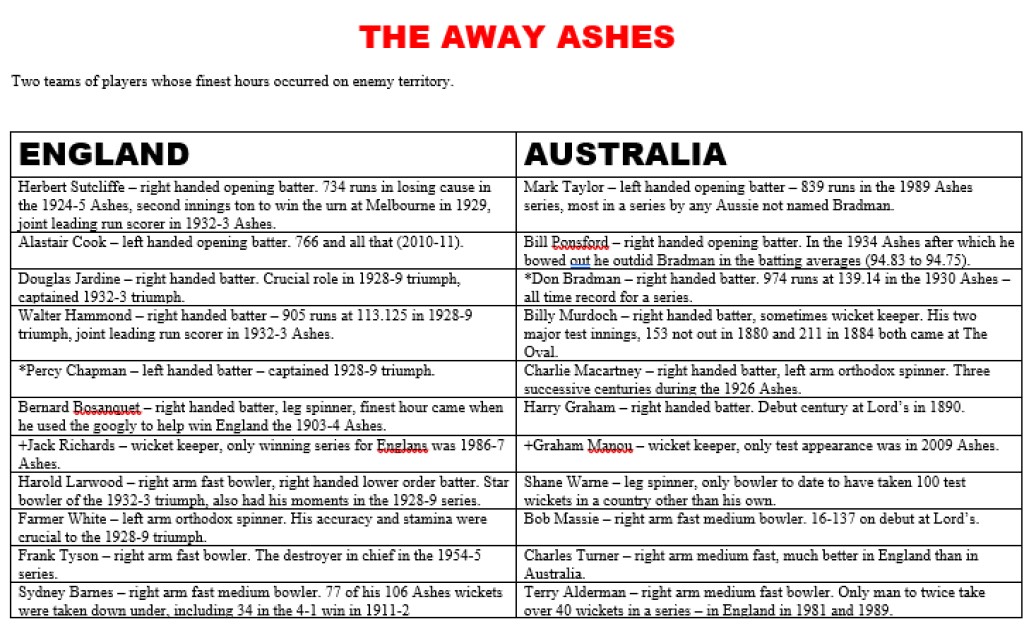
The teams, in tabulated form with abridged comments.
A view of where things stand in fifth Ashes test at The Oval, and what the likely result means for England, plus a photo section that invites reader involvement – one of these pictures will be in the 2020 wall calendar.
INTRODUCTION
England seem likely to make the 2019 Ashes series a 2-2 draw either later today or some time tomorrow, after a good second innings batting performance secured their control of a game in which Australia by dreadful batting ceded the initiative to England on Friday. This post, written as I prepare myself for Heritage Open Day, looks at what is going on there and examines the merits and demerits of what the likely result of this match means for England. However, before I get into the main body of this post there is a small matter of business to attend to…
A CORRECTION TO MY PREVIOUS POST
On previous occasions when such has been necessary I have made it clear that it is policy on this blog not to do the equivalent of burying corrections in six point type in the middle of page 27. Therefore I am giving due prominence to a mistake I made in regard to this year’s County Championship. Somerset are indeed comfortably ahead of Essex at the top with no one else having a chance of taking the title, but I said in my previous post that they had a game in hand. This was an error – I misread the presentation of the table on cricinfo as saying that the game Essex were playing, which was still in progress, was their 13th, because their games played appeared as 12* which I took to mean that they had already played 12. In actuality the game in progress was their 12th, and I take this opportunity to correct the error. What this means is if Somerset and Essex both win their next games, Somerset will need a draw in their final match, which is a showdown against Essex to secure the title, if Somerset win and Essex don’t then Somerset will effectively be over the line with a game to spare, while victory for Essex and any other result for Somerset would make the final game a true “winner takes all” affair.
A POTENTIAL PYRRHIC VICTORY
The phrase “Pyrrhic victory” comes from king Pyrrhus of Epirus who won a battle against the then fledgling Roman empire but said when congratulated on his victory “I cannot afford another such victory”. Not many years later Epirus became a province of Rome. Why do I describe the victory that England are approaching in the fifth Ashes test as Pyrrhic?
The Ashes are still Australia’s, so it changes nothing in that regard, while
By giving a 2-2 series scoreline it creates an excuse for inaction on the part of the selectors that would not be there had the final scoreline been the 3-1 to Australia that cricketing justice demands, so on that ground it is a classic case of a victory that is at least potentially damaging to the victor’s long term hopes
Several players who should probably be facing the axe have produced performances that may just save them (Buttler with two decent innings in the game, and Denlywith a second innings 94 – such is the proportion of his runs that have now come in second innings efforts that he is turning into a batting equivalent of Andy Caddick, only less good, to name but two).
Thus in many ways it would actually be better for England if Australia pulled off the mammoth second innings run chase that will be facing them. There were three unequivocal pluses for England in the first three days of this game – Burns‘ first innings 47, Archer’s second haul of six wickets in a test innings and Sam Curran’s wickets (although he does not have the pace to pose much of a threat when the ball is going through straight – without lateral movement he is a blunt sword). Australia have not been at the races in the three days we have had thus far, but I acquit them of trying to lull England into a false sense of security because I am well aware that no Aussie team would ever willingly accept defeat at England’s hands – it is just happens to be the case that a poor performance here may end up helping them in the long term, depending on exactly how ostrich-like Ed Smith and co turn out to be.
Given the size of the total Australia will be facing, and the only remotely likely way they will get anywhere near chasing to down, just for the record Steve Smith needs 224 to bring his series aggregate to 975 and claim one of Don Bradman‘s records for himself.
PHOTOGRAPHS
A variation of my usual sign off. I am presenting various pictures of a full moon from a couple of days ago, one of which will feature in my 2020 wall calendar. Please use the comments to nominate your choice…
An account of the opening salvos in the Women’s Ashes and some photographs.
INTRODUCTION
Unlike the original Ashes, which have been fought for since 1882, the Women’s Ashes is contested across multiple formats. The current scoring system awards two points for a win in a limited overs match, 1 for a no-result and 0 for a defeat, while the sole test match is worth four points.
A Classic Match
The first of three ODIs that the women will be contesting took place at the Allan Border Field in Brisbane. Australia won the toss and put England in to bat. Several England players got starts but none managed to build a really substantial score, Lauren Winfield leading the way with 48. A total of 228 off 50 overs did not look like it was good enough, and in the end it wasn’t.
Eng;land bowled better than they had batted, and at 87-4 Australia were looking distinctly shaky. Alex Hartley failed to hold a return catch offered by veteran Alex Blackwell when the latter had 35 to her name, and Australia were behind the rate, Talia McGrath having occupied 26 balls for a score of 7. This missed chance and some aggression from Ash Gardner (27 off 18) made the difference, Australia getting home in the final over with Blackwell unbeaten on 67.
A highlight of this match was the preponderance of quality spin bowling on show – in Gardner, Amanda-Jade Wellington and Jess Jonassen Australia had three high-class practitioners, while Hartley and the experienced Laura Marsh both bowled well for England.
ON THE DISTINCTION BETWEEN ‘WOMEN’S ASHES’ AND ‘ASHES’
This applies across the board, and not just to cricket between England and Australia, but this seems a suitable place to mention this. I see the distinction between these categories as that between a restricted (“Women’s”) and an open category – if a woman is able to play alongside the men she should have the right to do so – the existence of Women only teams is an acknowledgement that few women could because the men are generally larger and stronger. Similarly if a disabled athlete happens to be performing comparably to their able-bodied counterparts they should be able to compete alongside them.
In terms of cricket I would expect that a woman who earned selection for ‘The Ashes’ as opposed ‘The Women’s Ashes’ would not be a specialist fast-bowler, but I could see spinners, wicket-keepers or batters earning selection.













































































































































































































































































 aspiblog