A whistlestop tour of the greatest highlights of an outstandingly successful auction that took place on Wednesday.
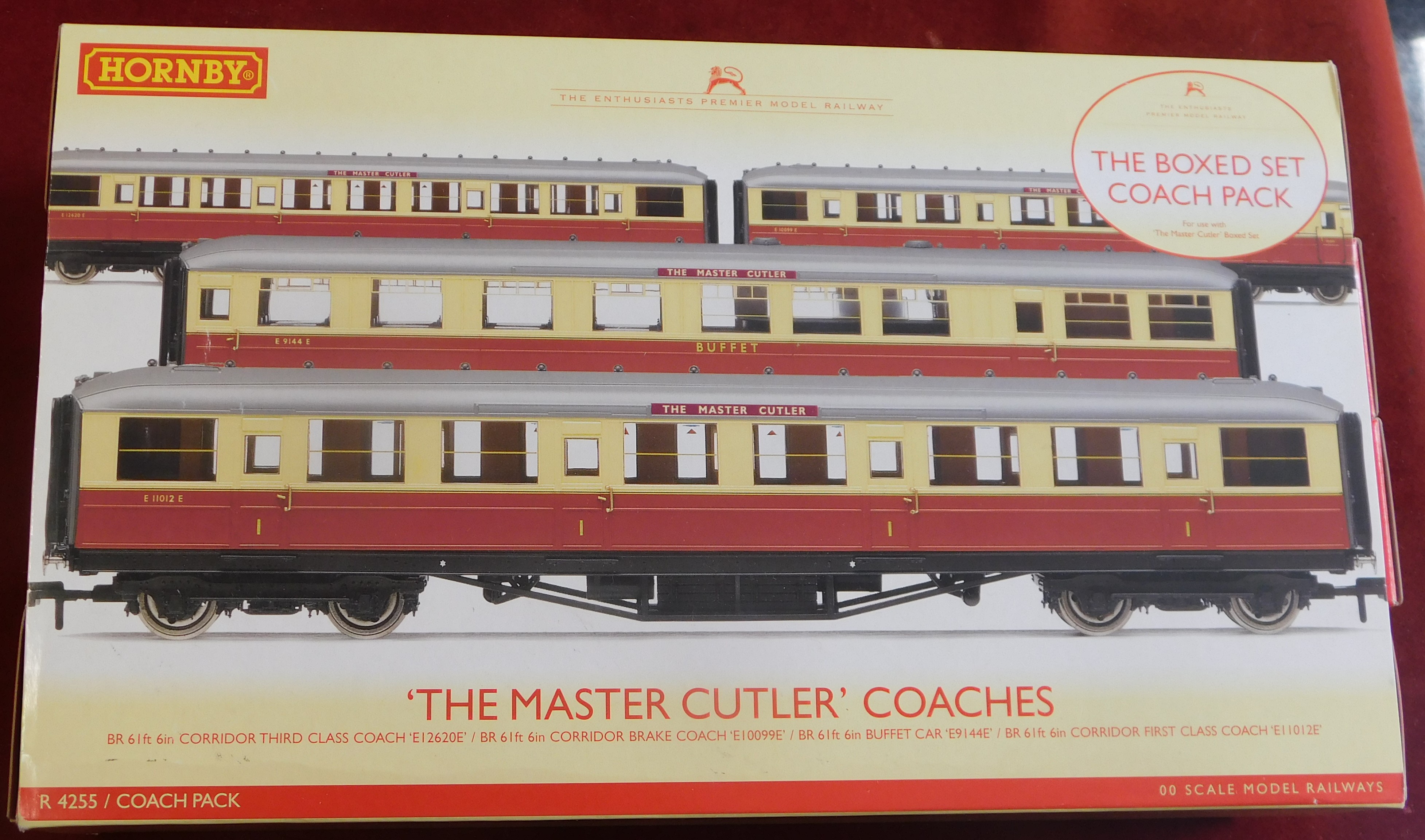
On Wednesday just over 500 lots of mainly railway models went under the hammer at James and Sons. I had produced somewhere close to 3,000 images for this auction which gave me particular interest in proceedings. It was an extraordinarily successful auction, and my list of big achieving lots ran to about 80, and I had mentally adjusted my normal threshold for this upwards by some way early in the auction when it was obvious how it would go. For the rest of this post I am going cover a very few of these highlights.
THE HIGHLIGHT LOTS
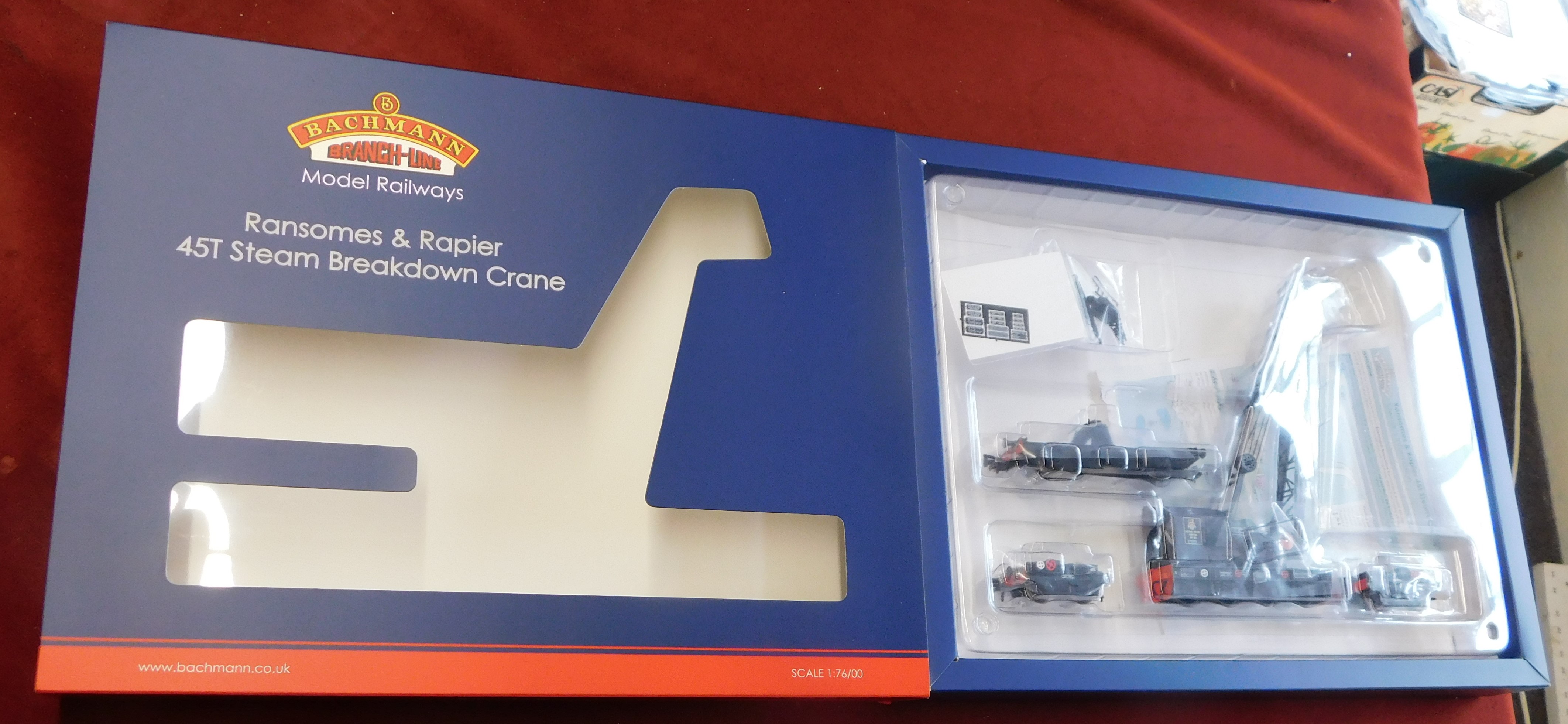
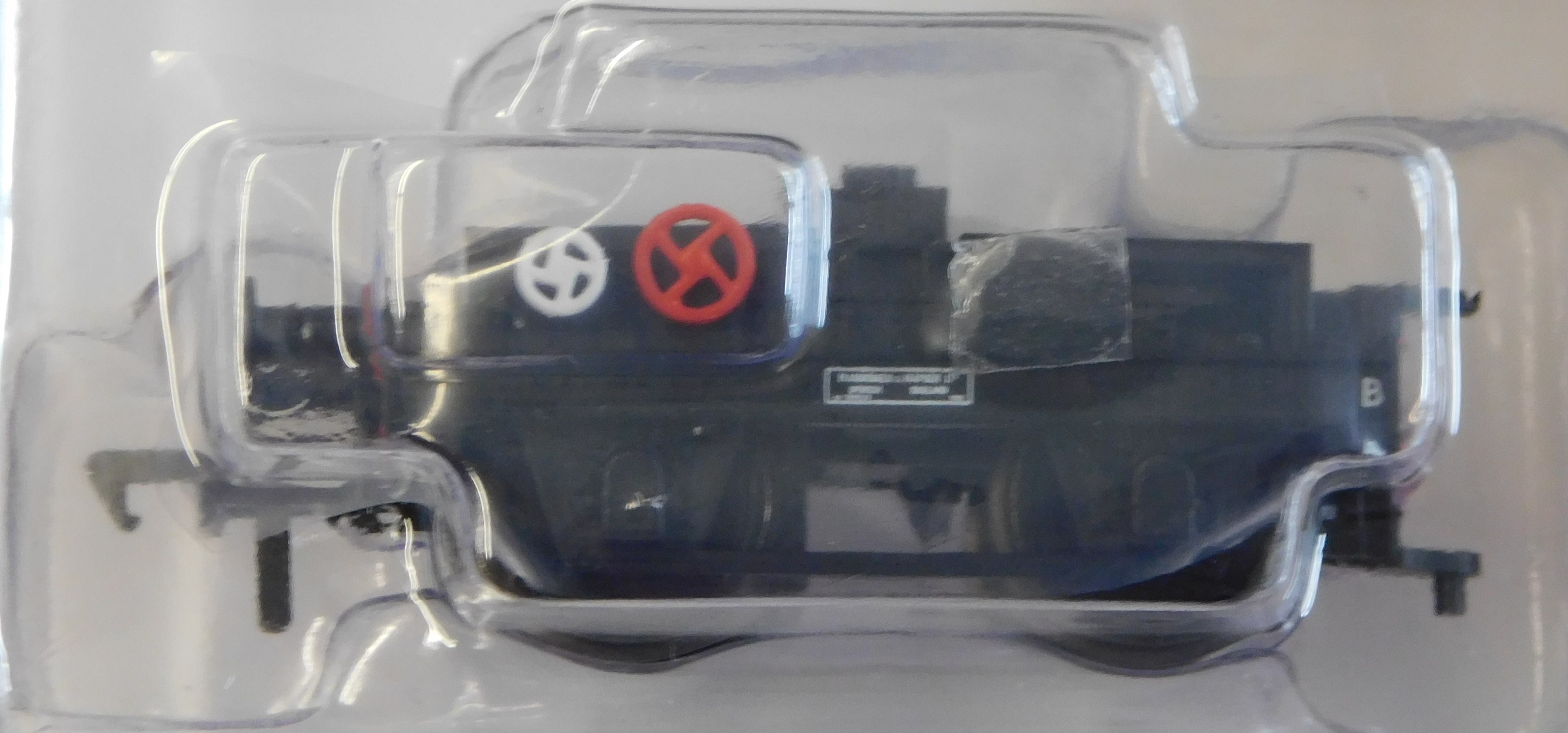
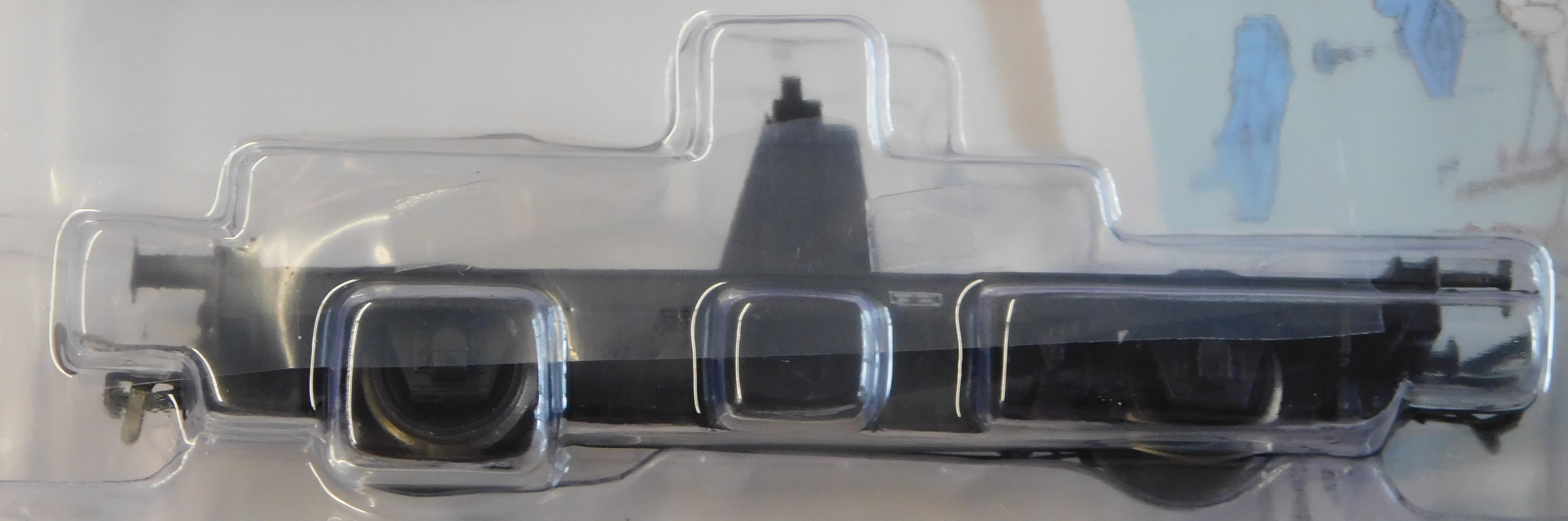
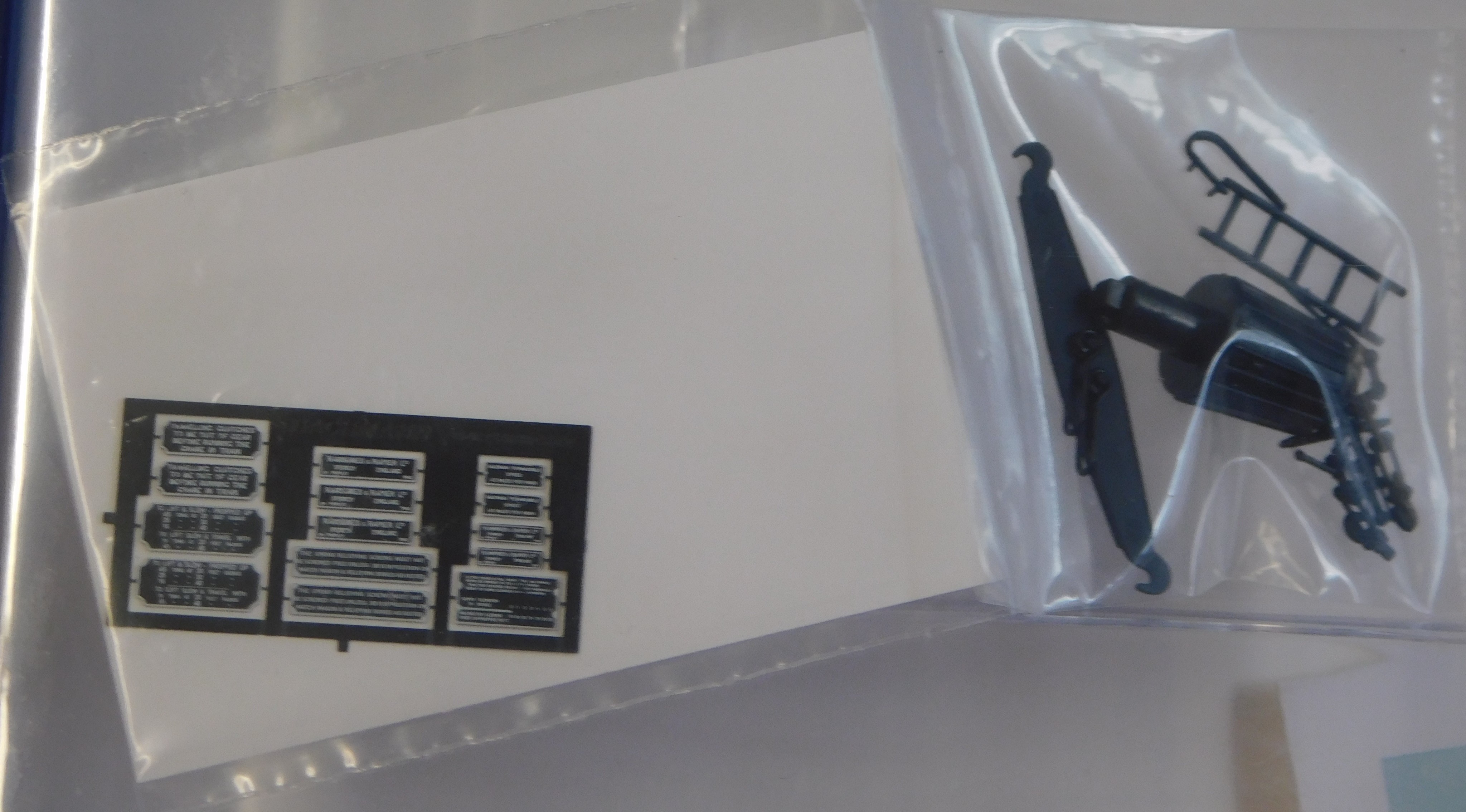
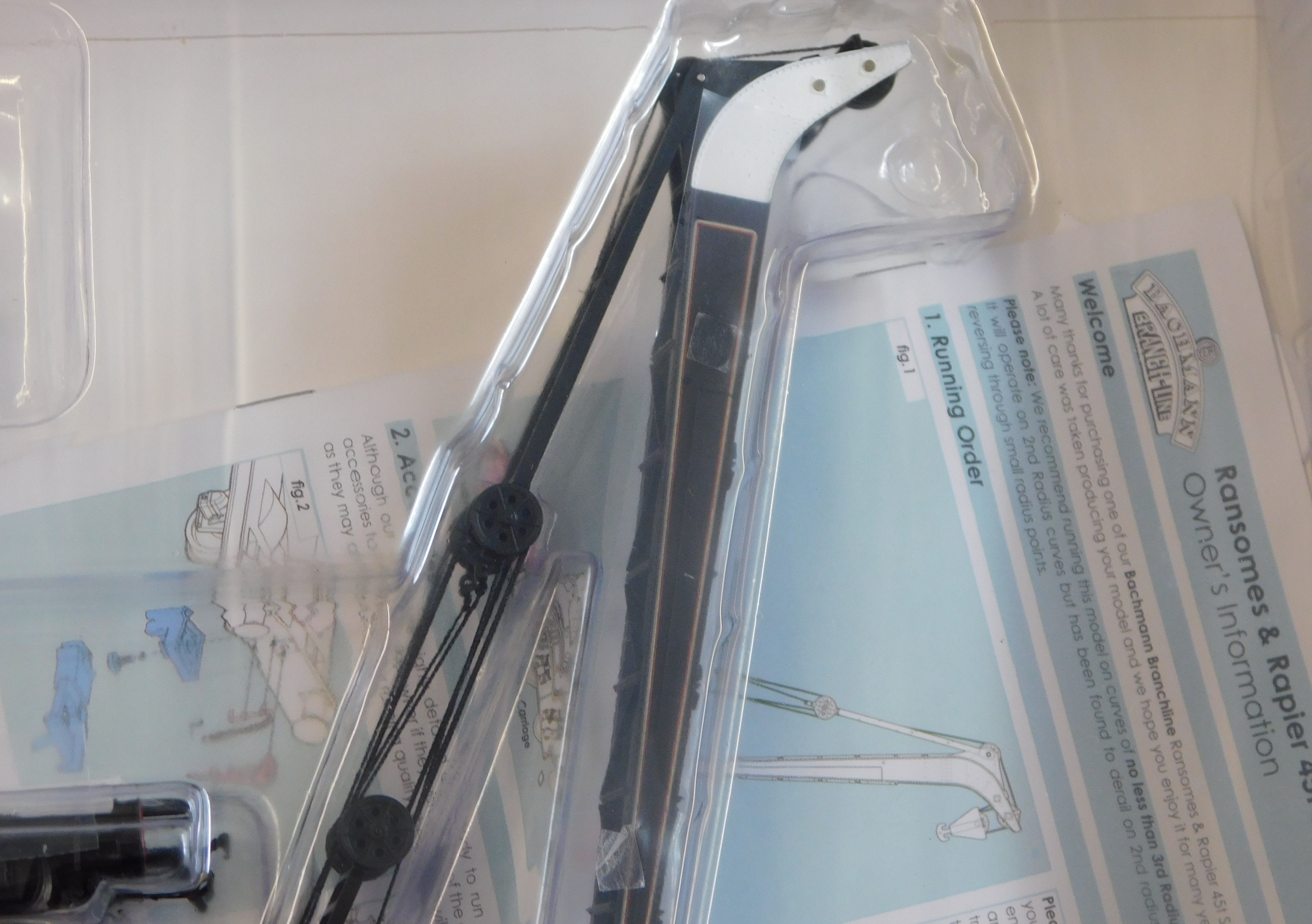
Lot 507, a Bachman Aston Steam Breakdown Crane expected to fetch £30-40 climbed all the way up to £110. Here is the image gallery for that lot:
The main imageI dared not unseal this any further, so all the close ups were taken through the plastic.
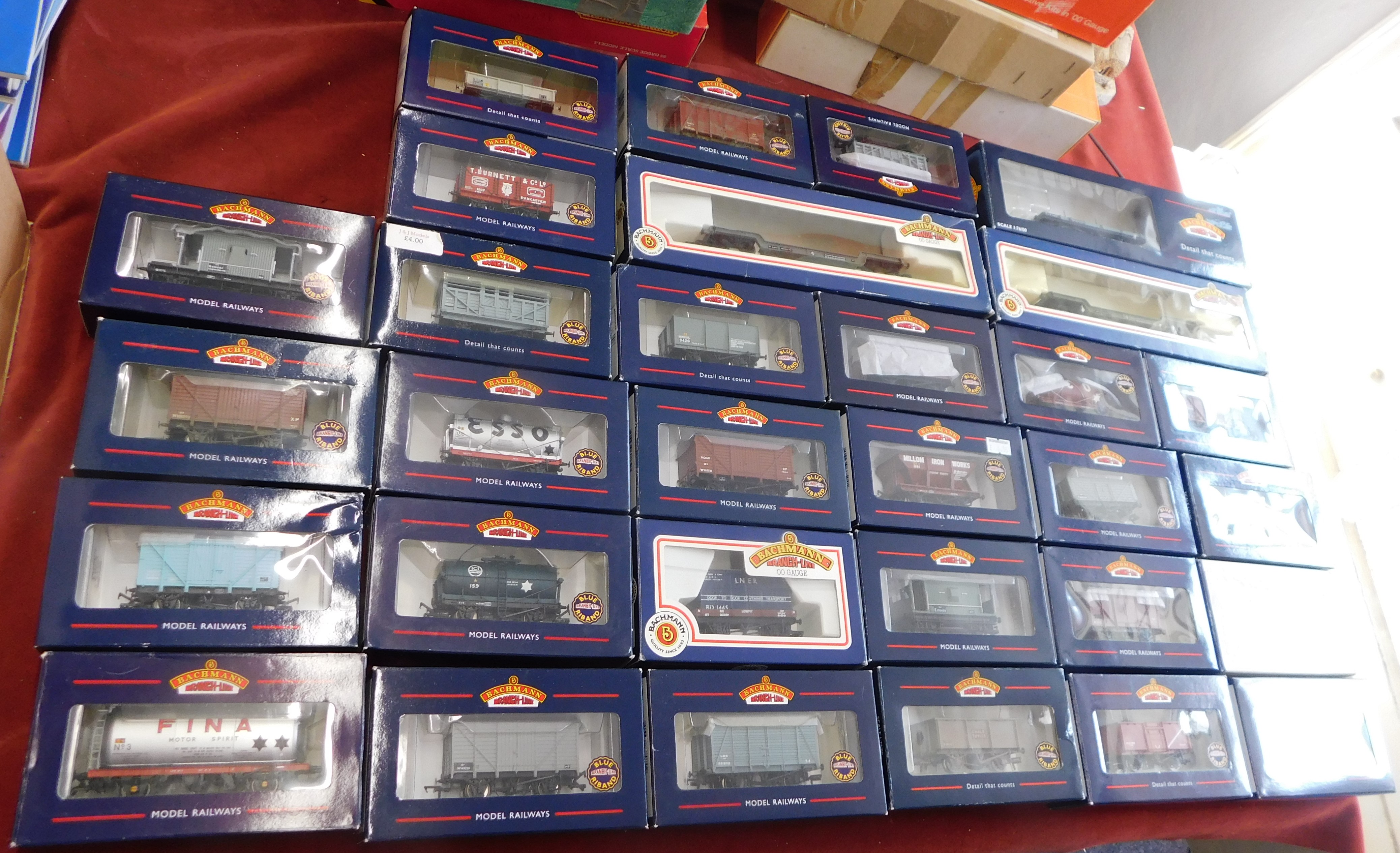
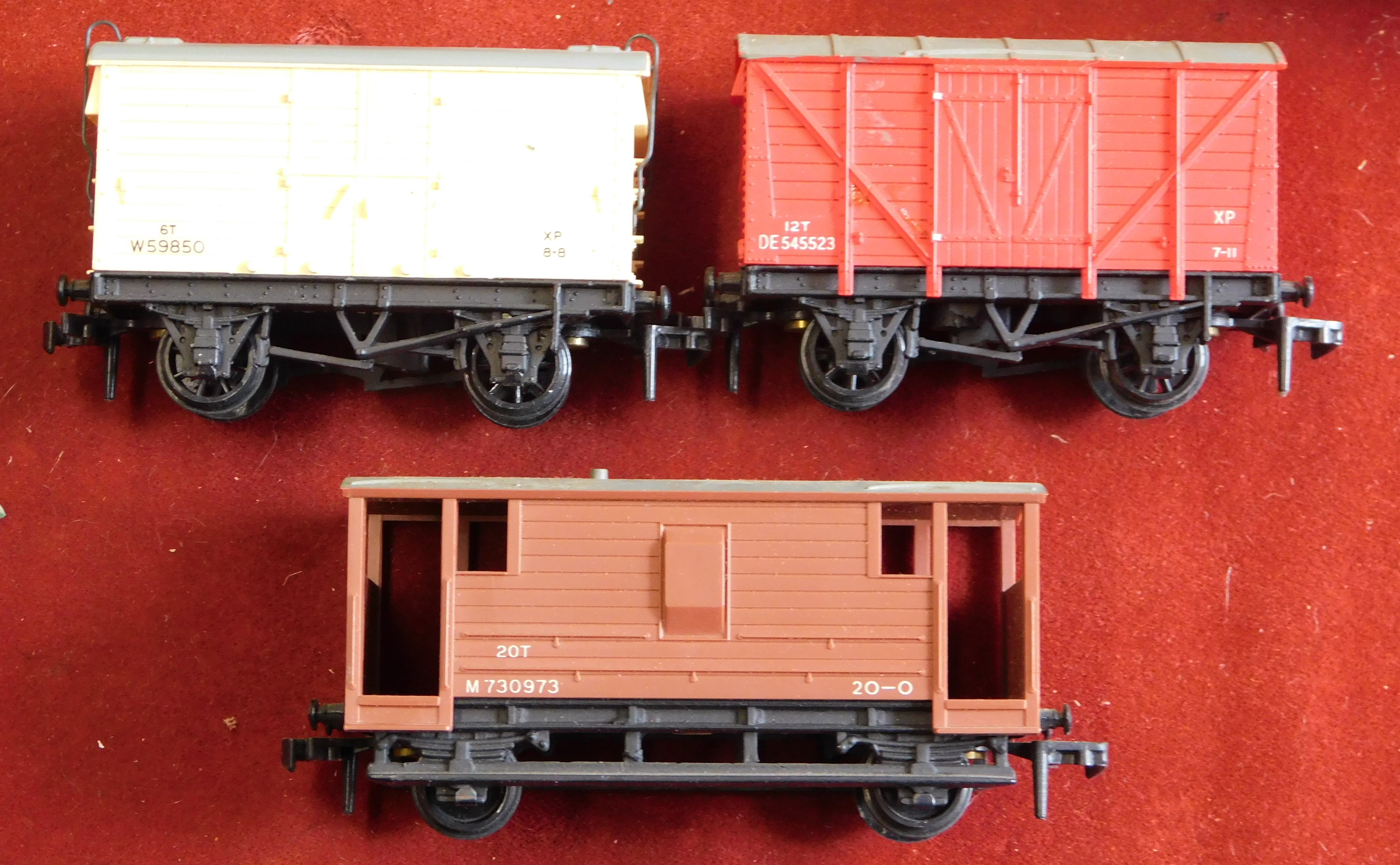
Lot 509, a large range of Bachman wagons expected to get 50-60 went for £180.
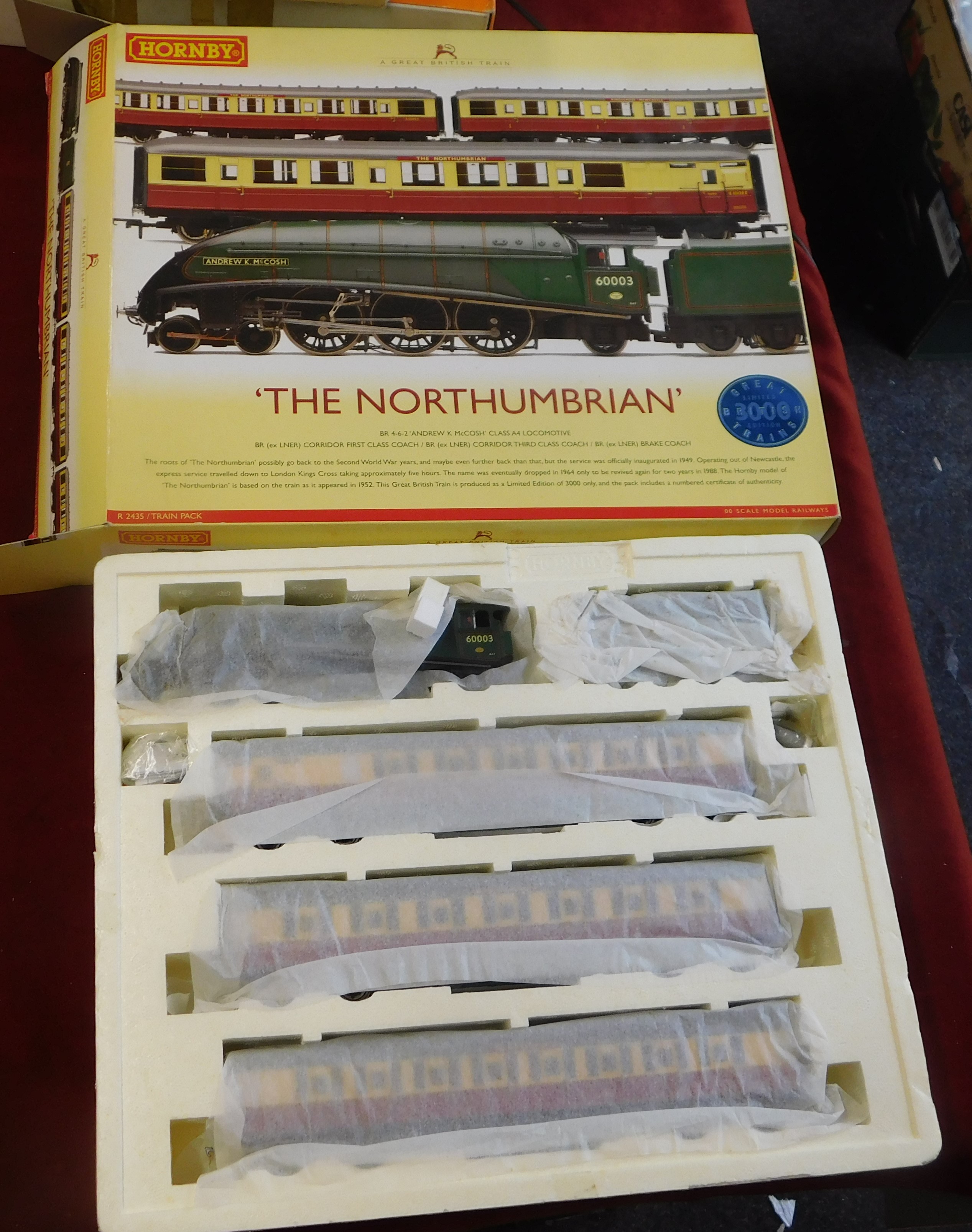
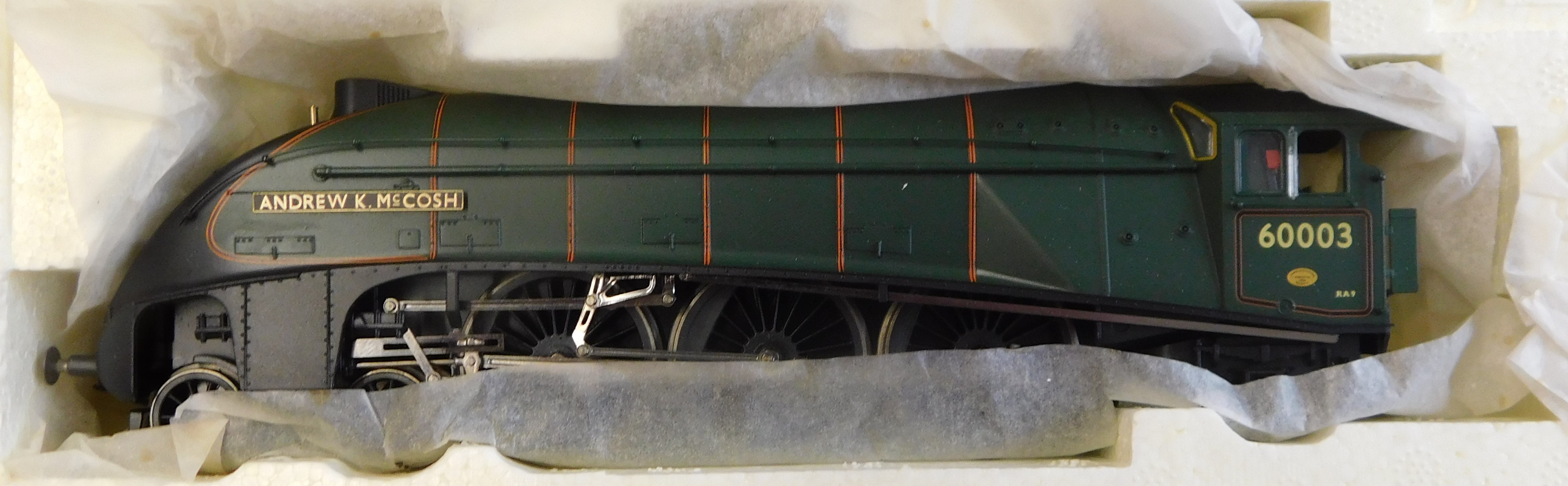
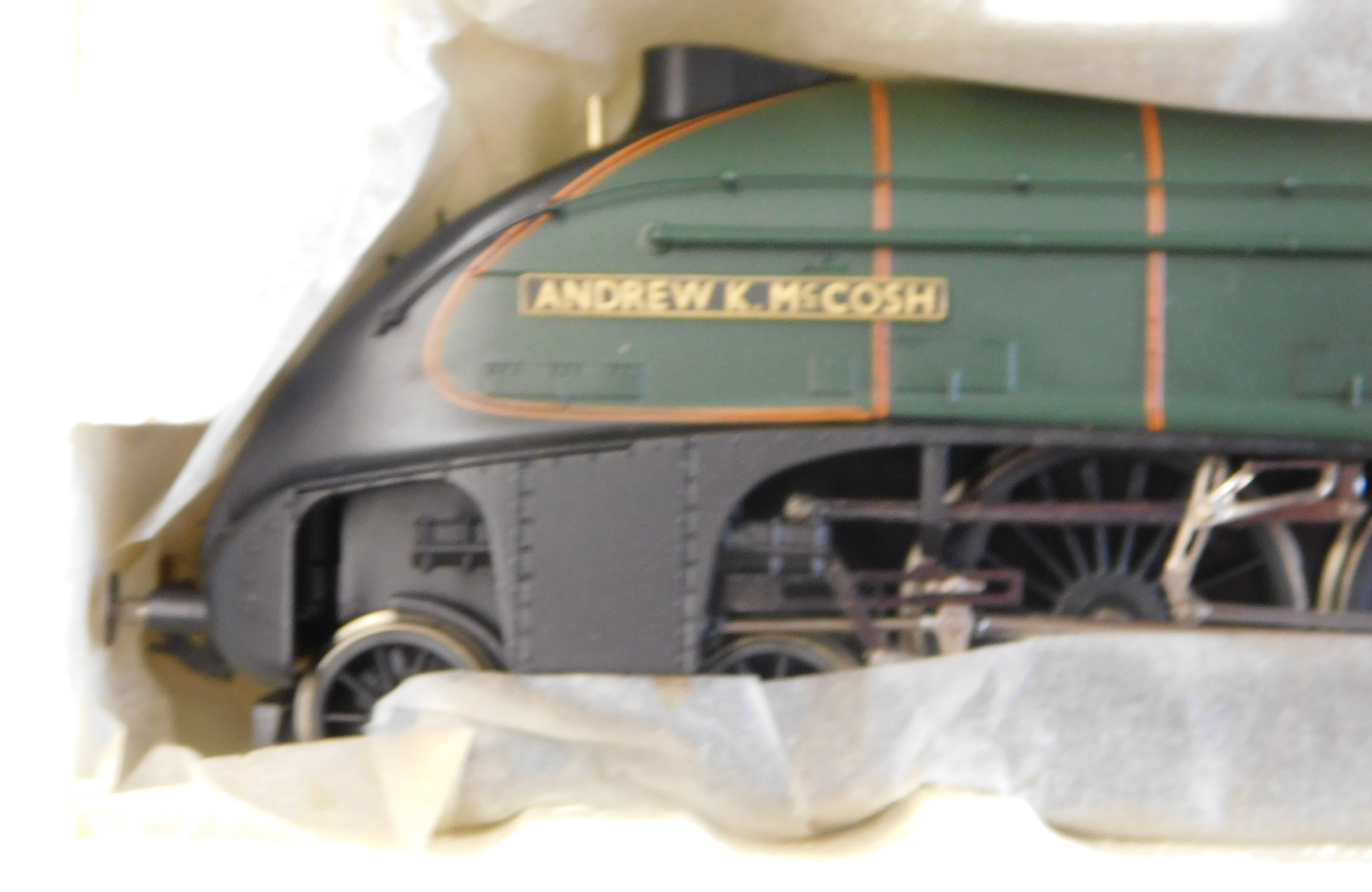
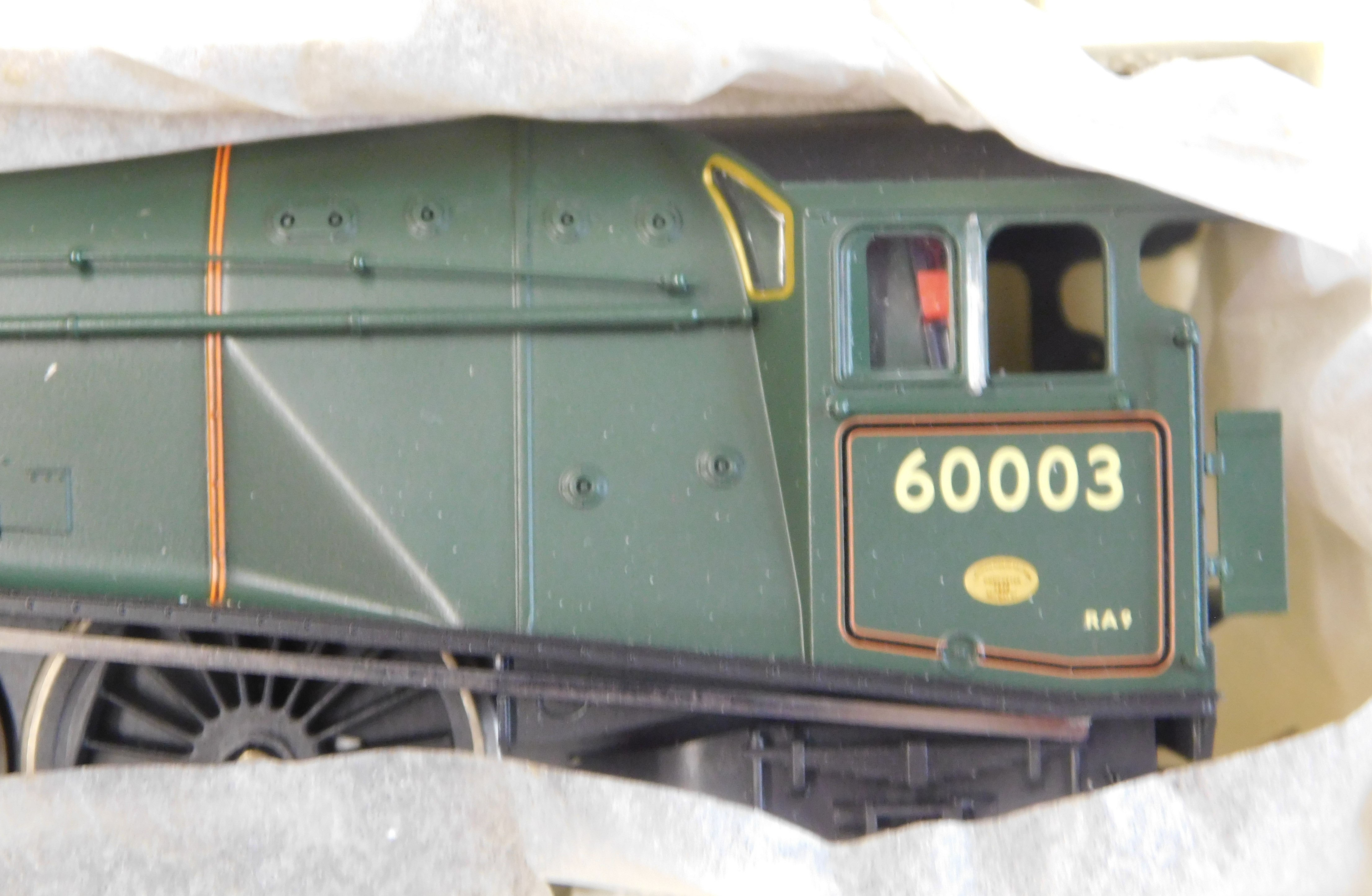
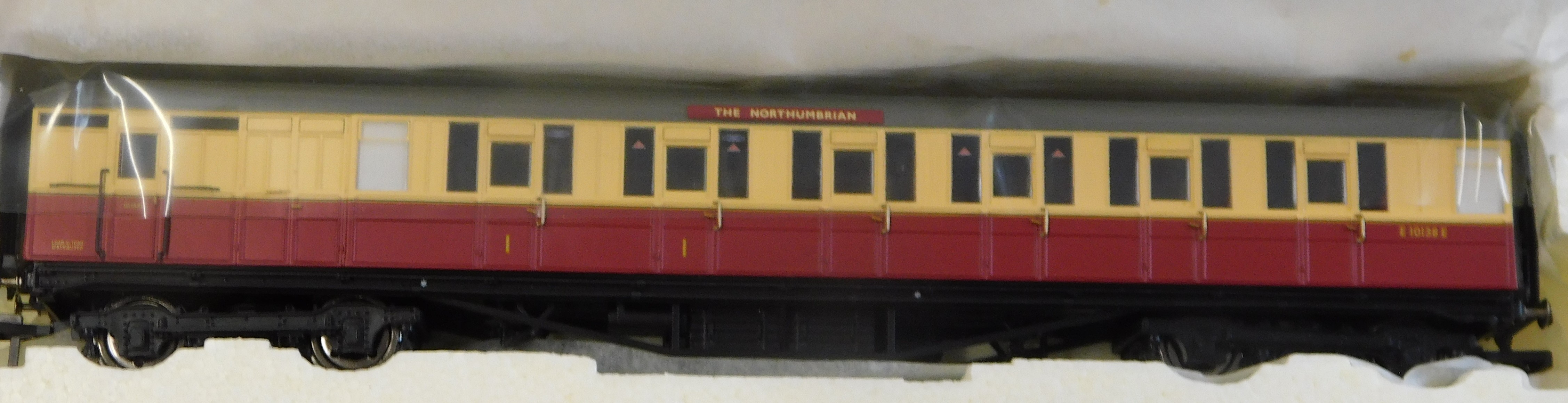
Lot 511 a boxed set of the ‘Northumbrian’ with certificate of authenticity, was estimated at 40-50 and went for £100.
The main imageThe locomotive, tender and coaches, all covered.The locomotive, briefly and carefully uncovered for the purpose.A close up of the front where the nameplate is……and of the rear (note the driver).The tender, with a wonderfully clear BR logo.A close up of one of the coachesThe crucial certificate of authenticity.
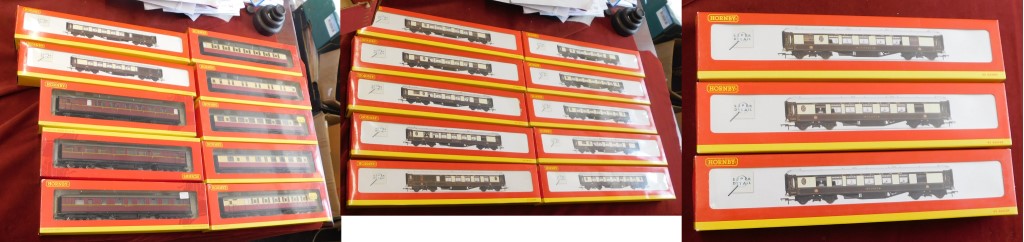
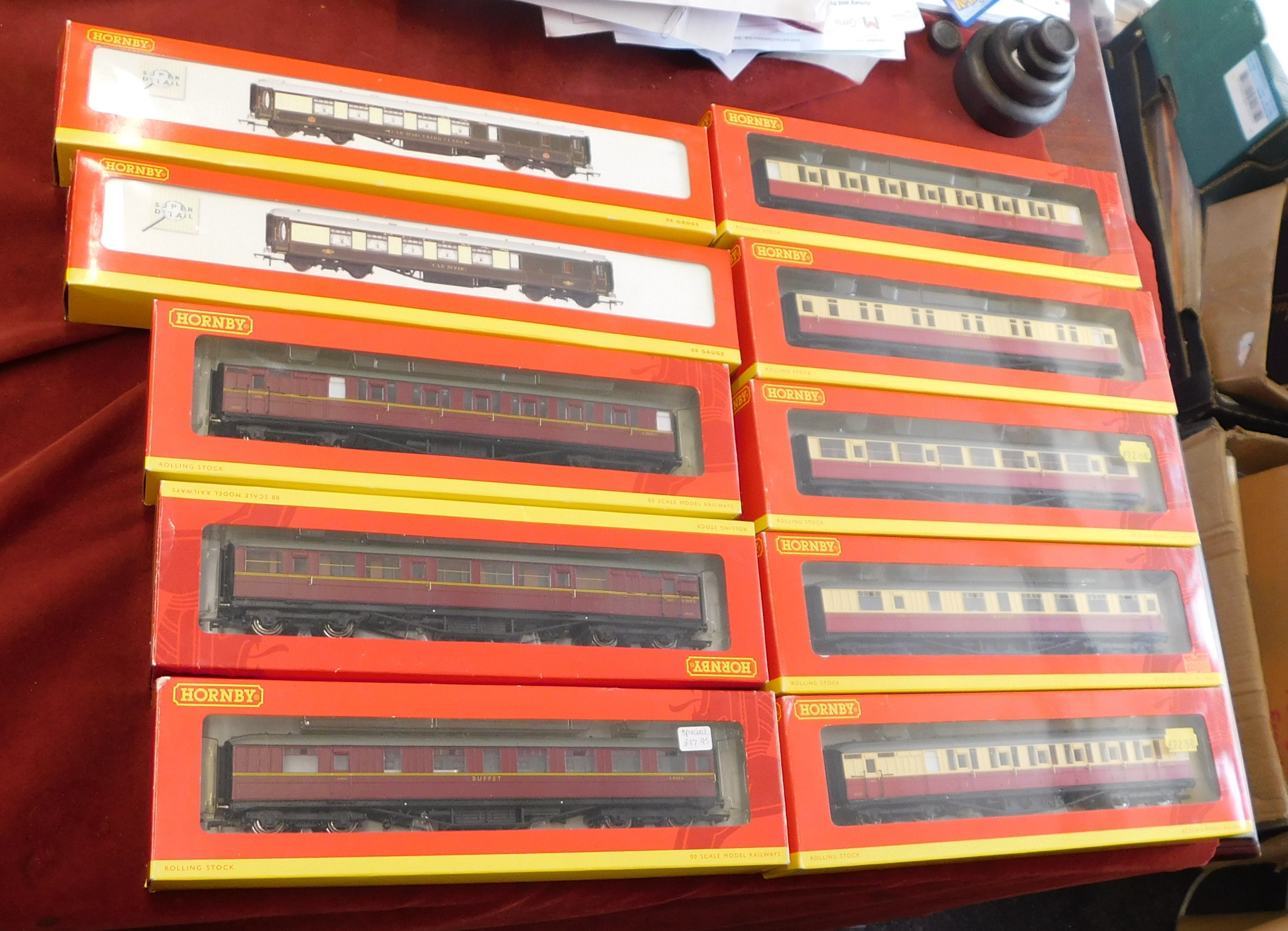
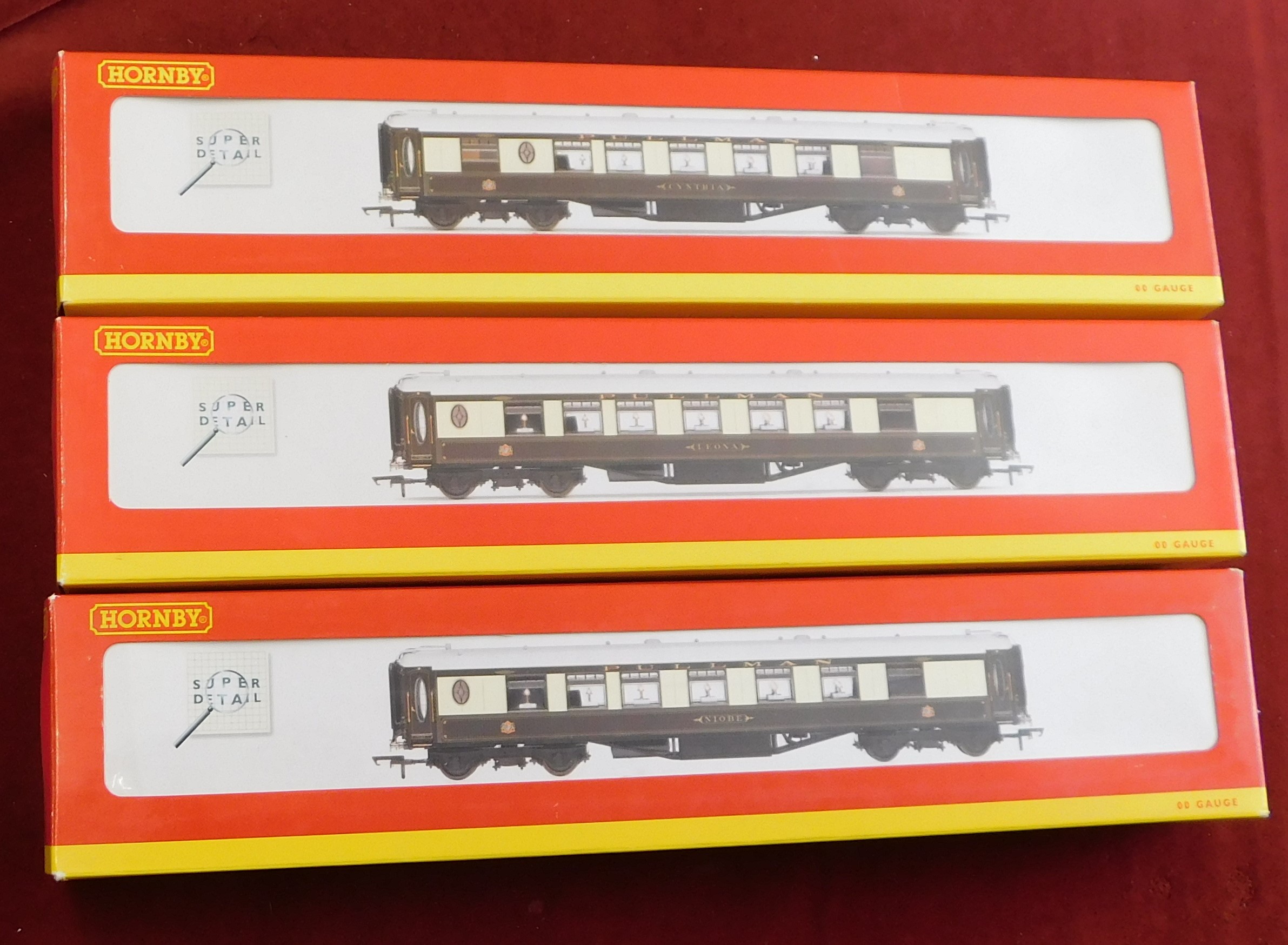
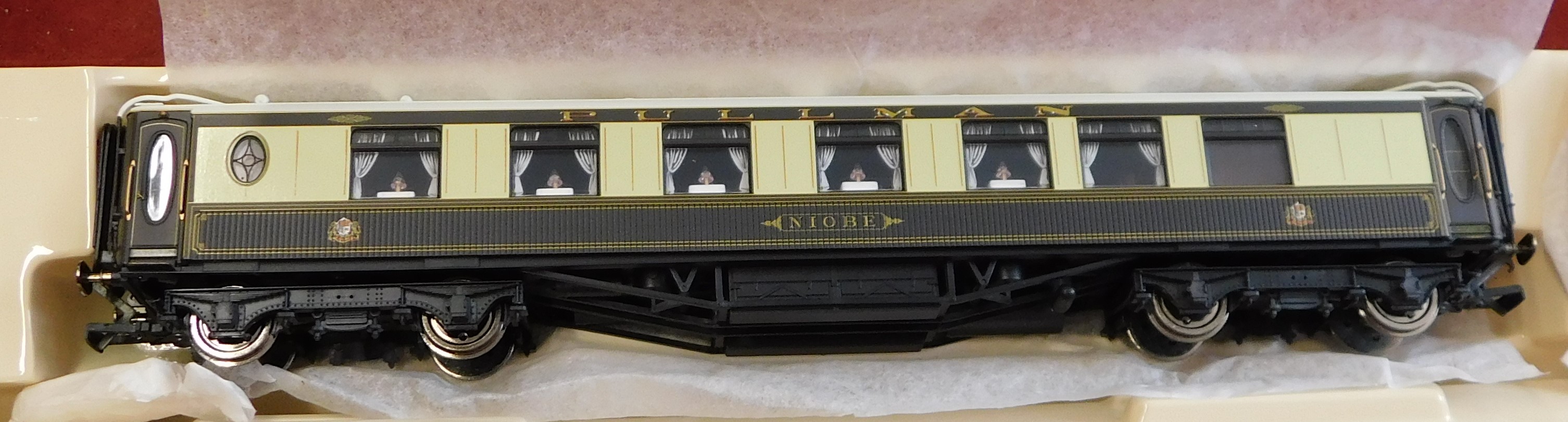
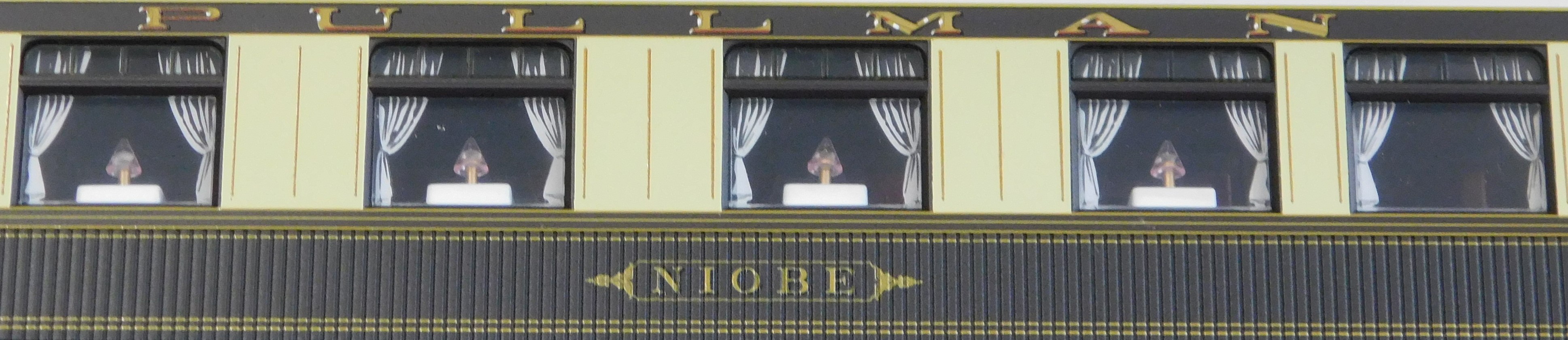
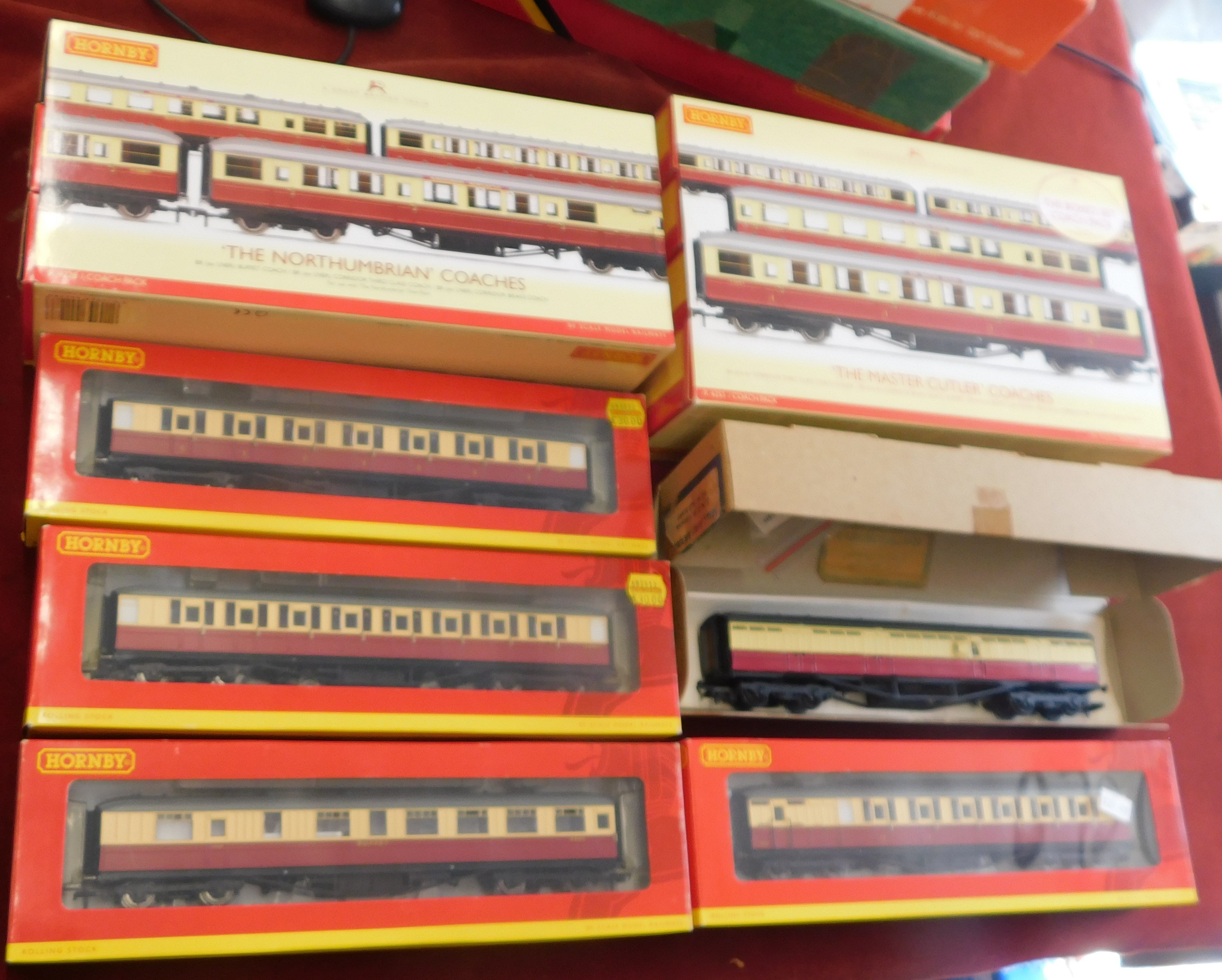
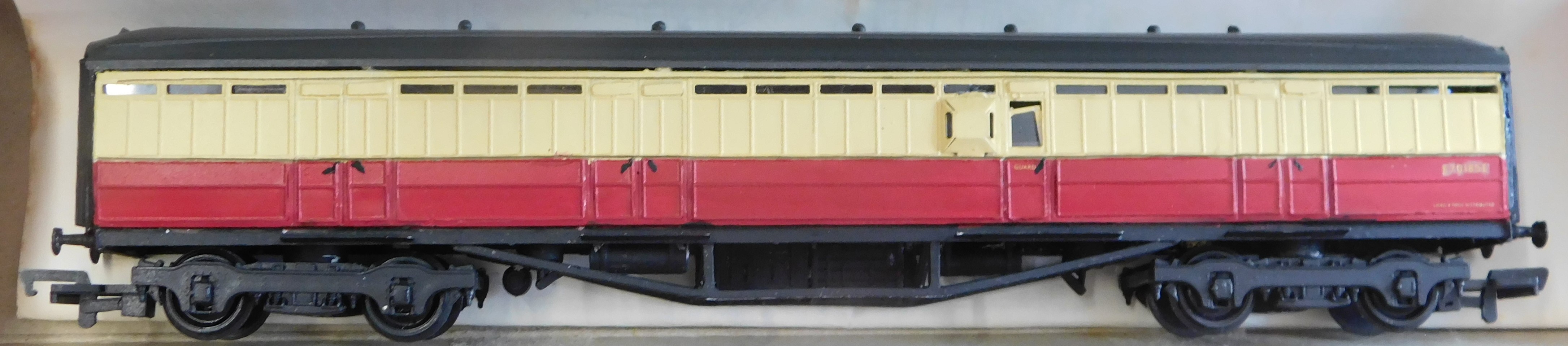
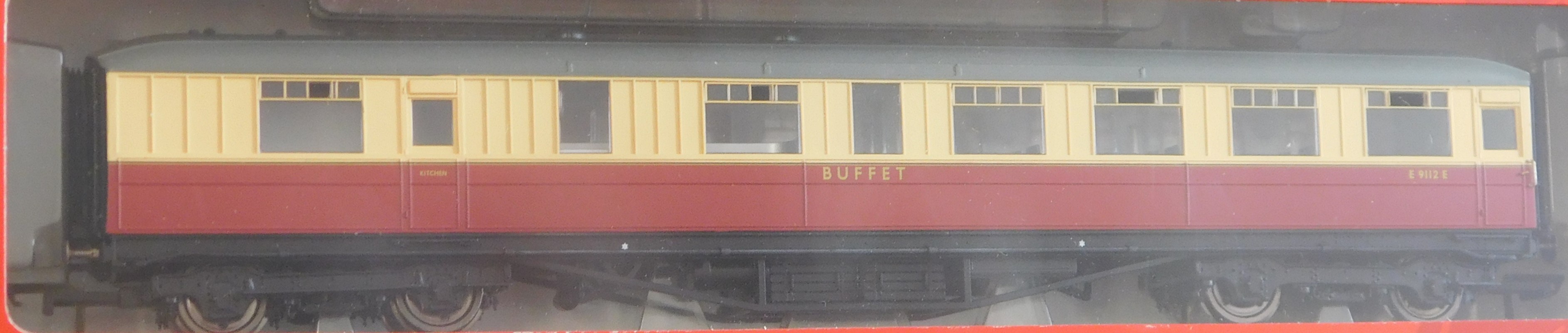
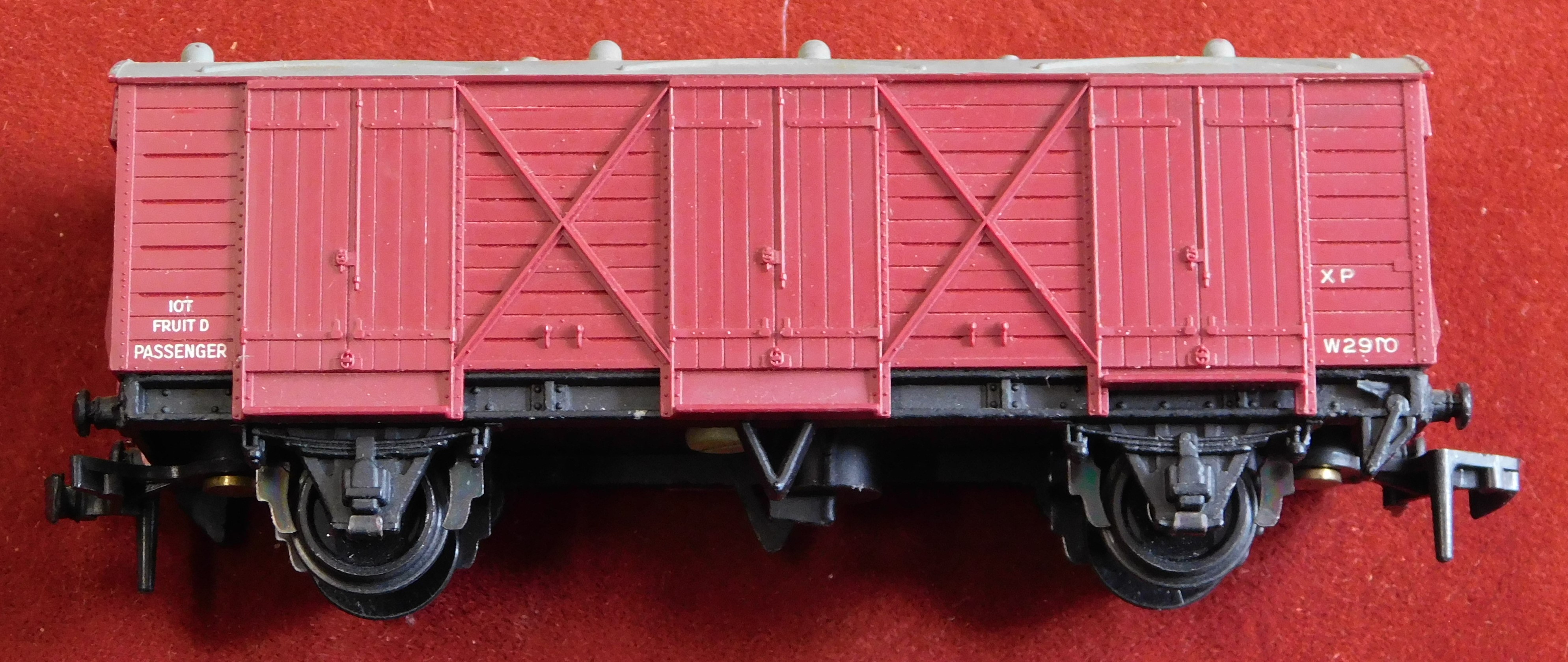
Lot 551, a large collection of Hornby Gresley and Pullman coaches expected to fetch 80-120 soared to £220.
This image is a composite of the next three (the only way I could image a lot of this size)I settled for close ups of a single coach from the collection, one of the Pullmans.
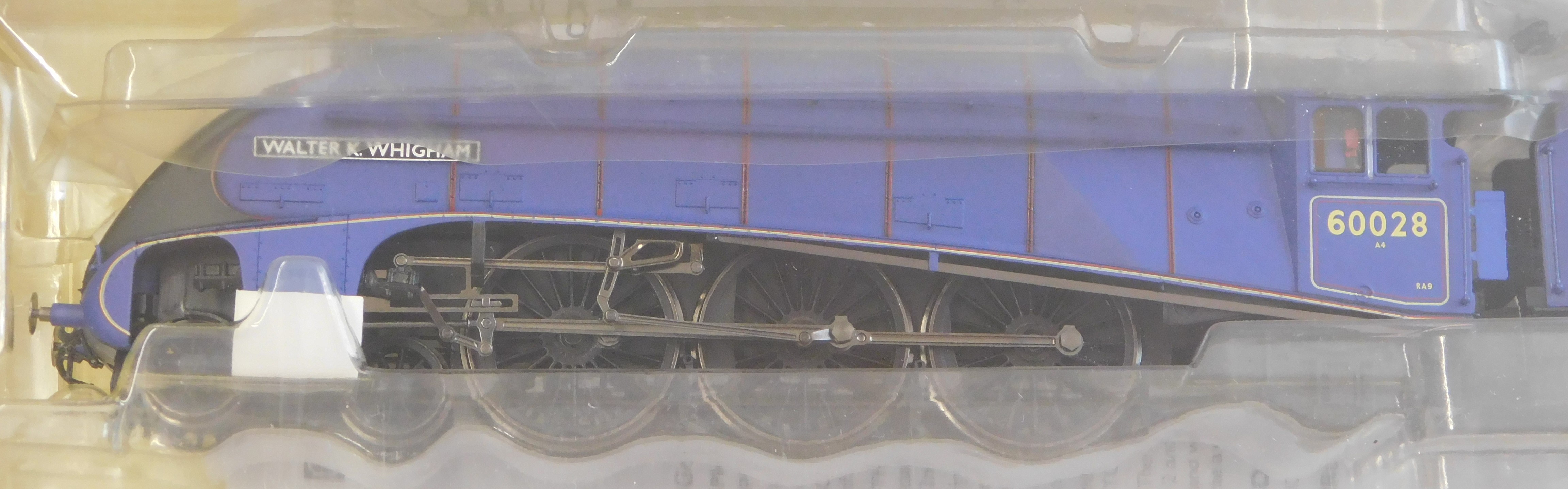
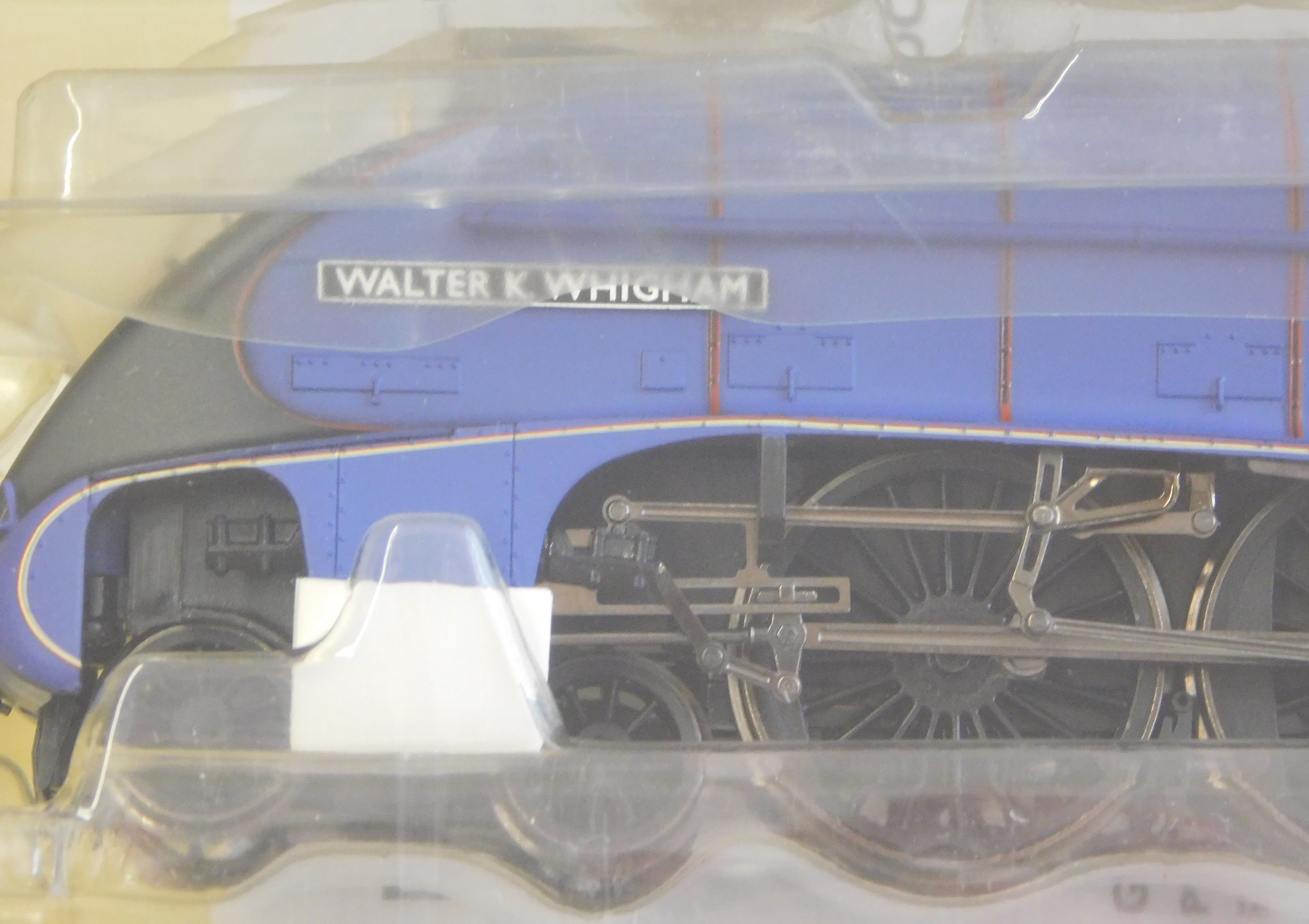
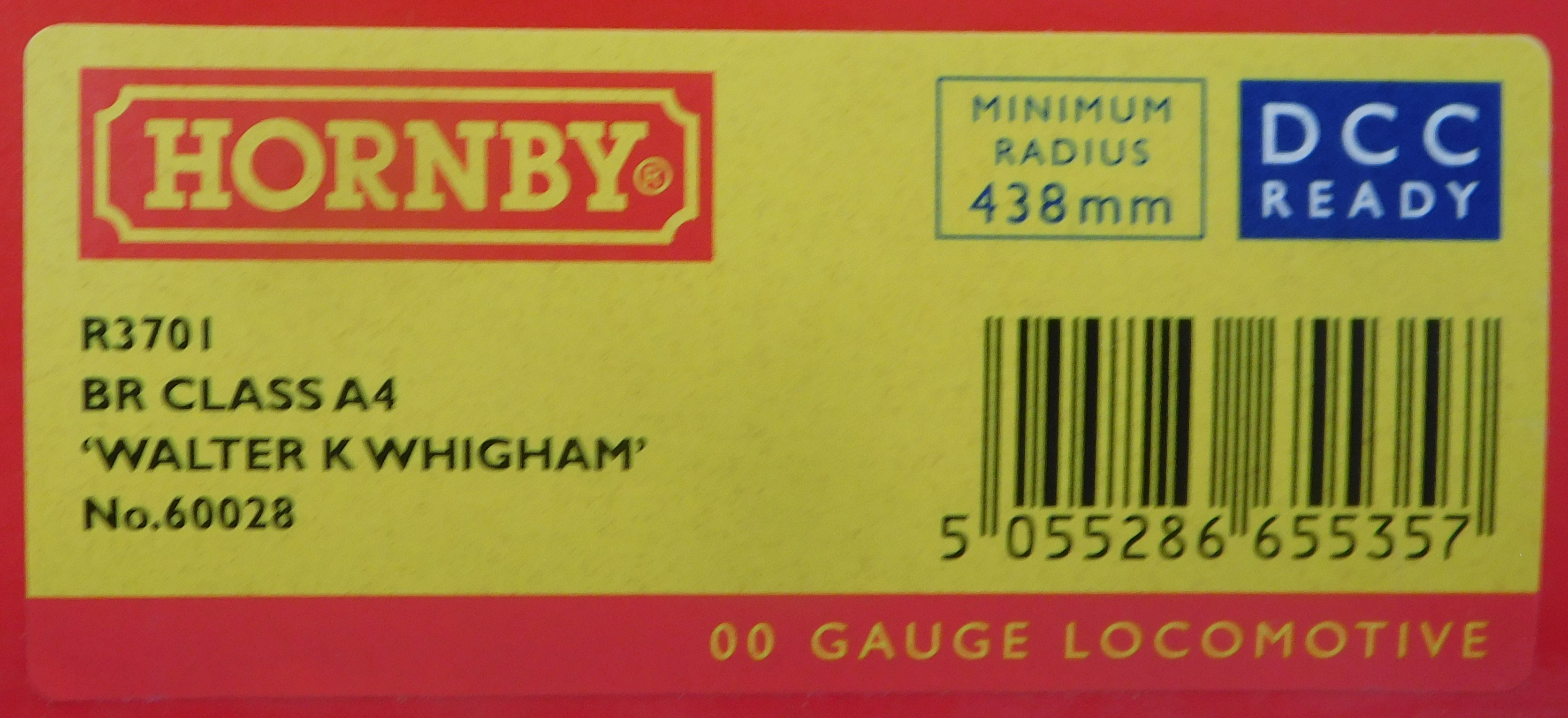
Lot 653, a Hornby locomotive model ‘Walter K Whigham’, estimated at £30-40 went for £85.
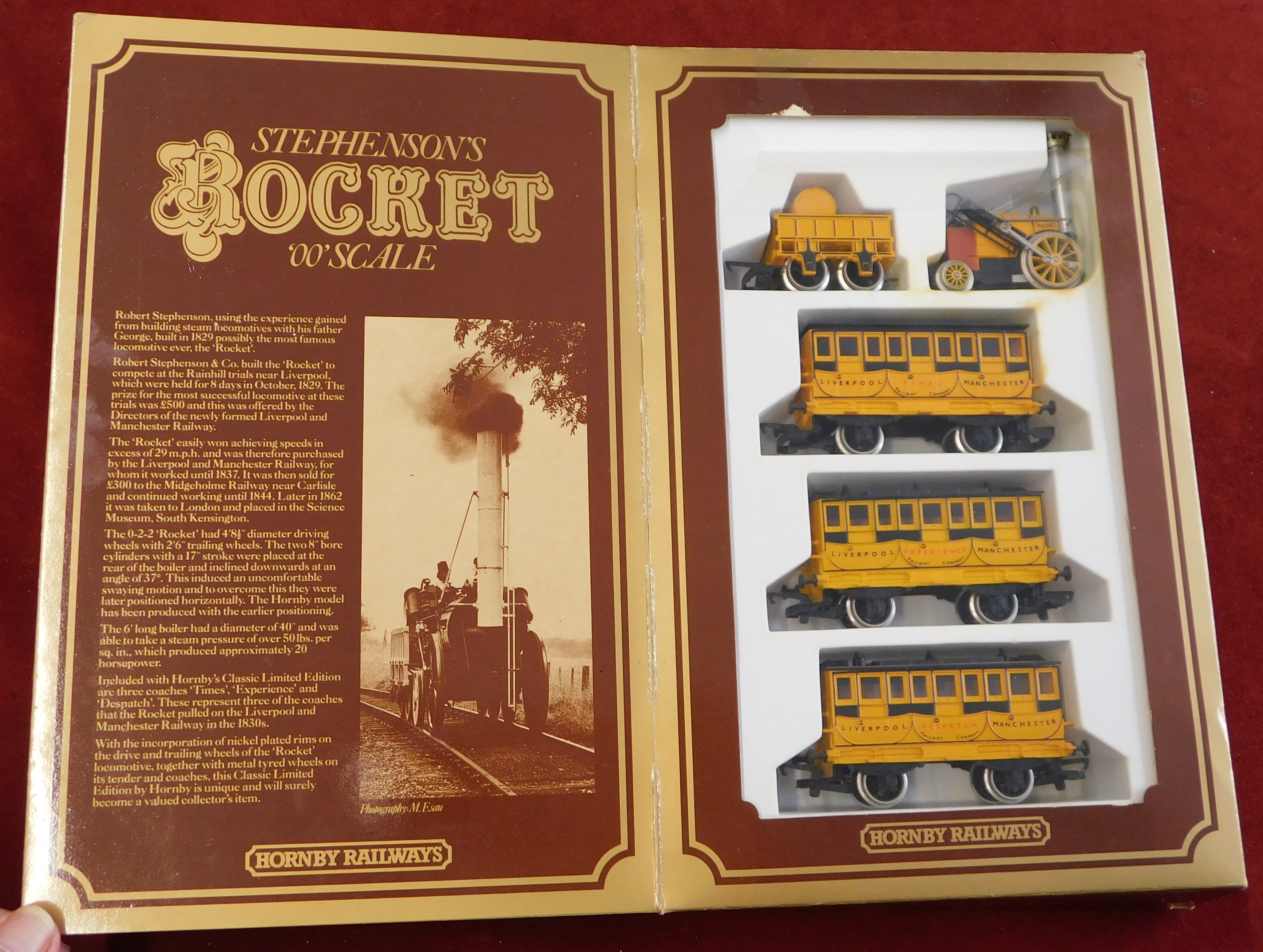
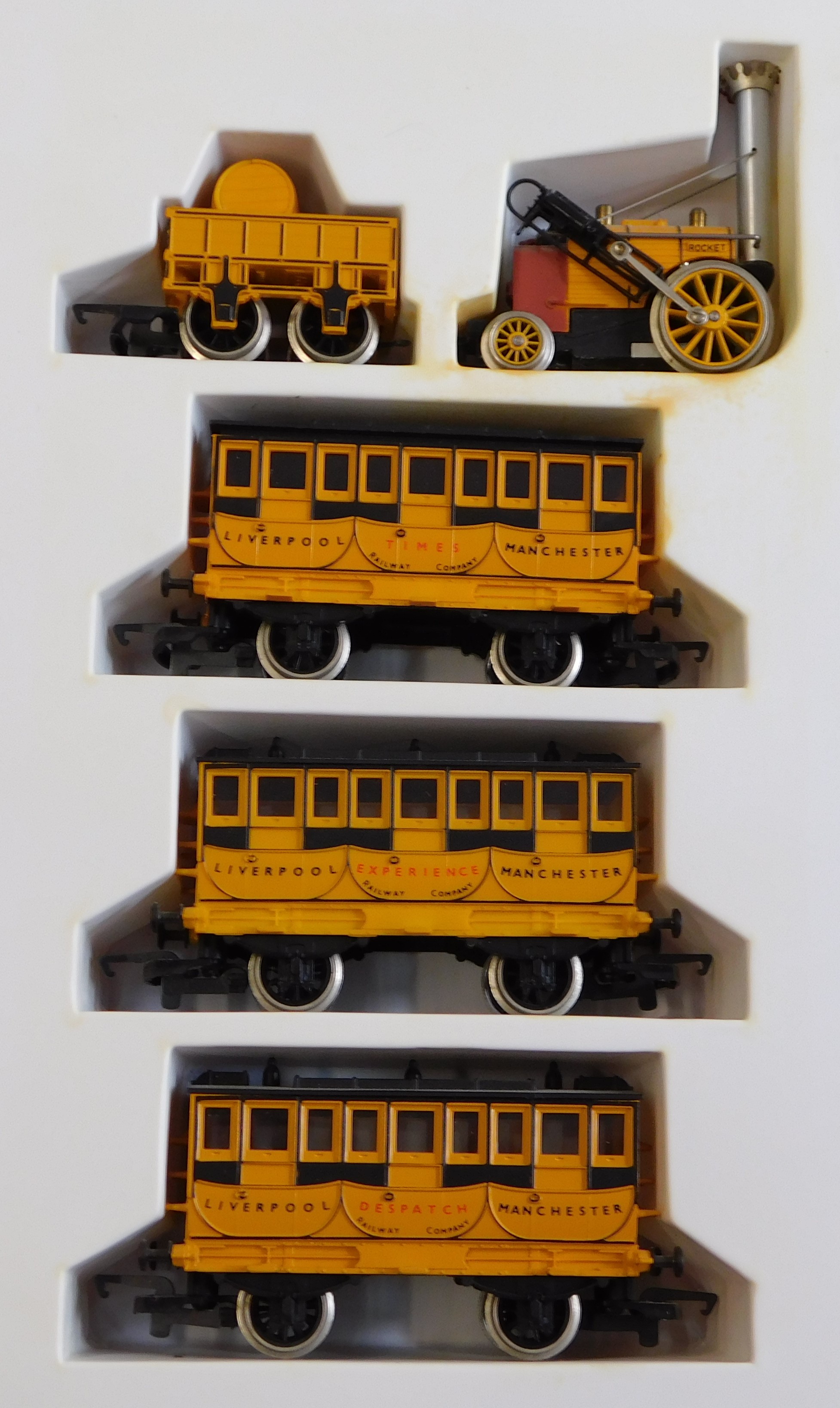
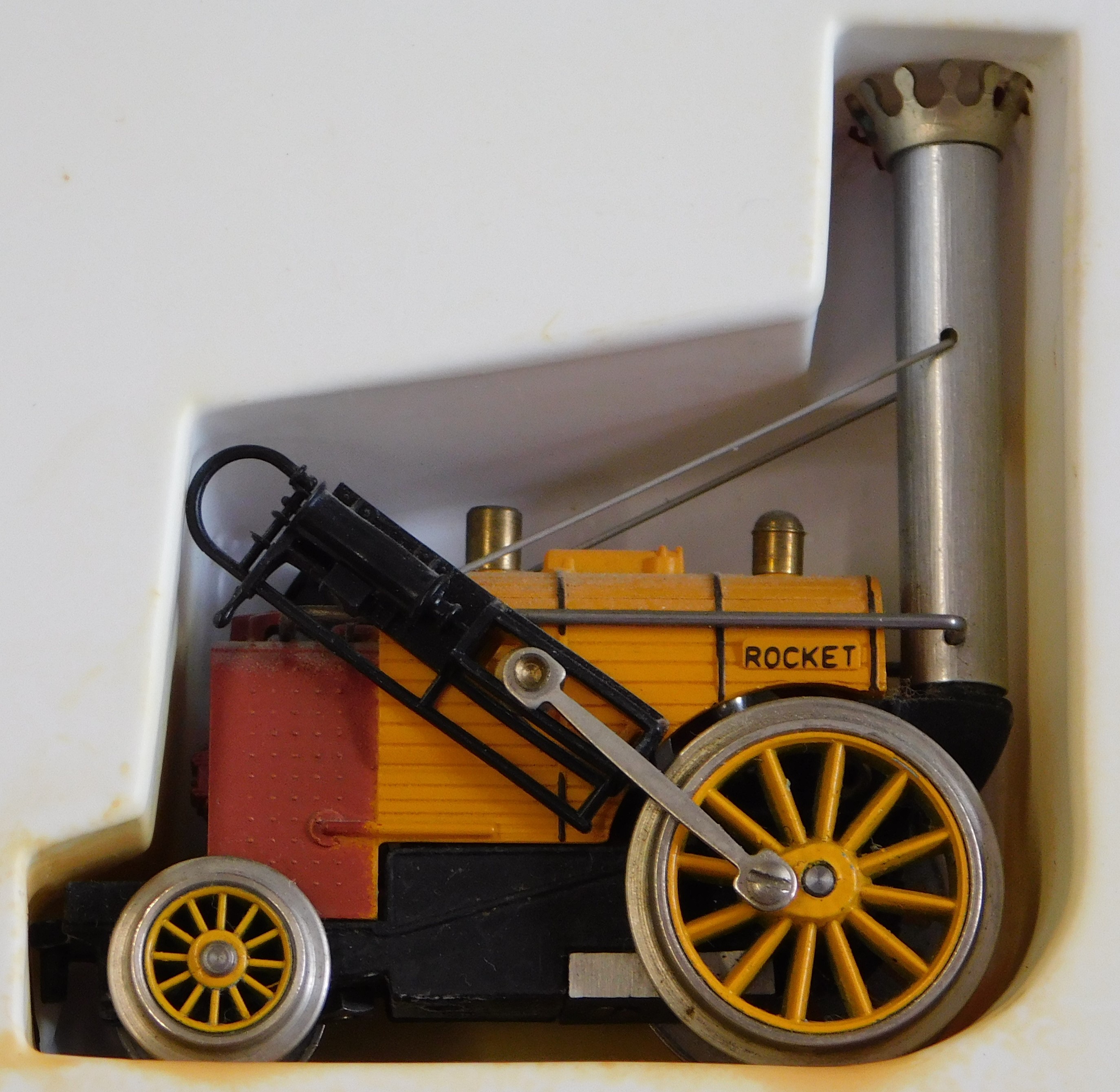
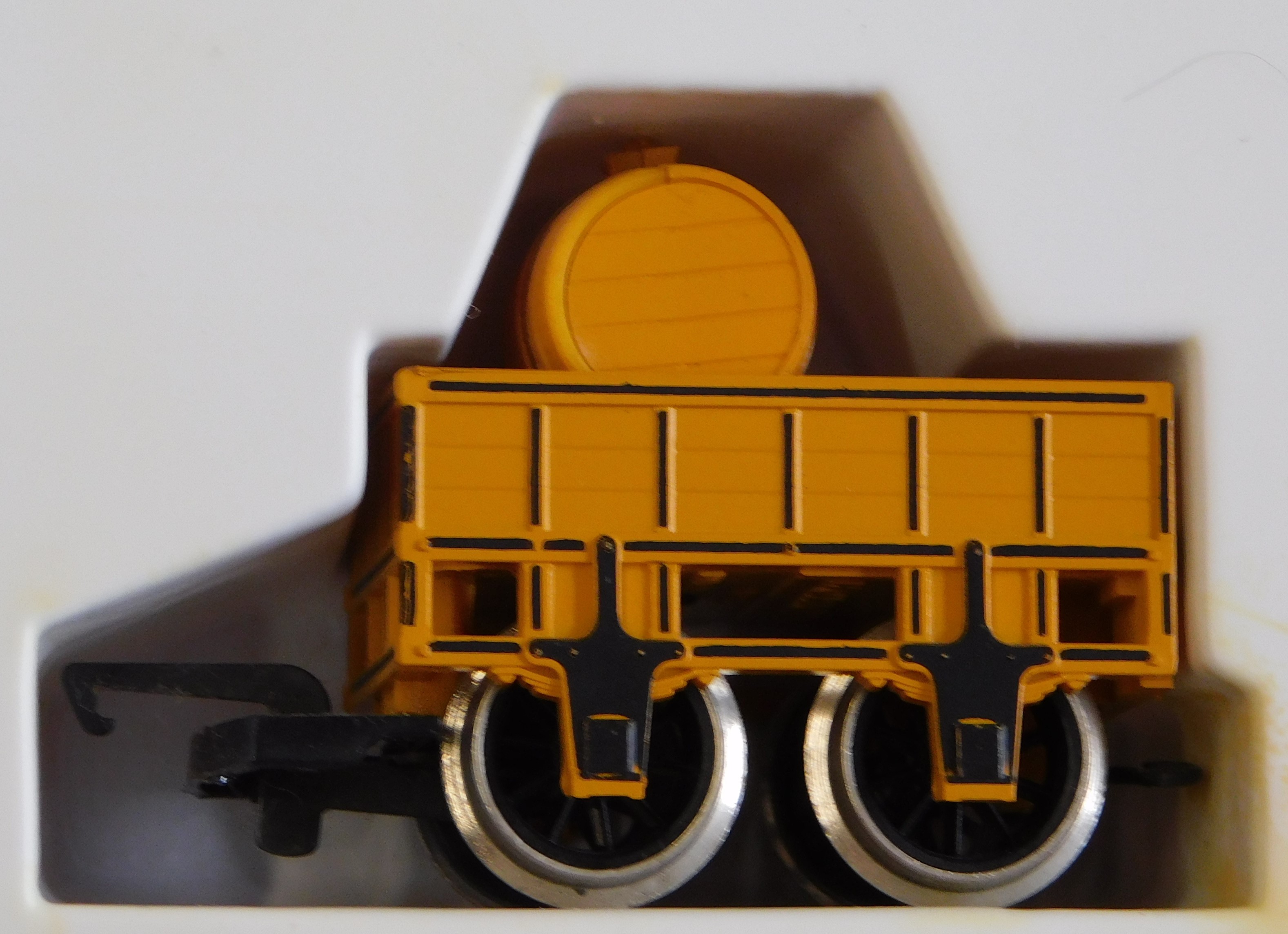
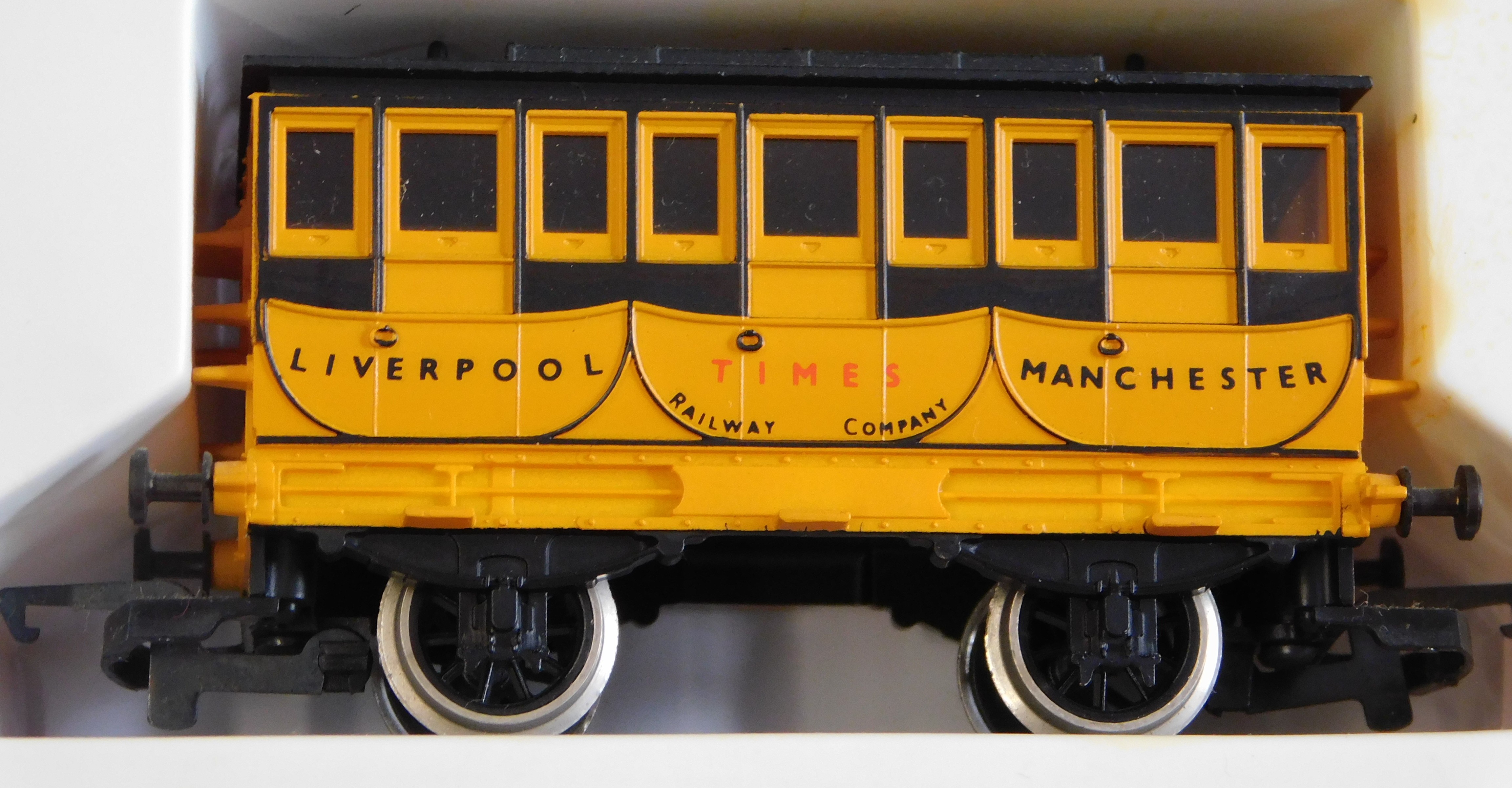
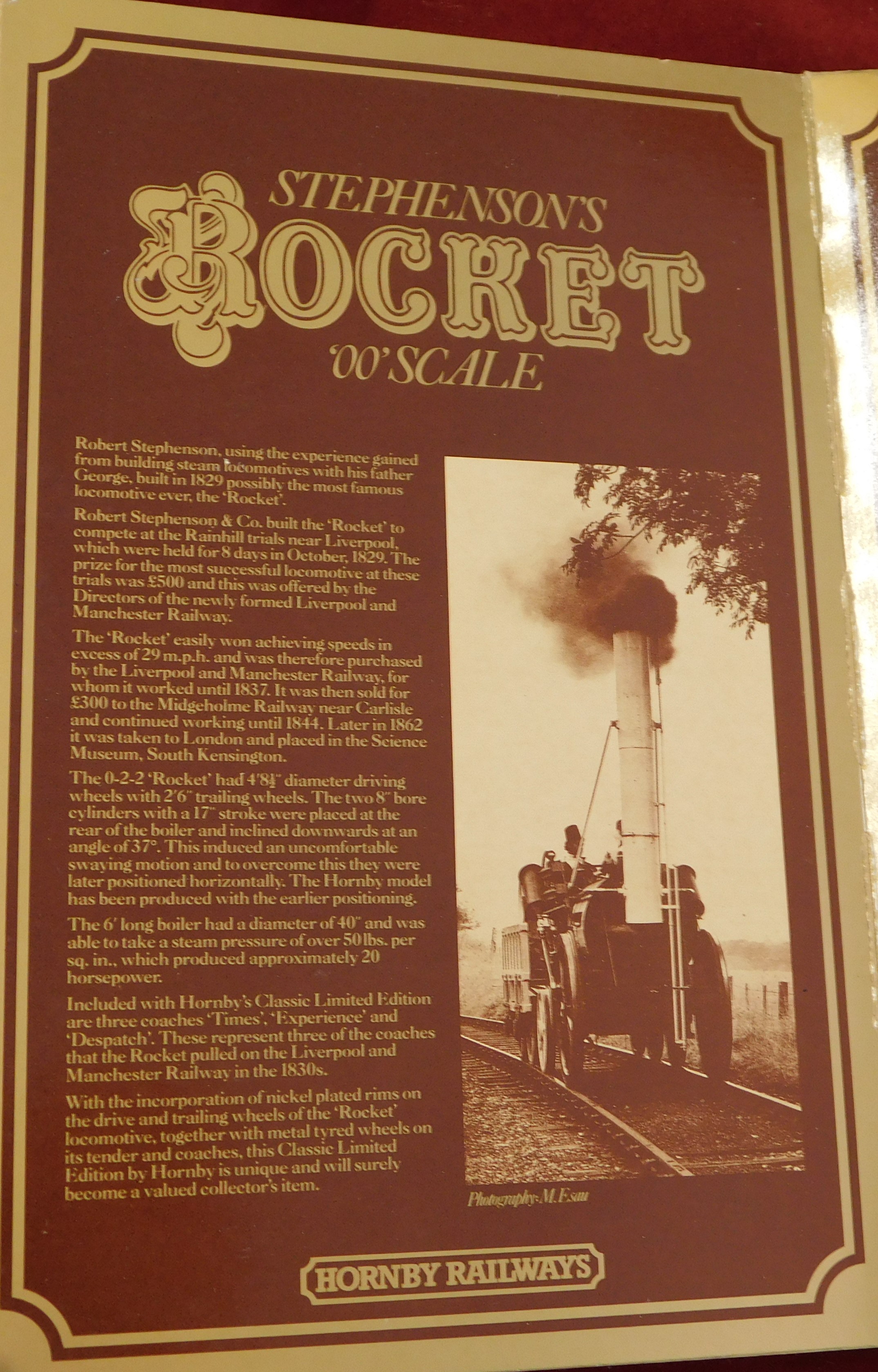
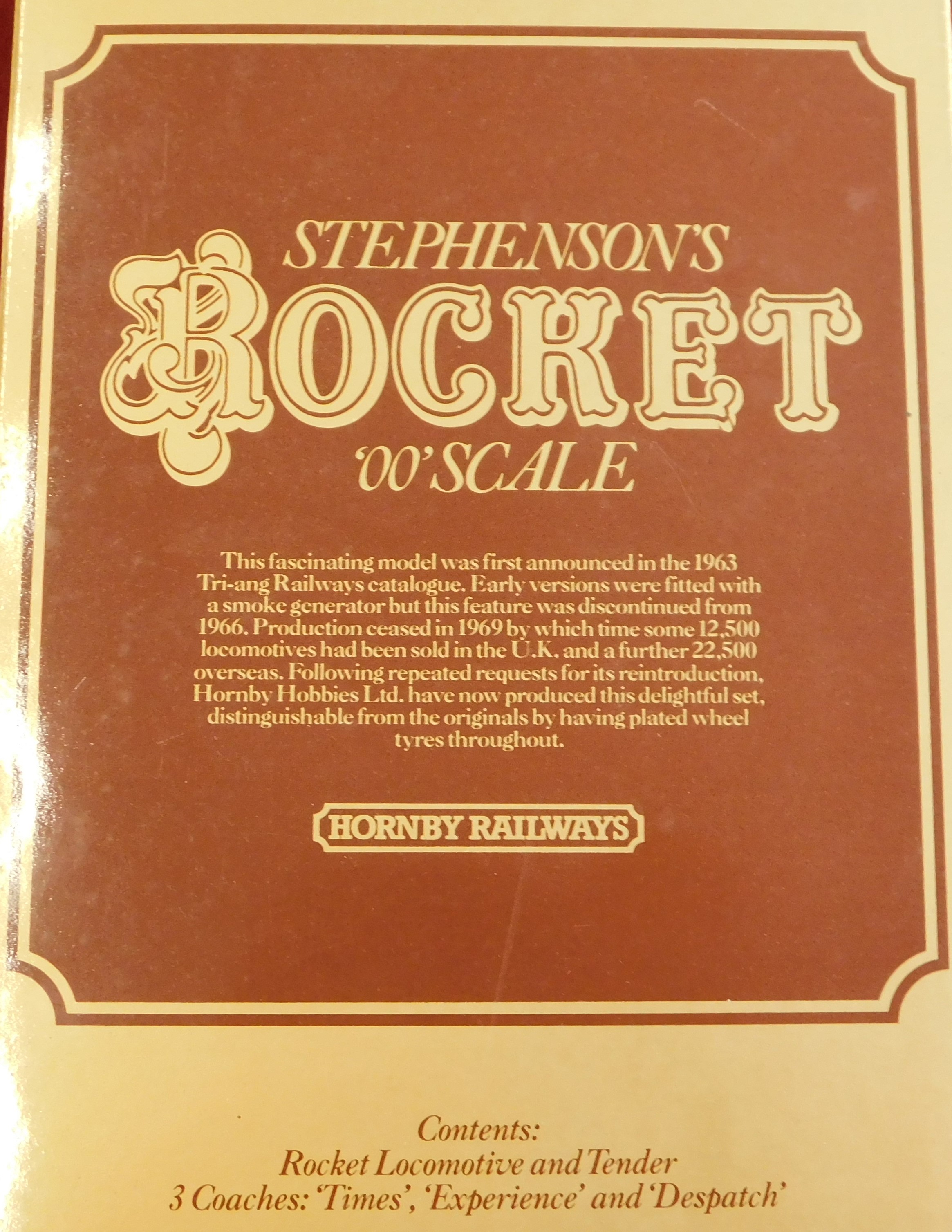
Lot 714, a Hornby box set of Stephenson’s Rocket and its Carriages, estimated at 15-25 ended up going for £90!
The main imageFocus on the train and carriages.The RocketClose up of a single carriageInfo.The front cover of the item.
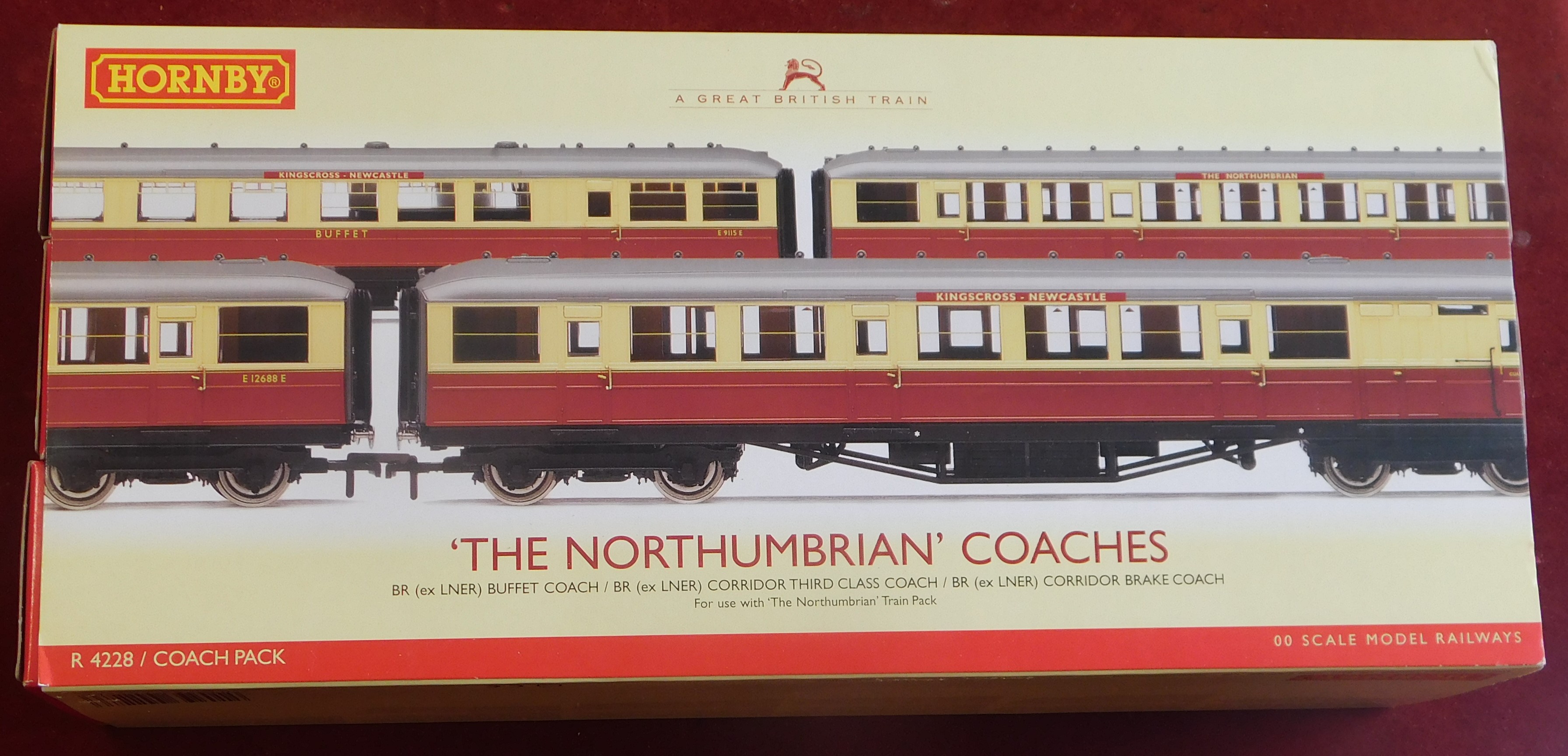
Lot 760, a collection of Hornby coaches including a ‘Northumbrian’ pack, estimated at 40-60 went for £110.
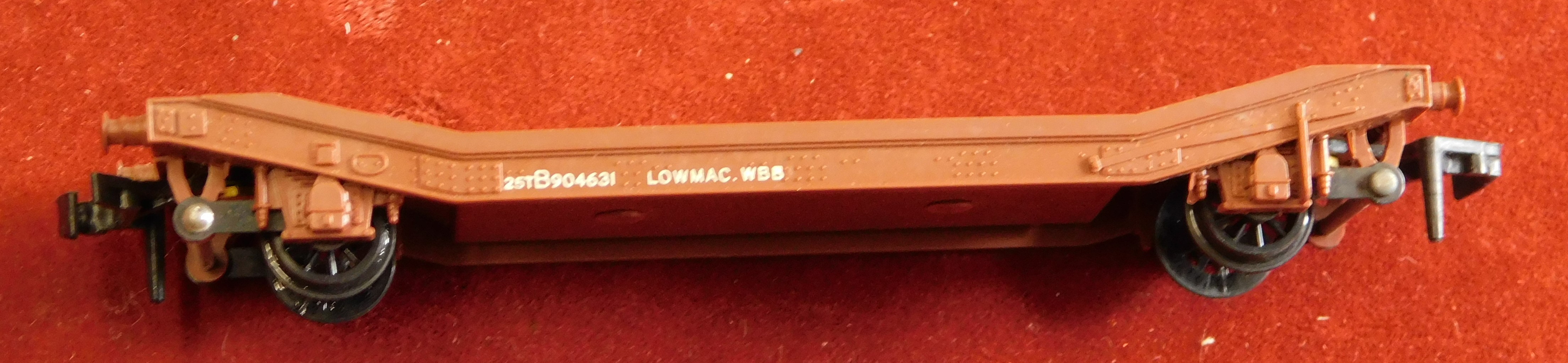
Now comes a hat trick of triumphs. Lot 765, estimated at £10-15 went £100, 766 estimated at 15-20 went £120 and 767 estimated at 15-20 went for £90. These were all model locomotives.
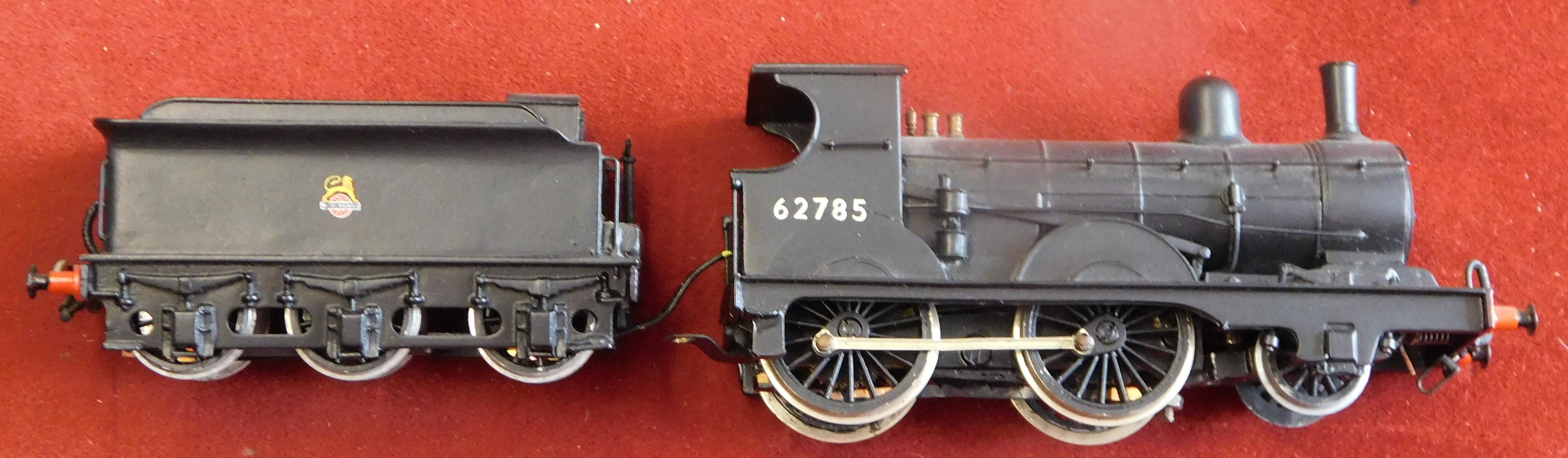
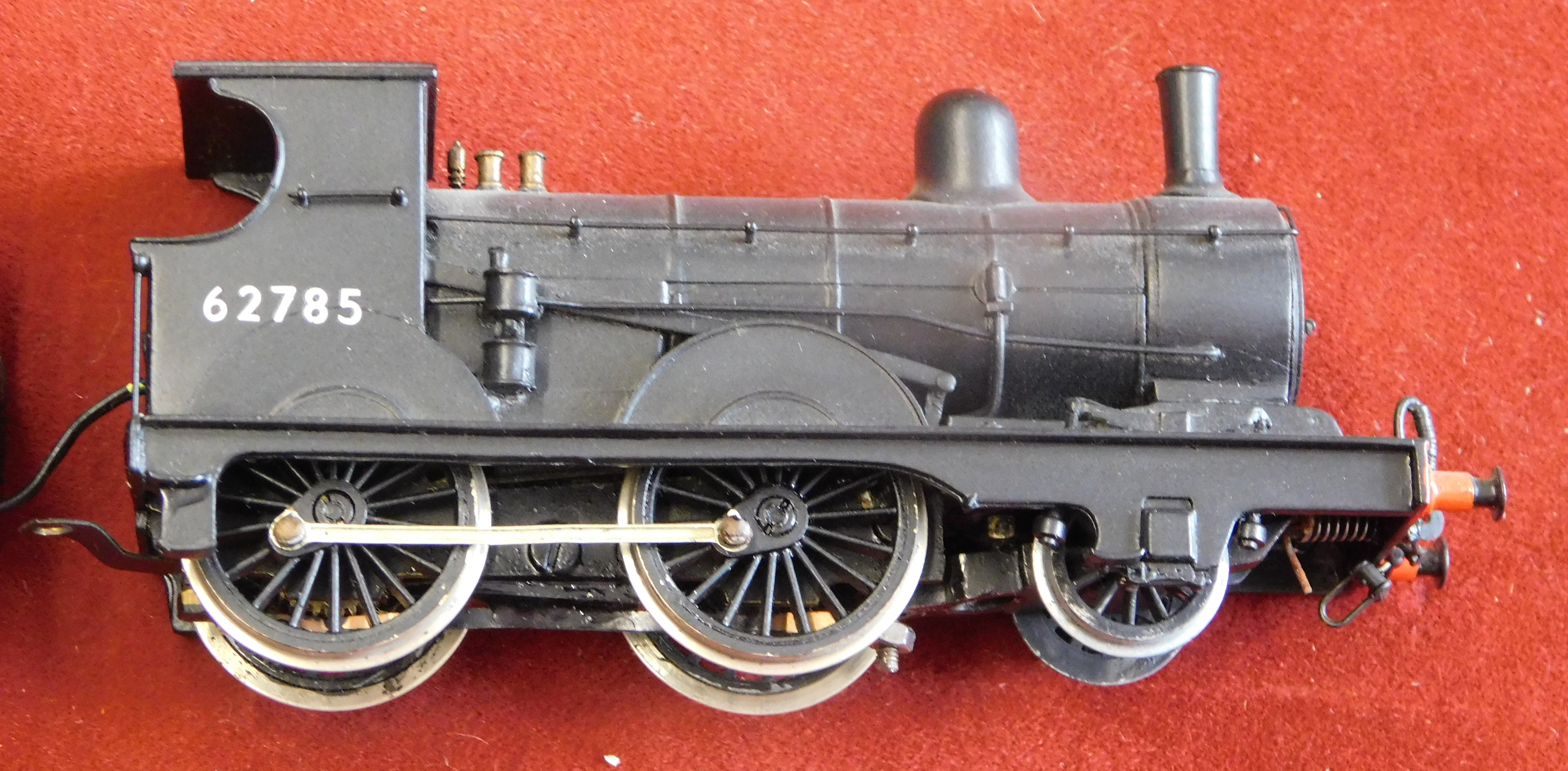
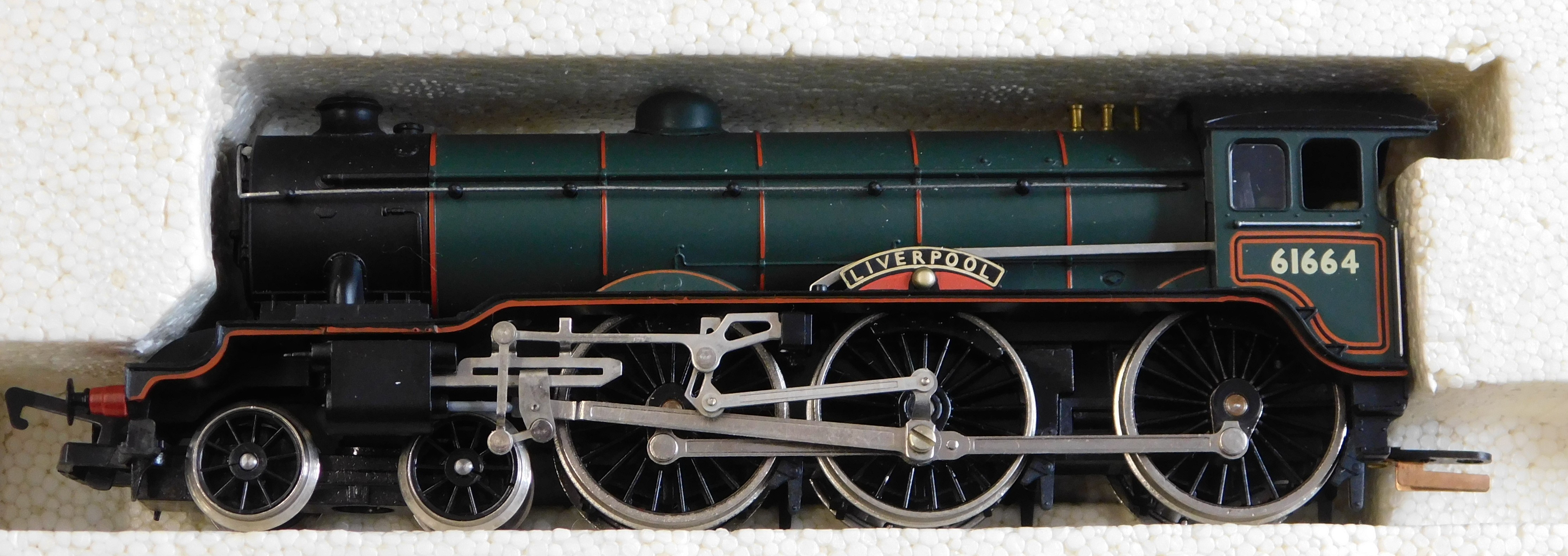
I sign of with let 784, a NU Cast Locomotive LNER/BR class GER T26 class 2-4-0 Passenger Engine, boxed. Expected to fare no better than 10-15 it ended up selling for £70.
Main imageLoconotive and tender out of the boxLocomotive close upTender close upThe box cover illustration.The description on the box.
A look back at victories by the England men’s and women’s cricket teams, a mention of an upcoming auction and a photo gallery.
Last night saw the third T20I in a five match series between the England and New Zealand teams, while this morning, though it should have been just less than halfway through the match saw the last knockings of the first of three test matches between the England and West Indies men’s teams. This post looks at both games.
VALE ATQUE AVE
The test match at Lord’s was the last appearance at that level of the legendary James Anderson, who made his test debut as long ago as 2003. England have decided to look to the future, and gave Anderson this match so that he could bow out in front of a home crowd. It also saw the arrival on the test scene of Gus Atkinson, the Surrey fast bowler. In terms of the result it was the new comer who had the bigger say (and how!)
In my previous post I mentioned Atkinson’s first innings brilliance (7-45) and the fact that England were going well in response. While I was at work yesterday England continued to progress with the bat – Crawley, Pope, Root, Brook and the other debutant, Jamie Smith, selected as keeper although he is not Surrey’s first choice in that role all made 50s, though none managed to reach 80. Smith’s 70 on debut included a significant increase in scoring pace when he was left with the tail. The West Indies second innings got underway yesterday evening, and the skids were soon under it in no uncertain terms. Stokes took two early wickets, Anderson one and Atkinson one. Late in the day two further scalps fell, a second to Anderson and a second to Atkinson giving the debutant nine for the match to that point. West Indies were 79-6 when that wicket rang down the curtain on day two (although an extra half hour can be claimed if a result is possible that usually only enters the equation if seven or more wickets are down). It also ensured that James Anderson would finish behind Warne in the all time test wicket takers list. Atkinson and Anderson resumed bowling this morning, and it was Anderson who had the first success with a beauty that took the edge of Josh da Silva’s bat and went through to Smith. Thereafter however it was the Atkinson show. First Alzarri Joseph took on a short ball and succeeded only in giving Duckett catching practice, then Atkinson bowled Shamar Joseph to make it 103-9. At that point Atkinson had match figures of 11-86, and if he could take the final wicket and concede 15 or fewer runs in the process he would set a new record for an England debutant, beating the 12-102 taking by Fred ‘Nutty’ Martin way back in 1890 (Jack Ferris took 13 in his first match for England, but he had previously played for Australia, and it would have been news to him that he was playing that match for England since it was on a privately organized tour of South Africa and was only granted test status some years later). A combination of luck and some decent batting by Gudakesh Motie robbed him of that, but when Jayden Seales, the number 11, was caught by Duckett, fielding at long leg, Atkinson had his second five-for of the match, and final figures of 12-106 (7-45, 5-61), the second best ever for England, and a number of wickets beaten by only two test debutants in history, Narendra Hirwani (India, 16-136) and Bob Massie (Australia 16-137). Anderson’s final bowling effort was 3-32 from 16 overs, meaning that he ended with 704 test wickets overall. England’s winning margin was an innings and 114 runs – WI 121, ENG 371, WI 136. Atkinson was, as I said in a tweet shortly after the final wicket fell, the ONLY candidate for Player of the Match and was duly confirmed as such. A scorecard of this match can be seen here.
In theory the question for England is now which of Potts or Pennington comes in for Anderson (Sam Cook is currently injured, so his call up must wait). However, I would boldly select both, leaving out Woakes who contributed little at his favourite ground.
A TALE OF TWO SOPHIES
England won the toss and chose to field. The New Zealand innings was dominated by two players named Sophie. Sophie Devine scored 58 not out off 42 balls to give New Zealand 141 to defend, and the main reason that total wasn’t higher was Sophie Ecclestone, who finished with 4-0-25-4. The first of those four wickets, that of Suzie Bates, kept an astonishing run going – it made it 33 consecutive international bowling innings in which the left armer had claimed at least one wicket. Later in that same opening over she snared Amelia Kerr, and in the later stages of the innings she clean bowled each of Isabella Gaze and Leigh Kasperek. Although England only had four balls to spare when they scored the winning run, they had six wickets standing. The batting star was Alice Capsey whose 67* (60) undergirded the chase. It was Capsey who was named player of the match ahead of Ecclestone. Scorecard here.
PHOTOGRAPHS
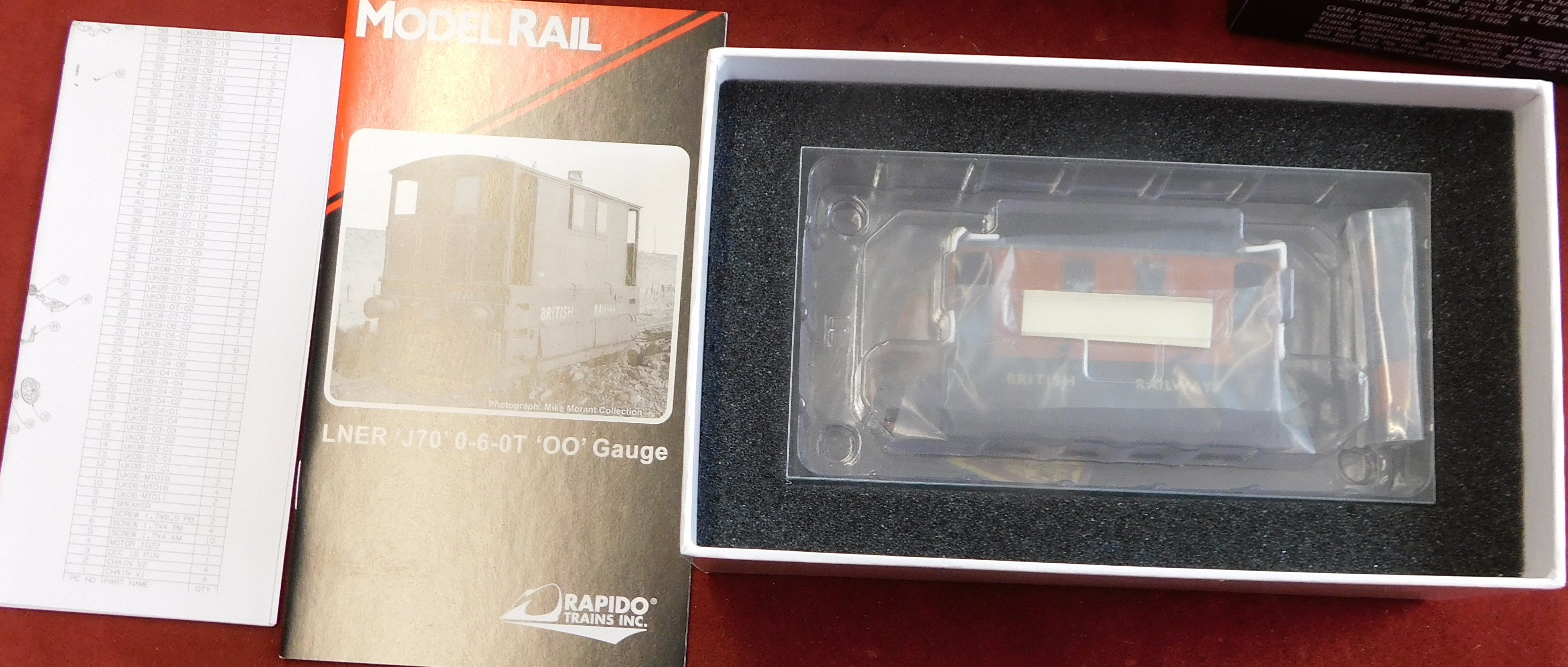
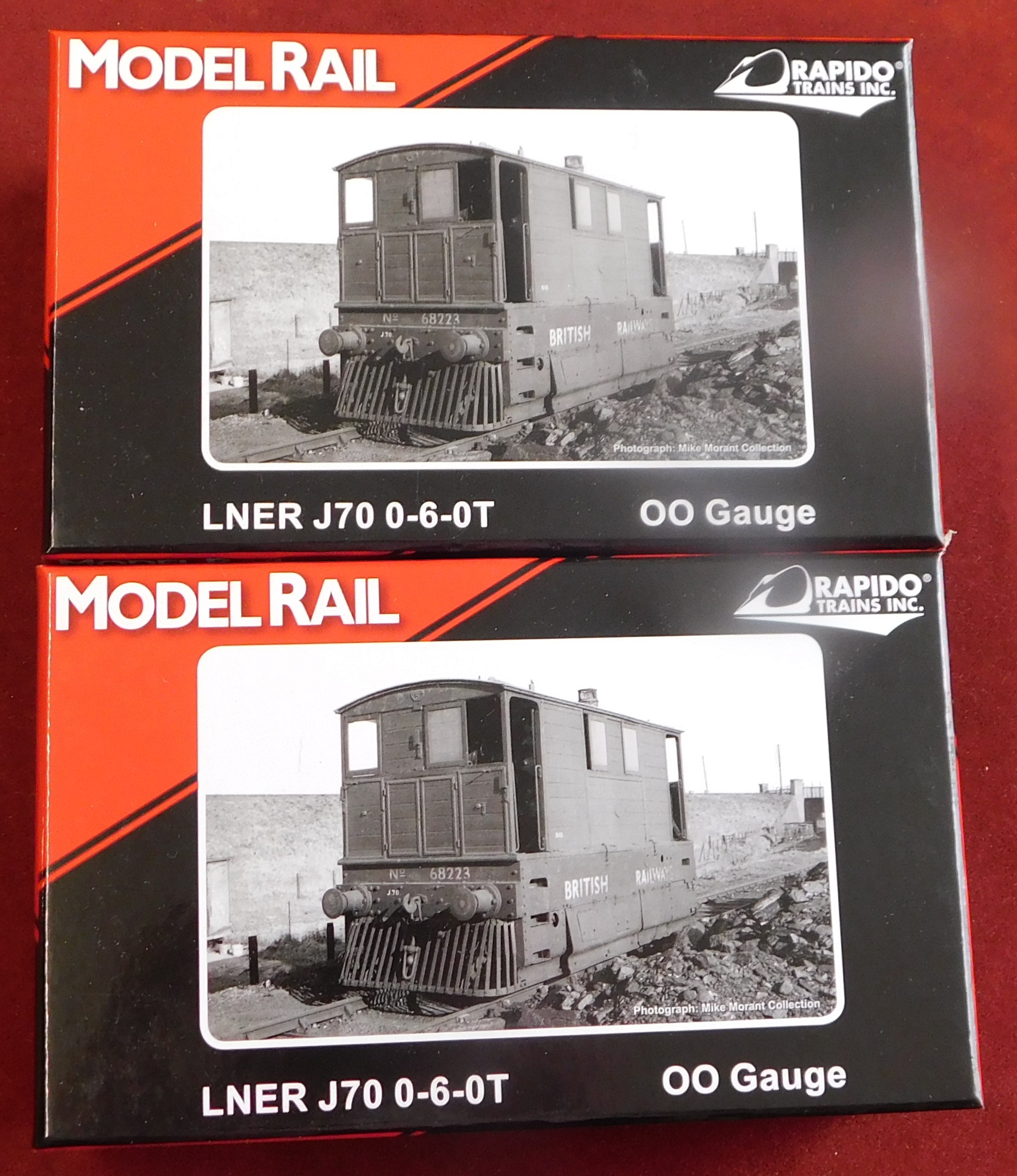
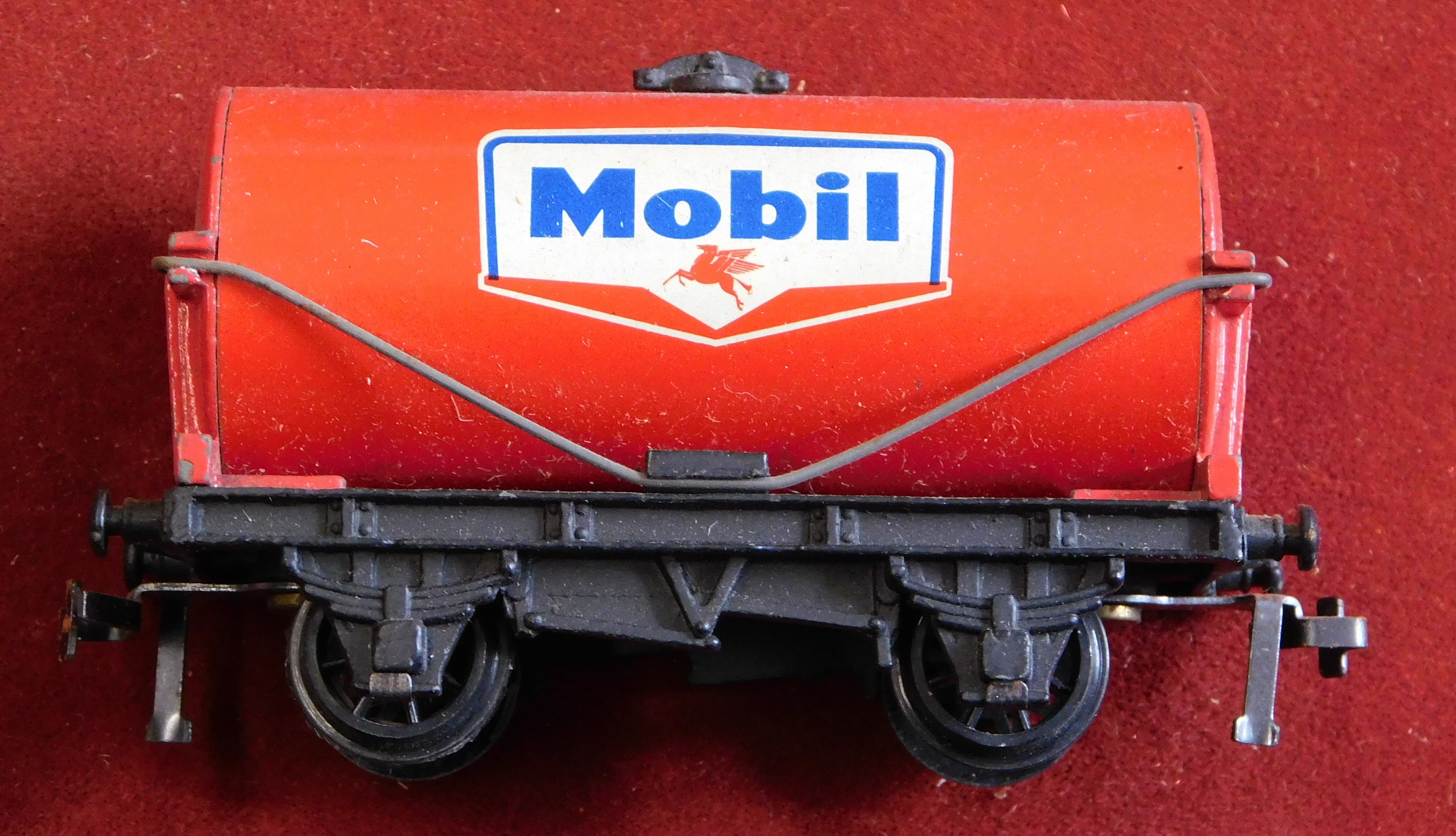
Before I get to my usual sign off, I sent out a bulk email about the upcoming railway models auction at work yesterday. I will not include the full thing here, but you can view a full catalogue and/or sign up to bid here or here. The image I used to accompany the email is below.
A look back at the auction that happened at James and Sons earlier this week and a look ahead to the July auction. Also a bumper photo ga;llery.
Although James and Sons, for whom I work, have just had one auction, there is another ready to go, almost a month before it actually happens. This post looks back at the auction that happened this week and forward to the next one.
THIS WEEKS AUCTION
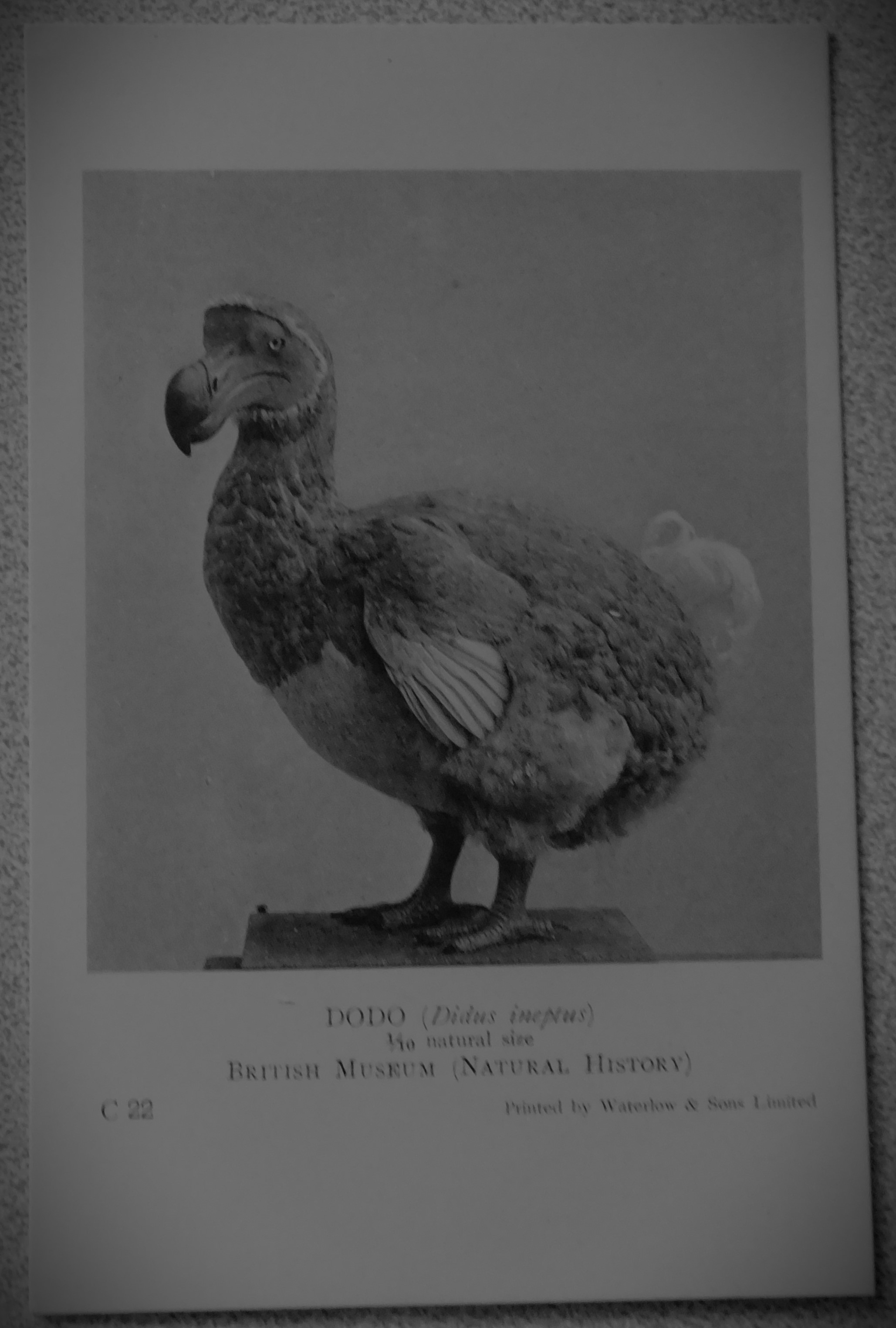
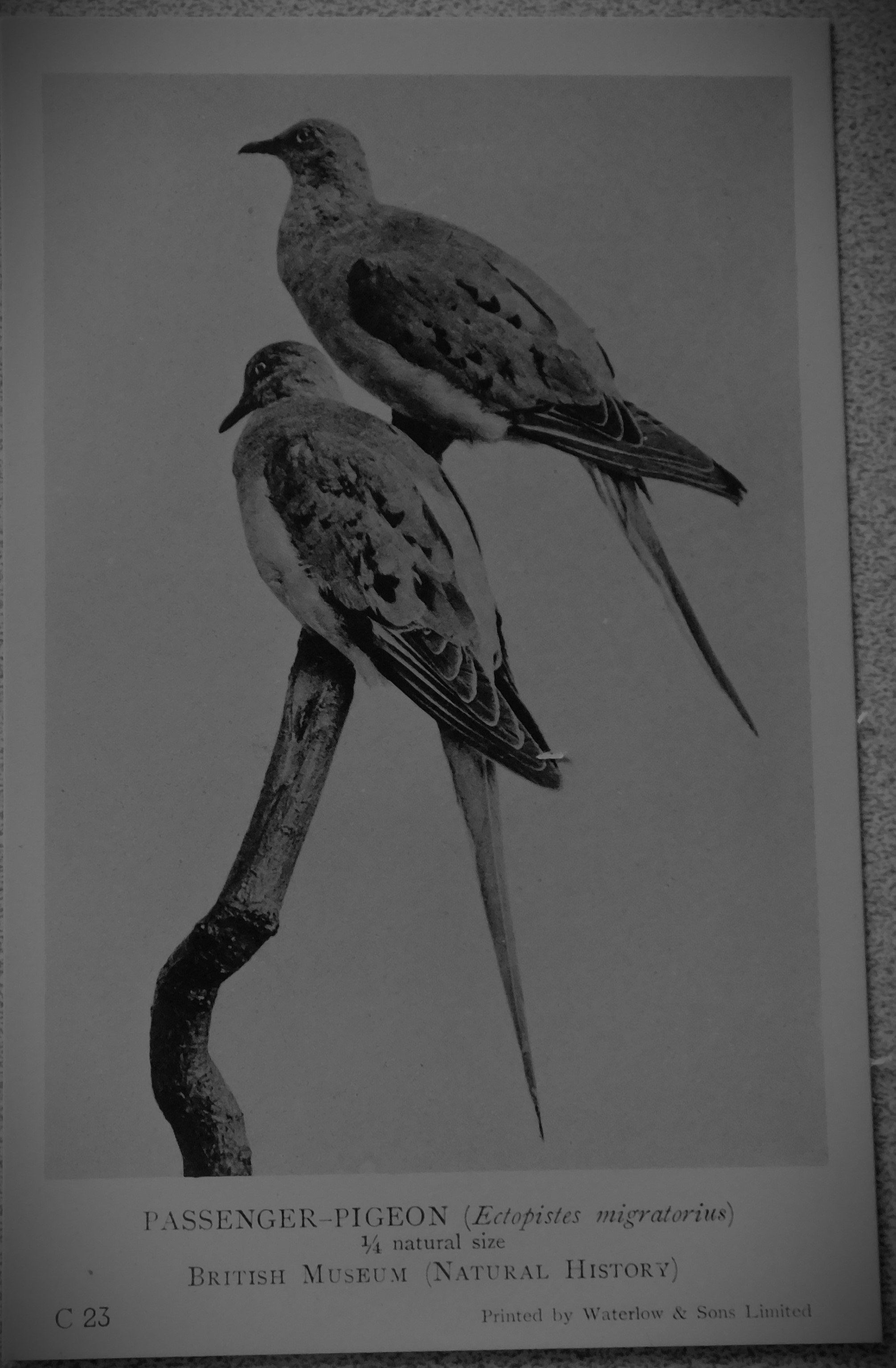
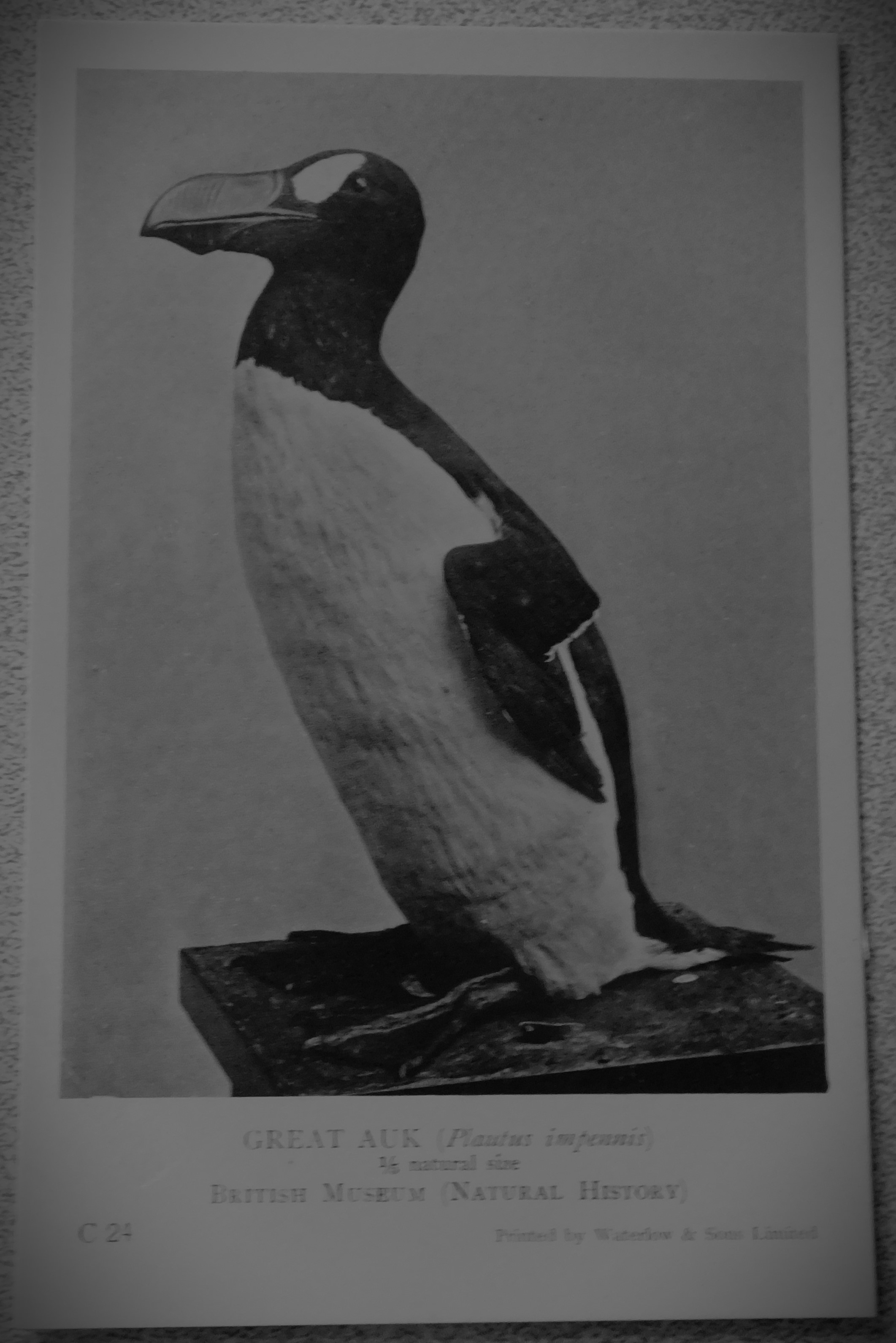
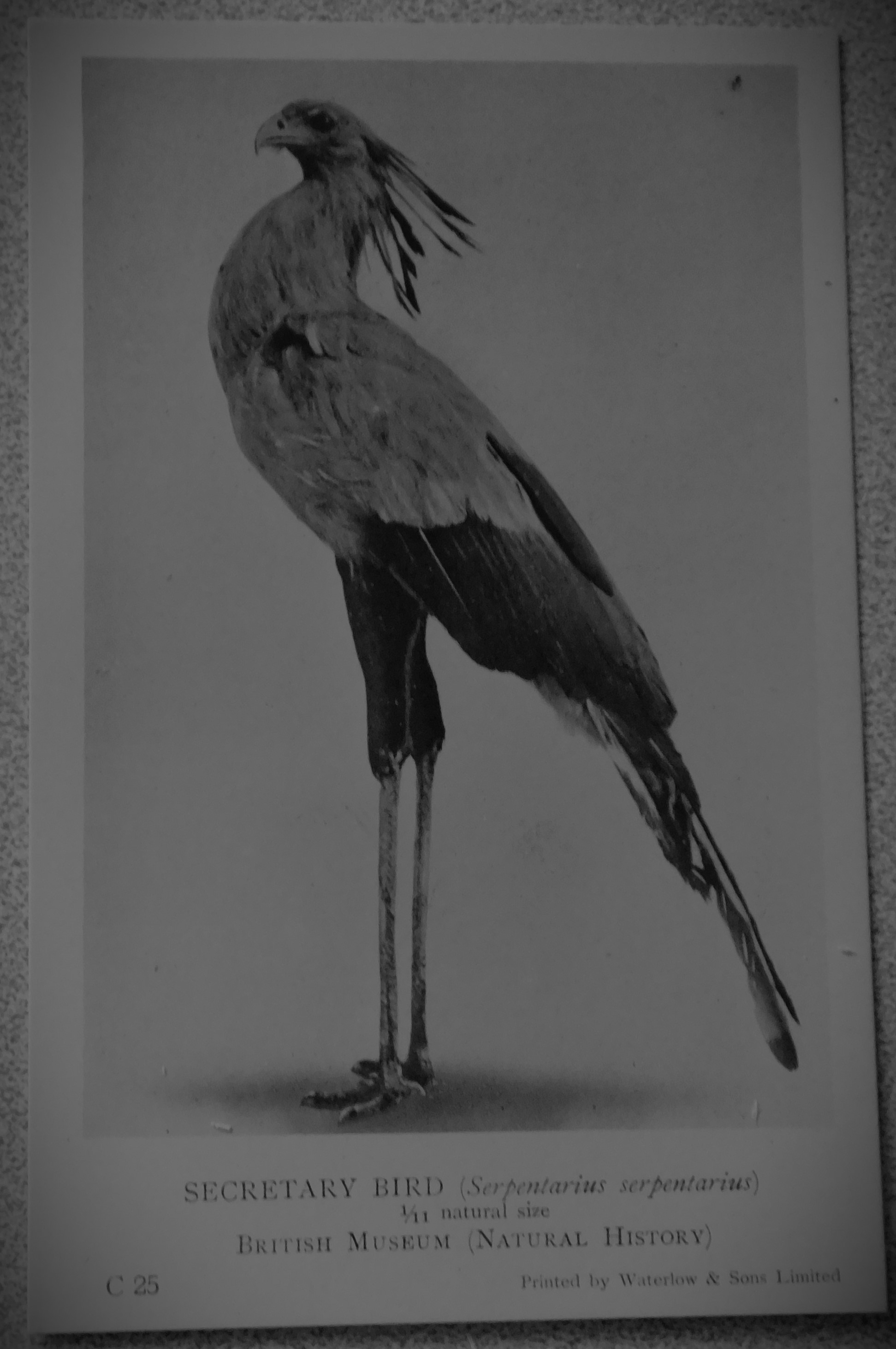
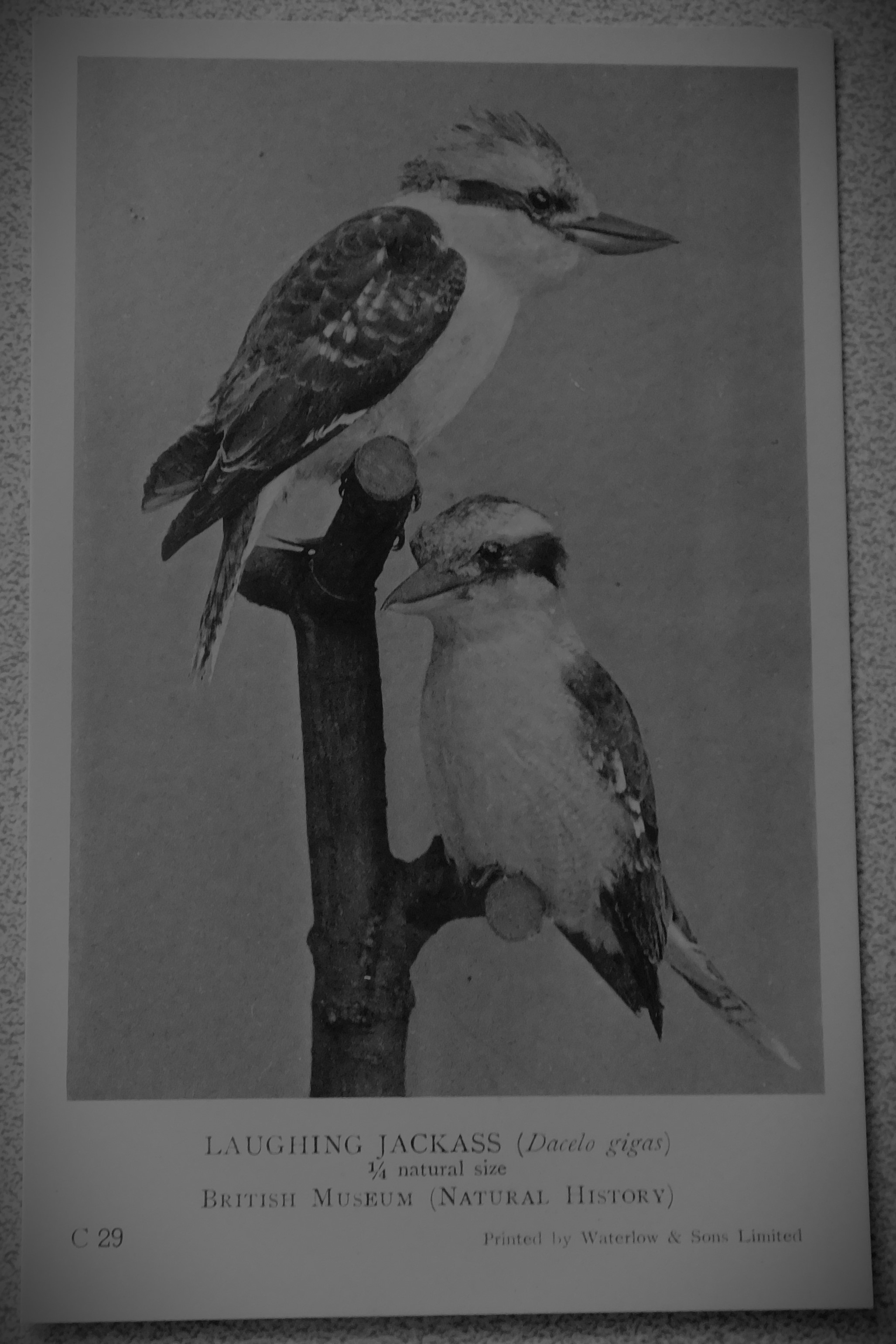
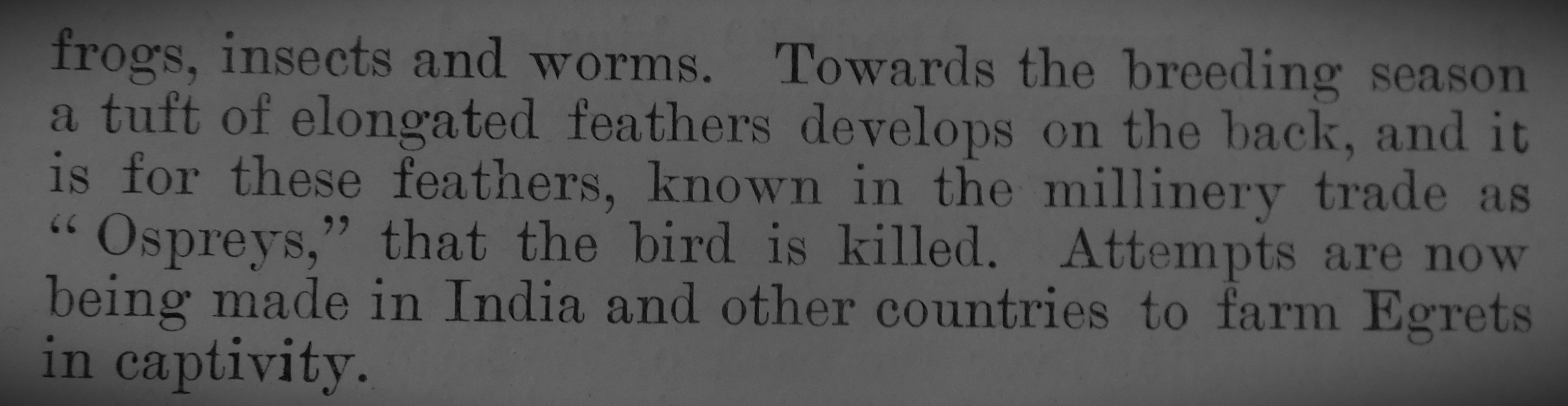
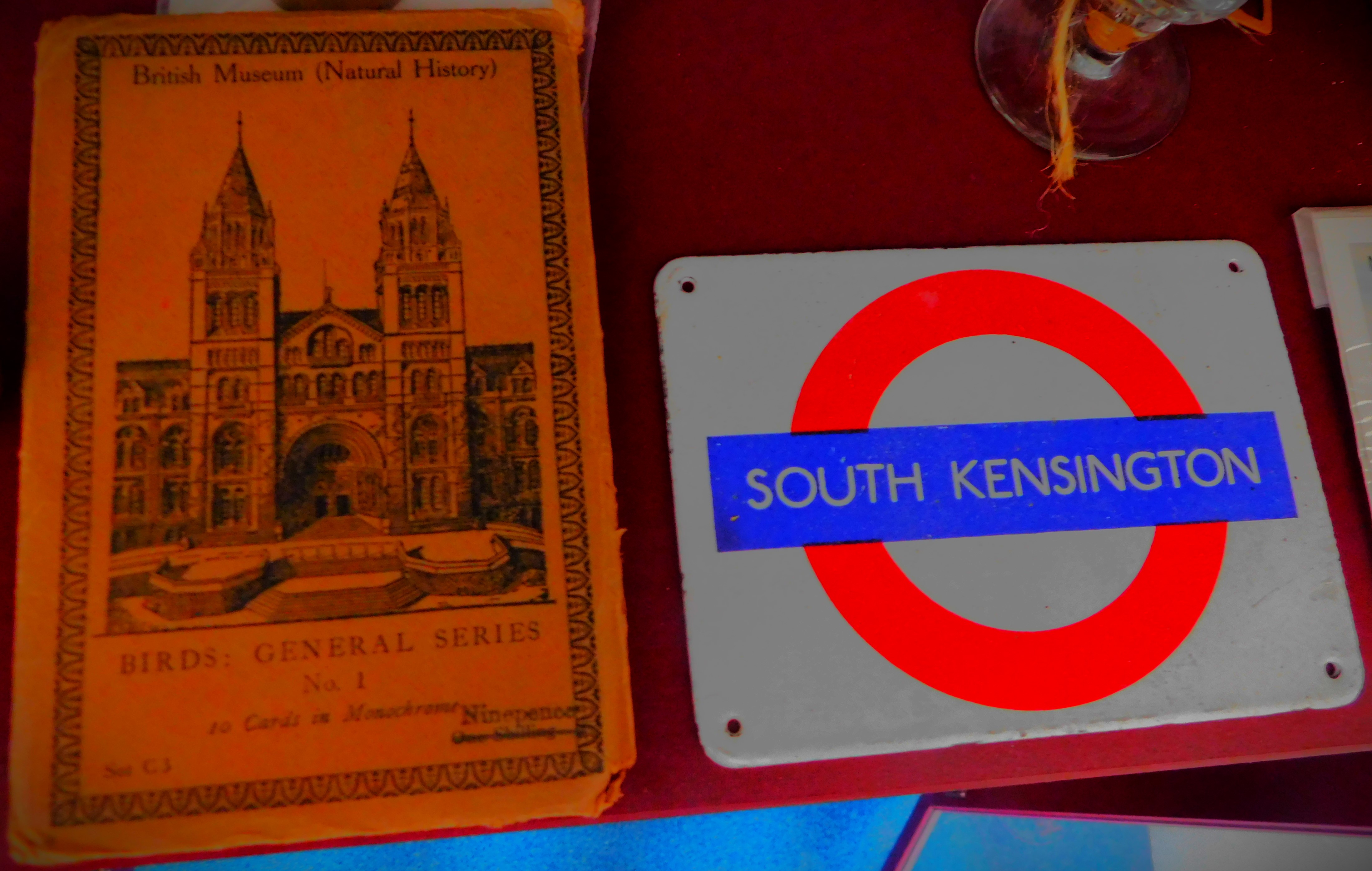
There were 427 lots under the hammer at the auction that happened this Wednesday. It was overall successful. The headline lot, a lifetime collection of real photographic postcards of Swaffham (Swaffham is a market town, more or less forming the right angle of a right angle triangle of which the three corners are King’s Lynn, Fakenham and Swaffham – the hypoteneuse of this triangle is the King’s Lynn-Fakenham side, which measures 22 miles or about 35 kilometres, so it was an item of local interest) housed in an album and all in splendid condition. This sold for £850. I got lucky with lot 611, a set of postcards made from black and white photographs of birds, missing one card, but still in its British Museum (Natural History) wallet and with the accompanying mini-guide to the cards. The designation of the museum in this lot indicates its age – it is a long time since the Natural History Museum was affiliated to the British Museum. Below are my pictures of the lot since acquiring it…
The lot laid out in full display.The wallet/ envelopeIndividual images of the cards in ascending number order.Details of the missing card from the guide (two images)The item in its assigned place in the cabinet of curiosities.
THE NEXT AUCTION
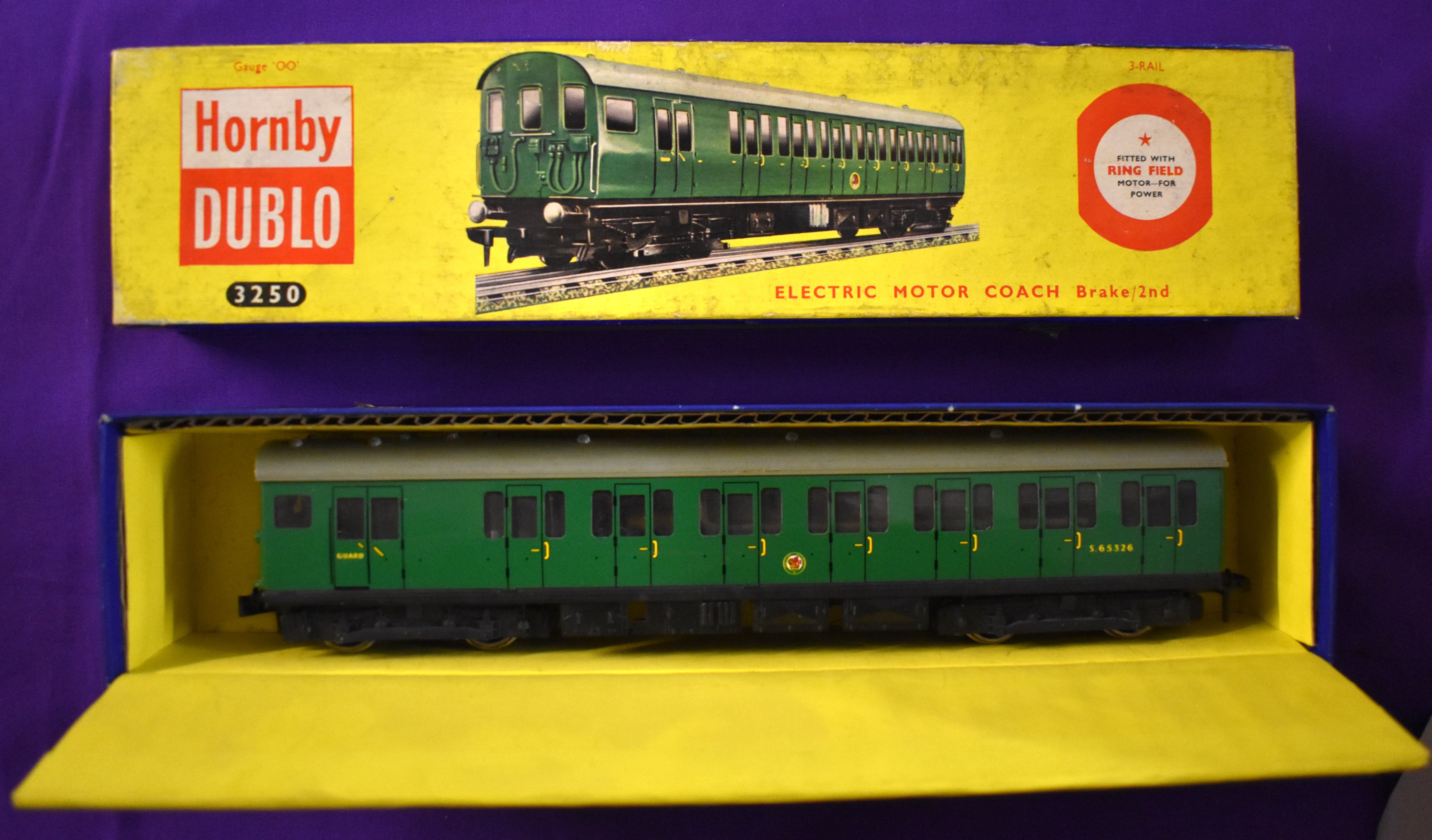
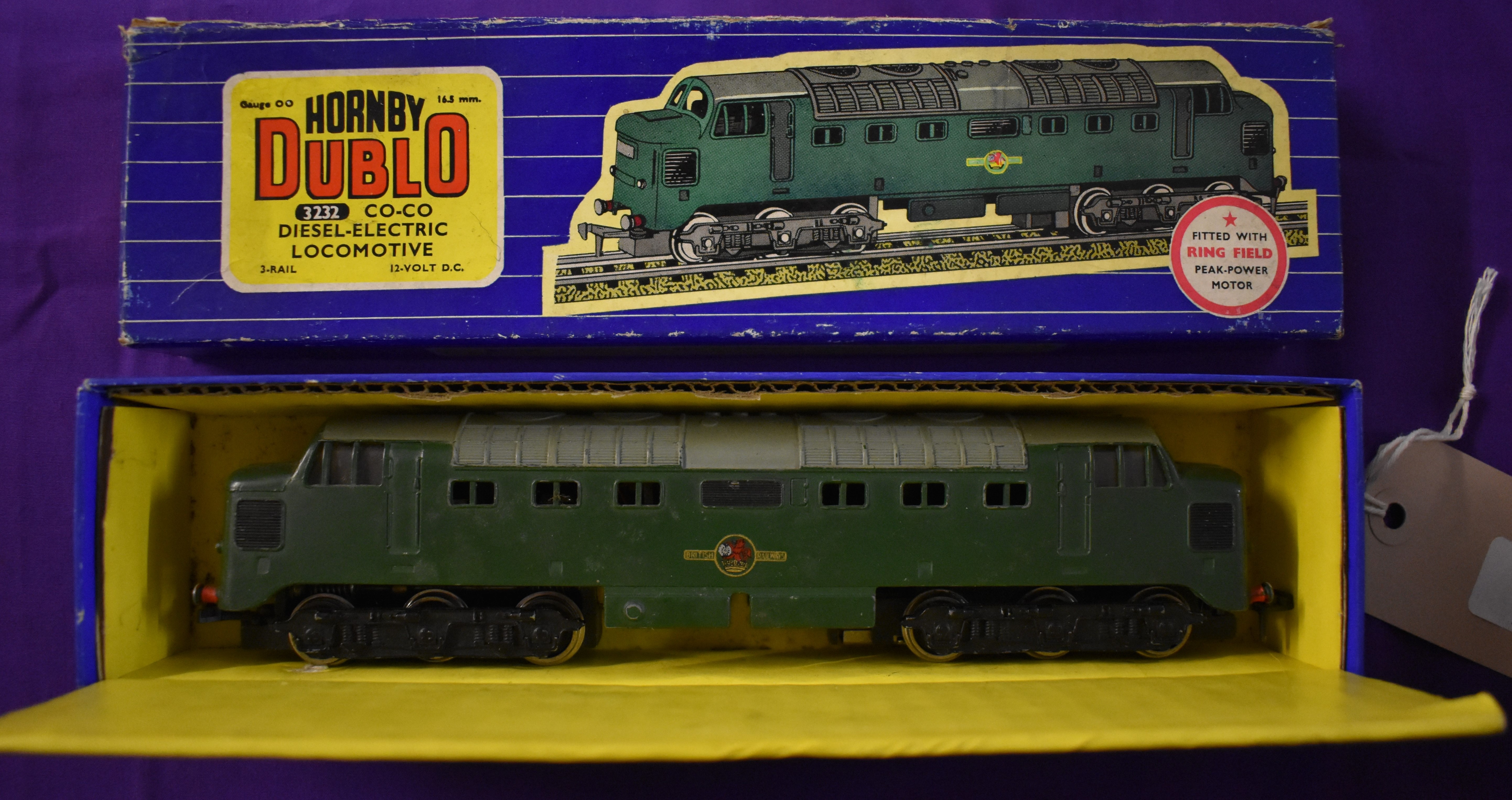
We have two auctions in late July. On Tuesday the 23rd a collection of sporting memorabilia will be going under the hammer, but I have hardly had anything to do with that sale. On Wednesday the 24th over 500 lots of collectors models, mostly trains, but some buses and lorries as well, will be going under the hammer. Imaging for this auction has been my focus for a while (the job is by no means complete, but many more have been imaged than not. The printed catalogue for this auction arrived at our premises this week, and it is already viewable on both our online platforms – links below.
This is from lot 600. My preferred platform for bidding and following the progress of auctions is easyliveauction. The train lots start at lot 501.….the other online platform we use is the-saleroom.com. This image is part of the gallery for lot 603 (almost all of these items are still in their original boxes).As before, the train lots start in the 50os.
PHOTOGRAPHS
I have a bumper gallery of my regular photos to end with…
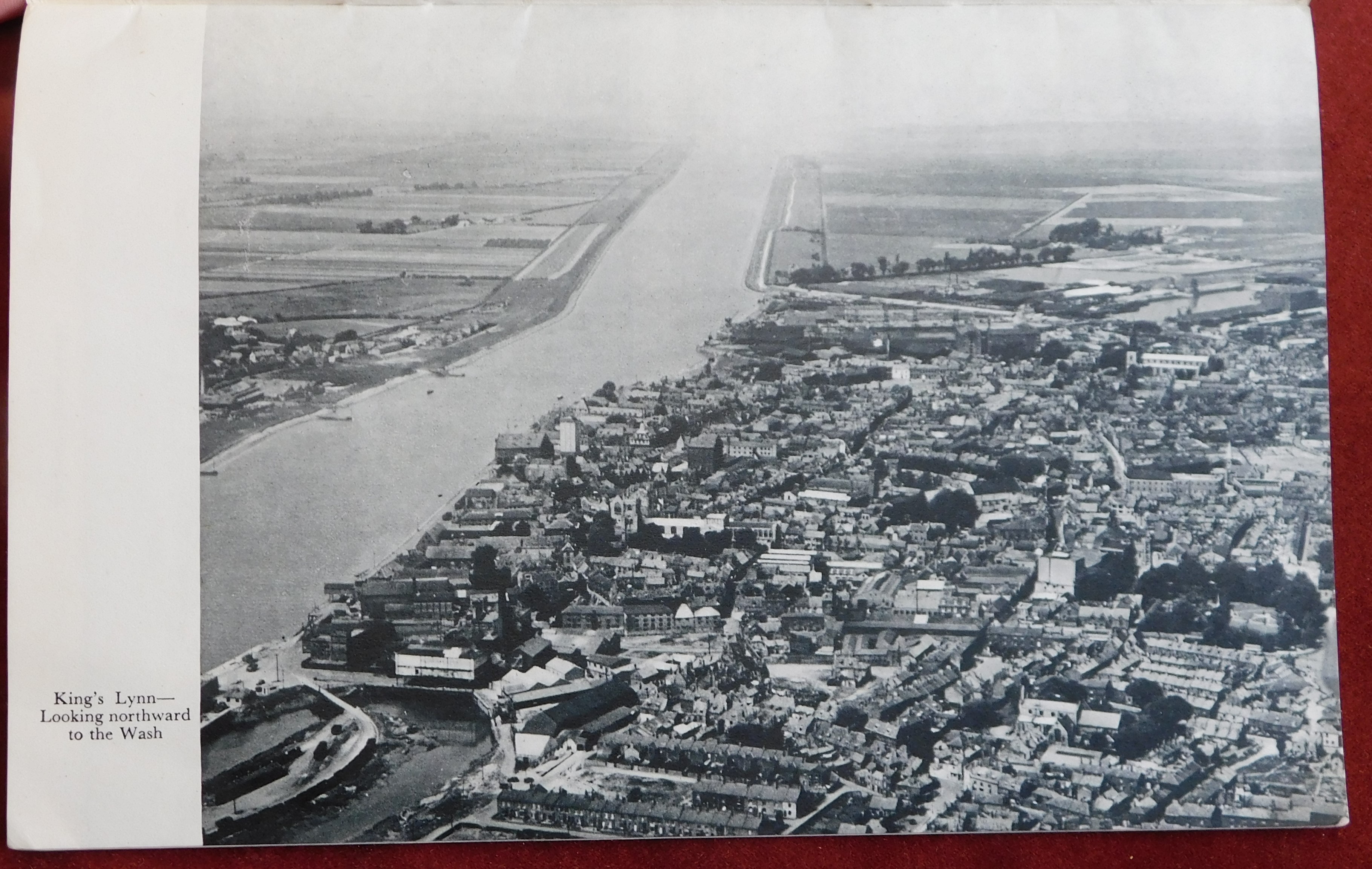
I use a recent acquisition to showcase some of the more iconic buildings in King’s Lynn.
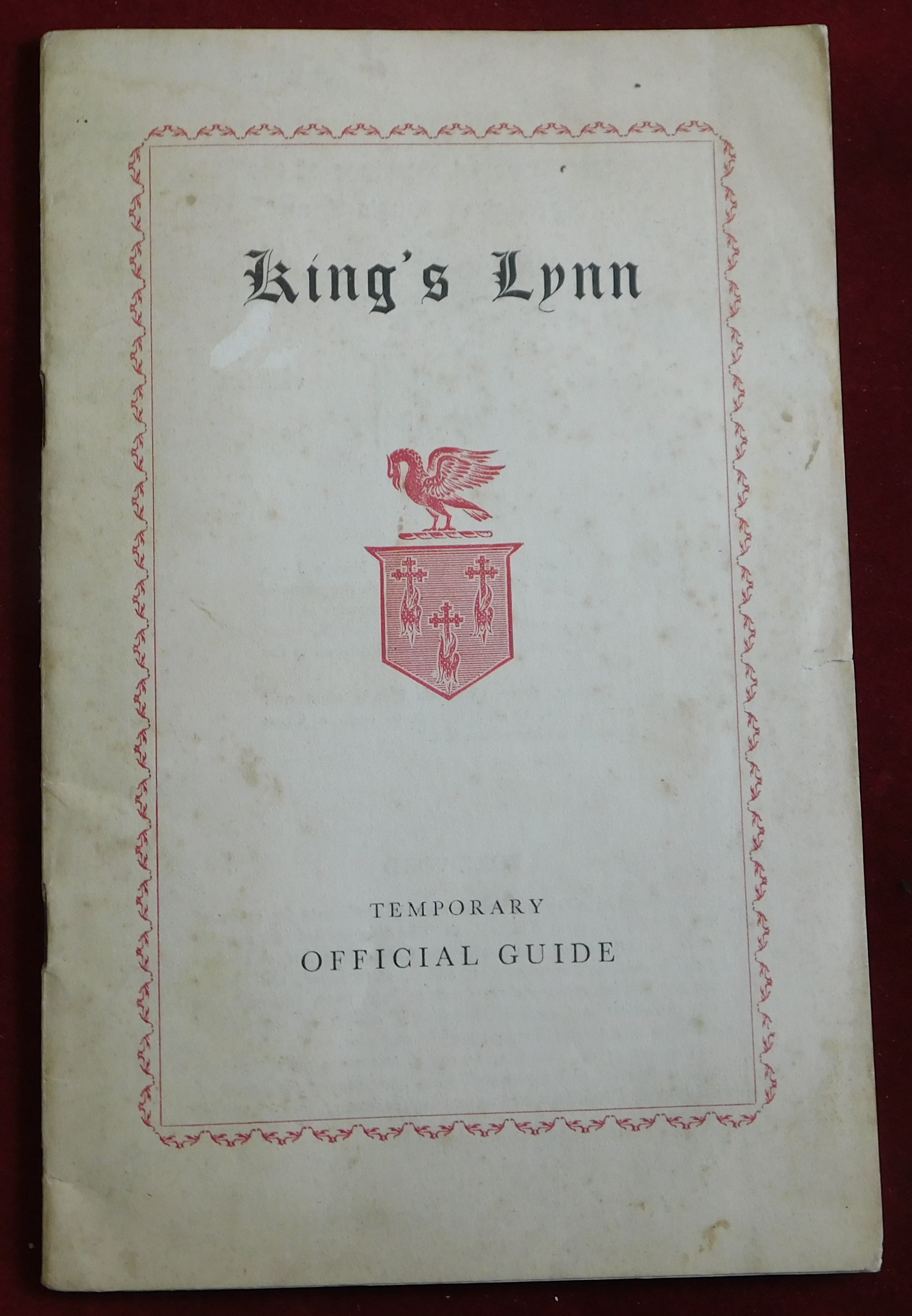
This is the first post I am creating that is inspired by lot 526 at James and Sons’ May auction. This item, a 1950 Temporary Guide to King’s Lynn was knocked down to me for £5. In the post that follows I will be showing each of the images I produced when photographing the item for auction and then producing pictures of the buildings concerned taken by me in 2024.
FRONT COVER AND MAP
The first two images are of the front cover and the map. These have no present day equivalents.
The Map…
COMPARISON PICTURES
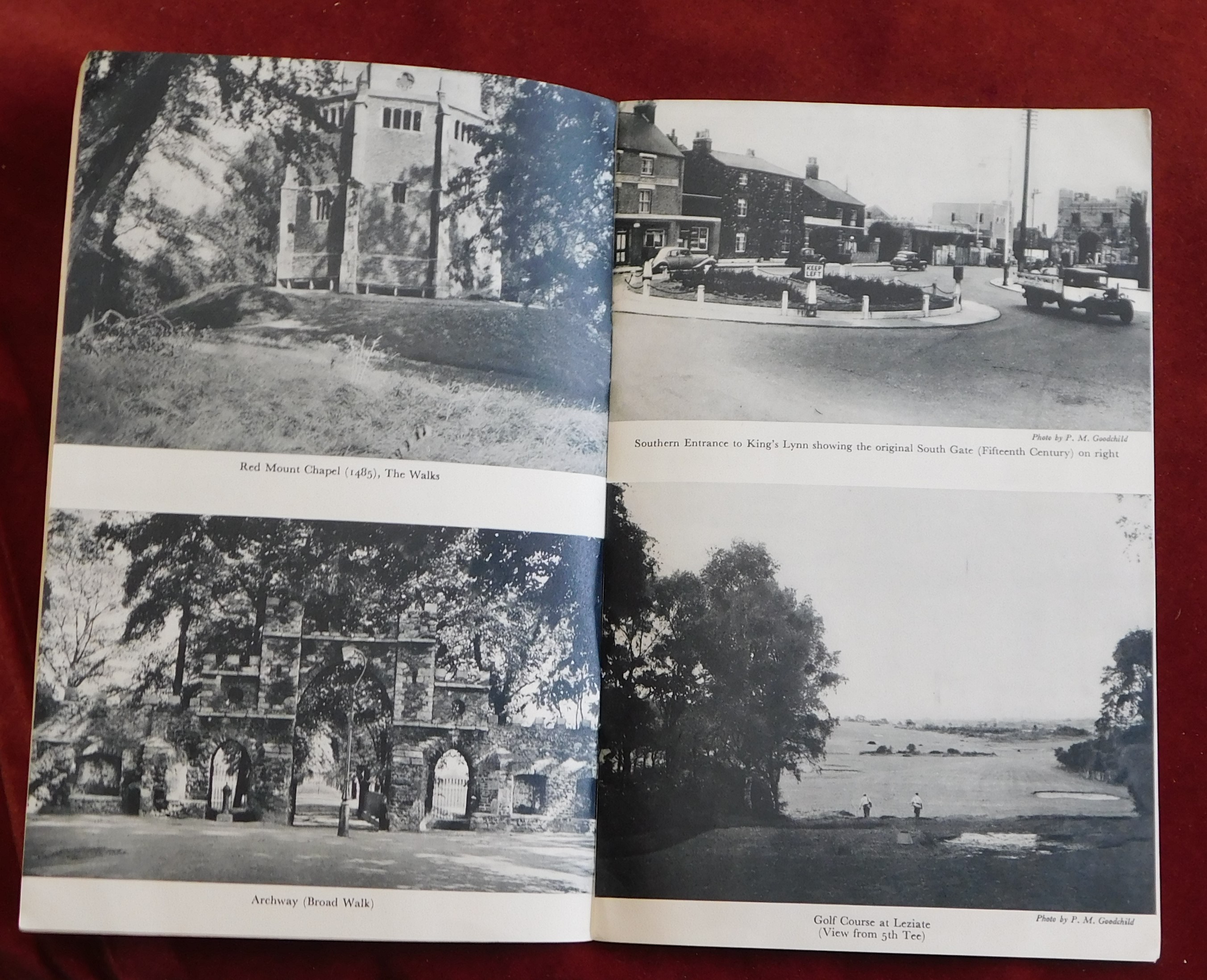
The first image that offers modern comparisons from my own stock of pictures is this one…
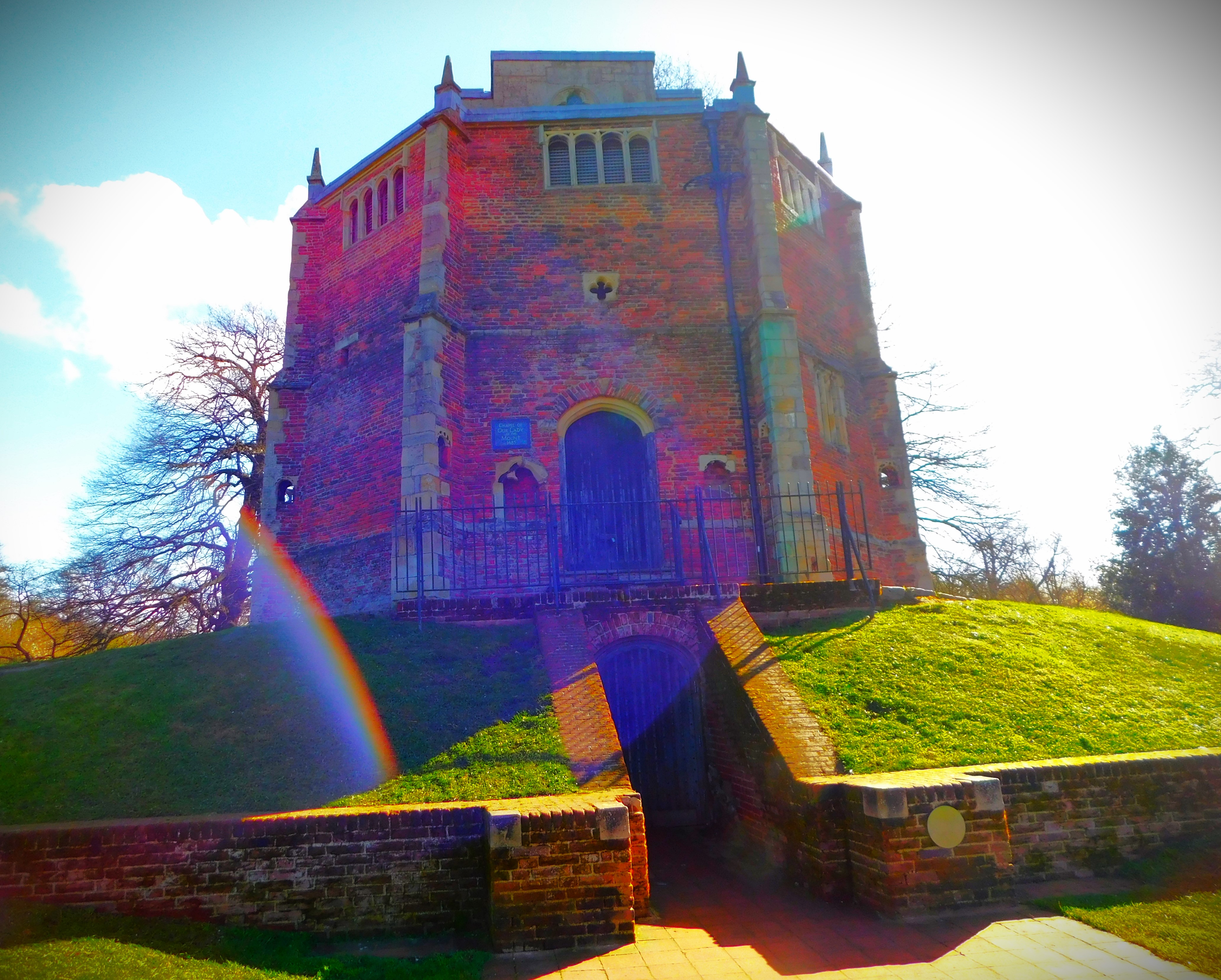
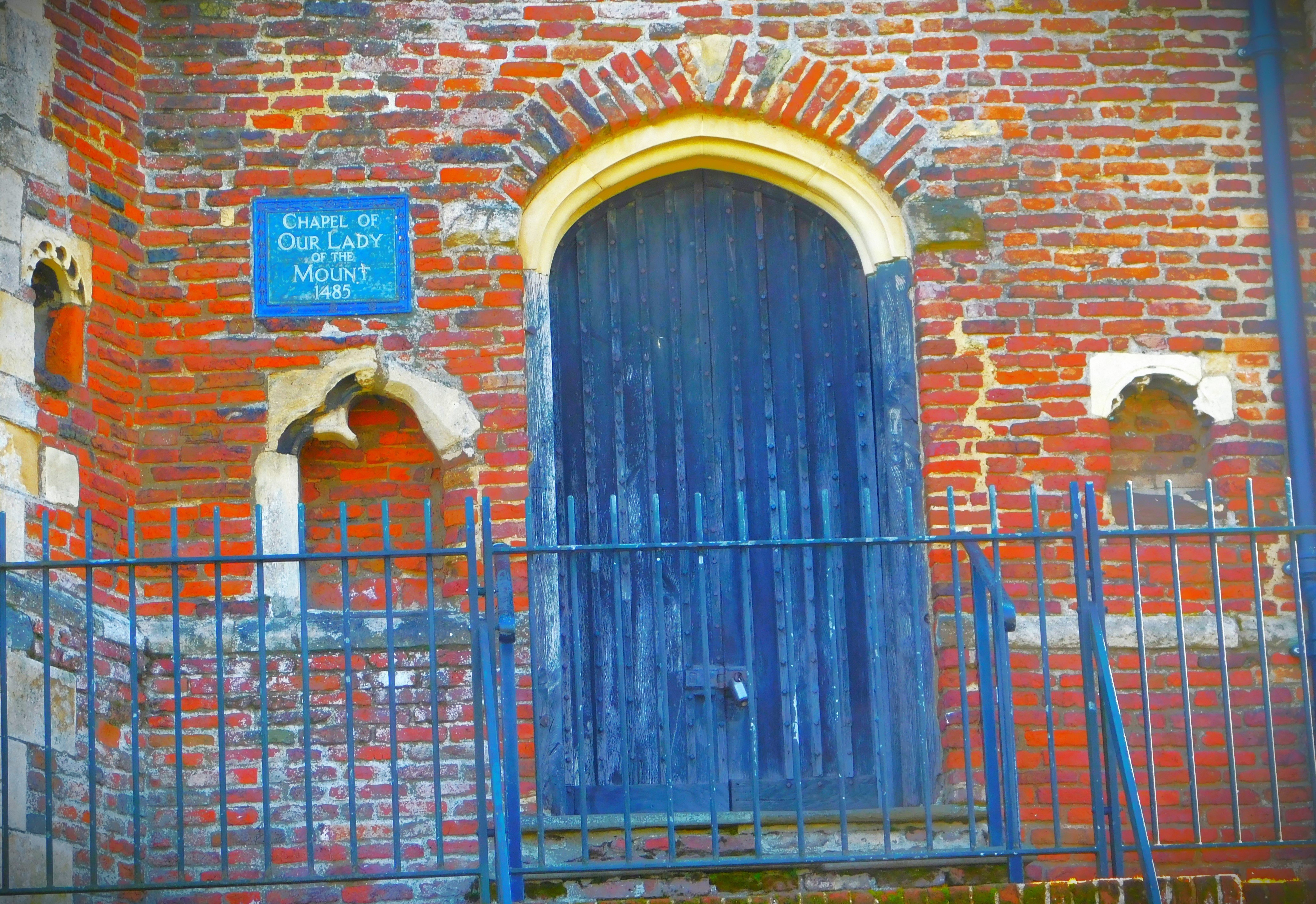
There are four landmarks in this image – The Red Mount Chapel and The Archway in Broad Walk, or as it is correctly known Guanock Gate, on the left side as you look, the South Gate Approach (no direct equivalent, but I have got the gate itself) and Leziate Golf Course (no equivalent).
My pictures for comparison are presented as a gallery – to see a larger version of an image just click on it.
Front on view of the chapel.Close up of the upper door to the chapel.Close up of the name plaqueA more side on view of the chapel.The Guanock Gate town sideThe Guanock Gate out of town side.The South Gate looking towards the town.
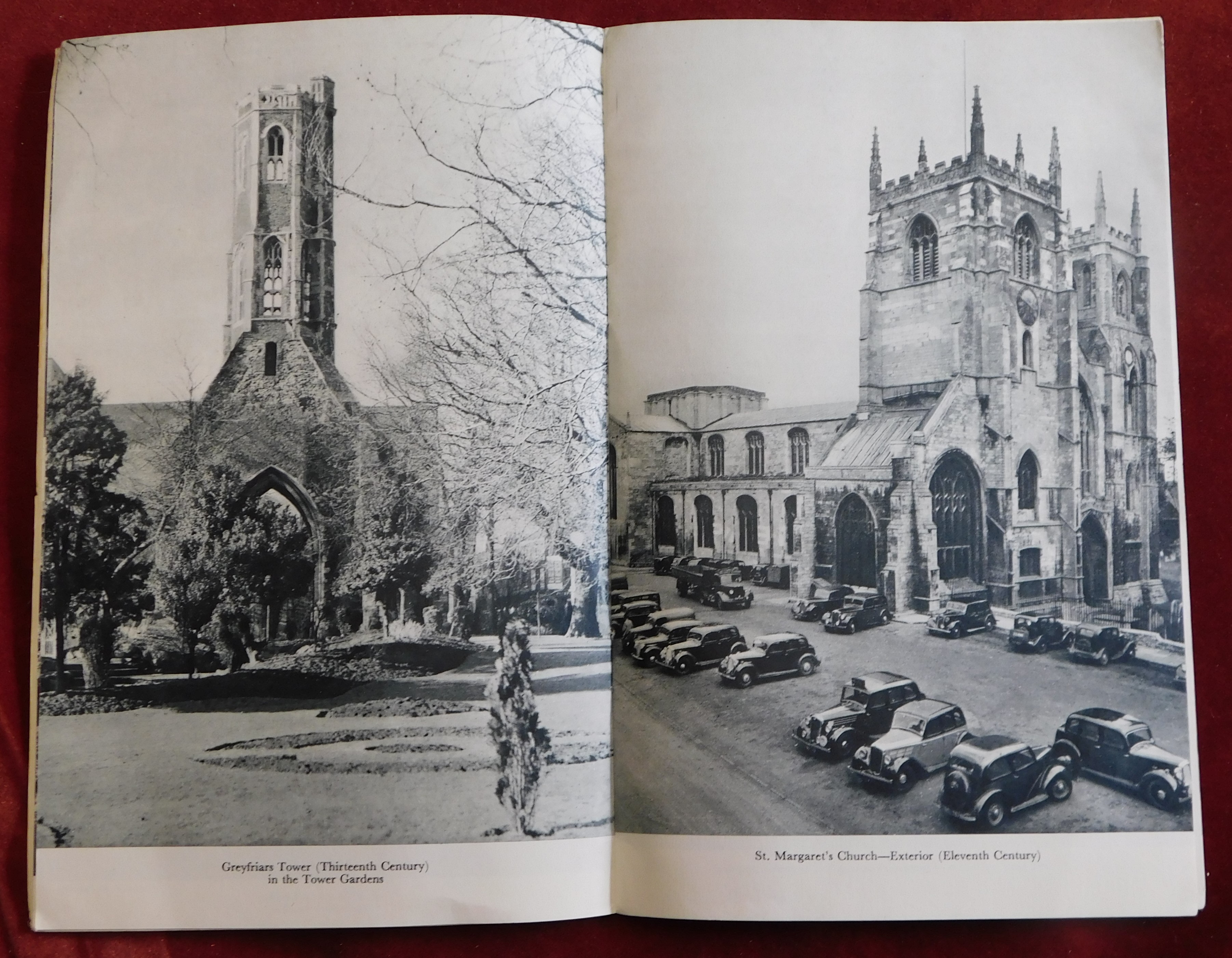
Here is the next image from the booklet…
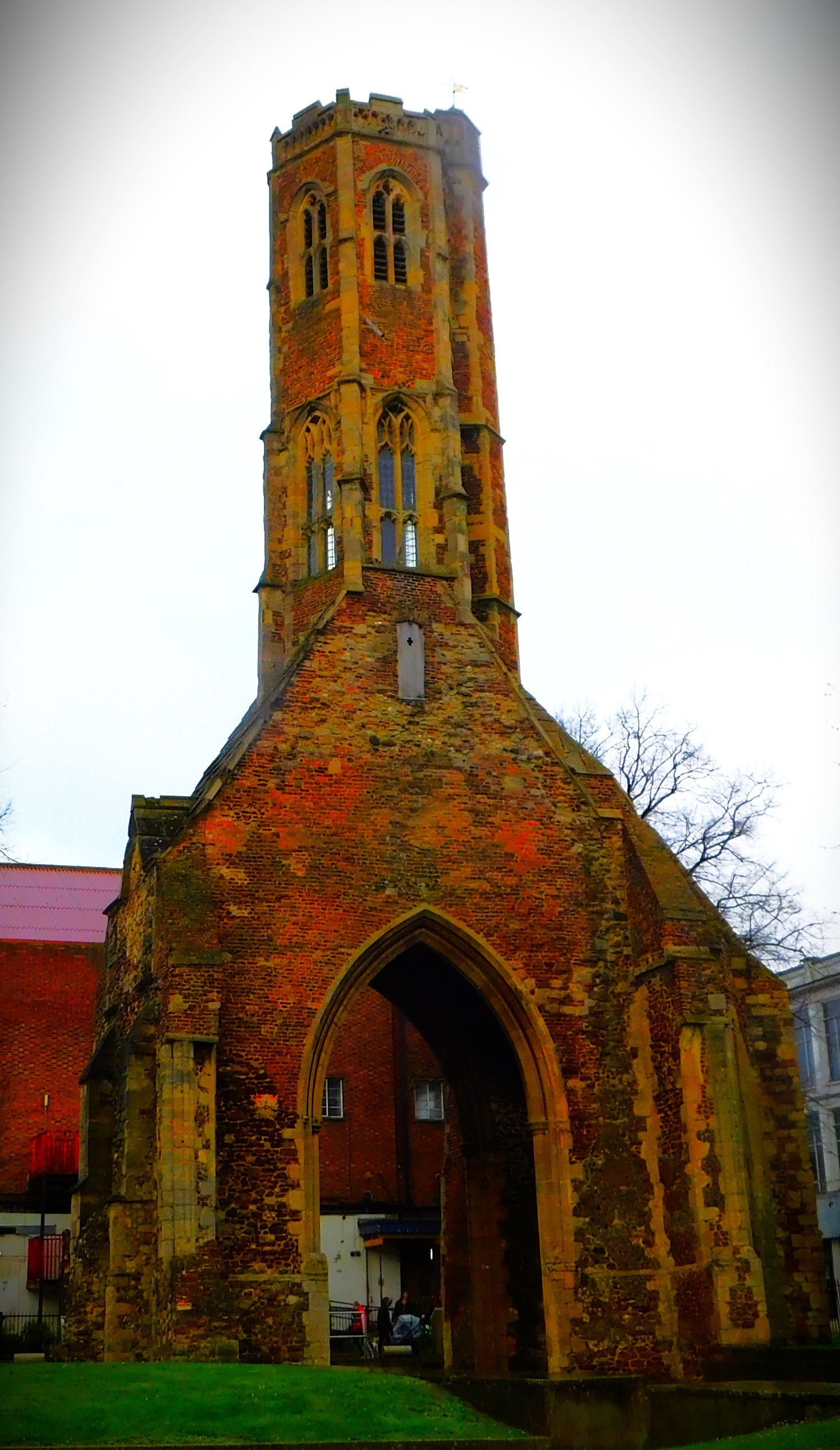
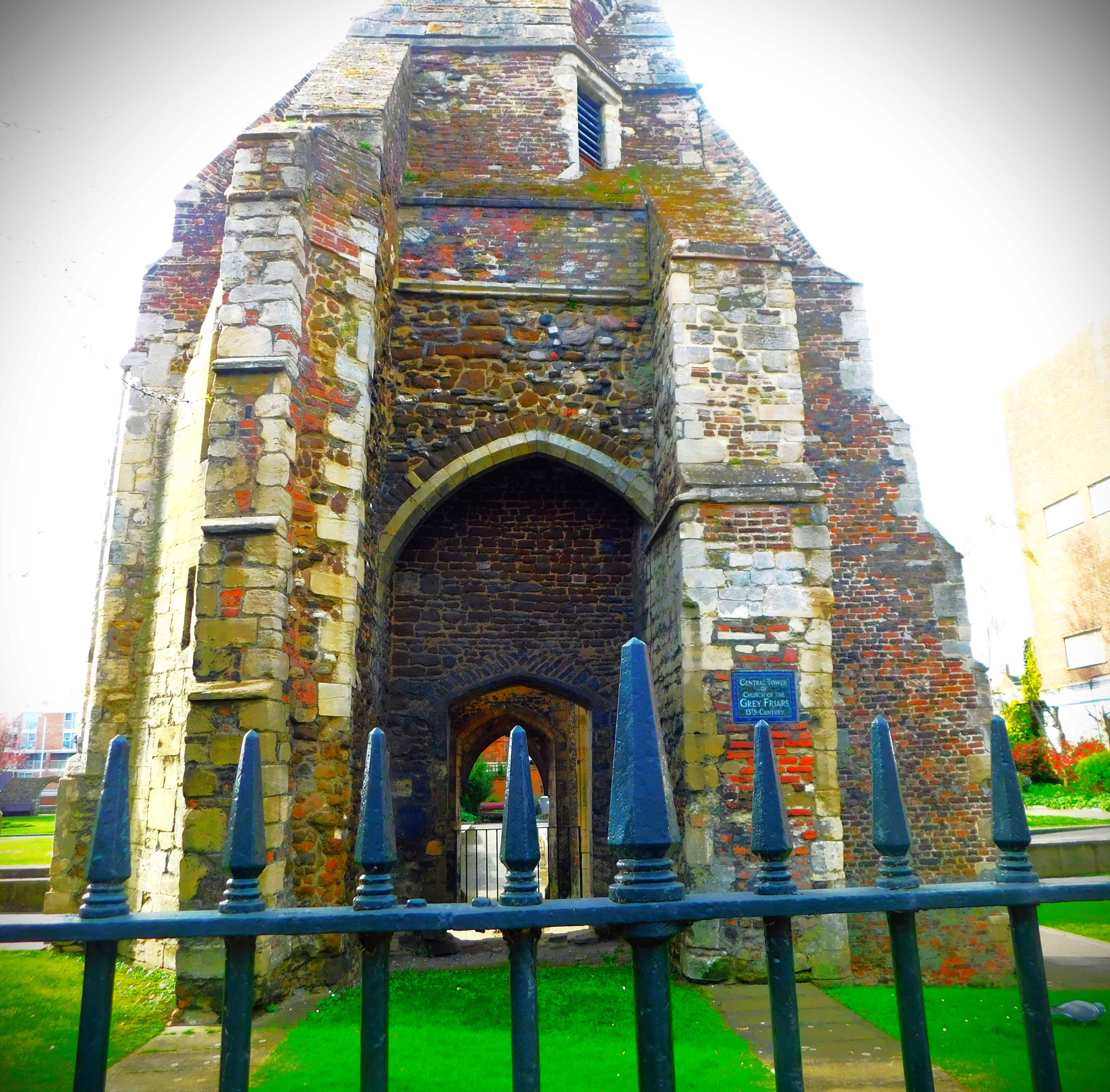
On the left is Greyfriars Tower and on the right what was then St Margarets Church and is now King’s Lynn Minster.
2024 versions…
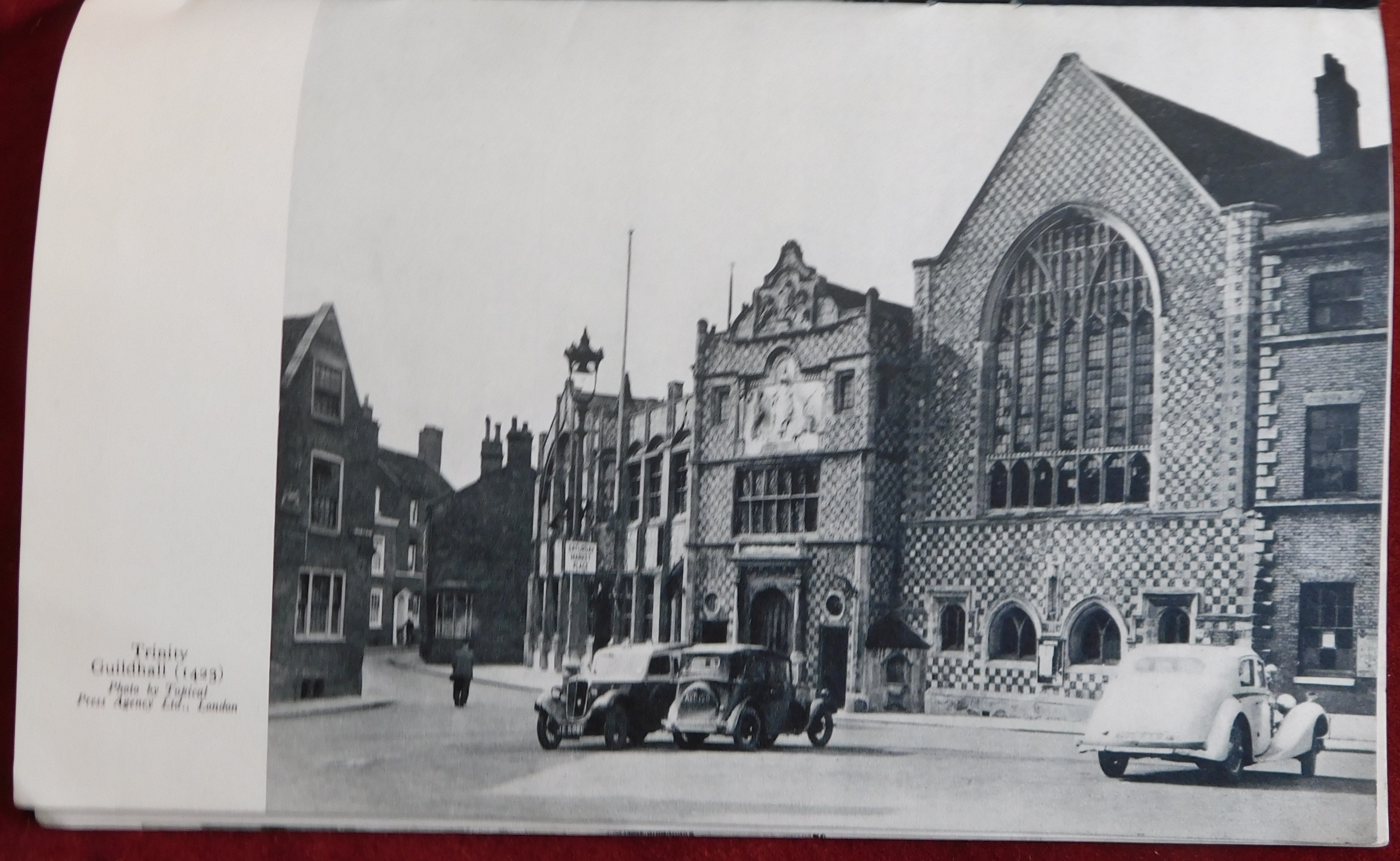
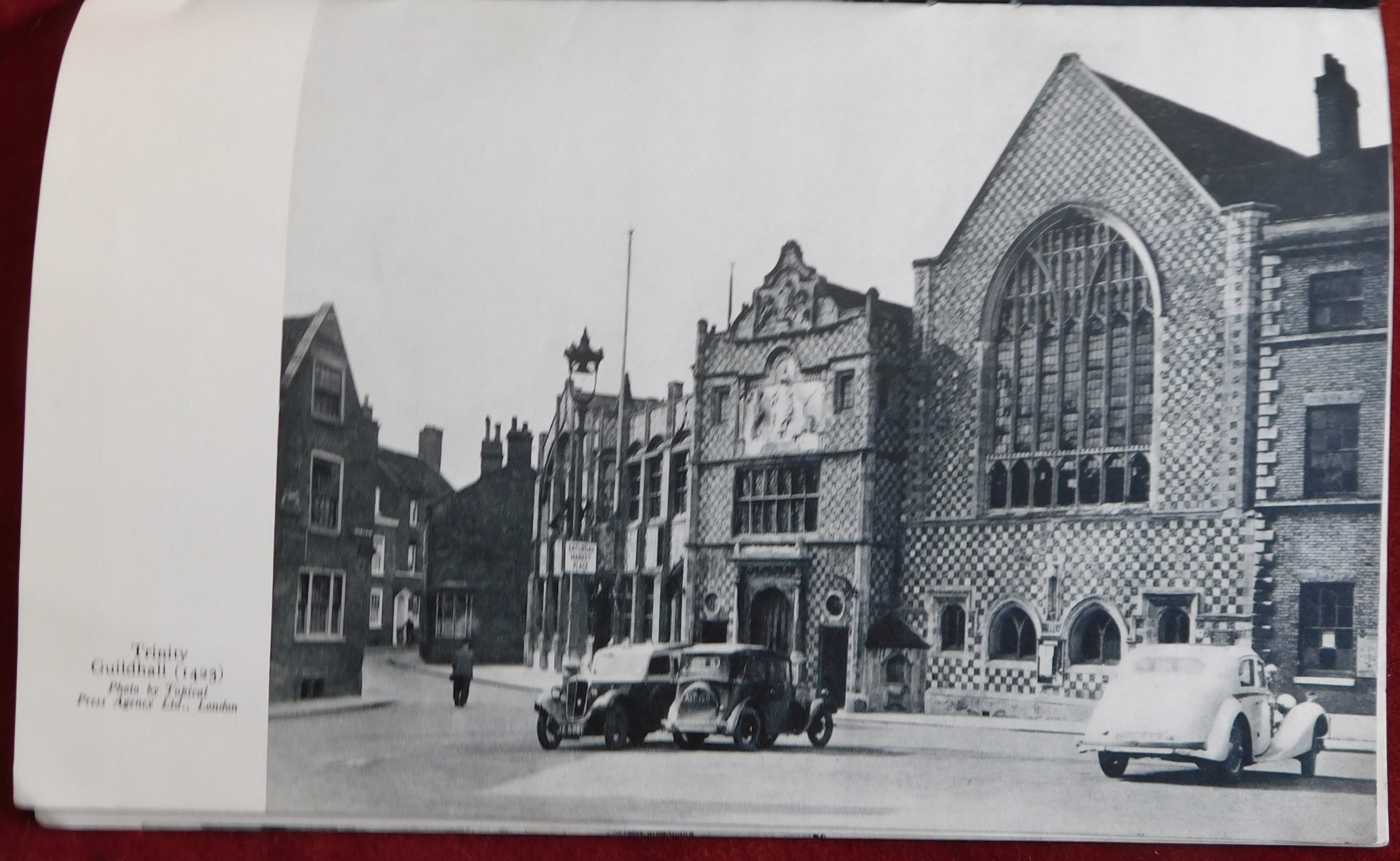
This was the next image I produced for auction…
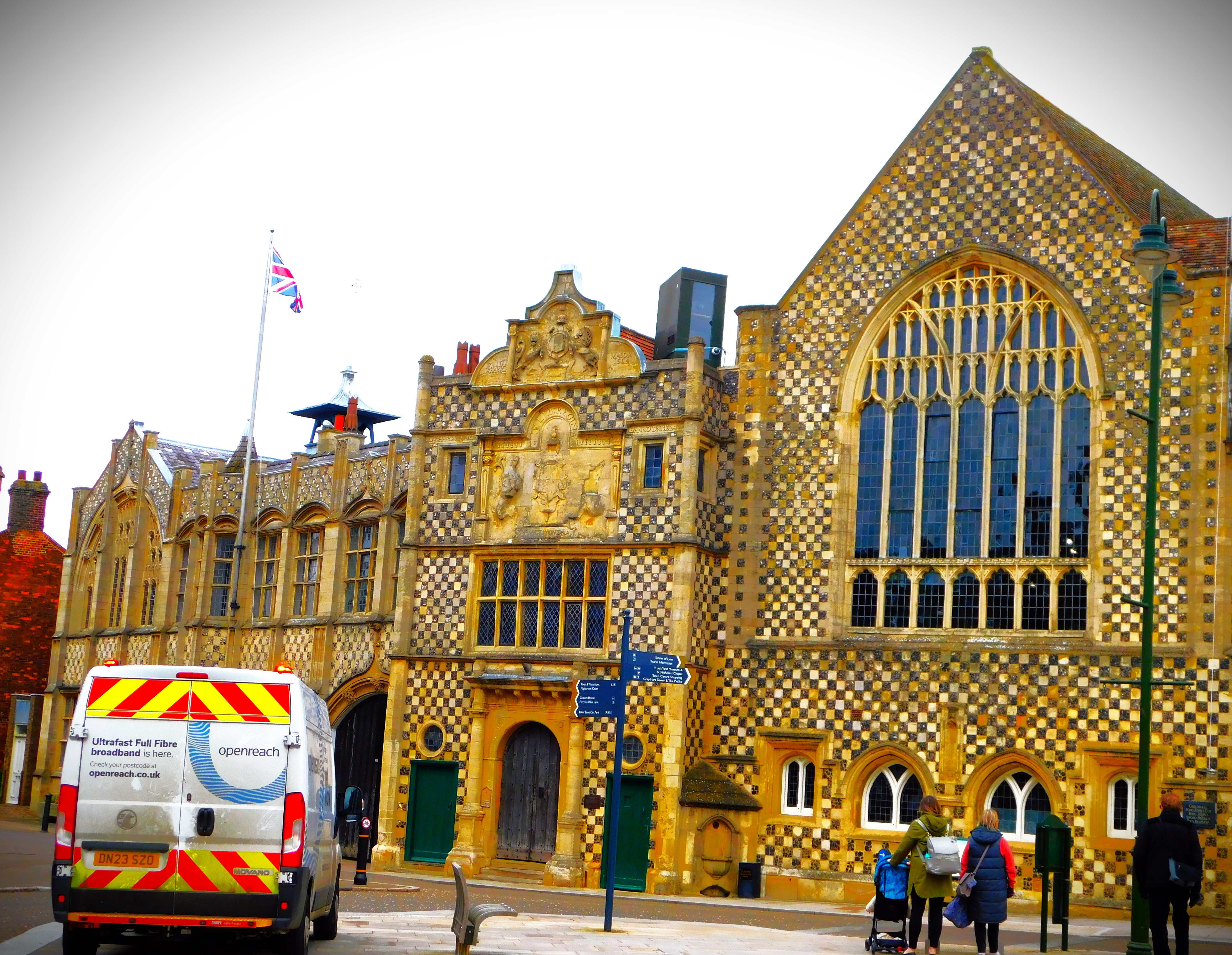
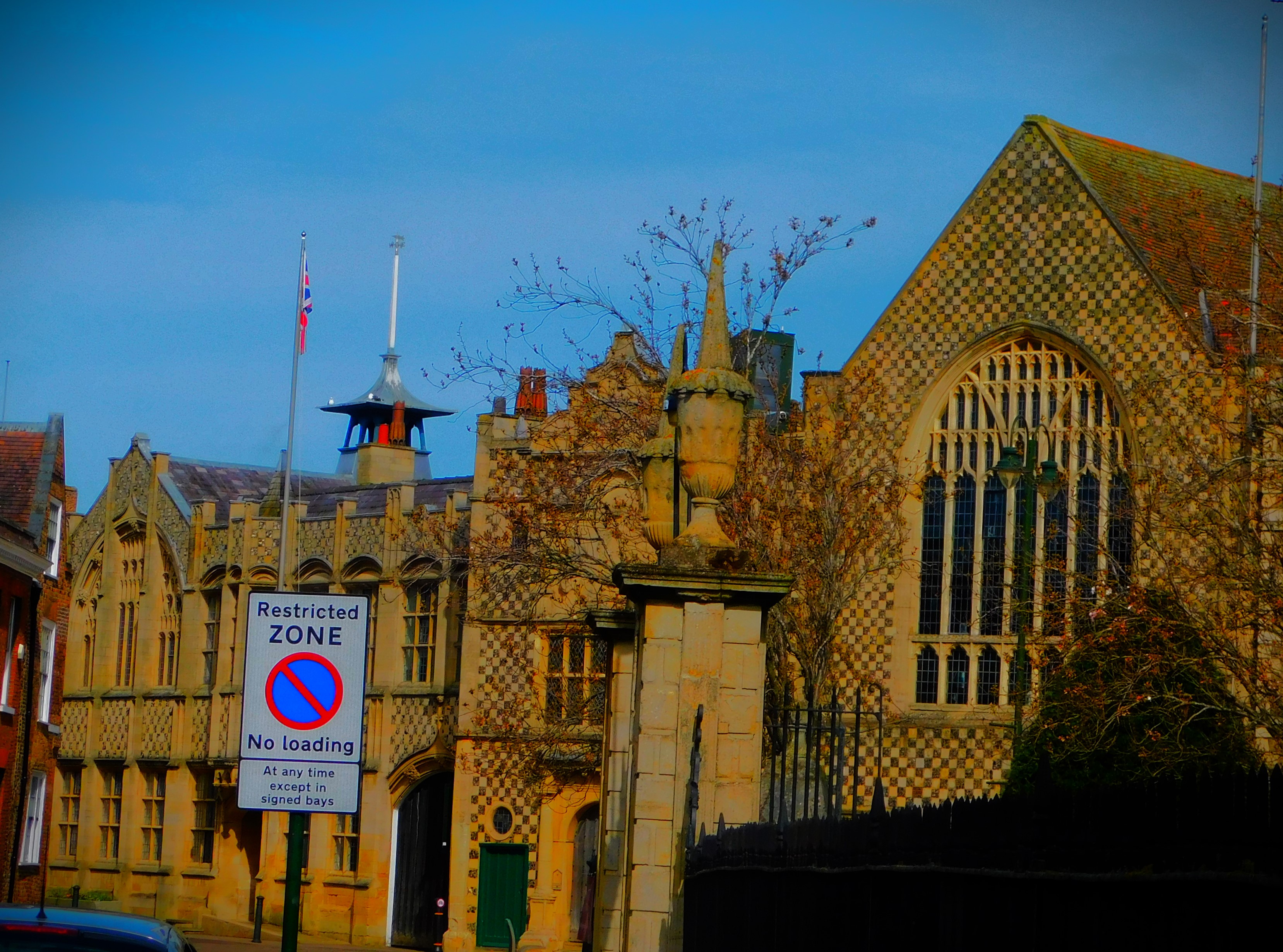
This is the iconic Guildhall of the Holy Trinity, also known as King’s Lynn Town Hall.2024 images of the building (six pics – click to view at a full size).
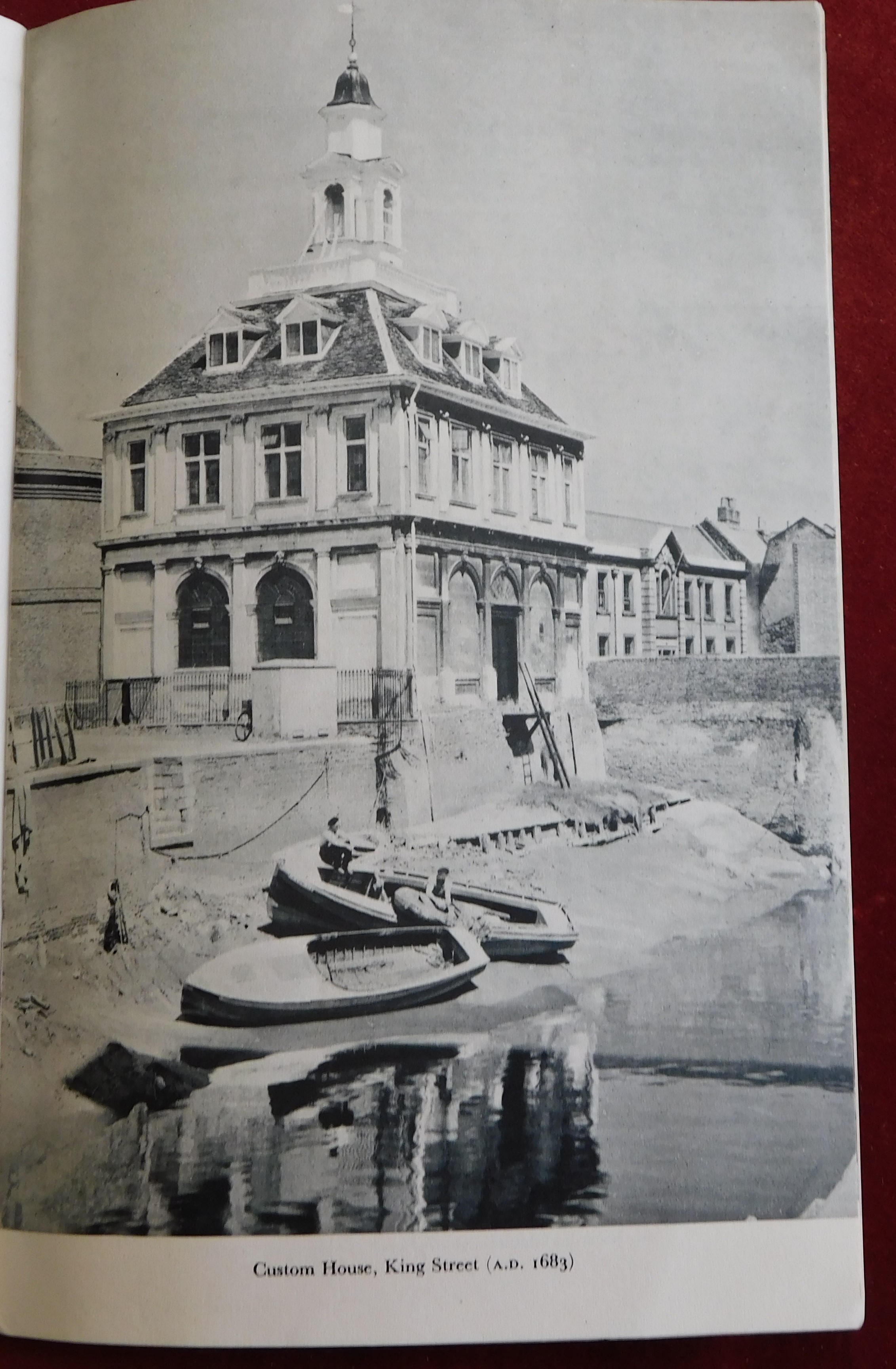
The next image I produced for auction was this:
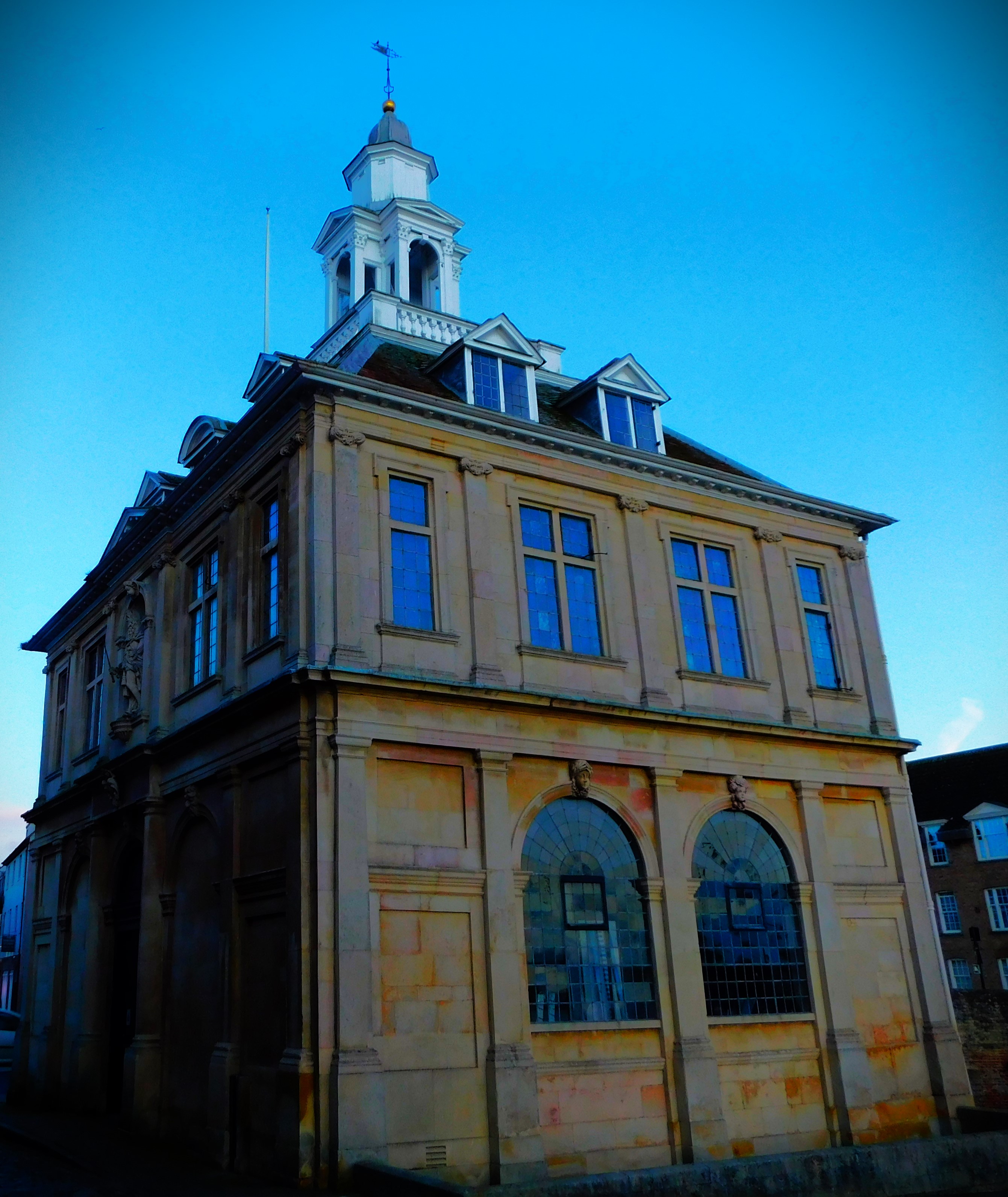
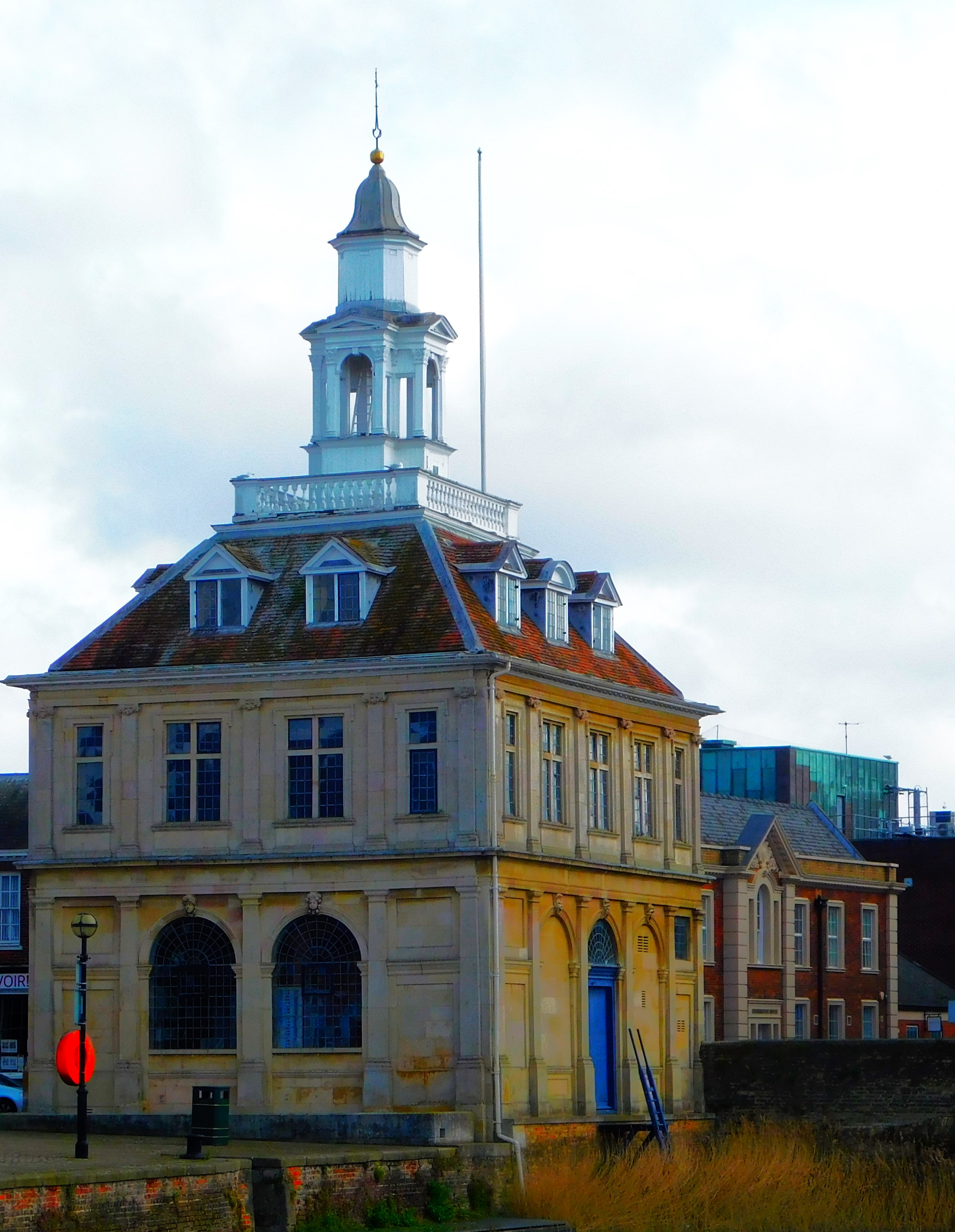
The Custom House, the most iconic building in the town.
The Custom House is the official dividing point between the two medieval towns that together form King’s Lynn. Here are some 2024 pictures…
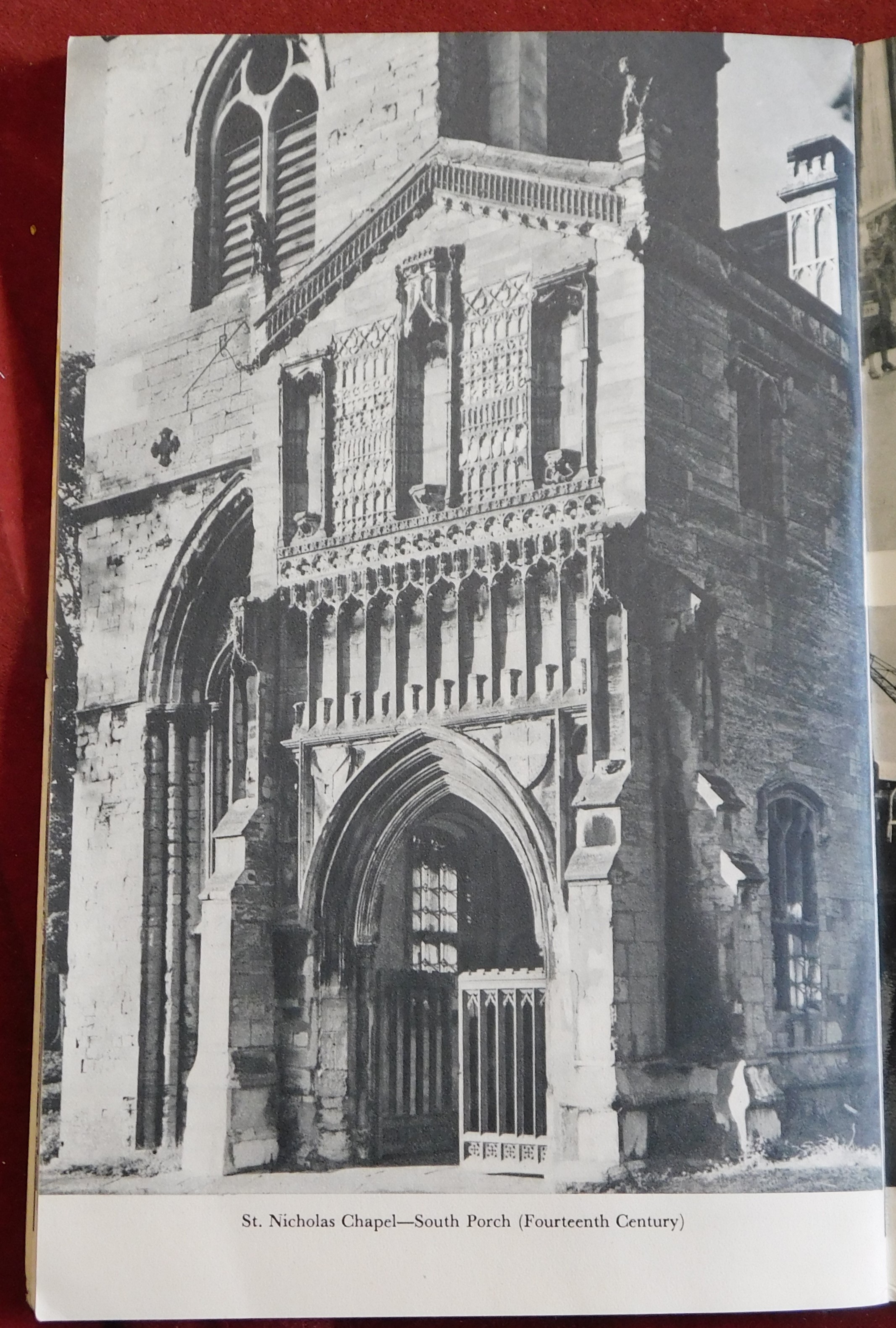
The next and final image in the gallery for auction was this one…
The South Porch of St Nicholas Chapel.
This is what this looks like in 2024…
There has recently been restoration work done on this chapel (witness the scaffolding in the top left corner of this picture.
A look back at the James and Sons auction that took place on Tuesday and Wednesday of this week, with lots of photos. Also a gallery of my usual hobby photos.
On Tuesday and Wednesday of this week James and Sons of Fakenham had their May auction. Tuesday was devoted to stamps and postal history, while Wednesday was a general auction, with lots of different types of stuff under the hammer. This post looks at some of the highlights of the two days.
TUESDAY – STAMPS ETC
I was working above the shop where the auction was taking place, so cannot comment on the sale as a whole. However lot 256 went to me, and was clearly uncontested given how low the hammer price was. These are the images that were available to the general public:
Time constraints limited the size of the image gallery I could produce for this lot, but my own interest in securing meant the gallery had to be as complete as I could reasonably make it.
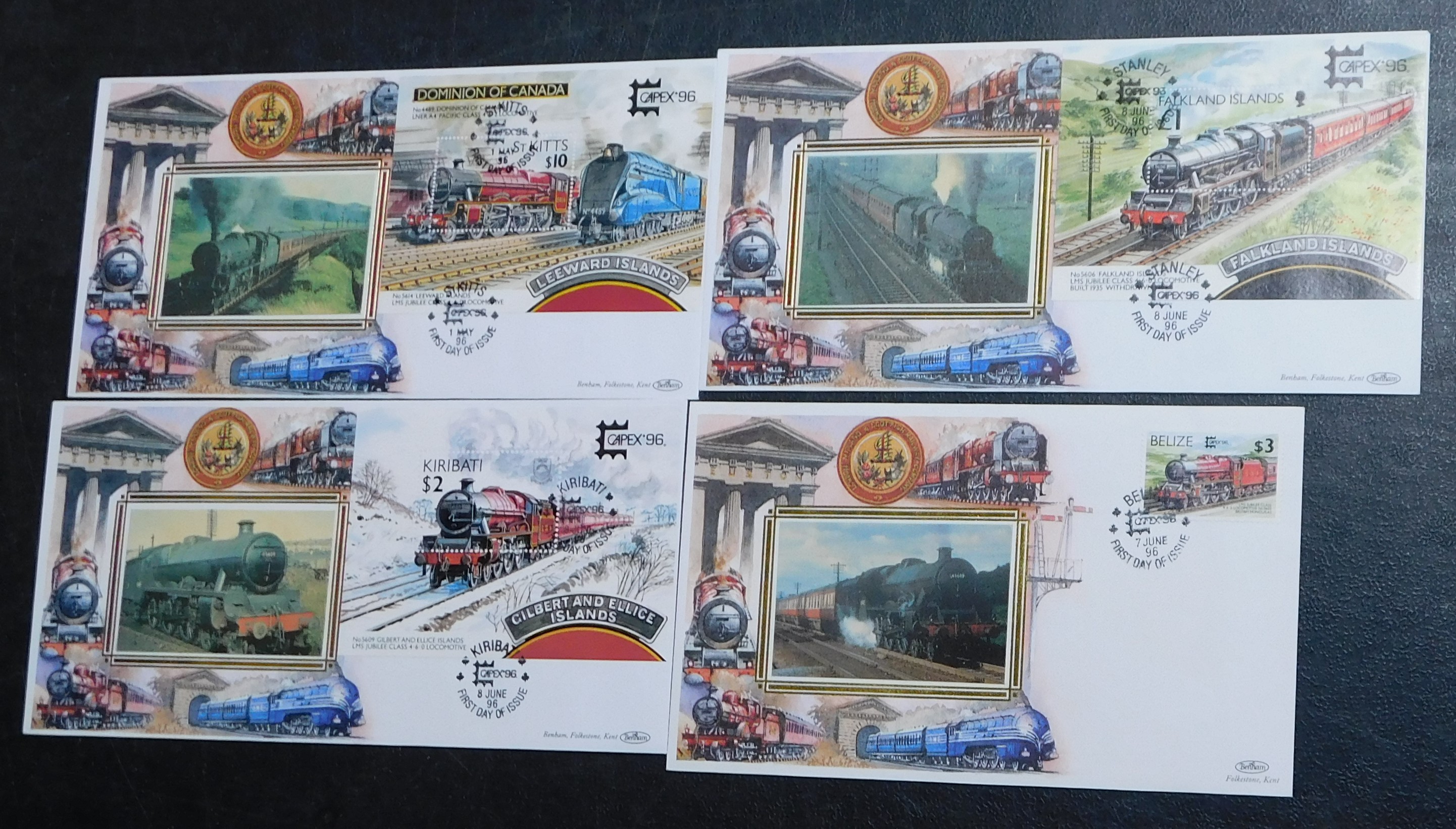
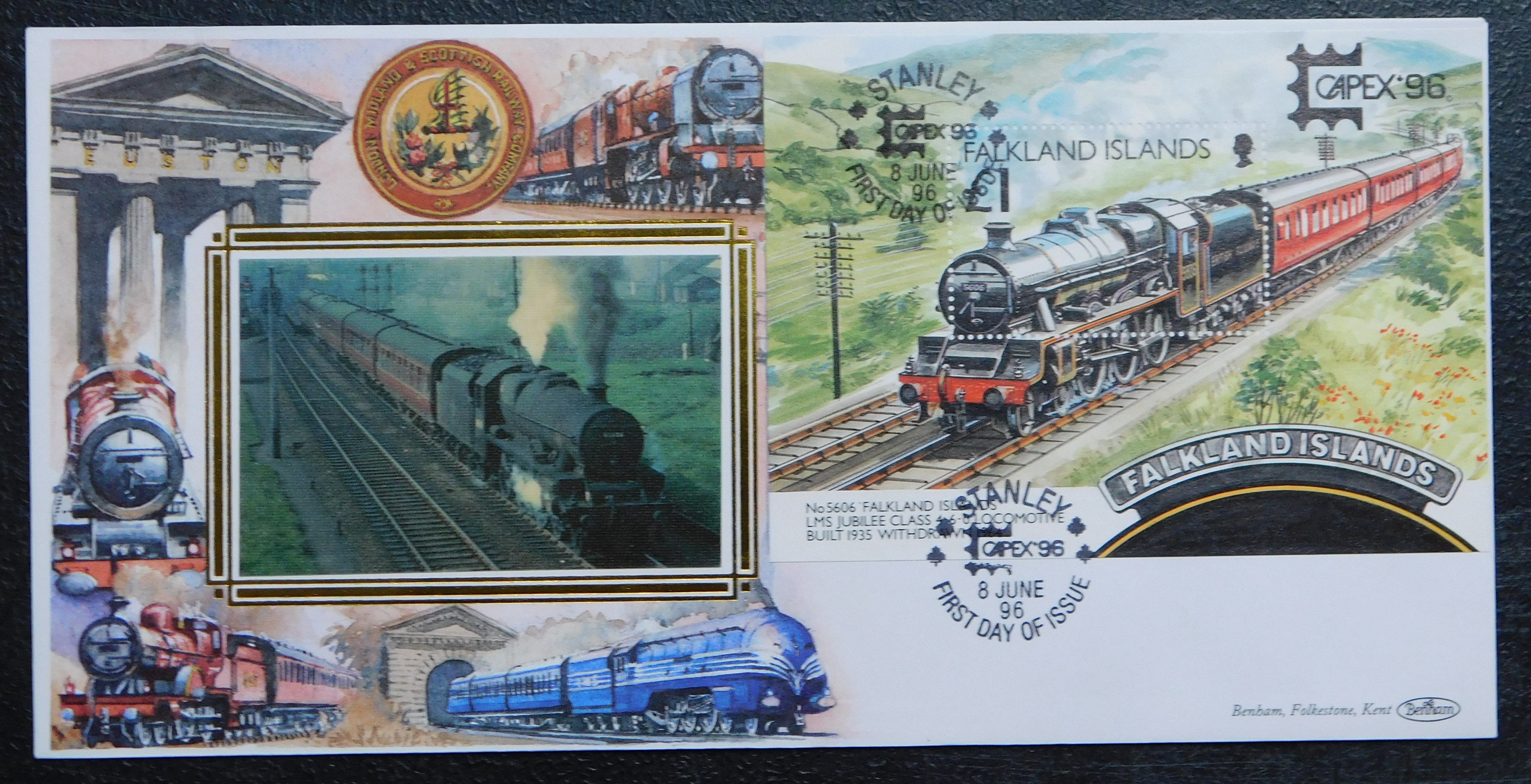
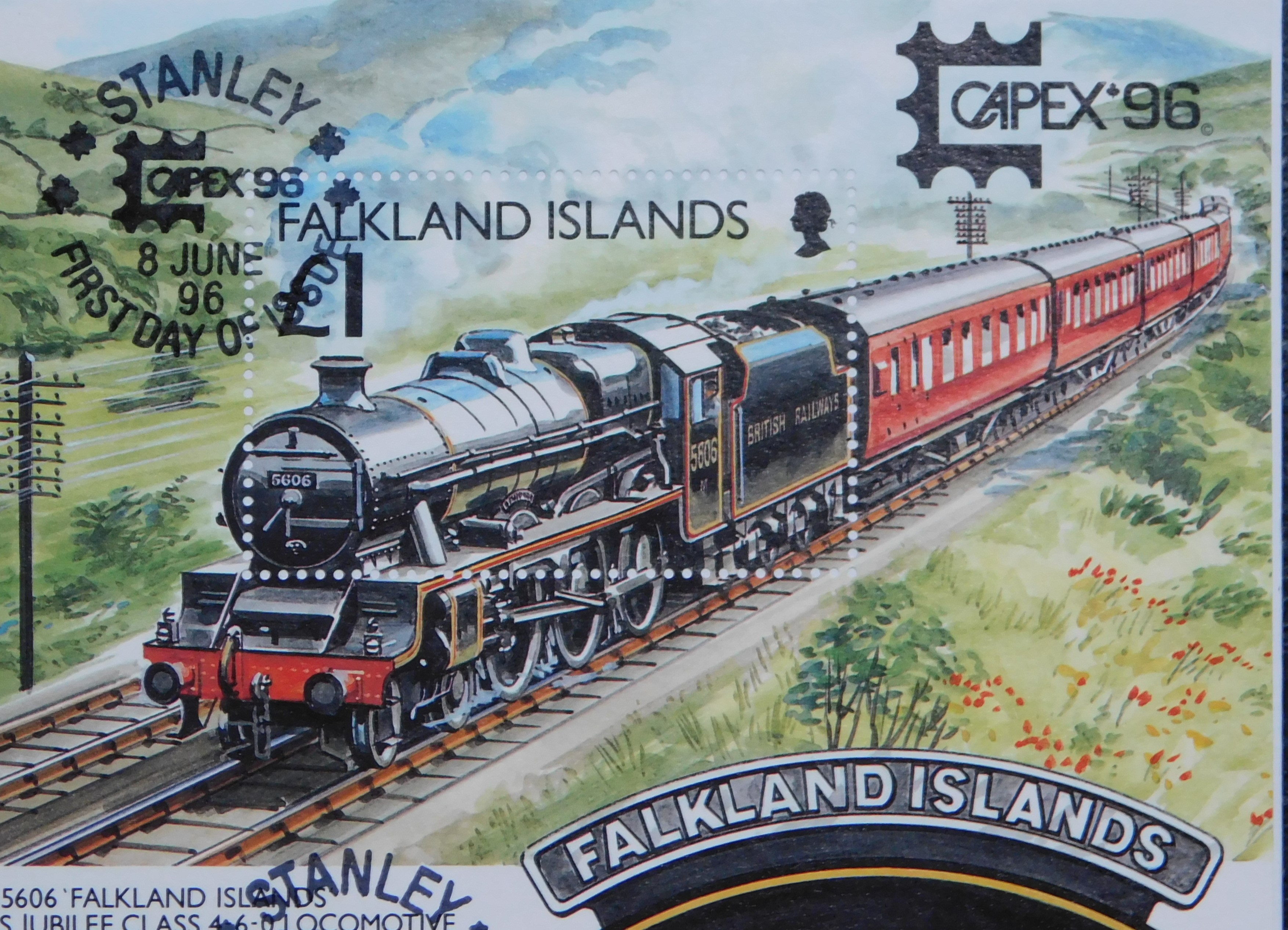
Here are my own photos of the lot post acquisition, taken at home yesterday morning:
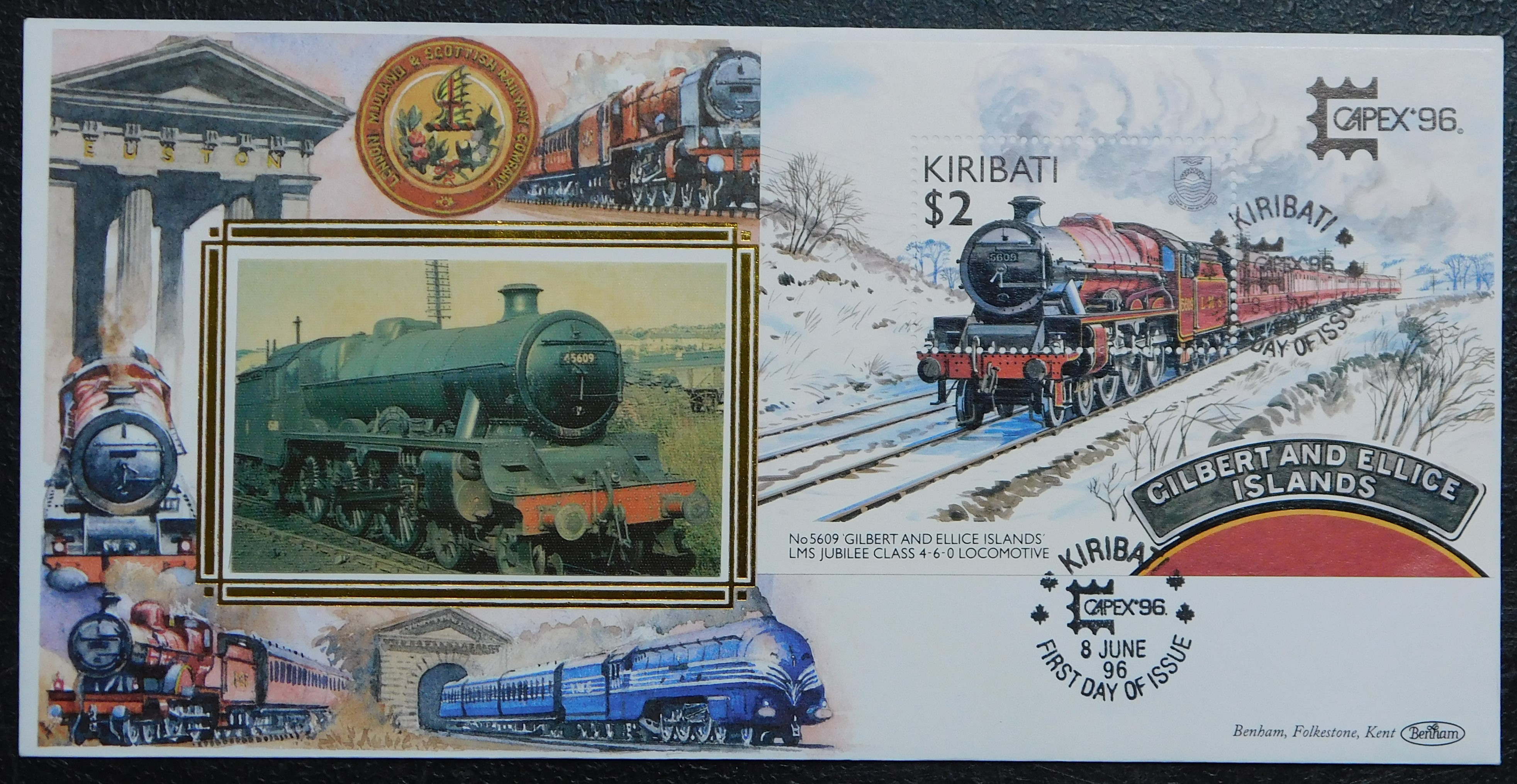
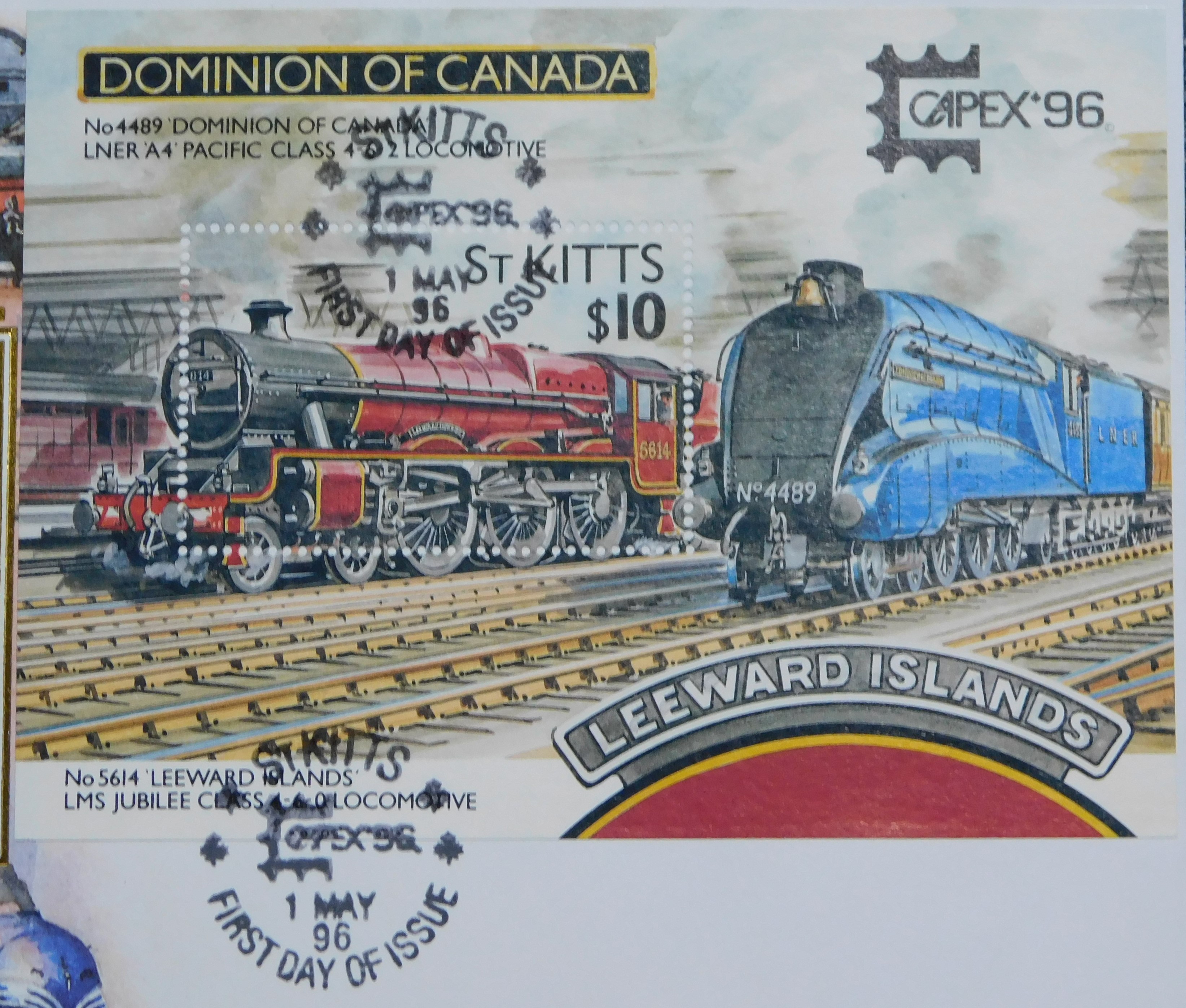
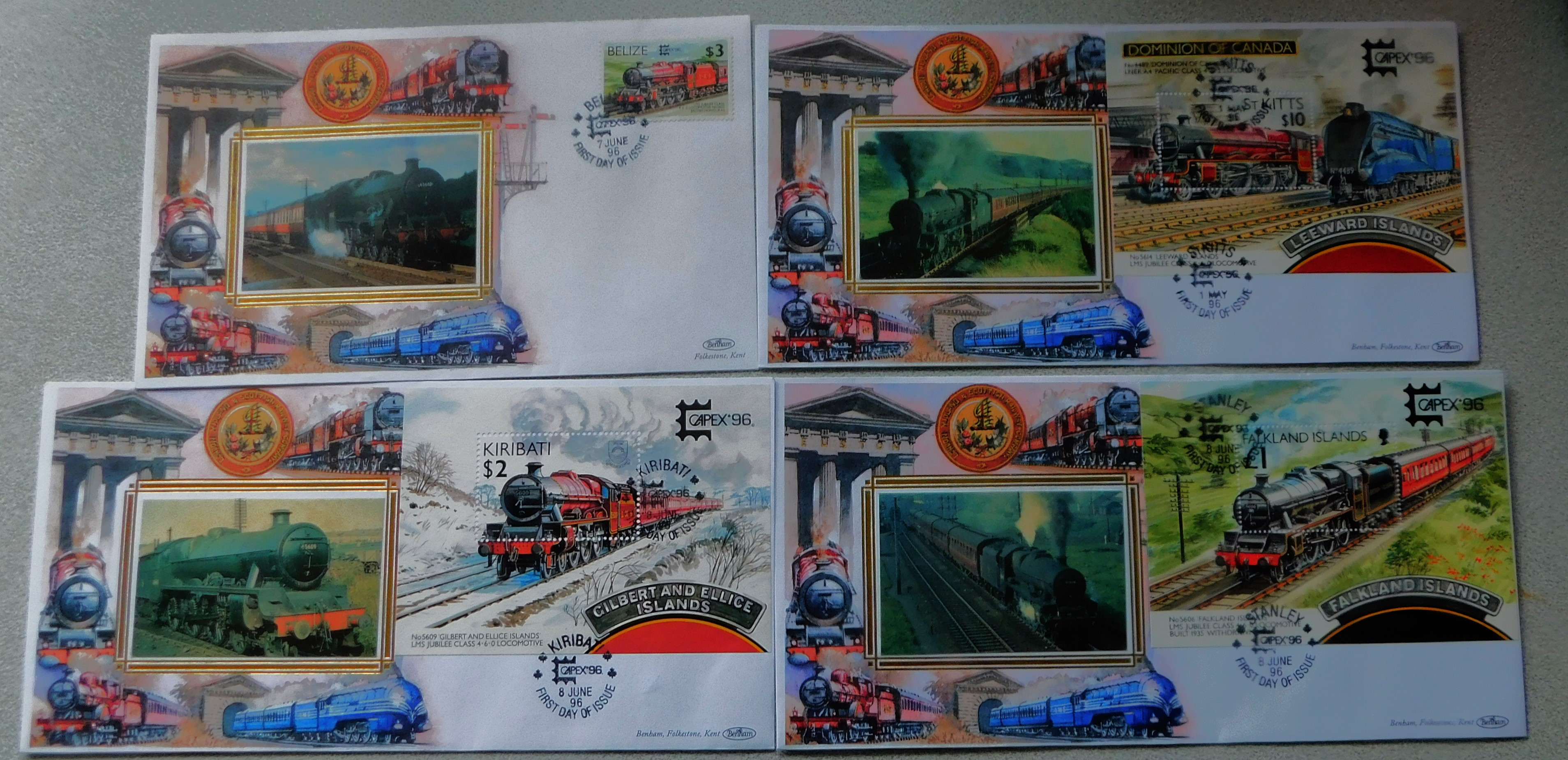
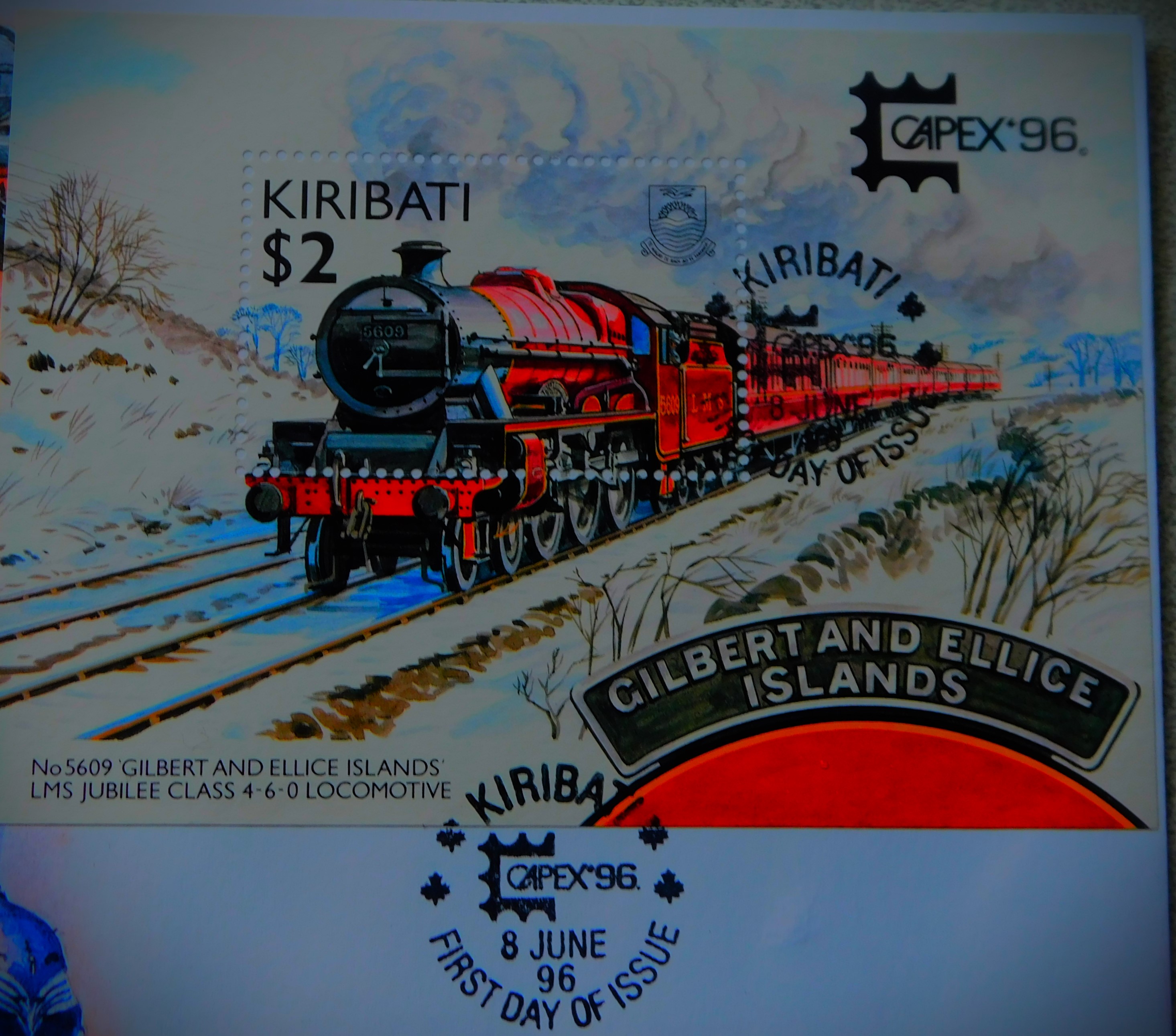
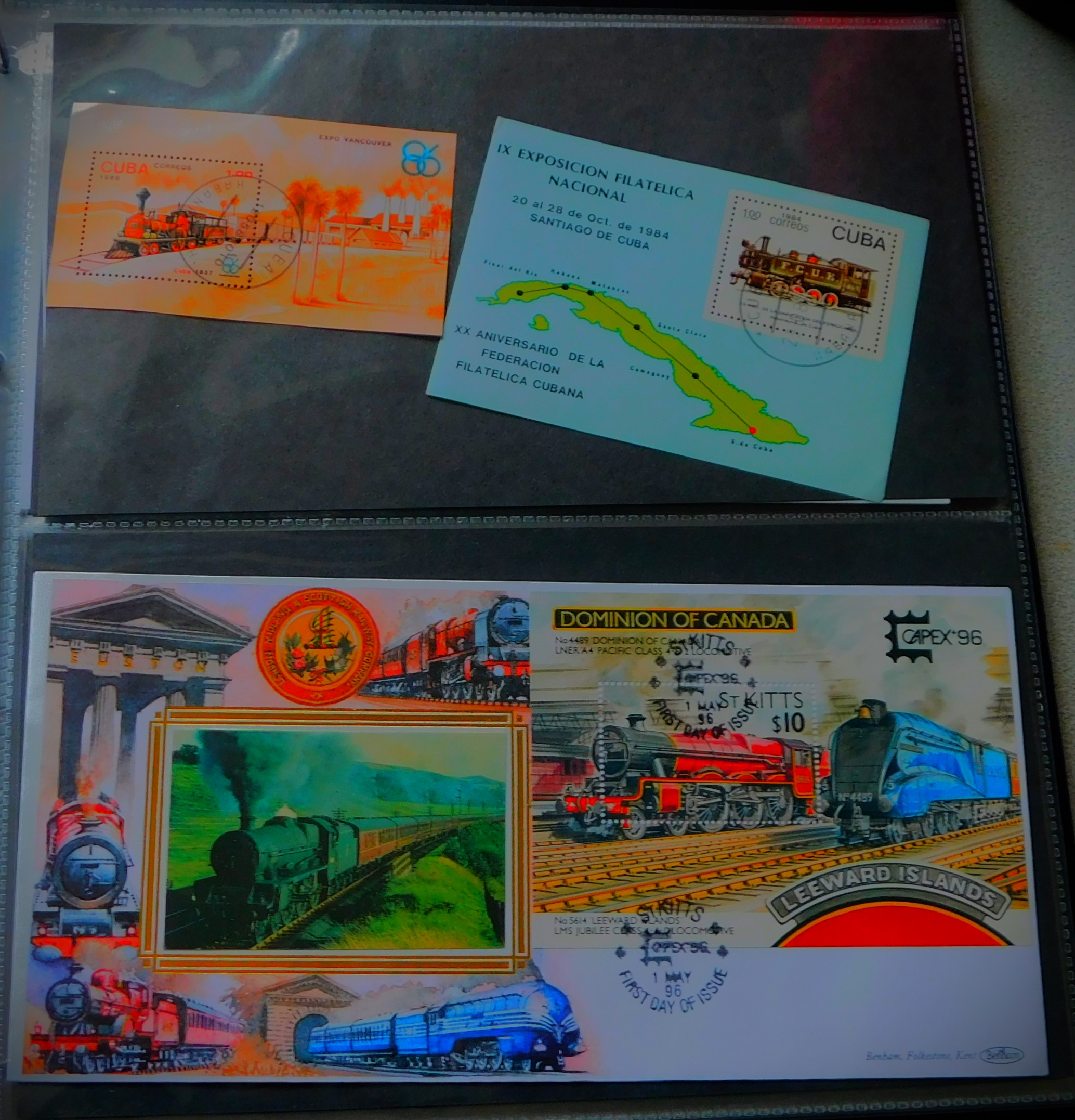
In the folder – for reaons that the final image will make clear I paired the Saint Kitts & Nevis item with something else with a Caribbean connection.I already had a copy of the Kiribati cover, so I needed five slots in total, hence the earlier image.
DAY TWO
This sale started very quietly (I was watching from home), with lot 526 going to me uncontested. This item will be at the heart of at least one major blog post and possibly more, so I present only the image gallery I produced for it to go under the hammer:
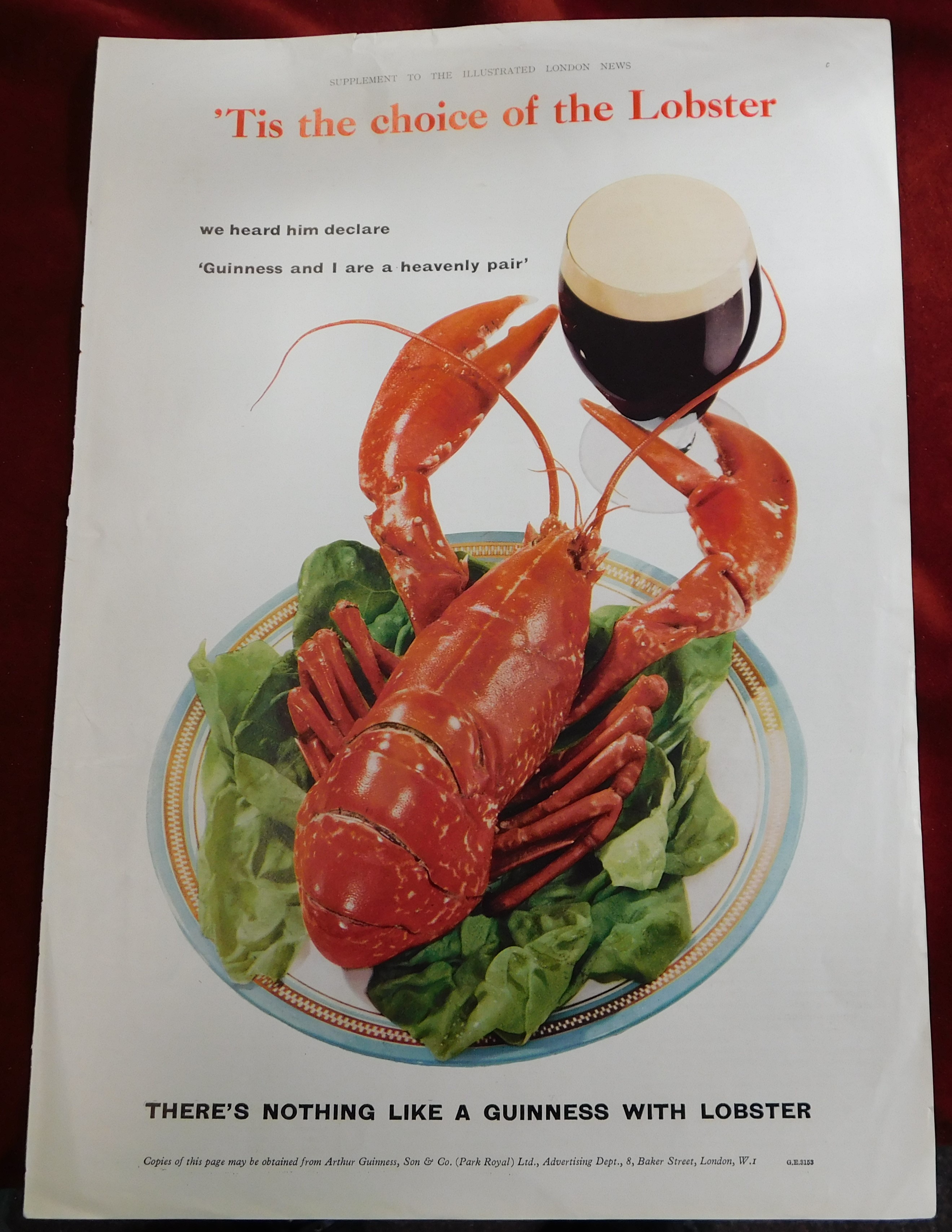
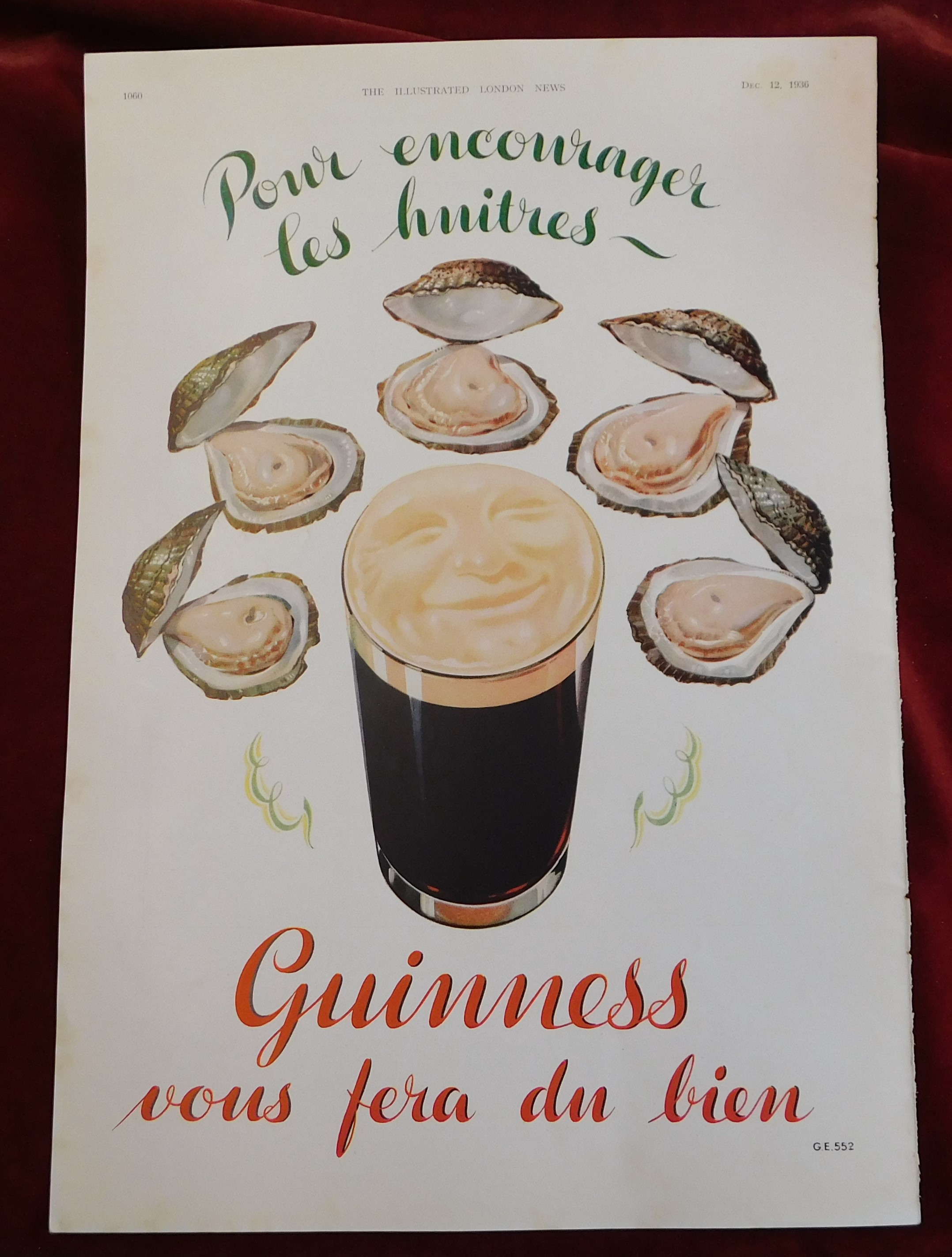
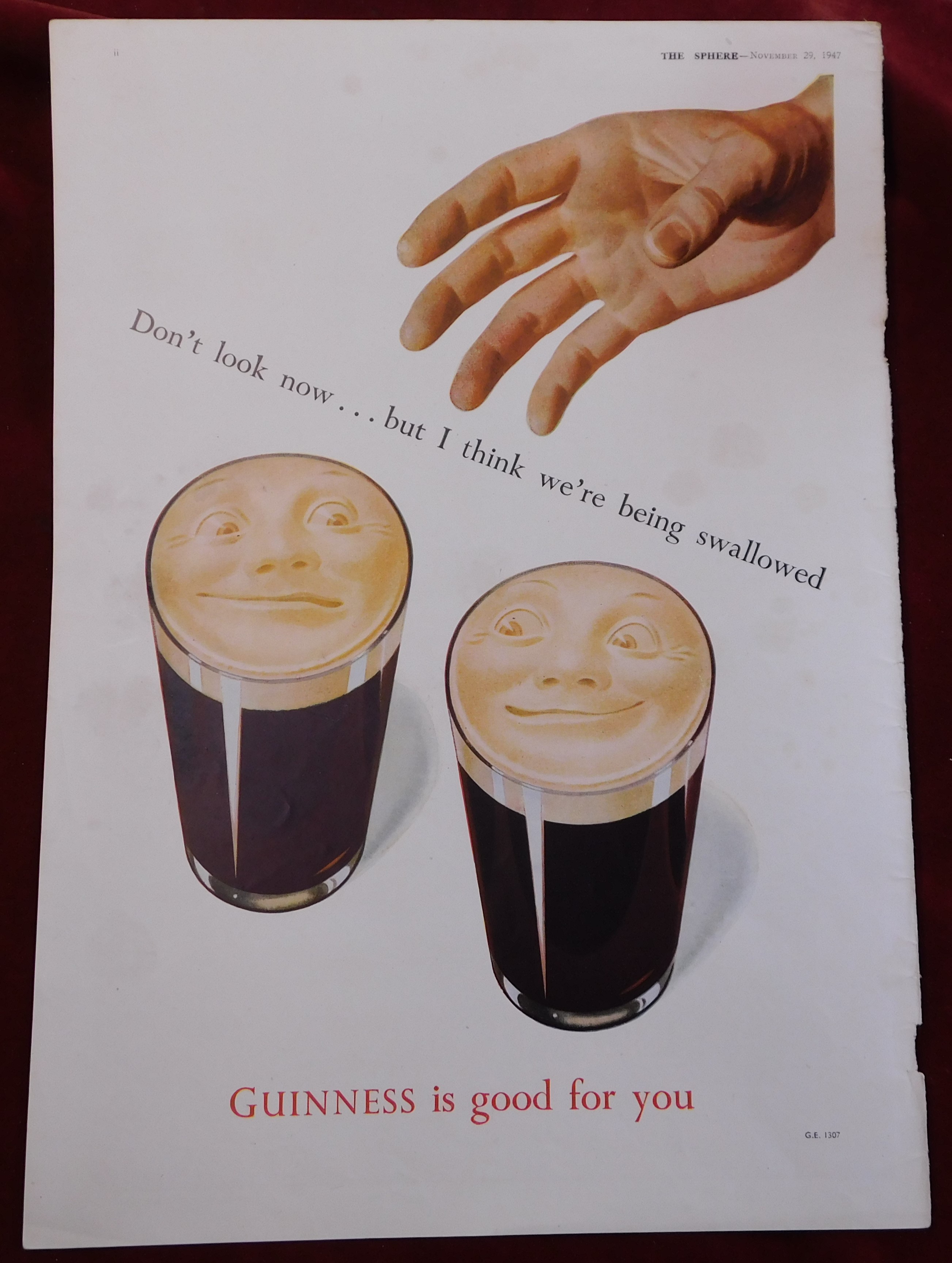
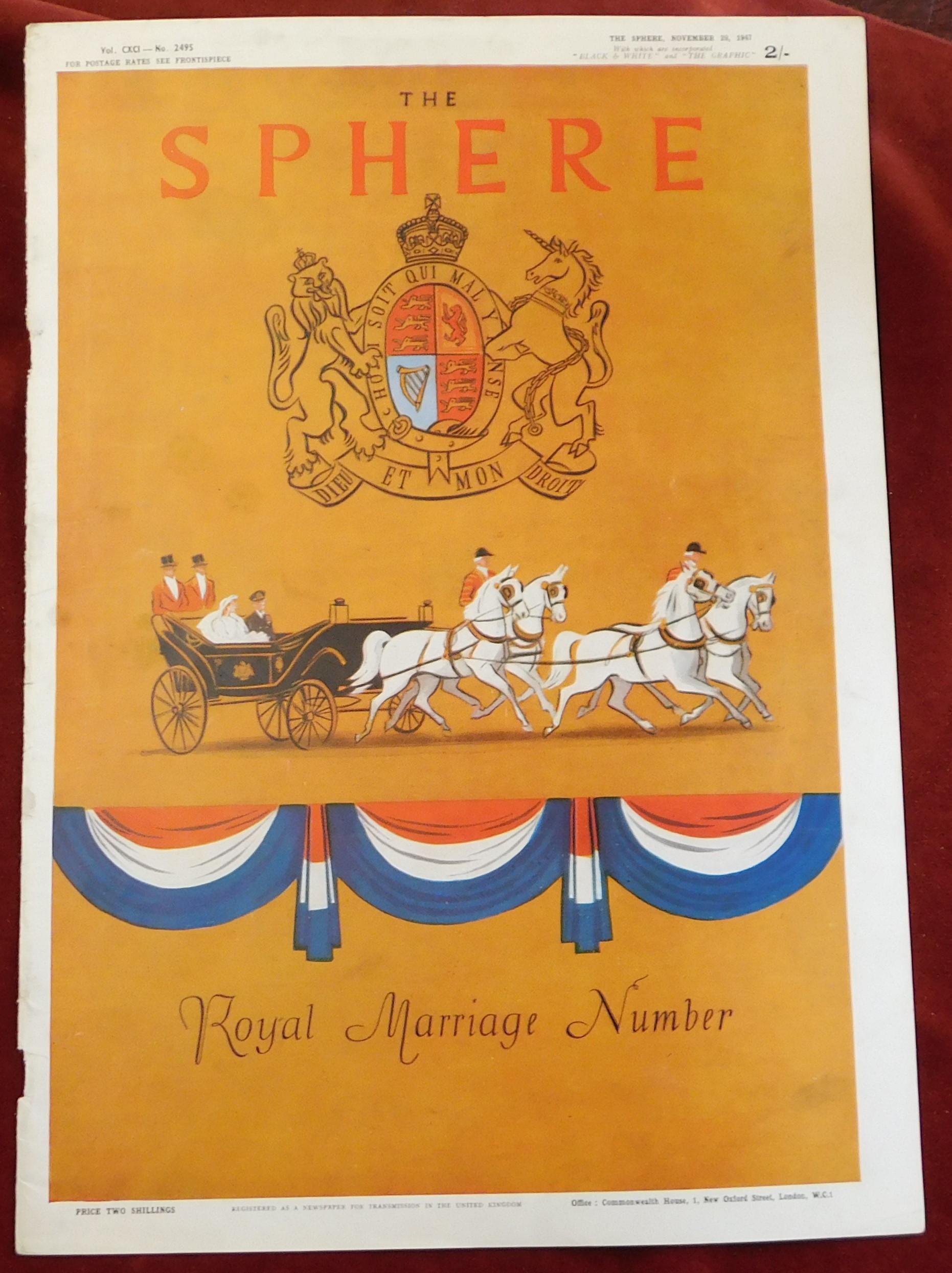
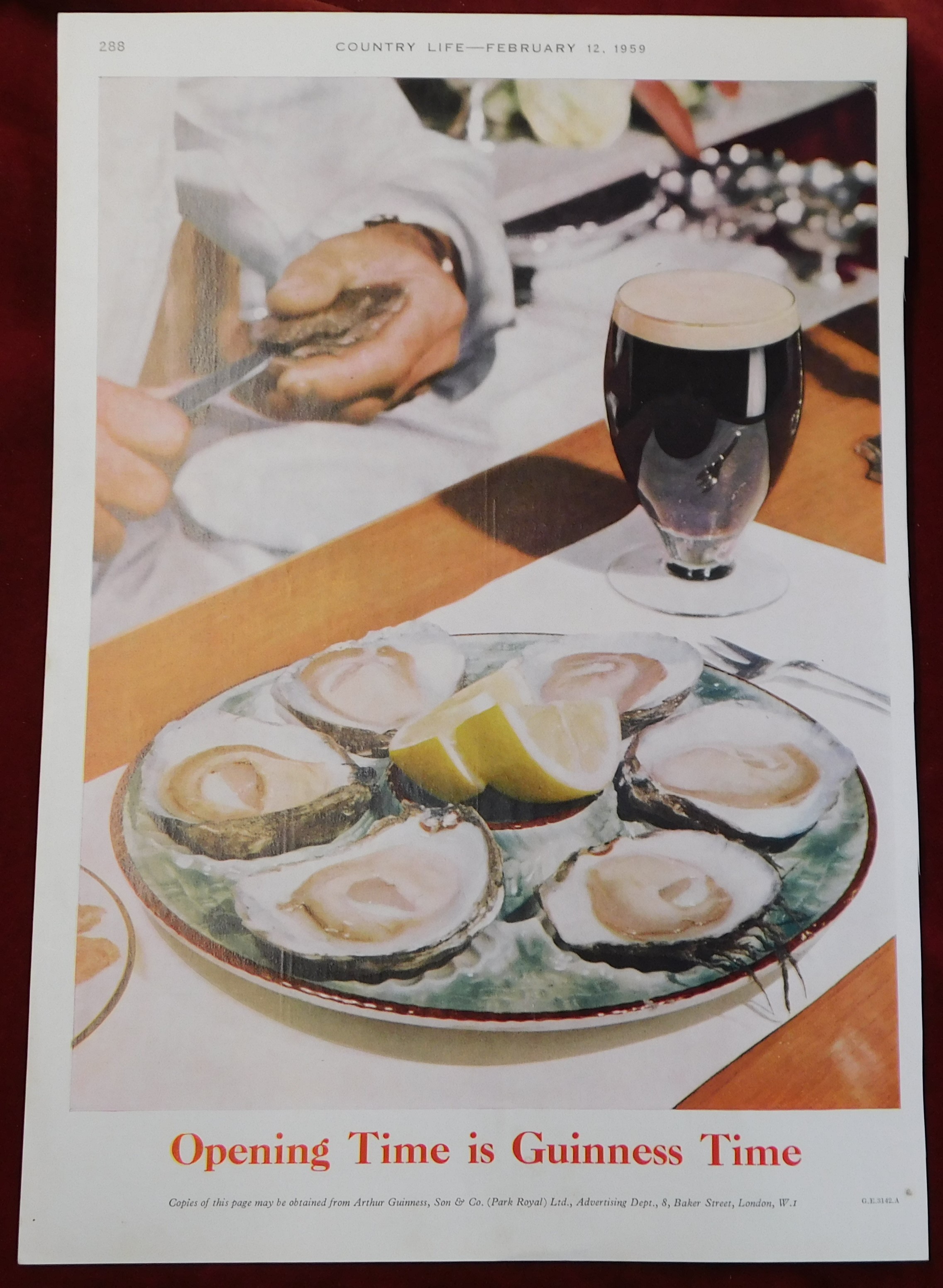
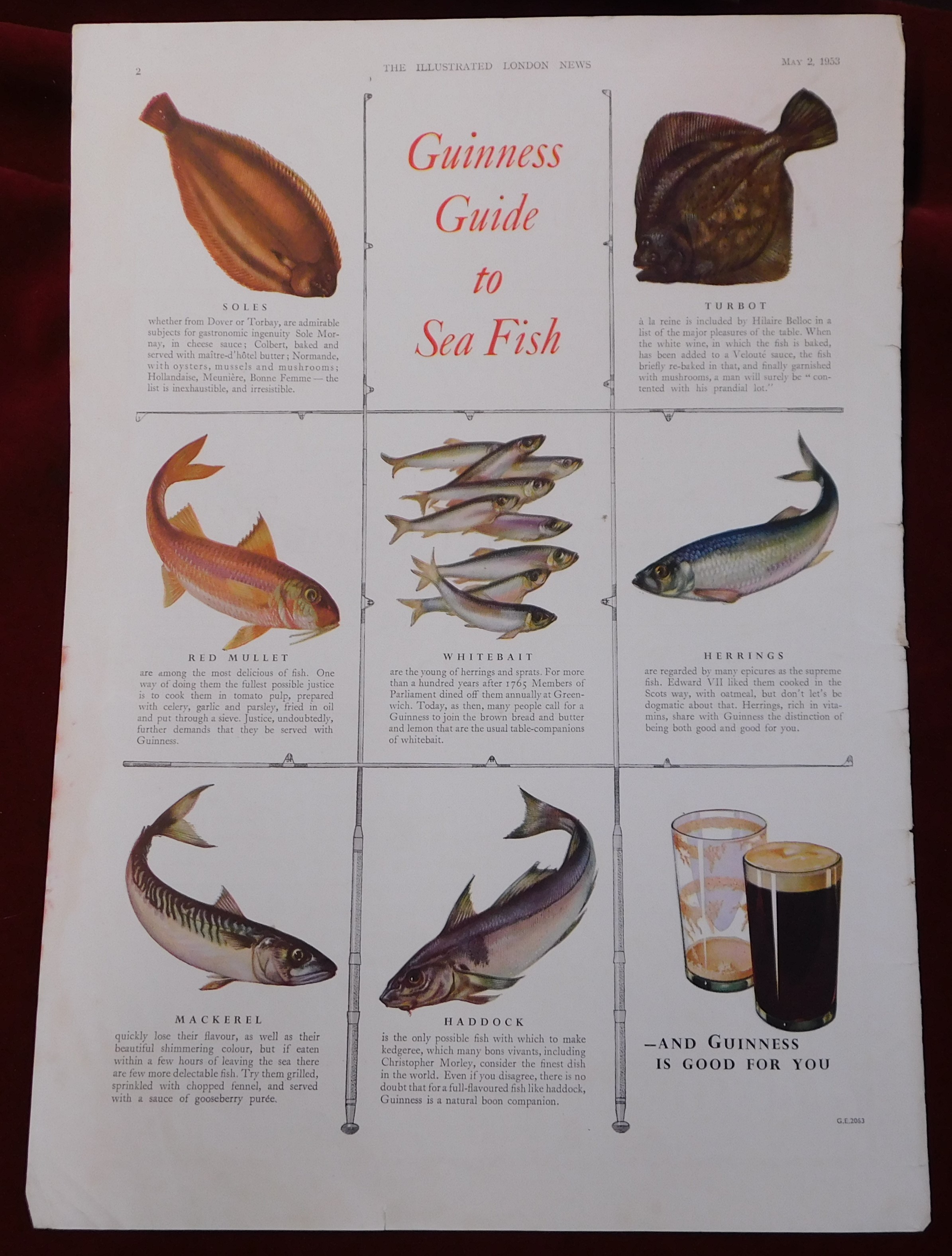
The auction picked up a bit of momentum when some old Guinness advertising posters, all in excellent condition, went under the hammer. Five of the posters fared especially well, lots 622, 641, 658, 661 and 669, which all went for above the top estimates. Here are the images of those lots:
622 (two images – front and back)641 (two images, front and back)658 (three images, front, close up of main part, back)661 (three images, front, close up of main part, and back)669 (five images – front, close up of each the three ‘layers’ of the front, back)
The star lot of the auction was number 795, which massively exceeded the top estimate. Here is the gallery.
I did not have the luxury of time to make a really detailed assessment of this lot, but I did do a detailed gallery, and my choice of what to feature clearly did its job!
Some of the toy lots in the low 800s also fared exceptionally well with 805 and 806 almost doubling the top estimate, and lots 807, 814 and 815 also going above the top estimate.
The images for lots 805 and 806 were taken by a colleague and edited for me, with the secondary images (one for 805, two for 806) extracted by me from single individual images.807 (eight images)814 (six images)815 (nine images)
PHOTOGRAPHS
There have been a lot of photographs in the body of this post, but I also include a gallery of my usual hobby photographs…
An account of a working day, and the journeys either way, and a photo gallery.
Yesterday was an eventful day at work – finishing the last of the imaging for the March auction, sending a mass email out (the second of two, the first went out on Tuesday) about that auction, and starting the imaging for the April sale. In this post I describe the day in full and say something about each element of the upcoming auctions.
PREPARING
My working hours, constrained by the operating hours of James and Sons and the way in which buses run in Norfolk are short – I start at 10:45 or thereabouts, and finish four hours later as the business shuts down for the day. However I get quite a bit done in that time, even on a somewhat fragmented day such as yesterday was. I generally leave home by 9:30, which allows me to take a scenic route to the bus stop (the direct route is about a five minute walk, but is not that interesting). Then I spend the bus journey reading, and will arrive at James and Sons’ premises in Fakenham clear-headed and ready to go.
IMAGING
My usual practice when imaging at work is photograph about 25 items (one column of lot numbers + indications of how many pictures I have taken of eahc item in my notebook) before loading them on to the computer and cropping and straightening them as required. If I am imaging for a sale that is not already online I will copy the images from the folder I save them in on my computer to the main images folder for that auction on the network drive at the end of the day, but when the auction is already online I also have to upload the new images, and sometimes notify bidders that the images are now available for viewing. I had initially started work on the April stuff, a quantity of which was already in my imaging area, but then had to switch back to the March stuff as there were some lots from day two of that sale (Stamps and Postal History) which had not been imaged. Near the end of the day I was able to revert to the April sale, but the next lot I came to for that sale (Sporting Memorabilia) was one that required a large photo gallery, so I had no time to do any more than that one extra lot.
Day one of the March sale is coins, banknotes and cheques, and can be viewed here and here. Day two, which I was finishing off the imaging for yesterday, is available on the same links, but for those who want to start on the page where the first lots of day two are can go here and here (the new day does not start on a new page because the auction is treated as a single entity on these platforms). I end this section with the image gallery for lot 655, the first item I imaged yesterday…
Lot 655 (seven images, capturing what i considered the most important aspects of it).This is lot 662 (two images)
THE END OF THE DAY
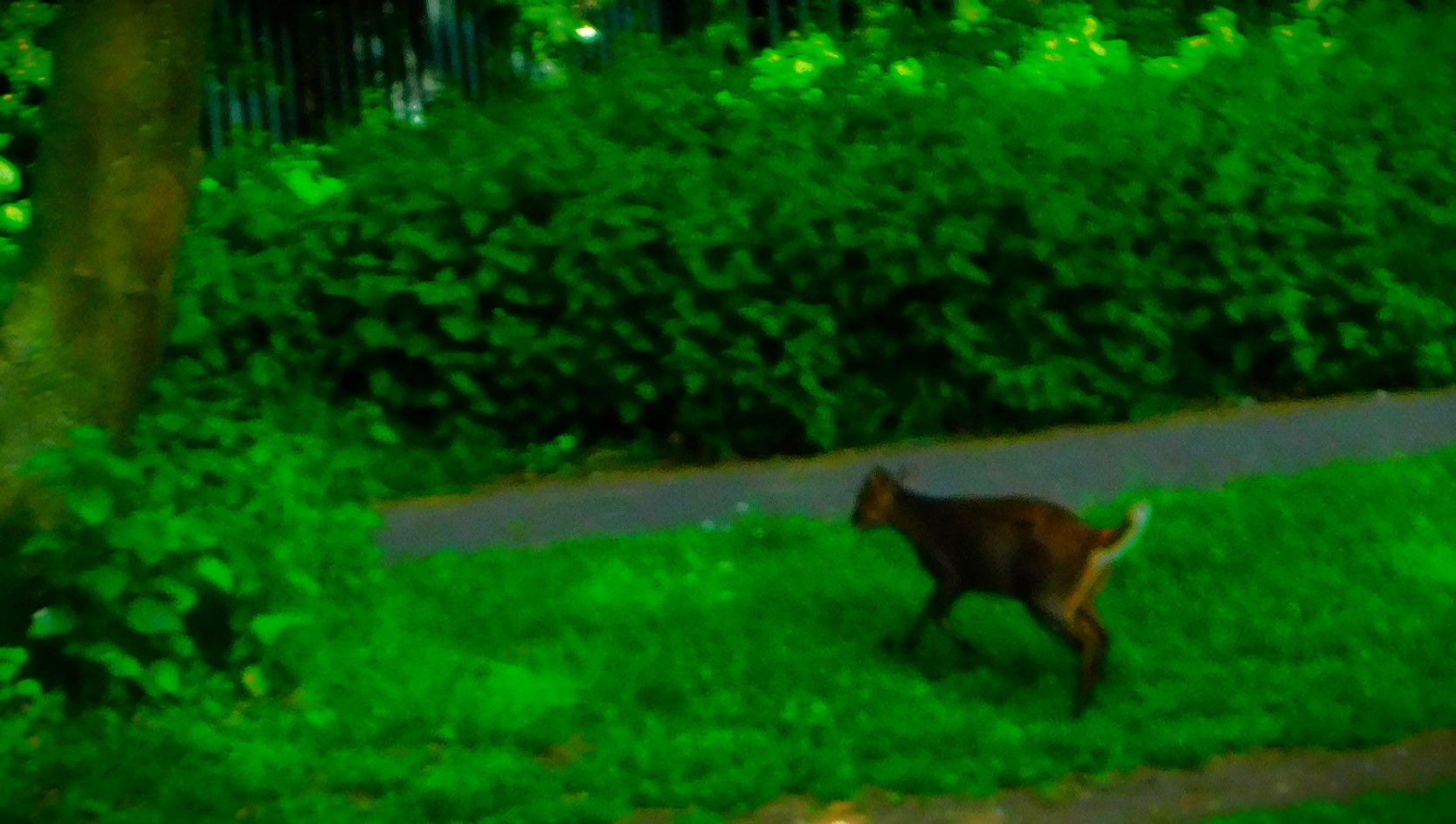
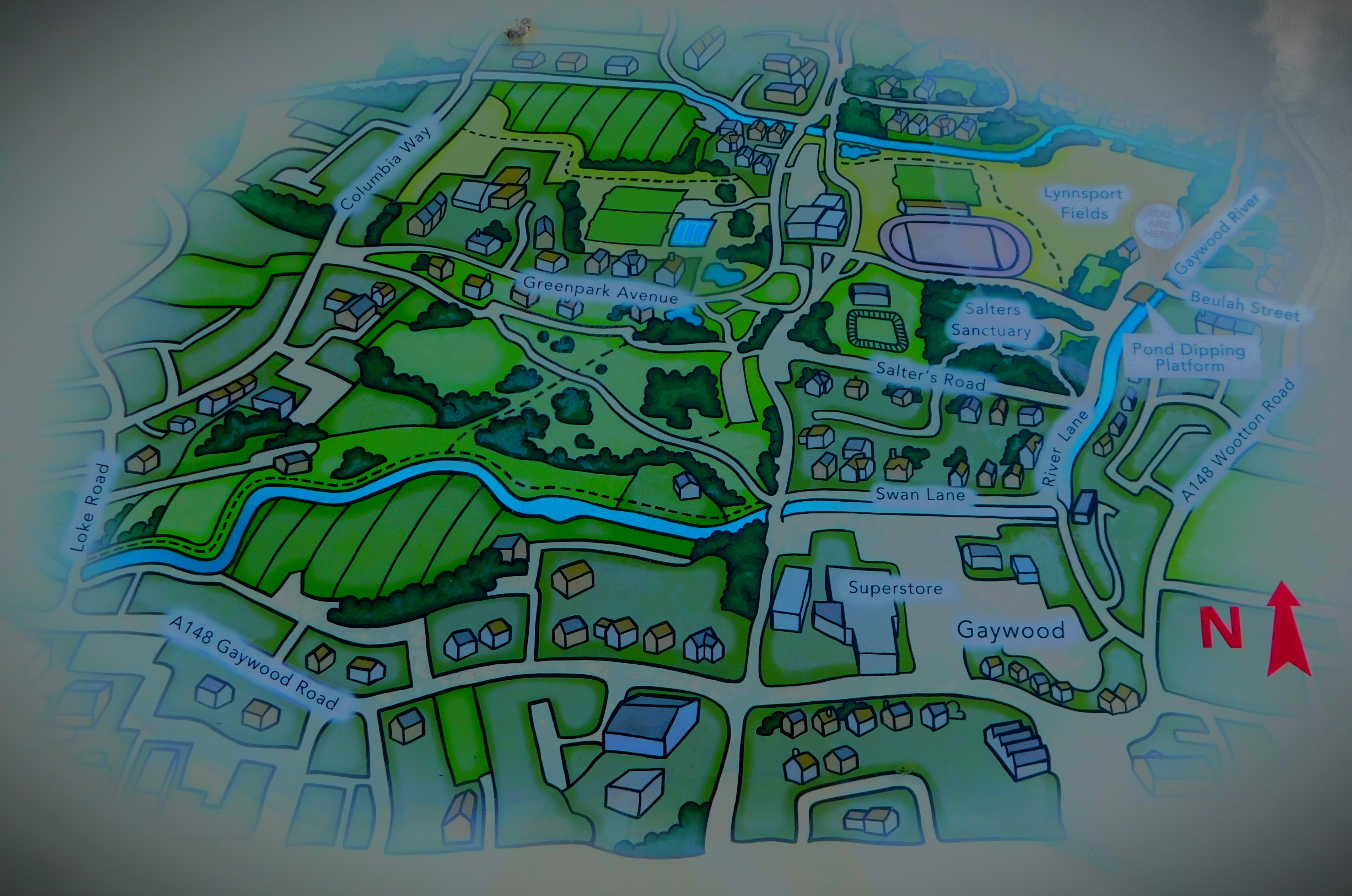
The next bus back to King’s Lynn after the end of the work day is at 3:45PM, so I generally fill in time by visiting Fakenham Library, as I did on this occasion. I get off the bus home one stop before the very closest stop to my home and walk home from there by way of the Gaywood River Path – always worth doing, especially in daylight, which by now is the case. I appreciated seeing several muntjac as I walked, though I was less impressed by lawbreaking oaf who roared past me (and a number of others) on a quad bike (illegal as it is a motorised vehicle and this path is for the use of pedestrians and cyclists only – an e-bike used with care and consideration would be acceptable, but a dirty great quadbike used with neither care nor consideration is most definitely not). This little section provides a useful lead into…
PHOTOGRAPHS
…My usual sign off…
From Wednesday afternoon’s walk.Taking the scenic route to from my home to the bus stop yesterday morning……I spotted ths unfortunate Tortoiseshell butterfly near Fakenham Church yesterday afternoon.Four shots from the walk home along the Gaywood river path.Today’s first walk (will be walking into town for supper this evening).
A bit of fun on the all time XI theme, a look back at a James and Sons auction, and a photo gallery.
The first test match of a five match series between India and England is two days old as I type this post, but I am holding fire on that for the moment. This all time XI is picked with a view to being an entertaining watch. I have restricted it to players who played before I started following cricket, and save for allowing myself one overseas player I have concentrated on English cricketers. After I have paraded the XI there will be a section about some of the players who missed out, though I will limit myself, otherwise that section could be very long indeed.
THE XI IN BATTING ORDER
Frank Woolley (left handed batter, left arm orthodox spinner). An attacking batter, an excellent spinner and the only non-wicket keeper ever to take 1,000 first class catches.
*WG Grace (right handed batter, right arm bowler of various types through his career, captain). Cricket’s first superstar.
Wally Hammond (right handed batter, right arm medium fast bowler). Over 50,000 first class runs, including 167 centuries, in spite of missing eight complete seasons in the course of his career – one to bureaucratic malice on the part of Lord Harris, one to illness and six to WWII. Considered by Bradman to possess the best of all cover drives.
Denis Compton (right handed batter, occasional left arm wrist spin bowler). A great cricketer and an even greater entertainer.
Garry Sobers (left handed batter, left arm bowler of every type known to cricket). No cricketer before or since has mastered so great a range of skills as my chosen overseas player.
+Les Ames (wicket keeper, right handed batter). Twice winner of the Lawrence trophy for the fastest first class hundred of the season, scorer of over 100 FC hundreds, maker of a record 418 first class stumpings in his career. The “wicket keeper’s double” of 1,000 runs and 100 dismissals in first class matches in an English season was only achieved four times before the reduction of first class fixtures in 1969 made it impossible, and three of those were by Ames (John Murray of Middlesex was the other to do it).
Percy Fender (right handed batter, leg spinner, vice-captain). I have remarked before on his suitability for batting at seven in a strong line up and his tactical acumen.
Jim Laker (off spinner, right handed batter). In 1956 he absolutely destroyed the visiting Australians, and it wasn’t all about the pitches helping him – when Australia played Surrey before the test series had started they batted first, and Laker, on a good pitch and having not slept the previous night due to his children being sick had figures of 46-18-88-10 in the first innings.
George Simpson-Hayward (under-arm off spinner, right handed batter). The last specialist under arm bowler to play at the highest level, and his five test matches yielded him 23 wickets. Someone prepared to buck the trends as spectacularly as he did must have been worth watching,
Syd Barnes (right arm fast medium bowler, right handed batter). My pick for the greatest bowler of them all – 189 wickets in just 27 test matches, at 16.43 a piece.
Tom Richardson (right arm fast bowler, right handed batter). Only 14 test matches, which yielded him 88 wickets. His first class record was outstanding – he took his 1,000th first class wicket in his 134th first class match, and his 2,000th in his 327th match, both these figures being records.
This side has a powerful batting line up, and a spectacular bowling line up, with massive variety on show – Barnes, Richardson, Sobers in his quicker guises and Hammond to bowl pace/ seam, and Laker, Simpson-Hayward, Fender, Woolley, Sobers in his slower guises, and Compton to bowl spin plus of course the wild card of WG Grace.
MISSING OUT
The number seven slot was a two-way choice, and I opted for Fender who bowled spin over Jessop who bowled pace. I considered the presence of Woolley and Sobers to obviate the need for a specialist left arm spinner. There would have been a number of possibilities, Rhodes, Blythe, Verity and Wardle being just four of those I might have chosen. Digby Jephson who bowled fast underarm just a few years before Simpson-Hayward’s prime and was enough of a bat to be considered an all rounder was a possibility there, but Simpson-Hayward got the nod for two reasons: he played test cricket and Jephson did not, and also in view of the current state of England’s spin bowling, and some of the comments flying around that imply that England have never had great spinners I wanted to place extra emphasis on spin. I regretted not being able to accommodate either Harold Larwood or Frank Tyson, but I had only 11 spaces to fill. I also didn’t include a specialist left arm quick bowler, relying on Sobers for that. Had I done so William Mycroft would have got the nod.
AN AUCTION
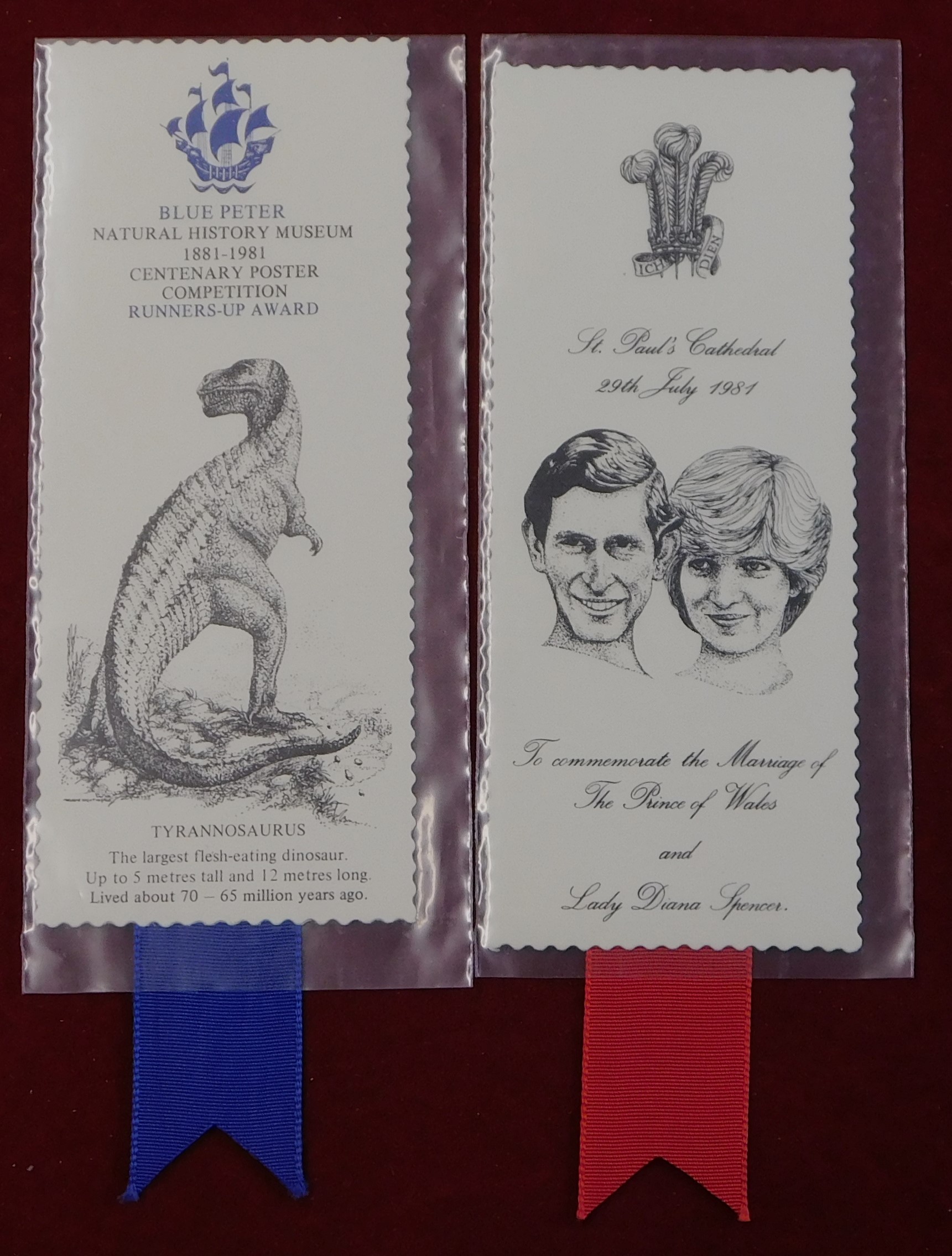
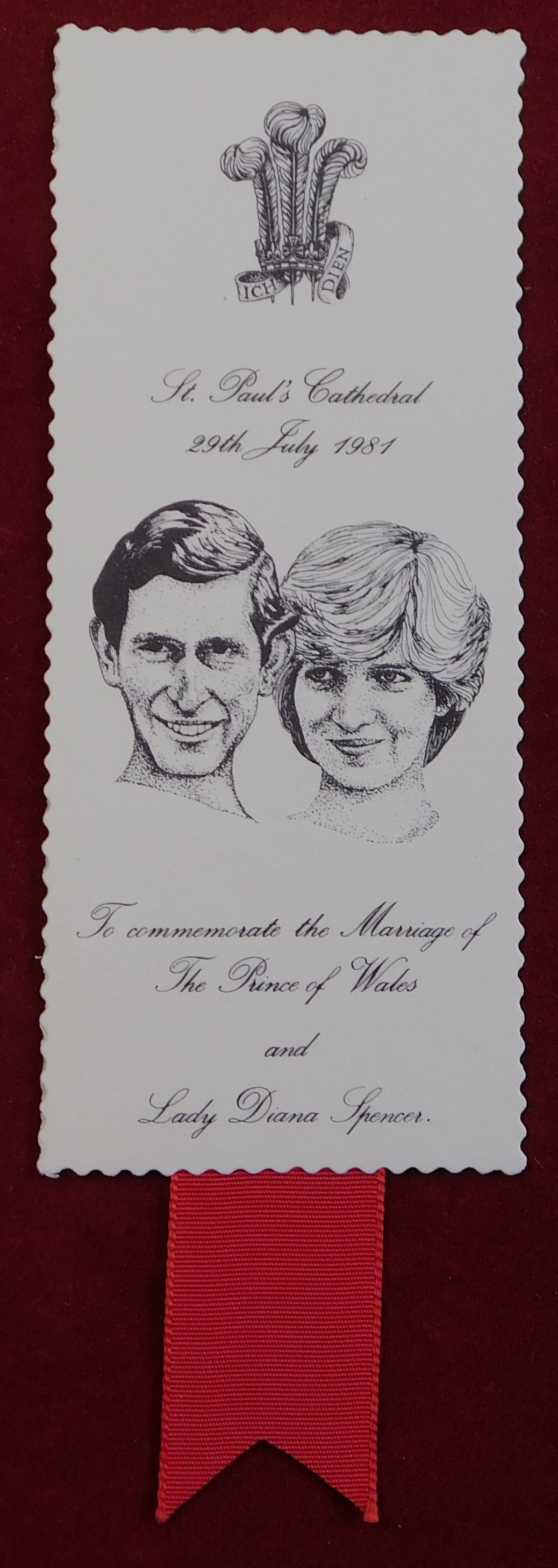
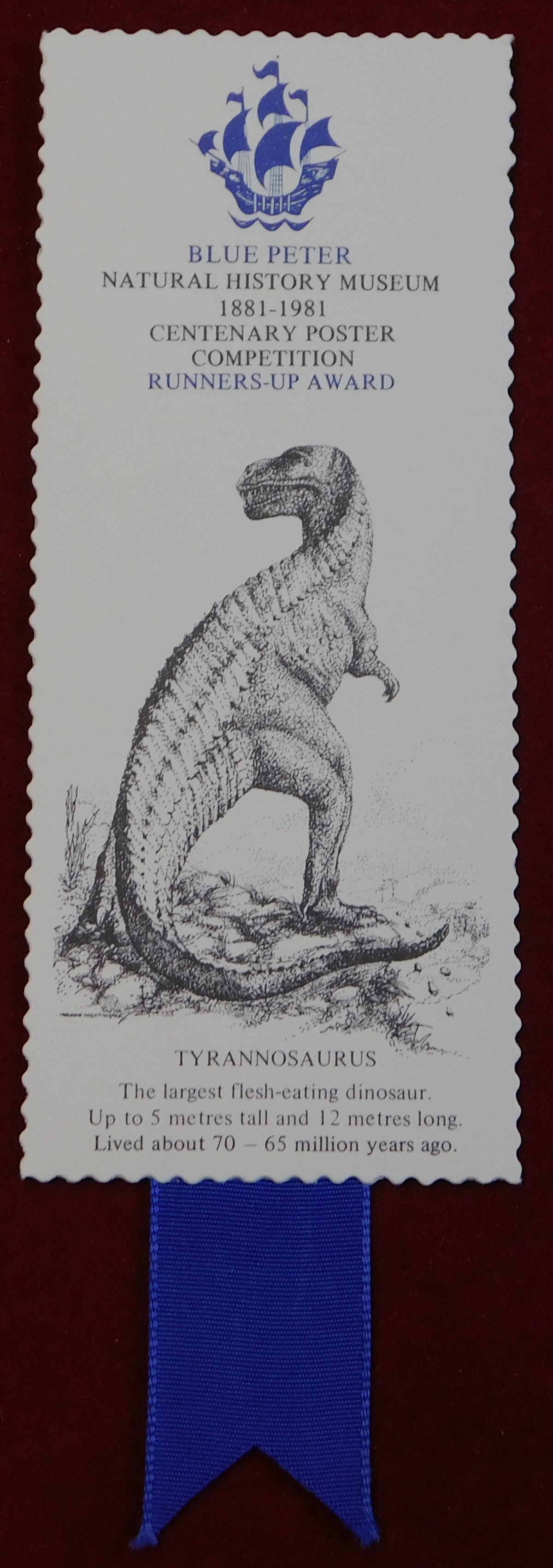
James and Sons had an auction earlier this week, which did reasonably well, especially given that it was basically an appetizer for next week’s auction of sporting memorabilia. There were a few items of interest to me. Lot 68 was a pair of bookmarks, which went my way cheaply.
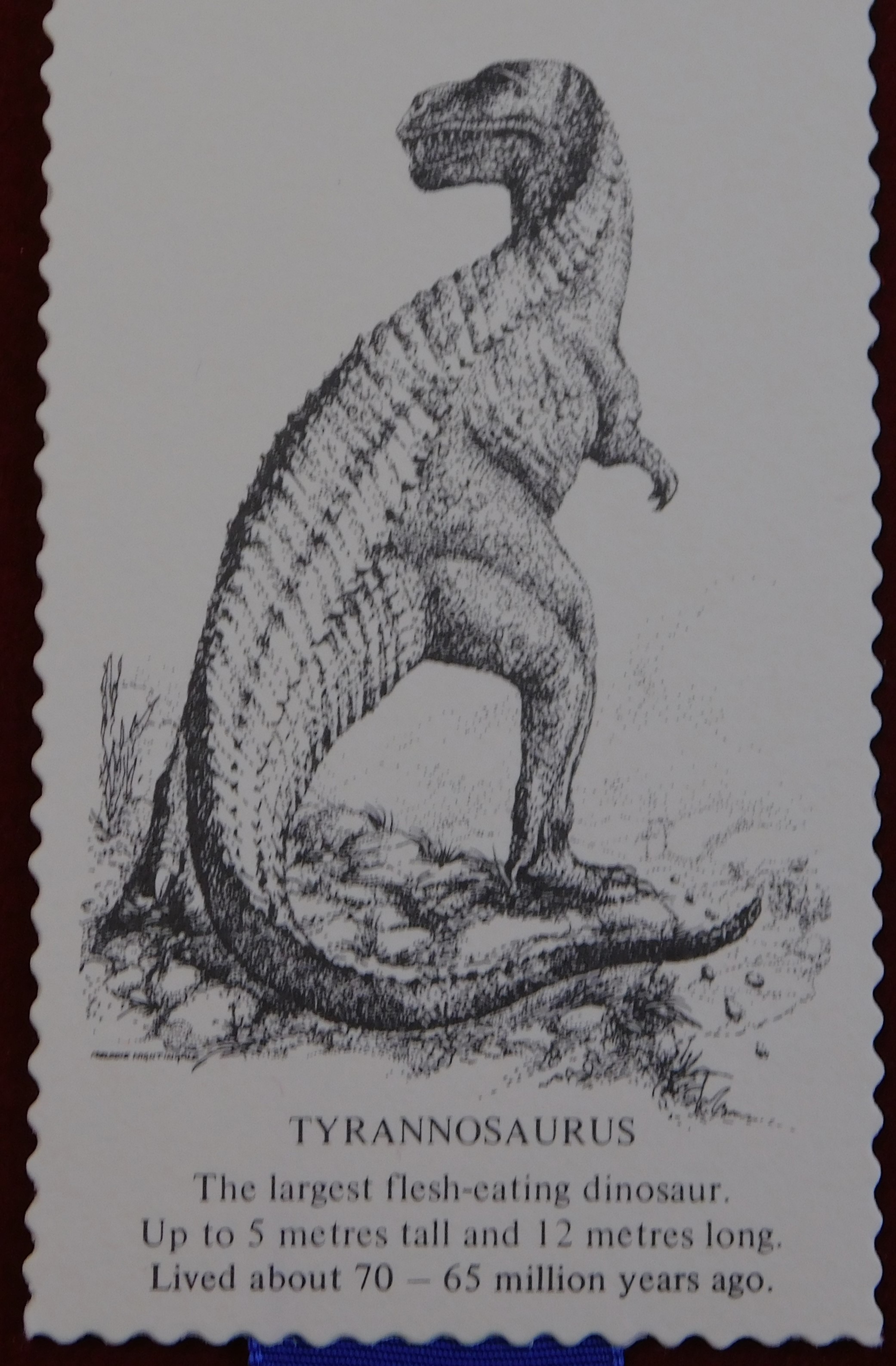
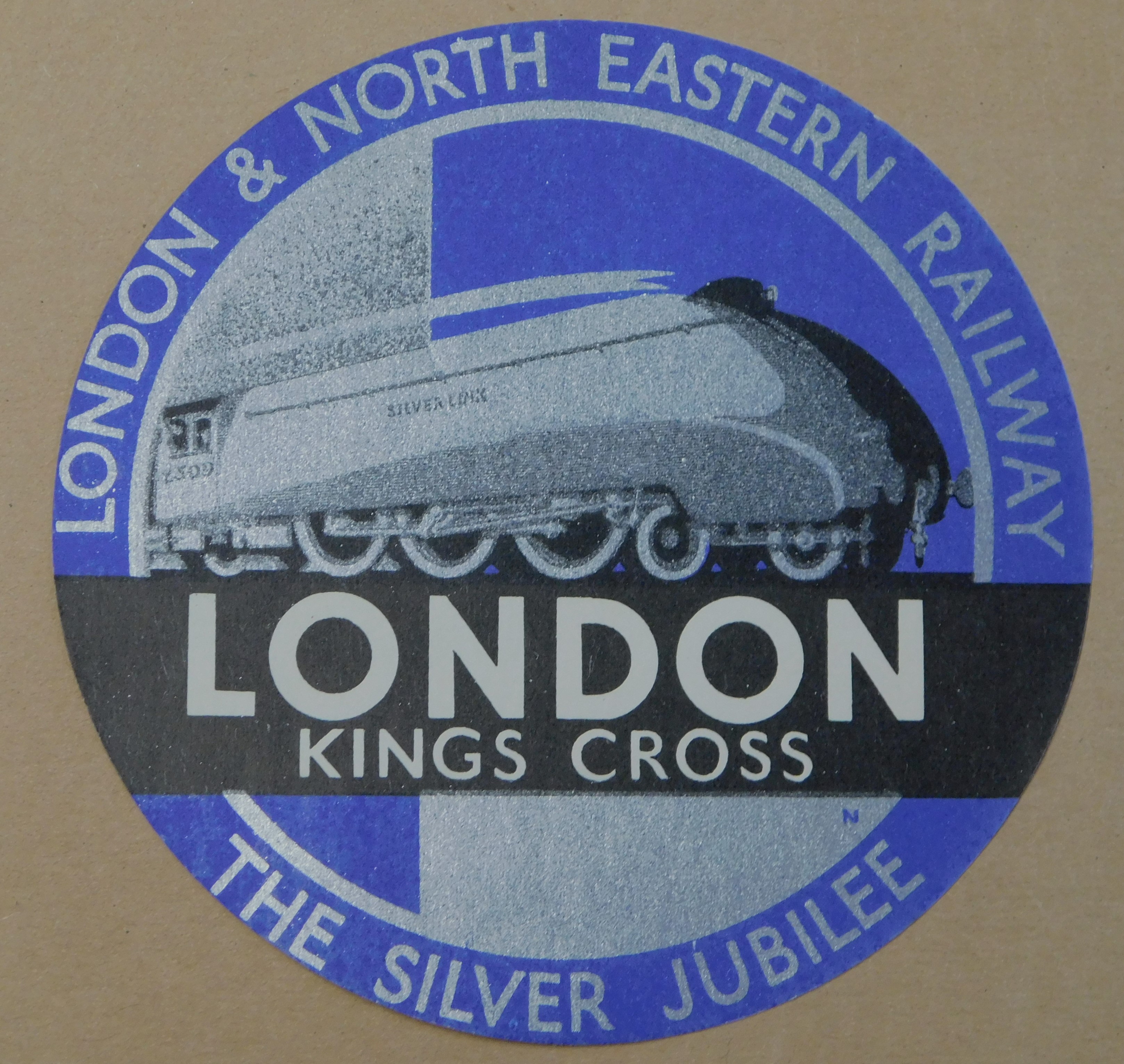
No prizes for guessing which bookmark I actually wanted!
Lots 141 and 142 would have been of interest to me but were beyond my purchasing power.
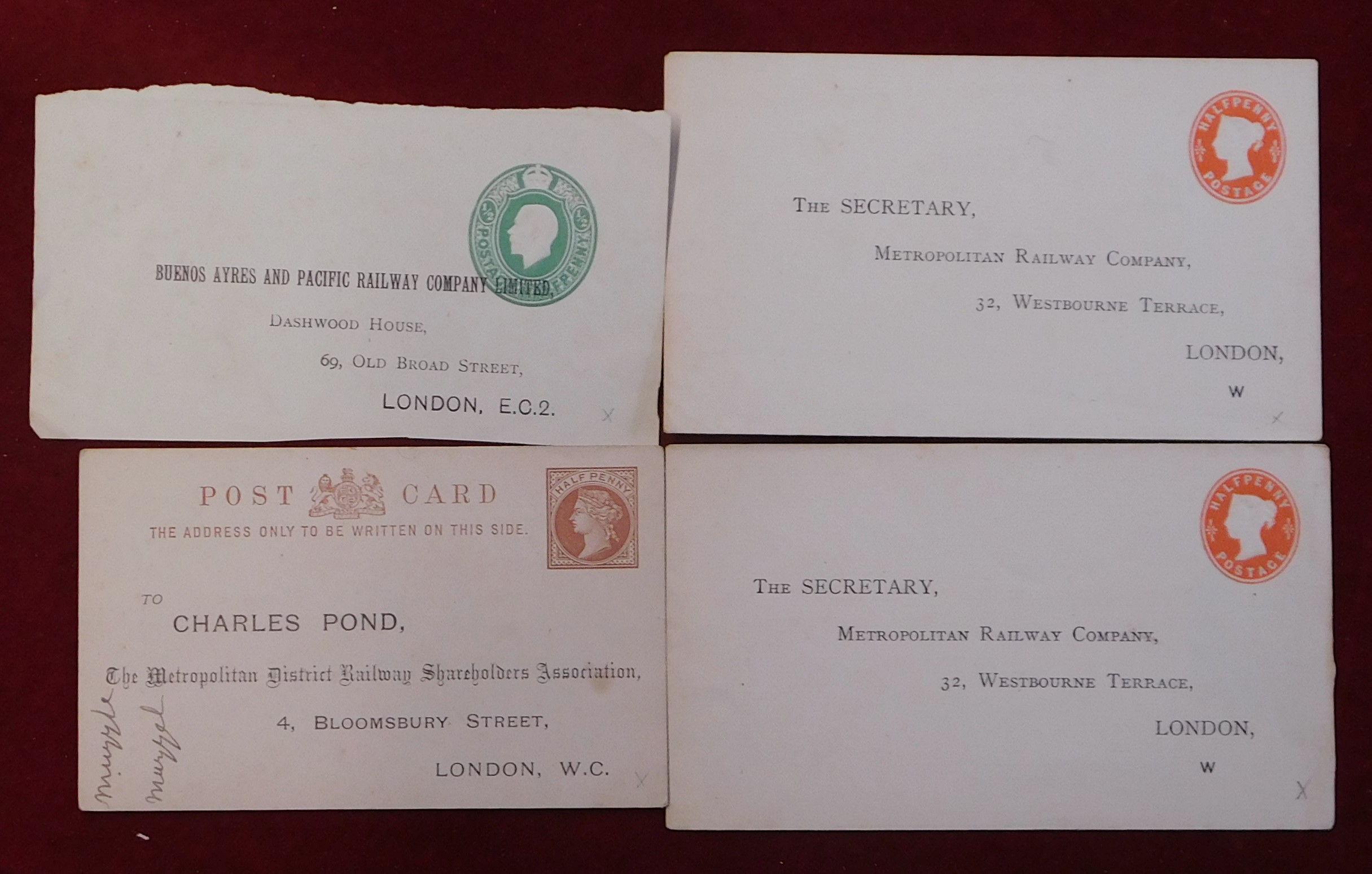
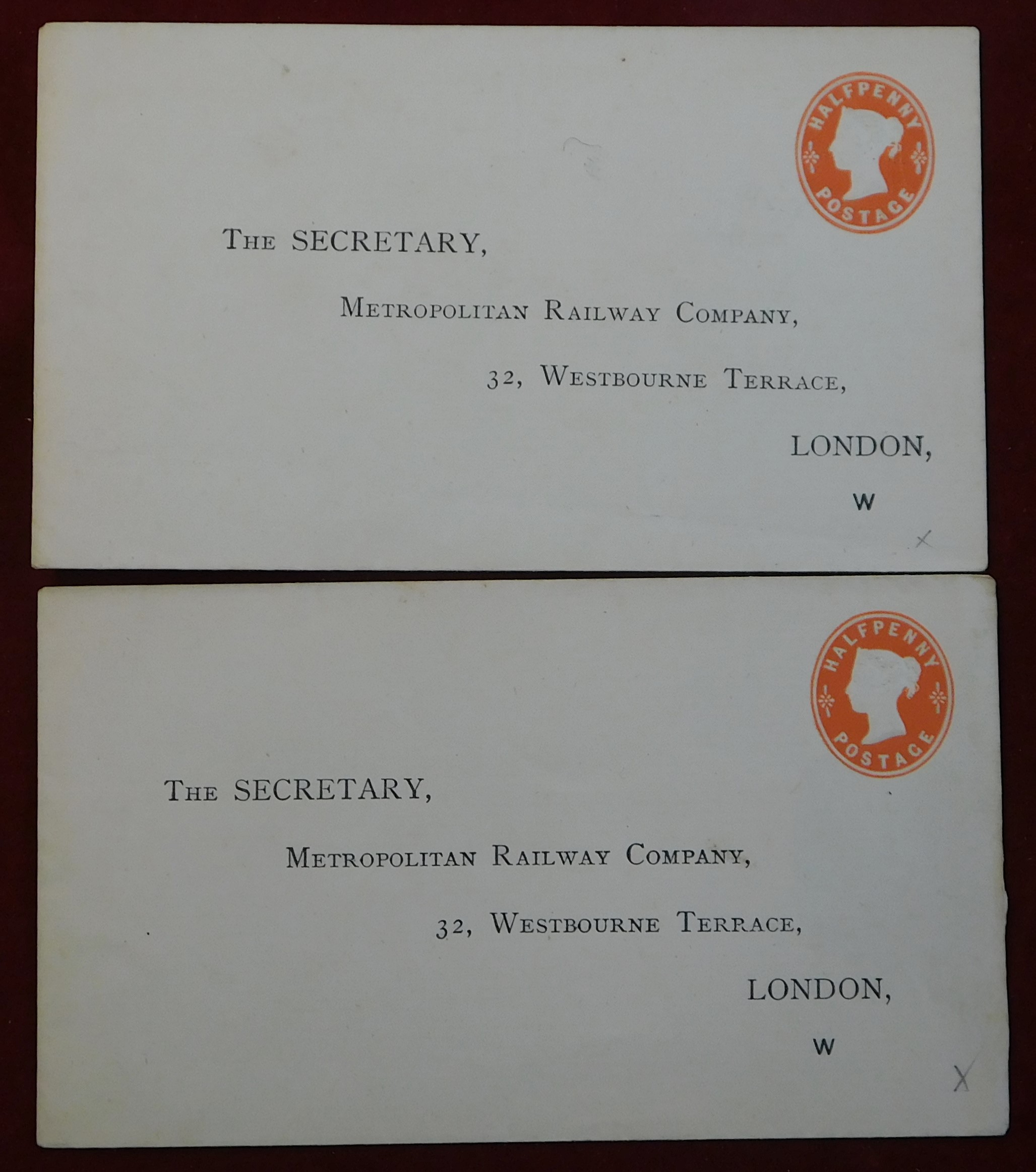
I did get lot 269.
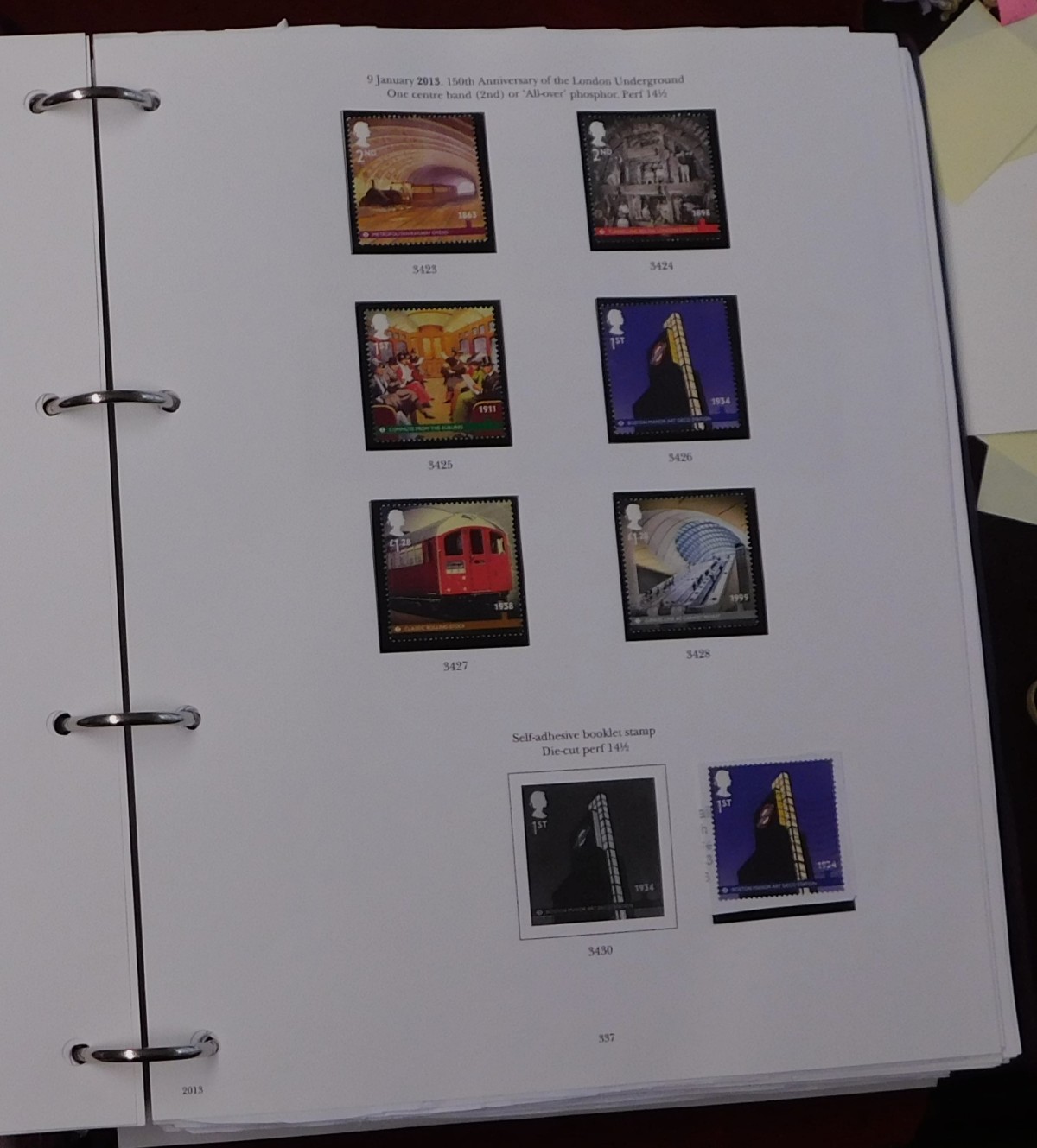
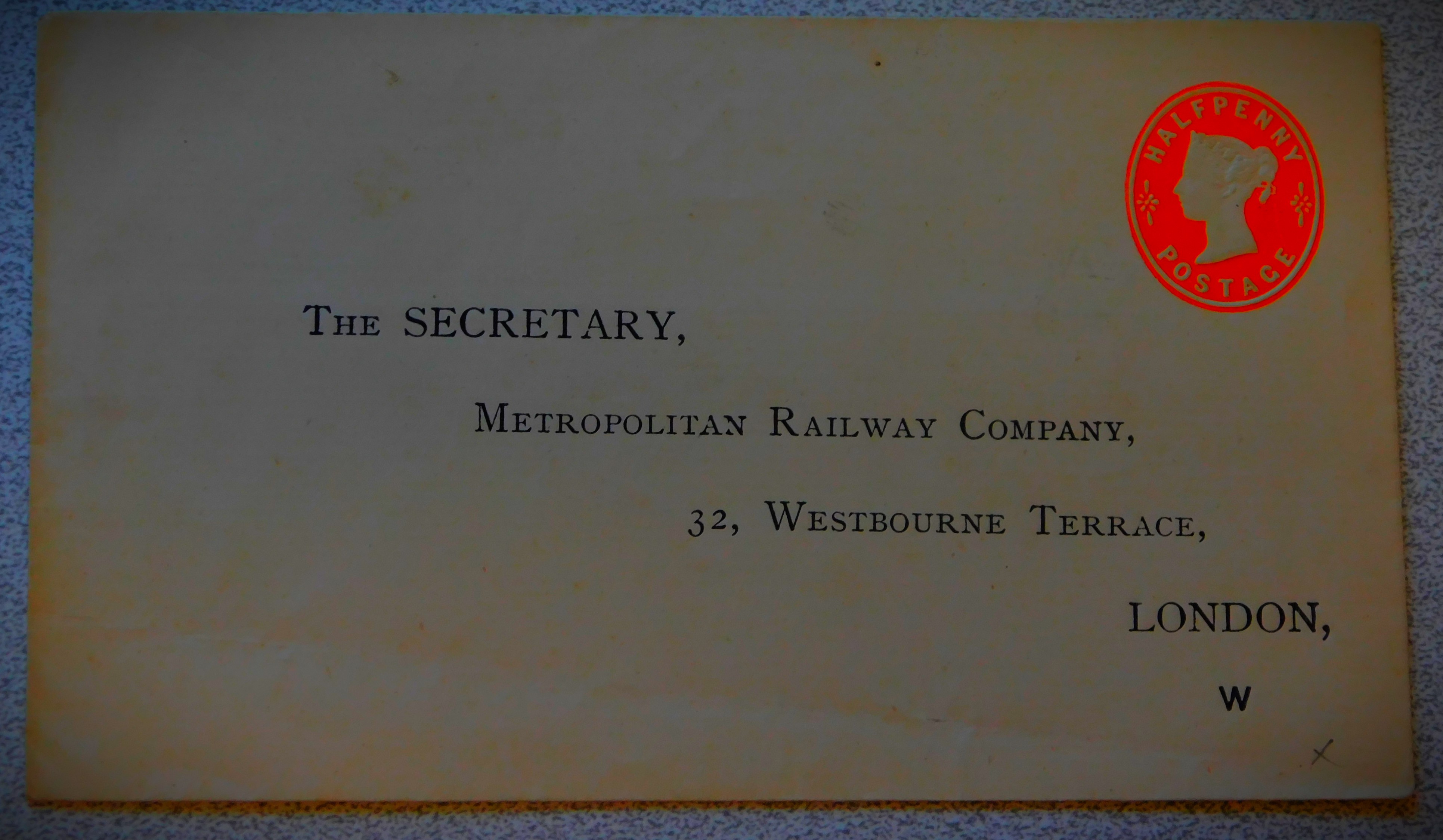
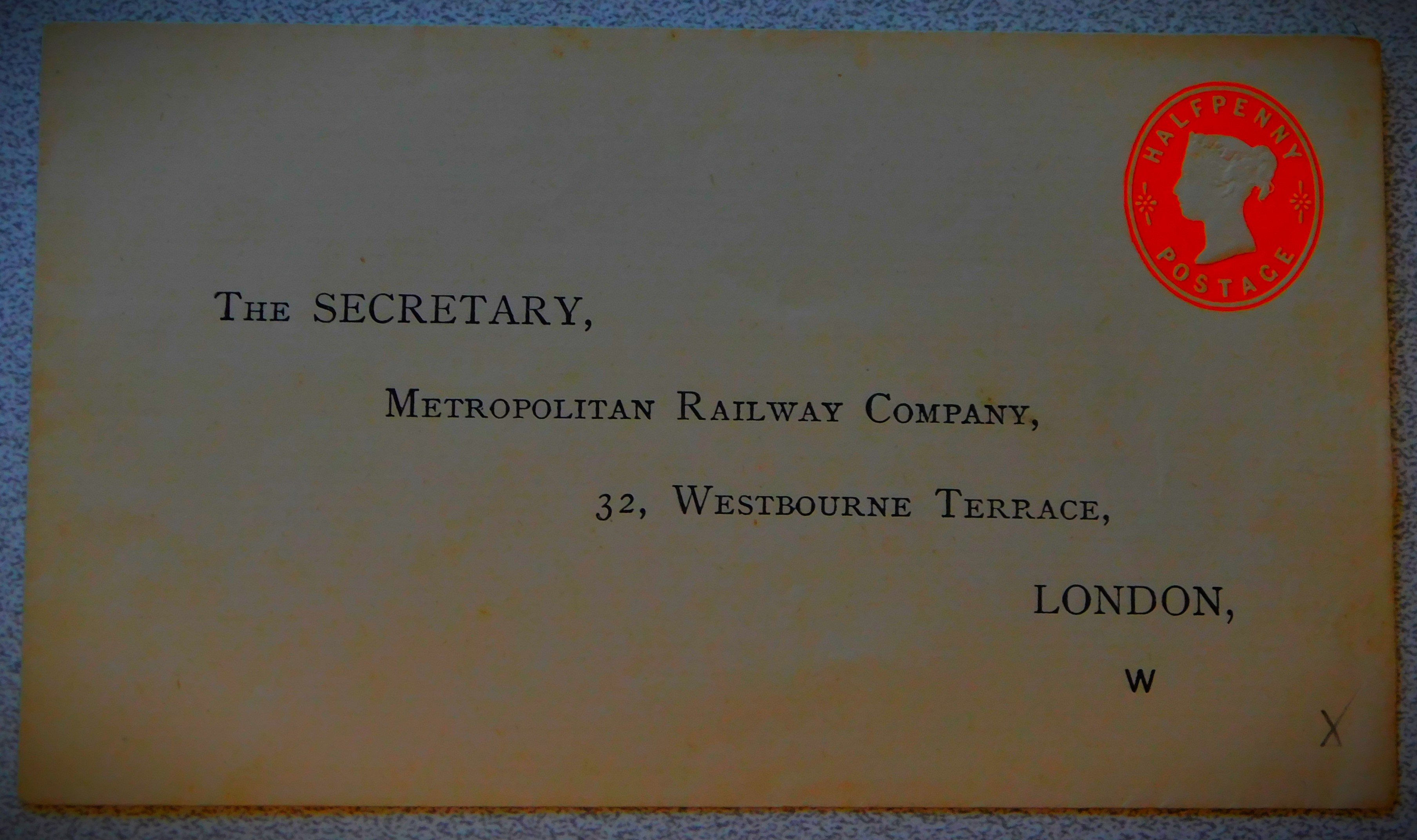
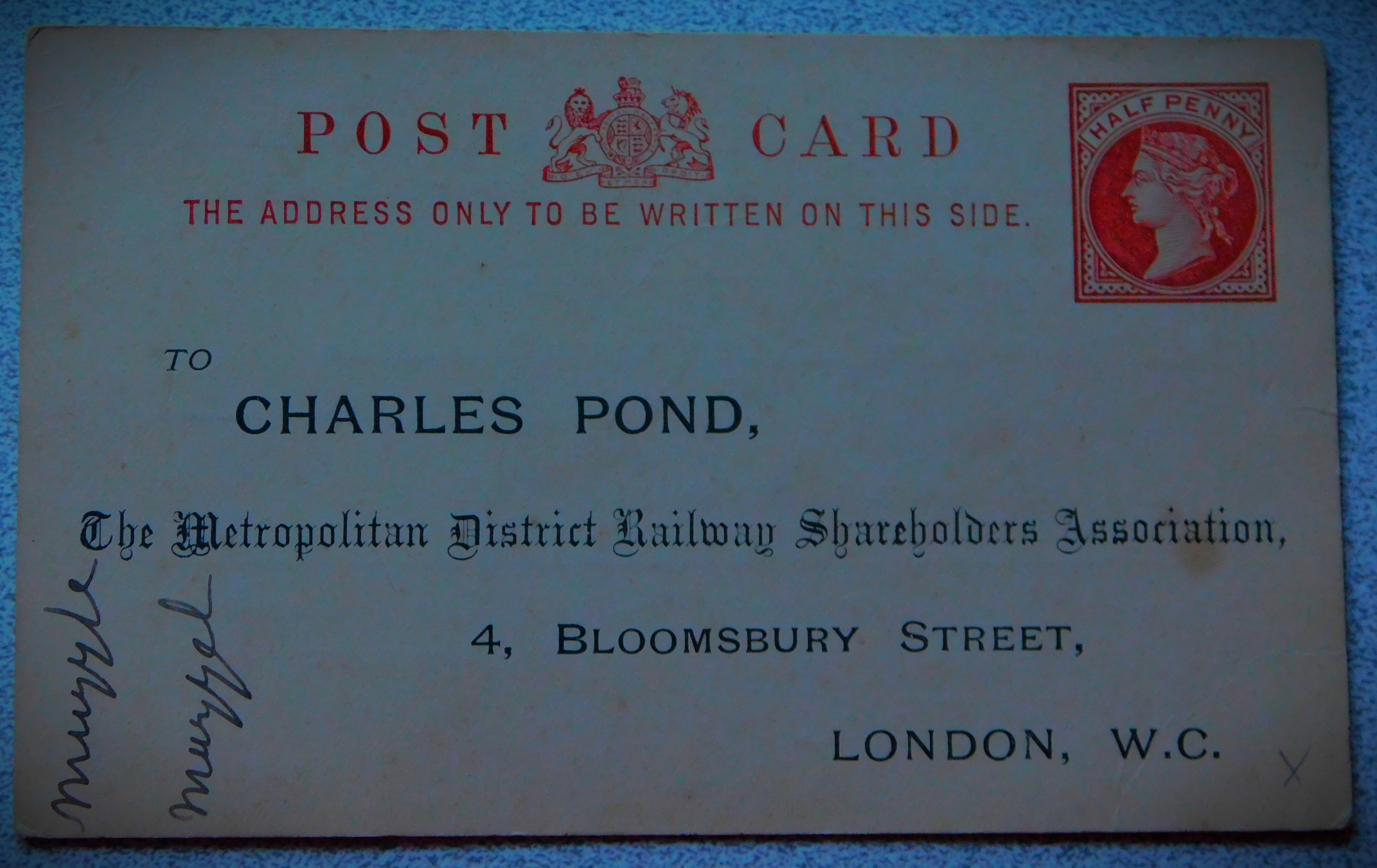
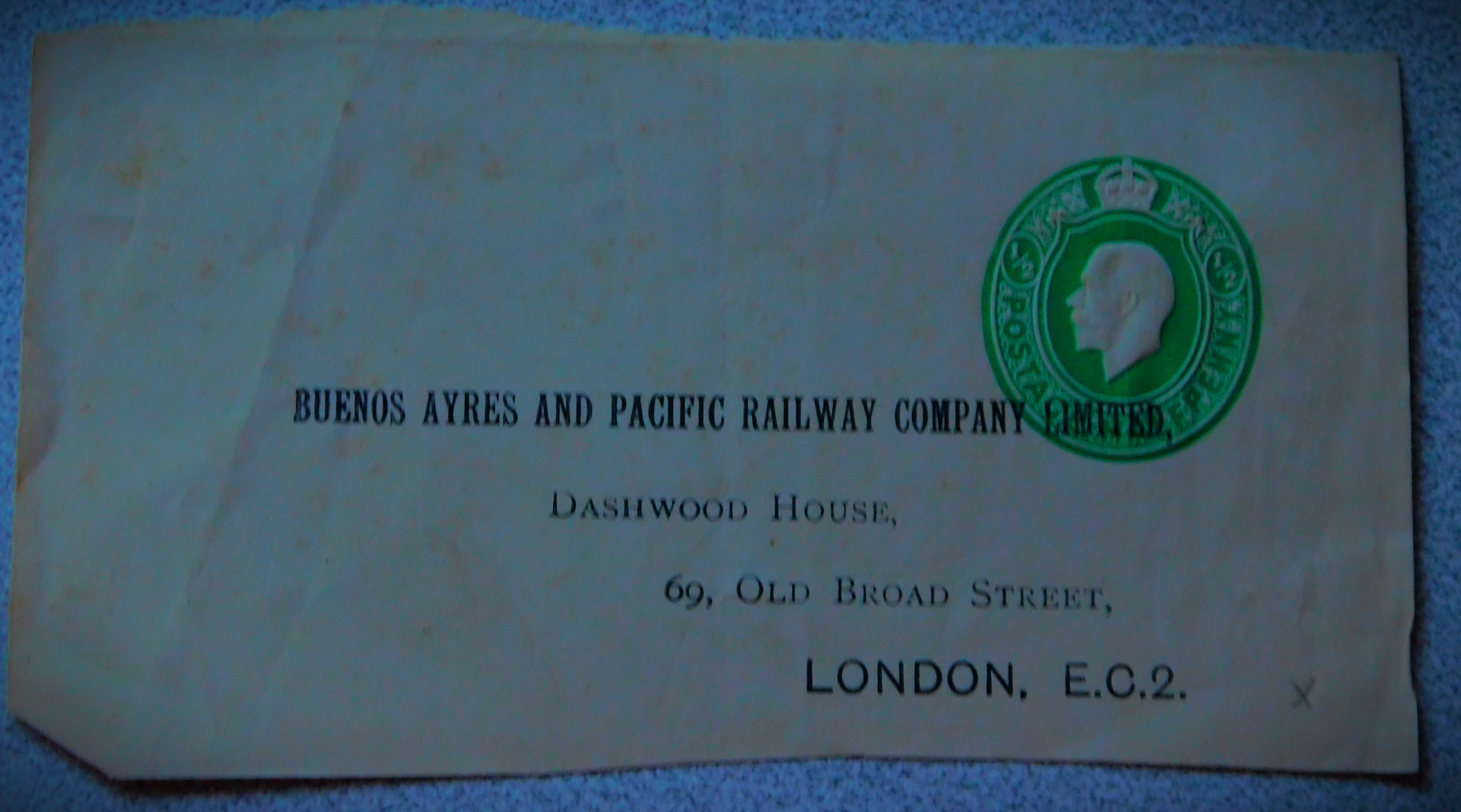
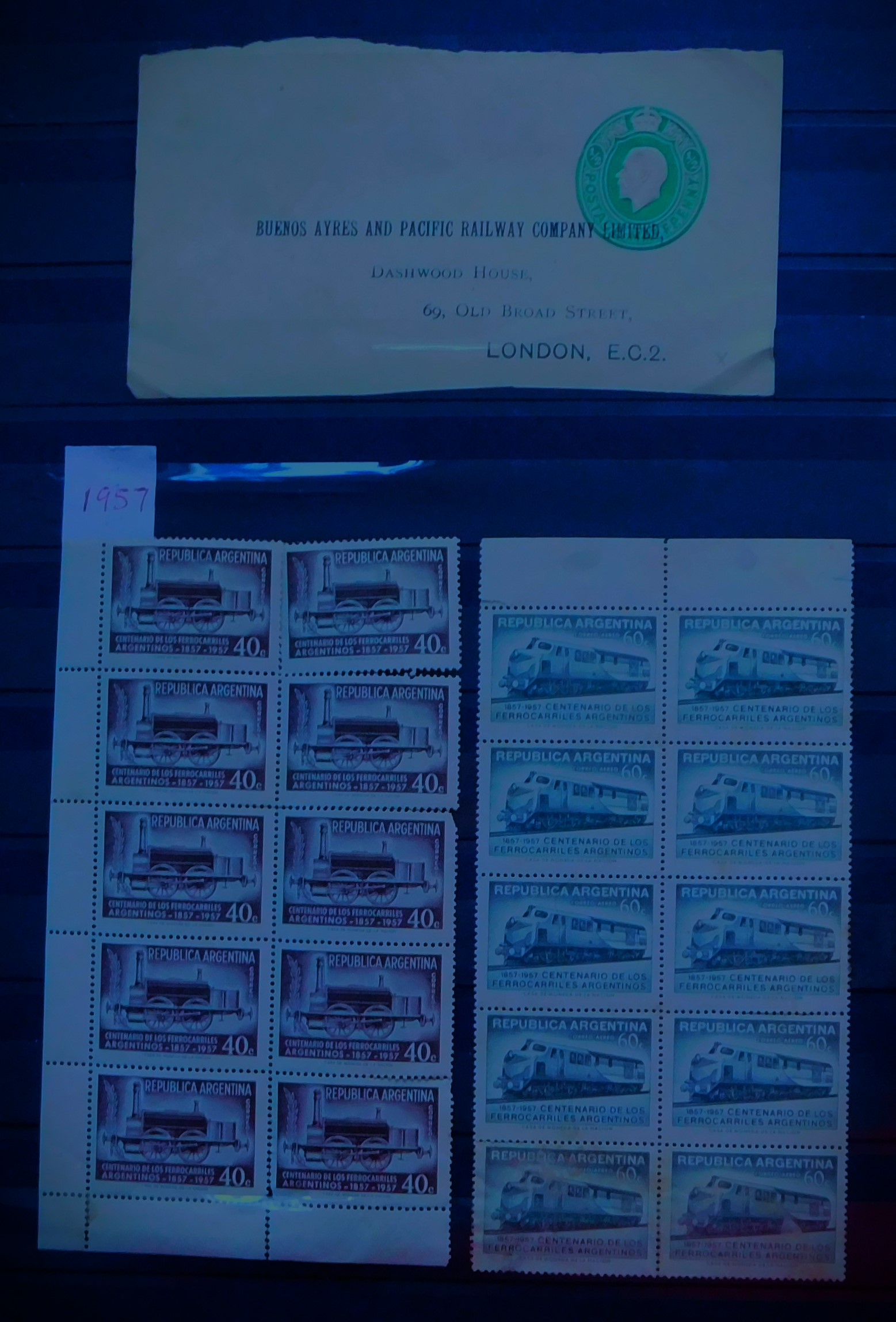
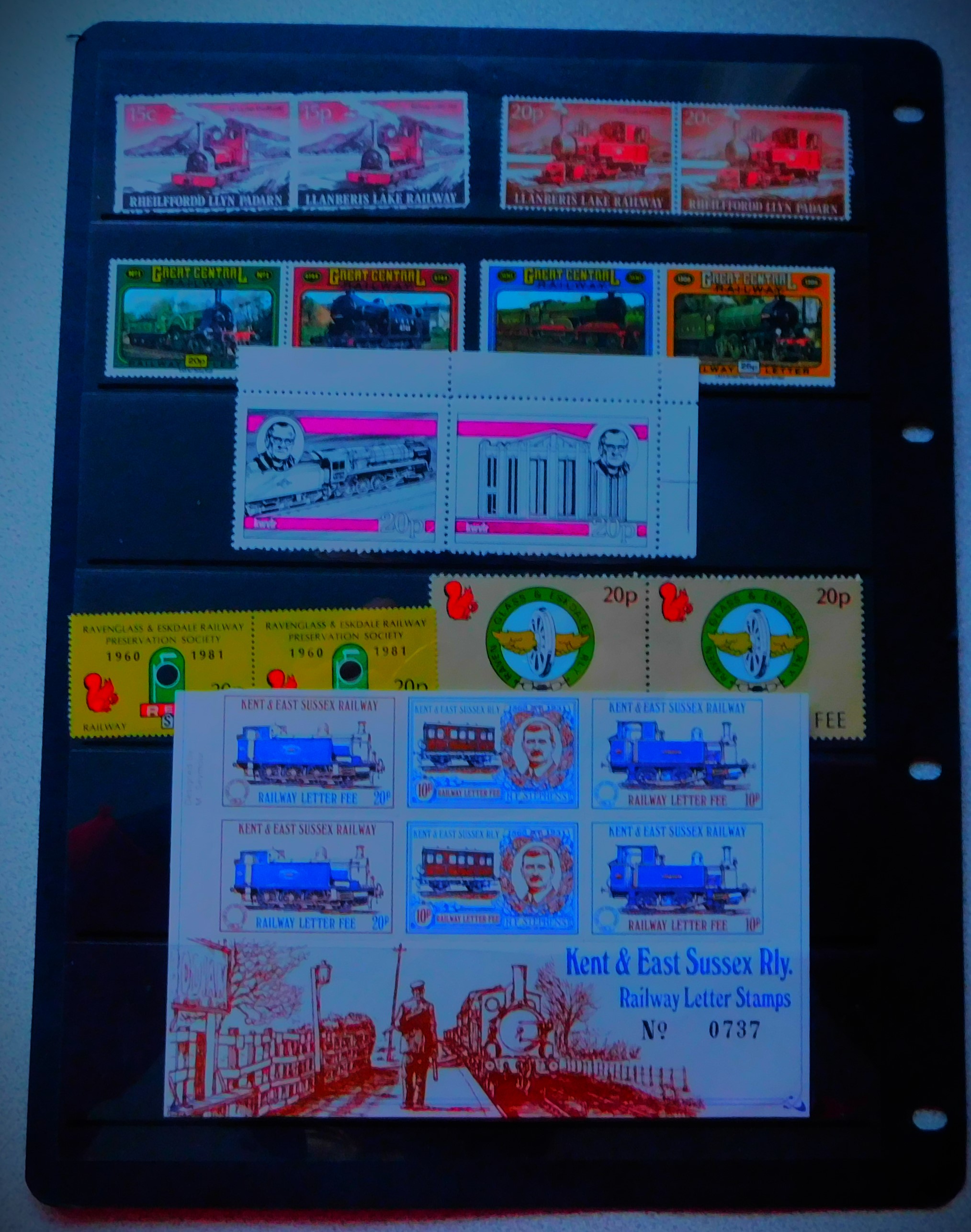
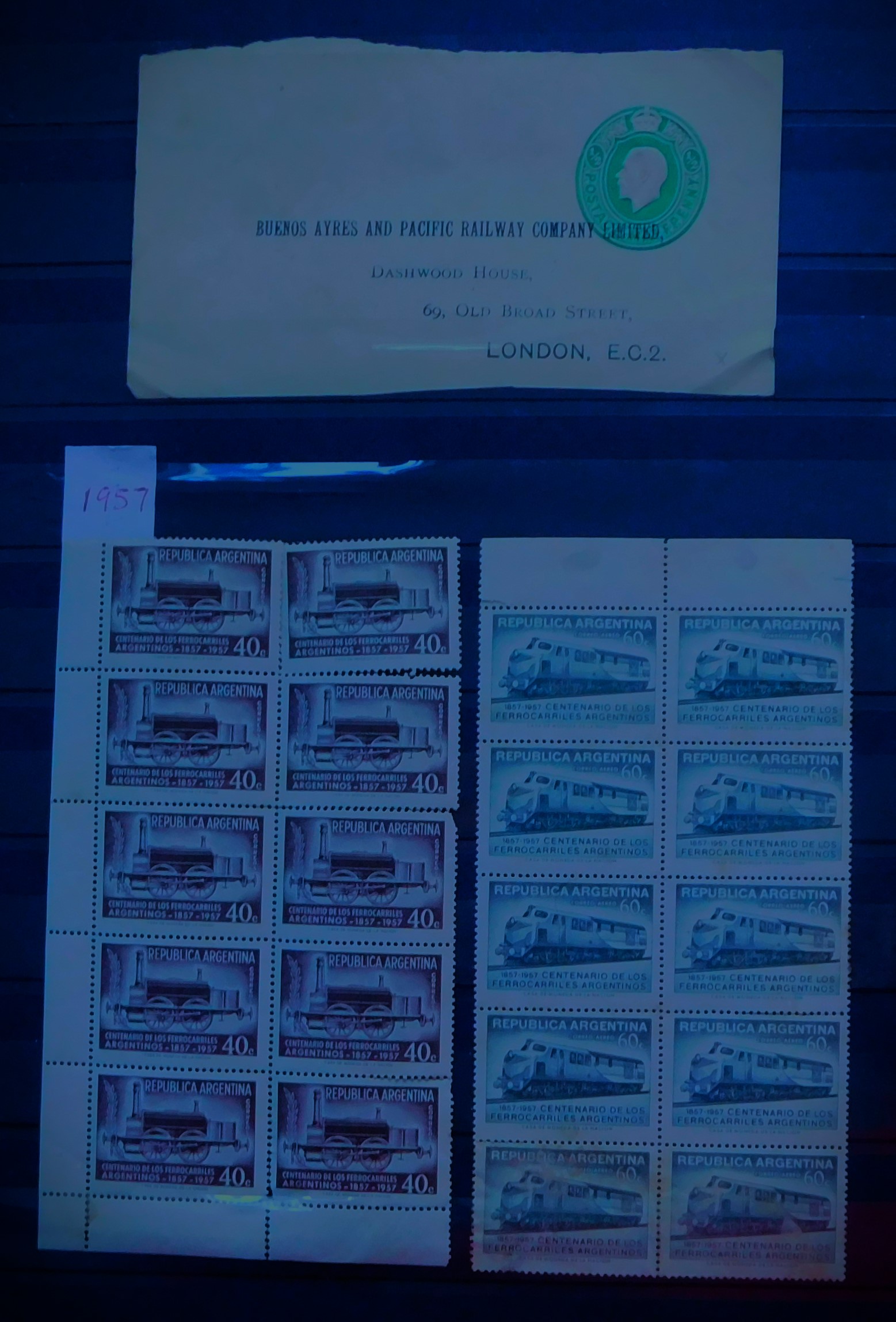
The Metropolitan Railway was the original Underground railway from which London Underground developed.The Metropolitan District Railway opened five years later, and the two companies between them completed the Inner Circle, now The Circle Line.This did not really belong with the other items in the lot, but I have same Argentine railway stamps in my collection.
Lot 329 also went to me…
I ignored lot 399…
I had produced a very extensive image gallery for lot 400, made more so by fielding a query on that lot. However, in the end my opportunistic bid was the only one on the lot.
Lots 402 was also railway related but discipline had to prevail.
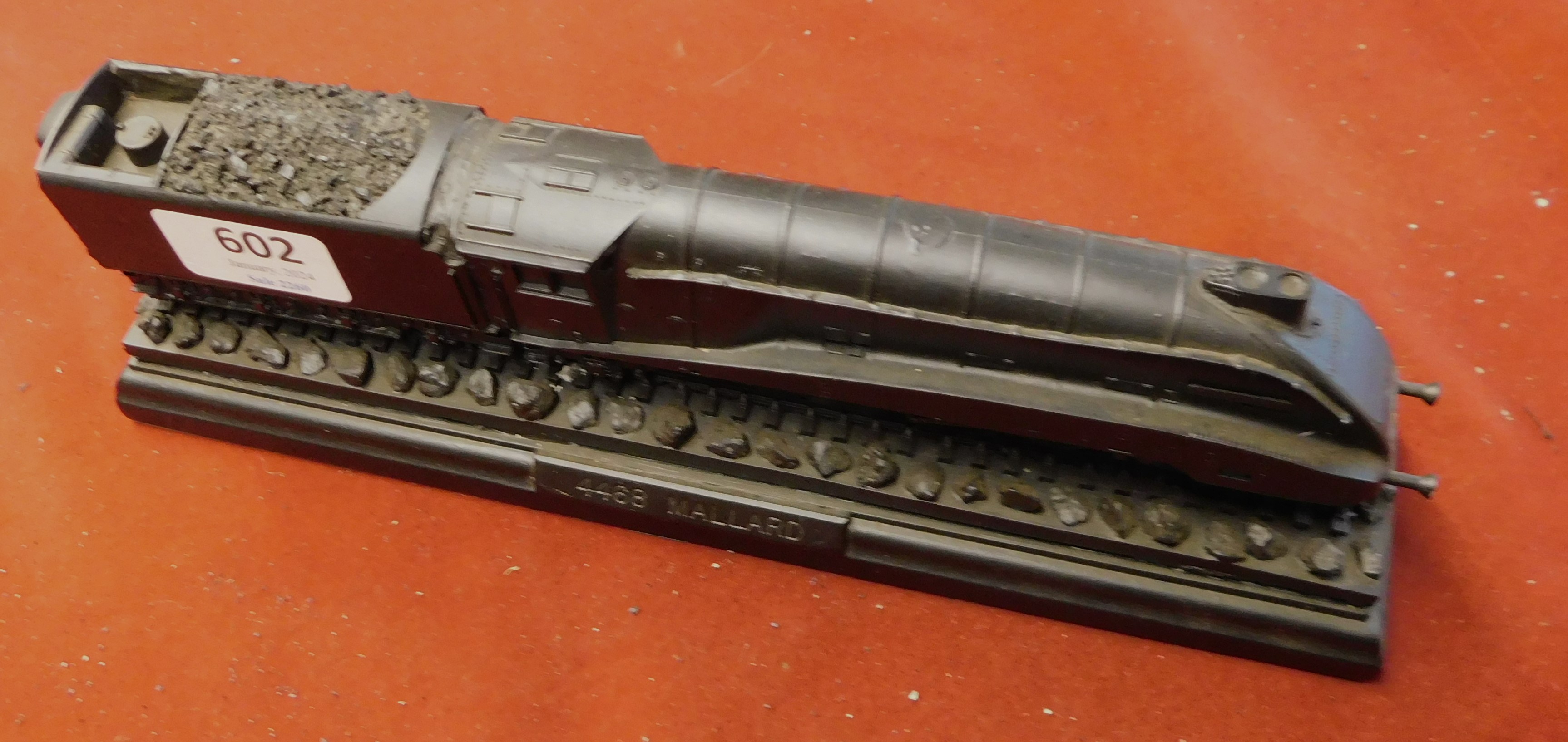
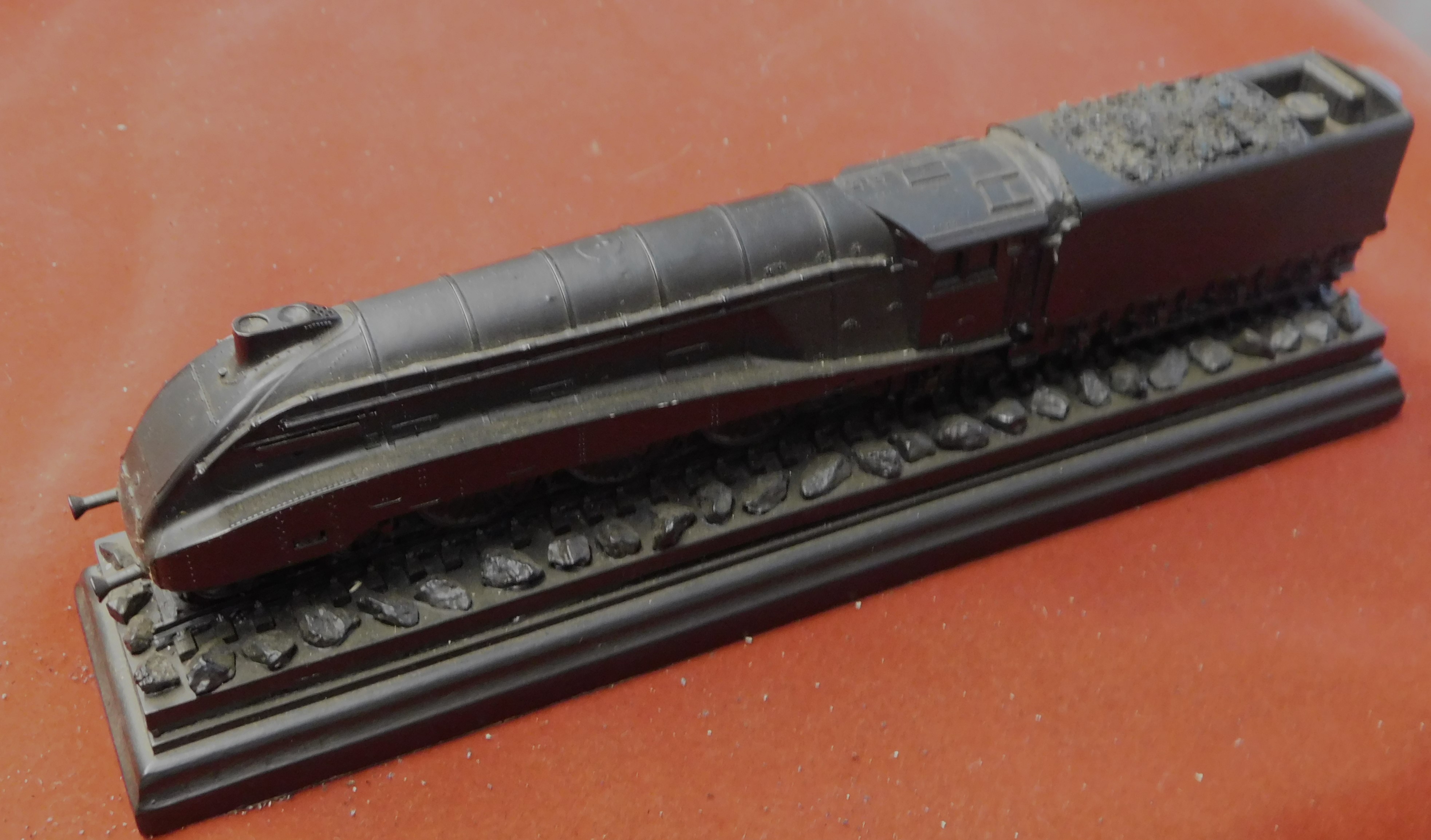
Lot 602, a model of a locomotive sculpted from coal proved, as I expected to be the case, to be beyond my price range.
I end this section with a lot that attracted a fierce bidding war (in which I had no part, other than creating the images that generated it), and ended up fetching £150, having been expected to do no more than 20-30, number 197.
PHOTOGRAPHS
My usual sign off…
Harbingers of spring, and it is only late Janaury.
An all time XI of players whose given names begin with R, a particularly important and detailed honourable mentions section and a multi-part photo gallery.
I continue my tour of cricketing given names with a look at the letter R, skipping over Q on the grounds of insufficient candidates being available for that letter. R offers a very different kind of challenge – there are huge numbers of players with overlapping skills sets and only 11 can make the final cut. I hope that the honourable mentions section, in which offer an alternative team formation that I elected not to go with will clarify these issues.
THE XI IN BATTING ORDER
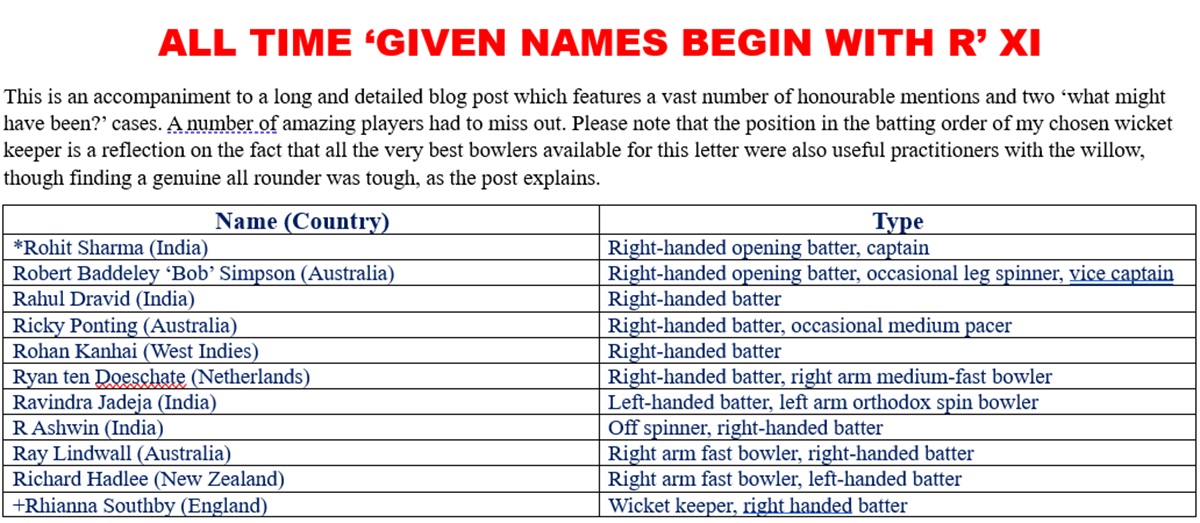
*Rohit Sharma (India, right handed opening batter, captain). A naturally aggressive batter, his test record is eminently respectable even if he is better known for his exploits in limited overs cricket. As both opener and captain he can be expected to lead from the front.
Robert Baddeley ‘Bob’ Simpson (Australia, right handed opening batter, occasional leg spinner, vice captain). Although both my chosen openers are right handers it would be harder to find a more contrasting pair in terms of approach. At Old Trafford in 1964, the same ground where Ian Johnson’s side had spectacularly come to grief eight years earlier, Australia went into the match one up in the series and needing only a draw to ensure retention of The Ashes. The groundsman at Old Trafford produced one of the flattest pitches ever seen, and Simpson ensured that Australia would keep the Ashes, quite literally off his own bat – he won the toss, chose to bat first and was only dismissed on the third morning of the match, for 311. England responded in kind, and there was barely time for the second Australian innings to begin before the umpires called time – such bowling as was required in this third innings of a scheduled four was done by Titmus and Barrington with an old ball. In addition to his impressive test batting record Simpson’s leg spin was good enough that he enjoyed some success with it even at test level, and he was an outstanding slip fielder. I have named him as vice captain as a nod to his leadership qualities.
Rahul Dravid (India, right handed batter). A test record that speaks for itself.
Ricky Ponting (Australia, right handed batter, occasional medium pacer). One place down from his usual slot as I feel he would handle the lower position better than Dravid, though if Sharma were first out I might send him in to avoid having Simpson and Dravid bat together.
Rohan Kanhai (West Indies, right handed batter). The Guyanese was rated a genius by CLR James, and almost 7,000 test runs at 47 provide some solid achievement to back up that assessment.
Ryan ten Doeschate (Netherlands, right handed batter, right arm medium fast bowler). The Dutchman established a superb record in limited overs international (his country are not a test playing nation as yet), and his record in FC cricket, mainly over the course of a long and distinguished association with Essex is eminently respectable.
Ravindra Jadeja (India, left handed batter, left arm orthodox spinner, outstanding fielder). A magnificent all round cricketer.
R Ashwin (India, off spinner, right handed batter). Over 400 test wickets, and a batting record that includes five test match centuries.
Ray Lindwall (Australia, right arm fast bowler, right handed batter). One of the best fast bowlers ever seen in the game, and good enough with the bat to have scored two test centuries along the way.
Richard Hadlee (New Zealand, right arm fast bowler, left handed batter). The best bowler of any type ever to play for New Zealand, and a handy lower order batter, though the first in this line up to have had a test career and not scored a century at that level.
+Rhianna Southby (England, wicket keeper, right handed batter). The most controversial pick of all my XI, but although there were many options for this letter I wanted to showcase one of the very best of contemporary wicket keepers. Her position in this order is less a reflection on her batting than an acknowledgement of the fact that all of my chosen bowlers were also talented in that department.
This XI is very strong in batting, keeping and spin bowling, with the seam/ pace element of the attack a little light, since the only pace/seam support for the Anzac new pall pairing of Lindwall and Hadlee would come from ten Doeschate.
HONOURABLE MENTIONS
This will be a multi-faceted section and I start with…
THE WICKET KEEPER/ ALL ROUNDER CONUNDRUM
Although there is one absolutely genuine all rounder in Jadeja available for this letter, there was no one available for the number six slot. Ron Archer of Australia might have become the perfect fit for that slot had he not suffered a freak injury when Australia visited Pakistan on their way home from the 1956 Ashes. The injury occurred at Karachi, where Archer caught his studs in a piece of matting and wrenched a knee, and it ended his bowling career at the age of 23, though he played one more season for Queensland as a specialist batter. Had he not suffered that injury he might have gone to become the replacement for Keith Miller that Australia were hoping he would, in which case selecting this side would have been a lot easier. There were three potential alternatives to Southby for the wicket keeper’s slot: Robert William ‘Bob’ Taylor, who made more FC dismissals than any other wicket keeper in history, Rod Marsh, holder of the record for test career dismissals at the time of his retirement, and Rishabh Pant of India. A possible alternative to my chosen line up which addresses the seam/ pace bowling potential issue would be to pick Pant in place of ten Doeschate and Robert George Dylan ‘Bob’ Willis in place of Southby at number 11, giving an XI of *RG Sharma, RB Simpson, RS Dravid, RT Ponting, RB Kanhai, +R Pant, R Jadeja, R Ashwin, RR Lindwall, RJ Hadlee, RGD Willis.
OTHER HONOURABLE MENTIONS
Robert William ‘Bob’ Barber had his moments as a left handed attacking opener for England, including scoring 185 against Australia in an innings win in Australia, but his career record lacks the overall heft to displace Sharma. Richard Barlow who played for England in the 1880s, and remains the only person ever selected for an England men’s test team on the understanding that he was going to open both the batting and the bowling was another potential candidate, and his left arm seam bowling would have added variation to the attack, but if I apply my usual conversion method to his career averages his record adjusts to an average of 34.08 with the bat and 33.83 with the ball, not really good enough in either department. Roy Park was highly rated by some of his Australian contemporaries, including Warwick Armstrong, but his sole test innings lasted precisely one ball. Robert ‘Bobby’ Abel, the first England batter to carry his bat through a test innings, was clearly a very fine right handed opener of the more cautious type, and a case could be made for him getting Simpson’s slot.
The unluckiest middle order batters of those to miss out were a pair of West Indians with fine test records, Richie Richardson and Ramnaresh Sarwan. Neither of the individuals concerned would be out of place in the number five slot I awarded to Kanhai. Robin Smith was a fine number three for England, but he is a mere candle to the Alexandrian lighthouses of Dravid and Ponting.
Ryan Higgins, now re-ensconced at Middlesex after a few years away at Gloucestershire, has a fine county record, but he has not yet been picked for England. Rikki Clarke had a very fine FC record, but did not make the most of such chances as he got at international level. Rich Pyrah of Yorkshire was a very fine limited overs player but his record in long form cricket was no more than respectable. Rehan Ahmed, the young England leg spinning all rounder, may well force his way in in due course, but at the moment, especially with Simpson able to bowl a bit of leg spin if needed, he has to wait. Robert ‘Bob’ Relf of Sussex was a good enough county all rounder to deserve a mention. Robert ‘Bobby’ Peel of Yorkshire and England was a great left arm spin bowler who could bat, but not good enough to dislodge Jadeja. Similarly, Ray Illingworth was a fine cricketer, but no one is convincing me that he comes particularly close to challenging R Ashwin for that slot. Richie Benaud was a high quality leg spinning all rounder, and would have been captain had I been able to accommodate him in the XI. Since I cannot do that, he would be the ONLY candidate to head up the TV commentary team. Roy Kilner, with 14,000 Fc runs at 30 and 1,000 FC wickets at 18 was unlucky to be up against Jadeja for a slot. Given the galaxy of talent already covered, for all her unique status as an international captain who has turned out for The Metronomes there can be no place for the Brazilian all rounder Roberta Moretti Avery.
Rashid Khan, the Afghan leg spinner, was probably the best of the bowlers I could find no place for. Rangana Herath of Sri Lanka was a very fine left arm spinner, but like Peel and Kilner mentioned in the all rounders section suffered due to the overlap with Jadeja.
Richard Peter Borgnis as he appears in the record books (his actual full name was Richard Peter Hammond-Chambers-Borgnis) had an astonishing first class career – one match in which he scored a century and took a three-for.
Rahmanullah Gurbaz of Afghanistan would be in the mix were I picking with limited overs cricket in mind, but he is as yet unproven in long form cricket.
PHOTOGRAPHS
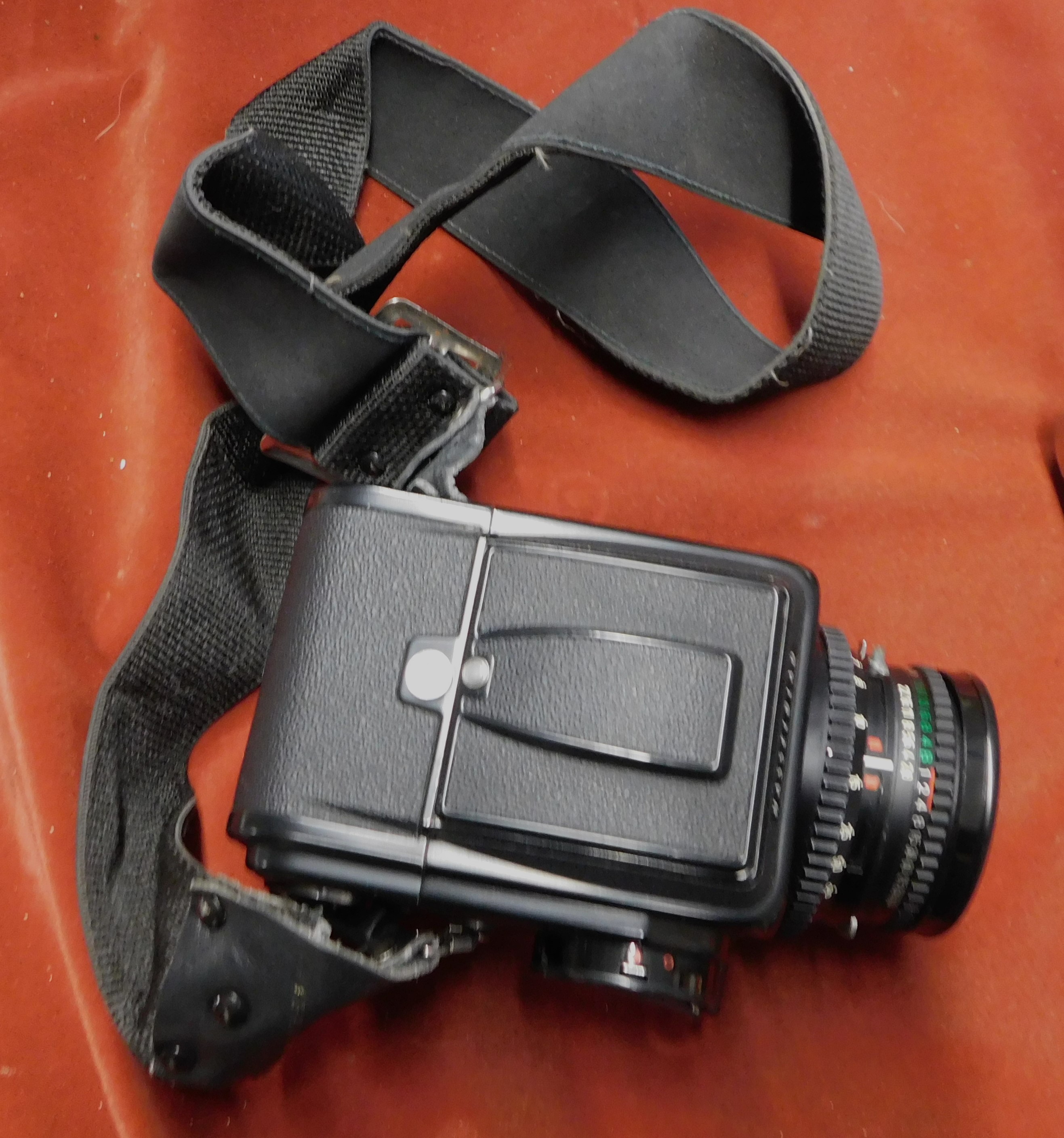
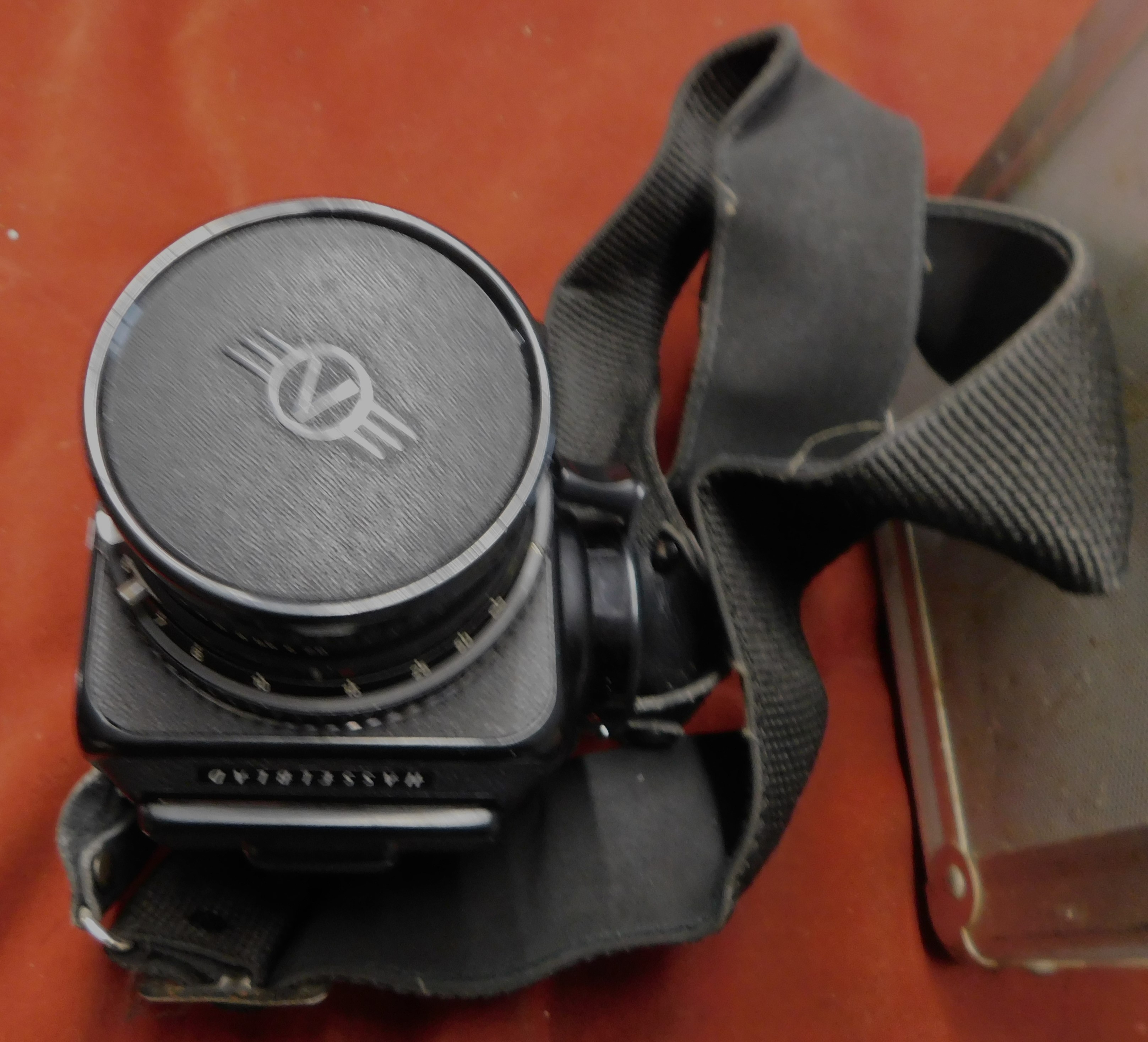
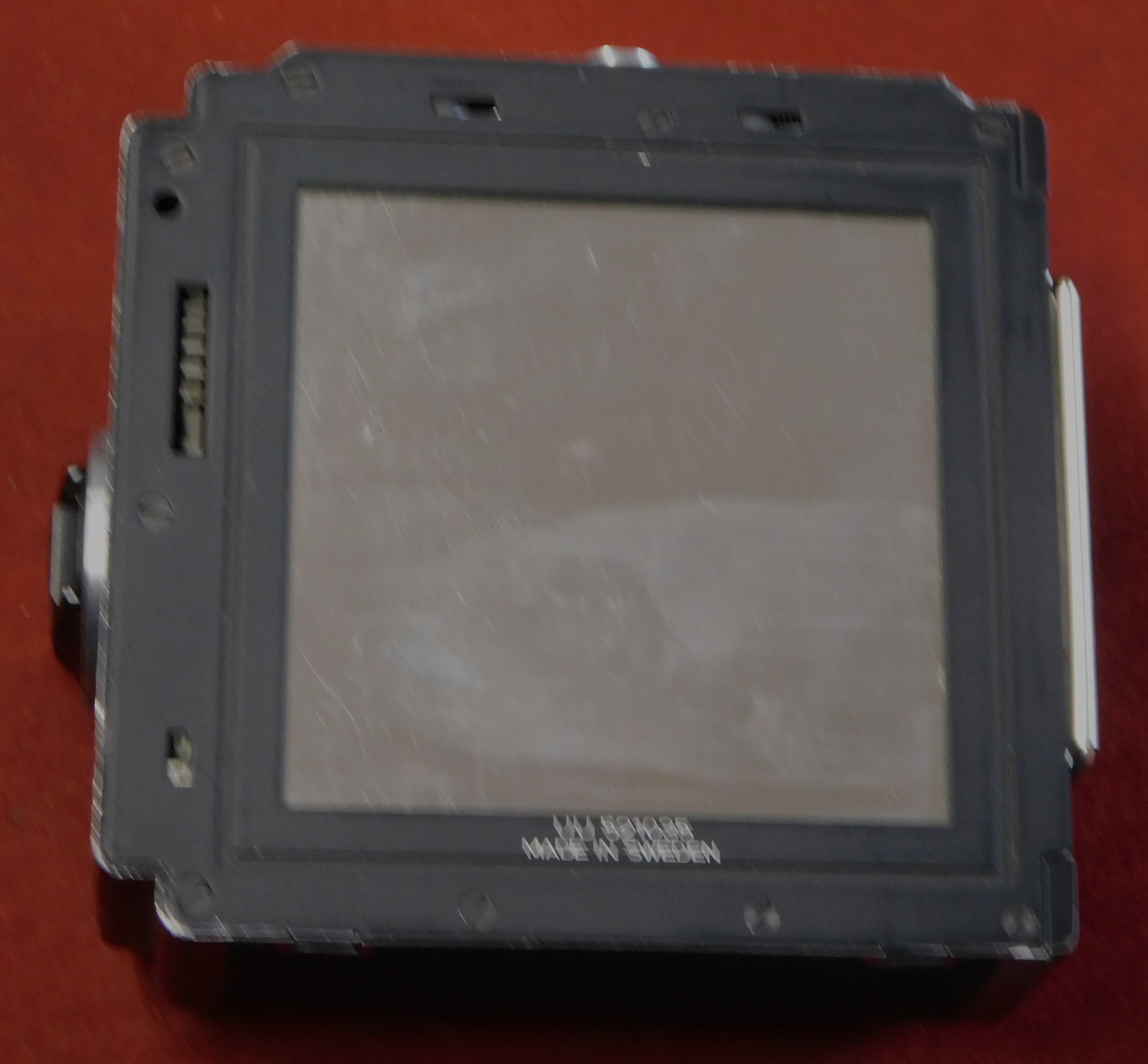
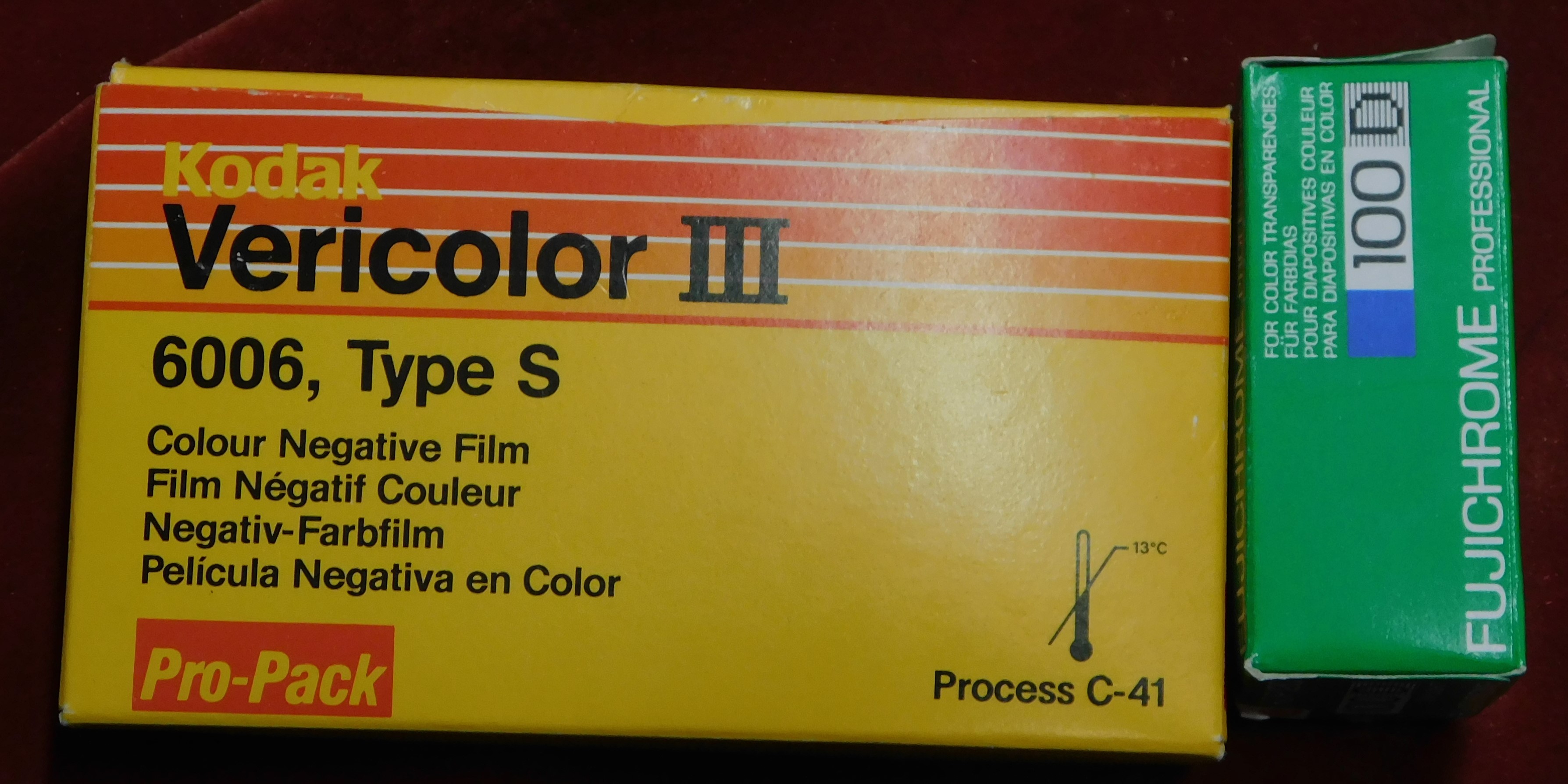
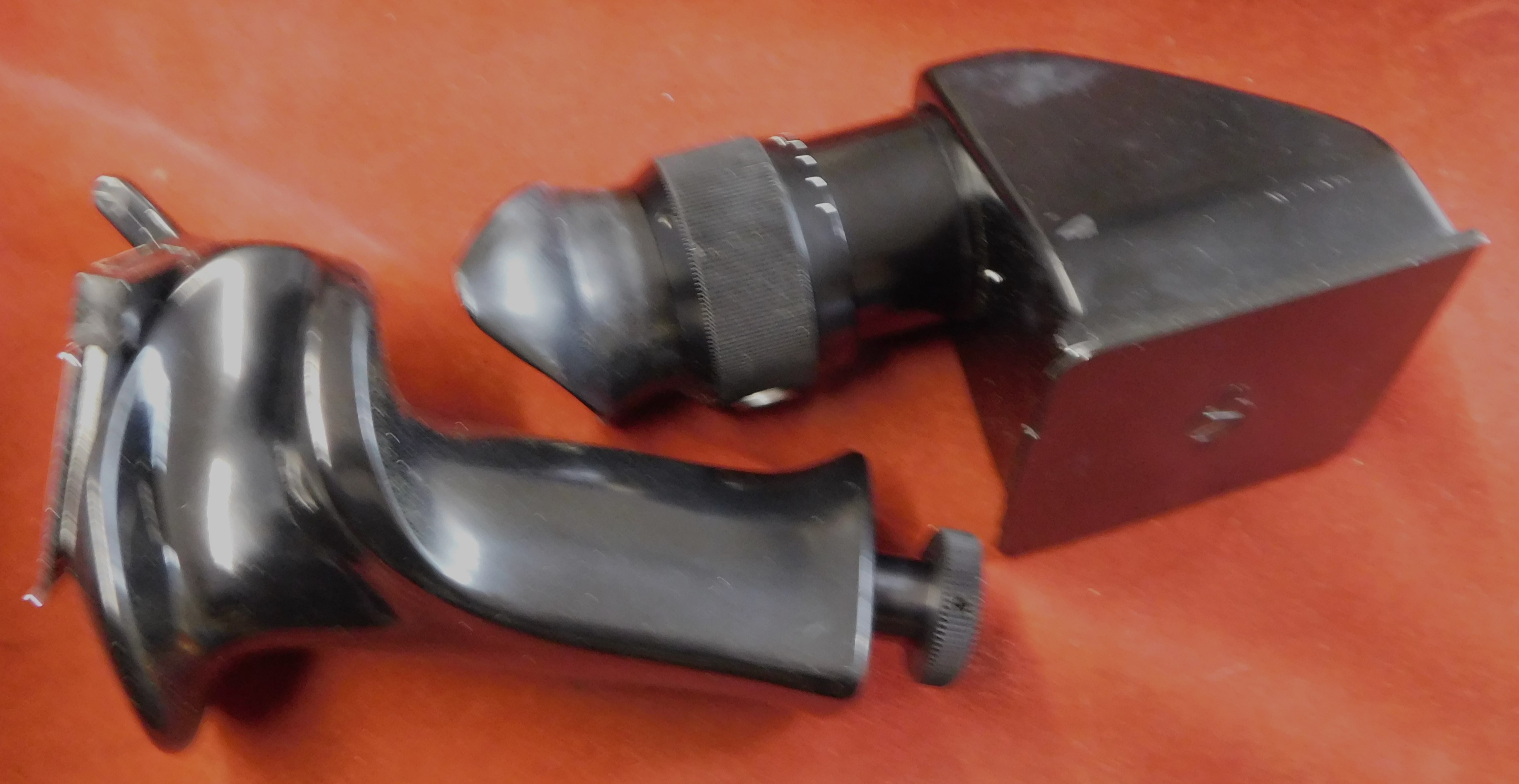
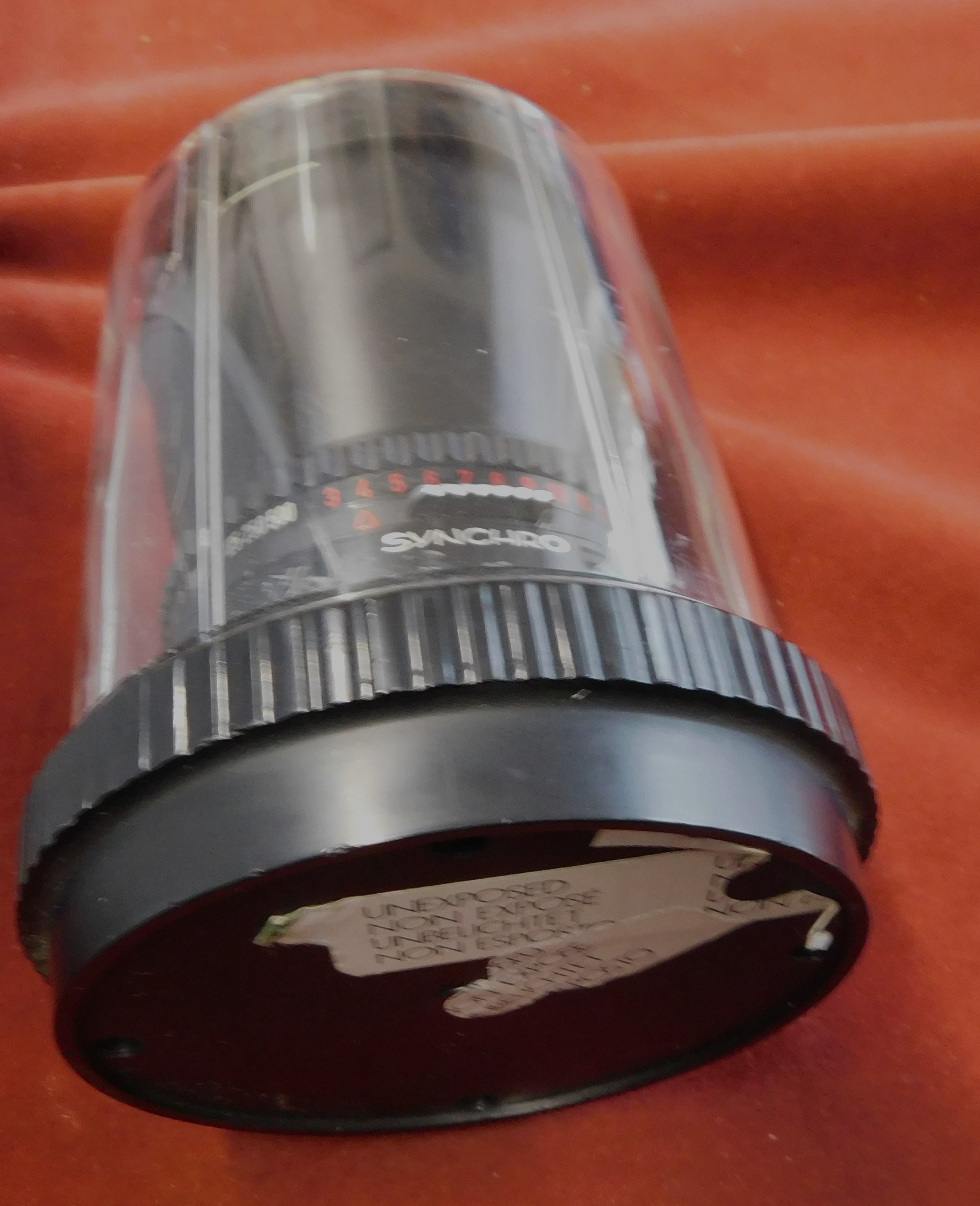
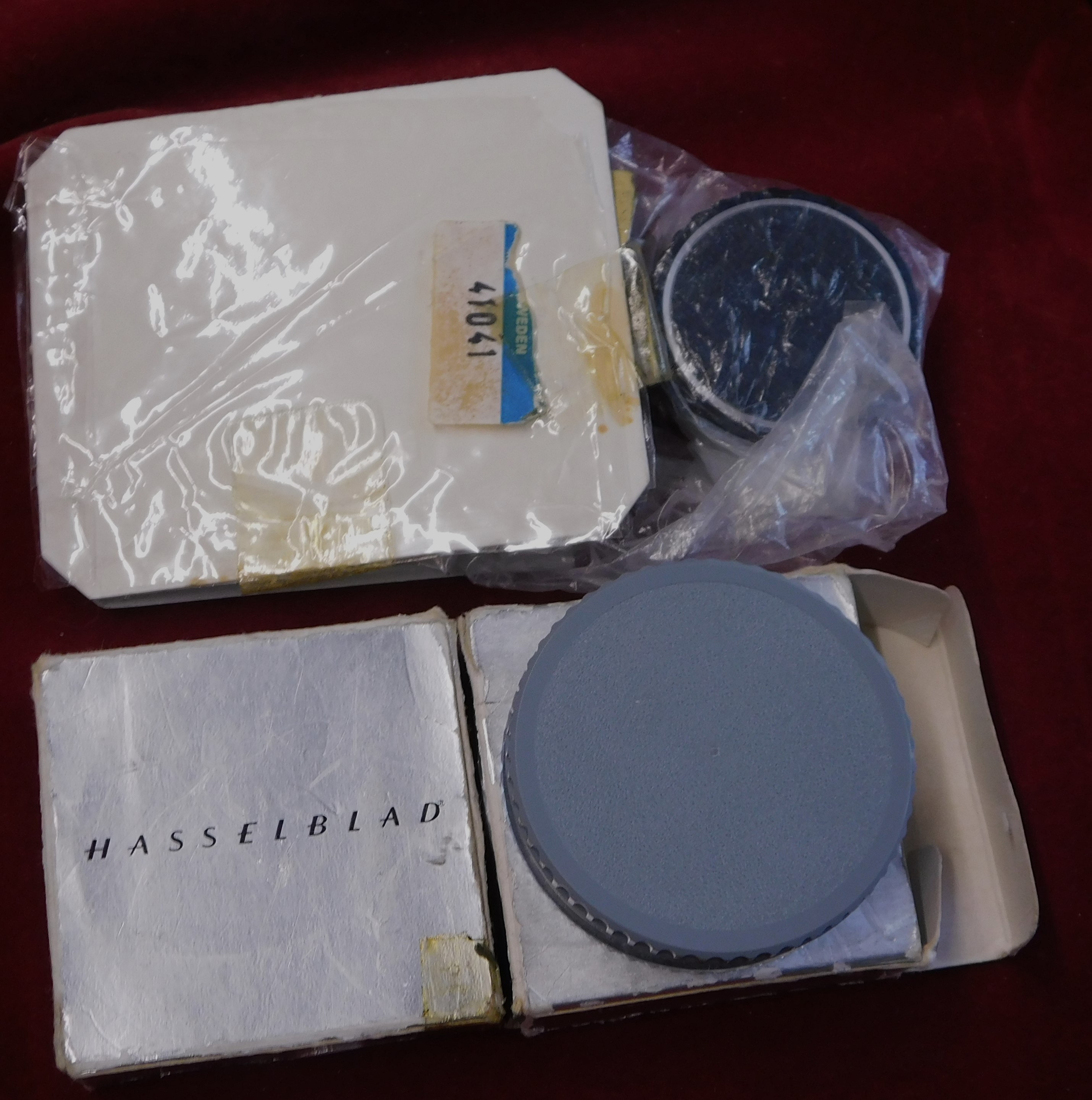
A multi-part photo gallery today. James and Sons had an auction this week, and I focus on two lots. Lot 304 was a Hassalblad camera in an aluminium case with a lot of extra bits and pieces and attracted considerable interest. I produced an extended gallery for it in order to deal with queries that were coming in, and the result was very pleasing – it sold for £1,000.
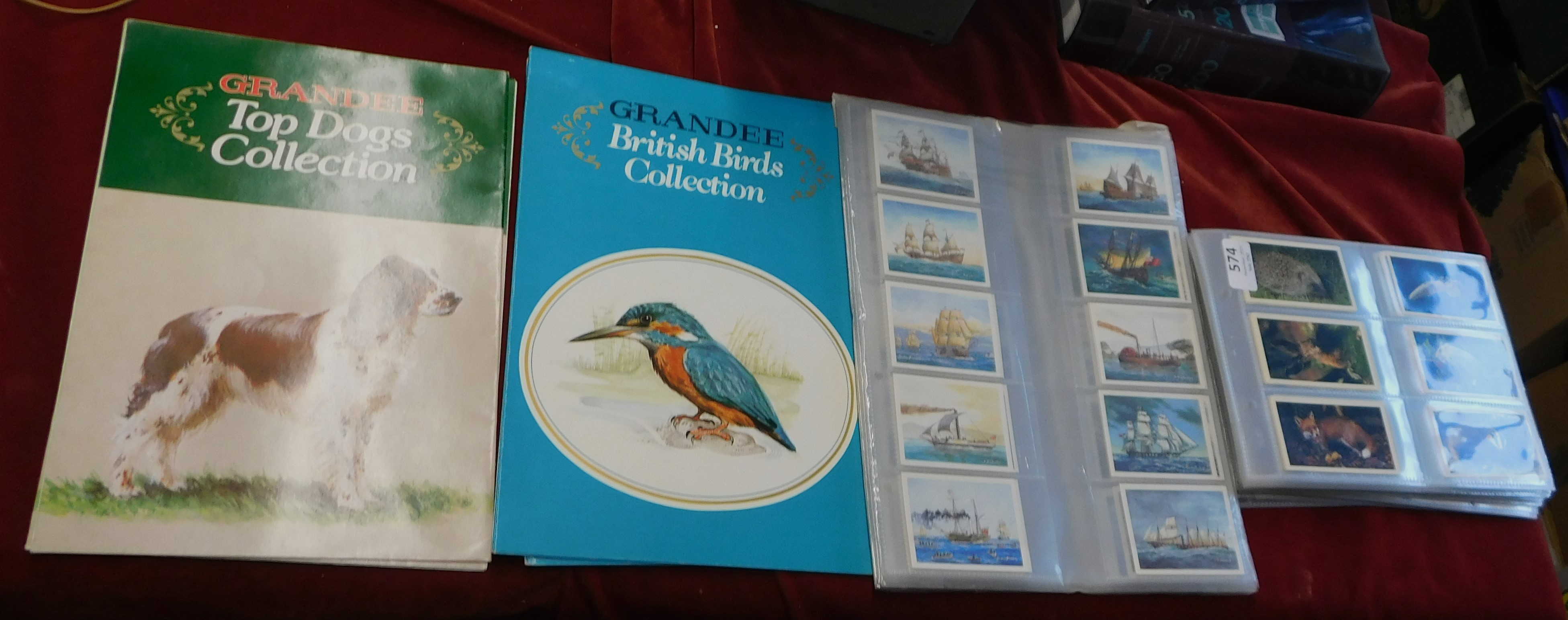
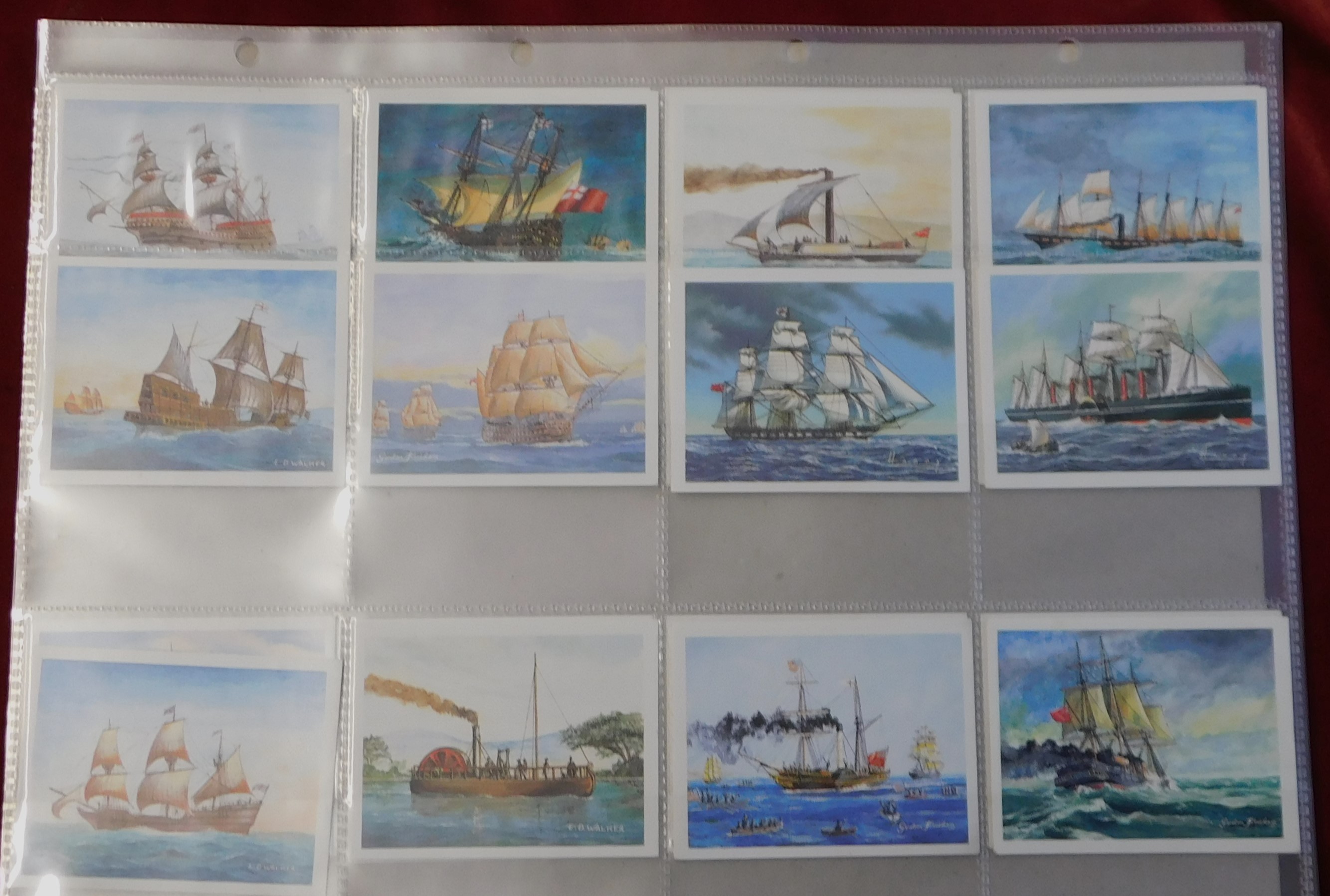
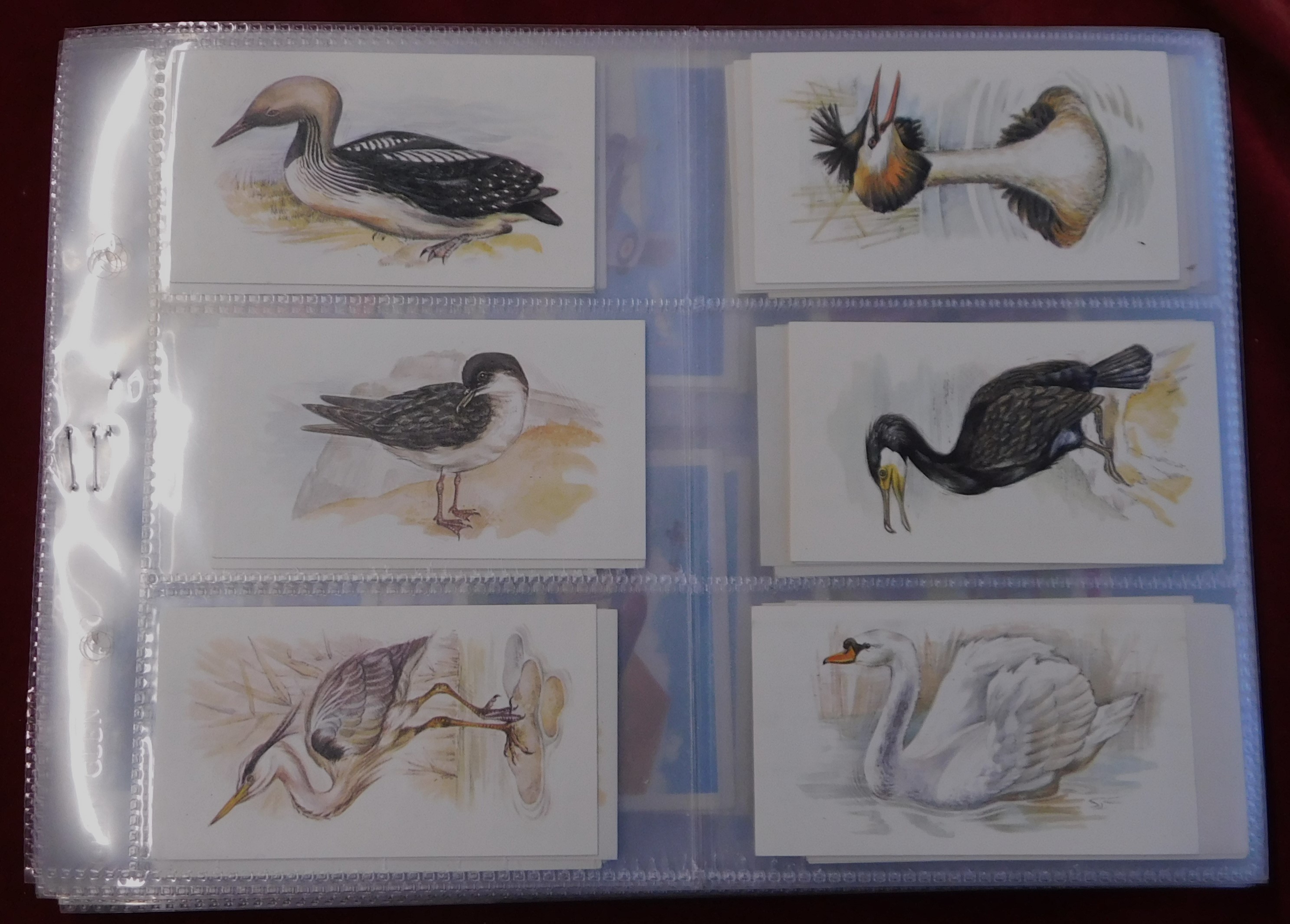
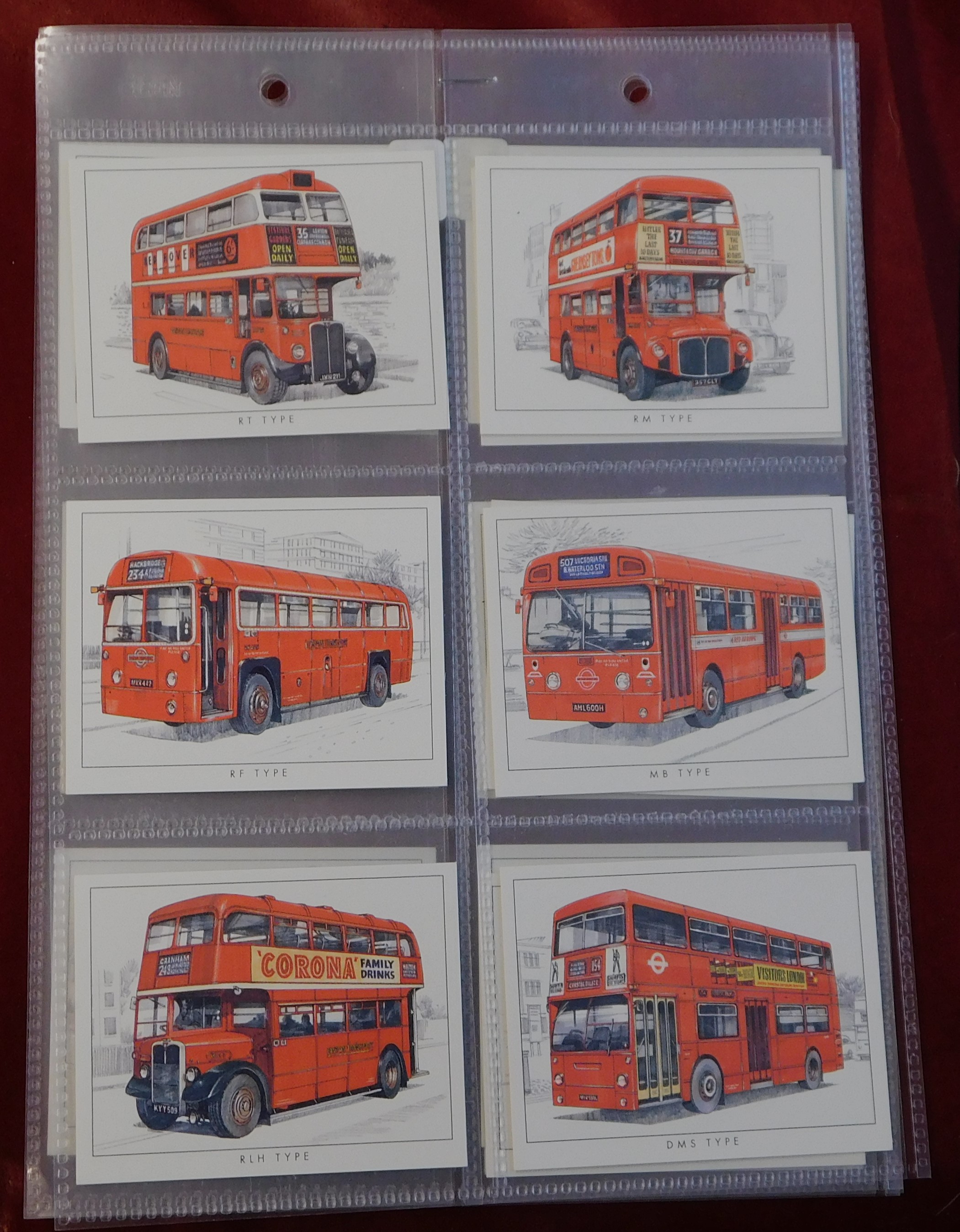
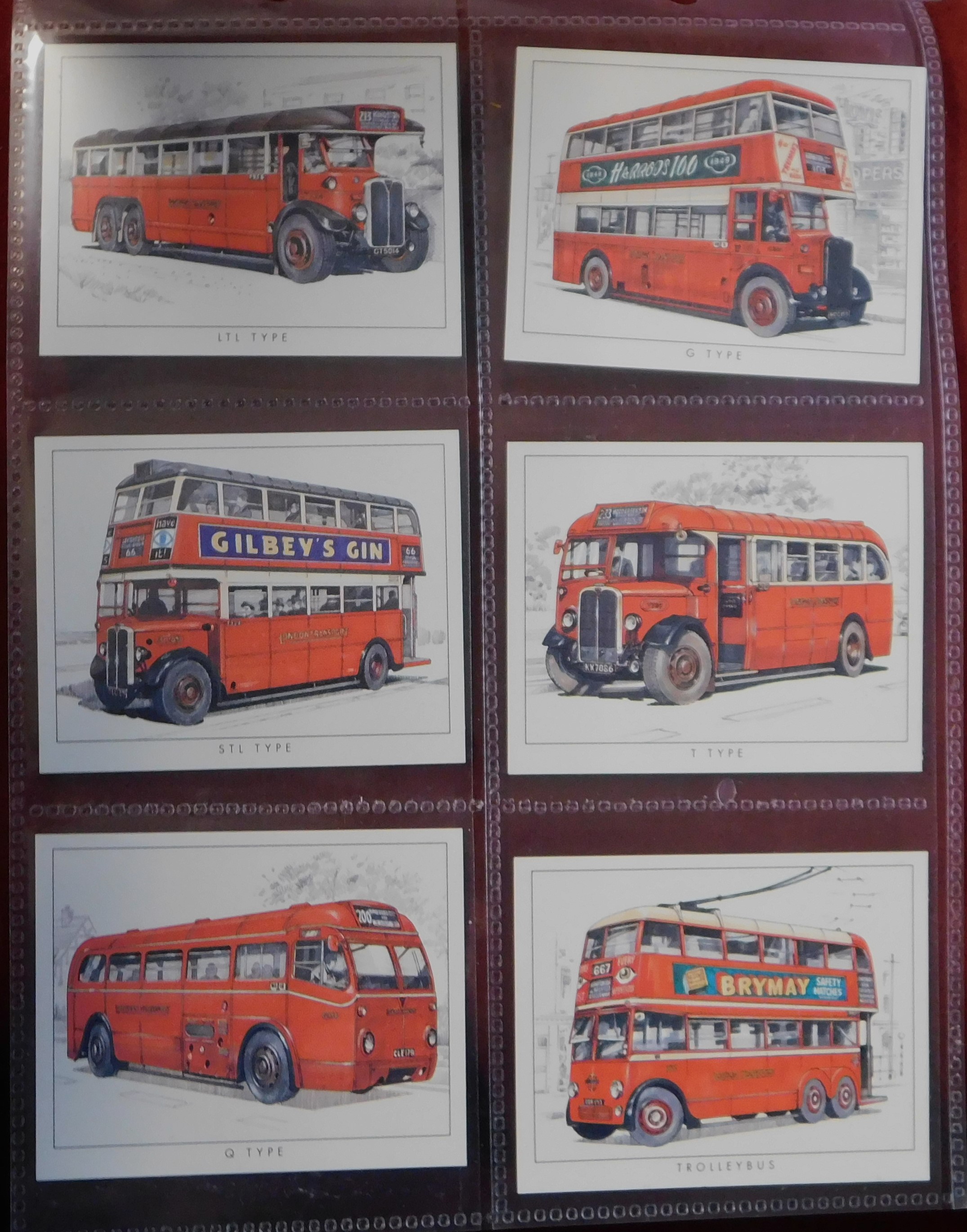
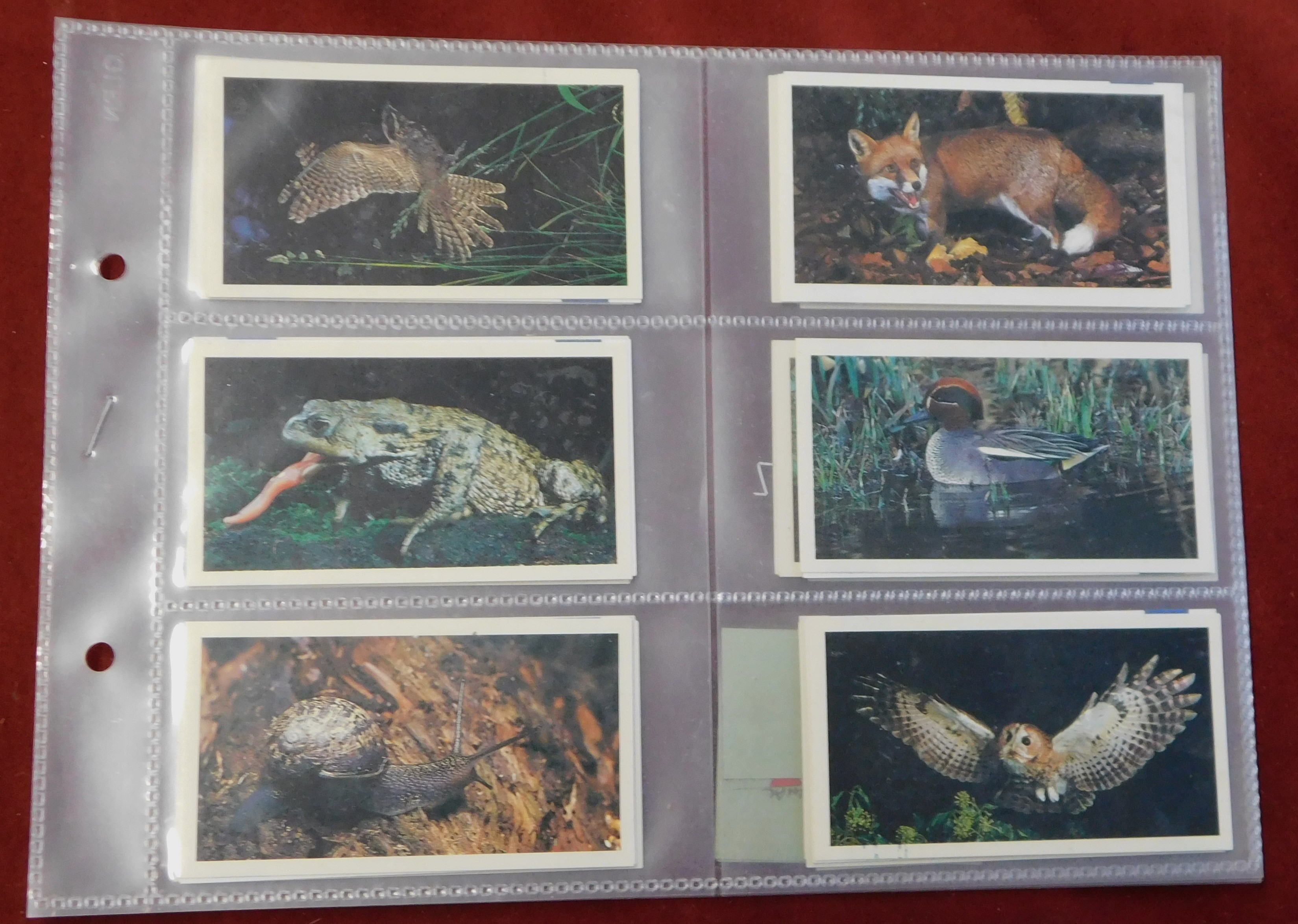
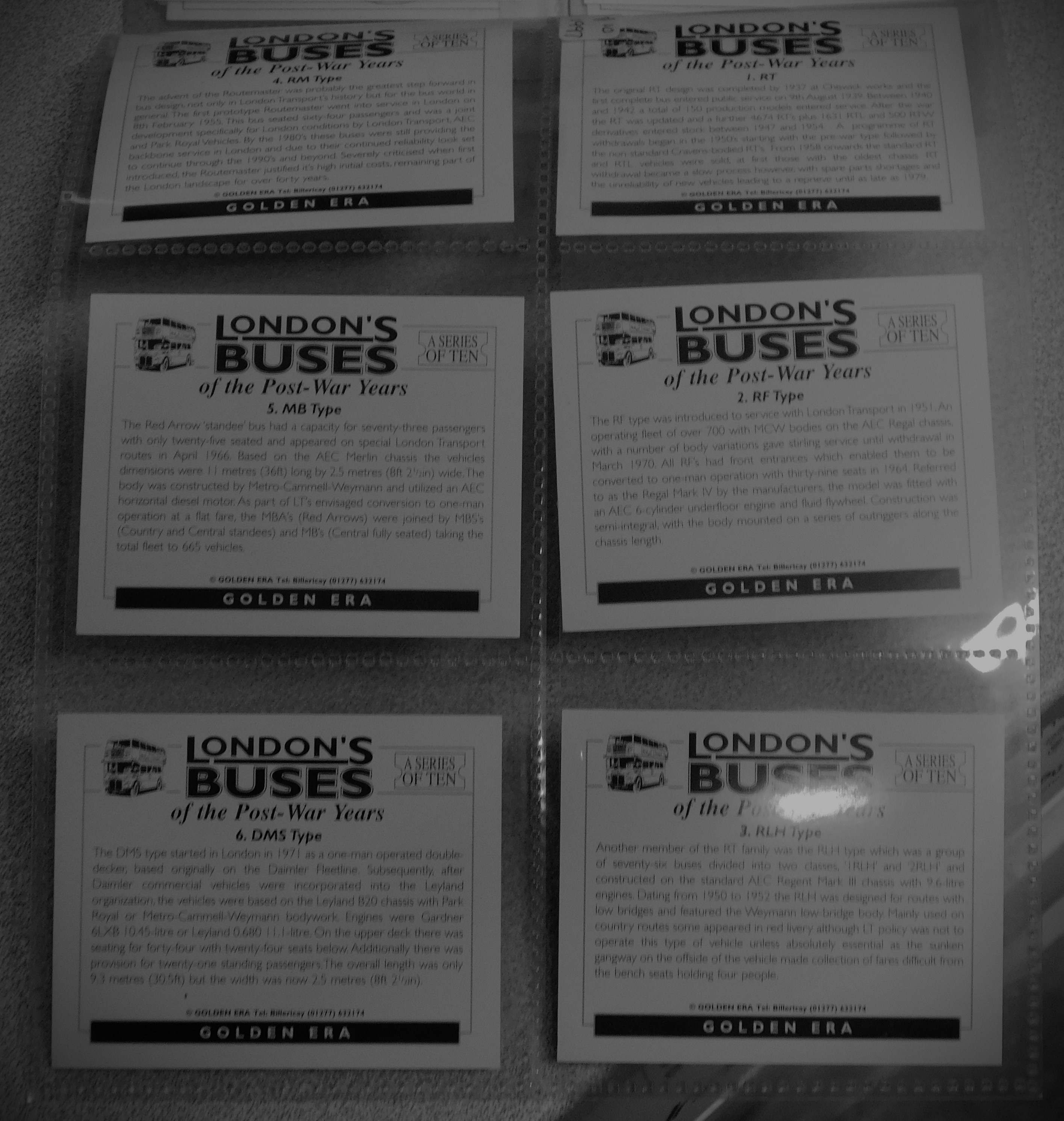
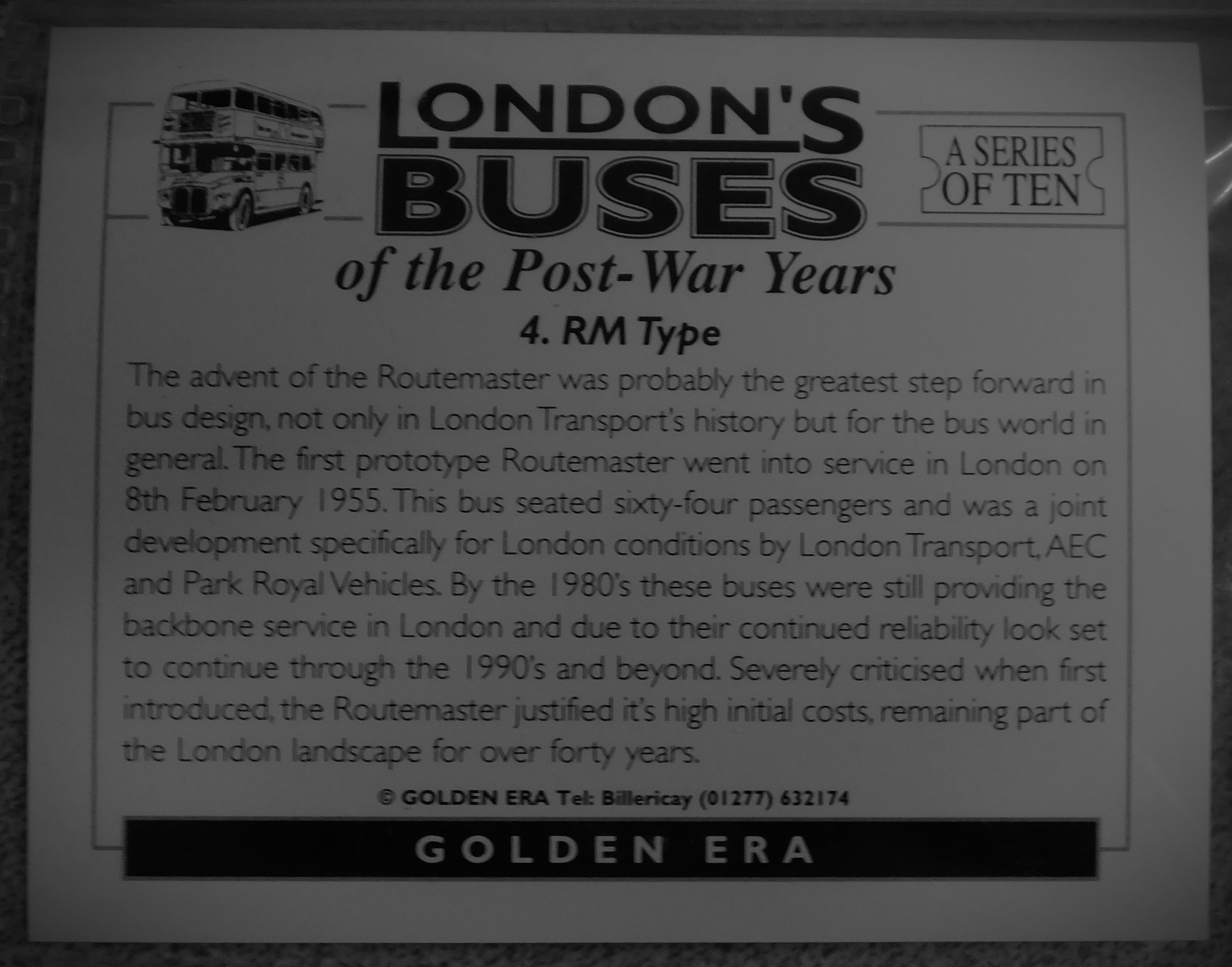
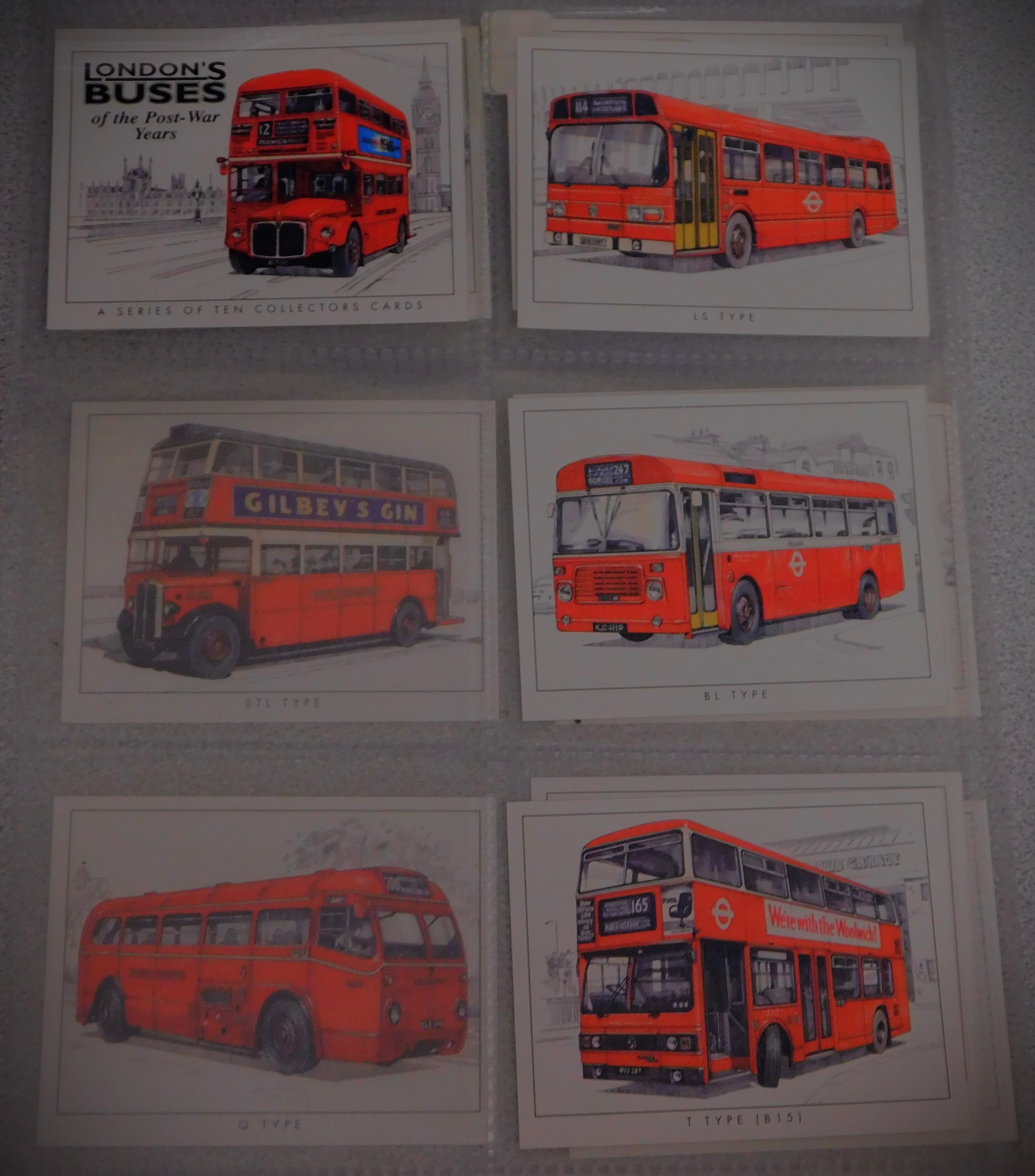
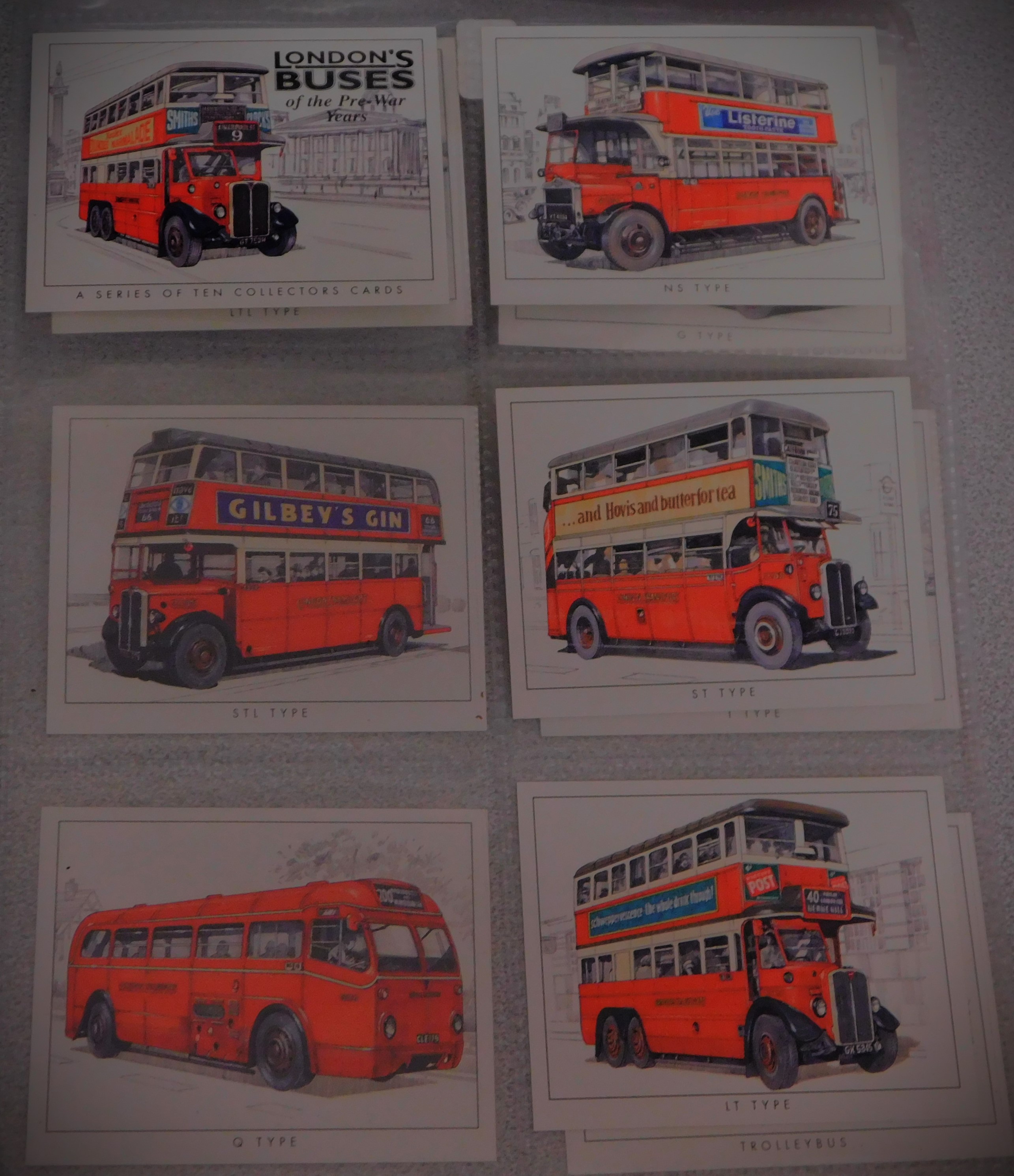
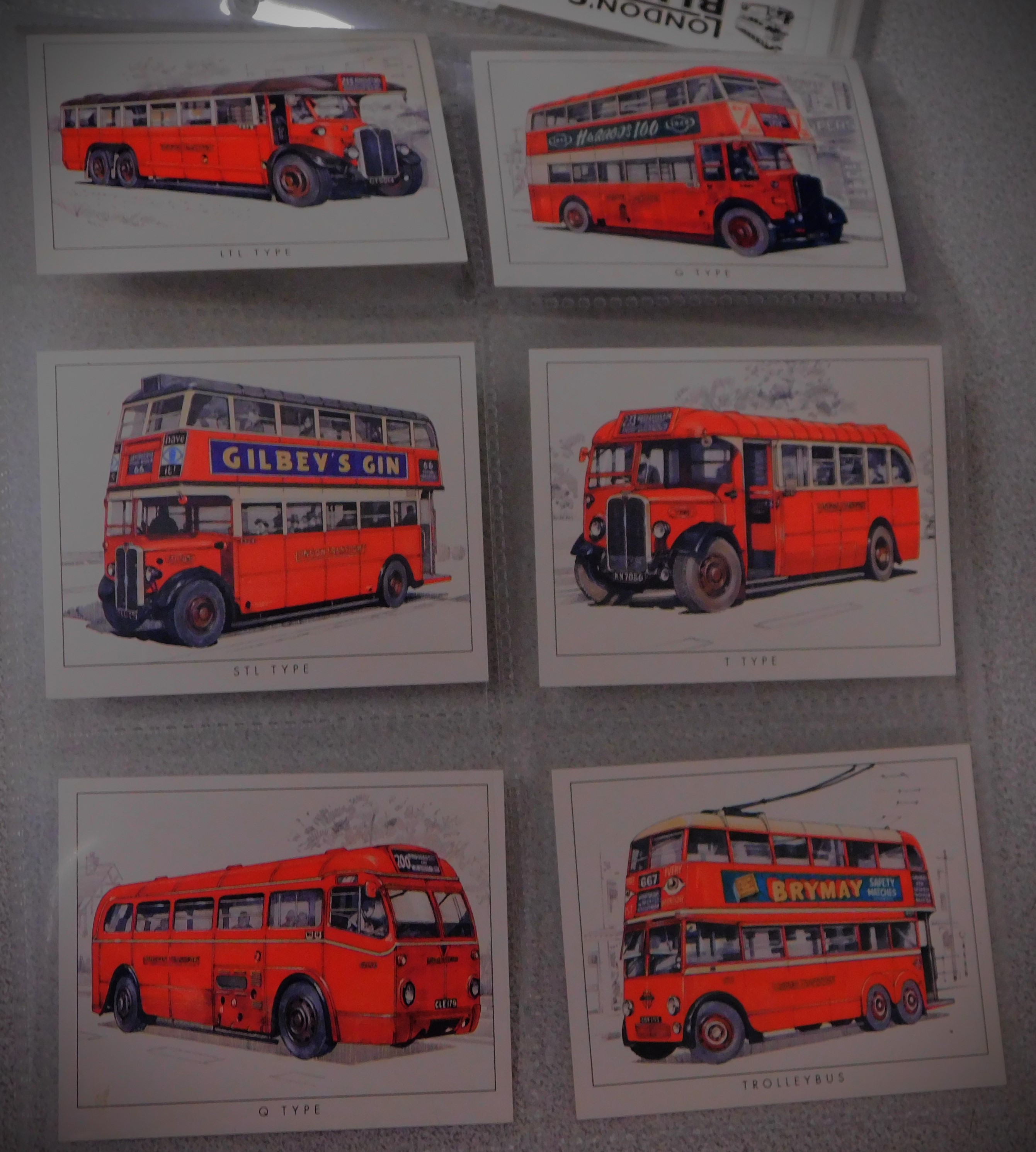
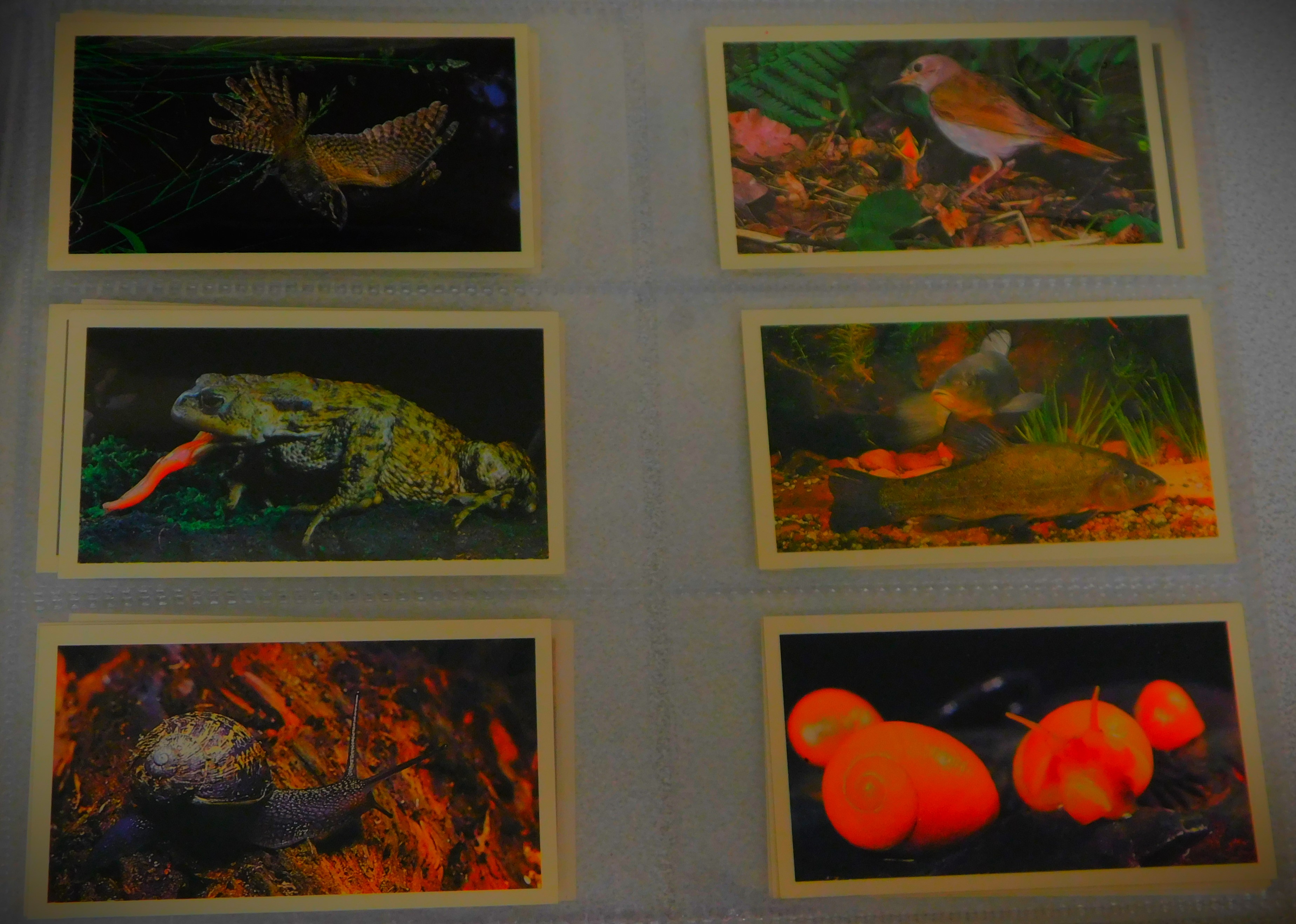
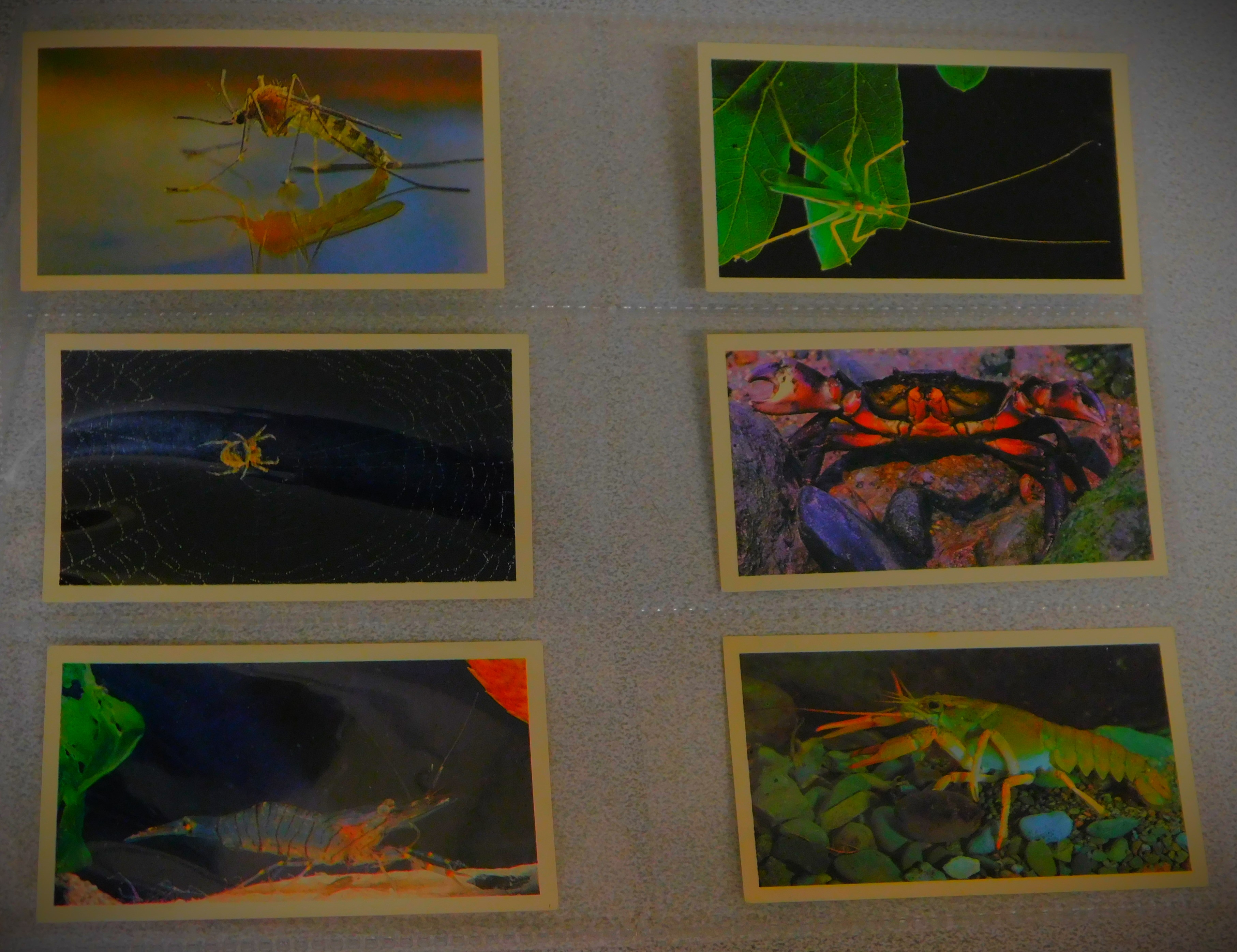
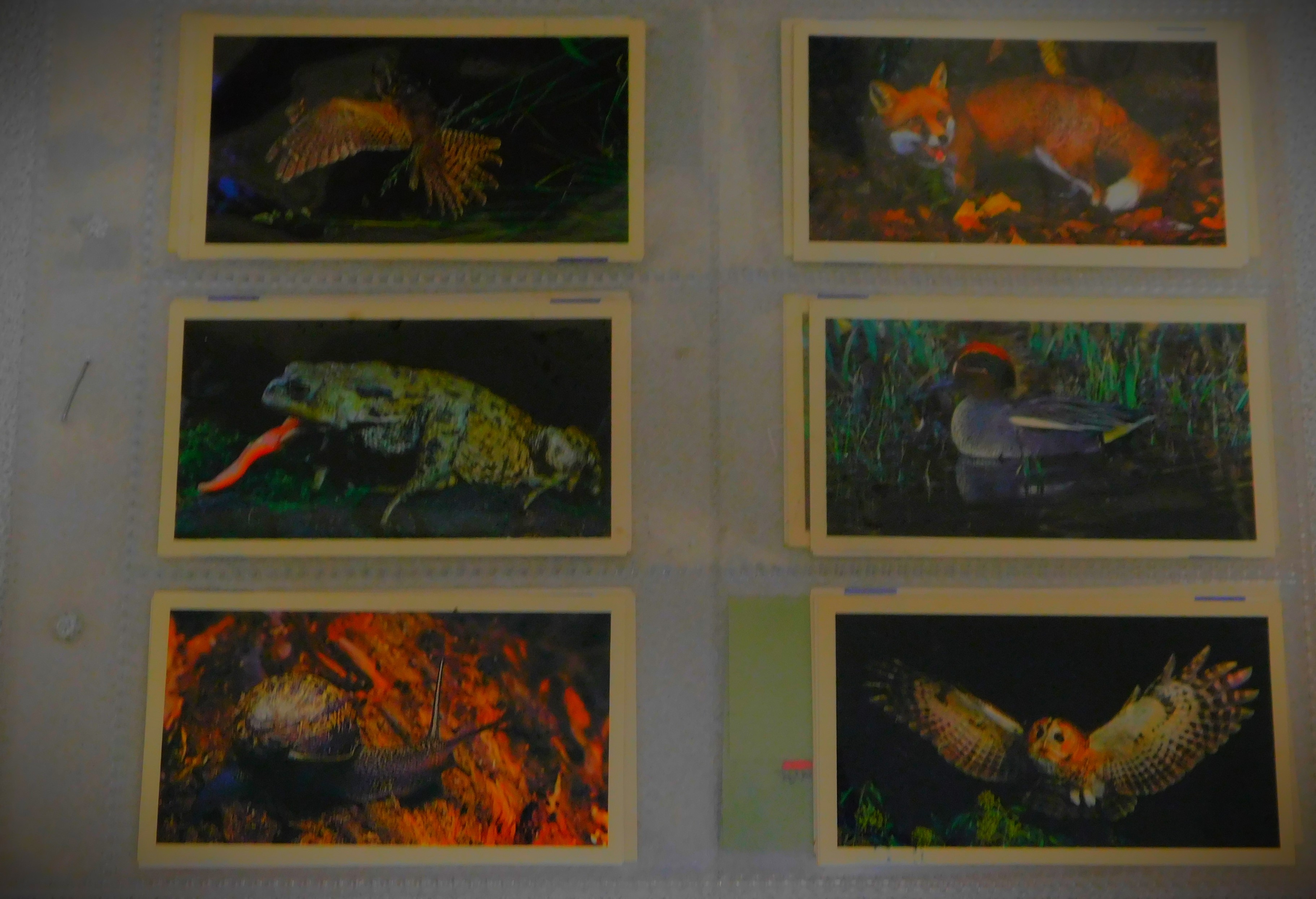
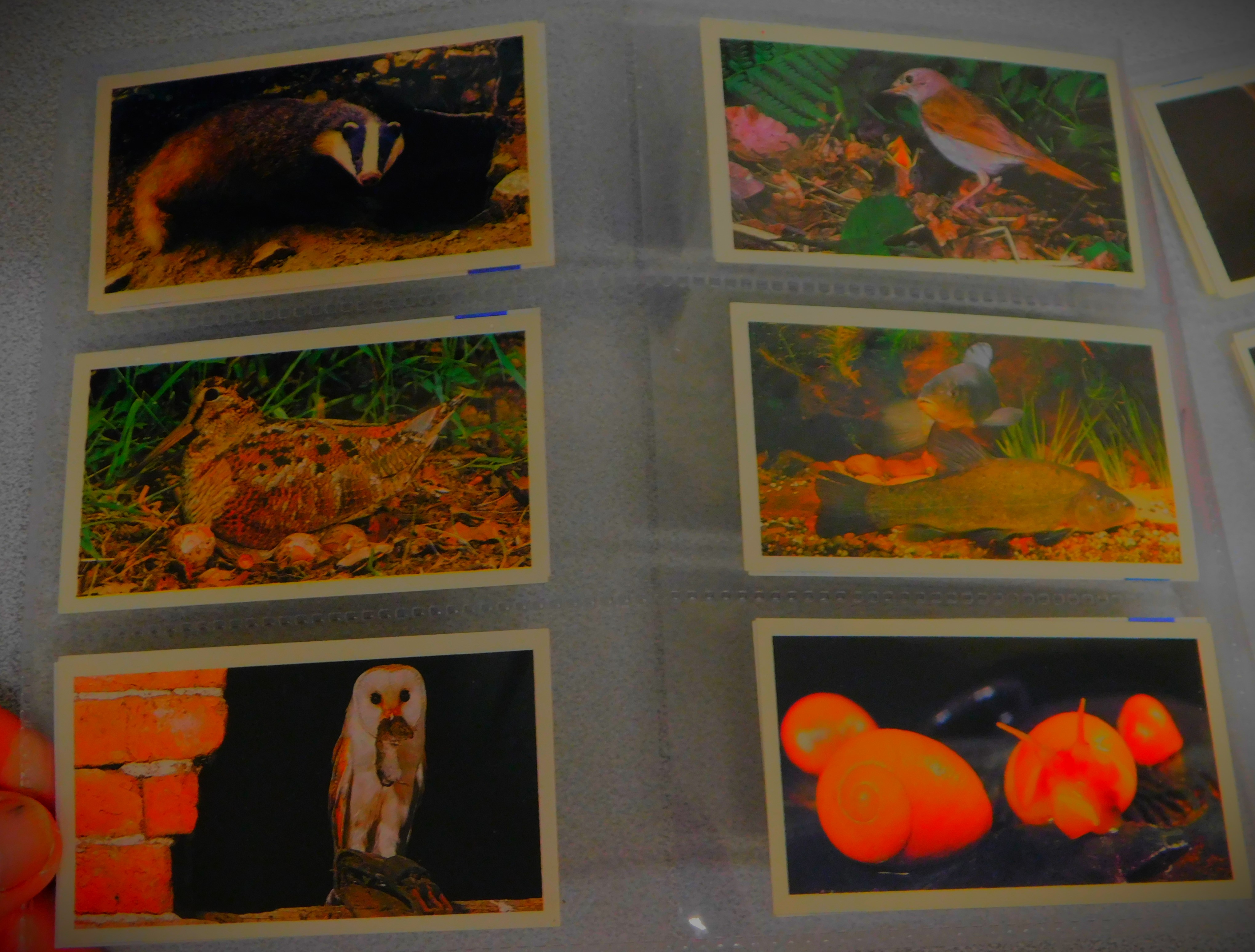
The second lot I focus on was number 574. This lot, a collection of cigarette/ trade cards, was knocked down to me for £10. I produced a good gallery for it…
Having taken possession of it I have been through it in much more detail than imaging for auction allows…
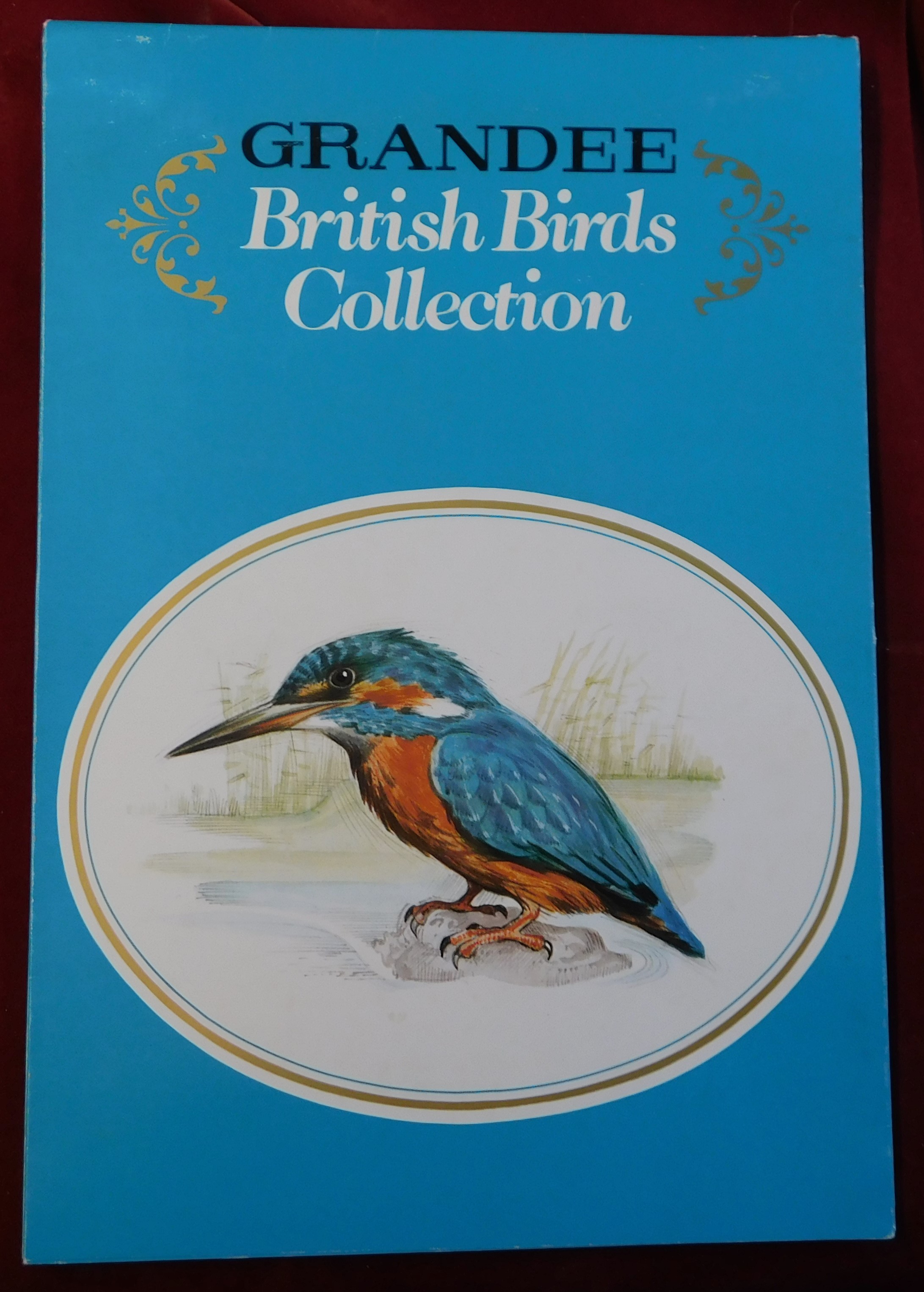
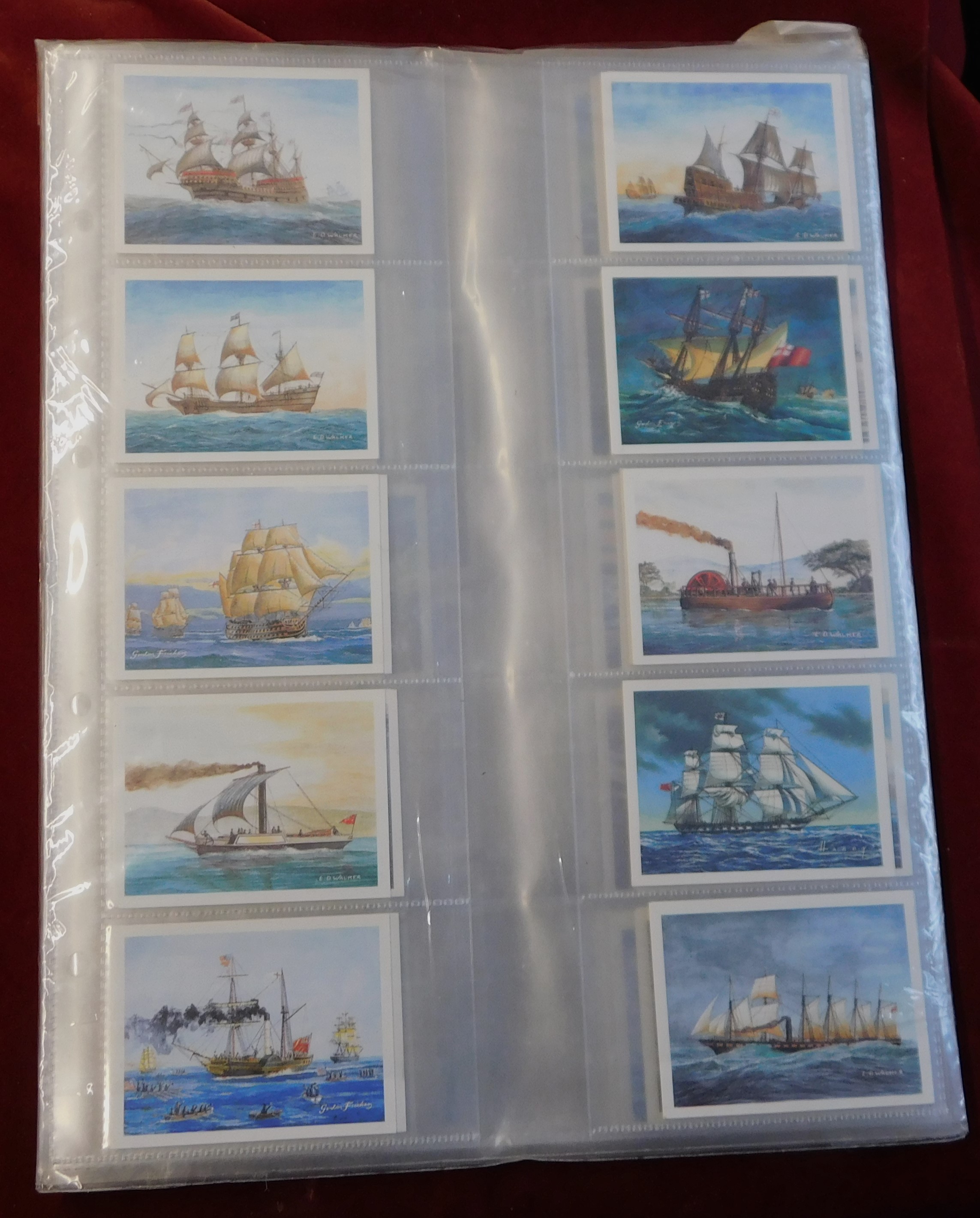
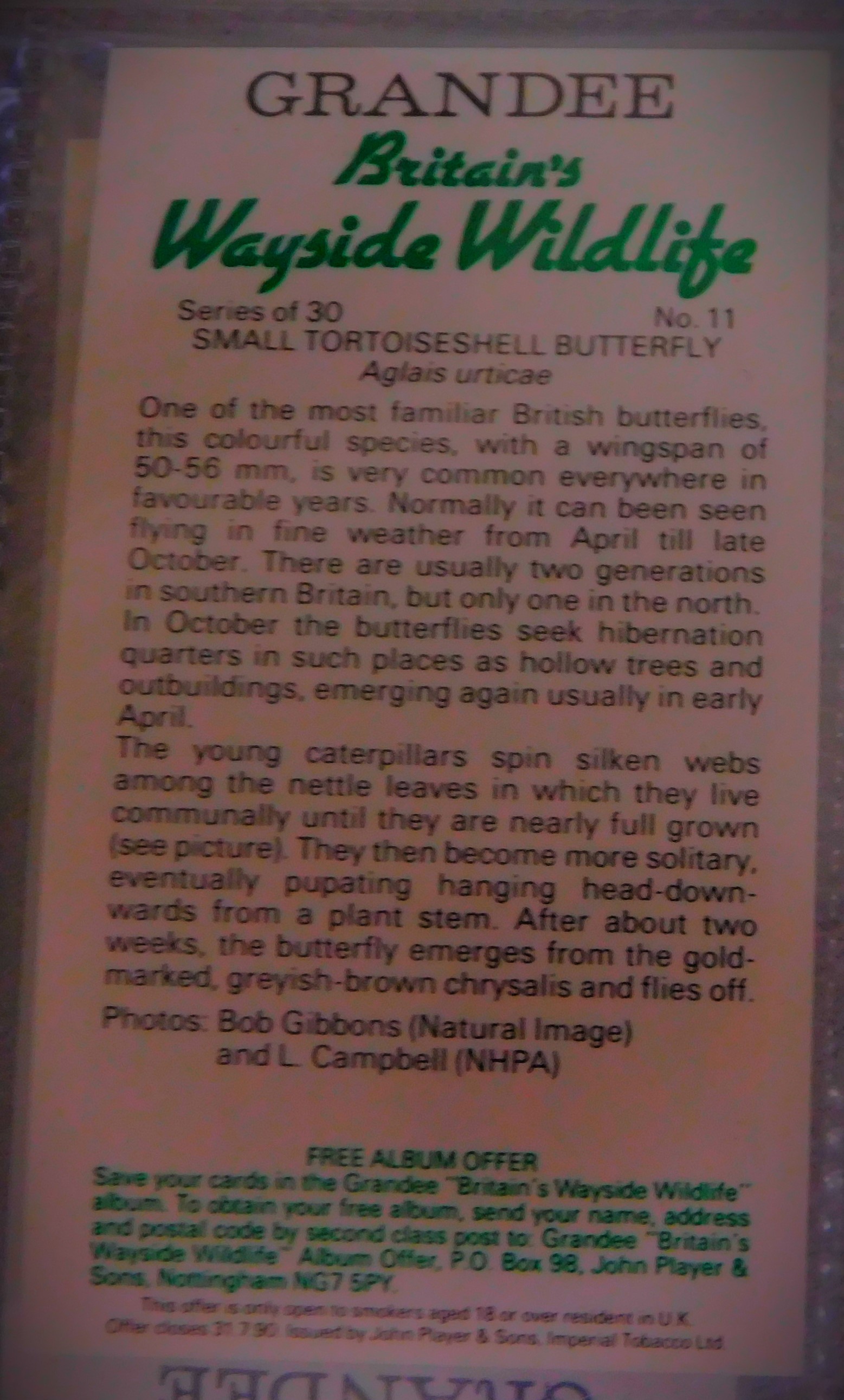
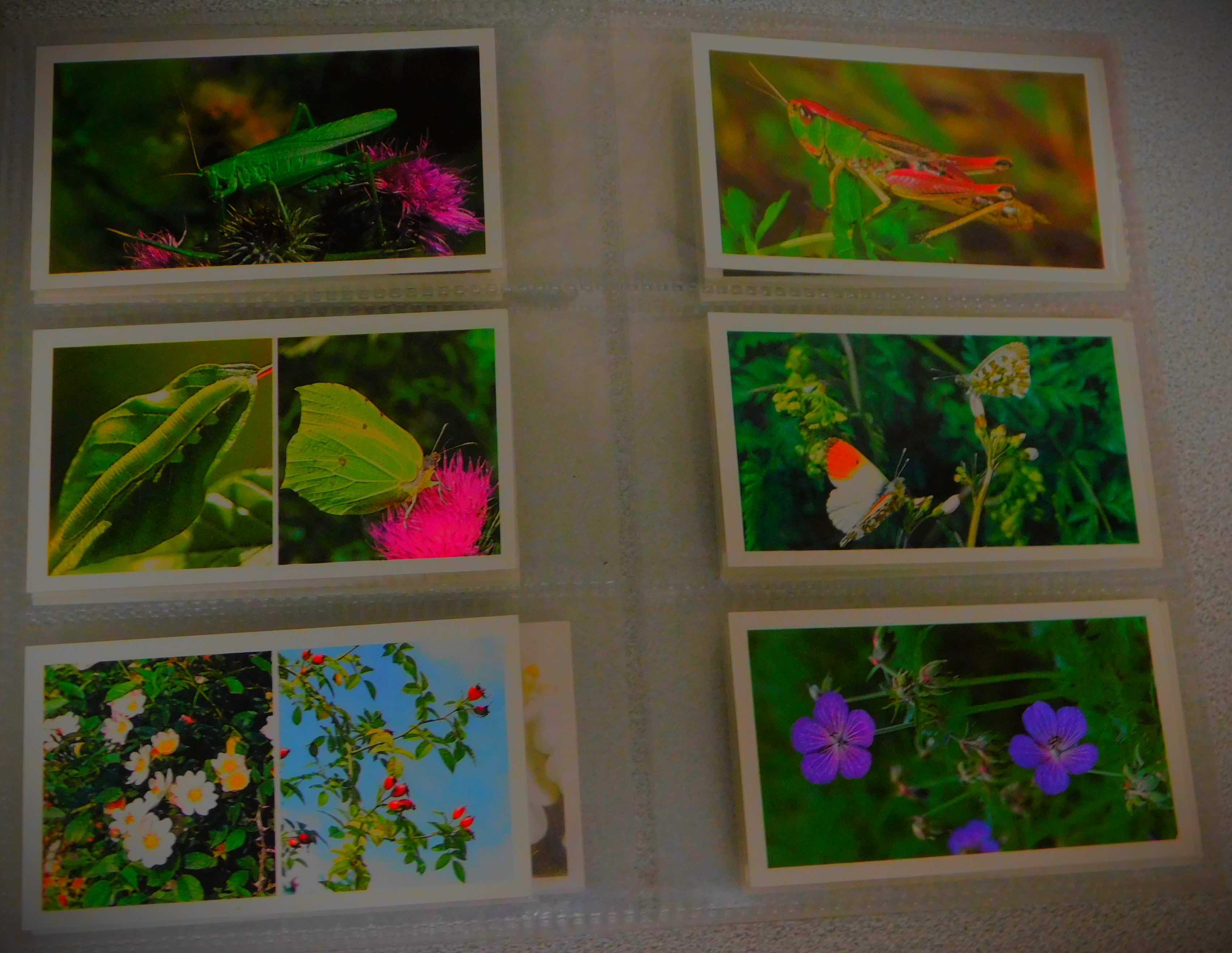
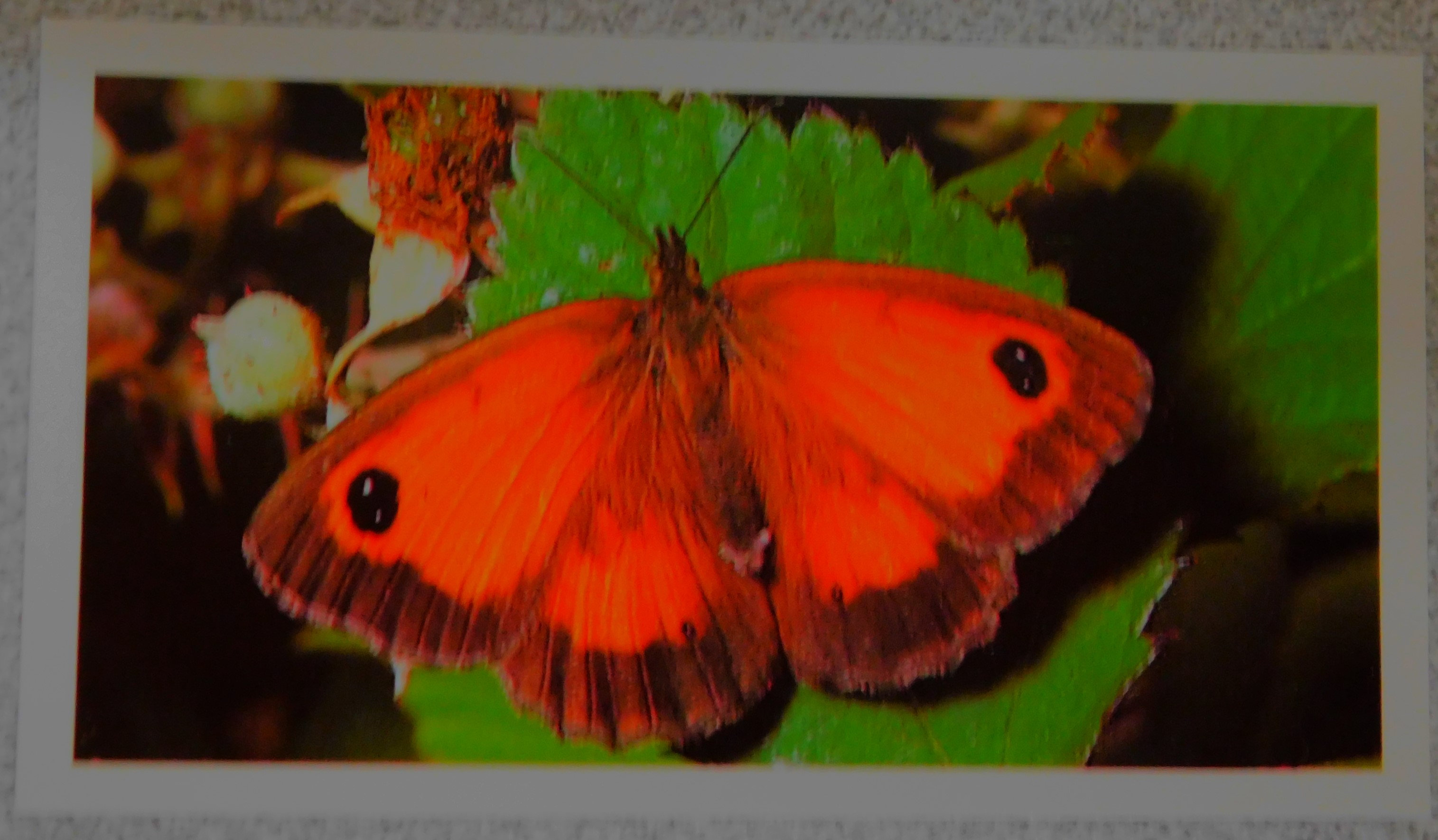
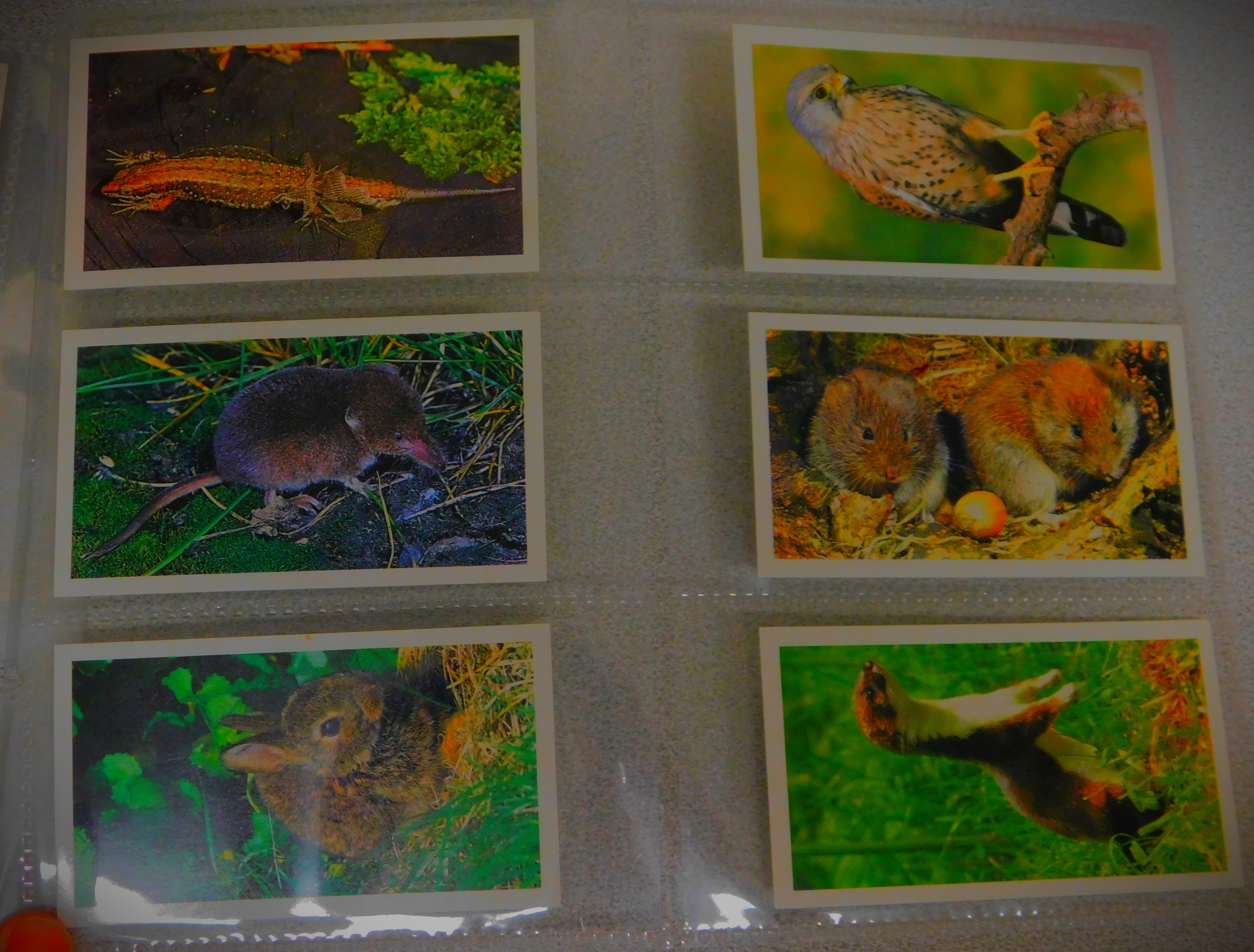
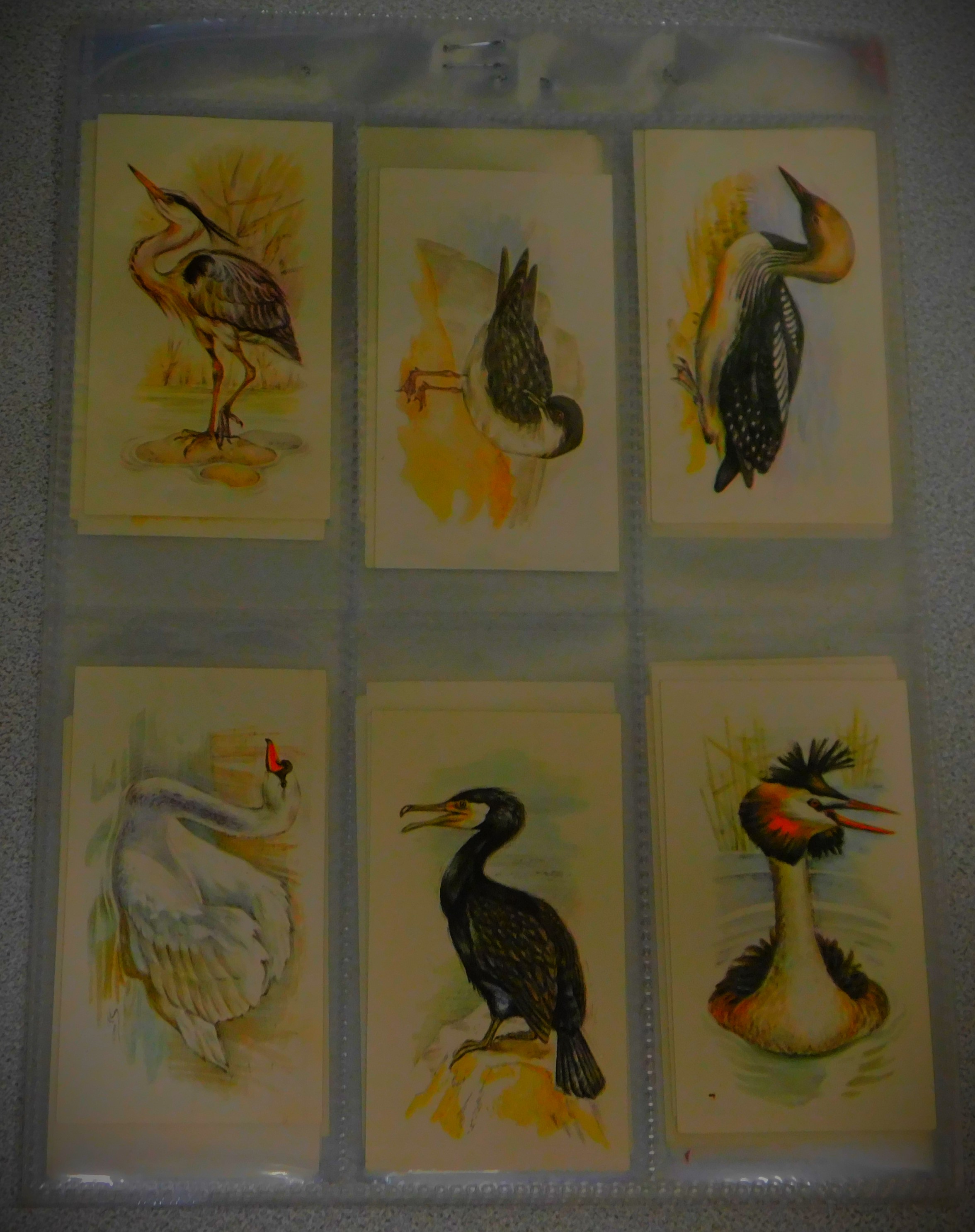
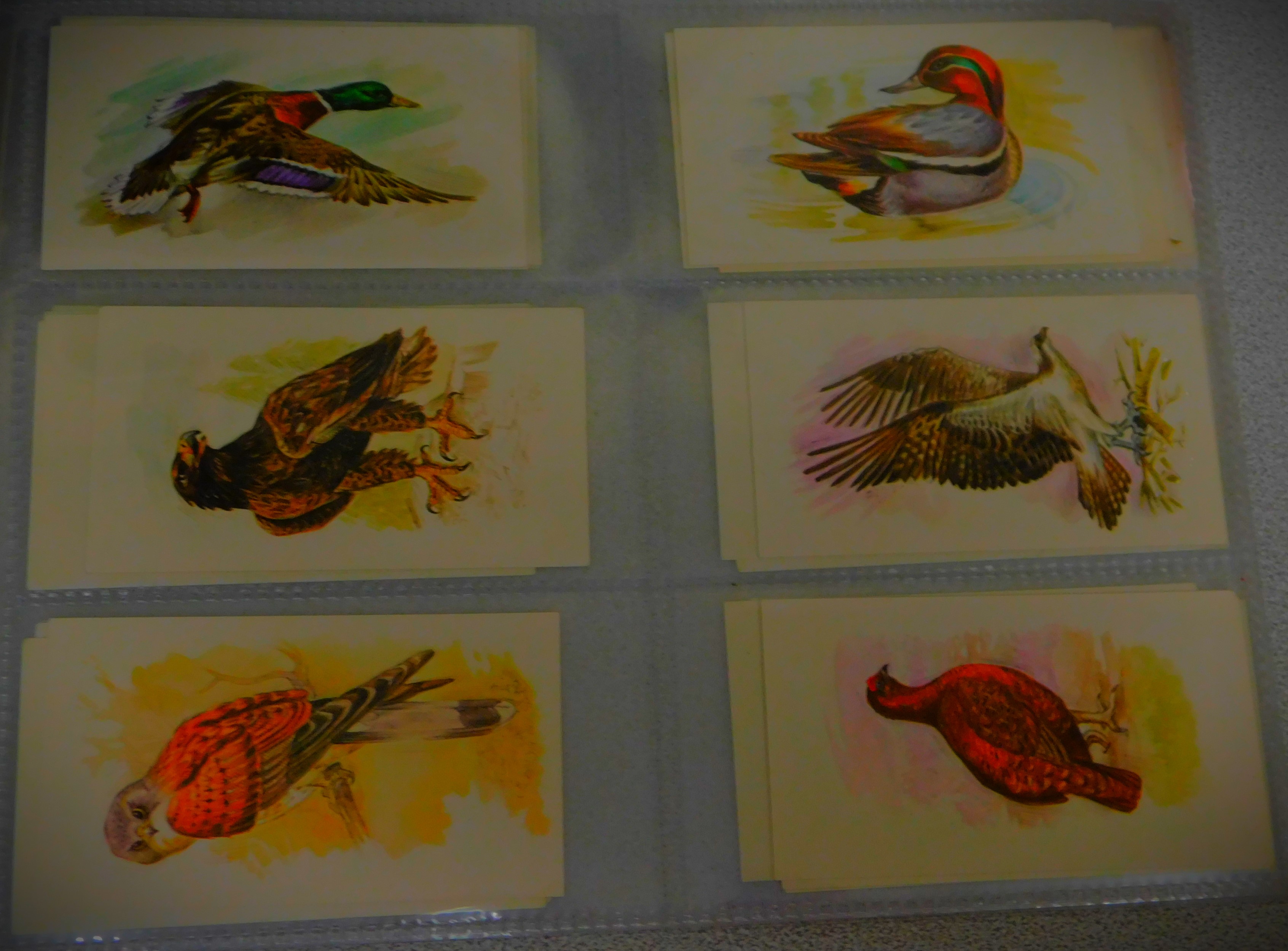
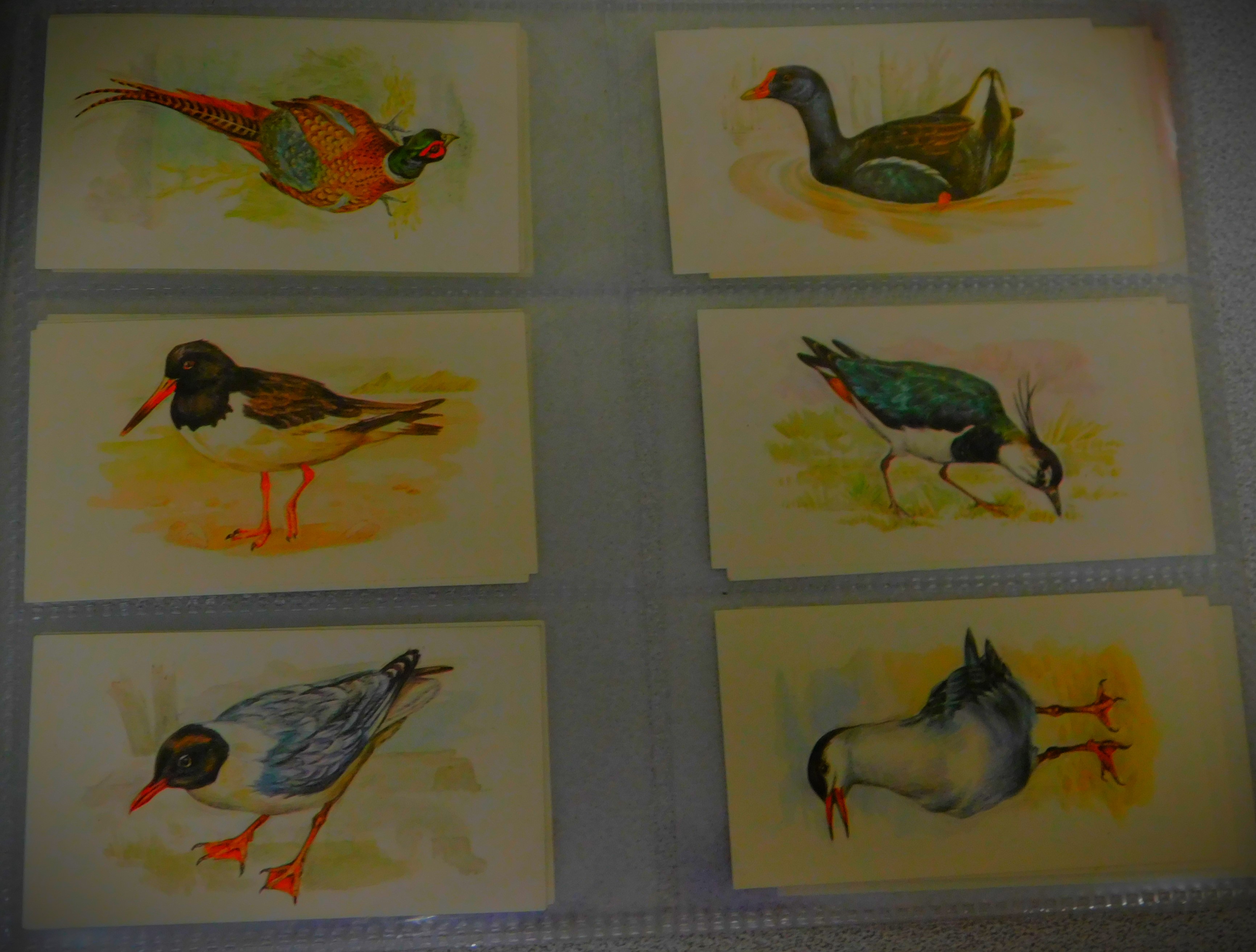
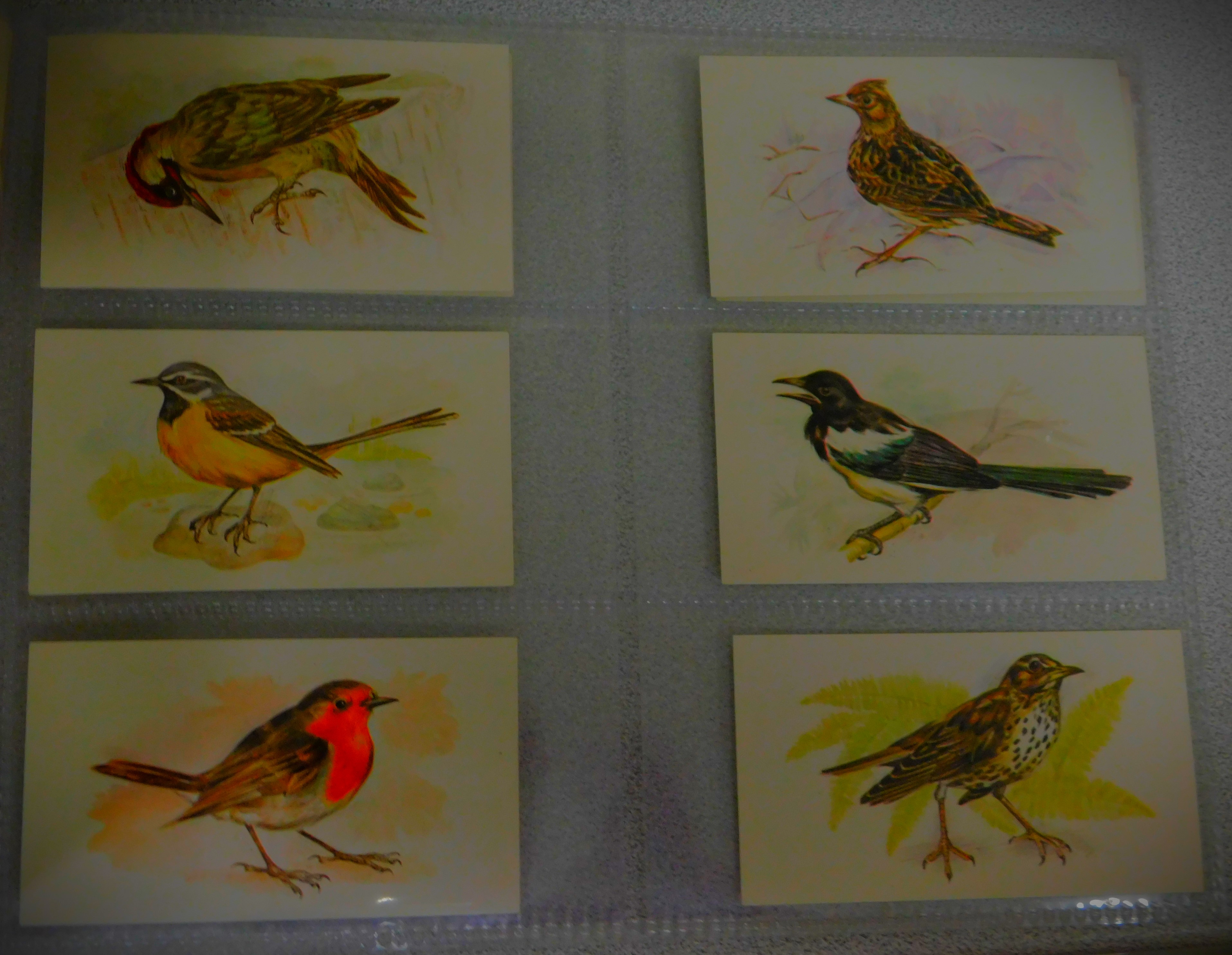
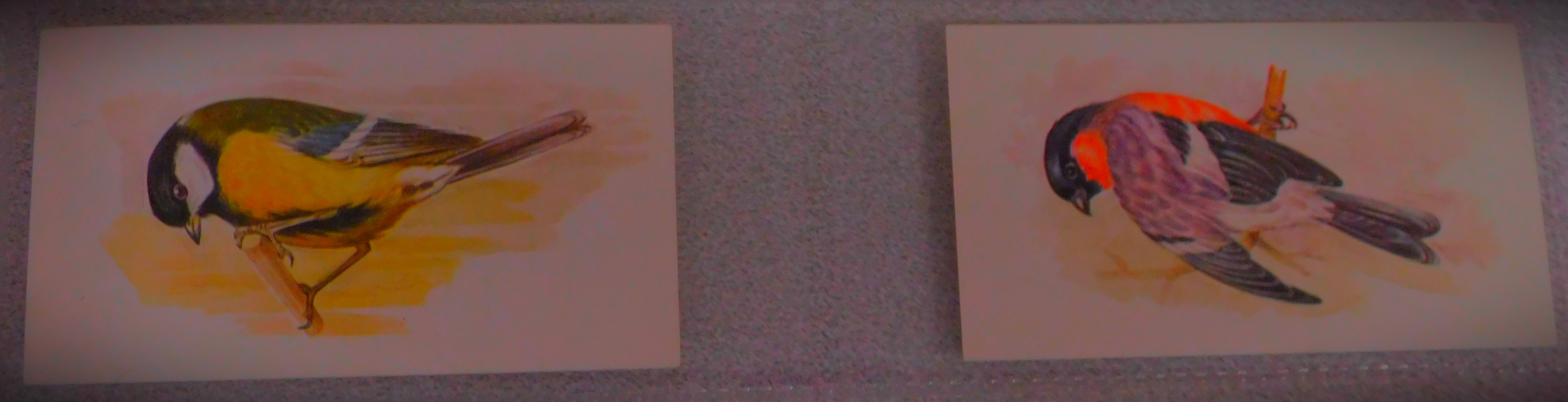
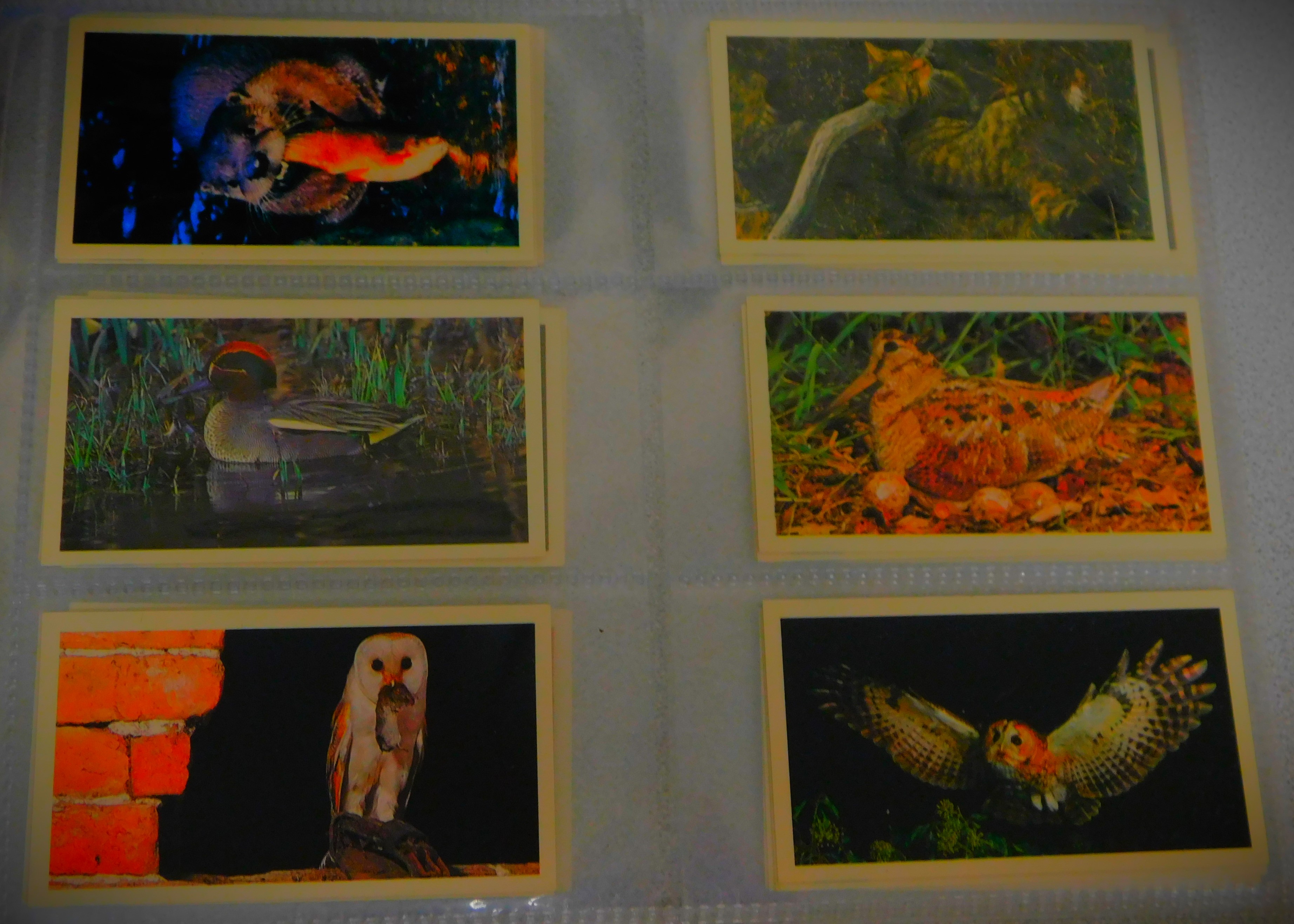
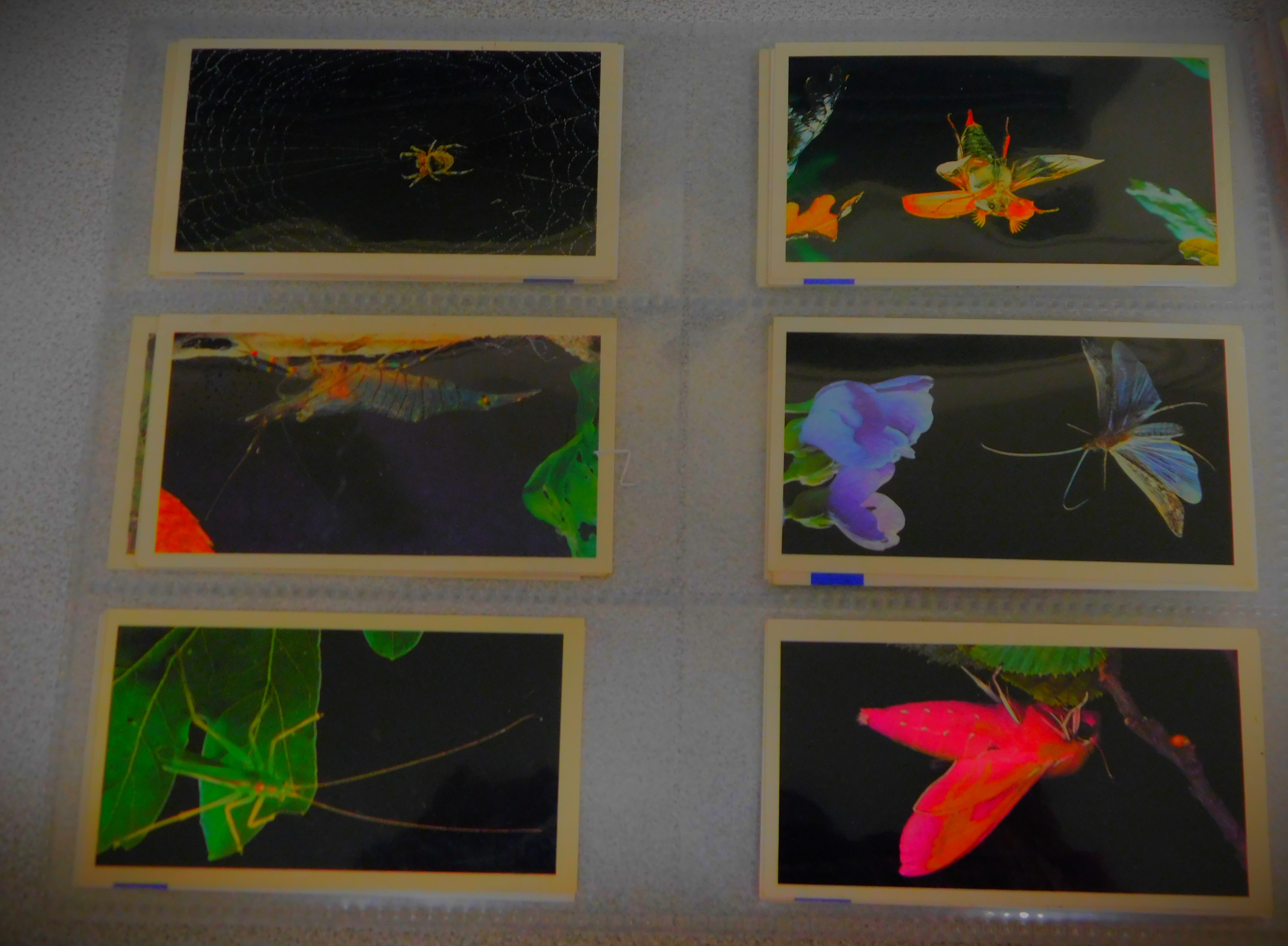
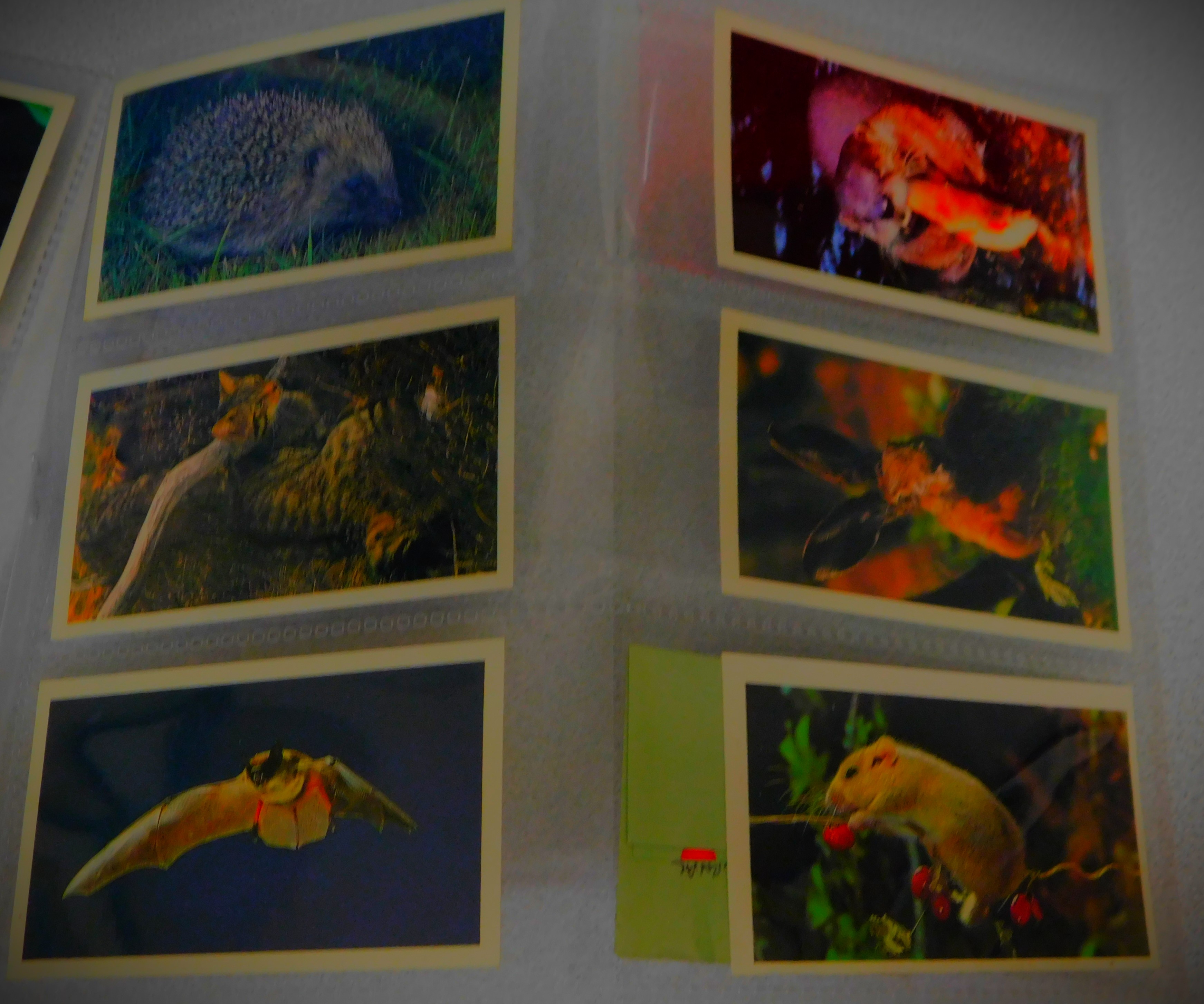
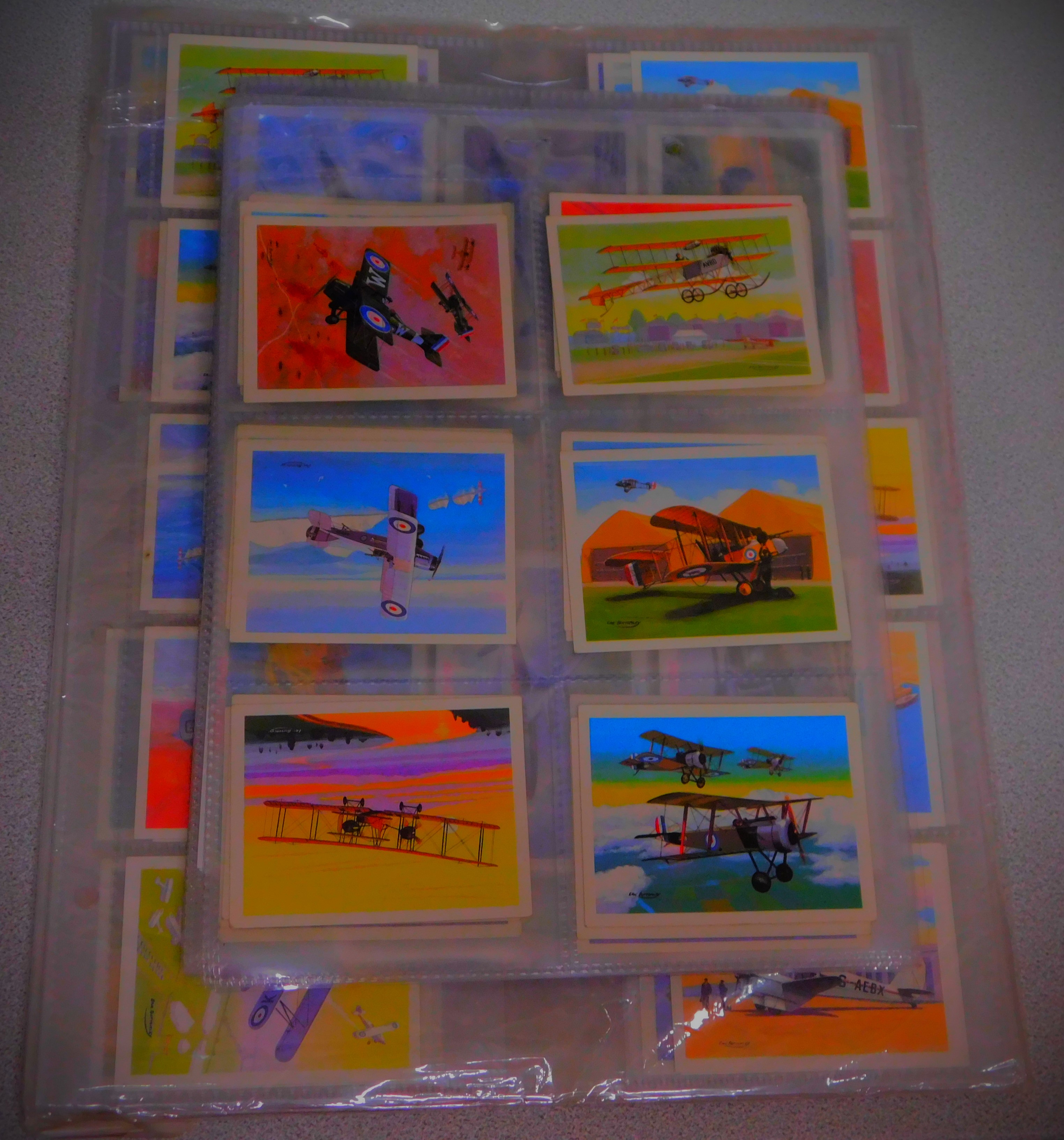
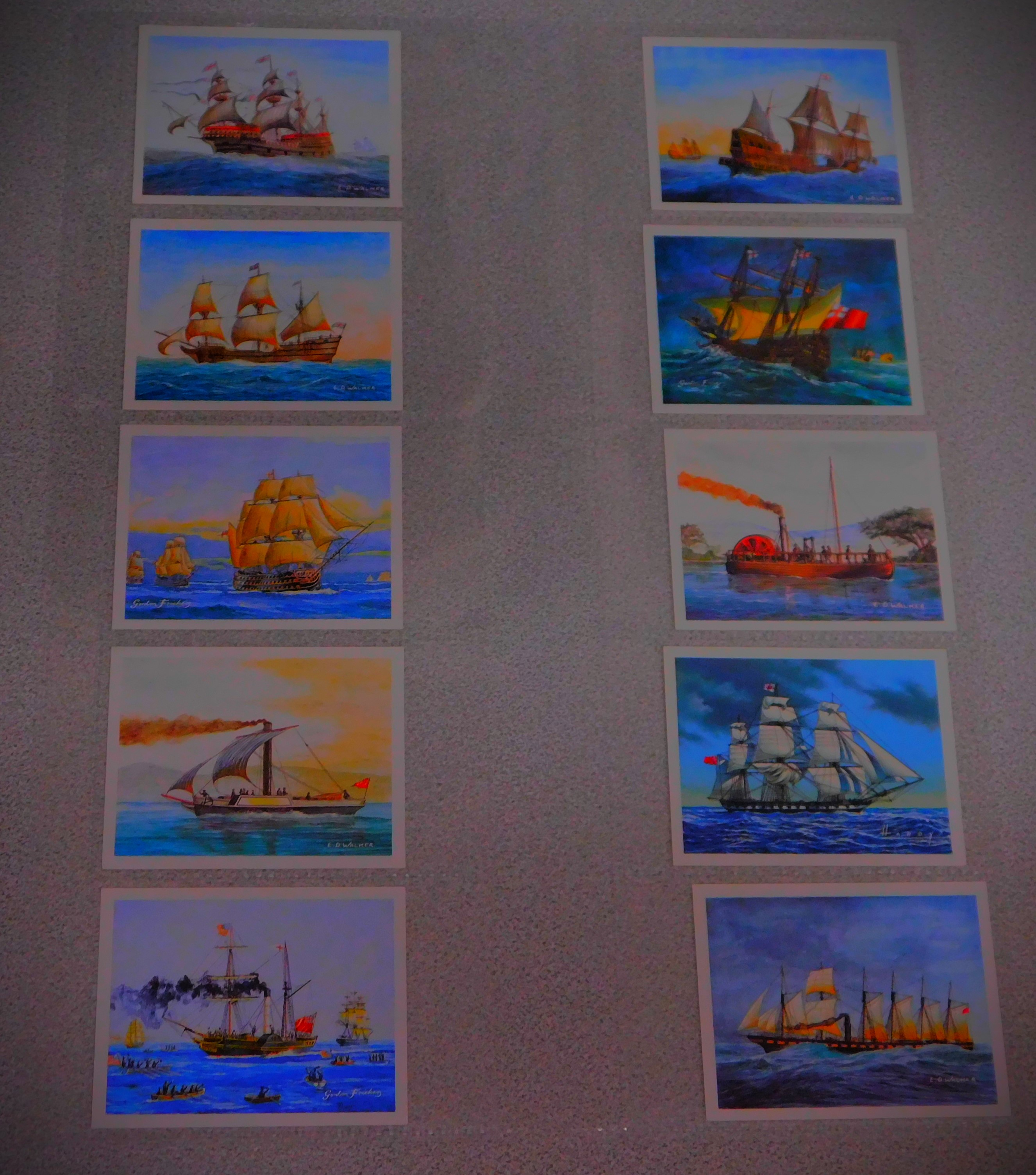
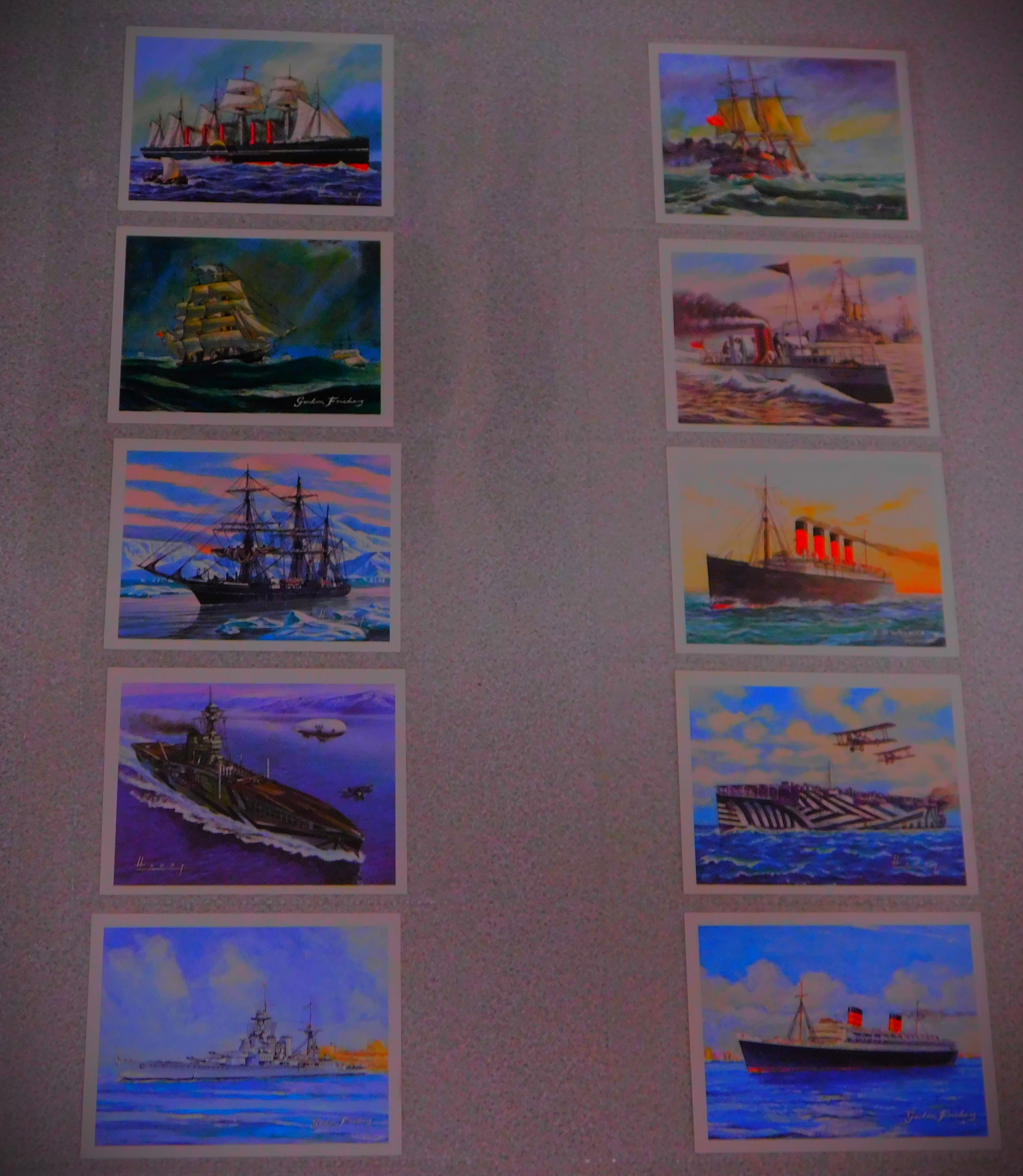
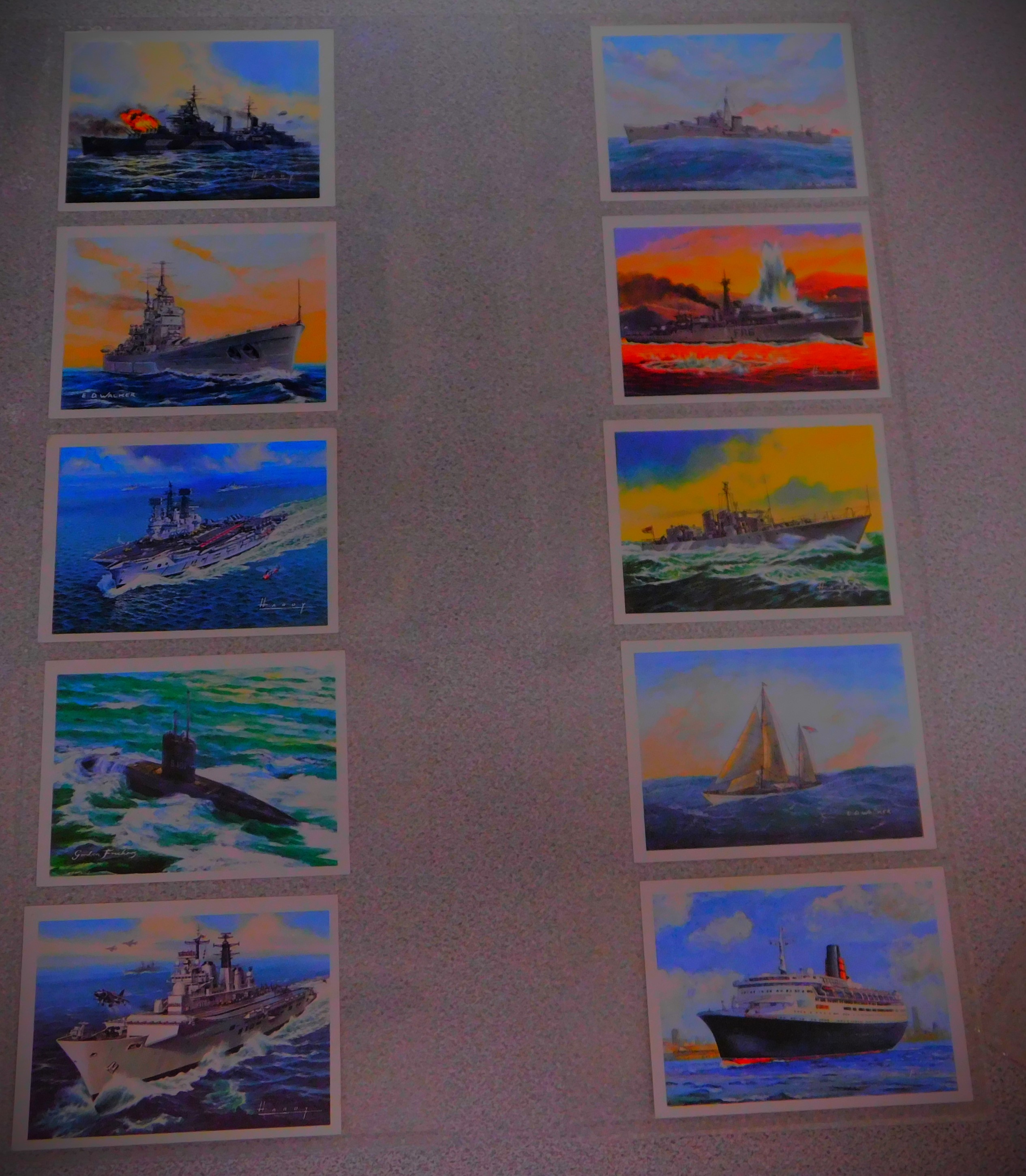
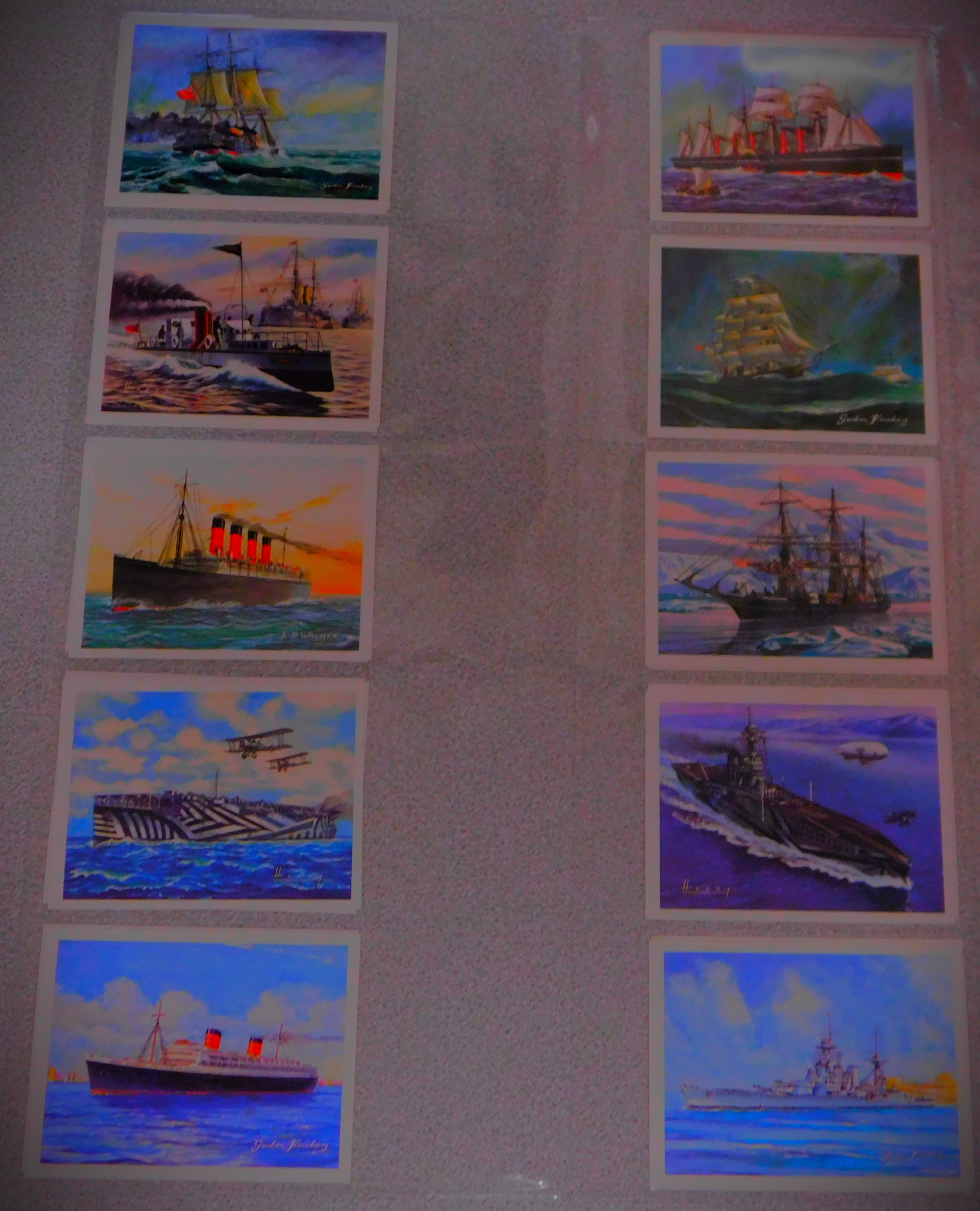
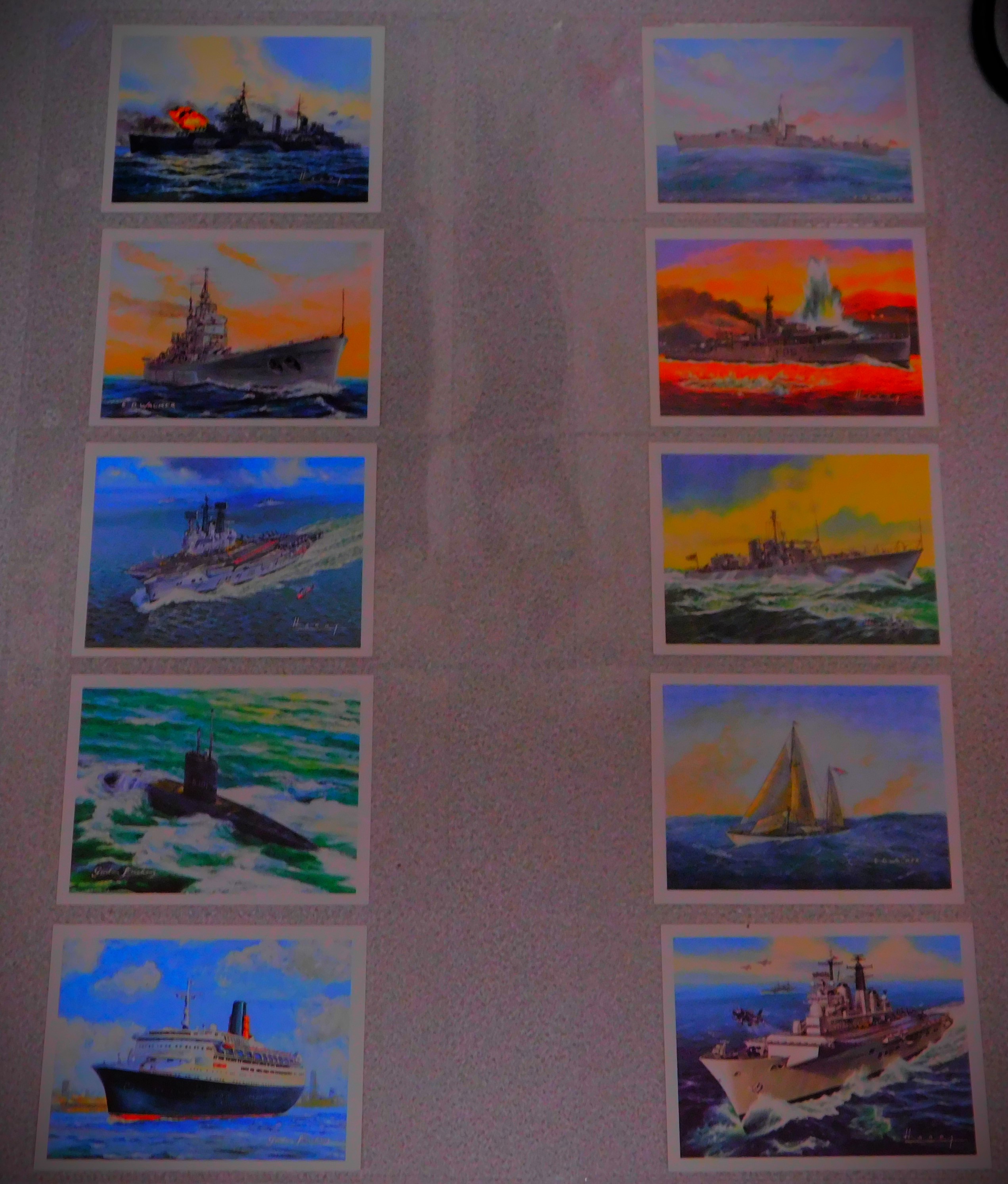
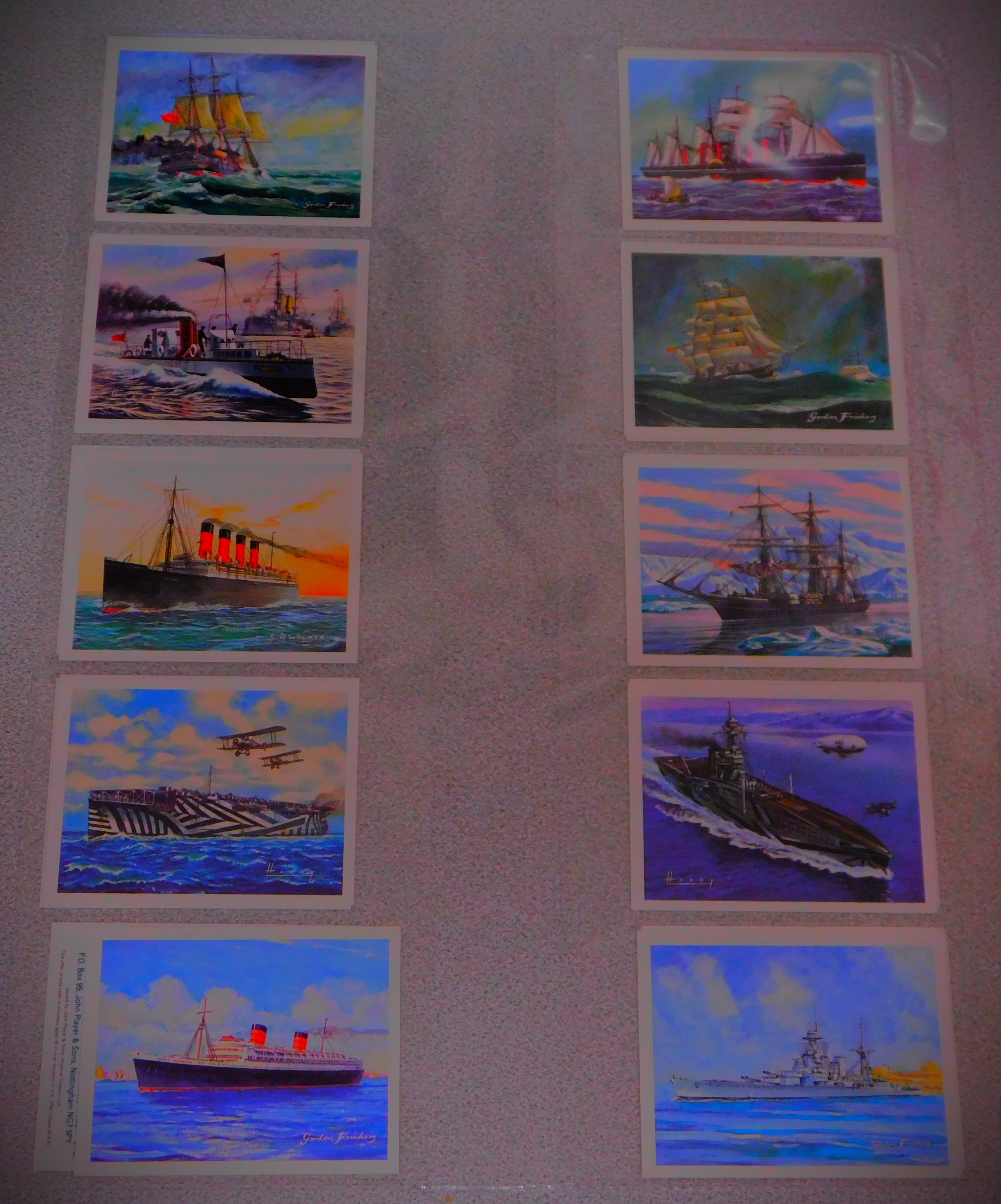
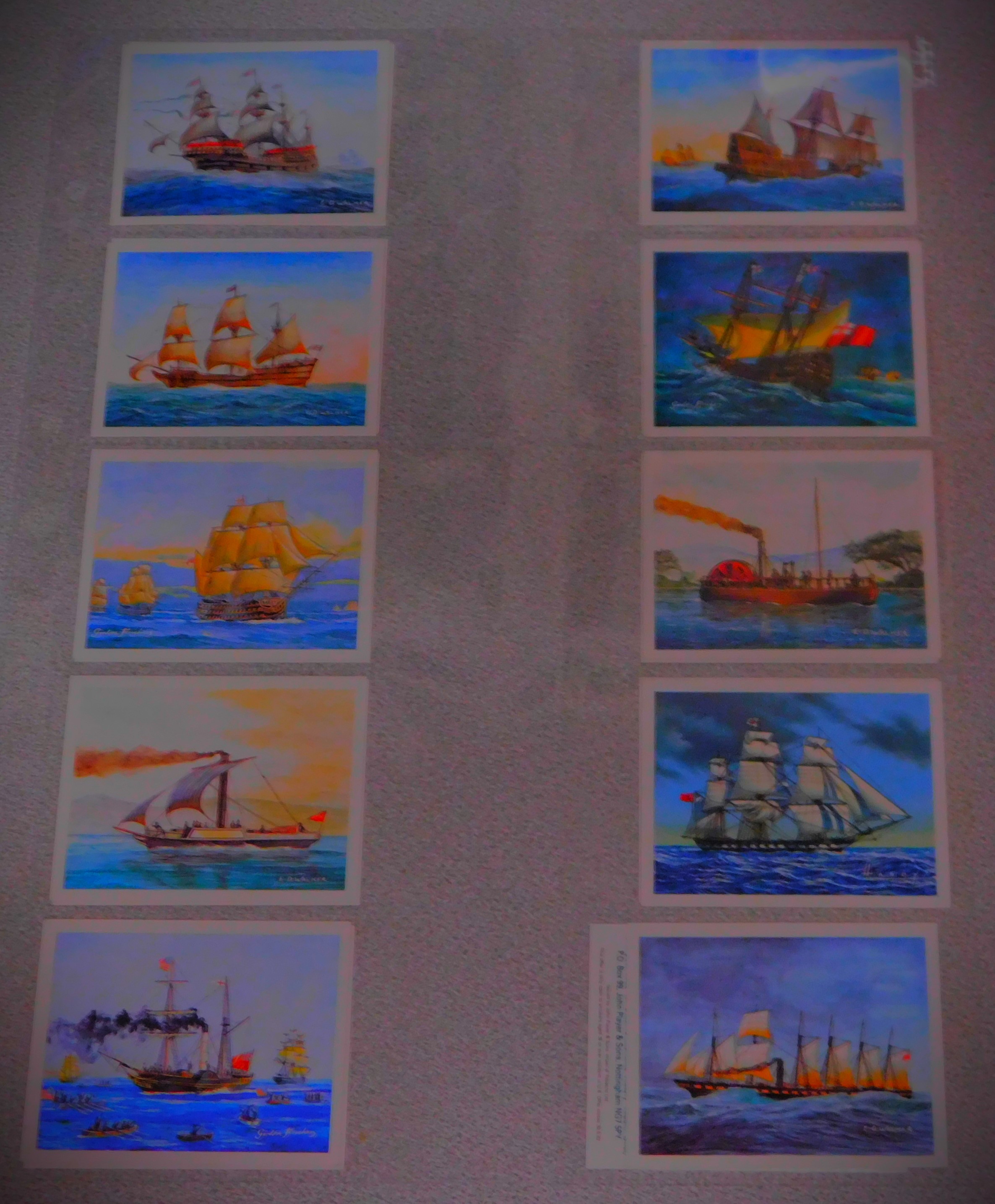
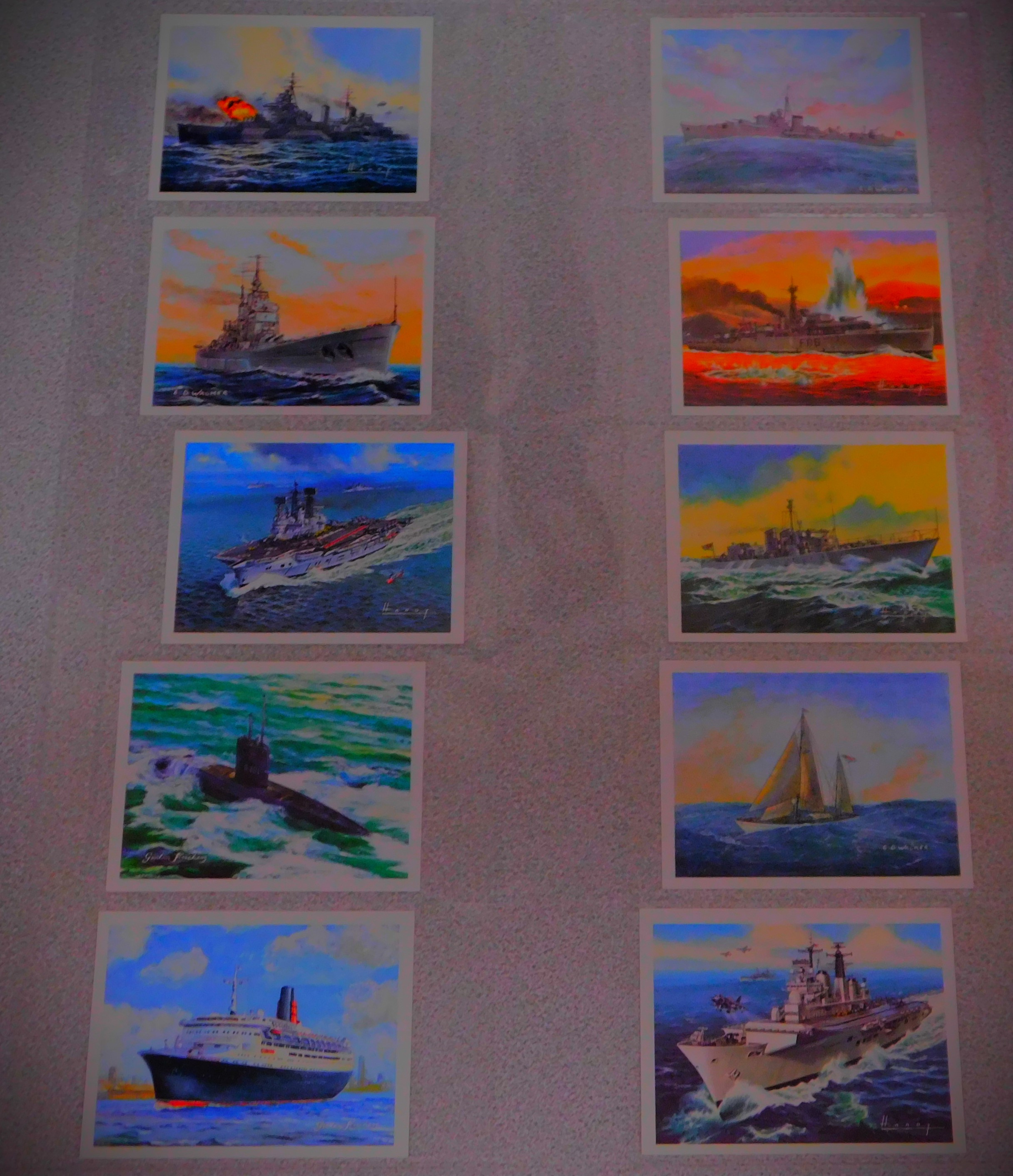
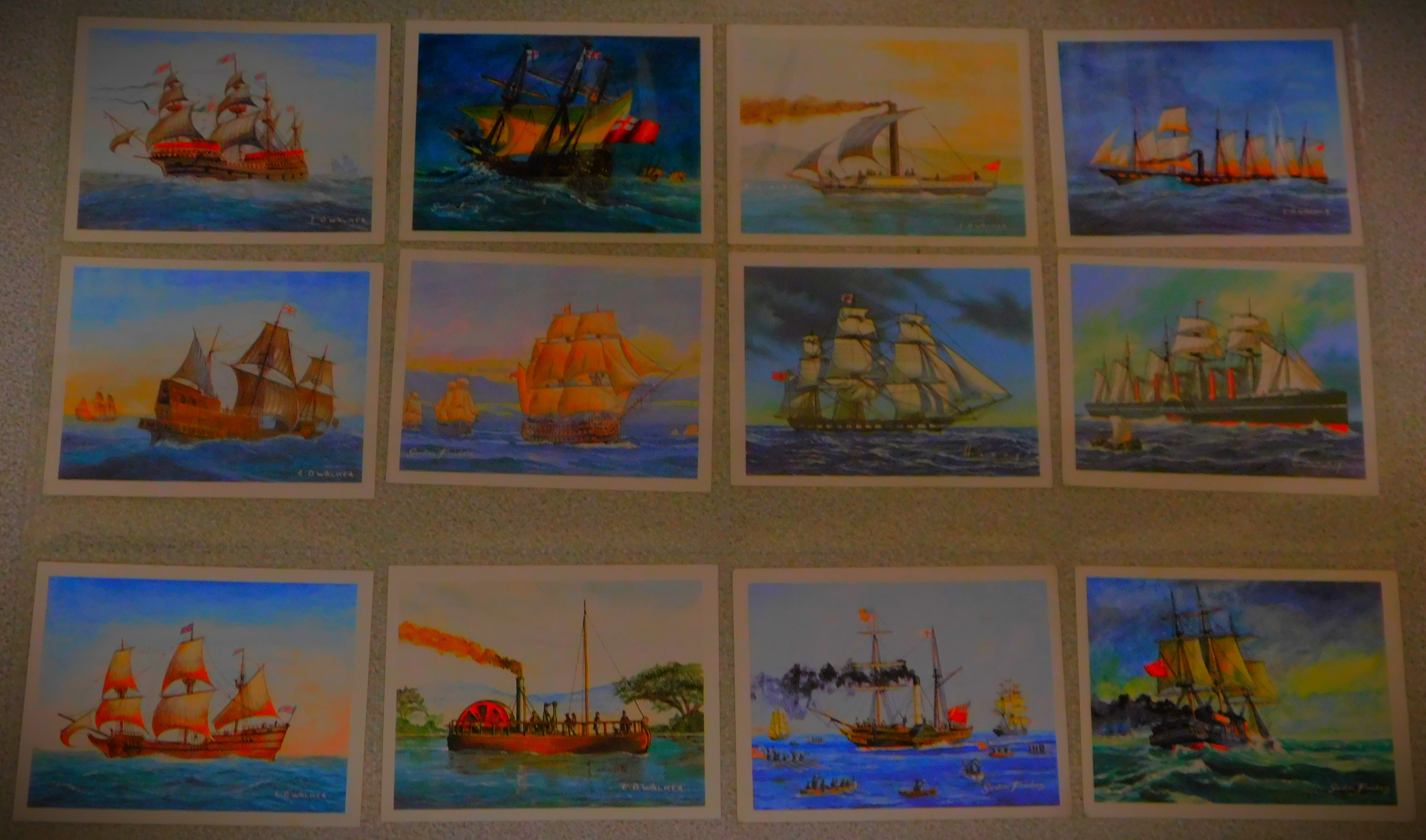
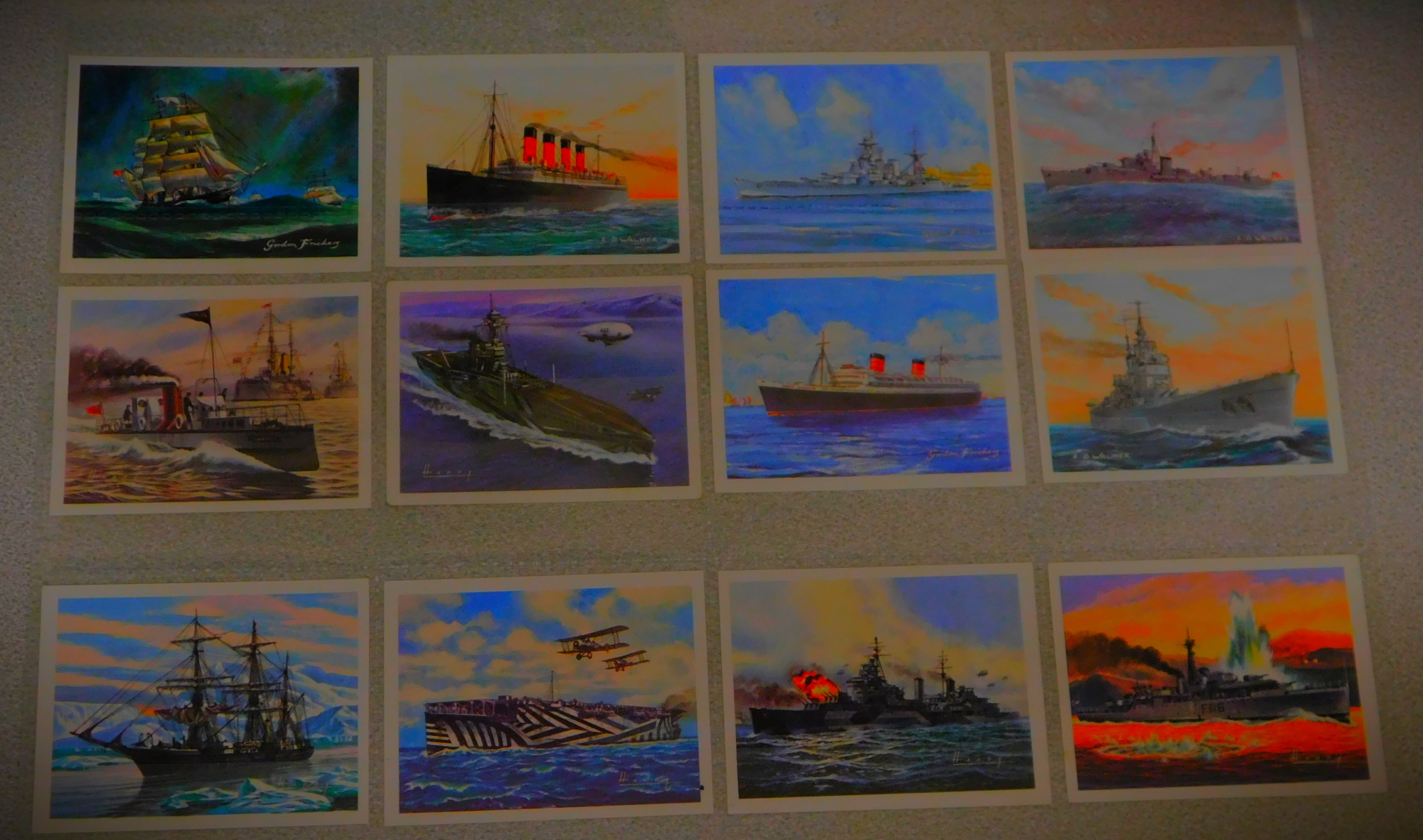
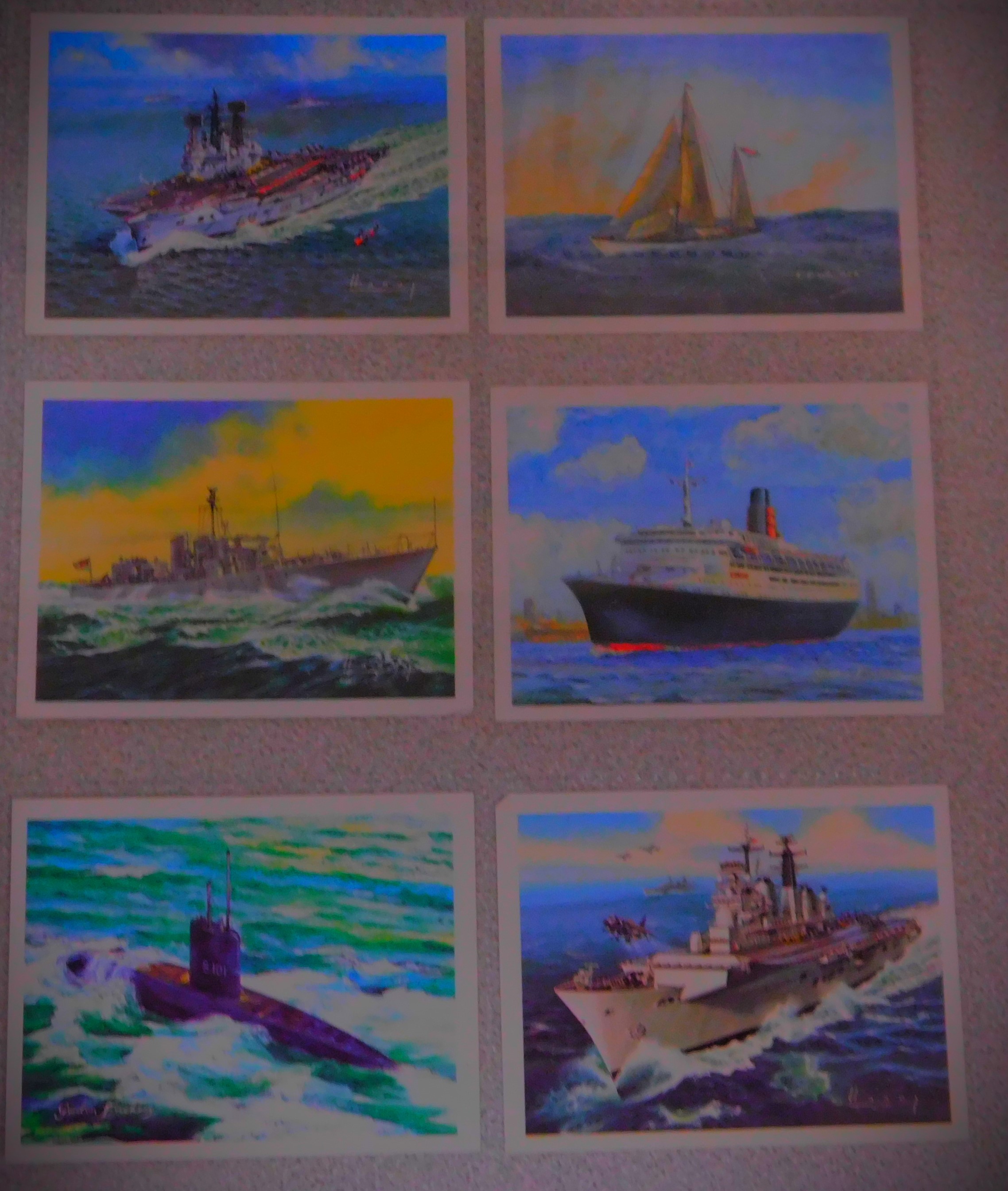
It was natural to start with London Buses that had been my main reason for buying the lot.The Route Master, London’s most iconic bus.These grandee cards featuring wildlife of various kinds were a welcome bonus.These cards featuring birds are splendid.More wildlife themed cards.These aeroplanes were not of particular interest to me.The ships however were.
An all time XI of players whose given names begin with N, some honourable mentions and a two part photo gallery.
Today I pick an all time XI of players whose given names begin with the letter N. I also have some photos to share with you.
THE XI IN BATTING ORDER
Nazar Mohammad (Pakistan, right handed opening batter). He only played a handful of test matches but fared respectably in those, and his domestic record was very good.
Neil McKenzie (South Africa, right handed opening batter). An adhesive opener with a good test record.
*Nasser Hussain (England, right handed batter, captain). As a batter he started badly at international level but recovered to finish with a very respectable career record. As a captain it was he who began to drag England back from the nadir of 1999 when they were dumped out of their own world cup in the group stages and dropped to the bottom of the world test rankings.
Neil Harvey (Australia, left handed batter). One of the greatest of all left handers, and at the time of his retirement he ranked second only to Bradman among Australian test batters.
Norman O’Neill (Australia, right handed batter). He made his debut at Brisbane in 1958, one of the slowest scoring test matches ever played, but one person proved that it was possible to score at a reasonable rate on that surface: Norman O’Neill, whose 73 not out to win the match for his side in the final innings took less than two and a half hours.
Natalie Sciver-Brunt (England, right handed batter, right arm medium pacer). A contemporary great.
+Niall O’Brien (Ireland, wicket keeper, left handed batter). He was of the generation who helped get Ireland elevated to full member status but for whom that elevation came too late. Over 9,000 FC runs at 35 and over 500 dismissals as a keeper provide solid credentials for his place here.
Norbert Philip (West Indies, right arm fast medium bowler, right handed batter). A fine bowling all rounder who was not quite good enough for West Indies at their greatest – he played some test matches during the Packer years, but never got picked when WI were at full strength. He was an overseas player for Essex for a period and in 1983 he combined with Neil Foster (doubly not qualified, through having gone on a rebel tour of Apartheid South Africa and not having been good enough in any case) to dismiss Surrey for 14, the lowest all out total in first class cricket since before WWII.
Neville Knox (England, right arm fast bowler, right handed batter). He got called up for England against South Africa in 1907, though in a wet season on uncovered pitches, with the spinners making merry he was little more than a passenger. Unfortunately knee problems got the better of him at the end of this season, and his career ended prematurely. However his performances in 1906 and 1907 (England had no home series that season and no away tour in 1906-7) were outstanding.
Noor Ahmad (Afghanistan, left arm wrist spin bowler, right handed batter). One of a phalanx of high quality spinners being produced by Afghanistan at the moment.
Nathan Lyon (Australia, off spinner, right handed batter). In red ball cricket Australia has produced exactly one top class spinner since Warne’s retirement – Nathan Lyon.
Given names beginning with N does not give me a treasure chest of talent to work with, but I think this unit, with a strong top five, an all rounder at six, a keeper who can bat, a good new ball pairing and two good spinners is a pretty solid looking team.
HONOURABLE MENTIONS
Nick Compton was the only serious challenger for an opening berth. Neil Johnson of Zimbabwe would be in a limited overs XI, but his record in long form cricket was very ordinary. Nari Contractor and Neil Fairbrother both did well at first class level but did not deliver at test level, though the latter would be a candidate for a limited overs side. Nicholas Pooran would be candidate for both a batting slot and the gauntlets in a limited overs side, but not in long form cricket. Nigel Haig was a decent county all rounder, but did little in his five test matches and did not have the x-factor of Neville Knox. Neil Mallender was a good county seamer, and did well enough in his two test appearances. Norman Cowans once took a six-for against Australia in a test match, but his overall record was not great. Natasha ‘Tash’ Farrant was the only left arm seam option I could think of, and it would have been stretch even for me to include her in this XI. Nathan Hauritz was several cuts below Lyon as an off spinner. Narendra Hirwani rewrote the record books on his test debut, but his performances thereafter were ordinary.
PHOTOGRAPHS
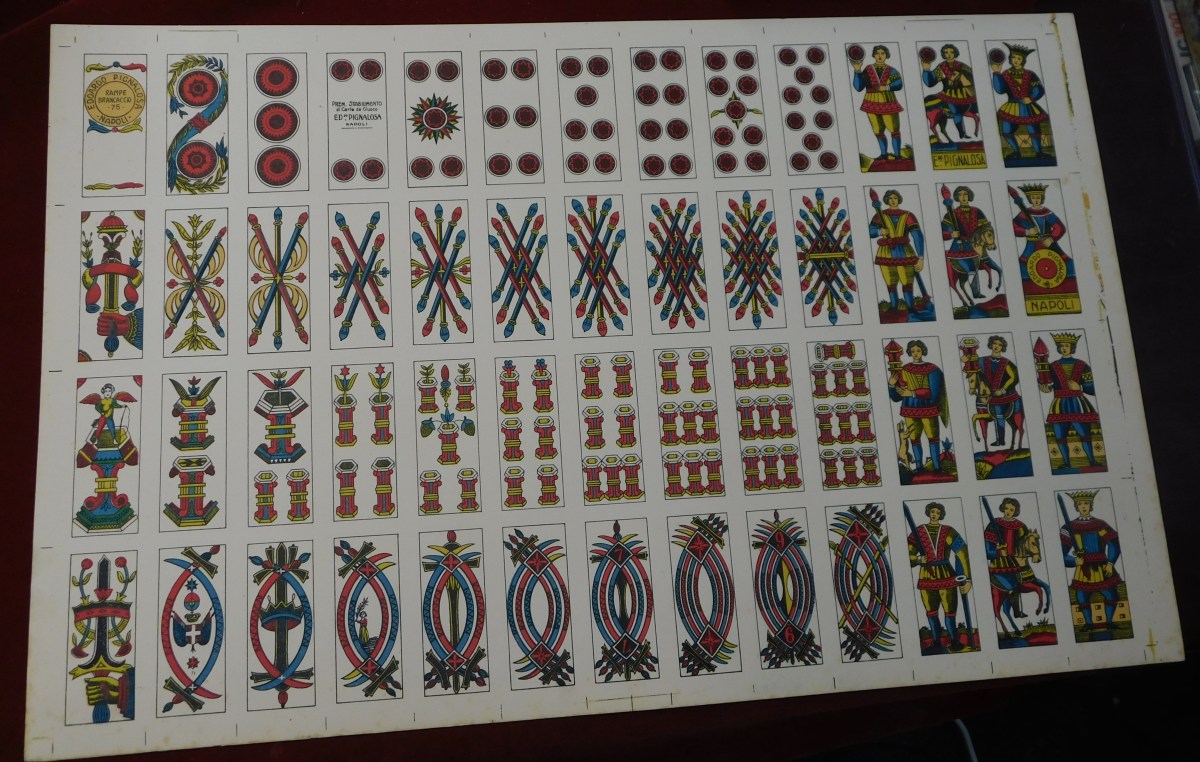
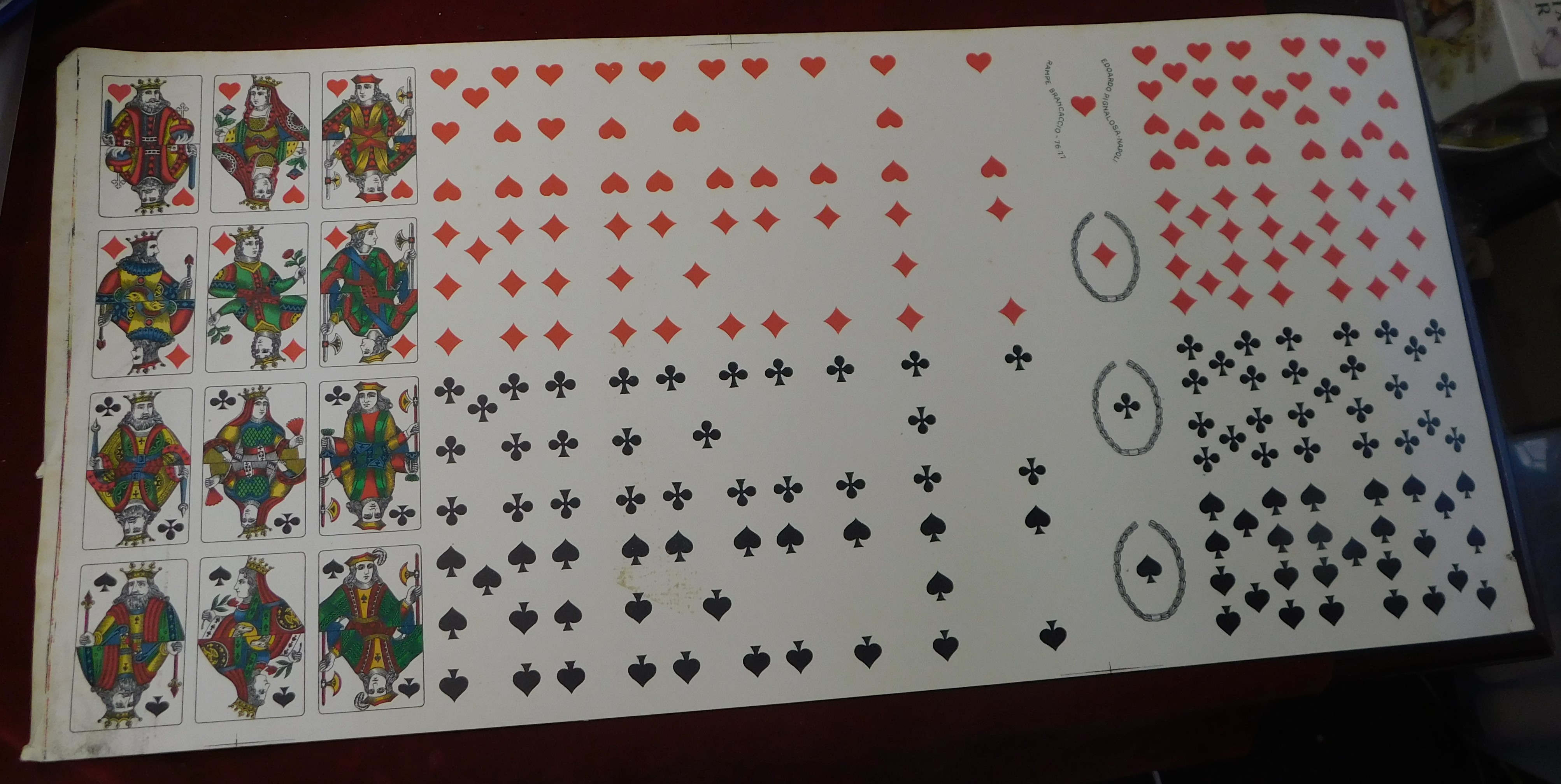
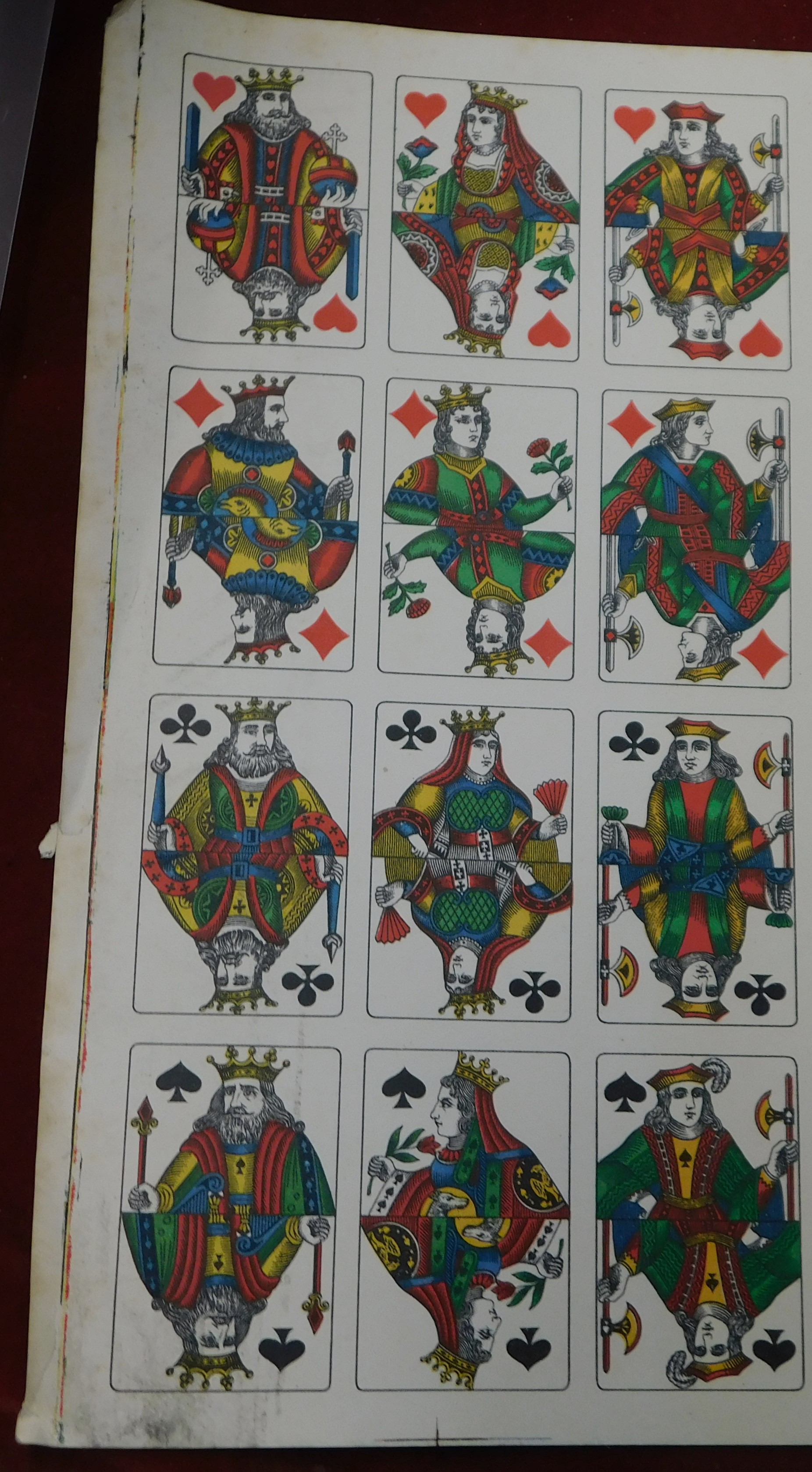
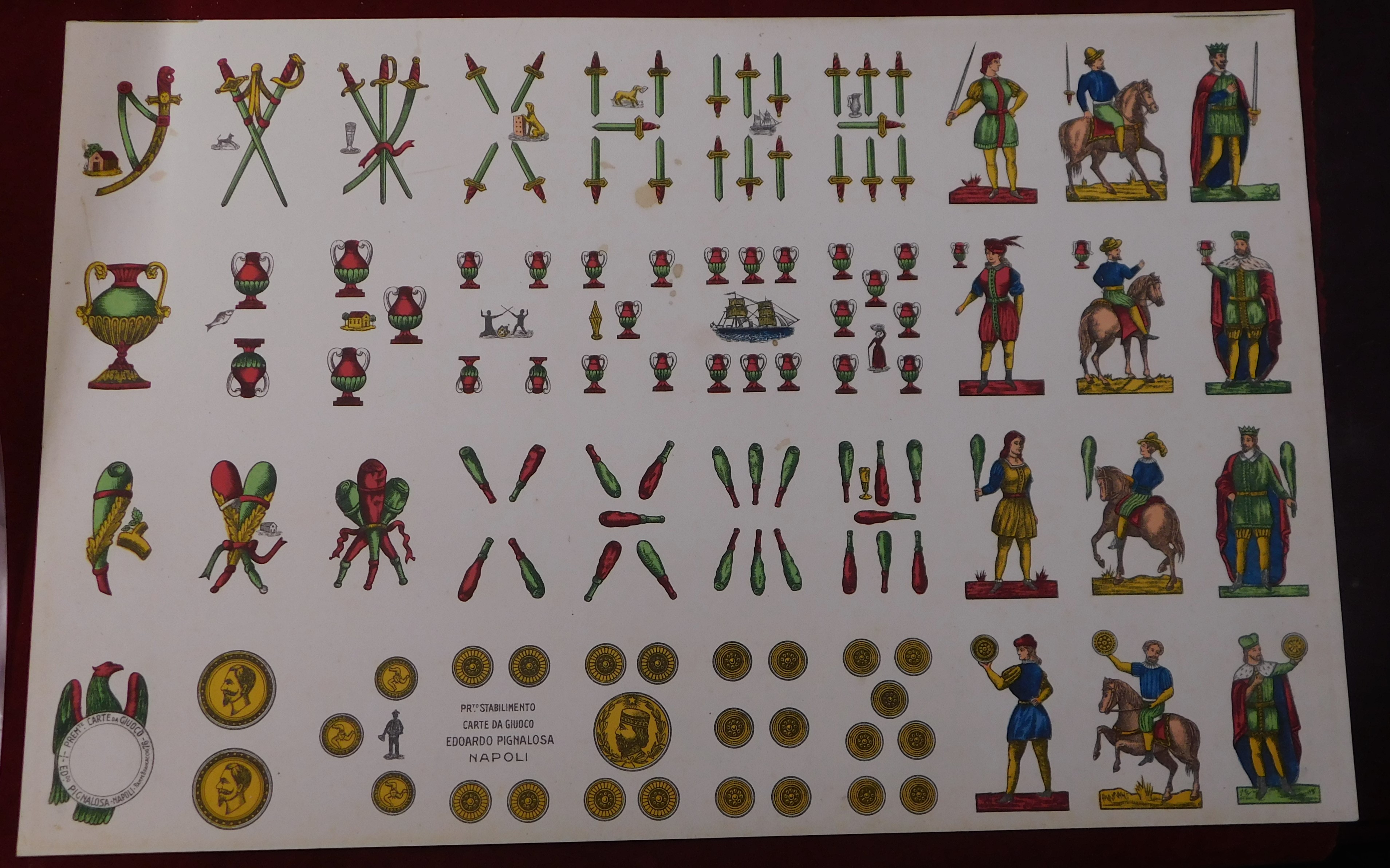
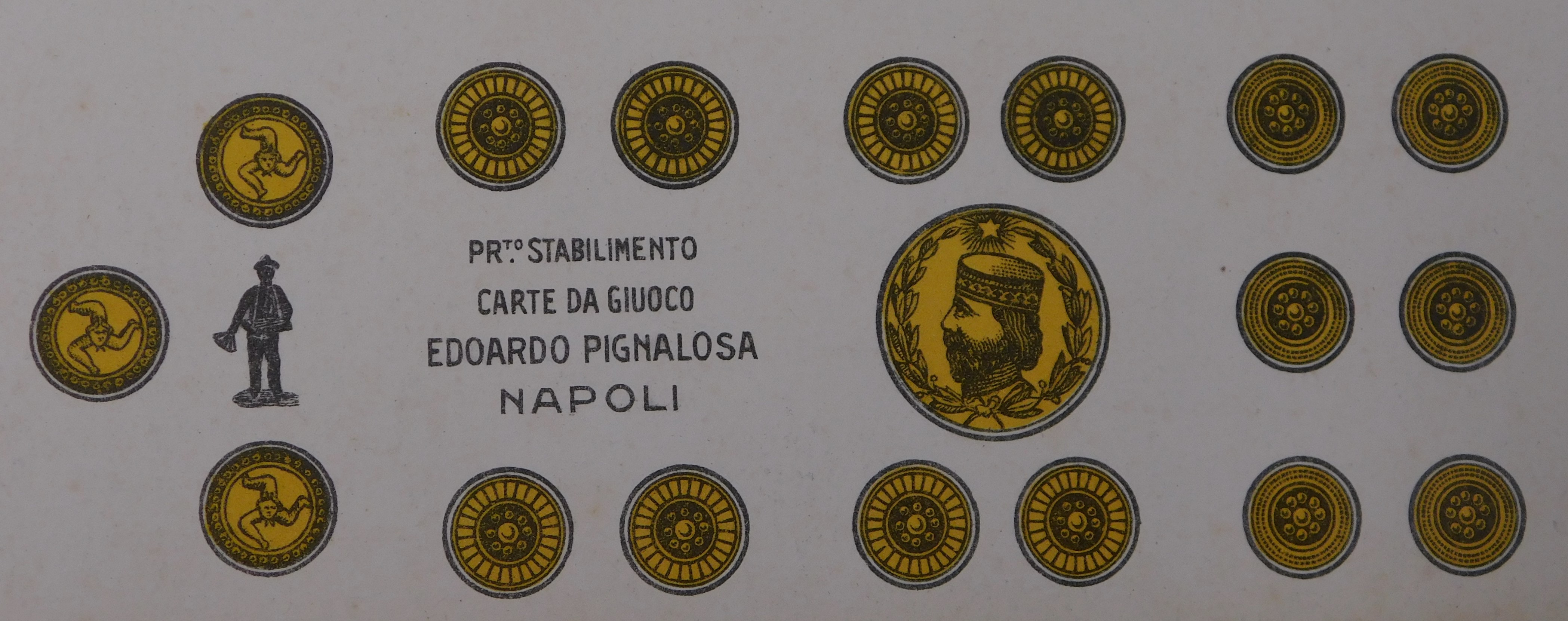
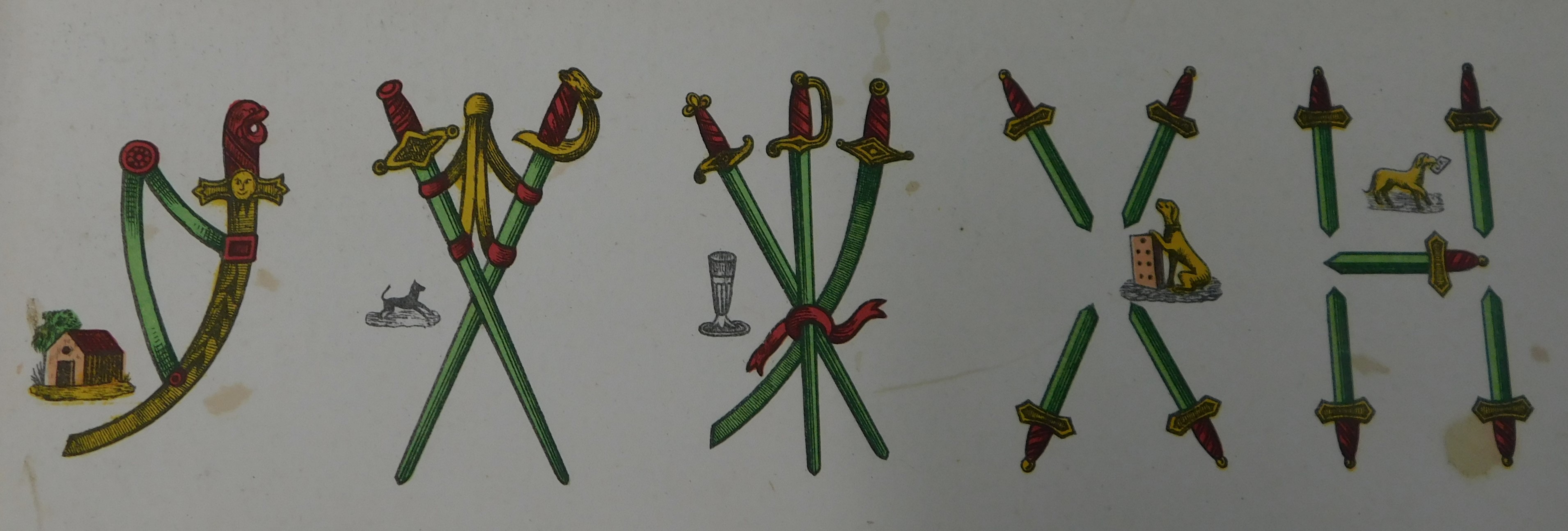
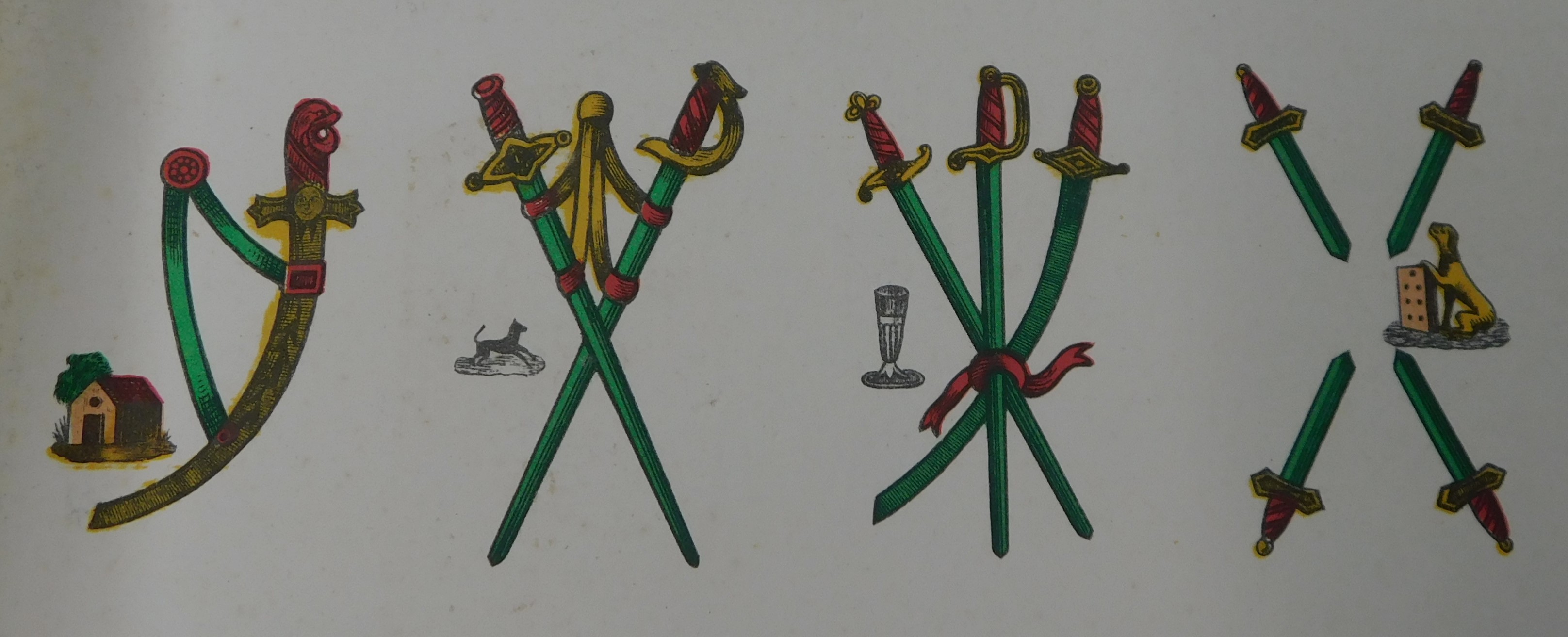
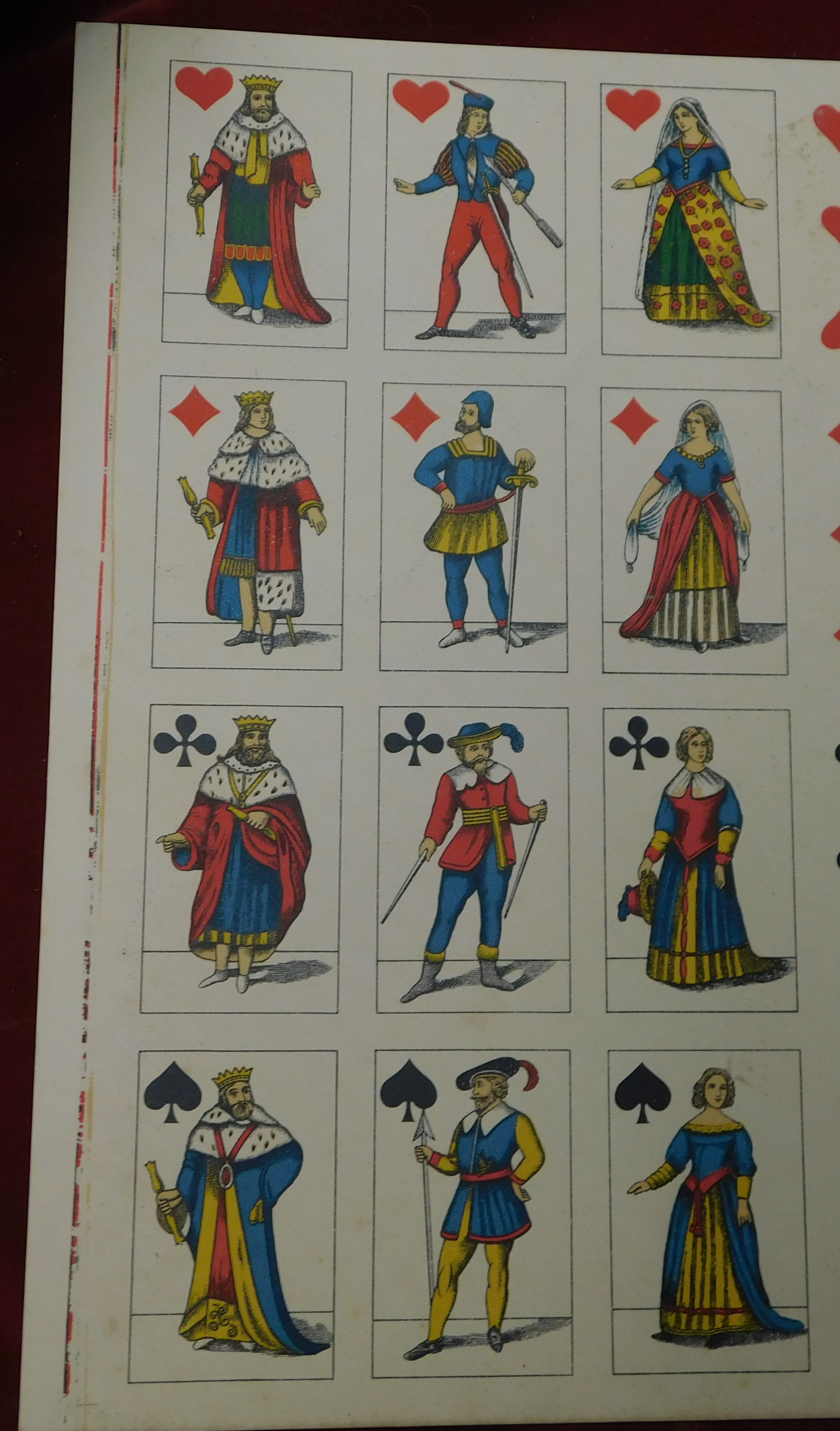
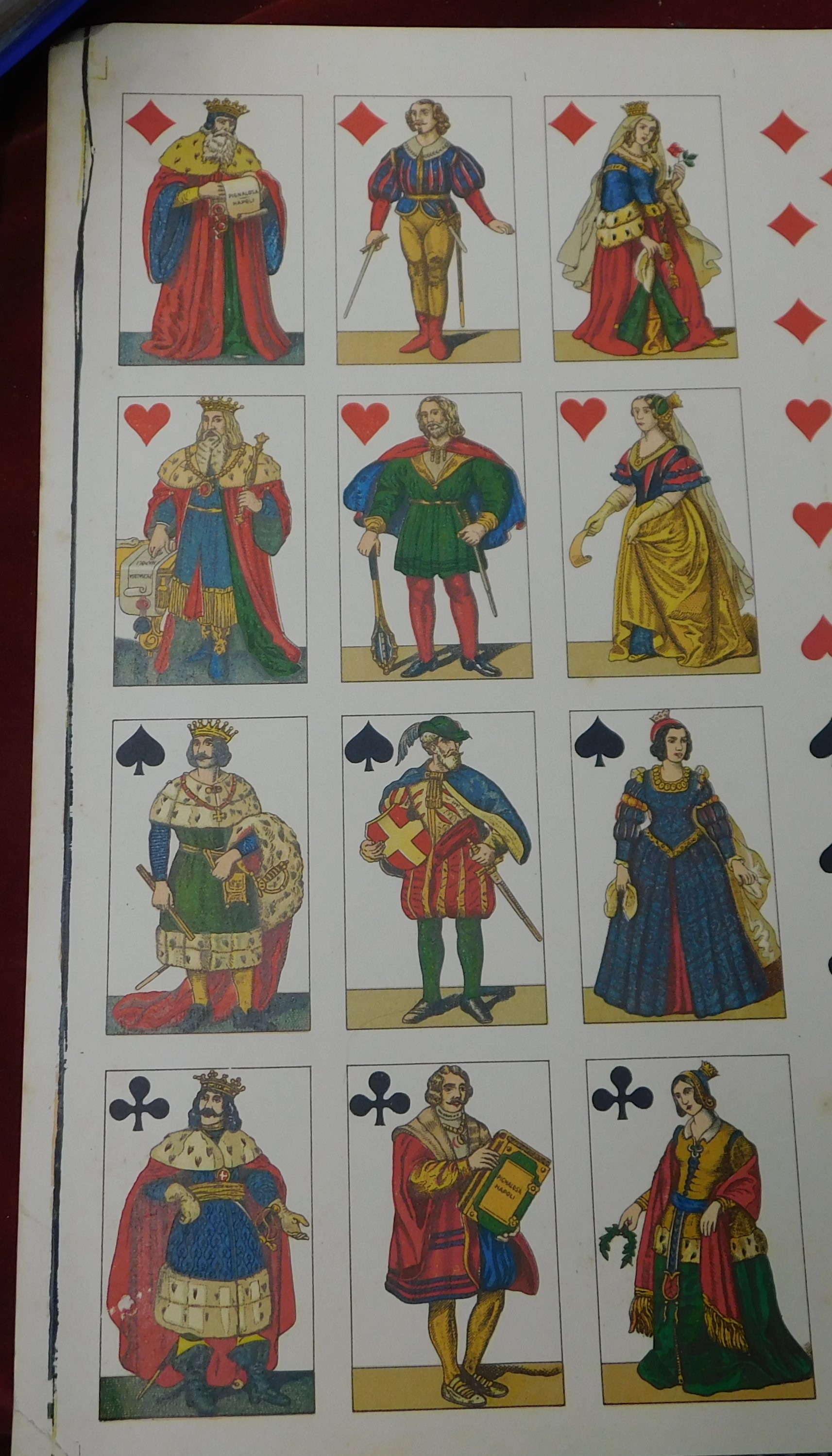
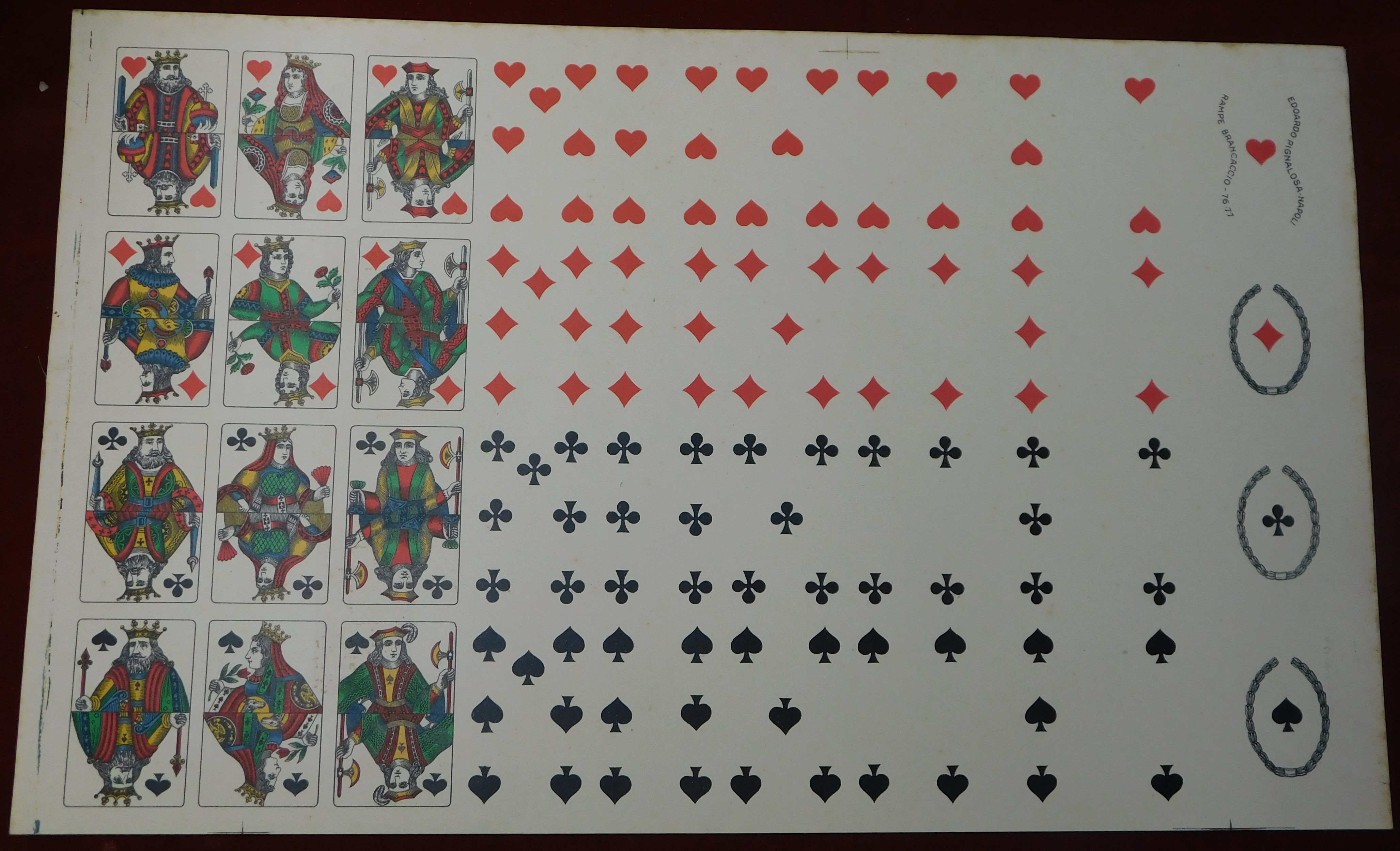
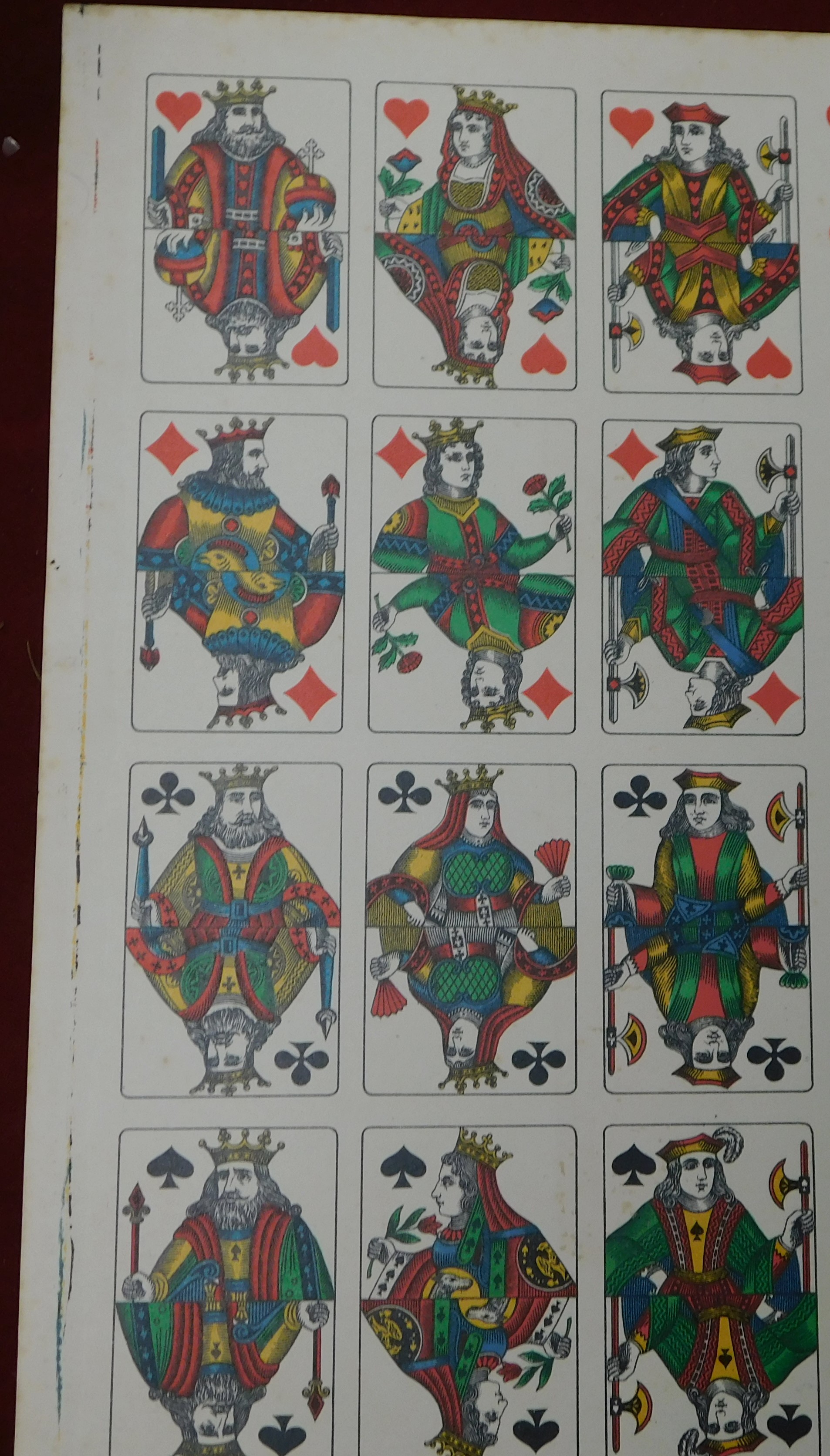
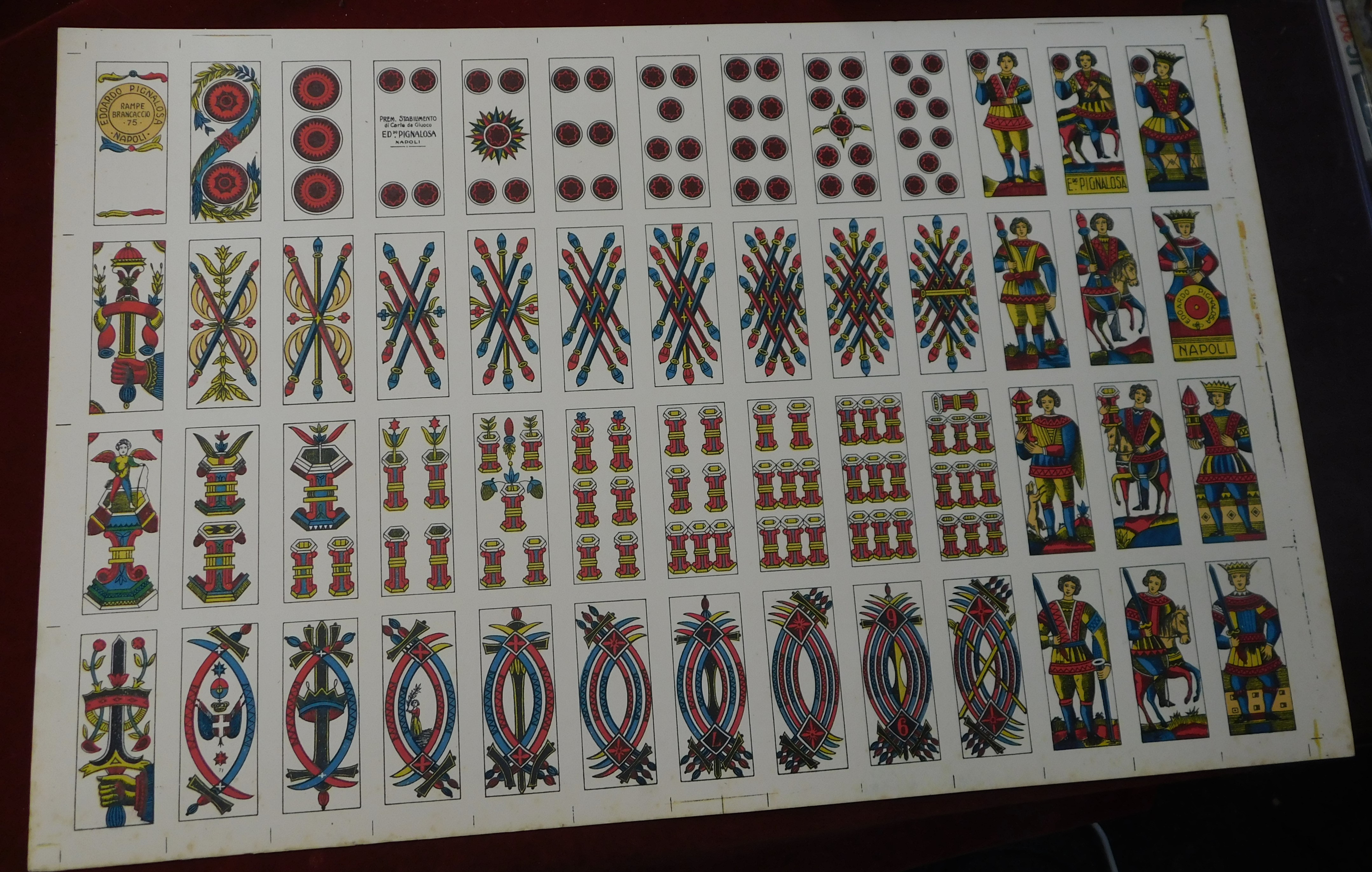
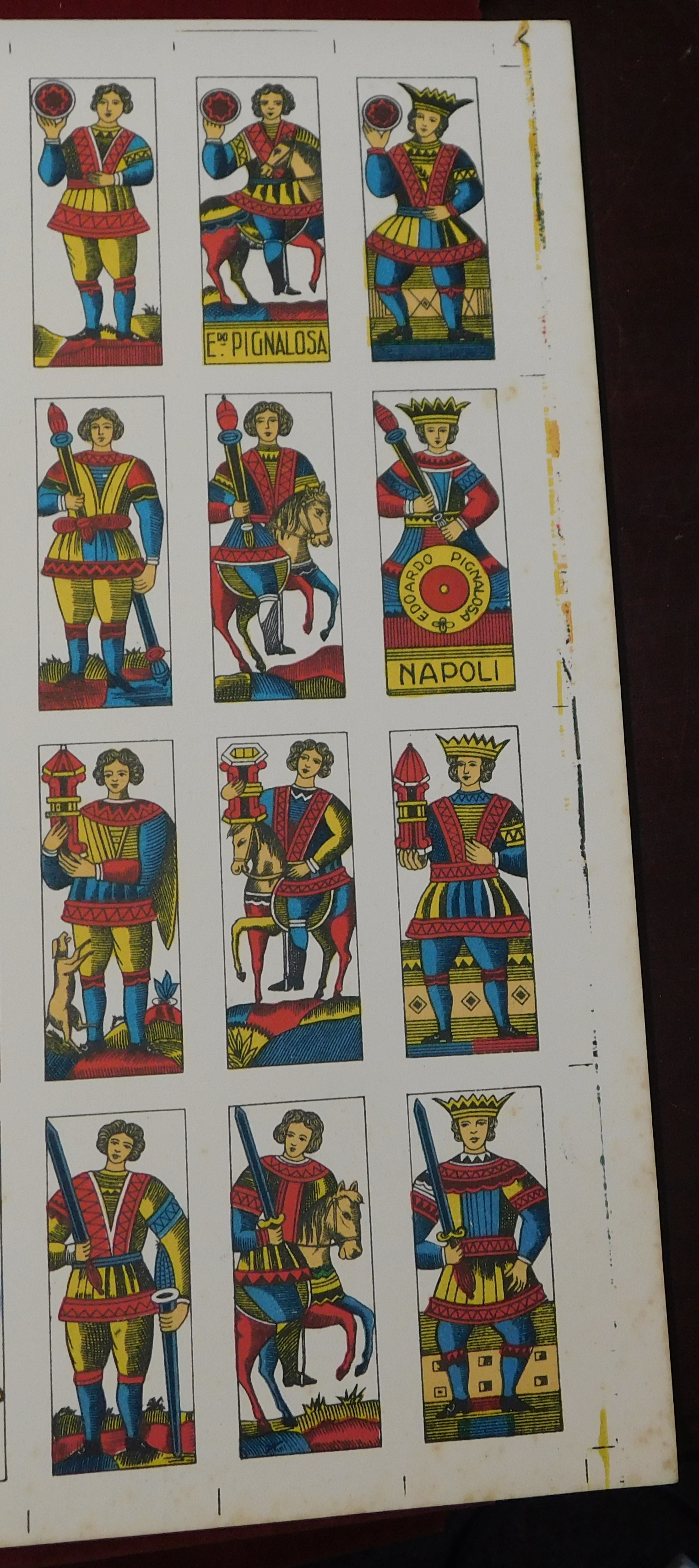
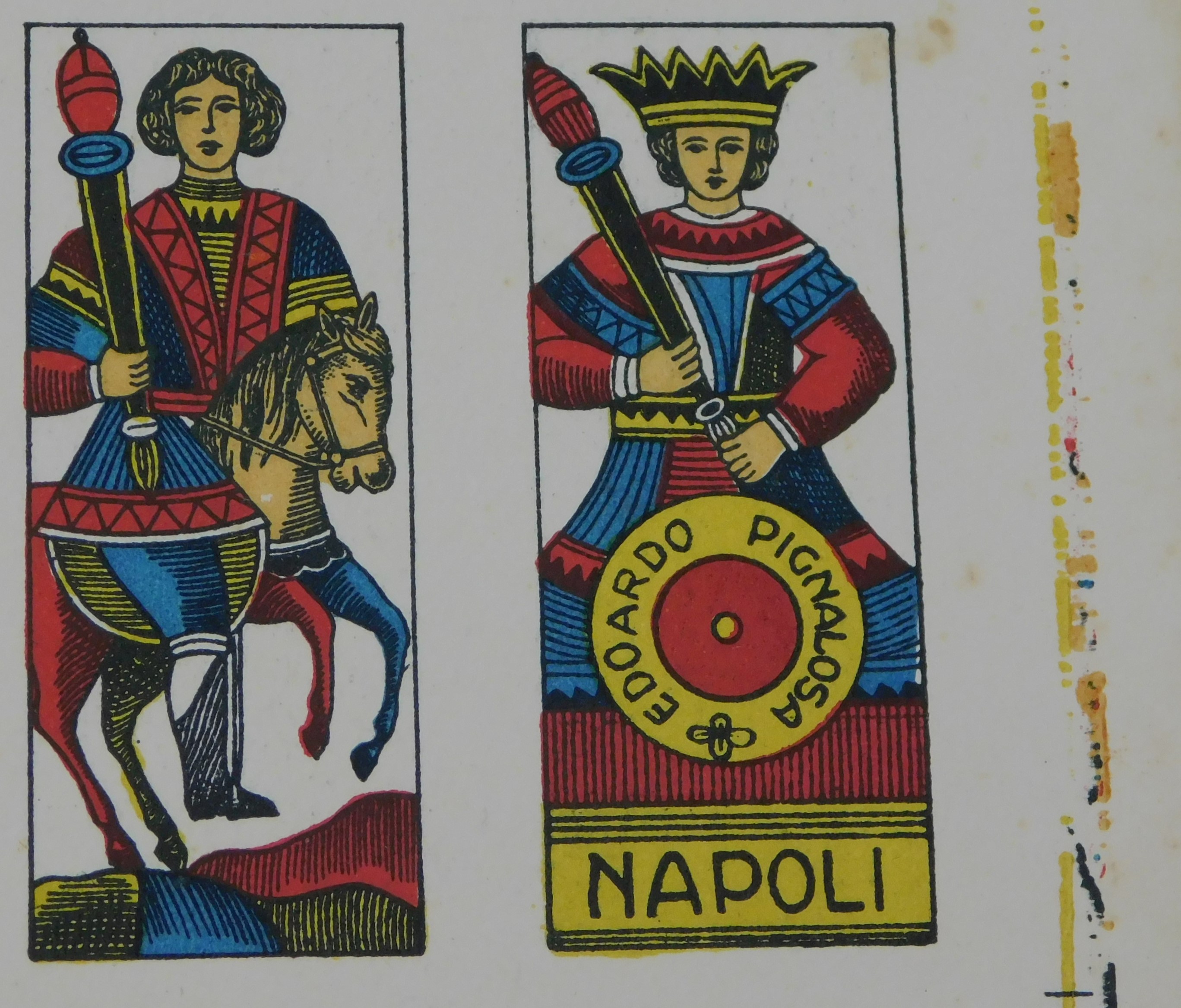
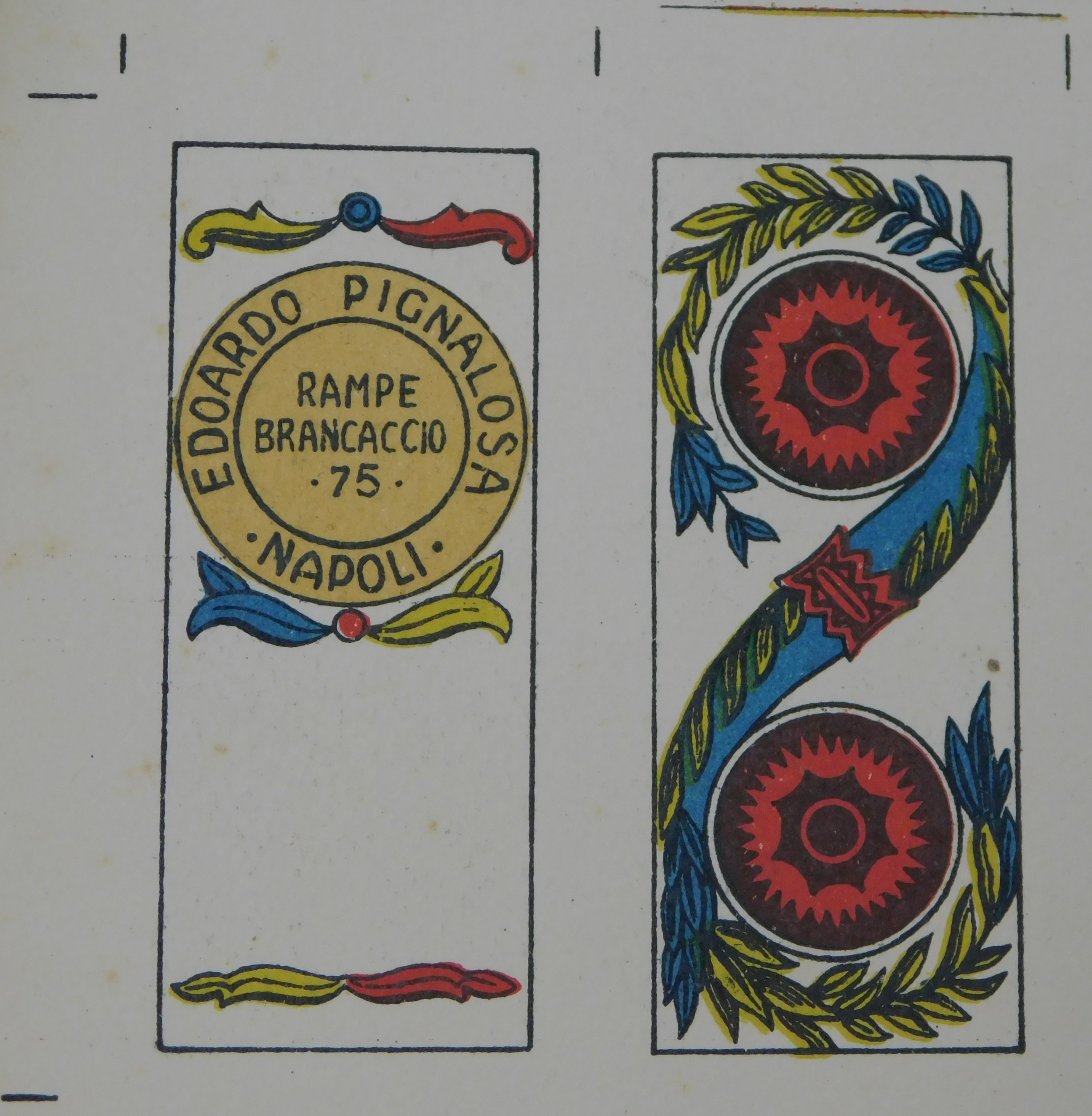
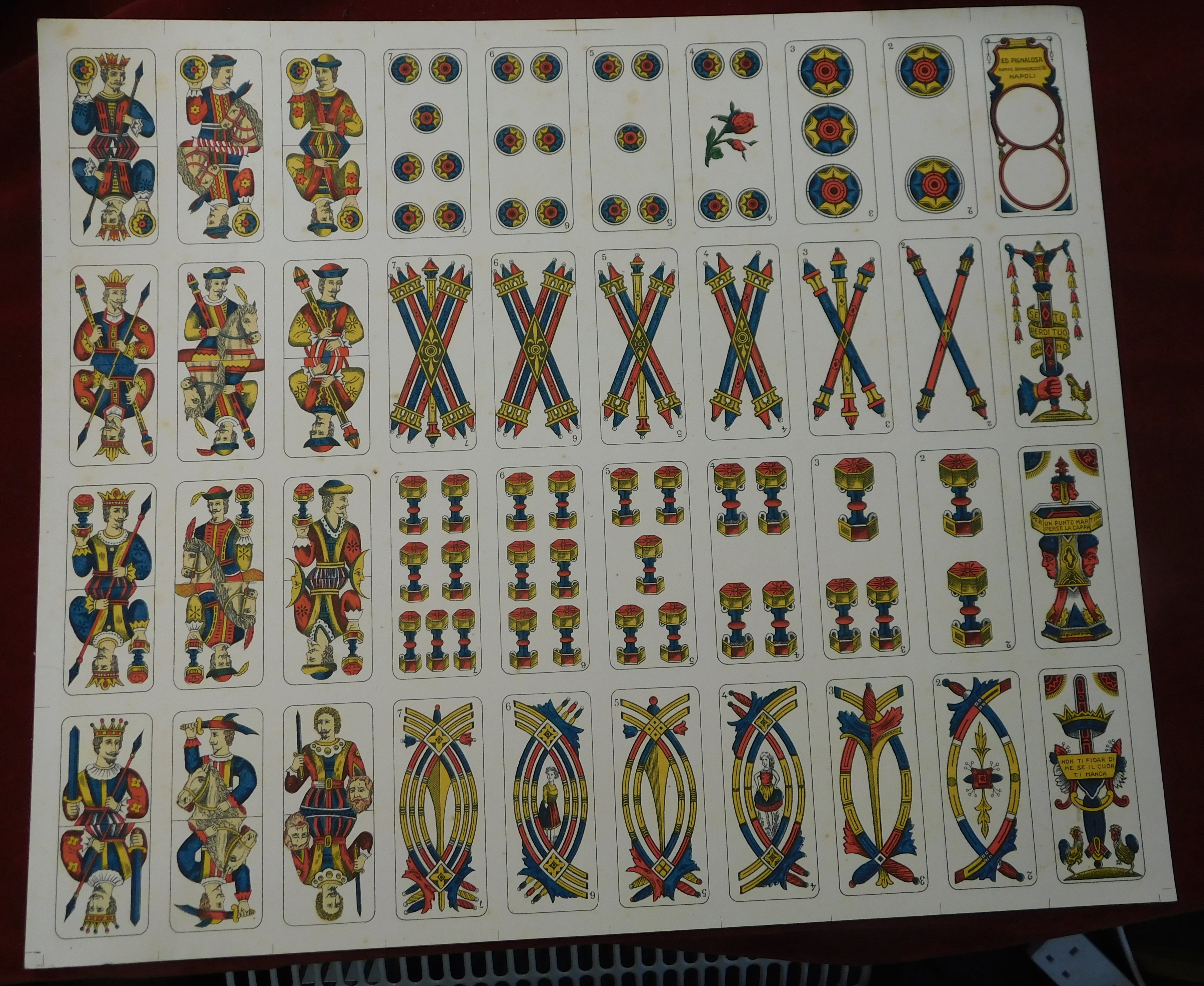
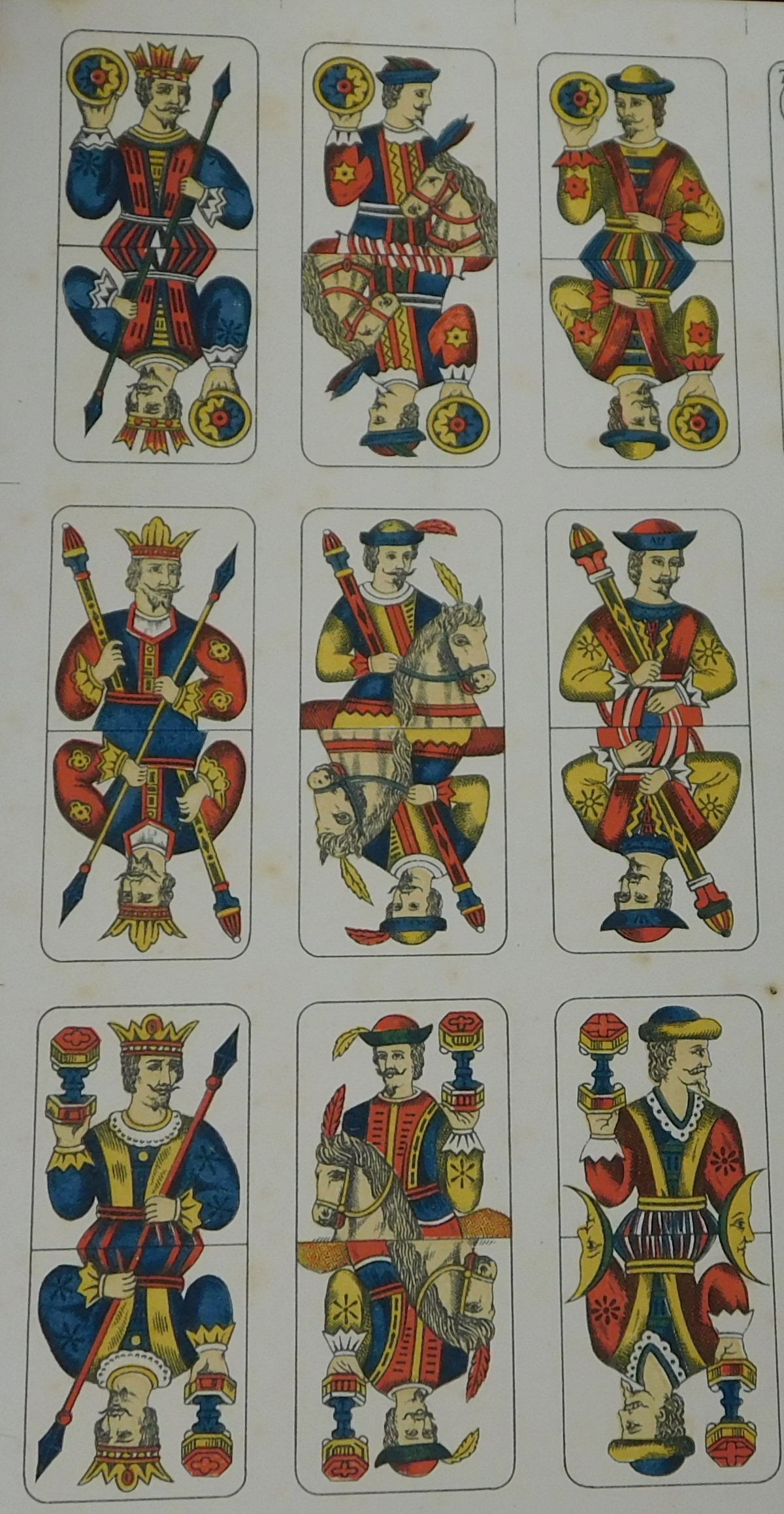
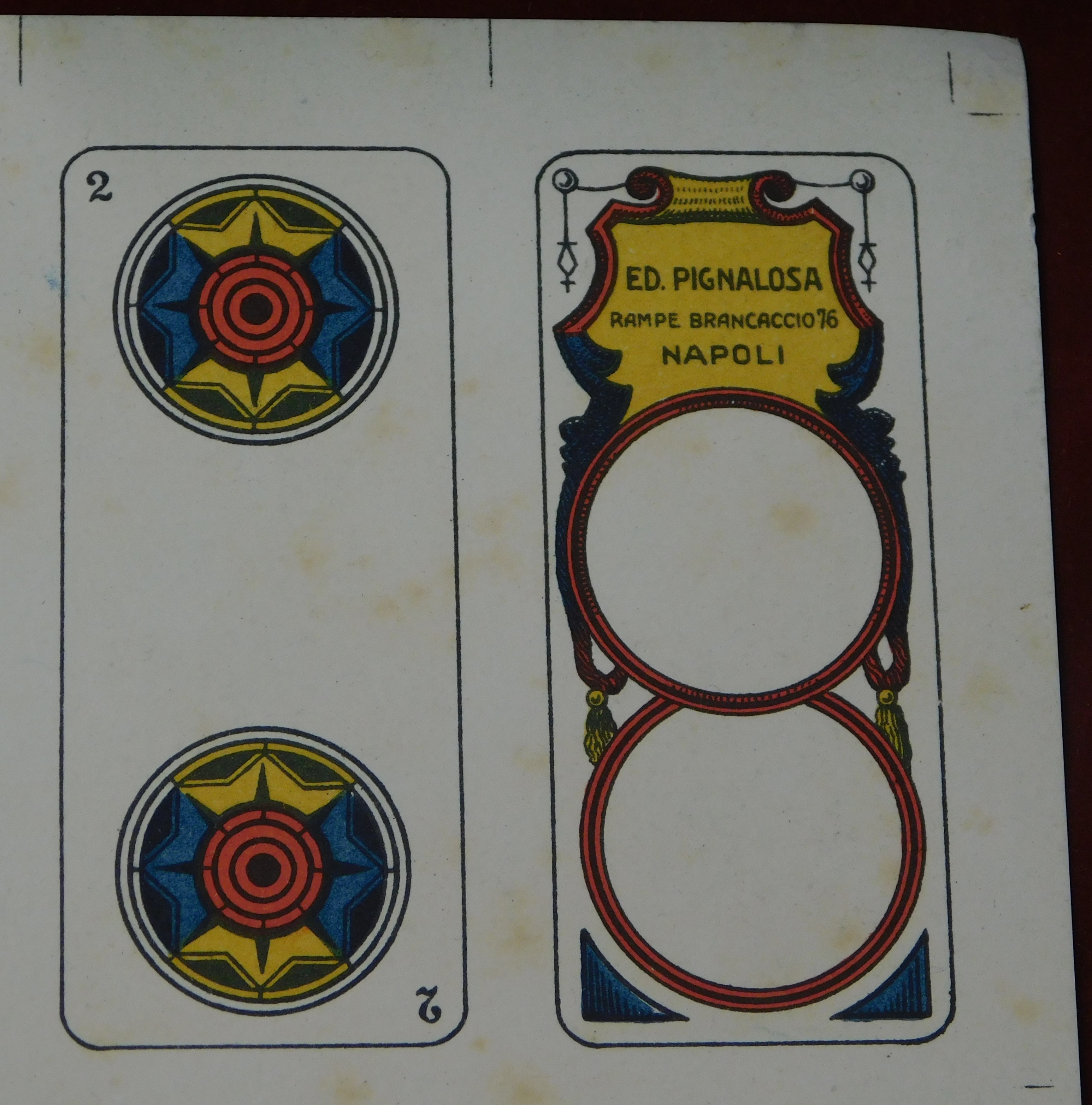
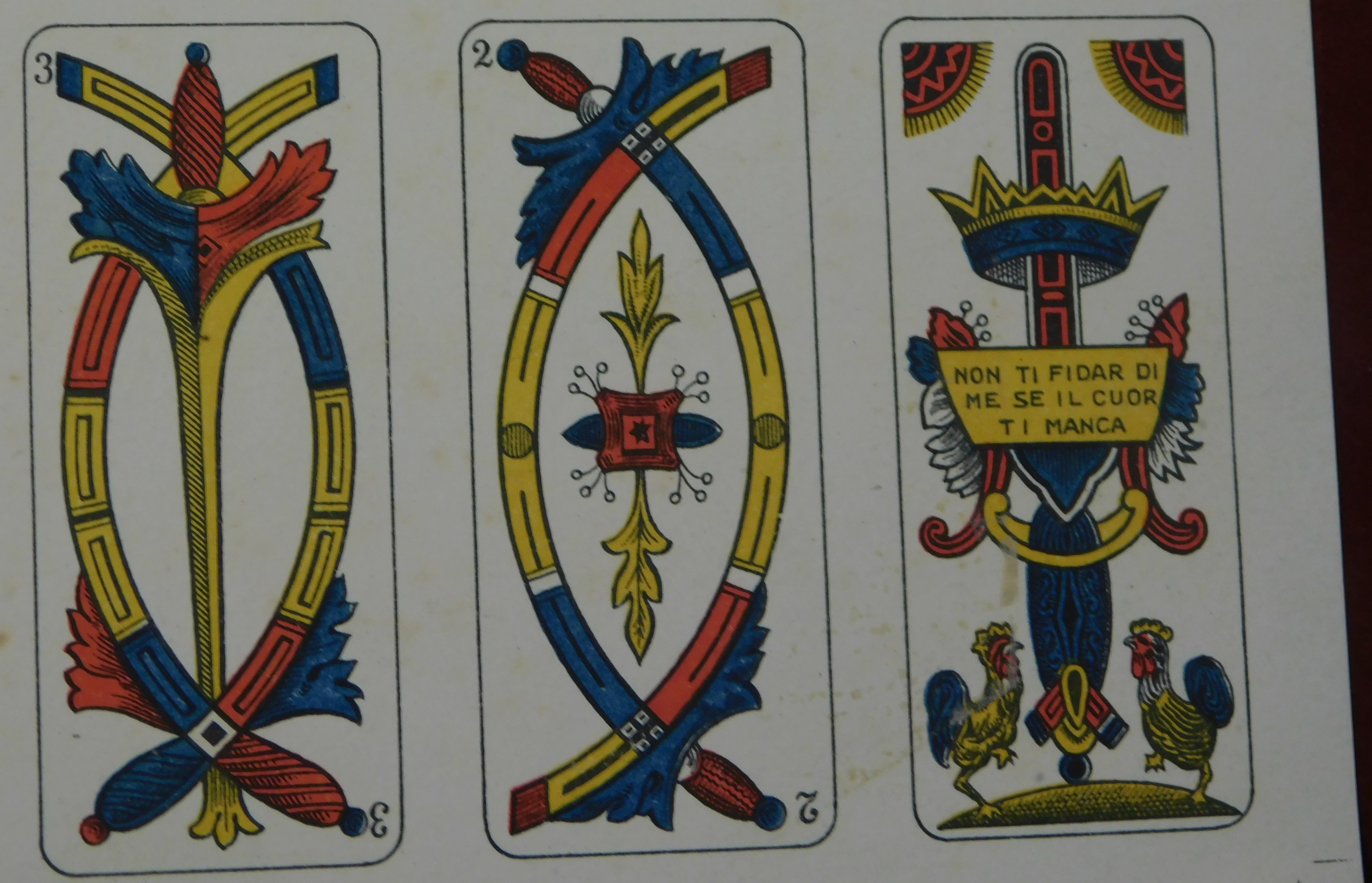
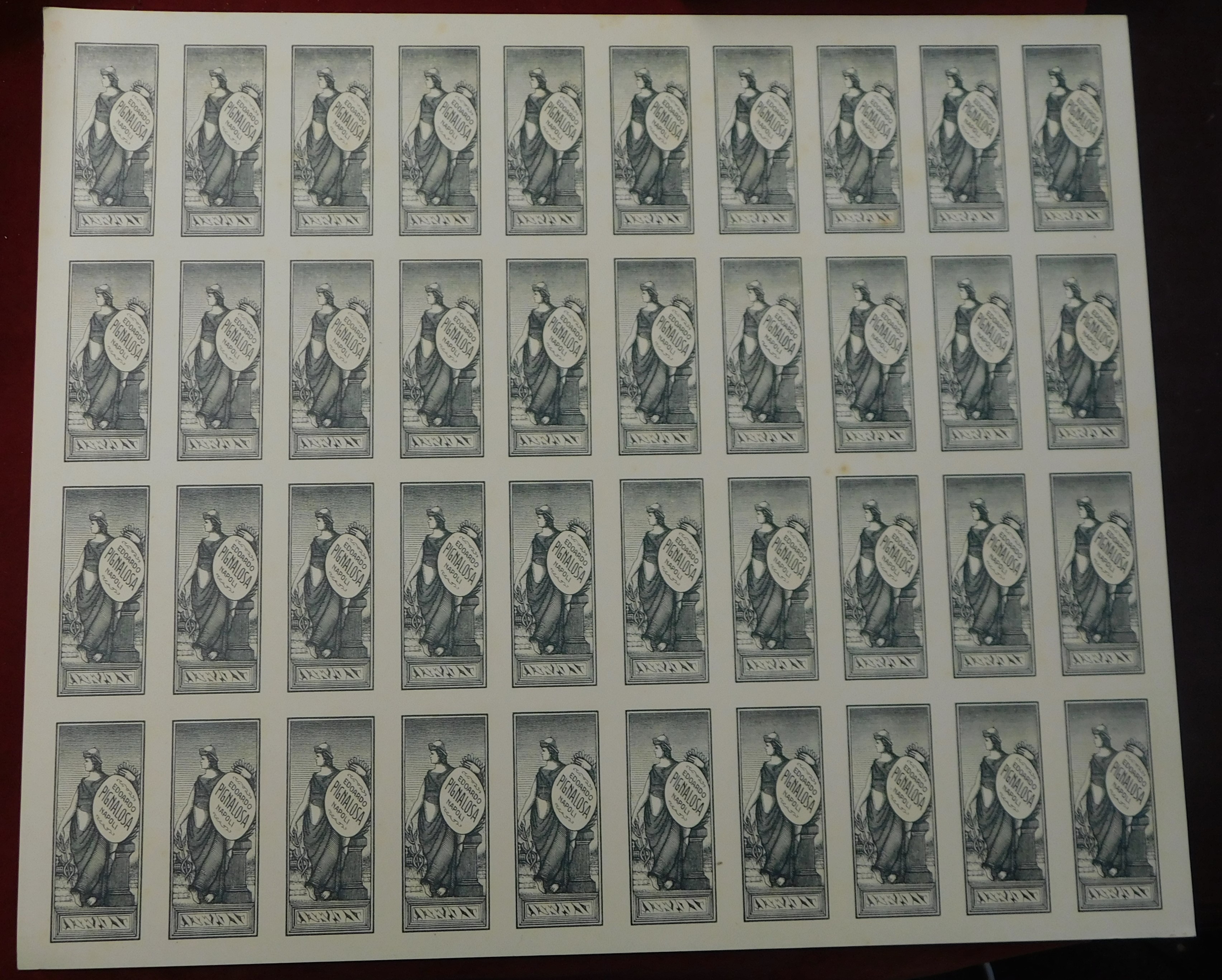
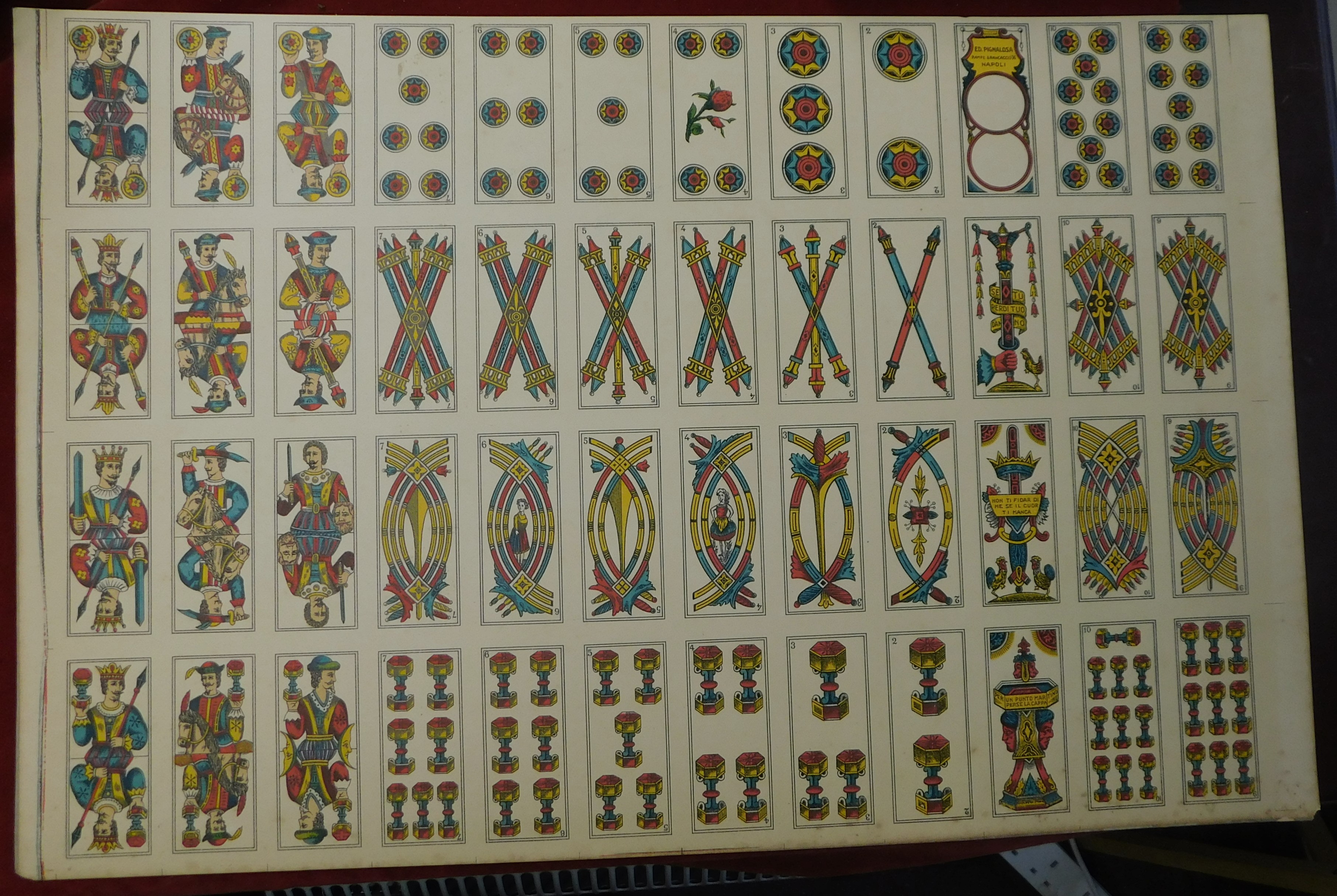
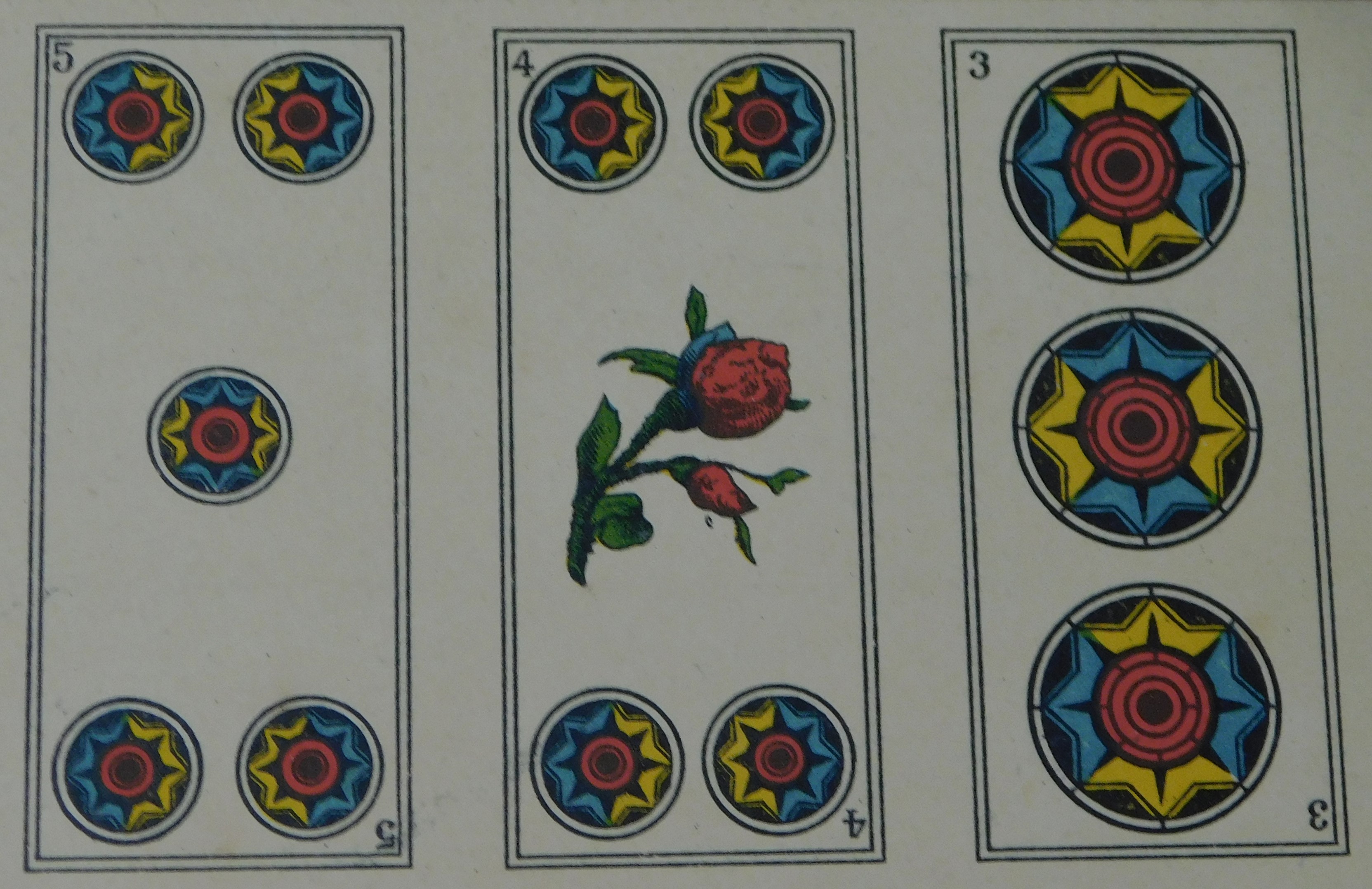
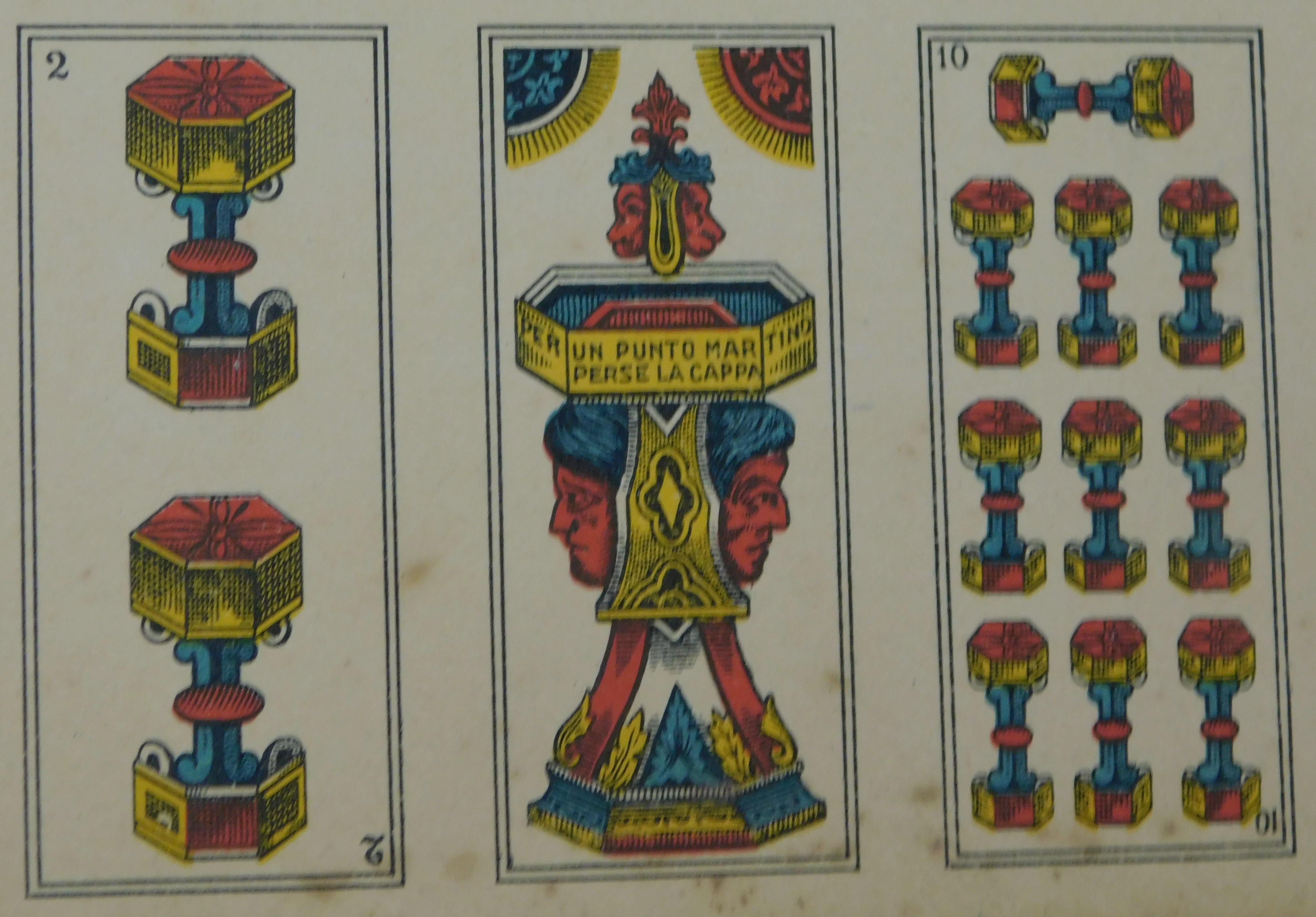
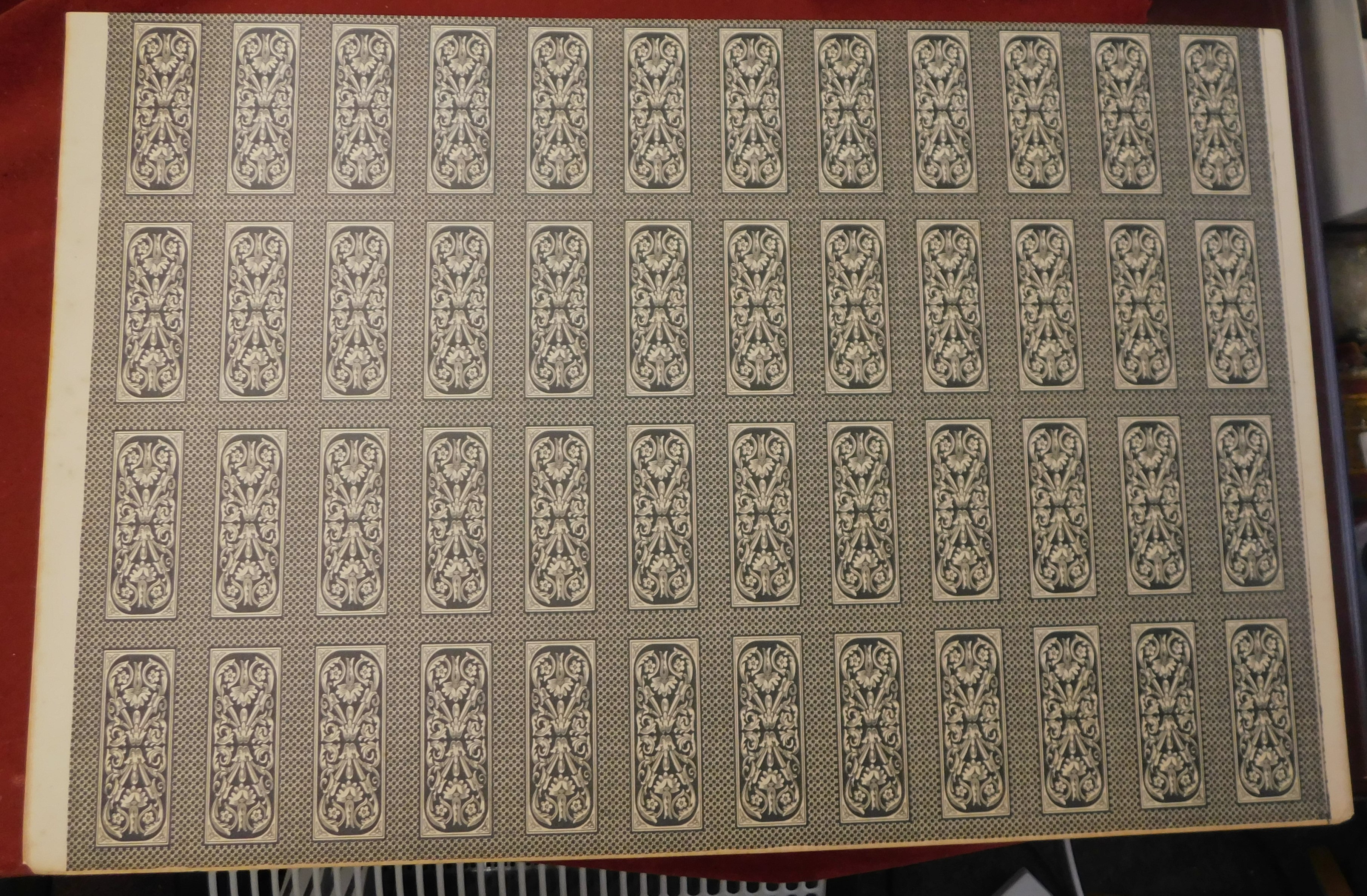
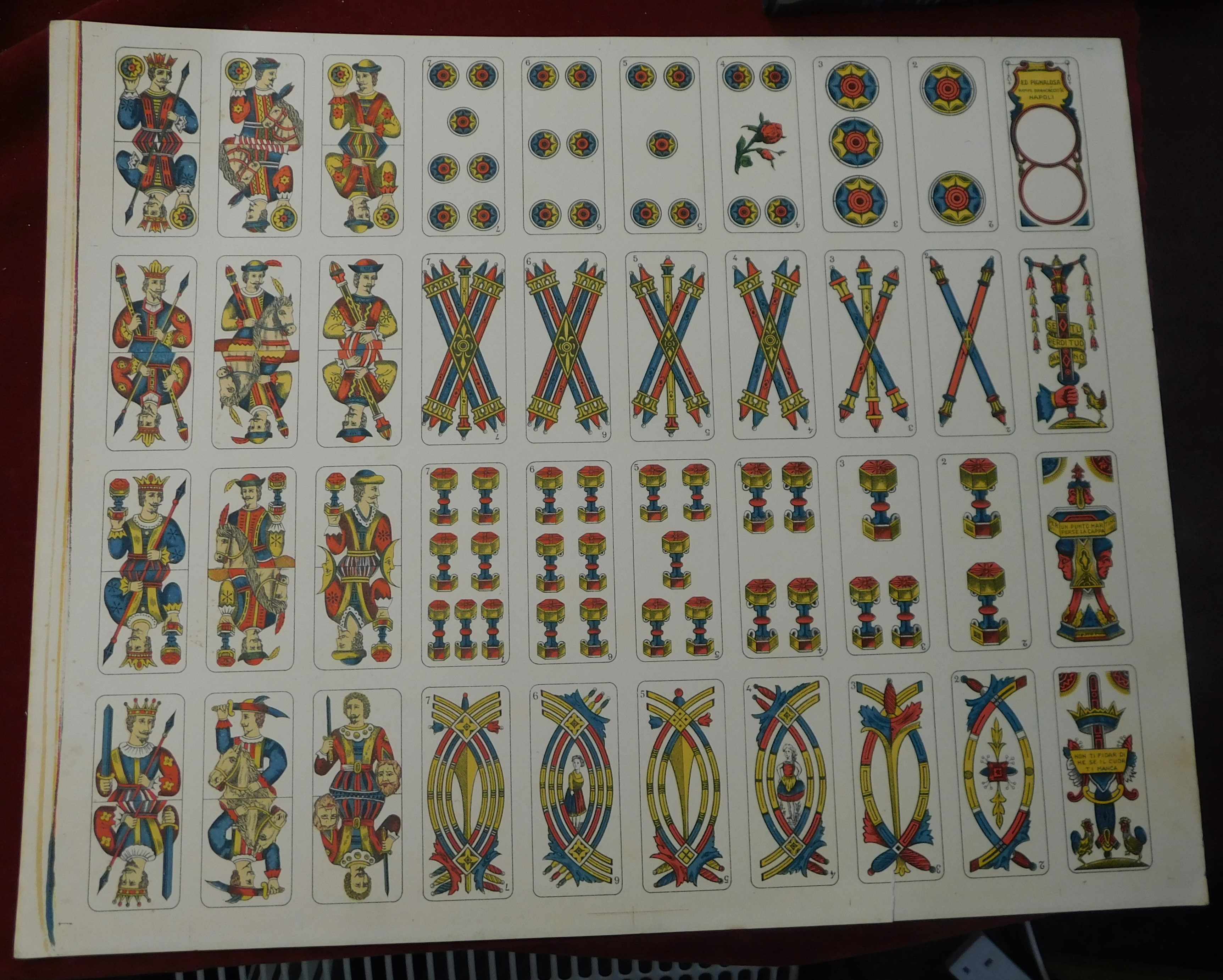
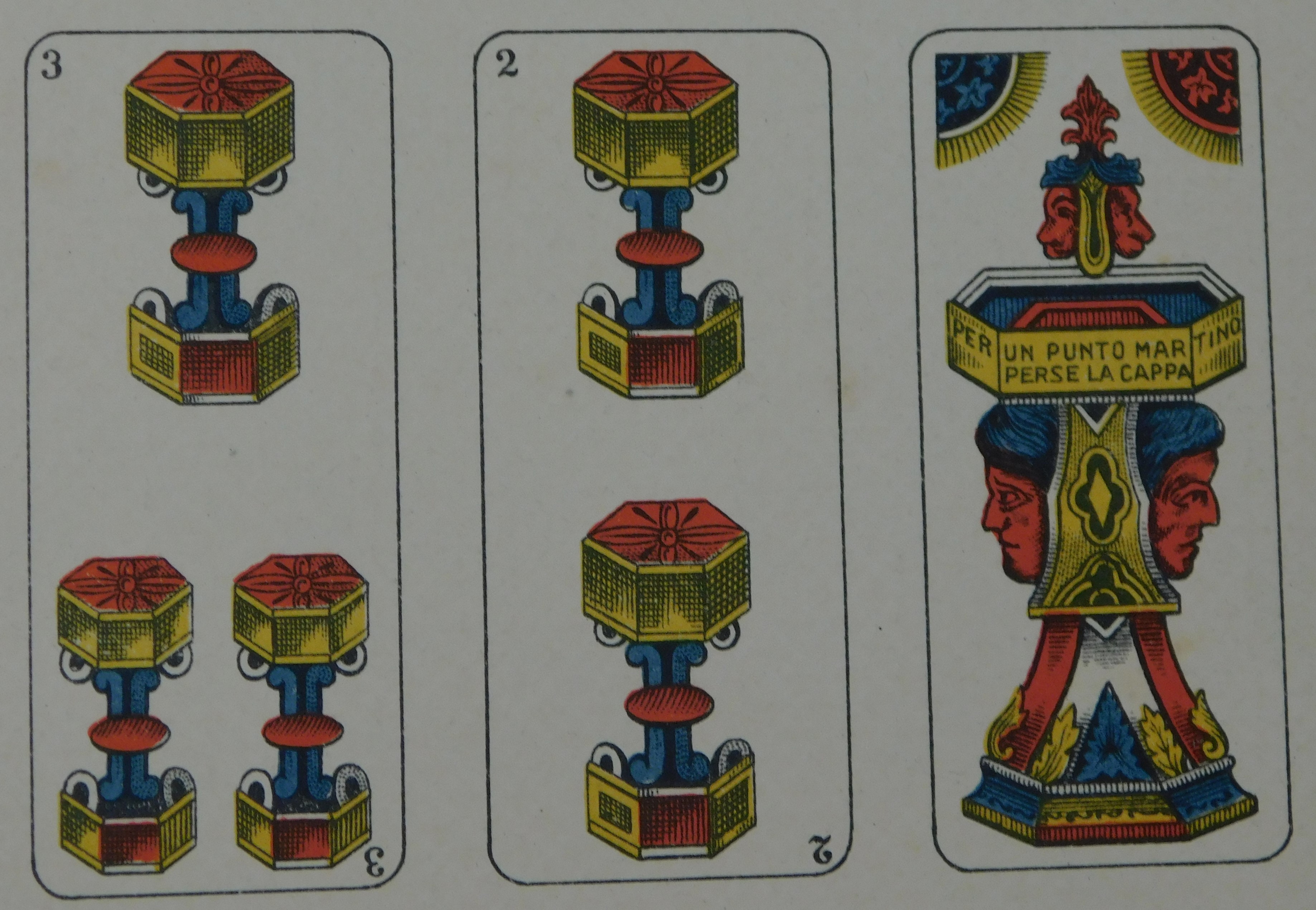
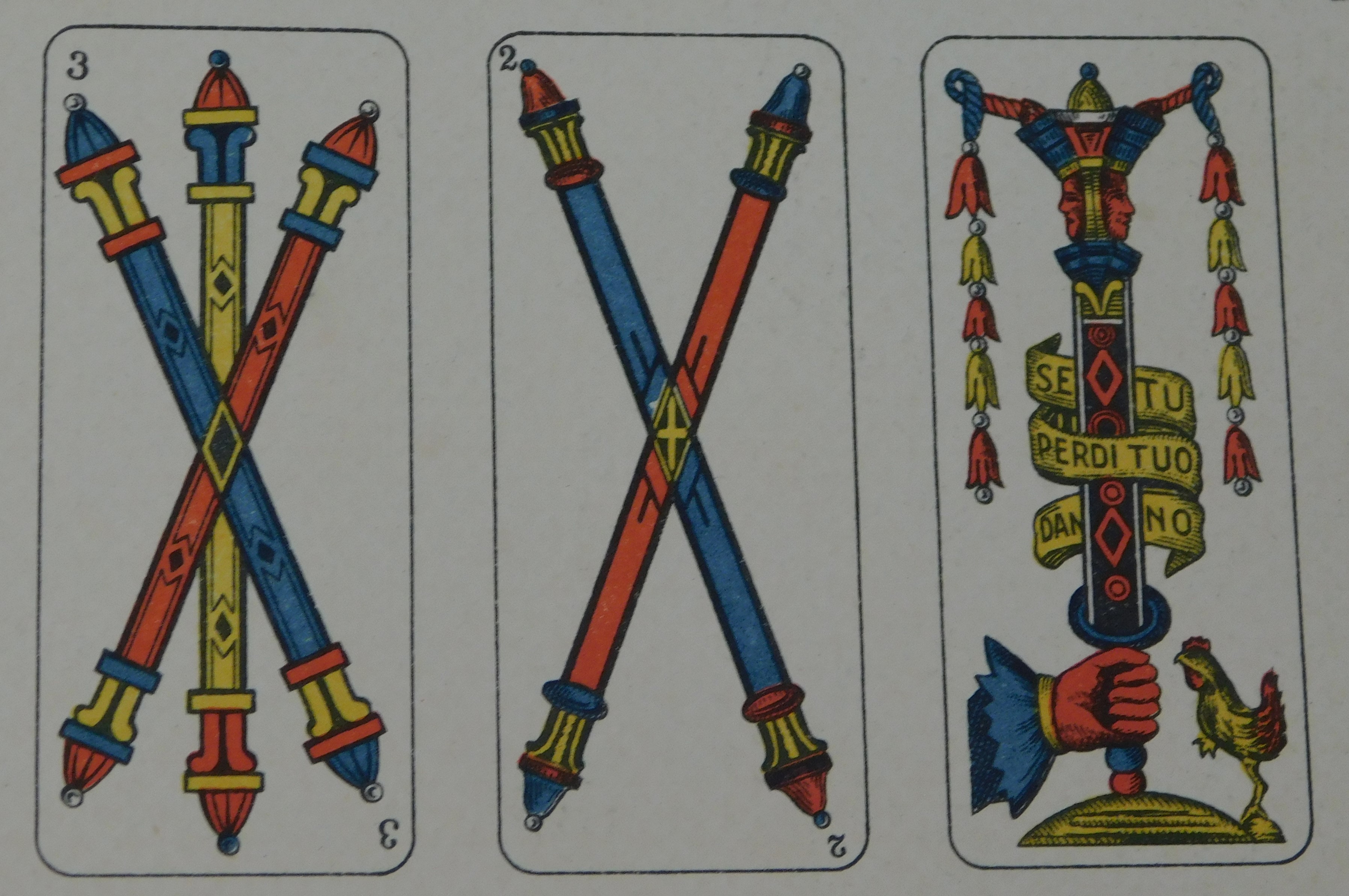
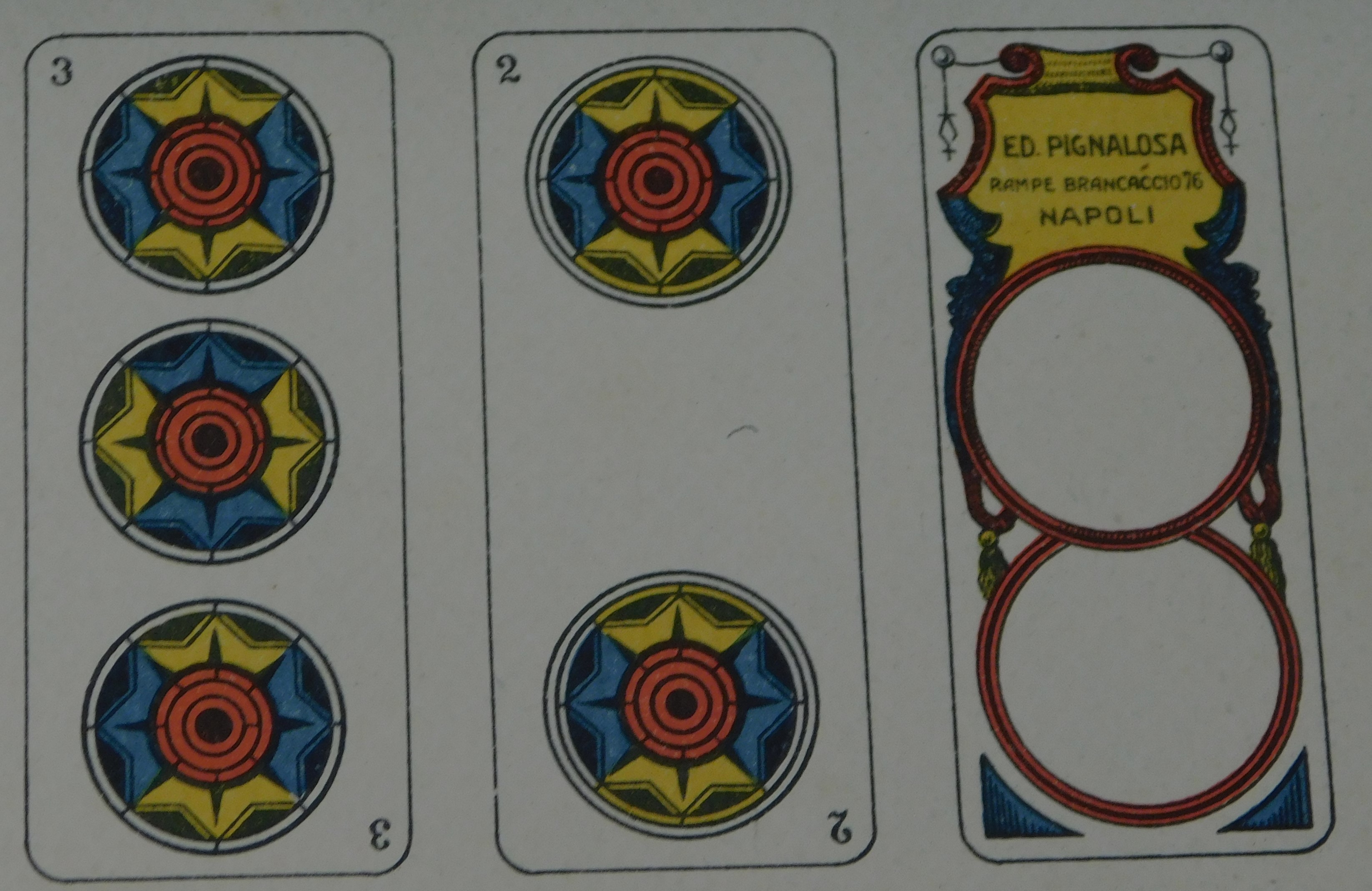
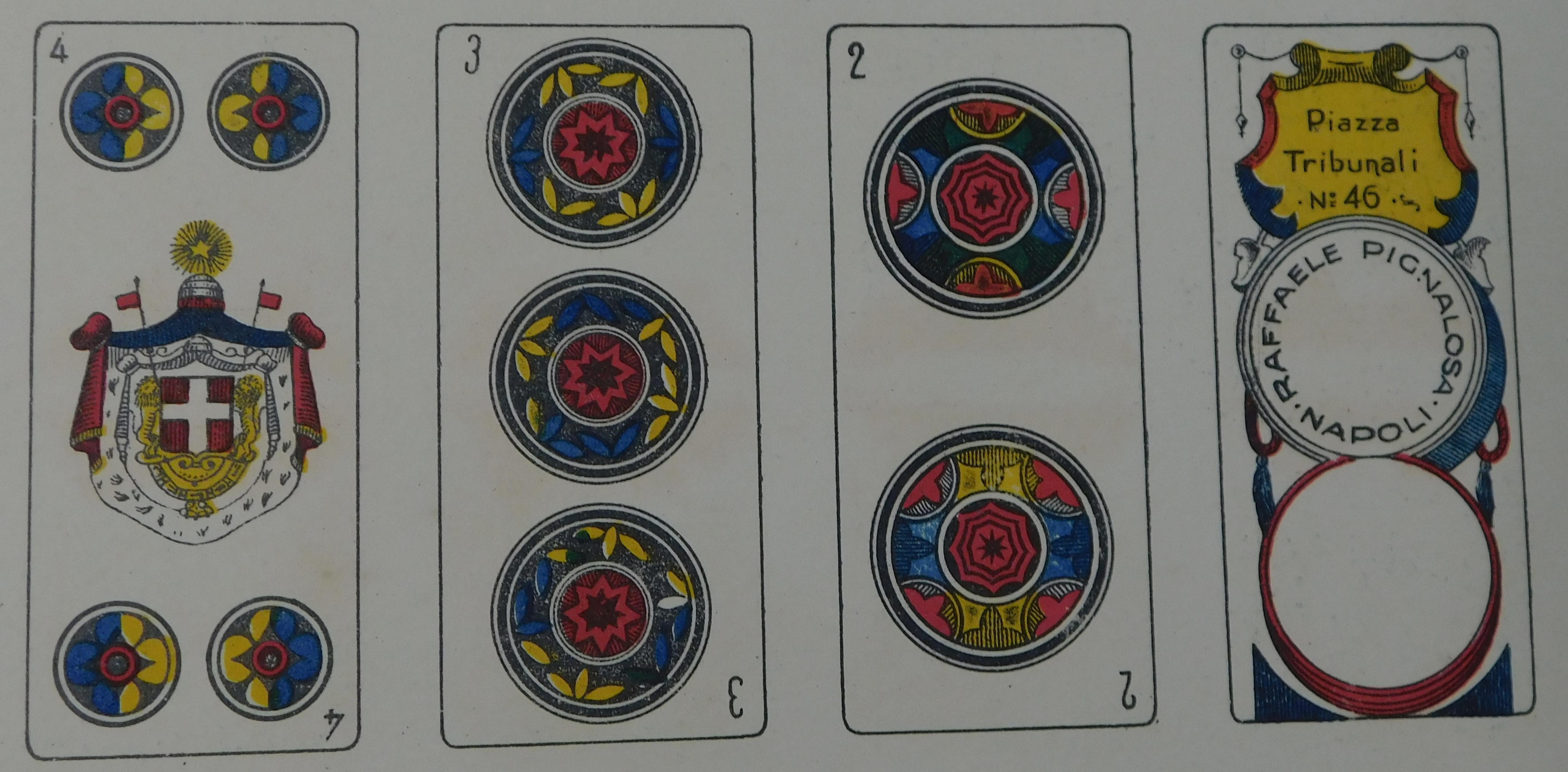
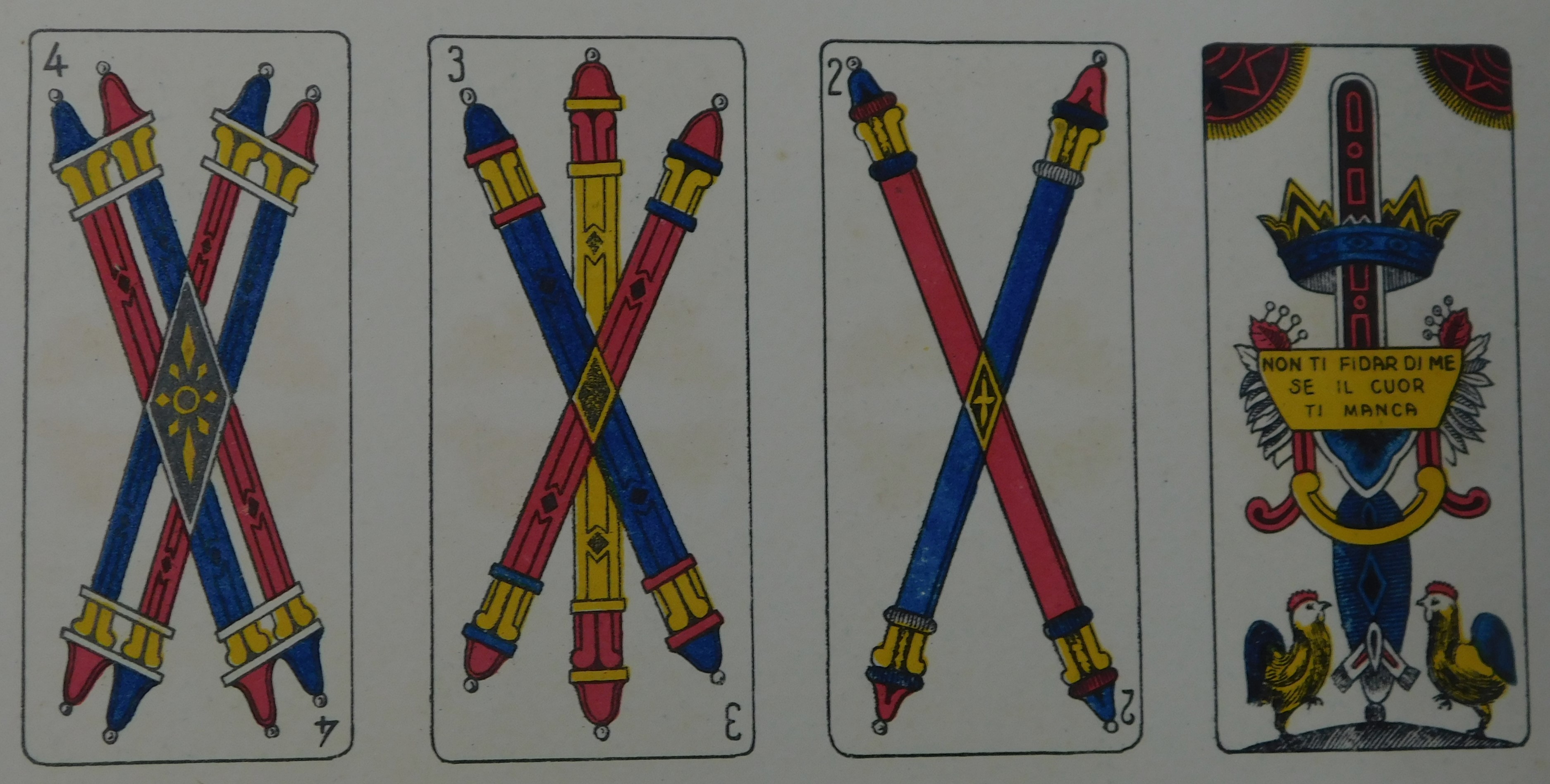
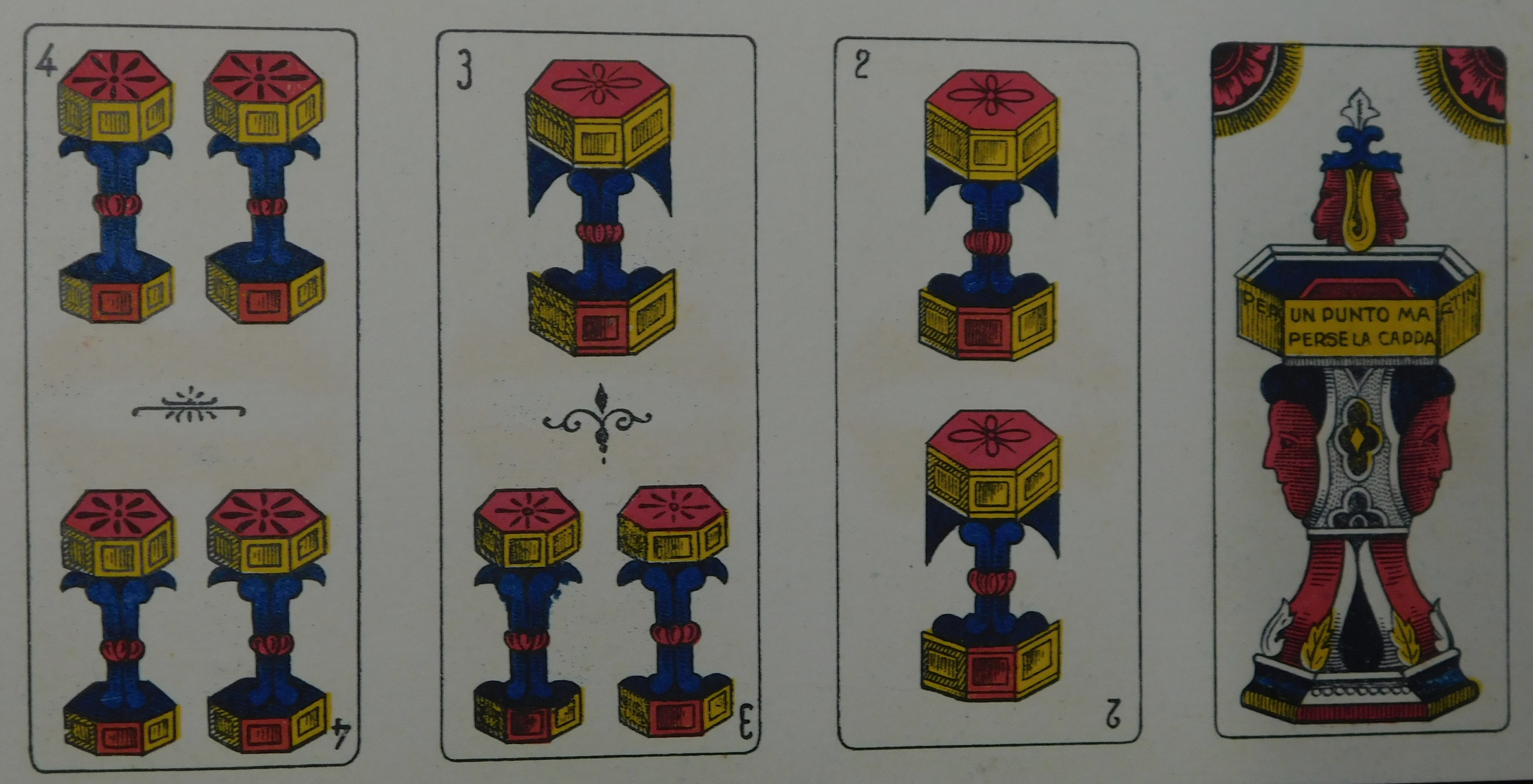
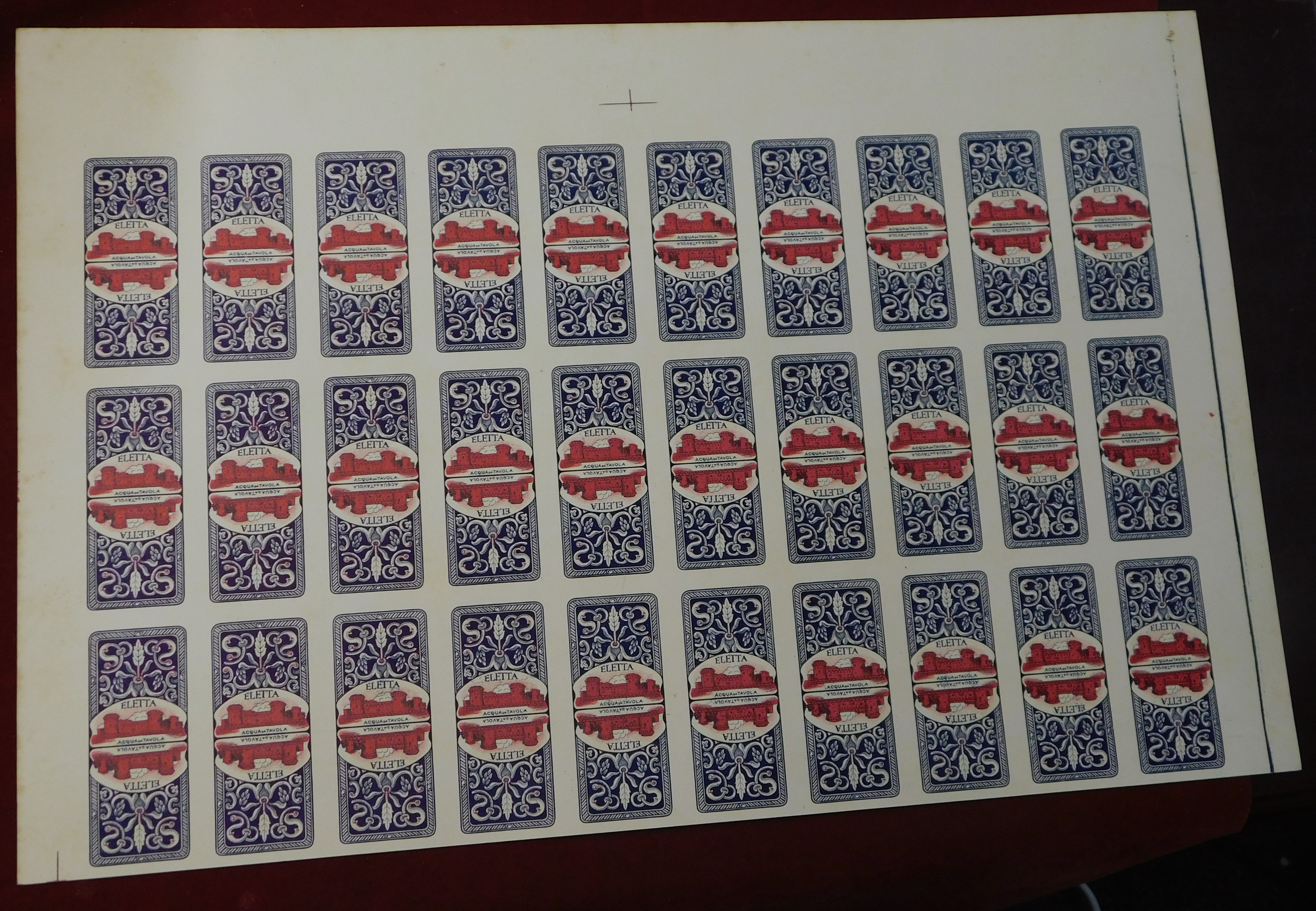
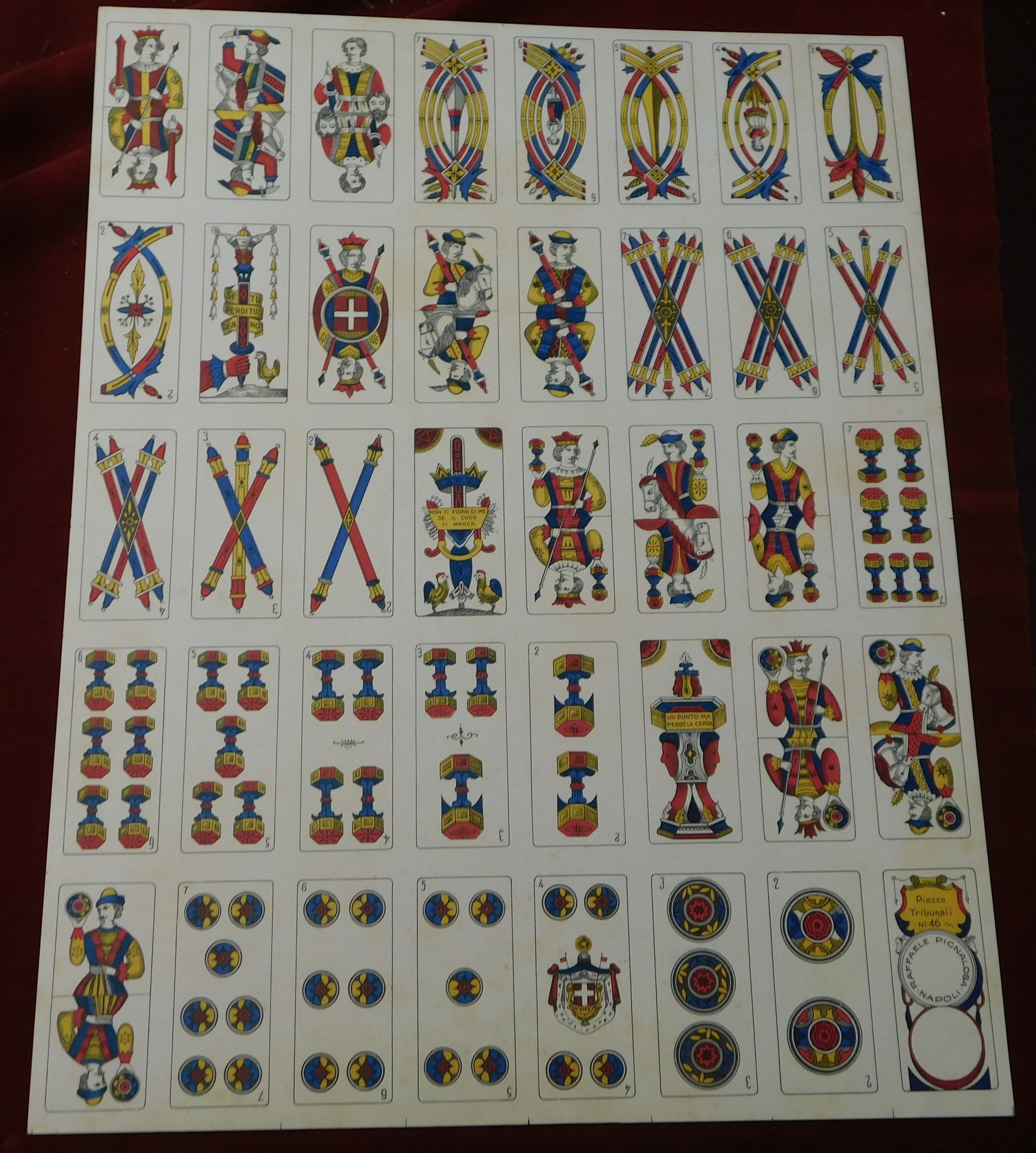
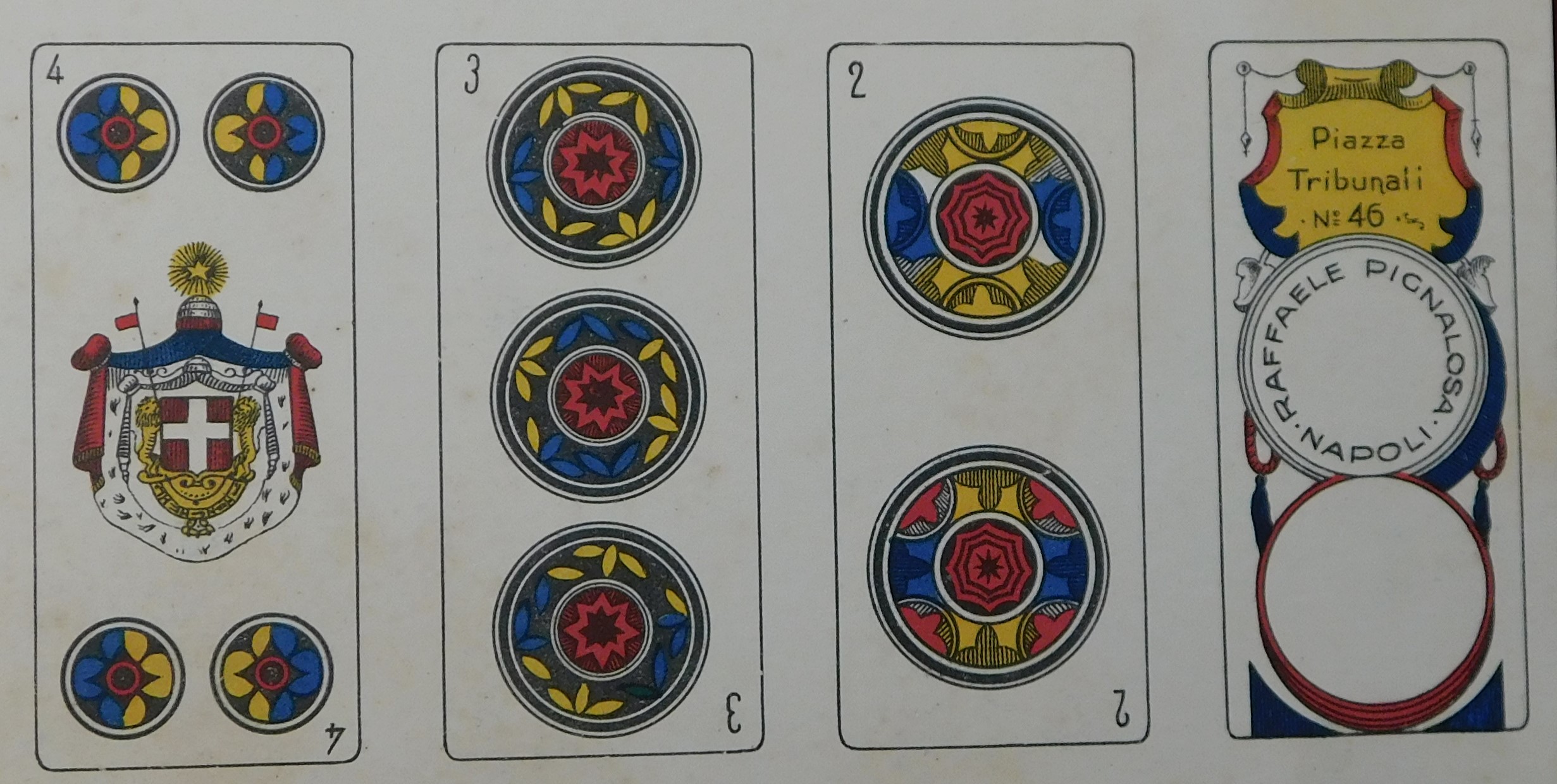
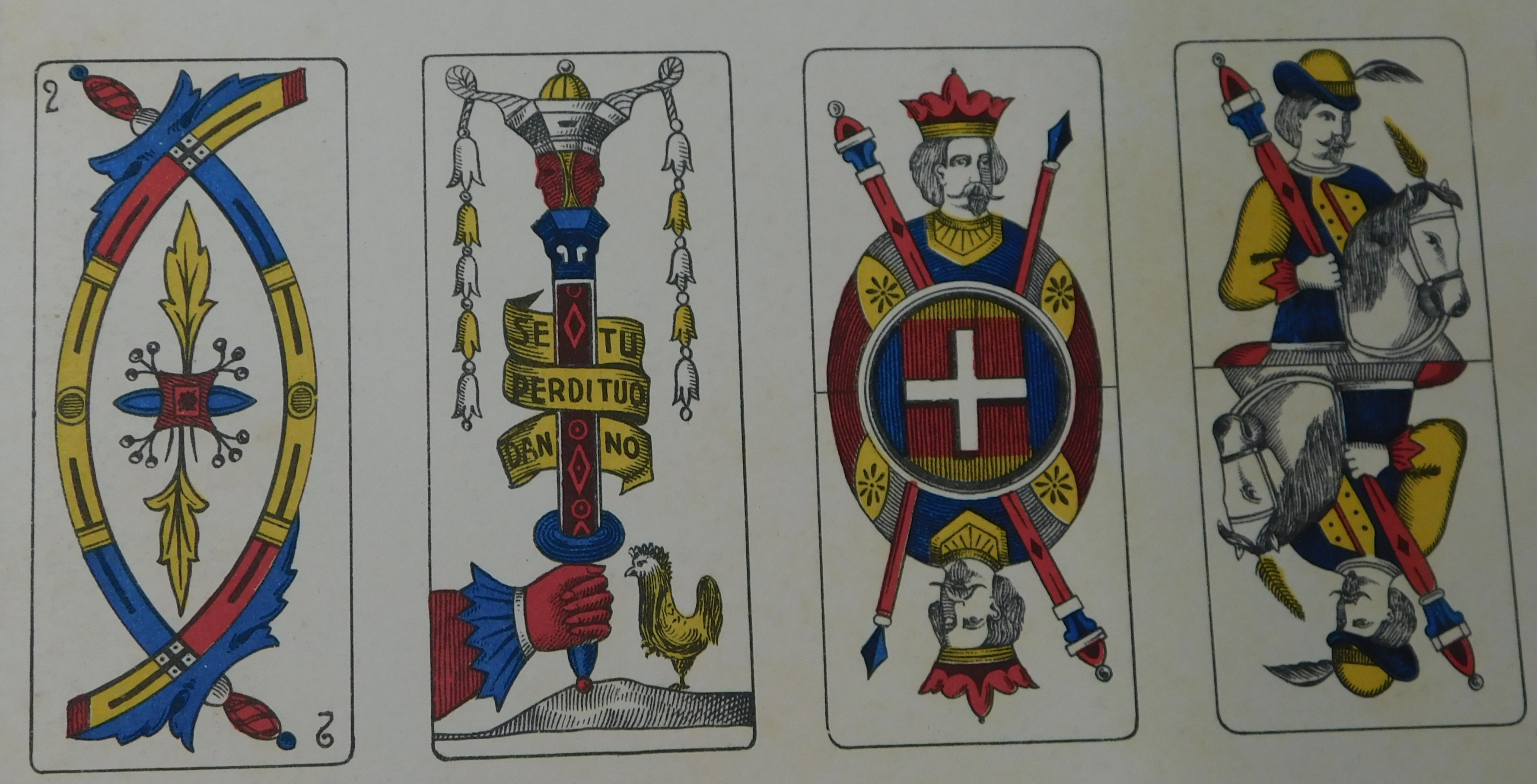
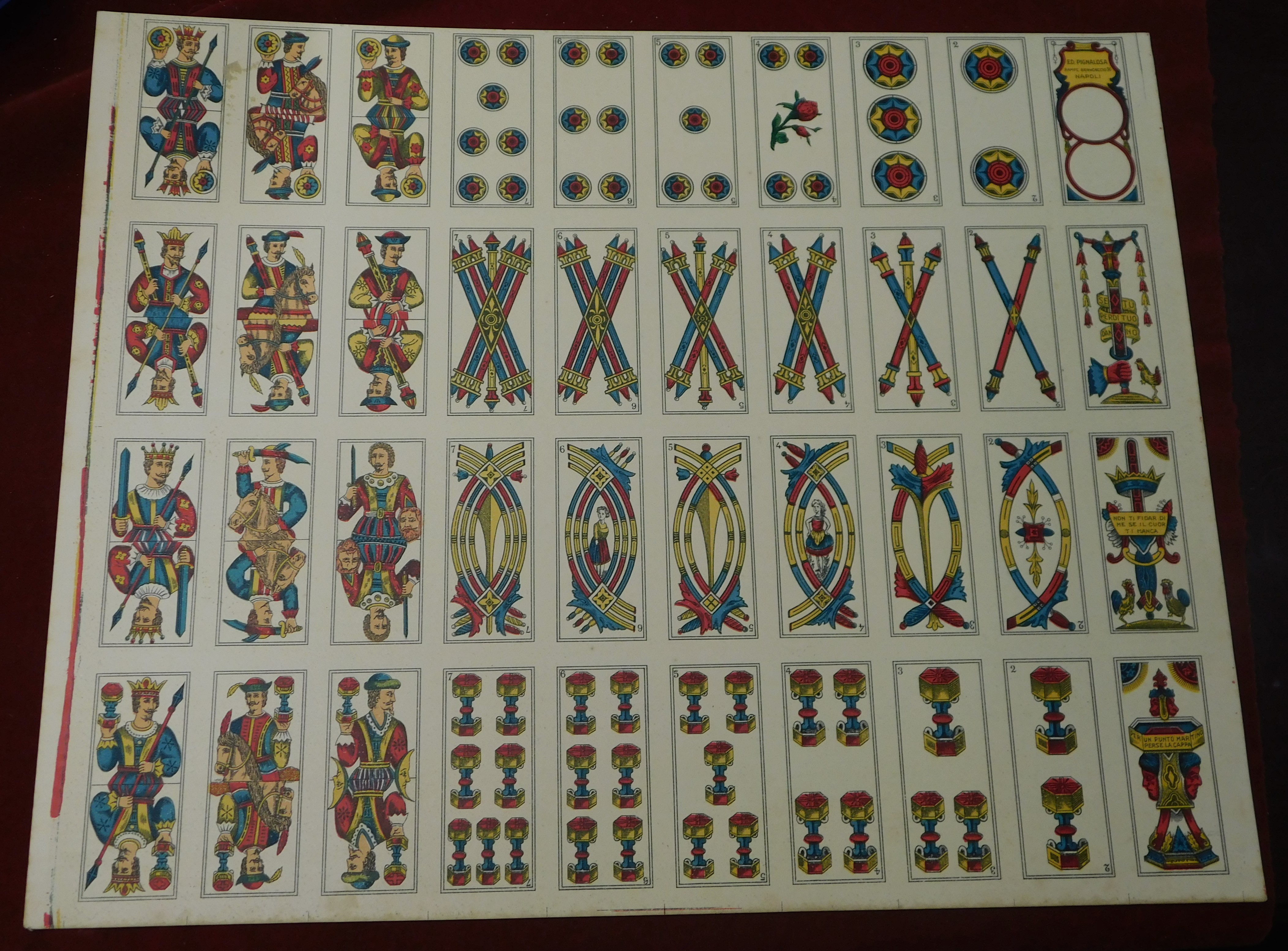
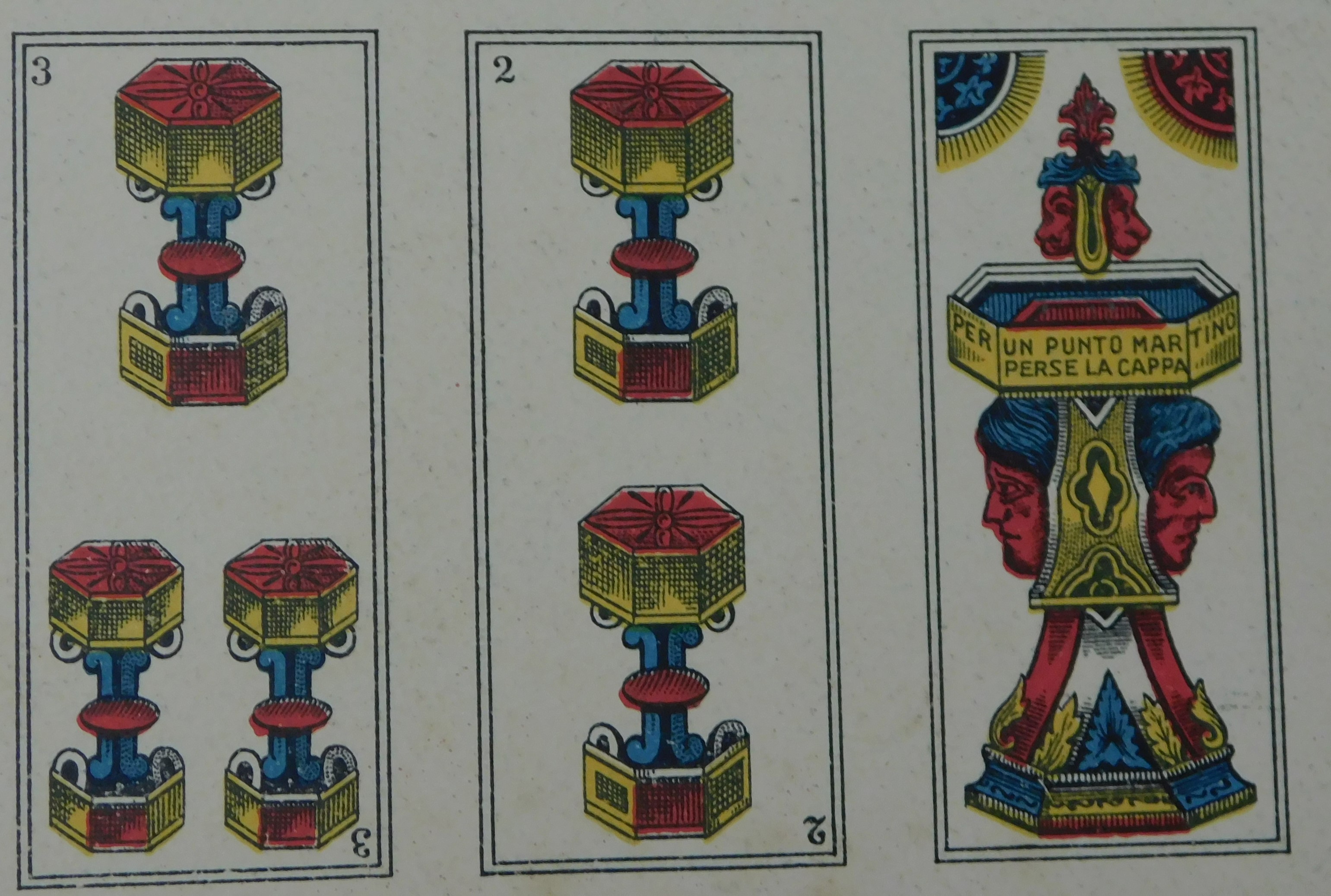
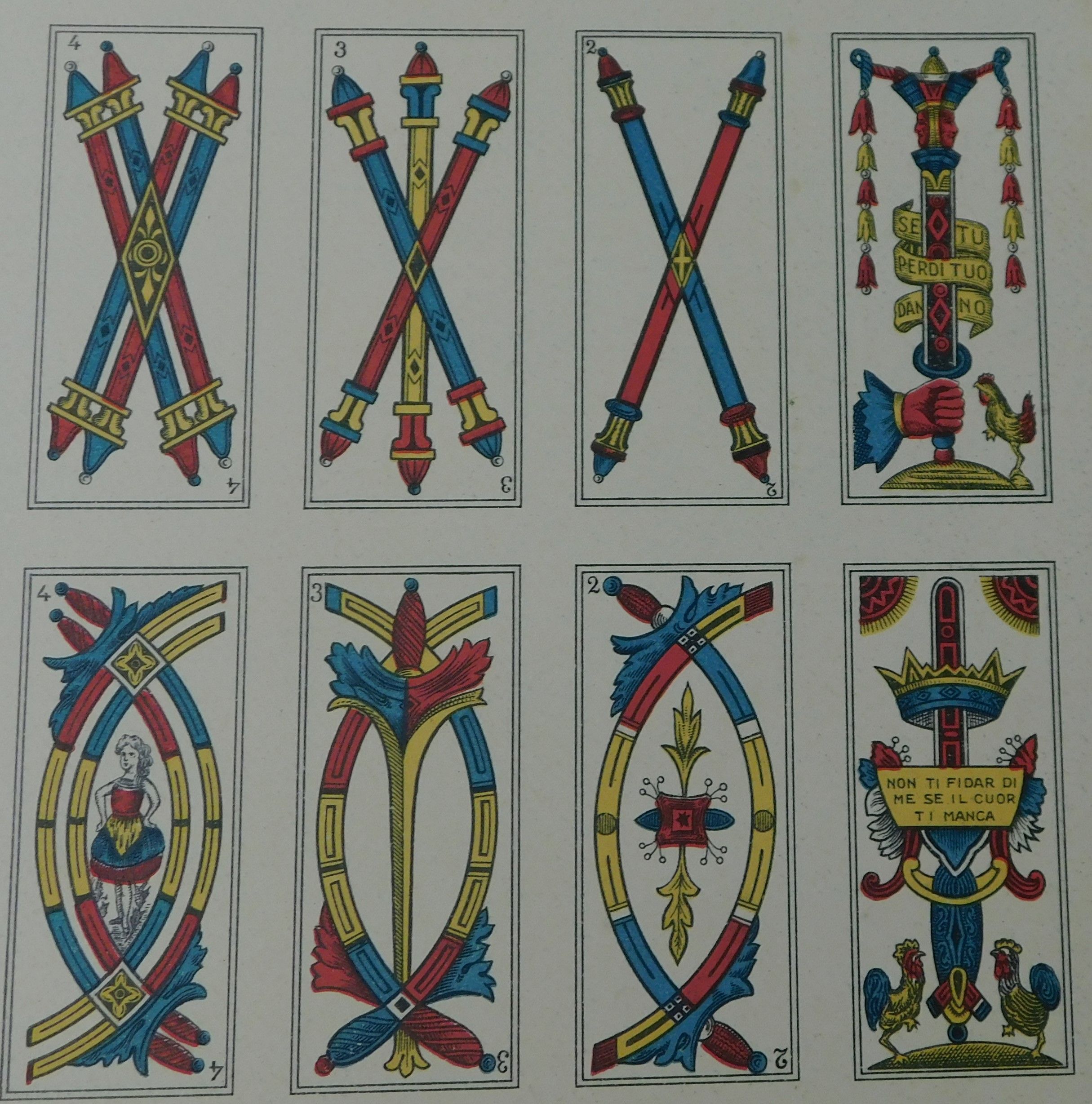
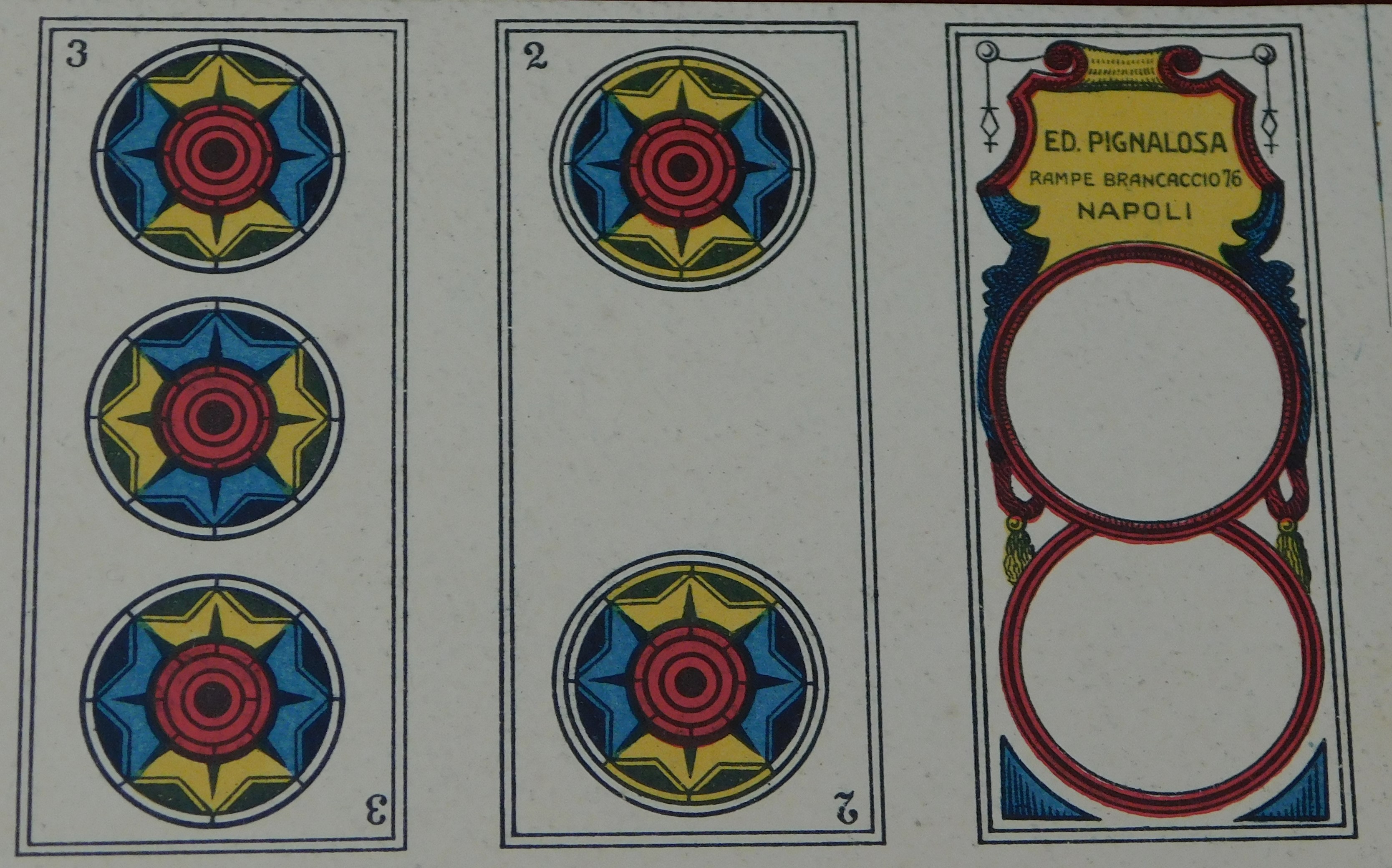
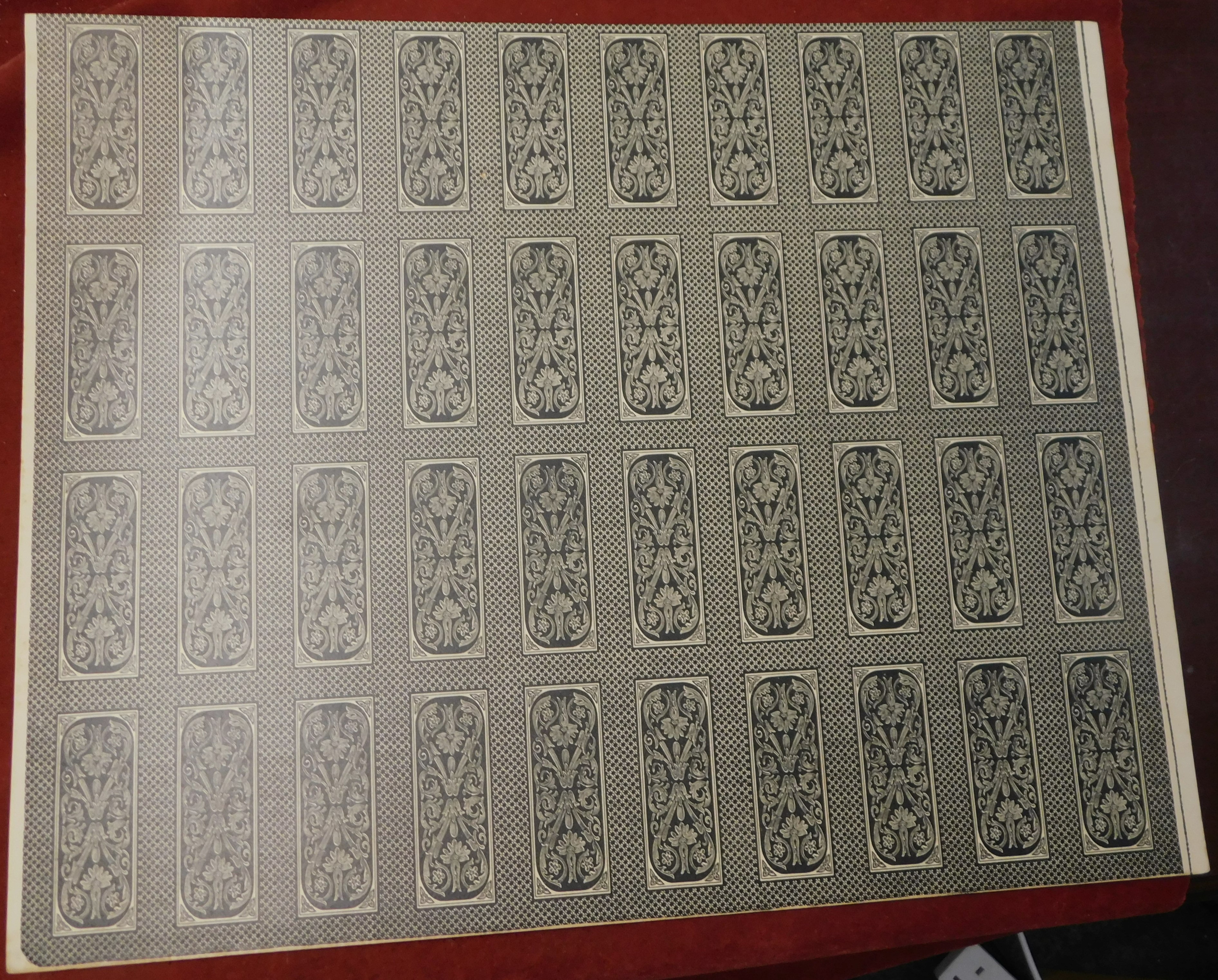
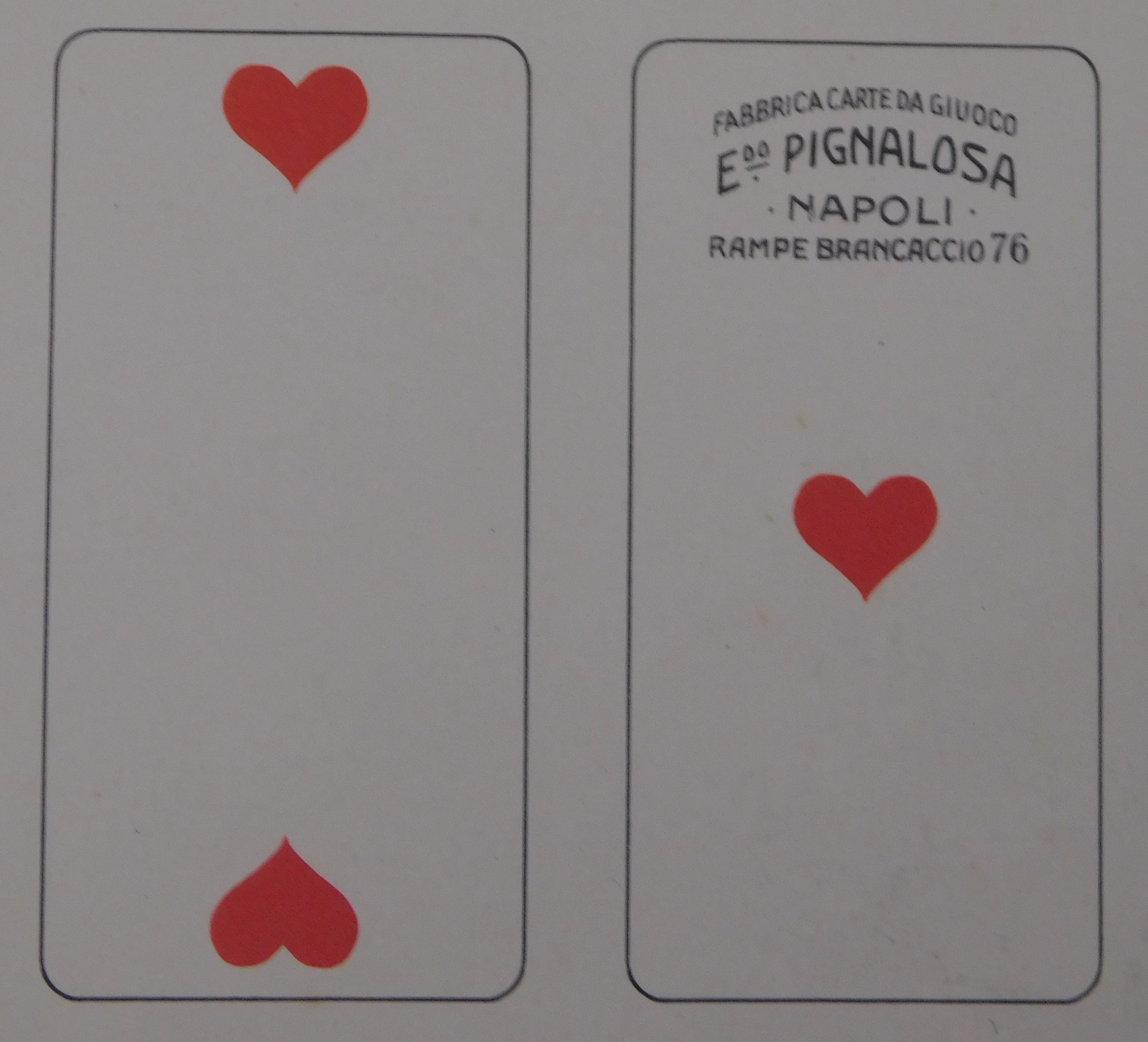
Another two part photo section. Today has not been a day to offer vast opportunities to a photographer, so I also include some interesting stuff from work – lots 1-14 in what will be a small auction on January 23rd, printed but as yet uncut Italian playing cards…
An all time XI of players whose given names begin with C with a lot of honourable mentions, a mention of my recent auction purchases, a brief book review and my usual photo gallery to end.
In addition to the main feature this post has a couple of bonus features before the usual sign off. Today we look at cricketers whose given names begin with C, and we will have a huge number of honourable mentions after the main XI have been introduced.
THE XI IN BATTING ORDER
Chris Gayle (West Indies, left handed batter, occasional off spinner). Better known for his exploits in limited overs cricket, Chris Gayle still had a very fine test record, including two triple centuries at that level. I was at the Adelaide Oval when he scored an incredible 167 against Australia that should have set up a classic finish. Unfortunately Australian skipper Ponting took the cowards option when faced with an ask of 330 off 81 overs against a less than formidable attack and settled for the draw, Australia making no effort at any stage to get on terms with the required rate.
Cyril Washbrook (England, right handed batter). He averaged 42.81 over a career that spanned 37 test matches spread over 19 years, slightly up on his overall FC average of 42.67. The 359 that he and Len Hutton put on together at Ellis Park, Johannesburg remains England’s record opening partnership three quarters of a century on.
Colin Cowdrey (England, right handed batter, occasional leg spinner). The first player ever to be awarded 100 test caps, and holder at one time of the England record tally of test career runs with 7,624.
Clyde Walcott (West Indies, right handed batter, occasional wicket keeper, occasional medium pacer). Averaged over 56 at test level.
*Clive Lloyd (West Indies, left handed batter, captain). A world class batter, and one of the most successful of all test captains.
Clive Rice (Nottinghamshire, right handed batter, right arm fast medium bowler). His native South Africa being banned from international cricket for almost his entire career meant that he never got to play test cricket, but I have decided to give him the benefit of the doubt on this occasion and select him in the all rounders slot based on his great FC record.
+Chris Read (England, wicket keeper, right handed batter). A great keeper and a useful middle order batter, scandalously treated by the England selectors of his day.
Curtly Ambrose (West indies, right arm fast bowler, left handed batter). One half of a legendary new ball duo who are both in this XI.
Colin Blythe (England, left arm orthodox spinner, right handed batter). One of the greatest bowlers of his type ever to play the game. In the years running up to WWI Kent won four championships, largely propelled there by a contrasting opening bowling pair of Blythe and the right arm fast bowler Arthur Fielder. In 1907 Blythe destroyed Northamptonshire with match figures of 17-48, only beaten in FC cricket by Jim Laker’s 19-90 at Old Trafford in 1956, and according to team mate Frank Woolley in “King of Games” Blythe was within an ace of taking all-20 that match.
Courtney Walsh (West Indies, right arm fast bowler, right handed batter). Curtly Ambrose’s regular new ball partner, and during their long association he became the first ever to claim 500 test wickets, finishing with 519.
Clarrie Grimmett (Australia, leg spinner, right handed batter). A man who had to leave his native land and then cross two state boundaries in his adopted country to find cricketing fulfilment and still became the first to take 200 test wickets, finishing with 216 scalps from just 37 appearances. In the last full Sheffield Shield season before WWII, with his 50th birthday not far distant, he claimed a competition record 73 scalps. The Flipper, now considered an essential part of any wrist spinner’s armoury, was very largely his creation.
This side has a stellar top six including a genuine all rounder, a keeper who can bat and four great and well varied specialist bowlers. The proven new-ball combo of Ambrose and Walsh has Rice to offer pace back up, and the spin pairing were two of the best such ever to play the game. On any surface I would back this side to take 20 wickets without any great trouble.
HONOURABLE MENTIONS
This will be a long section. First, to address cricket’s largest fan base, I must acknowledge the sterling performances of Cheteshwar Pujara as a number three. However, as good as he has been in that role both for India and in domestic cricket I do not believe that he dislodges the first player ever to play 100 test matches.
Among the openers who challenged for inclusion without in my view quite being good enough were Charles Bannerman, CB Fry, Cyril Walters, Chris Rogers and Charlotte Edwards, with the last name being naturally a shoo-in for the head coach’s position. Some might mention Chris Broad in this context, but I take a dim view of those who chose to sign up for rebel tours of Apartheid South Africa. Had I been picking with limited overs in mind Chamari Athapaththu would have merited consideration as well.
Claire Taylor had a magnificent record for England Women, averaging over 40 in both tests and ODIs. Two Colins, de Grandhomme of New Zealand and Bland of South Africa were fine middle order batters, and the latter is this side’s designated fielding sub. Clem Hill was at one time the all time leading scorer of test runs, until Jack Hobbs overhauled his tally, but he cannot displace Clive Lloyd. Charith Asalanka of Sri Lanka may eventually force his way in, but he is not there yet. Chloe Tryon, the big hitting South African who bowls a bit of left arm spin, would merit consideration were I picking with limited overs in mind. Two West Indians, Carl Hooper and Carlisle Best, both missed out due to not having enough substance to go with their style.
Among those who missed out on the gauntlets due to the presence of Read were Colin Metson, Carlton Baugh and Carla Rudd.
Charles Townsend, a left handed batter and a leg spin bowler, missed out on the all rounders slot because I preferred to pick a pacer for that slot and include Grimmett in the XI. Chris Woakes and Chris Cairns were both a little short of the necessary batting credentials to take the slot. On a really raging turner CK Nayudu, the Indian off spinning all rounder might take Rice’s place. The abrasive Cecil Pepper was another leg spinning all rounder who could not be accommodated, though he gets an umpiring gig.
Among the specialist seam/ pace bowlers to miss out were Craig McDermott, Chris Tremlett, Chris Old, Chaminda Vaas, Craig Matthews and Carl Rackemann (he like Bruce Reid mentioned a couple of days ago was rarely fit for long enough to build up a record of much substance). Charles ‘The Terror’ Turner had a sensational record, but 1880s pitches were generally much more favourable to bowlers than they became later.
Cecil Parkin and Charlie Dean rank as the two finest specialist off spinners to have had given names beginning with C. For a limited overs side Collins Obuya, the Kenyan off spinner, would merit consideration.
AUCTION PURCHASES
It was auction week at James and Sons, and I had placed advance bids on three items which looked likely to go cheap and were of interest to me. In the event I secured all three for very little, and an opportunistic bid on a fourth item was also successful.
LOT 685 – BEHIND THE FACADE
Had I not been the one to image this item it would have been unsold, because anyone else imaging it would have imaged only the bit described in the catalogue listing. Fortunately, I looked and imaged more closely. The images available to online bidders were as follows:
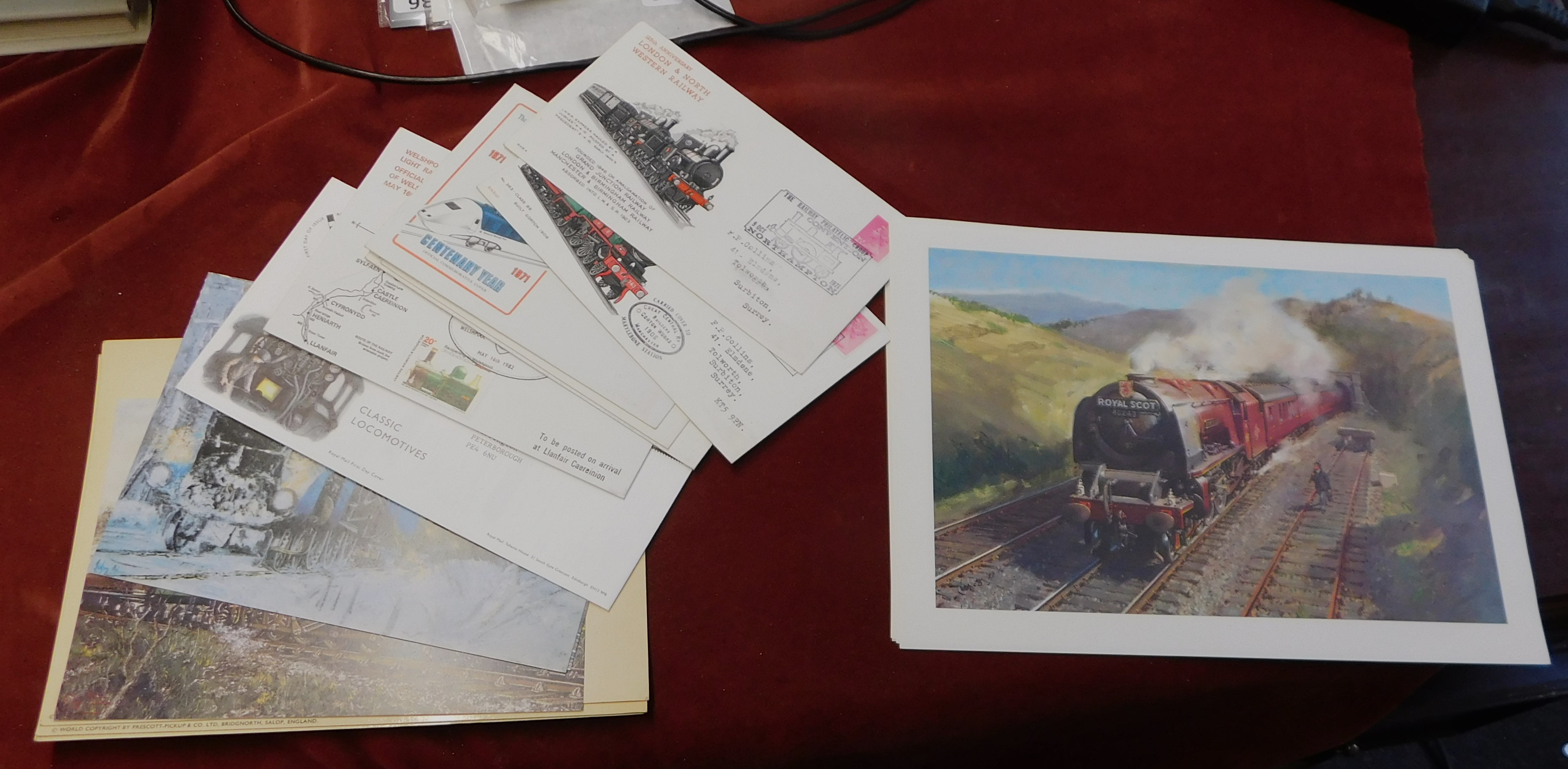
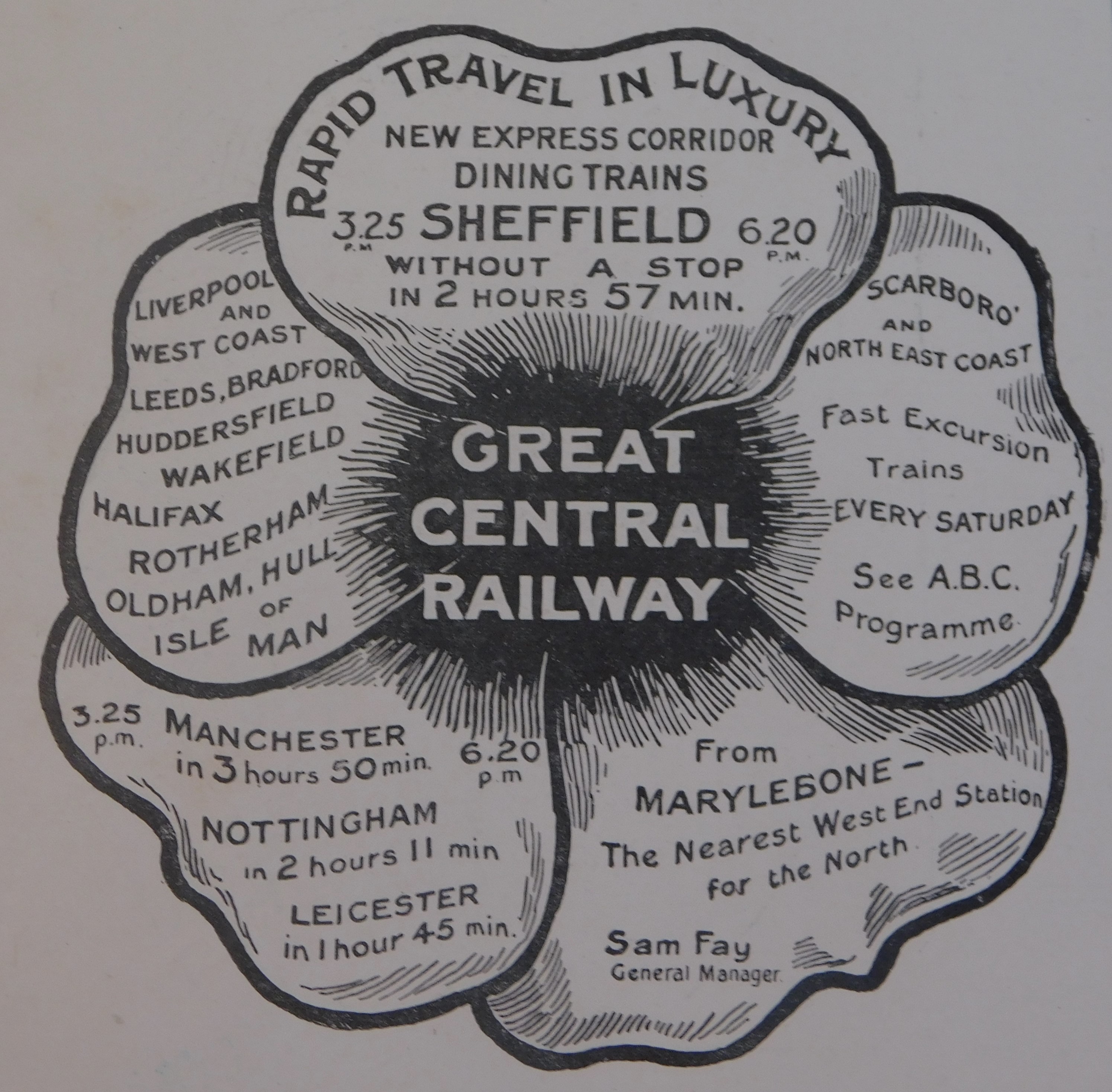
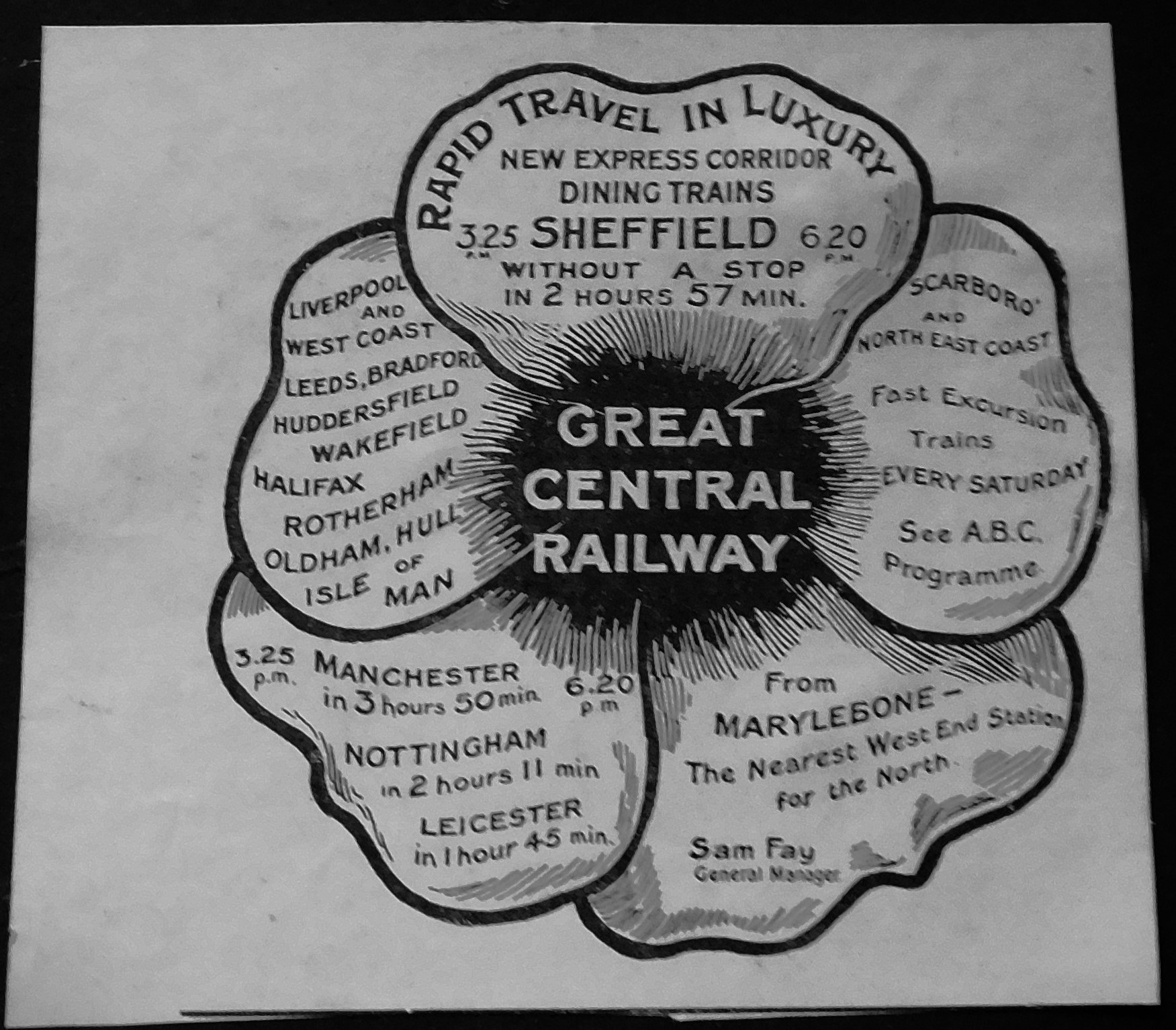
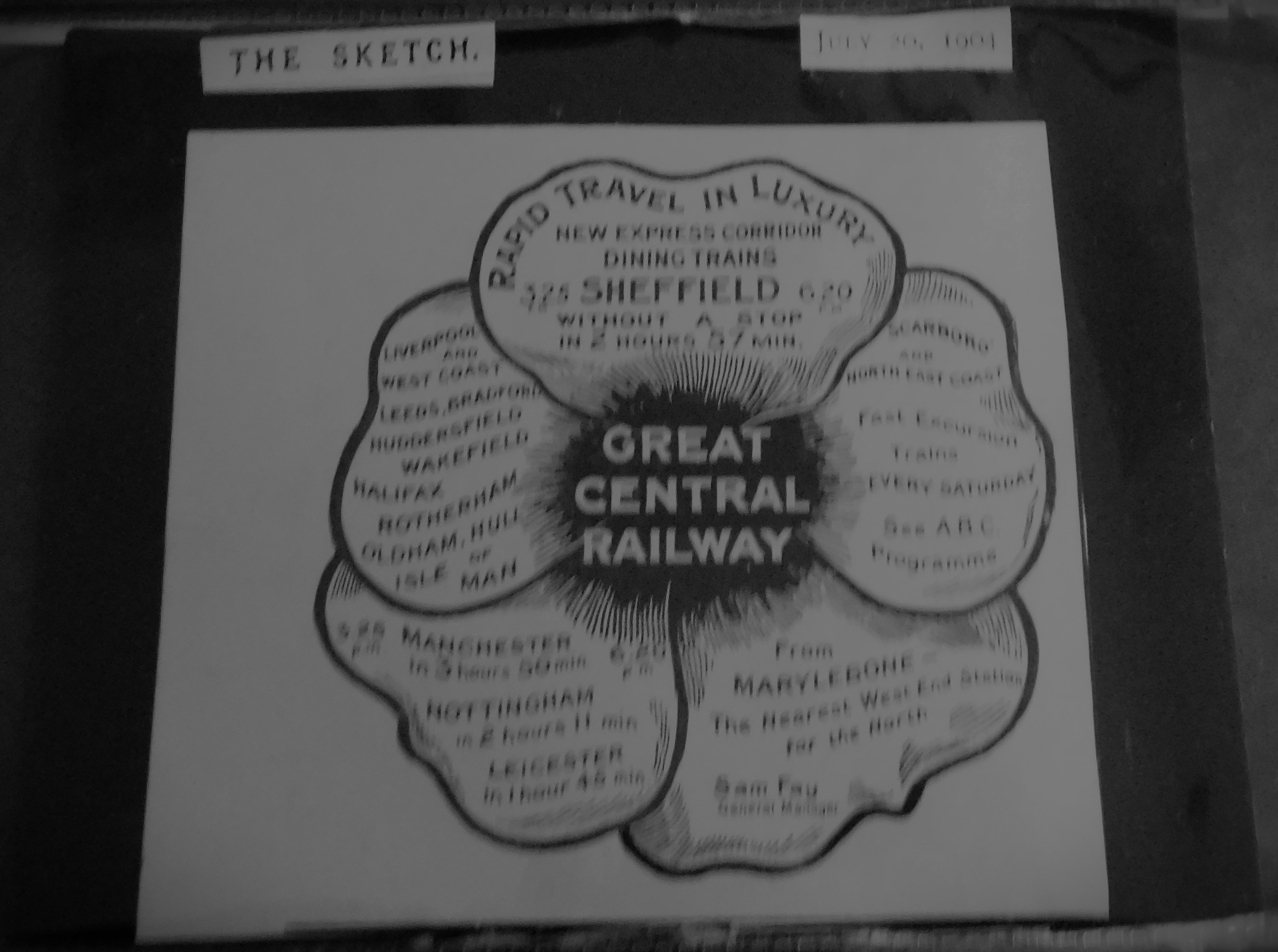
The supposed element of interest (three images)……and the reverse side of the sheet, including……this rose shaped piece of PR for the Great Central Railway.
My interest in the Great Central Railway advert was the only interest of any kind shown in this lot, which was duly knocked down to me. My treatment of the item since taking possession of it reflects my reason for buying it, as shown by the following pictures…
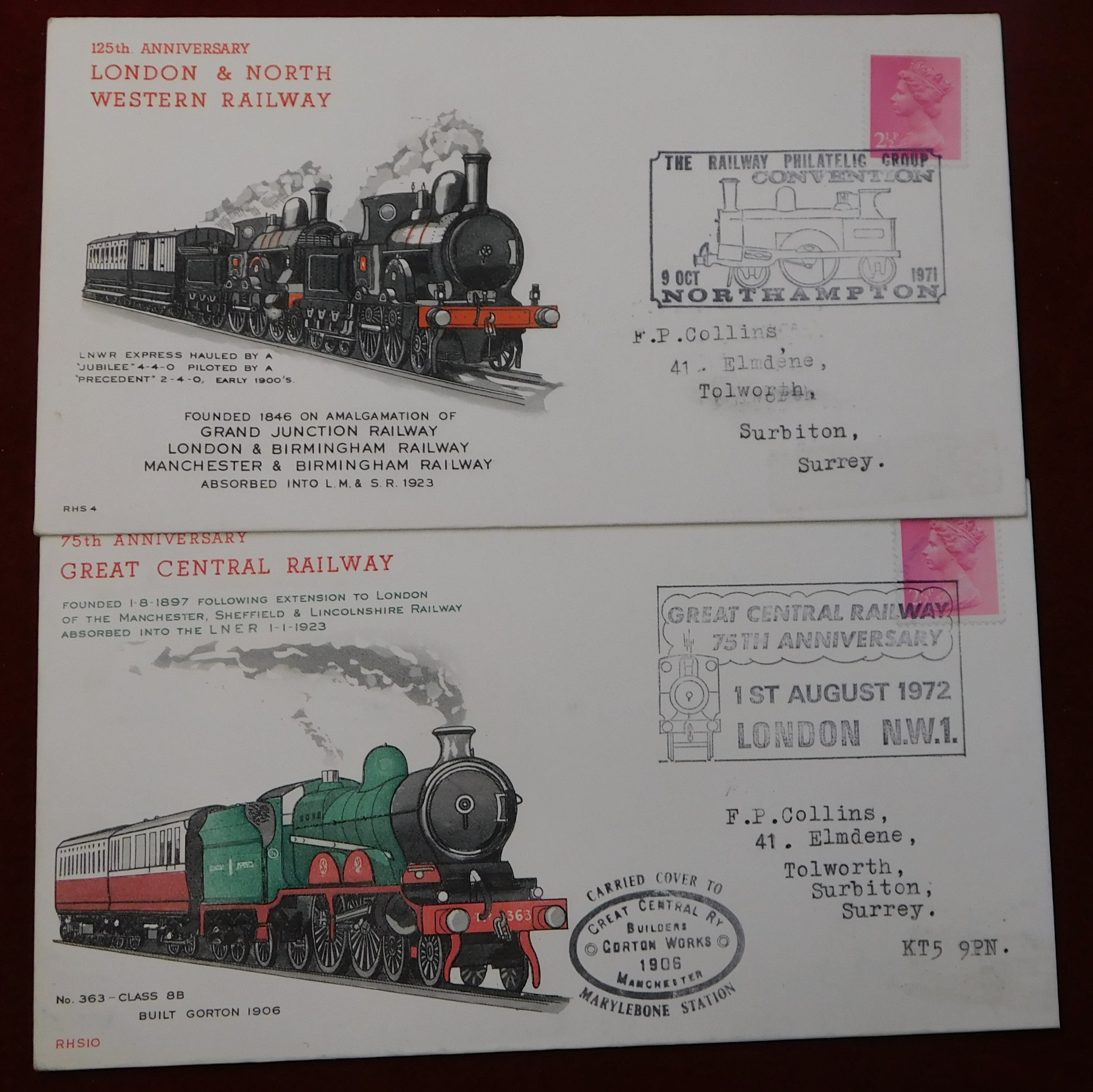
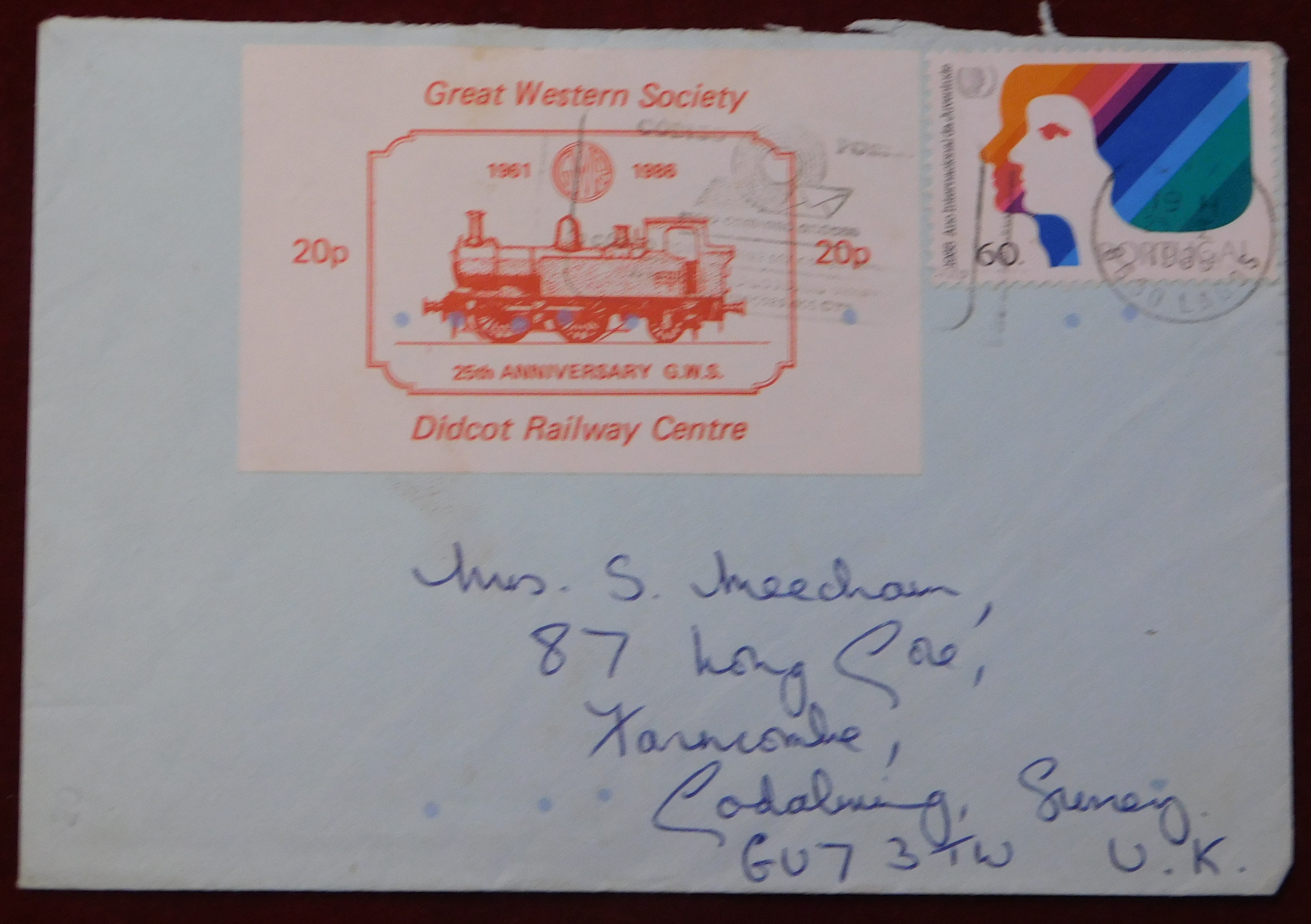
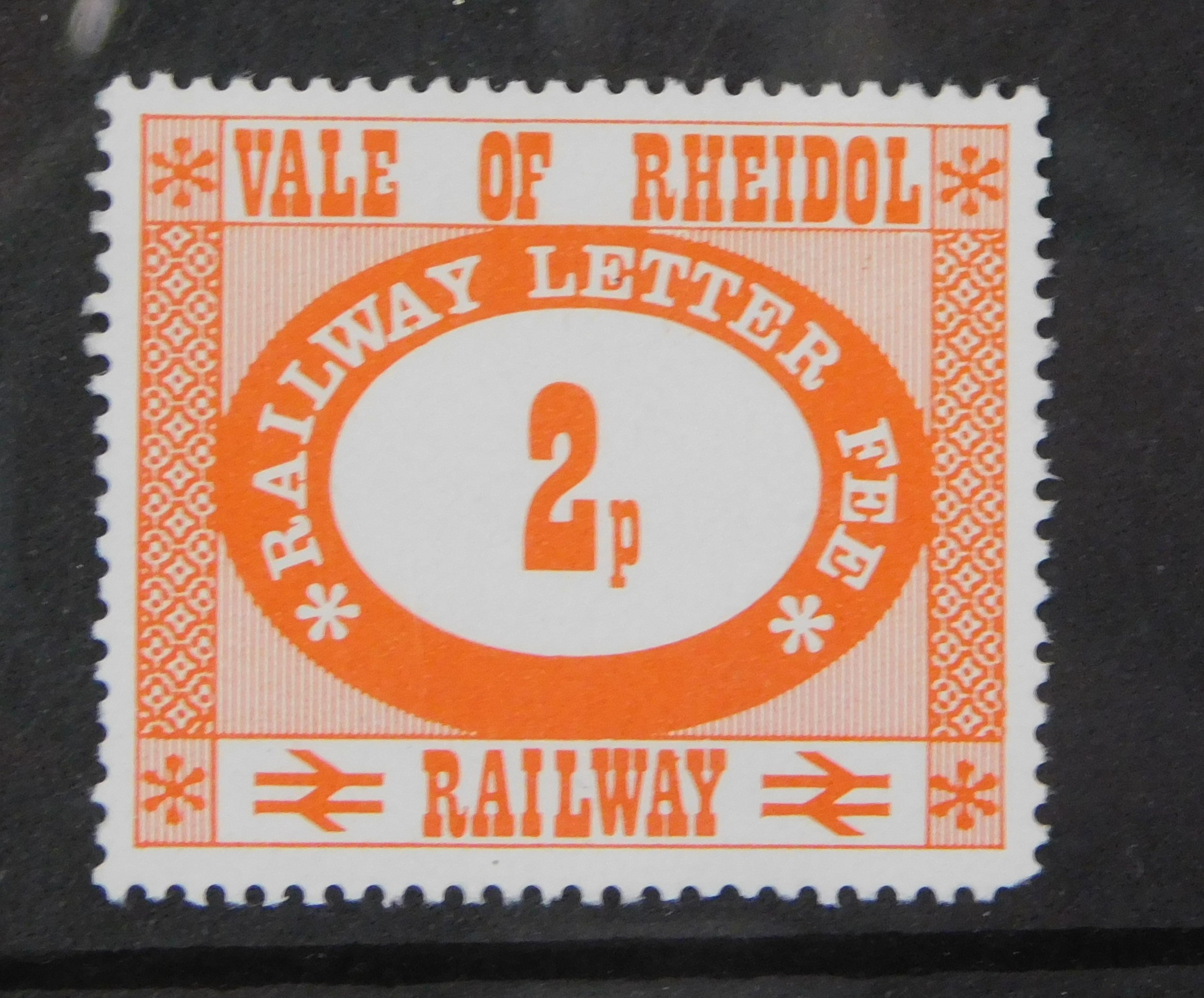
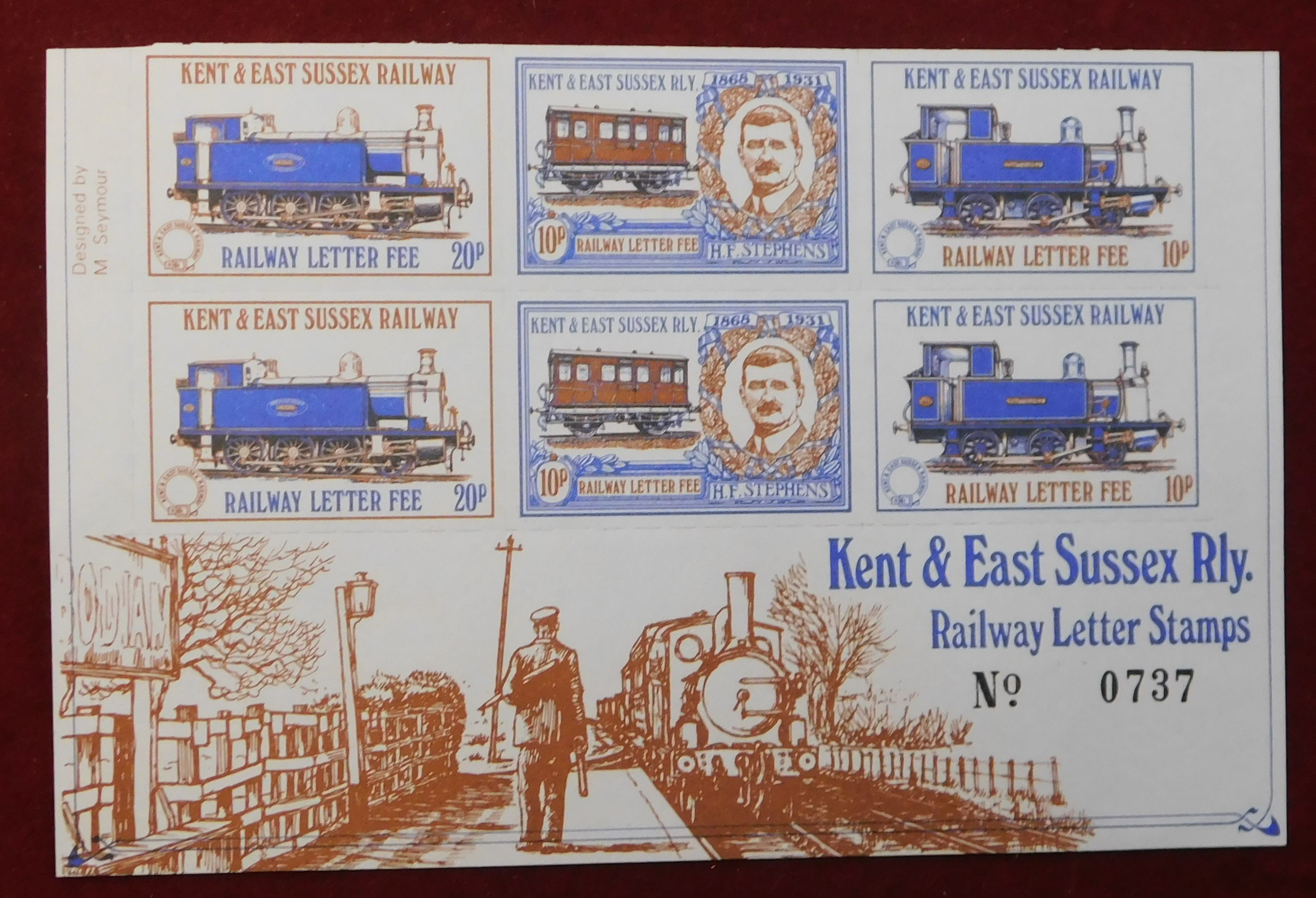
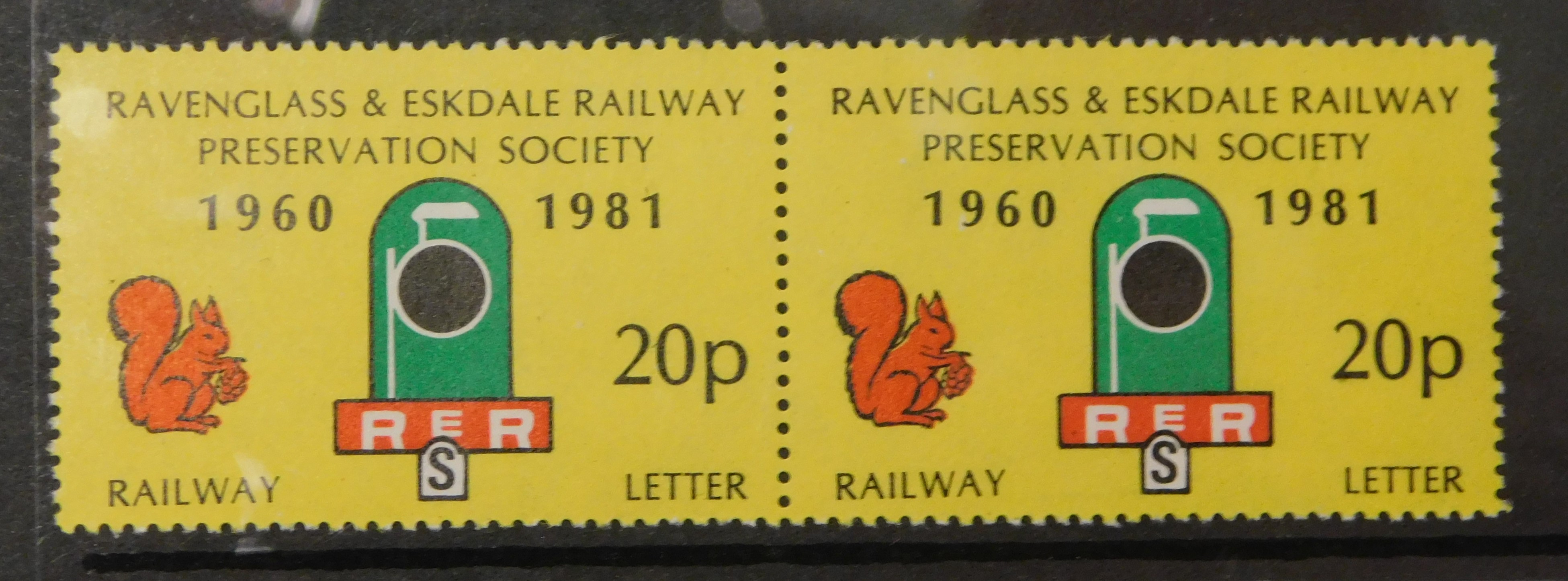
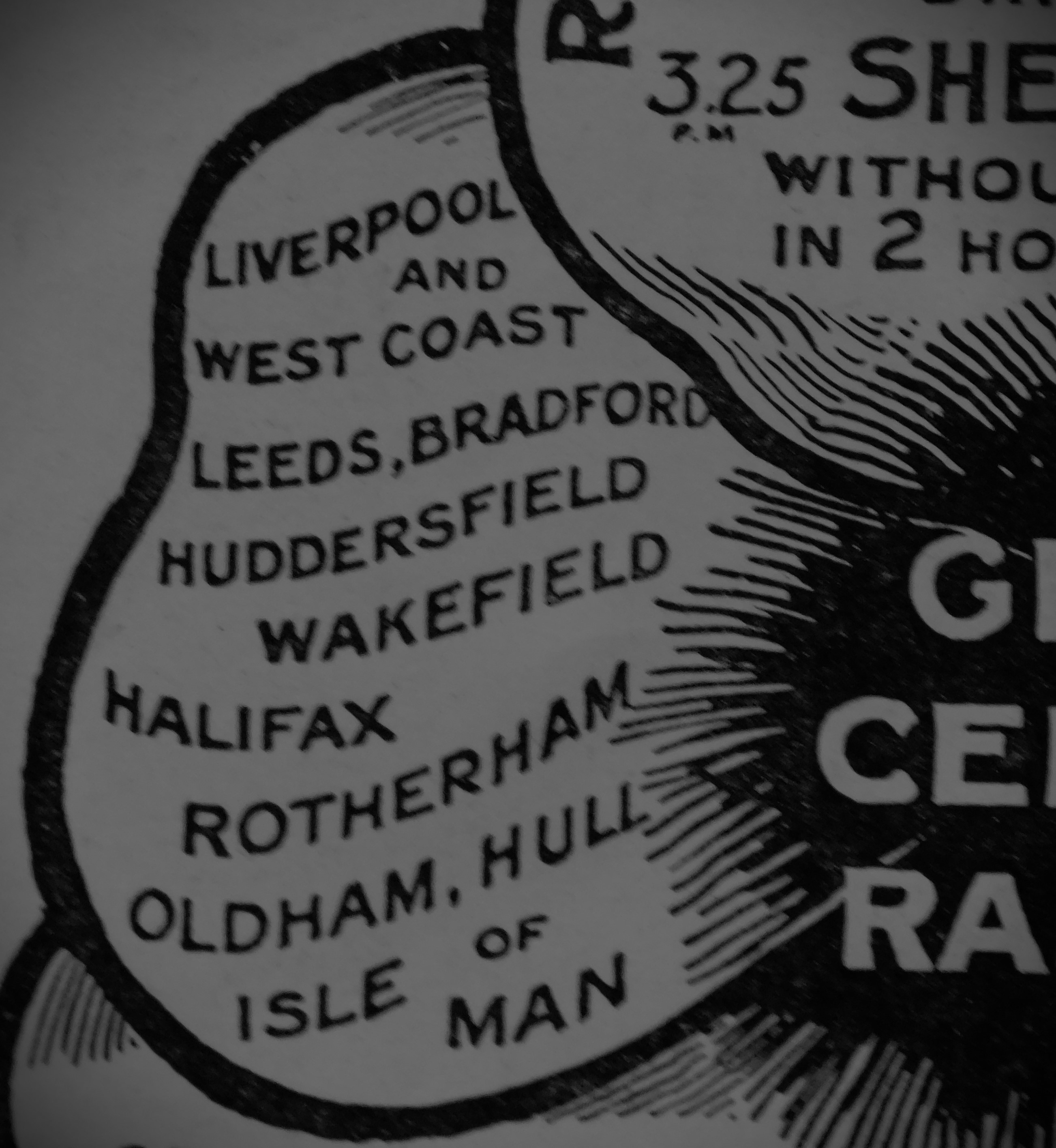
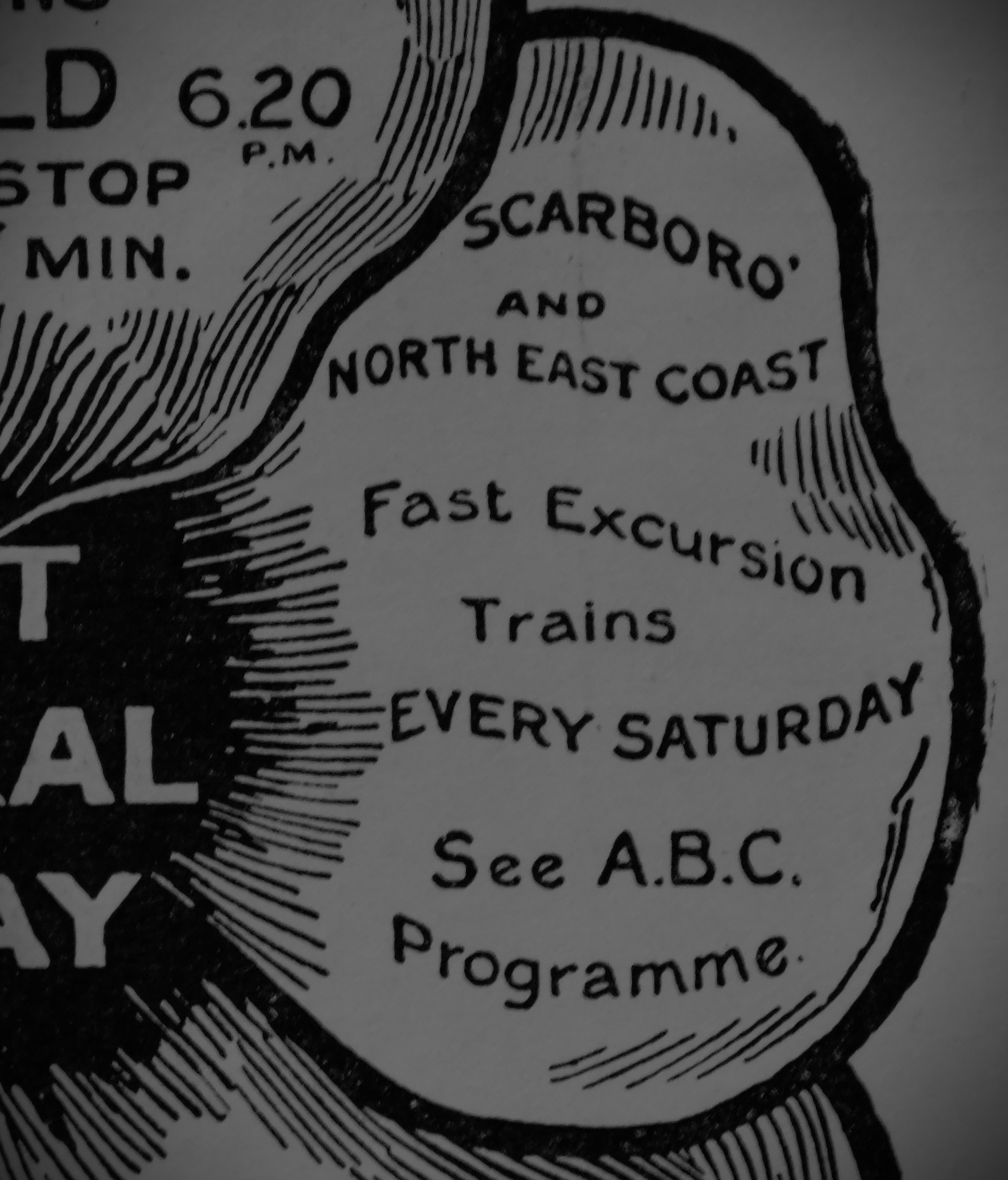
I have mounted the advert together with the publication title and the date on black card.Here are a series of close up shots bringing out extra detail.Due to the size and subject matter of the new item I have elected to treat it as equivalent to a railway FDC.
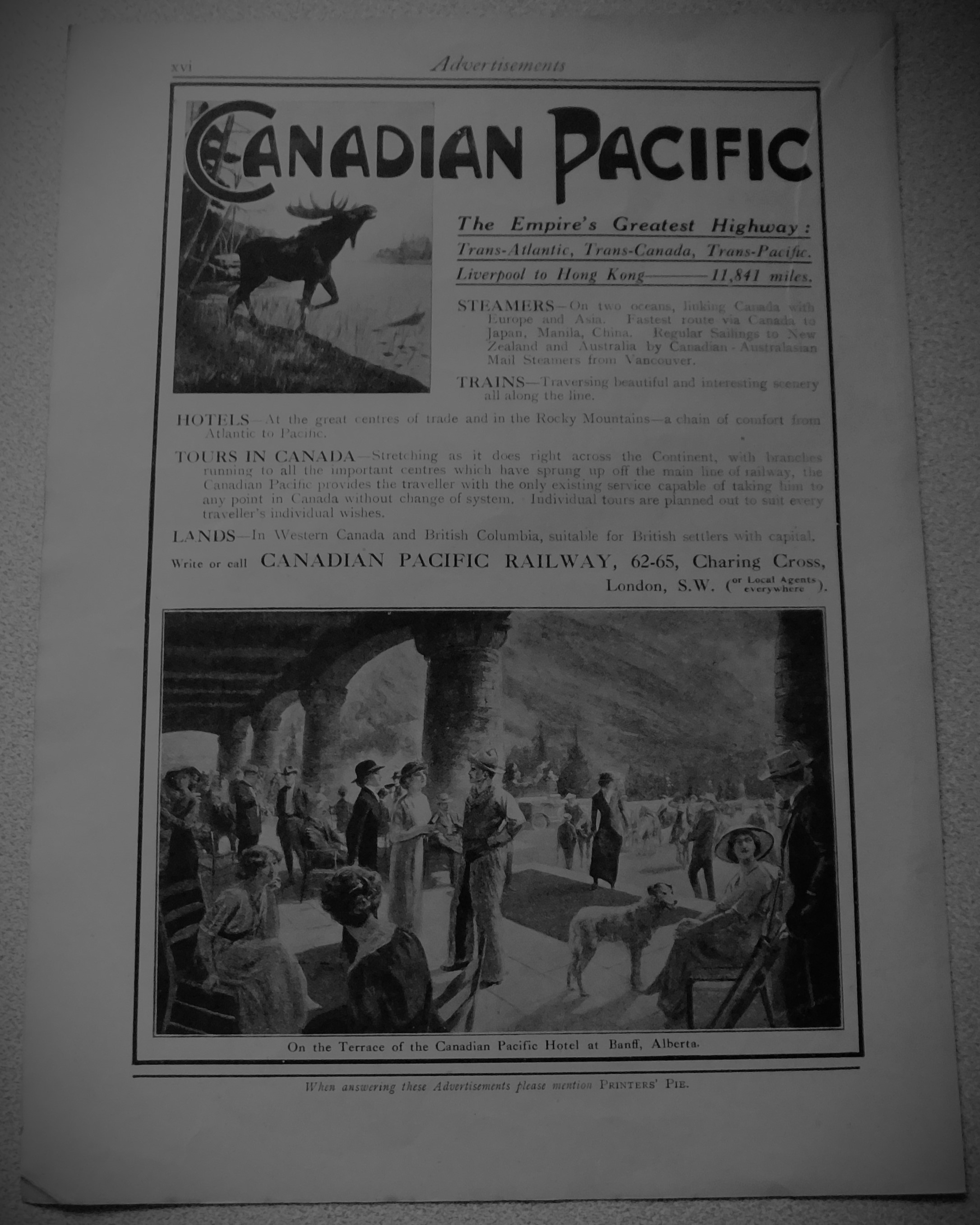
LOTS 802 AND 978 – ORTHODOXY
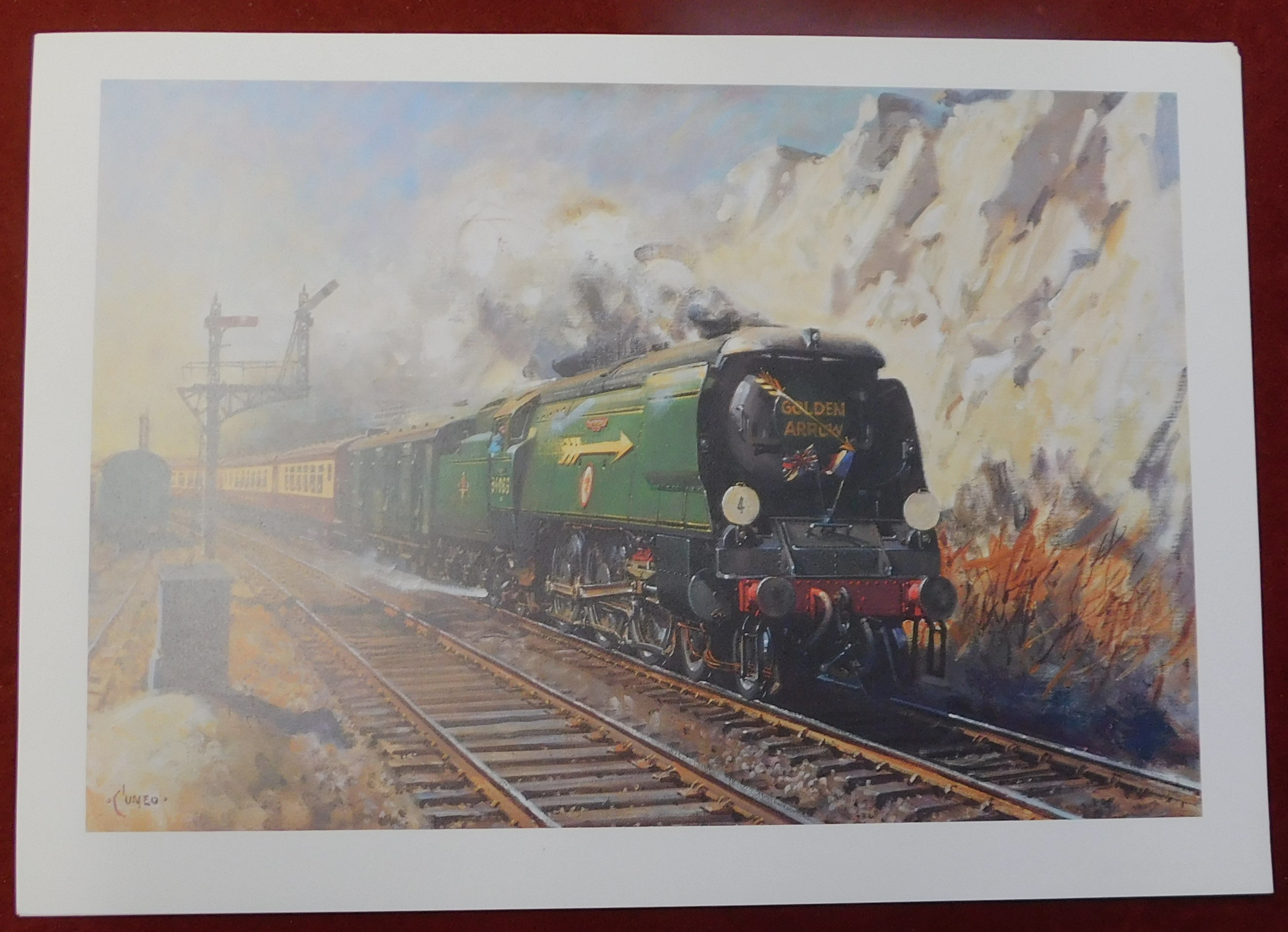
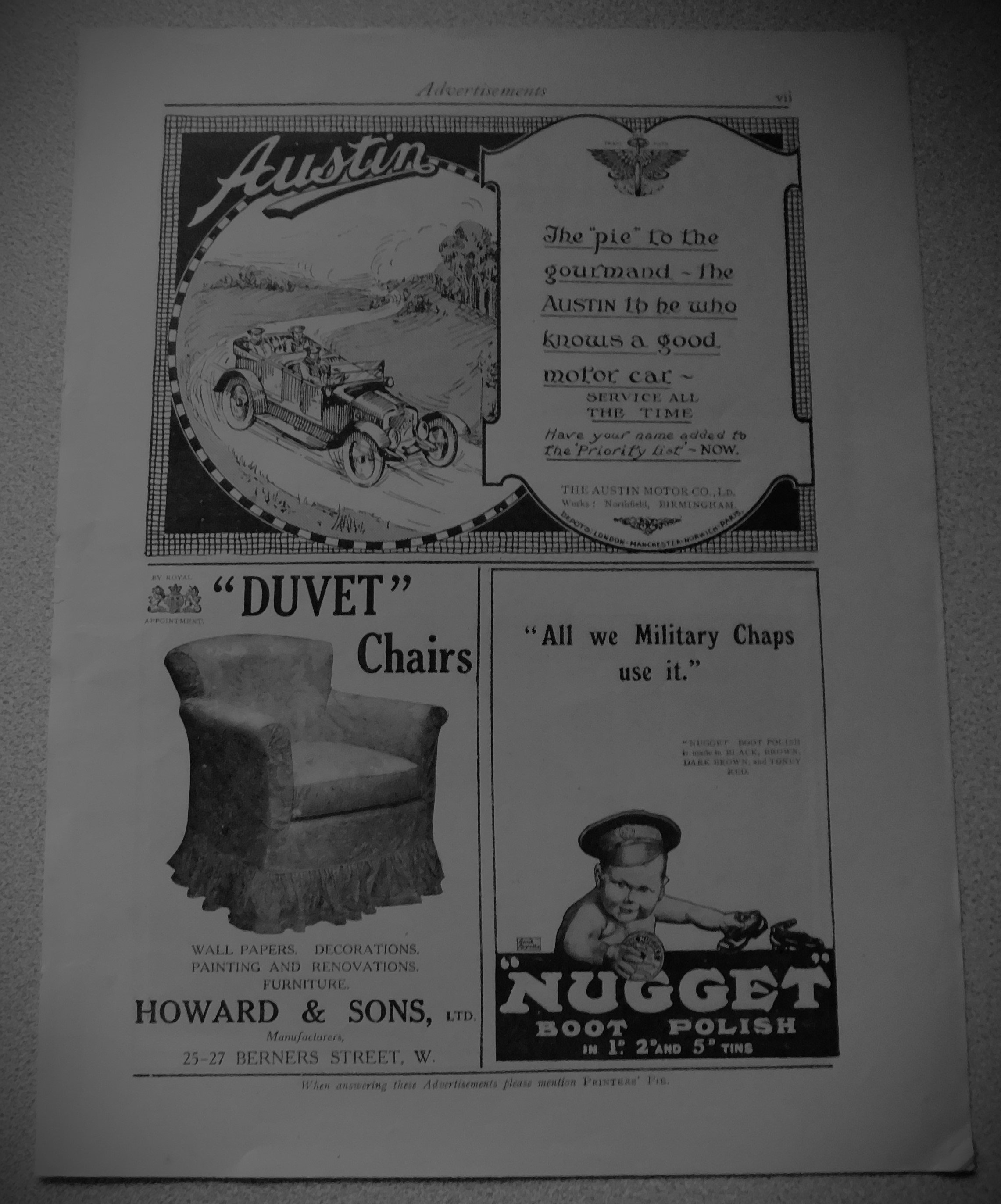
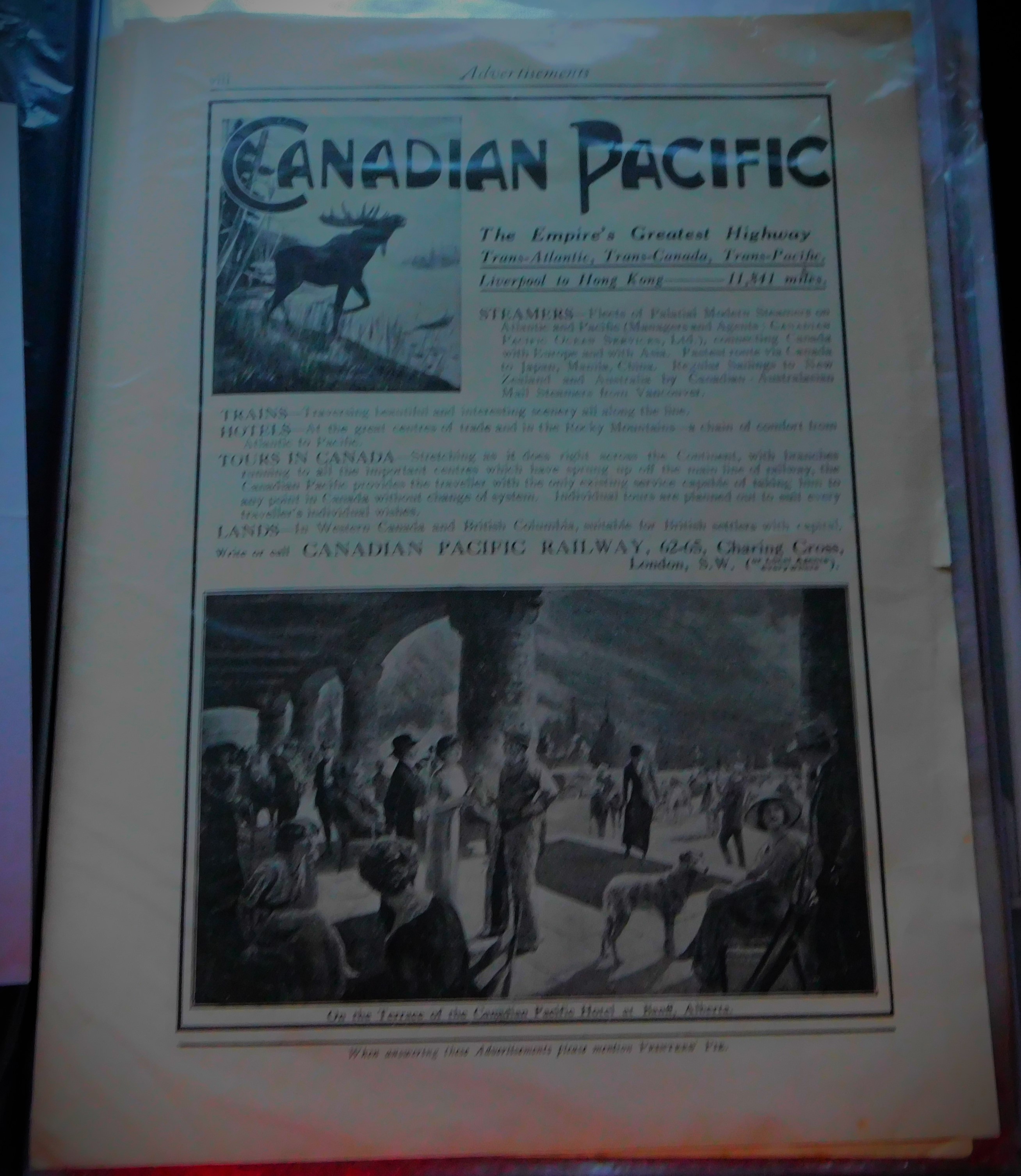
These two items are both PR sheets for the Canadian Pacific Railway with other adverts on the back.
LOT 981 – ANOTHER CASE OF BEHIND THE FACADE
This item was allegedly of interest for the cigarette advertisement featured on one side of it. However, it was what was on the reverse side that caught the attention of the only person to show interest in it:
The cigaratte ad, duly awarded pride of place in the official image gallery for the lot.The reverse side.
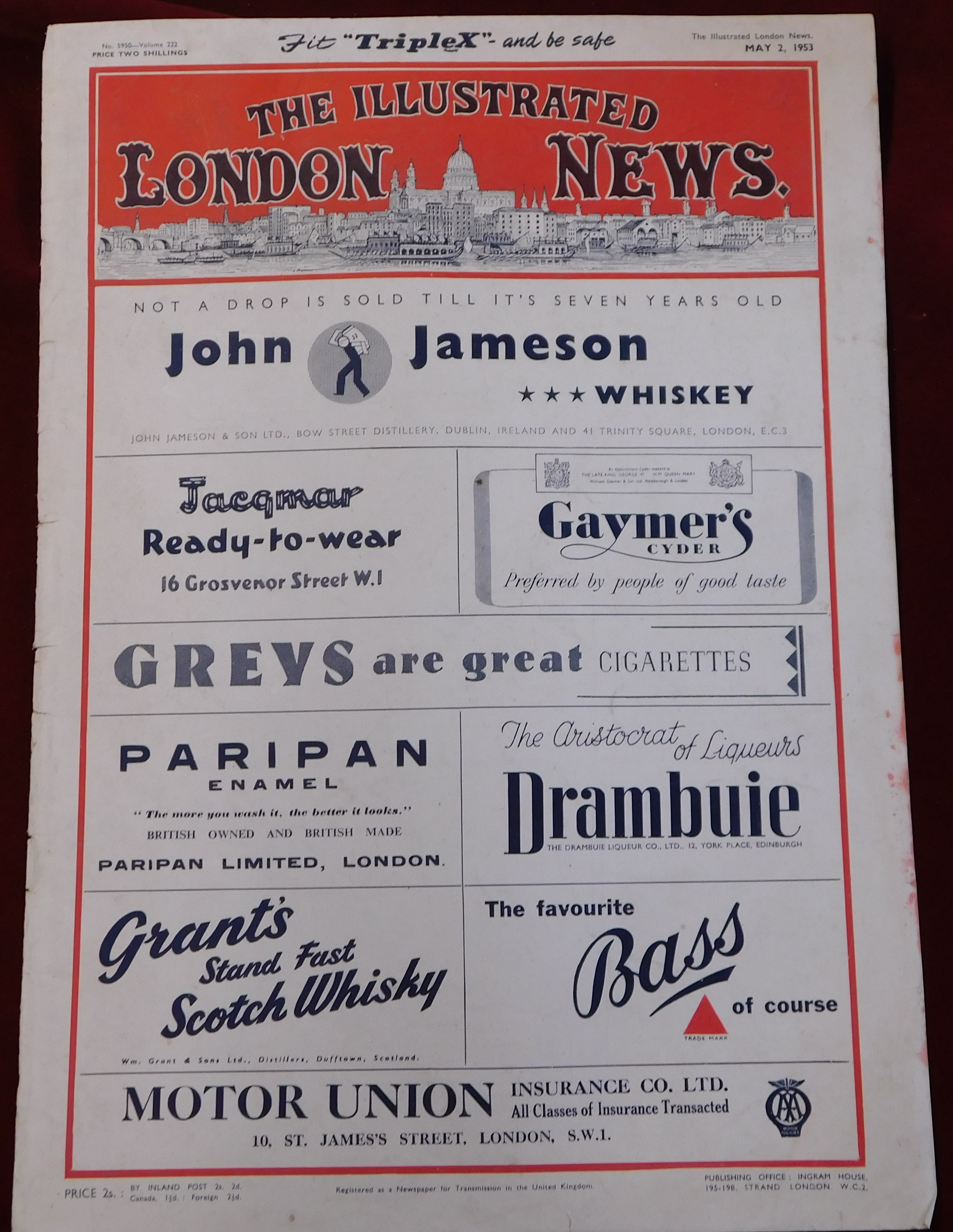
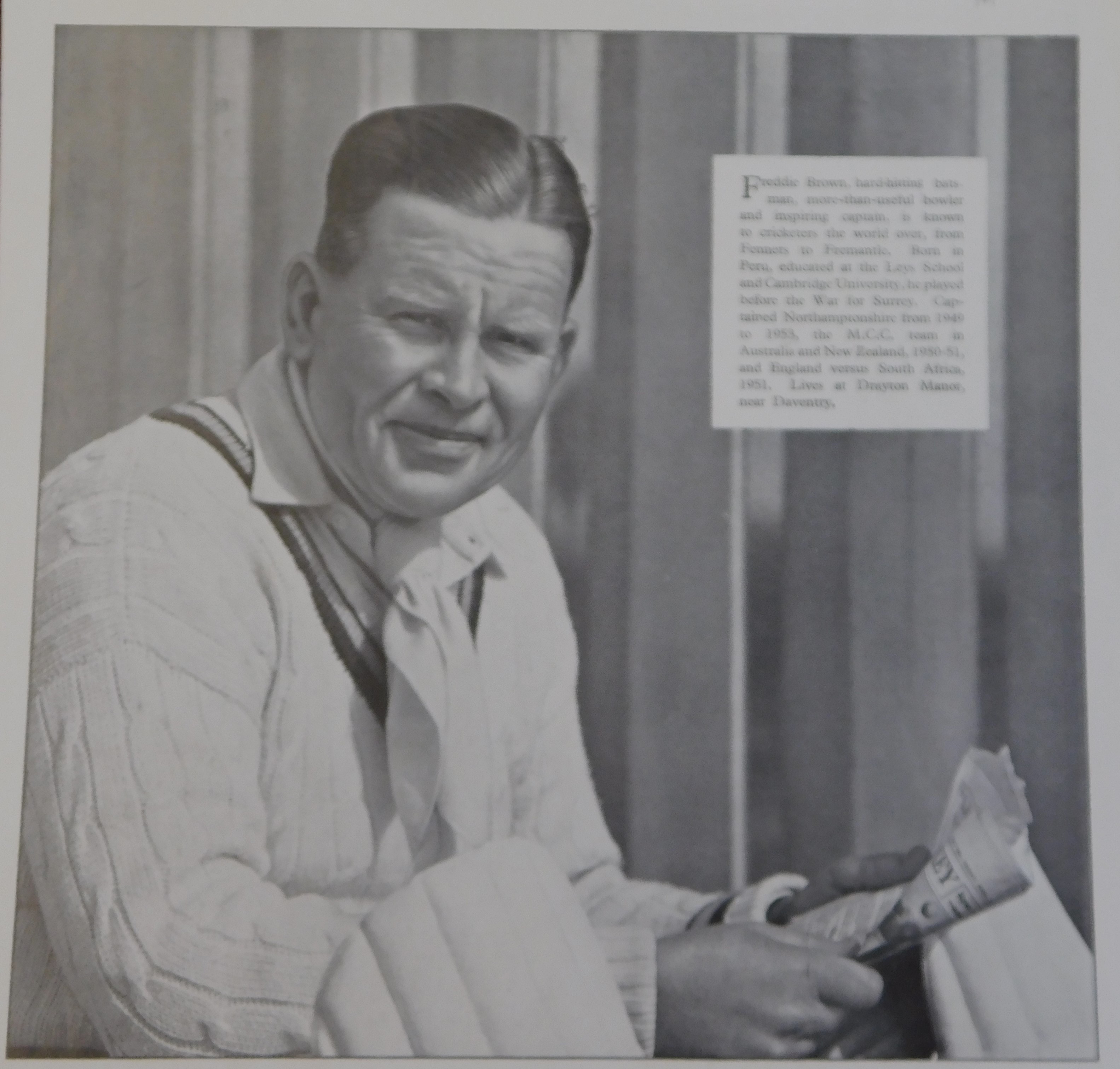
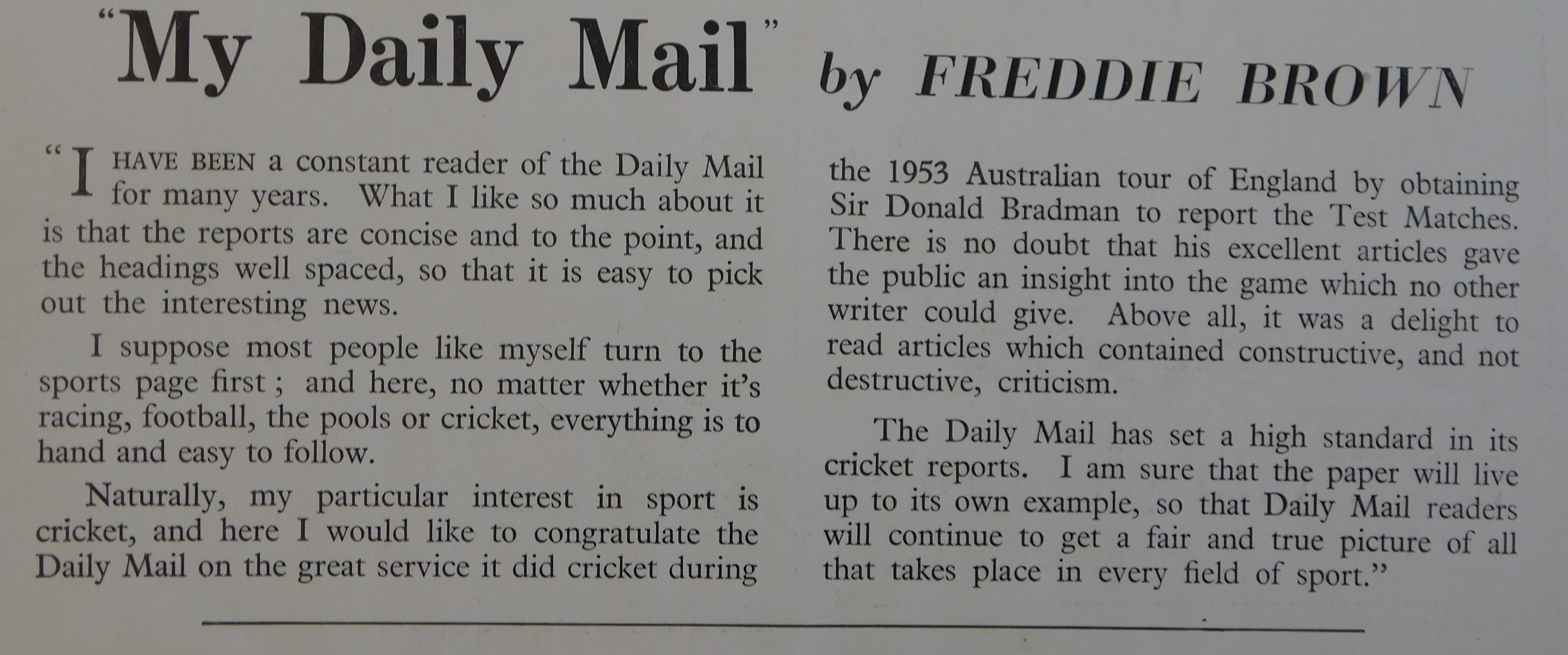
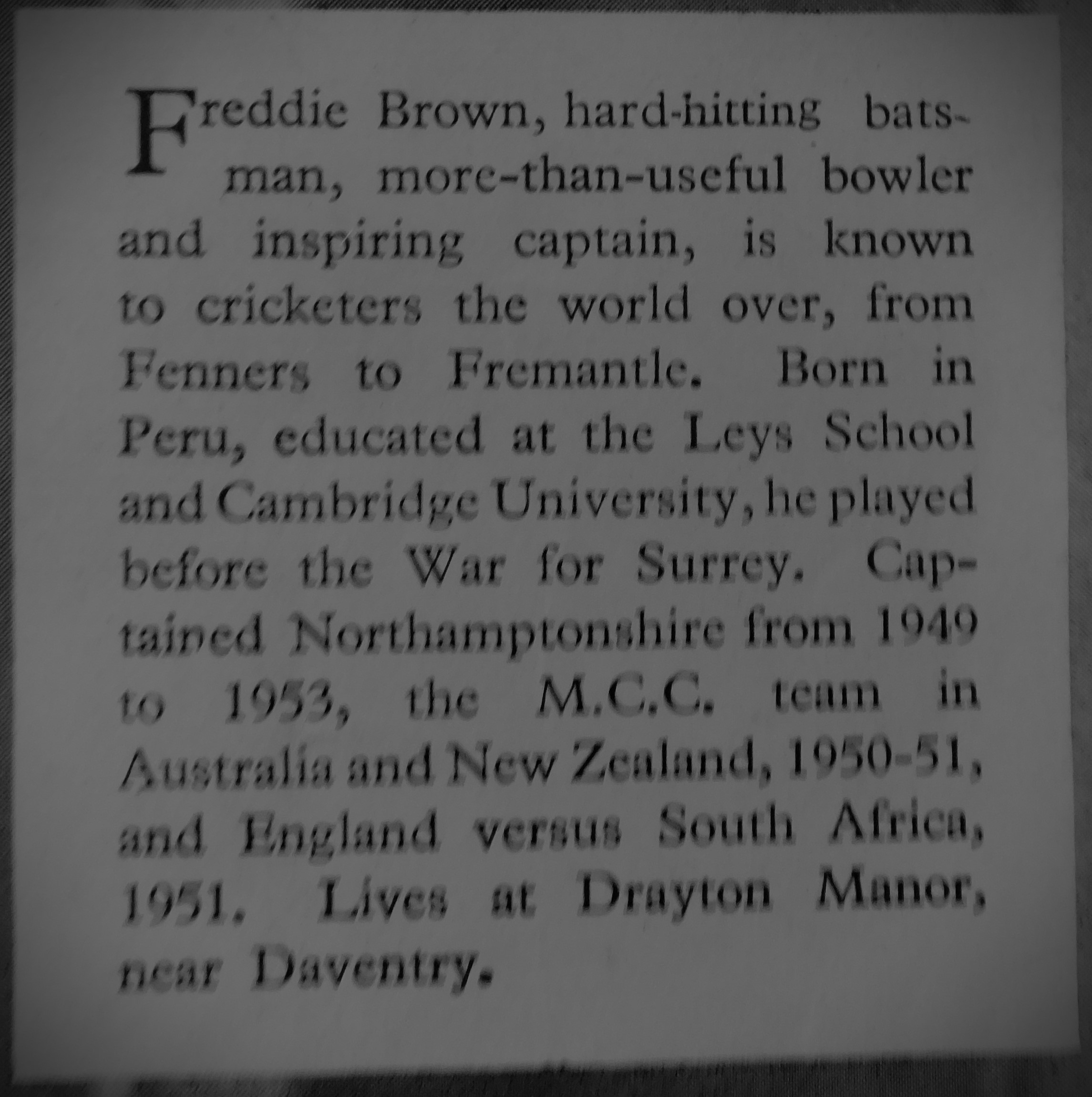
This one did not require radical treatment as had number 685 to fit my interests, just a bit of folding to make it fit in a display folder and display what I wanted – the stuff about Freddie Brown minus him spruiking a filthy far rate hate rag…
Interestingly by the time this was published in 1955 Freddie Brown had not featured for England in two years – Lord’s 1953 was his last test appearance, and his last appearance of note came in May 1956 when he played for Free Foresters against Oxford University, doing little with the bat, but claiming 11 wickets including a first innings haul of 8-60 – yet the far right hate rag of “Hurrah For The Blackshirts” infamy still thought him good PR for them.
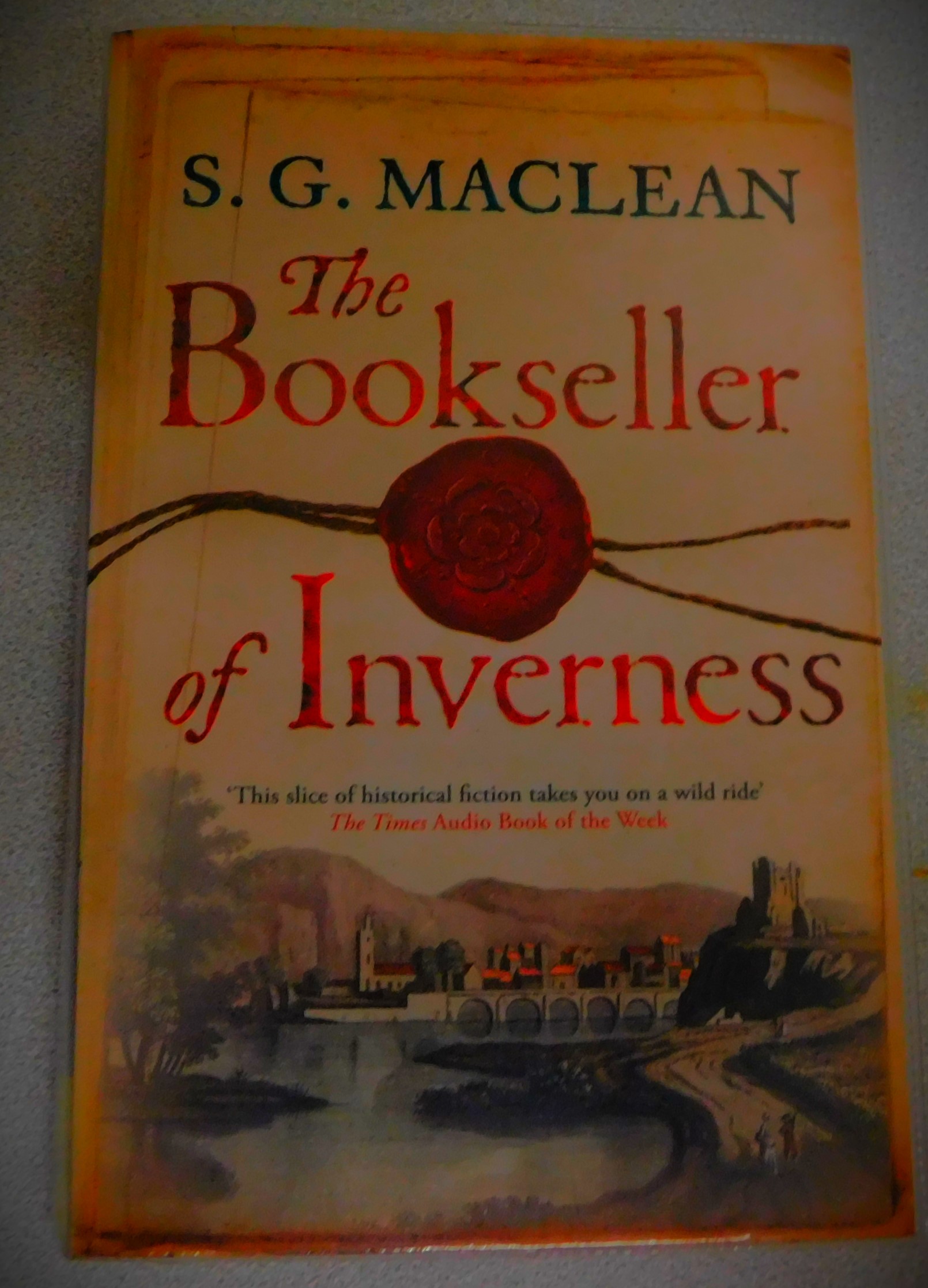
THE BOOKSELLER OF INVERNESS BY SG MACLEAN
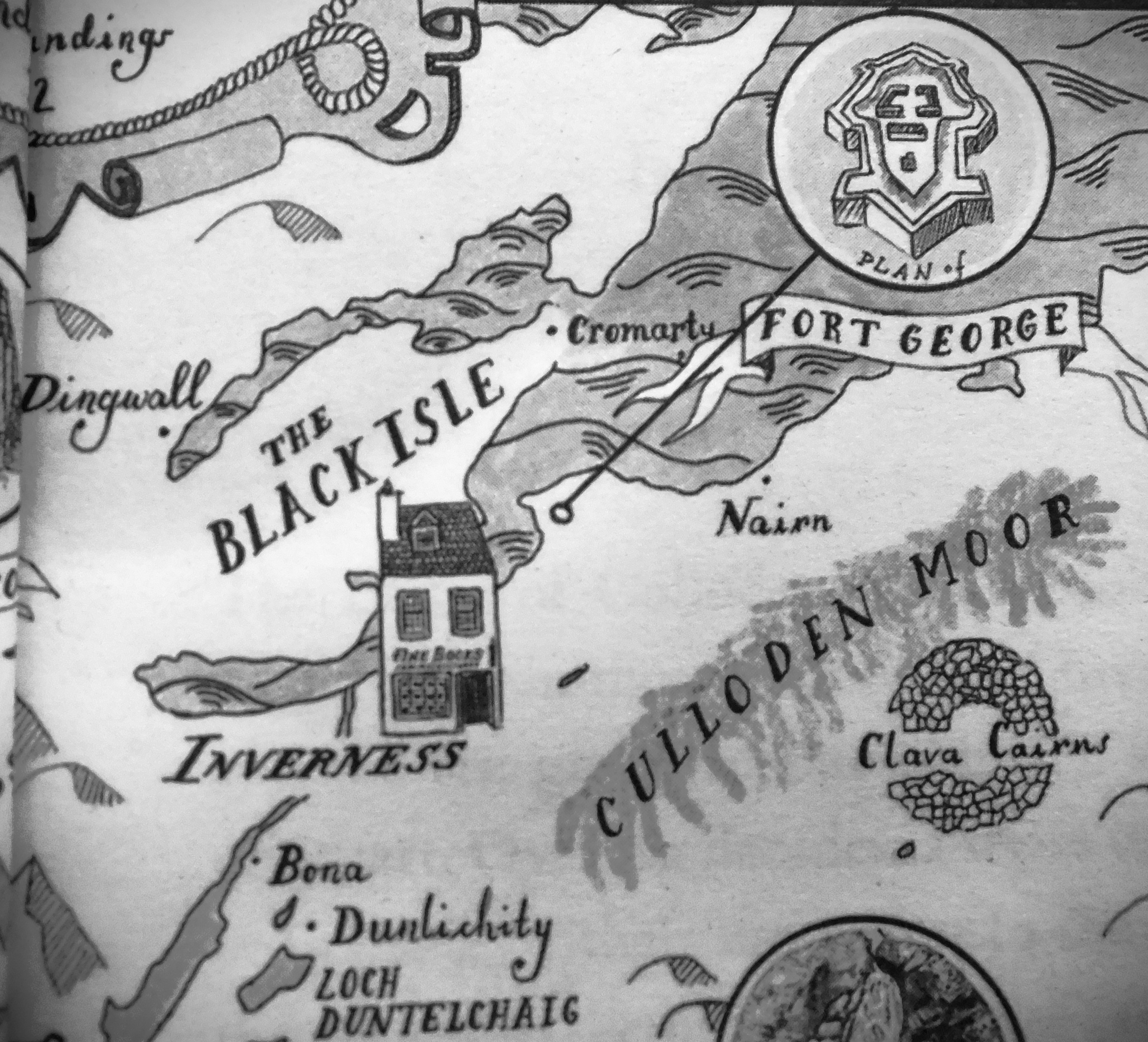
Set in the turbulent years of the 1750s, when attempts to restore the Stewarts (James Edward Stewart, based in Rome at this time, and his son Charles Edward Stewart a.k.a Bonnie Prince Charlie) to the throne were still in vogue, this book is a thoroughly gripping, indeed enthralling read. It also has a special feature of particular appeal to me, a very intricate map of the area in which most of the action takes place. Not only do I highly recommend this book, I will be looking of the author’s name on future library visits.











































































































































































































































































































































































































































































































































 aspiblog