A look at yesterday’s Champions Trophy match between Australia and England. Also a photo gallery.
Yesterday the Champions Trophy saw Australia take on England. This post looks at what has been thus far the match of the tournament (and today’s match, between another pair of fierce rivals, India and Pakistan is not looking like rivalling it right now).
THE ENGLAND INNINGS
Phil Salt and Jamie Smith were both out fairly early for England, but then Ben Duckett and Joe Root had a splendid partnership for the third wicket. There were stages when a total not far short of 400 looked possible. Duckett, often fairly criticized for not being willing to give himself time to get settled in, played an absolute blinder of an innings. Even in ‘restrained’ ODI mode he scored rapidly, eventually falling late on in the innings for 165 off 143 balls. Buttler got himself out in the 43rd over, and in the end England amassed 351-8. Even on a good pitch and a fast outfield that looked fairly impressive…
THE AUSTRALIAN CHASE
At one stage Australia were 136-4, and it looked like England were in control, though they had gone batting heavy – the fifth bowling allocation was in the hands of Livingstone and Root. In the event it was the three specialist pacers, Archer, Carse and Wood who proved shockingly expensive. Buttler demonstrated again what a poor captain he is, giving Root and Livingstone just one over more than the minimum he needed from them, though they were faring less badly than the quicks. The sole England bowler to fare really well was 37 year old Adil Rashid who recorded 10-1-47-1. The Australian comeback began with Inglis and Carey putting on 146 for the fifth wicket in 19.2 overs. The last ball of the 38th over was the moment the match swung decisively – Archer dropped a very easy chance offered by Carey, which would have had Australia 248-5, needing 104 off the last 12 overs with only five wickets left. By the time Carey was dismissed, the ask was down to 70 off 8.2 overs, not normally considered difficult these days, and Australia made it look very easy in the end. There were 2.3 overs to go when Inglis finished it in style with a six, the sixth of his innings. Inglis had 120* from 86 balls. The three fast bowlers had combined figures of 26.3-0-226-3, an average of 75.33, a strike rate of a wicket every 53 balls and an economy rate of 8.53. Livingstone and Root had 11-0-73-1, an average of 73.00, a striker rate of a wicket every 66 balls and an economy rate of 6.64 per over – below the required rate, and 1.89 runs per over less than the quicks went at. England now need to win both their remaining games, the first of which is against Afghanistan.
PHOTOGRAPHS
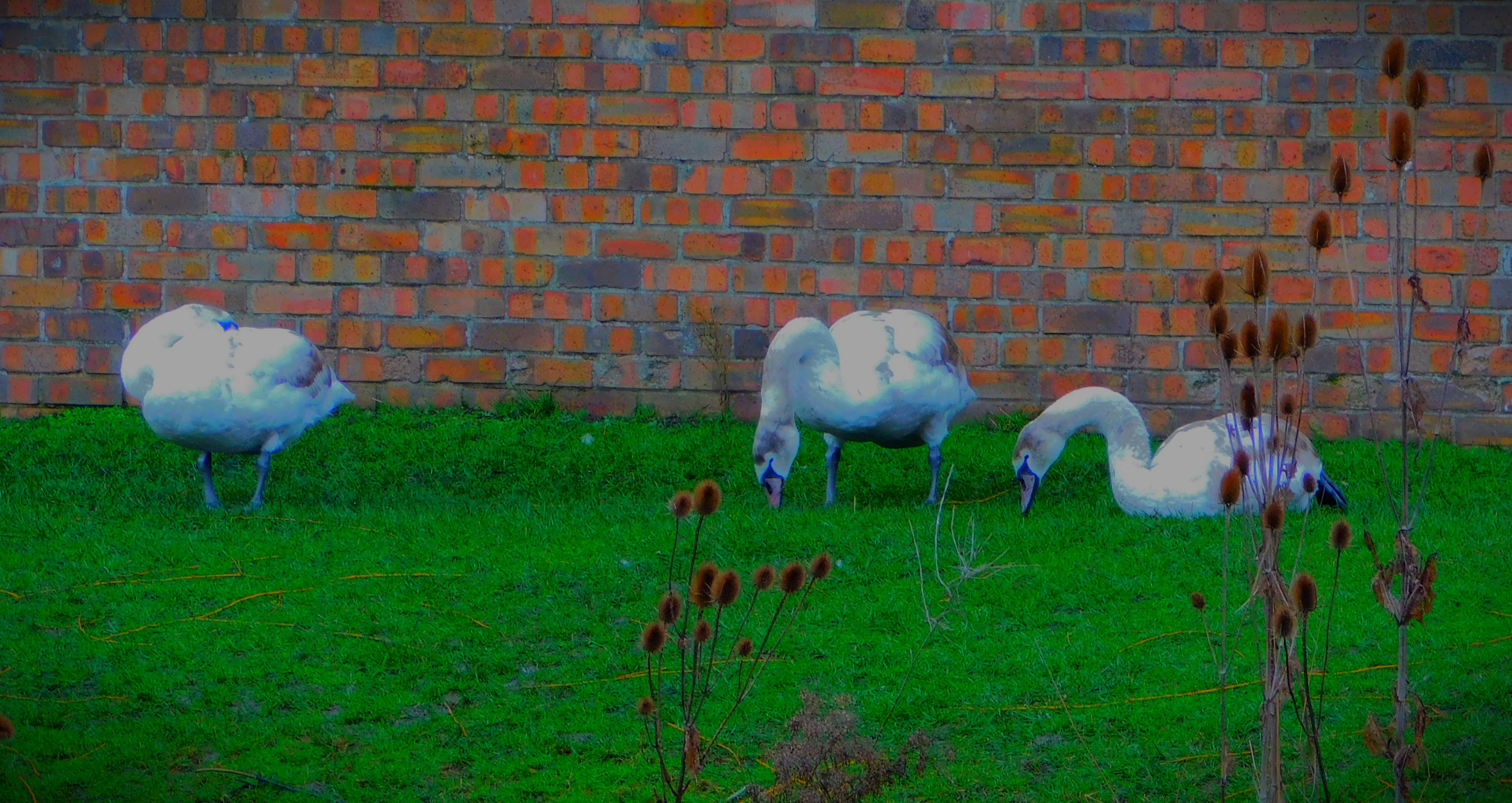
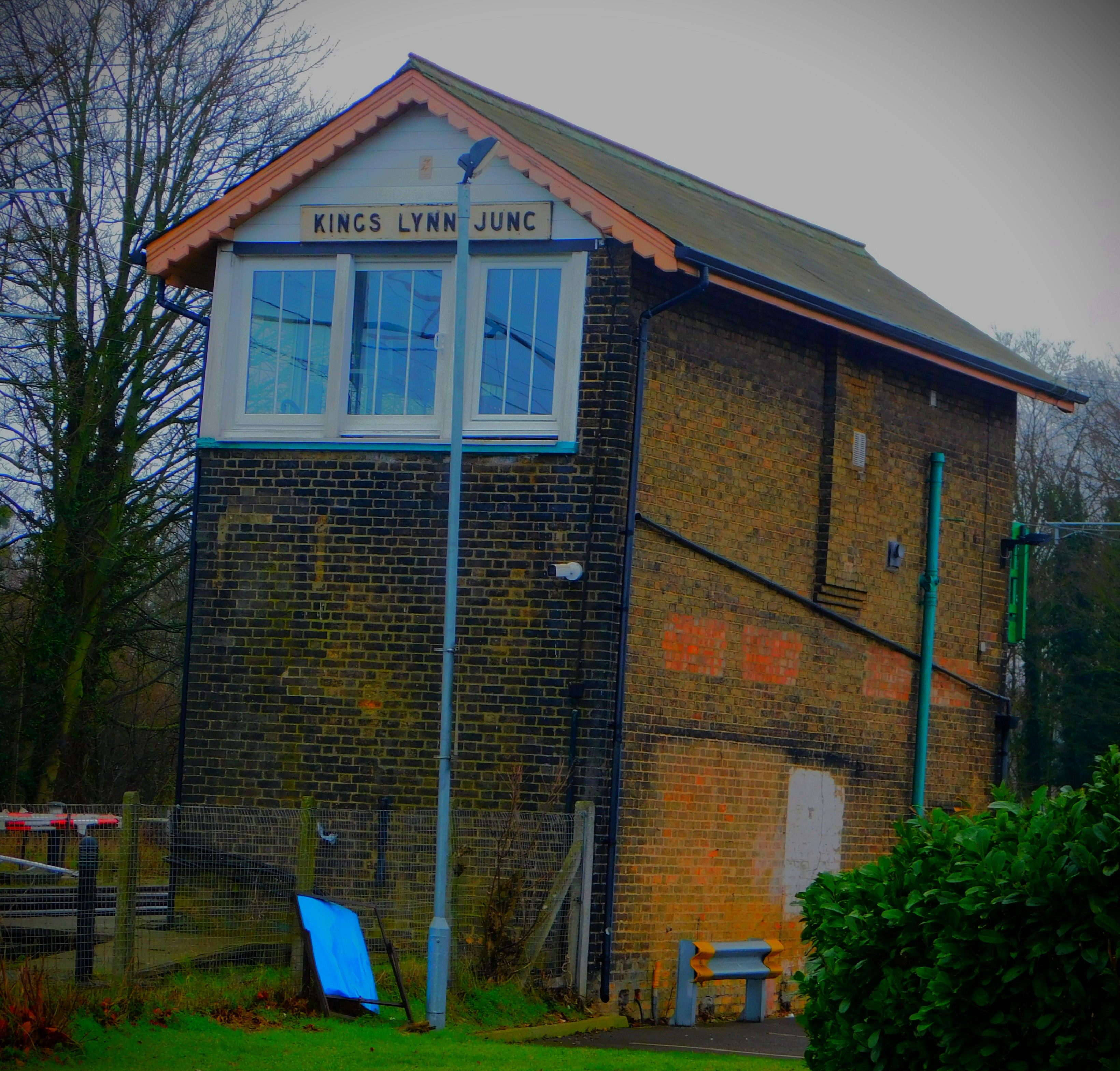
My usual sign off…
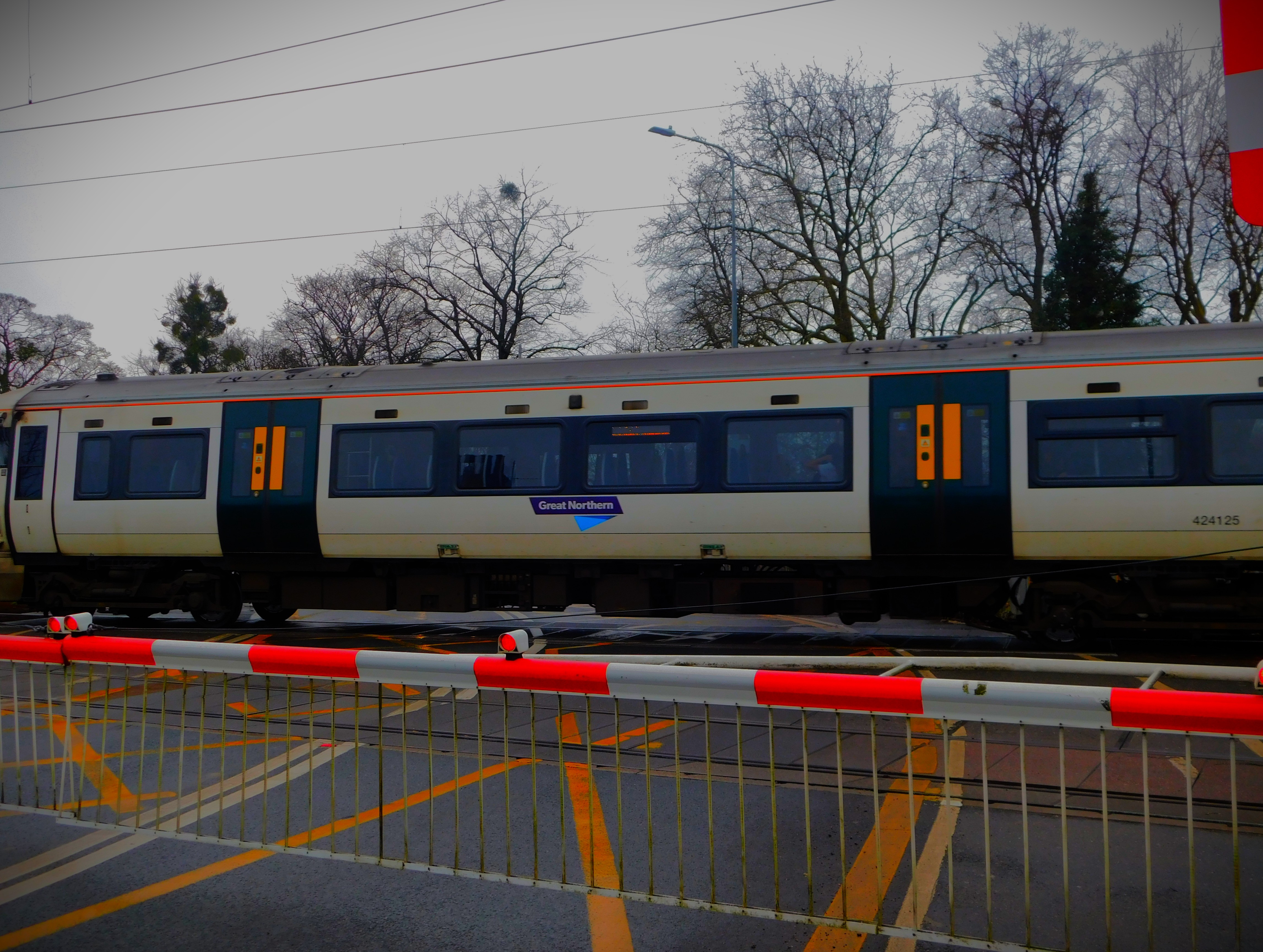
There are rarely as many as four trains visible at King’s Lynn station.
A look back at the events of the third Pakistan v England test, which ended in the early hours of yesterday morning UK time.
At just about 5:40AM UK time yesterday Ben Duckett smashed a four to take England from 166-2 to 170-2 in the final innings of the test series in Pakistan, and in so doing created a piece of cricket history – no visiting side had ever won a clean sweep in a three+ match series in Pakistan until that moment. This post looks back at the events of the third match of the series (I covered the first two matches extensively already) and then at the key moments of this extraordinary series.
THIRD TEST: DAY ONE
Rehan Ahmed was given a debut for England, and Ben Foakes was recalled to the XI, Will Jacks and James Anderson being rested. For Pakistan Nauman Ali played in place Zahid Mahmood. Babar Azam won the toss and decided to bat, which looked like good news for Pakistan. Pakistan scored 304, with various players making useful runs but no one getting a massive score, and by the close England had lost Crawley. Nevertheless, England would have considered getting Pakistan all out on day one a good day’s work.
DAY TWO
England looked to be struggling at 145-5, when Ben Foakes joined Harry Brook, but a big stand between these two and some useful contributions from the rest of the order saw England to 354, a first innings advantage of 50. Pakistan were 21-0 by the close.
DAY THREE
This was the day the fate of the match was settled. Pakistan were 54-3 at one point, all three wickets to Leach to give him seven in the match. Then Babar Azam and Saud Shakeel shared a century stand. The key turning point came when Babar Azam smashed a slow long hop from Rehan Ahmed straight to Pope at midwicket. From then on the Pakistan middle and lower order imploded, a combination of poor shots from them and good work from England seeing a high water mark of 164-3 turn into 216 all out. Rehan Ahmed had 5-48 and Joe Root nabbed a wicket with his occasional off spin. Rehan Ahmed’s debut match figures of 7-137 were the best such by an England leg spinner since Charles ‘Father’ Marriott took 11-96 v West Indies at The Oval in 1933. Marriott, then 37 and a part time cricketer (he worked as a schoolmaster and turned out for Kent in the summer holidays) never played for England again, Ahmed should do so on many occasions. Leach’s seven wickets with his left arm spin were enough to make him the leading test wicket taker of 2022.
England needed 167 to win and there were 17 overs to be bowled that evening. Traditional test thinking would suggest a cautious approach and looking to get through without losing any wickets, but Crawley and Duckett set off at a merry pace. When Crawley was out Stokes made a typical Stokes move – the events of Pakistan’s second innings suggested that this was Rehan Ahmed’s day, so Stokes sent him in at number three. This divided opinion among those following the match – some, like me, thought it was superb, others grumbled about it being disrespectful to Pakistan. It had limited success, Ahmed making a rapid 10, but I think it was right nevertheless. In 1986 when John Bracewell scored his maiden test hundred against England, NZ skipper Jeremy Coney tossed him the ball that evening although it was earlier in the England innings than he would usually have deployed his off spinner, and was rewarded with a wicket – it was Bracewell’s day. Stokes then went in himself for the remainder of the evening. Stokes and Duckett played well together and England closed on 112-2, 55 short of victory. I thought, as I said in my post on Monday that this was far preferable to 40-0.
DAY FOUR
Stokes and Duckett never looked like doing anything other than knocking the runs off and the main focus of interest soon became whether Ben Stokes could hit his 108th career test match six, thereby breaking the record held by England head coach Brendon McCullum. The answer to that was no, and with McCullum’s native New Zealand being England’s next opponents the two are tied on 107 sixes in test cricket. England won by eight wickets, with among those not to bat in the innings being Root (thin series but still England’s finest), Brook (soon to collect both the Player of the Match and Player of the Series awards) and Pope. This time last year a rabble of an England test team were being obliterated in Australia, and if you had told me that 12 months on an England test side would be winning 3-0 away from home without Root scoring many runs I would have laughed outright.
PLAYER RATINGS
These my England player ratings in batting order:
Zak Crawley 4 – failed in the first innings, made a half decent score in the second.
Ben Duckett 8 – a comparative failure first up (26), but 82* in the final innings rounded out an excellent comeback series for him.
Ollie Pope 6.5 – a 50 in the only innings in which he batted, and although he was gifted it by a terrible shot from the batter his catch to dismiss Babar Azam and start the implosion of the Pakistan second innings was a good one.
Joe Root 5 – a duck in the only innings in which he batted, but three wickets for him across the two Pakistan innings count for something.
Harry Brook 9 – a superb century which pulled England out of some strife in the first innings. He had a superb series and should be part of the England test side for many years to come.
Ben Stokes 8.5 – a fairly quiet match for Stokes the player (26 and 35* with the bat, eight overs for 20 with the ball) though that second innings carried England to victory, but a fantastic match for Stokes the captain.
Ben Foakes 7.5 – a good and much needed 50 in the only innings in which he was needed to bat, and impeccable as ever behind the stumps.
Rehan Ahmed 8.5 – had a great time with the ball, and an entertaining one as “night hawk” in the final innings. His success bodes well for England’s future.
Ollie Robinson 6 – a useful contribution with the bat in England’s first innings, and didn’t do a lot wrong with the ball, though this was never a surface to suit him and his light workload reflects that fact.
Mark Wood 7 – an entertaining cameo with the bat, and on a surface that offered nothing to a fast bowler he gave it everything he had every time he was asked to bowl.
Jack Leach 7 – England’s work horse in this match – 57 overs across the two innings yielded him combined figures of 7-212 and his scalps included Abdullah Shafique (who had made a splendid start to his test career until this match) in both innings and Shan Masood and Azhar Ali (giving the latter a Bradman-like end to his career – bowled for a duck by an English spinner who batted at number 11) in the second – four of his seven scalps thus coming from the top three in the Pakistan order.
SERIES KEY MOMENTS
Day one – England score 500 in 75 overs. This set a template for attacking cricket, and indicated that England weren’t about to just settle for an all round boosting of batting averages on a flat pitch.
Day four – THAT declaration – Stokes sets Pakistan 343 in four sessions, albeit knowing that the light will be truncating the first and fourth of those sessions.
Day five – England keep pressing, and claim the final wicket with maybe 1.3 overs left before the light closed proceedings.
Second test day one – England attack on a turner. Many criticized England’s approach in the first innings of this match, but they managed 281 from 51.4 overs, and my own belief is that they would have made many fewer runs had they been obsessed with batting time. England went on to win, as a fourth innings target of over 350 proved too much for Pakistan.
Third test day one – England bowl Pakistan out in less than a day after the latter have chosen to bat.
Day two – England bounce back from 145-5 to claim a first innings lead of 50.
Day three – Rehan Ahmed takes five wickets as Pakistan slump from 164-3 to 216 all out, England knock off two thirds of their victory target in the 17 overs they have to face that evening.
Day four – Stokes and Duckett carry England to an eight wicket victory, Duckett making the winning hit, which means that England whose total tally of test match wins in Pakistan prior to this series totalled two had secured a 3-0 win in this series.
PHOTOGRAPHS
These pictures are split – I left the camera I took them with at work on Thursday, which was the peak of the freeze and retrieved it yesterday. To further increase the variation there are some night time pictures there…
A look at England’s win in Multan, sealed earlier today.
This post looks at events in Multan and sets them in context. I have already covered the first two days play here, so this post takes up the story on day three.
DAY THREE
England extended their lead of 281 to 354, Brook completing a century to continue the highly impressive start he has made in test cricket. The last five wickets fell in a bit of a heap, but England had a substantial total to defend by then.
With Imam-ul-Haq initially unable to bat Mohammad Rizwan opened with Abdullah Shafique. These two both fell cheaply, and Babar Azam was also out with Pakistan massively adrift, but at that point Imam-ul-Haq joined Saud Shakeel, and they had a good partnership. Just before the end of the day Leach got Imam-ul-Haque for 60, and by the close Pakistan were 198-5, still needing 157 to win.
DAY FOUR
Saud Shakeel and Mohammad Nawaz got Pakistan to within 70 of the target, but Wood got both in a fiery spell just before the lunch interval, albeit the Shakeel dismissal was a rough one. Agha Salman and Abrar Ahmed resisted for a time immediately after the interval, but Anderson got Abrar Ahmed, and moments later Zahid Mahmood became Wood’s fourth victim. That left the last pair needing 36 runs to win, and they managed nine of them before number 11, Mohammad Ali edged Robinson to Pope to end that match. England were home by 26 runs. Many, including me, would have given debutant Abrar Ahmed the Player of the Match award for his 11 wickets and entertaining batting in both innings, and had been forced to name an England player for the honour I would have gone with Ben Duckett who played two superb innings, but landmark obsession carried the day, and Brook got it for his second innings hundred.
CONTEXT AND LOOKING AHEAD
This win was England’s eighth in nine test matches since Ben Stokes was appointed full time skipper. It also meant that in the space of a week they had doubled their all time tally of wins in Pakistan from two (in 1962 and 2000) to four. Pakistan are the fourth team England have won against (out of four they have played tests against) under Stokes – they came here off the back of home series wins over New Zealand and South Africa and a win in a one-off home test against India. England’s last win in Pakistan before this visit came at Karachi in 2000, and the third and final match of this series is in Karachi.
Jack Leach took his 100th test wicket during this match, and only one England spinner in my time following the game has taken that many wickets at a better average than him, Graeme Swann.
I would personally like to see Rehan Ahmed make his debut in the third test match, possibly in place of Will Jacks – with the series already won England can definitely allow themselves a look at Ahmed.
PHOTOGRAPHS
As this little gallery makes abundantly clear, Norfolk remains literally frozen…
A look at the first two days of the second Pakistan v England test, which is taking place in Multan.
Greetings from the frozen wastes of Norfolk. It is currently four degrees outside with a significant wind chill, and that represents the least bad it has been in the last 48 hours. The second test of the Pakistan v England series is currently taking place in Multan, and may even finish tomorrow, while I would bet money against there being a day five.
THE PRELIMINARIES
England decided to persist with Pope as keeper and number three even though Foakes was available. Mark Wood came into the side to strengthen the bowling. For Pakistan there was a debut for leg spinner Abrar Ahmed and a recall for Faheem Ashraf. Ben Stokes won the toss and chose to bat first. This was soon seen to be a correct call as there was already evidence of turn on day one.
DAY ONE
Ben Duckett made a fluent 63 and Ollie Pope 60, and there were some other useful contributions down the order. The story of the innings however was the debutant Abrar Ahmed, who took the first seven wickets to fall with his leg spin. This puts him second on the all time list to Alf Valentine who took the first eight wickets to fall in his debut match. The other leg spinner, Zahid Mahmood broke the sequence, and in the end claimed the last three wickets. England were all out for 281 from 51.4 overs, and some were condemning the team’s new, much more aggressive approach. However my own reckoning was that England of a year or so ago would not have batted much if any longer on this pitch and would have scored many fewer runs. Also of course, first innings efforts should really be assessed only after both teams have batted – and that would apply with a vengeance this time round.
Pakistan batted well in the remaining overs of day one, reaching 107-2. Babar Azam was especially impressive, while James Anderson, the man who just keeps on bowlin’, claimed the first wicket to fall to seam bowling in the match and Jack Leach extended the tally of wickets taking by bespectacled spinners to eight. With Pakistan looking well placed the would be writers of ‘bazball obituaries’ were having themselves a field day in spite of England’s record since Stokes assumed the captaincy full time being won seven, lost one.
DAY TWO
Pakistan seemed to start day two as they had finished day one, scoring well, but then Babar Azam fell for 75 to make is 145-3. Mohammad Rizwan took his place in the middle and the game tilted on its axis. It took Rizwan 25 balls to get off the mark, and even with two fours he managed in total 10 off 43 balls, and Pakistan went into a tailspin. Leach picked up his second, third and fourth wickets of the innings,, Root bagged two in an over with his part time off spin and Wood took two wickets along the way. It was only a lusty last wicket stand between Faheem Ashraf and Abrar Ahmed that got Pakistan past 200. They were all out 202, and England had a 79 run lead on first innings, precisely the same advantage they enjoyed in Rawalpindi, but one that looked a lot more significant on this surface.
England lost two early wickets, Crawley running himself out and Jacks promoted to number three in order that Pope could have more of a rest from his keeping. Root also failed by his own high standards, but Duckett played superbly once again, scoring 79. His dismissal, bowled by one from Abrar Ahmed that shot through low, was an ominous sign for Pakistan – they had needed him out, but they did not need to see a ball doing that with England already over 220 runs to the good. Pope was run out cheaply to make it 155-5, but skipper Stokes stayed with Brook until the light brought an early end to proceedings. By then England were 202-5, 281 runs ahead, with Brook 74* and Stokes 16*. Abrar Ahmed had taken his tally of wickets on debut to 10, but the two run outs meant that he could not equal the record performance by a debutant (16 wickets, achieved twice, by Bob Massie of Australia in 1972 and Narendra Hirwani of India in 1989). The alacrity with which Pakistan headed for the pavilion when the umpires decided the light was no longer good enough was telling as to their state of mind just two days into this match. The events of this second day’s play, rather like the events post Stokes’ declaration at Rawalpindi, left the naysayers looking more than a little foolish. It is dollars to doughnuts that at some point tomorrow or Monday the series score will be 2-0 to England.
PHOTOGRAPHS
Just before the photographs, I shared an old post in a twitter discussion this morning and it was well received. Now for my usual sign off…
A quick look at England’s selections for the first test in Pakistan, due to start early tomorrow morning UK time.
Yesterday I concluded my alphabetical all time XIs project. Tomorrow morning should be seeing the start of England’s first test series in Pakistan in a good many years, and England have named their XI. However an illness is sweeping the England camp and they are in negotiations to delay the start of the match. Before I look at the rights and (mostly) wrongs of this England XI I will say as an English person that England should get no special treatment – if they are not out in the middle and ready to play at the appointed hour the game should be awarded to Pakistan as per the laws of cricket.
THE ENGLAND XI
This is the XI England have named:
Overall I cannot say that I am impressed by this selection. Crawley has no business being in a test side and clearly only retains his place because his father is a golfing buddy of one of the top people in English cricket. Duckett to replace Lees is a reasonable call, though I consider Lees less in need of being replaced than Crawley. Pope, Root, Brook, Stokes and Foakes are all pretty automatic, with Bairstow injured. It is numbers eight to 11 that especially concern me: Livingstone is mainly a batter, with bowling very much his second string, and plays little red ball cricket these days, Robinson has had injury problems and while few could argue with Leach and even fewer with Anderson, the bowling looks to be lacking in both depth and variety, with the seam/ pace element limited to the new ball pair and Stokes, and Leach the only front line spin option, with Root and Livingstone by way of support. Pakistan pitches are usually flat and I cannot see this bowling “attack” taking 20 wickets on a flat track. Frankly this XI has all the appearance of one that has been selected to not lose, rather than selected to win, with extreme emphasis on batting depth and a skeleton bowling unit. Potts should be in there to support Robinson and Anderson, and if a batter who bowls spin is a must, then Brooks should miss out, with Stokes and Foakes each moving up one place and one of Rehan Ahmed or Will Jacks debuting at number seven (NOT Livingstone).
PHOTOGRAPHS
My usual sign off….
The flesh of this leaf has been almost entirely eaten away, leaving the vein structure perfectly exposed.
My account of the first test match between India and England at Rajkot.
INTRODUCTION
At just after 11AM GMT yesterday the first test match of the five match series between Inida and England was confirmed as a draw.
THE FIRST INNINGS
Alastair Cook made the first right move of the series when he won the toss and chose to bat (on a plumb pitch, with the only hope of interesting developments being if it deteriorated this was a clear cut decision). Gary Ballance’s wretched form had finally caught up with him, and 19 year old Haseeb Hameed whose family originated in these parts came in for his debut, with Ben Duckett dropping to number four so that Hameed could open. In the two match series in Bangladesh England’s top five had a combined record of three 50 plus scores in 20 innings with no one reaching three figures. Here Joe Root and Moeen Ali (nos 3 and 5 respectively) racked up centuries, and Ben Stokes, for once given a base from which he could build rather than attempt to rebuild added another as England totalled 537, effectively putting defeat out of the question right from the start.
Ravi Ashwin, the offspinner who was expected to prove far too good for England’s batting finished with the less than commanding innings figures of 2-167. Jadeja, on home turf (with that surname he is definitely connected to the old royal family of Nawanagar, who ruled here in the days of the princely states, and produced cricketing legends of earlier times Ranjitsinhji and Duleepsinhji) took three wickets.
THE SECOND INNINGS
Murali Vijay and Chesteshwar Pujara each reached three figures, while Ashwin somewhat redeemed his bowling figures with 70. India were all out for 488, giving England a lead of 49. These two huge first innings scores had been acquired comparatively slowly as both sides bowled tightly, and the fourth of five days was nearing its conclusion by the time India’s last wicket fell. Adil Rashid, given the opportunity to bowl with runs on the board, picked up 4-114, while the other spinners, Moeen Ali and Zafar Ansari each picked up two wickets. None of the faster bowlers were able to extract anything from this pitch, but Stuart Broad, playing in his 100th test, was economical, taking 1-78 from his 29 overs and Woakes who finished wicketless was positively Scrooge like in only conceding 57 from 31 overs.
THE THIRD INNINGS
While it would have been nice to see England go on the all-out attack and see if they could make a genuinely challenging declaration I can fully understand, especially given events in Dhakanot so long ago, why Cook took the safer option of batting the game into oblivion before declaring to see if his bowlers could take a few Indian wickets at the end.Cook himself made 130, his 30th test century, while the debutant Hameed made 82, and Ben Stokes, promoted to have a bash before the declaration made 29 not out in quick time. England called a halt at 260-3, leaving India a purely nominal target of 310 off 49 overs. Ashwin took 1-63 in this innings, giving him match figures of 3-230.
THE FOURTH INNINGS
Given that four and a half days of action had produced a combined 1295-23 it was most unlikely that any result other than a draw would eventuate, so the real question was whether England could nab some wickets and thereby claim a moral victory. In the event, India finished on 172-6, with only Virat Kohli, 49 not out, emerging from the innings with real credit. Rashid took 3-64, emerging with comfortably the best match bowling performance on either side, while Woakes, Ansari and Ali all picked up wickets.
THE FINAL VERDICT
A total match score over the five days of 1467-29 makes the truth about this game obvious. The pitch, which never offered serious assistance to any kind of bowler, won hands down. For England almost everyone emerged with some kind of credit, with most of the batsmen making runs and the bowlers sticking well to the Sisyphean task inflicted on them by the groundsman. India, although never in serious danger of losing this game have less to be happy about – although he is a spinner rather than a quick bowler Ashwin’s 3-230 in this match have a bit of a look of Gillespie ’05 about them. England have bounced back well from their disaster in Dhaka. Haseeb Hameed has made a splendid start to his career, and has probably settled the question of an opening partner for Cook – in a few years time England will probably be faced with finding someone to replace Cook as Hameed’s opening partner.
PICTURES
These pictures are from work…
The first ten images here are of framed sets of cigarette cards, the first two bieing crickets from 1938 and 1934 respectively.
These two images are of the last of the collector’s models
Not an auction lot – this collection of brass taps and fitments are being sold on ebay!
Musical Keys, Cricket, Photography and some links.
INTRODUCTION
The title of this post refers to Saturday’s Musical Keys session at the Scout Hut on Beulah Street (a place that by now is almost as familiar to me as my own humble abode such is the number of events I have attended there). I also have plenty of other stuff to share.
MUSICAL KEYS
Having missed the previous Musical Keys session because I was attending the “Marxism and Nature” Day Schoolin London (well done to the International Socialism Journal team, you organised a great event) I was anticipating this session more eagerly than usual. Then came the news that the branch chair would probably not be able to attend as her son was playing up, which meant that I would be the sole NAS West Norfolk committee member present.
THE WALK THERE
I decided to go via Bawsey Drain (there was no decision to make as regards the mode of transport although it is a longish walk) and I was able to take some pictures along the way.
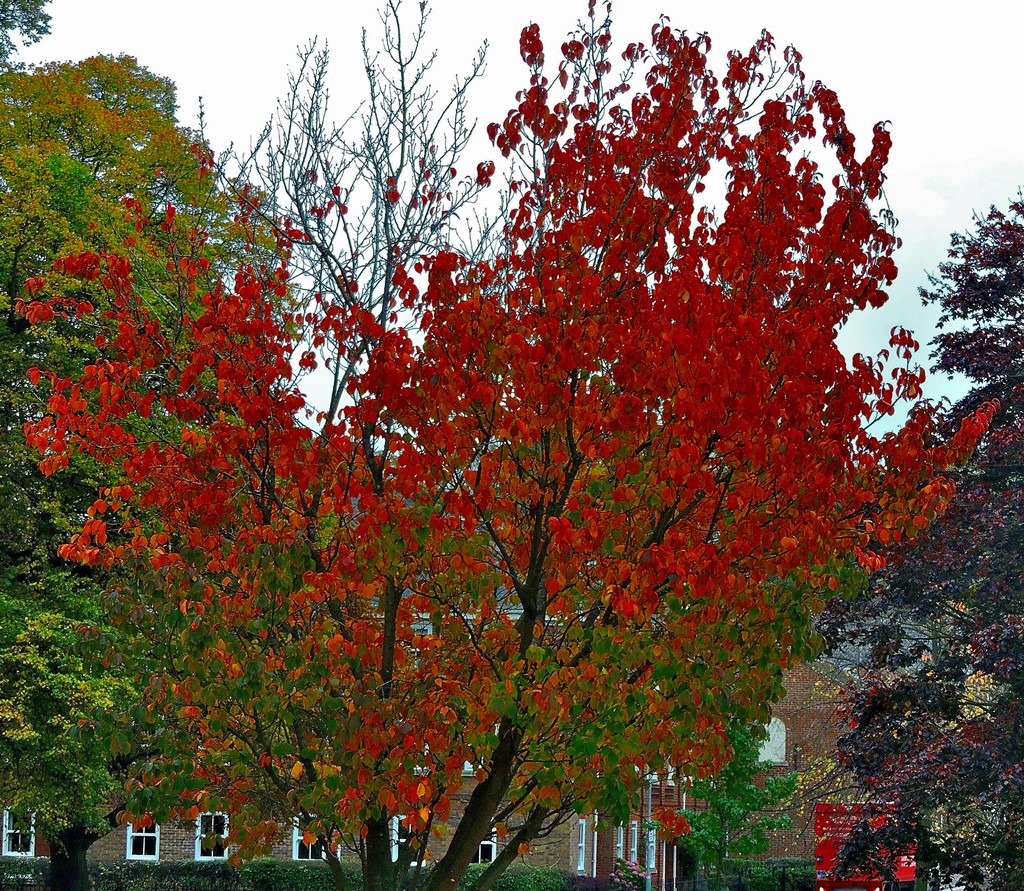
Another splendid tree (to see lots of tree pics visit Anna’s blog and look at some of the recent posts there)
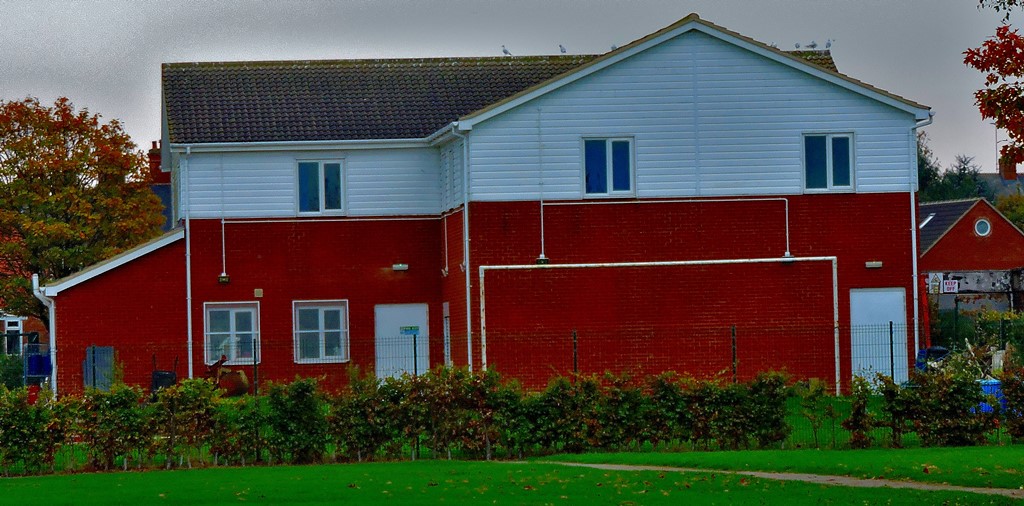
The outside of the scout hut.
This section of path has recently been resurfaced.
THE SESSION ITSELF
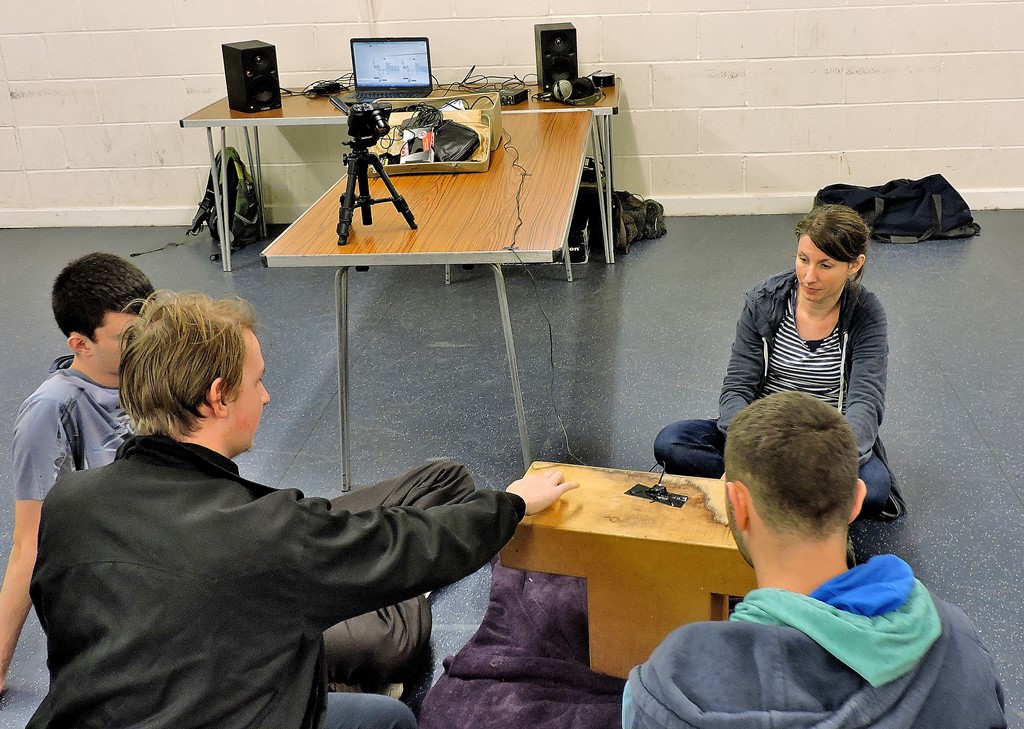
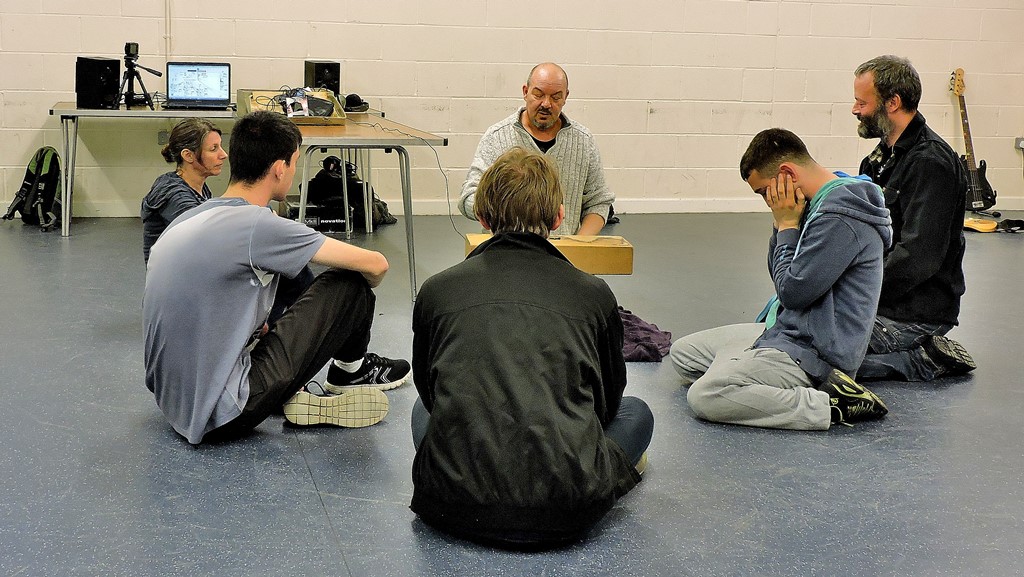
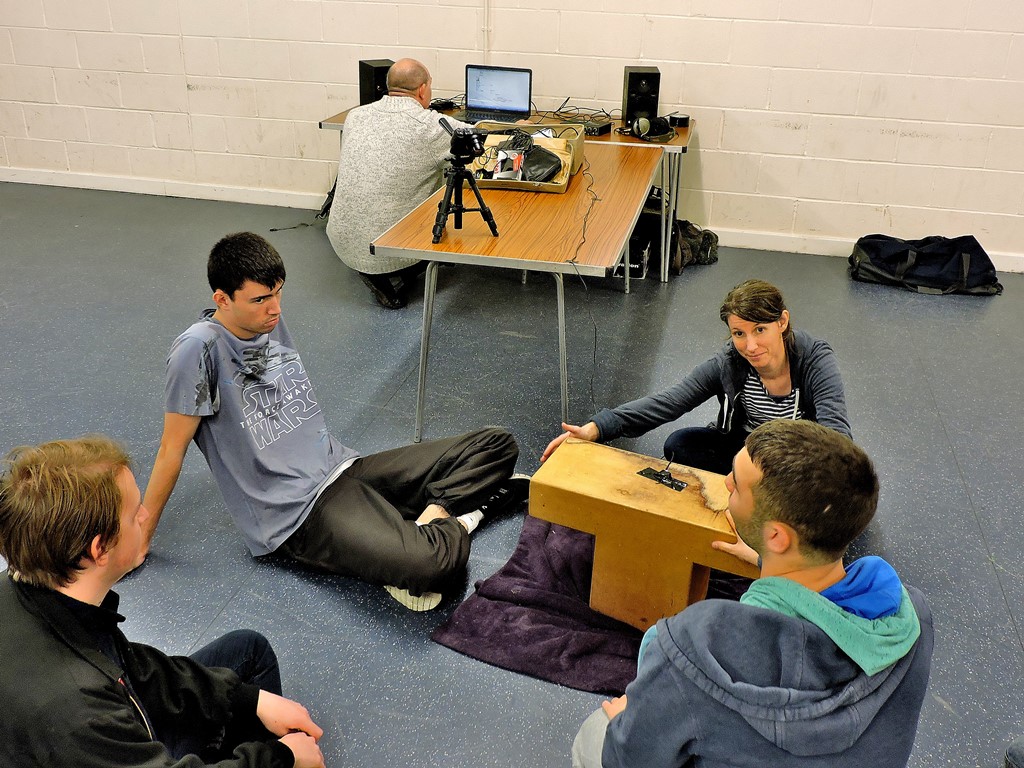
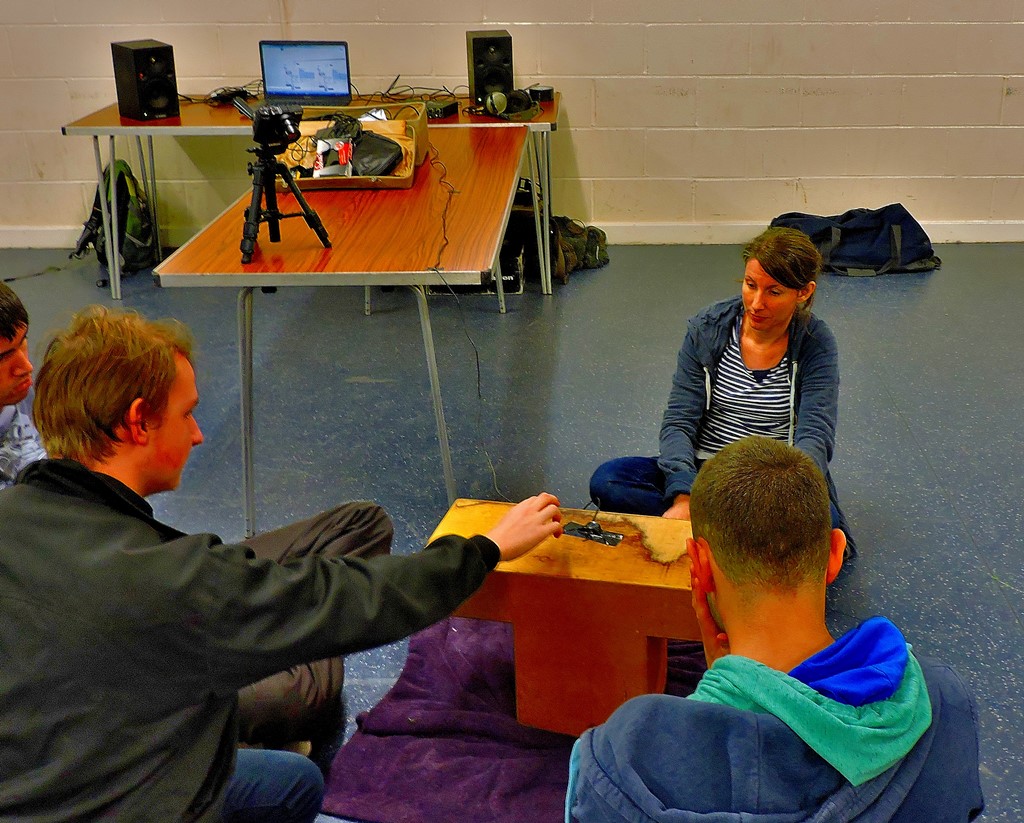
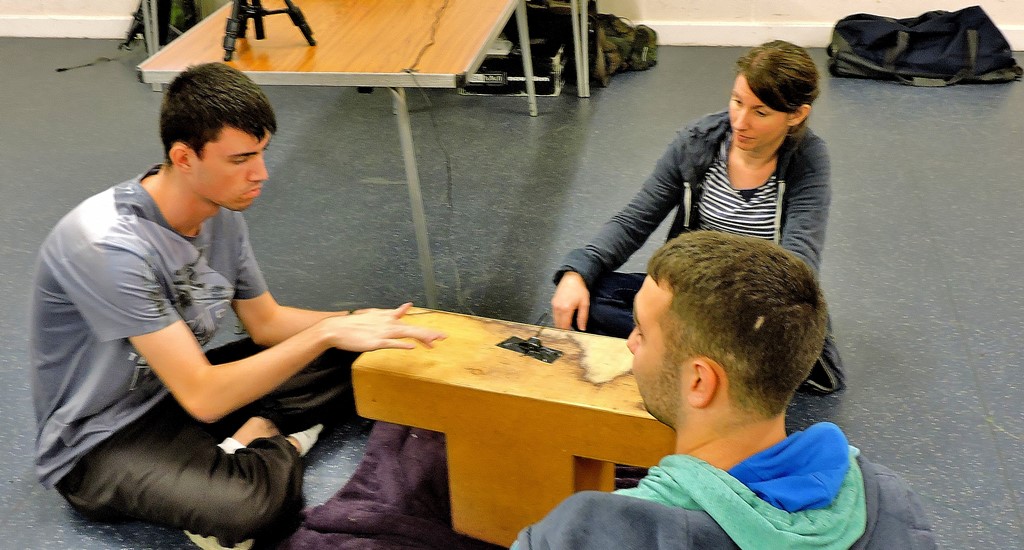
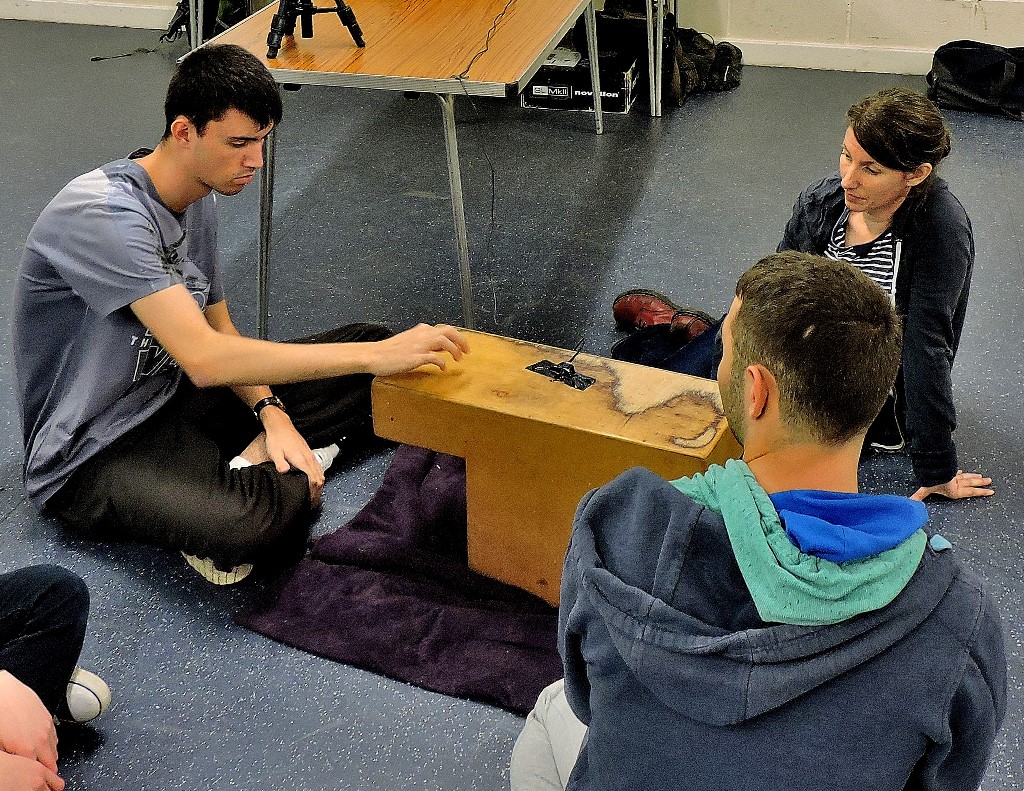
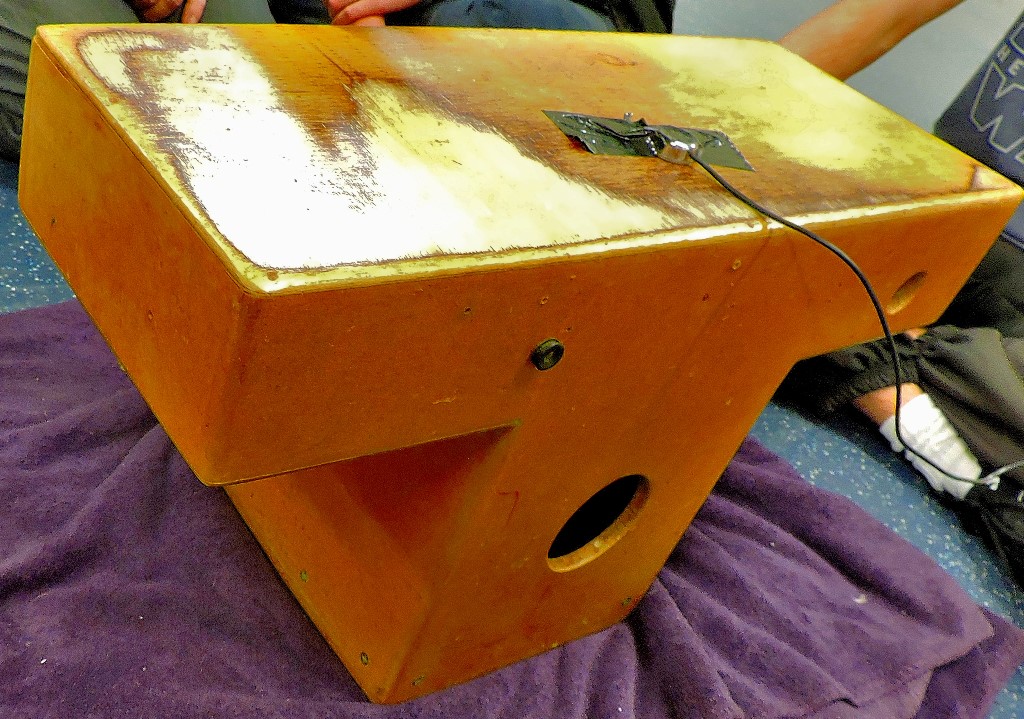
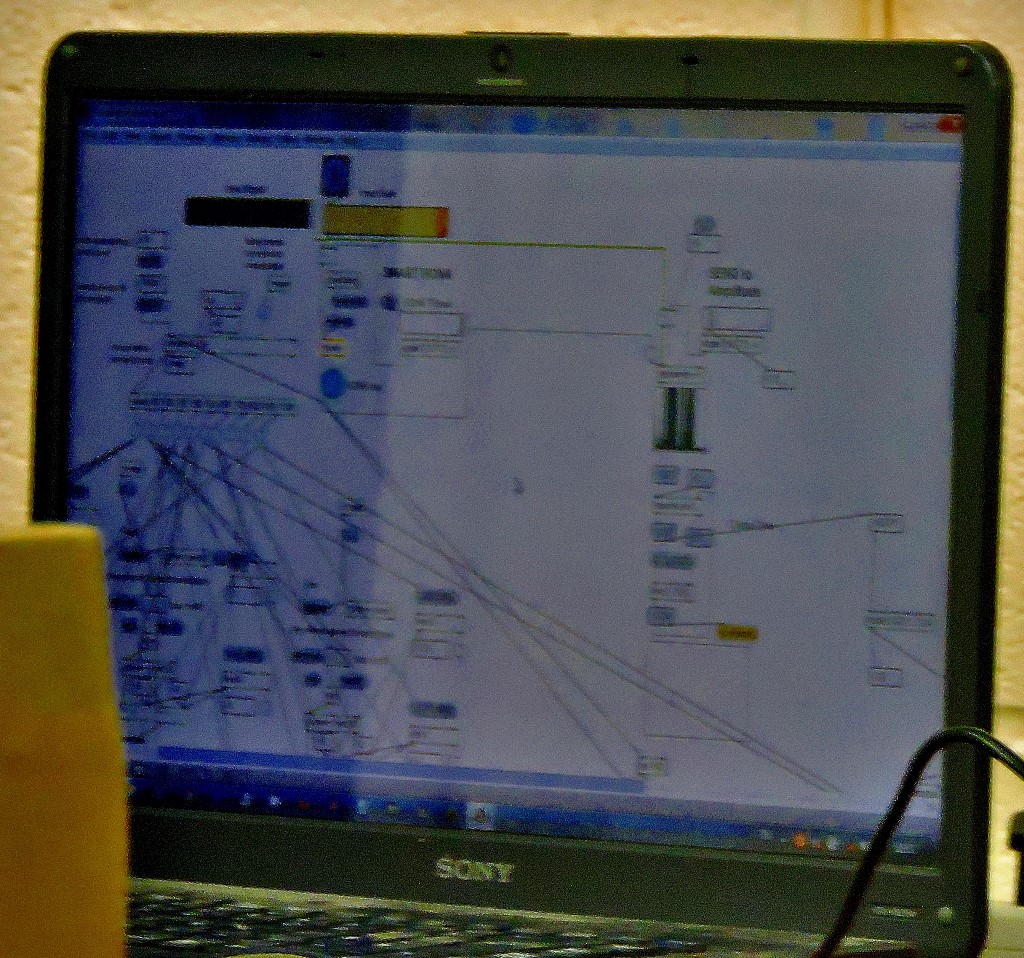
I was specifically requested to take pictures during this session by John and Kirsten, who run the sessions for Musical Keys. Therefore I have lots of pictures. The session began with the focus exclusively on a kind of wooden drum, shaped like a three dimensional capital T, which had been cunningly wired up to a computer.
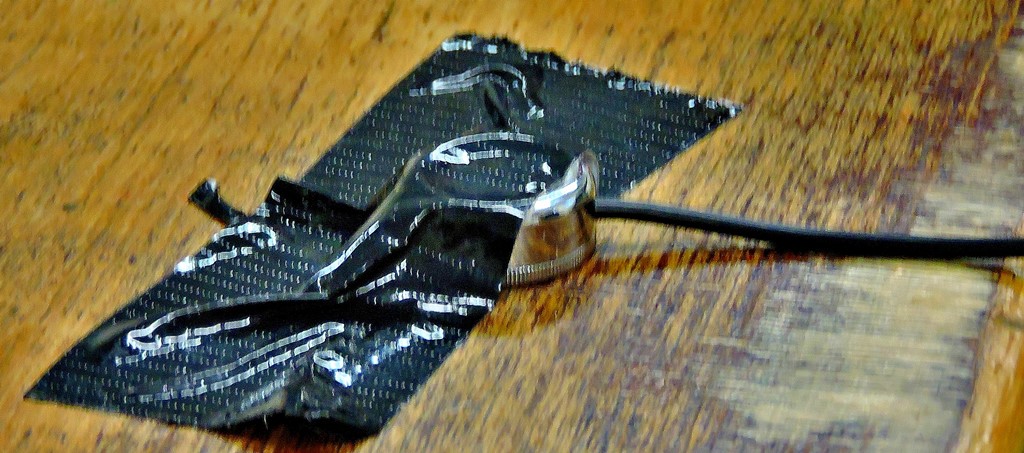
How this wooden instrument was wired up to a computer.
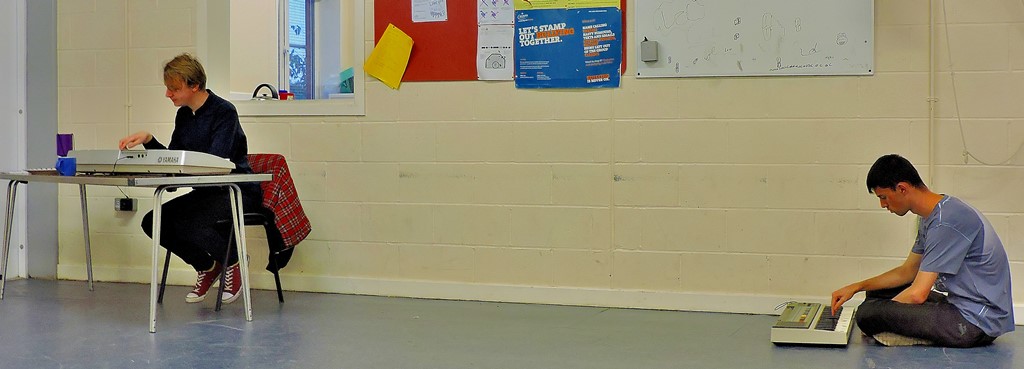
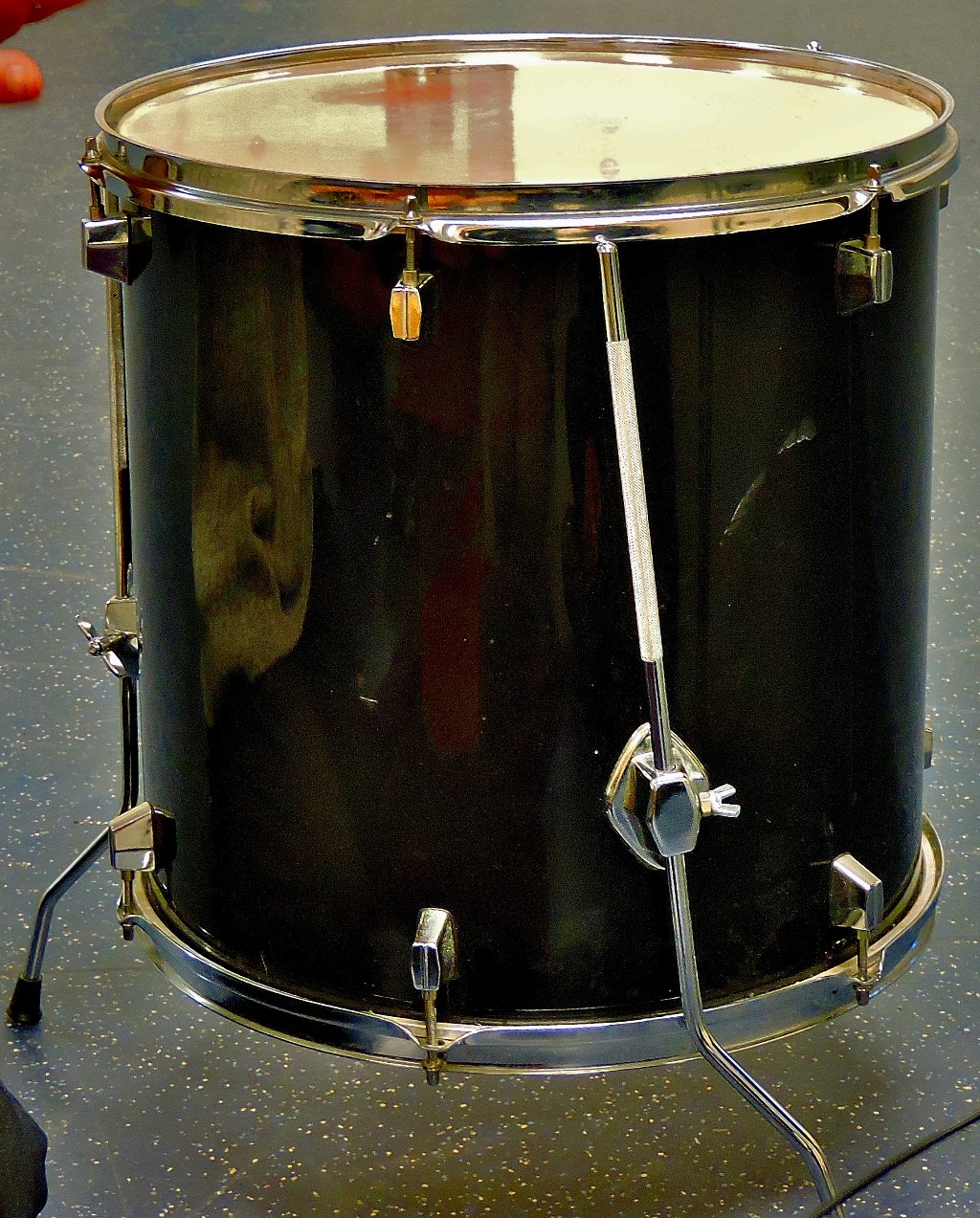
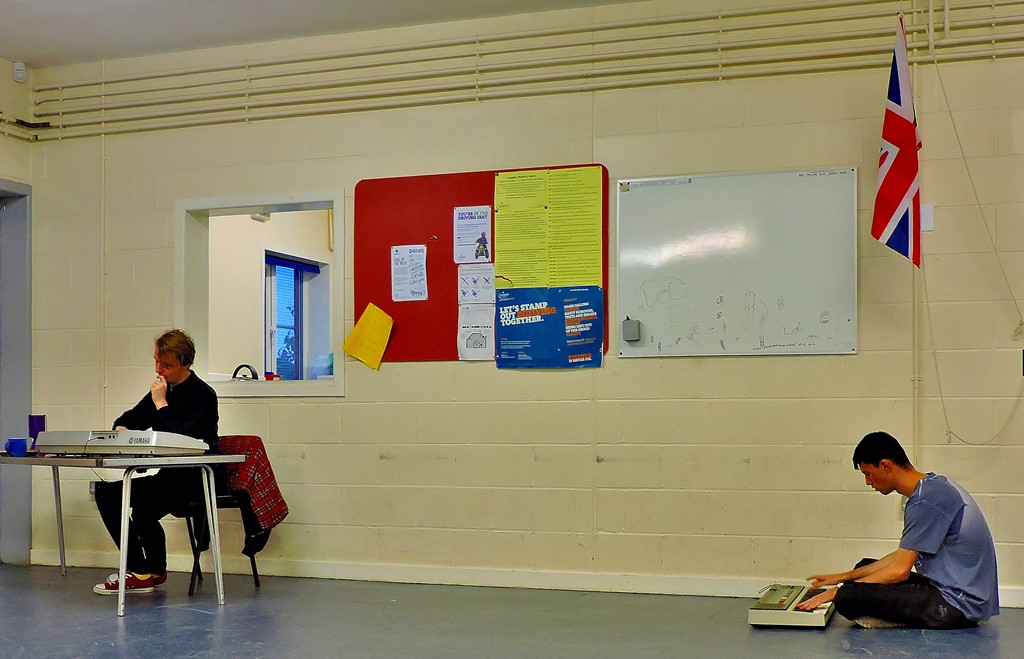
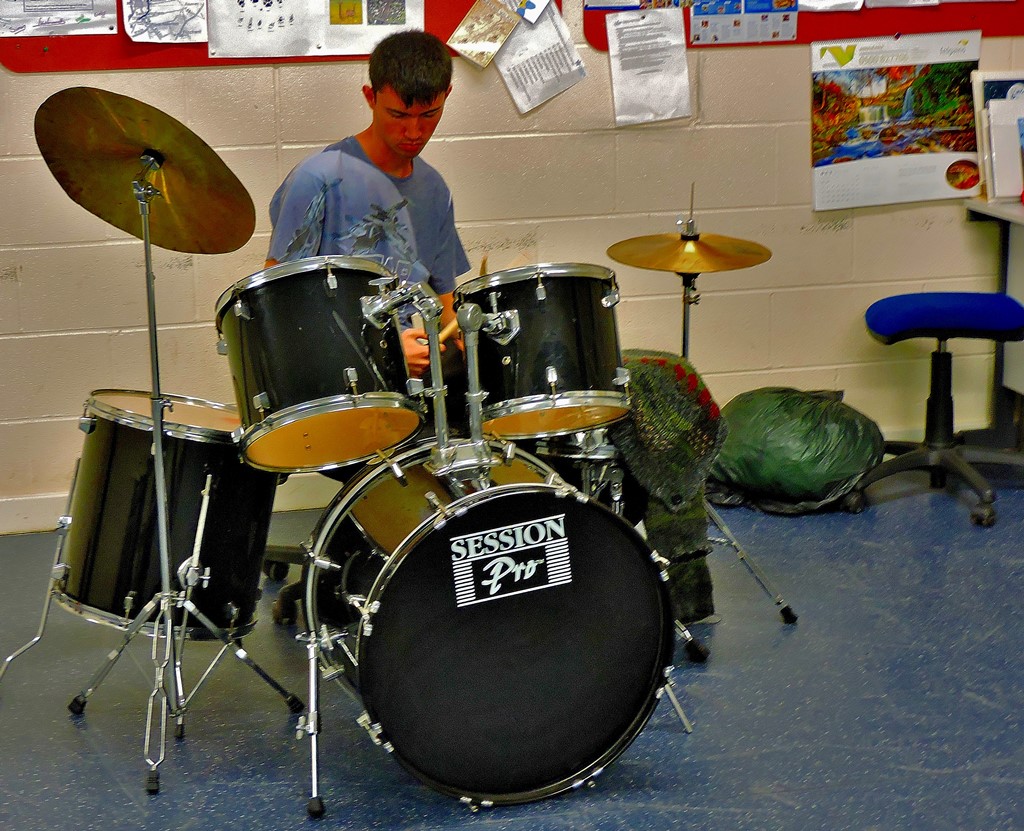
Later in the session people were encouraged to try other instruments – two electronic keyboards were available and both were used, I sampled an acoustic guitar and also an electric bass guitar, and a single drum was available for most of the session, with the full set (which tends to drown out everything else) in action for the last few minutes.
The keyboards being played.
A stand alone drum
The range of guitars.
A couple of close-ups of the particular acoustic guitar that I played.
The full drum set ready for action
The drum set in use.
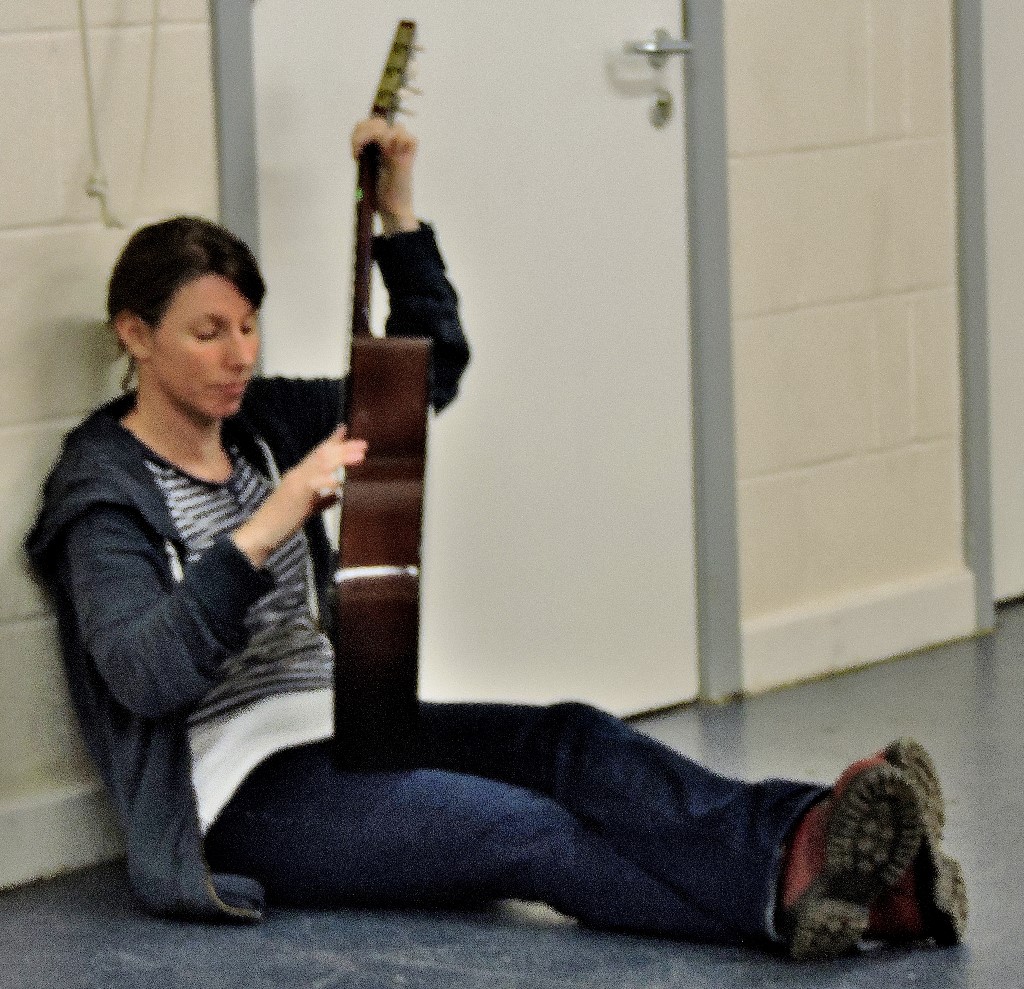
Kirsten (one of the two people who run the sessions) playing an acoustic guitar.
SOME FINAL THOUGHTS ON THE BANGLADESH – ENGLAND SERIES
The result of the second match in this two match series, which I celebrated here, was splendid not just for Bangladesh, but also for cricket as a whole. England now head for a five match series in India, where they can confidently expect every pitch to be turning from minute one of every match (and can have no complaints given the number of times they have had sub-continental teams play on green seamers at places such as Durham and Leeds early in the English season). Frankly having seen how England have handled spin friendly conditions in Bangladesh, India should probably reckon that any series outcome other than 5-0 to them is a disappointment.
England this series have been exposed in several areas:
Top order batting – in four completed innings the top five contributed only three individual scores above 50 between them, one a piece for Joe Root, Moeen Ali and Ben Duckett. Cook’s 39 in his final innings of the series was his best effort, while Ballance failed badly in all four innings, being out to a particularly gruesome shot in the final one.
Spin bowling – of the four front-line spinners played by England in this series (Moeen Ali, Adil Rashid, Zafar Ansari and Gareth Batty) none produced a really convincing performance overall, although Moeen Ali took five wickets during Bangladesh’s collapse from 170-1 to 220 all out in the first innings at Dhaka and Rashid 4-52 in second innings of that same match. England, in a spin dominated series, were saved from complete embarrassment by Ben Stokes who captured 11 wickets at 10.09 to be their joint leading wicket taker, as well as being their leading run scorer.
Captaincy – Alastair Cook had an even poorer series in this respect than he did with the bat. Whenever the spinners were bowling they had right from the word go fielders at deep long off and at deep point – meaning that singles were always easily obtainable. These field setting seem horribly like covering the bad ball (of which it must be said there were far too many from all of England’s spinners).
I am going to finish this section with individual player ratings for all those used by England (the player of the series on either side was Mehedi of Bangladesh btw).
Alastair Cook (C): a poor series with the bat and a poorer one as captain. Rating 3/10.
Ben Duckett: looked unconvincing in his first three innings, but redeemed himself to an extent in the fourth – his approach in that innings got Bangladesh on the back foot. His dismissal straight after tea in that innings was the trigger for Bangladesh’s greatest ever session in the field in test cricket. Rating 5/10
Joe Root: a gritty 50 in the first innings at Dhaka when no one else offered serious resistance until the partnership between Rashid and Woakes was his only major contribution with the bat. Rating 5/10
Gary Ballance: after his first three innings of this series I commented that he was not batting long enough to know what sort of form he was in. His fourth innings was equally brief, but the shot with which it ended was truly dreadful. Rating 0/10
Moeen Ali: a useful 50 in Chittagong, and wickets in both games. However as an off-spinner he was comprehensively outclassed by 19 year old Mehedi on the other side. Rating 7/10
Ben Stokes: England’s player of the series, his 85 at Chittagong was England’s highest individual score of the series, he was the teams overall leading run scorer and joint leading wicket taker (this latter in a series were quick bowlers were mainly bystanders). Without his efforts this series would certainly have been 2-0 to Bangladesh. Rating 9/10
Jonny Bairstow (WK): A competent series with gloves in difficult conditions and a fifty in the first match. Rating 6/10
Zafar Ansari: his selection in place of fellow Surrey man Batty for the second match of the series gave England a more varied bowling attack, and he picked up a couple of wickets. He failed to contribute with the bat. Rating 4/10
Chris Woakes: significant contributions with the bat in both matches, though his bowling was not of much significance in this series. Rating 5/10
Adil Rashid: A useful batting effort in the first innings at Dhaka, when he and Woakes rescued their supposed betters and gave England a lead, his bowling in favourable conditions was disappointing. Rating 5/10
Stuart Broad: Bowled well at Chittagong, was rested for Dhaka. Rating 5/10
Gareth Batty: His selection for this tour at the age of 39 and after a 12 year hiatus in his international career was a major indictment of English spin bowling, and he contributed little in the one match he played, at Chittagong. Rating 2/10
Stephen Finn: Came in for Stuart Broad at Dhaka, and his only contribution of note was to become the answer to the quiz question “whose dismissal gave Bangladesh their first ever test victory against England?” Rating 1/10
FAWKES IN THE WALKS
This has historically been a very successful event and I hope it will be so again. However, as an autistic person who reacts badly to sudden loud noises, I would also like to say that fireworks should be restricted to official displays of this sort.
My next and penultimate link is to Anna’s effort to get people to post about tree walks. To view her most recent post on the subject click on the screenshot below.
My final link is to a book review on my London transport themed website – click the screenshot below to visit it.
My official congratulations to Bangladesh for achieving their first test match victory over top table opposition.
AN ASTONISHING MATCH IN DHAKA
Bangladesh have just completed a great victory over England. The margin is 108 runs after a match of astonishing ups and downs. The star of the show is just turned 19 year old Hasan Mehedi Miraz with 12 wickets in the match. In 95 previous test matches Bangladesh had won seven times, five against Zimbabwe and two against a depleted and demotiavted West Indies. This victory is their first against top table opposition in Test cricket. They came close in Chittagong in the first match of this series, but this time they have actually done it.
England rescued themselves from 144-8 in the first innings to lead by 24 (244 to 220), but then Bangladesh, principally through Imrul Kayes (79), Mahmudullah (47) and Tamim Iqbal (40) reached 296 in their second innings (the highest innings total of this compelling series). When England for once started well, reaching 100 with no wickets down things were not looking so good for Bangladesh. The first ball after tea account for Ben Duckett, chief architect of England’s good start, and once he was out England went into a tailspin.
It was appropriate that the series should end with confusion over the DRS – Stephen Finn thought he still had a review to use and had to be told that in fact he did not and the match was irretrievably over (the review would have made no difference anyway on this occasion).
The future looks bright for Bangladesh, with Mehedi a real find, and I end this brief post by echoing my chosen title: Congratulations, Bangladesh!
A personal account of the opening day’s play in Dhaka, and a photographic walk concentrating on trees. Some interesting links at the end.
INTRODUCTION
As well as my view on the opening day’s play in Dhaka which I listened to earlier this morning this post contains details of a walk around King’s Lynn that I took after play had finished and some interesting links.
DRAMA IN DHAKA
A wonderful opening day in the second Test Match between Bangladesh and England in Dhaka has finished with England 50-3 in response to Bangladesh’s first innings 220. When Tamim Iqbal and Monimul Haque were speeding along at four an over Bangladesh seemed to be headed for much for than 220, but Tamim’s dismissal shortly after completing a sparkling century triggered a collapse from the high water mark of 171-1 to 220 all out, Moeen Ali picking up five cheap wickets. The loss of Cook (captaining the England test team for record equalling 54th time), Duckett (just starting his international career) and Ballance (who has not been batting long enough lately for anyone to see what kind of form he is in) meant that by the close Moeen Ali was batting, and with some assistance from the weather he and Joe Root managed to hang on.
In some ways this match has similarities with Old Trafford 1902, when a lightning century from Victor Trumper (who reached the landmark before lunch on the first day) gave Australia a strong start which was then hauled back. Australia had a brief mid innings revival on that occasion and reached 299. England lost early wickets but then two middle order batsman, Len Braund and Stanley Jackson steadied the ship, the latter reaching one of his five test hundreds (all scored against Australia in England), and England were a mere 37 behind. A magnificent second innings bowling performance from England saw Australia all out for 86, and when England in pursuit of their target of 124 reached 92-3 the game appeared to be done and dusted, but then England panicked and started losing wickets, Clem Hill took a spectacular catch along the way, and suddenly debutant Fred Tate found himself going out to bat at 116-9 – he snicked one four, survived two further deliveries and was then comprehensively bowled to give Australia victory by three runs. If this match is as close I will be delighted, and as I stated in an earlier post, I will be particularly delighted if said close result goes against England because I believe that a victory against top table opposition for Bangladesh will be good for cricket as a whole.
To finish this section, although Bangladesh are pretty new to international cricket, Dhaka under its old name of Dacca has a much longer connection to the game, being one of the few cities to have hosted home games for two different countries. Going back further still, Bransby Beauchamp Cooper who played for Australia in the first ever test match in 1877 was born in Dacca.
A WALK FEATURING TREES
I got the idea for doing a walk in which I focussed mainly on trees at this transitional time of year from Anna, who put this post up recently (I recommend that you check the comments as well!). This then is my version of a tree walk…
SETTING OUT
As this first set of pictures, taken from my outside space show I don’t have far to go to be able to see trees:
Heading across Baker Lane Car Park towards the Purfleet which I was then going to follow the Great Ouse provided these pictures:
A SOUPCON OF HISTORY AND ALONG THE RIVER
Since I wanted to be in that vicinity to photograph trees on the other side of the river anyway I took one non-tree related photograph before heading along the river, and this set of pictures actually features a second. This stretch ended with a brief diversion from the river front to skirt Bole Quay.
The second non-tree related photo.
The view along Millfleet
SKIRTING BOLE QUAY AND LEAVING THE RIVER
After skirting Bole Quay I briefly rejoined the river front, before leaving it by way of a path through Harding’s Pits.
HARDINGS PITS TO SEVEN SISTERS
From Hardings Pits I headed by way of the South Gate to Seven Sisters where I entered the parkland area.
THE PARKLAND
I headed from Seven Sisters to the Band Stand, and the from the Band Stand to St John’s Walk, which I followed until I left the parkland heading in the direction of the train station:
HOMEWARD BOUND
Even after leaving the parkland there were a few more photographs:
Decorative brickwork above a pair of shops on Norfolk Street.
The upstairs portion of the building that houses an imaging business – I have never used it, but you can get digital photos printed here among other things.
LINKS
My first is a little gem from travel vibes on twitter, introducing the word thalassophile (not all readers of this blog are on twitter, and this is a goodie).
First the definition: Thalassophile (n): Lover of the sea, ocean. Here are the real reasons for posting this, the accompanying pictures:
My second concerns the Kevin Healey petition calling on Brentwood County High School to expel a gang of bullies who have been preying on an autistic student. Since I put up a link to this petition in a previous post details have emerged of a second shocking case of bullying at the same school. For more details, please click here. As a coda it is sadly abundantly clear from the comments that bullying has been a major problem at this establishment for a long time and that the head teacher in particular and other senior staff have been taking the ‘ostrich’ approach to the problem.
My next link is to a campaign to secure better working conditions for Uber drivers (and now is a particularly good time to pile on the pressure as Uber have just taken a hit in court). Click here for more details and to support the campaign.
I give the final word to Britain’s youngest MP, Mhairi Black, here hammering Concentrix – and managing to be very funny in the process:
Cricket, golf and a walk – features lots of pictures.
INTRODUCTION
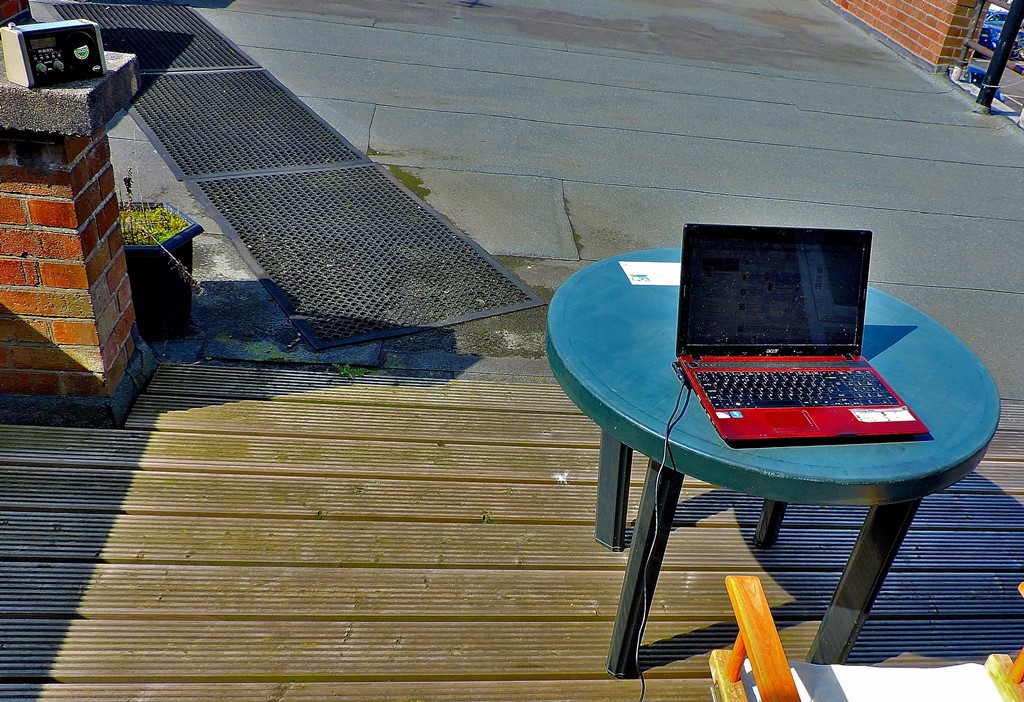
The county cricket season is underway, and just after midnight our time the first golf major of the year was decided. Additionally the weather today is so pleasant that for the first time in 2016 I am using my ‘outside study area’…
AN EXTRAORDINARY FINALE
Reaching the point at which Jack Nicklaus among others has said majors really begin – namely the back nine on Sunday, this years US Masters was looking like Jordan Spieth was going to comfortably retain his title, but then he hit trouble, first in small way with bogeys at 10 and 11 (both very difficult holes) and then in a huge way at the 12th. At this tiny but fearsome par 3 Spieth put two balls in the water, clocking up a quadruple bogey 7 and losing the lead for about the first time of the tournament. England’s Danny Willett recorded a 67 to get to the club house at five under for the tournament, and Spieth reached the 17th needing a birdie, birdie finish to tie (barring miracles neither hole offers any chance of an eagle). A bogey at 17 and it was all over, and Willett, the previously unknown Englishman was the champion. The 18th at Augusta is a long par-four, not remotely drivable, and in any case the longest distance from which anyone has holed out to win a tournament is 176 yards by Robert Gamez (the victim of this freak, not for the first or last time in his career was Greg Norman).
A MORNING WALK
Before the cricket started today (day 2 of 4, Nottinghamshire having peen put in by Surrey had run up 445, Surrey had survived two overs without incident) I headed off for a walk. I was barely started when the first photo presented itself…
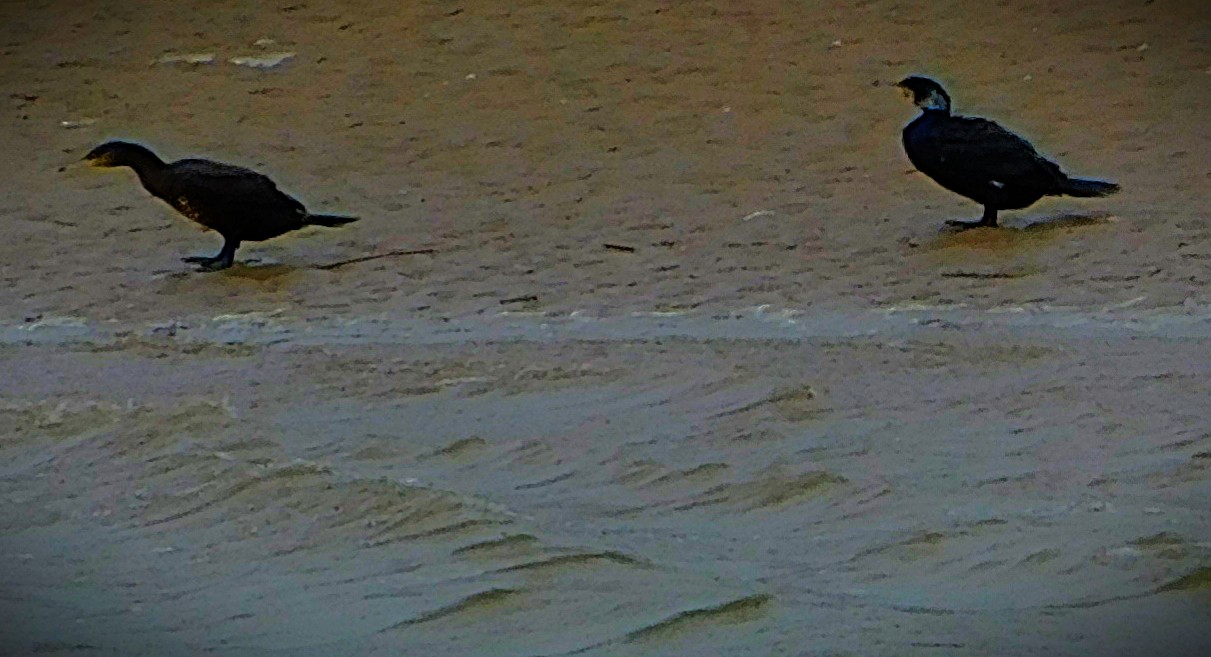
The riverside stretch to Hardings Pits yielded some cracking pics, a good few featuring cormorants…
Cormorant in full flight above the Great Ouse
The mouth of the Nar as it flows into the Great Ouse
West Lynn Church
The parkland stretch of the walk yielded two different types of train and several birds…
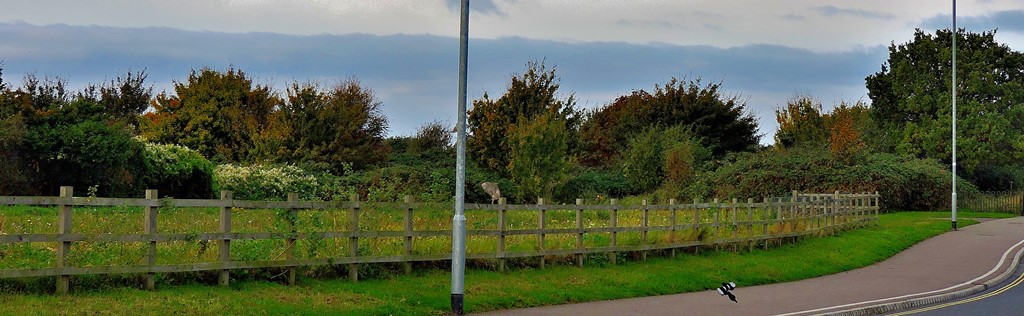
Magpie, just before heading back towards town.
This bronze Norwich Union plaque is the only one of its kind I have seen – it is to be spotted near the Catholic Church
The walk back into town, following Bawsey Drain, yielded a wide variety of shots…
Muntjac
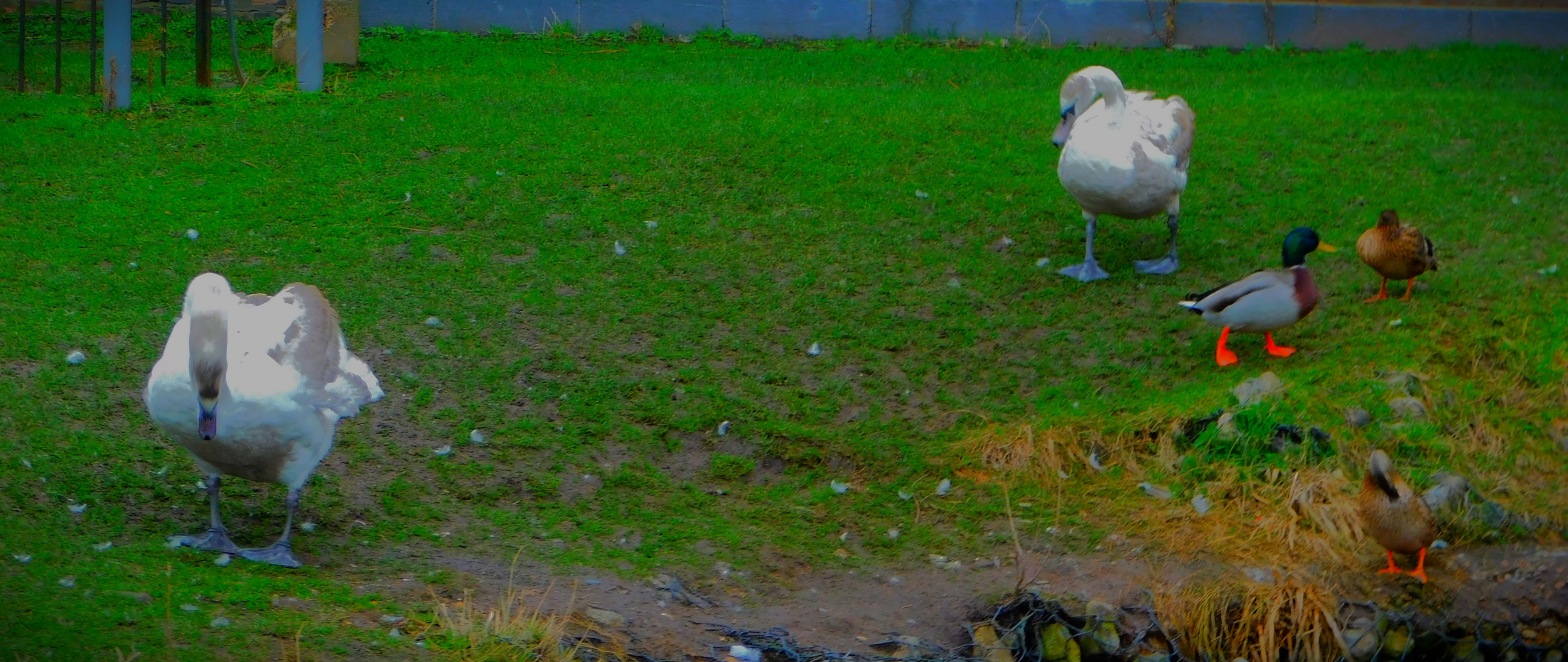
Ducklings with their mother.
These adorn the Tuesday Market Place
SURREY IN TROUBLE
Having conceded almost 450 by poor bowling, Surrey are now struggling with the bat, at 149-5. Elsewhere, Durham and Somerset are enjoying a low-scoring tussle, while Ben Duckett of Northamptonshire has relieved the Sussex bowlers of 254 (and counting – he’s still there). I shall be doing some prep for my photographic display at the Positive Autism Awareness Conference this Friday once I have published this, which ends with this picture…






















































































































































































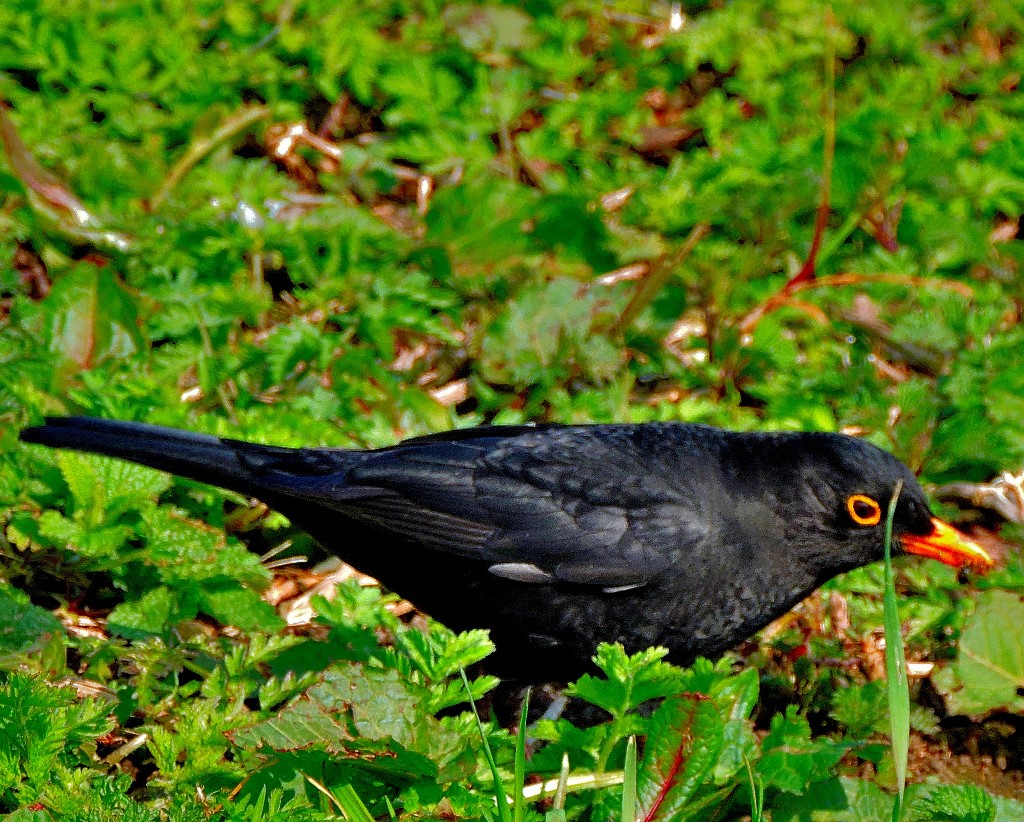
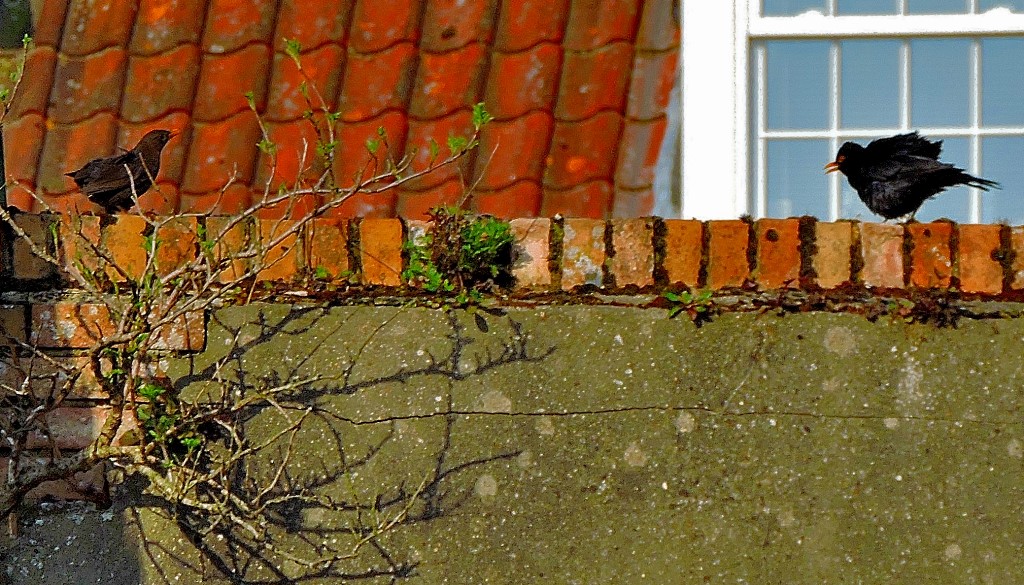


 aspiblog