Concluding my account of the day at St Michael’s Mount as we near the end of my series about my visit to Cornwall.
INTRODUCTION
Welcome to the latest installment in my series of posts about my recent visit to Cornwall. This post completes the day at St Michael’s Mount, leaving me with a post to do about the journey home and finally a page from which all the posts about this trip can be accessed. The fact that this will mean (including the page) 13 pieces relating to the trip bothers me not a jot – I have no more time for triskaidekaphobia than I do for any other ridiculous superstition.
WRAPPING UP ST MICHAEL’S MOUNT
Having finished our exploration of the mount itself it was time for lunch, which was excellent. The establishment at which we ate our lunch has a rule that alcoholic drinks can only be served if food is ordered at the same time, and according to their interpretation cream teas do not count as food, so on two occasions in the course of that meal we ordered portions of chips to go with drinks. Mention of cream teas (a speciality of the far west of England) brings me to a debate that rages unchecked: which goes on the scone first, the cream or the jam? The cream advocates argue that cream in this context is the equivalent of butter (and if it is Cornish clotted cream it is so thick that one can pretty much slice it like butter!), and that if you put the cream on first you do not get jam in it. I am not sure what the jam advocates base their case on.
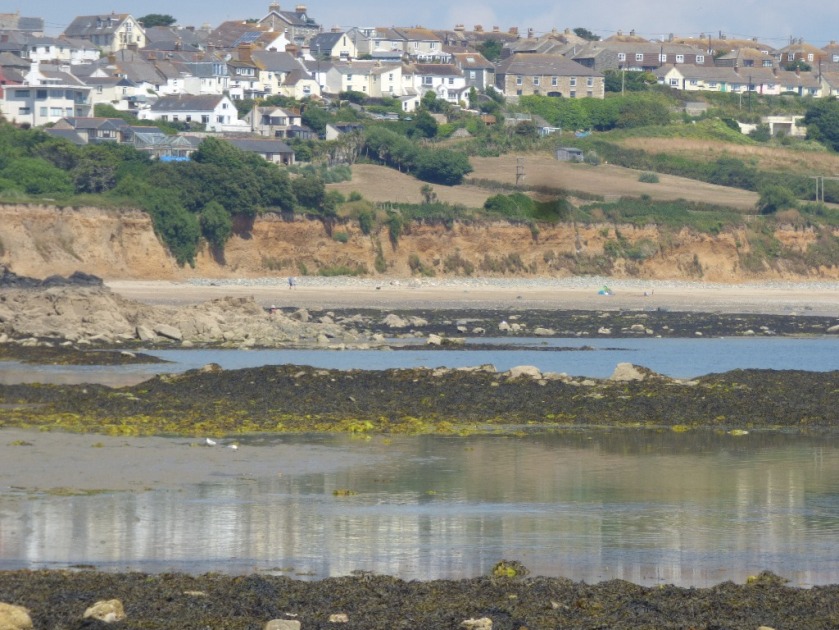
Lunch consumed it was time to head back to our parking place on the edge of Penzance. The tide was just starting to turn but was still a long way out, and unlike the Mont St Michel, on which the current setup of St Michael’s Mount is modelled the tide here comes in slowly (no danger of galloping horses being swallowed by an inrushing tide, as allegedly happened at Mont St Michel on one famous occasion), so we were still able to walk back across a vast expanse of beach to rejoin the official footpath just west of Marazion. I omitted to remove my socks and shoes for this part of the journey, and they ended up thoroughly soaked, although by the end of the walk they had dried out again (without the sea breeze the heat would have been fiendish).
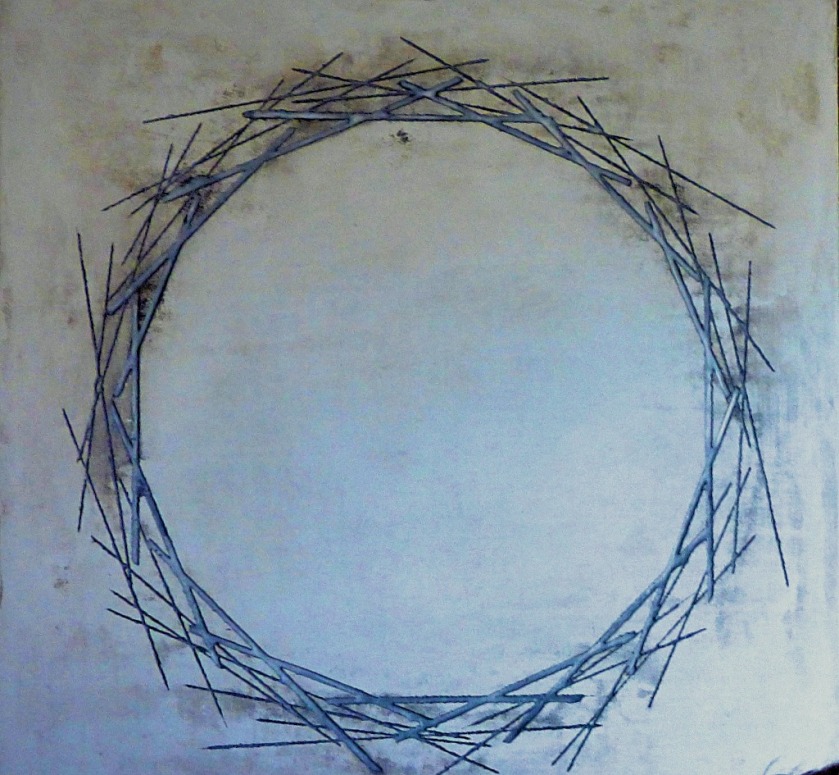
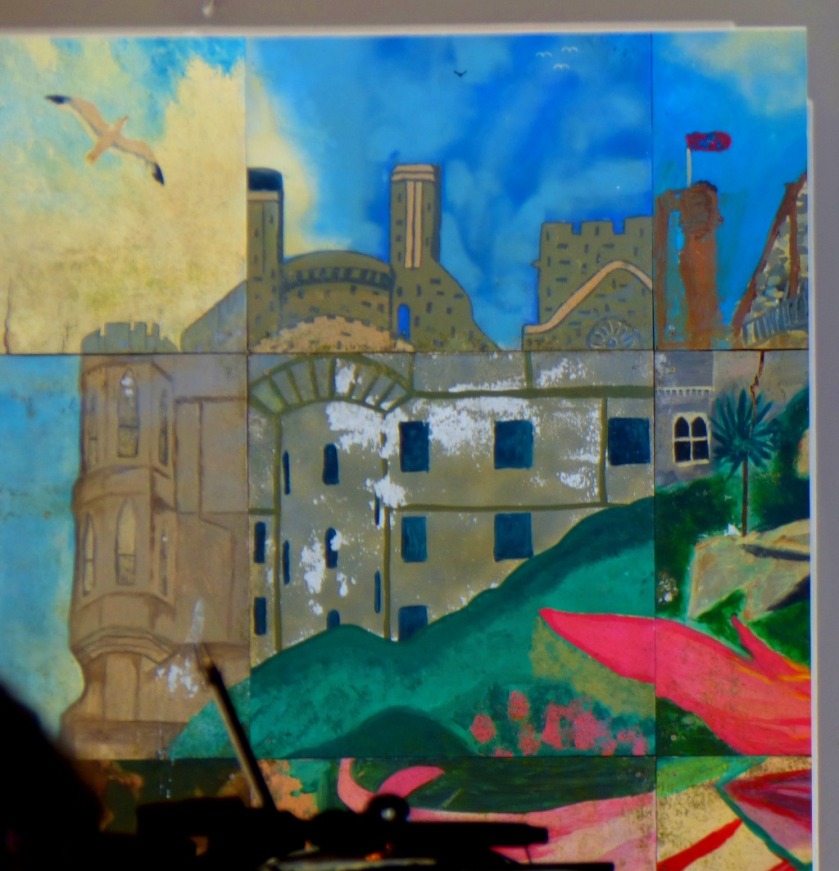
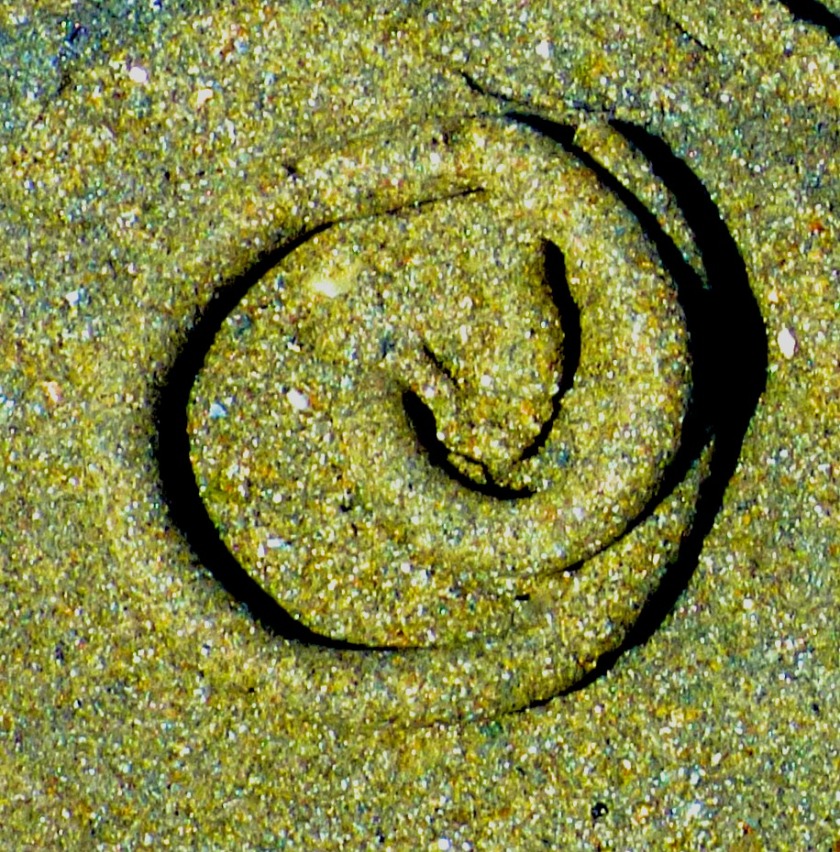
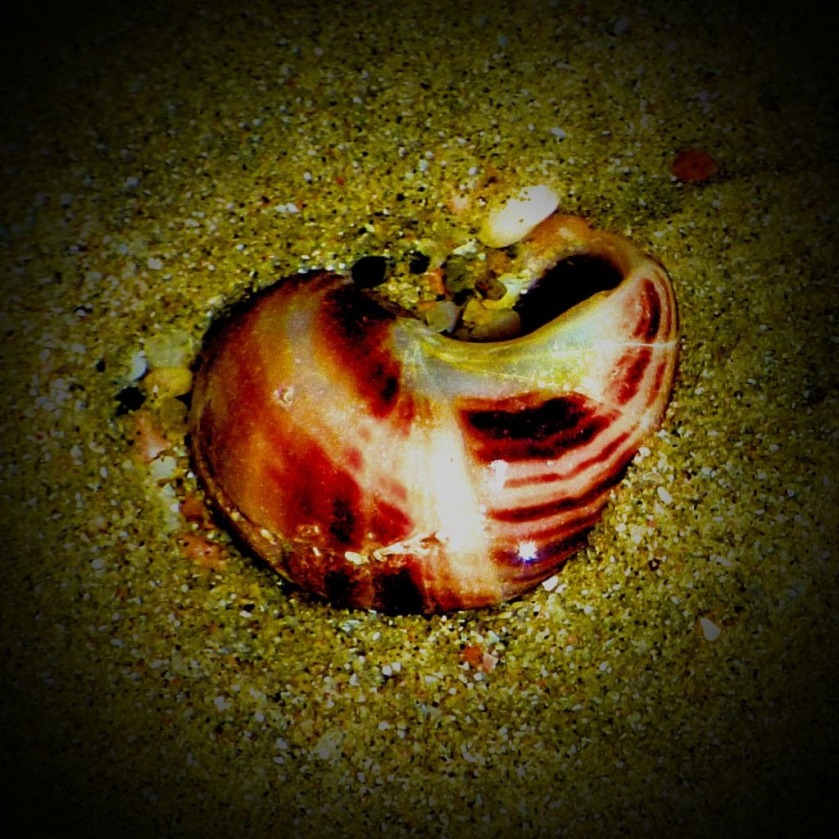
The first few photos here, including these mathematical pictures are from lunch
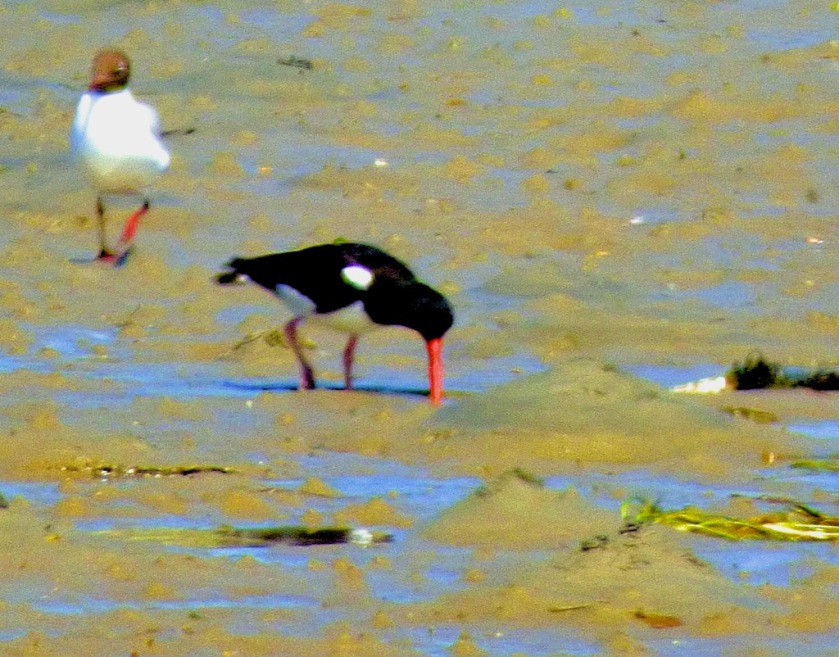
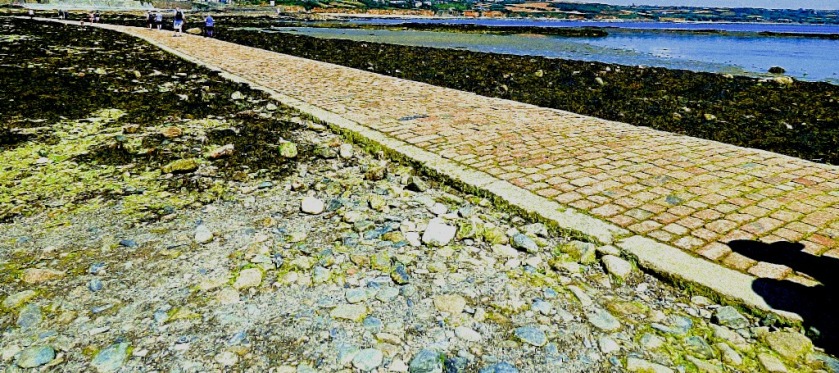
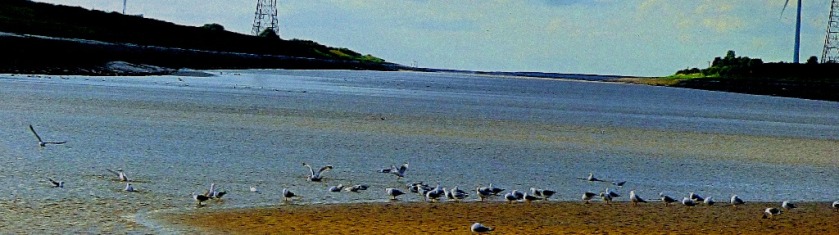
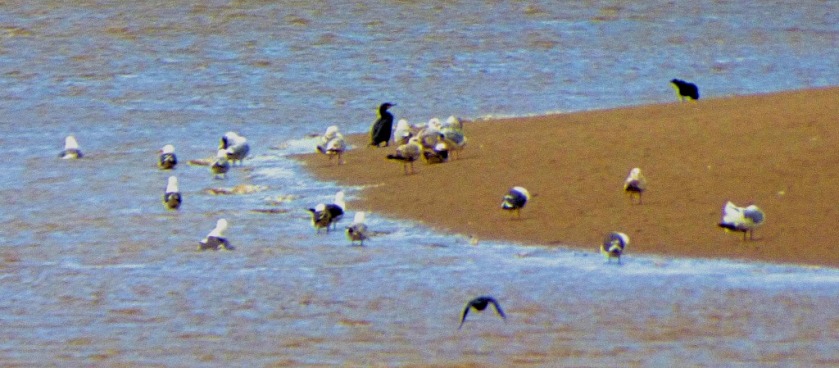
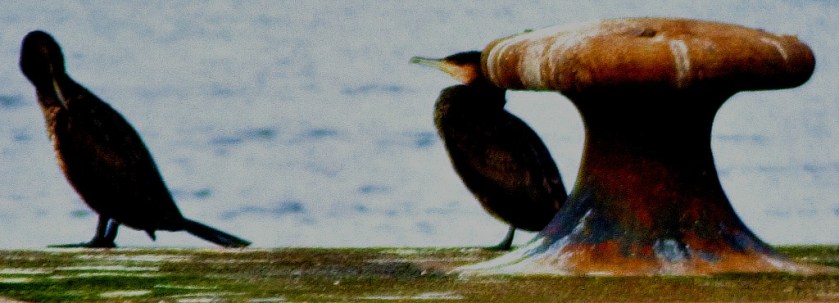
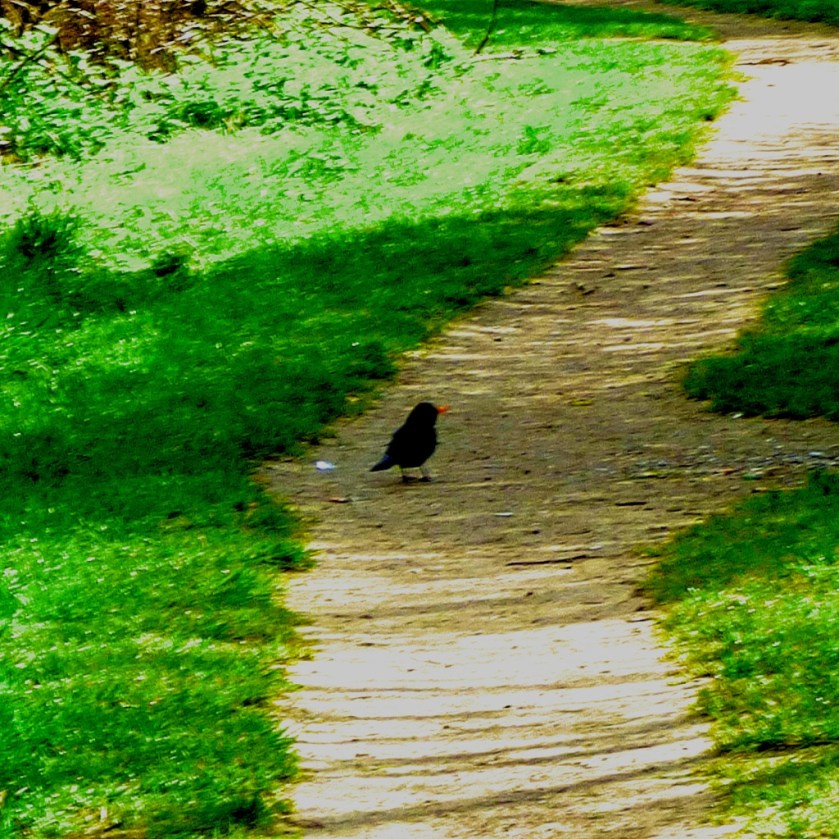
Just before recrossing the causeway to the mainland, we saw these birds – the one with the red bill used for digging would have been having a bonanza – there were huge numbers of worm casts in the sand.The causeway from close up
Continuing my account of my most recent visit to Cornwall.
INTRODUCTION
Yes, Plymouth is Devon not Cornwall, but my visit to the town was part of my stay in Cornwall, so it belongs in this very spread out series of posts.
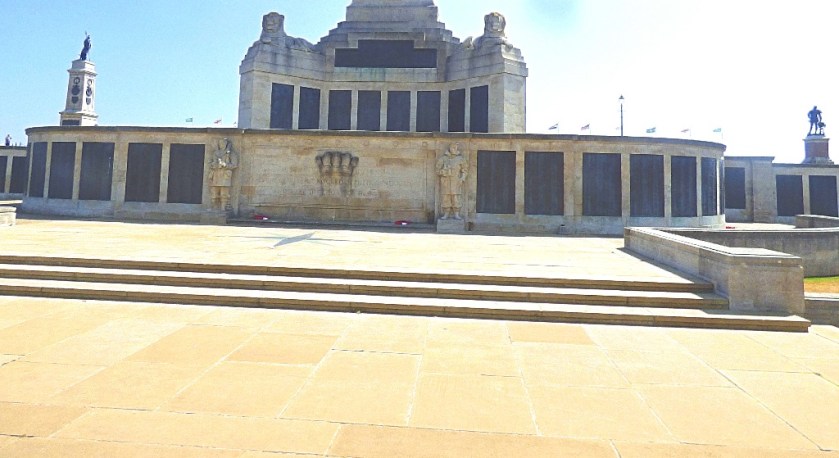
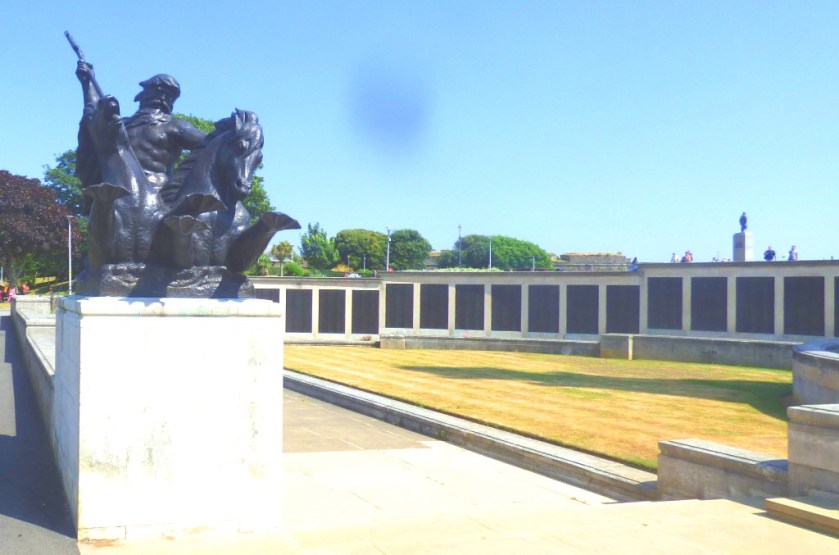
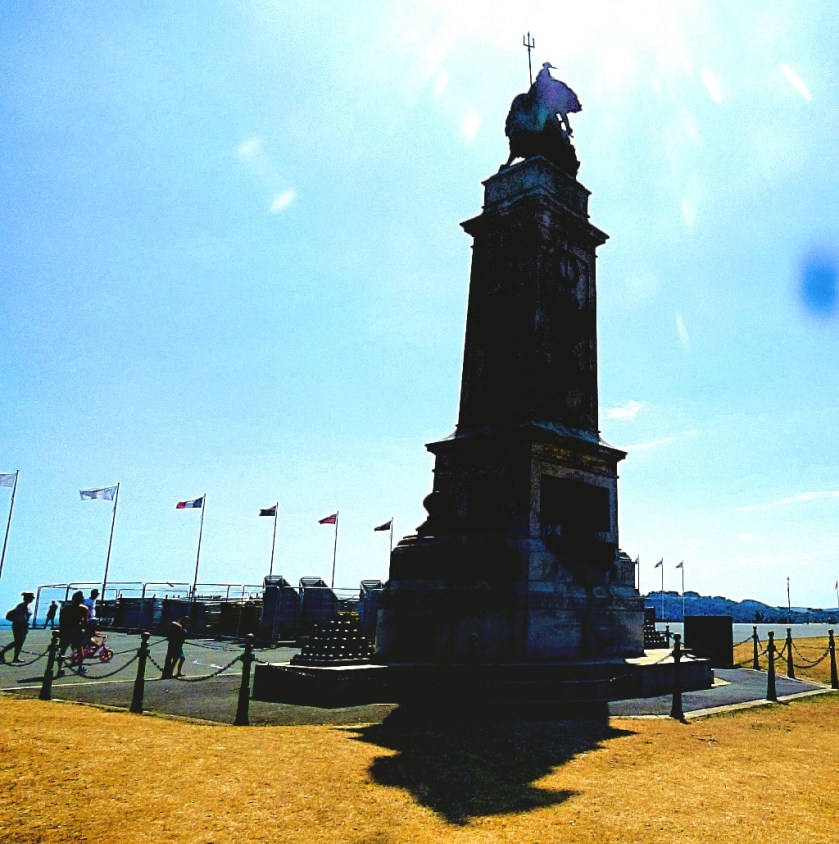
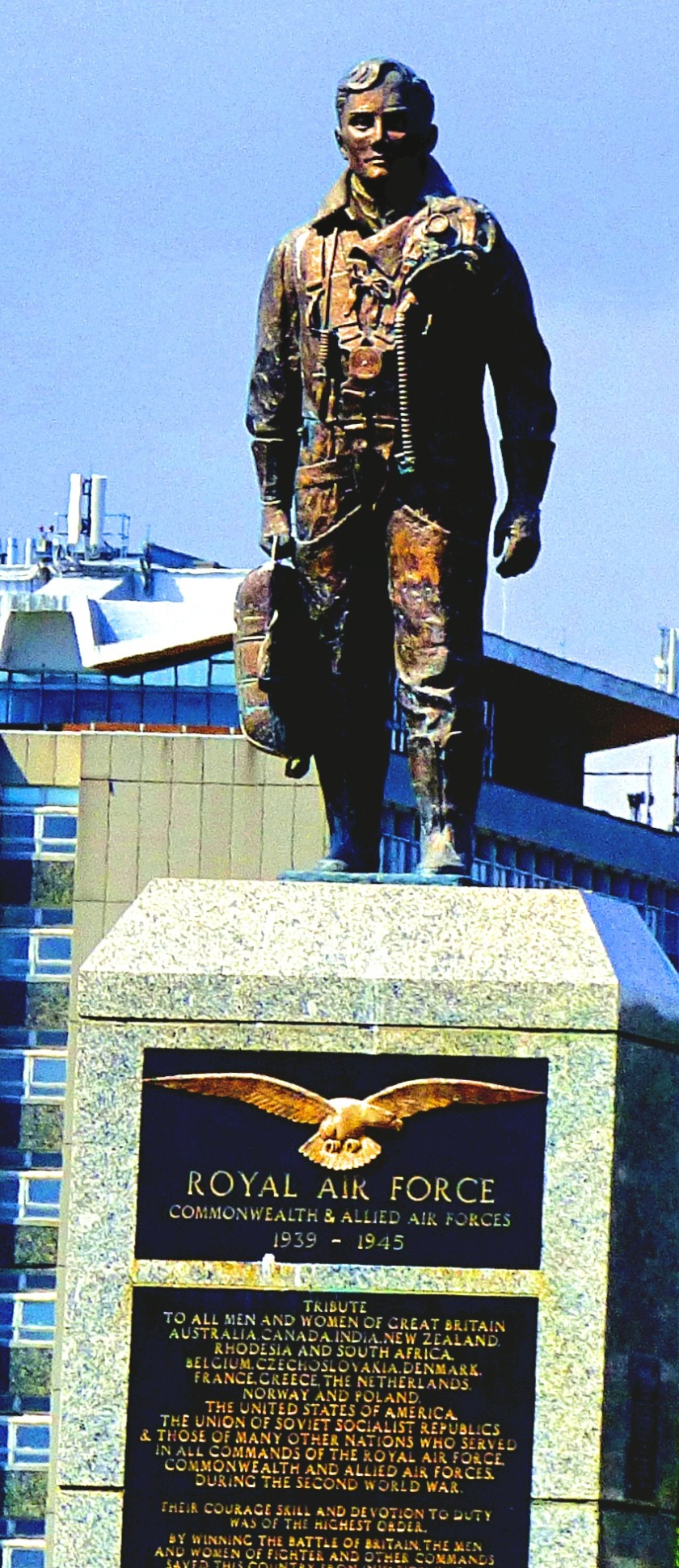
THE WAR MEMORIAL
This particular memorial honours those lost at sea as well as those killed in war, because Plymouth is very much a naval town.
A first, distant view of the memorialA series of close-ups – each vertical bronze panel around the base is a list of names.
OTHER PICTURES FROM HISTORIC PLYMOUTH
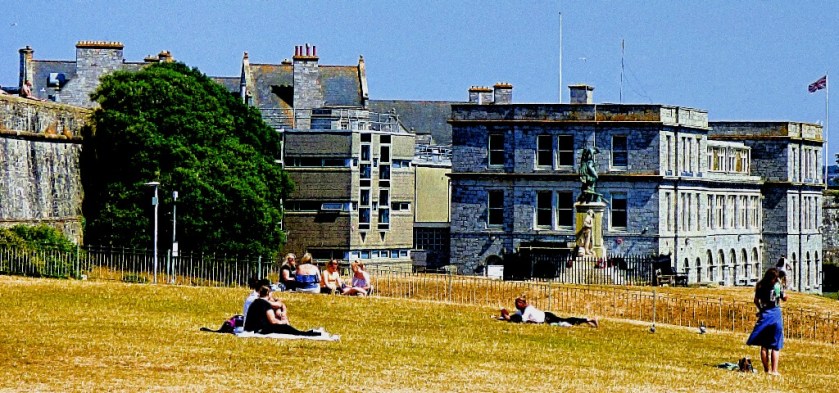
There were plenty of other things to see around the sea-front…
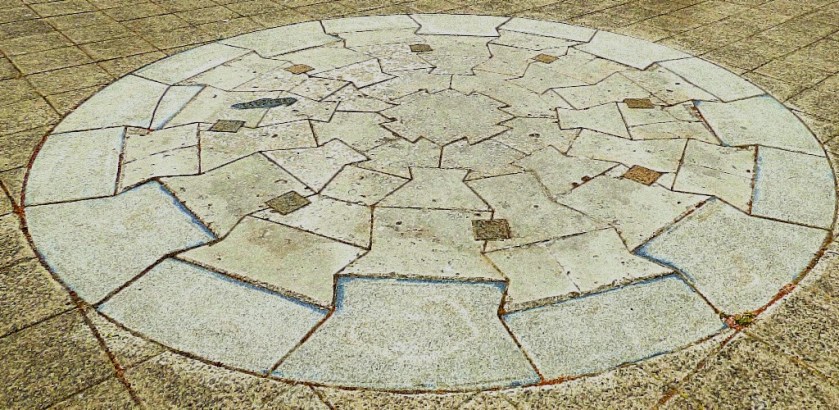
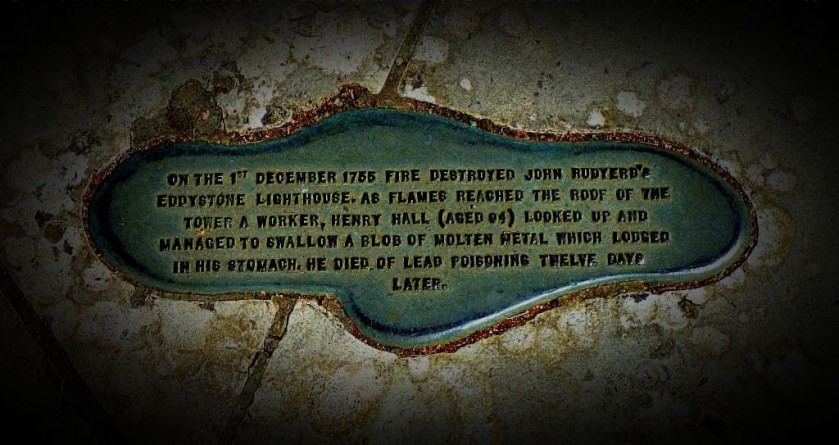
A quirky pavong arrangement……and an explanatory plaque
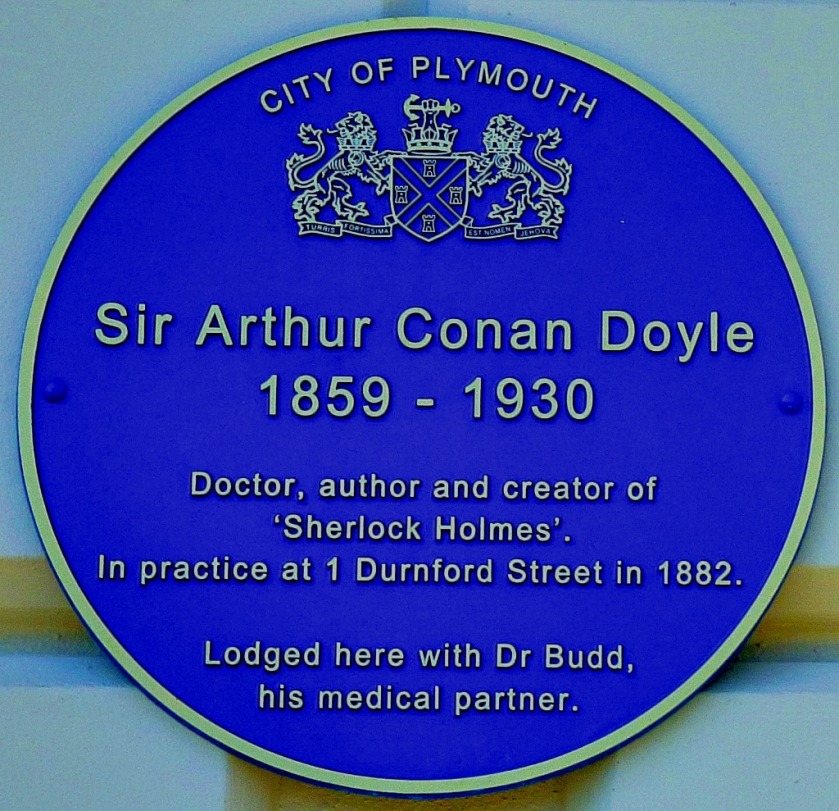
AN ITEM OF SHERLOCKIANA
It will be no news to followers of this blog that I am a fan of the world’s first and greatest consulting detective, so it was pleasing to acquire a photograph with a connection in that direction:
One of Holmes’ most famous cases takes place on Dartmoor, not far from Plymouth.
THE RETURN CROSSING
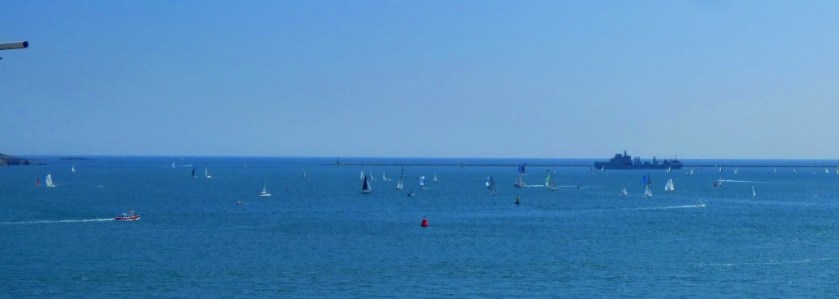
It was now time to recross the county boundary into Cornwall, one again on the Edgecumbe Belle.
A post celebrating recent successes for the England men’s and women’s cricket teams.
INTRODUCTION
The last few weeks have been magnificent for English cricketers of both sexes. Each side has been very dominant through a sequence of games, and each have set a team scoring record during the sequence of games.
THE WOMEN
The women warmed up with an ODI series against South Africa, losing the first match but winning matches 2 and 3 very comfortably, in each case with their efforts being spearheaded by centuries from Tammy Beaumont. Then they moved into a T20 tri-series featuring South Africa and New Zealand, the latter fresh from three straight 400-plus ODI tallies against Ireland, the last of which featured the first part of a ‘script rejection’ performance by Amelia Kerr – 232 not out with the bat, and then to settle things 5-17 with the ball. No author of a cricket themed novel would dare have a 17 year-old do that in an international match, but it happened in real life.
On Day 1 of the tri-series New Zealand opened proceedings by scoring 217 from their 20 overs against South Africa, which at the time was a new record in that form of the game, and won them the match comfortably. That record lasted until later that same evening when England took on South Africa, and with Beaumont scoring yet another century (getting there in a mere 47 balls) and Katherine Brunt responding to a promotion up the order by running up 42 not out off just 16 balls reached a total of 250-3. This proved way out of SA’s reach. On Saturday, the second set of games in the tri-series, England lost to South Africa but bounced back to beat New Zealand in the other match.
THE MEN
The men started the limited overs segment of their summer by losing to Scotland at The Grange, but then they commenced a five match series against Australia and were absolutely dominant through the first four matches, winning all comfortably and racking up 481-6 in the third match. The fifth match was a very different kettle of fish. Australia were all out for 205, a modest total that featured the most misjudged leave-alone in cricket history (perpetrated by Ashton Agar). England then collapsed to 114-8 and I was getting ready to point out that wins in dead rubbers don’t really count. However, Jos Buttler was still there, and now Adil Rashid provided some sensible support, and the pair put on 81 for the ninth wicket, turning the match into a nail-biter. Jake Ball, the England no 11 only scored 1 not out, but he survived 11 deliveries, while Buttler first completed an astonishing hundred (with a six that on sheer distance should probably have been a nine) and then sealed England’s one-wicket victory in this game and with it a 5-0 whitewash against the old enemy.
Tim Paine thus became the second Tasmanian born captain with a surname that begins with P to surrender a match in which the opponents had needed 92 with only two wickets left (look up Mohali 2010 for more details).
Buttler’s innings secured him both the player of the match and player of the series awards. Buttler was 110 not out in a score of 206-9, and the joint second biggest scores were 20 for Alex Hales and Adil Rashid, and he finished the series with 275 runs at a handy 137.50. In the course of this innings he passed 3,000 ODI runs. Unlike most of his previous big innings which have been all about putting opponents to the sword (his 3,000th ODI run came up off only just over 2,500 balls faced in this form of the game) this one involved getting his team out of trouble and probably rates as his finest for precisely that reason.
MAJOR CONTRIBUTORS
Both the men’s and women’s teams have benefitted from the fact that everyone has contributed somewhere along the line, but each also have had certain players who have been especially outstanding (see Buttler above), and I offer the following composite list of the best:
Moeen Ali: Watching the way the Aussies tackled his off-spin you might have thought they had been put in a time machine and taken back to 1956.
Jonny Bairstow: about the only thing he did wrong all the way through was get out in the game at The Grange when he was putting Scotland to the sword and would have had England firmly in control had he batted a few more overs. None of the Aussie bowlers, even the highly impressive Billy Stanlake, had any idea where to bowl at him.
Tammy Beaumont: the smallest player in physical stature in this list (5’3″ tall) she has been a metaphorical giant in these matches with three centuries from her position at the top of the order.
Katherine Brunt: In the first match she made 72 to give England something to defend. After her 42 not out in the 250-3 T20 game she followed up by picking up 2-18 from her four overs. Ignore talk of imminent retirement – so long as her body remains in one piece she will keep going.
Jos Buttler: The batsman-keeper did all that was asked of him in the first four matches of the series against Australia and when the going got tough in fifth match he got going and carried England to victory.
Alex Hales: started these matches as favourite to miss out once Stokes was available again but played several incredible innings, and I would now say that for all his all-round credentials Stokes has to be considered as far from certain to regain his place.
Adil Rashid: another of the ‘role-reversal’ aspects of this series was that on this occasion it was Aussie batsmen who looked like rabbits in headlights when facing an English leggie. In addition to his success with the ball he played that crucial little innings in the final match.
Jason Roy: the leading run scorer of the series with 304, including a ton which spearheaded the chase-down of 310 in the 4th game.
Anya Shrubsole: reliable as ever with the ball, and when really needed in the game against New Zealand on Saturday she delivered some quick runs.
Sarah Taylor: quite possibly the best wicketkeeper of either sex on the planet at present and she also scored some important runs.
Danielle Wyatt: opening with Beaumont in the 250-3 game she was quite magnificent, and she had other successes through the season.
PHOTOGRAPHS
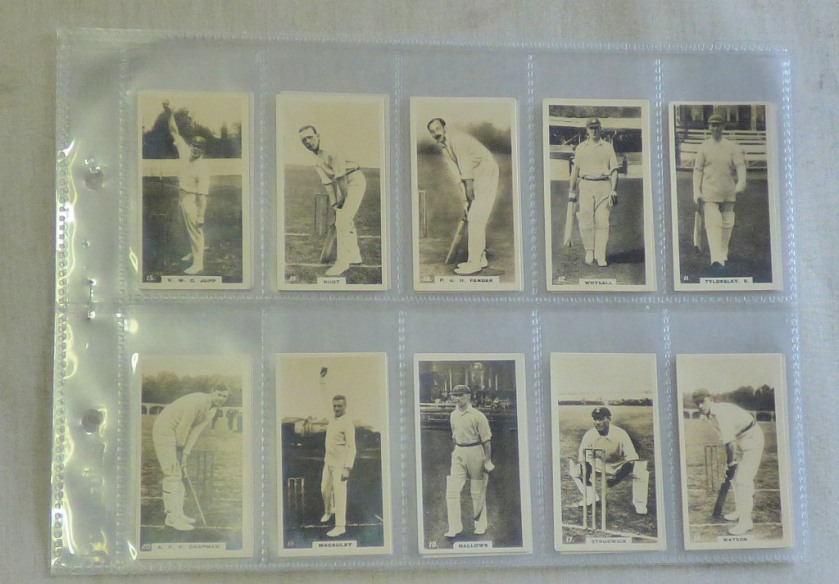
Time now for some photographs, starting with a cricket themed one from James and Sons’ upcoming cigarette cardauction.
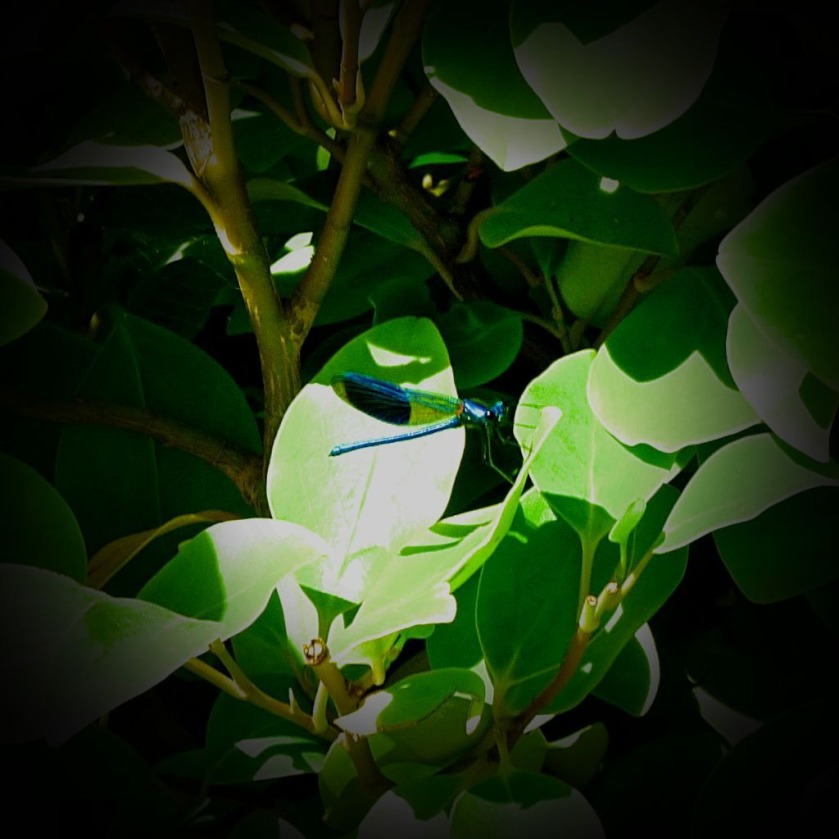
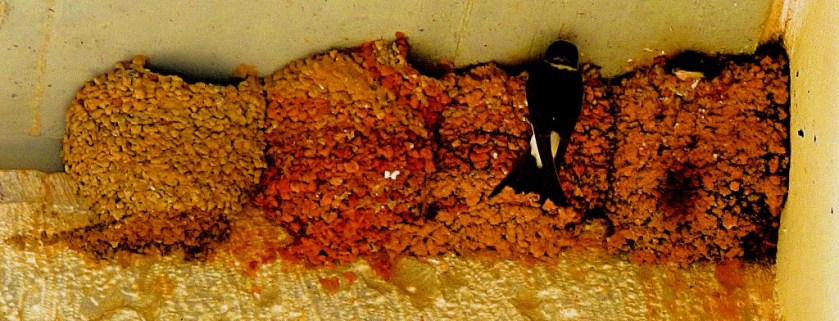
While not super-famous these cricketers all have some noteworthy achievements: Vallance Jupp achieved the double of 1,000 runs and 100 wickets in each of eight successive seasons, Fred Root once took a seven-for against Australia. Percy Fender once reached a century in 35 minutes. Dodge Whysall batted no 3 for Nottinghamshire for many years. Ernest Tyldesley scored more first class runs for Lancashire than anyone else. Percy Chapman led England to victory in each of his first eight matches as captain. George Gibson Macaulay was a very successful bowler and enough of a batsman to have scored 76 in a test match. Charles Hallows was one of three cricketers to score 1,000 first-class runs within the month of May (half a dozen others reached 1,000 first class runs for the English season before the start of June, but had runs in April in that record). Herbert Strudwick was England’s first-choice keeper for 15 years in spite of regularly batting at no 11. Frank Watson was a good county player, who once made a triple-century.A spectacular creature, presumably some form of dragonfly.
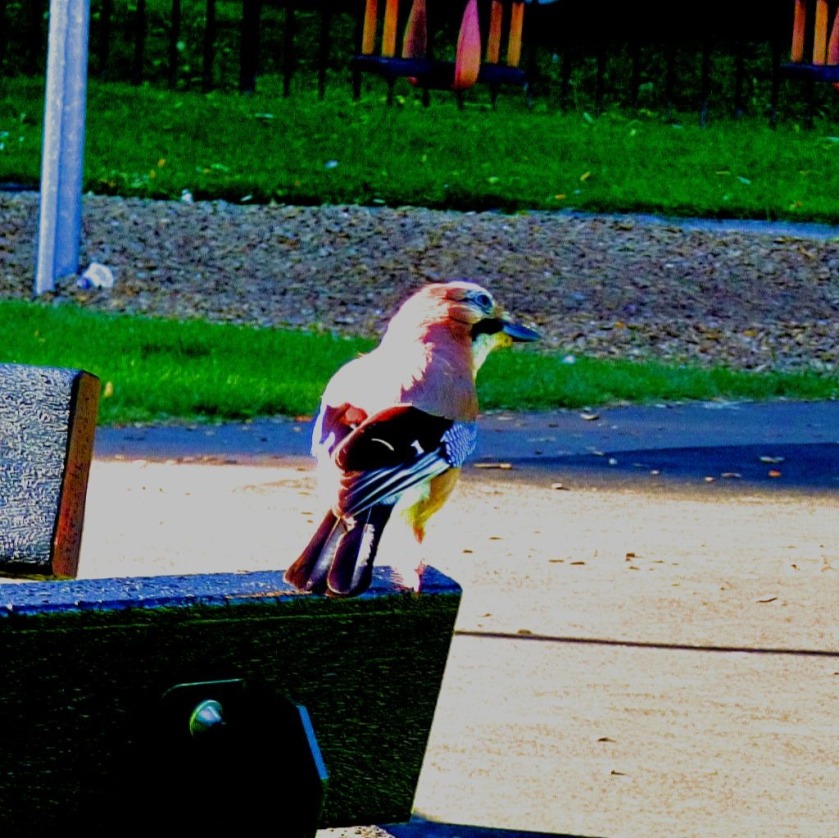
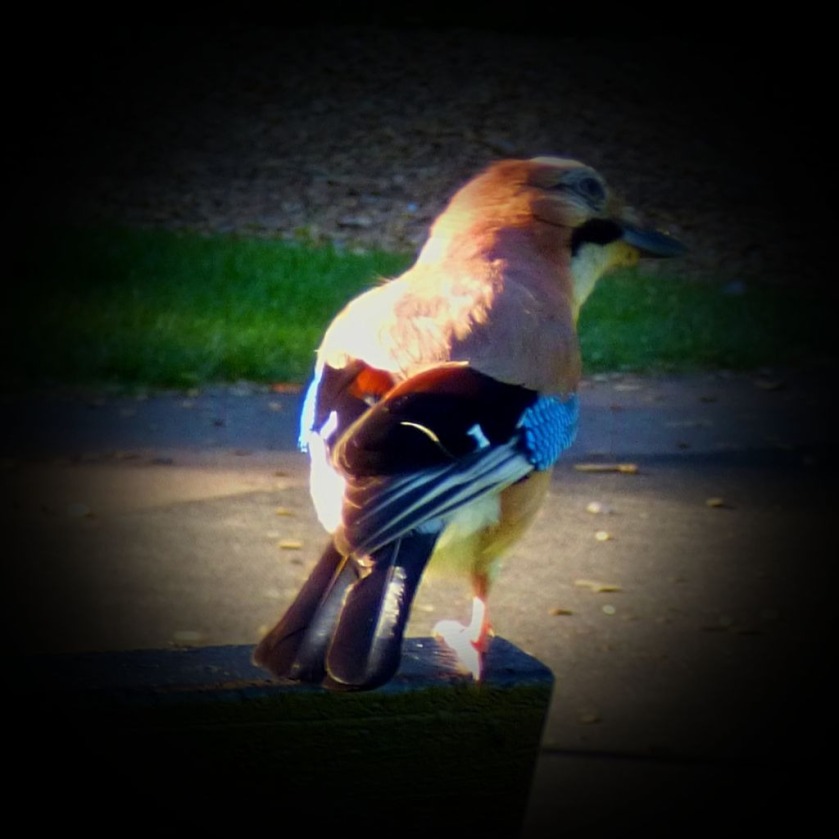
I saw this jay yesterday. This species is not threatened, but I use this caption to draw your attention to one that is, the nightingale. There is a petition to protect a threatened habitat for this bird at Lodge Hill – please sign and share it.
Some of the creatures I observed in the course of my holiday in Greece.
INTRODUCTION
Welcome to the latest post in my series about my holiday in Greece (12th to 19th May). This one is an almost purely pictorial post showing some of the plant and animal life that I encountered there.
THE FLORA AND FAUNA I CAPTURED
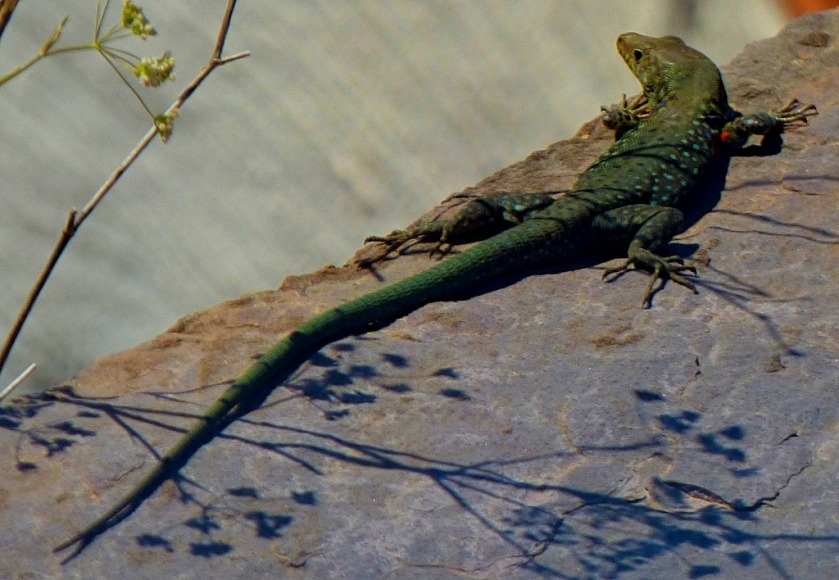
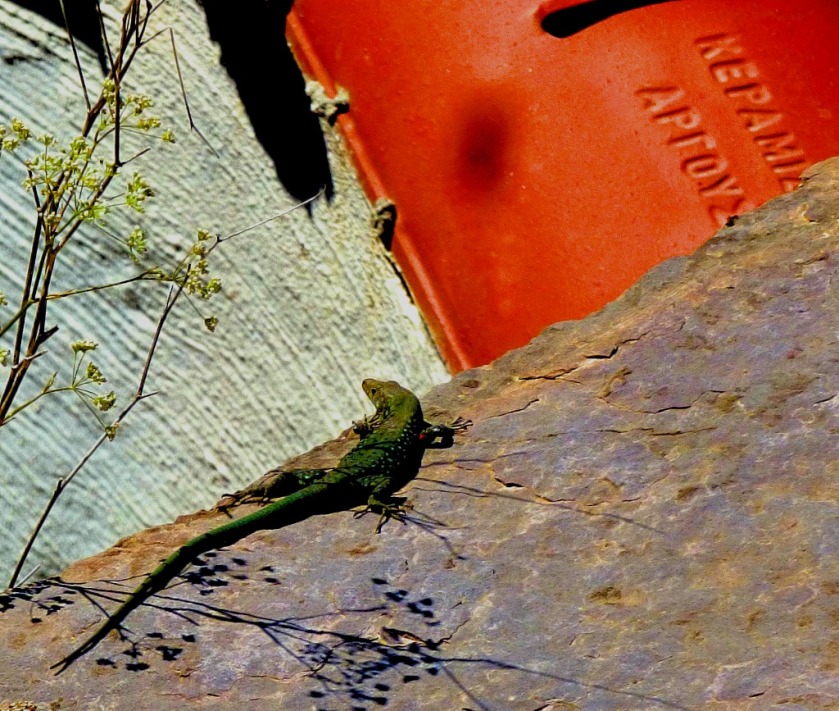
This little green lizard was the only such creature I amanged to capture on camera, but I also saw a larger yellow/brown lizard at Methoni, although it made itself scarce before I could photograph it.
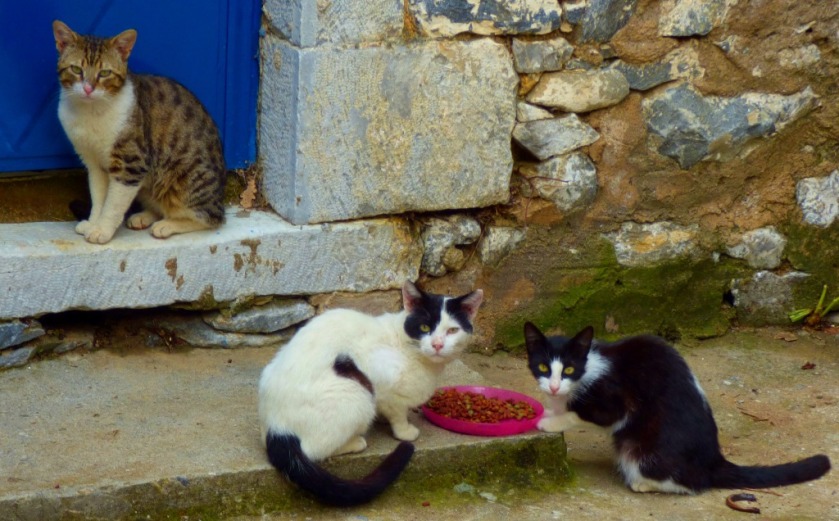
We had decided that we would put out cat food, but no treats, so the cats who visited were genuinely hungry..
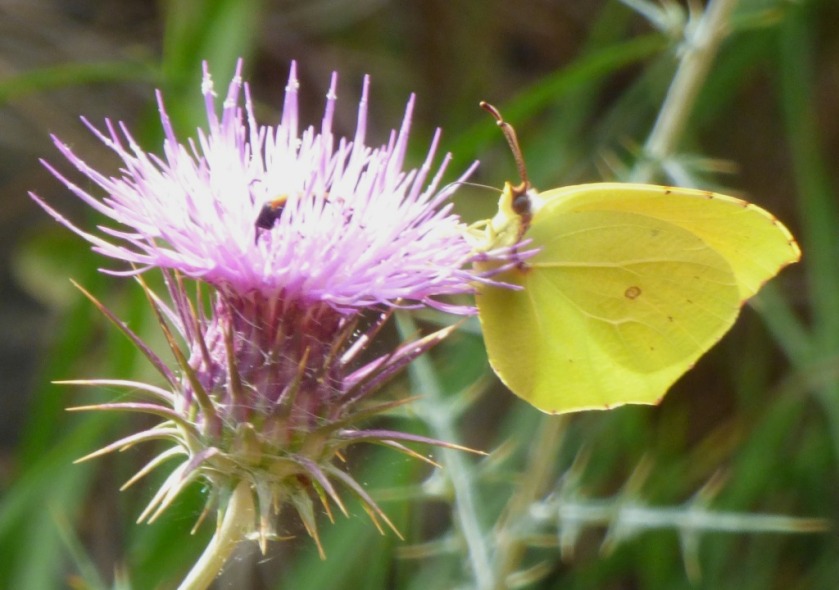
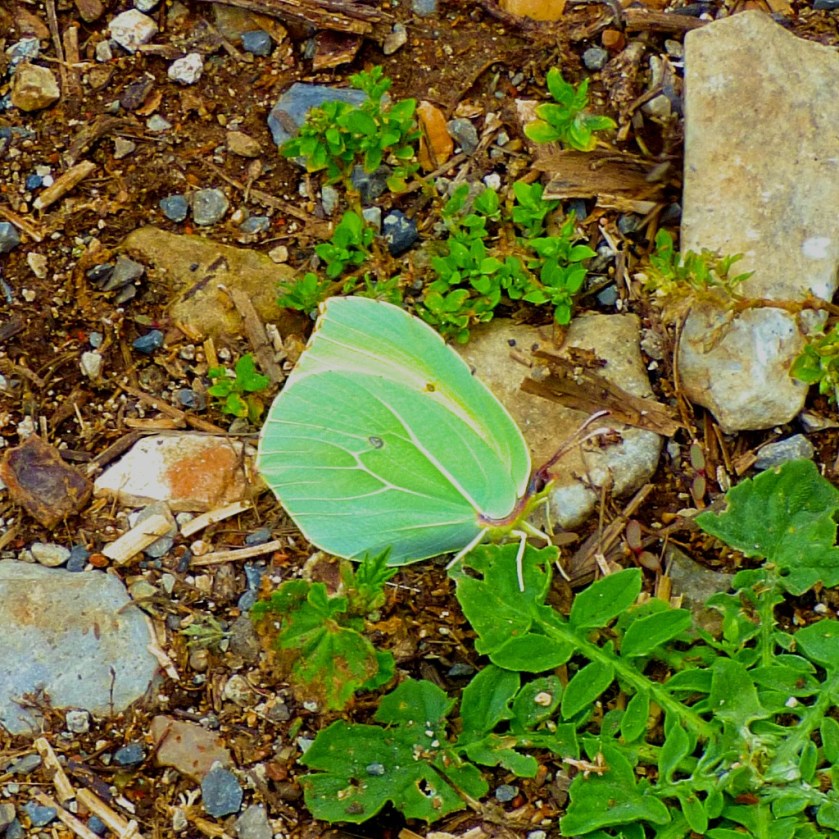
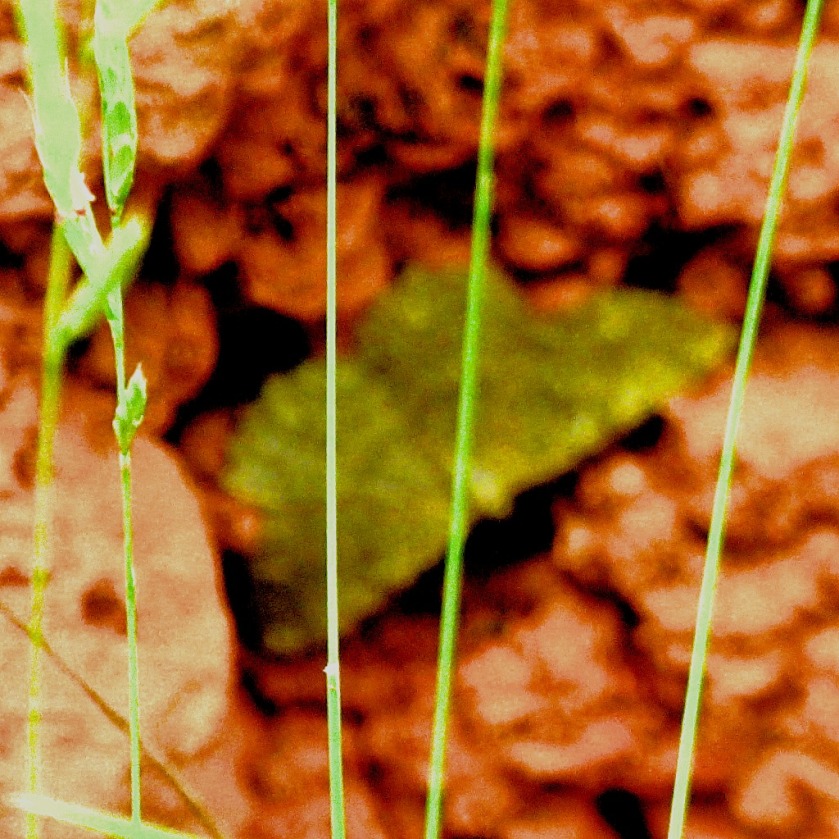
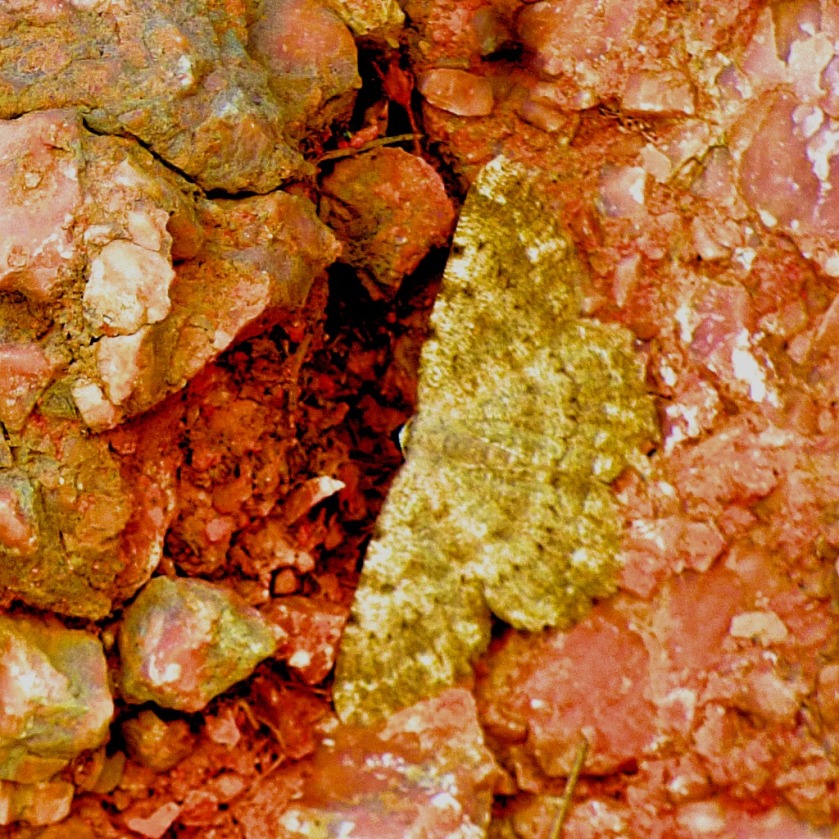
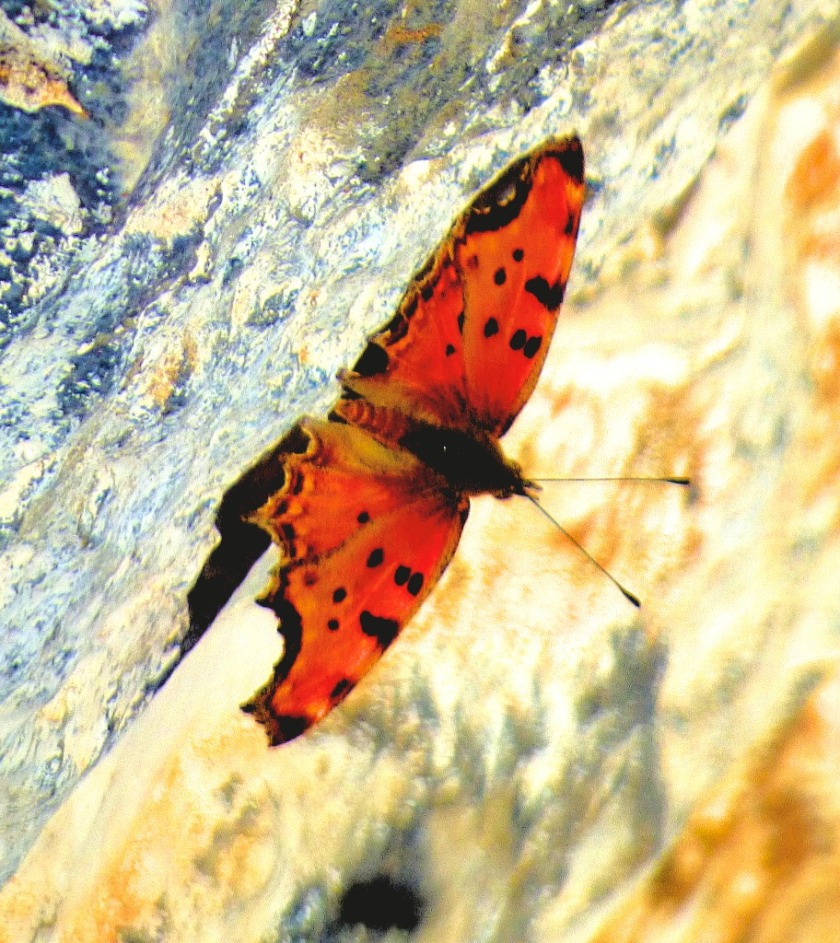
This picture and the next demonstrate that not all the butterflies in Greece are brightly coloured.
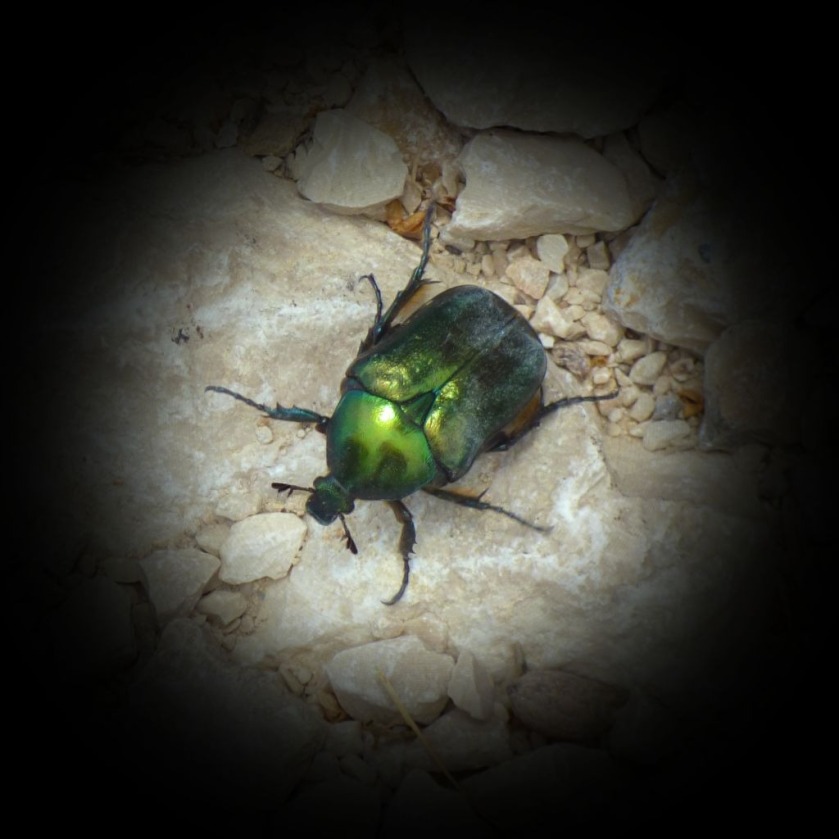
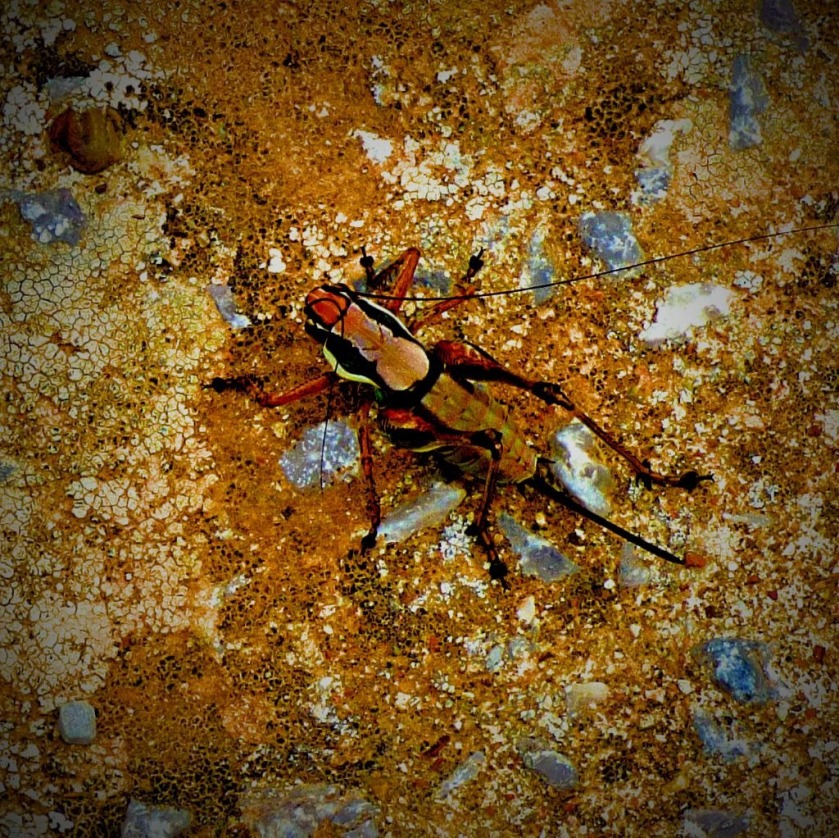
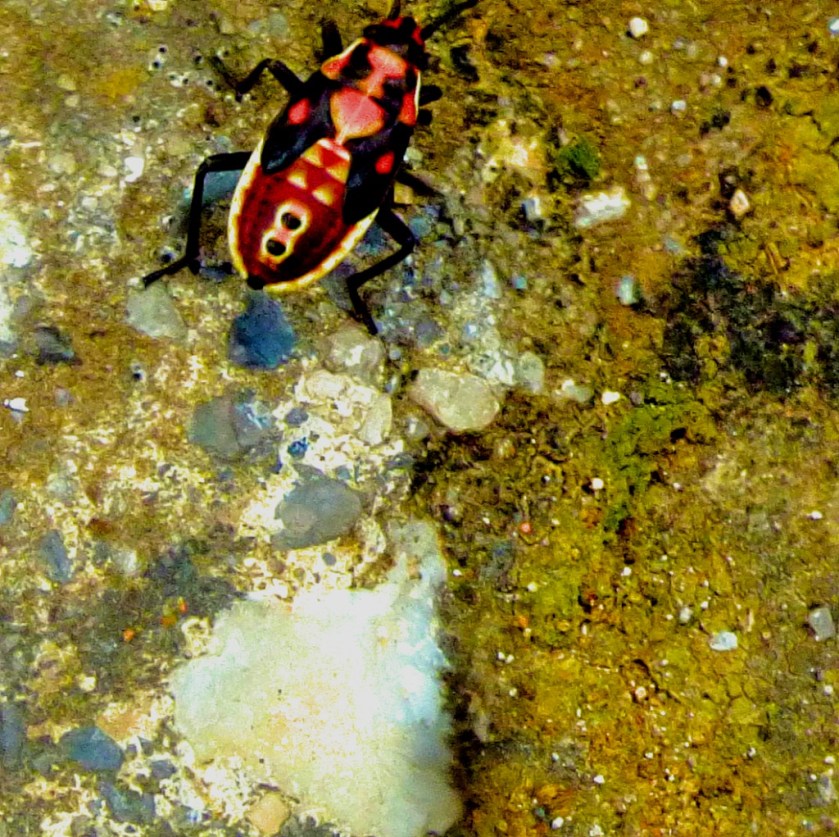
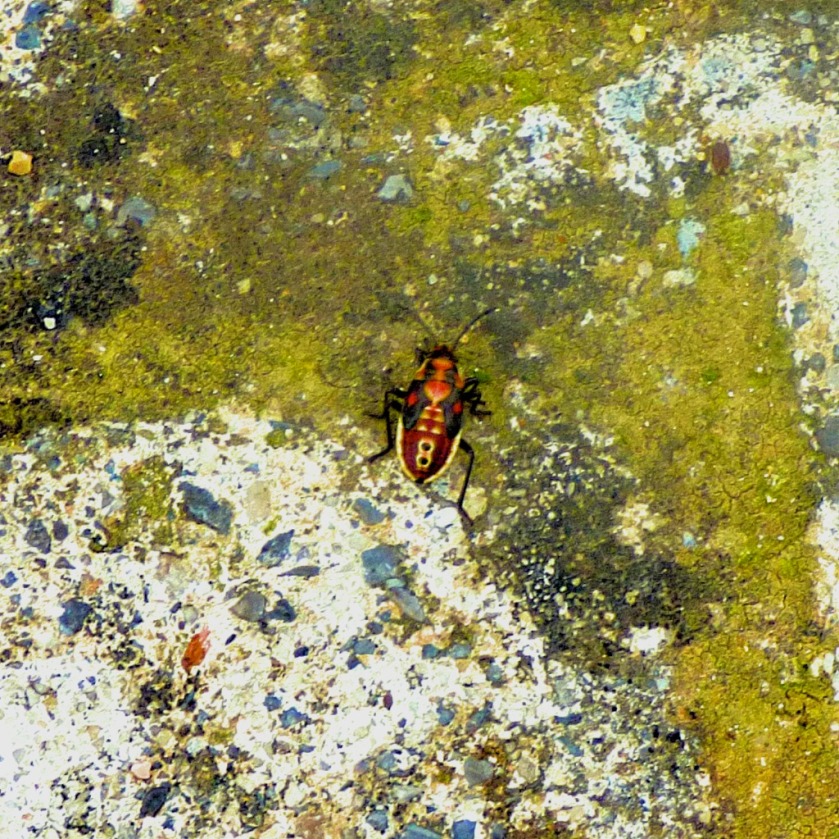
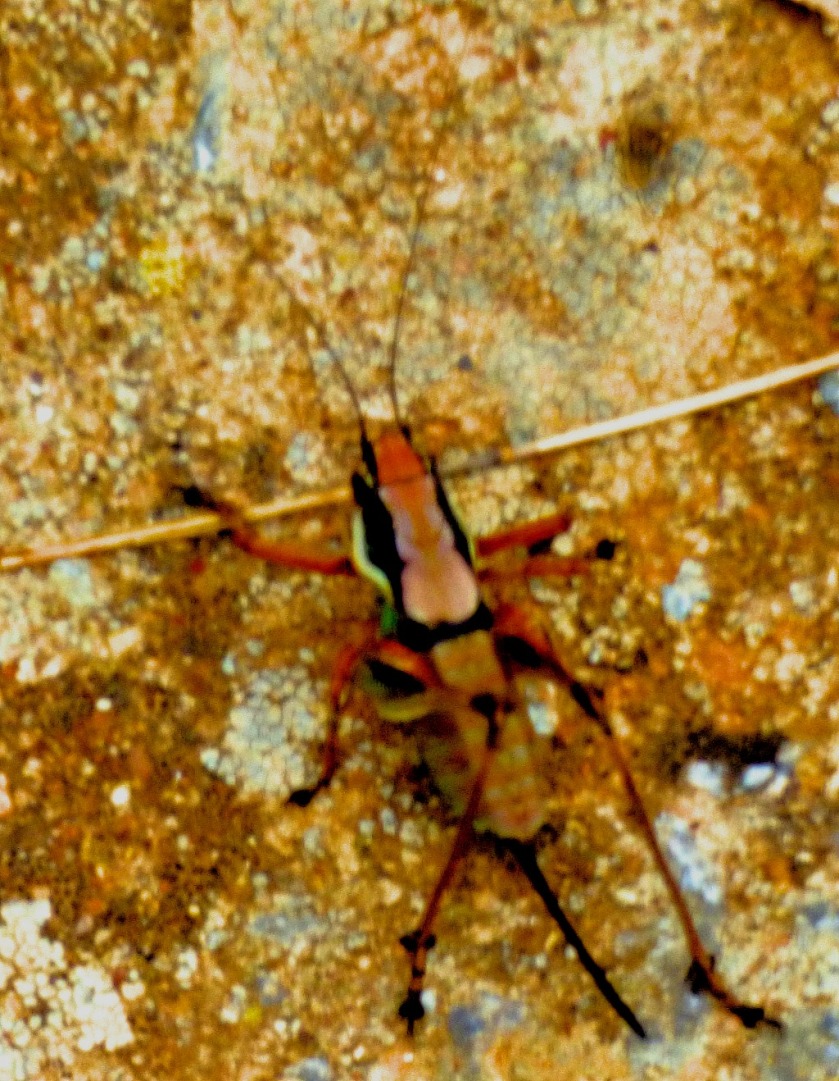
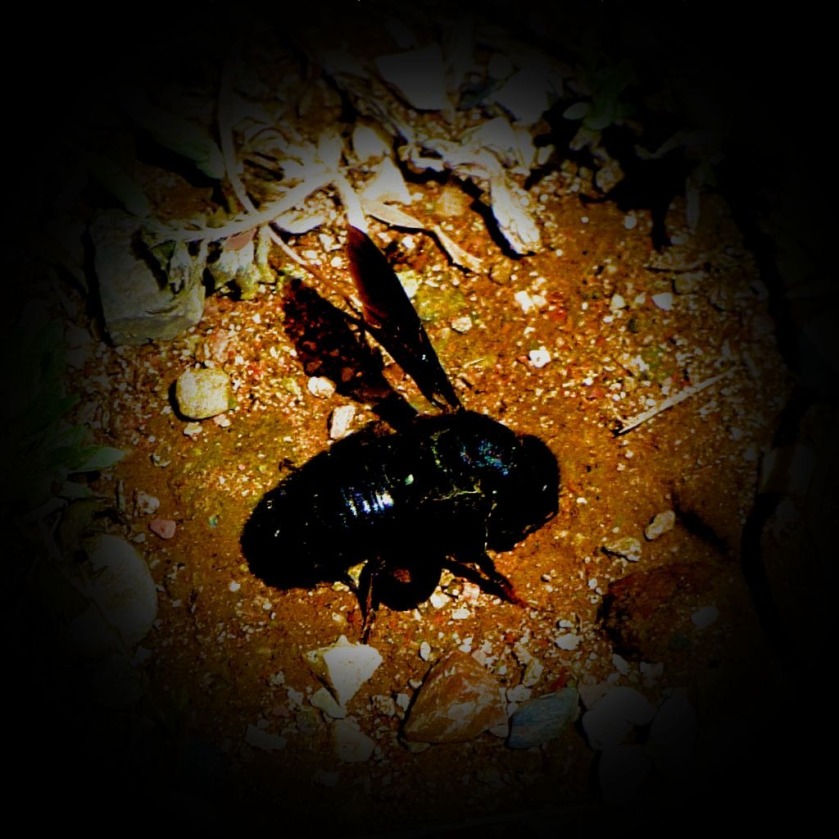
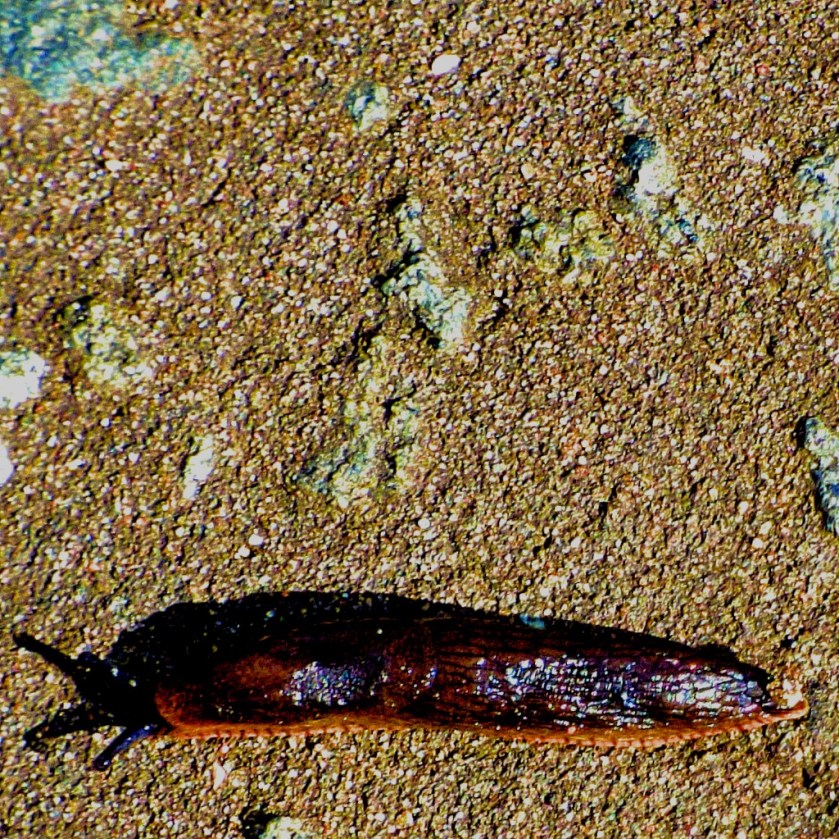
I saw this mountain snail during the ascent to Karytaina Castle, on the Friday, after the visit to Dimitsana.I could not identify this one with any confidence, although the shape suggests an arachnid of some sort rather than an insect.The size and shape of tbhis creature and the apparent solidity of its carapace suggested a large beetle, although such creatures do not usually display their wings when on the ground.
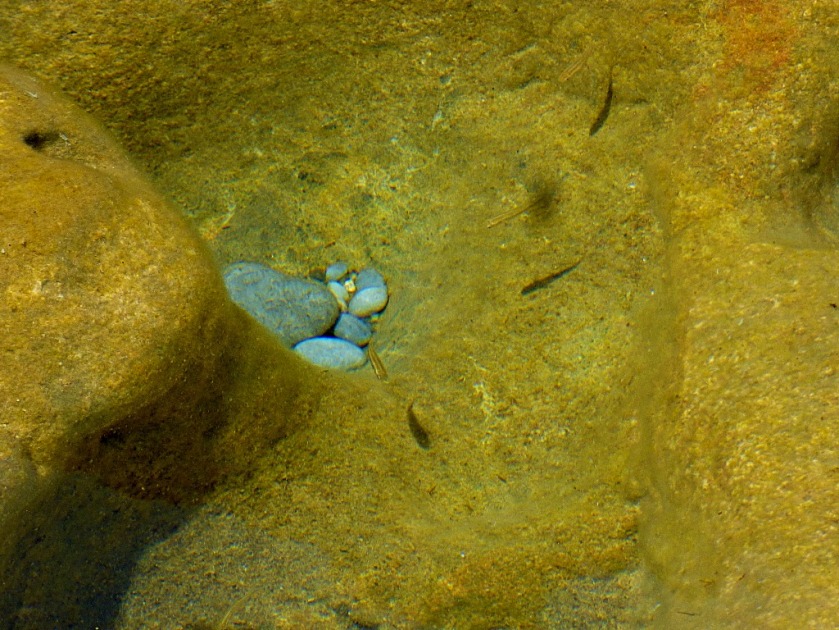
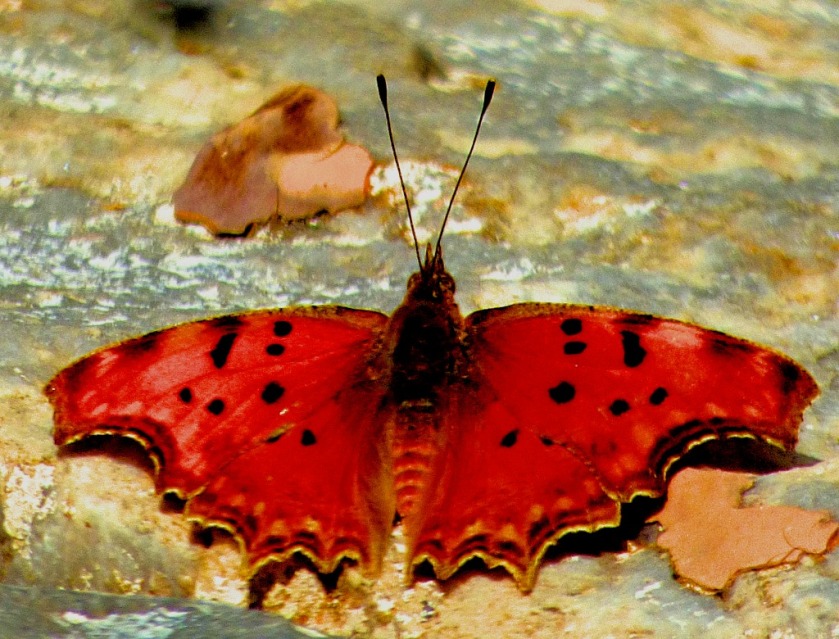
During one of the walks I saw a tiny snake which concealed itself very quickly, and I missed many other intended shots, but I think I got a fair selection!
Where lego and New Zealand birds meet, courtesy of Heather Hastie.
The creation is magnificent, and Heather’s idea of using it to launch a whole lego range devoted to indigenous New Zealand birds is even better. It is a little unfortunate to use this phrase given one of the most famous quirks of these birds, but the products would absolutely fly off the shelves…
Note – this is Heather’s story and if you wish to comment you will need to visit the original.
Some cricket related thoughts, photographs and solutions to my most recent set of problems.
INTRODUCTION
I have a couple of cricket related things to share, a few photographs, and solutions to the puzzles I set in the post “Cricket, Photographs and Puzzles”.
CRICKET
The third round of Championship matches were scheduled to start yesterday, but most did not get underway due to the weather, and those that did get underway were heavily affected by the weather. I have two other things to mention in this section:
WORLD CUP 2019 SCHEDULE
The schedule for the 2019 World Cup is now available to the public (see here for full details). The tournament is as usual spread out over far too long (starting at the end of May but not finishing until mid July) because the organisers will not stand up to the TV people and schedule multiple matches for the same day. In 2015 I put up a post demonstrating how a 16-team tournament could be scheduled to last no more than three and a half weeks, and I reproduce the text from that post below:
THE SUTCLIFFE FORMULA FOR ORGANISING A CRICKET WORLD CUP
There has been much talk at the Cricket World Cup about how the tournament should be formatted, especially given that there are those who would reduce it to a ten team tournament (so utterly harebrained a notion that I do no more than mention it). Several of the associate nations at this world cup have given good accounts of themselves, with Ireland having a strong chance of progressing to the quarter finals.
My formula for a Cricket World Cup would be as follows:
16 teams to play in the tournament. Stage one would involve two groups of eight teams, the top four from each group progressing. Each group would play its matches in sets of four (hence two groups of eight), making seven rounds of matches for each group, to played on alternate days (i.e. this stage would span two weeks, with each side having a day off between matches.
After the group stage would be a three day break before the quarter-finals, which would be played all on one day. After a two day break the semi–finals would take place. Then following another two day break the final would take place. This would mean that the tournament would be played in a period of three and a half weeks (a sensible length for a global tournament).
As for the TV people: If they don’t like it they can lump it.
A SUGGESTED ENGLAND TEAM FOR 1ST TEST MATCH
The early stages of this cricket season have been less than satisfactory, but I have some thoughts about an England team for the first test match nonetheless. In batting order:
A Cook
H Hameed – Mark Stoneman has had ten test matches without producing a serious score, and the fact that he has reached 50 five times but not gone beyond 60 is enough for me to call time on him. Hameed is restored to full fitness (it was injury that ciost him his place after an encouraging start to his test career) and should be given another chance.
J Bairstow, playing as a specialist batsman (he is plenty good enough to do so).
J Root (Captain)
D Malan – one of the few England test batsmen to be able to claim a successful tour of Australia and New Zealand.
B Stokes
M Burgess (wk) – a fine wicketkeeper, and in what is currently a very exclusive club of batsmen who have produced two major scores this season.
S Curran – a left-arm pace bowler who has been knocking on the door. The fact that he bowls with his left-arm will lend variation to the seam attack.
J Leach – finally given a chance in the last test of the New Zealand leg of the tour, he bowled well and must surely be persevered with.
S Broad
J Anderson
D Bess– stranger things have happened than an English pitch in May warranting the selection of two spinners, so Bess gets the nod as 12th man. Incidentally, controversial as it would be, the person who would have miss out were I going the two spinners route is Broad, going for a new-ball combo of Curran and Anderson.
Of the three players who went into the Ashes tour as England players and who do not feature above James Vince may yet redeem himself by producing some huge scores for Hampshire, while Stoneman and Ali are as far as I am concerned firmly in the category of ex-England players.
PHOTOGRAPHIC INTERLUDE
We now change focus, and I am marking this with some photographs. There will be more after I have presented solutions to the problems I left you to tackle.
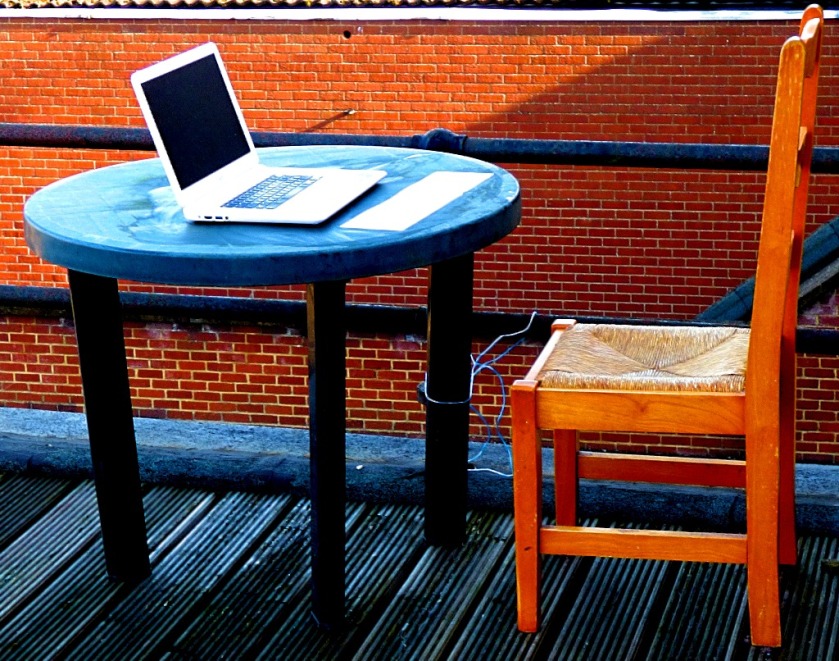
During the fine weather last week I used the ‘outside study area’.
SOLUTIONS
All of these problems were taken from brilliant. The first was:
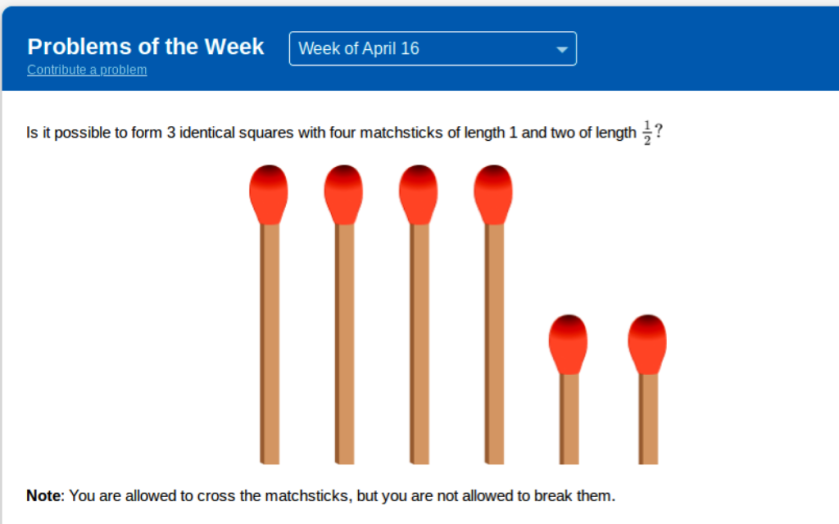
MATCHSTICKS
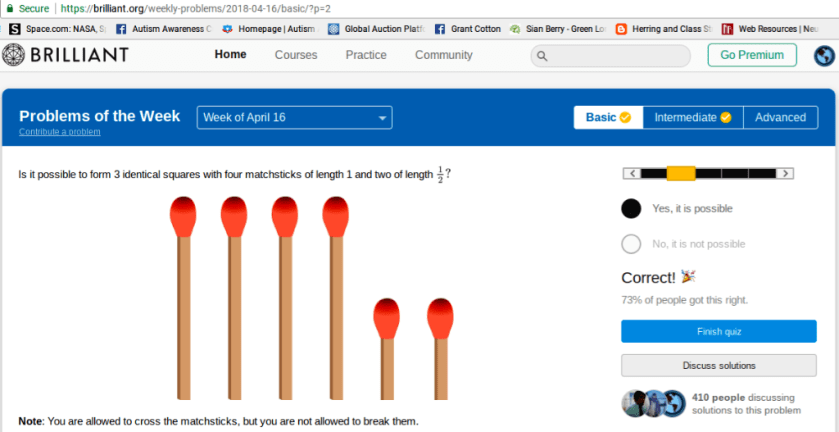
First the answer:
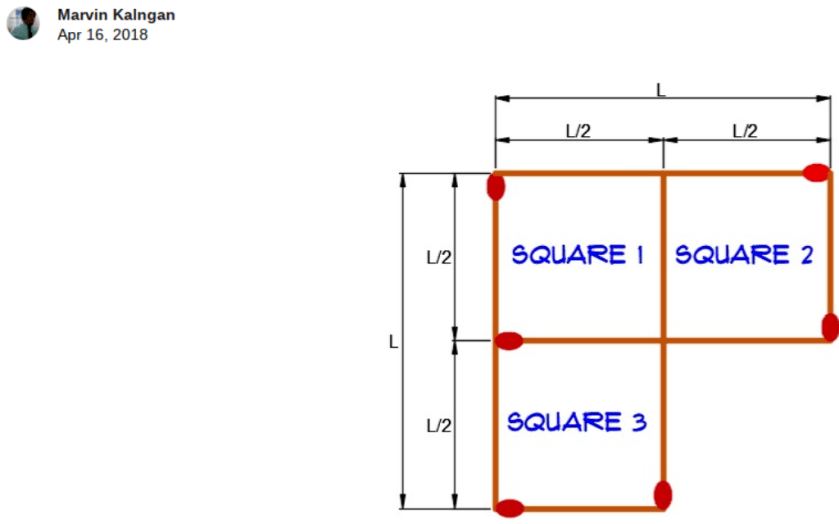
Now here is Marvin Kalngan’s published solution:
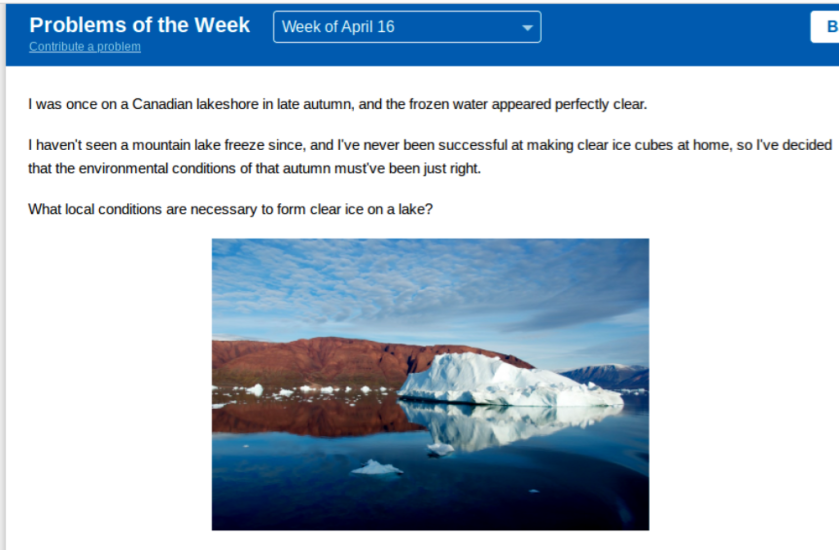
SOLUTION 2: CLEAR ICE
Here is the problem:
And the answer:
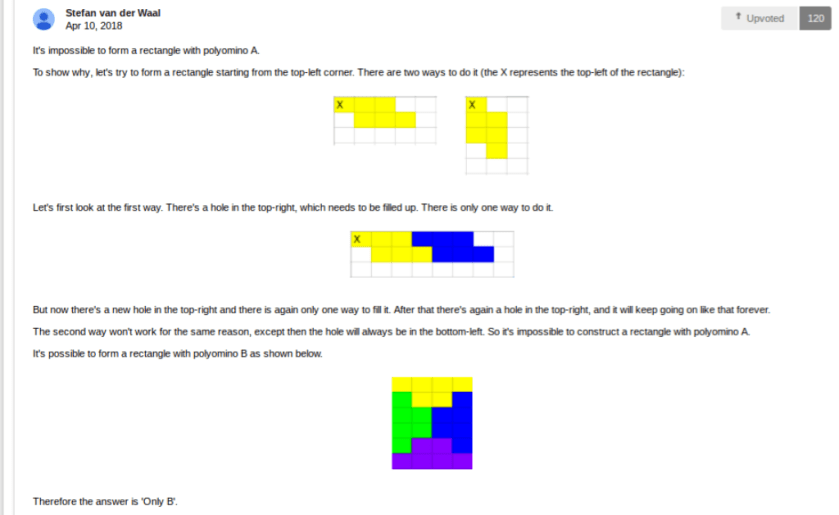
SOLUTION 3: POLYOMINO
The problem:
The answer:
I solved this one the lazy way – I noted that shape B very easily forms a rectangle, and after visualising various assemblages of shape A and noting that none were rectangular I opted for B only given that this is a Basic level problem. Stefan van der Waal published this solution:
SOLUTION 4: CONVERGENCE
The problem:
The answer:
Since the sequence involves numbers between 0 and 1 being multiplied together, and such numbers multiply to produce smaller numbers, the series actually converges on 0.
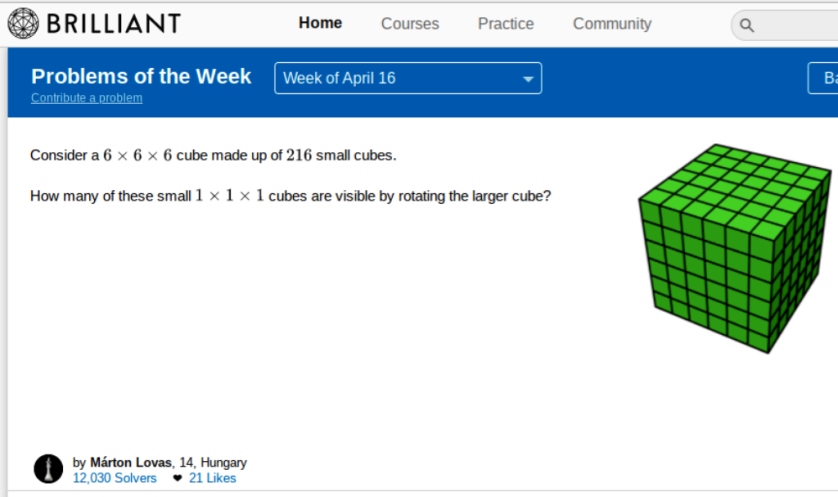
SOLUTION 5: CUBE
The problem:
The answer:
I solved this as follows:
1)Because you are specifically allowed to rotate the cube you can see every individual block that appears on the outside… 2)This means that the only blocks that can you cannot see are those wholly inside the cube…
3)…Which since the surface layer is 1 block thick, and occurs twice in each direction amounts to a 4 x 4 x 4 cube… 4)…Therefore 64 blocks are invisible, which means that (216-64) = 152 blocks are visible.
To end this section here is Aaa-Laura Gao Gao’s solution:
Some thoughts about the early stages of the English Cricket Season, some photographs and some puzzles.
INTRODUCTION
The second round of County Championship matches in season 2018 are now on their second day. Additionally the fact that here in England we seem to have skipped spring, going dorectly from a long, unpleasant winter into summer means I have a particularly fine selection of photographs for you, and there will be puzzles.
THE COUNTY CHAMPIONSHIP
Scoring is low everywhere. At Chester-le-Street it is looking a first innings tally of 169 will be sufficient for Kent to record an innings victory (Durham, shot out for 91 yesterday morning are 39-7 in their second innings, needing their last three wickets to double that paltry tally just to avoid the innings defeat). Essex and Lancashire are already into their third innings as well, Essex having scraped together 150 first up and Lancashire replying with 144. Essex are 39-0 in their second innings. Somerset, having actually claimed a batting bonus point by reaching 202 are poised for a handy first innings lead, Worcestershire being 153-8 in response. Surrey also topped 200 – making 211, and Hampshire are 79-6 in response. Yorkshire made 256 in their first innings, and Nottinghamshire are 110-6 in response. Derbyshire made 265, and Middlesex have also reached three figures, being 101-5 in response. Gloucestershire are 47-0 in response to Glamorgan’s 236. Northamptonshire were all out for 147 and Warwickshire are about to overhaul them, with wickets in hand. Finally, Sussex batting first are a comparatively monumental 304-7 (three batting bonus points, although they will not get a fourth as they have had 108.3 overs, and bonus points are only awarded in the first 110 overs of a team’s first innngs) against Leicestershire.
Every match is in progress, which beats last week, when Yorkshire failed to produce a playing surface on which the game could be played, resulting in their match against Essex being abandoned without a ball being bowled.
The low scoring is a major problem – the batters will gave little confidence since they are not making runs, and as soon as they face conditions in which the ball does not get up to mischief most of the wicket-taking bowlers will revert to being their workaday selves (we saw, unforgettably for all the wrong reasons, over the winter how seamers who bowl accurately but not especially fast are cannon fodder for international class batsmen on good pitches).
From the point of view of England possibles these two rounds of championship matches have been largely valueless – the 75 from James Vince on the opening day was the usual Vince fare – excellent while it lasted, but did not last long enough to be satisfactory and given the conditions no bowling figures can be taken with anything other than a substantial helping of salt.
PHOTOGRAPHS 1: AN ASPI.BLOG FIRST
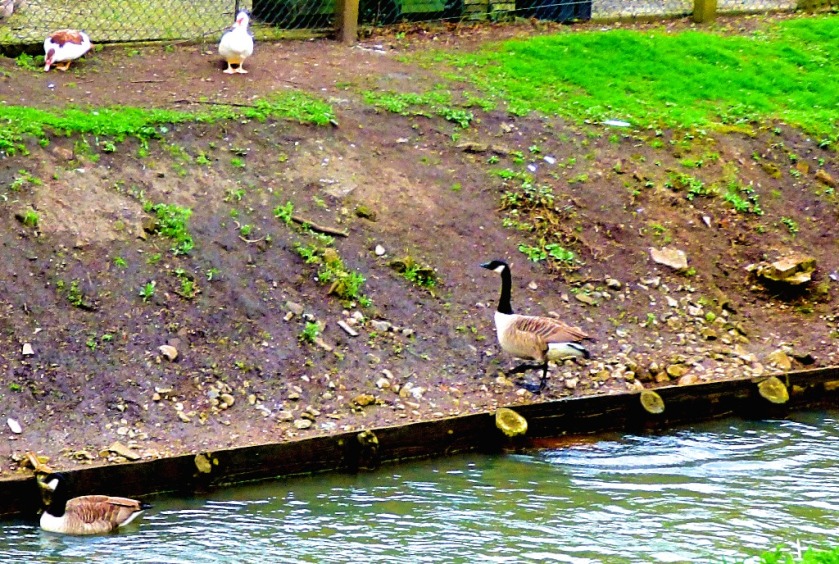
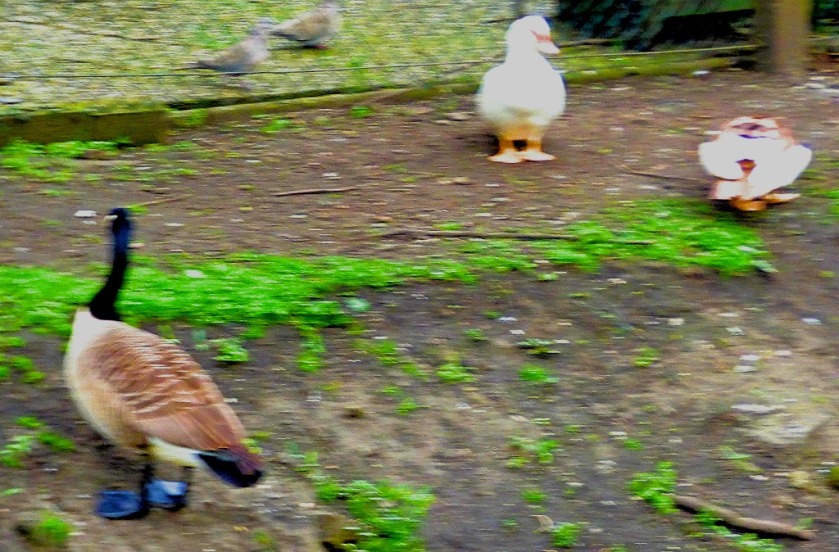
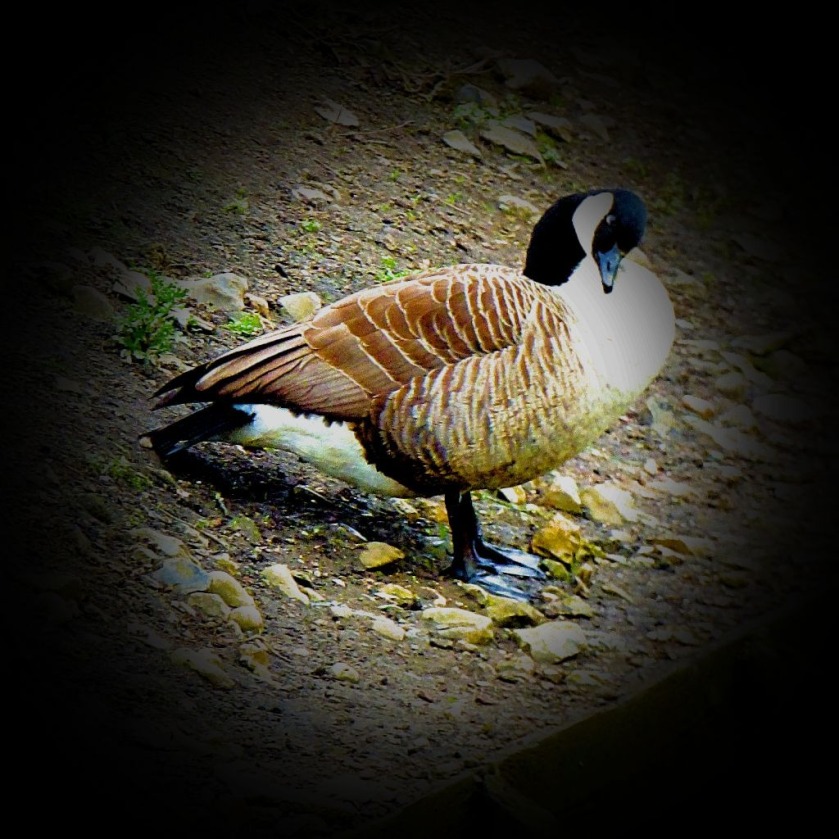
The Muscovy ducks first saw a few months back are still in residence, and they have been joined by an unusual visitor, the second largest bird species I have seen in King’s Lynn – Canada Geese.
The white patch at the top front of the otherwise pure black neck (the head and bill are also pure black) is, along with the colossal size, the key identifier of these birds as Canada Geese.
PUZZLE 1: MATCHSTICKS
My first offering from brilliant(the source of all of today’s puzzles – note also that all can be solved without even using pen and paper, never mind mechanical assistance – I did) is an exercise in visualization:
PHOTOGRAPHS 2: MUNTJAC
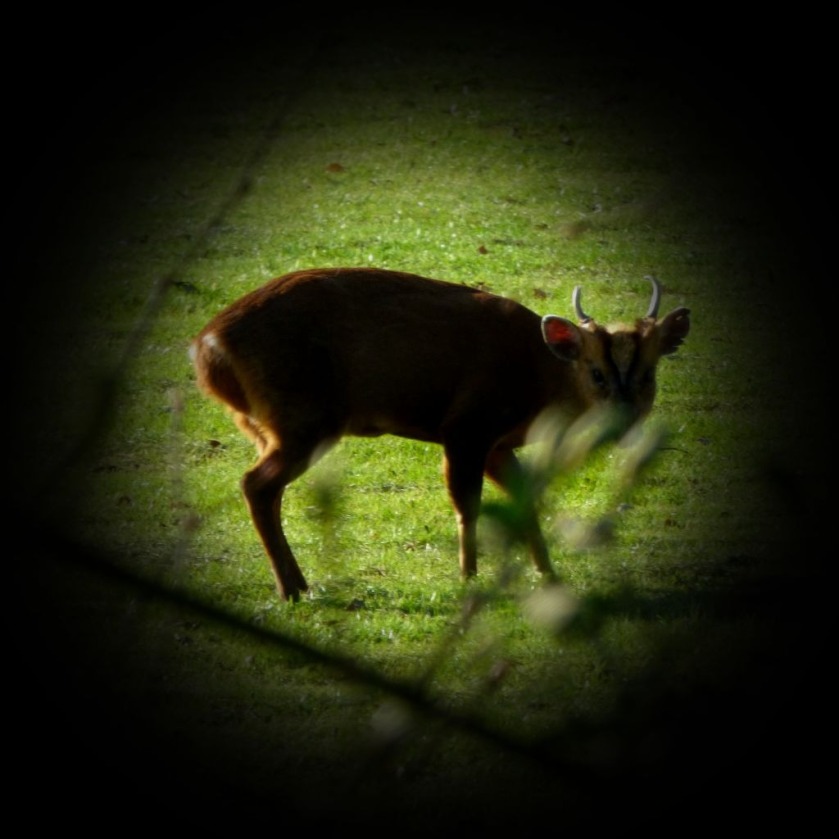
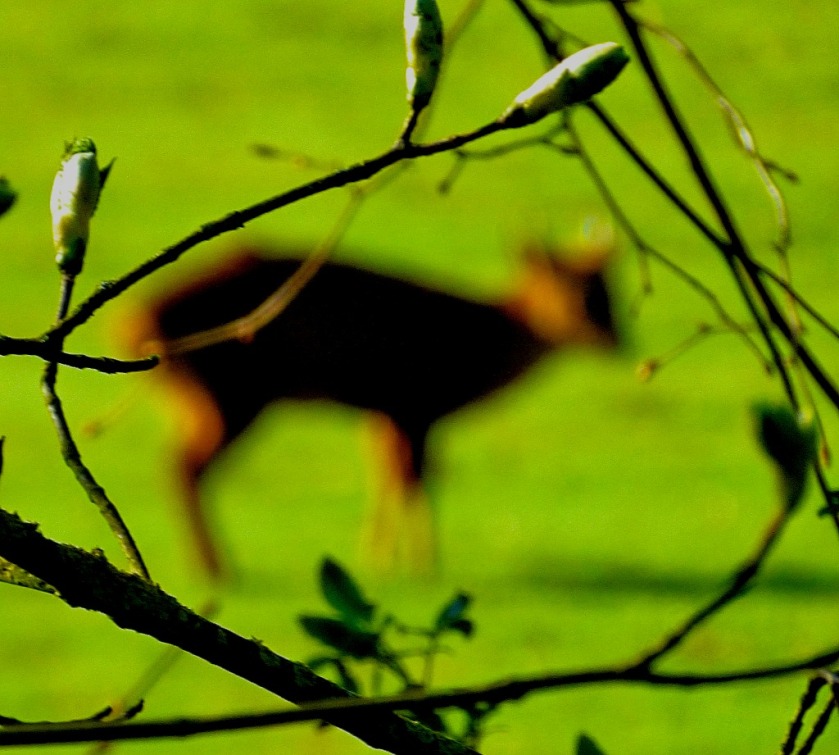
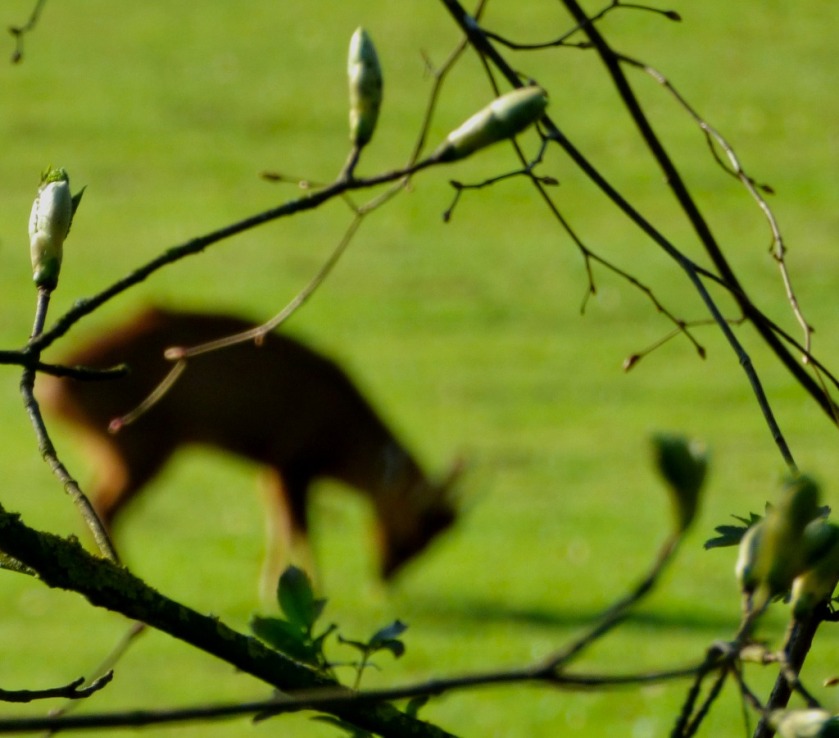
This muntjac was nibbling the grass on the playing field of the Lynn Academy, and I was taking pictures through a screen of plants:
PUZZLE 2: CLEAR ICE
PHOTOGRAPHS 3: SQUIRREL
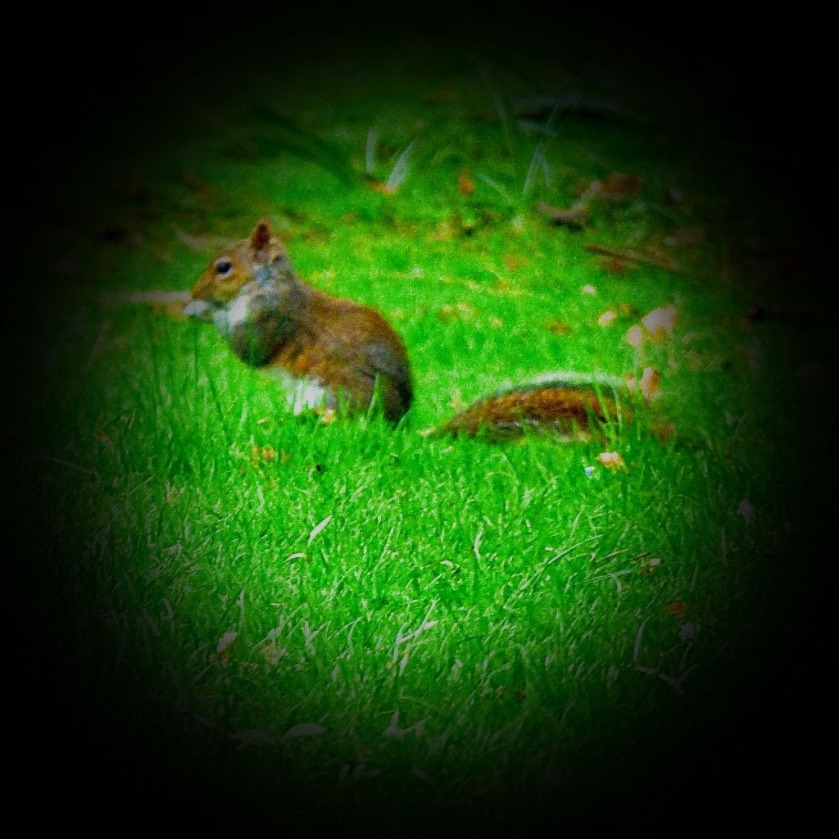
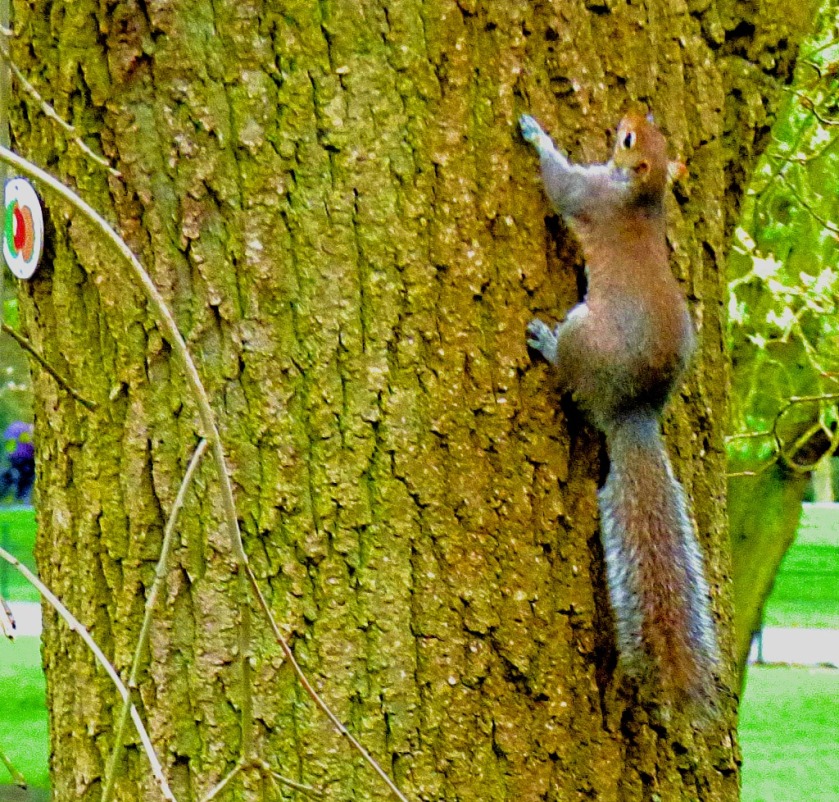
I got two shots of this squirrel, one om the ground, and one as it swarmed up a tree trunk:
PUZZLE 3: POLYOMINO
Another exercise in visualization (my own success with this one enabled me to celebrate what I call my brilliant.org Pi Day – 314 successive days on which I had solved at least one of their problems!):
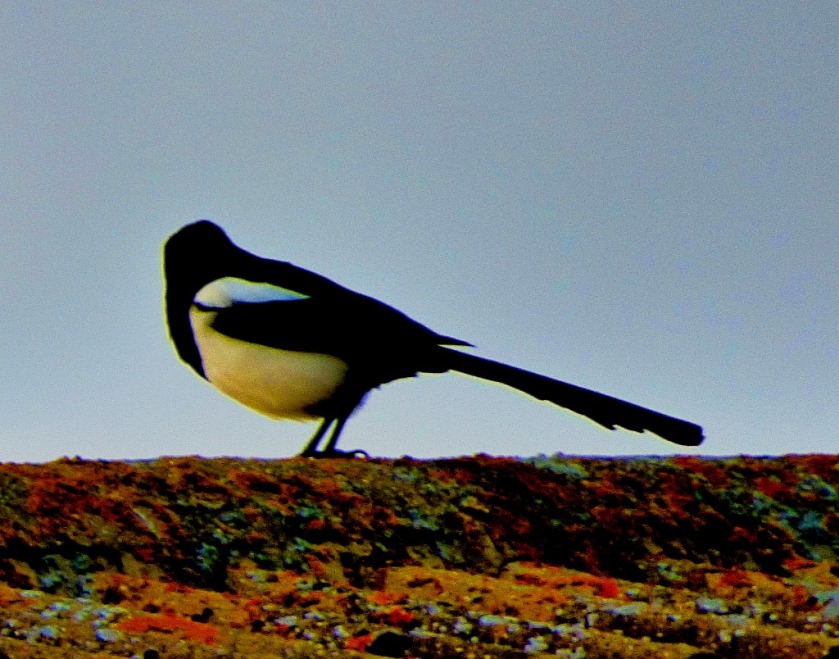
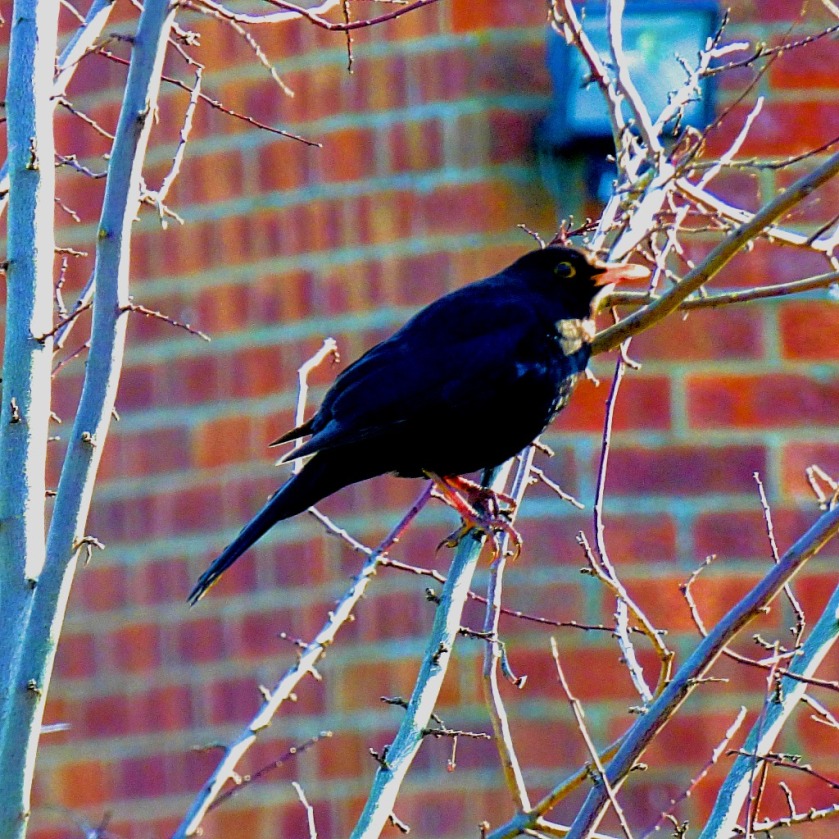
PHOTOGRAPHS 4: SMALLER BIRDS
PUZZLE 4: CONVERGENCE
PHOTOGRAPHS 5: BUTTERFLIES
PUZZLE 5: CUBE
My own method for solving this one once again involved visualization, although other methods were also used.
In view of some of the moans that appeared on brilliant in relation to this problem please note the crucial words “by rotating” in the question – they are absolutely key.
PHOTOGRAPHS 6: THE REST
AFTERWORD
While I have been completing this post Durham have succeeded in making Kent bat again, though it is still massive odds against that game even making it onto the third of the scheduled four days.
The first round of County Championship matches in season 2018 is drawing to a conclusion. Where there has been action (Yorkshire’s failure to get their ground into playable condition caused their game against Essex to be abandoned without a ball being bowled). I also have some photos to share, and will provide answers to the last problems I posed.
RAIN, WICKETS AND THE ODD RUN
A lot of drawn games have resulted due to poor weather before and during the matches. However, those matches which have had definite results have been absolute crackers. Only one game remains in progress – Sussex against Warwickshire, with the former’s David Wiese having scored the only century of this first round of fixtures (and off a mere 94 balls, helped along by 14 fours and three sixes). Sussex are building are useful lead, but it will take something spectacular in what is left of the match for anything other than a draw to eventuate. Gloucestershire beat Kent in a very low scoring affair (the largest team total in any of the four innings was only just over 150). Middlesex also won their match in short order, completing the job early on yesterday. Two other matches had definite results:
HAMPSHIRE V WORCESTERSHIRE
Worcestershire generally have a lot of away games scheduled for early in the season to give the New Road ground an apportunity to recover from its winter inundation (it is very close to the river Severn, so this is pretty much an annual event), and this year is no exception. Their match against Hampshire at Southampton (I refuse on principle to refer directly to grounds that are named after a sponsor) saw many twists and turns, but Hampshire were pretty well always ahead of the game. James Vince’s spirited 75 on the opening day was a fine effort, but yet again he failed to turn a good start into a really significant score. All-rounder Gareth Berg matched Vince’s score. Worcestershire fought back from a dreadful start in their own first innings to top the 200 mark, but they still conceded a deficit of 79, and Hampshire then scored 244 in their second innings to leave Worcestershire needing 324 to win. Worcetserhsire were so far short of threatening this target that it took a defiant last wicket partnership to get the final margin below 200 runs.
LANCASHIRE V NOTTINGHAMSHIRE
Lancashire were all out for 158 in their first innings, Nottinghamshire responded with 222, and overnight Lancashire were 58-2. Harry Gurney and Jake Ball (Left-arm Fast and right-arm Fast Medium respectively) bowled magnificently this morning, and Lancashire’s last eight wickets scraped together a measly 15, which meant Nottinghamshire needed just 10 to win. Nottinghamshire themselves managed to lose four wickets while chasing down this target, making the score for the day 25-12.
PHOTOGRAPHS
These are all from this morning:
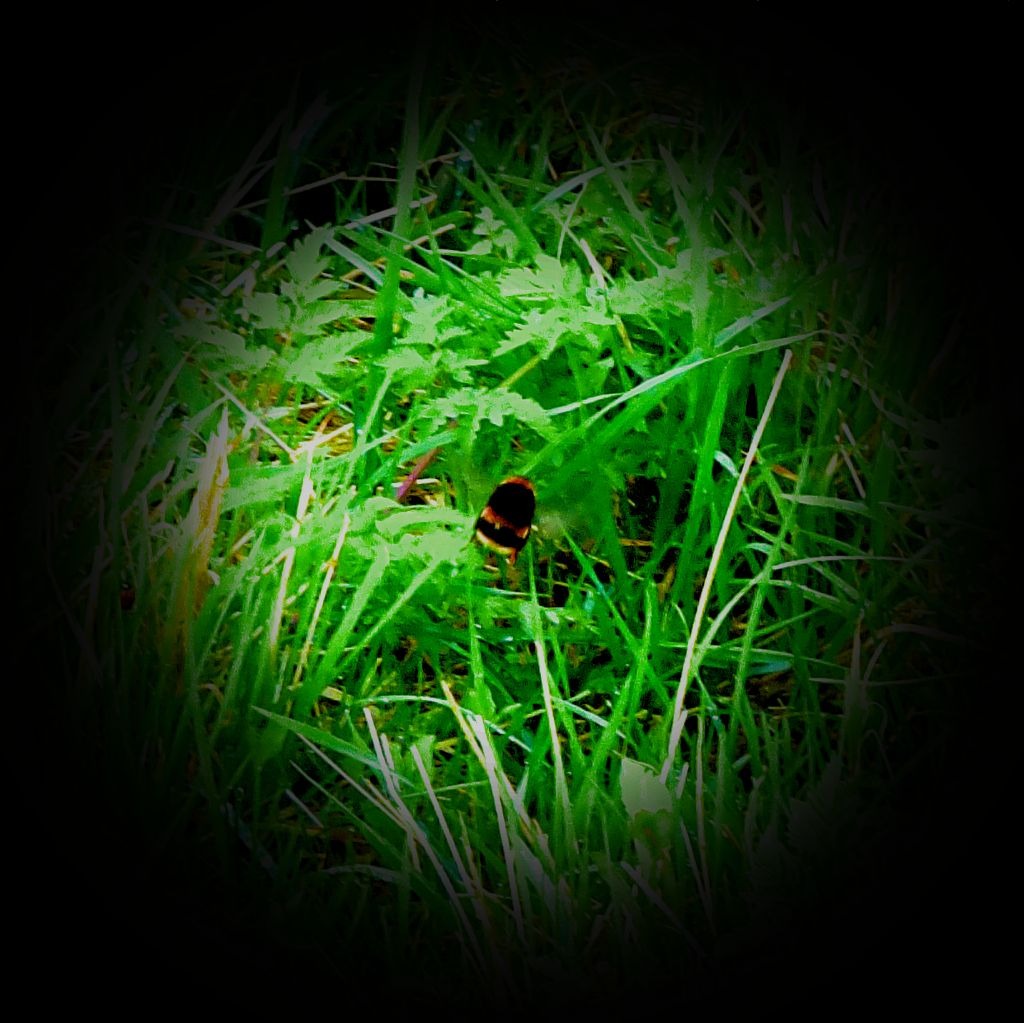
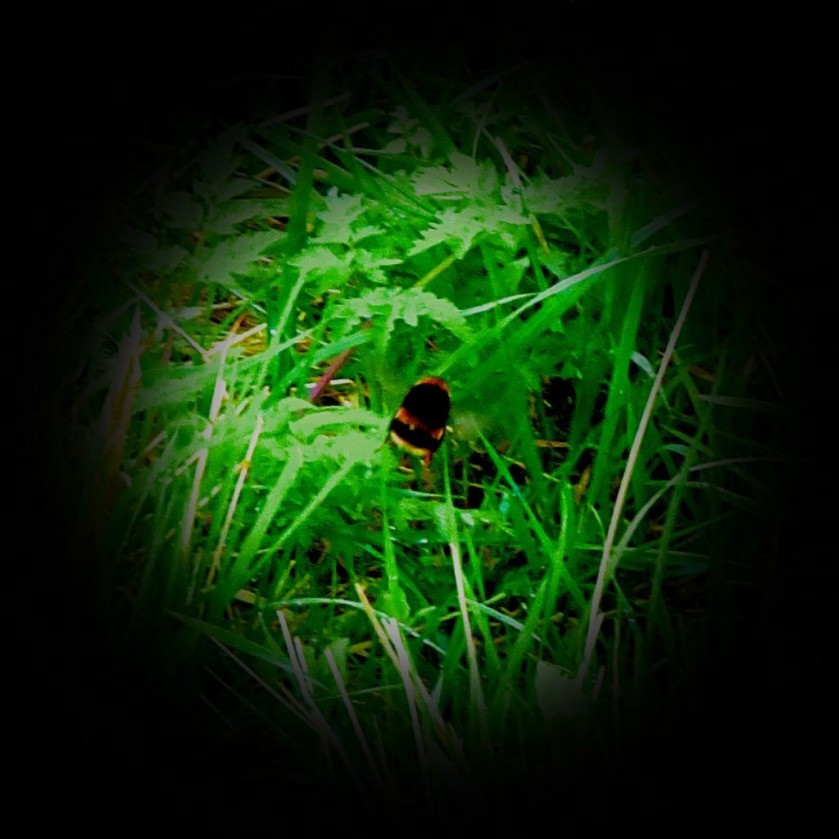
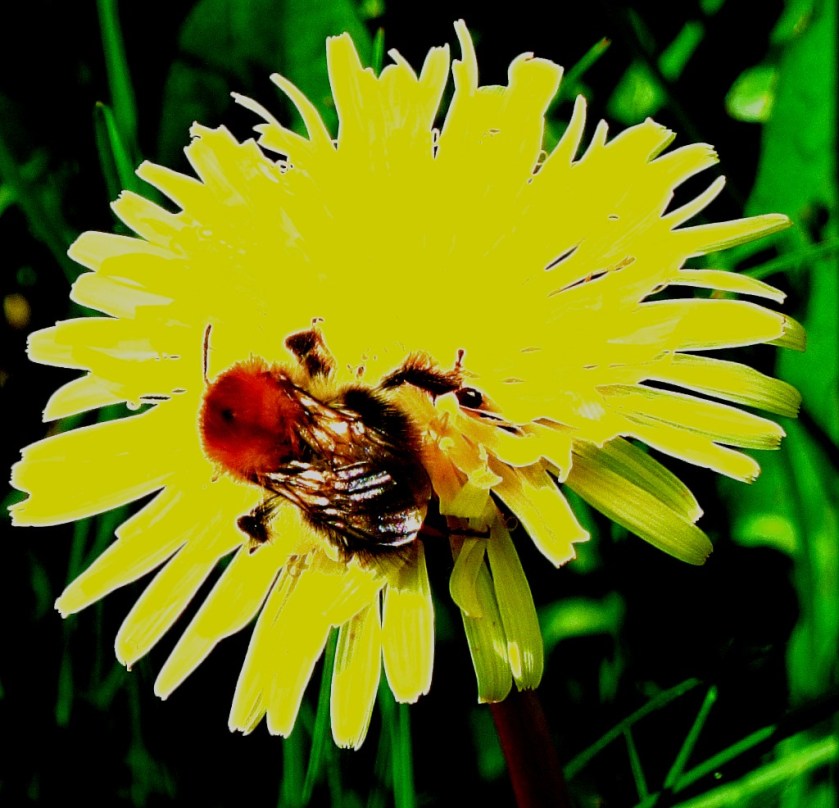
My first bee picture of 2018
SOLUTIONS
I posed these problems on Friday, in a post titled “Solutions (And New Problems)“
Deck of Cards:
This is a multi-choice question, the possible answers being:
a) Less than 50% b) More than 50% c) Exactly 50% This problem generated a huge amount of controversy among solvers on brilliant (many of those who opted for exactly 50% being unable to accept that they were wrong and arguing over it). The answer is “less than 50%” – whatever colour the top card in the pack is there remain 51 cards of which 25 are the same colour as the top card and 26 are the other colour. Hence the probability of the bottom card being the same colour is the top card is 25/51, which is just less than 50%. The more cards the deck contains the closer to 50% the probability gets, but it never reaches 50%.
2. Groyne
This one caused such confusion to solvers om brilliant that over half of them got it wrong. The answer is A, since the groyne acts as a block against waves approaching it from the right as you look at it, and therefore the reduced speed of those waves causes sediment to deposited on that side of the groyne.
A brief account of my session at Musical Keys yesterday.
INTRODUCTION
Yesterday was a Musical Keys session, and Oliver who runs Musical Keys put in an appearance. Also, some of our stuff was recorded – we will hear it in a fortnight’s time.
THE JOURNEY TO THE SCOUT HUT
Immediatedly after a light lunch of salami and salad I set off on my journey (I was starting early because I needed to check in on my aunt’s house en route and also intended to take advantage of heading towards that part of the world to visit Gaywood Library). After the few minutes it took to make sure all was OK at my aunt’s house I headed for the parkland and thence the footpath between the two academies, before a diversion to Gaywood Library and a walk along the bank of the Gaywood River to finish. Here are some pictures covering the period between leaving my flat and exiting the parkland at Tennyson Road:
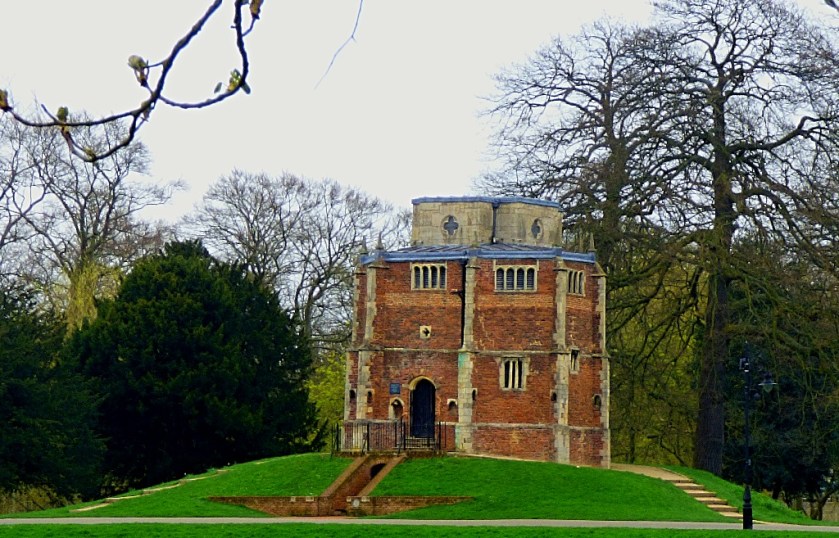
A welcome return of market stalls to the Saturday Market Place.This cannon ball hangs in the entrance to Hampton Court (near my aunt’s house)The Red Mount ChapelThe Guanock GateA black headed gull in The Walks.
The cricket season is underway in most parts of the country, but Yorkshire and Essex have had no play on any of the first three days of their match due to a sodden outfield. Norfolk has not been battered as much as the north, but this picture from The Walks shows the problem – saturated soil means that there is nowhere for water to go.
The second part of the walk to the Scout Hut provided a few photos as well:
For more on the bird on this picture please visit my previous post.
Once it was time for the session to begin I did not take long to decide what I was going to do…
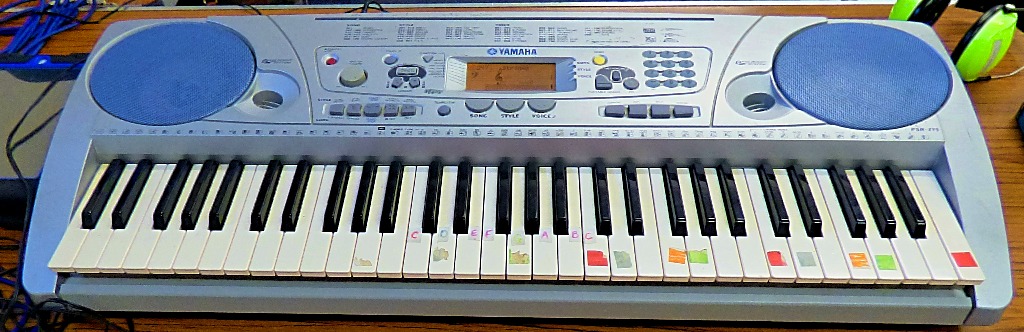
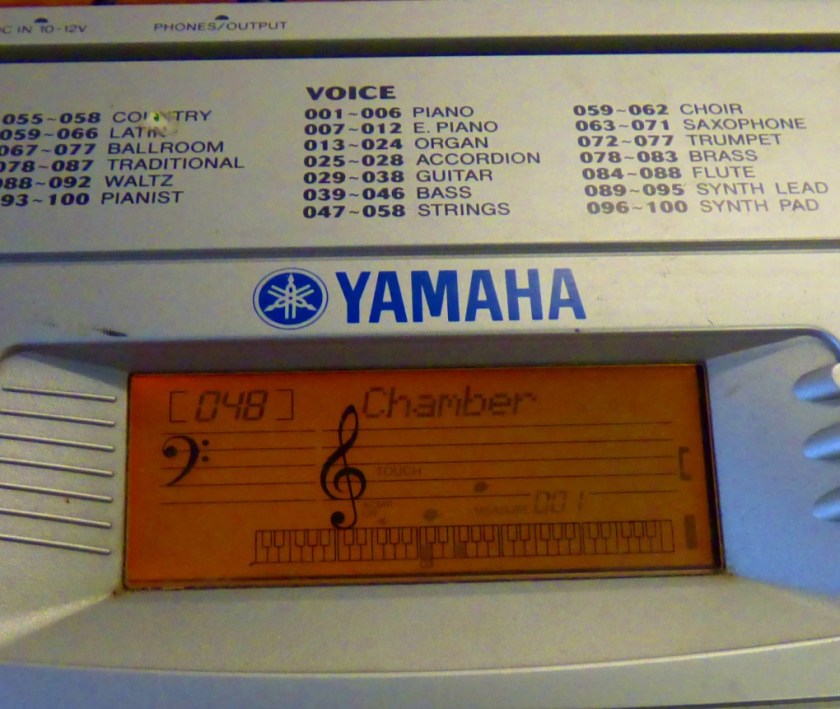
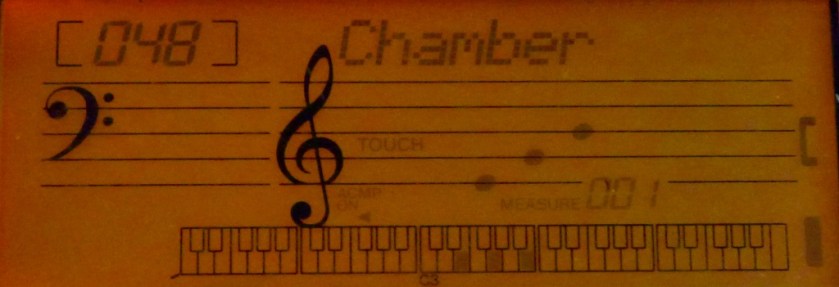
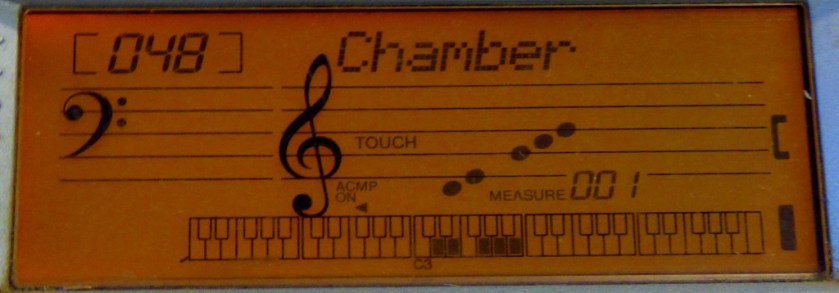
This Yamaha music system is not quite the equal of the Korg that I jhave used on previous occasions at Musical Keys, but it is still a very fine gadget.
After I had been recorded I spent what was left of the session creating musical words (e.g playing the notes F, A, C and E for face or, C, A, F and E for cafe). For the bit was a recording I used a double pattern – each four note chord I used comprised two pairs of notes separated by two, and with an octave between each pair.
HOMEWARD BOUND
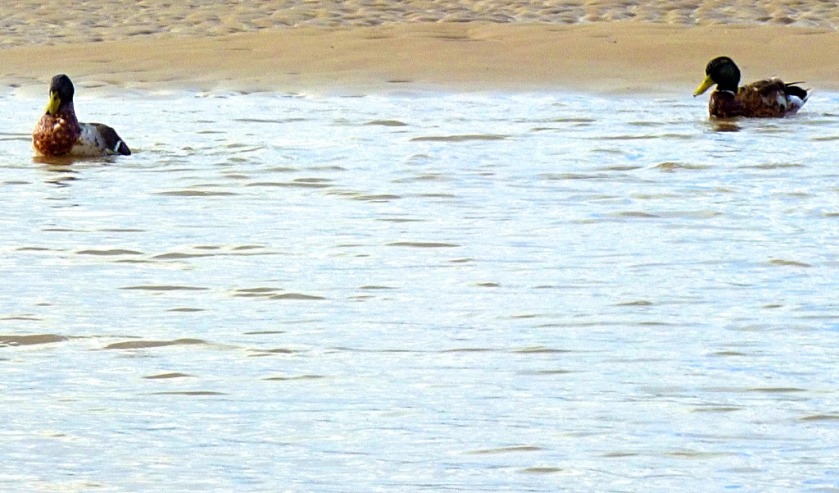
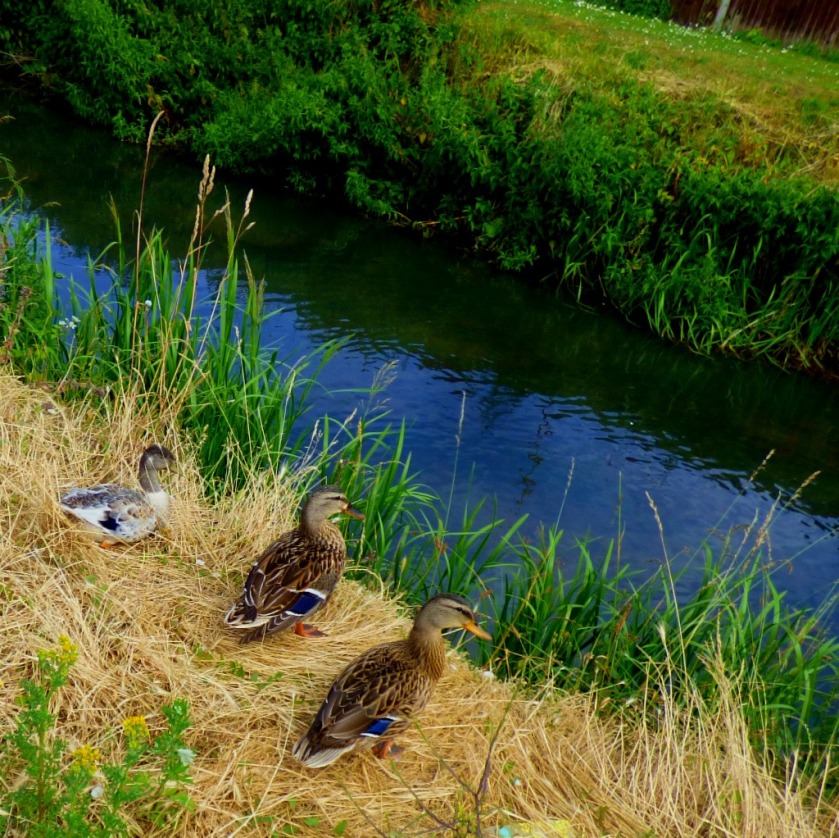
The entirety of my homeward journey took place not only in daylight but under a bright sun (yes, we sometimes forget about it, especially during long winters like the one we are just emerging from, but even here in Blighty we do get to see the sun). I only added one solitary picture to my collection during this journey – a pair of drakes swimming in formation in the Gaywood River…
Yesterday was a Musical Keys day, and on the way there I got a few photographs which I think warrant a post of their own, before I move on to the main meat of today’s blogging.
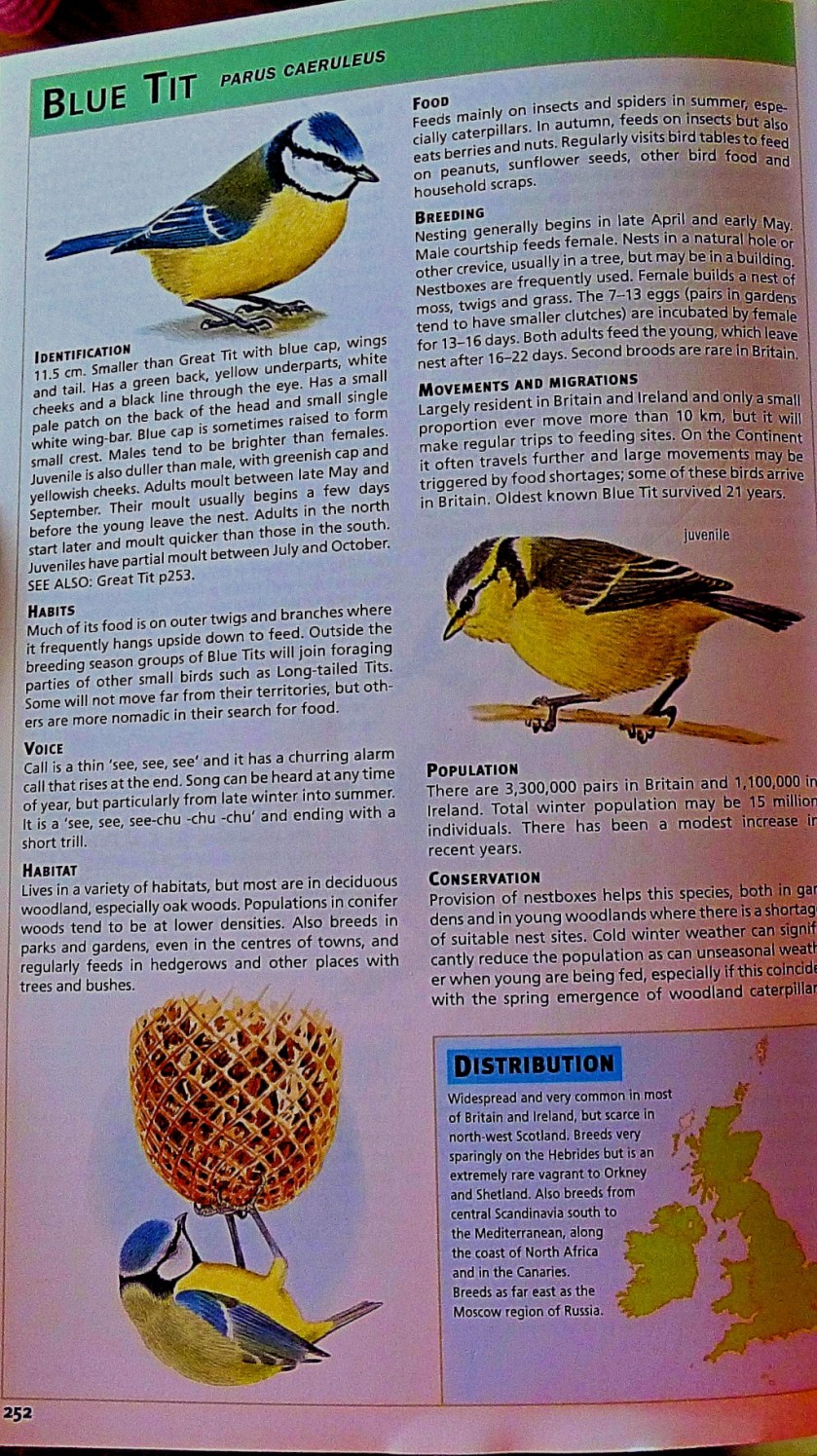
THE BLUE TIT
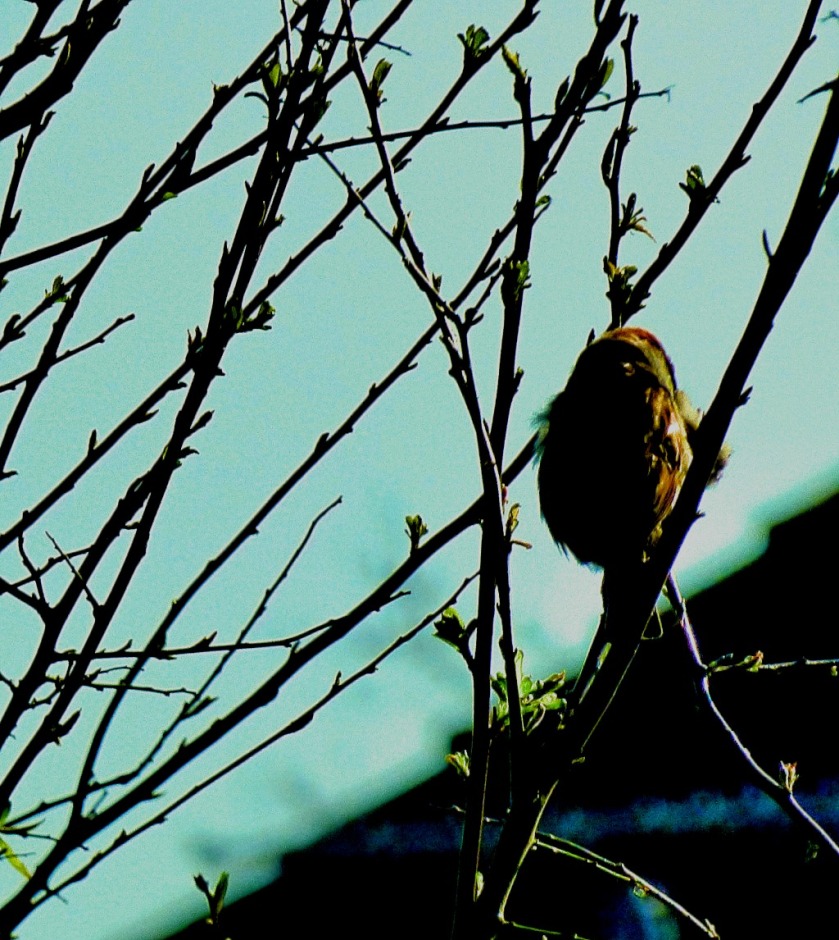
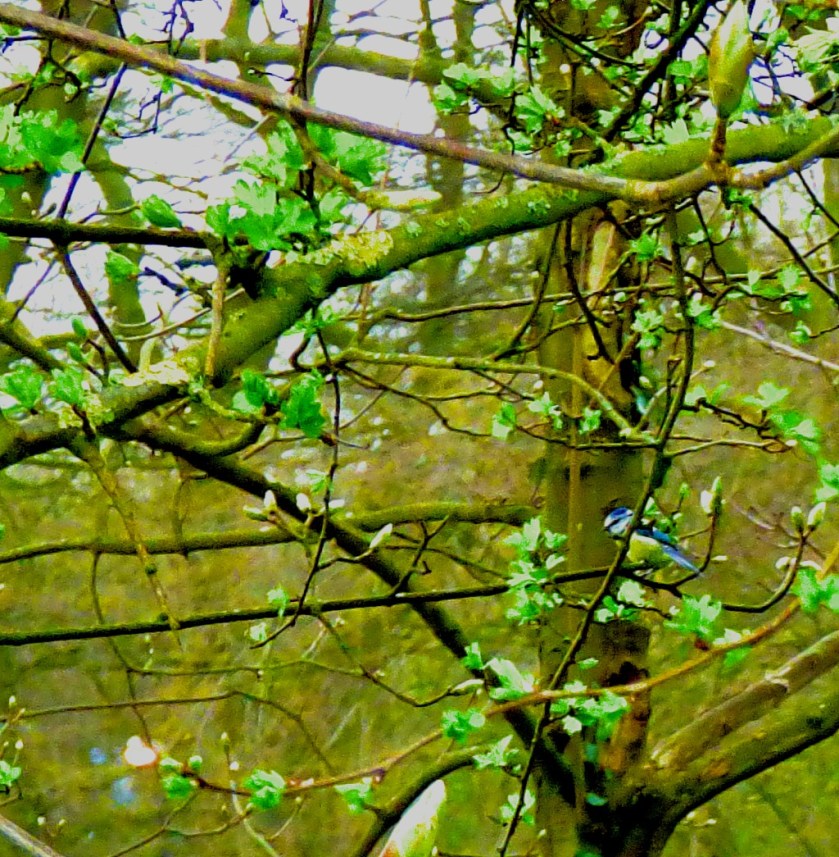
This was a picture I took more in hope than expectation, since small birds nearly always fly out fo shot before the camera has picked them up, but on this occasion fortune smiled…
blue tit in tree branches, on the path than runs betwee the King Edward the Seventh Academy and The King’s Lynn Academy.The blue tit, extracted from the foregoing picture.
THE BUTTERFLY
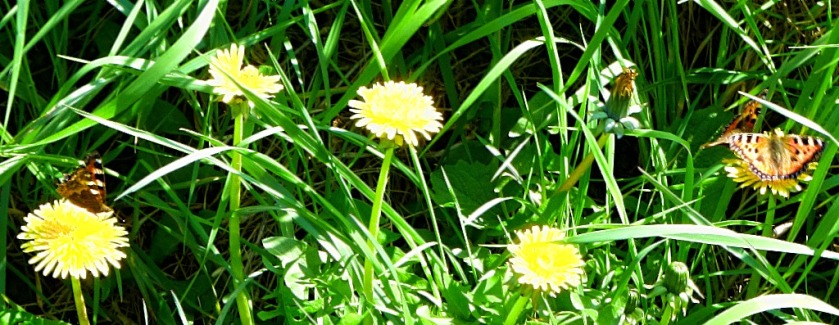
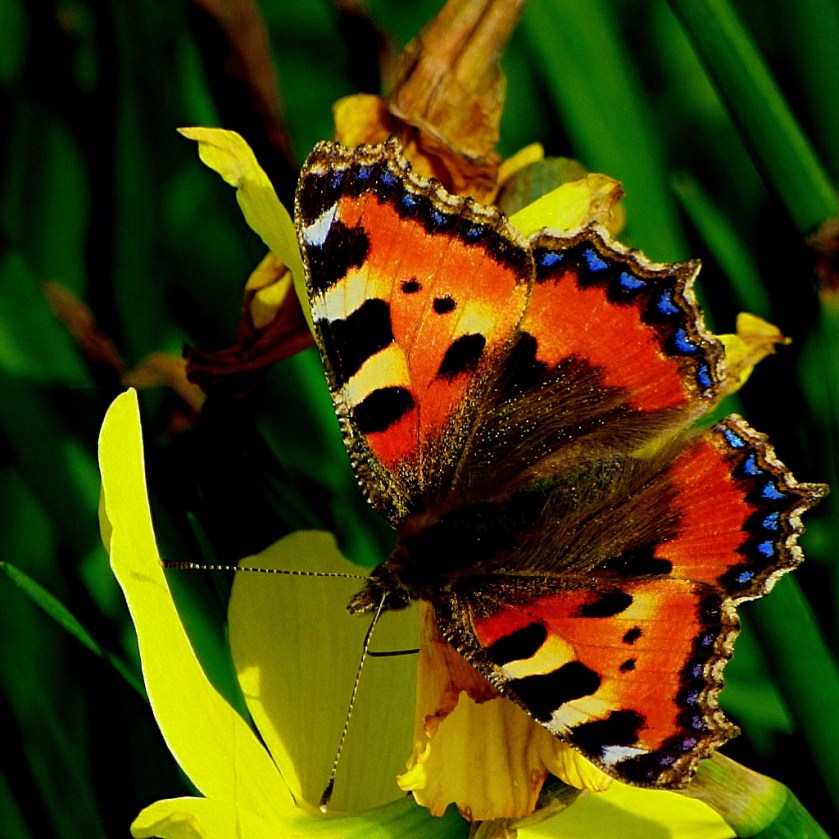
As I approached the Scout Hut where Musical Keys sessions take place, walking along the bank of the Gaywood River I spotted a Small Tortoiseshell Butterfly. I investigated further and finished with six splendid pictures.













































































































































 aspiblog