A response to my third nomination for a Sunshine Blogger Award and plenty of other stuff.
INTRODUCTION
The nomination that gives this post its title comes from someone I had previously nominated for this award, which is why I am approaching things in the way I am, as I am going to use stuff from my last Sunshine Blogger Award nomination response to cover that side of things.
First, my thanks to Erika’s Corner (stigmasnomore) for the nomination. Now for those highlights (click the link in the section heading to view the full post):
I open my questions up to responses from everyone.
THE SECOND MOST EXTRAORDINARY CRICKET MATCH OF 2019
For the most extraordinary match of the year start here. In any other year the inaugural England v Ireland test match at Lord’s would have had no competition for the title of that year’s most extraordinary match. Twice in a few weeks Lord’s was the scene of a match that reached deep into “script rejection” territory.
England slumped to 85 all out on the first day, a combination of poor batting and some good bowling, especially from Tim Murtagh and Mark ‘Red‘ Adair (a nickname I coined in a previous post).
Ireland themselves managed 207 in response, a lead of 122. Olly Stone, Norfolk born fast bowler, took three wickets and surely ensured continuing involvement with test cricket for himself. Then, with England having one over to face at the end of day two Jack Leach, averaging four for Somerset in the county championship this year, was sent out to open, shielding Jason Roy.
Having survived the over in the evening Leach proceeded to make 92, while Roy, shielded from a potential second failure in one day also topped the 50. The came a slide from 177-1 at the high water mark of the innings to 303 all out, a lead of 181. Then in the most extraordinary twist, Stuart Broad, reckoned by some (including me) to be a fading force at test level and Chris Woakes took advantage of swing friendly conditions to rout Ireland for 38, giving England victory by 143 runs.
I note that for the first Ashes test Joe Root has been moved up to number three (desperately needed although he has little relish for it). However, this only deals with one top order problem. The opening pair remains an unresolved issue, with Roy having done so much tter at three than he did opening in the first innings. If England are 30-3 at the start of every innings against Australia they will be absolutely hammered in the series. I continue to hold out for what I now call the ‘Beaumont Solution‘.
LINKS AND PHOTOGRAPHS
I have two links to share with you before getting to the pictures:
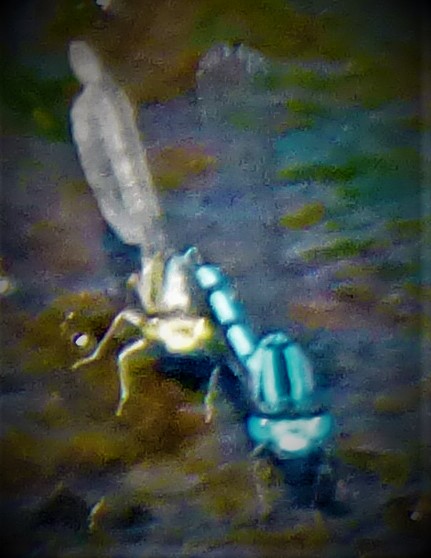
The Skwawkbox has recently put up a post titled “124 policies Labour will deliver in government” – the policies themselves are below, in the form of the graphic (click on it to view it full size) that is the centrepiece of the Skwawkbox post: The feature image of my previous post was a water based insect that at the time I had yet to identify. My research suggests that it is an Azure Damselfly:
Now for my new photographs, and there are plenty of them…
We start with a few pictures from the King’s Lynn Beer Festival at Stuart House (NAS West Norfolk was this year’s designated charity beneficiary)
The moment the 2019 World Cup was won.
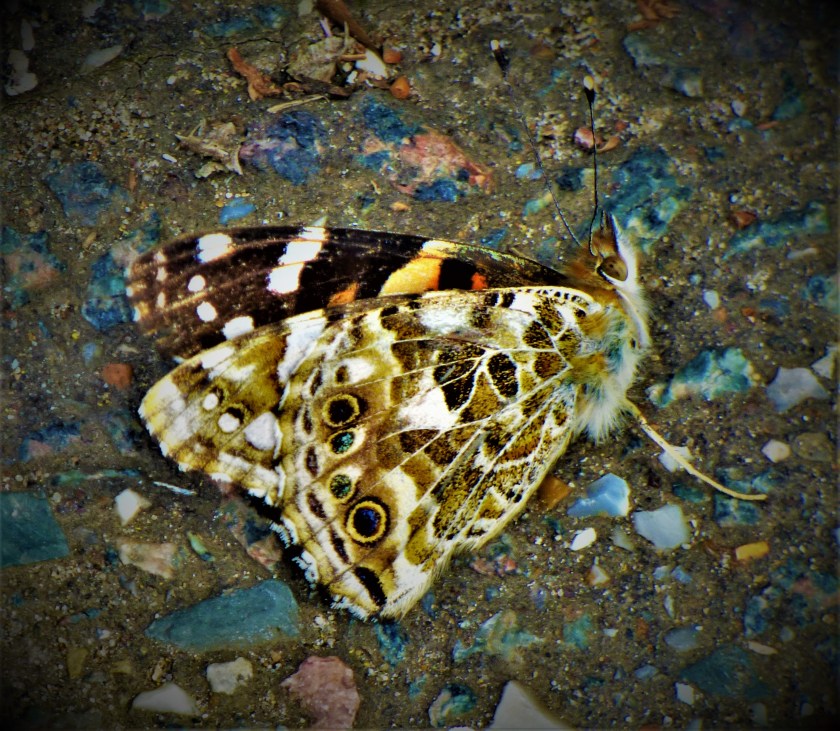
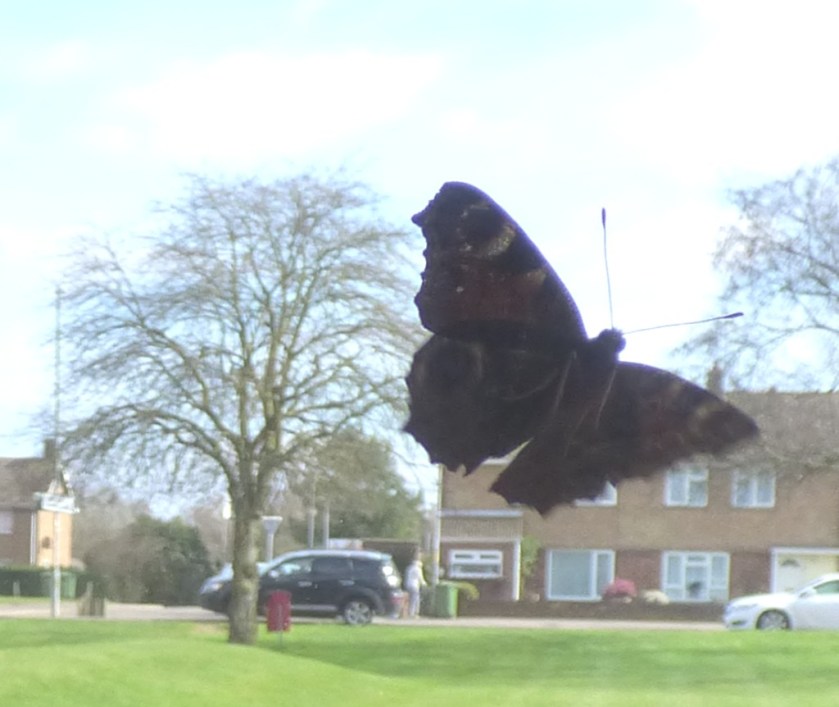
A Peacock Butterfly (relatively uncommon, although known to have some living places in King’s Lynn)A Painted Lady (a variety of butterfly I had not previosuly observed in King’s Lynn)
The latest in my “100 cricketers” series, featuring a Nepalese legspinner, some thoughts on the elevation of minor cricketing nations and when it is warranted, some stuff about the county championship, some links and pictures relating to the photographing a black hole and some of my own pictures.
INTRODUCTION
Welcome to the latest in my “100 cricketers” series. Today we deal with the most minor cricketing nation to be represented in my list and I have some extras features. The introductory post to the series can be found here, the post in which I introduce the ninth XI here and the most recent post here. Before getting to the main meat of the post it is time for a…
LOOK AT THE COUNTY CHAMPIONSHIP
A full programme of county championship matches got underway today. So far this is what is happening:
Nottinghamshire v Somerset – Nottinghamshire 188-6
Somerset have made a strong start with the ball. Chris Nash scored 58 for Nottinghamshire with the bat but no one else has made a significant score thus far. Lewis Gregory, one of my “Five to Follow” (see my previous post) has four of the wickets to fall, including getting Joe Clarke, also in that list, cheaply. George Bartlett’s offspin has not been called on yet (he is also on that list), but his batting will surely figure later in the game even he does not get used as a bowler.
Surrey v Essex – Surrey 168-3 Surrey have been helped to make a good start in this match by some ordinary Essex fielding (two chances have been shelled, one of which is now looking very costly). Openers Burns and Stoneman both got in but failed to go on, Ben Foakes is 60 not out (having beem dropped on 0) and Ryan Patel 20 not out. Peter Siddle who may well be involved for Australia in The Ashes later this summer has two wickets.
Kent v Warwickshire– Kent 169-2 Kent are batting well in this one. Dickson and Aussie Matt Renshawhave both got themselves in and got out in the 30s, while opener Zak Crawley is 89 not out. The wickets have gone to medium pacer Craig Milesand Ryan Sidebottom, an Australian unrelated to the left-arm quick of the same name who played for Yorkshire and Nottinghamshire.
Durham v Sussex – Durham 93-4 Durham are struggling again, which given their abysmal choice of captain can only be regarded as good news. He is yet to be involved in the action (although his first innings should not be delayed too long) but Liam Trevaskis, a fourth person from my “Five to Follow” is in the Durham team. “Scameron“ Bancroft as I now call him is 33 not out, and currently batting in partnership wioth wicketkeeper Ned Eckersley. Ollie Robinson is staking an early claim for selectorial attention with three more wickets to add to those he took last week (he came into this match with 171 first class wickets at 23.52).
Worcestershire v Leicestershire – Worcestershire 203-2
Worcetsershire are going well against Leicestershire who got away to a winning start in their first match. Veteran opener Daryl Mitchell has just reached a century (now 101 not out), and Hamish Rutherford (New Zealand, nephew of former Kiwi captain Ken Rutherford) is 62 not out. Ben Mike, a 20 year old medium pacer who came into this match with 19 wkickets from four first class appearances at an average of 20.26, has one of the wickets. The other has been taken by Will Davis, a 23 year old medium pacer who pays just over 30 a piece for his first class wickets.
Middlesex v Lancashire – Middlesex 160-3 A good start for Middlesex. Steve Eskinazimade 75 and opener Nick Gubbins 55, and two of the wickets have fallen to a young fast medium bowler named Tom Bailey (he shares a pair of initials with a right-arm fast-medium of yesteryear, Trevor Bailey, but is apparently unrelated to him).
Now for the main business of the post starting with…
SOME THOUGHTS ON THE ELEVATION OF COUNTRIES TO TEST STATUS
Leaving aside the two original contenders, England and Australia, every country elevated to test status (this has not yet happened for Nepal, the feature country of this post, but one has to consider future possibilities) has started slowly at that level. In their early years in the late 19th and earlyy 20th centuries South Africa were regularly hammered by both England and Australia, twice being bowled out for 30 in test matches. The West Indies did not make any series progress as a test nation until the 1950s although they were promoted to the top table in 1928. New Zealand, India and Pakistan all had to wait until the 1970s to be taken seriously. Sri Lanka, elevated in the early 1980s took until the latter 1990s to be gain serious respect. Internal politics destroyed any chance Zimbabwe had of success at the top table, while Bangladesh’s elevation was badly mishandled, and their position is routinely questioned. Afghanistan won their second ever test match, the most successful start by a test-playing nation since 1877, when Australia and England each one match. Ireland were defeated but not disgraced in that game, and we will see how they fare against England in their next test match, although they were elevated about five years too late for the move to work to best effect.
I am in favour of new countries being elevated when they are actually ready, and think that Afghanistan’s elevation has been a success. I do not think Nepal are yet ready, on the strength of one splendid cricketer, for elevation, but I hope to see it happen eventually, assuming they continue to make progress. It is now time to look at that one fine player they already have…
He is an 18 year-old legspinner and has yet to play any long-form cricket. His records for the cricket he has played are as follows:
6 ODIs, 15 wickets at 14.80 (4-24 best) , 4o runs at 10.00, 5 T20Is, 5 wickets at 24.40, 6 runs, with as yet no average, 27 List A games, 57 wickets at 17.08 (5-20 best), 40 T20 games, 50 wickets at 20.00 (best 4-10). A lot of his T20s have been played in the IPL among the big names.
If any county who do not have a legspinner of their own are bold enough to sign him as an overseas player I will applaud them for their courage – I believe that given the opportunity he would fare well in the longer game, as well in the limited overs stuff where he has already shown himself to be a fine performer. One of the reasons why Bangladesh found test cricket such a struggle when they were elevated is that their players started playing that form of the game with no background in long form cricket, and one should learn from mistakes – unless and until some Nepalese cricketers have experience of long form cricket they should not be elevated.
If Nepal do get elevated to test status both they and their star leg-spinner Lamichhane will have my good wishes, but unless their players have some long form experience before that happens I do not believe that it can be successful.
PHOTOGRAPHS AND LINKS
I have several things to share before we come to my usual sign off, starting with some stuff about the first image of a Black Hole and links to related articles:
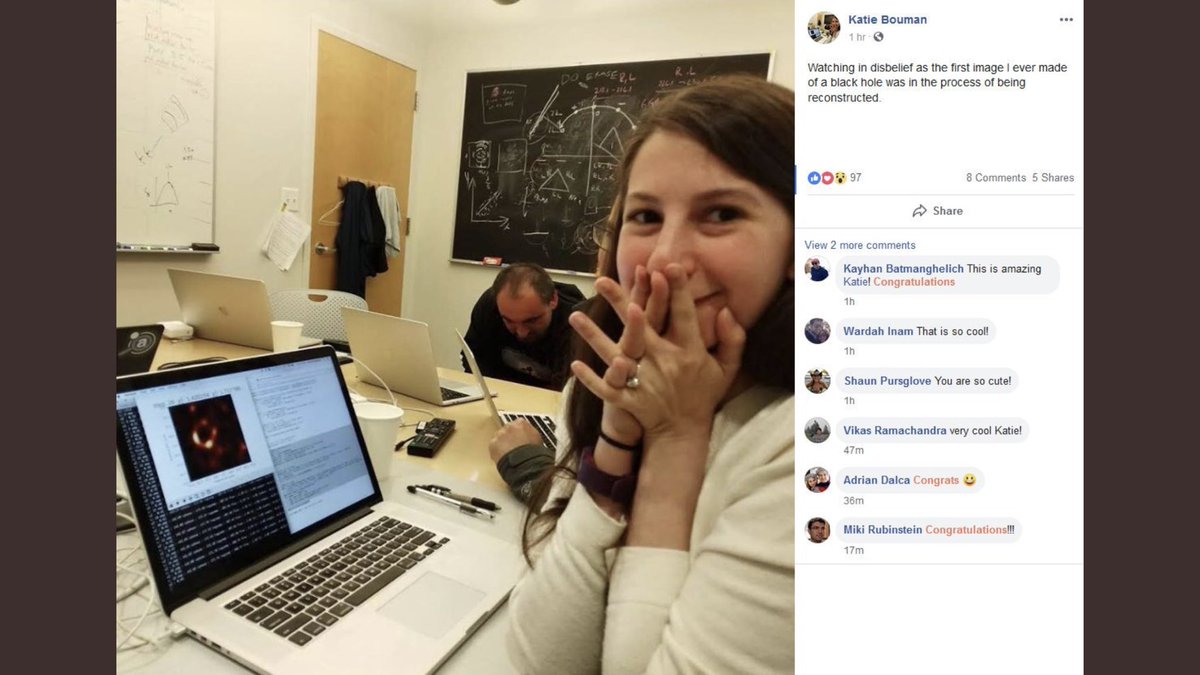
Scientists have obtained the first image of a black hole, using Event Horizon Telescope observations of the center of the galaxy M87. The image shows a bright ring formed as light bends in the intense gravity around a black hole that is 6.5 billion times more massive than the Sun pic.twitter.com/AymXilKhKe
I hope that Ms Bouman gets the credit (including a Nobel Prize for physics) that this achievement warrants. Here are links to some good articles about this:
To lead into today’s photos I revisit yesterday’s featured image:
I have done some digging of my own to locate the species and there are two possibilities – it is either a Small White or a Wood White (see pictures from butterfly-conservation.organd decide for yourselves which looks closer):
Small White (click herefor more information)Wood White (click here for more information)
Now for today’s pictures…
UPDATES ON THE “FIVE TO FOLLOW”
Since I wrote about what was happening in the County Championship matches, the following has happened in games involving my “Five to Follow”:
Nottinghamshire v Somerset – Nottinghamshire 263 all out
Three of the five are playing in this match. Joe Clarke failed with the bat this time around, but Lewis Gregory took 5-68. George Bartlett’s offspin was unsurprisingly not utilised, but he will bat at some stage.
Durham v Sussex – Durham 122-5
The other two of my “Five to Follow” are involved in this match. Liam Trevaskis, the outsider of the bunch, is currently batting with Ned Eckersley, more good news for those opposed to Durham’s choice of captain being that that unworthy has been sent on his way for 33, and is on 9 not out. Philip Salt, the other in my “Five to Follow” has yet to be involved, but may well be in action with the bat before the end of today, and I would be surprised if tomorrow morning does not see him at the crease.
The latest in my “100 cricketers” series, featuring the fast bowlers from the ninth XI, some thoughts on the Wisden Five Cricketers of the Year and of course some of my photographs.
INTRODUCTION
Welcome to the latest in my “100 cricketers” series, featuring the fast bowlers from the ninth XI. The introductory post to the series can be found here, the post which introduces the ninth XI can be found here and the most recent post in the series is here. Before getting to the main meat of the post today saw the announcement of…
THE FIVE CRICKETERS OF THE YEAR
No one can feature in this list more than once, which has to be borne in mind when considering those who got the nod this year, revealed in this tweet from Test Match Special:
Rory Burns scored huge numbers of runs for Surrey in a season that saw that county win the championship, Sam Curran burst on the scene for England with a cracking series against India, Jos Buttler has been superb in white ball cricket and has has his momets in test matches and the only surprise about Virat Kohli is that he has not already had the honour. Tammy Beaumont (see this post for more about her) is also thoroughly deserving, having had a fine year at the top of the order for the England Women. All in all therefore I think these are good selections and that Wisden has done itself proud. Now on to the main business of this post, those…
FAST BOWLERS
This XI has the most unorthodox bowling attack of the nine, featuring only two front line quick bowlers and three wrist spinners. However, my three wrist spinners are all quite different in style and approach, and the two quicks bowl with different hands. We will start with the right-armer…
His career was wrecked by injuries, but nevertheless 43 test matches saw him take 161 wickets at 24.27. When he first emerged on the scene it seemed likely that he would keep the great West Indian tradition of fast bowling going into another generation, but his injury problems prevented that from happening. After his playing days finished he became one of the better commentators on the game.
73 test matches brought him 313 wickets at 28.40 and 2,065 runs at 22.20 but these figures tell only part of the story because there were at least two Mitchell Johnsons. In the 2009 Ashes in England, and with the exception of Perth in the 2010-11 Ashes down under he was an embarrassment, leaking runs at 4.5 an over and rarely looking threatening. At Sydney walking out to play his final innings of that series he got what must be the most hostile reception anyone has ever had from what was supposedly a home crowd (in truth most of the Aussies had deserted by then, leaving the Barmy Armyto enjoy their final triumph, so it was principally an English crowd).
In the 2013-14 Ashes, having missed the 2013 series which England won 3-0, he spearheaded 5-0 whitewas, capturing 37 wickets as he found accuracy to go with his huge pace. He had the lower half of the England order feather-legged in that series, exemplified by the end of the final England innings of the series when Kevin Pietersen blocked out an over of his in a way that said as clearly as if he had uttered the words “don’t worry about this guy, I will deal with him” and two wickets were promptly surrendered to the workaday spinner bowling at the other end.
I saw him in the Australia v West Indies match at Adelaide that I have mentioned previously on this blog, and he was outdone for sheer pace on that occasion by Kemar Roach of the West Indies, though he definitely looked more impressive than either Peter Siddle or Doug Bollinger.
Mitchell Johnson was a cricketer of extremes, and when the force was with him he achieved things to make him famous for as long as the game of cricket is played and to earn him his place in one of my XIs.
PHOTOGRAPHS
I sign off in my usual fashion…
I was pleased to spot this butterfly while walking round the grassy area outside my bungalow this morning.
I made two attempts to capture this helicopter on camera this afternoon……and succeeded twice.
The latest in my “100 cricketers” series – features the all-rounders from my 4th XI and introduces my fifth XI in batting order. Also includes some of my photographs.
INTRODUCTION
Welcome to the latest installment in my “100 cricketers” series. In this post we complete the examination of our fourth XI and present the fifth in batting order. The introductory post to the whole series can be found here, the post in which I introduced the 4th XI is here, and finally the most recent post in the series is here.
Her averages in ODIs are the wrong way round (32 with the bat and 37 with the ball), but in T20Is she averages 27.92 with the bat and 16.75 with the ball. She has had no test match experience to date, an issue in women’s cricket that have animadverted on before. I saw her as teenager, bowling fast and batting down the order, in the same series in which I saw a similarly young Ellyse Perry in action. As with Perry I suspected at the time that she would be moving up the order, and although she has not progressed as remarkably as he Aussie counterpart she has indeed moved up the order, and five ODI centuries with a best of 145 show that she has the capacity for big scores. She also makes big hits – in total across the formats in international cricket she has hit 121 sixes. Why have I got her at six and not seven in this batting order? The answer follows…
Although the search for wicketkeepers who could provide serious runs predated Adam Gilchrist he completely transformed the notion of what was possible in a wicketkeeper batting wise. For much of his test career he averaged over 50, and he ended at averaging 47.60. He always refused to move up from number seven, saying that playing there gave him licence to bat the way he did, and since I would want him to bat the way he did I am keeping him at number seven.
England suffered as brutally at his hands as anyone, notably when he scored a century off just 57 balls in Perth in 2006, helping to ensure the Ashes would change hands as rapidly as possible. However, in the previous Ashes series in 2005 England, chiefly through Hoggard and Flintoff, had so restricted him that he did not even manage a half-century.
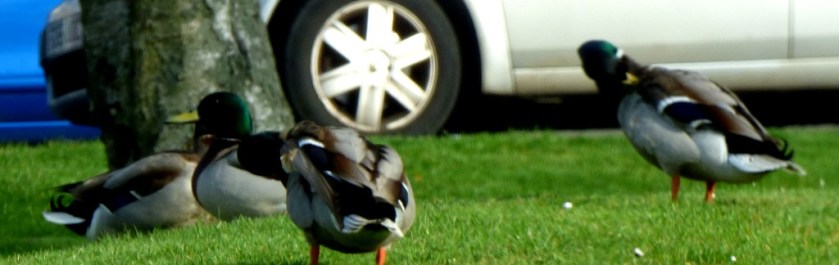
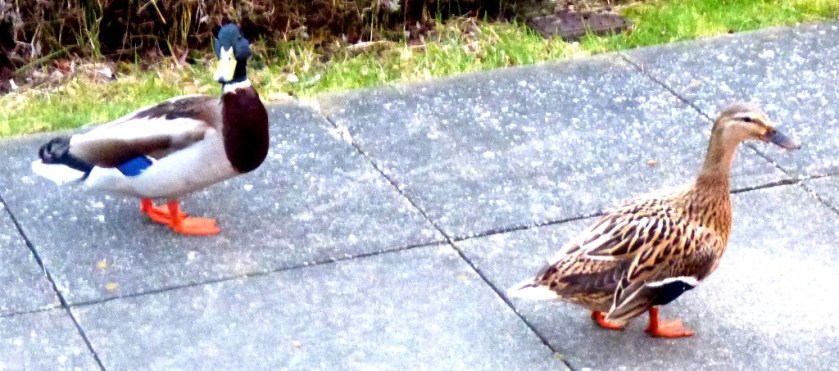
The first of four shots taken early yesterday evening which feature a remarkable full moon.Full moon and bird.First attempted close up of full moonducks outside my windowSecond close-up of full moonThe first butterfly of 2019 – captured through the windowThe remaining pics, including this one were taken during the two short walks I did this afternoon (each one being a circuit of the grassy area outside my bungalow).
A radical suggestion for dealing with the England men’s teams top order batting woes…
INTRODUCTION
Having introduced my new series about cricketersin my last post I now move on to an opening batter who provides a springboard for plenty of other ideas.
VALE ATQUE AVE
The 2015 English cricket season started with the news of the dropping and subsequent international retirement of Charlotte Edwards after a long and illustrious career (she features later in this series). Who was going to fill the monster sized vacancy that her departure left at the top of the England women’s batting order?
The first England women’s squad post the dropping and retirement of Edwards featured an opening pair of Tammy Beaumontand Lauren Winfield. Beaumont immediately began making big runs in her new role at the top of the order, and remarkably a fairly seamless transition from one era to the next took place.
OPENING WOES IN THE MENS TEAM
Meanwhile in the ranks of the England men’s team a gaping hole was emerging at the top of the batting order. Alastair Cook, so long an absolute rock in that position, seemed to have gone into irreversible decline and none of those selected to partner him looked remotely good enough. Mark Stoneman went after a sequence of test matches that brought him four 5o plus scores but never saw him get as far as 60 (and he had several lives in the course of his top score of 59). He was replaced by Keaton Jennings who has scored two test hundreds but who is also looking at an average of 25.86 after 16 test matches (at least 15 runs per innings light for a specialist batter at that level).
When Cook announced that he was retiring from international cricket the problem became greater still. Rory Burns of Surrey was an obvious candidate for one slot at the top of the order, having scored far more runs than anyone else in the English season. For the the other England faced a difficult decision between the following:
Stick with the underachieving Jennings and hope for miracles.
Revert to Stoneman with even less chance of success
Bring in a second brand new opener and hope that (at least) one of the newbies hits their straps right from the start.
Faced with an assortment of unappealing options as listed above go for someone who has been making stacks of international runs at the top of the order and give Tammy Beaumont her chance to play alongside the men.
In the event England took option one, and one big score for him in Sri Lanka apart it has not worked out either for them or for Jennings. In the test match currently under way at St Lucia England are doing well, but they have not had many top order runs to work with, although Burns batted a long time in the first innings. In the first two tests of this series England were roundly defeated, and the less said about their batting efforts, the better.
COULD A WOMAN PLAY ALONGSIDE THE MEN?
The short answer is yes. I would not expect a female fast bowler to be able to hold their own as power is so important in this department, but in batting, fielding, wicketkeeping and slow bowling, where there is less of a premium on pure power I see no reason why a female could not hold their own with the men, and my suggestion relates specifically to an opening batter.
If some new opener makes a succession of centuries in the early part of the English season , thereby forcing themselves on the selectors my current thinking may be modified, but at the moment I remain convinced that the best solution to the England Mens team’s opening woes is to give Beaumont her chance and see what happens.
THOMAS SQUAD FOR 1ST ASHES MATCH
I have misgivings about someone who is almost 33 starting a test career from fresh, but Joe Denly’s 69 in St Lucia would seem to have earned him an extended run, so it is on that basis that he features in my squad for the first Ashes Match. I will list the names, and then append some explanations:
I Beaumont
Rory Burns
Joe Denly
Joe Root*
Joss Buttler
Ben Foakes+
Ben Stokes
Sam Curran
Adil Rashid
Jack Leach
Mark Wood
James Anderson
Olly Stone
I have named 13 because the exact make up the bowling unit will depend on the nature of the pitch and the conditions. I regard Anderson, Wood and Stone as essential for the seam attack (two outright quicks, and England’s all-time leading wicket taker), with Leach and Rashid in that order of precedence as spin options should conditions warrant it, and Curran as a fourth front-line seamer (possibly batting at 7 in place of Stokes) should conditions warrant that option. Bairstow at no 3, as a specialist batter, is also an option but would seem shockingly inconsistent given the Denly has produced a significant score in St Lucia, which is why he is not there in my list.
PHOTOGRAPHS
A recent acquisition, which has also featured on my London Transport themed website.
Presenting an idea for the next aspi.blog wall calendar and inviting suggestions in response.
INTRODUCTION
Those of you familiar with this blog will know that a photographic wall calendar has become something of a tradition – the 2019 effort when I finally do it will be number four. I have started thinking about and this post is intended to show one possibility.
A CORNISH THEMED CALENDAR
Those of you who saw my “A Grockle’s Eye View of Cornwall” series (you can access them all from here) will be aware of the amazing scenery I saw while I was down there. Since it was obvious that a number of those pictures would have to feature I then started thinking about how a Cornish gallery calendar might work, and this is where I have reached so far.
THE FRONT COVER
To provide a clue of what is within this is my envisaged front cover pic if I go the “pure Cornish” route:
OTHER POSSIBLE PICTURES
January would be this one:
The other pictures that I have identified as possibles, in no particular order are these:
This bridge is so iconic that my shot of it would have to feature.
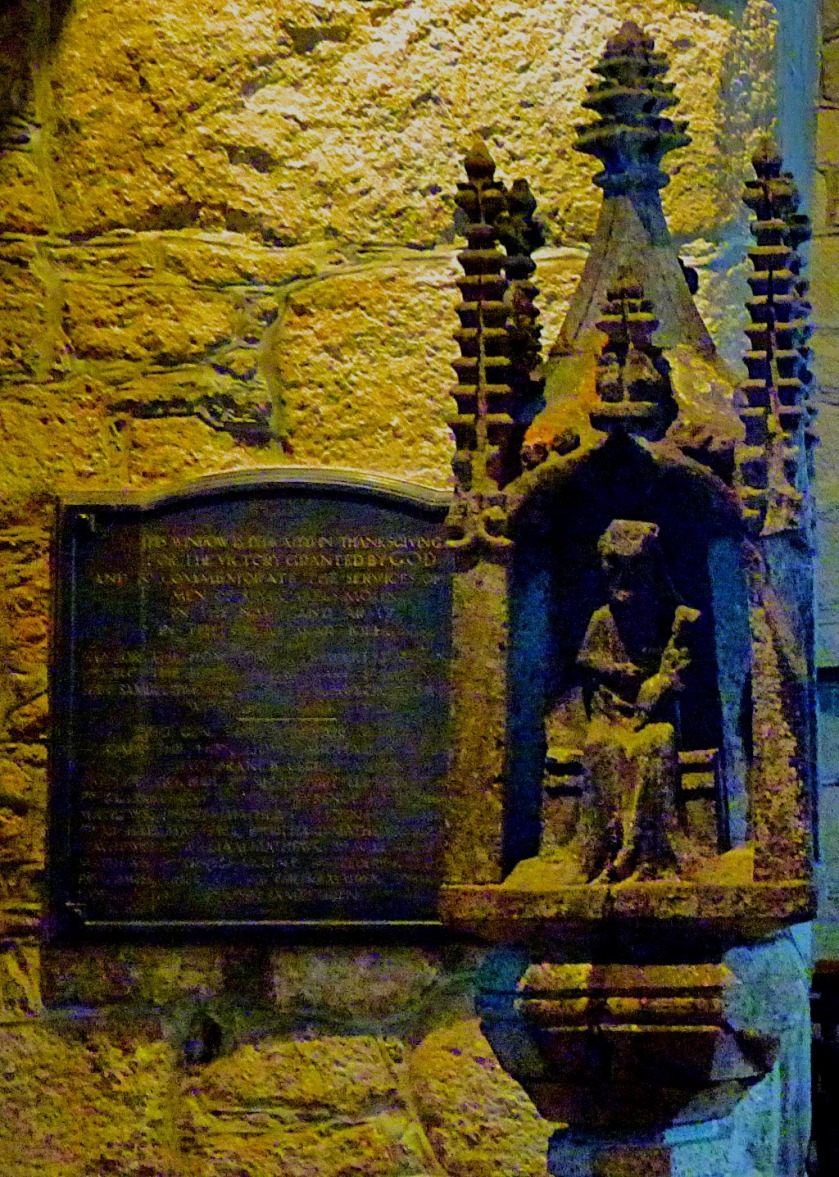
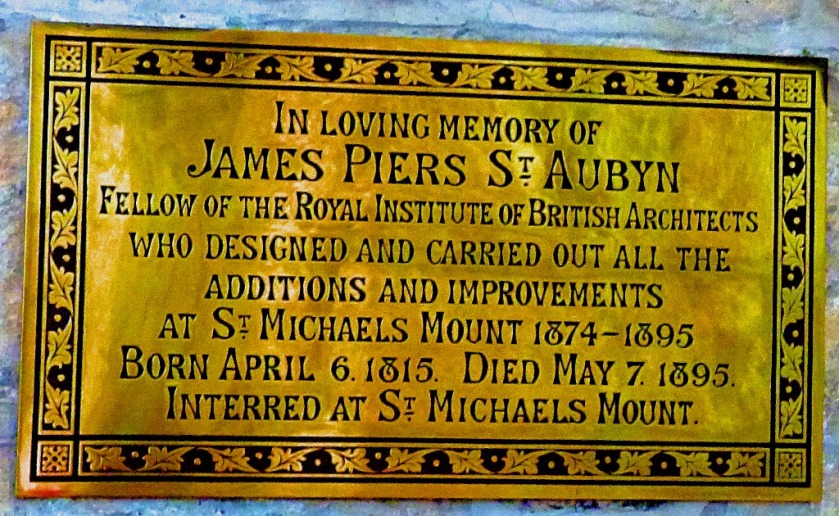
After a number from St Ives, we move on St Michael’s Mount and its surroundings.
WHAT DO YOU SAY?
Do you think the “pure Cornish Calendar” idea works? If so do you have any other of my Cornish pictures that you would like to see featured? If not feel free to suggest others of my pictures that should be there.
Continuing my account of a visit to St Michael’s Mount.
INTRODUCTION
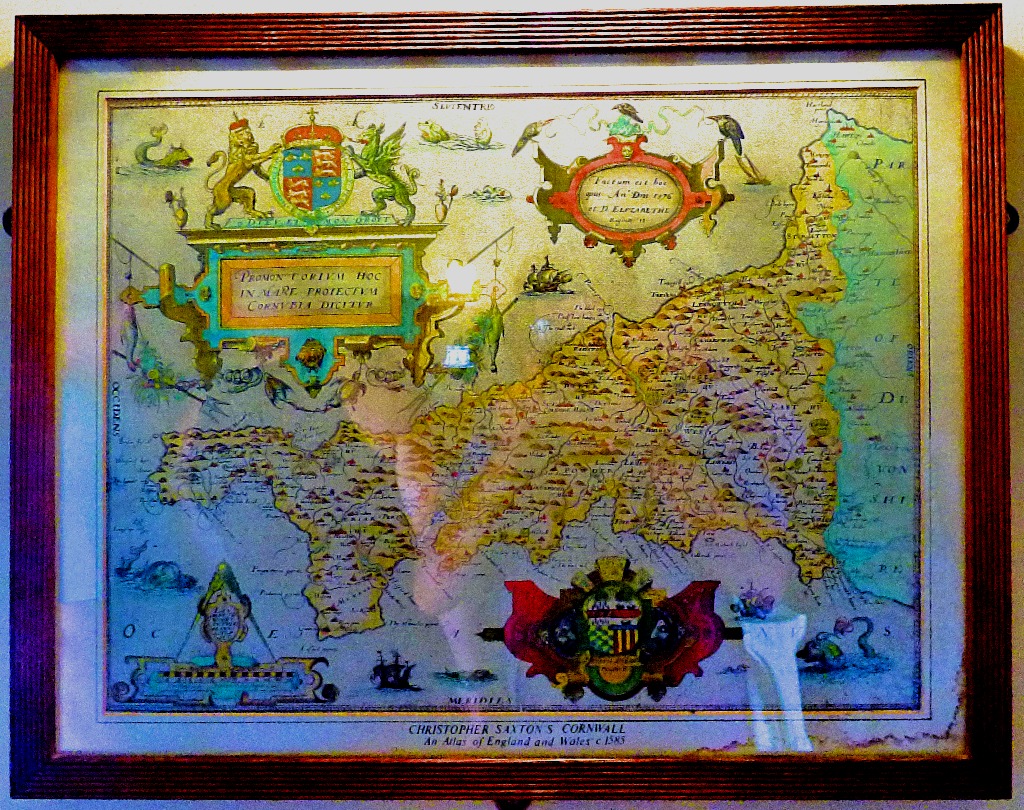
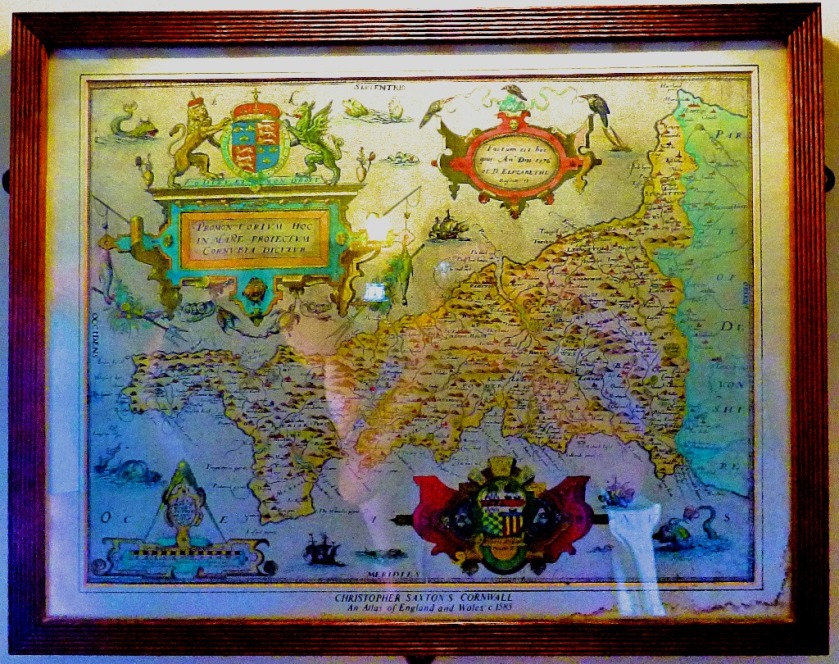
This is the third to last post about the day at St Michael’s Mount, and the ninth in my series about my summer visit to Cornwall. The next post will be all about the vast collection of antique maps that are on show here, and then a final post about the last stages of the day. I then have the journey home to cover to complete the series.
THE REMAINDER OF THE SUMMIT
At the end of the previous post in this series were about to head indoors for the second time in our exploration of St Michael’s Mount…
This organ looks splendid.
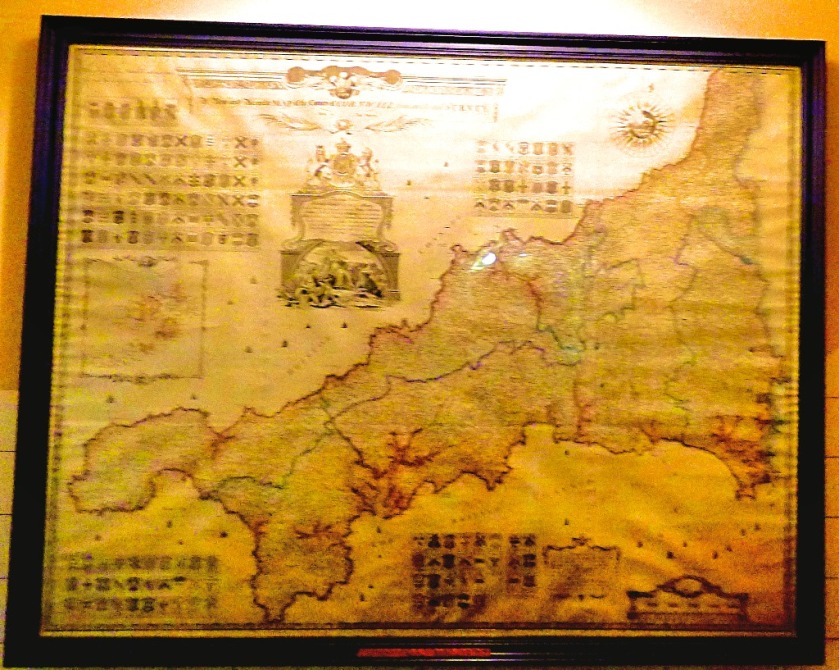
At this point we entered the map room. As an appetiser for the next post I offer one picture from there…
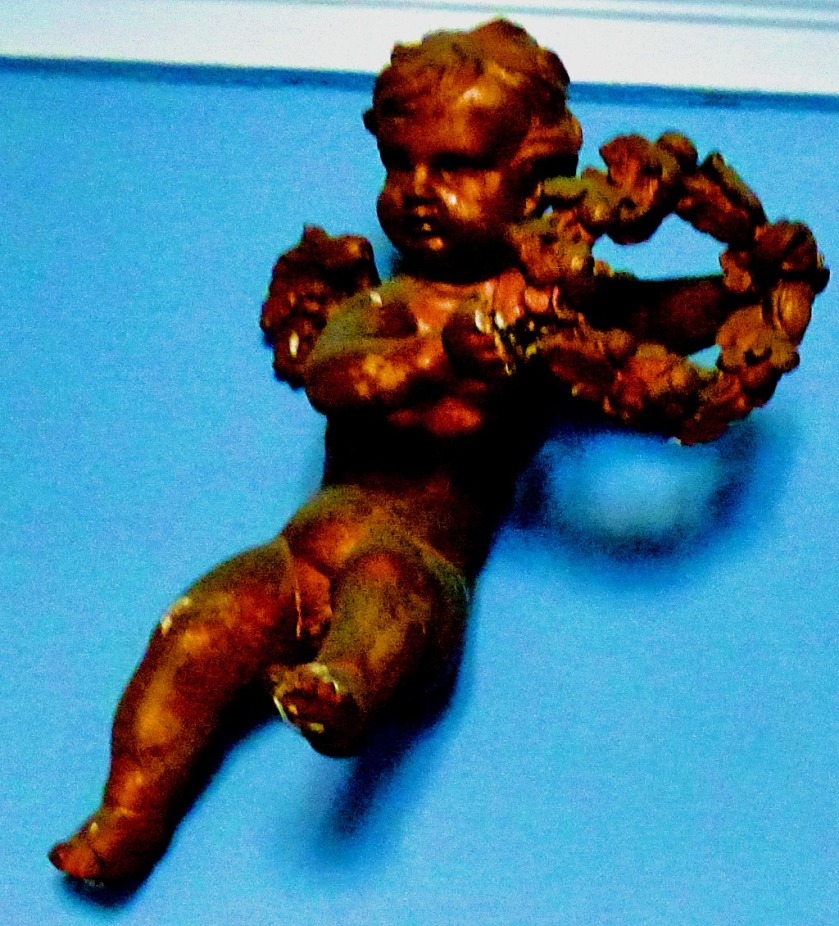
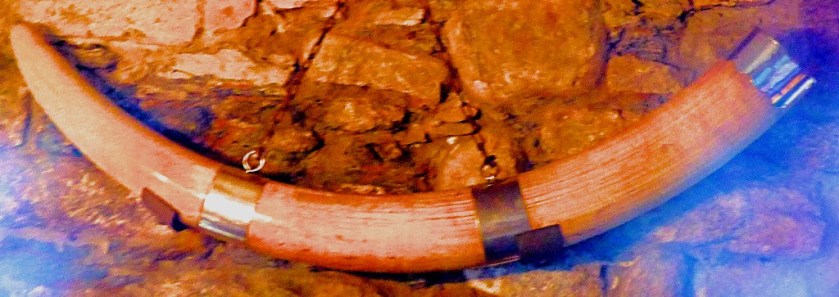
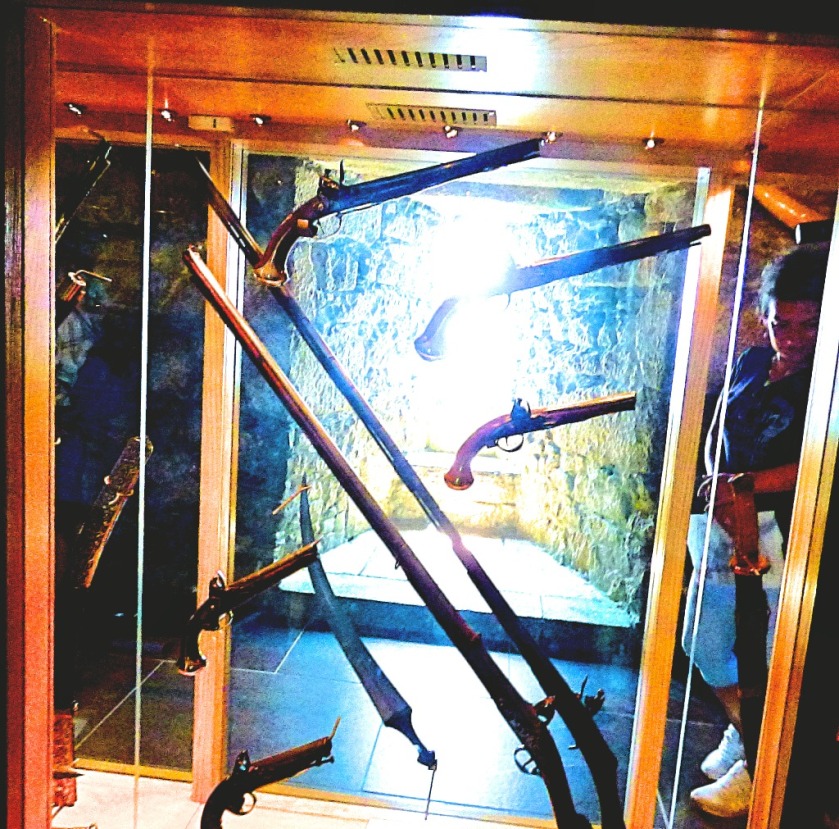
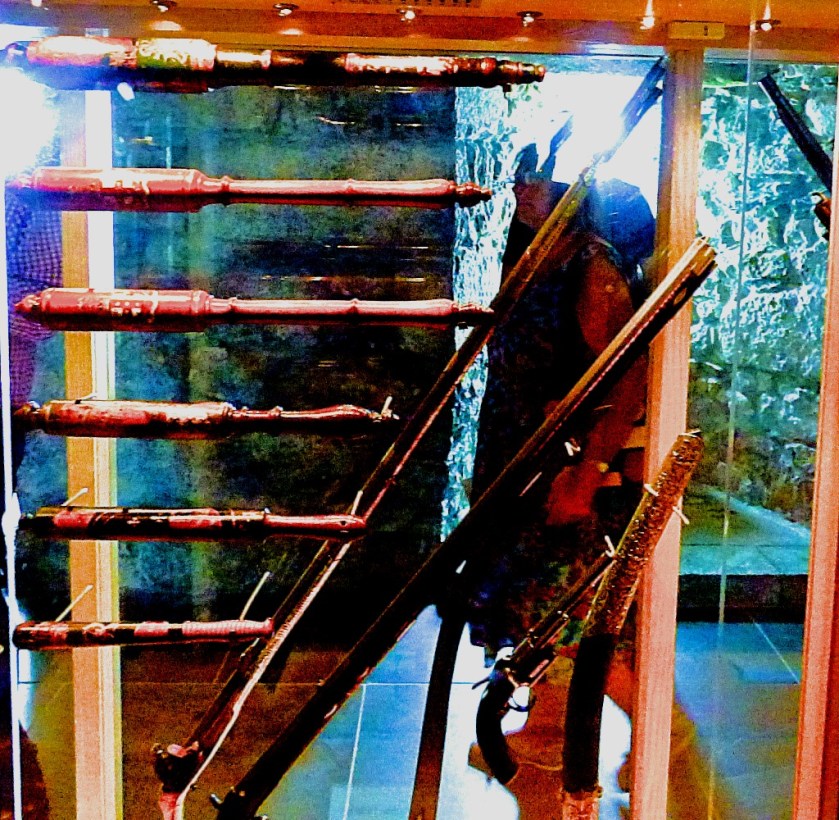
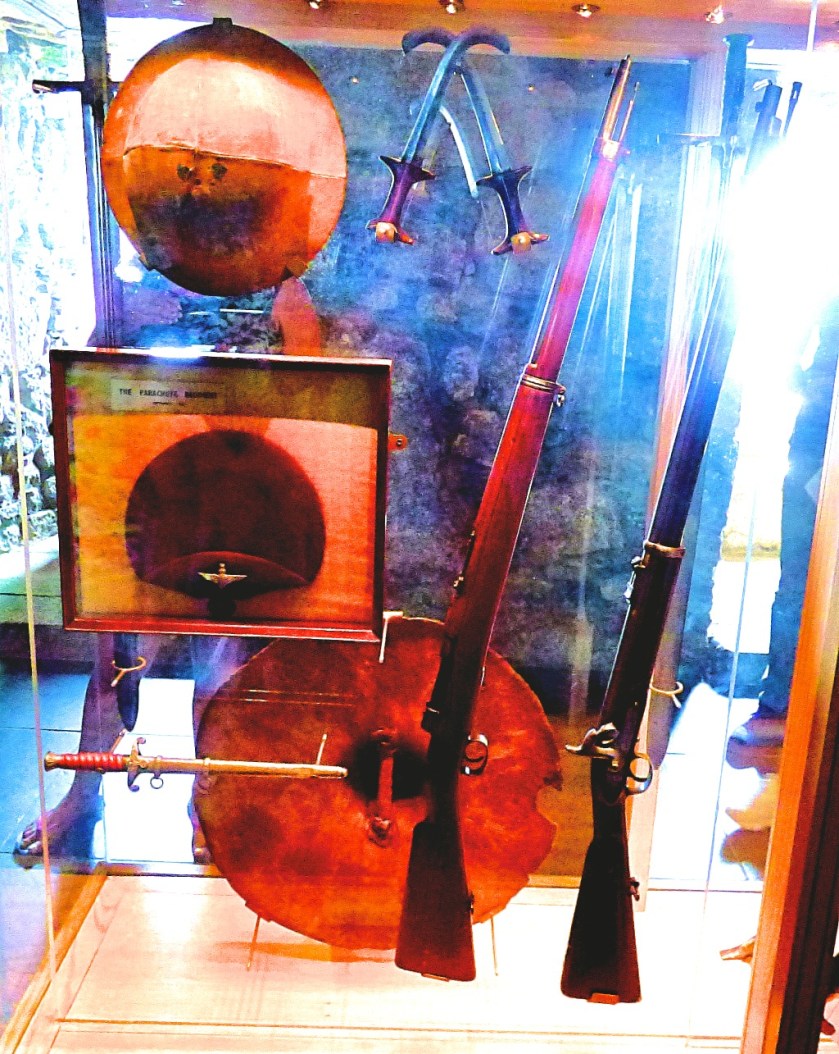
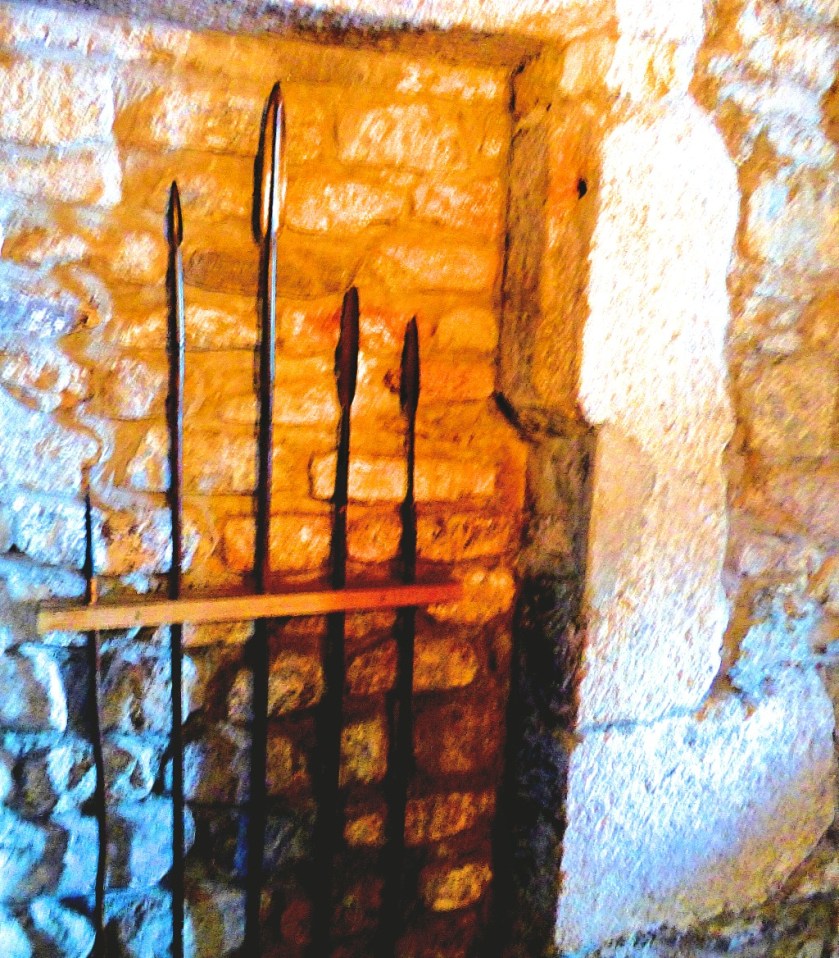
After the maps came a display featuring large amounts of weaponry…
The remains of a spiral staircase
A final map, separated from all the others.
That ended the indoor stuff until lunch time.
THE DESCENT
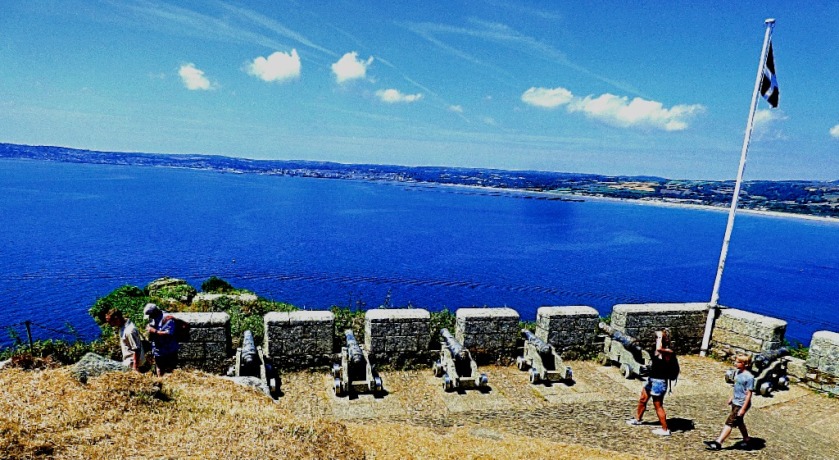
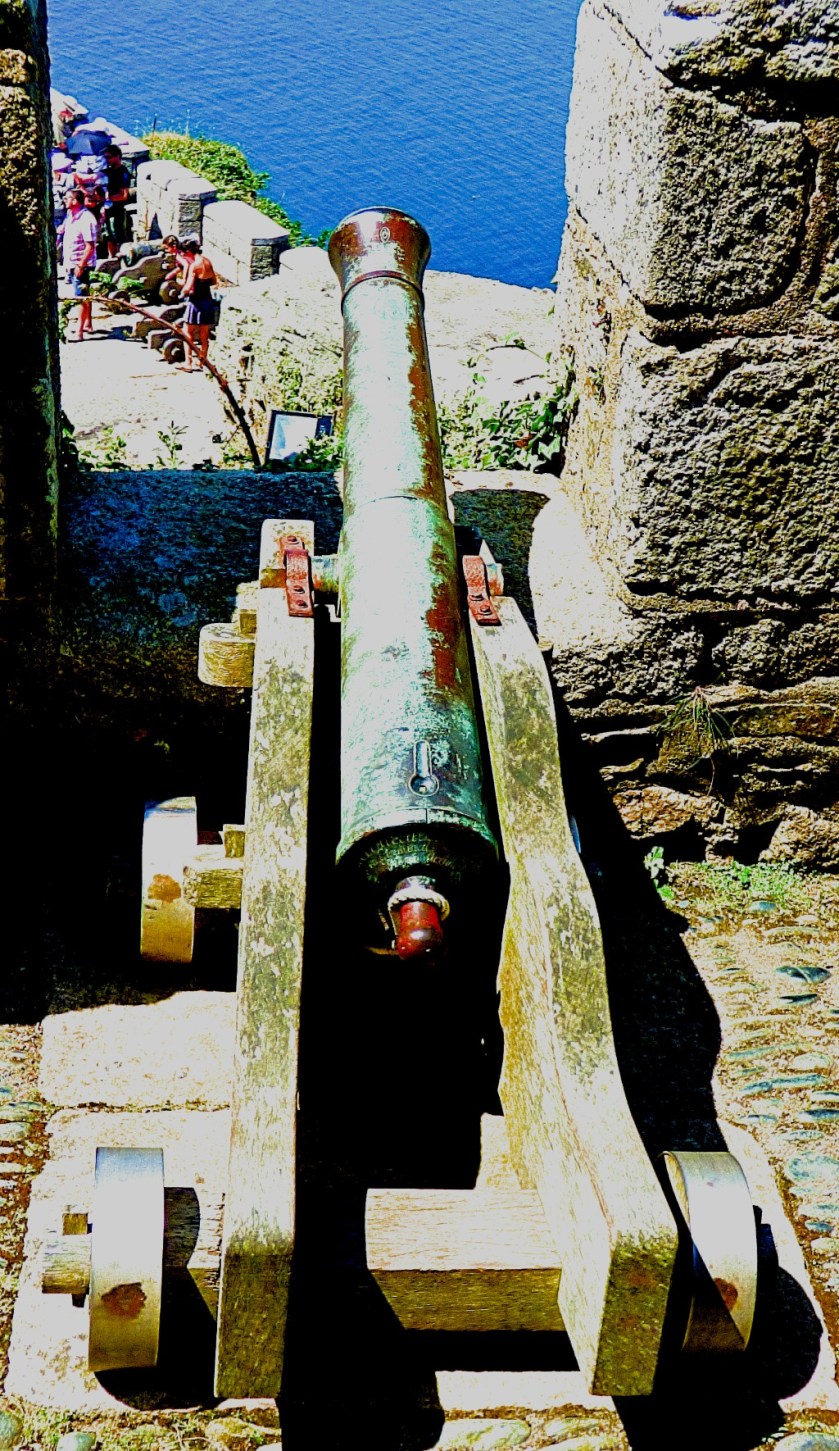
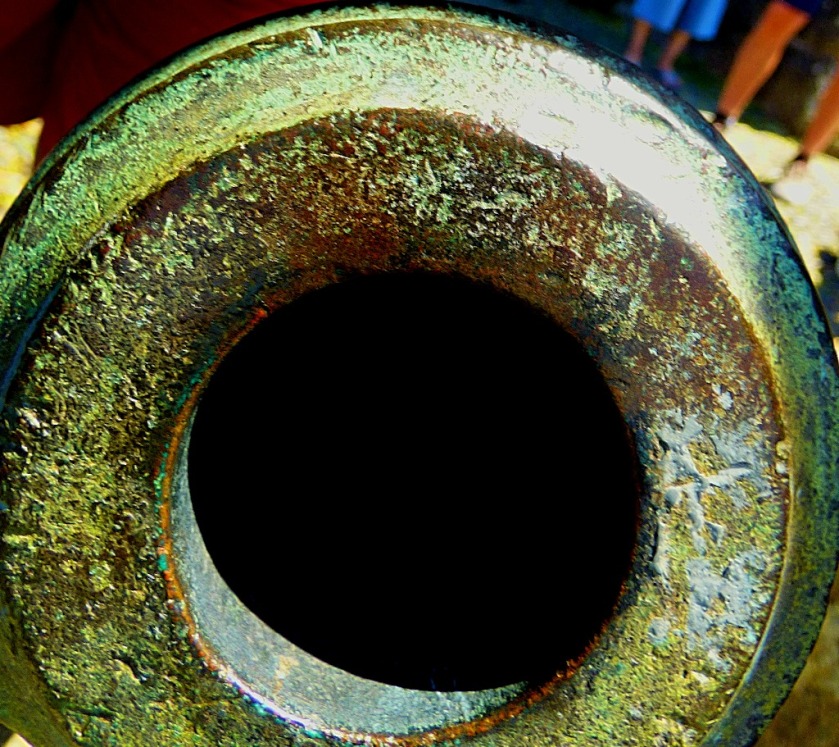
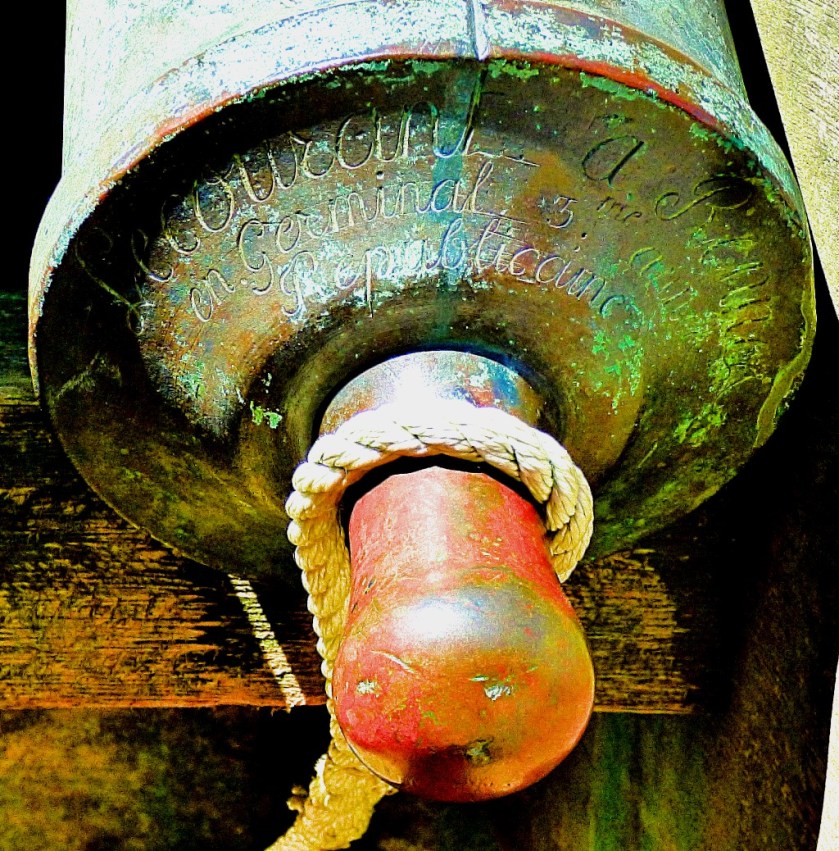
The descent takes past an emplacement of mini-cannons which are of French Revolutionary origin…
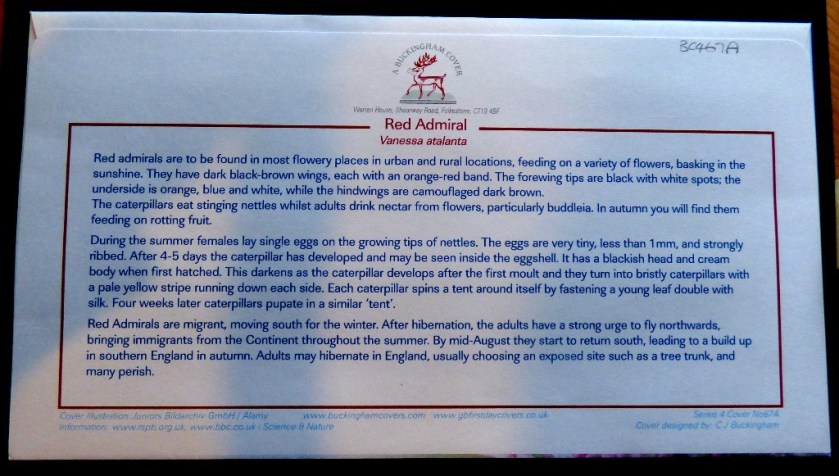
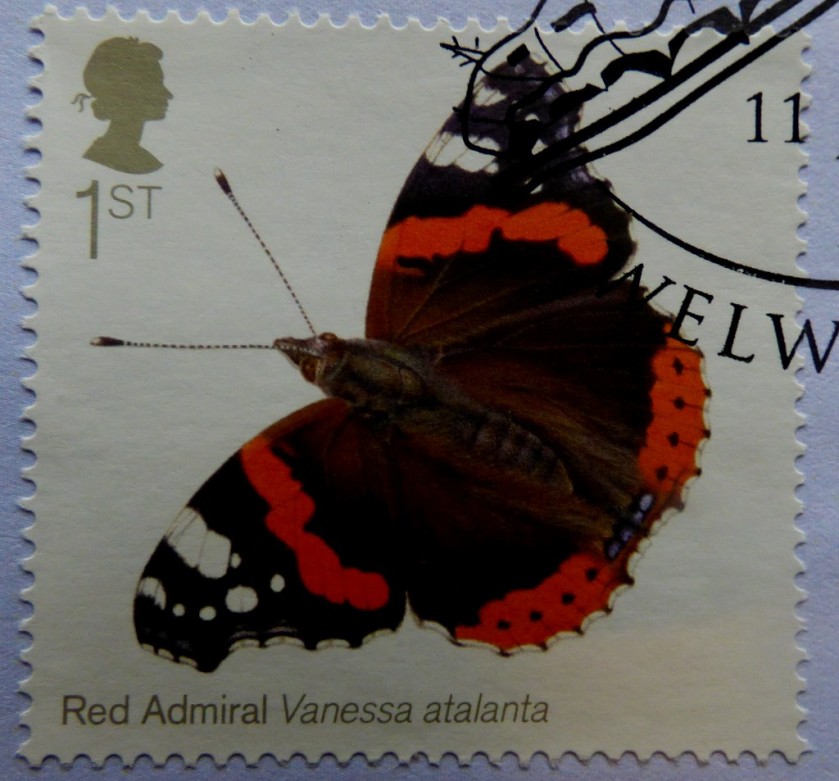
Just beyond this I encountered a Red Admiral butterfly:
At first it had its wings folded making ID difficult…
…but when it opened them out there was little room for doubt.
Not long after this we could see our next destination, where we would be having lunch.
A couple of easy problems on brilliant.org that have generated considerable controversy, and some butterfly pics of my own.
INTRODUCTION
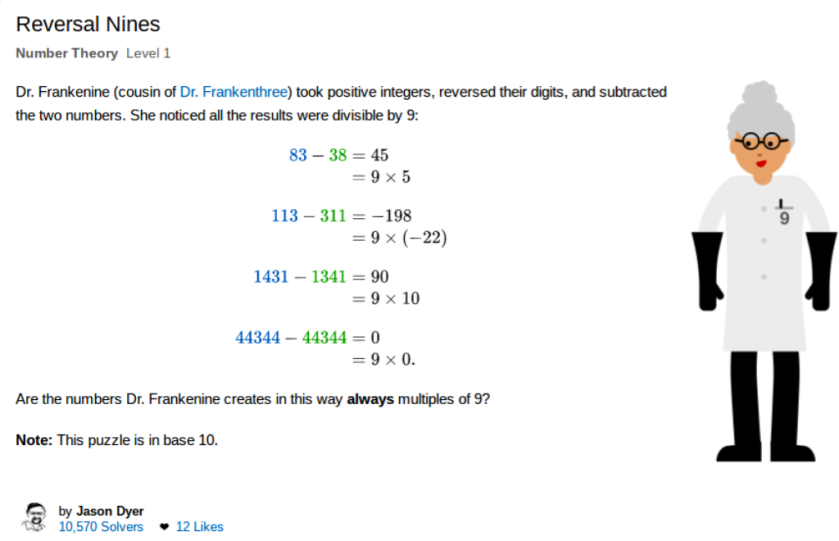
A couple of this weeks puzzles on brilliant.org have generated considerable controversy, so I am going to share them with you as a prelude to the butterfly pics. Both puzzles are actually very simple, and I will provide solutions and explanations some time on Friday.
PUZZLE 1: DR FRANKENINE
Here is a screenshot of the first puzzle:
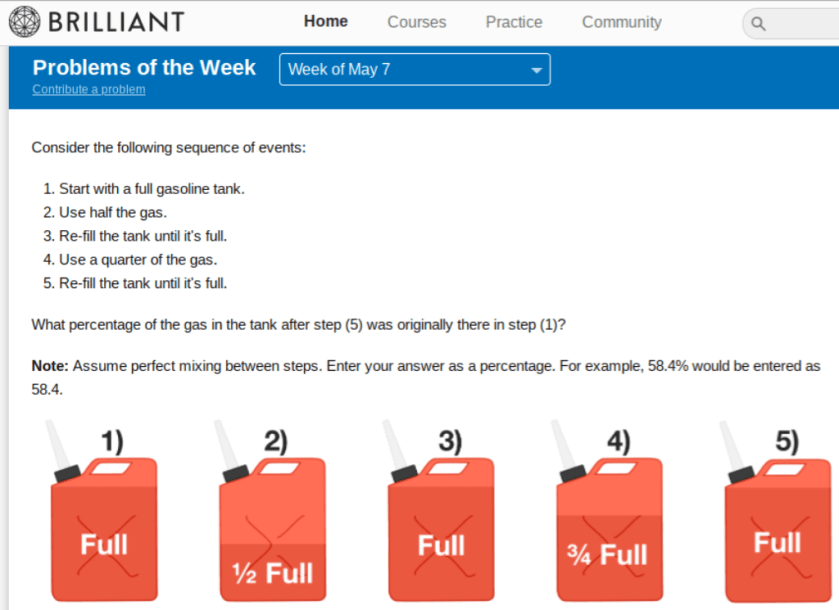
PUZZLE TWO: FUEL TANK
Here it is:
BUTTERFLIES
These are from Saturday and Monday. In addition the ones I have photographs of I have seen one other species, mainly white but with flame coloured wingtips but not yet been able to photograph it.
Some cricket related thoughts, photographs and solutions to my most recent set of problems.
INTRODUCTION
I have a couple of cricket related things to share, a few photographs, and solutions to the puzzles I set in the post “Cricket, Photographs and Puzzles”.
CRICKET
The third round of Championship matches were scheduled to start yesterday, but most did not get underway due to the weather, and those that did get underway were heavily affected by the weather. I have two other things to mention in this section:
WORLD CUP 2019 SCHEDULE
The schedule for the 2019 World Cup is now available to the public (see here for full details). The tournament is as usual spread out over far too long (starting at the end of May but not finishing until mid July) because the organisers will not stand up to the TV people and schedule multiple matches for the same day. In 2015 I put up a post demonstrating how a 16-team tournament could be scheduled to last no more than three and a half weeks, and I reproduce the text from that post below:
THE SUTCLIFFE FORMULA FOR ORGANISING A CRICKET WORLD CUP
There has been much talk at the Cricket World Cup about how the tournament should be formatted, especially given that there are those who would reduce it to a ten team tournament (so utterly harebrained a notion that I do no more than mention it). Several of the associate nations at this world cup have given good accounts of themselves, with Ireland having a strong chance of progressing to the quarter finals.
My formula for a Cricket World Cup would be as follows:
16 teams to play in the tournament. Stage one would involve two groups of eight teams, the top four from each group progressing. Each group would play its matches in sets of four (hence two groups of eight), making seven rounds of matches for each group, to played on alternate days (i.e. this stage would span two weeks, with each side having a day off between matches.
After the group stage would be a three day break before the quarter-finals, which would be played all on one day. After a two day break the semi–finals would take place. Then following another two day break the final would take place. This would mean that the tournament would be played in a period of three and a half weeks (a sensible length for a global tournament).
As for the TV people: If they don’t like it they can lump it.
A SUGGESTED ENGLAND TEAM FOR 1ST TEST MATCH
The early stages of this cricket season have been less than satisfactory, but I have some thoughts about an England team for the first test match nonetheless. In batting order:
A Cook
H Hameed – Mark Stoneman has had ten test matches without producing a serious score, and the fact that he has reached 50 five times but not gone beyond 60 is enough for me to call time on him. Hameed is restored to full fitness (it was injury that ciost him his place after an encouraging start to his test career) and should be given another chance.
J Bairstow, playing as a specialist batsman (he is plenty good enough to do so).
J Root (Captain)
D Malan – one of the few England test batsmen to be able to claim a successful tour of Australia and New Zealand.
B Stokes
M Burgess (wk) – a fine wicketkeeper, and in what is currently a very exclusive club of batsmen who have produced two major scores this season.
S Curran – a left-arm pace bowler who has been knocking on the door. The fact that he bowls with his left-arm will lend variation to the seam attack.
J Leach – finally given a chance in the last test of the New Zealand leg of the tour, he bowled well and must surely be persevered with.
S Broad
J Anderson
D Bess– stranger things have happened than an English pitch in May warranting the selection of two spinners, so Bess gets the nod as 12th man. Incidentally, controversial as it would be, the person who would have miss out were I going the two spinners route is Broad, going for a new-ball combo of Curran and Anderson.
Of the three players who went into the Ashes tour as England players and who do not feature above James Vince may yet redeem himself by producing some huge scores for Hampshire, while Stoneman and Ali are as far as I am concerned firmly in the category of ex-England players.
PHOTOGRAPHIC INTERLUDE
We now change focus, and I am marking this with some photographs. There will be more after I have presented solutions to the problems I left you to tackle.
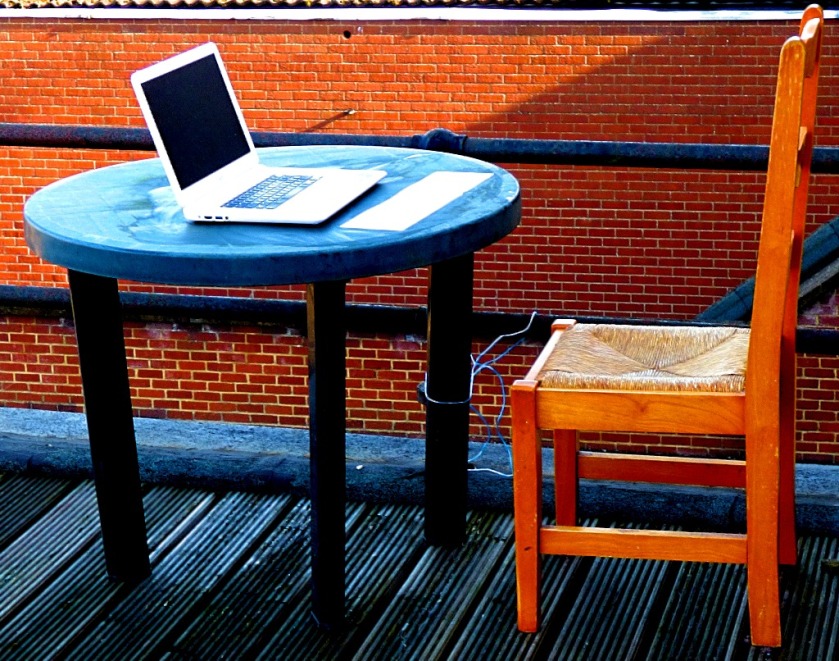
During the fine weather last week I used the ‘outside study area’.
SOLUTIONS
All of these problems were taken from brilliant. The first was:
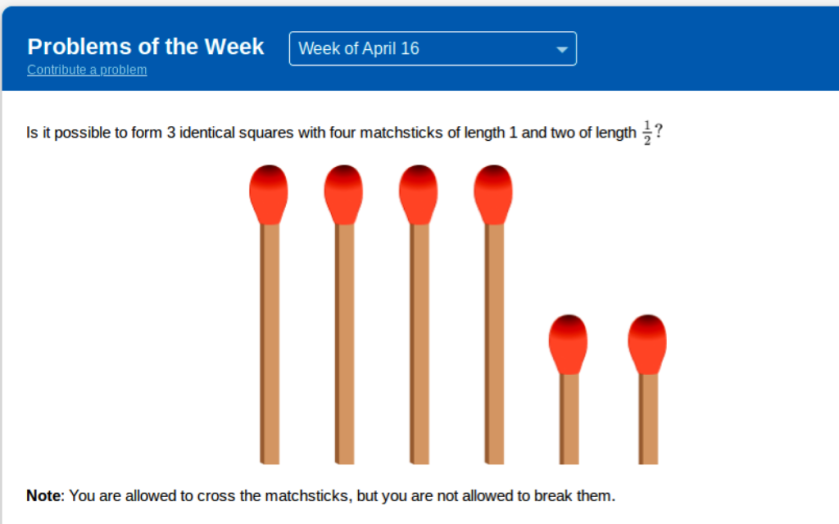
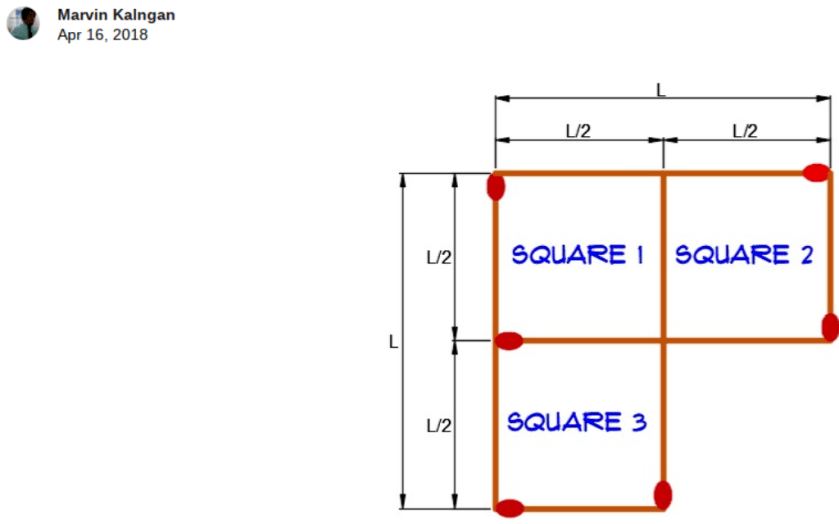
MATCHSTICKS
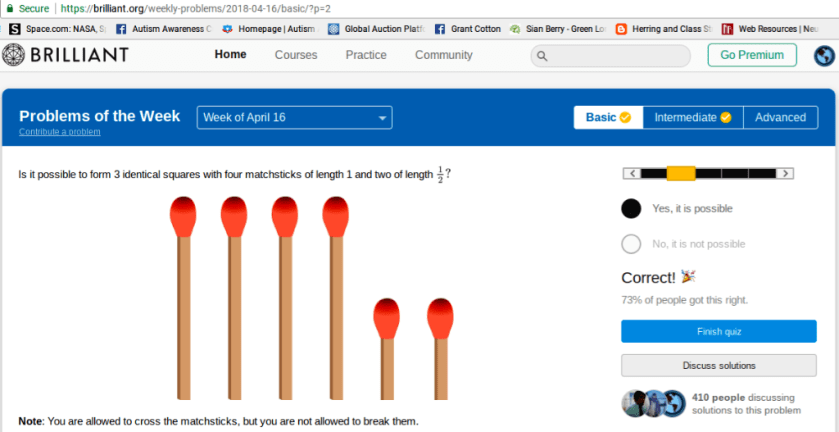
First the answer:
Now here is Marvin Kalngan’s published solution:
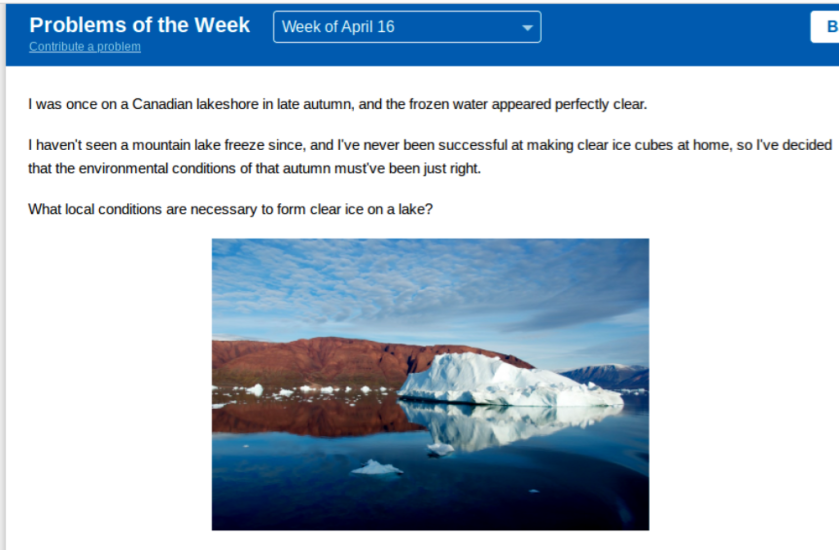
SOLUTION 2: CLEAR ICE
Here is the problem:
And the answer:
SOLUTION 3: POLYOMINO
The problem:
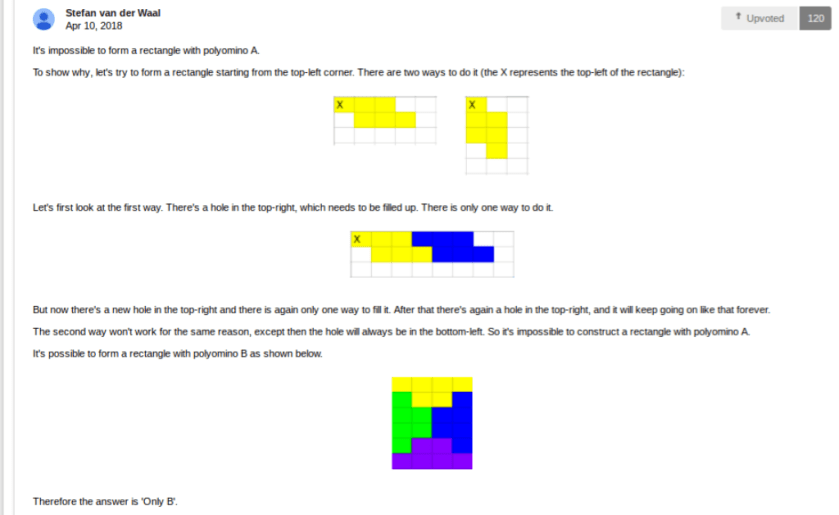
The answer:
I solved this one the lazy way – I noted that shape B very easily forms a rectangle, and after visualising various assemblages of shape A and noting that none were rectangular I opted for B only given that this is a Basic level problem. Stefan van der Waal published this solution:
SOLUTION 4: CONVERGENCE
The problem:
The answer:
Since the sequence involves numbers between 0 and 1 being multiplied together, and such numbers multiply to produce smaller numbers, the series actually converges on 0.
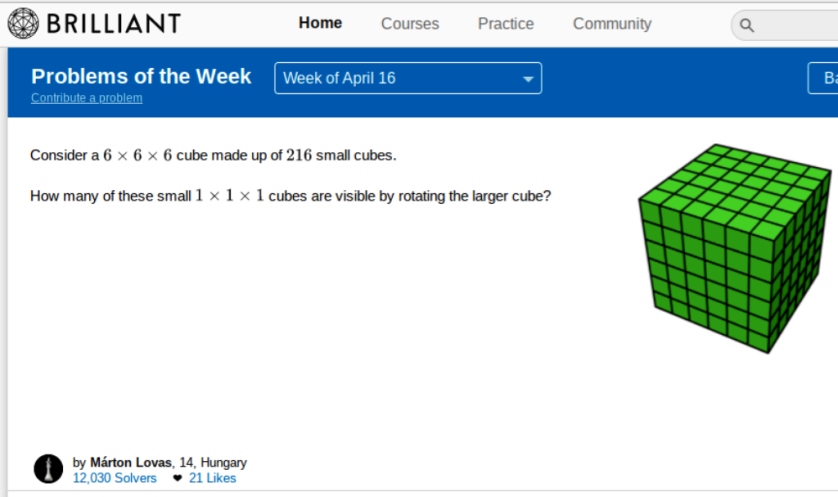
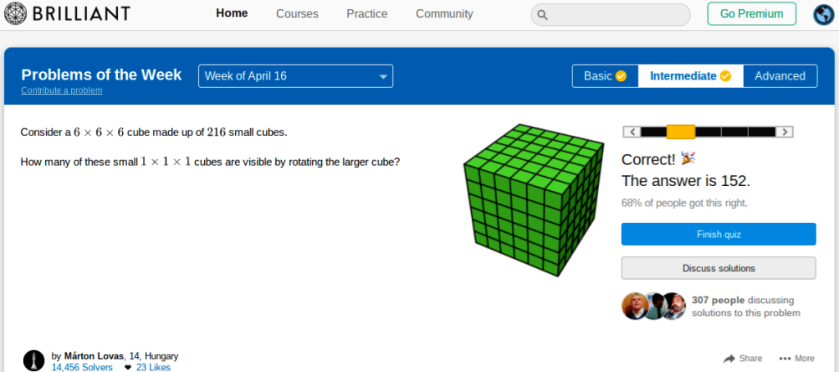
SOLUTION 5: CUBE
The problem:
The answer:
I solved this as follows:
1)Because you are specifically allowed to rotate the cube you can see every individual block that appears on the outside… 2)This means that the only blocks that can you cannot see are those wholly inside the cube…
3)…Which since the surface layer is 1 block thick, and occurs twice in each direction amounts to a 4 x 4 x 4 cube… 4)…Therefore 64 blocks are invisible, which means that (216-64) = 152 blocks are visible.
To end this section here is Aaa-Laura Gao Gao’s solution:
Some thoughts about the early stages of the English Cricket Season, some photographs and some puzzles.
INTRODUCTION
The second round of County Championship matches in season 2018 are now on their second day. Additionally the fact that here in England we seem to have skipped spring, going dorectly from a long, unpleasant winter into summer means I have a particularly fine selection of photographs for you, and there will be puzzles.
THE COUNTY CHAMPIONSHIP
Scoring is low everywhere. At Chester-le-Street it is looking a first innings tally of 169 will be sufficient for Kent to record an innings victory (Durham, shot out for 91 yesterday morning are 39-7 in their second innings, needing their last three wickets to double that paltry tally just to avoid the innings defeat). Essex and Lancashire are already into their third innings as well, Essex having scraped together 150 first up and Lancashire replying with 144. Essex are 39-0 in their second innings. Somerset, having actually claimed a batting bonus point by reaching 202 are poised for a handy first innings lead, Worcestershire being 153-8 in response. Surrey also topped 200 – making 211, and Hampshire are 79-6 in response. Yorkshire made 256 in their first innings, and Nottinghamshire are 110-6 in response. Derbyshire made 265, and Middlesex have also reached three figures, being 101-5 in response. Gloucestershire are 47-0 in response to Glamorgan’s 236. Northamptonshire were all out for 147 and Warwickshire are about to overhaul them, with wickets in hand. Finally, Sussex batting first are a comparatively monumental 304-7 (three batting bonus points, although they will not get a fourth as they have had 108.3 overs, and bonus points are only awarded in the first 110 overs of a team’s first innngs) against Leicestershire.
Every match is in progress, which beats last week, when Yorkshire failed to produce a playing surface on which the game could be played, resulting in their match against Essex being abandoned without a ball being bowled.
The low scoring is a major problem – the batters will gave little confidence since they are not making runs, and as soon as they face conditions in which the ball does not get up to mischief most of the wicket-taking bowlers will revert to being their workaday selves (we saw, unforgettably for all the wrong reasons, over the winter how seamers who bowl accurately but not especially fast are cannon fodder for international class batsmen on good pitches).
From the point of view of England possibles these two rounds of championship matches have been largely valueless – the 75 from James Vince on the opening day was the usual Vince fare – excellent while it lasted, but did not last long enough to be satisfactory and given the conditions no bowling figures can be taken with anything other than a substantial helping of salt.
PHOTOGRAPHS 1: AN ASPI.BLOG FIRST
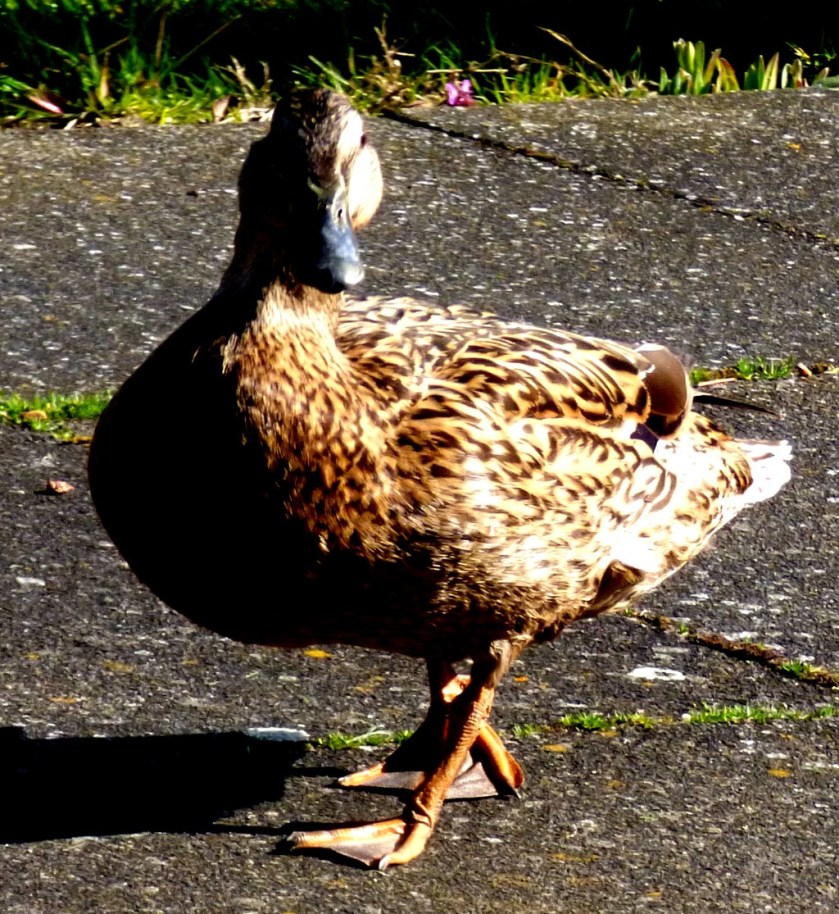
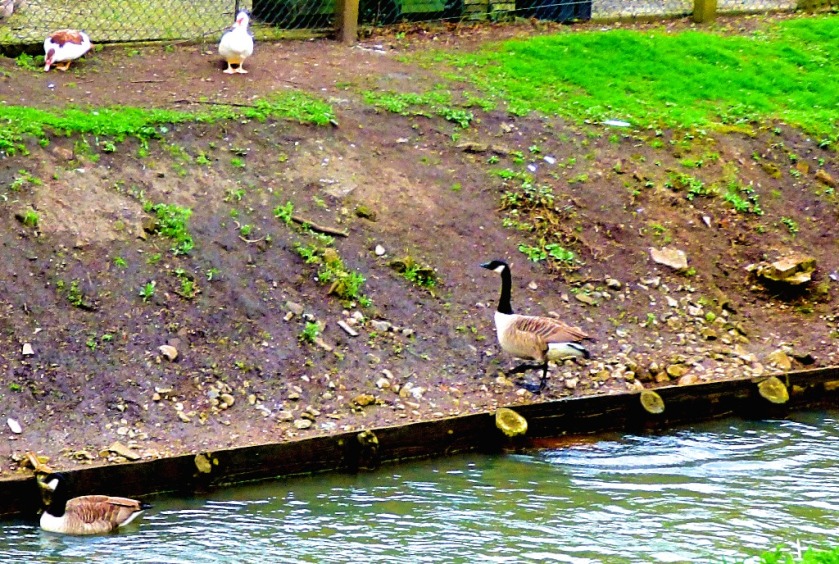
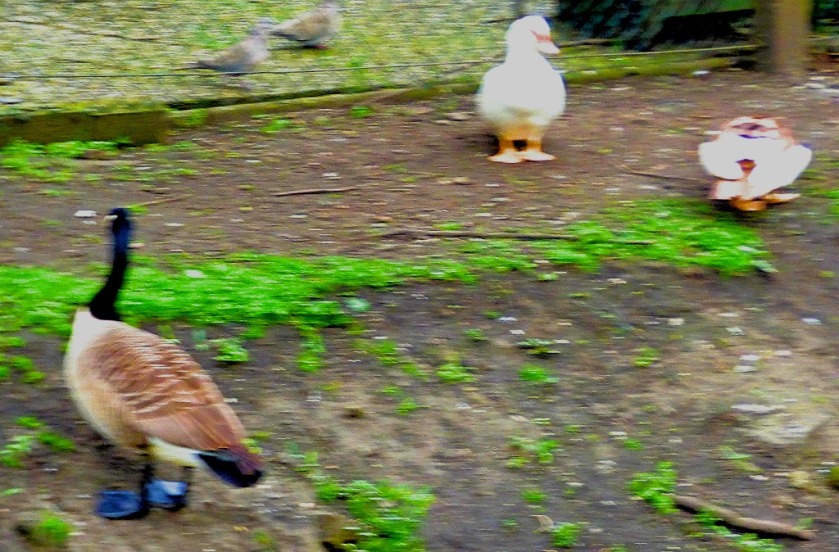
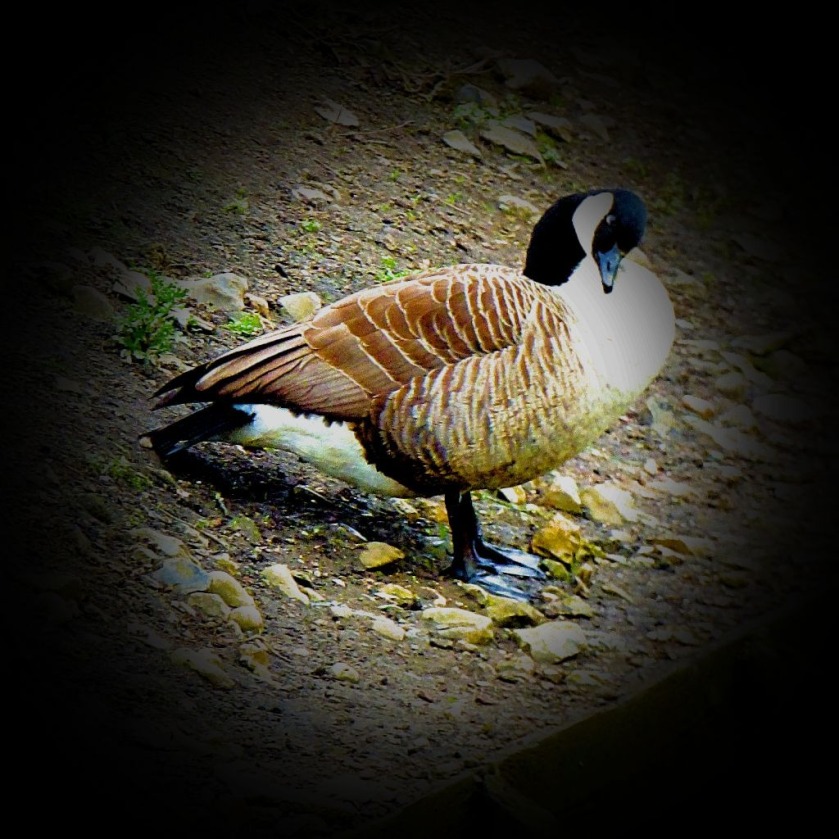
The Muscovy ducks first saw a few months back are still in residence, and they have been joined by an unusual visitor, the second largest bird species I have seen in King’s Lynn – Canada Geese.
The white patch at the top front of the otherwise pure black neck (the head and bill are also pure black) is, along with the colossal size, the key identifier of these birds as Canada Geese.
PUZZLE 1: MATCHSTICKS
My first offering from brilliant(the source of all of today’s puzzles – note also that all can be solved without even using pen and paper, never mind mechanical assistance – I did) is an exercise in visualization:
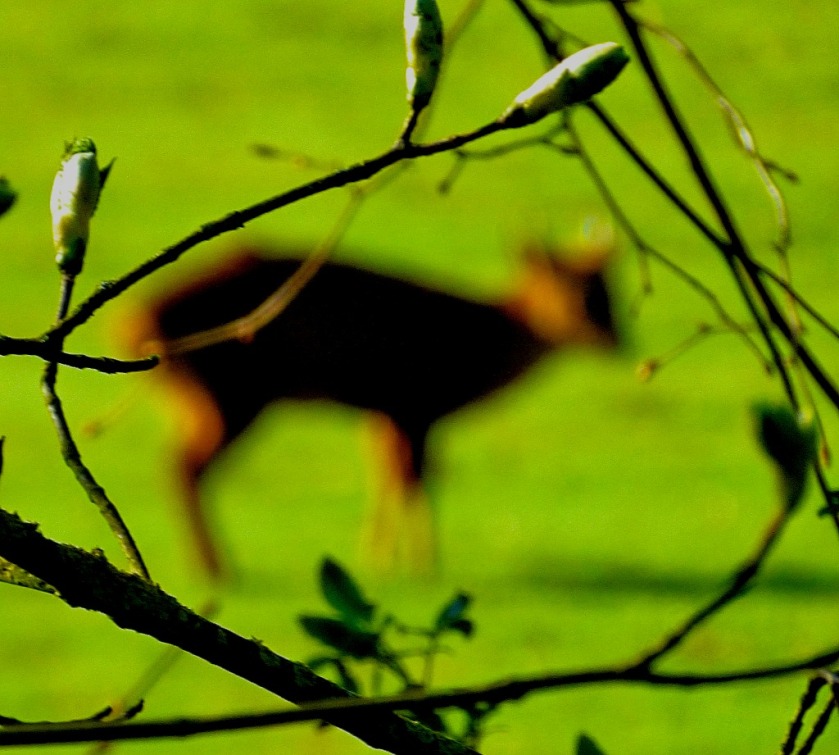
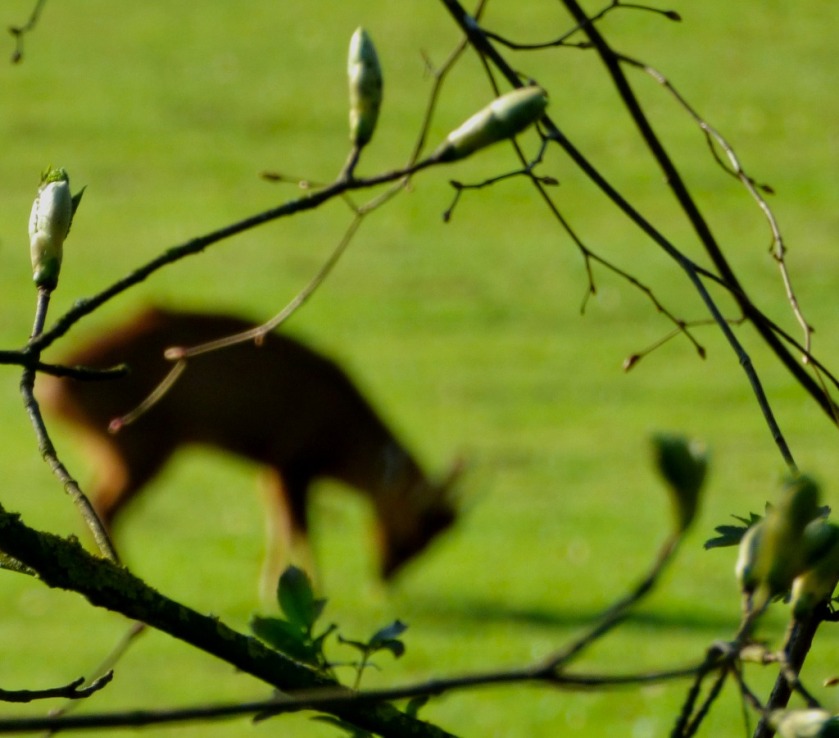
PHOTOGRAPHS 2: MUNTJAC
This muntjac was nibbling the grass on the playing field of the Lynn Academy, and I was taking pictures through a screen of plants:
PUZZLE 2: CLEAR ICE
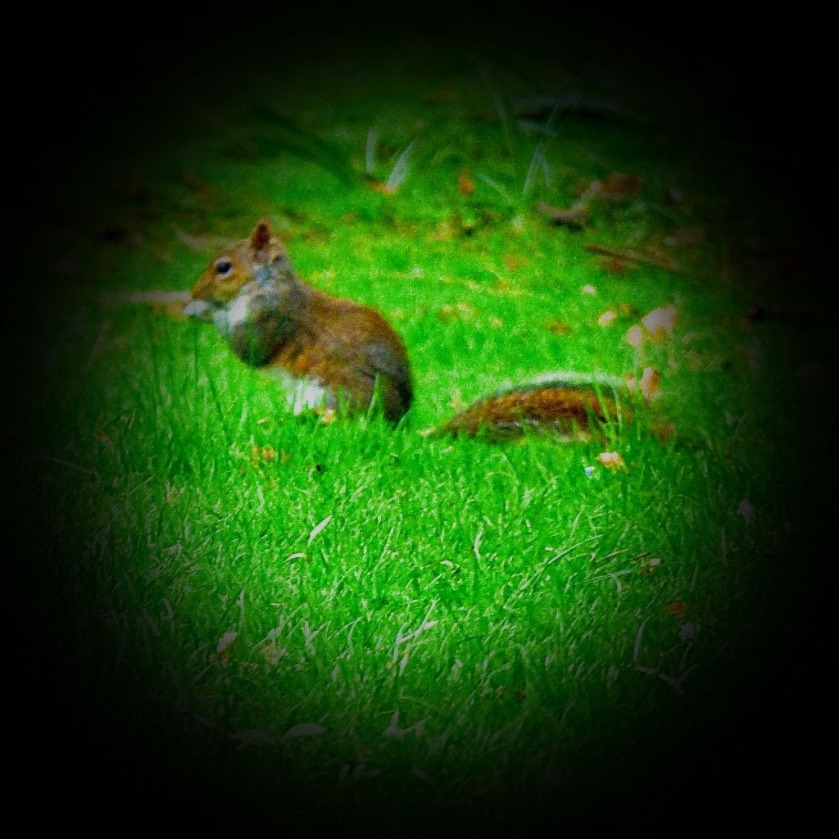
PHOTOGRAPHS 3: SQUIRREL
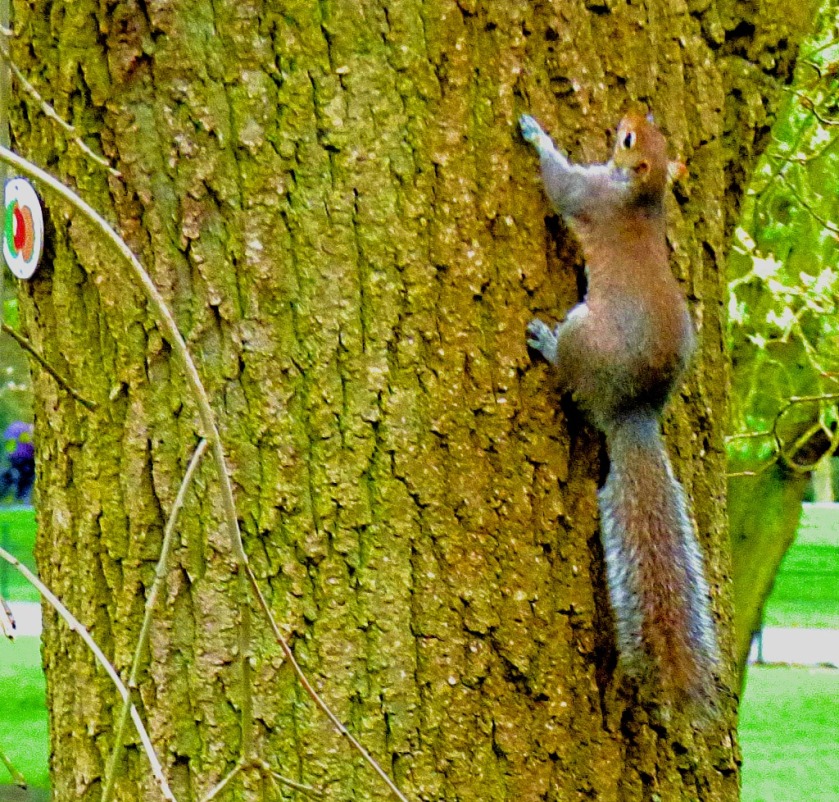
I got two shots of this squirrel, one om the ground, and one as it swarmed up a tree trunk:
PUZZLE 3: POLYOMINO
Another exercise in visualization (my own success with this one enabled me to celebrate what I call my brilliant.org Pi Day – 314 successive days on which I had solved at least one of their problems!):
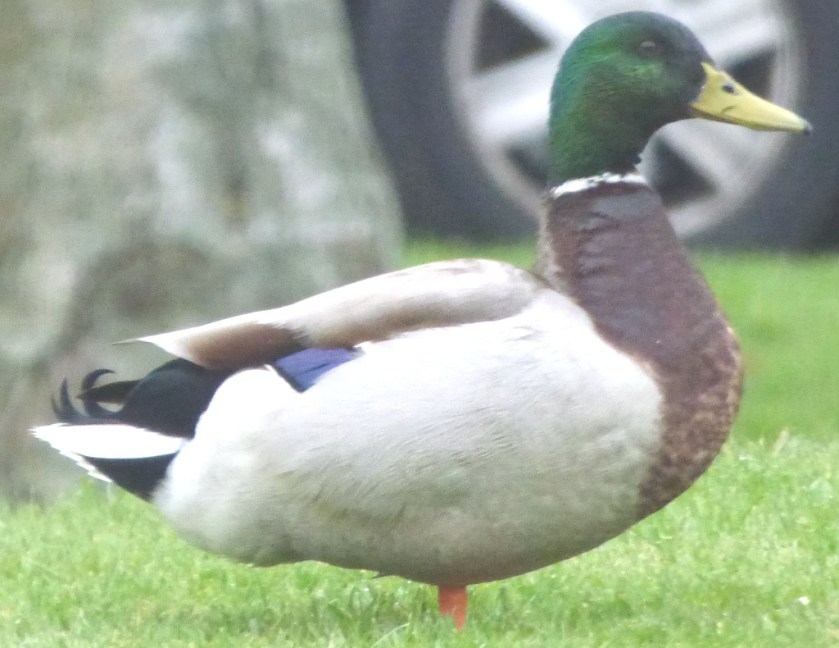
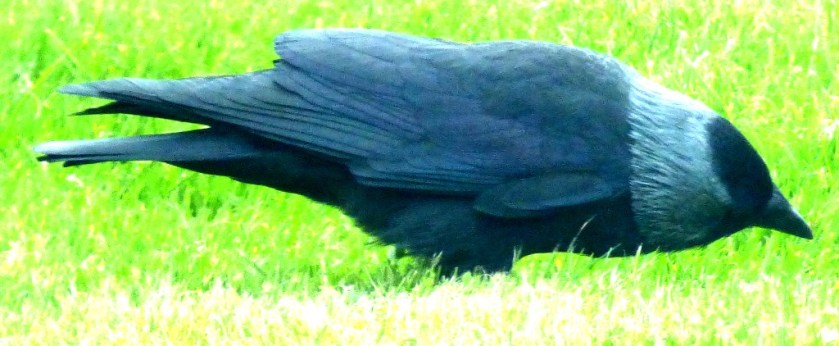
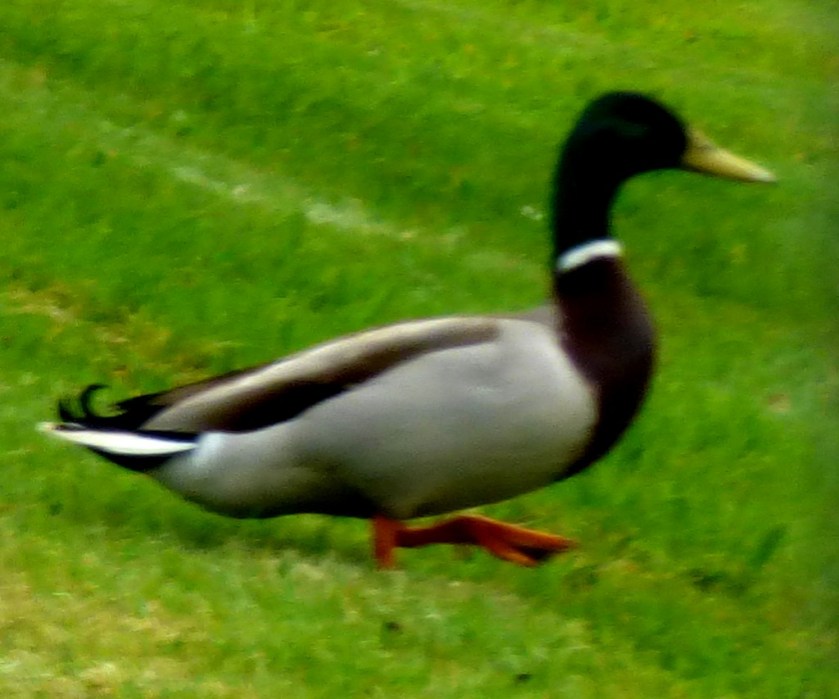
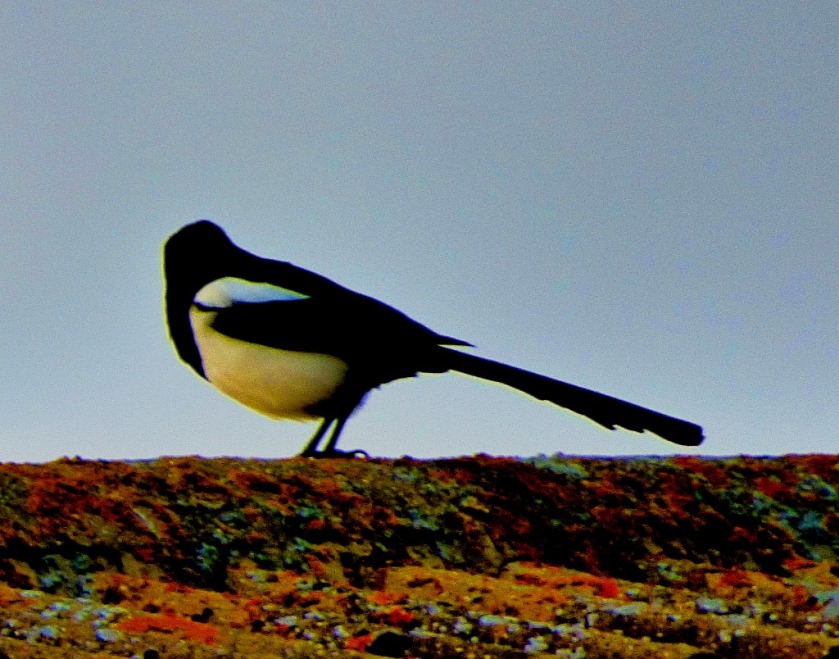
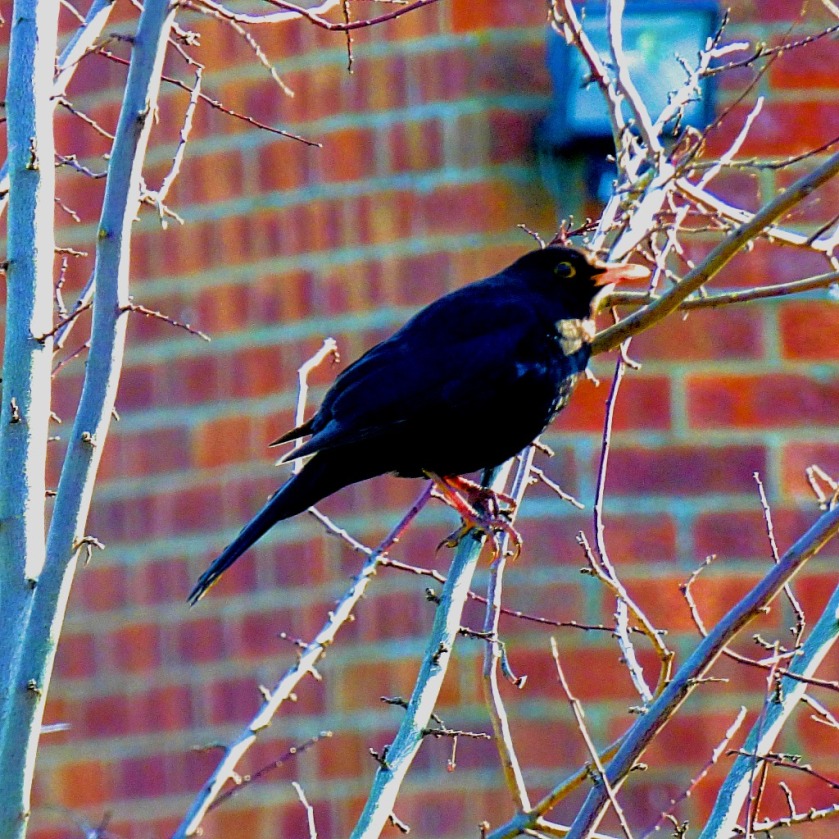
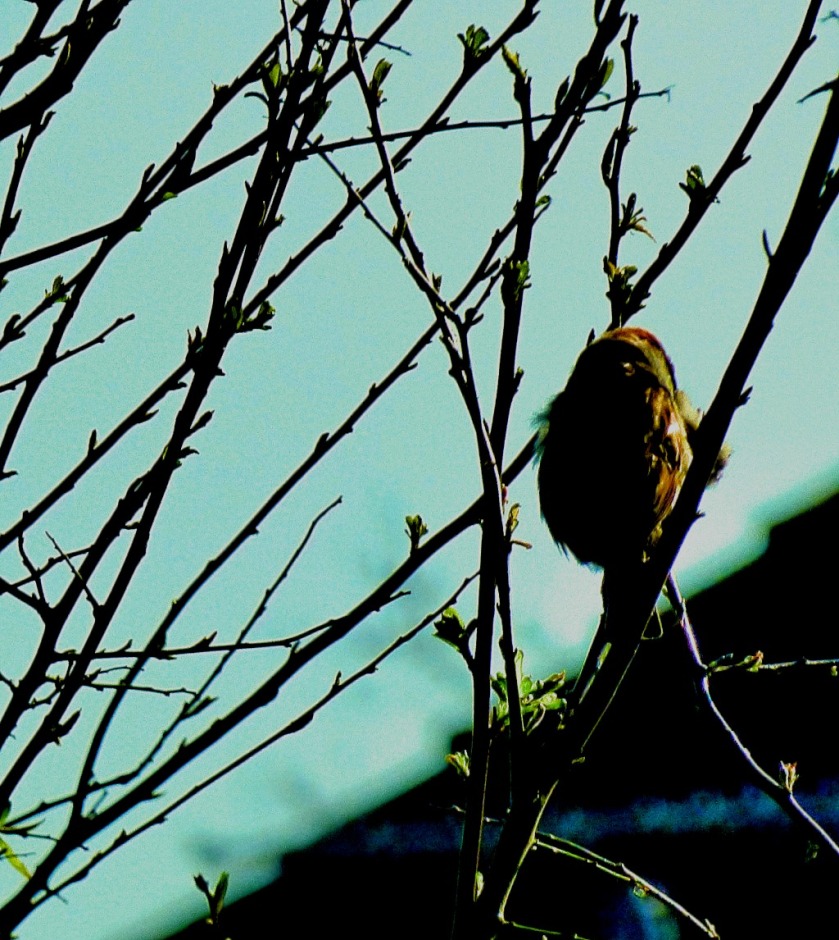
PHOTOGRAPHS 4: SMALLER BIRDS
PUZZLE 4: CONVERGENCE
PHOTOGRAPHS 5: BUTTERFLIES
PUZZLE 5: CUBE
My own method for solving this one once again involved visualization, although other methods were also used.
In view of some of the moans that appeared on brilliant in relation to this problem please note the crucial words “by rotating” in the question – they are absolutely key.
PHOTOGRAPHS 6: THE REST
AFTERWORD
While I have been completing this post Durham have succeeded in making Kent bat again, though it is still massive odds against that game even making it onto the third of the scheduled four days.





























































































































































































 aspiblog