India Dominate Historic Match

An account of how the first women’s test match to be staged at Lord’s panned out and a photo gallery.

Just after 12:30 UK time Sneh Rana bowled Sophie Ecclestone who had fought hard to complete her maiden international half century and England were all out for 186 in their second innings, giving India victory by 270 runs in a match they had dominated pretty much from start to finish. This post looks back at the developments in the later stages of the match.

India led by 115 on first innings, and by the end of day two had extended that by a further 154 runs for the loss of Shafali Verma. Although Sophie Ecclestone toiled hard for England and was ultimately rewarded by becoming the first English woman to gain a place on the test match honours board at Lord’s India were always in control, and Yastika Bhatia became the first woman to get on the batting honours board at the ground when she reached her maiden international hundred. Later, when the only question was exactly when India would opt to declare Richa Ghosh racked up a rapid half-century. It was her getting to that landmark that heralded the declaration at 341-7, 456 ahead. This was over 200 more than any side had made in the fourth innings to win a women’s test match, and 38 more than the men’s all time record of 418. Ecclestone’s final figures deserve a mention: 33.3-4-118-5. Lauren Bell was highly economical, but Lauren Filer leaked runs at over five an over while going wicketless, and Issy Wong, also wicketless, was nearly as expensive.

This day saw two announcements that for my money should not have been made at such a time. I have some sympathy with Heather Knight’s snap decision to join Tammy Beaumont in international retirement, but the announcement of this decision was definitely mistimed. The other big announcement was inexcusably timed on the part of the ECB: they chose the penultimate day of this historic women’s test match to reveal that they had axed Brendon McCullum as coach of the men’s test side. This was an announcement that should definitely have been held back until after this match had been completed. We should have been hearing about this on Wednesday, no matter that it happened on Sunday.

The England innings had a shocking start when Tammy Beaumont in her last international innings suffered the only golden duck of her great career, bowled by an absolute beauty from Kranti Gaud. The Indians gave Beaumont a guard of honour as she left the field for the last time in international cricket. That brought the other retiree, Knight, to the crease. It was the other opener, Maia Bouchier, who was next to go, pinned LBW by the other Indian new ball bowler Sayali Satghare for 2. Off spinner Sneh Rana clean bowled England skipper Sciver-Brunt for 11 to make it 23-3. Fourth out was Knight, caught by Ghosh off Gaud for 13. Alice Capsey and Amy Jones showed signs of fighting spirit until Satghare found a way through Capsey’s defences, bowling her for 21. That brought in Mady Villiers, whose off spin had certainly been less effective than Charlie Dean’s would have been. Villiers did bat decently, but just before the close a freak catch by Ghosh did for her. Villiers hit a ball from Rana fiercely, Ghosh, close in at mid off, grabbed at the ball as it was passing her and it stuck. That was 126-6, and by the end of day three Jones and Ecclestone had added another four runs to the score.

The powers that be had got one thing right yesterday: they had announced that admission would be free today, which meant that decent numbers showed up for what could end up being very little cricket. That eventuality gained in probability when Amy Jones was caught by Verma off Rana for 54 to make it 135-7 very early on. Jones had scored two fifties in the match, the first keeper to do so in a women’s test match, and at the time she was out they were the only two fifties for England in the match. Wong, who had had a poor time with the ball in this match, showed some heart by holding out for 33 balls in support of Ecclestone until Deepti Sharma bowled her for 1. That was 157-8, and not very long later it was 159-9, with Lauren Bell bowled by Sharma for a ten ball duck. Lauren Filer was in serious jeopardy of losing her wicket three times in her first five balls, but settled in to support Ecclestone who was batting well. Ecclestone’s innings included that rarity, an all-run four. This meant that when she reached 50 off her 61st ball care was needed – although there were seven fours in her 50 runs only six of them were actually boundaries (veteran commentator Alison Mitchell, from whom mistakes are usually rarer than hens teeth, was caught out by this detail). Then came Sneh Rana’s match ending delivery, and it remained only to settle Player of the Match. There were three candidates: Gaud for her five cheap wickets that tore apart the first England innings plus the scalps of Beaumont and Knight early in the final innings to put England right on the back foot; Bhatia for that century and her wicket keeping, and Mandhana who had scored twin fifties opening the batting for India. It was Kranti Gaud, who, rightly in my opinion, got the verdict.

My usual sign off…

A Grockle’s Eye View of Cornwall 9: The Top of St Michael’s Mount and the Descent

Continuing my account of a visit to St Michael’s Mount.

INTRODUCTION

This is the third to last post about the day at St Michael’s Mount, and the ninth in my series about my summer visit to Cornwall. The next post will be all about the vast collection of antique maps that are on show here, and then a final post about the last stages of the day. I then have the journey home to cover to complete the series.

THE REMAINDER OF THE SUMMIT

At the end of the previous post in this series were about to head indoors for the second time in our exploration of St Michael’s Mount…
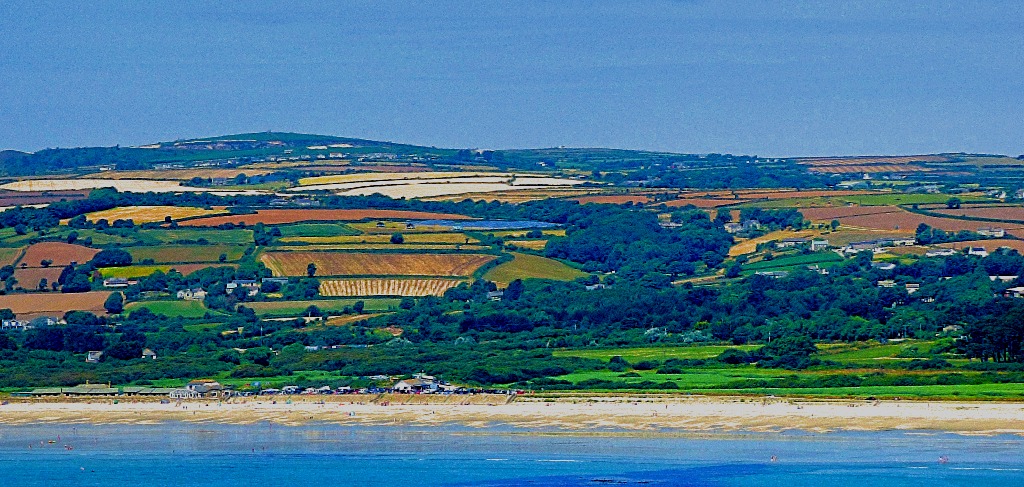
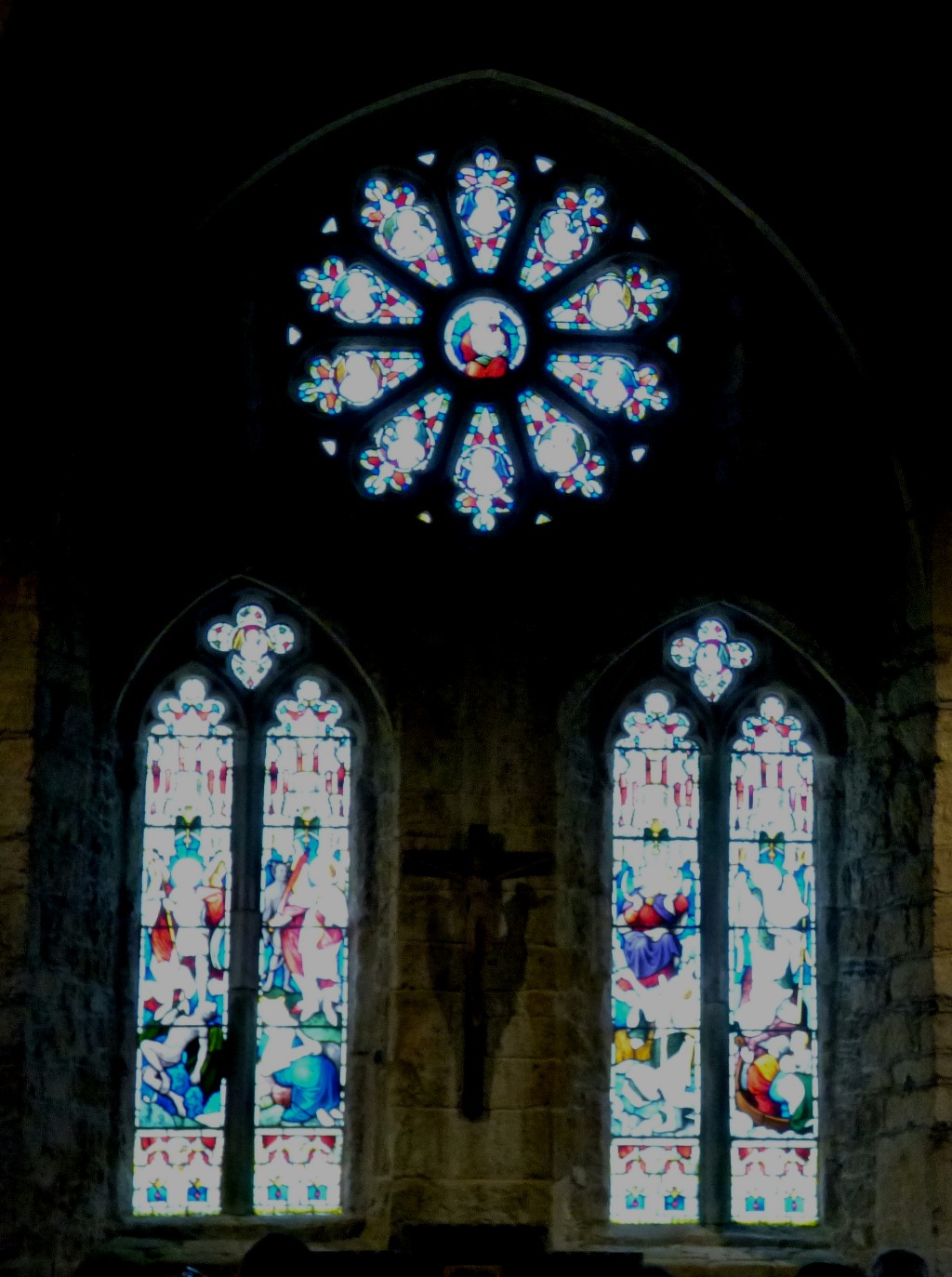
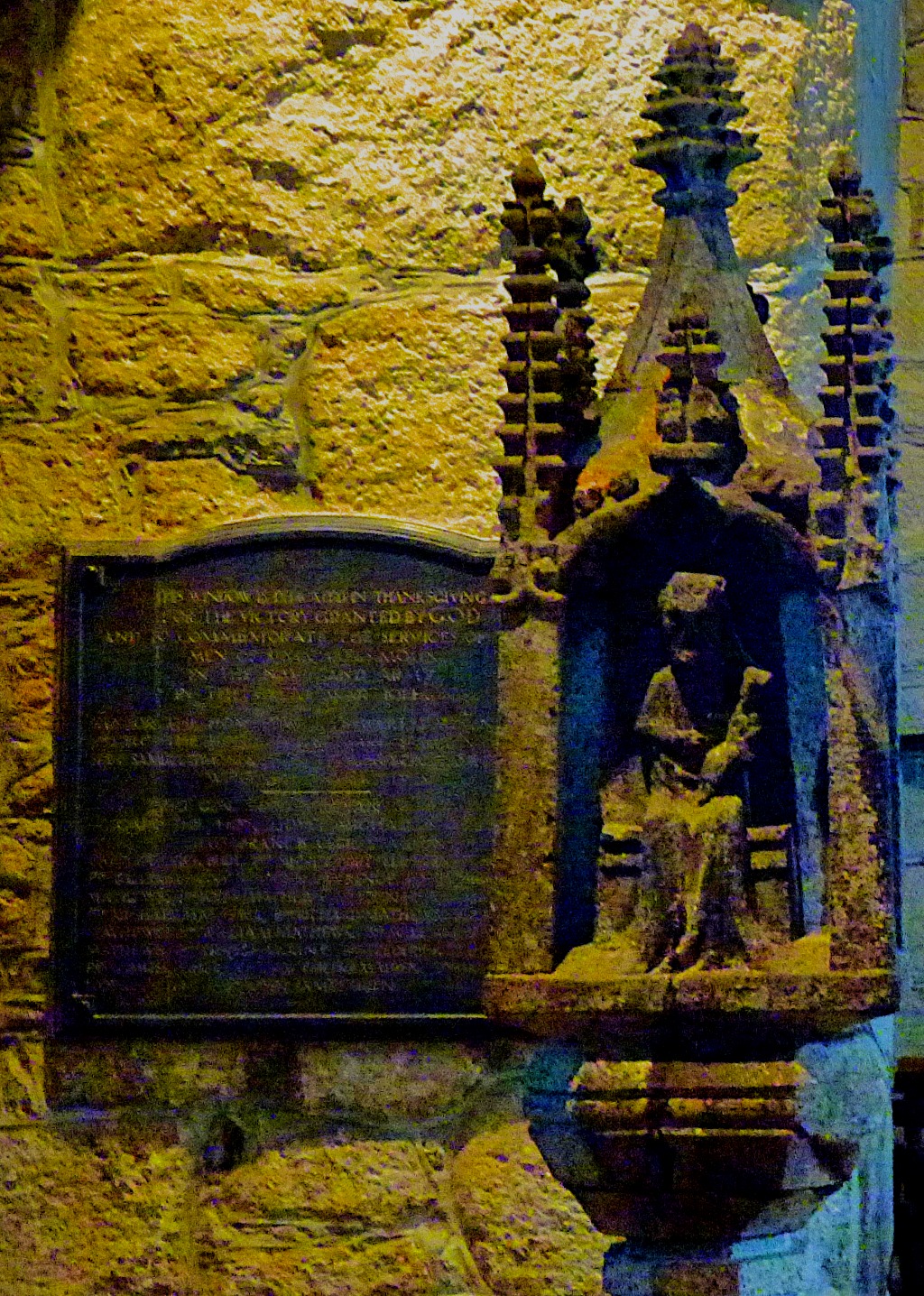
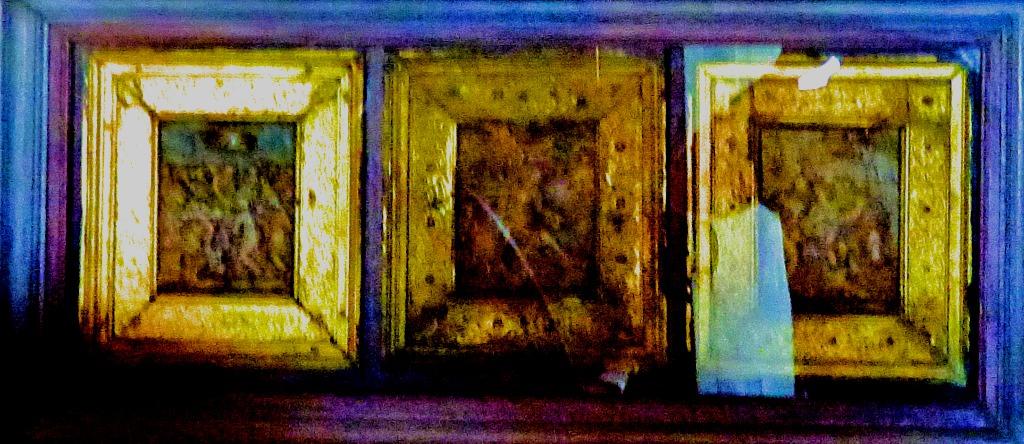
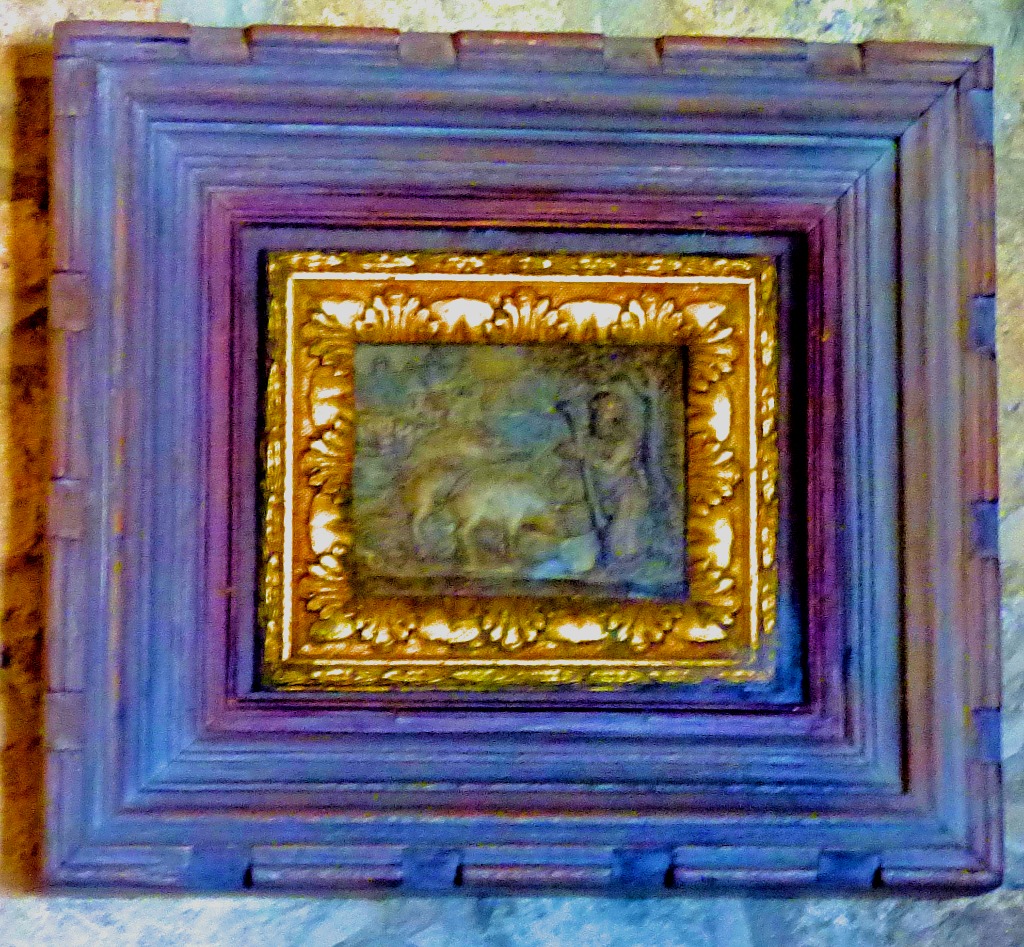
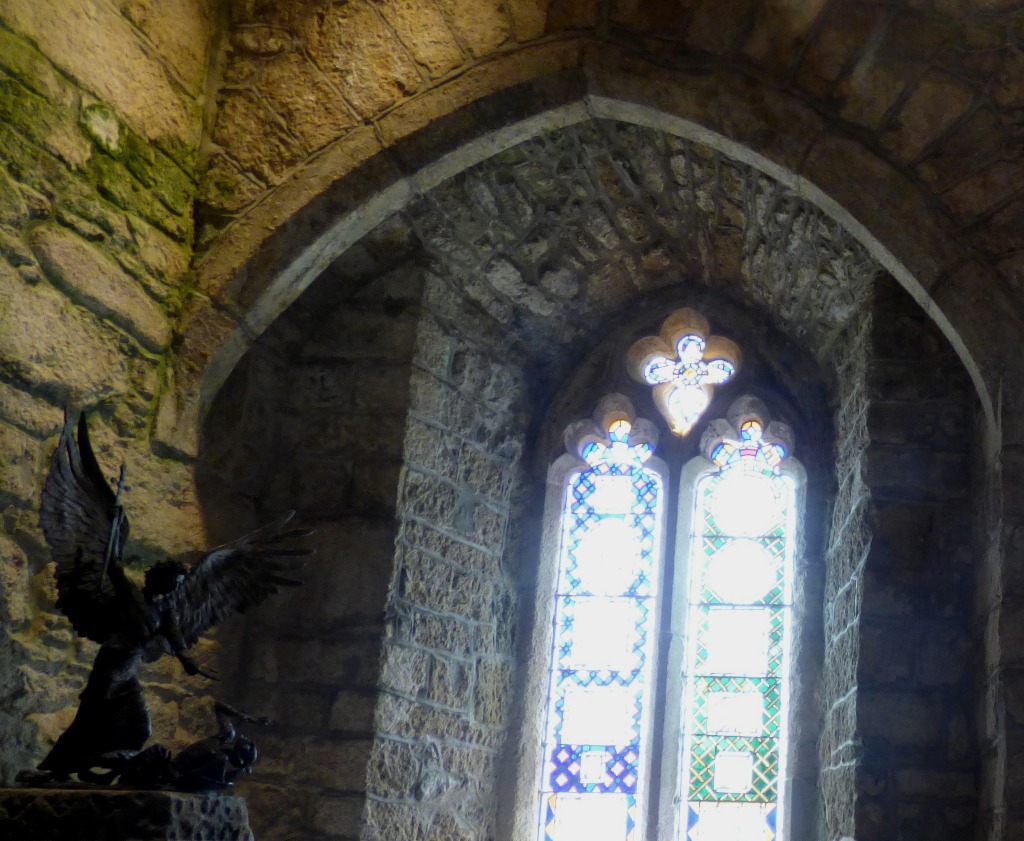
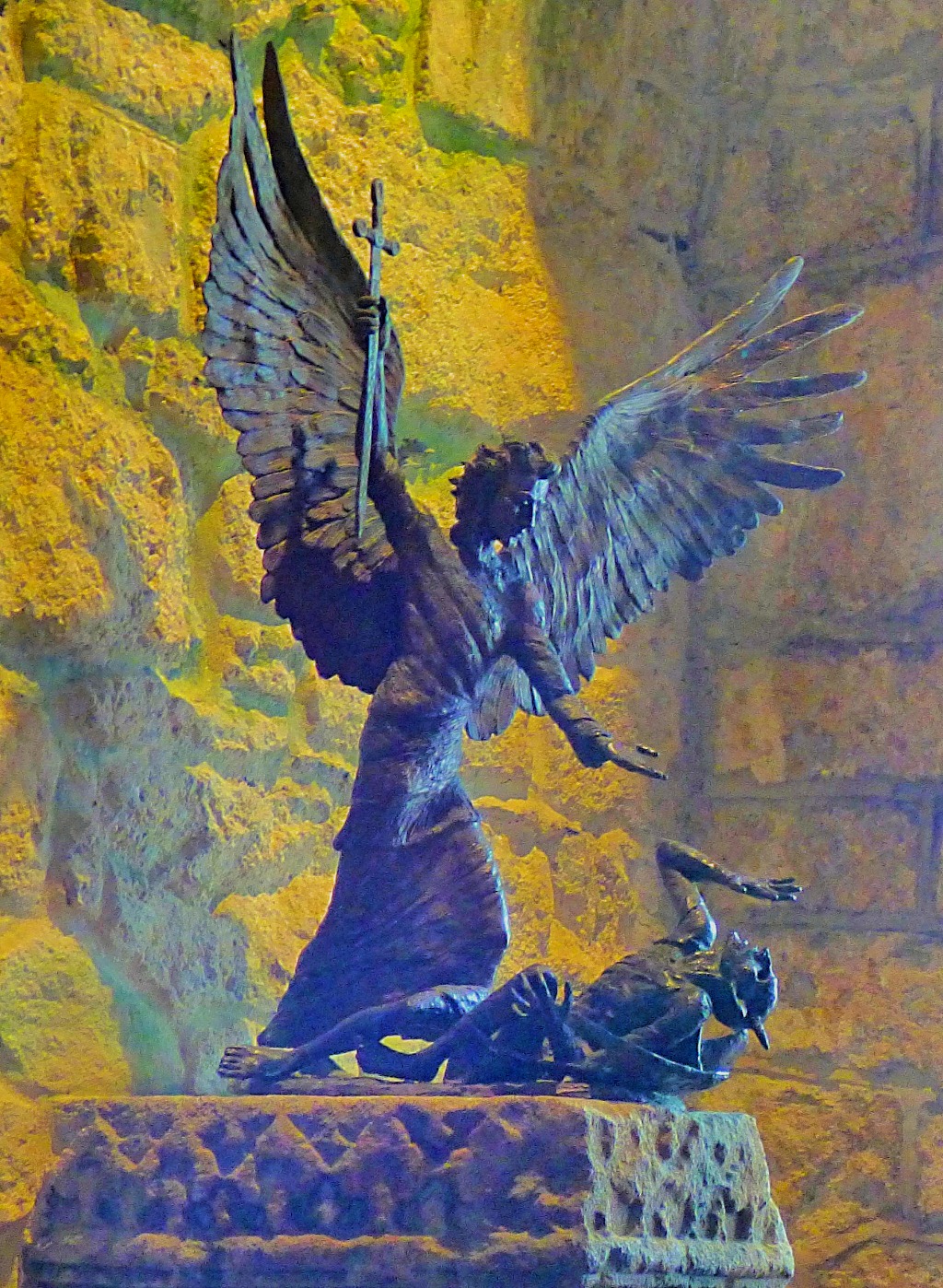
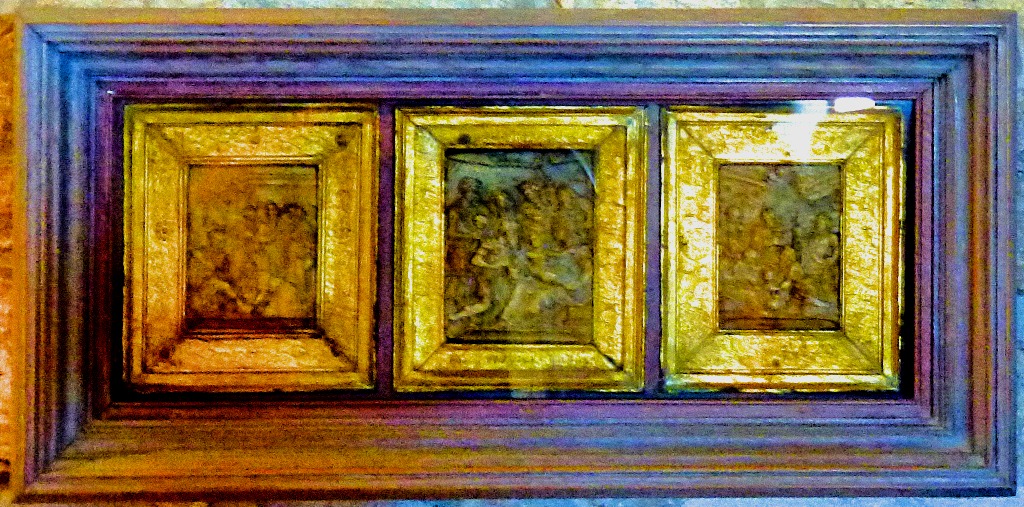
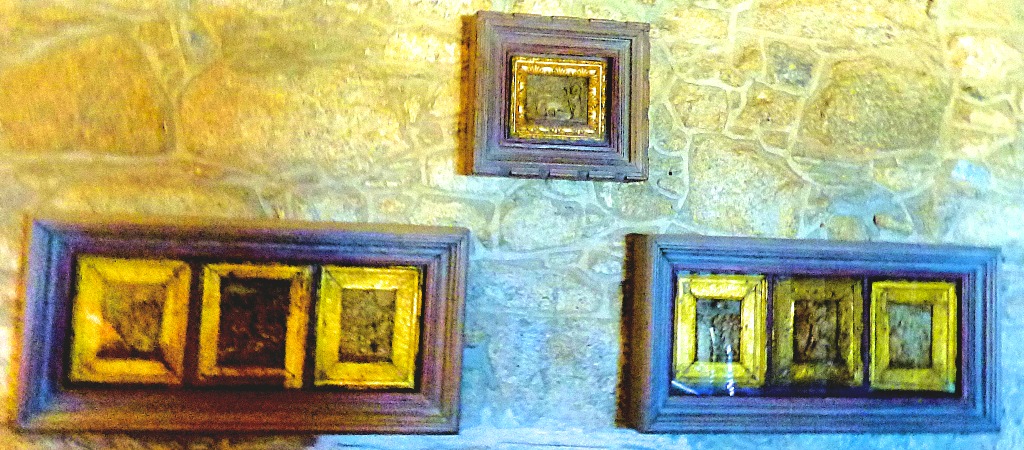
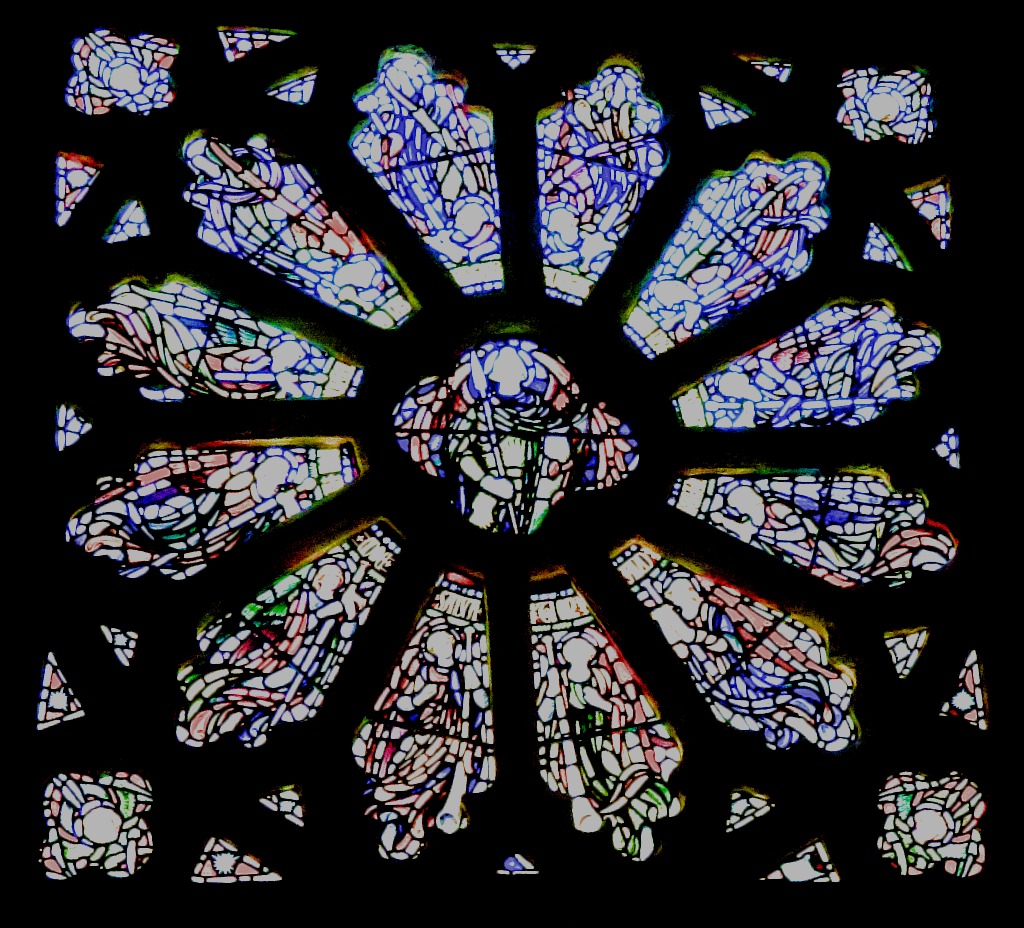
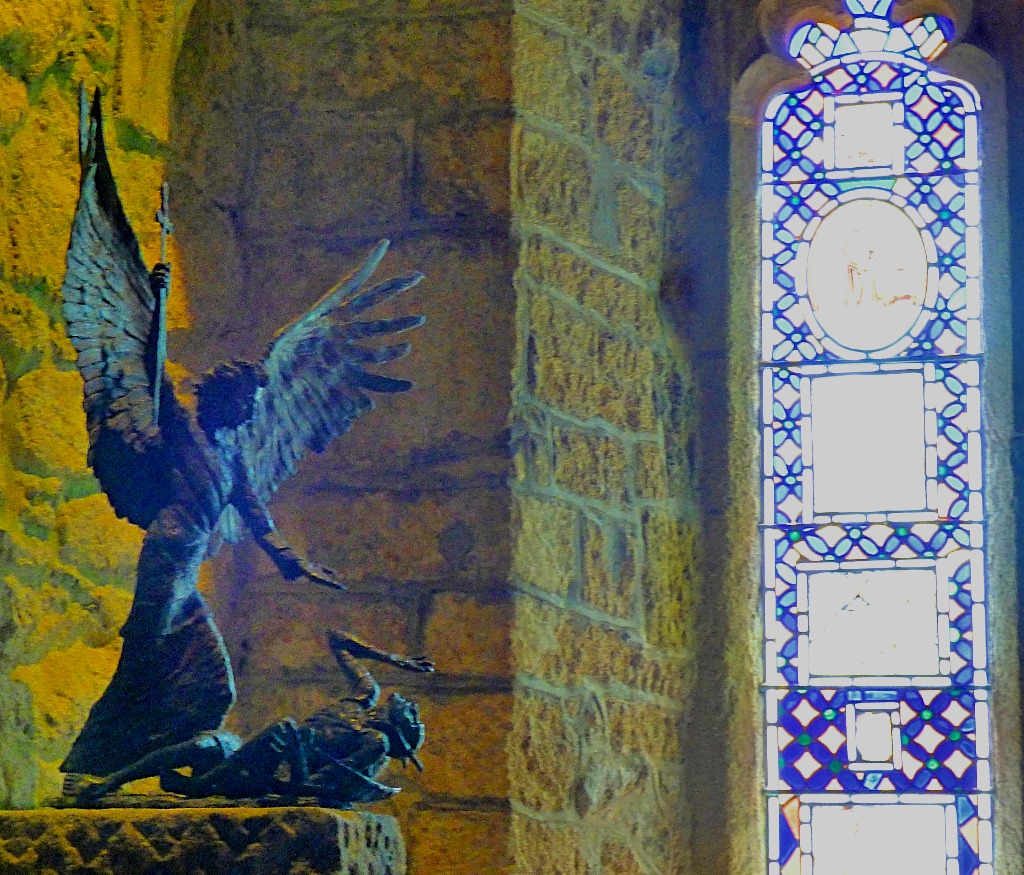
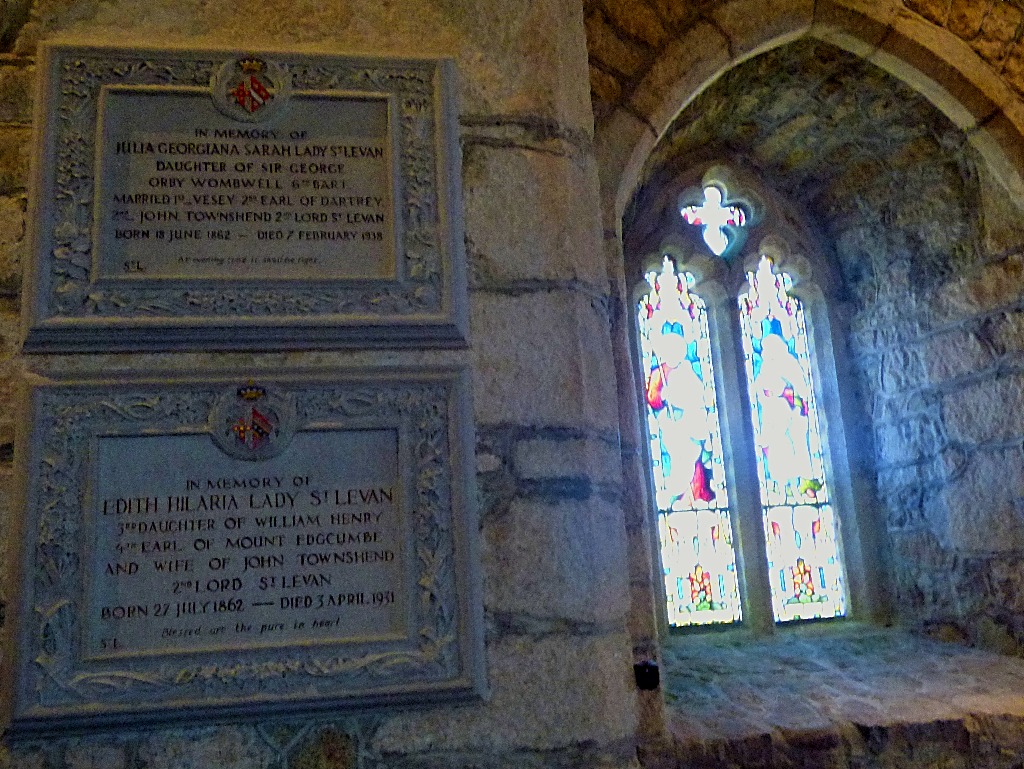
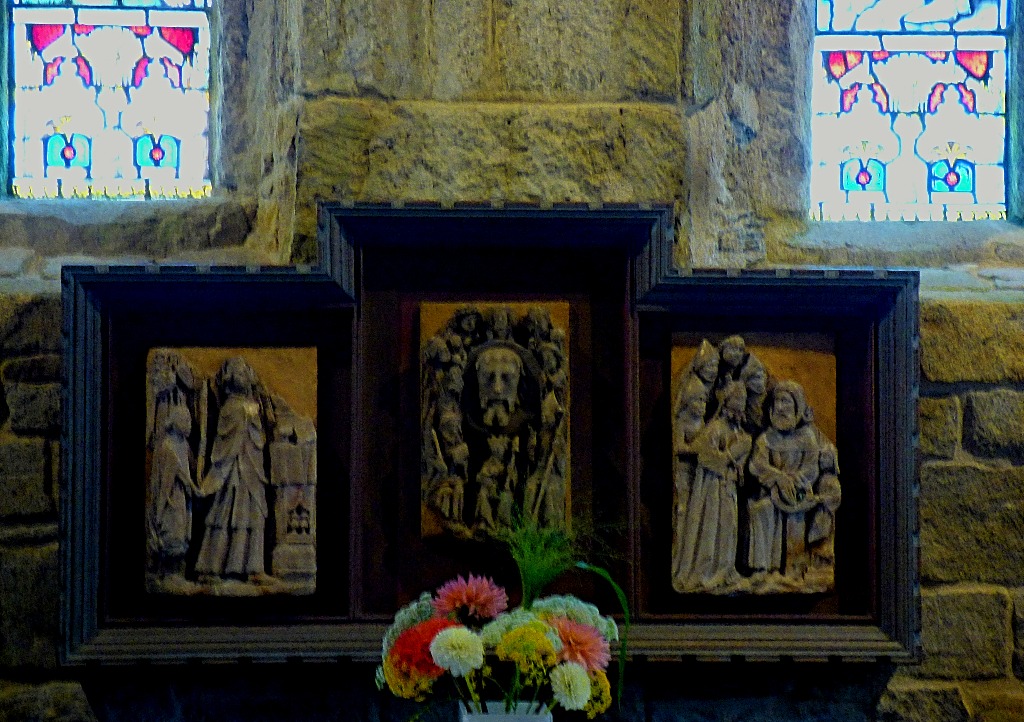
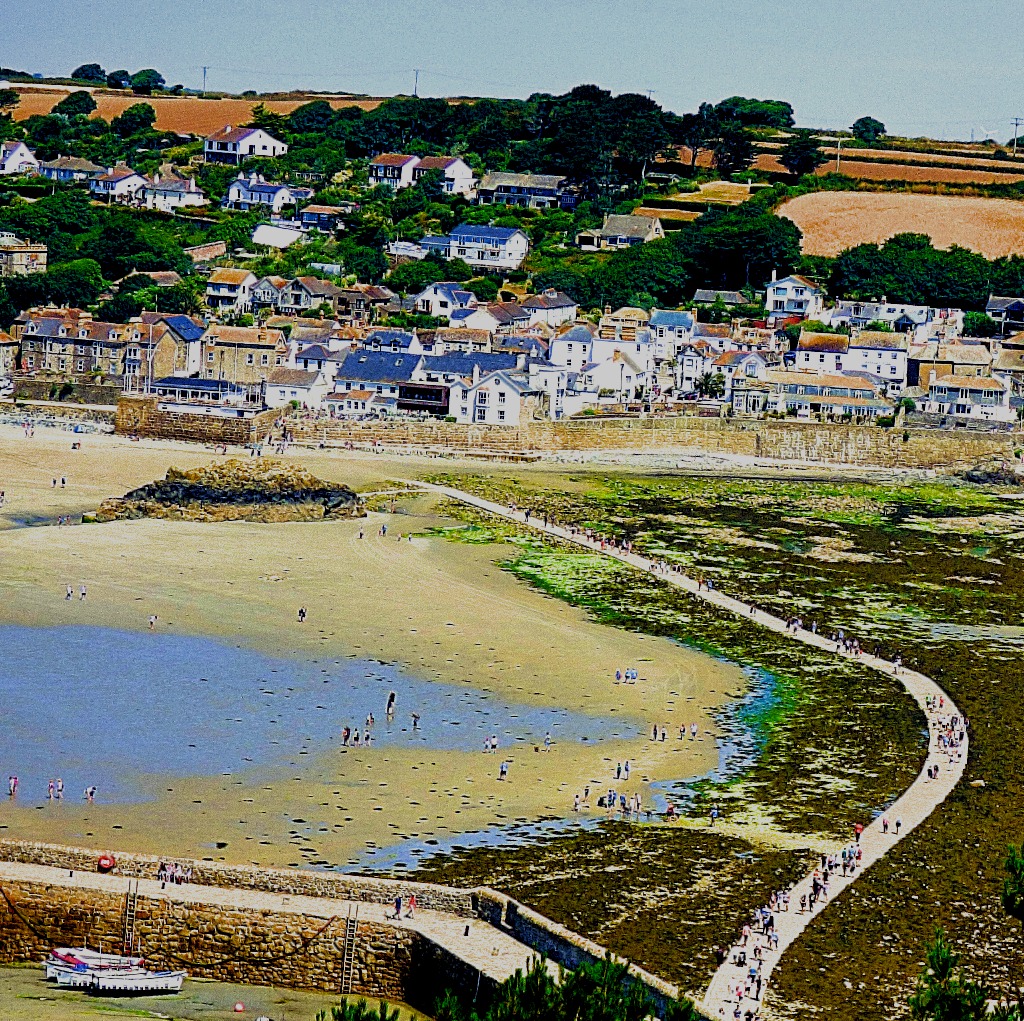
The mainlandStained glass VIIRoseCarving and stone inscriptionTrio of miniaturesShepherdEagle and windowangelthree in one frameSeptetRose II

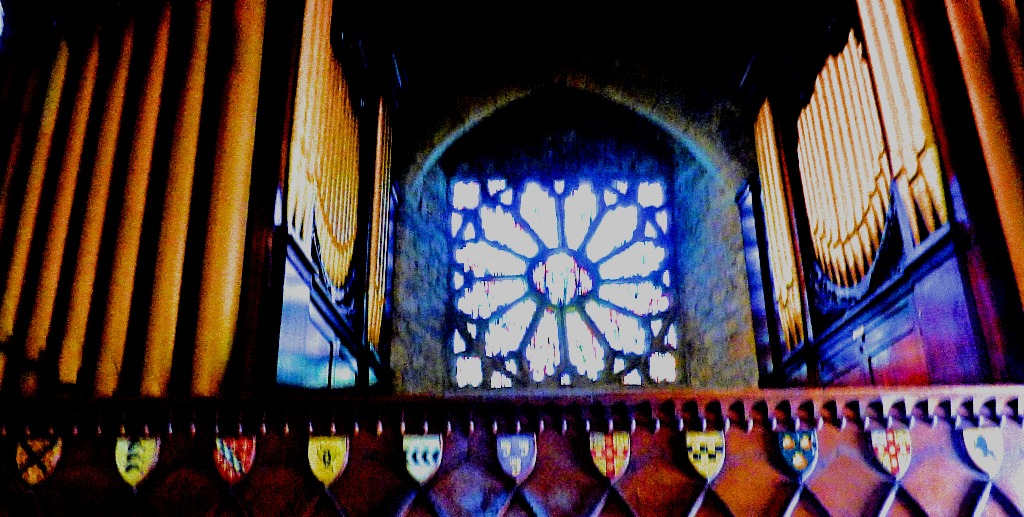
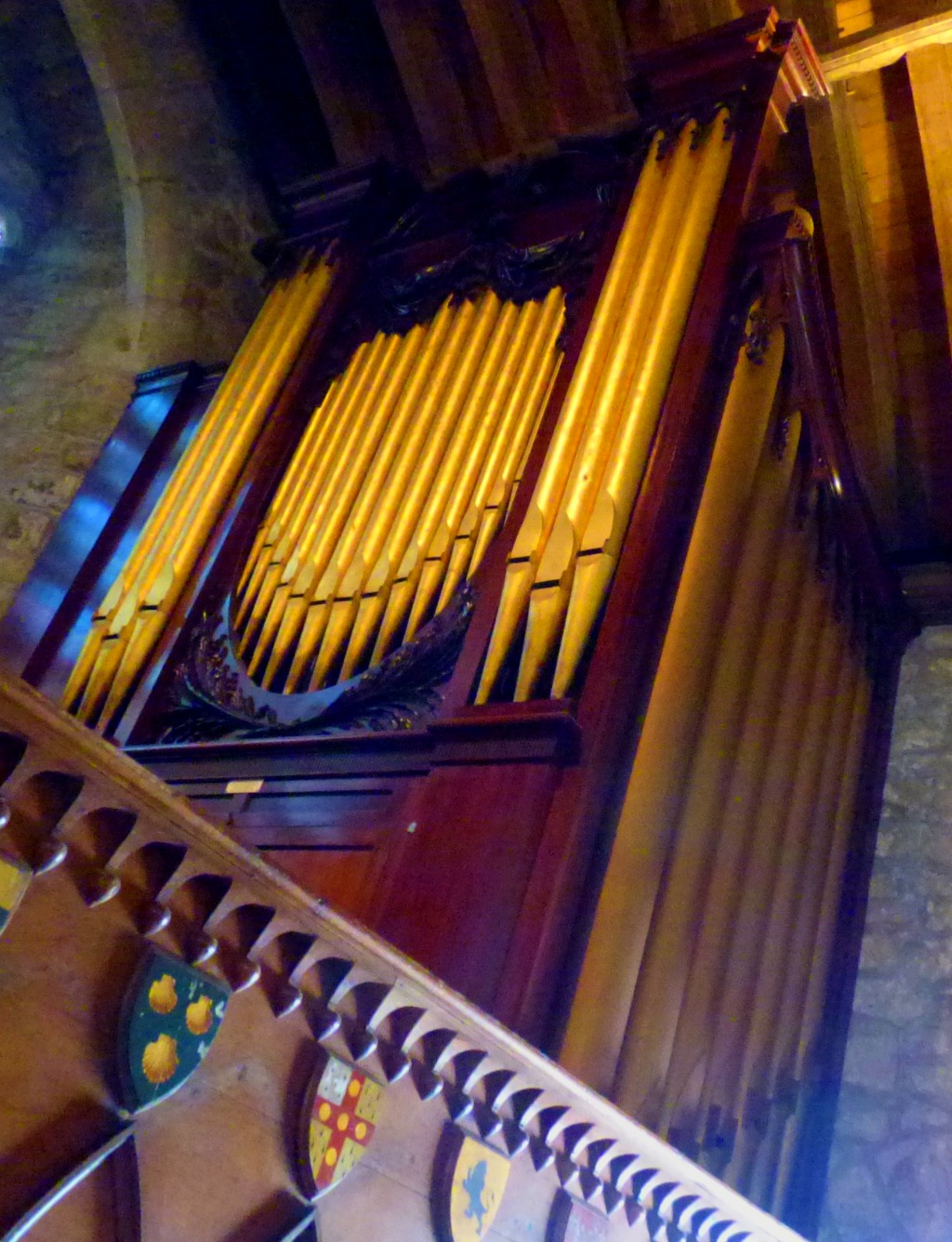
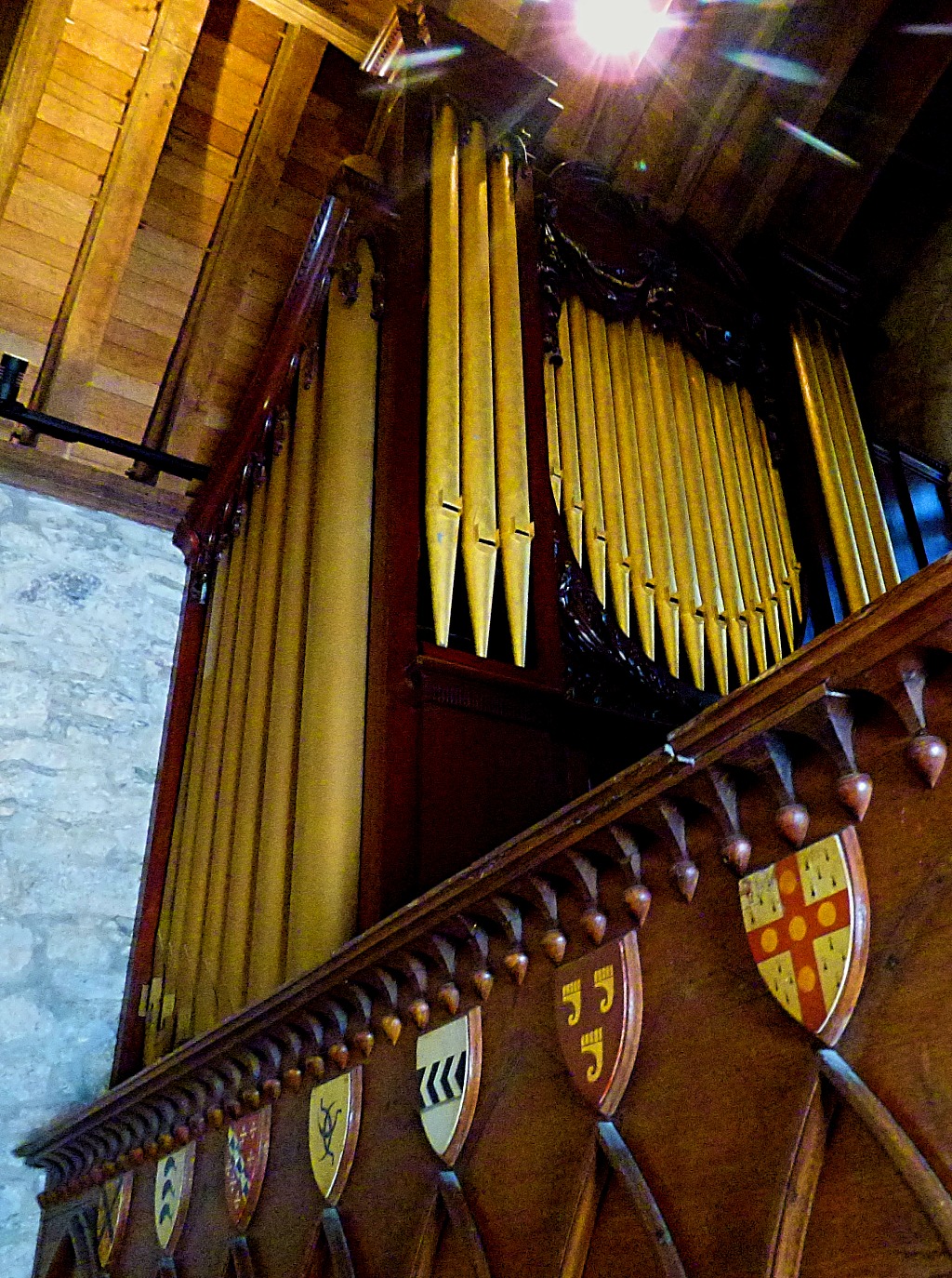
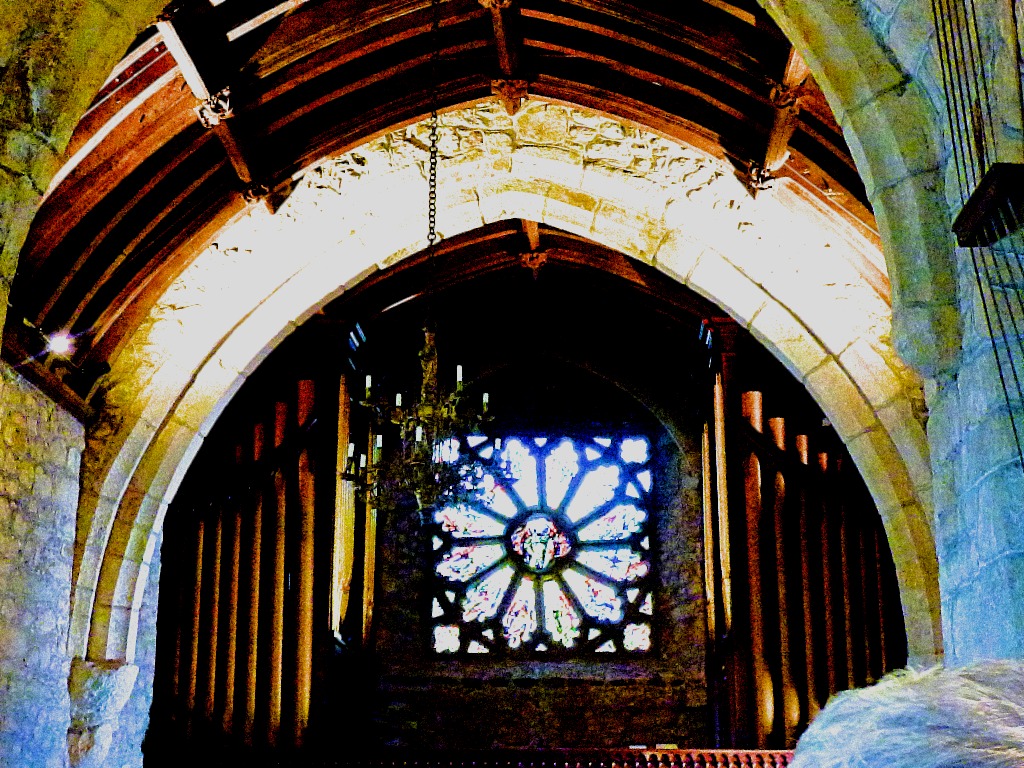
Organ
This organ looks splendid.

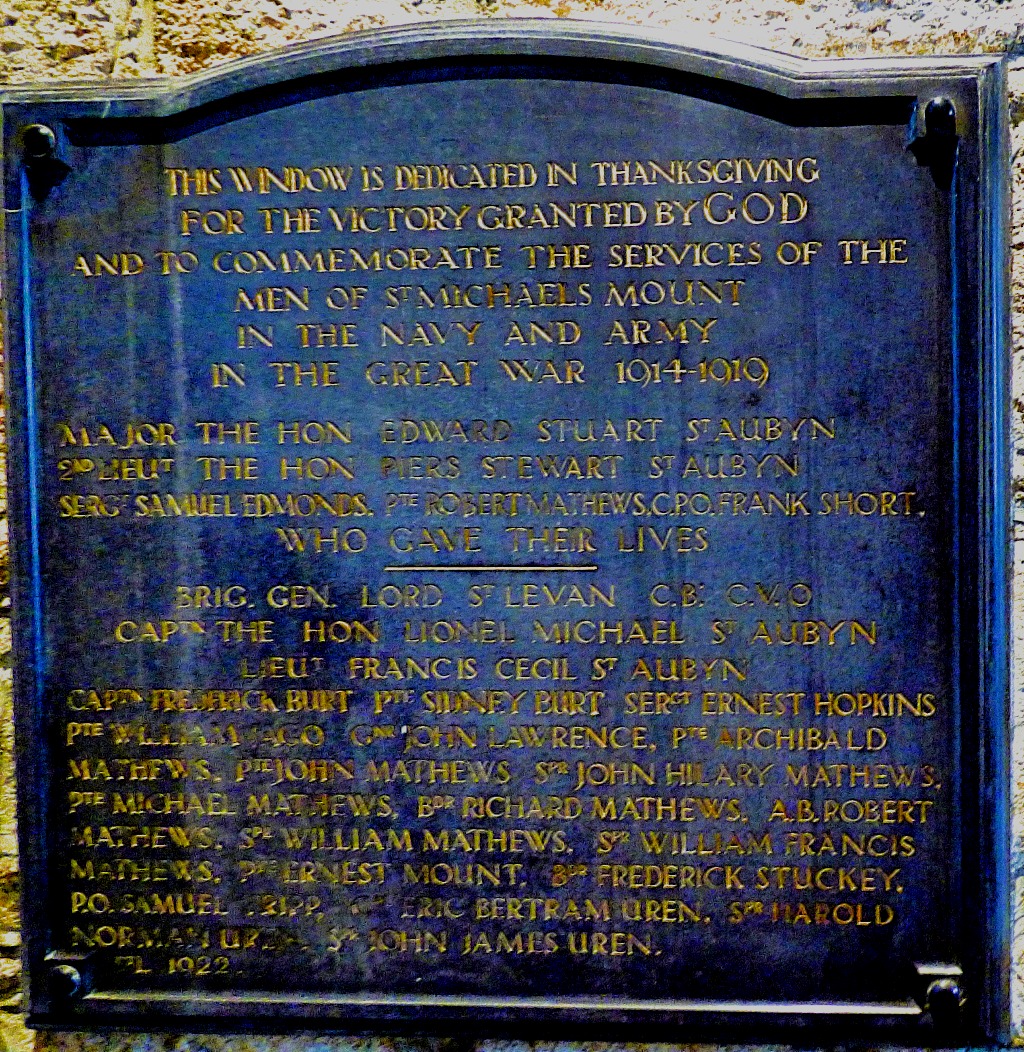
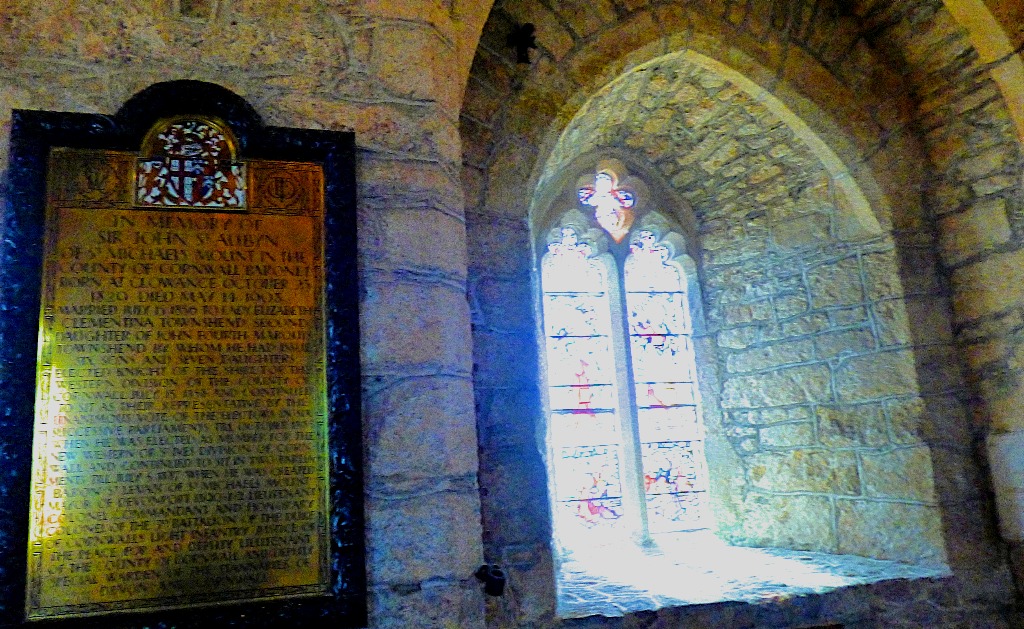
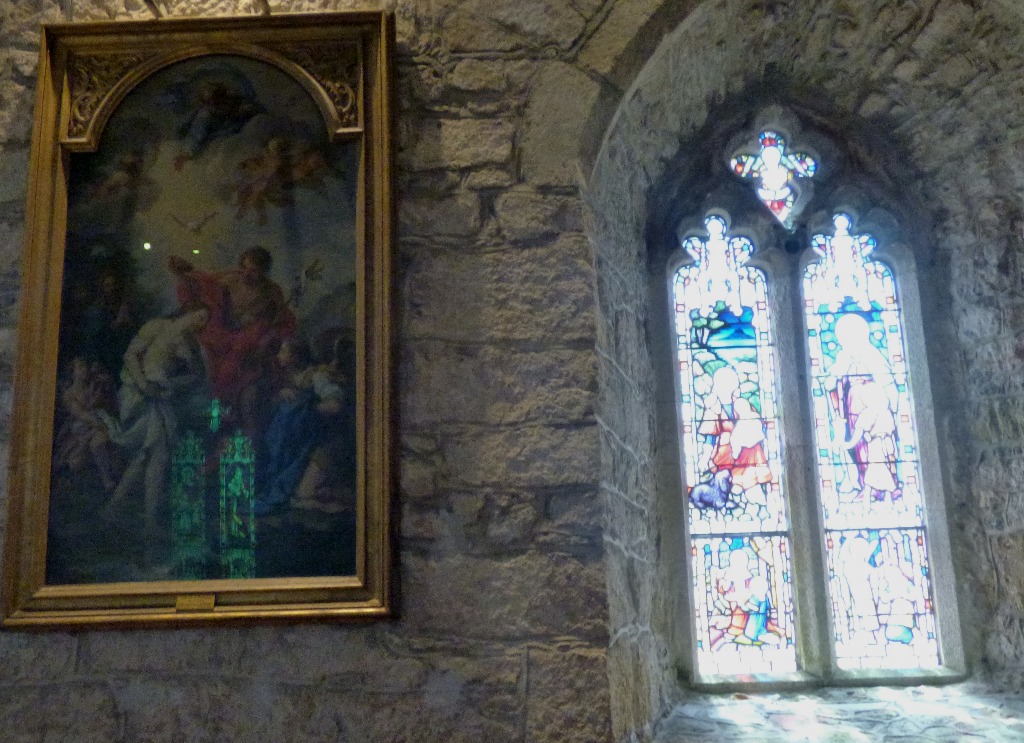
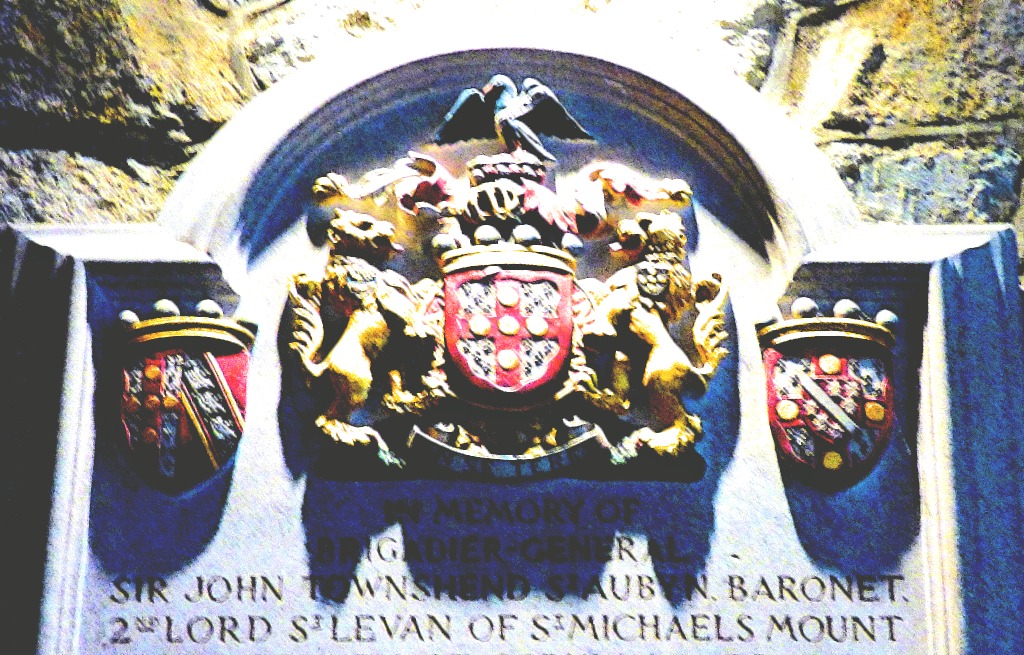
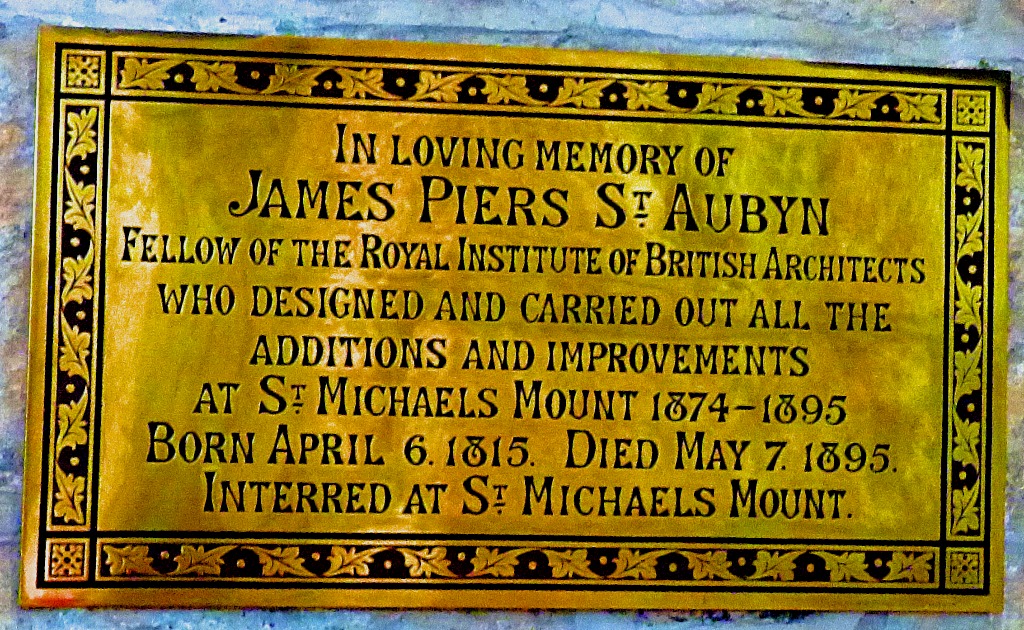
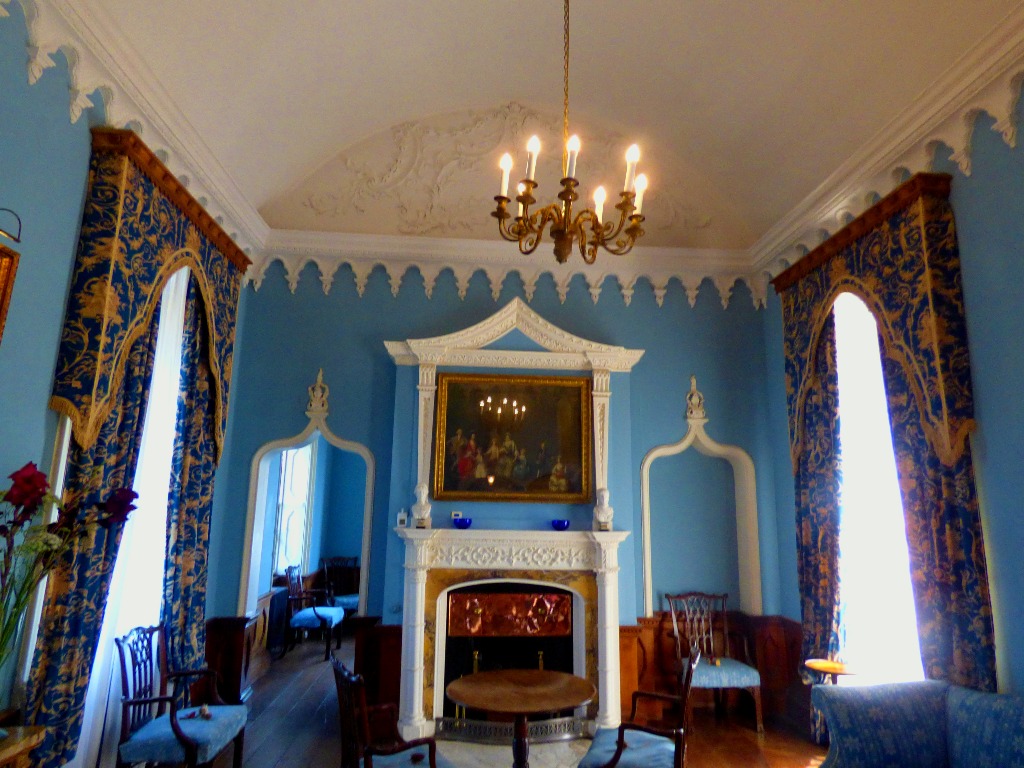
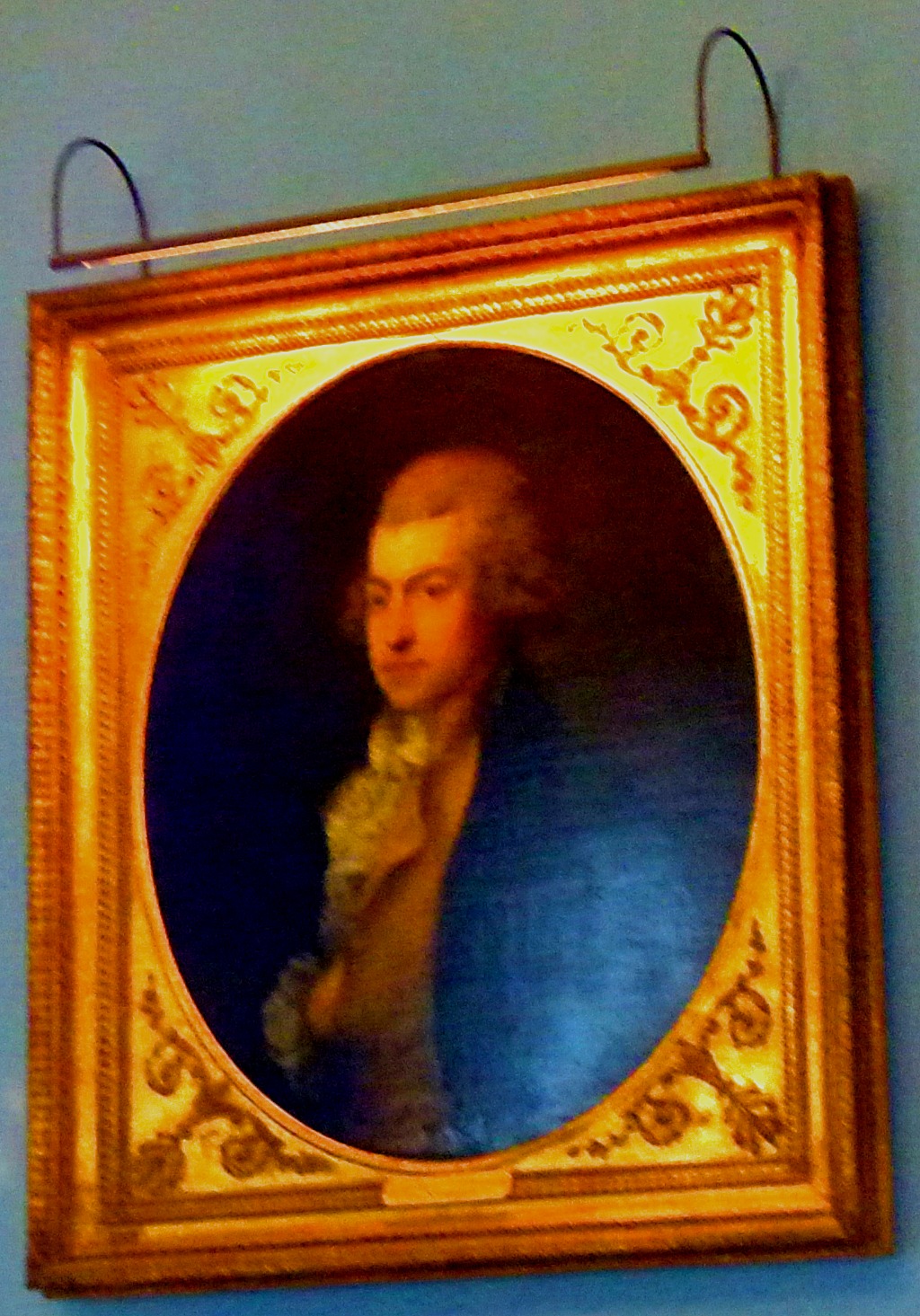
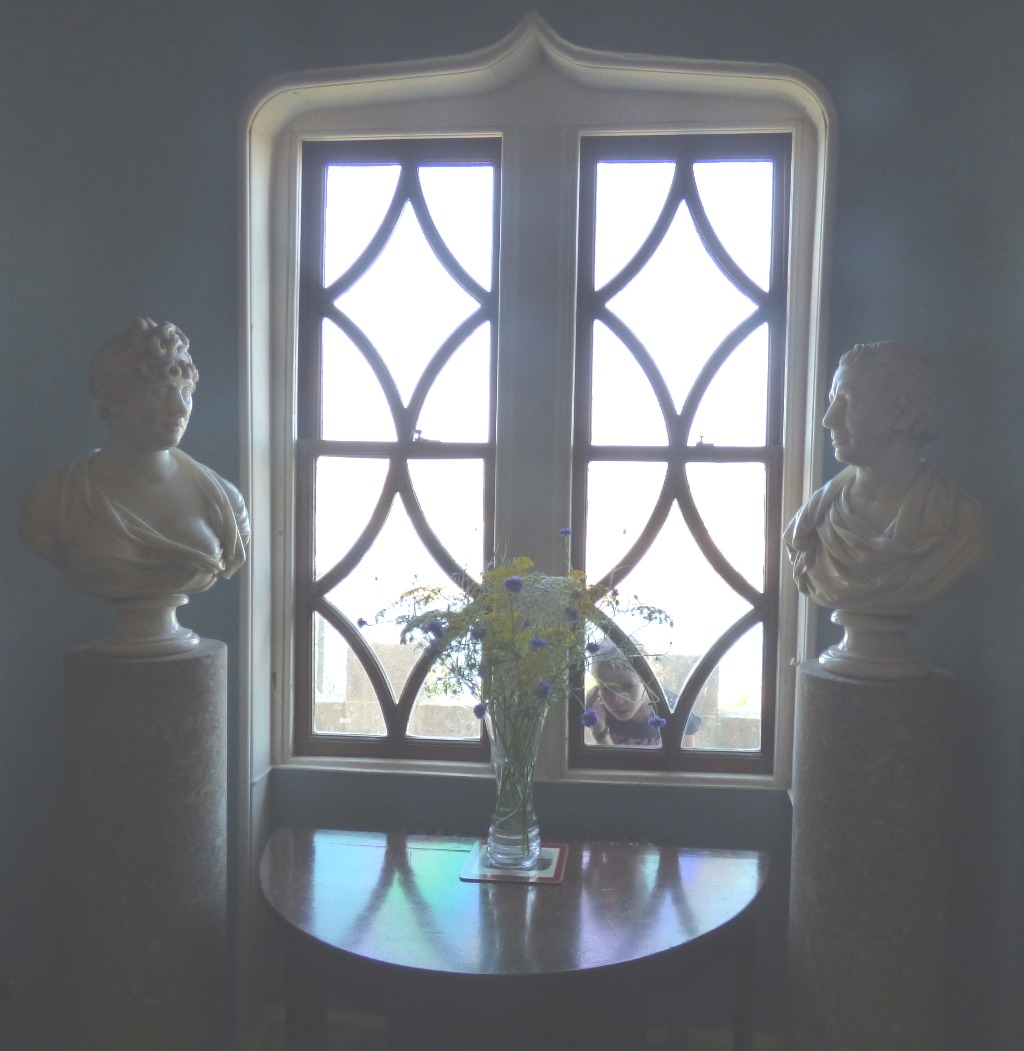
Organ close-up 1Organ close-up 2DedicationAngel and windowMemorial and windowMemorials and windowPainting and windowTrio and window panelsText and windowThe second Lord St LevanArchitectOrgan and windowLiving roomPortrait XPortrait XIMantel clockbusts and windowCupid

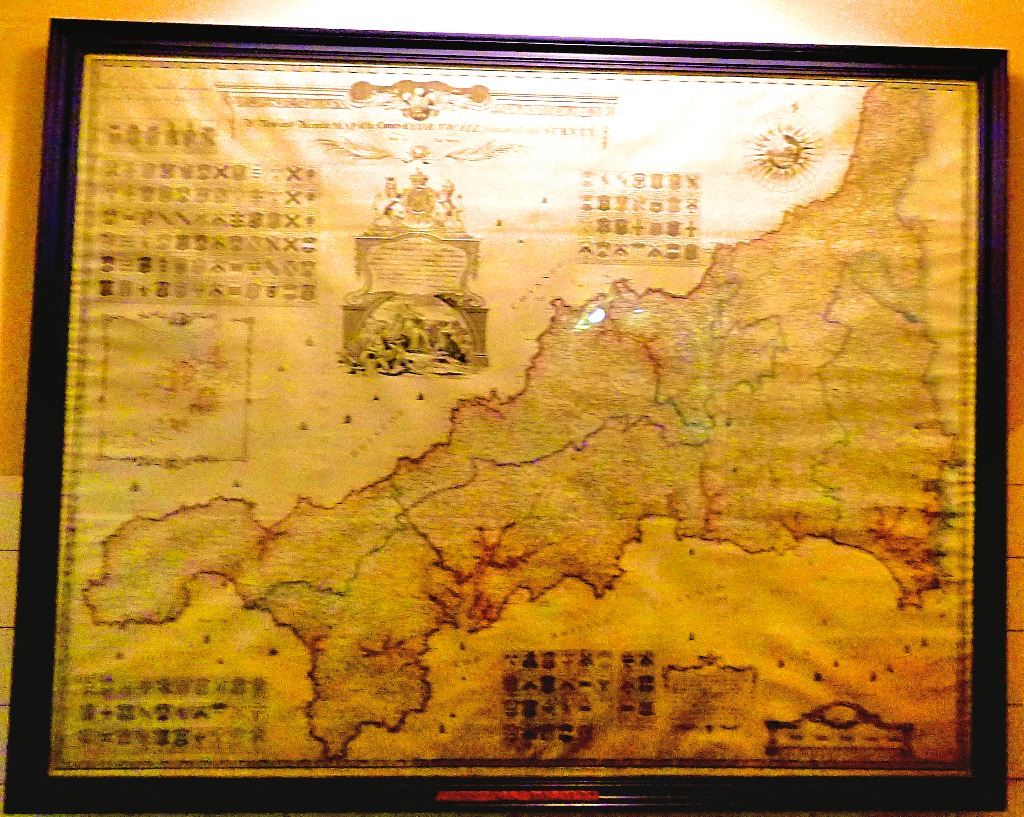
At this point we entered the map room. As an appetiser for the next post I offer one picture from there…
Christopher Saxton's Cornwall

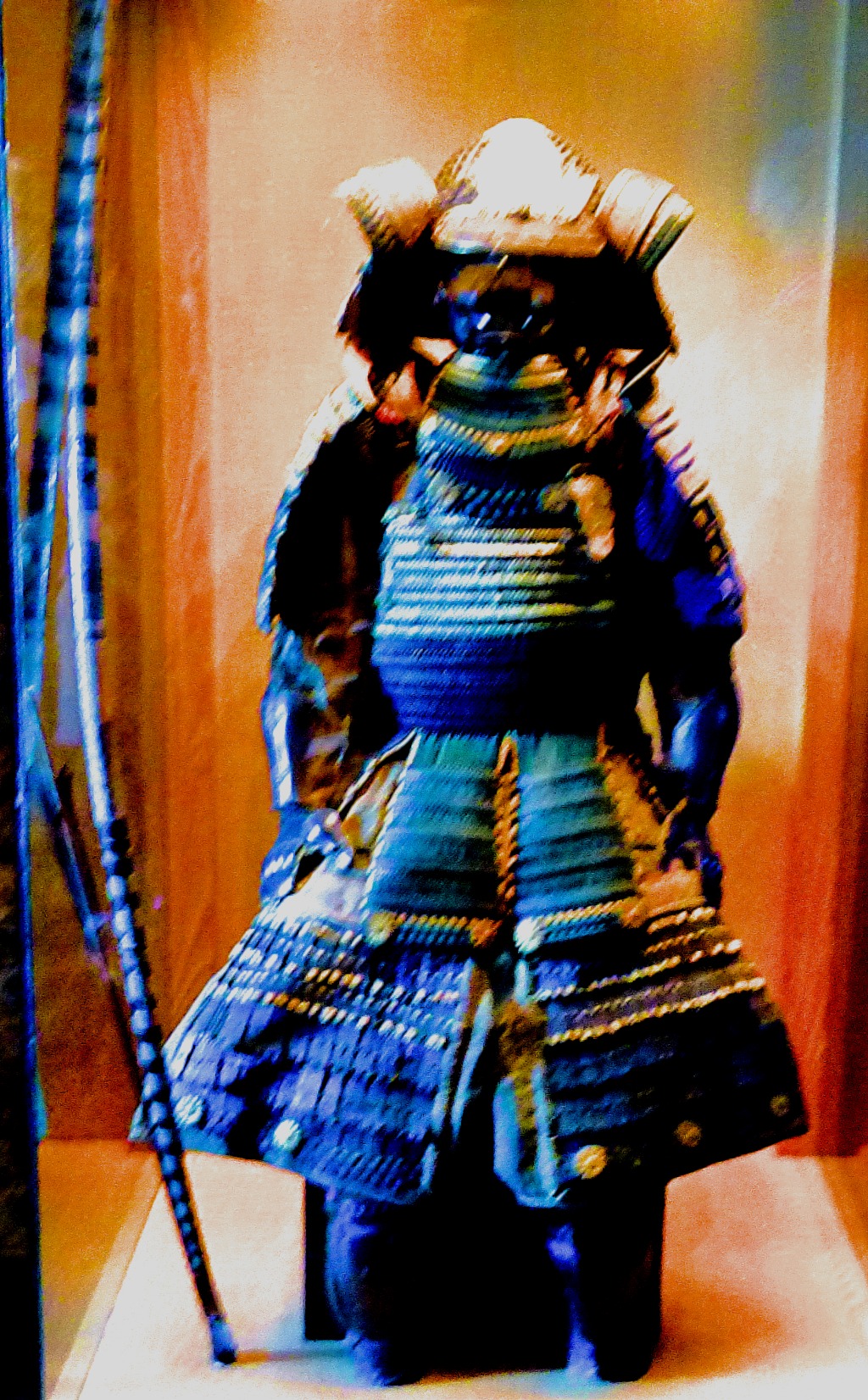
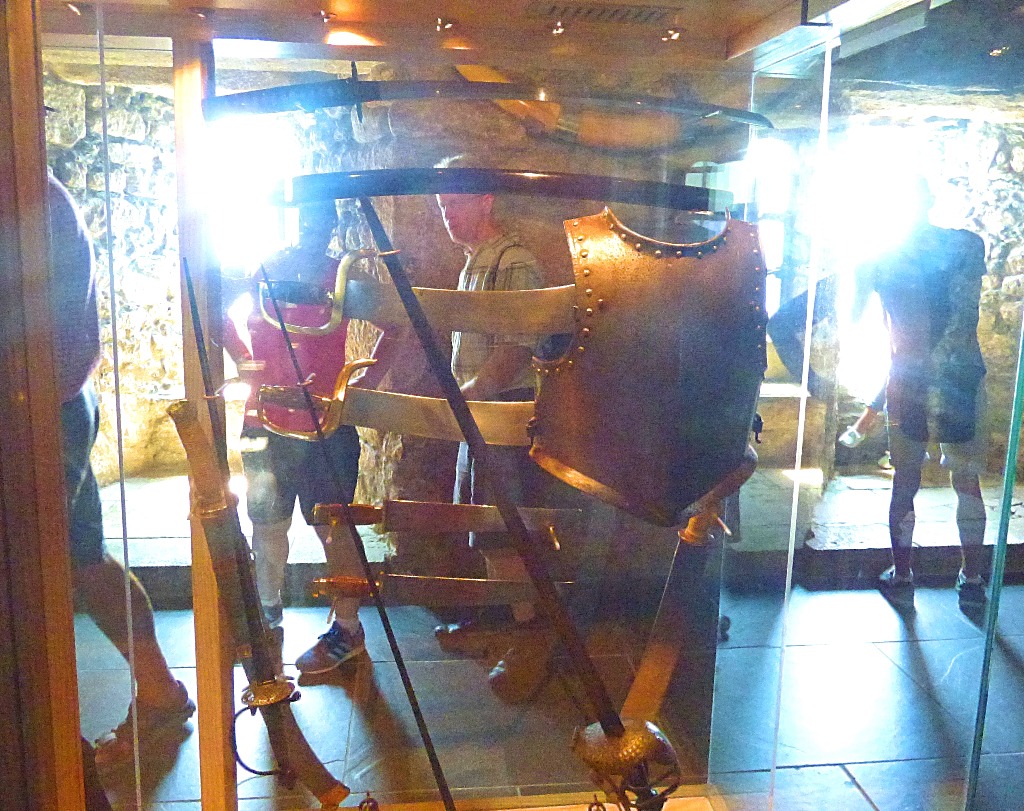
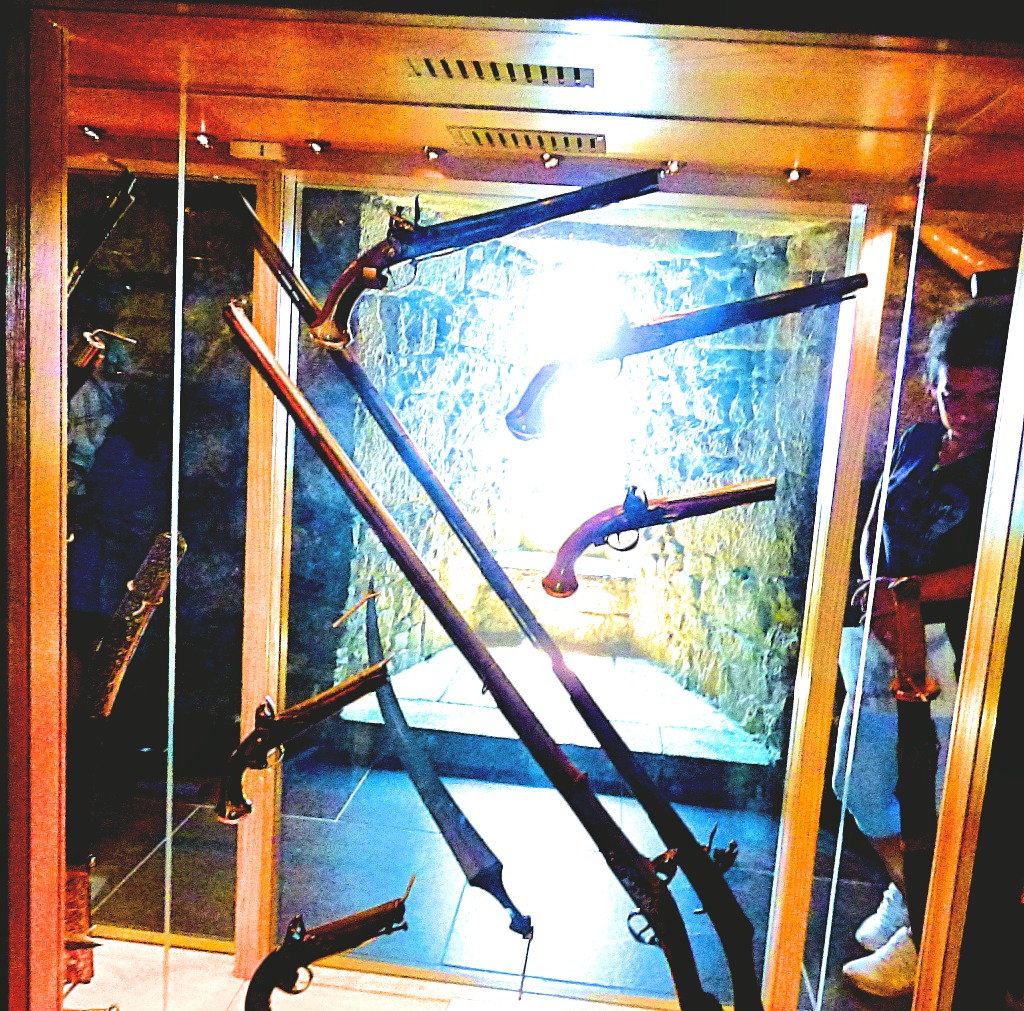
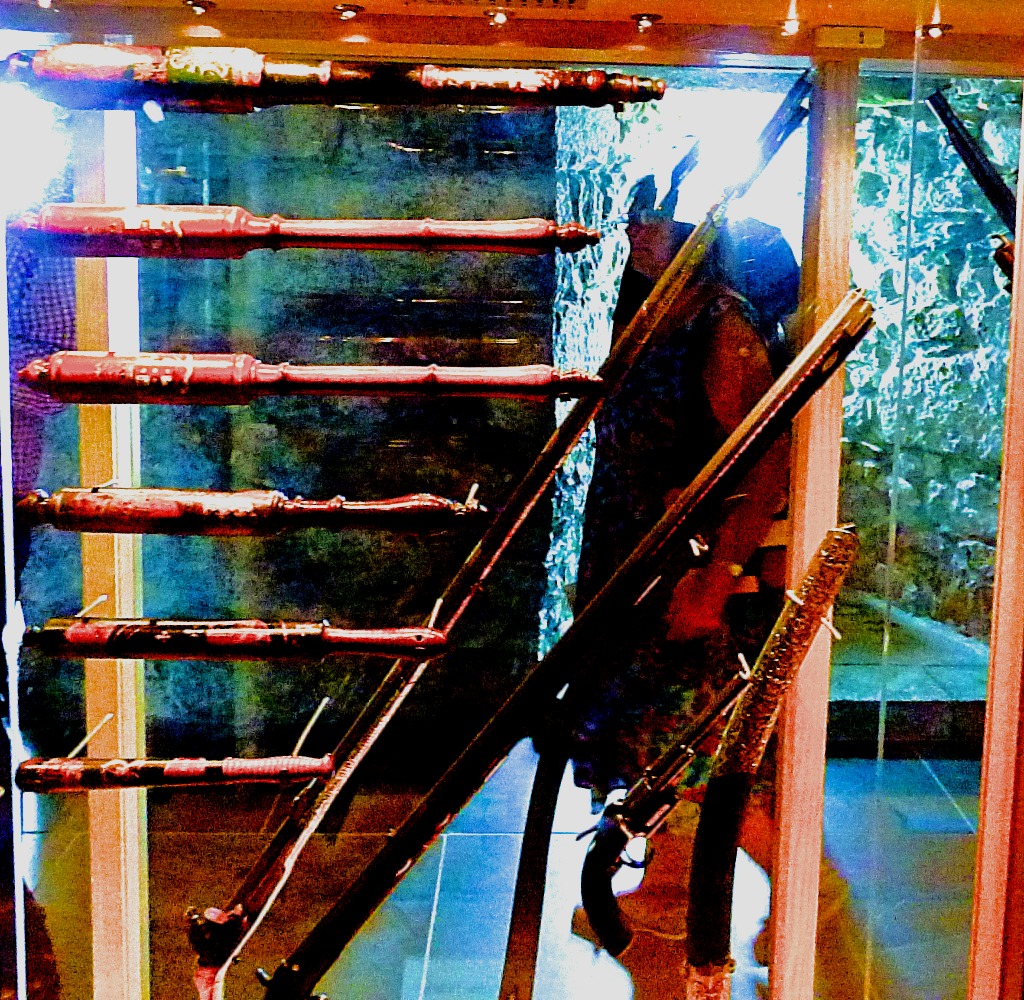
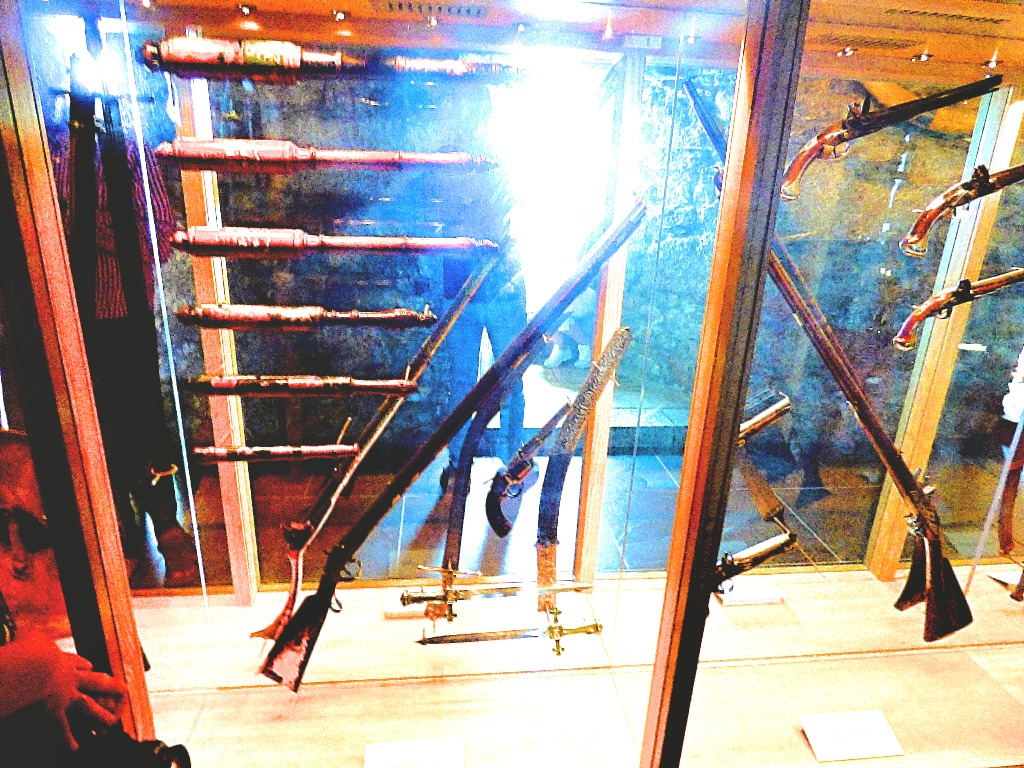
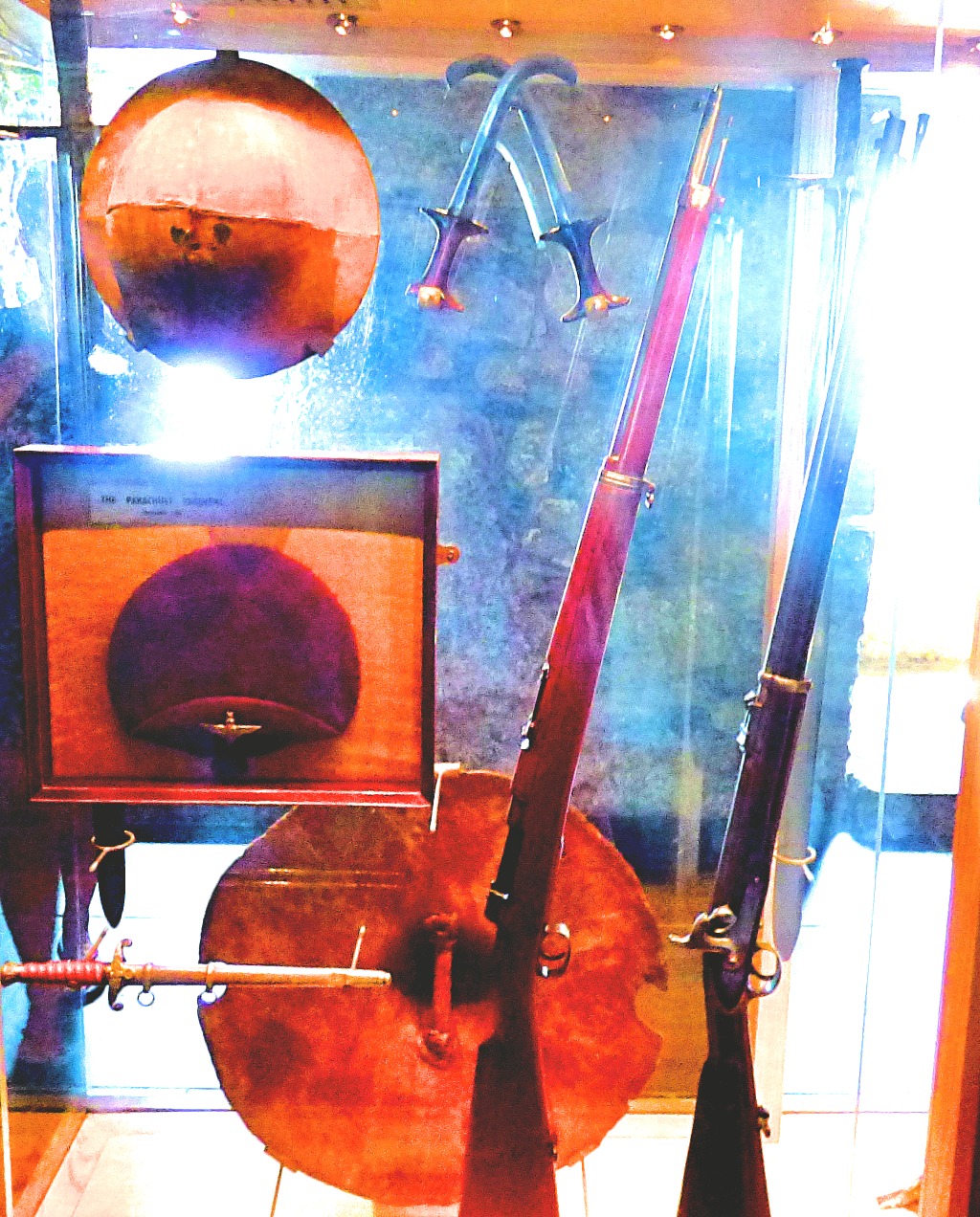
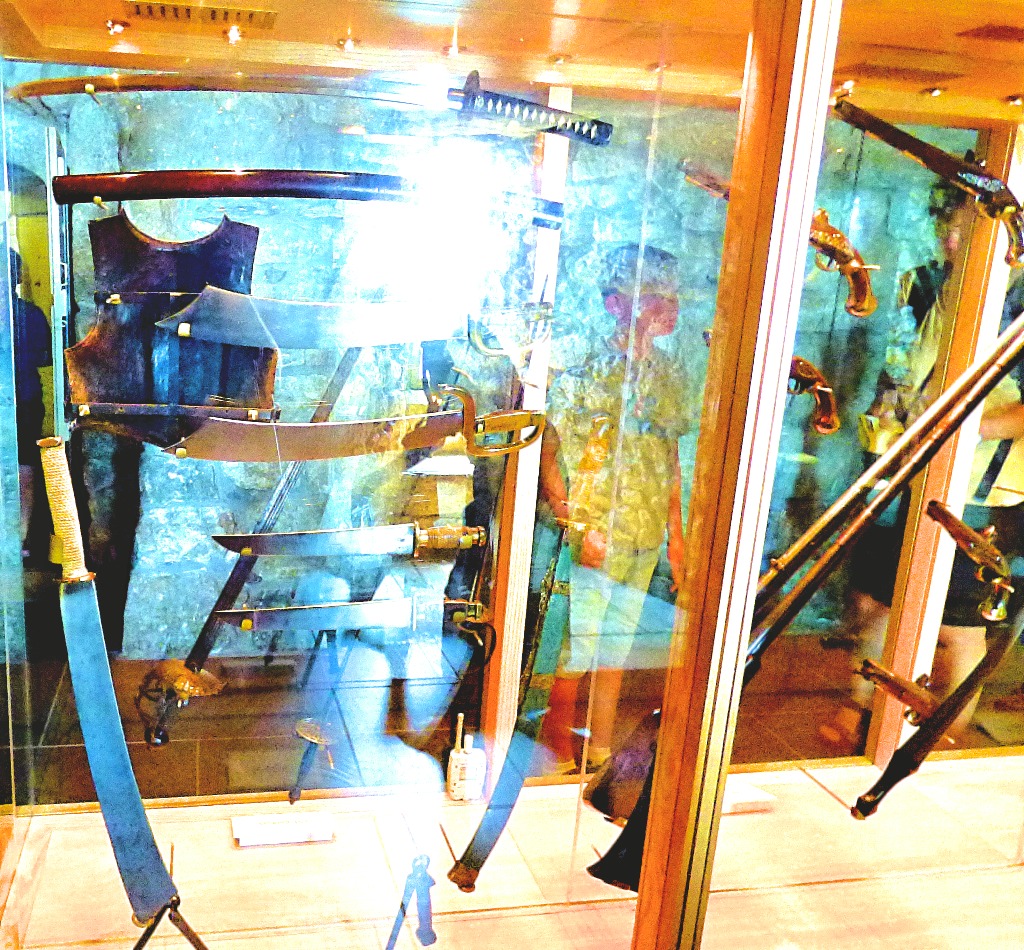
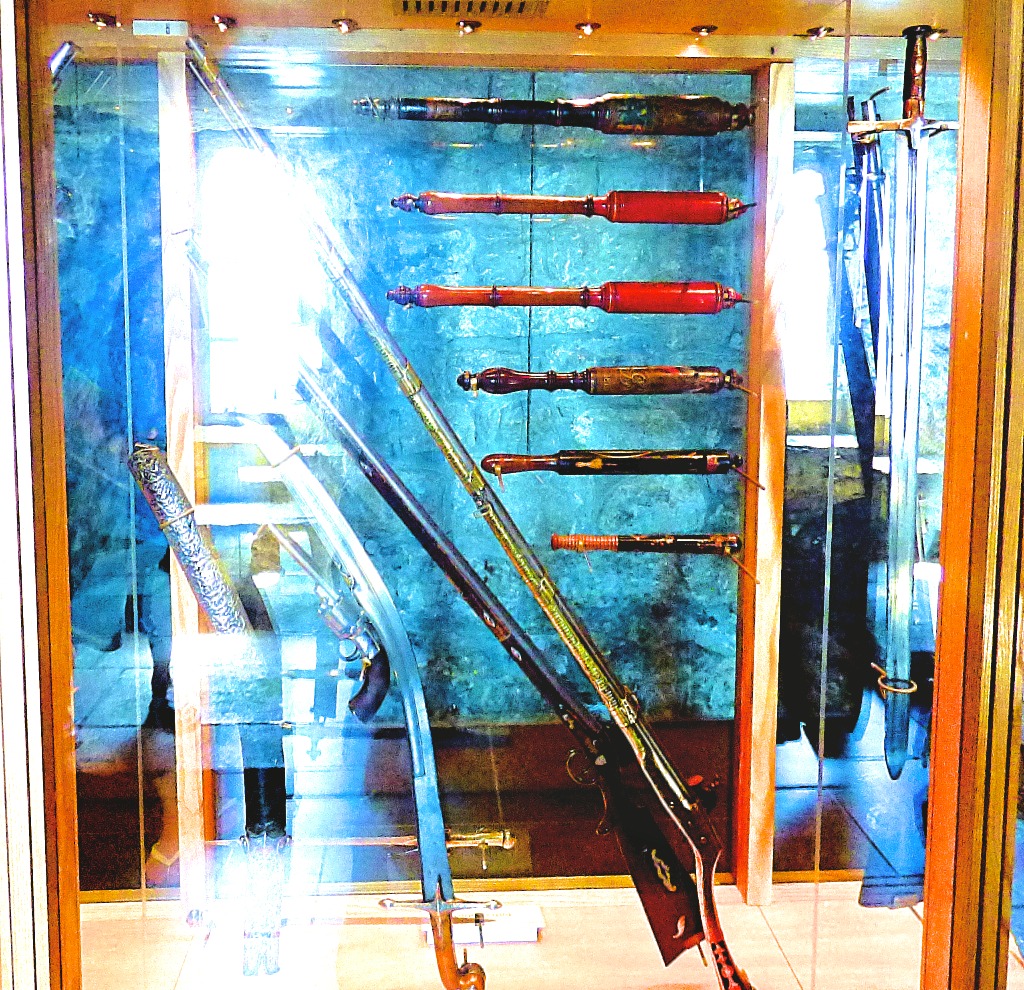
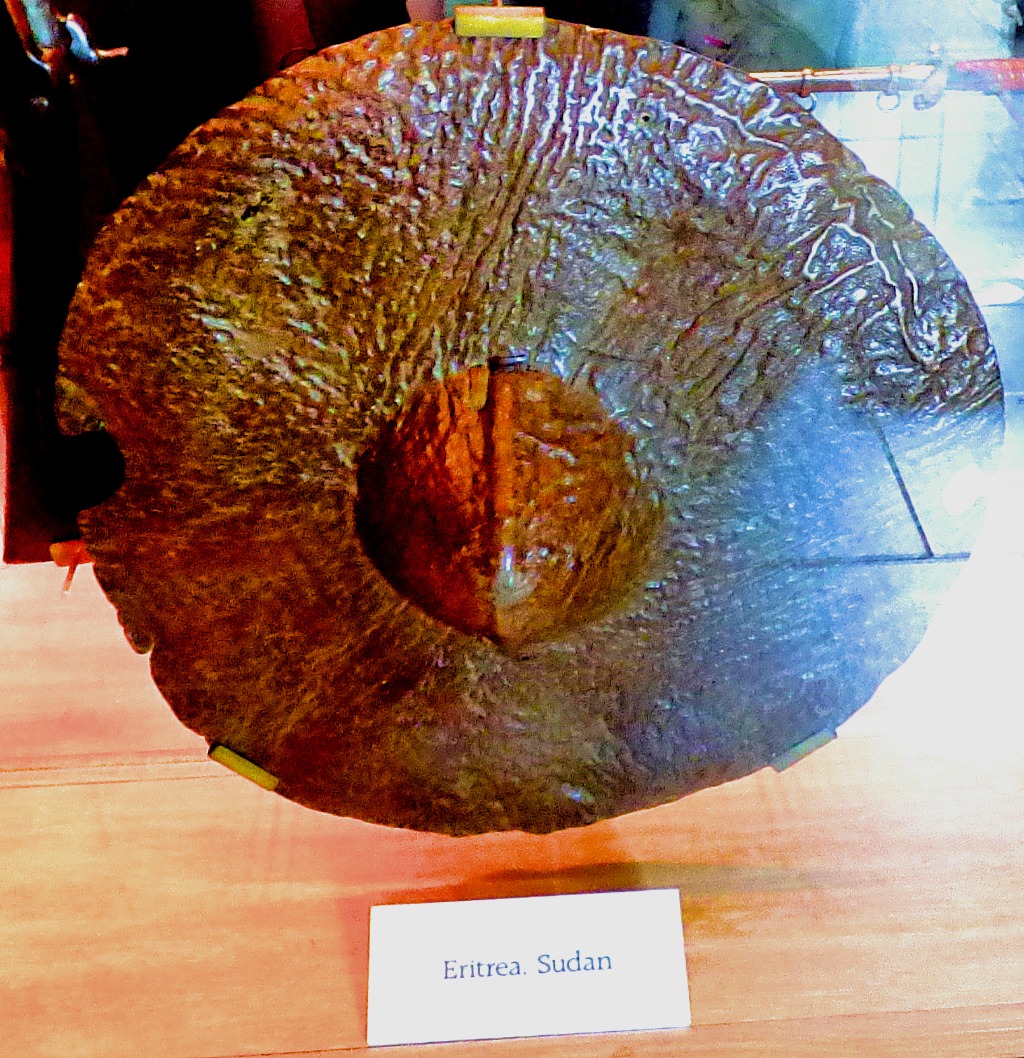
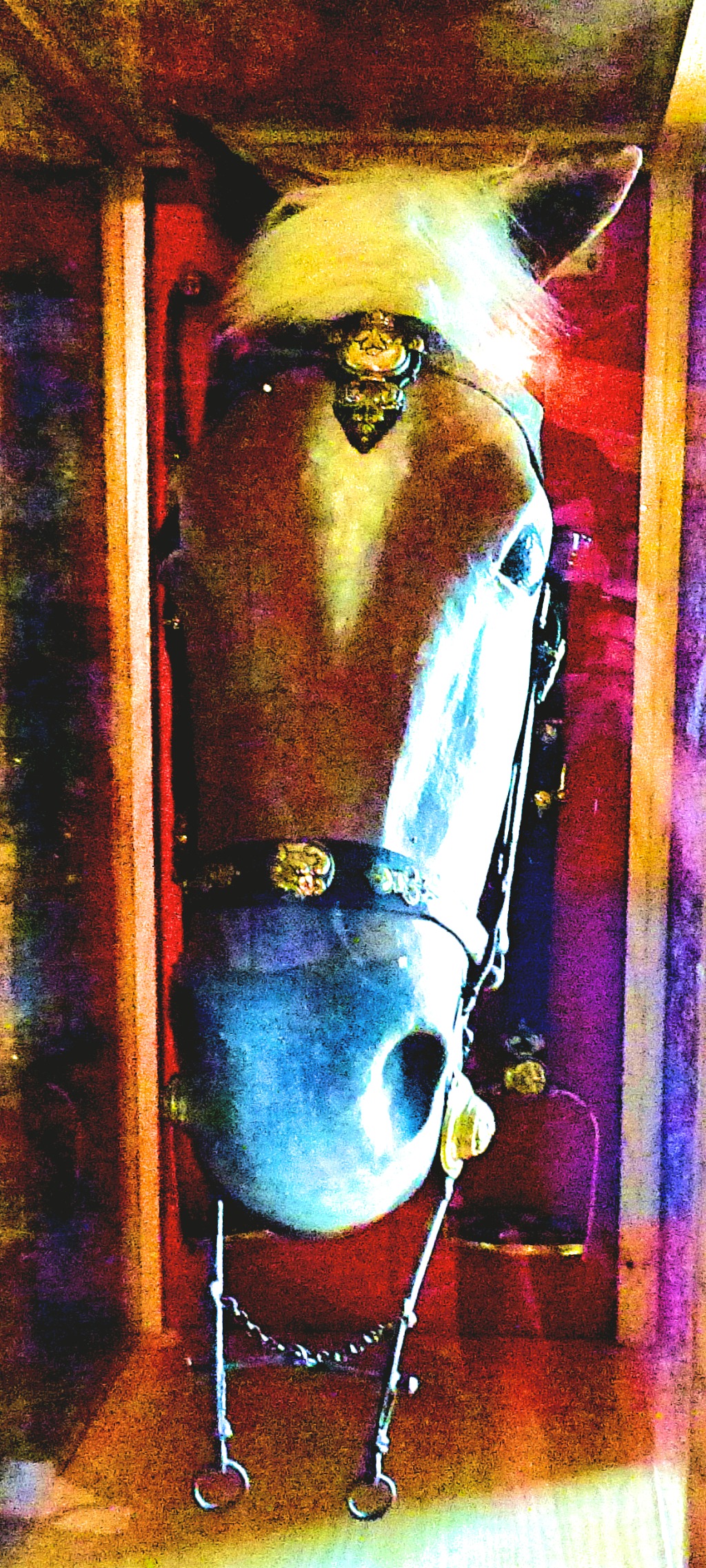
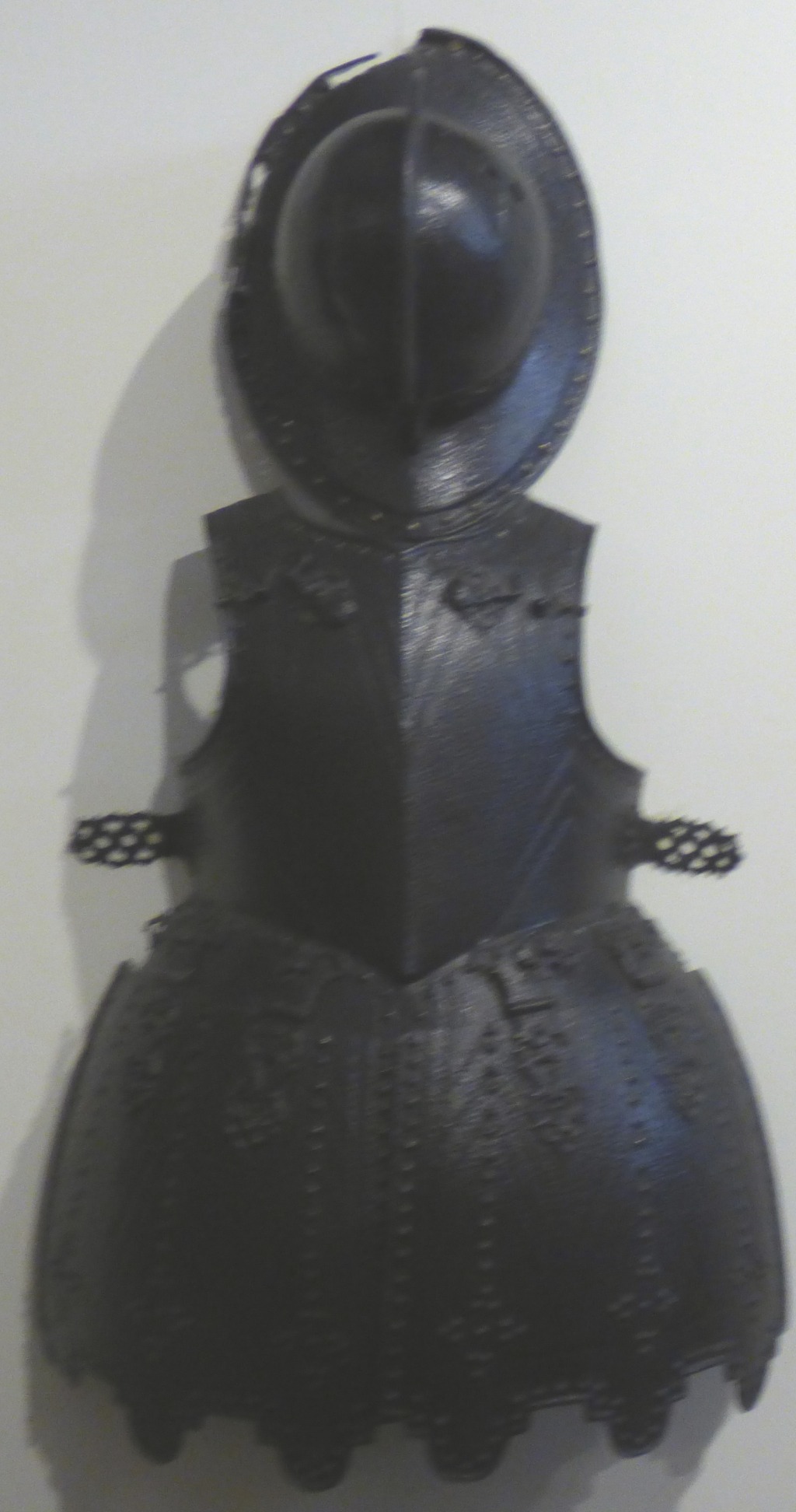
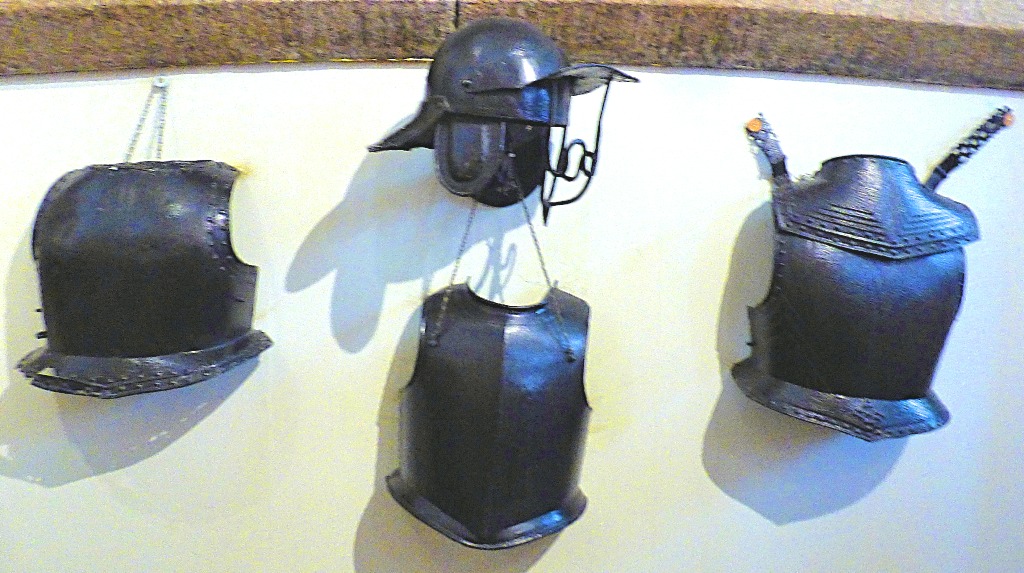
After the maps came a display featuring large amounts of weaponry…

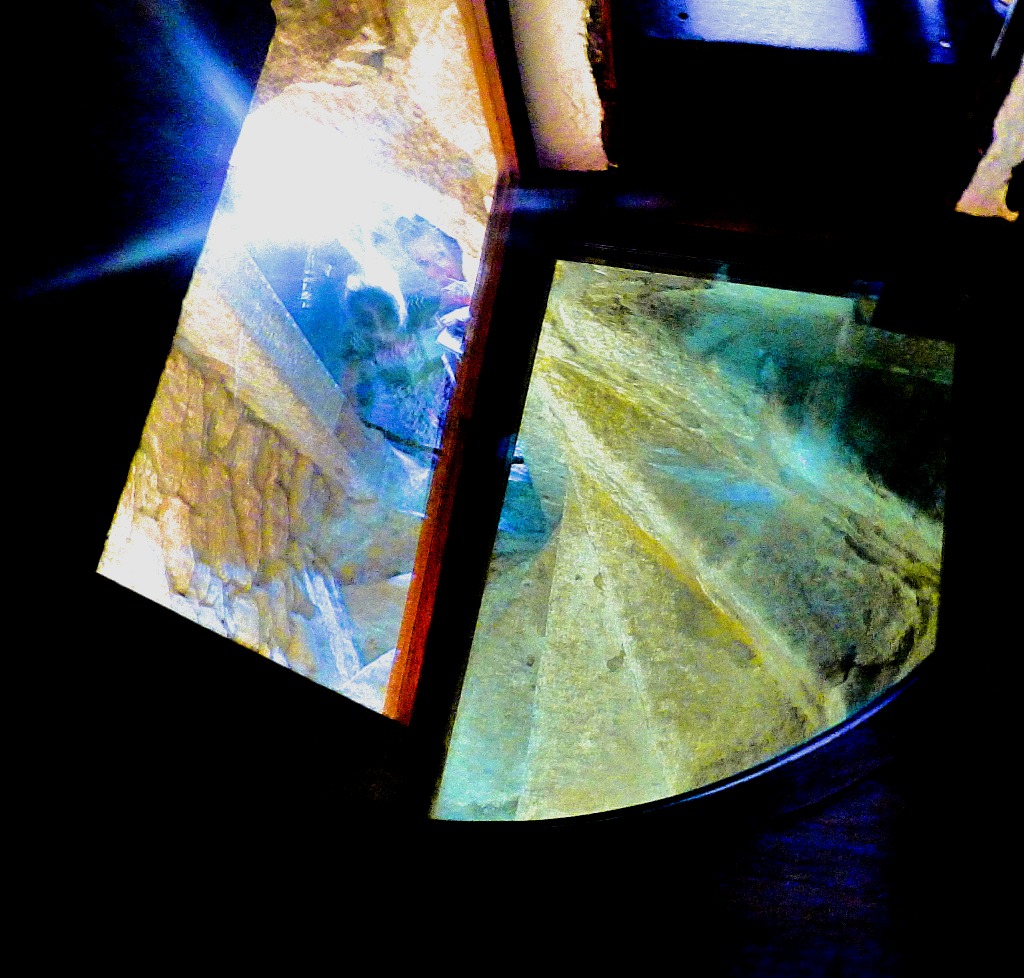
remains of spiral staircase
The remains of a spiral staircase

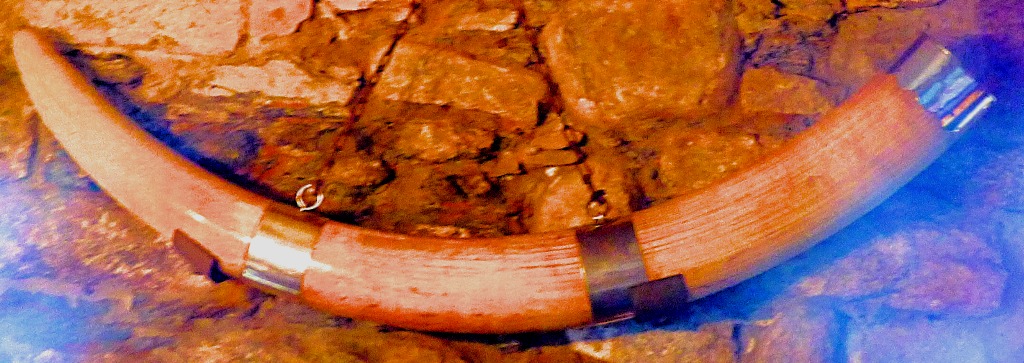
hornDollArmour IgunsTruncheonstruncheons and gunsMore gunsWeapons VSpearsWeaponryWeaponry IIShield IIHorses Head

Cornish map with extras
A final map, separated from all the others.

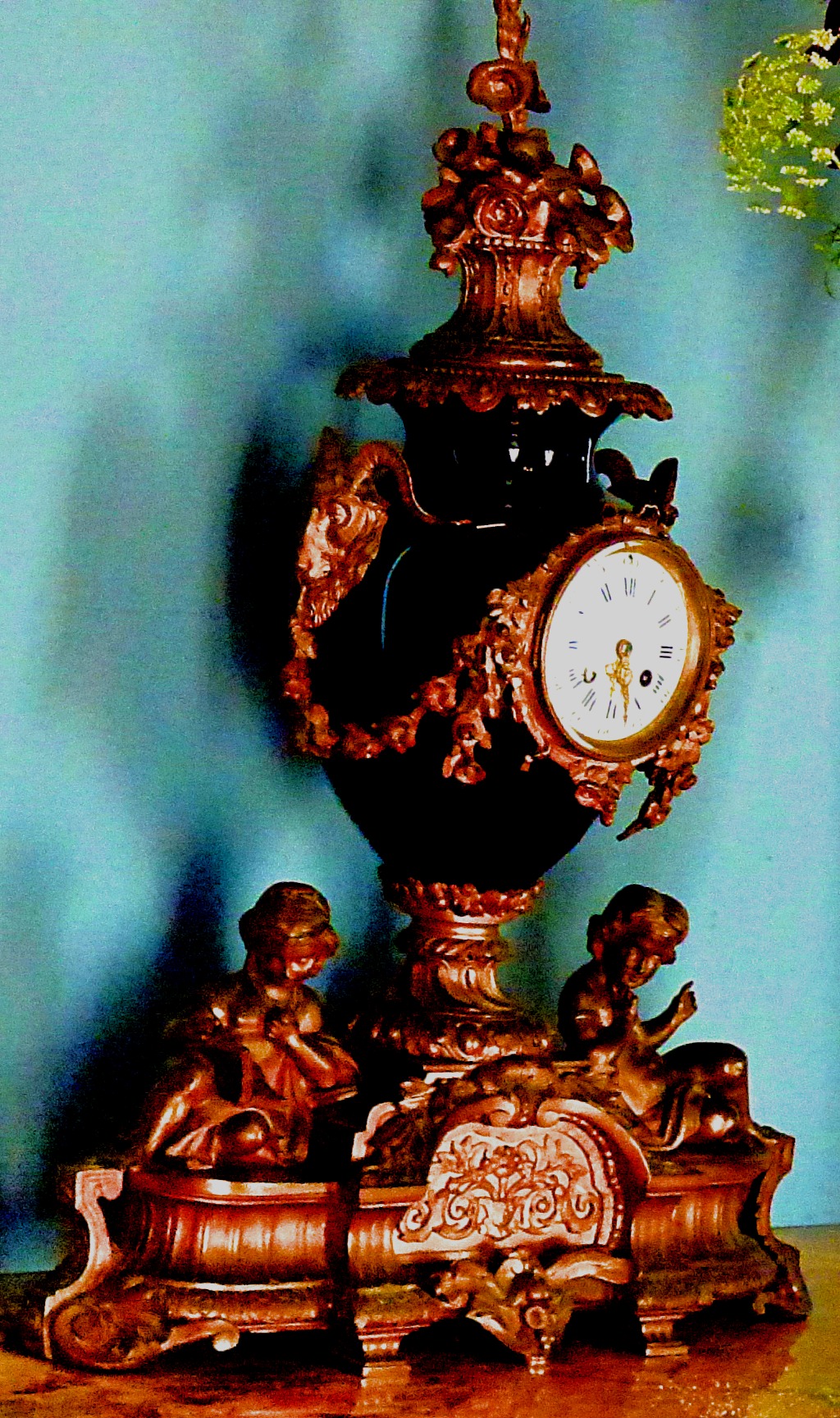
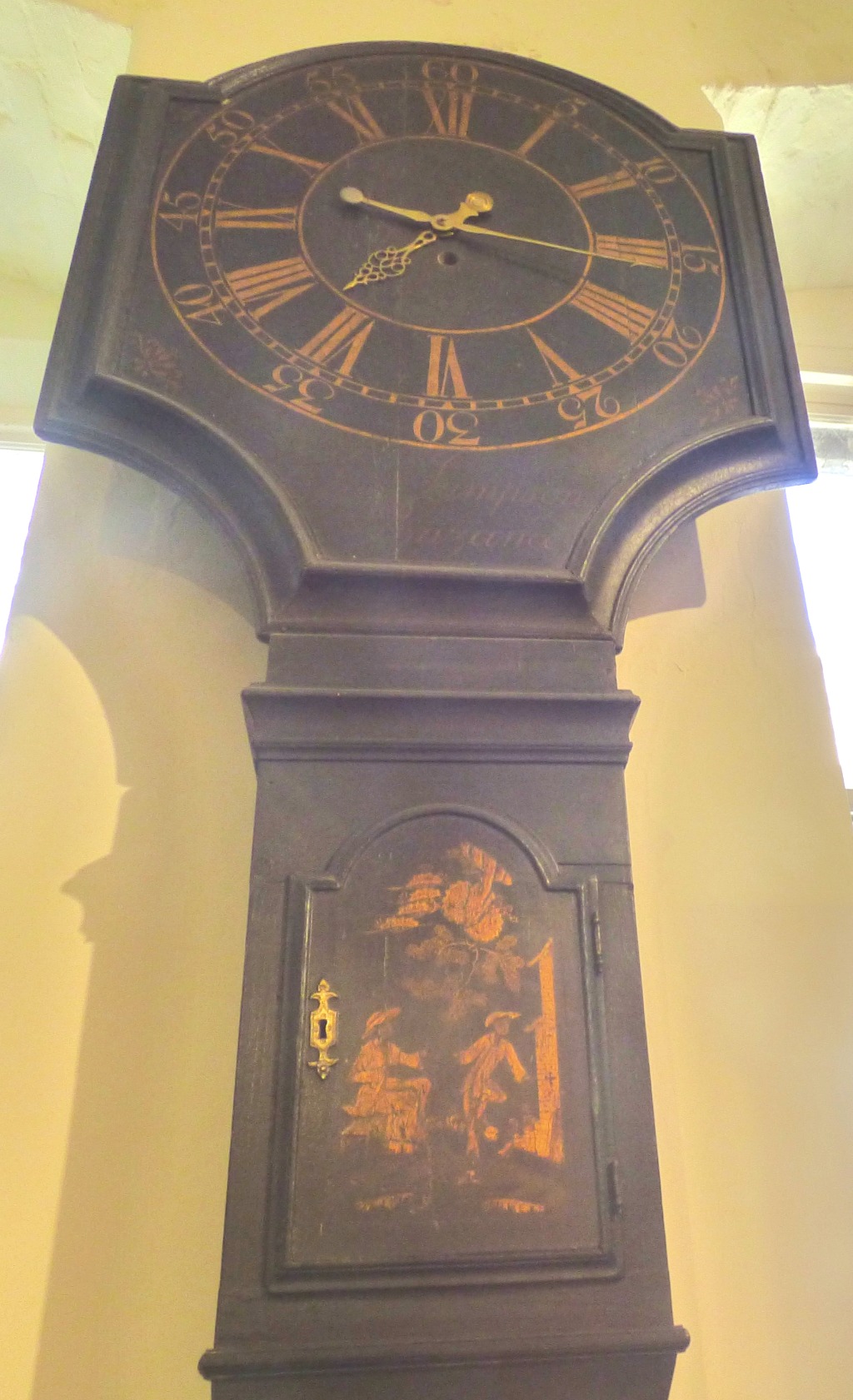
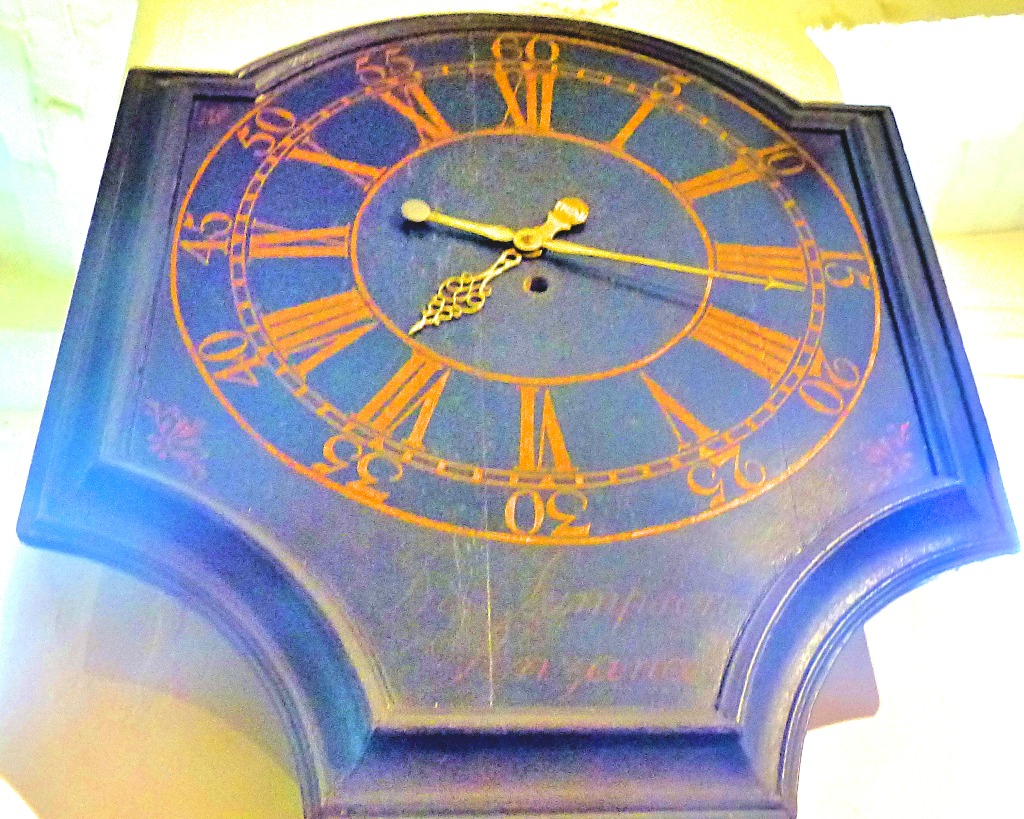
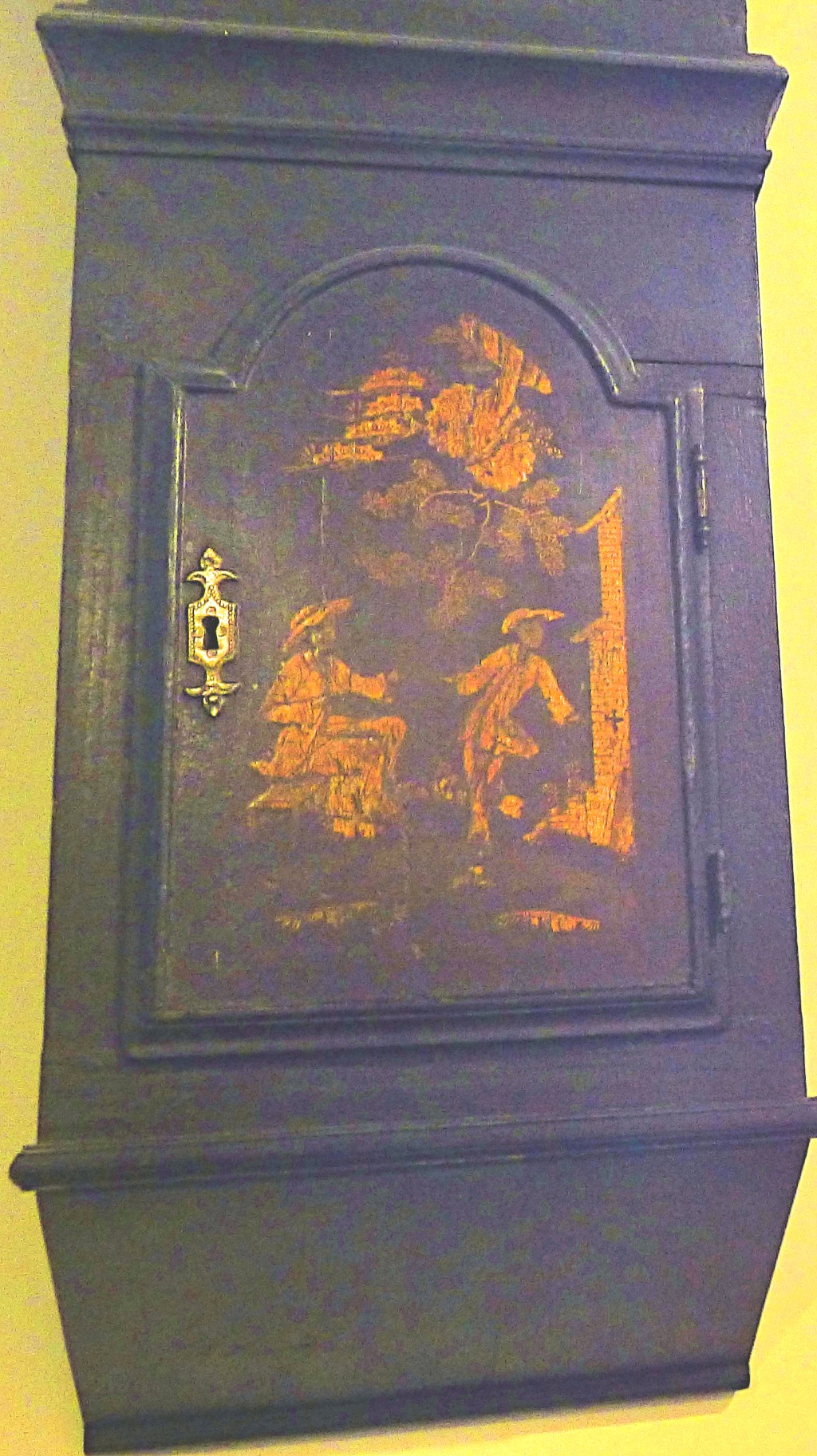
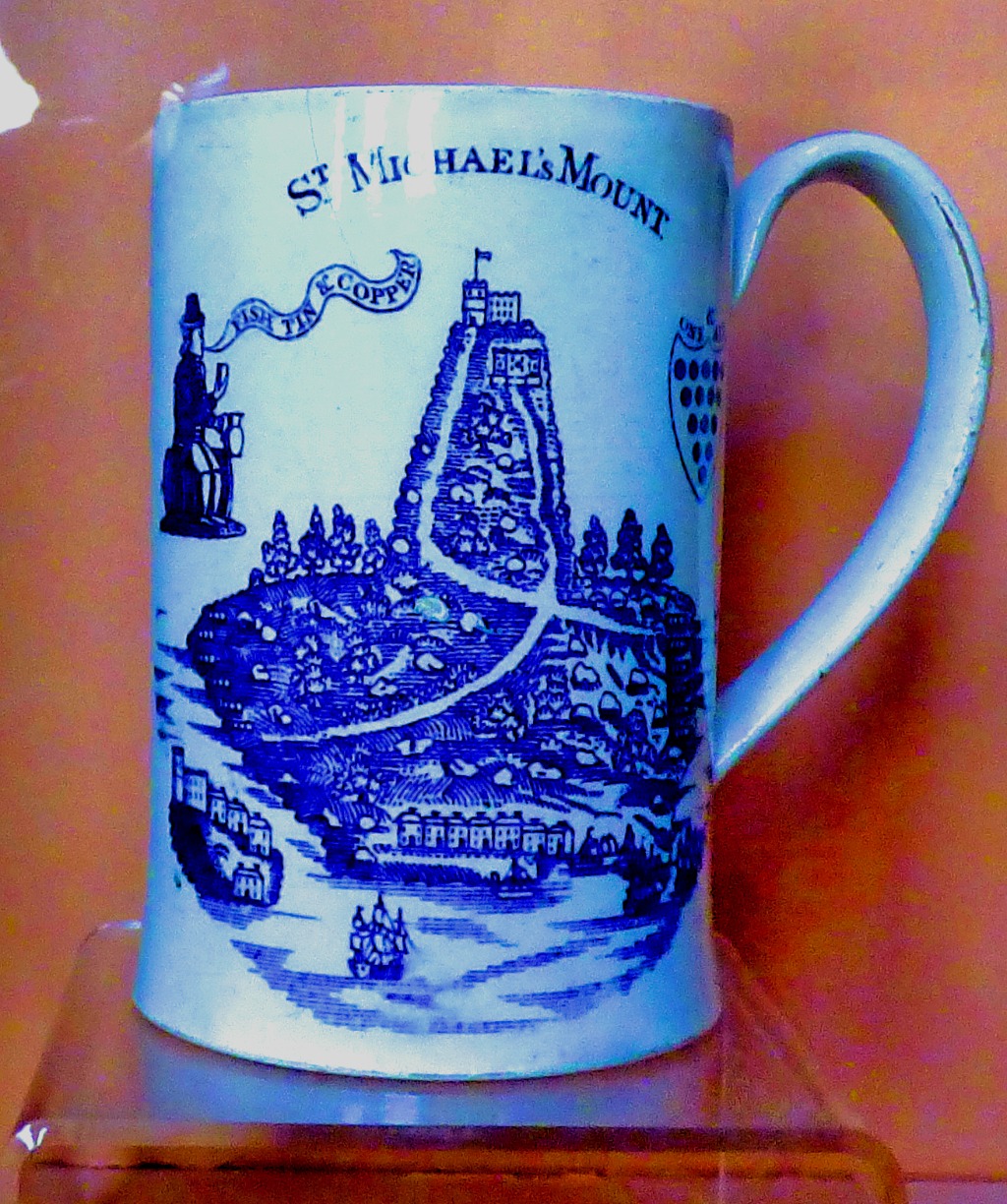
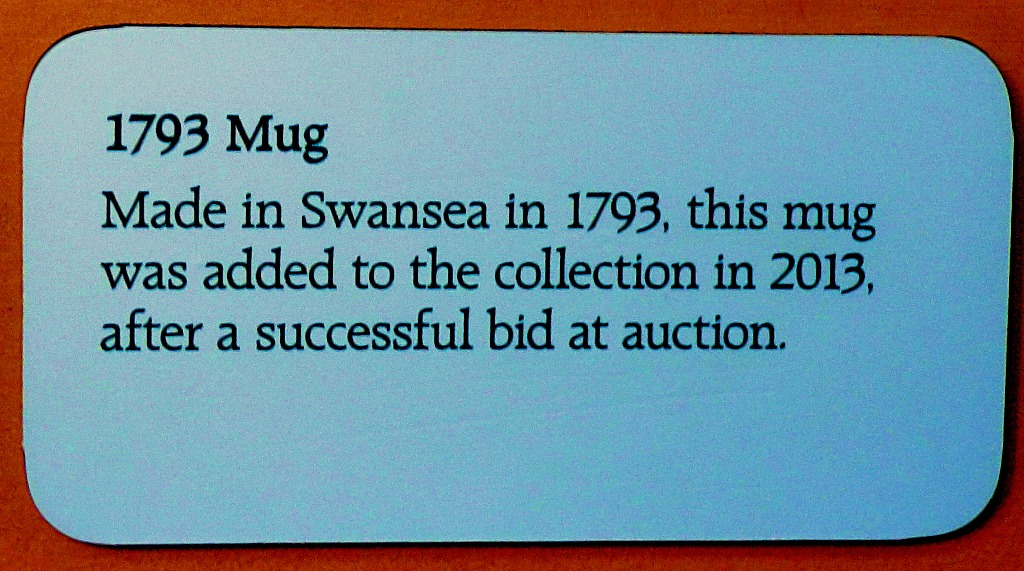
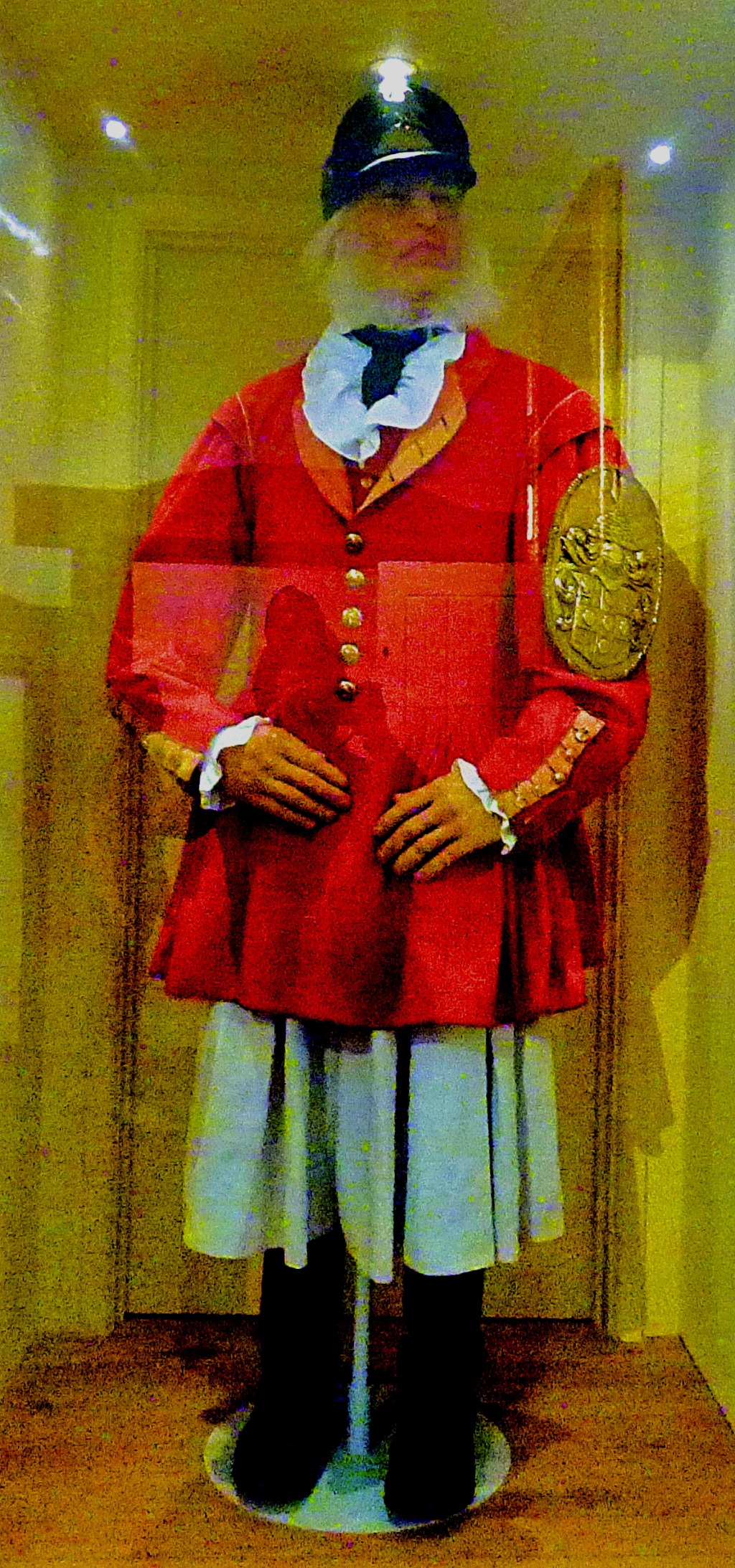
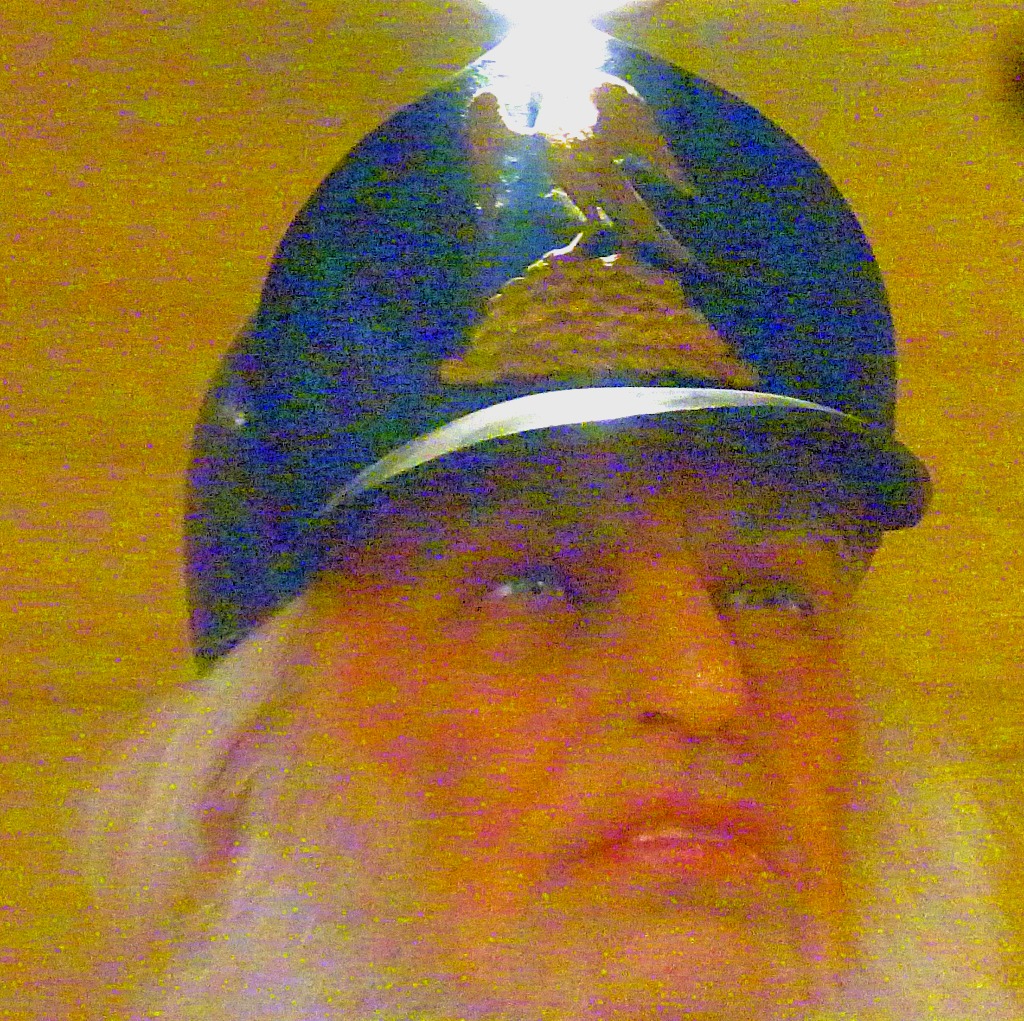
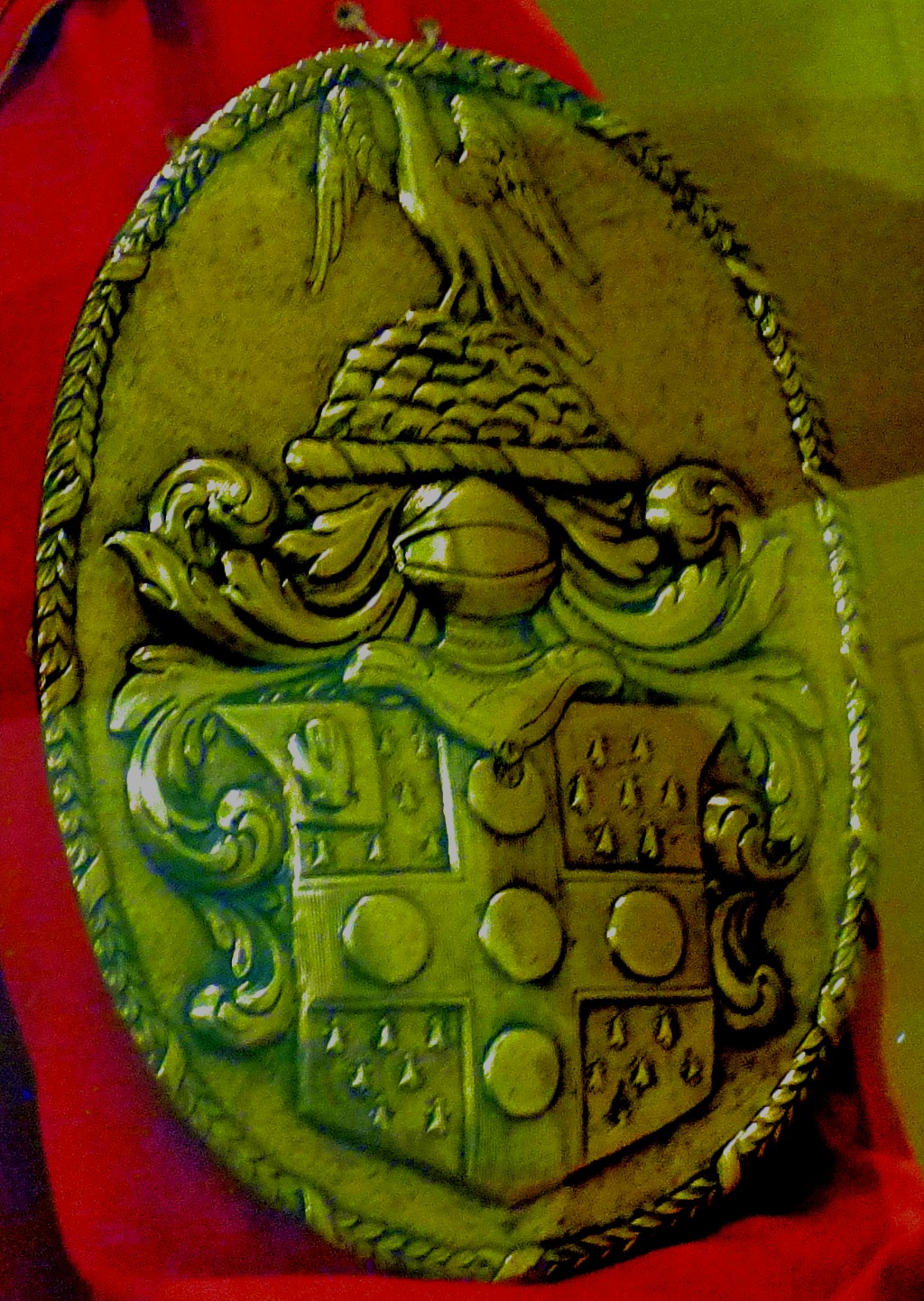
girls armourbreastplates and helmetsGiant clock IClockfaceClock case18th Century mugMug provenanceUniformCapShoulder plate

That ended the indoor stuff until lunch time.

THE DESCENT

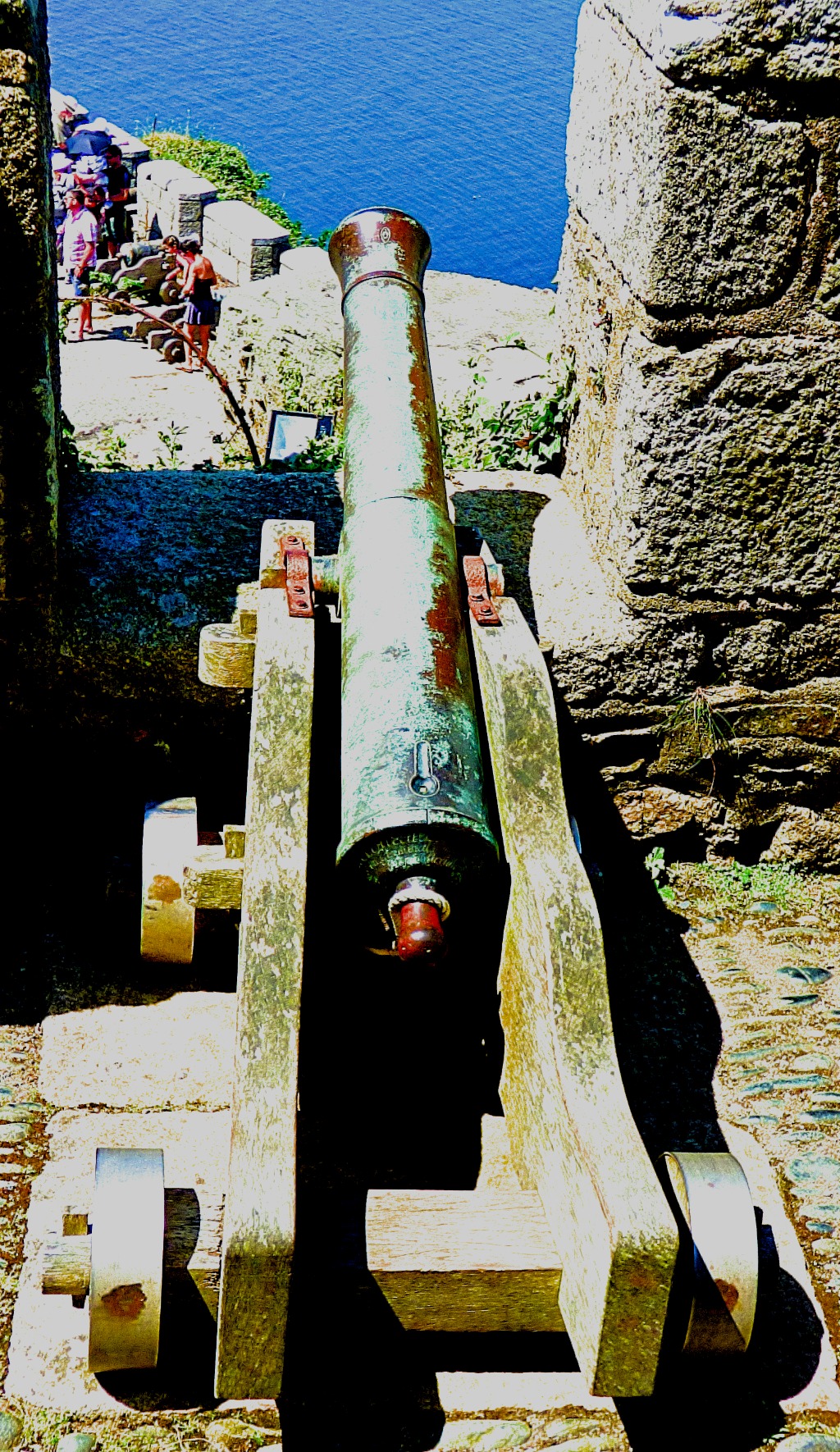
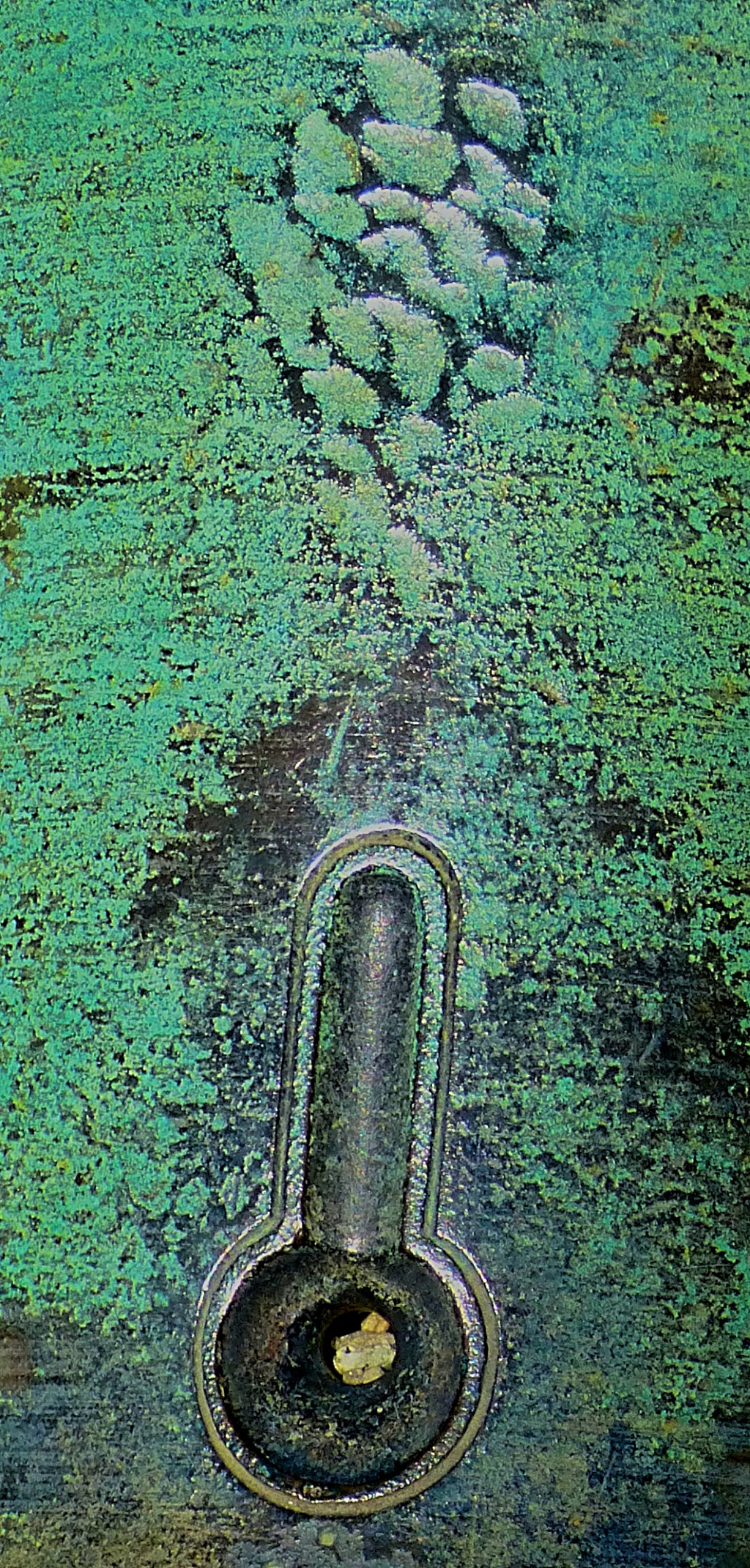
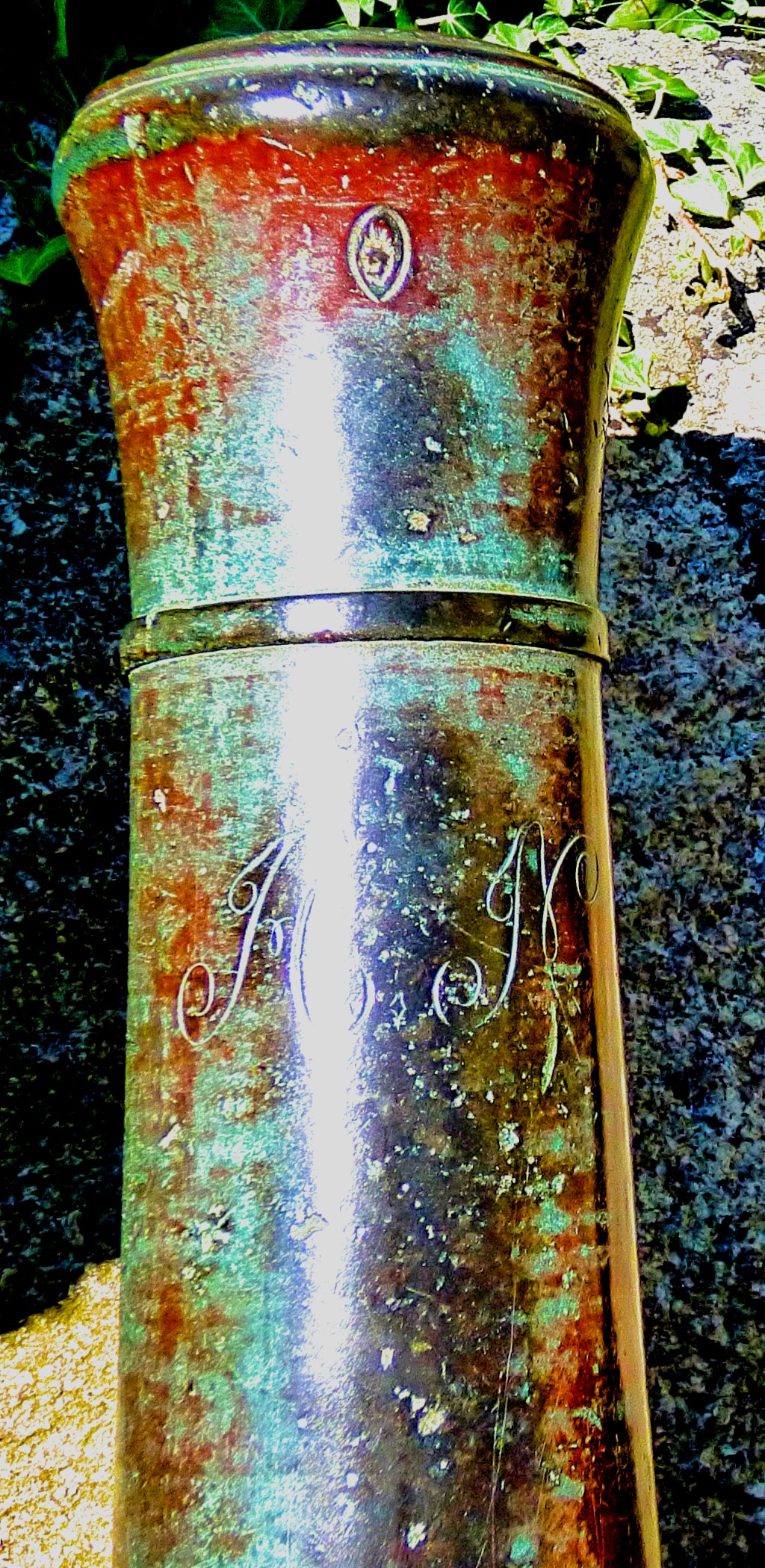
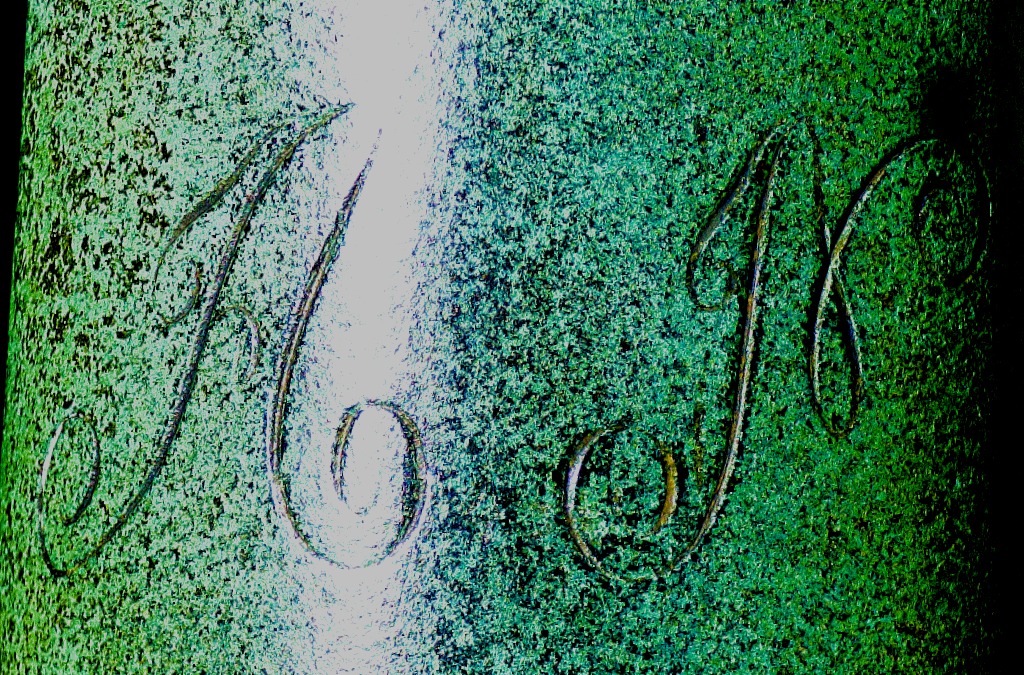
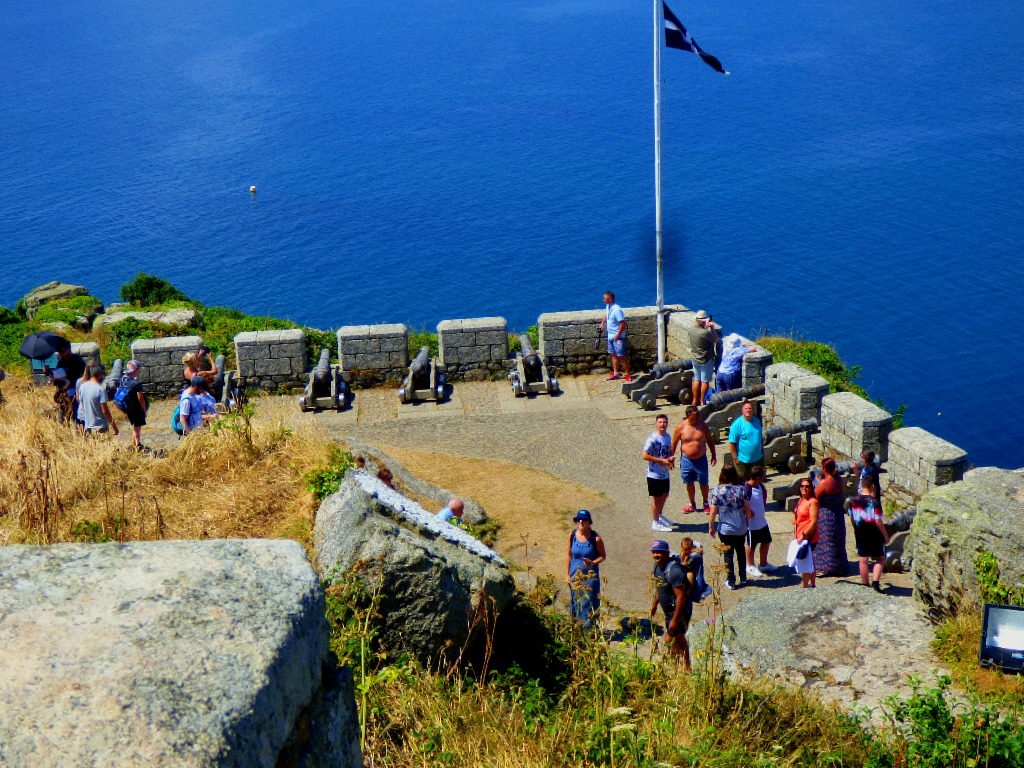
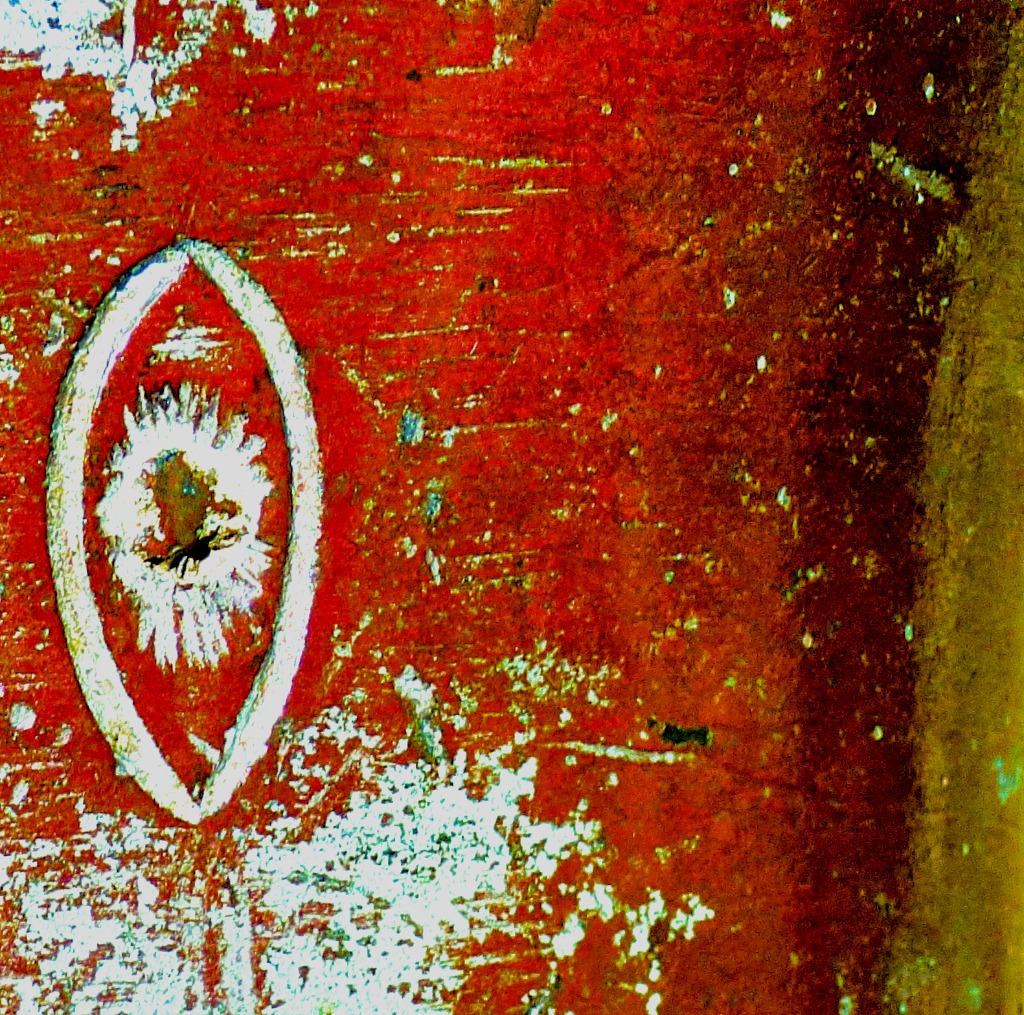
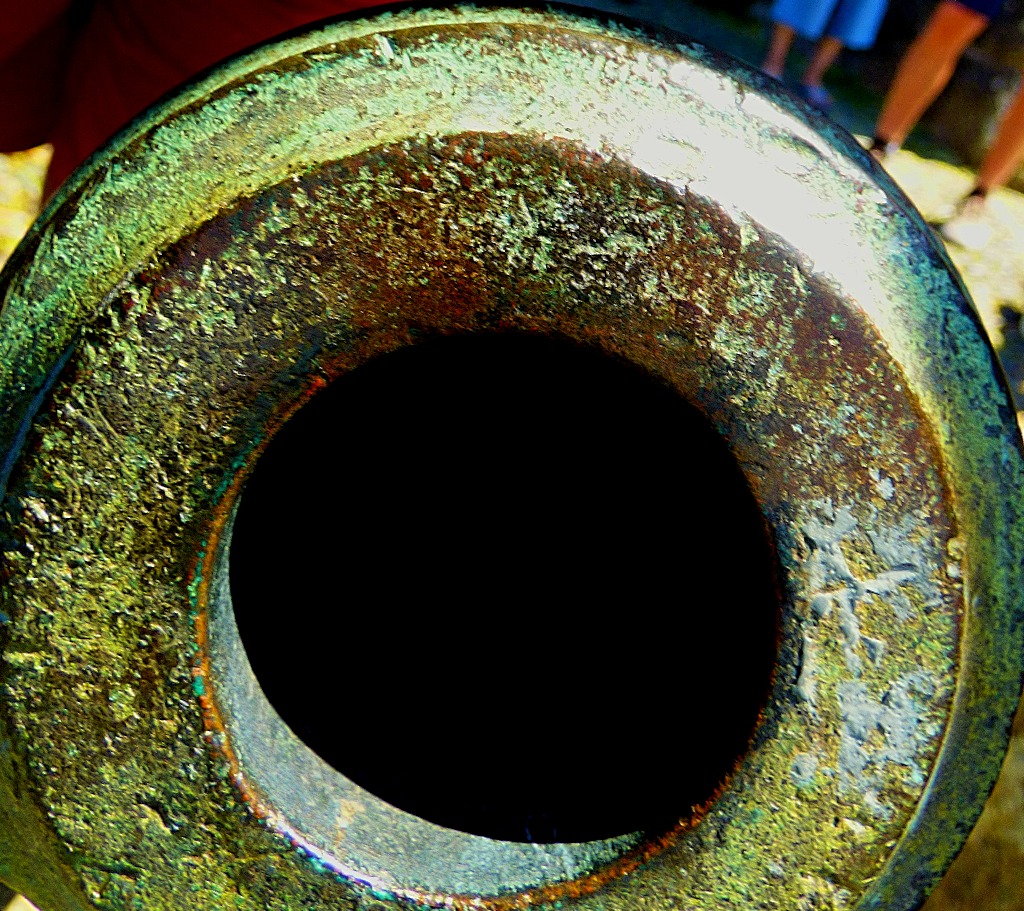
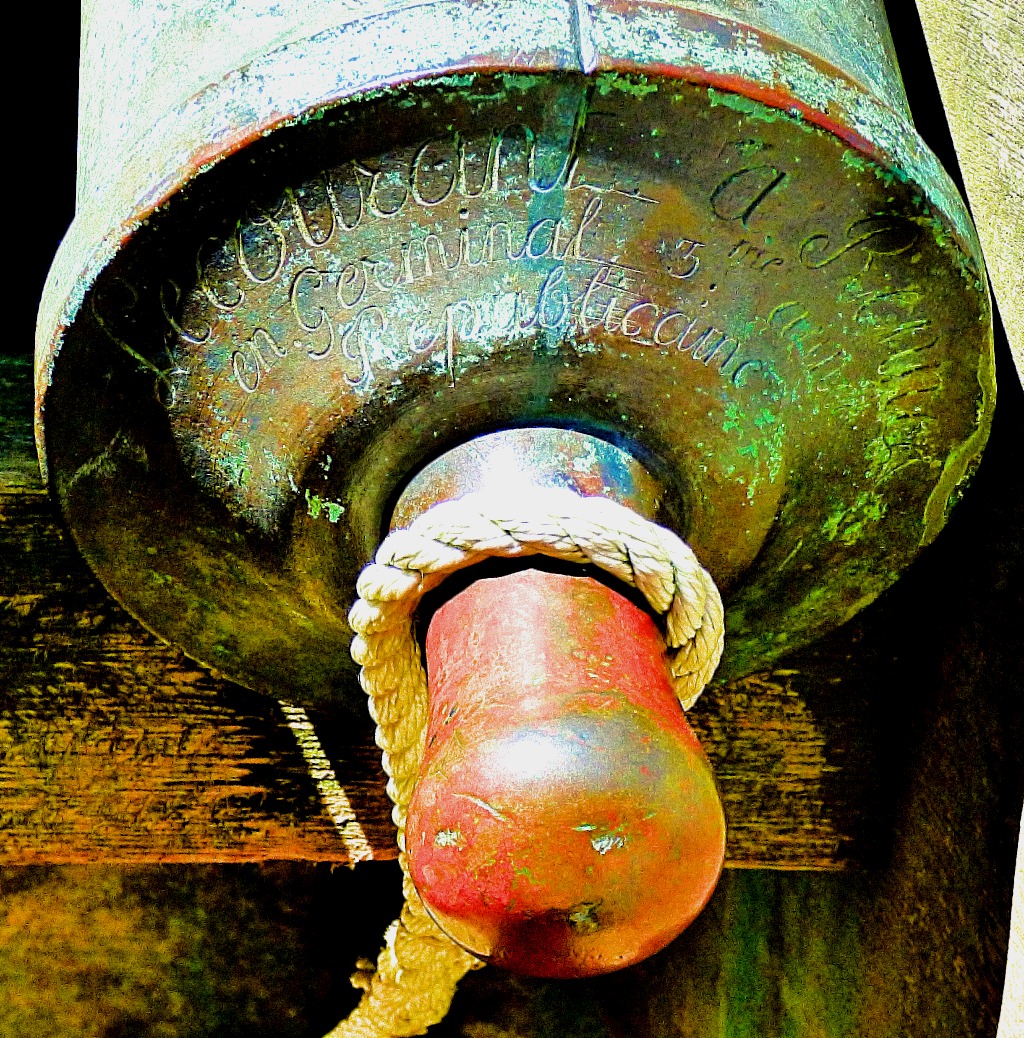
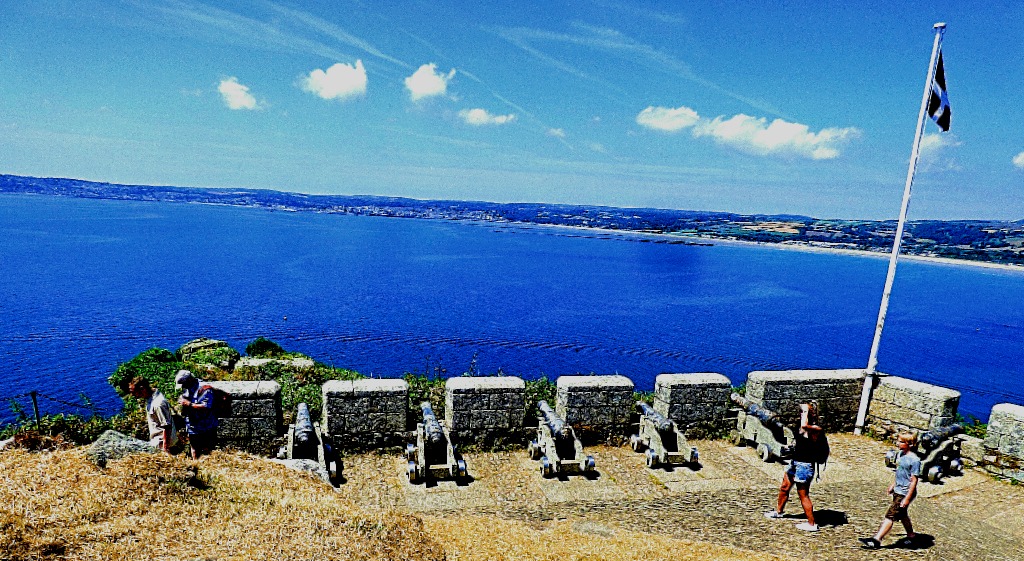
The descent takes past an emplacement of mini-cannons which are of French Revolutionary origin…

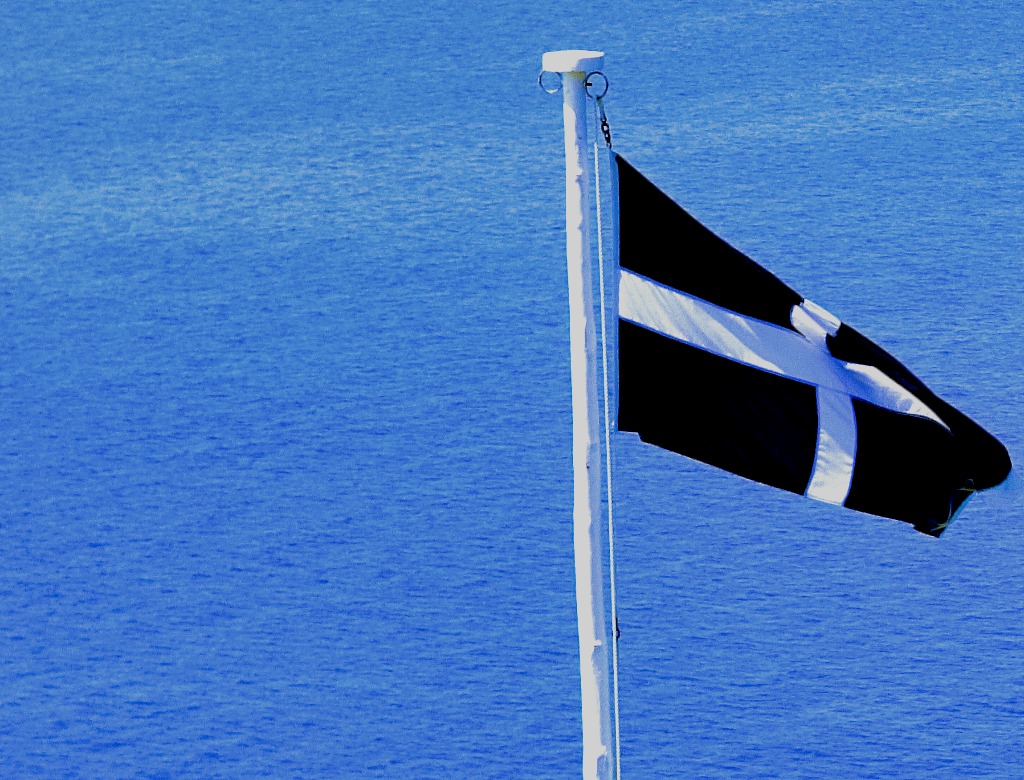
mini cannonsMini cannoncannon markings ICannon markings IICannon markings IIIMini cannon emplacementCannon markings IVCannon markings VCornish flagCannon markings VICauseway from the cannon emplacementFarewell to the cannons

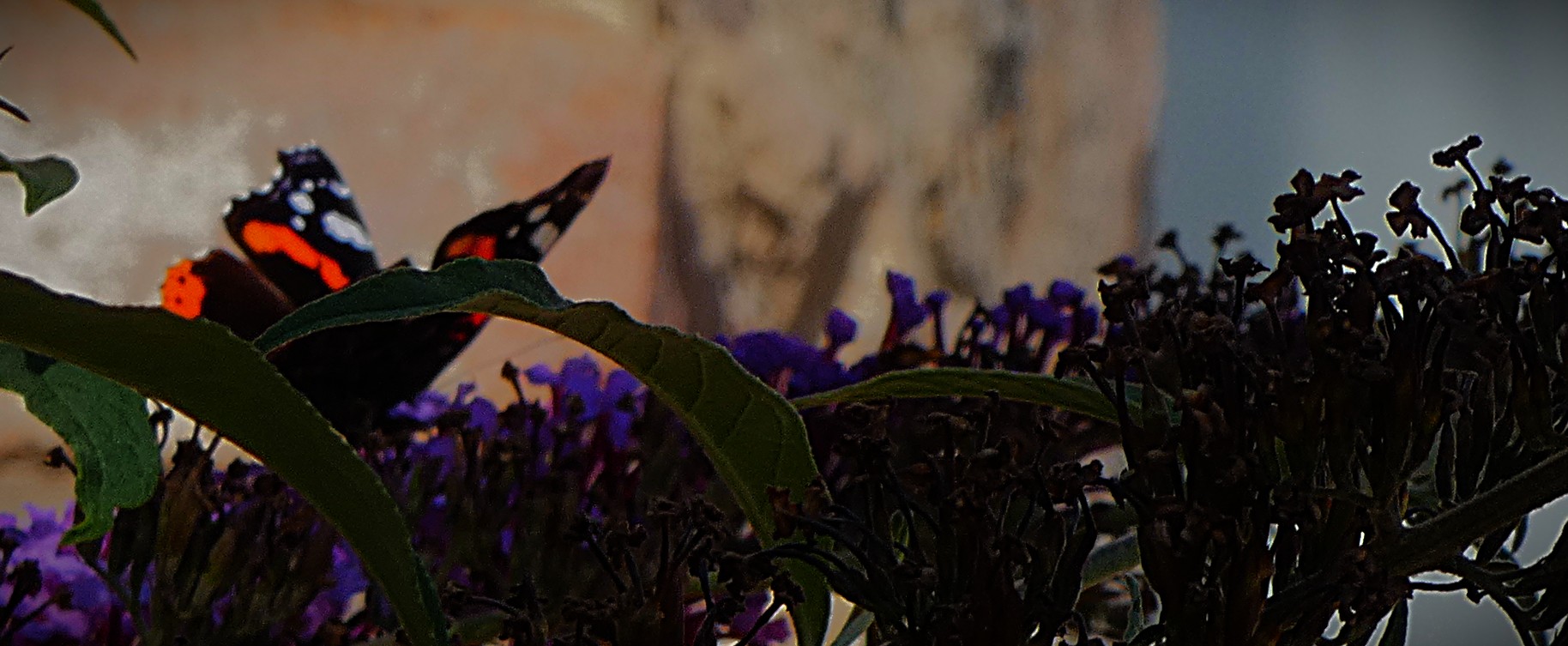
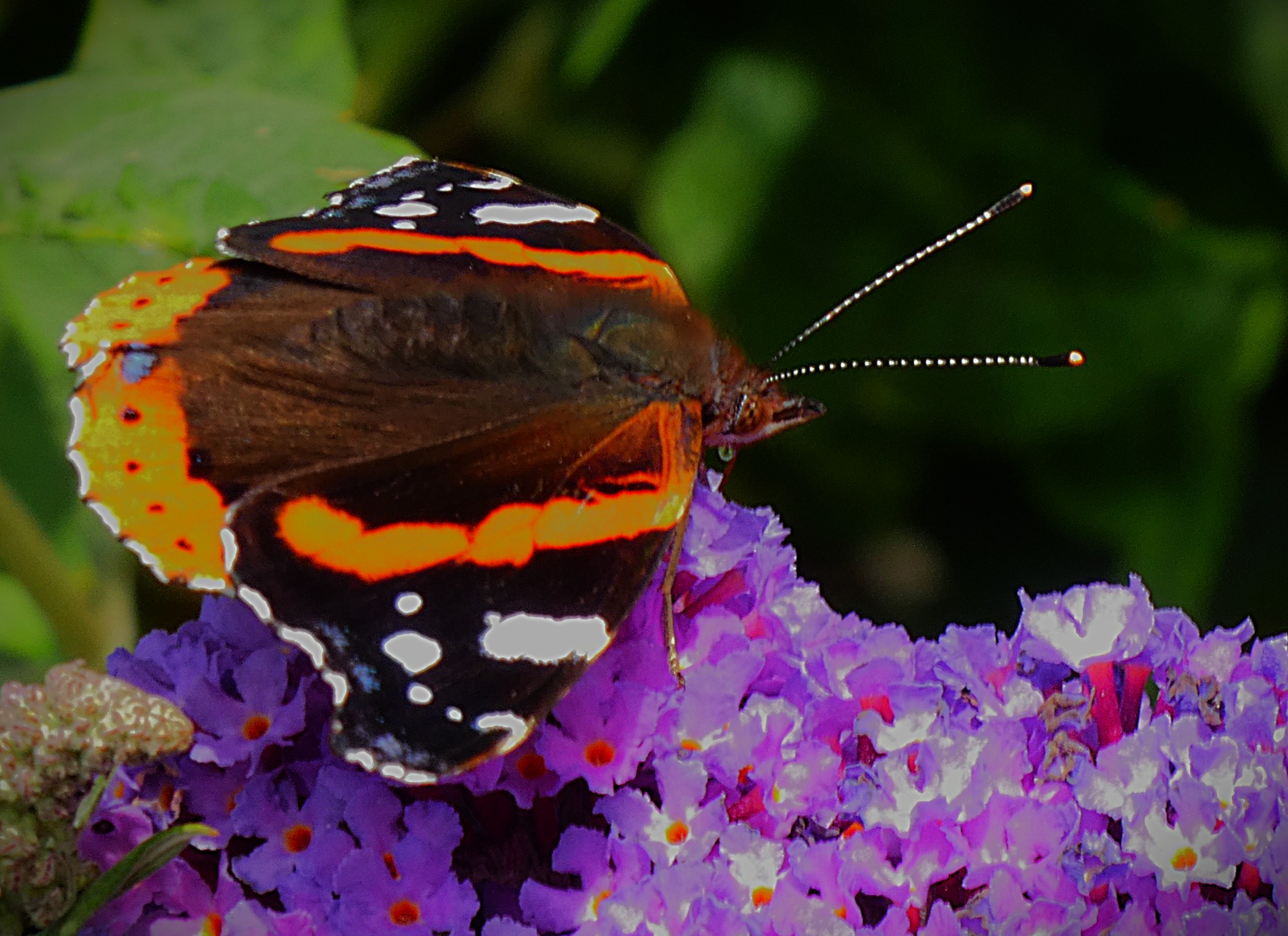
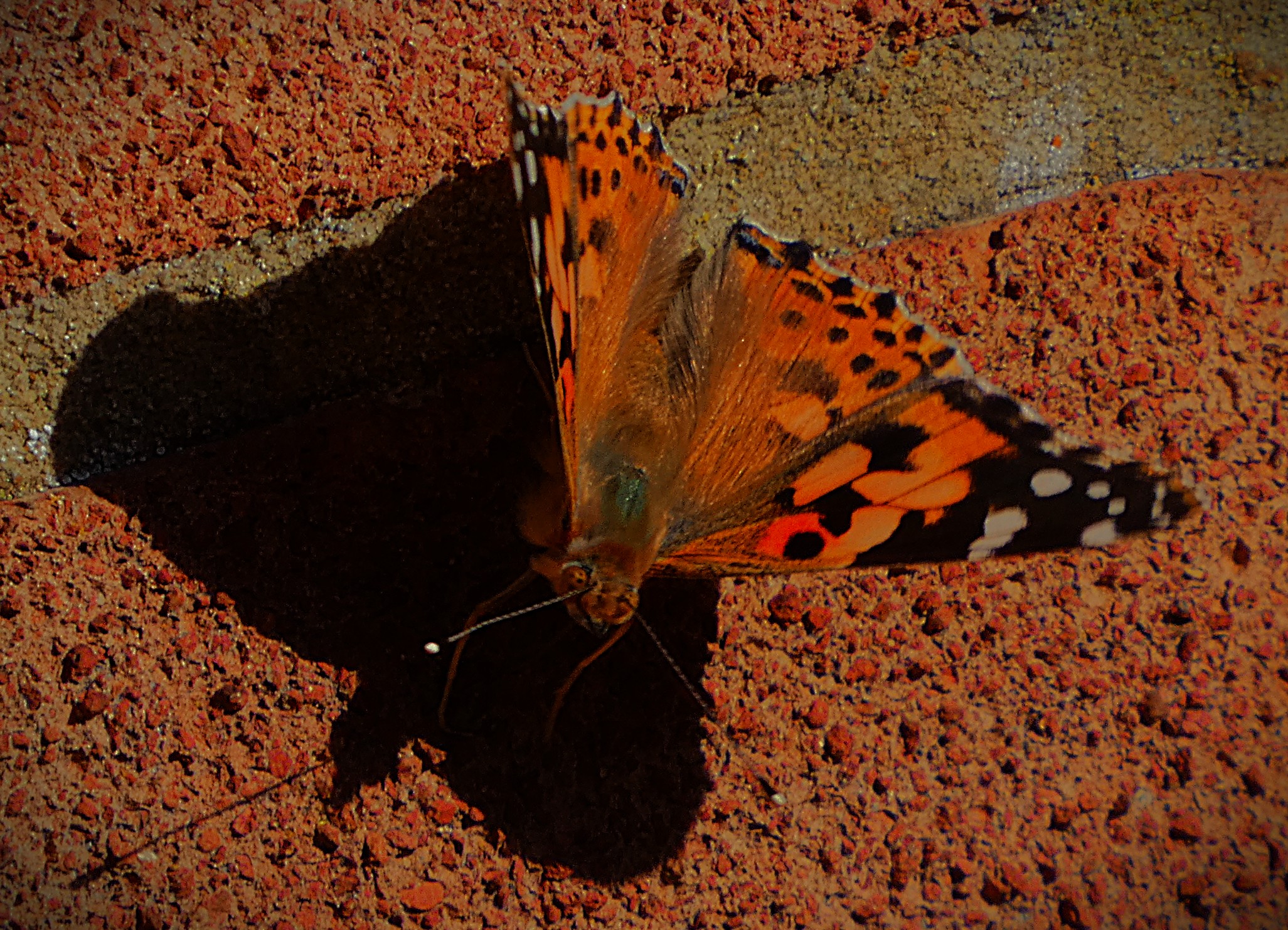
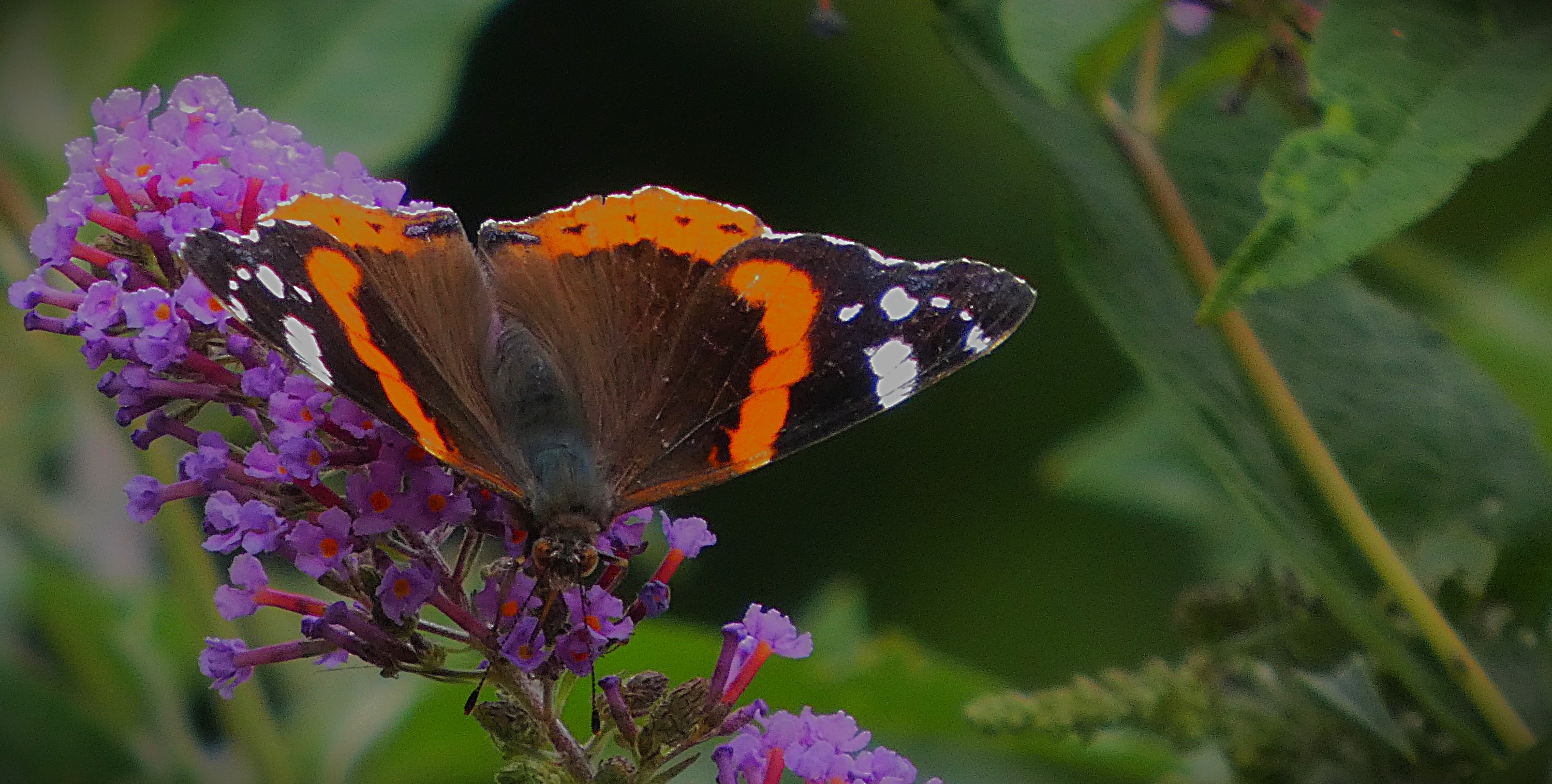
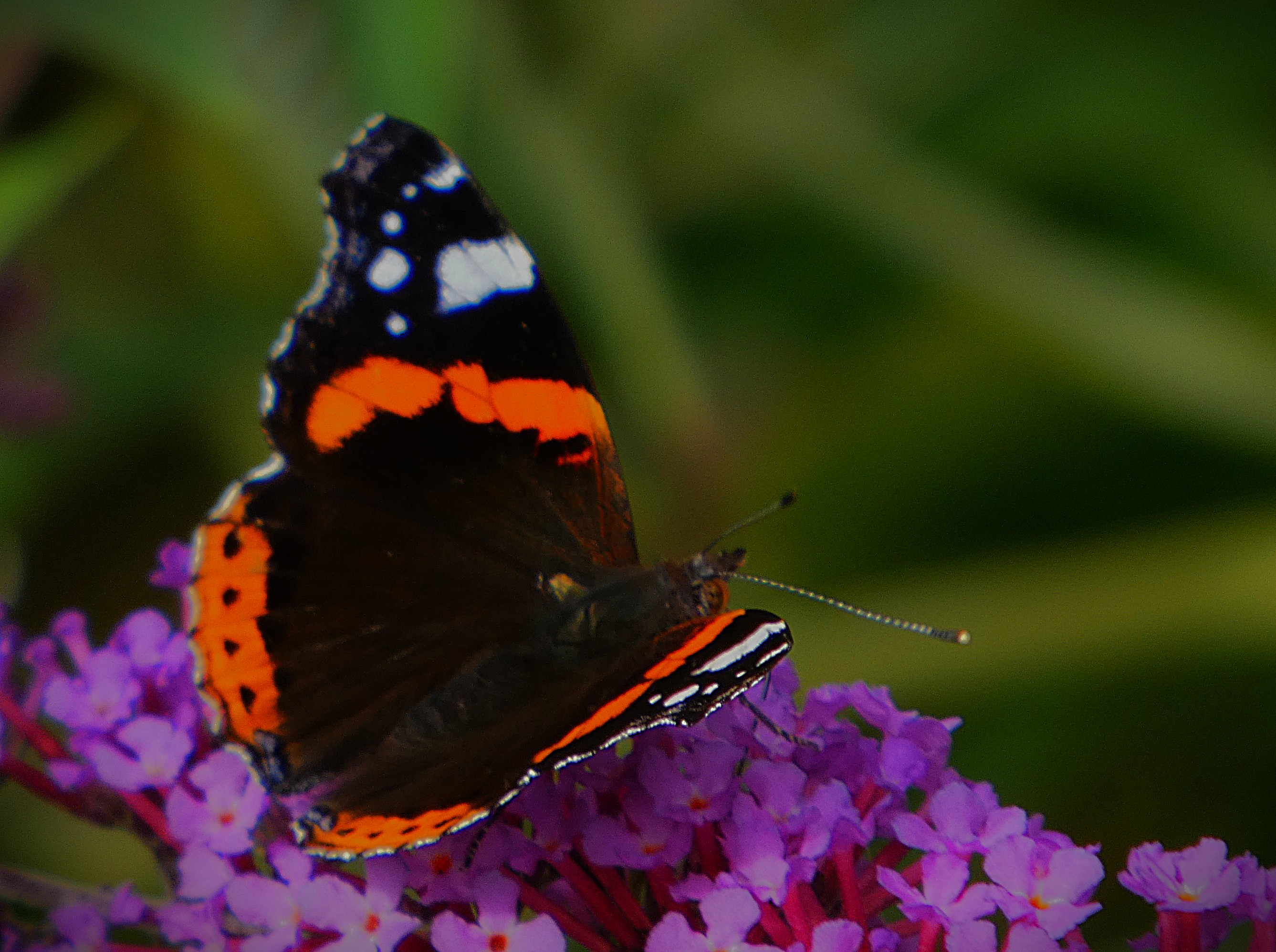
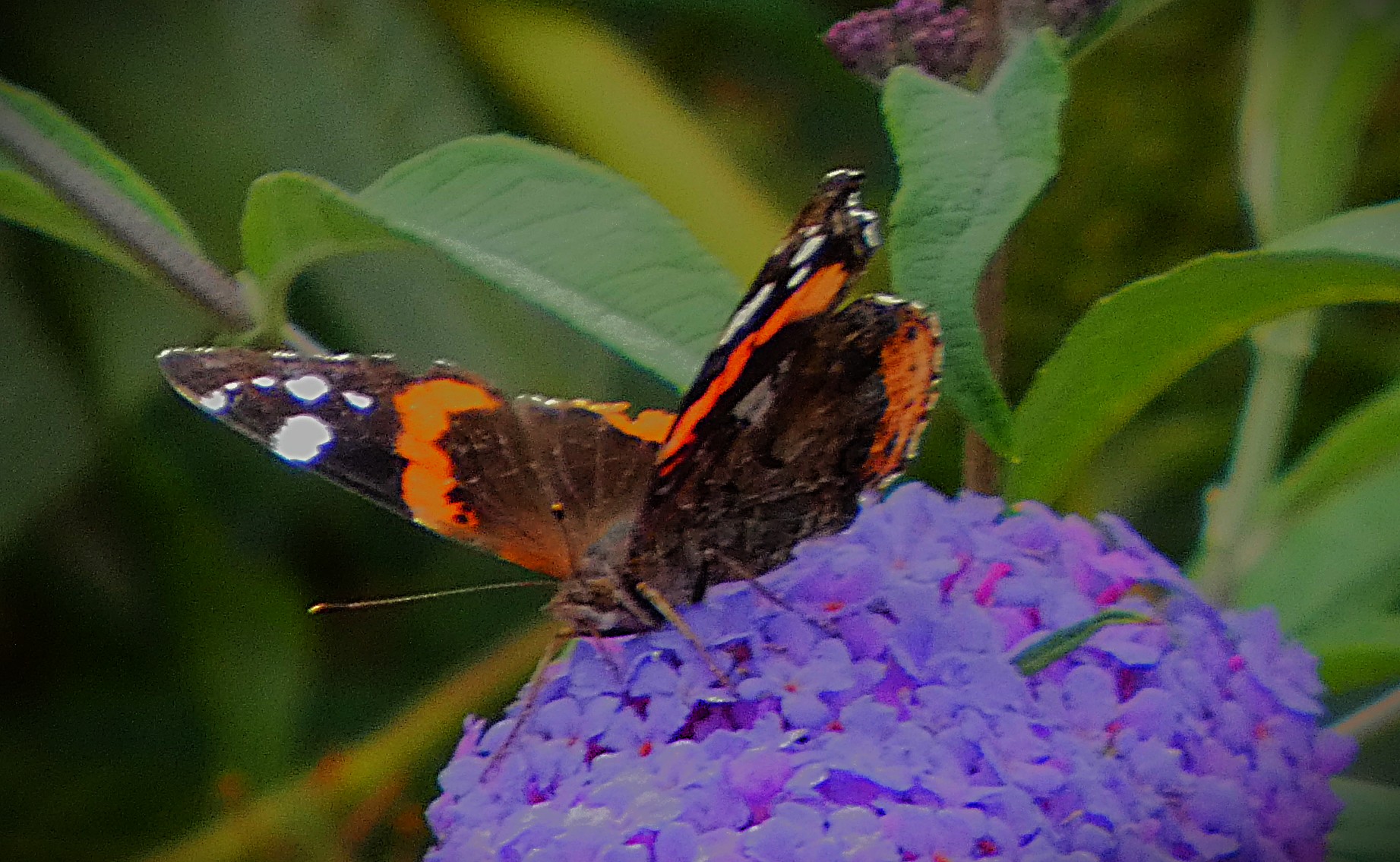
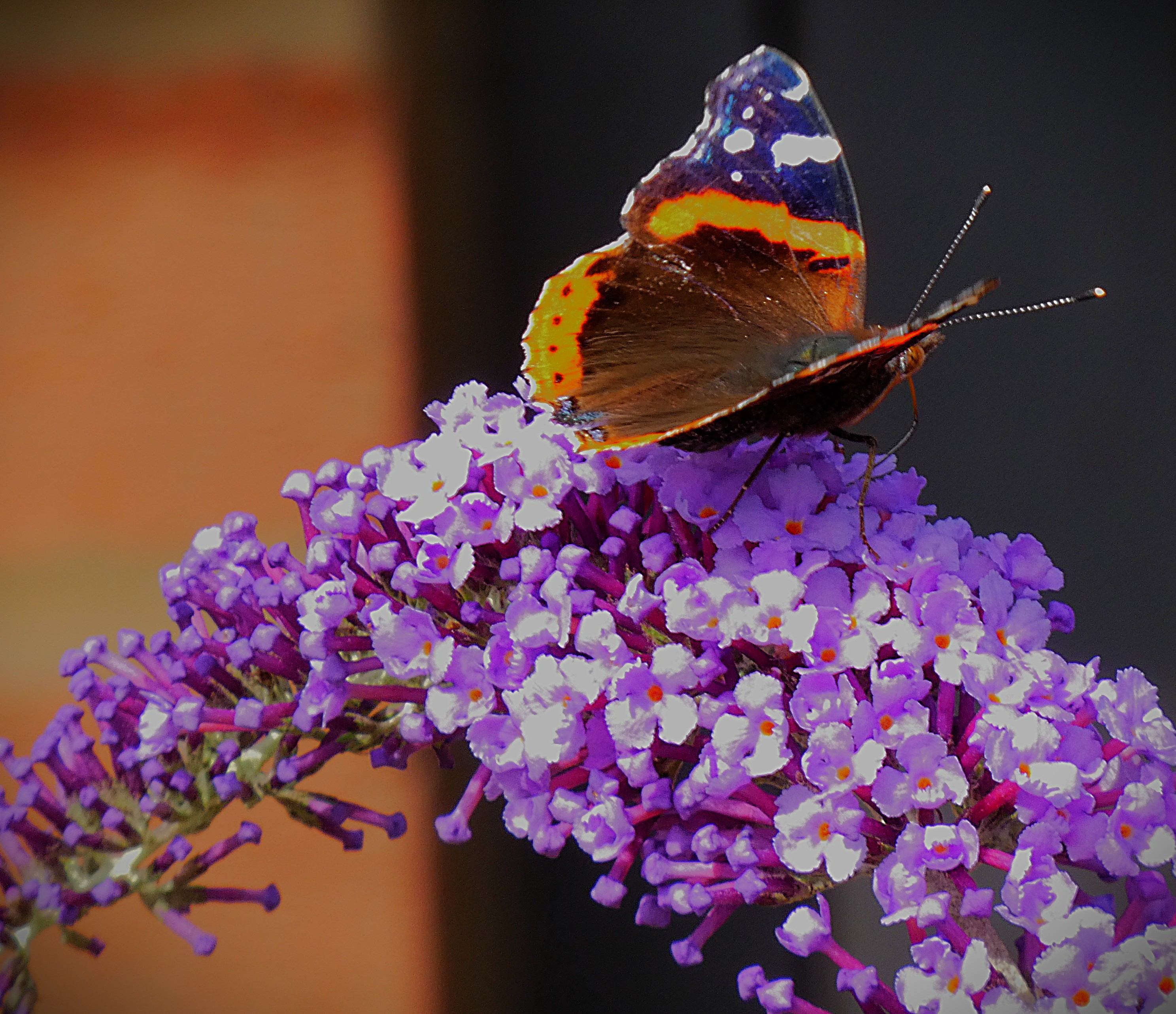
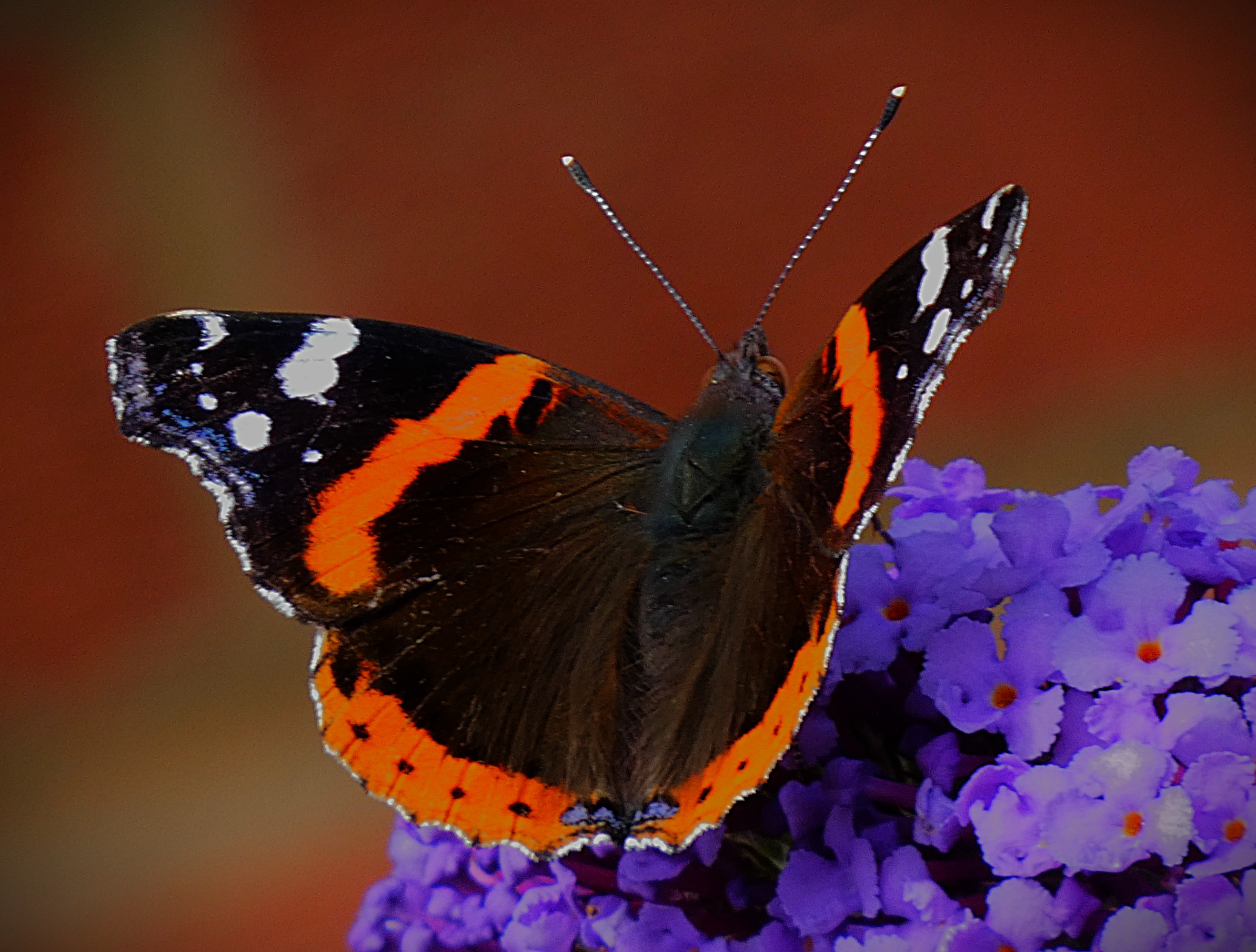
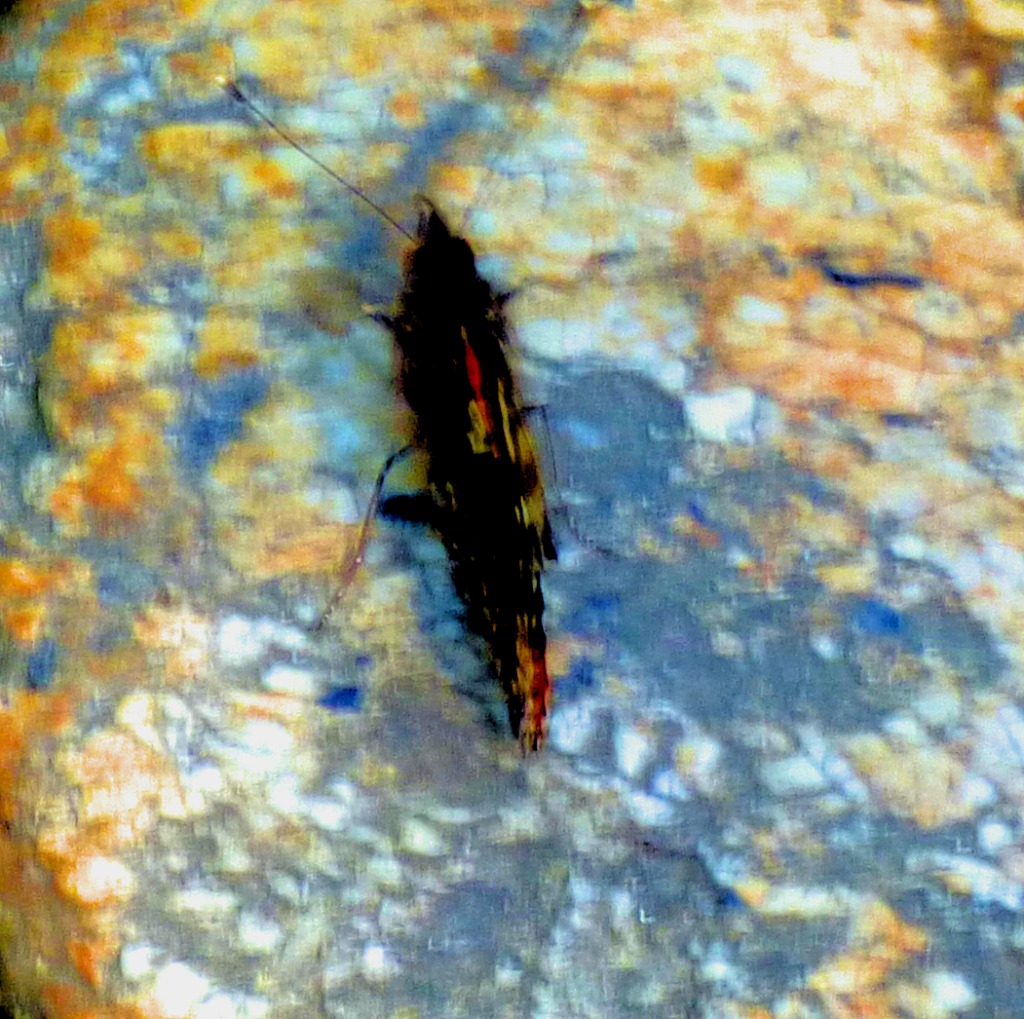
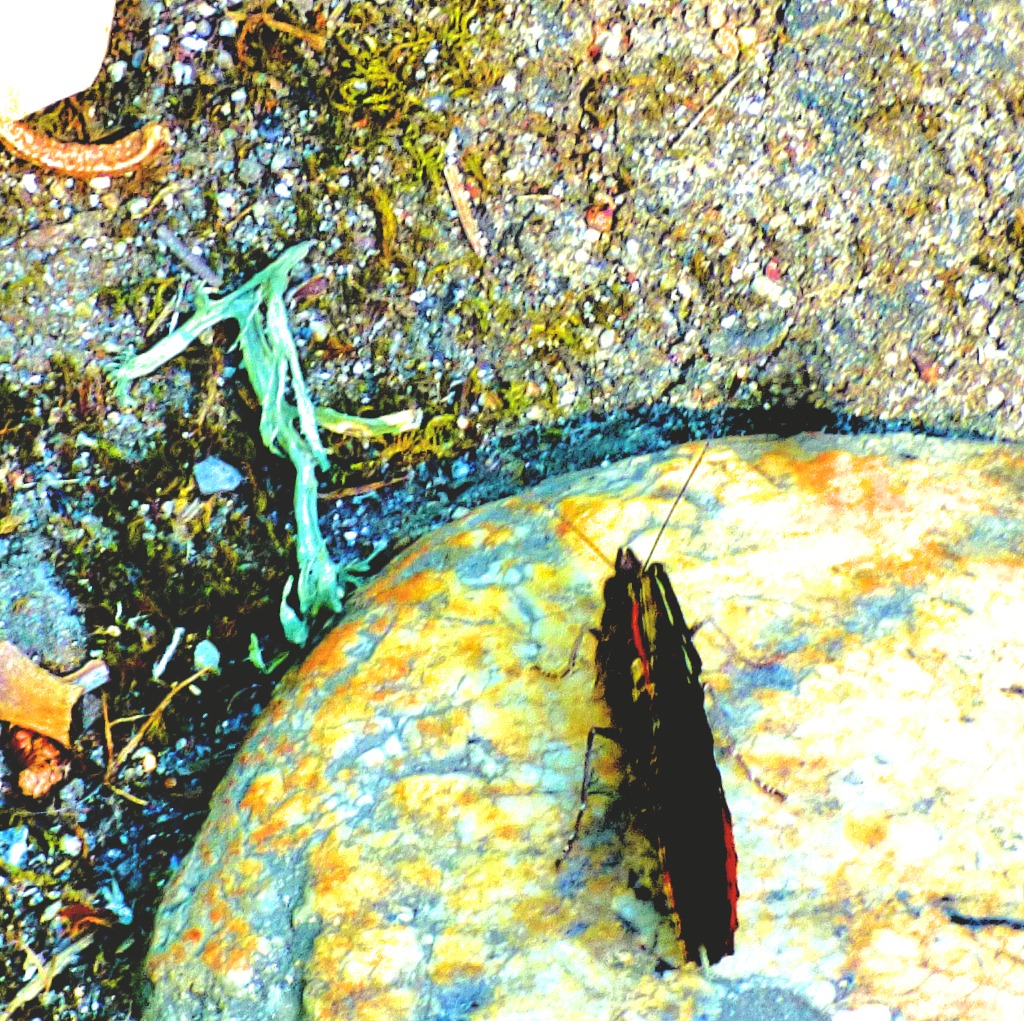
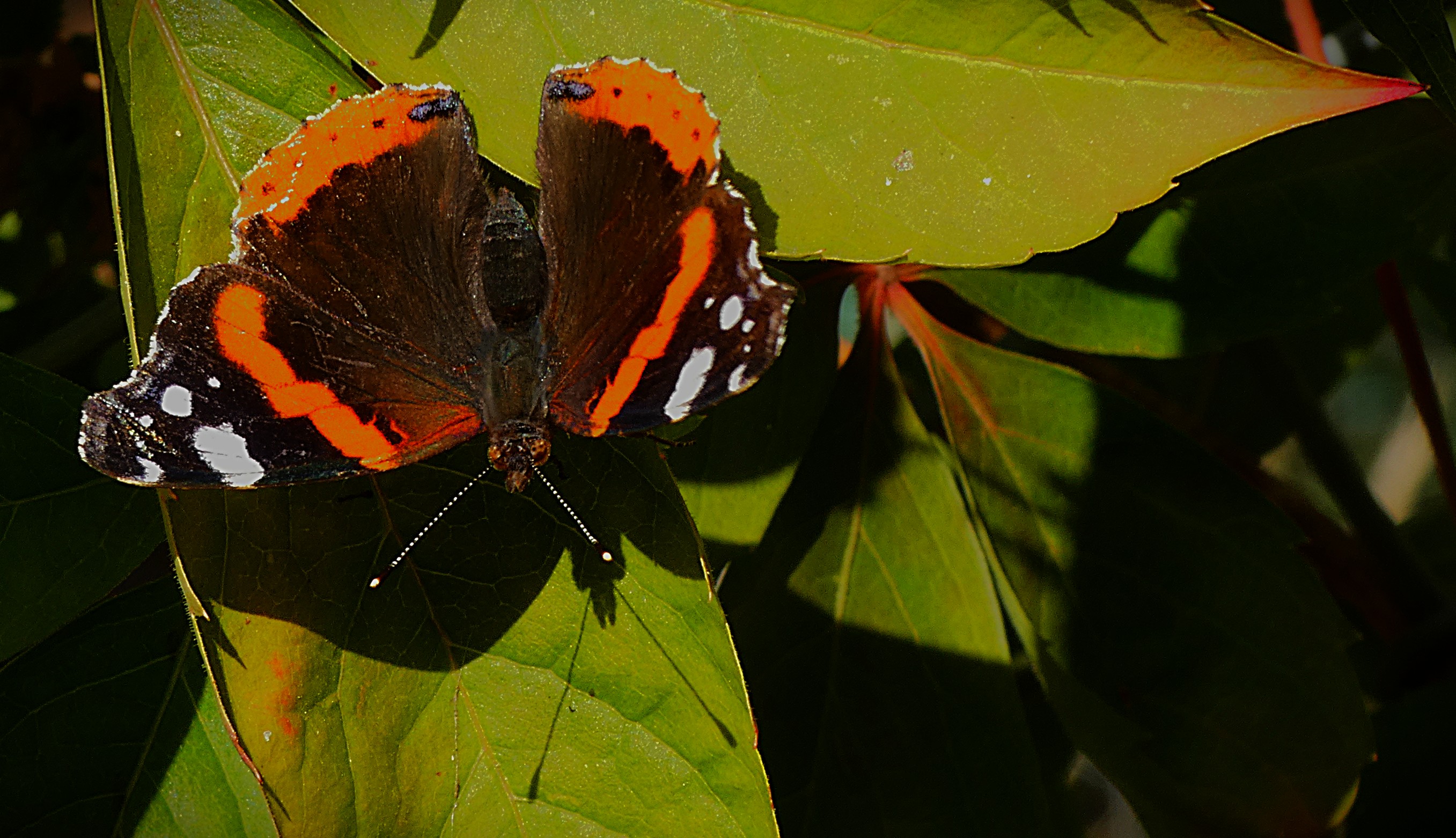
Just beyond this I encountered a Red Admiral butterfly:

Red Admiral I
At first it had its wings folded making ID difficult…

Red Admiral II

Red Admiral III
…but when it opened them out there was little room for doubt.

Red Admiral IV

Not long after this we could see our next destination, where we would be having lunch.

Nearly back at sea levelsea level buildings