Uppsala: The Linnaeus Museum

The latest in my series of posts about my Swedish holiday – today featuring the Linnaeus museum.

INTRODUCTION

Welcome to the latest installment in my series of posts about my holiday in Sweden. This post is the last to focus purely on Uppsala, although there is still the account of the journey from Uppsala to Malmo to cover.

FROM LIBRARY TO MUSEUM

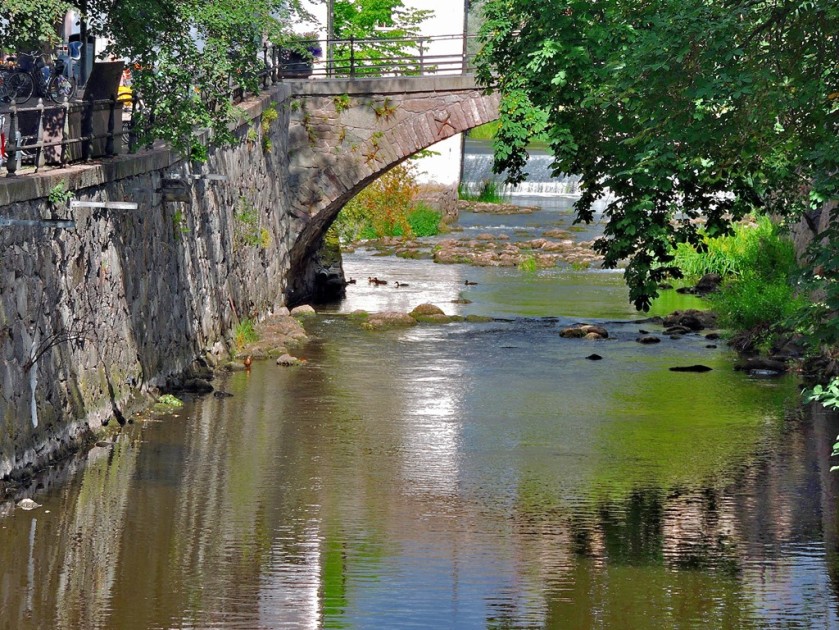
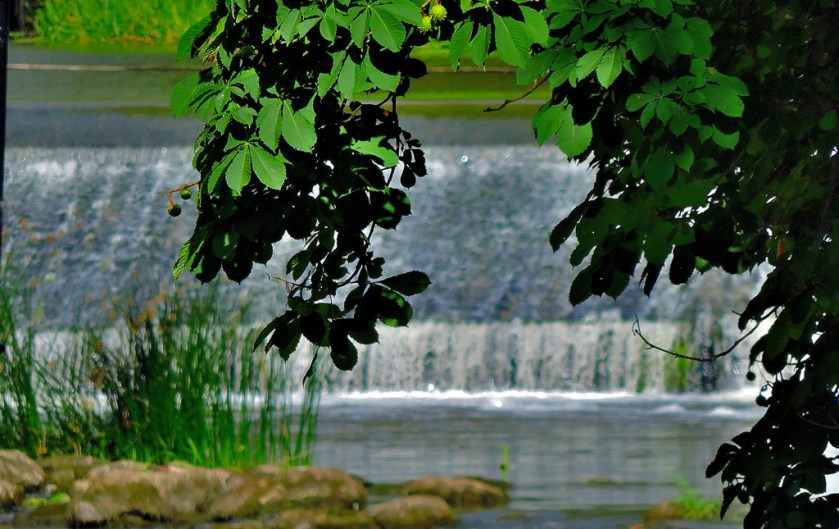
Those who read my previous post will recall that while there was plenty to see in the exhibition of treasures at Carolina Rediviva I was prevented from photographing most of it, so I was quite glad once I had finished there to get back into action, starting with these pictures…

DSCN9852DSCN9855

Shortly after I had taken the above pictures I came to…

THE BERLIN MURAL

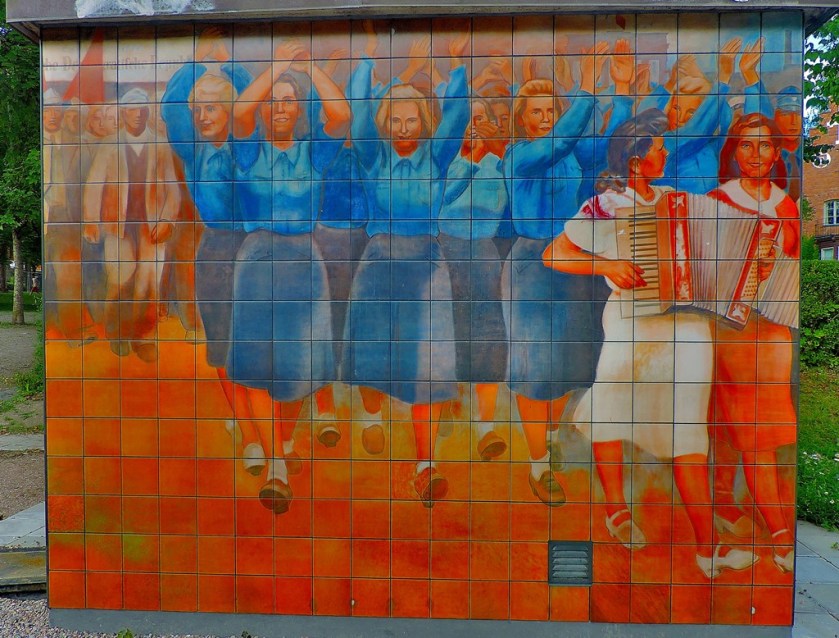
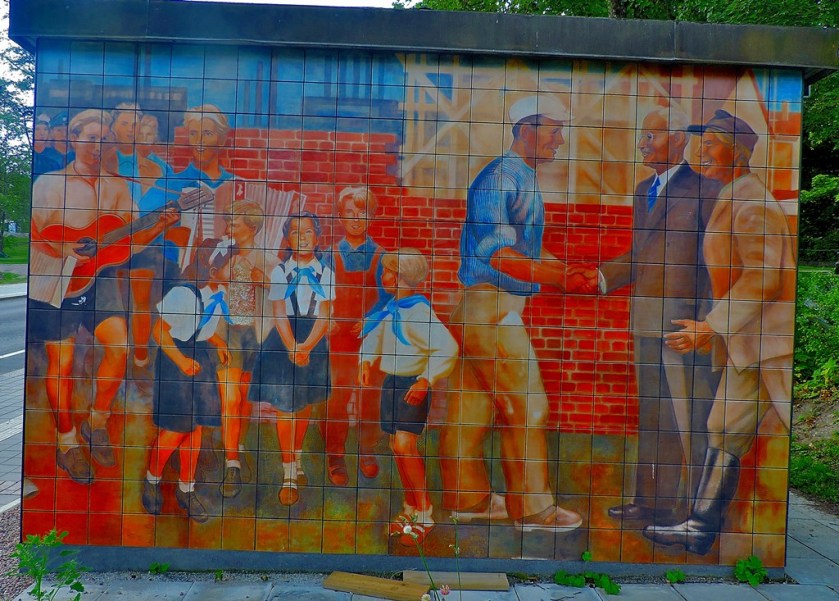
This mural, which as the information board reproduced below shows is named because of its origins, is actually four walls, the front and two side walls of which are also reproduced below (I could not get a sufficient distance behind the back wall to be able to photograph it).

DSCN9856DSCN9857DSCN9858DSCN9859

We now get to the main meat of this post, starting with…

A ROUGH GUIDE TO CAROLUS LINNAEUS

Carolus Linnaeus lived in the 18th century (he was roughly contemporary with Erasmus Darwin, grandfather of the creator of the theory of evolution by natural selection), and the house in which he lived is in central Uppsala. He was a botanist by training but is best know these days for being the creator of the system by which all living organisms are still categorized. Discoveries made since he was around have changed some categorizations and created some new ones, but the framework and methodology used are still his.

Such names as Homo sapiens (note that with these type of names the first word is always capitalized and the second word never so, even if it derives from a proper name) come from Linnaeus’ magnum opus.

He is also significant in the history of science for reversing a previous trend – whereas previous eminent scientists had taken Latin names to sound more impressive he went the other way, changing his Latin birth name (his father, a clergyman whose birth name had been Nils Ingemarsson had taken a Latin name to emphasize his education), used so far in this post, to a vernacular one, Carl Von Linne. His reasons for making this change were it must be said just as rooted in snobbery as those of folk who  Latinized – he had been given a patent of nobility and considered his new aristocratic designation  more important than his old Latin name.

Many books on the history of science cover his career in detail, my own personal recommendation being John Gribbin’s magisterial Science: A History 1543-2001.

THE LINNAEUS MUSEUM

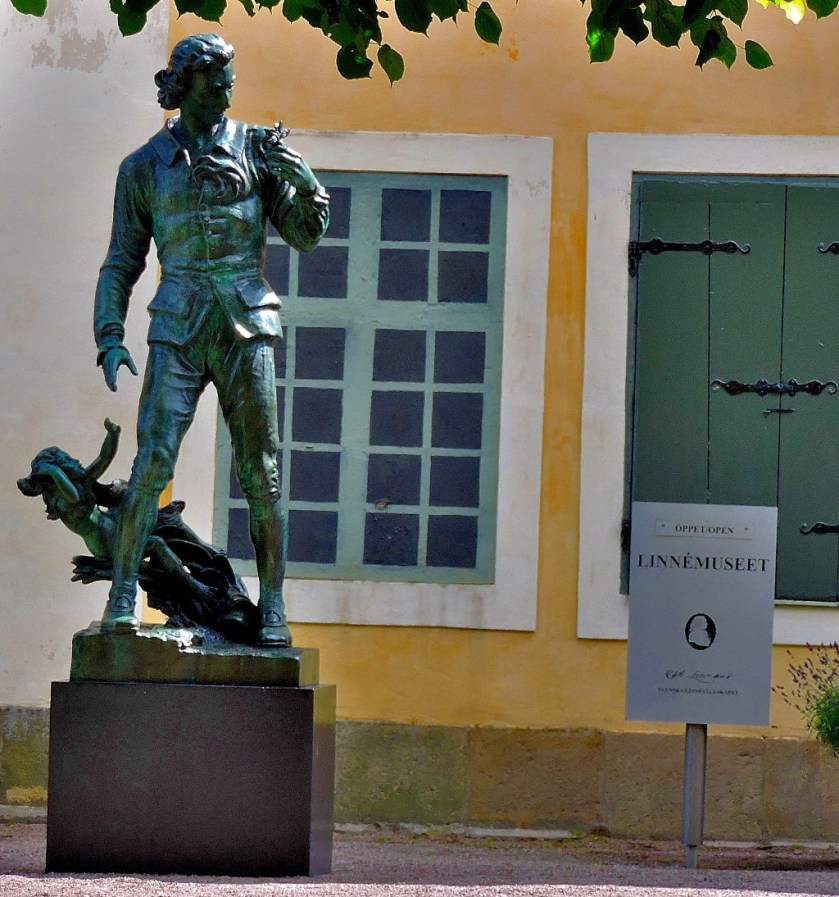
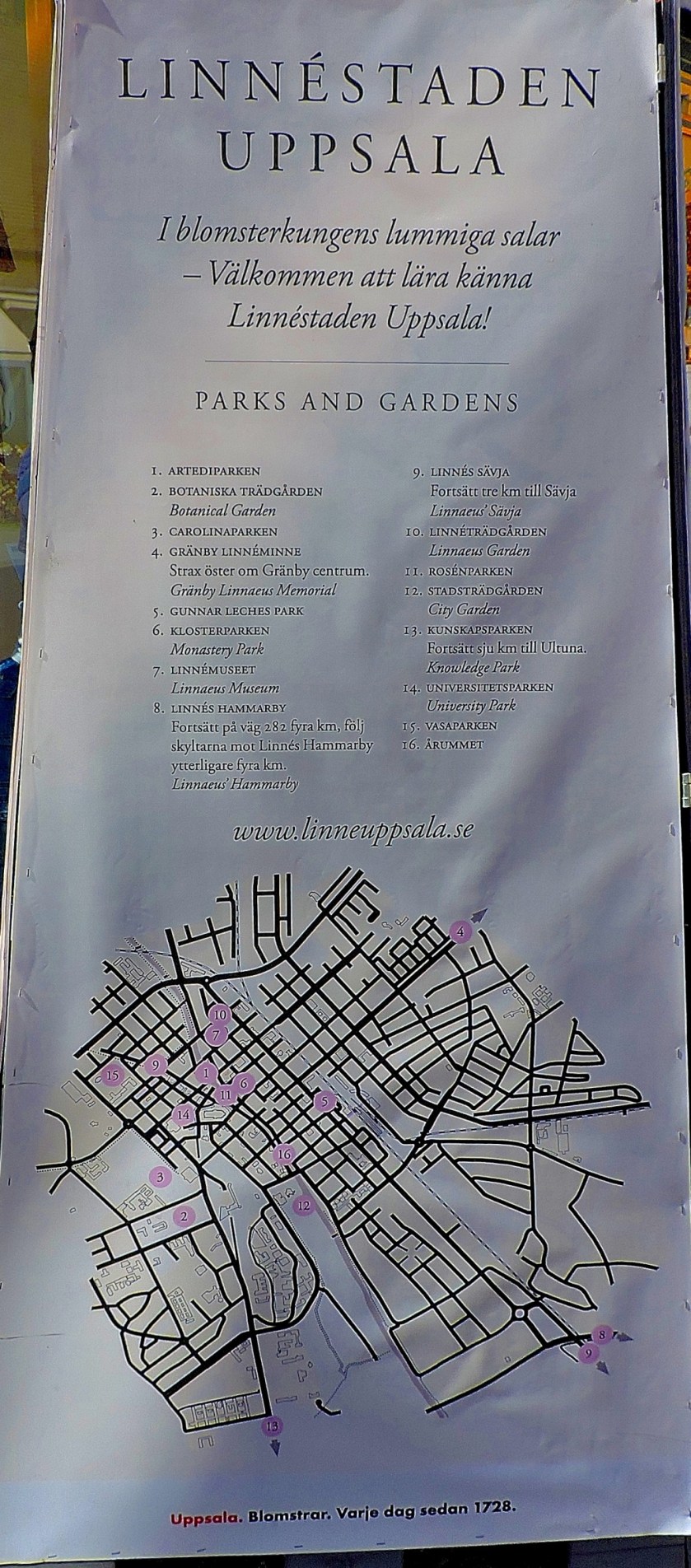
As you approach the museum it is made suitably obvious that you are doing so…
DSCN9863DSCN9864DSCN9865

Here is the approach to the house…
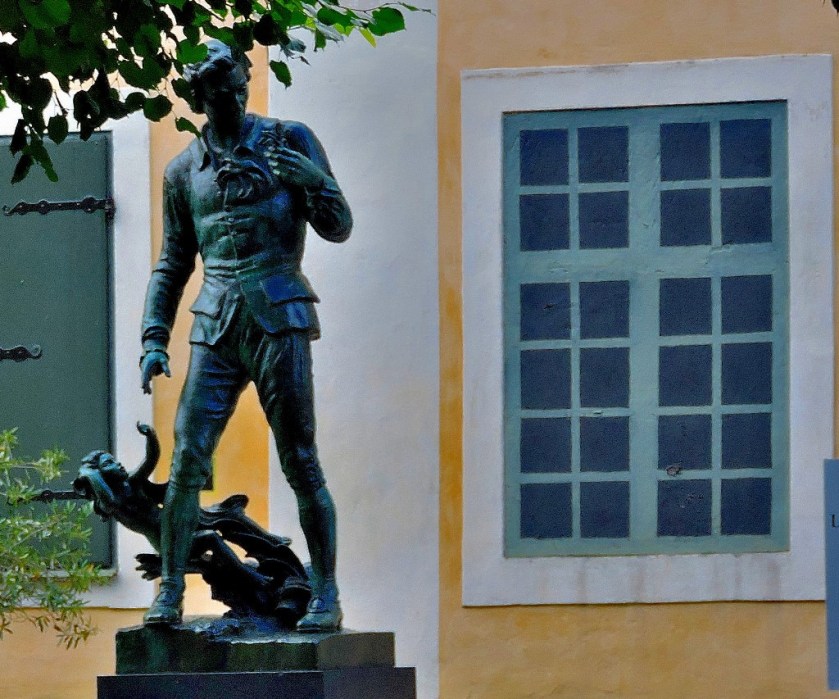
DSCN9803DSCN9804

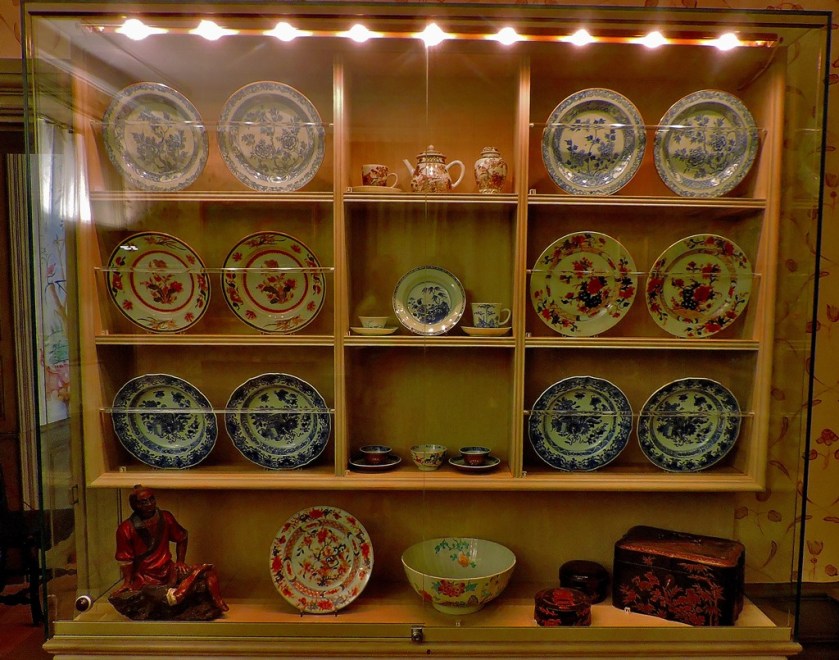
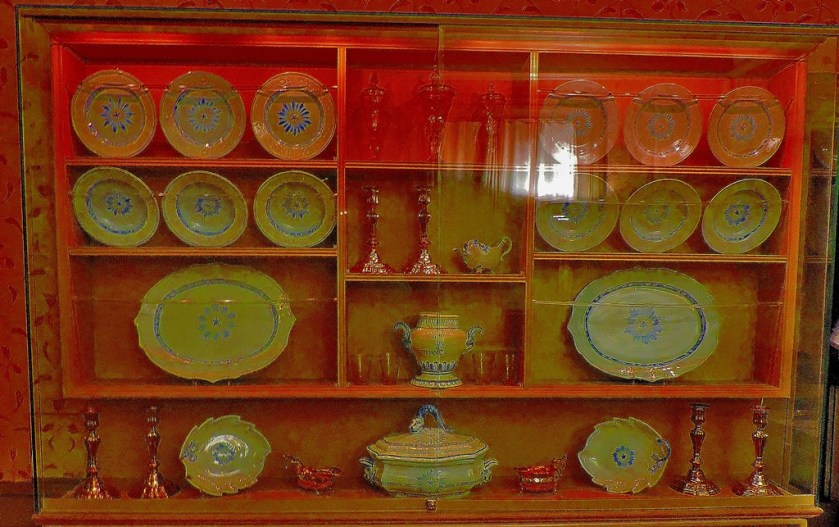
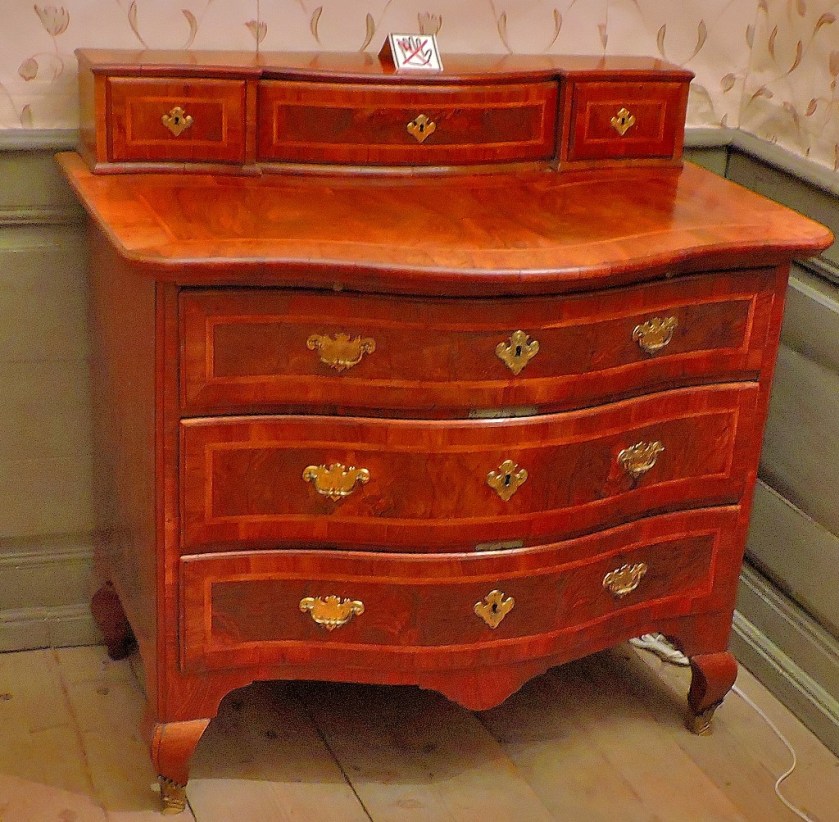
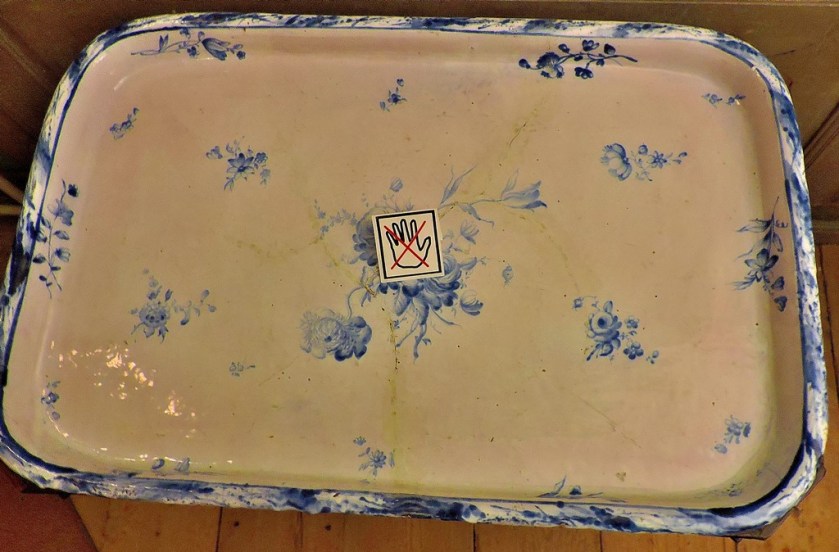
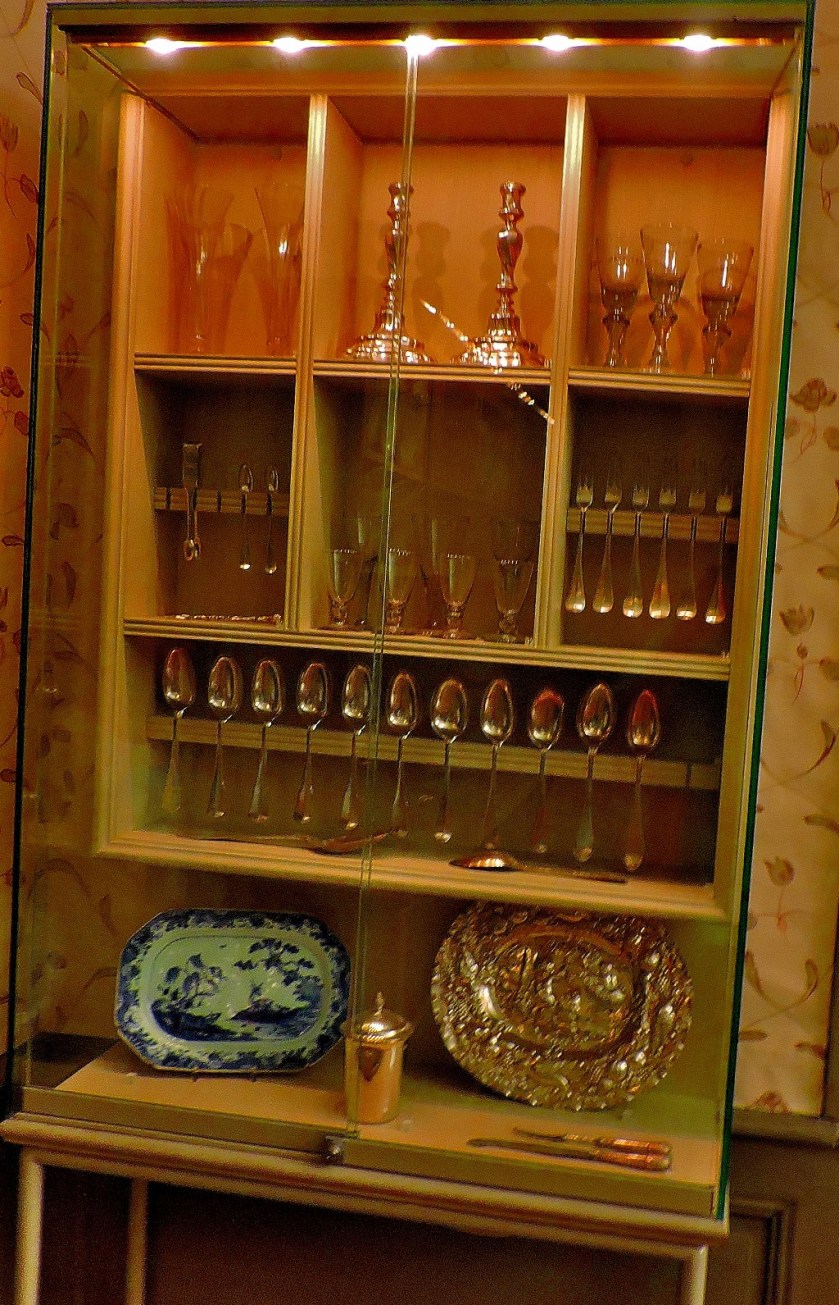
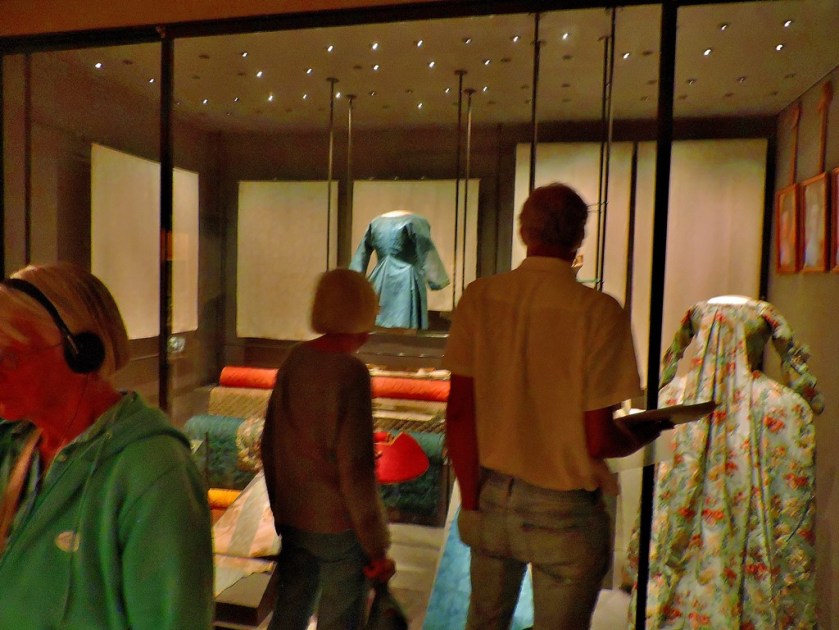
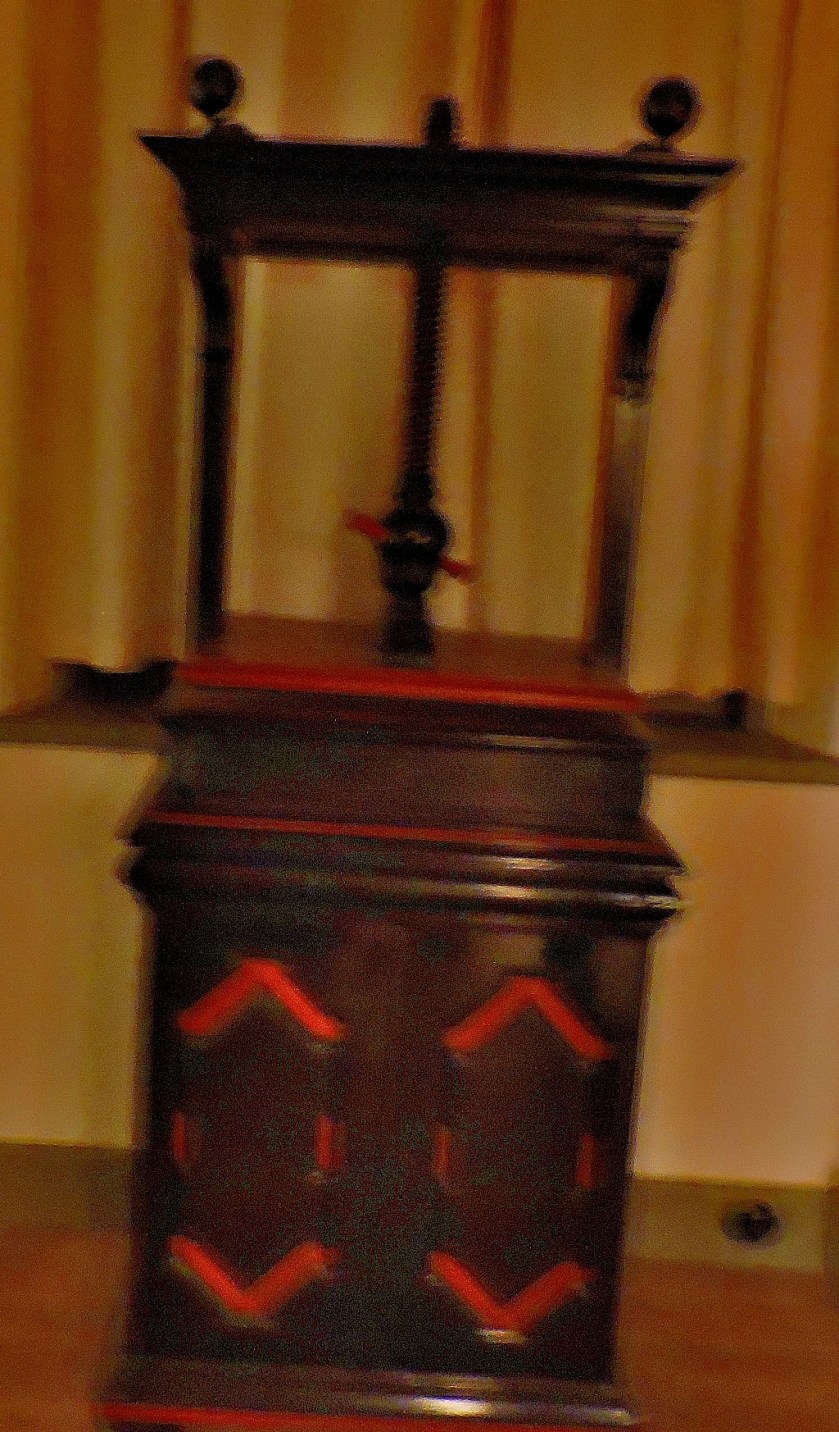
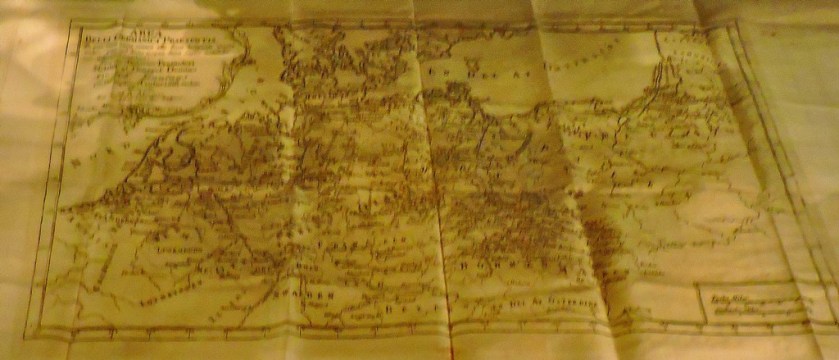
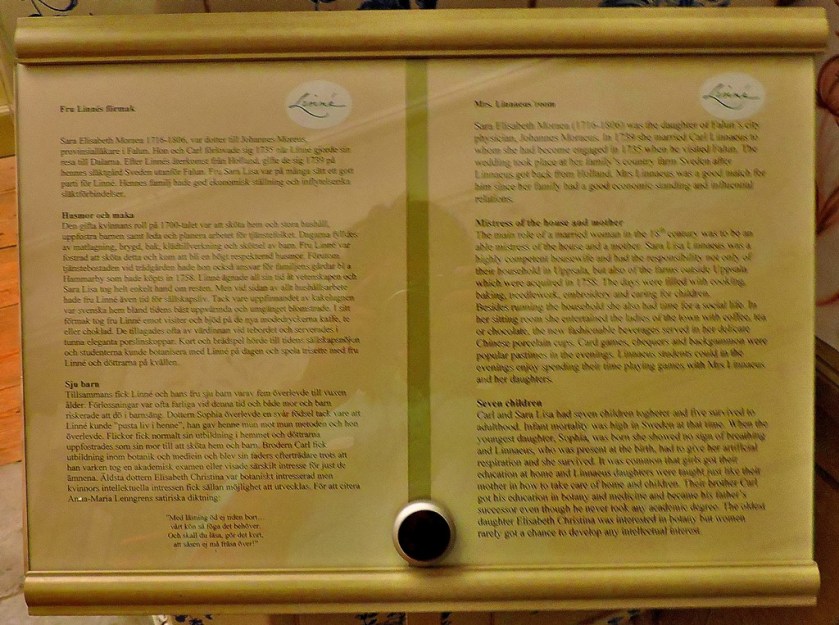
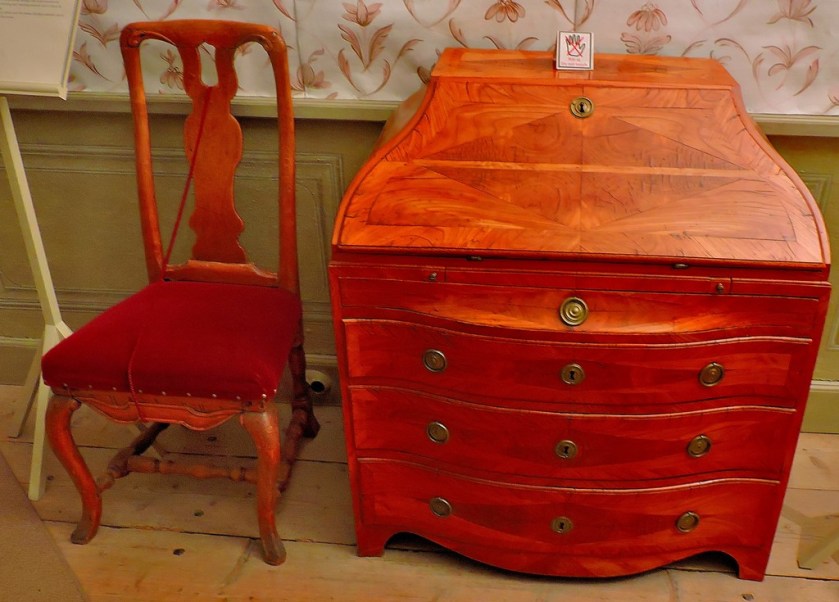
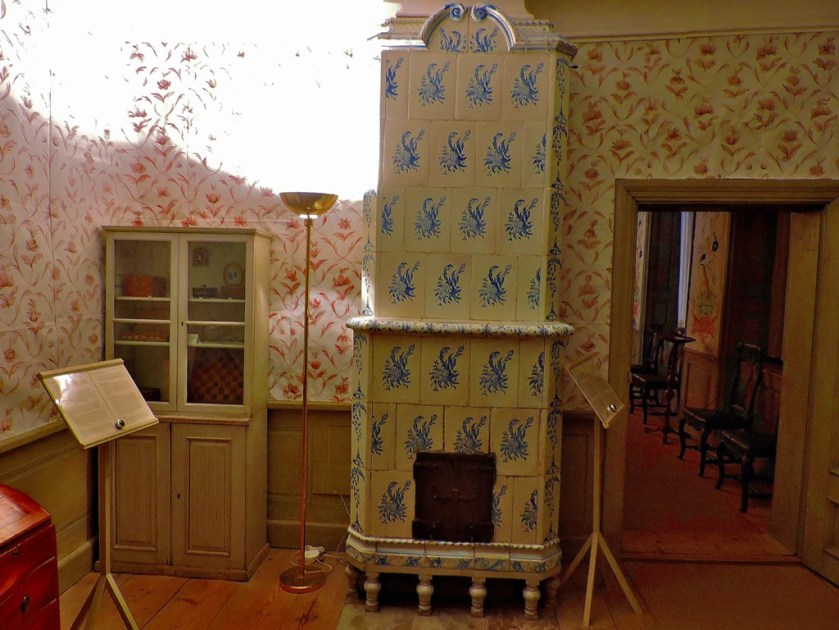
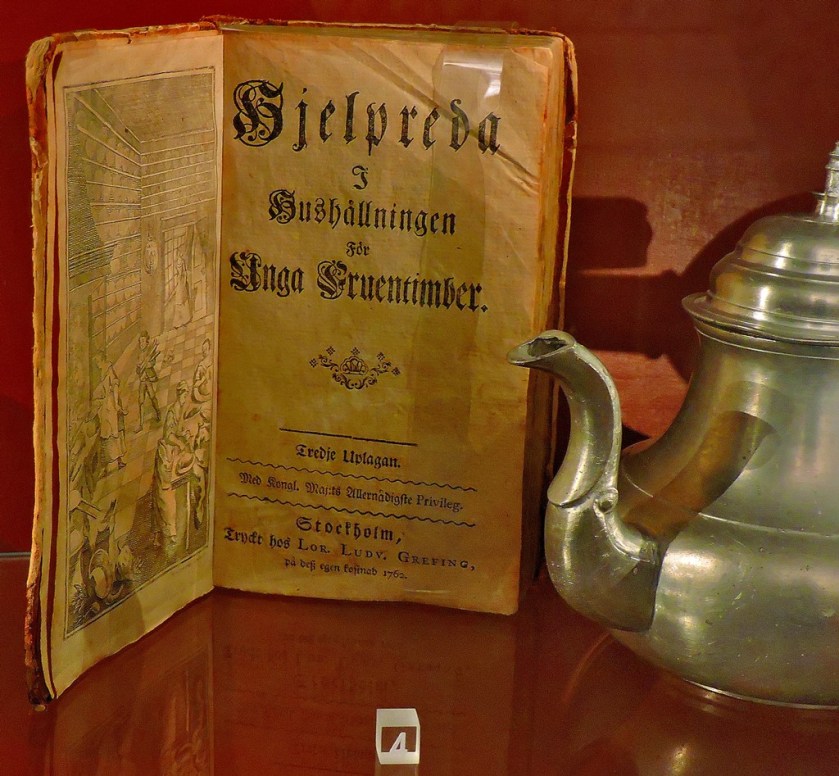
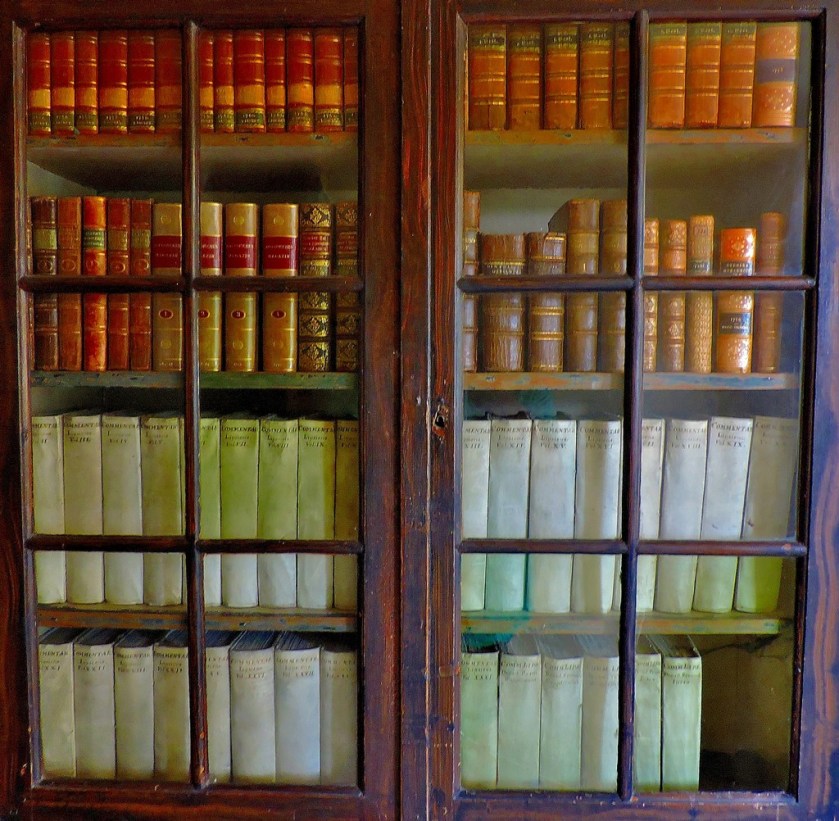
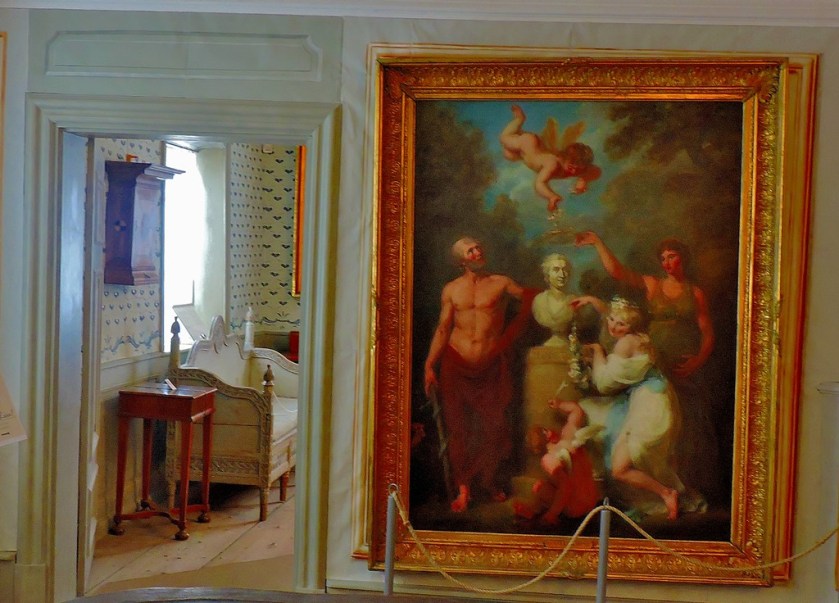
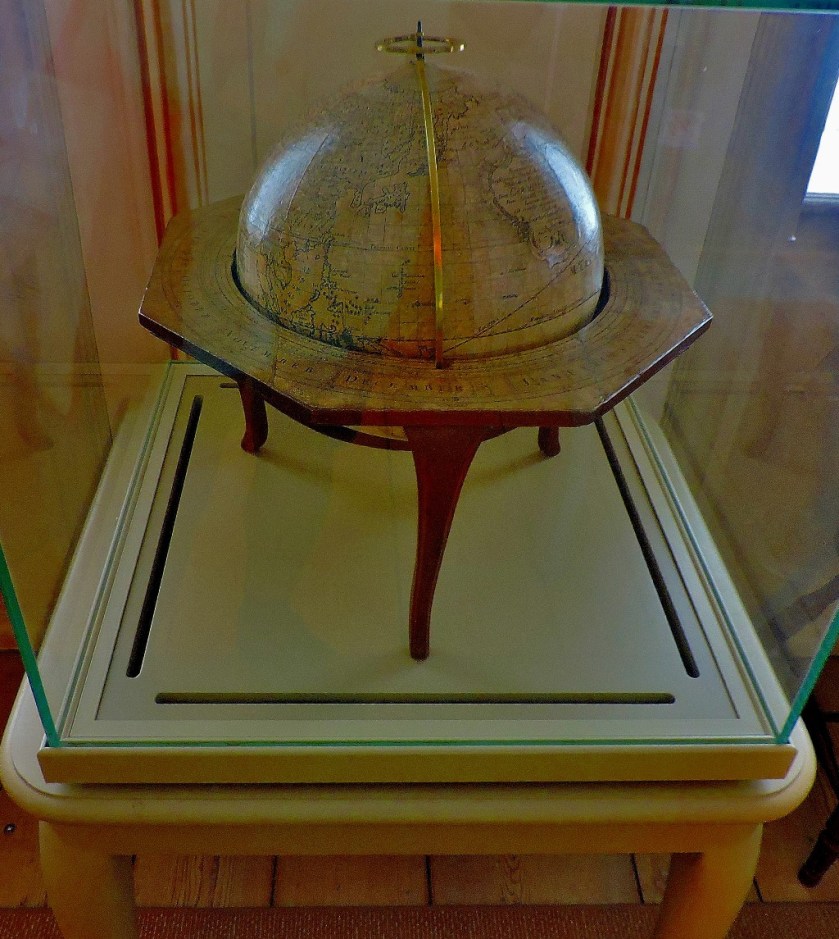
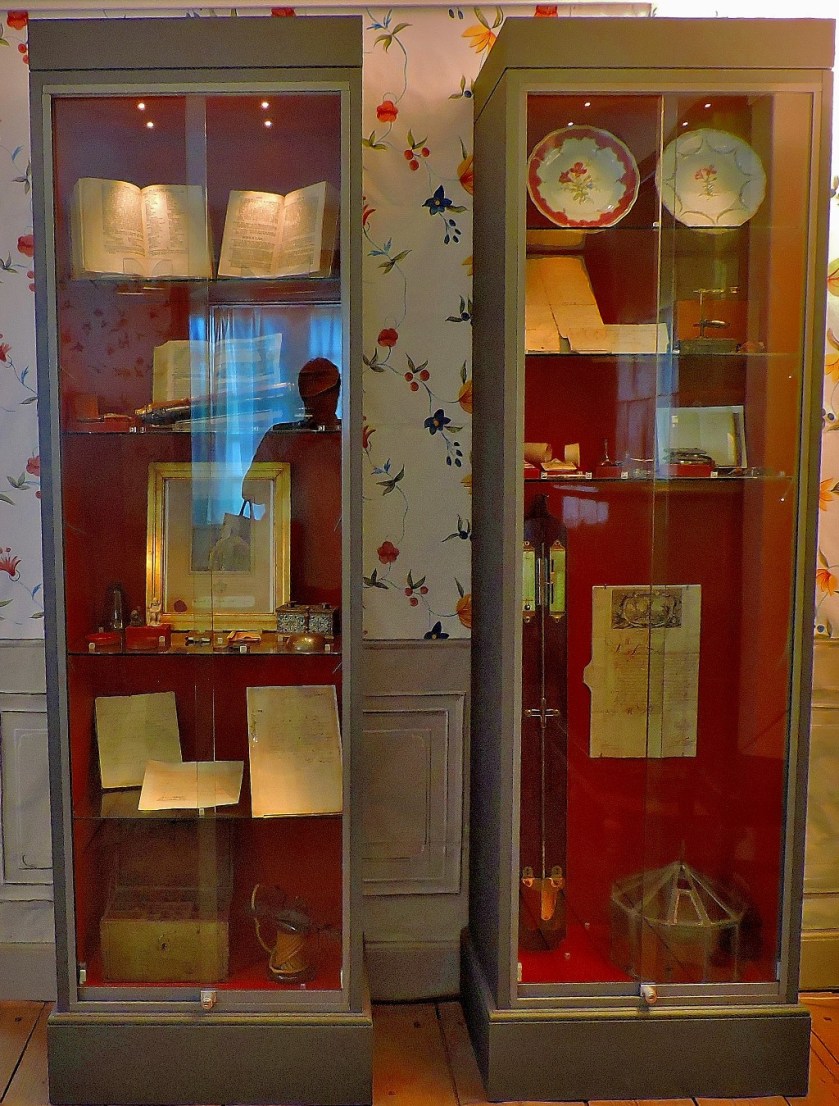
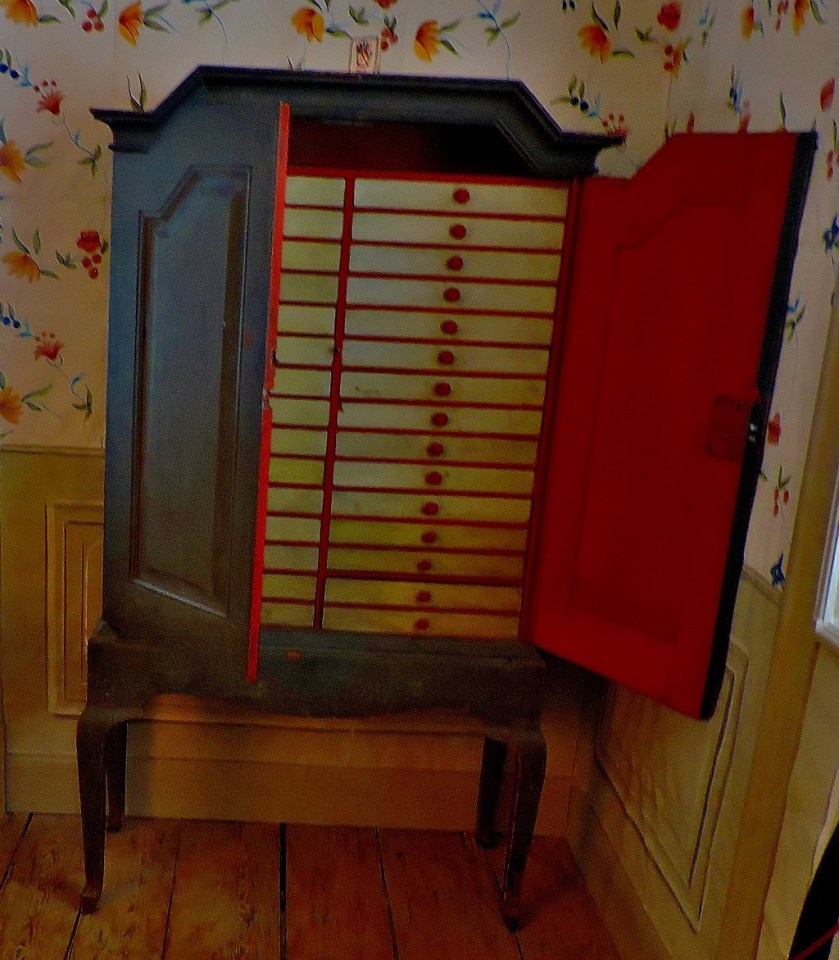
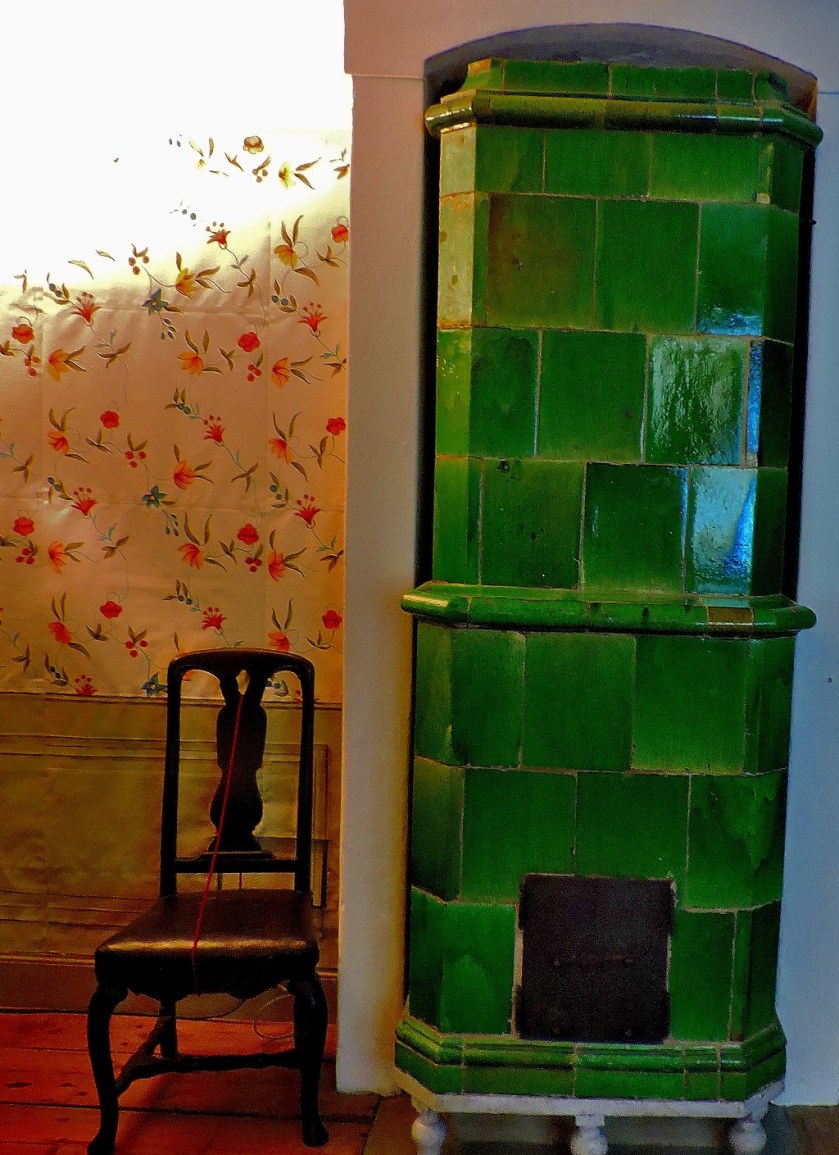
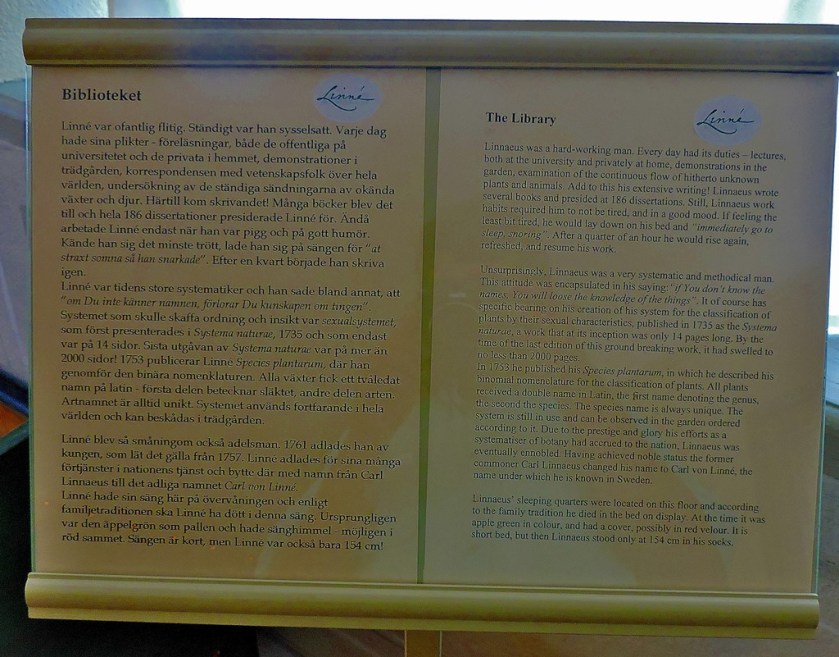
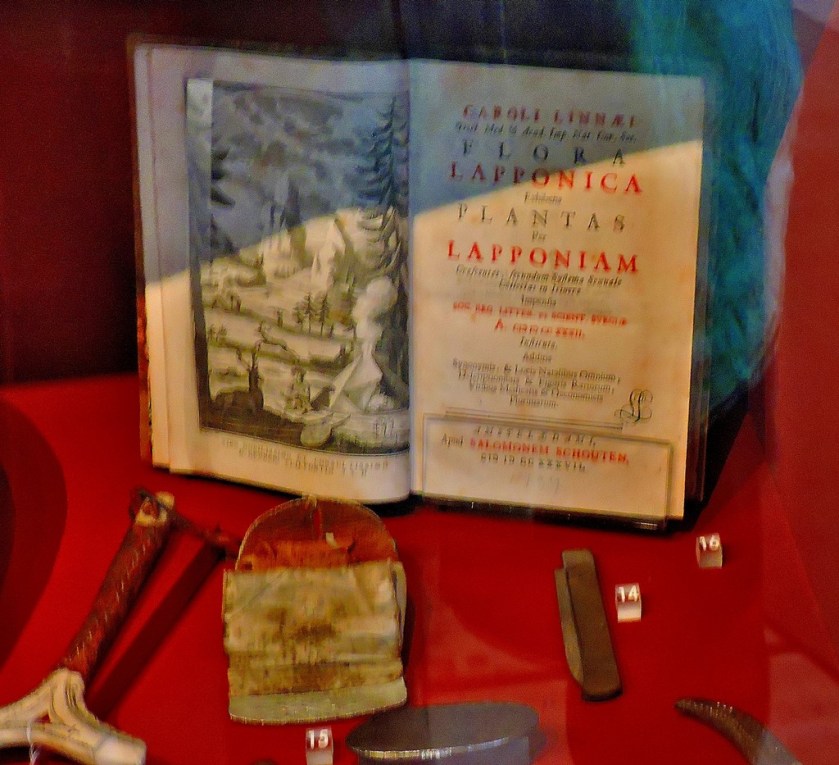
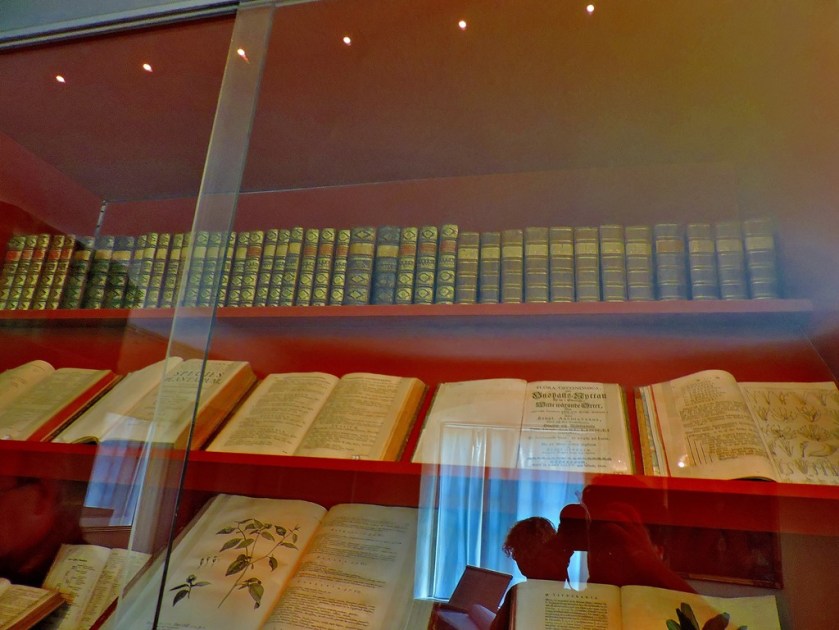
The rest of this post will be devoted the photographs I took of the objects in this remarkable museum.

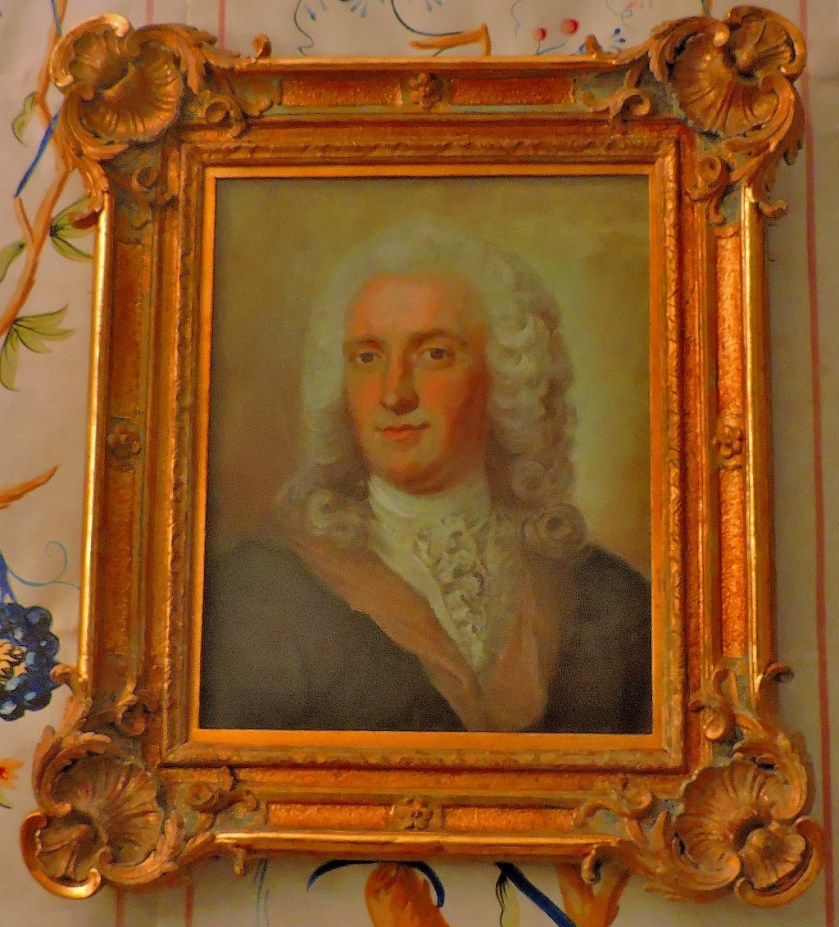
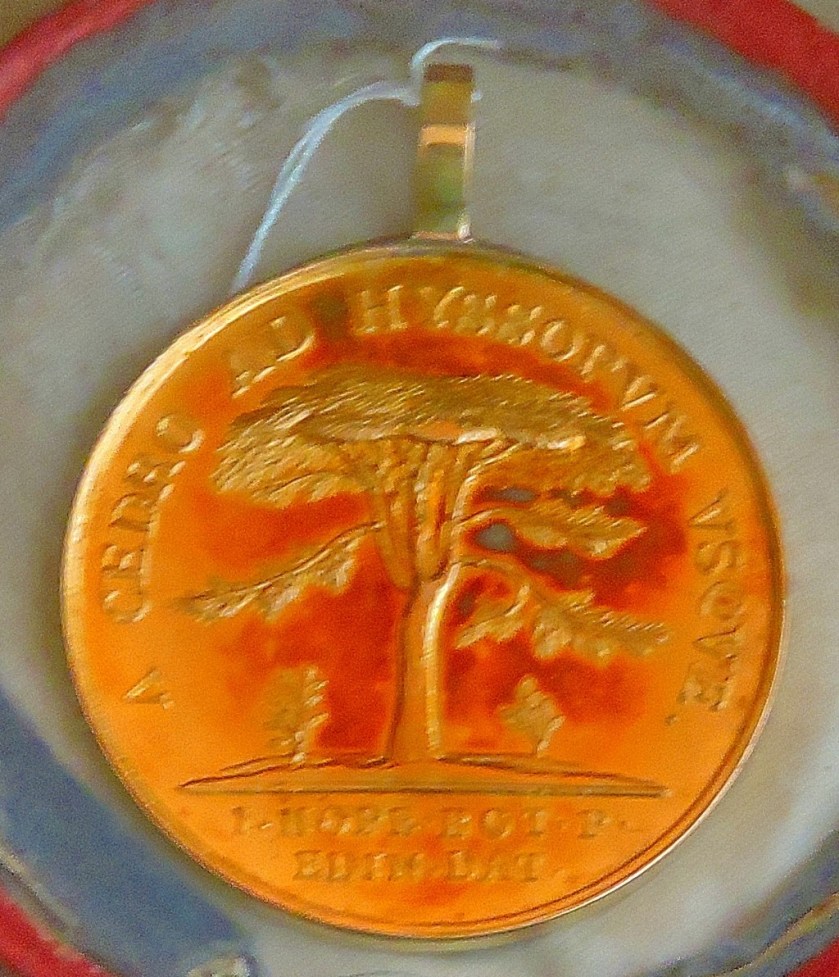
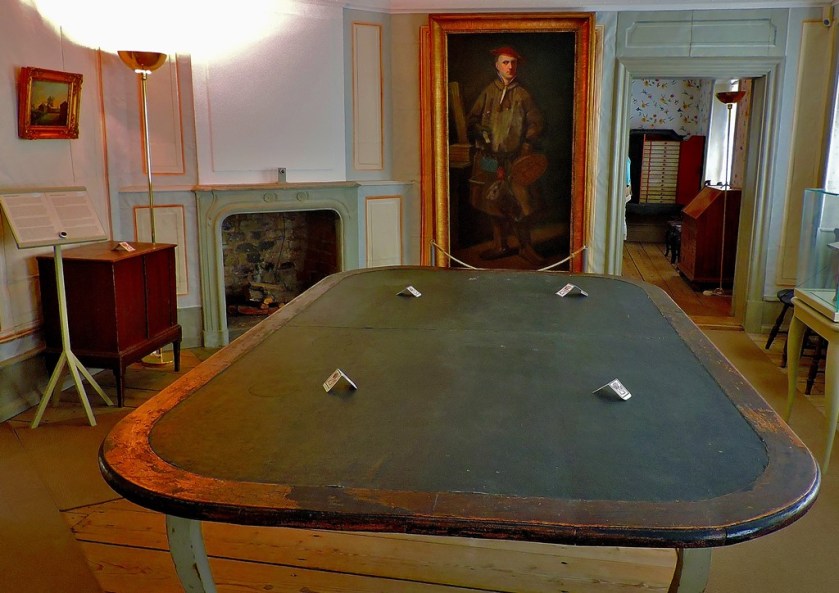
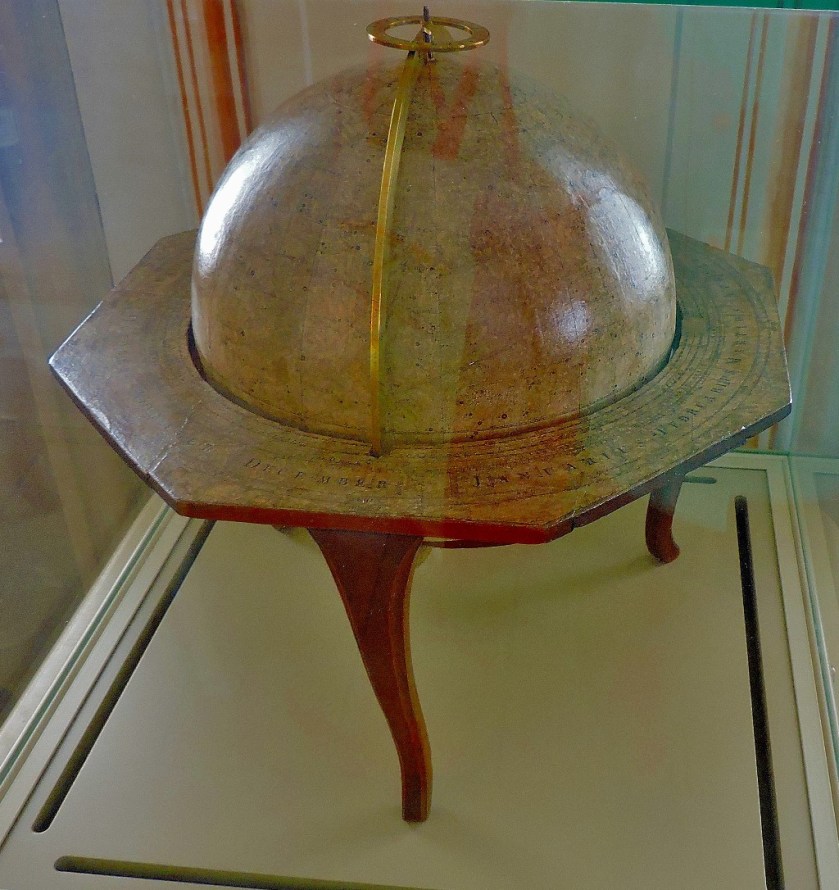
DSCN9866DSCN9867DSCN9868DSCN9869DSCN9870DSCN9871DSCN9872DSCN9873DSCN9874DSCN9875DSCN9876DSCN9877DSCN9878DSCN9881DSCN9882DSCN9884DSCN9885DSCN9886DSCN9887DSCN9888DSCN9889DSCN9890DSCN9891DSCN9892DSCN9893DSCN9894DSCN9895DSCN9896DSCN9897DSCN9898DSCN9899DSCN9900DSCN9901DSCN9902DSCN9903DSCN9904DSCN9905DSCN9906DSCN9907DSCN9908DSCN9909DSCN9910DSCN9911DSCN9912DSCN9913DSCN9914DSCN9915DSCN9916

DSCN9917
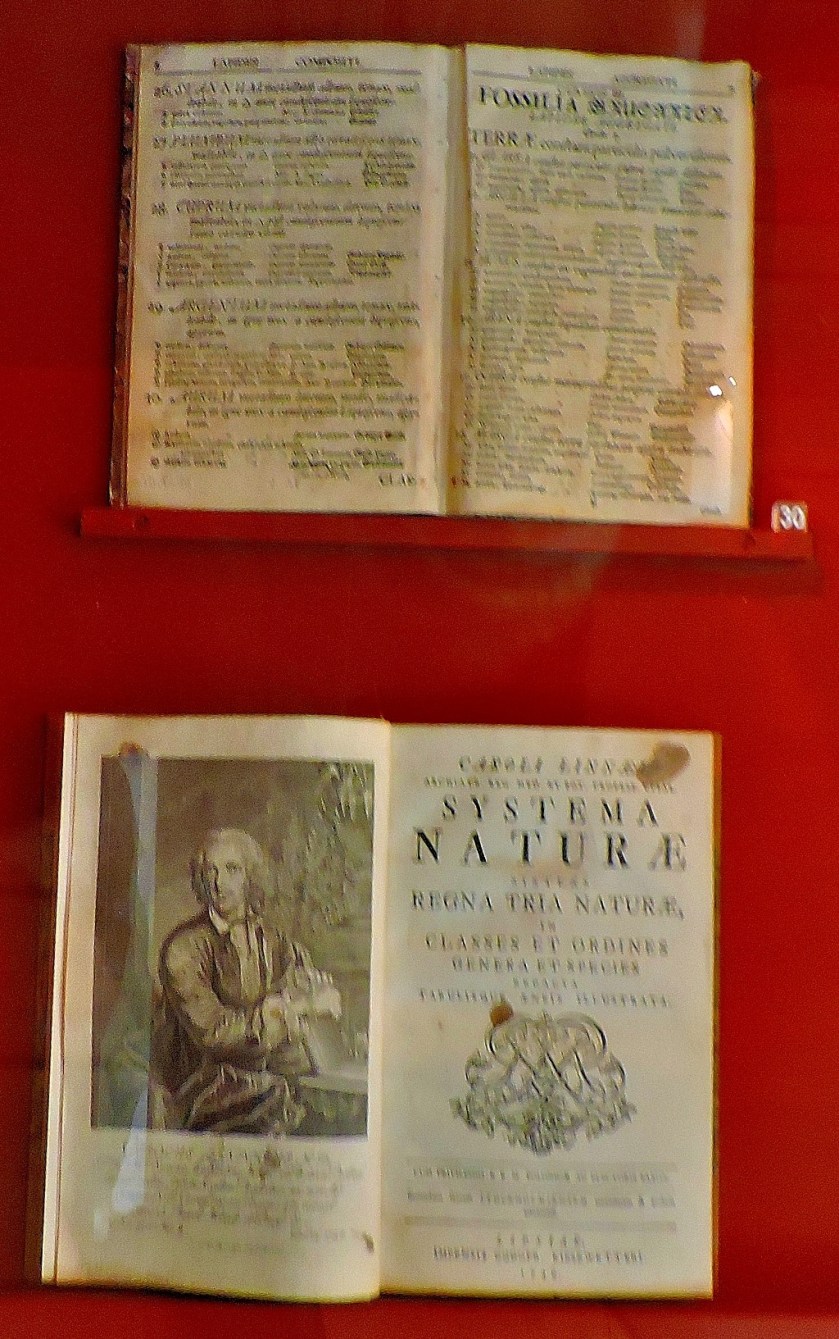
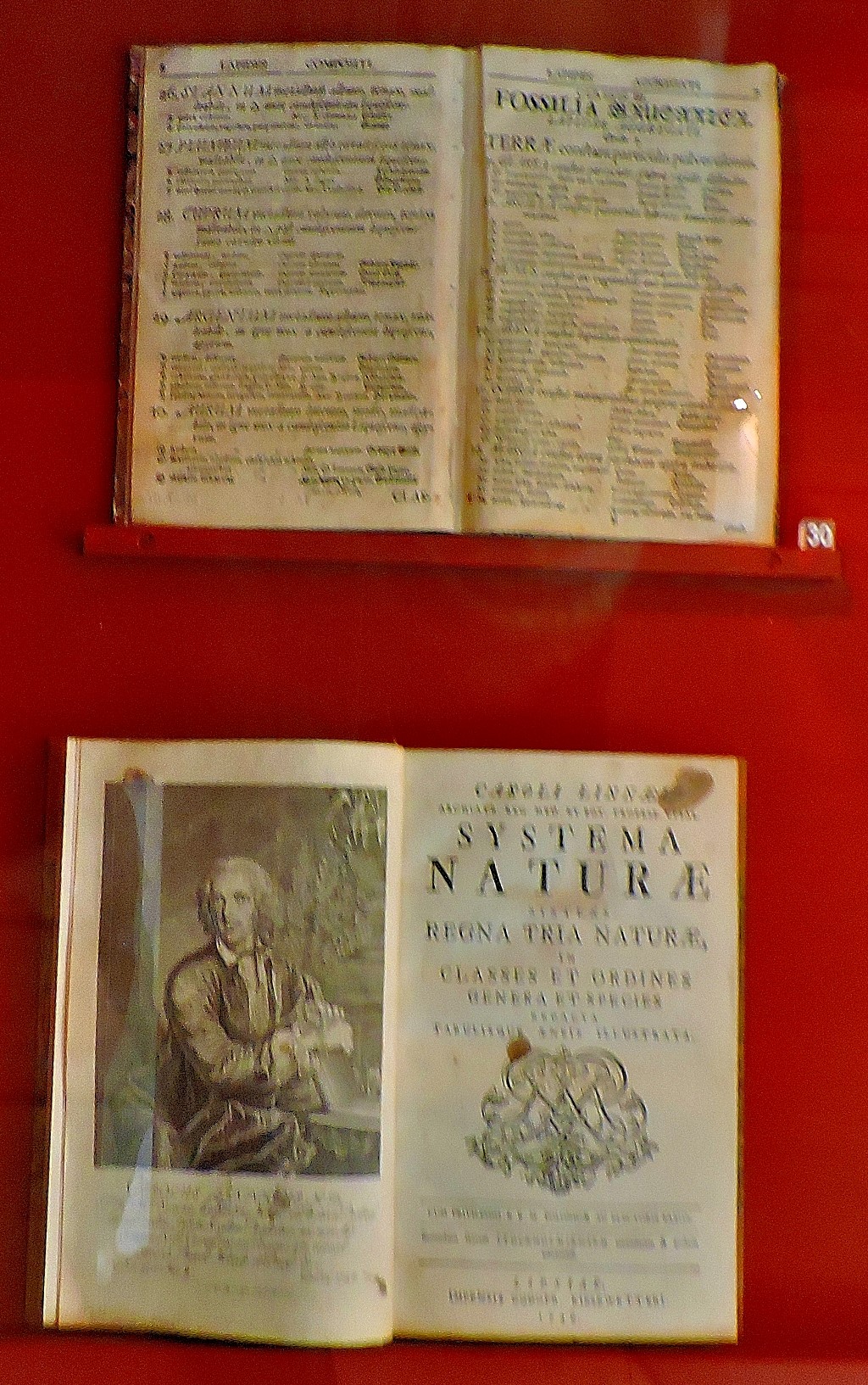
Linnaeus’ most famous work.
DSCN9918
Linnaeus on plants

DSCN9919DSCN9920DSCN9921DSCN9922DSCN9923DSCN9924DSCN9925DSCN9926DSCN9927DSCN9928DSCN9929DSCN9930DSCN9931DSCN9932


Uppsala University Museum

Continuing my account of my holiday in Sweden with a virtual tour of the Uppsala University Museum.
INTRODUCTION

Welcome to the next installment of posts about my recent holiday in Sweden. This post picks up where my previous one left off, heading into this building:

DSCN9555
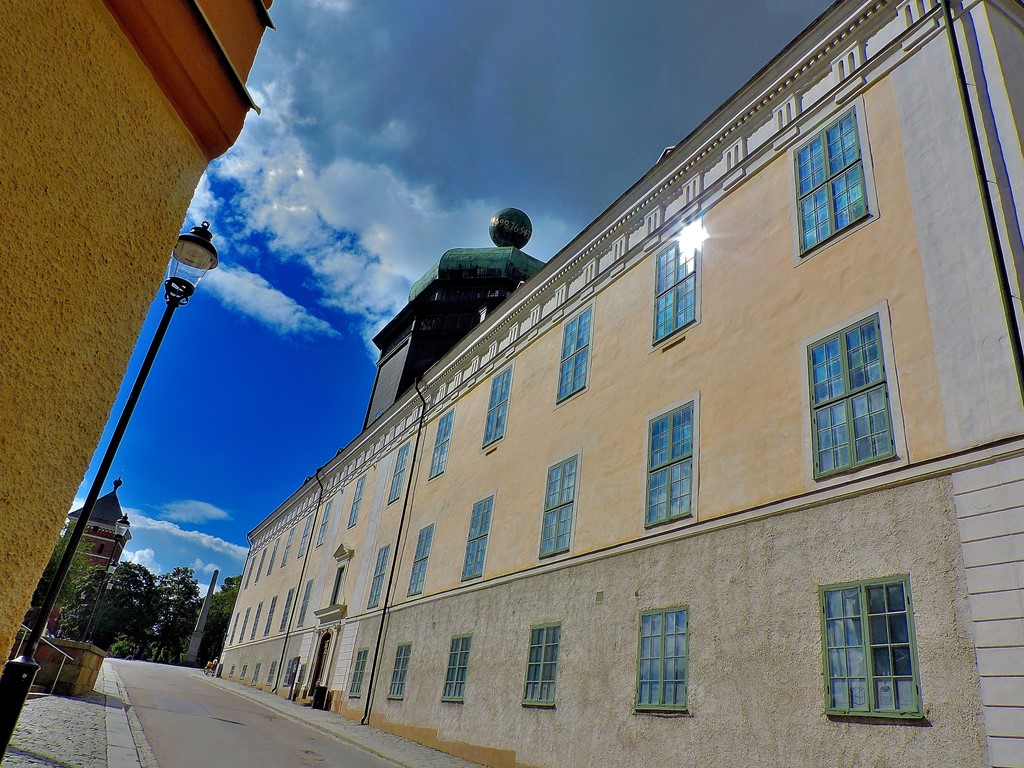
The outside of the University Museum

INSIDE THE MUSEUM

The Uppsala University Museum (students get in free), also known as the Gustavianum is housed in the oldest university building in Sweden. If you approach the museum as I did and start at the bottom and work your way up, the first exhibits you encounter are from the Egyptians, Greeks and Romans:

DSCN9560
This object sits in the entrance hall.

DSCN9561DSCN9562DSCN9563DSCN9564DSCN9565DSCN9566DSCN9567DSCN9568DSCN9569DSCN9570DSCN9571DSCN9573DSCN9574DSCN9575DSCN9576DSCN9577

DSCN9578
It is a very minor quibble, but the red background is too strong a colour and therefore detracts somewhat from the coins themselves. Having produced images of a very large number of coins I have arrived at the conclusion that a white background, so that all the eye sees in the picture is the coin or set of coins is best.

DSCN9579DSCN9580DSCN9581

The next two floors are taken up with items of various kinds from the more recent past…

DSCN9582DSCN9583DSCN9584DSCN9585DSCN9586DSCN9587DSCN9588DSCN9589DSCN9590DSCN9591DSCN9592DSCN9593DSCN9594DSCN9595DSCN9596DSCN9597DSCN9598DSCN9599DSCN9600DSCN9601DSCN9602DSCN9603DSCN9605DSCN9612DSCN9611DSCN9610DSCN9609DSCN9608DSCN9607DSCN9613DSCN9614DSCN9615DSCN9616DSCN9617DSCN9618DSCN9619DSCN9620DSCN9621DSCN9622DSCN9623DSCN9624DSCN9625DSCN9626DSCN9627DSCN9628DSCN9629DSCN9630DSCN9631DSCN9632DSCN9633DSCN9635DSCN9636DSCN9637DSCN9638DSCN9639DSCN9640DSCN9641DSCN9642DSCN9643DSCN9644DSCN9645DSCN9646DSCN9647DSCN9648DSCN9650DSCN9651DSCN9652DSCN9653DSCN9654DSCN9655

DSCN9656
The world’s first commercially successful portable computer – our ideas of portability have changed somewhat since then, as has the storage capacity of such machines!

DSCN9657DSCN9658DSCN9659DSCN9660DSCN9661DSCN9662DSCN9664DSCN9665DSCN9666DSCN9667DSCN9668DSCN9669DSCN9670DSCN9671DSCN9672DSCN9674DSCN9675DSCN9676DSCN9677DSCN9678DSCN9680DSCN9681DSCN9682

DSCN9683
This picture and the next combined to form

DSCN9684

DSCN9683.5
This picture

DSCN9686DSCN9687DSCN9688DSCN9689DSCN9690DSCN9691DSCN9692DSCN9693DSCN9695DSCN9698DSCN9699DSCN9700DSCN9701DSCN9702DSCN9703DSCN9704DSCN9705DSCN9706DSCN9707DSCN9708DSCN9709

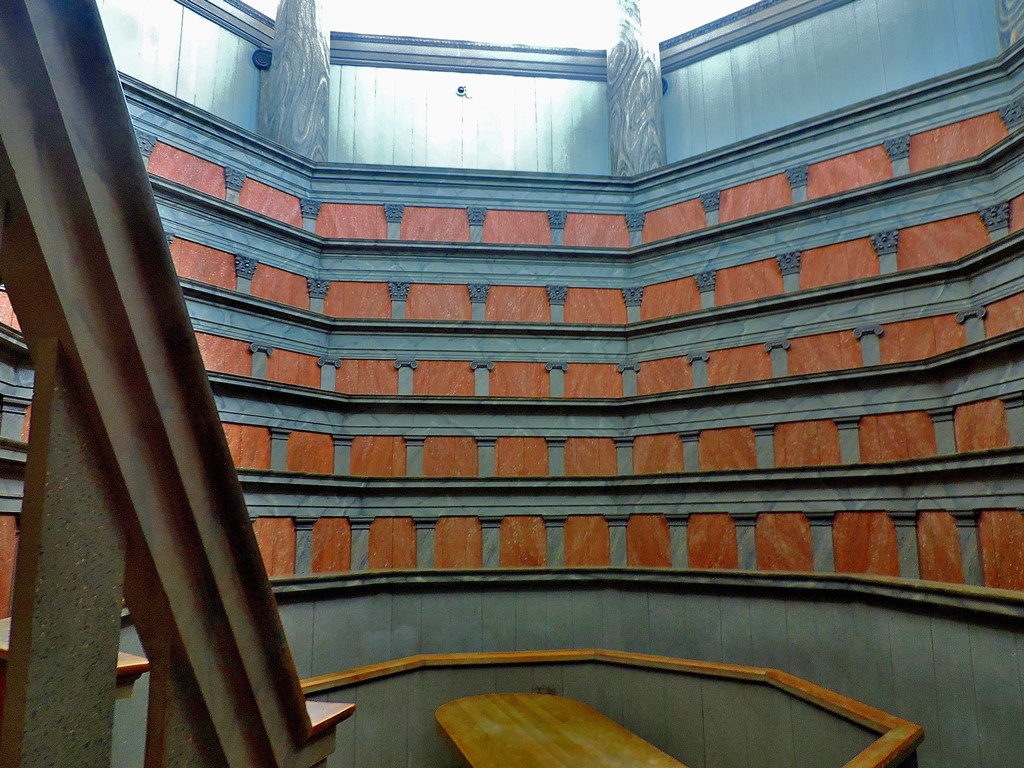
After these treasures it was time to see the inside of the dome – a perfectly preserved anatomy theatre…

DSCN9712
Students would have stood in rows around the room, while the corpse that was being anatomised would be spread out on the table.

DSCN9710DSCN9711DSCN9713DSCN9714DSCN9715DSCN9716DSCN9717

The last exhibits that I saw were those relating to the Vikings…

DSCN9718DSCN9719DSCN9720DSCN9721DSCN9722DSCN9723DSCN9724DSCN9725DSCN9726DSCN9727DSCN9728DSCN9729DSCN9730DSCN9731DSCN9732DSCN9733DSCN9734DSCN9735DSCN9736DSCN9737DSCN9738DSCN9739DSCN9740DSCN9741DSCN9742DSCN9743DSCN9744DSCN9745DSCN9746DSCN9747DSCN9748


Arriving in Uppsala

The latest in my series of posts about my holiday in Sweden, introducing Uppsala.

INTRODUCTION

Welcome to the latest installment in my series of posts about my recent holiday in Sweden. This post sets the scene for my two night stay in Uppsala.

ARRIVAL

Those following this series will be aware that I travelled to Uppsala on an overnight train from Lulea. Apart from one moment about half an hour before Uppsala when I managed to shut myself out of my compartment and had to knock on the door to regain admission (I was only just stirring, and simply forgot to  pick my key card up) the journey was largely uneventful. By good fortune I had been assigned the bottom of three beds (the top bed hangs from the ceiling as a permanent fixture, the middle bed folds out from the wall when everybody is ready for bed and the bottom bed is created by rotating the row of seats over by means of an ingenious mechanism).

On arrival at Uppsala Central Station I noted that the was a line of hotels on one side of the tracks, so I went to investigate whether Vandrarhem Uppsala Centralstation was among them and found that it was not. Deciding that other than this little clump of hotels the other side of the tracks looked more promising I headed along the generously spaced walking and cycleway that passes under the station and after passing the bus station found myself on Kungsgatan, where I spied a Tourist Information Office. As it turned out the entrance to the building in which I was staying was just off the main road on the same side street that this office sat at the corner of.

The building in which I was staying had a hotel at the front, and the hostel type rooms in which I was staying at the back. Although it was too early to check in they did have a bag room, so I offloaded some luggage there and set off to commence my exploration of the city. I already had a few photos…

COMMENCING SERIOUS EXPLORATIONS

Consultation of the map with which I had been equipped at the Tourist Information Office revealed that everything of interest to me was to be found by starting in from my hotel in the opposite direction to Kungsgatan, which would serve as a very handy outer boundary marker. My initial target was the cathedral since I reckoned that a very large and prominent landmark that must be pretty much plumb in the centre of the interesting part of the city would serve as a further useful point of orientation, and I could then pick out other places. This part of Uppsala proved to be very attractive and as a bonus was pretty much pedestrianised. Almost directly underneath the cathedral I found the University Museum, and deeming the admission price acceptable decided to go in, with results that will form my next post…

DSCN9546DSCN9547DSCN9548DSCN9549DSCN9550DSCN9551DSCN9552DSCN9553DSCN9554

DSCN9557
The frontage of the cathedral
DSCN9558
Immediately above the main door
DSCN9559
A close up of that very elaborate circular window.
DSCN9555
The outside of the University Museum
DSCN9556
A close up of the curious onion shaped dome – as you will see in my next post what lies inside that dome is almost as curious.