100 Cricketers – Third XI Numbers 6 and 7

Continuing my “100 cricketers series, with a look at nos 6 and 7 from my third XI. Also features some of my photographs.

INTRODUCTION

Welcome to the latest post in my “100 Cricketers” series. The introduction to the series can be found here, and the most recent post can be found here. Before I get into the main meat of this post, as it is cricket themed I will briefly mention…

AFGHANISTAN V IRELAND

The inaugural test match between these two newly elevated nations is taking place in Delhi at the moment. After one day’s play Afghanistan are 90-2 in reply to Ireland’s 172 all out. At one stage it looked like being a lot worse for Ireland – they were 69-8 at one point and then 85-9 before George Dockrell and Tim Murtagh performed a rescue act, the latter top scoring with 54 not out from number 11. Whatever happens over the next four days one of these sides will make the best start to their test match involvement since 1877 when the first two test sides, England and Australia each one won match – each have only played once before, so the winner will record a success in their second outing. Now onto business, with the man at no 6 in my third XI…

STEVE WAUGH

Normally I would have an all-rounder at no 6, but Steve Waugh can hardly be so described, even though when he first got the call-up in the mid 1980s he was seen as a bowling all-rounder. He seemed to positively relish difficult situations, such as the occasion at Manchester when 21 players failed to achieve anything of significance with the bat due to a difficult pitch and perpetually overcast conditions, while he chiselled out a century in each innings to win the game for his side.

He really arrived as a test match player in the 1989 series in England when he made big hundreds in the first match at Headingley and the second at Lord’s, both times being supported by lower order batters who were inspired to play above their usual station (Merv Hughes with 71 at Headingley, Geoff Lawson with 74 at Lord’s), and scored over 350 runs before being dismissed for the first time in the series.

Time again through the 1990s and in to the early 2000s Australia would look be struggling and then Steve Waugh would come to the crease, and right when it was most needed would make sure he was still there at close of play, with Australia firmly back in control. Teams often tested him with bouncers because he rarely played the hook and often looked less than comfortable against short stuff, but I cannot recall him ever losing his wicket to it.

He was the third in the sequence of long-serving Aussie captains that started with Allan Border and ended with Ricky Ponting. Earlier in this series when I covered Border I rated him the best captain of the four, based on the fact that he turned the fortunes of Australian cricket around when they had been in the doldrums. Steve Waugh, who made a team of champions even stronger, so that they became as near as any team in history to be absolutely unstoppable is for me number two in that ranking, with Mark Taylor a respectful distance back in third and Ponting a poor fourth.

JEFFREY DUJON

Teams were just starting to take seriously the need for wicketkeepers to have potential as runmakers when Dujon came on the scene. Alan Knott’s England career was just coming to a finish, and many matches therein had been influences by his ability to contribute runs from the lower middle order, and England were frantically looking for a replacement (it would take the emergence of Matt Prior some quarter of a century later before they found someone who was good enough in both departments, since when there have also been Jonny Bairstow and Ben Foakes). Other countries also started requiring regular runs from their wicketkeepers.

Dujon scored four test centuries, averaged over 30 when that was unusual for a wicketkeeper (and generally made his runs when they were badly needed) and was an excellent keeper standing back to the fast bowlers. There is no way of knowing how we would have handled keeping to top class spinners, as the only person picked as a front-line spinner by the West Indies during his time as keeper was Roger Harper (who was also a fine middle-order batter and one of the greatest fielders the game had ever seen), but the fact that I have named in this XI rather than holding him back for the XI featuring a quartet of West Indies quicks tells you what I think – he would have been as good keeping to spinners as he was keeping to quicks.

NEXT IN THIS SERIES

We cover the bowlers from this Third XI and introduce the Fourth XI in batting order.

PHOTOGRAPHS

Here are some photographs to finish…

P1210894
A mallard drake and a herring gull standing side by side in the sun yesterday.
P1210895
Mallards come calling this morning…
P1210896
…close up of the female.
P1210906
A picture at Tapping House that took my fancy.
P1210908
the fish tank in the reception area at Tapping House
P1210909
A close up of one the fish in the tank.
P1210914
Spring flowers near Tapping House
P1210913
This building, probably once a village school, took my fancy on the way out, and I managed to phoyograph it on the way back.


Marxism 2017: Day 2

An account of Day 2 at Marxism 2017.

INTRODUCTION

Welcome to the next post in my series about Marxism 2017. The event finished with the Closing Rally last night, after which I travelled back to King’s Lynn. I have quite a few more posts to do before this series finishes however. 

DAY 2

I was staying in a room in a University hall of residence about a 15 minute walk from the event, which suited me very well. I set off at about 9:20AM (the first meeting session started at 10AM, and I wanted to be early because the meeting I had chosen was likely to be very well attended. I arrived at Student Central at about 9:30 and took the stairs to the third floor as the meeting was scheduled for the Upper Hall (I am old enough to have attended meetings there when it was still called the Badminton Court). 

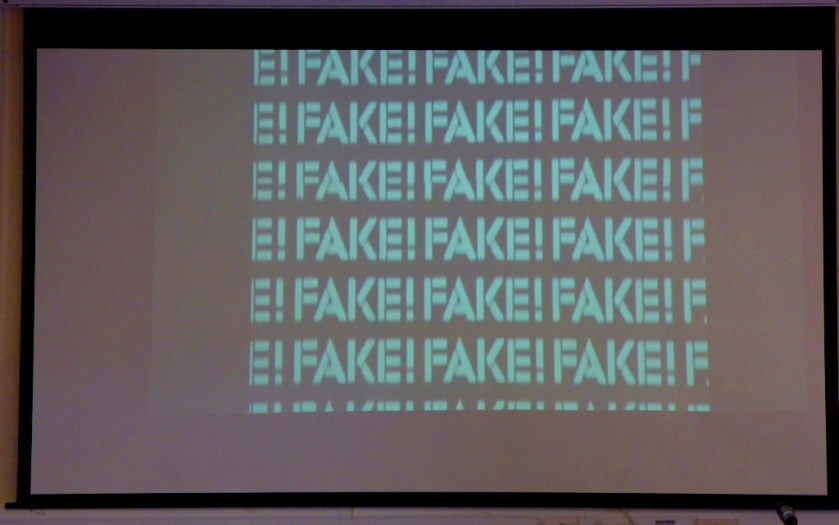
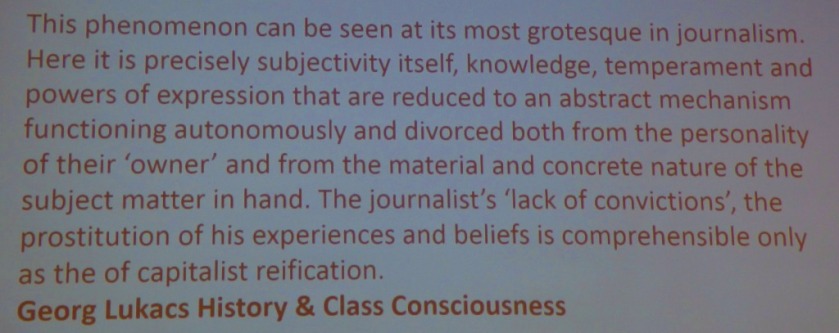
FAKE NEWS: MEDIA, TRUTH AND POWER – SIMON BASKETTER

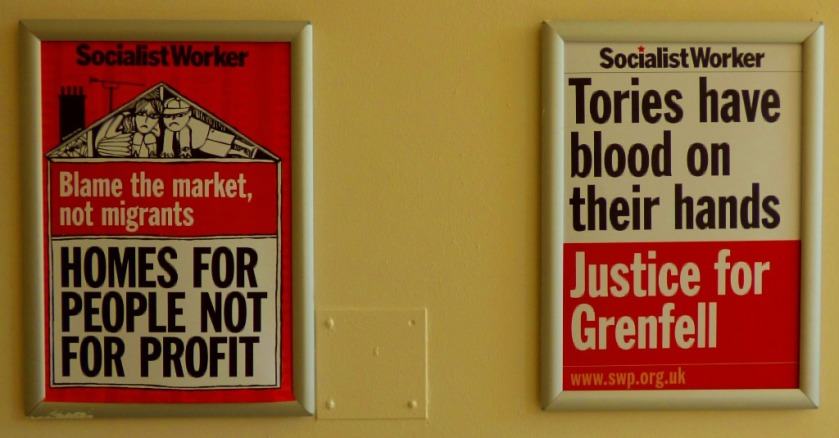
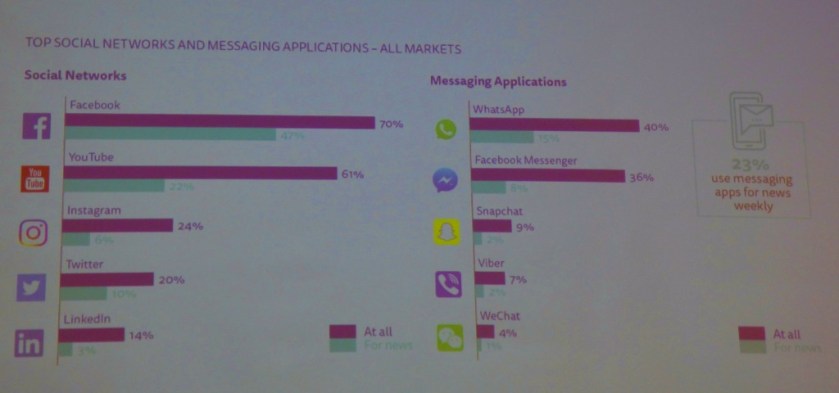
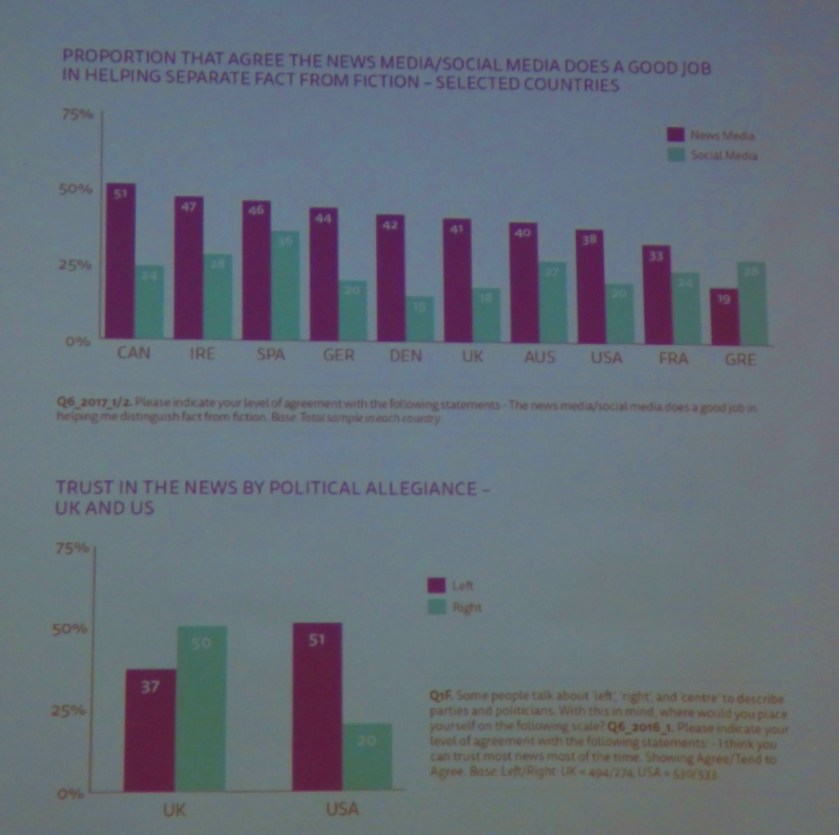
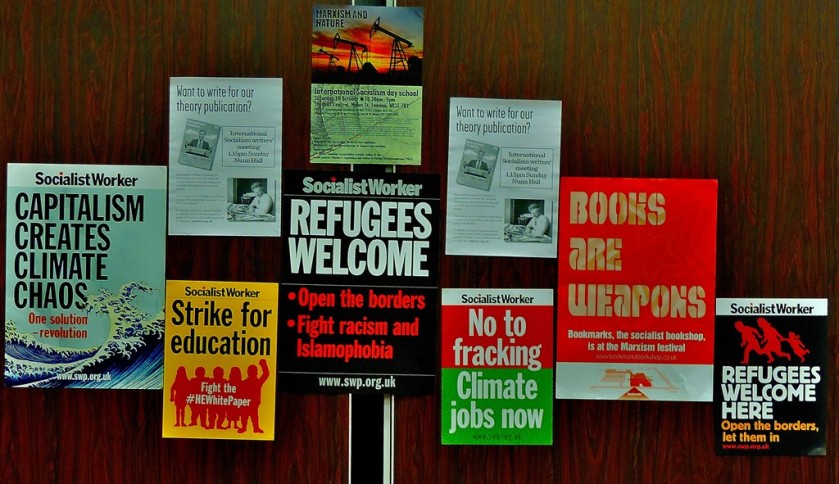
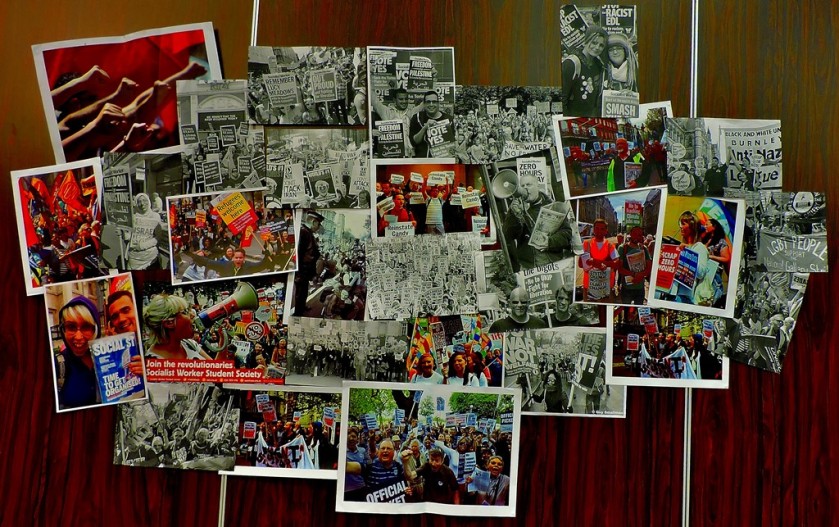
This was a splendid way to start the day. There was some very entertaining stuff, with serious purpose. The events of June 8th showed everyone who was not already aware that there are limitations to the power of the media – our mass media were universal in predicting (and in most cases wanting) a huge majority for Theresa May and the SelfConservatives and of course she ended up with no majority, dickering with the foul bigots of the DUP to hang on to the power. Of course she is now so desperate that she is asking Labour for ideas (Jeremy Corbyn’s response: “I’ll give you a copy of our manifesto”). Here are some photographs to help tell the story:

UCL building
This building caught my eye as I walked past on my way to the event.
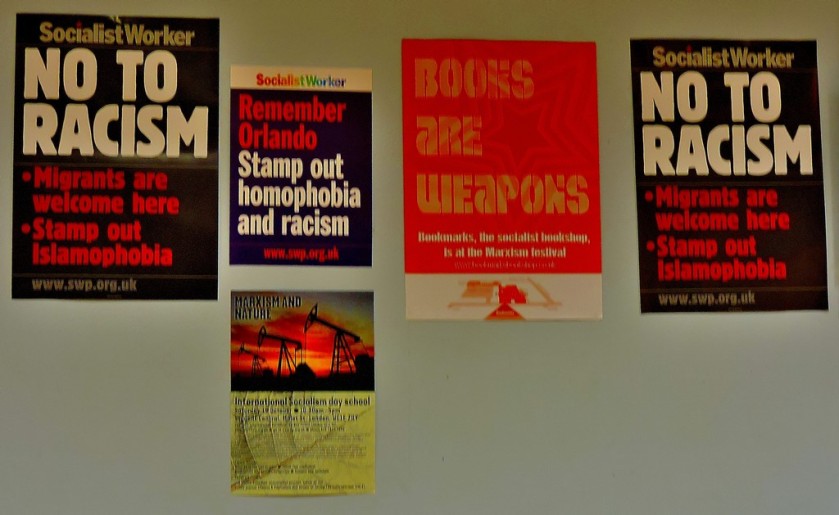
Posters1
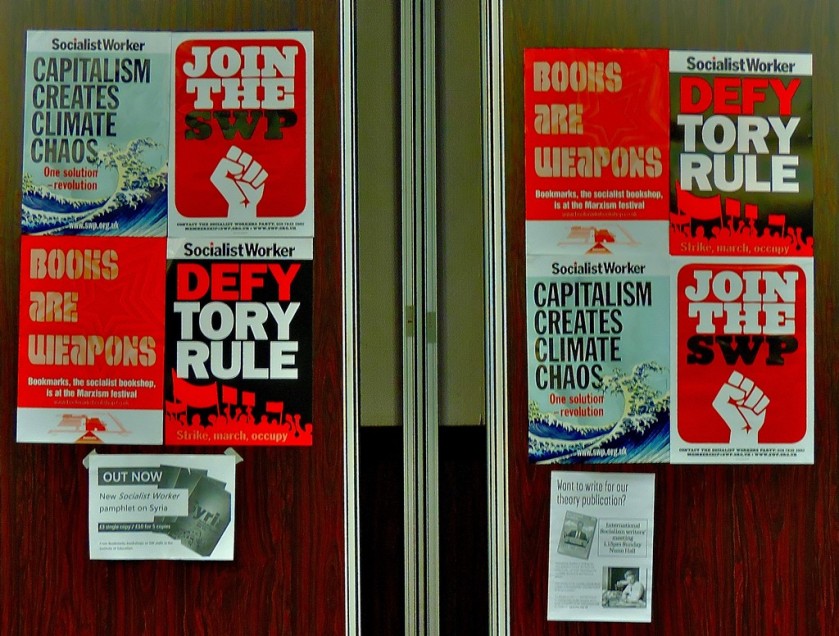
Posters on the way up.

Posters2

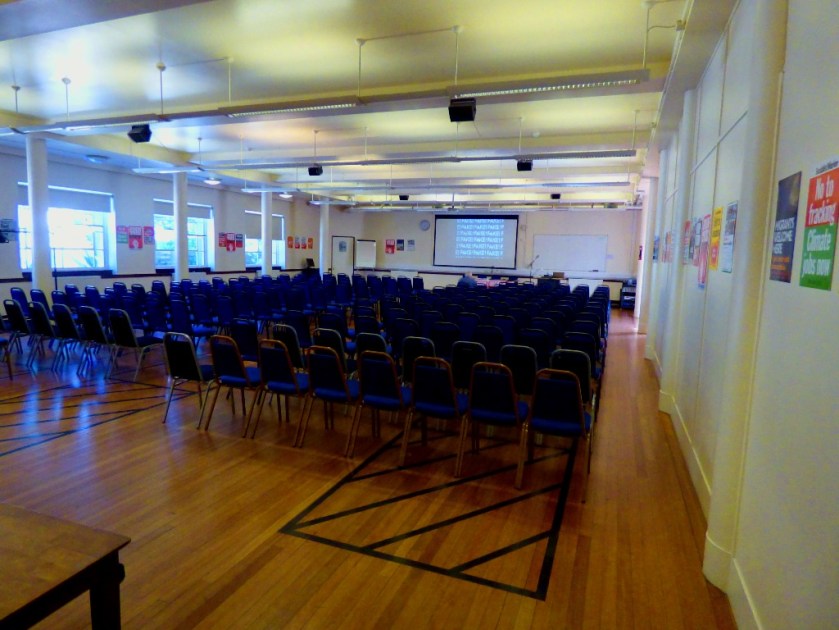
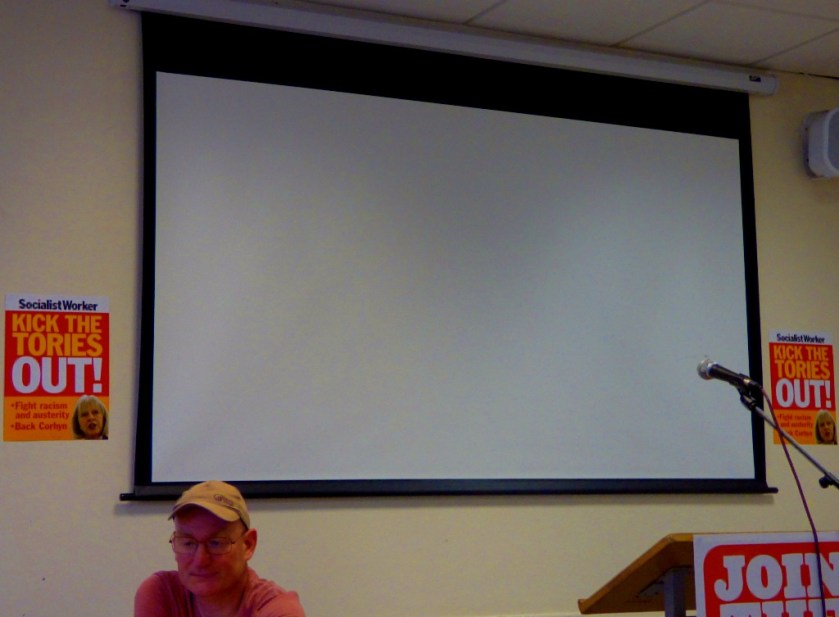
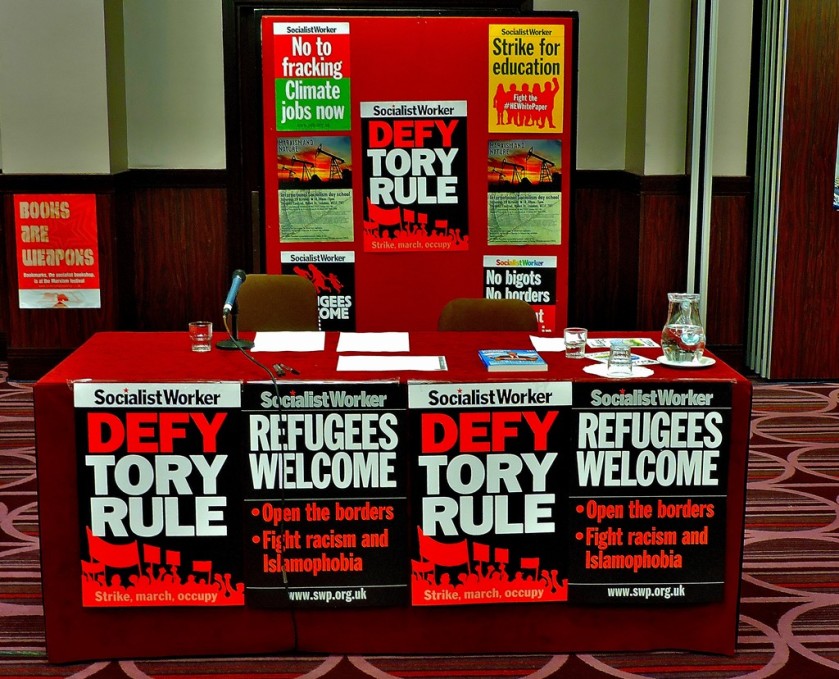
Upper Hall
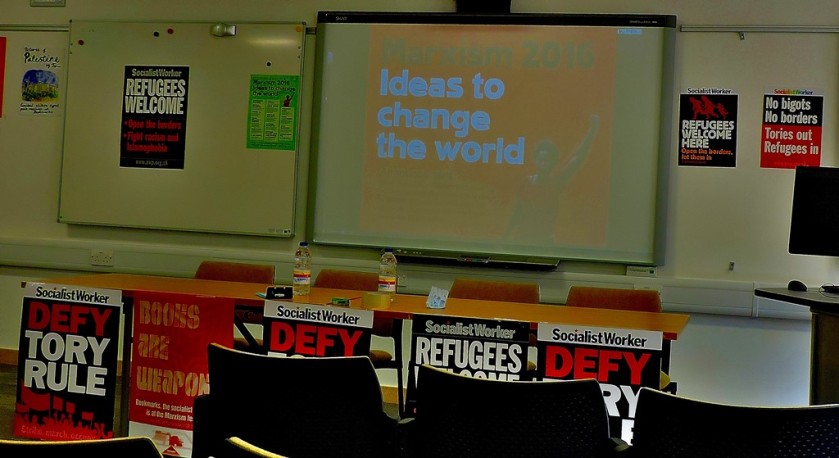
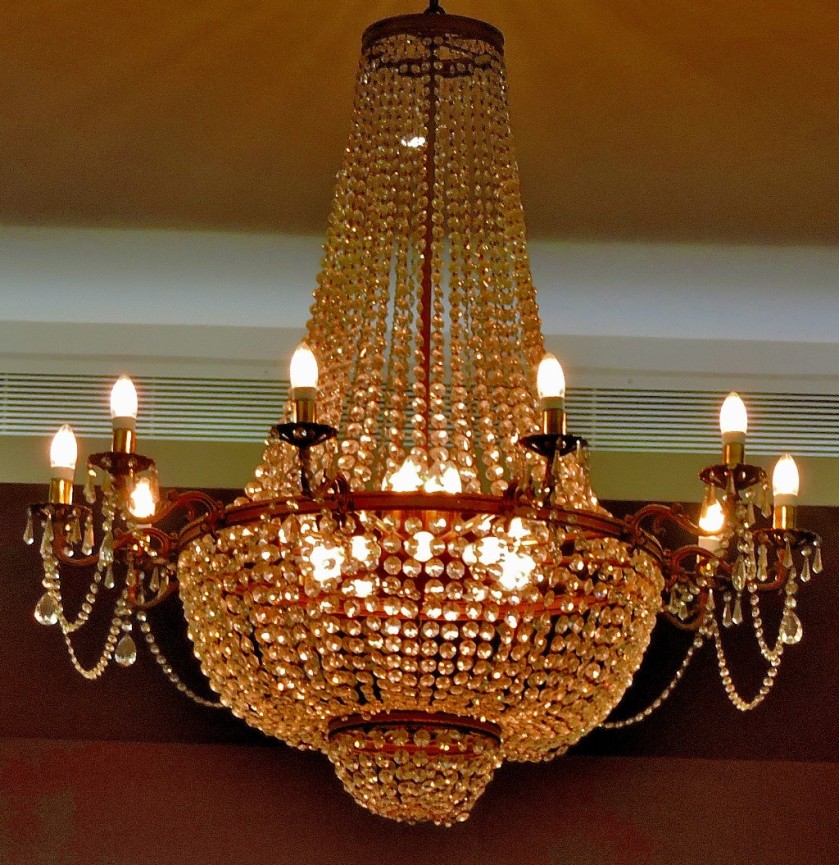
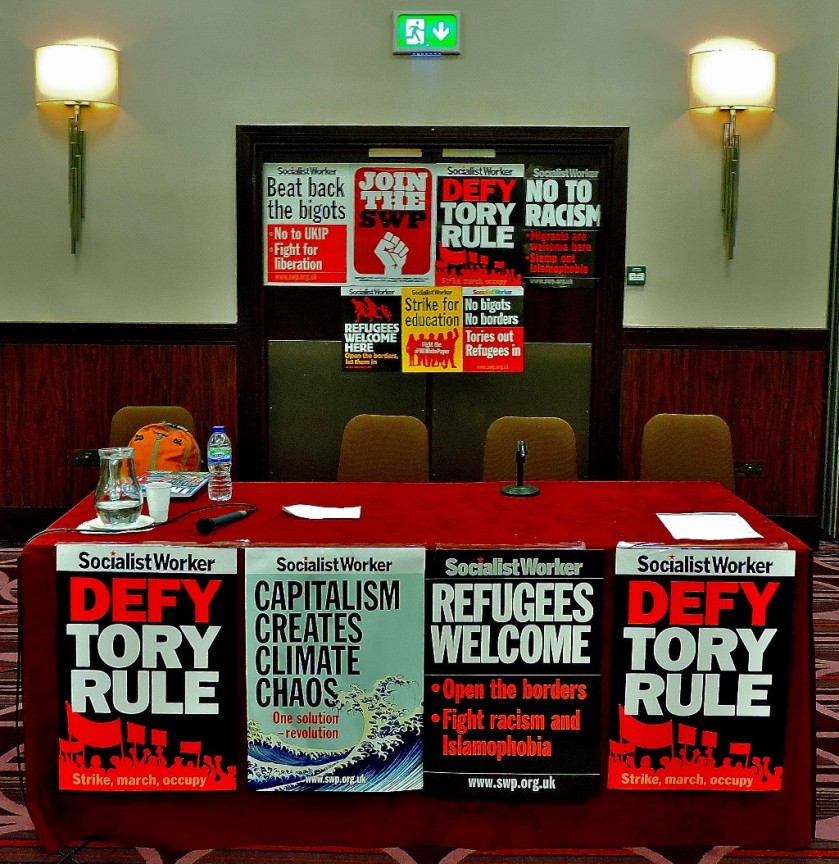
The Upper Hall at 9:30AM

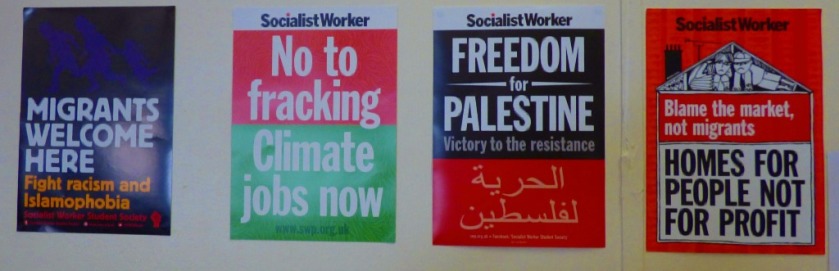
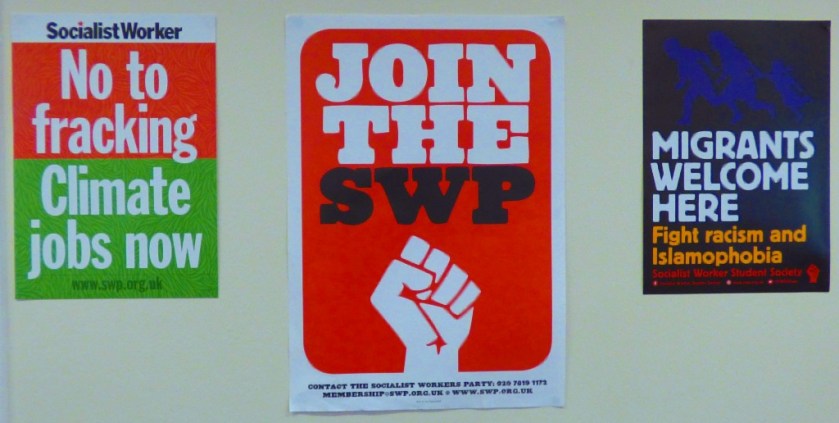
Posters3Posters4Posters5Posters6Posters7Posters8

Throughthewindow1
The view through one of the the Upper Hall windows
Food stand
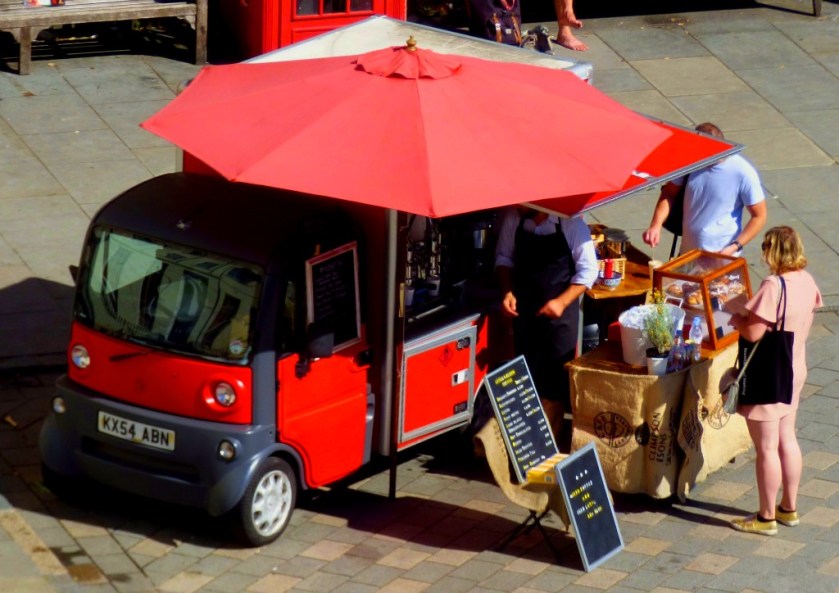
A food stall (London prices are beyond my means – I was not a cjustomer)
Rose window
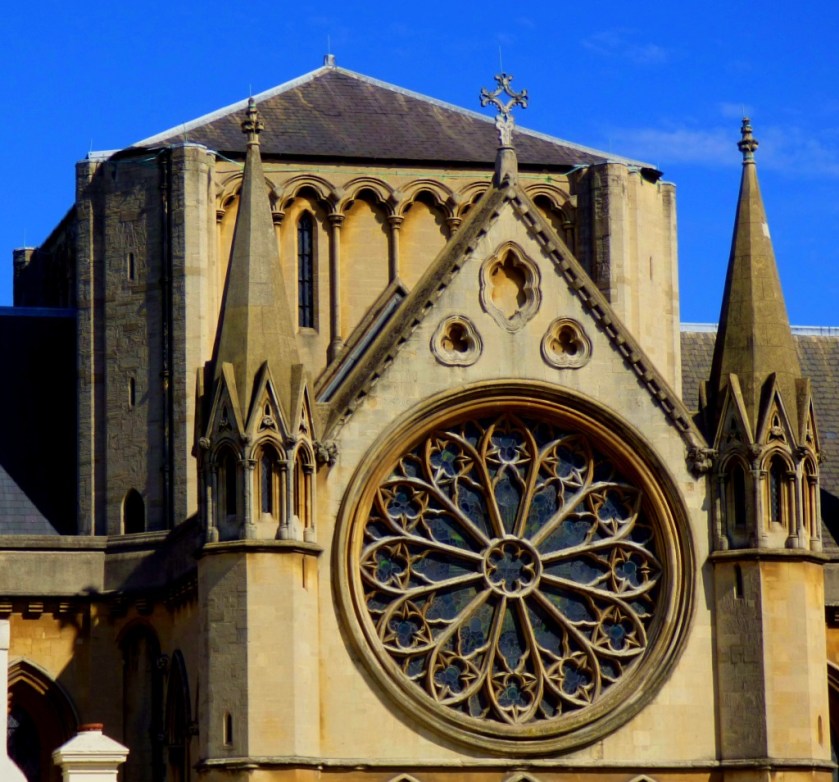
Rose window

big screen, UHBasketter

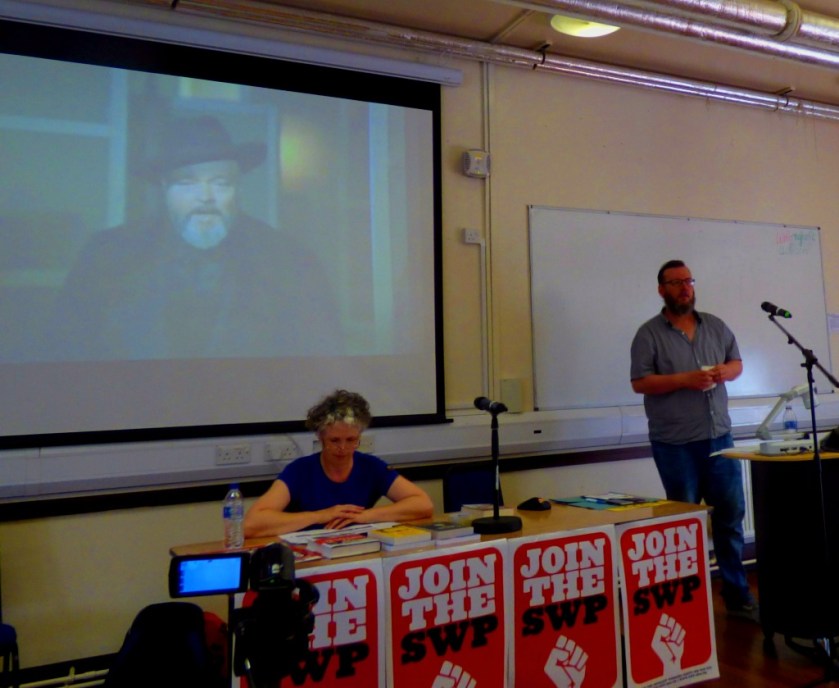
Sarah Ensor + Simon Basketter
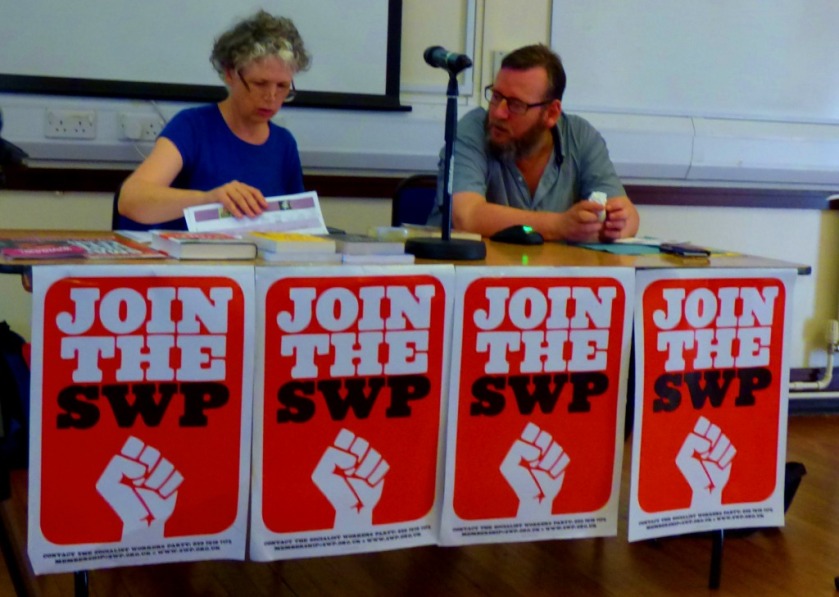
Chair Sarah (one of the speakers at the meeting on Biodiversity and Species Extinction) and speaker Simon Basketter.
Sarah Ensor opens the meeting
Sarah introduces the meeting
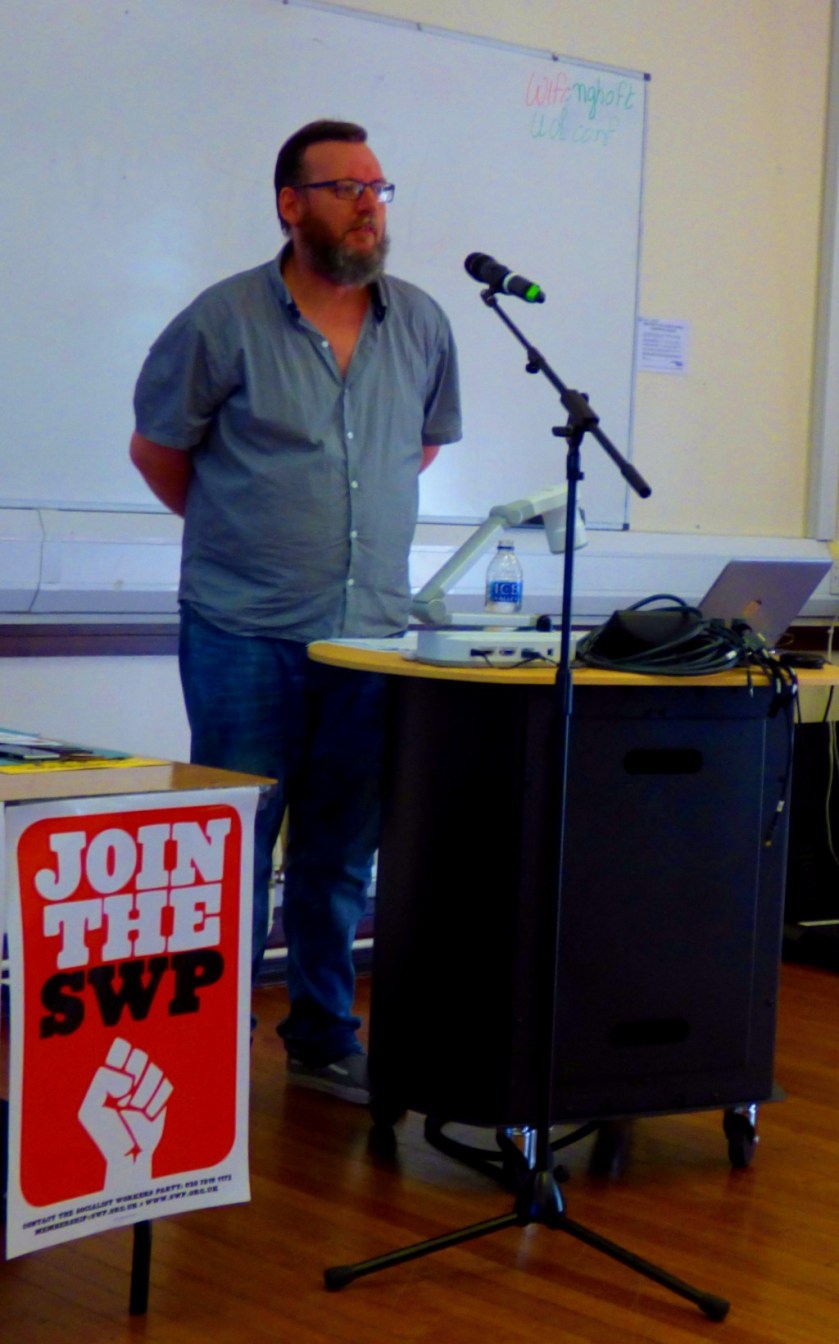
Simon Basketter starts his talk
Simon speaking, careful not obstruct the screen.

FN1FN2Basketter at the micGraph1Graph2Broken NewsGraph3TrustGraph4Rogers + HammersteinLukacs

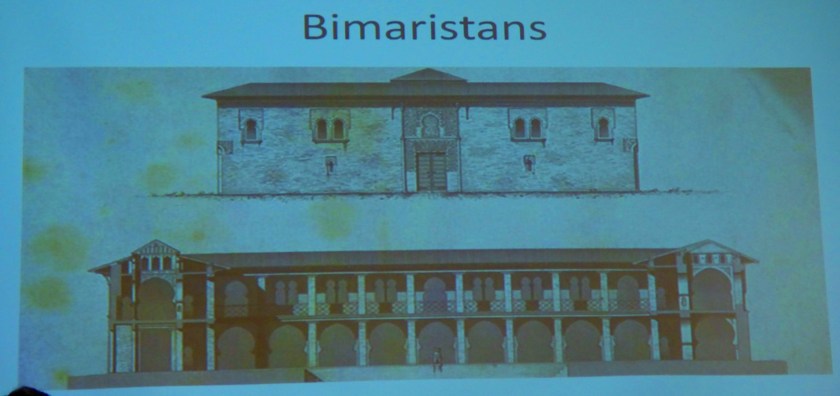
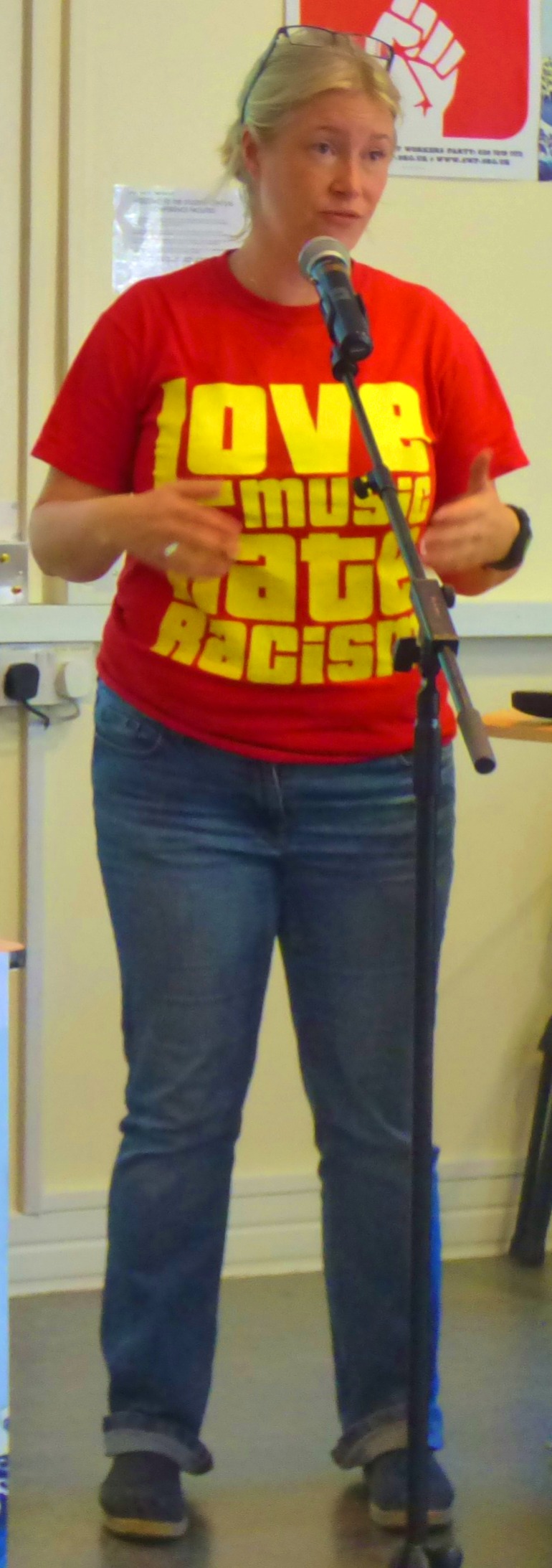
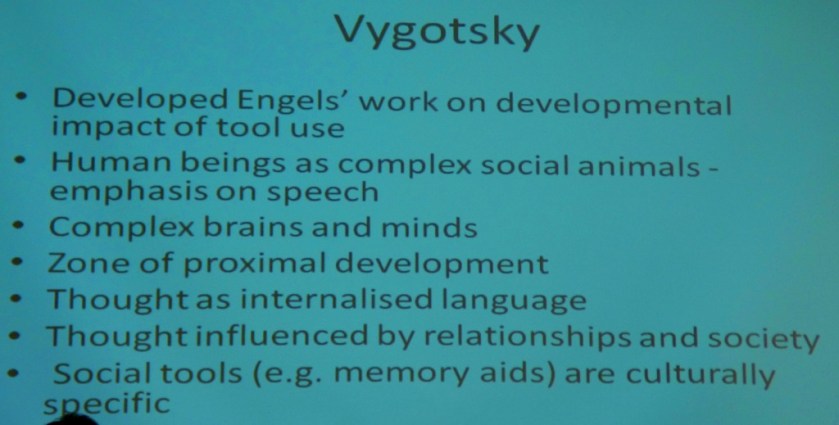
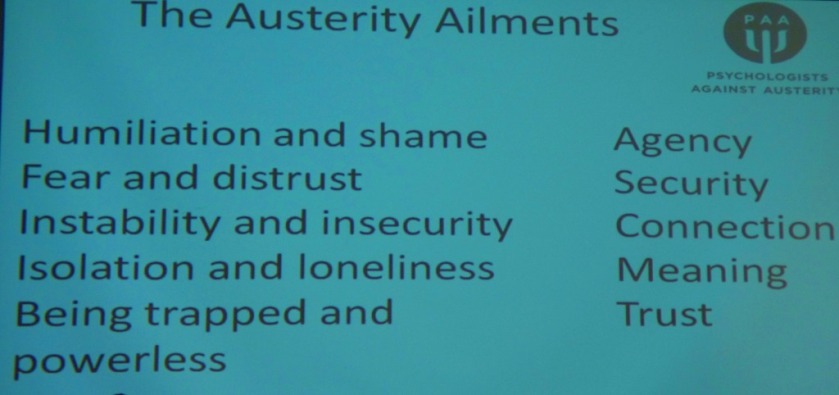
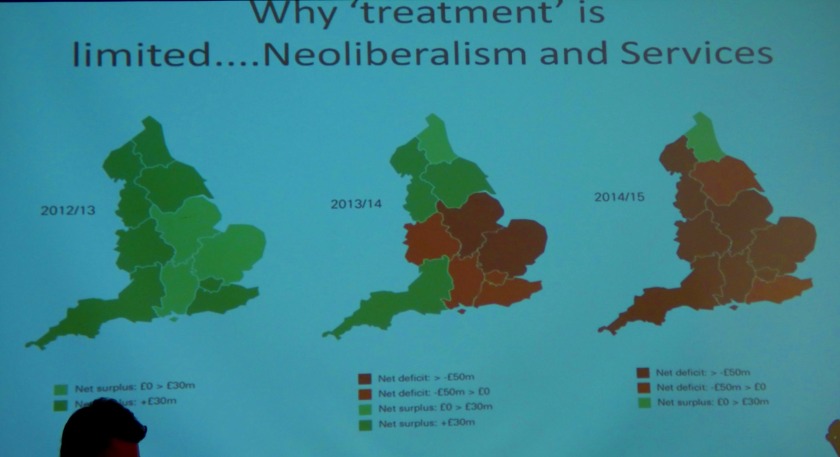
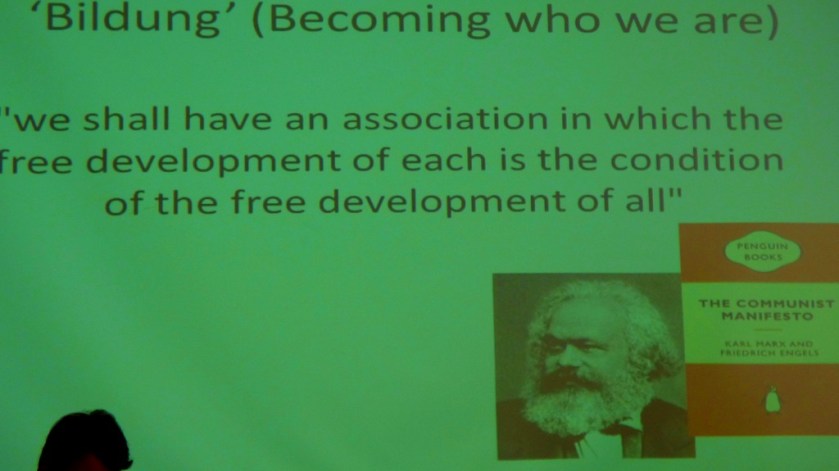
MARXISM AND MENTAL HEALTH – BETH GREENHILL

I will be giving this meeting a full post to itself in due course – it deserves it, and I have asked the speaker to email me all her slides, including those she did not get to use because of the importance I attach to this subject. For the moment here are a few pictures:

Display1
A display on the main staircase at Student Central.

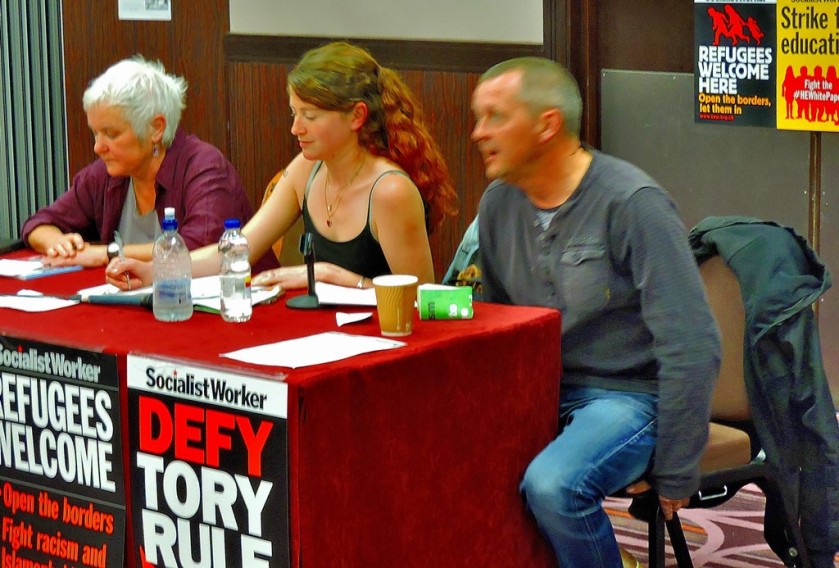
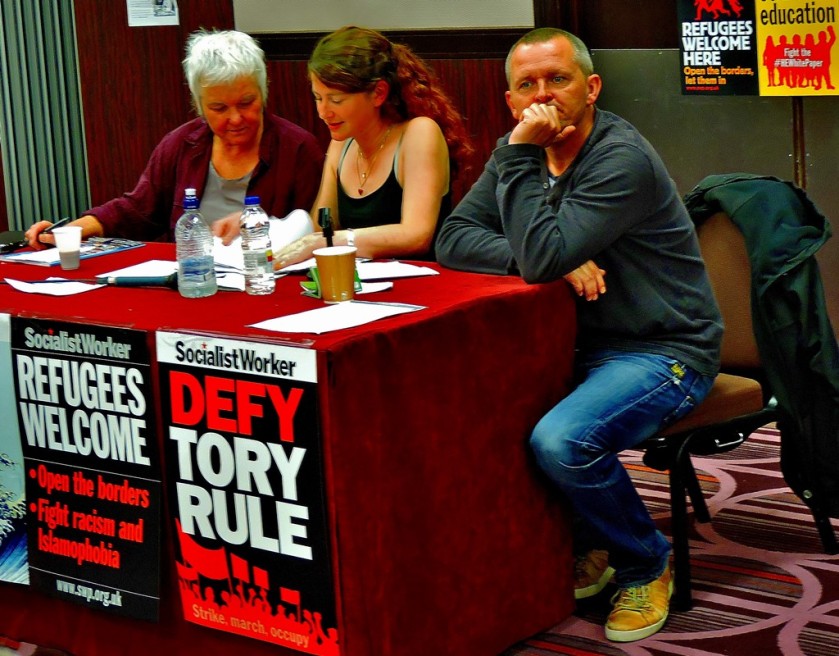
Tomas Tengely-Evans and Beth Greenhill (speaker)Four humoursBimaristansBeth GreenhillMarx at the asylumVygotskyAusterity Ailments

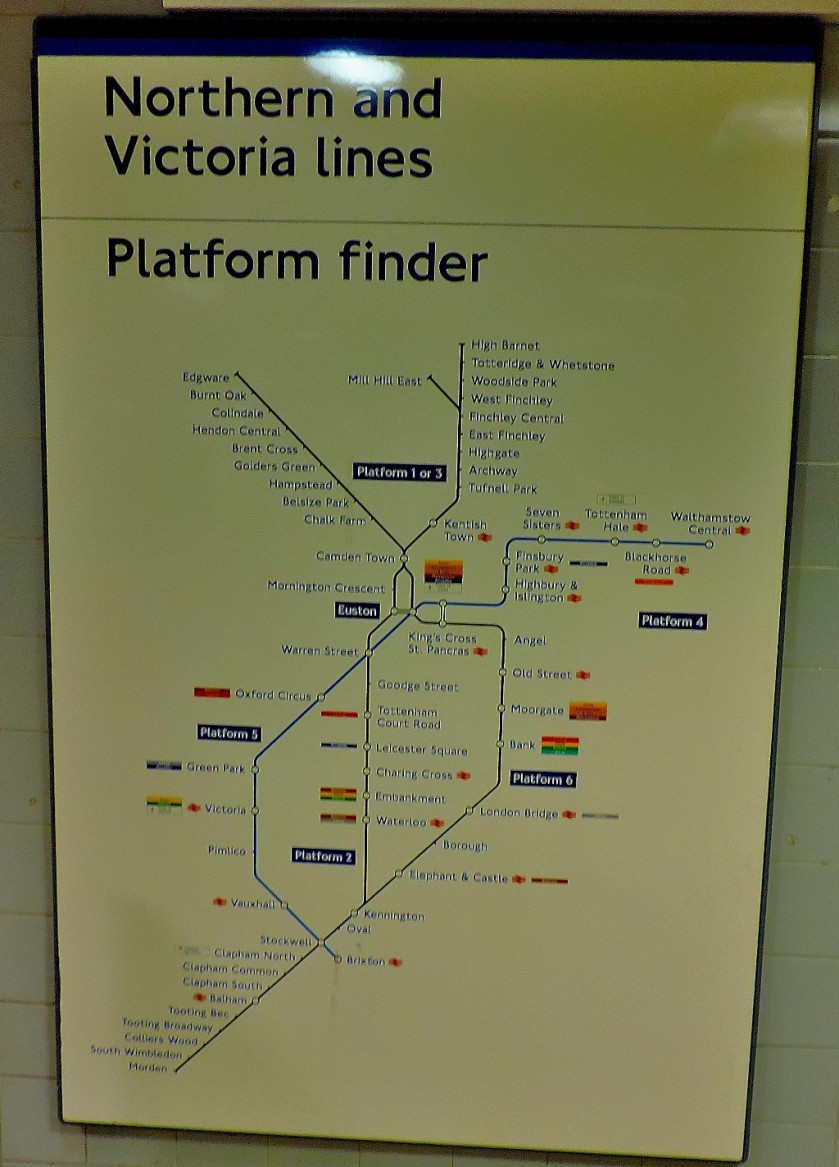
service maps

'Bildung'

MARXISM, NATURE AND SOCIETY – MARTIN EMPSON

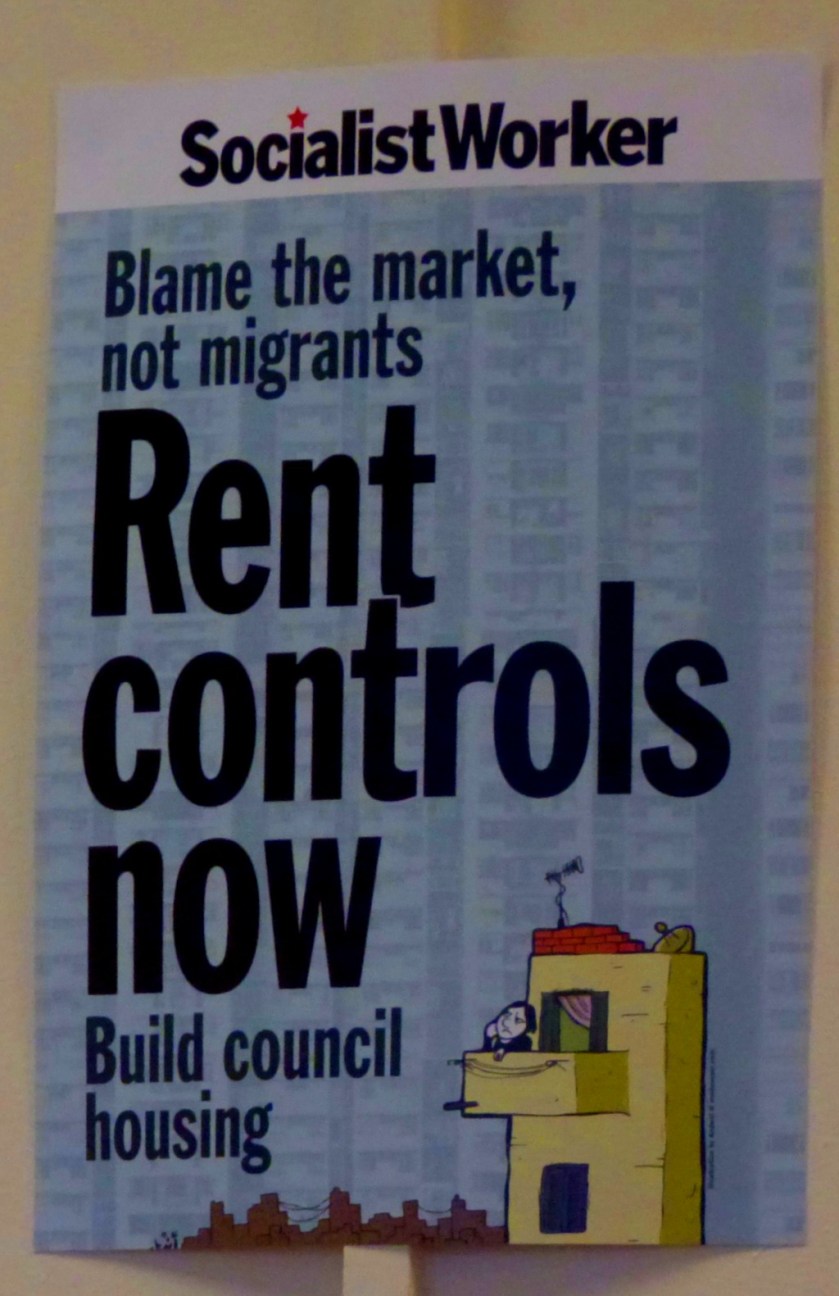
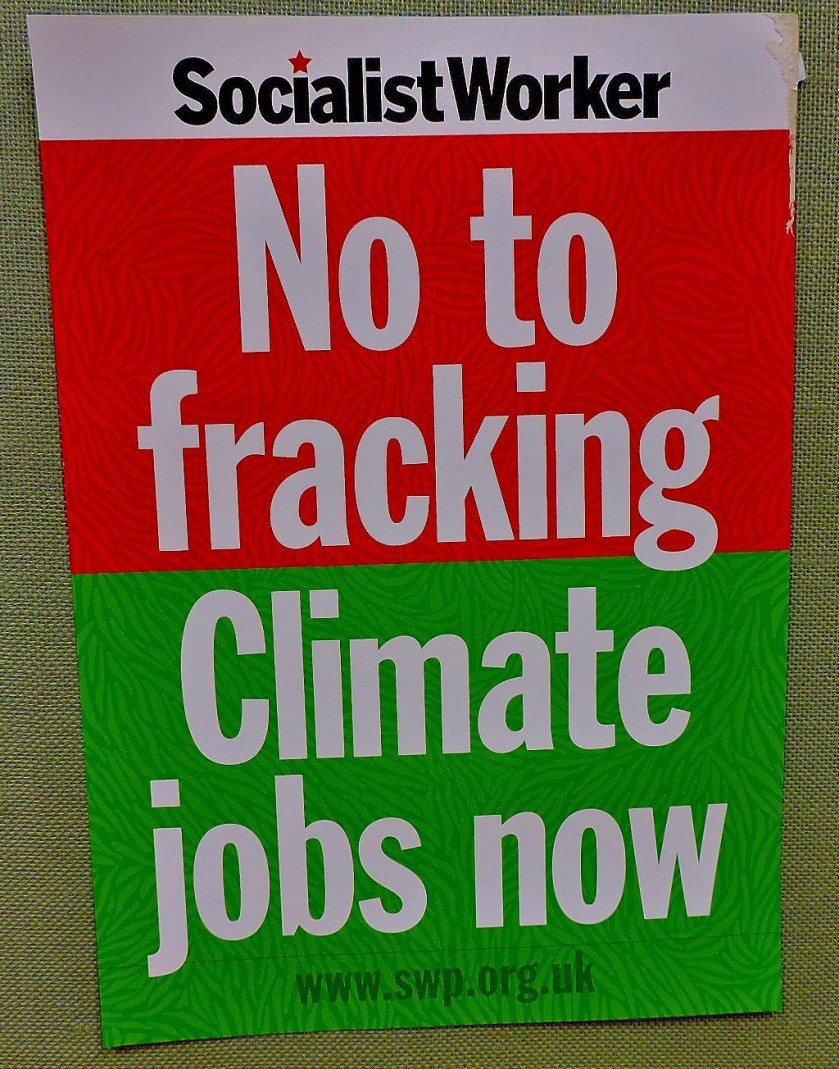
Following the lunch break (picnics are something of a tradition at Marxism festivals, and I participated in the Norwich and East Anglia picnic) I headed to room 3E for this meeting. I would have preferred this talk to have been assigned a bigger room because the topic is so important. It was well attended, as it should have been. There were many outstanding contributions, including from those fighting against fracking (a particularly destructive method of extracting fossil fuels from shale). A woman who was born in Australia and whose father works in mining talked about her arguments with him and how she explains that she does not want people in mining to be jobless – she wants them to have jobs helping the environment, such as developing renewable energy sources etc. Here are some pictures:

PlatformBook displayRent controls now!big screen

IRELAND AND THE RISE OF THE RADICAL LEFT – GERRY CARROLL

Gerry Carroll is one of two members of People Before Profit elected to the Stormont Assembly in the days when that body still functioned. The other was Eamonn McCann. One of Stormont’s less charming features is a register that requires you to state whether you are Nationalist or Unionist – McCann and Carroll both wrote the single word Socialist in this space. People Before Profit are a cross-border organisation and they also boast three members of the Dail (the Irish Republic’s parliament), two of whom, Richard Boyd Barrett and Brid Smith were also at Marxism 2017. Gerry Carroll won his seat in West Belfast – Gerry Adams’ stamping ground. For an avowed non-sectarian to win in the very heartland of Sinn Fein is particularly remarkable. Carroll talked about both his success and that in the Republic. In the Republic much of the radicalism developed around the attempted imposition of water charges (yes – in Europe’s wettest country), but also of course the Republic became the first country in the world to vote in favour of equal marriage. 

After Carroll finished his inspiring speech various people in the audience talked further about some of the points he raised, filling out the picture. Here are some pictures…
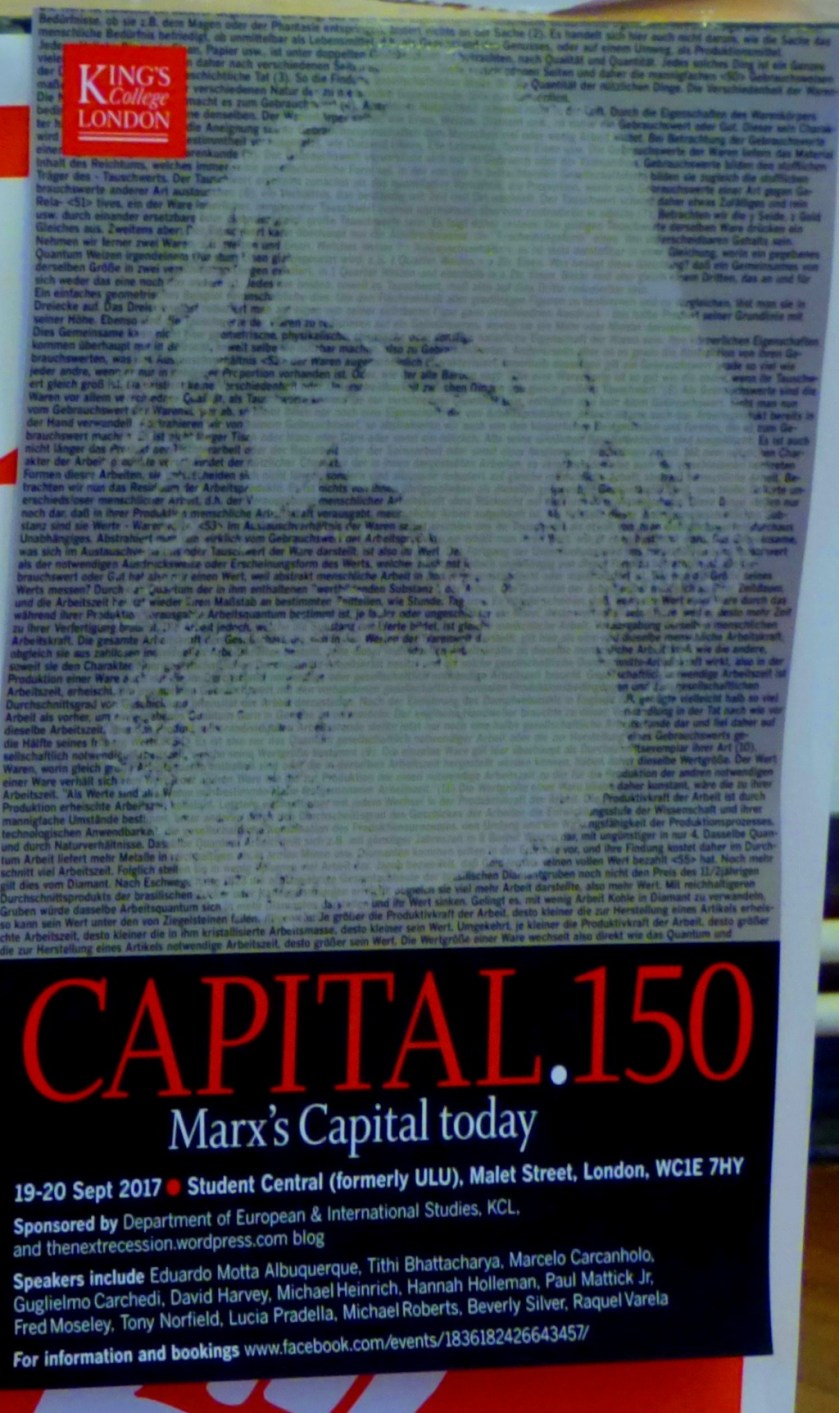
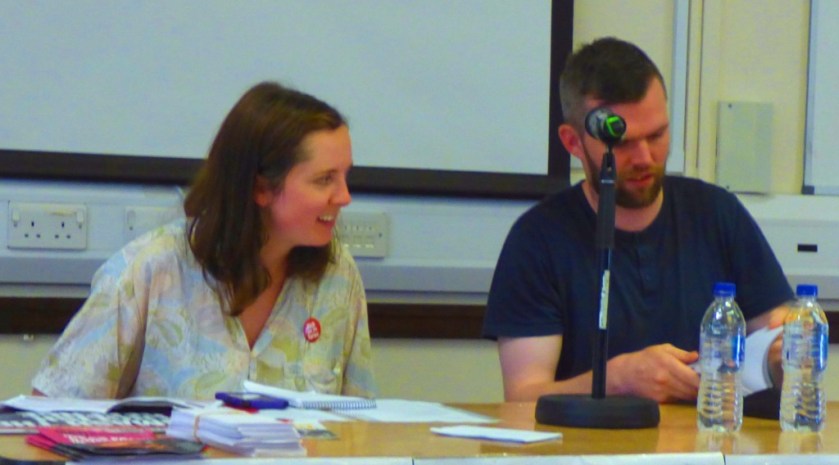
Jasmine (chair)Capital 150Jasmine and GerryChair and speakerJasmine at the micGerry giving his opening speech

DID LENIN LEAD TO STALIN? – PADDY NIELSEN

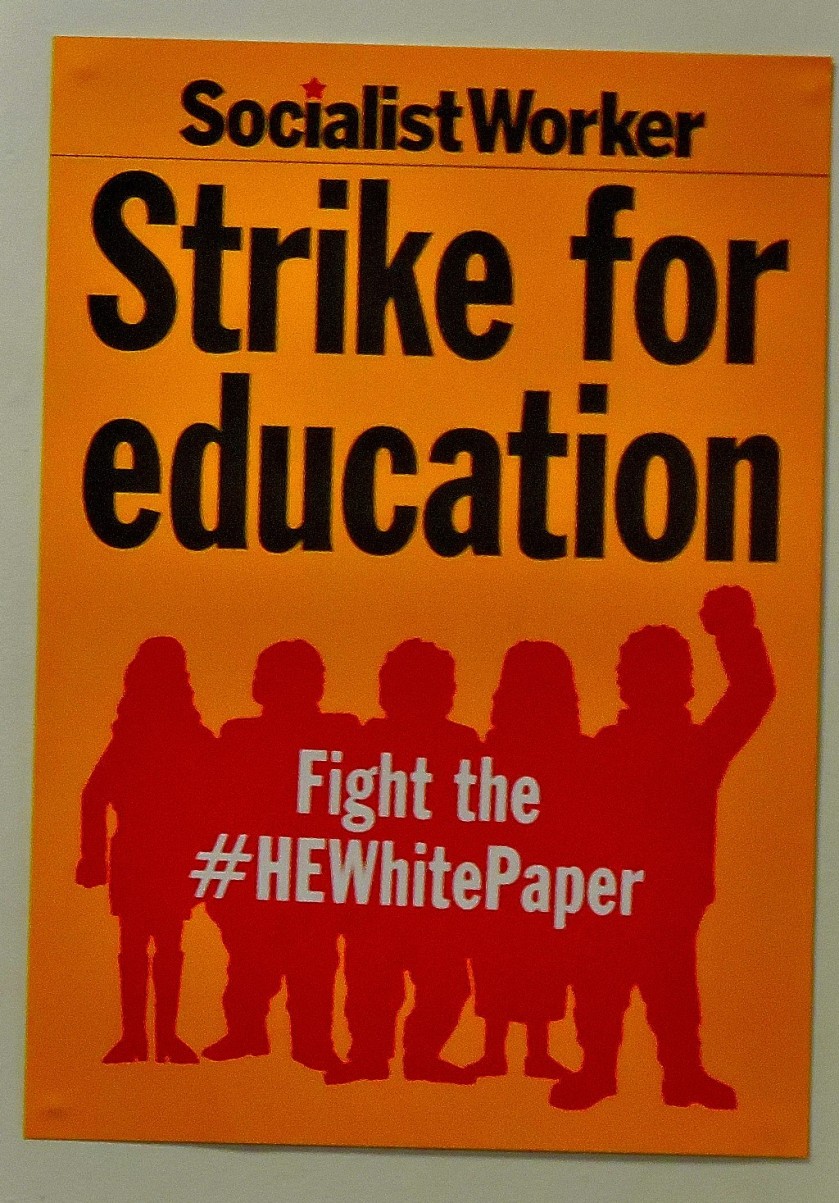
After the second long break of the day it was back up to floor 3, this time room 3B for me. This meeting dealt with one of the more persistent accusations flung at the left (note, until the mid 1990s Socialist Worker retained its masthead stating “Neither Washington nor Moscow but International Socialism”). Nielsen set out the counter arguments excellently. Stalinism was a product of the isolation of the Russian Revolution – it did not spread elsewhere as the revolutionaries hoped, and it was separated from the revolutionary movement by a river of blood. Most of the old Bolshevik leadership who were alive when Stalin took power died at his hands. Here are some pictures:

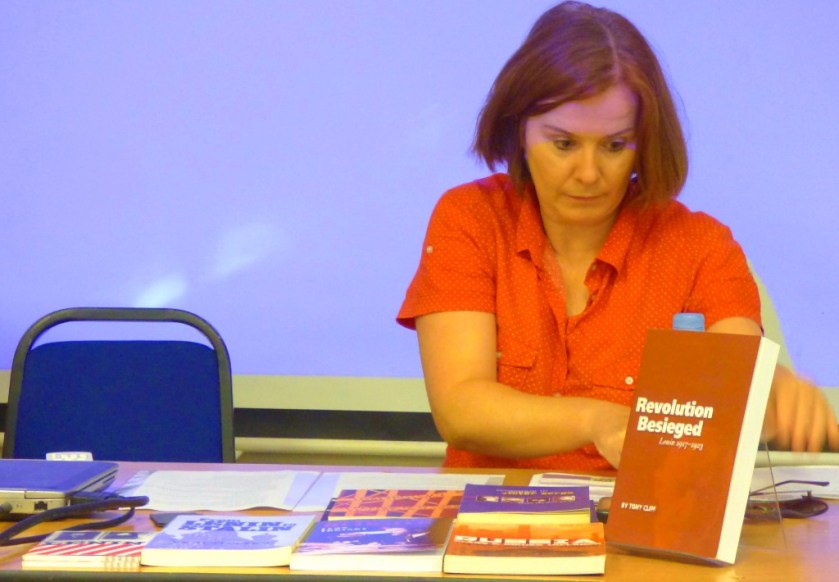
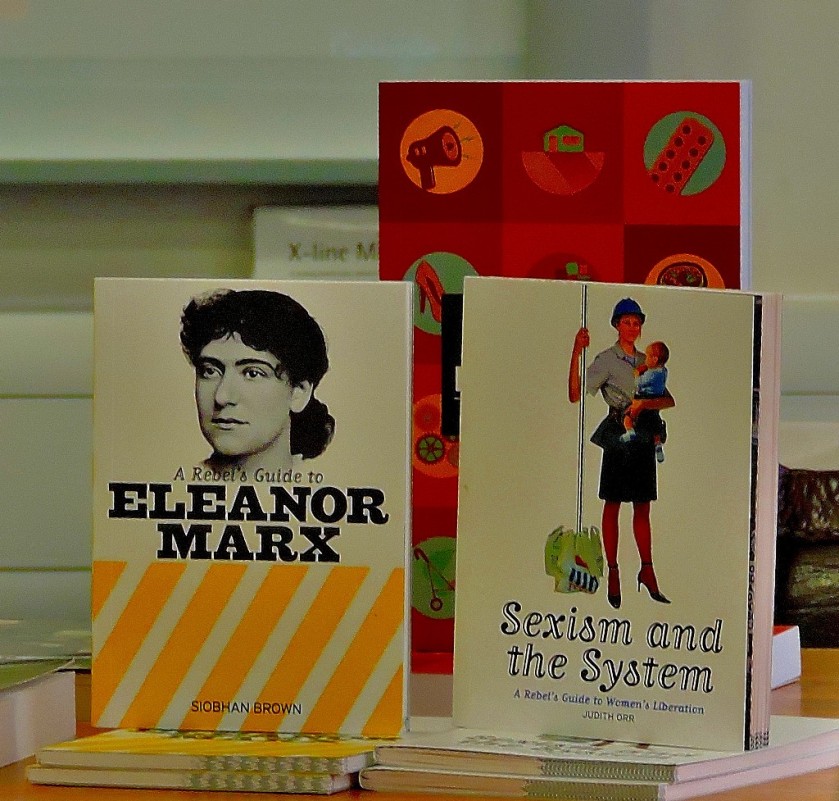
Paddy Nielsen ready for his talkPlatformBook displayChair introduces meetingPaddy speakingPaddy in action


The Six Nations and Some Sunday Shares

Some thoughts on round two of the 2017 six nations, and a few Sunday shares.

INTRODUCTION

Yesterday saw the first two matches in round two of the 2017 Six Nations. This afternoon Scotland and France will fight out the final game of the weekend.

ENGLAND SQUEEZE PAST WALES

In the women’s match which preceded this England won 63-0, which gave them 89 unanswered points in their last 120 minutes of rugby (they were 0-13 down at half-time against France last week).

Wales dominated the men’s match for long periods, but too often did not turn pressure into points and eventually a 77th minute try put England in front for the first and only time of the match. England have not been all that impressive in either of their matches to date, but is the mark of champions to find a way to win even when not playing well.

IRELAND THRASH ITALY

Ireland were always in control of this match, with two players (Stander and Gilroy) recording hat tricks of tries. For the first hour the scoreline was semi-respectable but then the floodgates opened and the Irish winning margin mushroomed to over 50 points.

Two matches in to this tournament it is hard to see Italy doing anything other than bring up the rear, a long way adrift of the rest.

SOME SUNDAY SHARES

We start the shares with a couple of public transport related bits…

THE GREED OF THE PRIVATE RAIL COMPANIES

Private operators have creamed of more than £3.5 billion in profits from running Britain’s railways over the last ten years, while services get worse and prices go up. Click on the image below to read in more detail, courtesy of AOL:

Rail firms' £3.5billion profit despite passengers' fury at dire service

AN EXTENSION FOR THE BAKERLOO LINE

The extension, from Elephant & Castle to Lewisham is expected to open in 2028-9. Click on the image below to read the Time Out piece in full. I have already pressed a link on to my London transport themed website and will be writing about it in more detail in due course.

TfL has revealed where the new Bakerloo line stations will be

THE WENSUM VALLEY UNDER THREAT

The Wensum Valley is a very beautiful part of Norfolk, but a malign group of ‘planners’ are putting this beauty at risk – they intend to send a big new road through the heart of it. Please watch the video below to see what we are seeking to protect:

A COUPLE OF REGULARS

Another reminder that James and Sons next auction is on the 20th, 21st and 22nd of February, the first two days at our shop, the third at the Maids Head Hotel, Norwich. Click on the image below, from lot 891, to view a full catalogue…

891-a

Finally, the Autism Awareness Cup 2017 will be taking place at Ingoldisthorpe Social Club on June 4th. Click on the image below to visit the website.

Marxism 3: Saturday

An account of the Saturday at Marxism, with lots of pictures.

INTRODUCTION

First the big news – I am writing this on my own computer. Second, for this post, the third in my series on Marxism 2016 (see here and here) I will not be writing about all the meetings I attended on the Saturday, but rather setting out a brief framework of the day before concentrating on two meetings in particular.

GETTING THERE AND THE PLAN

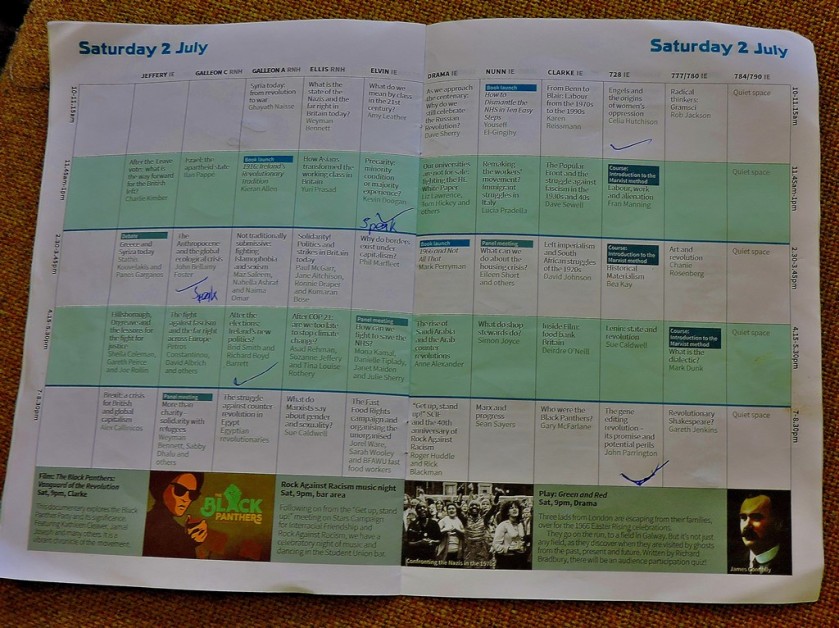
I had my usual smooth journey in. Here is my plan for the day:

107

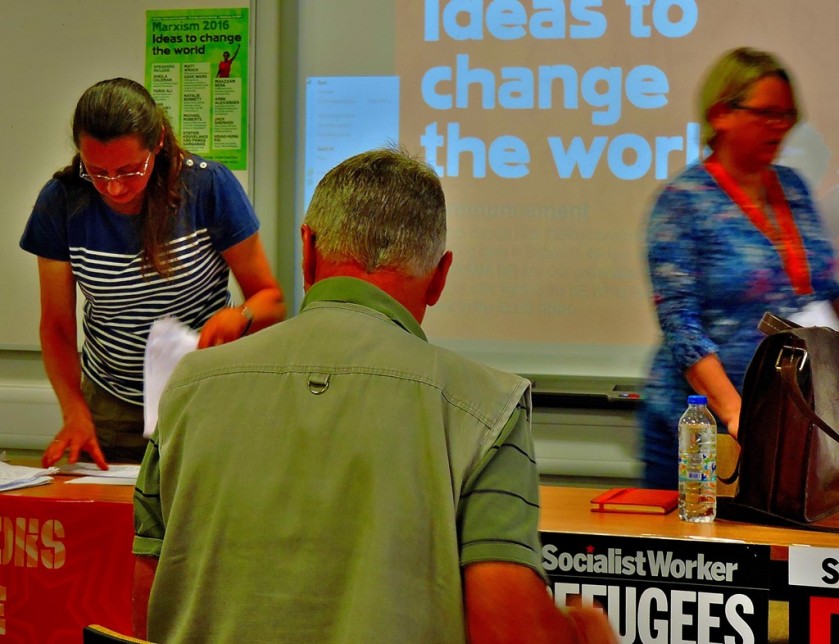
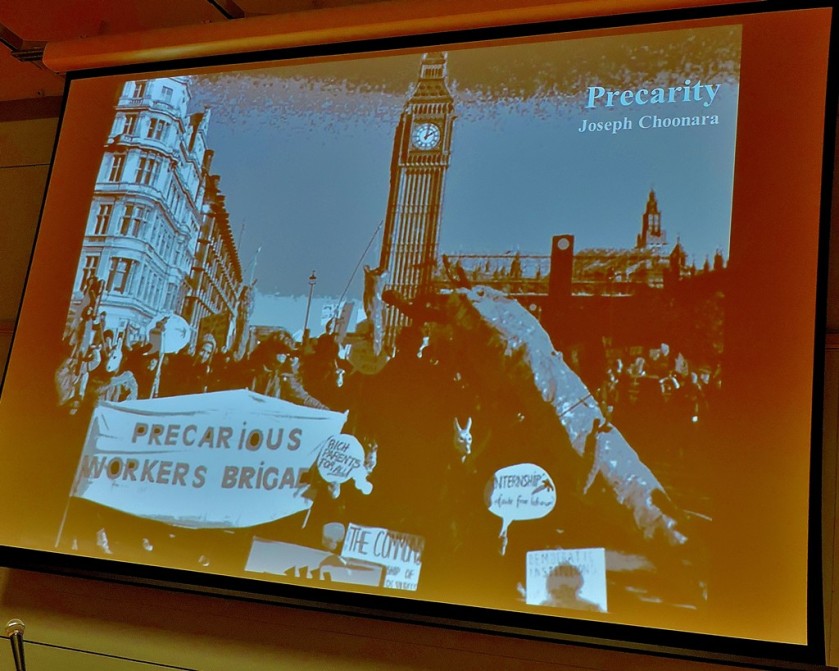
Thus, my selected meetings were: Engels and the origins of women’s oppression (Celia Hutchinson) in room 728, Precarity: minority condition or majority experience? (Kevin Doogan) in the Elvin Hall, The Anthropocene and the global economic crisis (John Bellamy Foster) in the Galleon Suite room A Royal National Hotel), After the elections: Ireland’s new politics? (Brid Smith and Richard Boyd Barrett), in the Galleon Suite room C Royal National Hotel) and The gene editing revolution – its promise and potential perils (John Parrington), Room 728.

It so happened that the two meetings in the above  list that were in the Royal national Hotel were the only two that I attended there and were back to back. Regular readers will recall that the entrances to the Institute of Education building are on levels 3 and 4. Room 728 as its name suggests is on level 7, while the Elvin Hall is on level 1. There are lifts, but I am not keen on lifts and I also recognized that there were others at the event whose need for lift access is greater than my own, so this program involved a lot of stairs.

The first two meetings featured one late change – Kevin Doogan had to withdraw and was replaced as speaker by Joseph Choonara. Here are some photographs…

099100101102104110111112113114

After the usual picnic lunch it was time for…

A VISIT TO THE ROYAL NATIONAL HOTEL

The Royal National Hotel is separated from the Institute of Education by the width of a street (albeit a central London street with all that that entails). Observation of the timetable will lead you to note that Galleon A and Galleon C but no Galleon B. This is because the Galleon Suite is divided by means of temporary partitions which are not soundproof (I have been attending incarnations of this festival since 1995, and can attest to this, as it was not always taken account of), so Galleon B (the middle of a three way partition) was used as a kind of anteroom to the other two parts of the suite, simultaneously serving as a sound-break between them. My first port of call in this building was Galleon C for…

THE ANTHROPOCENE AND THE GLOBAL ECOLOGICAL CRISIS

The basic thesis behind this talk is that the scale of human impact on our climate has already been such that we are no longer in the Holocene, the period which began about 10,000 years ago, but in the Anthropocene, the start of which is still not agreed on, with estimates of the exact point spanning the 19th century.

The term Anthropocene is not as new as you might think, having been used in the 1920s by Alexei Pavlov. What this terminology implies is that human influence (anthropo- is a Greek prefix meaning human) on the earth has become so great that human history is now driving geological history.

The speaker (and we were lucky enough to have noted author John Bellamy Foster in that role) presented a huge amount of data explaining the thinking, and left himself without enough time to explain what we should be doing about this situation. While I found this meeting interesting and sobering I was somewhat disappointed by this aspect of it.

115
The platform with no speakers

116117

118
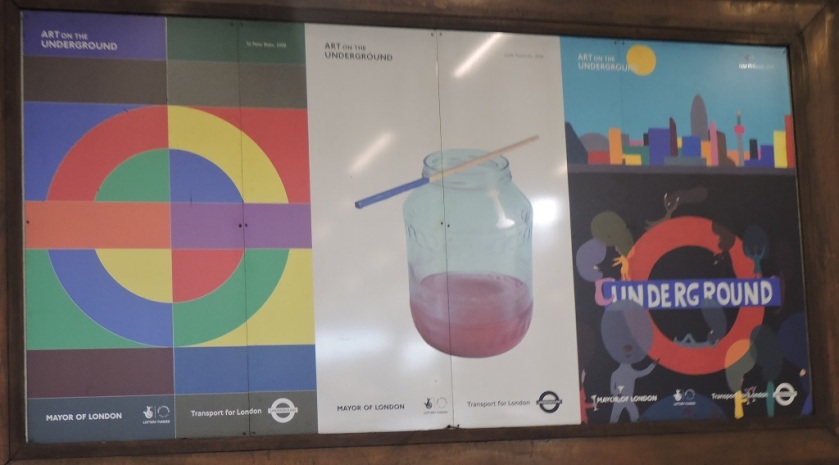
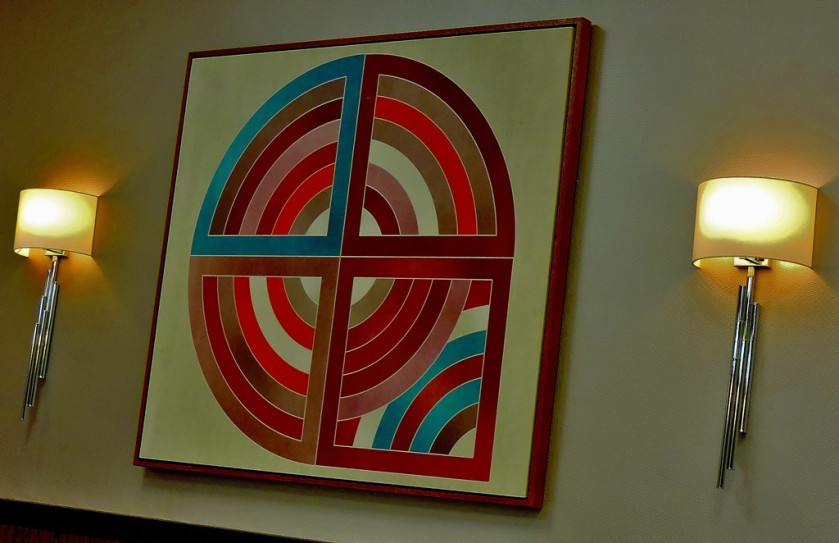
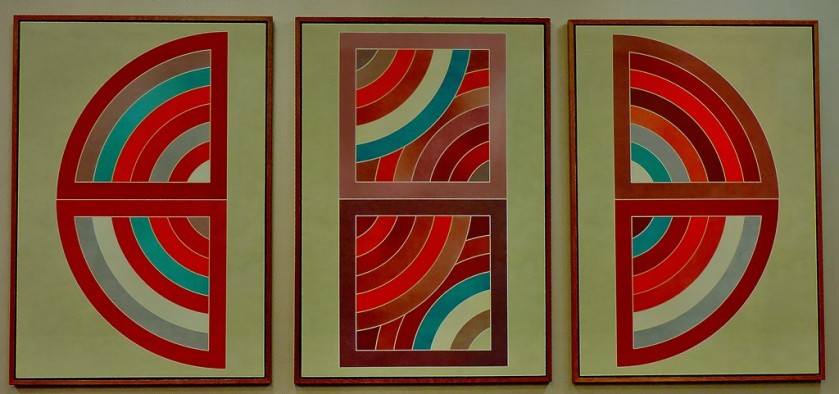
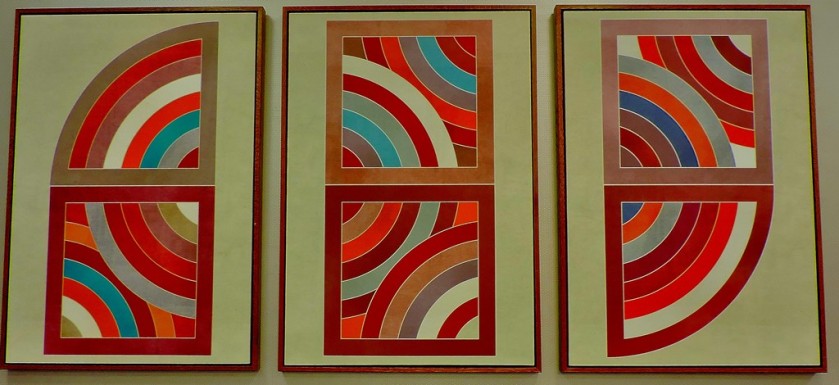
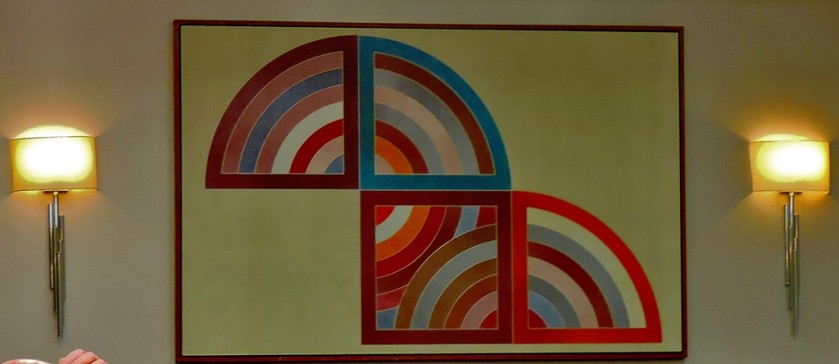
Abstract art at the RNH
119
The platform just before the start of the meeting.

PICTURES FROM GALLEON B IN BETWEEN MEETINGS

120121122123

IRELAND’S NEW POLITICS?

I had been looking forward to this one since hearing Brid Smith speak at the opening rally (I already knew how good Richard Boyd Barrett was from previous years) and I was not to be disappointed. Richard Boyd Barrett (now in his second term as TD for Dun Laoghaire) and Brid Smith are both members of the Irish Dail as part of the People Not Profits coalition.

Before looking at Ireland’s new politics, a brief summary of Ireland’s old politics. For virtually the whole history of the Republic of Ireland the government of the country had swung between two right-wing conservative parties,  Fianna Fail and Fine Gael, depending on which of them the Labour Party in that country chose to prop up.

So what is different now? Well both of the main parties have suffered heavy electoral losses, and one election after its best ever showing the Labour party is down to seven seats. People Before Profit has six seats, and four others are held by socialists who are not members of that coalition (this would be equivalent to having 40-50 radical left MPs at Westminster).

Ireland was forced by the EU to bail out toxic banks at a cost of 68 billion, which was clawed back by inflicting cuts on the weakest in society. Then, the EU decided it had not gone far enough in immiserating Ireland and demanded that the Irish government levy a water charge. This provoked a huge backlash, including a 250,000 strong demonstration in Dublin (equivalent, given the two countries populations to 4-5 million in London), and there is simply no way that the water charge will be made to stick.

It is not just in the Republic that things are changing rapidly (the Irish Socialist Workers Party is a cross-border organisation). There are now two People Before Profit coalition members sitting in the Stormont Parliament (Eamonn McCann and Gerry Carroll), the first two people in Stormont not be signed up as either nationalist or loyalist but as socialists pure and simple,and as part of the campaigning that brought this about they managed to have a meeting in the Shankill Road, attended by 50 people – even the most entrenched sectarianism can be broken through.

124125126127

128
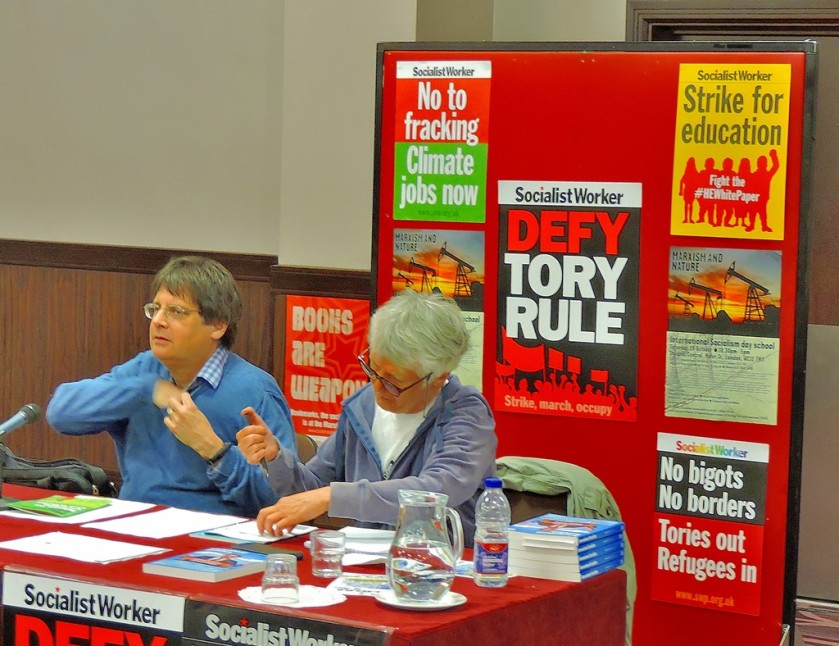
The two speakers and chair Emma Davis on the platform
129
A second picture of the platform taken moments before the start of the meeting

BACK TO THE INSTITUTE

After the evening picnic it was time for the final meeting of the day. John Parrington gave an excellent introduction after which there was a variety of contributions from the floor. I was pleased to see Steve Silberman’s book Neurotribes (surely destined to become the standard work on autism) on display at this meeting. The homeward journey was uneventful as expected.

133
This one is a bit blurred – a consequence of being on an escalator travelling at London Underground standard speed of 145 feet per minute.

135136

Rugby, Links and Pictures

An account of this weekend’s six nations action plus some pictures and some links.

INTRODUCTION

The third weekend of the six nations rugby tournament is done and dusted. As indicated in the title I also have some links and pictures to share.

THE SIX NATIONS

On Friday night Wales took on France at the Principality (nee Millennium) Stadium. Yesterday’s two matches featured Italy versus Scotland at Stadio Olimpico and England versus Ireland at Twickenham.

WALES V FRANCE

Wales came into this match with one win and one draw to their name, France with wins over Scotland and Italy (a record which flattered them – given a decent kicker Italy would have beaten them and they were not convincing in the second game either). The match was fairly close throughout, and not of the highest quality. The Welsh emerged victorious and thus temporarily sat at the top of the table.

ITALY V SCOTLAND

Since Italy were included in the tournament, making it the Six Nations, these two sides have accrued 14 wooden spoons between them (Italy 10, Scotland 4) and few would bet against one or other adding to that tally this year. Often of late Italy have come to grief in the kicking department (see above) so it was ironic that on a day when Kelly Haimona was flawless with the boot they were well beaten, and are now very likely to finish bottom.

ENGLAND V IRELAND

England came into this match having won both games, unconvincingly against Scotland in the Calcutta Cup match and very comfortably against Italy. Ireland, winners in 2014 and 2015 had started with a draw and a defeat. England dominated the first half but failed to register the points to reflect that, and when James Haskell got himself sin-binned (for the fifth time in his international career) defeat was more than a possibility. However England were only one point behind when Haskell was able to rejoin the action, and two converted tries in a short space of time thereafter put them 13 points ahead. Although Ireland pressed hard in the closing stages England had done enough and on the balance of play over the whole 80 minutes their victory was well deserved.

THE TOURNAMENT SO FAR

England now lead with three wins from three games, Wales are second, and France third, with Scotland currently fourth, Ireland fifth and Italy sixth. England and Wales face each other in their next match, and the winner of that will be a strong favourite for the trophy, with France likely to finish third. Ireland, Scotland and Italy are fighting out the bottom half of the table. Thus far the quality of the play has not been especially high.

PHOTOGRAPHIC INTERLUDE

After a big chunk of text, here are some pictures…

LINKS

Although there are not that many of them I am splitting these links into sections, starting with:

TTIP LEGAL ADVICE

This is a direct link to Michael Bowsher’s legal advice about TTIP.

COSMOS UP

A link to a very interesting piece about Asteroid 2013 TX68, accompanied by an image:

Asteroid

PUBLIC TRANSPORT

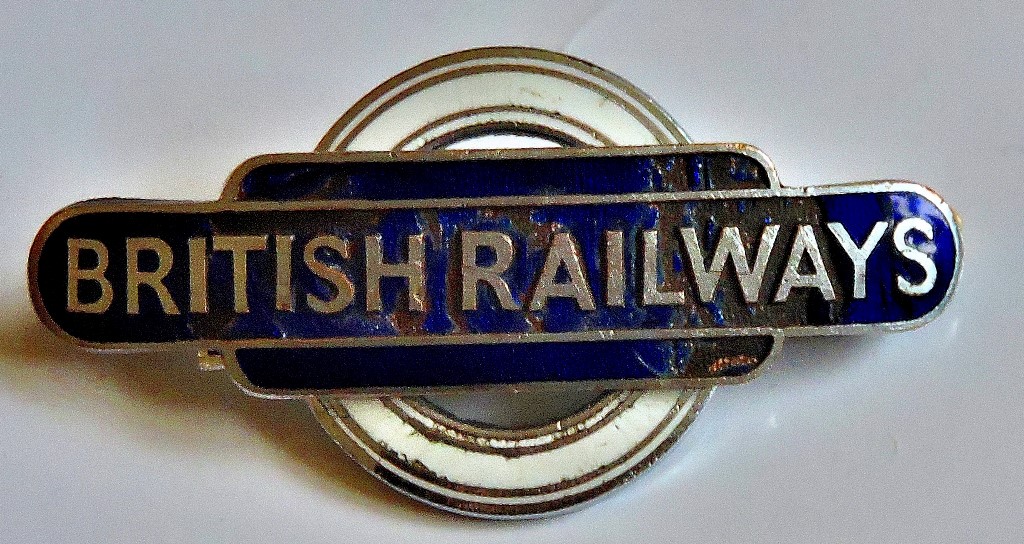
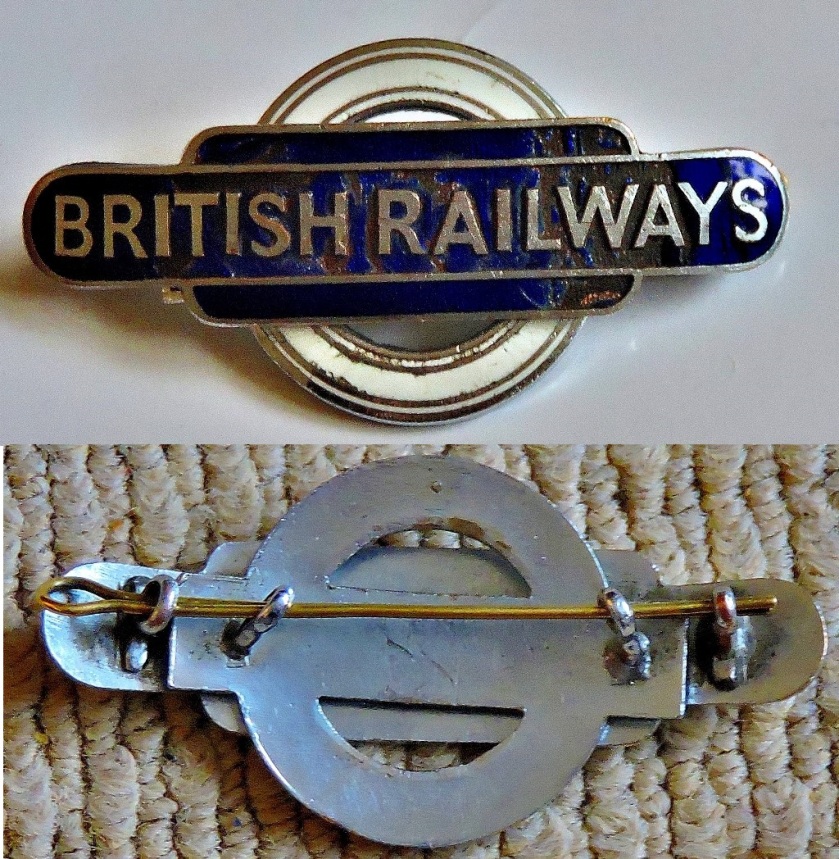
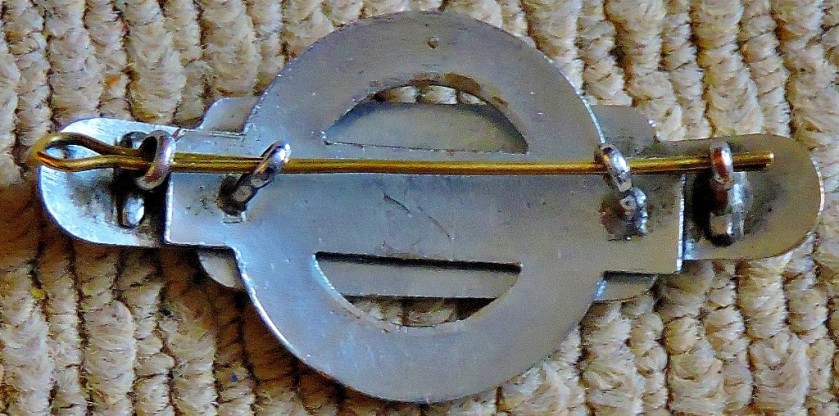
Three links, and also three pictures, the latter showing how I have combined two metal badges to make a composite public transport badge. Since I am talking about public transport, here is a reminder of my London transport themed website,
www.londontu.be on which I have already posted two of the links.

Citymetric expose in great detail the lack of a business case for the controversial garden bridge.

Following on from the previous link, change.org are running a petition against the building of the garden bridge – please sign and share.

The last link before the pictures that end this post comes courtesy of we own it and is a call to stop some our finest stations from being sold.

Composite badge
Both sides of the two combined badges in one picture.
DSCN4519
The front off= the ‘composite badge’
DSCN4520
The reverse side.


Bellerive Brings More History

The match between Scotland and Sri Lanka at the Bellerive Oval in Hobart is at the halfway stage and has already seen a record set and another equalled.

Kumar Sanggakara kept his appointment with a century, becoming the first to achieve the feat in four successive ODIs. His century was matched by one from Tillekaratne Dilshan and the main course was followed by an explosive 51 from Angelo Matthews as Sri Lanka ran up 363 from their 50 overs. In amongst this carnage Josh Davey took three wickets, taking him up to 14 for the tournament and temporarily leading wicket taker, one ahead of Trent ‘the conductor’ Boult. That figure of 14 wickets for the tournament also ties Eddo Brandes of Zimbabwe for most wickets ever taken by a bowler for an associate member at a world cup (in 1992 Zimbabwe had yet to be promoted to full member status).

The Bellerive seems to be a serendipitous ground for great things to happen at – it was here that Ireland edged out Zimbabwe in a thriller just a few days ago. The word serendipitous derives from the wondrous island encountered by Sindbad the Sailor in his sixth voyage, the Arabic name of which is rendered in English translation as Serendip, Serendib or Sarandib. The name by which this island is now known? Sri Lanka.

I do not see this game developing into a Zimbabwe v Ireland style thriller, especially with Kyle Coetzer, the Aberdonian with a South African surname having gone to the second ball of Scotland’s reply.

As those familiar with this blog know I never leave you without sharing some pictures…

??????????

Work on what will be the Northbound exit from the new bus station.
Gaywood Clock through the window of an X8.
A lacewing on the inside window of an X8 on the return journey.
A close up of the same lacewing.
A new dawn (something English cricket needs) breaking over King's Lynn
A new dawn (something English cricket needs) breaking over King’s Lynn
My new bathroom window - I also have secondary glazing on the High Street side of the flat.
My new bathroom window – I also have secondary glazing on the High Street side of the flat.
A glimpse into the Jewish Cemetery, Millfleet, King's Lynn
A glimpse into the Jewish Cemetery, Millfleet, King’s Lynn

?????????? ?????????? ?????????? ?????????? ?????????? ?????????? ??????????

These swans, swimming in the Nar, were a trifle uncooperative.

?????????? ??????????

Moorhen about to take the plunge...
Moorhen about to take the plunge…
...And now happily swimming.
…And now happily swimming.

?????????? ??????????

Bellerive Blockbuster

The best match of the 2015 Cricket World Cup so far took place at the Bellerive Oval, Hobart this morning GB time. Ireland, with a century from Ed Joyce and 97 from Andrew Balbirnie reached 331-8. In reply Zimbabwe fought brilliantly, and at various times, not least when they took 19 from the 49th over, bowled by Kevin O’Brien, to leave themselves needing seven of six balls, they looked like favourites for what have been the largest successful chase in World Cup history. Alex Cusack kept a cool head, and put the finishing touches to a fine bowling performance by capturing the two remaining Zimbabwe wickets for the addition of a single, in three balls. A full scorecard can be viewed by clicking here. Having set the scene with this opening account I will share some pictures before moving on…

This device appears above Paper Klip, the Fakenham stationers.

?????????? ?????????? ?????????? ?????????? ?????????? ??????????

??????????

Not only was that match a classic, featuring quality performances from many players, but the eventual result means that Ireland have now won three matches at this tournament, and are very well placed to progress to the quarter finals. The only disappointment to me was that the Player of the Match Award went boringly (and in my opinion wrongly) to Ed Joyce for his hundred when the key to Ireland’s victory was the cool head under pressure displayed by Alex Cusack. Having witnessed this amazing match I am more convinced than ever that the ICC would be utterly wrong to reduce associate nation involvement in the World Cup. My response to Aakash Chopra who gets to publicise his ideas on www.cricinfo.com and who believes that the World Cup should be reduced to ten teams and that the associates should concentrate on getting to play more matches against full members outside of world cups is twofold. First he is guilty of presenting a false dichotomy: it is not a case of either or – i would like to see both more matches between full members and associates outside of world cups and greater associate participation in World Cups. Whether he is guilty of any offence beyond sloppy logic I am not prepared to say, but it is only in cricket that anyone argues for a smaller world cup. My thoughts on how the Cricket World Cup should be formatted can be viewed by clicking here.

Congratulations to Ireland on a magnificent performance. Before sharing some more pictures I will comment on nations who first entered the world cup as associates and are now full members:

Sri Lanka – played 1975 and 1979 as associates before being granted full membership – Won in 1996 (a feat never achieved by England), Runners up in 2011.

Zimbabwe – made world cup debut in 1983 as an associate,promoted to full membership in 1992 – beat Australia in their first ever world cup match, nearly beat India (eventual champions), later in that competition, and in 1999 when England were ejected from their own party embarrassingly early came with an ace of qualifying for the semi-final.

Bangladesh – No great highlights yet, but are going fairly well this time, and there is at least one person who would not be in the least surprised were they to end up progressing further than England.

Now for the second batch of pictures…

??????????

I was delighted to see cormorants back on the structure I have dubbed Cormorant platform as for some weeks due to nearby roadworks they had not been in evidence.

?????????? ?????????? ?????????? ?????????? ?????????? ?????????? ??????????

c

The Cricket World Cup (and Some Pictures from Kings Lynn)

The cricket world cup is well and truly under way. The night before last our time Ireland chased down a target of over 300 to beat the West Indies. Last night co-hosts New Zealand took on Scotland in Dunedin and a look at the scorecard would suggest a typical Dunedin cold, grey day with the ball nipping about all over the place. The truth was that after some excellent new ball bowling by Trent Boult and Tim Southee reduced Scotland to 12-4 the match was as good as over. Scotland rallied to reach 142. New Zealand then squandered seven wickets knocking off this very modest target (the dismissals were almost all down to bad batting rather than good bowling – but fortunately Geoffrey Boycott was not there to bear witness).

I have plenty of pictures to share with you, which I shall do in two tranches, starting with some from Sunday…

?????????? ?????????? ?????????? ?????????? ?????????? ?????????? ?????????? ?????????? ?????????? ??????????

The newly refurbished steps from the street to Boal Quay Car Park, done as part of the work of increasing the height of the flood defences.

Before sharing the pick of yesterday’s images, mention of my new work shoes, which after periods of wear indoors on Sunday and yesterday are going to get their first outing today (if this proves a mistake I can revert to the old work shoes that I still have for Thursday and Friday). The key day for when I have to be able to wear them without issue is a week tomorrow, when we have our next auction down at Fakenham Racecourse, and I will then be playing bridge in the evening without going home between the two events. At this moment I am not anticipating that there will be any problems because I have catered for all eventualities including buying a box of cushioned plasters in the event of a bad reaction from my heels. My mother spotted these shoes in Russell and Bromley while in London last week, for which I was very grateful as I had drawn a blank at Clarks. Now for some more images…

The flag fluttering from the Guilhall.

?????????? ?????????? ?????????? ?????????? ??????????

One shot, three species - the smallest of which is only seen in this area at low tide when there is exposed mud.
One shot, three species – the smallest of which is only seen in this area at low tide when there is exposed mud.
They were there in great numbers - 28 in this shot post cropping.
They were there in great numbers – 28 in this shot post cropping.

?????????? ?????????? ?????????? ?????????? ??????????

These birds are not regulars in Kings Lynn.

?????????? ??????????

Of Birds, Local Heritage and Rugby

I will start with the local heritage. I had the opportunity at my aunt’s house yesterday before the rugby started to photograph a modern replica cast iron piece that was made from the original…

Although there were other contenders, so remarkable was yesterday photograph wise this is the feature image.

In the first of the rugby matches, England eventually ran out comfortable winners, although Italy scored first through Sergio Parisse and kept things close for about the first hour (and would have been close still had they possessed a number 10 with a functioning boot – whatever other merits he possesses ex-Kiwi Kelly Haimona is a liability in this area) but England, just as Ireland had been last week were too strong for Italy in the end. The second game between Ireland and France was much less of a spectacle. Ireland managed to win, thereby ratcheting up the stakes for the game in two weeks time between Ireland and England. There was one very serious misdemeanour by a French player in that match, when he gave one of the Irish guys a vicious knee in the back. Somewhat surprisingly the referee only deemed this worthy of a yellow and ten minutes in the sin bin. Personally, given how badly the Irishman could be affected by the blow, I think it should have been red, end of the French offender’s participation in the match and indeed of this years Six Nations.

Although it was dark by the time the Rugby ended, I had been out and about earlier in the day and snagged some good pics – I also got one on my home…

?????????? ?????????? ?????????? ?????????? ?????????? ?????????? ?????????? ?????????? ?????????? ?????????? ?????????? ?????????? ?????????? ?????????? ?????????? ??????????

The front of King's Lynn Minster, beautifully lit up.
The front of King’s Lynn Minster, beautifully lit up.