County Stalwarts of my Lifetime XI

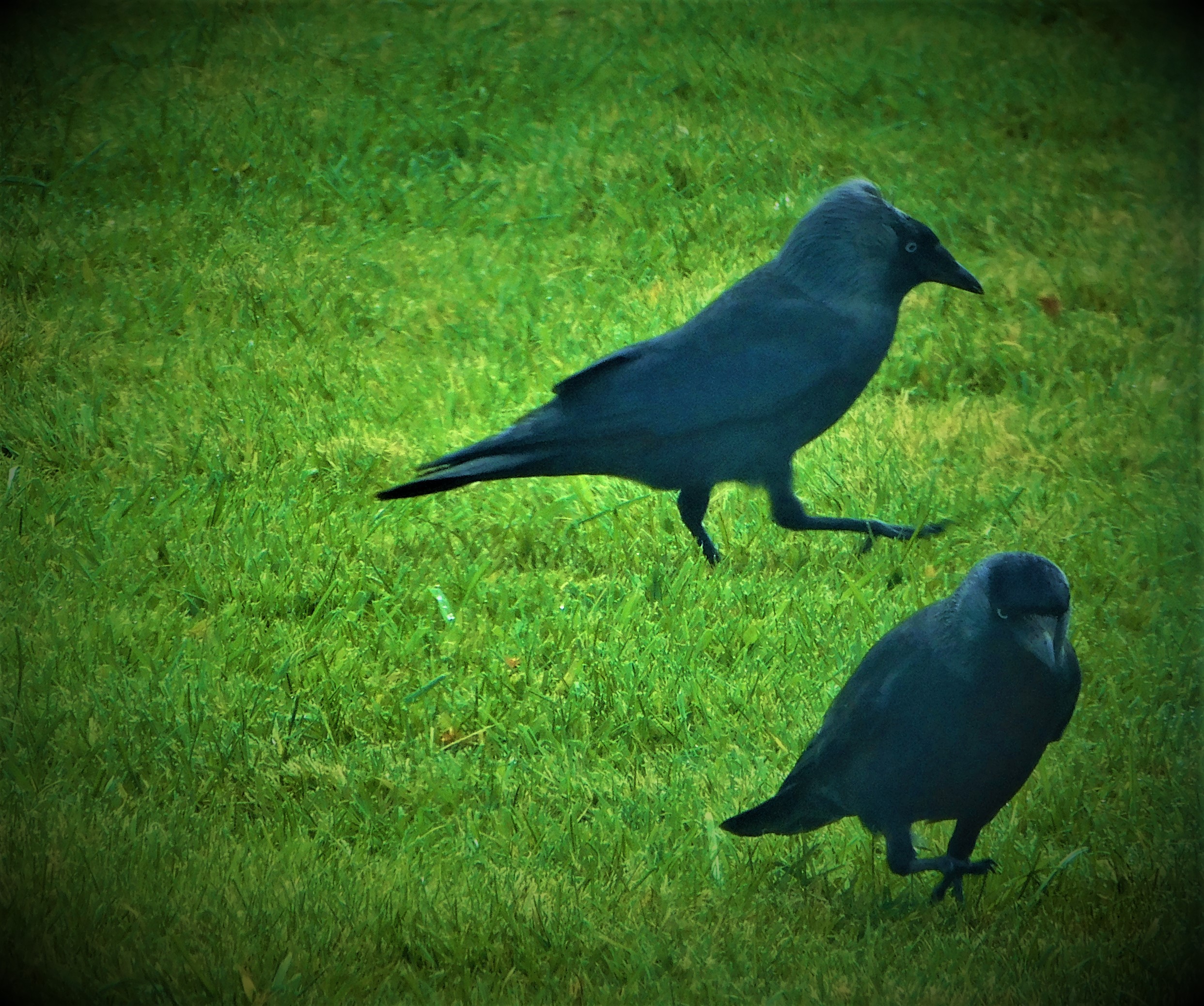
With precisely three weeks to go until the start of the English season I offer up an XI of county stalwarts who played in my lifetime. I also have a splendid photo gallery.

I present an XI of county stalwarts from my lifetime. I have allowed myself one overseas player only, and when it came to the home players the accent was on folk who were IMO treated shabbily by the England selectors. There will be a very brief honourable mentions section at the end. I also have a splendid photo gallery for you – the last couple of days have been genuinely springlike.

  1. Daryl Mitchell (Worcestershire, right handed opening batter, occasional medium pacer). While the current pairing at the top of the England order of Duckett and Crawley seems to be functioning fairly well there was a long period after the retirement of Andrew Strauss when England could not find an opener to score consistent runs as Alastair Cook’s partner. Somehow, in spite of scoring almost 14,000 FC runs at an average of 38 Mr Mitchell’s name never came to the attention of the selectors (nb the Daryl Mitchell who plays for NZ is a middle order batter and is eight years younger than the Worcestershire opener).
  2. Chris Dent (Gloucestershire, left handed opening batter). Another, like Mitchell, who was superbly consistent (just over 11,000 FC runs at an average of 37, and no attention from the England selectors.
  3. Graeme Hick (Worcestershire, right handed batter, occasional off spinner). The only batter ever to score triple centuries in three different decades (1980s, 19902, 2000s). His test returns were decidedly modest (he averaged 31 at that level and only managed five centuries in quite a number of matches), but he was an absolute destroyer of county bowling (Ollie Pope, the current England number three, is at risk of ending his career with a similar record of having destroyed county bowling and not quite done the business at test level, although he has time to rectify that, and has already done more at test level than Hick managed in his career – nevertheless, the wrong way round disparity between the record of Pope of Surrey and that of Pope of England is cause for concern).
  4. James Hildreth (Somerset, right handed batter, occasional right arm medium pacer). It borders on ludicrous that a player who scored 18,000 FC runs at 44 finished his career without an international cap, but such was the fate of Somerset stroke maker James Hildreth.
  5. David Sales (Northamptonshire, right handed batter). A 17 year old announces himself at first class level by scoring 210* on debut – surely a case if ever there was one for fast tracking, but no. Sales, who added a triple century and a 276* to that debut knock along the way and tallied almost 14,000 FC runs at an average of just over 39 would end his career uncapped by his country.
  6. +Ben Foakes (Essex, Surrey, right handed batter, wicket keeper). The best keeper around in the men’s game today (the likes of Eleanor Threlkeld and Rhianna Southby are also superb practitioners of the stumpers art), and a fine middle order batter (Surrey habitually use him at number five, followed by a cluster of all rounders and bowlers). However, after a tour in which England suffered the fate of every recent visiting side from any country to India – namely got well beaten, there are already murmurs about England dropping him for the home summer. In this side, with a genuine all rounder, a bowling all rounder and a batter who bowls in the next three slots this wicket keeping all rounder is unlikely to find himself having to attempt to nurse along genuine tail enders as he did in each of the fourth and fifth tests of the recent tour.
  7. Darren Stevens (Leicestershire, Kent, right handed batter, right arm medium pacer). In his Leicestershire days he was treated as a specialist batter and his record in that department did not merit an England call up. He was already past 30 years of age when his move to Kent saw him morph into a genuine all rounder, and his age always counted against him in terms of England selection, even when he kept on going and going into his middle 40s with no sign of his skills declining.
  8. Richard Hadlee (Nottinghamshire, right arm fast bowler, left handed batter). I have deliberately chosen an overseas player who served one county for a number of years rather than one of the more modern foreign mercenaries who never develop any loyalties but play instead for whoever will pay them. The fact that he would be in any rational person’s top two or three overseas players of the period under consideration (1980s forward basically, given my age) gives him a strong case anyway. While batting was unquestionable the second string to the bow of one the greatest fast bowlers of all time, 12,000 FC runs at an average of 31 is definitely enough to class him as a bowling all rounder, as is the fact that in 1984 he achieved the season’s double of 1,000 runs and 100 wickets in first class matches, the first time anyone had achieved the feat since the reduction of the FC season in 1969 to make way for the John Player League, and achieved only once since then, by Franklyn Stephenson, also of Nottinghamshire. Of course in the 2020s 14 game FC season anyone achieveing this feat would be doing something on a par with George Hirst’s ‘double double’ – 2,000 runs and 200 wickets in first class matches for the season – of 1906.
  9. *Phil Carrick (Yorkshire, left arm orthodox spinner, right handed batter, captain). He captained Yorkshire at a time when that job was the biggest poison chalice in cricket. He also took 1,081 FC wickets at 29.82, and scored 10,300 FC runs at 22.00 – a handy person to be coming in at number nine.
  10. Steve Watkin (Glamorgan, right arm medium fast bowler, right handed batter). Many bowlers with far worse test averages than Watkin’s 27.72 got much more recognition than the tall Welsh seamer, who finished with three international caps. He was a workhorse for Glamorgan, at or near the top of the national bowling averages season after season. He did eventually gain the reward of being part of Glamorgan’s third (and to date last) ever championship winning side in 1996.
  11. Jamie Porter (Essex, right arm medium fast bowler, right handed batter). Generally speaking if you want to see a champion side look at the bowling -Yorkshire in the 1900s and 1930s were a much stronger bowling side than theyb were with the bat, and they dominated both decades, Surrey owned the 1950s , again with a bowling dominant side. Similarly Essex dominated the second half of the 2010s, and there were three main reasons for this – Porter and Sam Cook with the new ball and Simon Harmer’s off spin. Porter is now approaching his 31st birthday, which probably means that he will remain uncapped by England, which given that he has 466 FC wickets at 23.75 looks nearly as bizarre as does Hildreth remaining uncapped.

This side has a powerful top five, plenty of scope for runs from the middle and lower middle order, with Foakes and Stevens genuinely front line batters, Hadlee almost so and even Carrick better than most number nines would be in that department. The bowling, with Hadlee’s pace, two very different types of high quality medium-fast in Porter and Watkin, Carrick’s spin and Steven’s medium pace should not struggle to take 20 wickets either. Though I have acknowledged the bowling capacities of some of the batters, I do not see any of them, with the possible exception of Hick on a fourth day pitch, being needed.

Those who read my county all time XIs back in 2020 would have noted from them that if I choose an overseas player I nearly always go for a bowler, and that being the case along with my desire to pick a long serving county player narrowed the potential choices down to two – Hadlee, who I actually opted for, and Malcolm Marshall (Hampshire). There is little to choose between two such outstanding cricketers, and I would be happy to see Marshall at number eight as well.

The spinner was a difficult choice, because with Hick in the ranks I preferred either a left armer or a leggie as my primary spinner. No English leggie has had a really good record in recent years (and Matt Parkinson, the nearest thing to such and animal, would have meant a genuine nine, ten, jack), and not many left armers have been that special either (and the two most obvious candidates, Tufnell and Panesar would cause the same worry as Parkinson batting wise). I could have found another English pacer, and picked Warne as overseas player, but I did not think his period at Hampshire was extensive enough to qualify.

Had I not been concentrating my attention on those who were badly treated by selectors then Marcus Trescothick (Somerset) would have had Chris Dent’s slot. Two men of Kent, Mark Benson (one England cap in 1986) and David Fulton (uncapped by England) were in with a shout for Mitchell’s slot.

Two other opening bowlers to be ignored by England in spite of excellent FC records were Ben Coad (Yorkshire) and Ben Sanderson (Northamptonshire).

My usual sign off…

All Time XIs – The Jameses

An all time XI of players who all have James as one of their given names and a large photo gallery.

Today’s post honours two cricketers who are very different stages of their careers and happen to have the first name James. Both of course are in the starting XI.

  1. James Burke (Australia, right handed opening batter). Usually known by the diminutive Jim, he was a dour opener with a respectable test record and a good first class one. I have not mentioned his off spin, as a) I don’t see it getting much use in this XI and b) to quote a spectator at one of his matches “bowl him one for a change Burkie – you’ll surprise him”.
  2. James Aylward (Hambledon, left handed batter). Anyone good enough to have scored 167 in a big match on the kind of pitches that existed in 1777, as he did, must have been an excellent batter, and I am pleased to honour him here.
  3. James Langridge (Sussex, England, left handed batter, left arm orthodox spinner). He was often called on to act as sheet anchor for Sussex, which is why I feel confident using him to fill what would otherwise be a tough slot. Even at test level his averages were the right way round, while at FC level he averaged 35 with the bat and 21 with the ball.
  4. *James Hildreth (Somerset, right handed batter, occasional right arm medium pacer). Very unlucky never to have to have played test cricket, he was one of the most prolific middle order batters of his era. I have also named him as captain of this side.
  5. James H Parks (Sussex, England, right handed batter, right arm slow medium bowler). The only player ever to score 3,000 FC runs and take 100 FC wickets in the same season.
  6. James Rew (Somerset, left handed batter, occasional wicket keeper). At the age of 19 he already has six first class hundreds with an HS of 221, with an average of 52.80 at that level. Elevation to the test ranks looks assured. He is the first of the two guys to inspire this post.
  7. +James Foster (Essex, England, wicket keeper, right handed batter). One of the finest wicket keepers ever to play the game, and enough of a batter to score 13,000 FC runs at an average of 37.
  8. Cedric Ivan James ‘big Jim’ Smith (Middlesex, England, right arm fast bowler, right handed very aggressive lower order batter). Took his FC wickets at 19 a piece. Among his many absurdly fast innings is the quickest 50 ever scored against genuine (as opposed to declaration) bowling – he reached the landmark in 11 minutes on that occasion!
  9. James Charles Laker (Surrey, Essex, England, off spinner, right handed lower order batter). Possibly the greatest of all conventional off spinners (Murali is in a category of his own), and good enough with the bat to have amassed two first class hundreds.
  10. James Bridges (Somerset, right arm fast medium bowler, right handed lower order batter). A fine new ball bowler for Somerset, and has the distinction of coming closer to having an FC century than anyone else who failed to score one – his HS at that level being 99 not out.
  11. James Anderson (Lancashire, England). He turned 41 yesterday, and he is guaranteed to remain England’s all time leading test wicket taker for some time to come, as his closest rival Stuart Broad has announced that the current test match will be his last. Anderson has not yet retired, and although he is unlikely feature much if at all in India this winter, he may be eyeing Sri Lanka at his him ground of Old Trafford next year as a potential sign off match.

This side has a solid batting line up, with most of the bowlers capable of weighing in as well, and a great bowling attack – Anderson, Smith, Bridges, Laker and Langridge, with James H Parks as sixth bowling option.

James Pattinson (Australia) is the biggest miss by far, but I wasn’t prepared to drop any of my chosen specialist seamers to make way for him. James M Parks, son of James H, was a good middle order batter and some might have picked him ahead of his father. James Hallows of Lancashire would have given me a left arm pace option, but he was more batter than bowler, and his record in that department does not stack up. James Morton Sims of Middlesex was the best leg spinner to qualify for consideration, but I preferred three seamers and two spinners to really stacking the spin options. James Seymour of Kent was a good county pro in his day. Finally, James Lillywhite junior who could not be accommodated in this side deserves a mention for his historical significance – he captained England in the first two test matches ever played, and also helped to arrange a number of the early tours.

On this day last year I published my all time XI of players whose surnames begin with J. Now it is time for my usual sign off…

A Combined Lancashire/ Somerset XI

A Composite Lancashire-Somerset all time XI in honour of the game I am following in this round of championship fixtures and a fine photo gallery.

It is day four of the current round of county championship fixtures, and as has been my habit so far this season I will present a composite all-time XI for the two counties involved in the match to which most of my attention has been devoted. My individual XIs for the counties concerned can be found here and here.

THE XI IN BATTING ORDER

  1. Marcus Trescothick (Somerset, left handed opening batter, excellent slip fielder, occasional medium pacer). Somerset’s second leading scorer of FC runs in history, and had an excellent test record as well.
  2. Archie MacLaren (Lancashire, right handed opening batter, excellent slip fielder). Still holder of the record first class score by an English cricketer, 424 for Lancashire against Somerset at Taunton in 1895. His greatest moments at international level came on the 1897-8 tour of Australia.
  3. Johnny Tyldesley (Lancashire, right handed batter). One of the best bad wicket players in the game’s history, and a fixture in the Lancashire 1st XI from his debut in 1895 to the outbreak of war in 1914. Post WWI he turned out for the county only on an occasional basis at times of great need.
  4. James Hildreth (Somerset, right handed batter, occasional medium pacer). One of the unluckiest of all non-international cricketers – not many scorers of 18,000 FC runs at an average in the mid-40s have failed to attract the notice of the national selectors.
  5. Neil Fairbrother (Lancashire, left handed batter). Never quite cracked test cricket, though he was a fine ODI player for a time, but his record for Lancashire speaks for itself. Career highlights include the highest ever FC score at a London venue (366 v Surrey in 1990).
  6. Len Braund (Somerset, right handed batter, leg spinner, excellent slip fielder). One of the relatively few Somerset players to attain the status of an England regular. Played a key role for Somerset in a famous 1901 victory at Headingley over then dominant county Yorkshire, and then won a match against the same awesome opposition virtually single handed the following season – he took 15 wickets in the match and made the highest individual score on either side.
  7. *Sammy Woods (Somerset, right handed batter, right arm fast bowler, captain). Captain for a long period when Somerset often struggled to get 11 players together. Sydney born, but settled in Somerset and was genuinely devoted to the county.
  8. Wasim Akram (Lancashire, left arm fast bowler, left handed batter). After two genuine all rounders comes a bowling all rounder, and our official overseas player, one of the two best in history in his particular role (Alan Davidson of Australia being the other).
  9. +George Duckworth (Lancashire, wicket keeper, right handed batter). Many would opt for a keeper who was better with the bat, but I reckoned that with two genuine all rounders and one of the greatest of all bowling all rounders in the XI I could afford to pick the best keeper of those available, and for me Duckworth was that.
  10. Jack ‘Farmer’ White (Somerset, left arm orthodox spinner, tail ender). One of the finest of his type to play the game, his stamina and unrelenting economy were crucial to England’s 4-1 win down under in 1928-9. At Adelaide in that series he bowled 124 overs across the two Aussie innings, claiming 13 wickets and conceding at just a tick over two runs an over.
  11. Sydney Barnes (Lancashire, right arm fast medium bowler, tail ender). The consensus pick for the greatest bowler of all time, though his county experience was fairly limited as he preferred Lancashire League, where the money was better. 189 test scalps at 16.43 a piece in 27 appearances at that level (i.e an average of seven wickets per match) is some testament to his skills against even the best around. He was offered a place on the 1920-1 tour of Australia but would only go if his wife was allowed to accompany him, and the powers that be foolishly refused him. Had they agreed to his request a) England would almost certainly not have been beaten 5-0 and b) He would probably have beaten Warne by over 80 years to becoming the first to take 100 test wickets in a country other than his own (he had 77 in 13 matches in Australia).

This XI has a powerful batting line up and a superb and wonderfully balanced bowling attack – Akram and Barnes to share the new ball, Woods as third pacer and two contrasting spinners in White and Braund. It would take a fine side to challenge them.

HONOURABLE MENTIONS

Besides the two I picked there were three openers who merited serious attention: Harold Gimblett, Cyril Washbrook and Mike Atherton in that order of precedence.

Of non-overseas middle order batters Ernest Tyldesley was the unluckiest to miss out.

My preference for having bowlers or bowling all rounders as overseas players and my decision to restrict myself to one overseas player meant that Sunil Gavaskar, Greg Chappell, Viv Richards (all Somerset) and Clive Lloyd (Lancashire) could not be accommodated. Similarly Faroukh Engineer’s wicket keeping credentials did not enter the equation

Andrew Flintoff was obviously a candidate for the fast bowling all rounders slot, but I wanted Woods as captain, and also Woods was outstanding for many years, whereas Flintoff pre-2004 was a player with great potential and post 2006-7 Ashes was basically a spent force, whereas Woods was outstanding for many seasons.

Johnny Briggs was a rival to White for the left arm spinner’s slot, and I might also have given that slot to an off spinner in Brian Langford or indeed have opted for Cecil Parkin’s all sorts.

The biggest controversy is undoubtedly in the pace bowling department, where neither of the two bowlers after whom the ends at Old Trafford are named made the cut. The reason for my not selecting either is that with an envisaged new ball pairing of Akram and Barnes whichever of them I selected would have had to be third pacer, and giving that role to Woods meant that I got his captaincy and the opportunity to pick the best keeper rather than selecting a batter-keeper such as Steven Davies or Craig Kieswetter. The other great fast bowler to miss out was Ted MacDonald, the Aussie ace who opted for Lancashire league and ultimately the county.

Matt Parkinson may yet establish himself as a great leg spinner, but whereas Braund was a genuine all rounder and superb in the field Parkinson is a genuine number 11 with the bat and nothing special in the field.

I end this section with a look to the future: James Rew is playing for Somerset in the current match, and at the age of 19 already looks a very fine cricketer. He may yet force his way into the reckoning.

PHOTOGRAPHY

Time for my usual sign off…

All Time XIs: County Stars Who Never Played Test Cricket

To mark the start of another championship season I pick an XI of county stalwarts who somehow escaped the attention of the England selectors of their day. I also have my usual photo gallery at the end.

A new county championship season is under way (I have commentary on Lancashire v Surrey on in the background), and in honour of this I am putting together an XI of the best English county cricketers who never got the call up for England. Players whose careers took place before test cricket was played are ineligible.

THE XI IN BATTING ORDER

  1. John Langridge (Sussex, right handed opening batter and excellent close fielder). Over 34,000 FC runs, 76 centuries and hundreds of catches taken in the field but never an England call up for the Sussex stalwart.
  2. Alan Jones (Glamorgan, left handed opening batter). More FC runs than anyone else not to get an England cap, 36,049 of them including 56 centuries. He was selected for the series against The Rest of the World that replaced the South African visit of 1970 when that was cancelled but those games are not officially classed as test matches.
  3. Percy ‘Pete’ Perrin (Essex, right handed batter). Almost 30,000 FC runs at 36, with 66 centuries including an HS of 343* and no England cap. Ironically having been continually passed over as a player he did get to serve as chairman of selectors.
  4. James Hildreth (Somerset, right handed batter, occasional right arm medium fast bowler). Not far short of 20,000 FC runs at an average of 44, but the England call never came.
  5. David Sales (Northamptonshire, right handed batter). I first heard the name when I was listening to a test match commentary and Christopher Martin-Jenkins mentioned that a 17 year old had just scored 210* on FC debut. I thought that he was certain to become an England regular and sooner rather than later. Unfortunately, not only did he not get fast tracked, he never got an England cap, although his FC output was consistently impressive, including a triple century and a 276*.
  6. *Darren Stevens (Leicestershire, Kent, right handed batter, right arm medium pacer, captain). An aggressive middle order batter and a highly successful swing bowler. He missed out partly because in the first part of his career at Leicestershire he hardly bowled and his batting record did not merit selection on its own. He was already in his thirties when at Kent he became a serious bowler, and age always told against him, even though Stevens in his 40s was playing the best cricket of his life.
  7. Ernie Robson (Somerset, right handed batter, right arm medium pacer). He played for Somerset for 28 years (1895-1923), comfortably managed the career double of 10,000 runs and 1,000 wickets in FC games. In his last season, at the age of 53, he hit a six in the last possible over of a match to win it for Somerset. Jack Hobbs rated him one of the most difficult bowlers he ever faced. Incidentally he and Stevens are well matched as bowlers – Stevens’ main weapon was the inswinger, whereas Robson’s specialism was outswing.
  8. +David Hunter (Yorkshire, wicket keeper, right handed batter). A rare example of a top class Yorkshire player being ignored by the England selectors, he made 1,200 dismissals in a long and distinguished career and featured in several important lower order partnerships as well.
  9. Tom Wass (Nottinghamshire, right arm fast medium, right arm leg spin, right handed lower order batter). A magnificent county record in the Edwardian era, but never an England call up.
  10. Don Shepherd (Glamorgan, off spinner, right handed lower order batter). It is telling of the frequency with which England selectors have been unable to see what happens west of the Severn that Glamorgan, home to the leading run scorer never to have played for England also boasts the leading FC wicket taker not to have played for England. Shepherd took over 2,200 wickets at a very cheap average, and was part of the 1969 team which won the County Championship without losing a match.
  11. George Dennett (Gloucestershire, left arm orthodox spinner). 2,151 FC wickets at 19.82. He missed out in part because England were very strong in the left arm spin department during his career – Rhodes and Blythe were ahead of him in the pecking order pre-WWI, and the all round skills of Roy Kilner often got him the nod in the 1920s. Also Frank Woolley, who could bowl left arm spin, was an England regular throughout Dennett’s career.

This team has a powerful top five, two swing bowling all rounders, a great keeper and trio of contrasting specialist bowlers. Between them the available bowlers tick every box save sheer pace. Many an actual England XI would struggle against this side.

HONOURABLE MENTIONS

Opening batters: Daryl Mitchell of Worcestershire had a fine county record without ever attracting selectorial attention. Chris Dent of Gloucestershire is not yet officially qualified for this team, but if he does not get a call up for England before retiring he will be a challenger to Alan Jones for the left handed opener’s role.

Middle order batters: Edgar Oldroyd of Yorkshire was Perrin’s chief rival for the number three slot – 15,000 FC runs at 36 a piece, and probably as regular number three behind Holmes and Sutcliffe more time spent padded up waiting to bat than anyone else in FC history. Tony Cottey (Glamorgan and Sussex) had an excellent county record and often scored his runs when the team really needed them, and given the struggles of 1990s England middle orders can be considered particularly unlucky to have been overlooked.

All rounders: Two potential imports who England ultimately decided not to pick, Frank Tarrant (born in Australia, played for Middlesex for many years as a left handed batter and left arm slow medium bowler) and Sydney Smith (born in the West Indies, not then playing test cricket, played for Northamptonshire as a middle order batter and left arm spinner), doing the double in his first season for the county and ultimately averaging 31 with the bat and 18 with the ball in FC cricket. Digby Jephson (Surrey) was a very distinctive all rounder, an aggressive middle order batter and a fast underarm bowler, who fell short of international recognition.

Wicket keepers: Wally Luckes (Somerset) and Colin Metson (Glamorgan) are the two most obvious challengers to Hunter.

Fast bowlers: bowlers of genuine pace rarely miss out altogether on selection, though Charles Kortright (Essex) and Billy Bestwick (Derbyshire) both did. William Mycroft (Derbyshire) only just overlapped with the start of test cricket, so I felt I could not include him, while George Freeman’s retirement in 1875 to concentrate on his auctioneering business definitely ruled him out.

PHOTOGRAPHY

I have a fine gallery for you today…

All Time XIs – Somerset

Continuing my all-time XIs series with a look at Somerset.

INTRODUCTION

Welcome to the latest installment in my “All Time XIs” series. Today we are looking at Somerset. In the course of our journey we will meet heroes of the past, stars of the present, a couple of hopes for the future and the man who when I get round to creating it will be captain of the “What Might Have Been XI”.

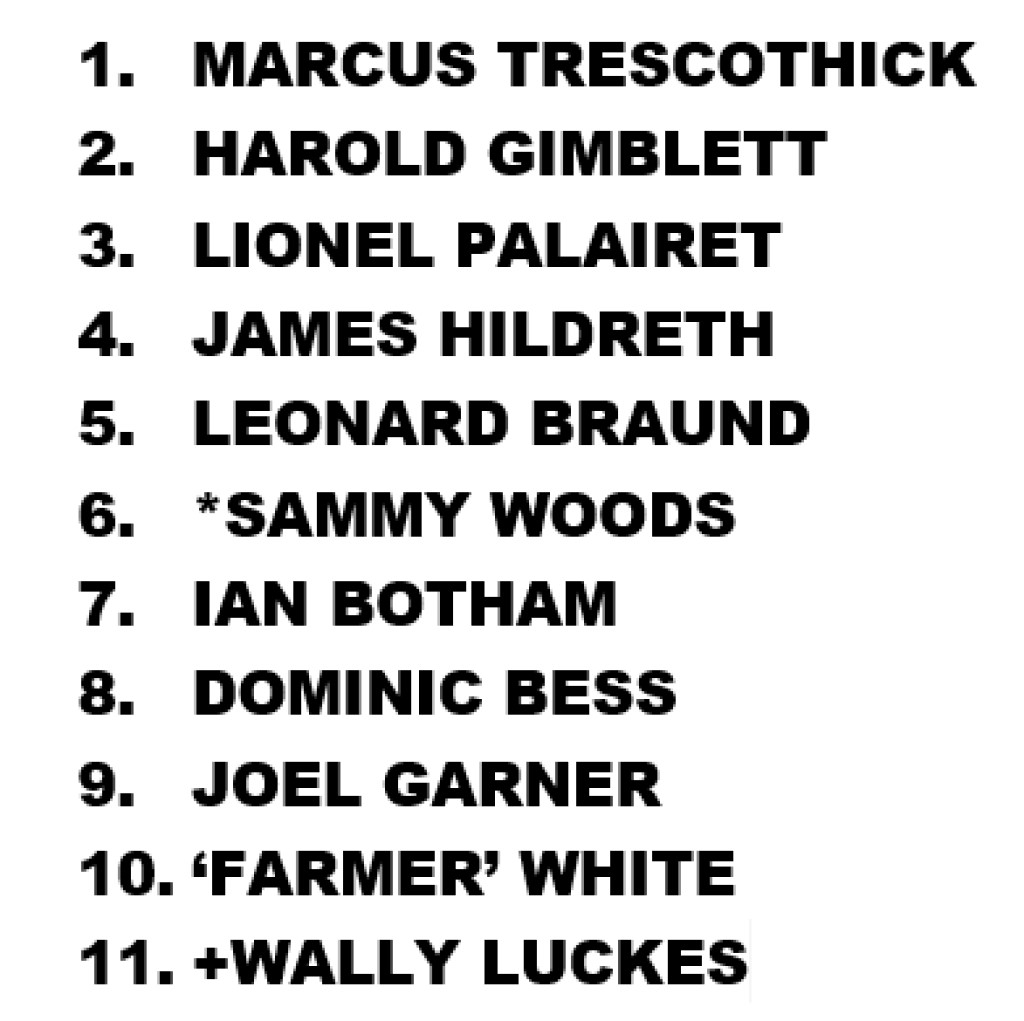
SOMERSET ALL TIME XI

  1. Marcus Trescothick – left handed opener who scored stacks of runs in his long and distinguished career. He was selected for England against the West Indies in 2000, showed masses of character in surviving an early onslaught from the veteran pacers Ambrose and Walsh, going on to score 66 on debut. That same winter facing the very different challenges posed by a dry pitch and some crafty spinners in Sri Lanka he made his maiden test hundred. Runs continued to flow against all opponents for some years. At Edgbaston in 2005 after England had been badly beaten in the opening match of that year’s Ashes series at Lord’s a display of controlled aggression brought him 90 on the opening day, after Ponting in spite of losing McGrath, the bowler most likely to cause such a decision to succeed, to injury on the morning of the game put England in. His England career was ended my mental health issues at the back end of 2006, but he returned to Somerset and went on scoring runs for them right up until the end of the 2019 season. He was also a fine slip fielder and bowled respectable medium pace.
  2. Harold Gimblett – the man who still holds the record for most career first class runs for Somerset, and the highest first class score by a Somerset native (310). On his debut against Essex, after being called up at the last moment, he scored 123 in 79 minutes, winning that season’s Lawrence Trophy for the fastest first class hundred of the season in the process. As with many others who plied their trade for a county who were generally on the fringes of things he received less international recognition than he deserved.
  3. Lionel Palairet – a stroke making batter of the late Victorian and Edwardian period. In the 1901 season he scored 100 runs in a morning session on five separate occasions. One of those was in a game against Yorkshire that tests credulity: On the first morning Somerset were rolled for 87, to which Yorkshire replied with 325, only for Somerset to score 630 in their second innings, nos 1,2 and 3 all scoring hundreds. Facing a victory target of 393 Yorkshire crumbled to 113 all out, and defeat by 279 runs, their only defeat of the season. He was picked twice for England, Old Trafford and The Oval in 1902, a pulsating three run defeat that settled the destination of that year’s Ashes and “Jessop’s Match” – see my Gloucestershire piece, an extraordinary one wicket victory.
  4. James Hildreth – a free and heavy scoring middle order batter who somehow completely escaped the notice of the England selectors during a distinguished career. He was used a fielding substitute during the 2005 Ashes, but never got closer than that to the test arena.
  5. Leonard Braund – at a time when Somerset had few reliable batters, and were not unknown to struggle to get 11 players together for their matches he was a very consistent run scorer, rated as one of the finest of all slip fielders and was a high quality leg spinner. Braund was one of the three centurions in the Somerset come-back mentioned in connection with Palairet (Frank Phillips was the third), and, mirabile dictu, the following season Yorkshire were again champions, again lost only one game and again it was Somerset who were their undoing. This triumph was very much down to Braund – he made the highest individual score of the game and captured 15 wickets in the two Yorkshire innings. In 1907 he found himself in a “good player were at t’other end” scenario, when Albert Trott comprehensively ruined his own benefit match by taking four wickets in four balls and then shortly afterwards ending such resistance as Somerset had offered by doing the hat trick – and poor Braund observed this carnage from 22 yards away, emerging with 28 not out.
  6. *Sammy Woods – born in Sydney but Somerset through and through. Captain through some very difficult times, and my choice for that role in this side. An attacking right handed bat and a right arm fast bowler.
  7. Ian Botham – all rounder, a third acknowledged expert in the art of slip fielding alongside Trescothick and Braund in this side. I have him in the position in the batting order from which he scored his two most iconic centuries – 149 not out at Headingley in 1981 to breathe life back into that year’s Ashes when it seemed that Australia were in charge (Bob Willis then took 8-43 to complete the turnaround – see my Warwickshire piece) and then a few weeks later, after he psyched out the Aussie lower order at Edgbaston (a spell of 5-1 in 28 balls, and the only wicket to go a really difficult ball was Ray Bright), with England looking to push home a first innings advantage at Old Trafford he settled the destination of the Ashes and the series by reaching his century off 86 balls, eventually finishing with 118 off 102. After 53 balls of that Old Trafford innings he was on 28 not out, meaning that his last 90 came off 48 balls.
  8. Dominic Bess – an offspinner and handy lower order bat, who I would hope still has a lot of his career to run. I have selected him in this team because I have been hugely impressed by what he has done in his career thus far, and because I felt obliged for reasons I will explain later to overlook another current England spinner. I first wrote about him in this post, on July 19, 2017, and he has done plenty right since then.
  9. Joel Garner – my chosen overseas player. A right arm fast bowler of extreme accuracy who was especially awkward on account of his great height (6’8″, which coupled with a leap in his delivery stride and a high arm action meant that the ball was coming down from a height of somewhere in the region of 10 feet above ground level).
  10. Farmer White – a slow left arm bowler of extreme stamina and accuracy. In the course of the 1928-9 Ashes series in which all matches were played to a finish (and England won 4-1) he ploughed through 542 overs in the five test matches. In the Adelaide match (and beautiful place though it is I would doubt that Adelaide is on many bowlers’ lists of preferred destinations!) in great heat he bowled 124 overs over the course of the two Australian innings, collecting match figures of 13-256.
  11. +Wally Luckes – a wicket keeper who rendered 25 years service to his county. He batted low in the order on the instructions of his doctor (on one occasion against Kent he was sent in at no 5 and scored 121 not out, so he could make runs). His neat and unobtrusive style of wicket keeping was massively appreciated by the bowlers, but was so very unobtrusive as to absolutely fail to attract the attention of the England selectors. As already mentioned he was largely restricted on health grounds to batting late in the order, and he made a name for himself in tight finishes. Against Gloucestershire in 1938 he hit the third and fourth balls of the last possible over of the game for fours to give Somerset a one wicket win (Ben Stokes, if you are reading this, you and only you are permitted to say “what, he didn’t wait until the fifth and sixth balls to complete the job?”). In 365 first class appearances he took 587 catches and executed 240 stumpings.

My chosen XI consists of four specialist batters, three genuine all-rounders of differing types, three specialist bowlers of differing types and an excellent wicketkeeper. I have two out and out pacemen of contrasting approach in Garner and Woods, a right arm swing bowler in Botham, and all types of spin other than left arm wrist spin (White, Bess and Braund). The only type of bowling not available to this side is left arm pace. Other than that, unlike far too many real Somerset sides it looks both balanced and formidably strong.

SOMERSET PRESENT AND FUTURE

Somerset have never won the County Championship, and deep into the 1980s had never finished higher than third. They have been runner-up a number of times in recent years, including in 2019, and in 2016 when they topped the table going into the final day of the season but lost out when Middlesex and Yorkshire connived to create a result out of what looked a certain draw (Middlesex being the beneficiaries in the end). Firmly established in front rank of current players are Jack Leach, who I considered for the left arm spinners slot given to White, Lewis Gregory, a right arm fast medium bowler who is also a useful lower middle order bat and the Overton twins, Craig and Jamie, robust lower order hitters who both bowl right arm at above medium pace (Jamie on top form can be genuinely quick). Also rapidly establishing himself is Tom Abell, a right handed batter who seems to positively relish playing long innings against the red ball (a rarity in this day and age), and who has shown himself to be a shrewd captain. Finally, three youngsters who are at various stages of emerging talent, all of whom I expect to be seriously big names before too many years have passed are Tom Banton, an attacking top order batter and sometimes wicket keeper, George Bartlett, another top order batter who also bowls off spin, and Lewis Goldsworthy, slow left arm bowler and middle order bat (and the only player so far mentioned anywhere in this series whose birth year begins with a 2) who had some memorable moments in the under-19 world cup. That elusive County Championship should not remain elusive for many more years with this kind of talent on tap.

MAURICE TREMLETT – A TALENT DENIED

When Somerset went to Lord’s in 1947 to take on Middlesex who were on their way to that year’s County Championship they took with them a young fast medium bowler named Maurice Tremlett. He took 3-47 in the first Middlesex innings, and then in the second innings 5-39, all of those wickets coming in a spell of five overs during which he conceded only eight runs. Then, batting at no 11 he joined Horace Hazell, a slow left armer who already had a reputation in tight finishes (he was Luckes’ last wicket partner in that 1938 game against Gloucestershire) and won the game for his side with a little gem of an innings which included a straight six off spinner Jack Young. This sort of debut should have set the stage for an illustrious career (and maybe if physicists are right about there being parallel universes that is what happened in one of those). Sadly England’s desperate need for pace bowling options at that time and maybe Tremlett’s own nature intervened. Various coaches, and at least one international captain, Gubby Allen, in the West Indies that winter, tried to mould him into the genuine fast bowling article. Changes to the length of his run up (four strides added in an effort to generate more pace), the position of his hips, thighs and feet, and so on led to a loss of his greatest natural asset, the outswinger, control and confidence. Within a few years he had packed in bowling save for occasional attempts to break a partnership and was making his way as a specialist batter, in which capacity he did fairly well but was never of international standard. He was also for a period a highly regarded county captain, which is why when I have created it he will be captain of the “What Might Have Been XI”. In a counterfactual novel dealing with the cricket of this period (or that parallel universe!) Tremlett, not messed about with, would have developed into an attacking no 8 bat and new ball bowler with a hugely successful test record. In the real world it would be two generations before a Tremlett, grandson Chris, would enjoy serious test match success as a bowler, playing a vital role in 2010-11 Ashes triumph.

OMISSIONS

In addition to Leach and White the left arm spinner’s berth could have gone to Edwin Tyler, Beaumont Cranfield or Horace Hazell. Roy Virgin, Brian Rose and Mark Lathwell were three fine opening batters (and there are those who would say that had be been properly handled Lathwell could have been a great batter). In the middle of the order three names who might have had a place were Jack MacBryan (who would have expected to be unlucky – this is the guy who played test cricket but never batted, bowled or fielded, since the match he was selected for was ruined by rain, and there was evidently something wrong with the way he hung around in the pavilion), Brian Close, who taught Somerset how to win in the 1970s, and Peter Randall Johnson. The last named played in an era when residential/ birth qualifications were taken very seriously by the powers that be, but less so by Somerset, who found ingenious ways round these rules. In Mr Johnson’s case Somerset went for the absolutely brazen approach of airily telling the powers that be “oh yes, he was born in Wellington”, which was the truth but not the whole truth – they failed to mention which Wellington he was born in, and yes, it was the one in New Zealand! Bill Alley, an Australian born batter and medium pace bowler merited consideration. Arthur Wellard, a fast medium bowler and big hitting batter (25% of his 12,000 first class runs came in the form of maximums) was also a candidate, but with Woods and Botham nailed-on selections his presence would have unbalanced the side. ‘Crusoe’ Robertson-Glasgow, a Scottish born pace bowler and no 11 batter did not make the cut as a player but has the consolation of being my first choice to write about this team’s performances. Finally, only one Somerset born bowler has ever lifted a senior world cup: Anya Shrubsole – and I did think about it. Somerset has had some splendid official overseas players down the years, with Viv Richards, Sunil Gavaskar, Justin Langer, Greg Chappell and Martin Crowe all authentic greats, but as usual when it came to the overseas player I went for a bowler, in this case Garner. The off spinner’s position could have gone to Brian Langford, who had a long and distinguished Somerset career, while Vic Marks also played for England as an off spinning all rounder. Ian Blackwell, a big hitting middle order bat and left arm spinner simply could not be accommodated. Among the wicket keepers the wonderfully named Archdale Palmer Wickham (nicknamed ‘snickham’ such was his incompetence with the bat) was clearly s splendid practitioner. More recently Piran Holloway, Craig Kieswetter, Jos Buttler and Steven Davies would all have their advocates.

Readers may have other players that I have not mentioned in mind, and suggestions are welcome, but remember to consider the effect that your suggestions will have on the balance of the side.

PHOTOGRAPHS

Yes, our rollercoaster ride through Somerset cricket is at an end, and all that remains is my usual sign off…

P1310548 (2)P1310550 (2)P1310551 (2)P1310552 (2)P1310553 (2)P1310555 (2)P1310556 (2)

P1310557 (2)
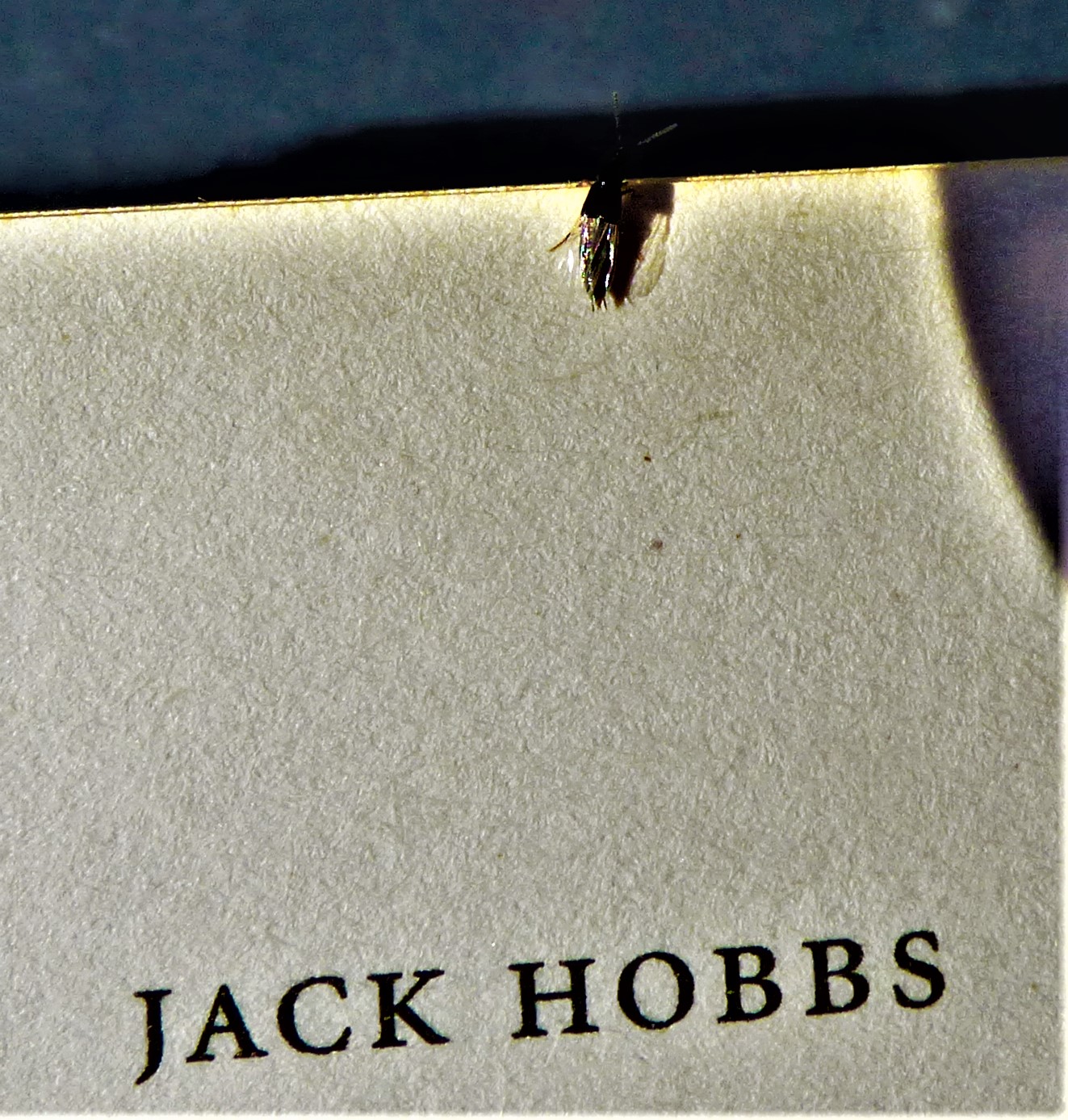
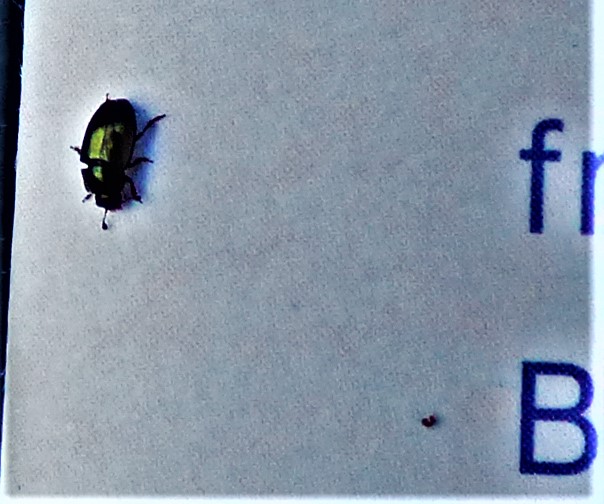
To give you an indication of how small this bottle green beetle is, the text you can see in shot is nornal sized print from the blurb of a book (I sat out in my garden earlier today, for a brief period).

P1310560 (2)P1310561 (2)P1310561

P1310554 (2)
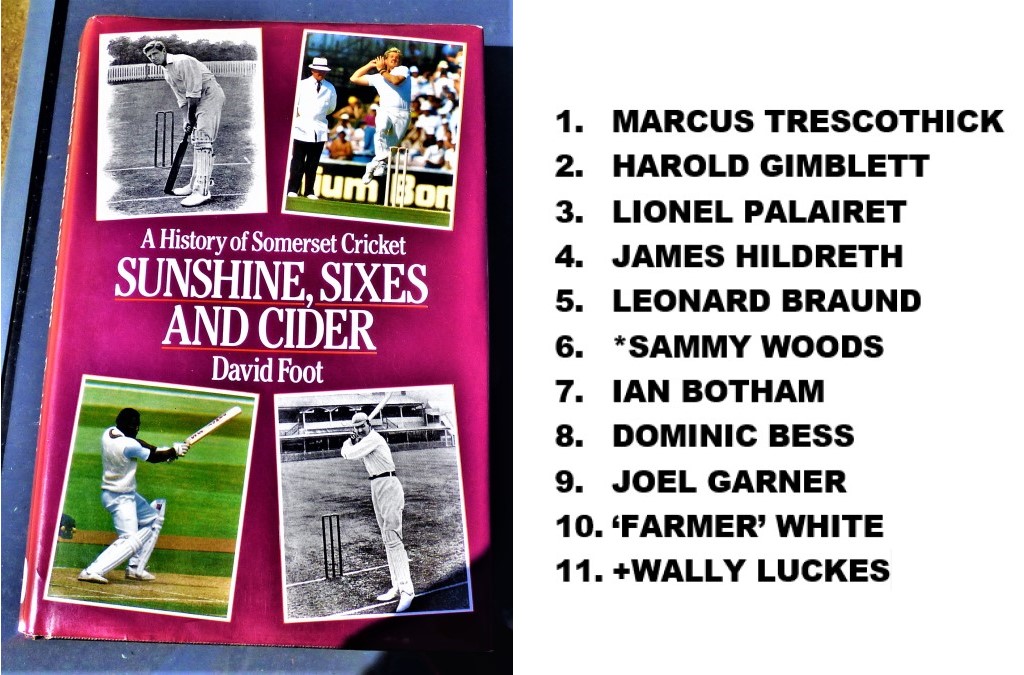
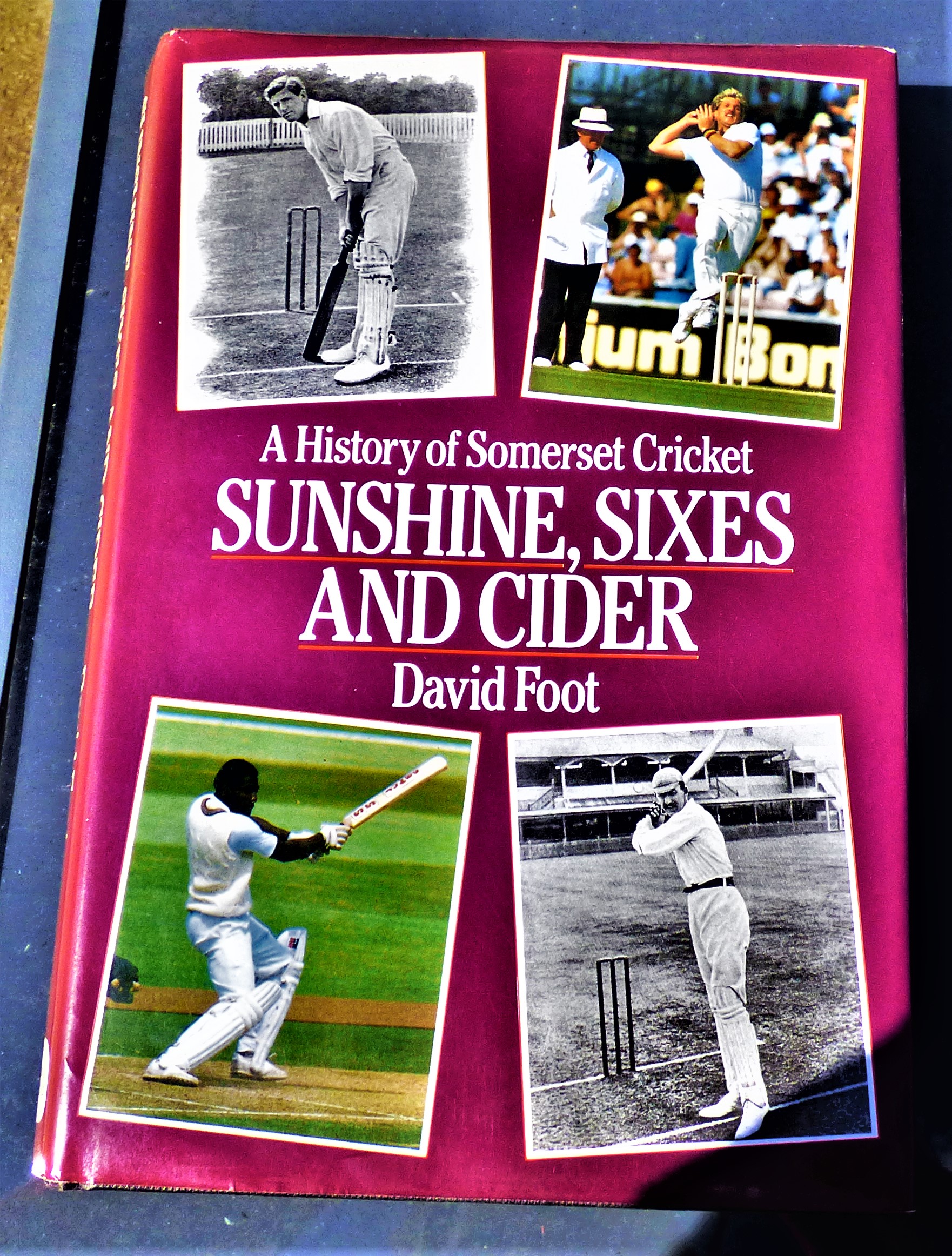
A highly entertaining history of Somerset cricket.

Somerset All Time
The team in batting order.

P1310558 (2)
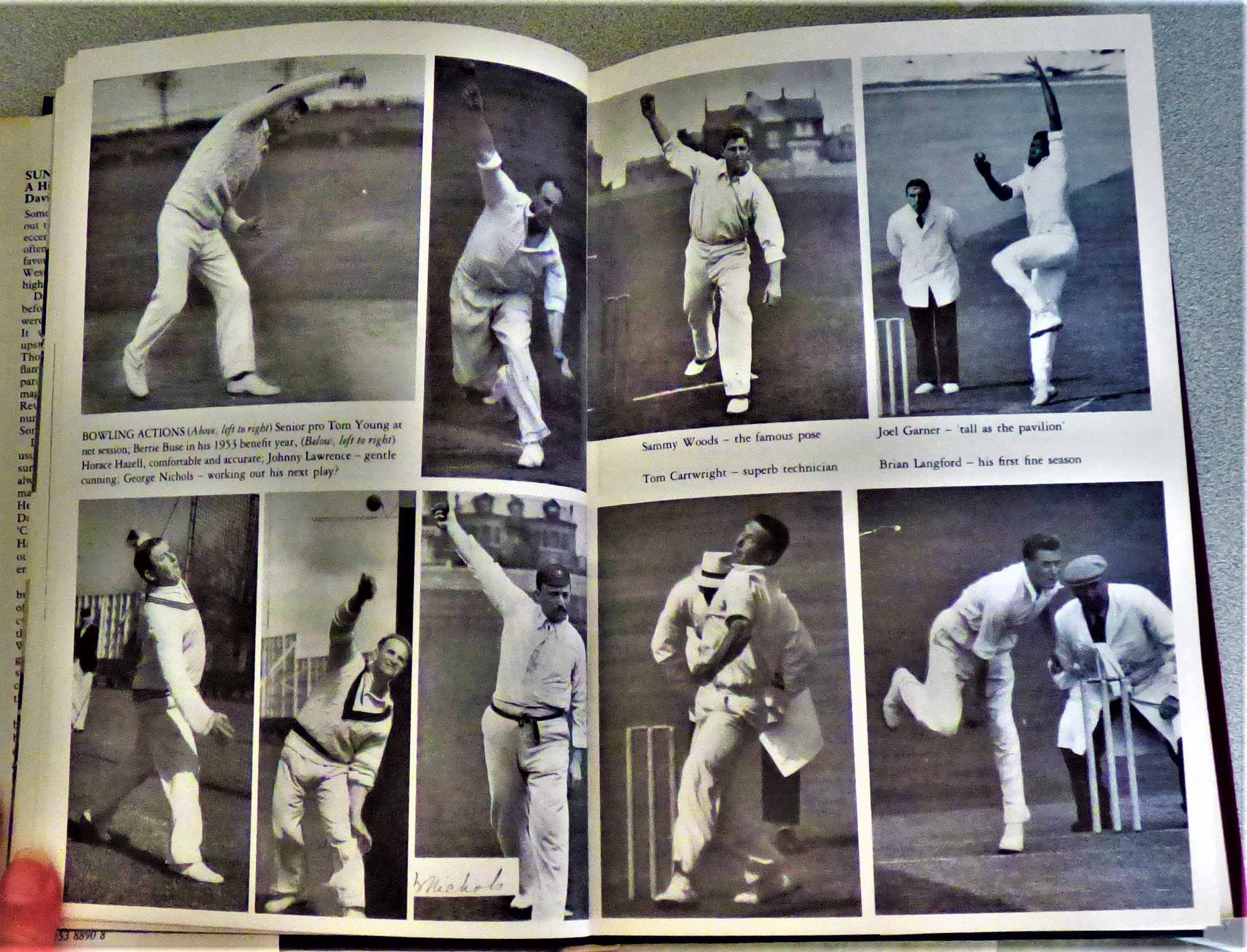
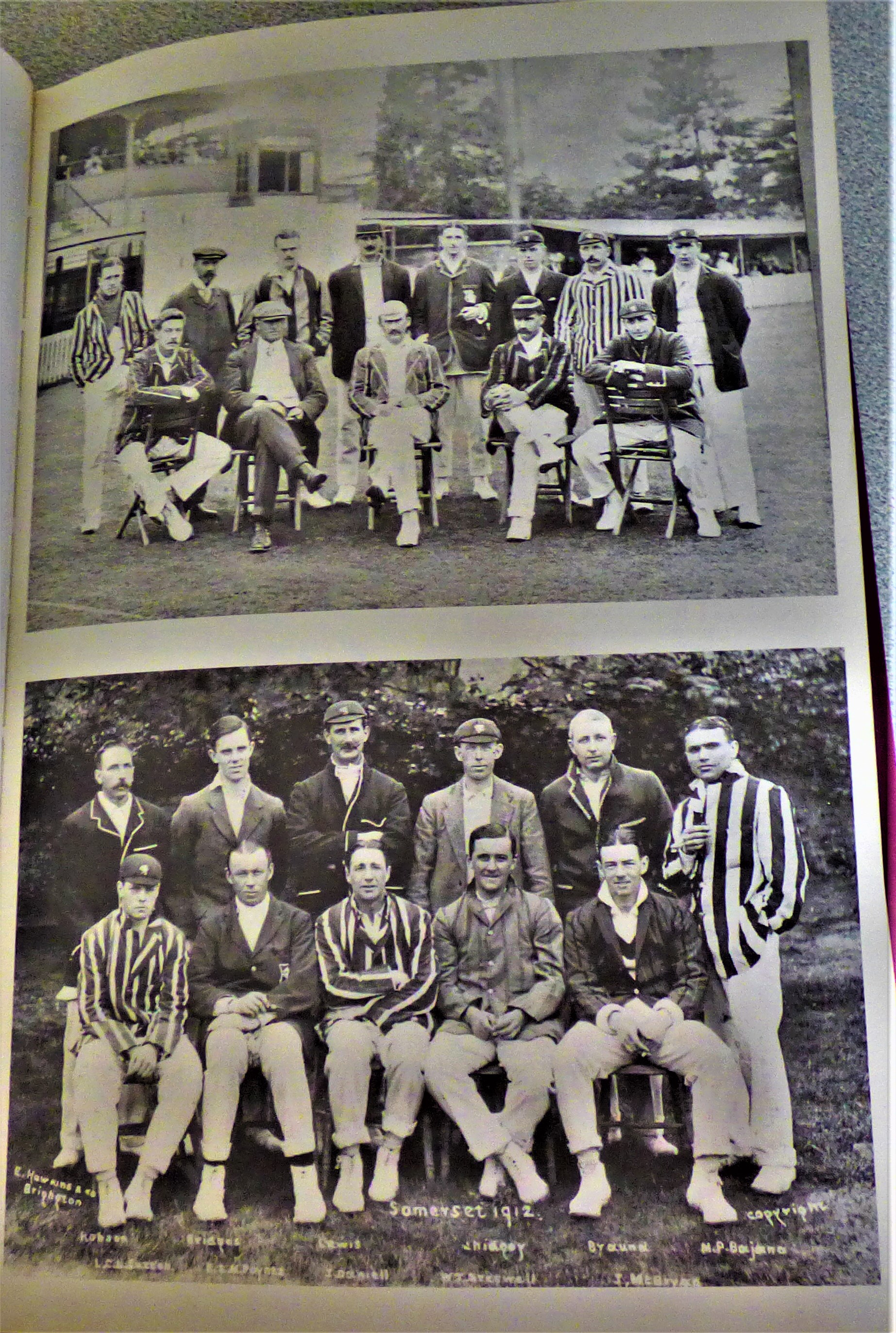
Pictures from the David Foot book (two shots)

P1310559 (2)


The Royal London Cup Round 3 Predictions

Accounts of goings on in today’s Royal London Cup matches including predictiuons, a few links and some photographs.

INTRODUCTION

All seven of today’s Royal London Cup matches have reached the half way stage, and as with first two rounds (see here and here) I will be venturing predictions as to the eventual outcomes of the matches and mentioning noteworthy performances. 

THE ROYAL LONDON CUP MATCHES 21/4

Here we go…

  • Northamptonshire v WarwickshireNorthamptonshire 358-9 from 50 overs
    A big total for Northamptonshire, and one that I would expect them to defend. Nobody made a really big score for Northants, but Keogh (69 off 87), Rossington (68 off 58), Holder (60 not out off 31), Wakely (50 off 50) and Levi (48 off 37) all contributed. Henry Brookes continued his good start to the season with another three wickets, albeit at a considerable cost (3-80 off 10), while Jeetan Patel was the most economical bowler with 2-55 off 10. 
  • Glamorgan v Somerset Somerset 261-9 from 50 overs
    The Somerset total is by means huge, but it represents a recovery from 178-8 at low water mark, and Glamorgan made a horrible hash of each of their first two games after seemingly being in contention at the halfway point, so I am confidently predicting a Somerset win. Veteran James Hildreth top scored with 67, while Craig Overton spearheaded the recover with 41 not out off 46 balls at the end. De Lange and Labuschagne each took three wickets for Glamorgan.
  • Kent v SussexKent 298 all out 49.4 overs
    An intriguing one. Aussie Matt Renshaw scored 109 for Kent, while Ollie Robinson was second top scorer wirh 46 and both openers made 30, and there was a late 32 from Harry Podmore which could prove crucial. Left arm quick George Garton took 3-42 from 8 overs and the two spinners Briggs (SLA, like his legendary namesake of yesteryear Johnny) and Will Beer (legbreak) each picked up a couple of wickets. I will predict Kent to defend this one.
  • Leicestershire v WorcestershireLeciestershire 377-4 from 50 overs
    A very fine score by Leicestershire, and I fully expect them to defend it – Lancashire’s effort the other day notwithstanding totals this large are rarely chased down even nowadays. Ackerman made 152 not out off 143 balls for Leicestershire, wicketkeeper Lewis Hill scored 118 off 62 balls and Harry Dearden 91 off 92 balls at the top of the order. Charlie Morris and Josh Tongue each took two wickets, apart from which it is best to draw a veil over the Worcestershire bowling figures.
  • Middlesex v Gloucestershire Gloucestershire 283-7 from 50 overs
    A decent total for Gloucestershire, but these days by no means a certainty for them to defend. Nonetheless I predict that the county of my birth will get the better of the Londoners, although this is the call I am least confident of. James Bracey madce 83 and Benny Howell 55. Toby Roland-Jones who has played with some success for England took two wickets as did Ireland star Tim Murtagh.
  • Yorkshire v LancashireLancashire 311-7 from 50 overs
    A good total for Lancashire, and given the success of teams batting first so far this season it will probably be enough for them in this roses clash. Steven Croft top scored with 97 off 117 balls, Rob Jones made 65 off 51 balls and Josh Bohannon scored 55 not out off 32 at the end. David Willey took 2-51 from his 10 overs.
  • Derbyshire v NottinghamshireDerbyshire 297-8 from 50 overs
    A decent looking total from Derbyshire, but given the score that Nottinghamshire produced last time out I am backing them to chase it down. Billy Godleman scored 116 off 148 balls to anchor the Derbyshire effort, Luis Reece hit 88 off 82 balls, Wayne Madsen scored 38 off 28 balls, and there were no other significant contributions. Luke Fletcher took 5-56 and Jake Ball 2-55.

Thus my predictions are: Northamptonshire, Somerset, Kent, Leicestershire, Gloucestershire, Lancashire and Nottinghamshire. I am listening to the commentary on the match between Glamorgan and Somerset, and Glamorgan have responded to the challenge of chasing 262 for victory by slumping to 31-5 in tne ninth over. Four of the five batters dismissed in this pathetic reply were punished for playing straight balls with pad rather than bat. Overton and Scottish medium pacer Josh Davey have been doing the damage.

LINKS AND PICTURES

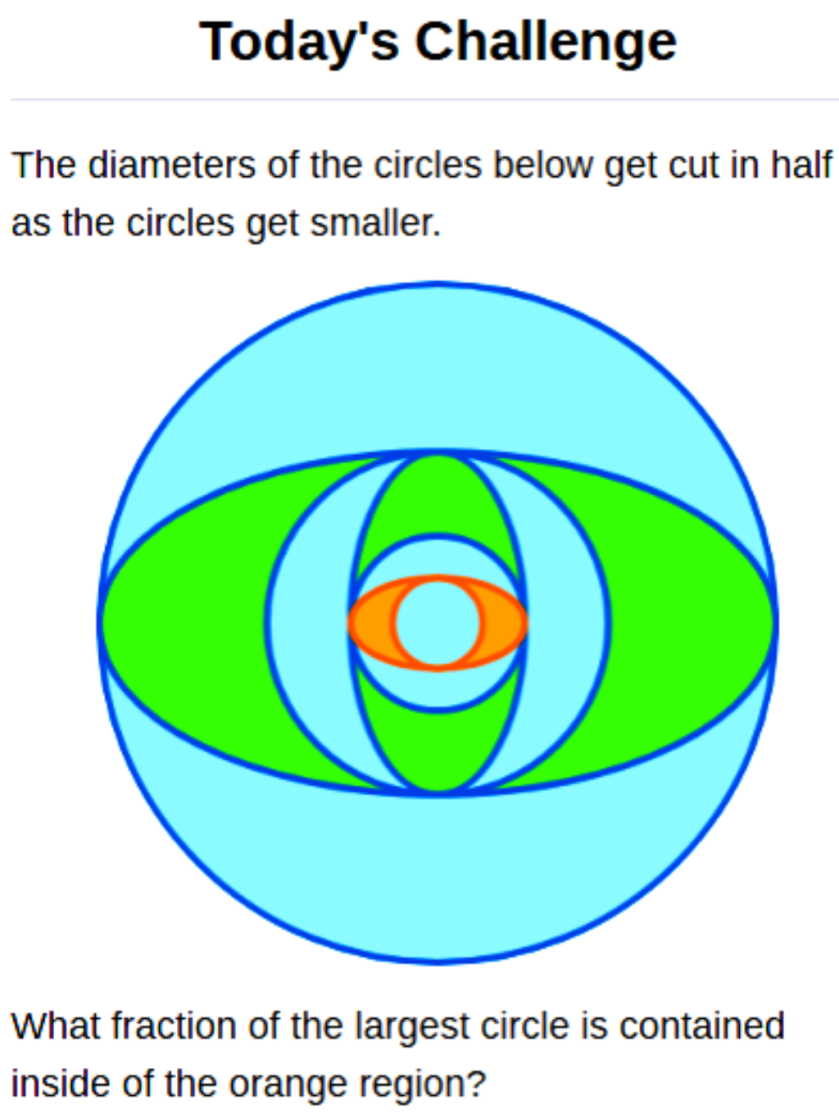
Three days ago I set the following challenge from brilliant.org:

piechart

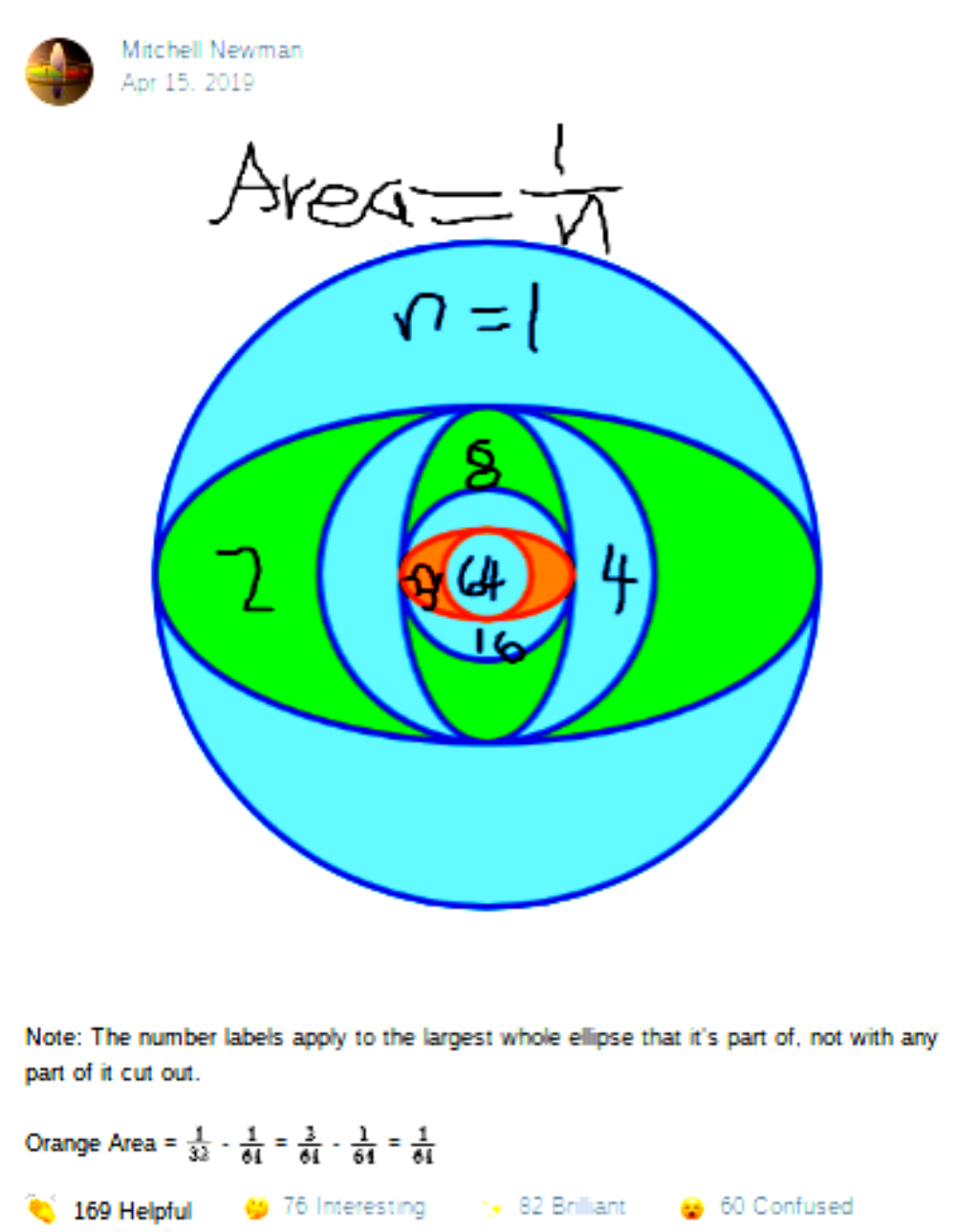
Here is a published solution, produced by Mitchell Newman:

piechartsolution

A collection of good pieces from Richard Murphy of Tax Research UK:

  1. Tax to Save the Environment – TASTE
  2. Tax to save the Environment – VAT on cattle, sheep and goats
  3. Tax To save the Environment – Higher rates of VAT
  4. Taxes to save the Environment – a progressive air travel tax

A picture and two links from the weownit campaign:

CL

My usual sign off…

P1220987P1220988

P1220990
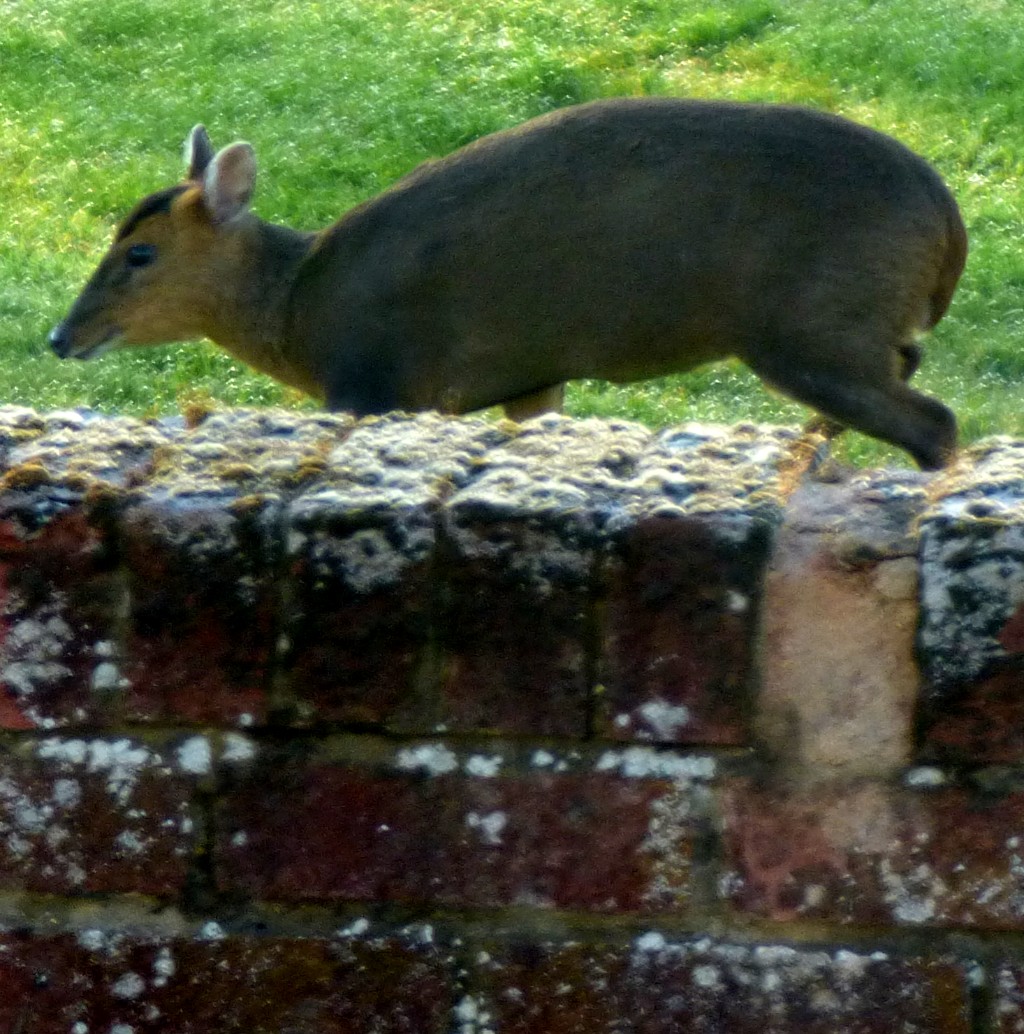
Got a couple of good shots of a muntjac this morning.

P1220991P1220993P1220995P1220996P1220997P1220999P1230001P1230002P1230003P1230005P1230006P1230007P1230008P1230009P1230010P1230011P1230012P1230013

P1230015
My aunt bought some ladybird larvae to deal with greenfly and they are doing a splendid job.

P1230016
a wild ladybird just outside my bungalow.