A whimsical exercise inspired by a fairly newly constructed path in King’s Lynn, assessing how the real roundel might be brought here.
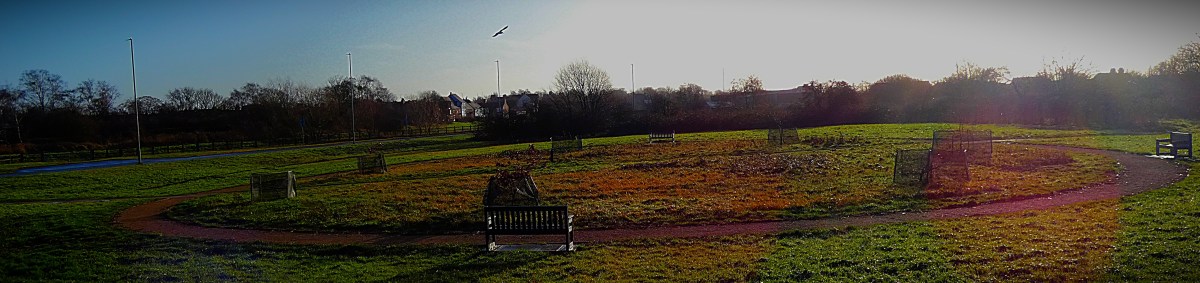
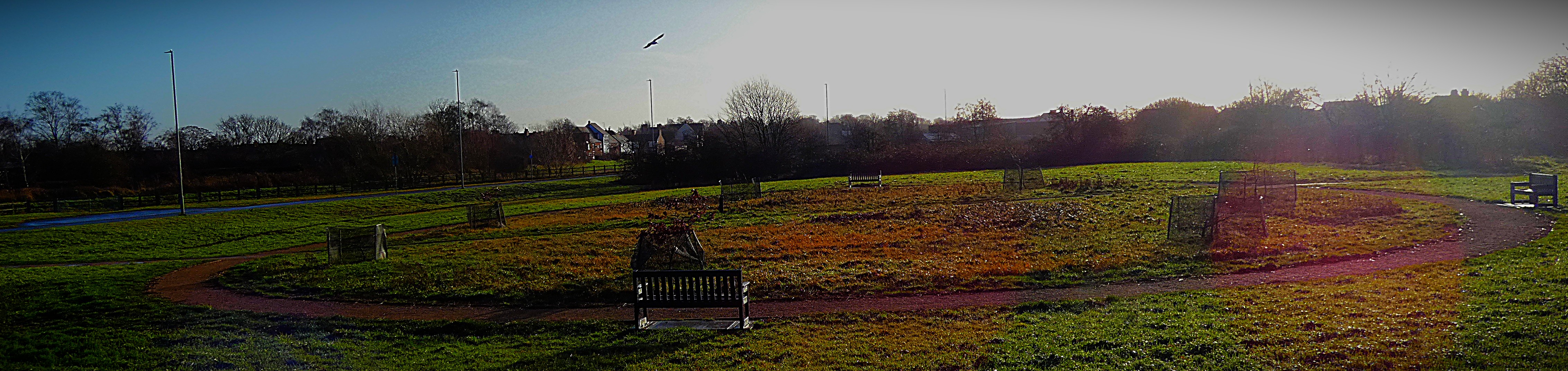
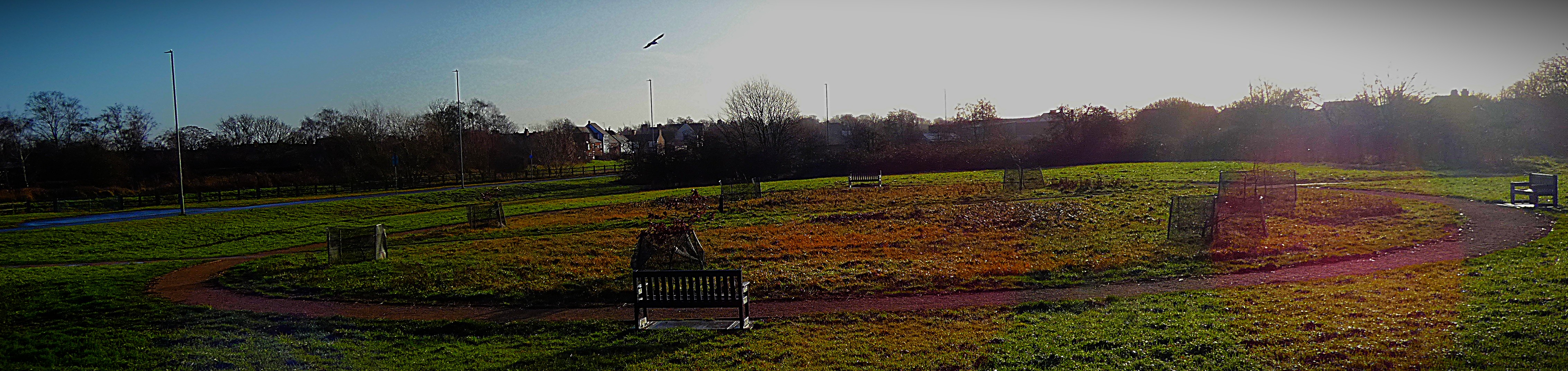
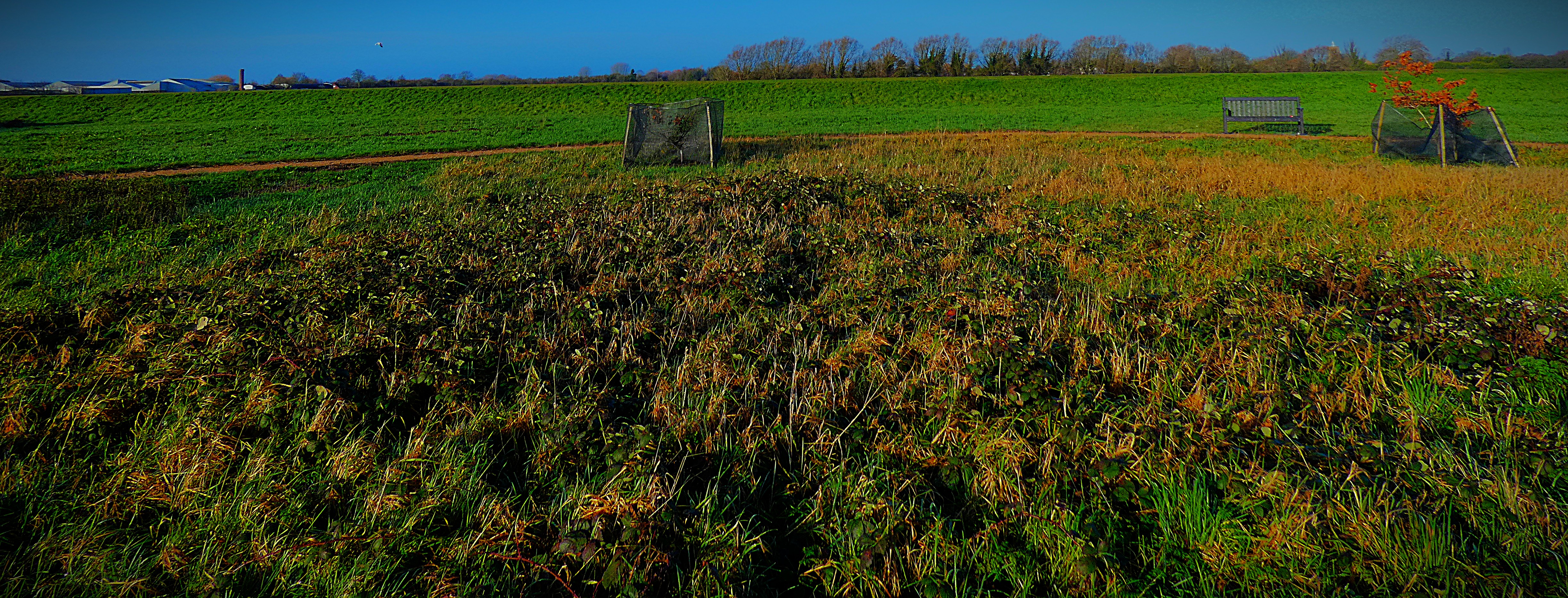
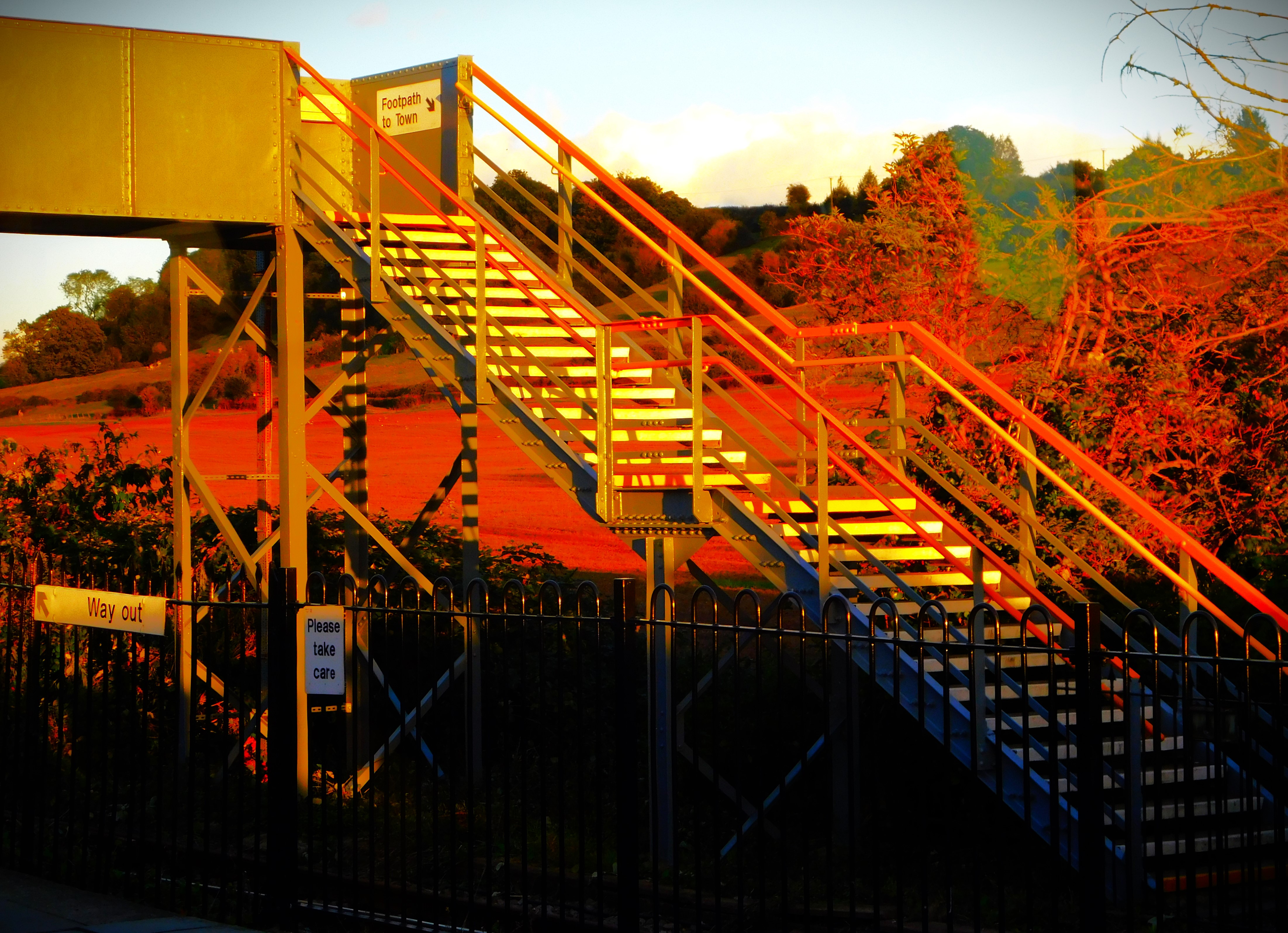
This is an exercise in purest whimsy, provoked by a recently constructed set of paths in Hardings Pits near King’s Lynn that I have dubbed ‘Roundel Path’ for their collective resemblance to London Underground’s classic symbol. Here is a photograph:
Roundel Path – I hope this photo, taken this morning illustrates the reason I have so named it.
Before moving in to the main body of this post I re-emphasise that this a purely whimsical exercise, and not even I would actually recommend the adoption of these schemes.
TWO POSSIBLE METHODS
These suggestions are listed from most to least fanciful with even the least fanciful still fairly so.
Over a decade ago I did a personal survey of the Piccadilly line, which among other things recommended a northwards extension from Cockfosters to Welwyn Garden City. Welwyn Garden City is a station that trains from London to King’s Lynn pass but do not stop at en route. Extending all the way to Lynn would require a lot of adjustments at every station that the line would stop at – ideal platform heights are very different for surface and tube stocks which is why I consider this possibility even more unrealistic than the other.
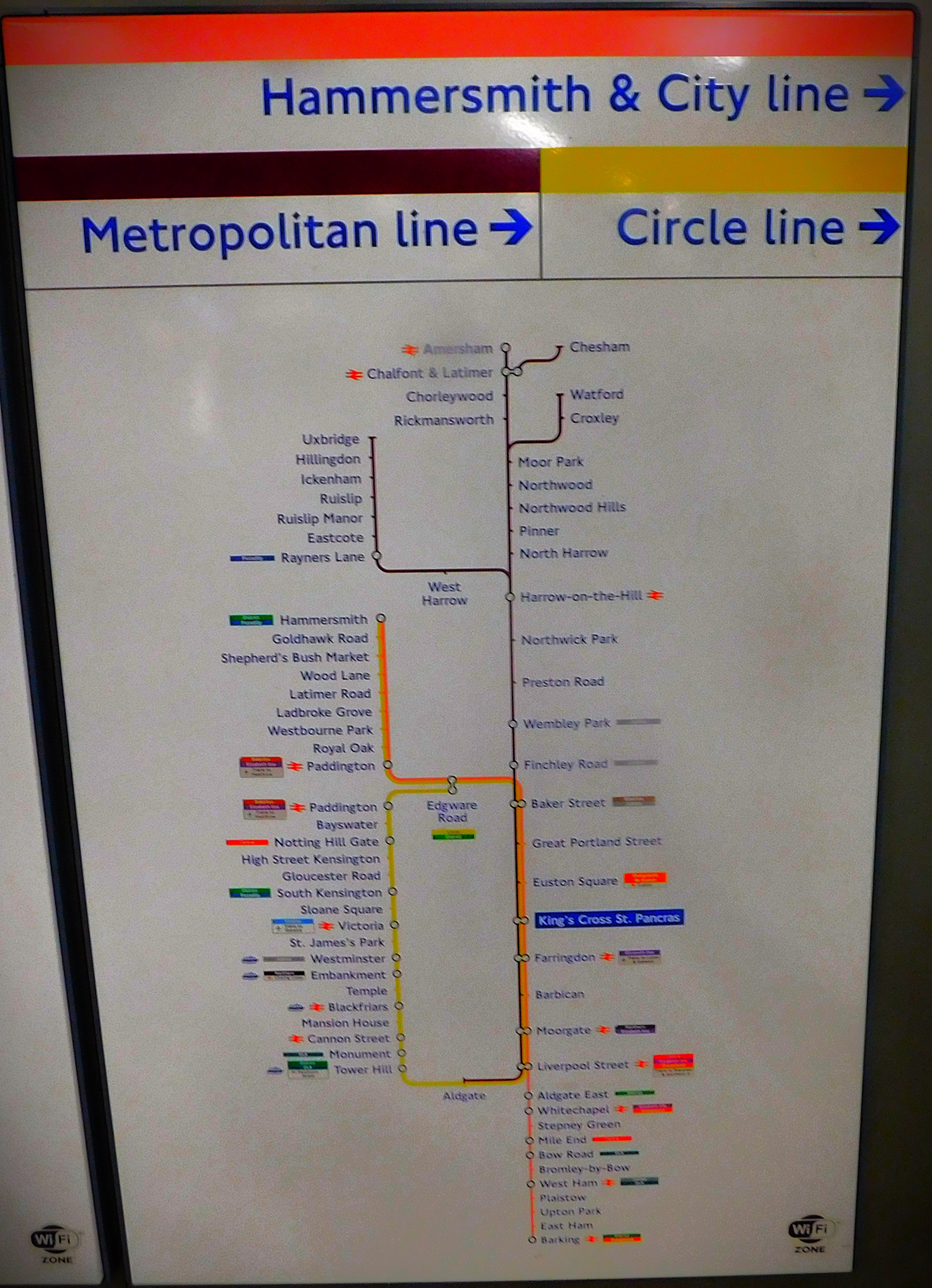
The slightly less ridiculous possibility makes use of the fact that the older subsurface London Underground lines are built to standard railway specifications and would at least not require any platform adaptations. It would require one completely new section of track, from King’s Cross St Pancras (Circle, Hammersmith&City and Metropolitan line shared platforms) to Finsbury Park or some point further north, with an intermediate station at Highbury& Islington, giving some useful connections, joining the existing tracks as soon as it is practical for it to come to the surface. That leaves one further question…
WHICH OF LINE SHOULD RUN THE NEW ROUTE?
There are three possibilities:
The Metropolitan line once extended over 50 miles out into the countryside, and is still much more like a mainline railway than other lines. The disadvantage of the Metropolitan getting this route is that from Baker Street onward trains would heading northwest, having come from basically due north (with a tiny fraction of east).
The Hammersmith and City line, which could abandon the Farringdon to Barking part of its route, all of which is served by other lines.
The Wimbledon-Edgware Road section of the District line could add the stations as far as King’s Cross to its existing route and take over the new route.
PHOTOGRAPHS
I state once again that the foregoing has been a piece of whimsy, not anything serious, before applying my usual sign off…
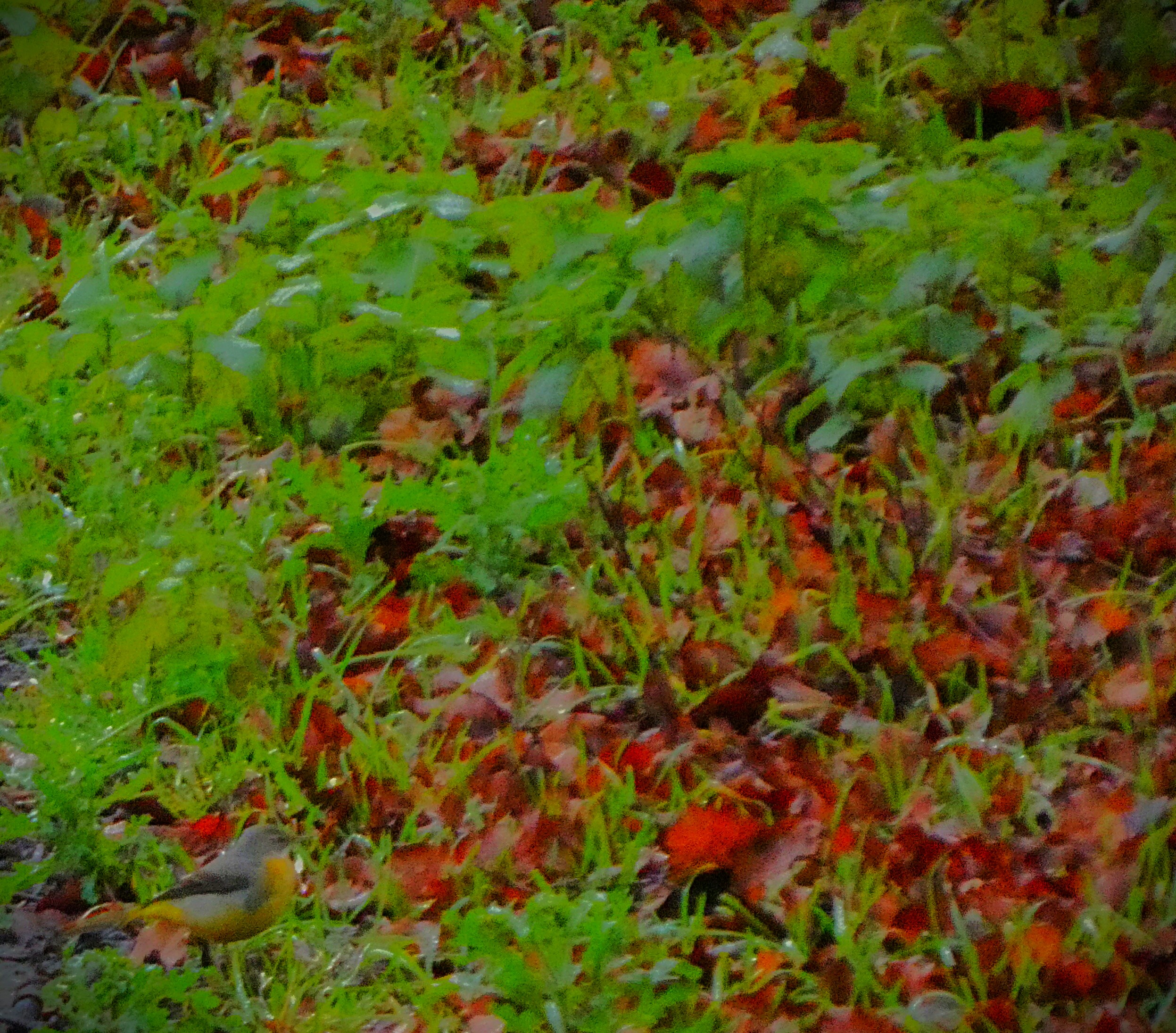
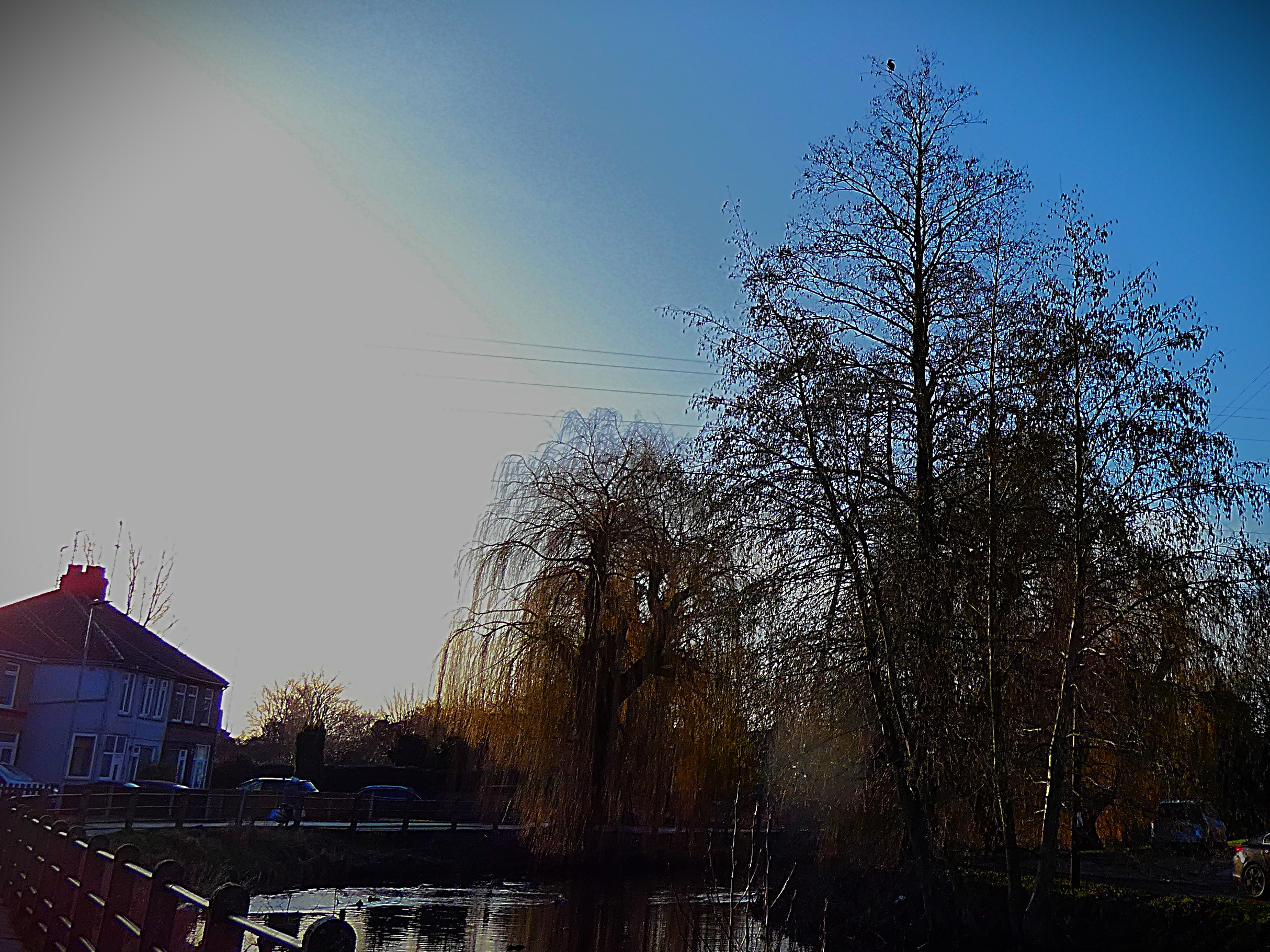
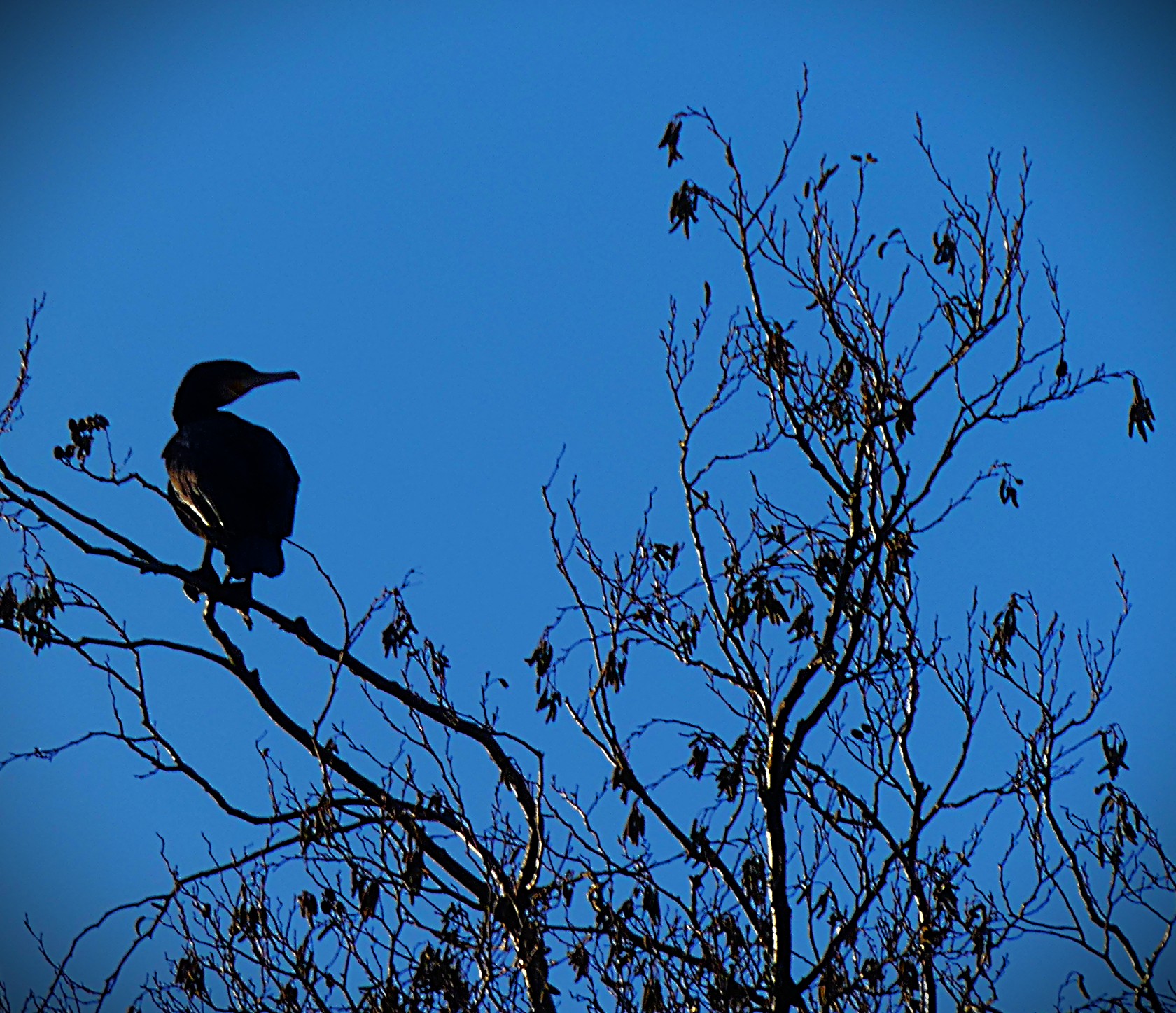
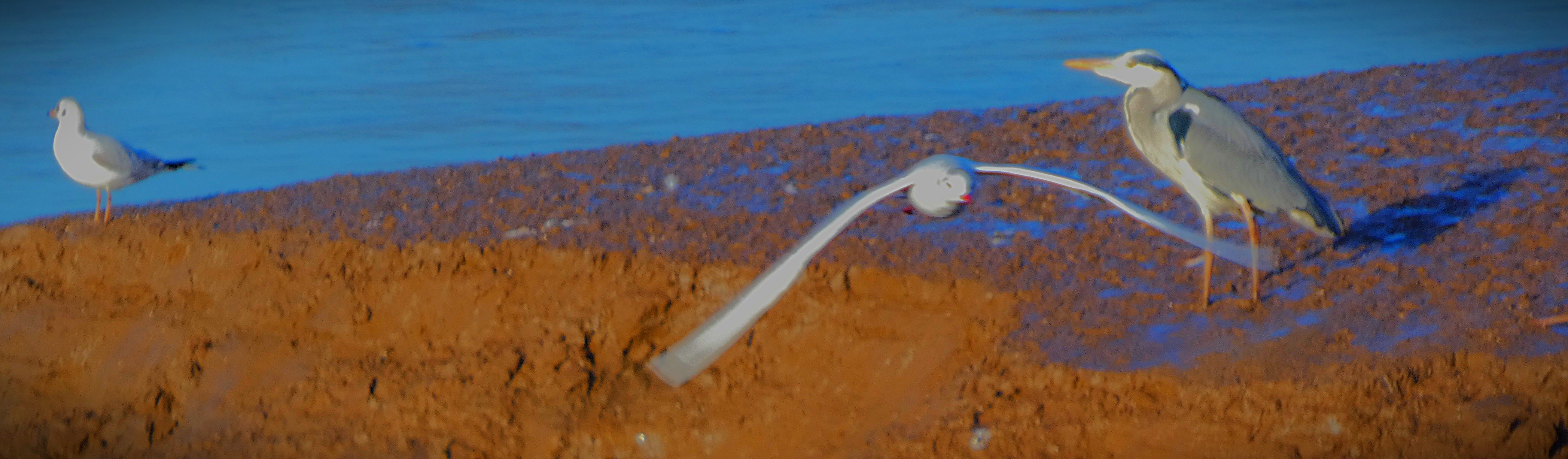
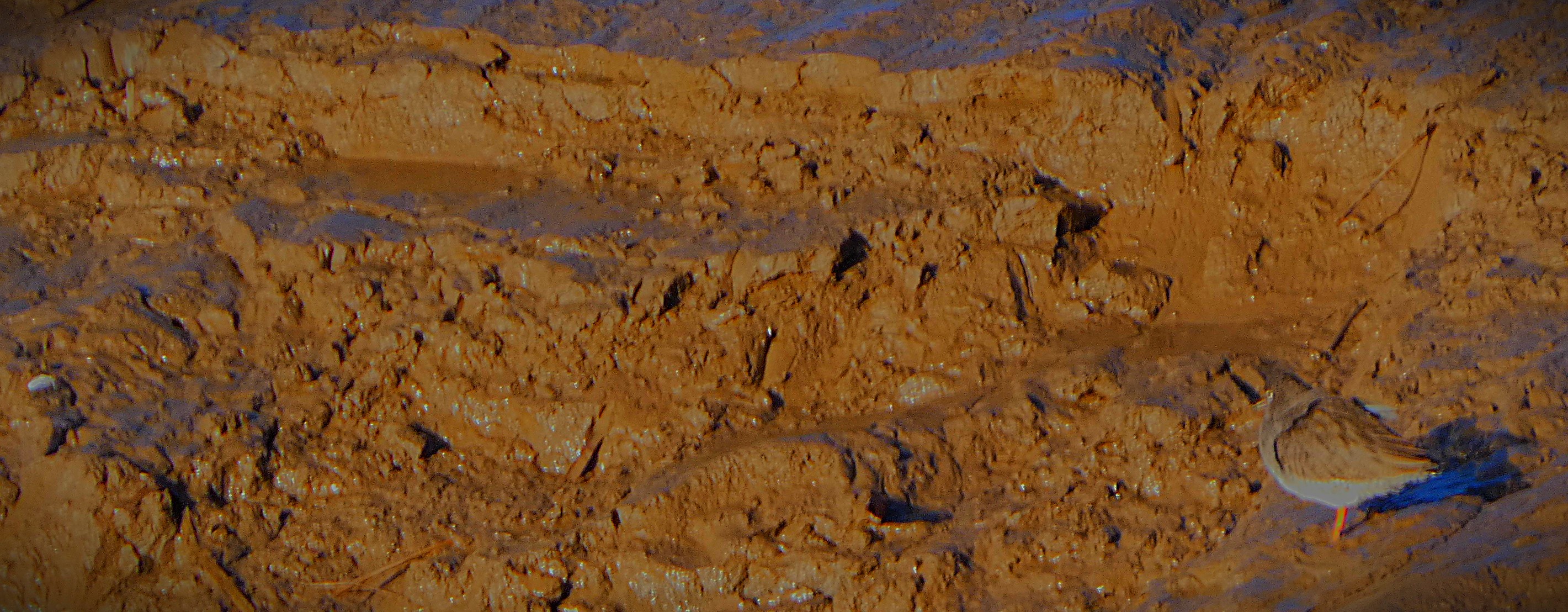
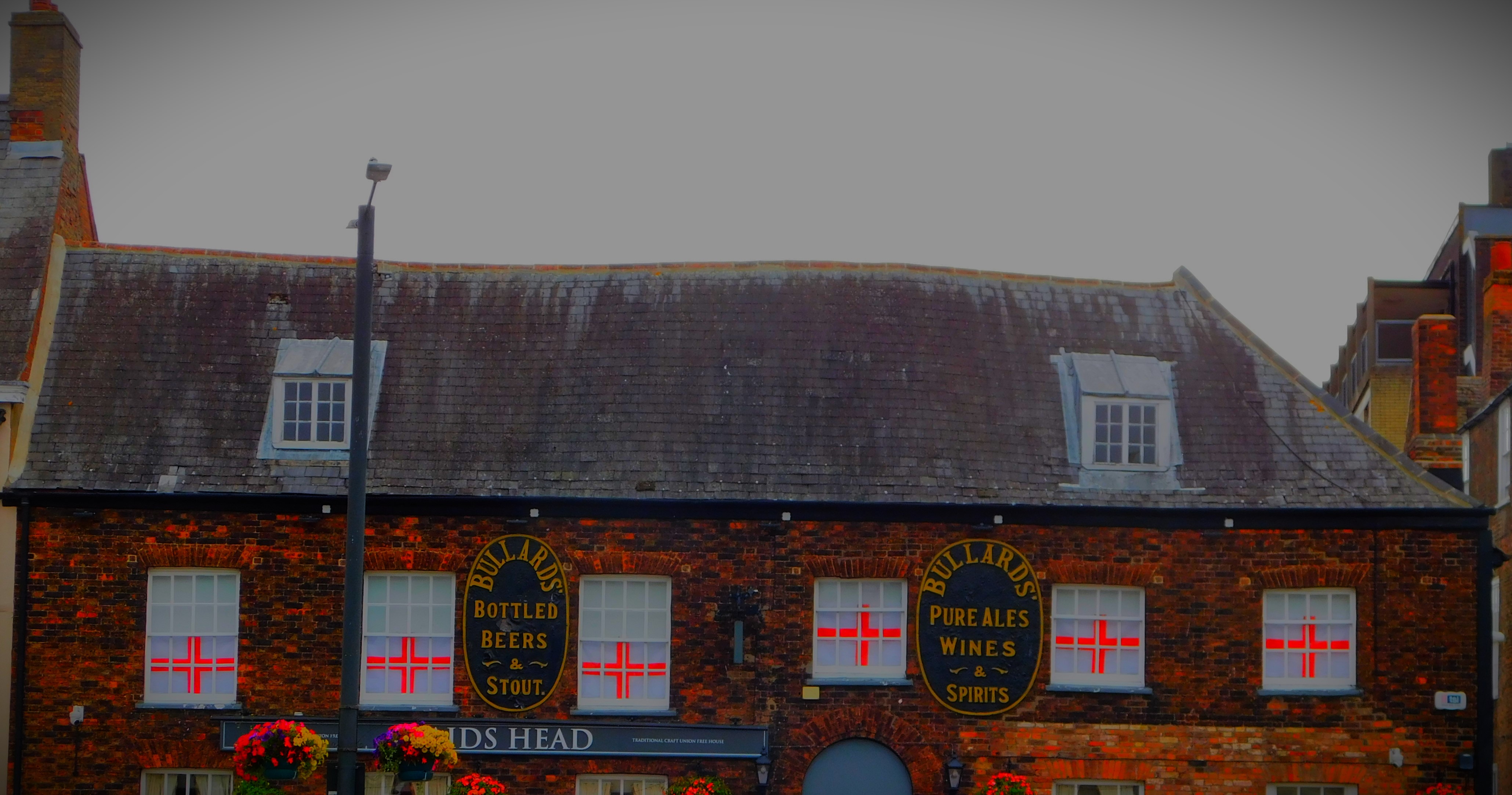
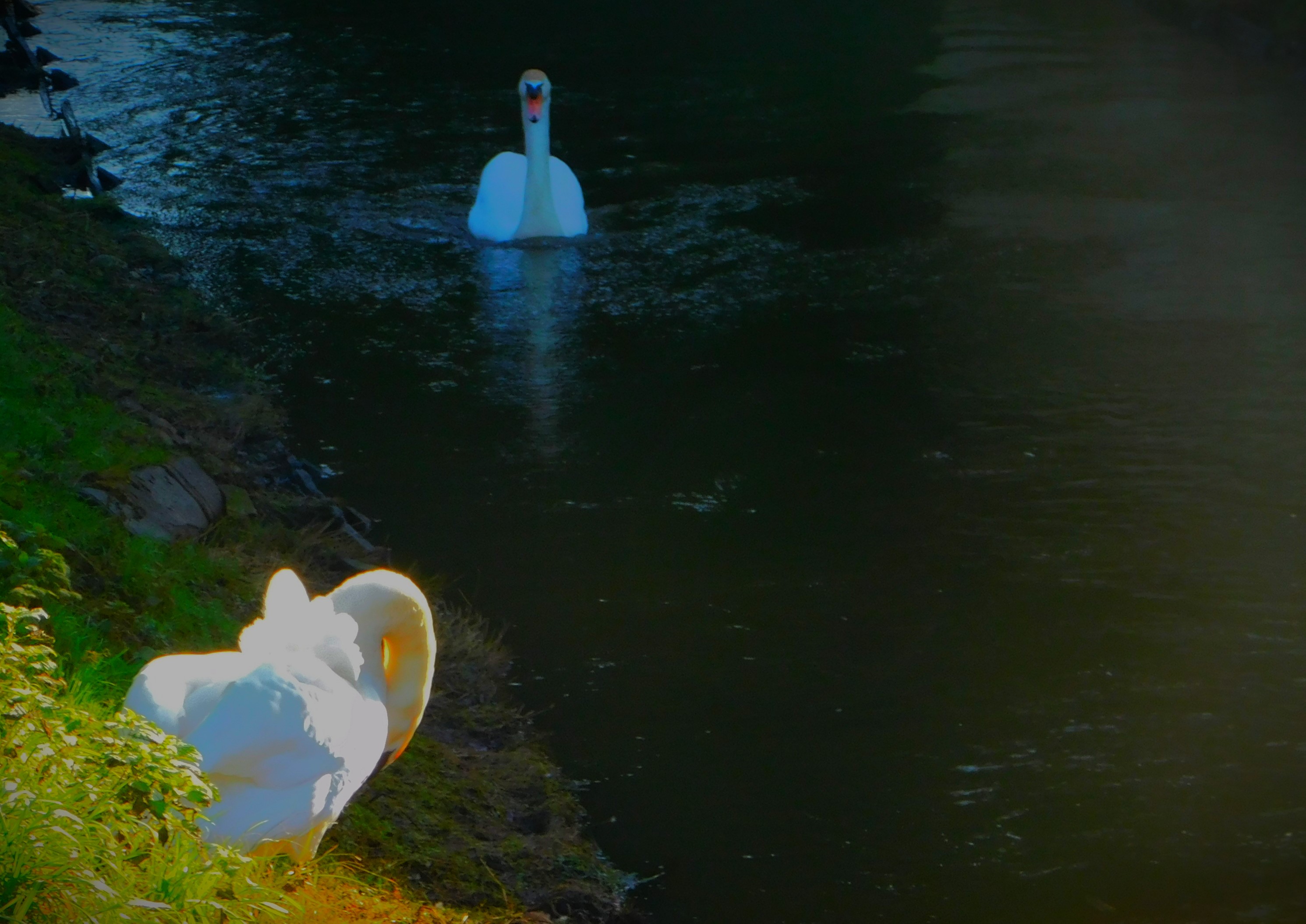
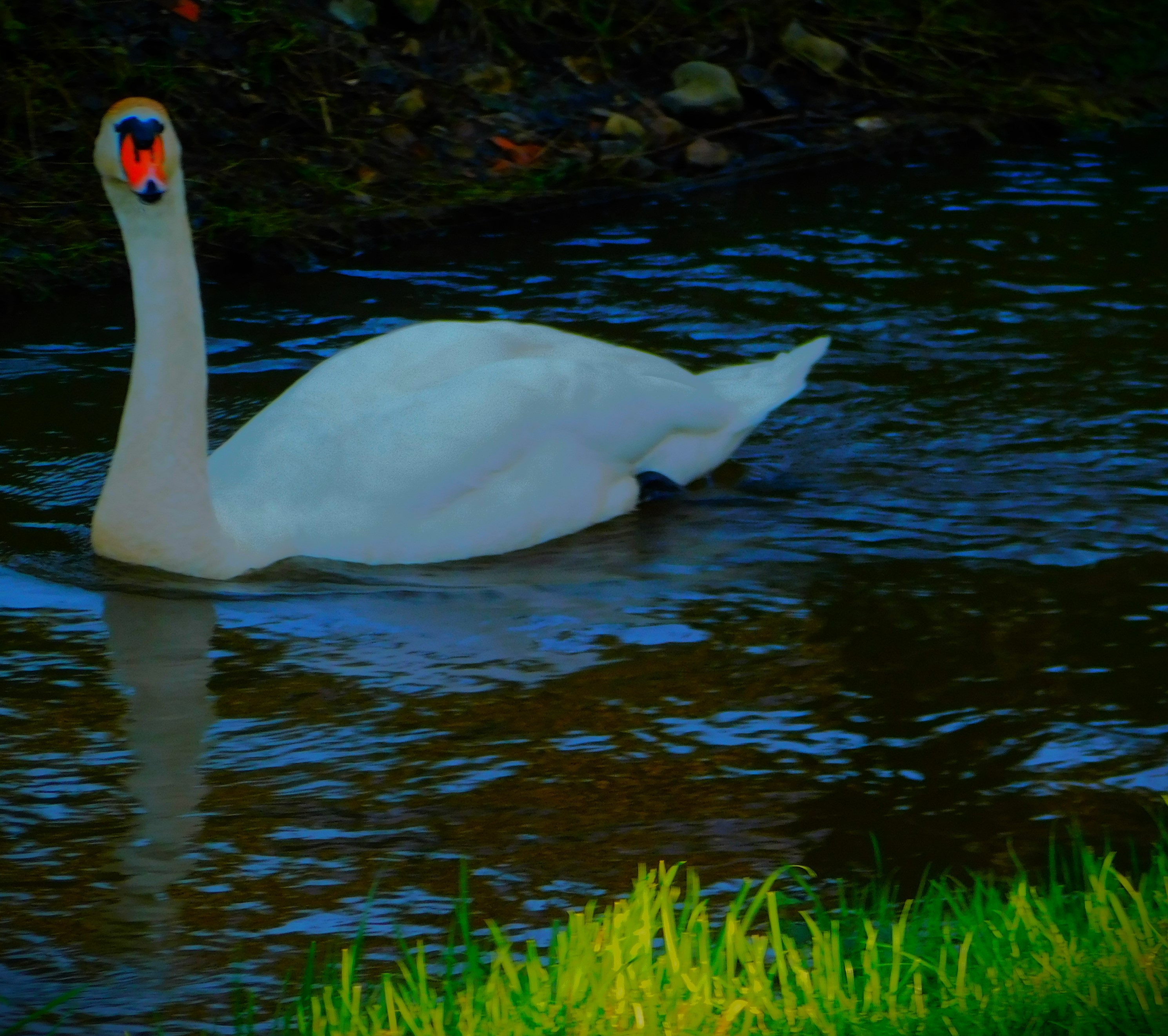
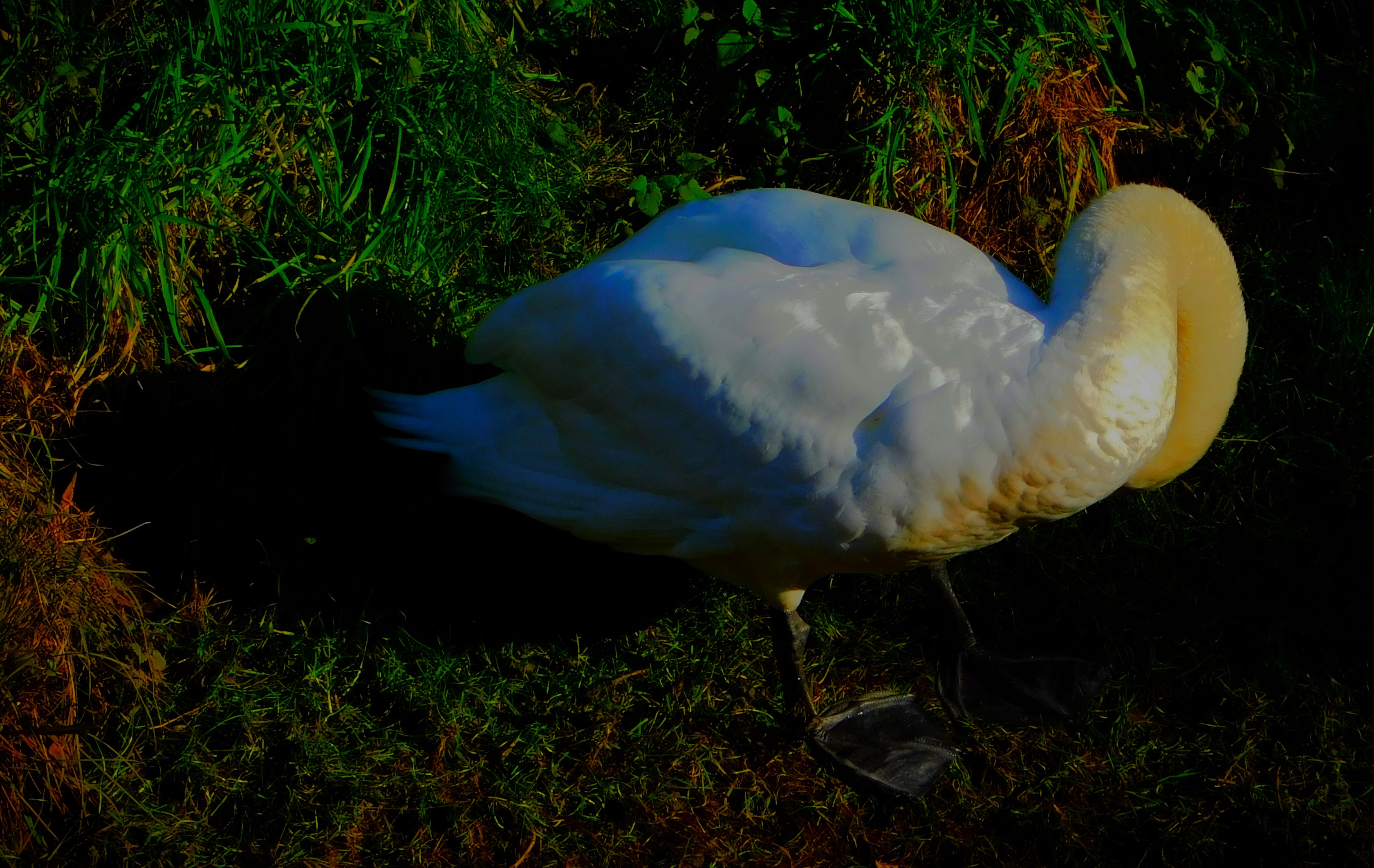
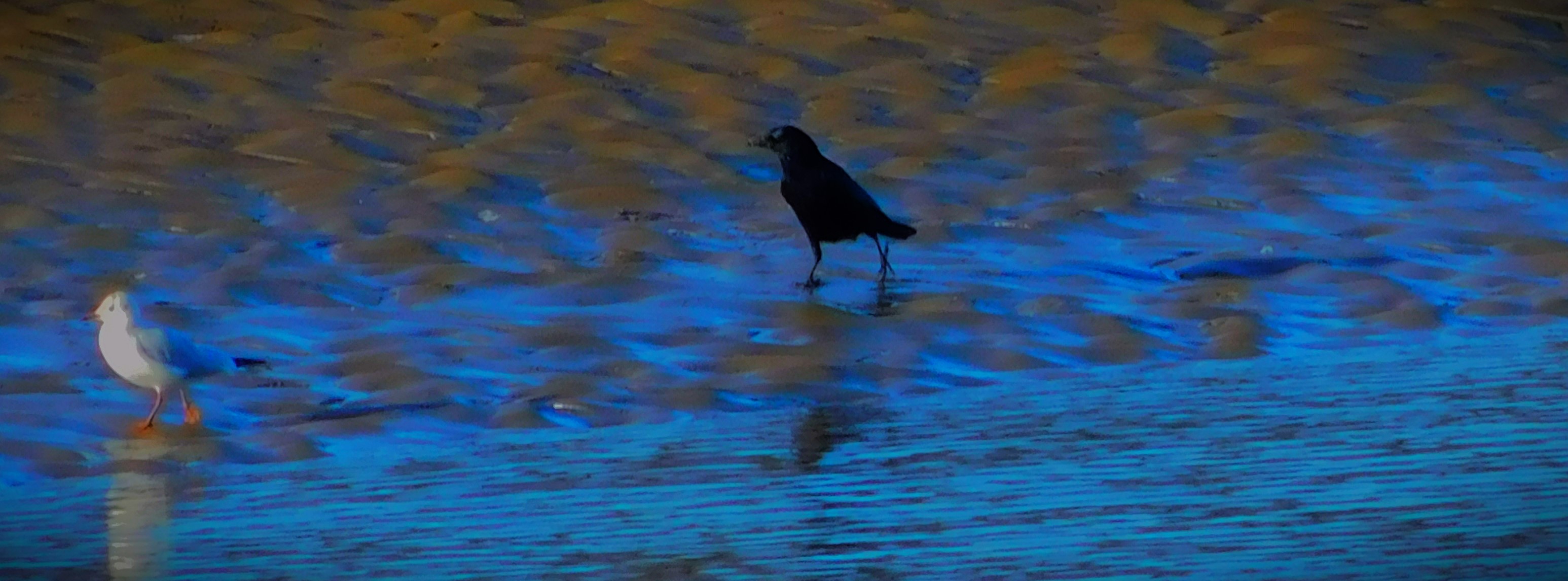
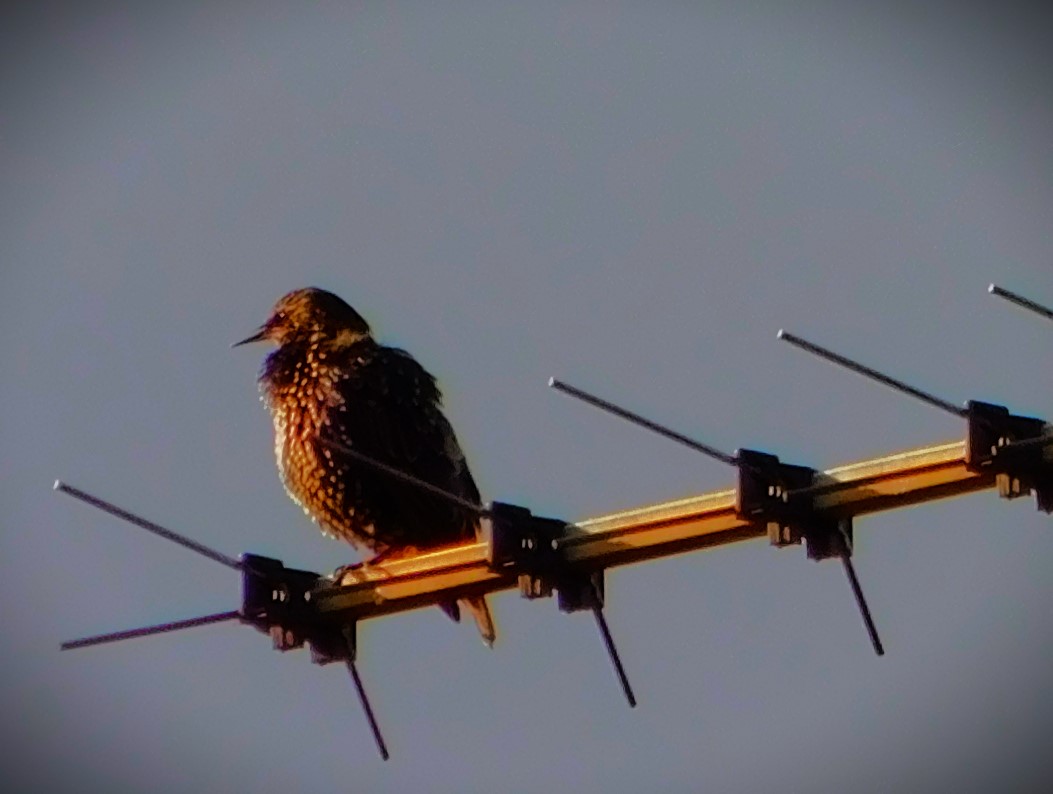
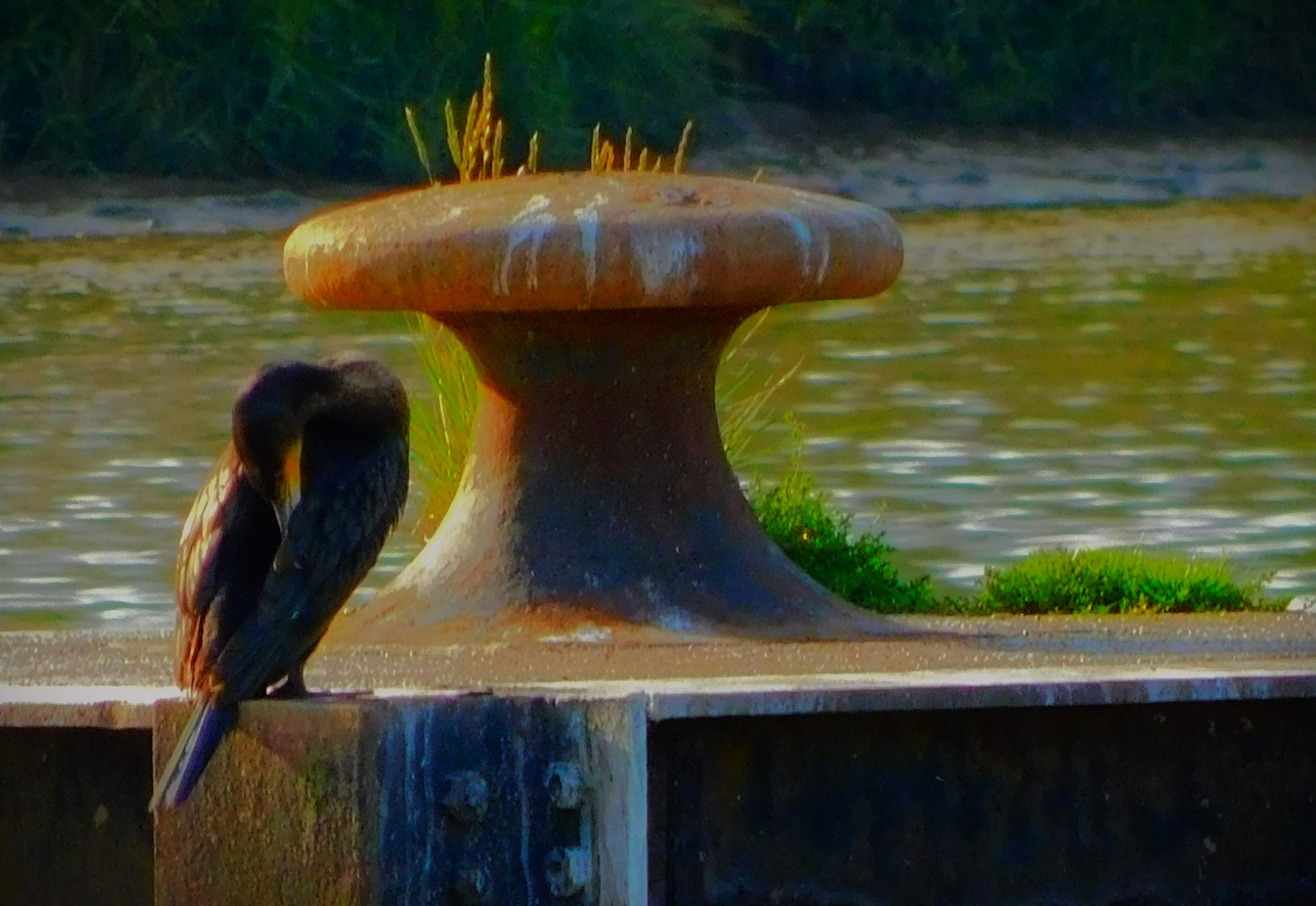
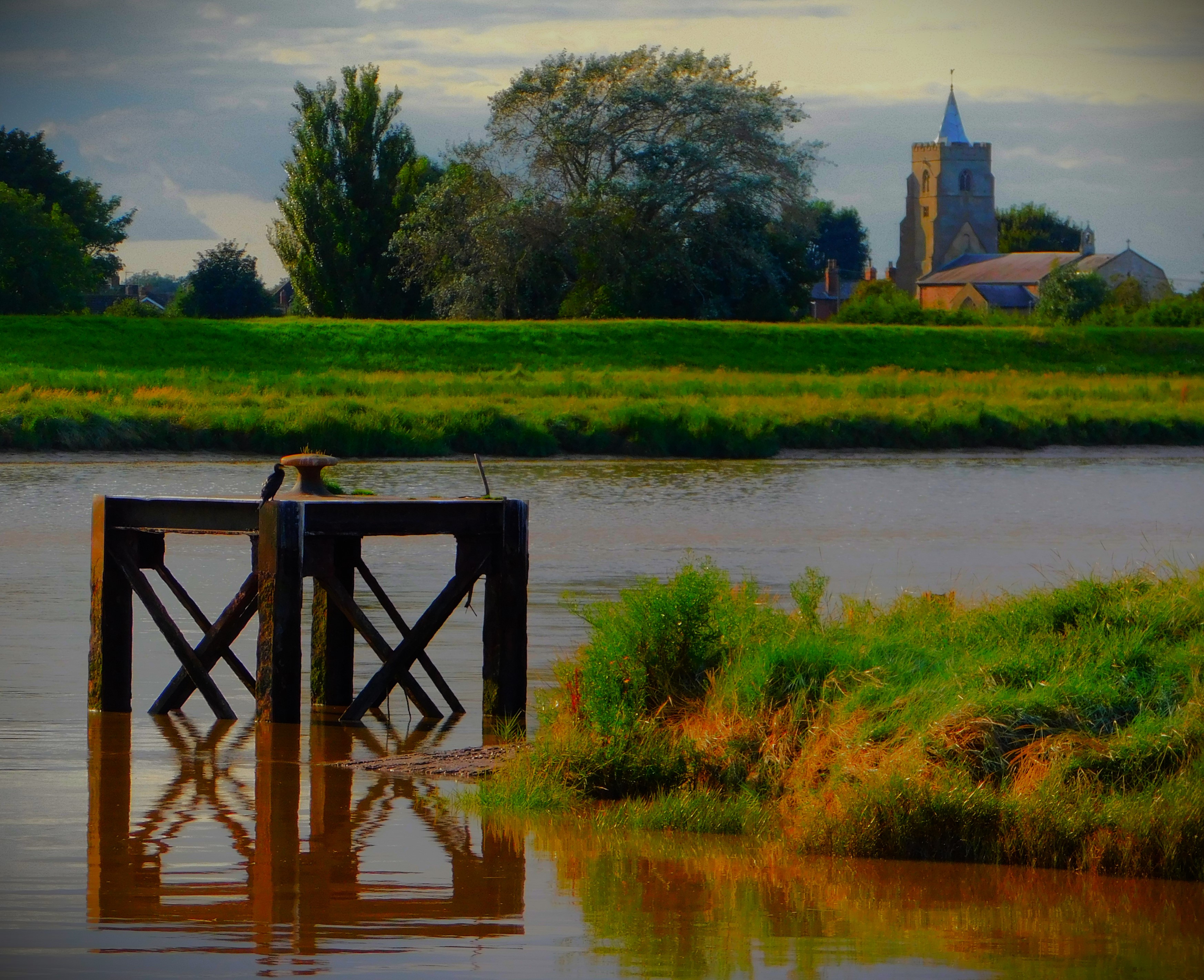
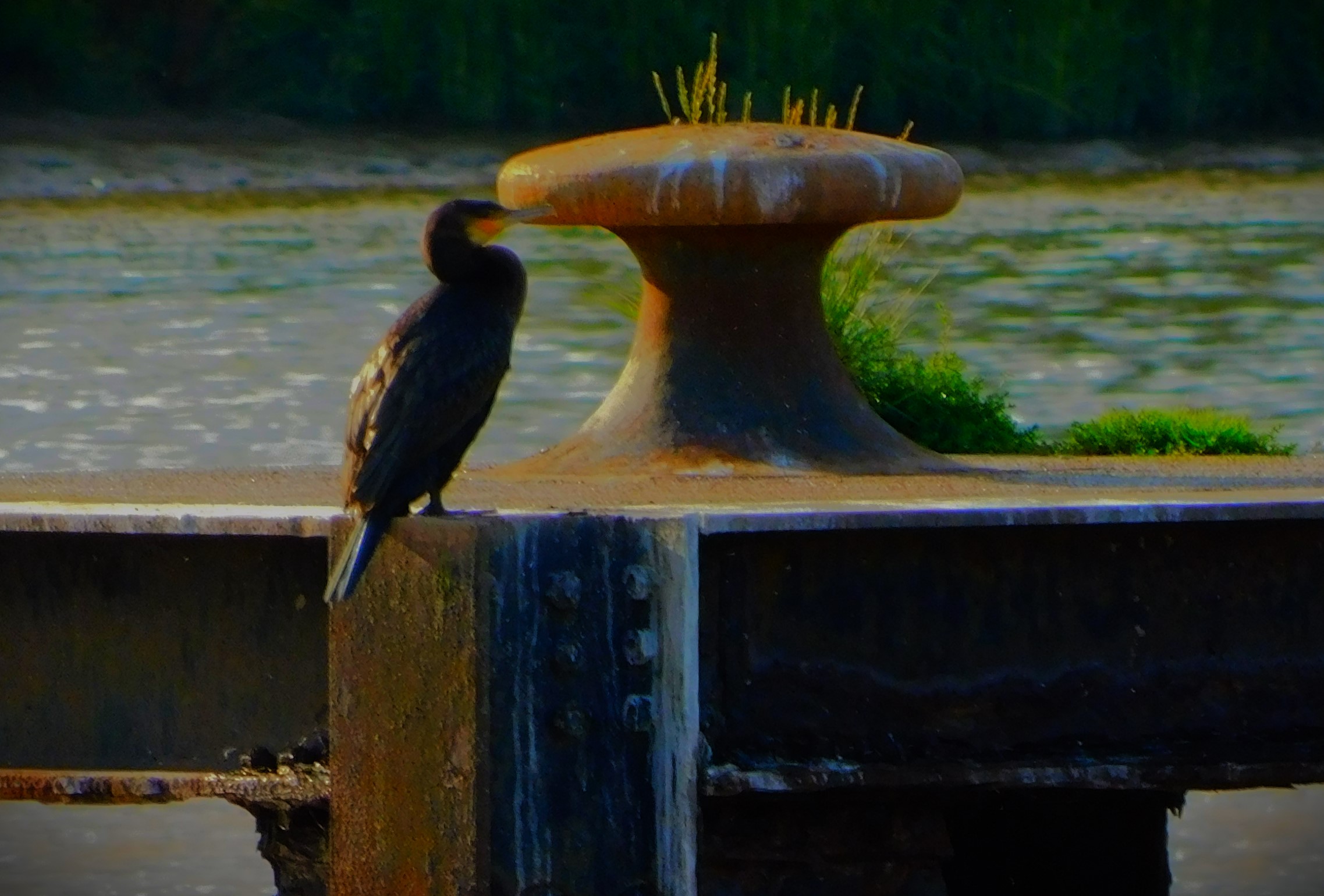
A new bird sighting for me, tentatively identified as a grey wagtail.This cormorant has evidently developed a taste for this particular tree canopy – I have seen it up there before.Roundel Path
A brief look at the Museum Detective novels of Jim Eldridge and a photo gallery.
This is a series of novels by Jim Eldridge. There are ten books so far in the series.
THE DETECTIVES
Daniel Wilson is a former Scotland Yard detective, sergeant under inspector Abberline during the investigation into the ripper murders. Abigail Fenton (later in the series Mrs Wilson) is a Cambridge educated archaelogist specialising in ancient Egypt. This partnership investigate crimes at various museums, hence their and the series’ title. Often, though not always, they are working in parallel with Scotland Yard. Superintendent Armstrong, a bully of such unpleasantness as to make Edward Marston’s superintendent Tallis look saintly by comparison (and lacking Tallis’ great virtue of actually being good at the job), does not like the pair at all, though inspector John Feather gets on well with them, recognising unlike Armstrong that they have a common goal.
THE CASES
Daniel and Abigail first overlap at the Fitzwilliam Museum in Cambridge, and other non-London venues to feature are The Ashmolean, The Manchester Museum and the Louvre, in which last case Abigail finds herself a suspect at first. The London museums to feature are in chronological order The British Museum, The Natural History Museum, Madame Tussauds, The Victoria and Albert Museum, The National Gallery and the Tower of London (yes, among its many guises the Tower is London’s oldest museum). Sometimes the crimes involve museum personnel and sometimes not, but invariably the scope of the investigation widens beyond just the museum. Abigail is a fan of the then fledgling underground system, and they often use the Inner Circle (we are talking about the 1890s, so only the Metropolitan, District and their central combination, then known as the Inner Circle, and the City and South London Railway, then serving a mere six stations and unconnected to the others, are in existence, though the Metropolitan has already reached the furthest from Central London that any of the lines that became London Underground ever will -Brill in Buckinghamshire, 51 miles from Baker Street). Nevertheless, with the Wilson’s living within walking distance of Euston Square, Scotland Yard being near Embankment and one or too other useful locations appearing opportunities arise. In “Murder at The Tower of London” they have to chase up a witness in Loughton, then served by the Great Eastern Railway (this branch is now the eastern end of the Central line, but that development was almost half a century away when the action in the book was happening). The books are all splendid reads.
An account of my return journey from Cornwall to Norfolk, with a photo gallery.
This is my final post about my Christmas in Cornwall, and details the return journey.
A JOURNEY OF MANY PARTS
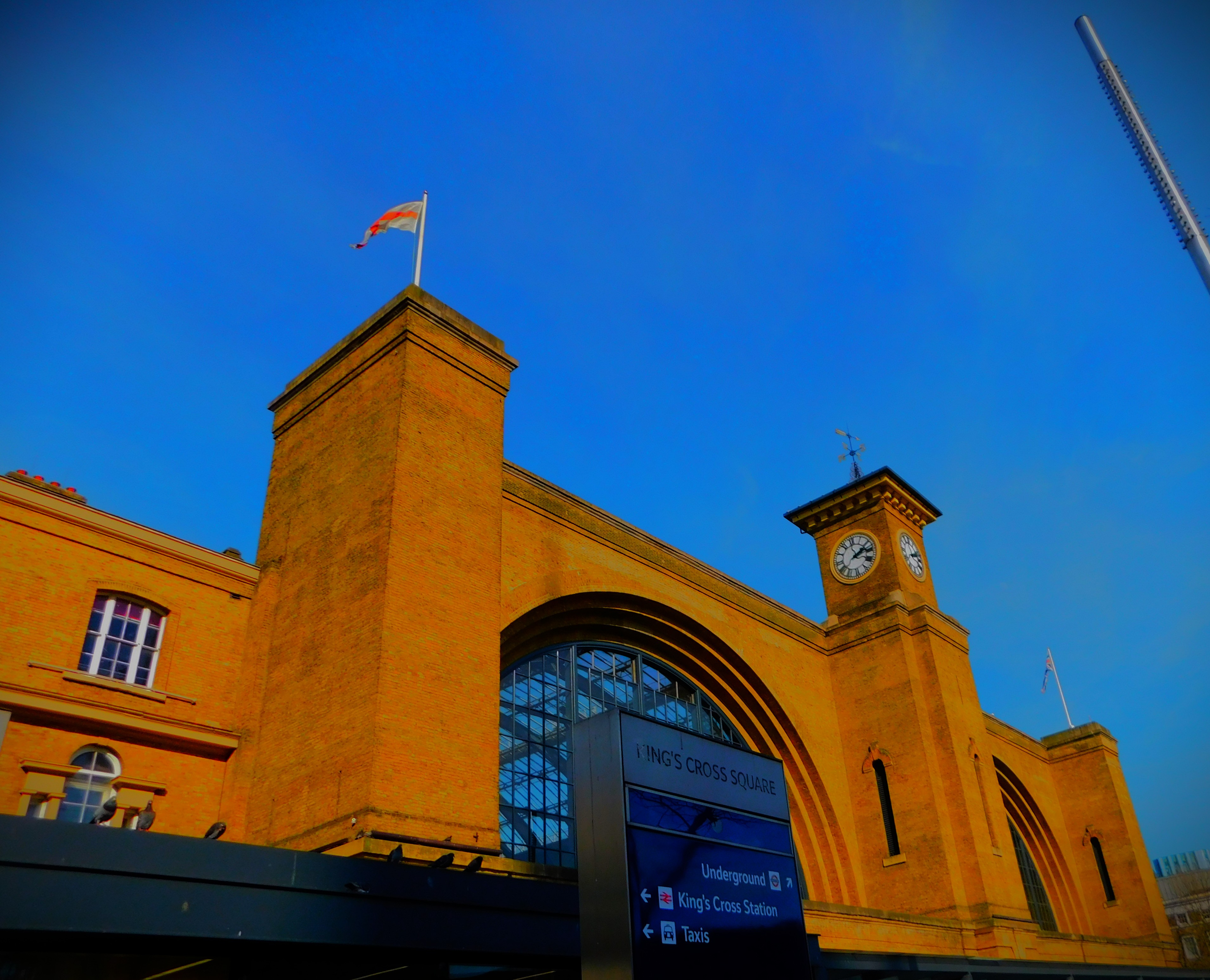
I was travelling on a Sunday, something I normally try to avoid because it can be problematic. I was booked on the 14:15 from Plymouth, and had various subsequent connections to make. We left Fort Picklecombe at 12:45, and arrived at Plymouth station a little over an hour after that. As I was booked in coach A I had to get to the far end of the platform to be able to get to my booked seat. The train ran a little bit late, but not enough to disarrange my subsequent plans (incidentally GWR have already paid compensation for the problems with my outbound journey). Because I was right at the front of the train I would have had to walk the entire length of the platform at Paddington to get to the bridge that gives access to the Hammersmith and City line platforms, which was never a practical proposition. I therefore went through the ticket gates onto the concourse at my end of the platform, and boarded a circle line train at the Praed Street platforms, changing trains at Edgware Road as required. At King’s Cross I found my way to my next train, a non-stop service to Royston from where I would catch a replacement bus to Cambridge North and then board a train for the last stage of the journey to King’s Lynn. Everything on this stage of the journey went smoothly, and I arrived into King’s Lynn station exactly on schedule at 20:48. It remained only to walk home, a journey of about 20 minutes, and then unpack.
PHOTOGRAPHS
It was of course dark for much of the time I was travelling, but not for the really scenic part of the journey before Exeter, though I was on the wrong side of the train to get the full benefit of that.
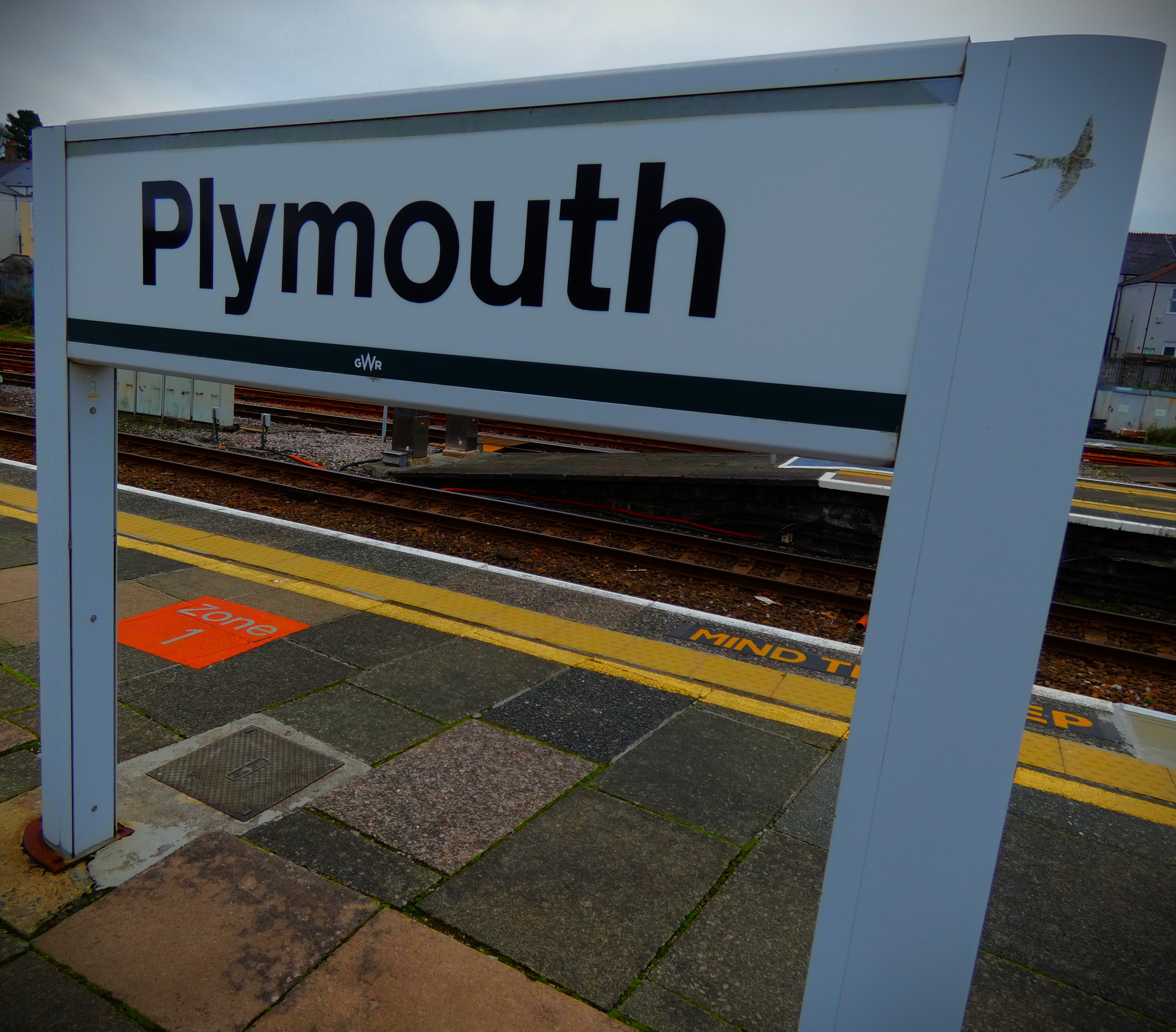
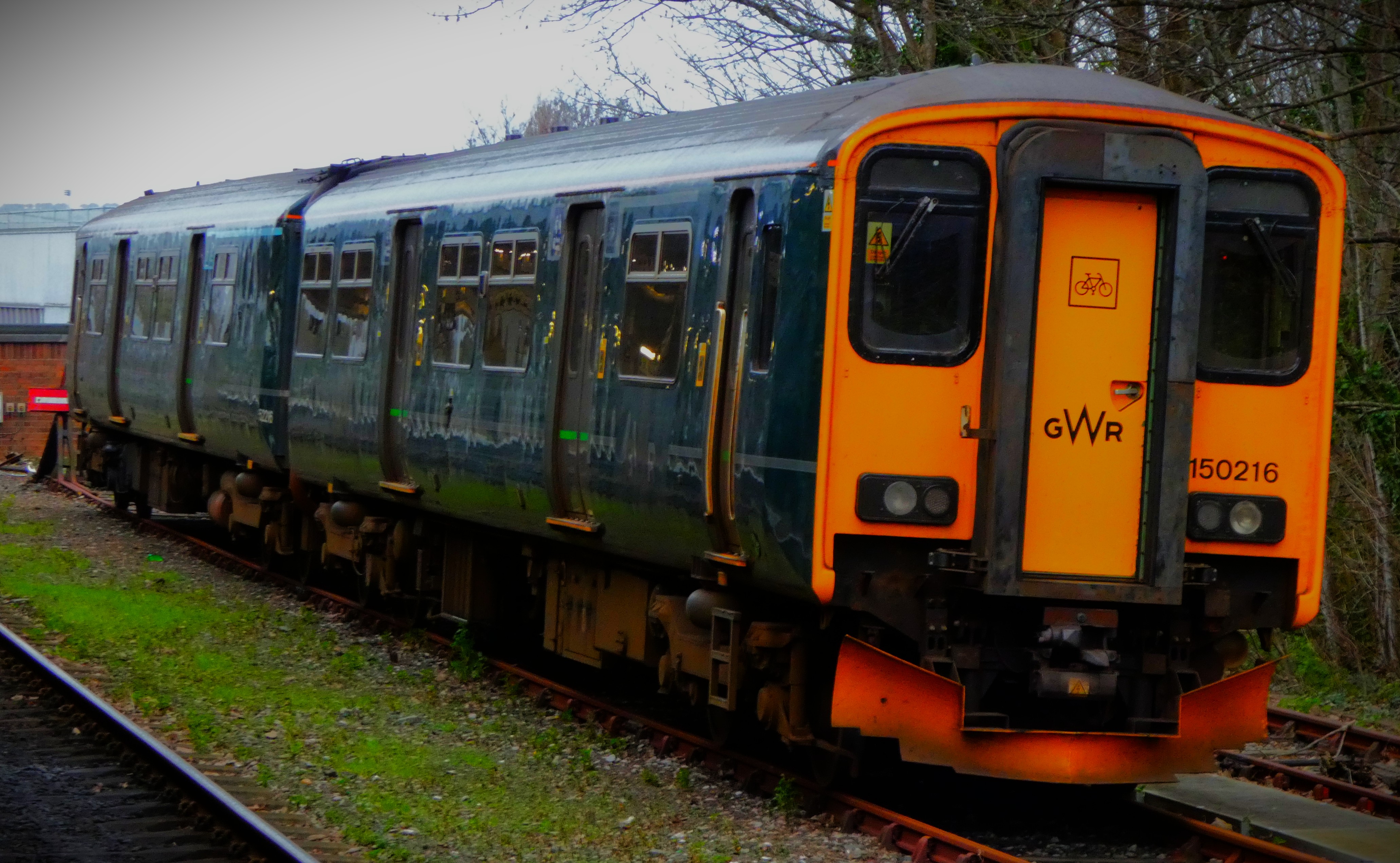
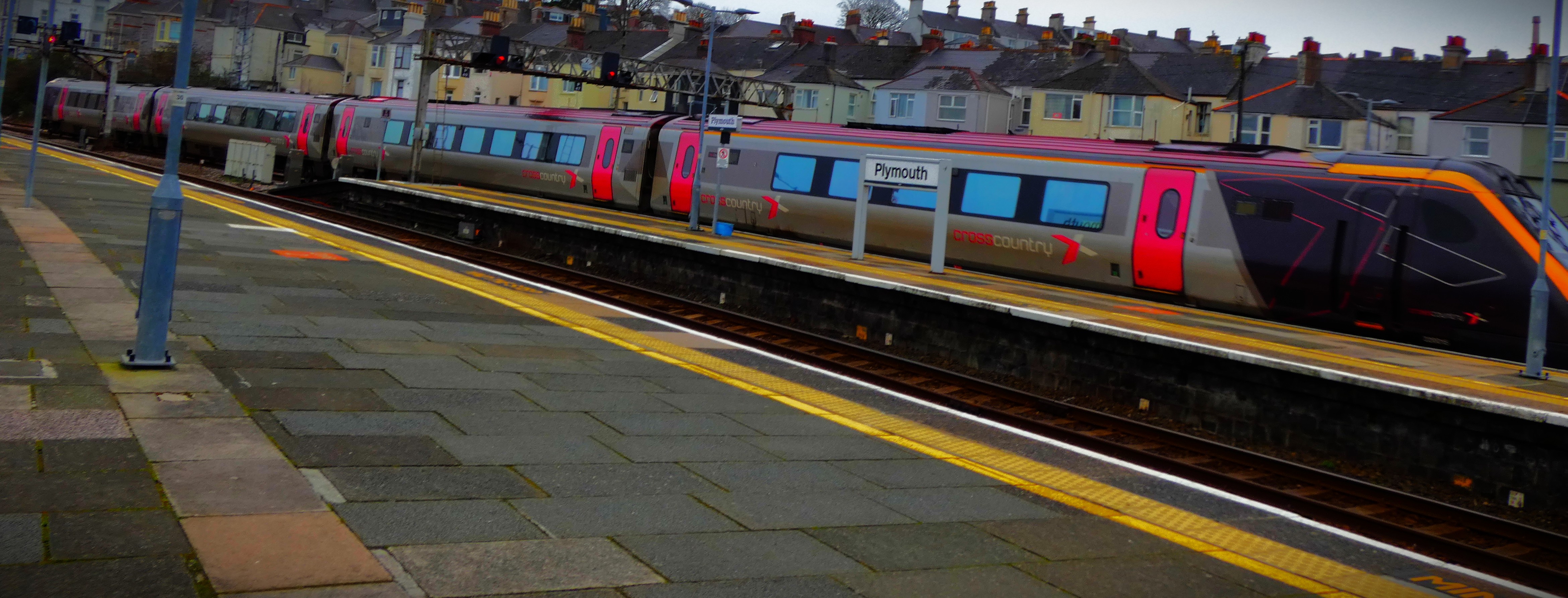
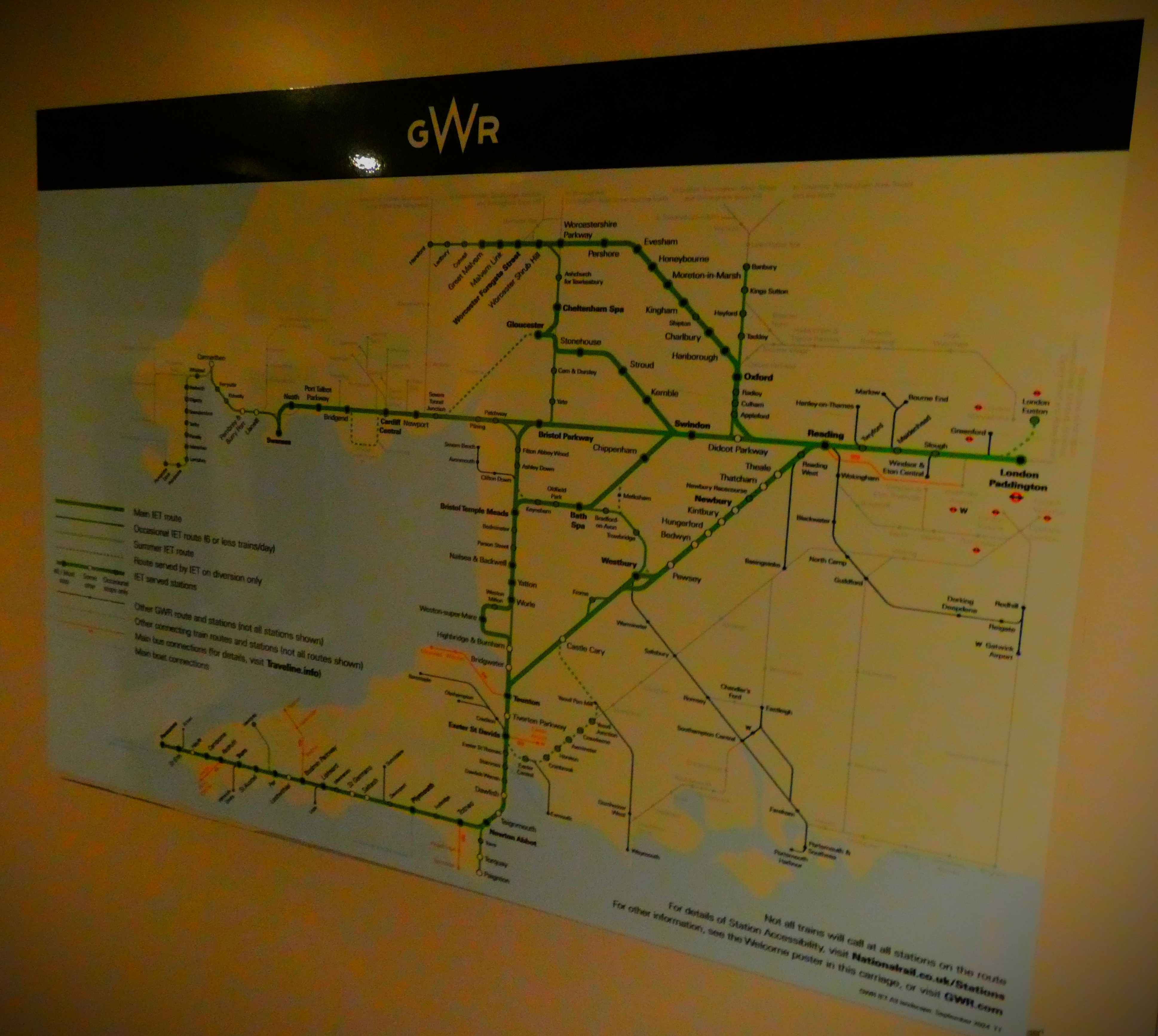
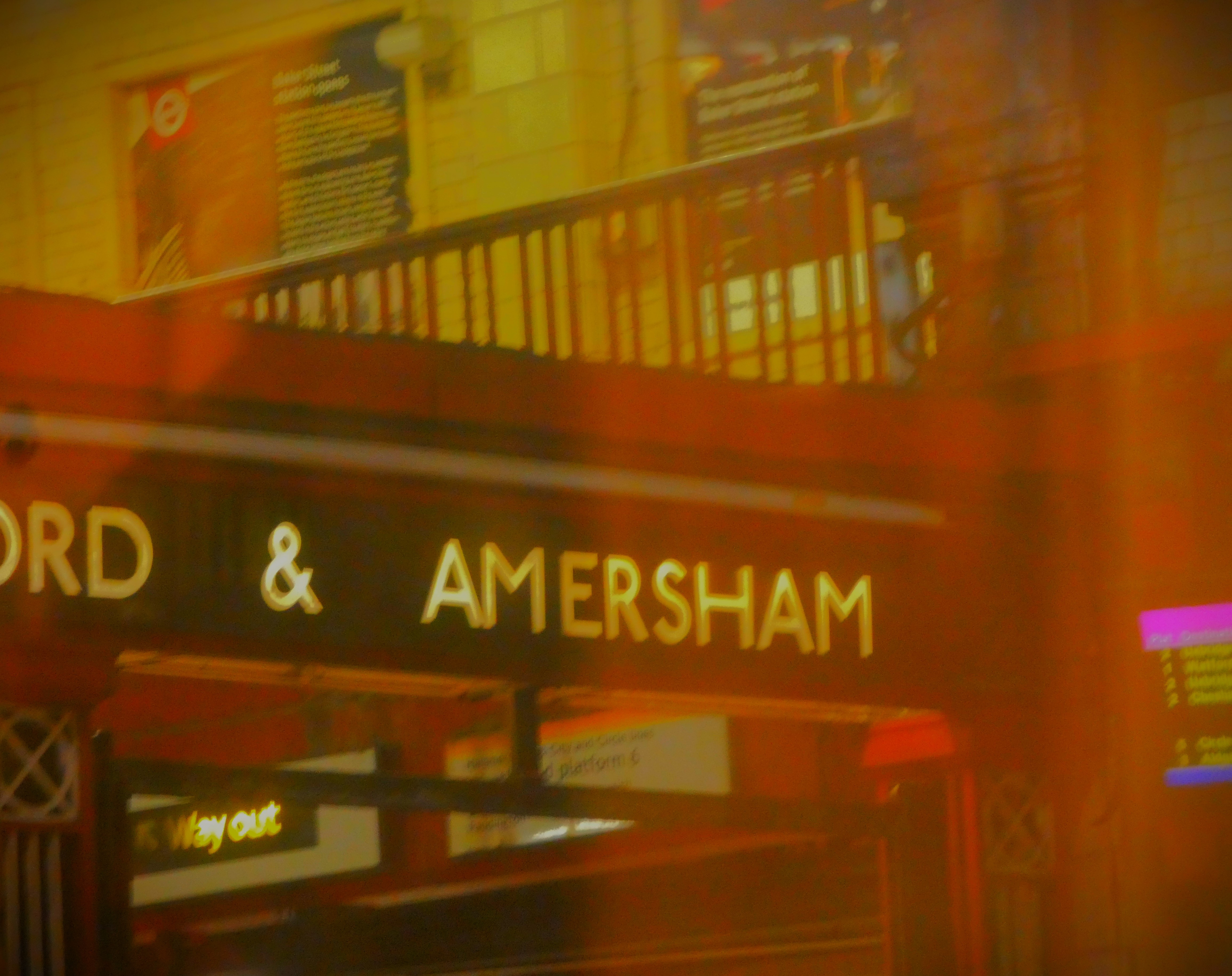
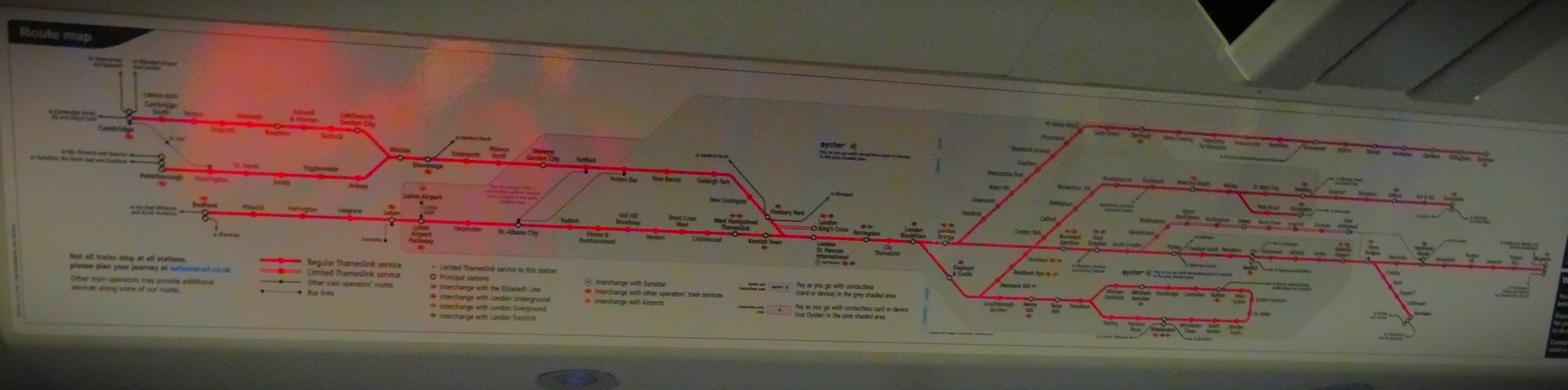
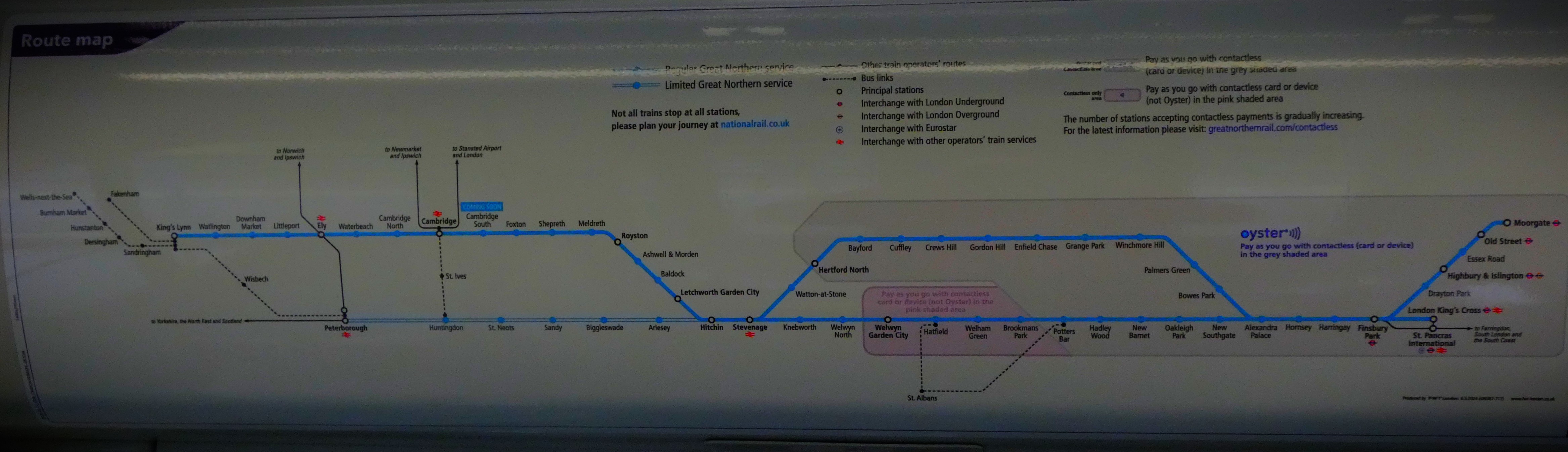
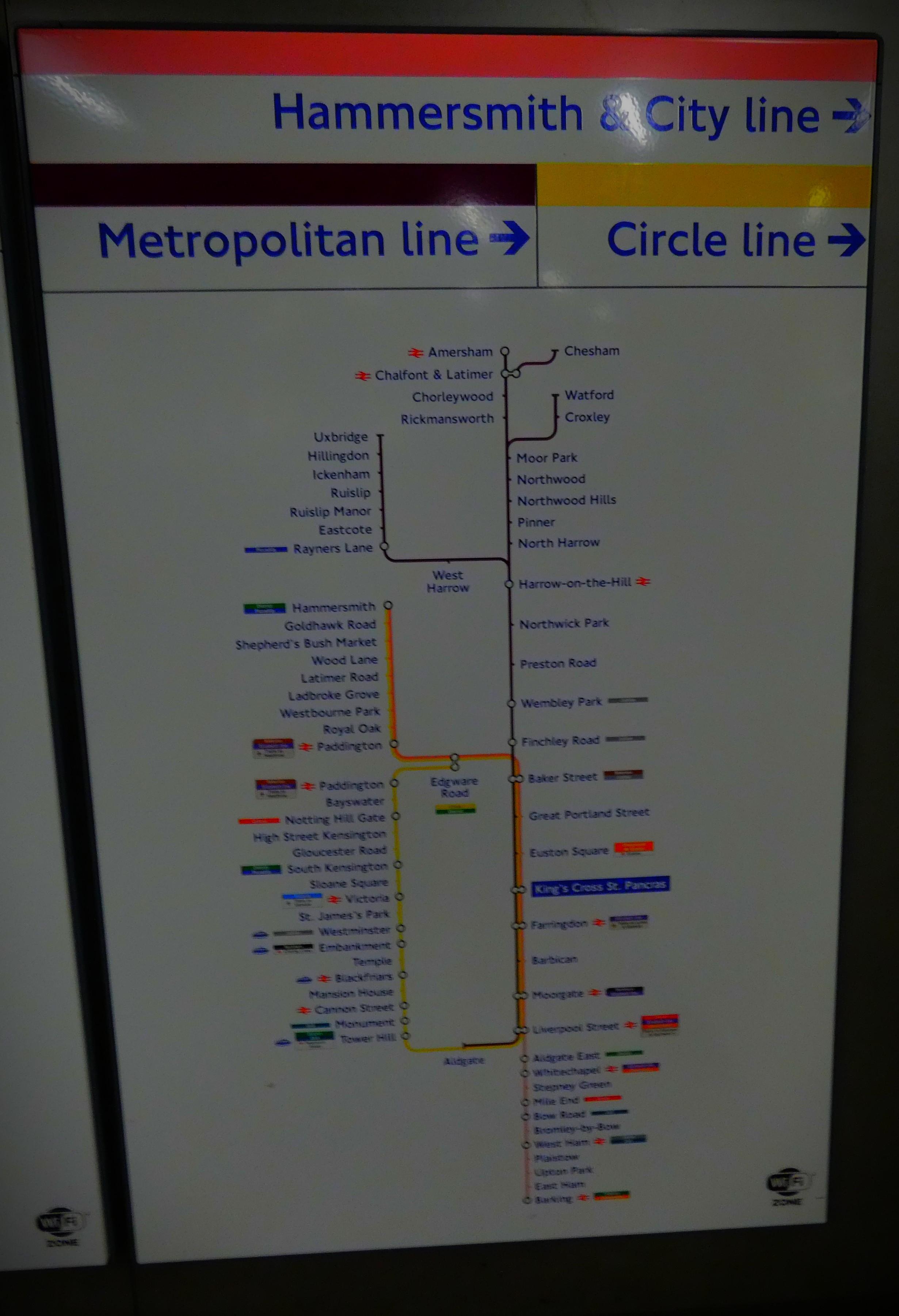
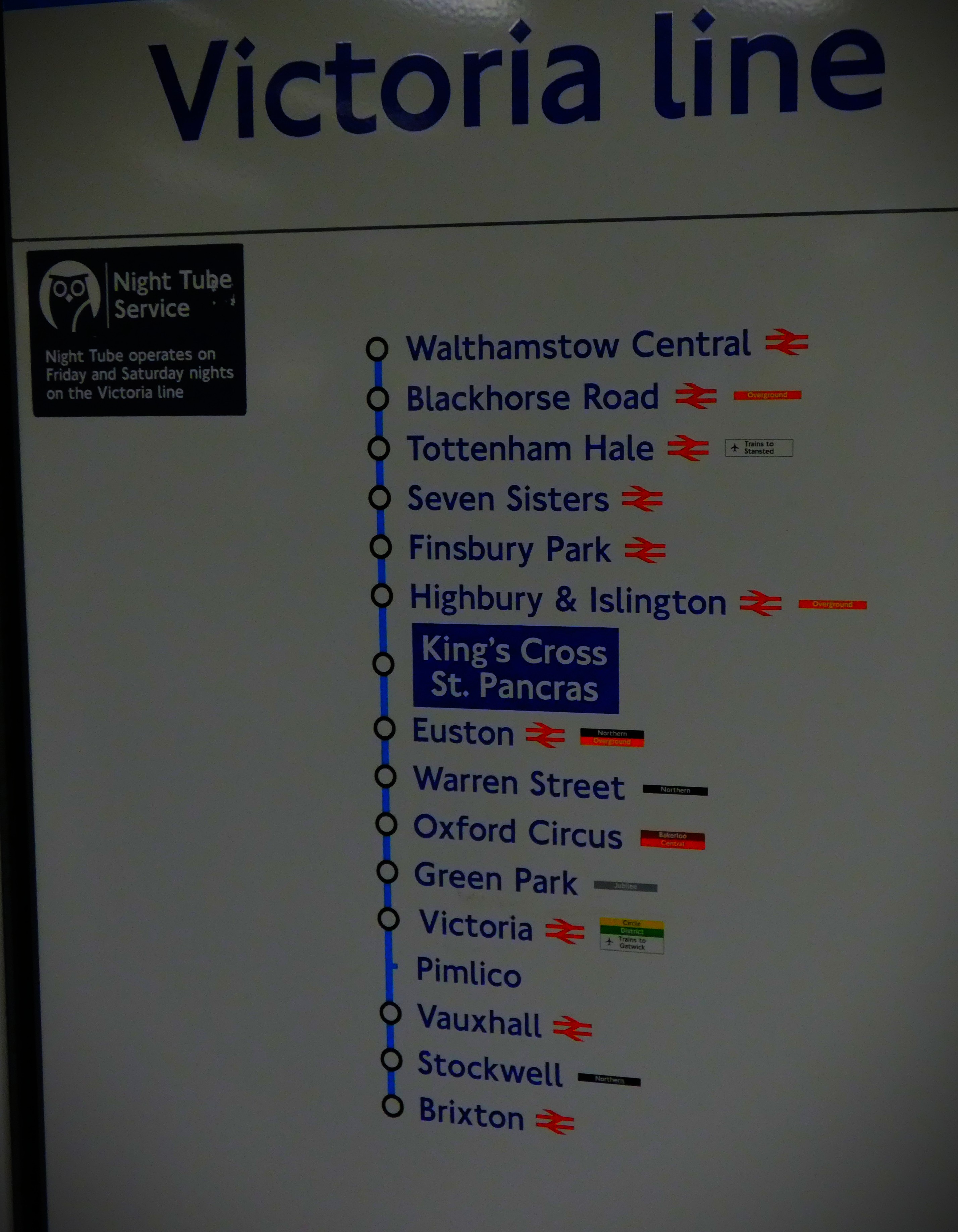
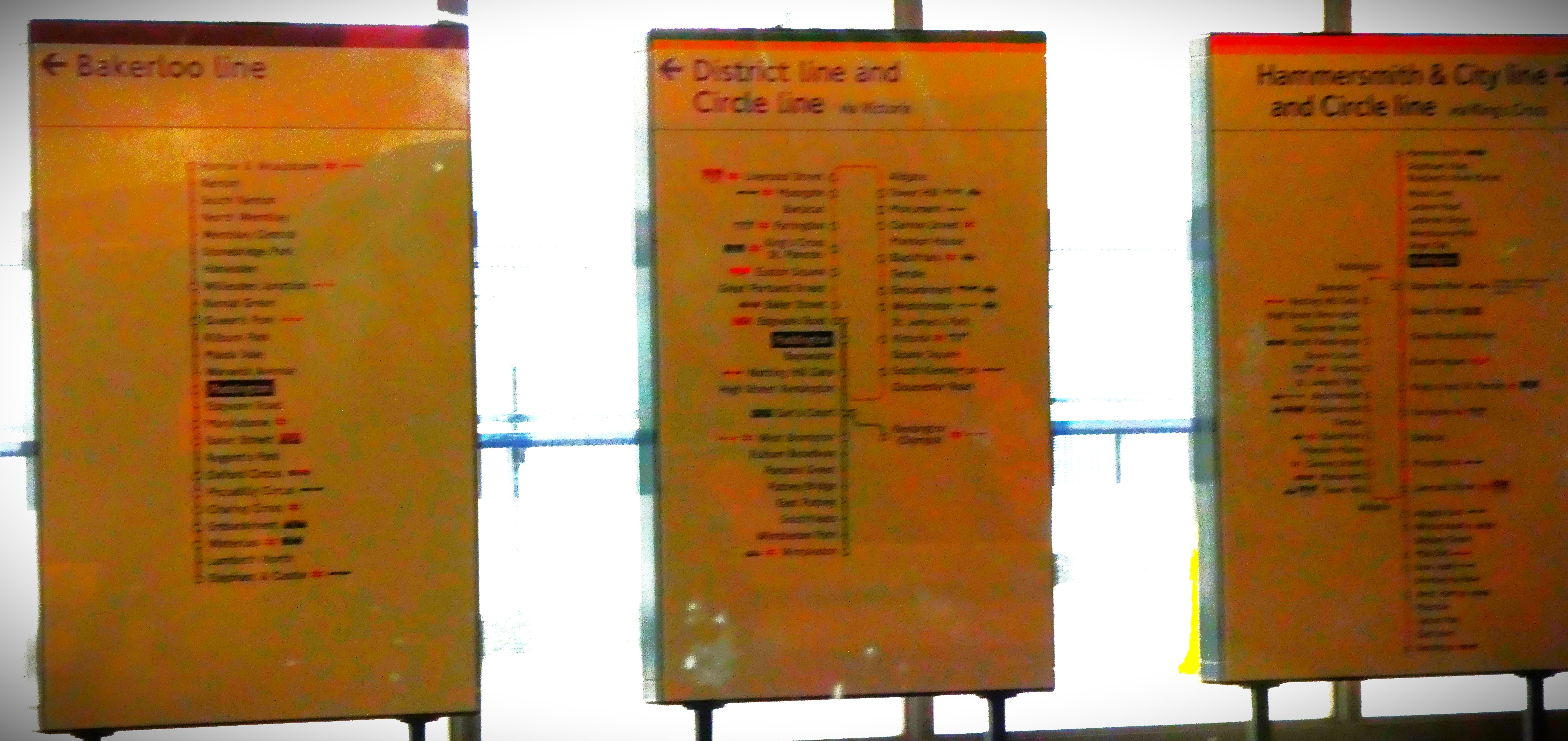
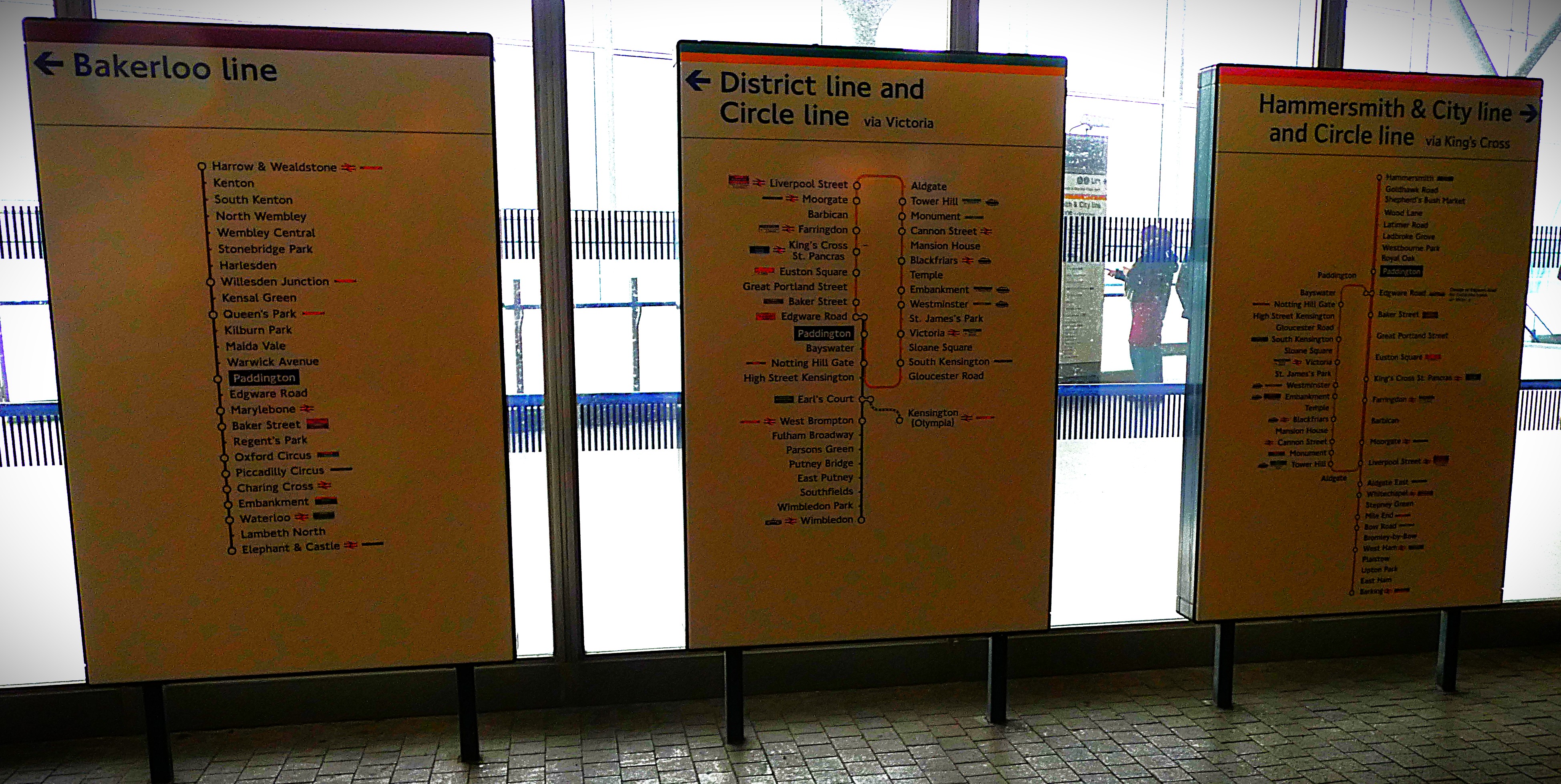
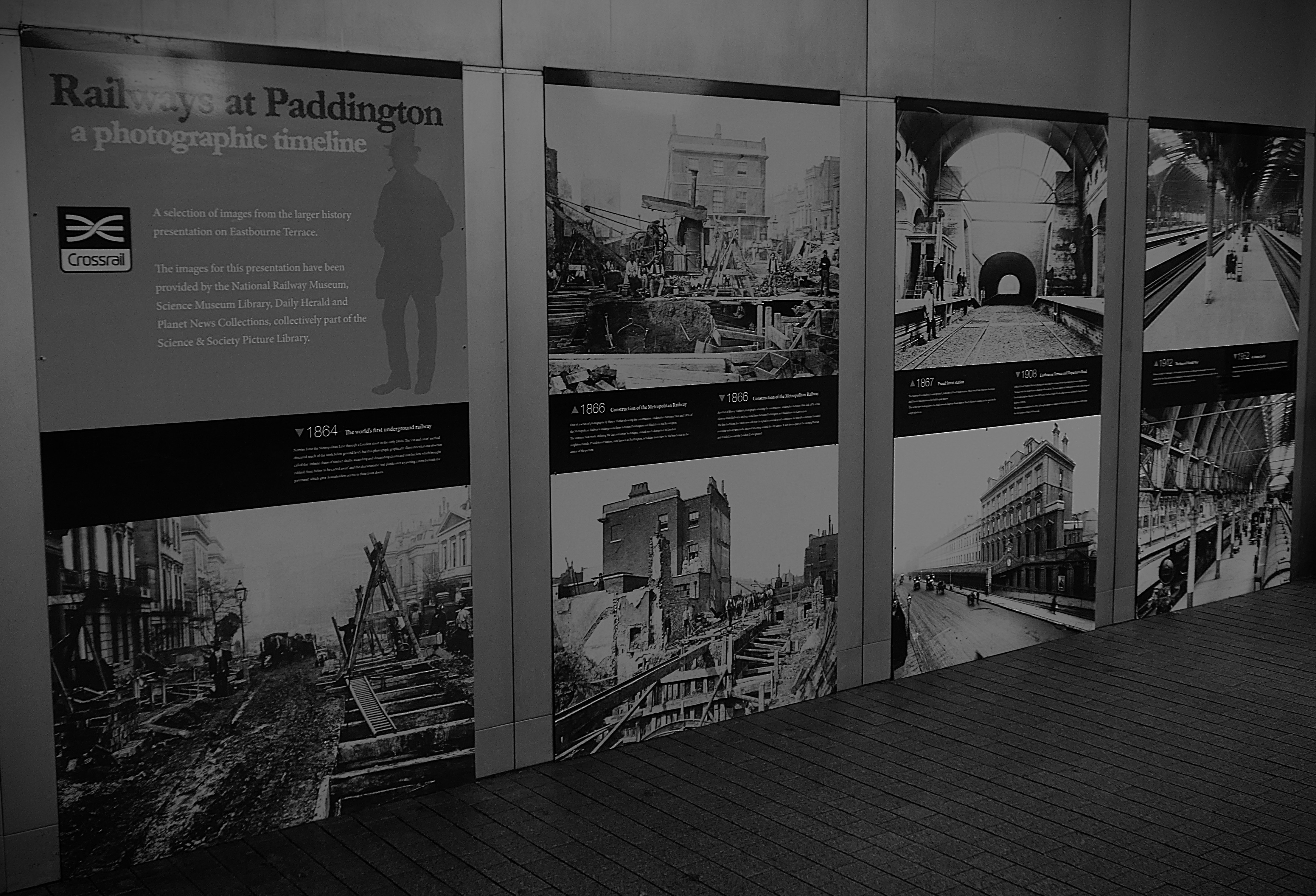
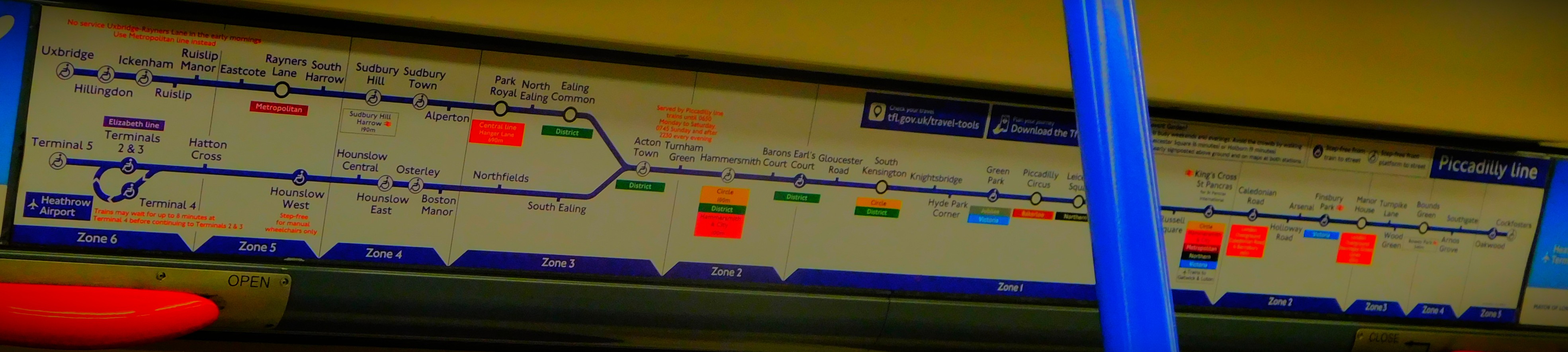
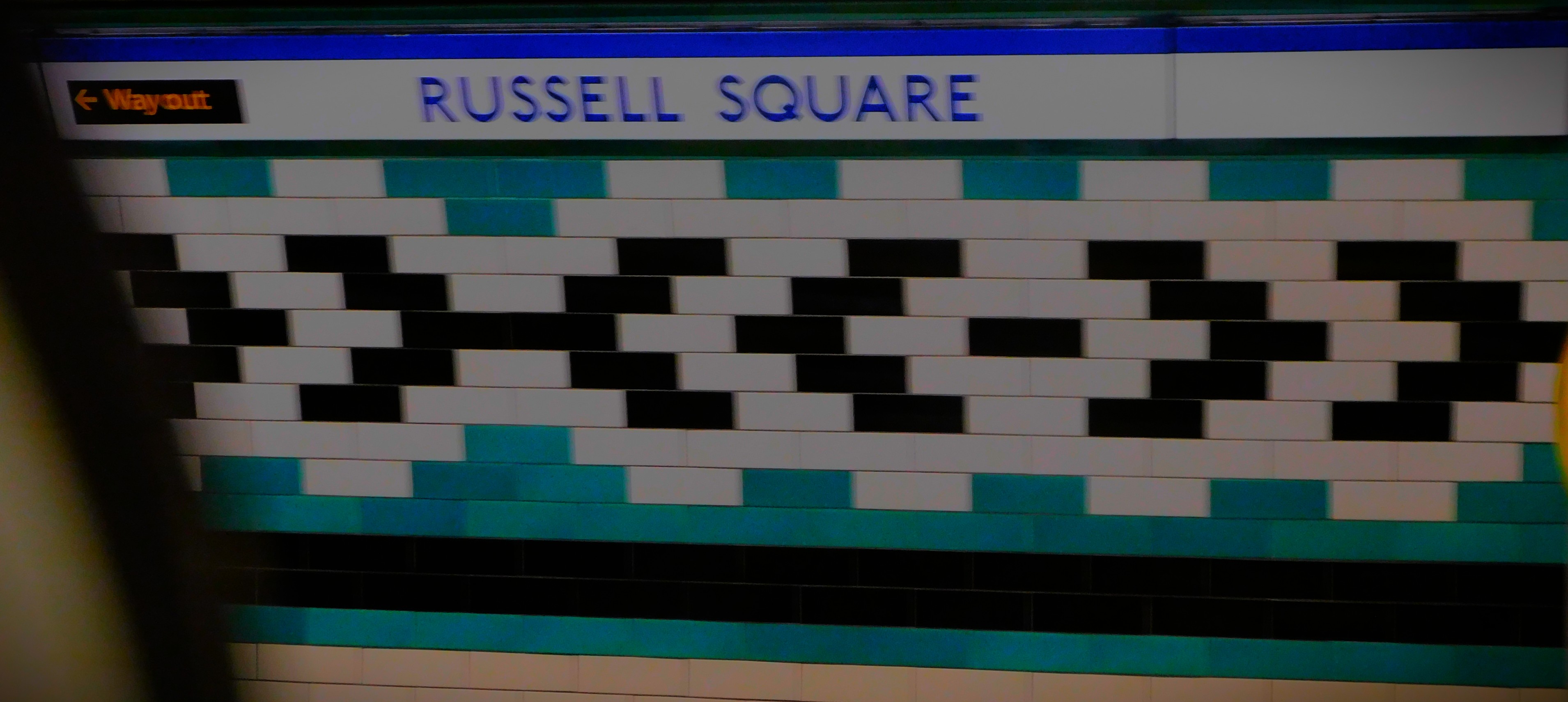
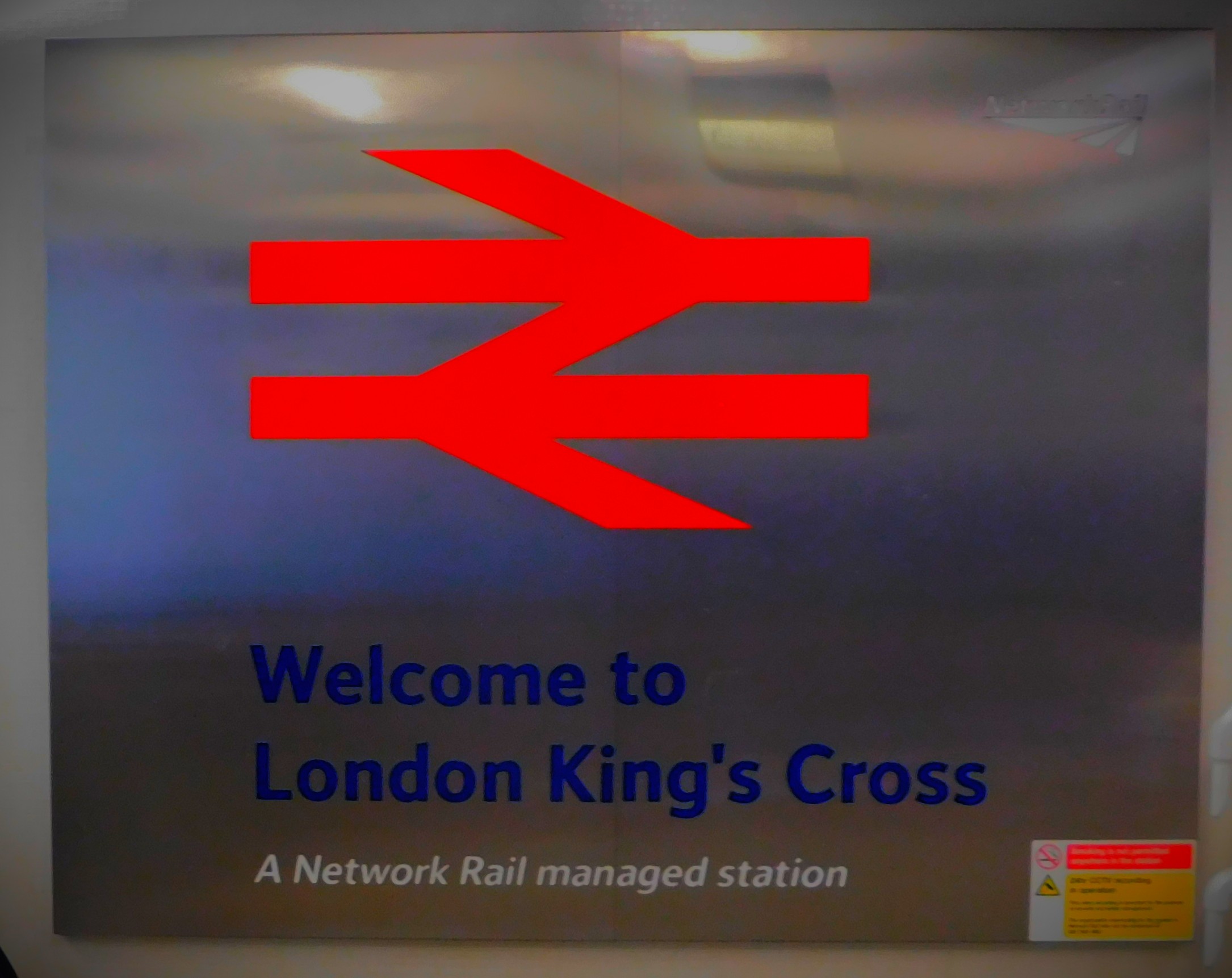
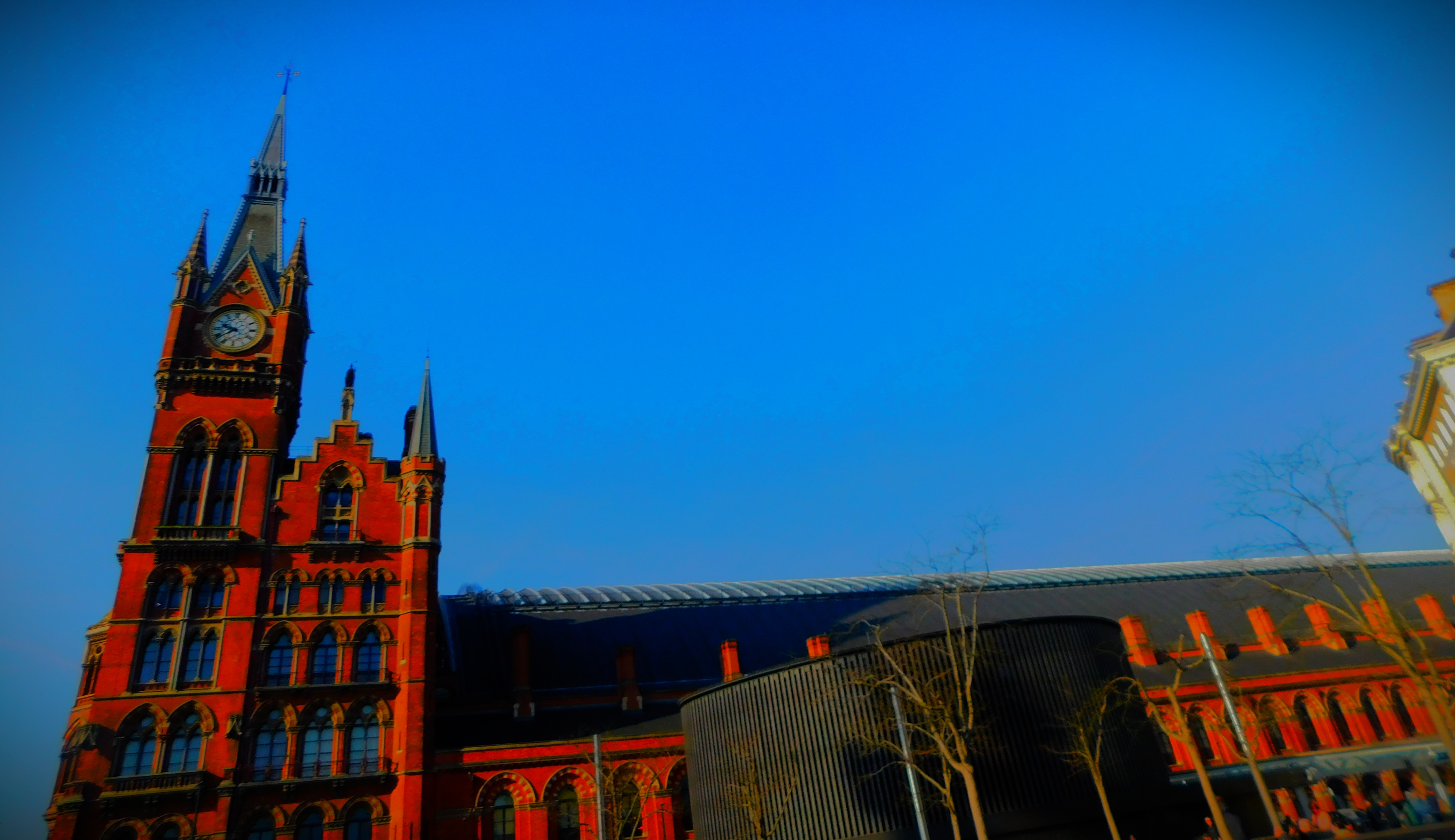
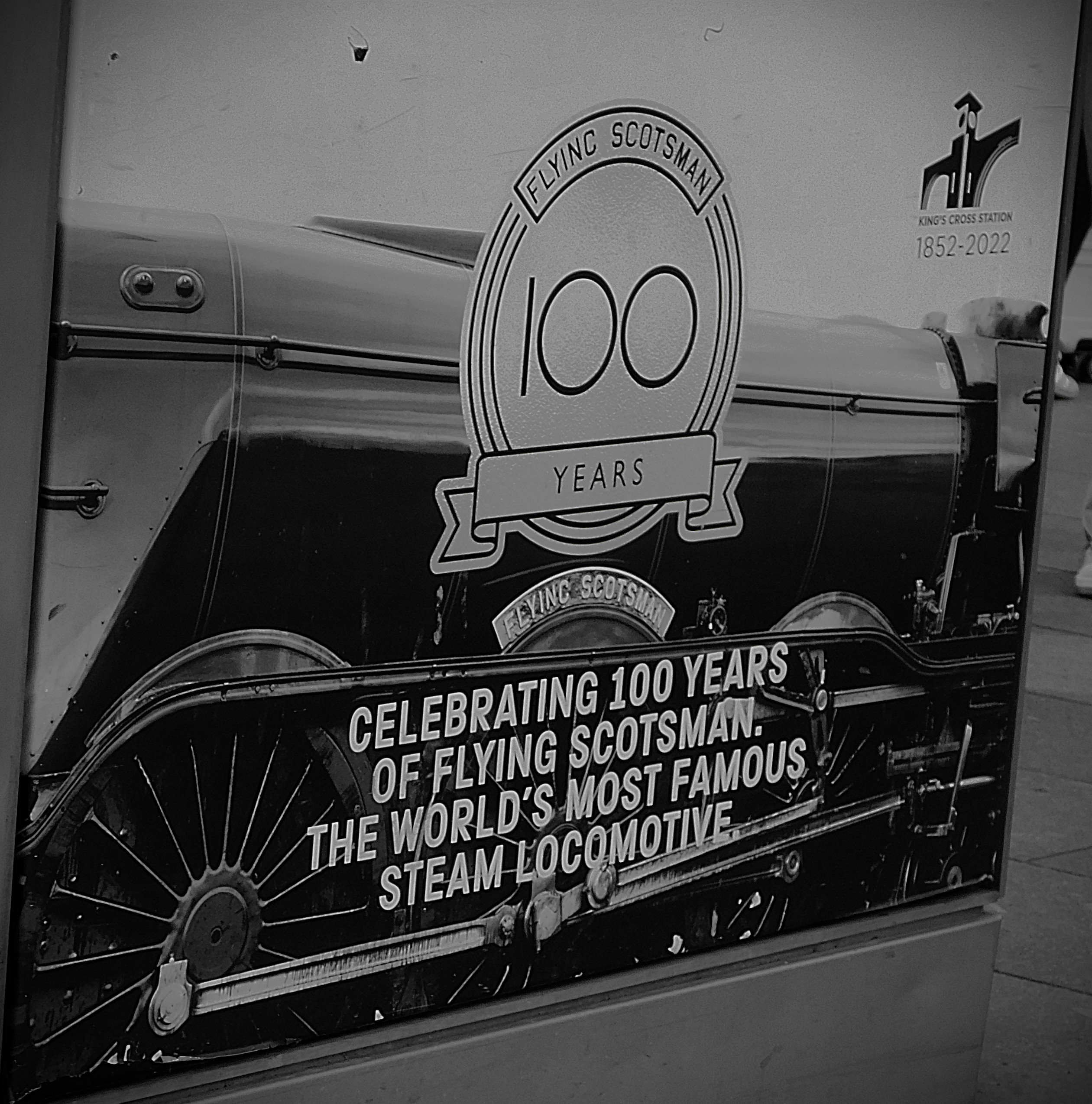
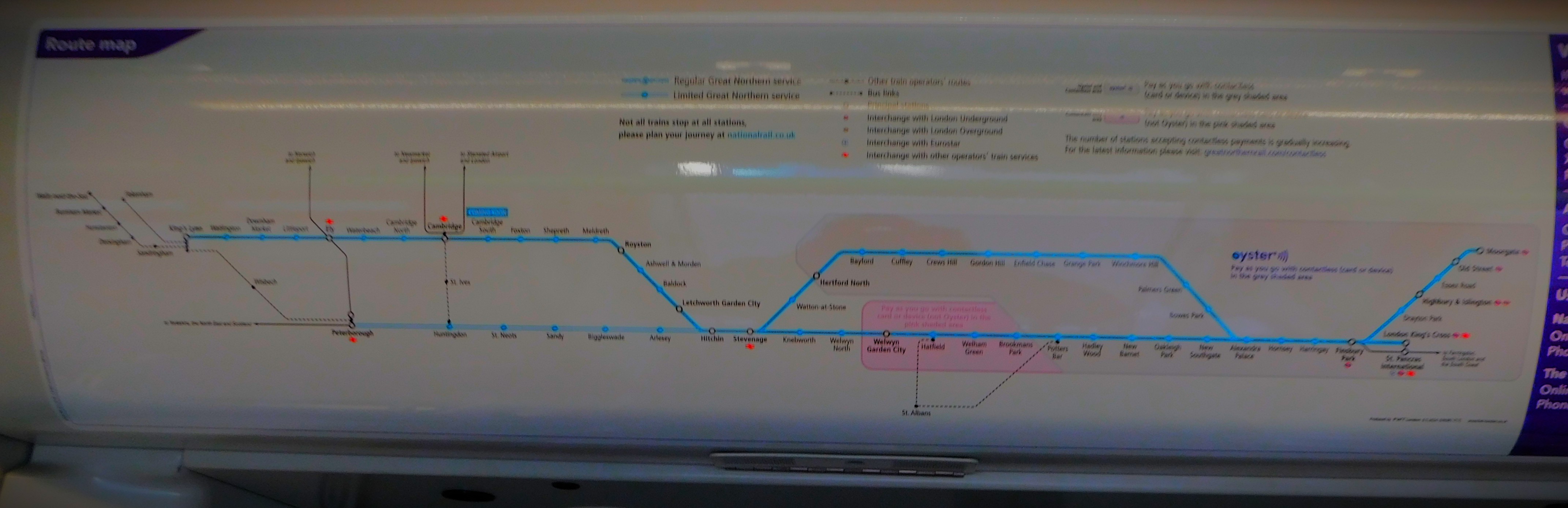
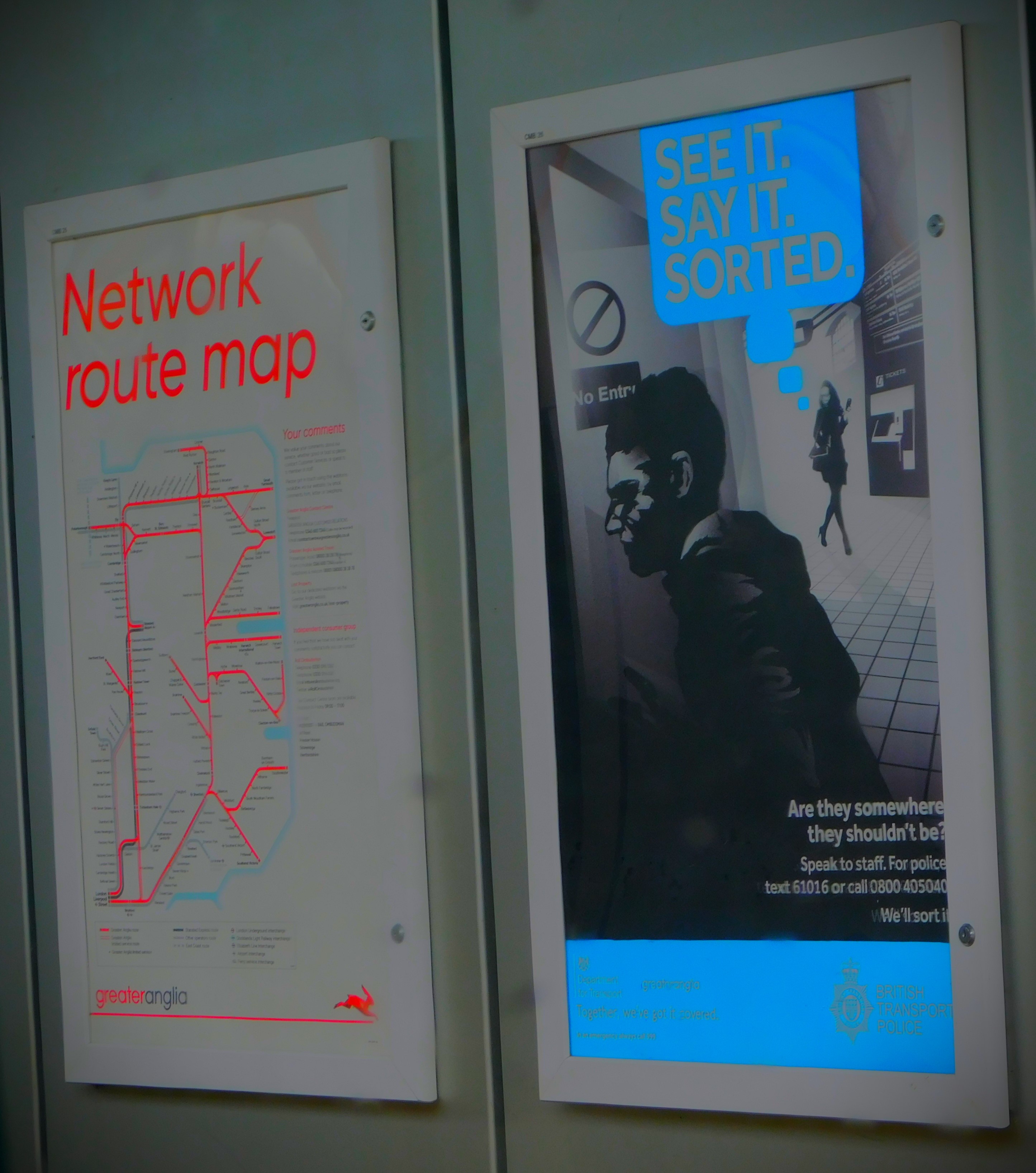
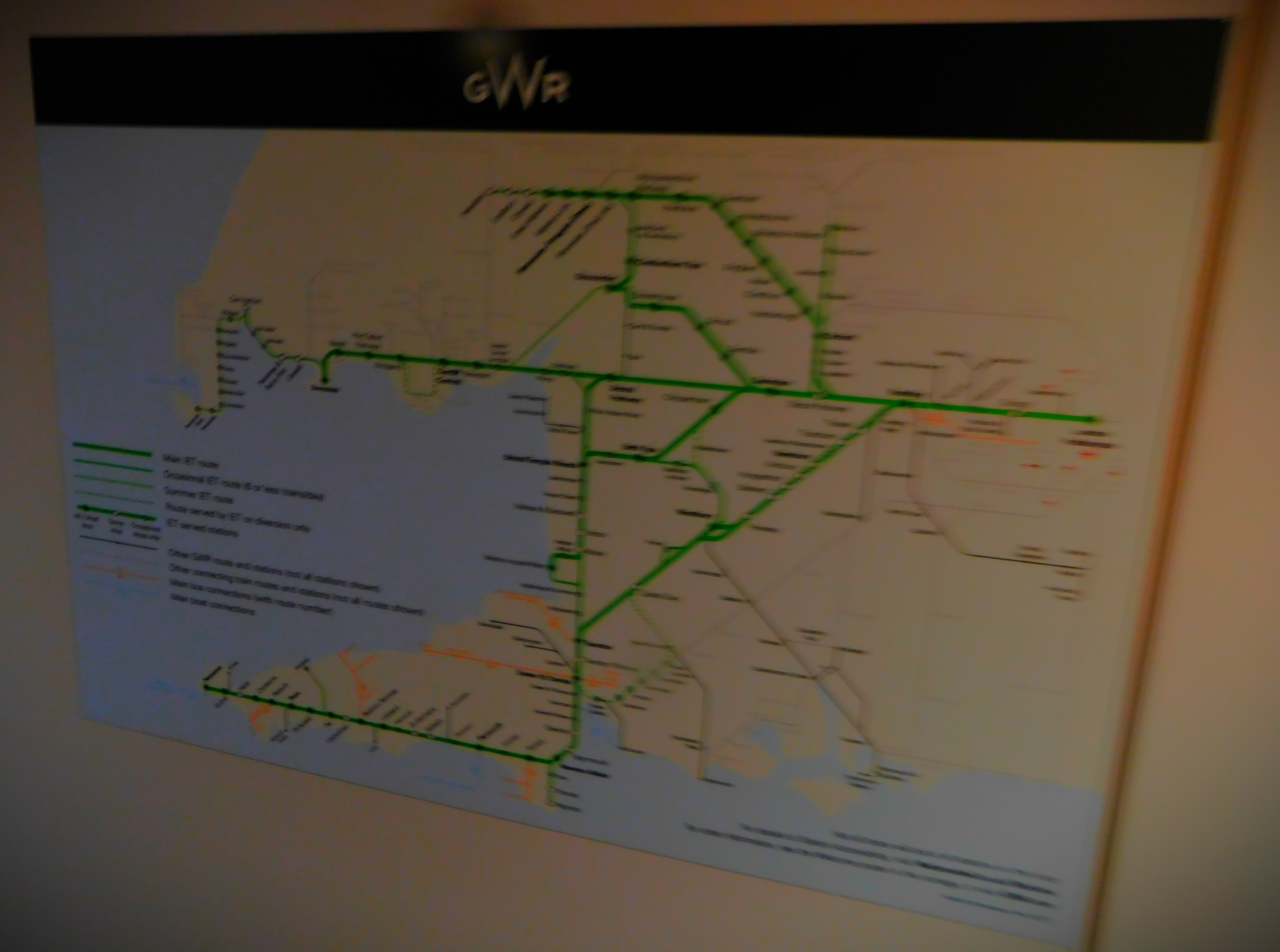
The first two pictures in this gallery were taken through the car window on the journey to Plymouth.Then there were some pictures taken at Plymouth.Pictures taken in transit from Plynouth start here.On the Praed Street platforms.At Edgware RoadPart of the sign indication the Metropolitan line platforms at Baker Street.This picture should have featured a roundel as well as this, but someone walked right in front of the roundel while I was taking it/Railway 200 stuff at King’s CrossThe route map on the train to Royston.
An account of a “curate’s egg’ journey from King’s Lynn to Fort Picklecombe. Parts of the journey were indeed excellent, and I got some good photos along the way.
I am in Cornwall for Christmas. I travelled down yesterday, which journey I shall be covering in this post, and will staying until Sunday.
THE GOOD: KING’S LYNN TO PADDINGTON
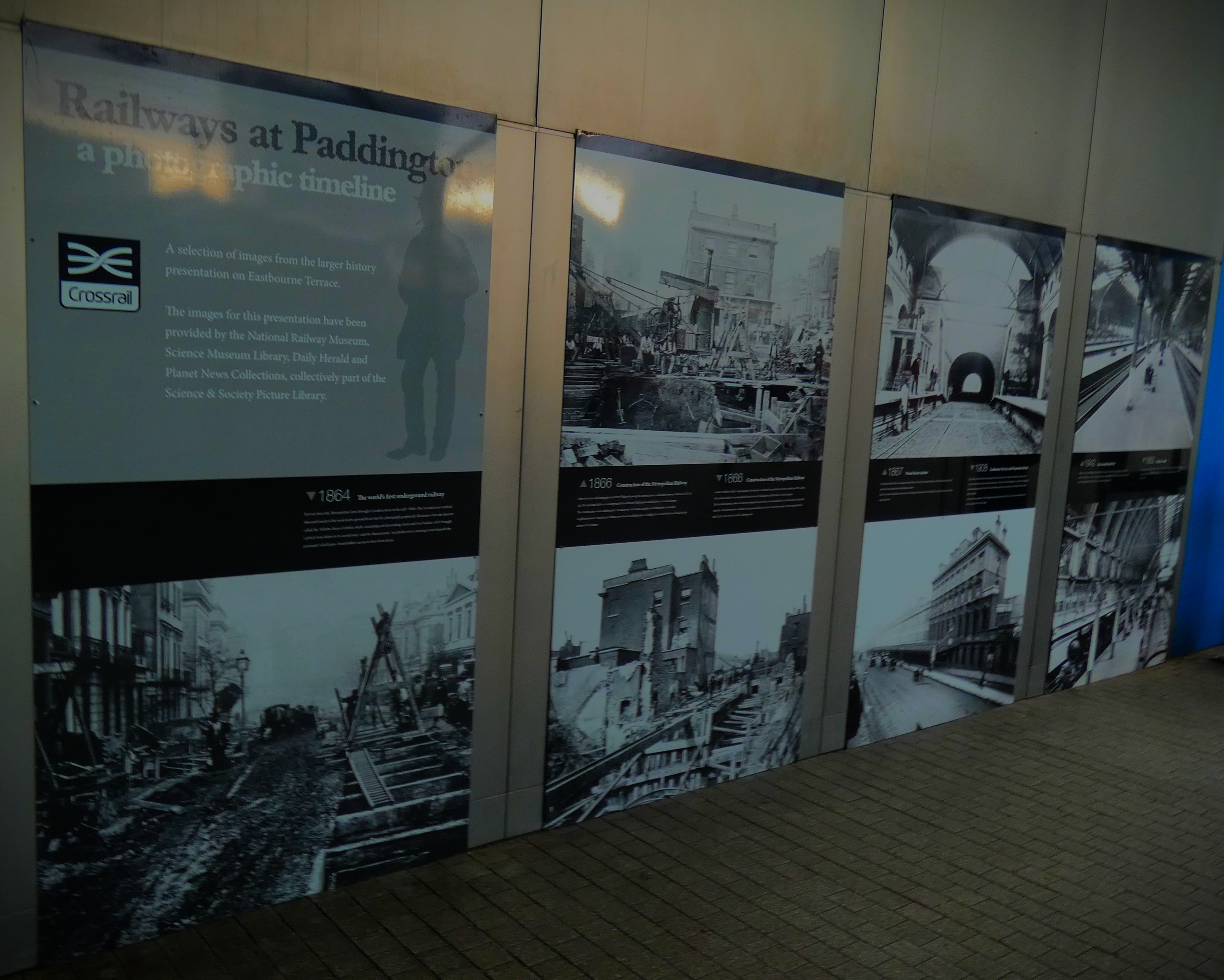
My itinerary for this journey started with catching the 10:45 from King’s Lynn to Kings Cross, so I set off at 10 o’clock sharp to make sure I got to the station in good time. The train ran precisely as per schedule, and at 12:33 I alighted on to Platform 9 of Kings Cross station. The Hammersmith and City line journey from Kings Cross to Paddington, following the original route of the world’s first passenger carrying underground railway was also uneventful. I consumed a light meal courtesy of a branch of Costa that is structurally part of the station, and then it was necessary to be ready for the next and longest phase of the journey…
THE BAD – A GWR HORROR SHOW
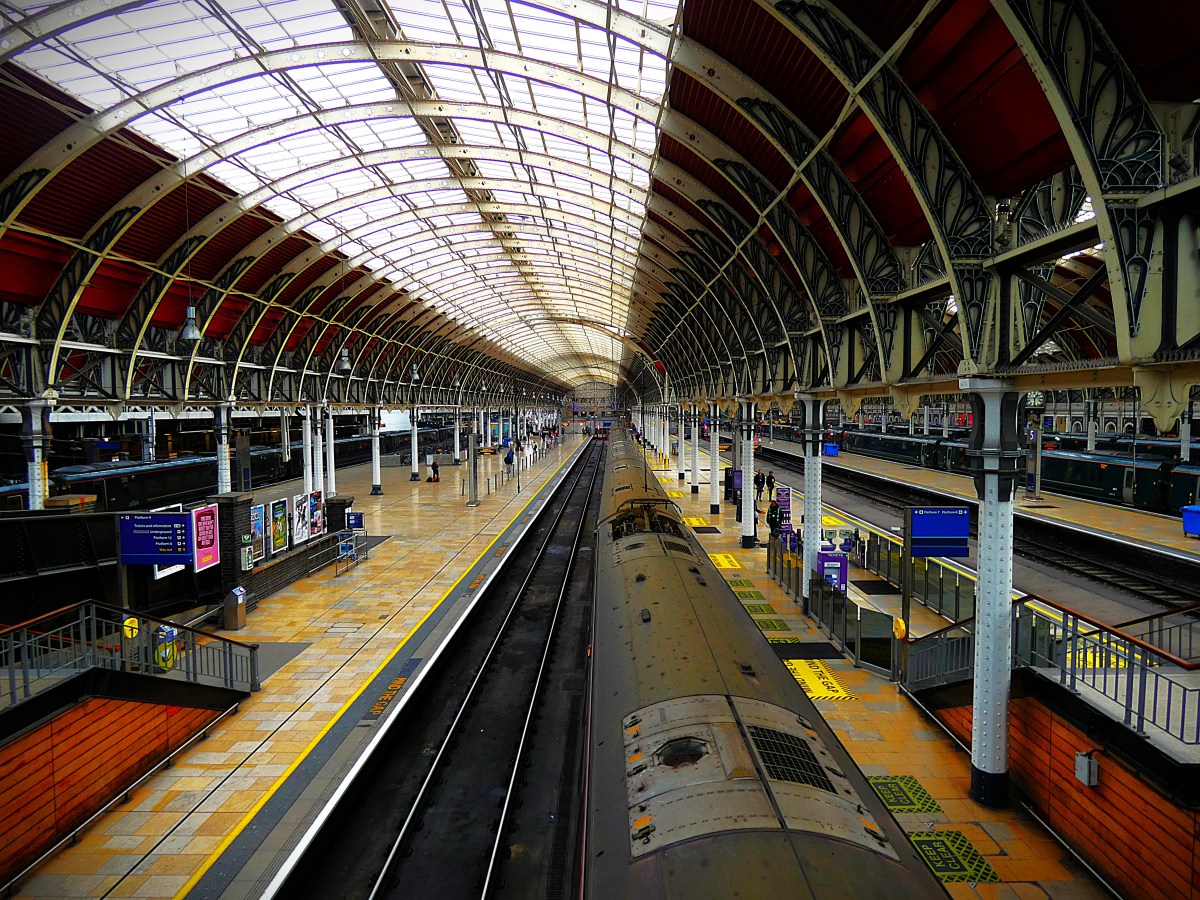
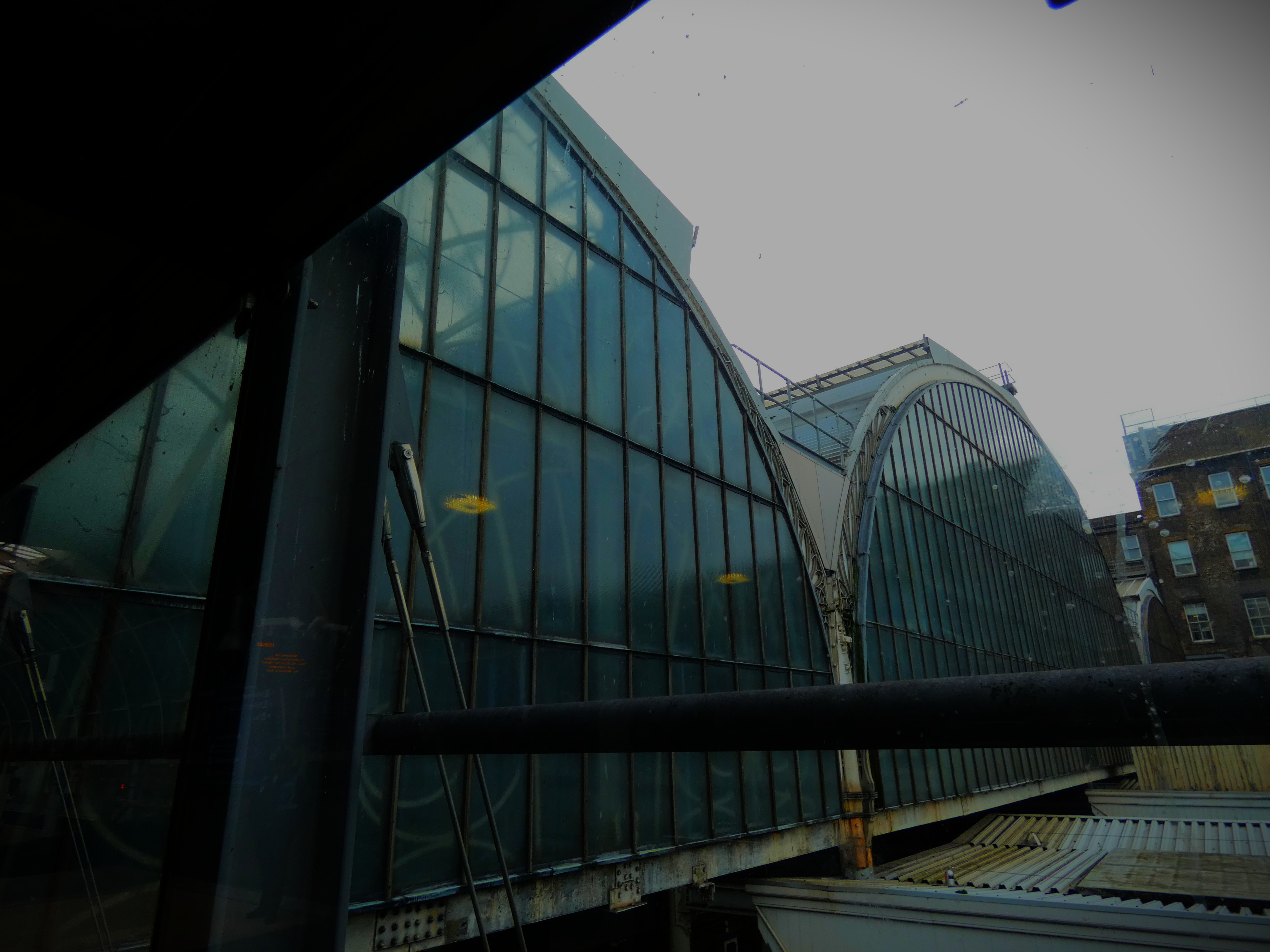
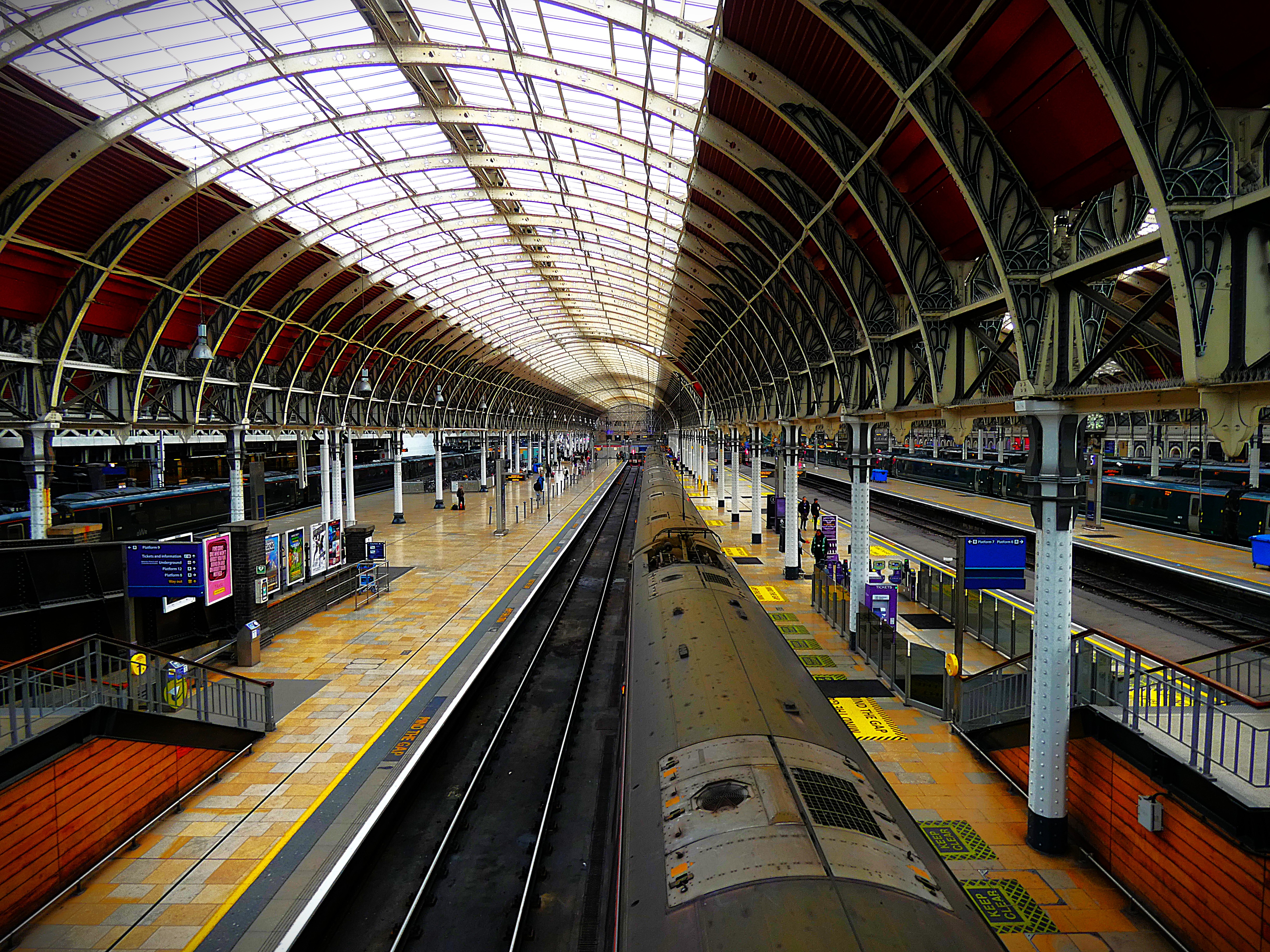
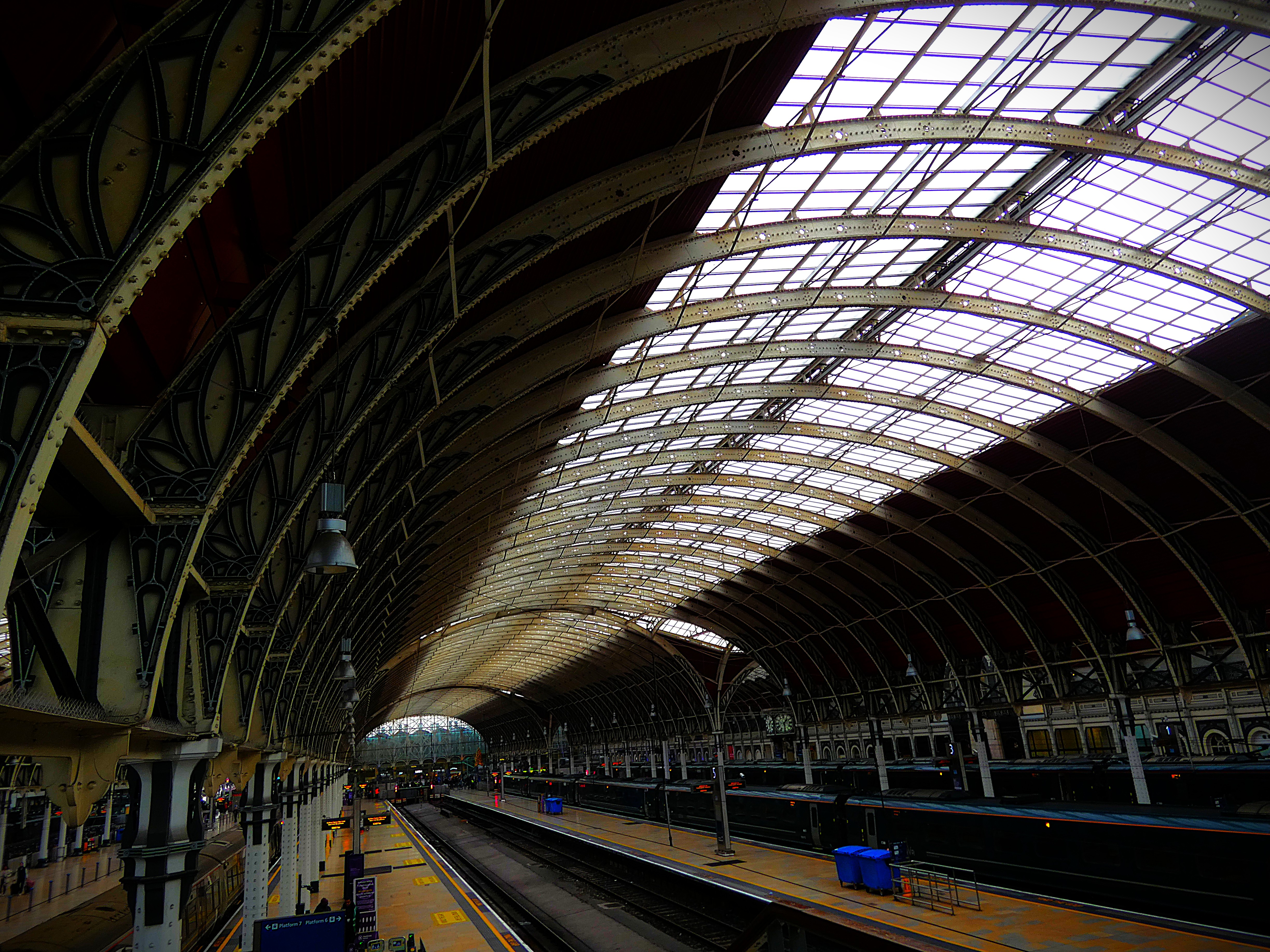
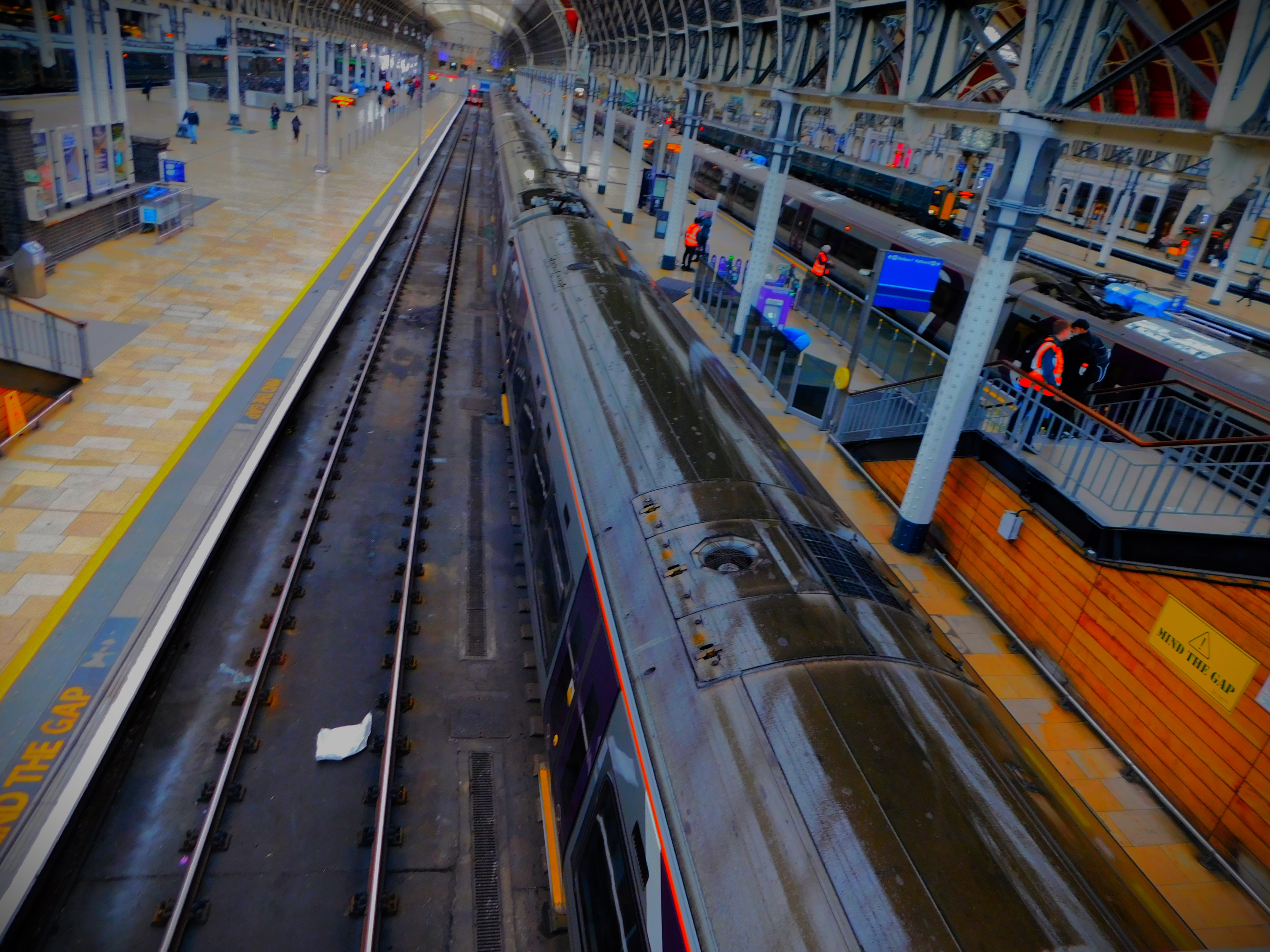
Although today’s Great Western Railway has the same name as the company founded by the legendary Isambard Kingdom Brunel, and serves most of the same routes, I do not think that Brunel would be impressed with his company’s modern day namesake. Actually the current GWR should probably be glad that the dead cannot sue under UK law. As I scanned the departure screen on the bridge linking the various platforms at this iconic station (the photo gallery at the end of this post contains some pictures that should go some way to showing you why this station is rated as one of Europe’s finest) I noticed there were some cancellations, and some delays. My own train was among the delayed, and the estimated time was being pushed back in small increments. Eventually at 2:15, 12 minutes after the scheduled departure time we were finally given the platform information. I managed to get to my booked seat, and a few moments later we were finally underway. However the late departure caused us to end up behind a couple of stopping services between Exeter and Plymouth, so the train arrived very late at Plymouth (once I am back in Lynn the company will be hearing from me as I expect compensation from them for both the stress experienced at Paddington and the very late arrival in Plymouth).
THE FINAL STAGE
My sister met myself and my nephew at Plymouth station (he, due to mishaps associated with another train company, South Western, had ended up on the same train as me), and drove us to our final destination, Fort Picklecombe in Cornwall. Apart from the satnav making a few daft mistakes (at one point telling us to make a u-turn when we actually on the Torpoint ferry!) this part of the journey was thankfully uneventful.
PHOTOGRAPHS
Here are the photographs I took yesterday, plus a couple from this morning:
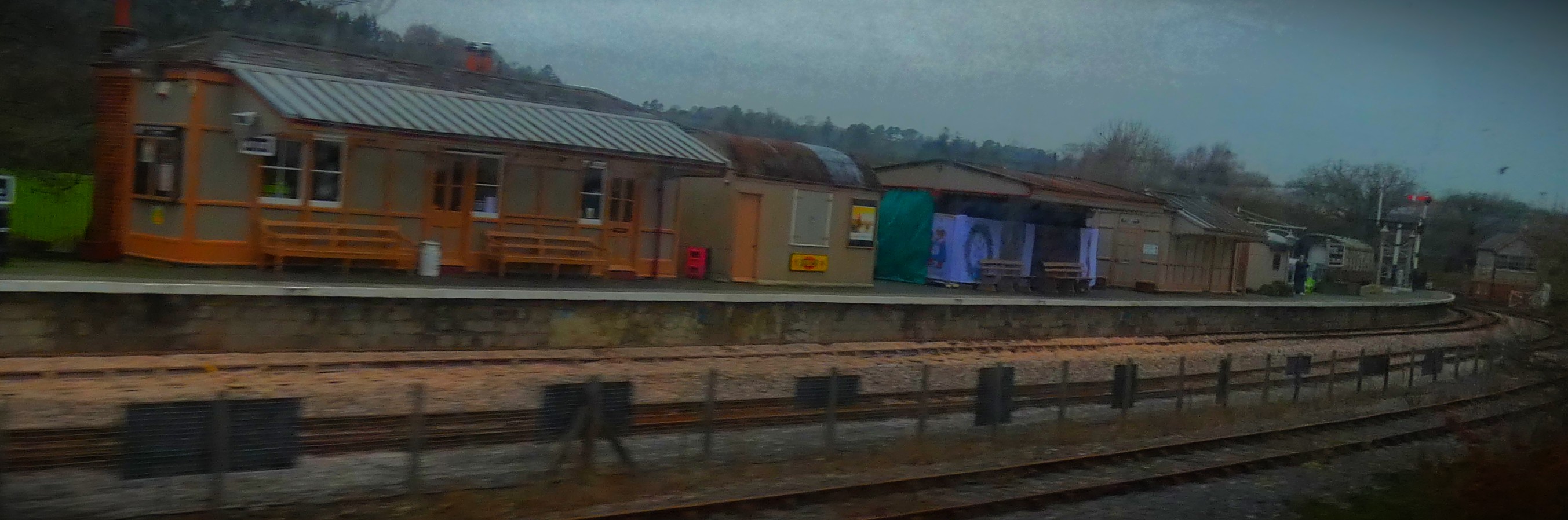
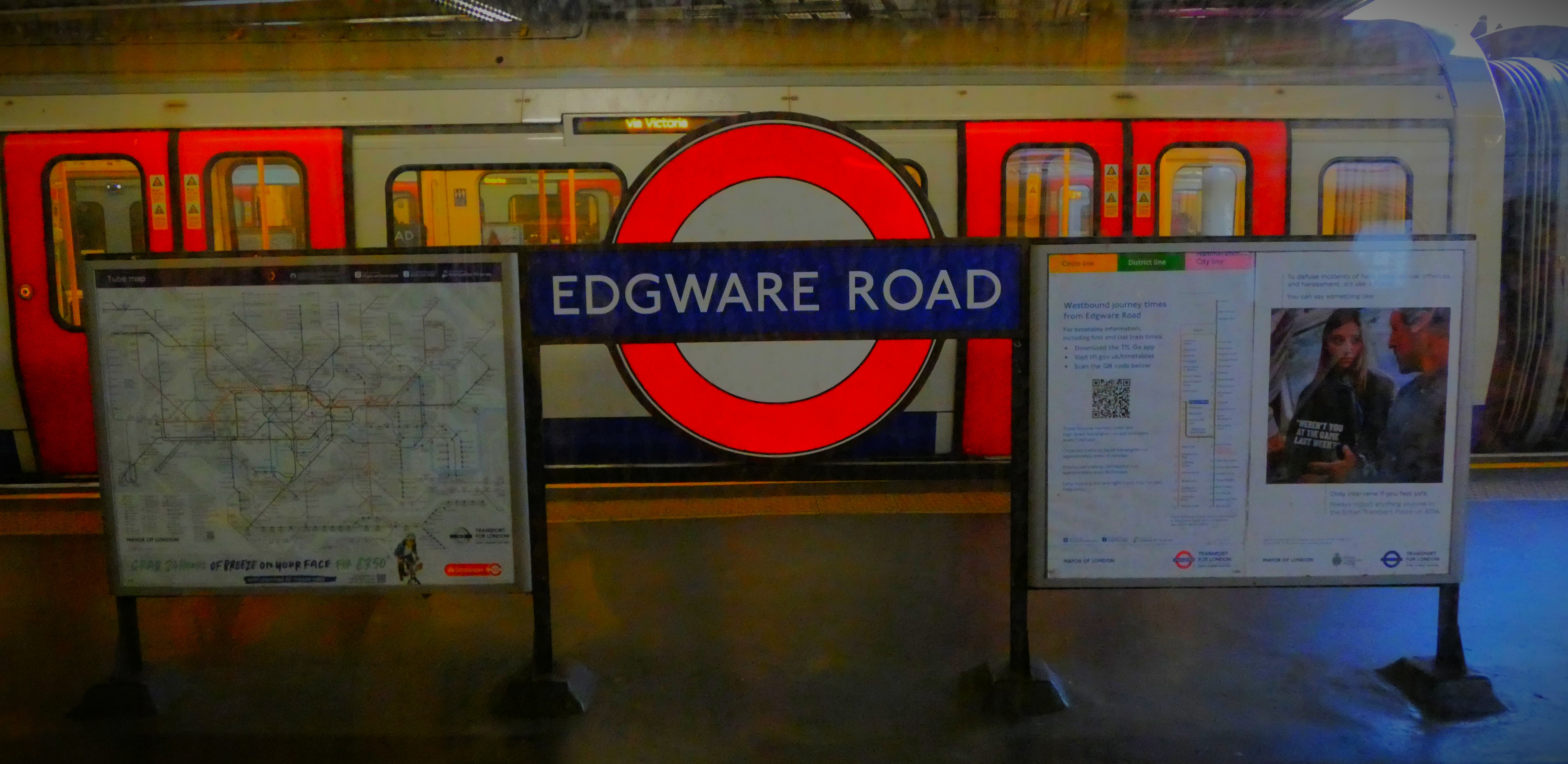
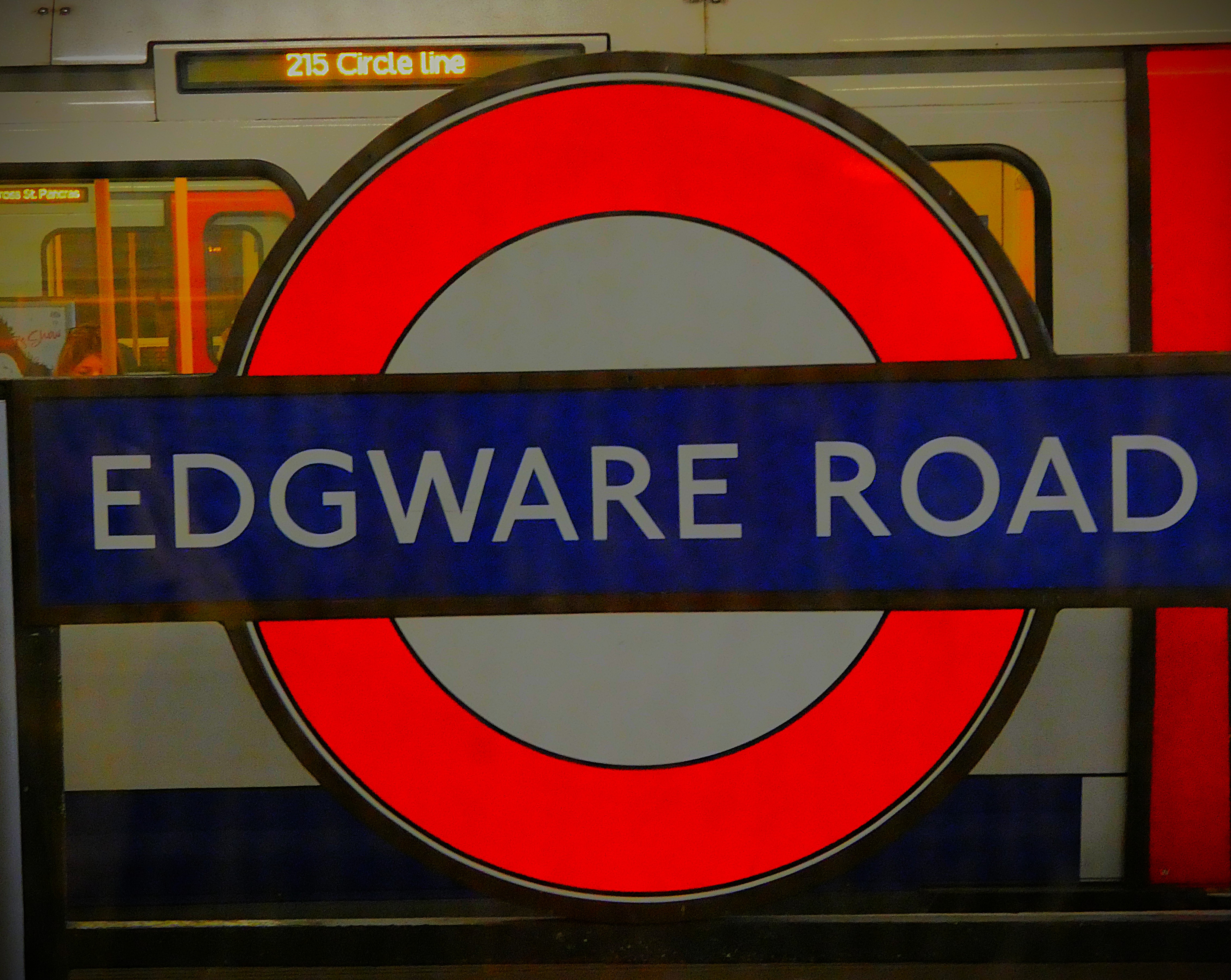
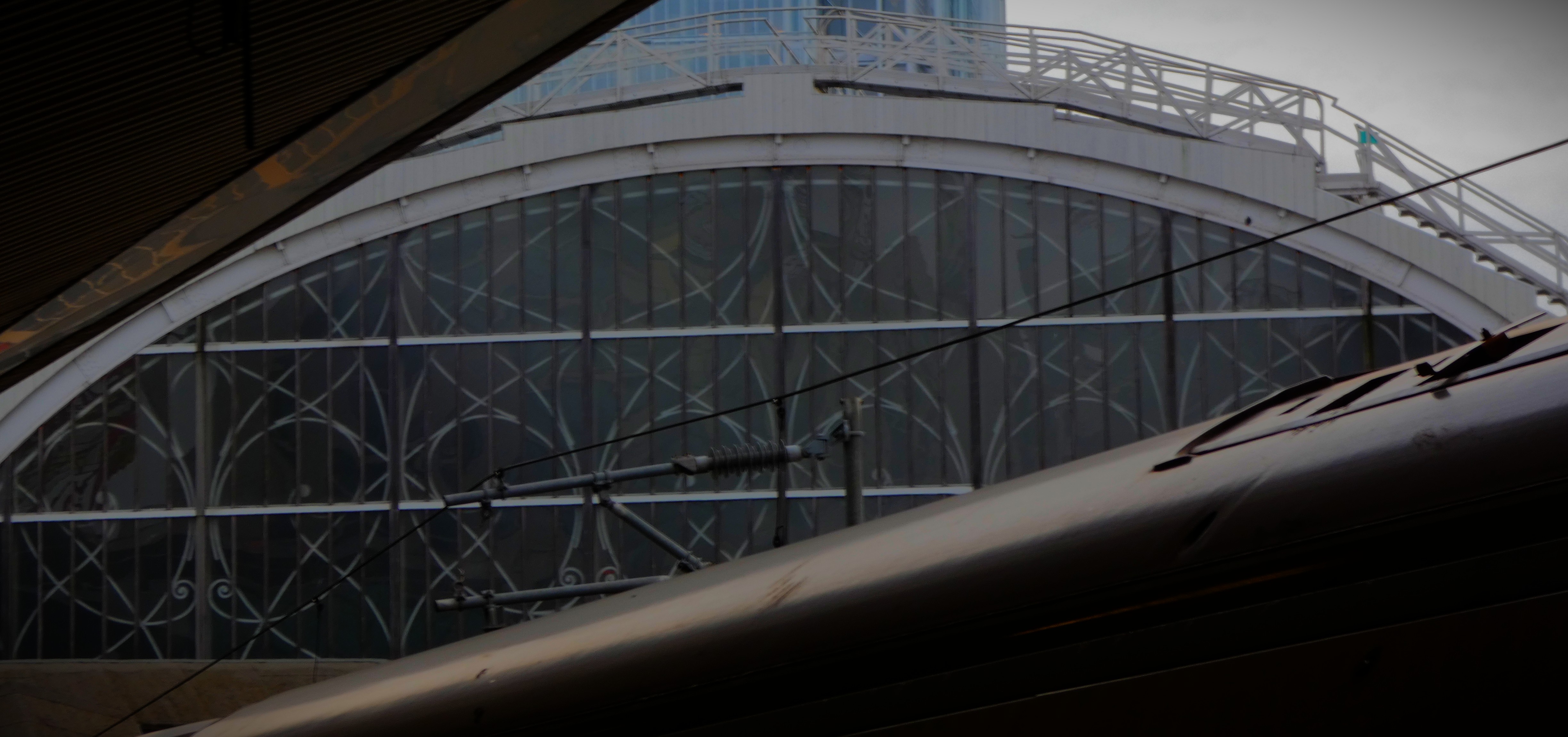
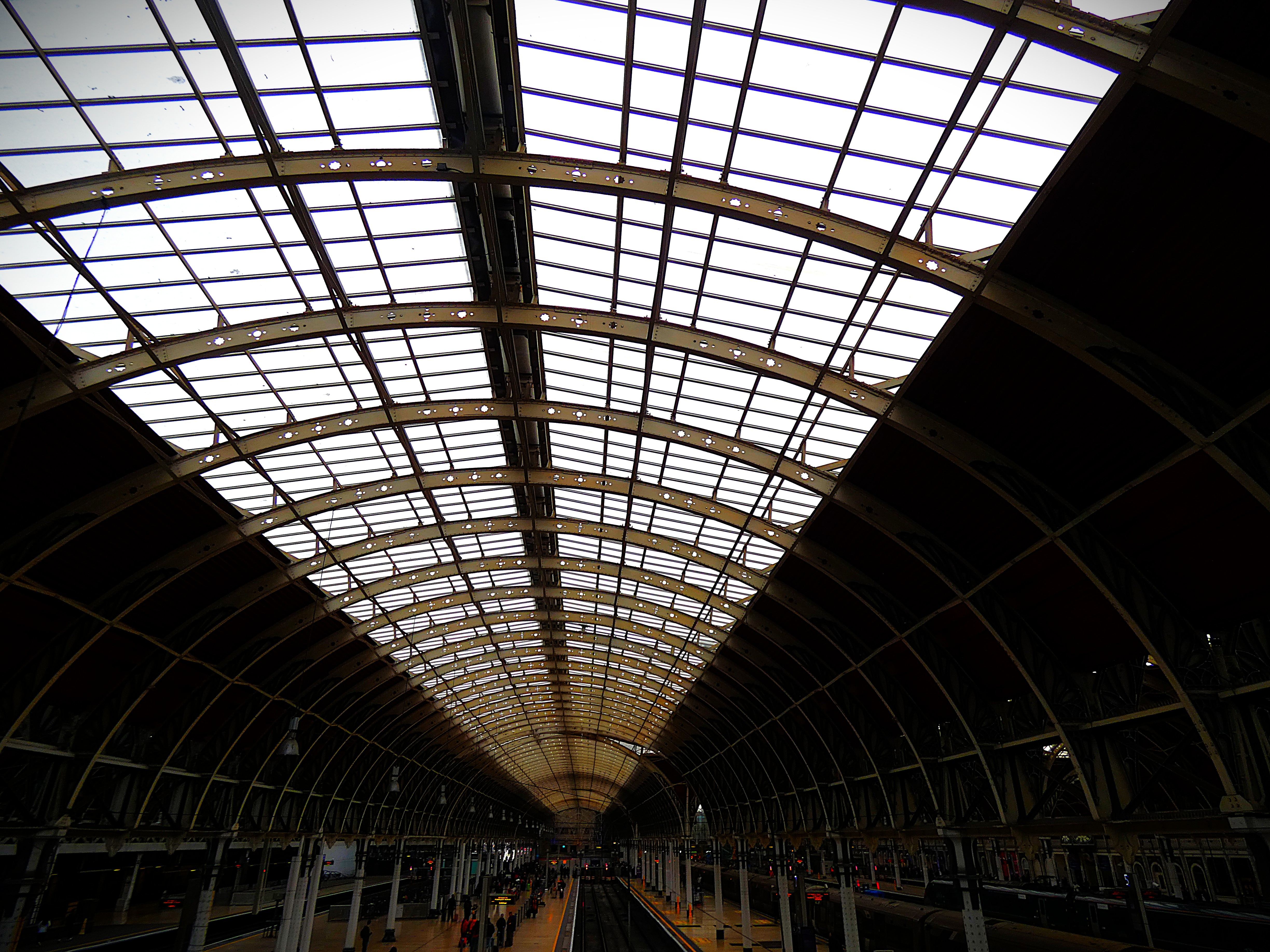
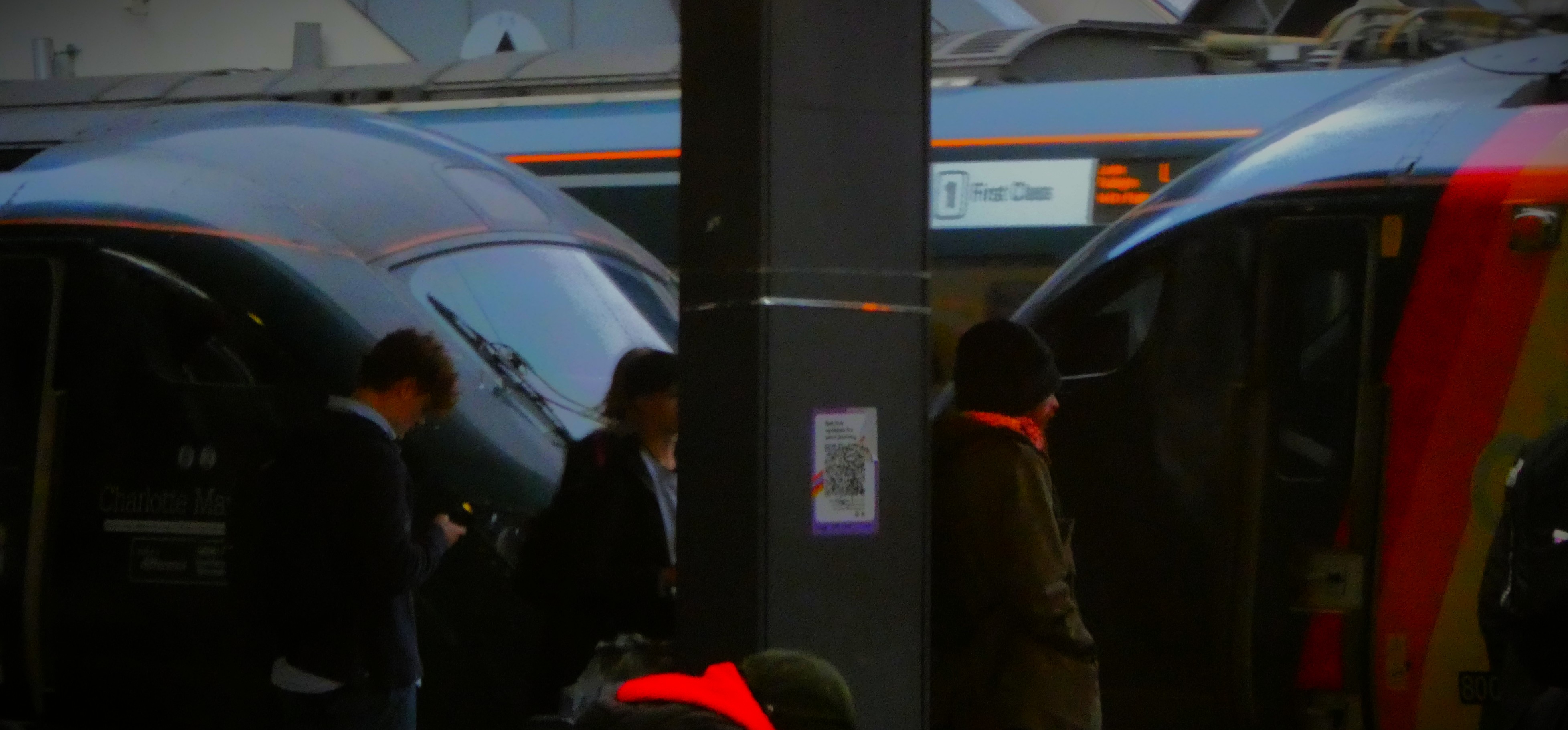
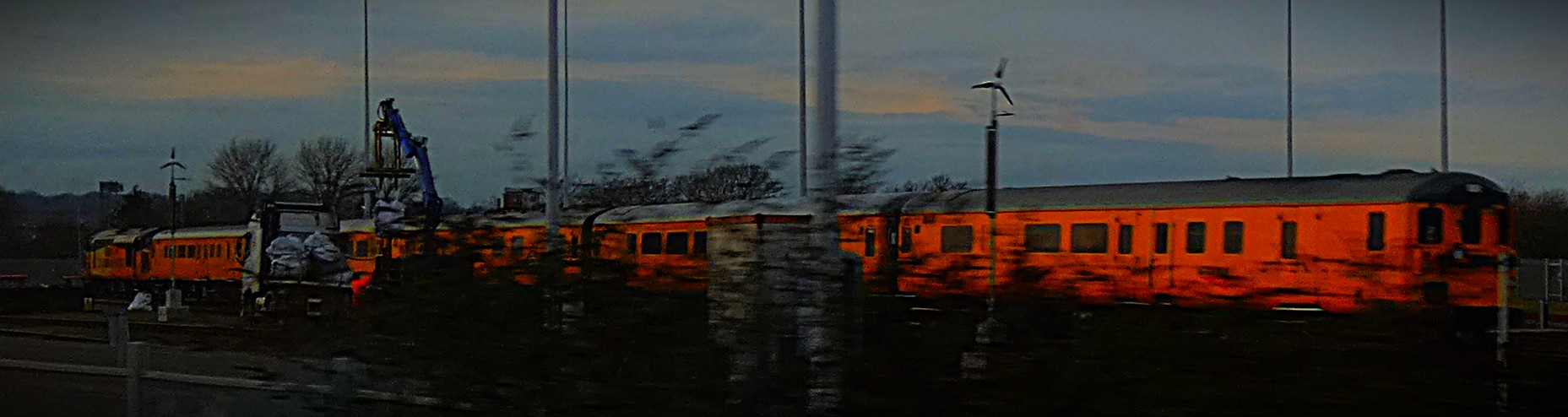
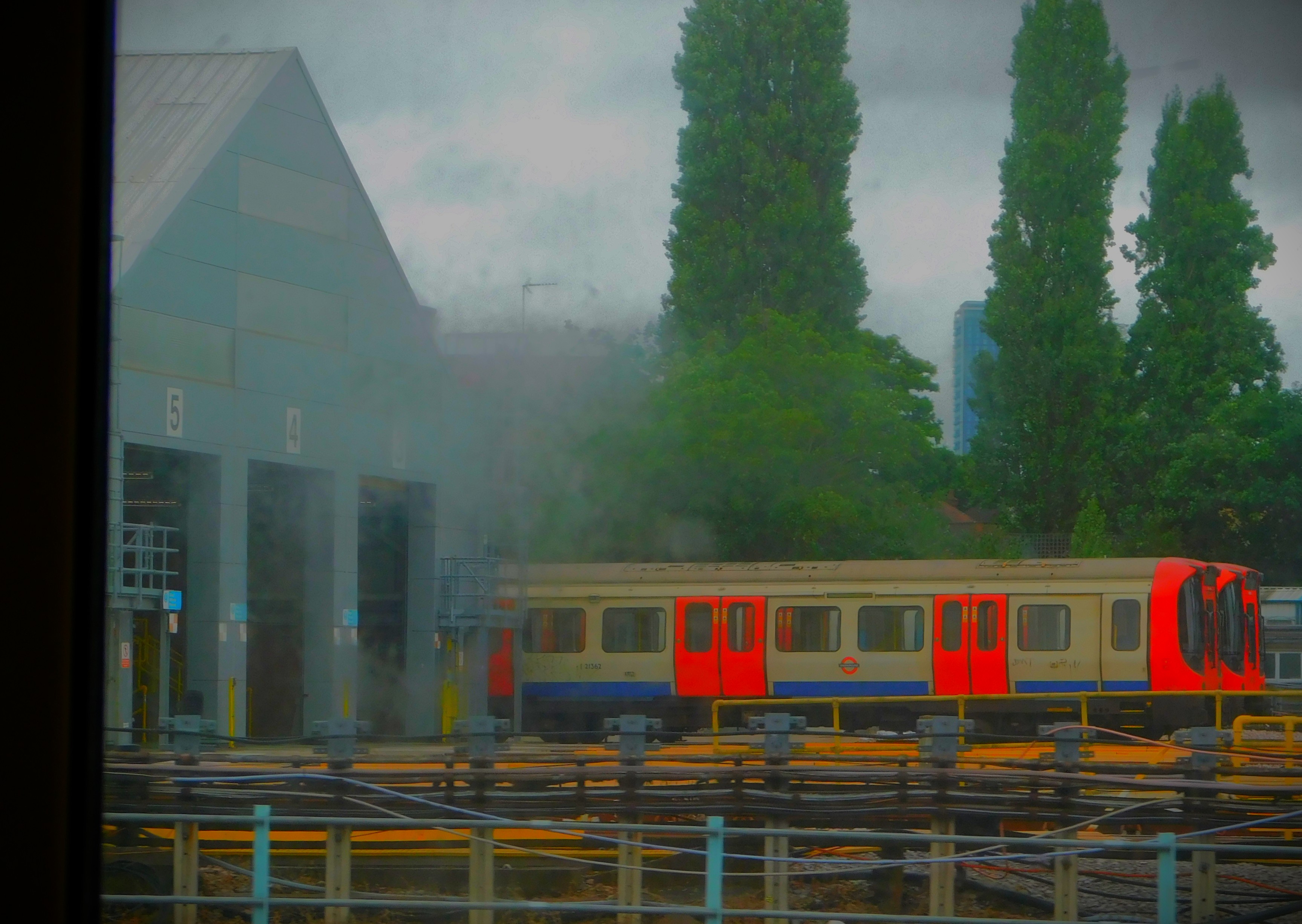
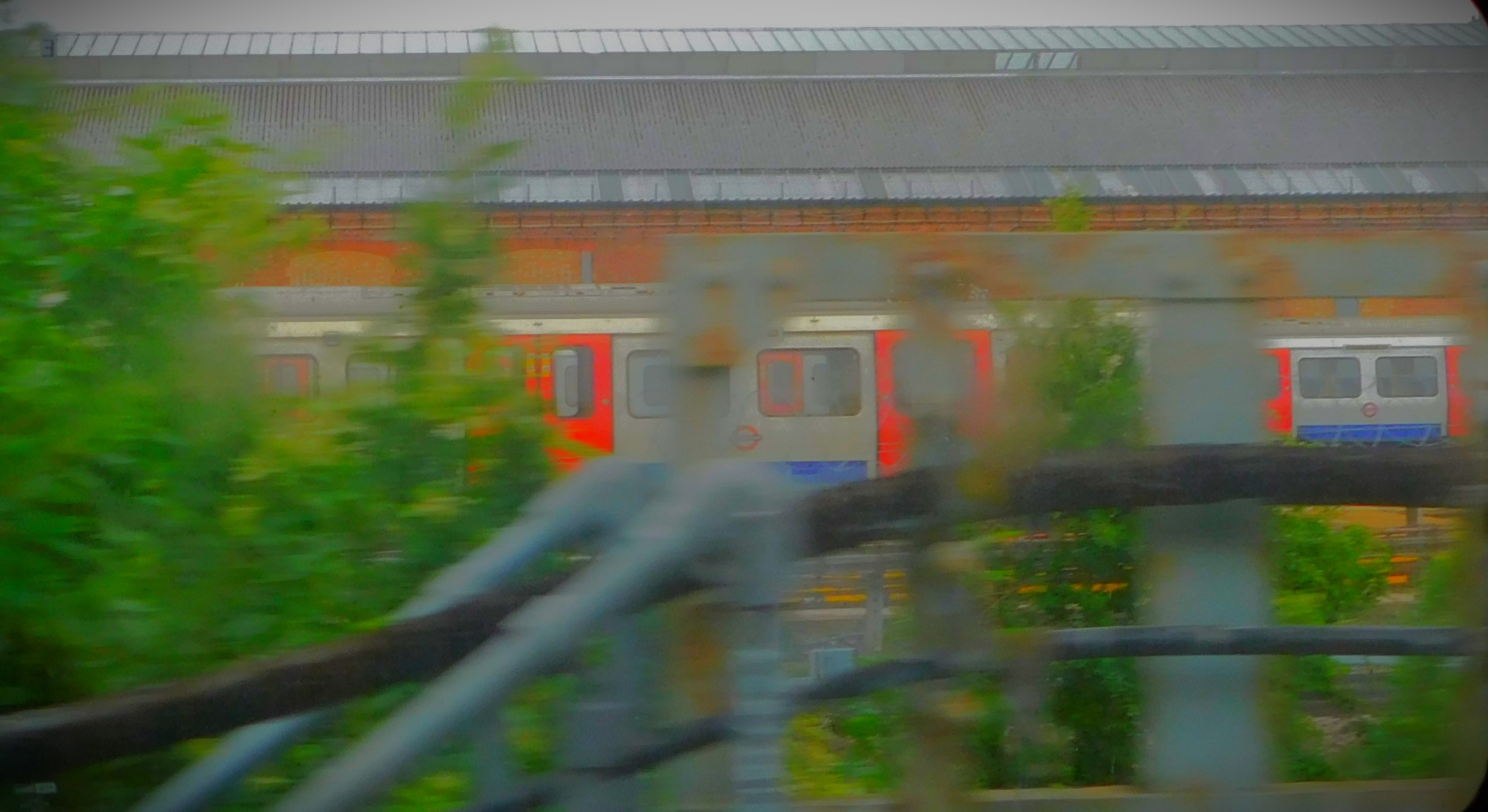
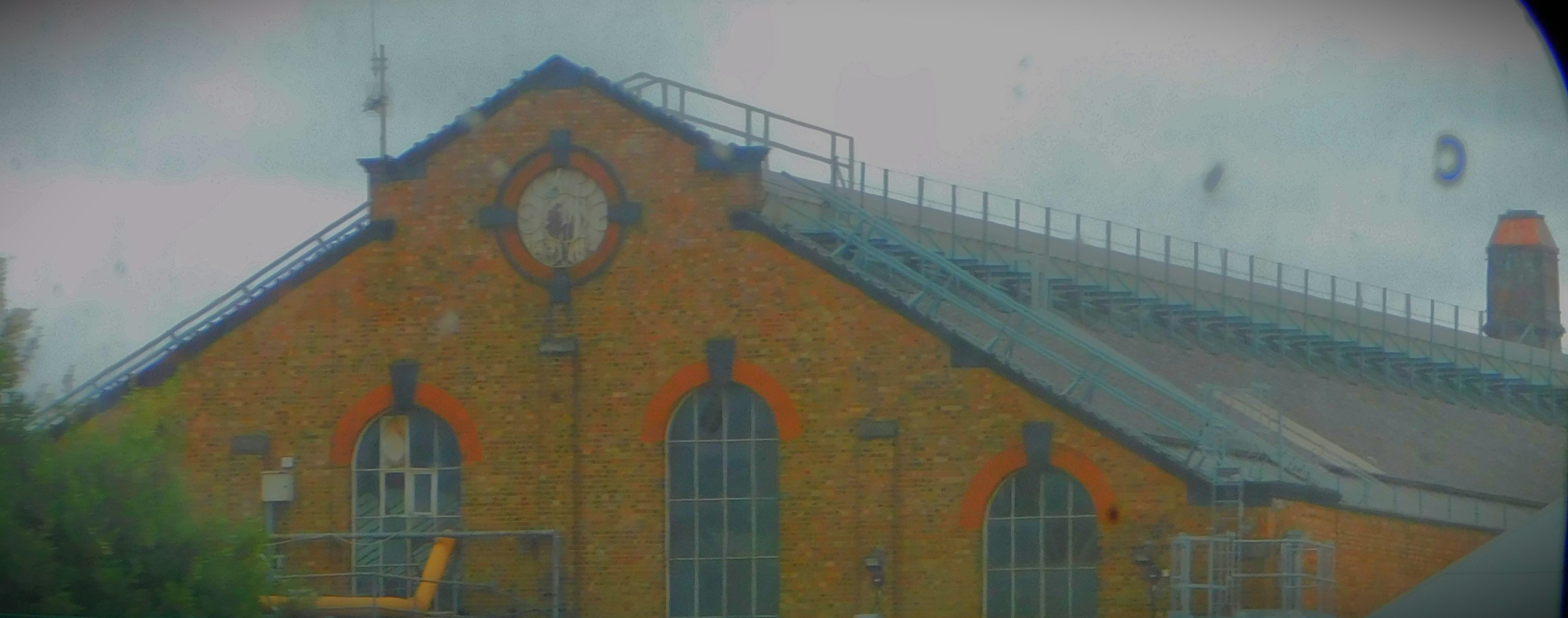
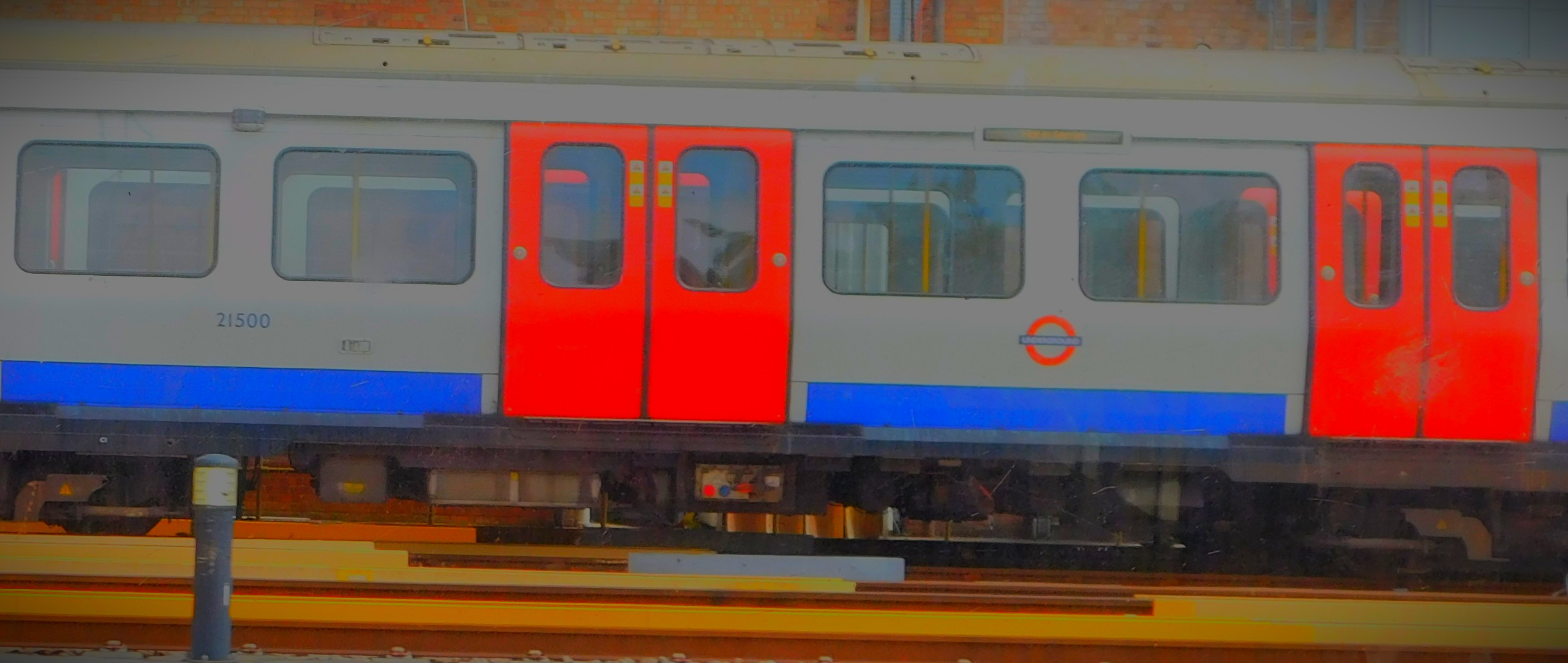
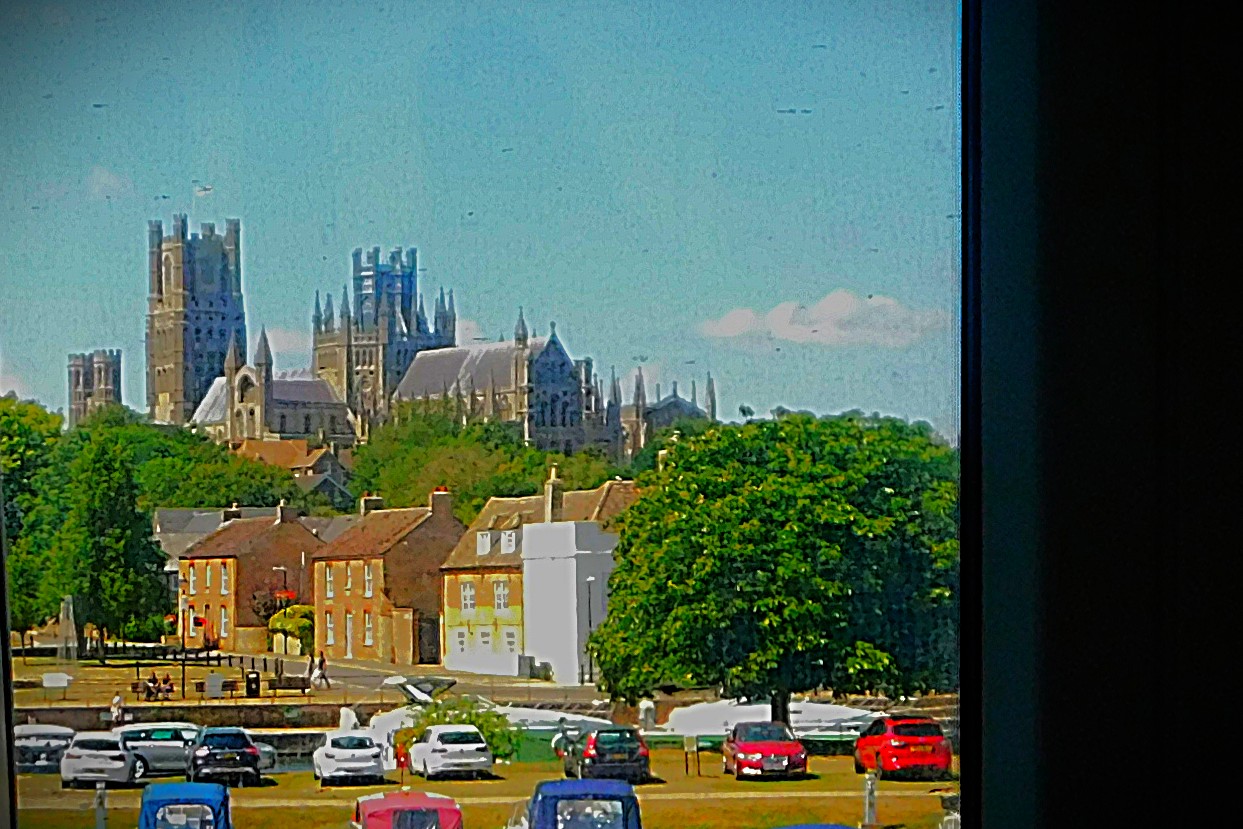
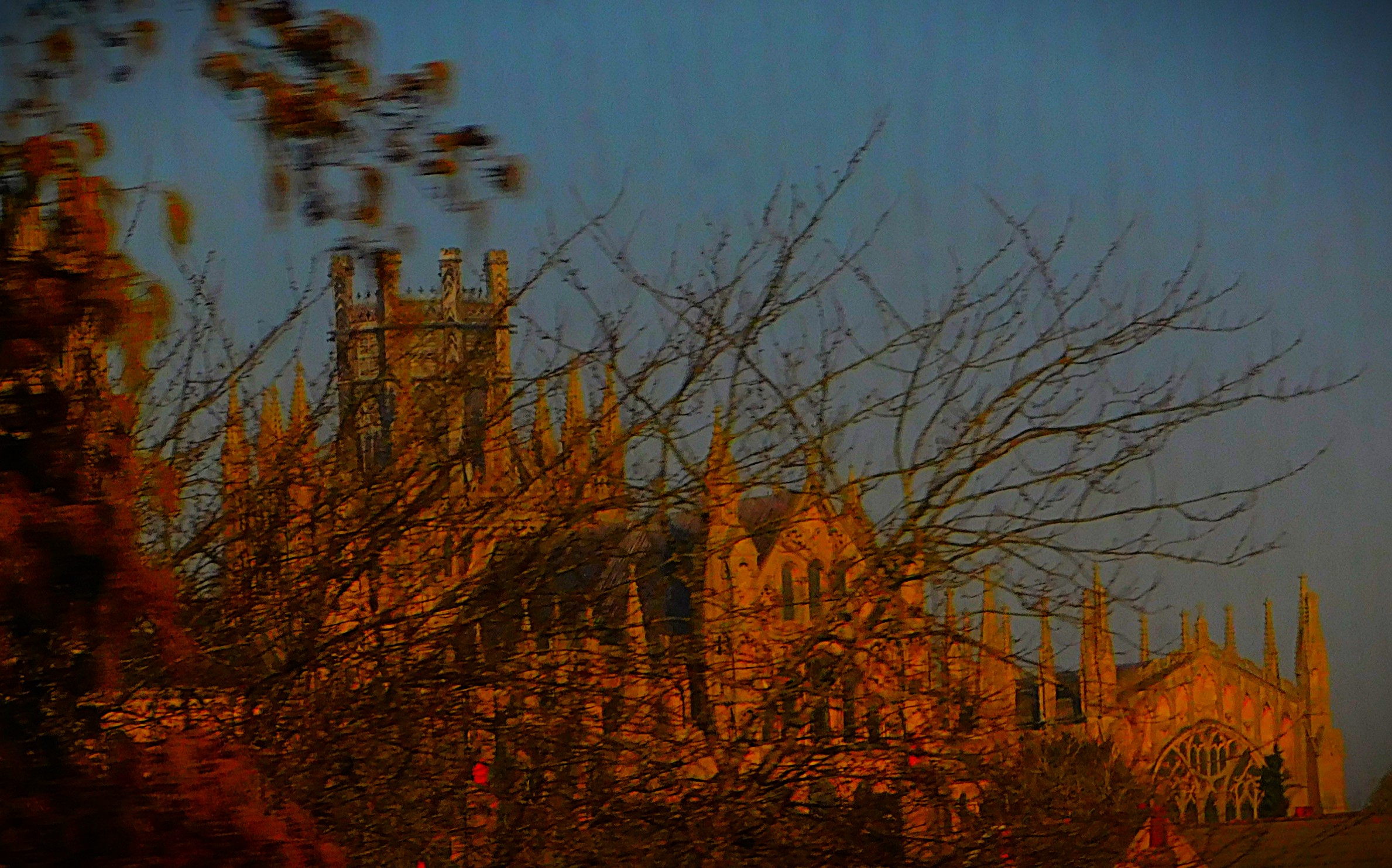
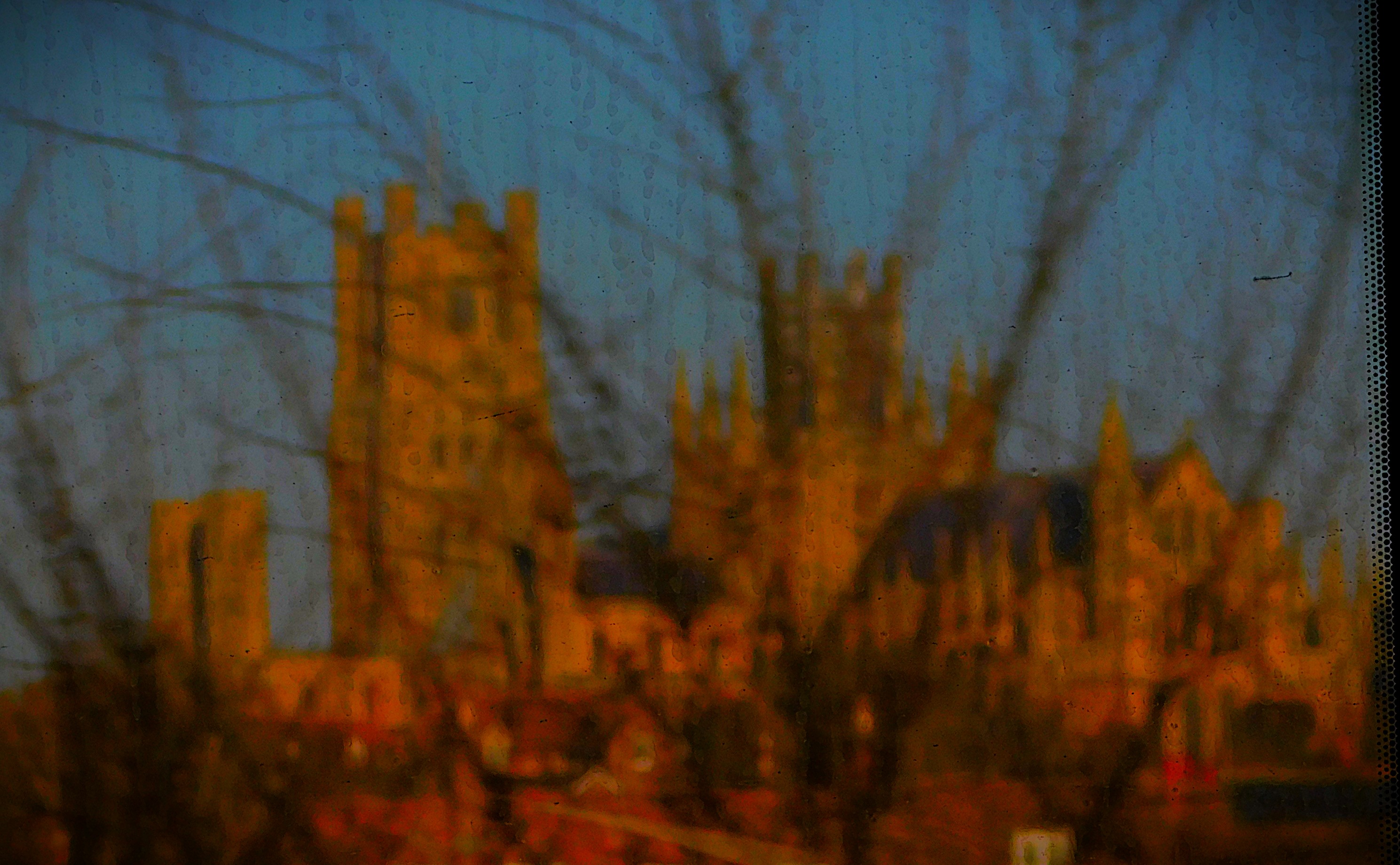
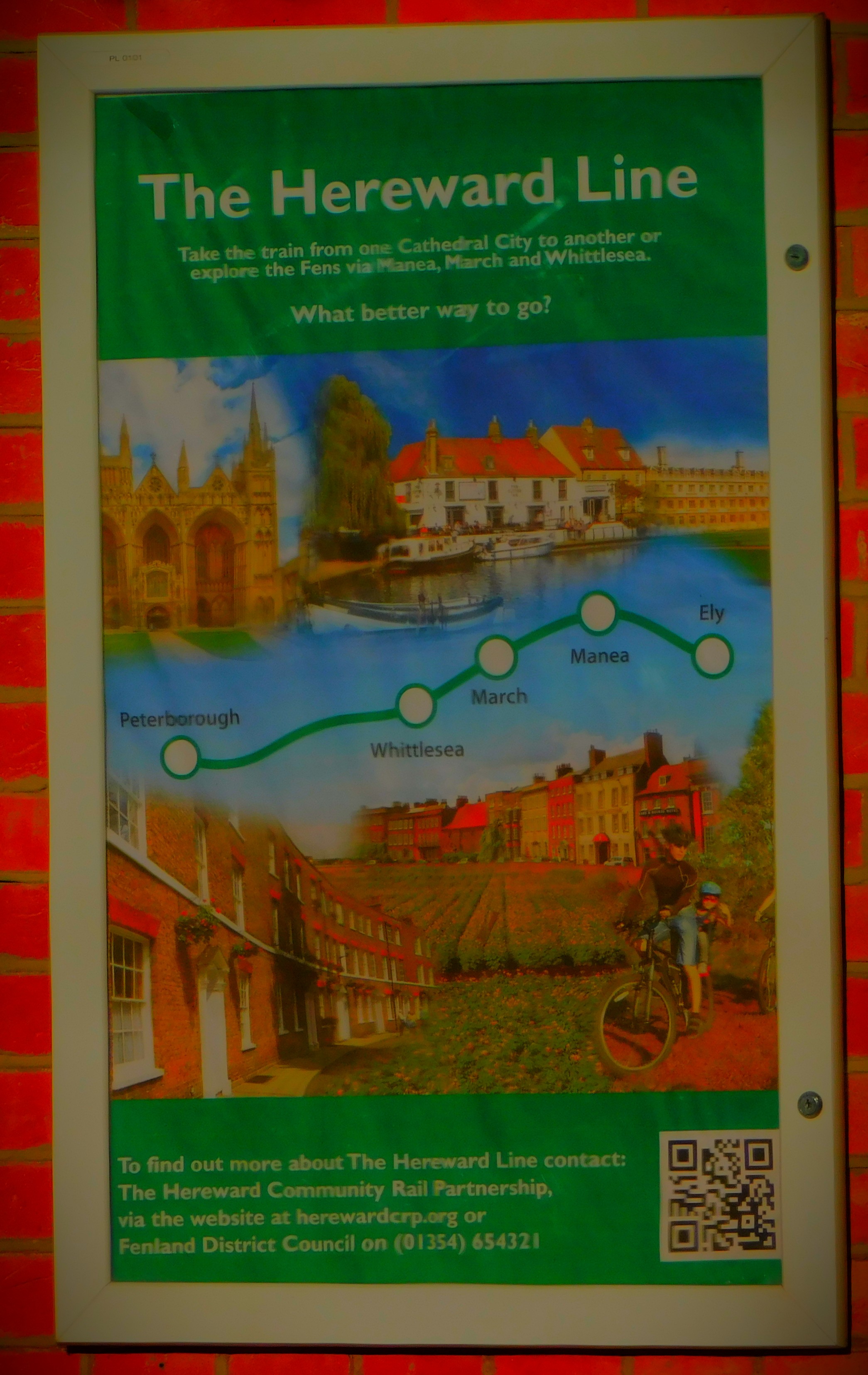
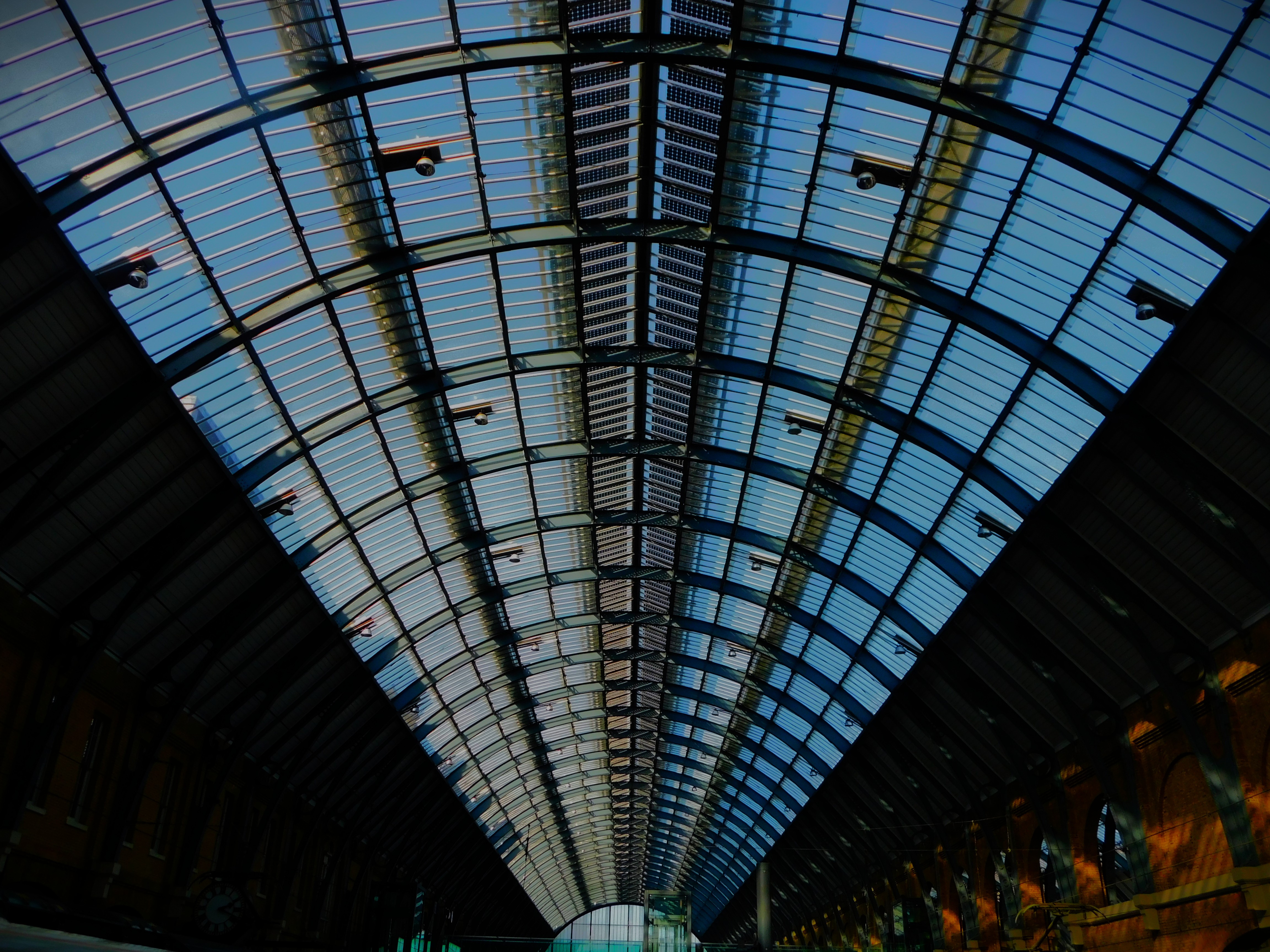
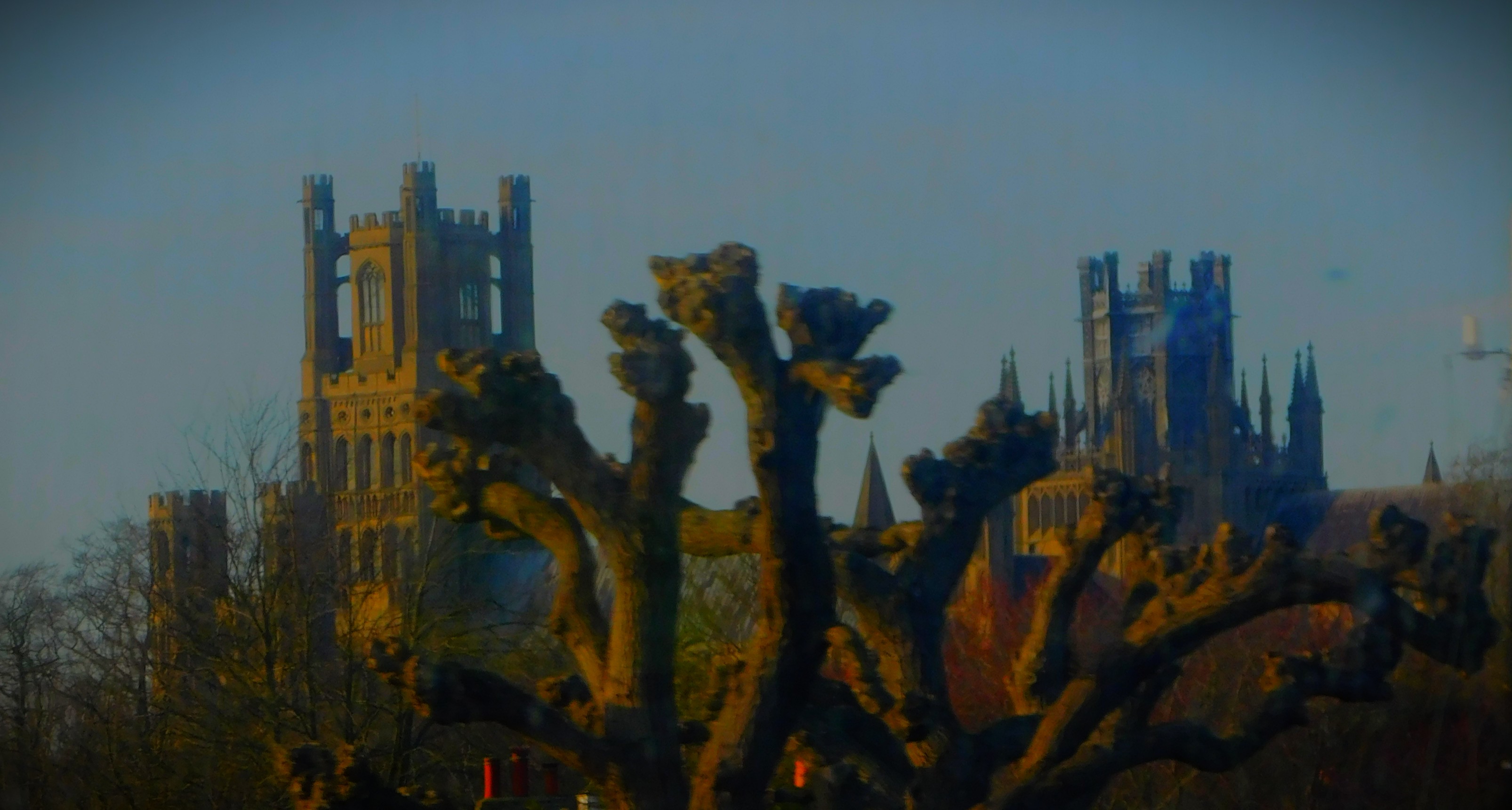
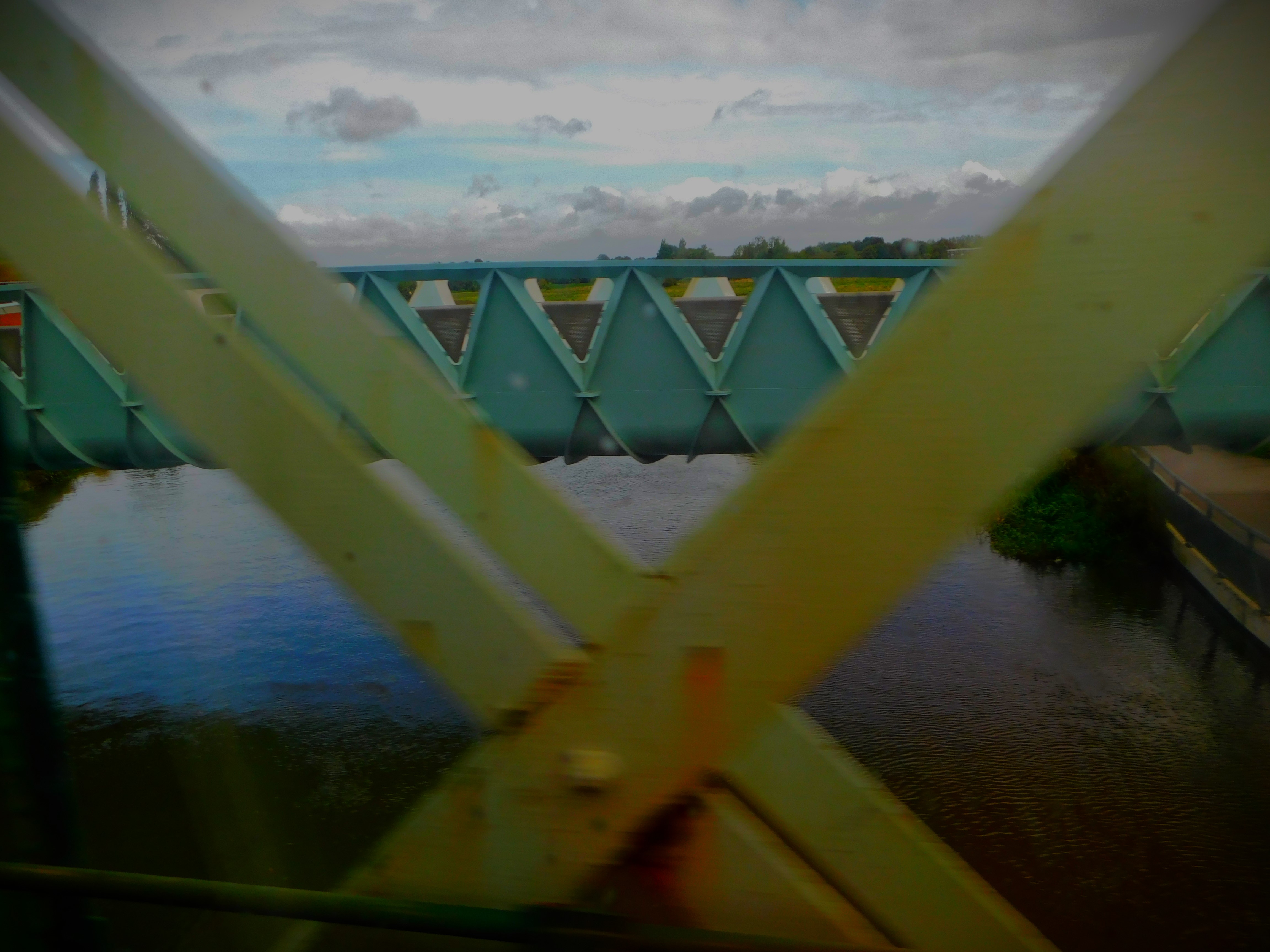
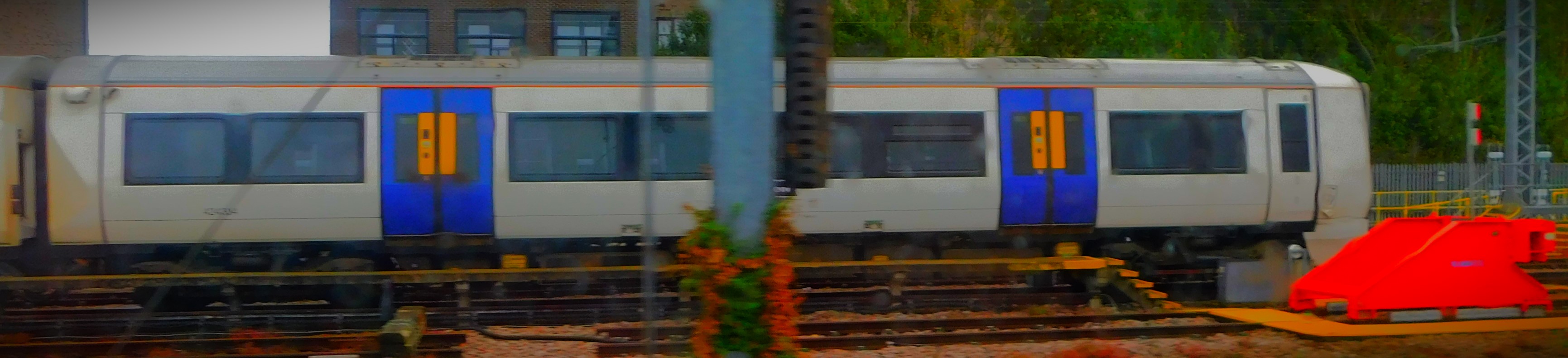
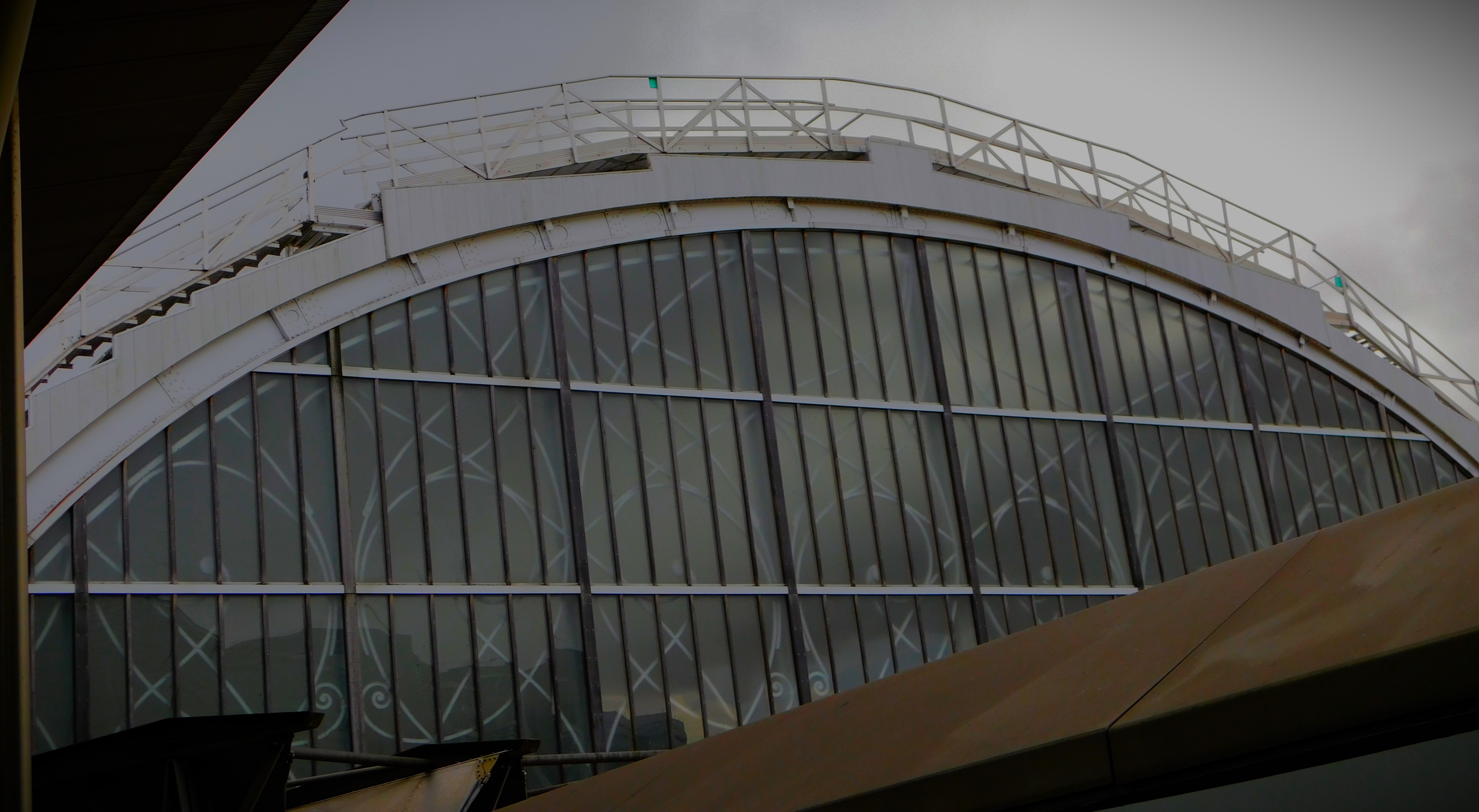
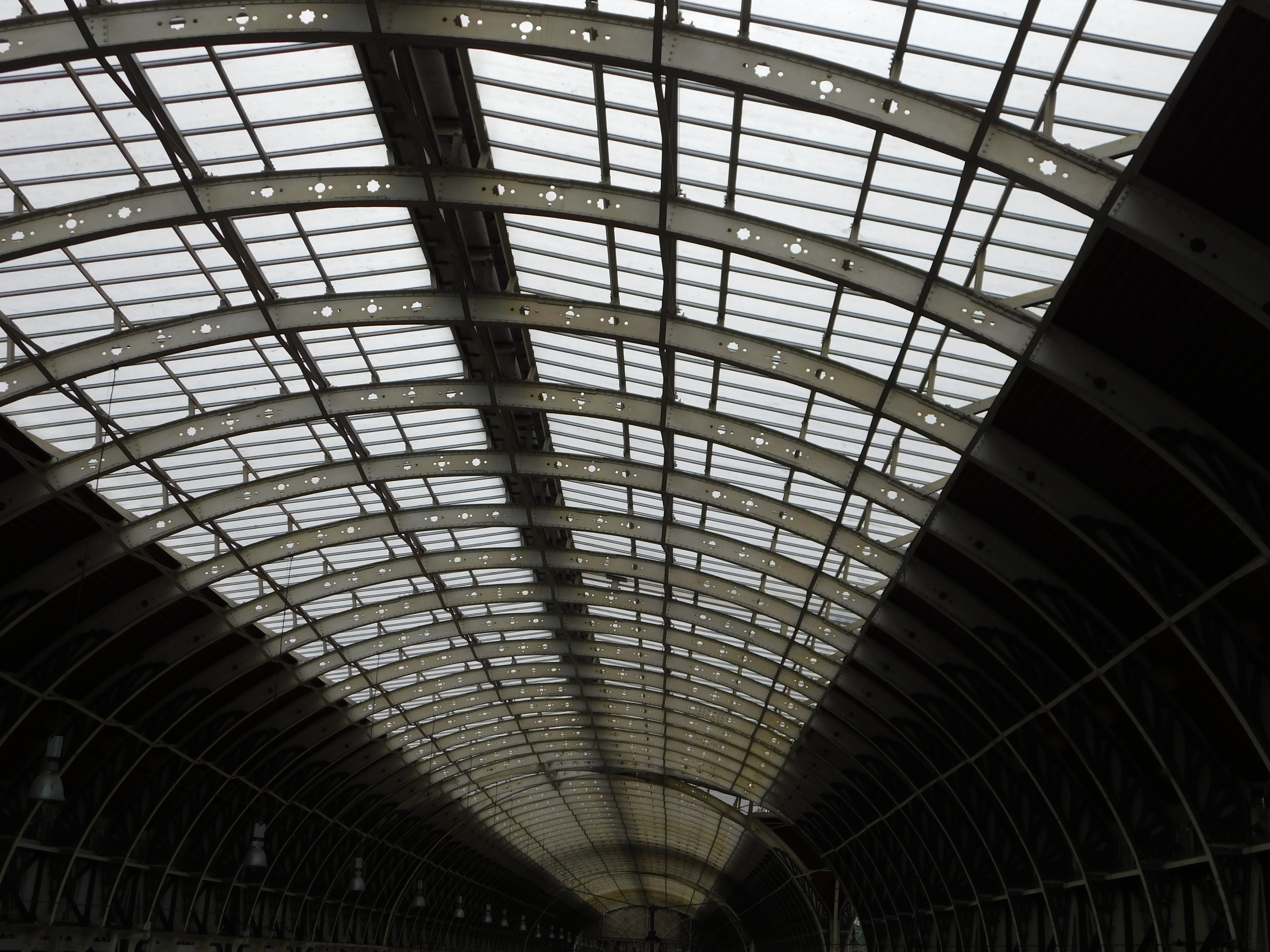
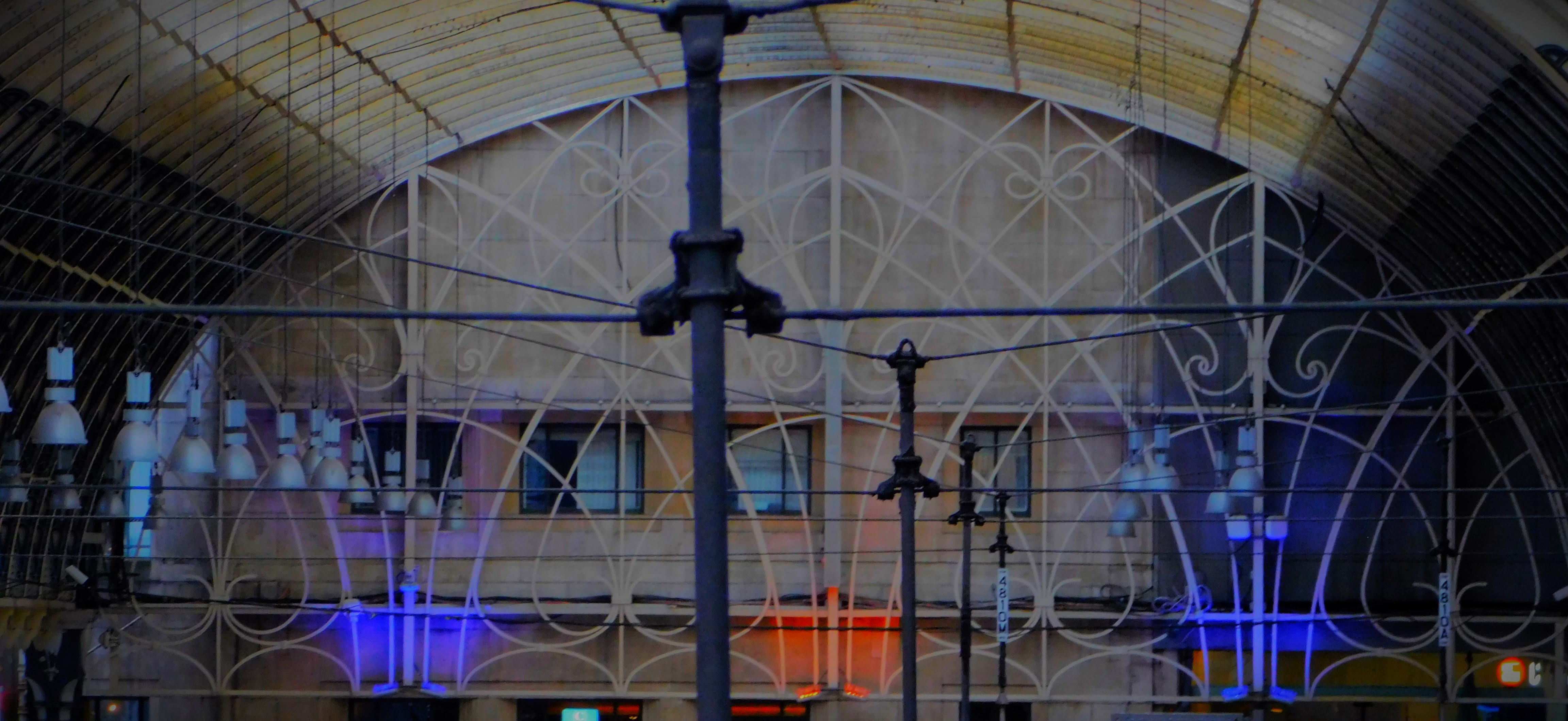
Ely Cathedral, through a train window approaching the station from the north.An inspection train, near Ely.The roof at Kings Cross.A fine combination of central roundel, map to the left and information poster to the right, with a train on the other platform providing the backdroop.A close up of the roundel.This was probably the best picture I got of a roof arch at Paddington station.A reasonably close picture of a Central line train approaching Ealing Broadway and a much more distant one of another train on the same line leaving that station.A District line train at Ealing Broadway. It has steeper sides than the rounded Central line stock, and is also larger, the District having been built to mainline spec, while the deep level tube lines are smaller.This yellow train (see also next picture) is I believe an engineering train.Newton Abbot station features a standard-issue post box at platform level.Two pictures of the lighthouse taken through the window of the living room at Fort Picklecombe.
An account of my involvement in an ‘Unhappy birthday, Elon’ event yesterday, complete with photos.
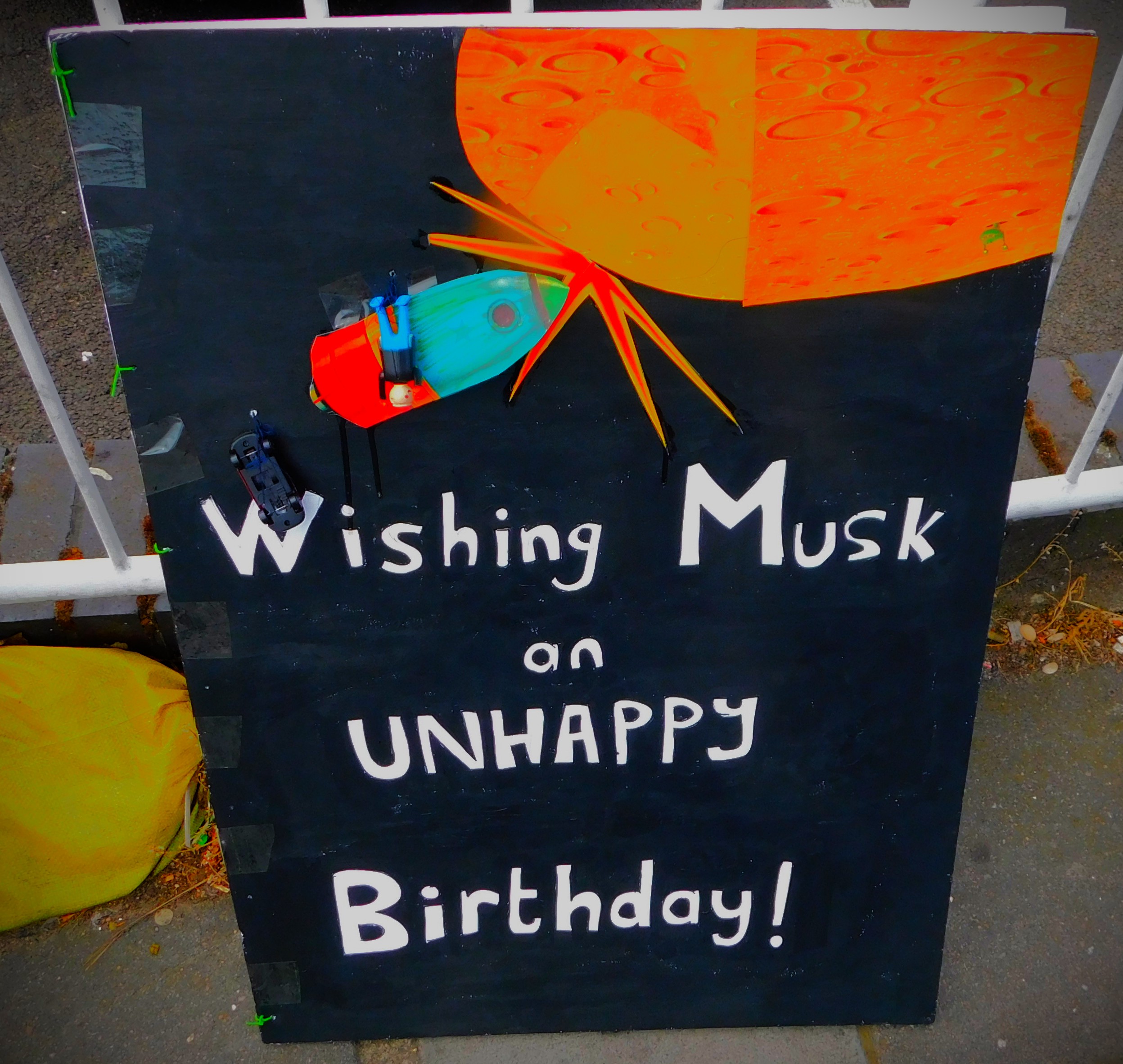
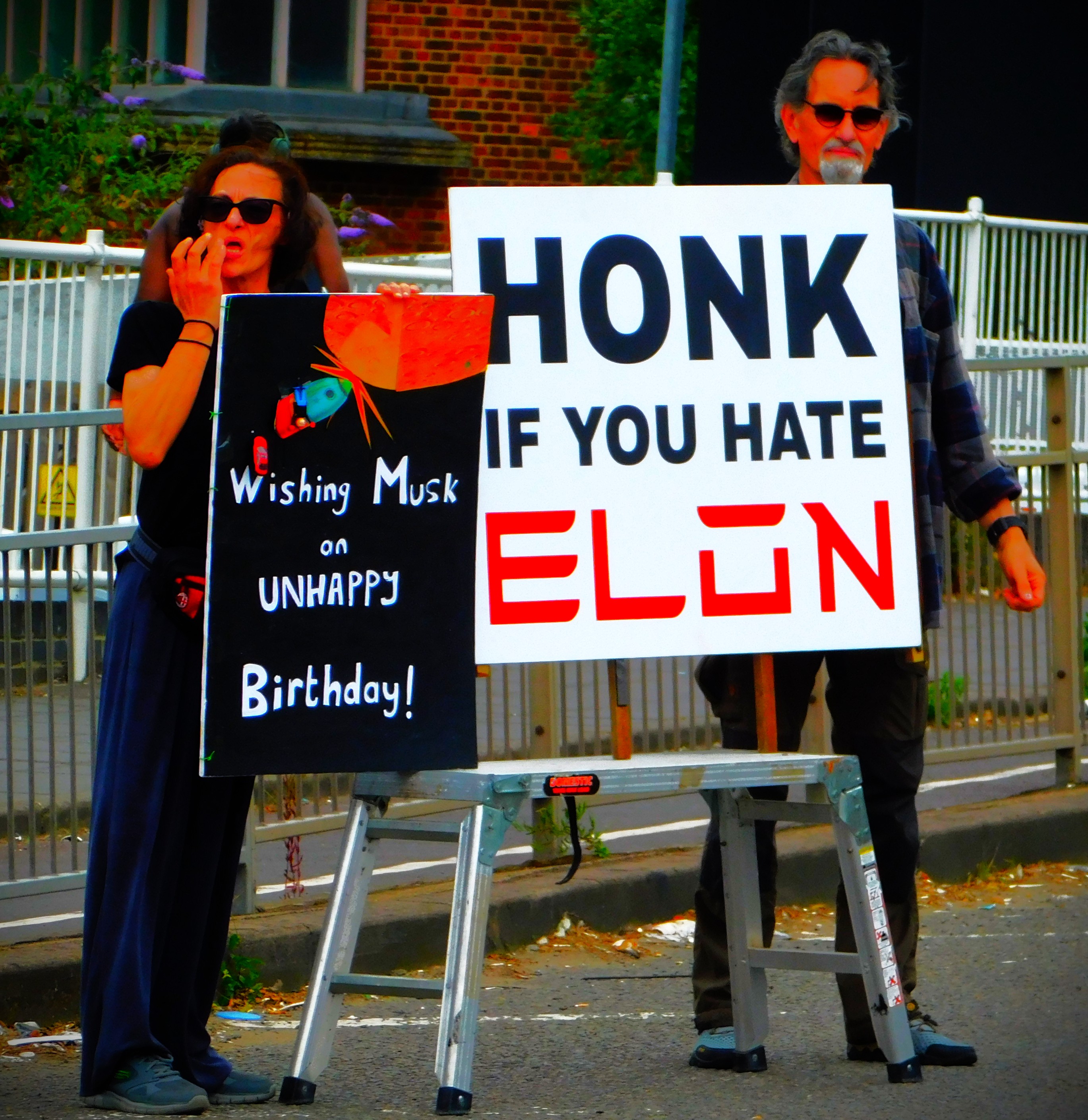
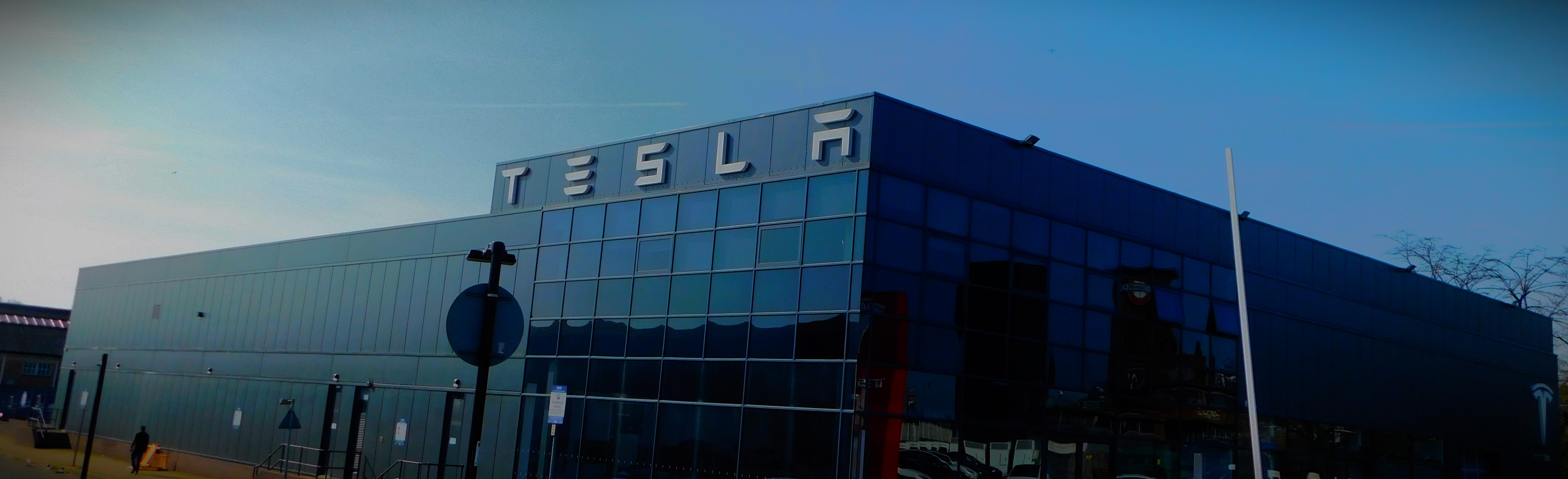
Yesterday was Elon Musk’s birthday, and activities had been organized in various places to make it an unhappy one for him. I took part in the event in London, outside the Tesla dealership in Park Royal.
THERE AND BACK
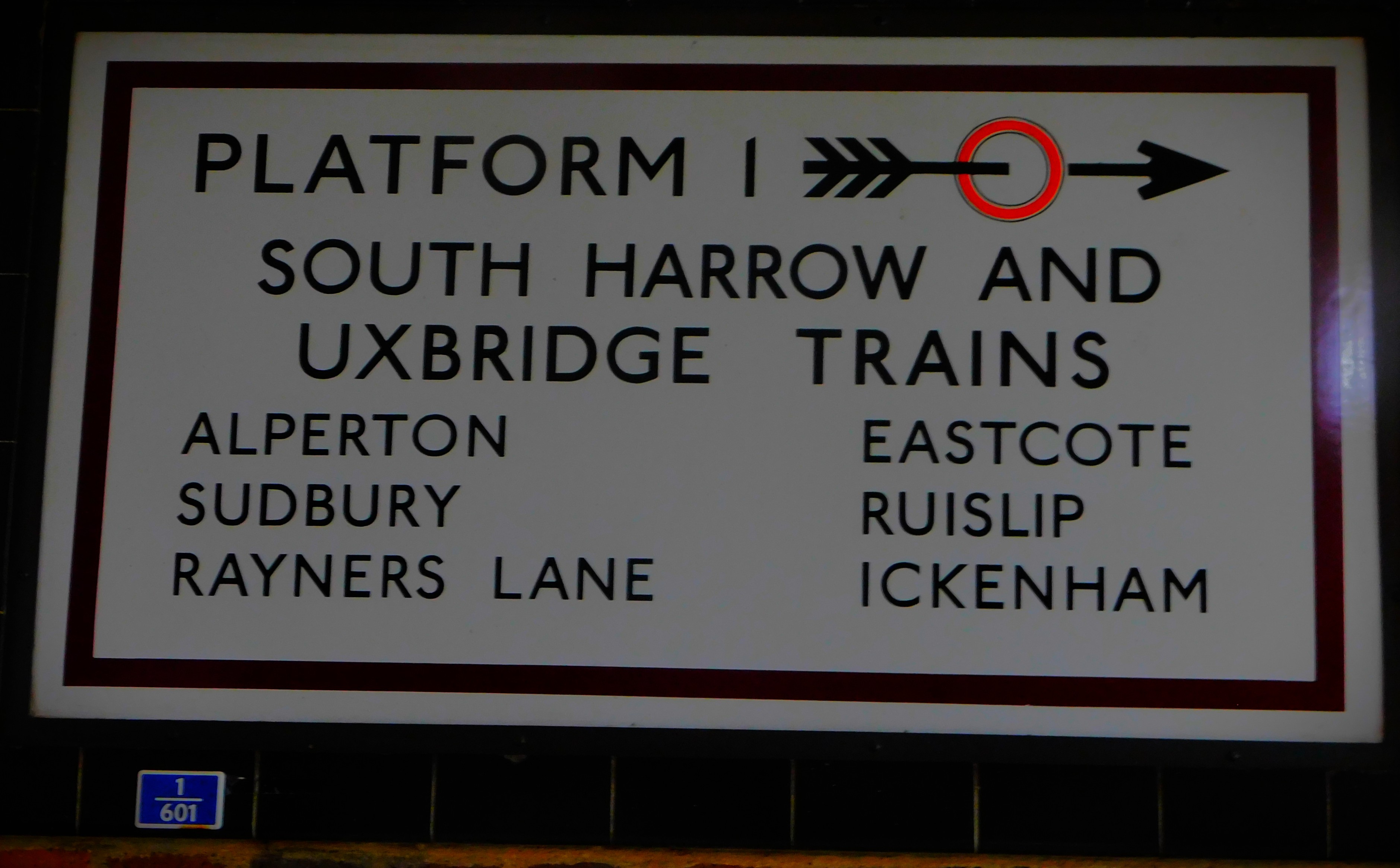
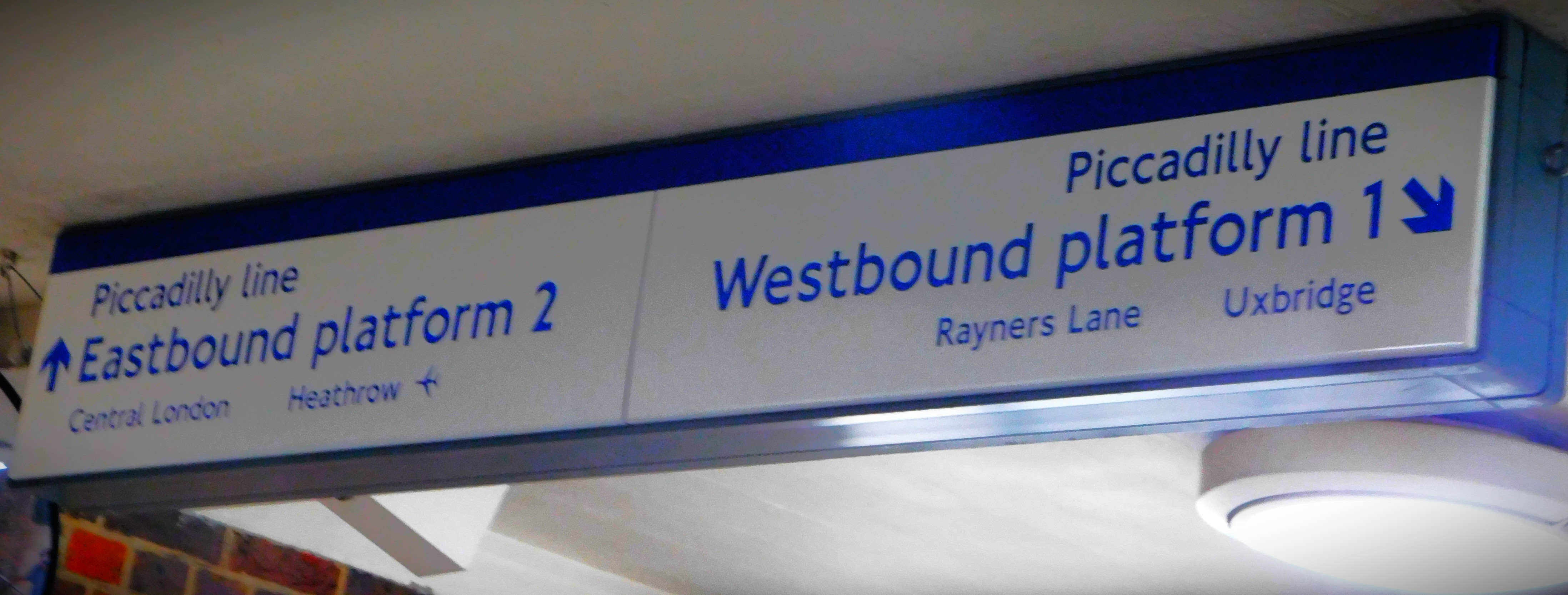
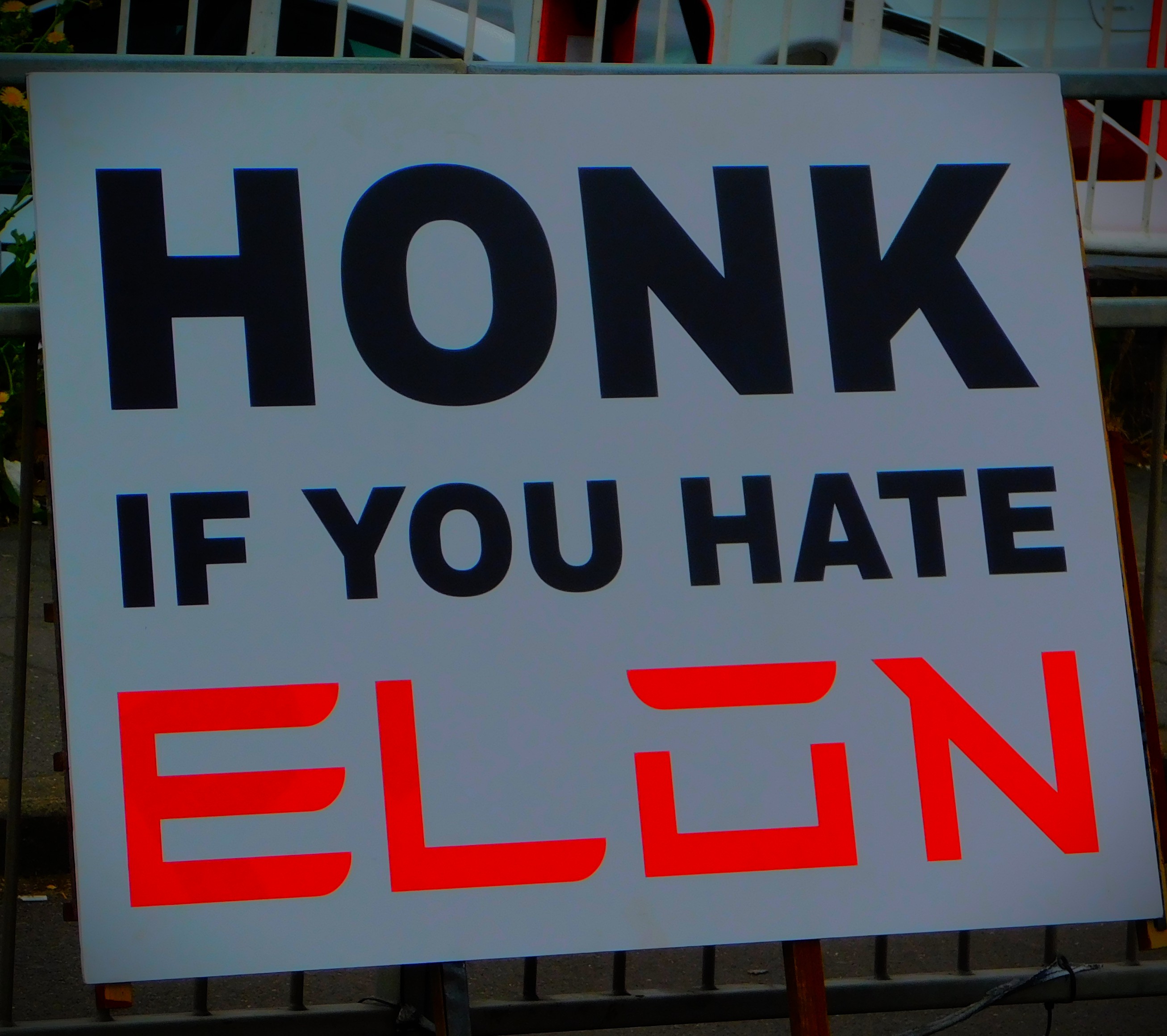
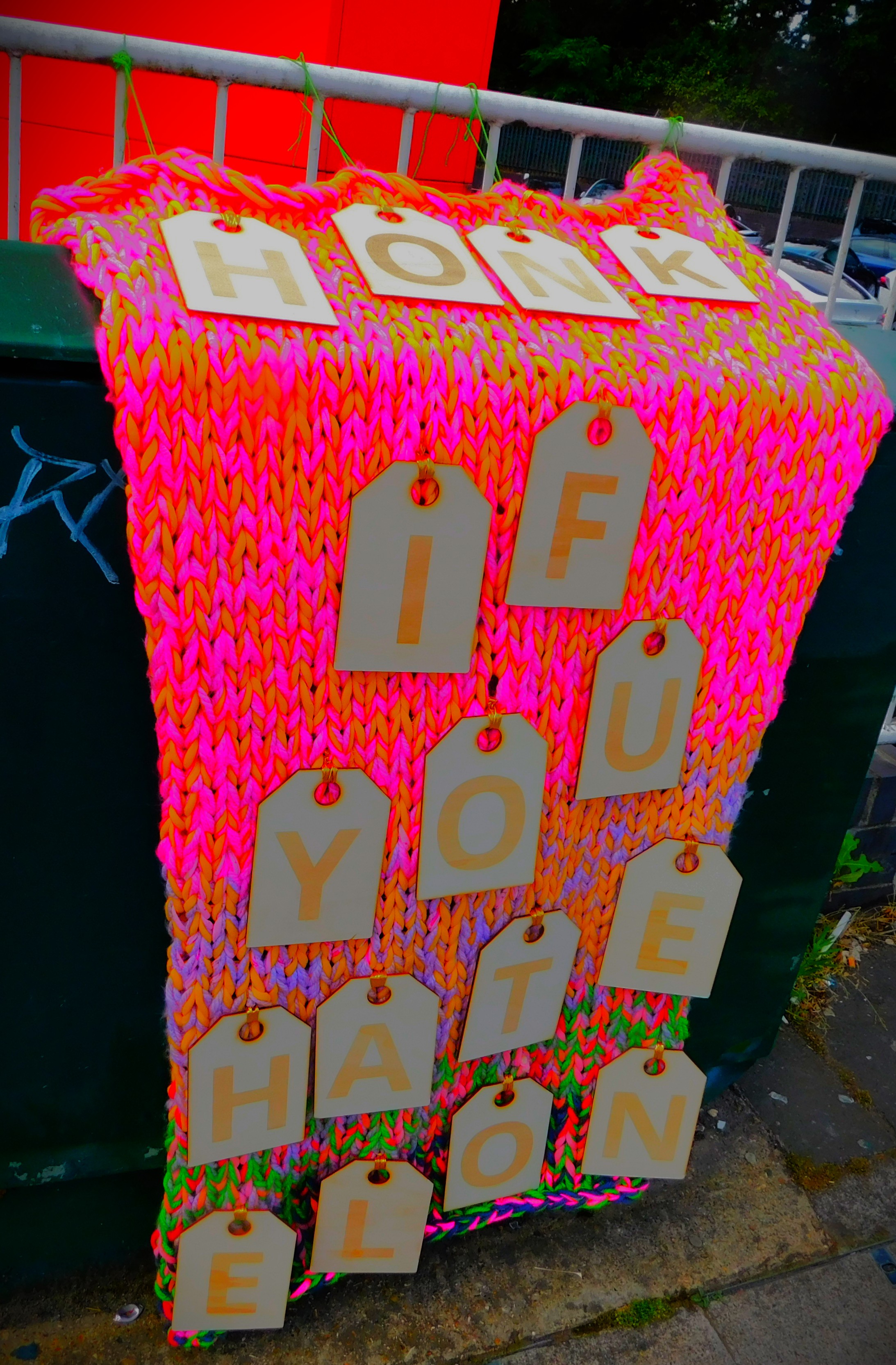
I caught the 7:42 train from King’s Lynn to London King’s Cross. I had been speculating over the possibility of travelling on the Metropolitan line to Rayner’s Lane and then going back down the Piccadilly line to Park Royal, but an announcement to the effect that the Metropolitan was experiencing delays saw me change plans and go the direct route along the Piccadilly. I arrived early, and did my best to assist with the setup. I did not stay hugely long, and was back home in time to catch most of the T20I between the England and India women’s teams. Most of the time I was there was spent with a sign urging passing motorists to “HONK IF YOU HATE ELON” – and quite a few did so.
PHOTOGRAPHS
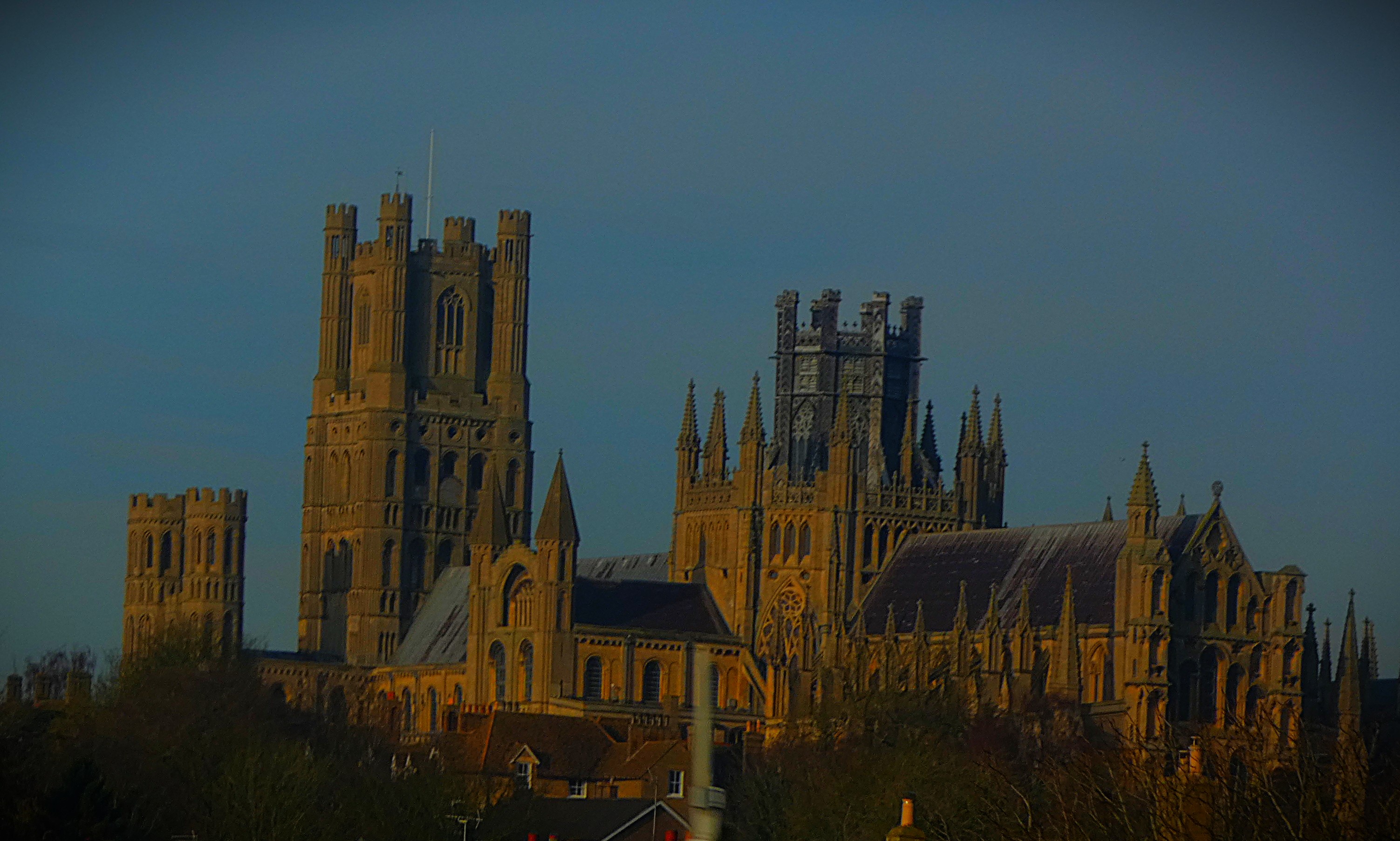
Here are my photographs starting at King’s Lynn Station and ending with a distant view of Ely Cathedral on the return train journey…
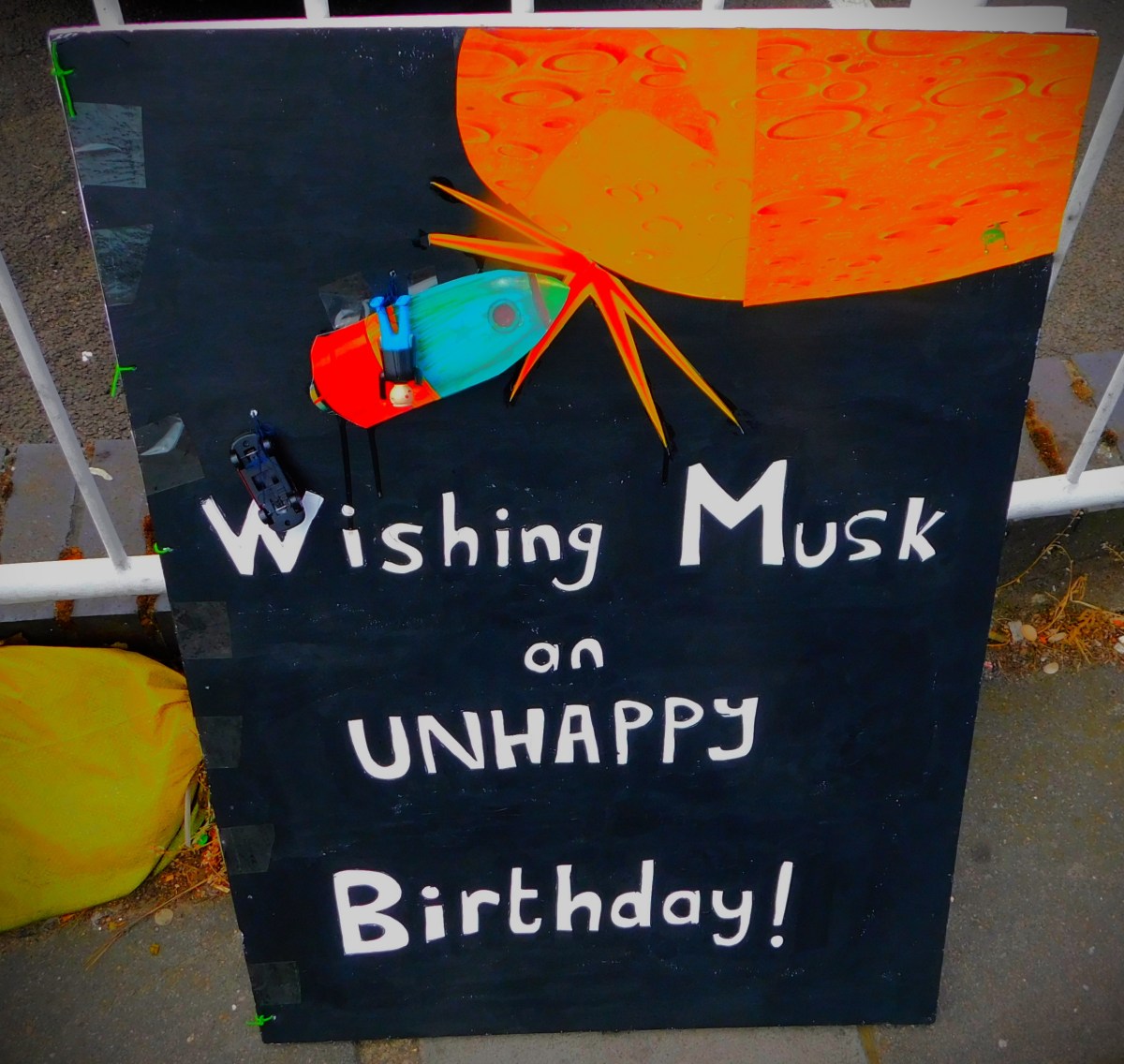
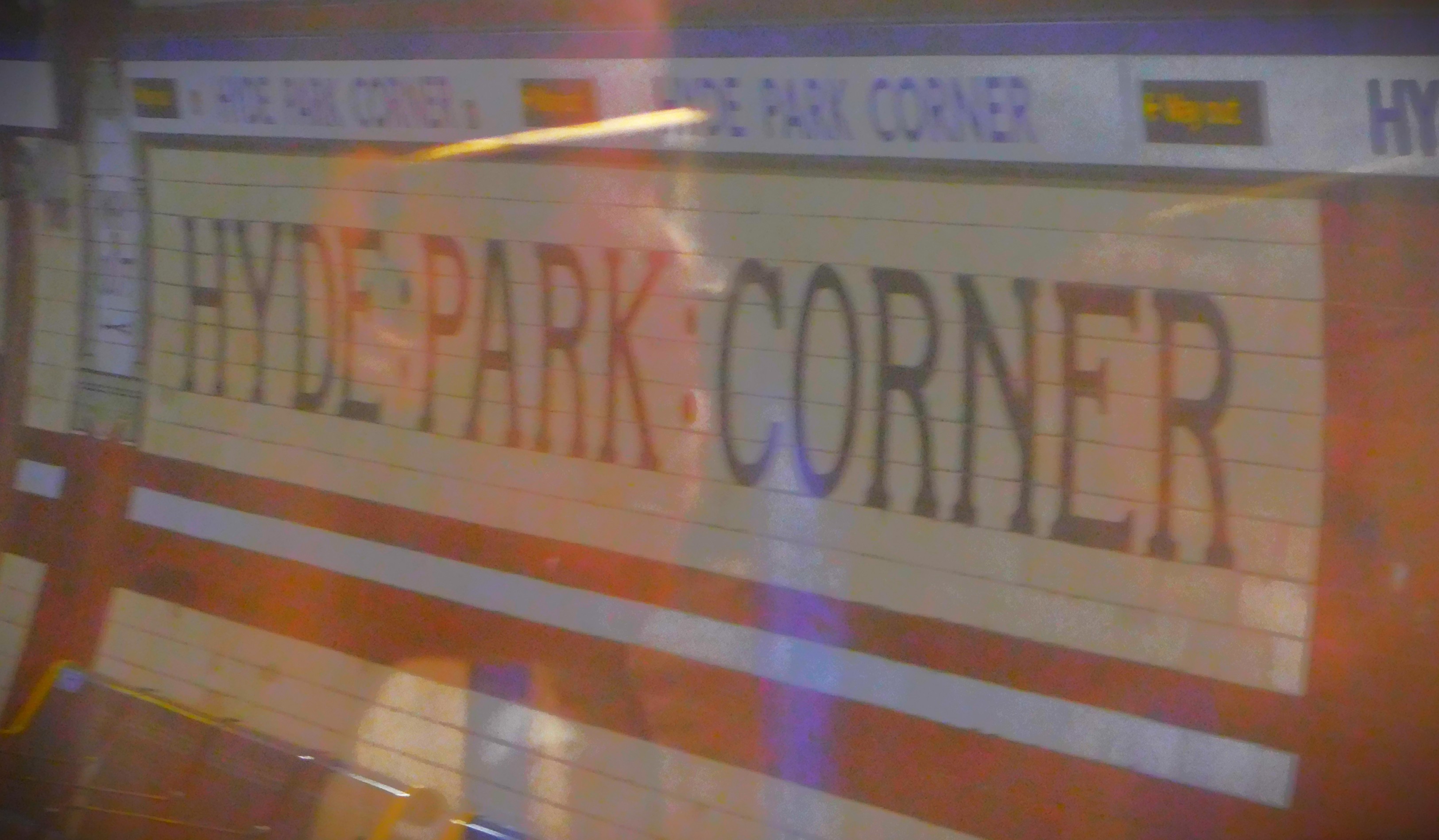
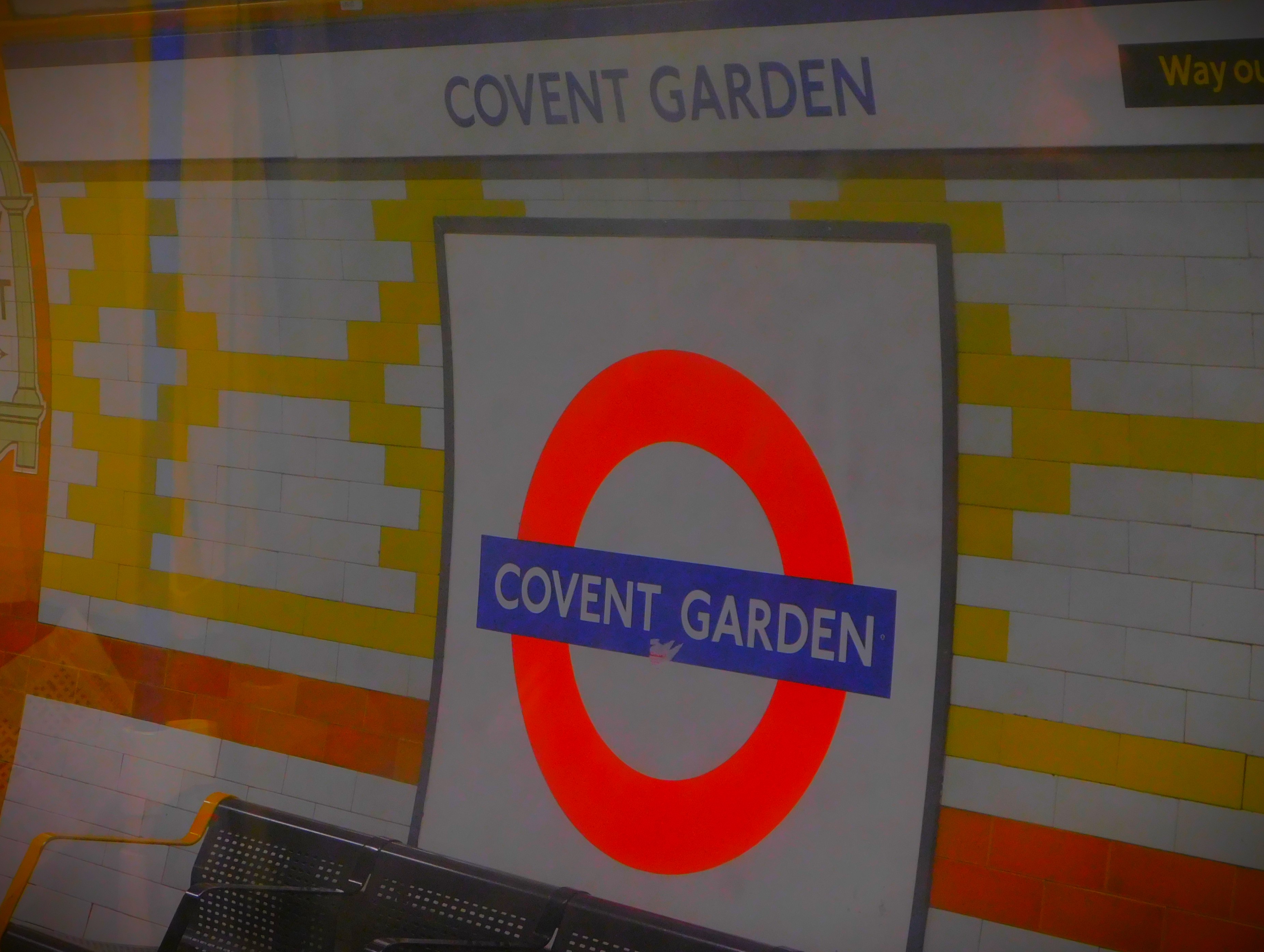
This arch is part of the remnants of a viaduct that carried what is now the Hammersmith and City line by way of a station named Hammersmith Grove Road to Ravenscourt Park for the run to Richmond. Part of the displayA giant ‘unhappy birthday card’The Tesla sign and a protest sign in the same shot.I was delighted to get this picture of the name ‘Covent Garden’ picked out in tiling.
An account of my involvement in the first Tesla Takedown event, outside the dealership at Park Royal, London. Features a special section on the magnificent Park Royal station.
Yesterday saw the first Tesla Takedown event take place outside the Tesla dealership at Park Royal in west London. I was one of the participants, and this post describes my day.
PREPARATION AND TRAVEL
The event was scheduled to start at 11AM, which necessitated catching the 7:42 ntrain from King’s Lynn and then changing to the Piccadilly line at King’s Cross. I had agreed to meet my sister at King’s Lynn station for the oublic transport element of the journey. Given the importance of making that train I planned to leave my house in North Lynn at 7AM to be absolutely sure that there was no possibility of missing it. The journey to King’s Cross was smooth, and the weather was so benign that had I been religiousI might have reckoned thAt someone up there was on our side and ipso facto opposed to Elon the Execrable. It prpved to be just as well that we had lots of time for the cross London journey on the Piccadilly lin, as this part of the journey saw us delayed. Ironically the problem area was what is usually the quickest portion of a journey onn the Piccadilly line, the non-stop run from Hammersmith to Acton Town (the District line has intermediate stops at Ravenscourt Park, Stamford Brook, Turnham Green and Chiswick Park, in a reversal of the situation between Baker Street and Wembley Park, where save for a stop at Finchley Road the Metroplitan line runs fast, while the Jubilee line stops everywhere). We had just past Turnham Green when the train stopped, and we were then told after a substantial pause that it would move forward before stopping suddenly and then rpoceeding slowly. There was then another unscheduled stoo before Acton Town, followed by precisely the same rigmarole, which was then followed by an announcement that the train would now terminate at South Harrow rather than going on to Rayners Lane. The last few stops of our journey passed without further incident. Park Royal is such a fine station that I am giving it a sectionof its own later in the post. Before moving on, here are the pictures taken between King’s Lynn and just before arrival at Park Roya…
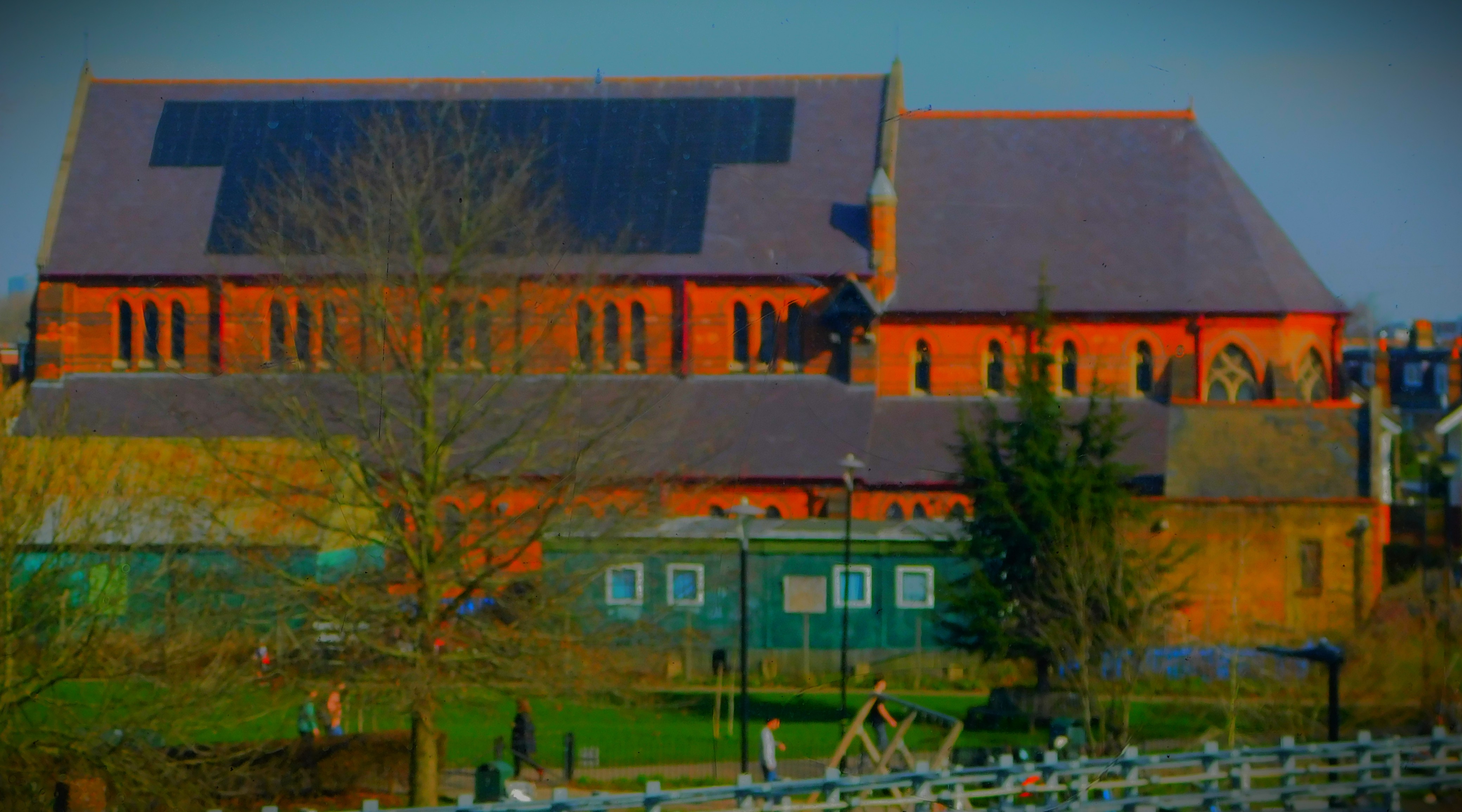
I haven’t seen many churches with solar panels on the roof.
TAKING DOWN TESLA
The Tesla dealership is actually visible as you step out of Park Royal station, and it is located just off the A40 (the main road between London and Oxford – the Oxford Tube bus service was in evidence – four Oxford bound buses passed on our side, and although I did not observe them all probably as many coming into London came the other way. We garnered plenty of support from passing motorists. The principal organizer was asked to take down his handmade banner because it featured a swastika (no one actually seeing it could have interpreted it as supporting that ideology, and it features in the photo gallery at the end of this section, but apparently some drivers had seen the symbol and looked no further before contacting the police. The police were very friendly about it, and the banner was taken down. I spoke to a couple of media people who were covering the event for their publications. I left a little early, feeling the need to get home…
A version of the official publicity shot using the Tesla sign as background taken with my camera. I am in the red top, holding a placard made by my sister.
PARK ROYAL STATION
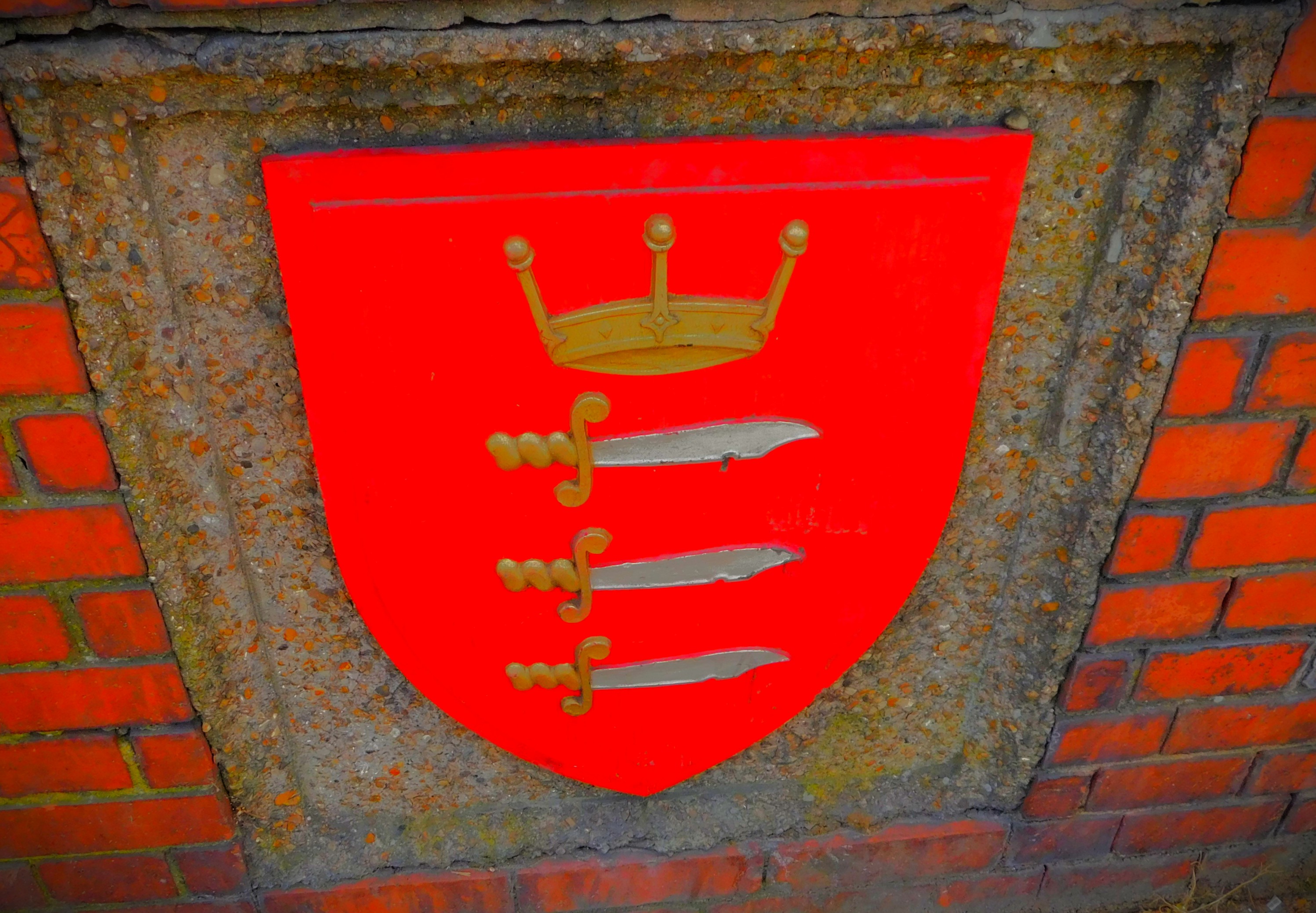
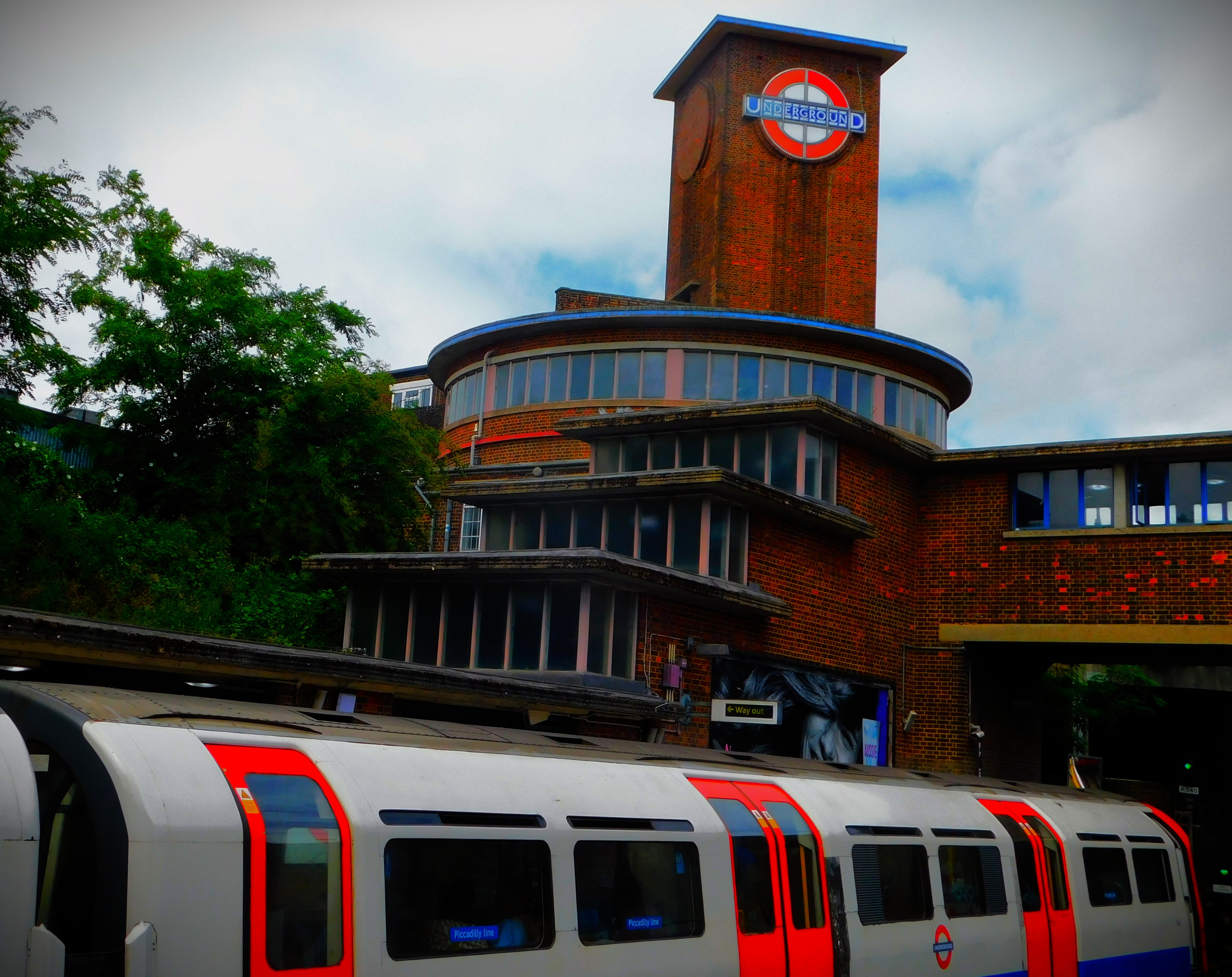
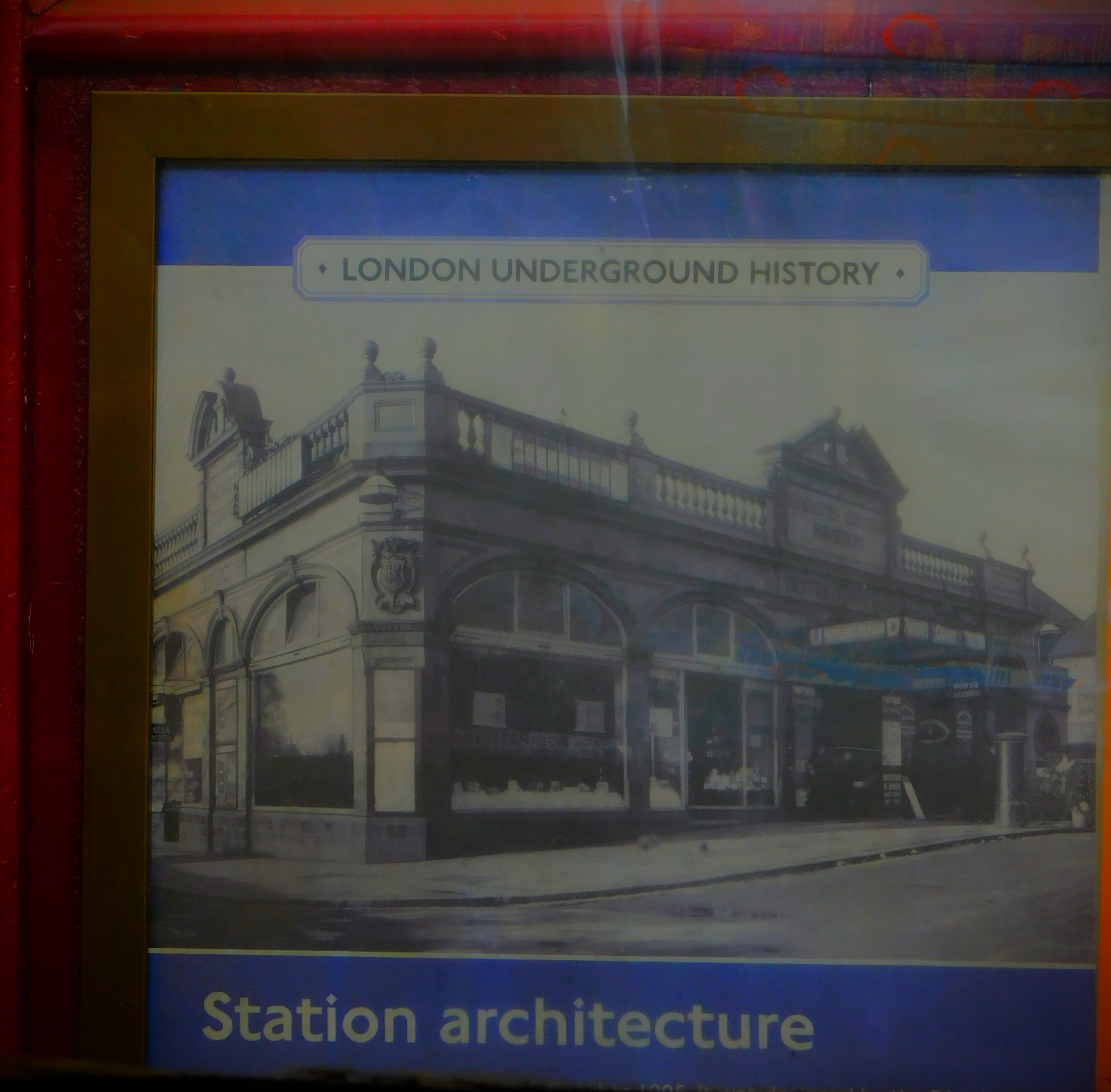
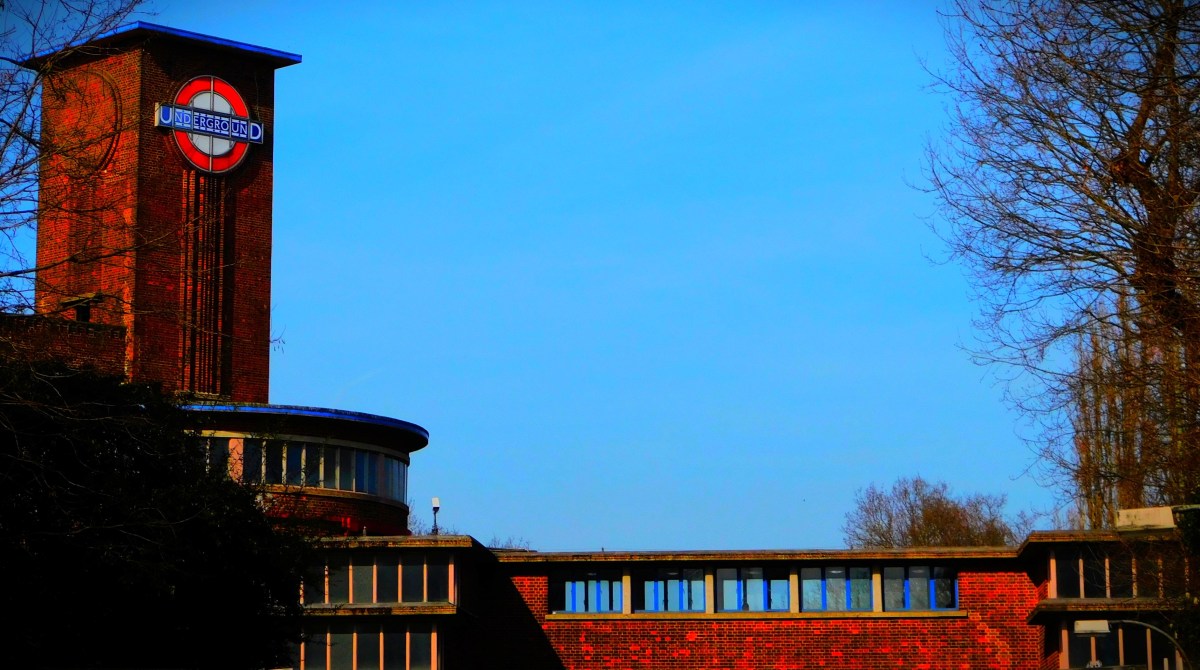
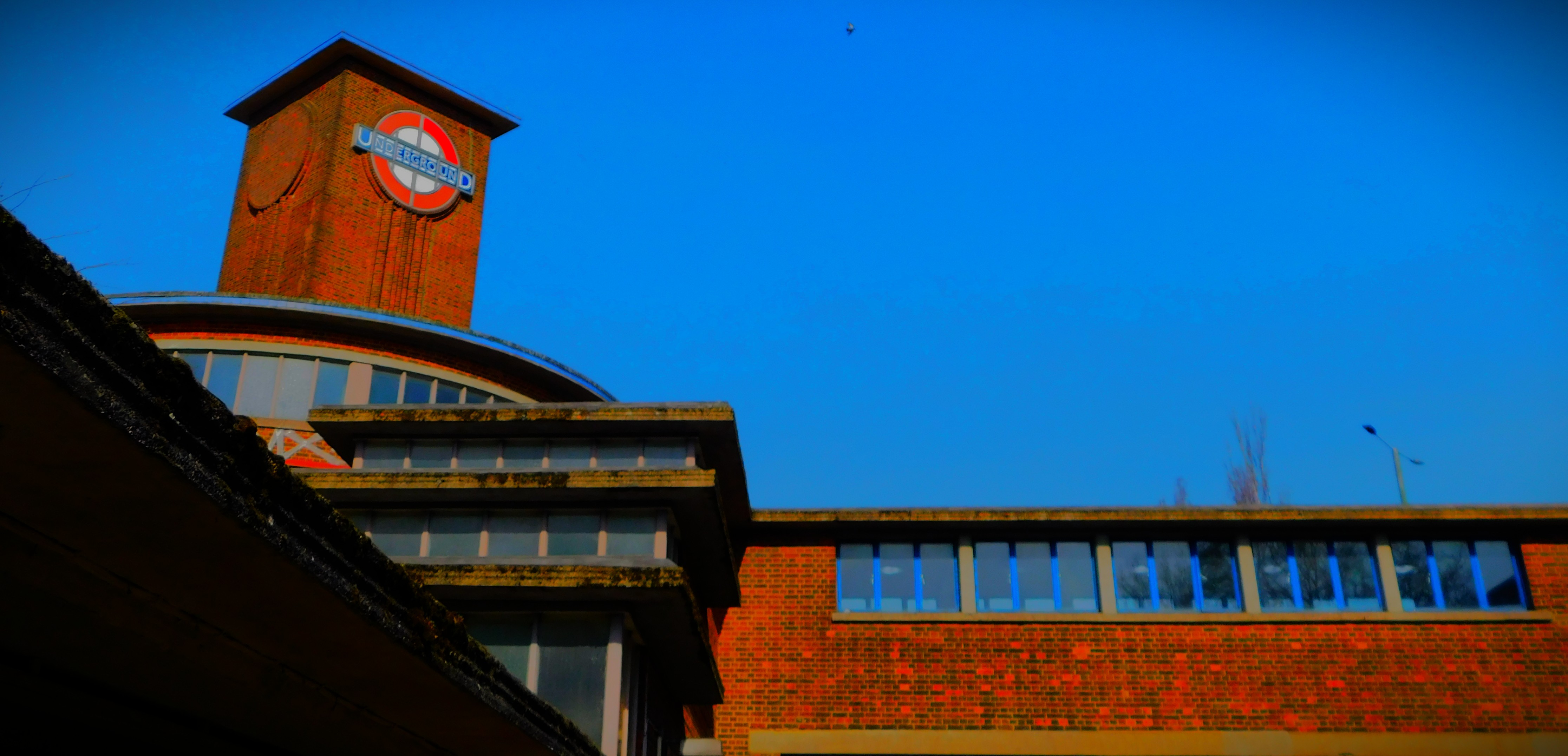
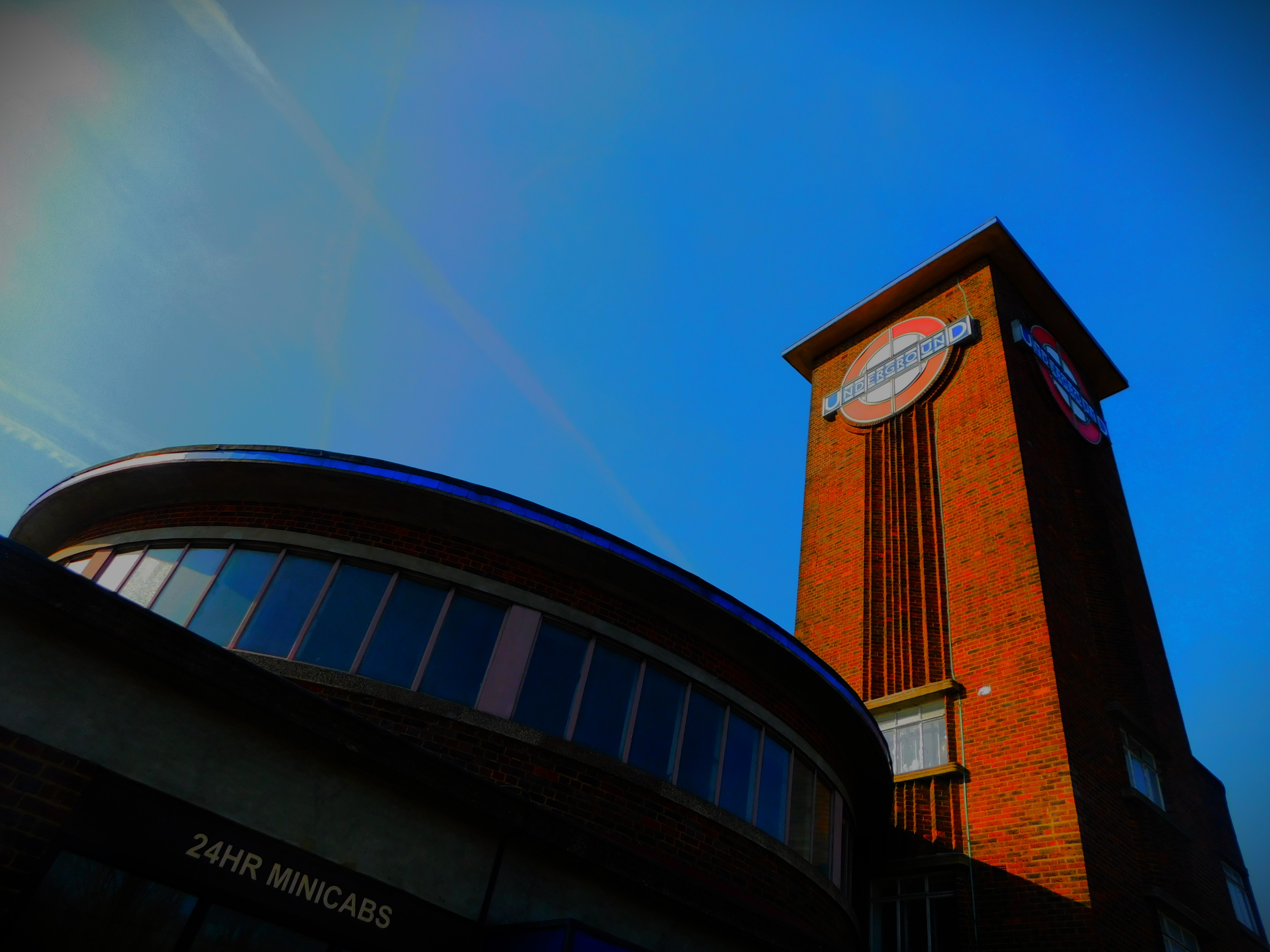
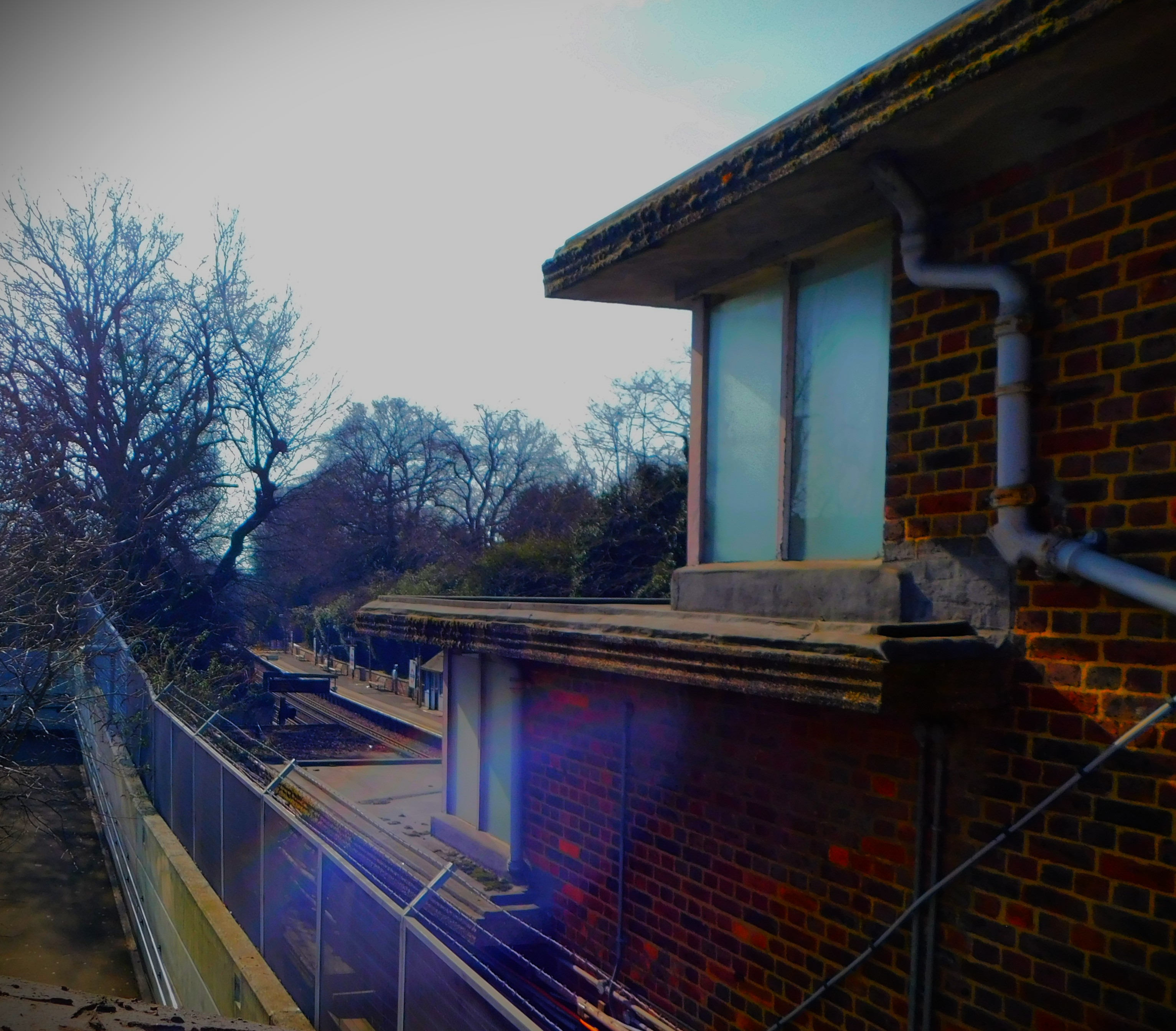
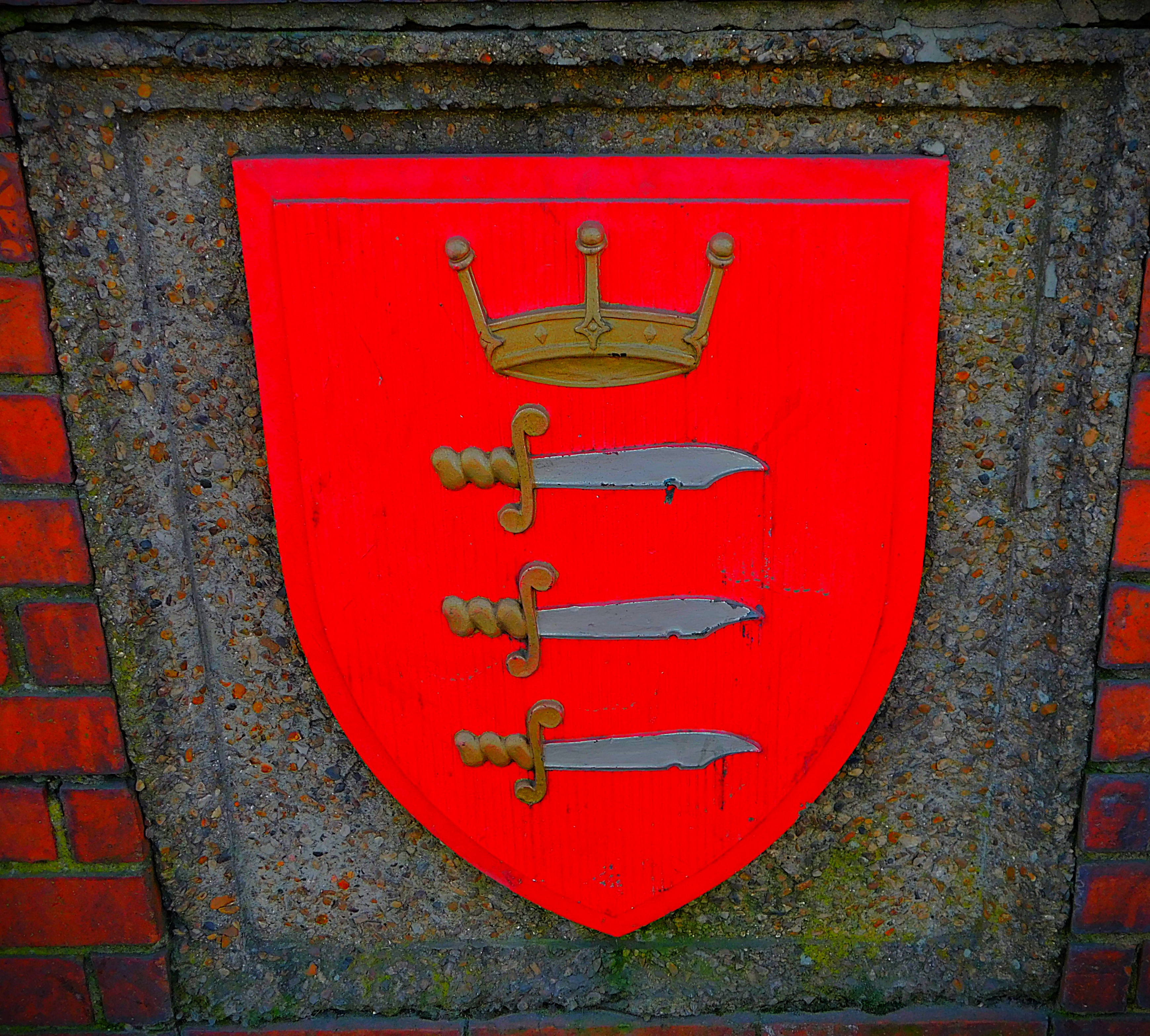
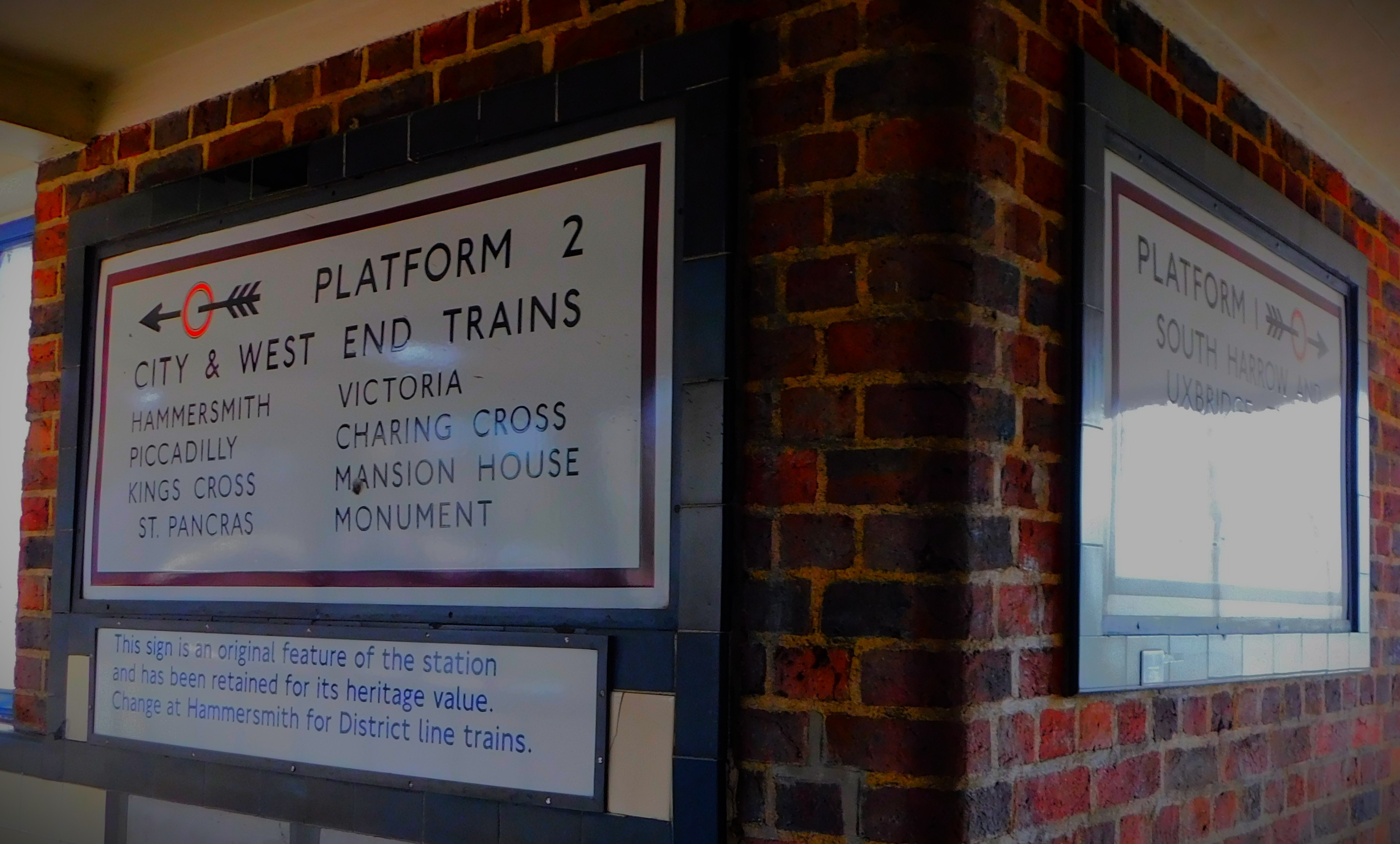
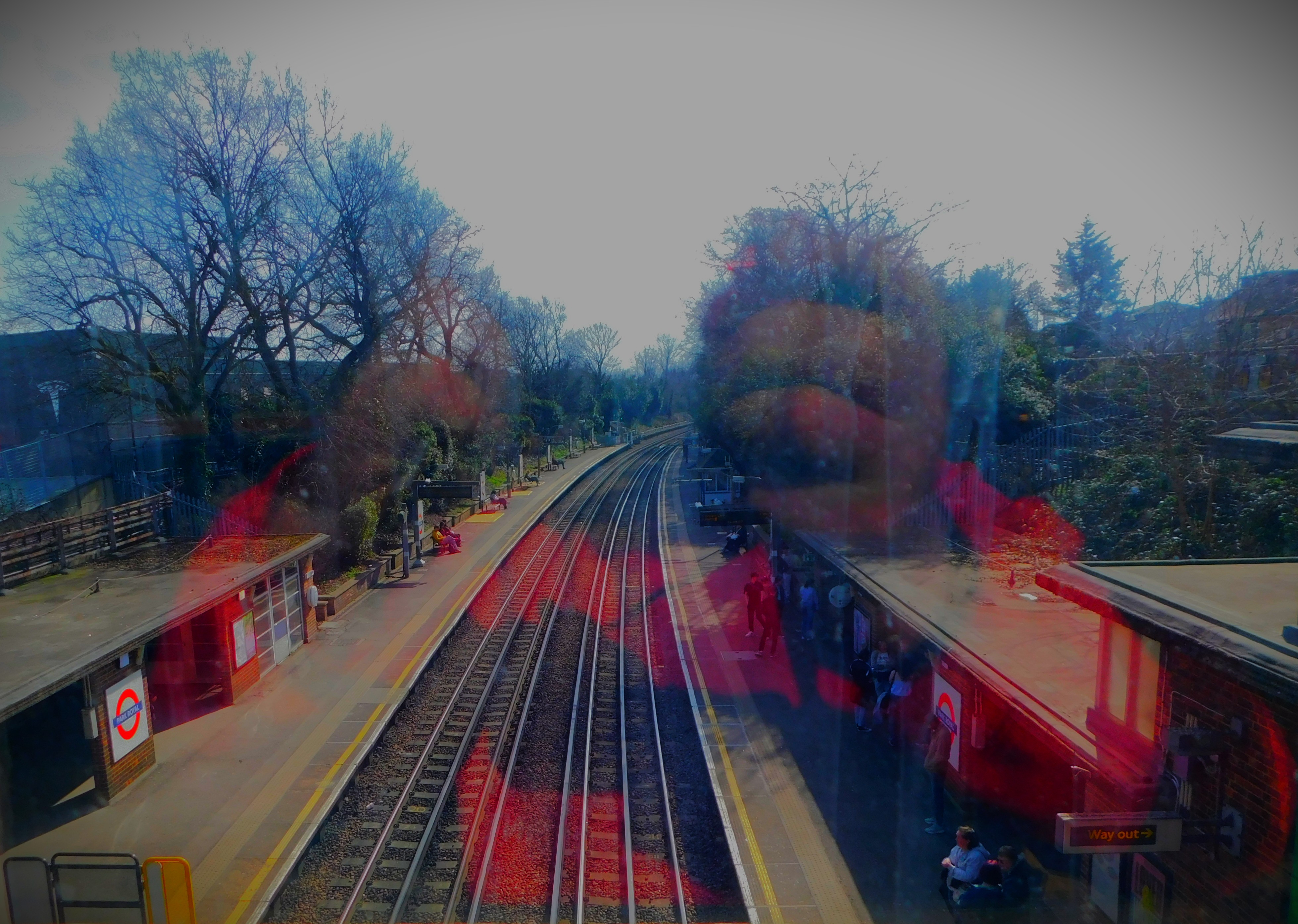
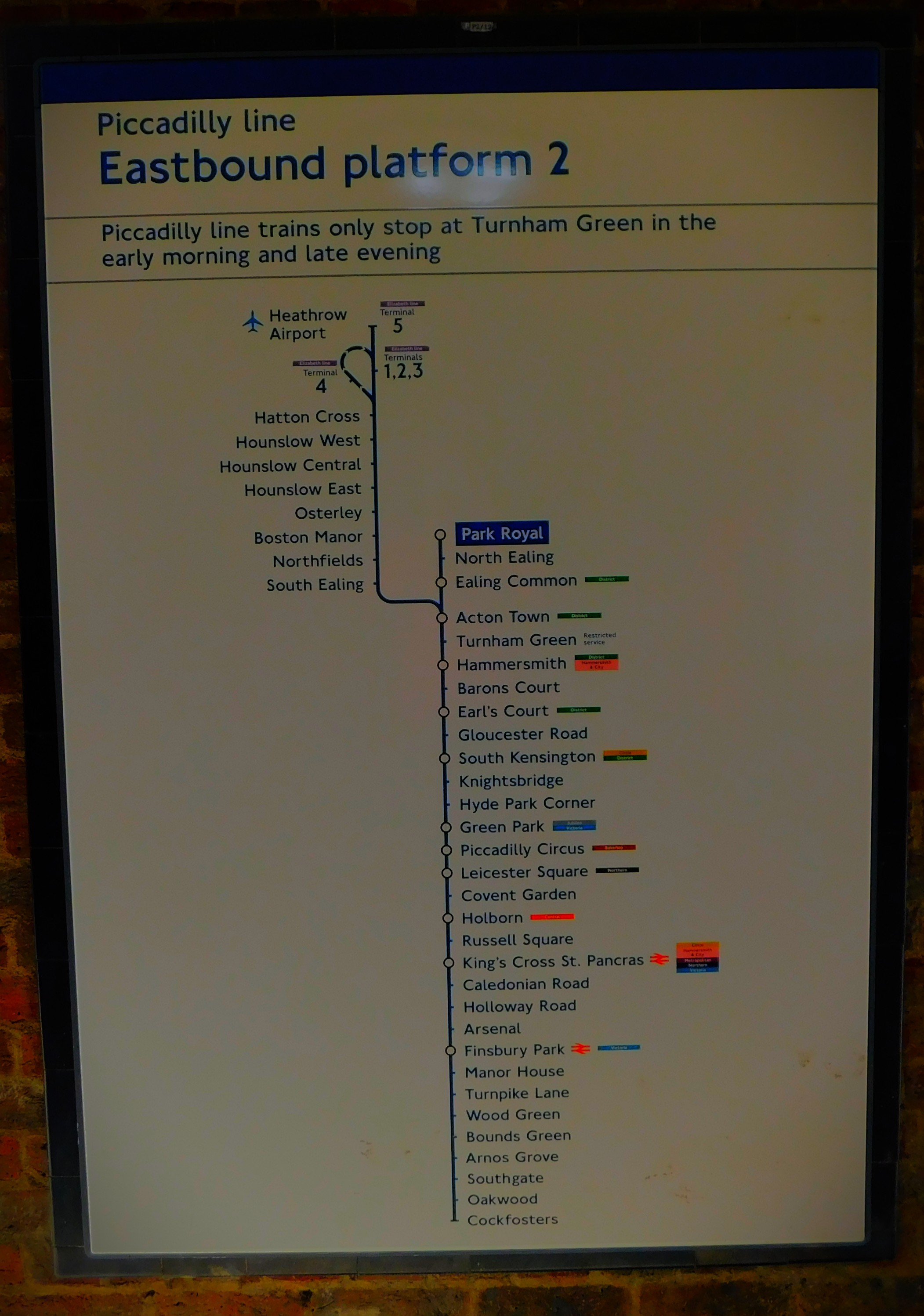
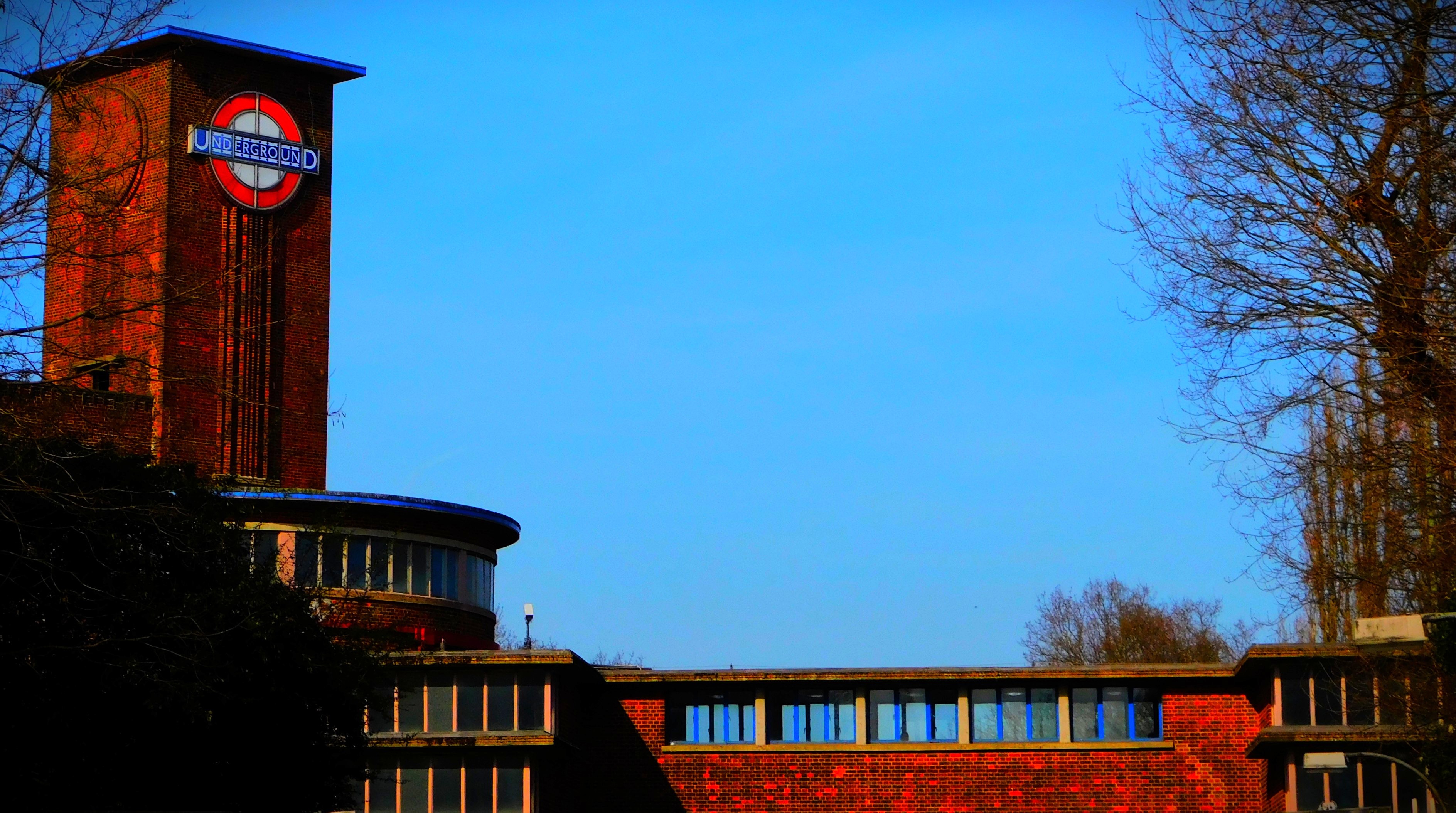
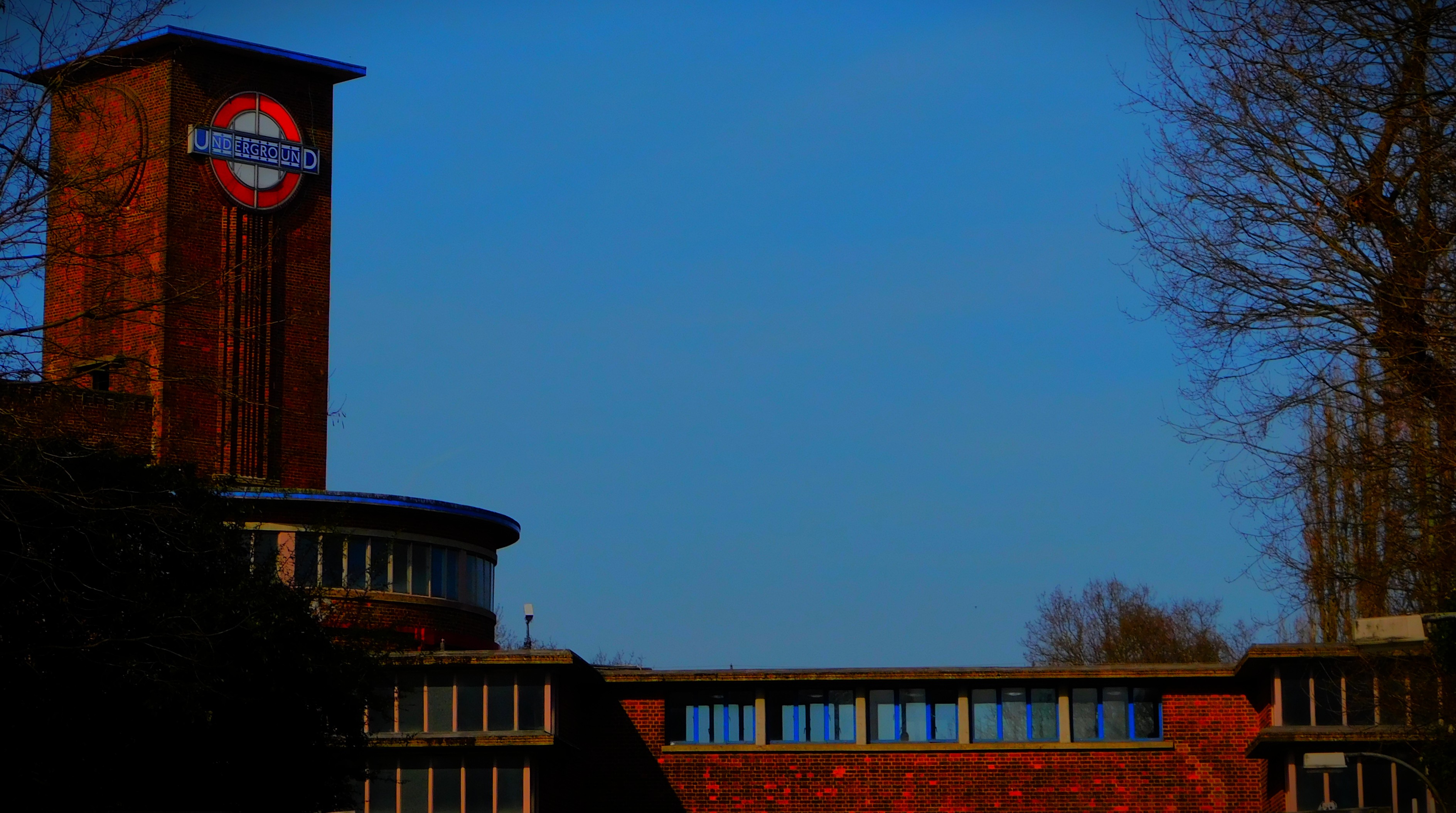
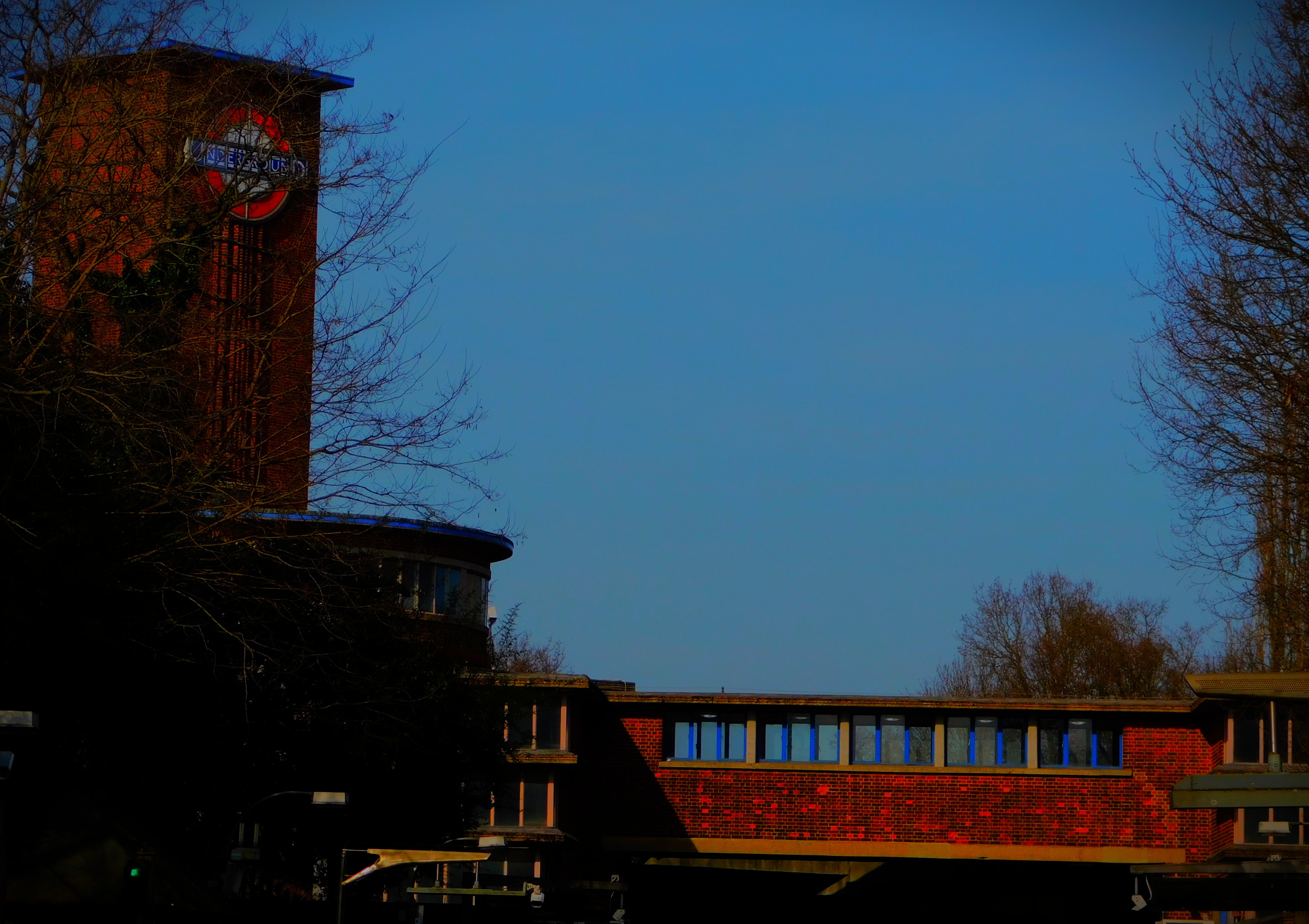
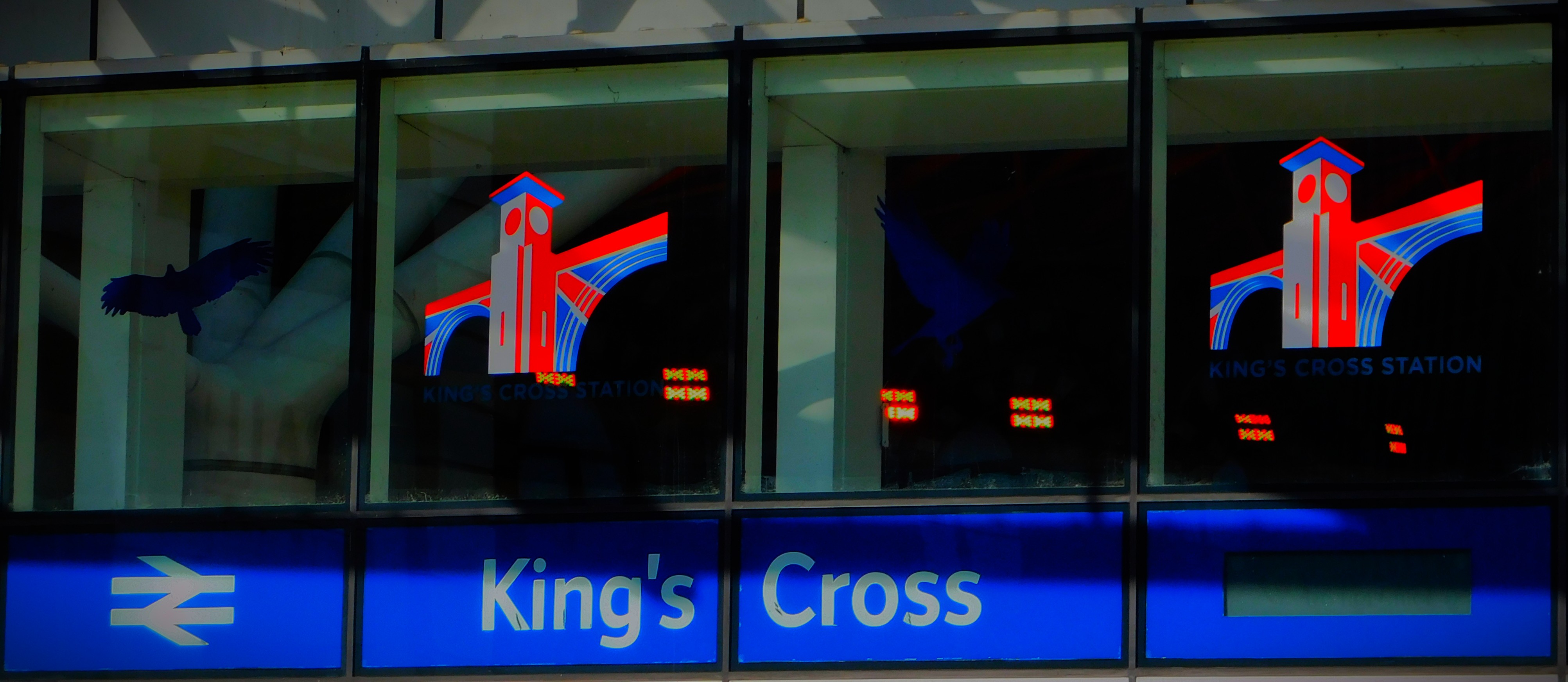
I noticed a number of very distinctive elements about Park Royal Station, including an ornamental tower that sits on top of a circular ticket hall, and a covered walkway which links Platform two (eastbound, towards central London) to the rest of the station. At the top of the tower are roundels on three sides with a concrete ‘shadow roundel’ on the fourth side. I have included on ‘rogue’ picture in this section, a picture of a ‘Middlesex shield’ which is not actually anything to do with the station but cannot be put anywhere else in this post. Enjoy this splendid example of station architecture…
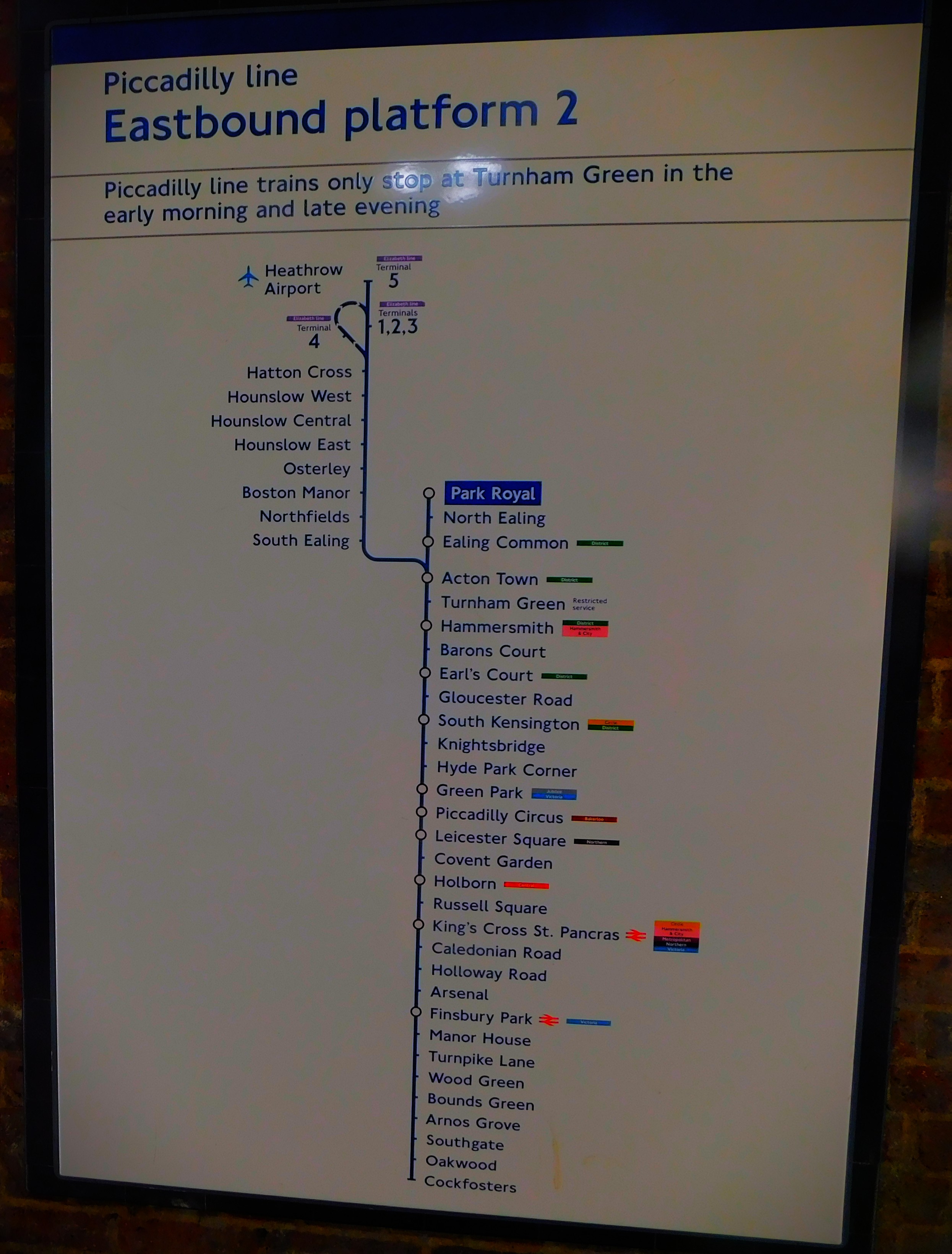
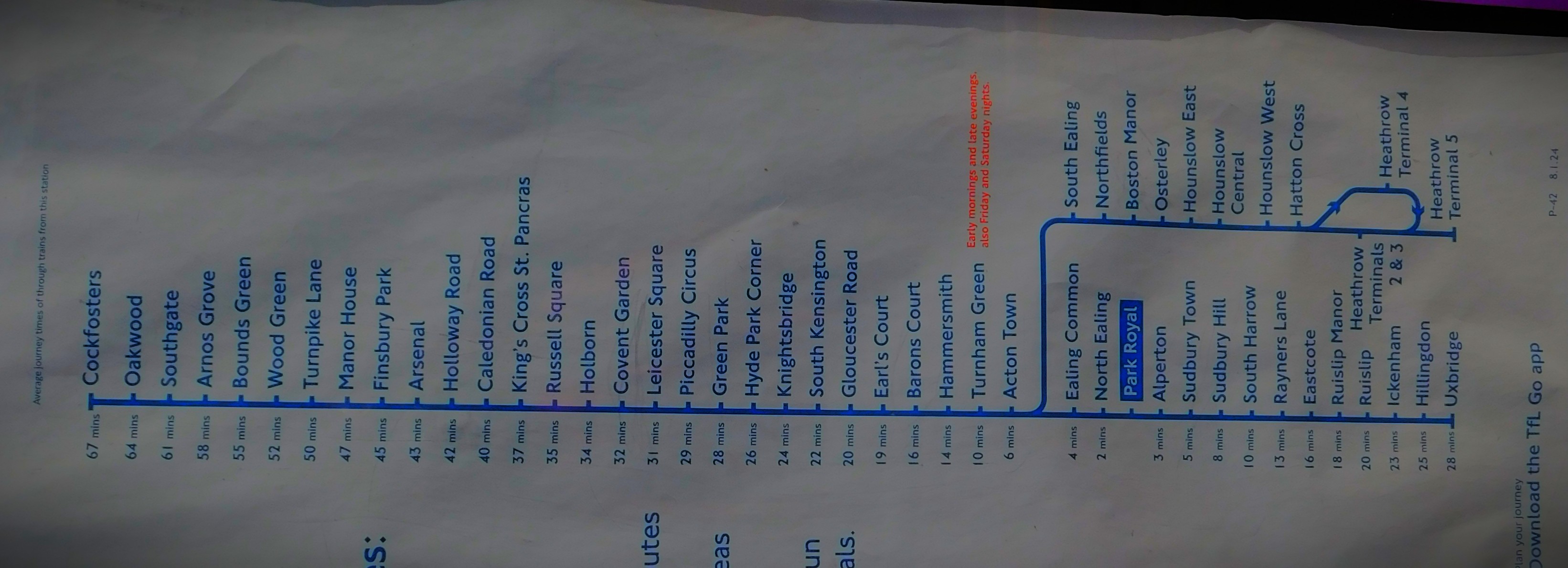
A view of the platforms from the street.A close up of the tower roundel.A map showing times to each station on the Piccadilly line.
HOMEWARD BOUND
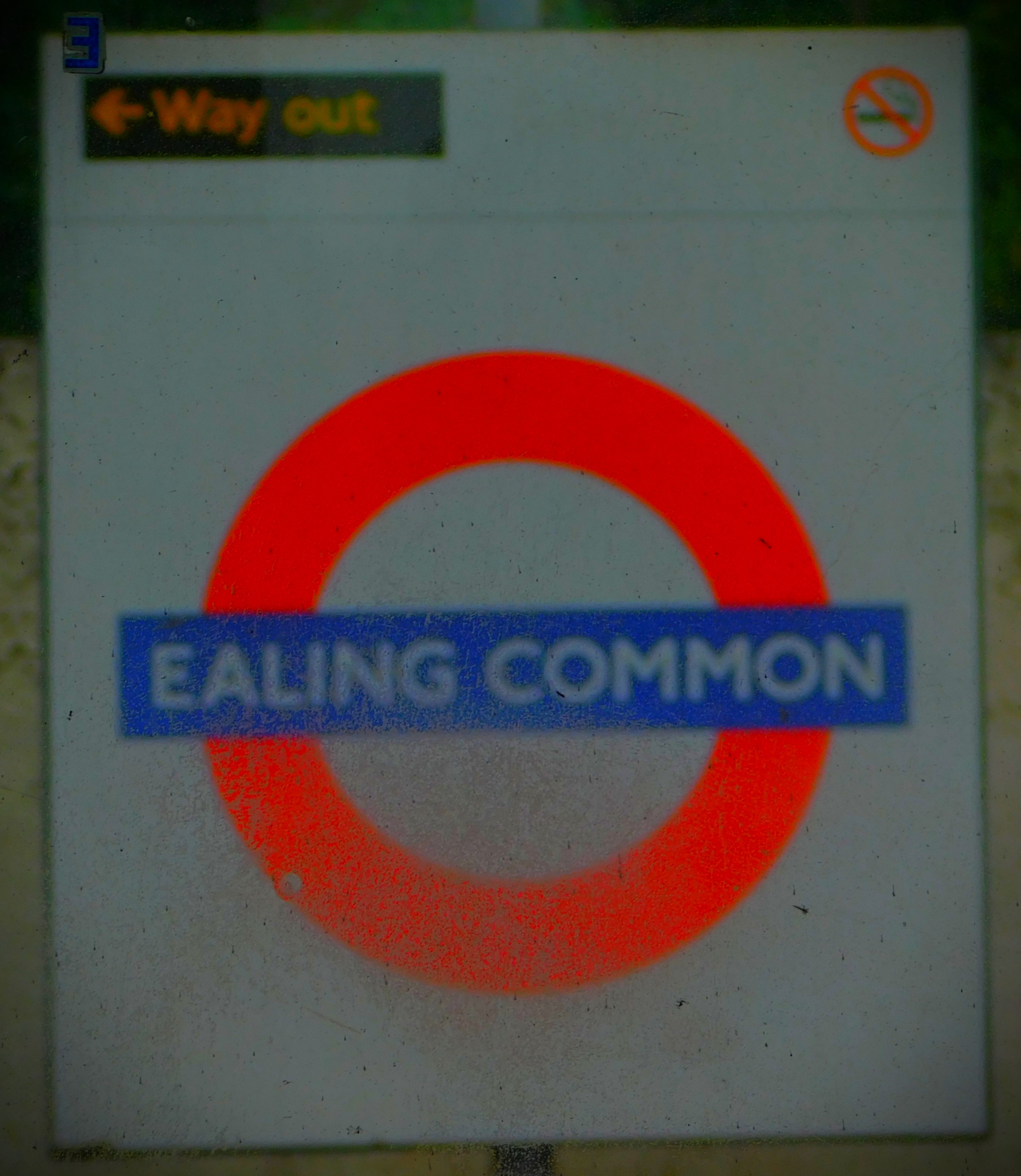
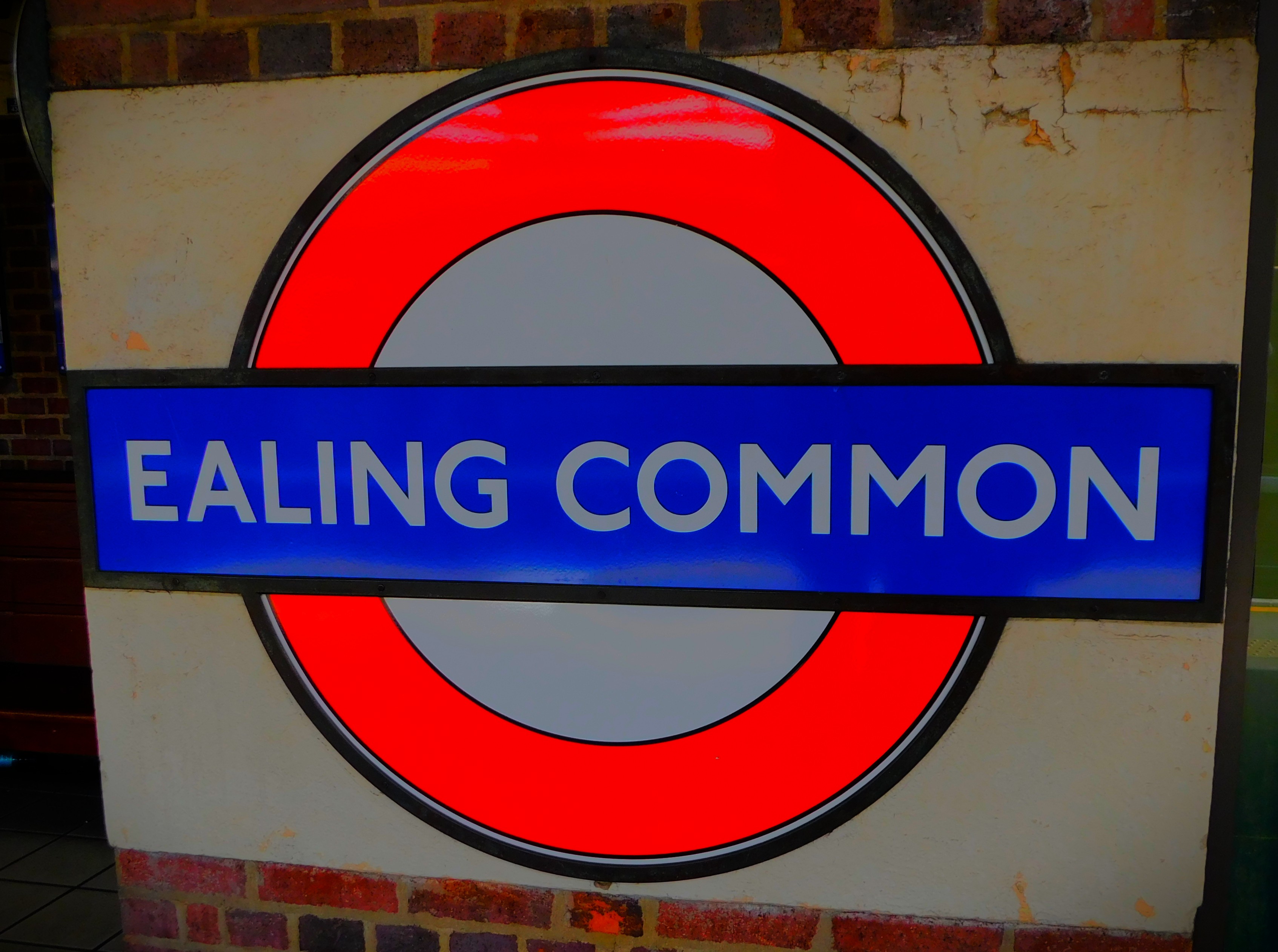
As suggested by the last pictures in the Park Royal gallery the Piccadilly line was srill not back on peak form by the time I was heading back. I did consider heading for Hanger Lane on the Central line, but although it is marked as walkable signage outside Park Royal station is non-existent, and so in the end I settled for Park Royal. By the time an eastbound train arrived it was jam packed, and I alighted at Ealing Common, where there was the possibility of a District line train (and change to the Hammersmith & City at Hammersmith), but in the event the next eastbound train was another Piccadilly line service, and had lots of space on it. I got to King’s Cross with a fair wait until the next train to King’s Lynn, and ate the sandwiches I had prepared in the morning while waiting for the train. The journey back to King’s Lynn was uneventful. Here are my remaining photos from the public transport part of the journey…
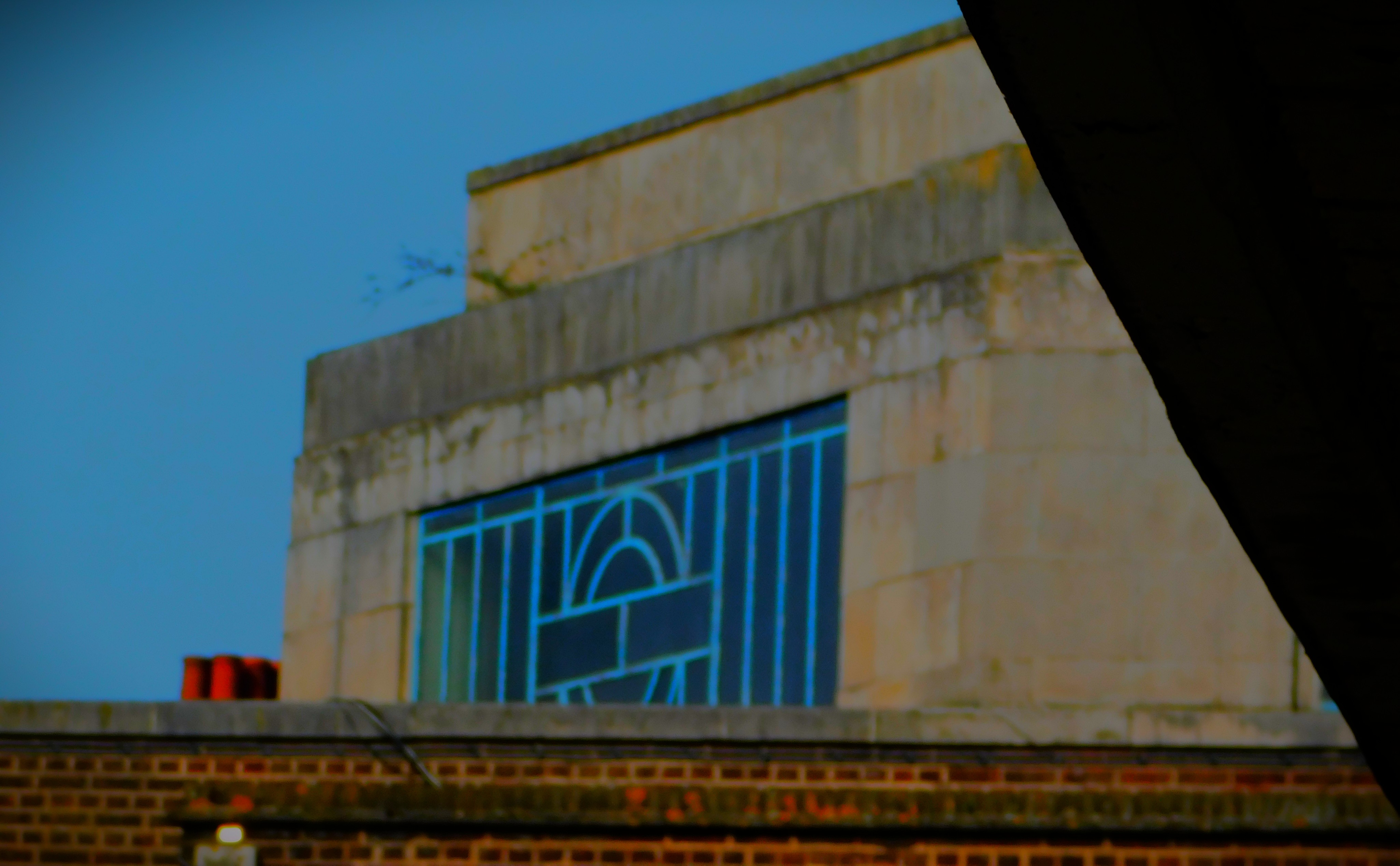
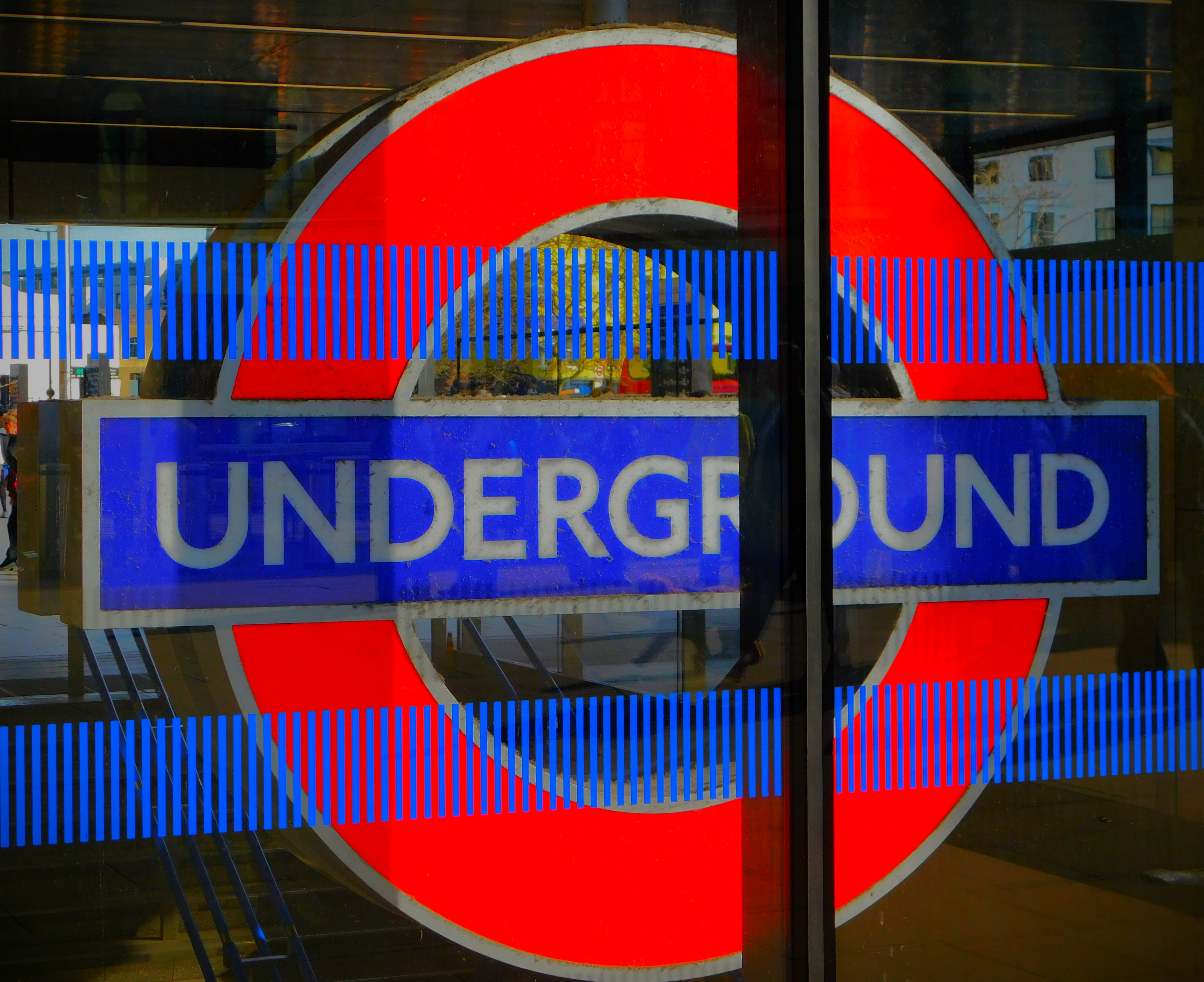
Another variation on the roundel theme – here there is a roundel shape in the glass, but it has not been coloured.A bronze statue of one of the greats of locomotive engineering, Nigel Gresley.
PHOTOGRAPHS
Of course I have been taking my usual kind of photographs as well…
An account of my journey from King’s Lynn to Plymouth yesterday, with a fine photo gallery.
I am in Cornwall, staying with my parents for a few days. I travelled down yesterday, and that journey will be the subject of this post.
KING’S LYNN TO LONDON
I was booked on later trains than I would have liked – leaving Lynn on the 1:42Pm and arriving into Plymouth where my parents would be meeting me at 8:13PM. I set off from my home in North Lynn an hour before the train was due to depart from King’s Lynn, and was on the platform with huge amounts of time to spare. The train suffered a couple of minor delays en route to London but I still had over 50 minutes to get from King’s Cross to Paddington. I arrived at Paddington half an hour before the train to Plymouth was due to depart, but it took a long time for the platform information to be confirmed, and I had only a few minutes to make my way to my seat by the time that happened.
PADDINGTON TO PLYMOUTH
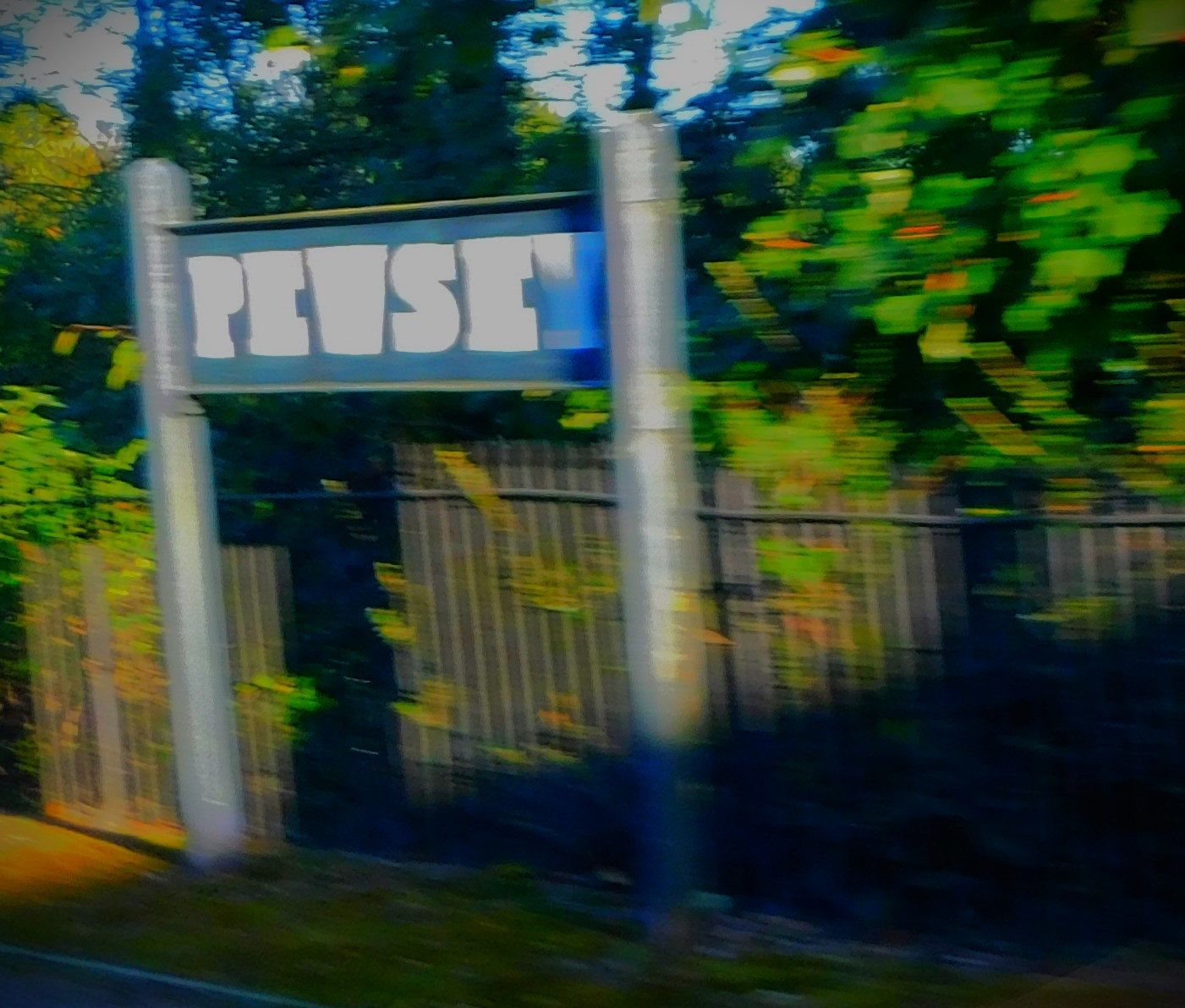
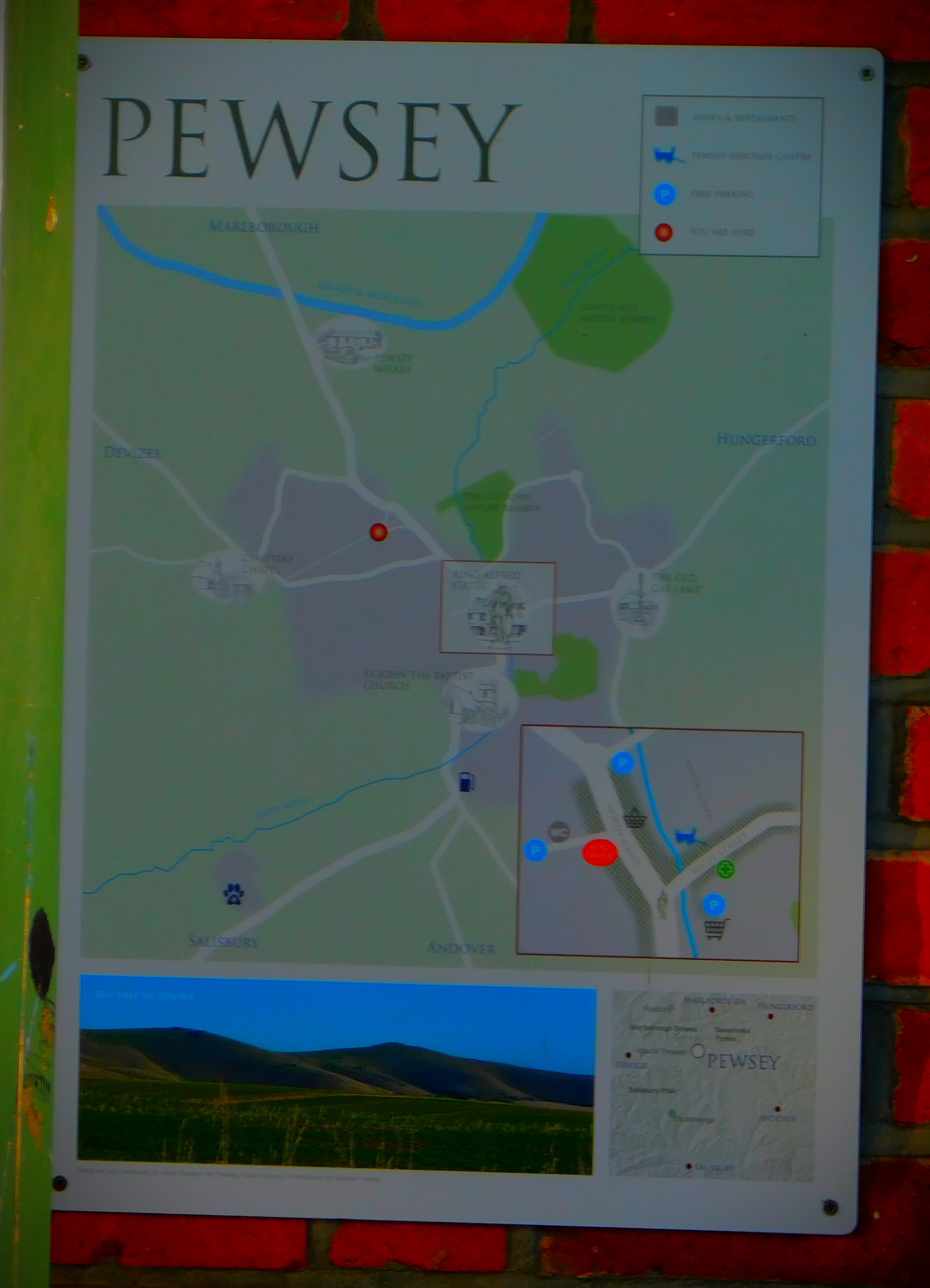
I was on a train that was stopping at more places than usual for a journey to Plymouth – Newbury, Hungerford, Pewsey, Westbury and Castle Cary between Reading and Taunton. I got some good pictures between London and Exeter, but it was dark by the time I got to the seaside section of route between Exeter and Newton Abbot, and that meant it was hardly possible to take pictures due to the interference of reflections owing to the extreme contrast between the brightly lit train interior and the near darkness outside. The train arrived into Plymouth almost exactly as per schedule, which I understand is not a frequent occurrence with GWR long distance services. Apart from the overcrowding on the Hammersmith & City line between King’s Cross and Paddington the journey went well overall.
A look at Trent Rockets v Southern Brave in The Hundred (women’s) and a few other bits, including a photo gallery.
Today has been a ‘double double header’ day in The Hundred, though I have missed a fair amount of the action due having another commitment (it was worth it, as you will be seeing tomorrow). However I got enough of the Women’s match in the earlier double header between Trent Rockets and Southern Brave to feel able to comment (I am currently listening to the closing stages of the women’s match in the second double header, between Welsh Fire and Birmingham Phoenix.
THE TRENT ROCKETS INNINGS
Brave won the toss and elected to field first. Rockets responded excellently to the challenge. The three most significant contributions for them were Natalie Sciver-Brunt, a brilliant 60* (37), Grace Scrivens, 36 (24), and Katie George at the death, whose 8 (3) – four, four, out from the 98th, 99th and 100th balls boosted Rockets past the 150 mark to 155-7. Lauren Bell had three wickets, continuing an excellent campaign for her in that regard, though she would have been disappointed at conceding as many as 36 runs from her 20 balls. Another Lauren, Cheatle, was by the far most economical Brave bowler with 1-13 from her 20 balls. Chloe Tryon and Georgia Adams were the other wicket takers, with one a piece, though both were very expensive.
THE SOUTHERN BRAVE REPLY
Although there was over a third of this innings remaining when I had to leave the final outcome was already highly likely, especially with Smriti Mandhana having lost her wicket for a fine 42 (27). Tryon did her best to make a match of it, scoring 47* (31), but the only other double figure score outside these two biggies was from skipper Georgia Adams whose 27 soaked up 29 balls, which meant that in effect the rest were in the position of chasing 180 rather than the already formidable 155 actually on the board against them. Alexa Stonehouse was the standout Rockets bowler, taking 2-10 from 15 balls. Sciver-Brunt’s batting secured her the Player of the Match award.
AN EMERGING TALENT
Yesterday a 19 year old named Ollie Sykes, born in Wandsworth, playing only his second ever professional innings hit 87* from just 56 balls to boost Surrey past the 300 mark in their Metrobank One Day Cup match against Essex. Surrey defended this total successfully. I hope he is able to build on this fine start. For completeness of detail he is a left handed batter and bowls right arm medium pace.
HERITAGE OPEN DAY NEWS
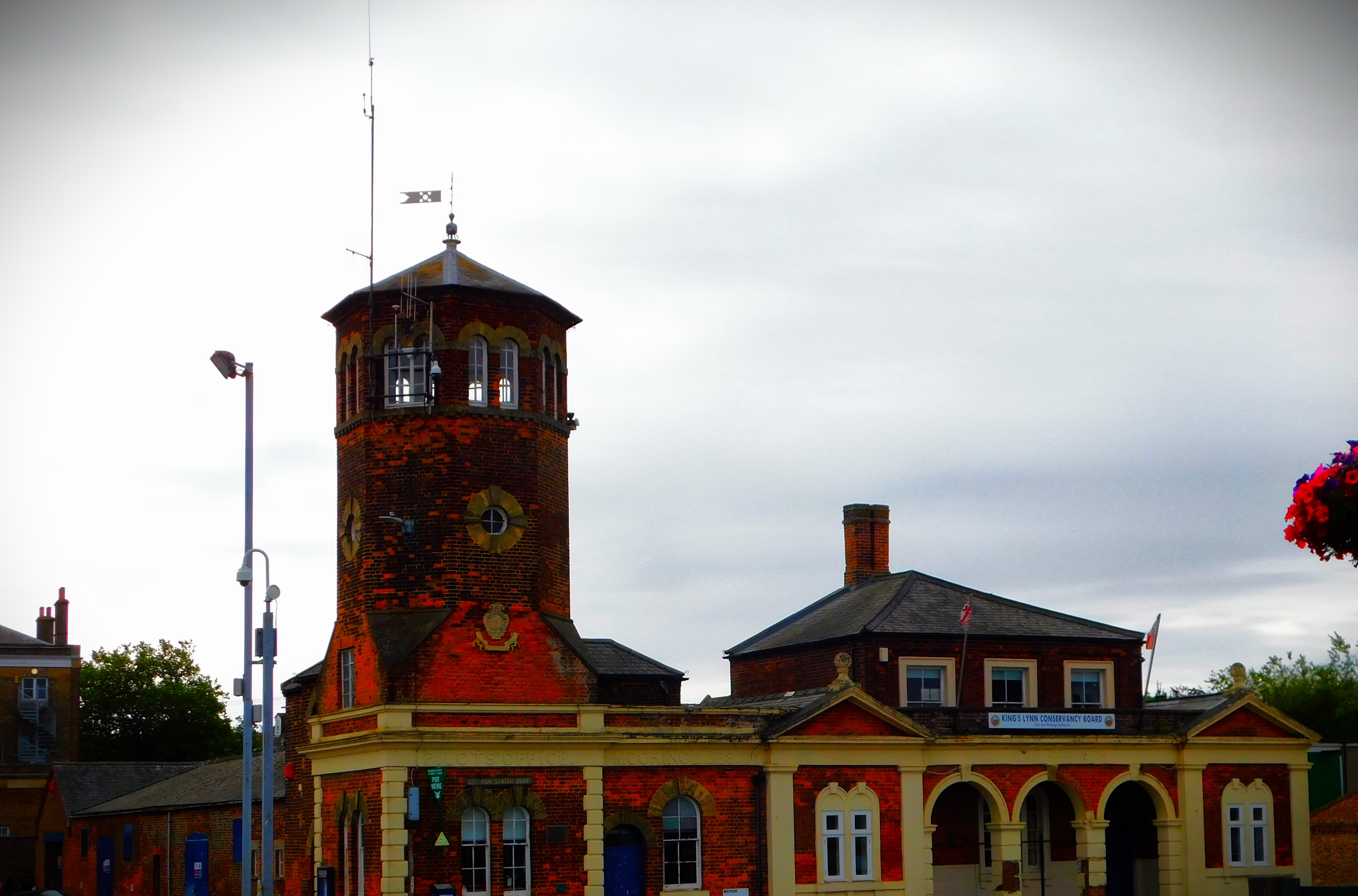
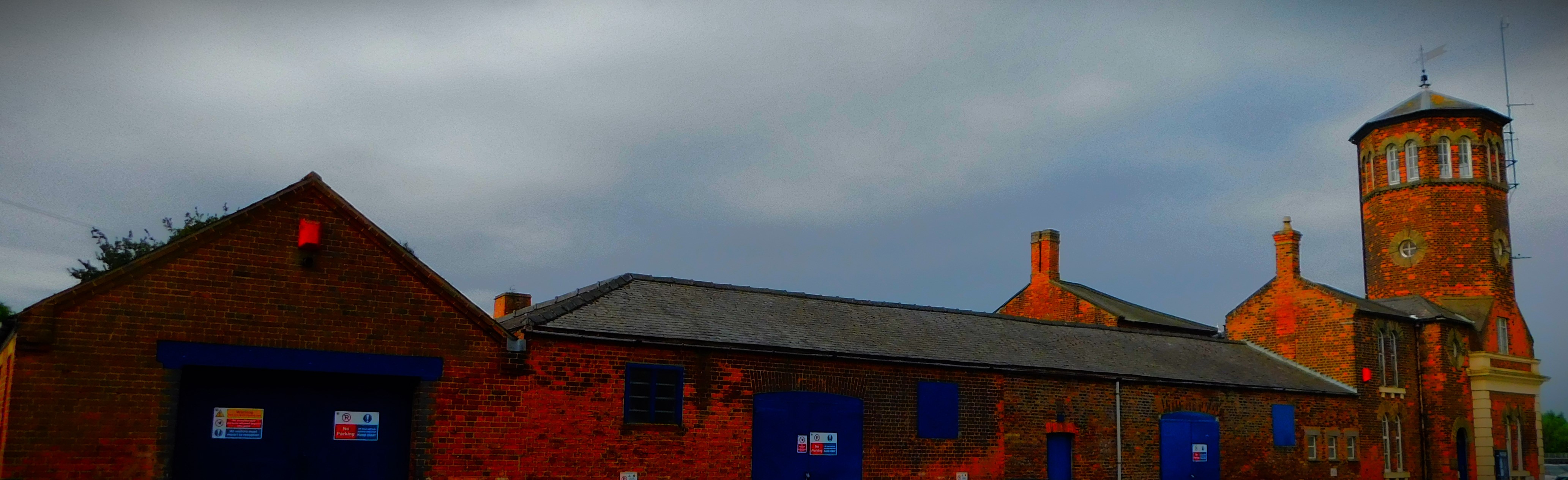
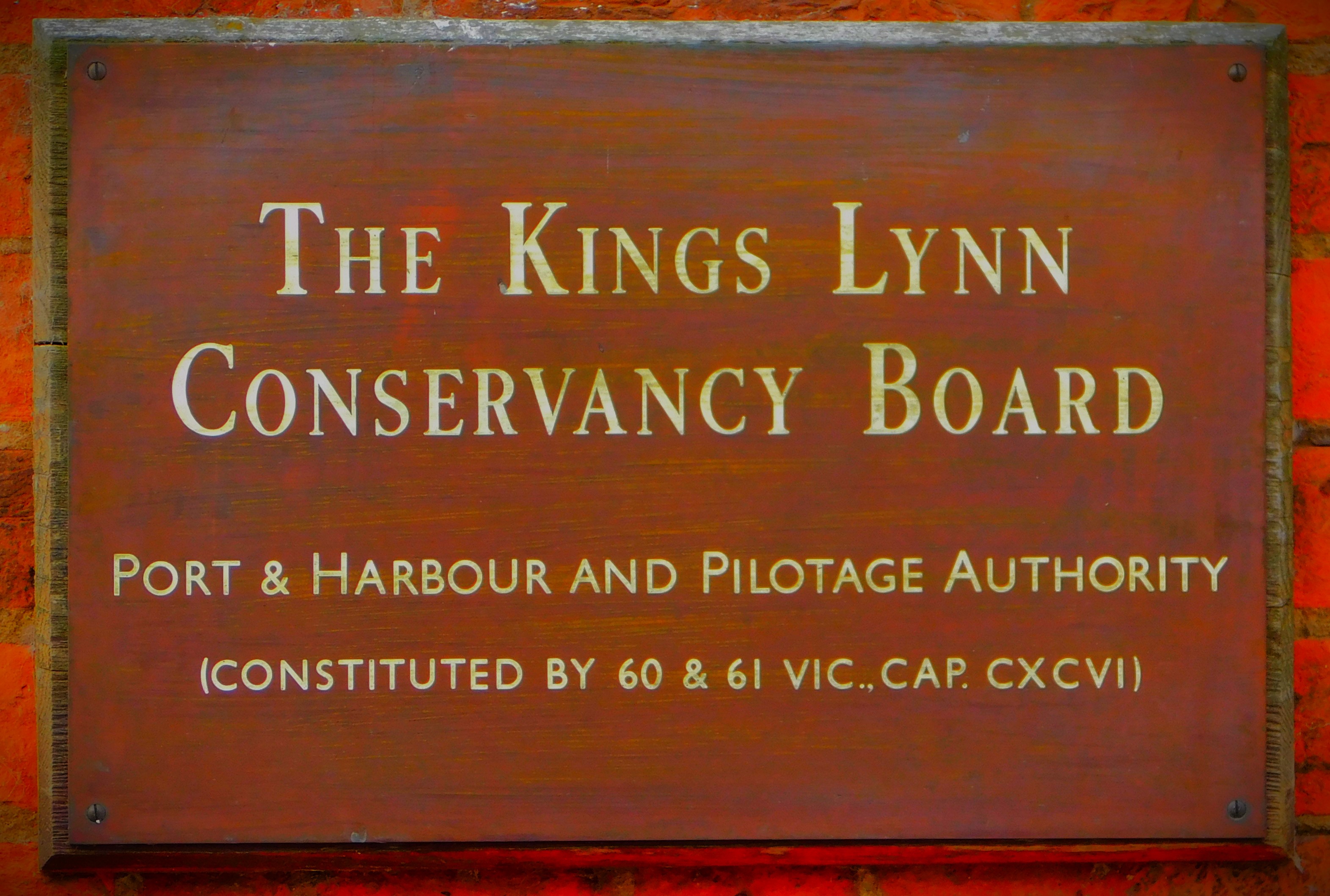
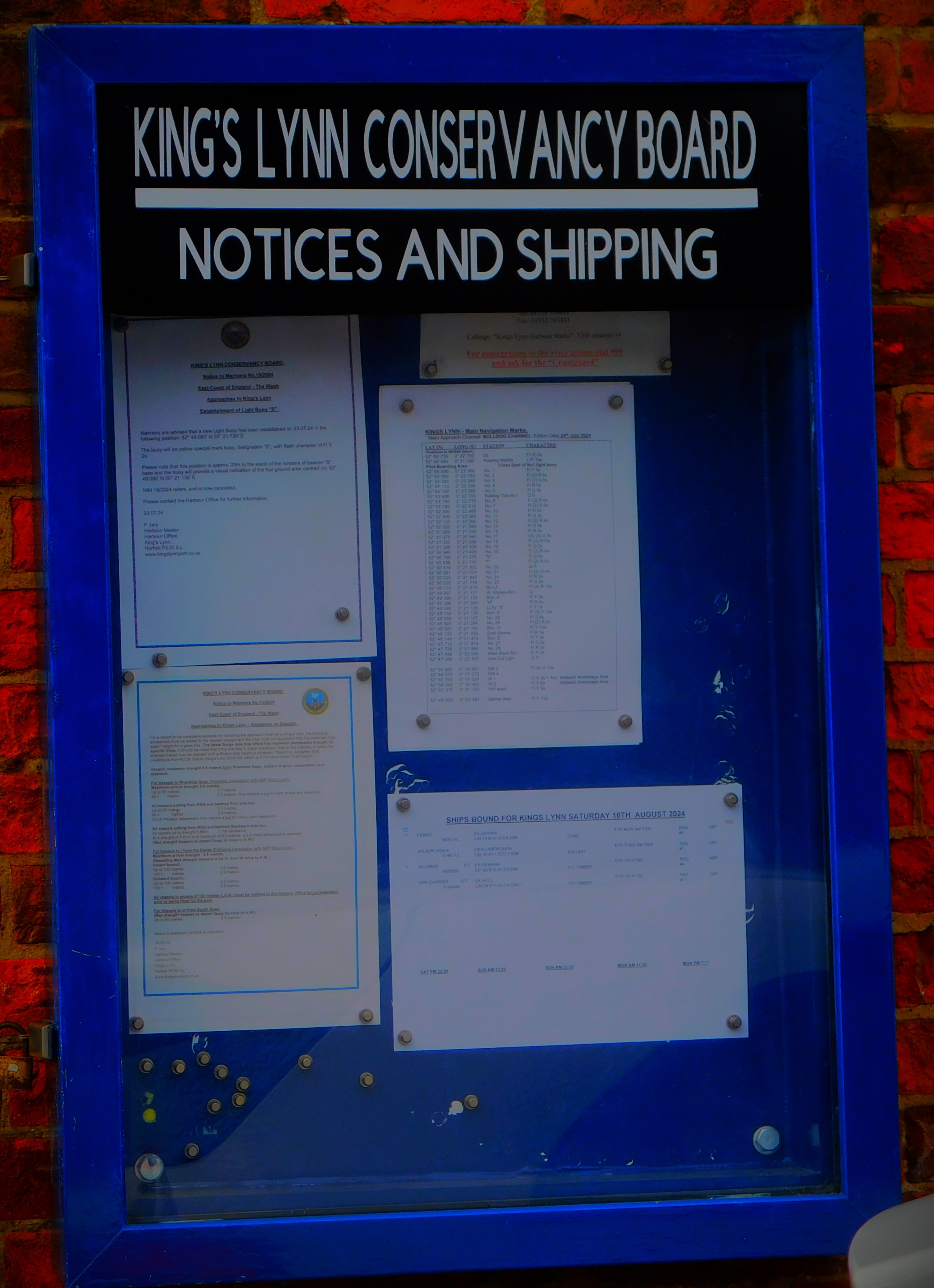
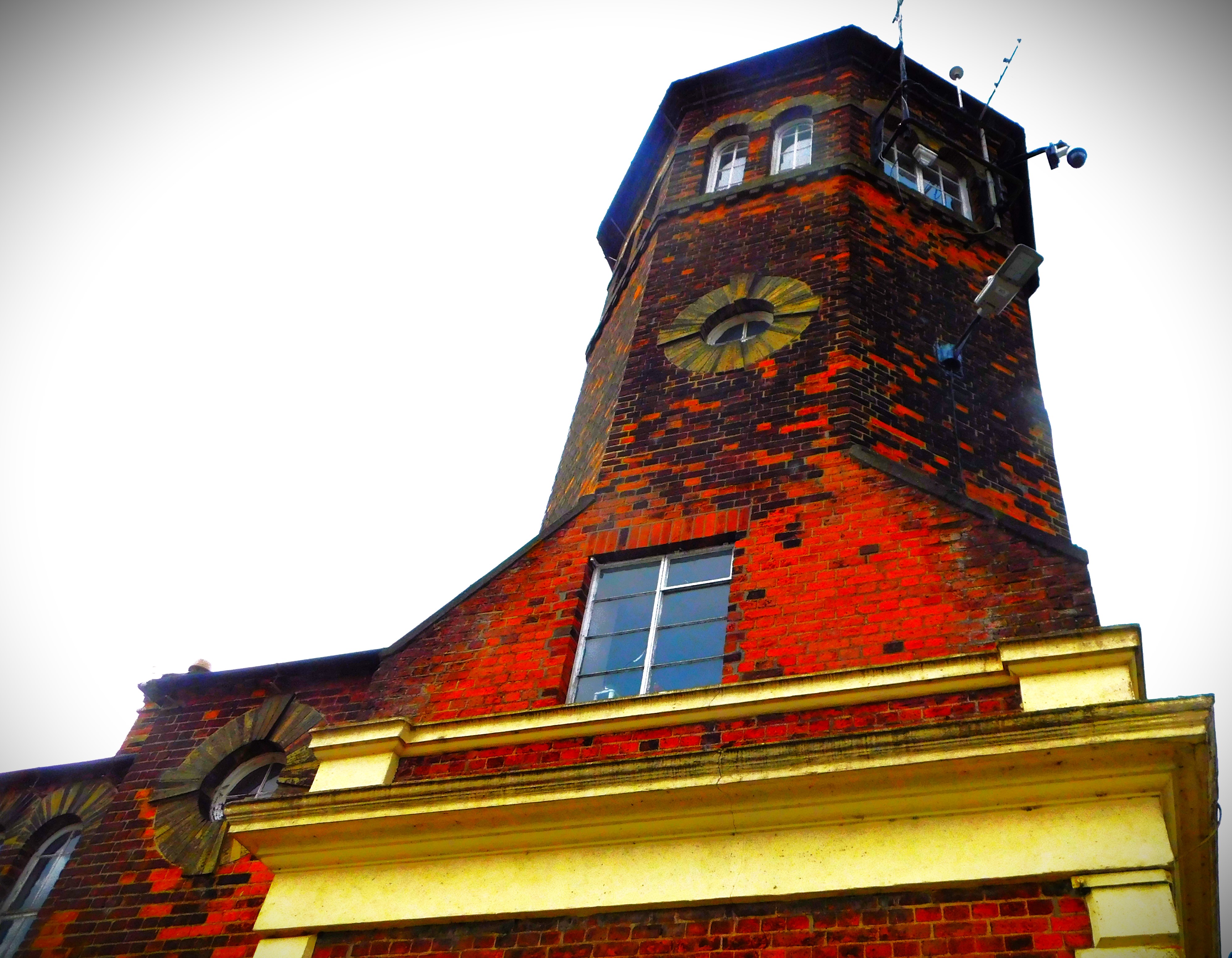
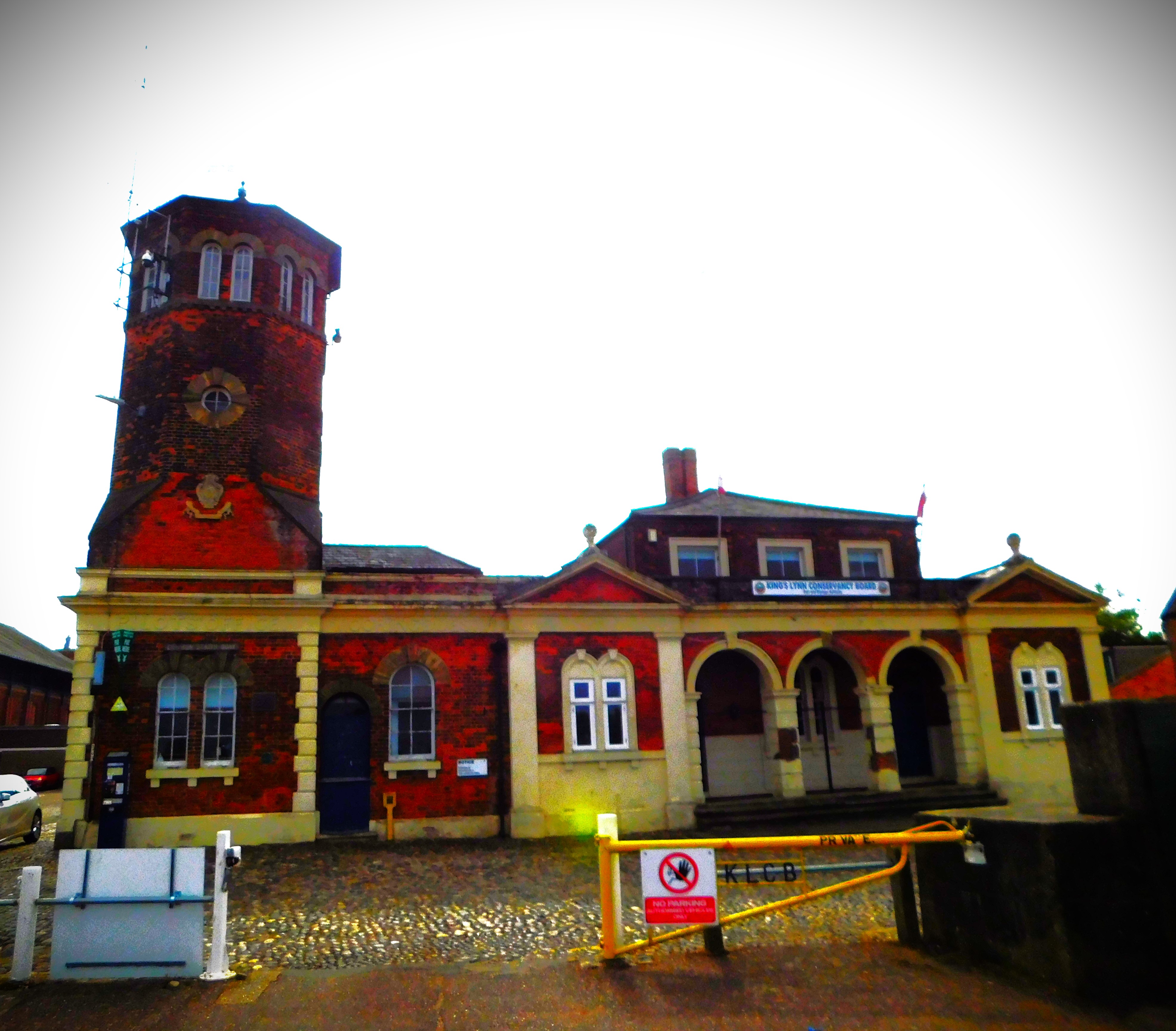
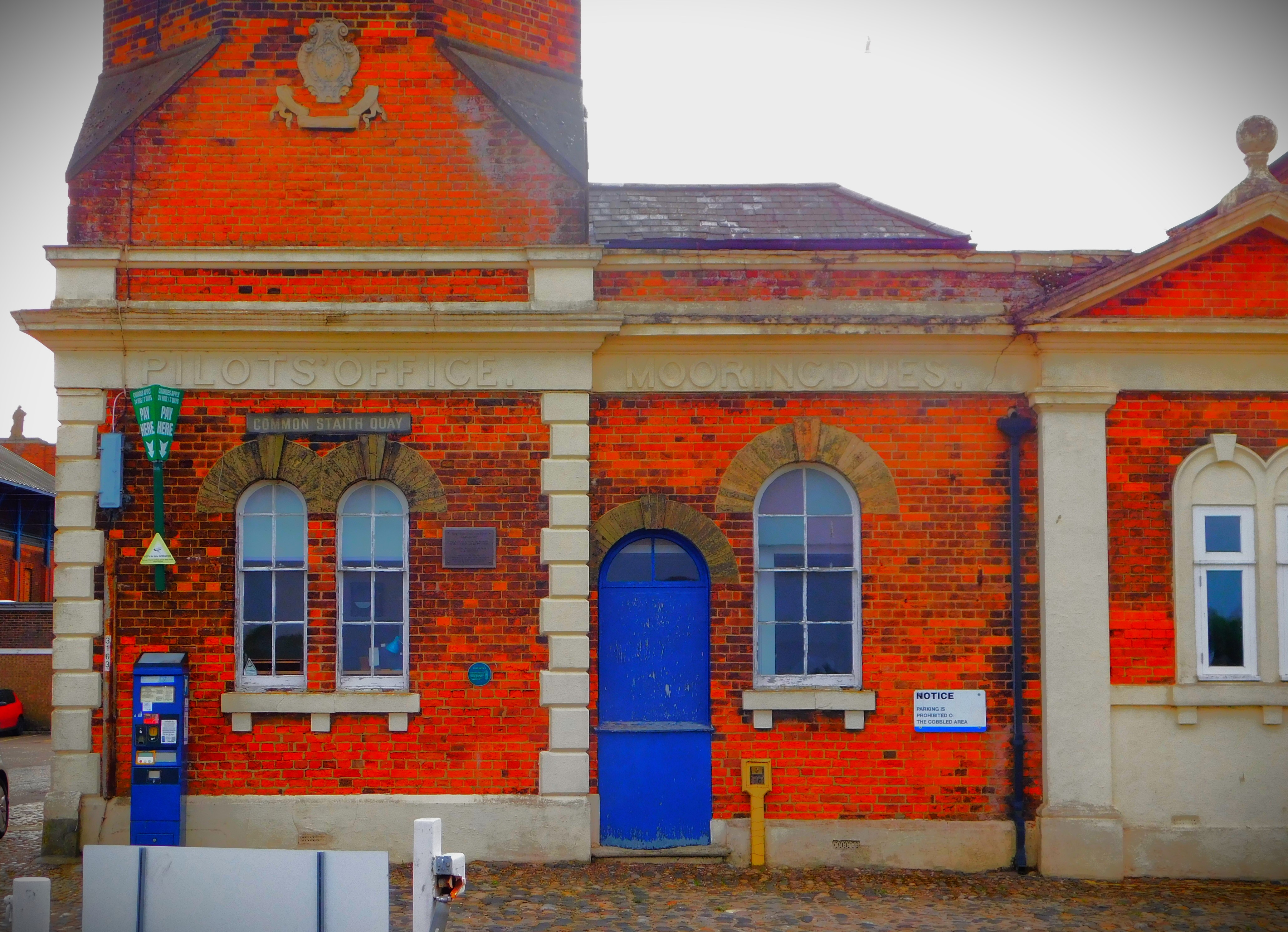
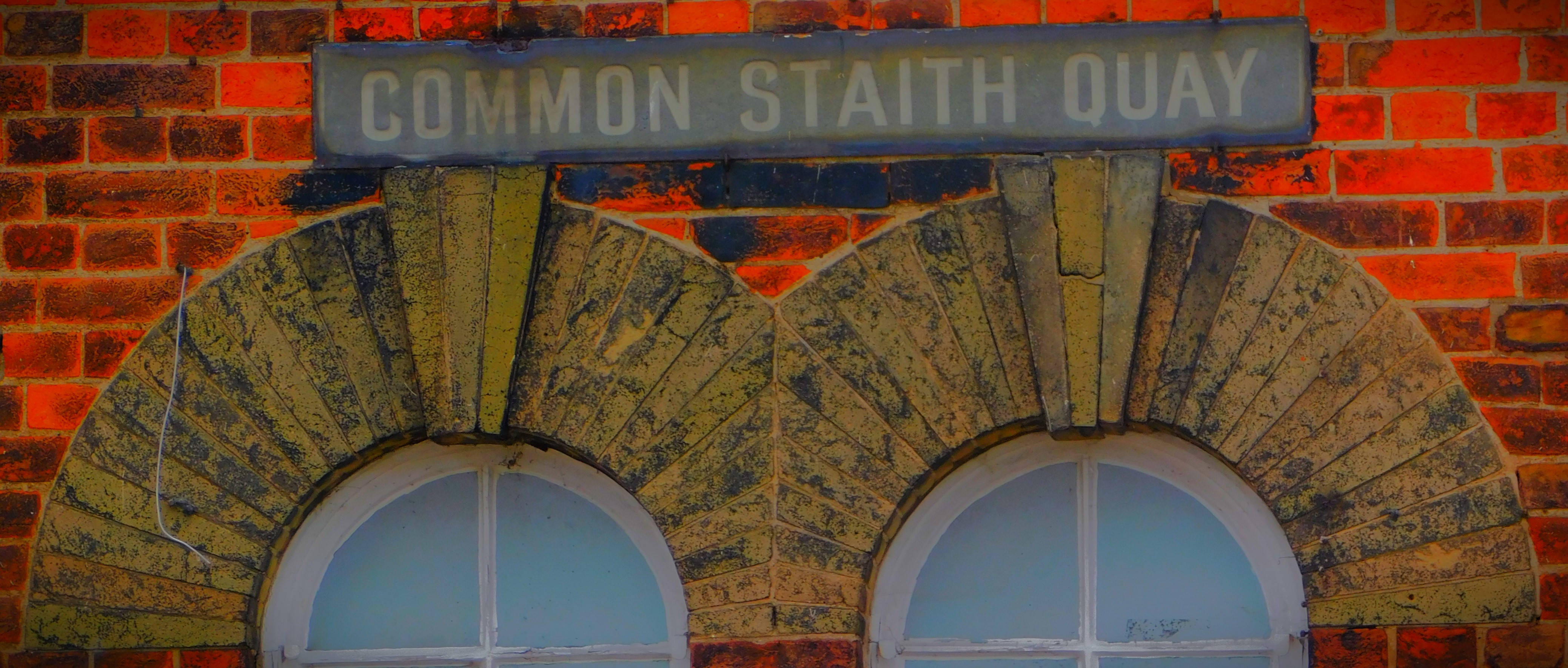
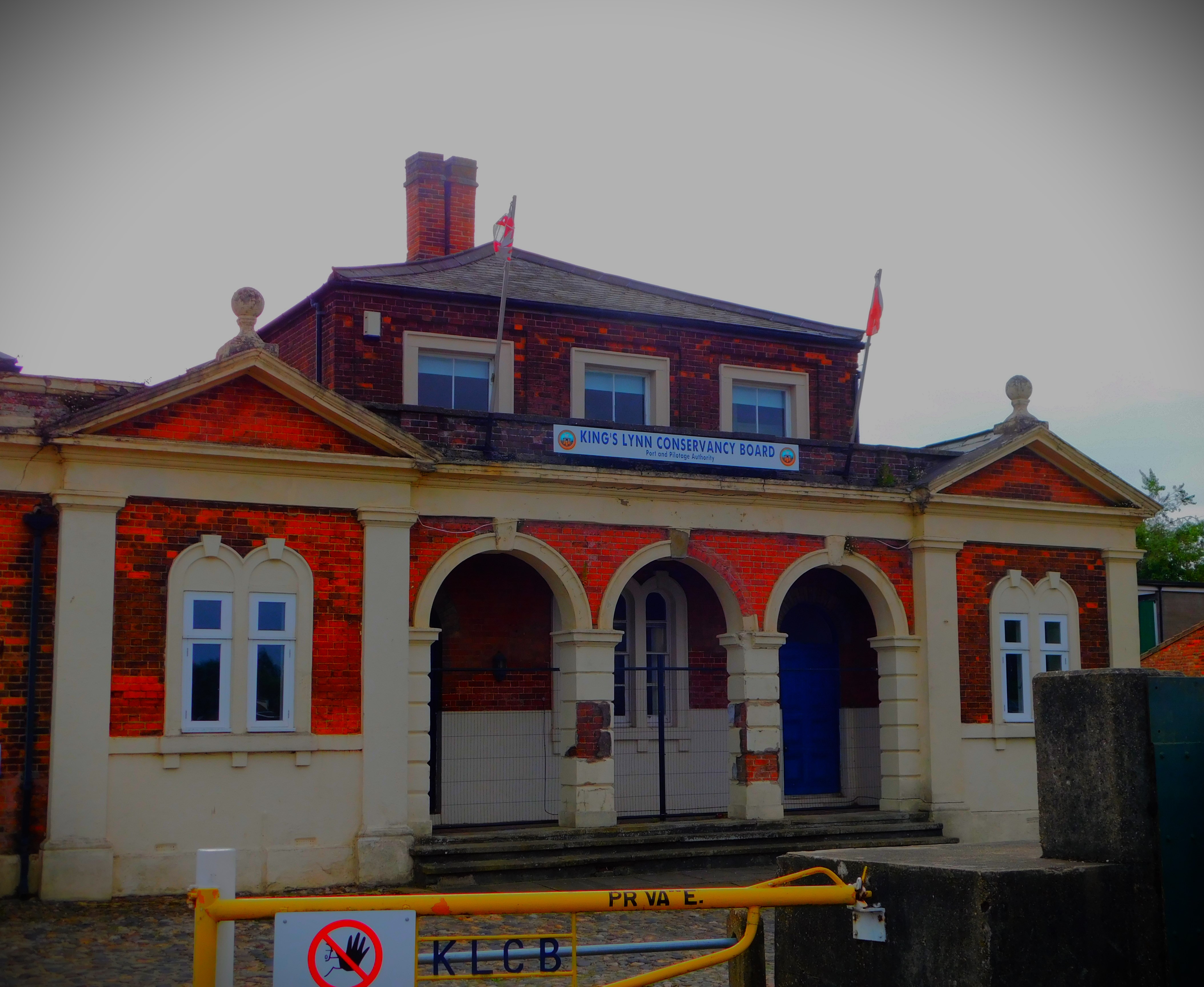
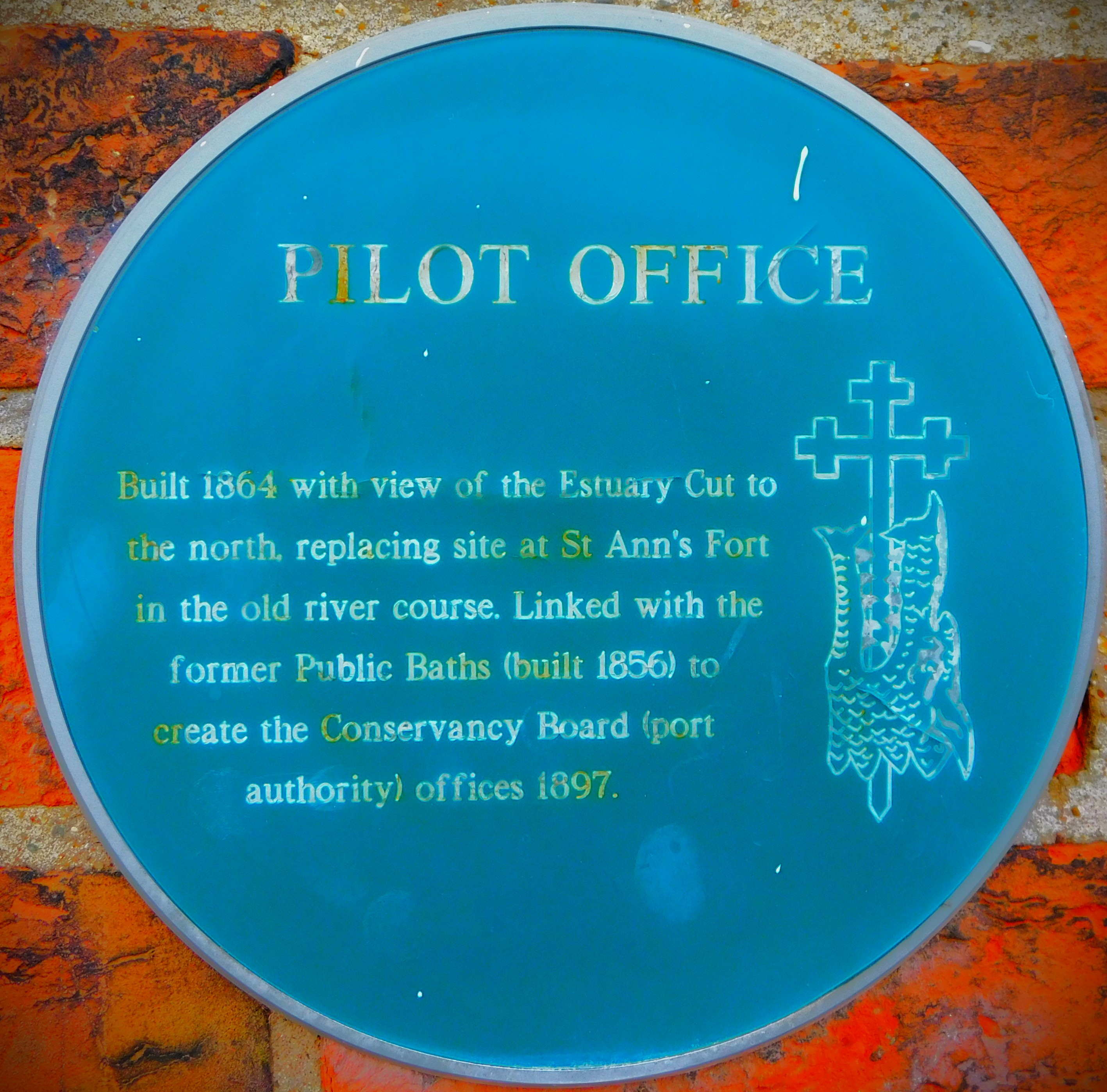
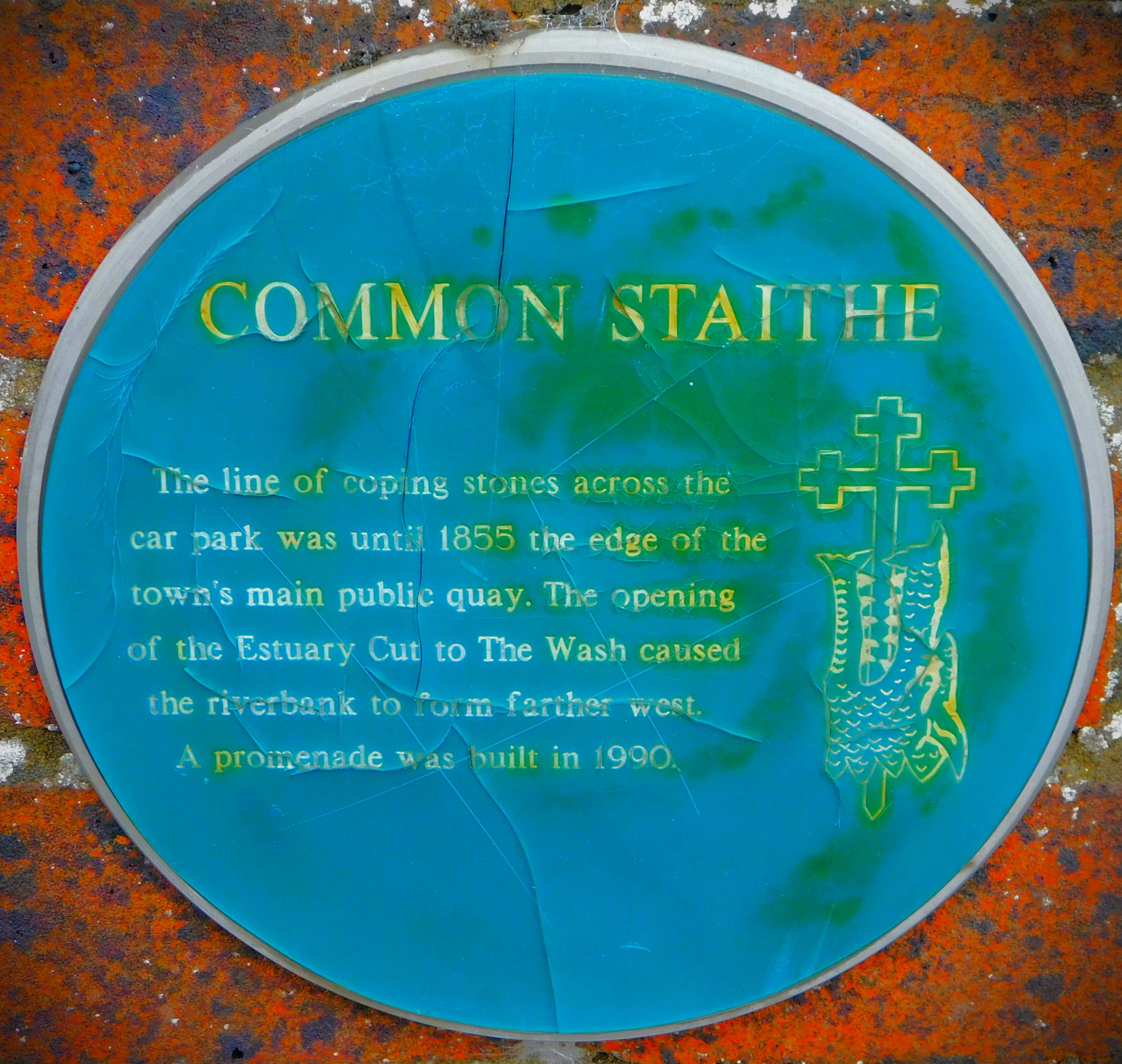
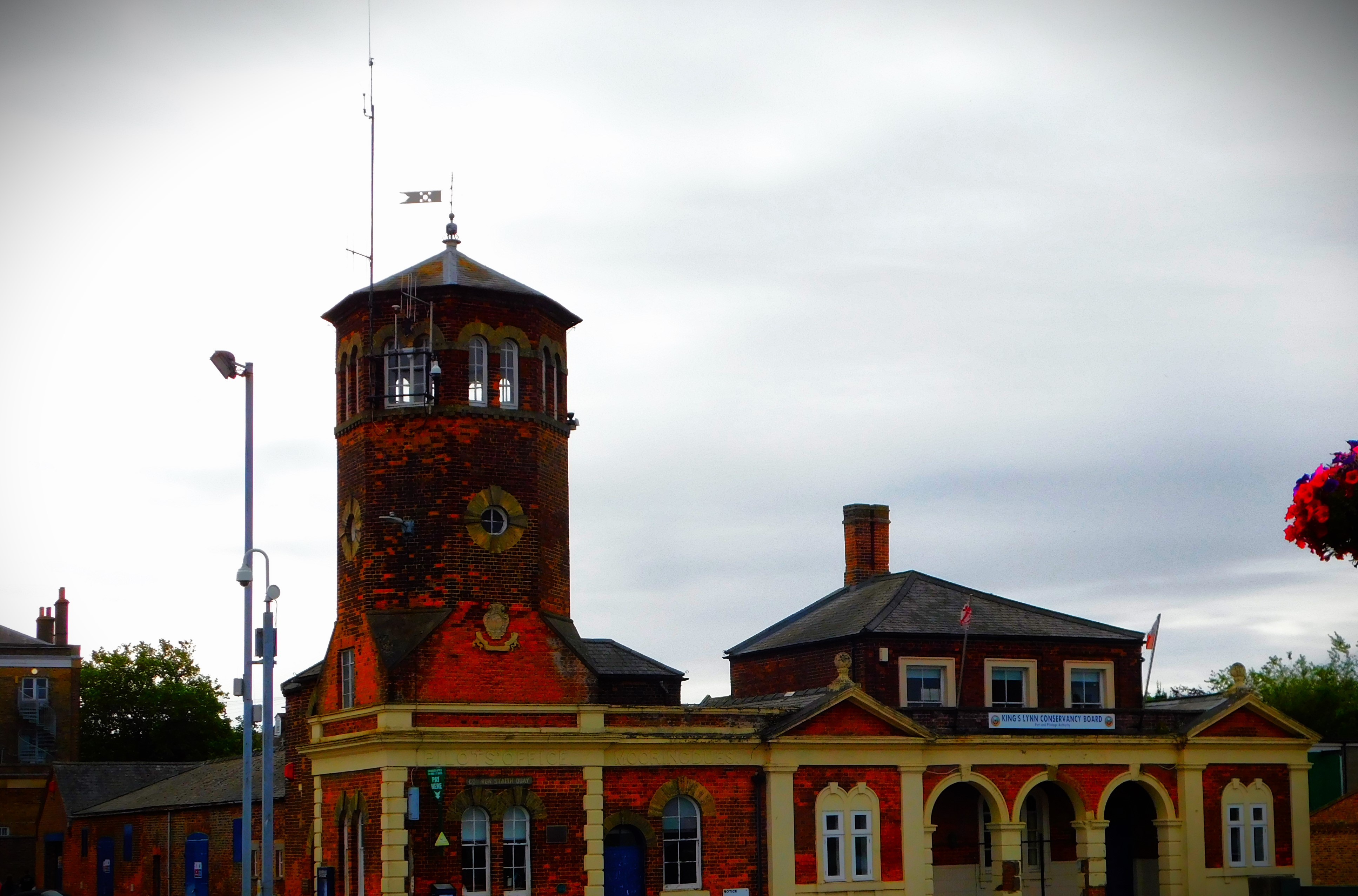
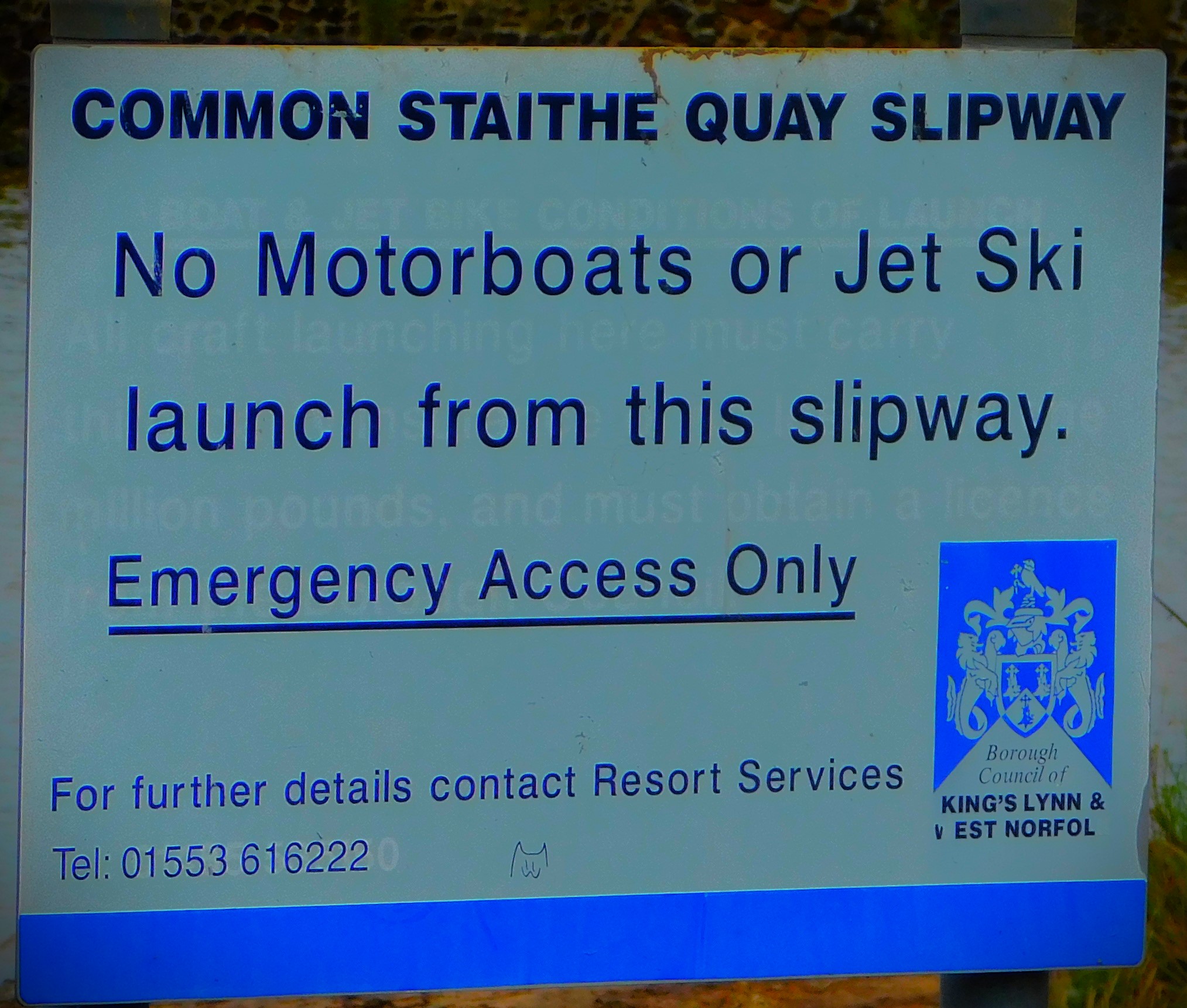
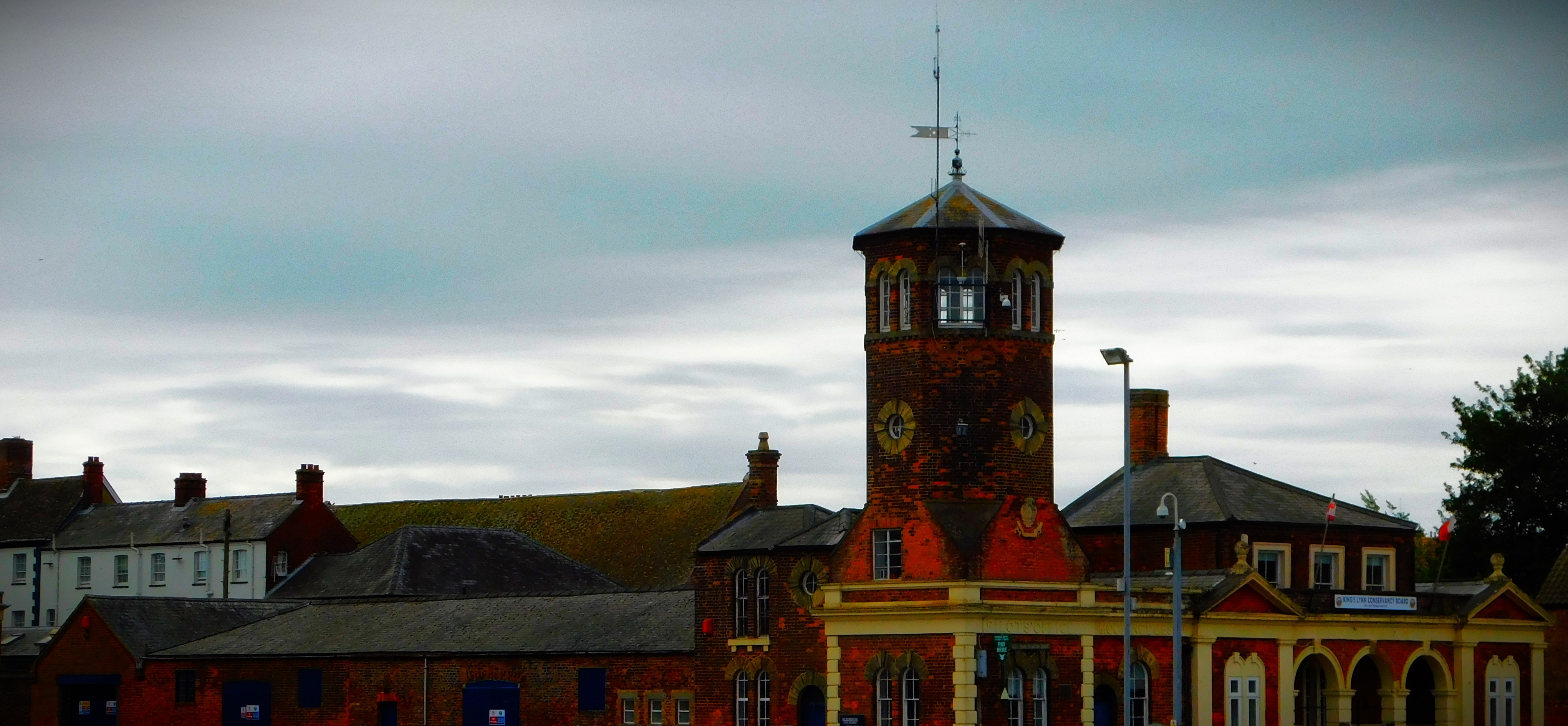
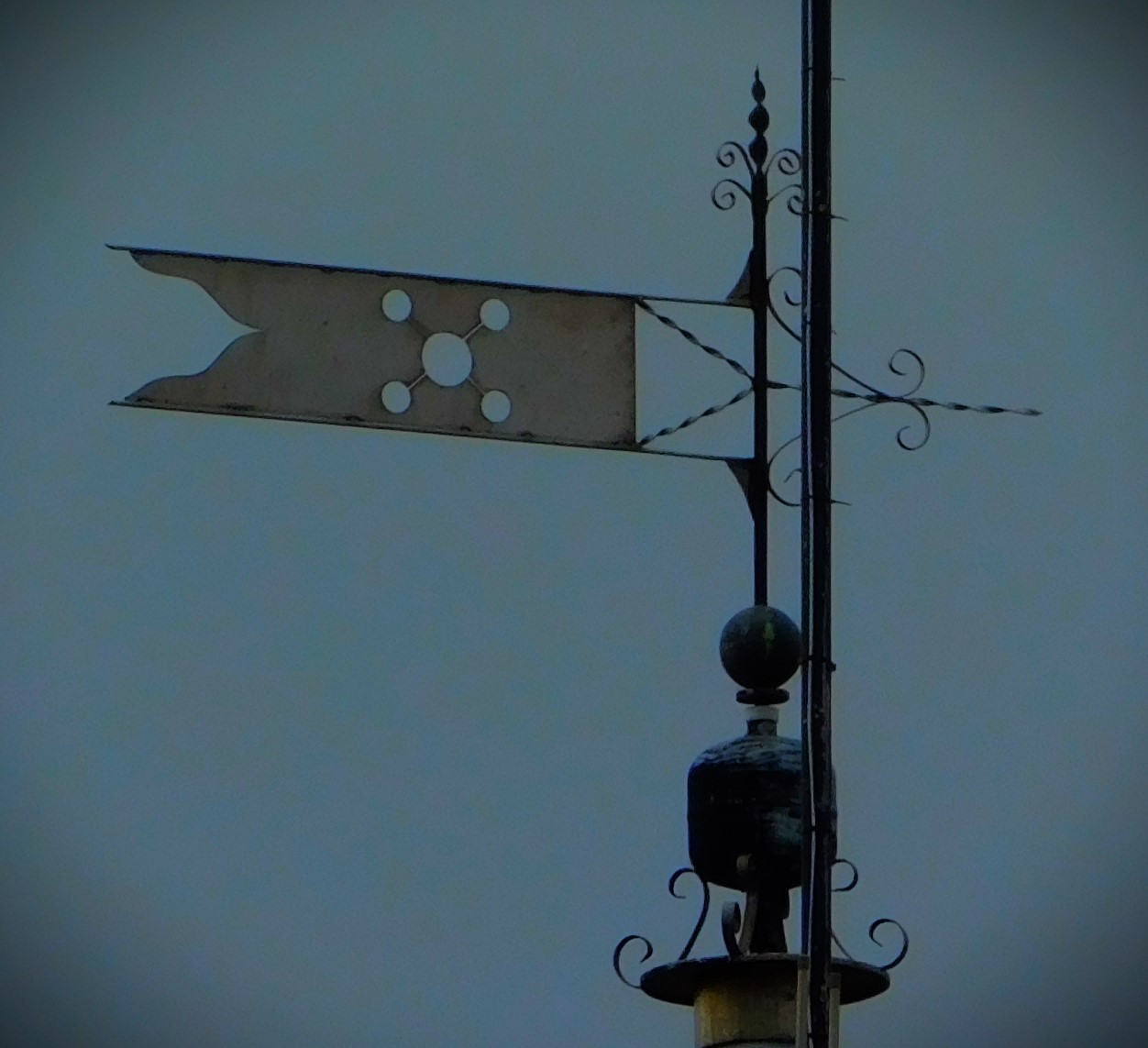
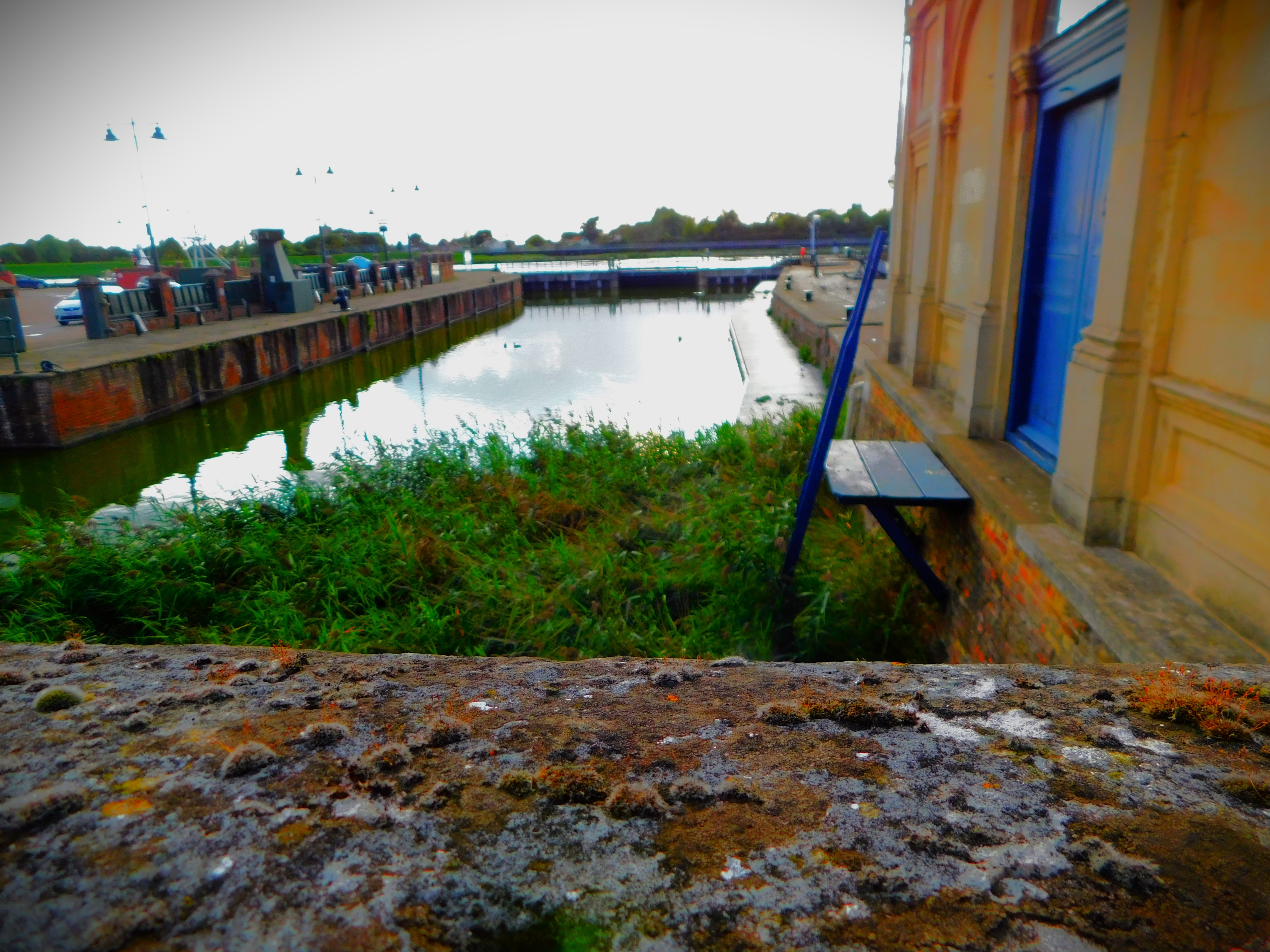
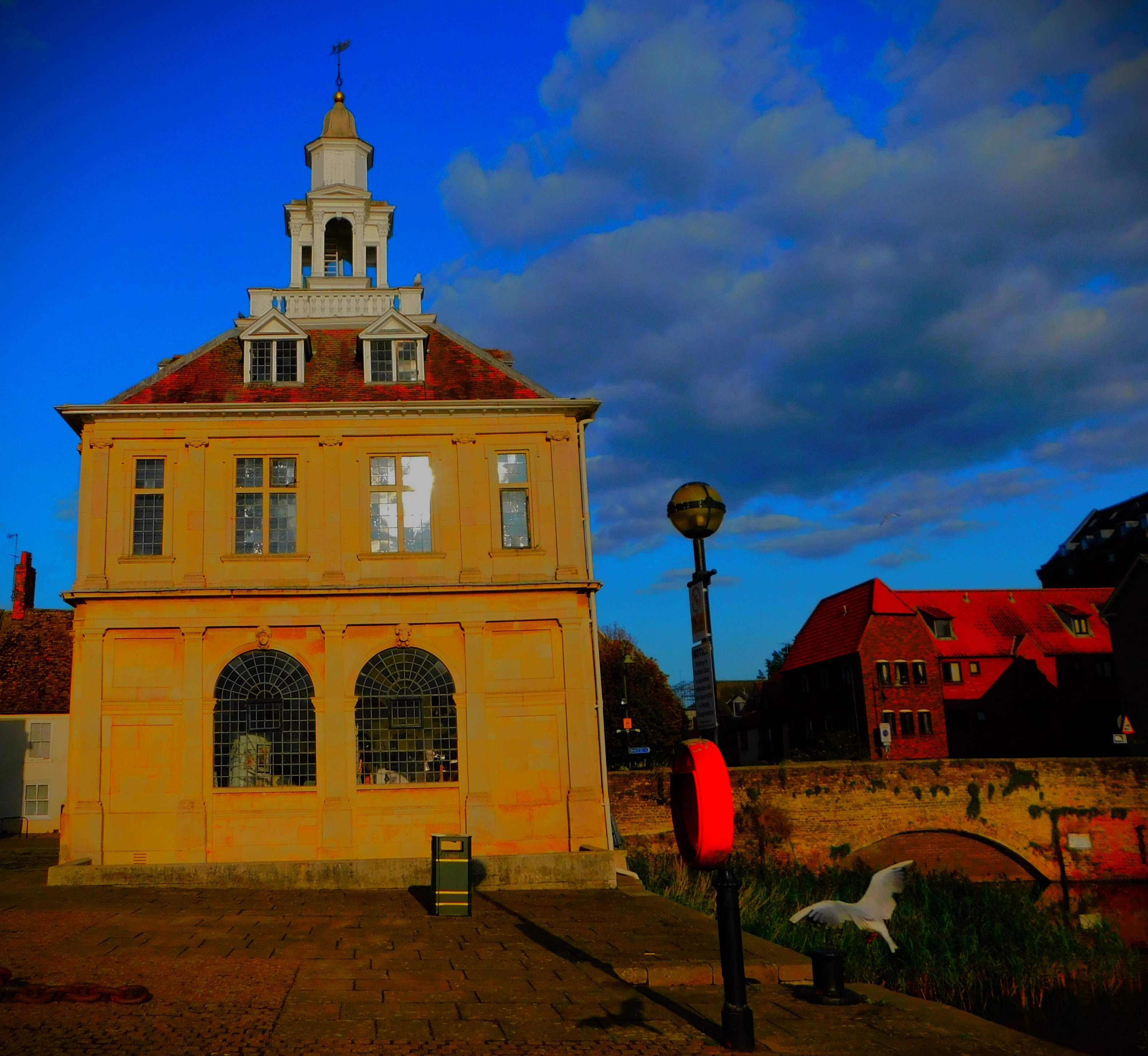
I received details of the building I will be stewarding at on Heritage Open Day (Sunday 8th September), and it is the Pilot’s Office on Common Staithe Square (relocated there in 1864 having previously been at St Ann’s Fort which is about 200 yards from St Nicholas Chapel). Common Staithe Quay was at the time the town’s main quay, and the new Pilot’s Office was added to the building which at the time housed King’s Lynn’s public baths. The complex is very impressive, and the key feature of the Pilot’s Office is the octagonal tower, which is four storeys high, with topmost storey ringed by windows so that at night it was like a giant lantern. Here is a picture…
A photograph from the quay showing the entire complex.
PHOTOGRAPHS
My usual sign off…
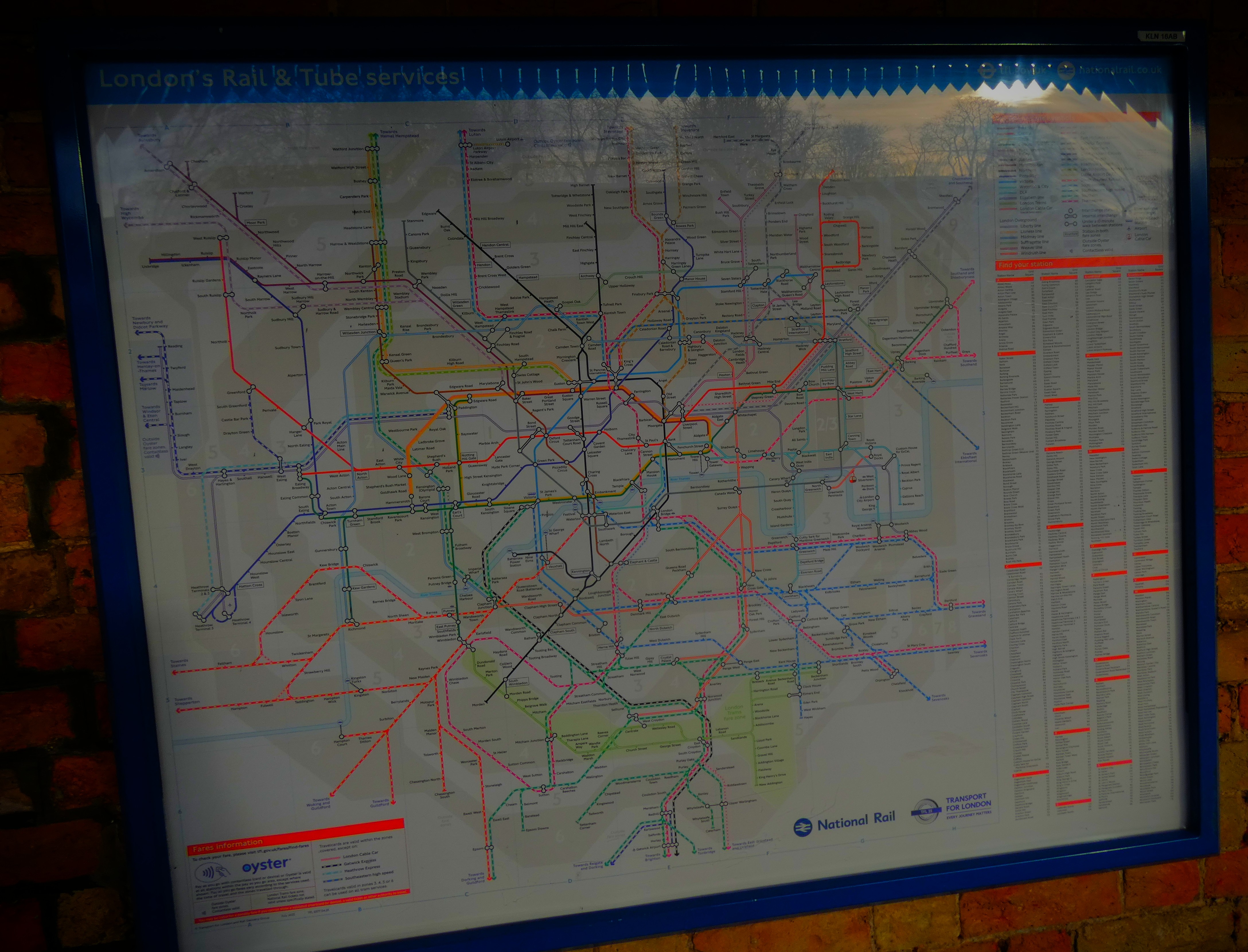
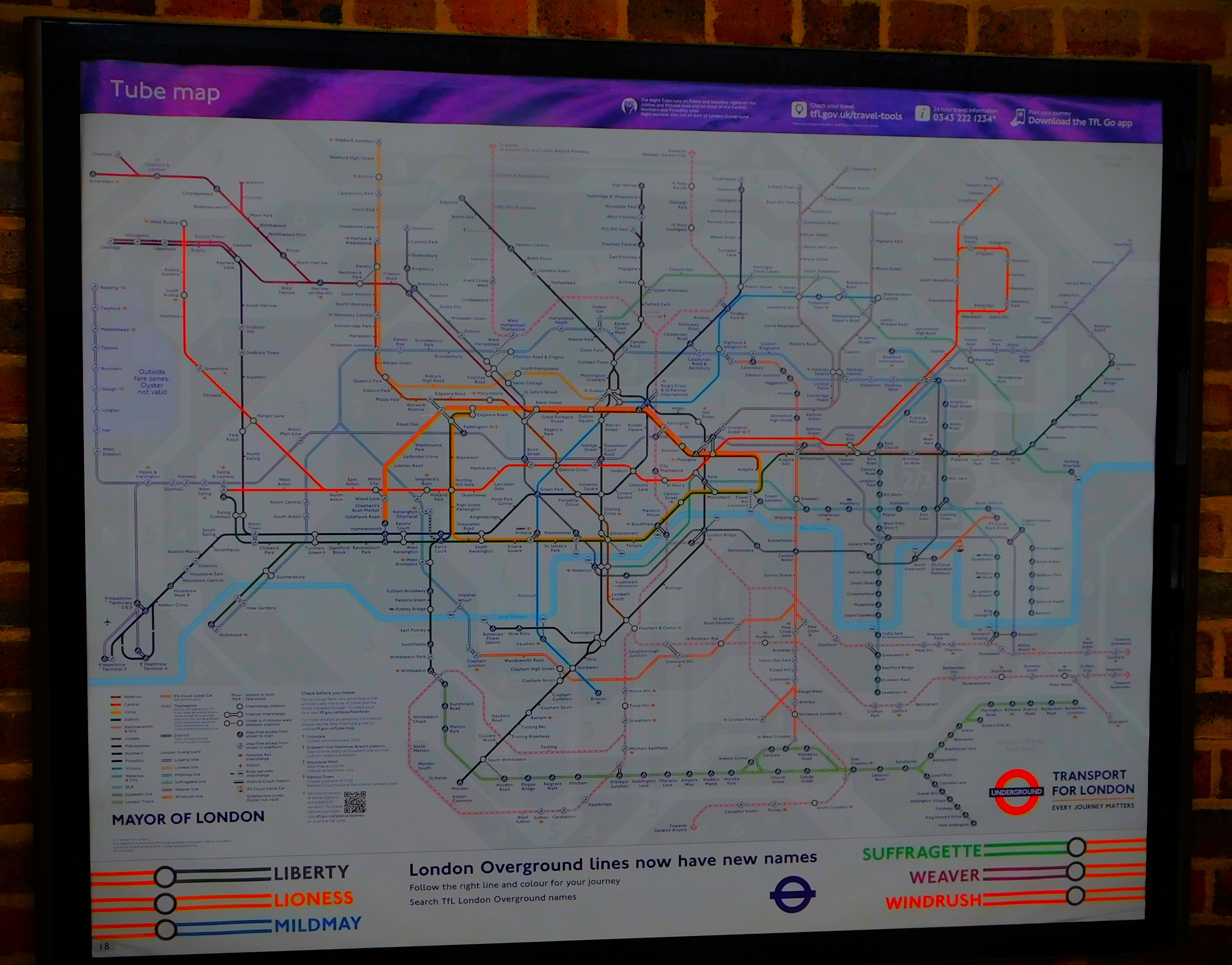
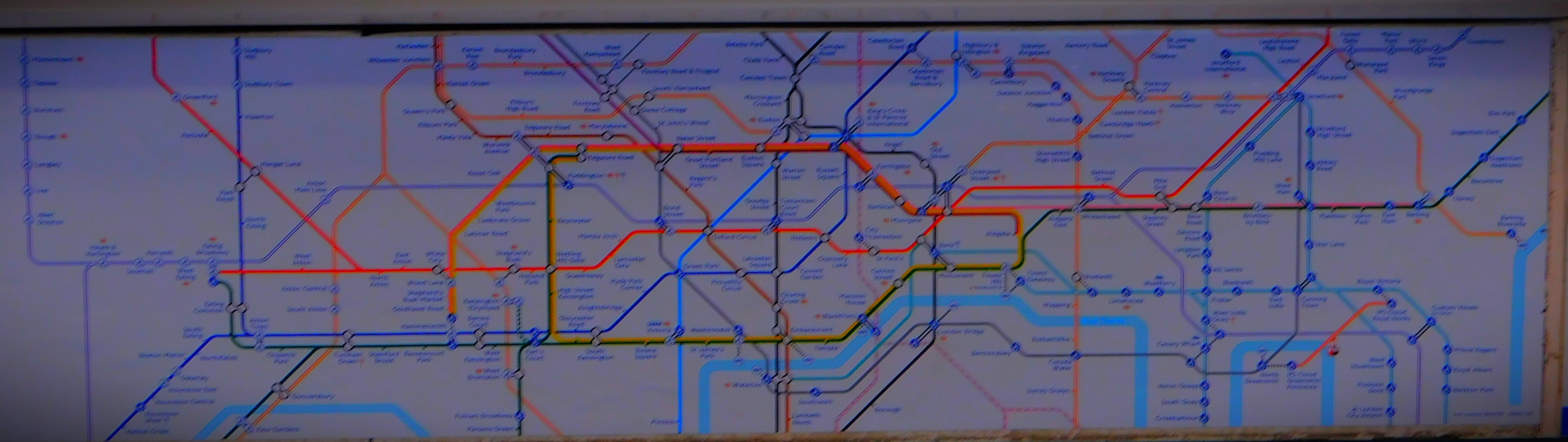
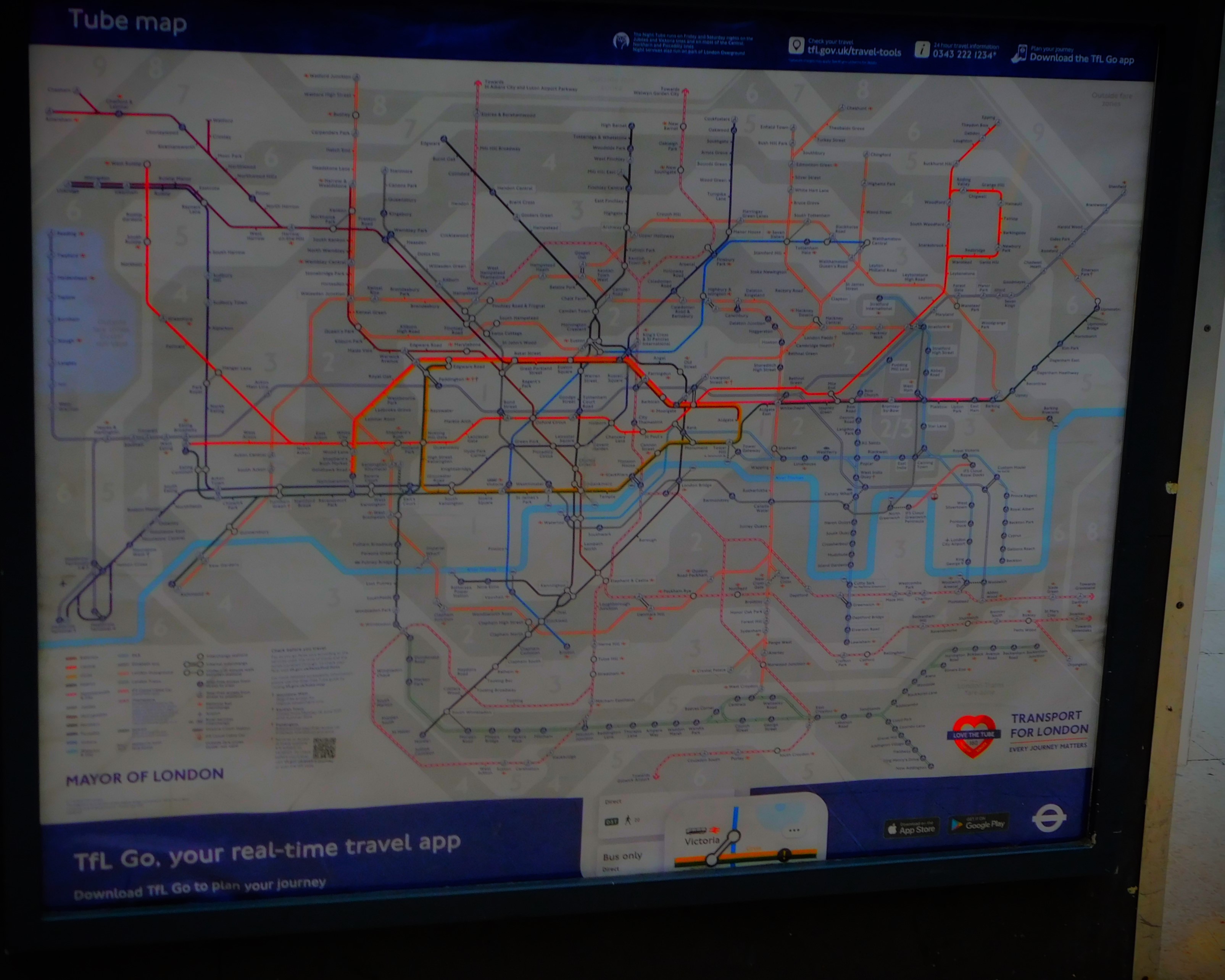
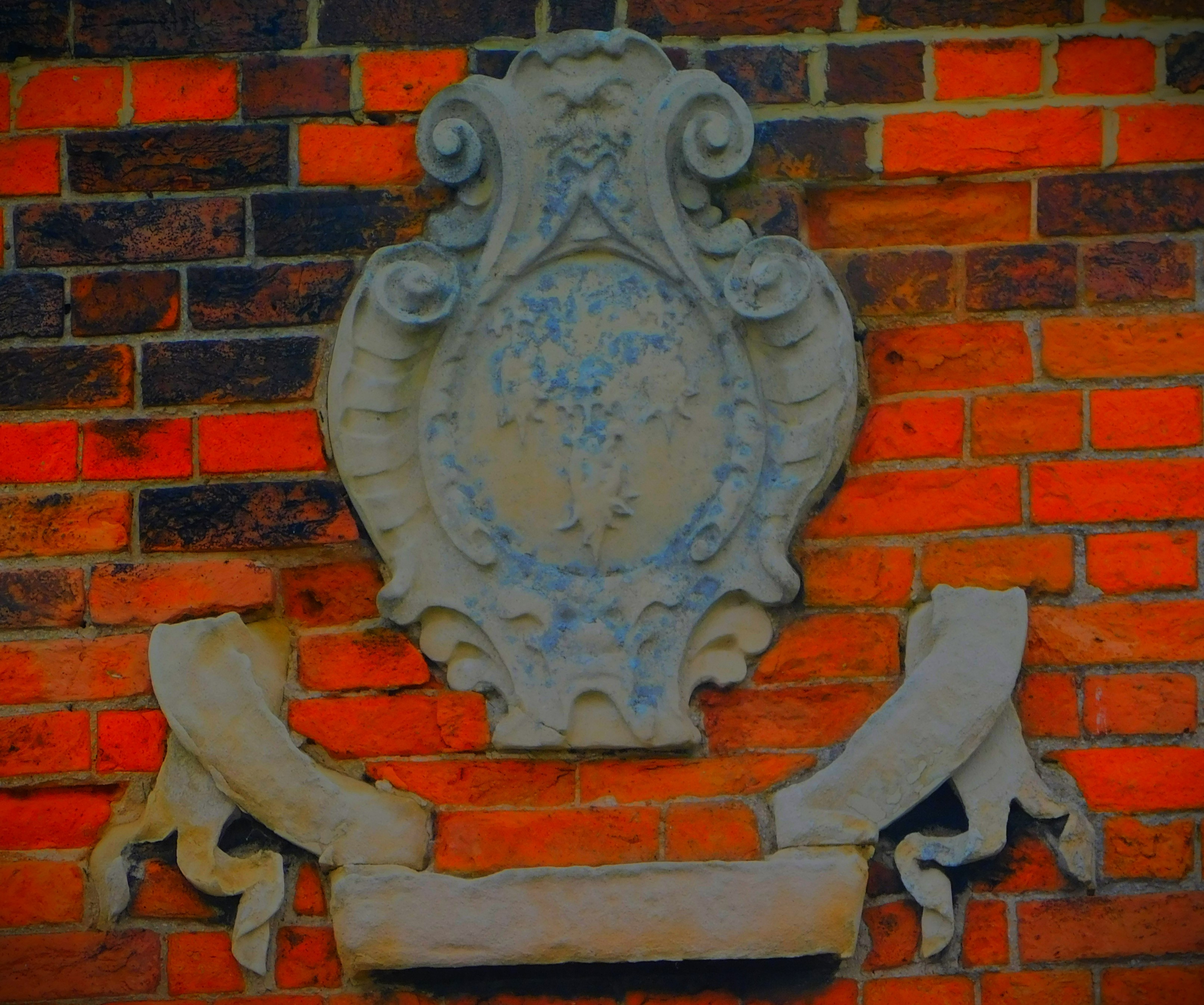
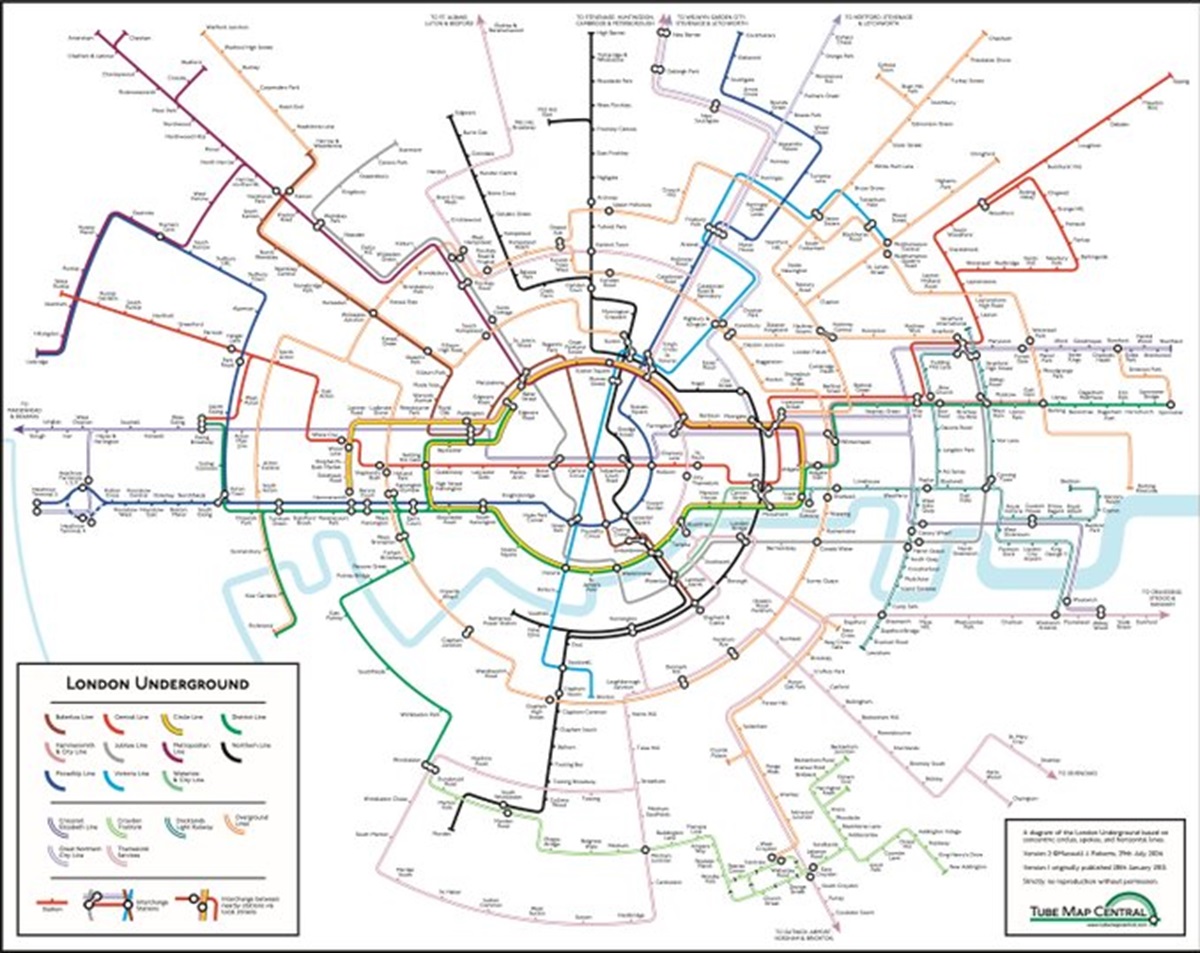
The Pilot’s Office pictures start here (to view the full image of any of them just click on it)……and end here.This an alternative version of the London Underground Map – produced by https://x.com/TubeMapCentral
A bit of fun on the all time XI theme, a look back at a James and Sons auction, and a photo gallery.
The first test match of a five match series between India and England is two days old as I type this post, but I am holding fire on that for the moment. This all time XI is picked with a view to being an entertaining watch. I have restricted it to players who played before I started following cricket, and save for allowing myself one overseas player I have concentrated on English cricketers. After I have paraded the XI there will be a section about some of the players who missed out, though I will limit myself, otherwise that section could be very long indeed.
THE XI IN BATTING ORDER
Frank Woolley (left handed batter, left arm orthodox spinner). An attacking batter, an excellent spinner and the only non-wicket keeper ever to take 1,000 first class catches.
*WG Grace (right handed batter, right arm bowler of various types through his career, captain). Cricket’s first superstar.
Wally Hammond (right handed batter, right arm medium fast bowler). Over 50,000 first class runs, including 167 centuries, in spite of missing eight complete seasons in the course of his career – one to bureaucratic malice on the part of Lord Harris, one to illness and six to WWII. Considered by Bradman to possess the best of all cover drives.
Denis Compton (right handed batter, occasional left arm wrist spin bowler). A great cricketer and an even greater entertainer.
Garry Sobers (left handed batter, left arm bowler of every type known to cricket). No cricketer before or since has mastered so great a range of skills as my chosen overseas player.
+Les Ames (wicket keeper, right handed batter). Twice winner of the Lawrence trophy for the fastest first class hundred of the season, scorer of over 100 FC hundreds, maker of a record 418 first class stumpings in his career. The “wicket keeper’s double” of 1,000 runs and 100 dismissals in first class matches in an English season was only achieved four times before the reduction of first class fixtures in 1969 made it impossible, and three of those were by Ames (John Murray of Middlesex was the other to do it).
Percy Fender (right handed batter, leg spinner, vice-captain). I have remarked before on his suitability for batting at seven in a strong line up and his tactical acumen.
Jim Laker (off spinner, right handed batter). In 1956 he absolutely destroyed the visiting Australians, and it wasn’t all about the pitches helping him – when Australia played Surrey before the test series had started they batted first, and Laker, on a good pitch and having not slept the previous night due to his children being sick had figures of 46-18-88-10 in the first innings.
George Simpson-Hayward (under-arm off spinner, right handed batter). The last specialist under arm bowler to play at the highest level, and his five test matches yielded him 23 wickets. Someone prepared to buck the trends as spectacularly as he did must have been worth watching,
Syd Barnes (right arm fast medium bowler, right handed batter). My pick for the greatest bowler of them all – 189 wickets in just 27 test matches, at 16.43 a piece.
Tom Richardson (right arm fast bowler, right handed batter). Only 14 test matches, which yielded him 88 wickets. His first class record was outstanding – he took his 1,000th first class wicket in his 134th first class match, and his 2,000th in his 327th match, both these figures being records.
This side has a powerful batting line up, and a spectacular bowling line up, with massive variety on show – Barnes, Richardson, Sobers in his quicker guises and Hammond to bowl pace/ seam, and Laker, Simpson-Hayward, Fender, Woolley, Sobers in his slower guises, and Compton to bowl spin plus of course the wild card of WG Grace.
MISSING OUT
The number seven slot was a two-way choice, and I opted for Fender who bowled spin over Jessop who bowled pace. I considered the presence of Woolley and Sobers to obviate the need for a specialist left arm spinner. There would have been a number of possibilities, Rhodes, Blythe, Verity and Wardle being just four of those I might have chosen. Digby Jephson who bowled fast underarm just a few years before Simpson-Hayward’s prime and was enough of a bat to be considered an all rounder was a possibility there, but Simpson-Hayward got the nod for two reasons: he played test cricket and Jephson did not, and also in view of the current state of England’s spin bowling, and some of the comments flying around that imply that England have never had great spinners I wanted to place extra emphasis on spin. I regretted not being able to accommodate either Harold Larwood or Frank Tyson, but I had only 11 spaces to fill. I also didn’t include a specialist left arm quick bowler, relying on Sobers for that. Had I done so William Mycroft would have got the nod.
AN AUCTION
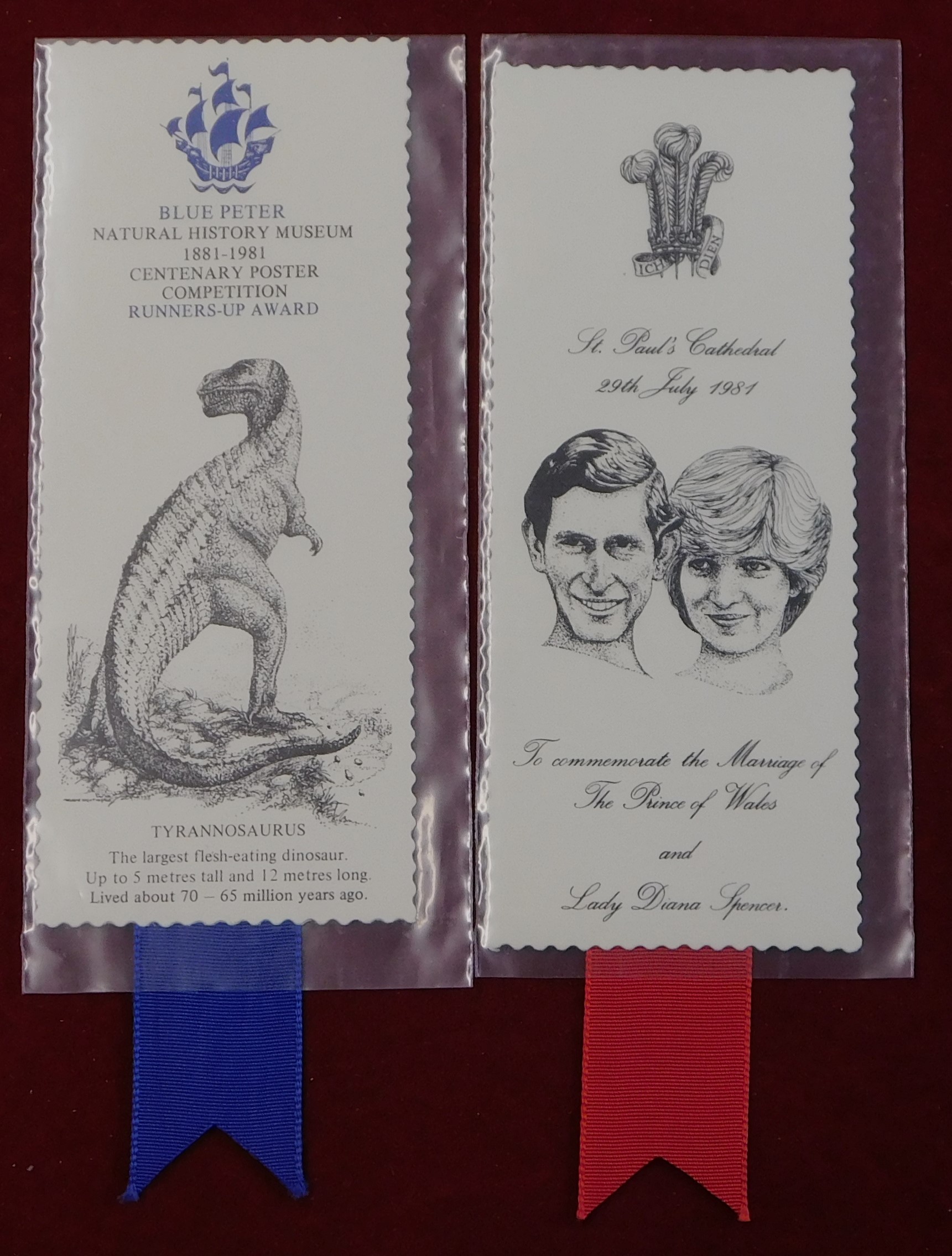
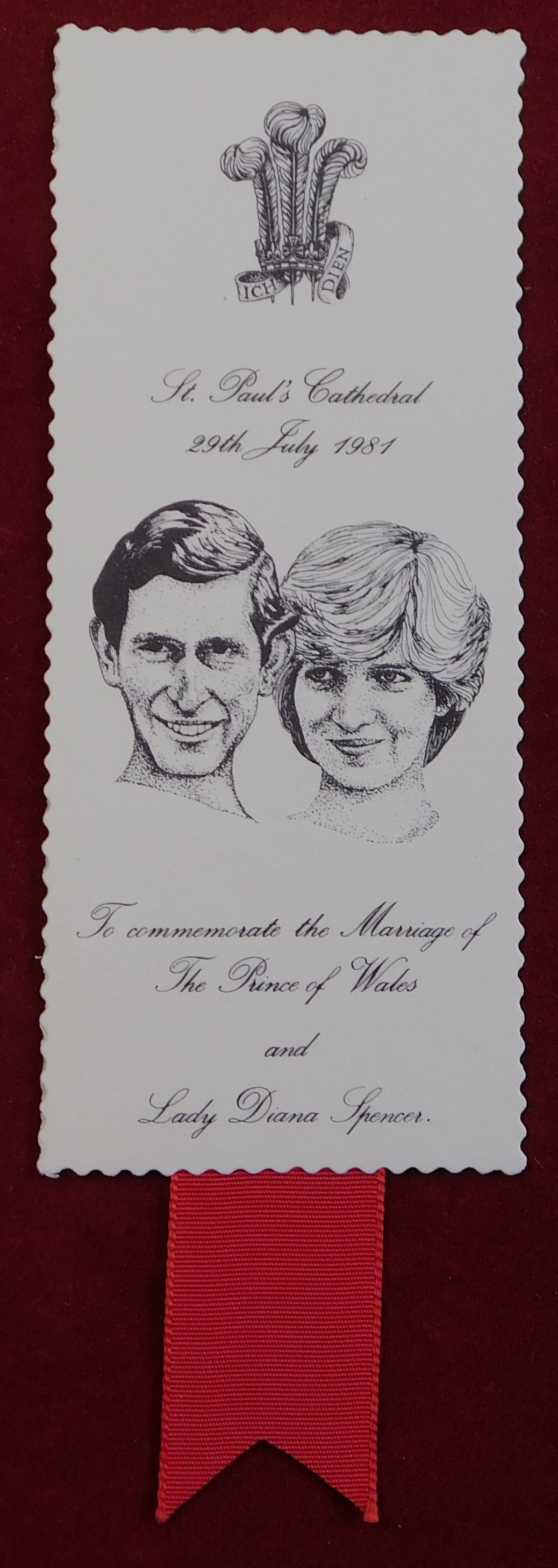
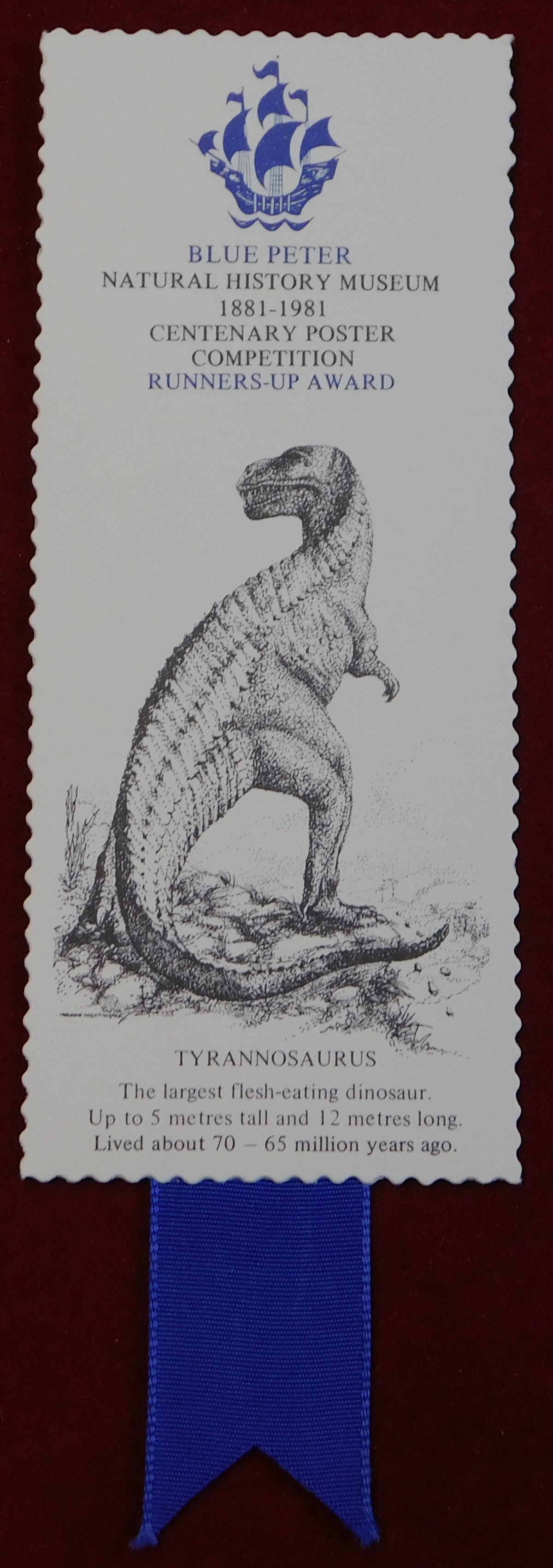
James and Sons had an auction earlier this week, which did reasonably well, especially given that it was basically an appetizer for next week’s auction of sporting memorabilia. There were a few items of interest to me. Lot 68 was a pair of bookmarks, which went my way cheaply.
No prizes for guessing which bookmark I actually wanted!
Lots 141 and 142 would have been of interest to me but were beyond my purchasing power.
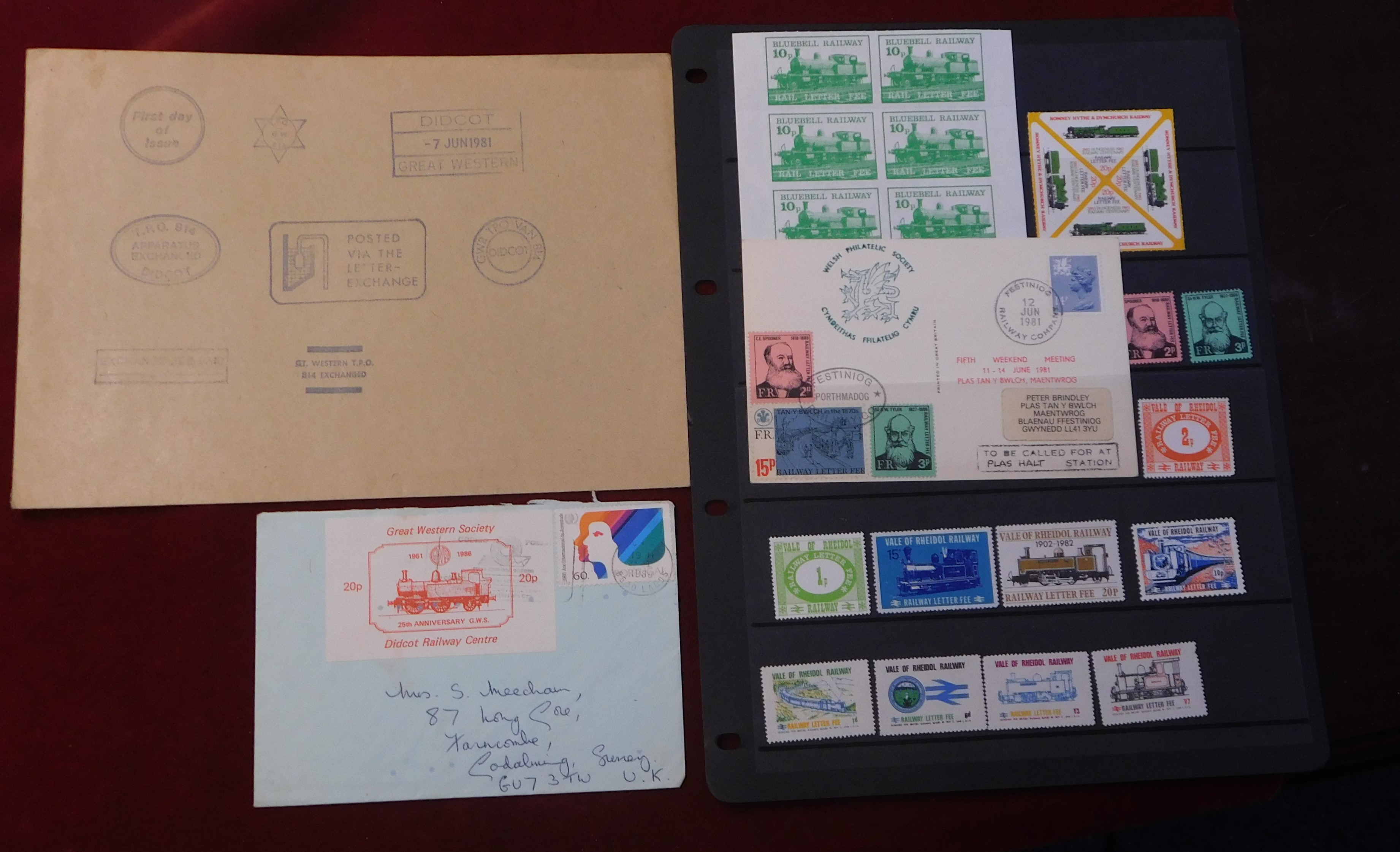
I did get lot 269.
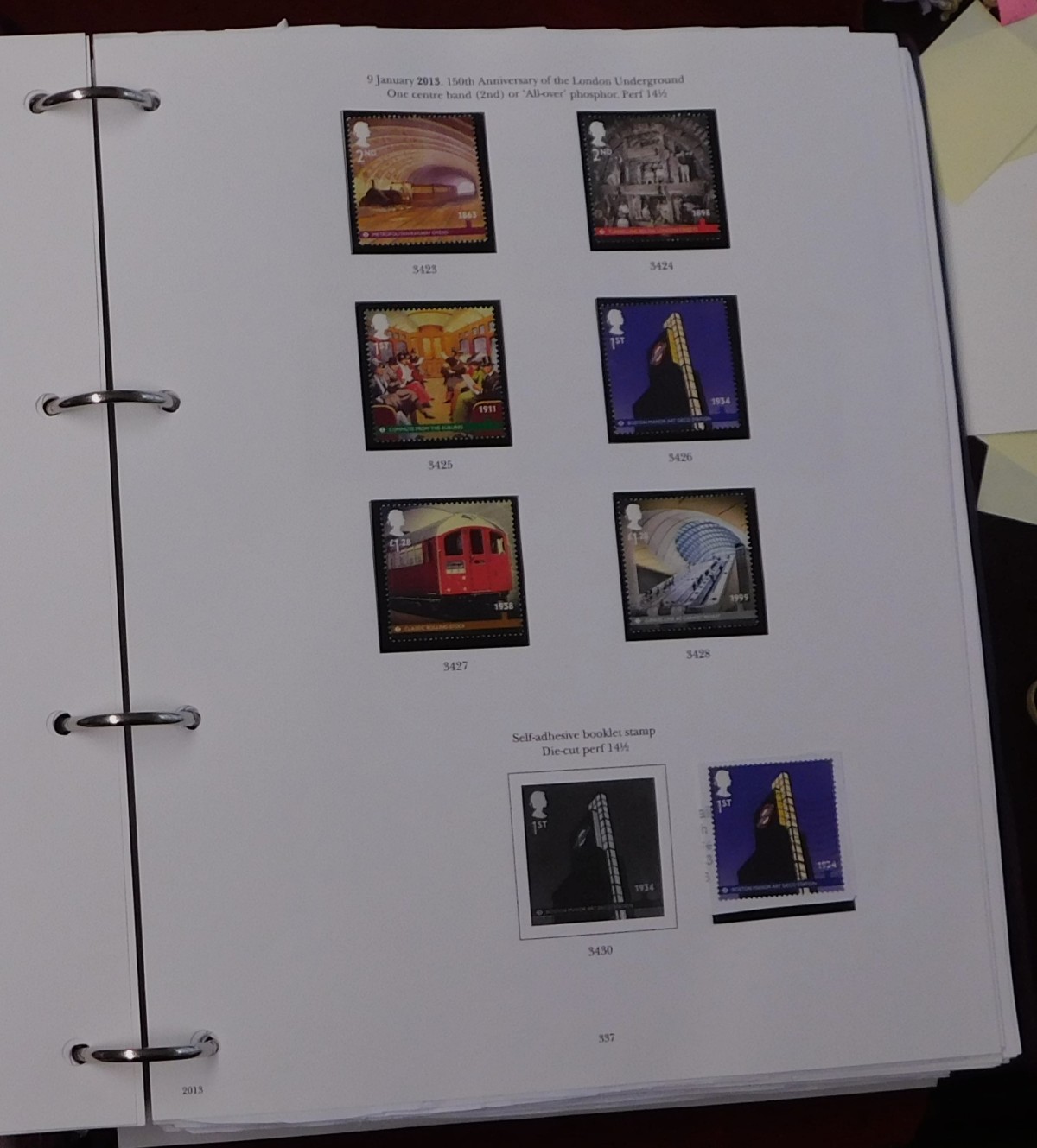
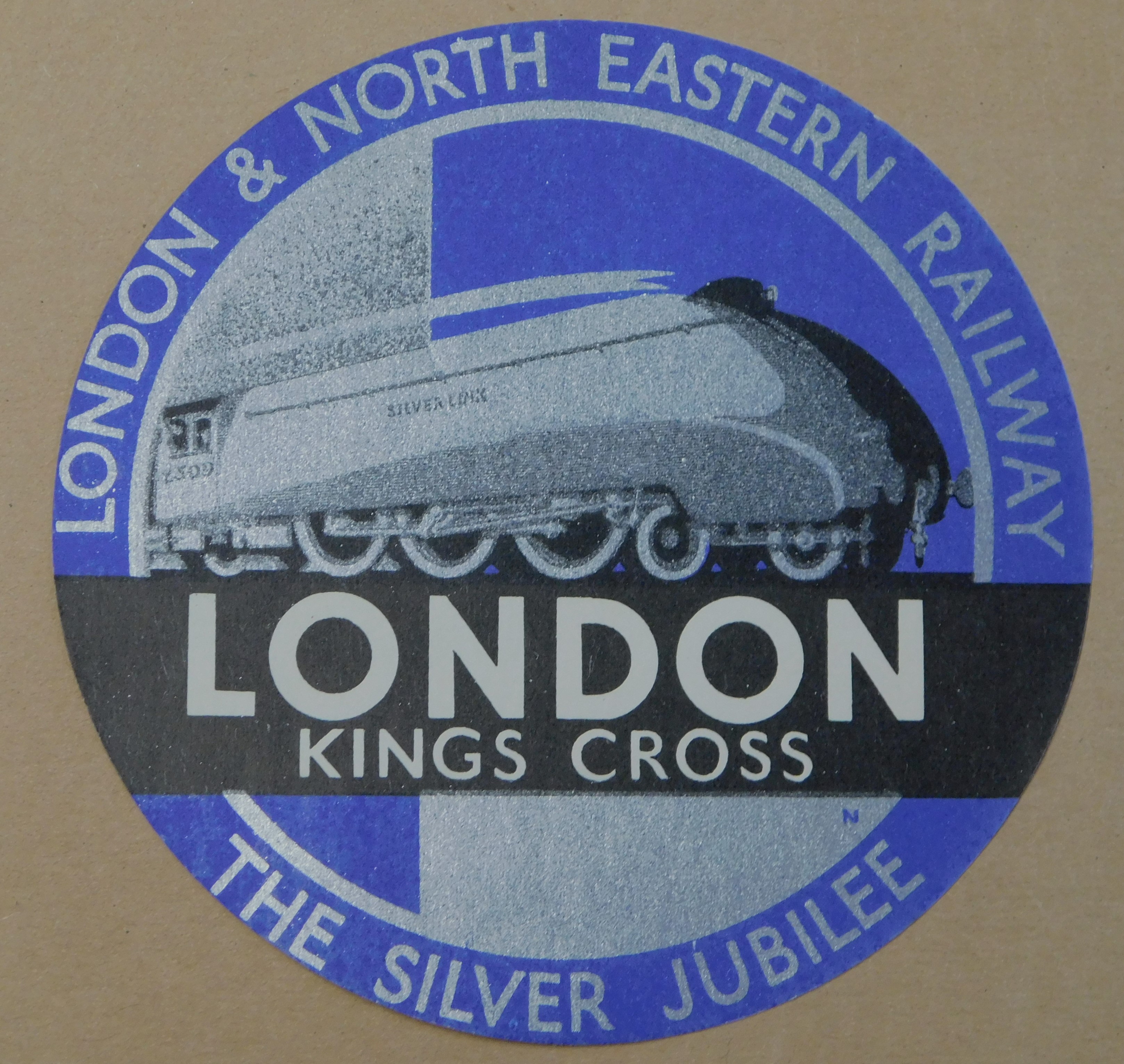
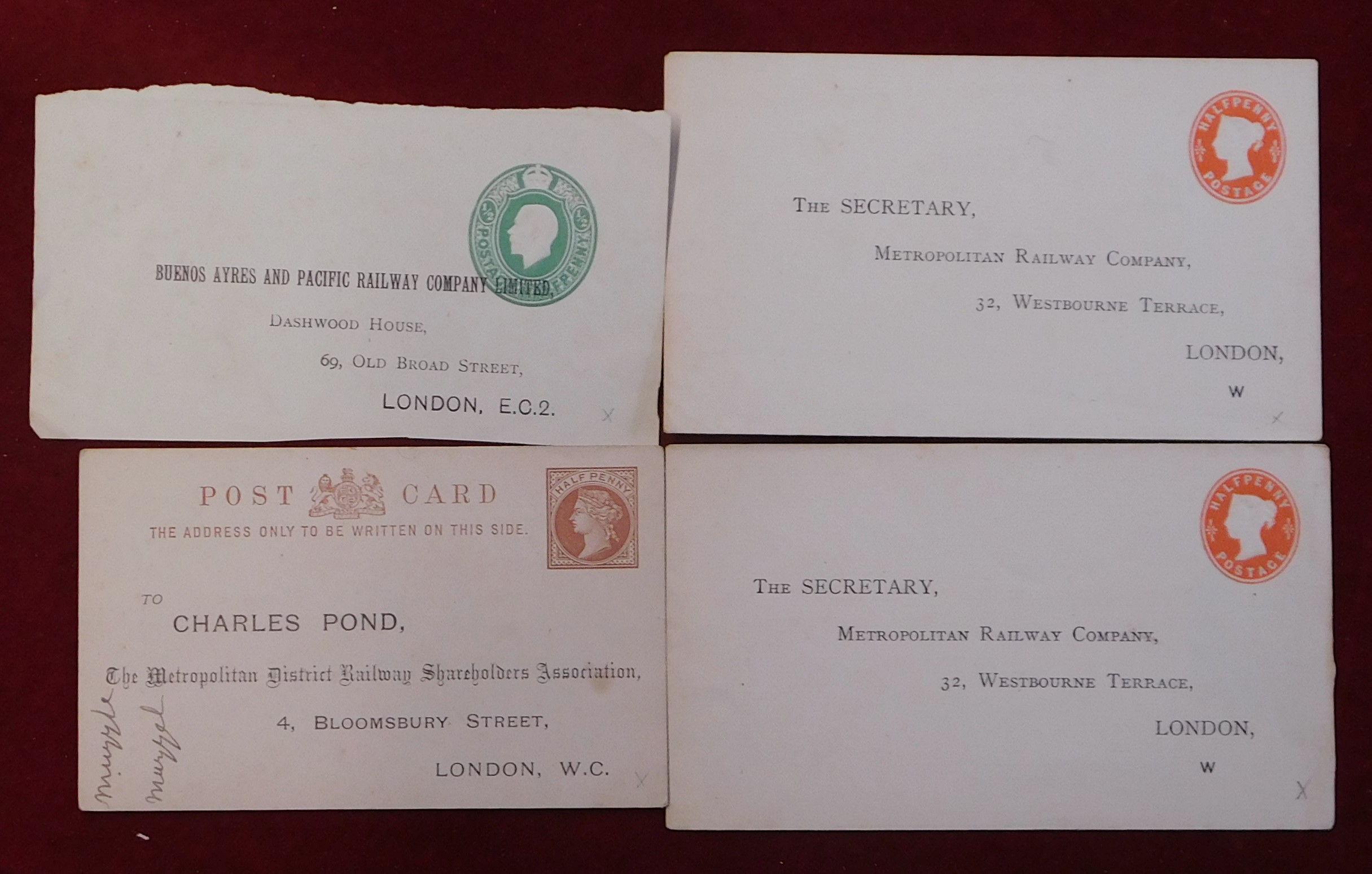
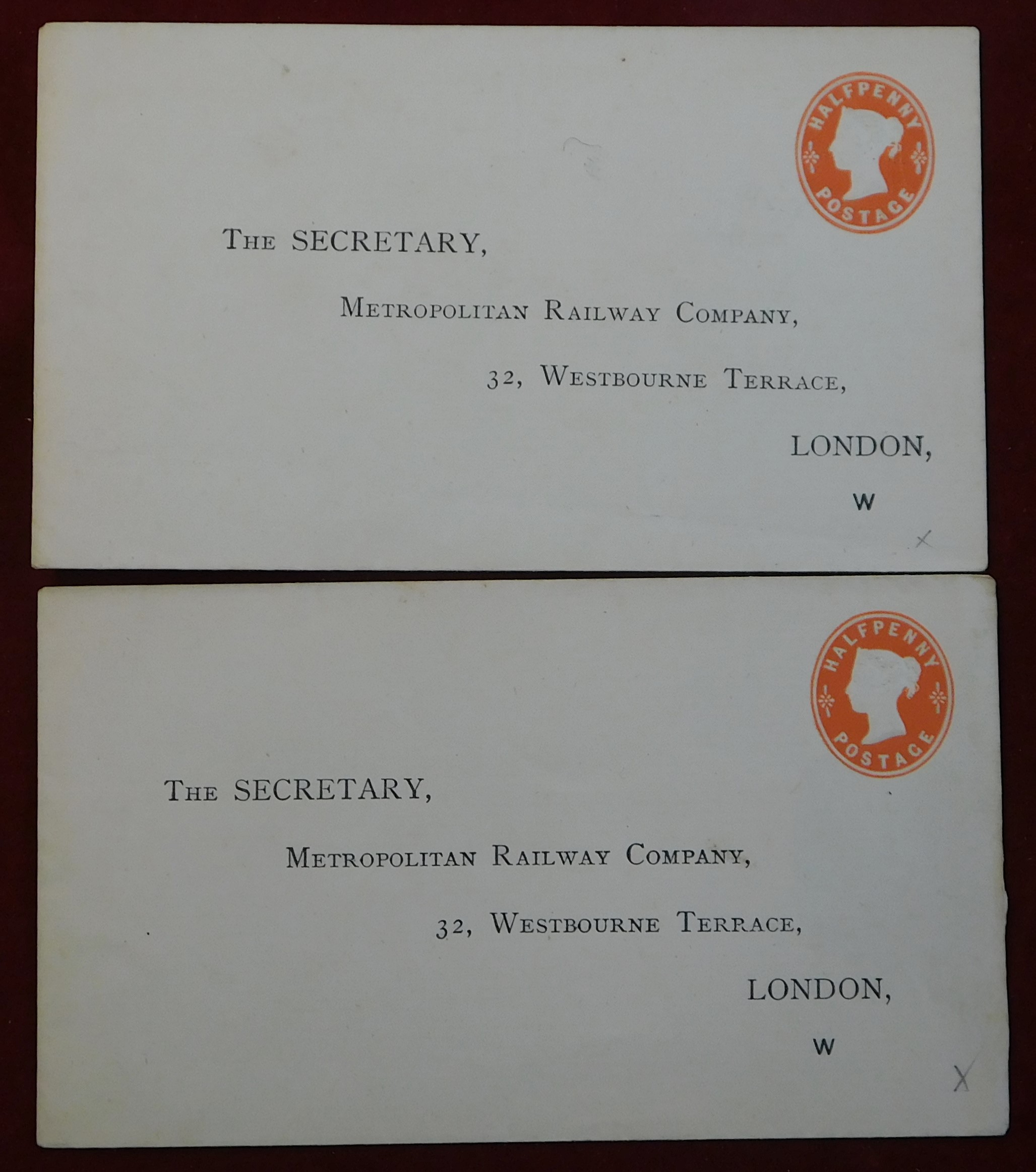
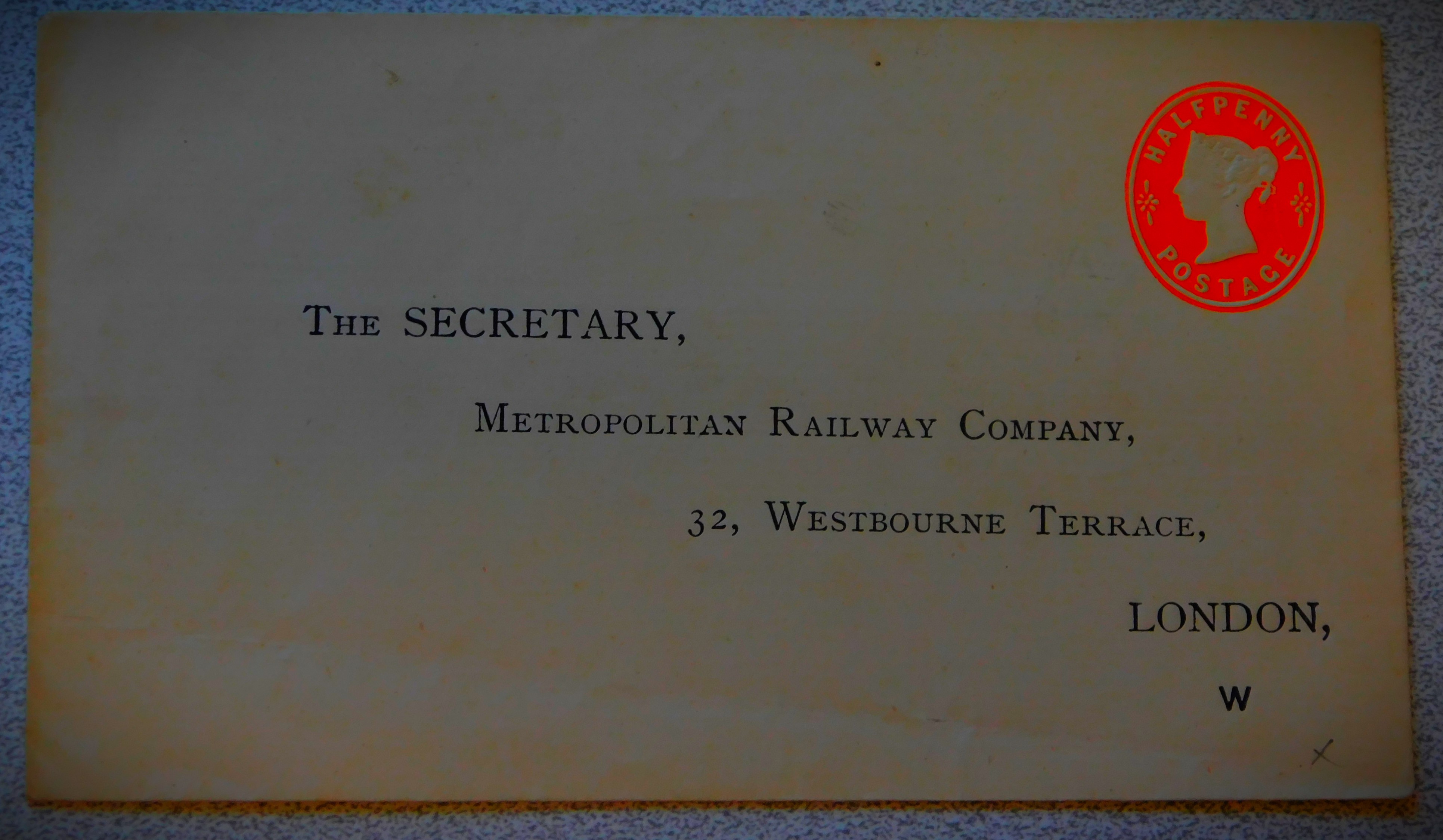
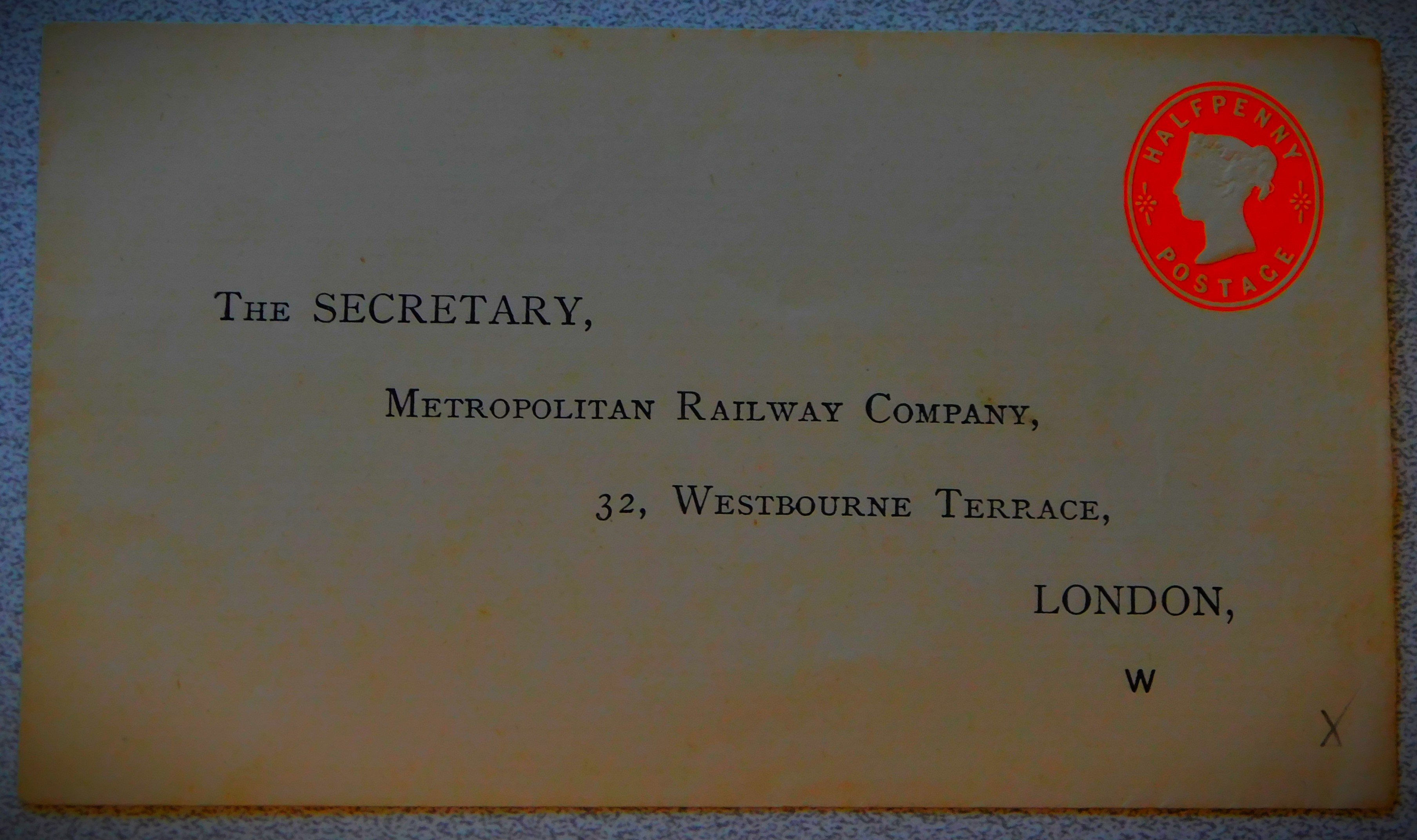
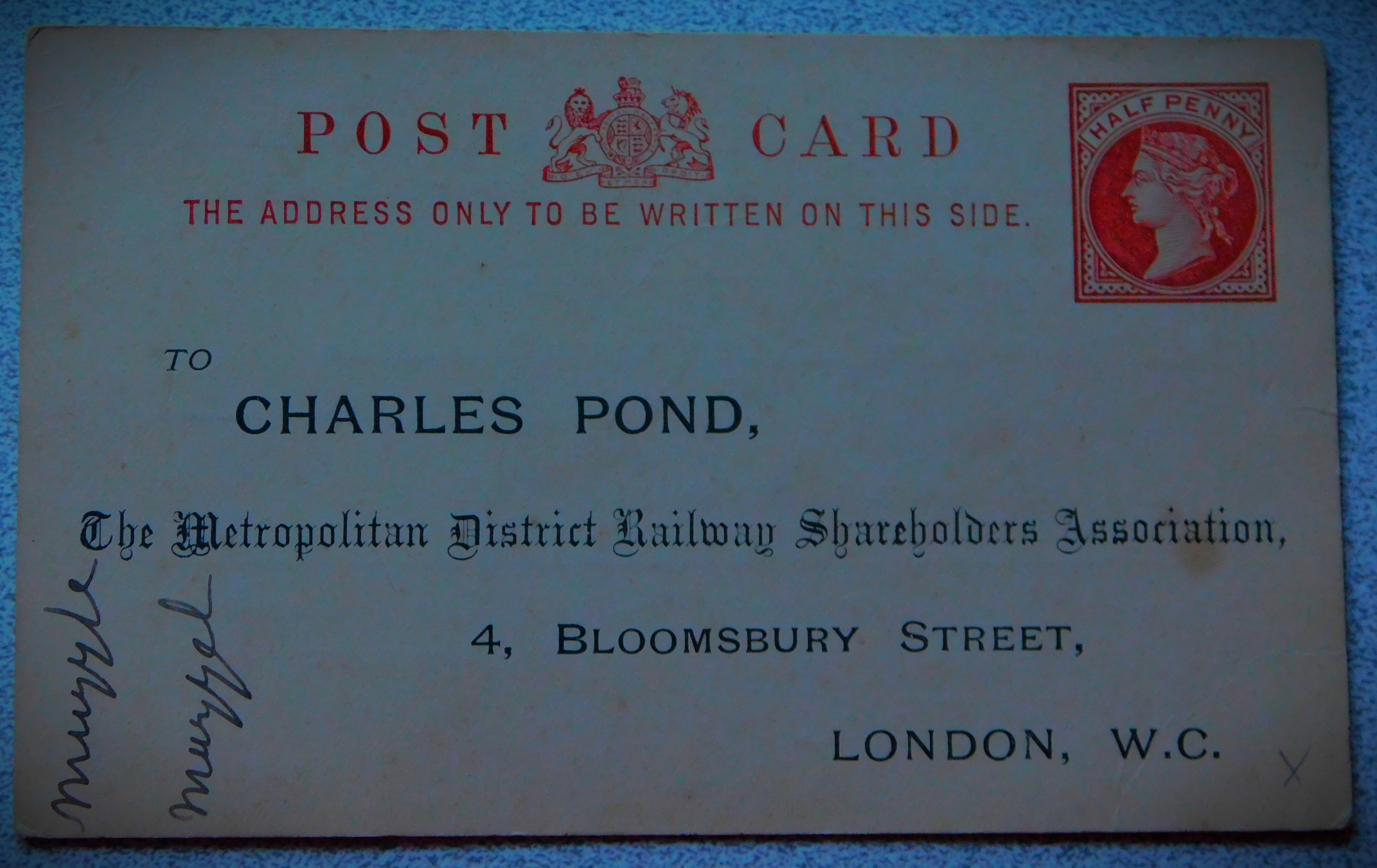
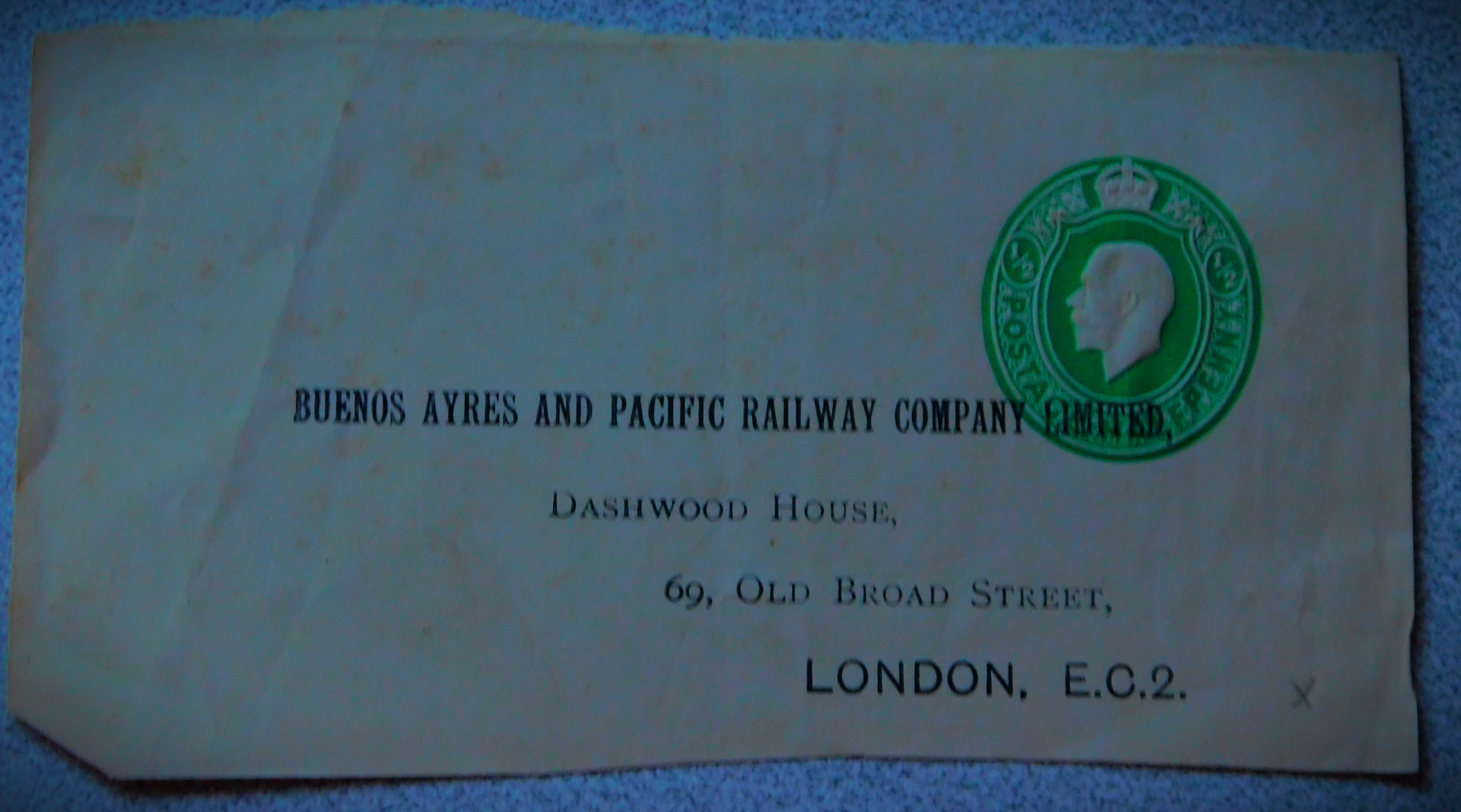
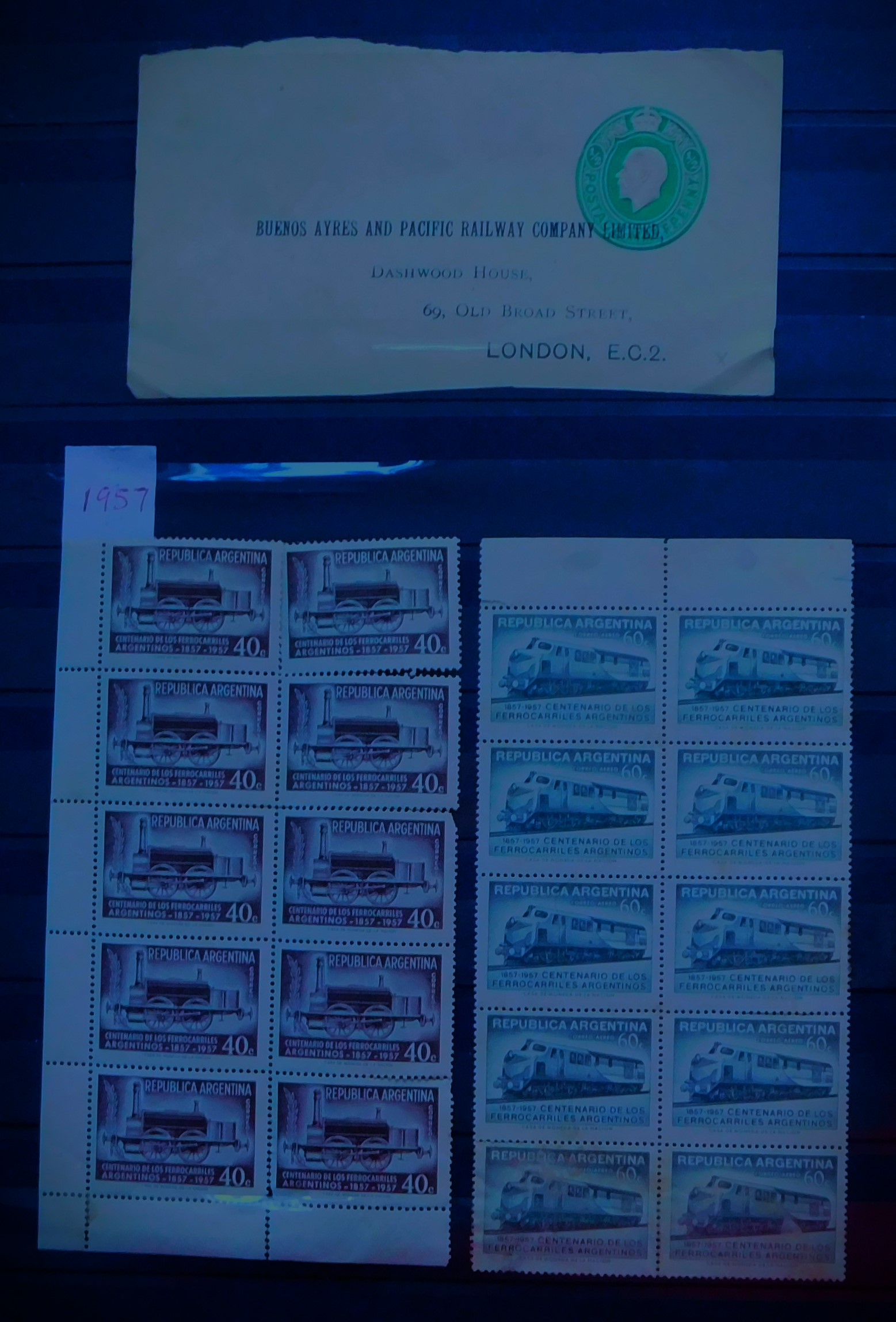
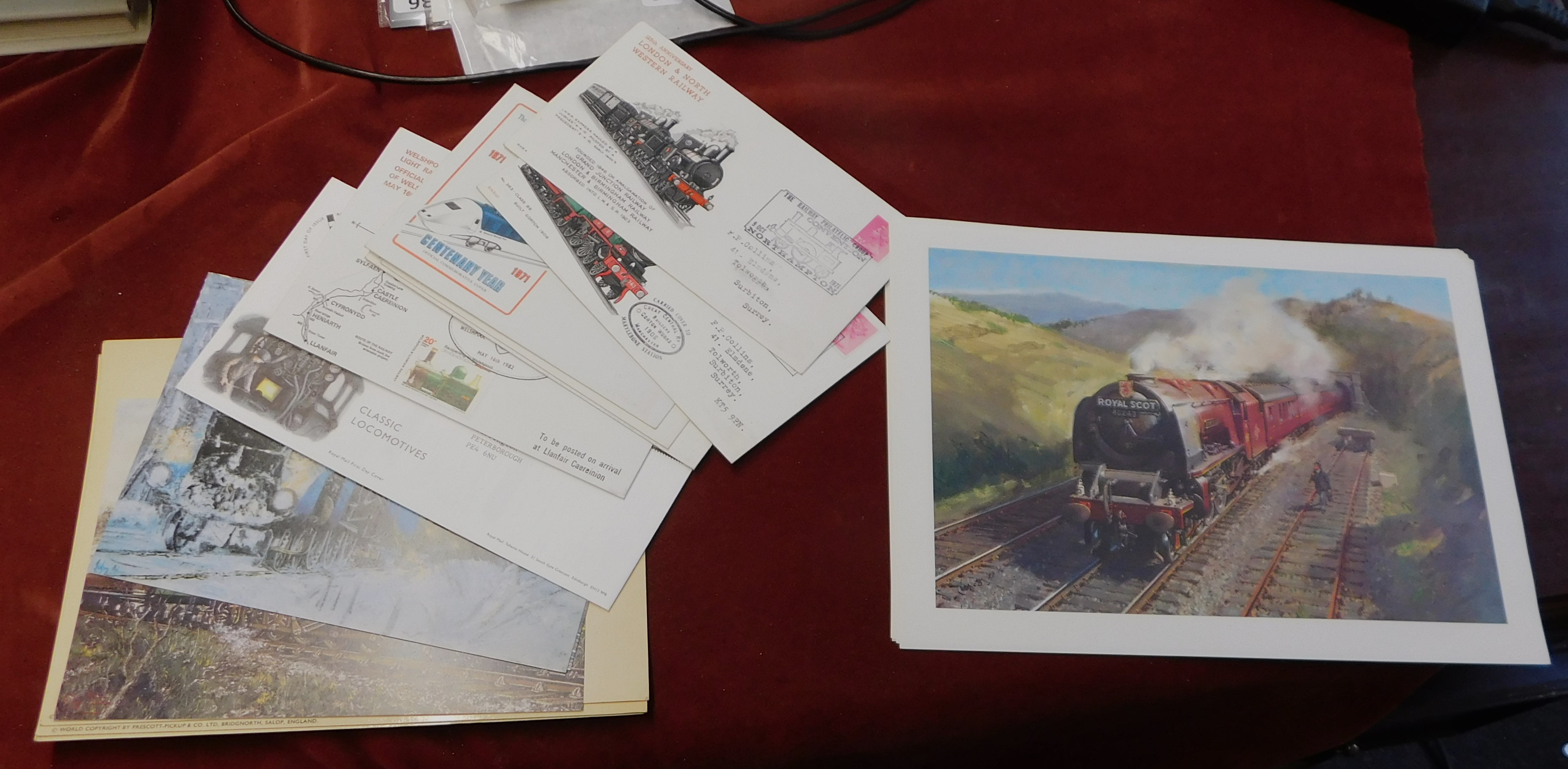
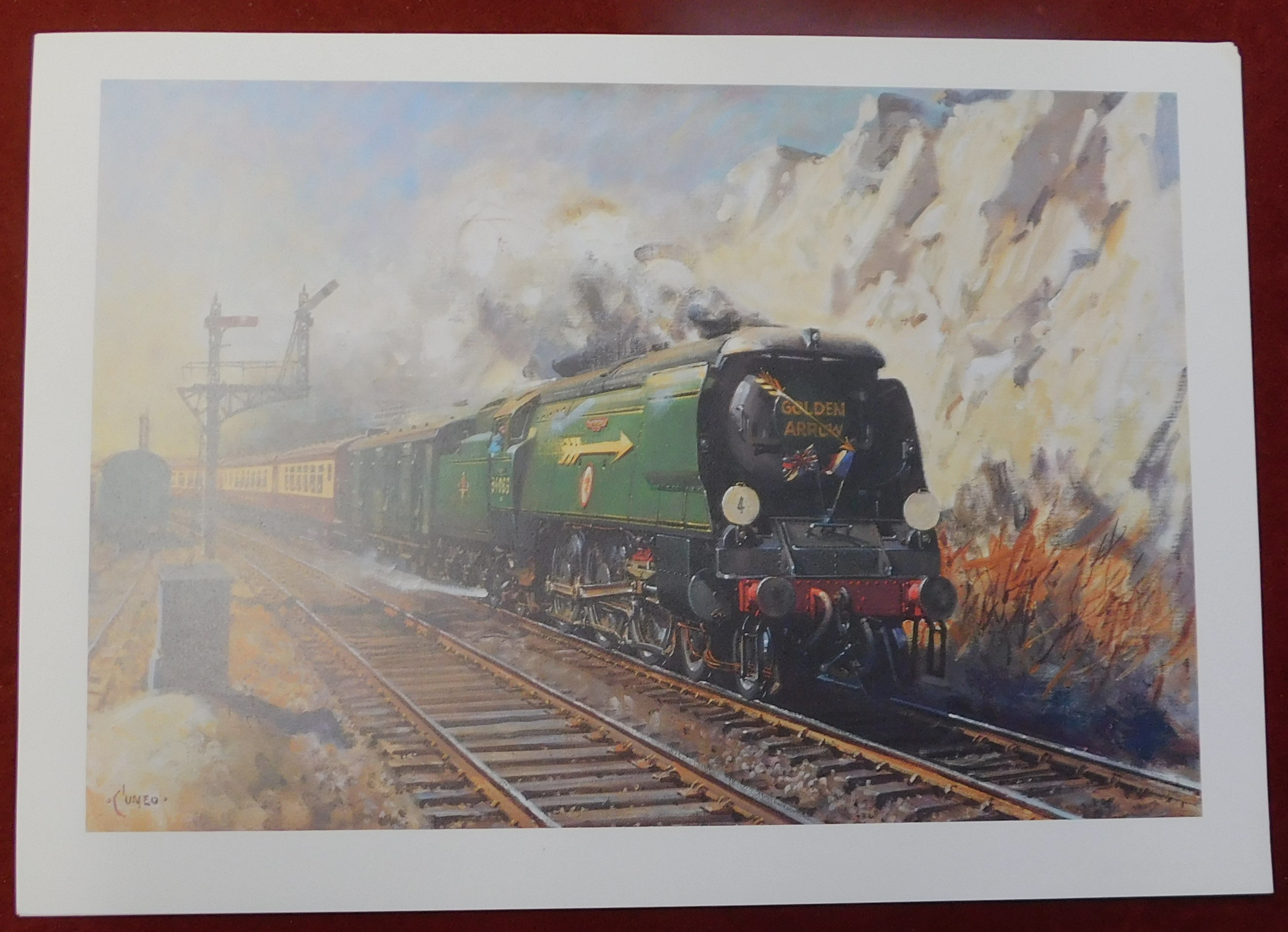
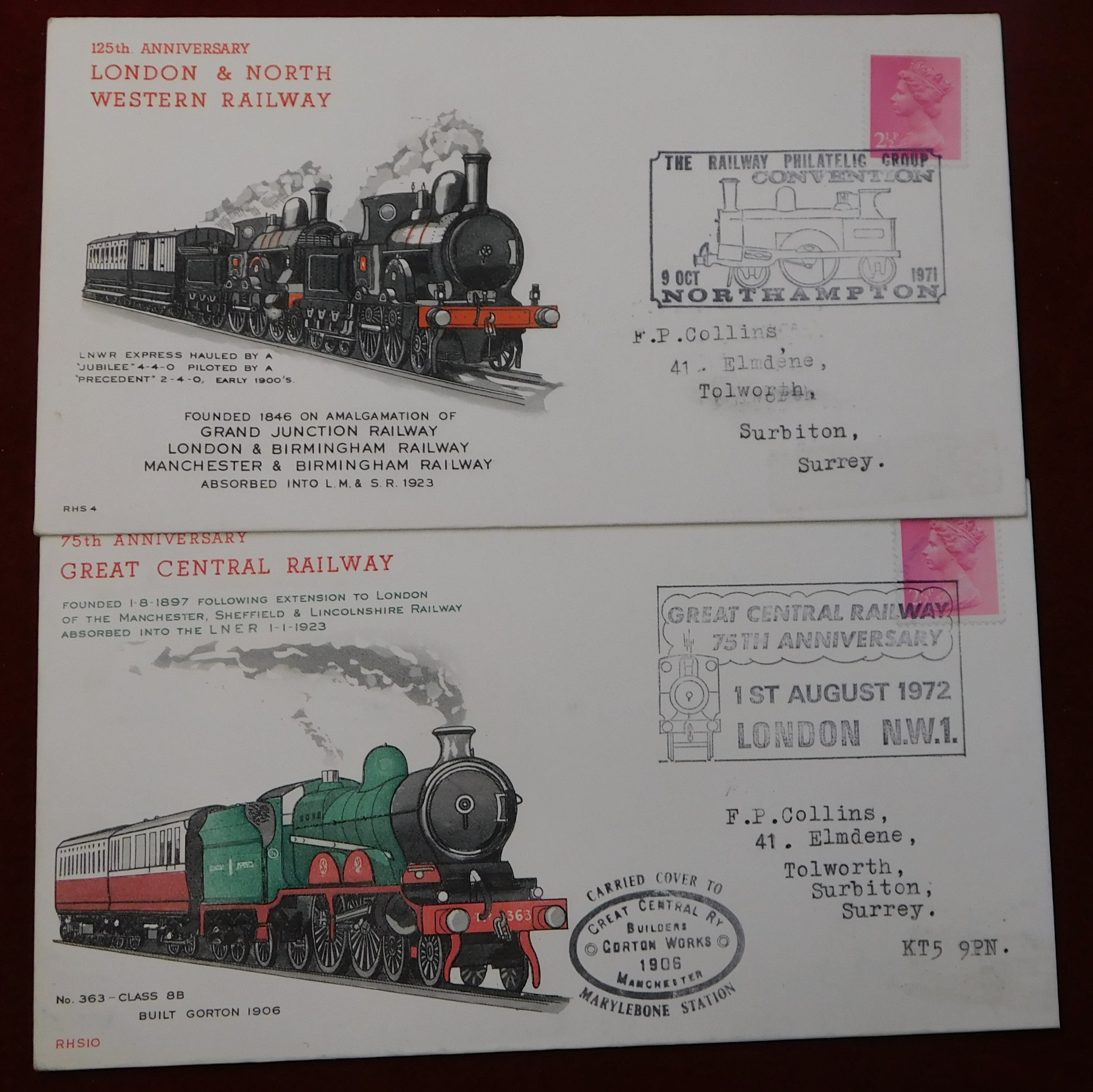
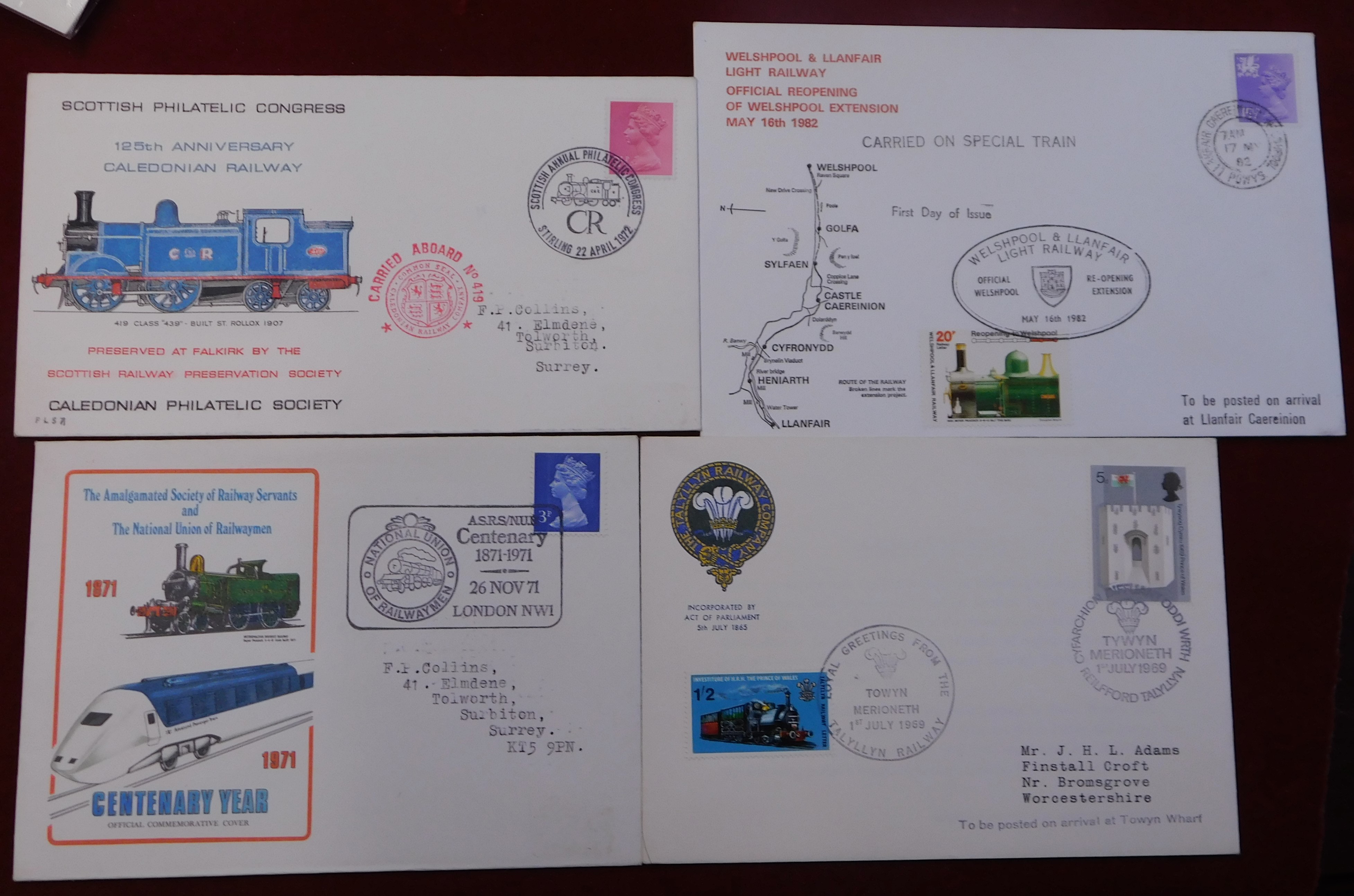
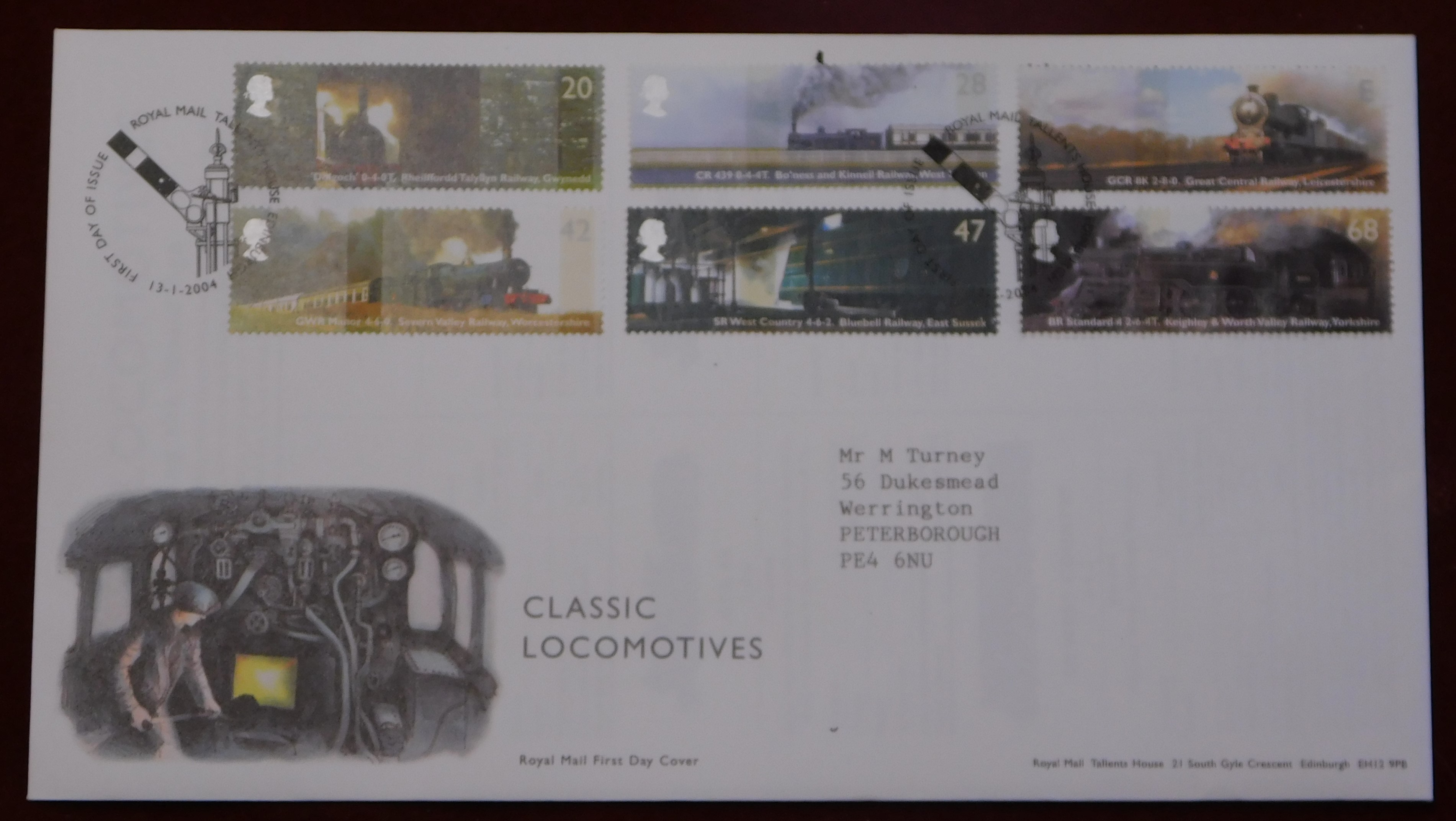
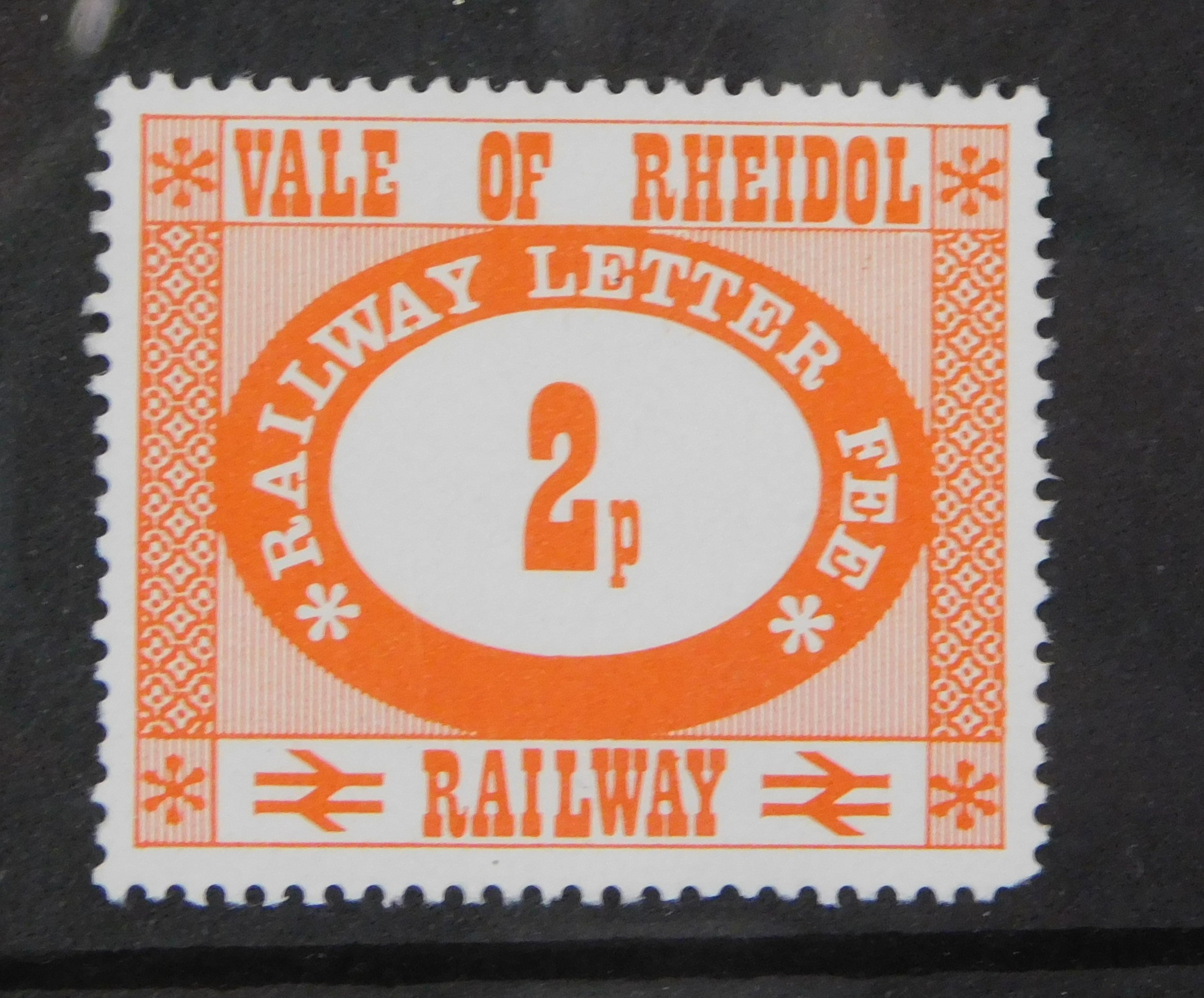
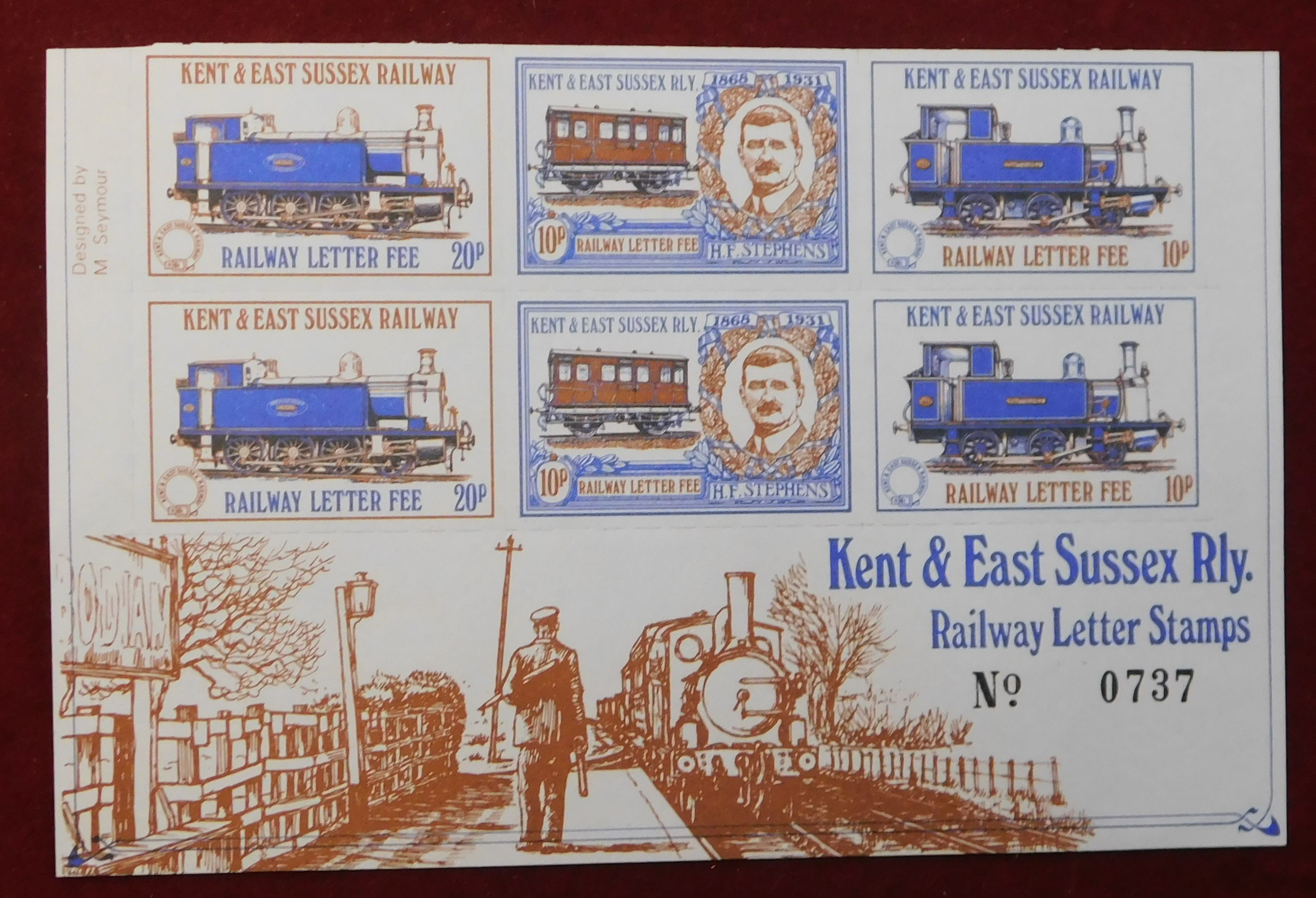
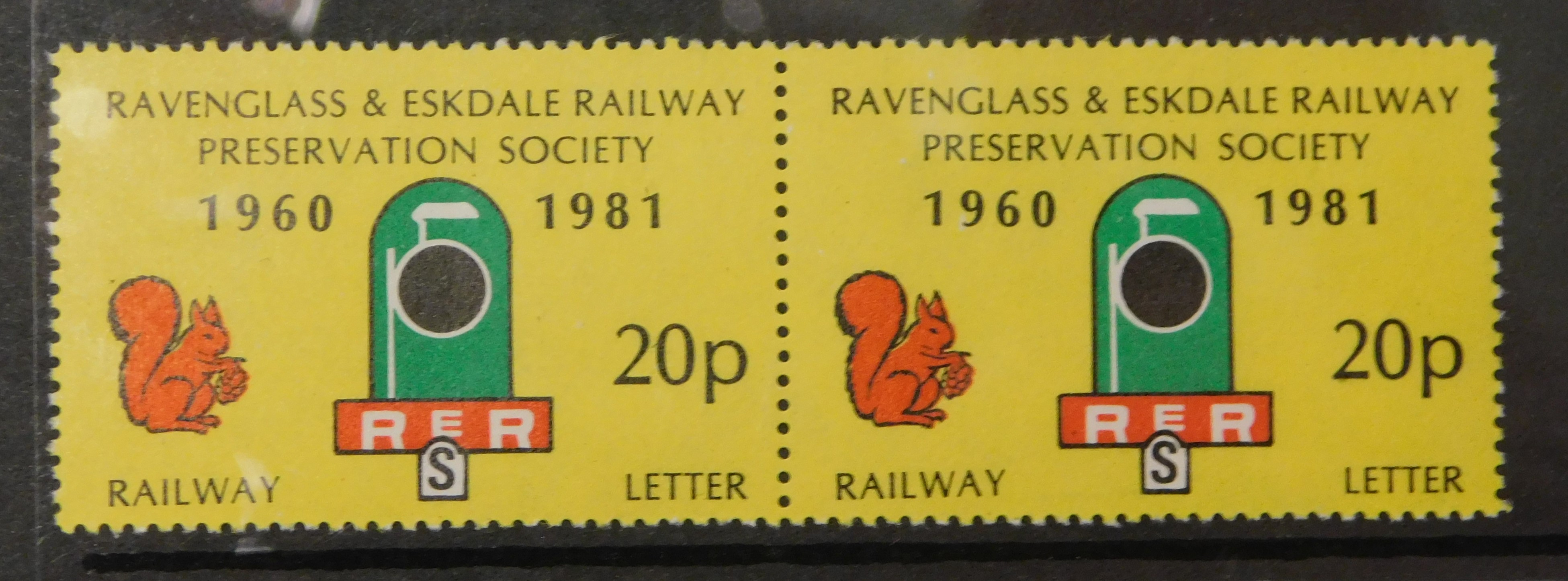
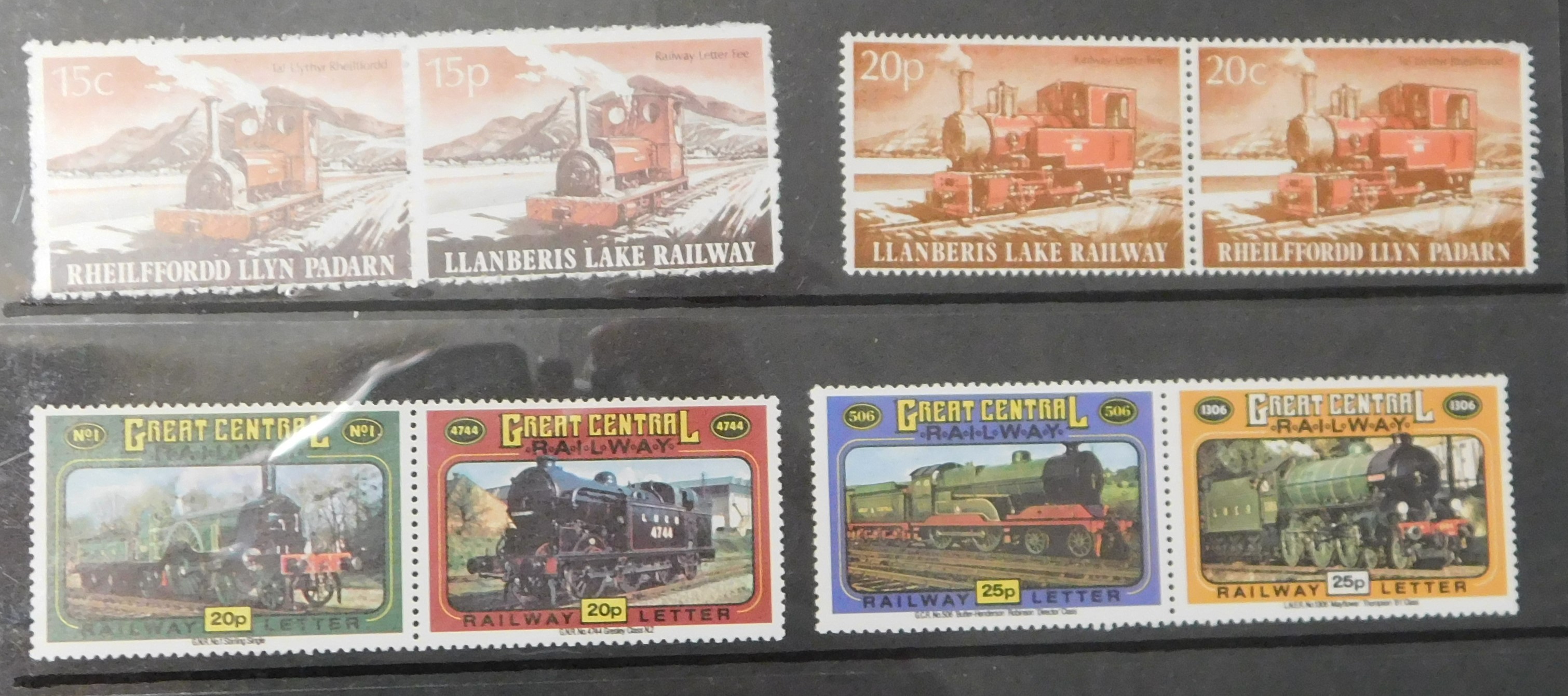
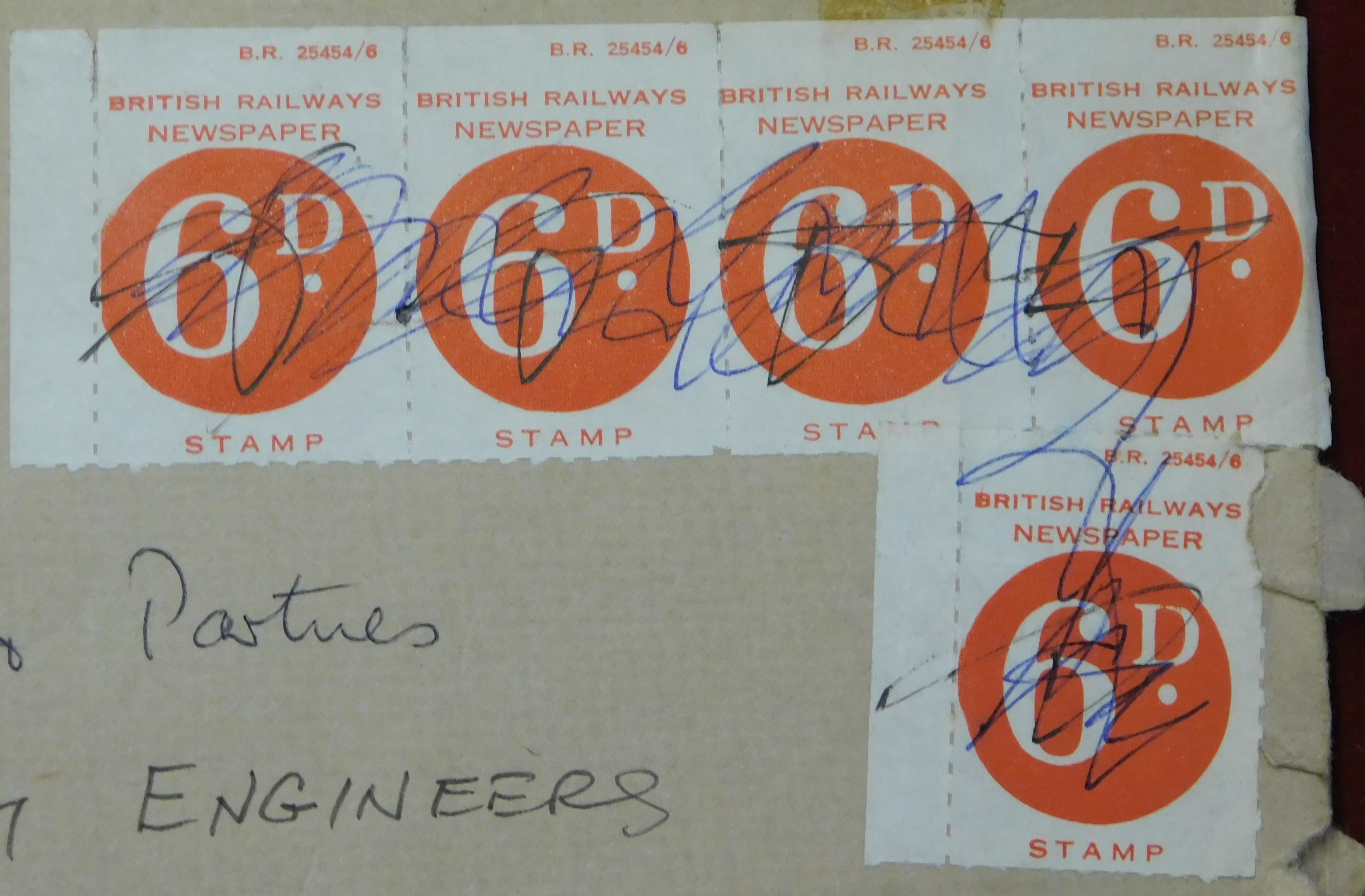
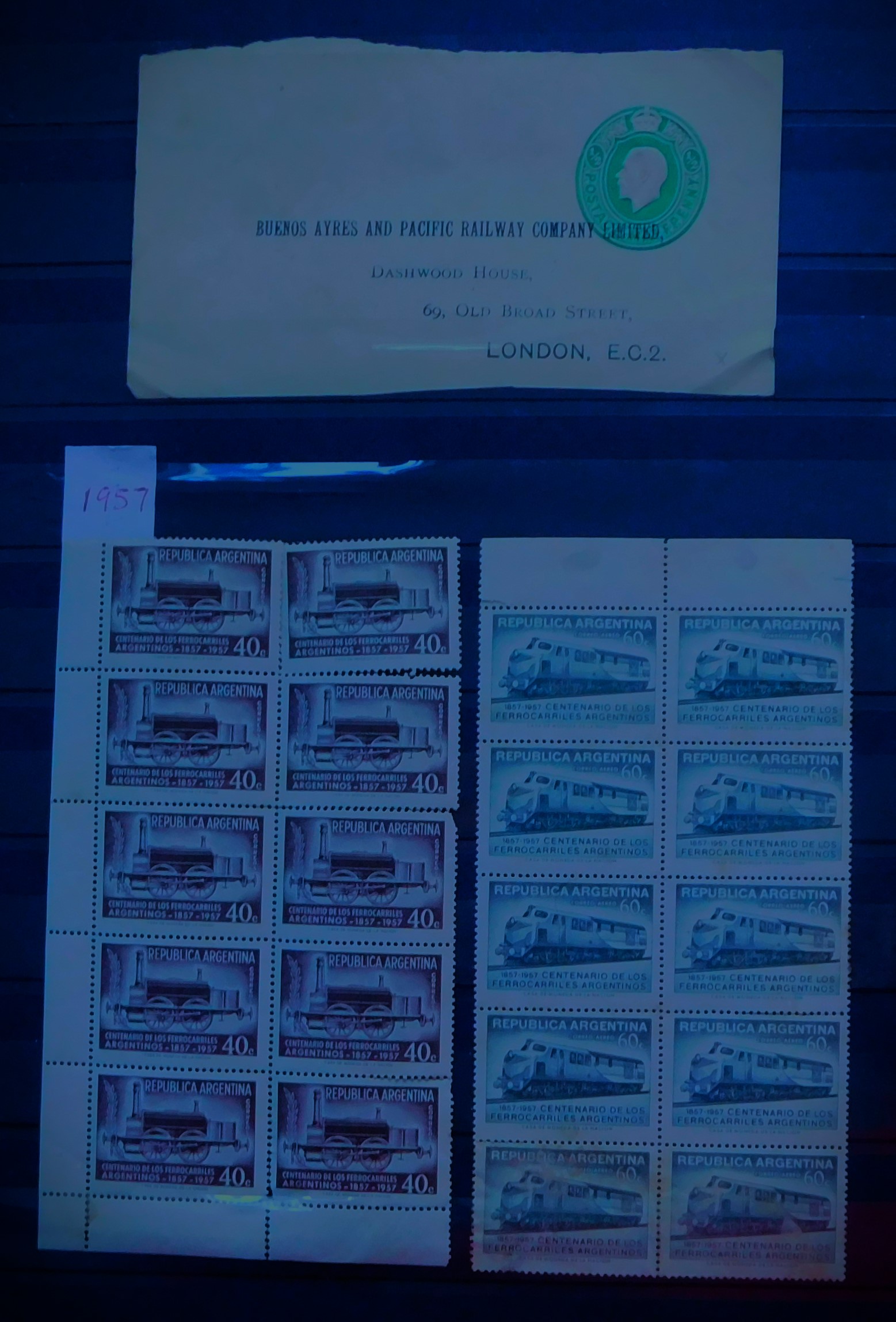
The Metropolitan Railway was the original Underground railway from which London Underground developed.The Metropolitan District Railway opened five years later, and the two companies between them completed the Inner Circle, now The Circle Line.This did not really belong with the other items in the lot, but I have same Argentine railway stamps in my collection.
Lot 329 also went to me…
I ignored lot 399…
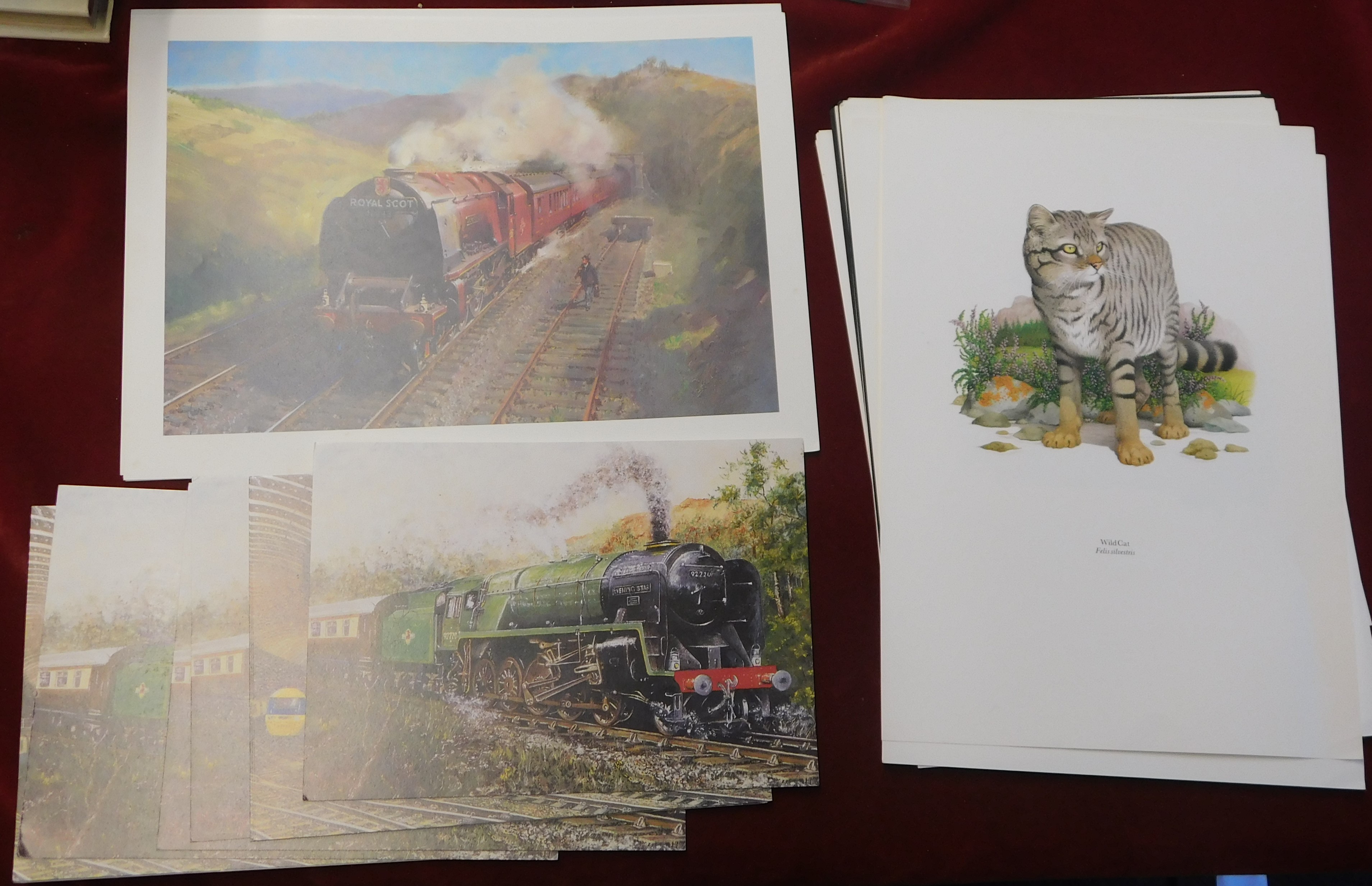
I had produced a very extensive image gallery for lot 400, made more so by fielding a query on that lot. However, in the end my opportunistic bid was the only one on the lot.
Lots 402 was also railway related but discipline had to prevail.
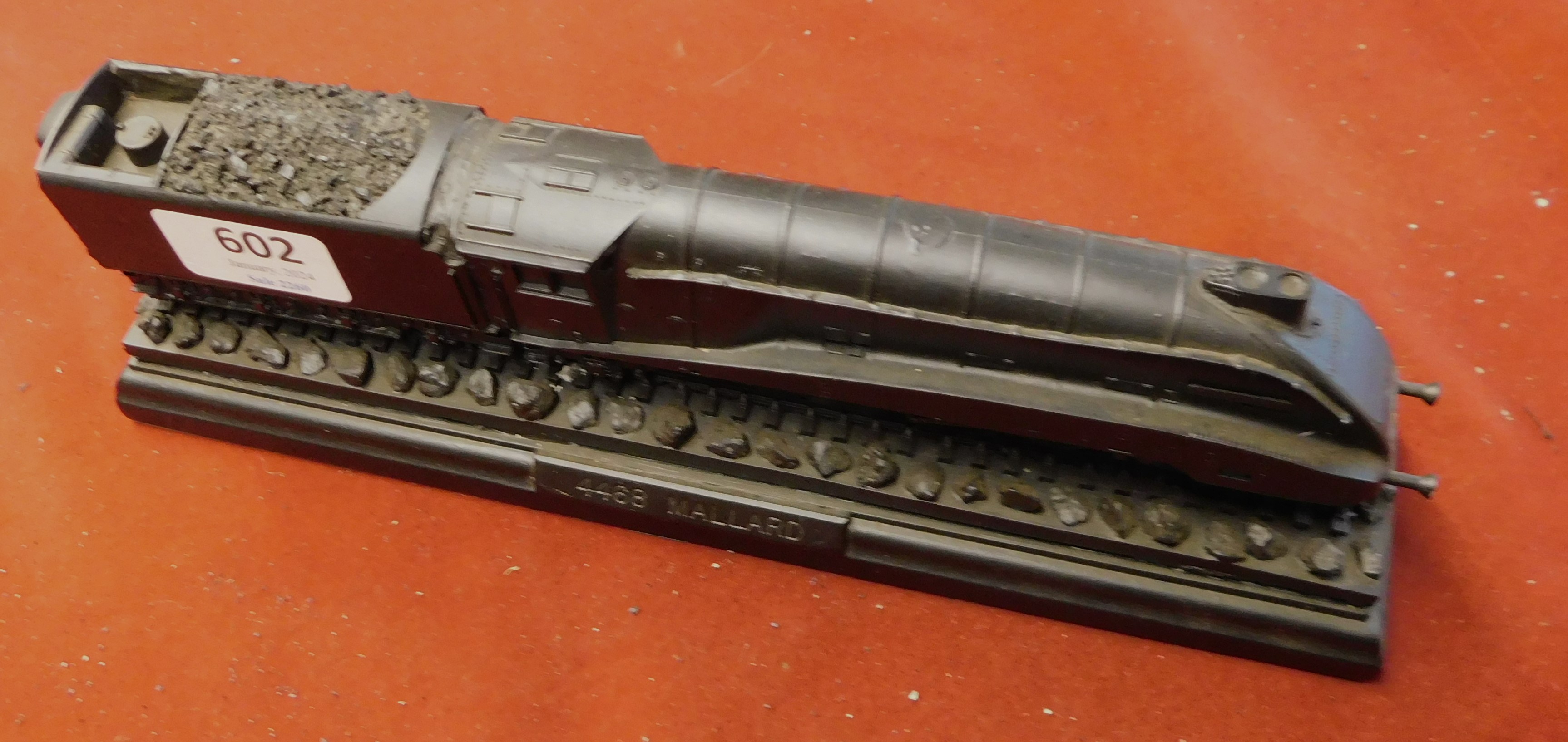
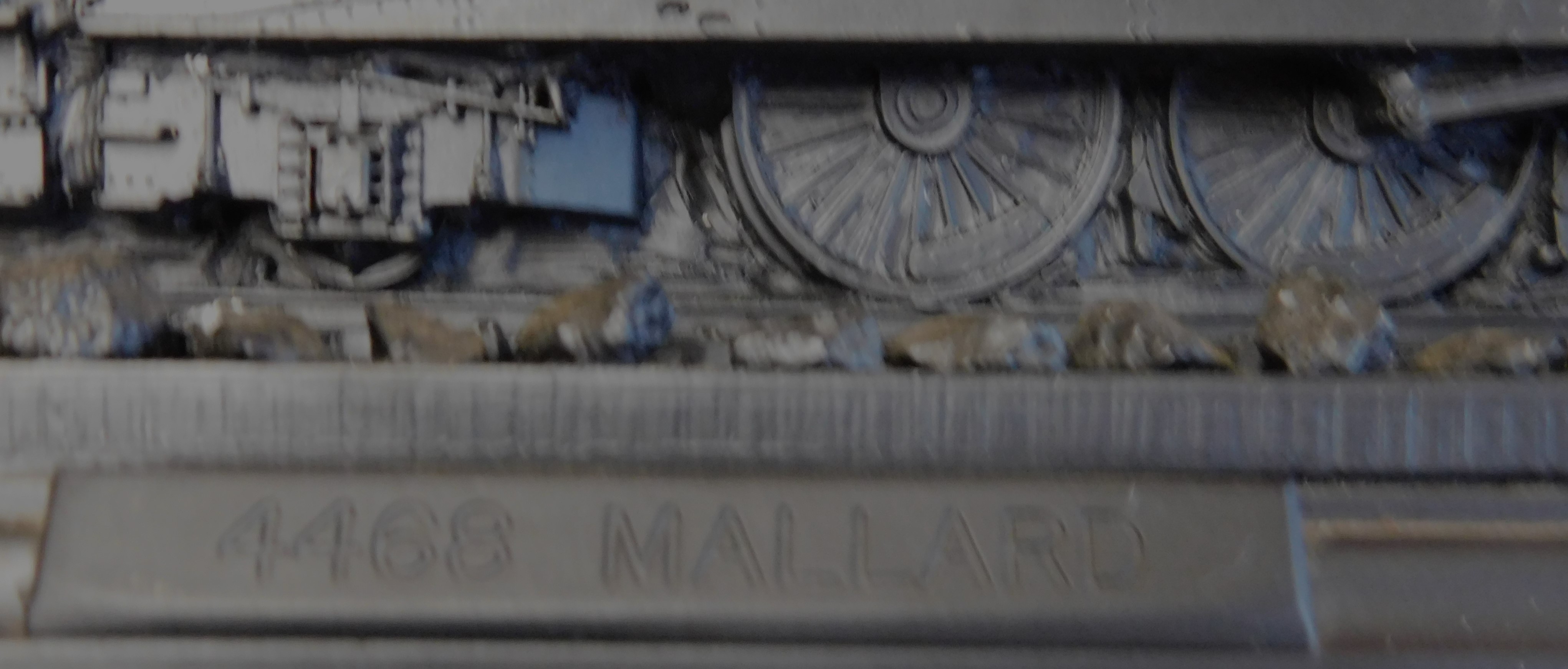
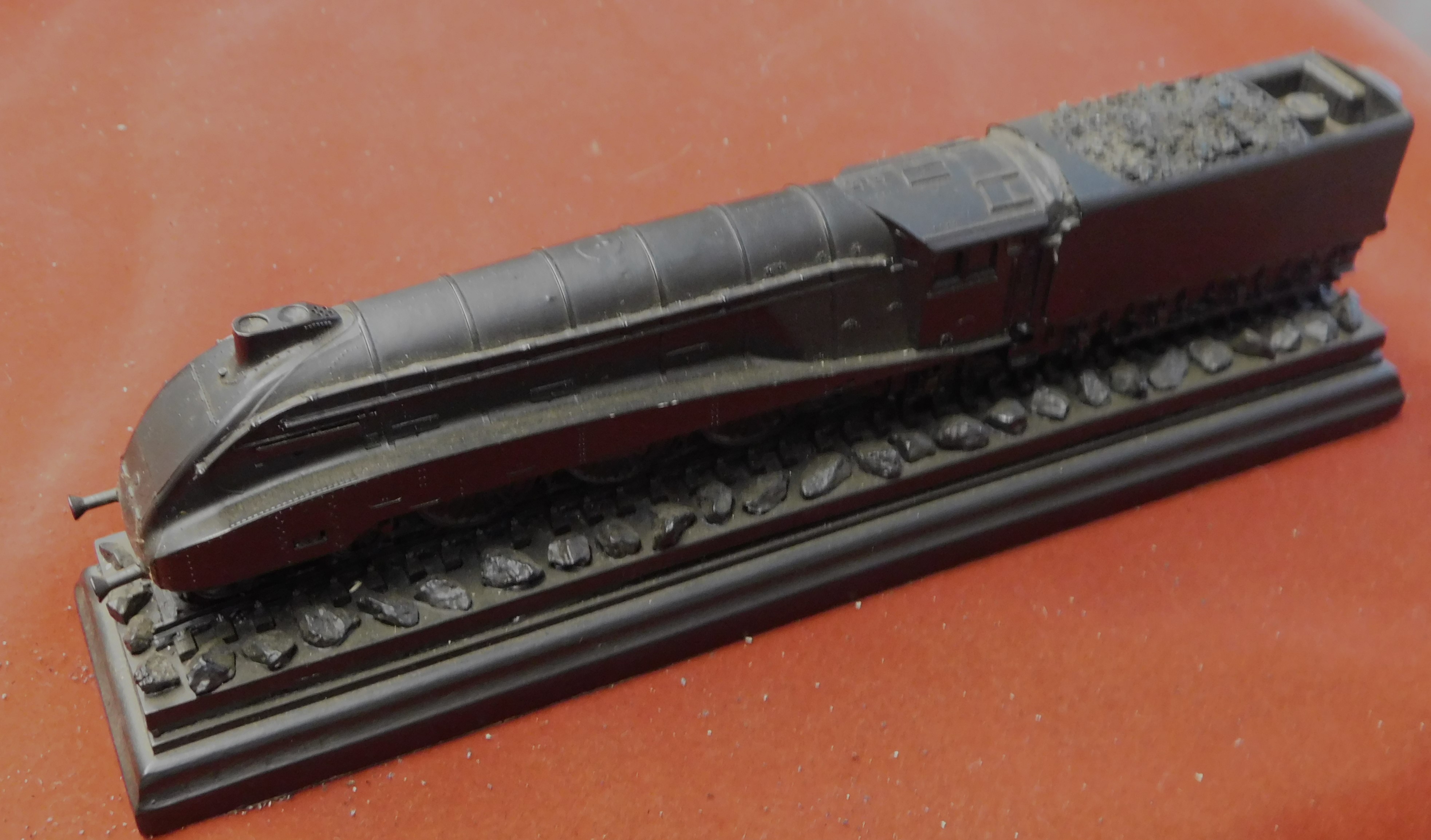
Lot 602, a model of a locomotive sculpted from coal proved, as I expected to be the case, to be beyond my price range.
I end this section with a lot that attracted a fierce bidding war (in which I had no part, other than creating the images that generated it), and ended up fetching £150, having been expected to do no more than 20-30, number 197.
PHOTOGRAPHS
My usual sign off…
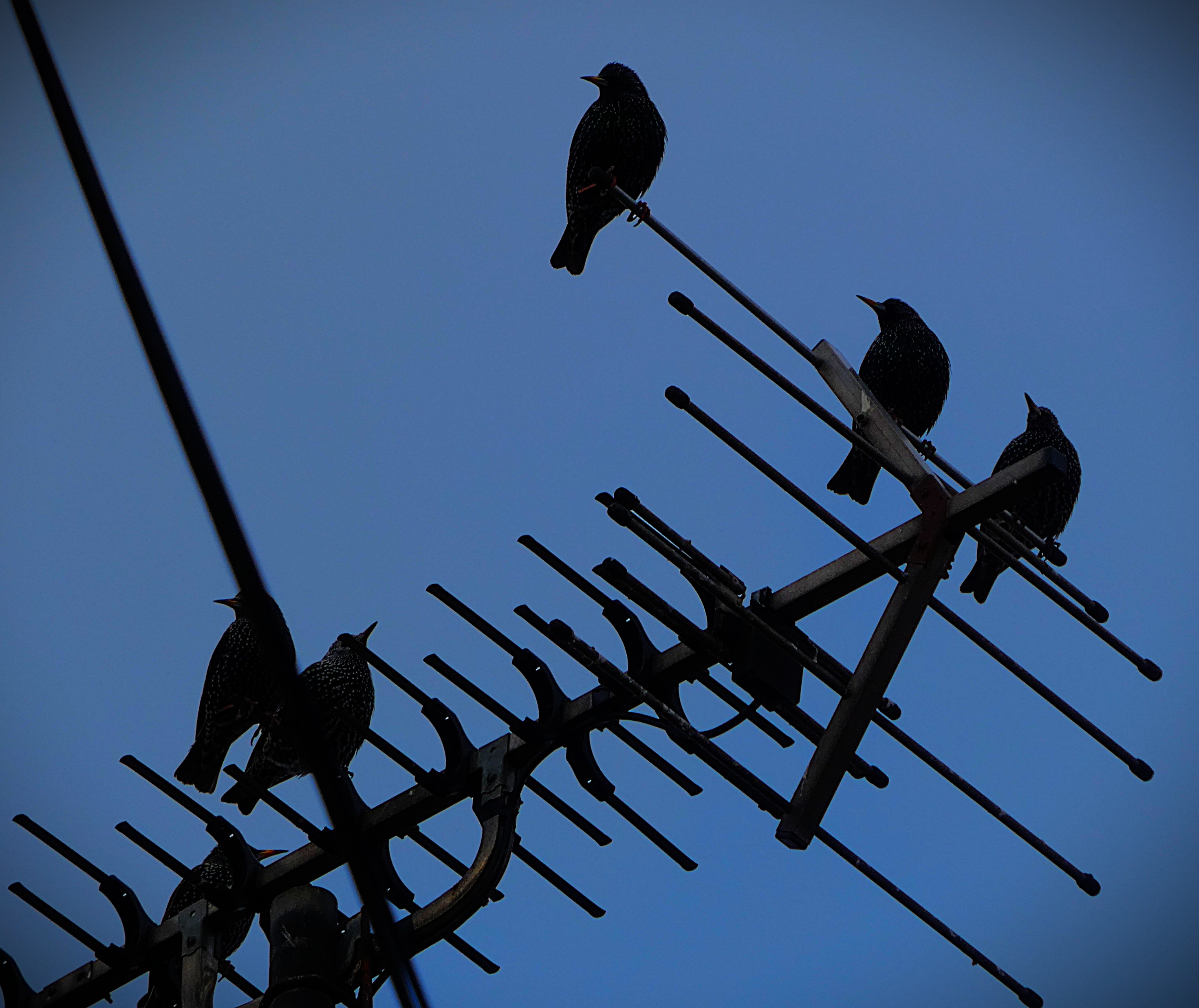
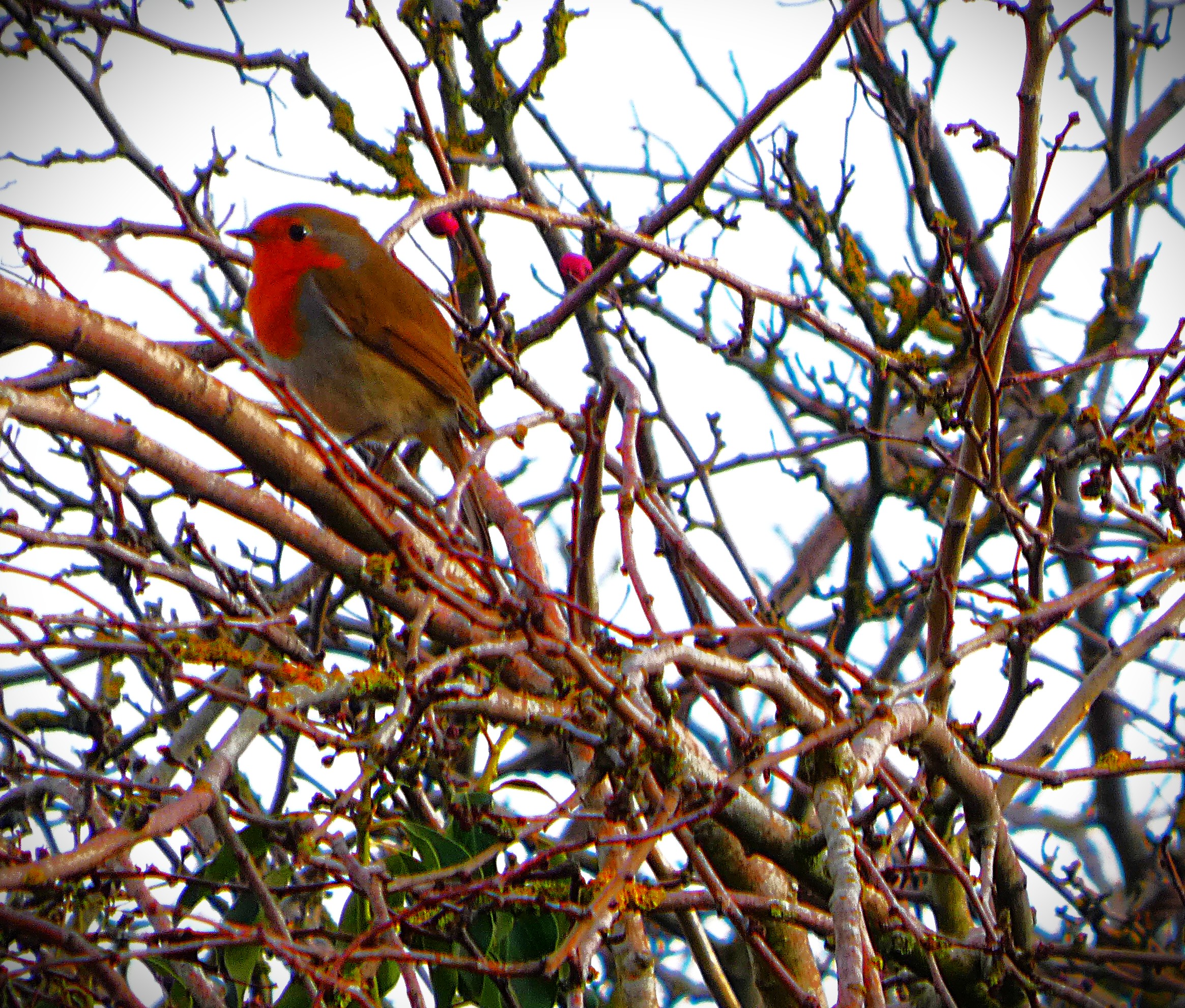
Harbingers of spring, and it is only late Janaury.
An all time XI all whom connect to defunct London Underground stations. Also a large photo gallery.
The main feature of today’s post is an all time XI every player of which can be connected back to a former London Underground station. In each case I elucidate the connection. Unfortunately a major rain interruption prevented the T20I between the England and Sri Lanka women’s teams providing as much news as seemed likely. England won by 12 runs on the DLS method, after SL’s innings was reduced to six overs (rain had reduced the match to 17 overs per side, and then 3.1 overs into the SL response more rain fell). The DLS adjustment, helped by England having scored incredibly fast in their innings, left SL needing 45 off 17 balls on the resumption and they never looked like getting them.
THE XI IN BATTING ORDER
*WG Grace (right handed opening batter, right arm bowler of various types, captain). His case for inclusion on cricketing grounds needs no stating. He gets in by dint of his first given name, William, which links to King William Street, the first northern terminus of what was then the City & South London Railway, which was abandoned in 1900 when the line was extended northwards.
Frank Hayes (right handed opening batter). He scored 13,000 runs at 35 in FC cricket, though barring a debut century his test record was very ordinary. Between 1883 and 1885 the Metropolitan District Railway as it then was ran services to Windsor, and one of the intermediate stops was Hayes.
Ernie Hayes (right handed batter, leg spinner). A fine all rounder whose Surrey career lasted three decades. His closed station is the same is that of Frank Hayes.
Clem Hill (left handed batter). At the time his test career ended he had scored more runs at that level than anyone else, and was also an athletic fielder. One stop west of Ealing Broadway in the days of District services to Windsor was a station known by two names in its brief history with that line, Castle Hill, another which we will see later in this piece.
Marcus North (left handed batter, occasional off spinner). He averaged 35 at test level and 40 in FC cricket with the bat and had his moments with the ball. North Weald station was on the Epping – Ongar section of the Central line, which became part of London Underground post WWII and closed in 1994.
Paul Winslow (right handed batter). A notable big hitter in his day. In the days the expansionist Edward Watkin the Metropolitan Railway was extended many miles northwest of London. Beyond Aylesbury was a junction at Quainton Road, with one branch leading to Verney Junction by way of Granborough Road and Winslow Road, the latter of which gets him in. We will see the other branch later.
+Gil Langley (wicket keeper, right handed batter). A great keeper in his day. Langley was on the Windsor branch referred to earlier in this piece.
Charlie Dean (off spinner, right handed batter). An excellent spinner and a useful lower order batter. The other name by which Castle Hill was known in that period between 1883-85 was Ealing Dean.
Wes Hall (right arm fast bowler, right handed batter). A legendary fast bowler for the West Indies. Blake Hall was on the Epping-Ongar branch of the Central line, though it closed over a decade before the rest of the branch due to being so lightly used.
Mark Wood (right arm fast bowler, right handed batter). A very fine and very fast fast bowler. Wood Siding was one of the stations on the Duke of Buckingham’s private railway, which Edward Watkin bought for the Metropolitan Railway, of which it remained part from 1899 to 1935. The terminus of this line, Brill, is 51 miles from Baker Street, the furthest from central London any of the lines now part of London Underground have ever extended (Amersham, the current record holder, is a mere 27 miles out).
Esmond Kentish (right arm fast medium, right handed batter). A fine bowler, but a genuine number 11. South Kentish Town, which gets him into this XI, was on what is now the High Barnet branch of the Northern line. In the 1920s strike action closed Lots Road Power Station temporarily, and that caused services on various lines not to be able to run. When services resumed South Kentish Town did not reopen.
This XI is not too bad given the criteria – a good top five, a great keeper and an excellent bowling attack – Wood, Hall and Kentish to bowl seam, Dean and Ernie Hayes to bowl spin, and Grace and North as back up options.
















































































































































































































































































































































































































































 aspiblog