All Time XIs – The Family Game

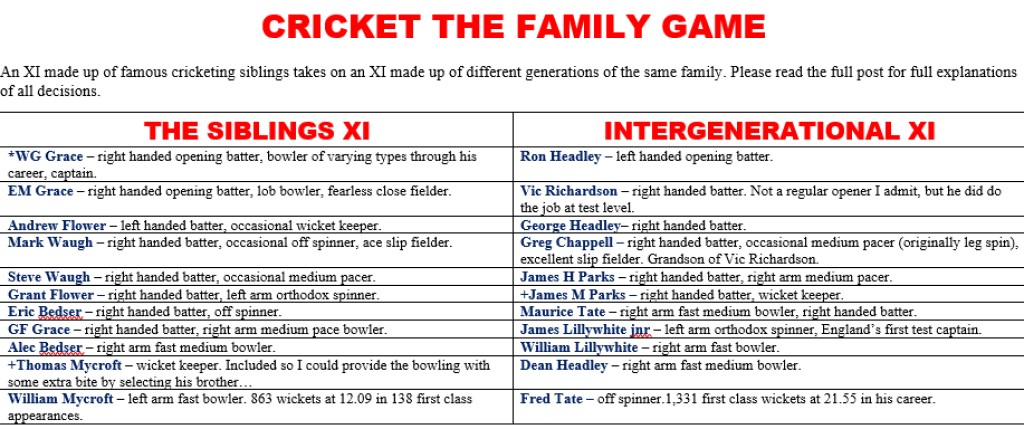
Today’s all time cricket post looks at cricketing families – an XI of siblings takes on an intergenerational XI. Please note the requirement that at least two members of each selected family feature in the team.

INTRODUCTION

For today’s all time XI cricket post we are looking at cricketing families. A team made up of groups of siblings do battle against an intergenerational XI. There are a number of famous cricketing families I could not include – I set myself a rule of including at least two members of each chosen family – not just select one and name their cricketing relations.

THE SIBLINGS XI

  1. *WG Grace – right handed opening batter, right arm bowler of varying types through his career, captain. The way to get round 11 being an odd number when selecting a team of siblings is to pick one group of three siblings, and fortunately there is a darned good such grouping readily available. His test batting average was only 32.29, but he made his debut at the age 32 and played on at that level until he was almost 51 – had the first test in England been in 1870 rather than 1880 his record would have been considerably better. He won eight of his 13 tests as captain, and all 13 of those matches were against the oldest enemy.
  2. EM Grace – right handed opening batter, lob bowler, fearless close fielder. Seven years WG’s senior, that inaugural test in England was his only one, and he shared an opening stand of 91 with his brother in the first innings thereof. England would probably have fared better in the 1882 match that inaugurated the Ashes had he been present in place of AN Hornby. Before WG’s rise overshadowed everyone else EM had been regarded as a phenomenon.
  3. Andrew Flower – left handed batter, occasional wicket keeper. He averaged over 50 in test cricket (see my ‘Minor Nations’ post from Monday), and makes a good selection for the critical number three slot, especially since other considerations prevented the use of the only other sibling to have been a really good test no 3, ‘Chappelli’.
  4. Mark Waugh – right handed batter, occasional off spinner, ace slip fielder. The first of two pairs of twins to make their appearances in this XI. He announced his presence at the highest level (selected in place of his brother!) with a scintillating 138 against England and went to establish a superb record.
  5. Steve Waugh – right handed batter, occasional medium pace bowler. He was first picked in 1985 at the age of 20 as a ‘bowling all rounder’, but it is his batting that gets him in – he averaged over 50 at the highest level, and that after taking 27 matches to reach his first century (177 not out at Headingley, as Australia, put in by England skipper Gower cashed in on an ‘attack’ comprising four medium pacers to the tune of 601-7 declared). He would be vice captain of this side.
  6. Grant Flower – right handed batter, occasional left arm orthodox spinner. Andrew’s younger brother, averaged just over 40 in test cricket.
  7. Eric Bedser – right handed batter, off spinner. His averages are just the wrong way round – 24.00 with the bat, 24.95 with the ball (833 first class wickets in total), and he is the first of three members of the XI not to have played test cricket.
  8. GF Grace – right handed batter, right arm medium pace bowler. In his case his sudden death from a freak illness prevented him from having a better record – he was 29 years old and just two weeks previously had played in the inaugural test in England, and had there been such a thing in 1880 his catch to dismiss George Bonnor would have been a shoo-in for the ‘Champagne Moment’. He averaged 25 with the bat and 20 with the ball, and the former figure puts him on a par with Richard Daft, rated no2 to WG Grace in the 1870s, GF’s decade.
  9. Alec Bedser – right arm fast medium bowler, useful lower order batter. Eric’s identical twin brother – and they used to wear identical clothes as well apparently. Because they considered playing for separate counties unthinkable they tossed a coin for who would stick to medium pace, and who would work on batting and off spin, and Alec won. There is a story that once in a benefit match Eric finished an over that Alec had started, and no one noticed the substitution, which suggests that Eric remained quite useful as a medium pacer.
  10. +Thomas Mycroft – wicket keeper, right handed batter. The most obscure of my choices, but he did average almost three dismissals a game in his brief first class career, and his presence enables me to give some much needed punch to the bowling by selecting his brother…
  11. William Mycroft – left arm fast bowler. 138 first class matches, 863 wickets at 12.09 each, and hopefully a suitable new ball partner for Alec Bedser.

This team is strong in batting, and the three Graces plus Eric Bedser should between them be able to provide sufficient bowling back up to the new ball pairing of Mycroft and Eric Bedser.

OTHER POSSIBILITIES

I might have opted for a new ball pairing of half brothers, Fidel Edwards and Pedro Collins, with Alec Bedser coming on first change, but that could only have been done by giving Andrew Flower the gauntlets and dropping the Mycrofts, and I prefer my no3 not also have to keep wicket. Although both captained England neither Arthur nor Harold Gilligan had a record to merit inclusion, and I certainly could not accommodate both. The Pitheys of South Africa were good rather than great. John and Hugh Trumble and Richie and John Benaud were two pairings that each had one weak link and so could not be accommodated. Johnny and Ernest Tyldesley were also in the mix, but would you drop either the Flowers or the Waughs for them? Richard and Dayle Hadlee could also have been picked to share the new ball, using the same method as for Edwards and Collins.

INTERGENERATIONAL XI

  1. Ron Headley – left handed opening batter. The Headleys provide three members of this side. He opened for Worcestershire for many years, although his two matches for the West Indies were not a great success.
  2. Vic Richardson – right handed batter. He was not an absolutely regular opener, but he did do the job at test level. We shall meet one of his grandsons at no4 in this order.
  3. George Headley – right handed batter. Averaged 60.83 in test cricket, and no3 was his regular position. The first of the family to play top level cricket.
  4. *Greg Chappell – right handed batter, occasional right arm medium pace (started as a leg spinner), excellent slip fielder, captain. Averaged over 50 in test cricket, one of three grandsons of Vic Richardson who all played test cricket.
  5. James H Parks – right handed batter, right arm bowler. The only player ever to have scored 3,000 runs and taken 100 wickets in the same first class season.
  6. +James M Parks – right handed batter, wicket keeper. Son of James H Parks, a fine batter/ keeper for Sussex, and had today;s attitudes to selecting keepers existed in the 1960s he would have played many more times for England in that role than he did.
  7. Maurice Tate – right arm fast medium bowler, right handed lower middle order batter. One of the greatest of all bowlers of cutters, and the first bowler to be able to use the sea fret at Hove to facilitate movement in the air.
  8. James Lillywhite jnr – left hand batter, left arm orthodox spinner. England’s first test captain; 1,210 wickets at 15.12 in first class cricket. Nephew of…
  9. William Lillywhite – right arm fast roundarm bowler. Known as the ‘nonpareil’ such was his superiority to other bowlers of his era.
  10. Dean Headley – right arm fast medium bowler. The third of the Headley family trio, he played for England and would have had more success had he not been plagued by injuries.
  11. Fred Tate – off spinner, good close fielder. His one test appearance, coming late in his long career, was undistinguished, but 1,331 first class wickets at 21.55 confirms that he is not just here to get his son into the side.

This side has a solid batting line up, and the bowling looks adequate, albeit that Fred Tate is the only front line spin option.

OTHER CRICKETING FAMILIES

Sussex have a grand tradition of cricketing families, as the above team shows – and I did not include the two members of the ruling family of Nawanagar, ‘Ranji’ and ‘Duleep’. The Tremletts produced three generations of first class cricketers, but accommodating all three would have been a challenge. Chris Broad would have been preferable to Ron Headley as opening batter, and Stuart preferable to Dean as a bowler, but if I had made that call I would have had to drop George Headley, and likewise dropping Vic Richardson would have necessitated dropping Greg Chappell. The Cowdreys are the only cricketing family to have produced four successive generations of first class cricketers, but of them all only Colin was truly top class. I would have liked to include the D’Oliveiras but to do so I would have to have found room for either Damian or Brett, so Basil missed out. Charles Townsend, the Gloucestershire leg spinning all rounder would have been useful, but I would have to had to find a place for either his father Frank or his son David, neither of whom were genuinely top class. I could have selected Jonny Bairstow as a batter and David as a keeper in place of the Parkses, but considered JH’s bowling to be a valuable asset. Perhaps the biggest miss caused by my criteria of demanding at least two members of each family feature was Denis Compton, but that would have necessitated finding space for his grandson Nick. The Gunns of Nottinghamshire also missed out. Billy Quaife would have been a solid opener, but I would have had to accommodate his son Bernard, less good, as well. The Quaife’s once faced up as opening batters to Billy and Robert Bestwick, likewise related, but again Robert Bestwick would not have been worth his place. Len Hutton would have strengthened the batting, but accommodating his son Richard would have been a challenge, while the same applies even more strongly to Herbert and Billy Sutcliffe. The great-grandfather/ great-grandson pairing of William Cooper and Paul Sheahan obviously appealed, but neither were really of the highest class. Richard Hadlee missed out because there was no way to accommodate his father Walter. Vinoo Mankad was another in this mix, but again his son Ashok was not good enough to warrant a place. Had I been willing to forego Greg Chappell I could have had an adhesive opening pair of Hanif and Shoaib Mohammad.

THE CONTEST

The contest for the ‘Cowdrey-Tremlett trophy’ (honouring two of the great cricket dynasties) would be a good one, with a splendid contest within a contest between Alec Bedser and Maurice Tate at the heart of it. I think the better balance of the intergenerational side just gives them the edge.

PHOTOGRAPHS

Time for my usual sign off:
IMG_0822 (2)IMG_0823 (2)IMG_0824 (2)IMG_0825 (2)IMG_0827 (2)IMG_0828 (2)IMG_0829 (2)IMG_0830 (2)IMG_0831 (2)IMG_0832 (2)IMG_0833 (2)IMG_0834 (2)IMG_0835 (2)IMG_0836 (2)IMG_0838 (2)IMG_0839 (2)IMG_0840 (2)IMG_0841 (2)

IMG_0843 (2)
Butterflies will soon be in evidence…
IMG_0843 (3)
…a caterpillar dozing on a leaf

IMG_0844 (2)IMG_0844 (3)

IMG_0846 (2)
Two caterpillars visible in this shot…
IMG_0846 (3)
…this one and…
IMG_0846 (4)
….this one.

IMG_0847 (2)

IMG_0848 (2)
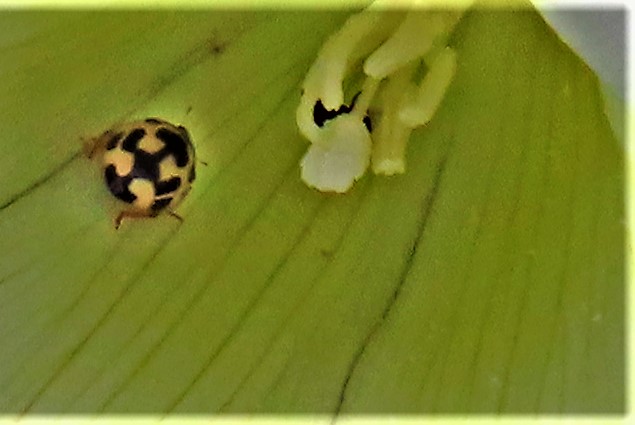
A flower that lures…
IMG_0848 (3)
…bugs like this one…
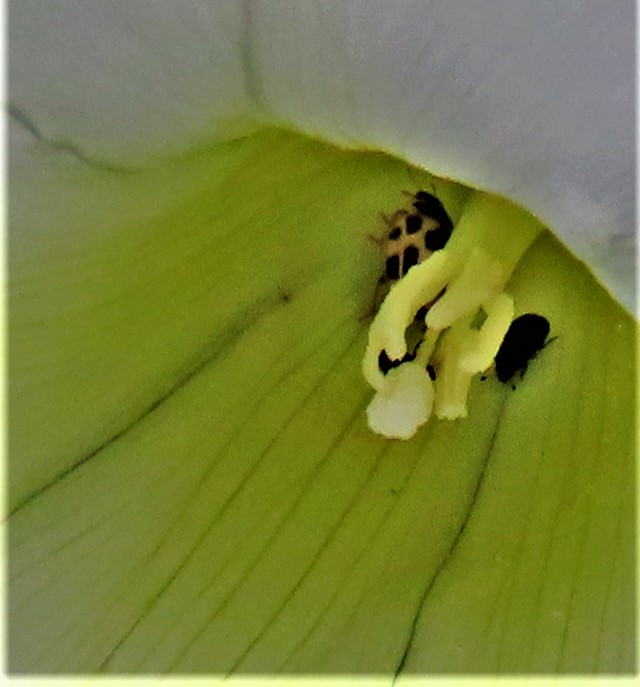
IMG_0849 (2)
…to their dome – besides the one I was focussing on, which crawled in but was not going to be getting out any time soon you can two other bug bodies in there.
IMG_0850 (2)
This bee has a large load of pollen.

IMG_0852 (2)

IMG_0853 (2)
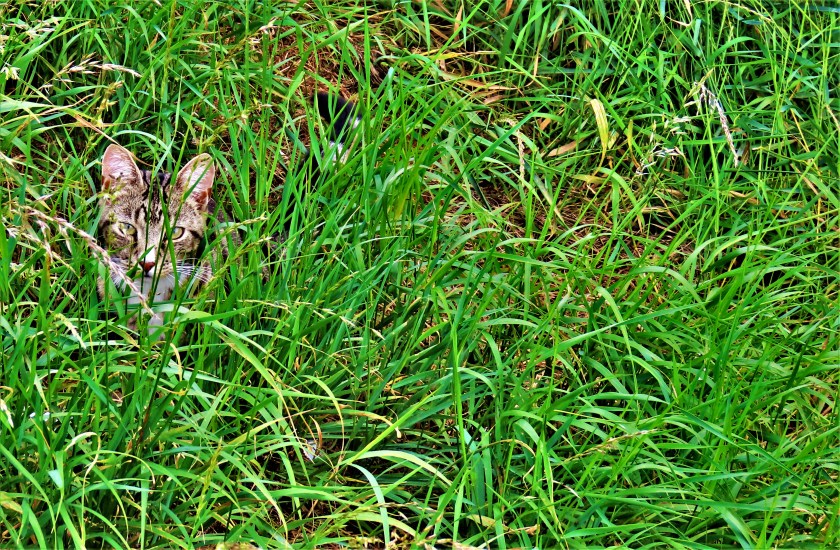
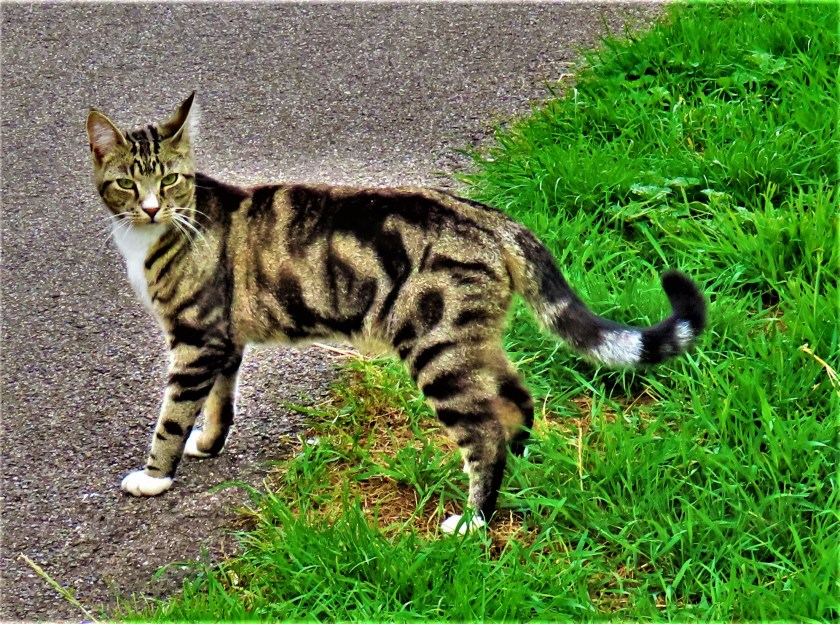
A flick of a dark coloured tail caught my attention, but it was merely an adventurous young cat…
IMG_0854 (2)
…returning the the path shortly afterwards.

IMG_0855 (2)IMG_0856 (2)IMG_0857 (2)IMG_0858 (2)IMG_0859 (2)IMG_0860 (2)IMG_0863 (2)IMG_0863 (3)IMG_0864 (2)IMG_0864 (3)IMG_0865 (2)IMG_0865 (3)

Family Game
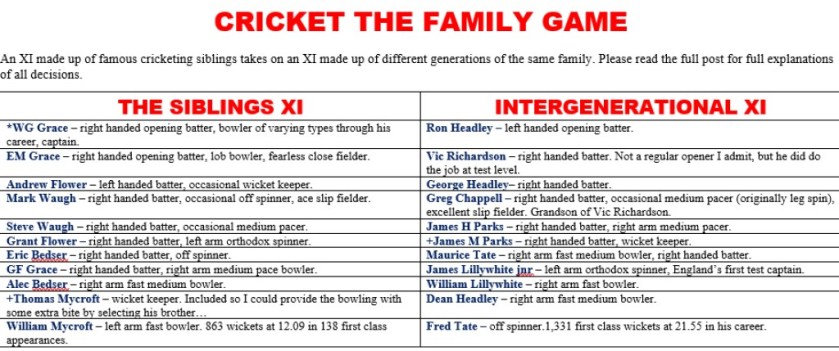
The teams in tabulated form.

Cricket, Petitions and Photographs

Some thoughts about the early stages of the 2nd Ashes test at Lord’s, two petitions and some photographs.

INTRODUCTION

This is mainly a sharing approach, but I have some comments about the test match that has finally gotten underway a day late as well.

BURNS CONTINUES TO ANSWER CRITICS

What should have been day 1 of the second Ashes test at Lord’s was yesterday washed away without the toss even taking place (such are the vagaries of English late summer weather!) but today we have action. Australia won the toss and decided to field (a decision on the borderline between confident and arrogant, based on attempting to bat only once in between two England innings). England a currently 112-3, Jason Roy having fallen to the third ball of the match, Joe Root having also fallen cheaply and Denly having done a “Vince” with a nicely made 30. Rory Burns is still there, currently 53 not out, with Buttler at the other end. This is an impressive follow-up to his first innings ton at Edgbaston after commentators had been unanimous in not thinking him worth persevering with. Having supported him all the way through since I first mentioned him when the Cook/ Jennings pairing was due to split due to continuous failings by the latter and impending (now confirmed) retirement by the former, I am especially pleased that he has picked an Ashes series to announced his arrival at this level (not quite on a par with the great opener who shares my surname, whose first four Ashes knocks were 59, 115, 176 and 127 – in two matches that England lost). Burns has just gone as I write this, but it is still a fine effort by him. England are now 116-4, and need a big partnership. Stokes has joined Buttler, with Bairstow, Woakes, Archer, Broad and Leach to come (I suspect that Leach, given his recent batting at Lord’s may get a promotion from his official no 11 slot, but we shall see). Only one team has ever come back from losing the first two matches to win a five match series, Don Bradmans 1936-7 Aussies, when the captain himself scored 270, 212 and 169 in those last three matches, so a collapse now would be doubly bad news (the 1894-5 Aussies levelled at 2-2 after losing the first two, but then Andrew Stoddart’s England rallied to win the decider and take the series).

PETITIONS

I have two petitions to share here:
1. A company called Adani are seeking to build a huge and very dirty coalmine near the Great Barrier Reef. Sum Of Us have a petition up and running about this atrocity and I urge you to sign and share it by clicking the screenshot below.

AIG

2. My second petition is open only to UK based signatories. The grouse shooting season, a source of shame to most of us Brits who do not participate in it, is underway, and a petition is running (and has already attracted over 40,000 signatures) to ban the practice. Please sign and share, clicking the screenshot below:

BDG

PHOTOGRAPHS

My usual sign off…

P1260010 (2)P1260010 (3)P1260011 (2)P1260012 (2)P1260013 (2)P1260014 (2)

P1260015 (2)
More shots from my favourite place for observing butterflies

P1260016 (2)P1260017 (2)P1260018 (2)P1260019 (2)P1260020 (2)P1260021 (2)P1260022 (2)P1260023 (2)P1260024 (2)P1260025 (2)P1260026 (2)P1260027 (2)P1260028 (2)P1260028 (3)P1260032 (2)P1260033 (2)P1260034 (2)P1260035 (2)P1260036 (2)

P1260037 (2)
These last shots were taken before and after physio at Tapping House today.

P1260038 (2)P1260040 (2)P1260042 (2)P1260043 (2)P1260044 (2)P1260045 (2)P1260046 (2)P1260049 (2)P1260050 (2)P1260051 (2)P1260052 (2)P1260053 (2)P1260054 (2)

Calendars and an Apology

An explanation of my recent lack of blogging activity and a sneak preview of the 2019 aspi.blog Cornish wall calendar (I will receive the printed versions by September 24th).

INTRODUCTION

The principal purpose of this post is to give you all a sneak preview of next year’s aspi.blog wall calendar. I am also going to explain why it has been a while since I last put up a blog post.

APOLOGY/ EXPLANATION

The reason why it has been a while since my last blog post is that I have had a very busy schedule of late, between work and various volunteering activities, and the one day on which I might have done a significant amount of blogging (Saturday) I lost to illness. I was sufficiently recovered by Sunday morning to do my volunteering for Heritage Open Day at the Bank House and to enjoy some of the experience, though I curtailed things somewhat so as not to set my recovery from the horrors of the previous day back. My opportunities will be somewhat limited during the rest of this week as I will be at the Corn Exchange helping to run an NAS West Norfolk stall for much of tomorrow and will be working Wednesday, Thursday and Friday. 

THE CALENDAR

Here are sneak previews of the 13 key pages of the calendar (not actual size). I decided to make this calendar a celebration both of my pictures and of the fine county of Cornwall…

Front cover

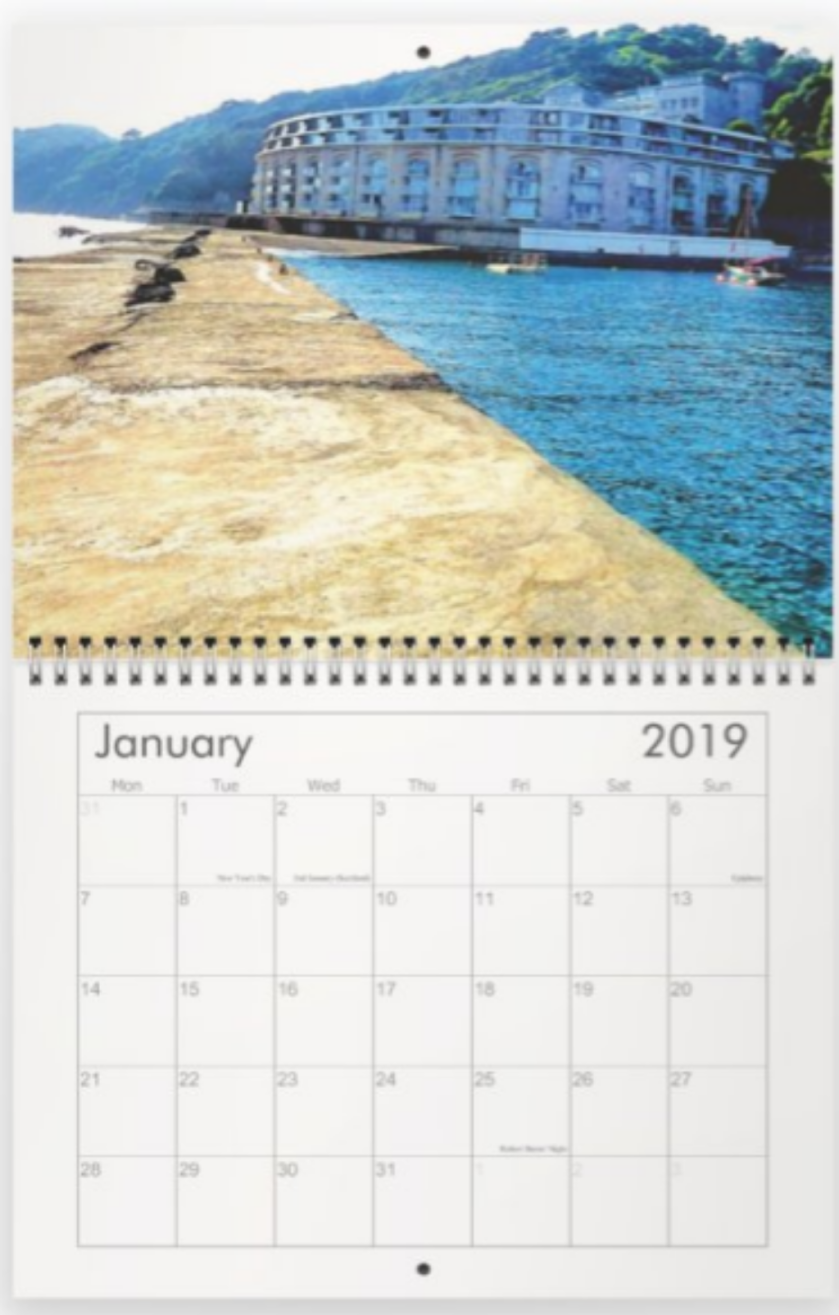
For January we have a picture of Fort Picklecombe:

Jan 2019

February features Brunel’s famous bridge at Saltash:

Feb 2019

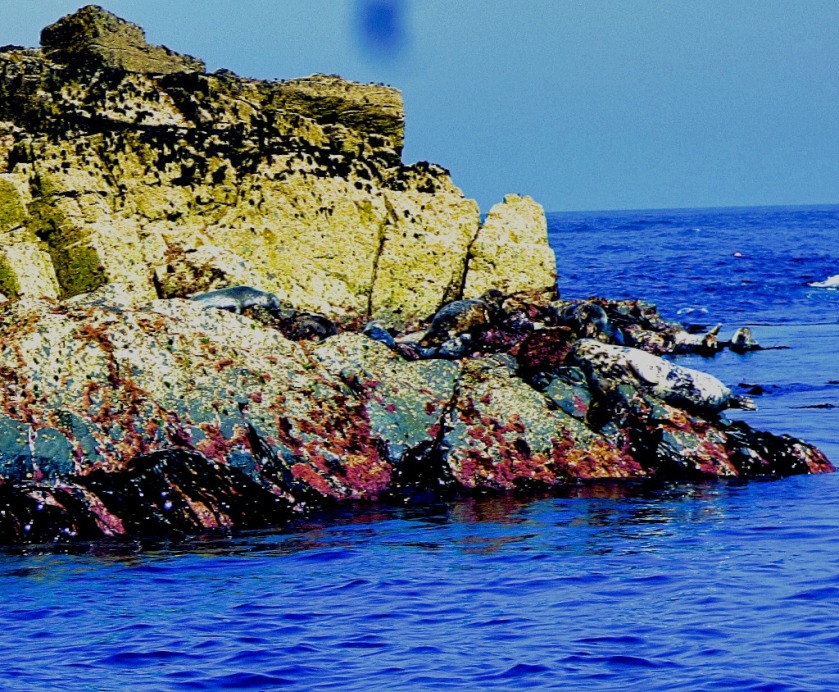
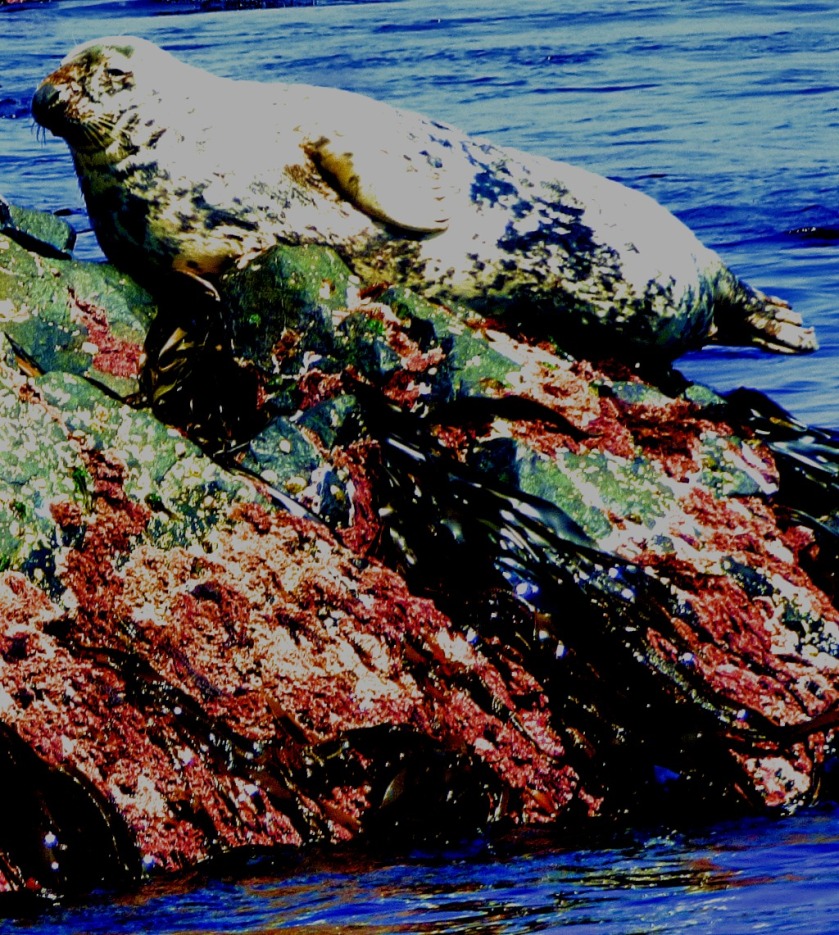
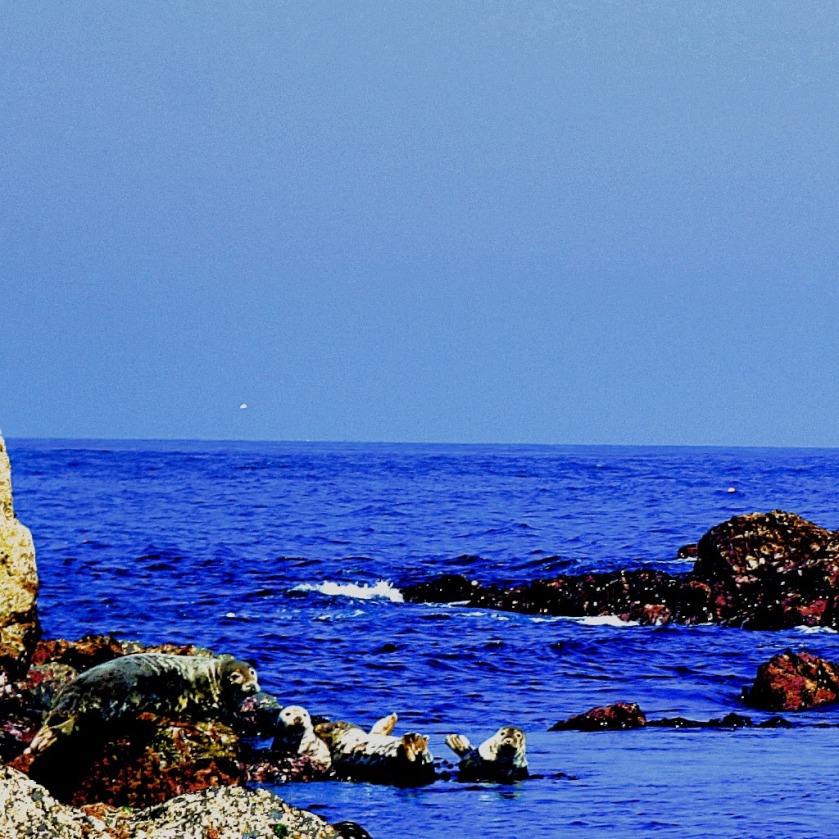
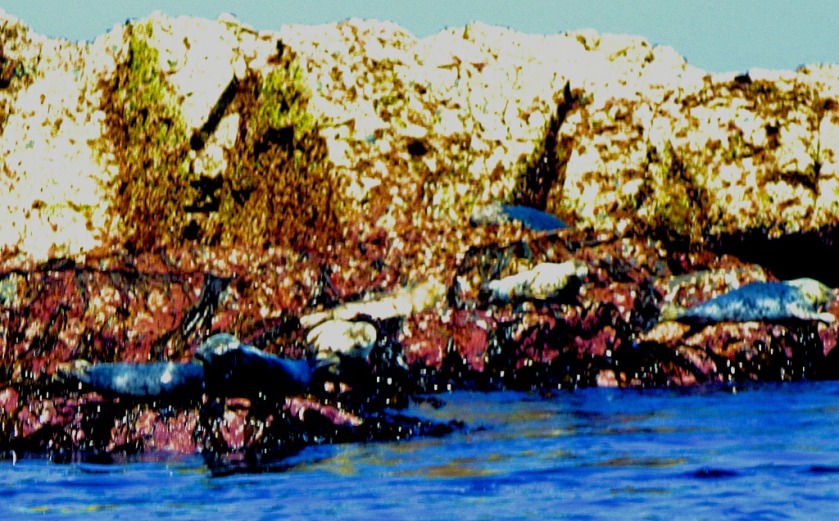
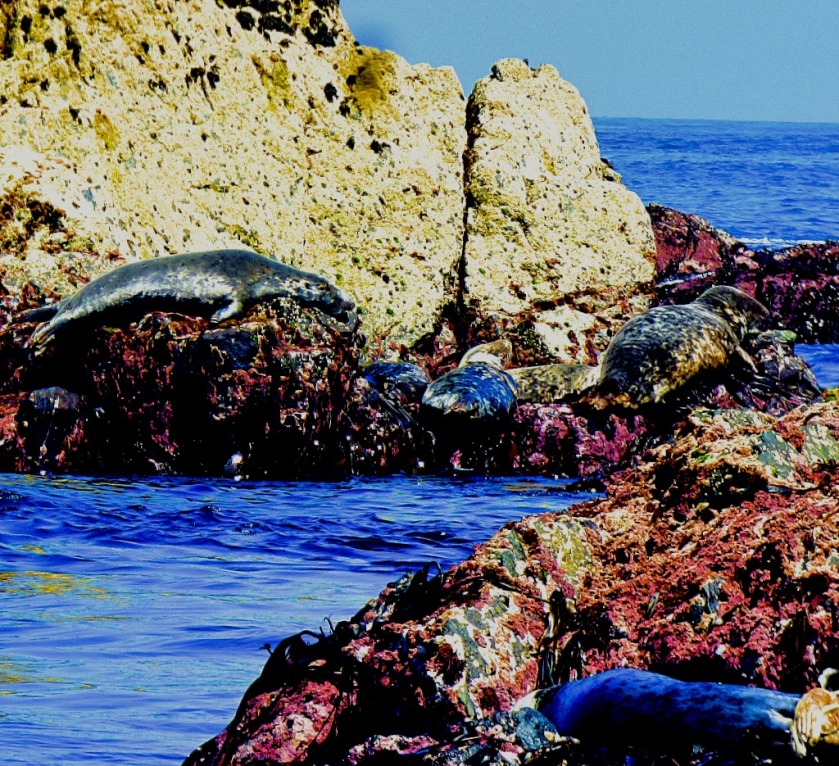
For March the focus shifts to the far west of Cornwall, where with the exception of November and December it remains for the rest of the year. This is one of two pictures from a seal colony near St Ives to make an appearance.

March

The April picture is a trio – across the top a view from St Michaels Mount to Marazion, and sharing the bottom a heron at Lelant Saltings and a crab at St Ives.

April 2019

May features a shot of Carbis Bay.

May 2019

June features our second seal picture:

June 2019

July features the seaside garden at St Michael’s Mount, which members of the public can view only from above:

July

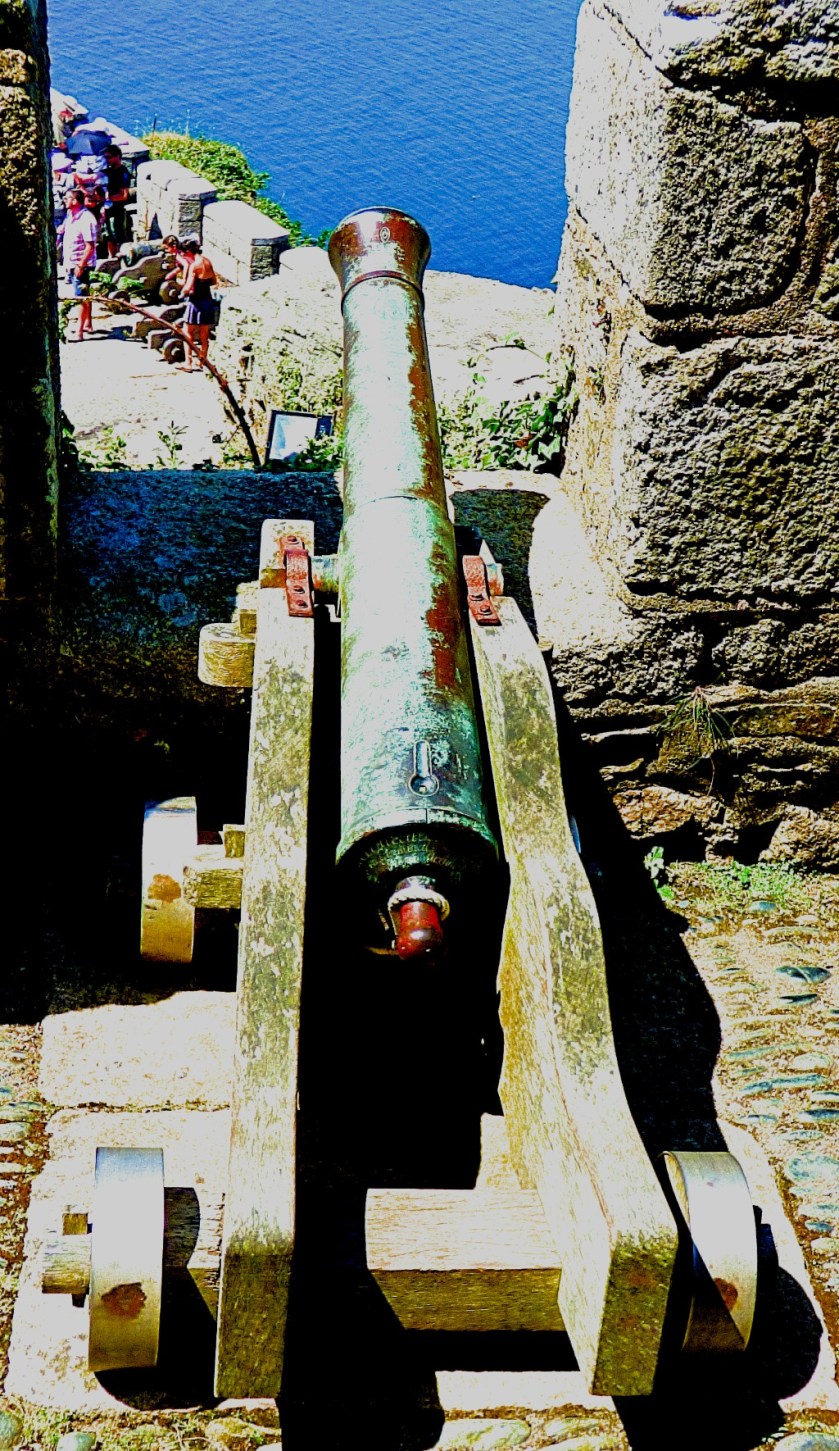
August is double-up, featuring a cannon emplacement at St Michaels Mount on top and a panoramic view of the mount and causeway below:

Aug 2019

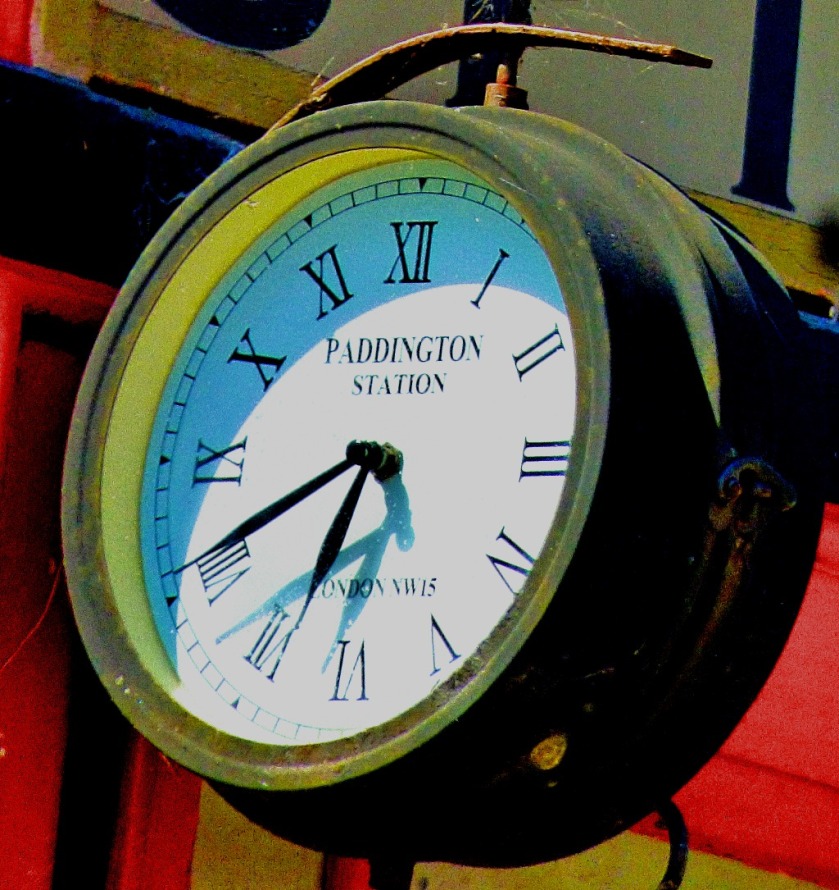
September is a double up from St Ives showing an old phone box with a an antique Great Western Railway clock attached on one side and a close-up of the clock on the other:

Sep 2019

October features a red admiral butterfly spotted on the descent from St Michael’s Mount:

Oct 2019

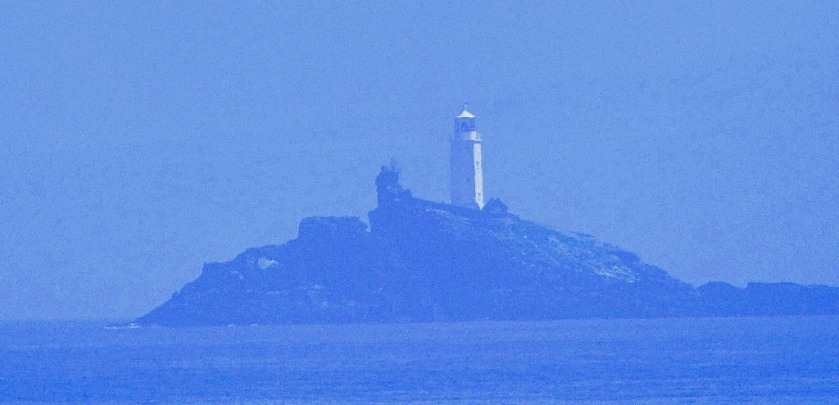
November, sharing with July the distinction of a photo taken that month, features the lighthouse picture that is also my desktop background and the reverse side of my personal cards.

November 2019

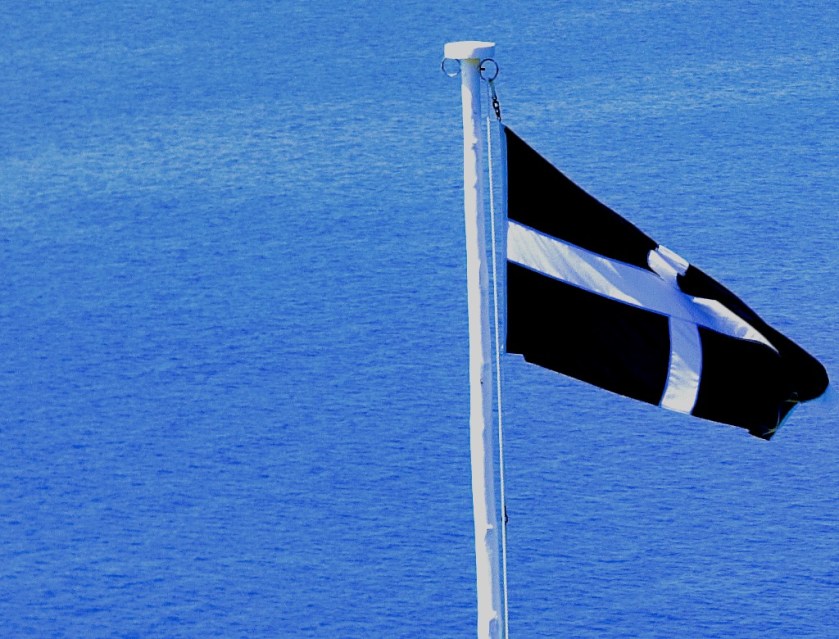
December, just to emphasise what this calendar is all about features a shot of the Cornish flag.

Dec 2019

Each page of the calendar is 28cm wide and 21 cm high, meaning that when hanging up open and ready for use it is 28cm wide and 42cm high.

A Mixed Bag for Monday

Solutions to my last two maths problems, some sciencey pieces, a petition and some photographs.

INTRODUCTION

This post includes solutions to the problems I posed on Saturday, and a few other things from various sources. 

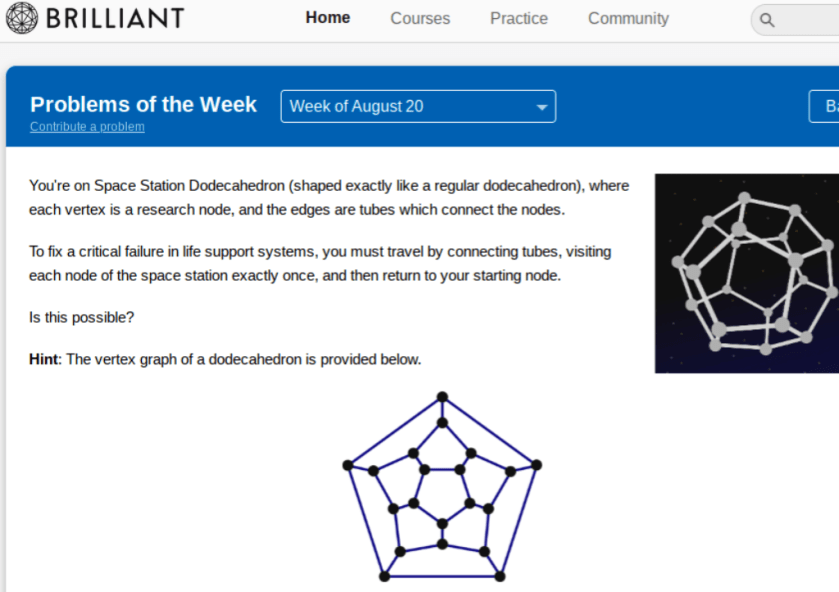
SPACE STATION DODECAHEDRON

Here is the question as a reminder:

Space station Dodecahedron

Here is the answer:

Dodecahedron answer

Here is a splendidly concise solution from David Vreken:

Vreken route

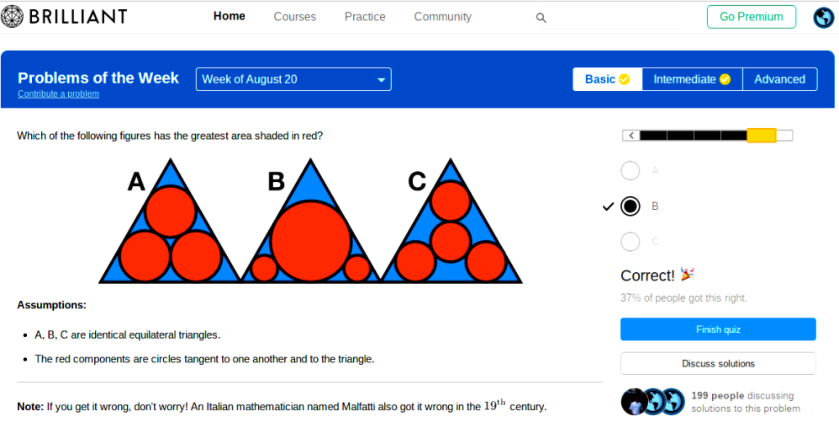
A VARIARION ON THE MALFATTI THEME

Here is the question:

Malfatti Mistake question

Here is the answer:

Malfatti Mistake answer

In the 19th century Malfatti conjectured that the way to maximise the area of a triangle you could fill with three circles was to fill in the three largest circles that touch specifically two of the three sides. Although he was not alive to be humiliated it turned out that he was not merely wrong, his proposed solution has been proved not to work for a single triangle. The solution that always works is first put in the largest single circle that touches all three sides that you can, then fill in the largest circle you can in the remaining space and then do so again. In an equilateral triangle the difference is small, but in a long thin isosceles triangle it is quite substantial. 

Here is Jeremy Galvagni’s published solution:

Galvagni outdoes Malfatti

SCHOOL REFUSAL SYNDROME PETITION

This on the official site for petitions to the UK government, which means that you have be a UK citizen to sign it. Please click the screenshot below to sign and share it if so minded:

School Refusal

A TRIO OF SCIENCE PIECES

First a fascinating piece from the National Geographic titled “Can Today’s Whale Species Survive the age of Humans” which covers the past and present of the cetaceans and speculates about their future. 

David Quammen, a good writer and a useful scientist to know about if you are planning an A to Z post, has a new book out on the subject of evolution, and Jerry Coyne of whyevolutionistrue has provided a very detailed review of it.

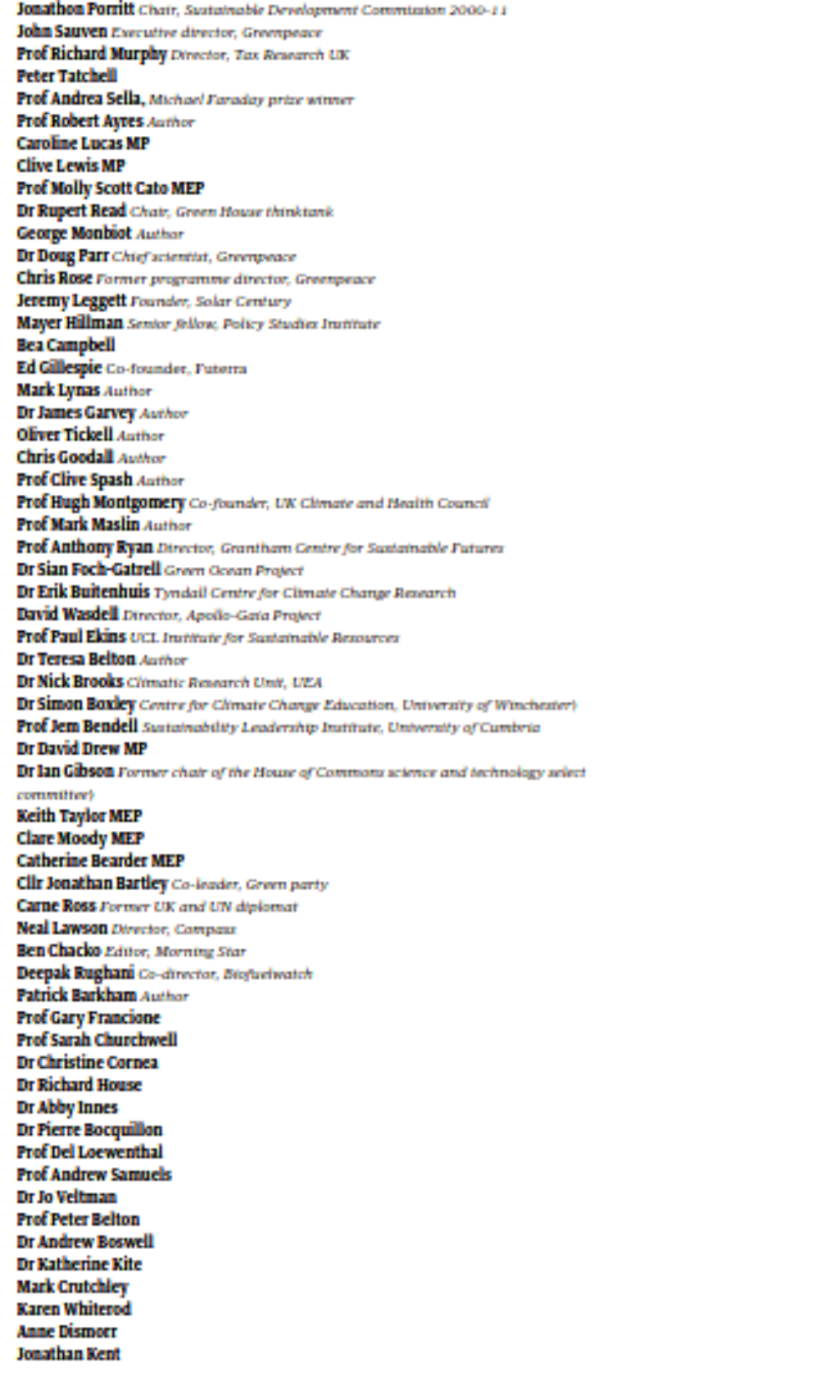
Finally, a letter to the Guardian signed by 60 well known environmental campaigners declaring their unwillingness to debate with climate change deniers, and why they are unwilling to do so. Below is the opening to the letter (please click to visit the original) and a list of signatories:

Guardian letter

signatories

SOME FINAL PHOTOGRAPHS

To finish here are some of my recent photographs:

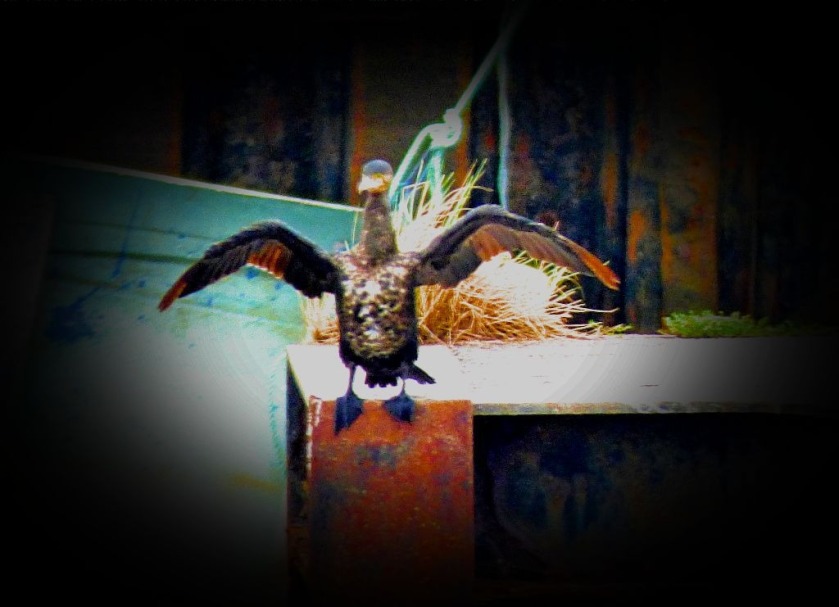
Sea birdsFlying cormorantBlackbacked gull lands on the waterCormorant and rowing boatCormorant and sea birdsWingspanMoorhenCormorant


A Grockle’s Eye View of Cornwall 11: The End of the St Michaels Mount Day

Concluding my account of the day at St Michael’s Mount as we near the end of my series about my visit to Cornwall.

INTRODUCTION

Welcome to the latest installment in my series of posts about my recent visit to Cornwall. This post completes the day at St Michael’s Mount, leaving me with a post to do about the journey home and finally a page from which all the posts about this trip can be accessed. The fact that this will mean (including the page) 13 pieces relating to the trip bothers me not a jot – I have no more time for triskaidekaphobia than I do for any other ridiculous superstition.

WRAPPING UP ST MICHAEL’S MOUNT

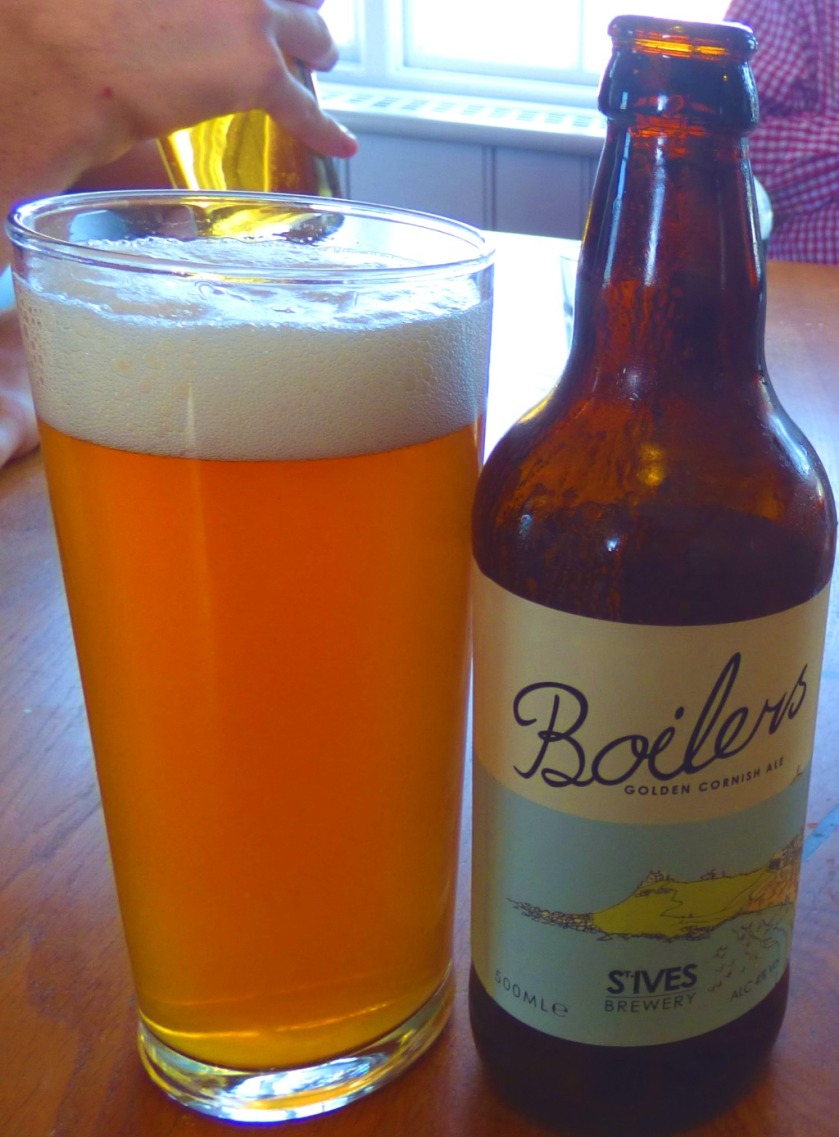
Having finished our exploration of the mount itself it was time for lunch, which was excellent. The establishment at which we ate our lunch has a rule that alcoholic drinks can only be served if food is ordered at the same time, and according to their interpretation cream teas do not count as food, so on two occasions in the course of that meal we ordered portions of chips to go with drinks. Mention of cream teas (a speciality of the far west of England) brings me to a debate that rages unchecked: which goes on the scone first, the cream or the jam? The cream advocates argue that cream in this context is the equivalent of butter (and if it is Cornish clotted cream it is so thick that one can pretty much slice it like butter!), and that if you put the cream on first you do not get jam in it. I am not sure what the jam advocates base their case on.

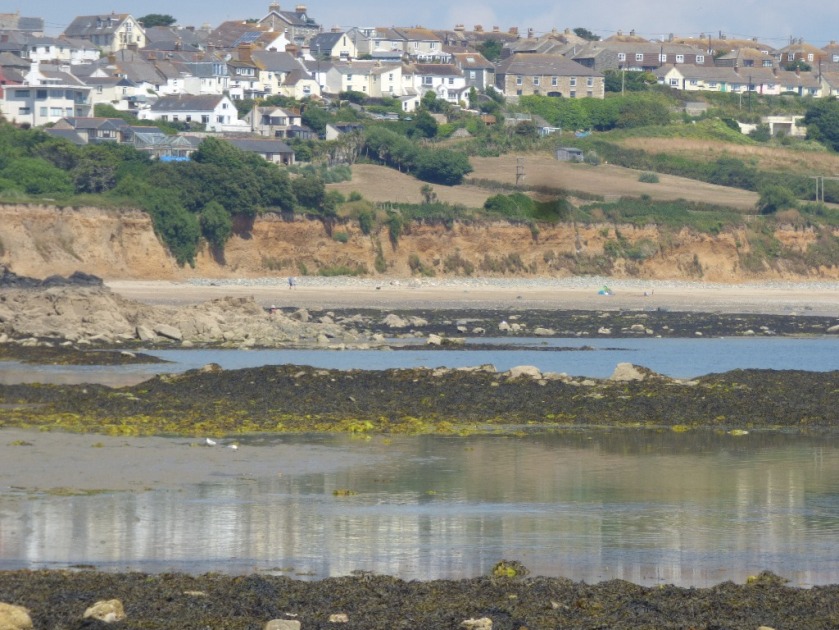
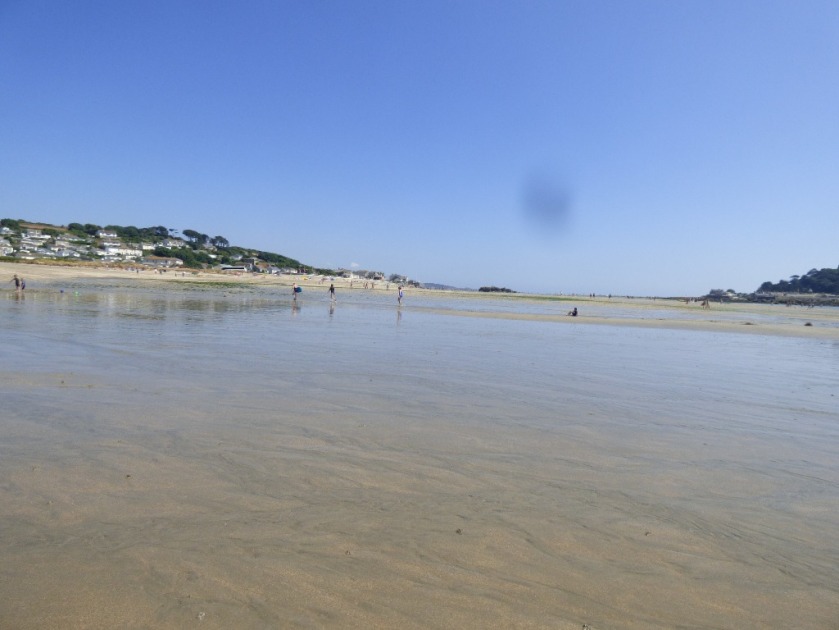
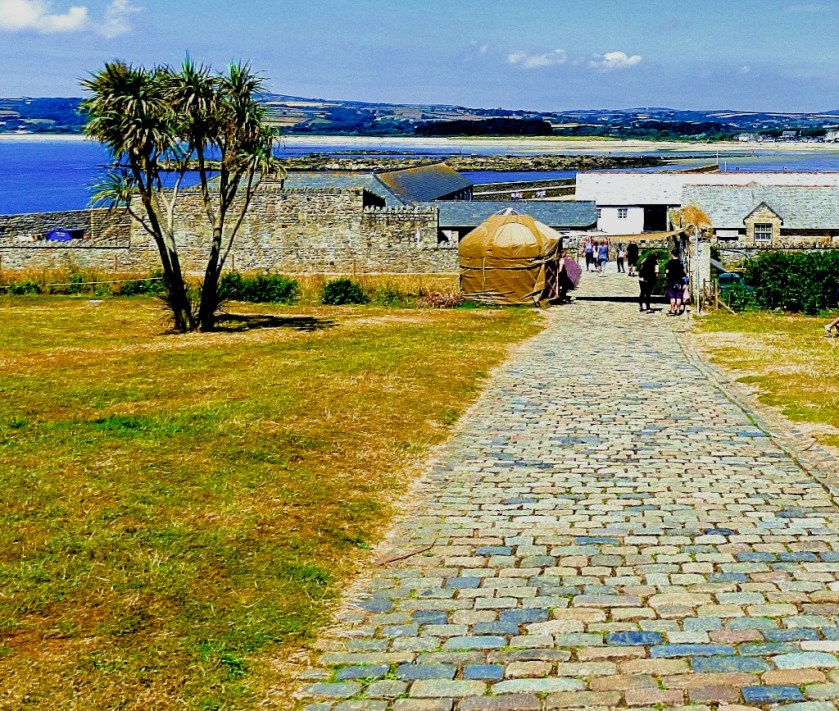
Lunch consumed it was time to head back to our parking place on the edge of Penzance. The tide was just starting to turn but was still a long way out, and unlike the Mont St Michel, on which the current setup of St Michael’s Mount is modelled the tide here comes in slowly (no danger of galloping horses being swallowed by an inrushing tide, as allegedly happened at Mont St Michel on one famous occasion), so we were still able to walk back across a vast expanse of beach to rejoin the official footpath just west of Marazion. I omitted to remove my socks and shoes for this part of the journey, and they ended up thoroughly soaked, although by the end of the walk they had dried out again (without the sea breeze the heat would have been fiendish).

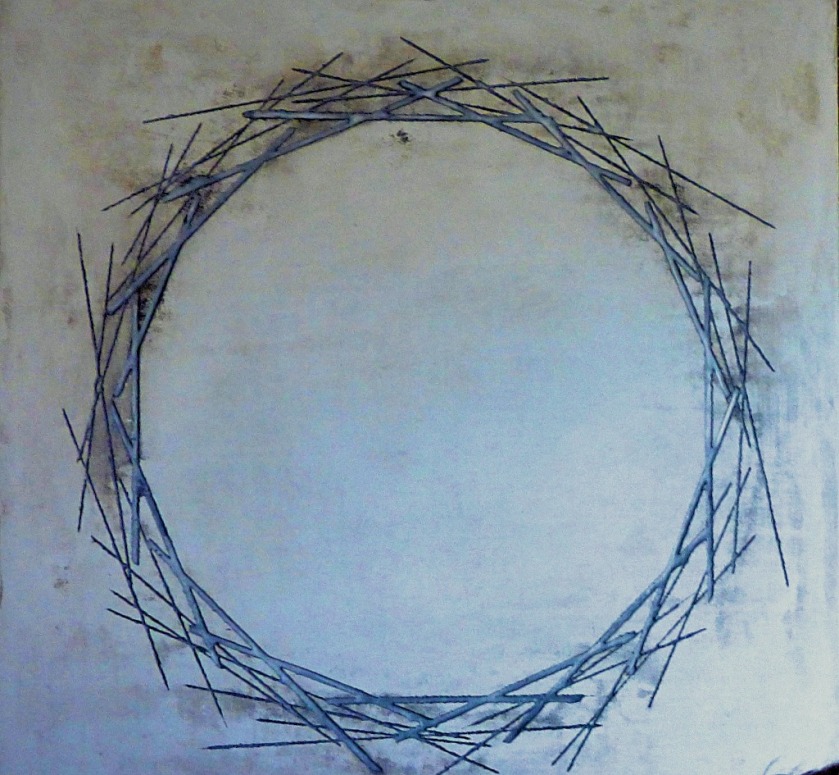
Mathematical Pic
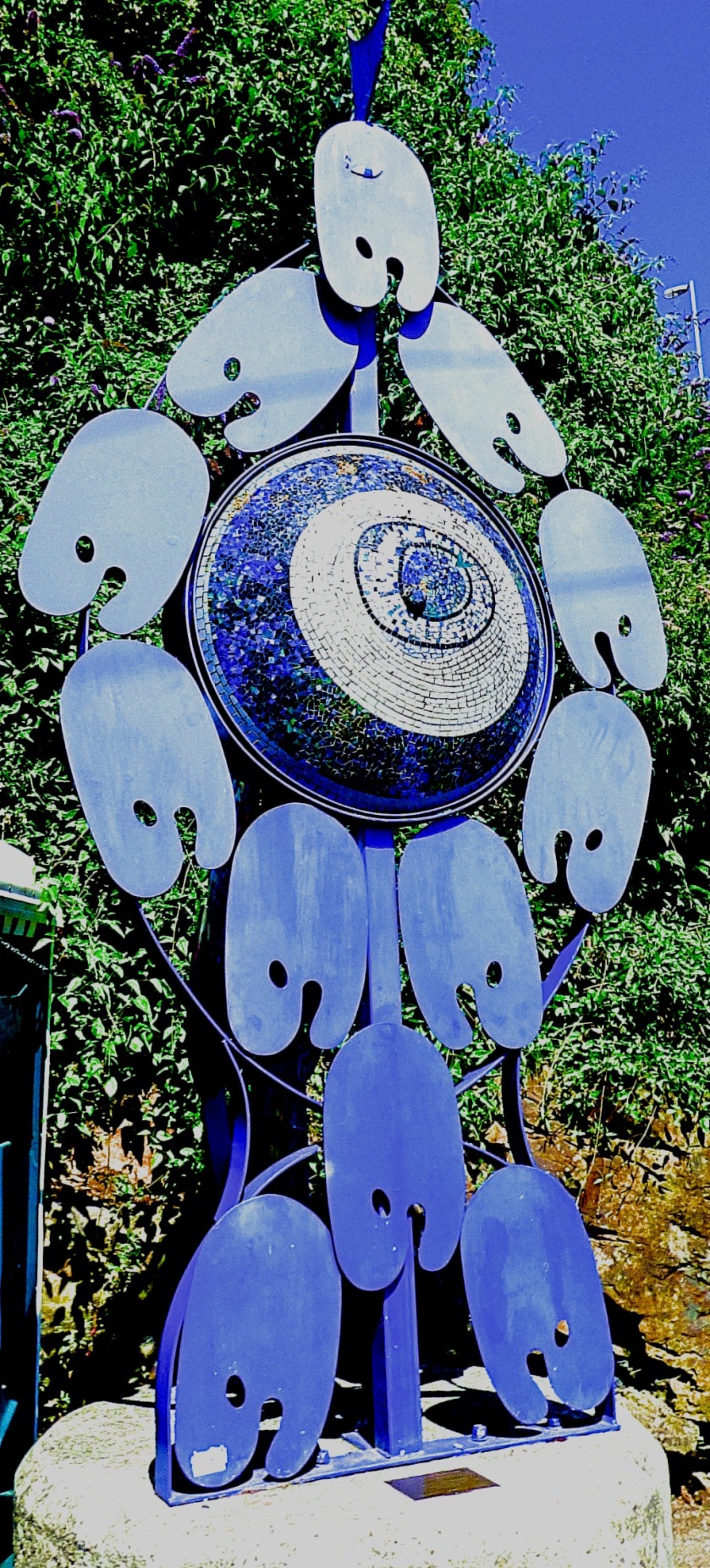
The first few photos here, including these mathematical pictures are from lunch

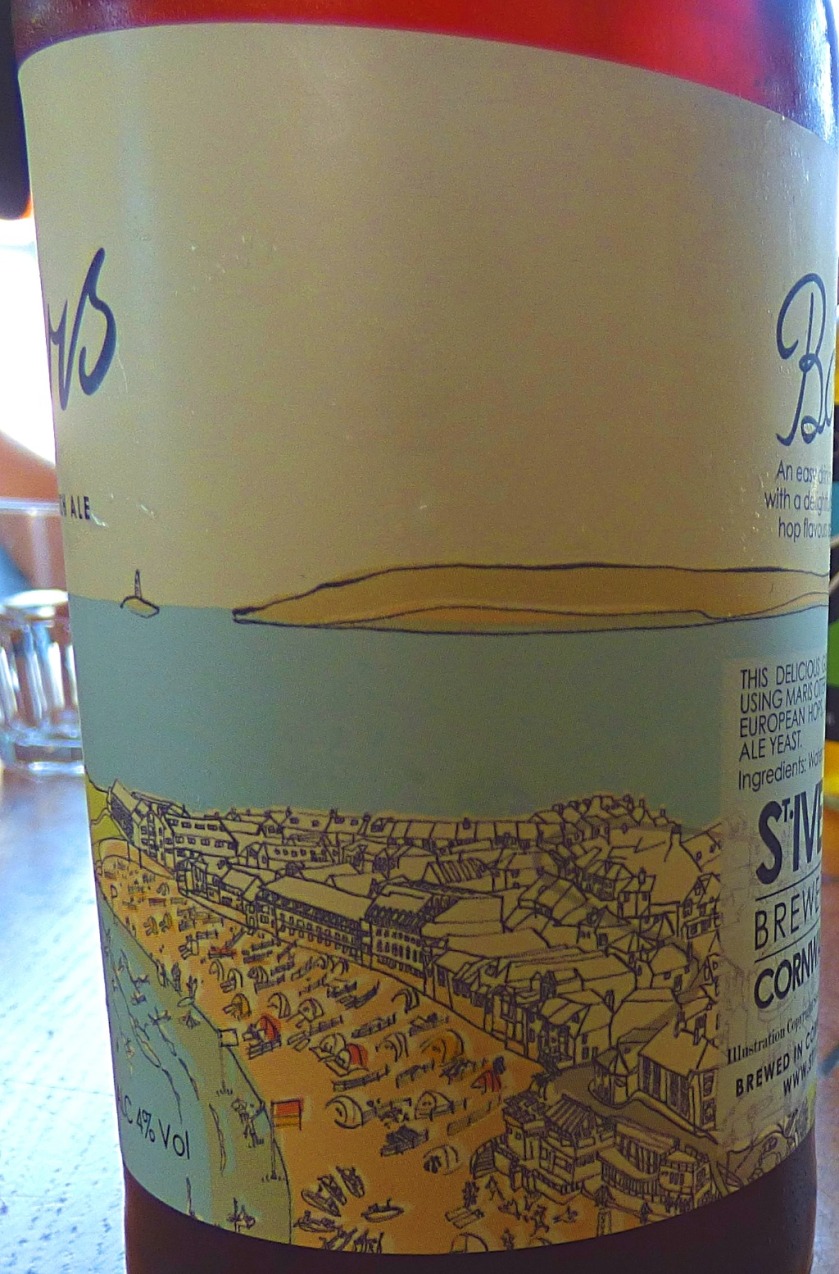
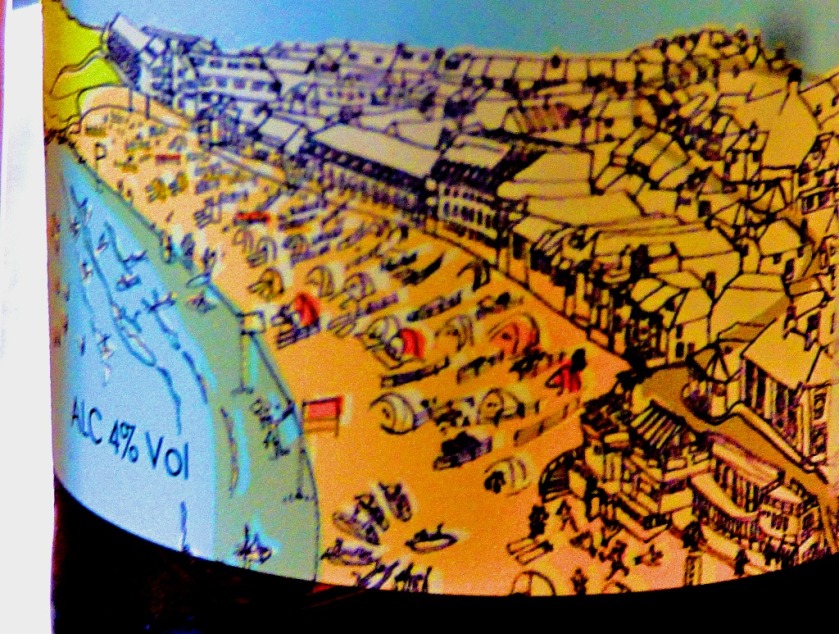
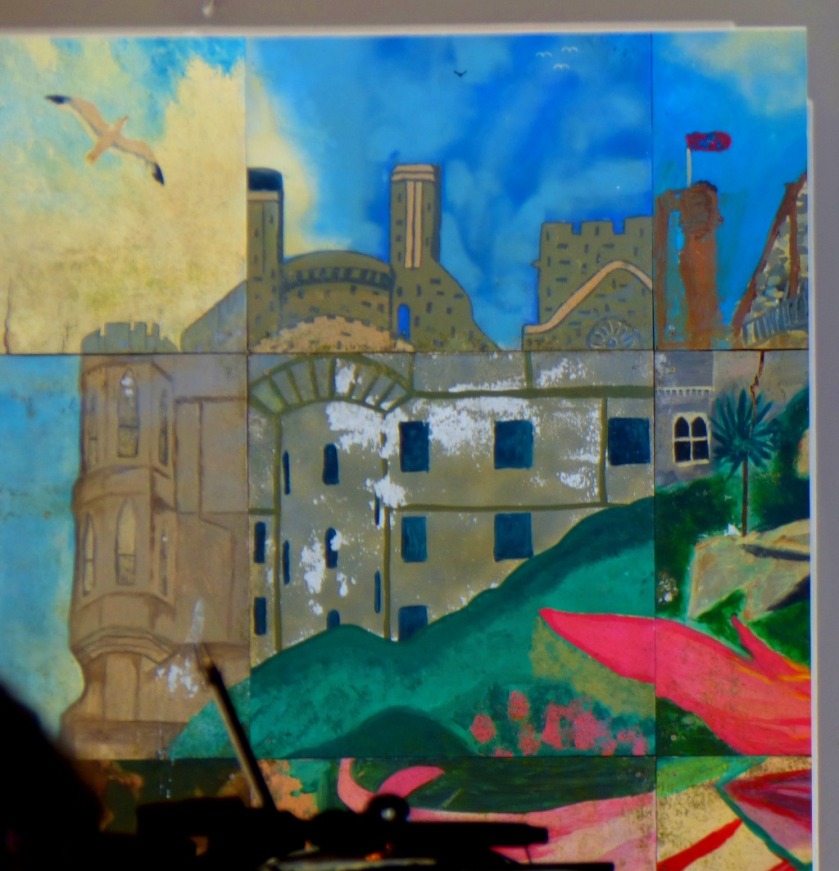
Mathematical picsMathematical Pic IIMetal pictureThrough the windowCornish beer ICornish Beer IICornish Beer IIIBoilersdetail from bottleDetail from bottle IIPaintingLooking towards the mainland

Sea birds
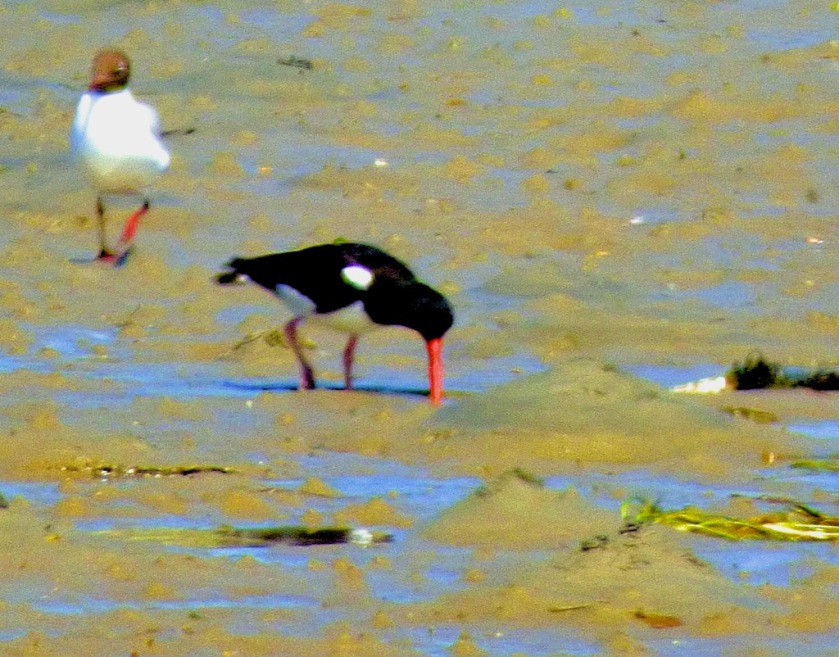
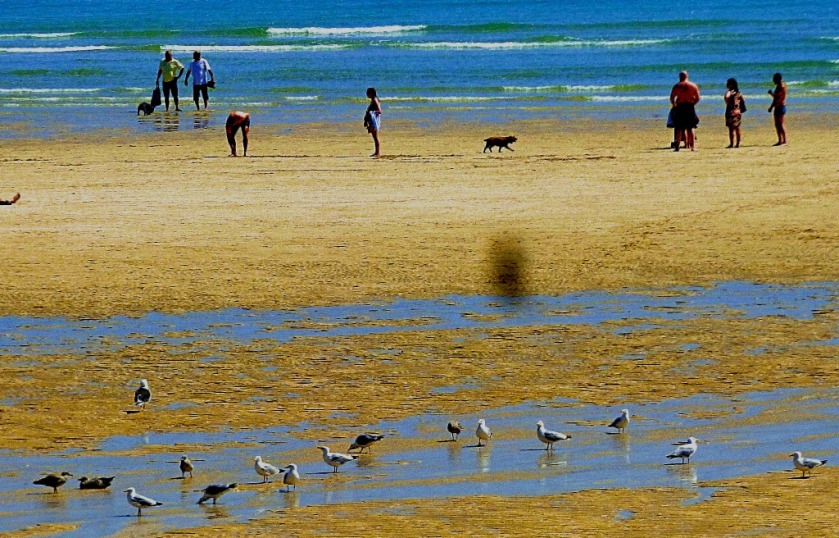
Just before recrossing the causeway to the mainland, we saw these birds – the one with the red bill used for digging would have been having a bonanza – there were huge numbers of worm casts in the sand.
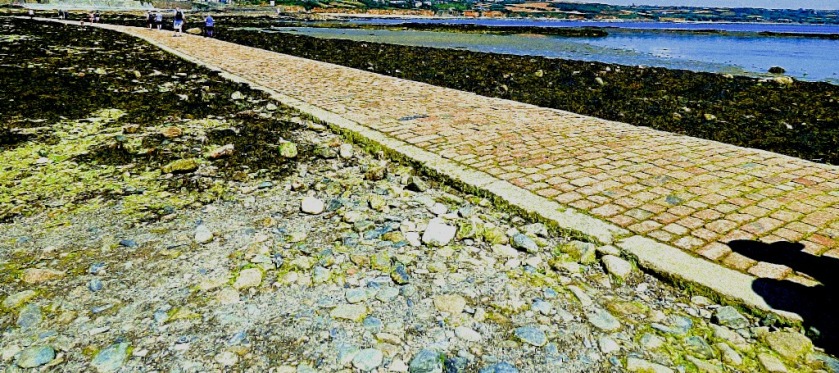
Causeway close-up II
The causeway from close up

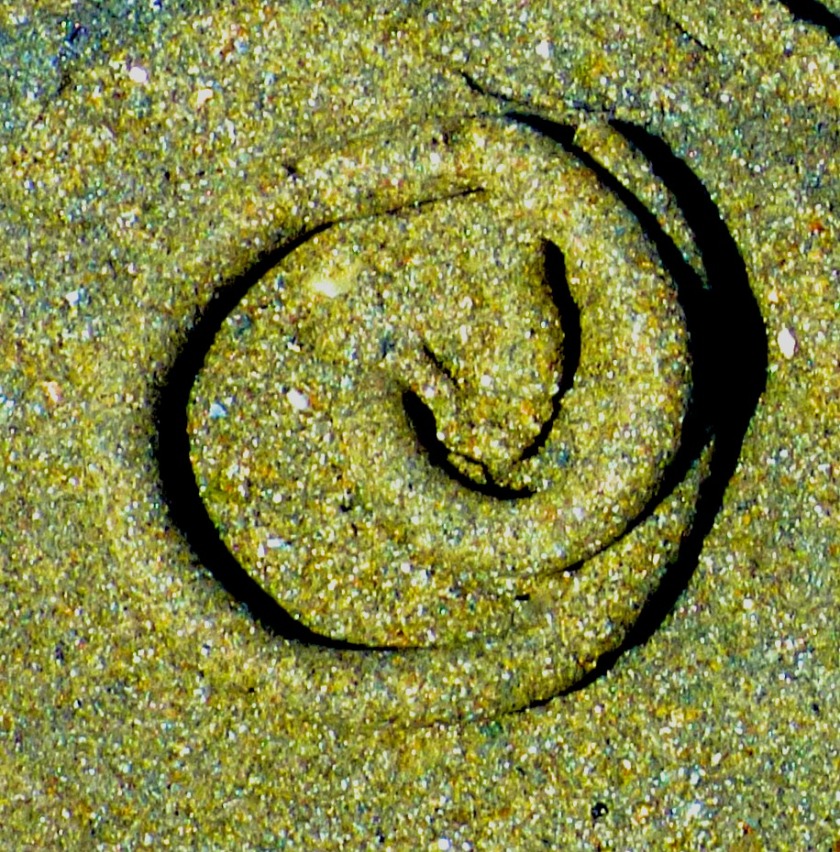
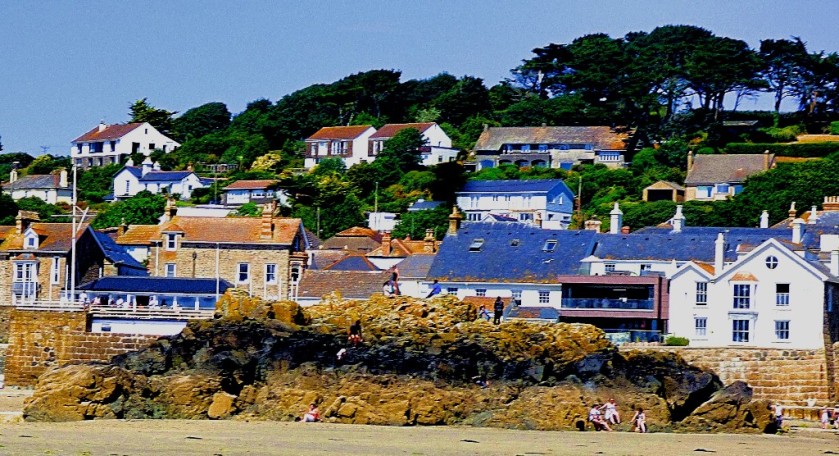
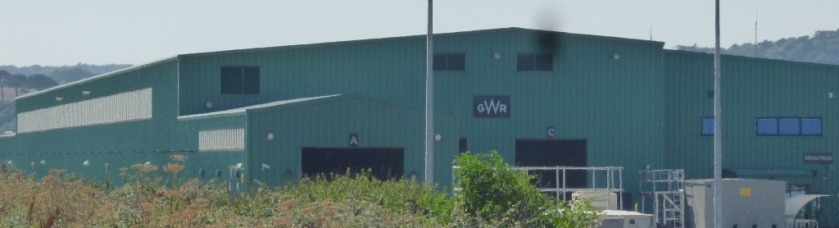
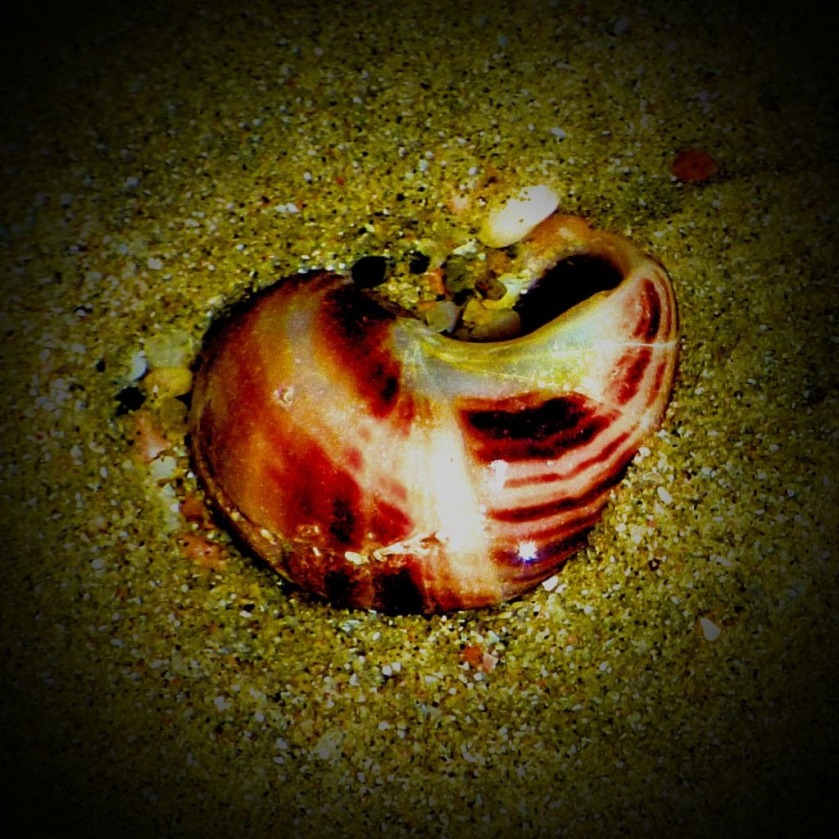
Worm castReturning to MarazionLooking WestGWR works, near PenzanceBeach viewShell

Farewell to St Michaels Mount
A farewell shot of the mount

St Michael's Mount panorama

Chough
A shore dwelling corvid, the Chough

A Grockle’s Eye View of Cornwall 9: The Top of St Michael’s Mount and the Descent

Continuing my account of a visit to St Michael’s Mount.

INTRODUCTION

This is the third to last post about the day at St Michael’s Mount, and the ninth in my series about my summer visit to Cornwall. The next post will be all about the vast collection of antique maps that are on show here, and then a final post about the last stages of the day. I then have the journey home to cover to complete the series.

THE REMAINDER OF THE SUMMIT

At the end of the previous post in this series were about to head indoors for the second time in our exploration of St Michael’s Mount…

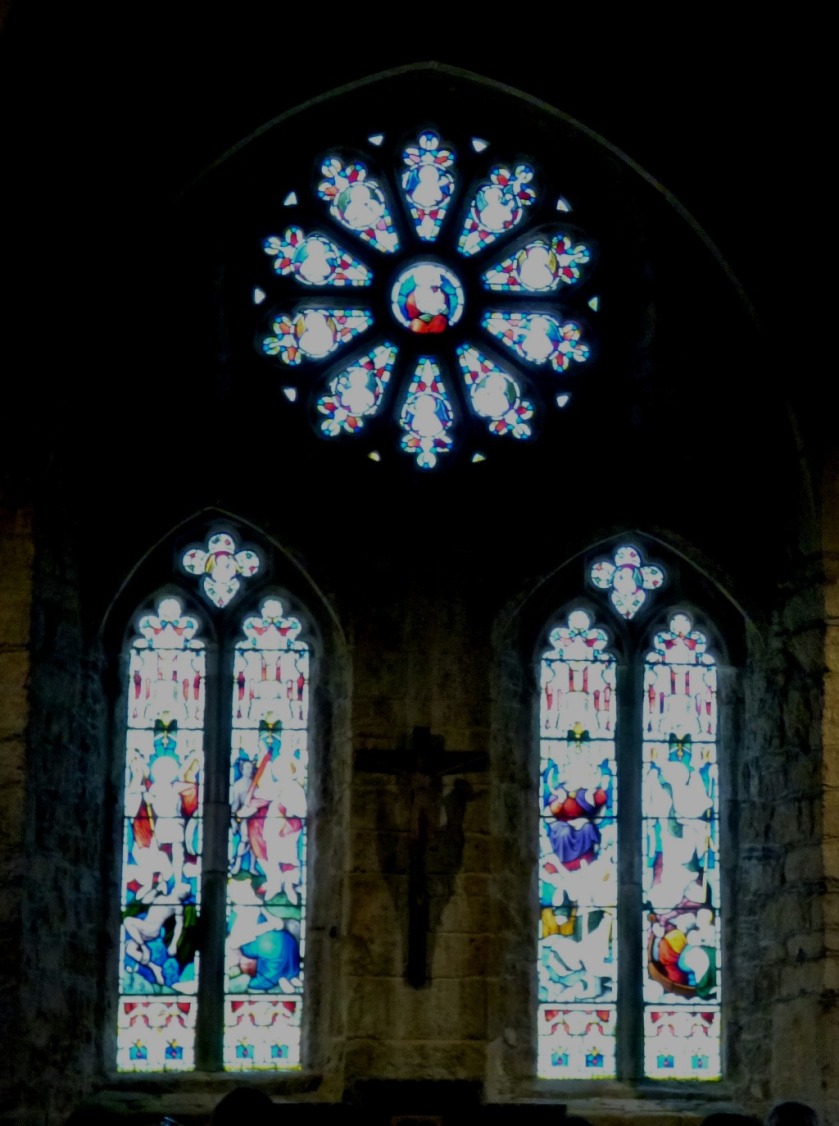
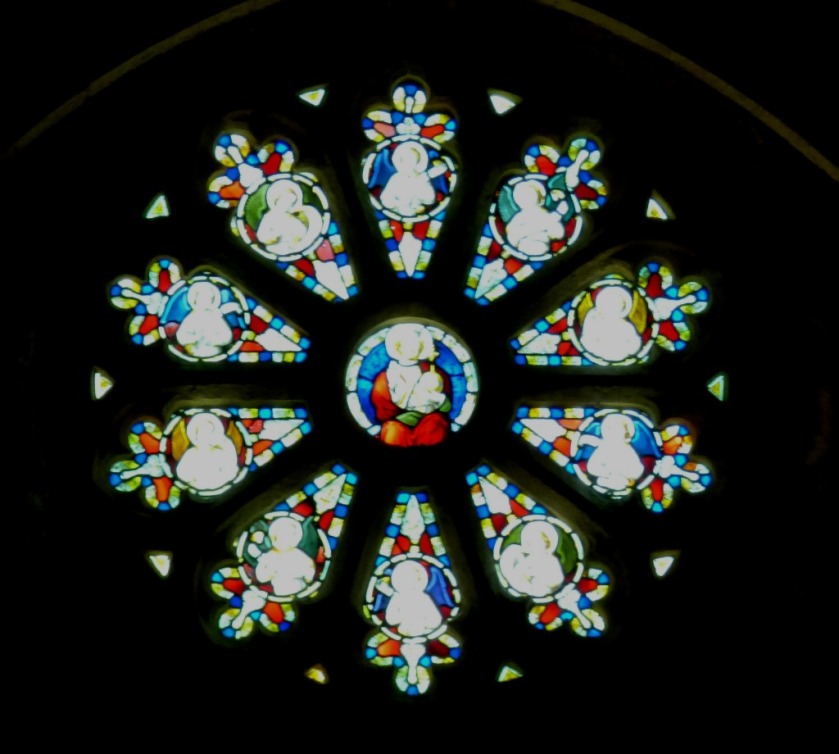
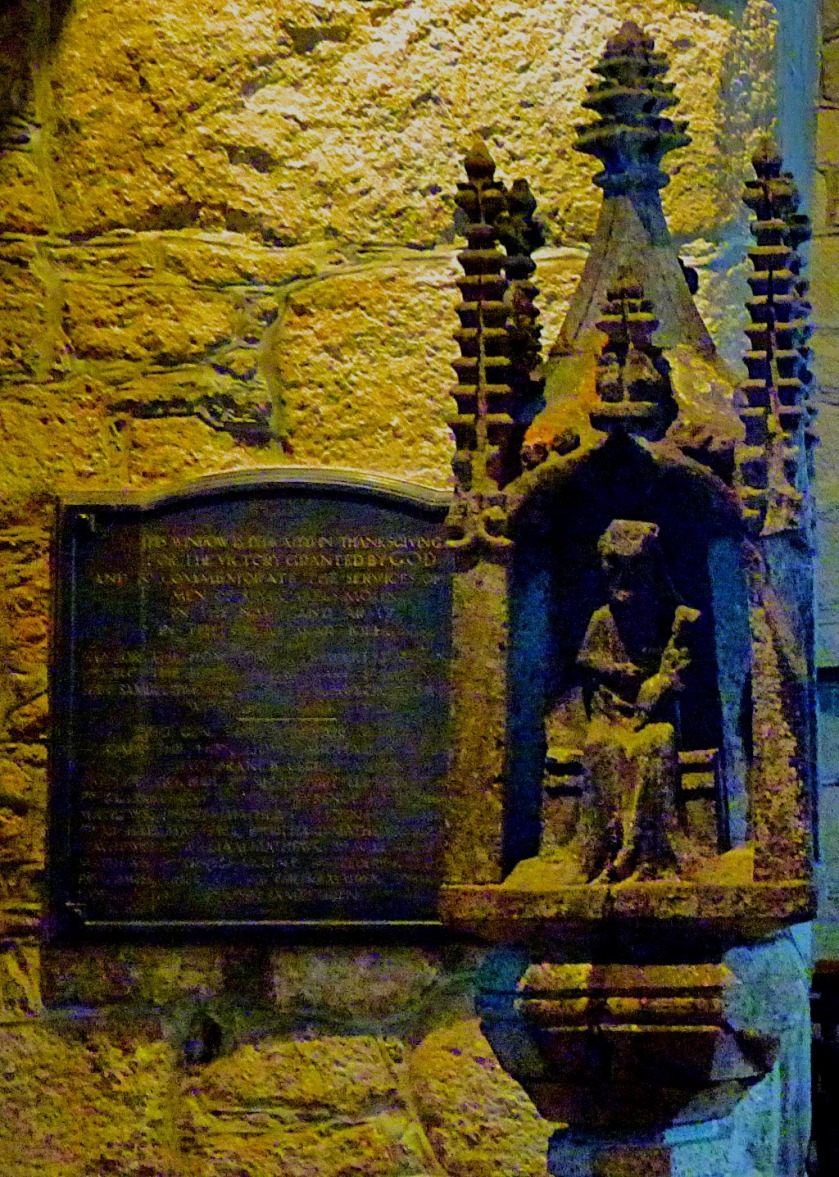
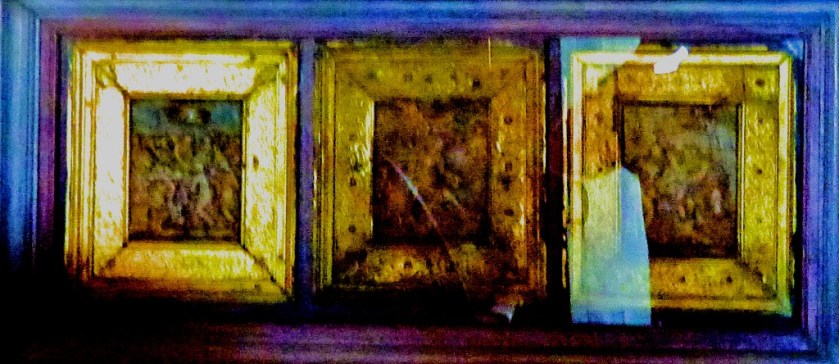
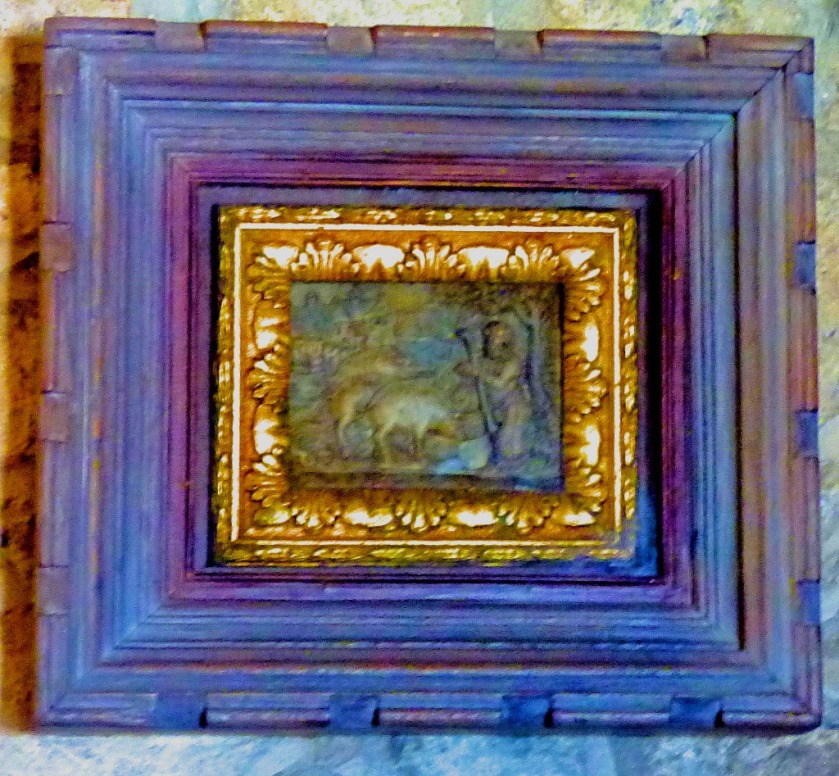
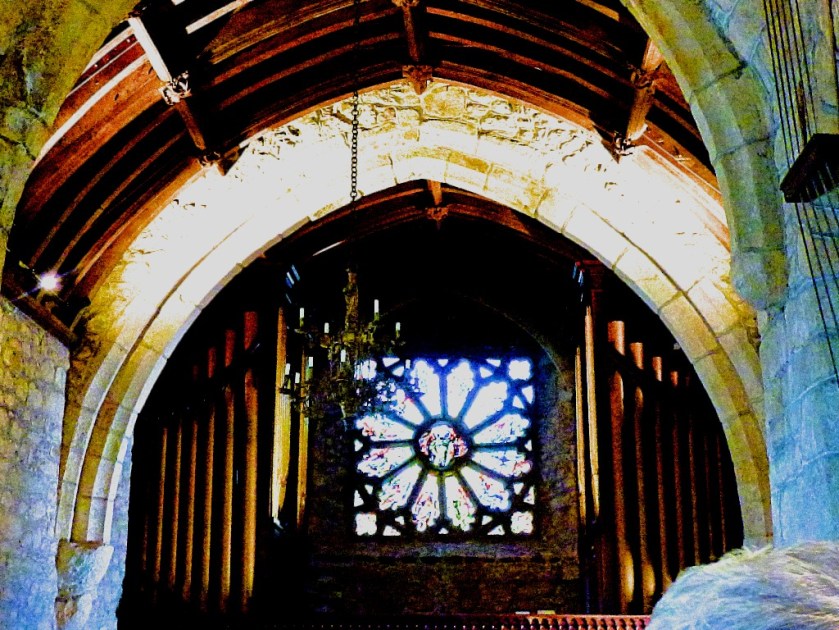
The mainlandStained glass VIIRoseCarving and stone inscriptionTrio of miniaturesShepherdEagle and windowangelthree in one frameSeptetRose II

Organ
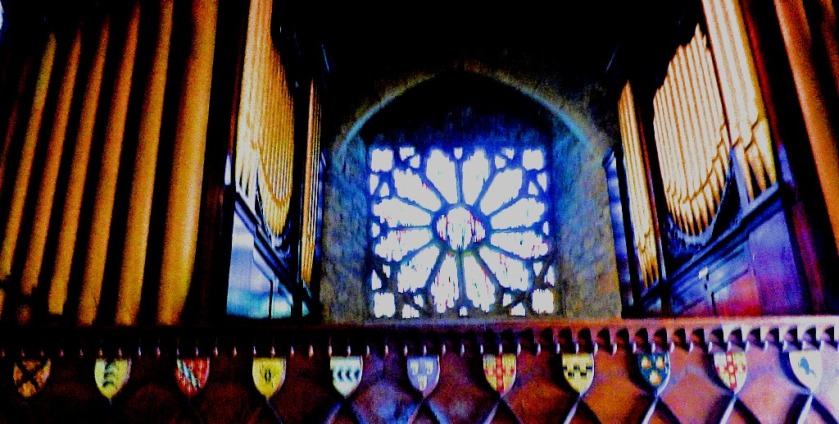
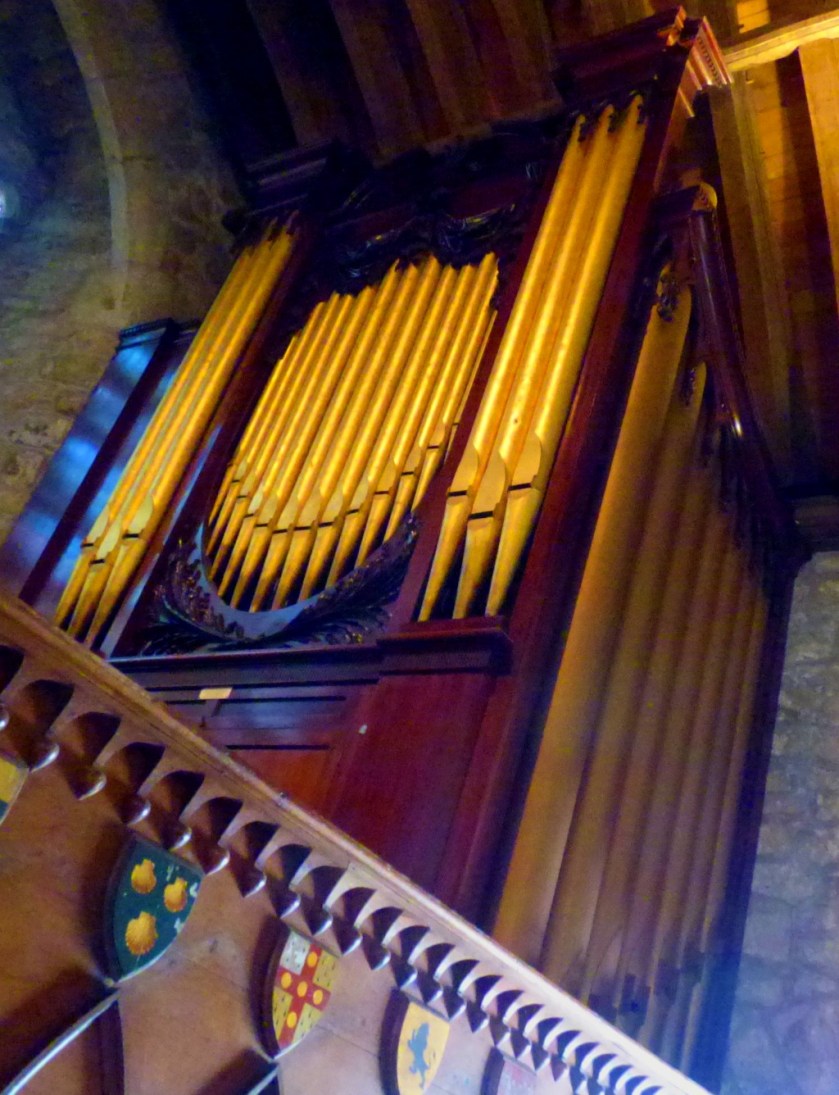
This organ looks splendid.

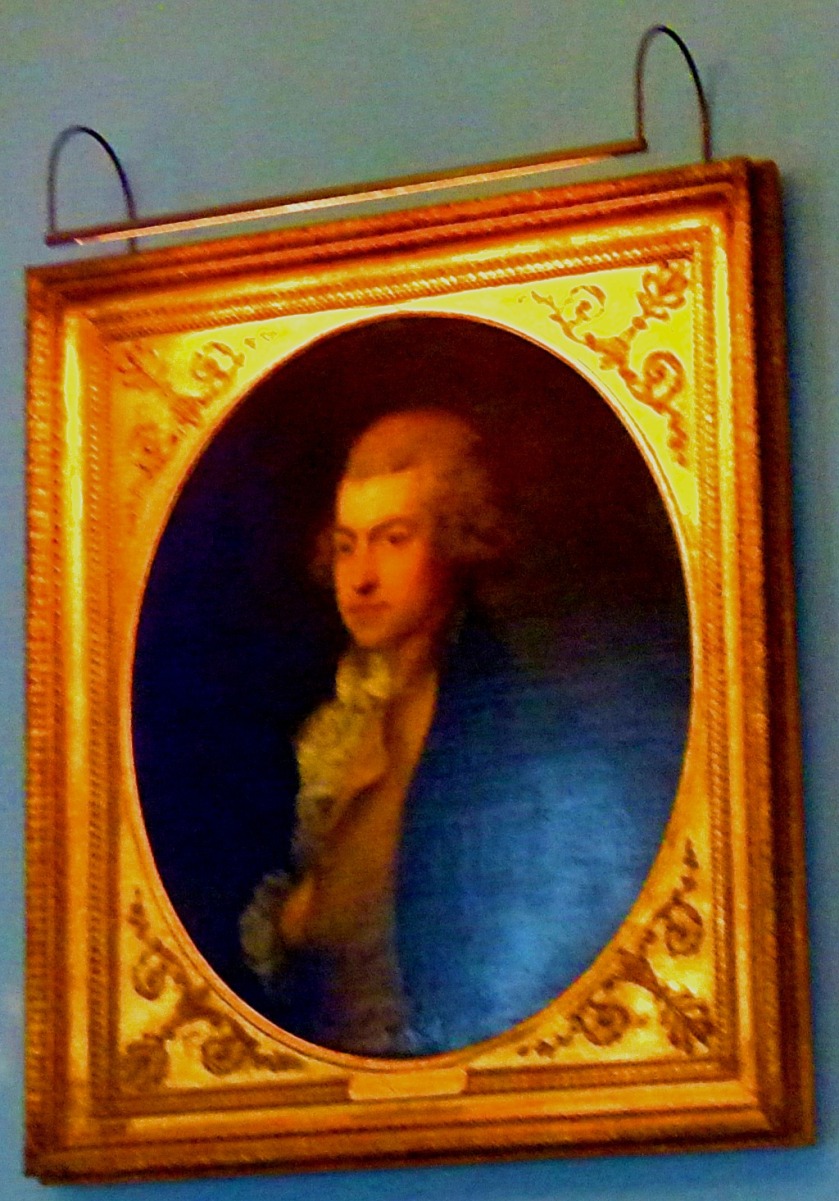
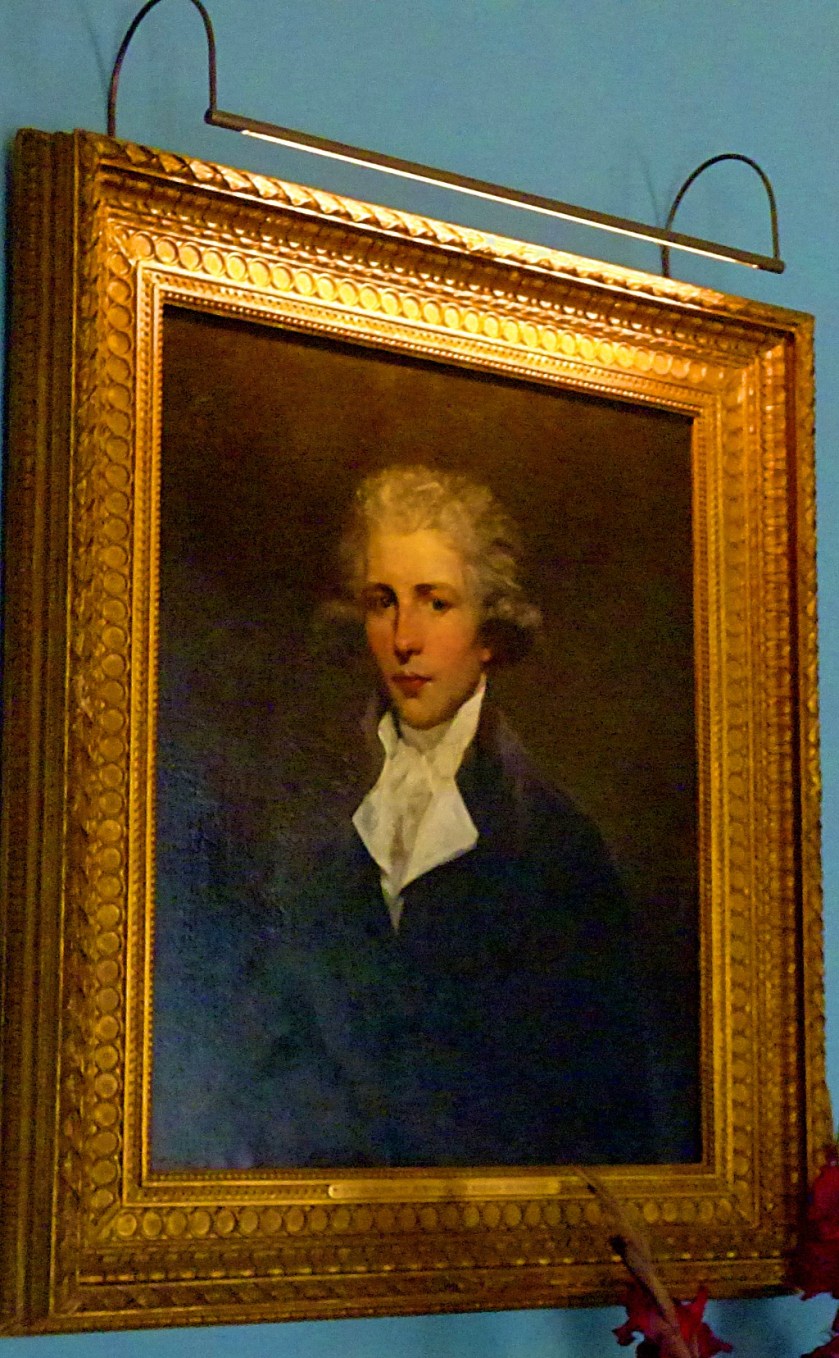
Organ close-up 1Organ close-up 2DedicationAngel and windowMemorial and windowMemorials and windowPainting and windowTrio and window panelsText and windowThe second Lord St LevanArchitectOrgan and windowLiving roomPortrait XPortrait XIMantel clockbusts and windowCupid

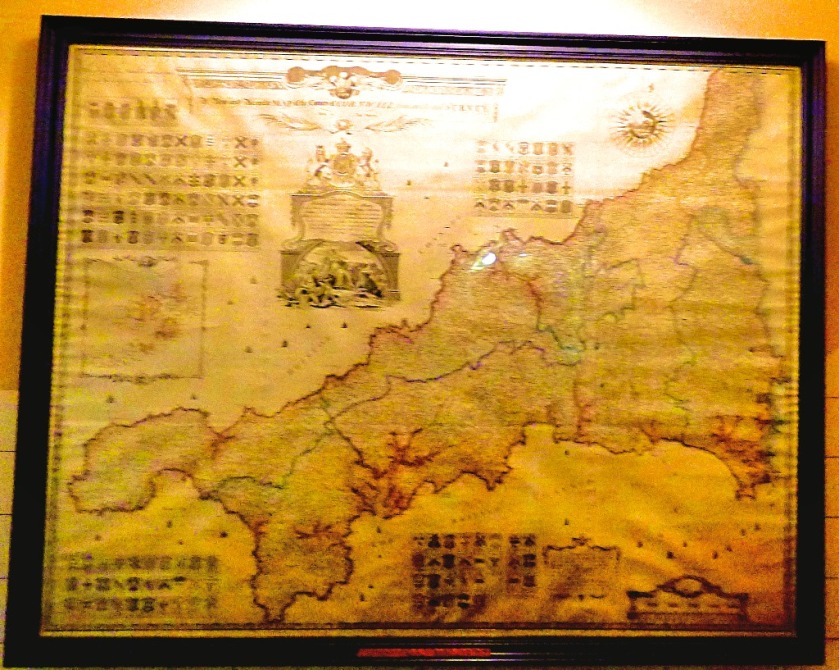
At this point we entered the map room. As an appetiser for the next post I offer one picture from there…

Christopher Saxton's Cornwall

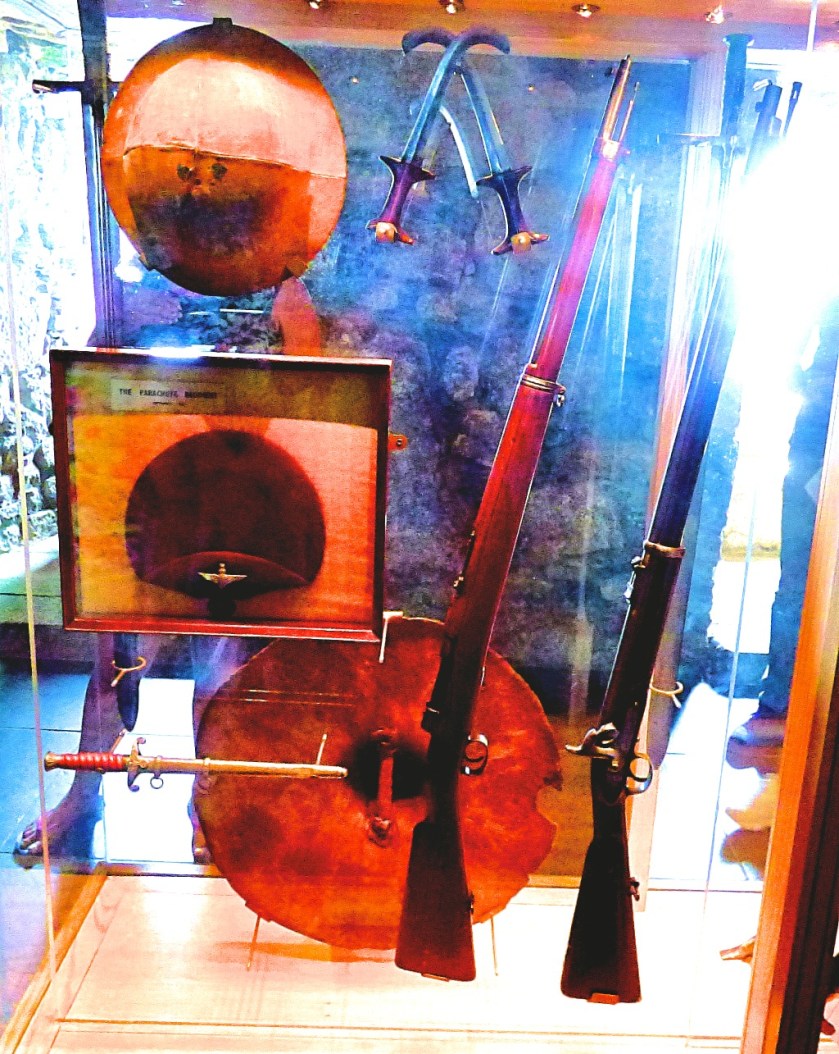
After the maps came a display featuring large amounts of weaponry…

remains of spiral staircase
The remains of a spiral staircase

hornDollArmour IgunsTruncheonstruncheons and gunsMore gunsWeapons VSpearsWeaponryWeaponry IIShield IIHorses Head

Cornish map with extras
A final map, separated from all the others.

girls armourbreastplates and helmetsGiant clock IClockfaceClock case18th Century mugMug provenanceUniformCapShoulder plate

That ended the indoor stuff until lunch time.

THE DESCENT

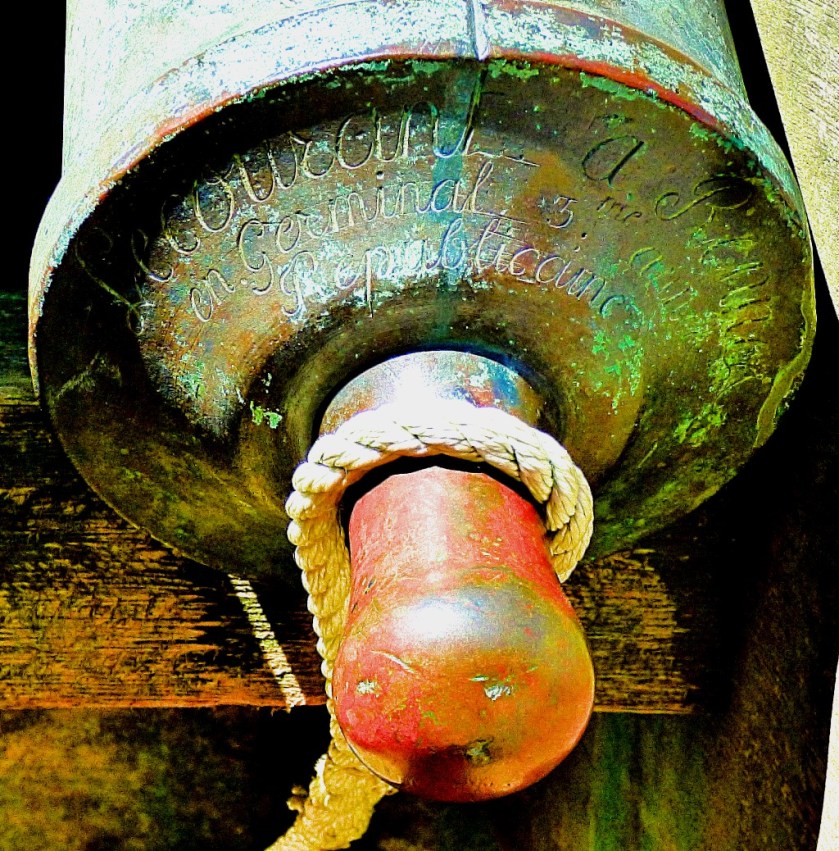
The descent takes past an emplacement of mini-cannons which are of French Revolutionary origin…

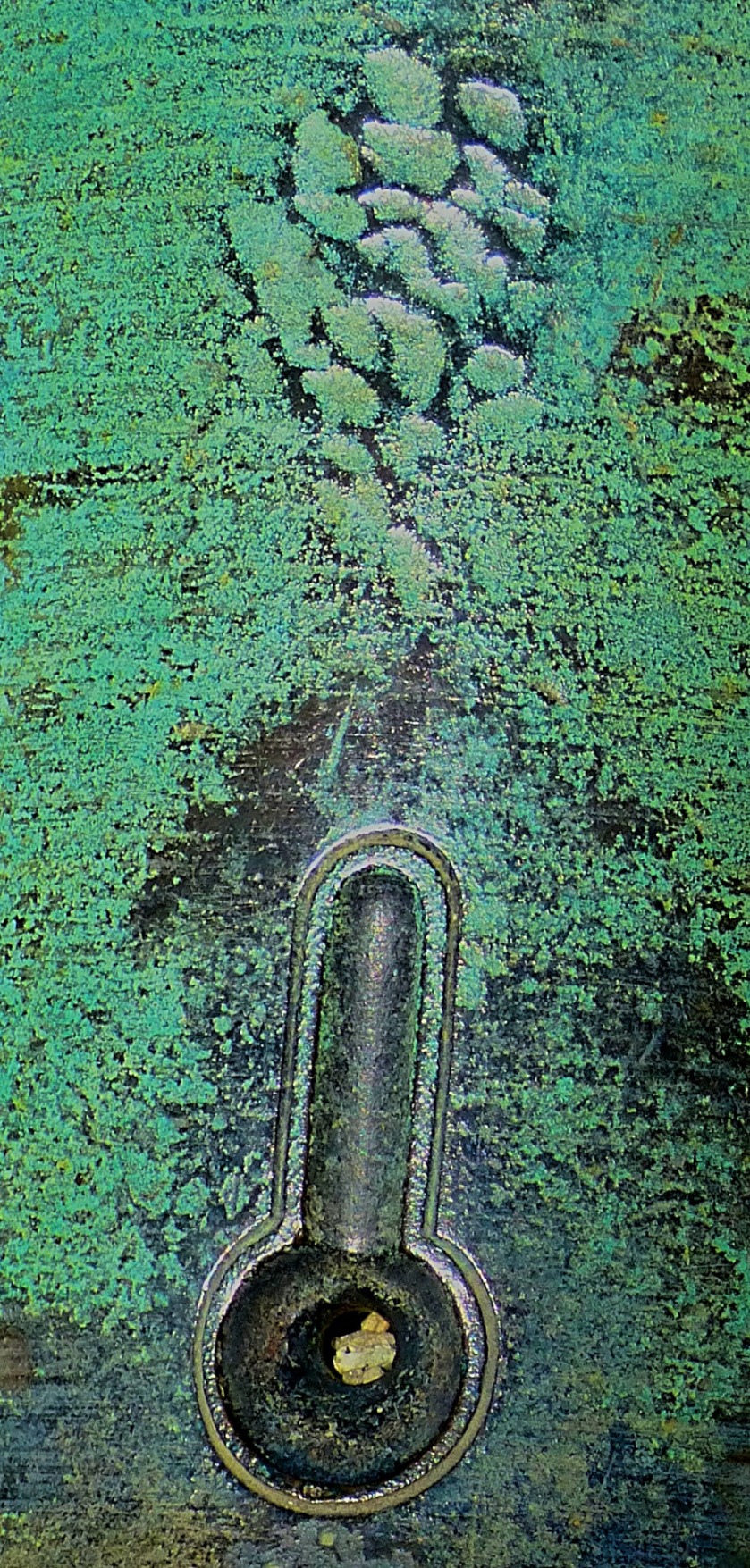
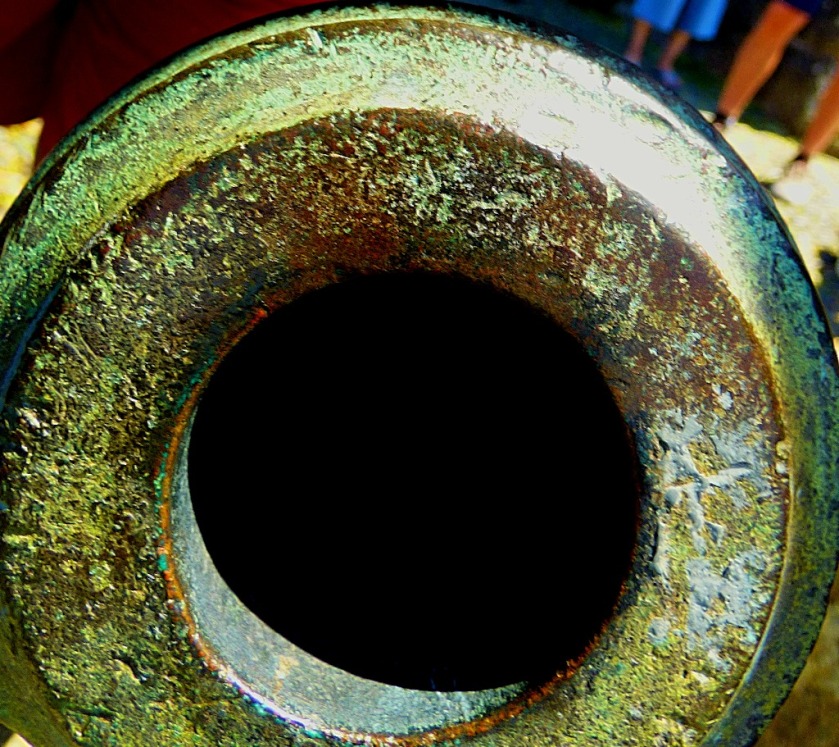
mini cannonsMini cannoncannon markings ICannon markings IICannon markings IIIMini cannon emplacementCannon markings IVCannon markings VCornish flagCannon markings VICauseway from the cannon emplacementFarewell to the cannons

Just beyond this I encountered a Red Admiral butterfly:

Red Admiral I
At first it had its wings folded making ID difficult…

Red Admiral II

Red Admiral III
…but when it opened them out there was little room for doubt.

Red Admiral IV

Not long after this we could see our next destination, where we would be having lunch.

Nearly back at sea levelsea level buildings

A Grockle’s Eye View of Cornwall 3: A Visit to a Seal Colony

INTRODUCTION

My previous post in this series covered the journey from St Germans to St Ives and hinted at the feature of my time in St Ives. This post picks up the story. The Cornish Maid has produced posts giving a more local take on St Ives in her blog.

SERENDIPITY IN ST IVES

From the station I headed in the general direction of the sea front, taking photographs along the way.

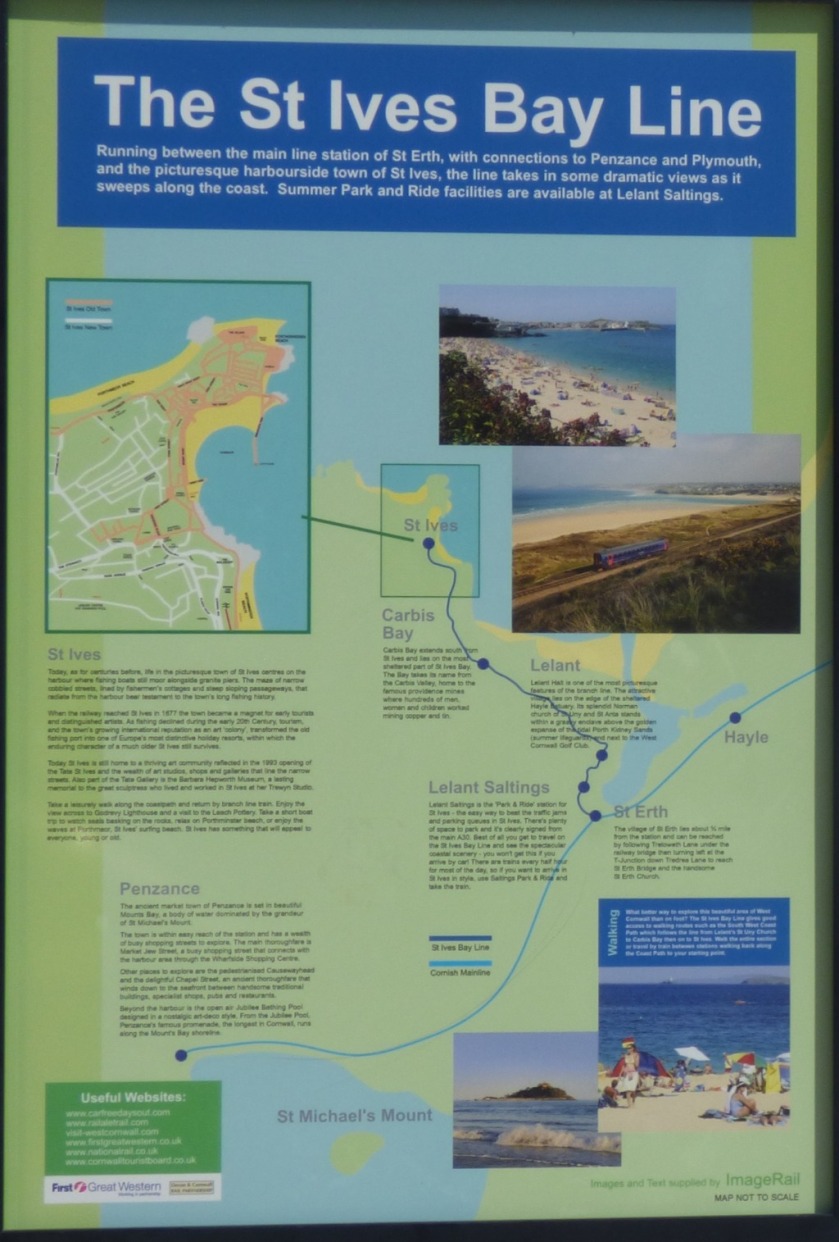
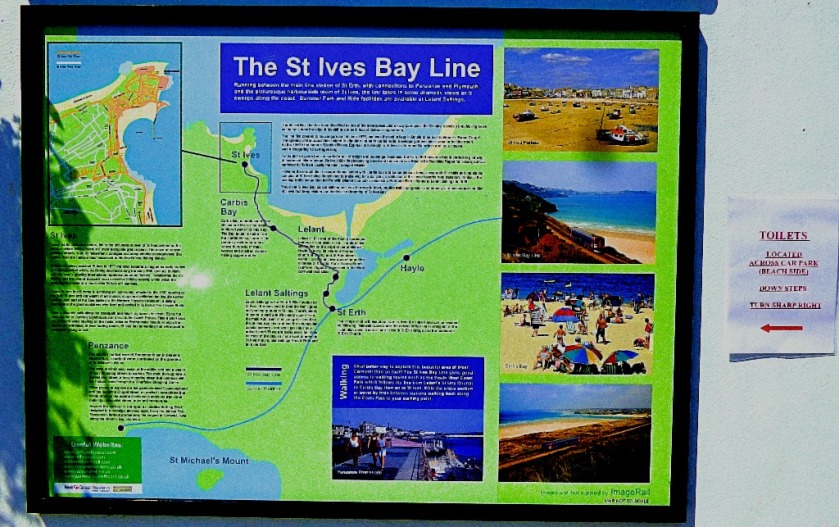
SculptureSt ives Bay lineSt Ives Bay lineBeach scene St IvesSt IvesChurch towerclock face

Old phone box, St Ives
This olde-worlde telephone box caught my attention, while the attached clock had all the appearance of being an old railway clock…
Old GWR clock
…soon confirmed by my zoom lens.
Panel set into wall of RC church
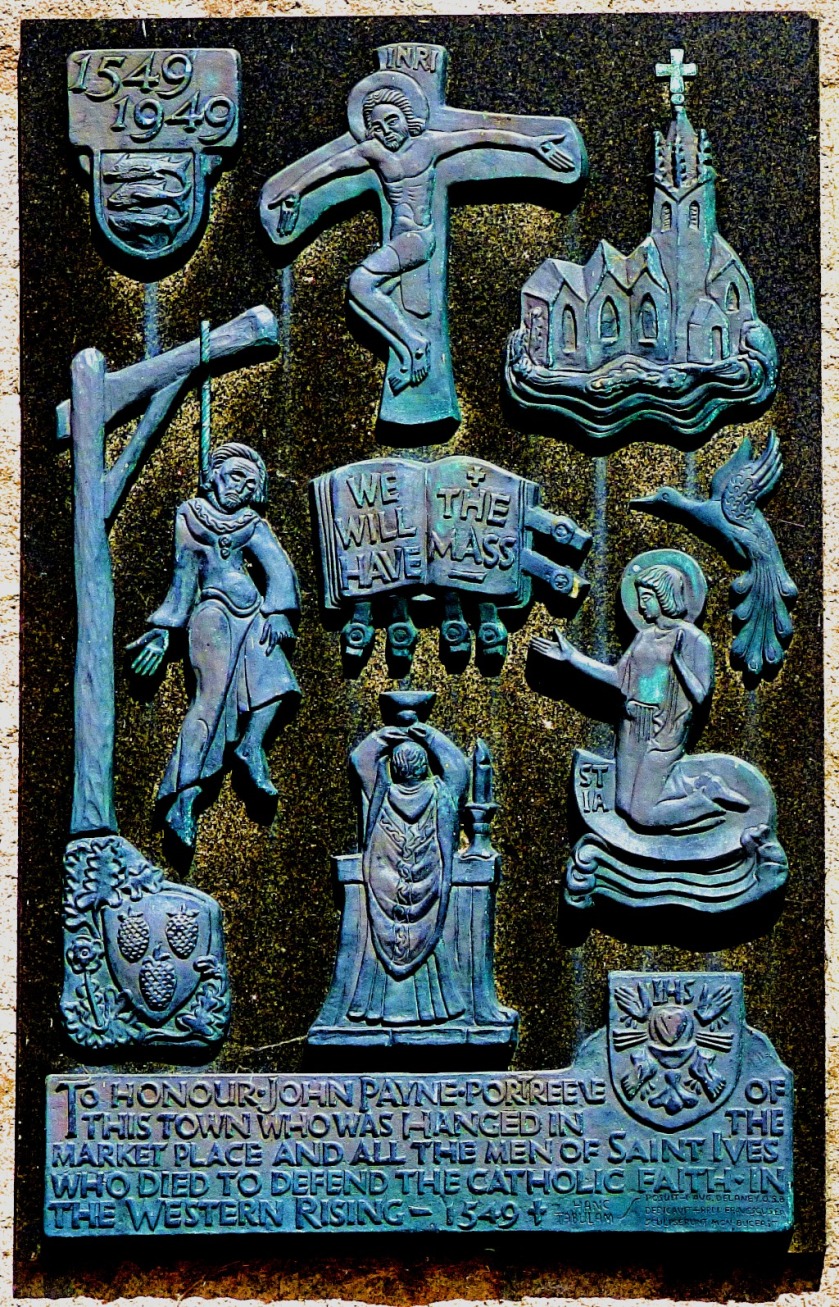
This panel is set into the wall of the Roman Catholic church
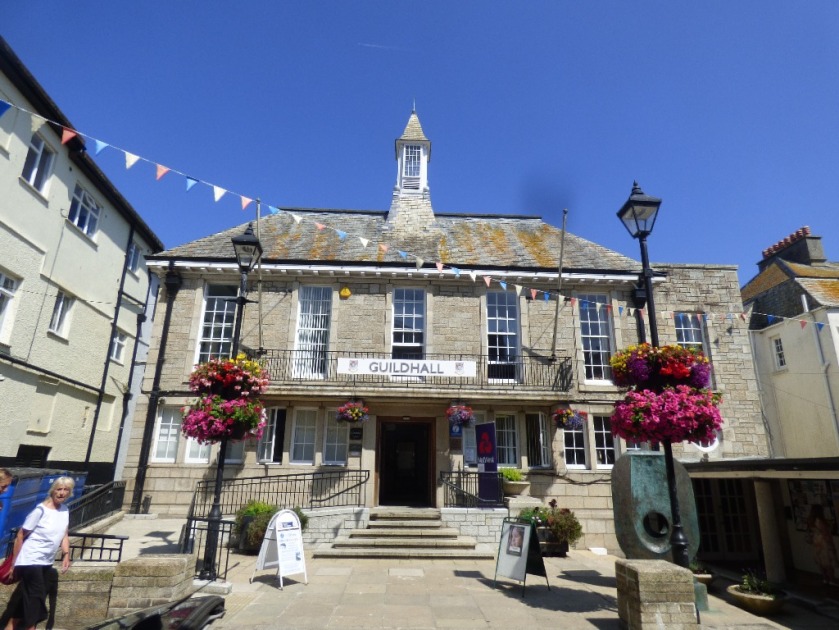
St Ives Guildhall
St Ives Guildhall, a handome building, though not quite in the class of King’s Lynn’s 15th century masterpiece. It is home to a tourist information office but they evidently have staffing issues as it was closed and locked that day (a sunny friday in July)

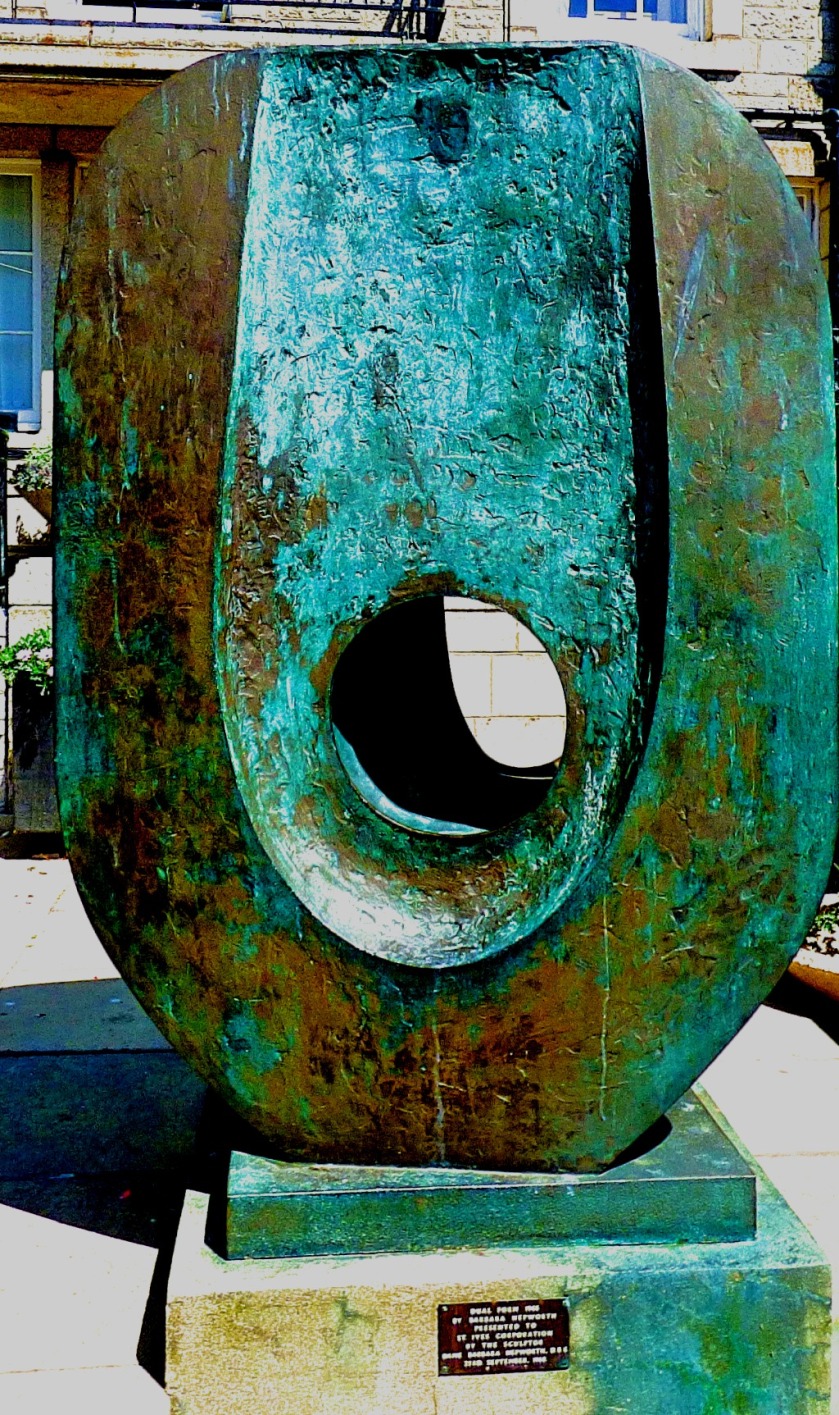
Bronze sculptureSt Ives map and pictureBeach scene, St IvesLighthouseWall with porthole windows in itLooking across the bayspeckled gull

Church
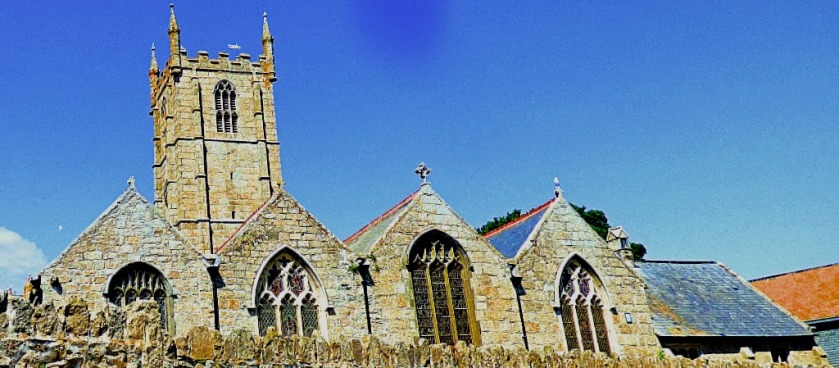
This is the main Anglican church

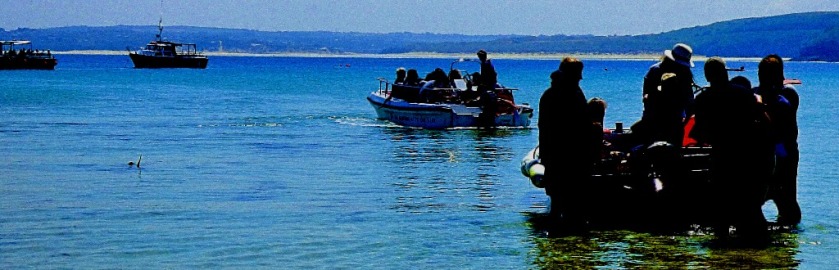
As I hit the sea front area I encountered a man selling tickets for boat trips to a seal colony. Knowing that I was operating to a time limit (the connections back being less good than those for the outward journey I needed be back at the station around 3PM to be sure of getting back to St Germans at 6PM as I intended) I made enquiries about departure times and the length of the boat trip. I benefitted from being a natural born singleton – there was exactly one seat remaining on the Sea Horse, which was departing at 12:00 and would be back around 1:15, and that was the decision made (there is a seal colony at Blakeney Point in Norfolk, but this seemed likely to be an improvement on that). 

One takes a small boat out to the main boat one is booked on, and at low tide (as it was for my outbound journey) one has to walk out into the sea to about knee depth for the first pick up. The water was cool but not shockingly so, and it was actually very pleasant standing in the shallows. 

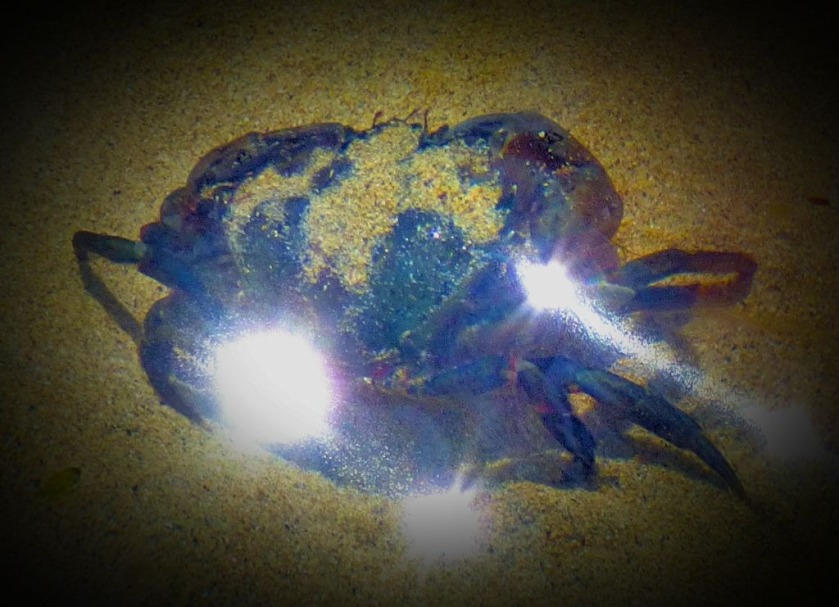
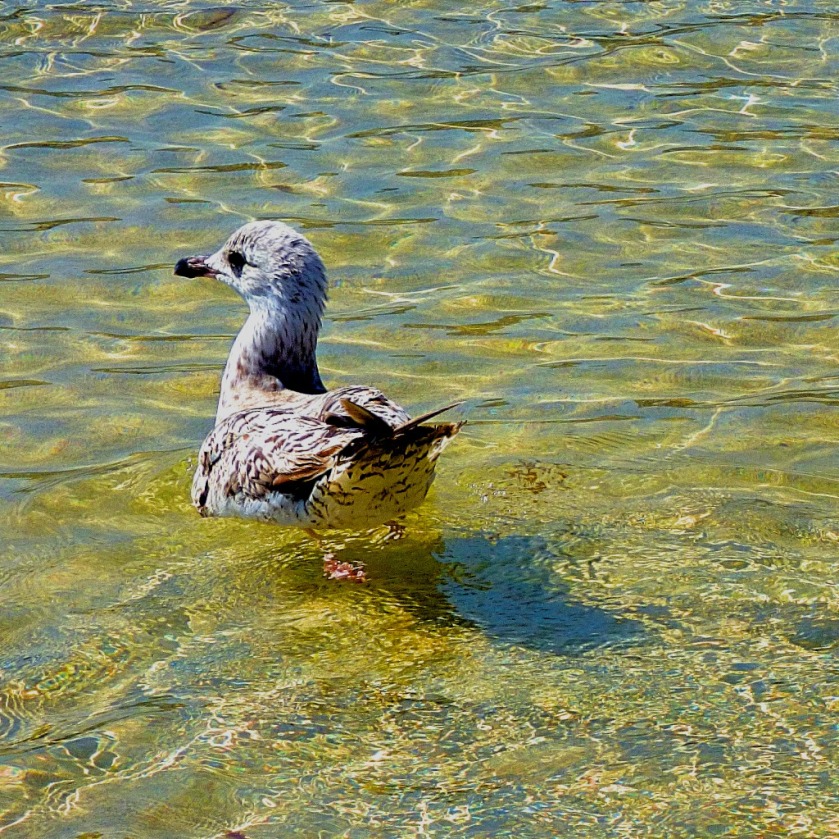
Small boats taking people out to the bigger boats for trips to see the sealsCrabWaiting for the SeahorseSwimming gulllooking out to seaHeadland and rocks

OUTWARD BOUND

I managed to board the small boat taking me and others out to the Seahorse (a 12 seater boat, so still not huge) without incident, and the transfer to the Seahorse also passed without incident.

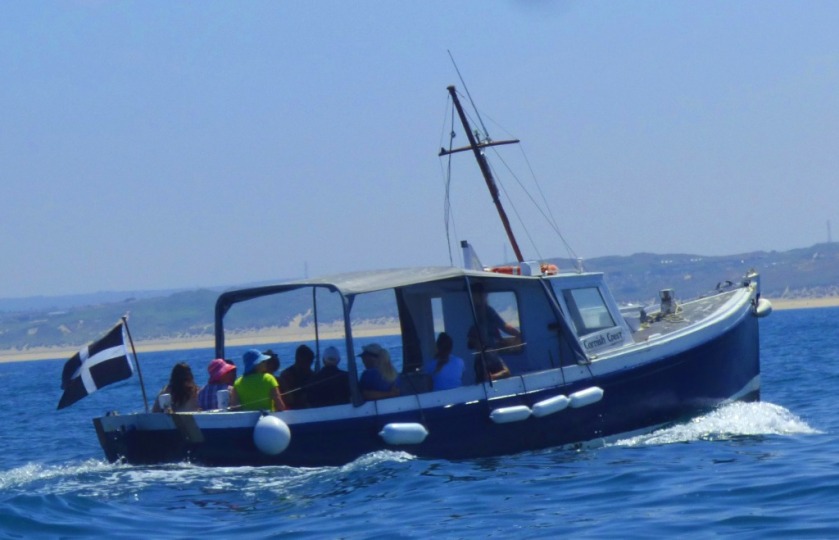
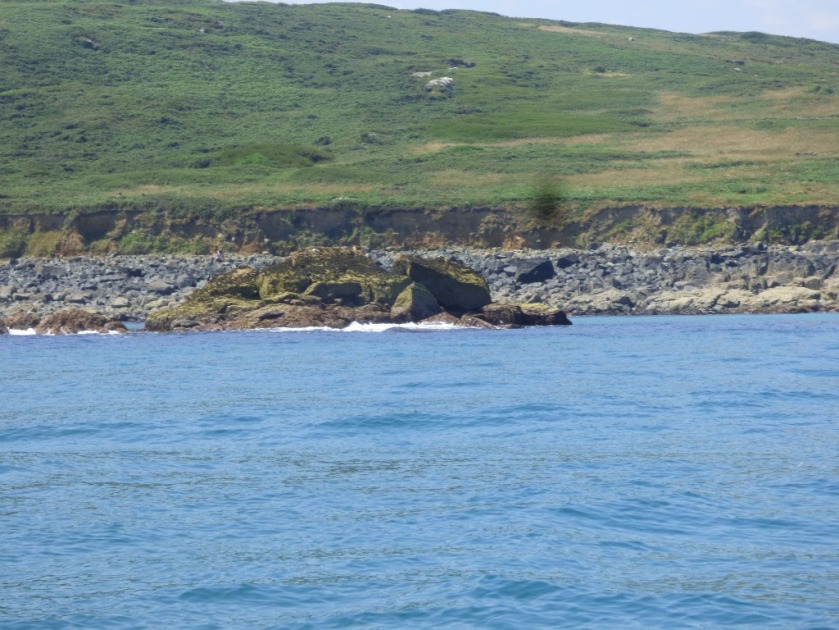
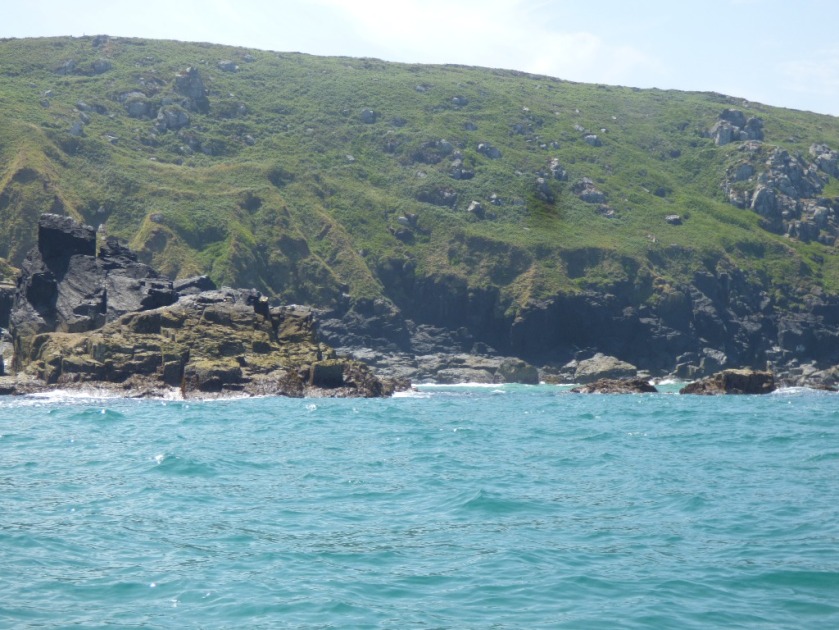
Looking back from the boattour boatCornish coastCoast from the searocks with birdsrocky coastlineMoss and rocks

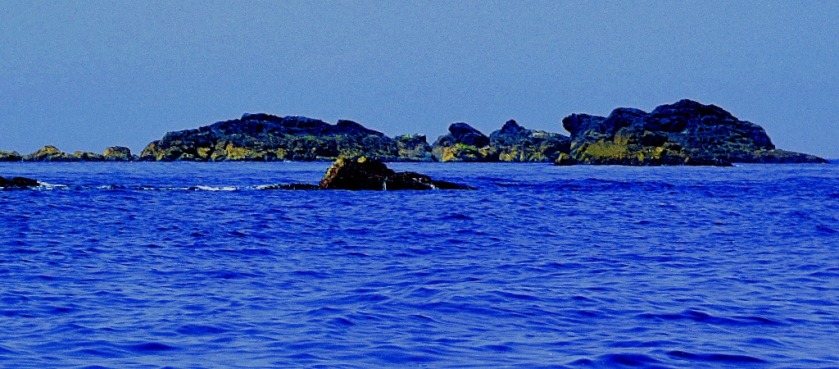
rocks in the sea
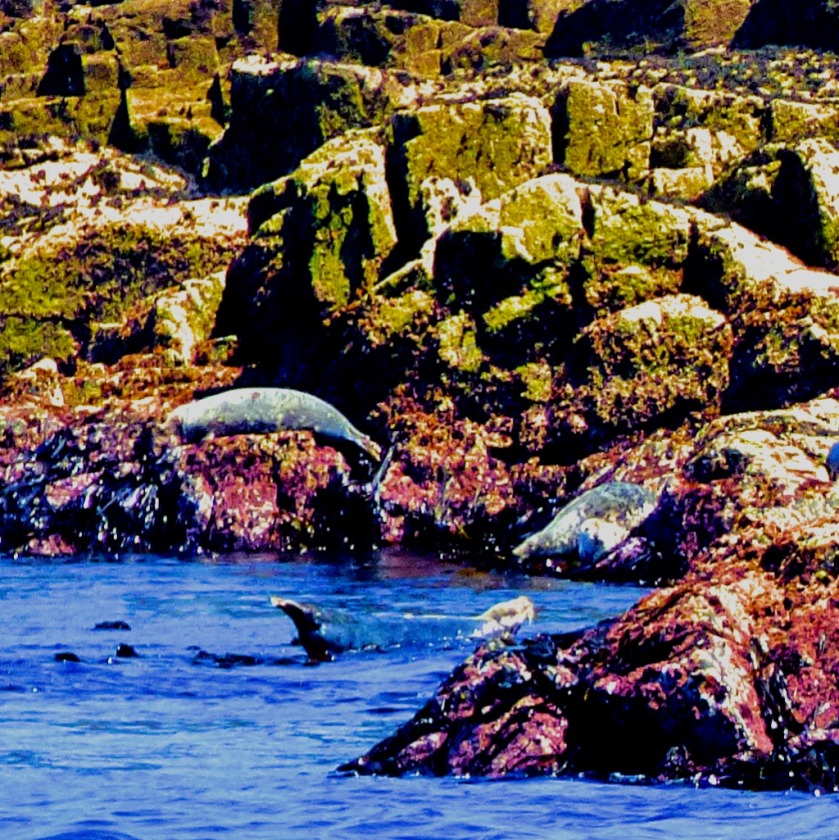
The rocks in the background of this shot are the near edge of the seal colony.

AT THE SEAL COLONY

I will let the pictures tell their own story…

A first glimpse of sealsSeal rockstwo large sea birdsseal rocks IISealsthree sealsSeals IILots of sealsSeal about to be submergedSeals on rocksSeal in the water

seal waves a flipper
Some of the seals, like this one waved flippers at us.

Seal wavesSeals on the rocksseals IIIseals IVseals in numbersSeals VISeals VIISeals VIIISeal about to be waterbornelarge sealseal waves a flipper IISeals IXSeals Xseven sealsSeals XISeals XIISeals XIIIseals with yacht in backgroundmossy rockfour sealsSeals XIVswimming sealSeals XV

BACK TO ST IVES

The start of the return journey featured the bumpiest sea of the entire trip (fortunately there was a breeze rather than a serious wind blowing, so the sea was choppy rather than actually rough). I imagine that in a winter storm (I encountered Cornish winter storms and their effects in 1989 on a christmas holiday when we stayed in a Landmark Trust cottage. I believe that the enitre village was actually owned by Landmark Trust, but the perimeter fence of RAF Morwenstow was within walking distance for those looking to place it). Fortunately the tide had risen to the point that the transfer boat could get right up to the quayside, so no further paddling was required.

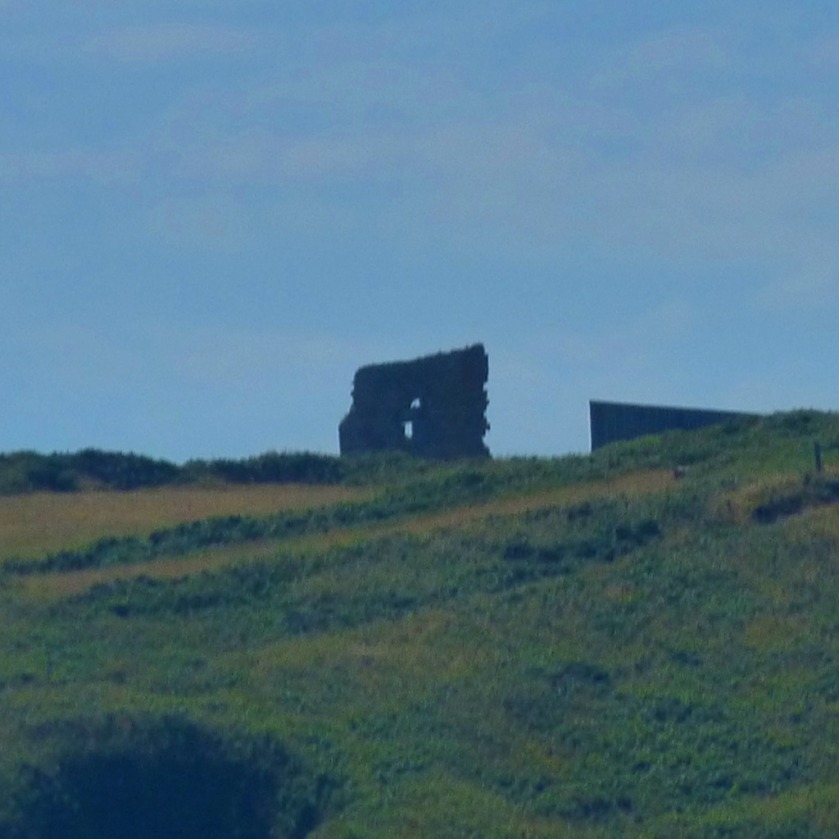
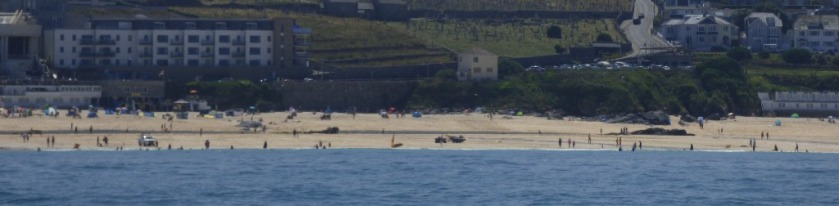
ruinBeach from the boatIsolated housePassing a beachBeach shot797798Beach sceneThe seas edgeApproaching landLanding areaLooking across the bay IIApproaching land II

Standing tree stump circle
This put me somewhat in mind of Seahenge, now on display at The Lynn Museum.

A Grockle’s Eye View of Cornwall 2: St Germans to St Ives

The second post in my series about my visit to Cornwall, in which I cover the journey from St Germans to St Ives.

INTRODUCTION

Welcome to the second post in my series about my recent vsiit to Cornwall. As mentioned in the opening piece in this series I am breaking my coverage of my day out in St Ives into several posts. This post deals with the journey there (for the record, a day return from St Germans to St Ives costs £10.80), which is very scenic. For a Cornish perspective on St Ives check out this offering from the Cornish Maid.

ST GERMANS TO ST ERTH

The railway element of the journey to St Ives consists of two parts – a journey west along the main line as far as St Erth (penultimate stop on that route), and then a short journey north along a branch line which terminates at St Ives. St Germans to St Erth is a scenic journey in its own right:

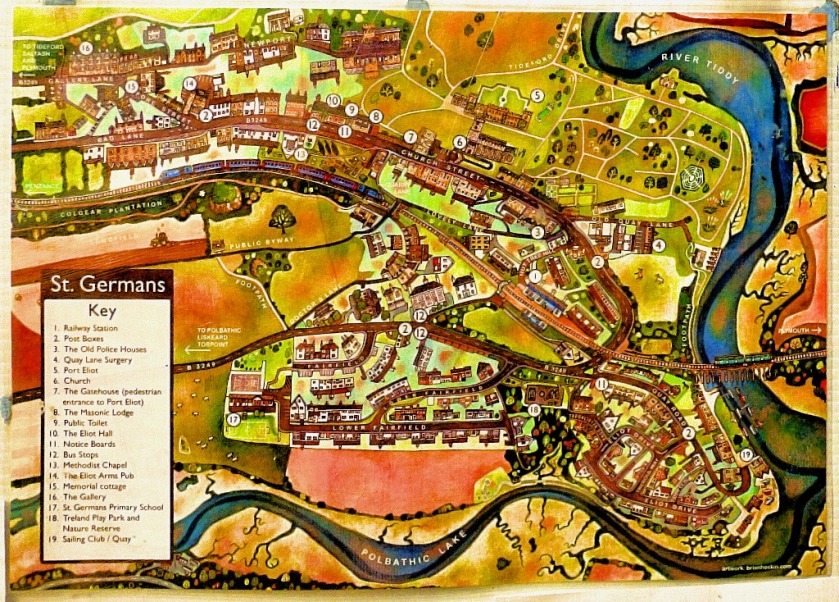
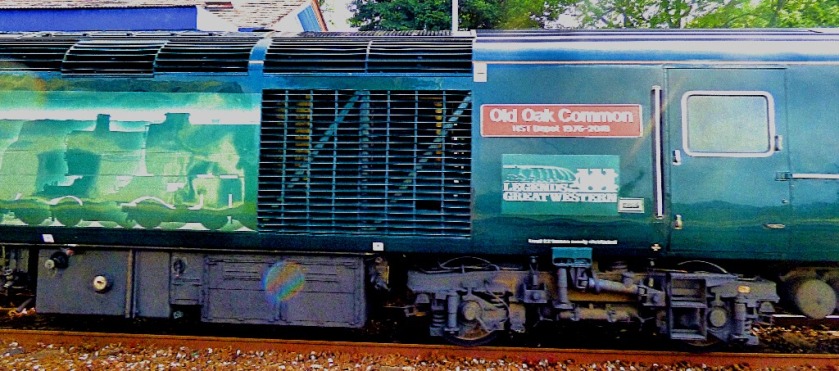
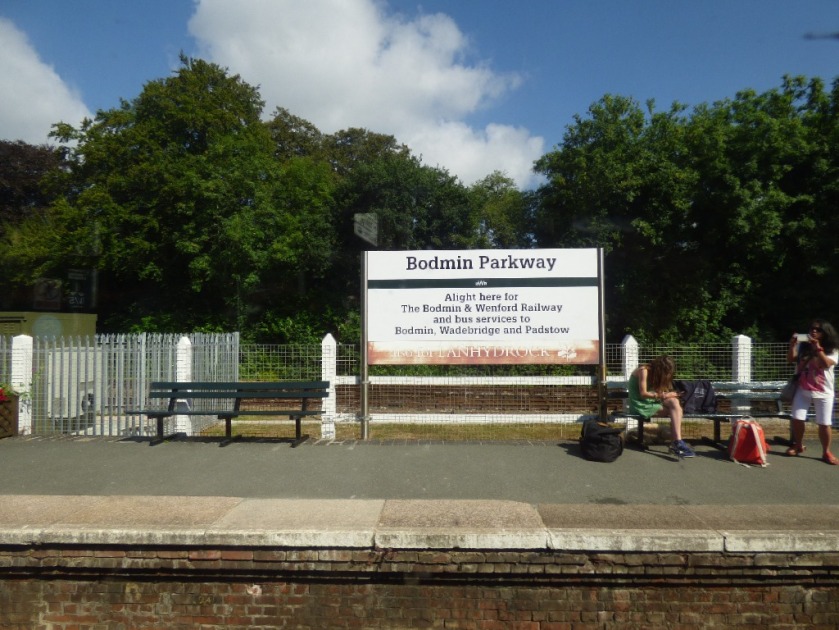
Folk waiting flor 0927 to LondonConverted Carriage ISt Germans mapConverted Carriage IIGWR service to LondonGWR service to London IIGWR service to London IIIOld Oak Common locoUpgrade bannerSt Germans stationThe Bodmin and Wenford Railway curves away into the distanceAbove the line to LooeBodmin ParkwayBodmin and Wenford RailwayBodmin and Wenford posterLostwithielParSt AustellRedruthTowerPart of TruroCamborneCamborne II

Camborne III
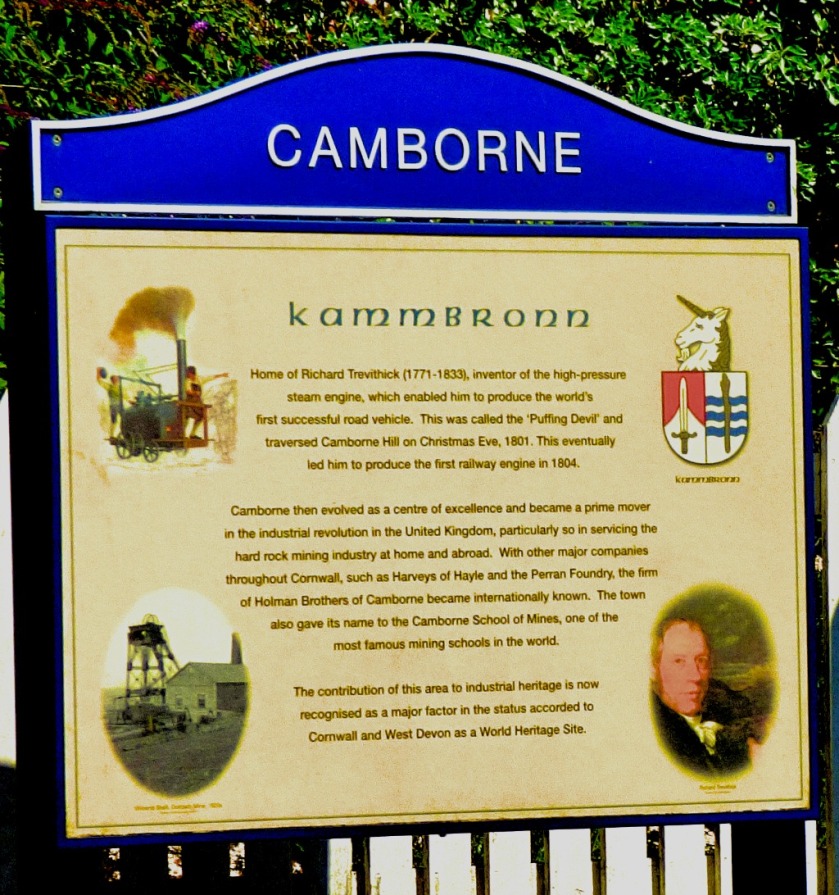
I was particularly glad to note this tribute to the great Richard Trevithick.

ChurchesHayle

ST ERTH TO ST IVES

Though the route from St Germans to St Erth is scenic by any normal reckoning it is as nothing compared to the branch line from St Erth to St Ives. Although the route lists several intermediate stops the only one still in regular use is Lelant Saltings. I secured a window seat, although it turned out that I was not on the best side of the train and settled down to see what I could capture in the course of this journey.

Sea viewMarshlandMarshland IILelant Saltings

Heron, Lelant Saltings
The stop at Lelant Saltings enabled to me to zoom in on this heron.
River flows into Carbis Bay
The next few pictures feature mhy attempts to capture the beauty of Carbis Bay from a moving train.

Carbis Bay ICarbis Bay IIwatchpoint, Carbis BayPromontory, Carbis BaySt Ives StationWalks

A SNEAK PREVIEW OF THE MAIN FEATURE OF MY NEXT POST

A few minutes after my arrival at St Ives the decision about my main activity while there was settled. It will be the subject of my next post – for the moment here is a clue to whet your appetite:

seal waves a flipper

A Grockle’s Eye View of Cornwall 1: Getting There

The start of a new series – A Grtockle’s Eye View of Cornwall.

INTRODUCTION

Welcome the first post in my series about my recent visit to Cornwall. Before we move on, here is a little bit of etymology for you:

Screenshot 2018-07-22 at 9.41.12 AM

For an insider’s view of Cornwall check out the Cornish Maid blog. In this post, because it is an introduction, and mainly about the journey down, you will only see Cornish photos near the end of it, but there will be several with many more pictures (St Ives is getting at least two posts and maybe more, St Michael’s Mount may well get more than one post and the Cremyll Ferry may figure in more than one post) before I wrap things up with a post about the return journey.

KINGS LYNN TO PADDINGTON

I had booked my tickets in advance, and part of the deal was that I had to be on a specific train for the long haul section between Paddington and Plymouth. My recommended itinerary had me on the 08:44 from King’s Lynn, but my usual prompt preparations on the morning of a major journey saw me at the station in time to catch the 08:12, and figuring that having extra slack to make the connection across London from King’s Cross to Paddington could not hurt I took that train instead.

This service was listed to call only at Royston between Cambridge and London, but at Cambridge stops were added at Letchworth, Hitchin, Stevenage and Finsbury Park, at which point having got the earlier train seemed an even better idea than it had originally. 

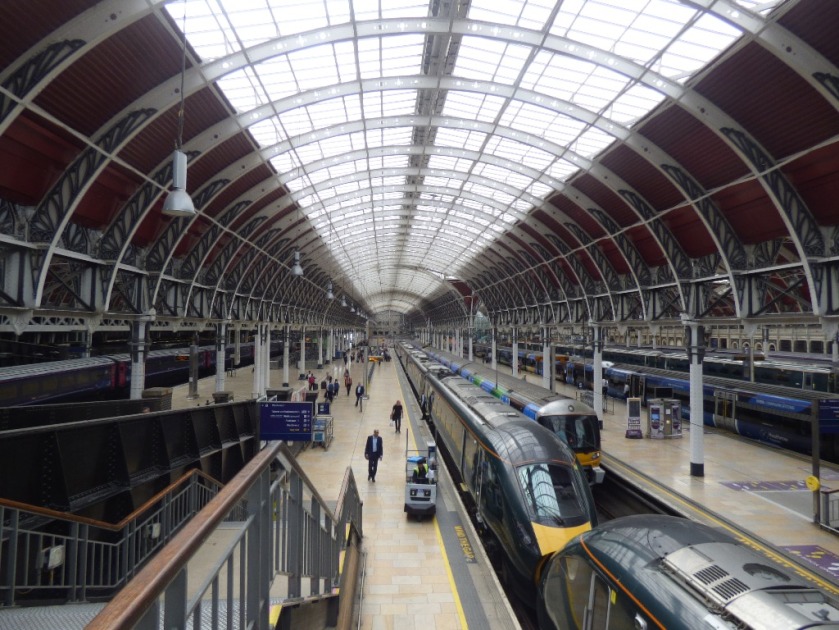
From King’s Cross to Paddington was noteworthy only for the fact that in a situation that is practically headline making these days all of London Underground’s lines were working properly at the same time, and I was early at Paddington, and had to wait for information about the platform. 

Cambridge NorthKing's Cross main stationKings Cross St Pancras MCHCKCSP roundelUxbridge trainGreat Portland StreetDistrict line mapCHC mapBaker StreetMail trainEdgware RoadPaddingtonTFL RailTFL Rail logoPaddington canopy roof

PADDINGTON TO PLYMOUTH

I was booked in a seat in a designated quiet coach, a window seat that should have been facing the direction of travel, but because someone had decided to reverse the running order of the train was not. However, the coach was quiet, and although I was facing against the direction of travel I did get some pictures along the way, and this train stuck exactly to its schedule.

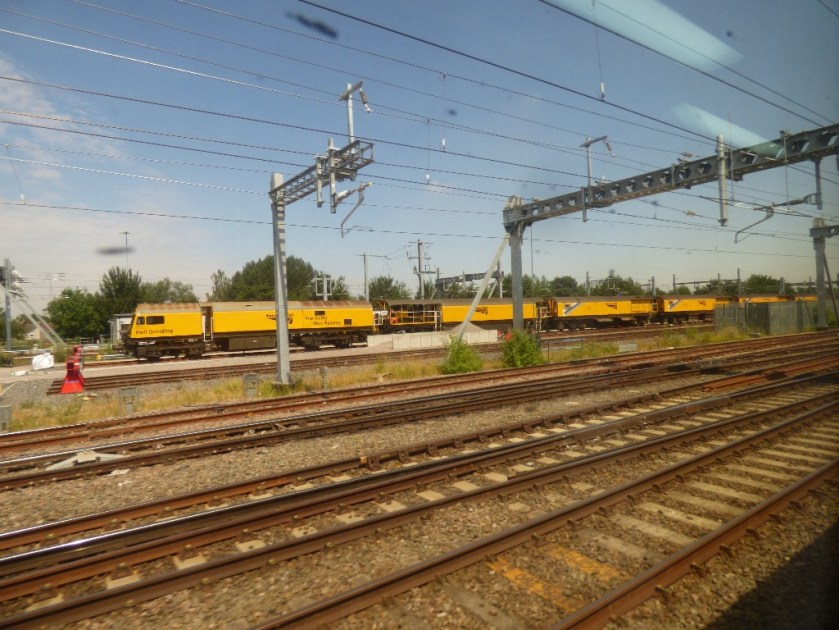
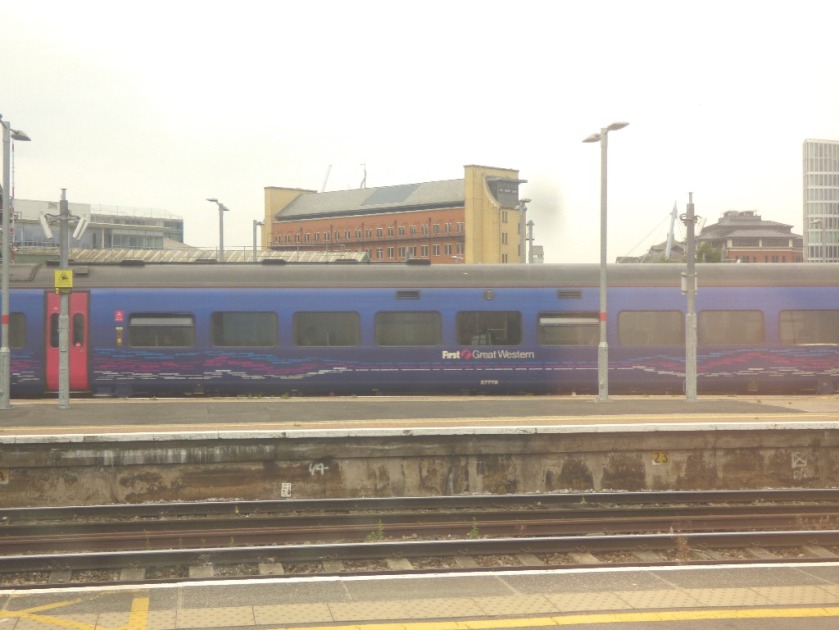
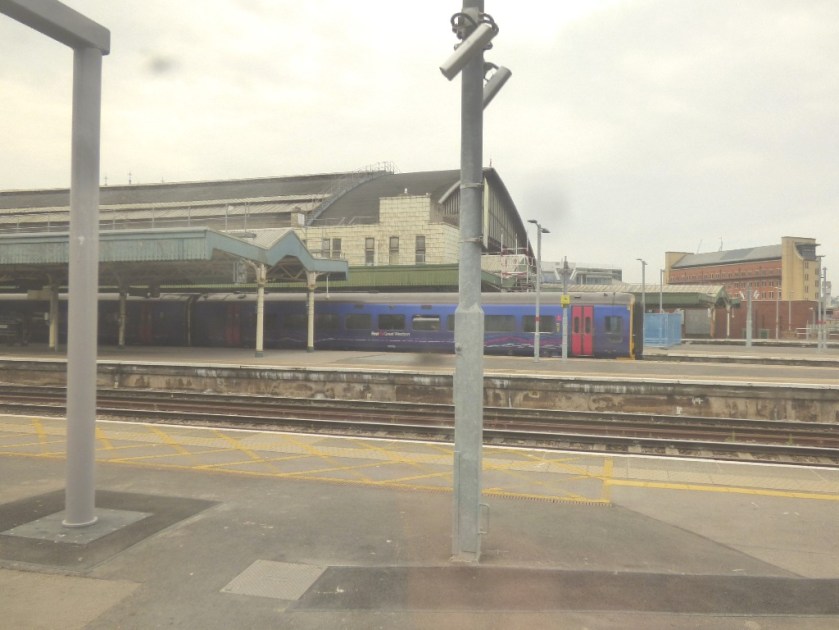
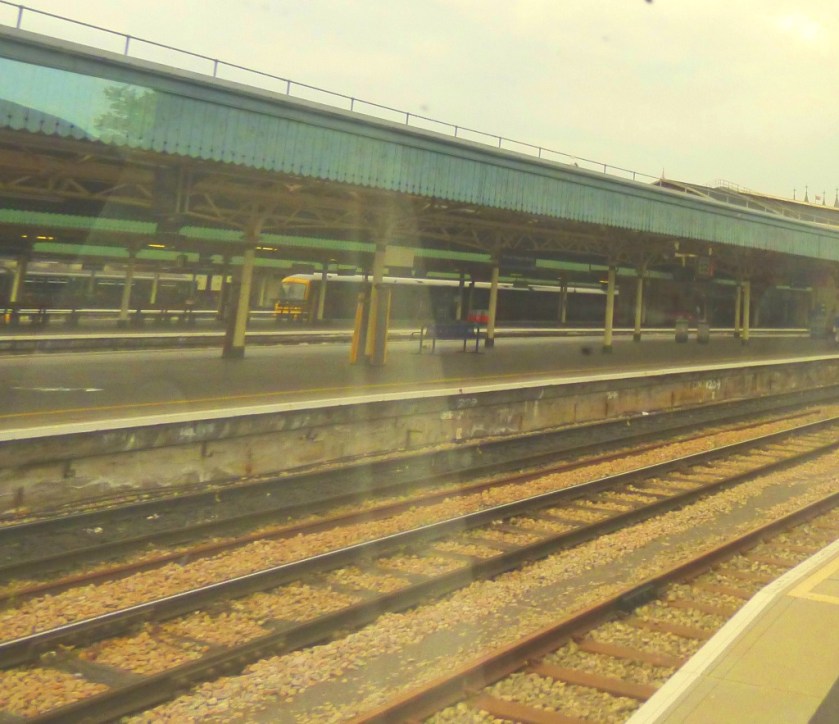
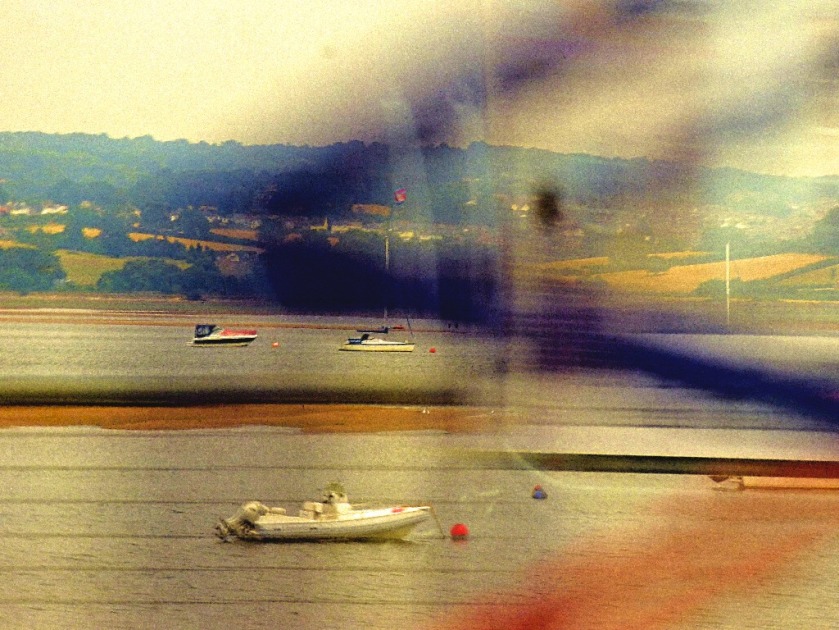
Near Old Oak Commondistant view of trainsDepotHanwellPassing traintrackside tower, BerkshirePassing a train, BerkshireOld FactoryStation, BerkshirePassing a stationCountry house, BerksApartment blocksReadingPassing a train IIMaintenance trainUrban sceneChurch tower IChurchTrain at stationstation shotMajor station565BoatsBoats IIBoats IIIBoats IVSmall YachtSmall boatFishing boatsLong bridgeHouse through the trees585Water

PLYMOUTH TO FORT PICKLECOMBE

My train from Plymouth to St Germans was due to call at a number of places en route, and at Devonport it picked up a number of schoolchildren, who were fortunately well behaved, and not too noisy. It arrived at St Germans exactly when it was supposed to as well, making two successive trains that had run to schedule. My parents picked me up at St German and we went by car to their apartment in Fort Picklecombe.

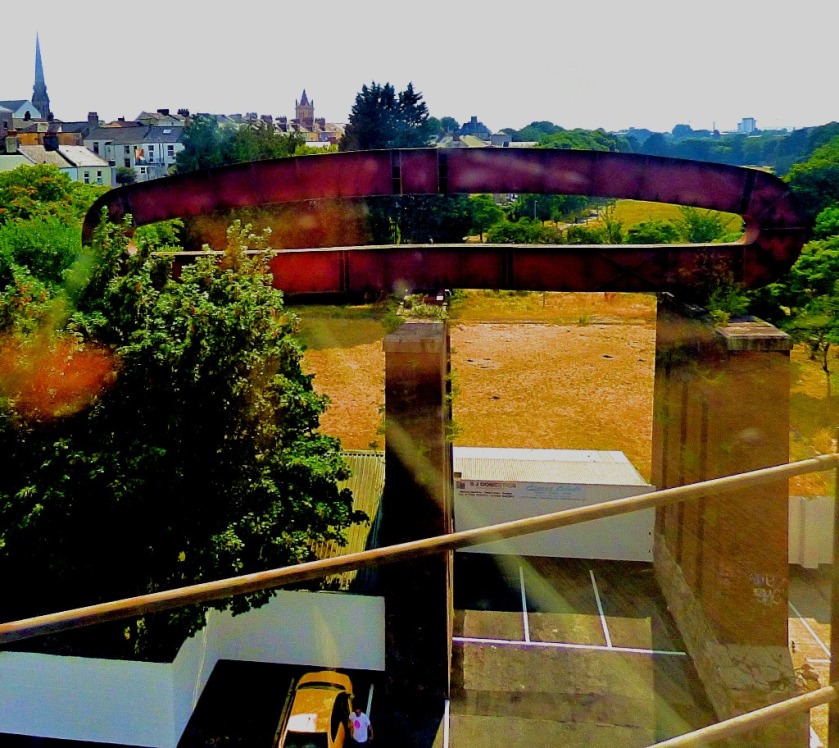
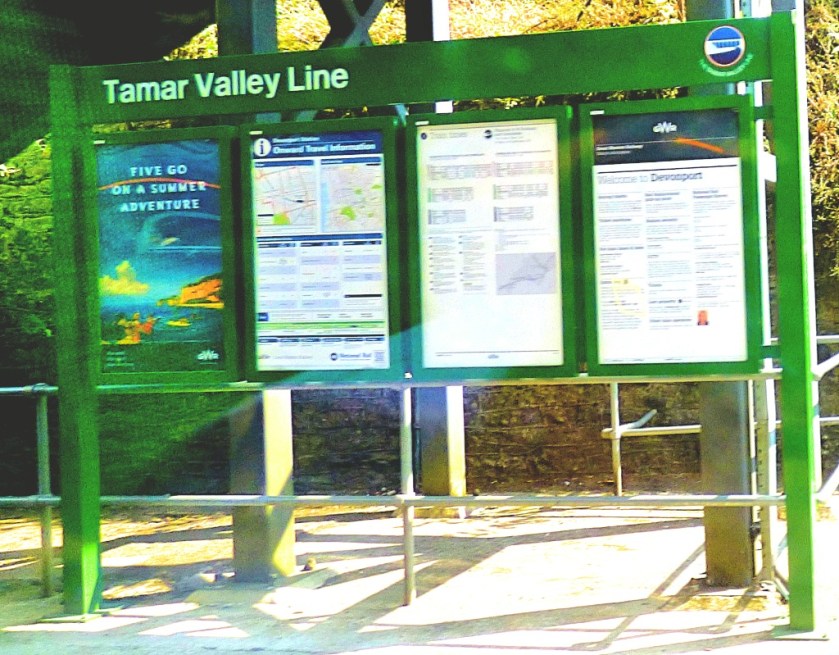
Metal SculptureDevonportTamar Valley line590

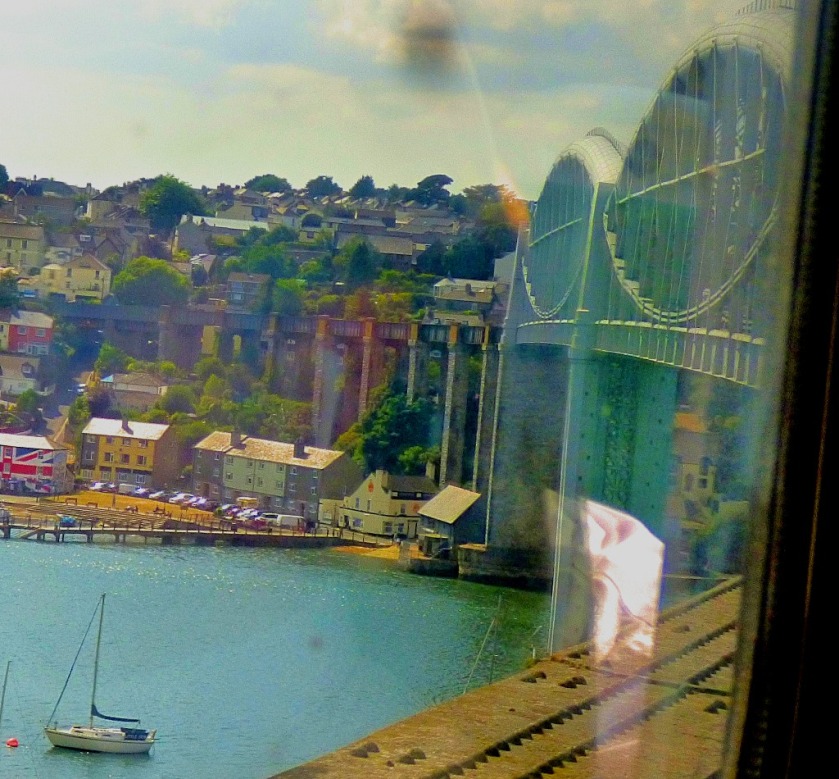
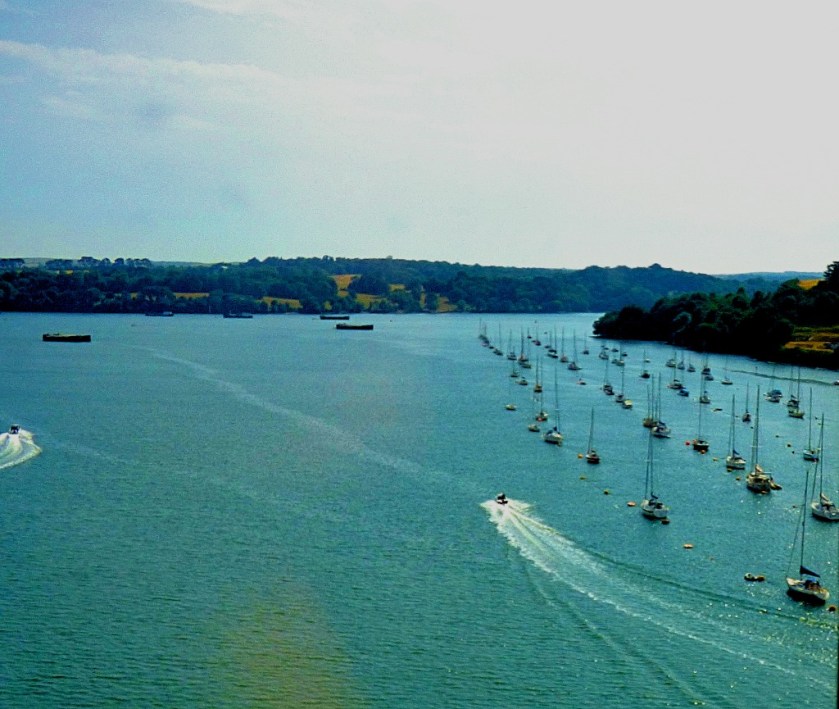
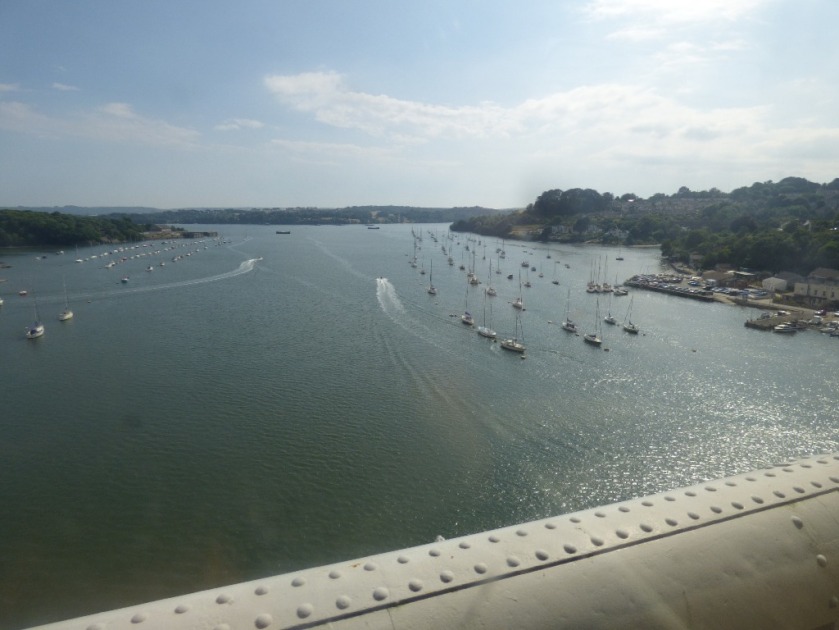
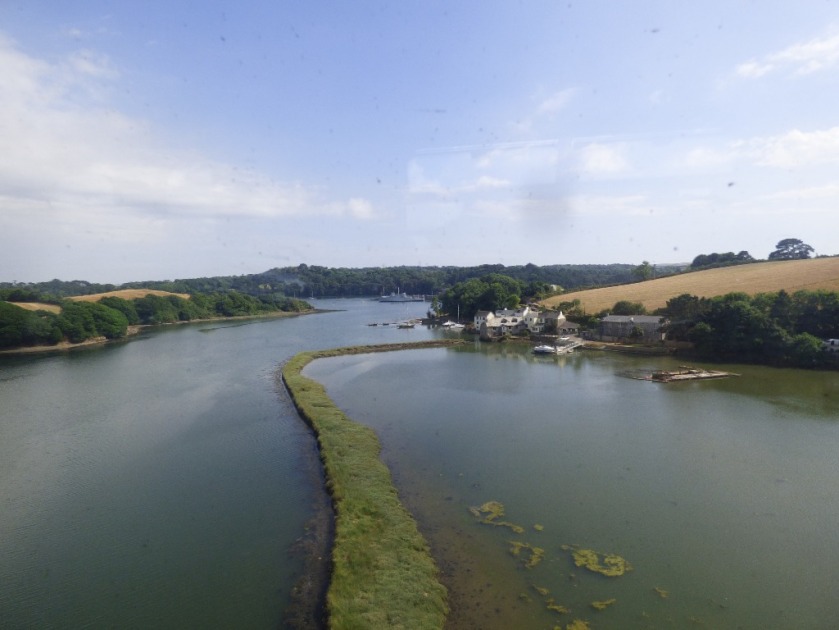
The Brunel bridge
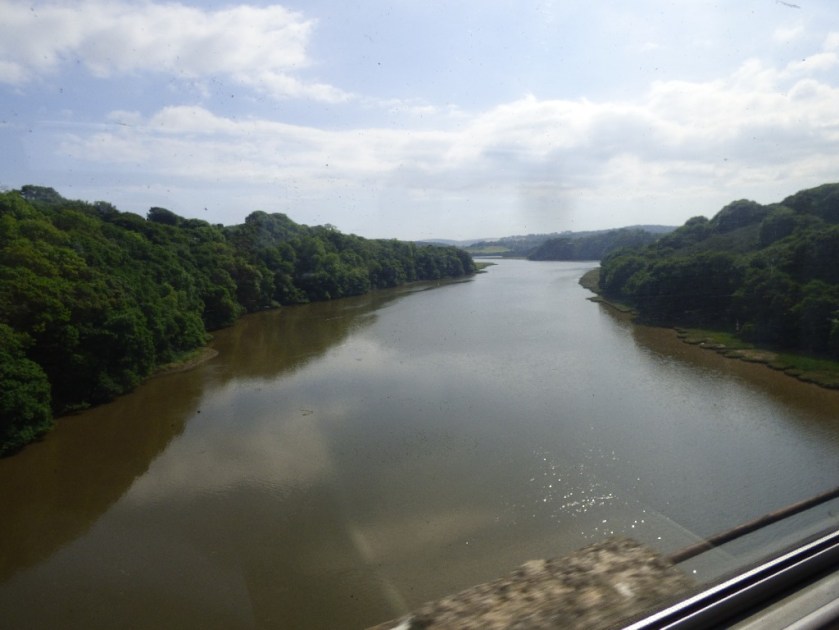
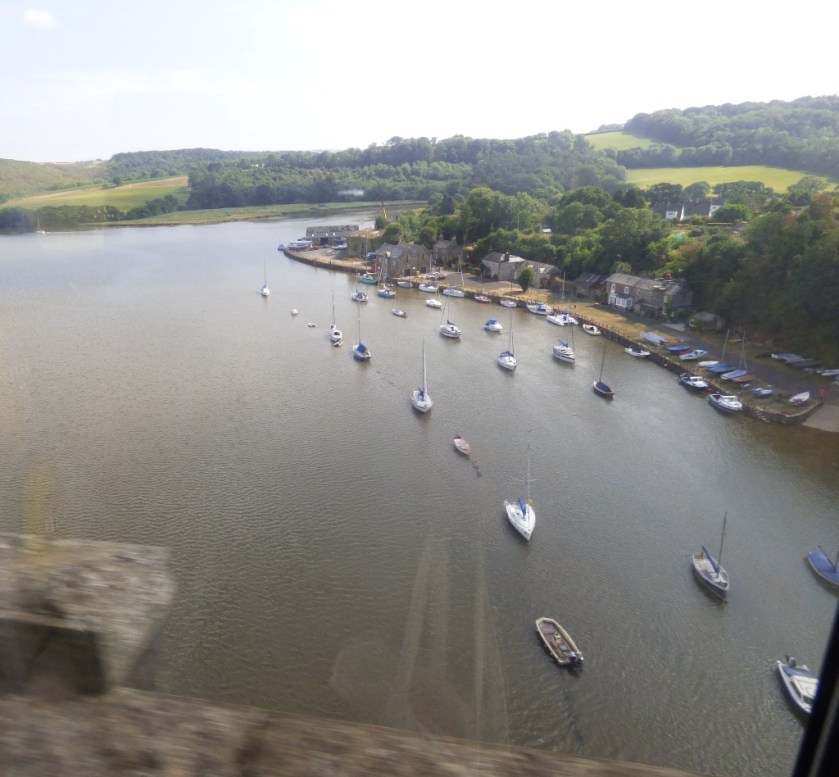
Crossing the Tamar

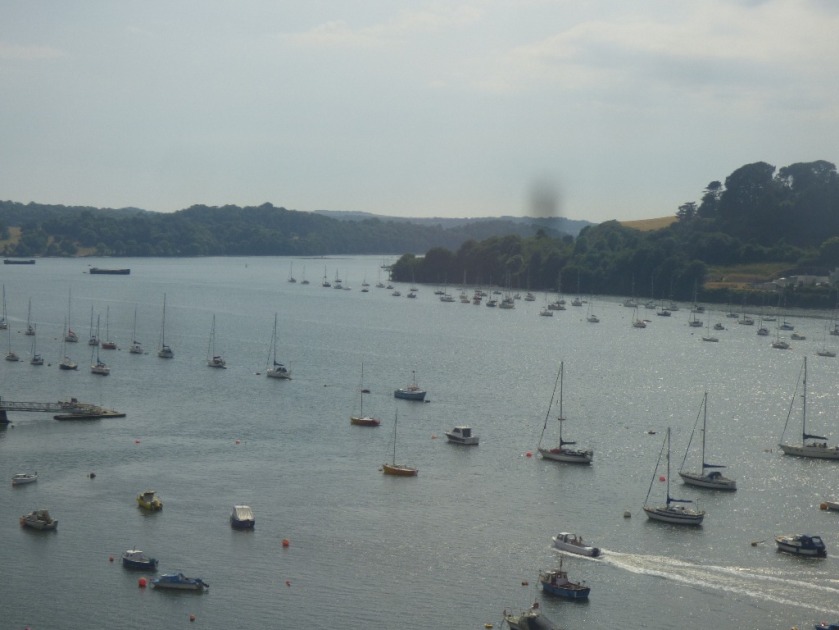
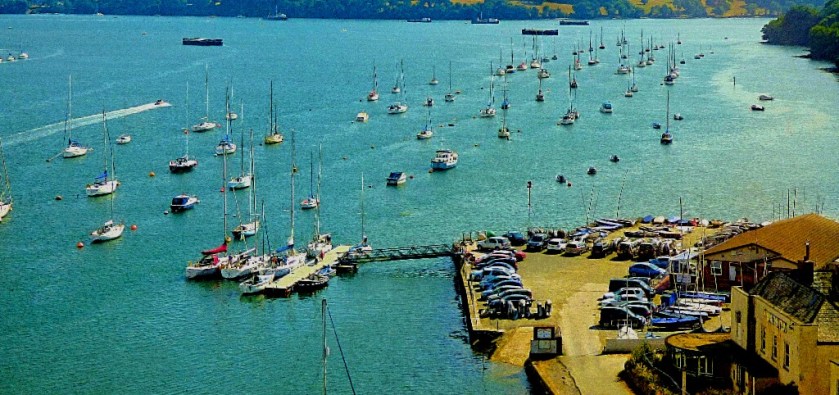
Many boatsArmadalarge boatsA medley of boatsBoats all over the placeGathering of boats

Unusual flower pot
This “flowerpot” can be seen at Saltash station
Bridges
A distant glimpse of the famous bridge. bridge that is used by Saltash station for advertising

HarbourRiverriver with boats

AT FORT PICKLECOMBE

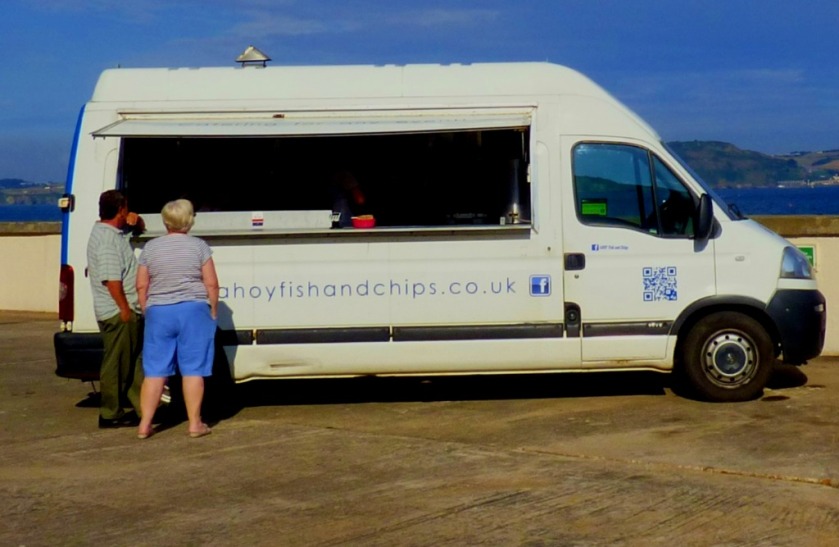
Thursday evening in the vicinity of Fort Picklecombe is fish ‘n’ chips evening, courtesy of the two wonderful girls who run ahoyfishandchips, a mobile chippy. The meal was magnificent – if you are ever in an area being served by Ahoy Fish and Chips do not miss out. 

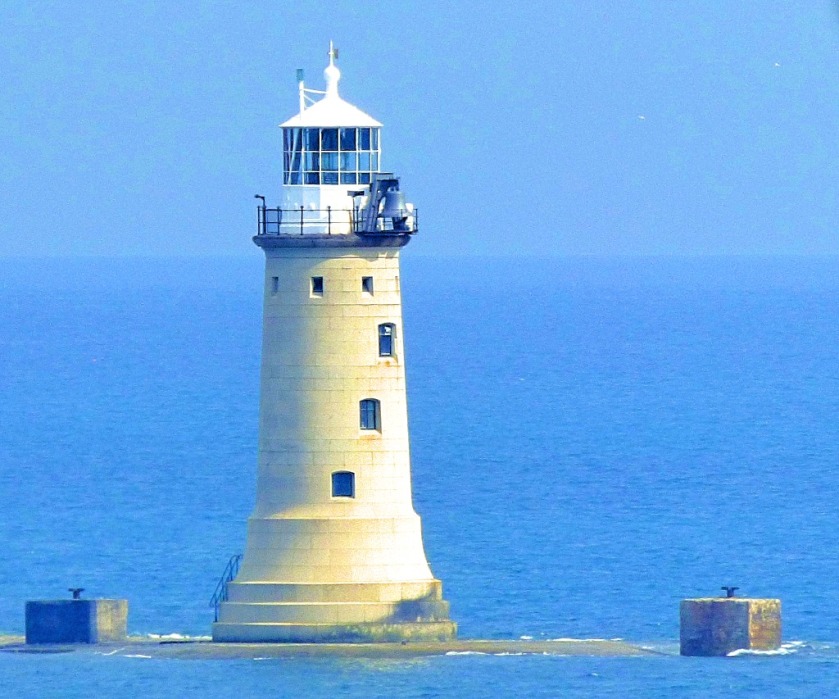
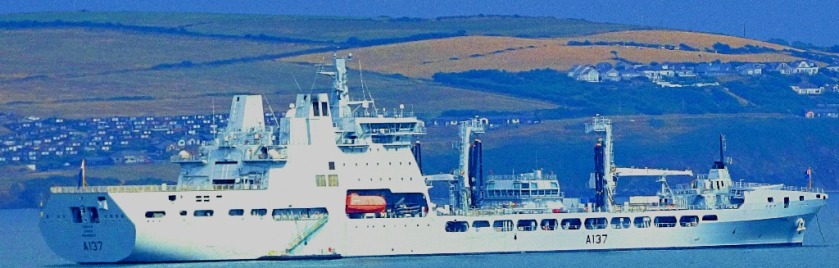
BreakwaterLighthouseA137sloopdecorative containersLighthouse and boatsBoat and islandOfficers messslipwayemplacementRocks

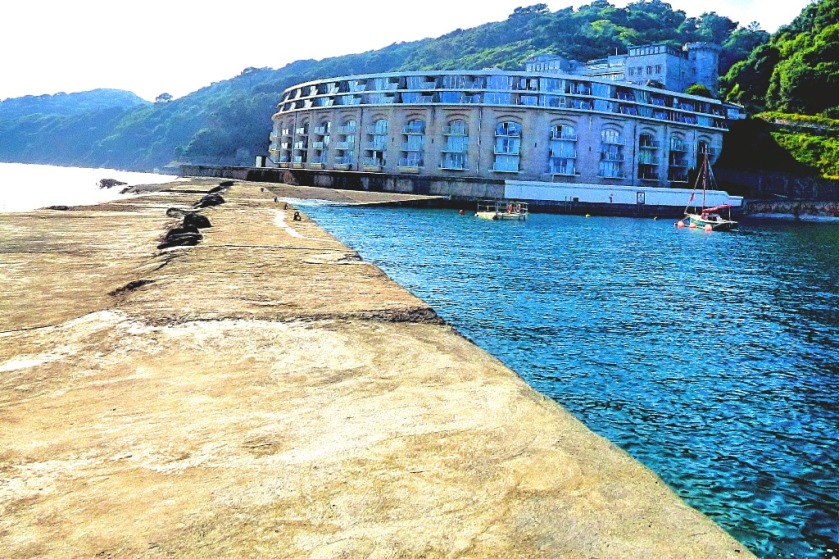
Fort Picklecombe
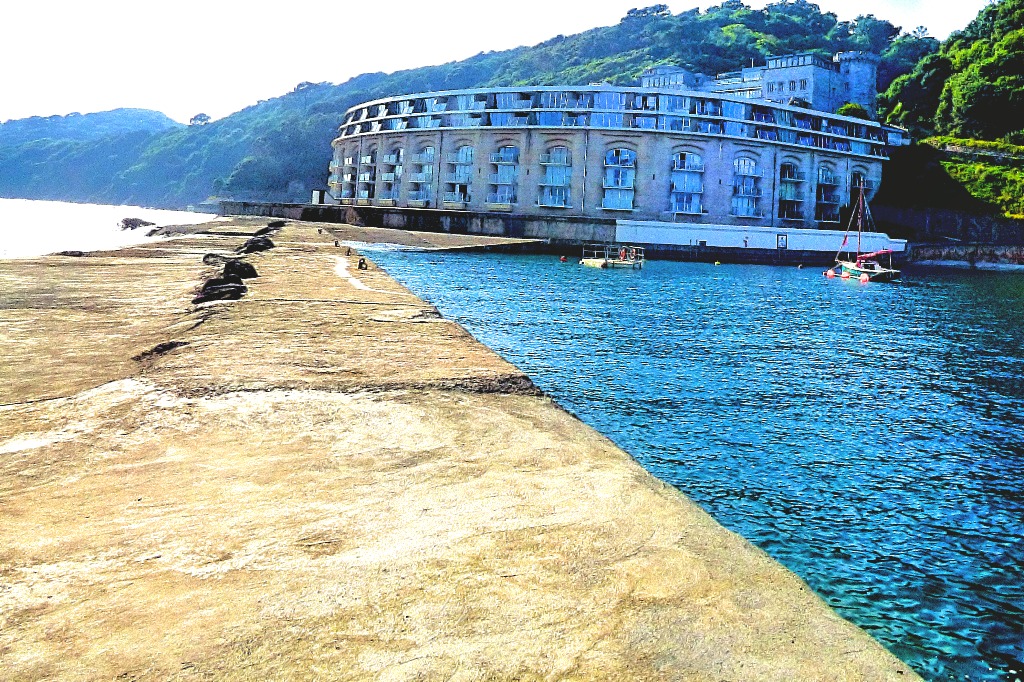
A view of the fort from out on the bfreakwater.

Sun on the waterPassenger boatLighthouse and fishing boat

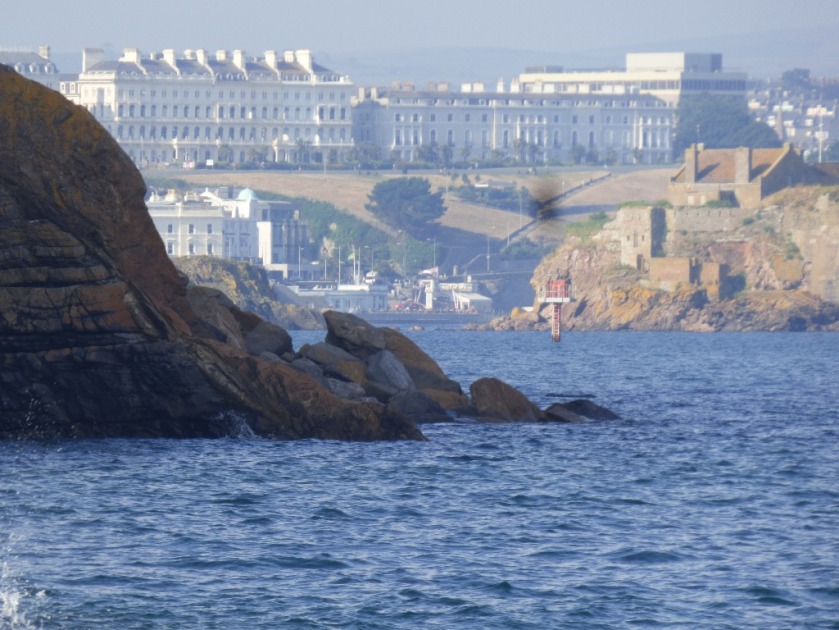
Looking towards The Hoe
I found a location harbourside from which The Hoe is visible (this is only a couple of miles from Plymouth in straight distance).

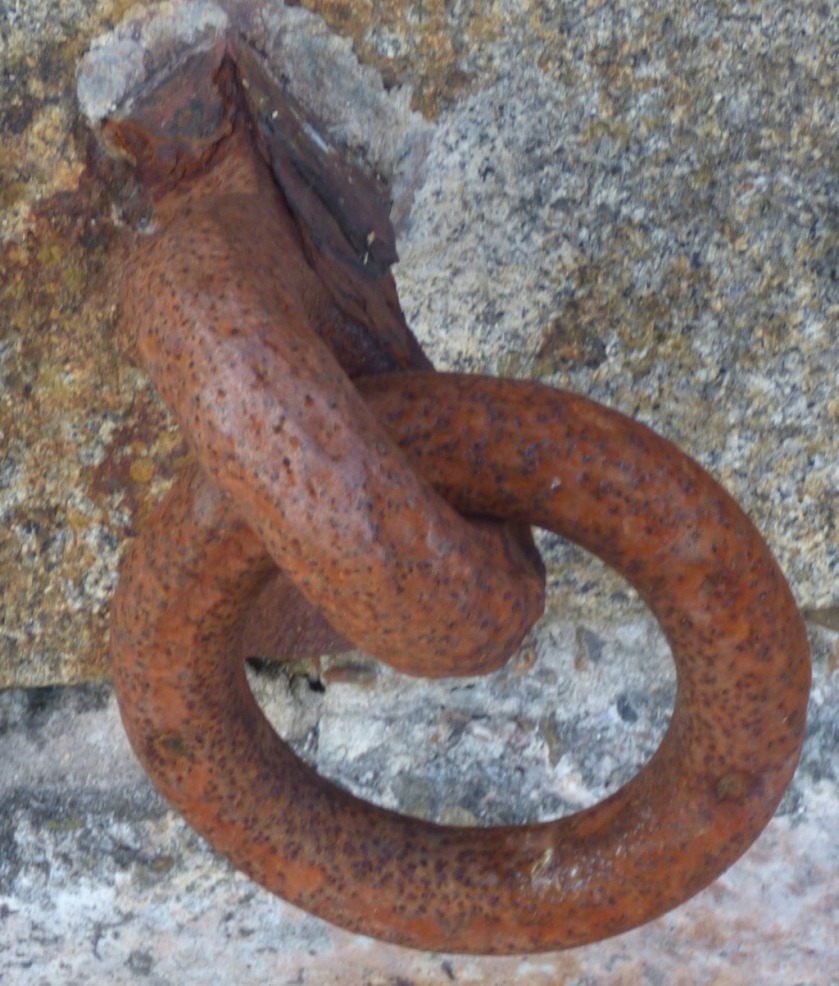
Mooring ring

Crab I
A crab in the shallow water

Crab IIlooking out to sea

salt deposits, breakwater
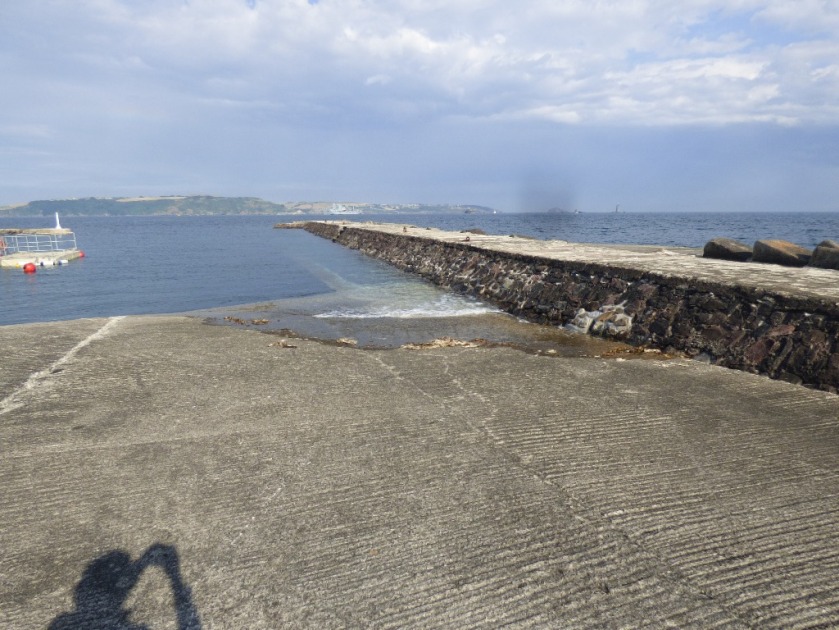
This image from the breakwater reveals two things: The concrete had not set before someone walked on it, and that it regularly gets sea water washing over it.

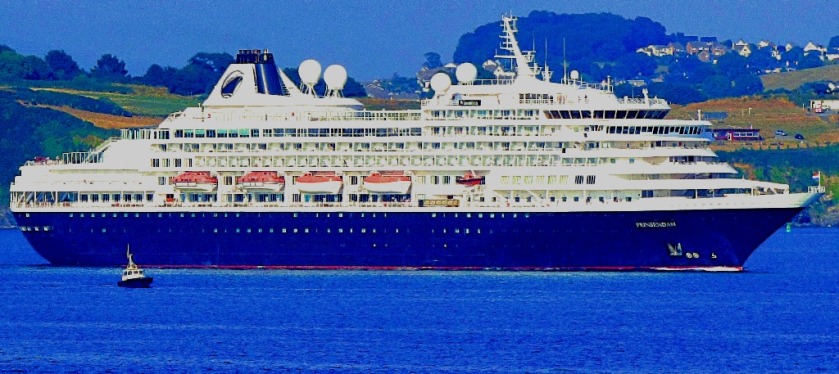
ahoyfishandchipscruise linerCruise liner IIPrinsendam

Ferry and cloud
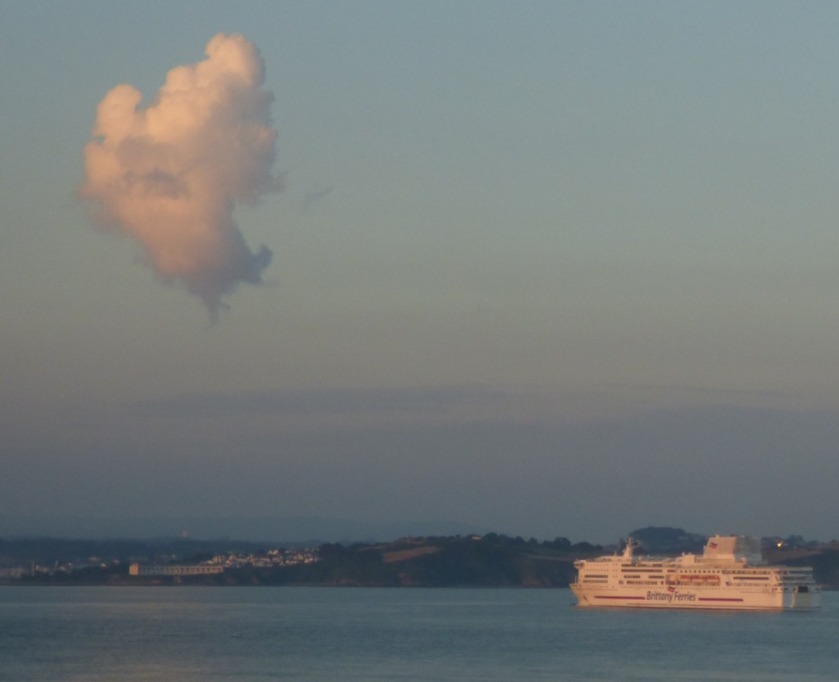
A rarity – a sky with exactly one cloud in it.

England Teams Flying High in Limited Overs Cricket

A post celebrating recent successes for the England men’s and women’s cricket teams.

INTRODUCTION

The last few weeks have been magnificent for English cricketers of both sexes. Each side has been very dominant through a sequence of games, and each have set a team scoring record during the sequence of games. 

THE WOMEN

The women warmed up with an ODI series against South Africa, losing the first match but winning matches 2 and 3 very comfortably, in each case with their efforts being spearheaded by centuries from Tammy Beaumont. Then they moved into a T20 tri-series featuring South Africa and New Zealand, the latter fresh from three straight 400-plus ODI tallies against Ireland, the last of which featured the first part of a ‘script rejection’ performance by Amelia Kerr – 232 not out with the bat, and then to settle things 5-17 with the ball. No author of a cricket themed novel would dare have a 17 year-old do that in an international match, but it happened in real life.

On Day 1 of the tri-series New Zealand opened proceedings by scoring 217 from their 20 overs against South Africa, which at the time was a new record in that form of the game, and won them the match comfortably. That record lasted until later that same evening when England took on South Africa, and with Beaumont scoring yet another century (getting there in a mere 47 balls) and Katherine Brunt responding to a promotion up the order by running up 42 not out off just 16 balls reached a total of 250-3. This proved way out of SA’s reach. On Saturday, the second set of games in the tri-series, England lost to South Africa but bounced back to beat New Zealand in the other match.

THE MEN

The men started the limited overs segment of their summer by losing to Scotland at The Grange, but then they commenced a five match series against Australia and were absolutely dominant through the first four matches, winning all comfortably and racking up 481-6 in the third match. The fifth match was a very different kettle of fish. Australia were all out for 205, a modest total that featured the most misjudged leave-alone in cricket history (perpetrated by Ashton Agar). England then collapsed to 114-8 and I was getting ready to point out that wins in dead rubbers don’t really count. However, Jos Buttler was still there, and now Adil Rashid provided some sensible support, and the pair put on 81 for the ninth wicket, turning the match into a nail-biter. Jake Ball, the England no 11 only scored 1 not out, but he survived 11 deliveries, while Buttler first completed an astonishing hundred (with a six that on sheer distance should probably have been a nine) and then sealed England’s one-wicket victory in this game and with it a 5-0 whitewash against the old enemy. 

Tim Paine thus became the second Tasmanian born captain with a surname that begins with P to surrender a match in which the opponents had needed 92 with only two wickets left (look up Mohali 2010 for more details). 

Buttler’s innings secured him both the player of the match and player of the series awards. Buttler was 110 not out in a score of 206-9, and the joint second biggest scores were 20 for Alex Hales and Adil Rashid, and he finished the series with 275 runs at a handy 137.50. In the course of this innings he passed 3,000 ODI runs. Unlike most of his previous big innings which have been all about putting opponents to the sword (his 3,000th ODI run came up off only just over 2,500 balls faced in this form of the game) this one involved getting his team out of trouble and probably rates as his finest for precisely that reason. 

MAJOR CONTRIBUTORS

Both the men’s and women’s teams have benefitted from the fact that everyone has contributed somewhere along the line, but each also have had certain players who have been especially outstanding (see Buttler above), and I offer the following composite list of the best:

Moeen Ali: Watching the way the Aussies tackled his off-spin you might have thought they had been put in a time machine and taken back to 1956.

Jonny Bairstow: about the only thing he did wrong all the way through was get out in the game at The Grange when he was putting Scotland to the sword and would have had England firmly in control had he batted a few more overs. None of the Aussie bowlers, even the highly impressive Billy Stanlake, had any idea where to bowl at him.

Tammy Beaumont: the smallest player in physical stature in this list (5’3″ tall) she has been a metaphorical giant in these matches with three centuries from her position at the top of the order.

Katherine Brunt: In the first match she made 72 to give England something to defend. After her 42 not out in the 250-3 T20 game she followed up by picking up 2-18 from her four overs. Ignore talk of imminent retirement – so long as her body remains in one piece she will keep going.

Jos Buttler: The batsman-keeper did all that was asked of him in the first four matches of the series against Australia and when the going got tough in fifth match he got going and carried England to victory.

Alex Hales: started these matches as favourite to miss out once Stokes was available again but played several incredible innings, and I would now say that for all his all-round credentials Stokes has to be considered as far from certain to regain his place.

Adil Rashid: another of the ‘role-reversal’ aspects of this series was that on this occasion it was Aussie batsmen who looked like rabbits in headlights when facing an English leggie. In addition to his success with the ball he played that crucial little innings in the final match.

Jason Roy: the leading run scorer of the series with 304, including a ton which spearheaded the chase-down of 310 in the 4th game.

Anya Shrubsole: reliable as ever with the ball, and when really needed in the game against New Zealand on Saturday she delivered some quick runs.

Sarah Taylor: quite possibly the best wicketkeeper of either sex on the planet at present and she also scored some important runs.

Danielle Wyatt: opening with Beaumont in the 250-3 game she was quite magnificent, and she had other successes through the season.

PHOTOGRAPHS

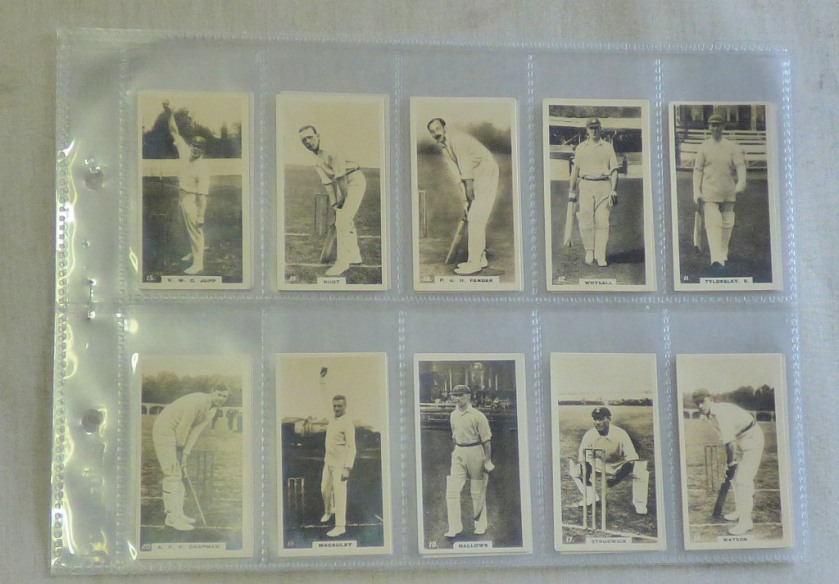
Time now for some photographs, starting with a cricket themed one from James and Sons’ upcoming cigarette card auction.


2489
While not super-famous these cricketers all have some noteworthy achievements: Vallance Jupp achieved the double of 1,000 runs and 100 wickets in each of eight successive seasons, Fred Root once took a seven-for against Australia. Percy Fender once reached a century in 35 minutes. Dodge Whysall batted no 3 for Nottinghamshire for many years. Ernest Tyldesley scored more first class runs for Lancashire than anyone else. Percy Chapman led England to victory in each of his first eight matches as captain. George Gibson Macaulay was a very successful bowler and enough of a batsman to have scored 76 in a test match. Charles Hallows was one of three cricketers to score 1,000 first-class runs within the month of May (half a dozen others reached 1,000 first class runs for the English season before the start of June, but had runs in April in that record). Herbert Strudwick was England’s first-choice keeper for 15 years in spite of regularly batting at no 11. Frank Watson was a good county player, who once made a triple-century.
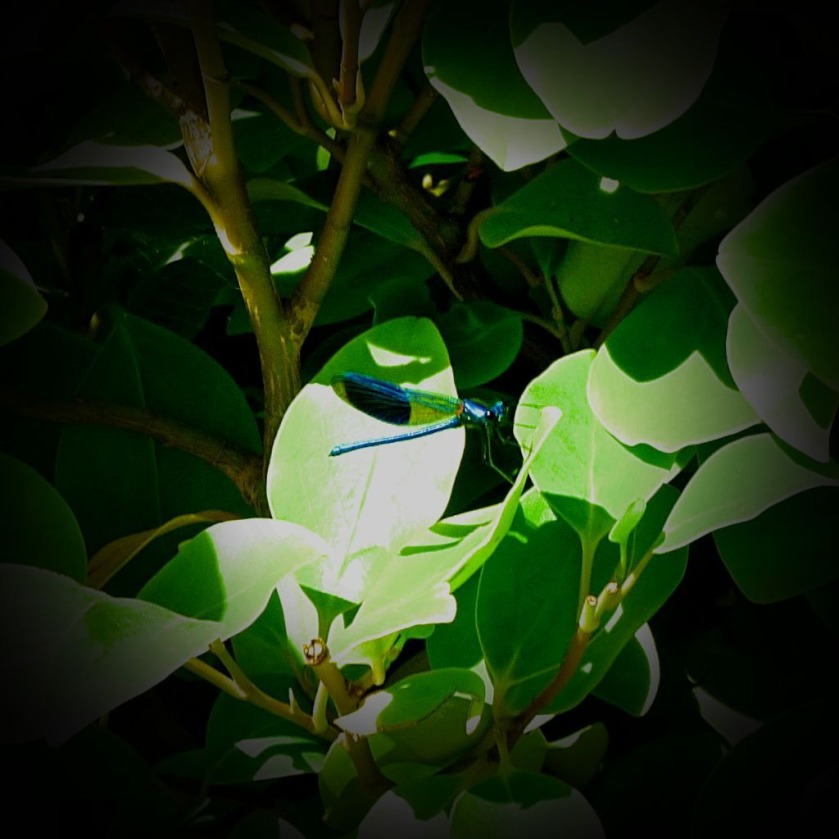
Dragonfly
A spectacular creature, presumably some form of dragonfly.

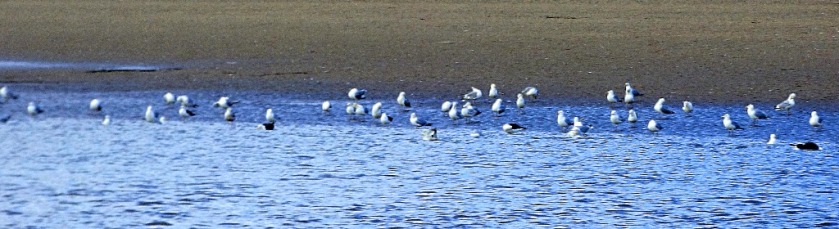
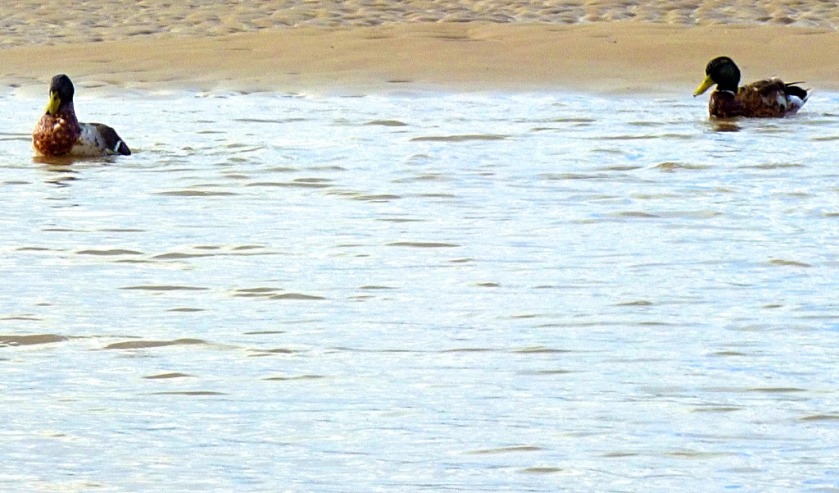
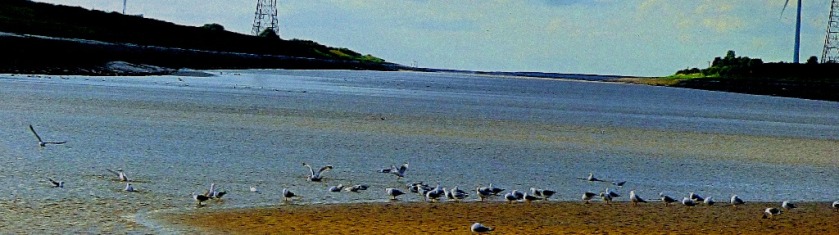
Small TortiseshellDucksSmall birdGulls on the Great OuseGulls on the riverbankdrakesGulls on The Great OuseJay

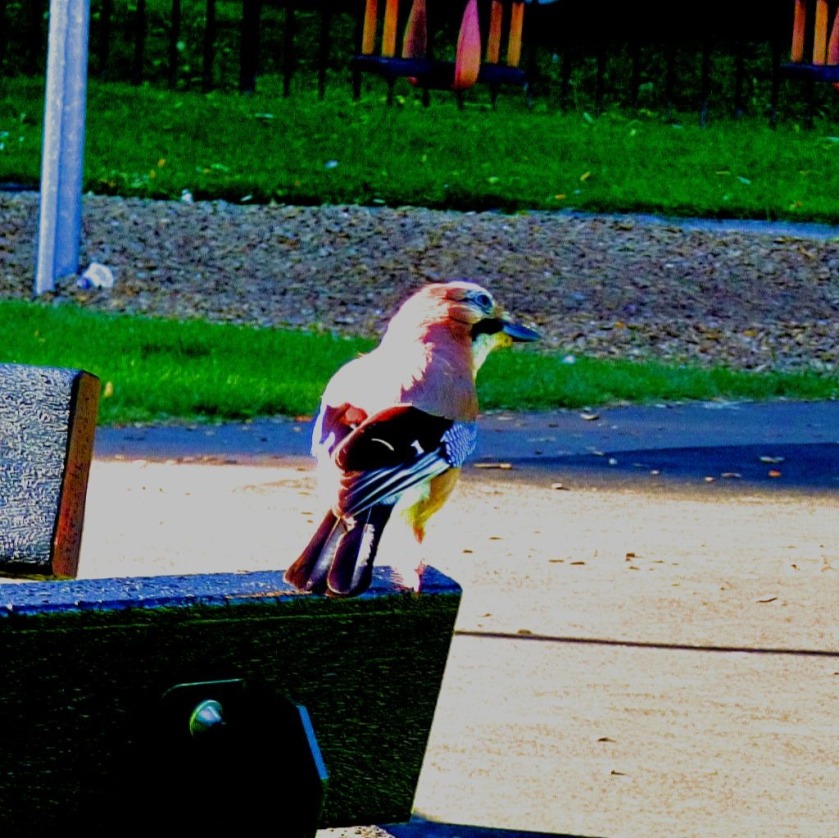
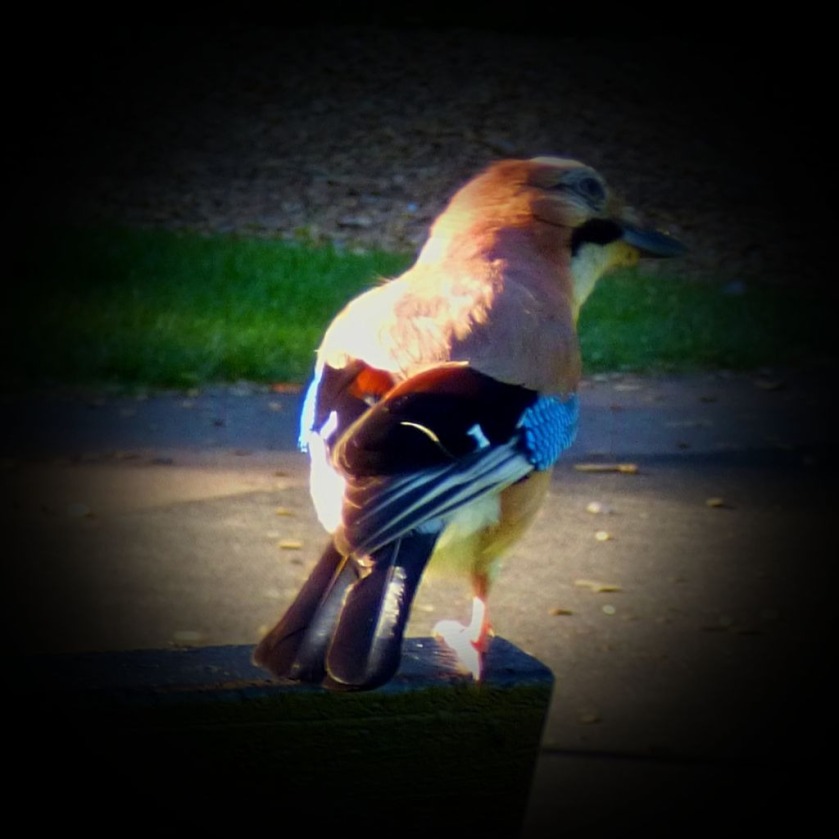
Jay II
I saw this jay yesterday. This species is not threatened, but I use this caption to draw your attention to one that is, the nightingale. There is a petition to protect a threatened habitat for this bird at Lodge Hill please sign and share it.

DrakeDrake and gullGull and churchGullBird mootSmall Bird IIDucks IIPale duckbirds on the Grat Ouse