An account of today at work and yesterday at Musical keys.
INTRODUCTION
This post has two very disparate strands – yesterday’s Musical Keys event for Autistic People and tody at work.
IMAGING
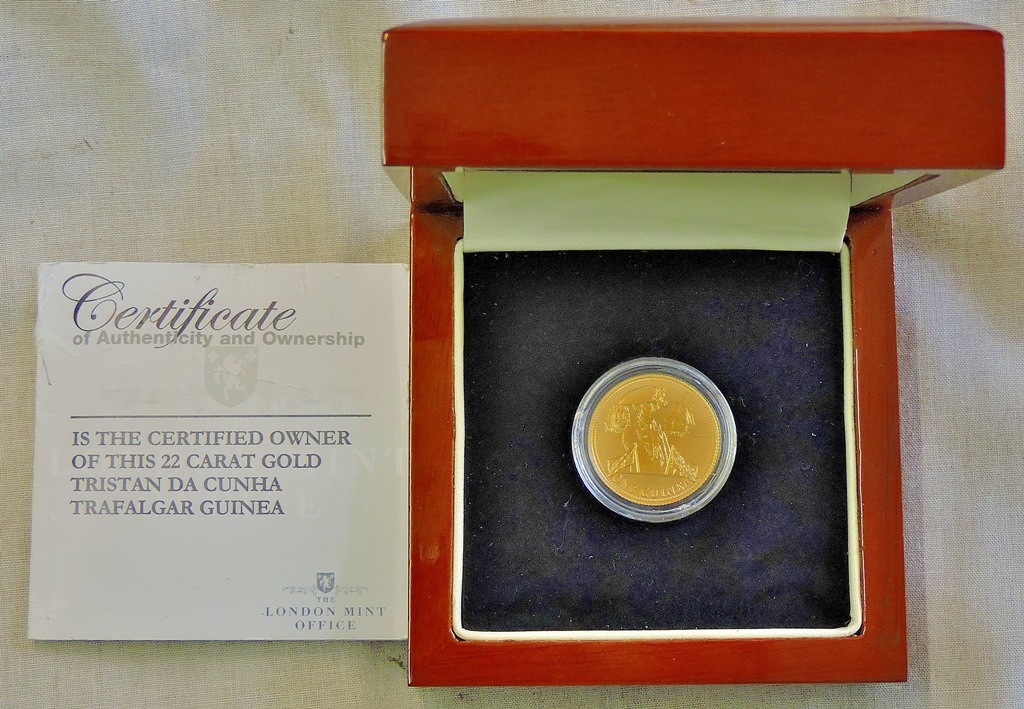
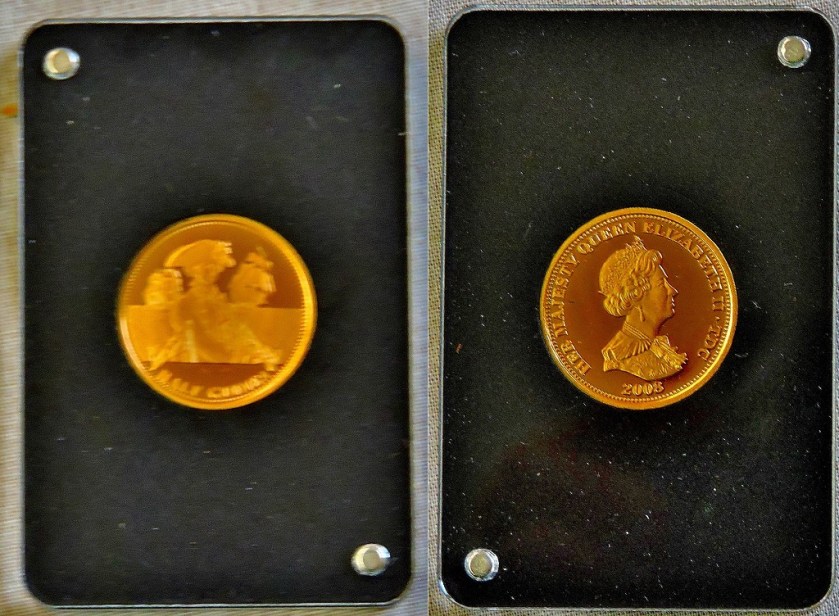
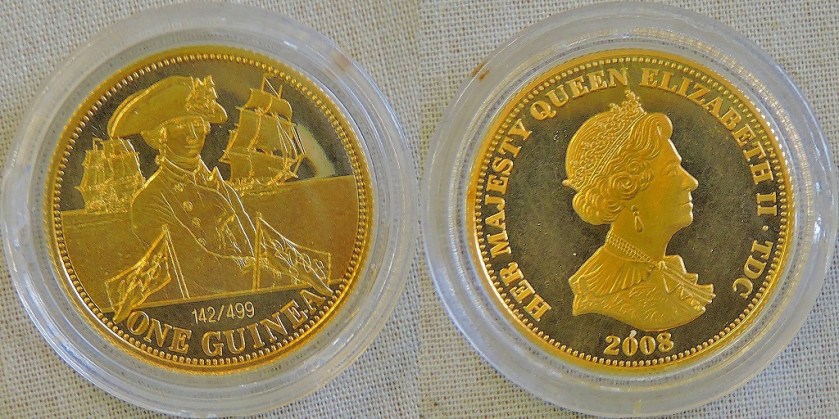
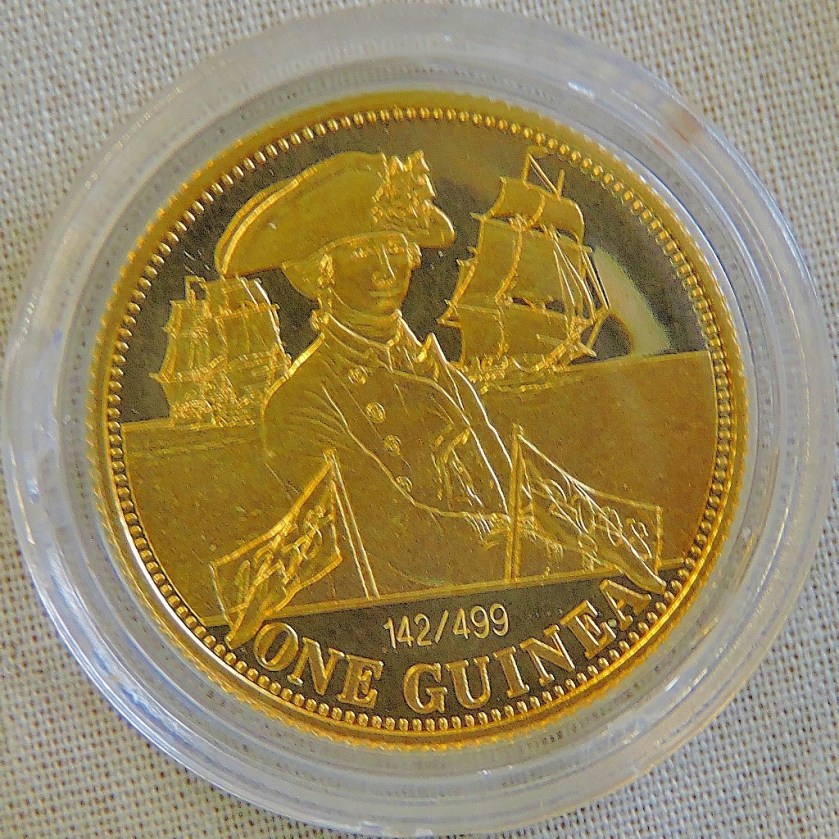
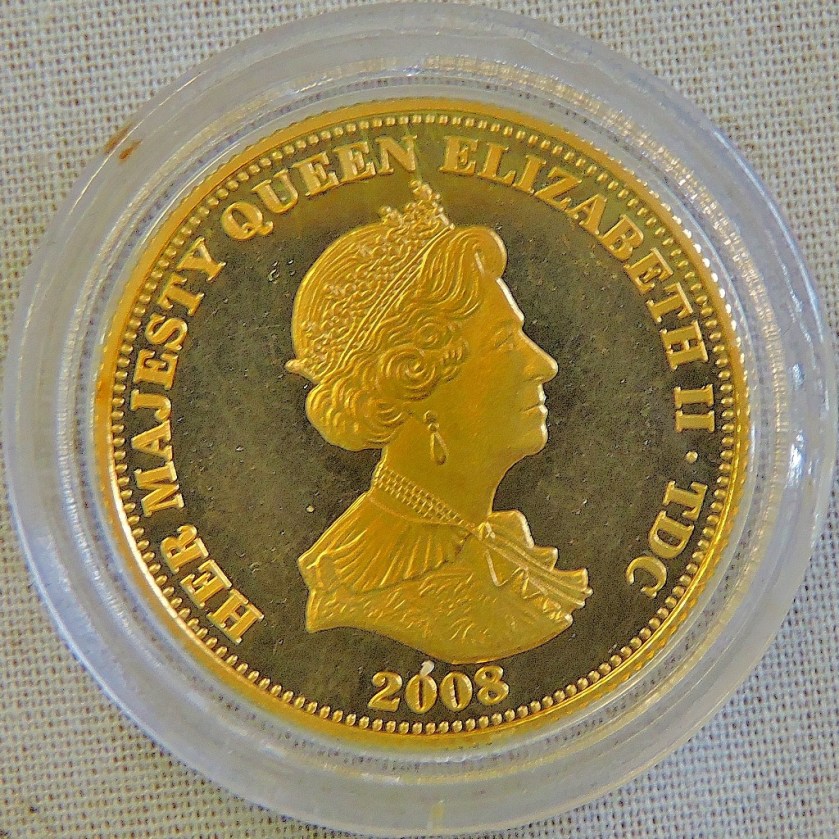
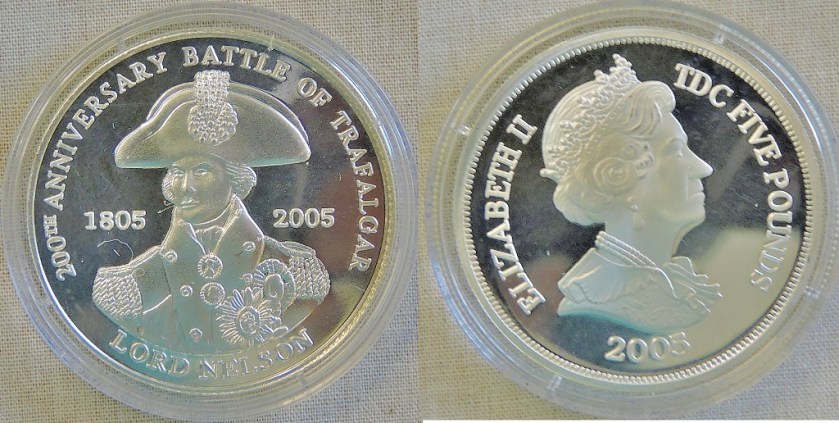
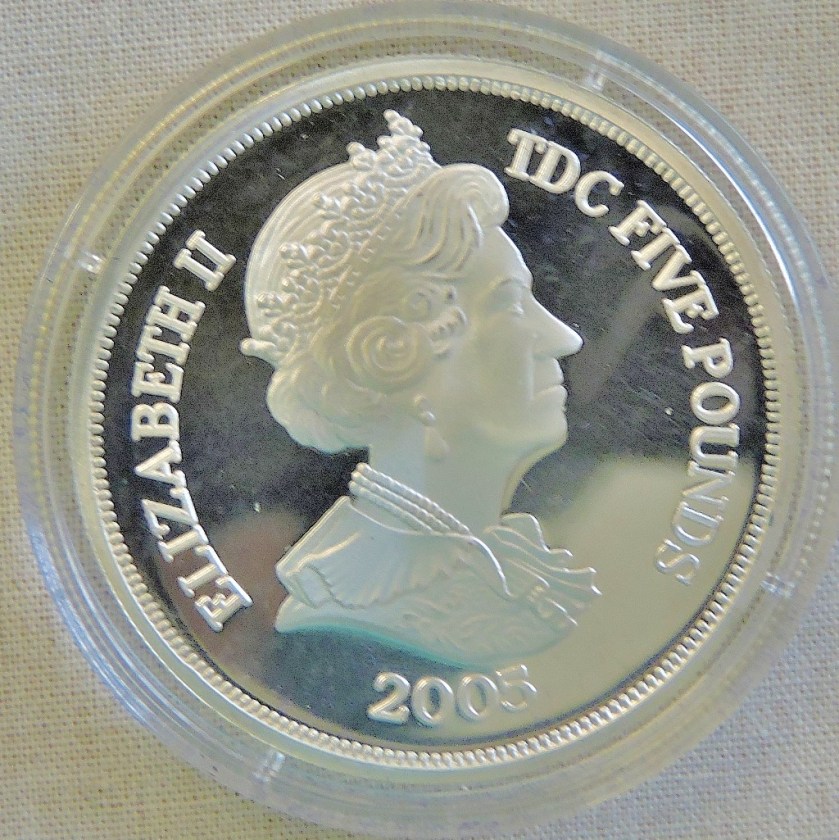
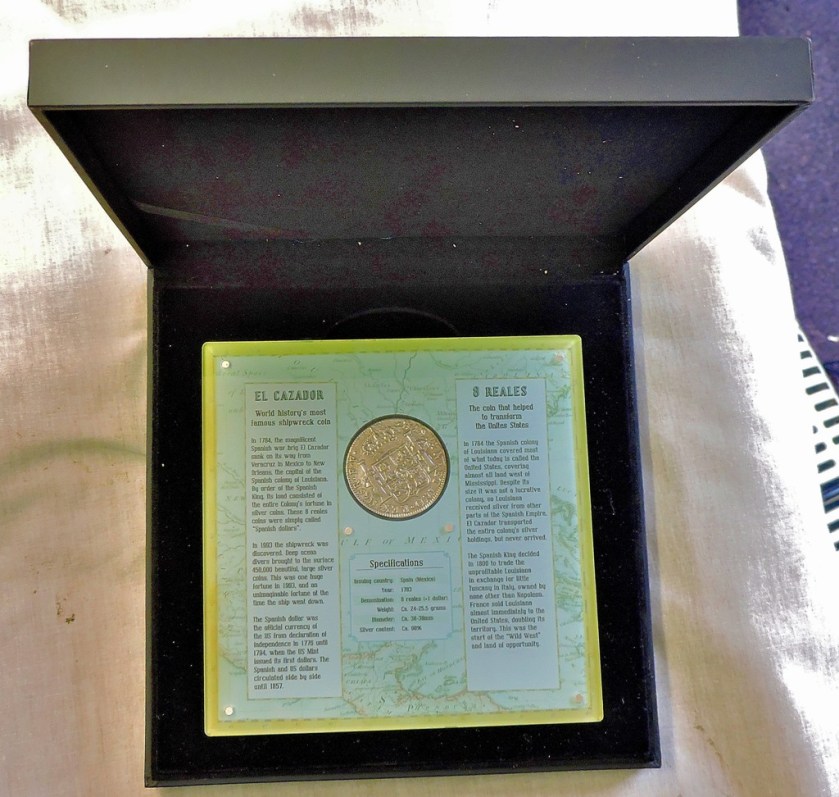
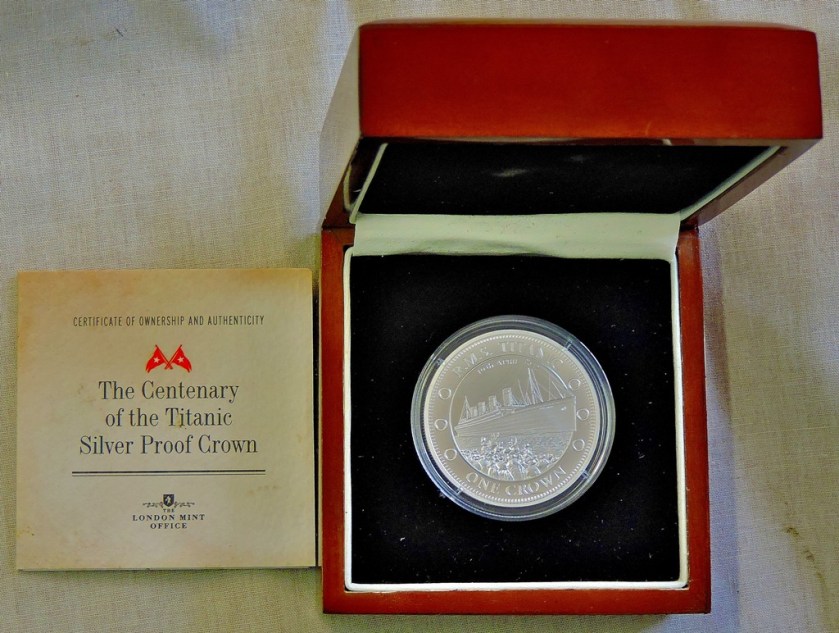
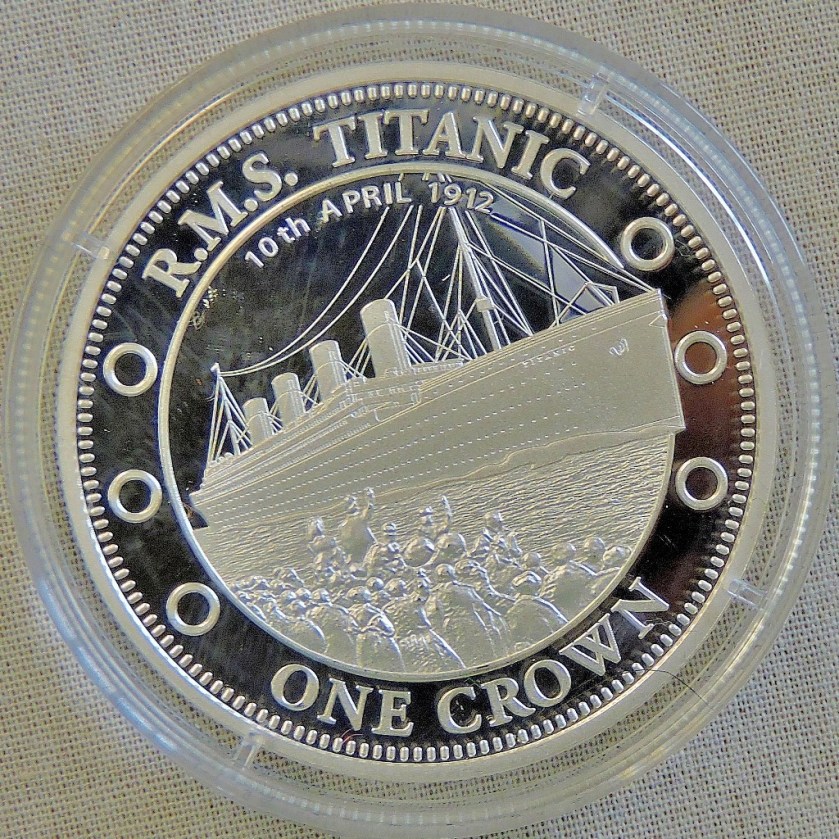
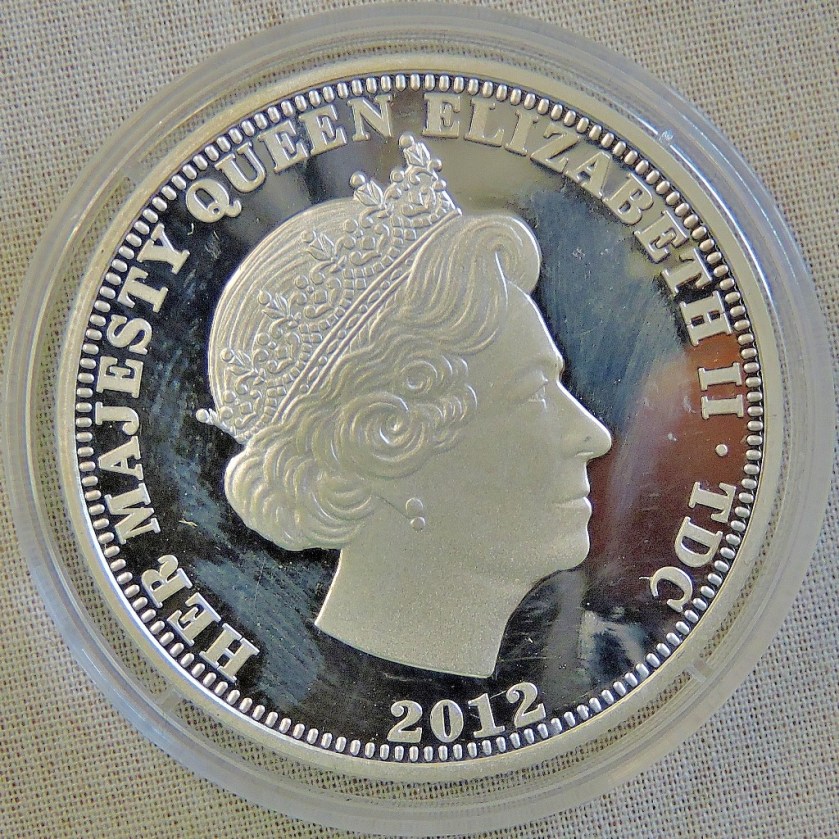
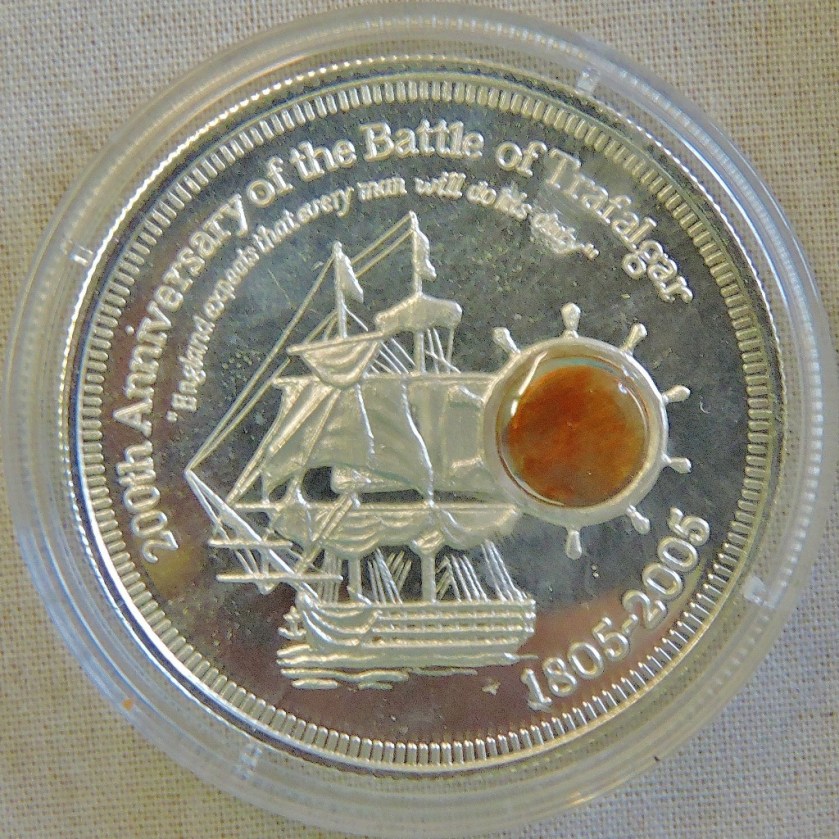
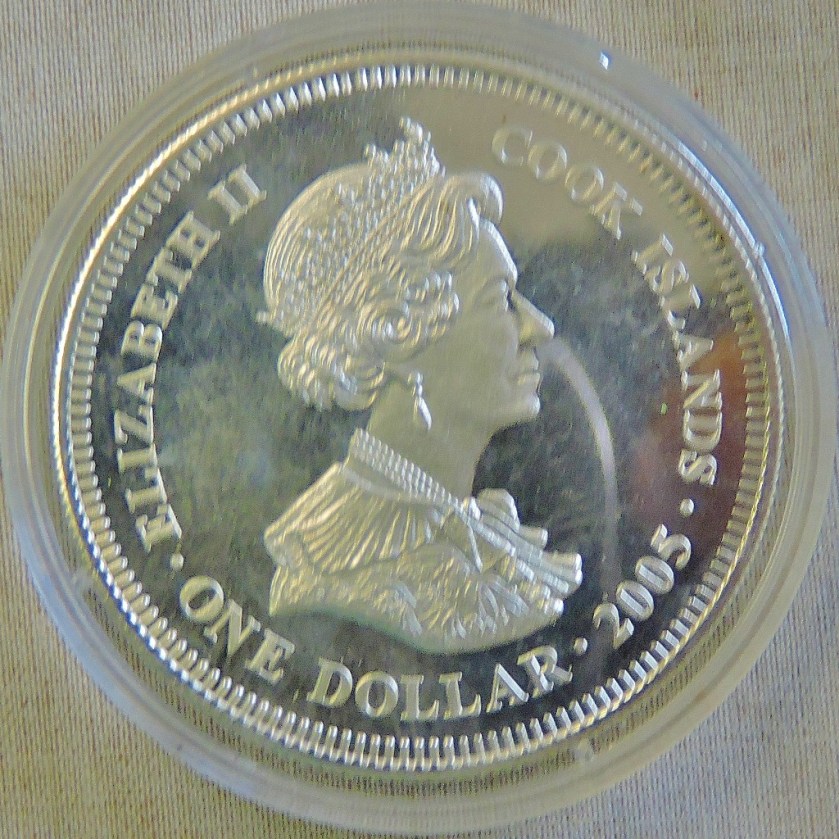
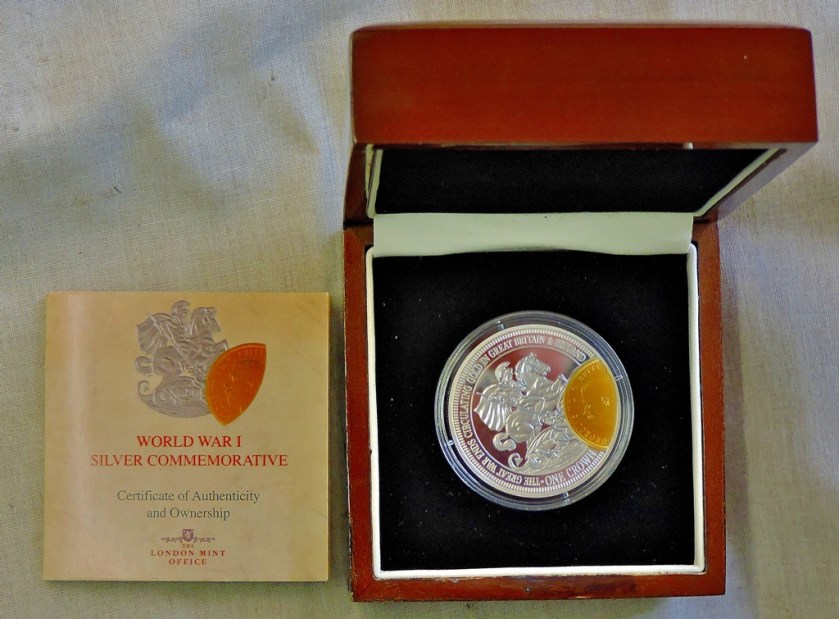
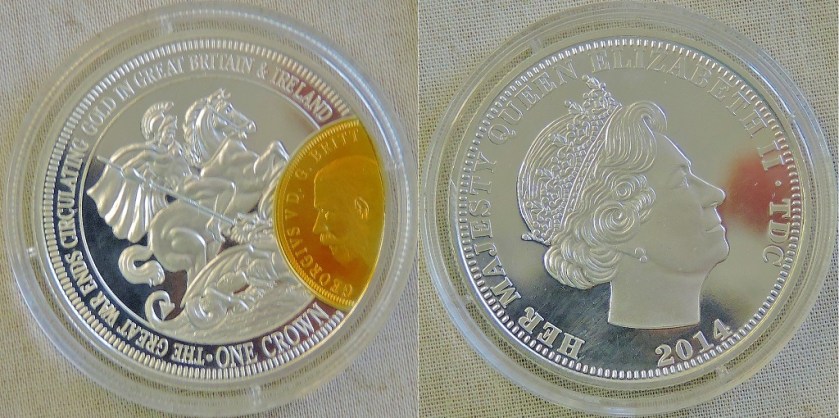
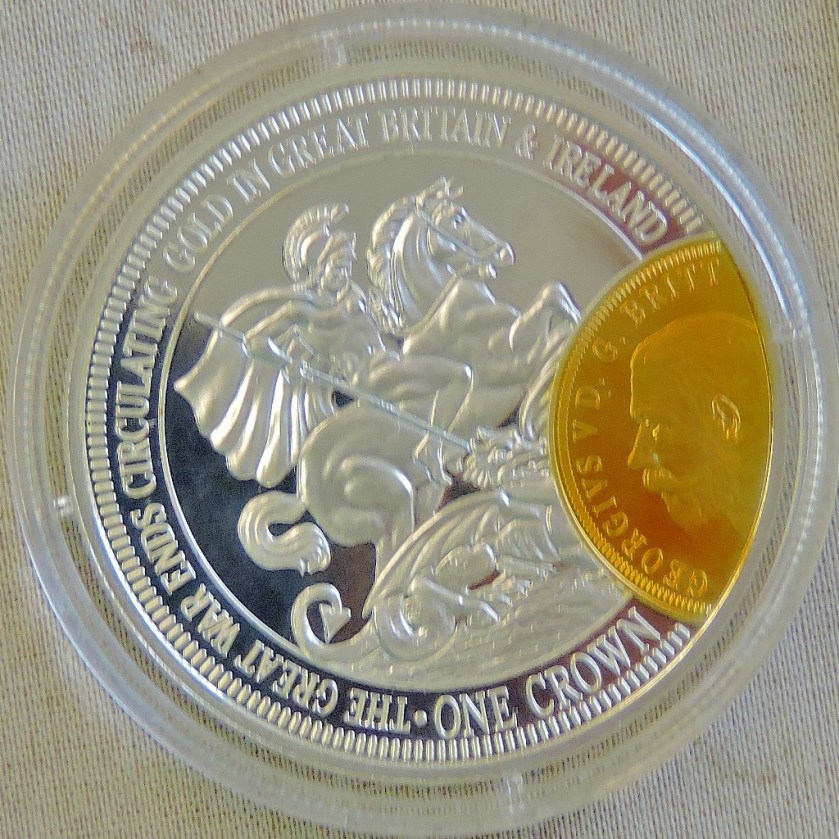
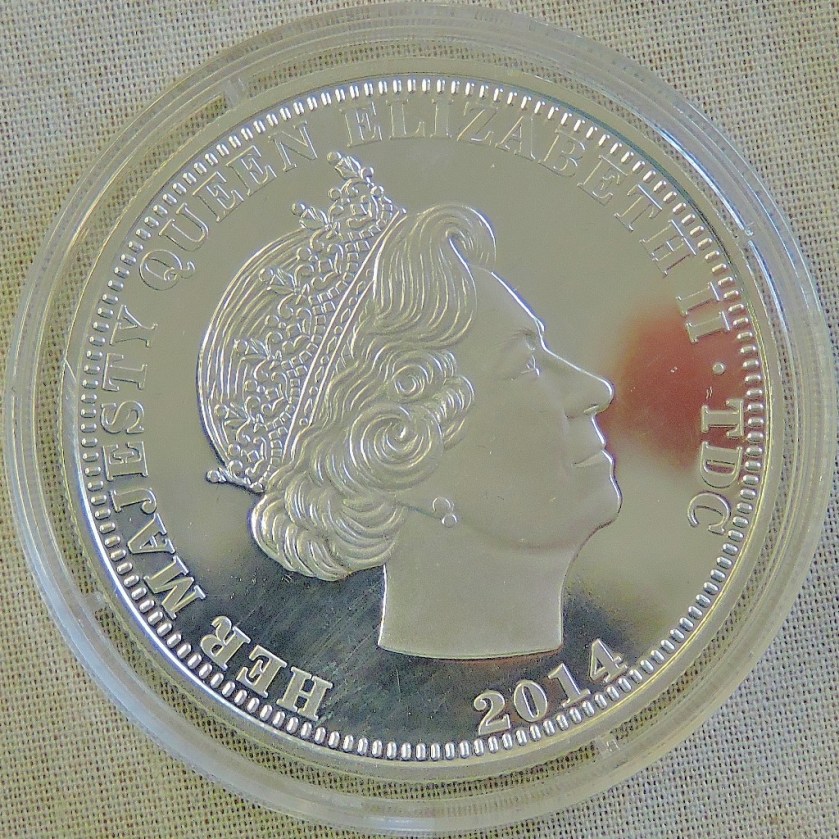
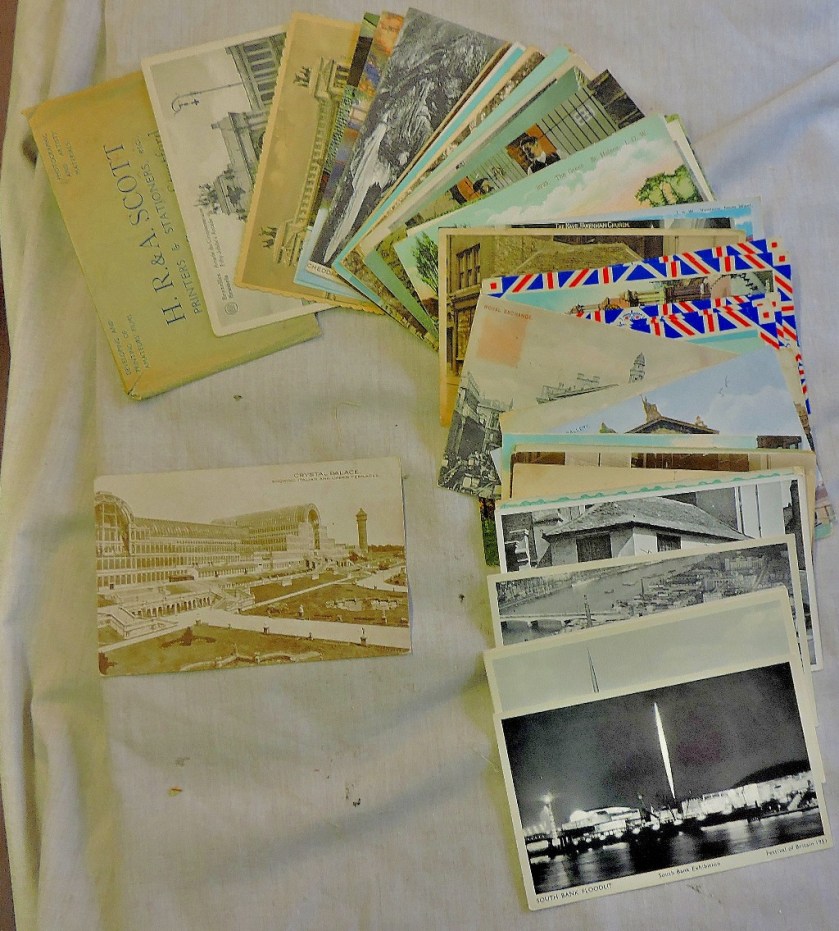
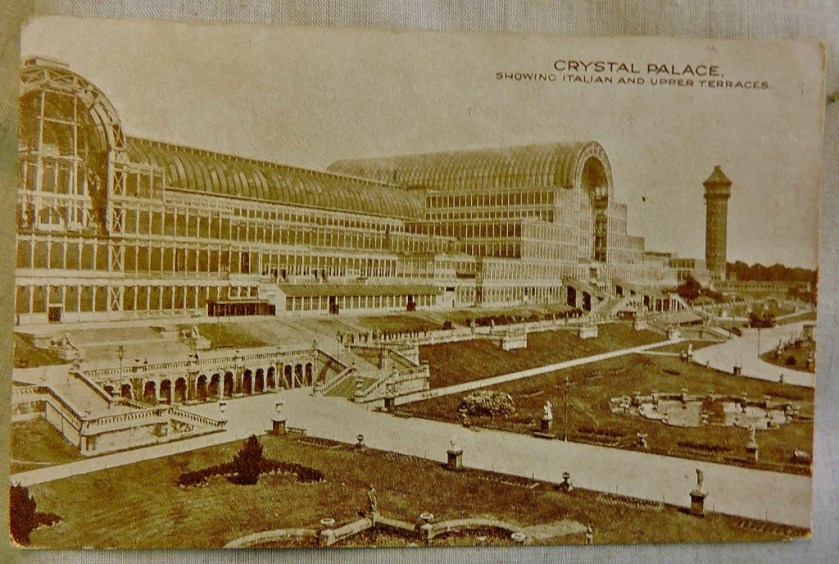
While I have imaged a wide variety of stuff today at work I am going to concentrate on some commemorative coin lots that were of particular quality…
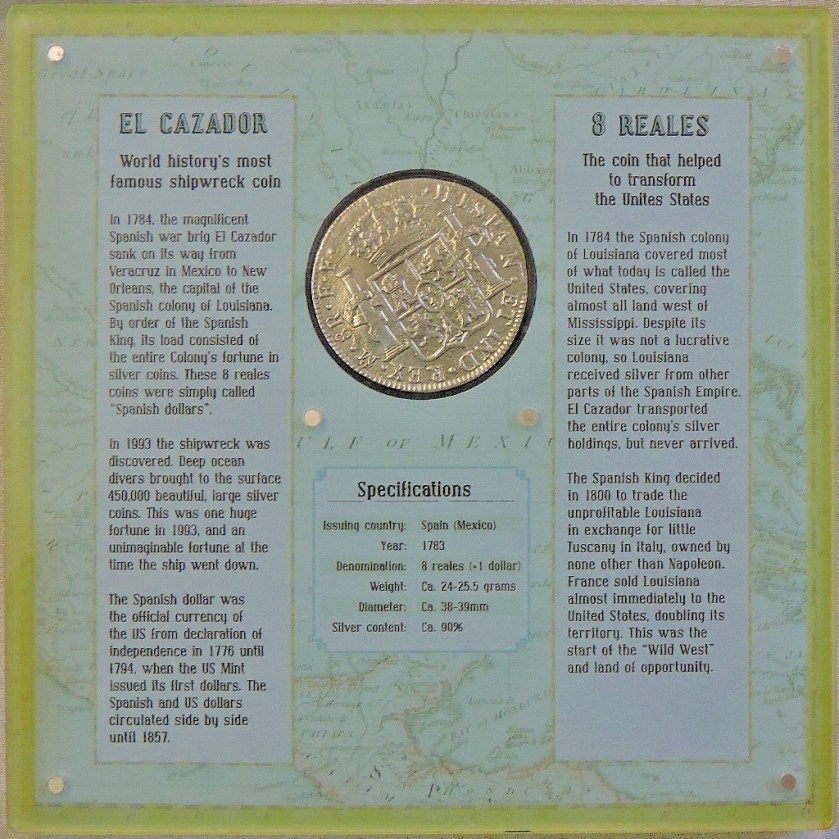
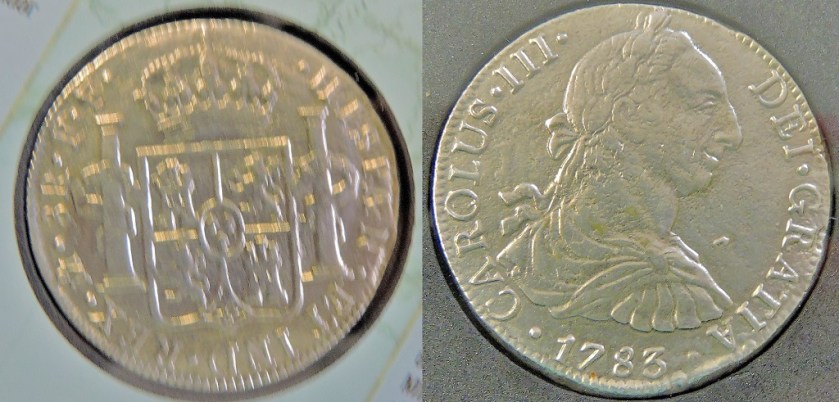
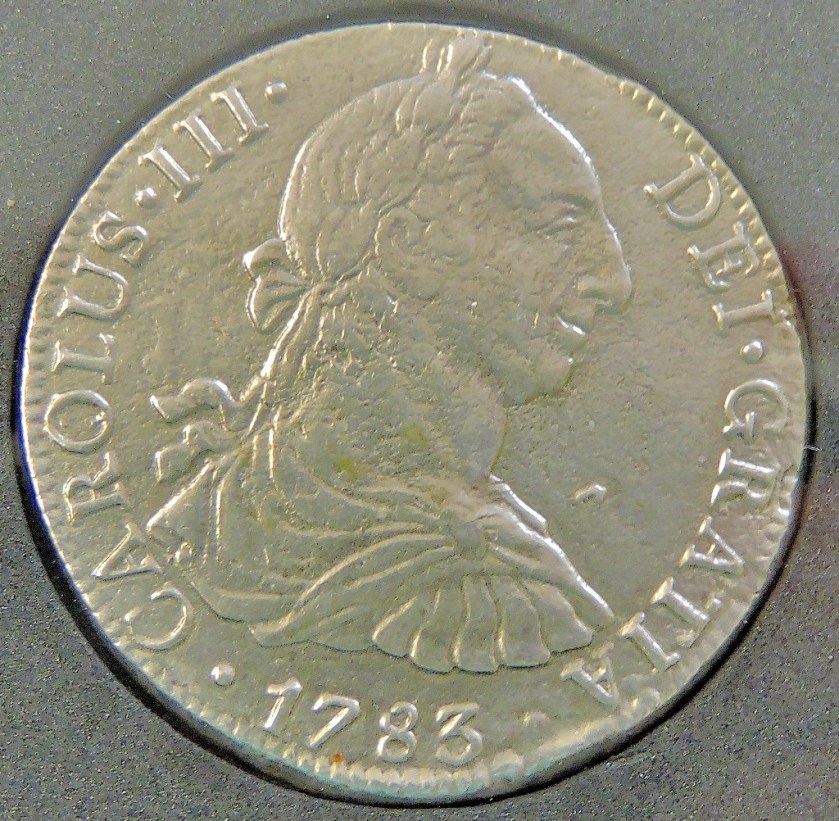
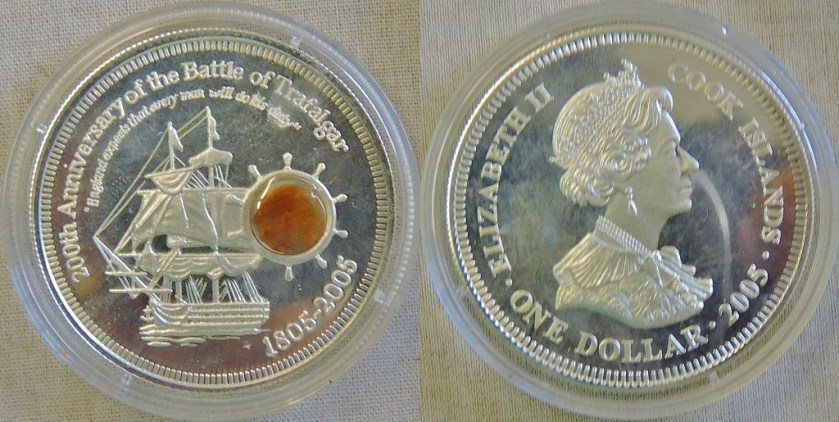
I did not have time to provide close-ups of all these coins……so I selected the one featuring a picture of Nelson (we are in Norfolk after all) for the treatmnent.
This lot featured an extra requirement.Namely providing a shot focussing on the coin and info sheet into which it is set.
The last of the commemorative coins.
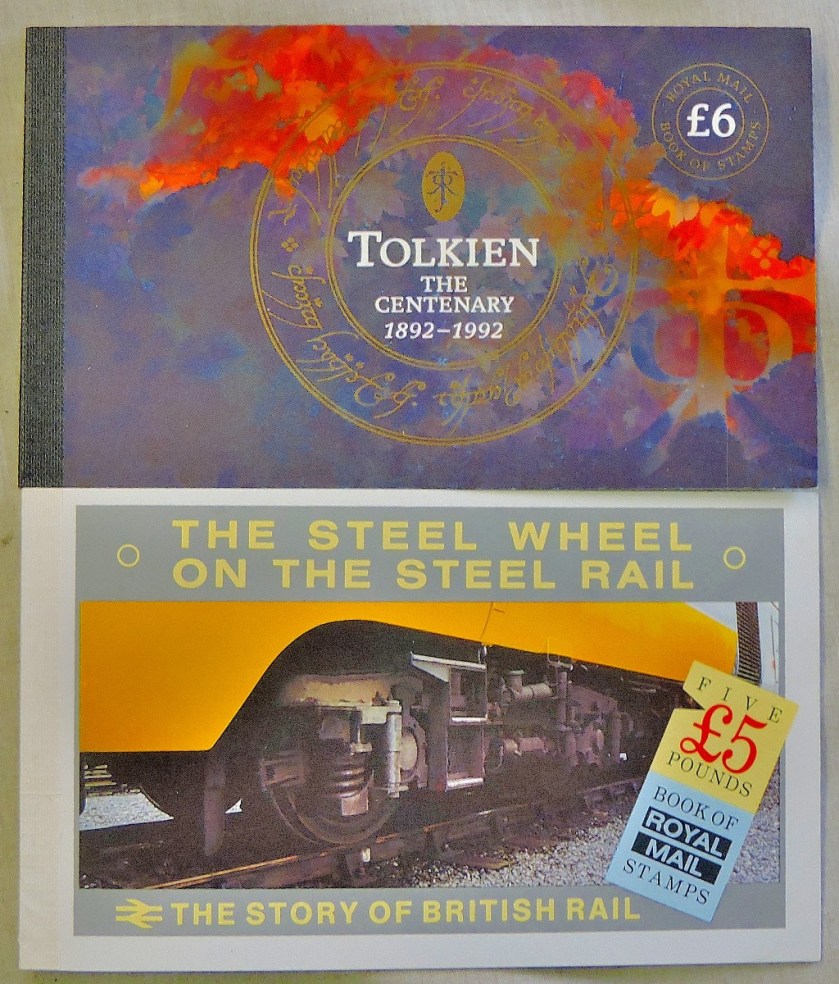
A large collection of themed stamp books.
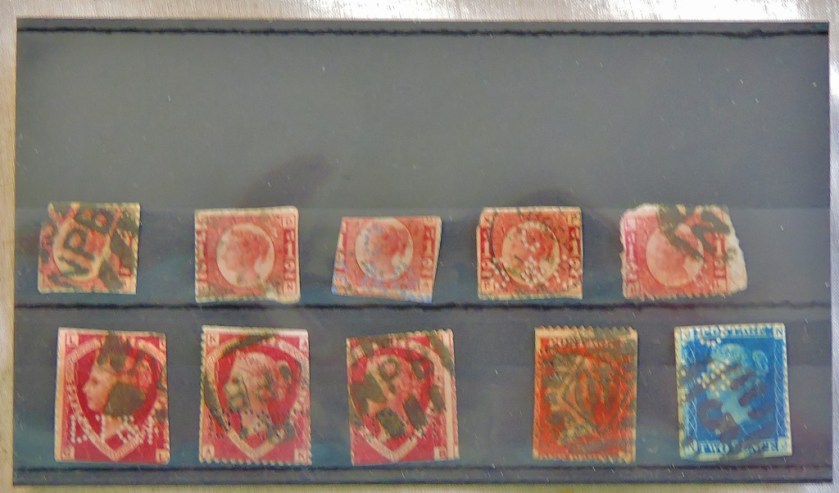
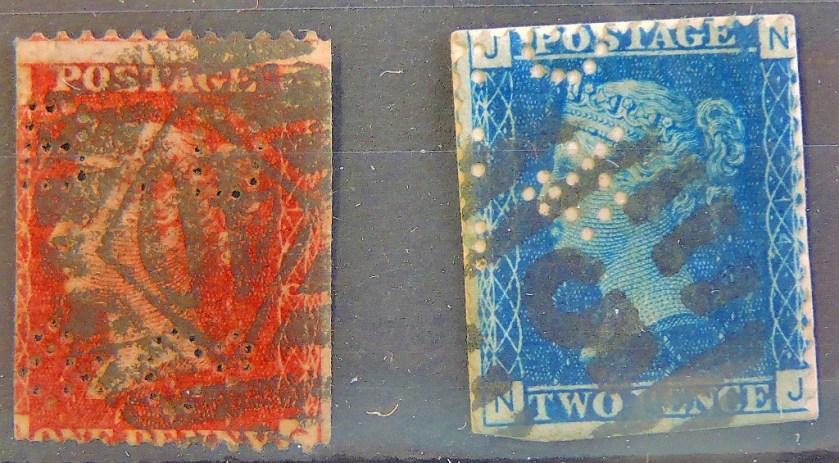
Inidvidual mounted stampsA close up of a single setan even close up of two individual stamps.
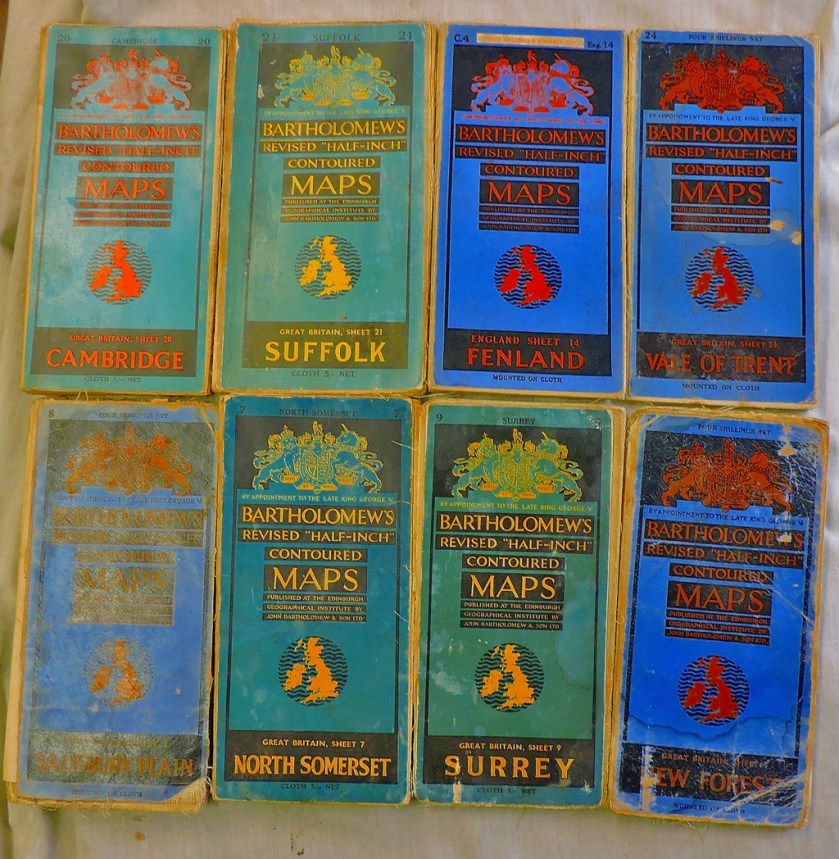
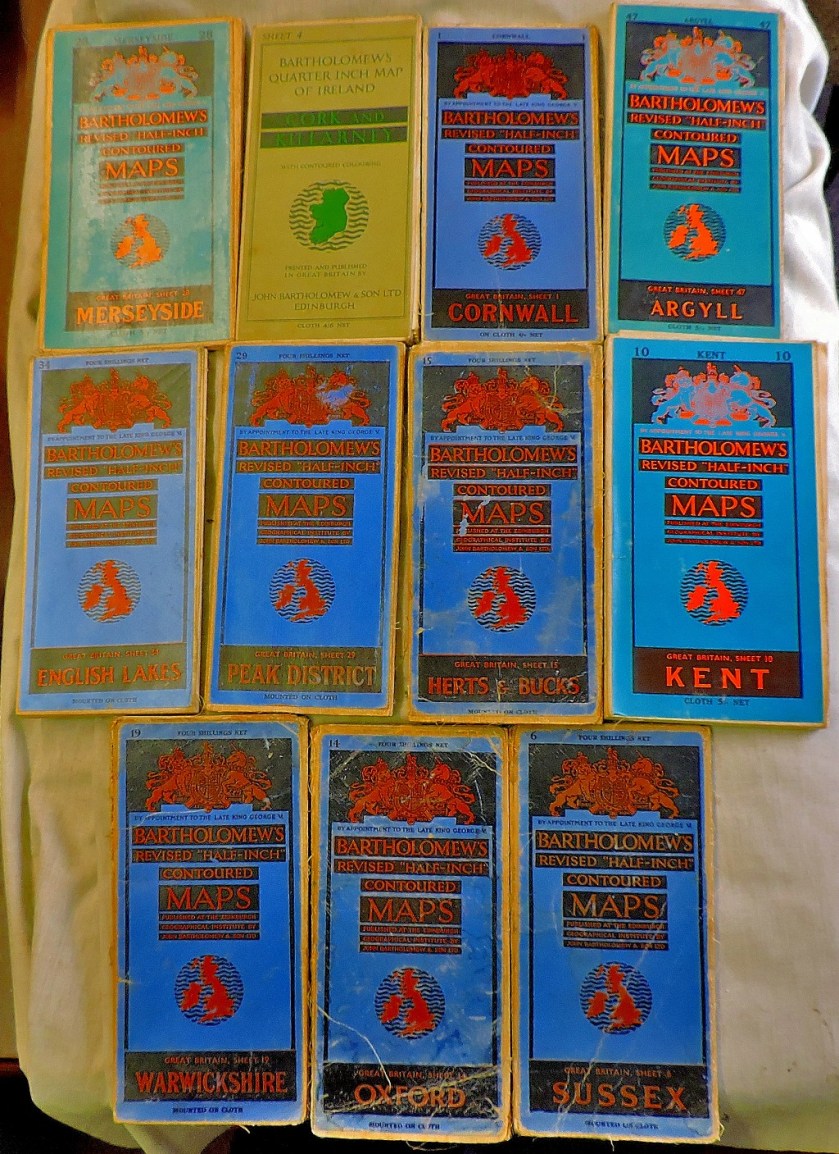
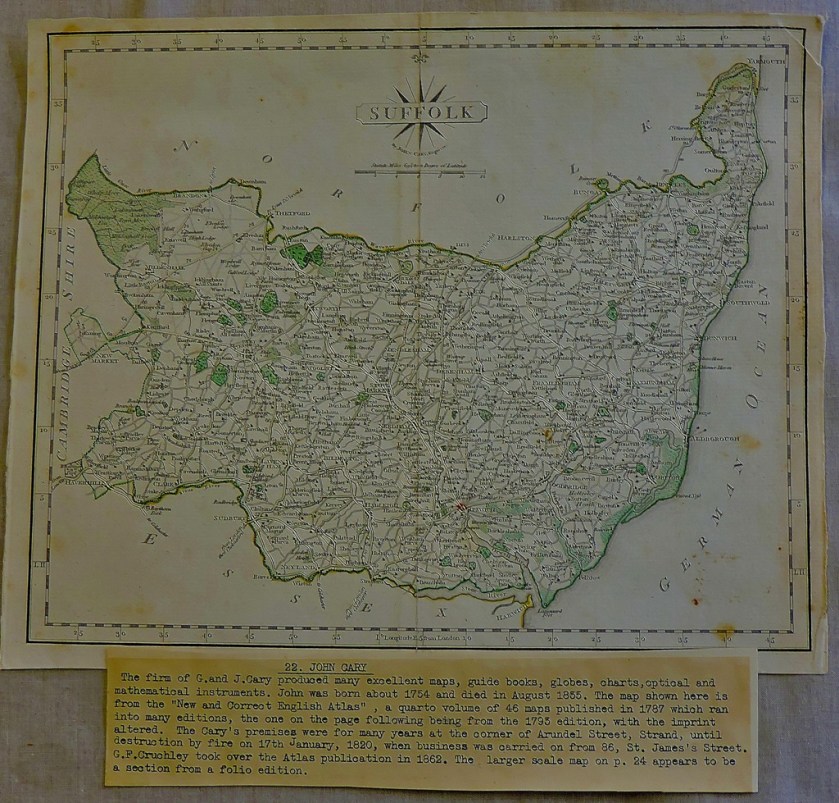
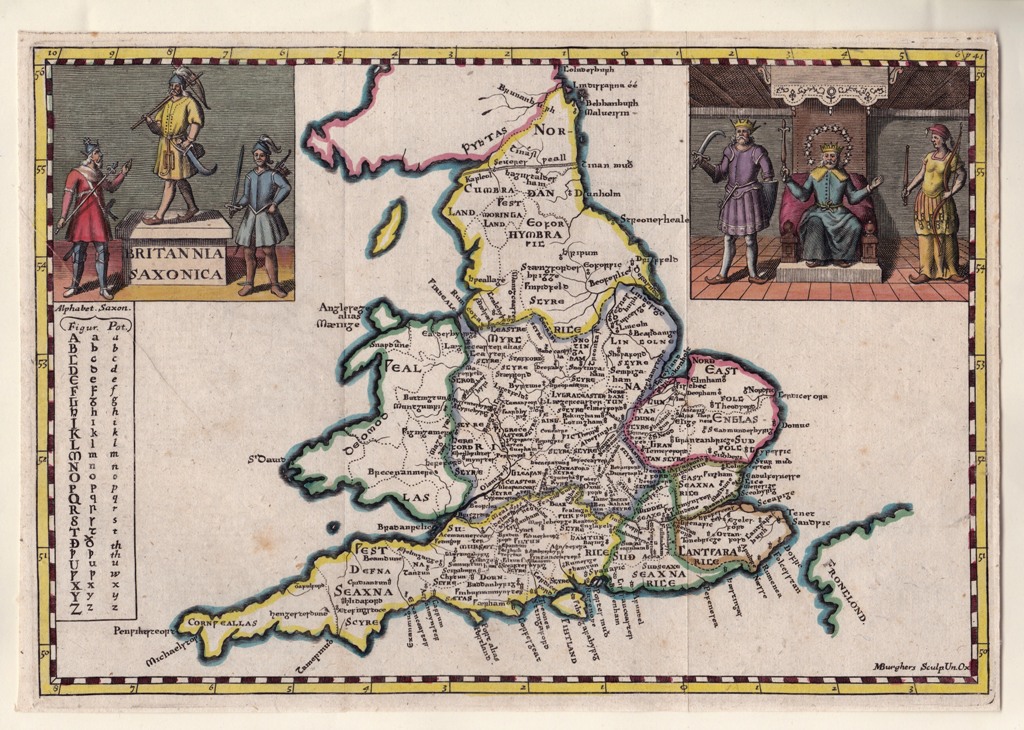
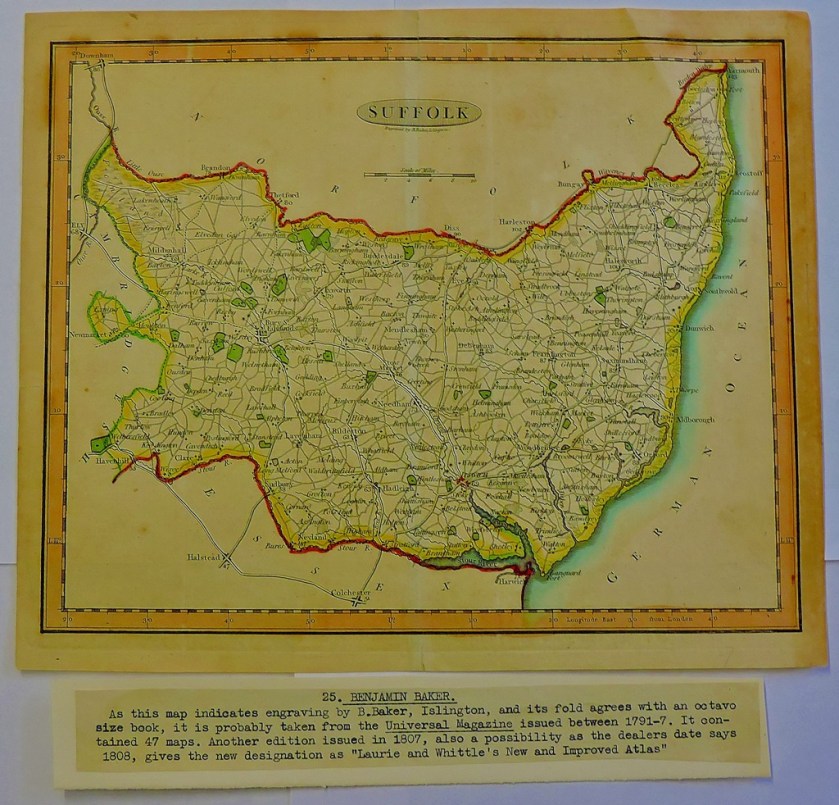
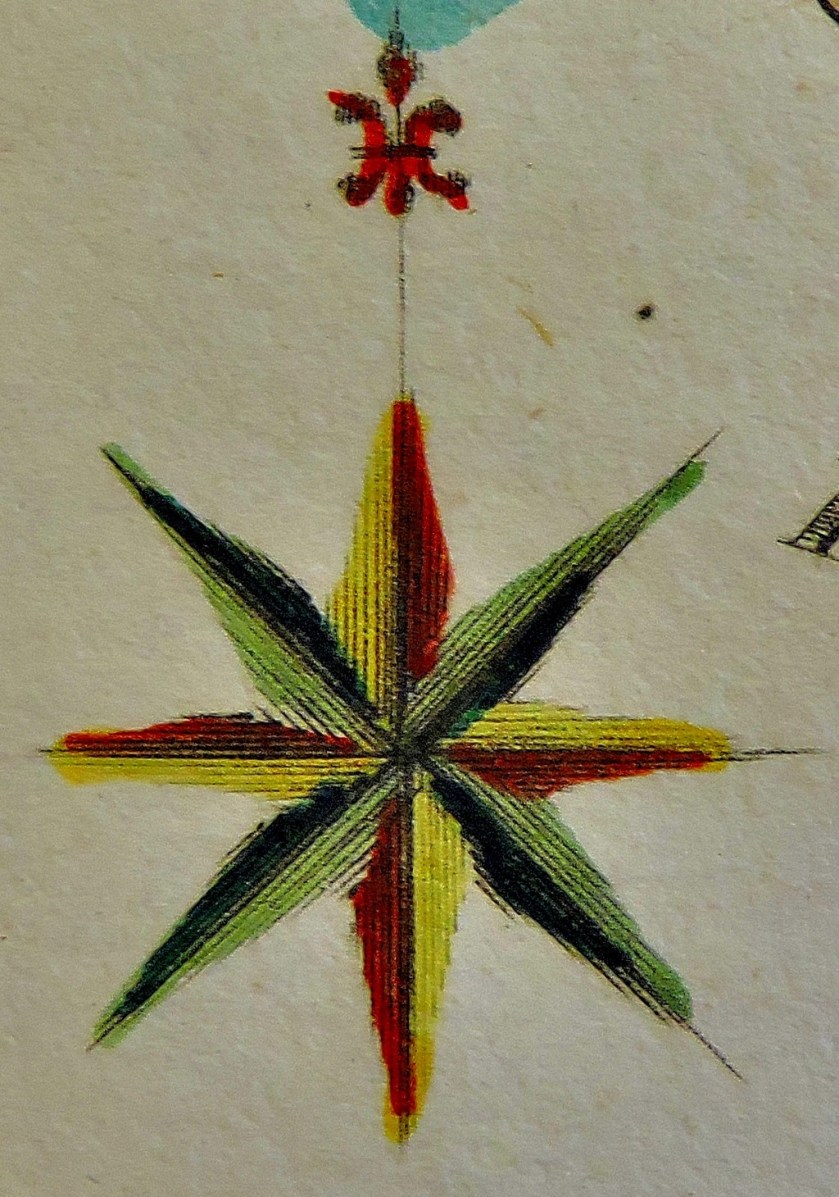
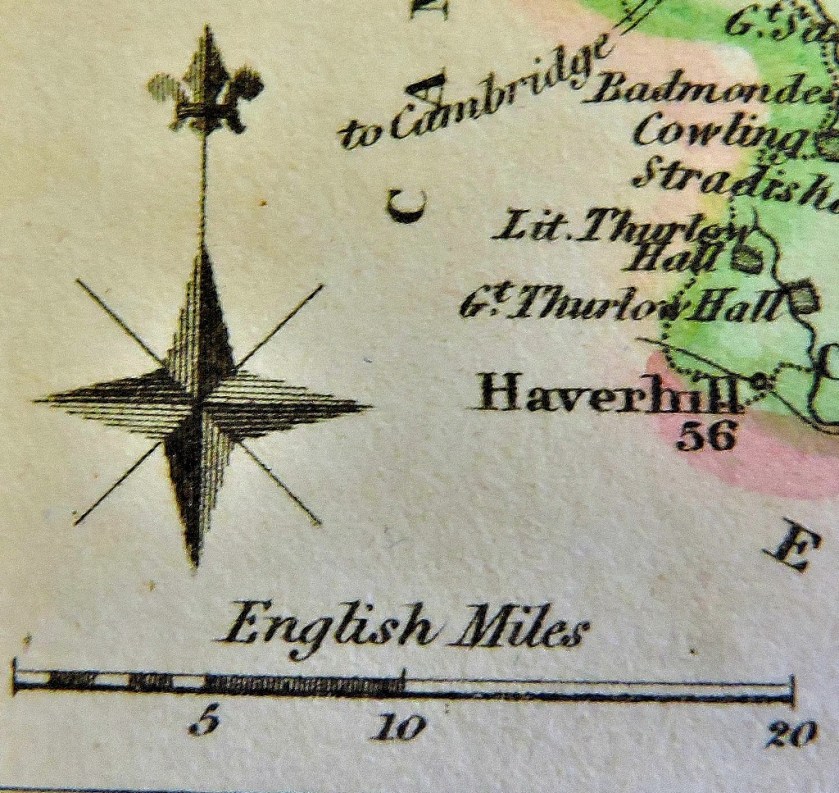
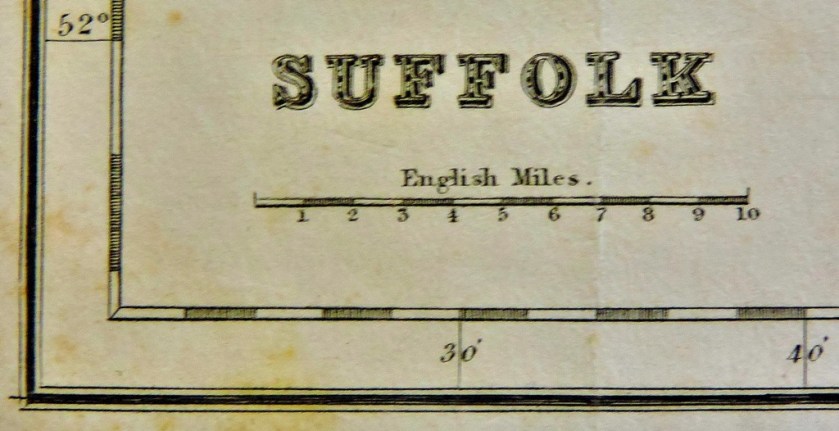
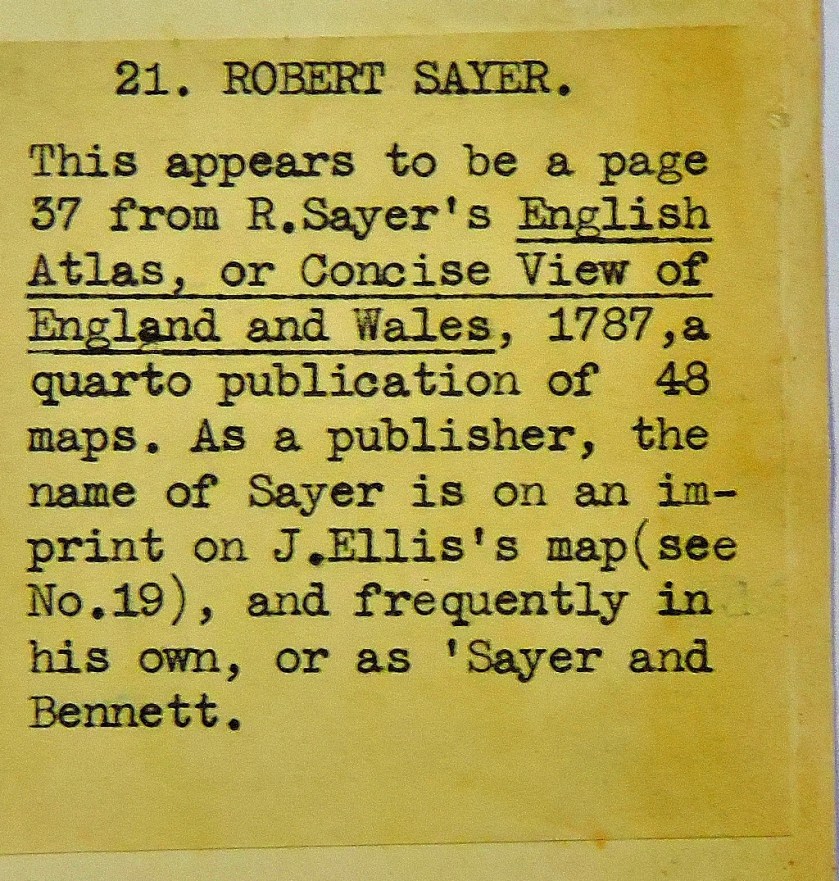
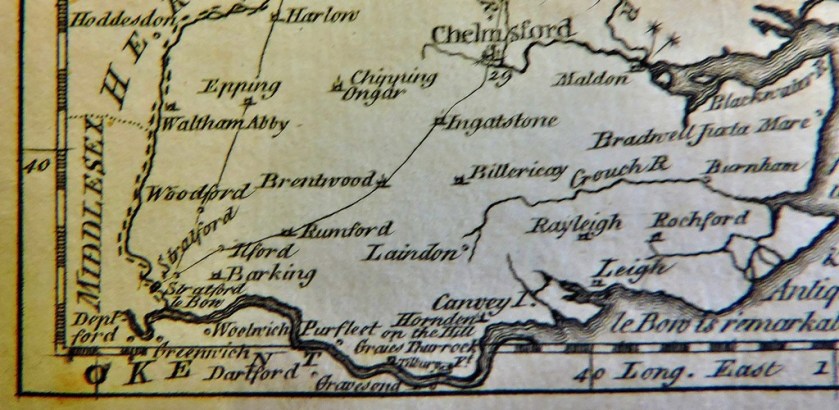
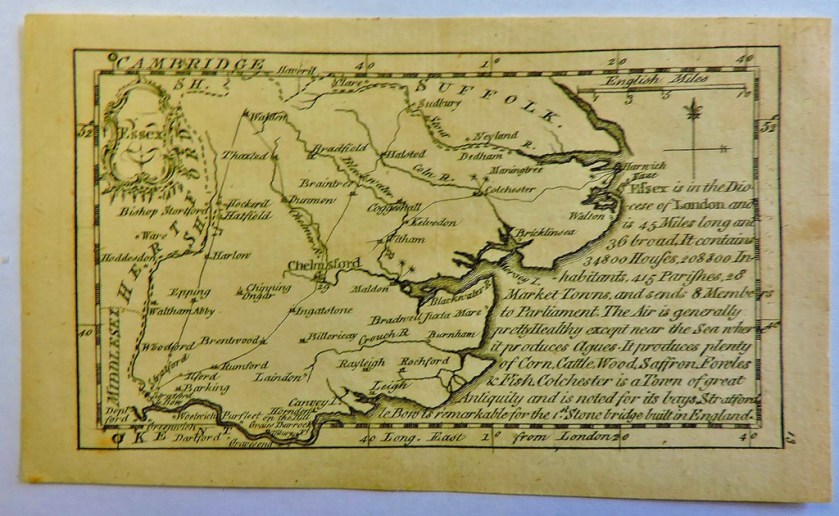
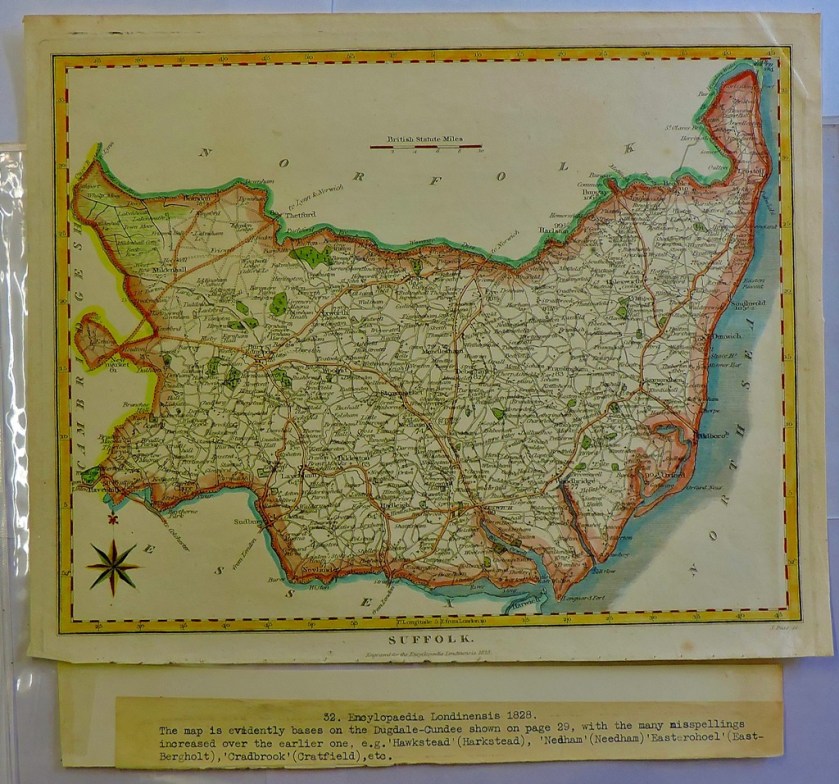
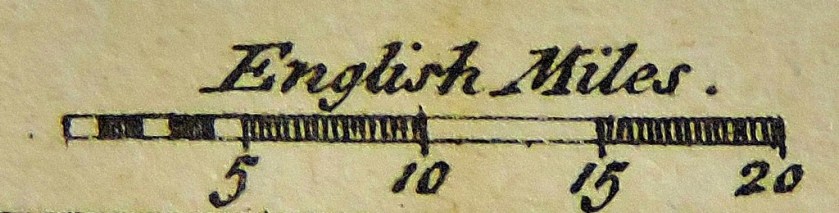
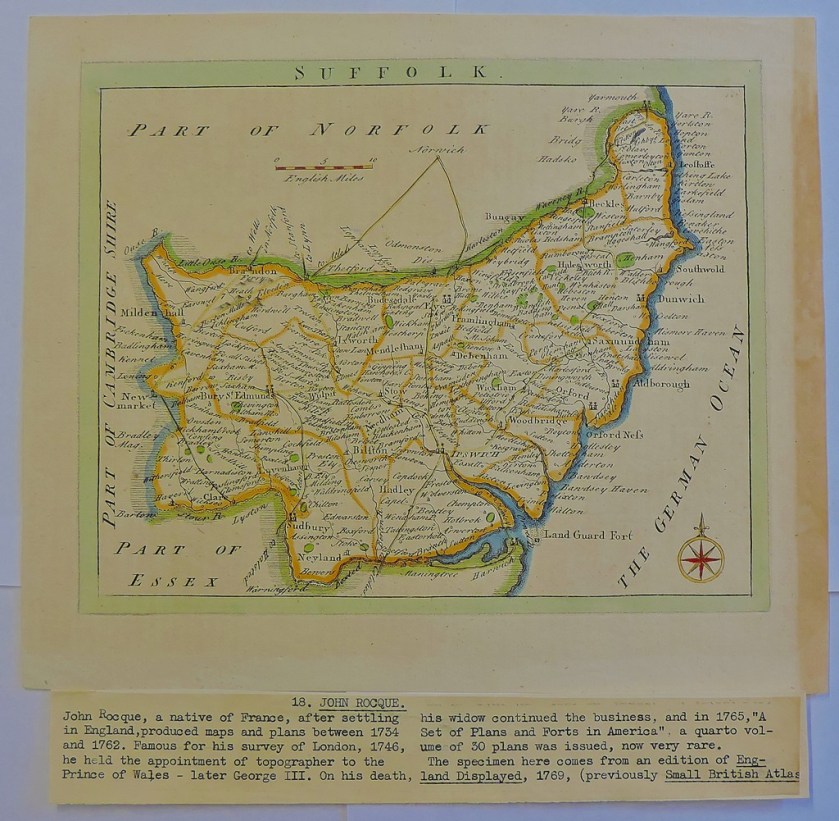
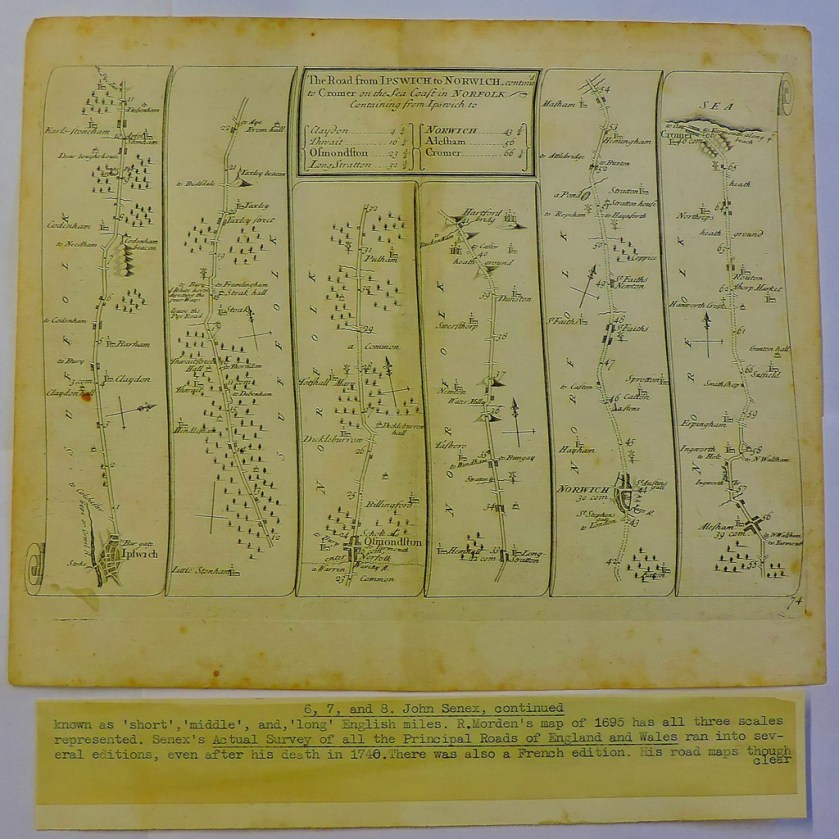
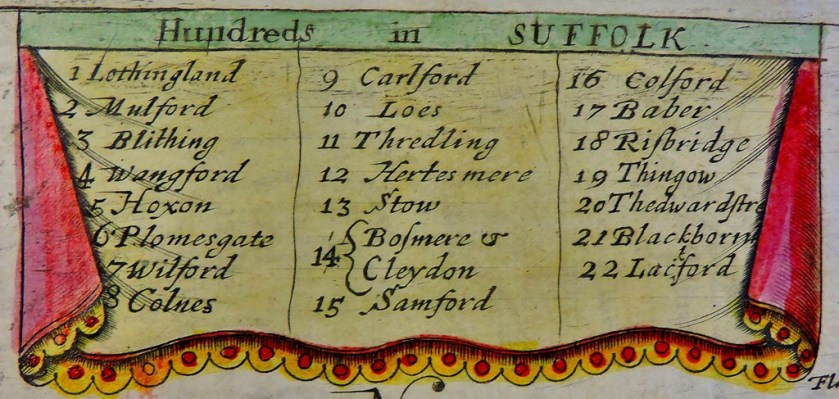
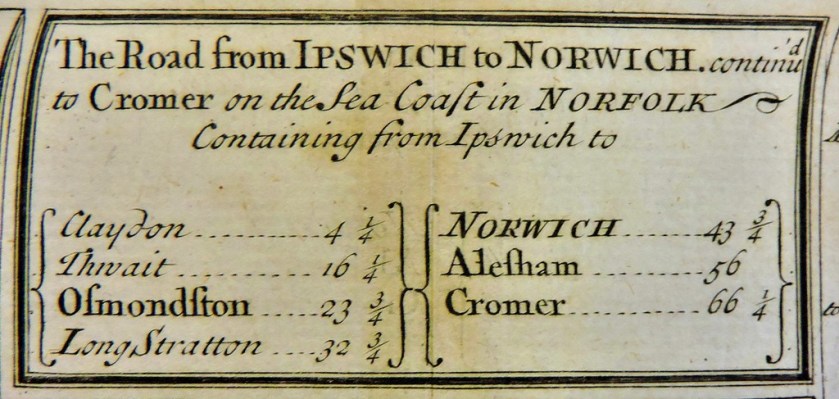
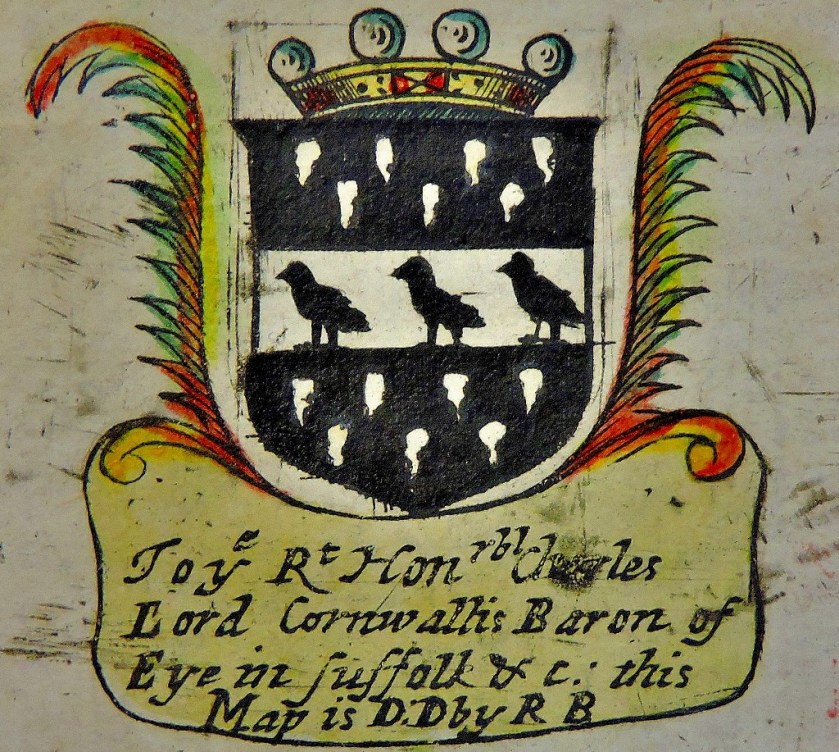
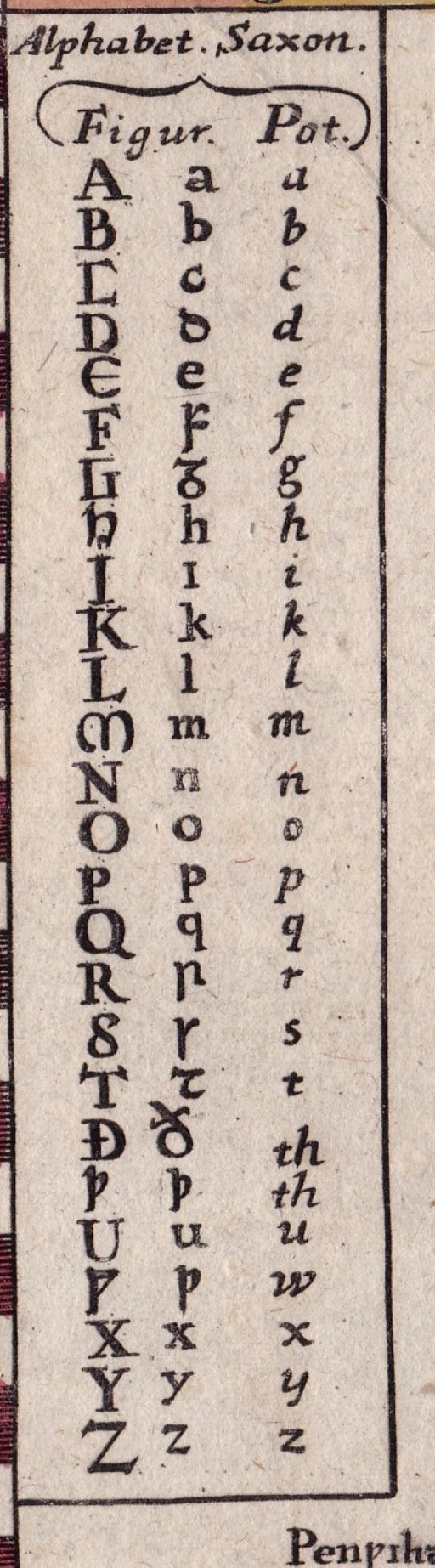
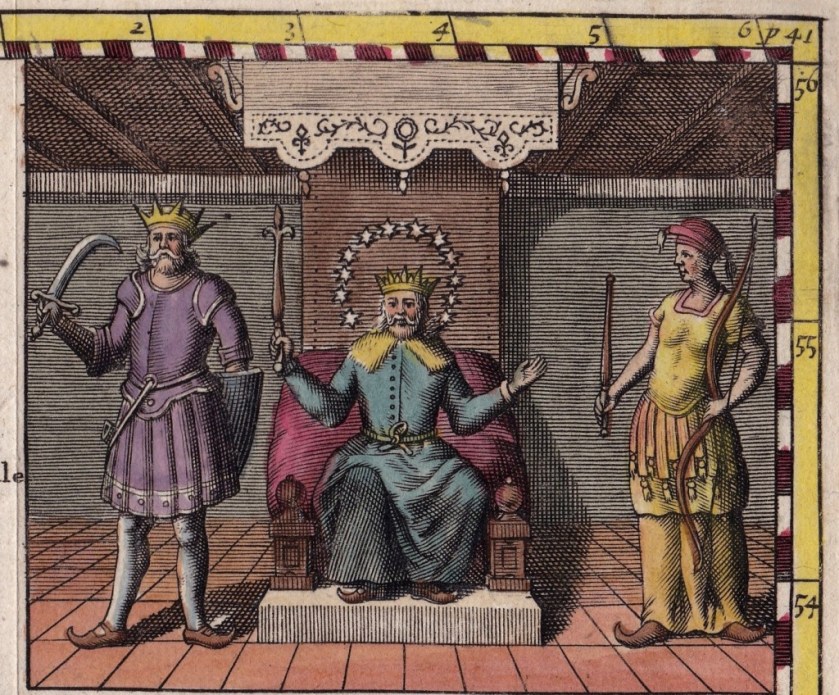
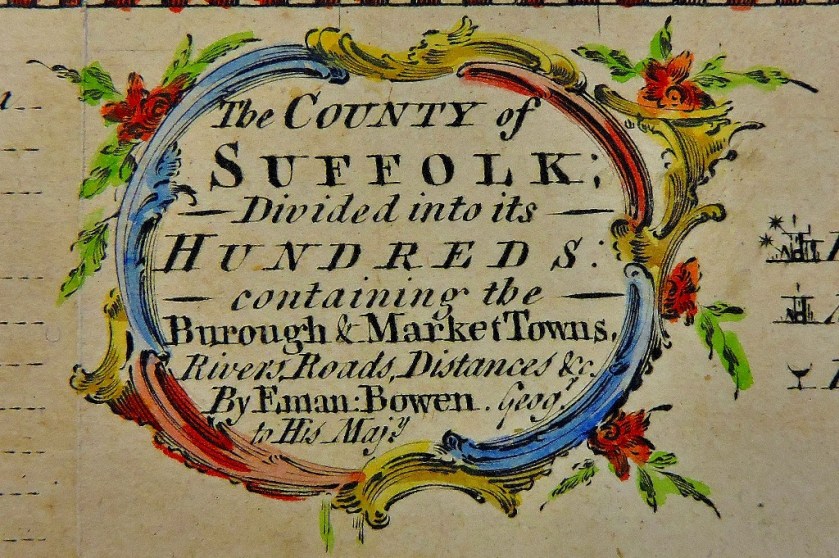
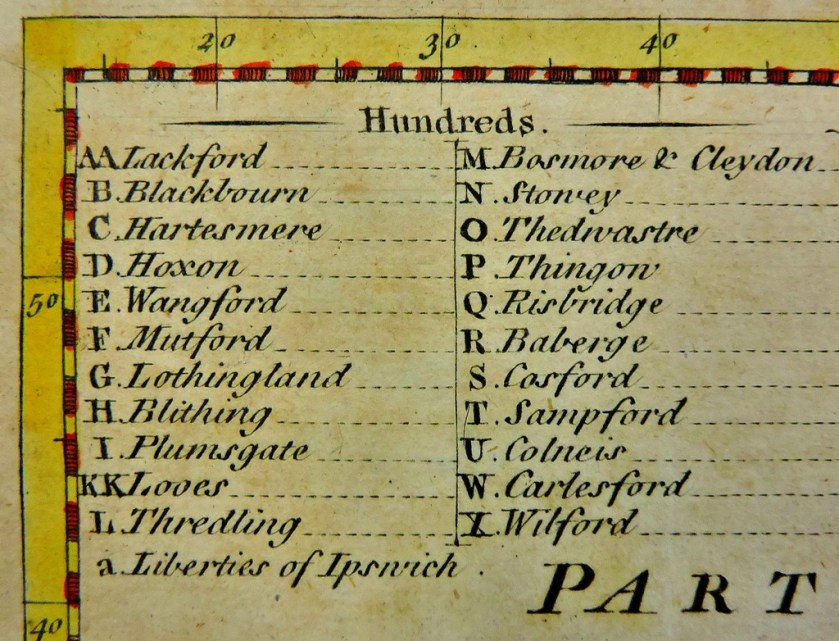
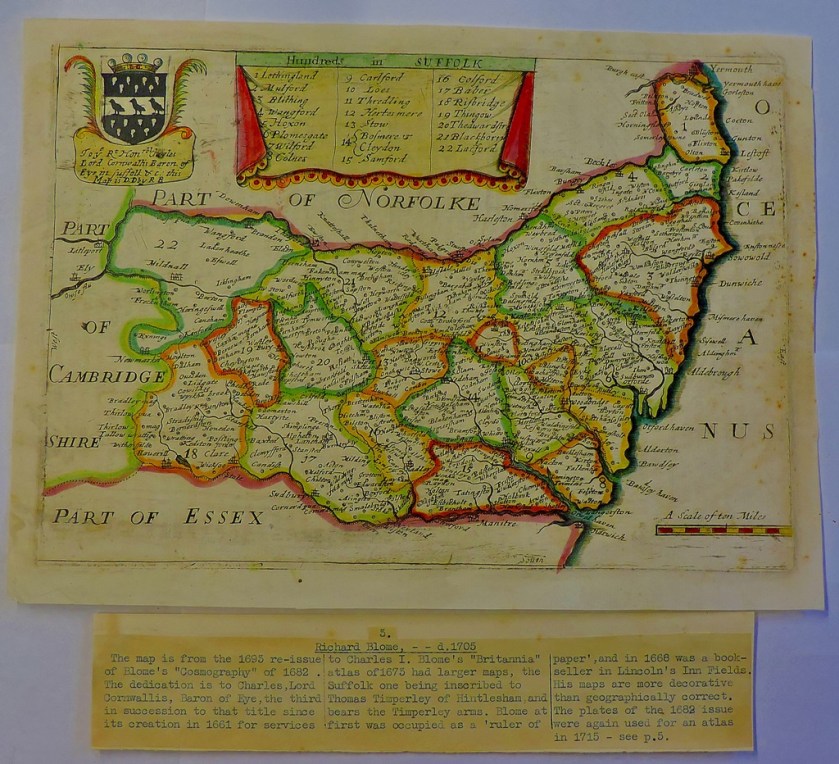
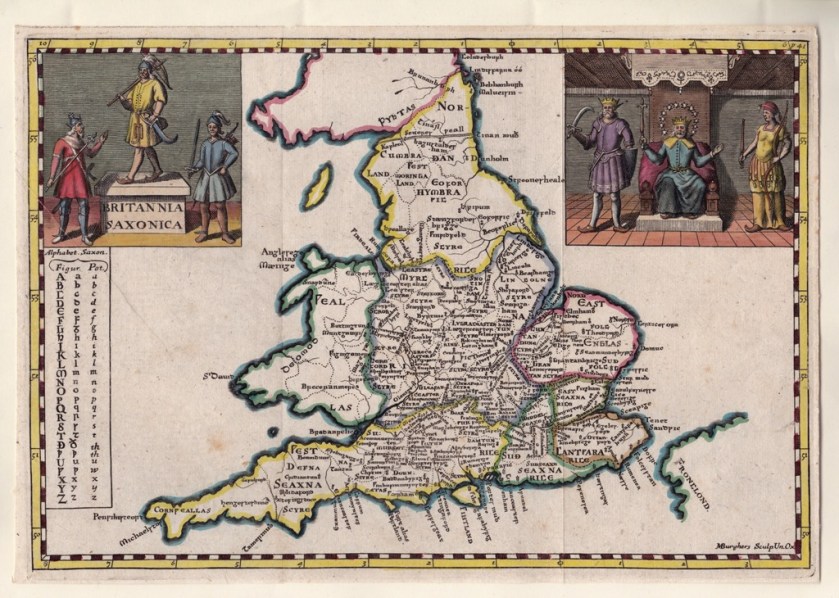
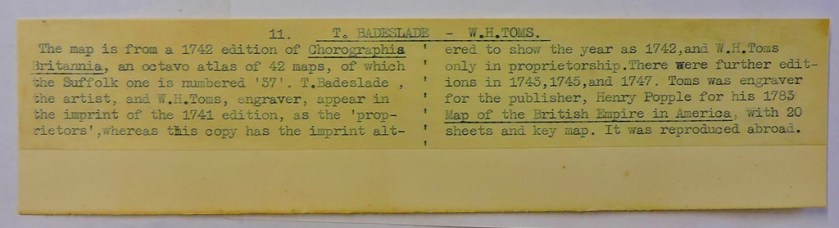
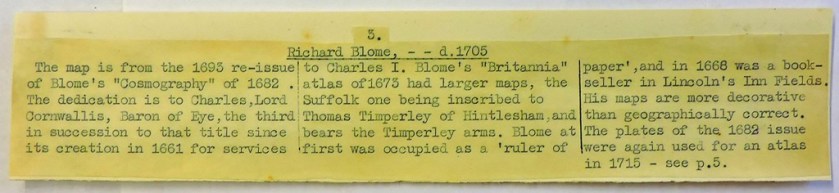
Old maps…
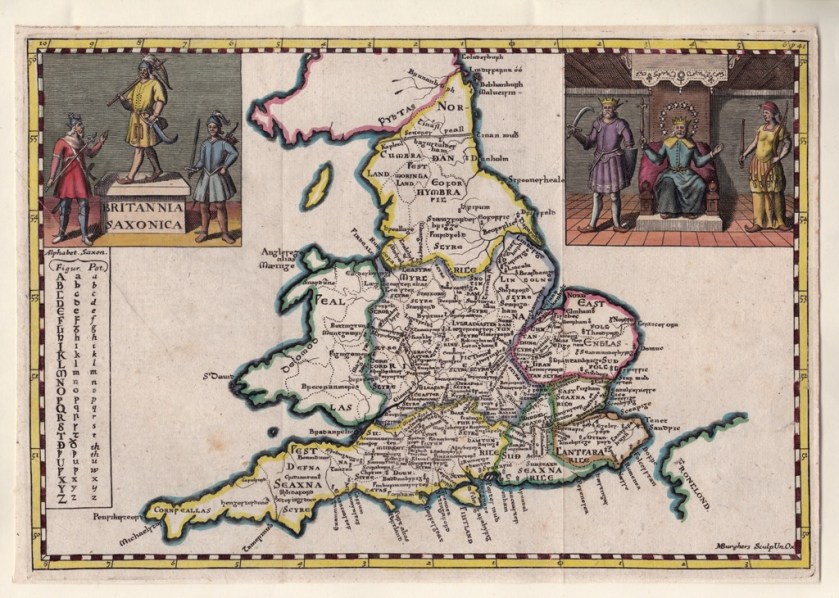
… and an even older map to finish
MUSICAL KEYS
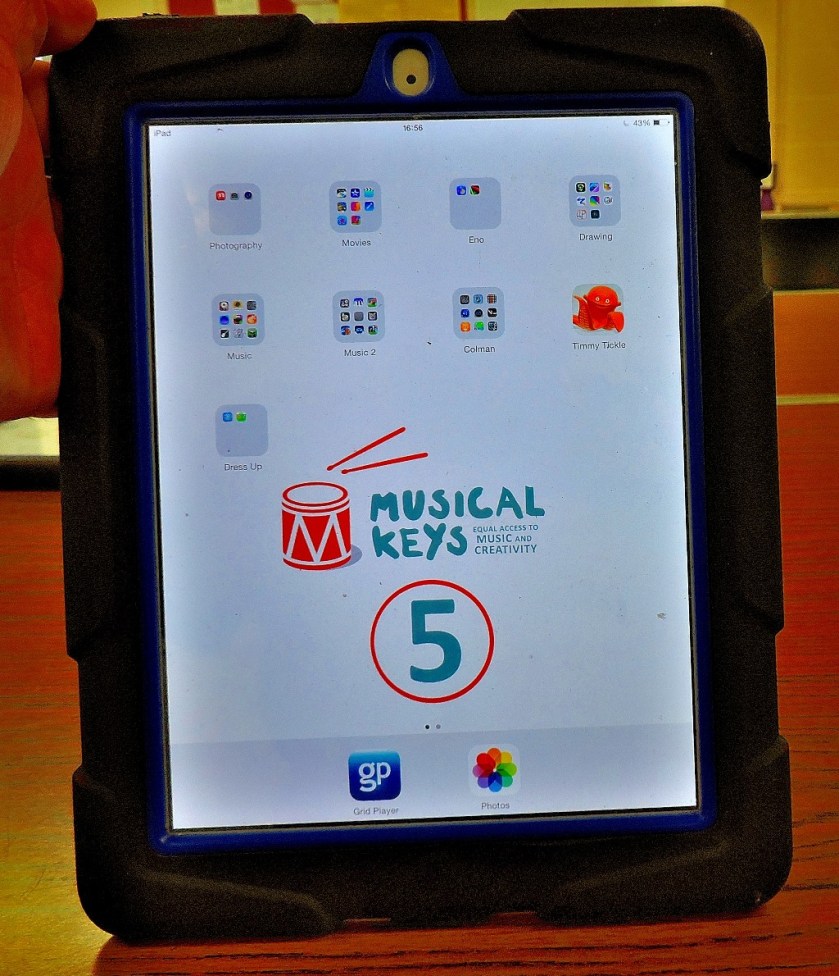
The 12 years and older session of the Musical Keys workshop run as an NAS West Norfolk activity started at 4:45PM yesterday and ran until 6:15PM. I was there both as participant and as one 0f the two designated committee members to be present at the event (the other was group leader Karan whose younger son was participating). As usual with Musical Keys the main piece of equipment we were using was a miniature computer:
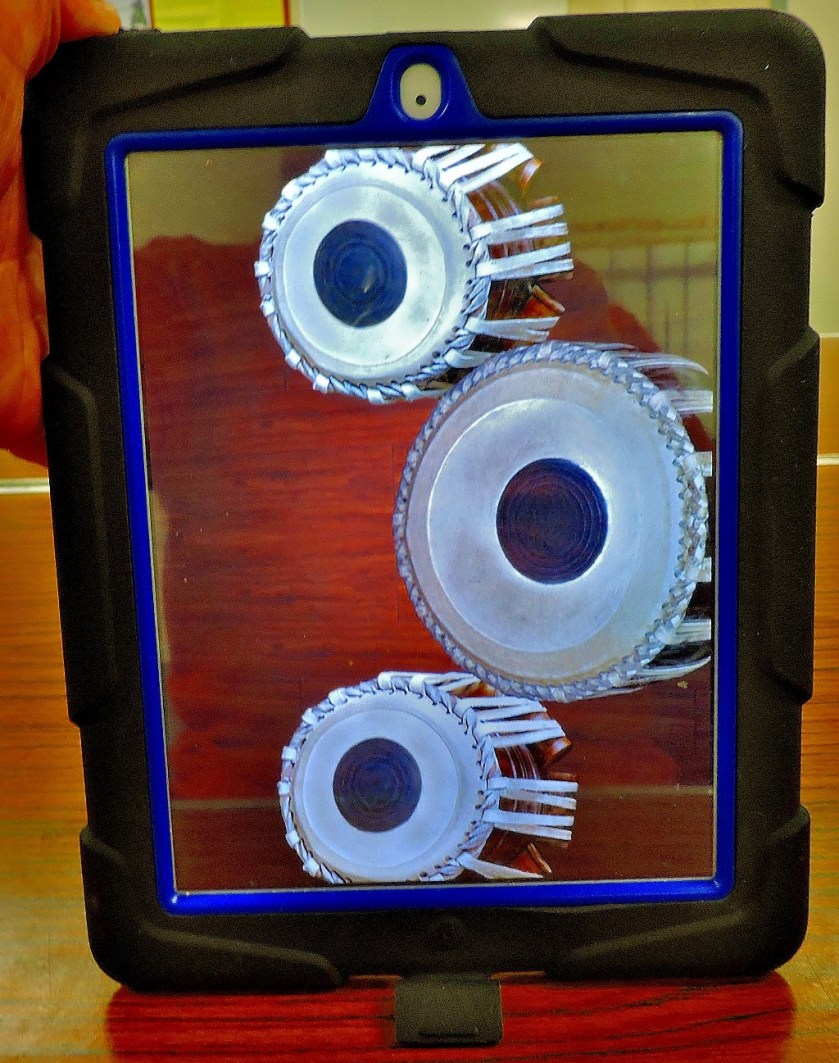
For the first part of the session we were playing computer drums:
After a mid-session break during which a birthday cake which Karan had very kindly made (gluten-free as her son has an adverse reaction to gluten) and which was absolutely delicious, we moved on to the second part of the session, which featured a system whereby lines had to be drawn across the screen so that balls would bounce of them to create sounds. For those of my generation it looks a bit like a very early BBC Micro game!
The basic set up
An arrangement of lines which prevents any of the balls (released from the nozzle you can see top centre) from escaping. I do not know what kind of sound this generates, as at no time while the sound was on did I have this many lines in place.
As anyone who knows what the weather was like in King’s Lynn yesterday early evening will be aware it was not suitable for photography on the way to the Scout Hut, where as so often with NAS West Norfolk events this took place, but I did get this picture on the way home…
Acknowledgements to the Eastern Daily Press for this story of local diversity…
From dusk ‘til dawn, volunteers scoured 25 nature reserves and beauty spots to see how many species they could record there.
And now, with the results all in and analysed, the winners can be revealed: with Norfolk sites in the top two spots. The so-called “Bioblitz” study was carried out by the National Trust at 25 of its coastal sites in England, Scotland and Northern Ireland.
The surveys were carried out over 24 hours, with volunteers scouring their patches for species, to see how many they could find in the time.
The location with the greatest number of species was the Brancaster estate, where 1,018 were recorded. In second place was Blakeney nature reserve, with 934 species. The Brancaster Bioblitz took place in July. Keith Miller, coastal ranger at Brancaster, said: “We only had 24 hours to survey wildlife. I used every single one. From surveying for owls at midnight to leading bat walks for families the following evening.
A combination of sharing a new find of mine and advertising an event that my mother and aunt are involved in.
INTRODUCTION
I am doing two things in this post, related by location. One, I am sharing a new find in the map department (available for free at King’s Lynn Bus Station), and two I am advertising an event that will be taking place at Gresham’s School, Holt at which my mother and my aunt will have a table-top stall.
ACTIVITIES IN THE EAST OF ENGLAND
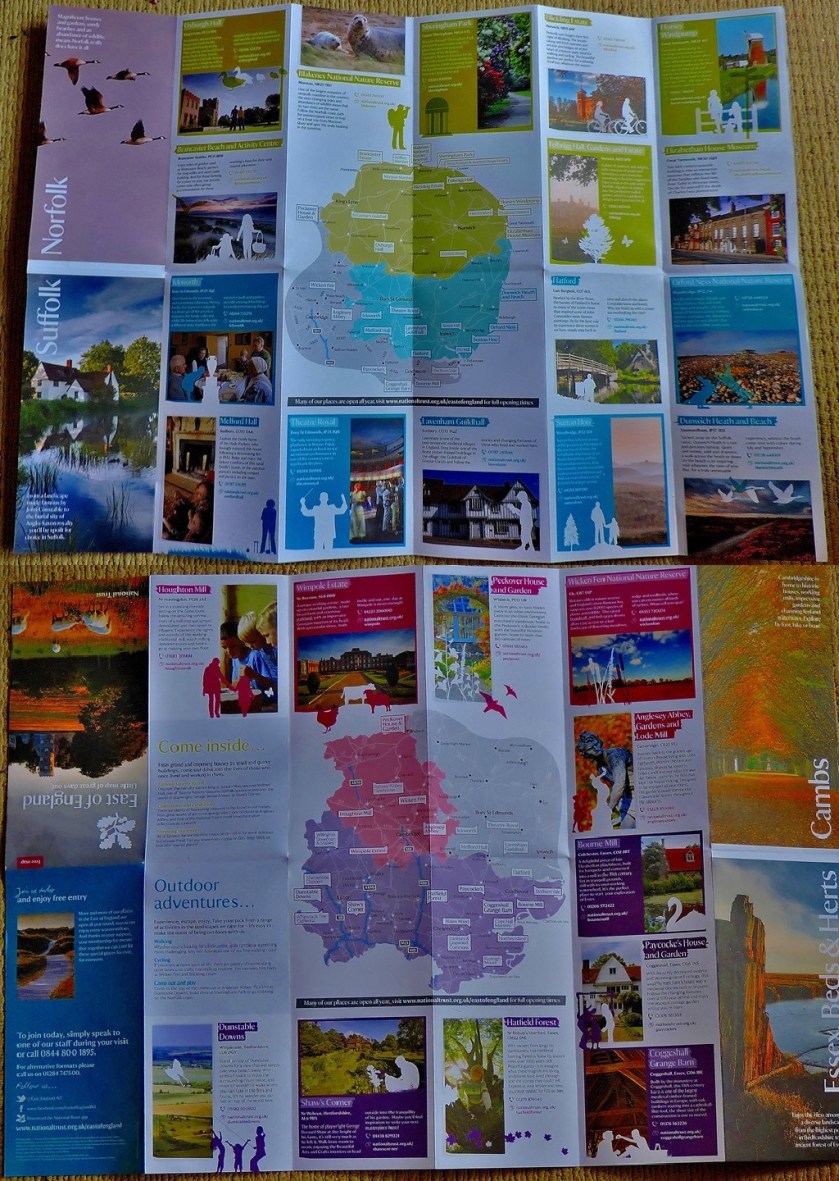
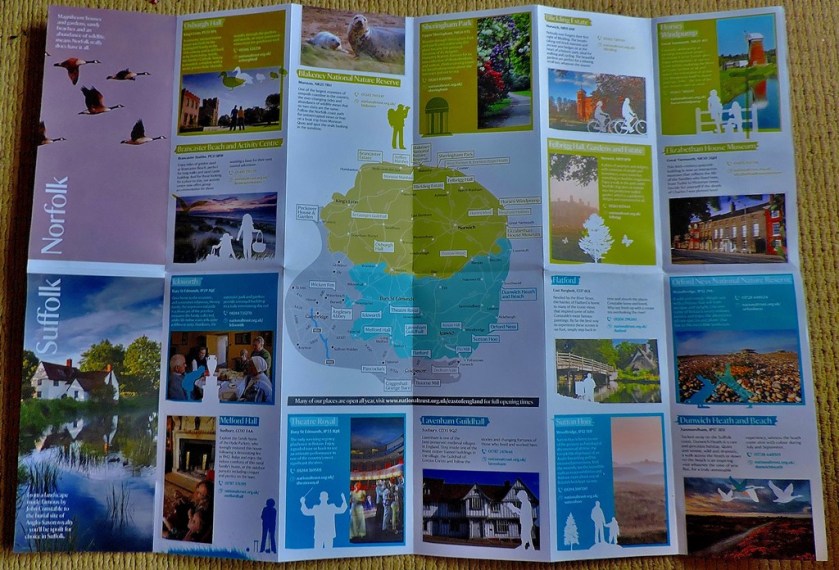
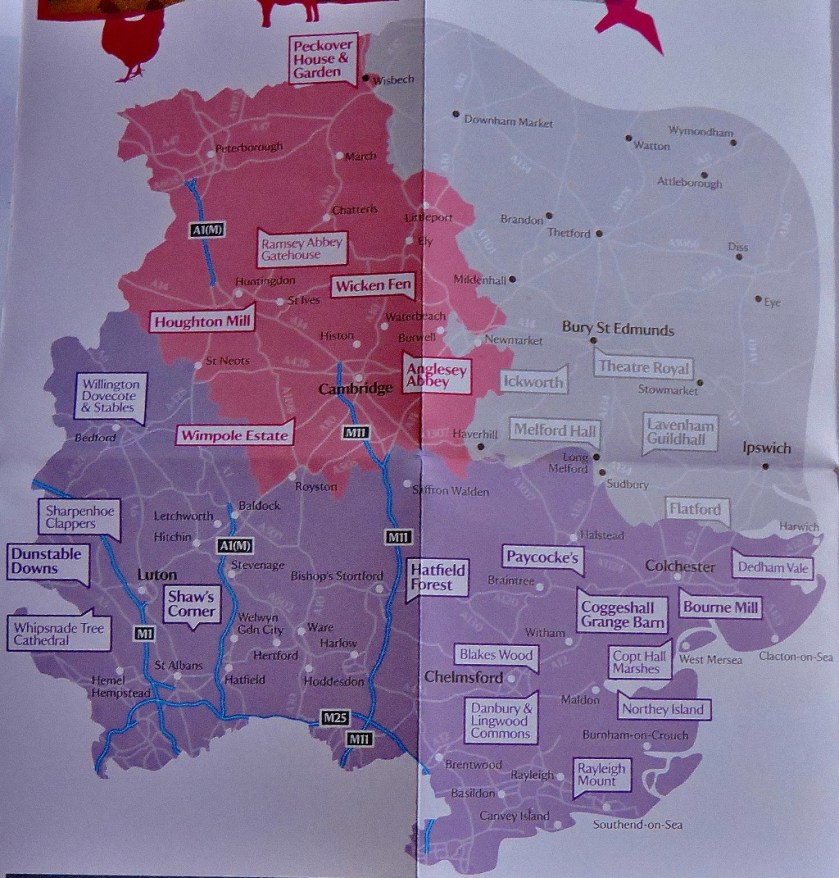
This is the title given to this double-sided fold out leaflet that I recently spotted in the Information Centre at King’s Lynn Bus Station. I have six pictures to share…
Both sides of the whole posterThe two maps in a single shotThe Norfolk/ Suffolk/ Cambridgeshire side of the poster.The Map – close upEssex, Herts, Beds and Cambs side of the posterAnd Map
A FUNDRAISER AT GRESHAM’S SCHOOL
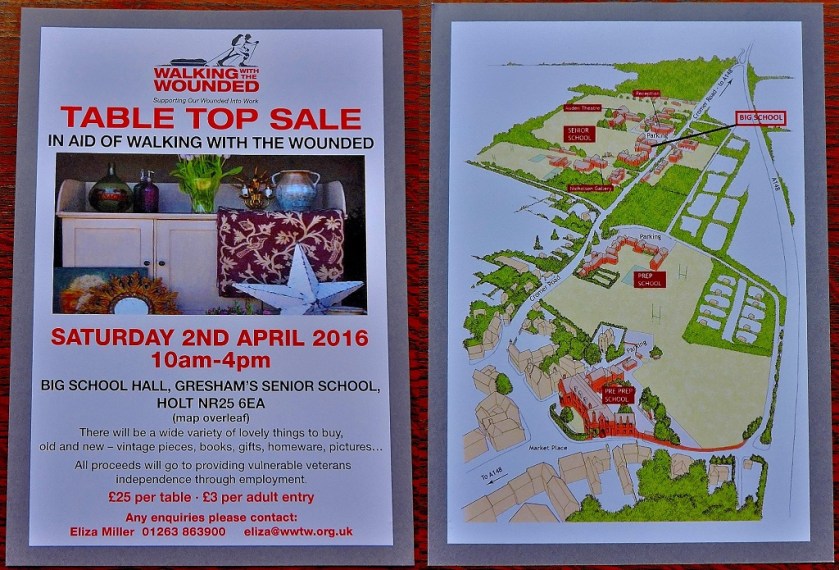
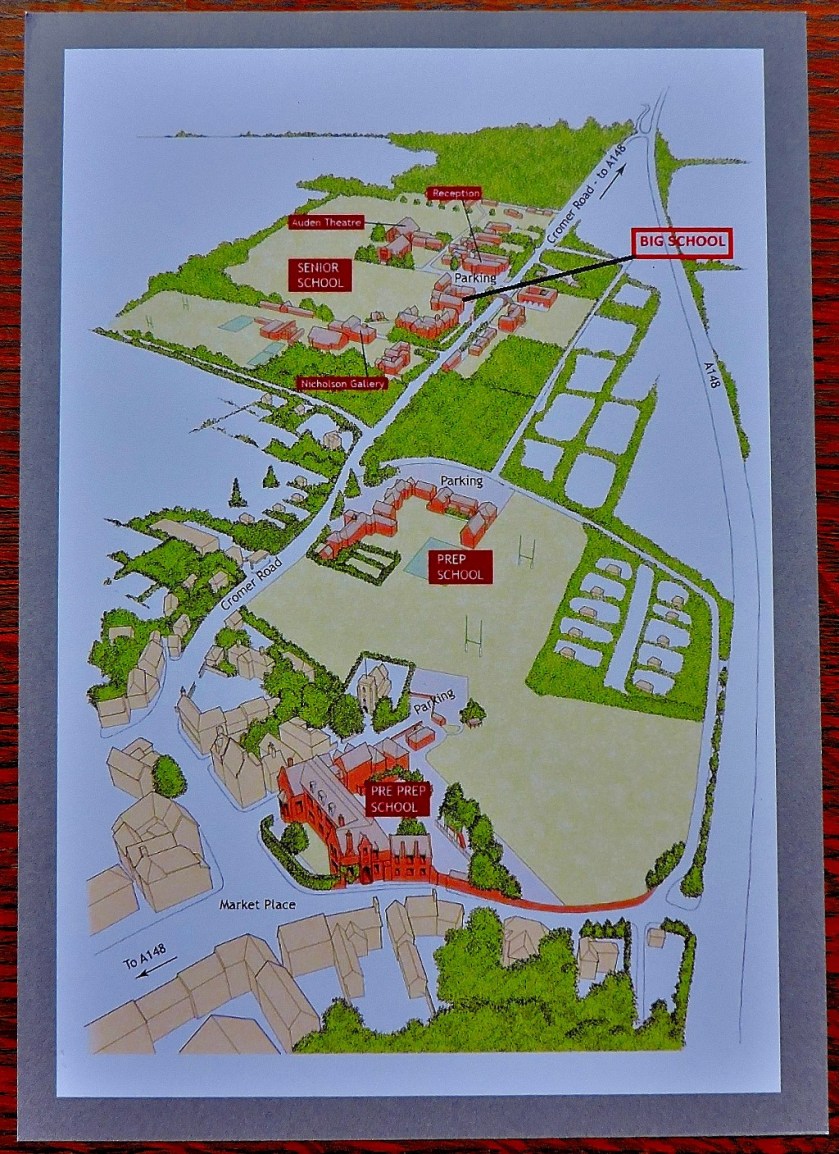
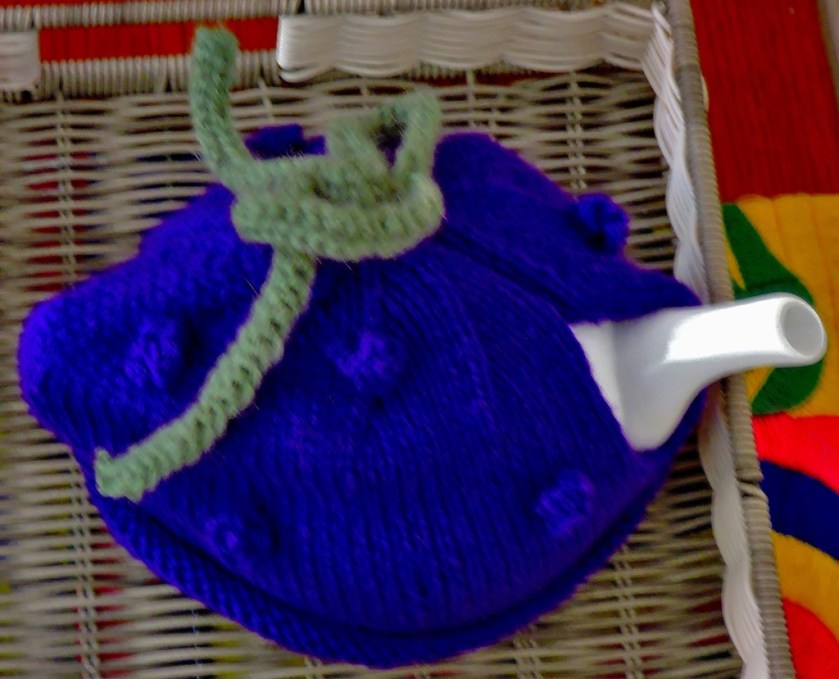
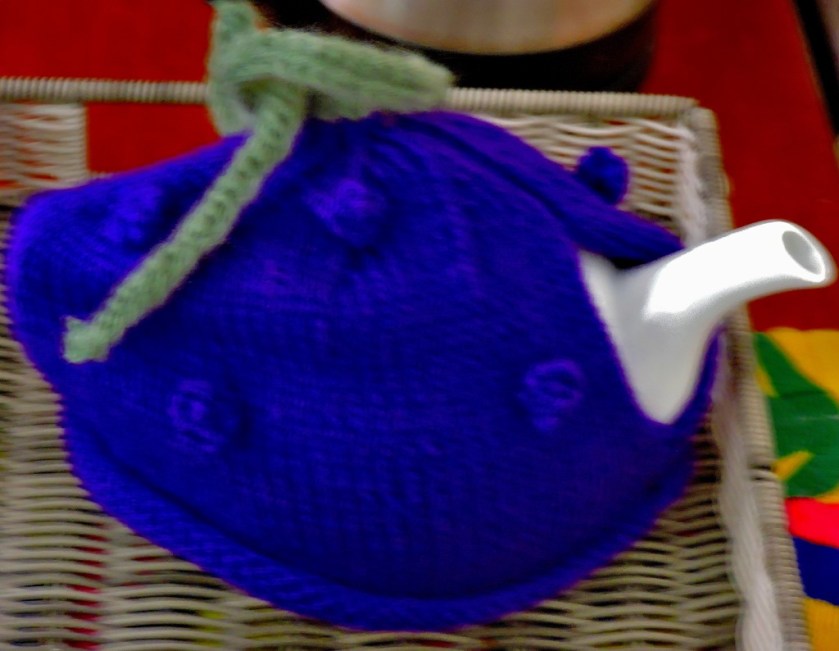
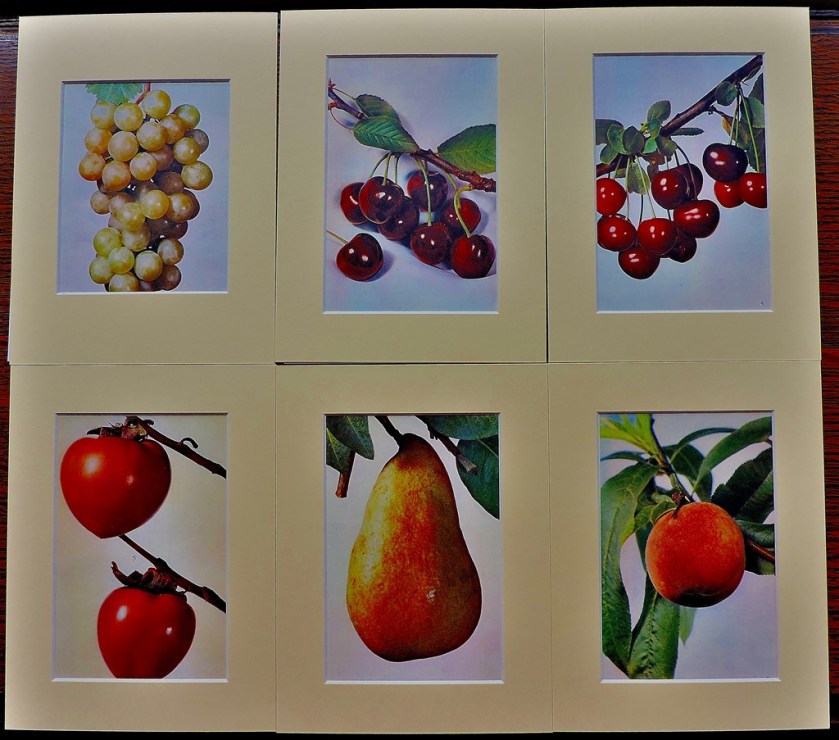
Now zooming in on one particular event that will be taking place in the East of England. A table-top sale will be taking place at Gresham’s School on Saturday April 2nd between 10AM and 4PM to raise money for Walking With the Wounded. My mother and my aunt will be running a stall at which fruit prints (I am showing images of 12 out of a substantial collection) and knitted tea cosies (I only have an image of one, but I have seen two others in advanced satges of preparation). I don’t know what the planned prices for the cosies are, but the prints will be sold at £5 for one or 3 for £12.
Both sides of the flyer.The detailThe mapI took two pictures of this tea cosy from different angles and can’t decid which his best so…I am sharing both12 of the fruit prints, imaged in two lots of sixClose Up 1Close Up 2
Some details and images from James and Sons, and another mention of the Positive Autism Awareness Conference.
INTRODUCTION
Imaging for James and Sons’ March Auction (March 30th and probably 31st) is proceeding apace. I imaged the maps that from the bulk of this post a while back, although I am also including something from today.
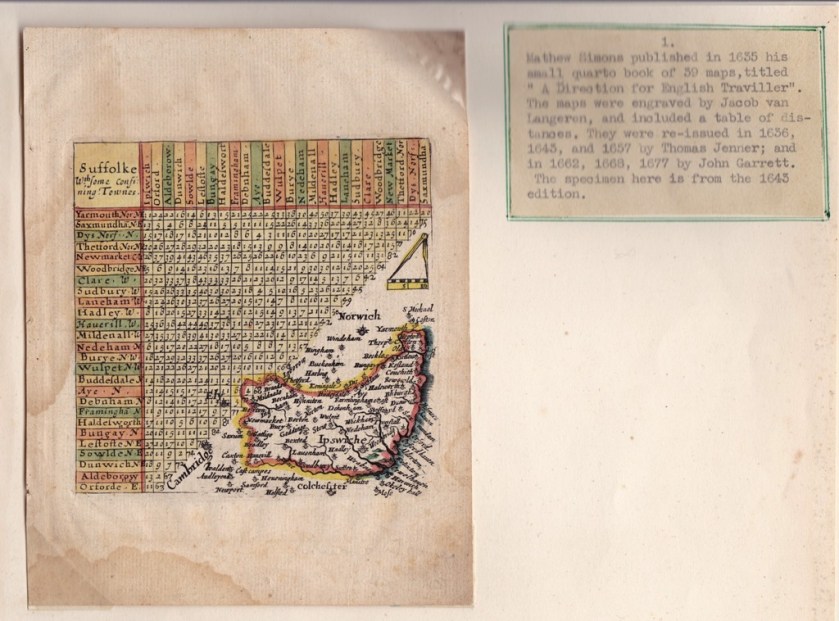
A BINDER FULL OF ANTIQUE MAPS
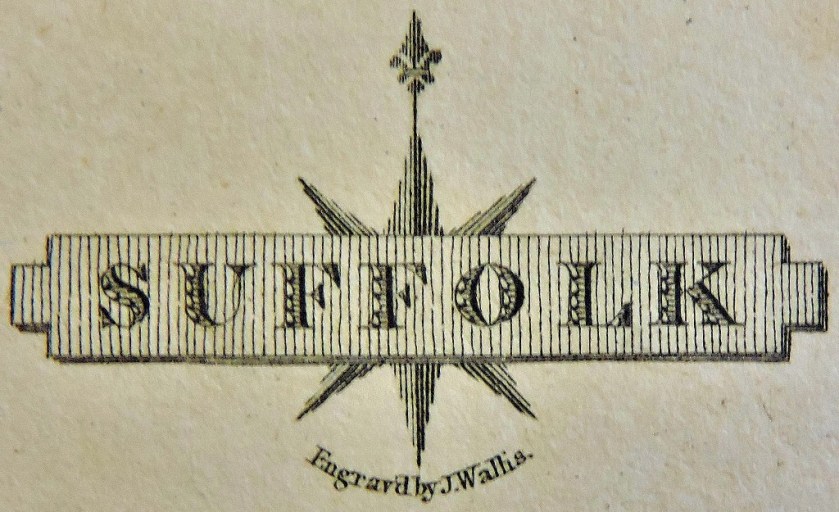
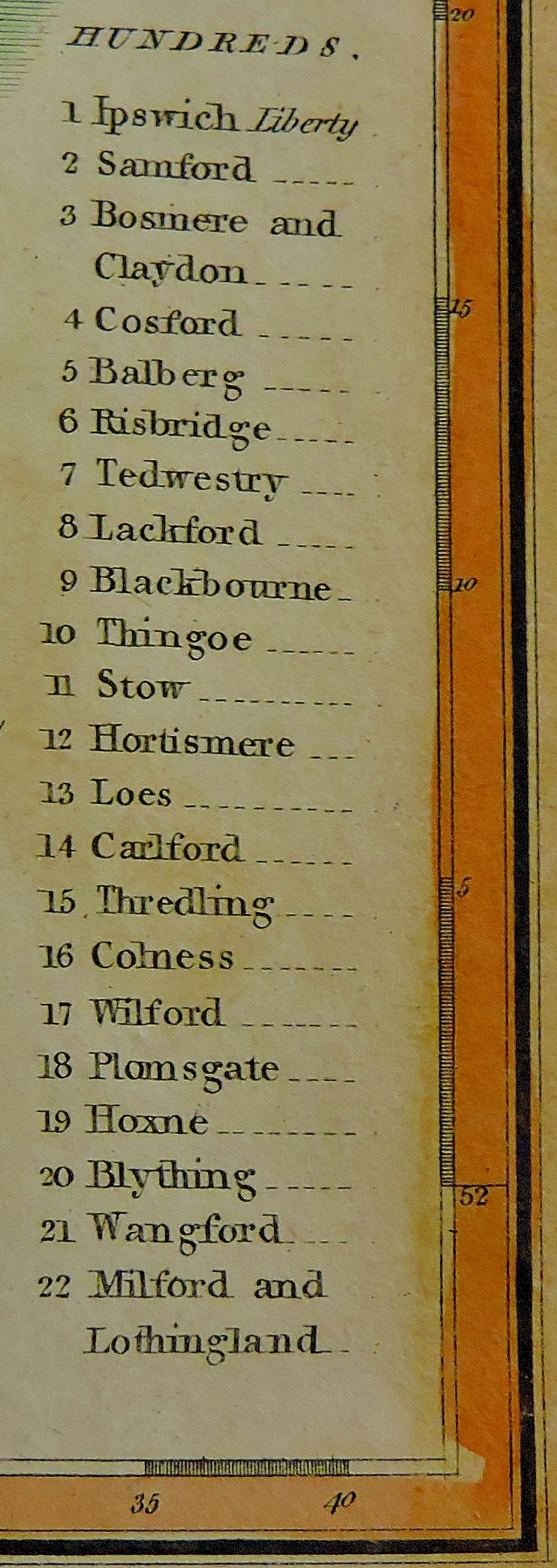
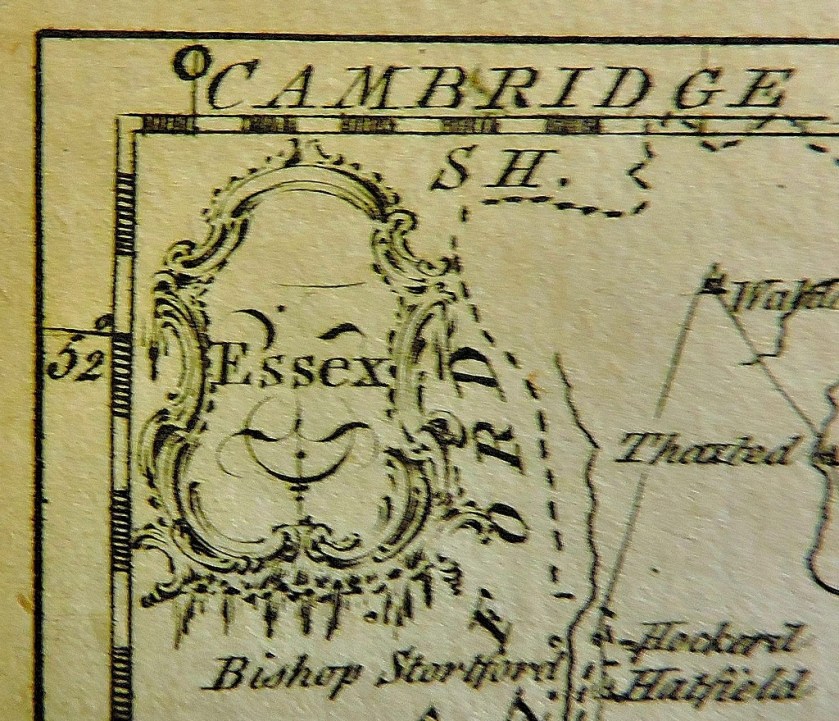
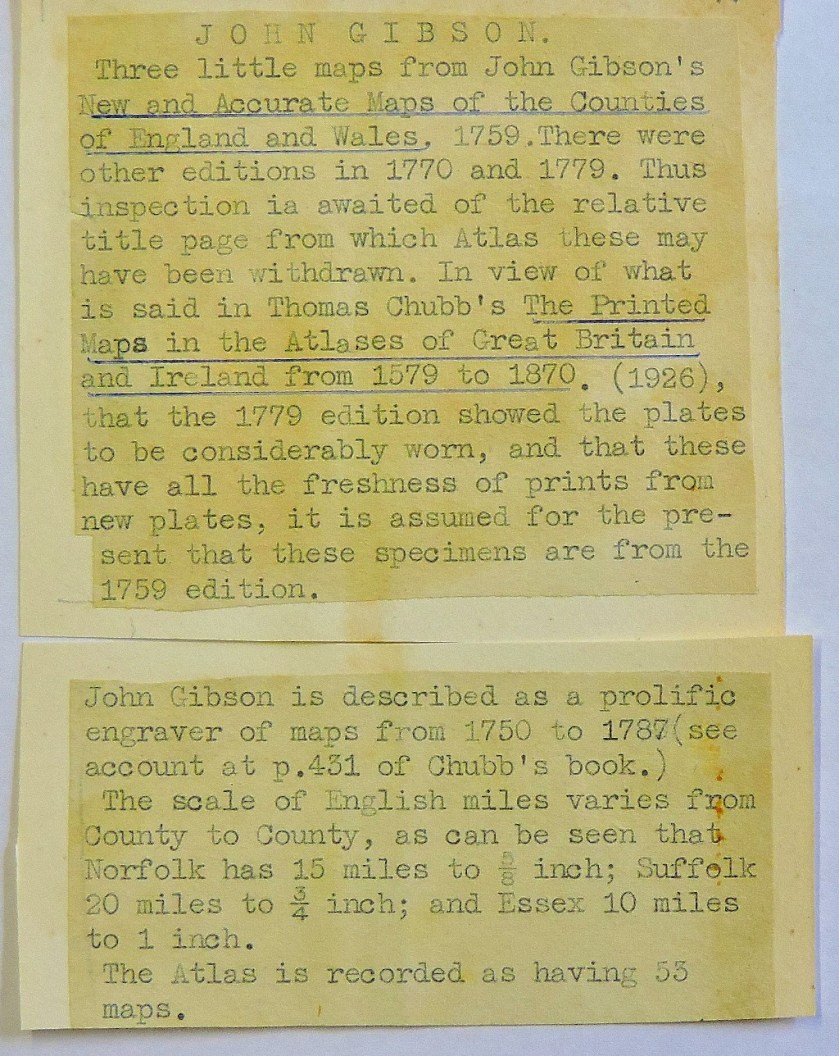
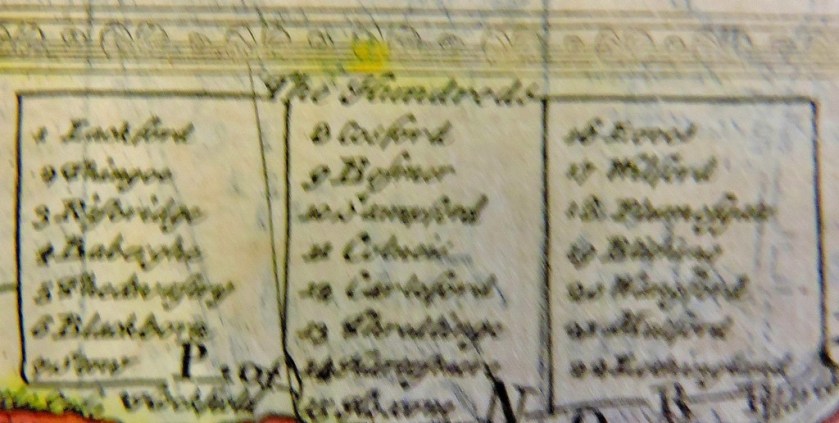
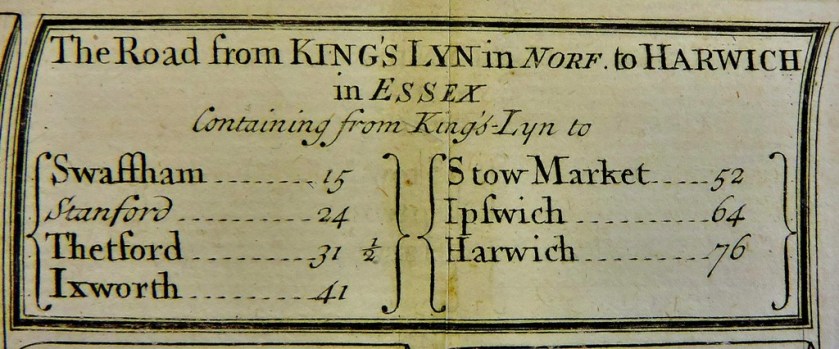
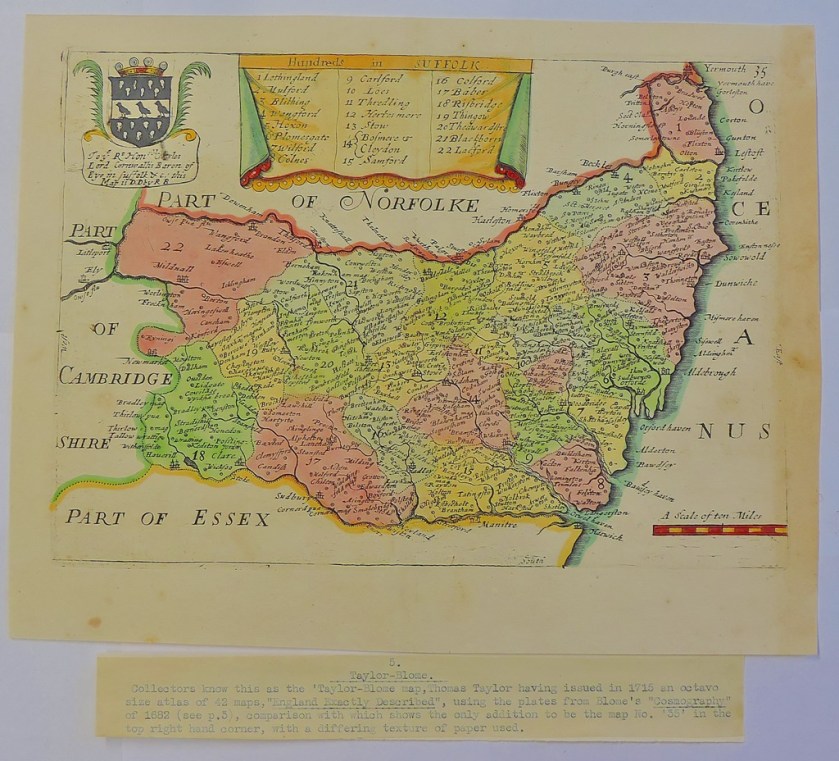
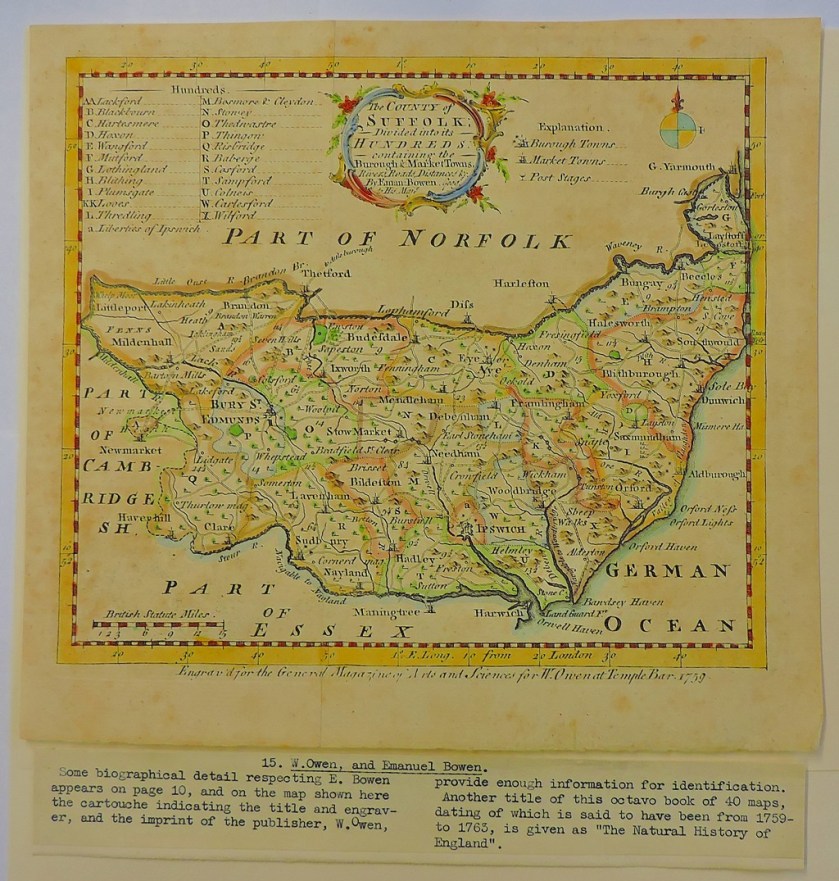
These maps form a continuous sequence from lot 391-416 inclusive, and without further ado here are the pictures:
I am concluding this section with the images of a set of speedway badges mounted on canvas which have been divided into 10 lots. Here is a single image of the entire collection:
Here is the gallery of individual images, including some close ups of distinctive badges:
DATES FOR YOUR DIARY
The images I have shared above are all for the March Auction, as previously stated, but James and Sons have auctions before that, our main February auction at the Maids Head Hotel, Norwich on the 24th, and a smaller auction taking place at our shop on 5 Norwich Street, Fakenham on the 25th. Full catalogues for both auctions are ready for viewing:
For the big auction on the 24th click here.
For the smaller auction on the 25th click here.
The March auction, at the Prince of Wales Suite, Fakenham Racecourse, is likely be a two day sale, on the 30th and 31st.
Since I have a ‘dates for your diary section’ I conclude this post with a reminder of the Postive Autism Awareness Conference taking place at the Dukes Head Hotel, King’s Lynn on April 15th, commencing at 9:30. I am reliably informed that tickets are selling like hot cakes. After the links below, a copy of the official poster is at the bottom of this post.
I am treating this as the first of a series of related posts owing to the fact that time restrictions on Wednesday when I took the photographs that are its raison d’etre meant that we (my mother and I) accounted for barely a tithe of the interesting buildings in the village (East Rudham).
We had hoped to start with the Manor House but this was not accessible, although the publicly accessible part of its driveway provided an angle to capture the rear window of The Old Reading Room and also a section of brick and flint wall…
Brick and flint walls are classic for the part of Norfolk.The rear window of The Reading Room
Having got a shot of the rear window of the building, The Old Reading Room was an obvious next port of call…
The front door of the Old Reading RoomA close up of the name plate.
Just across the road from the Old Reading Room, is the Wesleyan Chapel, these days a private residence rather than a religious building…
The Wesleyan ChapelA close up of the name and date plate.
After the Wesleyan Chapel came several very quirky specimens of local archiecture at the near end of School Road…
The lines of brickwork show the original shape of this building.A modern version of a brick and flint gable end.This outhouse roof section was a real curio.Another gable end whose history can be read clearly!Brick and flint is the regular mix in this part of the world, but this building features brick and carr (the dark brown stone)
From the near end of school road, we proceeded round the south side of the village green, starting with a shot of a section of brick and flint wall and continuing with a couple of a large barn behind which lurks a modern house…
Before proceeding to take front on shots of the barn and the cottages that adjoin it, I took a couple of panoramic views from the green…
The line of properties on the main road ends with one that until recently was both an eyesore and a health hazard (years of neglect had left it so run down that even the rats had moved on)The village pub and the tea room next door to it.
The barn has a very fancy weathercock above it…
Next we come to two cottages painted in pastel colours (one yellow, one blue)…
The yellow cottageBoth cottages in one shotThe blue cottage
These two properties are separated by the width of what I have called “Fox Gate” from the detached cottage called Caradon…
“Fox Gate”
CaradonThe name plate
Between Caradon and the old post office (a very short distance) were a number of other properties to be photographed…
The building that used to be the post office is now much improved from the mouldering wreck it had become before restoration…
From here, via a shot of the side of the pub it was on to the church, the approach to which goes past an old cottage…
I took several shots of the church, was is almost entirely 19th Century, with a few hints of older stuff around…
The entrance ti the building.
I spotted this quirky window on the way out of the churchyard.
Although it involved some mildly unpleasant walking, the churchyard provided a few other good brick and flint shots and a slightly tree obscured shot of the Manor House…
The penultimate phase of this picture gathering expedition involved taking close ups of London House and the adjoining building that had not so long ago been an eyesore and a health hazard – there were loose tiles on the roof, and a not terribly wide pavement between the front of the building and the A148 (and for all that for that part of its length IT IS THE VILLAGE STREET not many motorists take due note of this important fact)…
This is the replacement for the derelict shop which had become an eyesore and a health hazard.And this is London HouseThe name plate.
The final picture was this ‘home shot’ – on the right of the shot as you look is Mulberry Coach House and straight ahead is part of Mulberry Barn (this property now forms a right-angle, as two loose boxes have been converted into extra rooms)…
The Great Ouse, the western boundary of King’s Lynn (on the other bank is West Lynn), is a commercial river, and the area has a long history of fishing. It was therefore both appropriate and very welcome that there was some exceedingly interesting and educational stuff provided by fisheries research people.
Not only did they lay on a full tour of their research vessel, in addition they had an exhibit featuring marine wildlife. Some of the younger folk were allowed to handle these creatures in carefully controlled circumstances. The featured image was also available to be taken away – a copy now adorns my outside table (and has survived a night’s rain).
One of the things that fisheries research does is monitor, and where necessary take preventive action, the proportion of juveniles that are being caught. Obviously, creatures caught while still juvenile are denied the opportunity to breed, whereas if they are only caught once they have already had the opportunity to breed future generations are protected.
What are the possible consequences of neglect? Well, when John Cabot first set eyes on the Grand Bank he had never seen such a preponderance of fish in a single location. Yet in 1997, 500 years (in natural history terms not even an eyeblink) after this, the Grand Banks Fishery closed for good – there were no fish left.
This was one of the most interesting and beyond a shadow of a doubt THE most important element of the day. My next post will feature another boundary marker, the Southgates, meantime enjoy a selection of photographs…
Lobster
The guideline again.
This is a miniature remote controlled submarine, used in fisheries research.
This pyramid (25cm each side at base – meaning that a cool 175,616,000 of these would make a pyramid to match Khufu’s! at Giza!) is used to take sea floor samples and check them for population density
The Great Ouse, the western boundary of King’s Lynn (on the other bank is West Lynn), is a commercial river, and the area has a long history of fishing. It was therefore both appropriate and very welcome that there was some exceedingly interesting and educational stuff provided by fisheries research people.
Not only did they lay on a full tour of their research vessel, in addition they had an exhibit featuring marine wildlife. Some of the younger folk were allowed to handle these creatures in carefully controlled circumstances. The featured image was also available to be taken away – a copy now adorns my outside table (and has survived a night’s rain).
One of the things that fisheries research does is monitor, and where necessary take preventive action, the proportion of juveniles that are being caught. Obviously, creatures caught while still juvenile are denied the opportunity to breed, whereas if they are only caught once they have already had the opportunity to breed future generations are protected.
What are the possible consequences of neglect? Well, when John Cabot first set eyes on the Grand Bank he had never seen such a preponderance of fish in a single location. Yet in 1997, 500 years (in natural history terms not even an eyeblink) after this, the Grand Banks Fishery closed for good – there were no fish left.
This was one of the most interesting and beyond a shadow of a doubt THE most important element of the day. My next post will feature another boundary marker, the Southgates, meantime enjoy a selection of photographs…
Lobster
The guideline again.
This is a miniature remote controlled submarine, used in fisheries research.
This pyramid (25cm each side at base – meaning that a cool 175,616,000 of these would make a pyramid to match Khufu’s! at Giza!) is used to take sea floor samples and check them for population density

























































 aspiblog