Ian Rappel and Sarah Ensor’s meeting on biodiversity and species extinction covered in detail. #Marxism2017
INTRODUCTION
Welcome to this post in my series about Marxism 2017. The meeting covered in this post was the second that I attended on day 1 of the festival. Most of the rest of this post will be photographs from that meeting, but before getting to the main meat I have one small thing to do relating to my previous post…
ERRATUM
In the first published version of my post about day 1 I labelled a logo as being from the front of a TEAM t-shirt. It was not, and I have corrected the original post, but I refuse to do the blogging equivalent of sneaking out a correction in 6pt type in the middle of page 27, so here is a picture showing the a TEAM t-shirt:
BIODIVERSITY AND SPECIES EXTINCTION
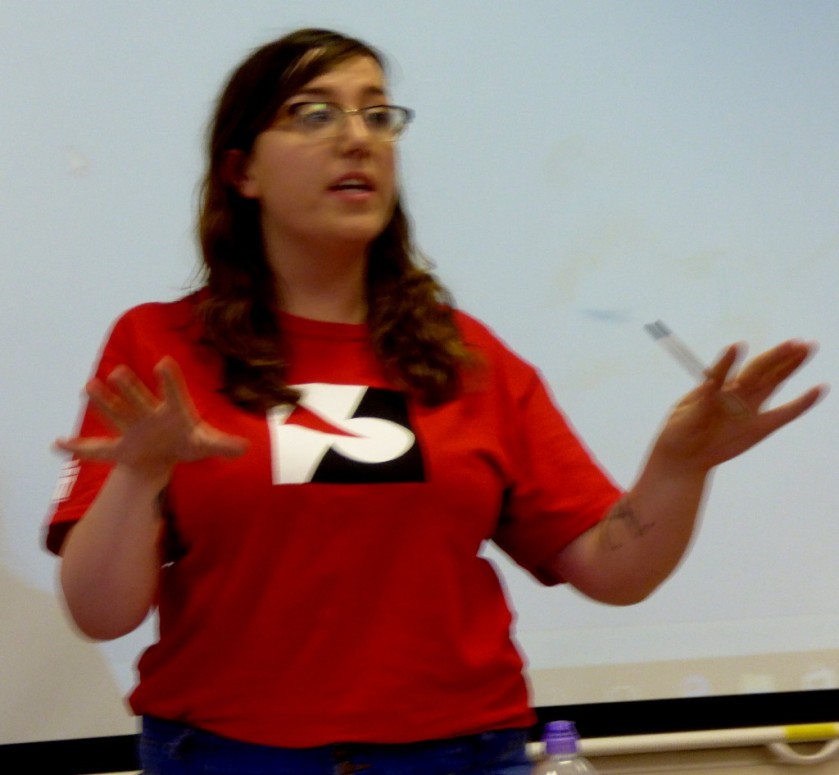
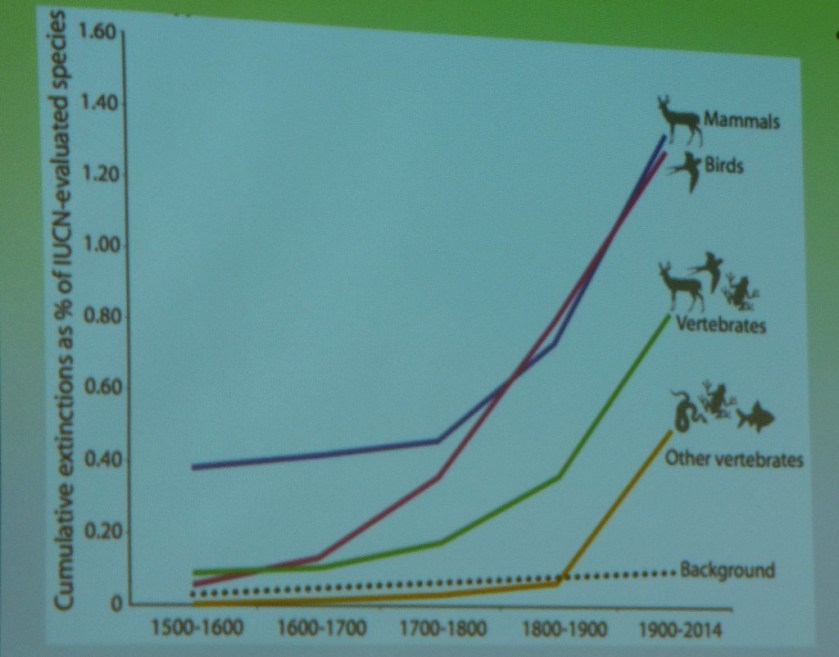
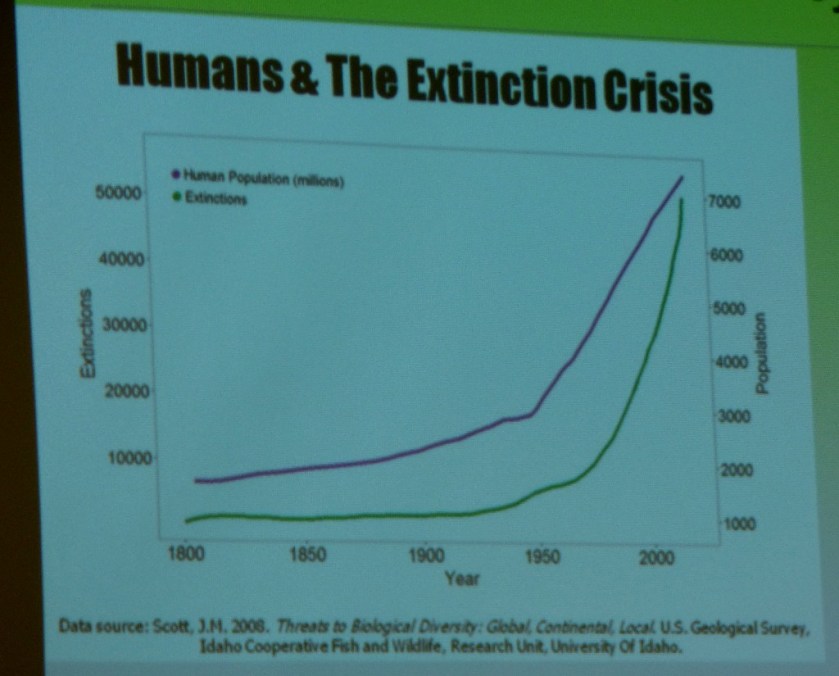
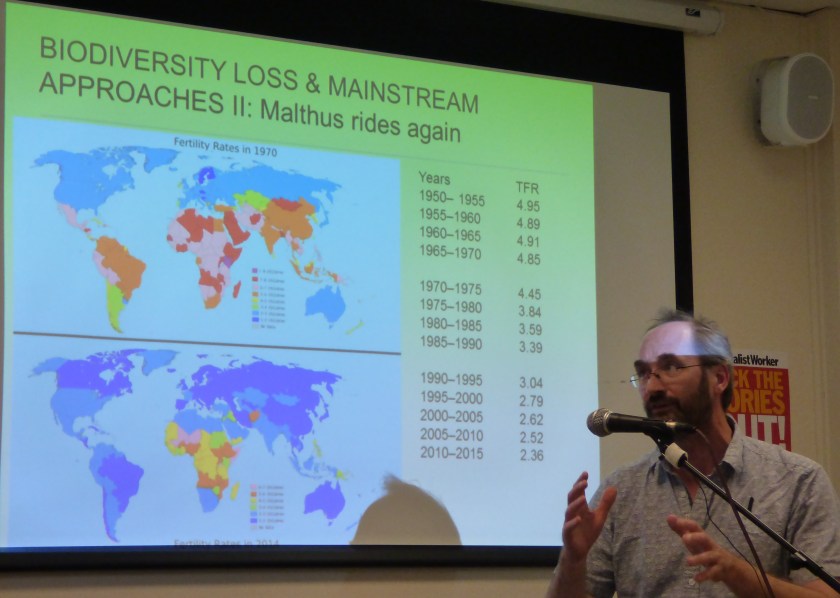
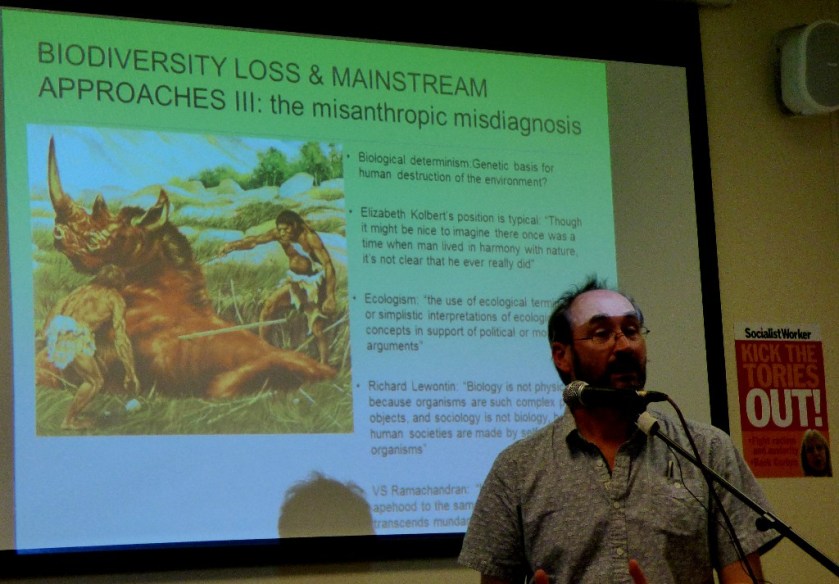
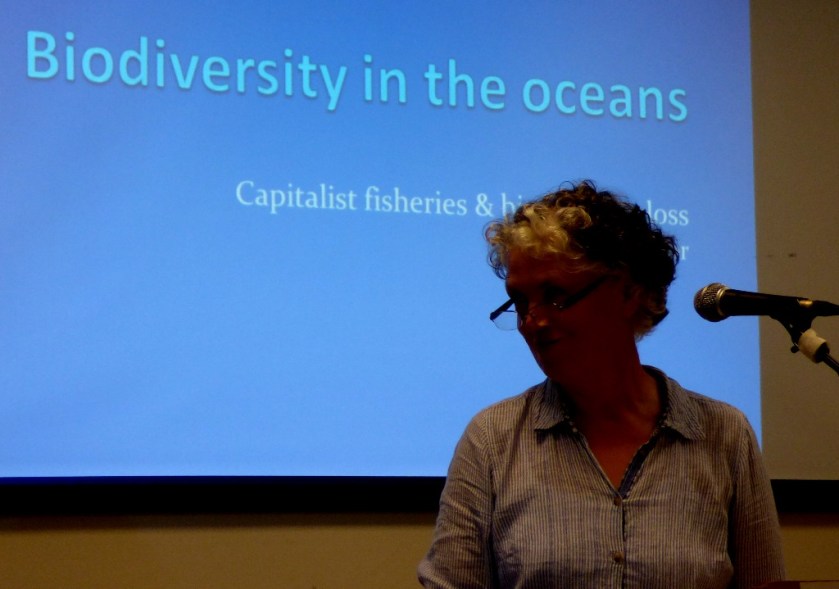
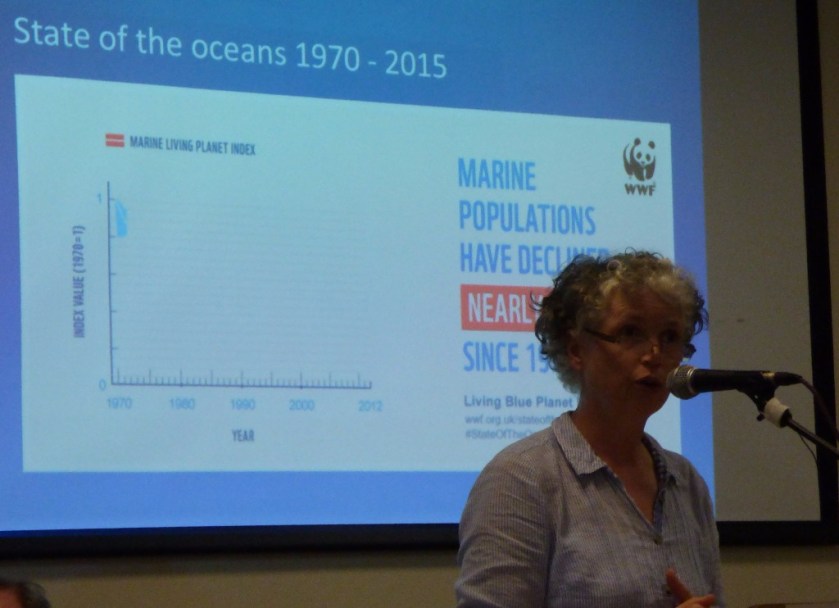
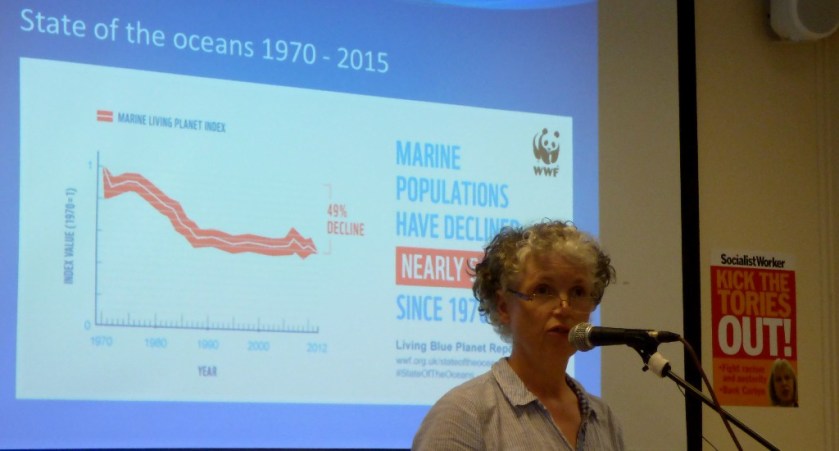
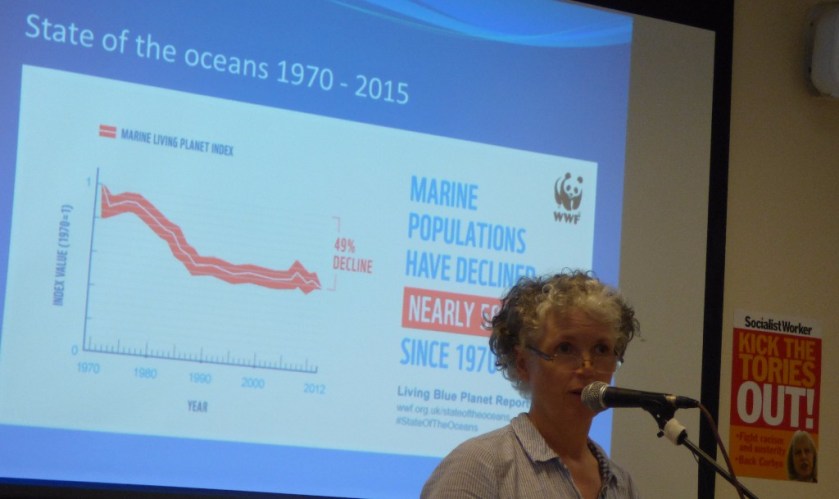
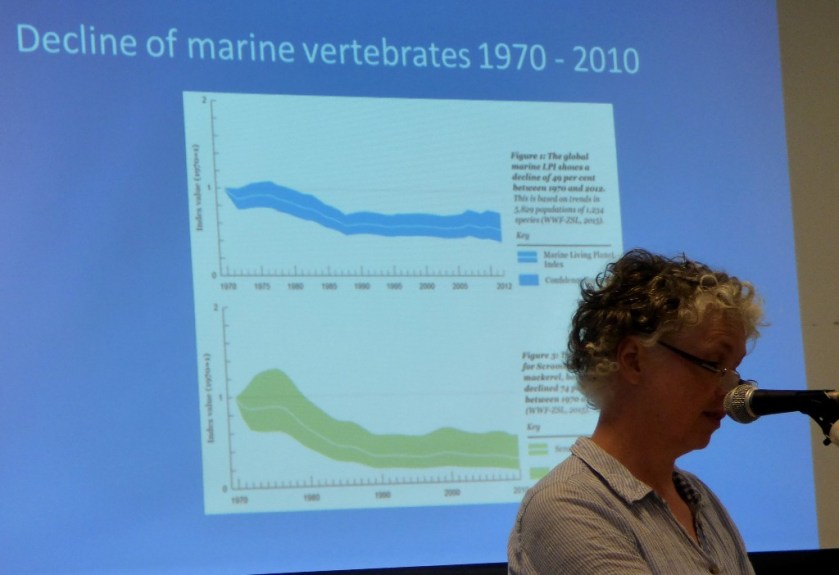
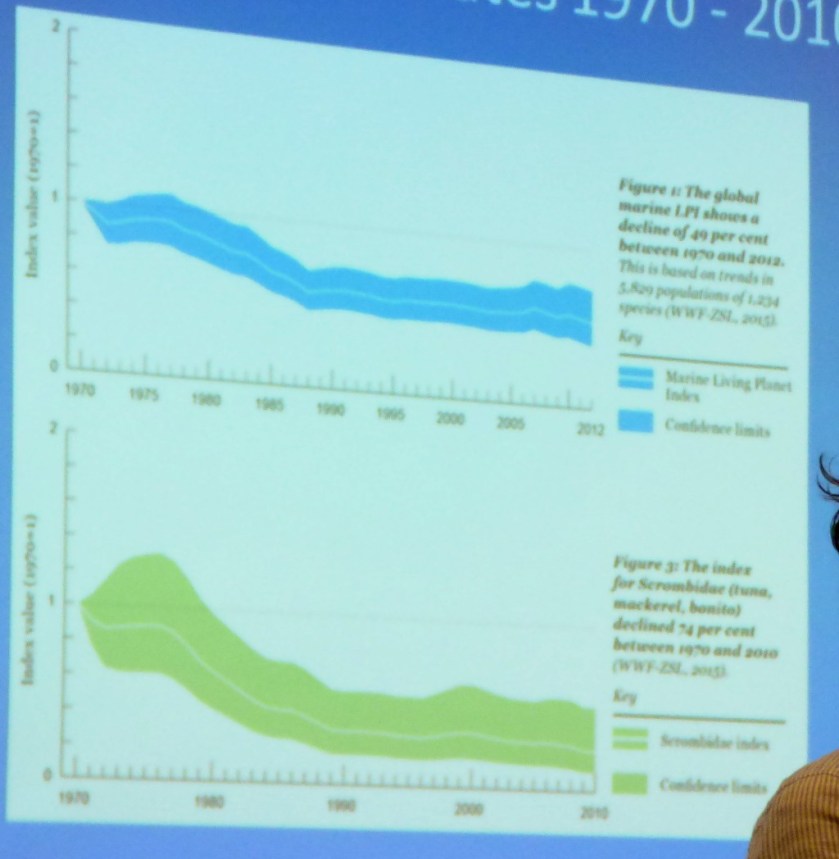
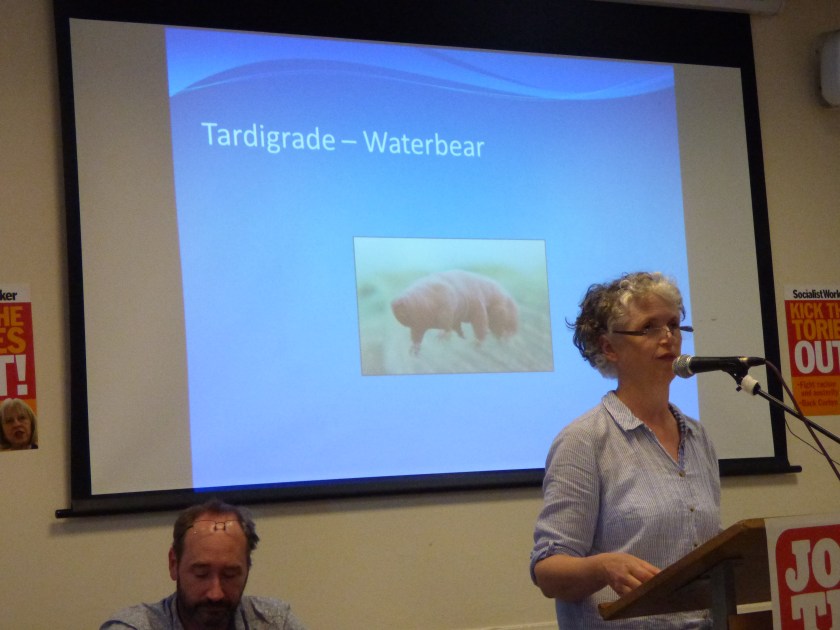
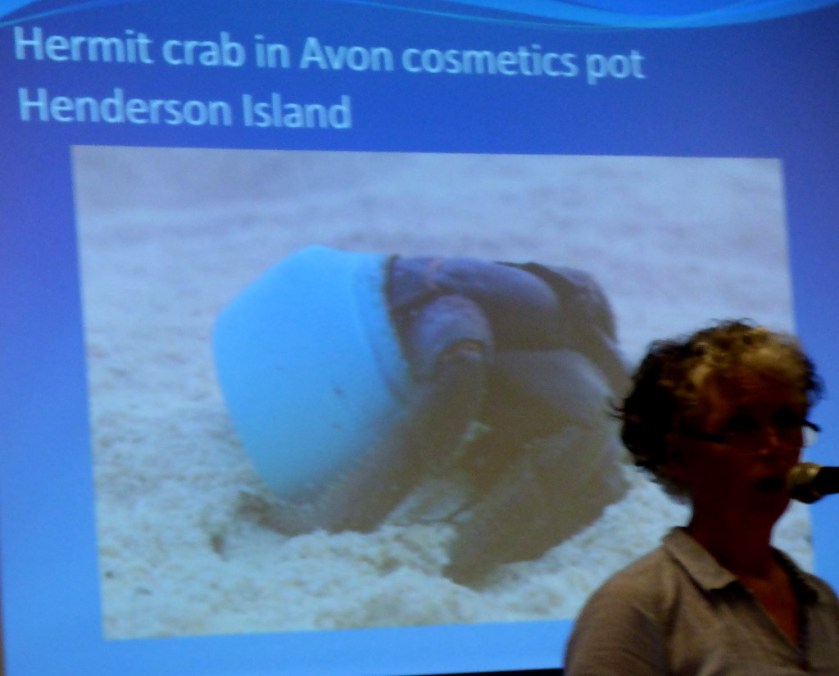
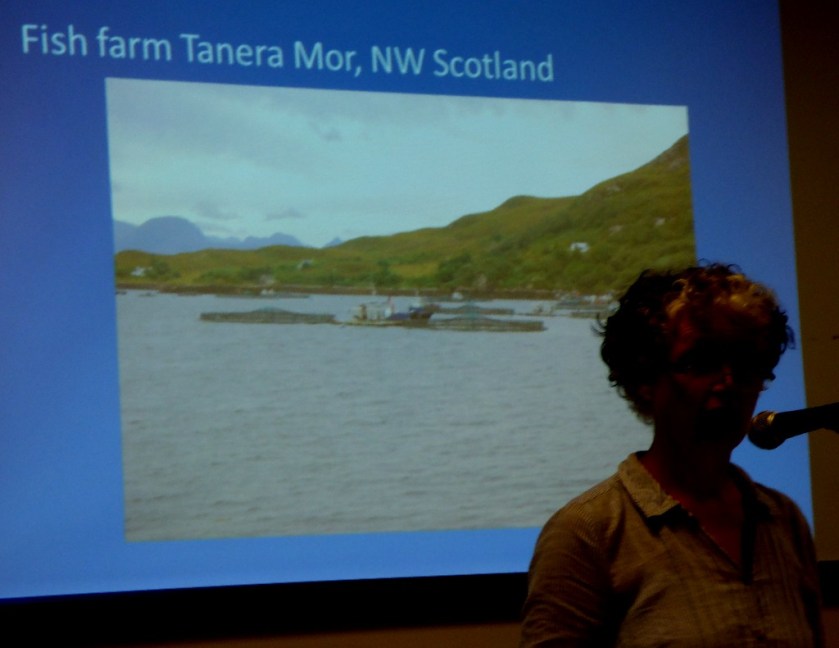
Of our two speakers, Ian Rappel is a conservation biologist and was looking at the overall picture, while Sarah Ensor, author the blog Herring and Class Struggle, focused on the oceans.
THE PRELIMINARIES
Here are the photos from before the main talks:
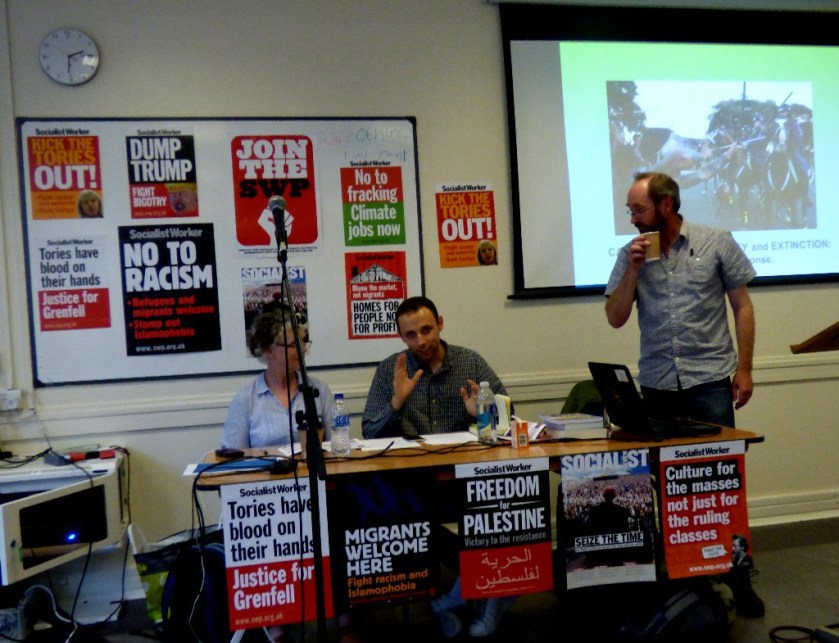
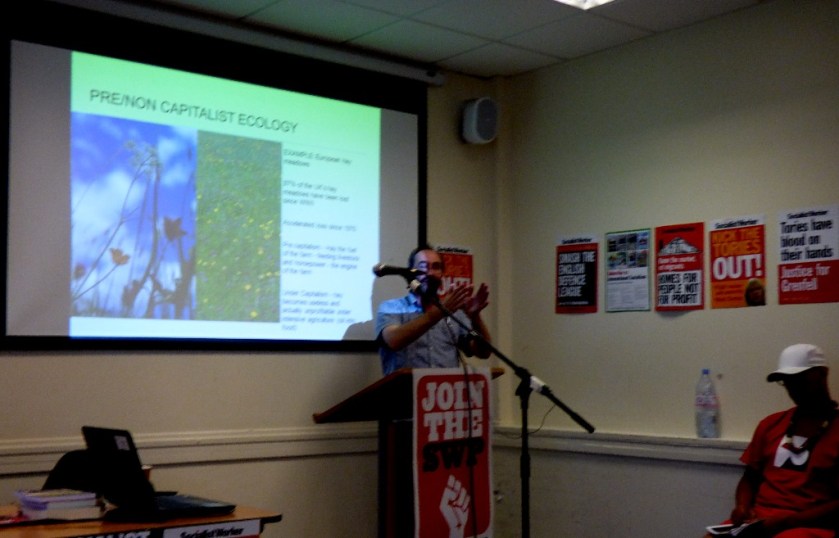
The speakers and chair (centre) at the platform
The chair introducing the meeting
PART 1: IAN RAPPEL
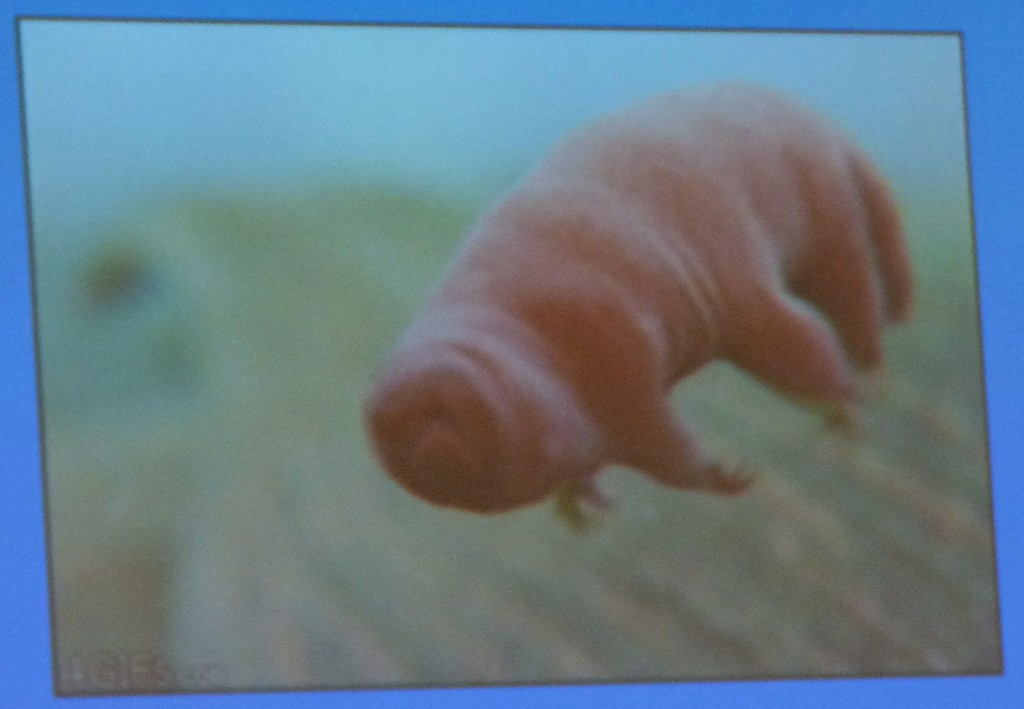
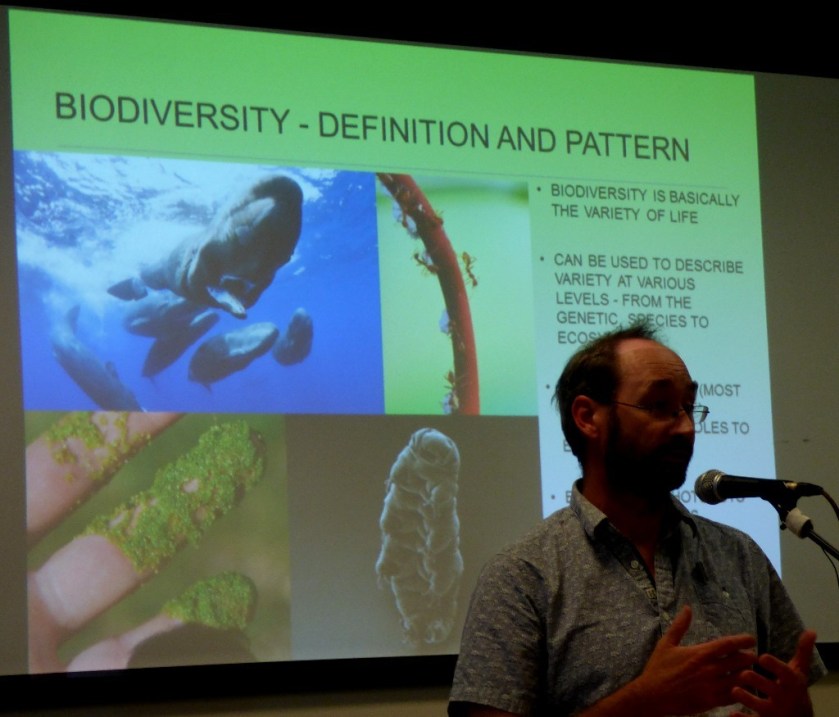
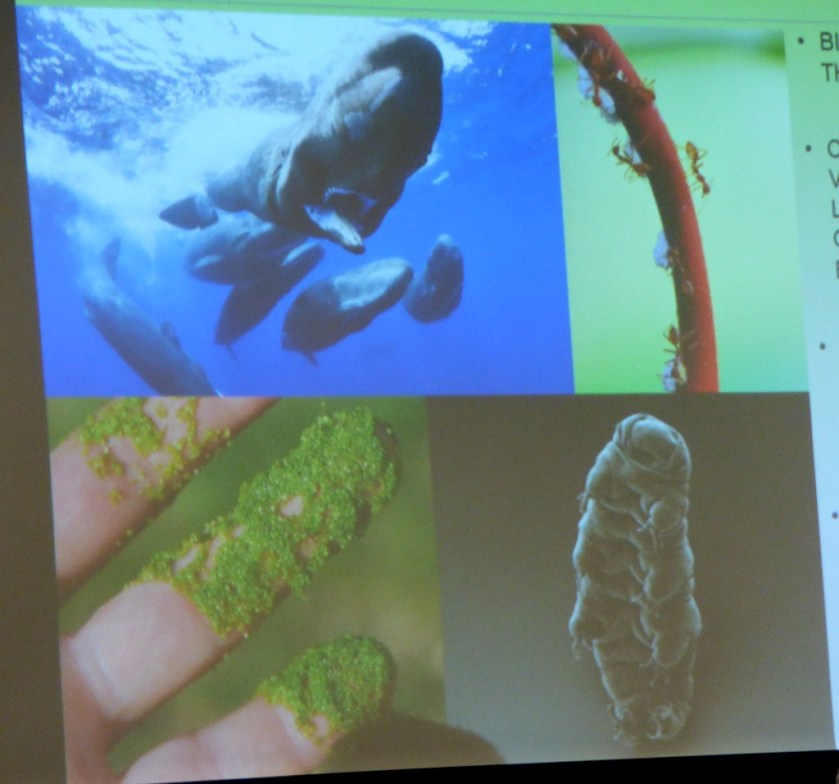
Four diverse life forms – sperm whales, ants, duckweed (the smallest of all vascular plants), tardigrades
There will be more on the Anthropocene later in this series, with an account of Ian Angus’ meeting on this subject.
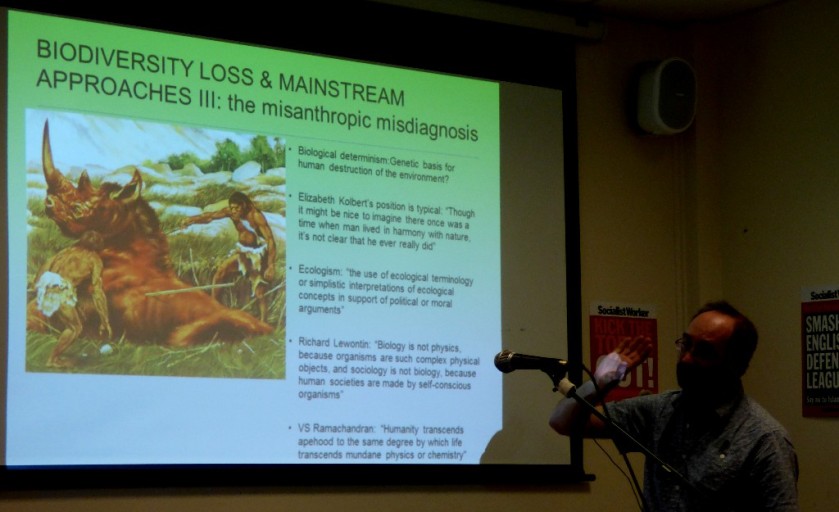
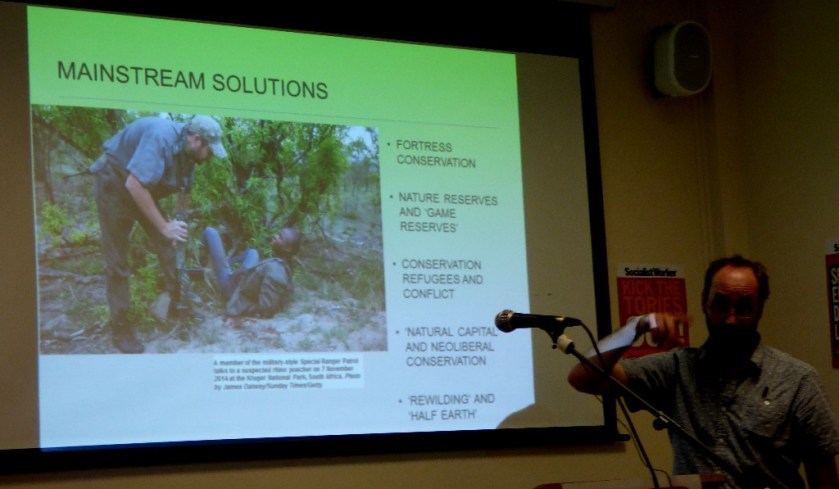
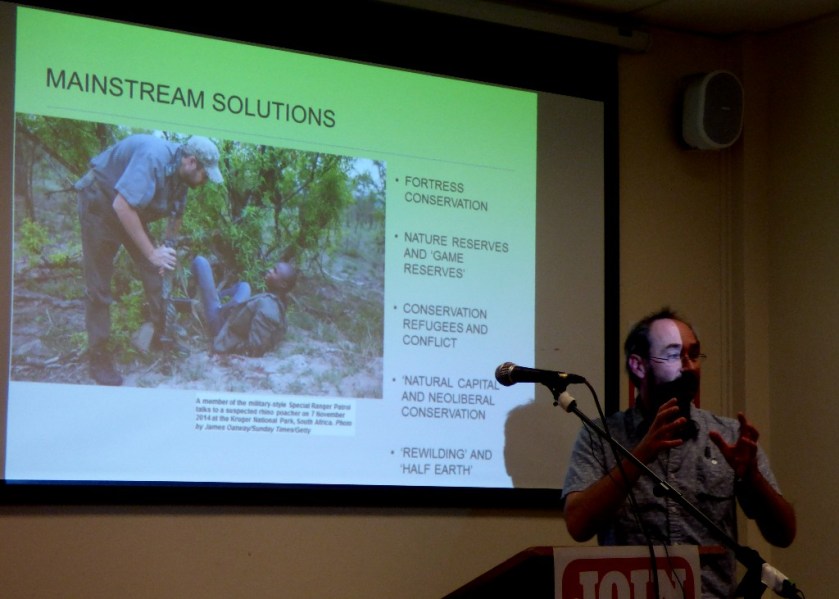
This was an important meeting, and I welcome the higher profile that nature and ecology are enjoying at this year’s Marxism (I have been to three meetings on the topic already, with another three scheduled for this final day). I cannot say that I enjoyed it, but I am glad that I attended and was glad to note that there were few empty seats.
Setting the scene for a series of posts about Marxism 2017.
INTRODUCTION
In approximately two hours I will be off to catch a train to London for Marxism 2017, four days of political meetings. Given the location I will have regular wi-fi access and will blog regularly about the event.
MARXISM 2017
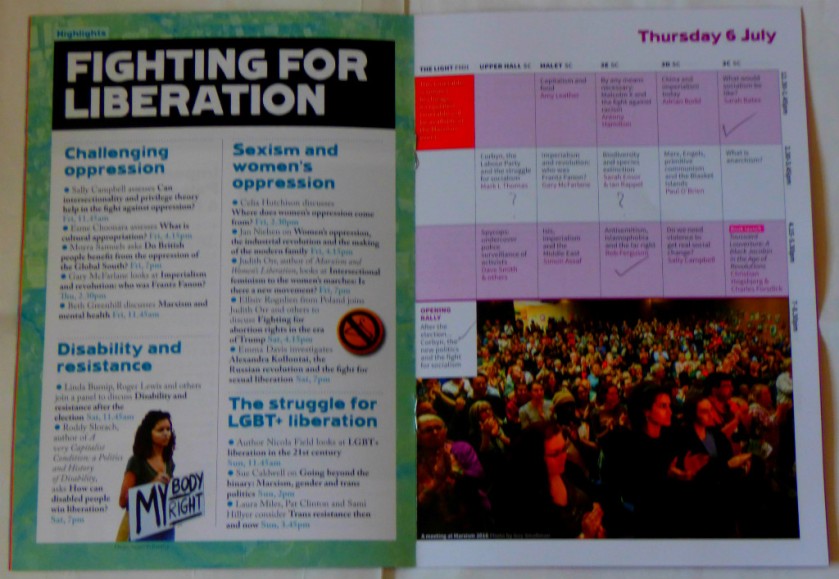
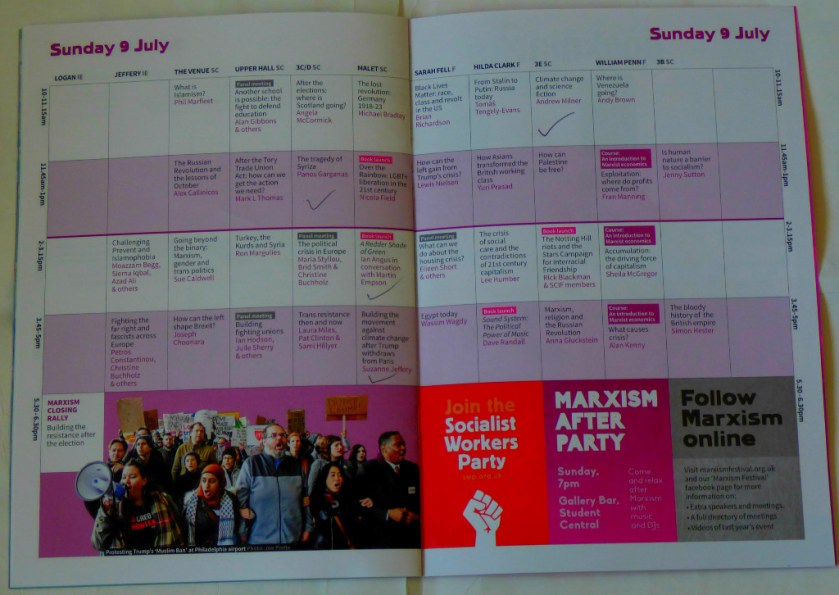
Most of the rest of this post will be taken up with pictures of my timetable, but before I put them up a note – I have ticked the meetings that I definitely intend to go to, and put question marks against those I am considering (if for example there are two in one slot that appeal and I have not yet made a final decision).
Yesterday Nottinghamshire and Surrey contested the final of the Royal London Cup at Lord’s, and it is that match that is the subject of this post. However, before I move on to the body of the post I have one other thing do…
A NEW WEB ADDRESS
I recently upgraded my package for this blog because I needed more space for photos. As part of the deal I acquired a free domain name, so for an overview of this blog you can now go to aspi.blog. This new address is considerably short than the old one.
THE ROYAL LONDON CUP FINAL
Surrey batted first and scored 297 from their 50 overs. Mark Stoneman, who must have been considered by the England selectors for the test match that starts on Thursday scored 144 not out, at that time the second highest score ever in a big Lord’s final. Many of us had hoped that he would break the record which had stood at 146 since the 1965 Gillette Cup final (a 60 overs a side match as compared to 50), not least because of the identity of the old record holder, a certain G Boycott.
The Nottinghamshire response started as though the innings was being played on two different pitches – while Alex Hales was in complete control at one end, a succession of batsmen struggled and failed at the other. When Chris Read came in at the fall of the fifth Nottinghamshire wicket Surrey were still probably just about favourites, not least because there was not a lot of batting to come (Luke Fletcher is a capable lower order batsman but Messrs Broad, Pattinson and Gurney are all very definitely picked purely as bowlers.
Read played a fine innings, while Hales blazed on into record setting territory. He set the record in emphatic style with a thumping boundary. By the time Read was out Nottinghamshire were pretty much home and dry. In the end it was Luke Fletcher who hit the winning runs, with Hales 187 not out. This is Hales’ second recent record breaking innings, as he also holds the record for an England men’s One Day International with 171 (the distinction is necessary, since the highest individual score for England in any One Day International is Charlotte Edwards’ 173 not out for the womens team).
Mention of womens cricket leads me to finish this section with another record. Chamari Atapattu of Sri Lanka scored 179 not out in a team total of 257-9 against Australia in their womens world cup match. Australia chased them down, with skipper Meg Lanning 152 not out. The key difference was that Lanning was well supported, first by Nicole Bolton with 60 and then by Ellyse Perry who was 39 not out at the end. Atapattu set two records with that innings. First, and unwanted, the highest individual score for a losing team in an ODI. Second, that 179 not out was 69% of the team’s total, also an international record. Viv Richards had scored 189 not out in a total of 272-9 against England in 1984, which is a similar percentage to Atapattu, but for no3 in the list you have to go back to March 1877 and the inaugural test match, when Charles Bannerman scored 165 out of 245 all out in Australia’s first innings (also the first innings of the match).
A FEW PHOTOGRAPHS
I always like to include photographs in my posts, so here a few to end this one:
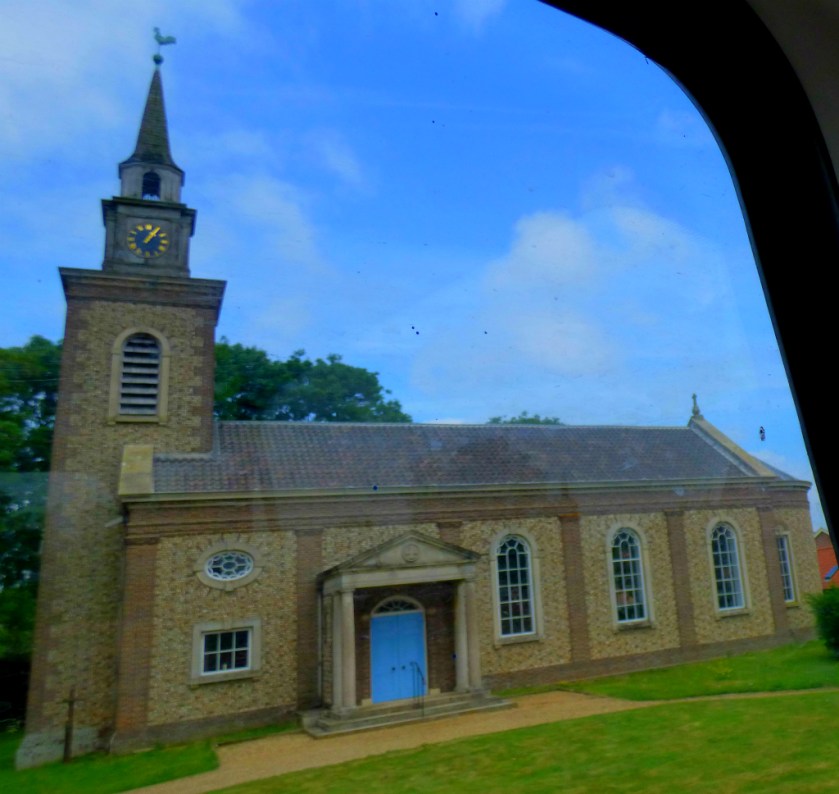
Bawdeswell Church captured through the window of a moving bus.The frontage of St Peter Mancroft church, which is pretty much plumb in the centre of Norwich.
Seeking reader participation in the selection process for the 2018 wall calendar.
INTRODUCTION
When I began covering my holiday in Scotland I brought up the subject of my plans for a 2018 photographic wall calendar, which will be my third such. This post now takes the story forward, and seeks to bring my followers in on the selection process.
THE CANDIDATES
Some of these pictures were nominated by Oglach (“Oglach’s Selections“), a couple by my aunt Celia, and the rest are others that I consider especially worth sharing. Most of the selections are Scottish for obvious reasons.
MY AUNT’S PICKS
My aunt Celia nominated two from the return journey from Scotland:
MY ADDITIONAL SCOTTISH SELECTIONS
These are the Scottish pictures that I have selected as possibles on my own:
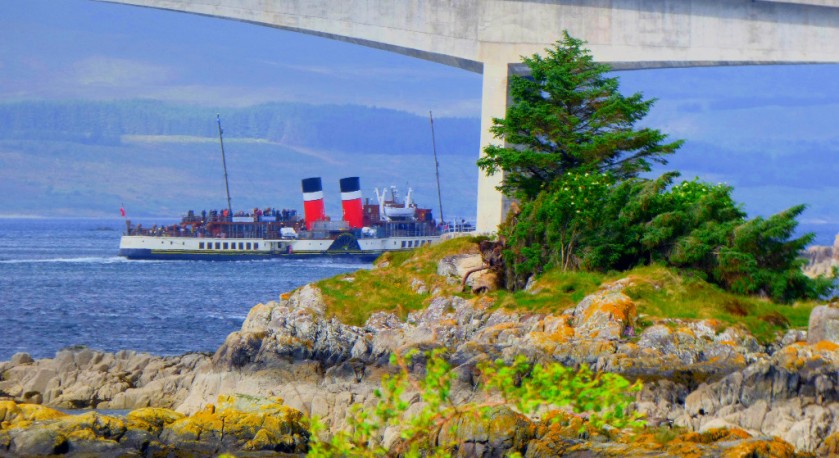
One of these steamer pictures will definitely feature.
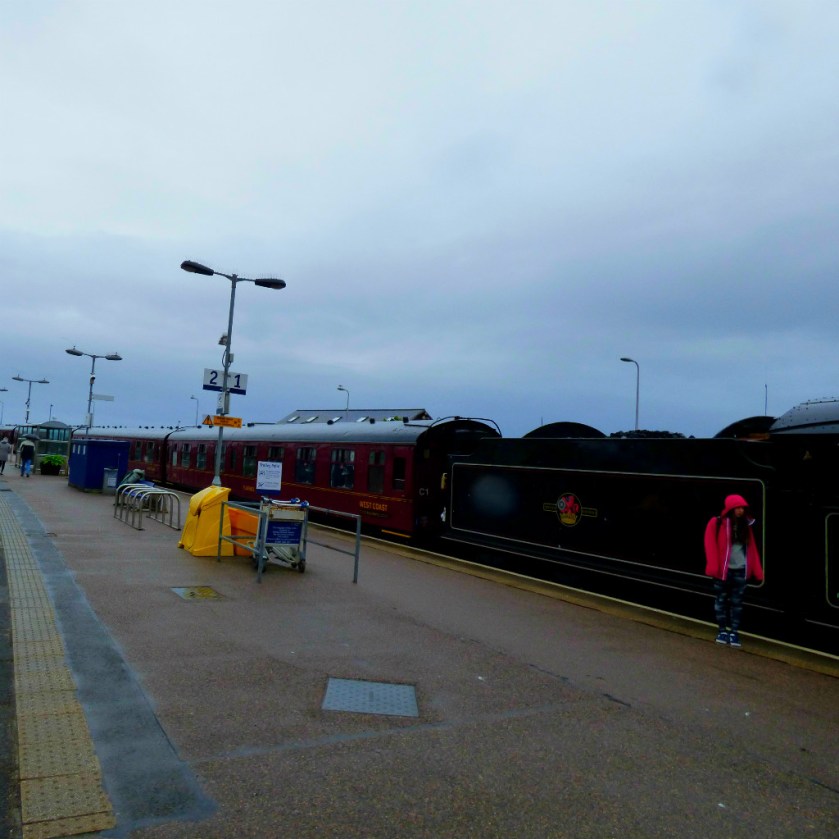
I may assemble a composite image of several “Jacobite ” pictures.
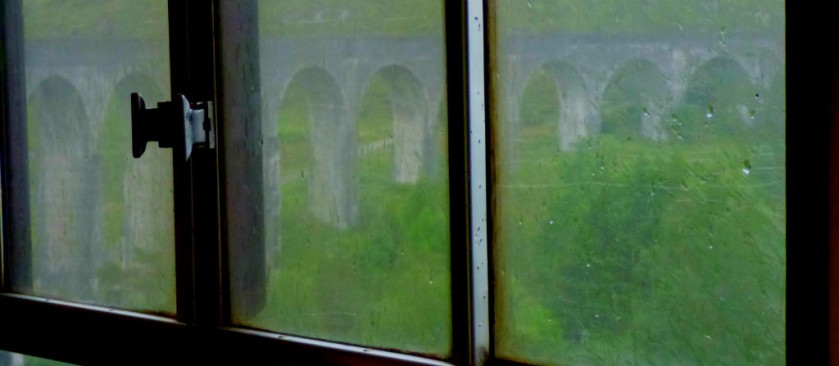
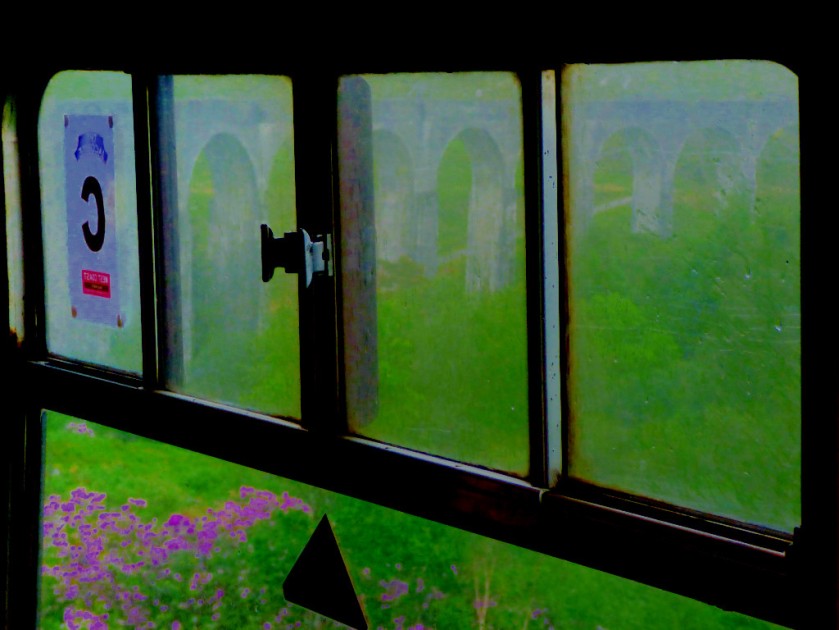
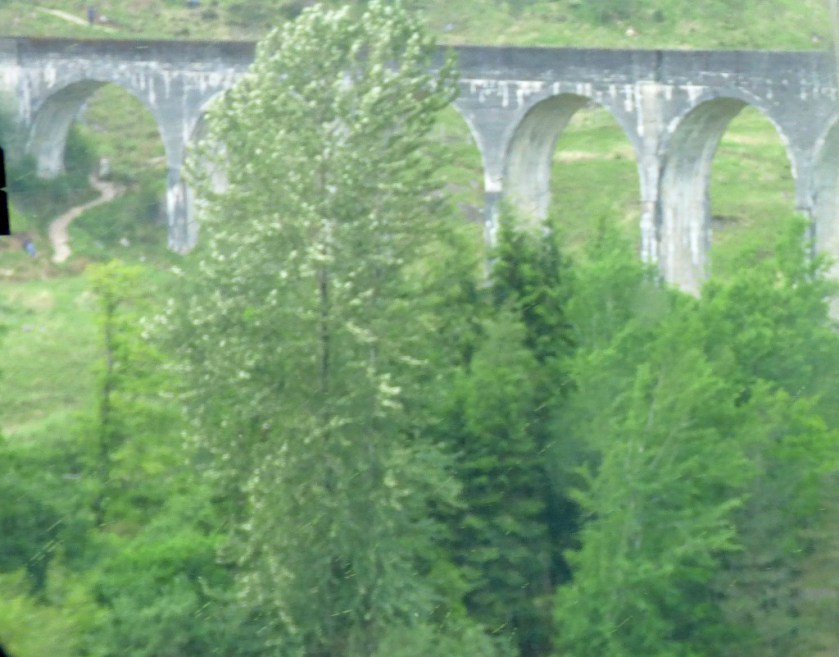
At least one of these Glenfinnan Viaduct pictures will feature.
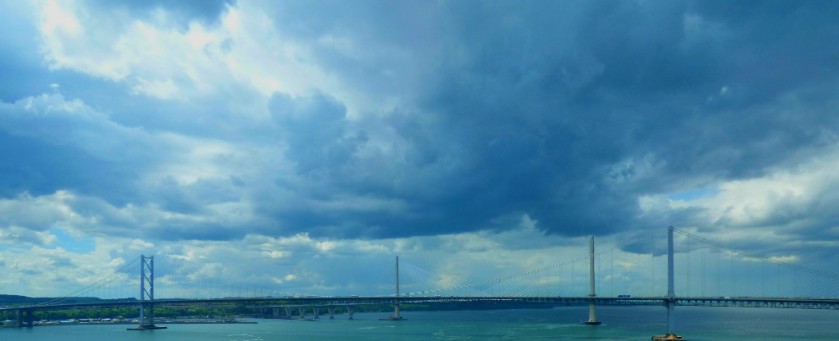
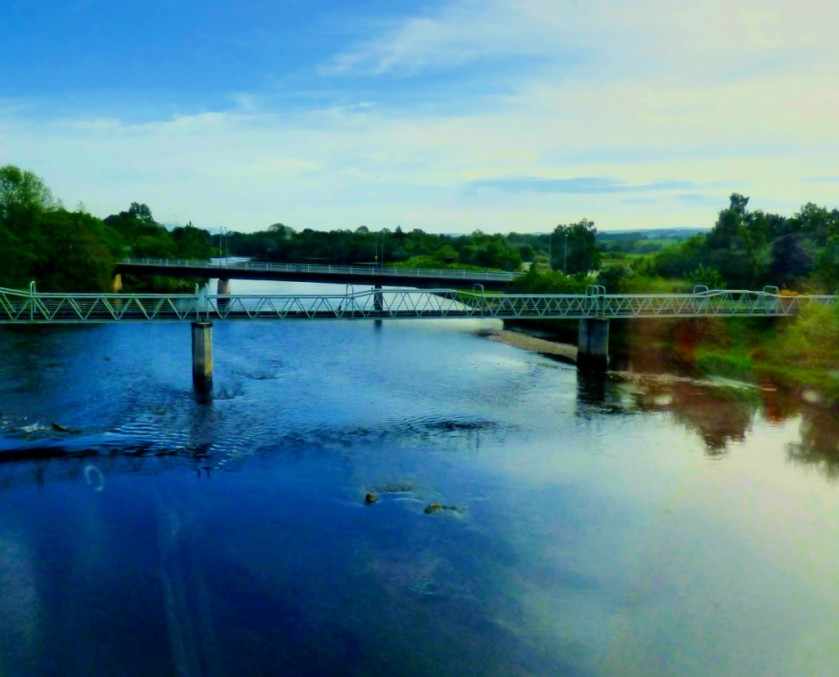
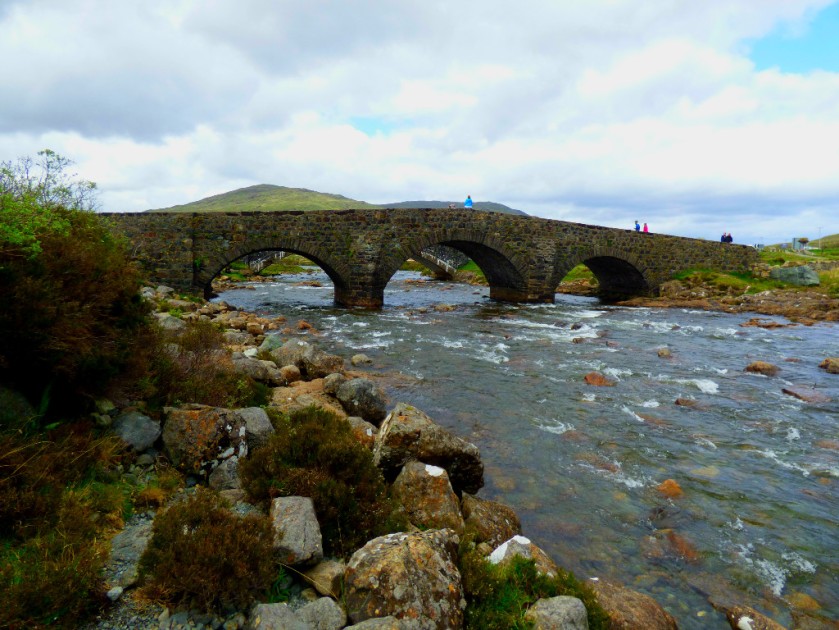
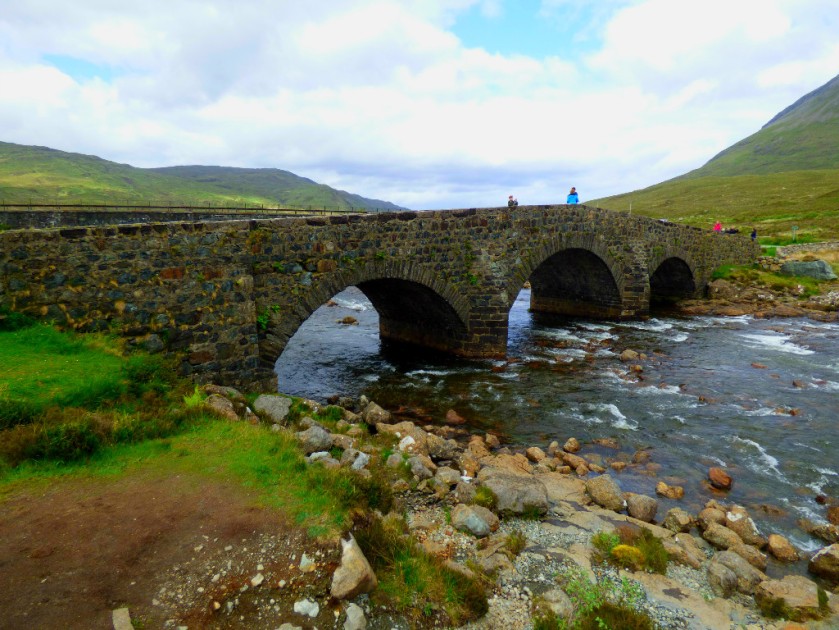
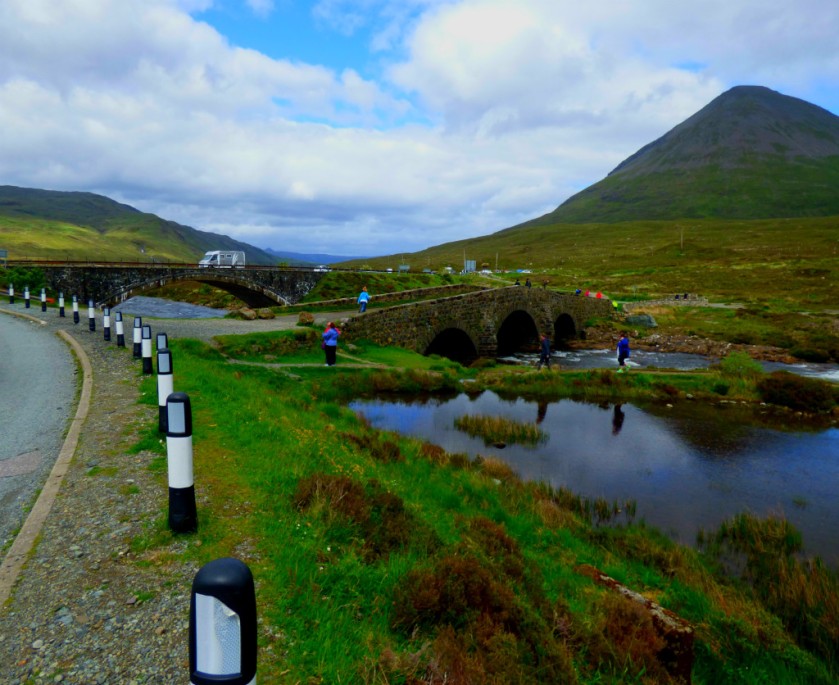
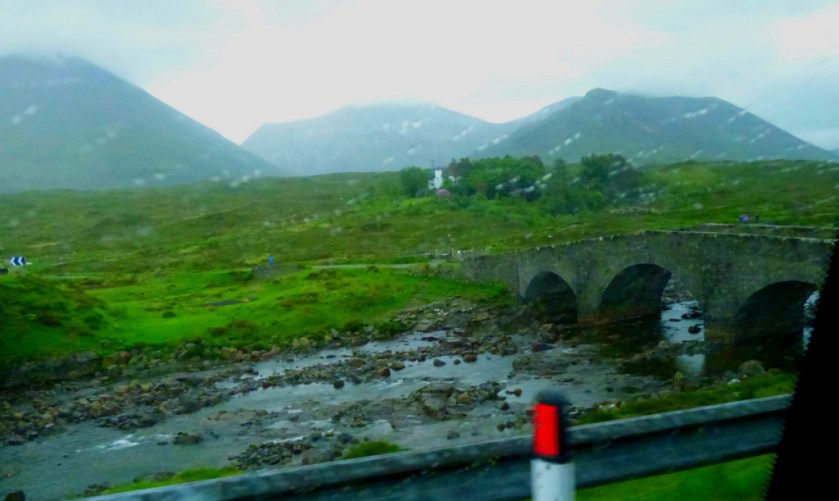
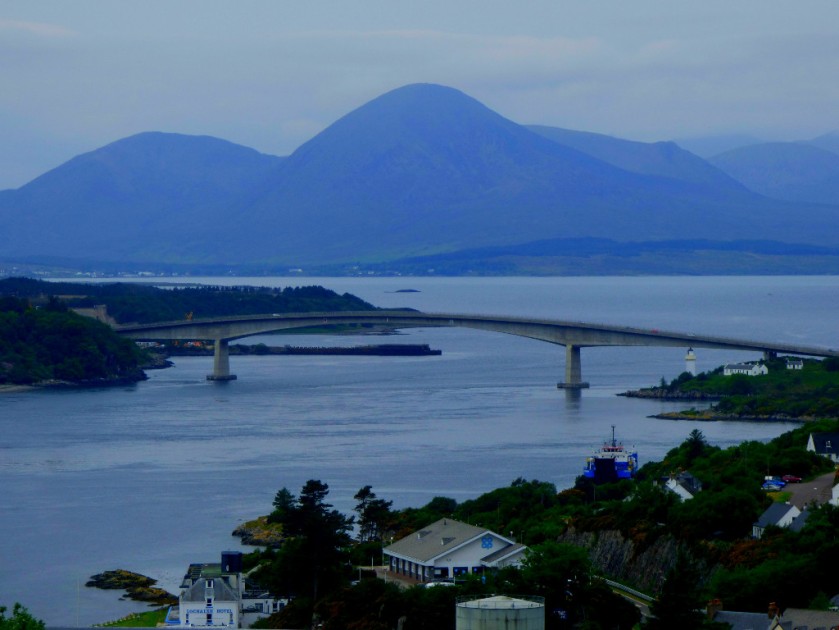
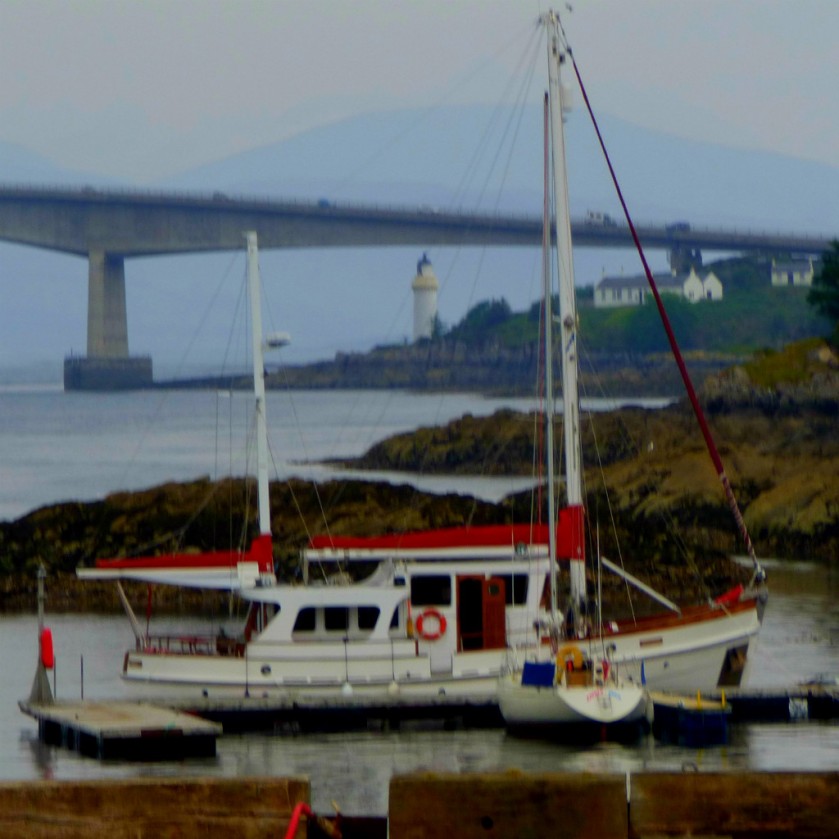
Bridges on Skye will definitely feature somewhere.
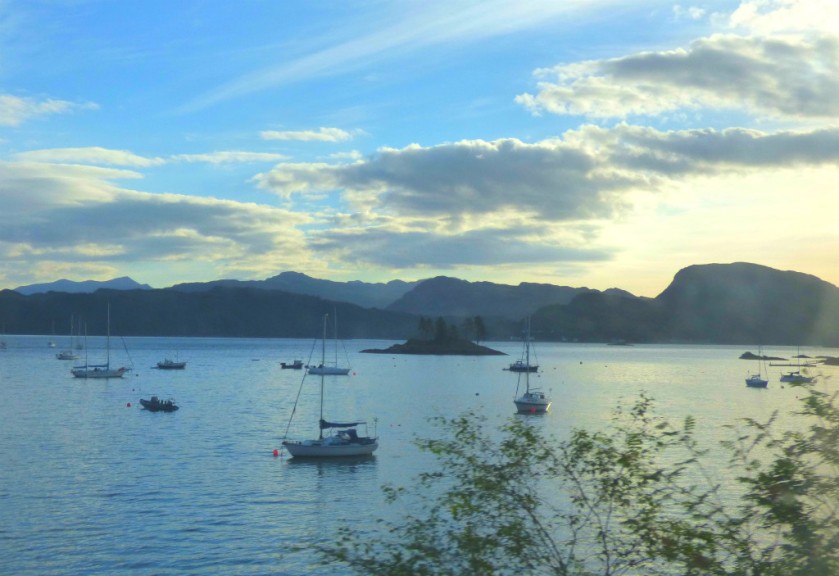
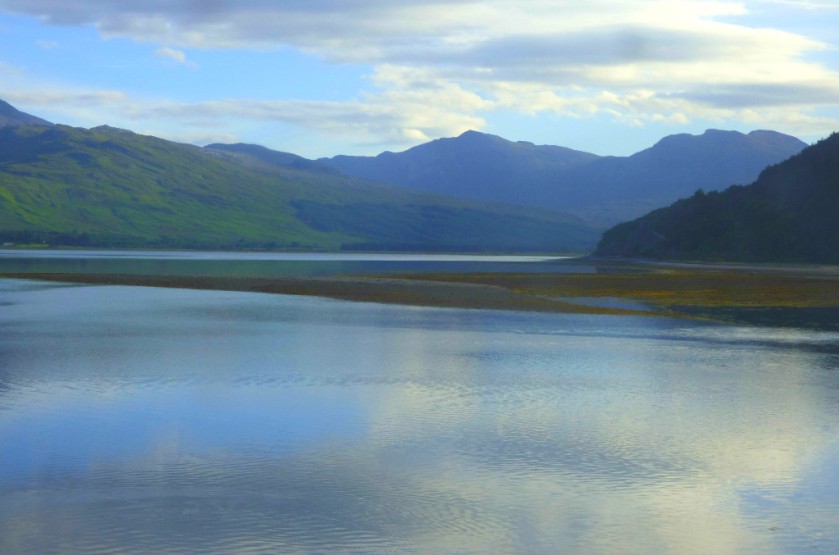
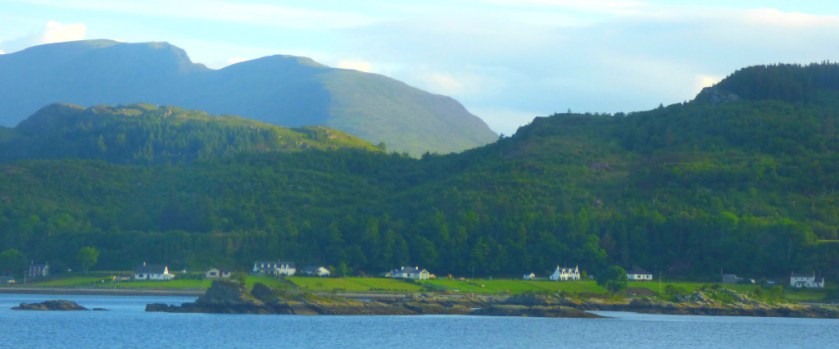
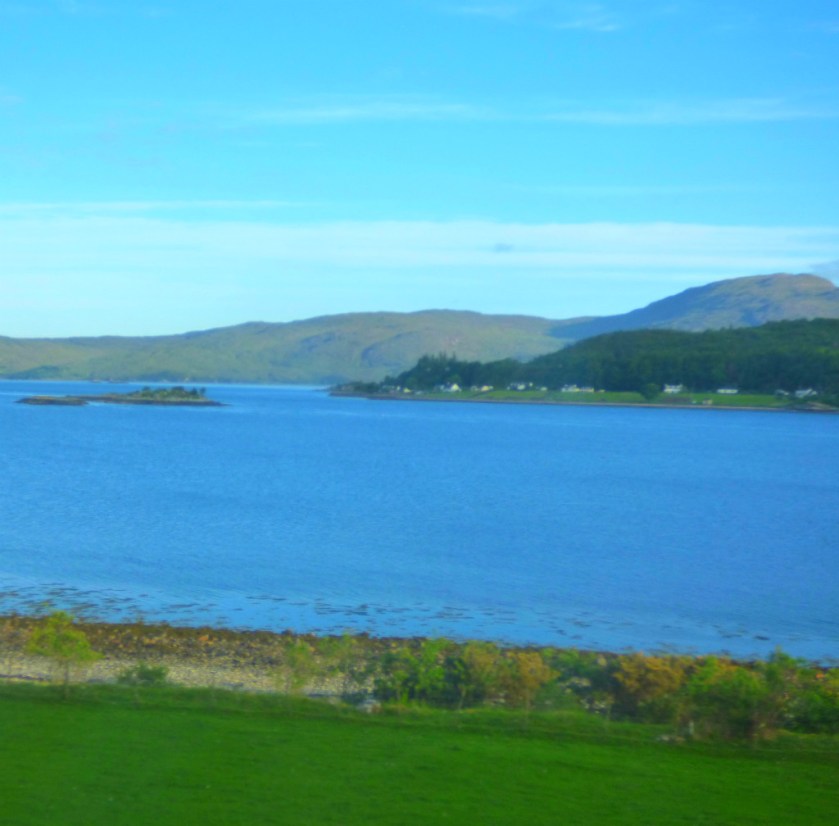
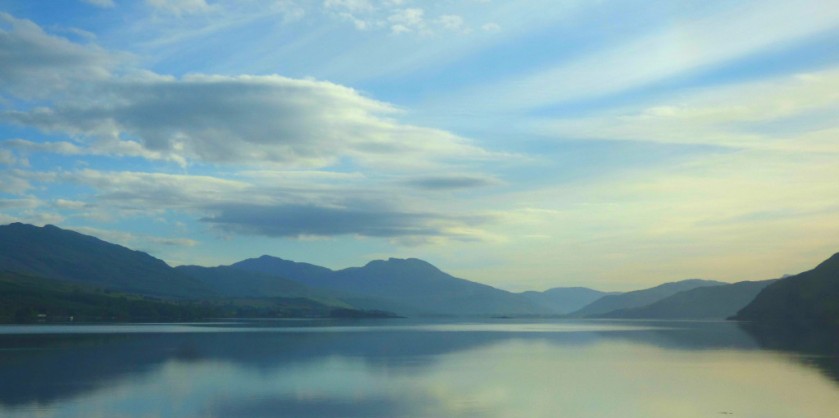
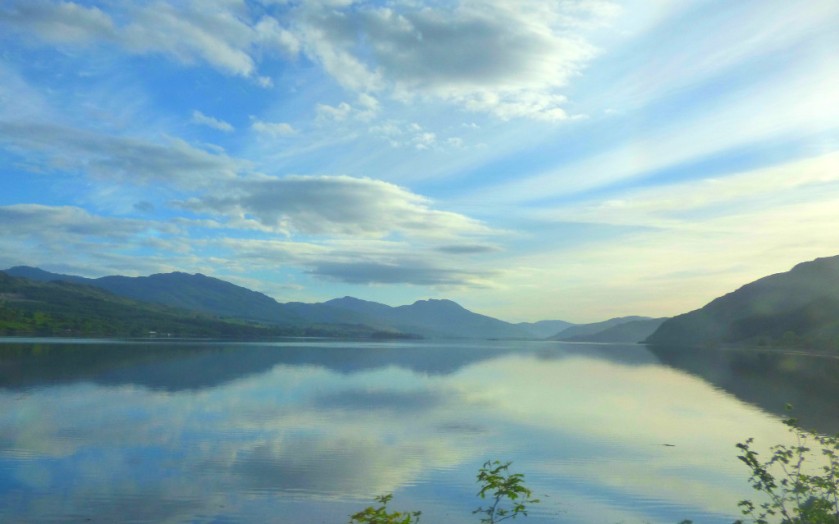
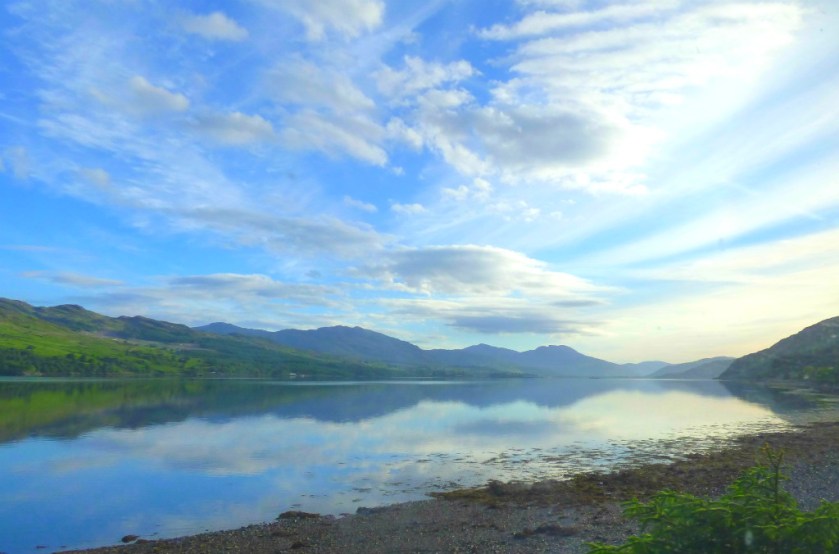
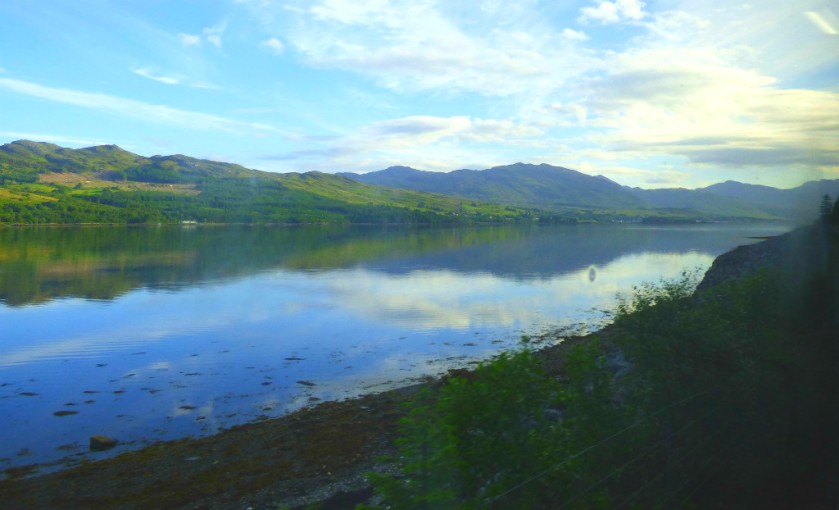
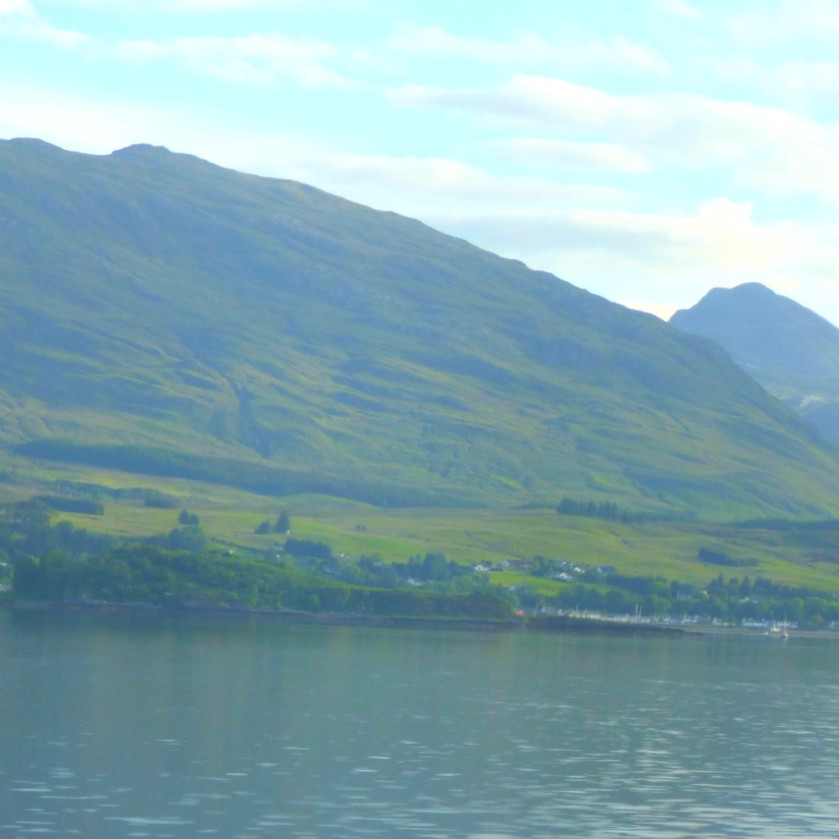
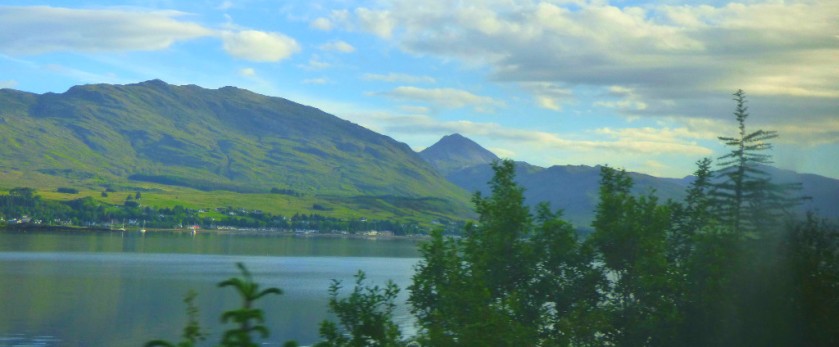
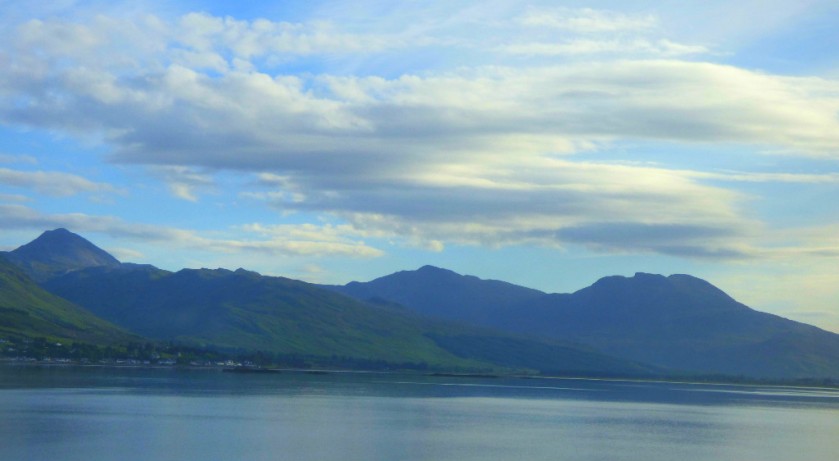
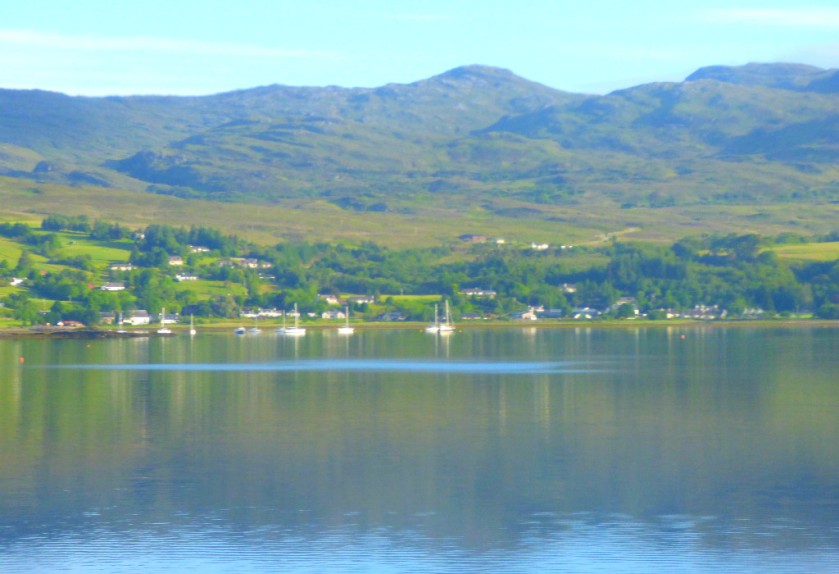
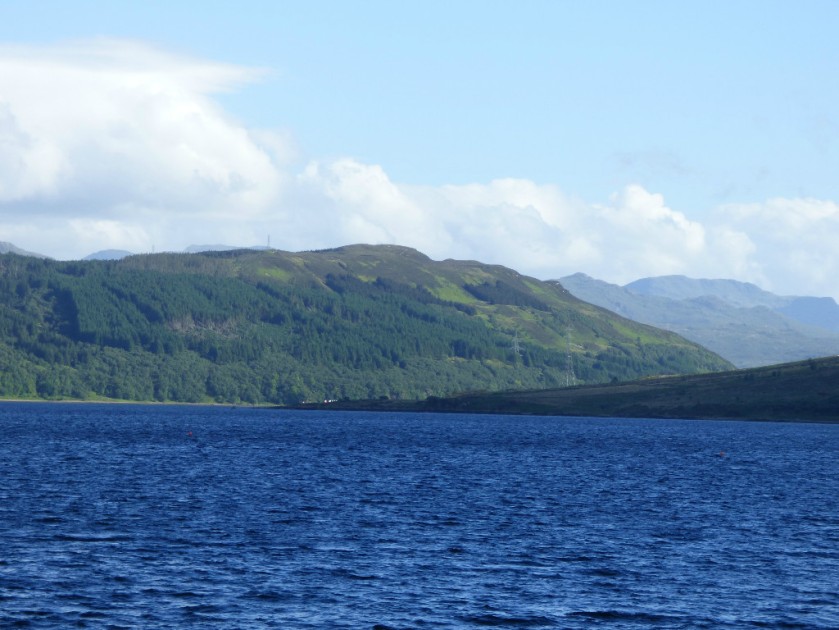
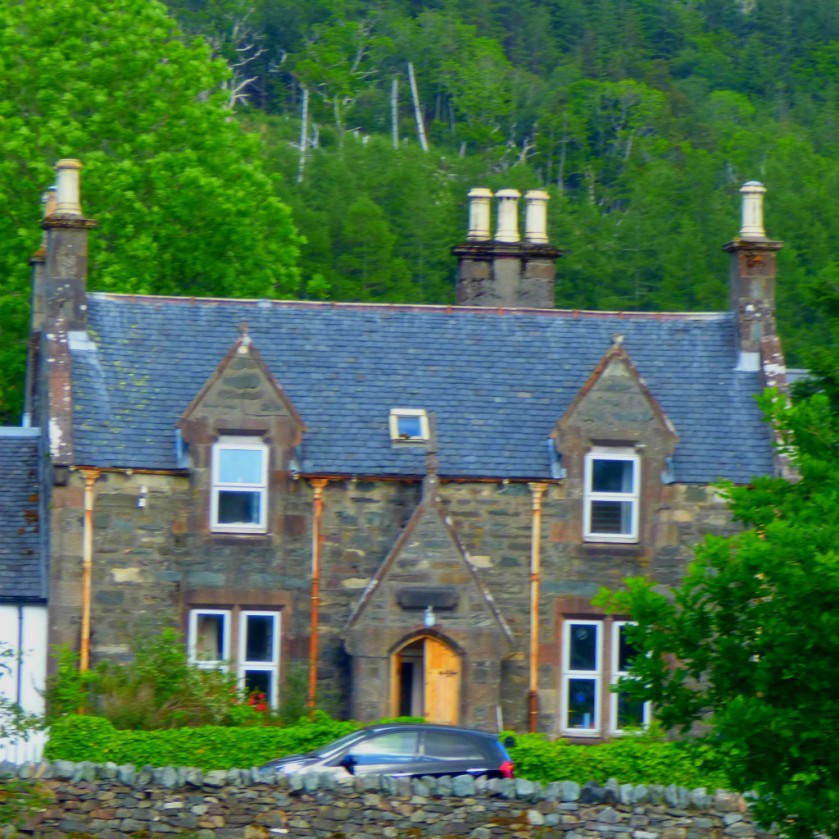
This is the stretch of Loch Alsh on which Ferry Cottage, where we stayed, sits.
OGLACH’S SELECTIONS
I have of course shown these before, but for completeness sake here they are again:
NON-SCOTTISH PICKS
These are the pictures from outside Scotland that I consider worth a second look.
NOMINATIONS
You can nominate by commenting on this post identifying the pictures by name. If you right-click on a picture and select “open image in new tab” from the drop-down menu that appears you can see its name. If you have a blog of your own you can nominate by creating a post featuring your choices and putting a link in the comments (this will earn you a reblog as well by the way). Those whose pictures make the cut will be acknowledged on the page(s) that they get in the calendar.
The final post in the series about my holiday in scenic Scotland.
INTRODUCTION
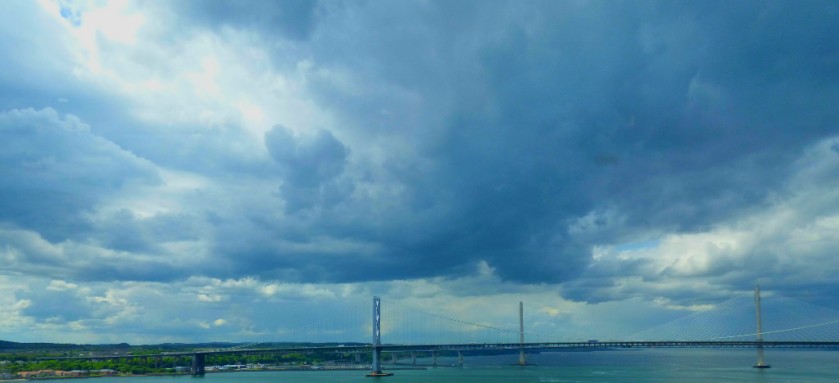
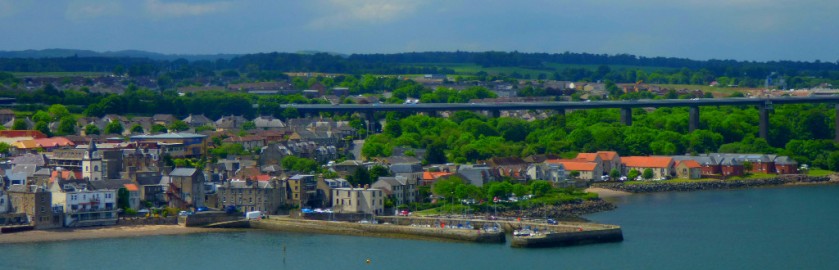
Welcome to this concluding post in my series about a Scottish holiday. In this post we deal with the last stages of my journey home.
AVIEMORE AND THE CAIRNGORMS
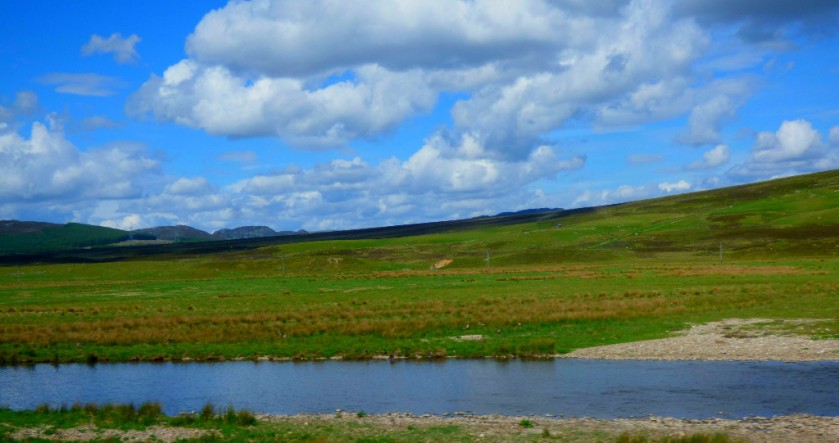
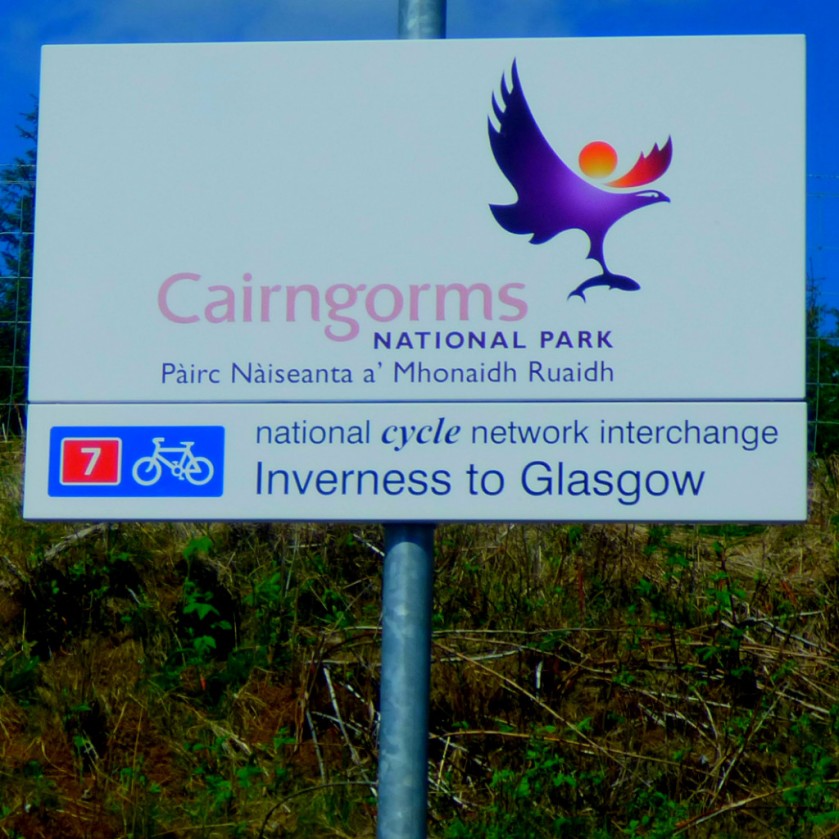
Aviemore is the first station the train calls at on its way out of Inverness towards Edinburgh, and also marks one edge of The Cairngorms national park.
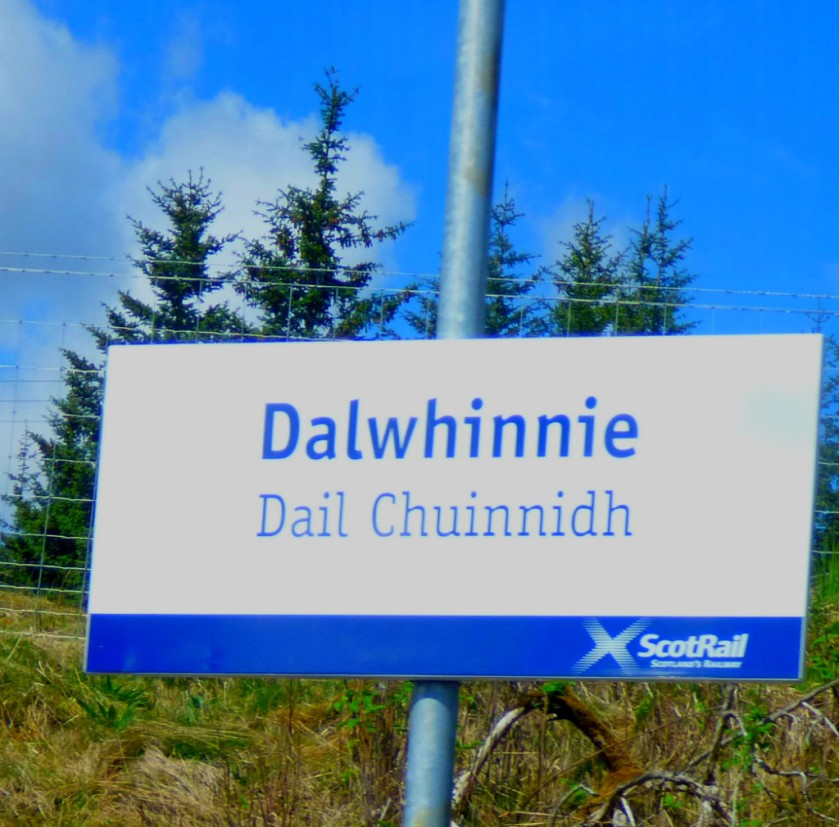
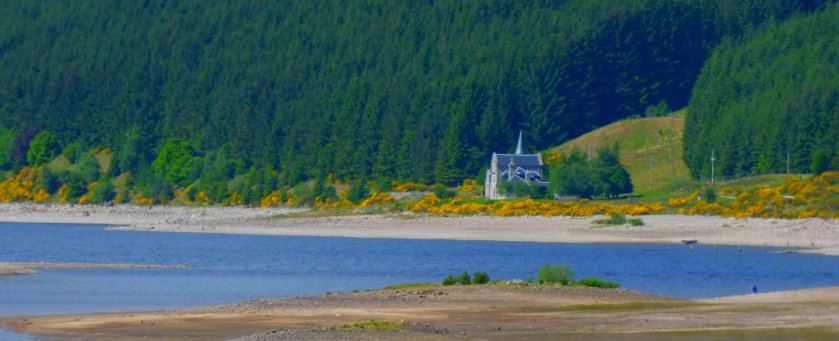
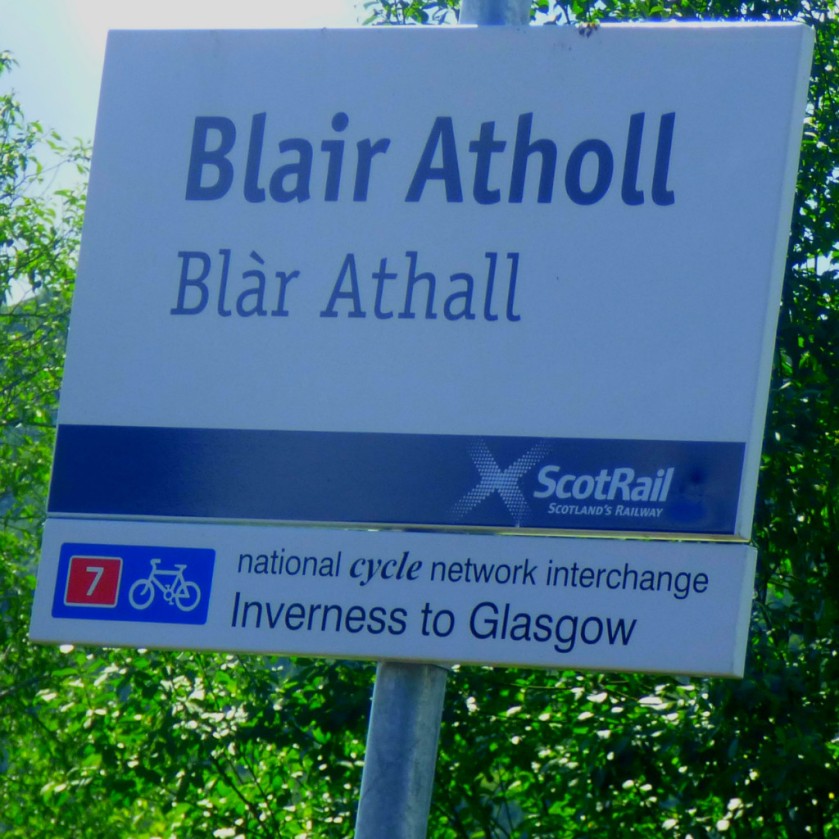
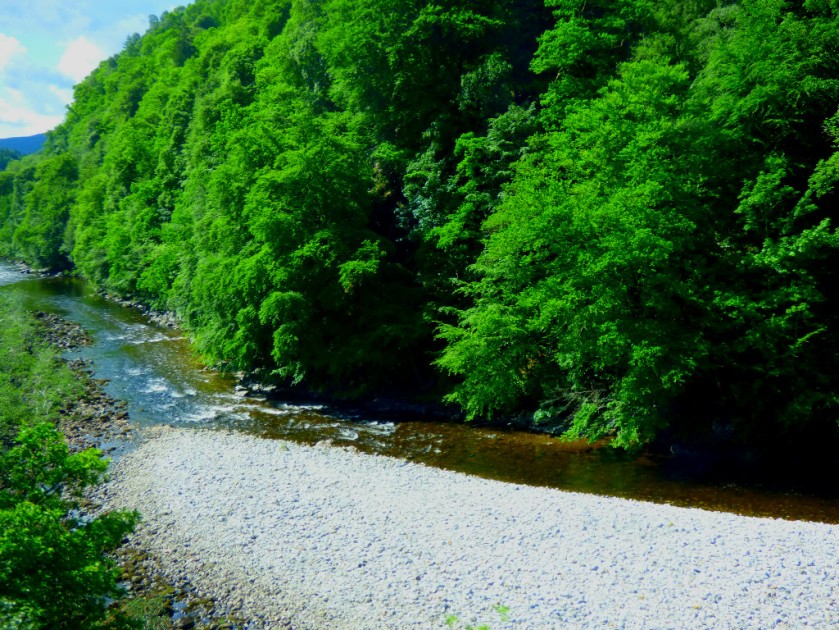
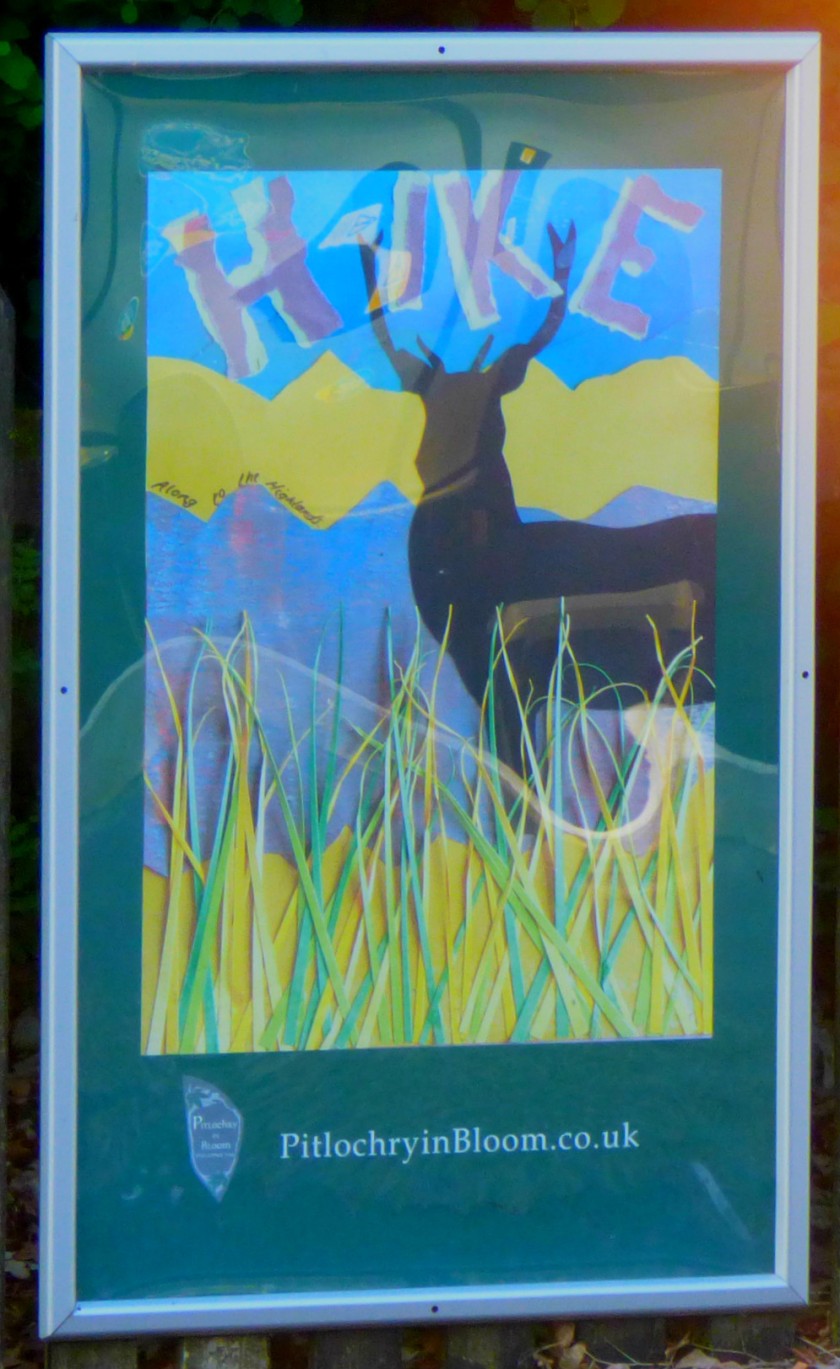
DALWHINNIE TO BLAIR ATHOLL
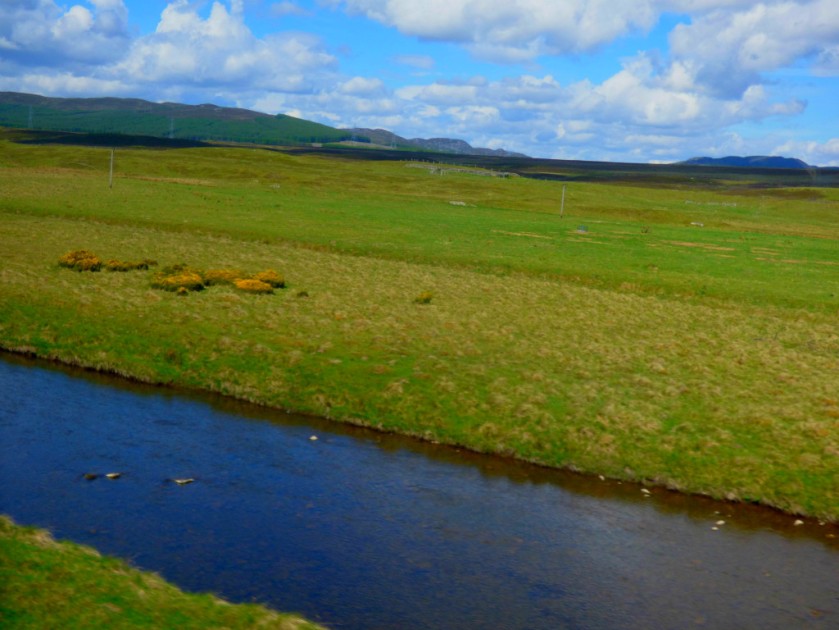
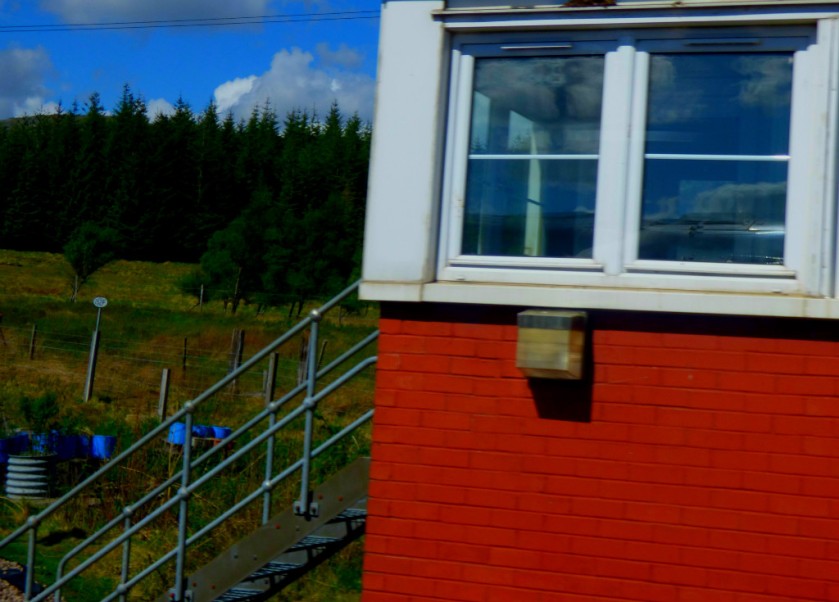
The next stage of the route takes us to Blair Atholl.
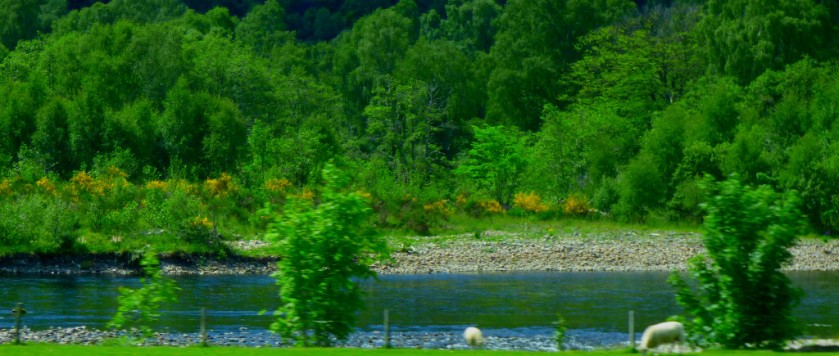
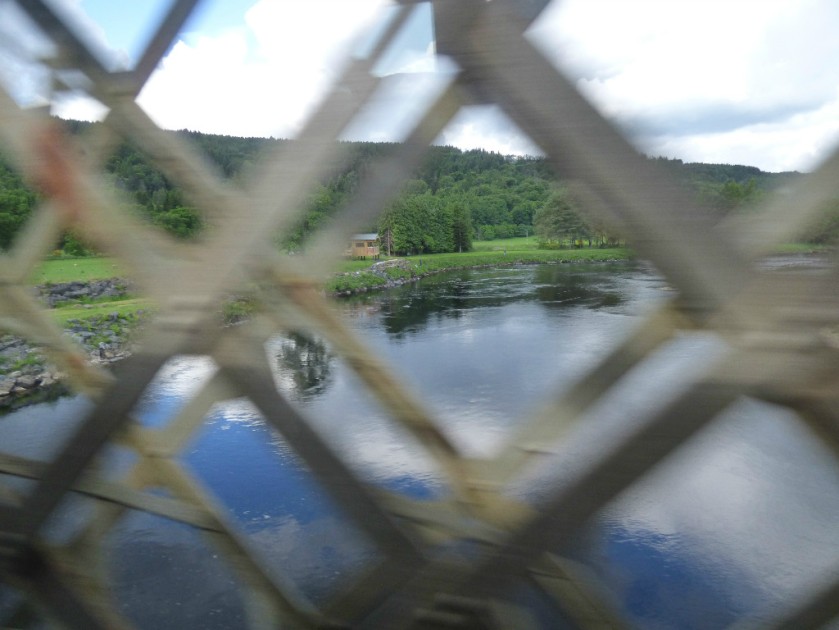
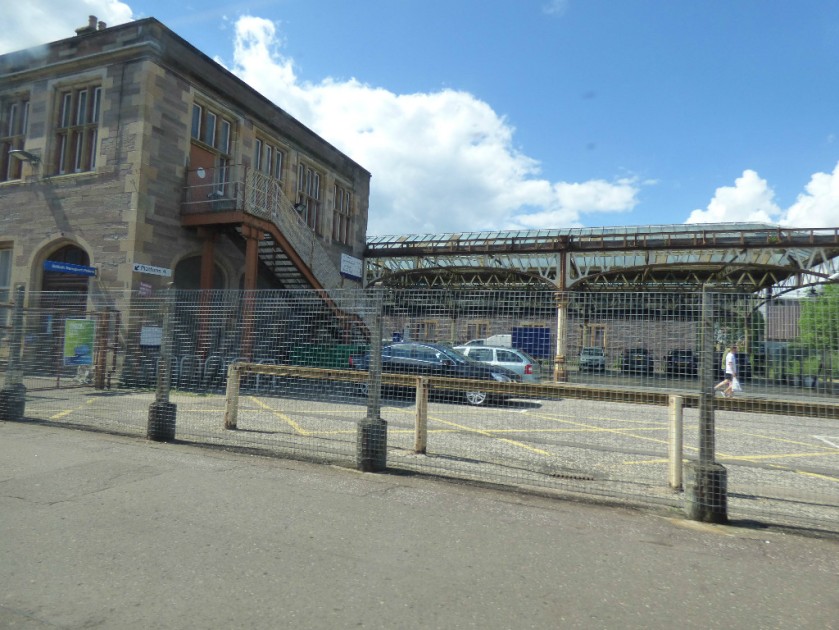
BLAIR ATHOLL TO MARKINCH
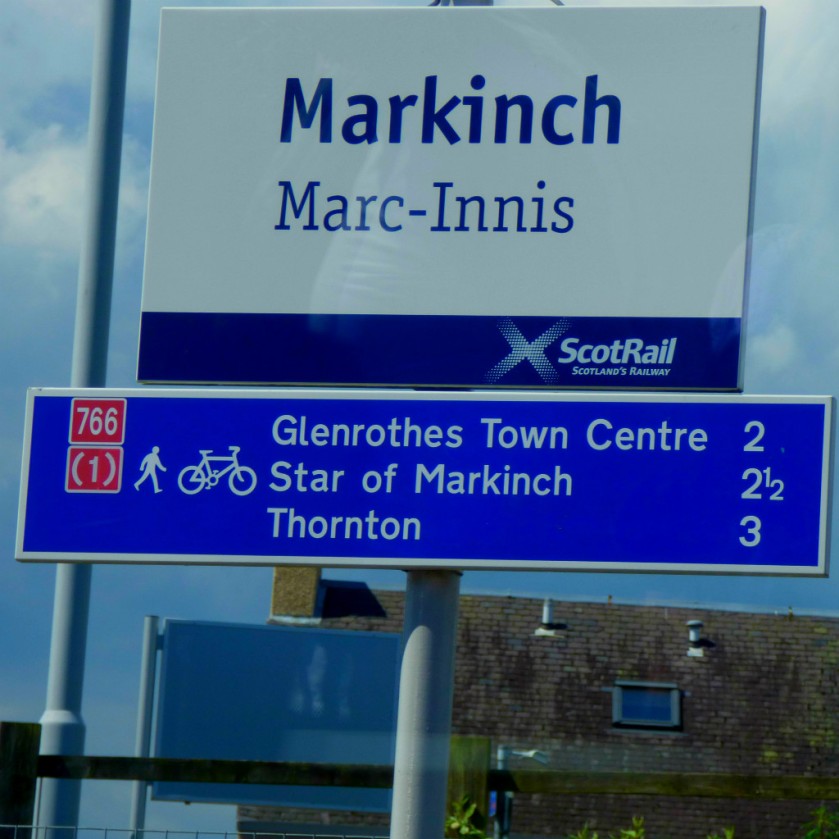
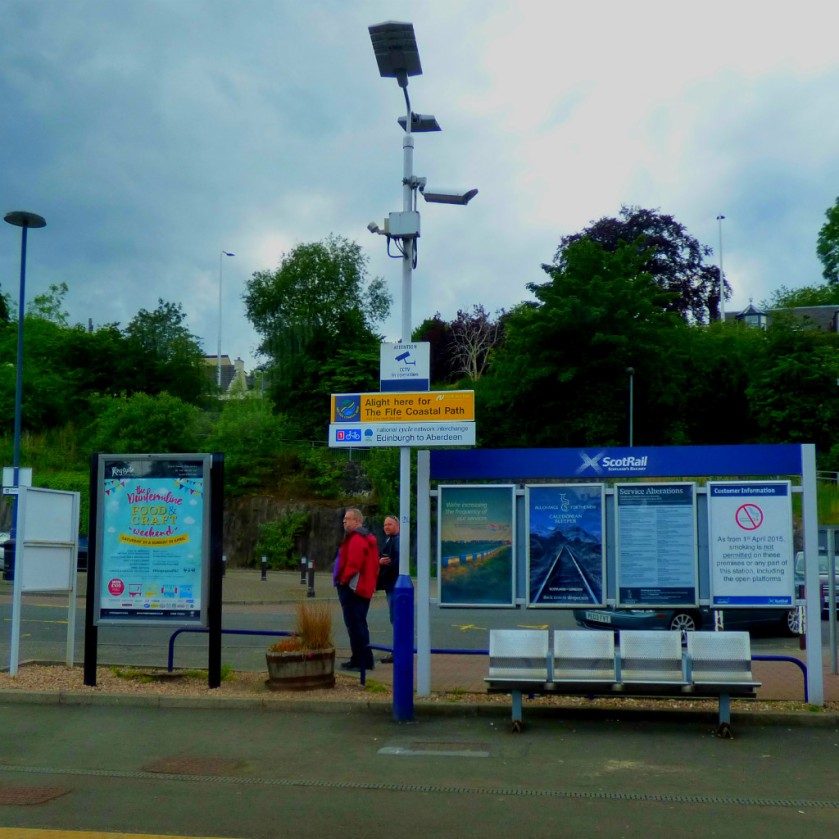
Markinch is situated two miles from Glenrothes town centre, a fact that is advertised on the platforms.
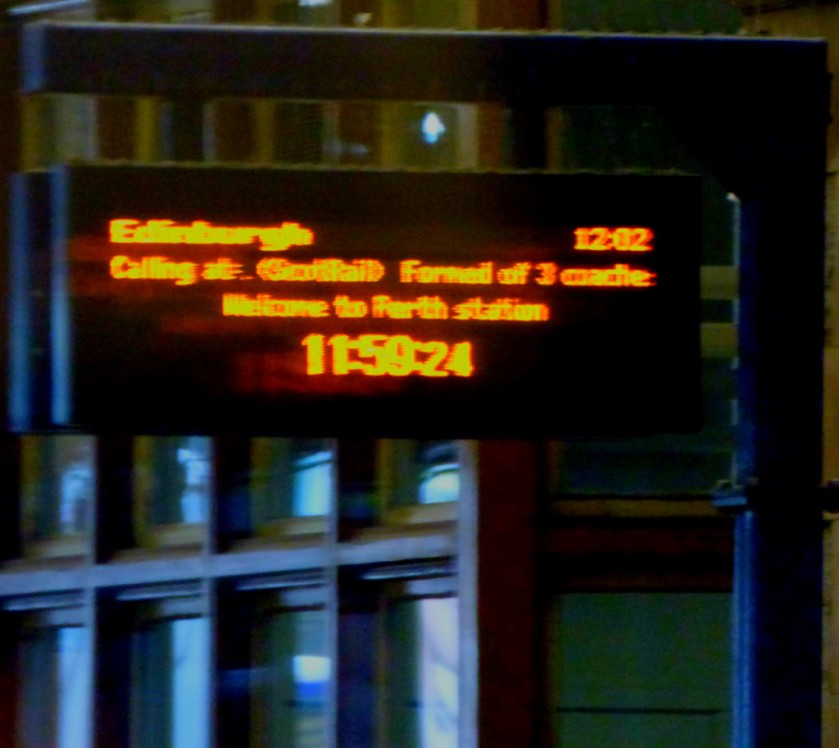
MARKINCH TO EDINBURGH
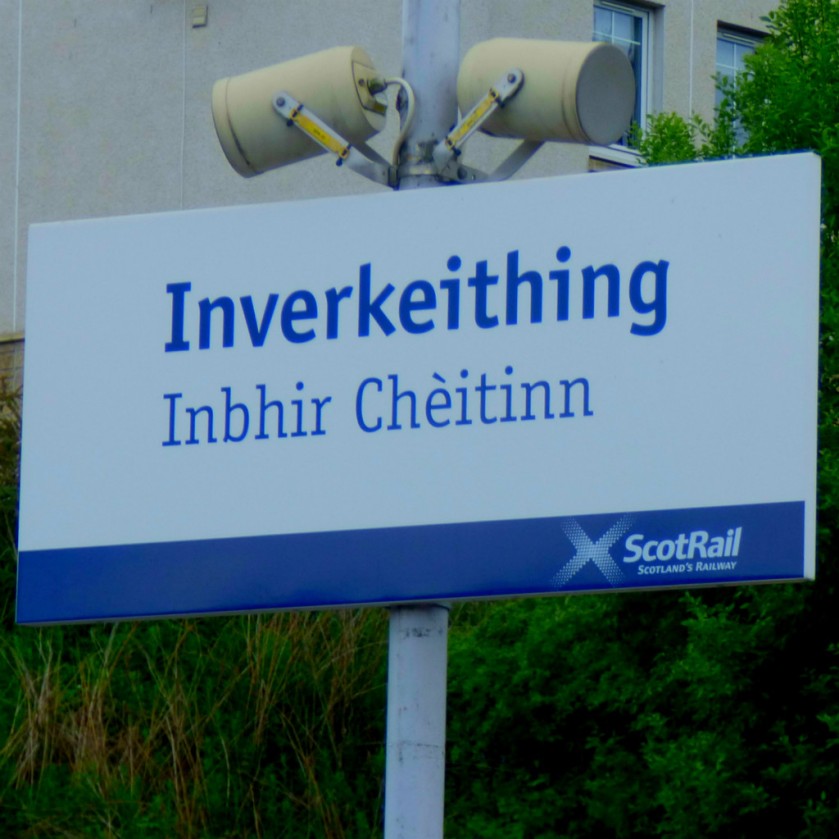
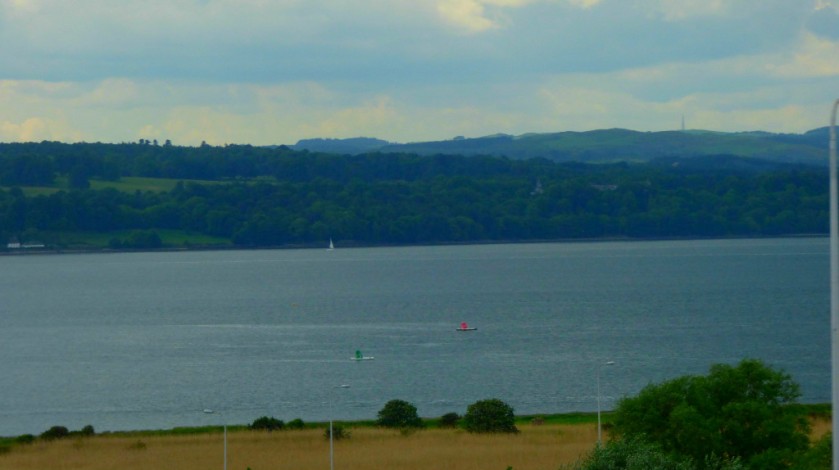
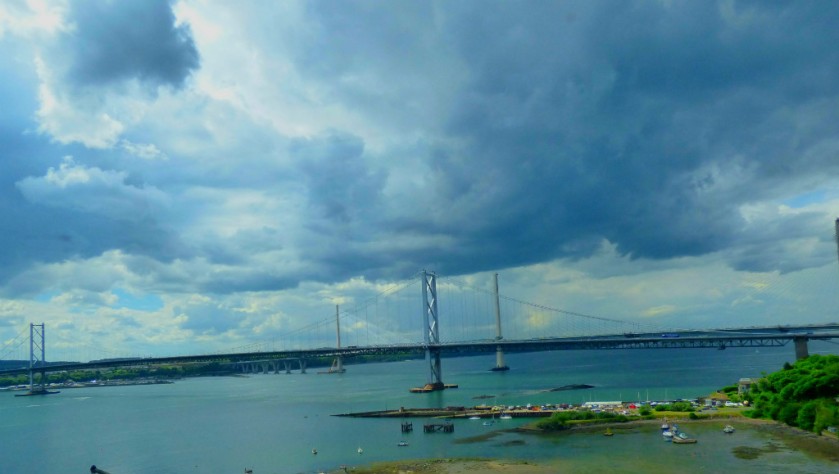
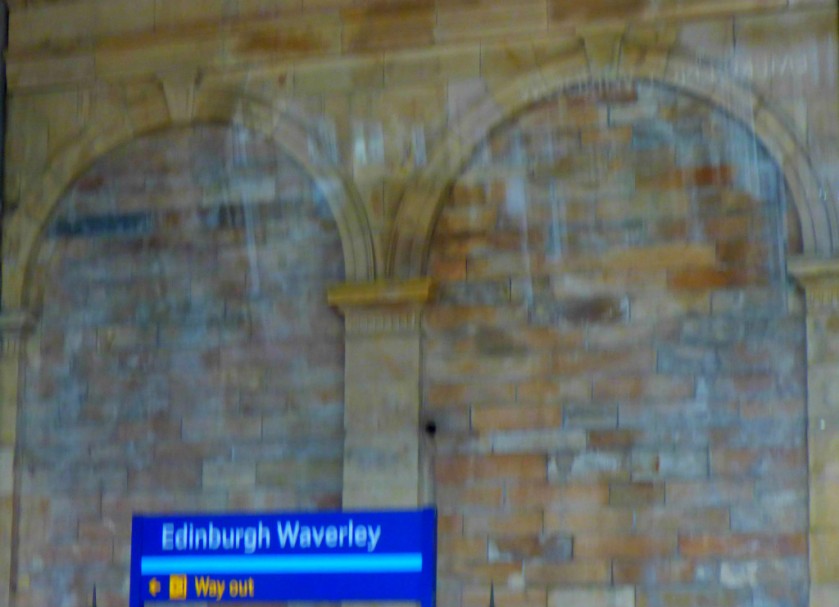
The train arrived at Edinburgh so promptly that had it been allowed by my ticket I would have had time to get the 13:30 to London instead of the 14:00. As it was I was glad to be able to take things a bit easy at this interchange, the corresponding one on my journey up having been a little close for comfort.
THE CLOSING STAGES
I located my seat on the express train that would carry me to Peterborough and it was in a designated quiet coach. Unfortunately there was a large family who had been assigned seats in that coach and who did not really understand quietness, so it was not as relaxing a segment of the journey as it should have been. A minor frustration at Peterborough when I stepped out of the station exit just as an X1 was heading off towards King’s Lynn. This half-hour delay notwithstanding I got home dead on 8PM.
Continuing the account of the homeward journey, taking the story up to Inverness (Inbhir Nis).
INTRODUCTION
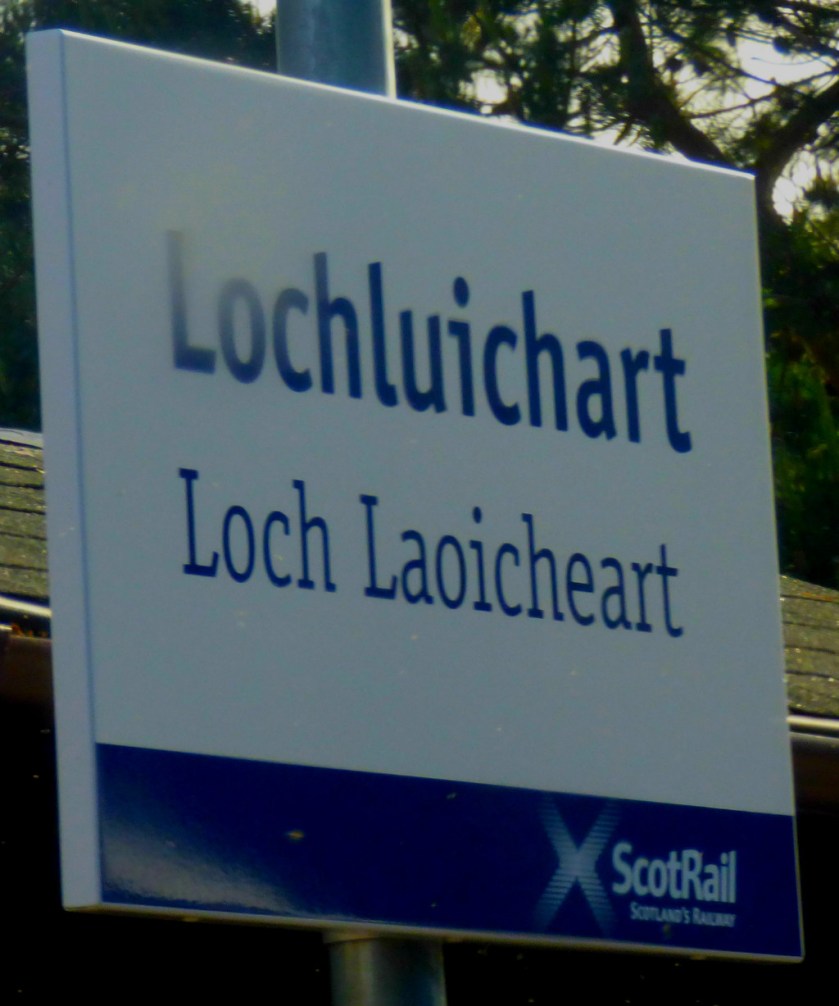
Welcome to the next post in my series about my holiday in Scotland. This post continues the story of the journey home picking up where it’s predecessor left off at Lochluichart.
LOCHLUICHART TO INVERNESS
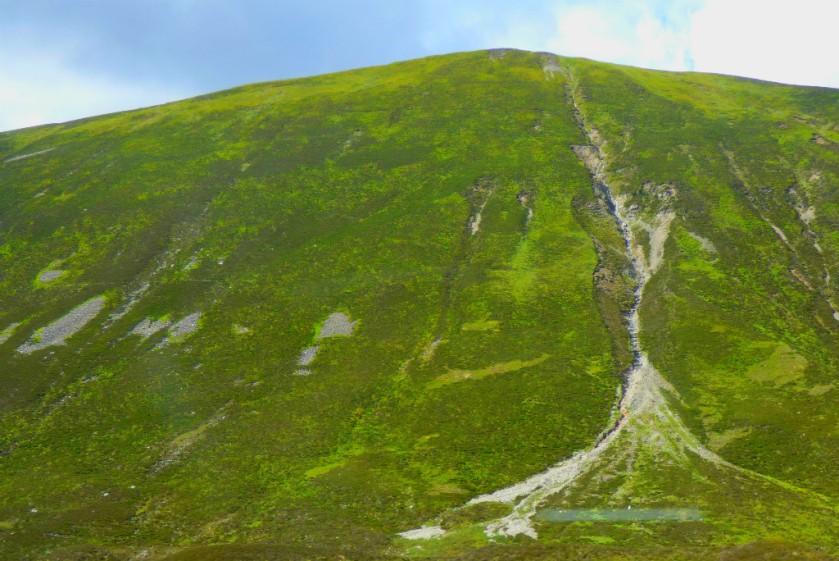
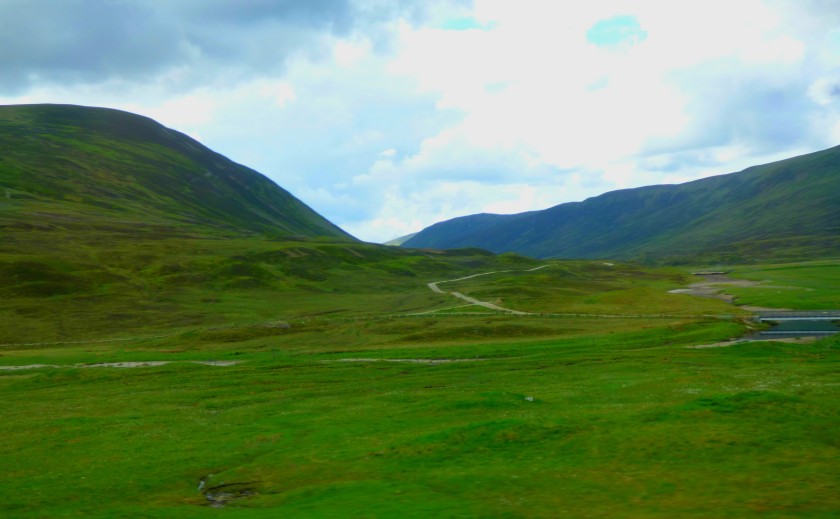
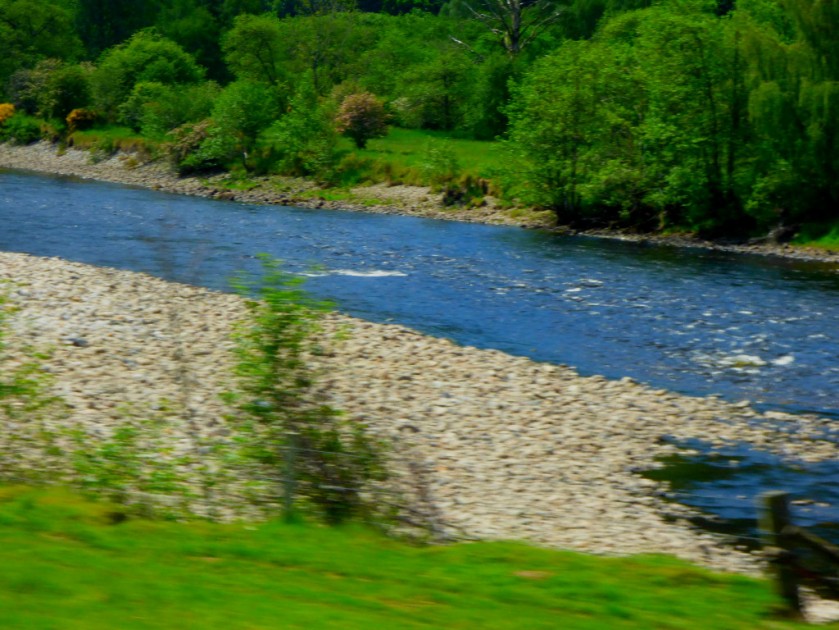
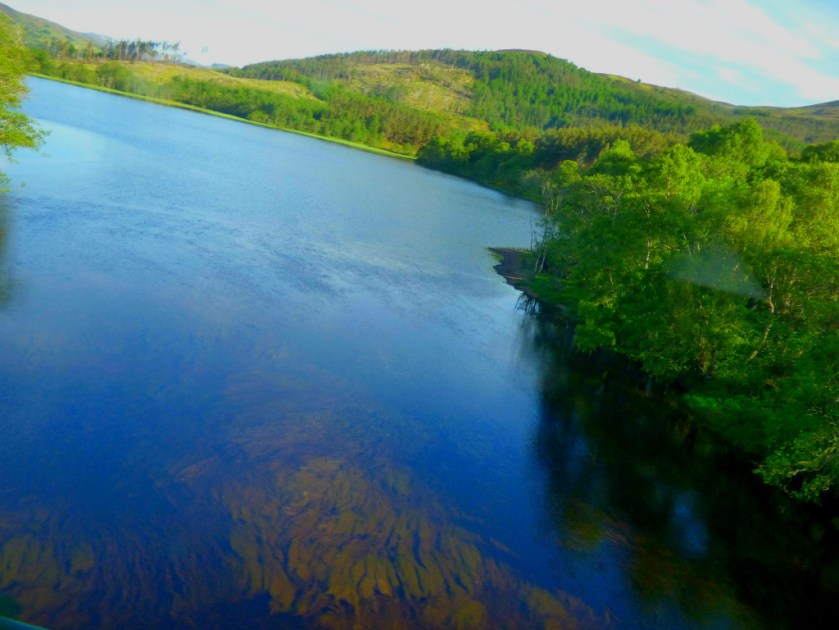
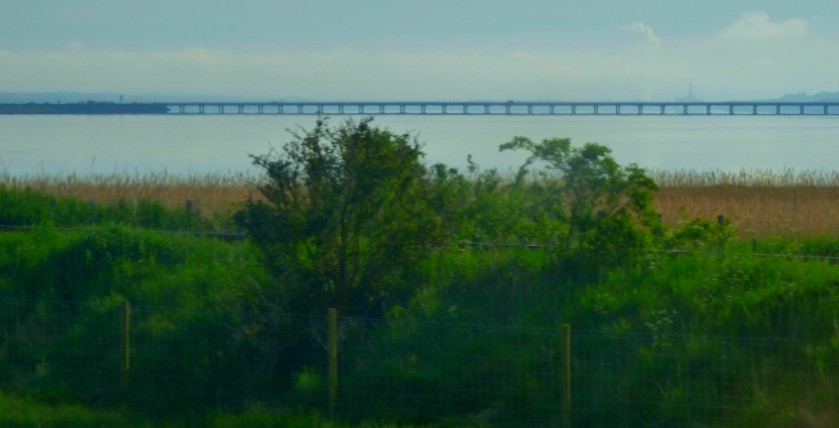
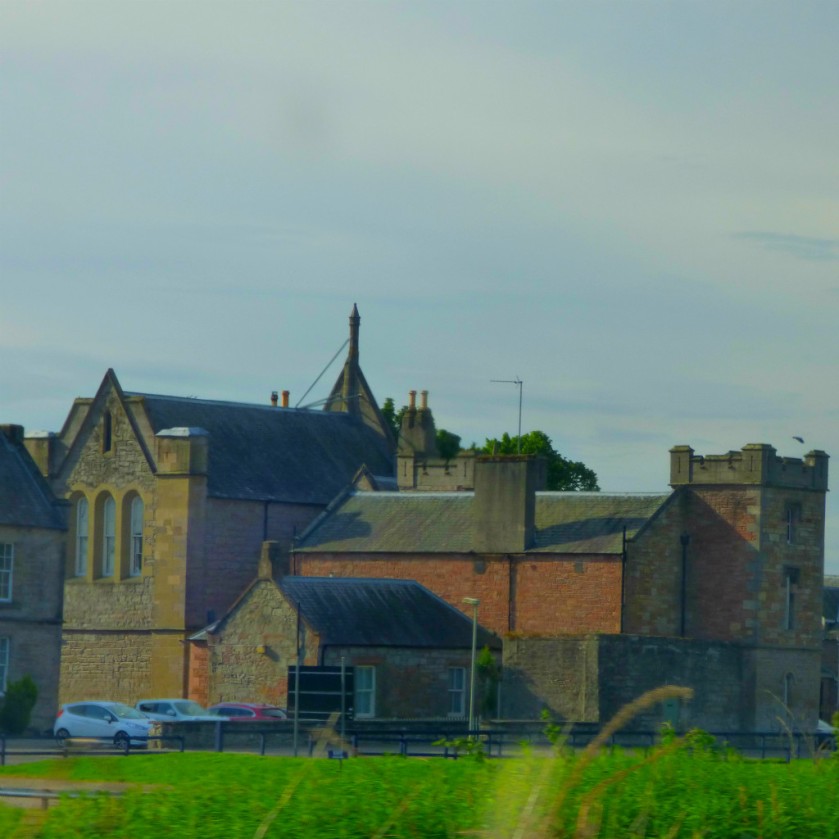
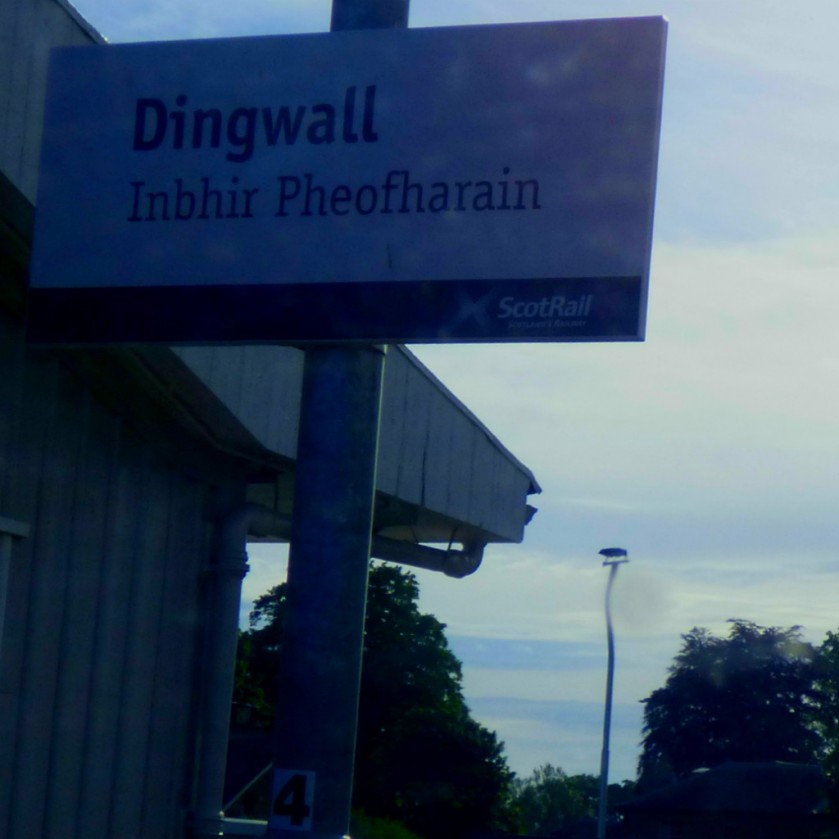
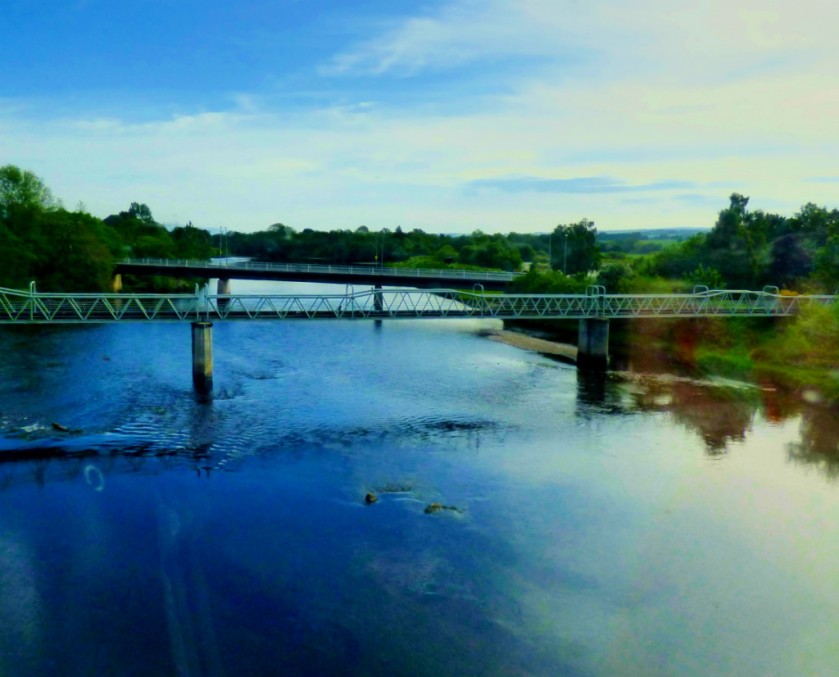
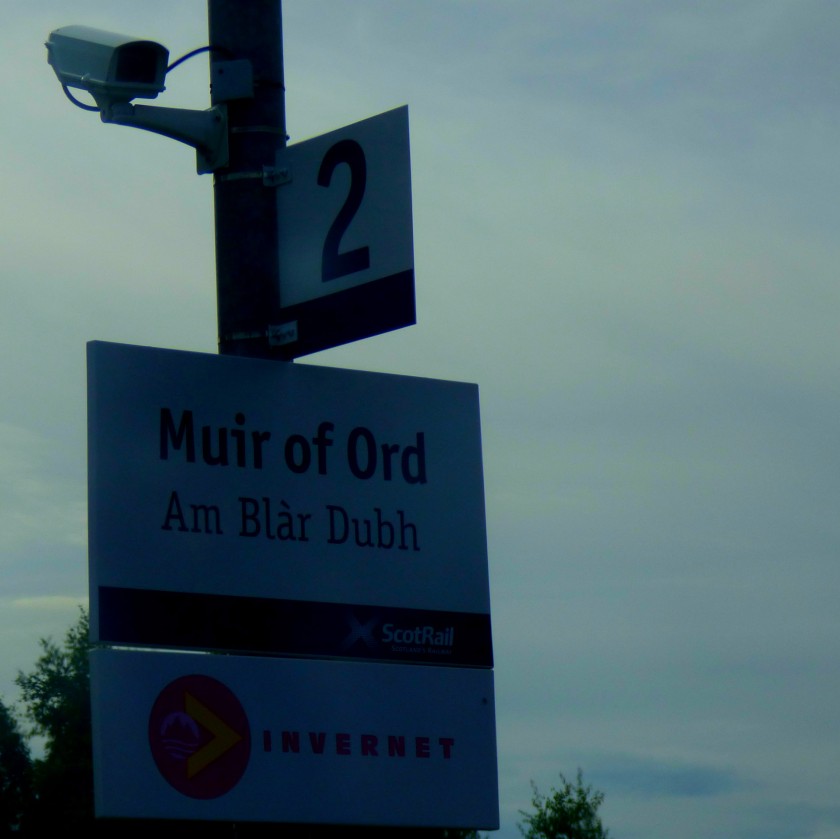
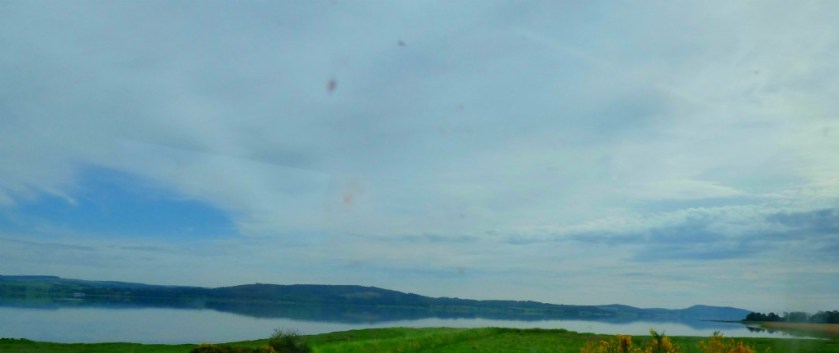
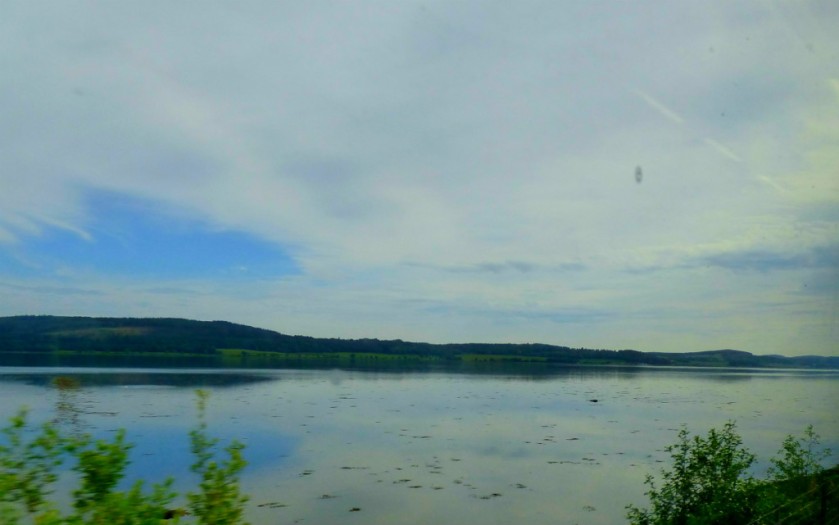
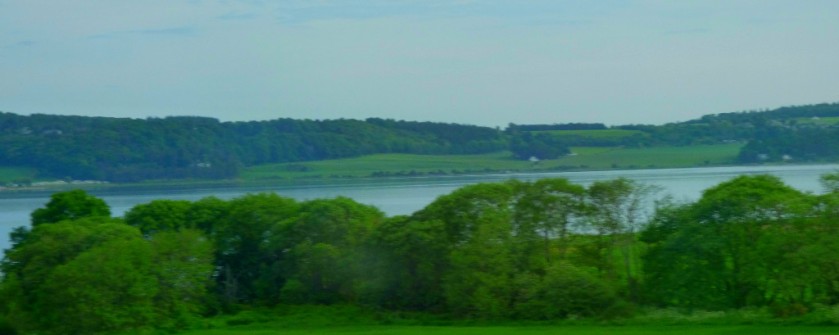
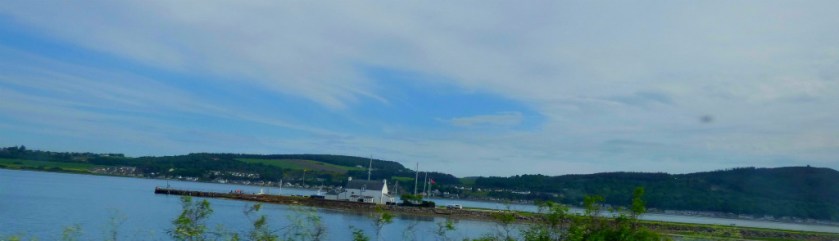
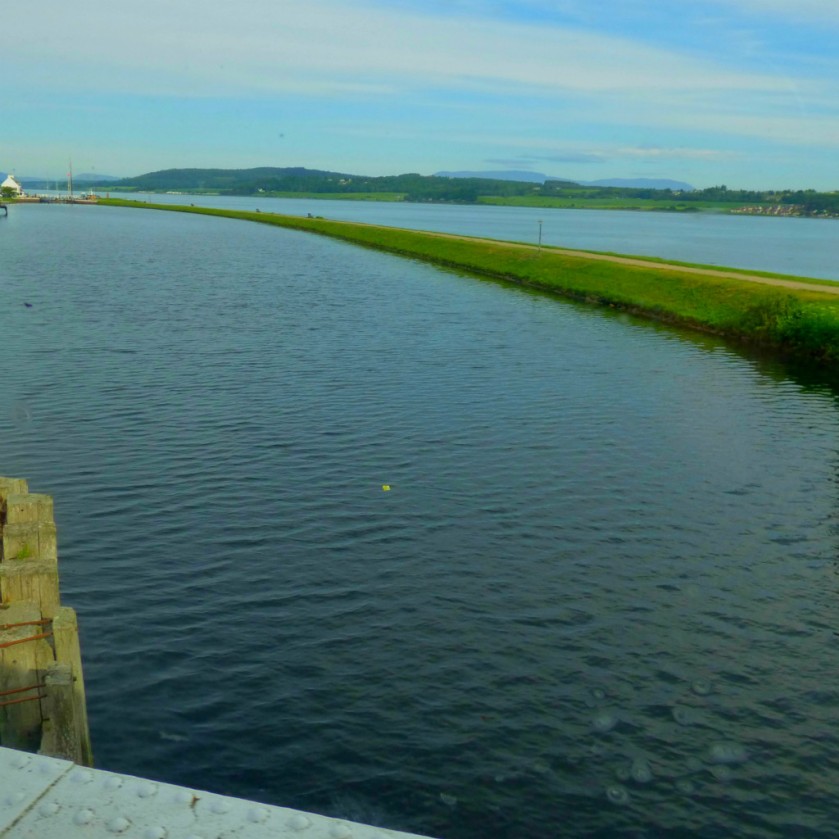
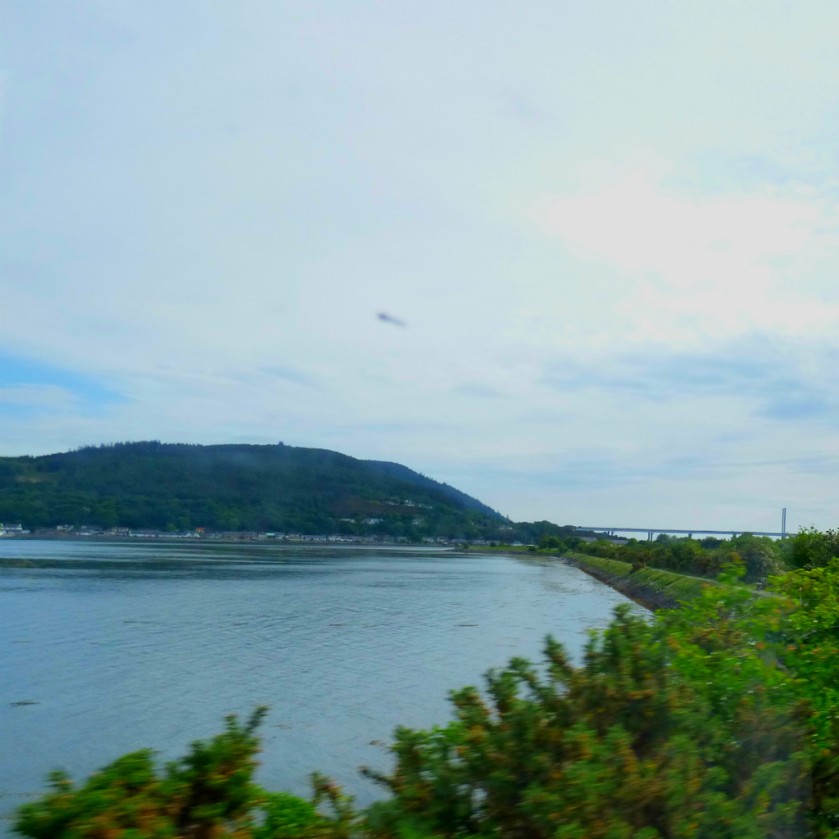
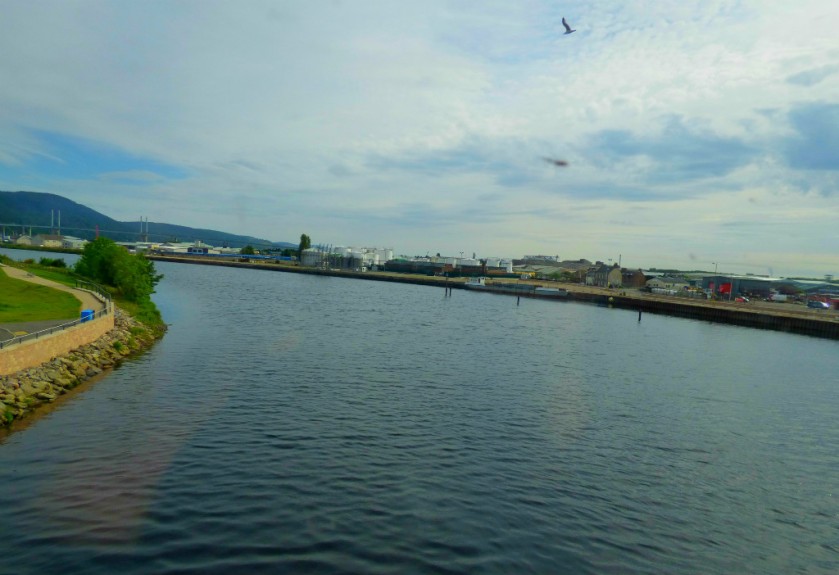
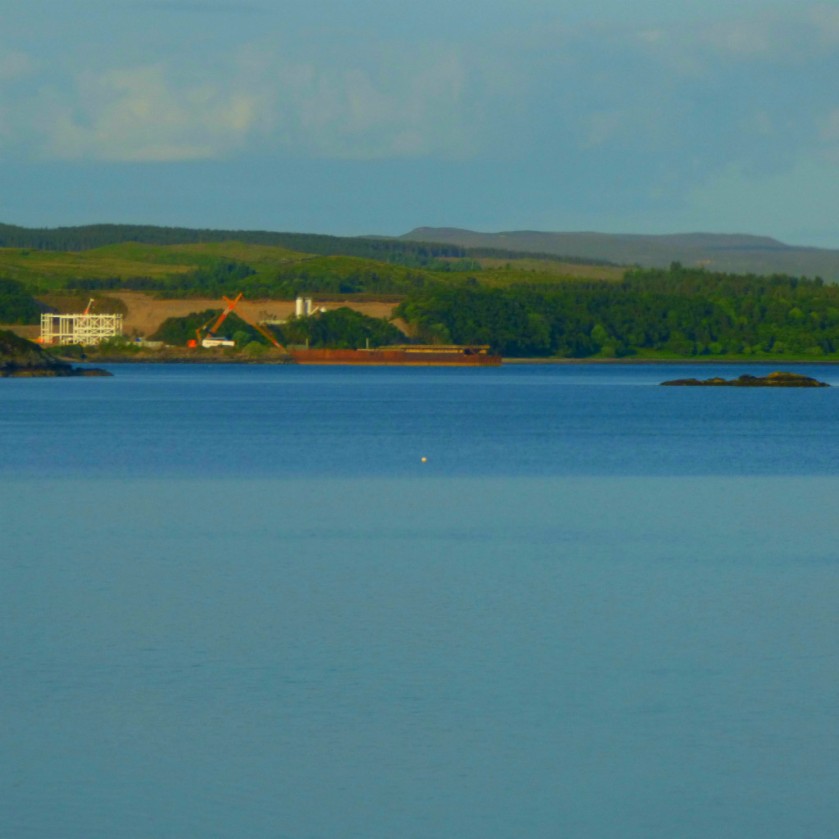
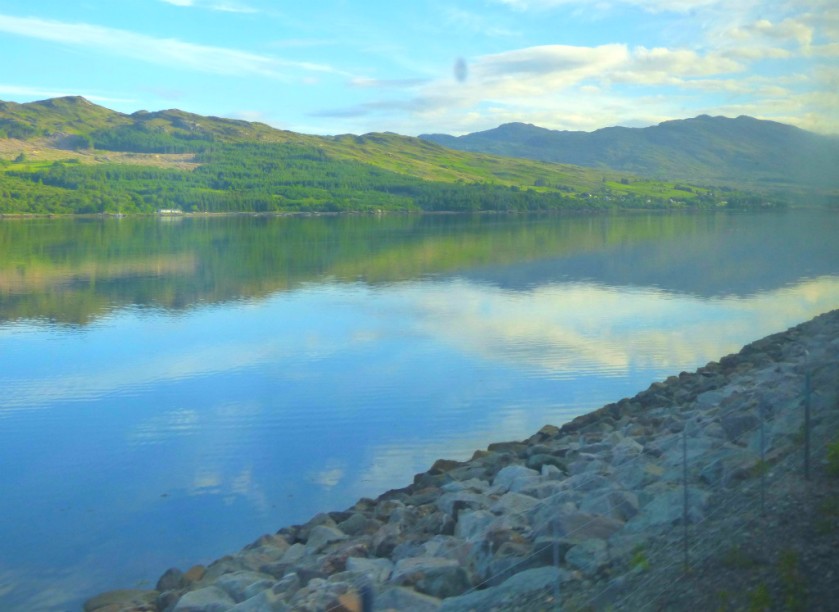
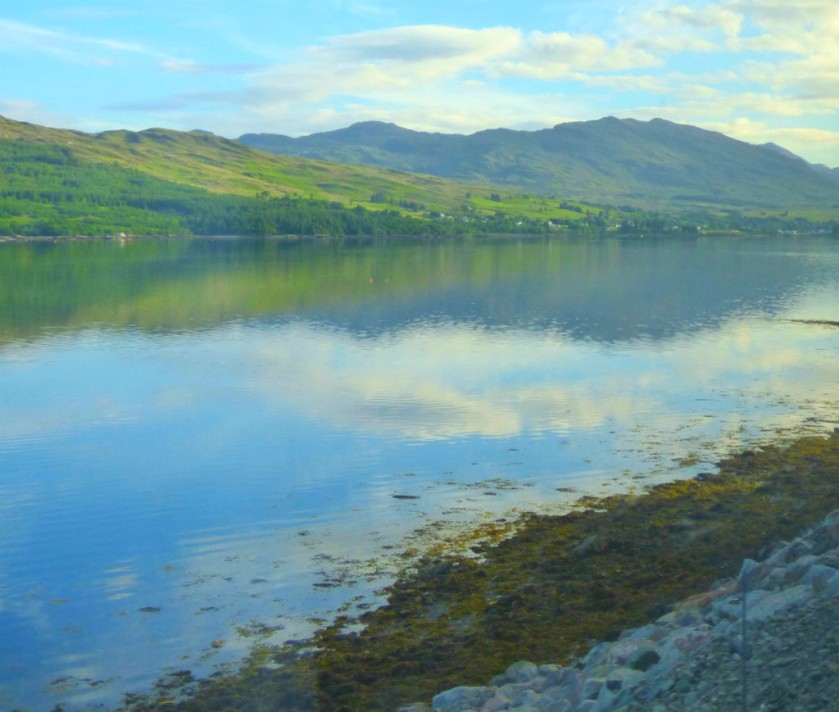
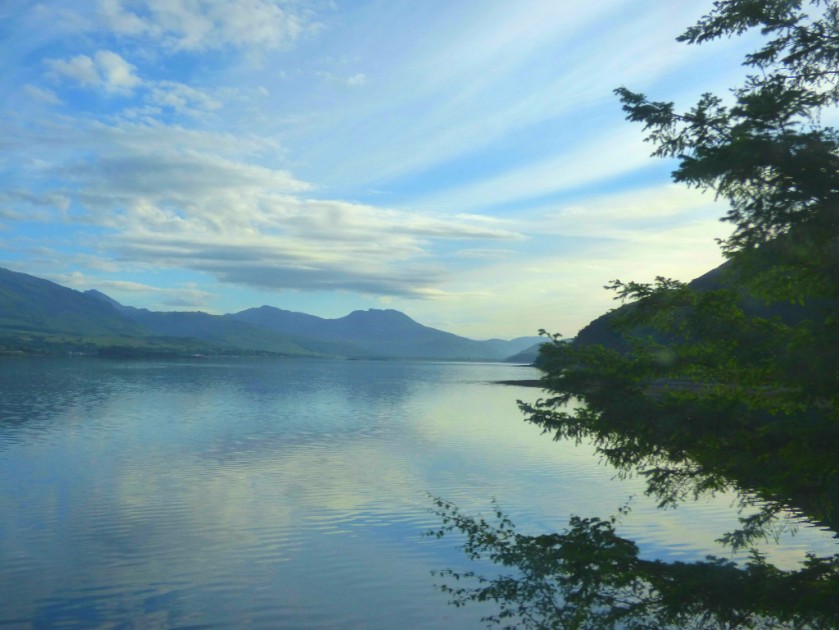
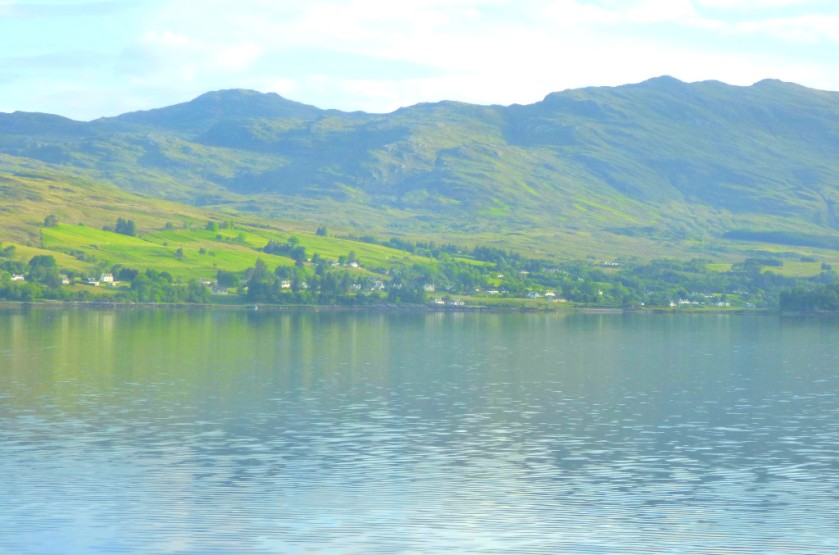
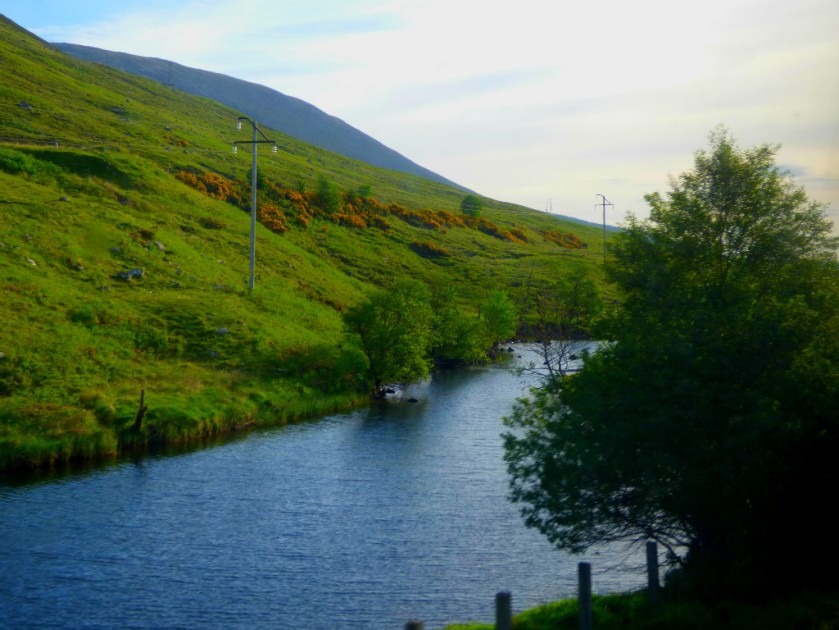
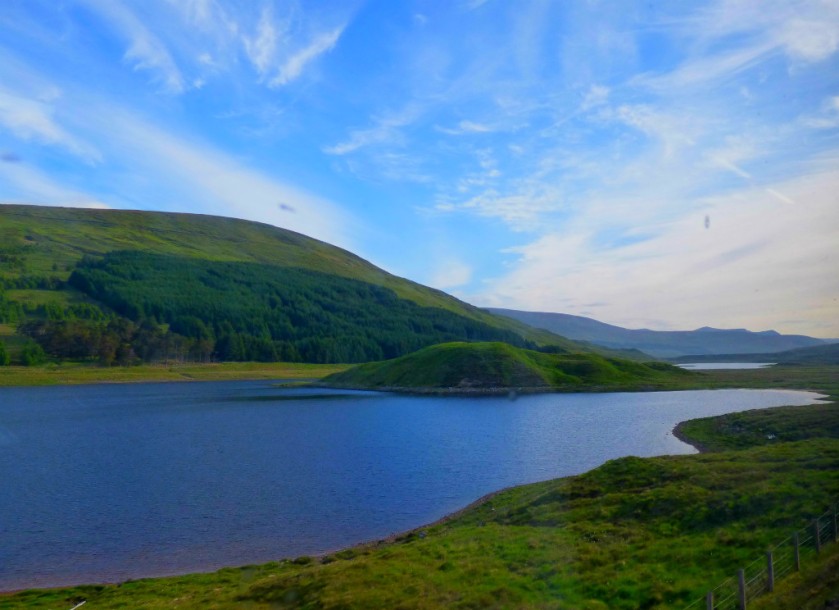
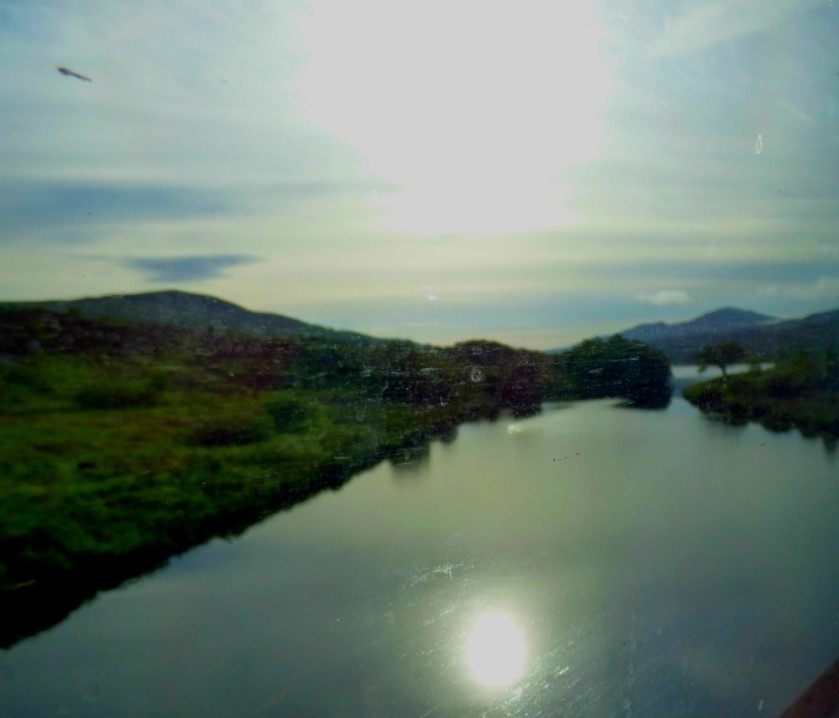
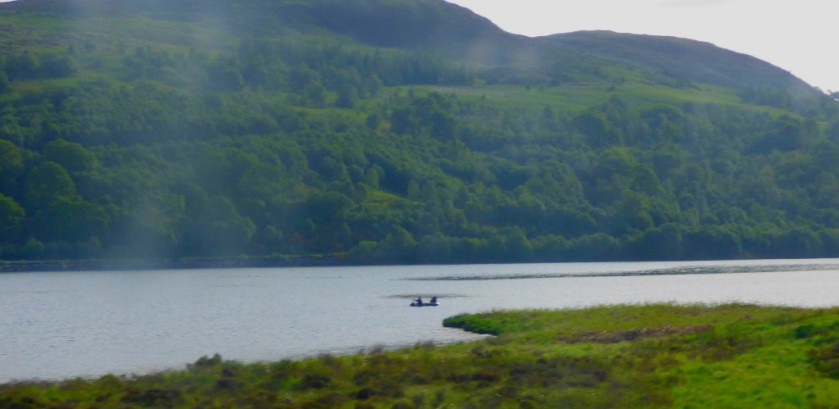
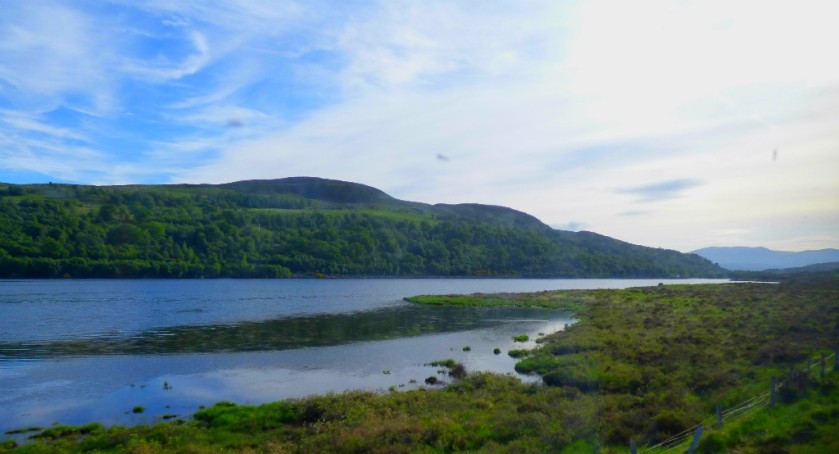
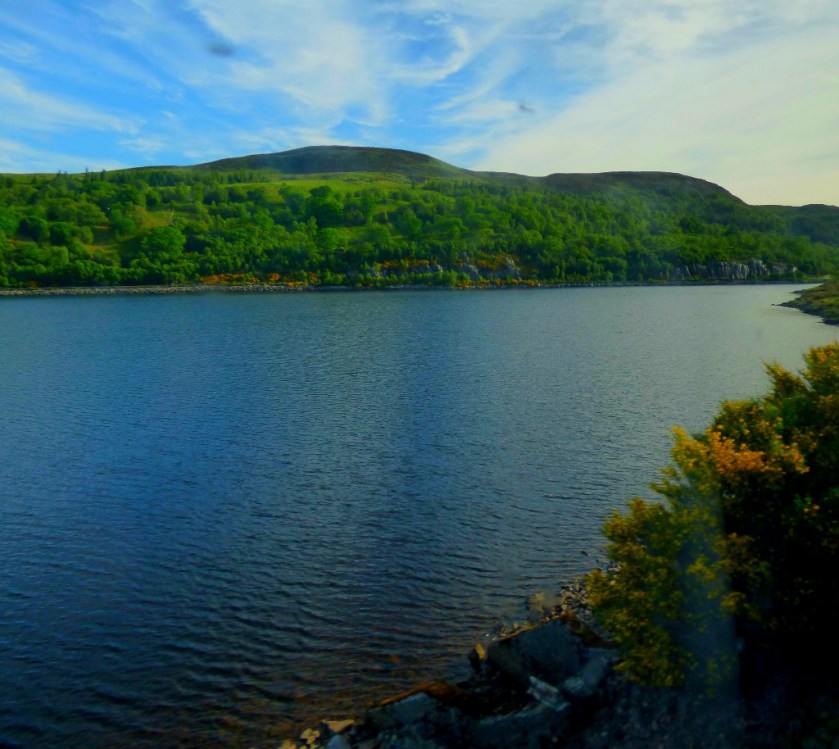
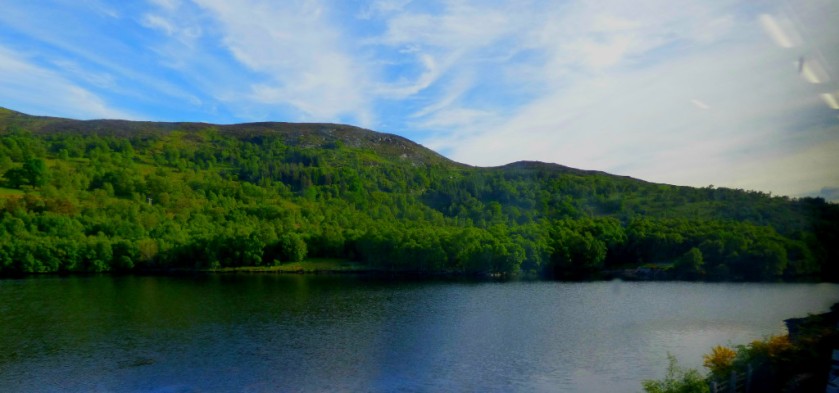
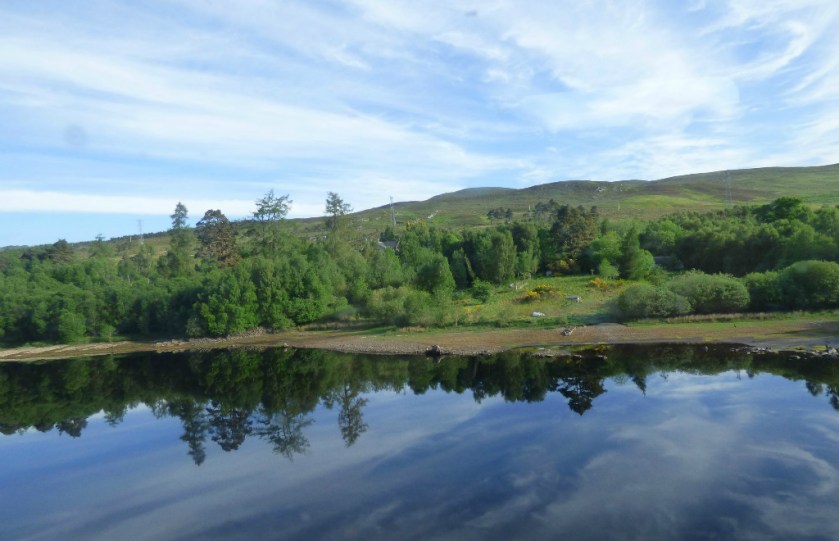
This part of the journey is not as impressive as its predecessor, but I did still get some good pictures.
Starting the account of my homeward journey. This post covers the first part of the Kyle of Lochalsh to Inverness rail route.
INTRODUCTION
Welcome to the latest post in my series about my Scottishholiday. This post starts the account of the homeward journey. We are looking at Saturday June 3rd for the record.
WHY LOCHLUICHART?
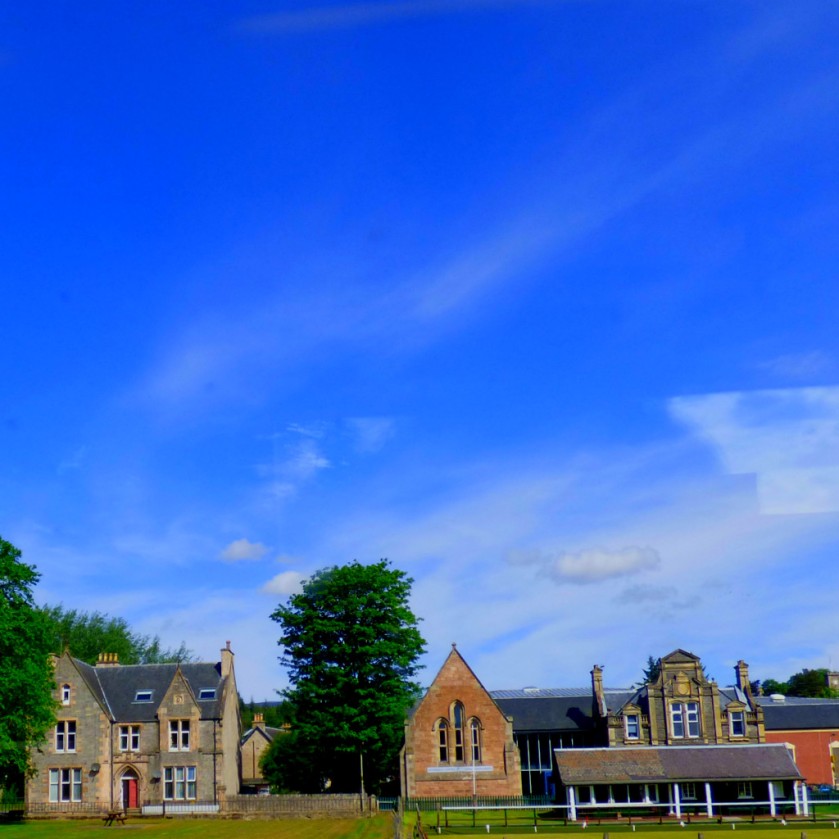
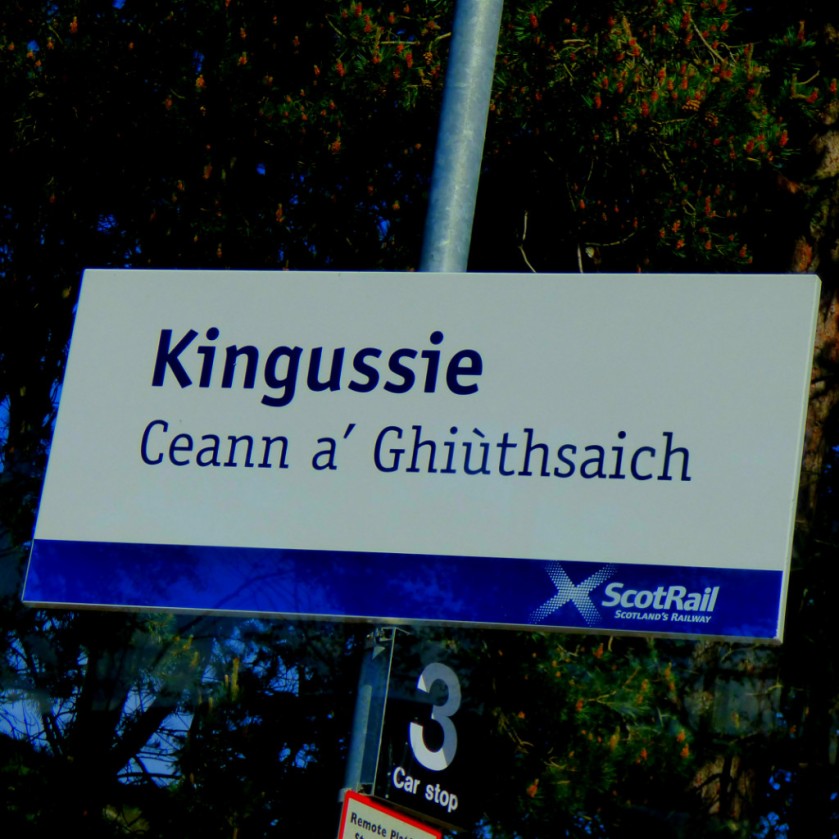
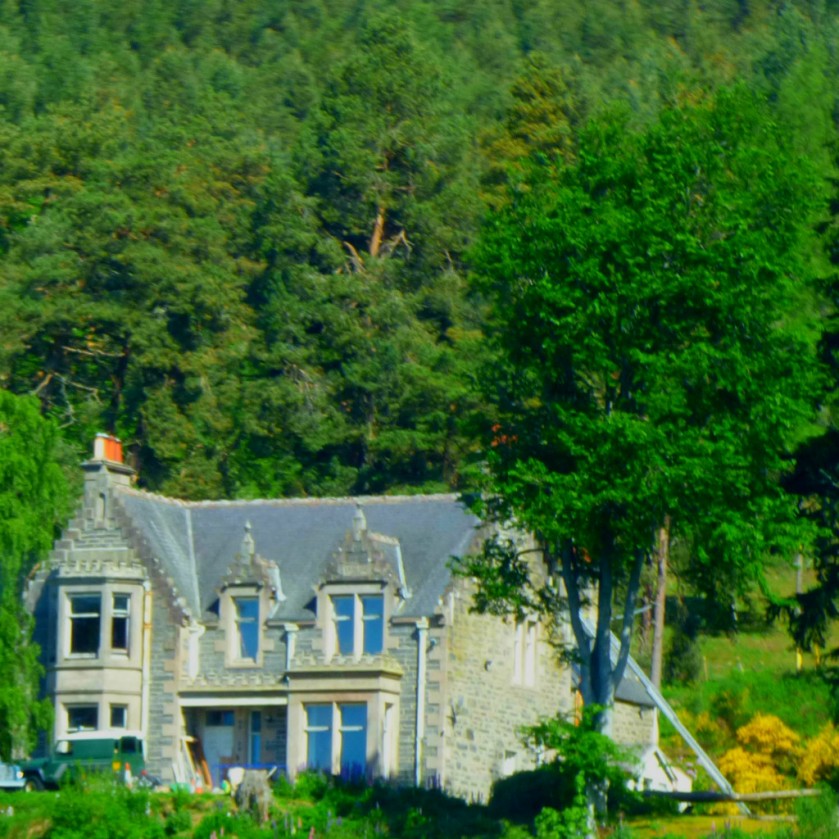
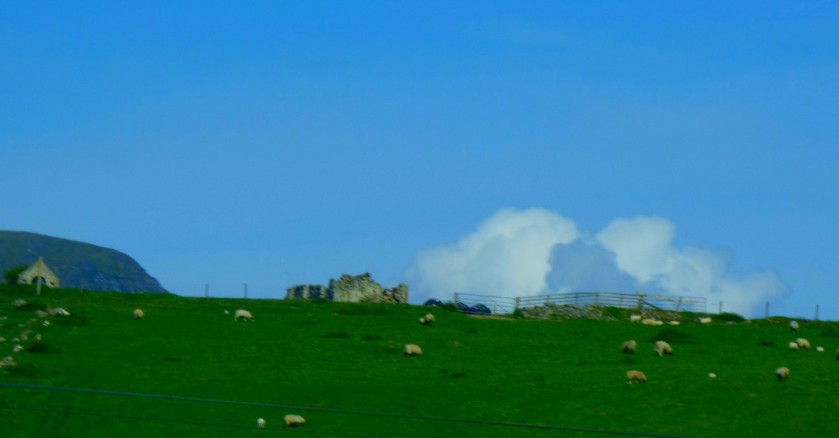
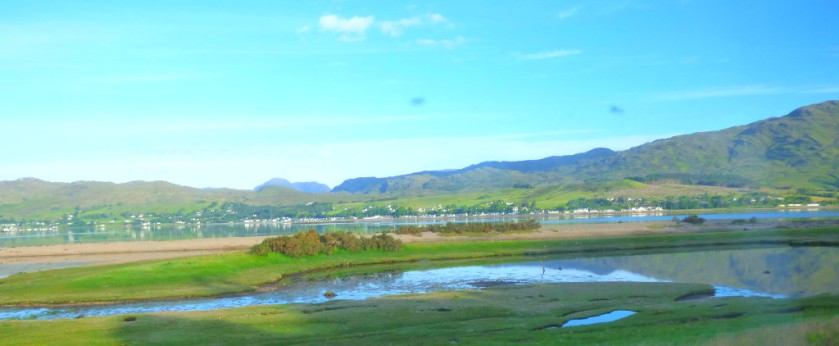
Those who recall my post Getting There, will remember that on the outbound journey I had to travel on a replacement bus rather than the railway line for the Inverness to Kyle of Lochalsh leg of the journey. For the return journey I was on the train, and the railway route is far more scenic than the road route. Thus, this section of the journey warrants more than one post. As for the actual selection of a break off point, Lochluichart stuck in my mind both because of its name and because a large party of students (school or FE I think) who had clearly been on a field trip in the region boarded the train at that station.
DEPARTURE
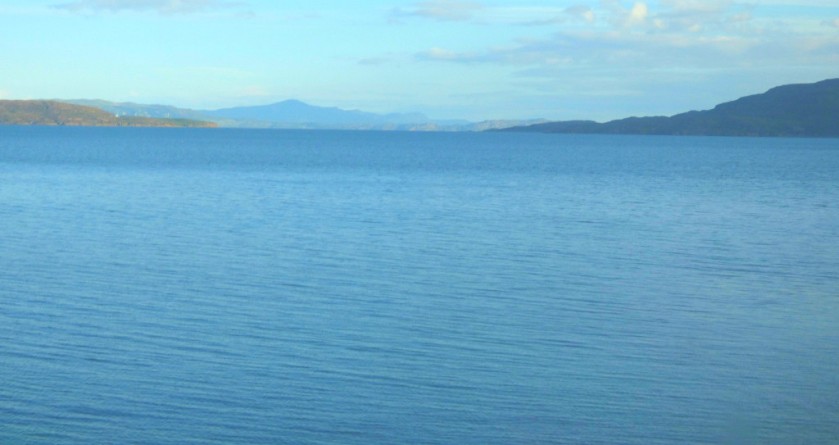
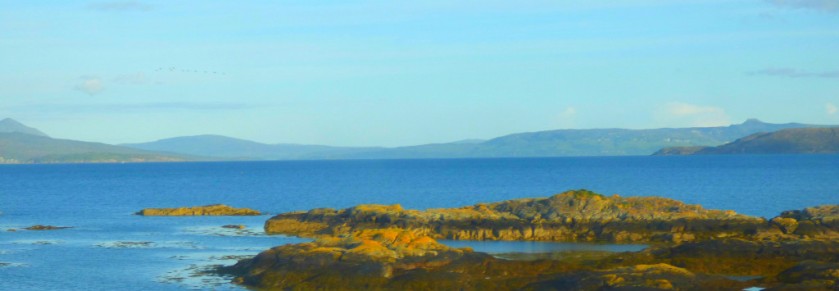
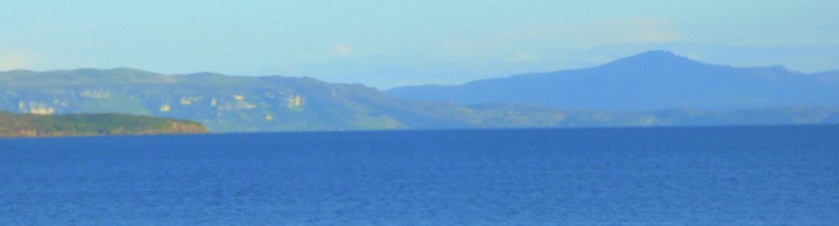
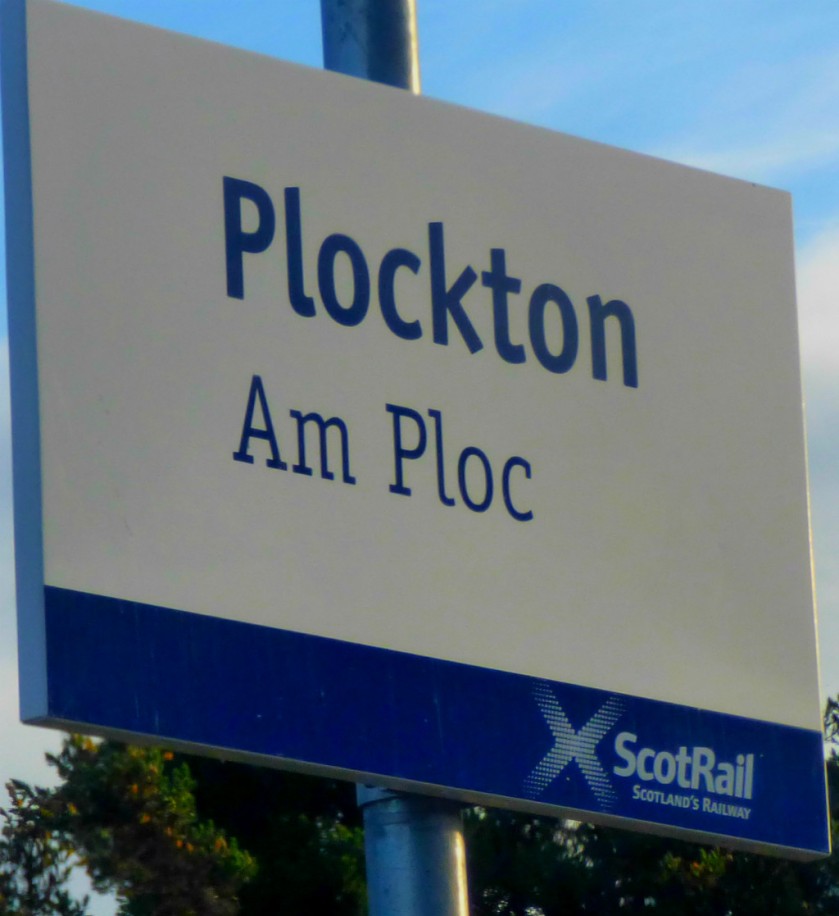
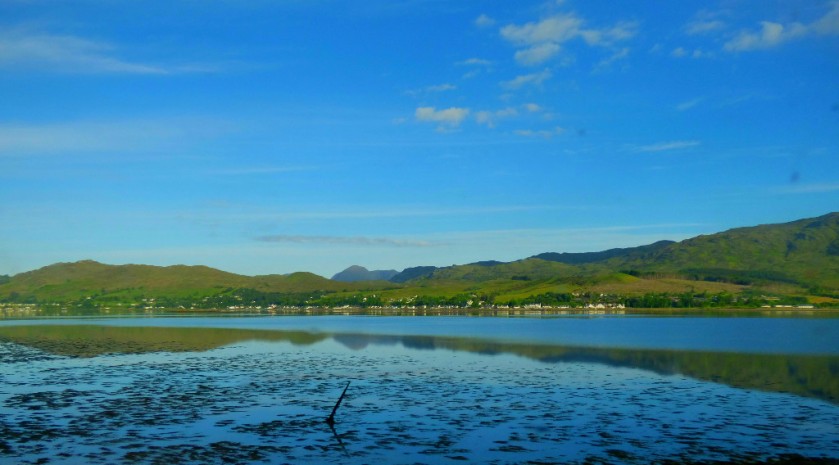
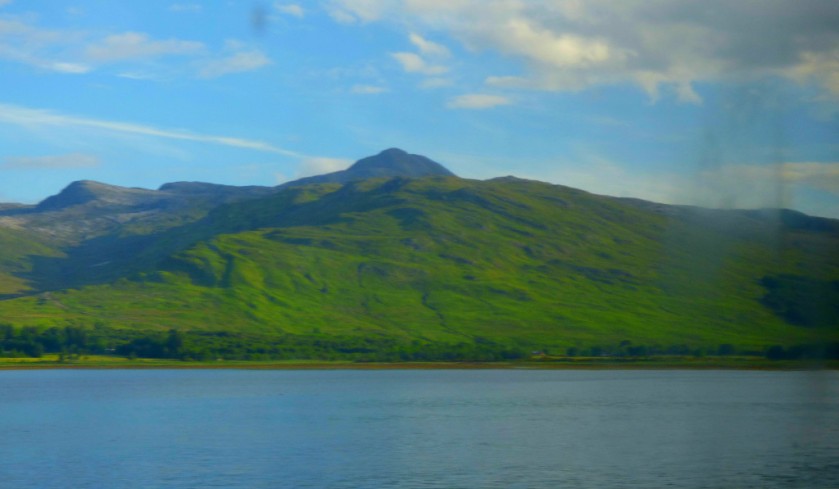
I had set the alarm on my phone, but being me actually did not need it, waking up before it was due to go off. Transferring sandwiches and bottle of cooled tap water from the fridge to the bag I intended to keep with me at all times accomplished, my parents were ready to give me a lift down to the station at Kyle of Lochalsh, and we arrived there nice and early. I had been assigned an aisle seat, but the train not being over full (this was a train leaving at 6:11 on a Saturday morning after all) I moved to a vacant window seat later in the journey. As far as Plockton we were of course in an area that I had seen a lot of over the previous week, but the view from the train gave a different perspective.
PLOCKTON TO STROMEFERRY
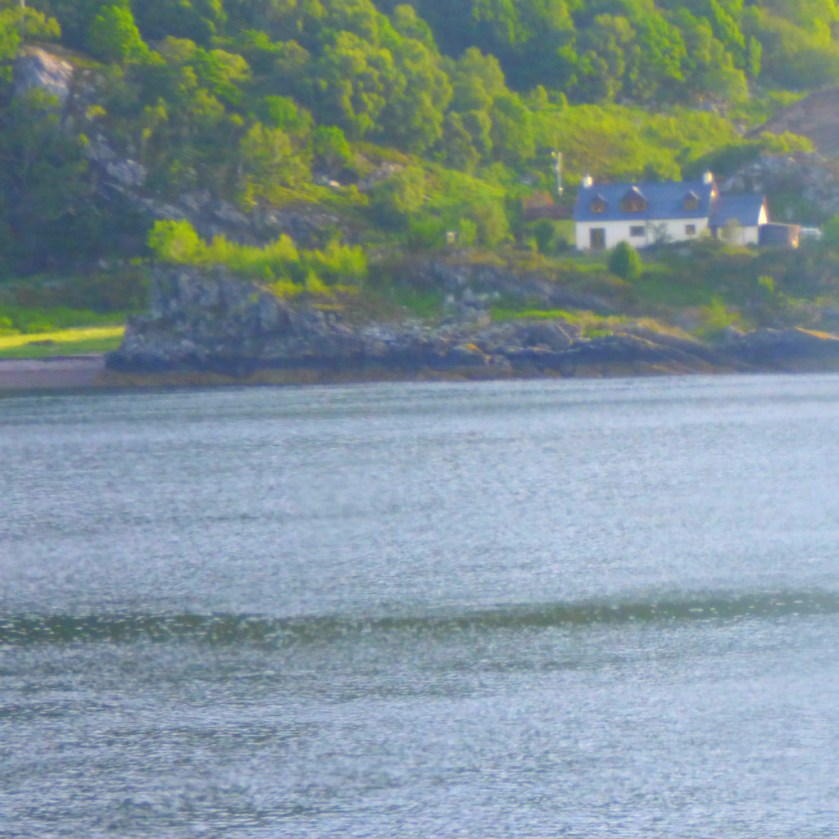
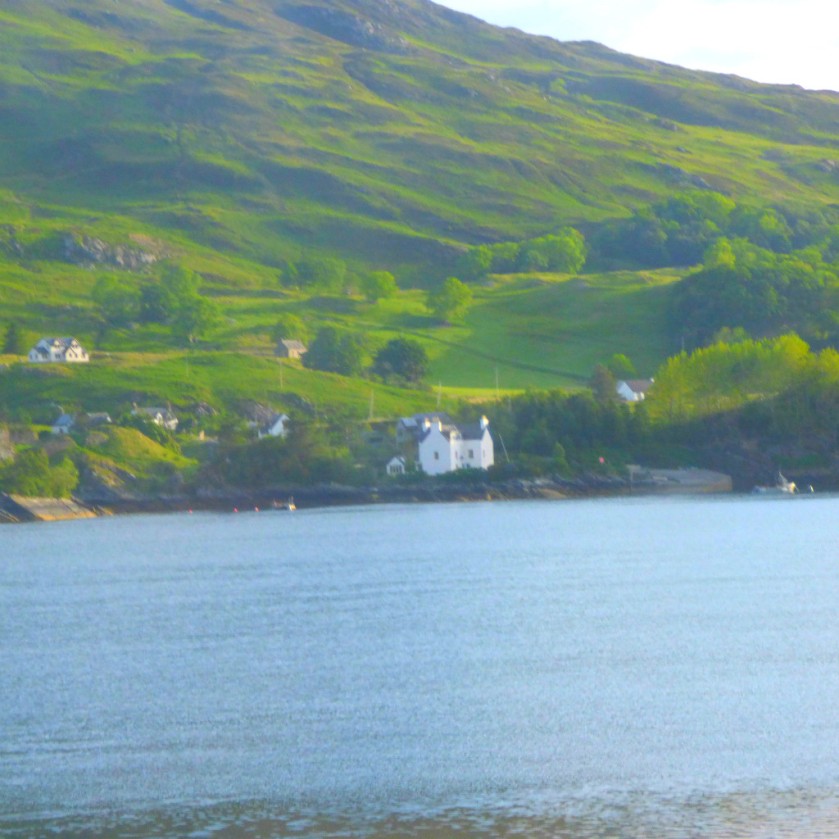
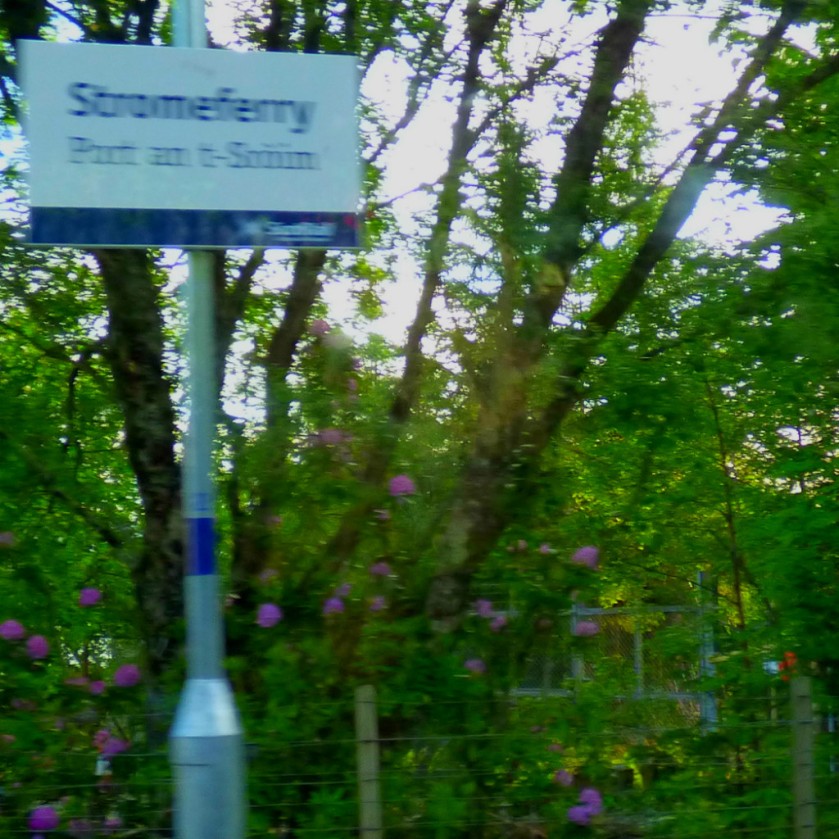
As one of the photos in my post about Plockton shows, Stromeferry was the original western terminus of the line when it opened in 1870, the Kyle end of the line only opening in 1897. The segment of line between Plockton and Stromeferry is very scenic indeed:
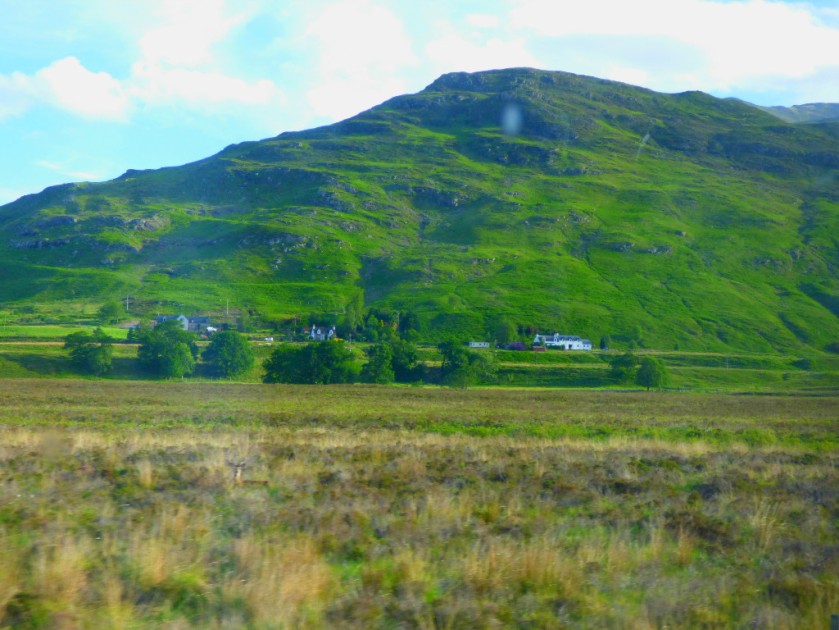
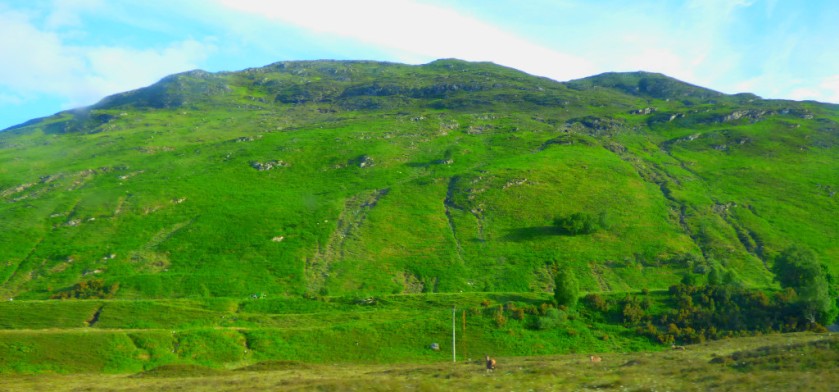
STROMEFERRY TO STRATHCARRON
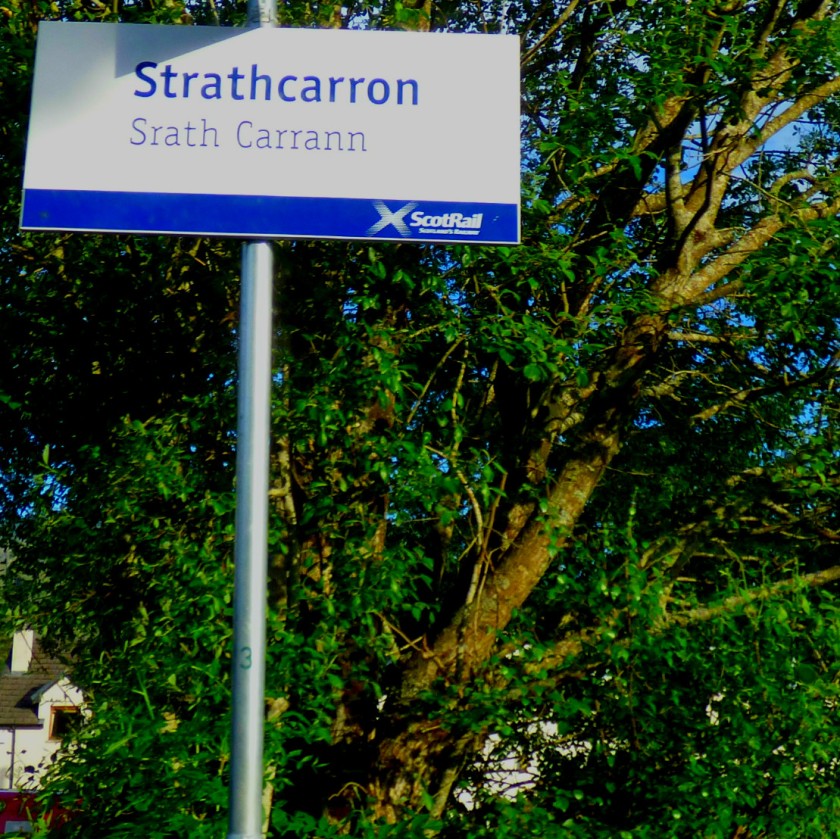
From Stromeferry the line heads to Strathcarron, the largest settlement in the vicinity of Loch Carron.
STRATHCARRON TO ACHNASHEEN
After Strathcarron, through which we passed on the road route to Applecross – see these posts:
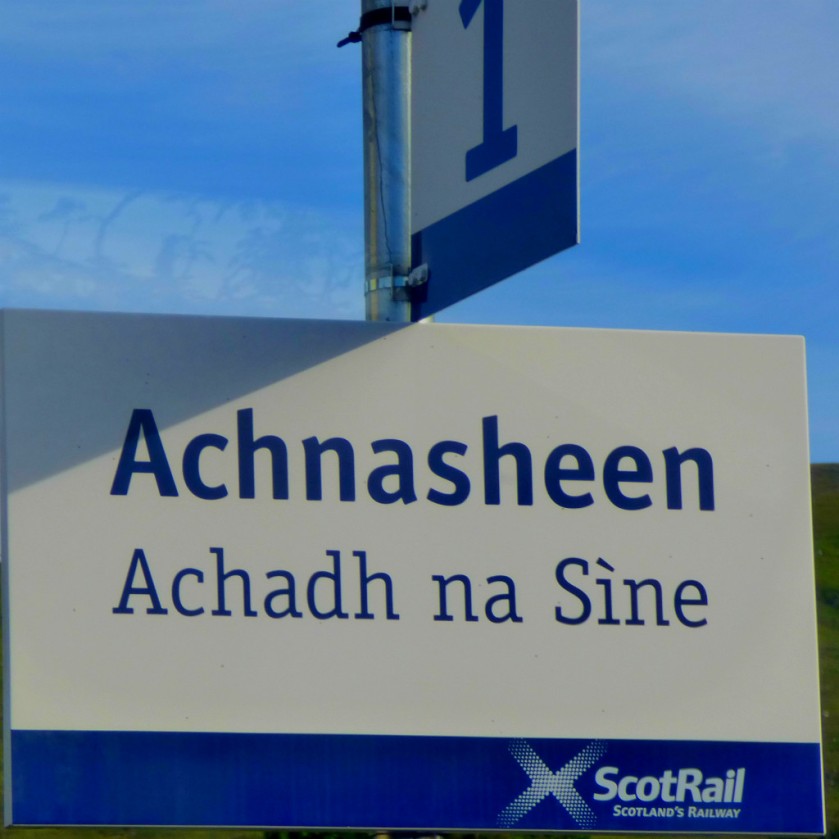
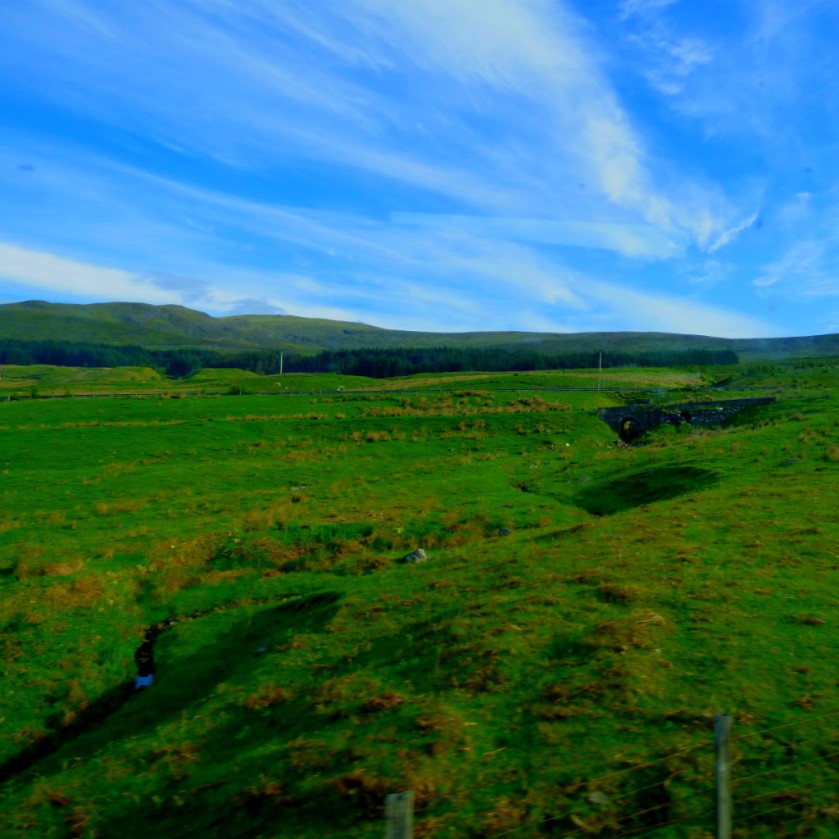
the railway route diverges from anything previously covered as it head rounds to Achnasheen.
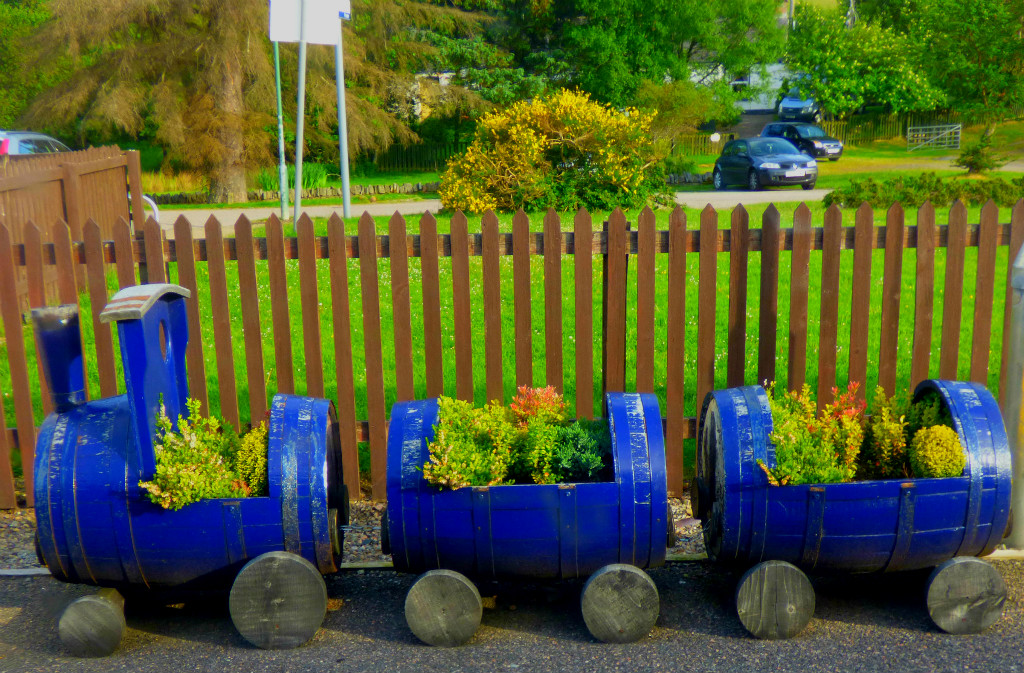
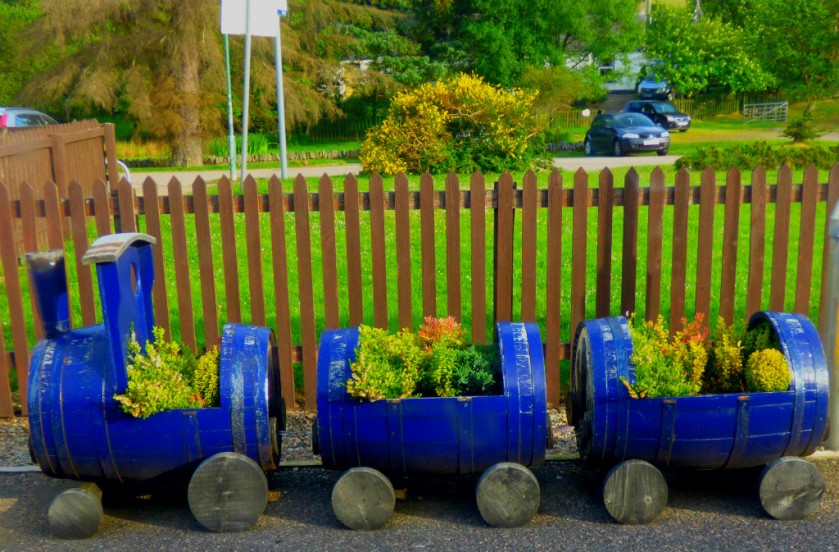
Spot on for a floral display at a train station!
ACHNASHEEN TO LOCHLUICHART
As we approached Lochluichart I was amazed to see the platform of this tiny station in the middle of nowhere looking crowded. It turned out that it was the student group referred to in the preamble to this post, and the rest of the journey to Inverness was rather less quiet than hitherto!
Welcome to another installment in the series about my Scottish holiday. This post deals with one particular aspect of the whole week.
THE ISLE OF SKYE BREWERY PRODUCTS
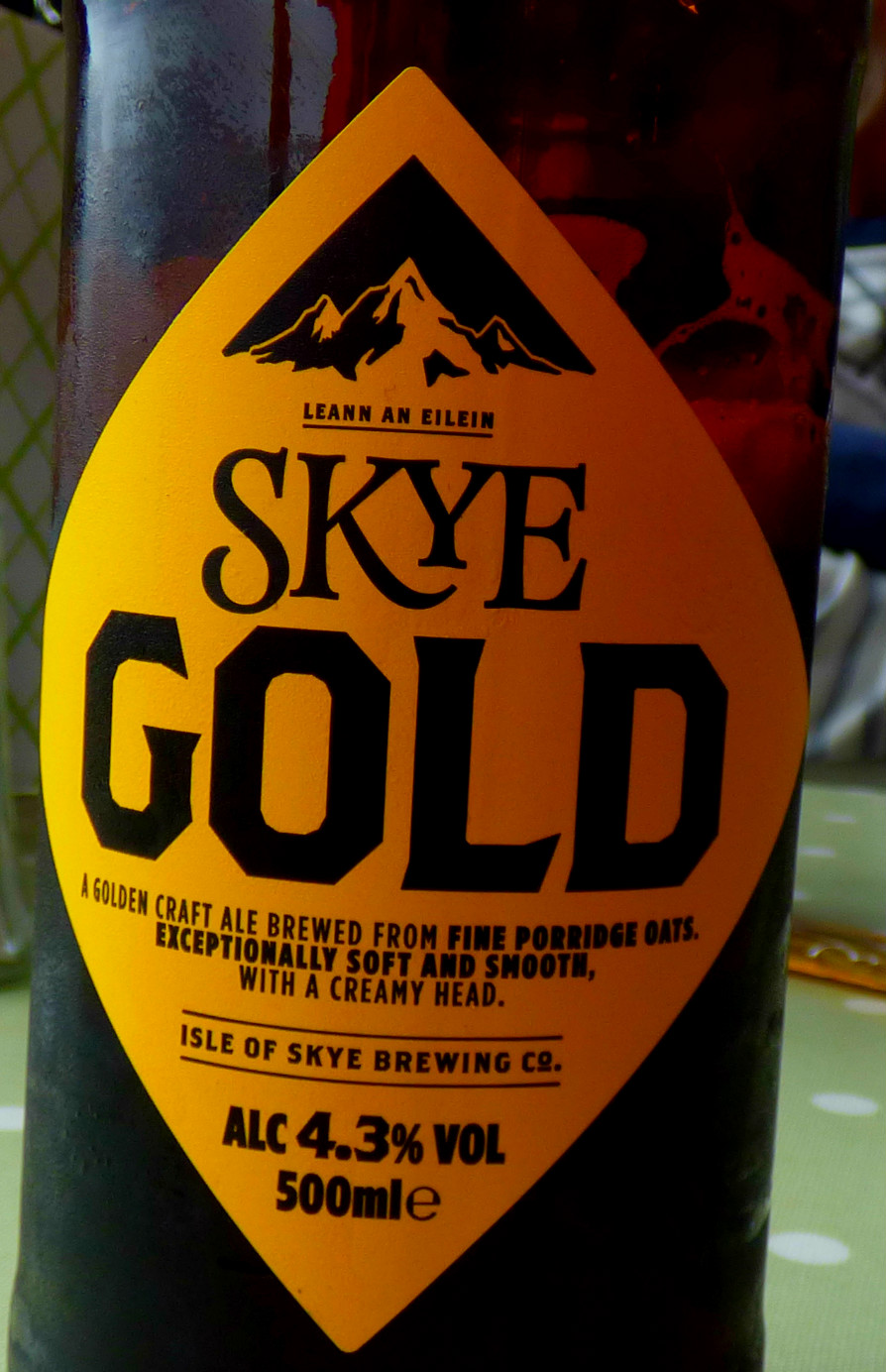
My first encounter with the products of this local brewery which specialises in craft ales was on the Saturday, at Hector’s Bothy. I also sampled some of their product at lunch on the Isle of Skye on the Tuesday, and a selection box of four bottles from Kyle of Lochalsh Co-op enabled my to broaden the range of my sampling. All these ales have a strength of between 4 and 4.5%. Here now are my findings about each the ales I drank:
Skye Blaven (blue label on bottle): a perfectly fine craft ale, albeit the least impressive of this particular selection.
Skye Red – a rich, full flavoured drink. The fact that I rated this one third of the four is credit to the top two, not in any way discredit to this one.
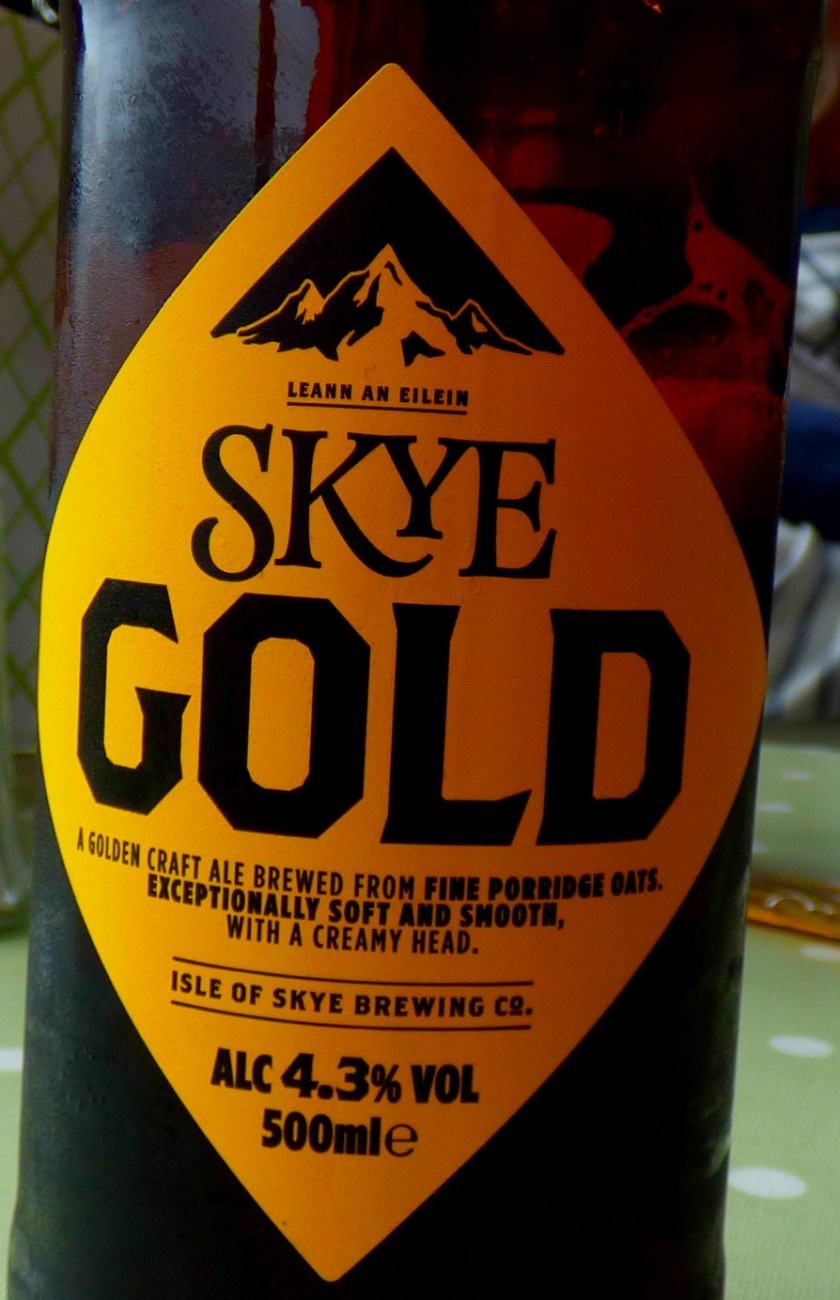
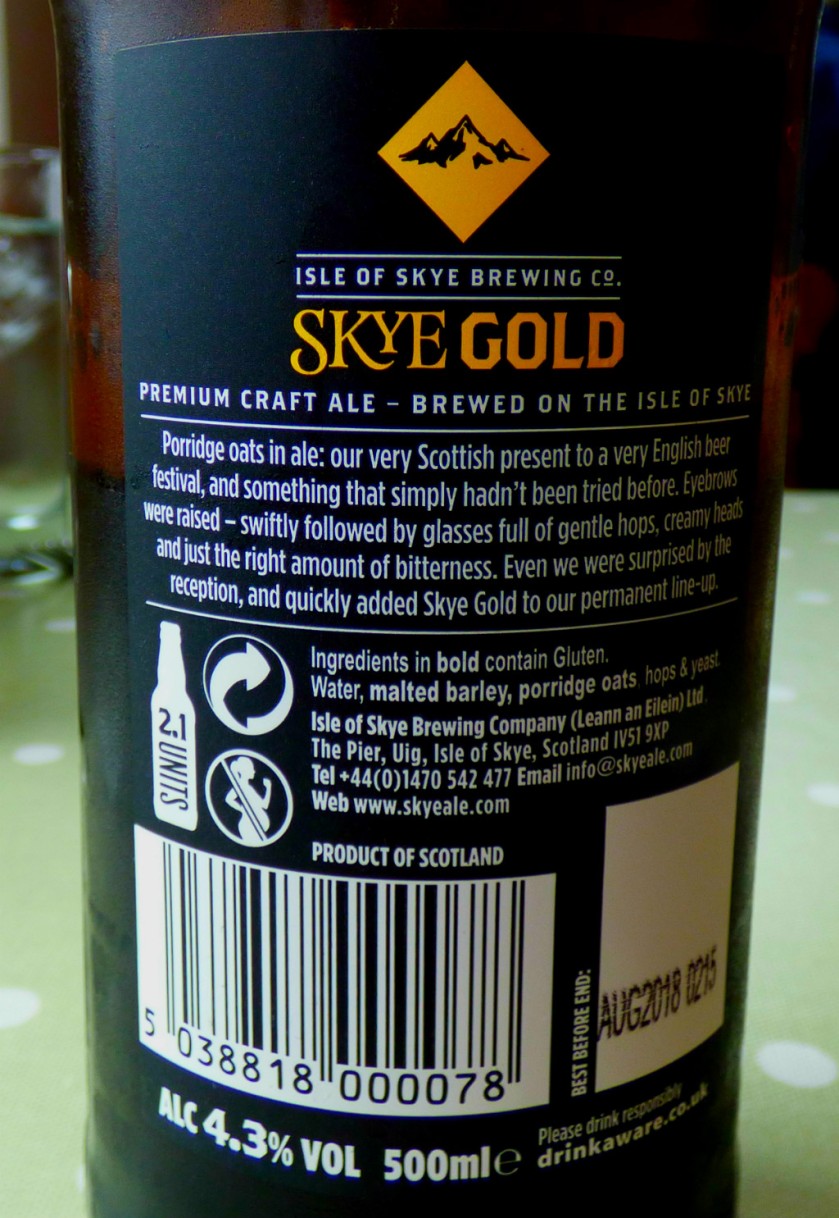
Skye Gold – a heavily hopped ale which also features a highly unusual ingredient – porridge oats. This is a delicious drink, and it would require something special to keep this one out of the top spot, but fortunately for me this brewery has something else that is not merely special but absolutely unique…
Skye Black – a unique craft ale, because it contains oatmeal. The result of the combination of the oatmeal with malted barley, hops, yeast and water is a truly remarkable drink. Imagine the finest stout you have ever encountered and then ramp the quality up from that and you get somewhere close to just how good this drink is.
At some stage in this series I will be producing a post about the craft ales produced by the Skye brewery.
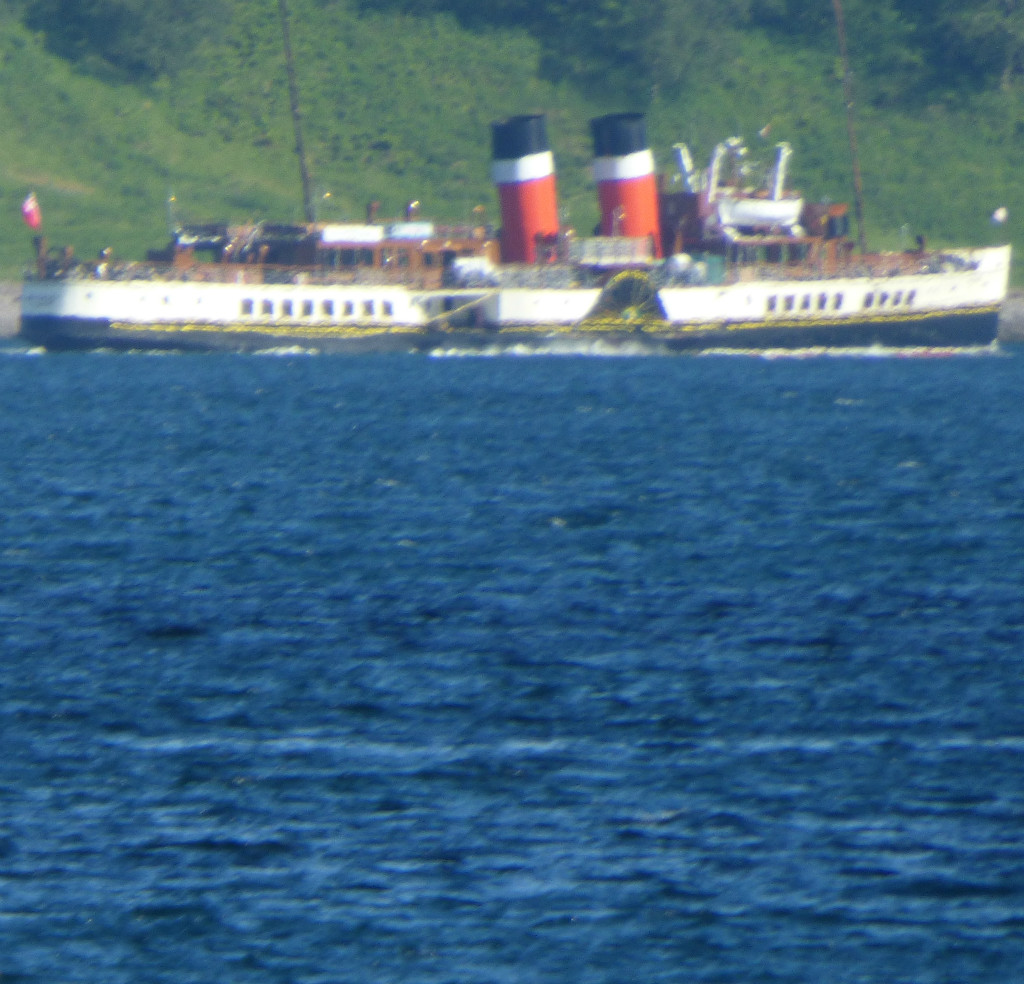
A post dedicated to the world’s last ocean going paddle steamer.
INTRODUCTION
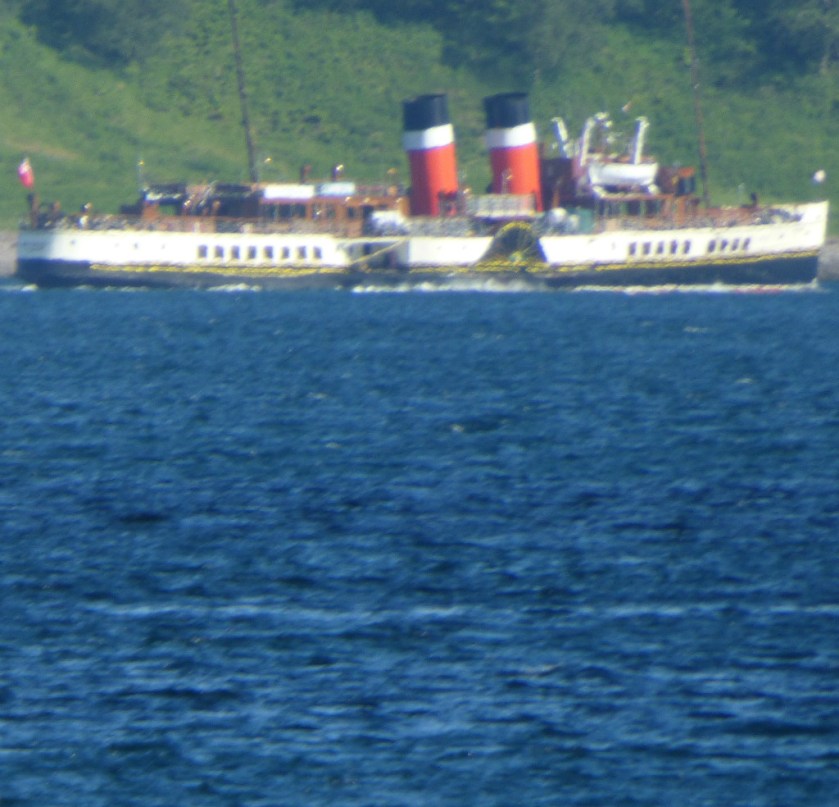
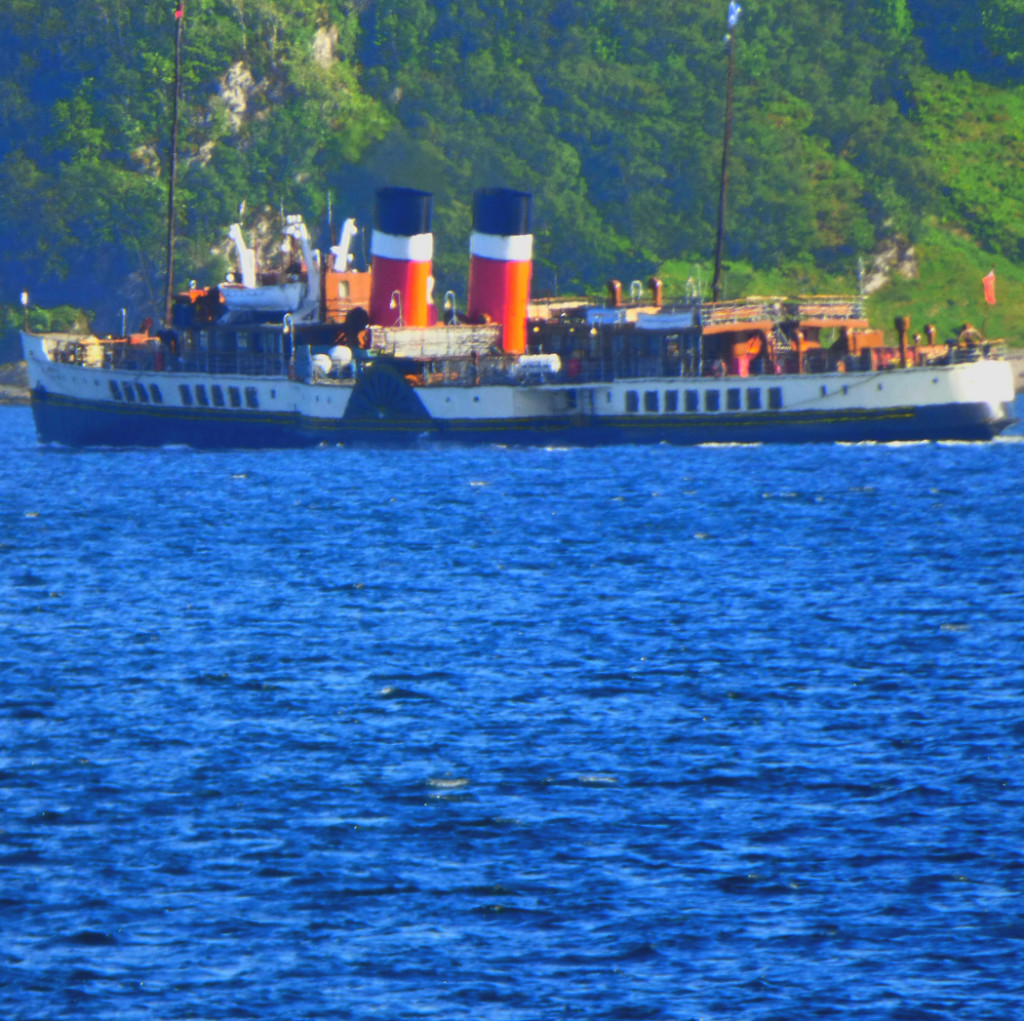
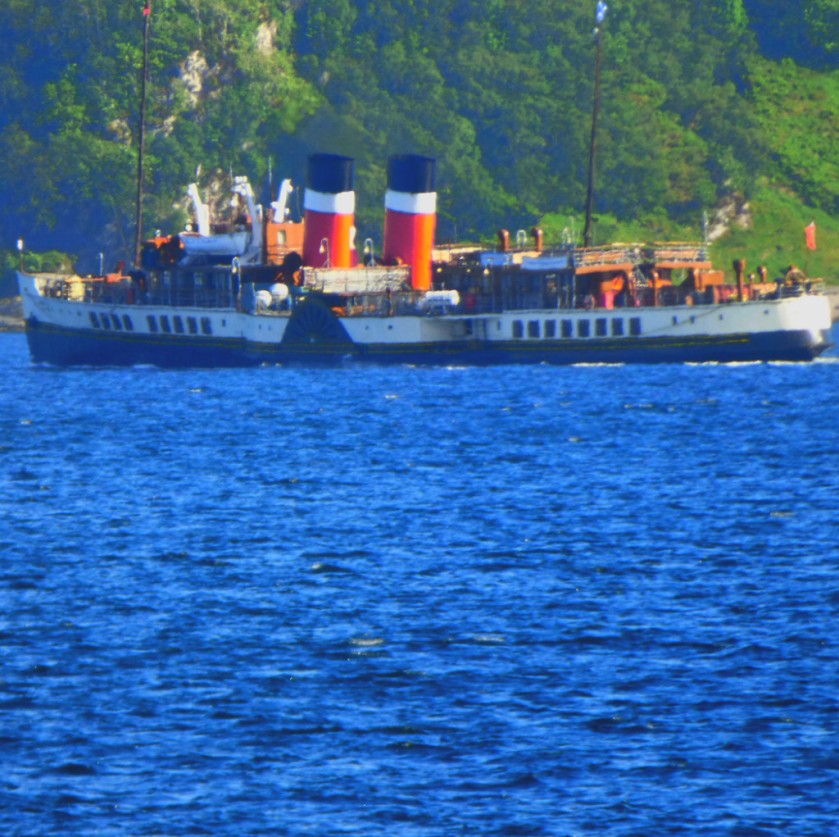
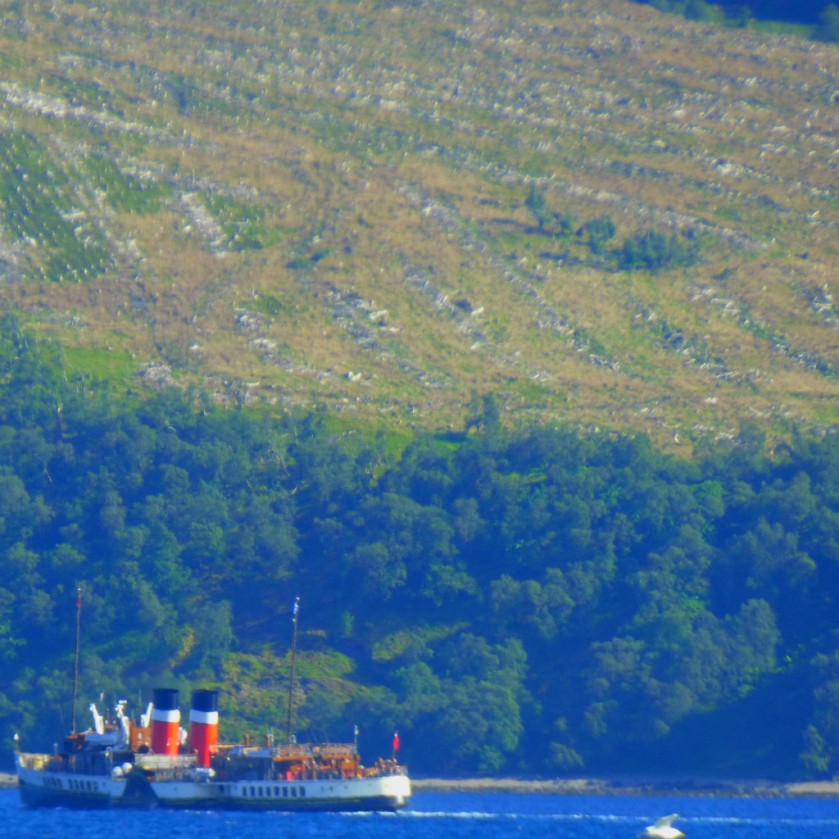
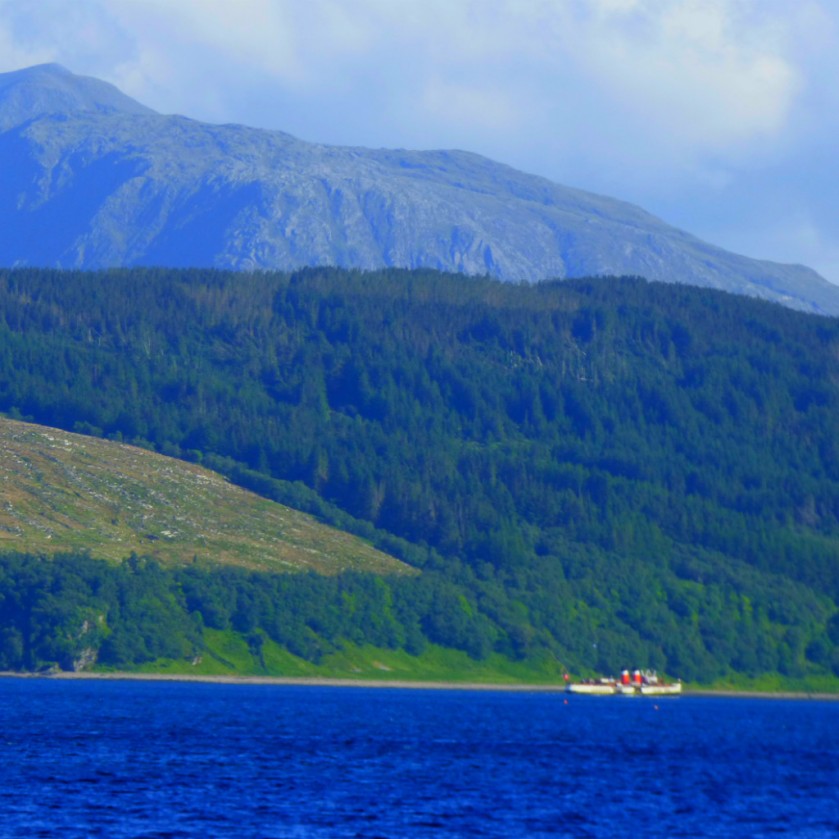
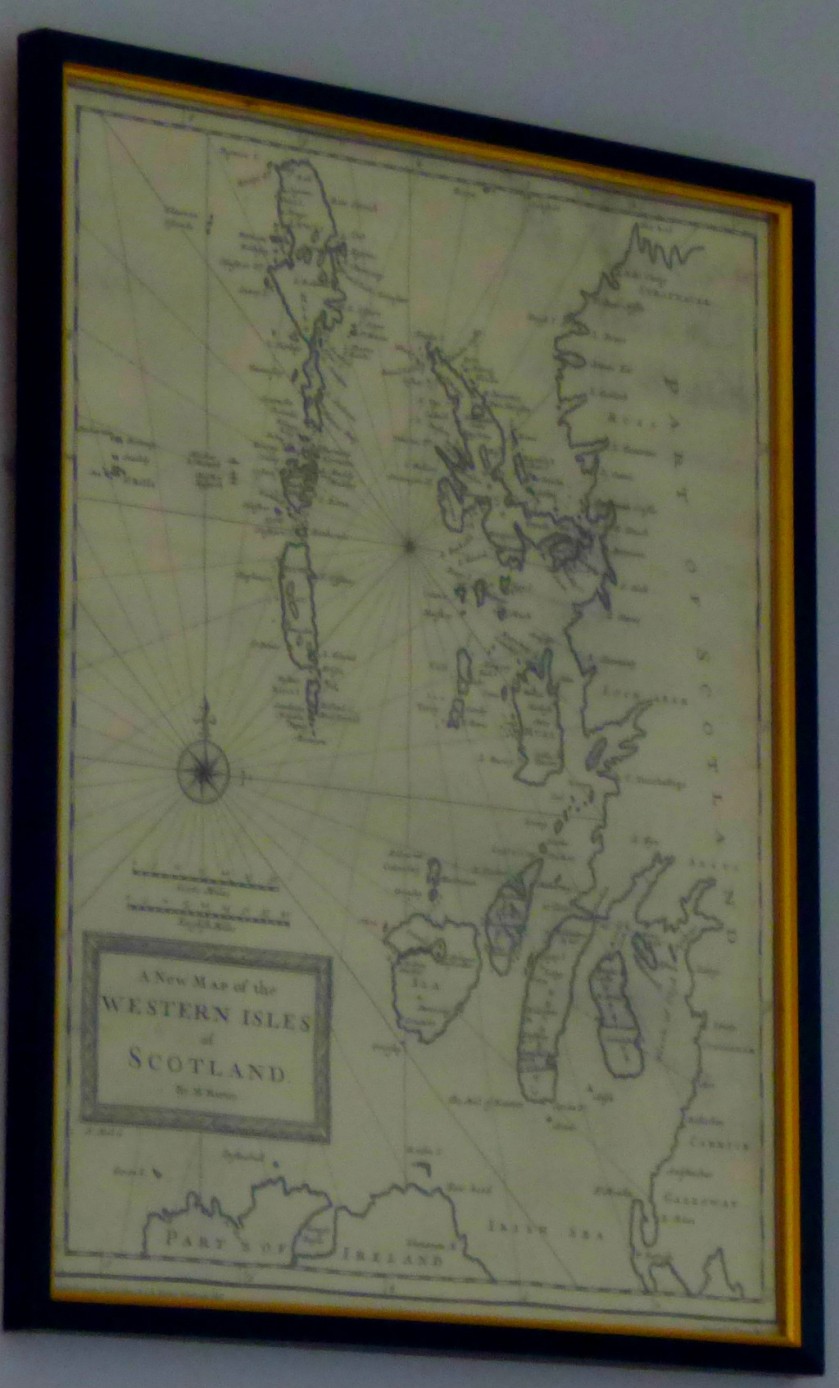
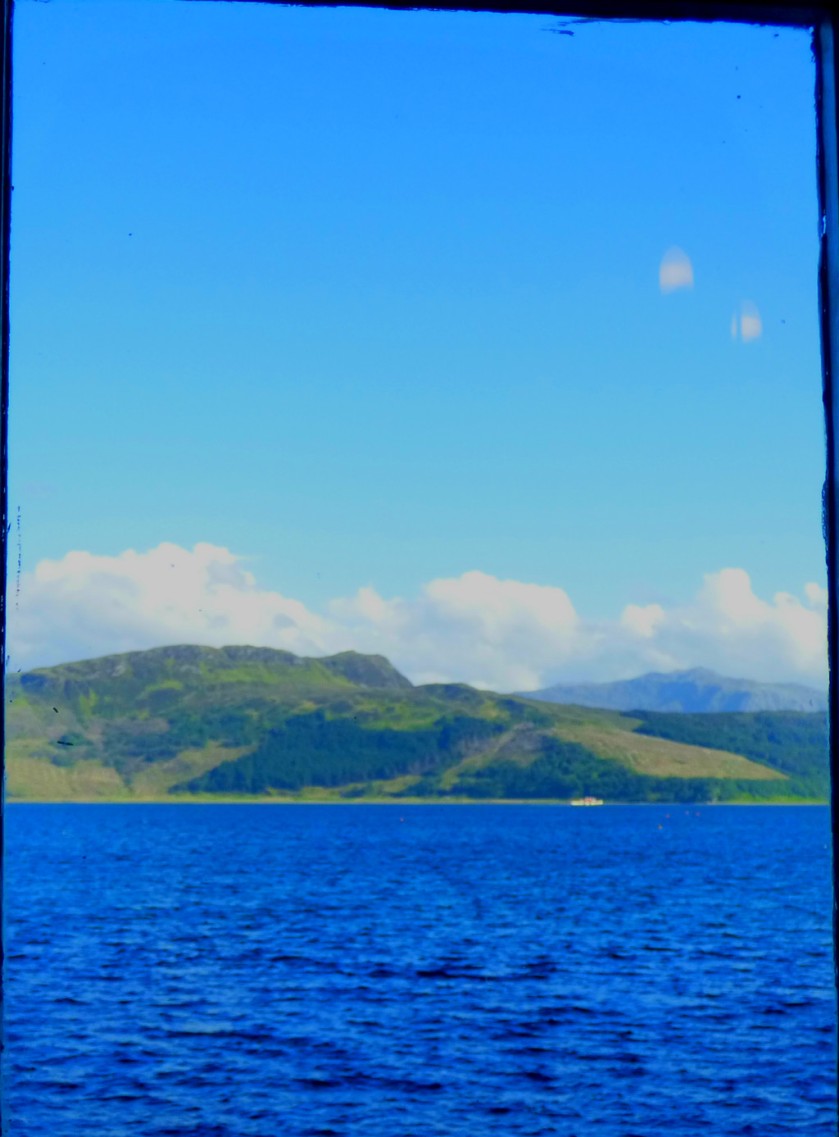
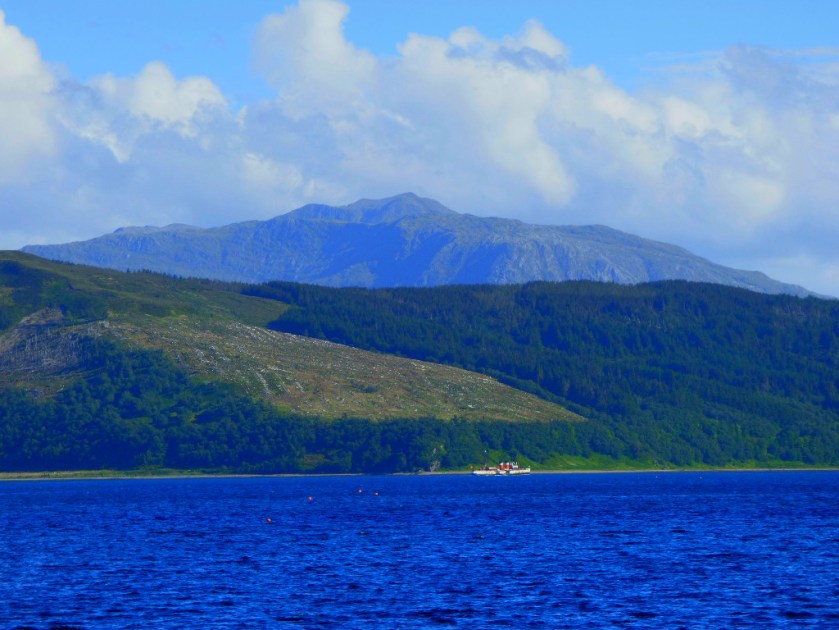
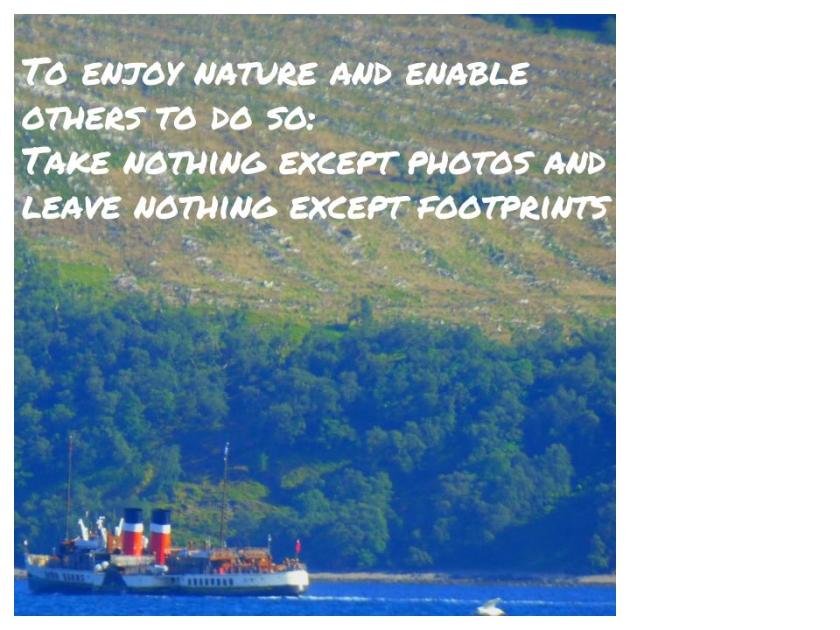
Welcome to another installment in my series about my holiday in Scotland. The steamer has been mentioned/ shown in various previous posts (Setting the Scene,The Museum of All Shells and Friday Overview) but this one is dedicated to it. There are a few other pictures as well.
THE STEAMER
Alighting from my parents camper van in Kyle of Lochalsh I was just too late to get the whole steamer in shot, but I did get this picture:
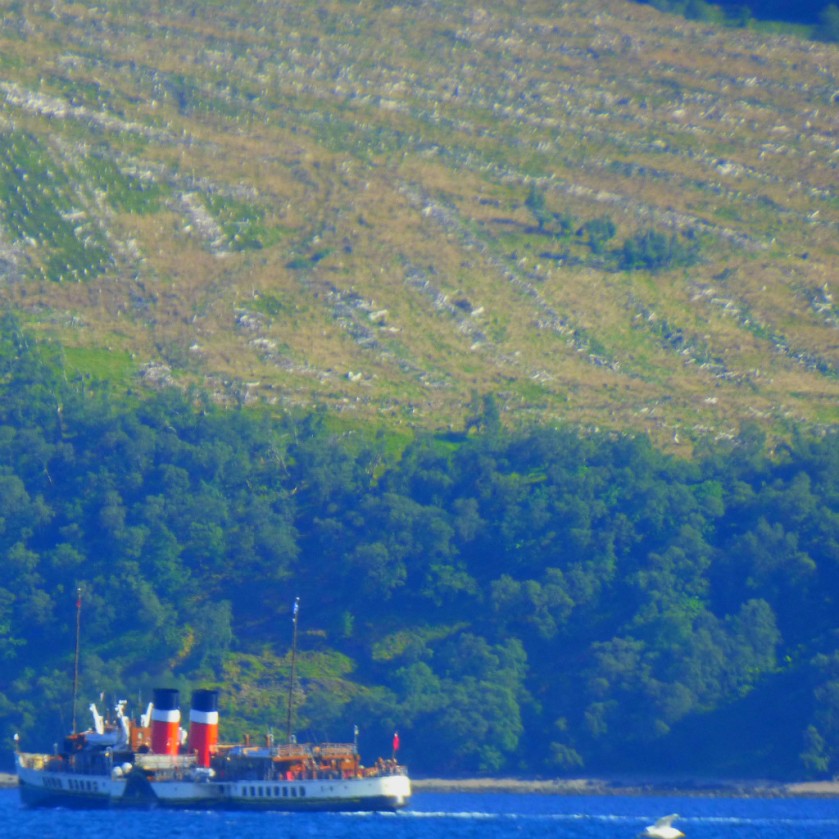
I had not expected to see it again, not knowing the route it would be taking, but that evening it passed by Ferry Cottage, all be it on the opposite side of Loch Alsh, so I was able to get plenty more pictures of it.
SOME EXTRA PHOTOGRAPHS
Here are the remaining photographs from Friday evening.
An account of the Murchison Monument and our second visit to Balmacara Square.
INTRODUCTION
This post continues the coverage of the Friday of my Scottish holiday.
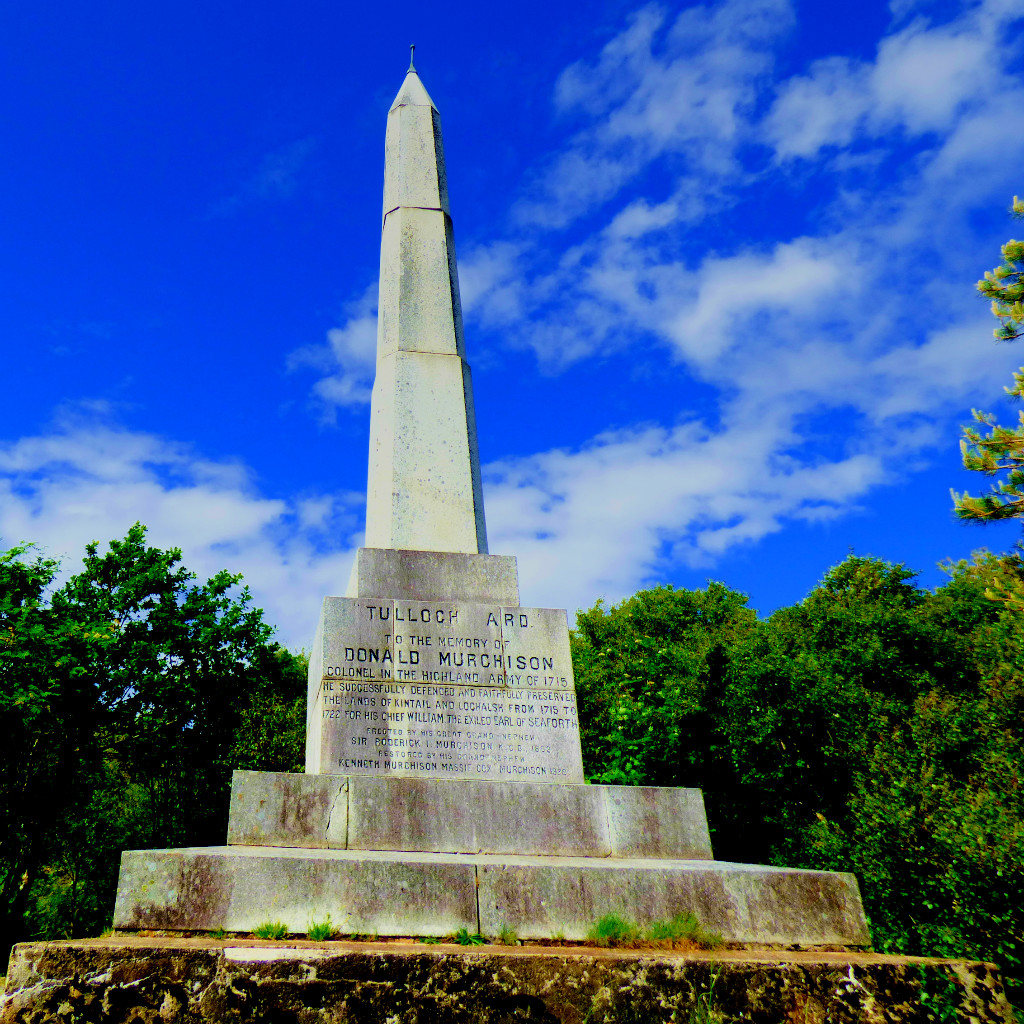
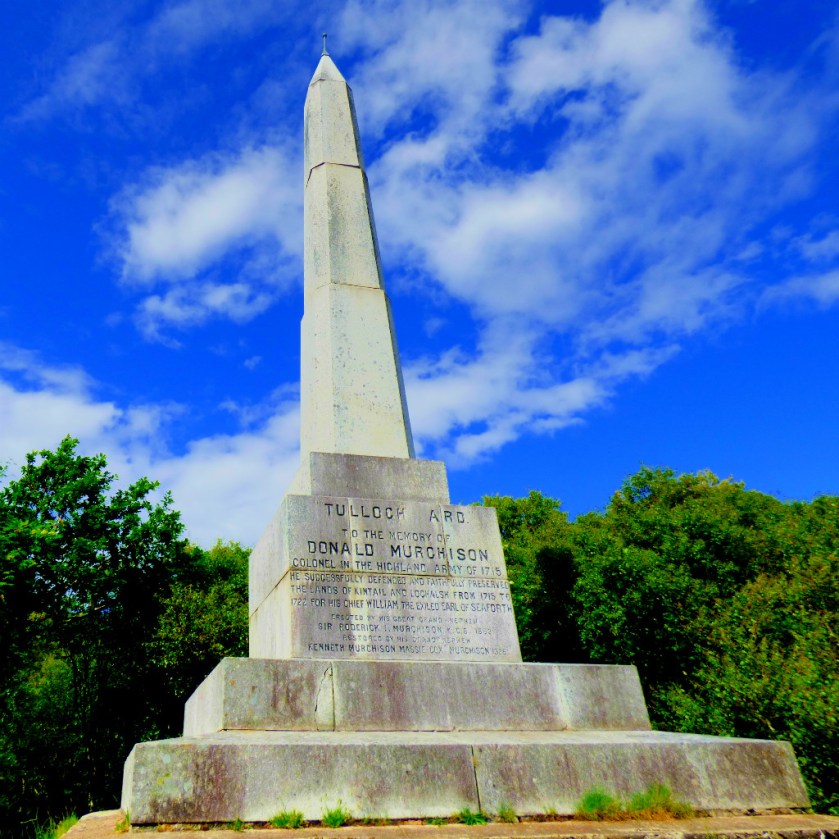
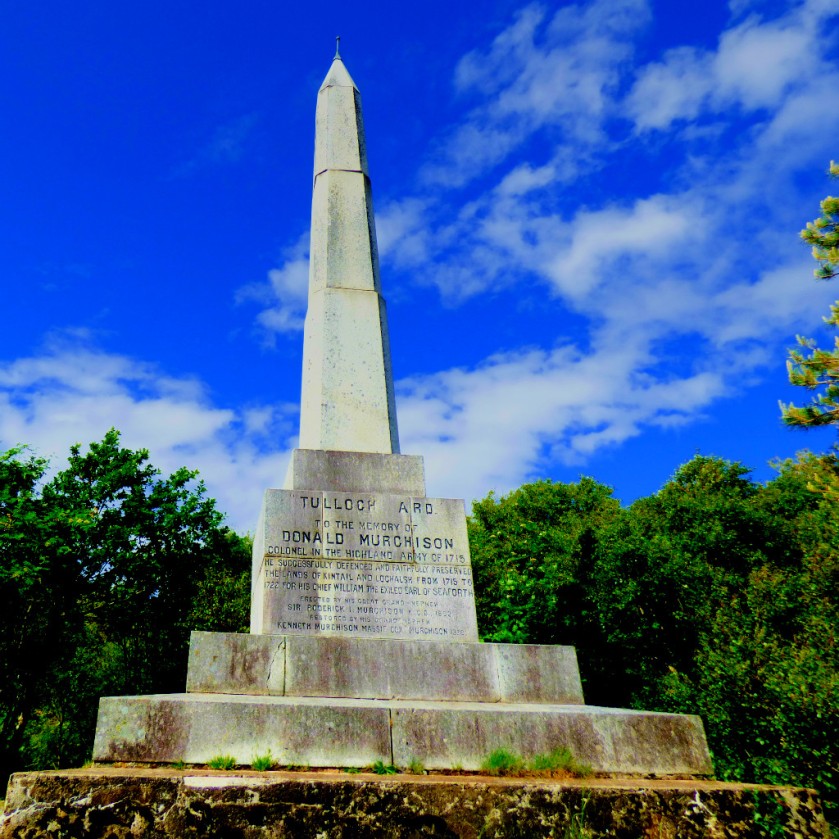
THE MURCHISON MONUMENT
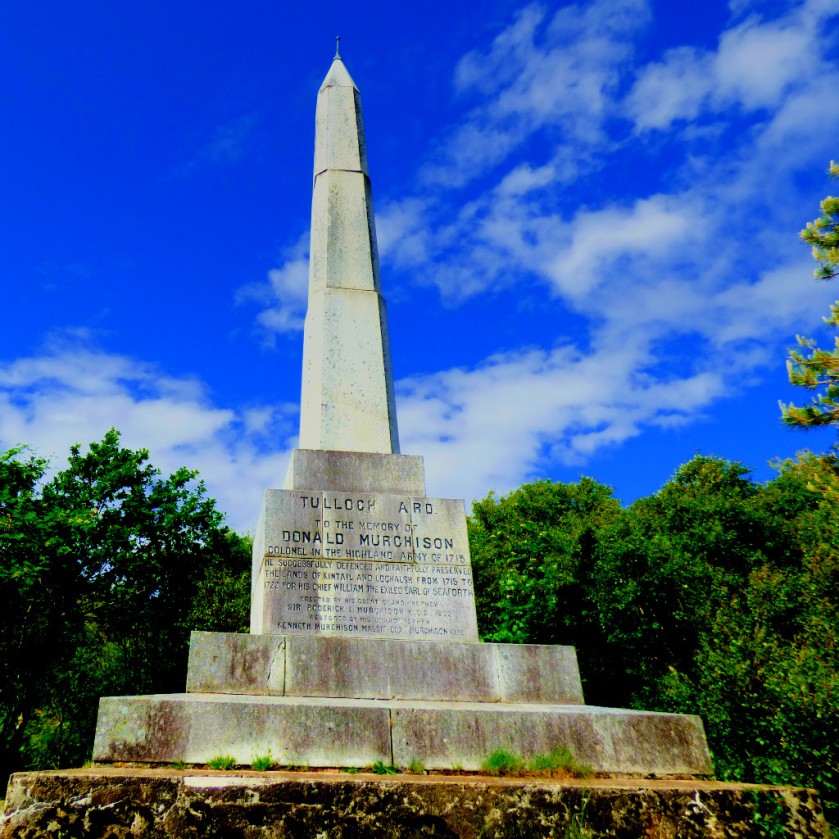
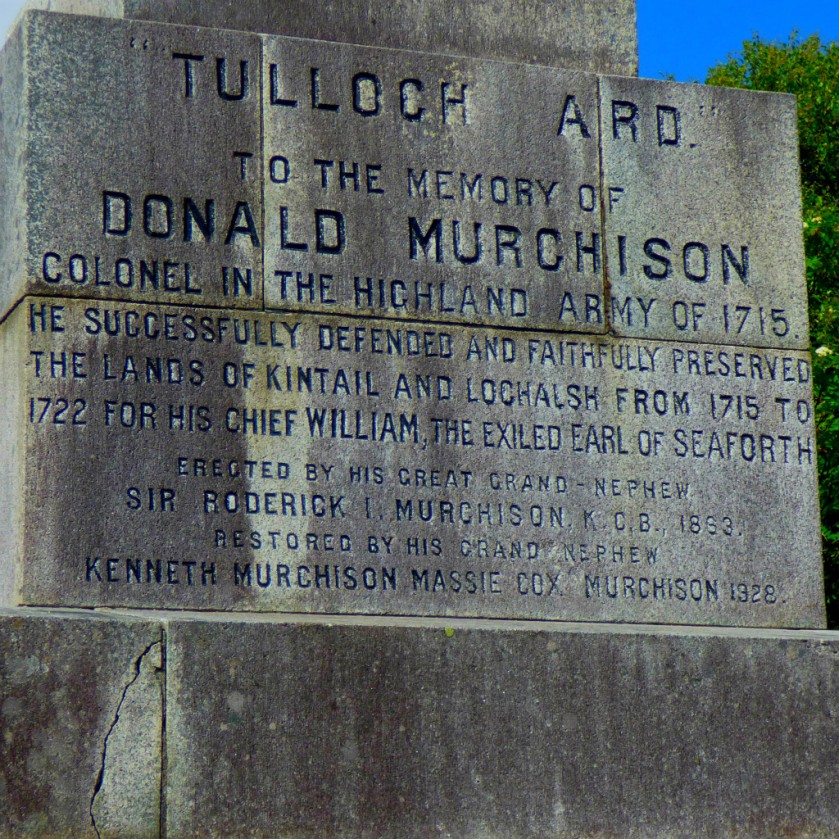
This is not in honour of geologist Roderick Murchison, who has various things including a river in Western Australia named in his honour, although it was originally erected by him, in 1853. It is instead a monument to someone who fought on the side of the Jacobites and (probably because he was not significant enough for the other side to be that interested in dealing with him) held the land on behalf of his laird.
The monument is at the end of small, midge infested path, and is quite impressive.
The first of two shots of the whole monument.
The first of two close-ups of the inscription.
BALMACARA SQUARE REVISITED
The first time we walked around Balmacara Square nothing was open, so it was good to go back when things were open. There is a coffee shop there, which we visited. Even in this tiny place in the middle of nowhere they had raised over £500 at their Macmillan Coffee Morning. There is also a photographic gallery, run by photographer Iain Turnbull. My mother purchased one of his prints.

































































































































 aspiblog