An account of a trip on the Tamar Valley line, complete with large photo gallery.
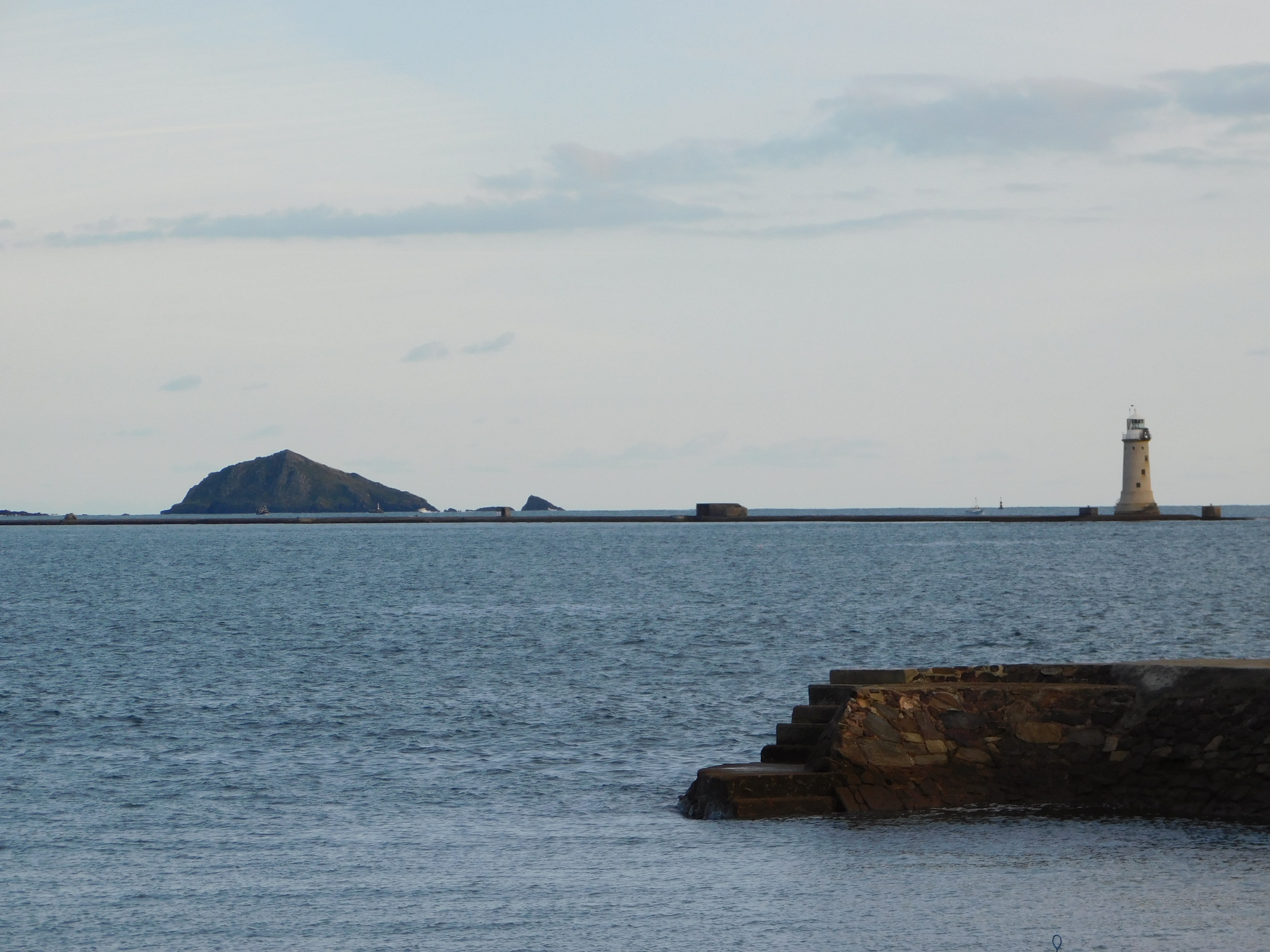
Yesterday was the first full of my stay in Cornwall, and this post describes my main activity for that day. Today the weather is truly vile – high winds, lashings of rain and more recently to add to the mix fog as well so that the lighthouse that is usually clearly visible from my parents apartment is currently entirely shrouded from view.
A PLAN MISFIRES
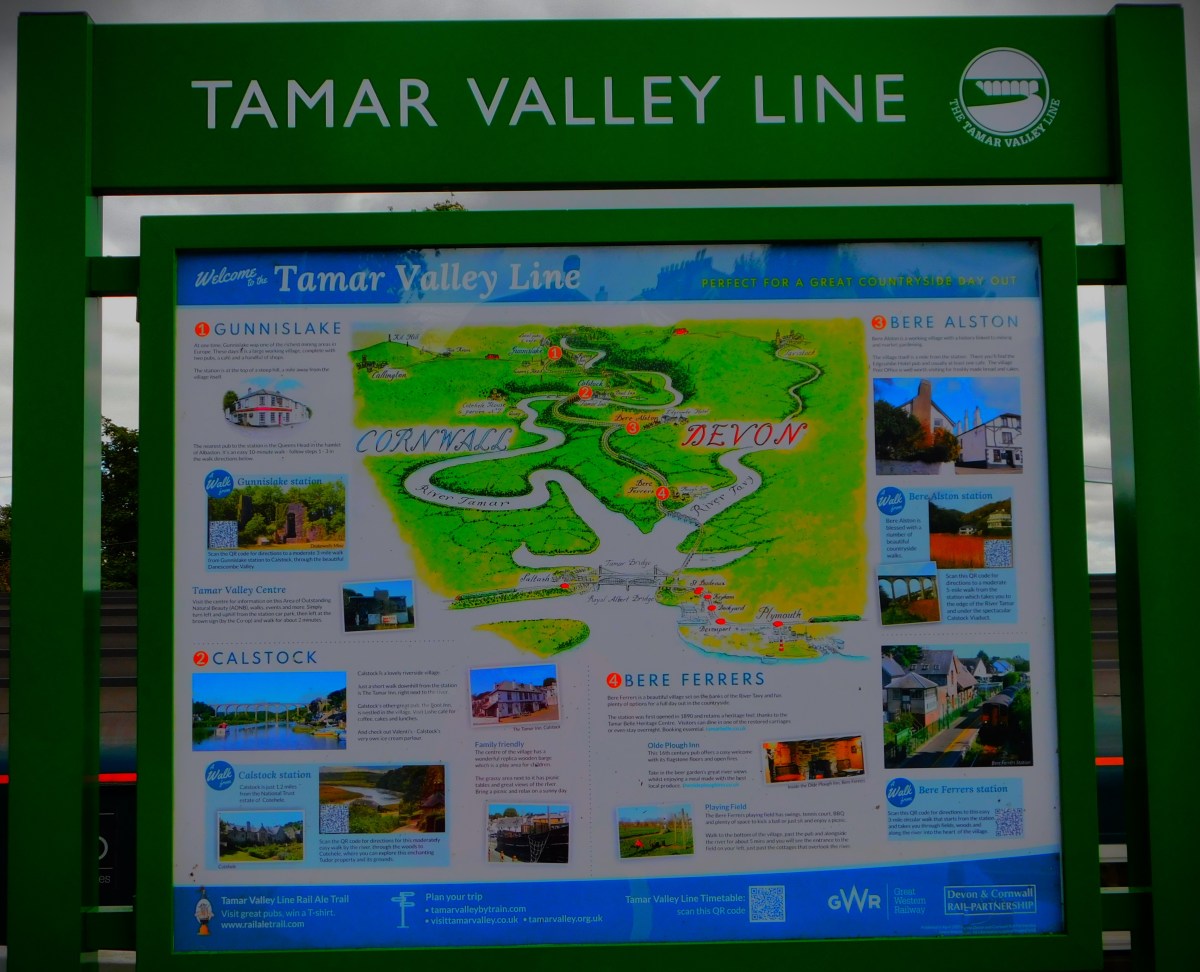
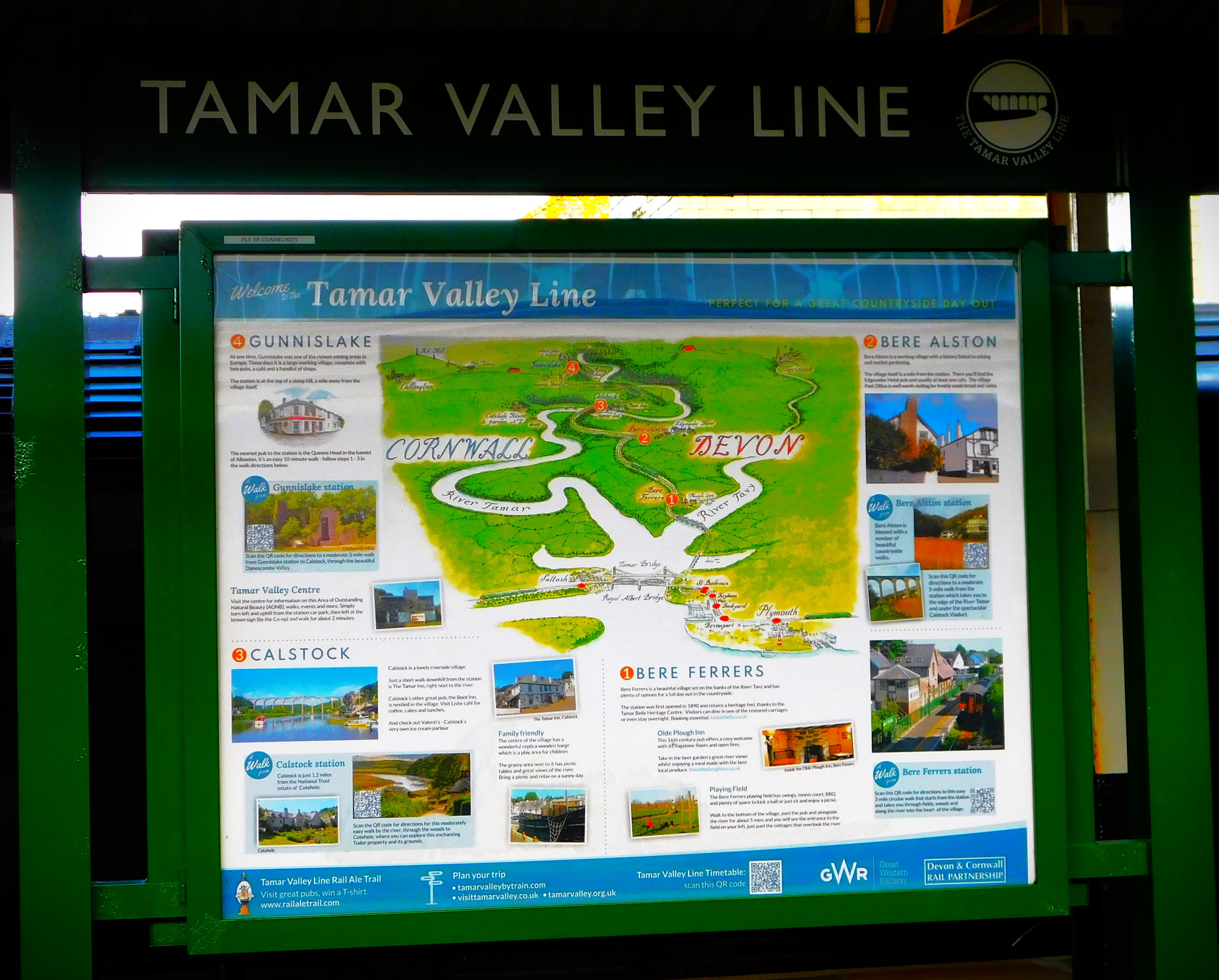
I was dropped in Plymouth yesterday with a view to purchasing a Devon and Cornwall railcard (cost £12) to gain a 1/3 discount on all train fares in the region for a year. Unfortunately such a card can only be obtained if documentation relating to an address in the area can be produced and I had no such documentation. However I bought a return ticket to Gunnislake, northern terminus of the Tamar Valley Line, cost £7.90. I had over an hour before the next train to Gunnislake was departing, so filled some of the time by gaining greater familiarity with the environs of Plymouth station. Pedestrian access from the station to other areas of town comes by a way of path that leads under a roundabout. The central area of the under-roundabout path is dedicated to wild flowers and is pleasant walking. The hour of my journey arrived…
A SCENIC JOURNEY
The journey to Gunnislake could be described as a journey of two parts in two different ways:
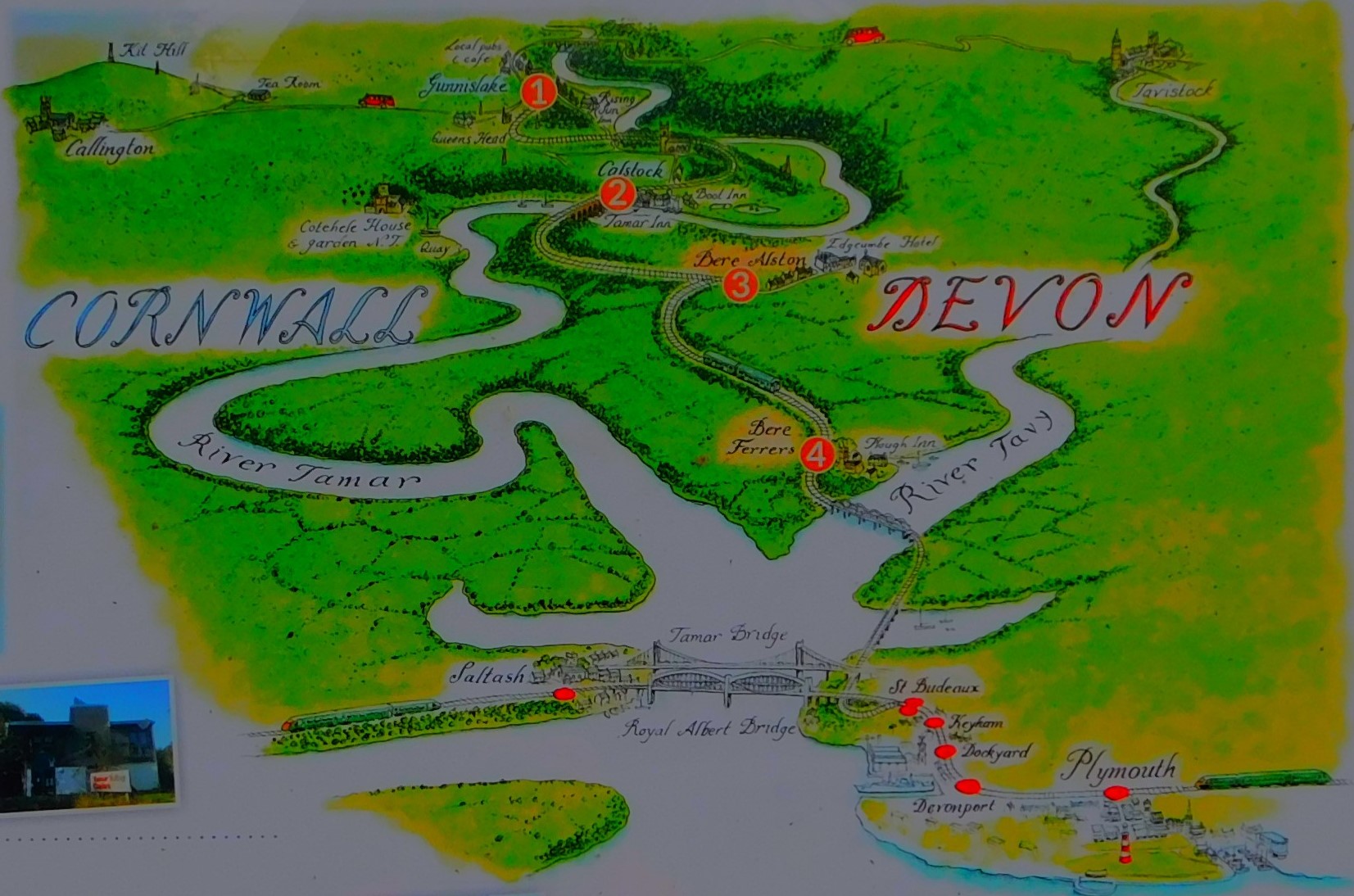
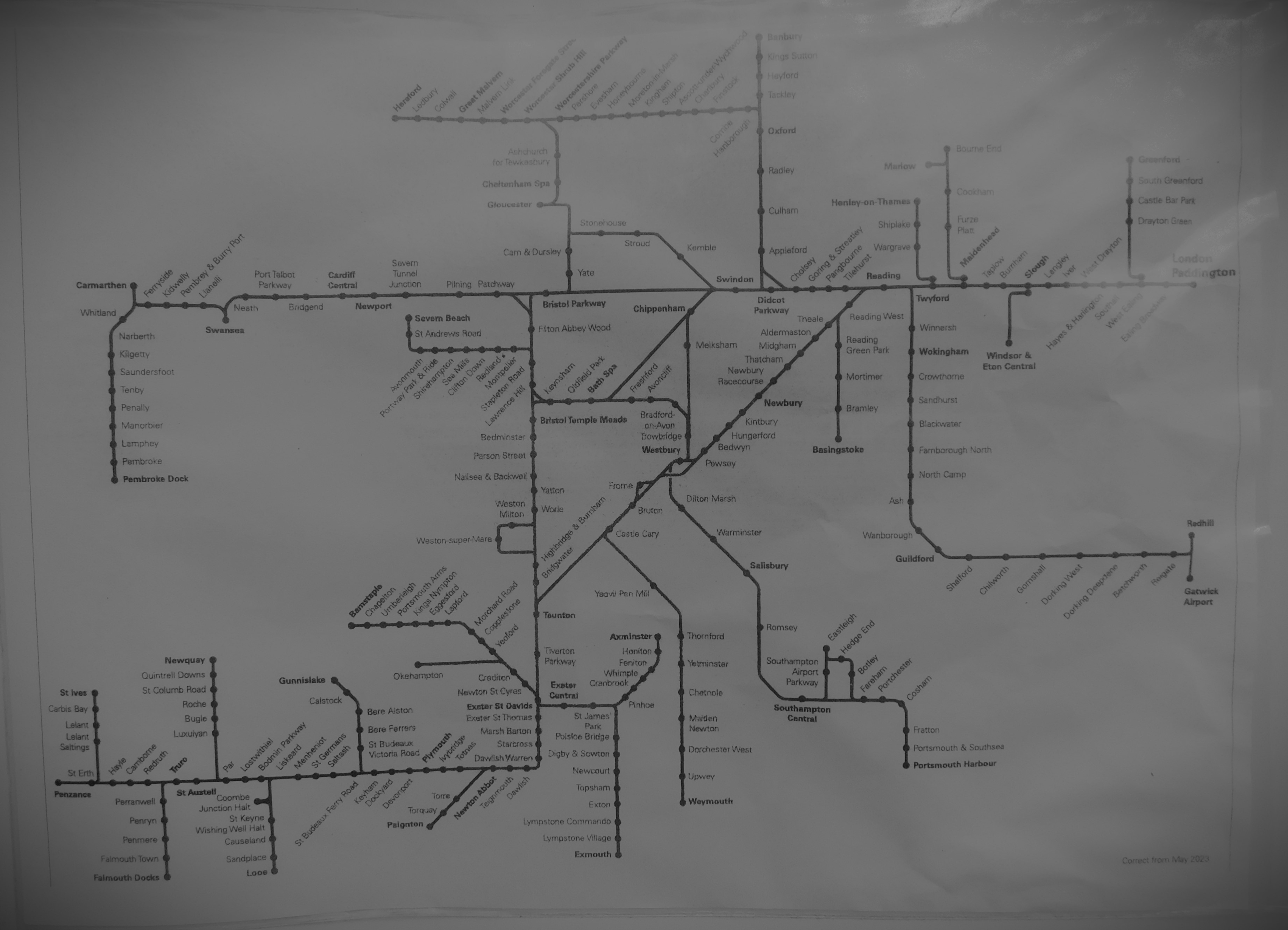
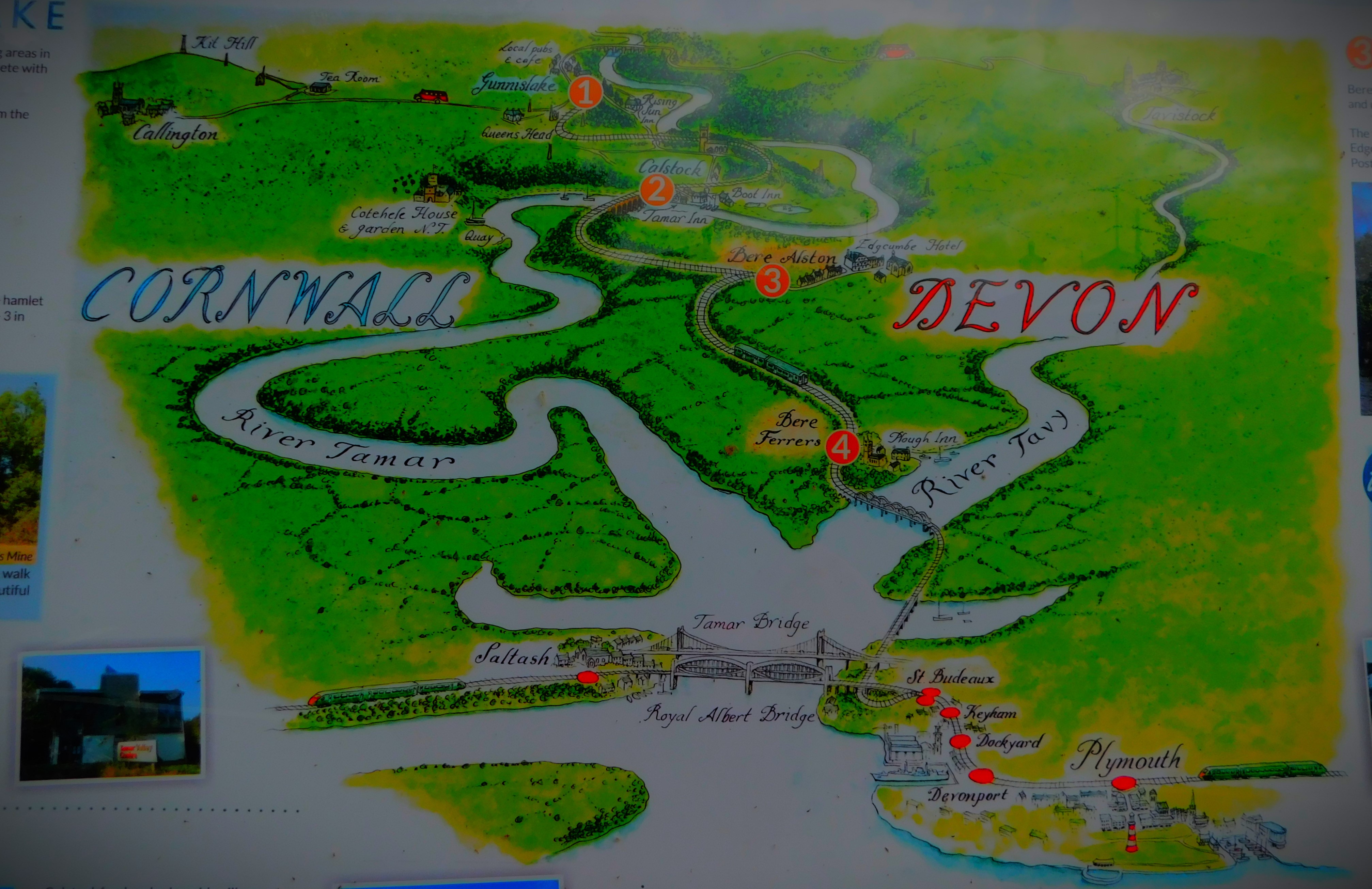
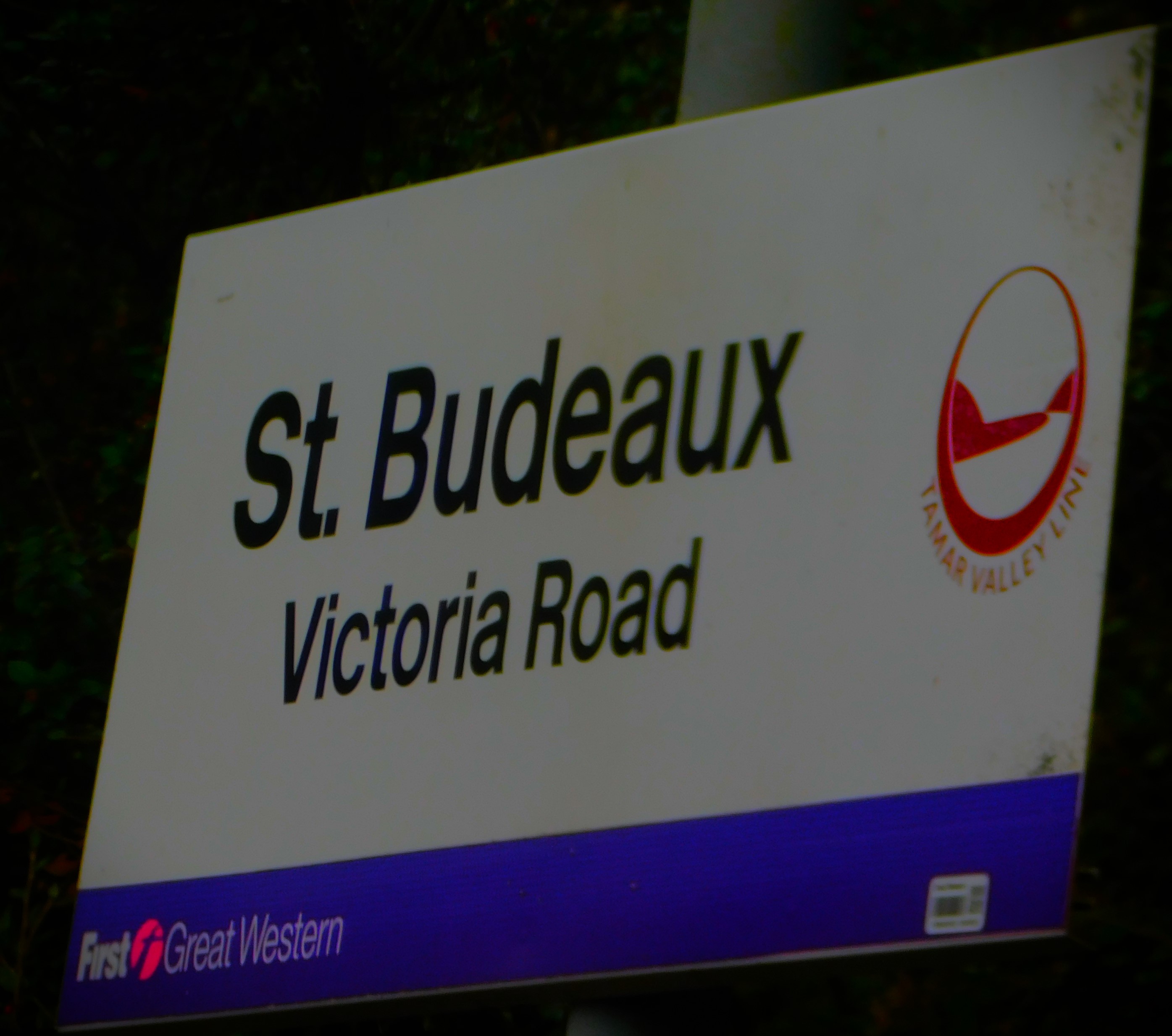
For the first small portion of line (Plymouth – St Budeaux Victoria Road)the stops are frequent and the surroundings urban, specifically a commercial port area whose best days were long in the past, before the line then becomes very rural in character and the stops become much more widely spaced.
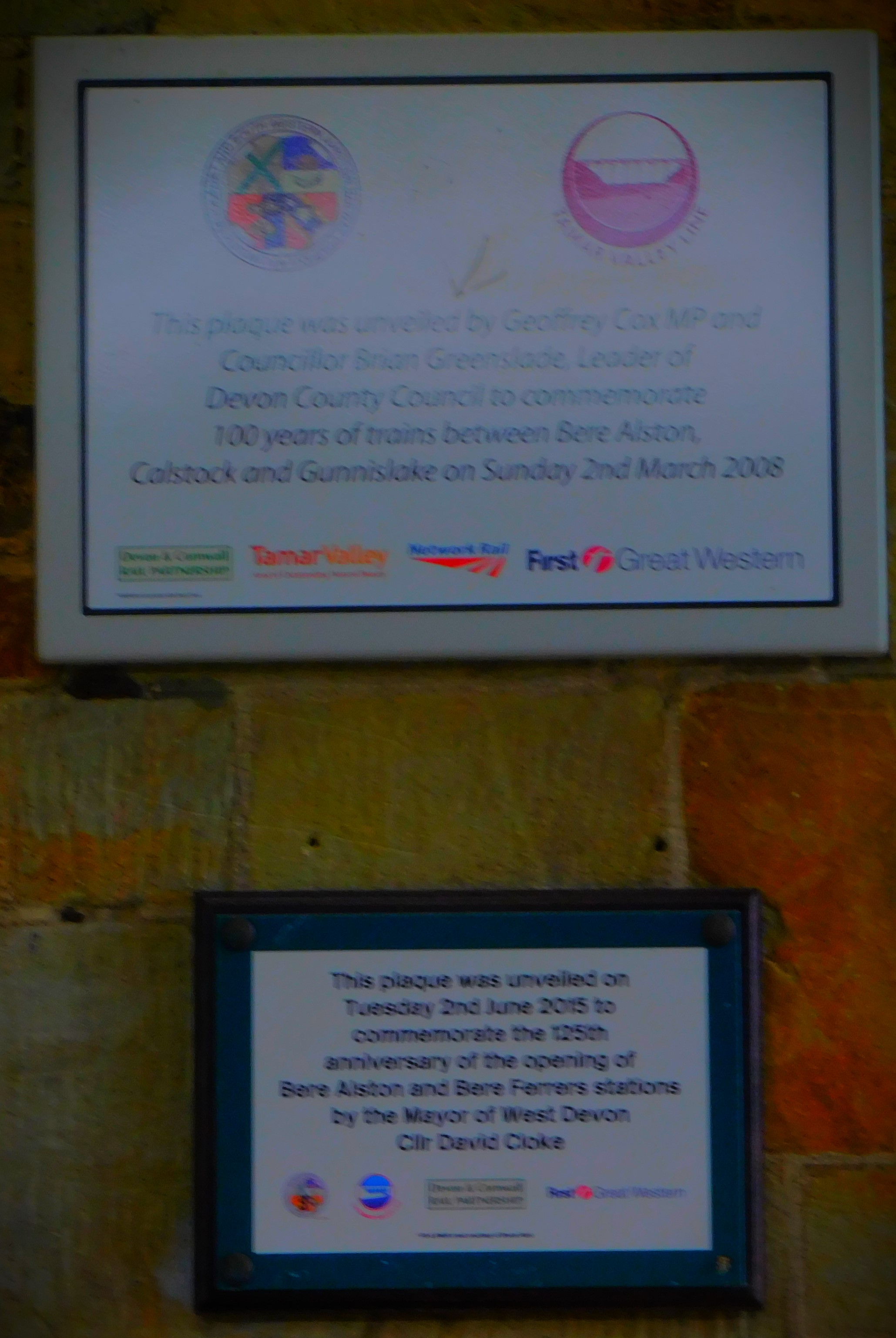
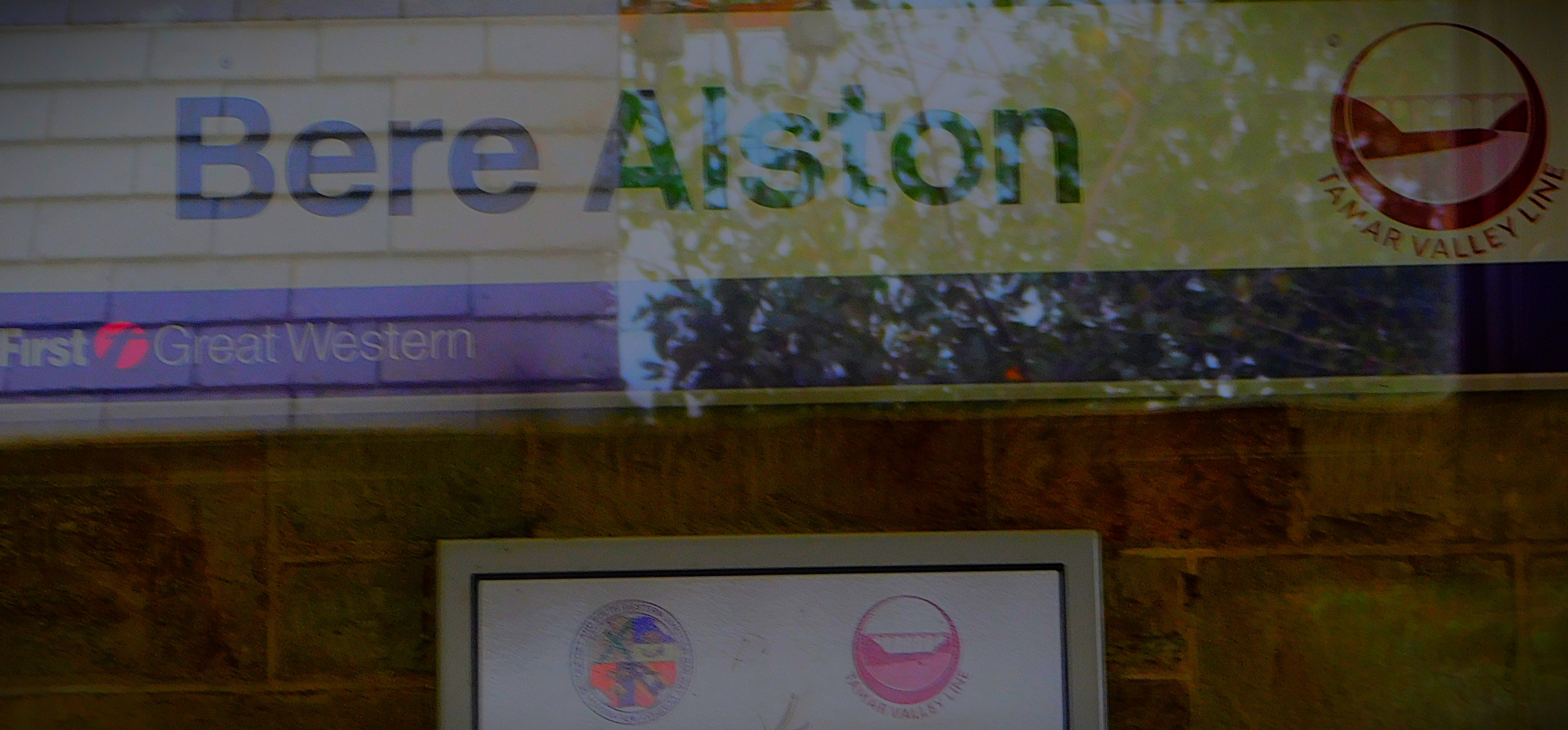
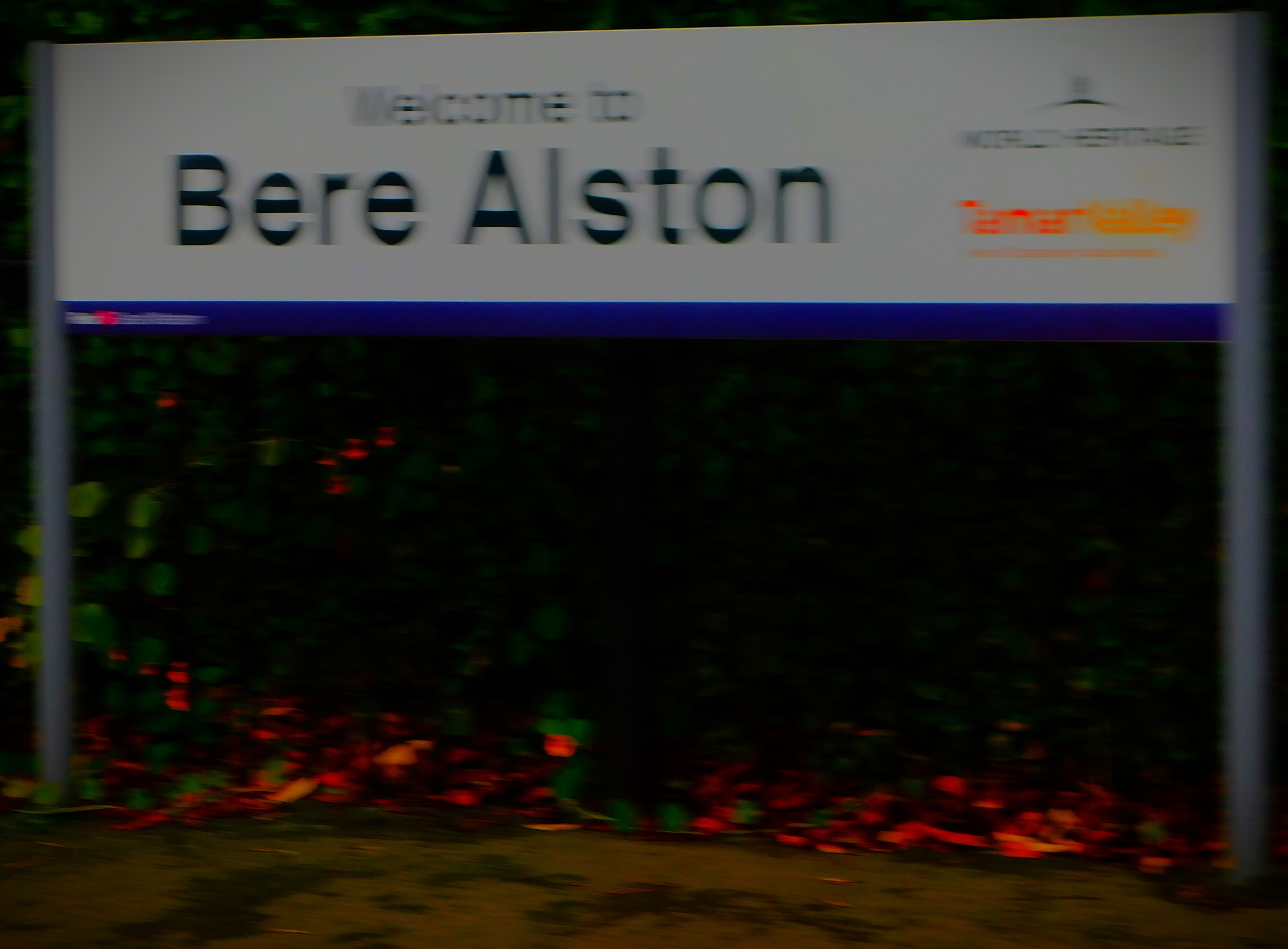
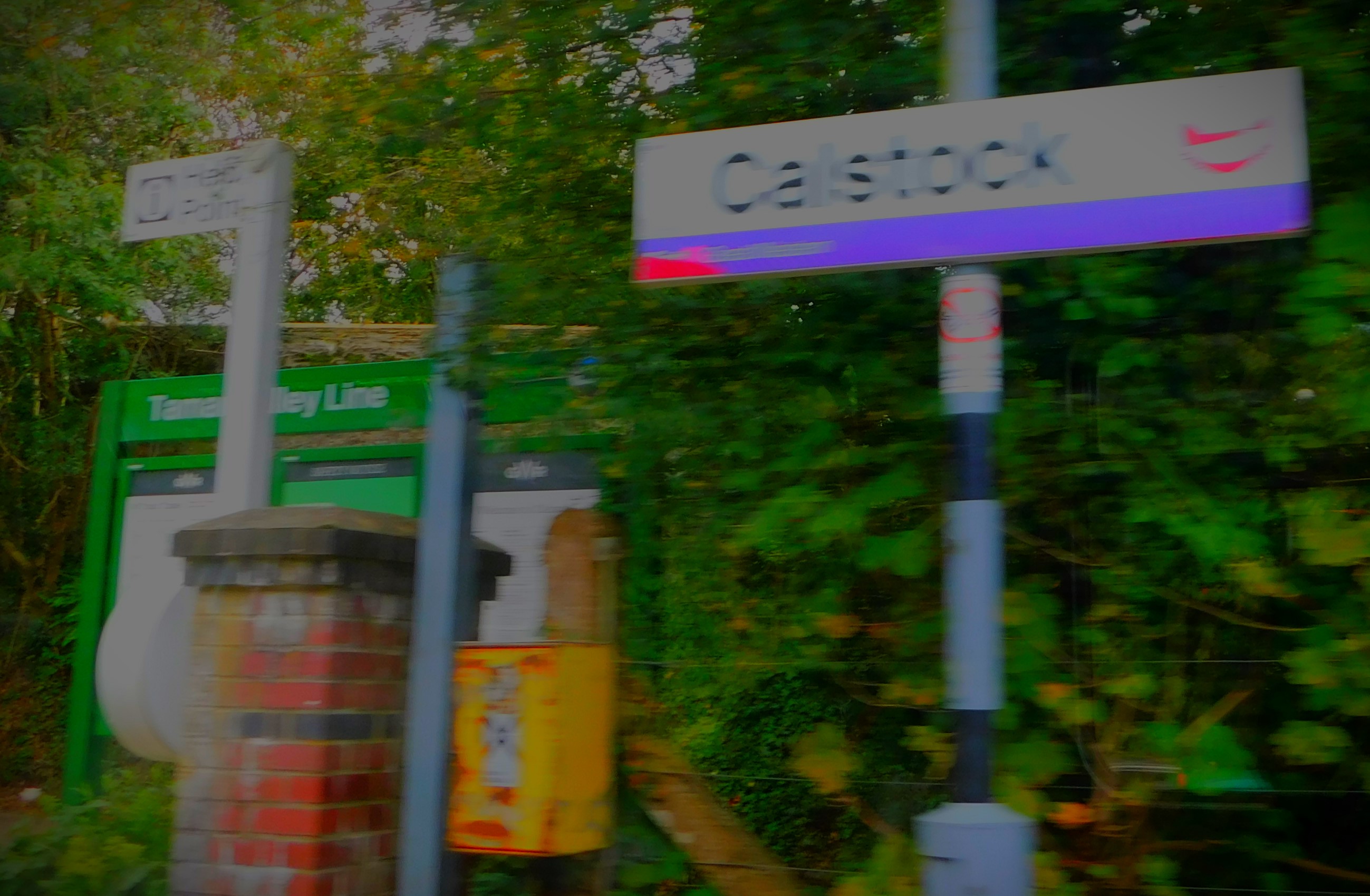
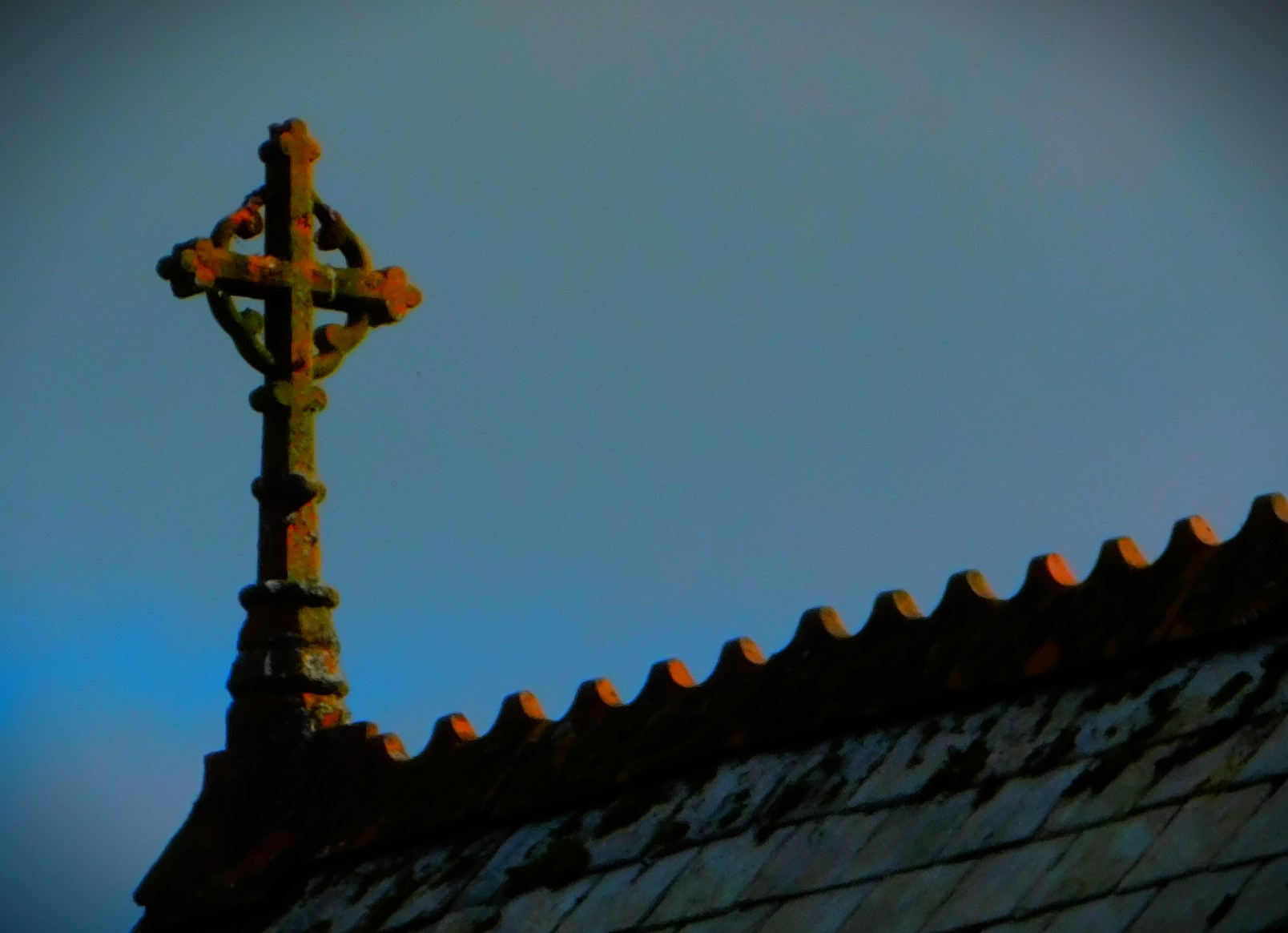
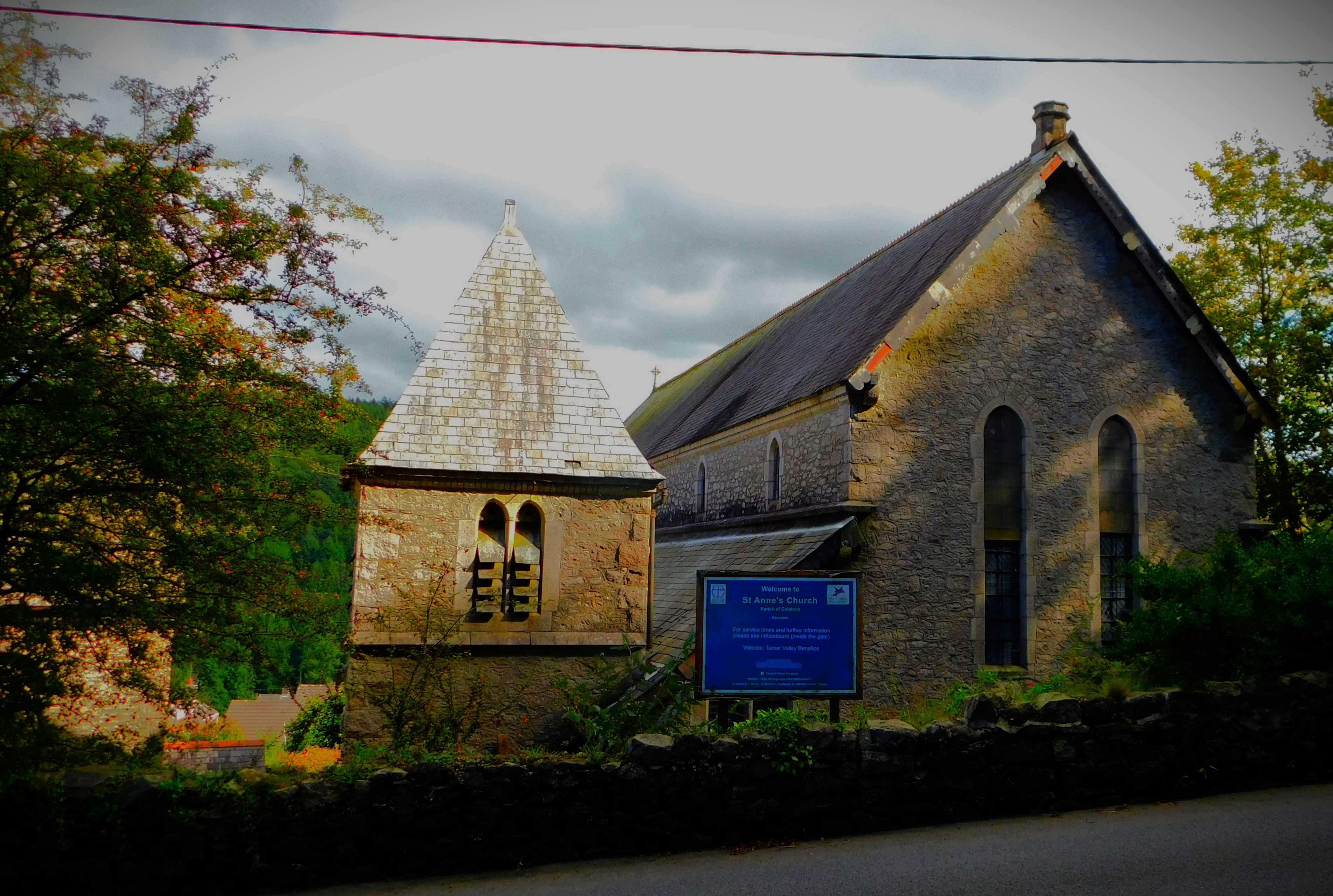
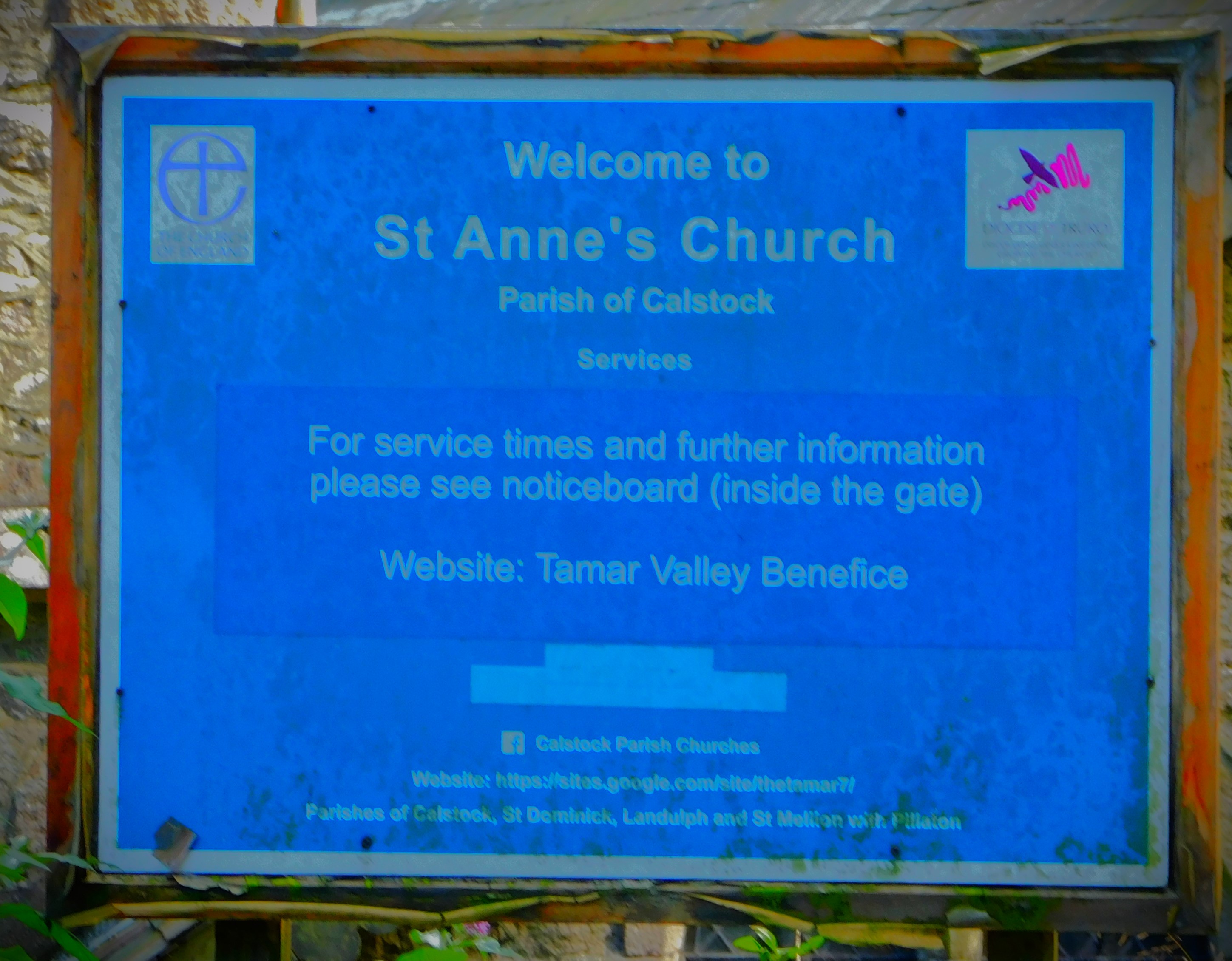
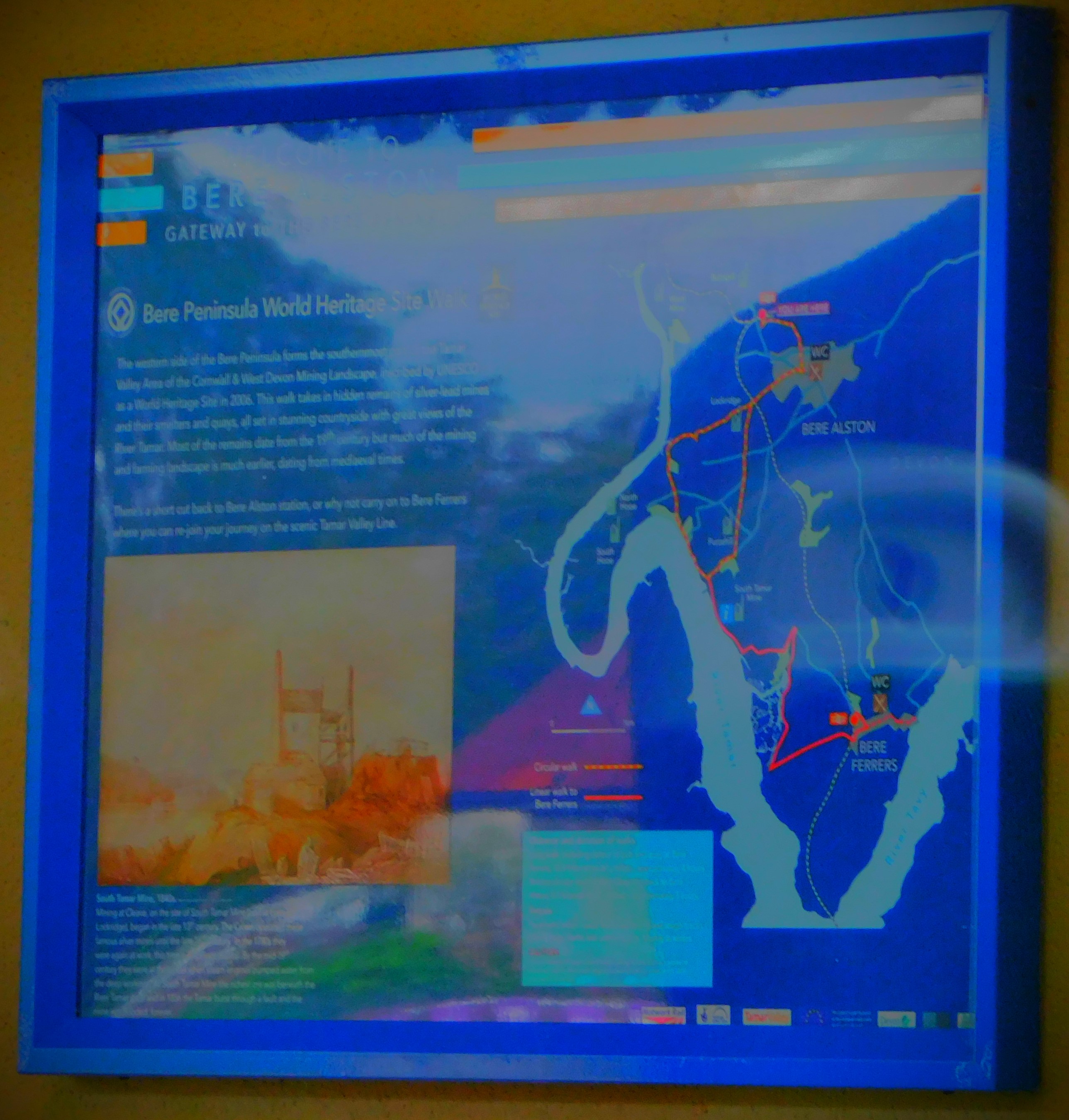
The route has a hairpin at Bere Ferrers, so that the train reverses its direction fo travel for the last three stops on the route (Bere Alston, Calstock and Gunnislake).
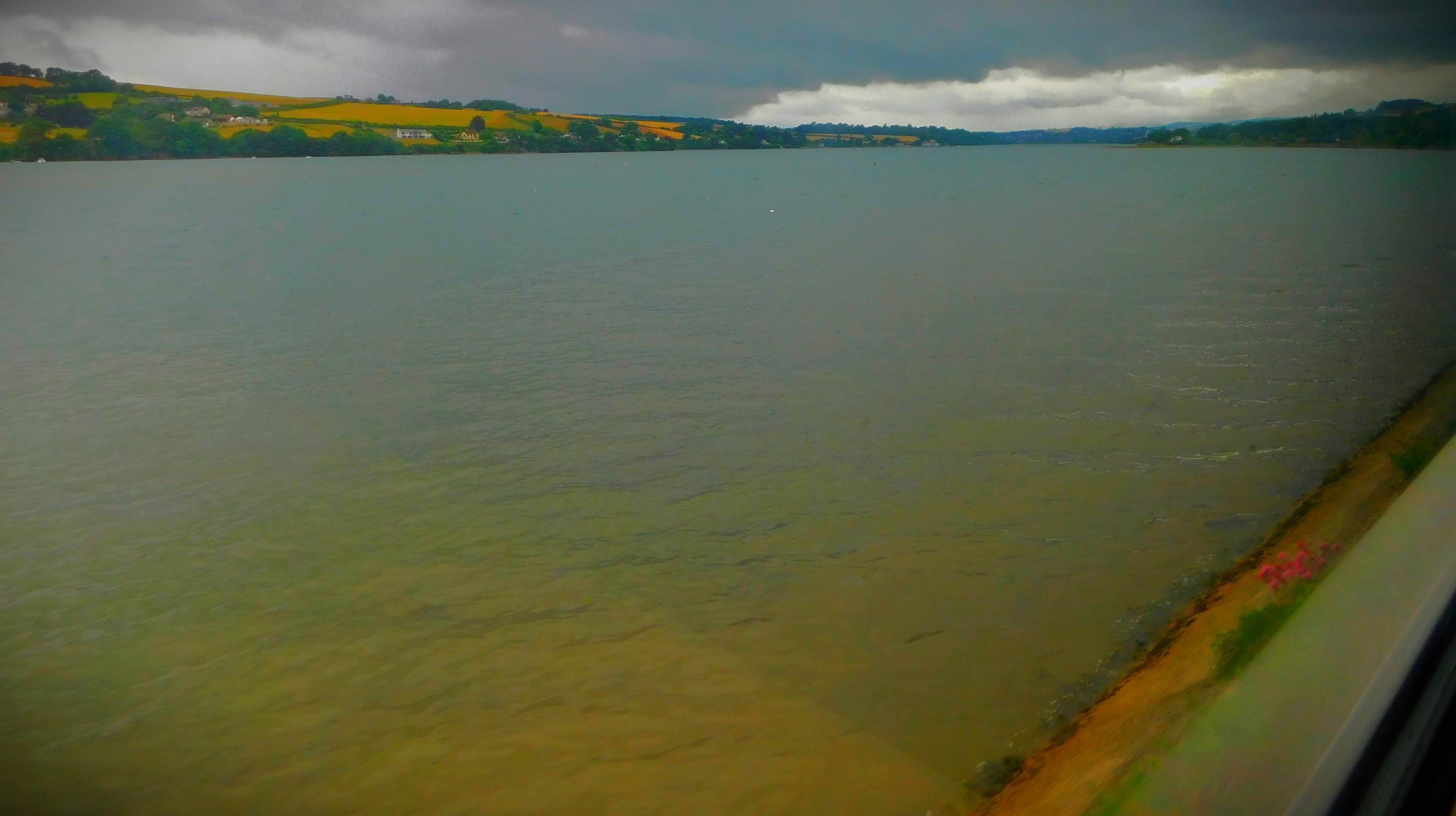
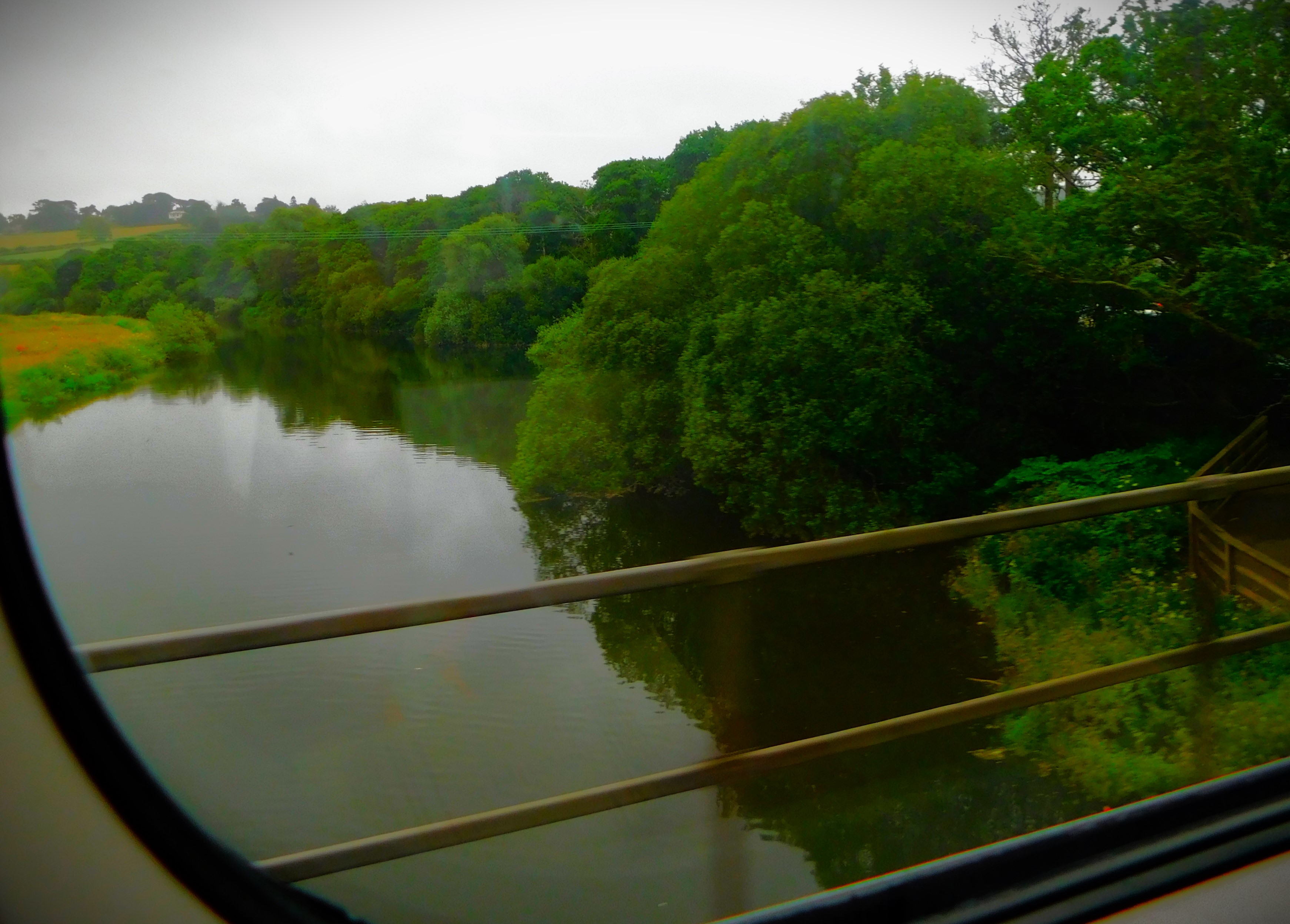
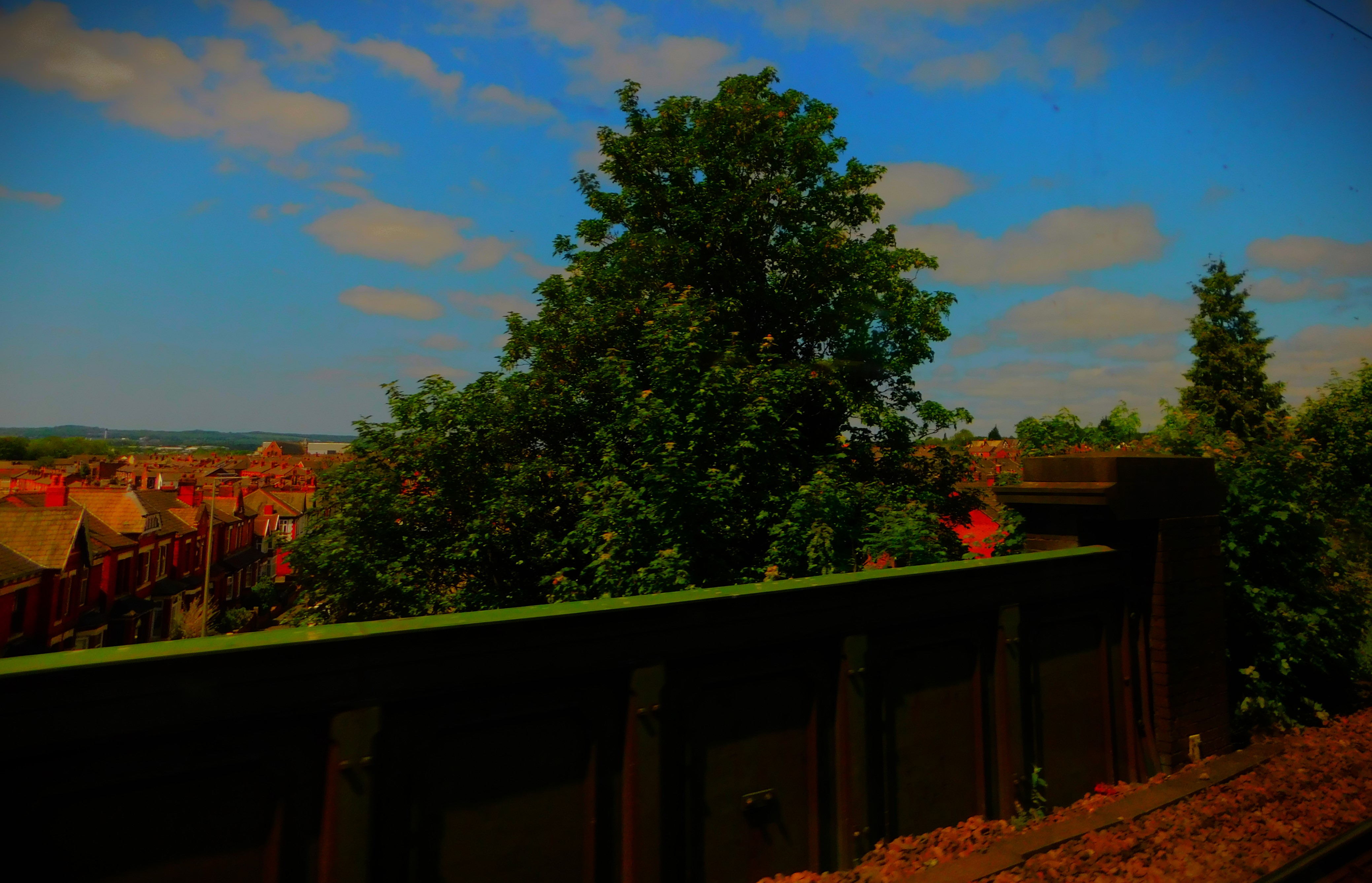
Also, as I failed to realize for the outbound journey the windows on the side of the train from which you board at Plymouth and at Gunnislake for the return journey offer much finer views than the other, which is why the majority of my best photos from the two train journeys were taken on the return one where I positioned myself correctly.
GUNNISLAKE
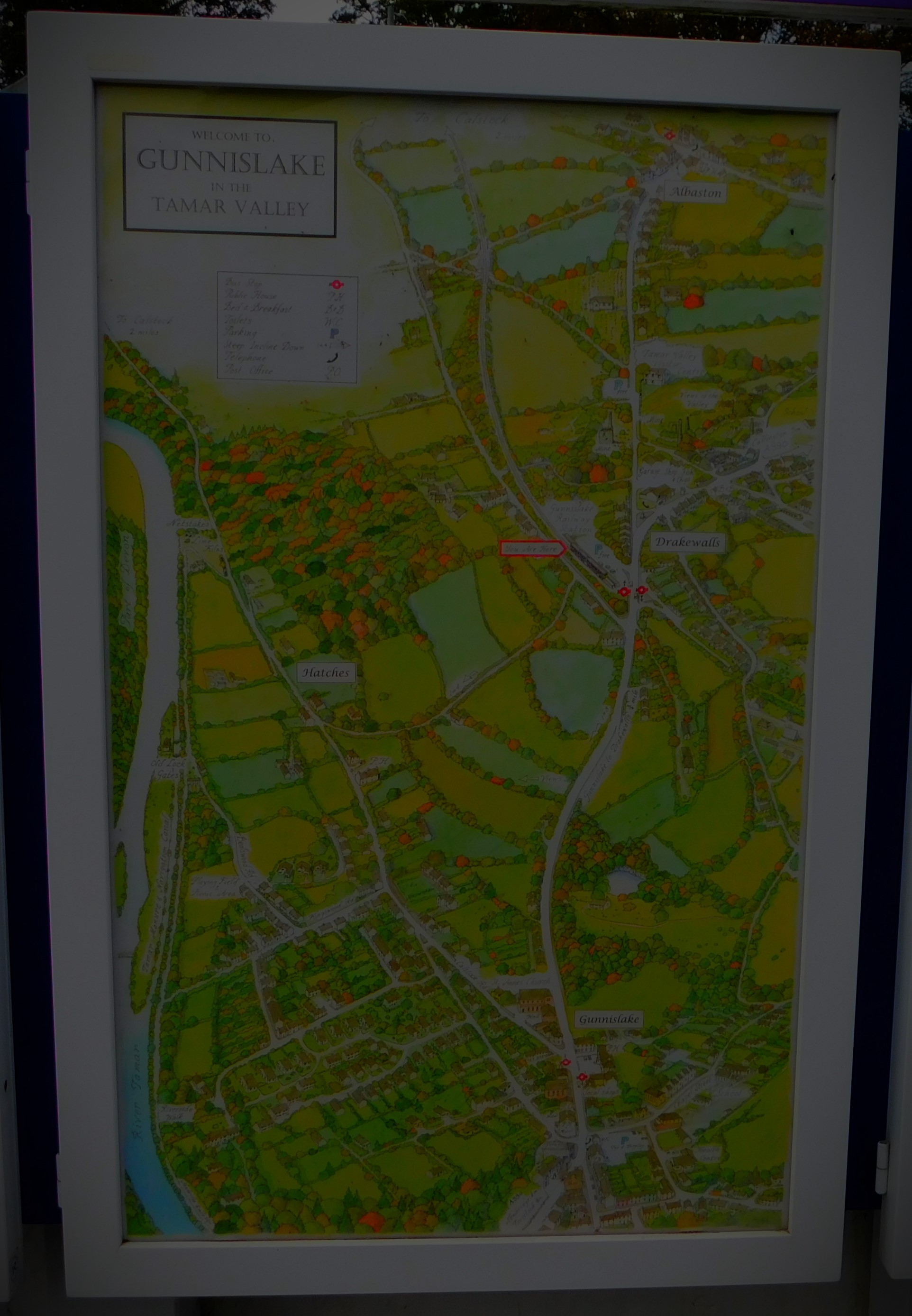
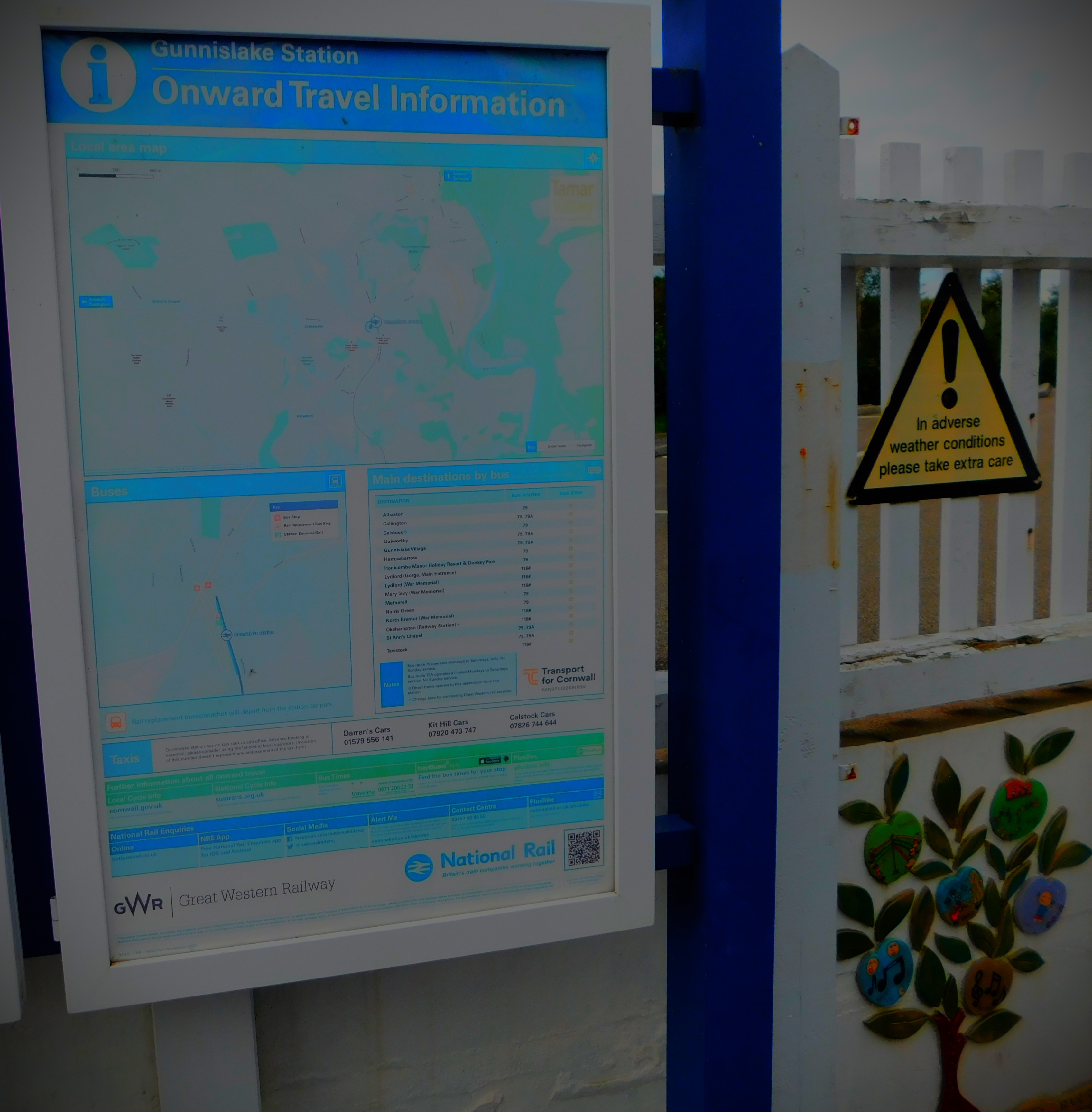
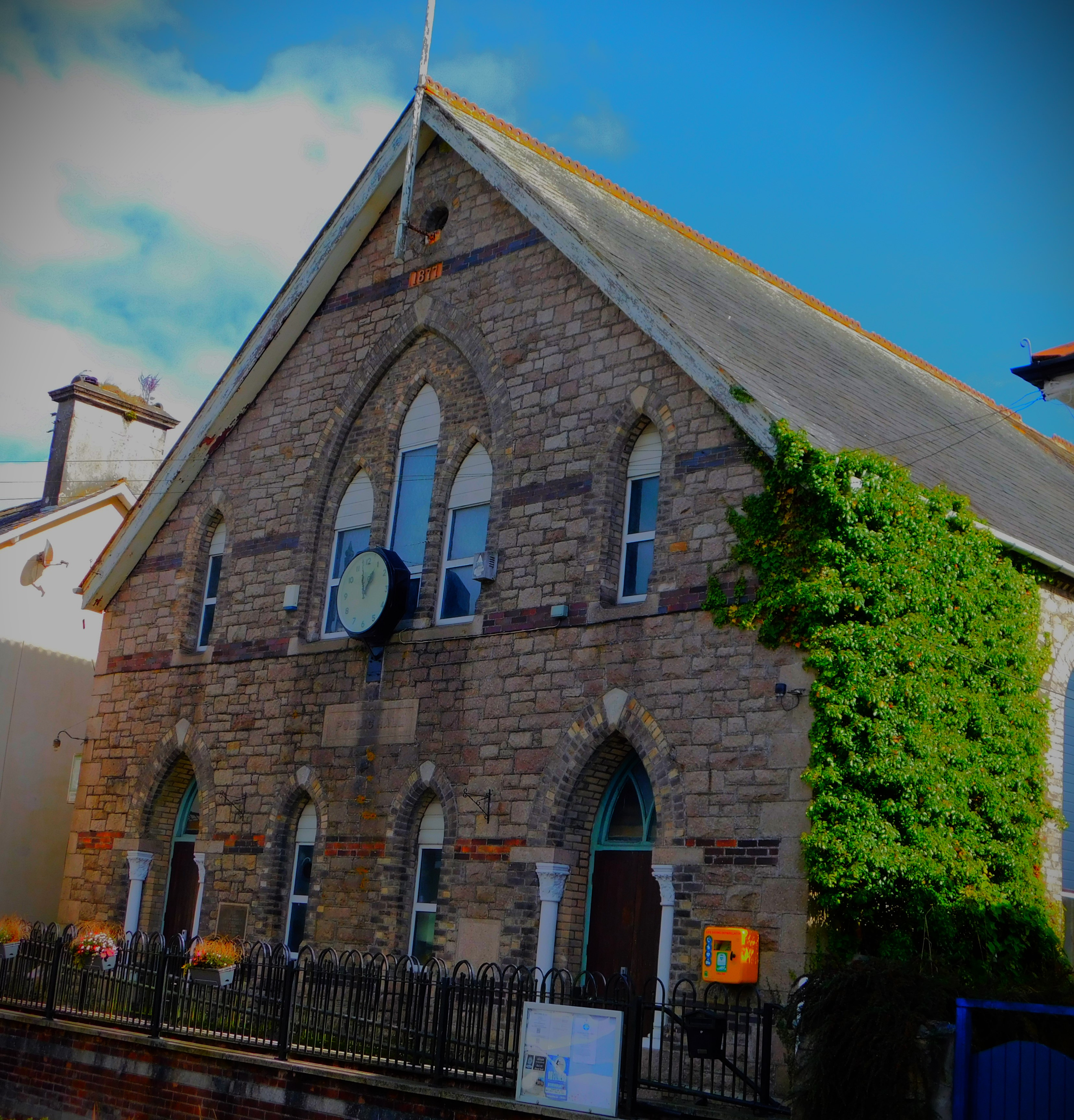
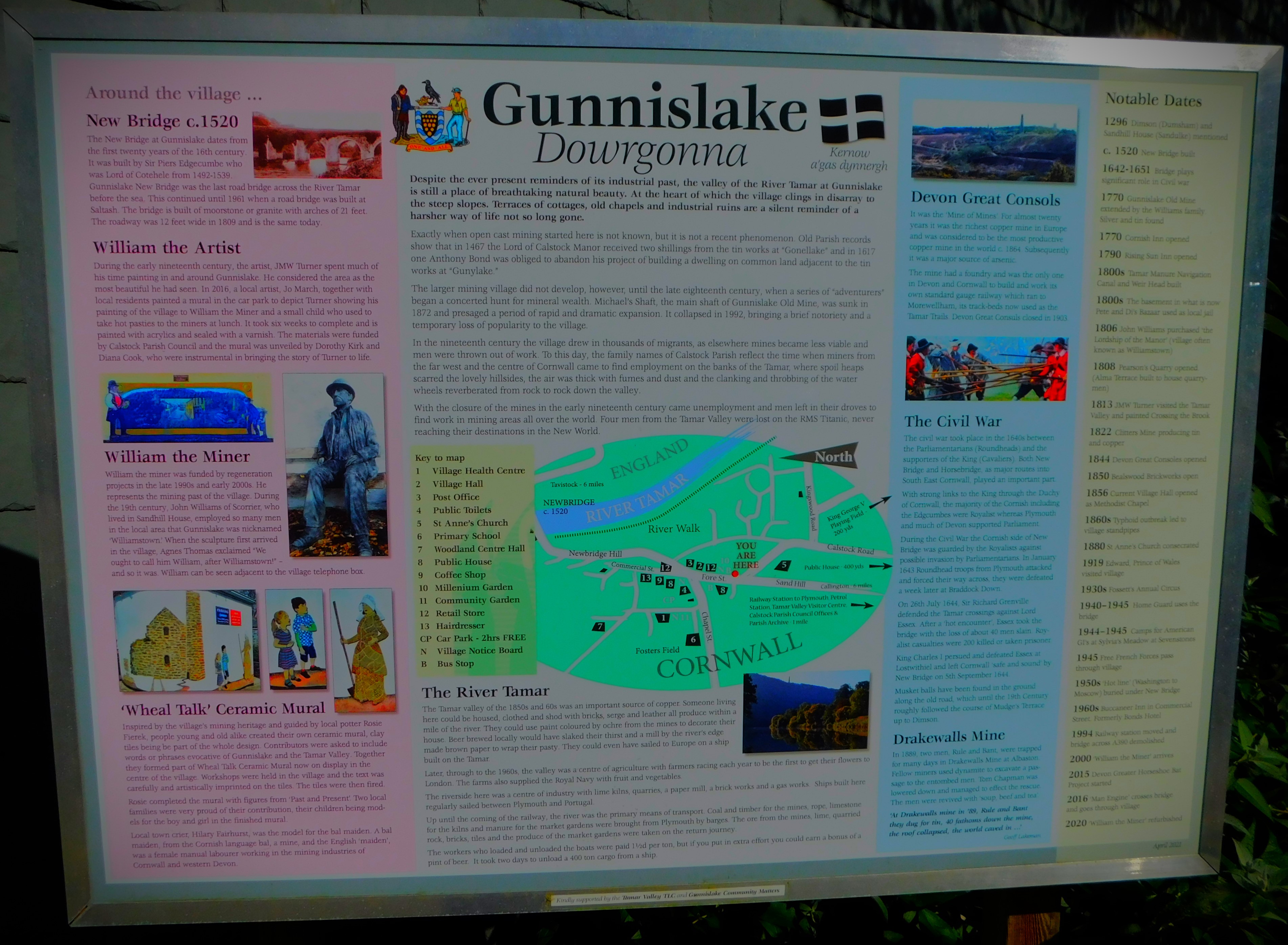
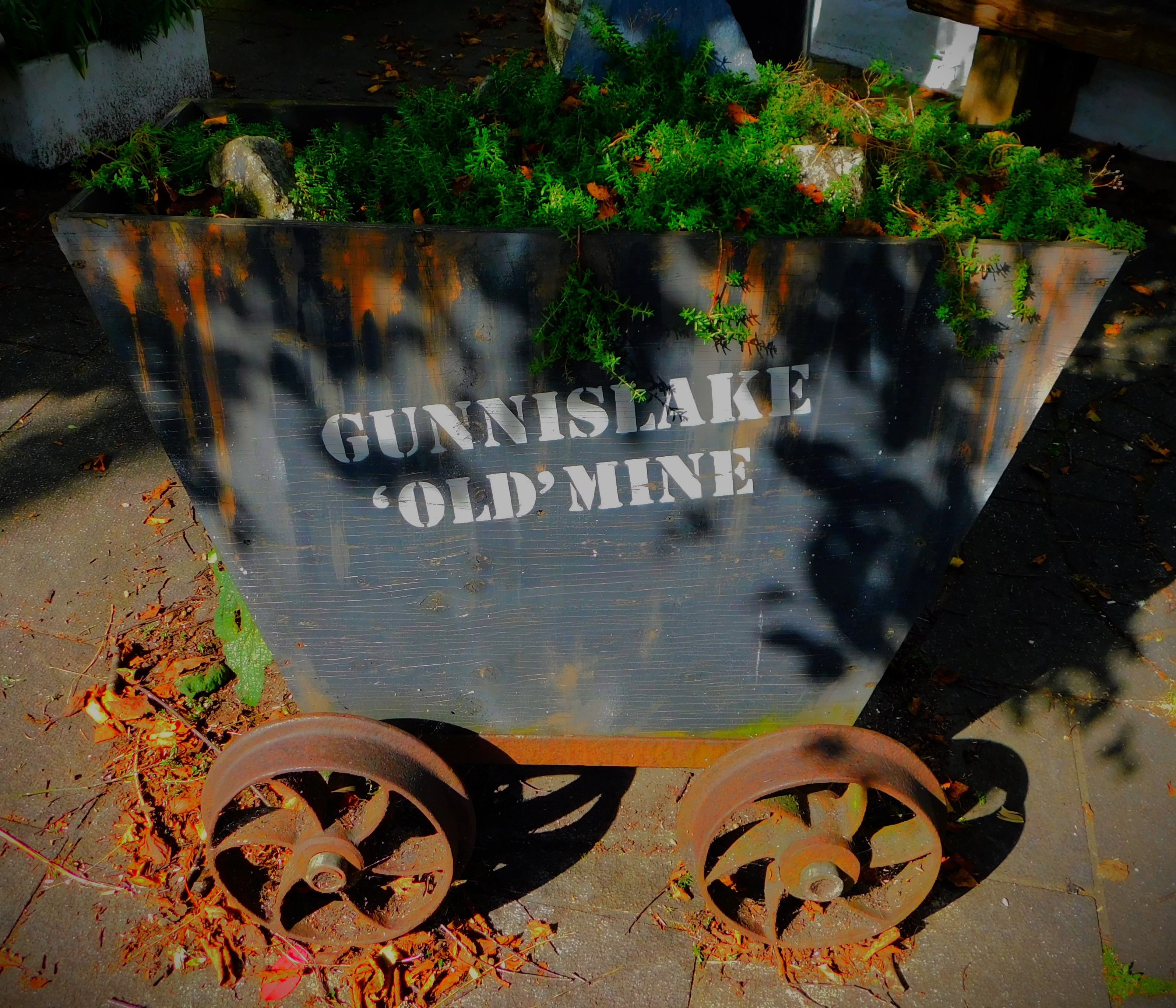
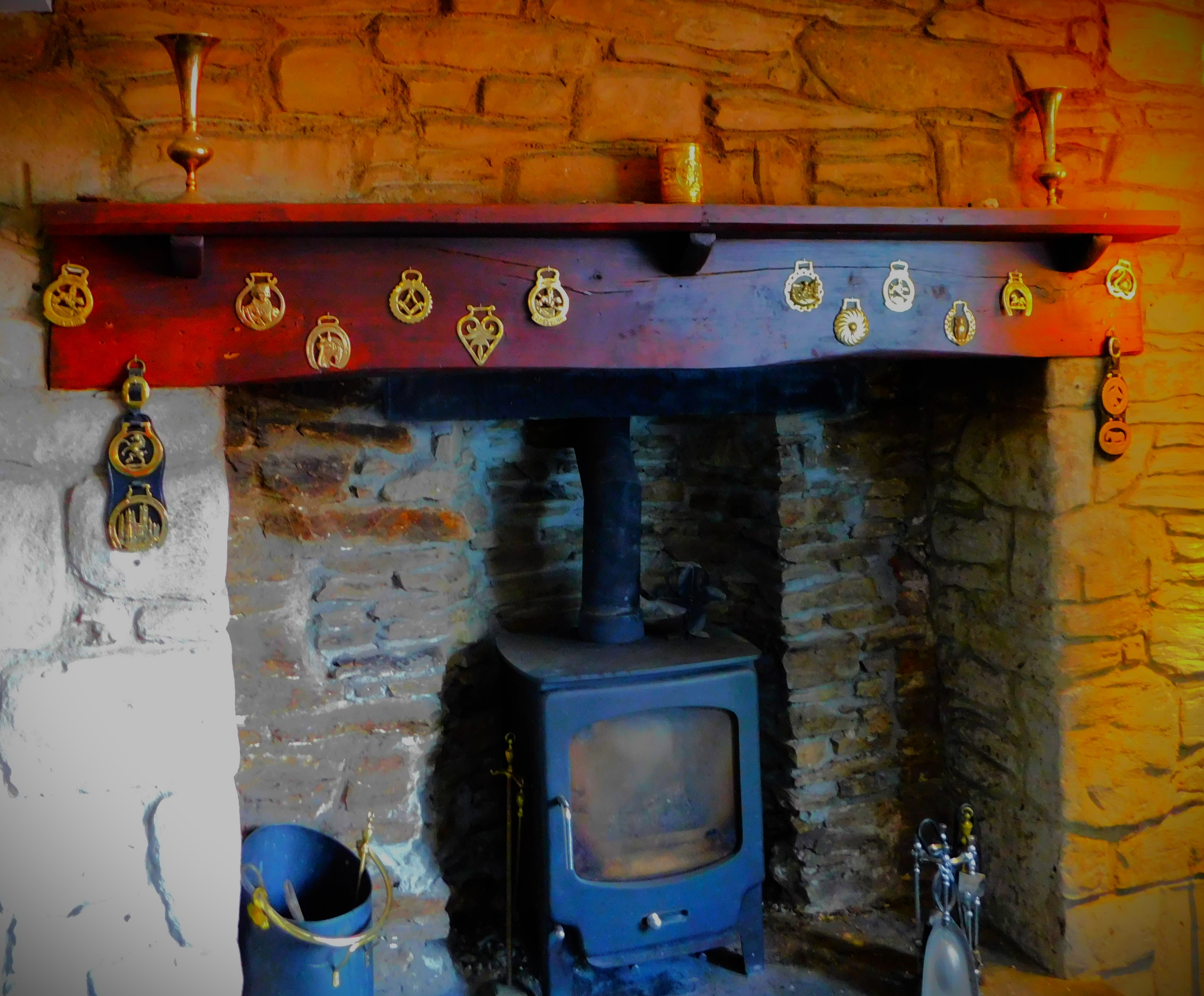
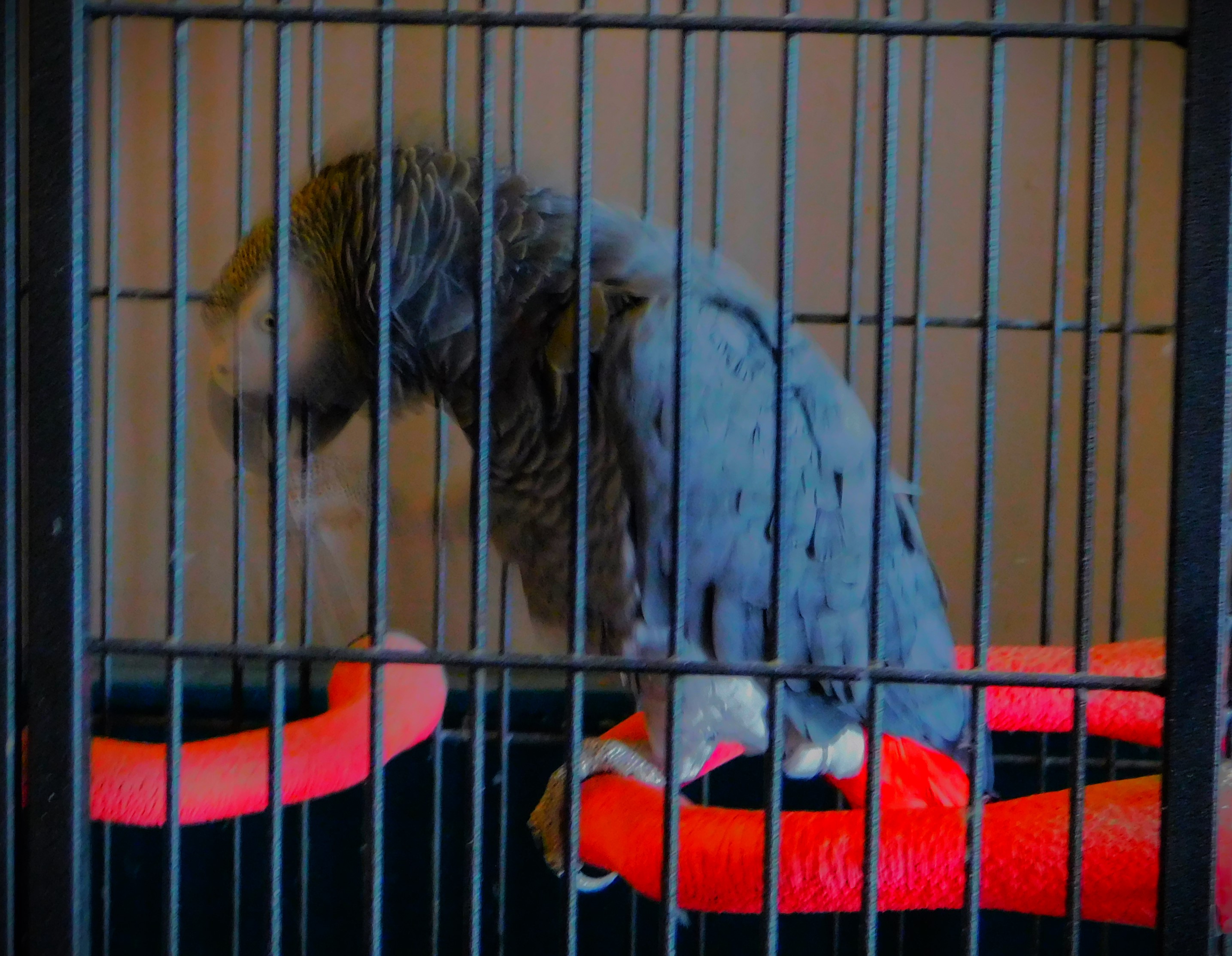
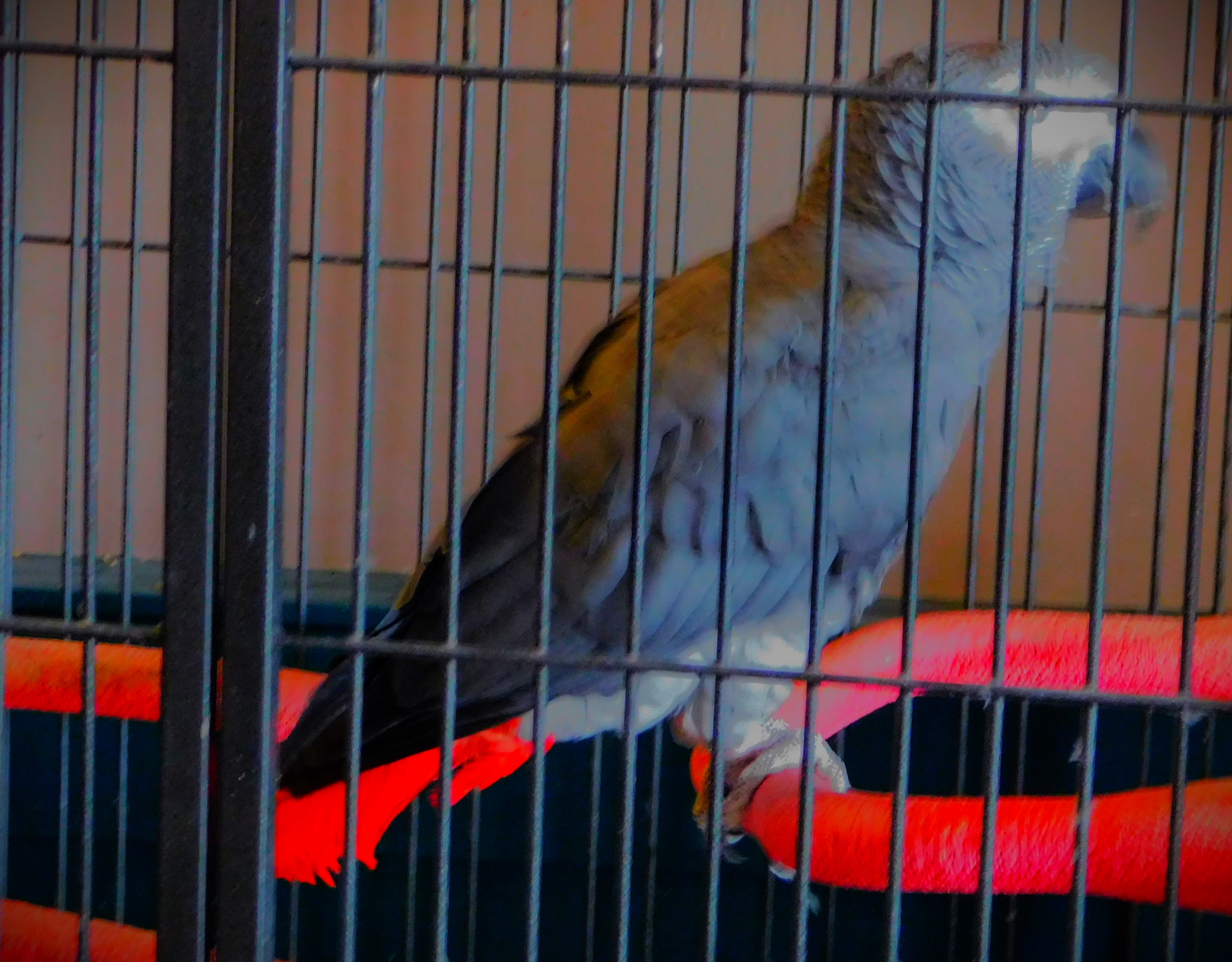
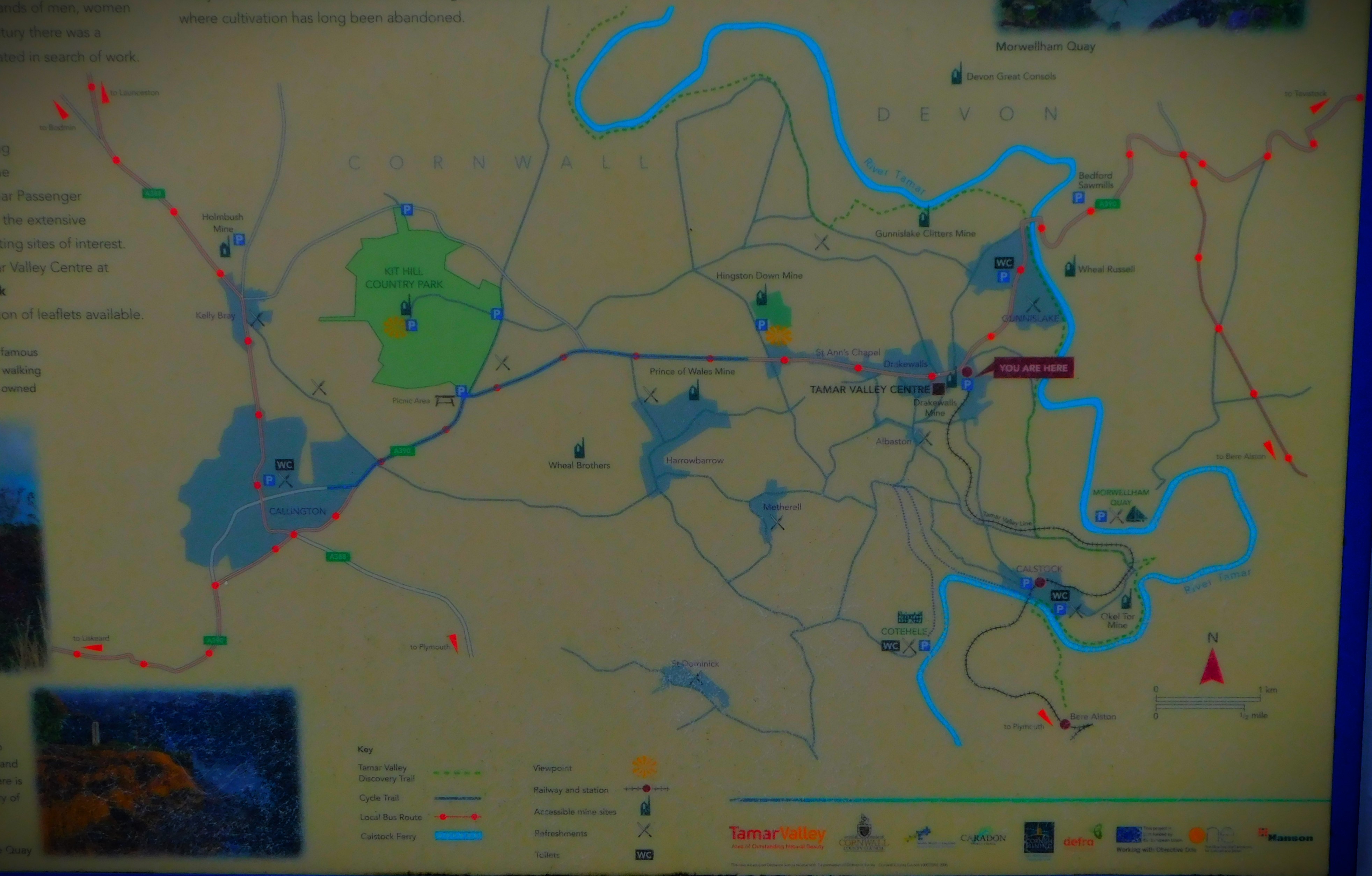
Gunnislake village is down a significant hill from Gunnislake station, and Tamar Valley is still further down (I did not venture right down into the valley). The Cornish Inn offered an acceptable pint, and also a view of what I suspect to be Gunnislake’s most intriguing resident, an African Grey Parrot named Ozzy, complete with warning notice written from his perspective.
THE RETURN JOURNEY
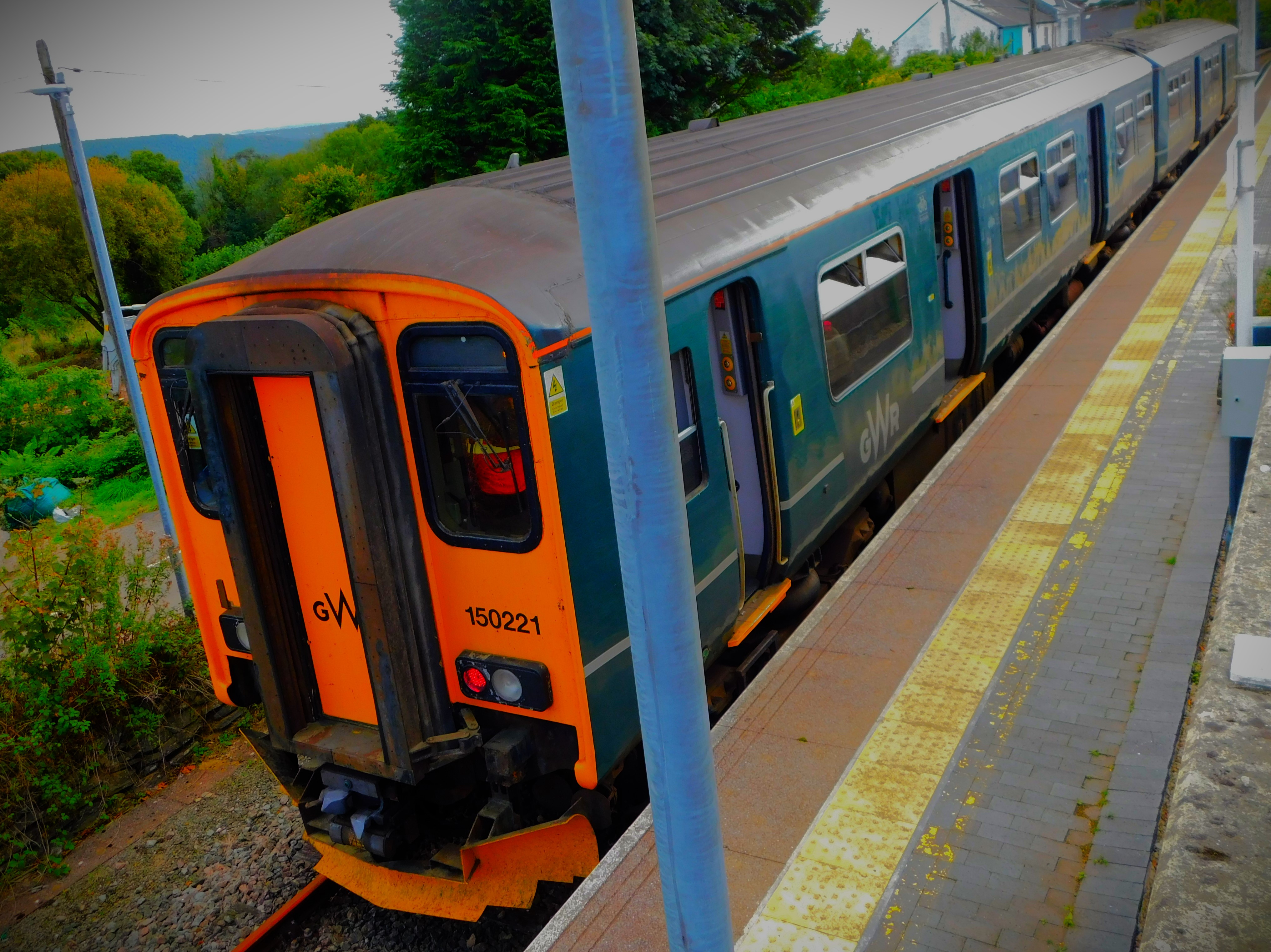
It was sufficiently warm that I removed my jumper while in Gunnislake. The train (a two coach crawler, and fairly basic, though less spartan than the laughably misnamed ‘sprinters’ that used to do the Sheffield to Barnsley run when I lived in that part of the world) was due to depart at 15:14, and it actually did precisely that. The return run went well, and I made up for not having had many successful pictures on the outward run as you will see. I think that if I make a second excursion on this line at some point I will book to Bere Alston, walk from there to Bere Ferrers and pick up the return train at Bere Ferrers.
PHOTOGRAPHS
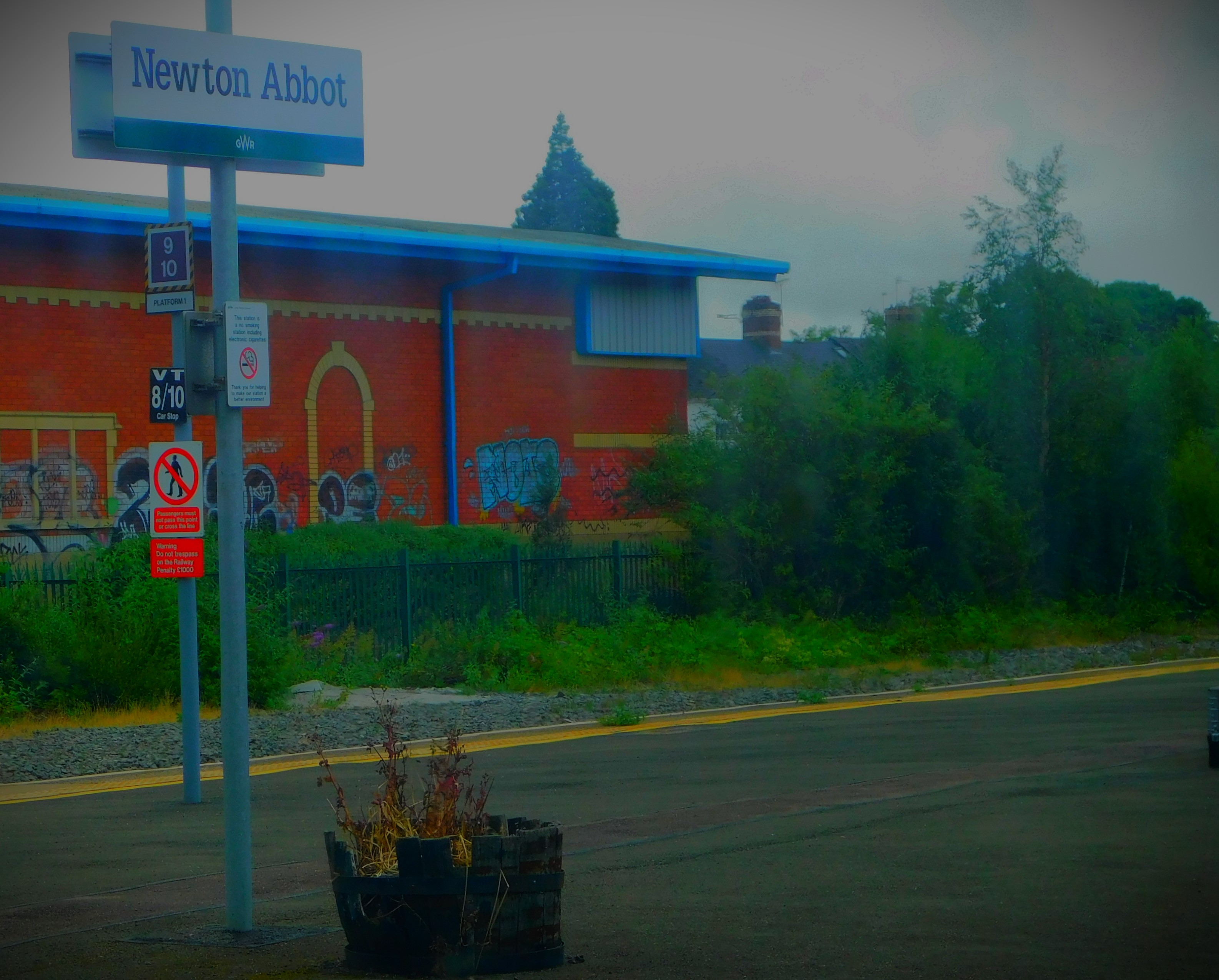
Here are the pictures I took yesterday…
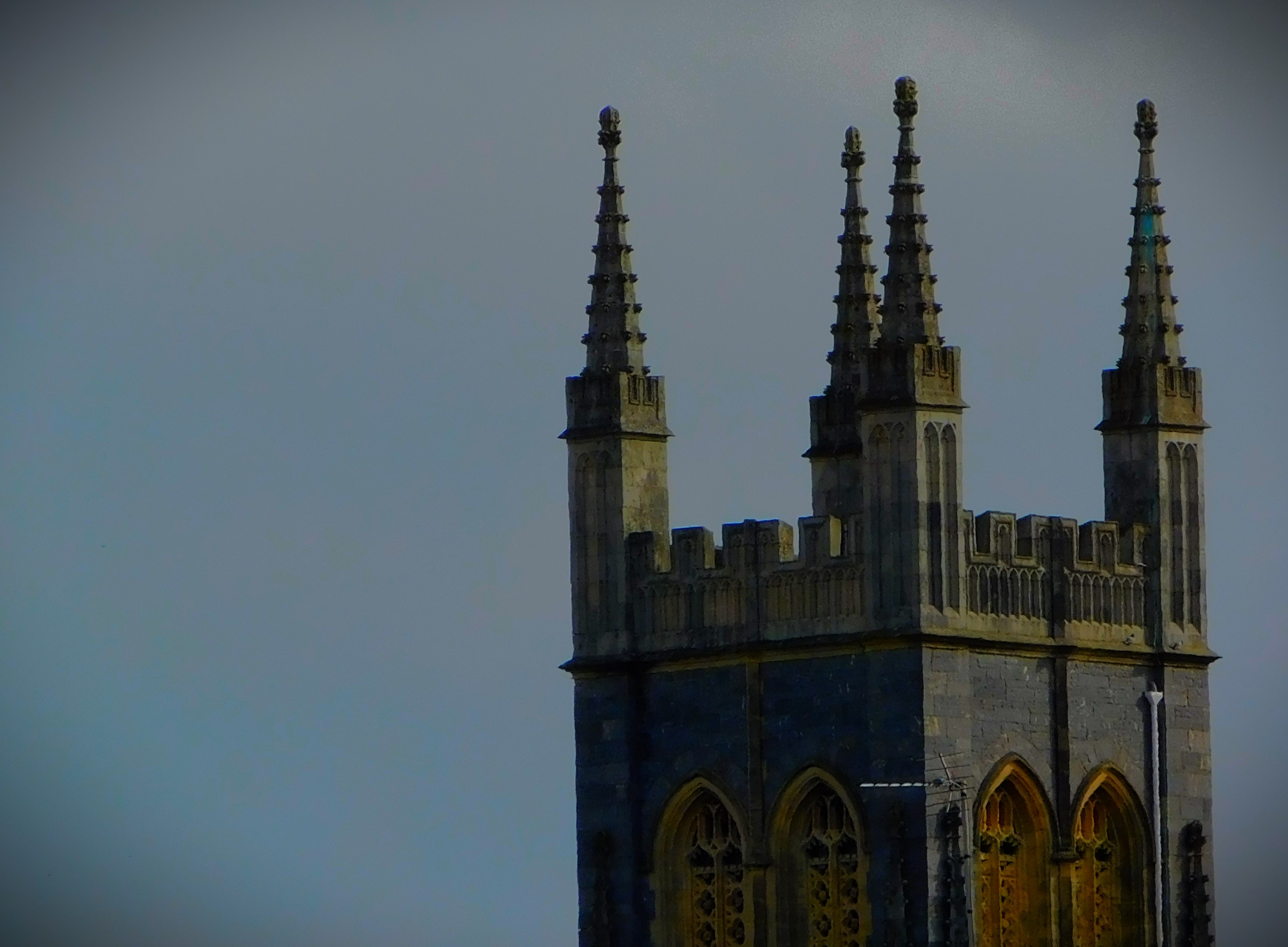
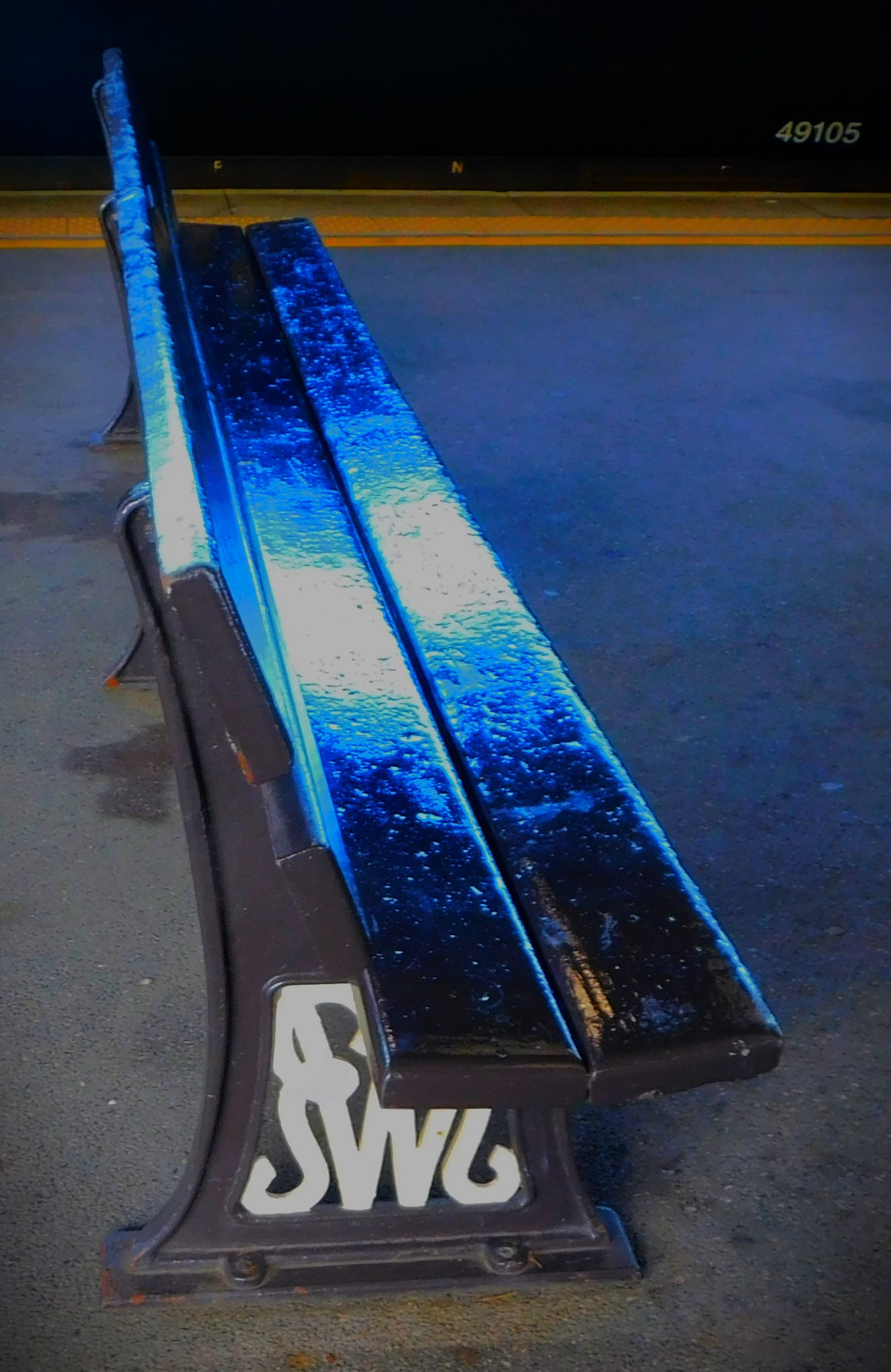
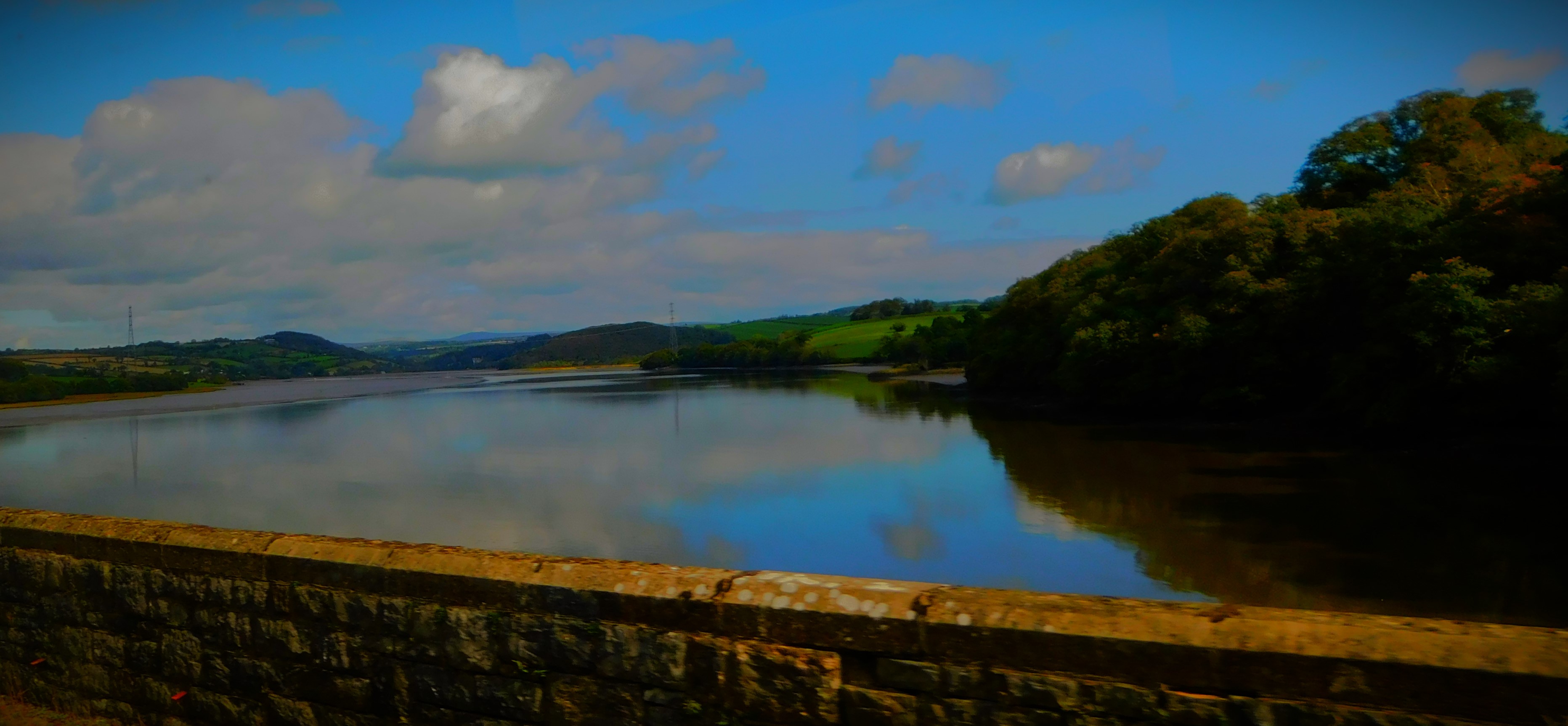
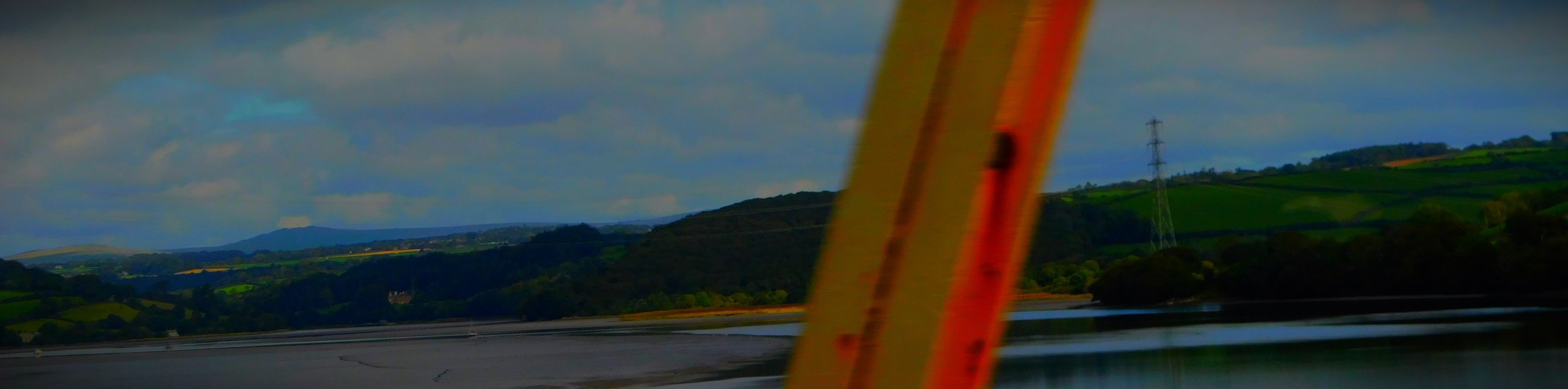
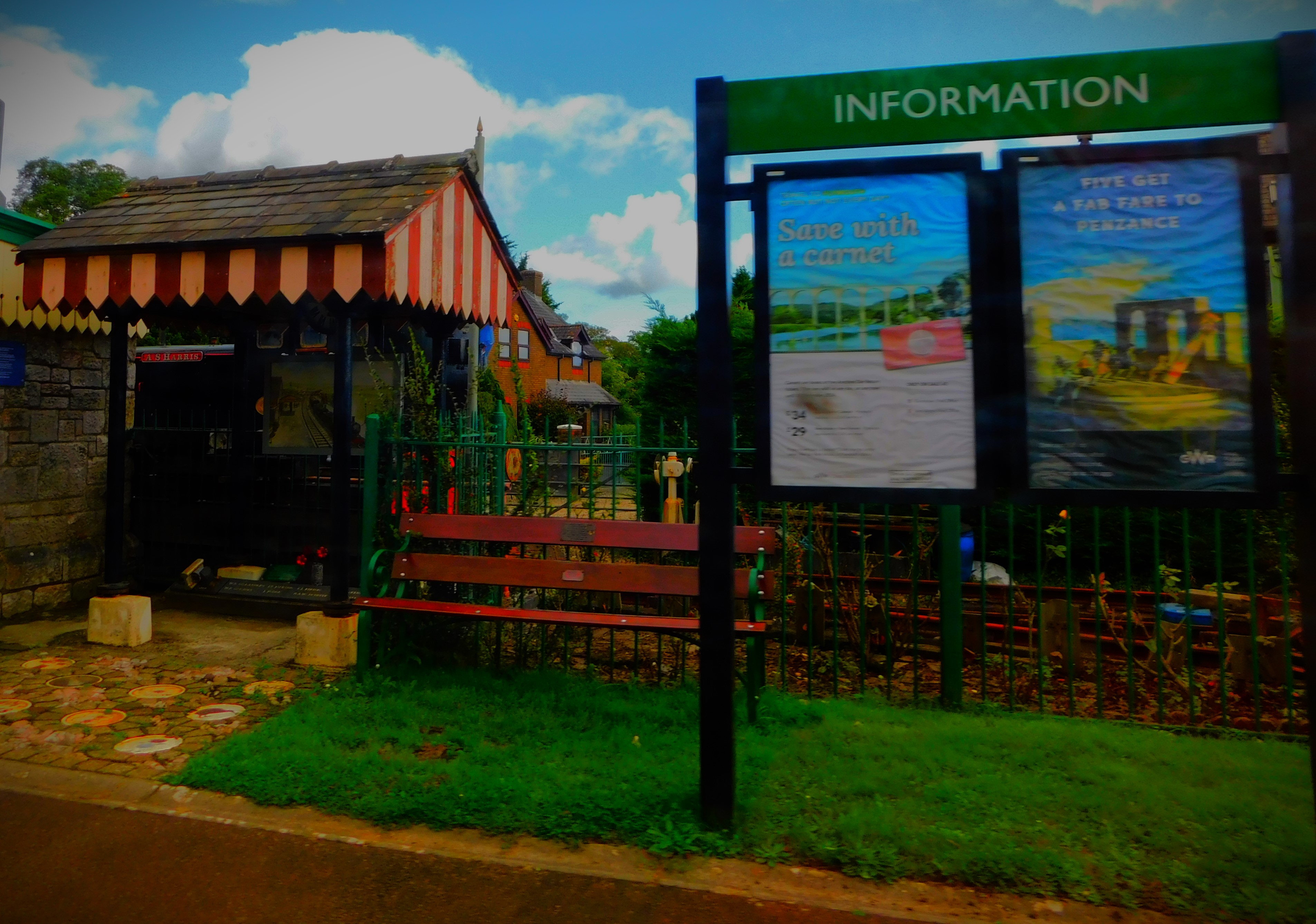
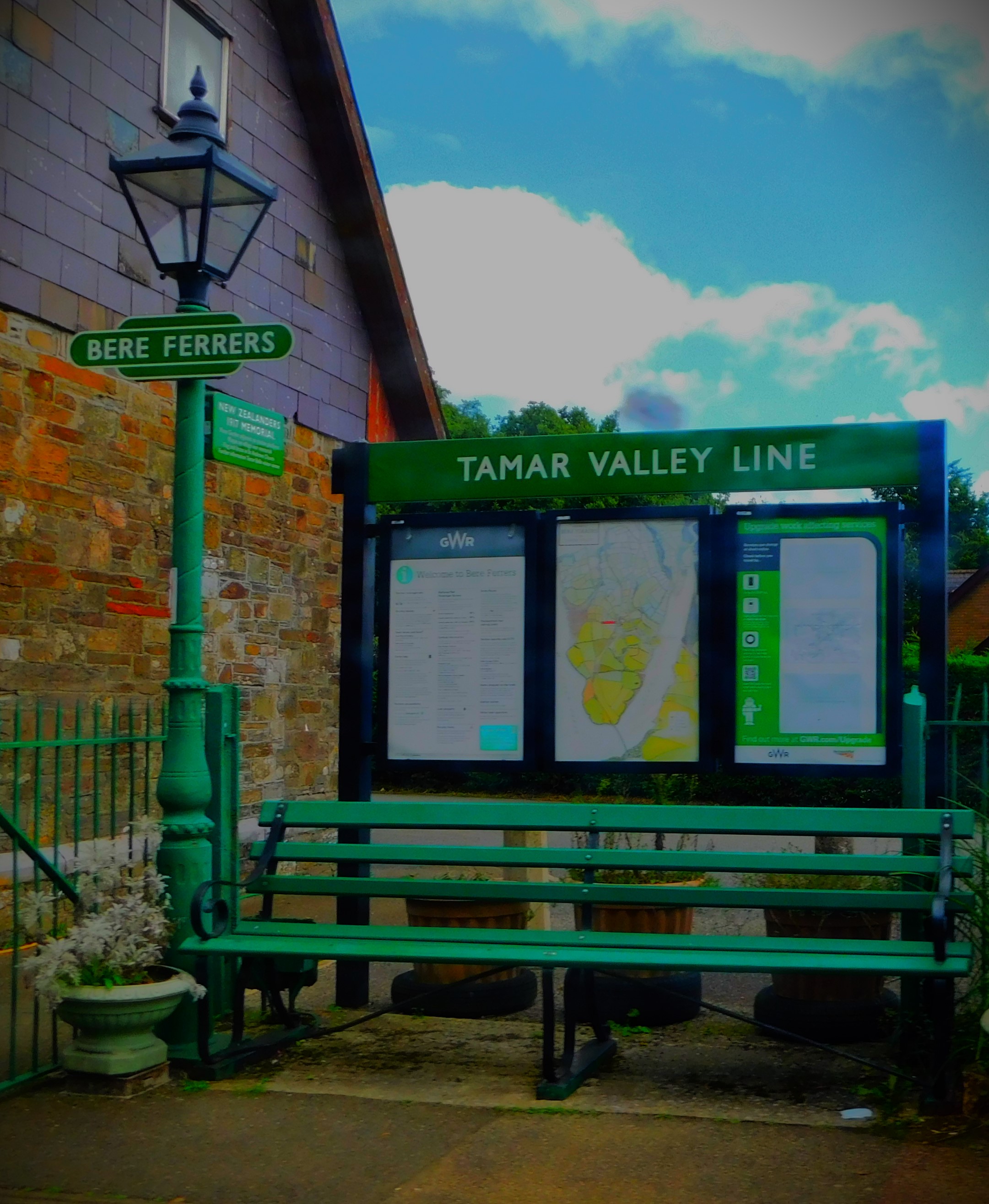
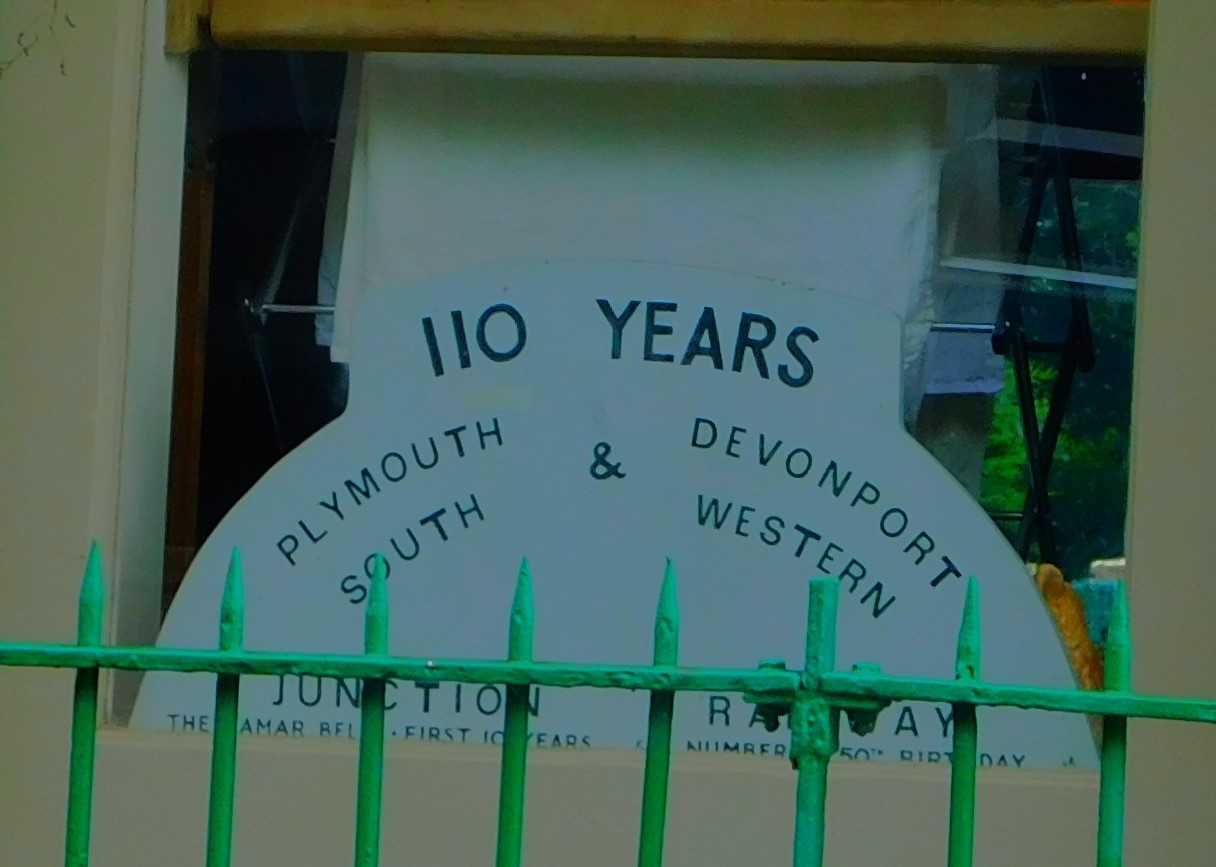
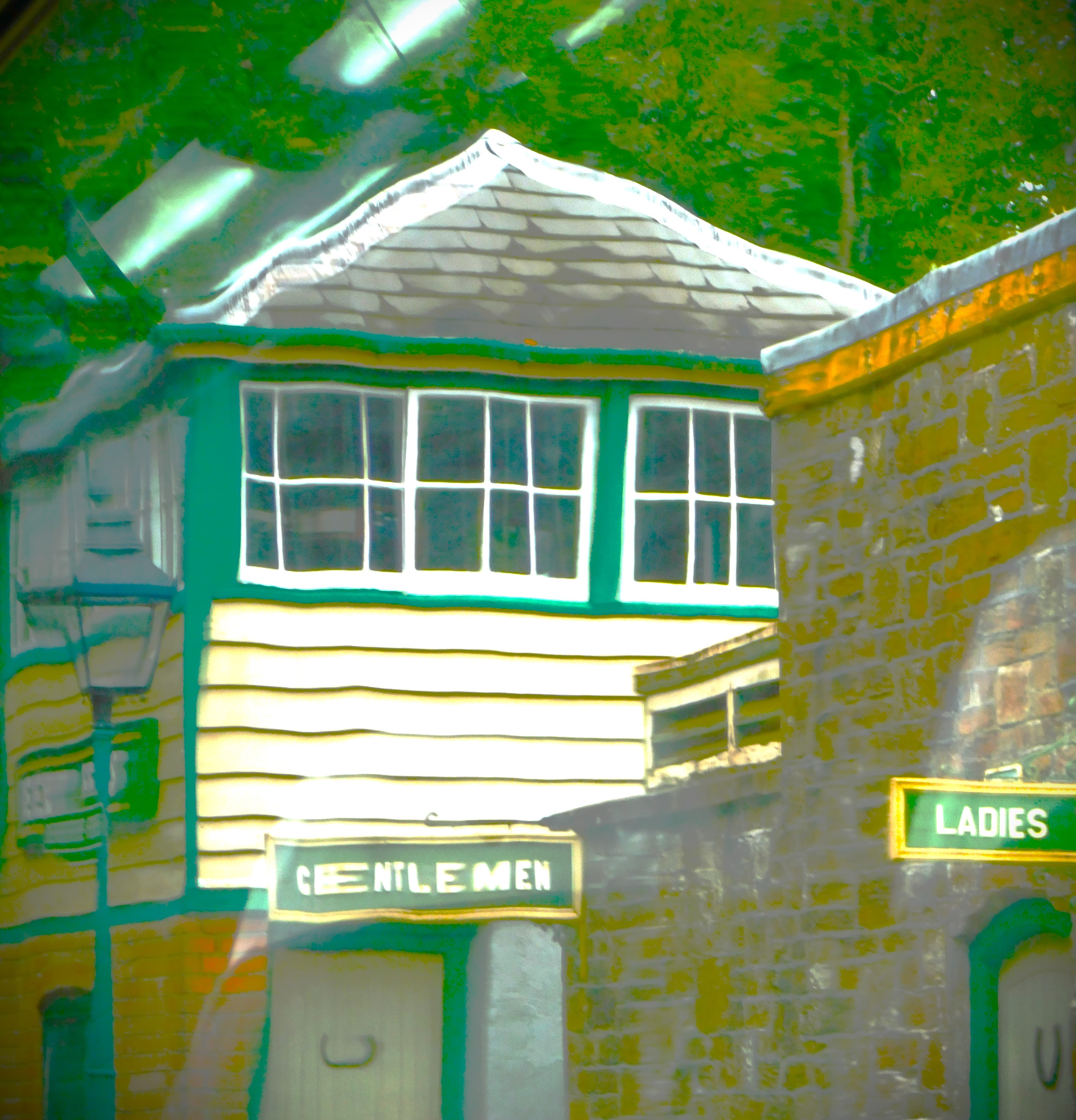
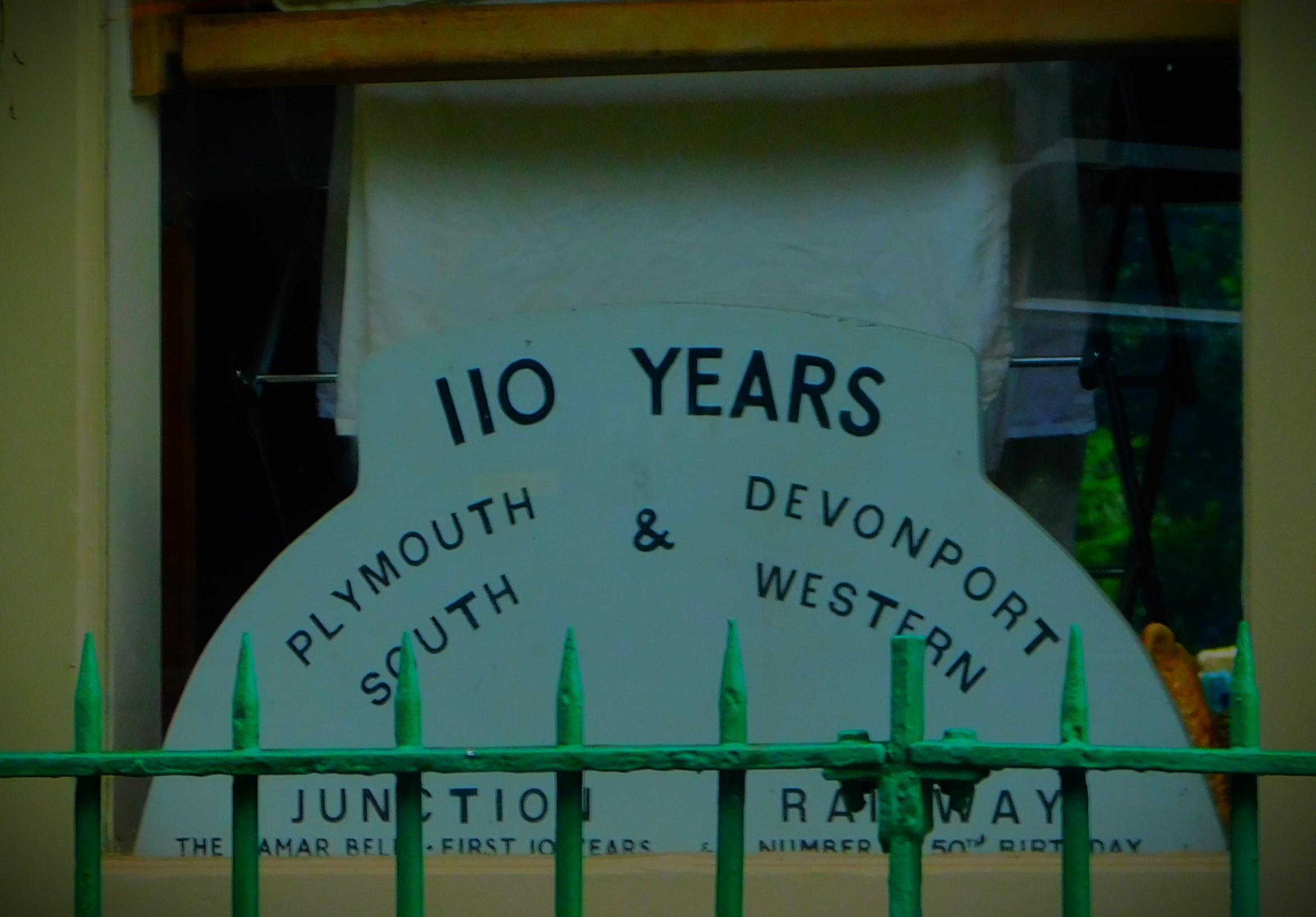
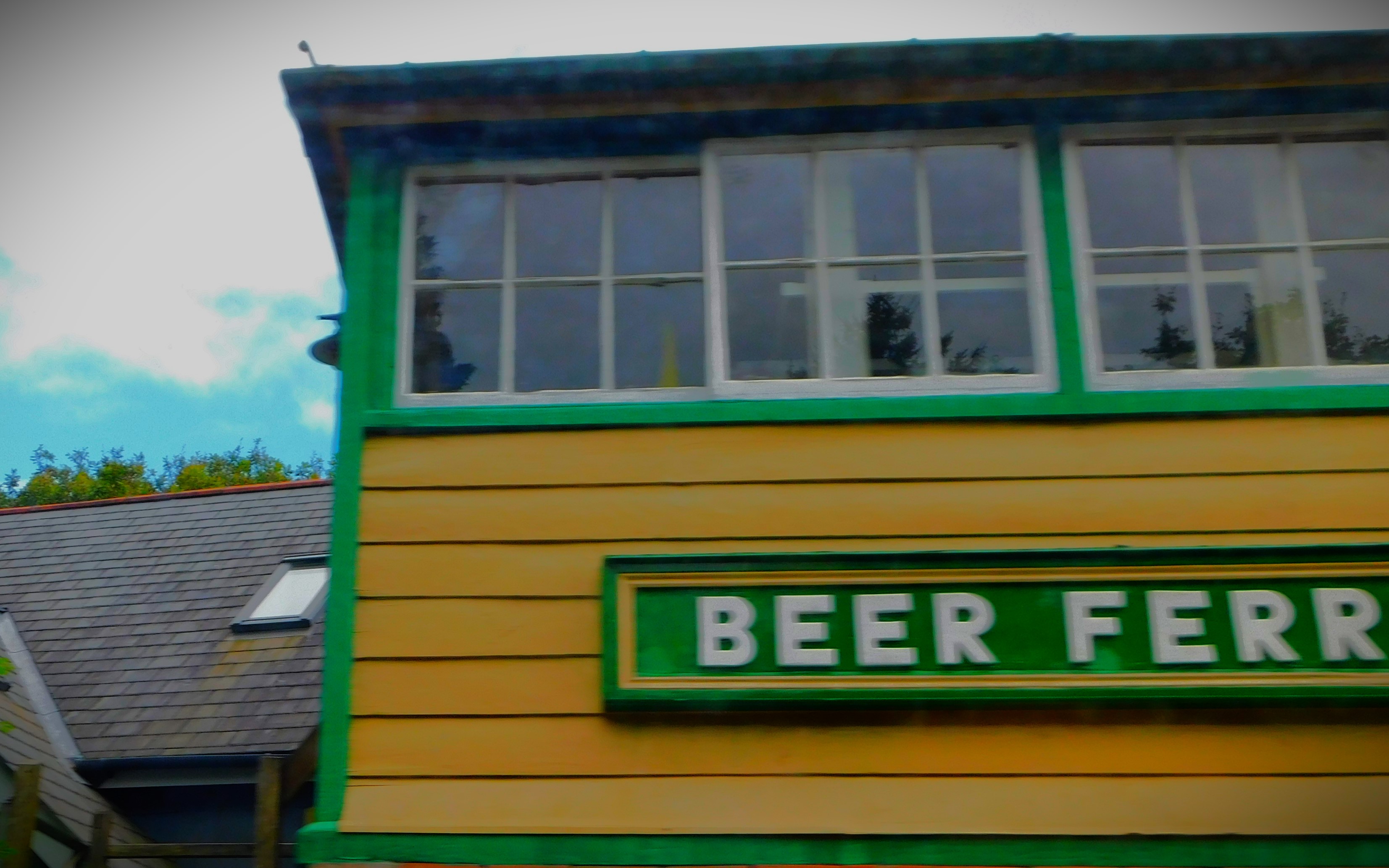
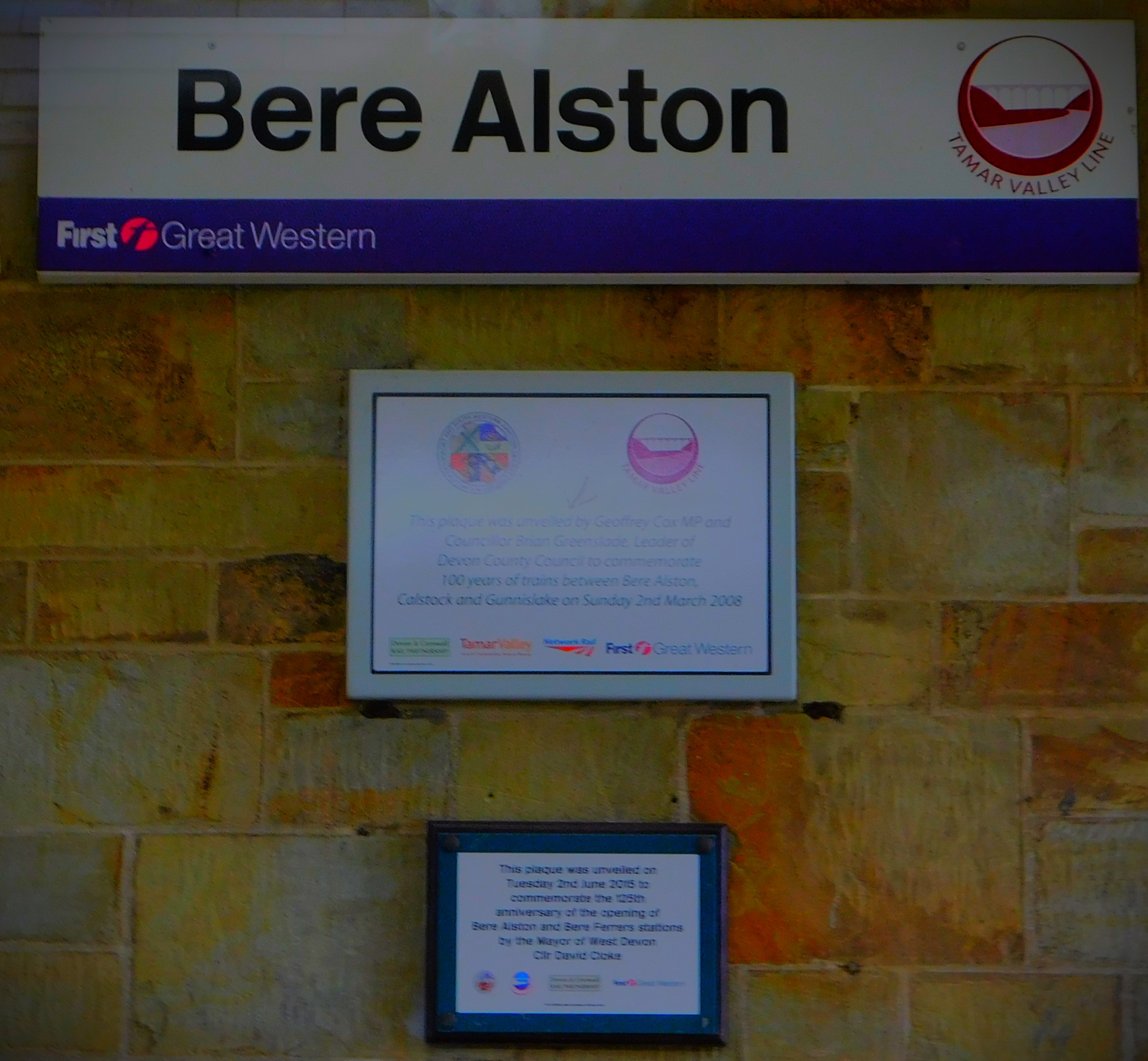
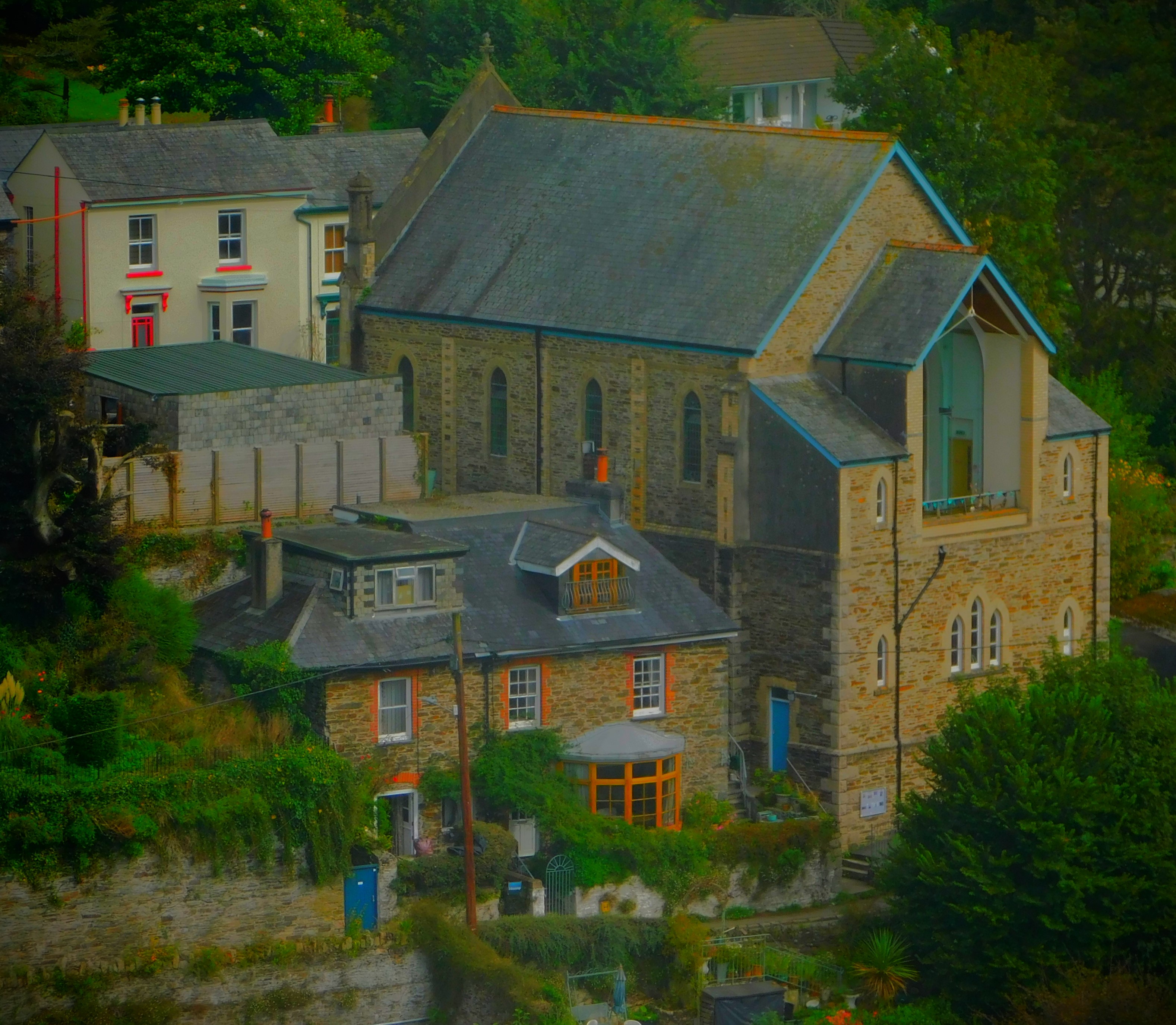
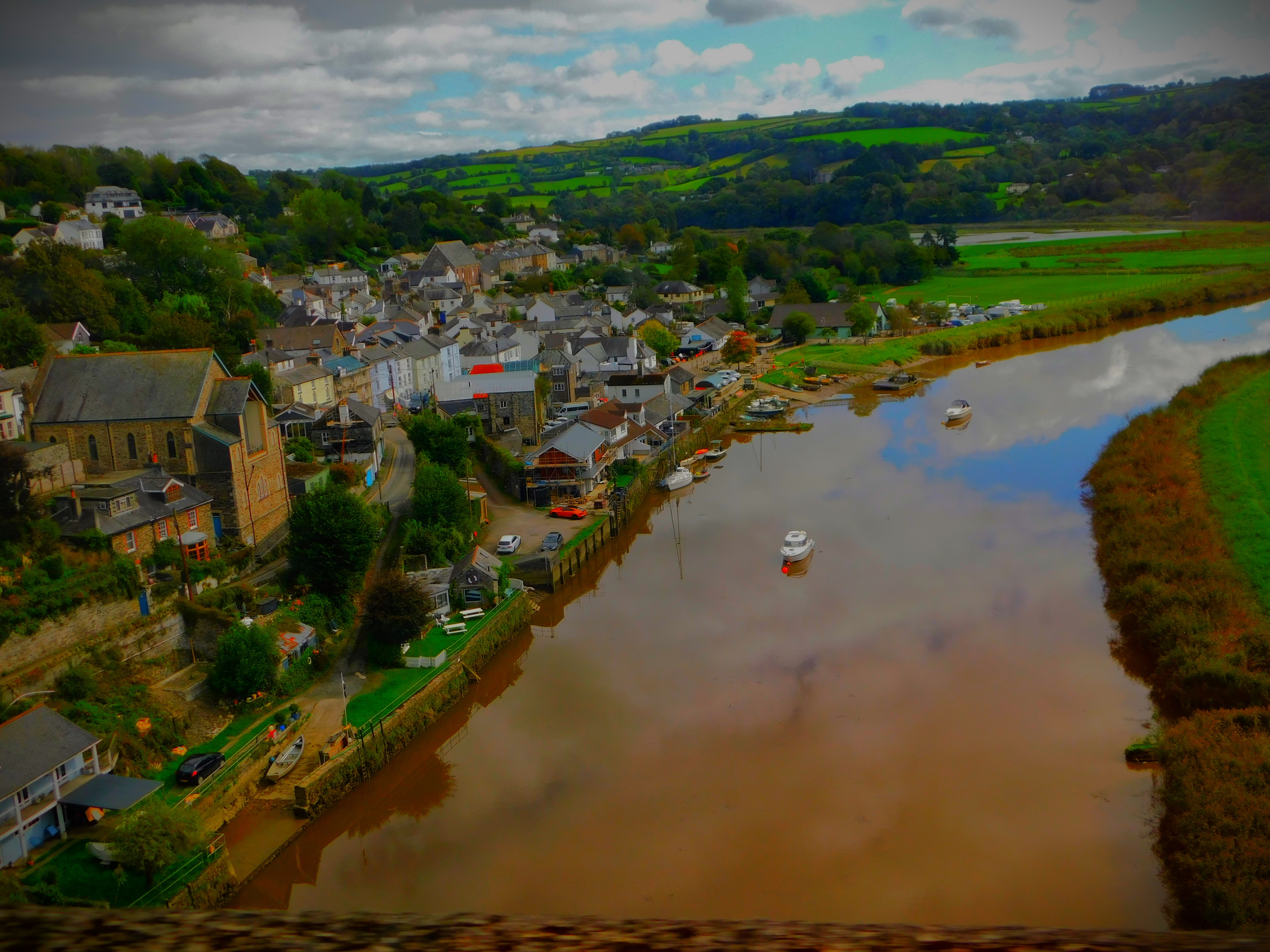
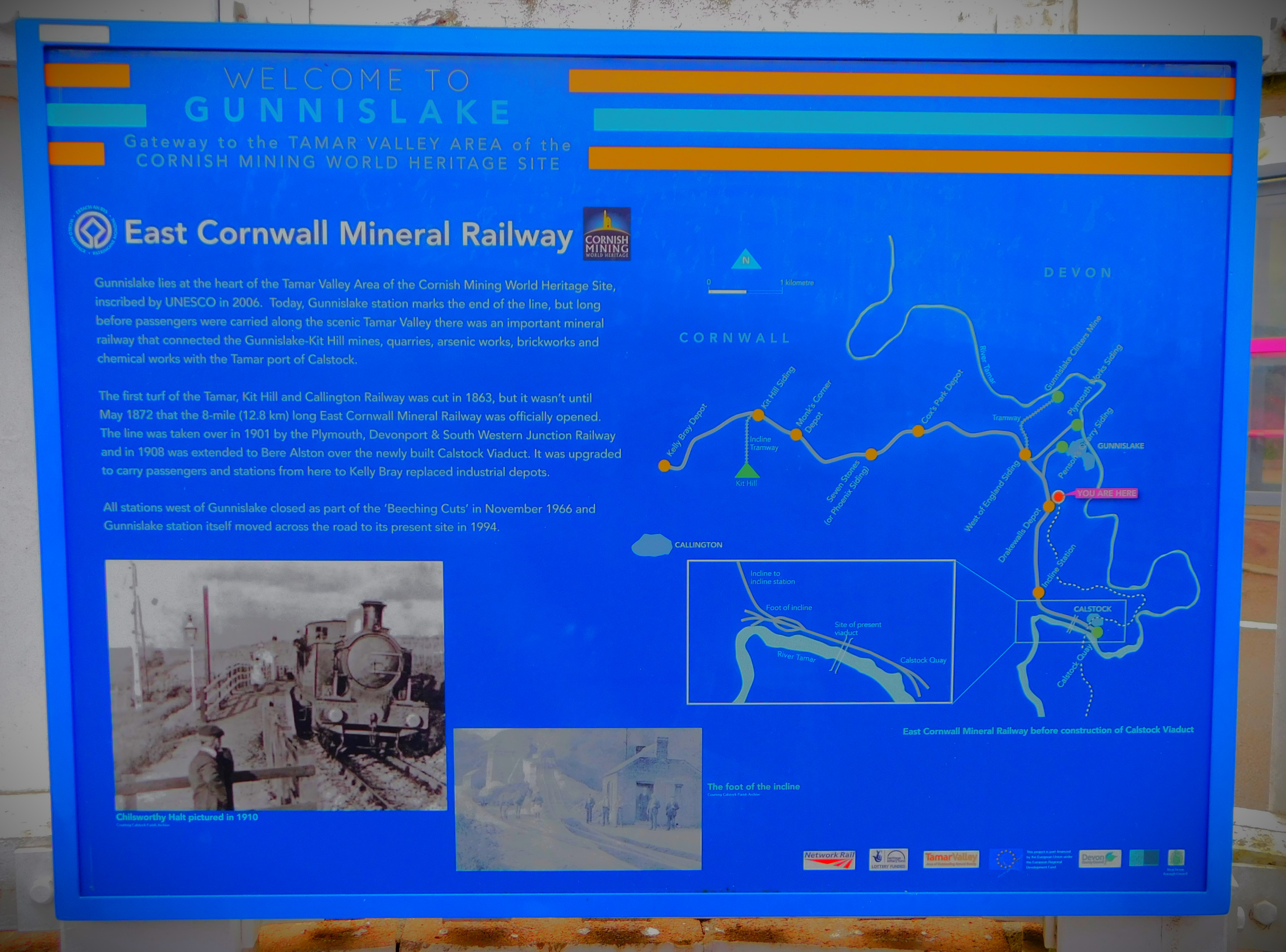
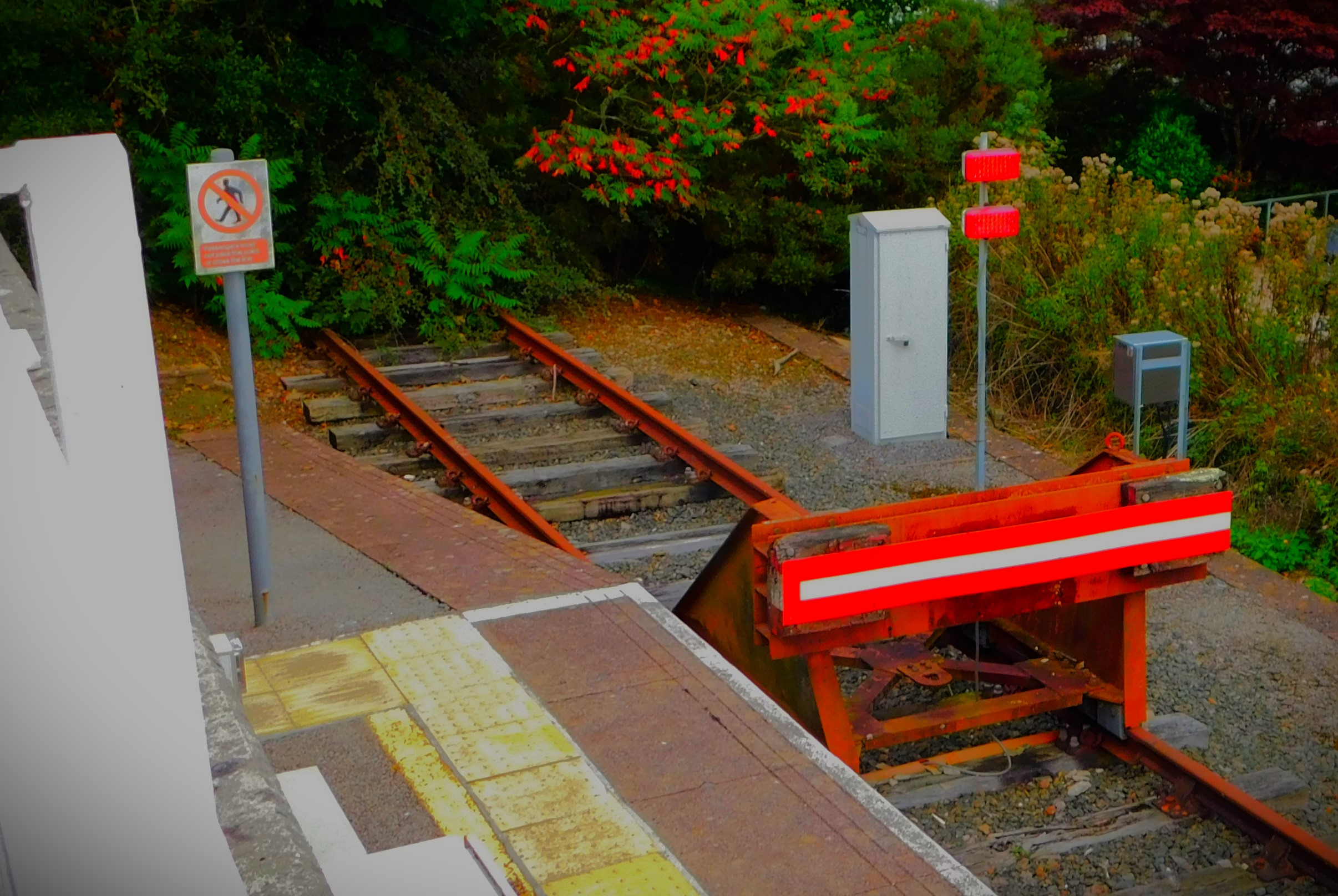
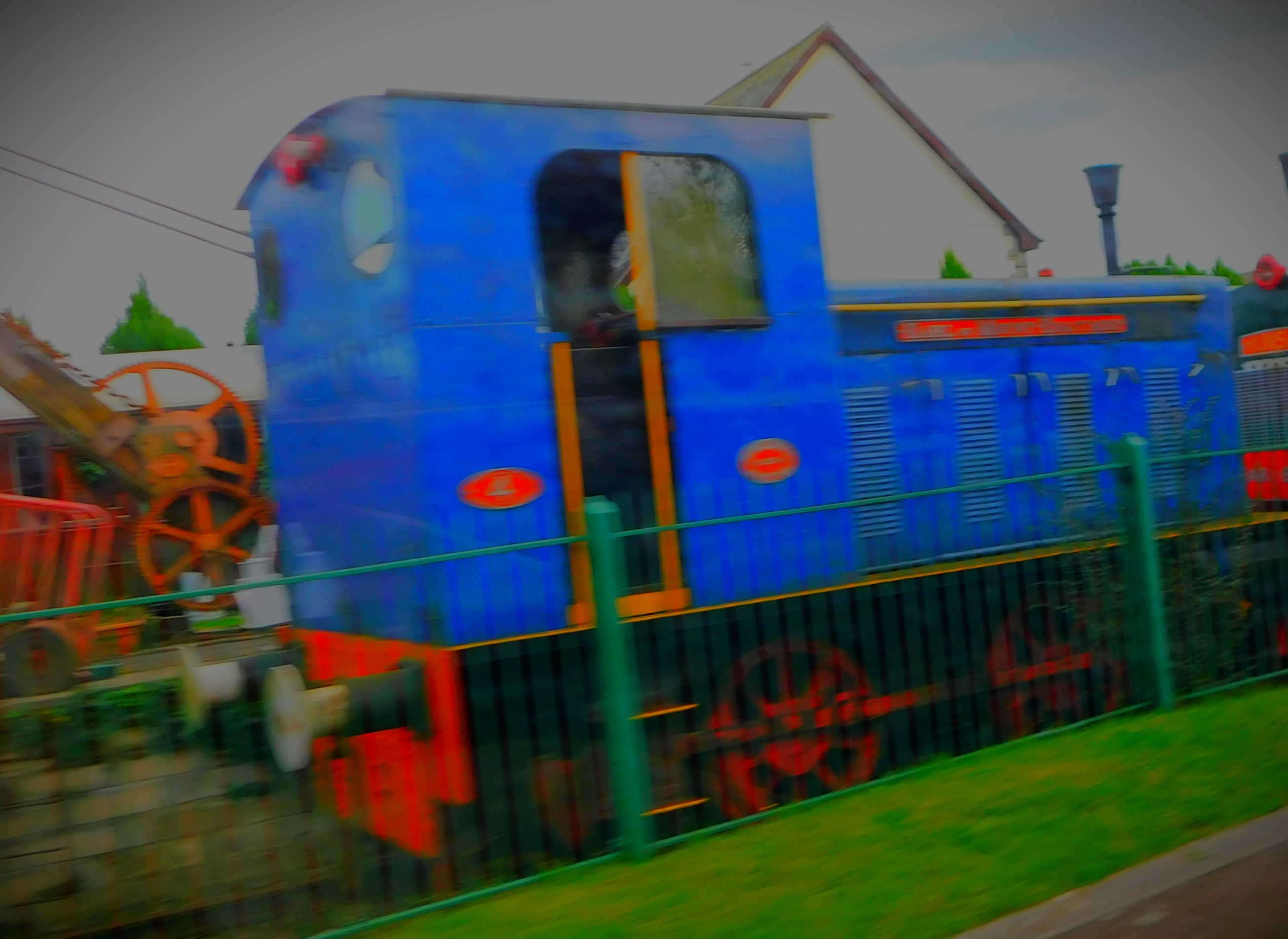
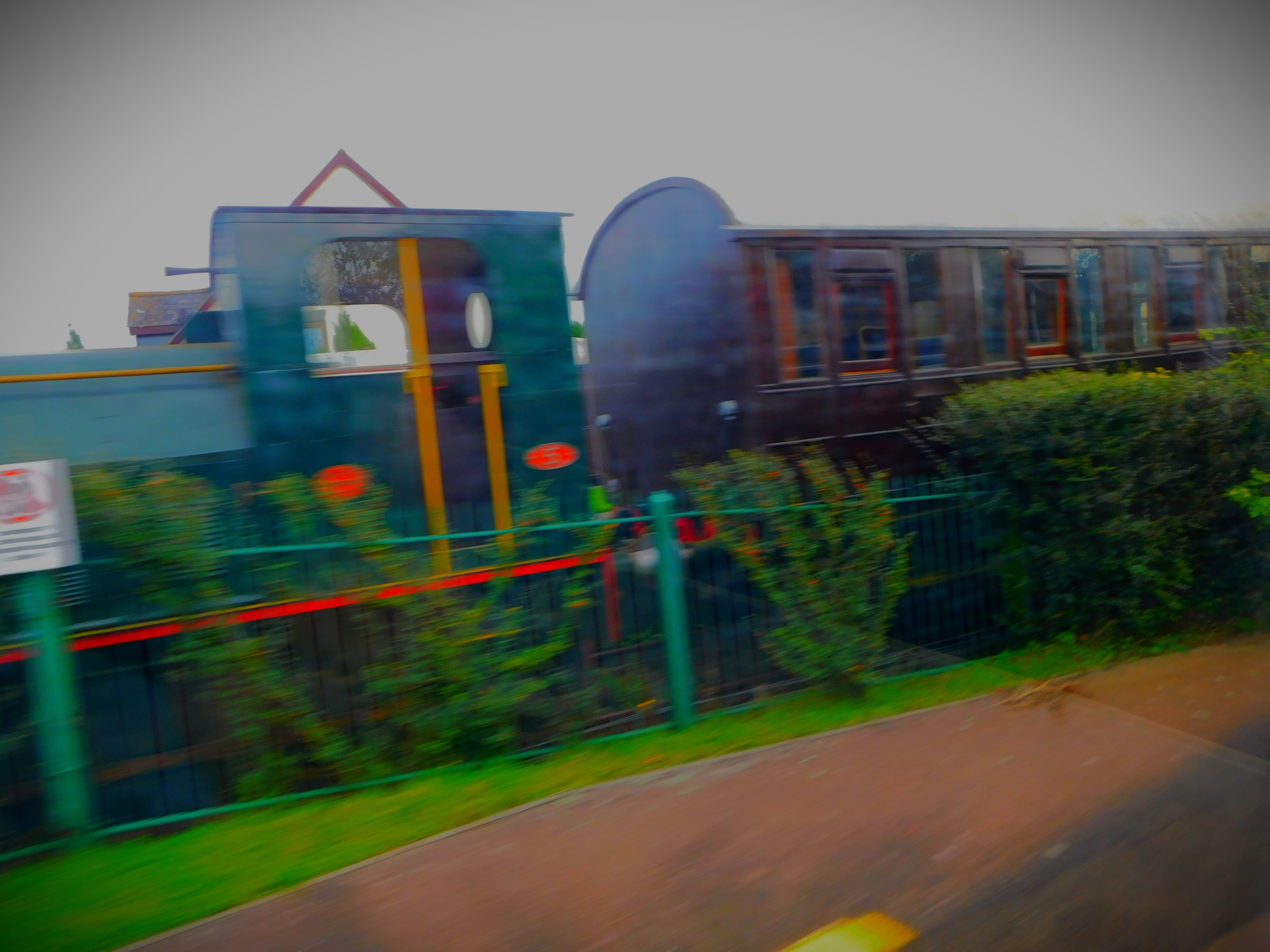
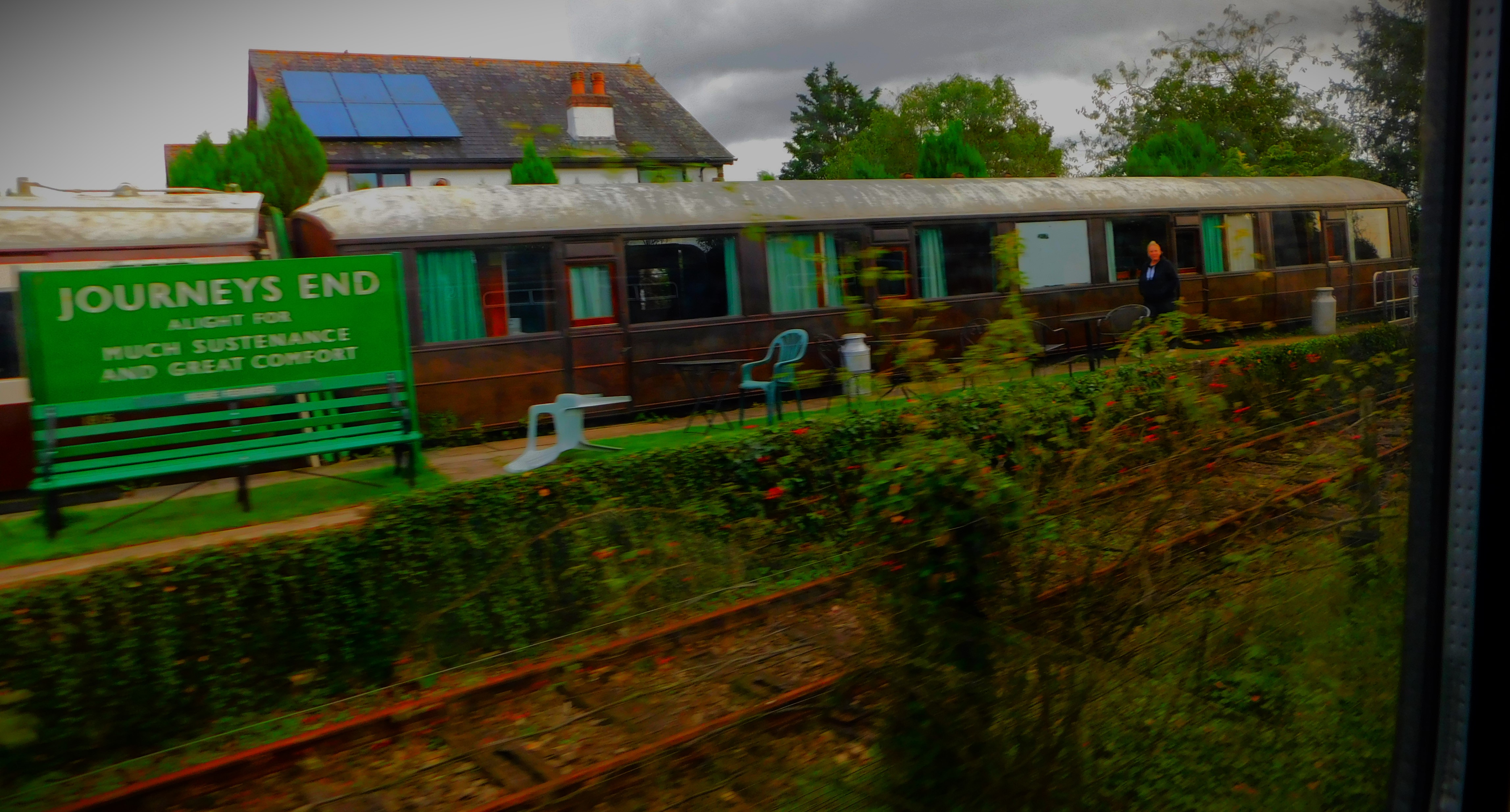
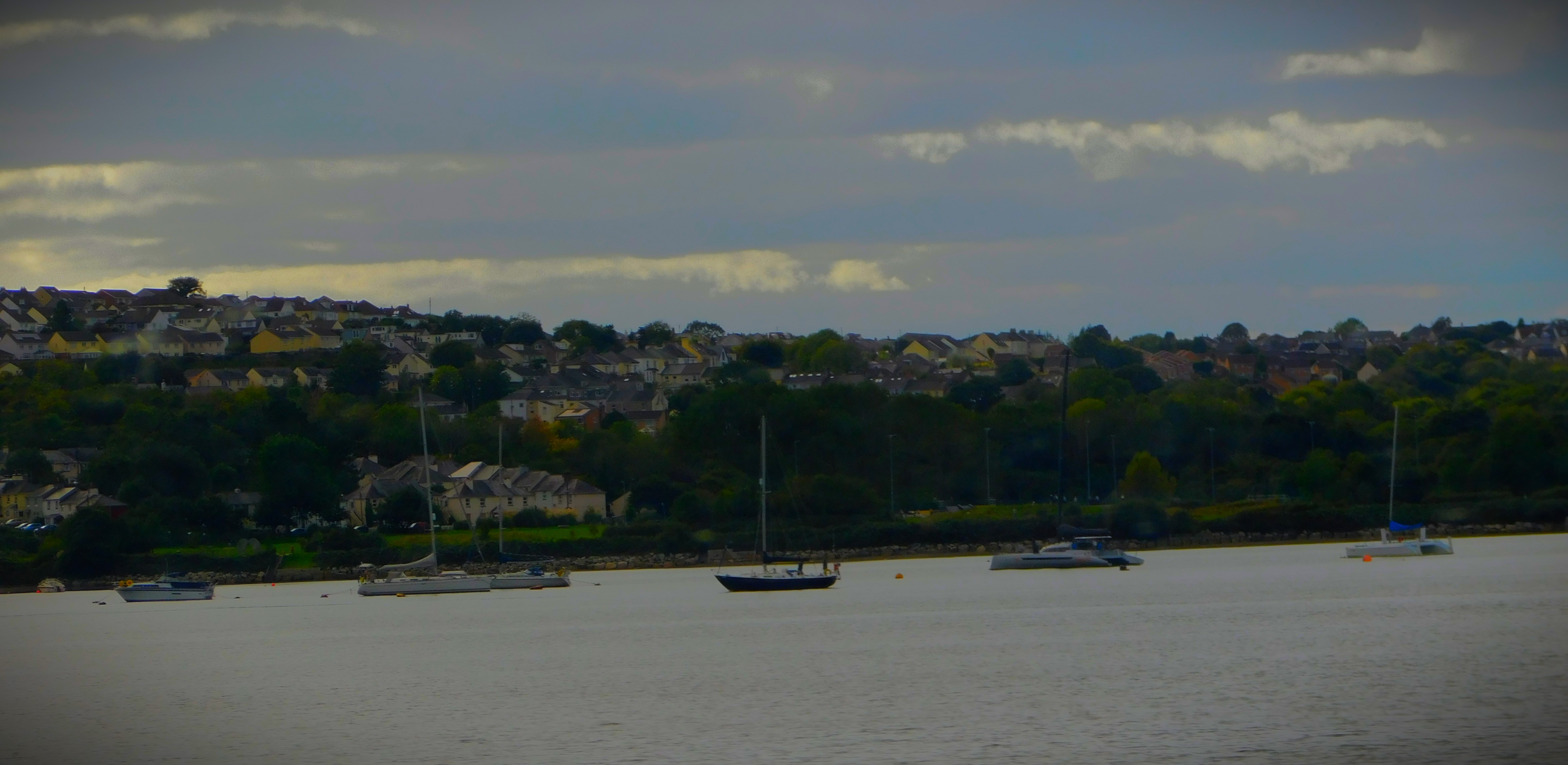
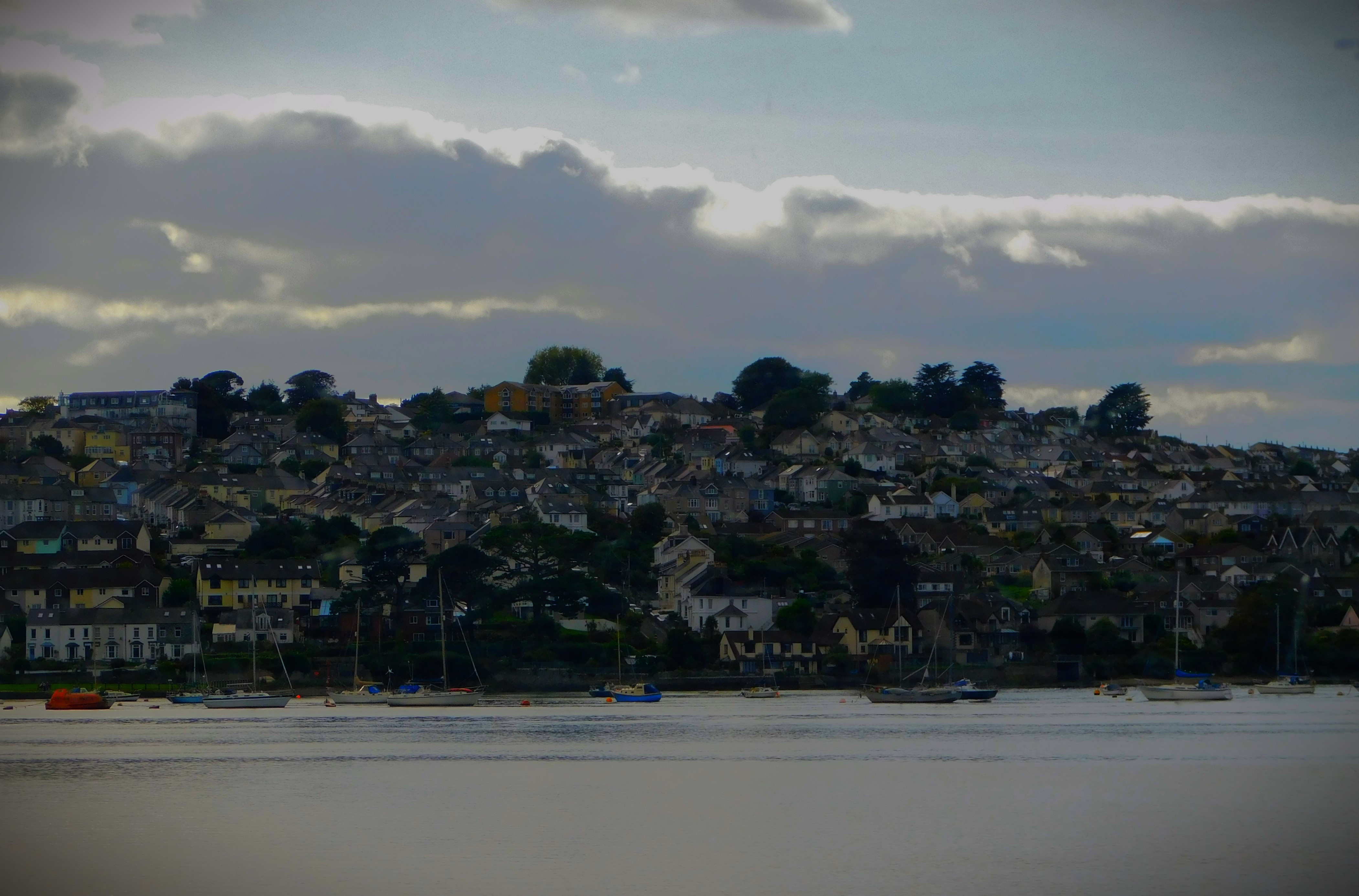
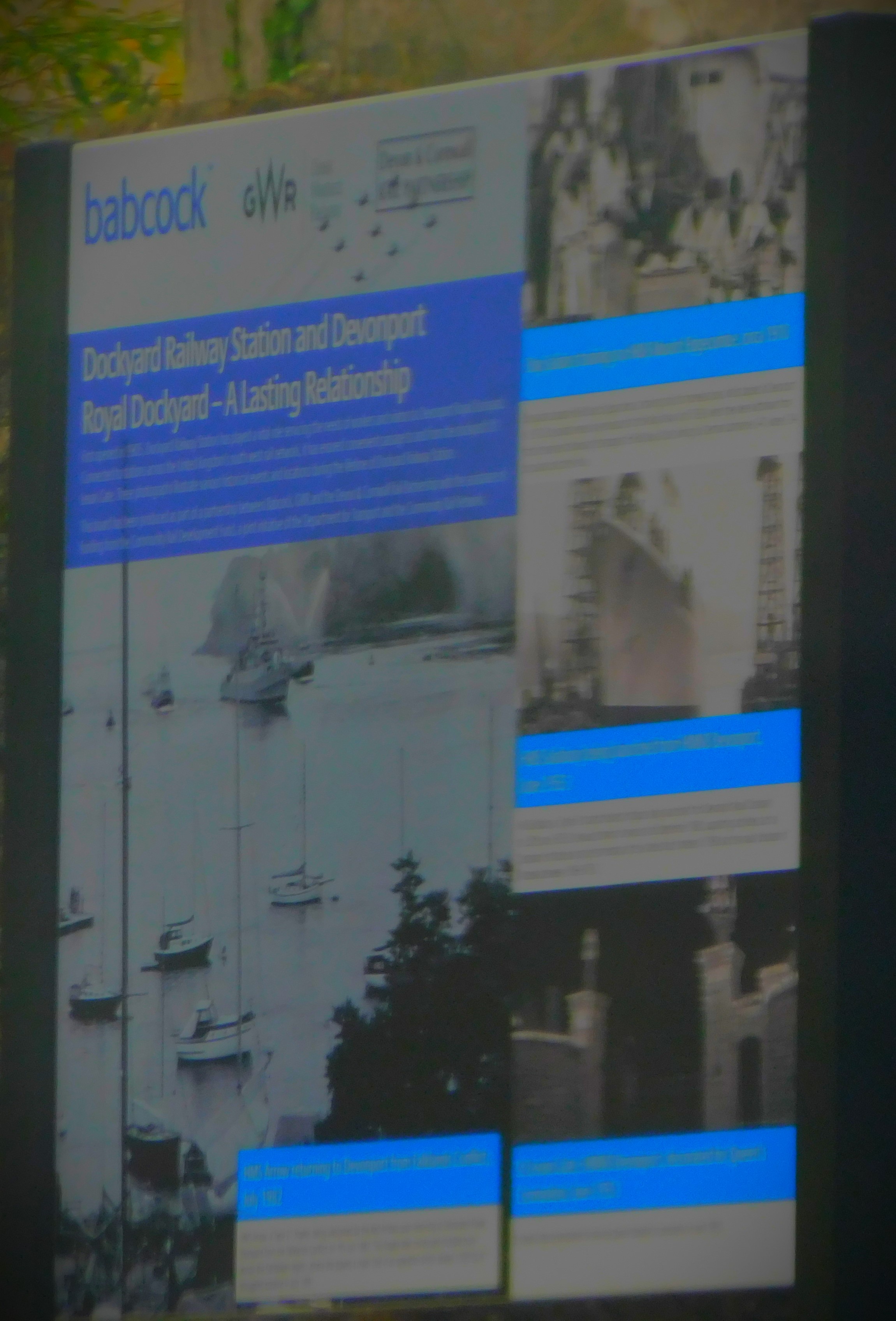
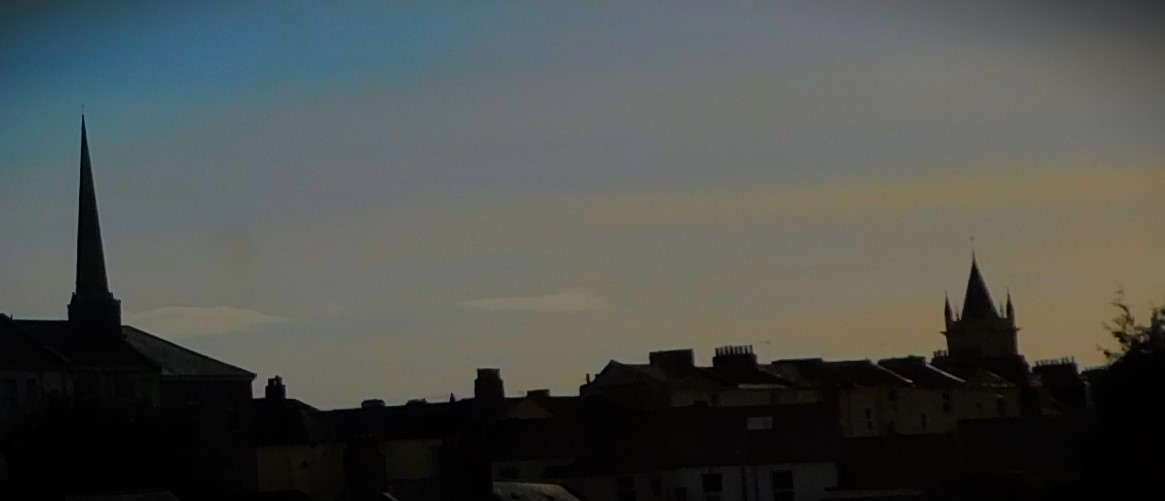
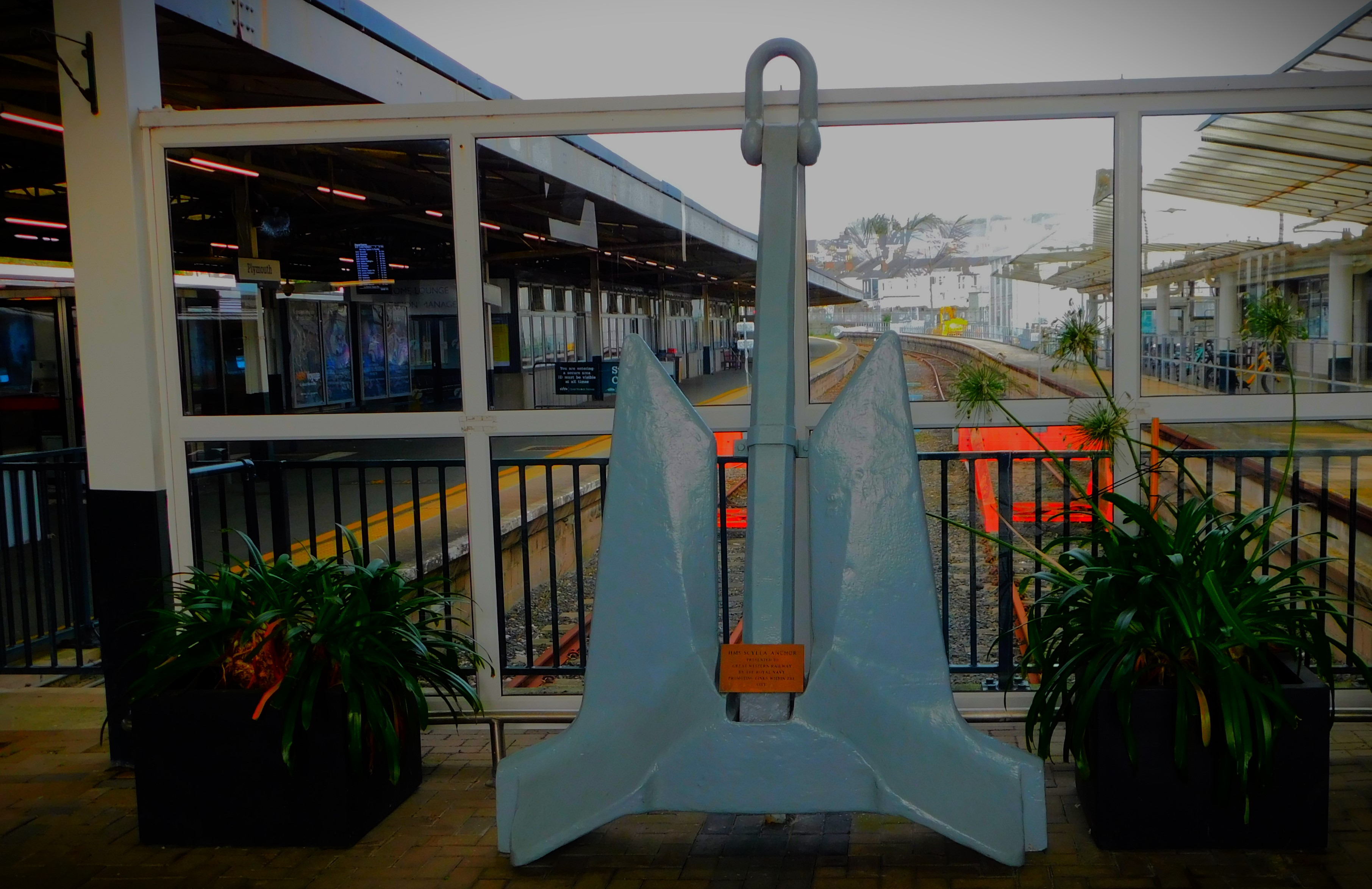
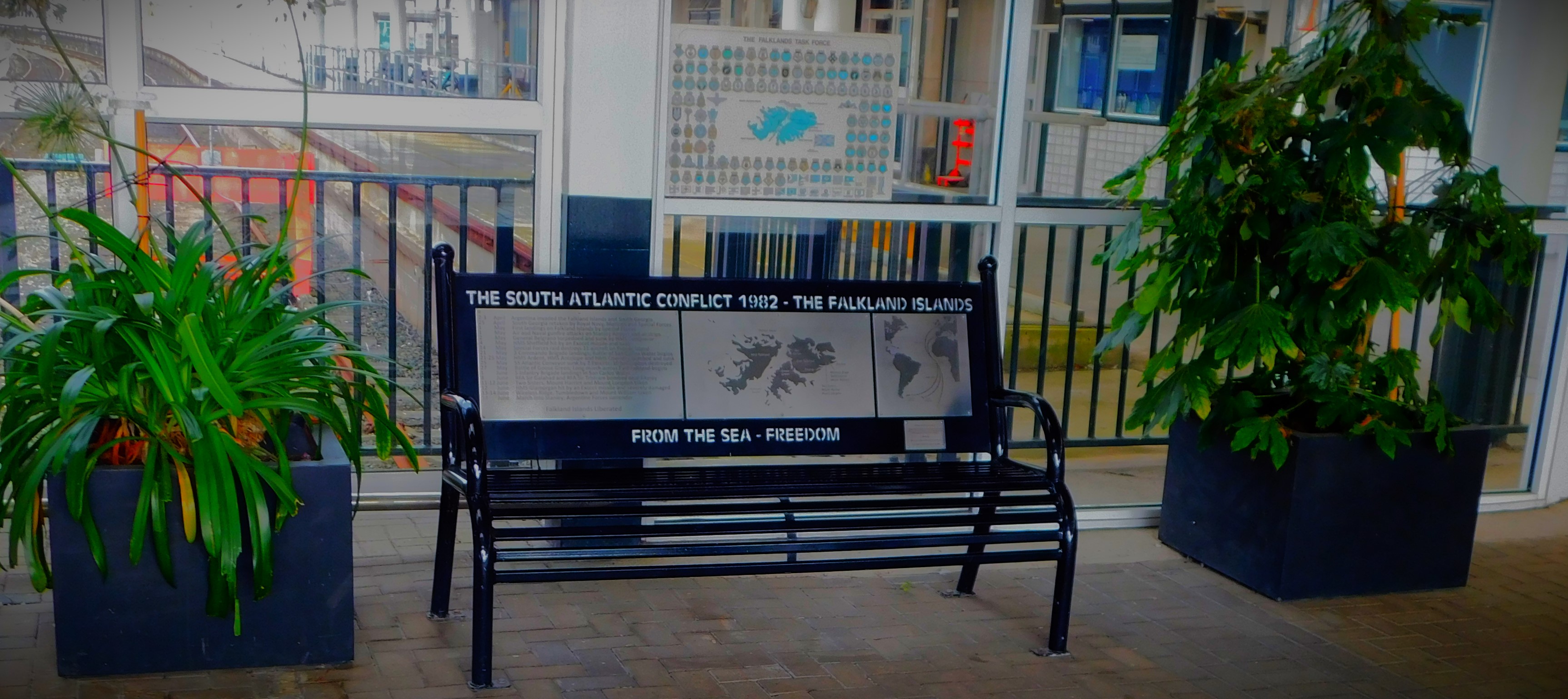
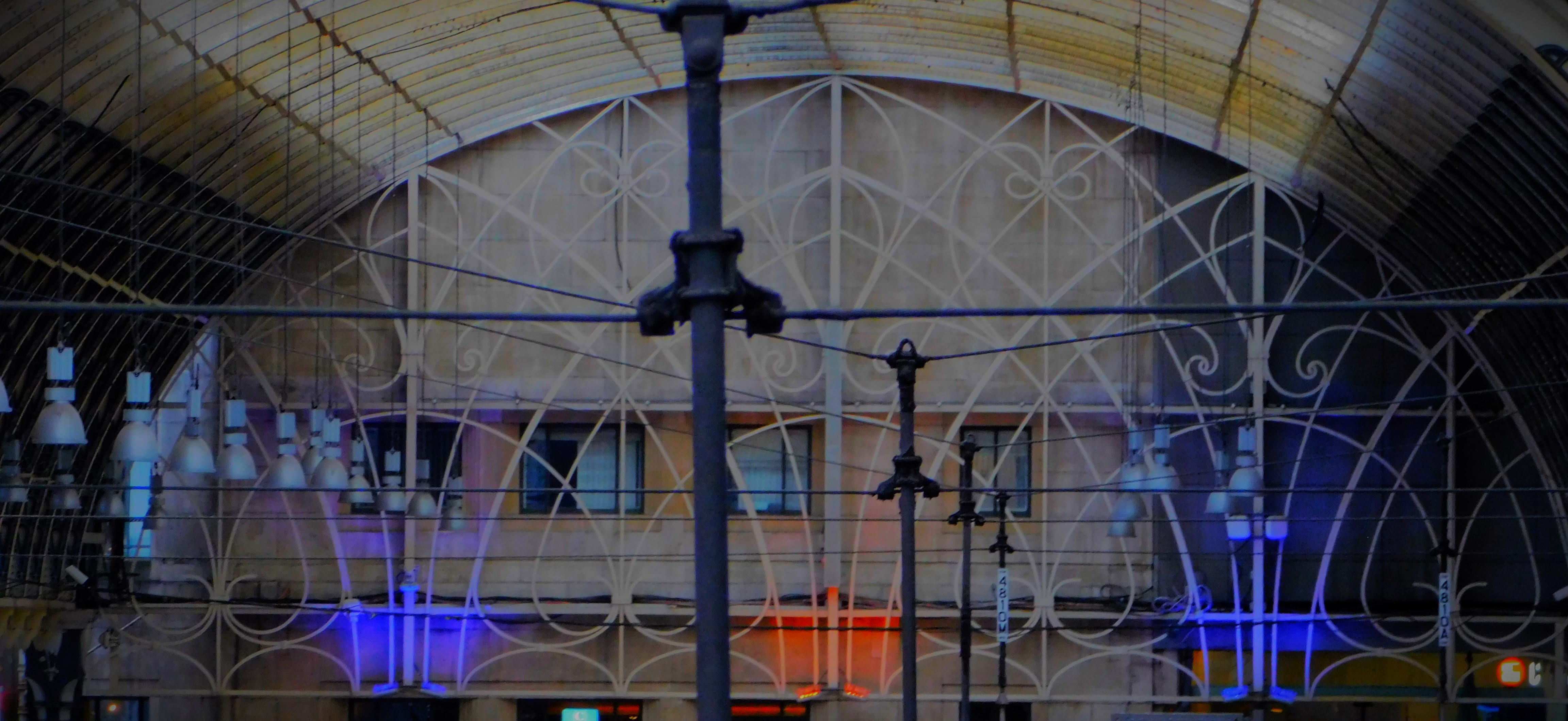
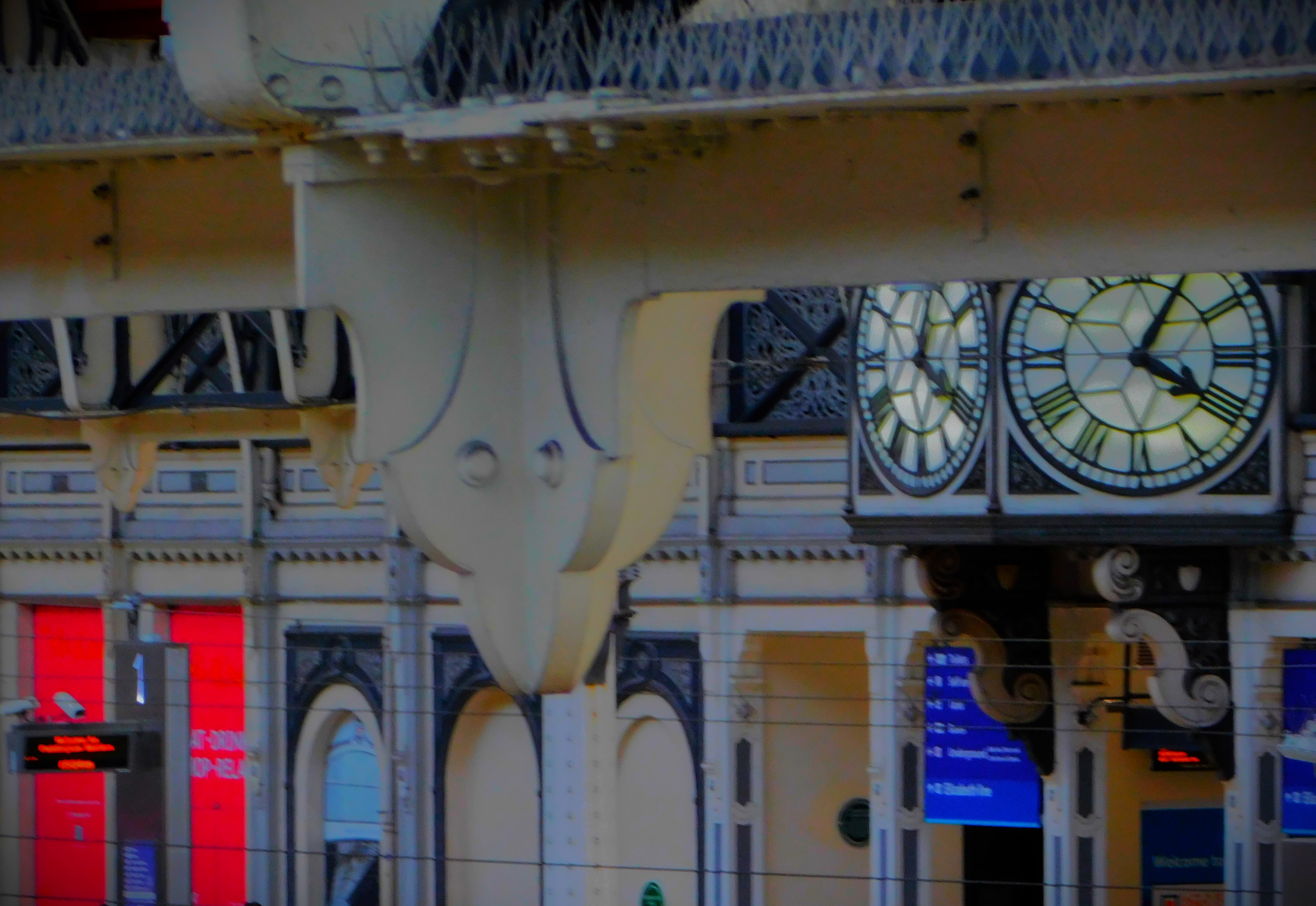
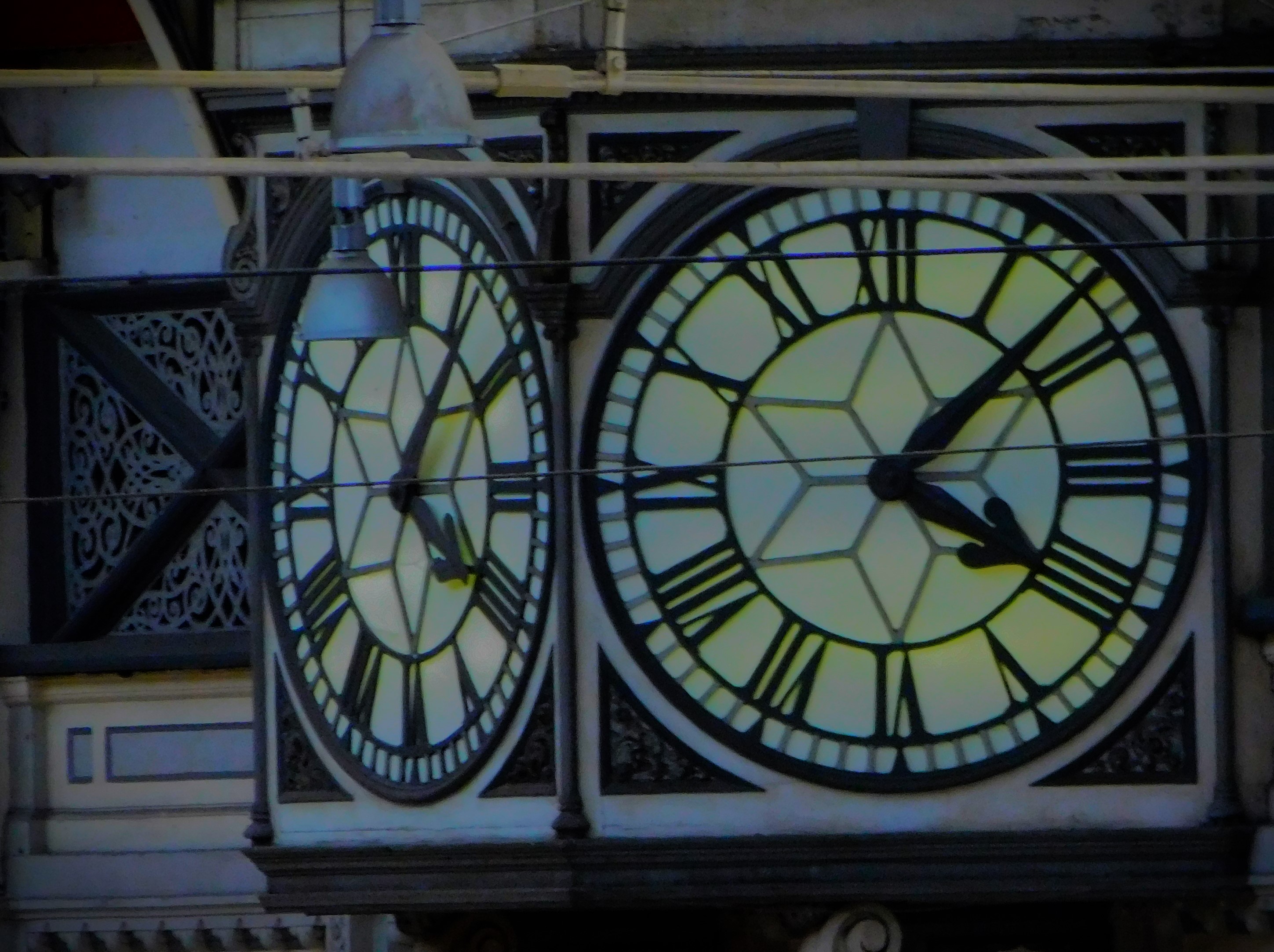
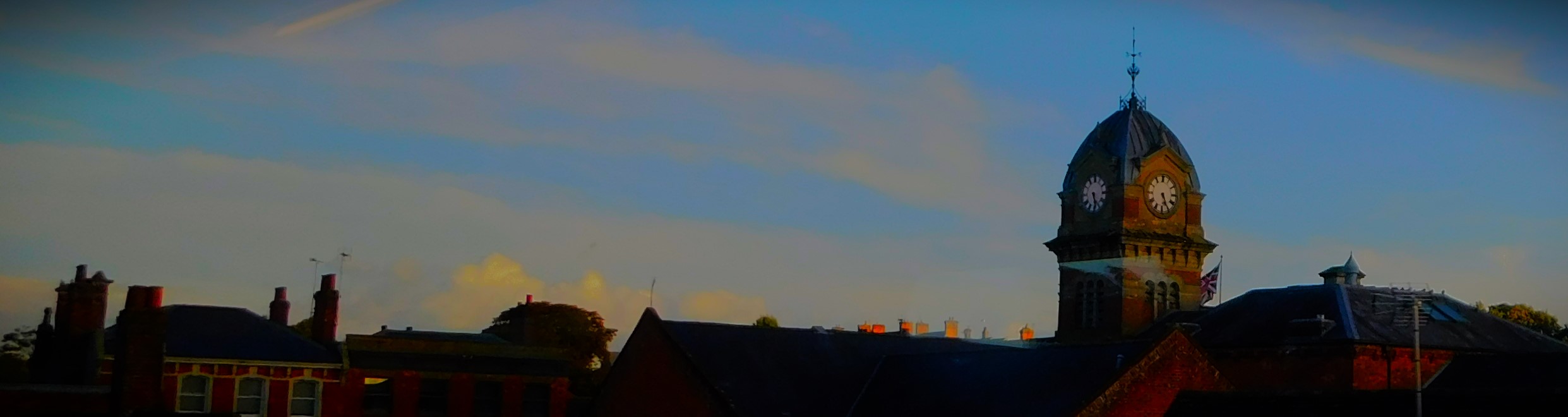
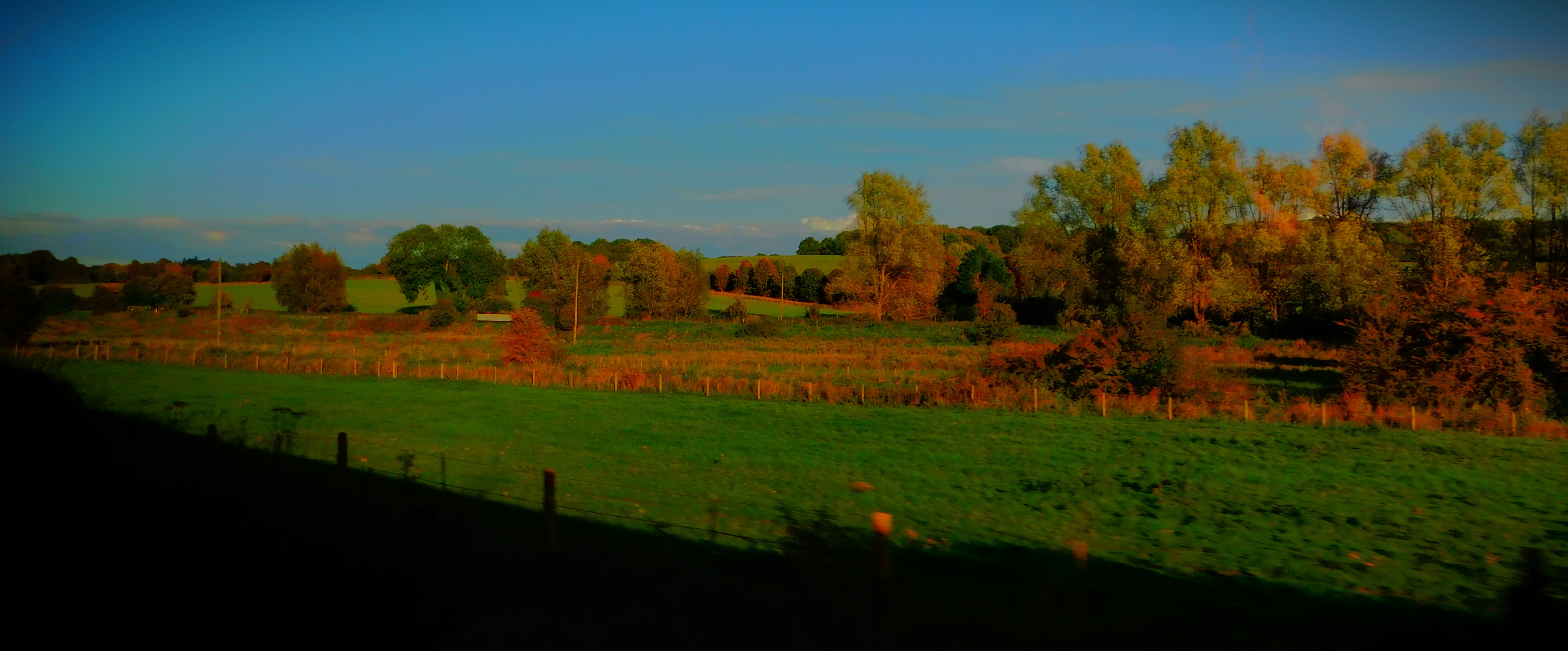
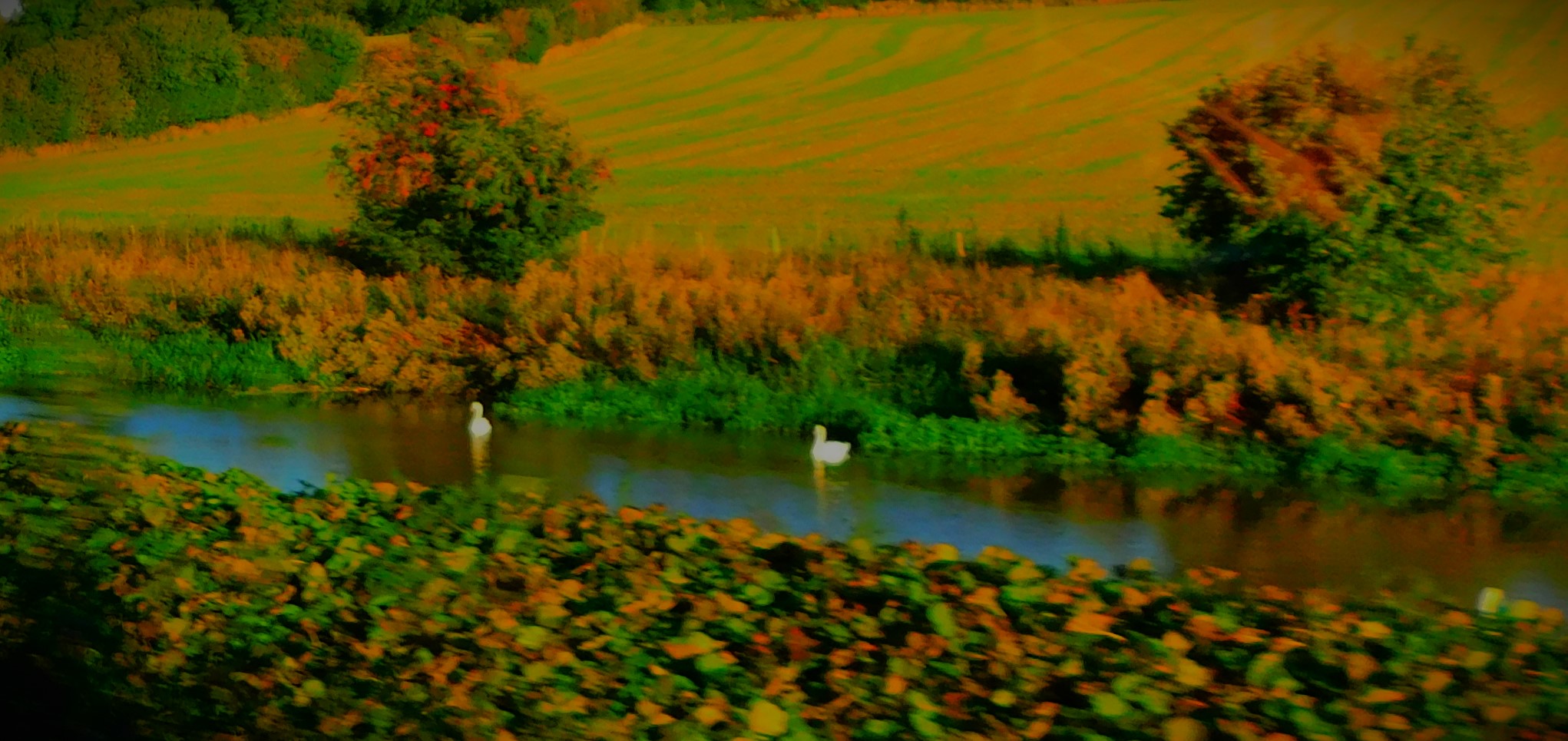
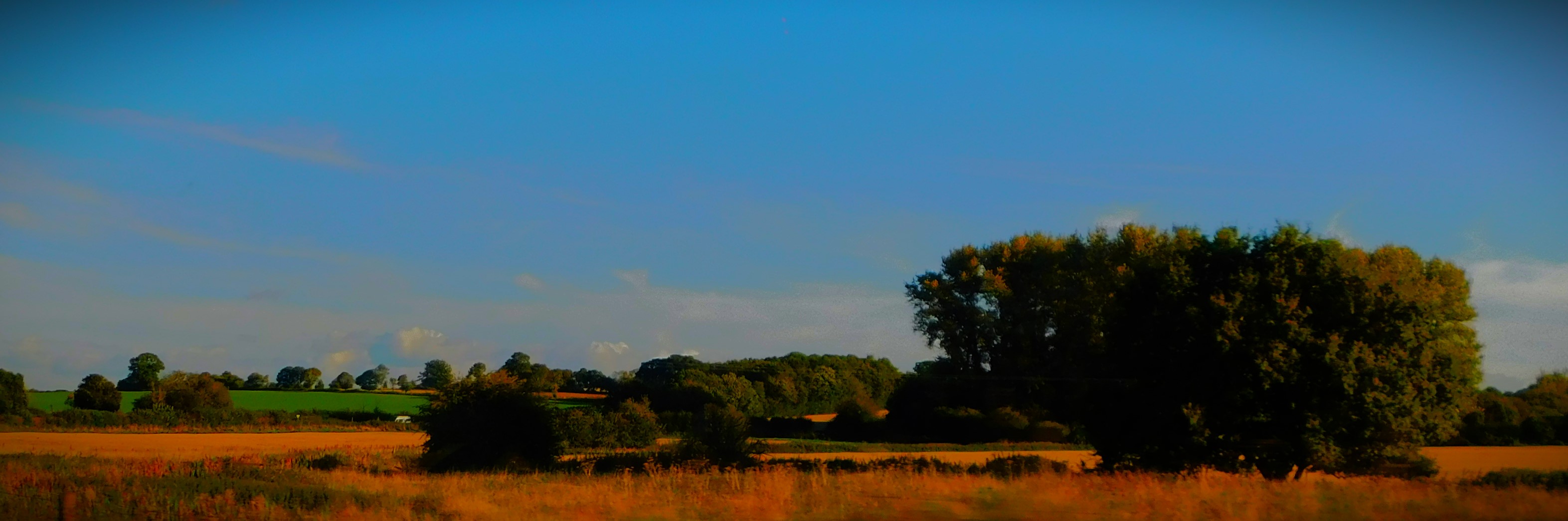
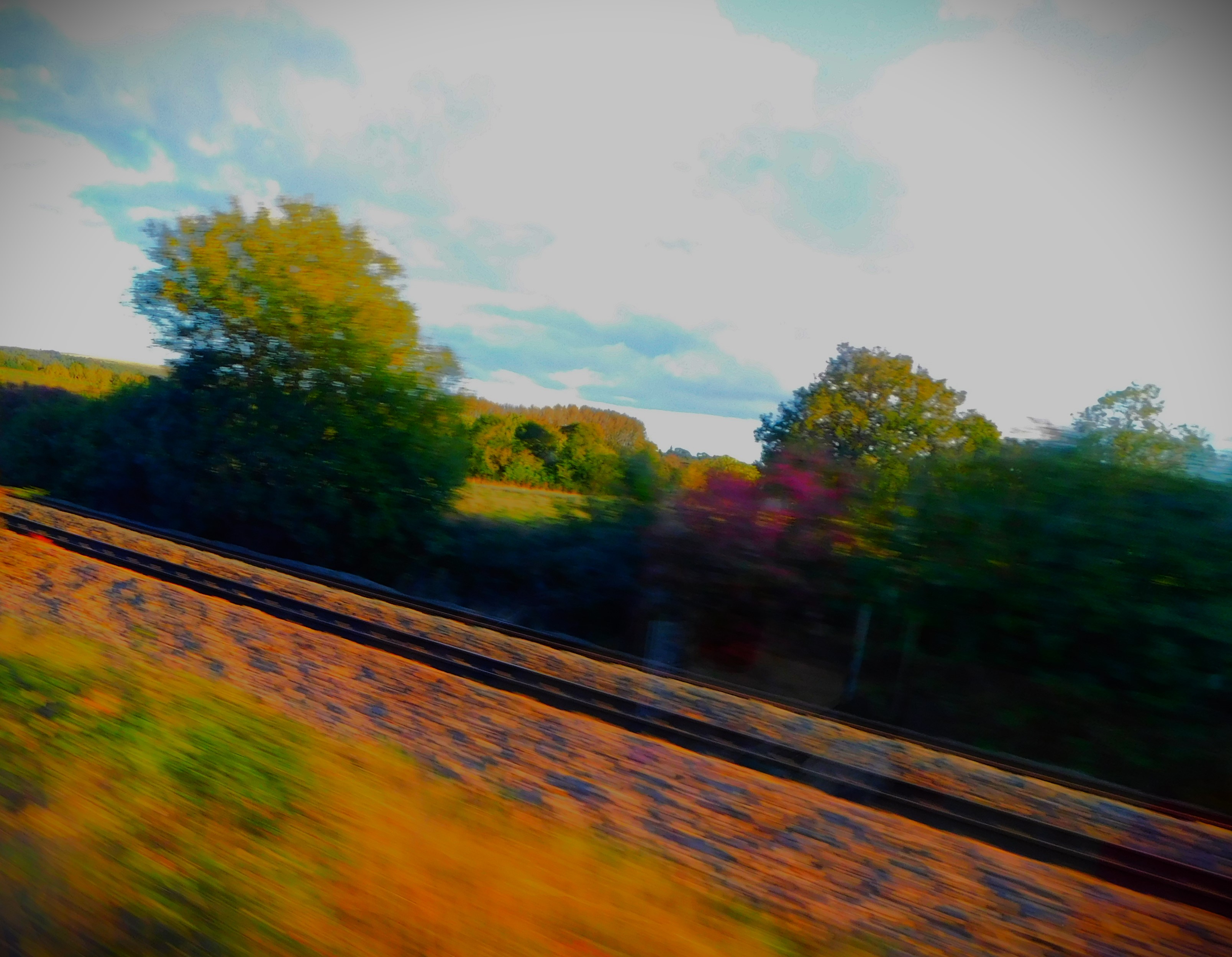
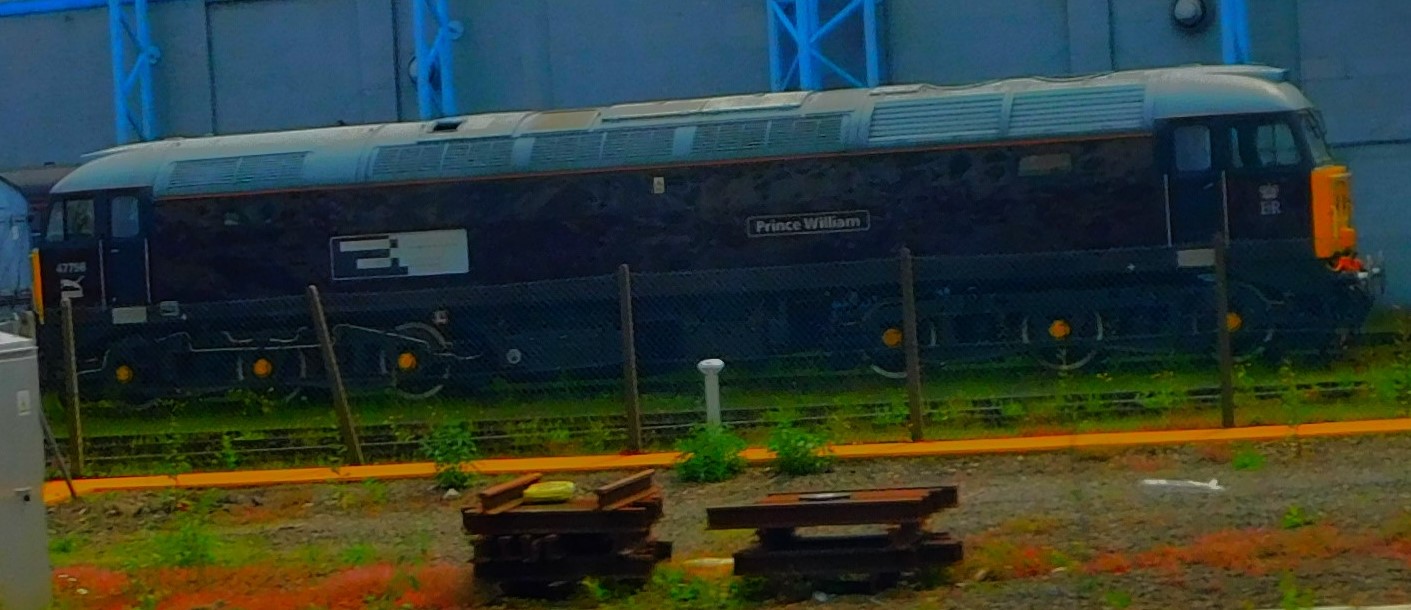
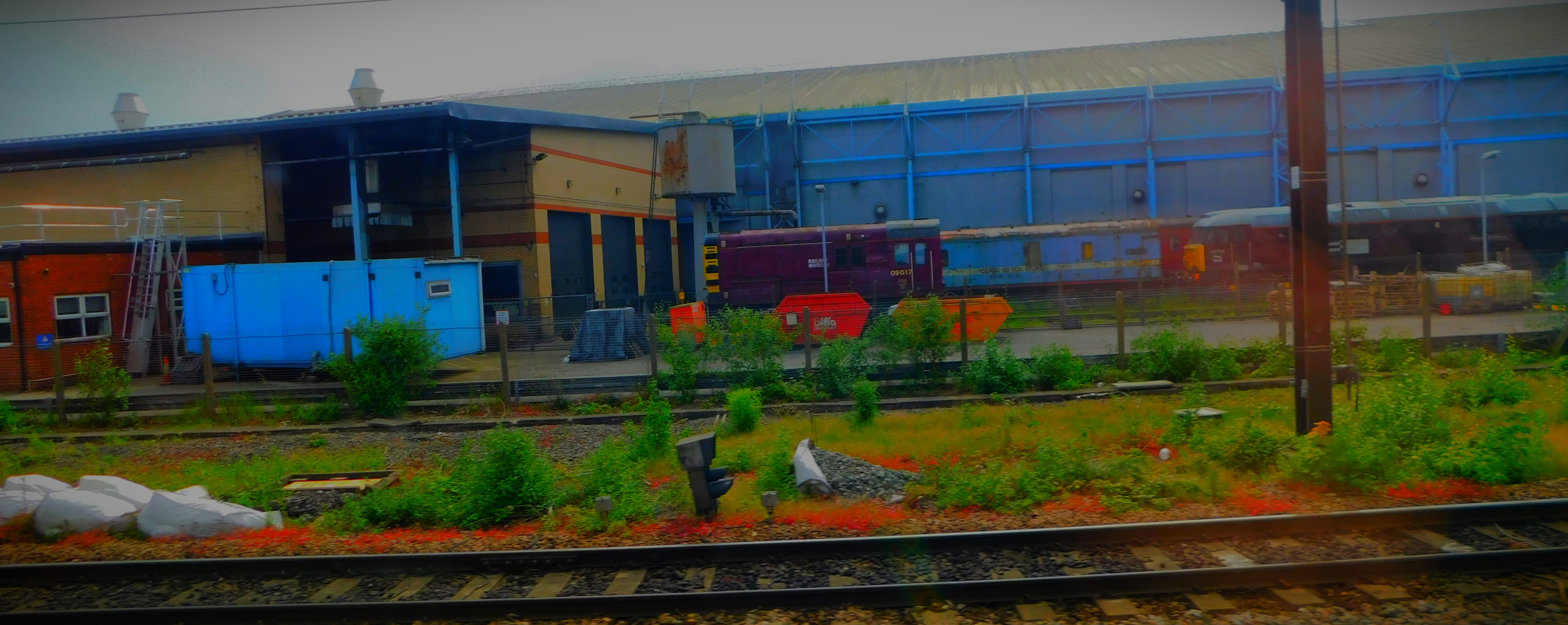
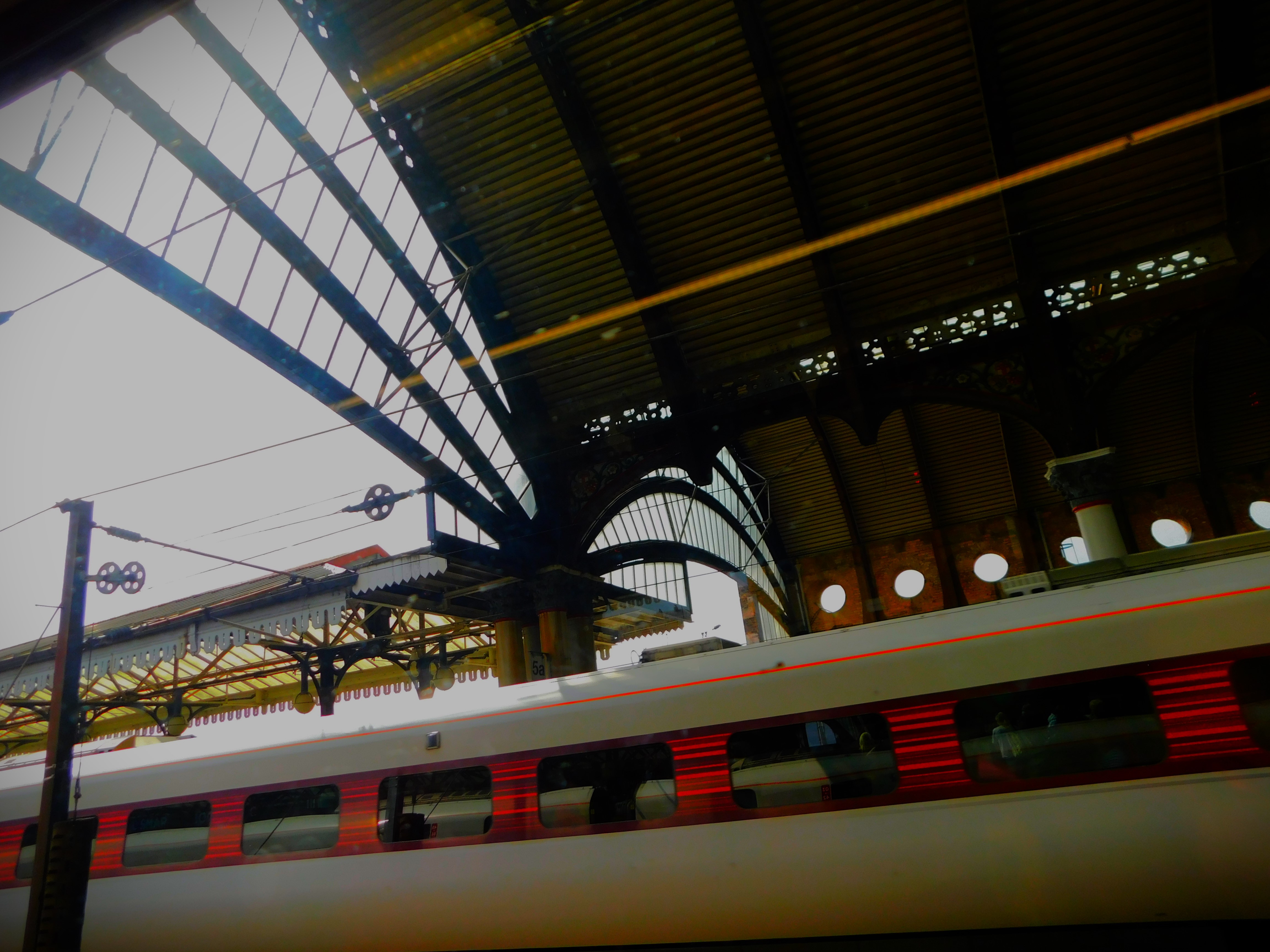
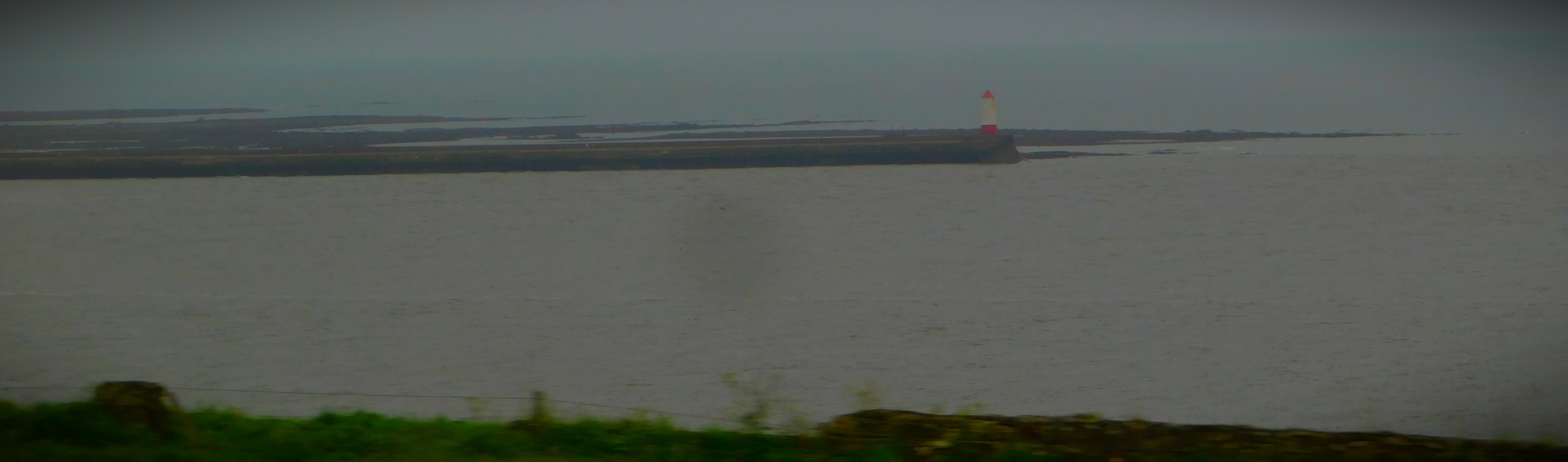
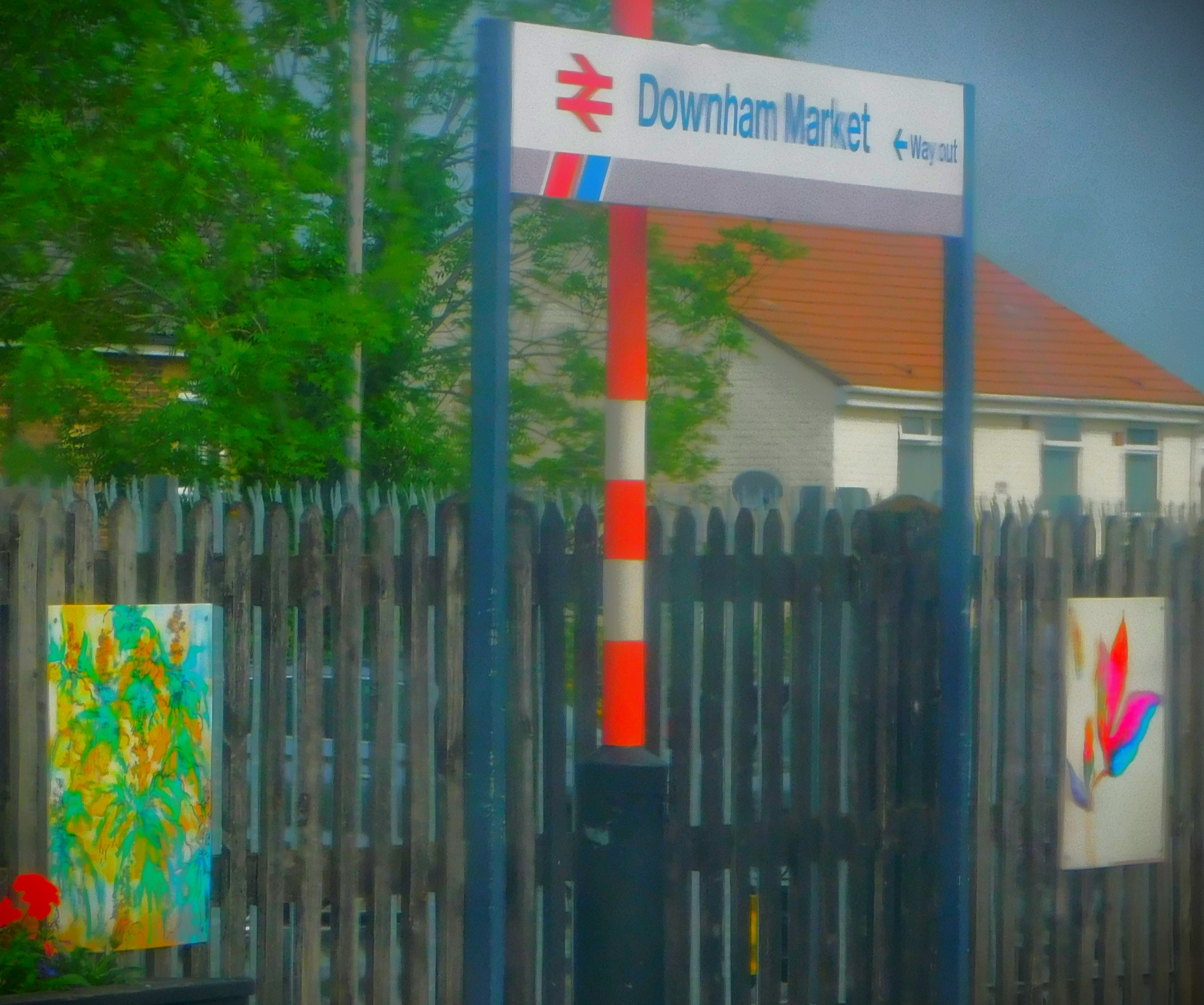
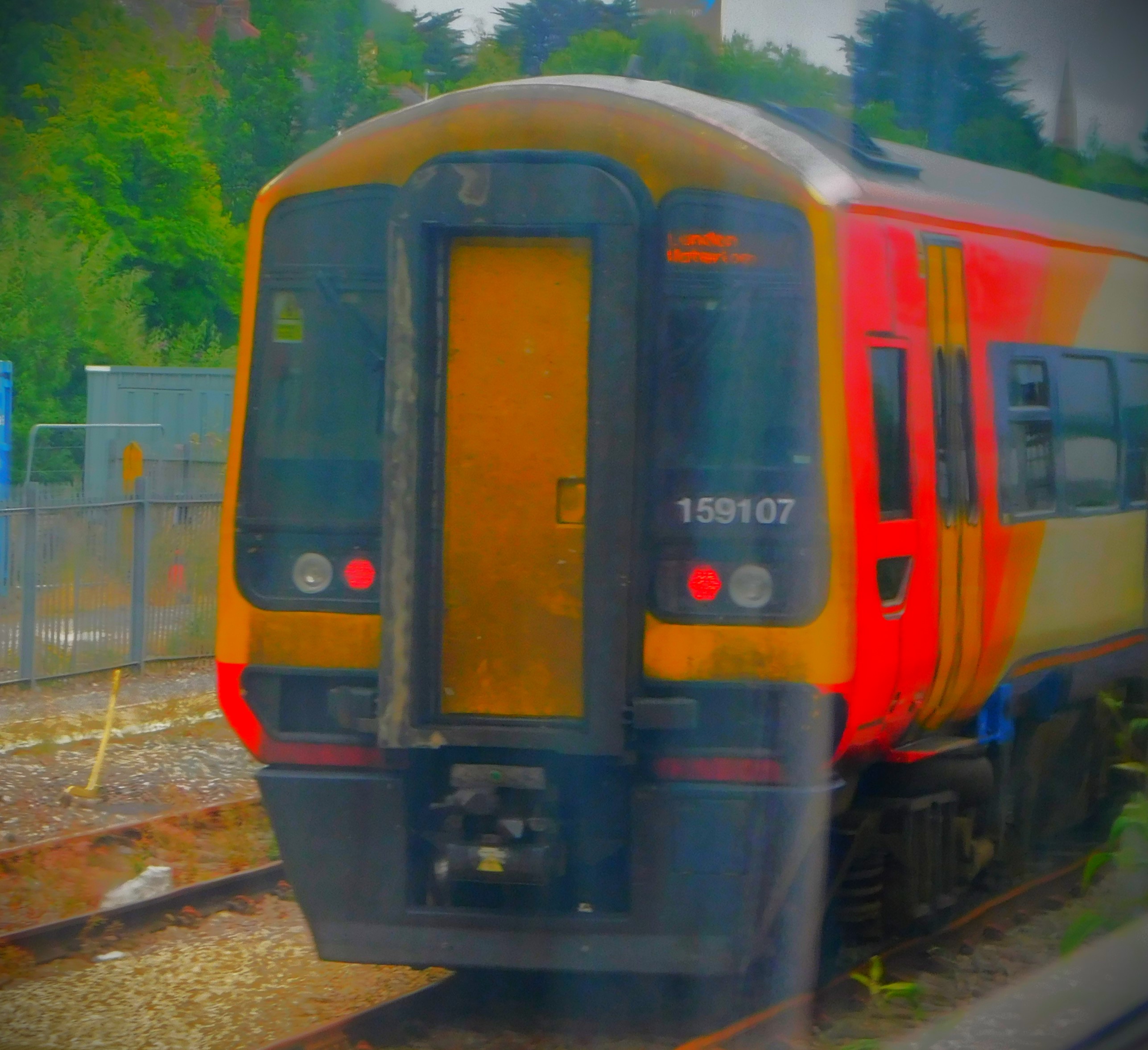
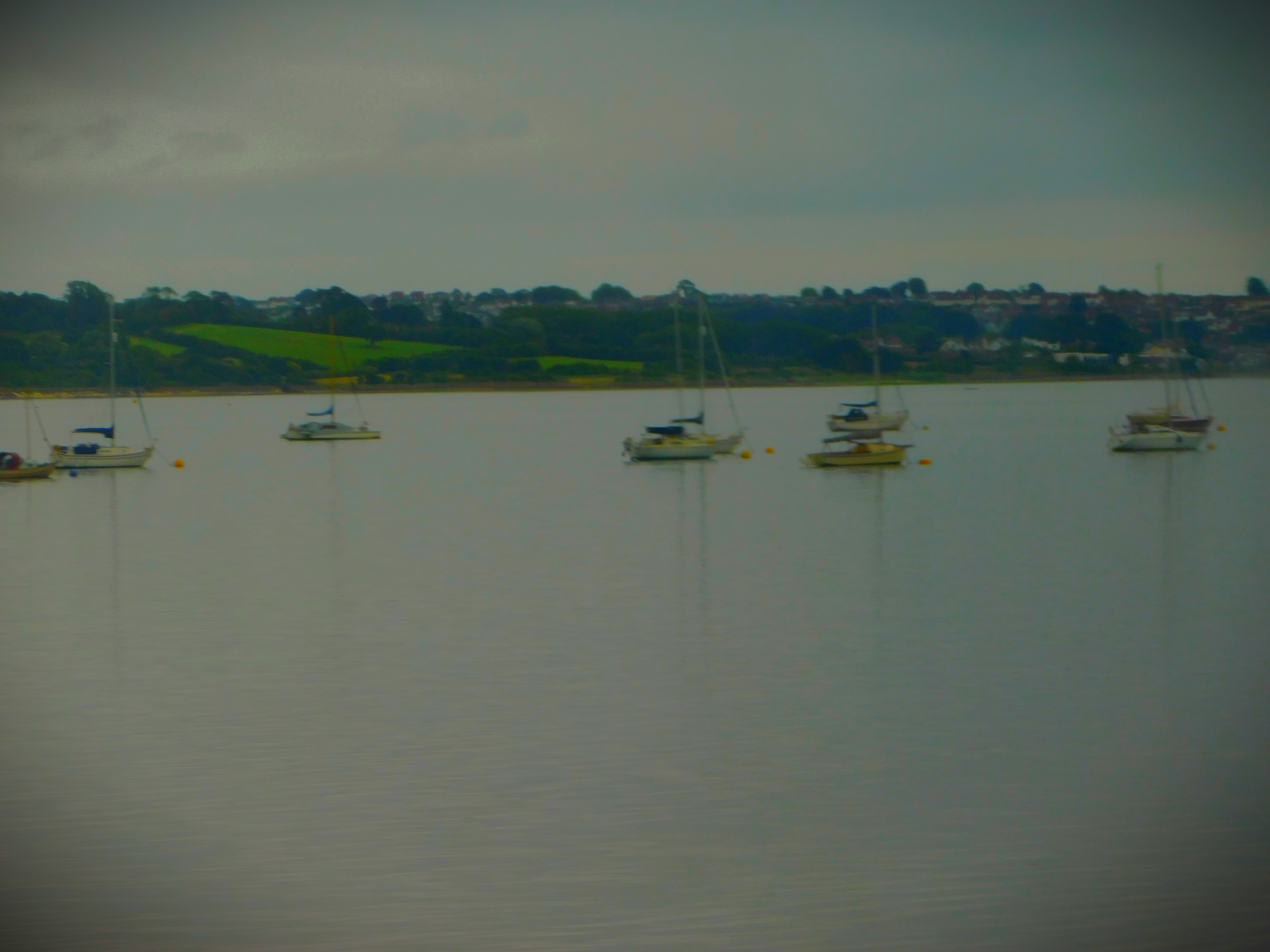
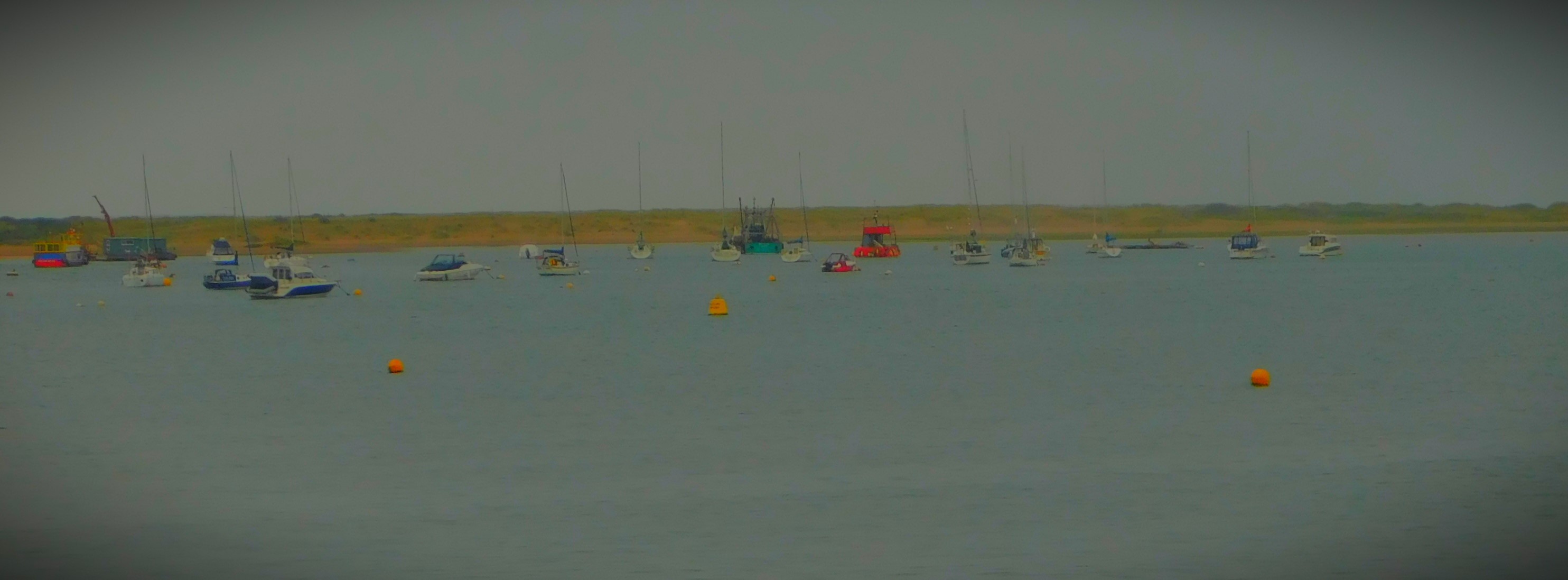
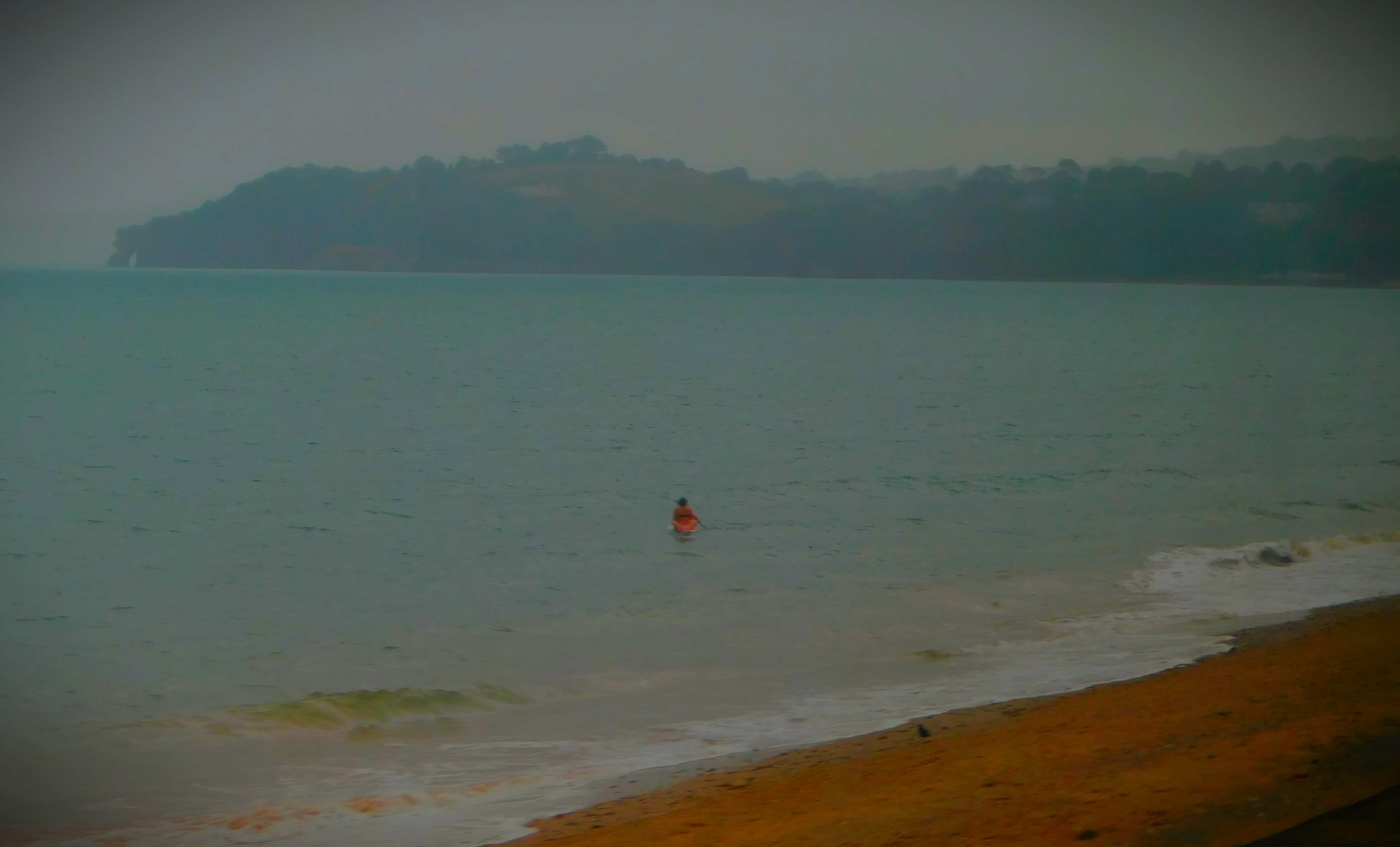
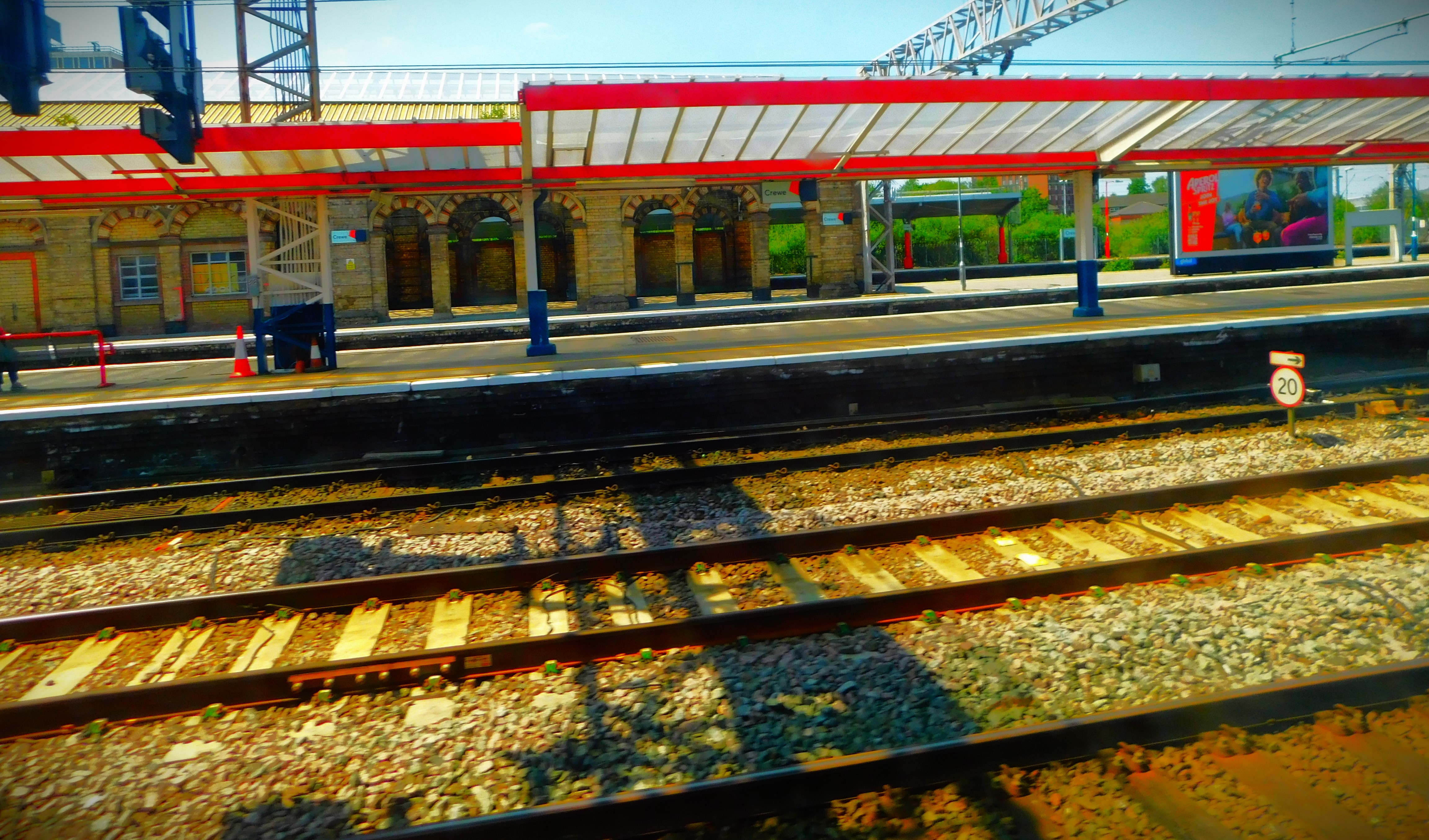
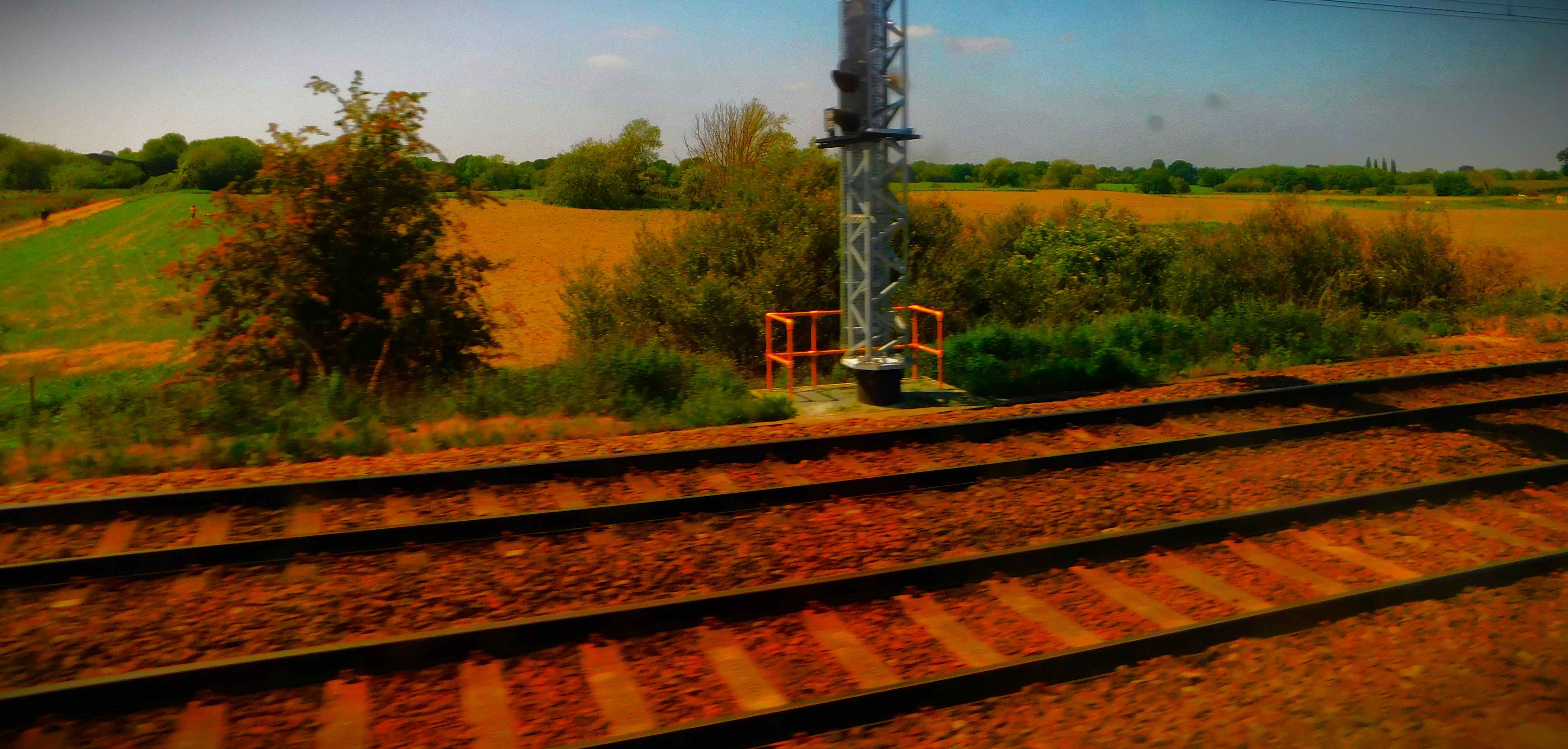
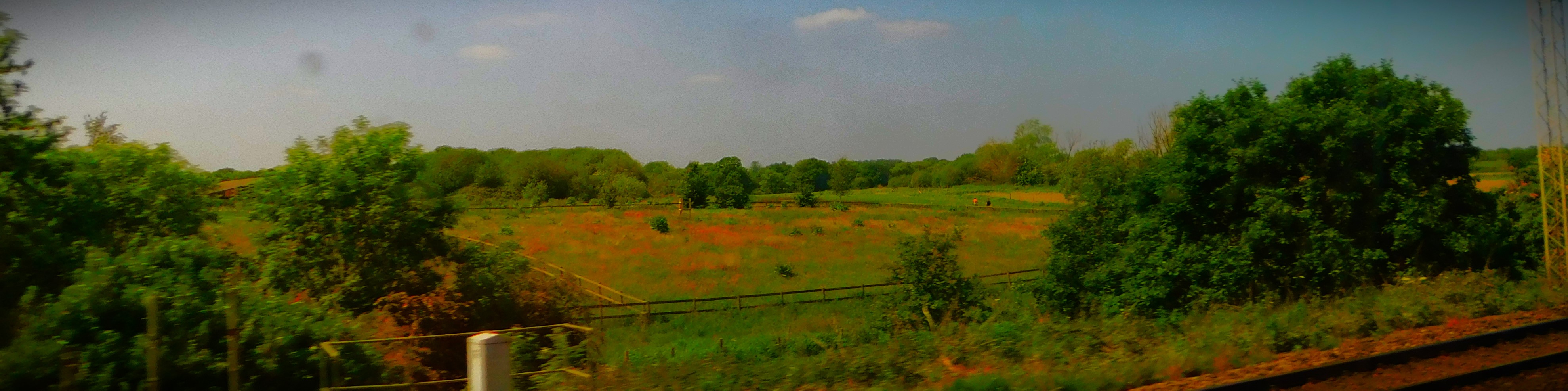
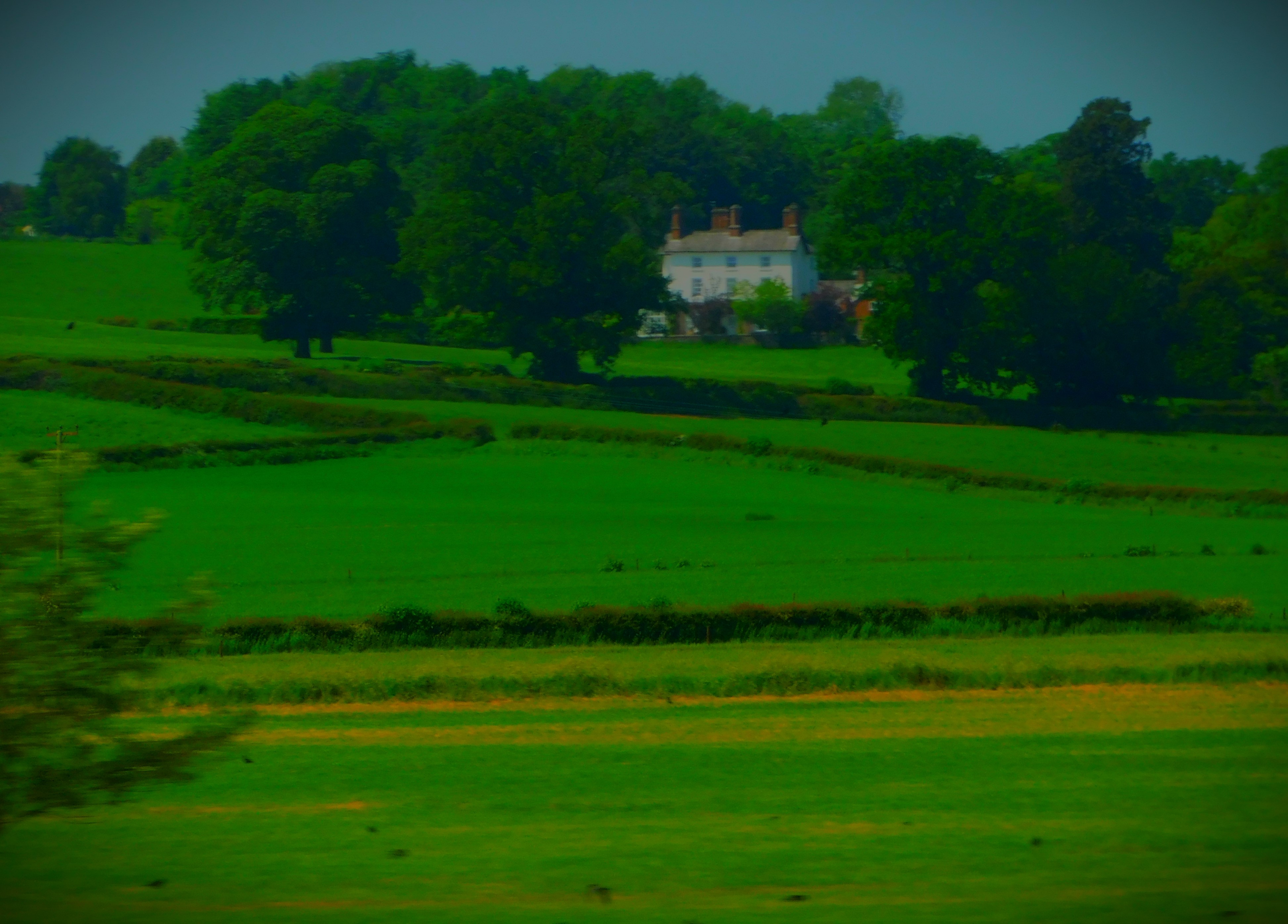
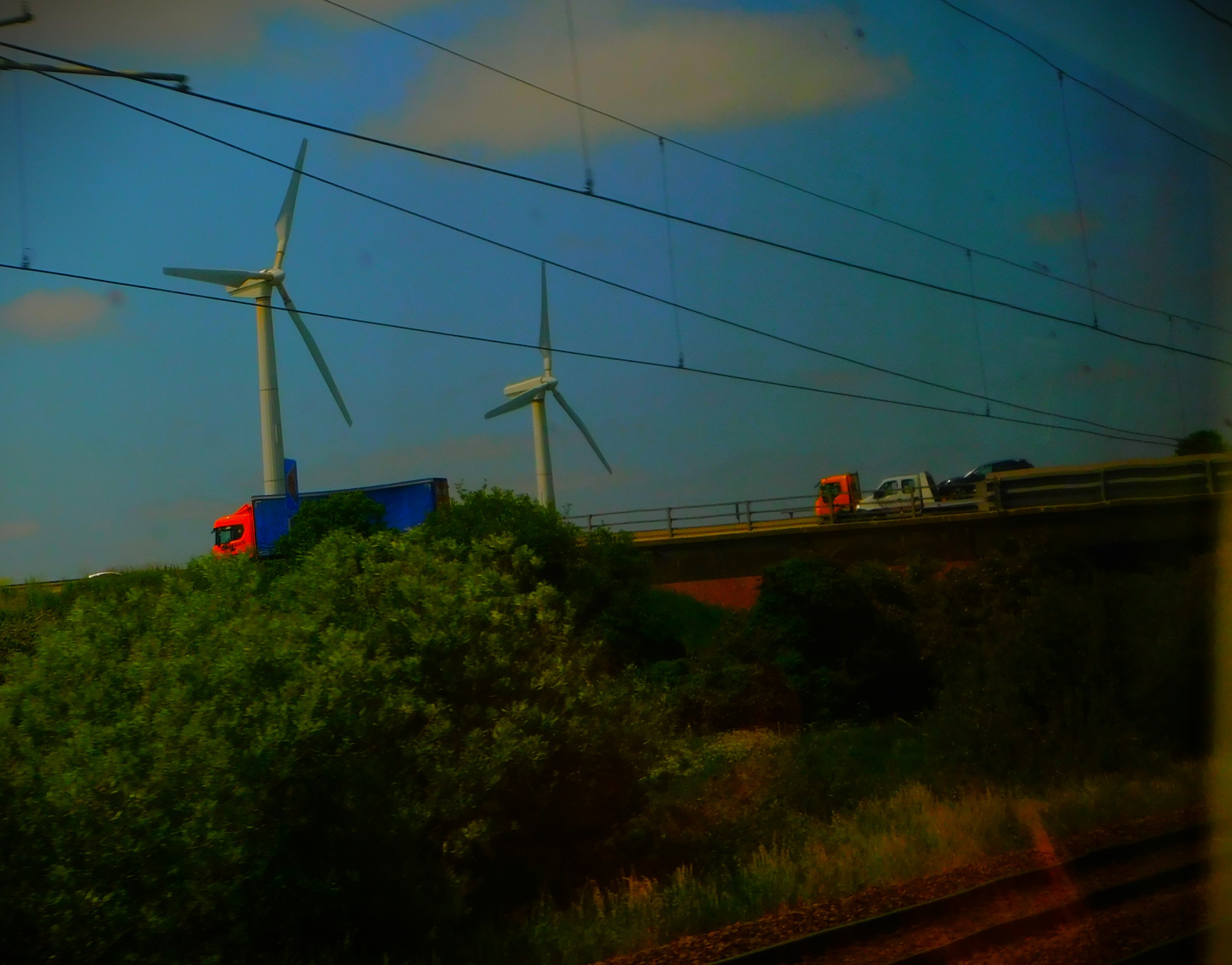
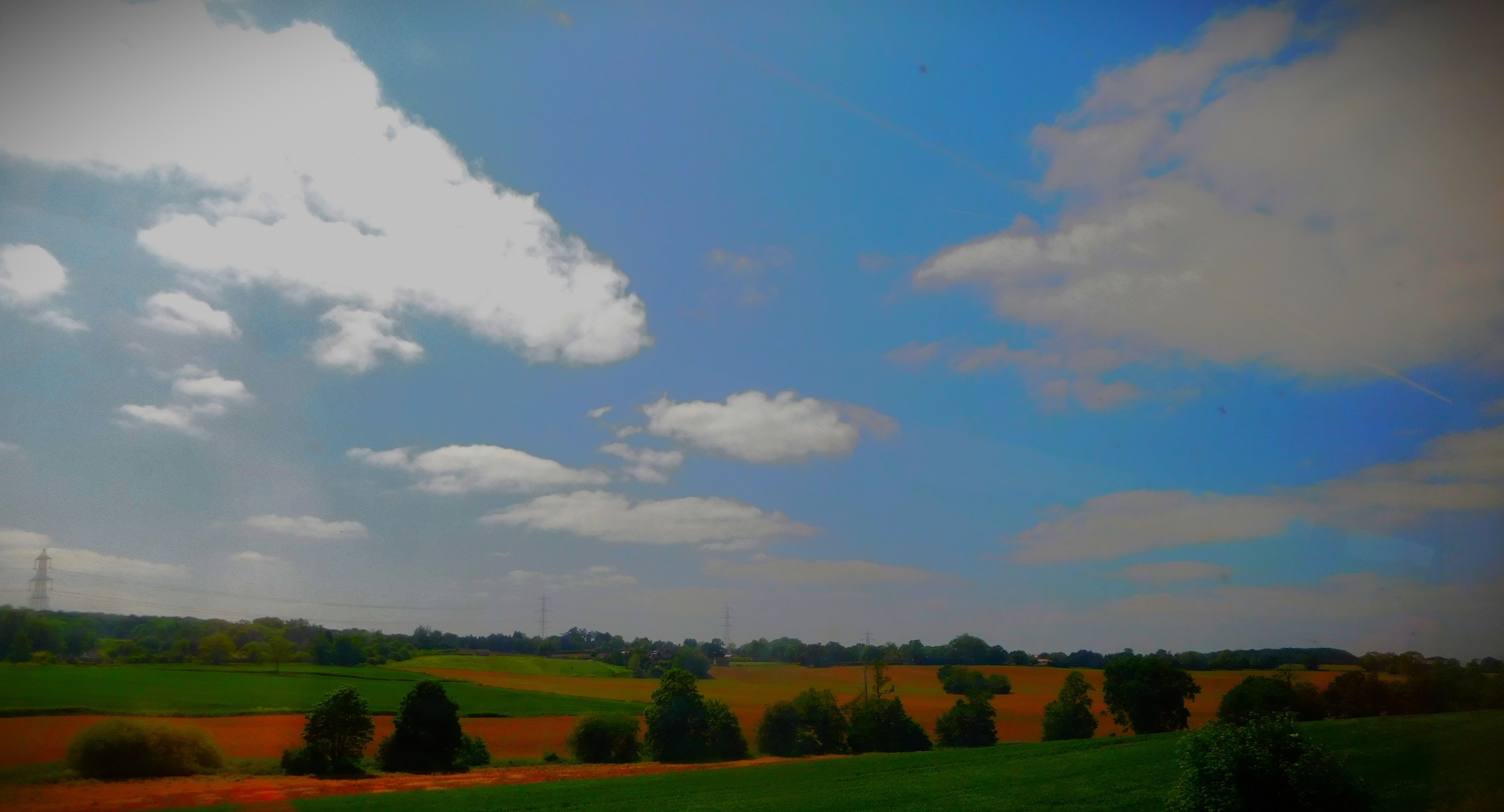
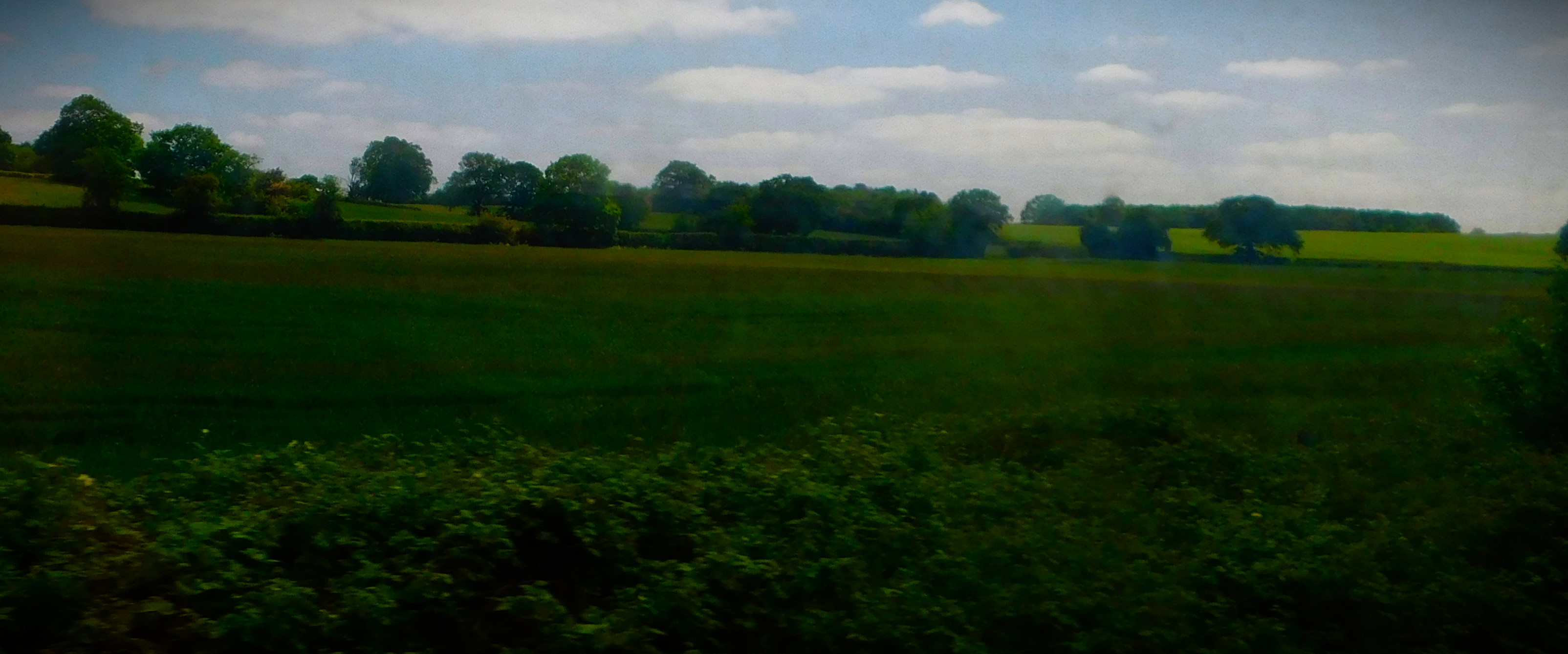
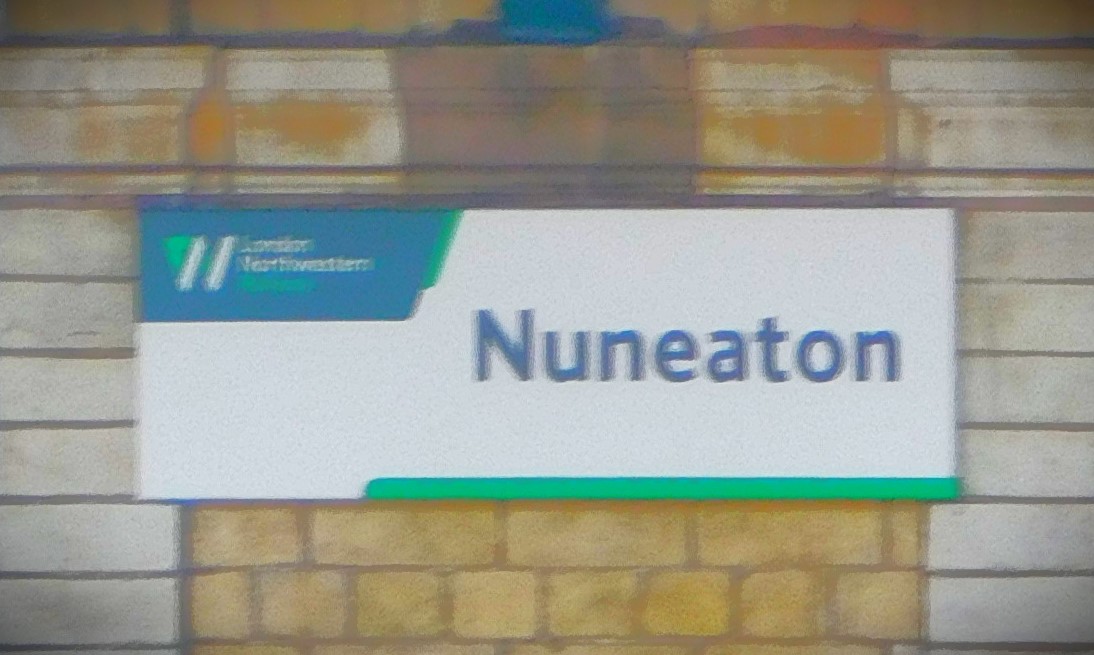
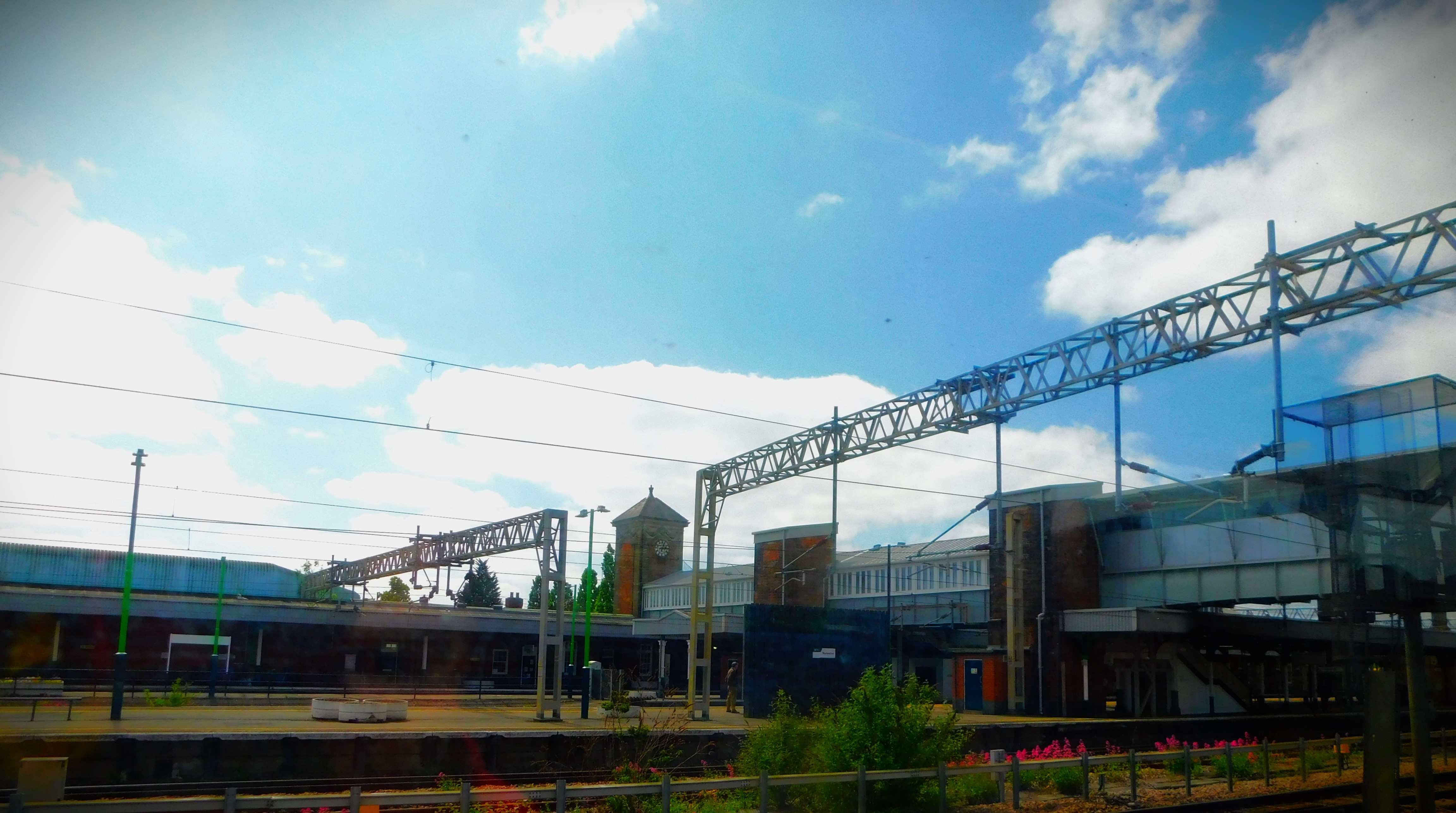
This one was taken through the window of my parentt’s apartment.A few pictures from Plymouth Station and its immediate environs.The Tamar Valley section of the gallery begins here.The view from Maker Heights on the way from Plymouth to Fort Picklecombe.The lighthouse mentioned in the introduction, taken from outside the fort yesterday.
An account of my journey from King’s Lynn to Plymouth yesterday, with a fine photo gallery.
I am in Cornwall, staying with my parents for a few days. I travelled down yesterday, and that journey will be the subject of this post.
KING’S LYNN TO LONDON
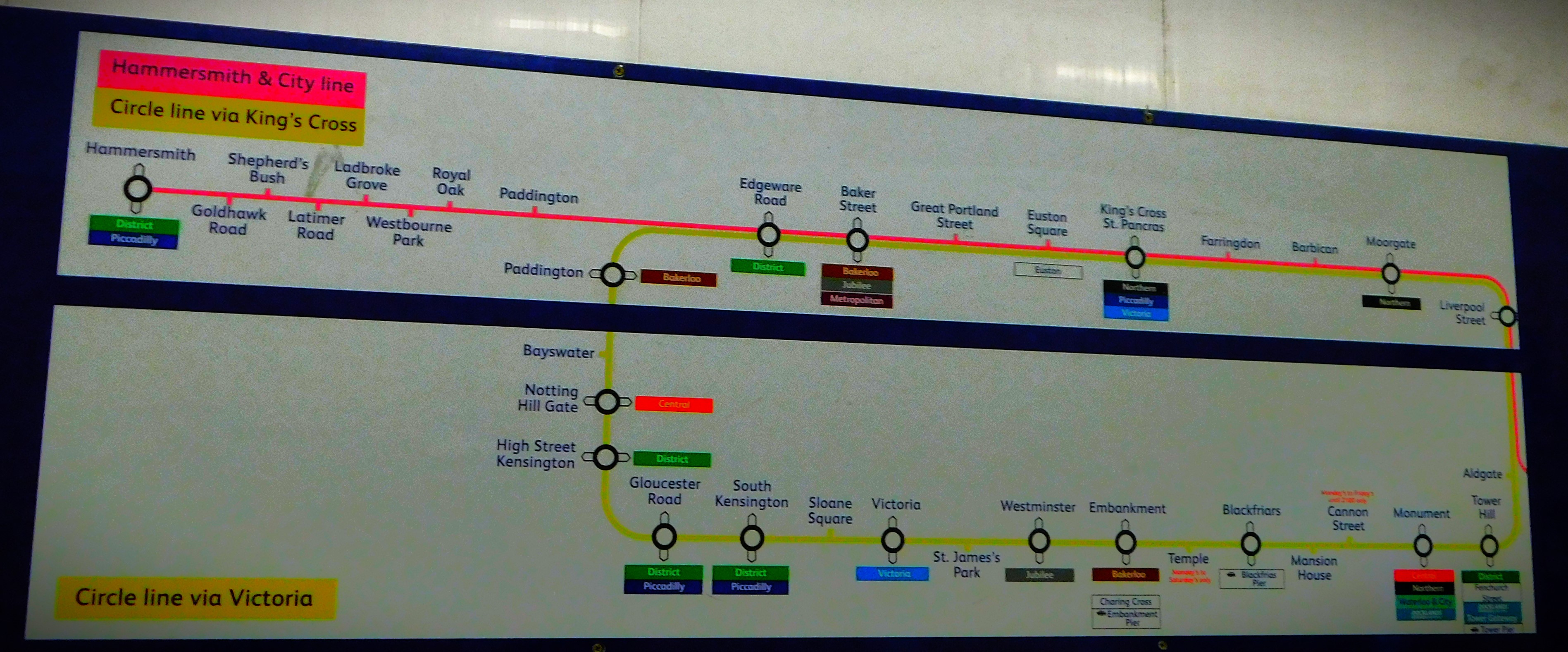
I was booked on later trains than I would have liked – leaving Lynn on the 1:42Pm and arriving into Plymouth where my parents would be meeting me at 8:13PM. I set off from my home in North Lynn an hour before the train was due to depart from King’s Lynn, and was on the platform with huge amounts of time to spare. The train suffered a couple of minor delays en route to London but I still had over 50 minutes to get from King’s Cross to Paddington. I arrived at Paddington half an hour before the train to Plymouth was due to depart, but it took a long time for the platform information to be confirmed, and I had only a few minutes to make my way to my seat by the time that happened.
PADDINGTON TO PLYMOUTH
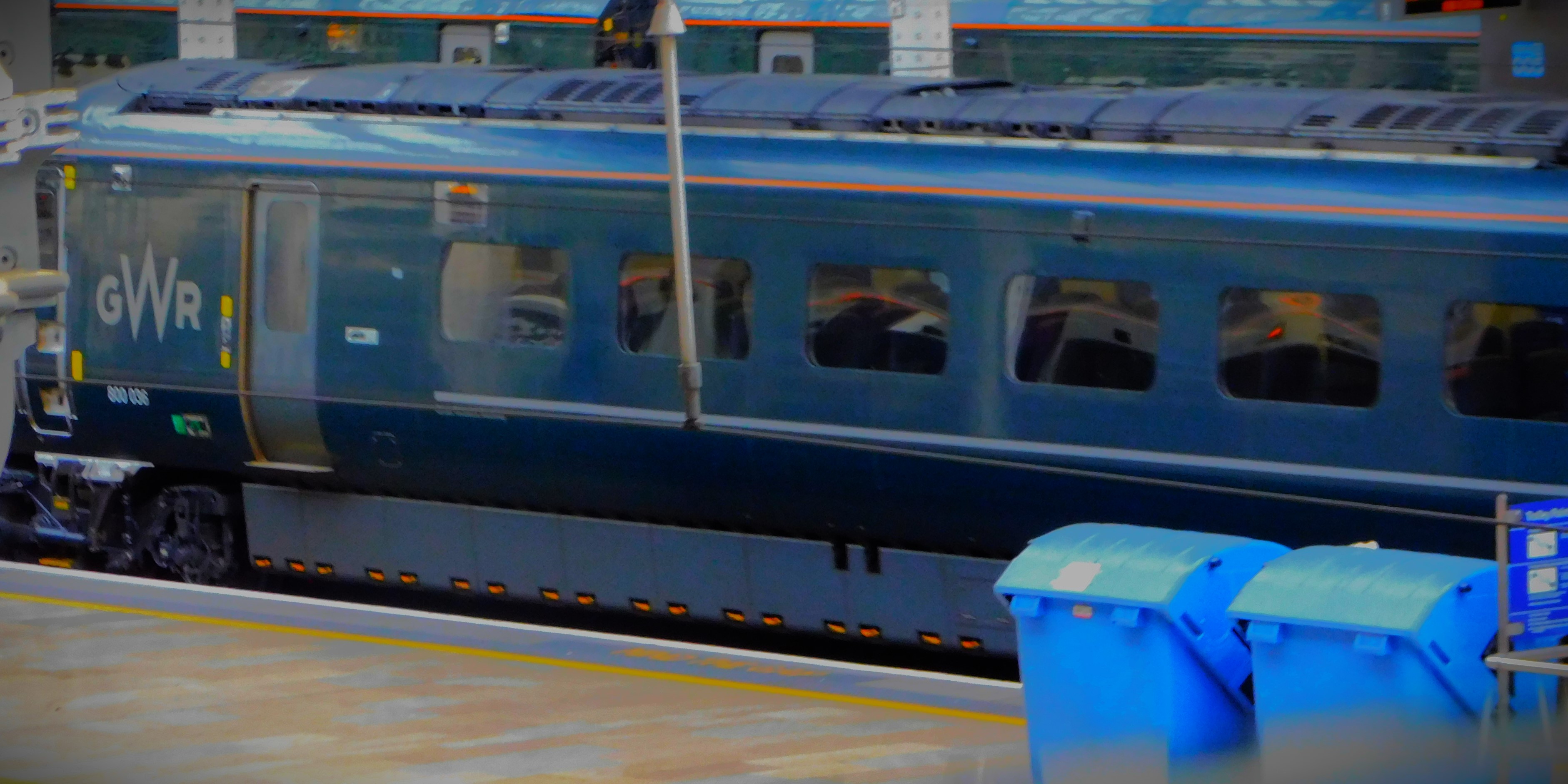
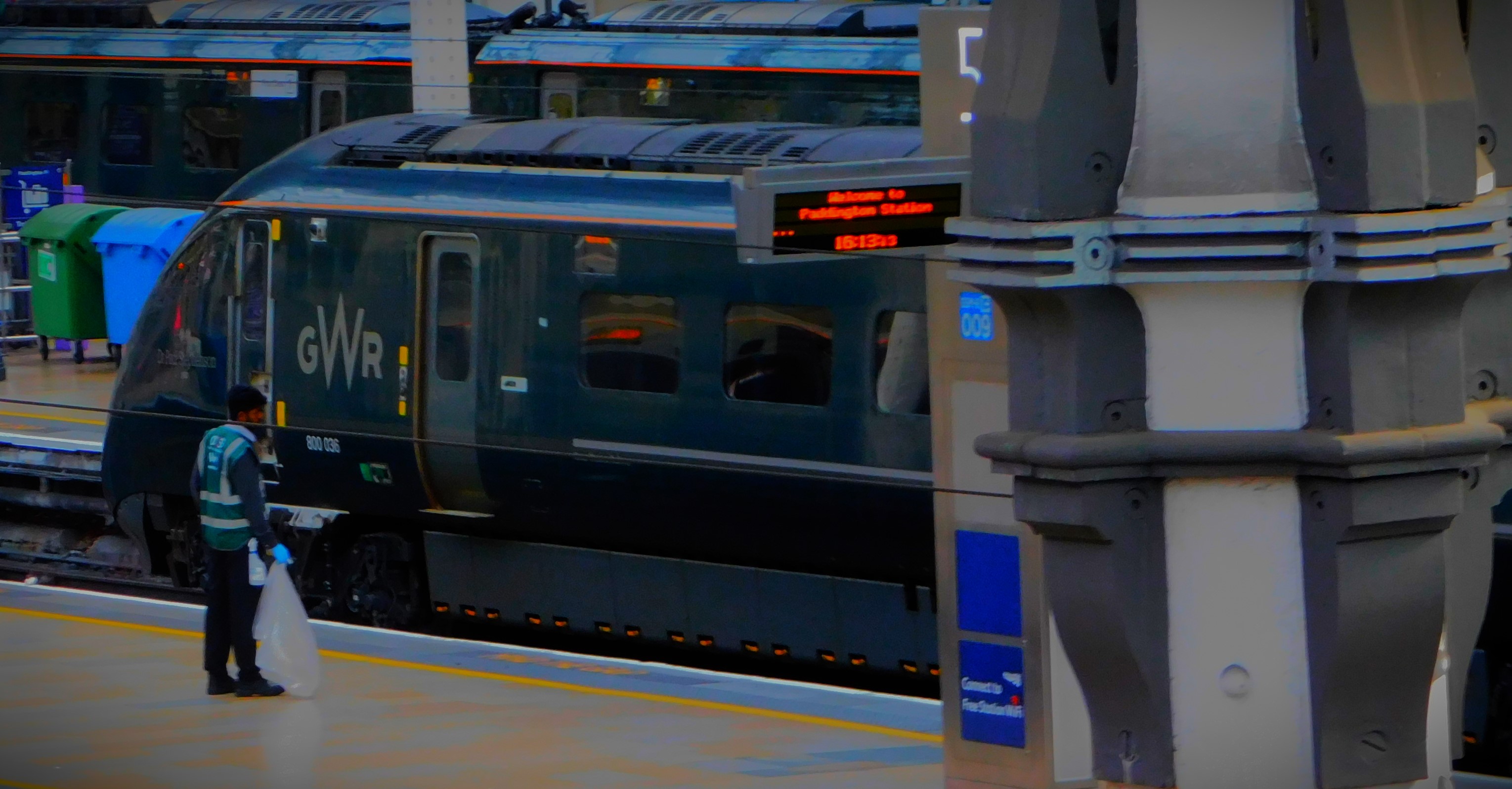
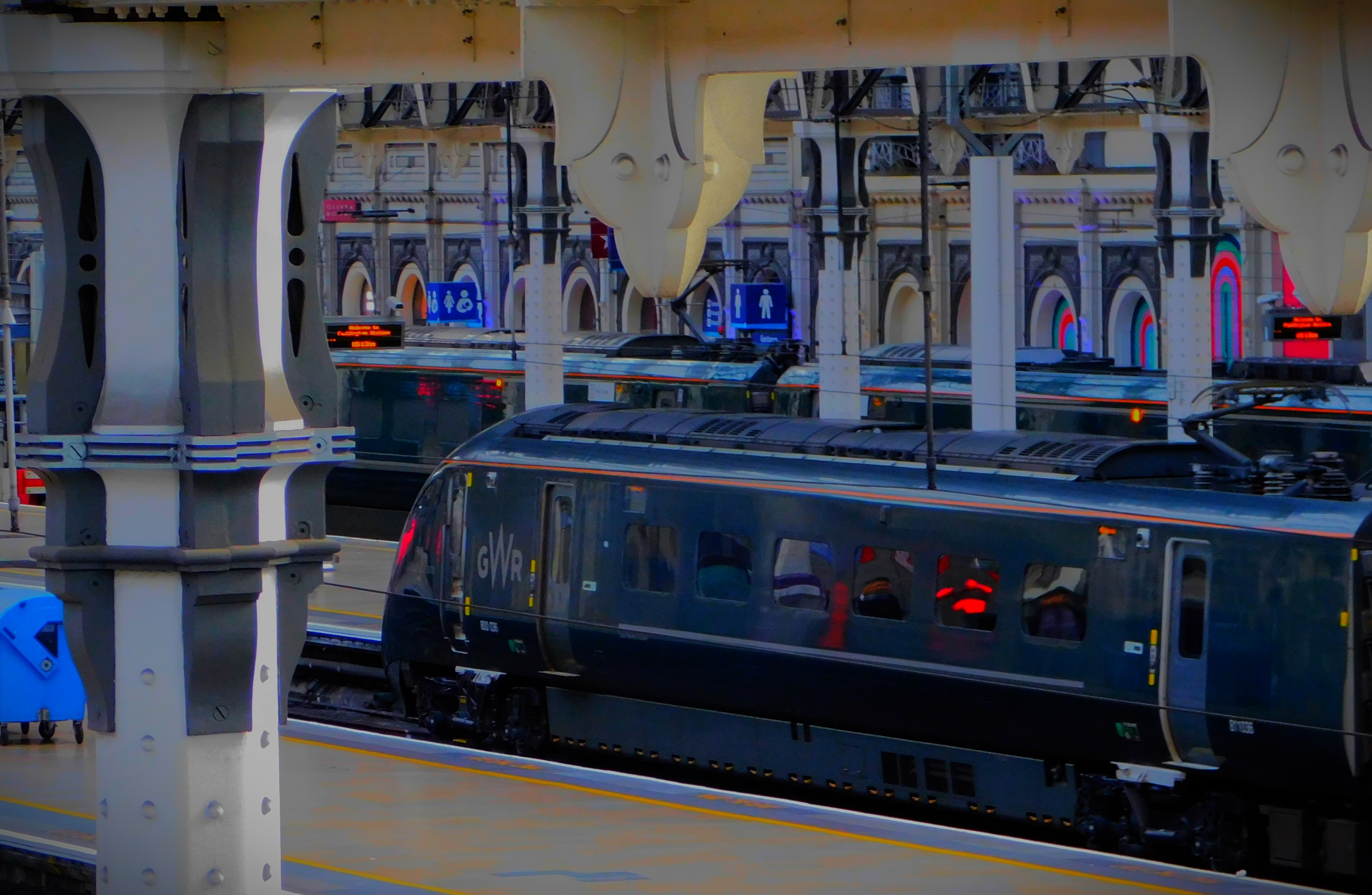
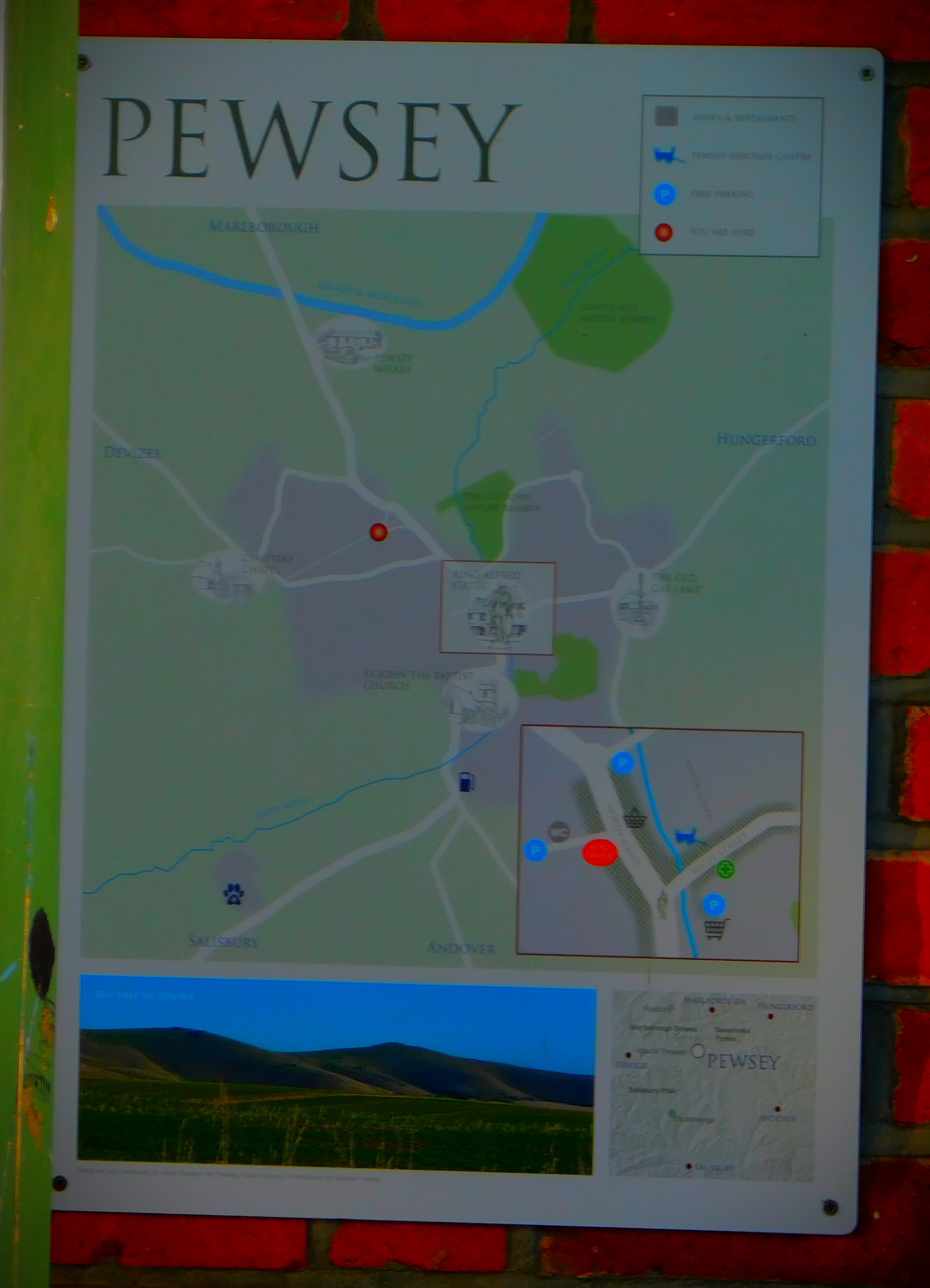
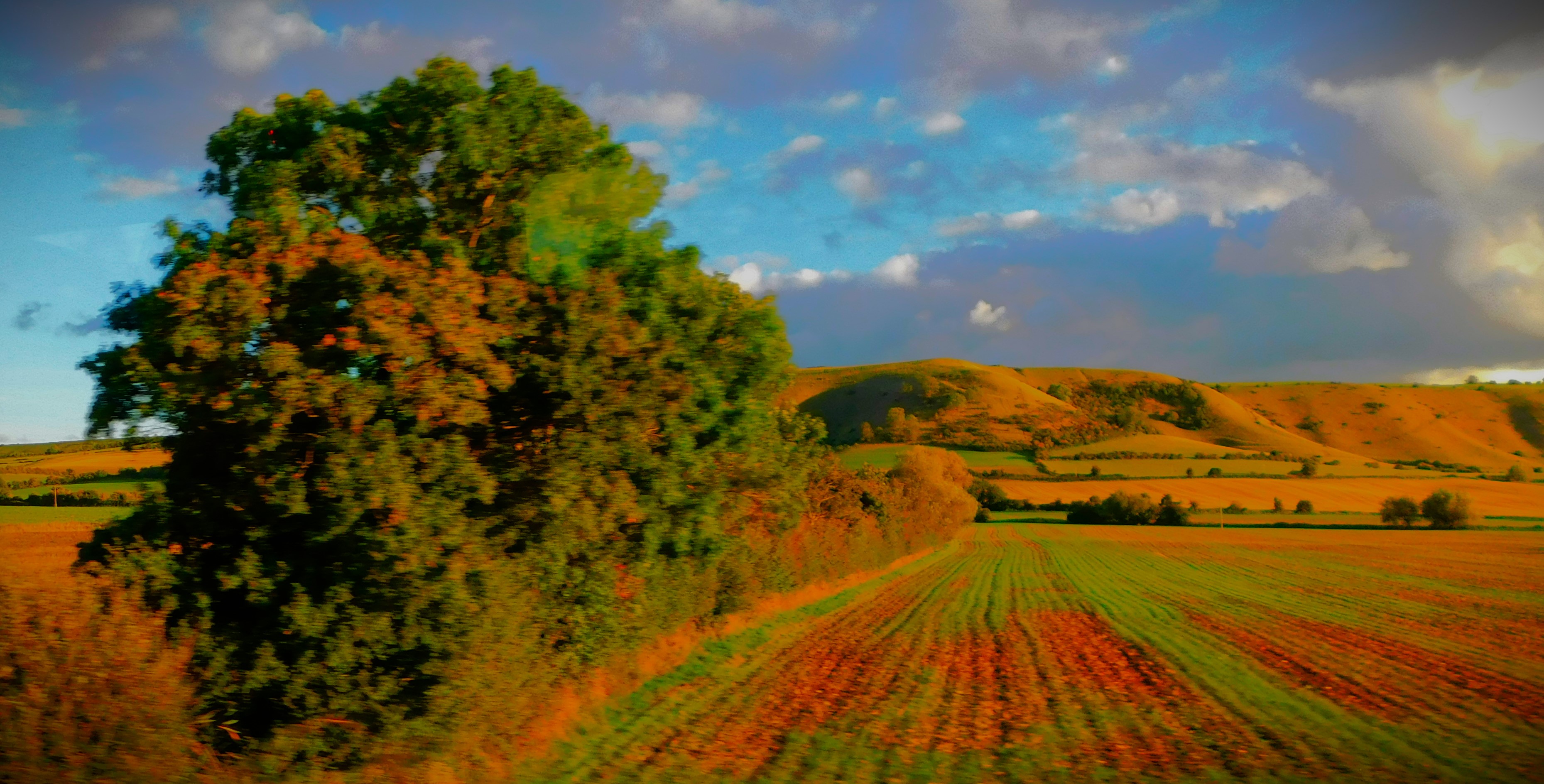
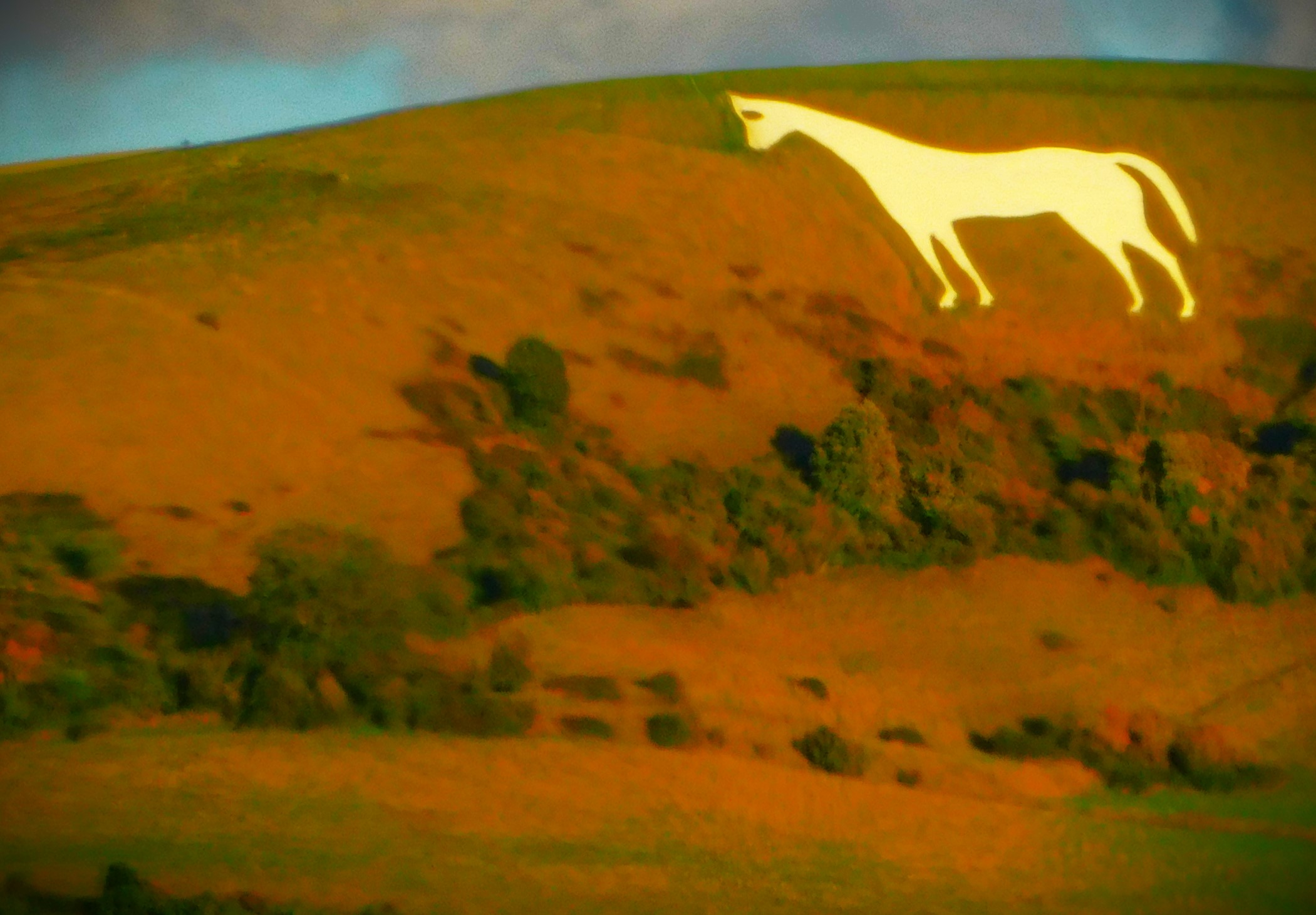
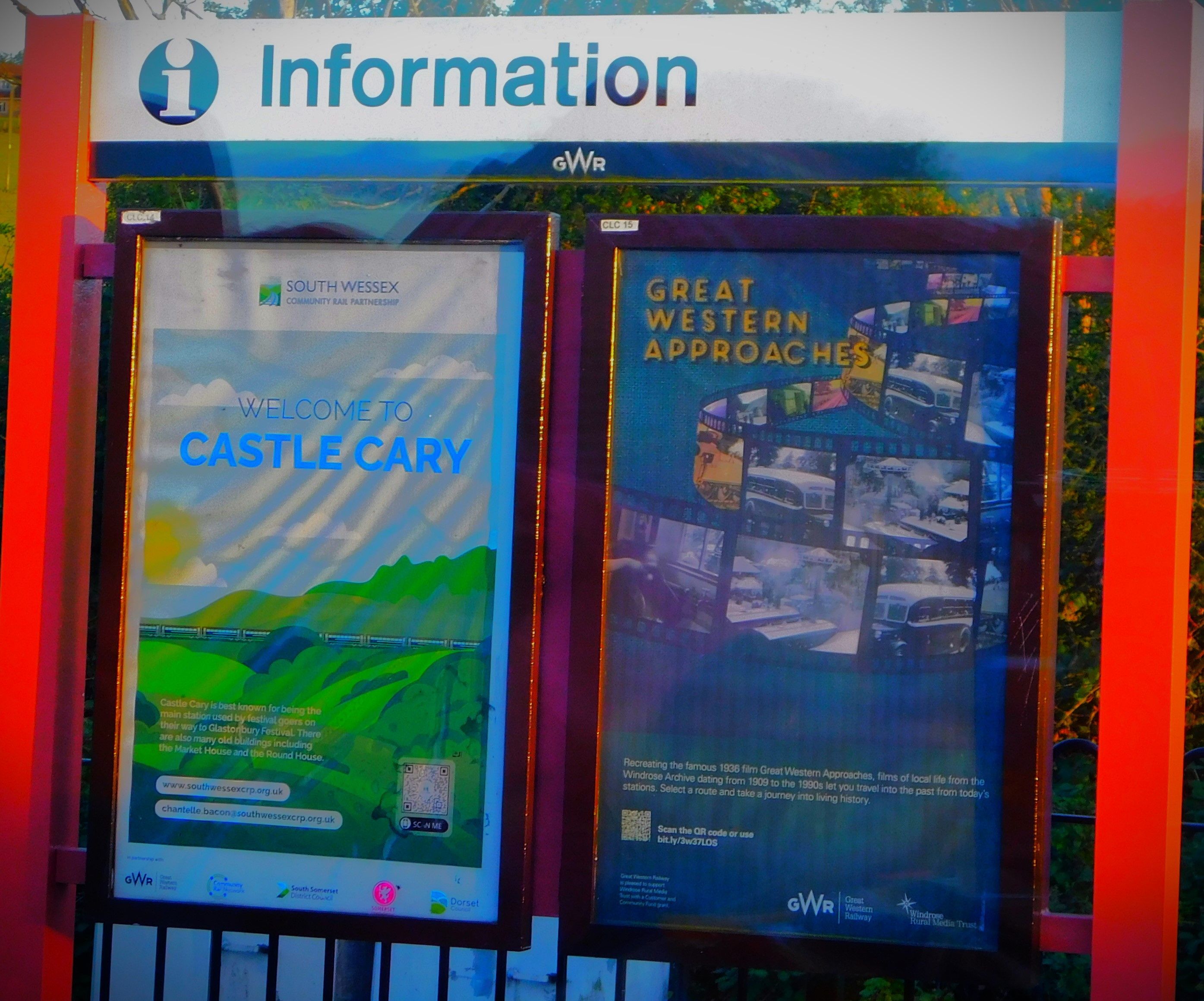
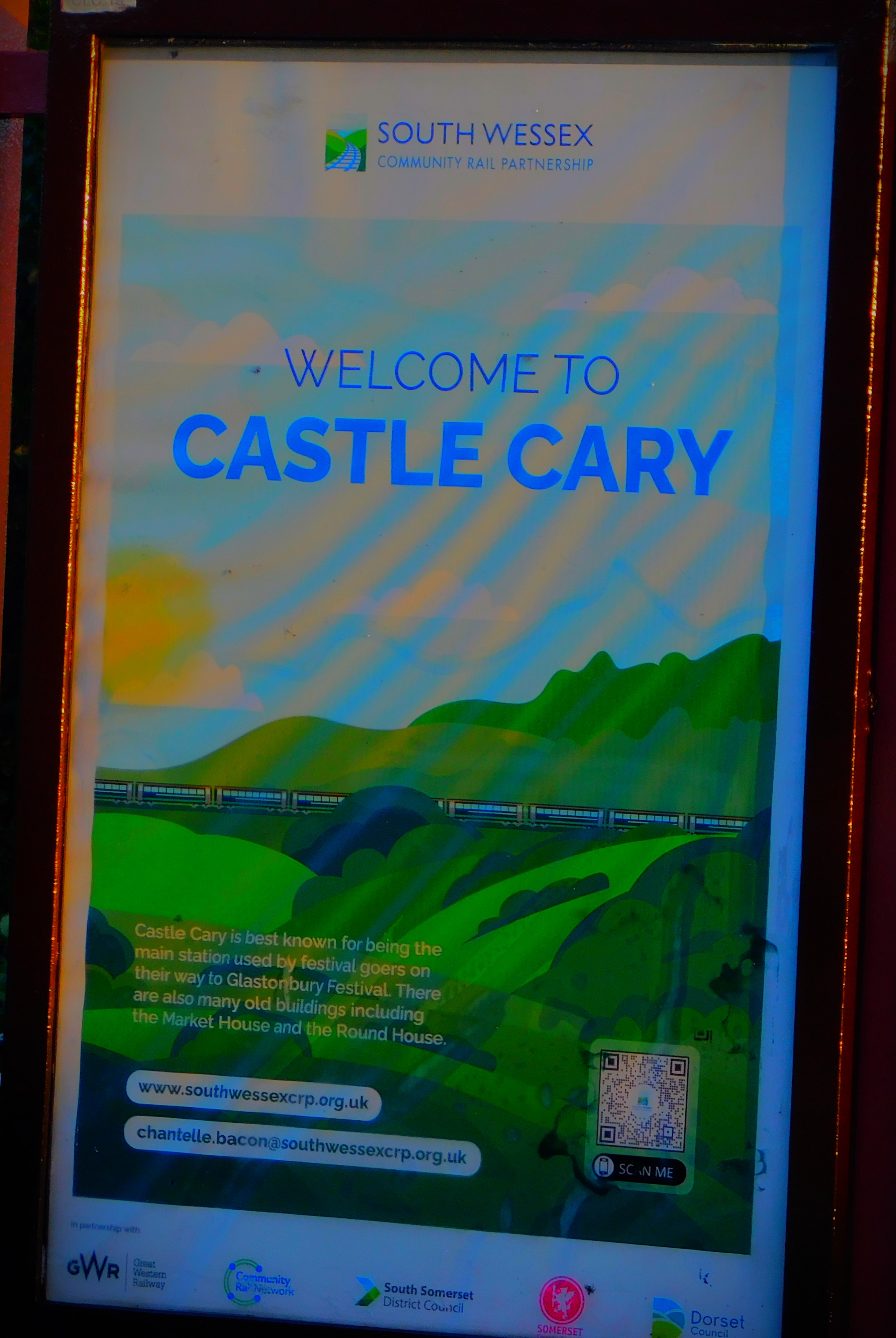
I was on a train that was stopping at more places than usual for a journey to Plymouth – Newbury, Hungerford, Pewsey, Westbury and Castle Cary between Reading and Taunton. I got some good pictures between London and Exeter, but it was dark by the time I got to the seaside section of route between Exeter and Newton Abbot, and that meant it was hardly possible to take pictures due to the interference of reflections owing to the extreme contrast between the brightly lit train interior and the near darkness outside. The train arrived into Plymouth almost exactly as per schedule, which I understand is not a frequent occurrence with GWR long distance services. Apart from the overcrowding on the Hammersmith & City line between King’s Cross and Paddington the journey went well overall.
Concluding my account of my Scottish holiday with the return journey.
This will be the final post in my series about my Scottish holiday (28-31 May inclusive. I will briefly mention the birthday festivities which took place a day early – the day itself (May 31) was to be a day of travelling home, before covering the return journey.
THE BIRTHDAY MEAL
One of the shops Comrie possesses is a butcher, and the centrepiece of the meal was three large rib eye steaks purchased from that establishment. We also had Jersey Royals and locally grown asparagus, while there were locally grown raspberries for pudding. There was sparkling wine before the meal, and still wine with it.
THE RETURN JOURNEY
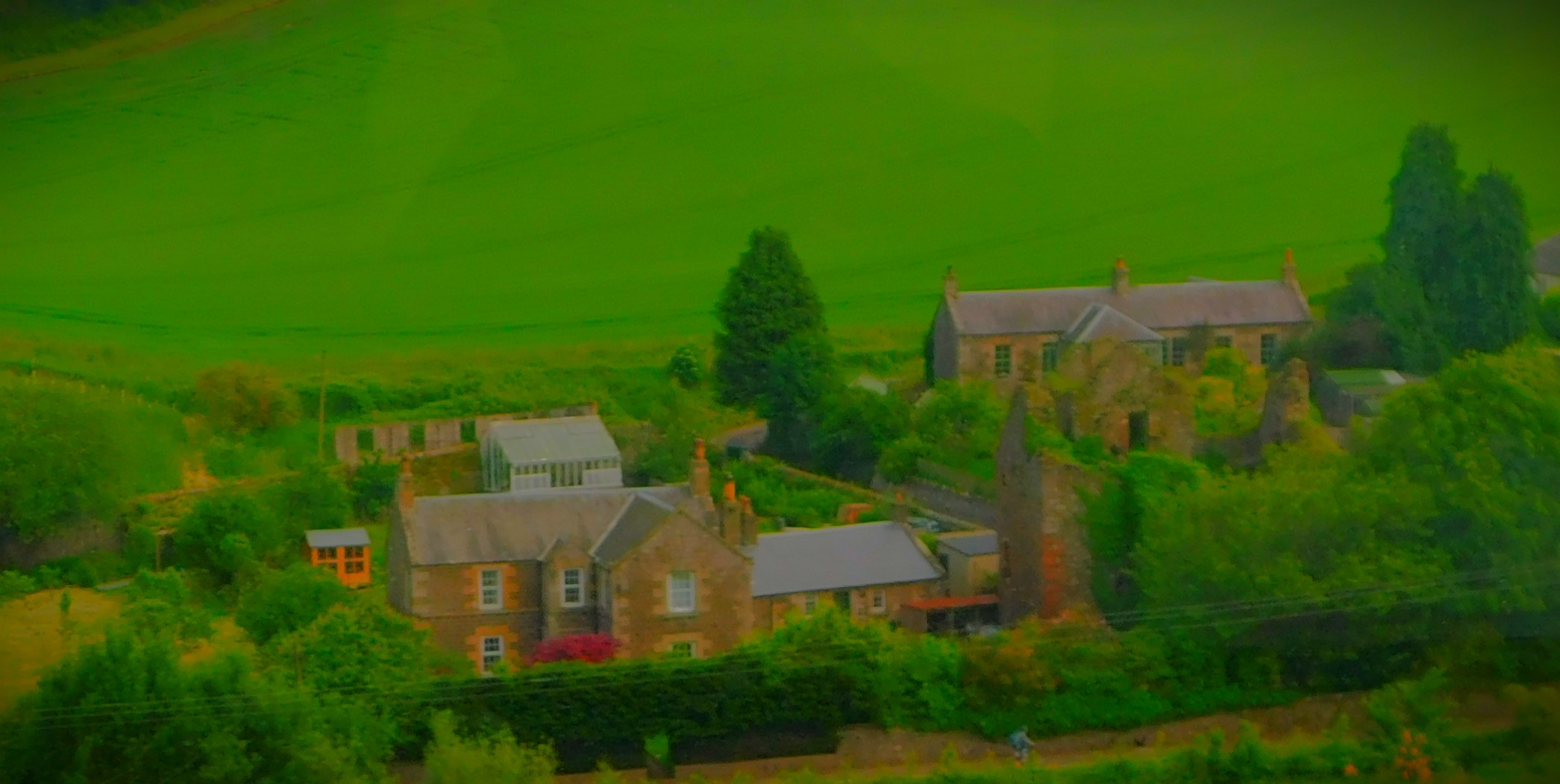
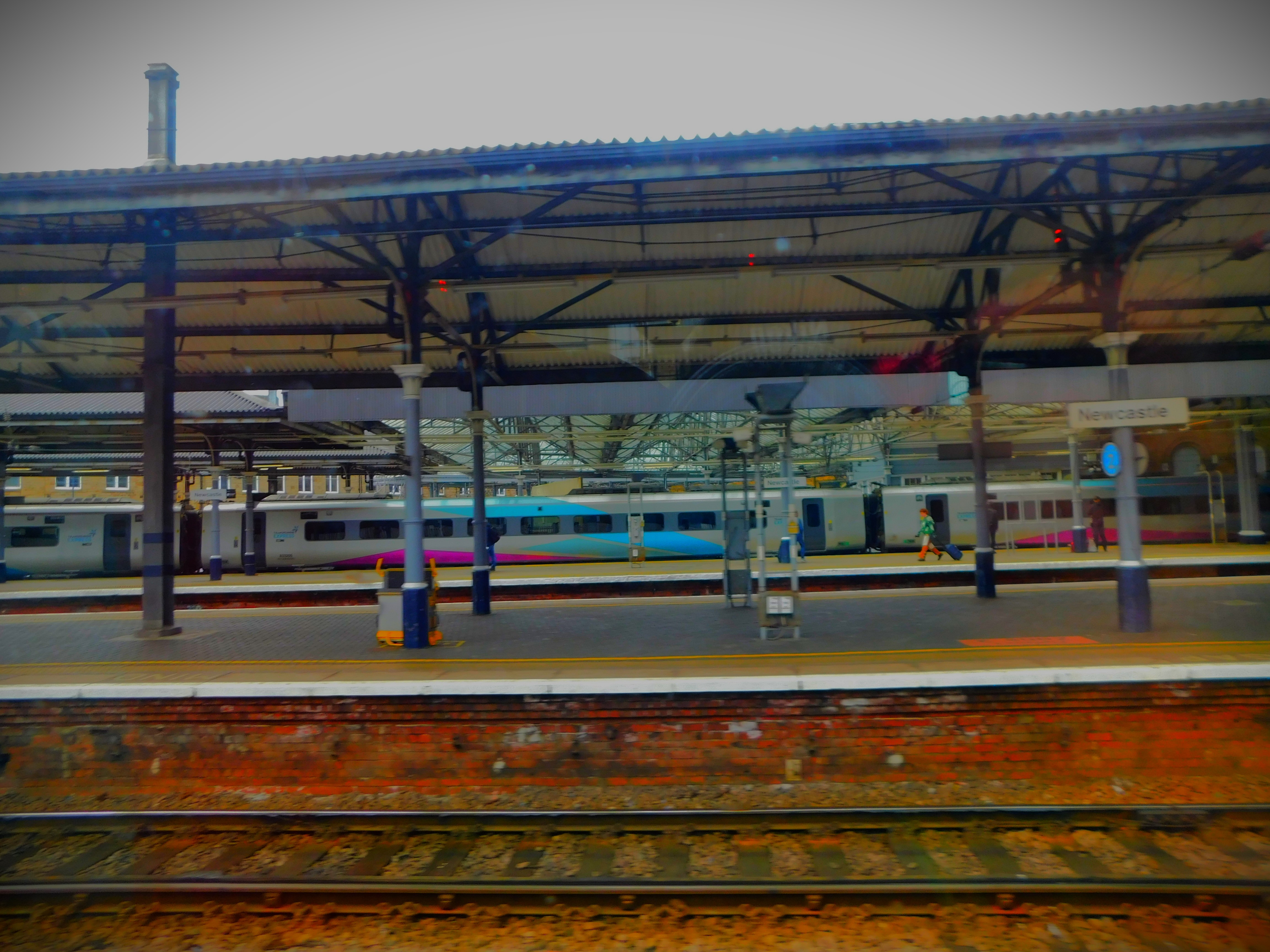
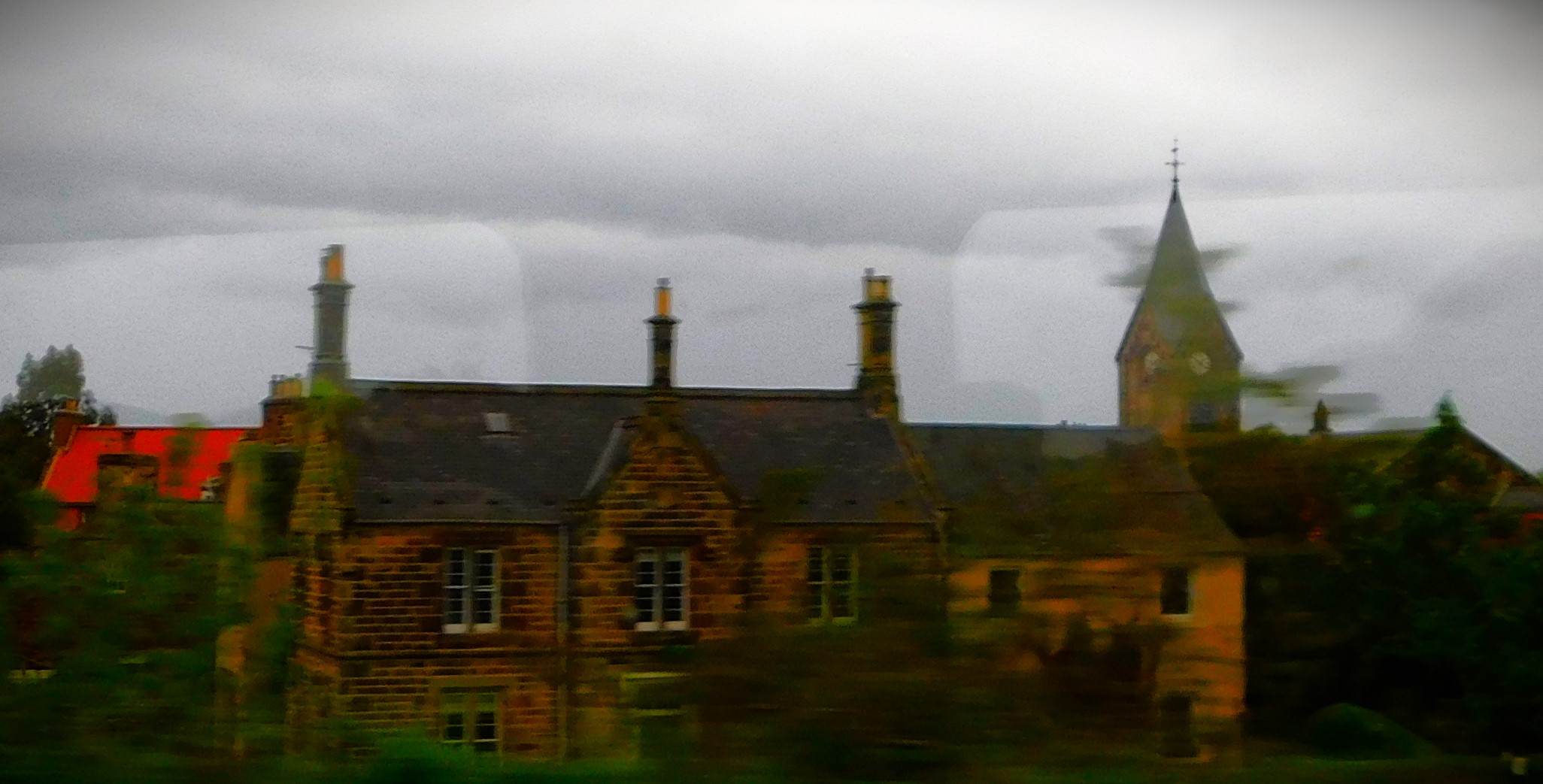
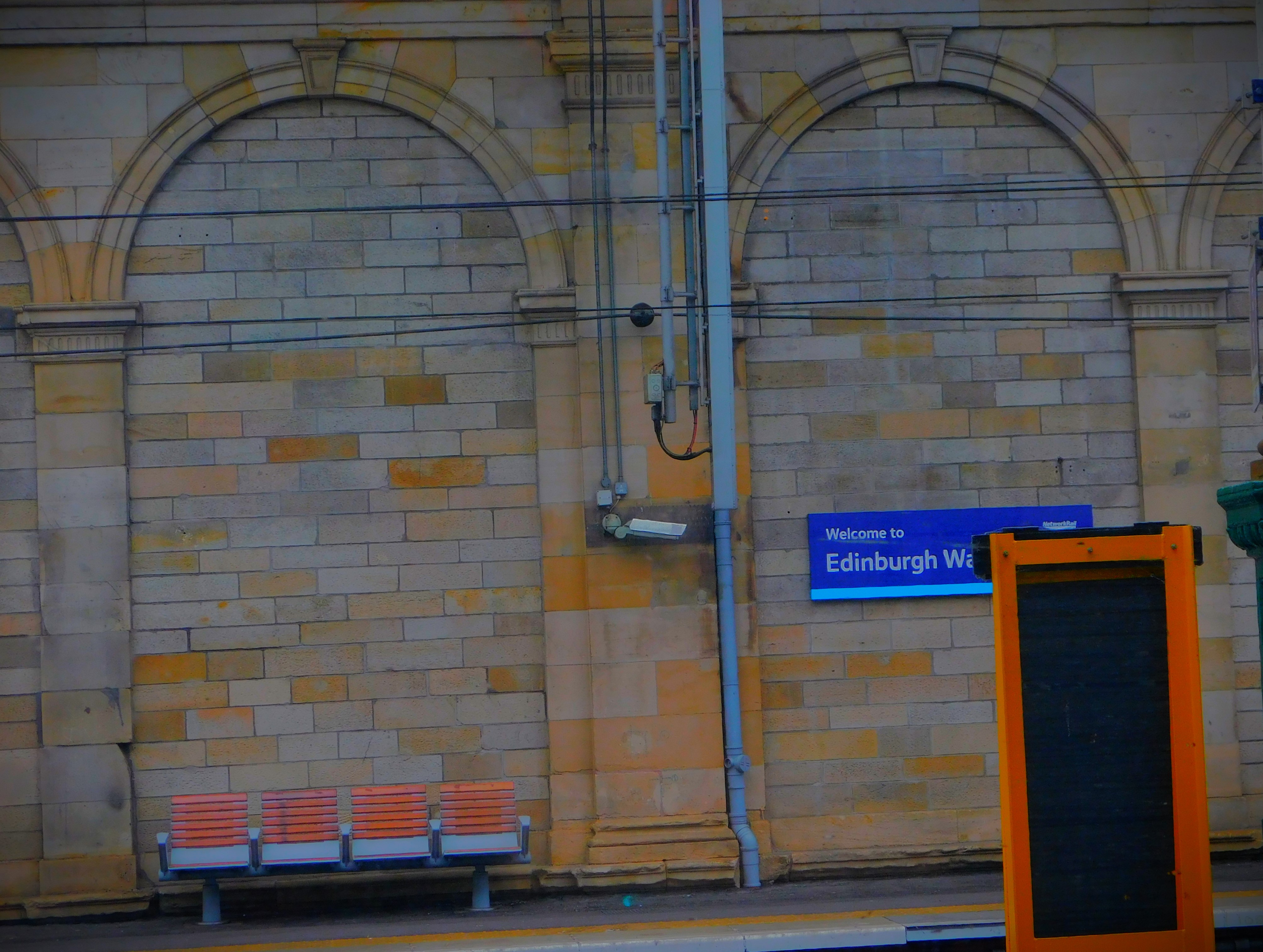
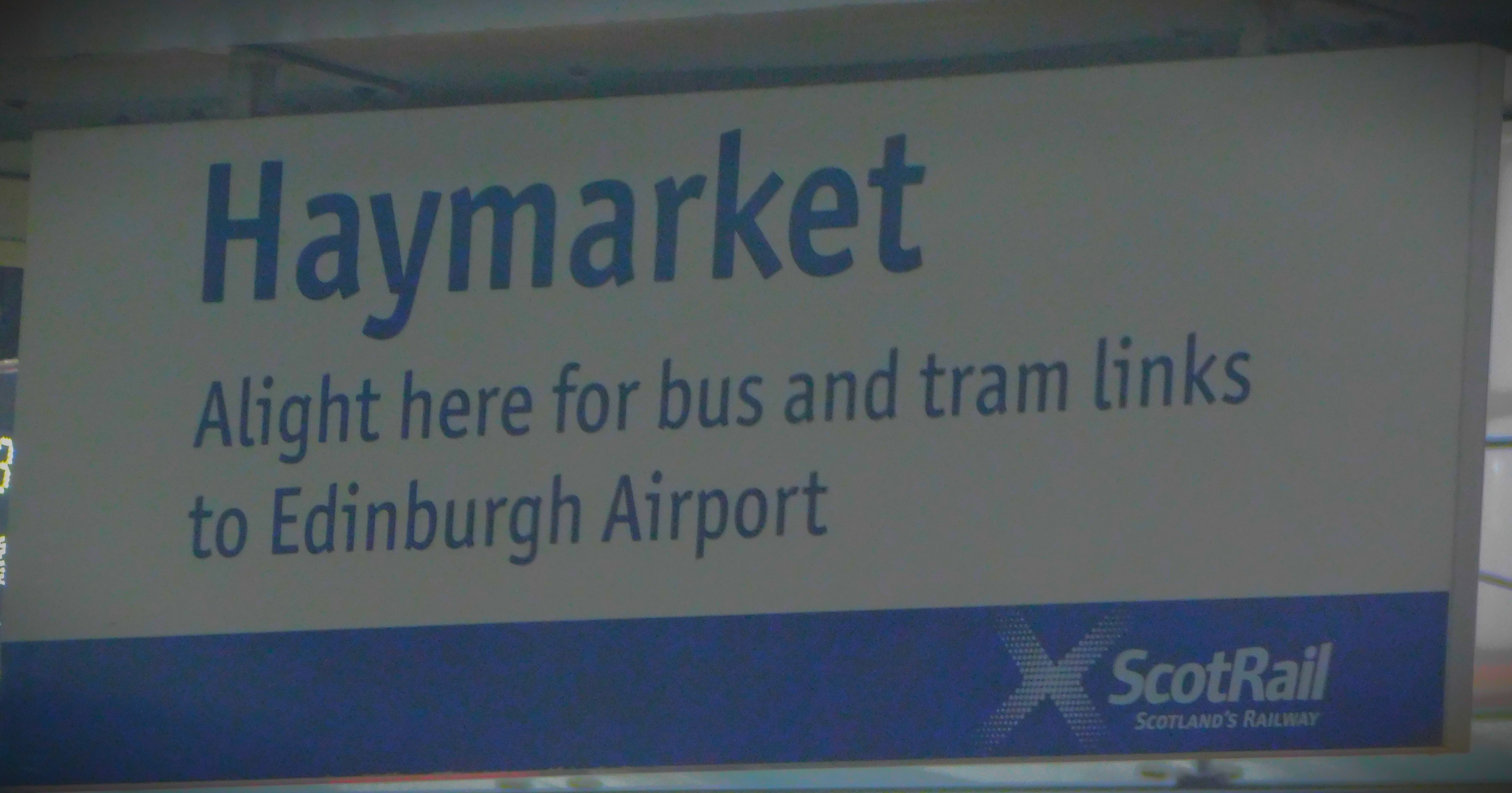
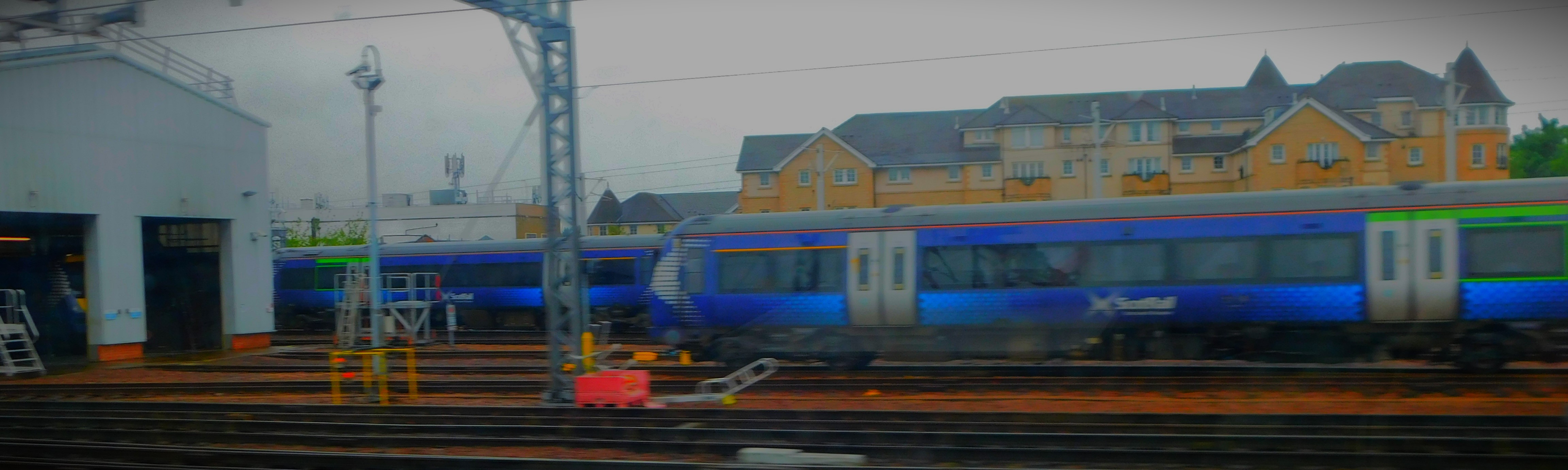
I was due to leave Perth at 11:15AM on May 31st, a time which was tailored to the fact that we had to be out of the building in Comrie by 10 at the latest – it was late enough not hurry our departure and early enough that the wait at Perth station would not be too long. This train was running a Perth to Edinburgh route and stopped at a number of places. There were some fine views, although I had put myself on the less good side of the train. I was worrying at one point as it ran late, and indeed I had only eight minutes to make the connection at Edinburgh, but I was never actually in any danger of missing that connection. The train from Edinburgh to Peterborough ran smoothly, though my reserved seat was on the less good side of the train for photography. At Peterborough I had a wait of about 20 minutes for the bus to King’s Lynn. This part of the journey also ran smoothly, and I arrived at the bus station a little before 6:40PM, and was home just before 7PM.
PHOTOGRAPHS
Here are my photographs from the return journey..,
The train for the Perth-Edinburgh leg of the journey.
The public transport elements of my journey from King’s Lynn to Comrie.
This is the first of what I plan to be a series of posts about my recent holiday in Scotland. This post looks in detail at the public transport elements of the journey there.
KING’S LYNN TO PETERBOROUGH
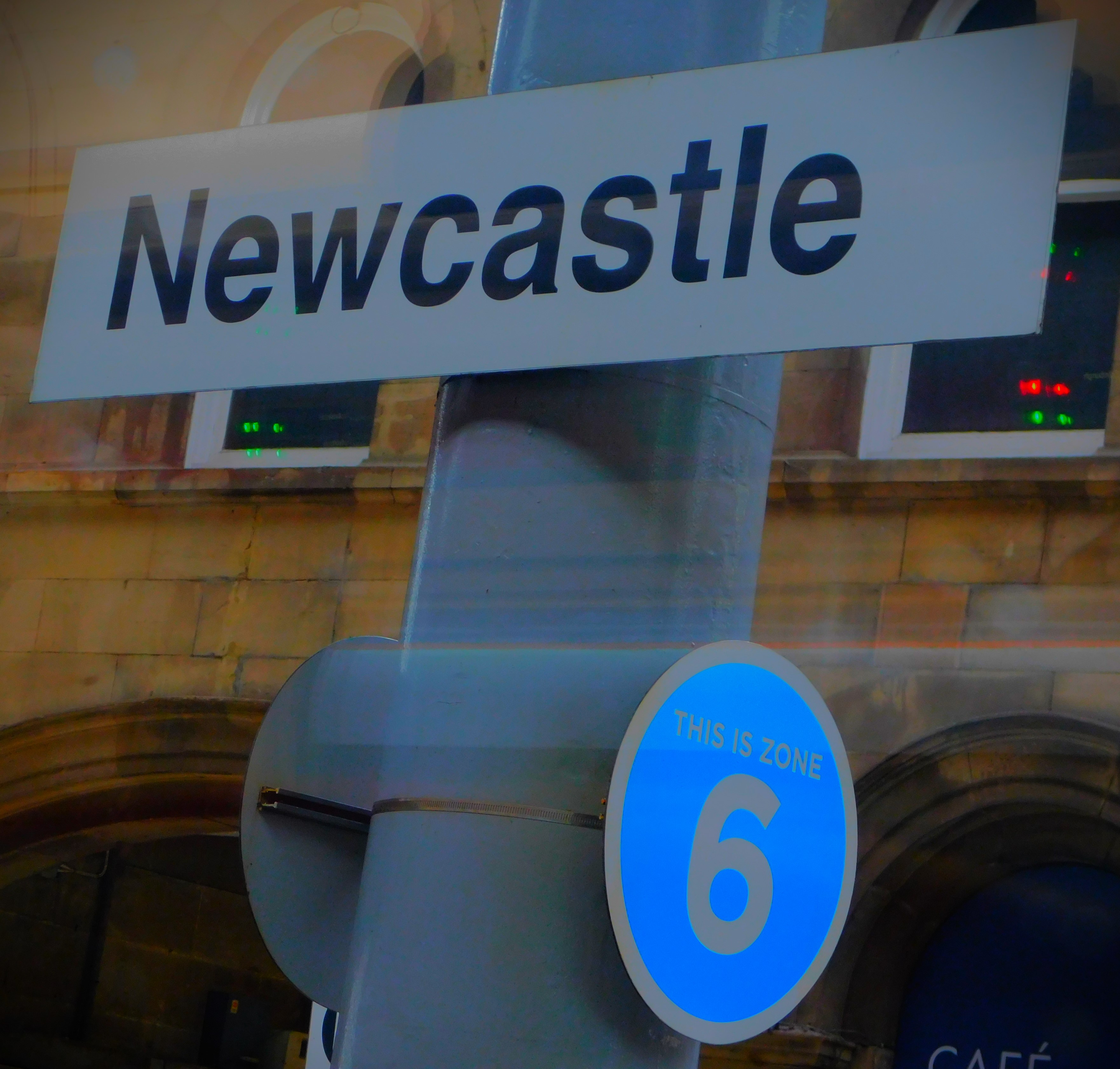
I booked my train tickets to and from Peterborough because it is significantly cheaper that way and also the train journey to Peterborough involves a change at Ely. With the train on which I had a reserved seat leaving Peterborough at 10:18AM I assessed that the right bus to be on was the 8:30AM bus, which meant I needed to leave before 8 o’clock to be sure of catching it. This did not prove to be any great problem. The bus ran smoothly and I arrived at Peterborough with plenty of time to find the correct platform and the correct place on that platform to wait to board the train at the right point (I was in coach H, which was shown on the information screen as needing me to be in zone 5 of the platform…
PETERBOROUGH TO EDINBURGH WAVERLEY
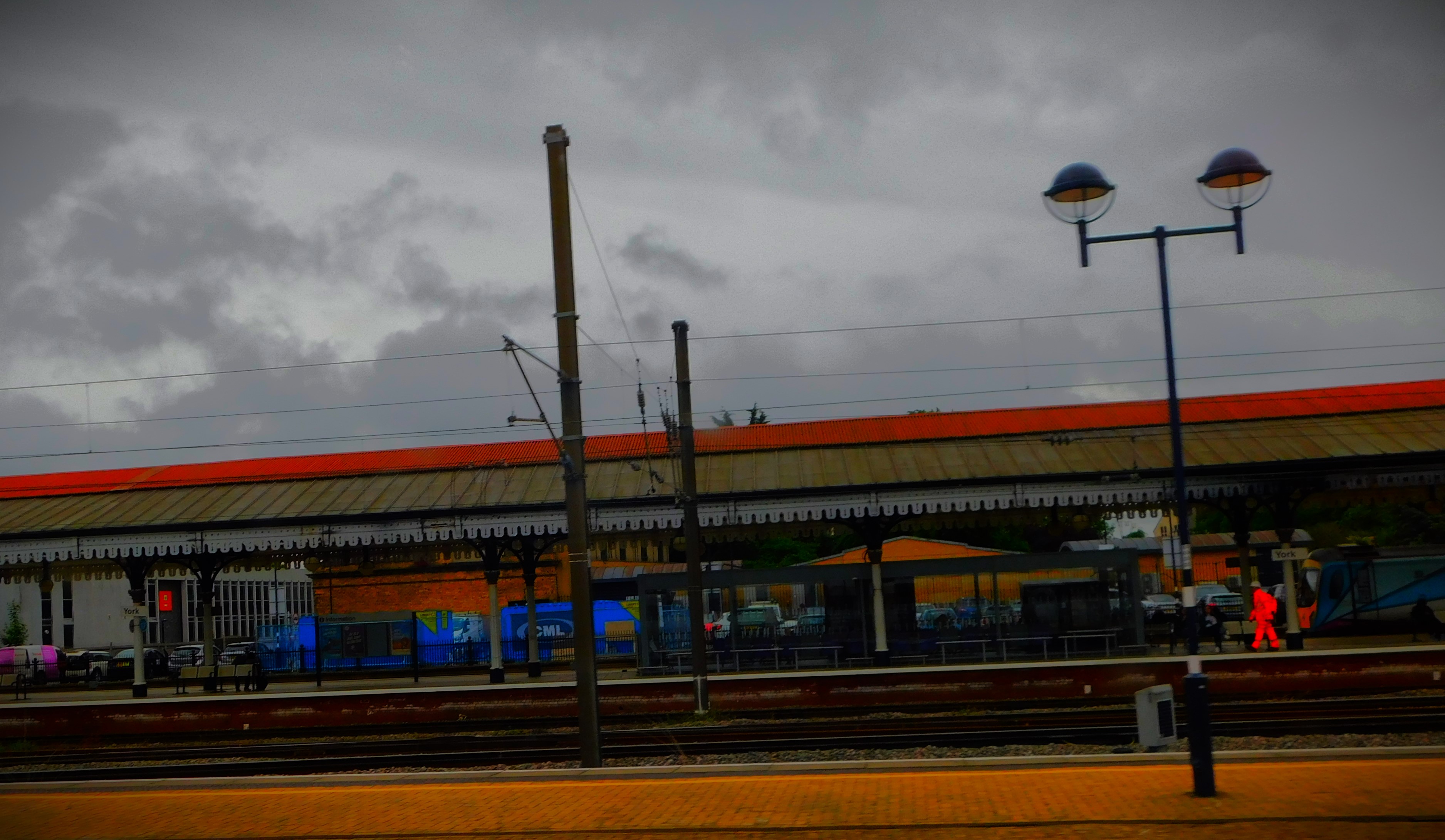
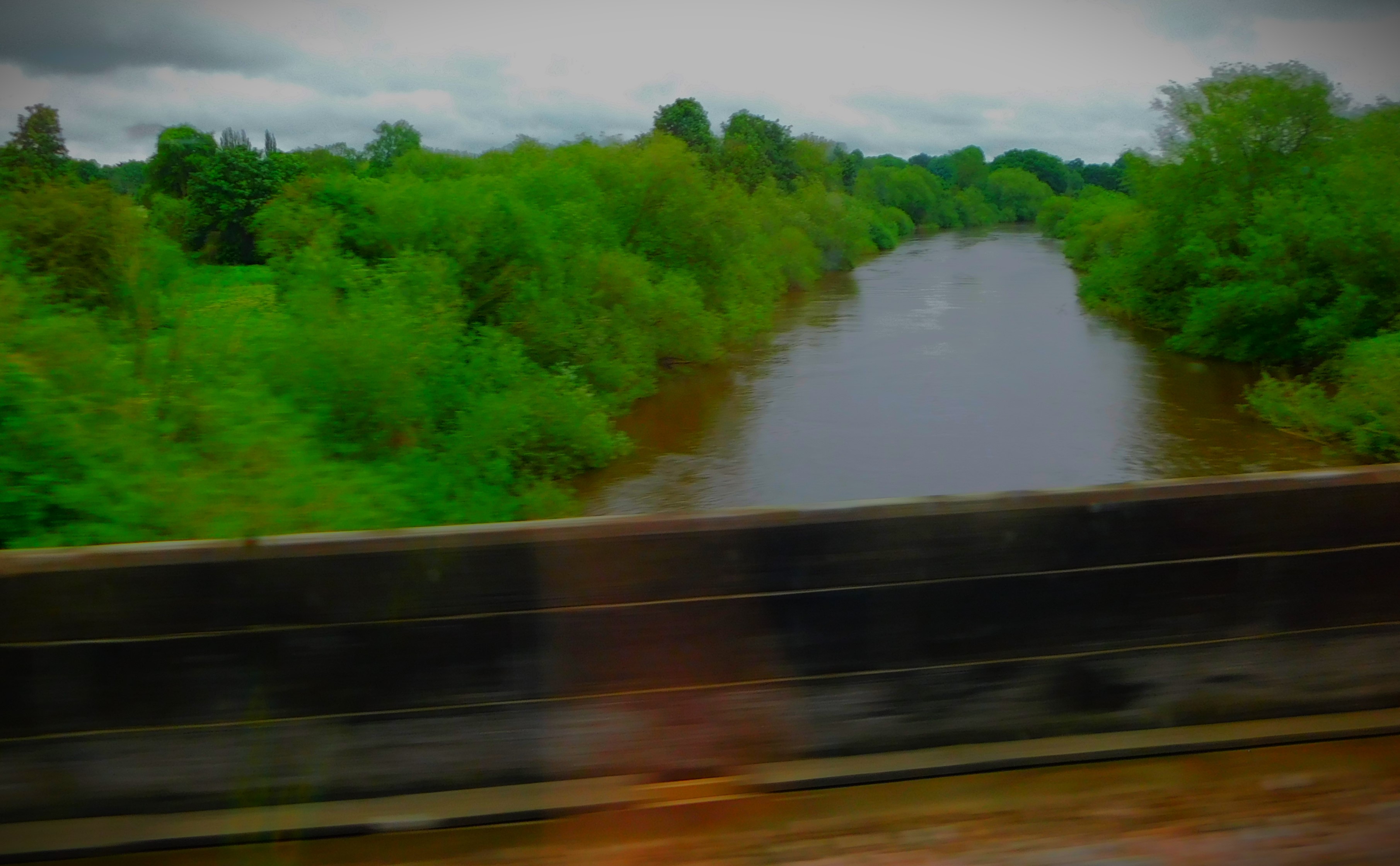
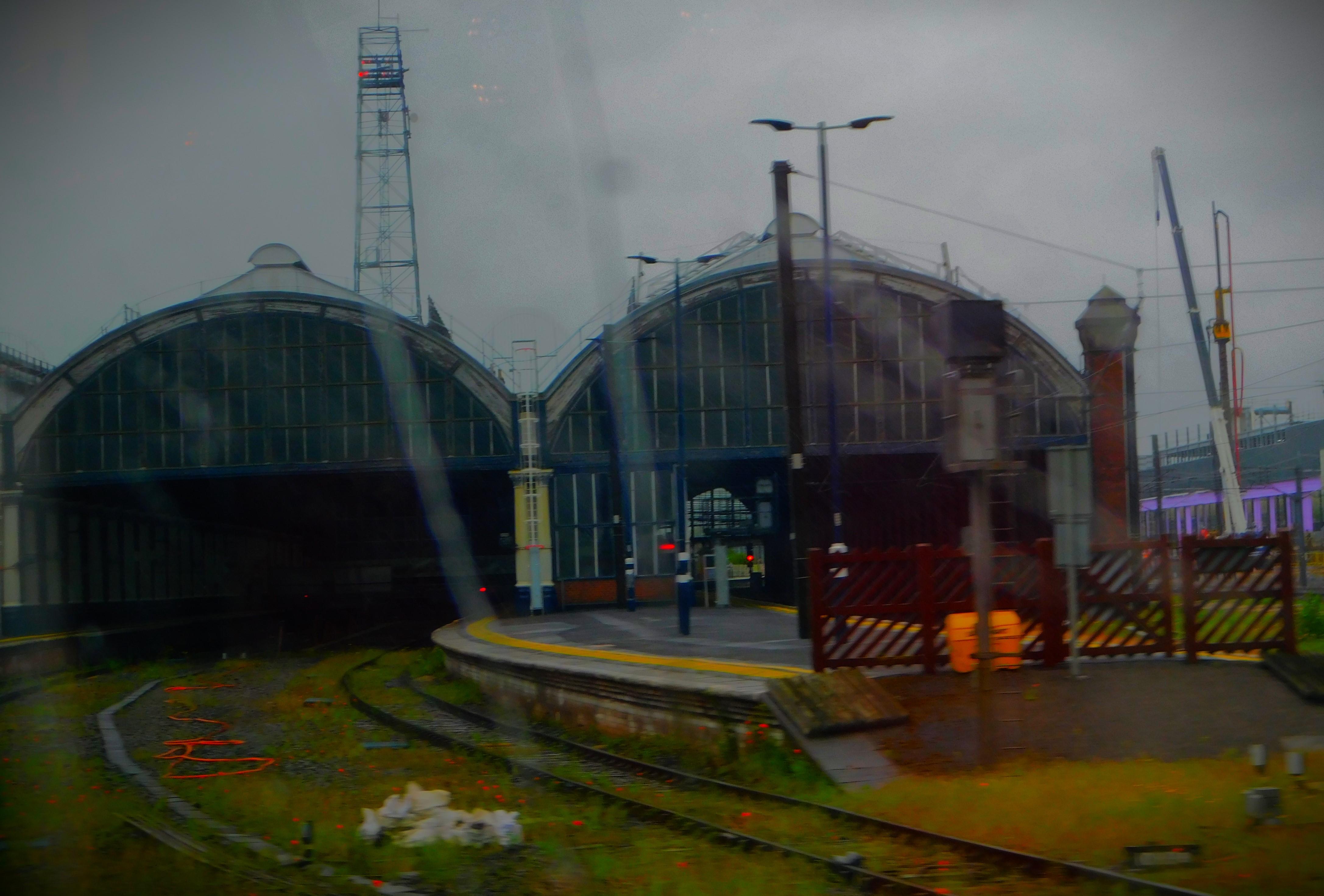
This was the longest leg of the journey, but compensated by also being the fastest. Finding my reserved seat was straightforward, and no one had unthinkingly occupied it, so I was able to seat myself without having to ask anyone to move (even though reservations are very clearly indicated as such it is not unknown to find a reserved seat already occupied, and I will get the person occupying it to move if that is the case). I had booked a forward facing window seat, and on this occasion that was what it proved to be – and it was on the better side of the train for photography. This route provides plenty of fine views, especially between York and Edinburgh (though there a few good bits south of York as well). The task at Edinburgh was to locate the train I was to travel on as far as Stirling, which I did…
EDINBURGH TO STIRLING
This was on a stopping service which was ultimately headed for Dunblane, and passed through a few interesting places. At Stirling I had to change trains for the final leg of the journey to Perth, but this did involve moving platforms, for which I was grateful.
STIRLING TO PERTH
This was a non-stop journey on a Scotrail Intercity service heading towards Inverness. Unfortunately I was unable to secure a window seat for this final leg of the journey, though I did spot one or two interesting things on arrival at Perth. The train arrived at Perth at the scheduled time, which meant that seven and a half hours of public transport travel involving one bus and three trains had ended with the traveller in the right place at the right time – which in 21st century Britain comes close to qualifying as miraculous.
PHOTOGRAPHS
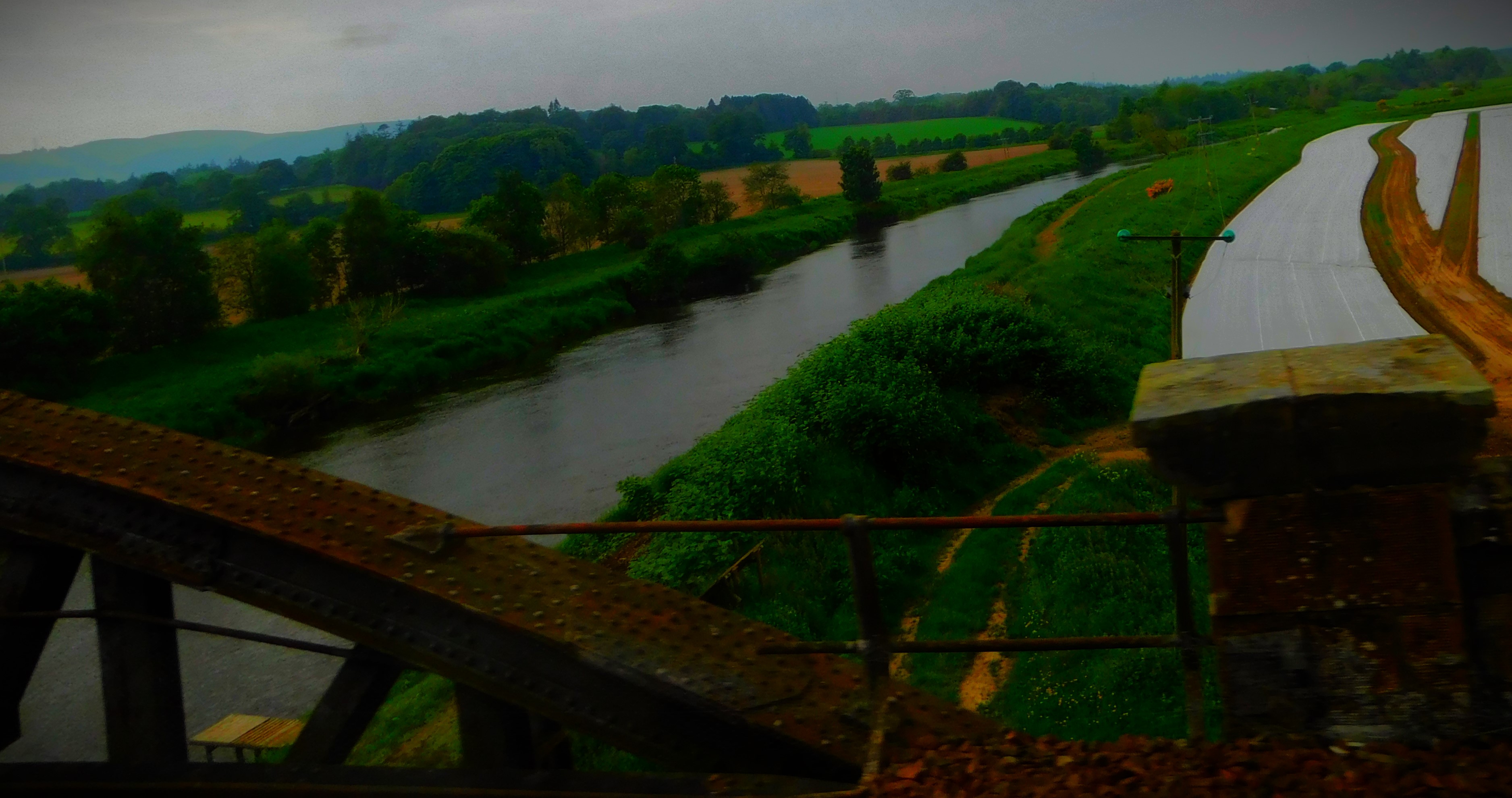
Taking photographs through the windows of buses and trains is often frustrating, but yields enough good pictures to be worthwhile….
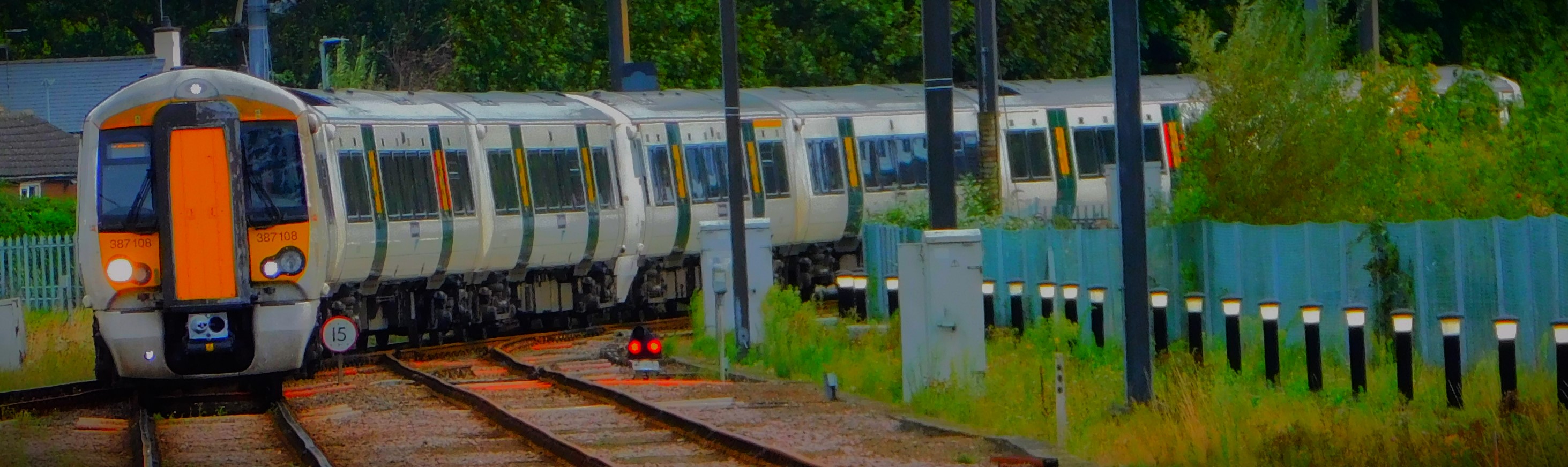
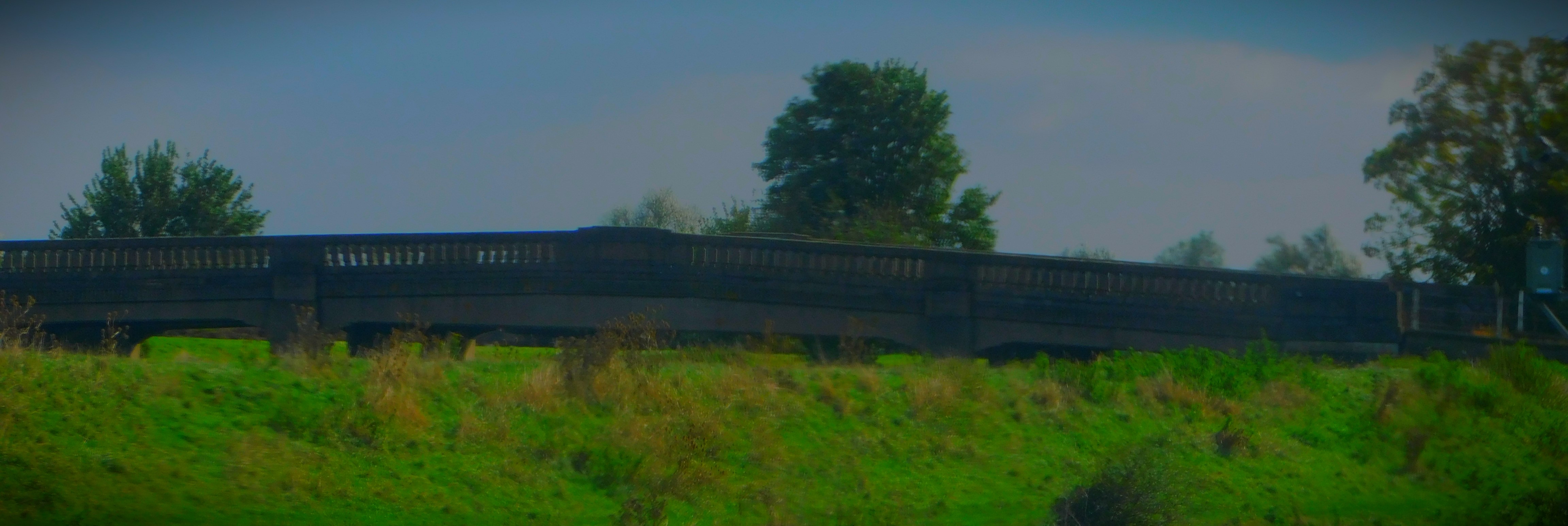
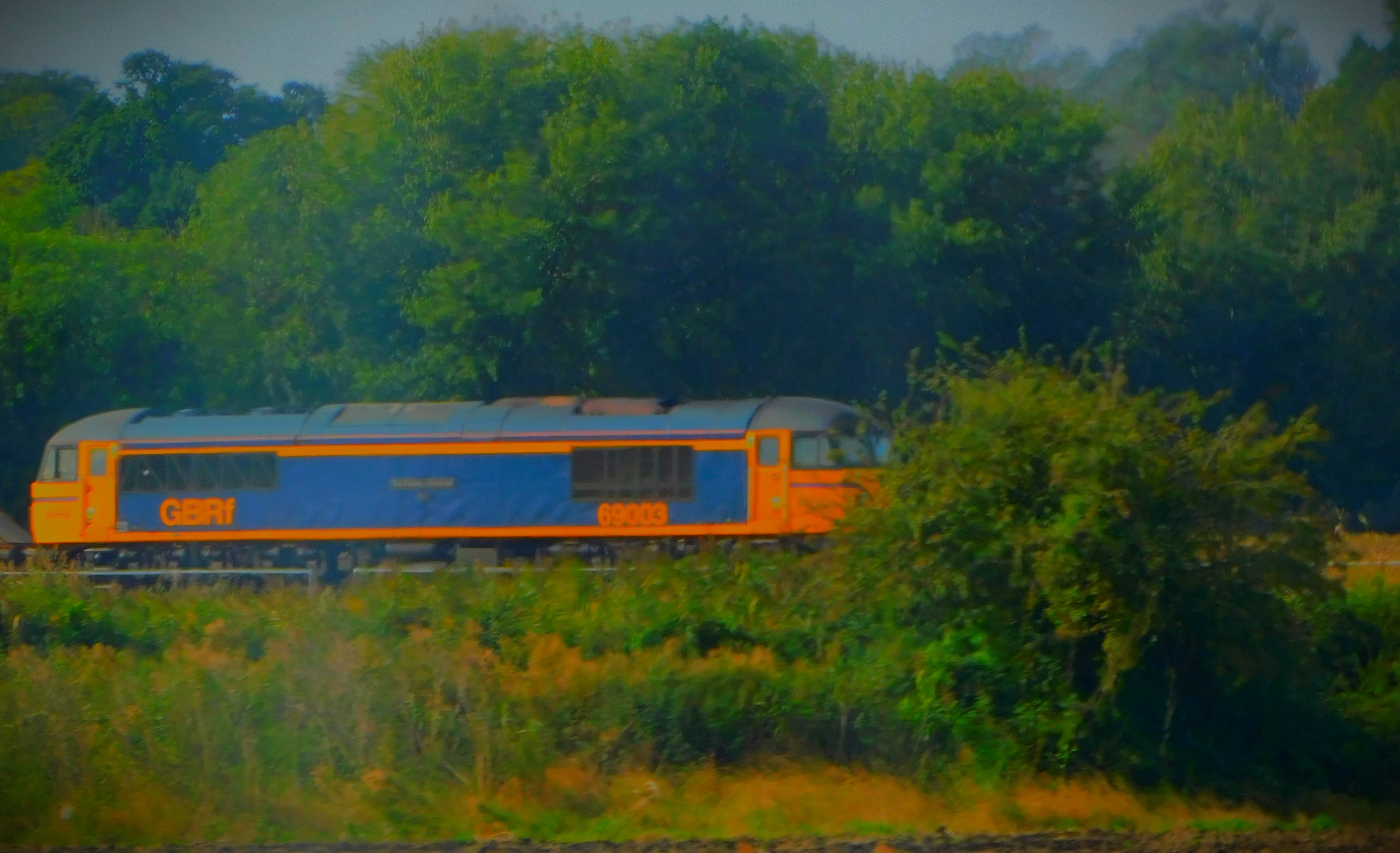
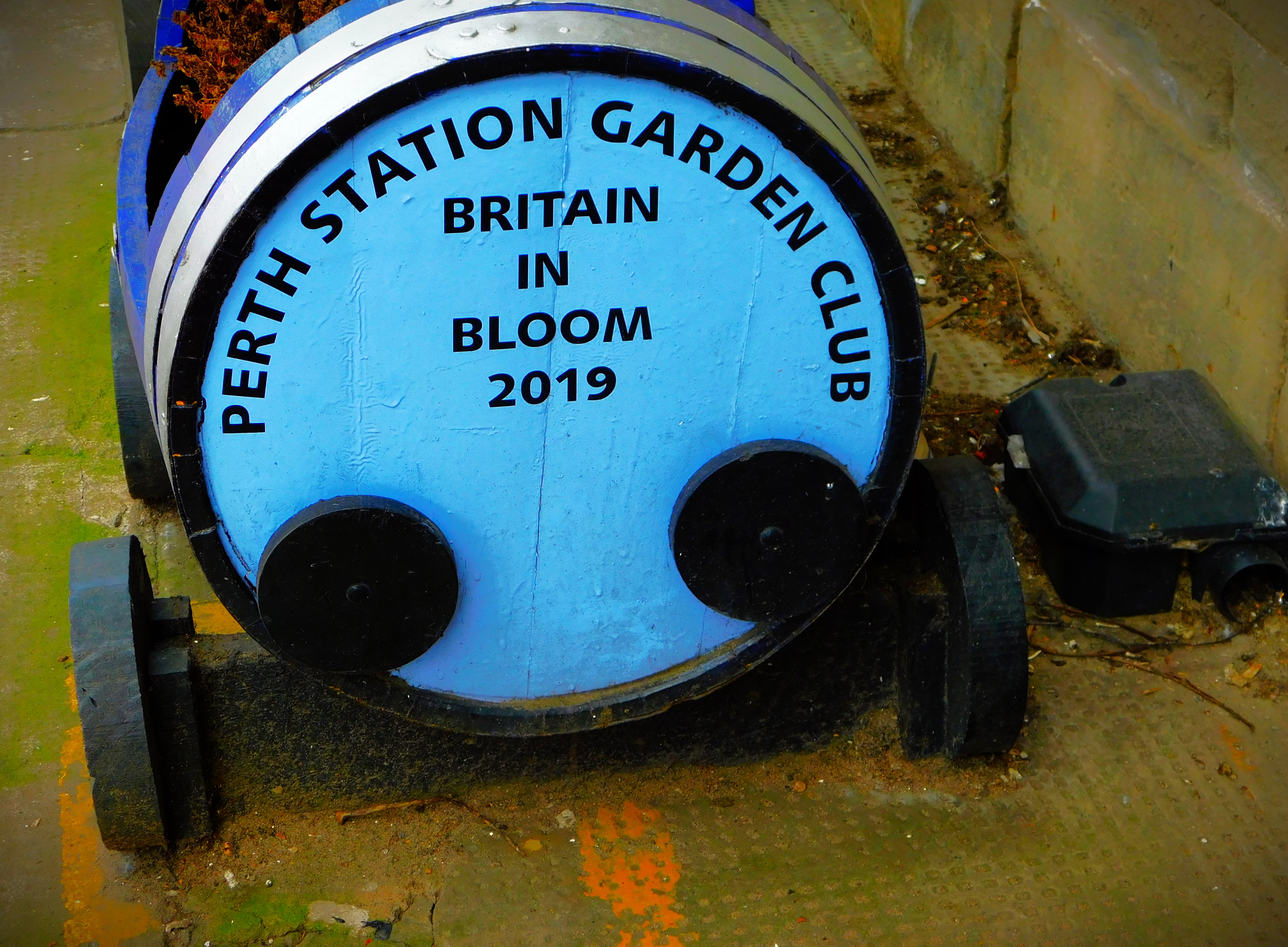
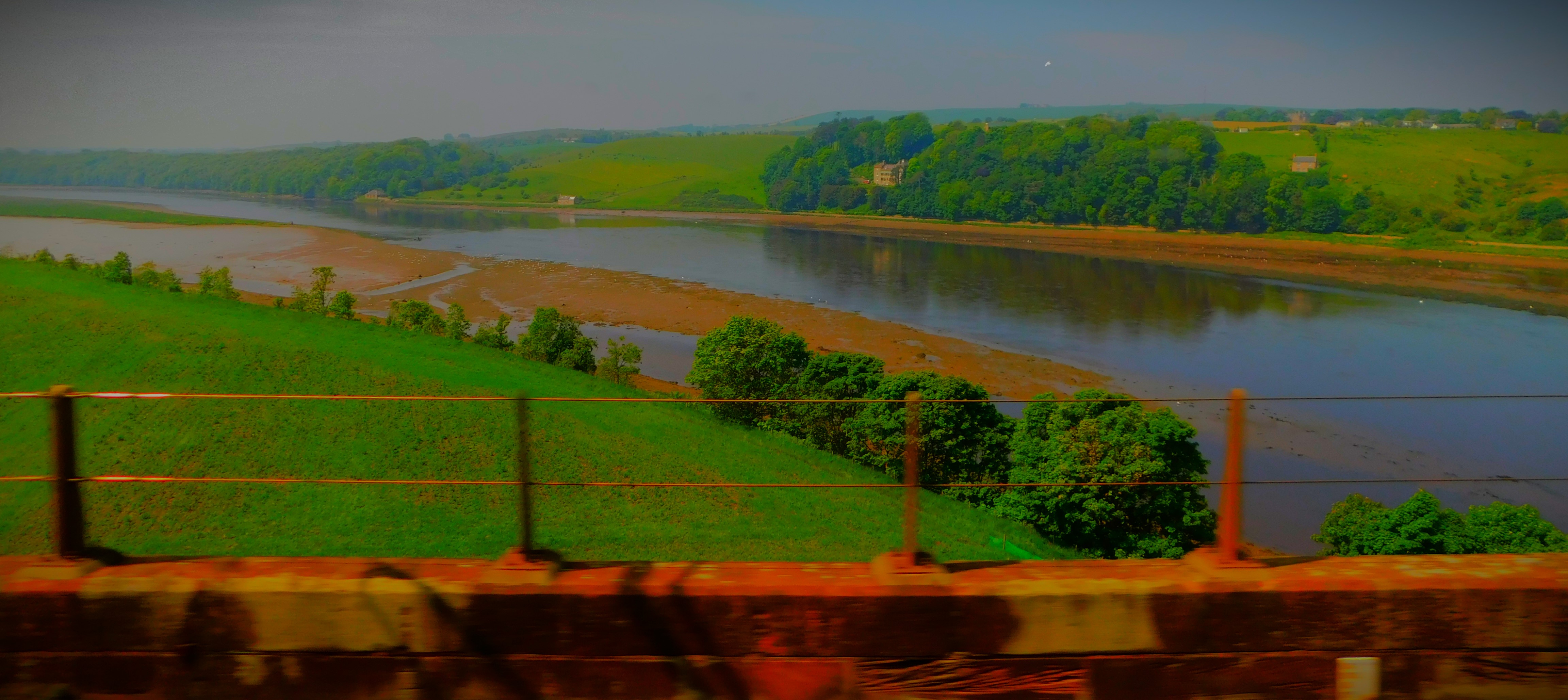
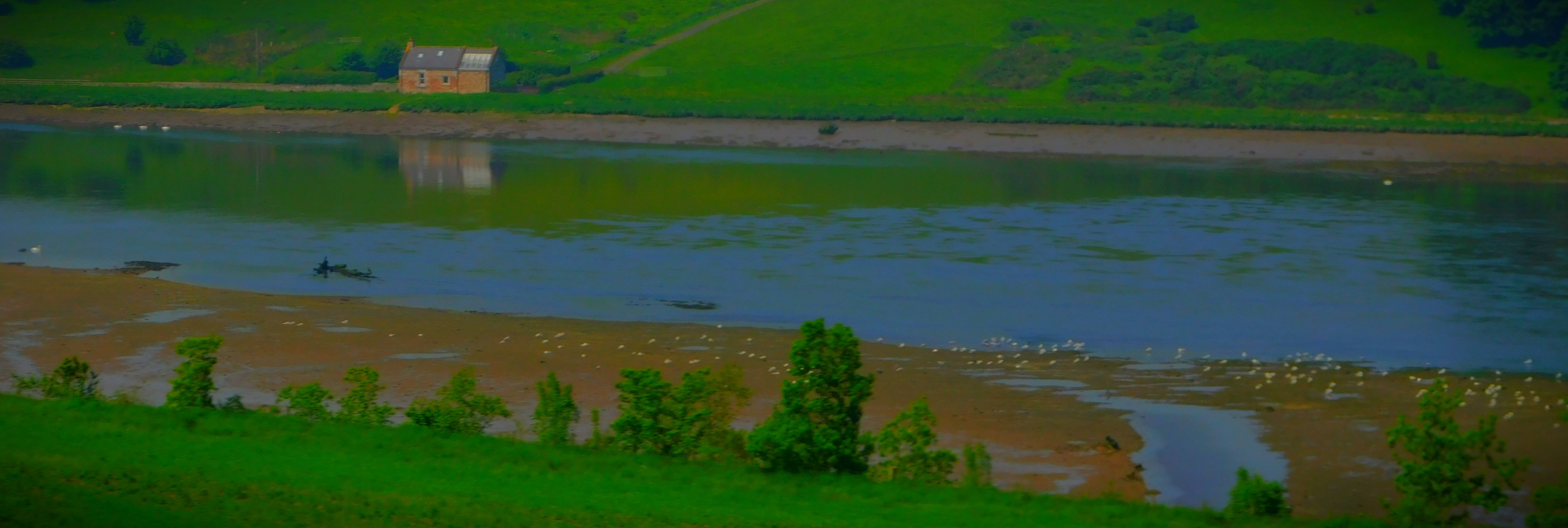
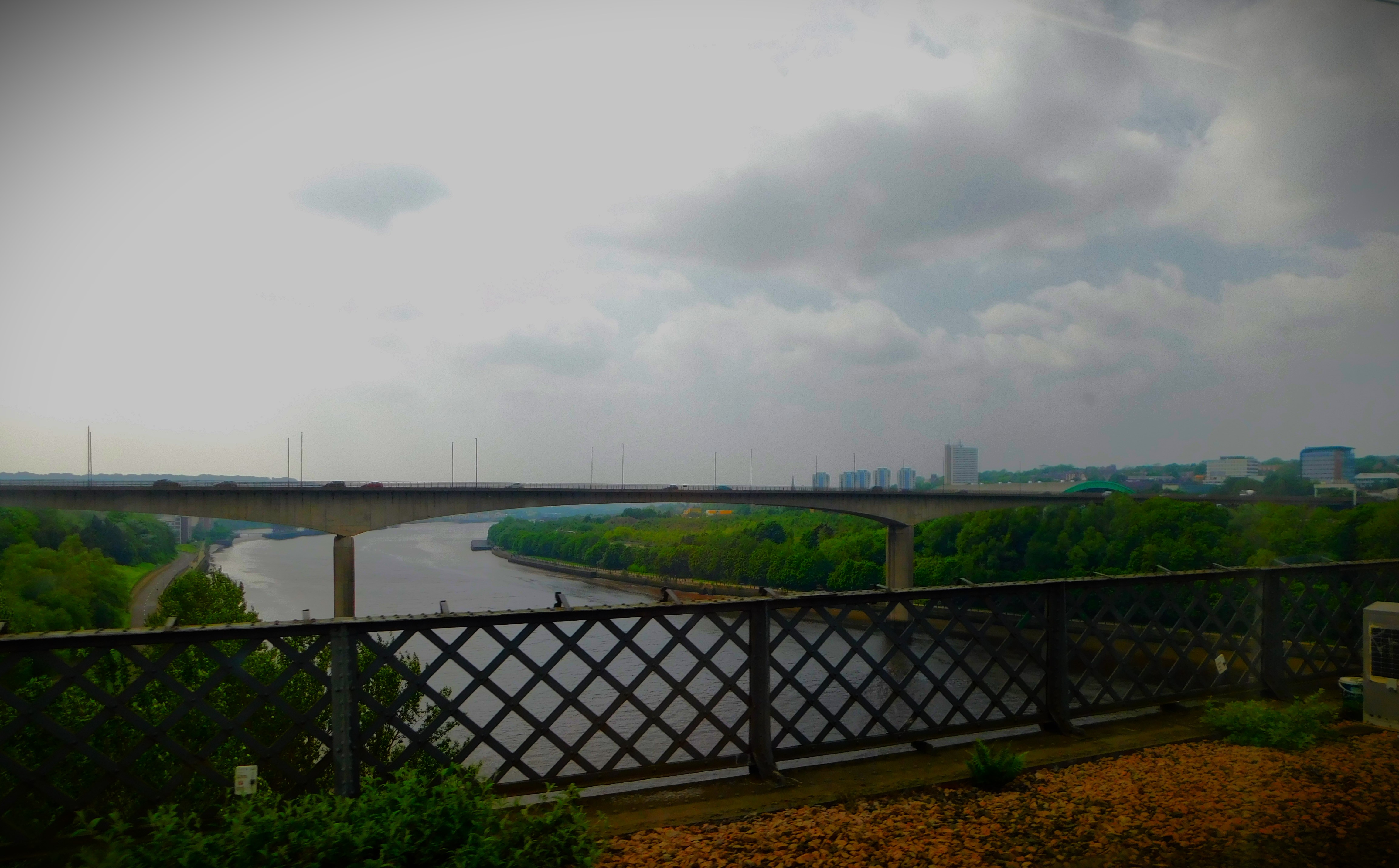
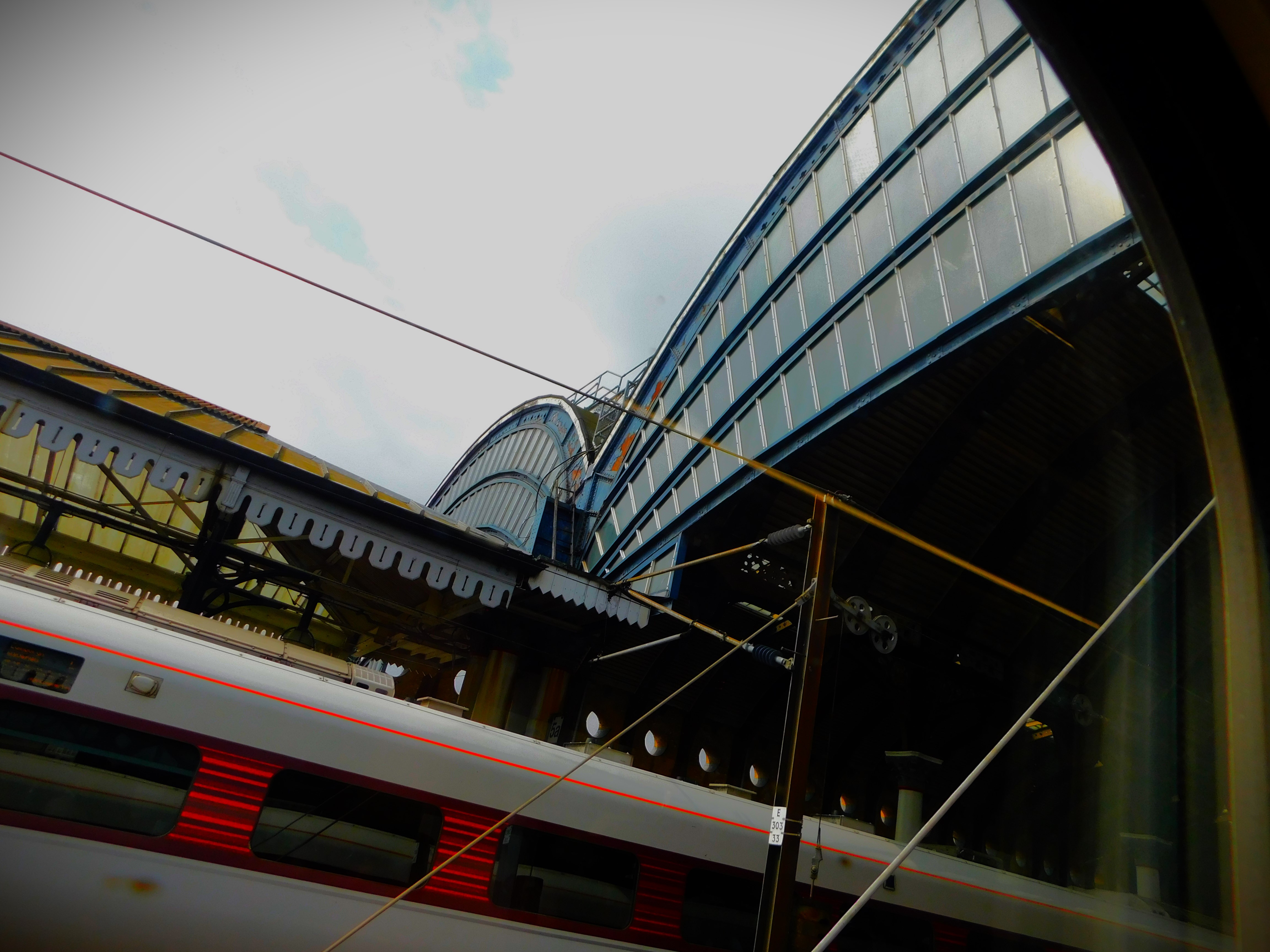
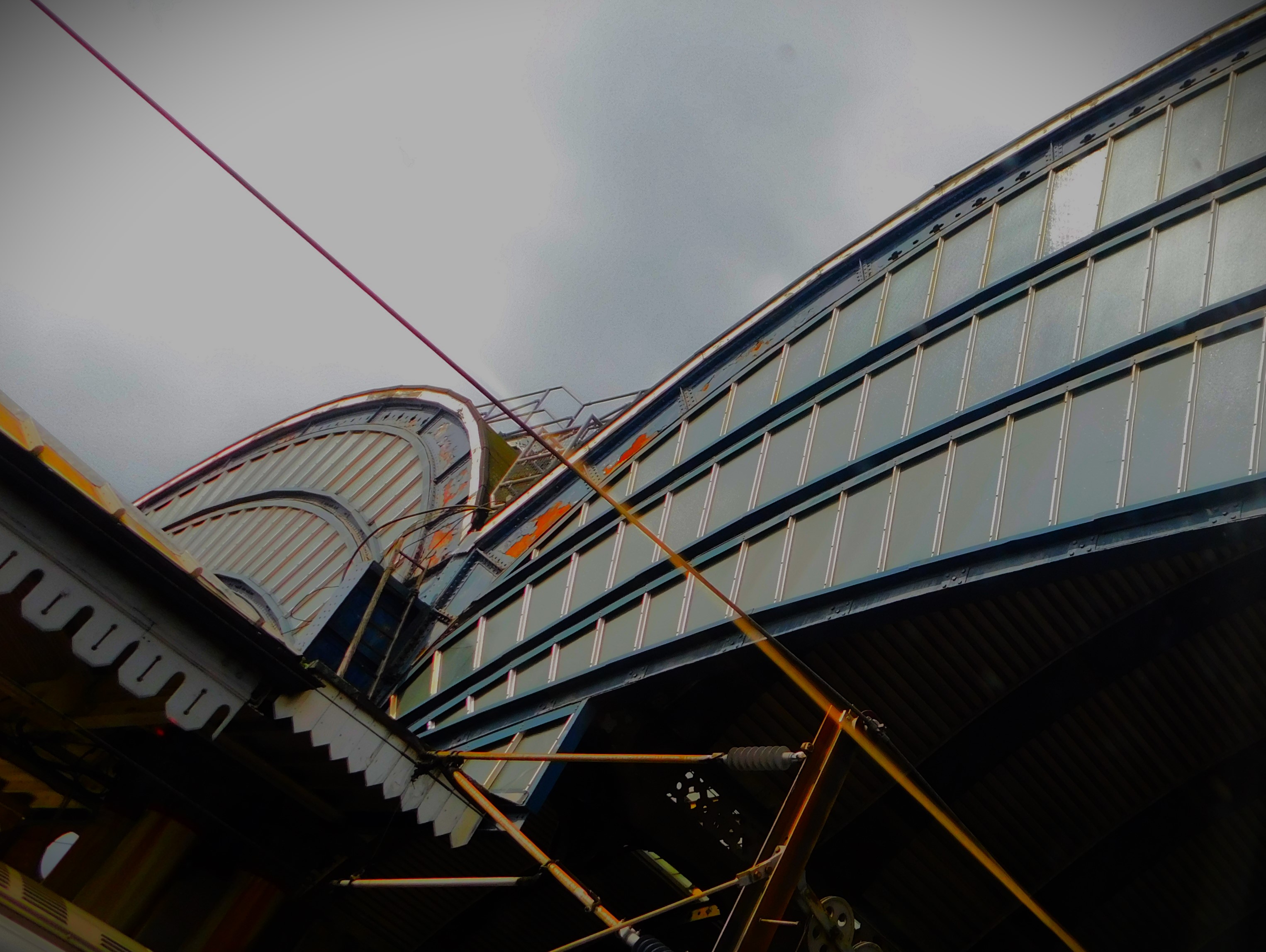
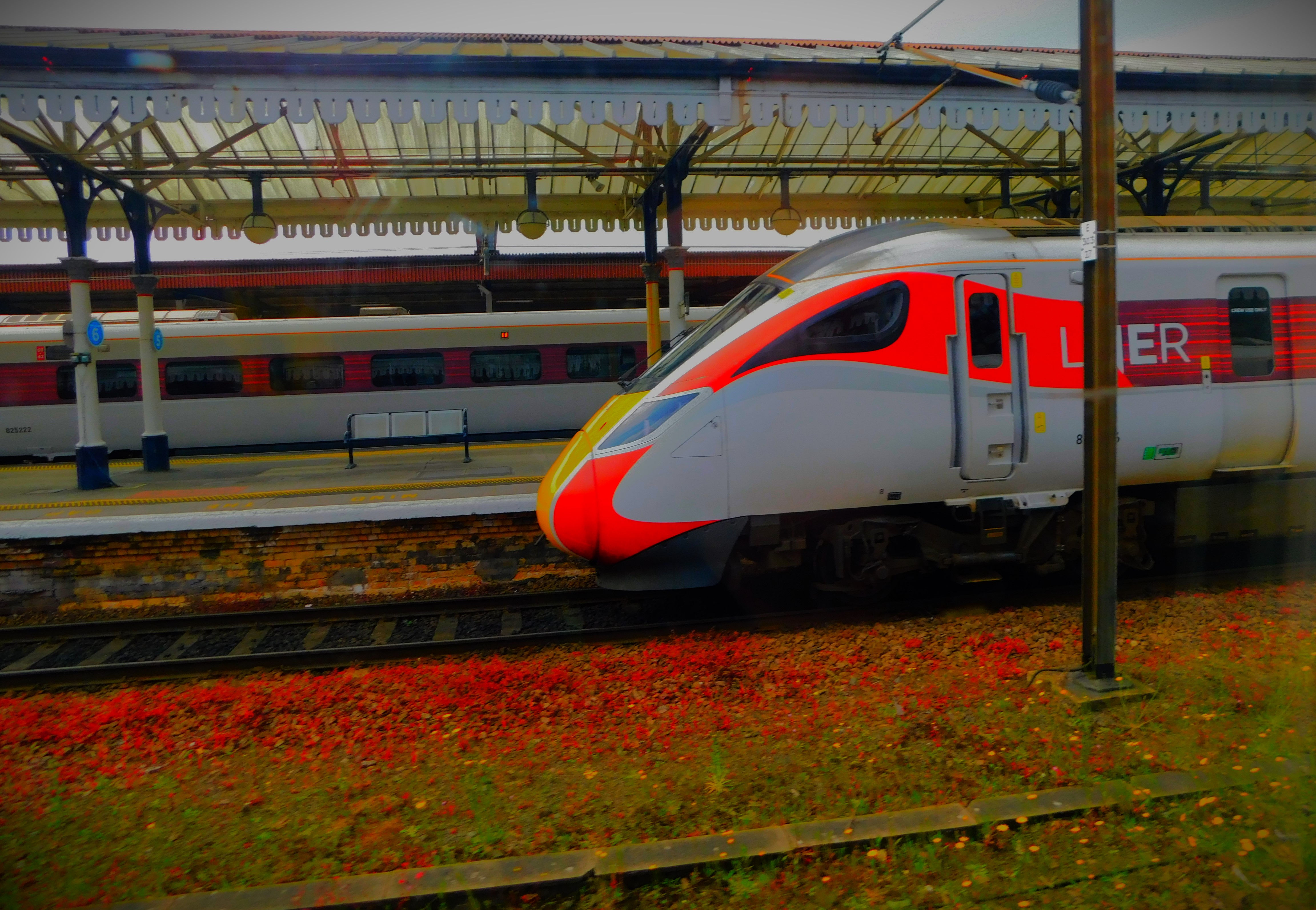
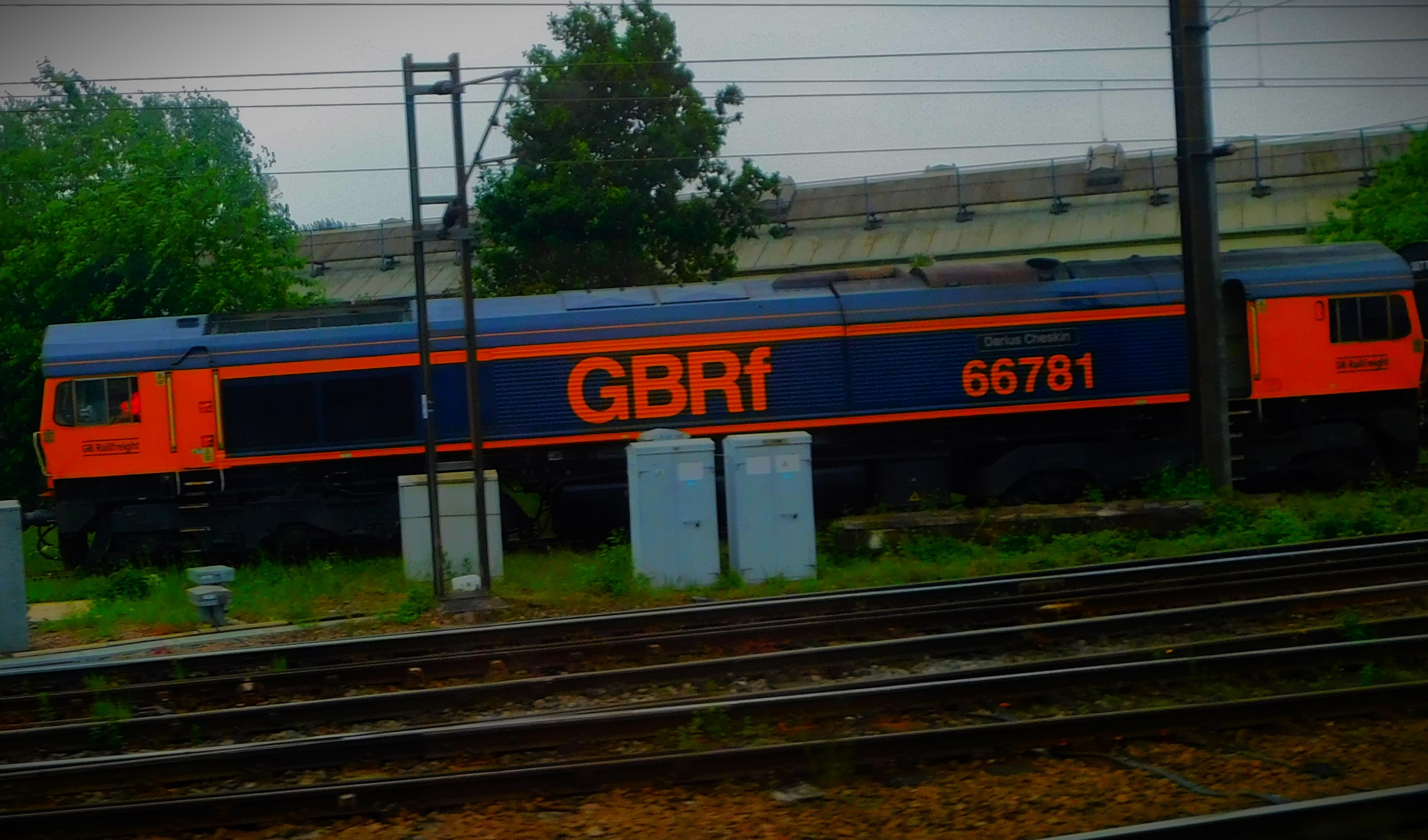
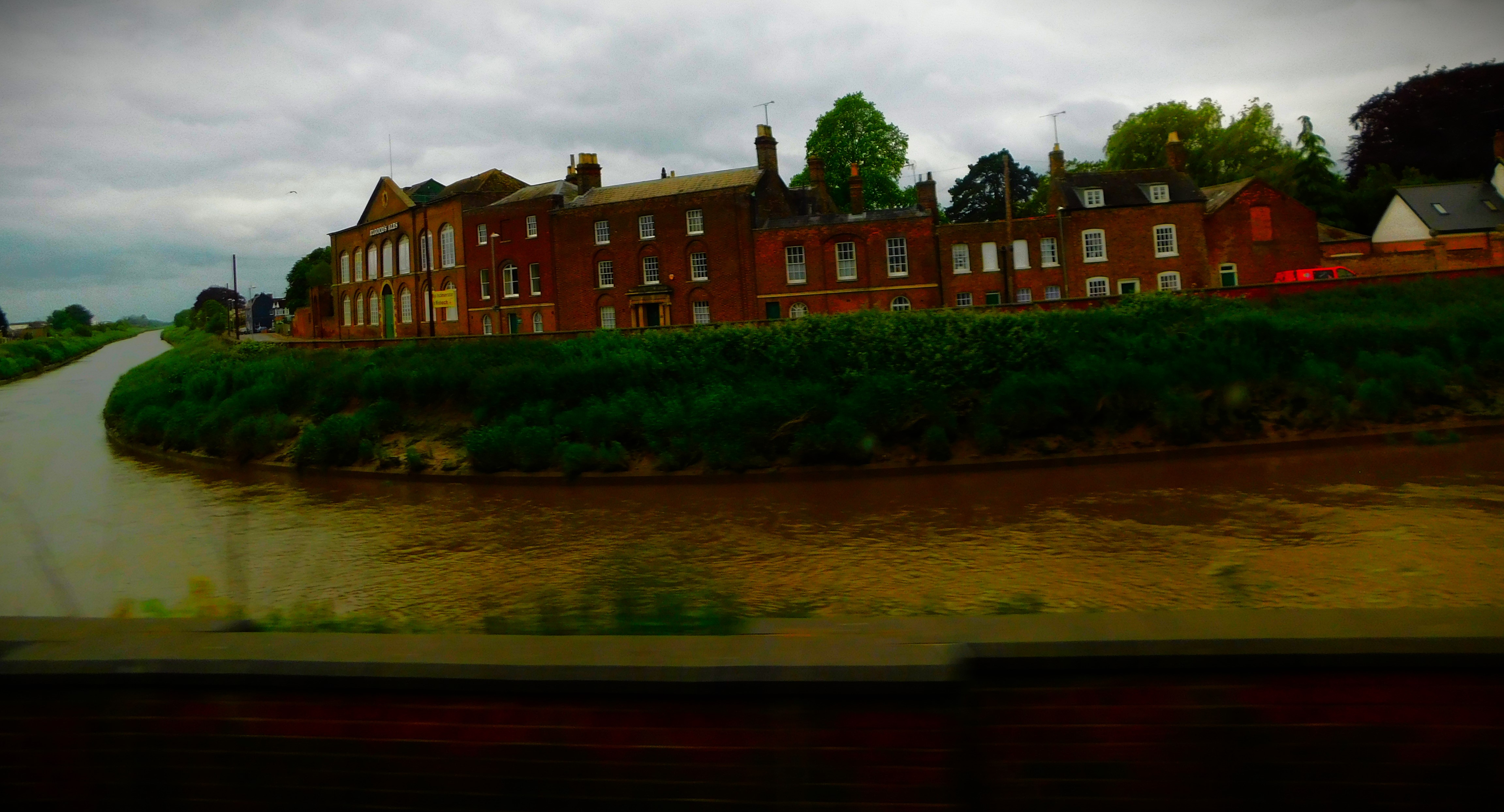
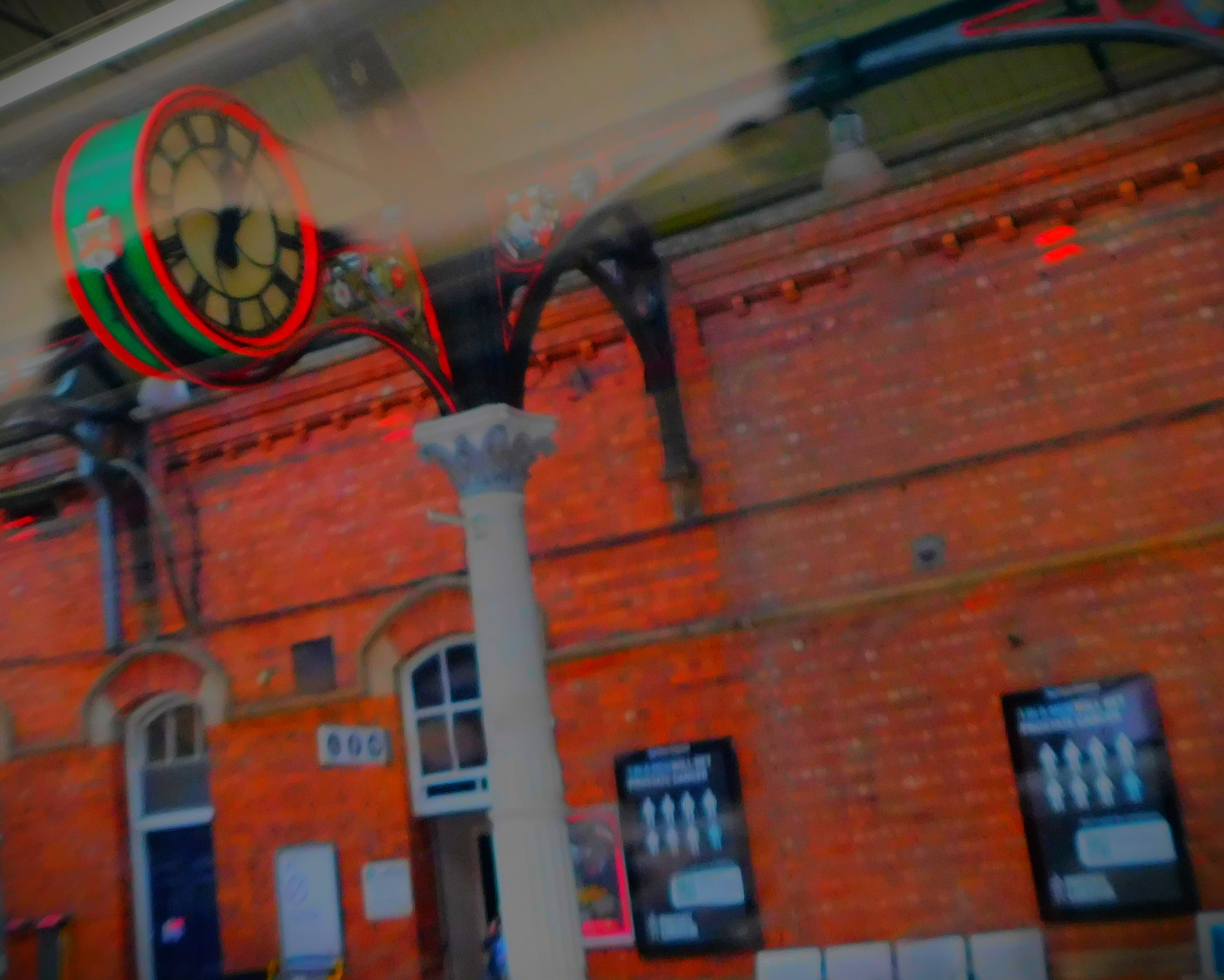
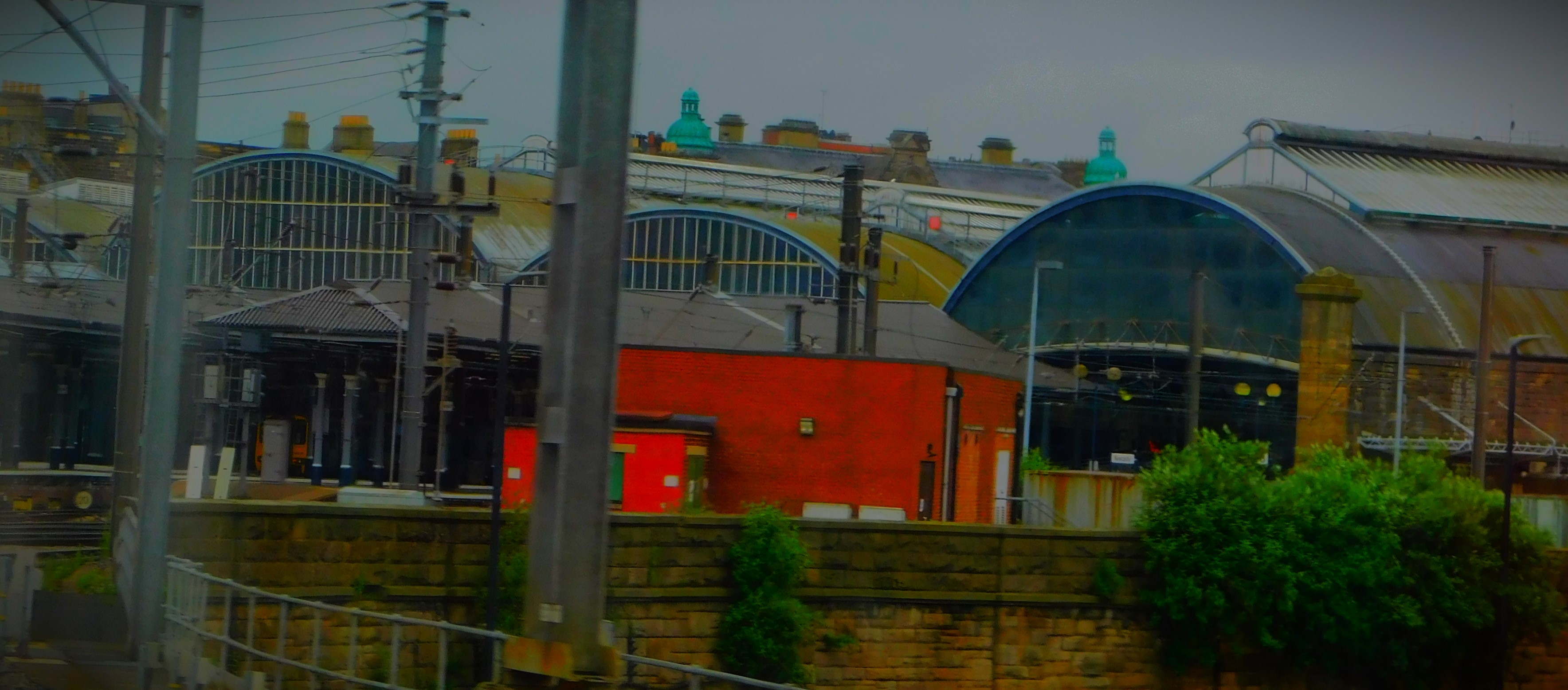
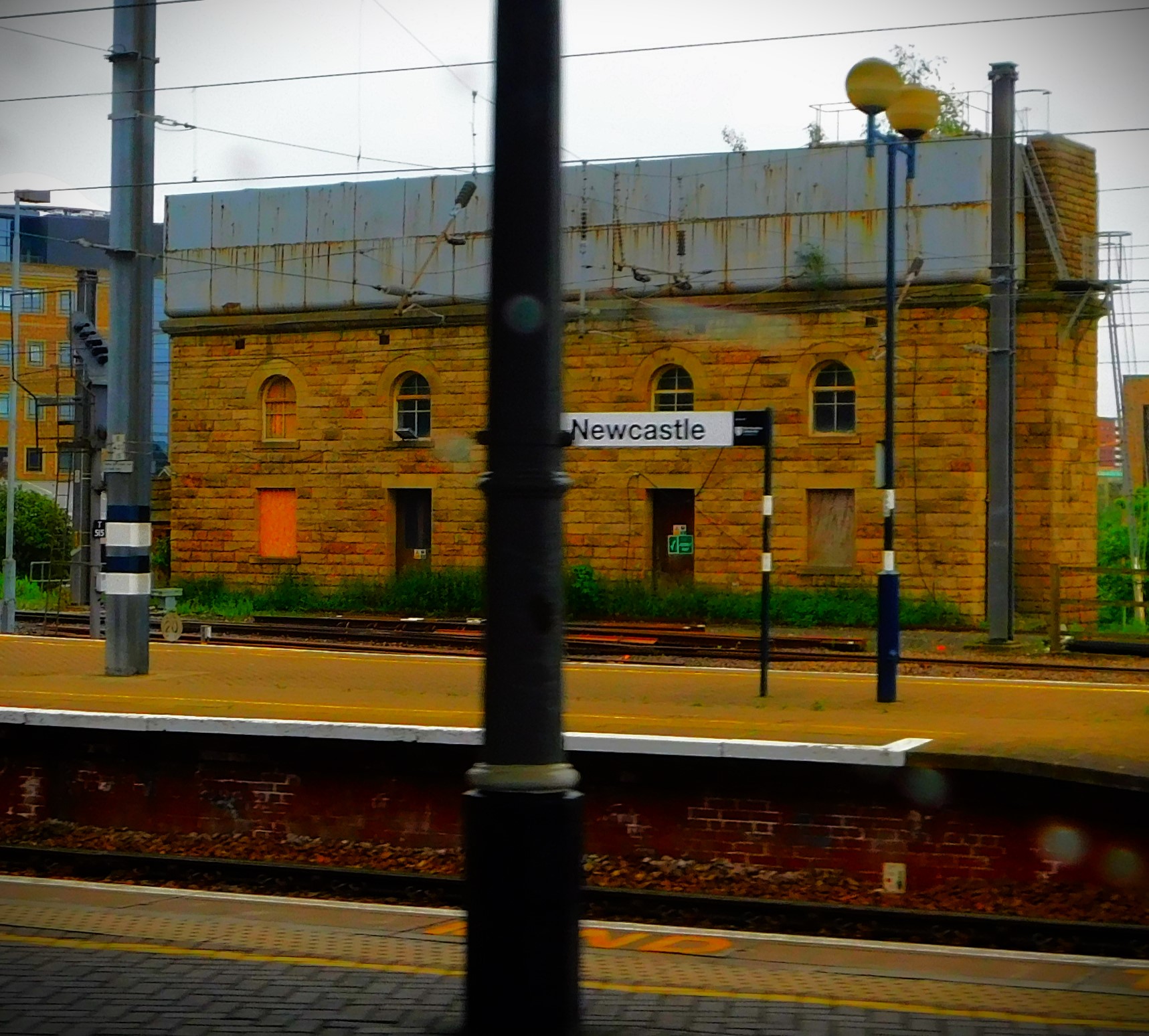
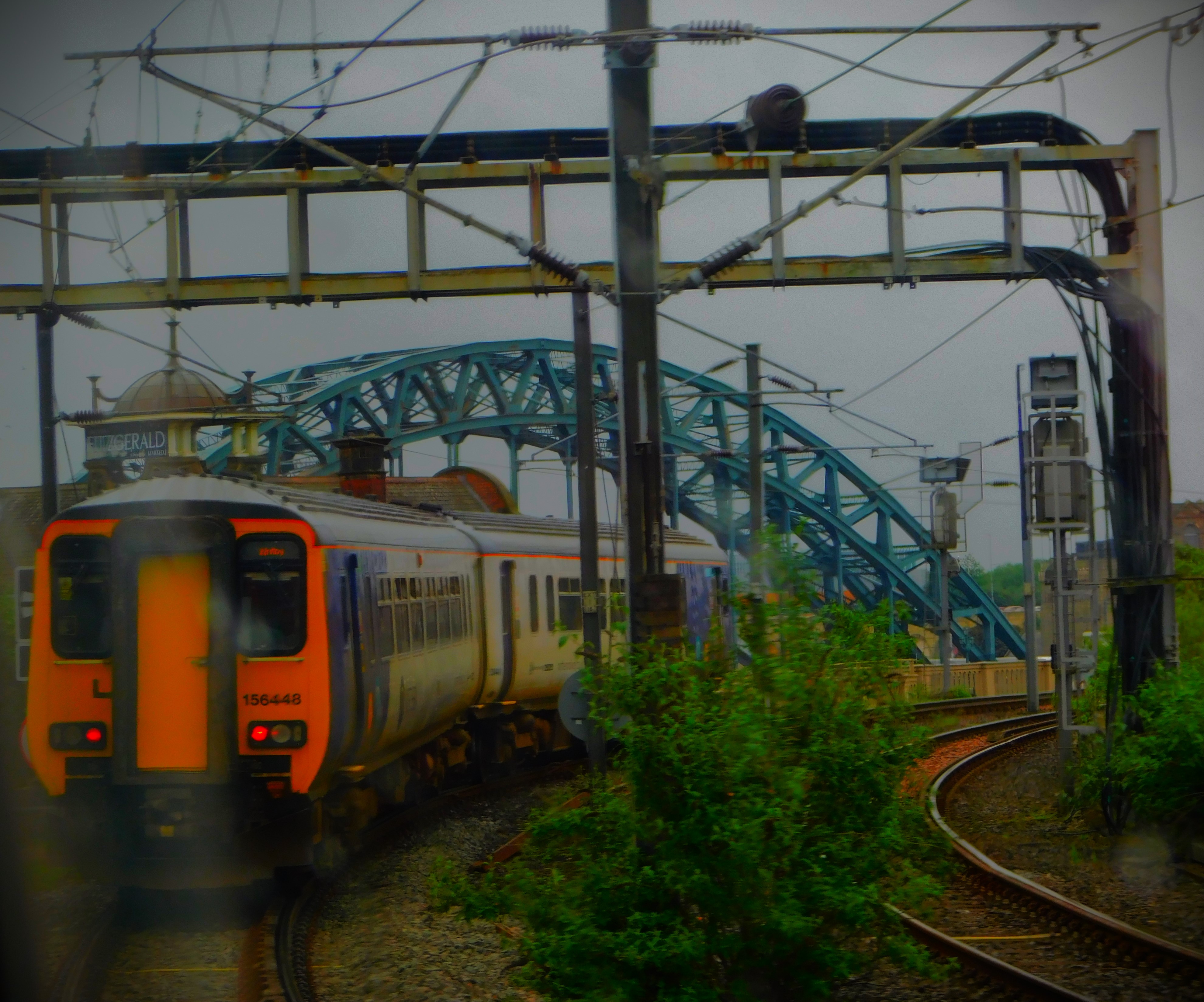
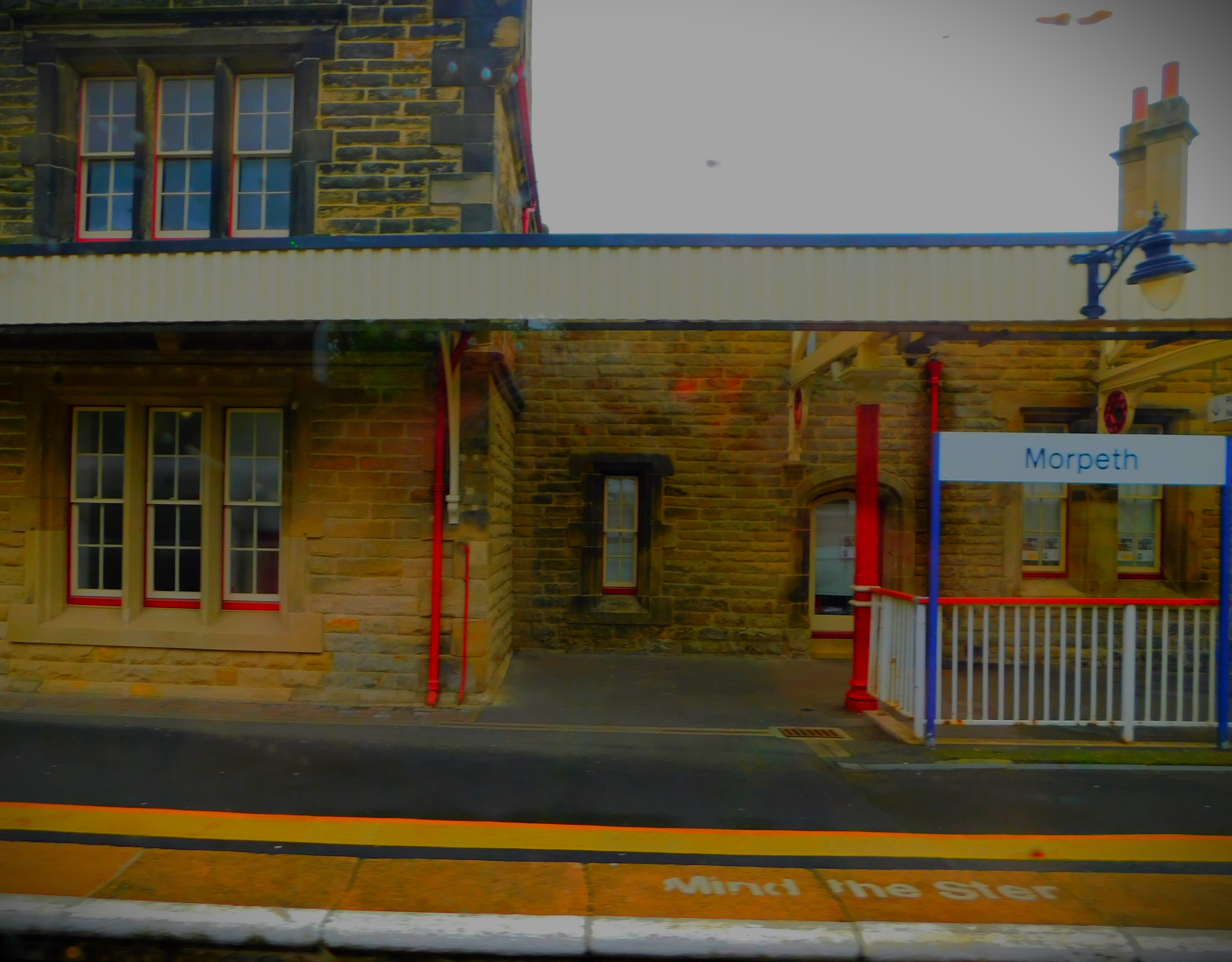
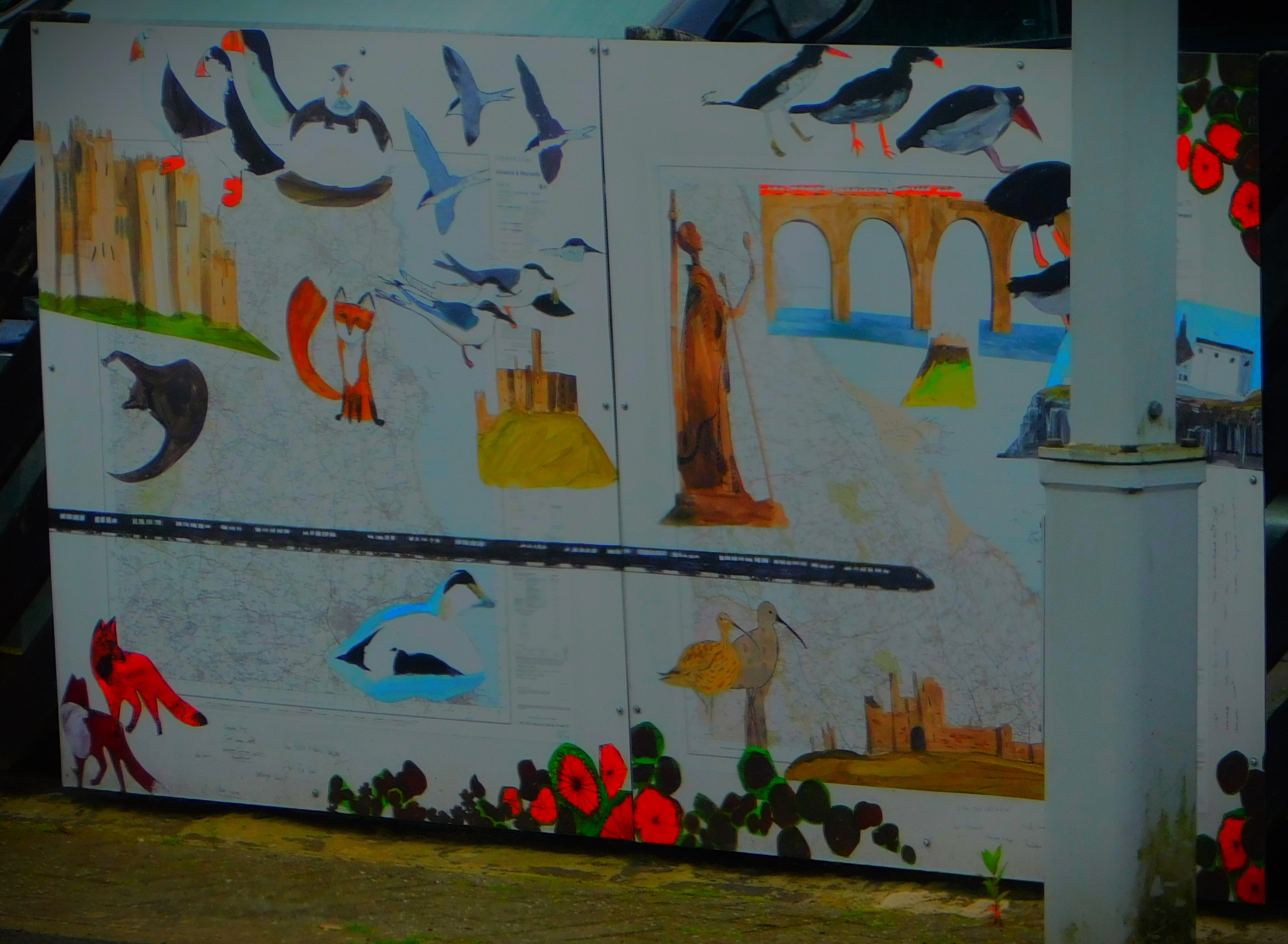
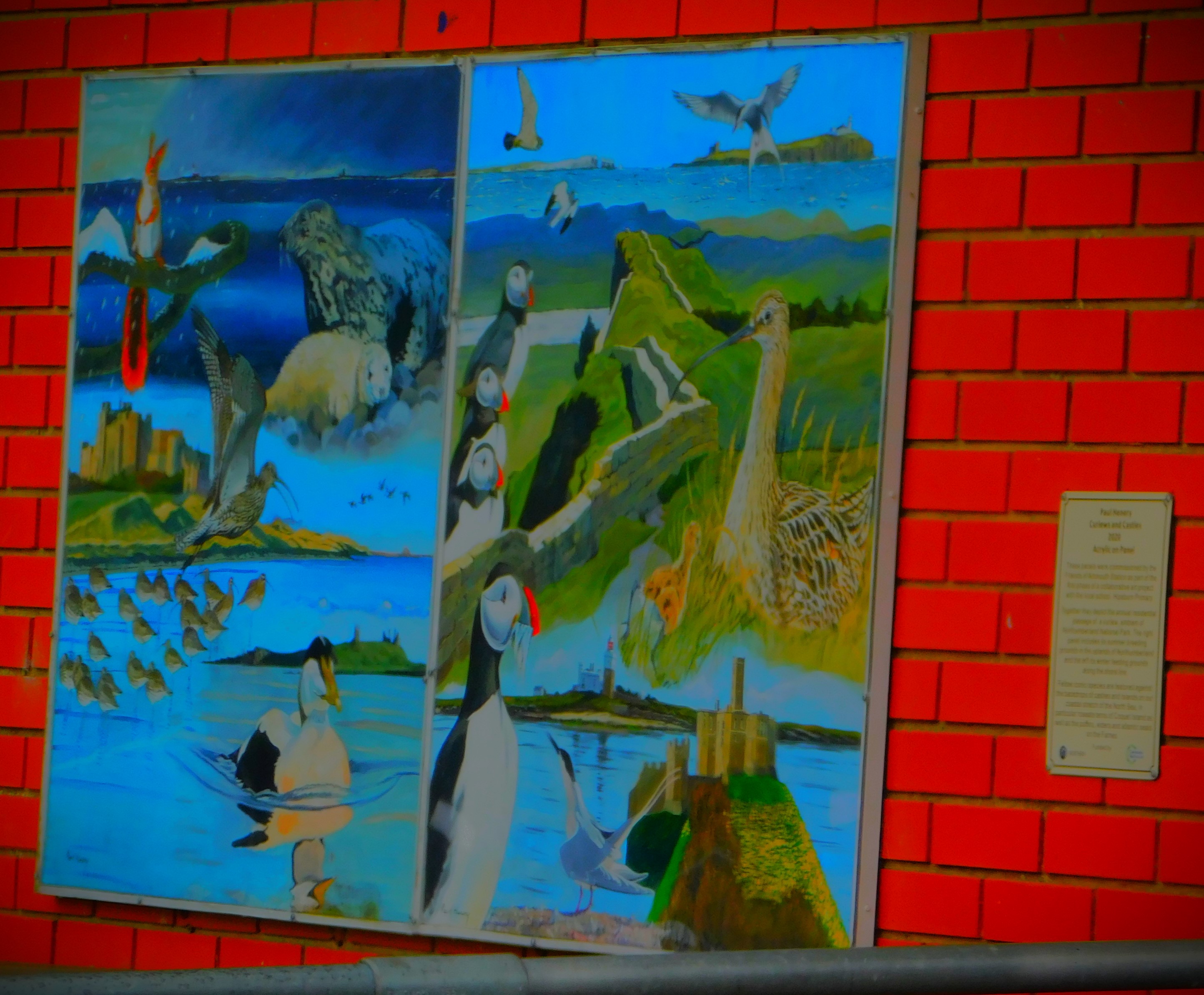
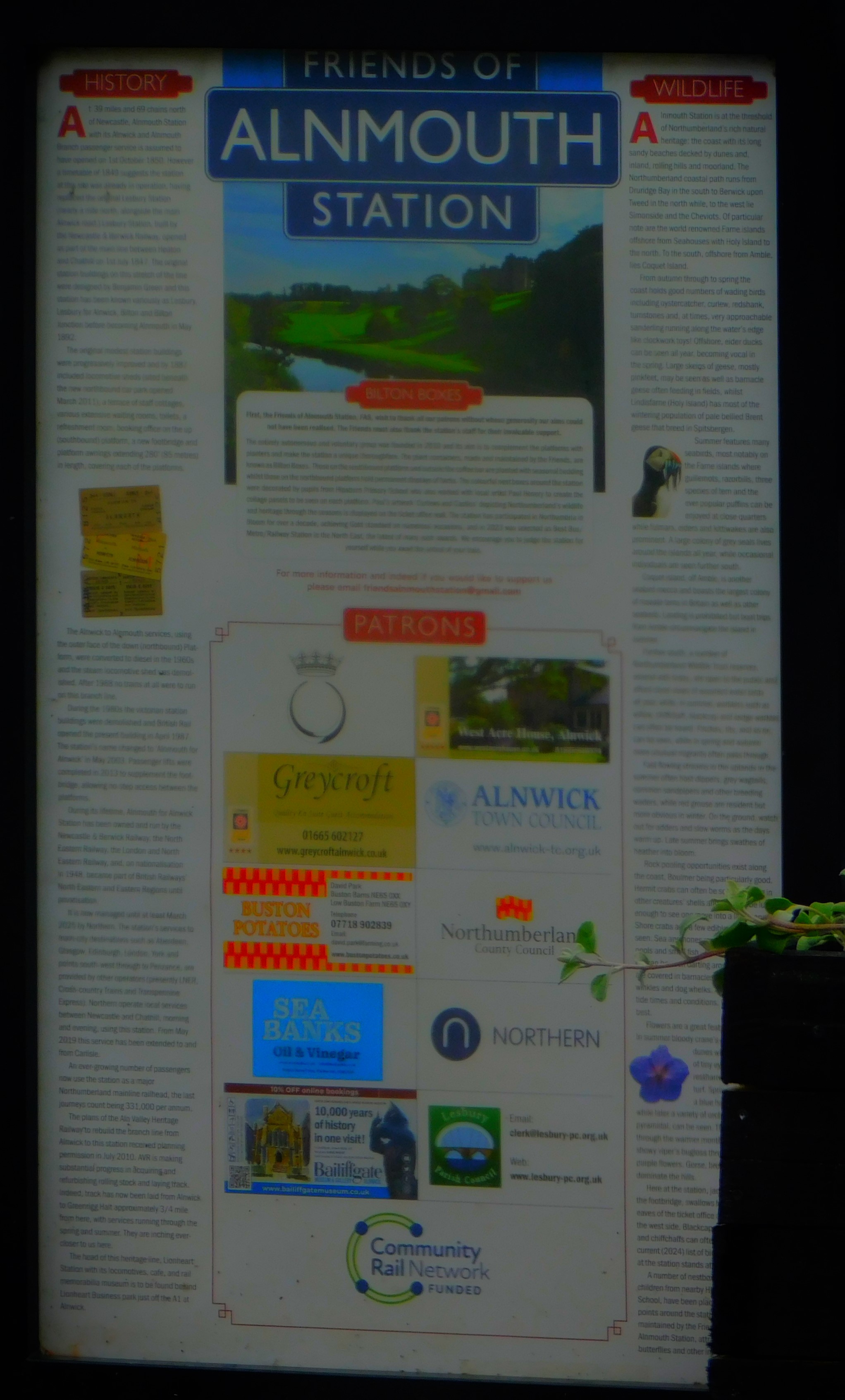
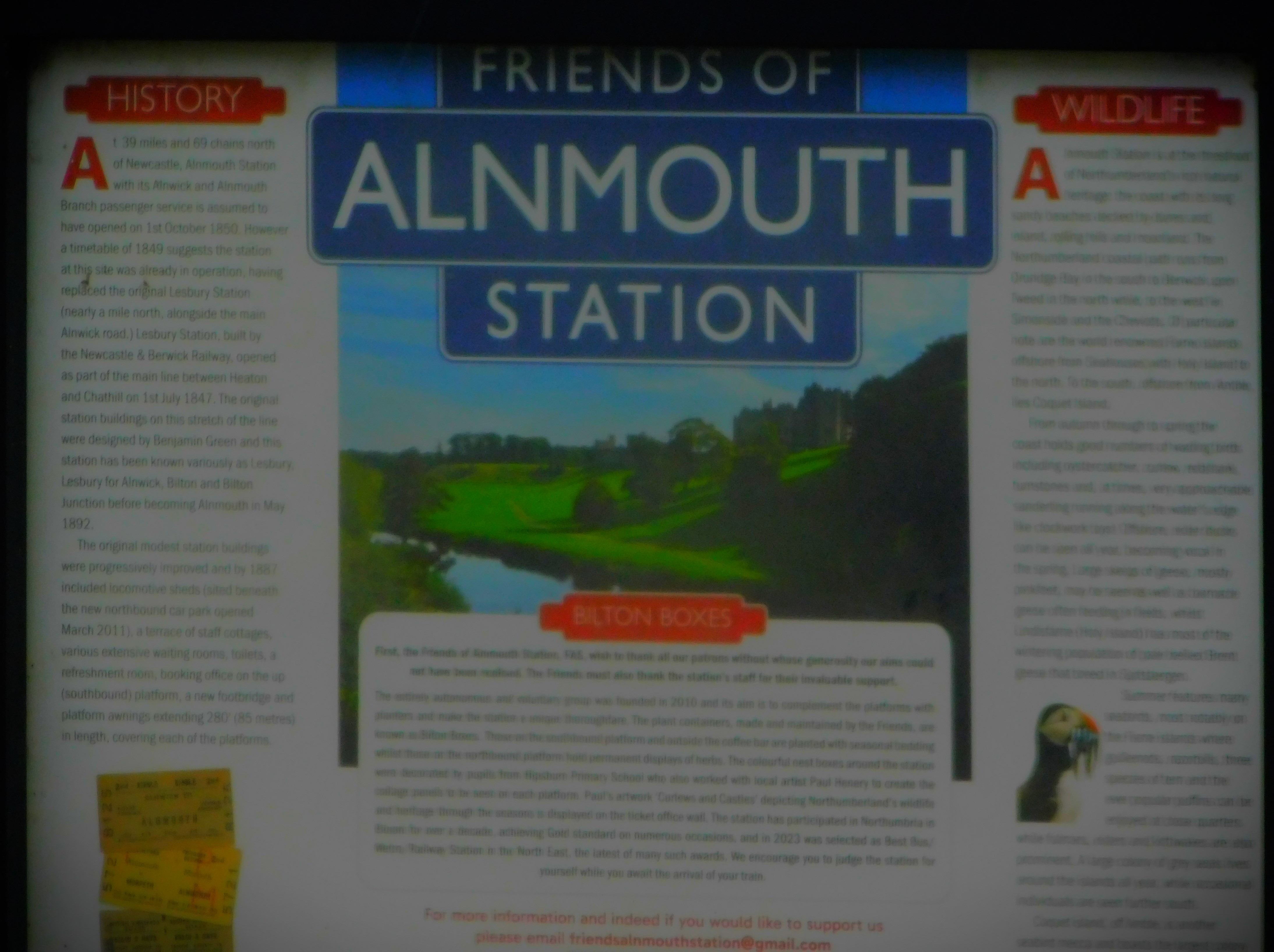
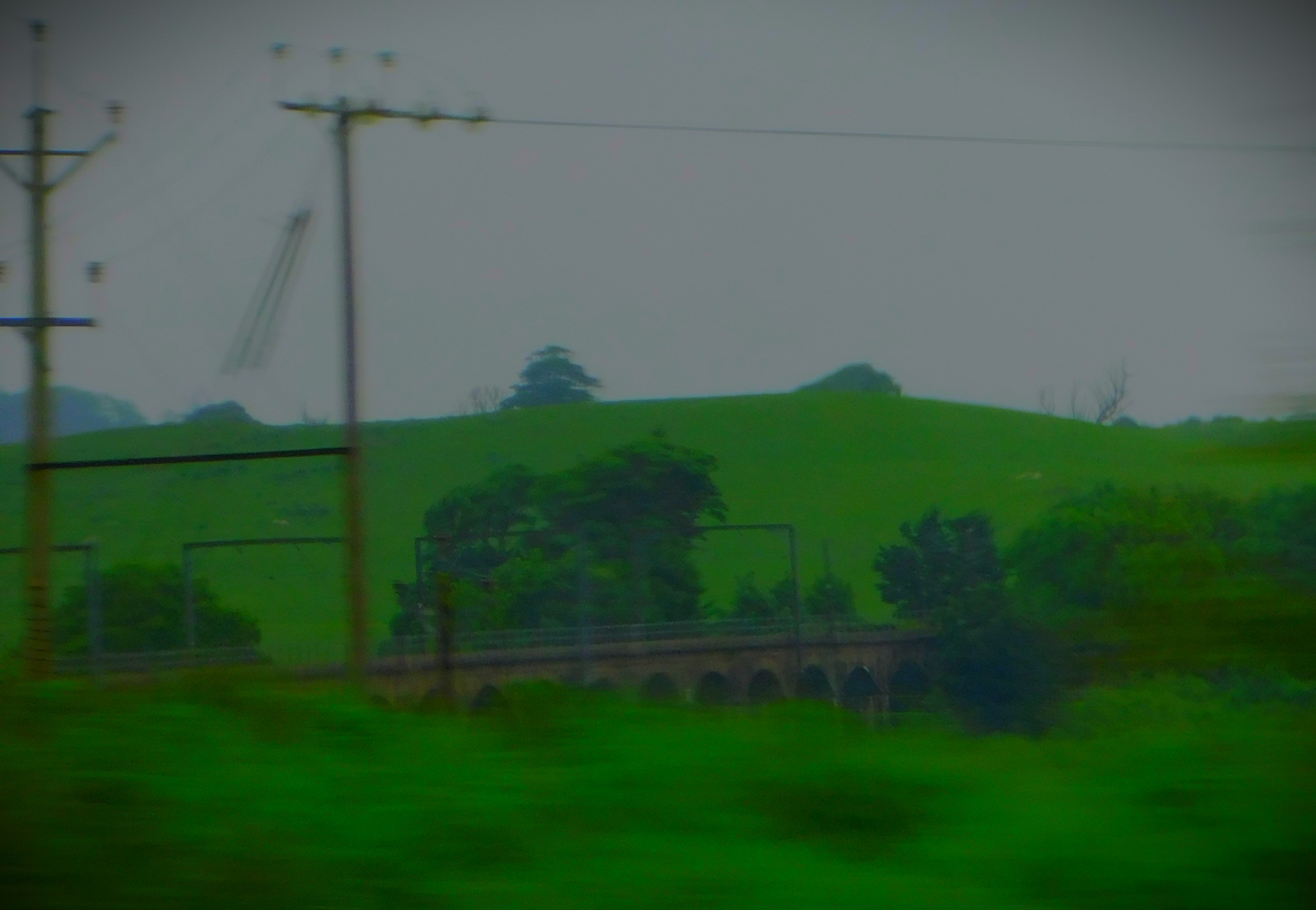
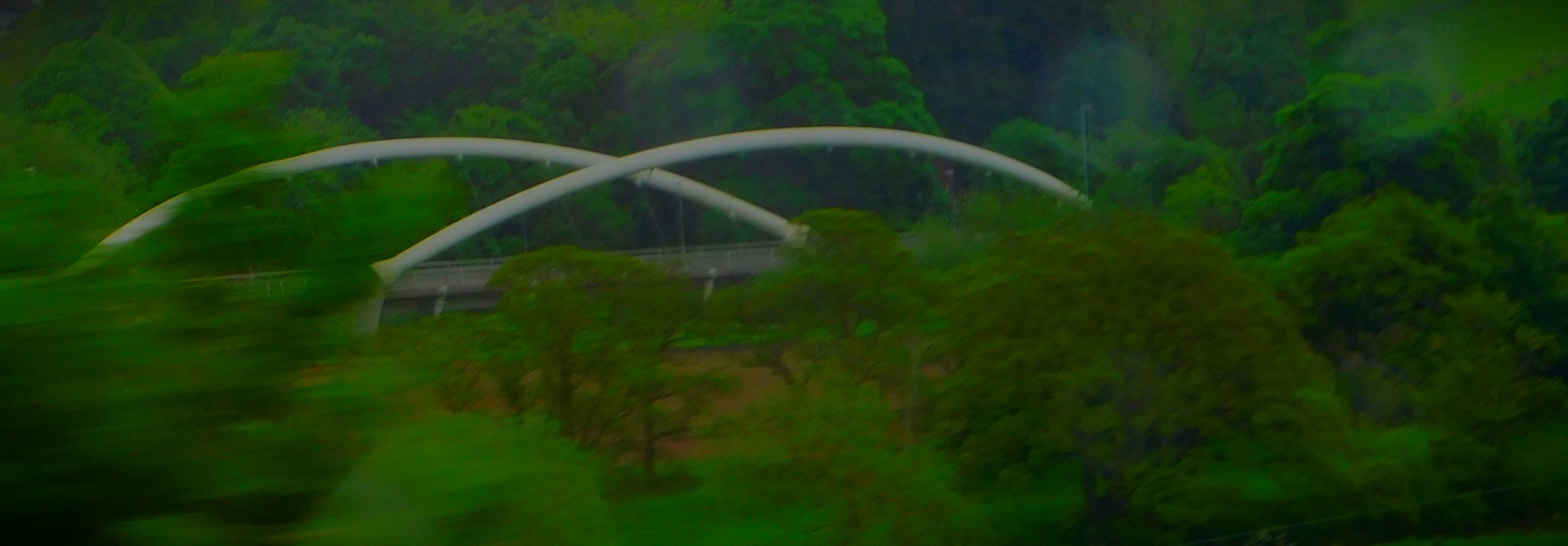
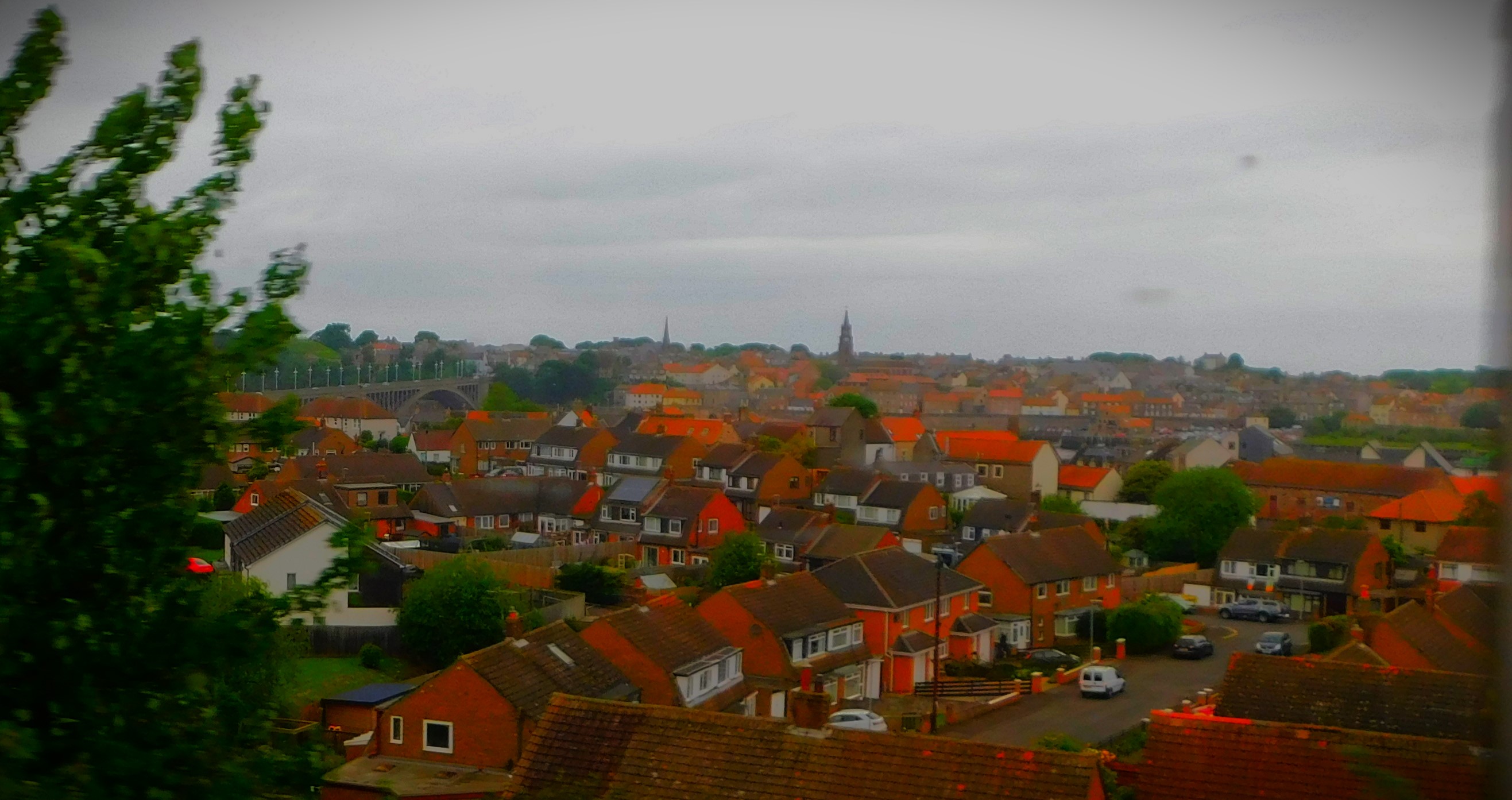
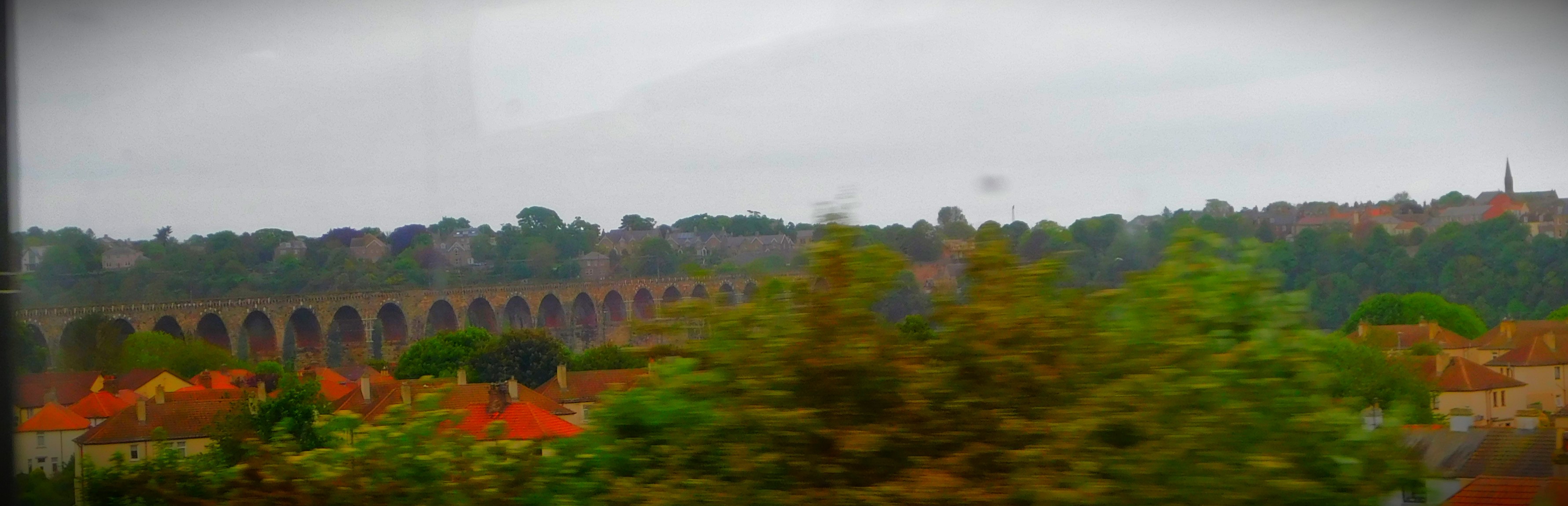
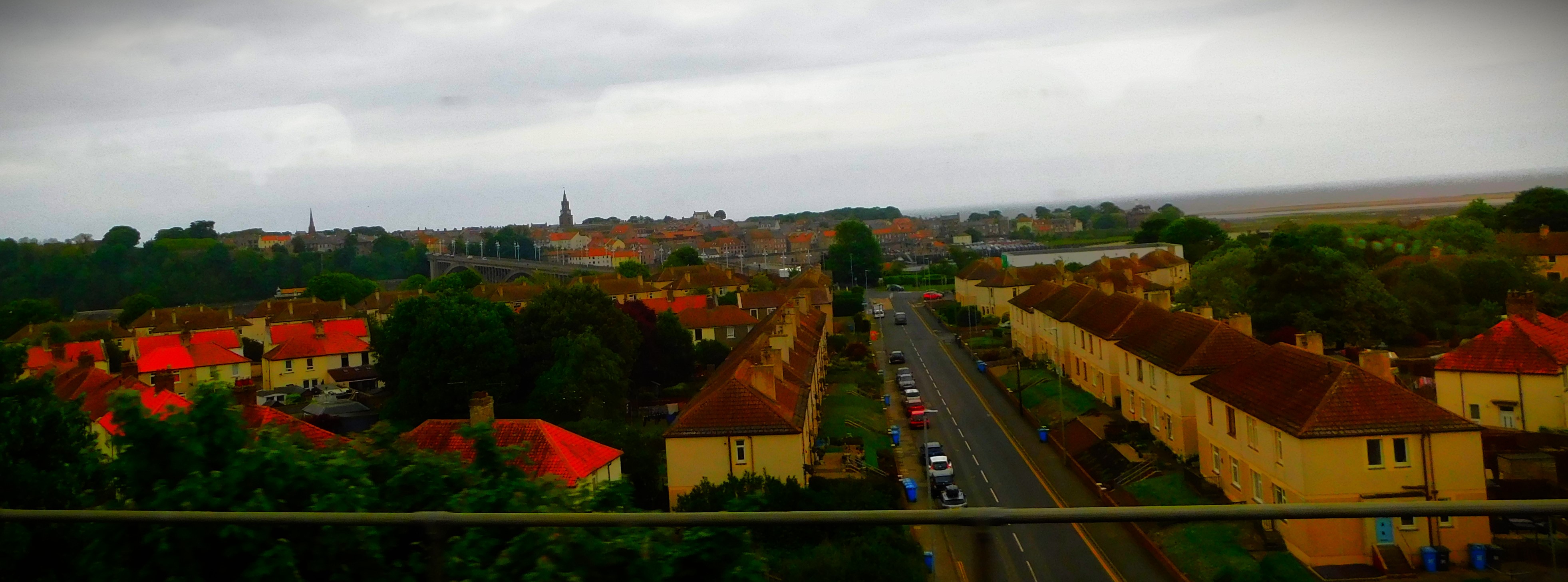
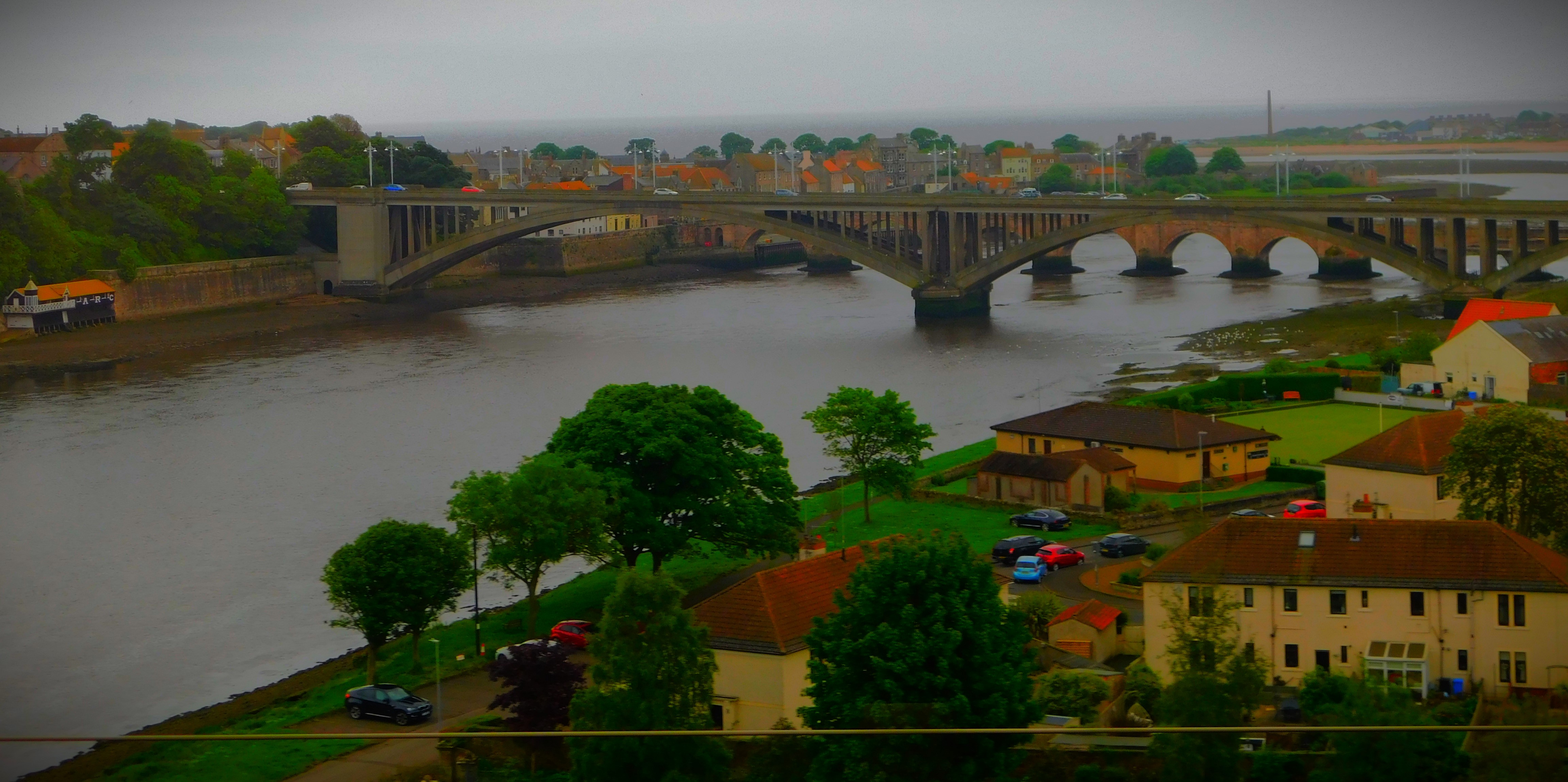
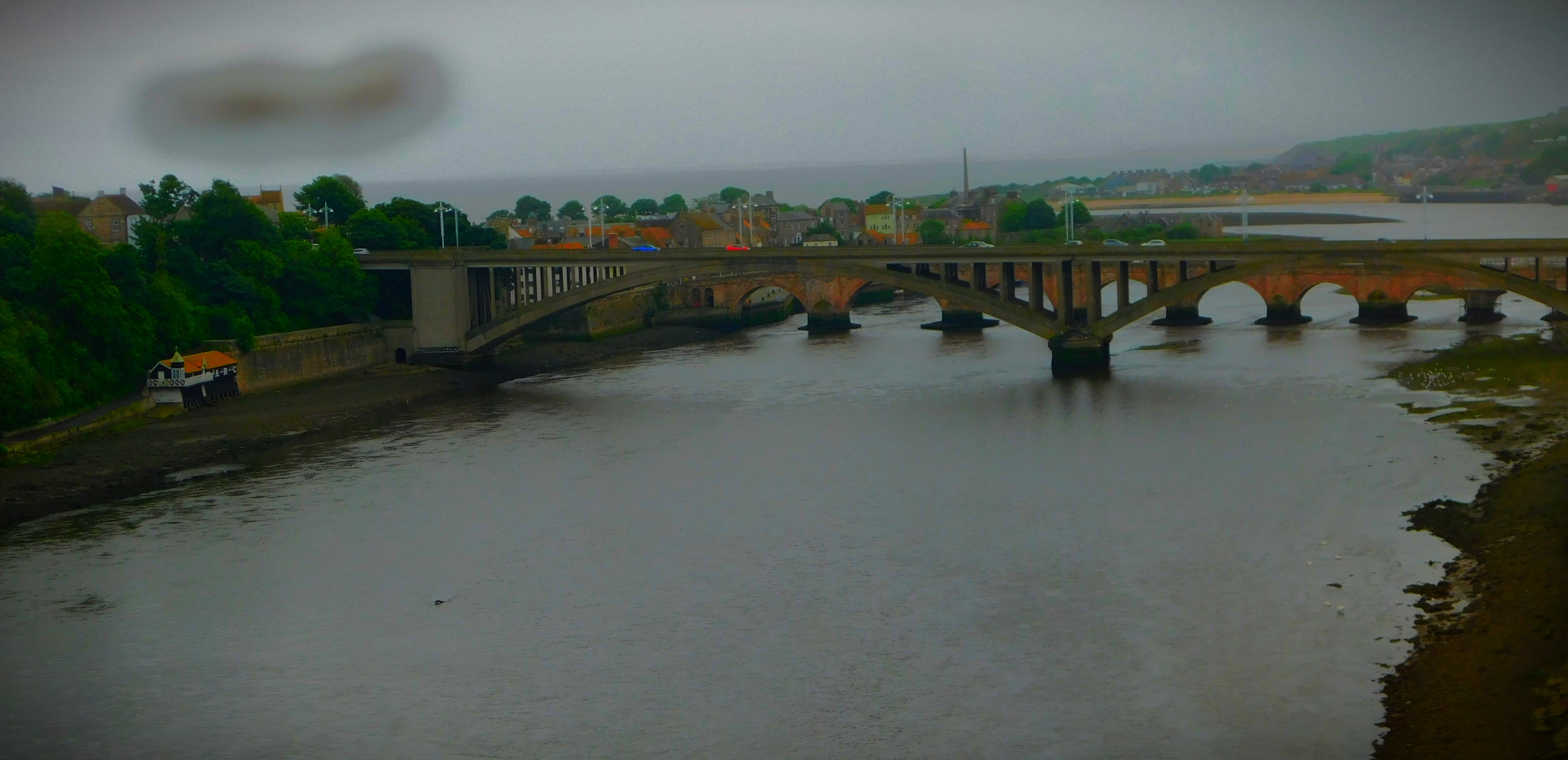
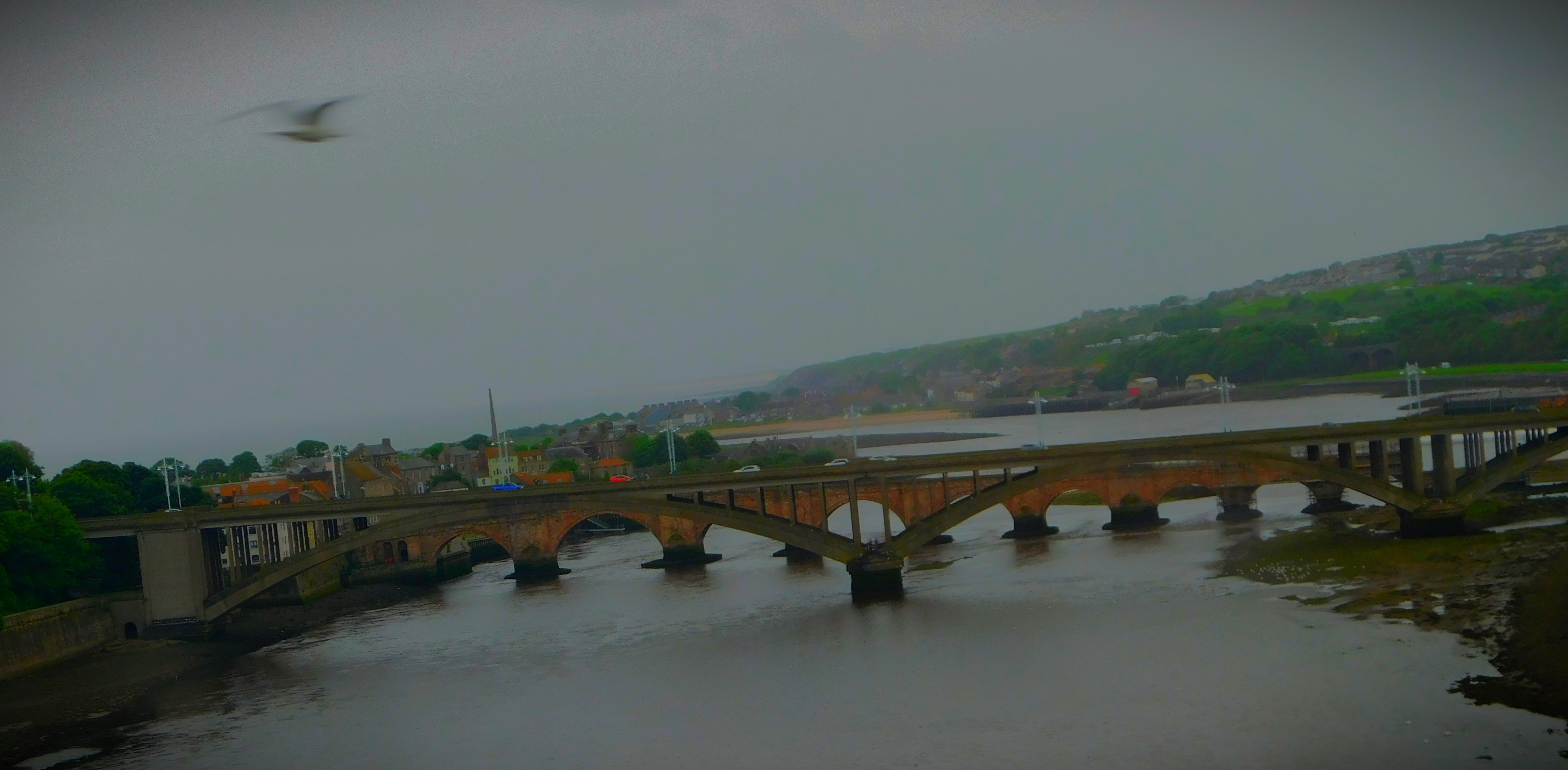
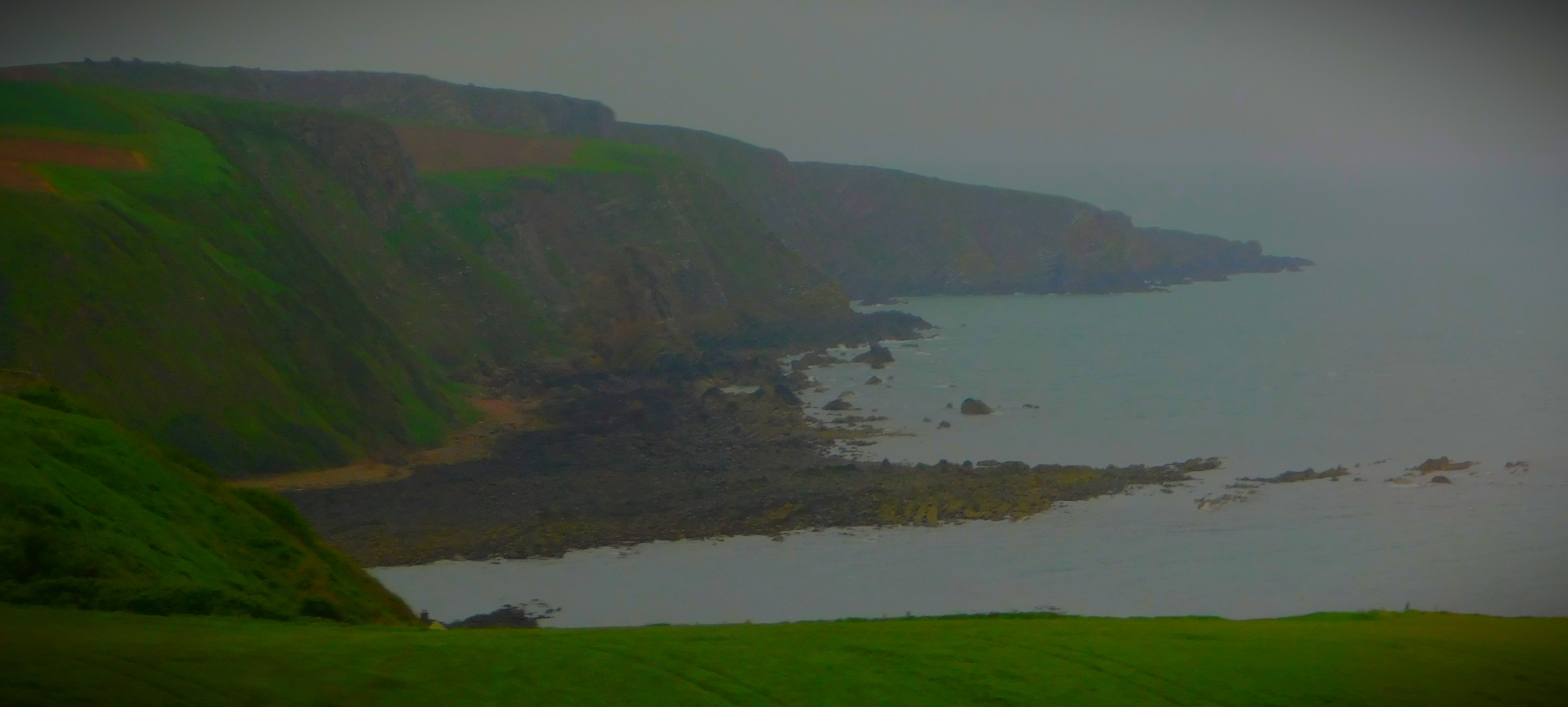
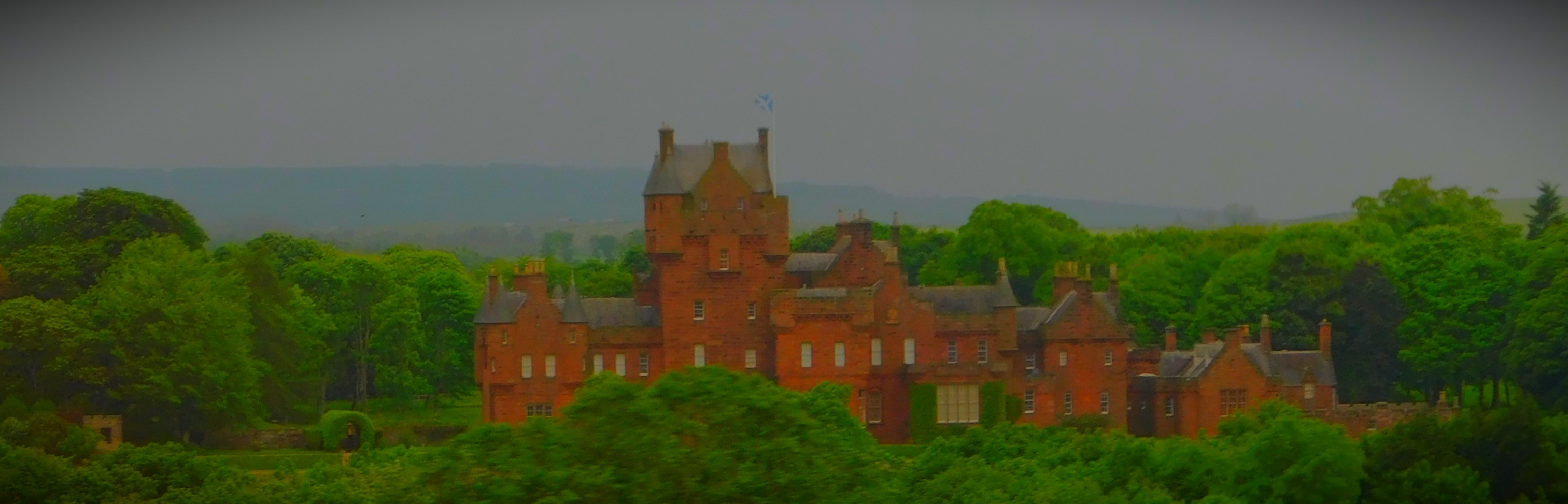
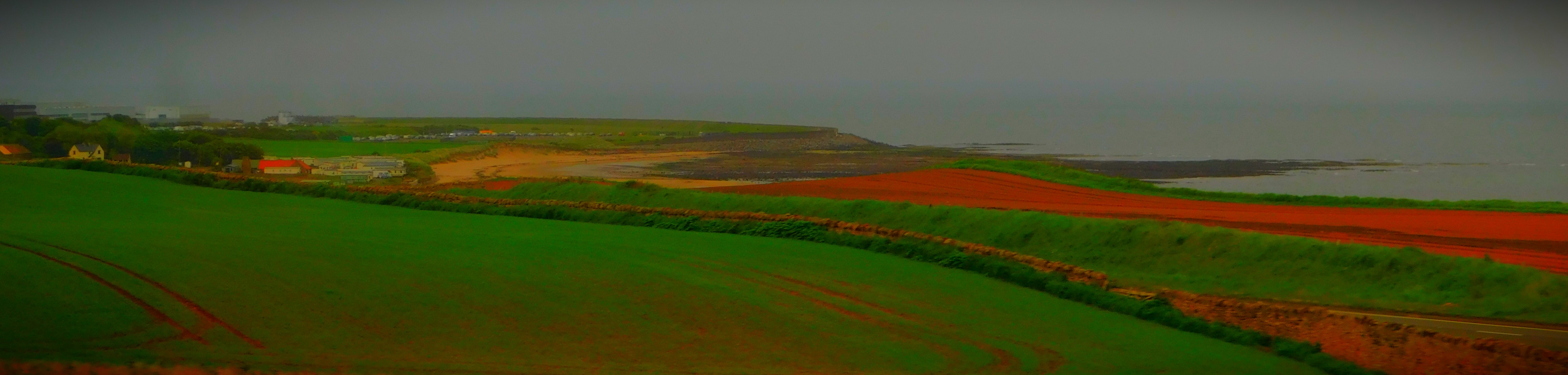
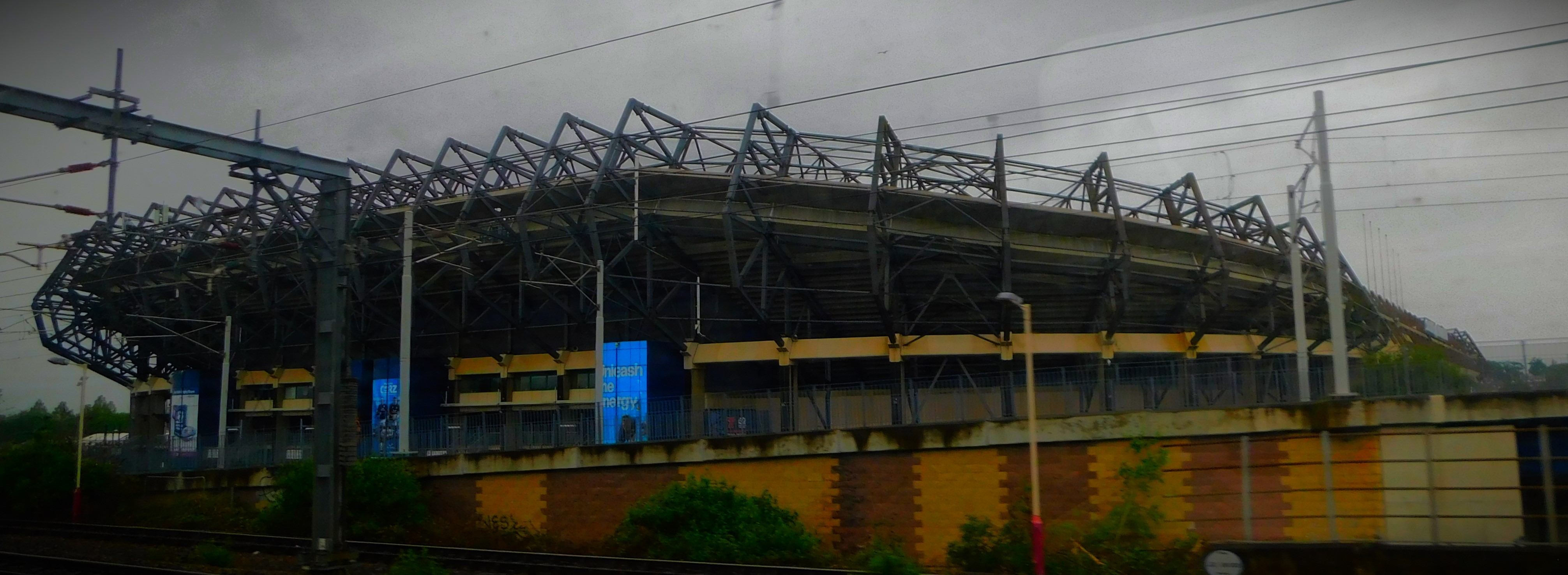
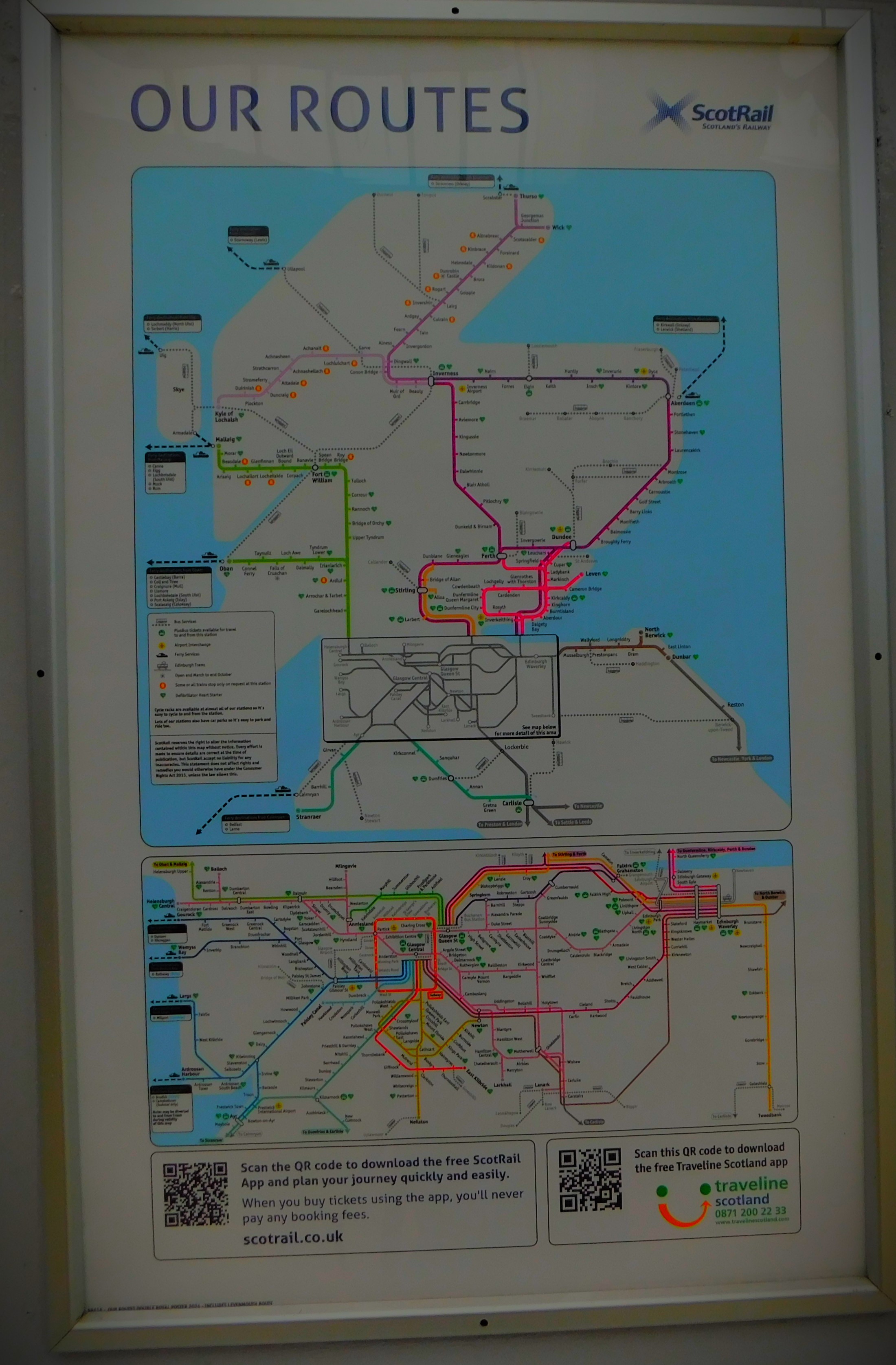
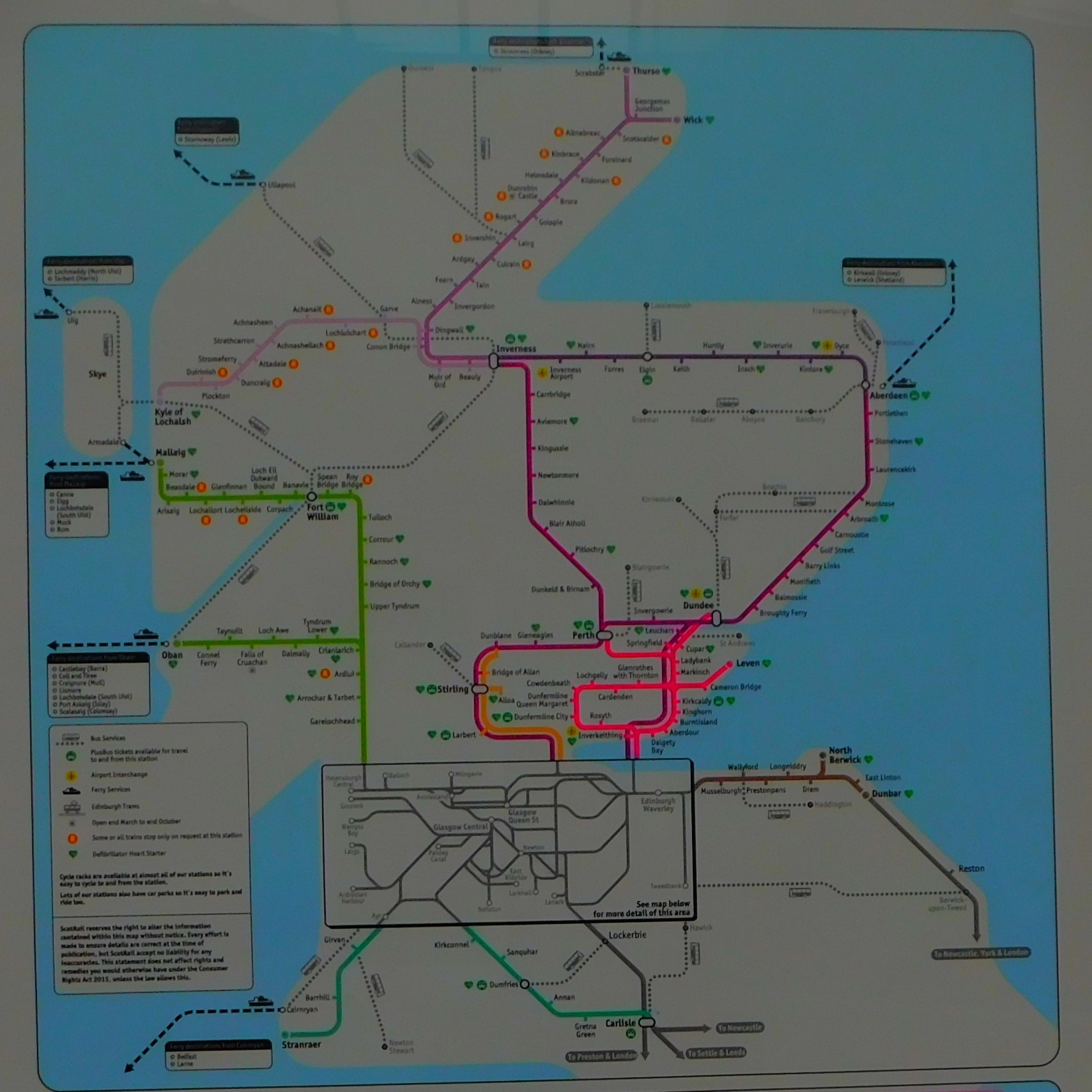
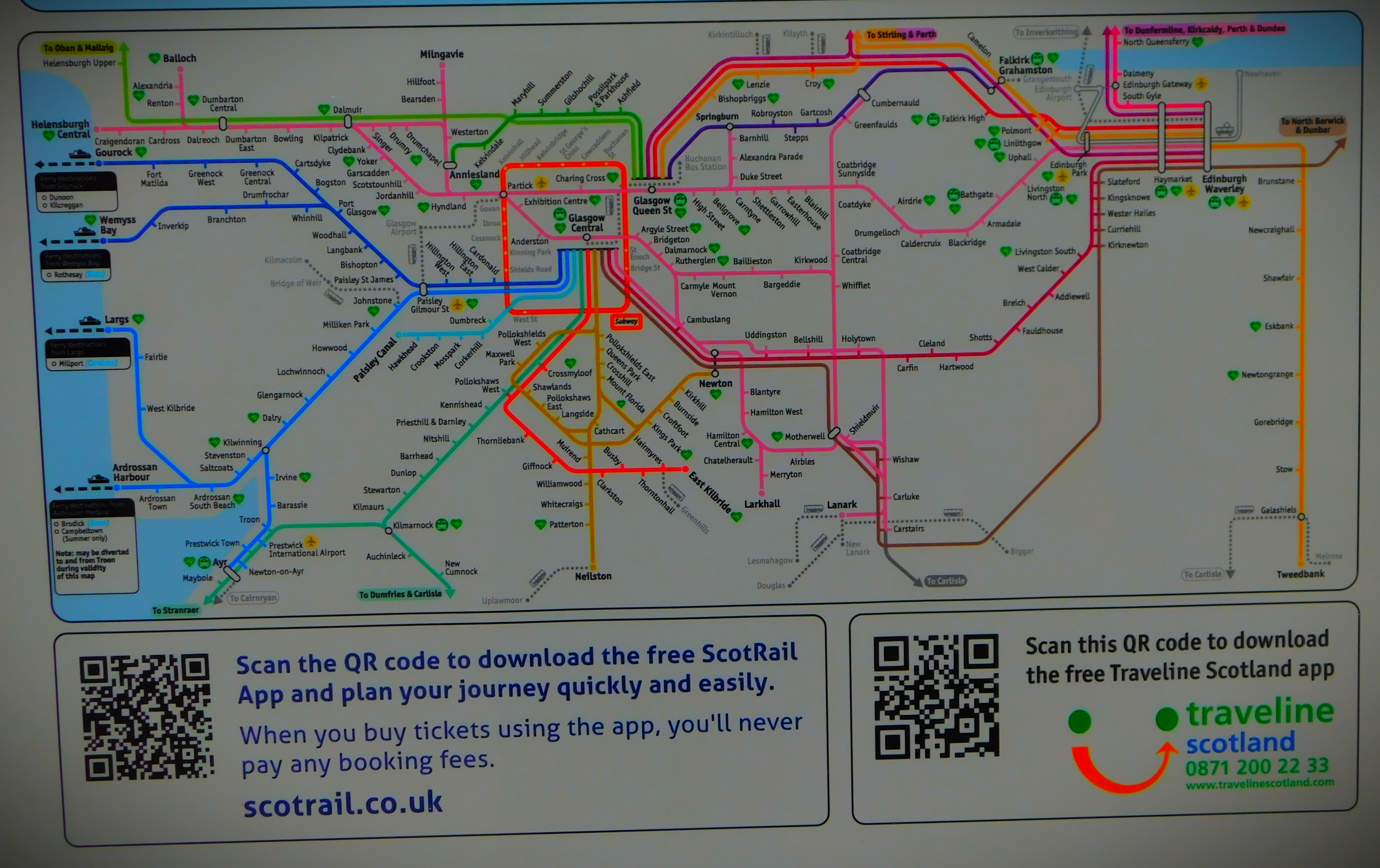
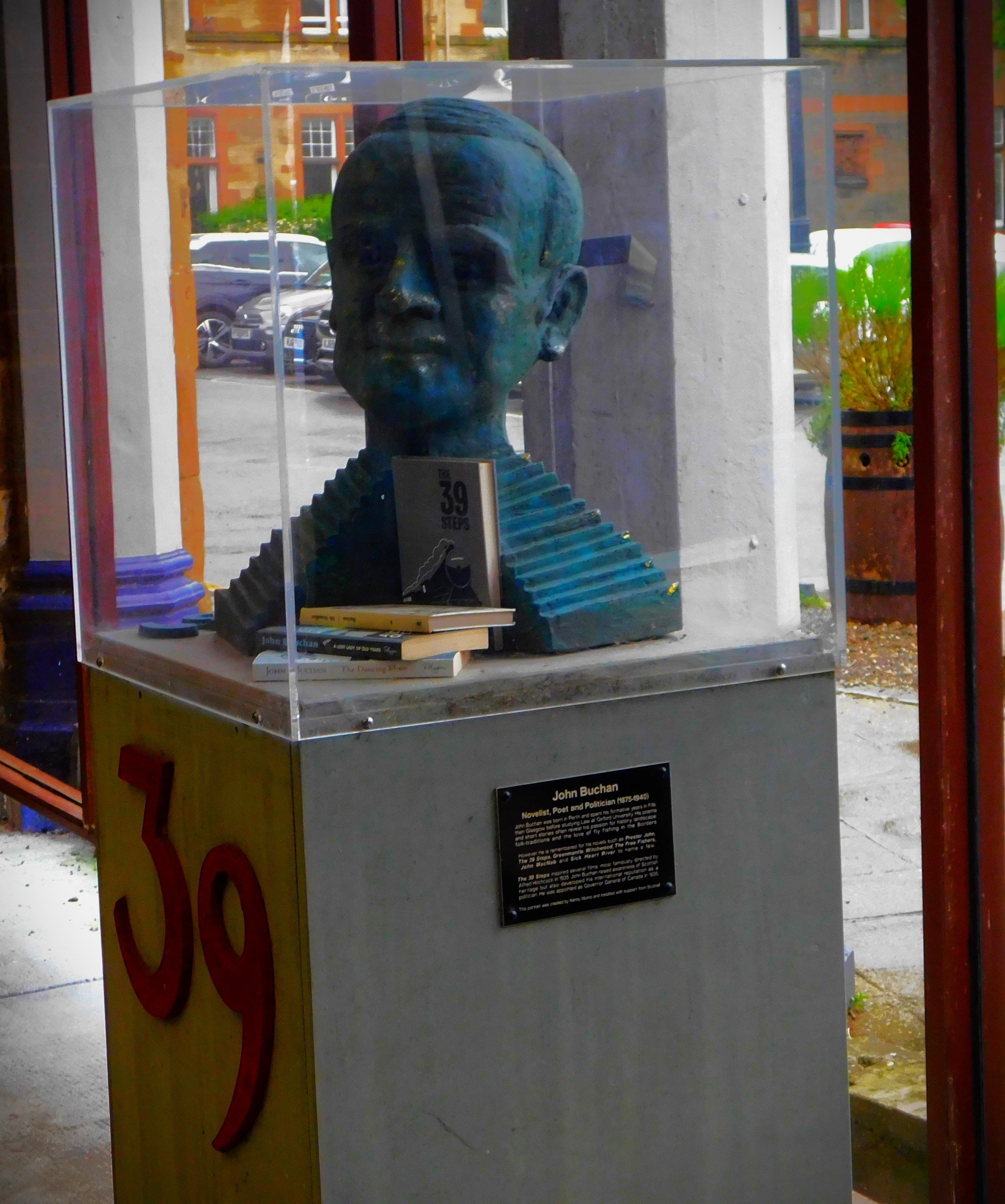
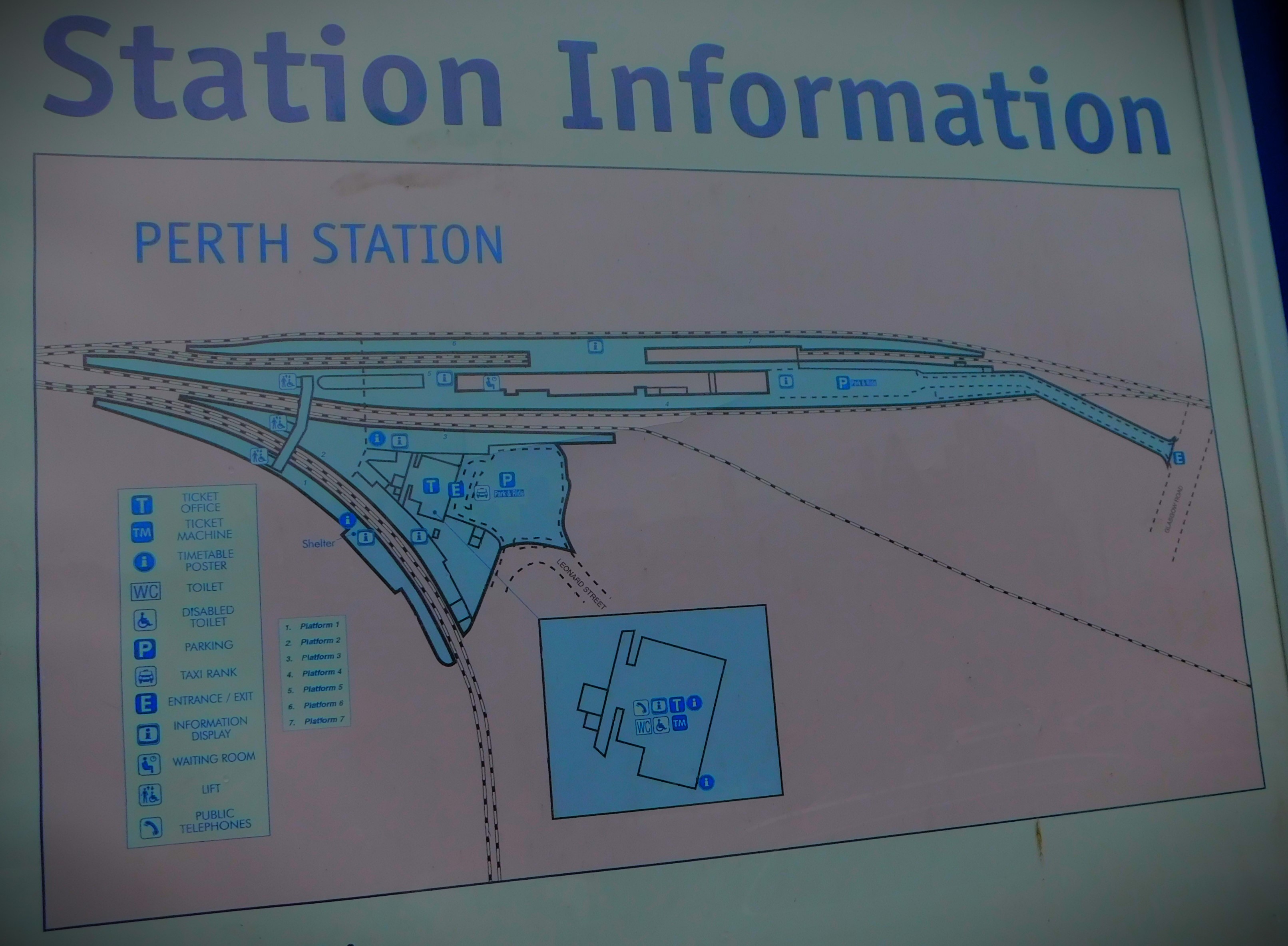
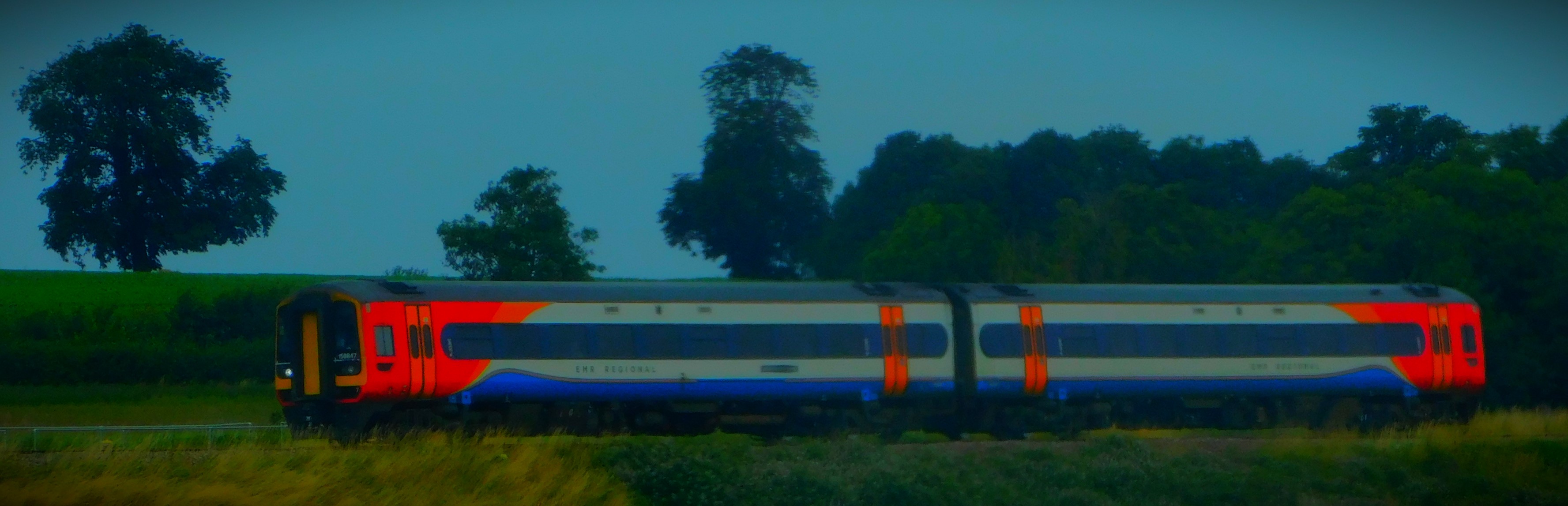
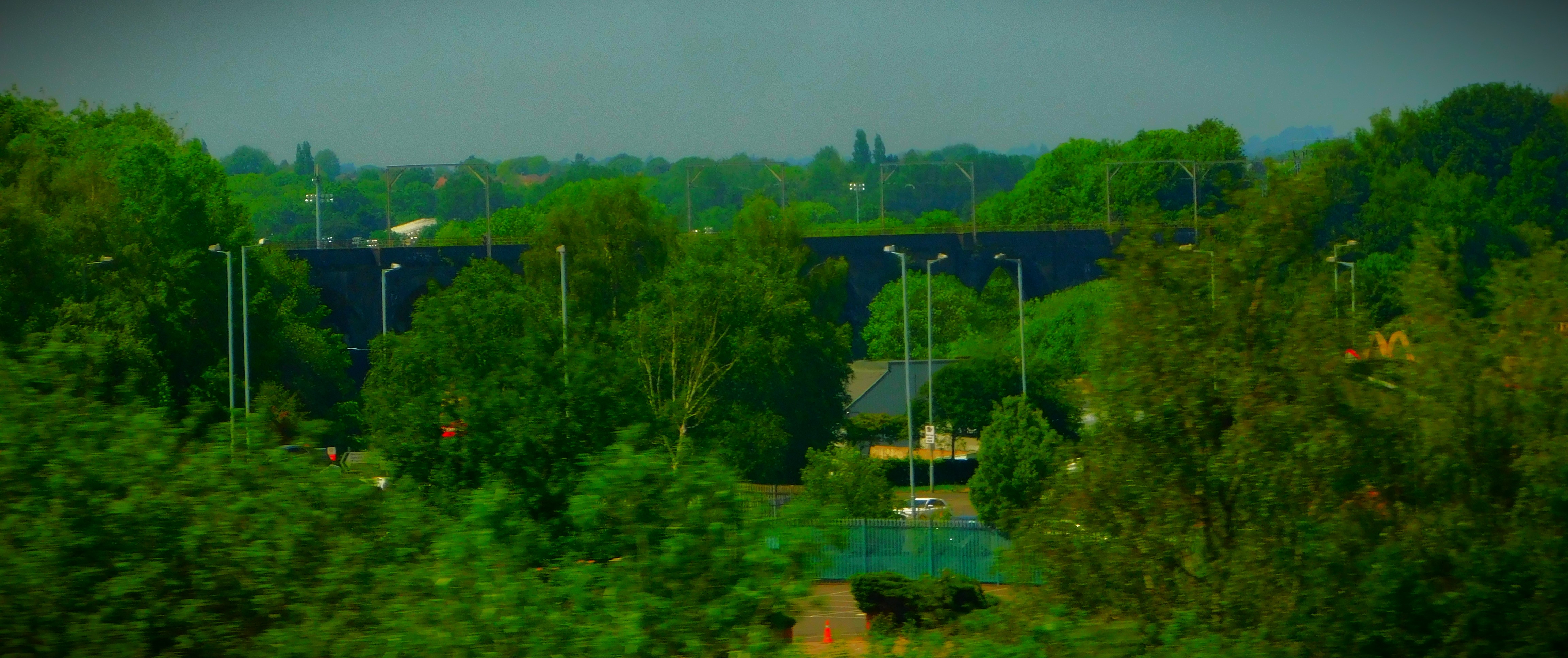
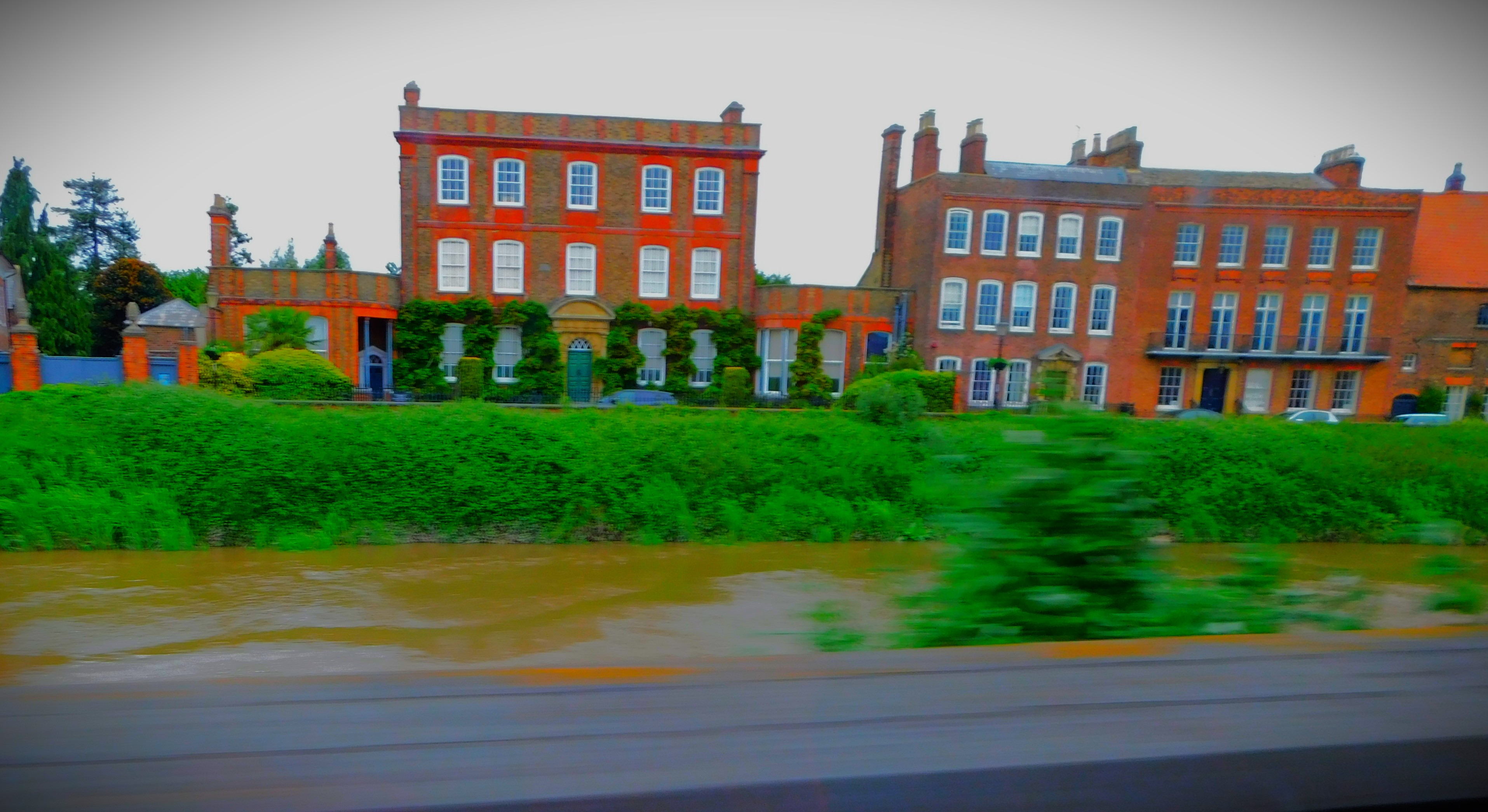
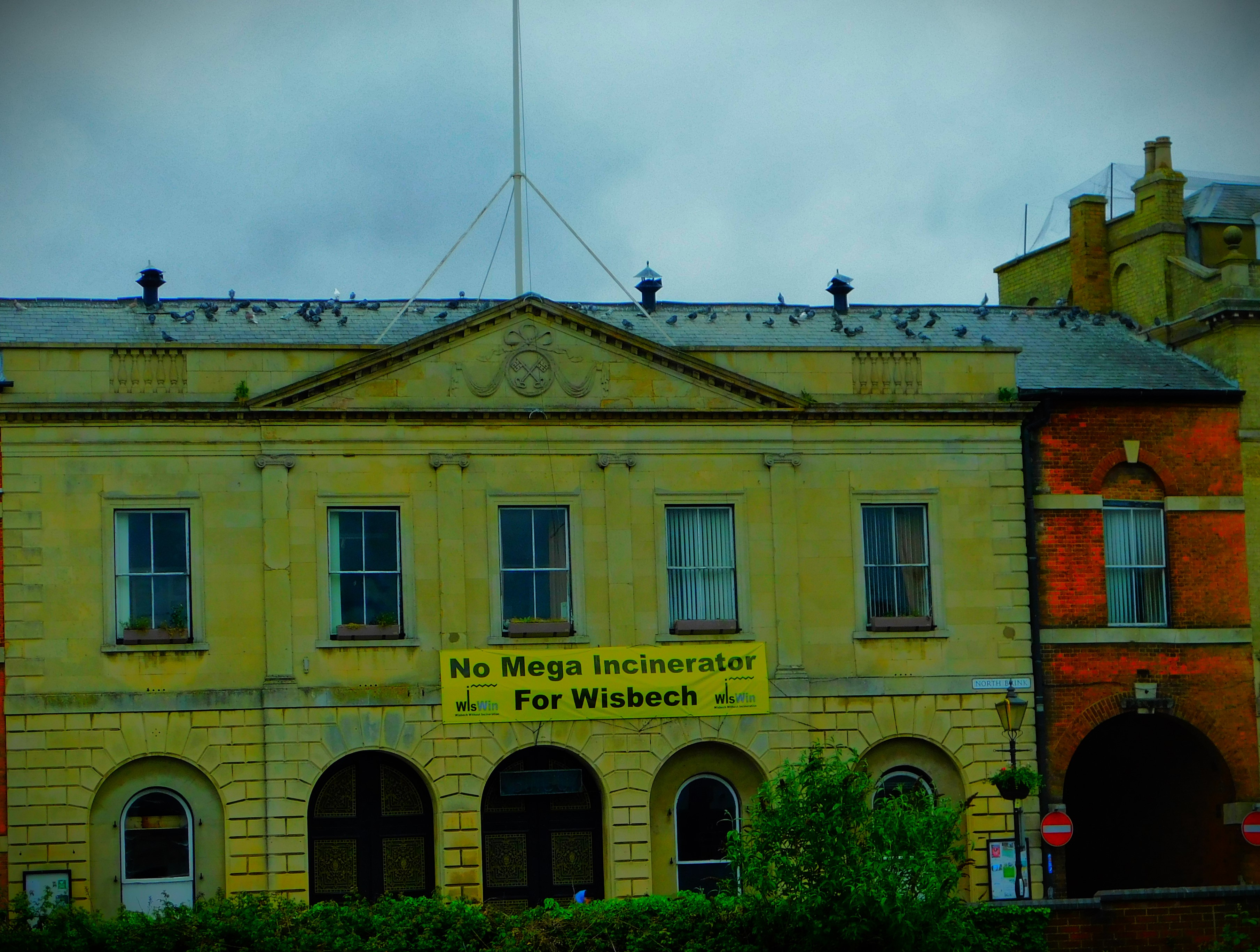
The first 15 pictures are King’s Lynn pictures, some taken on the Monday evening, a couple while walking to the bus station on Tuesday morning.This picture and the next two were taken while passing through Wisbech.The train pictures start here.Our first stop.On the approach to Alnmouth.The train would soon be crossing this viaduct.Looking along the Tweed as the train moves from England into Scotland.This is now a Radisson hotel, but it would have been built by the original railway company as the station hotel.
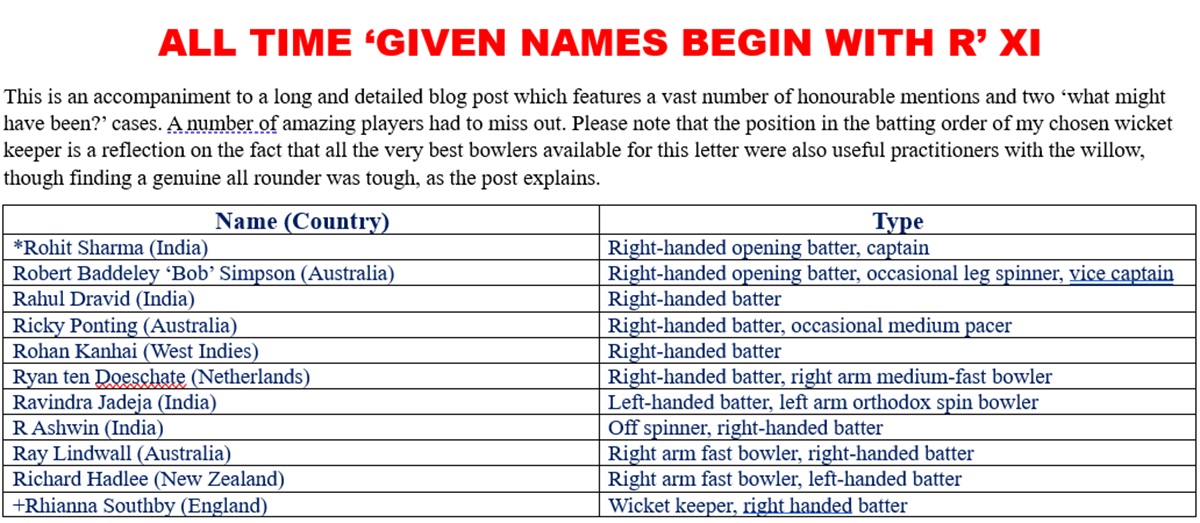
An all time XI of players whose given names begin with R, a particularly important and detailed honourable mentions section and a multi-part photo gallery.
I continue my tour of cricketing given names with a look at the letter R, skipping over Q on the grounds of insufficient candidates being available for that letter. R offers a very different kind of challenge – there are huge numbers of players with overlapping skills sets and only 11 can make the final cut. I hope that the honourable mentions section, in which offer an alternative team formation that I elected not to go with will clarify these issues.
THE XI IN BATTING ORDER
*Rohit Sharma (India, right handed opening batter, captain). A naturally aggressive batter, his test record is eminently respectable even if he is better known for his exploits in limited overs cricket. As both opener and captain he can be expected to lead from the front.
Robert Baddeley ‘Bob’ Simpson (Australia, right handed opening batter, occasional leg spinner, vice captain). Although both my chosen openers are right handers it would be harder to find a more contrasting pair in terms of approach. At Old Trafford in 1964, the same ground where Ian Johnson’s side had spectacularly come to grief eight years earlier, Australia went into the match one up in the series and needing only a draw to ensure retention of The Ashes. The groundsman at Old Trafford produced one of the flattest pitches ever seen, and Simpson ensured that Australia would keep the Ashes, quite literally off his own bat – he won the toss, chose to bat first and was only dismissed on the third morning of the match, for 311. England responded in kind, and there was barely time for the second Australian innings to begin before the umpires called time – such bowling as was required in this third innings of a scheduled four was done by Titmus and Barrington with an old ball. In addition to his impressive test batting record Simpson’s leg spin was good enough that he enjoyed some success with it even at test level, and he was an outstanding slip fielder. I have named him as vice captain as a nod to his leadership qualities.
Rahul Dravid (India, right handed batter). A test record that speaks for itself.
Ricky Ponting (Australia, right handed batter, occasional medium pacer). One place down from his usual slot as I feel he would handle the lower position better than Dravid, though if Sharma were first out I might send him in to avoid having Simpson and Dravid bat together.
Rohan Kanhai (West Indies, right handed batter). The Guyanese was rated a genius by CLR James, and almost 7,000 test runs at 47 provide some solid achievement to back up that assessment.
Ryan ten Doeschate (Netherlands, right handed batter, right arm medium fast bowler). The Dutchman established a superb record in limited overs international (his country are not a test playing nation as yet), and his record in FC cricket, mainly over the course of a long and distinguished association with Essex is eminently respectable.
Ravindra Jadeja (India, left handed batter, left arm orthodox spinner, outstanding fielder). A magnificent all round cricketer.
R Ashwin (India, off spinner, right handed batter). Over 400 test wickets, and a batting record that includes five test match centuries.
Ray Lindwall (Australia, right arm fast bowler, right handed batter). One of the best fast bowlers ever seen in the game, and good enough with the bat to have scored two test centuries along the way.
Richard Hadlee (New Zealand, right arm fast bowler, left handed batter). The best bowler of any type ever to play for New Zealand, and a handy lower order batter, though the first in this line up to have had a test career and not scored a century at that level.
+Rhianna Southby (England, wicket keeper, right handed batter). The most controversial pick of all my XI, but although there were many options for this letter I wanted to showcase one of the very best of contemporary wicket keepers. Her position in this order is less a reflection on her batting than an acknowledgement of the fact that all of my chosen bowlers were also talented in that department.
This XI is very strong in batting, keeping and spin bowling, with the seam/ pace element of the attack a little light, since the only pace/seam support for the Anzac new pall pairing of Lindwall and Hadlee would come from ten Doeschate.
HONOURABLE MENTIONS
This will be a multi-faceted section and I start with…
THE WICKET KEEPER/ ALL ROUNDER CONUNDRUM
Although there is one absolutely genuine all rounder in Jadeja available for this letter, there was no one available for the number six slot. Ron Archer of Australia might have become the perfect fit for that slot had he not suffered a freak injury when Australia visited Pakistan on their way home from the 1956 Ashes. The injury occurred at Karachi, where Archer caught his studs in a piece of matting and wrenched a knee, and it ended his bowling career at the age of 23, though he played one more season for Queensland as a specialist batter. Had he not suffered that injury he might have gone to become the replacement for Keith Miller that Australia were hoping he would, in which case selecting this side would have been a lot easier. There were three potential alternatives to Southby for the wicket keeper’s slot: Robert William ‘Bob’ Taylor, who made more FC dismissals than any other wicket keeper in history, Rod Marsh, holder of the record for test career dismissals at the time of his retirement, and Rishabh Pant of India. A possible alternative to my chosen line up which addresses the seam/ pace bowling potential issue would be to pick Pant in place of ten Doeschate and Robert George Dylan ‘Bob’ Willis in place of Southby at number 11, giving an XI of *RG Sharma, RB Simpson, RS Dravid, RT Ponting, RB Kanhai, +R Pant, R Jadeja, R Ashwin, RR Lindwall, RJ Hadlee, RGD Willis.
OTHER HONOURABLE MENTIONS
Robert William ‘Bob’ Barber had his moments as a left handed attacking opener for England, including scoring 185 against Australia in an innings win in Australia, but his career record lacks the overall heft to displace Sharma. Richard Barlow who played for England in the 1880s, and remains the only person ever selected for an England men’s test team on the understanding that he was going to open both the batting and the bowling was another potential candidate, and his left arm seam bowling would have added variation to the attack, but if I apply my usual conversion method to his career averages his record adjusts to an average of 34.08 with the bat and 33.83 with the ball, not really good enough in either department. Roy Park was highly rated by some of his Australian contemporaries, including Warwick Armstrong, but his sole test innings lasted precisely one ball. Robert ‘Bobby’ Abel, the first England batter to carry his bat through a test innings, was clearly a very fine right handed opener of the more cautious type, and a case could be made for him getting Simpson’s slot.
The unluckiest middle order batters of those to miss out were a pair of West Indians with fine test records, Richie Richardson and Ramnaresh Sarwan. Neither of the individuals concerned would be out of place in the number five slot I awarded to Kanhai. Robin Smith was a fine number three for England, but he is a mere candle to the Alexandrian lighthouses of Dravid and Ponting.
Ryan Higgins, now re-ensconced at Middlesex after a few years away at Gloucestershire, has a fine county record, but he has not yet been picked for England. Rikki Clarke had a very fine FC record, but did not make the most of such chances as he got at international level. Rich Pyrah of Yorkshire was a very fine limited overs player but his record in long form cricket was no more than respectable. Rehan Ahmed, the young England leg spinning all rounder, may well force his way in in due course, but at the moment, especially with Simpson able to bowl a bit of leg spin if needed, he has to wait. Robert ‘Bob’ Relf of Sussex was a good enough county all rounder to deserve a mention. Robert ‘Bobby’ Peel of Yorkshire and England was a great left arm spin bowler who could bat, but not good enough to dislodge Jadeja. Similarly, Ray Illingworth was a fine cricketer, but no one is convincing me that he comes particularly close to challenging R Ashwin for that slot. Richie Benaud was a high quality leg spinning all rounder, and would have been captain had I been able to accommodate him in the XI. Since I cannot do that, he would be the ONLY candidate to head up the TV commentary team. Roy Kilner, with 14,000 Fc runs at 30 and 1,000 FC wickets at 18 was unlucky to be up against Jadeja for a slot. Given the galaxy of talent already covered, for all her unique status as an international captain who has turned out for The Metronomes there can be no place for the Brazilian all rounder Roberta Moretti Avery.
Rashid Khan, the Afghan leg spinner, was probably the best of the bowlers I could find no place for. Rangana Herath of Sri Lanka was a very fine left arm spinner, but like Peel and Kilner mentioned in the all rounders section suffered due to the overlap with Jadeja.
Richard Peter Borgnis as he appears in the record books (his actual full name was Richard Peter Hammond-Chambers-Borgnis) had an astonishing first class career – one match in which he scored a century and took a three-for.
Rahmanullah Gurbaz of Afghanistan would be in the mix were I picking with limited overs cricket in mind, but he is as yet unproven in long form cricket.
PHOTOGRAPHS
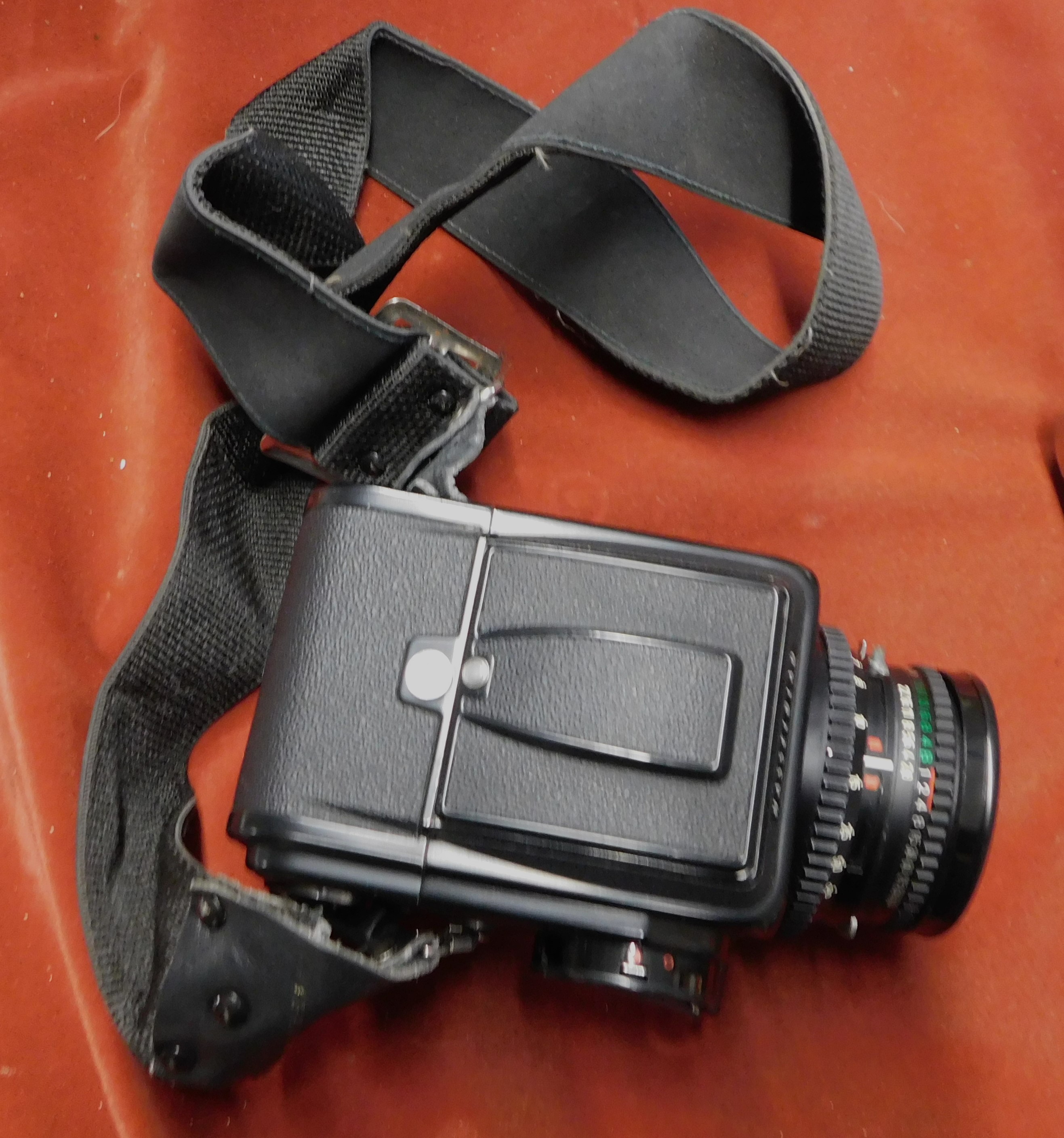
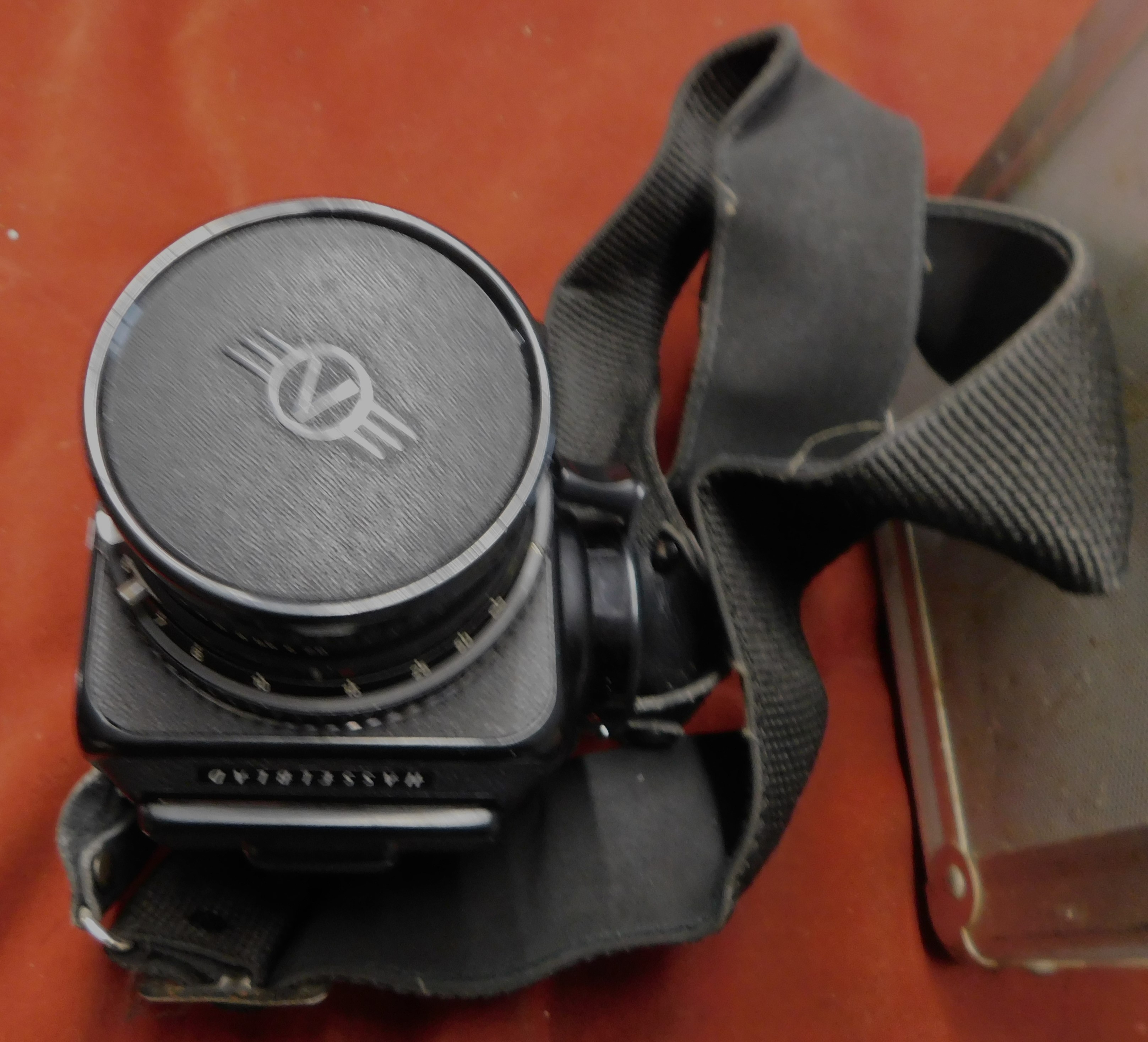
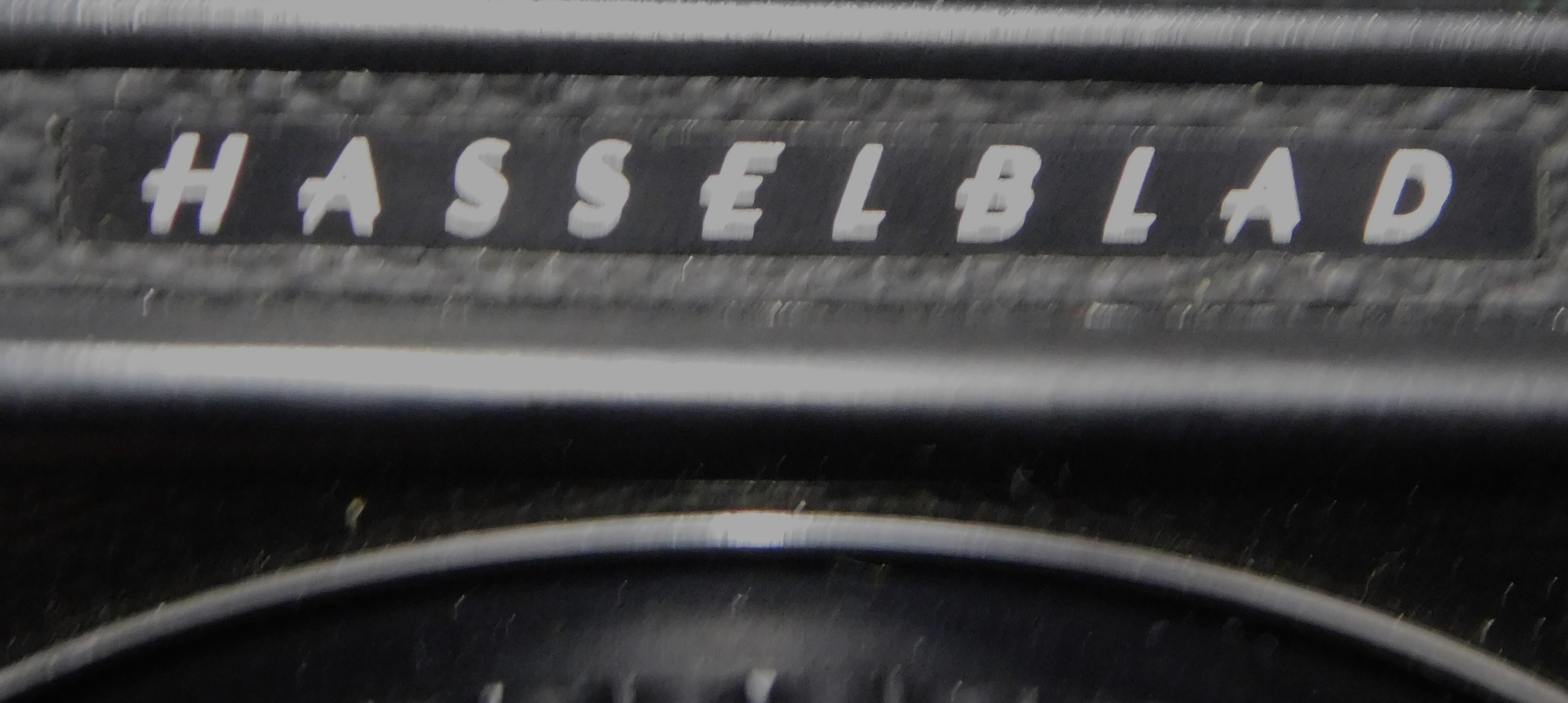
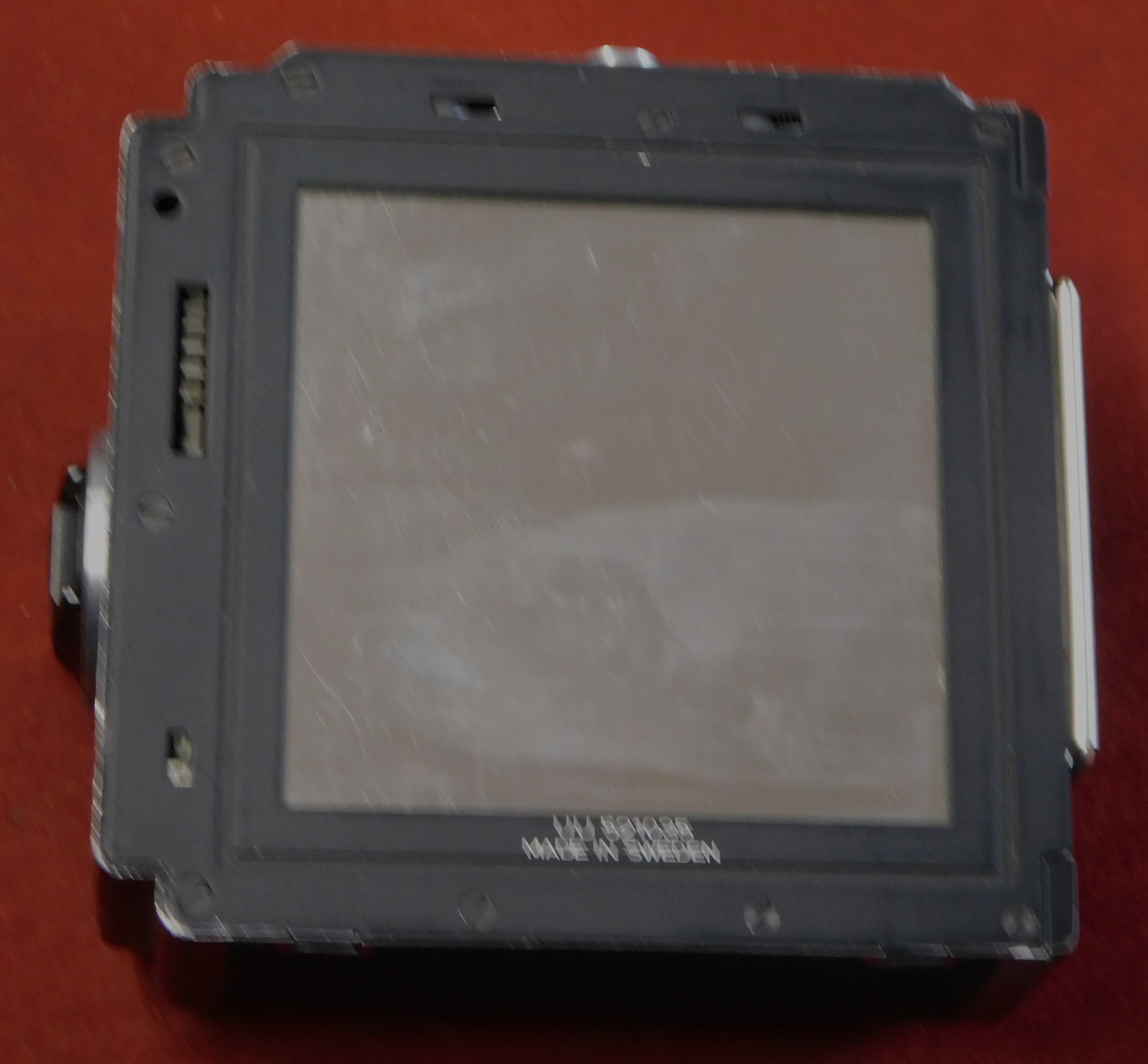
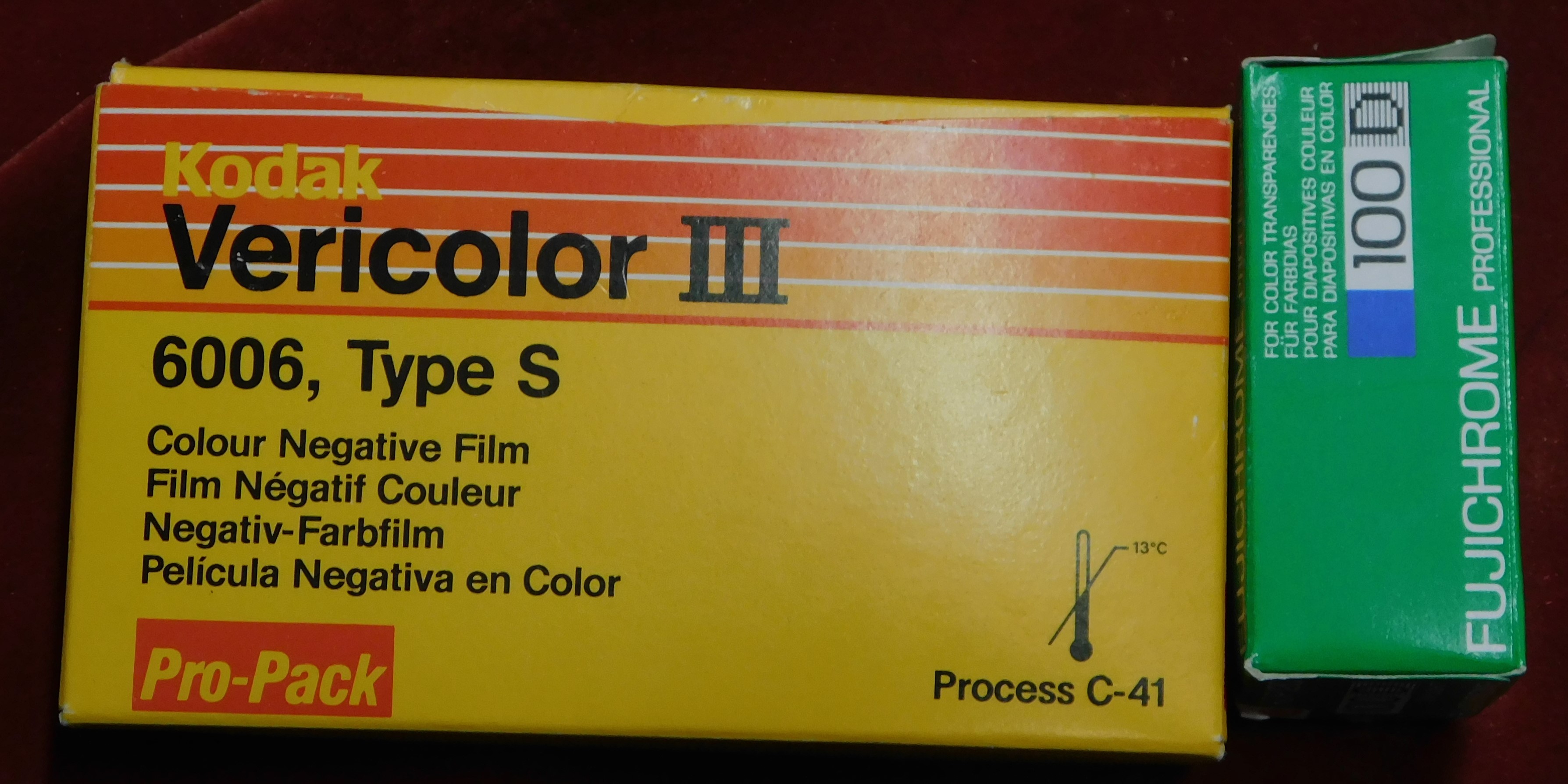
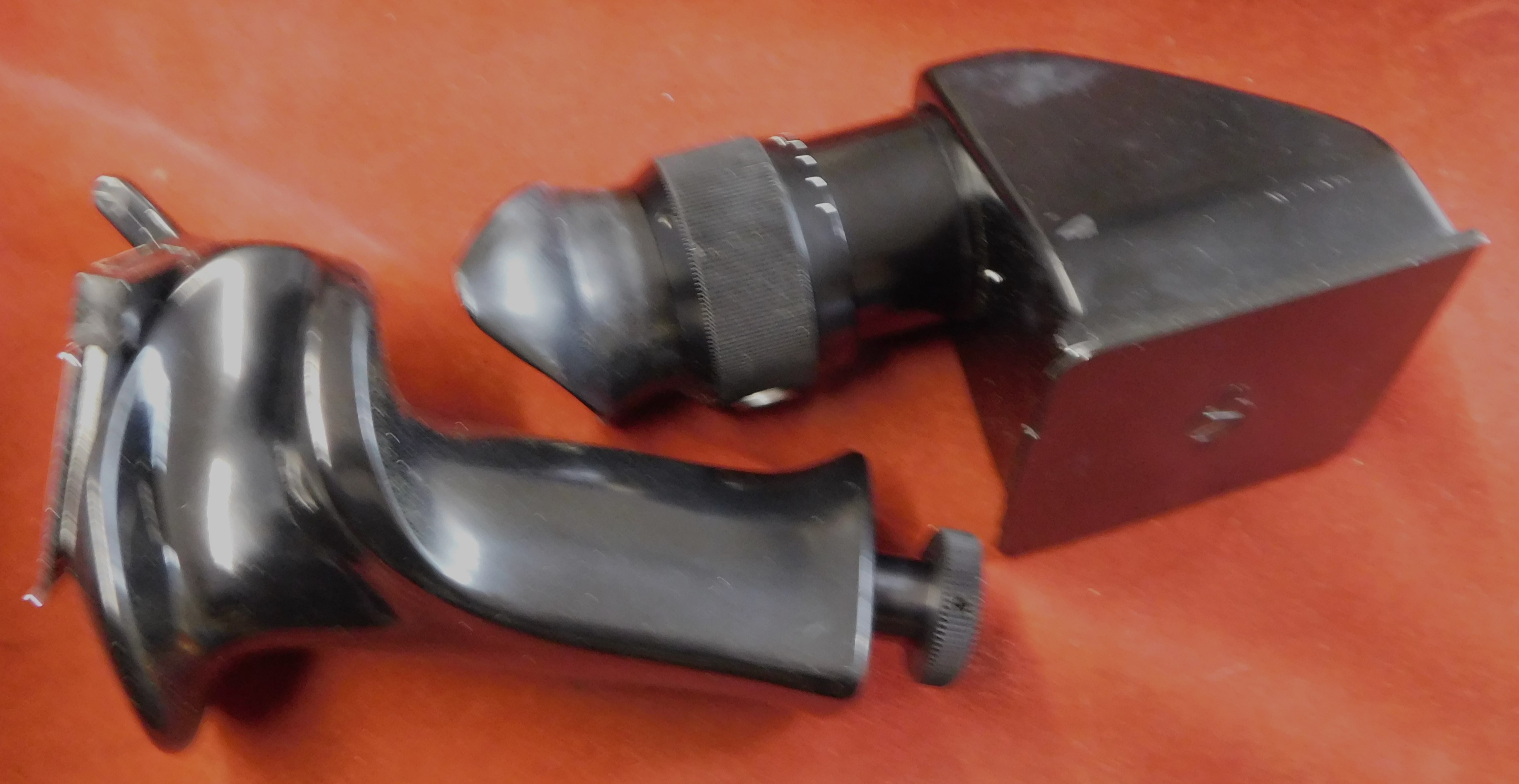
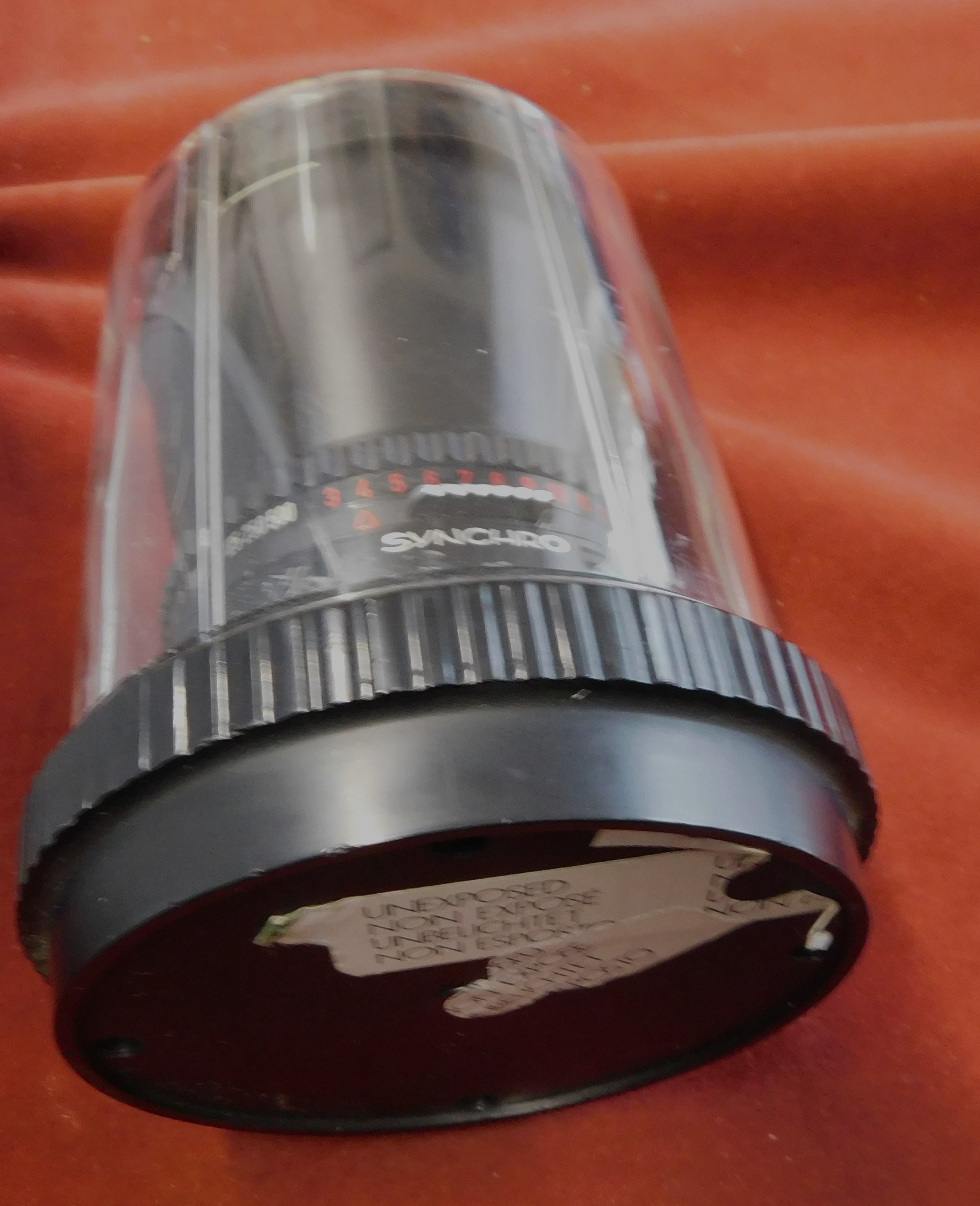
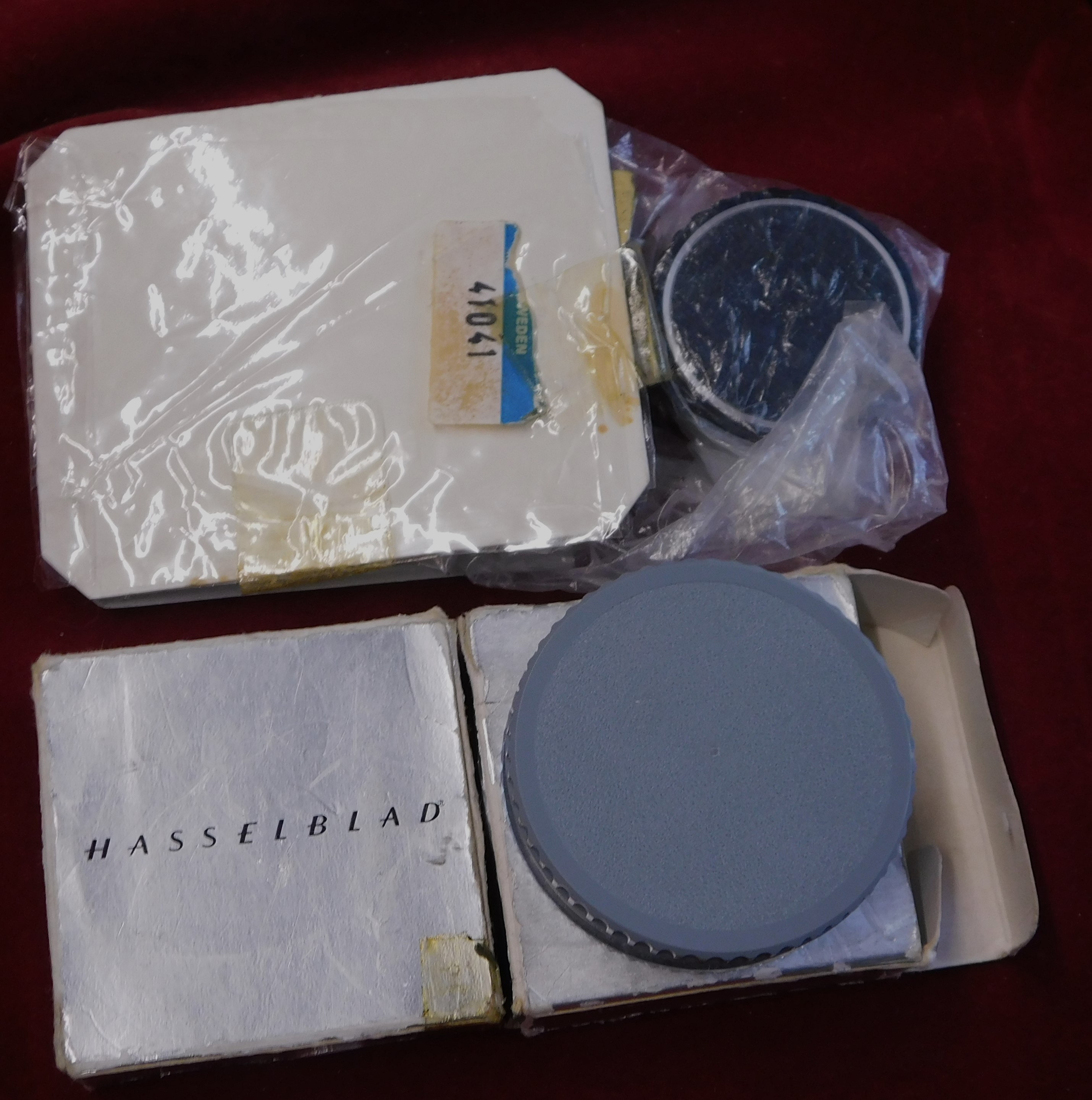
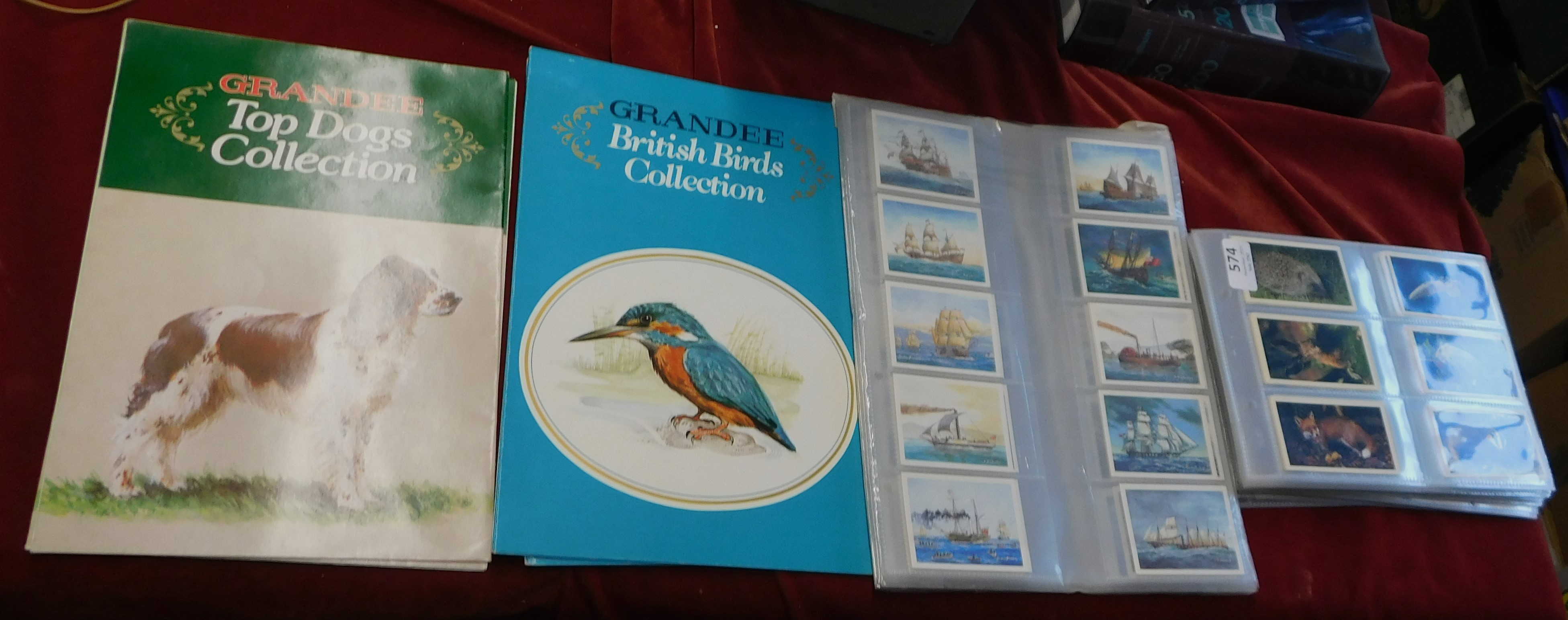
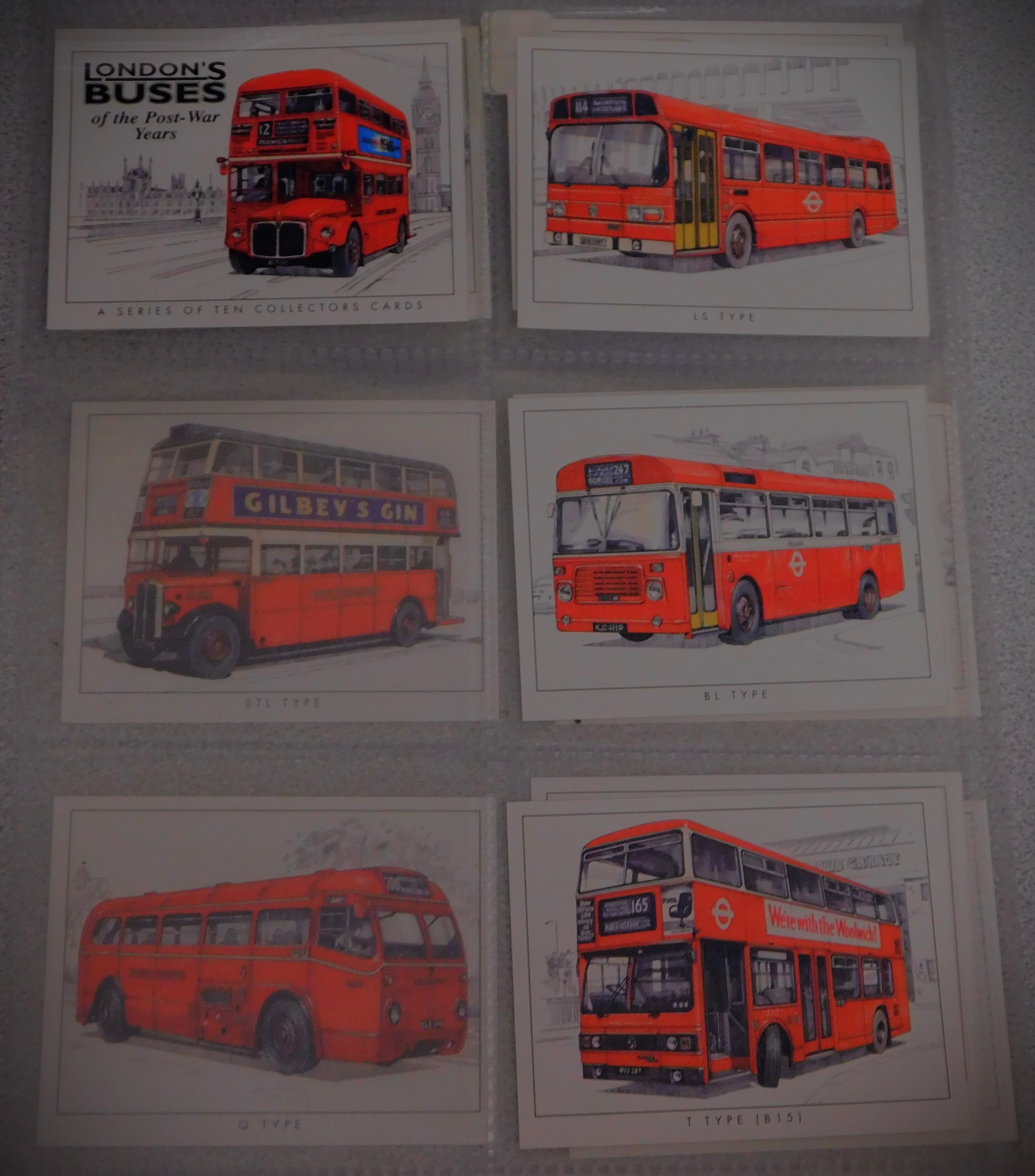
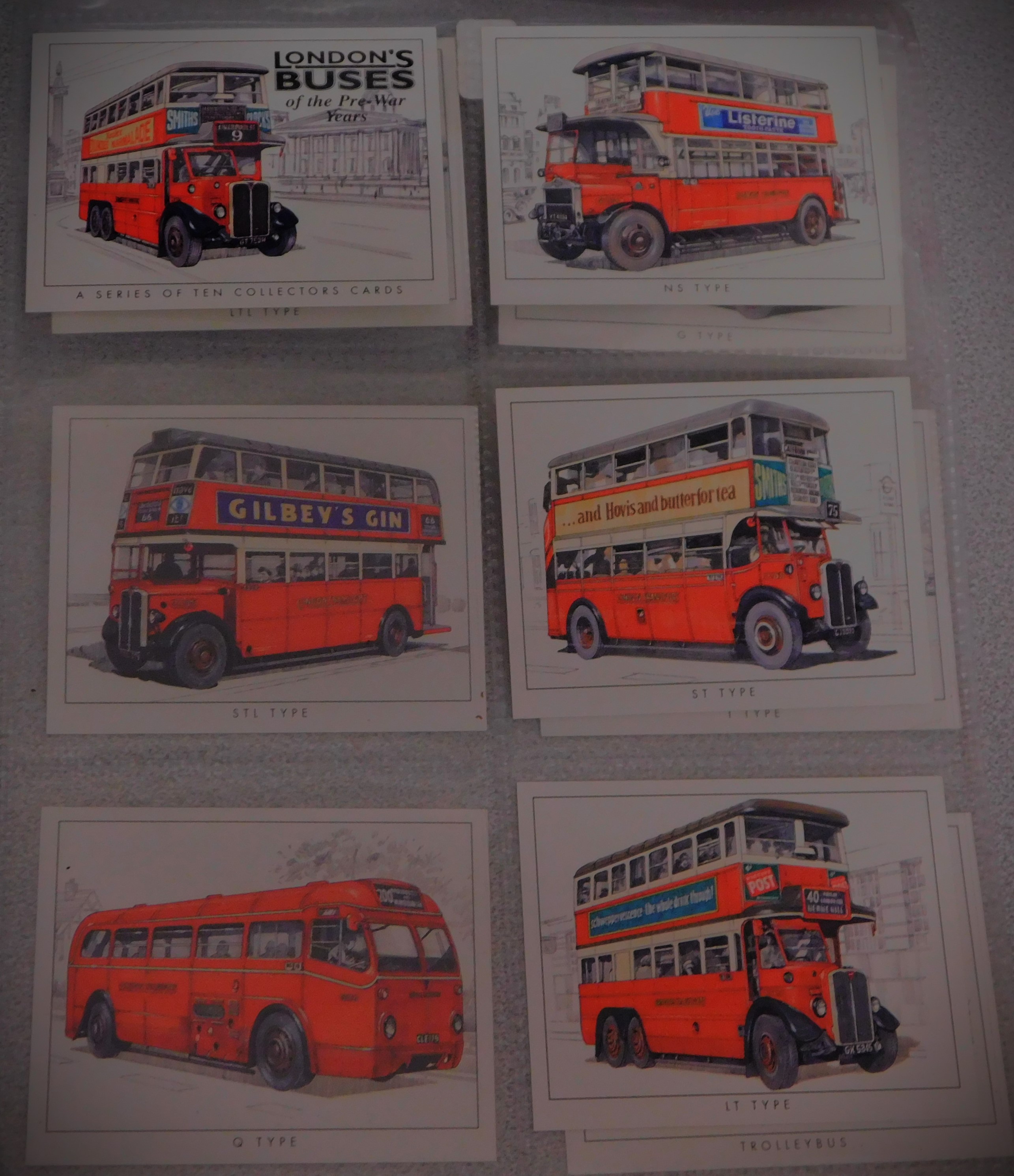
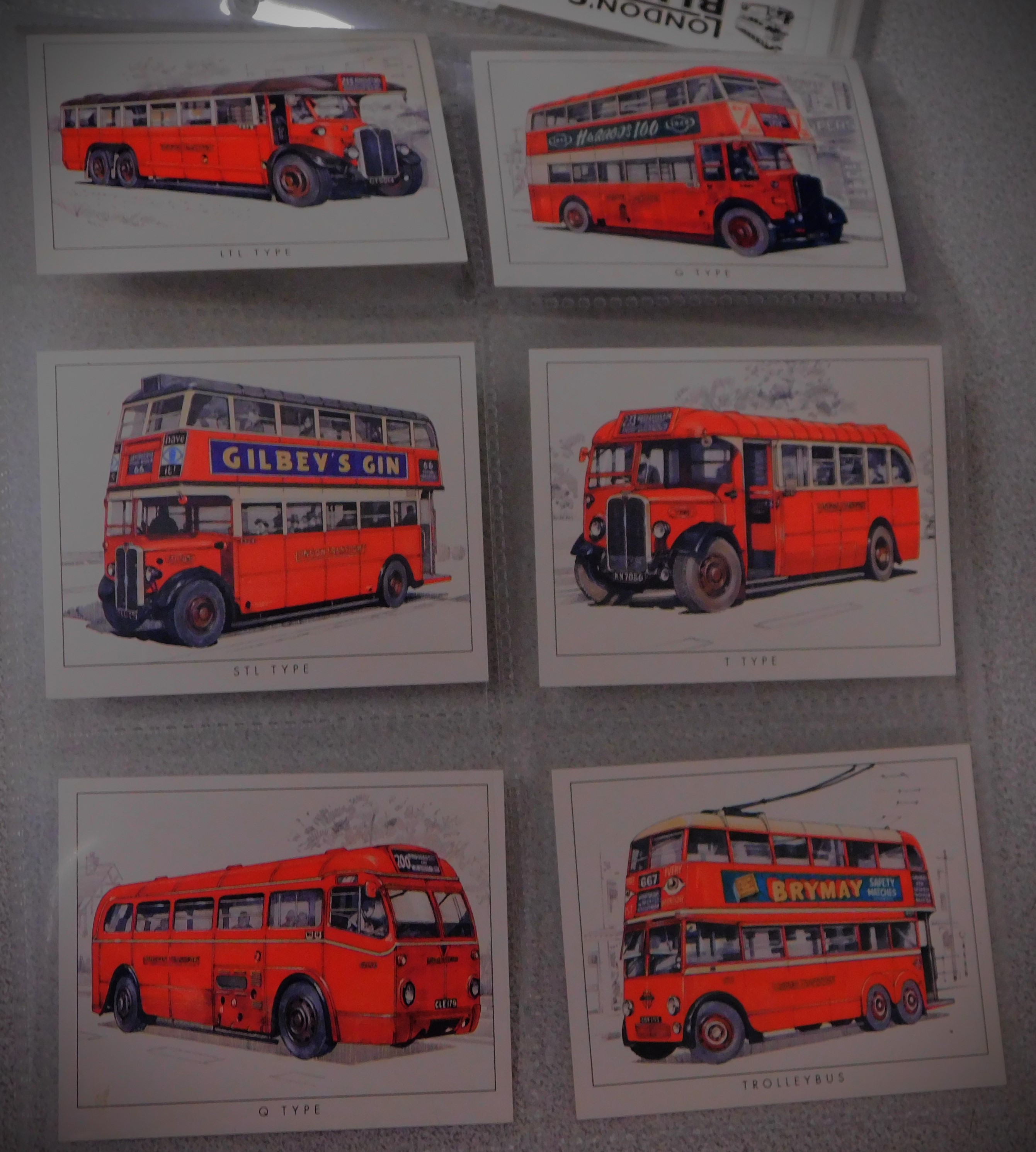
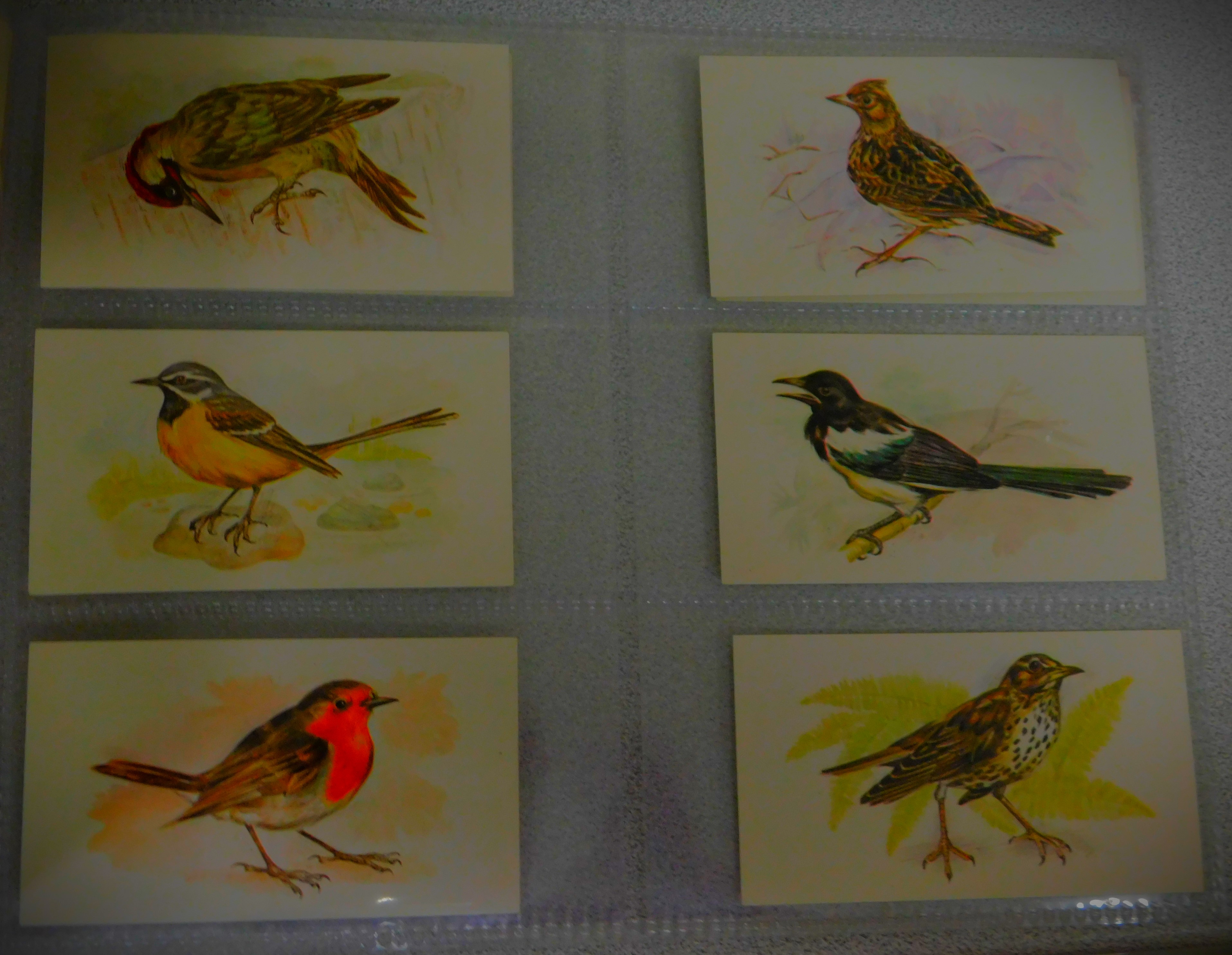
A multi-part photo gallery today. James and Sons had an auction this week, and I focus on two lots. Lot 304 was a Hassalblad camera in an aluminium case with a lot of extra bits and pieces and attracted considerable interest. I produced an extended gallery for it in order to deal with queries that were coming in, and the result was very pleasing – it sold for £1,000.
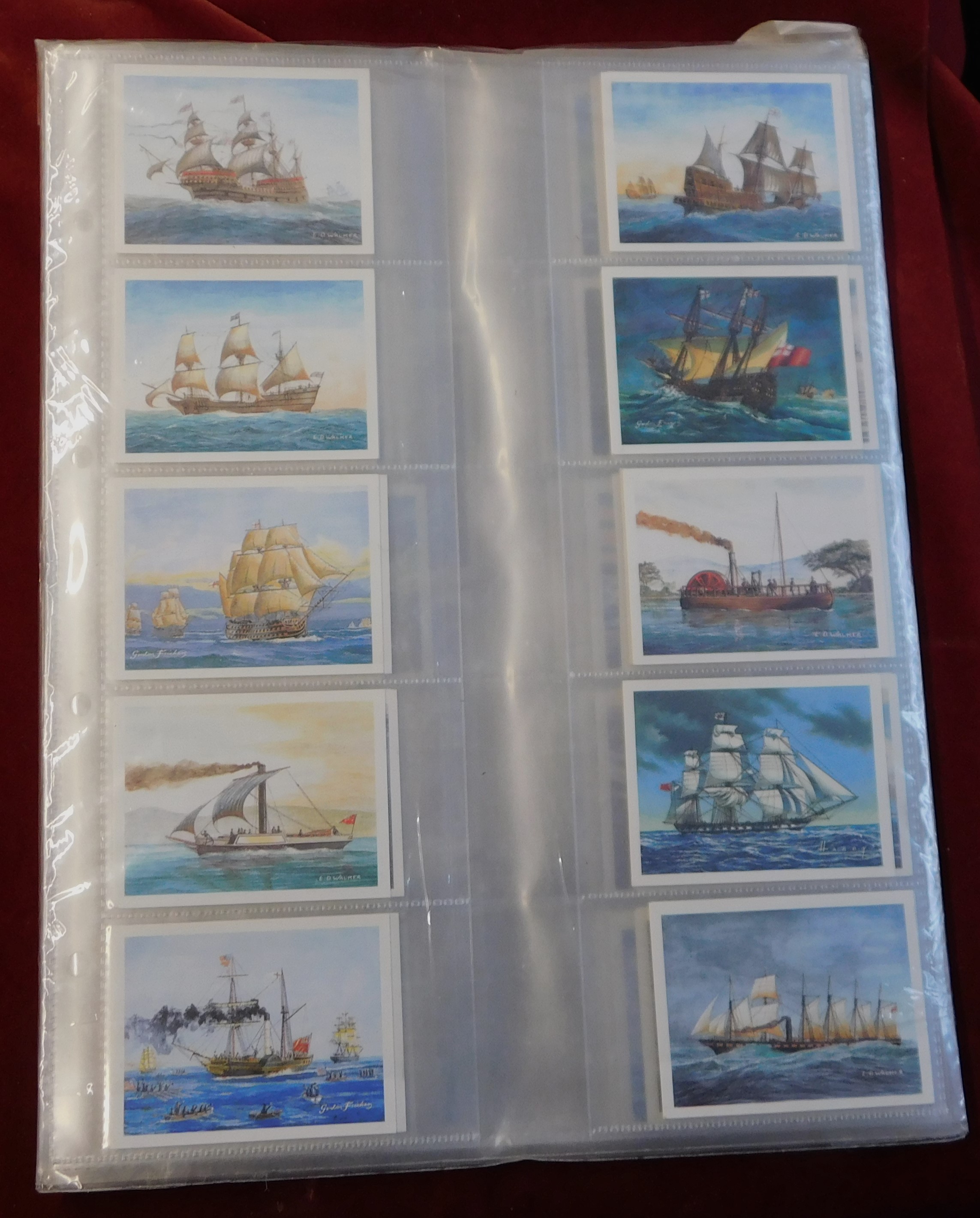
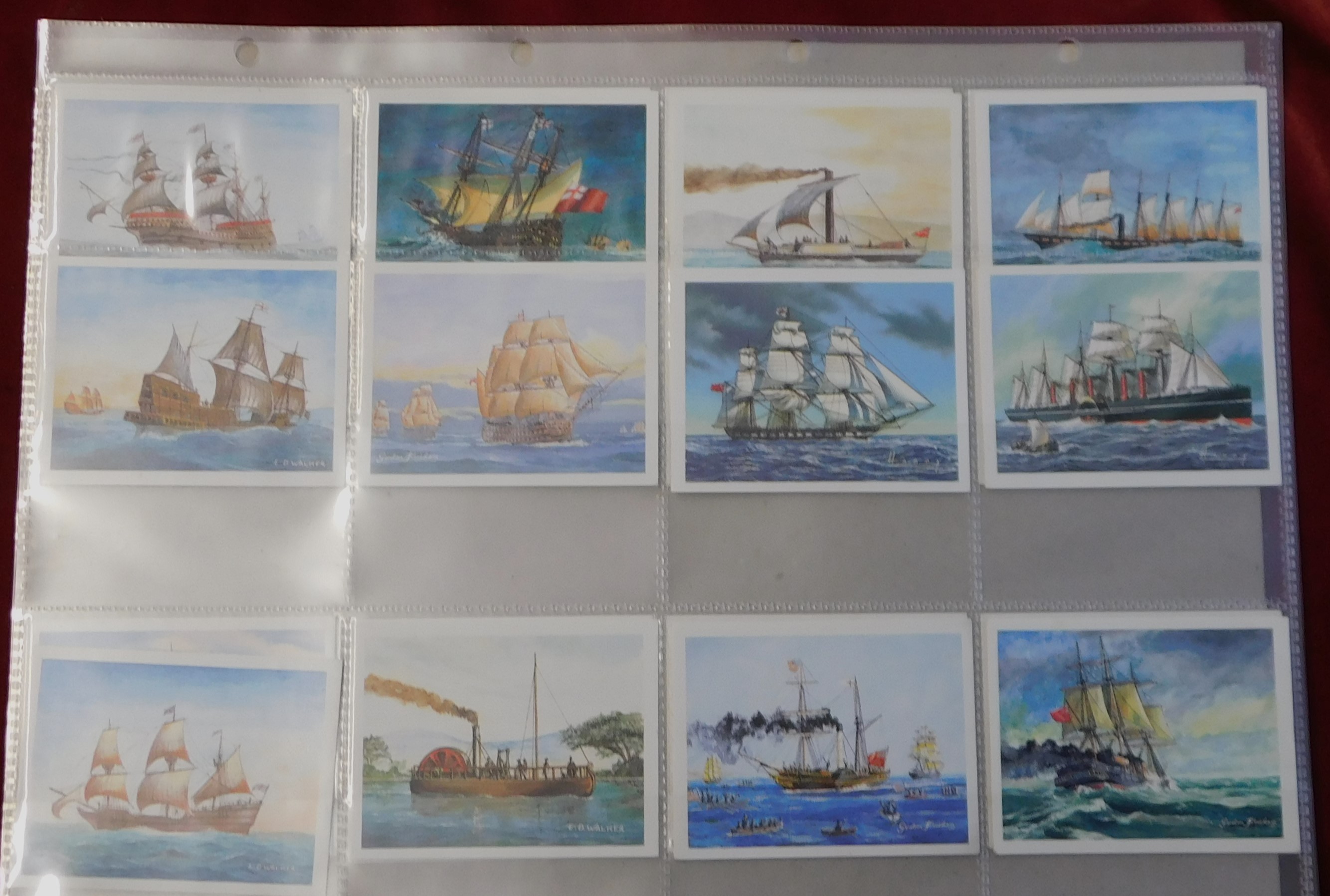
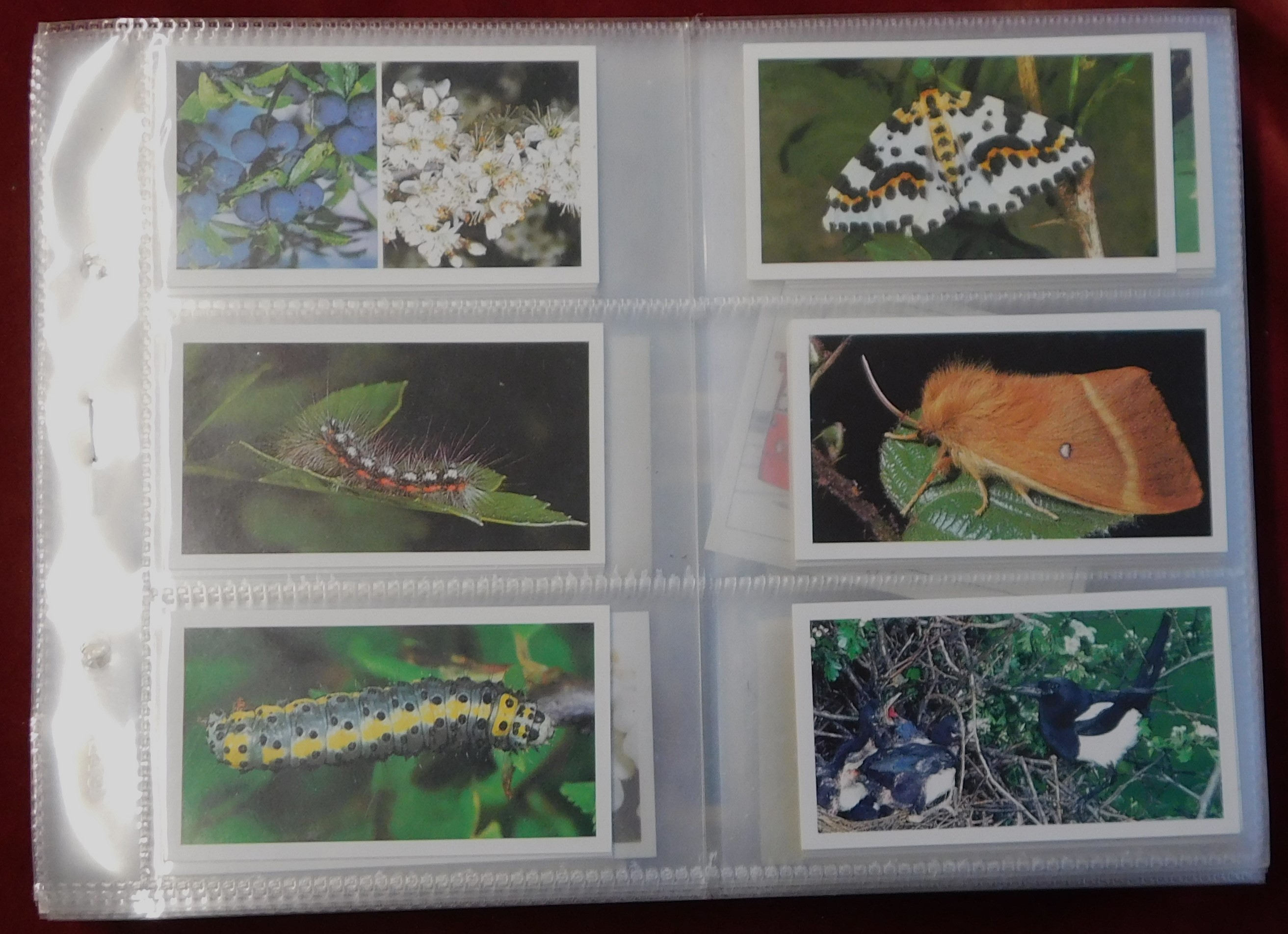
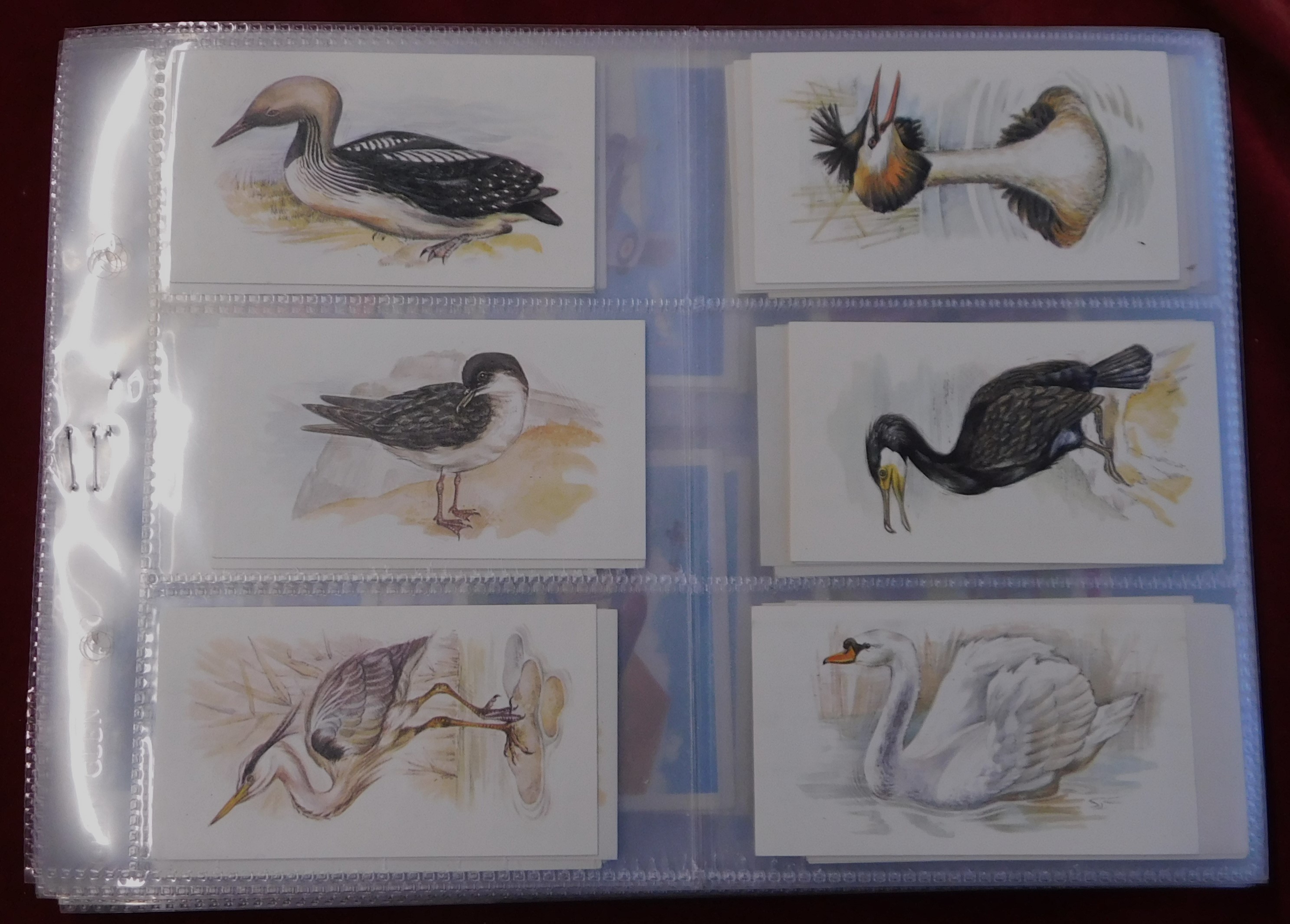
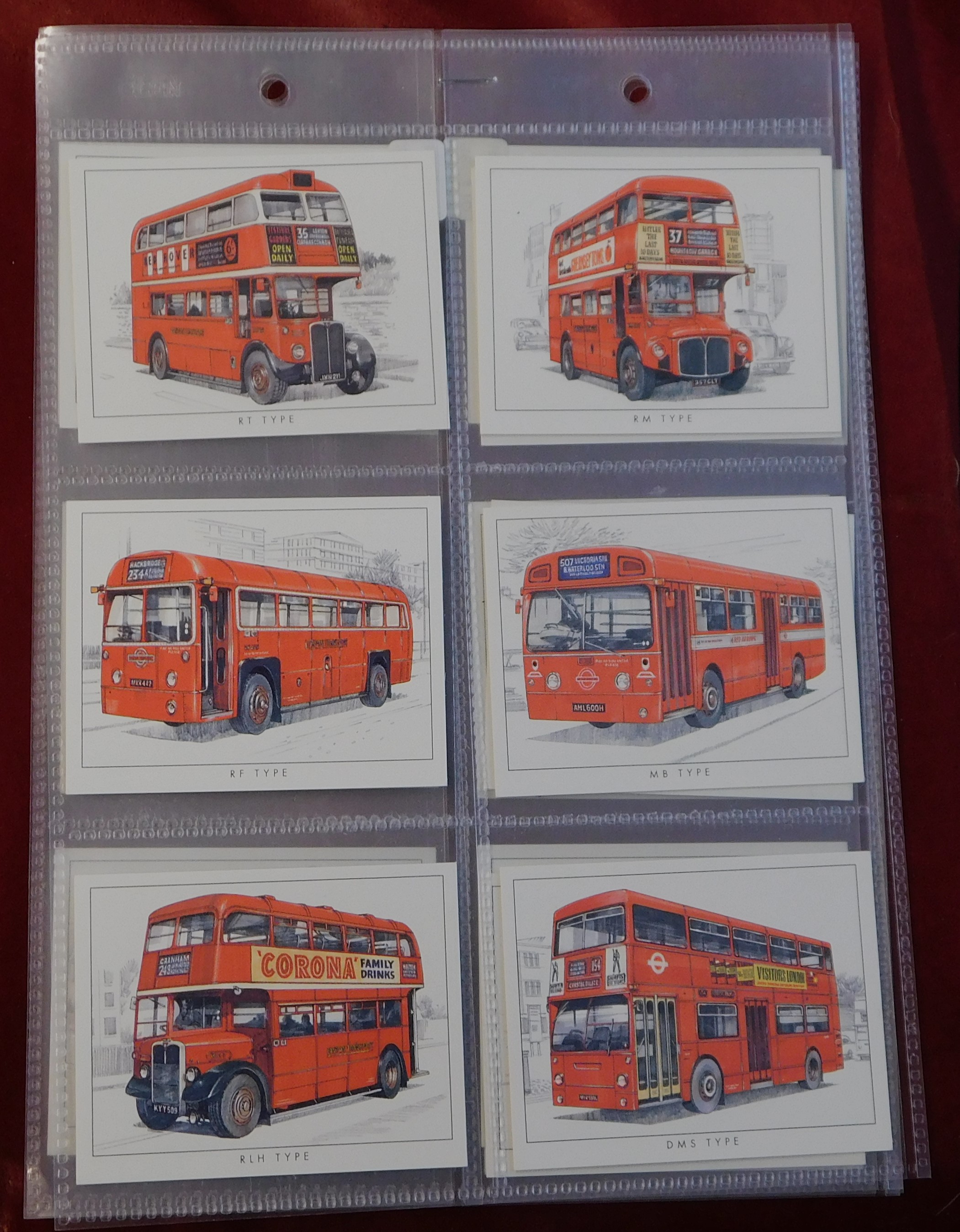
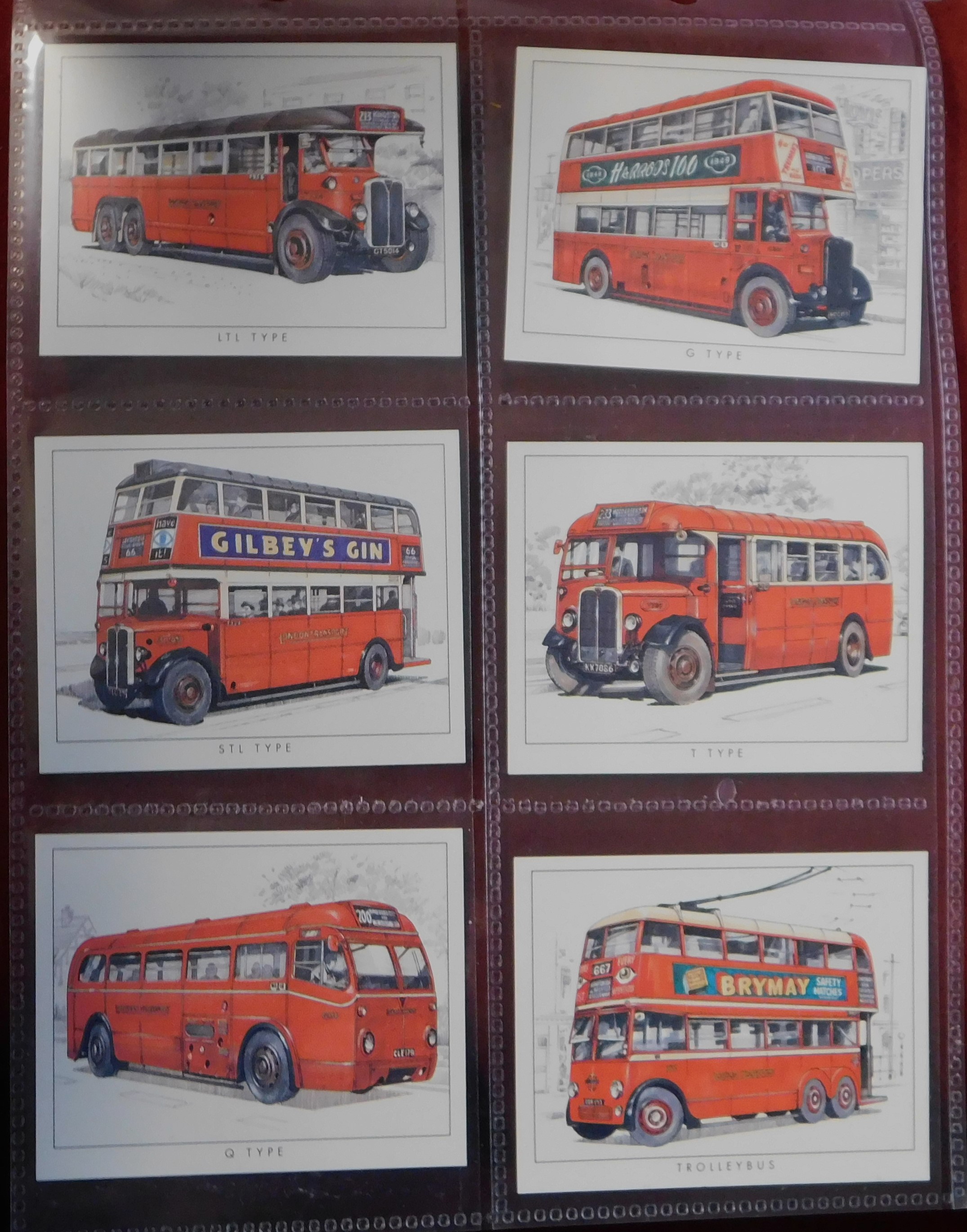
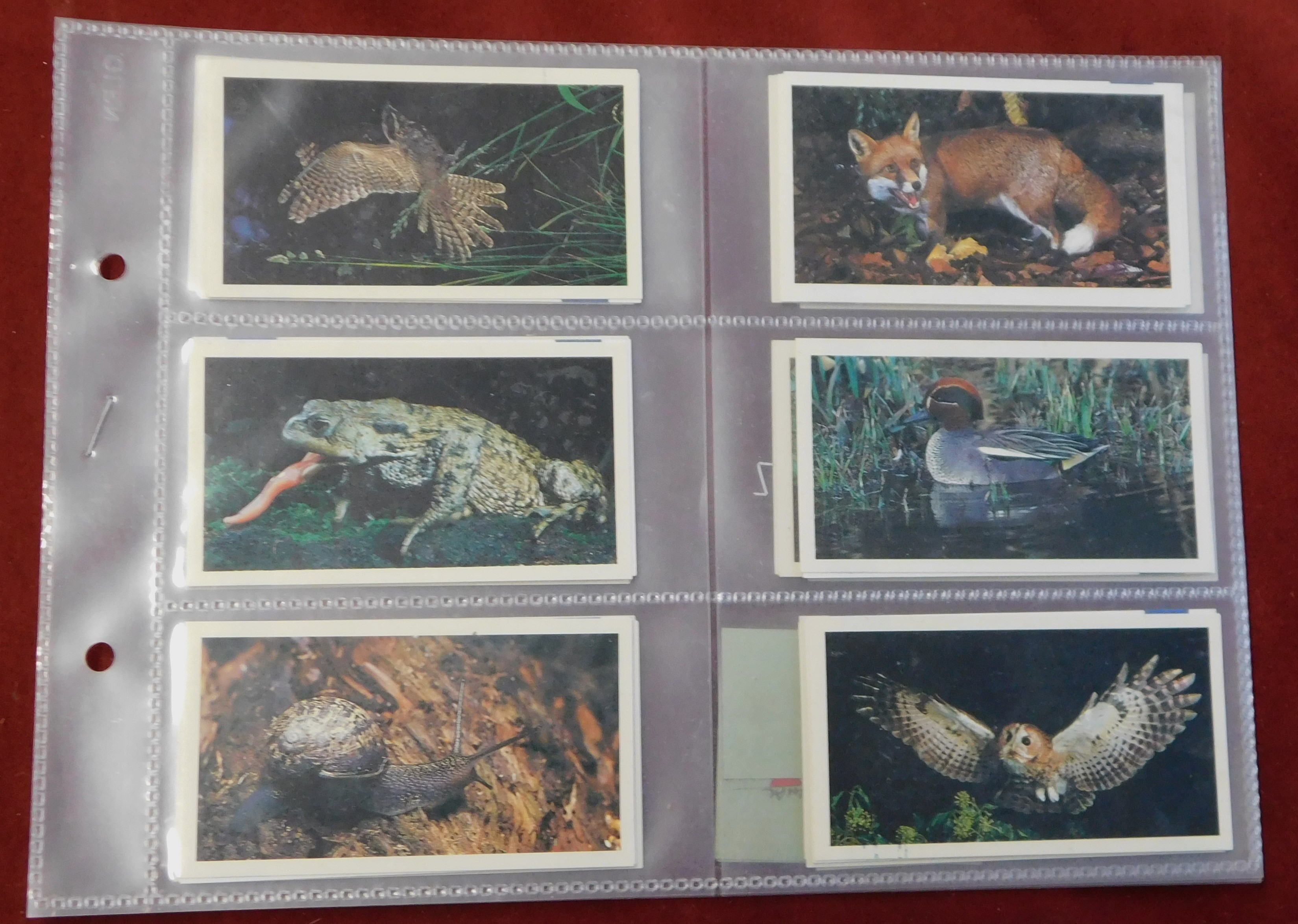
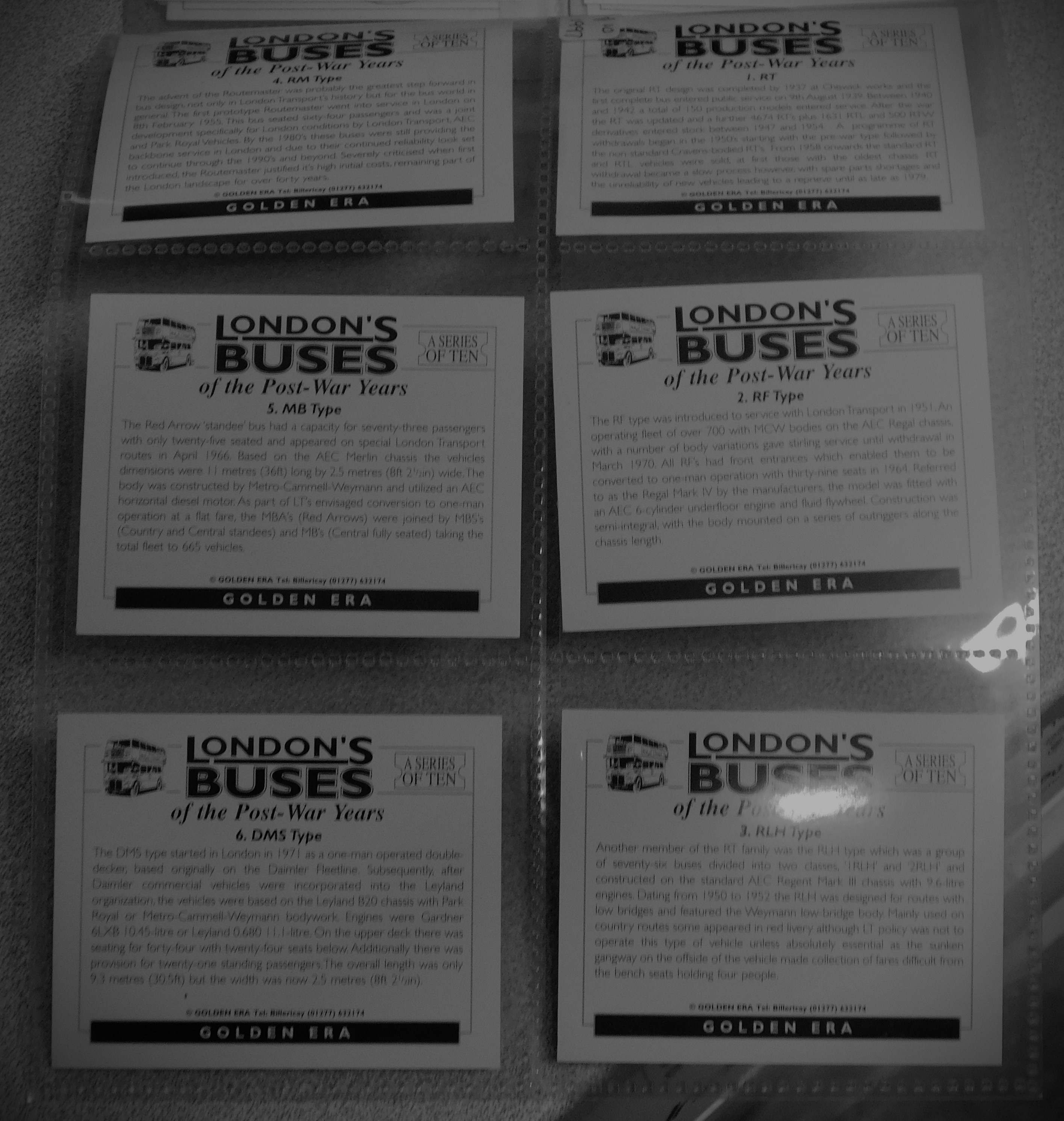
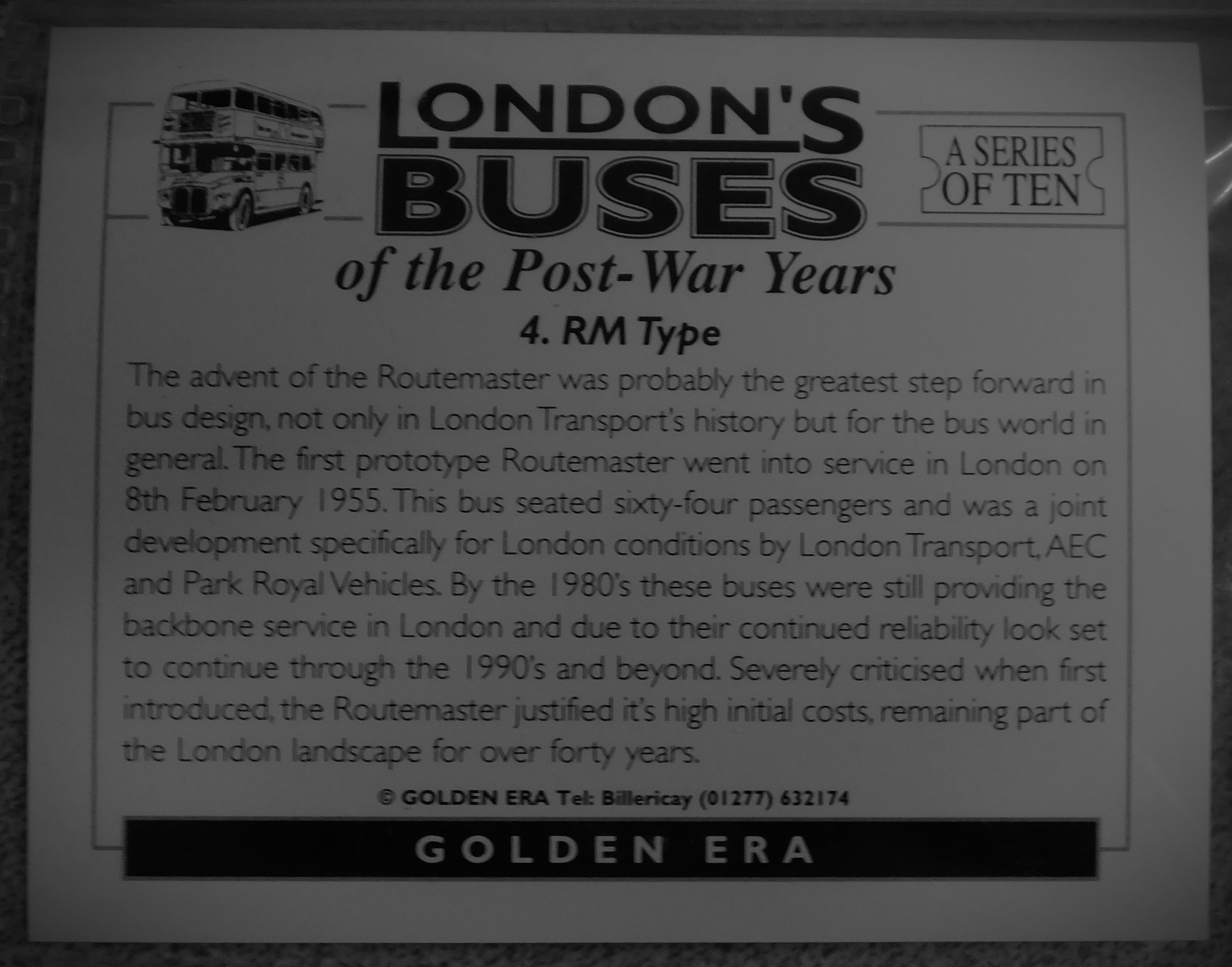
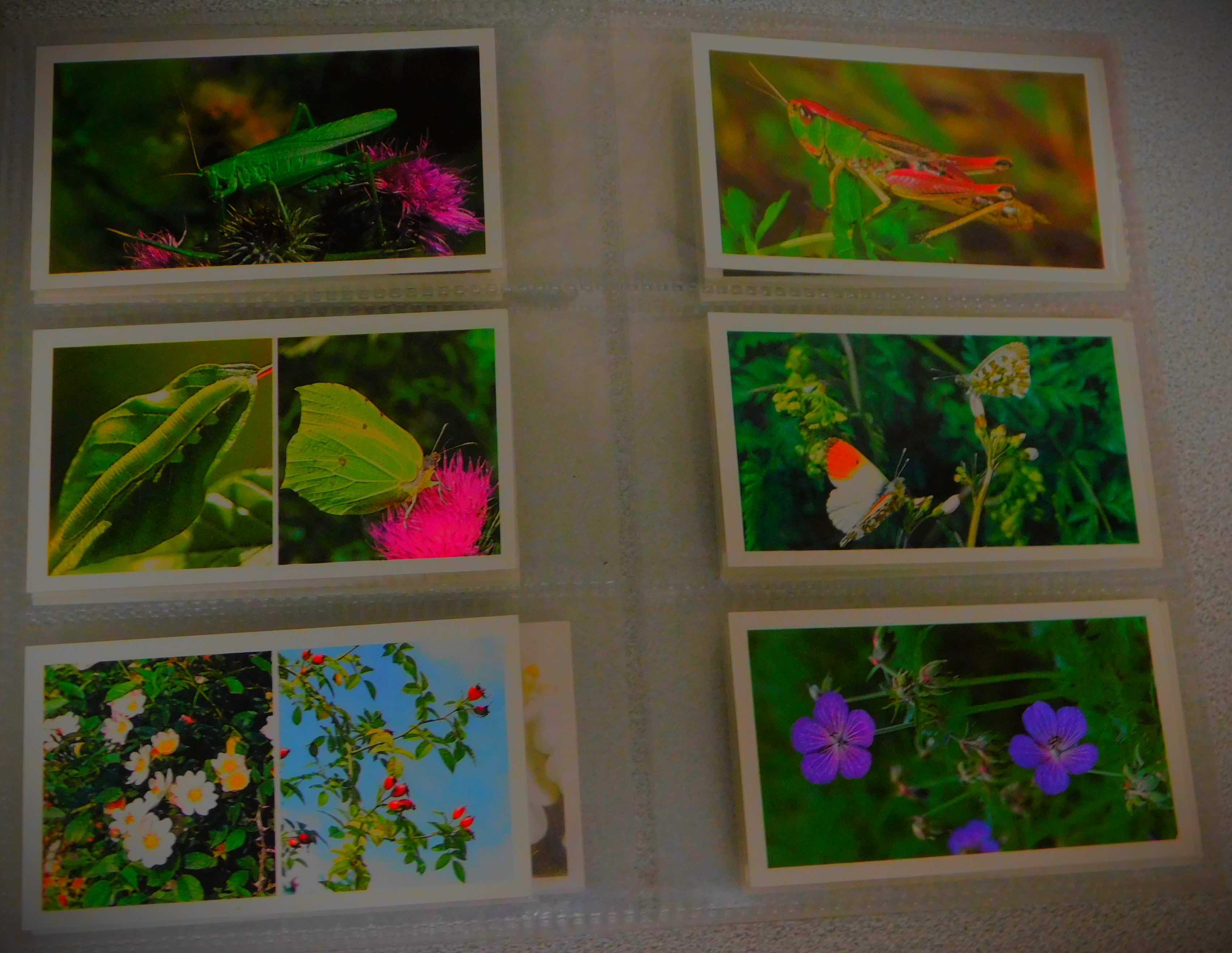
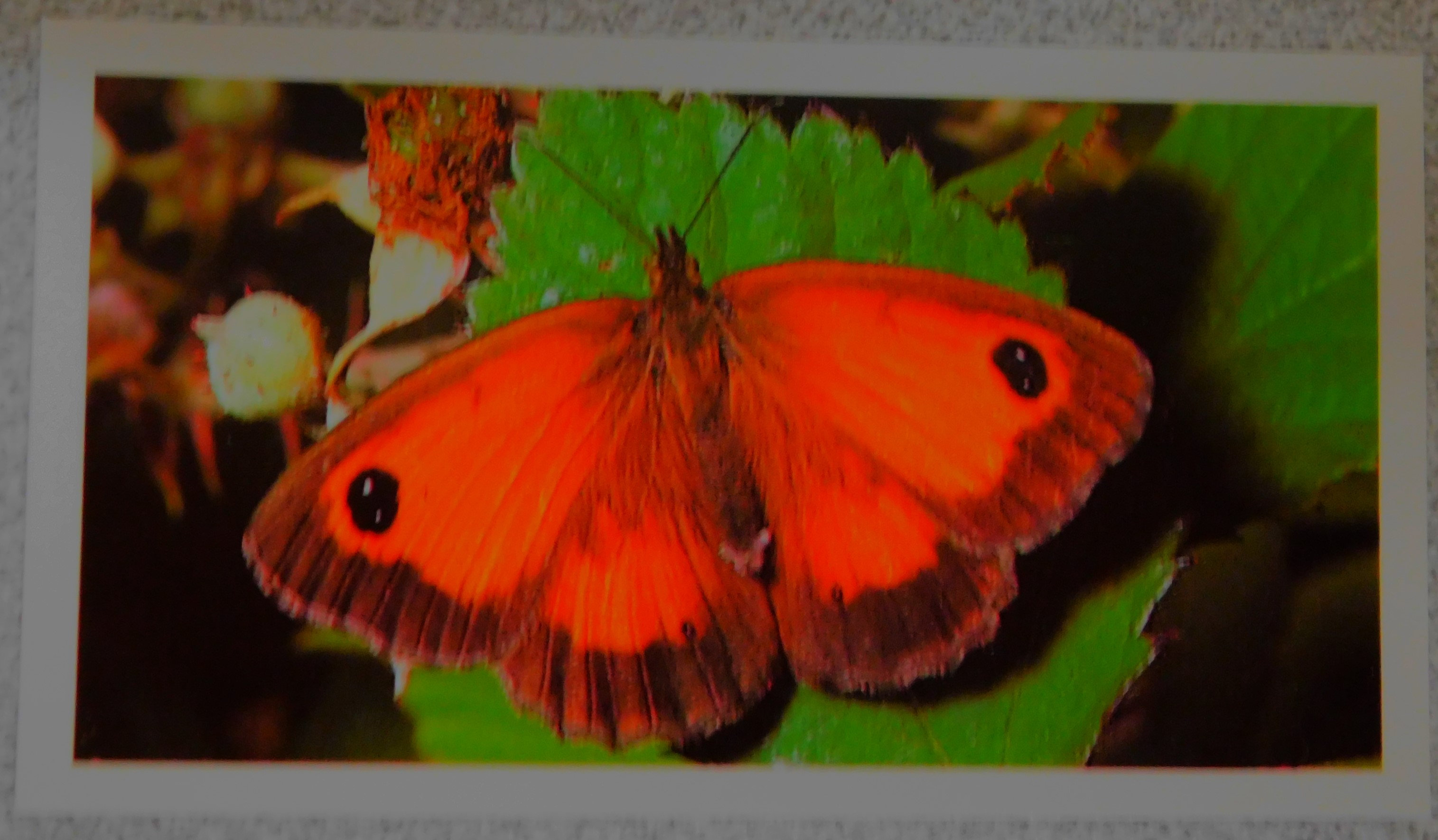
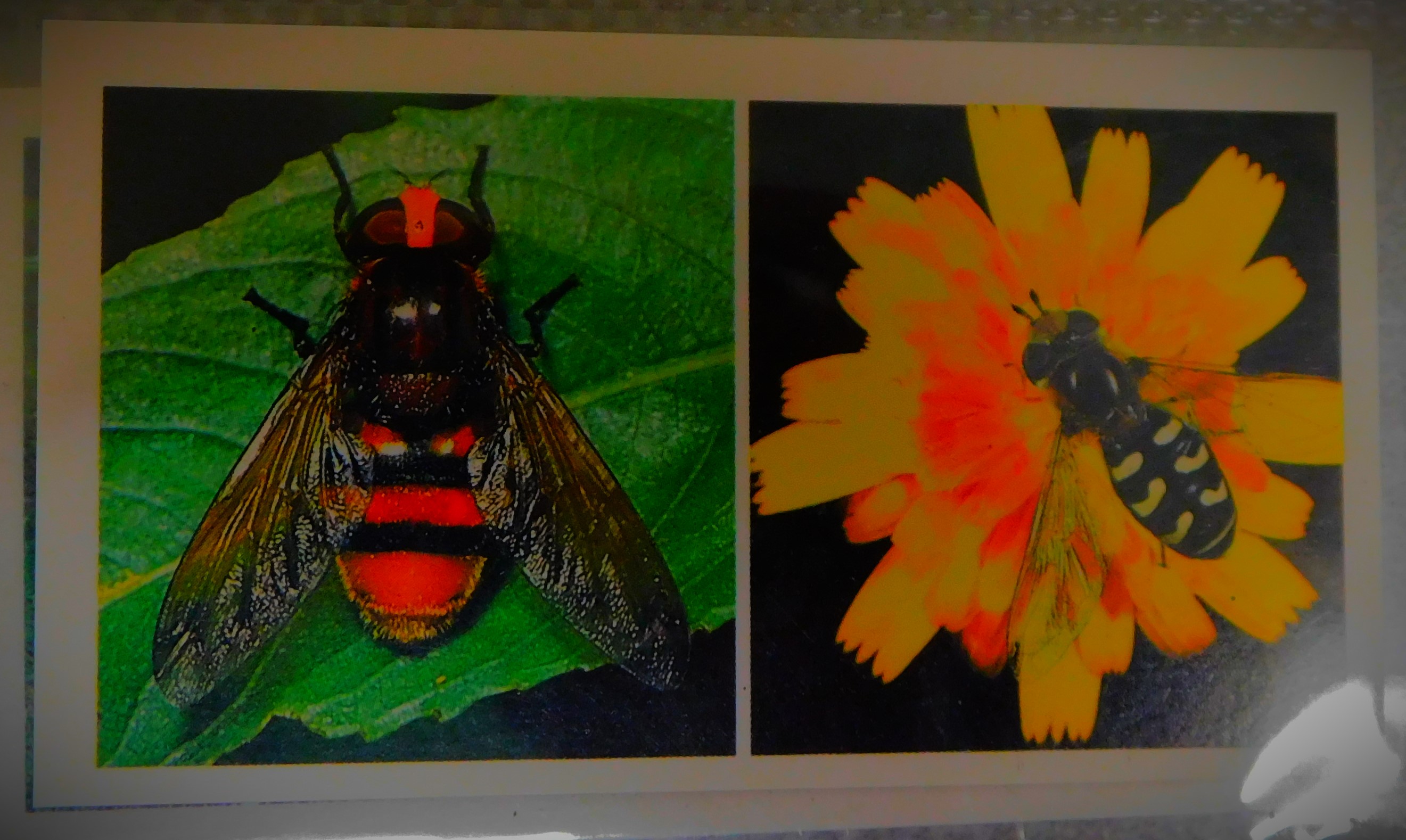
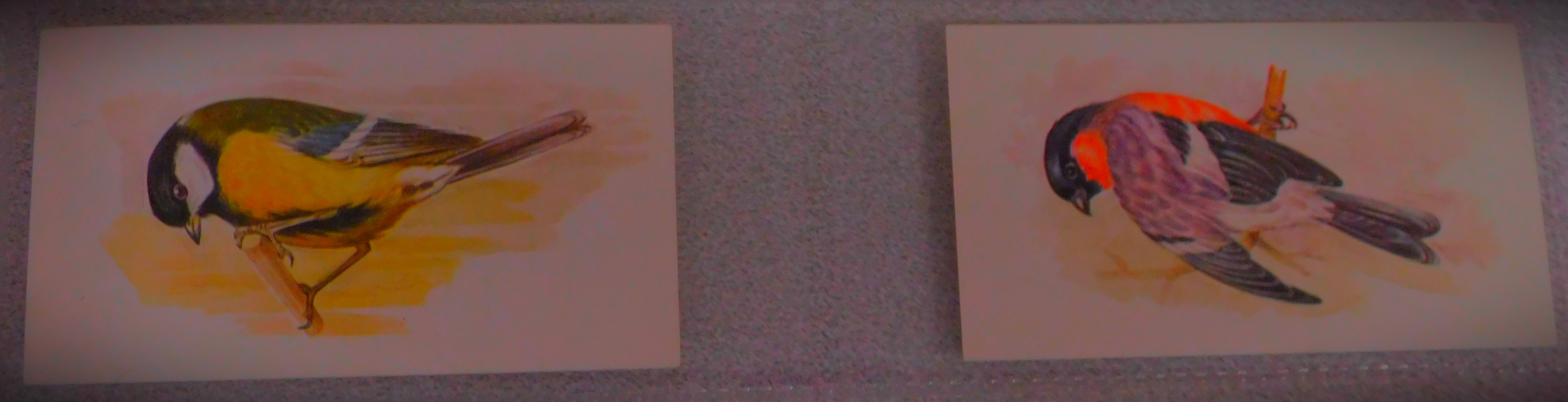
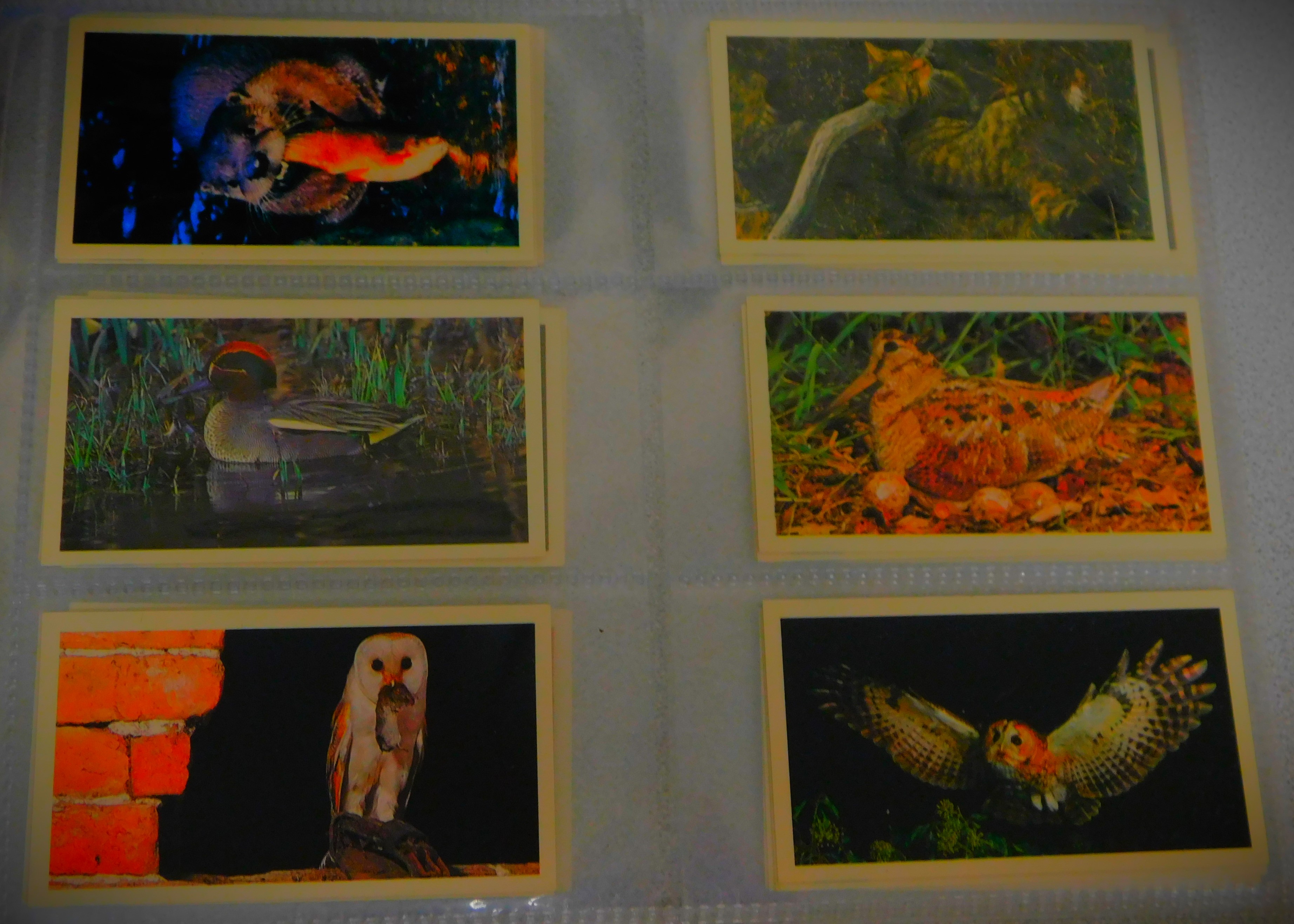
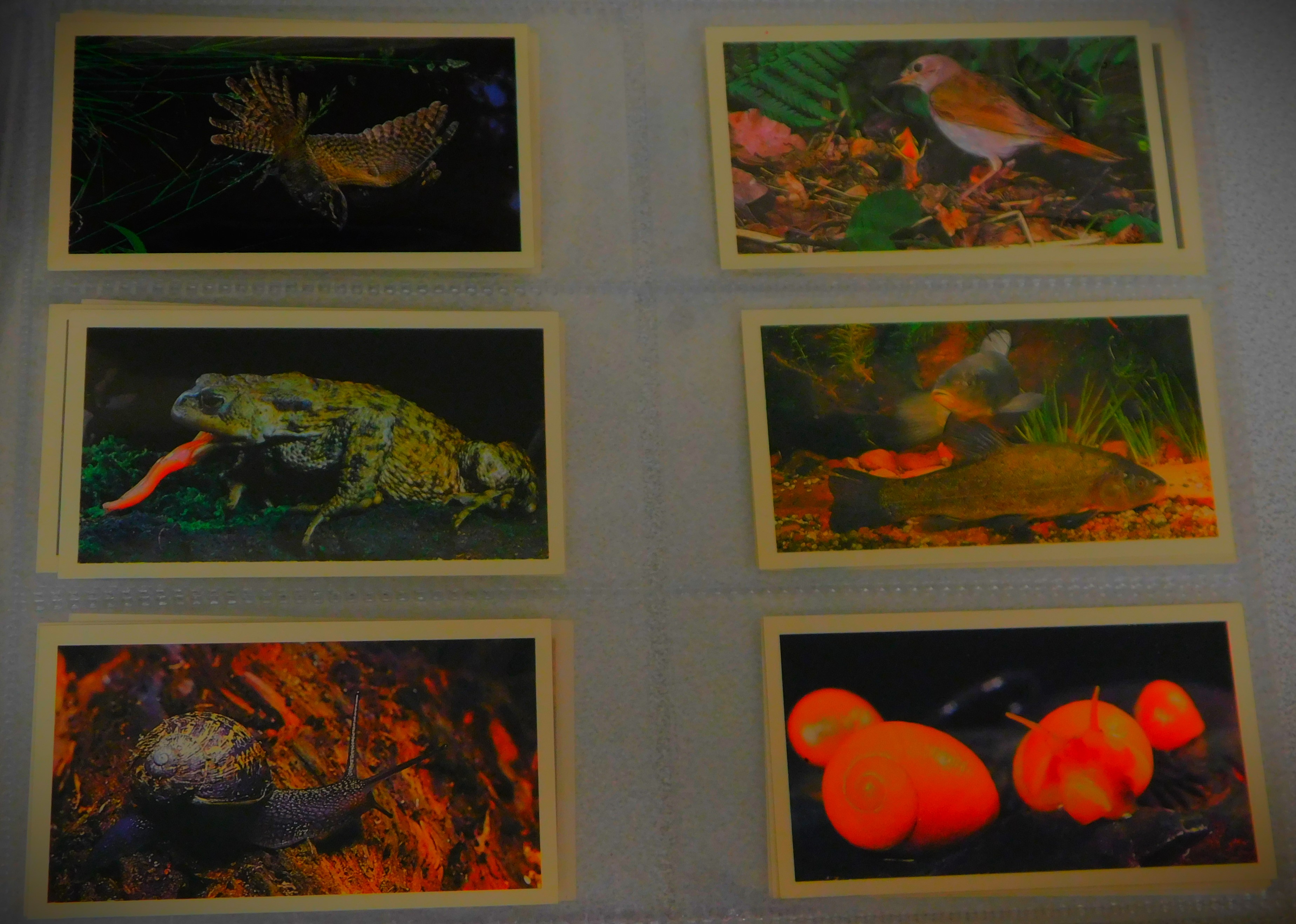
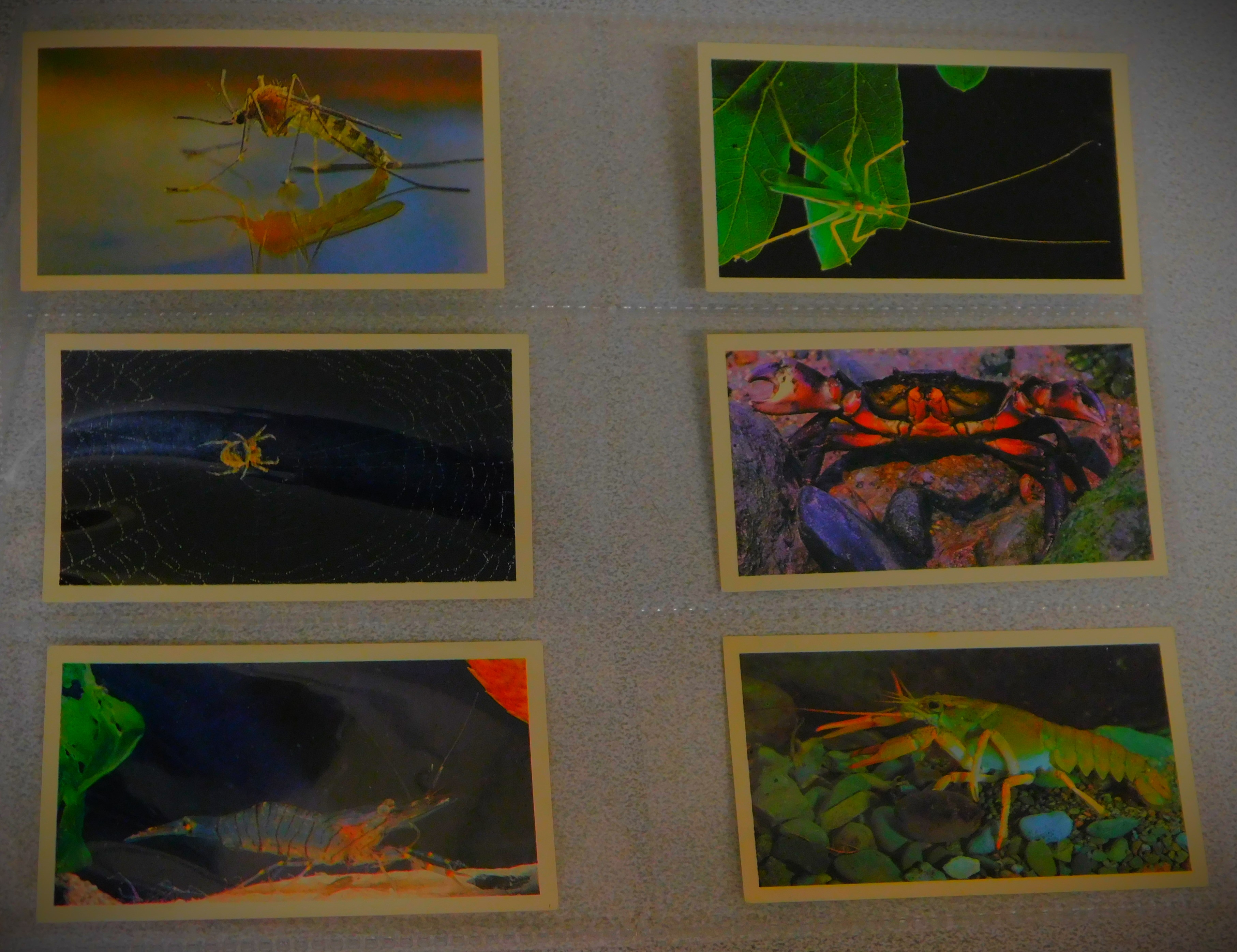
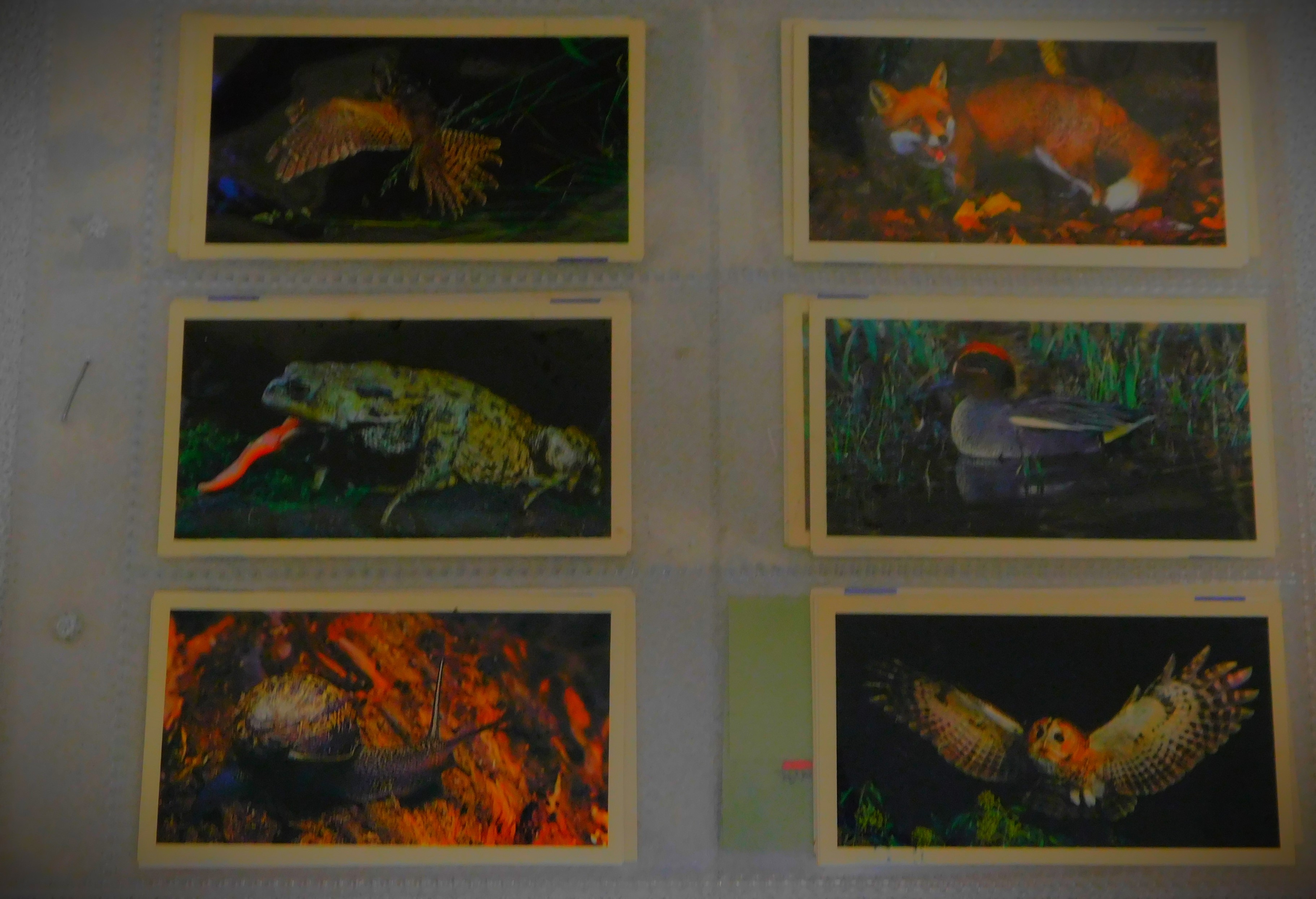
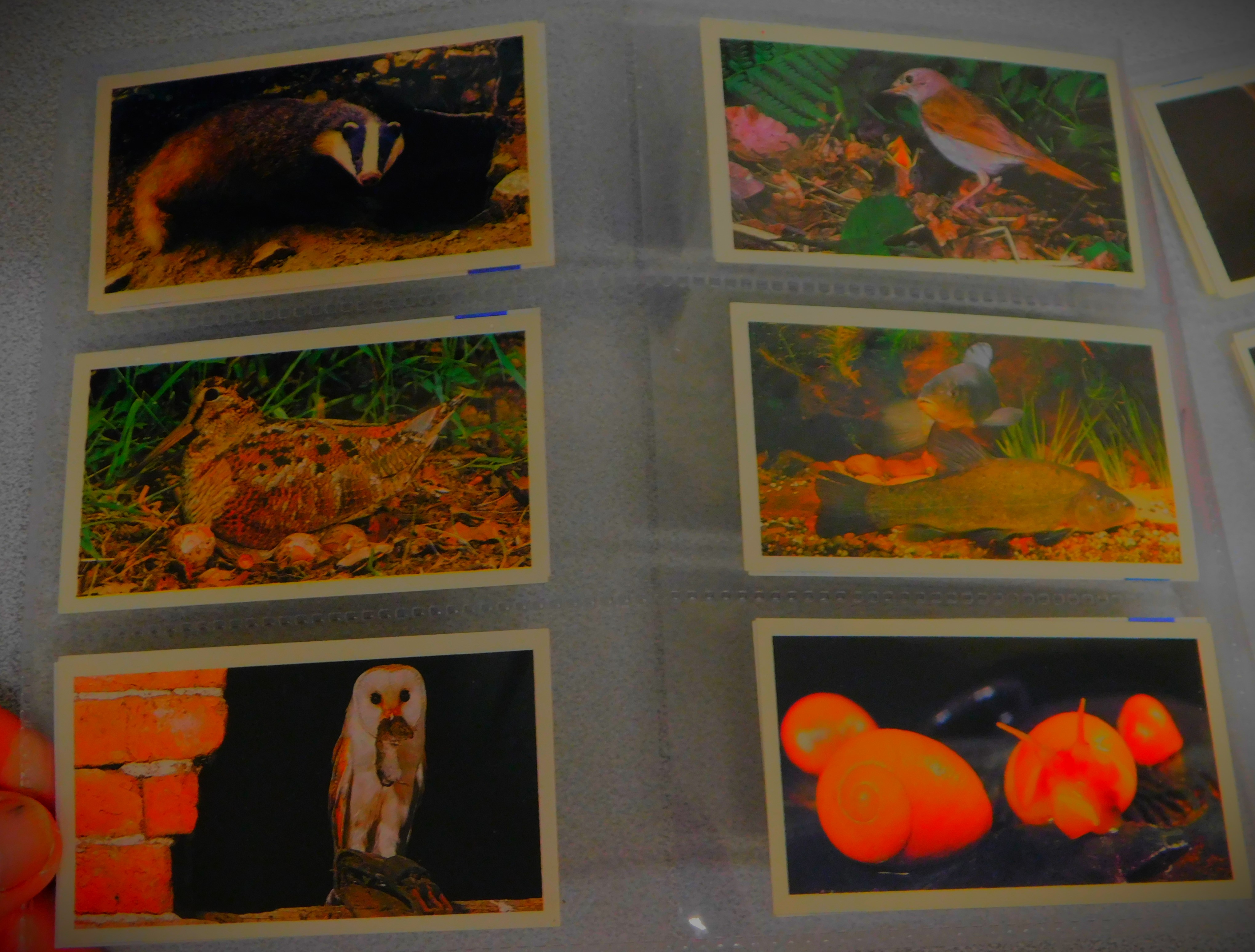
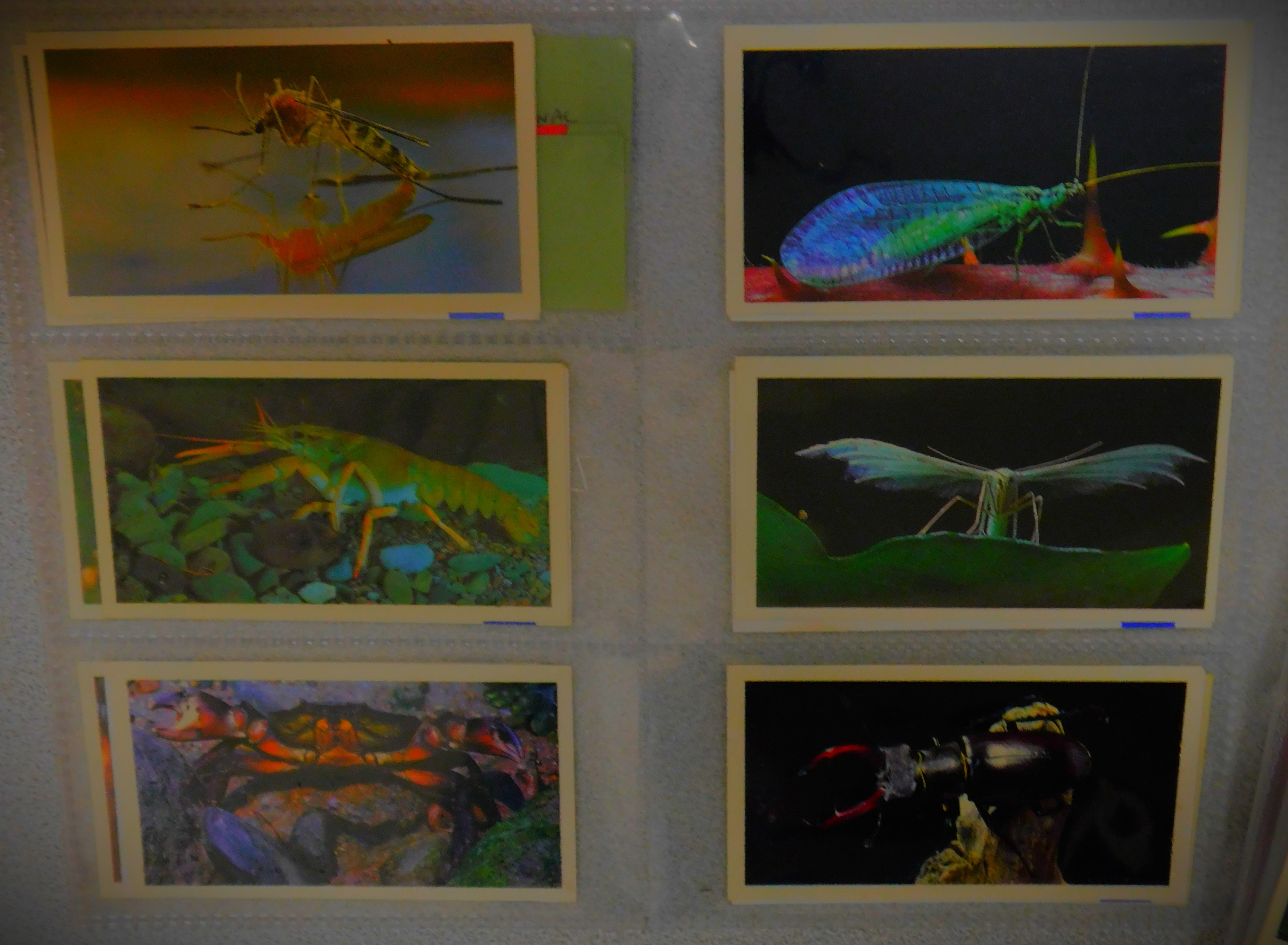
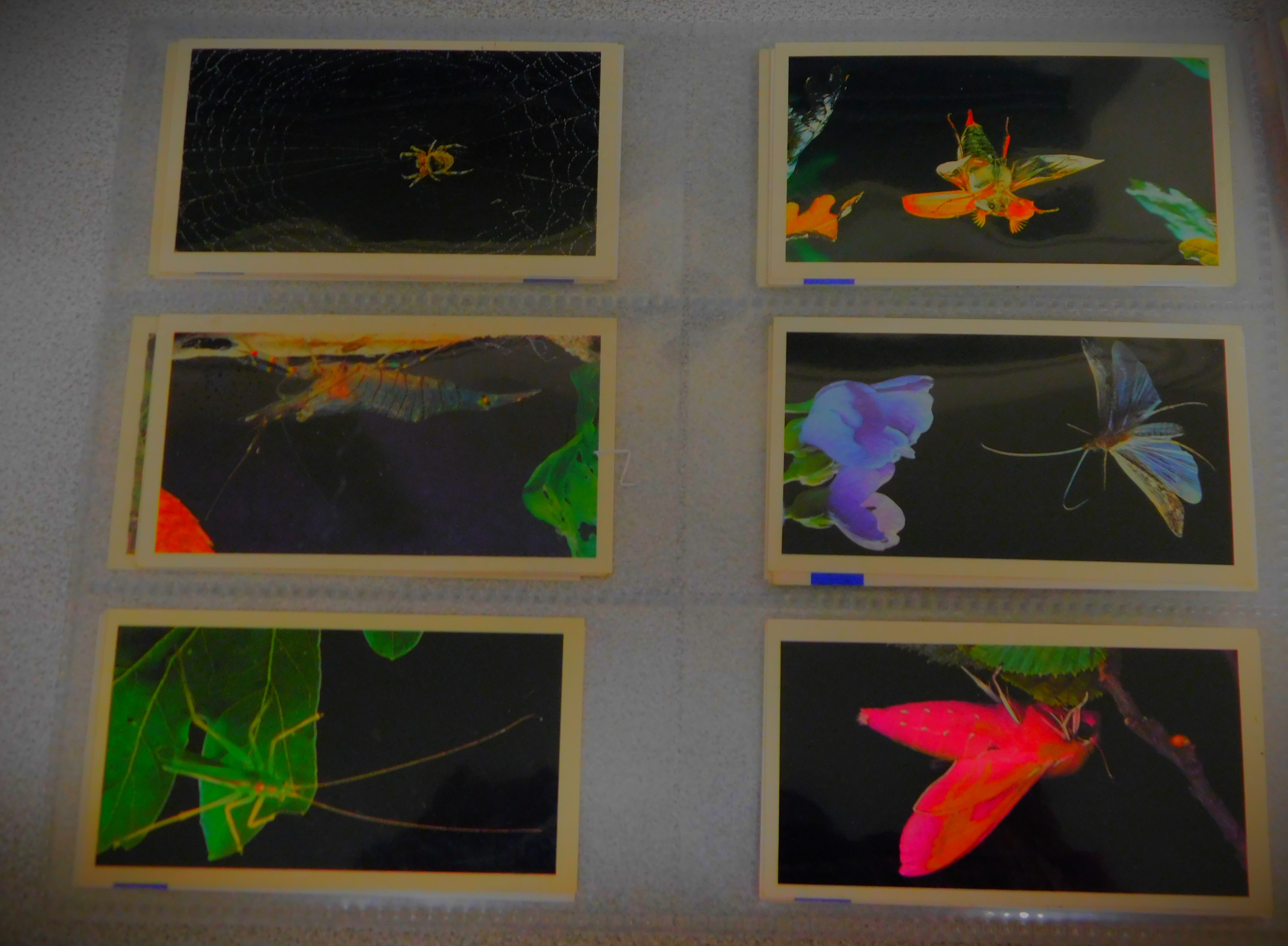
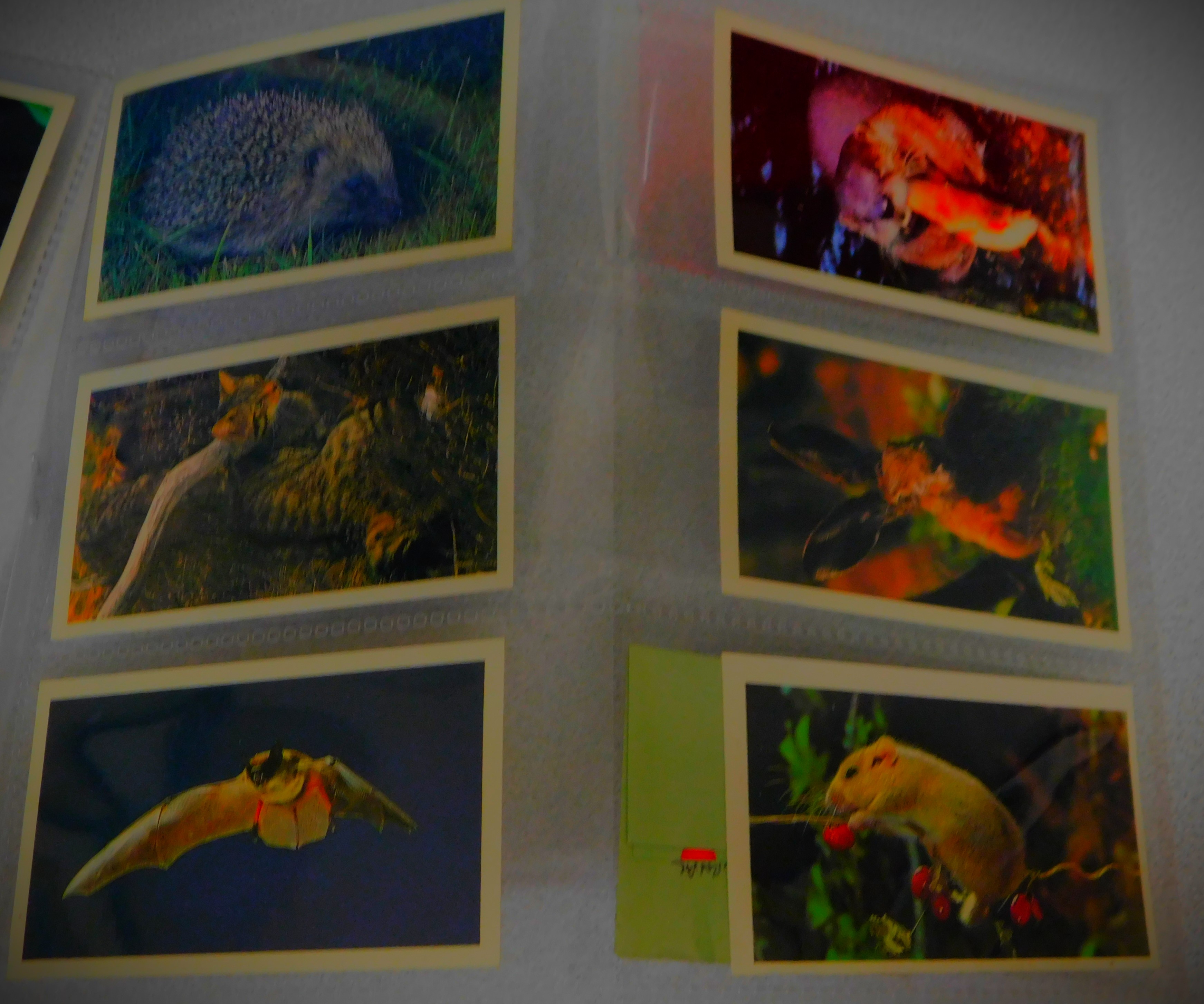
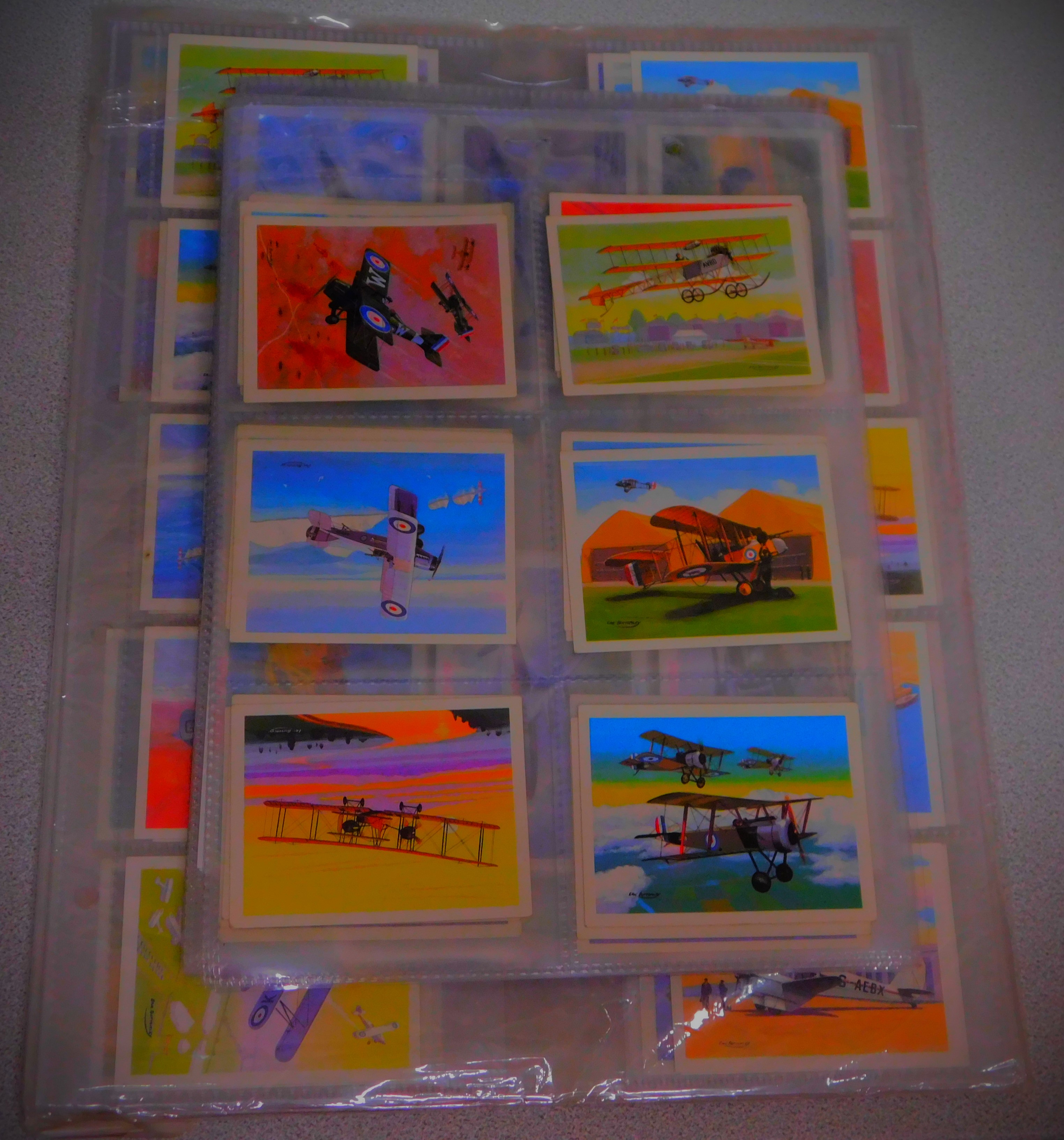
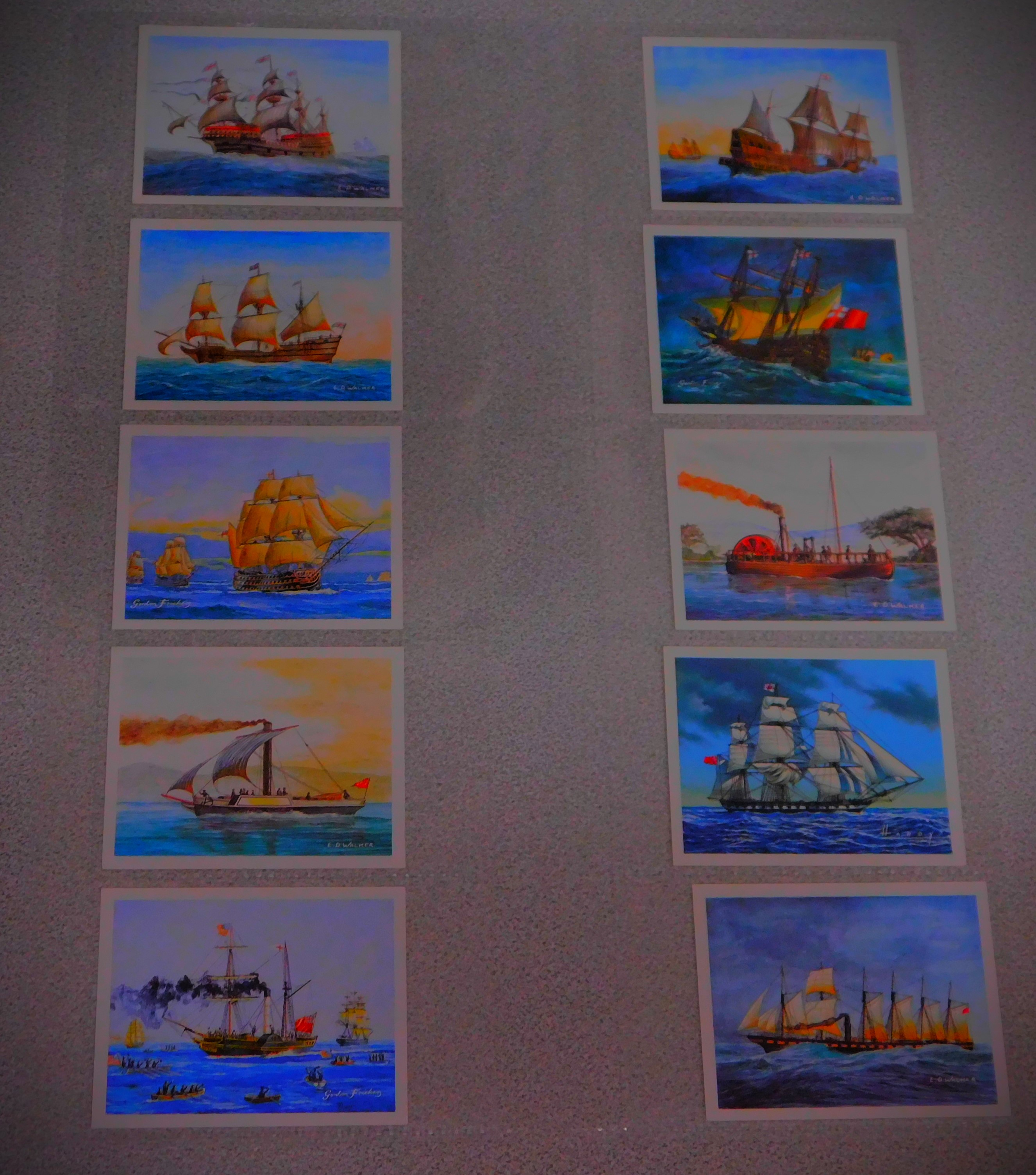
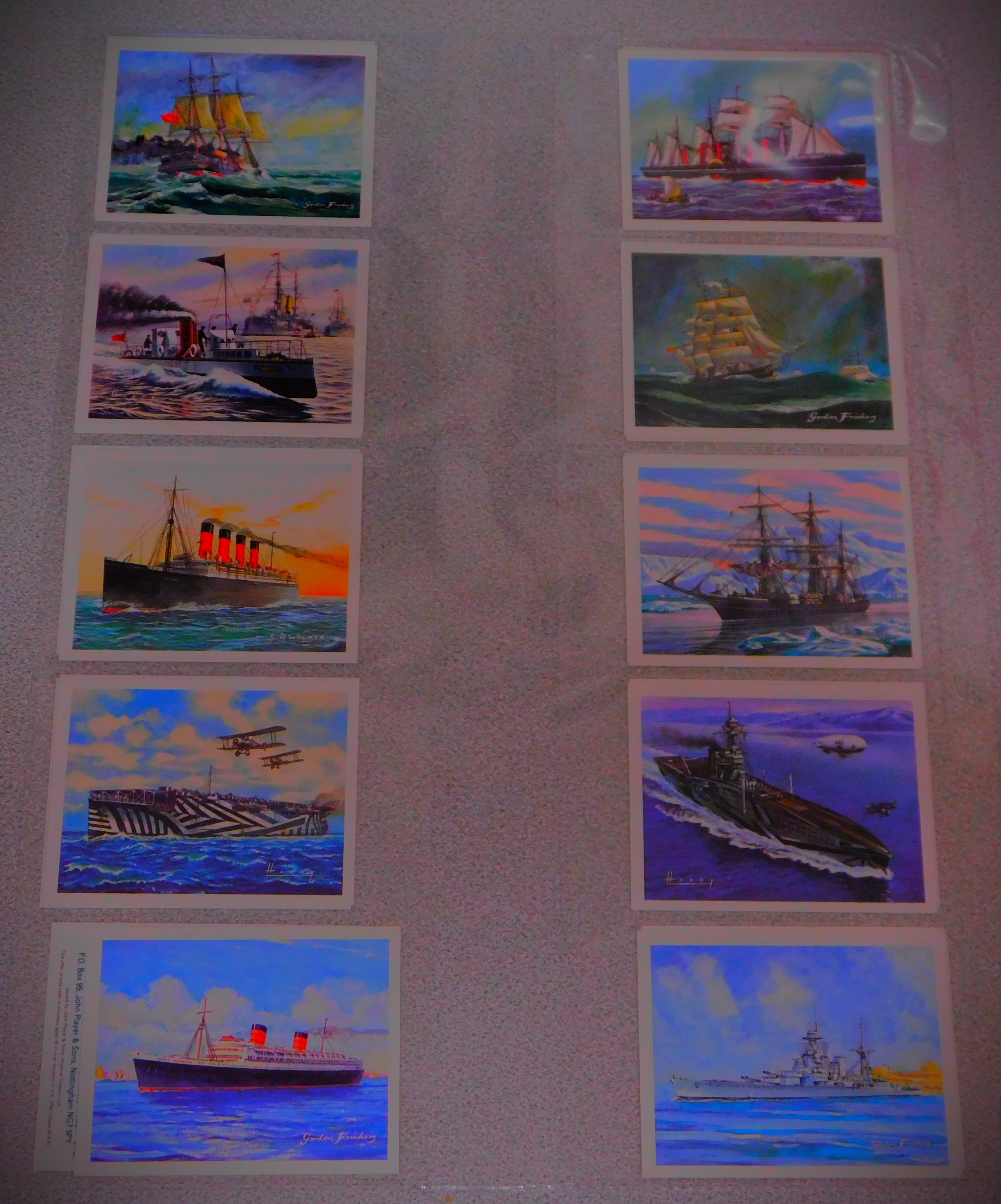
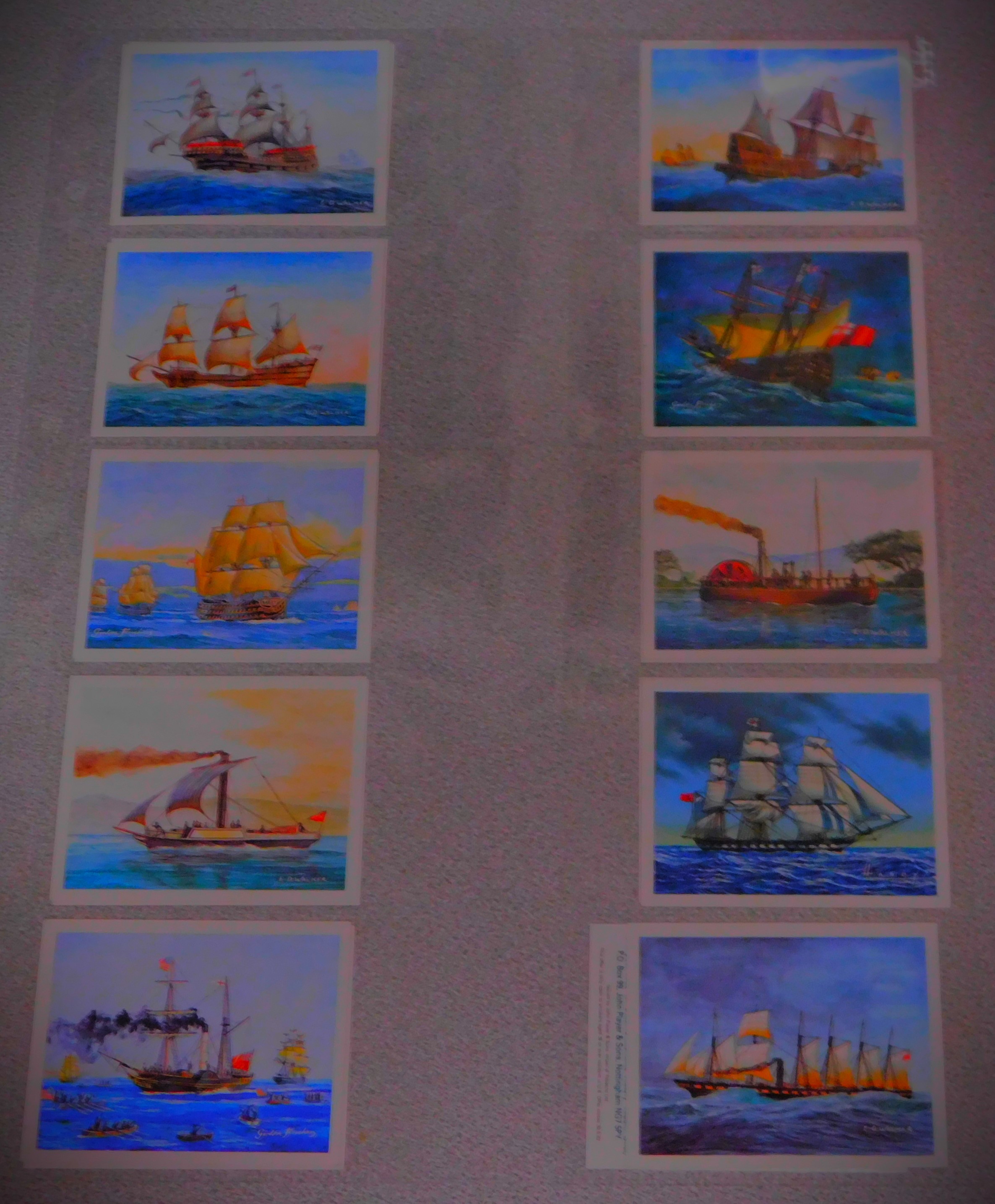
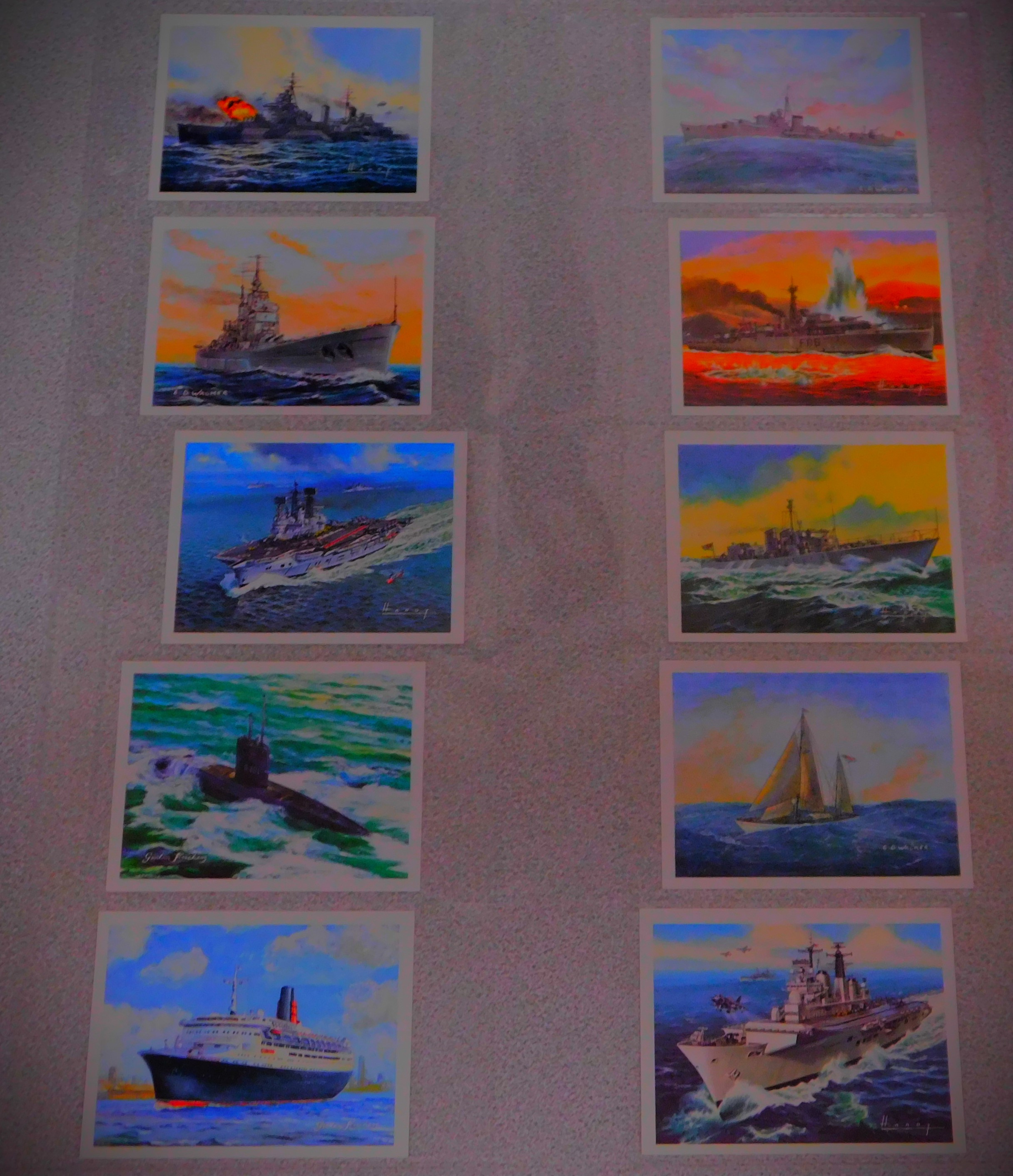
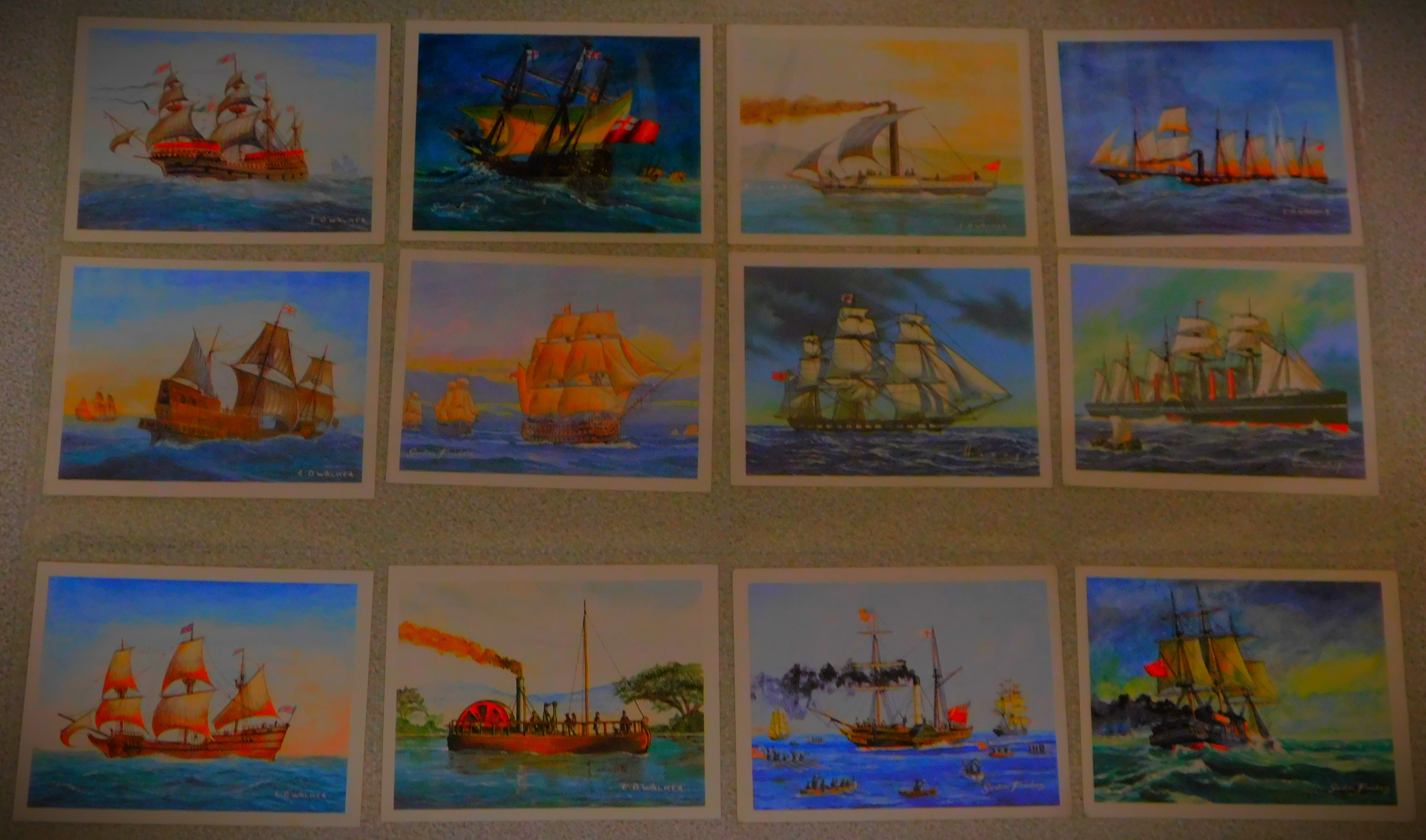
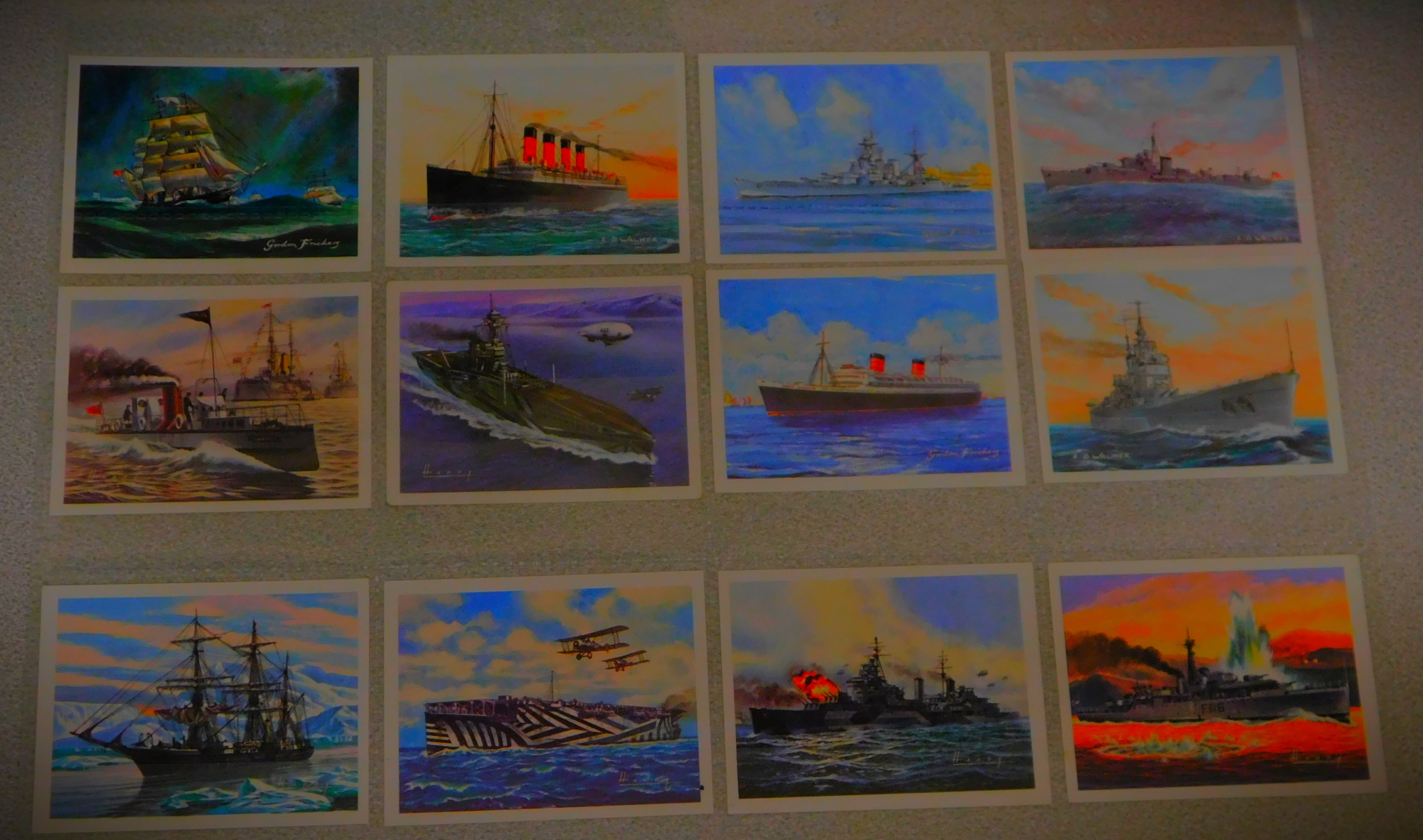
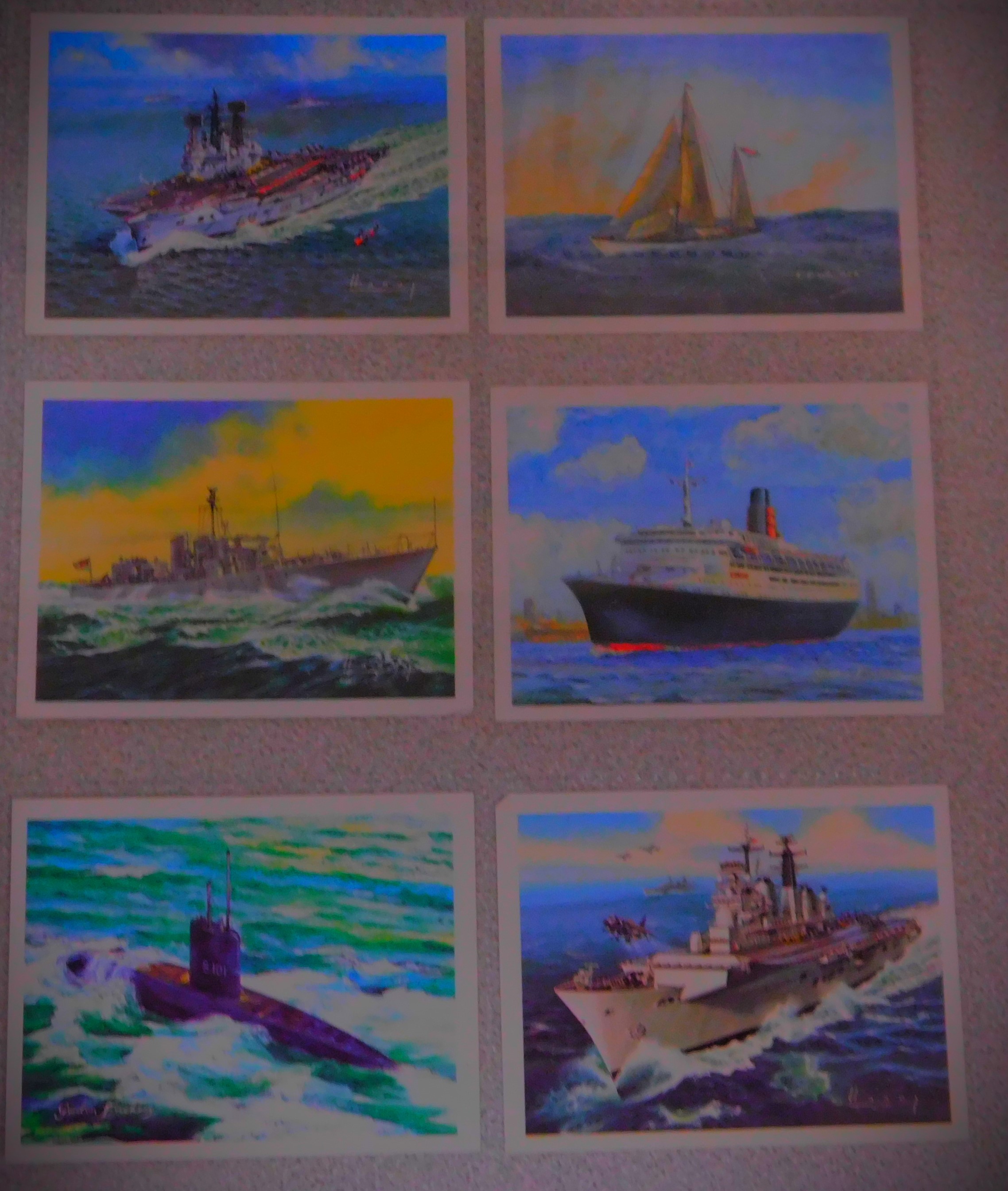
The second lot I focus on was number 574. This lot, a collection of cigarette/ trade cards, was knocked down to me for £10. I produced a good gallery for it…
Having taken possession of it I have been through it in much more detail than imaging for auction allows…
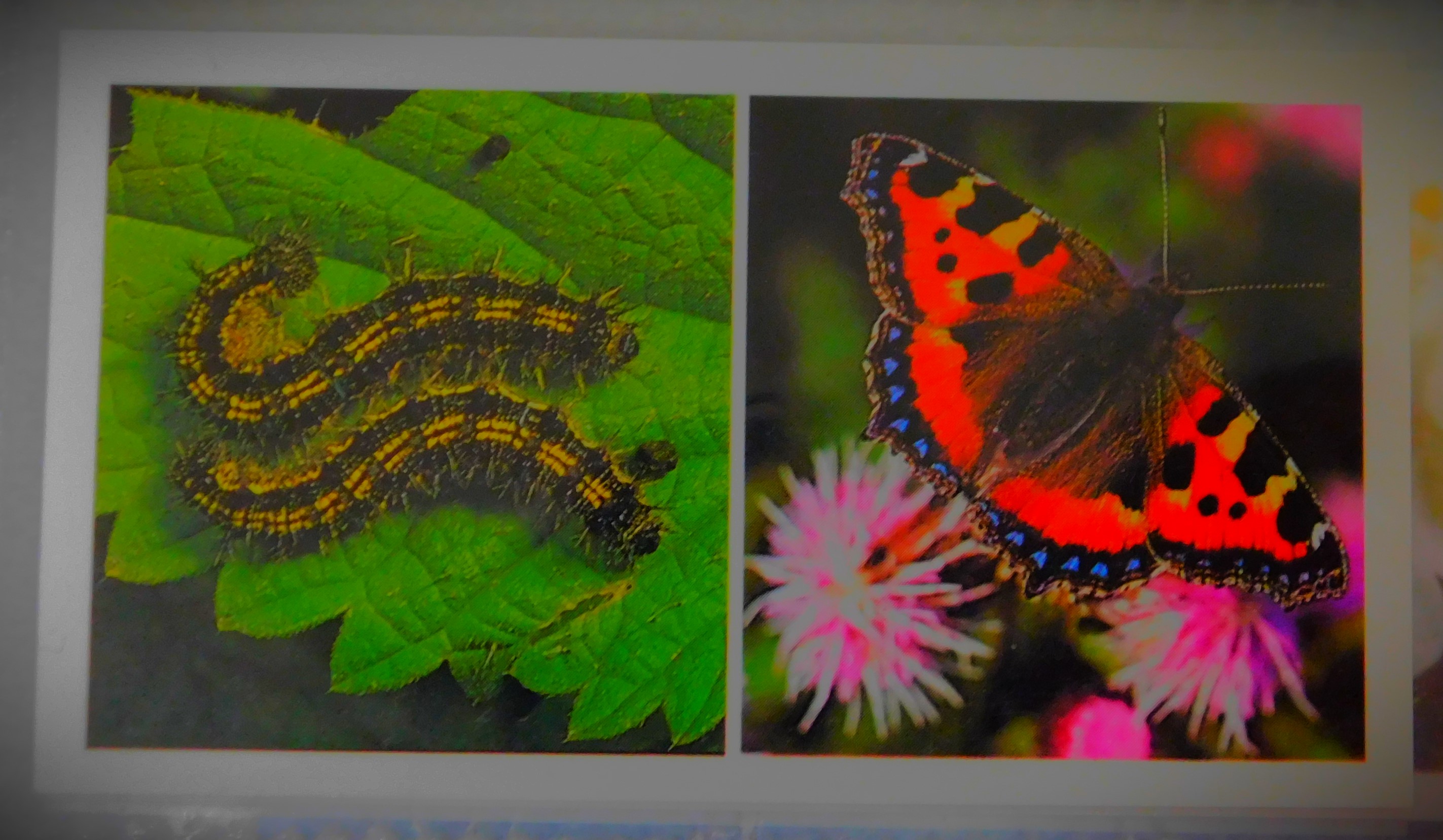
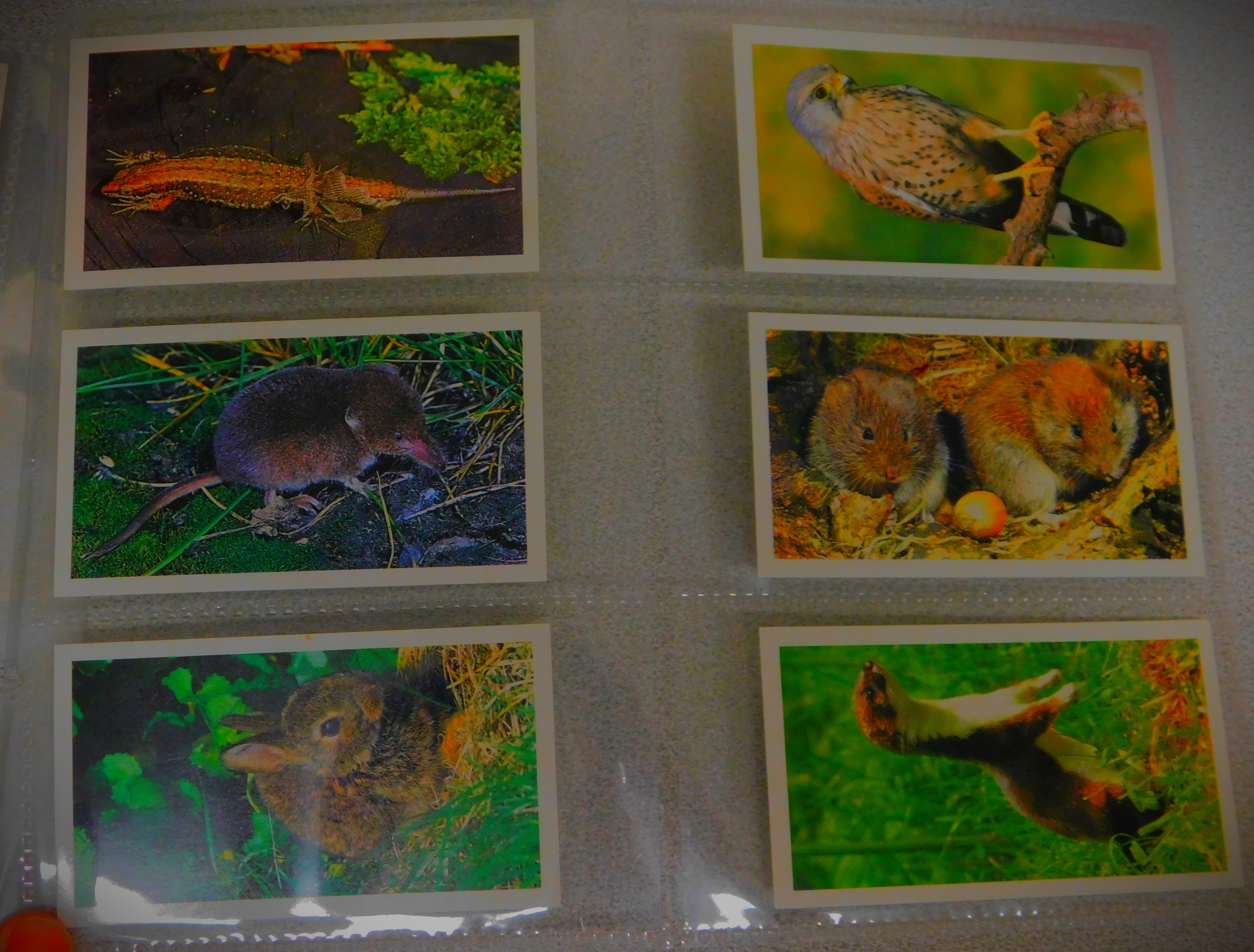
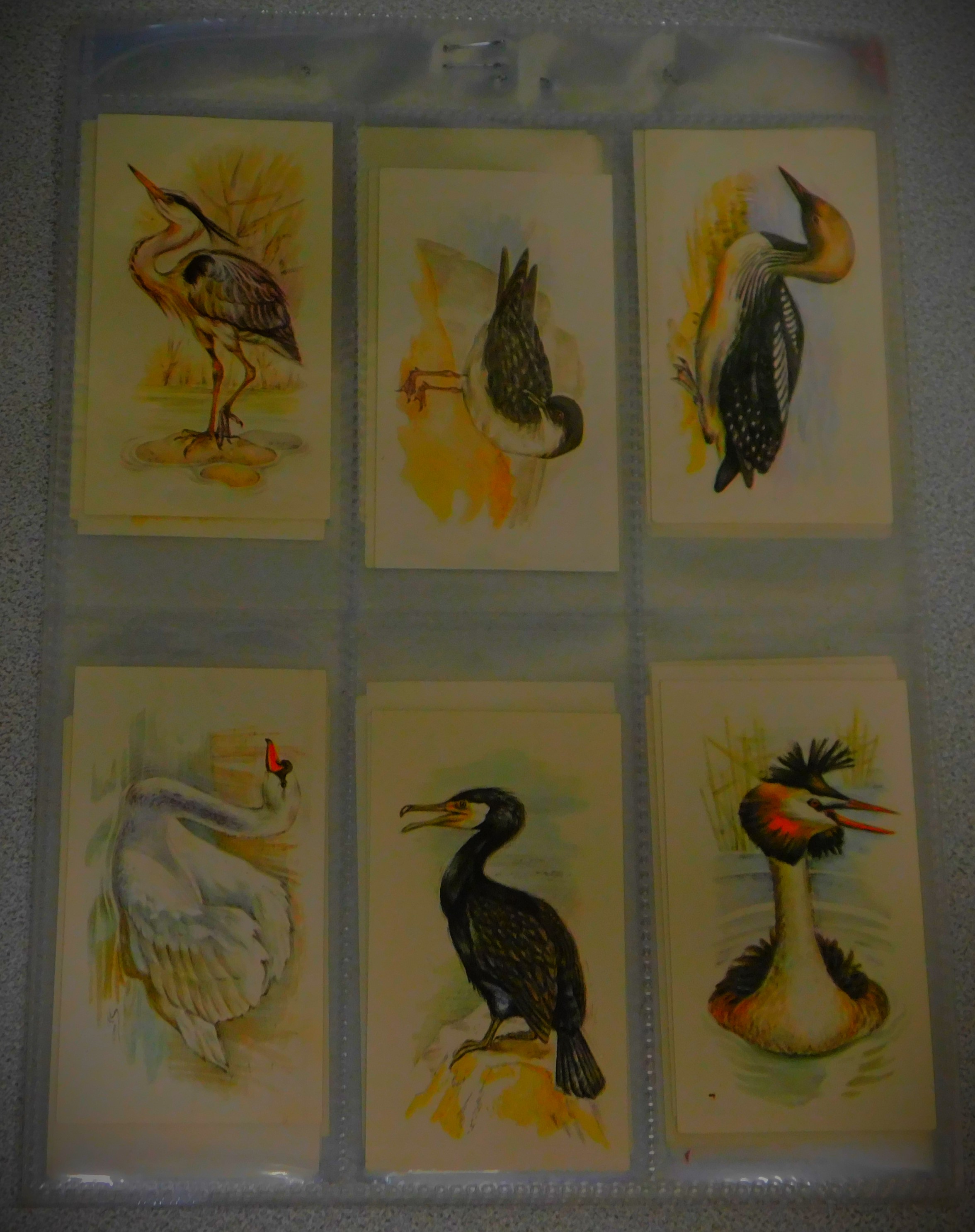
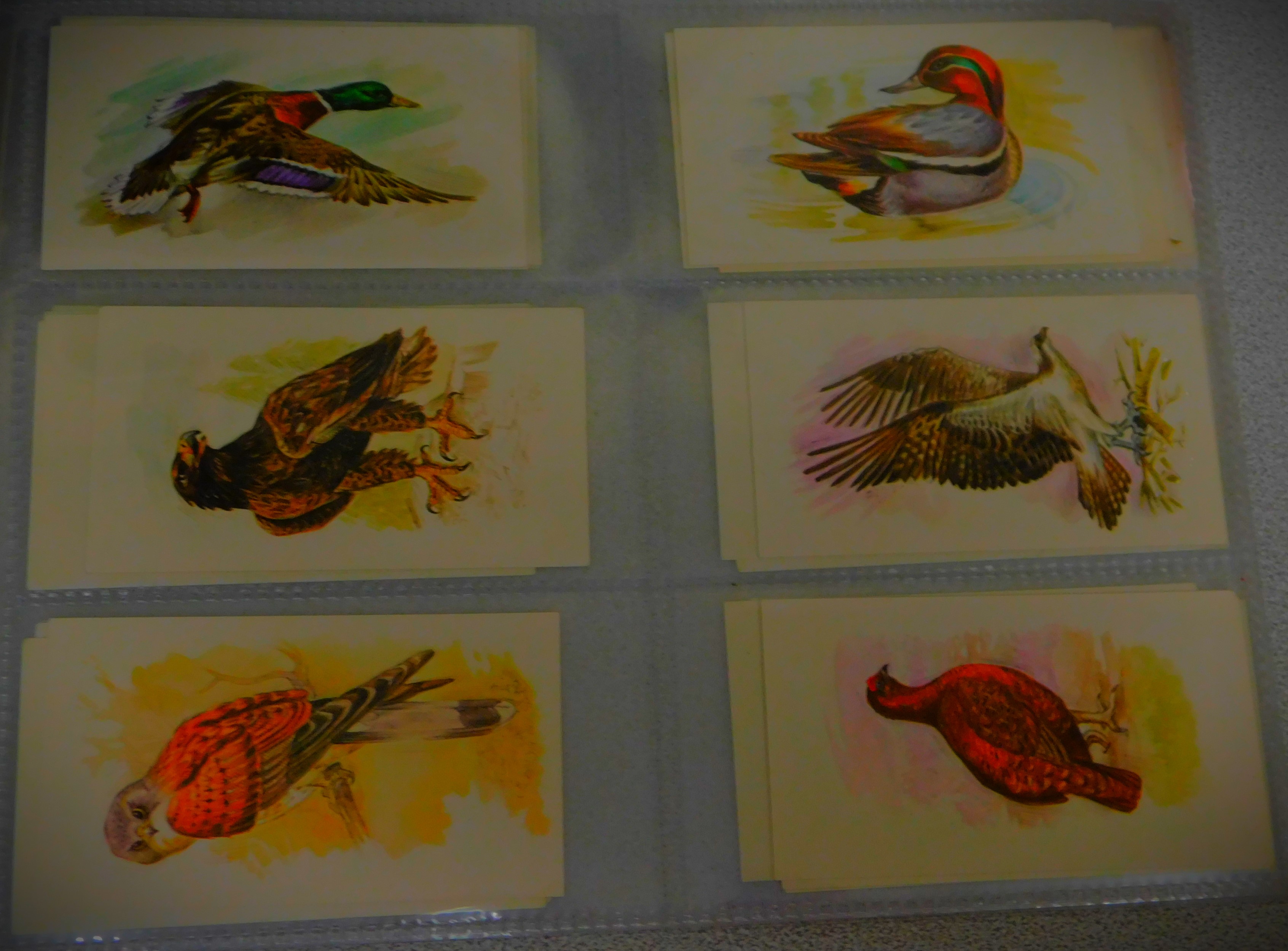
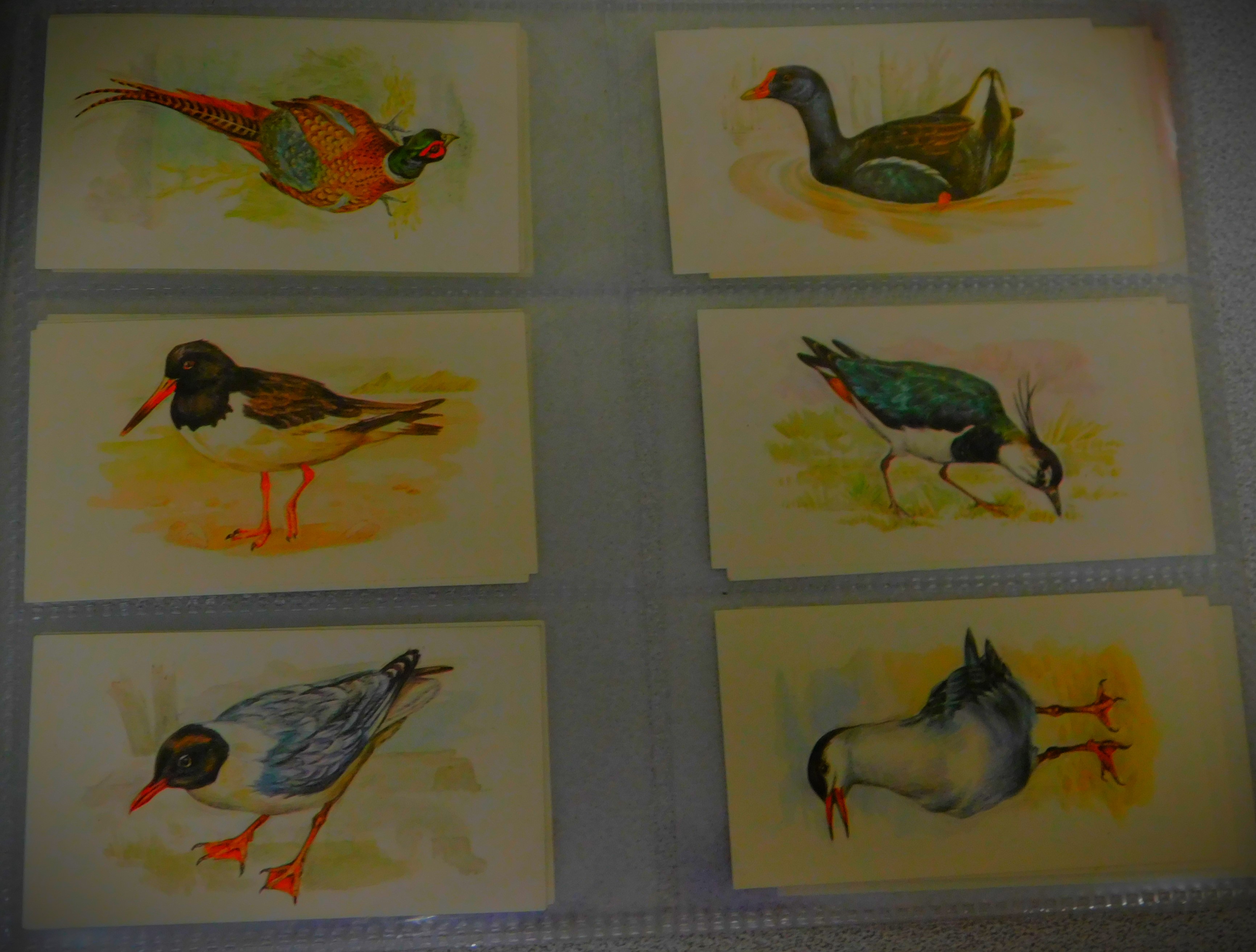
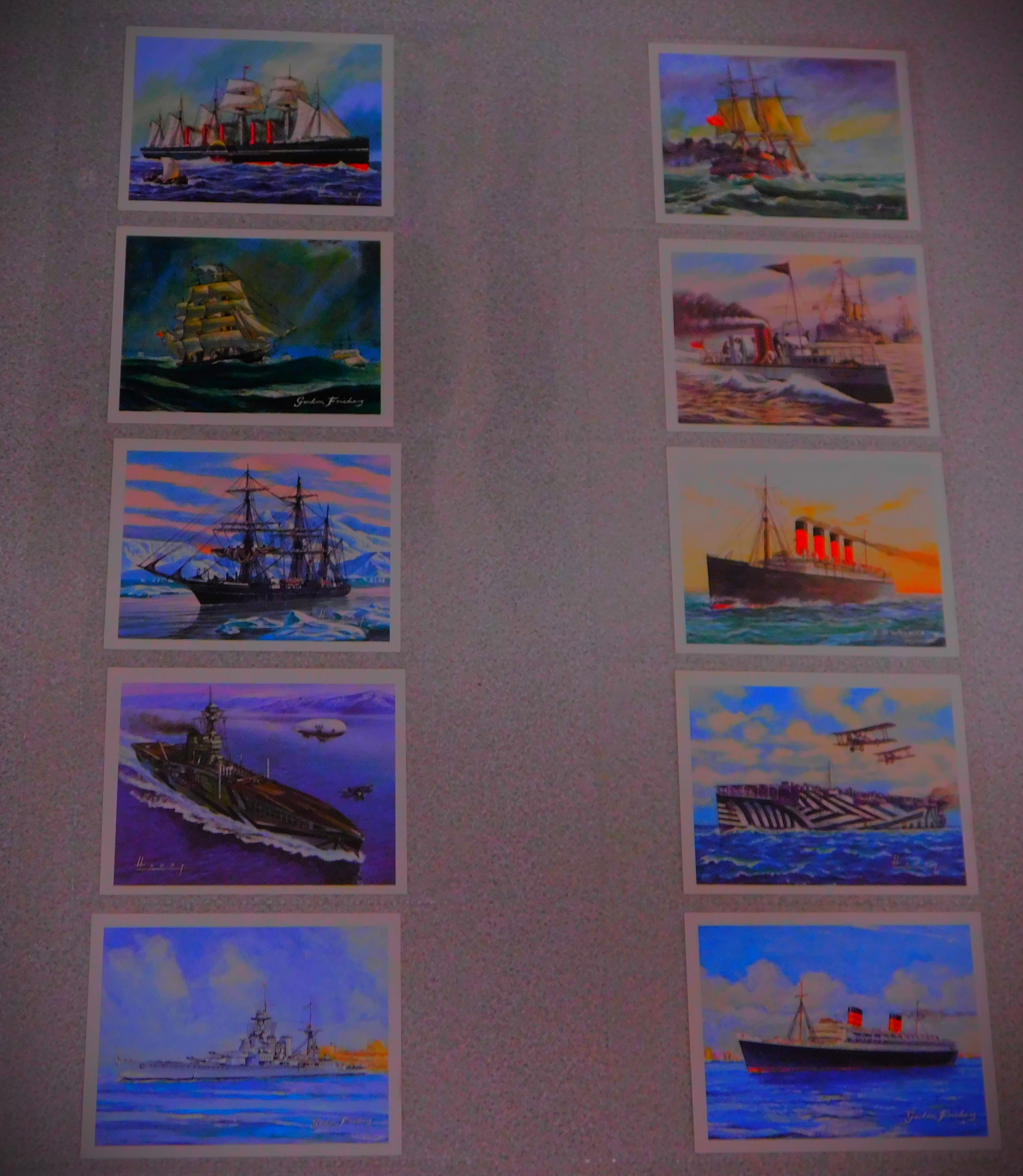
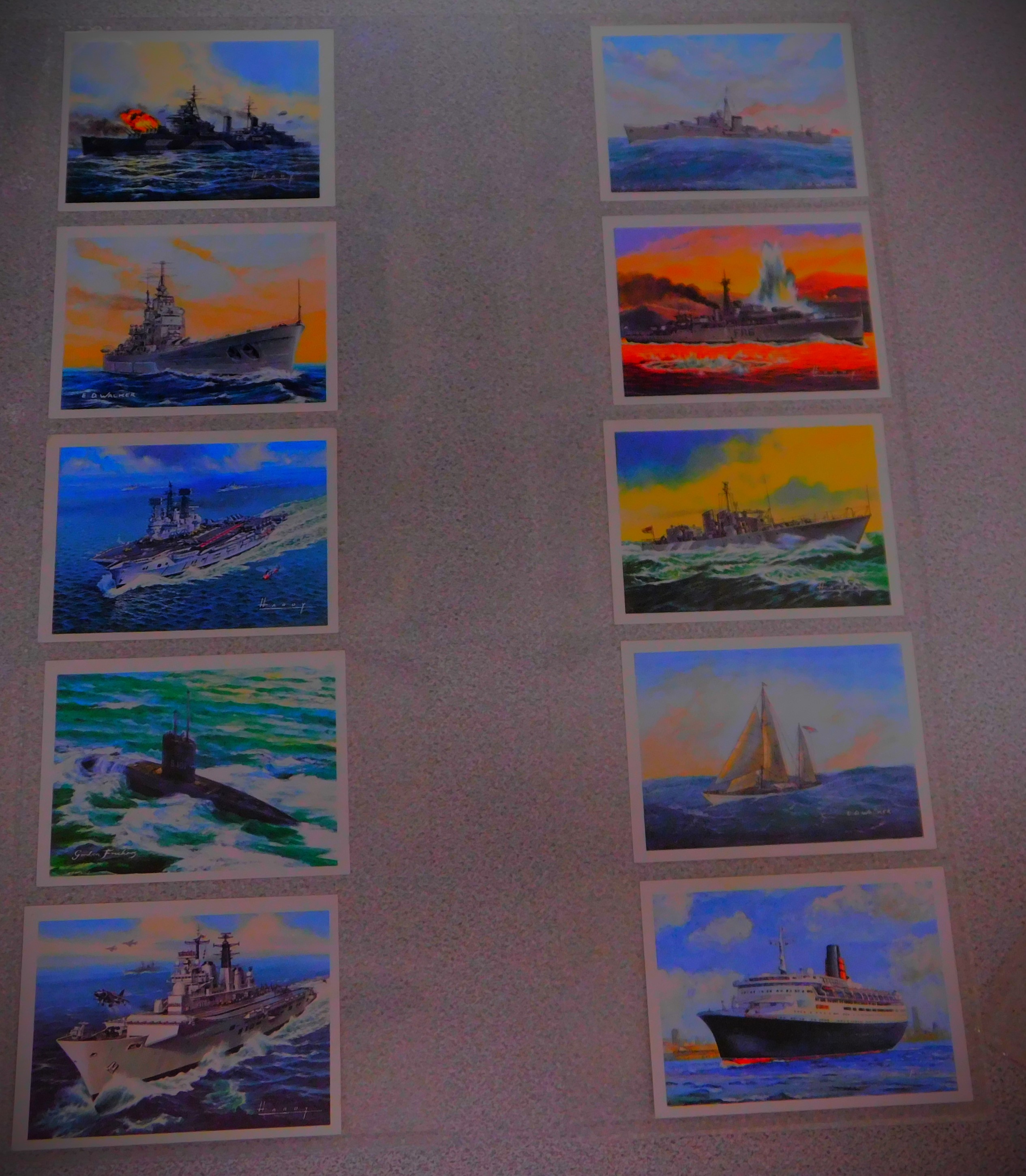
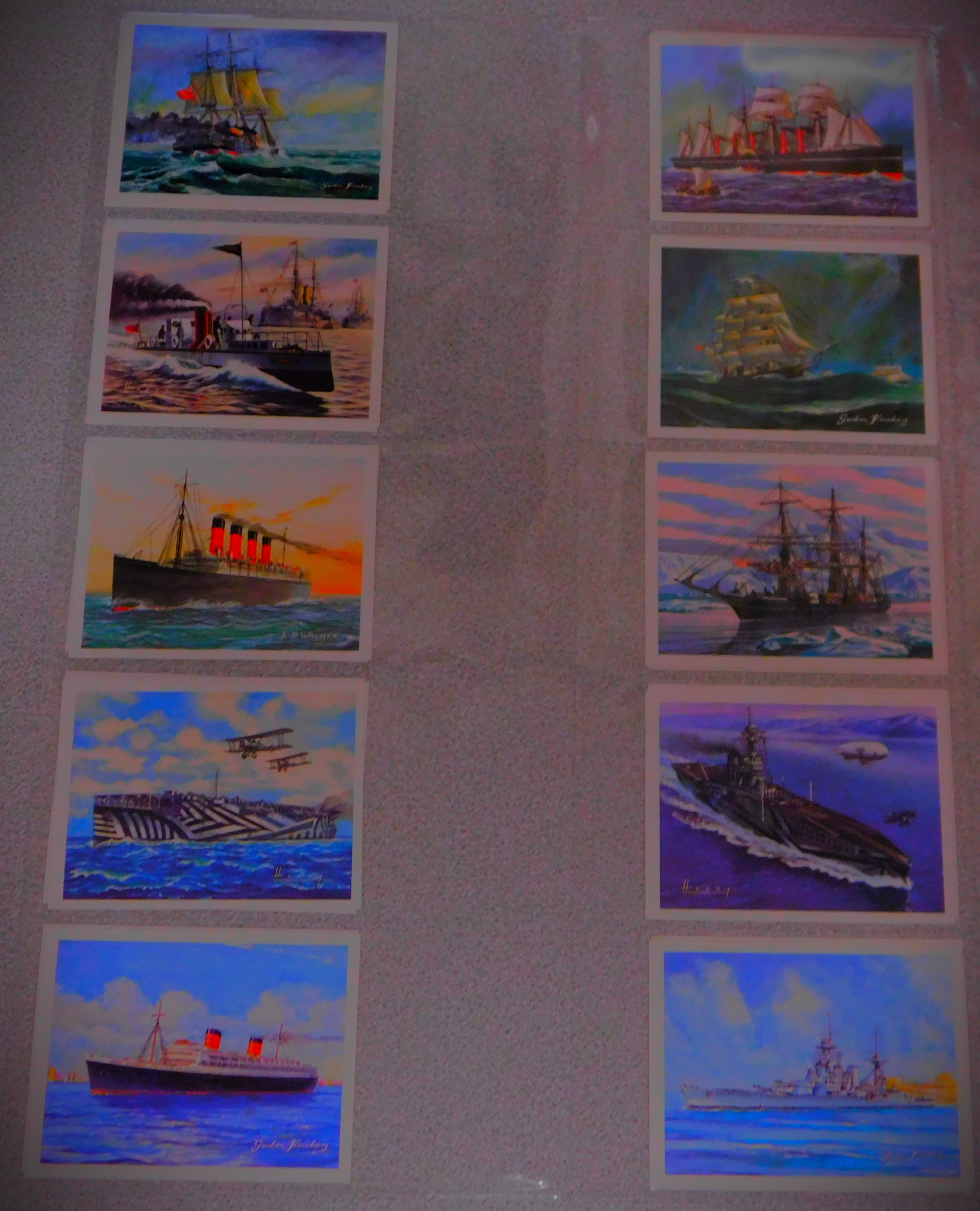
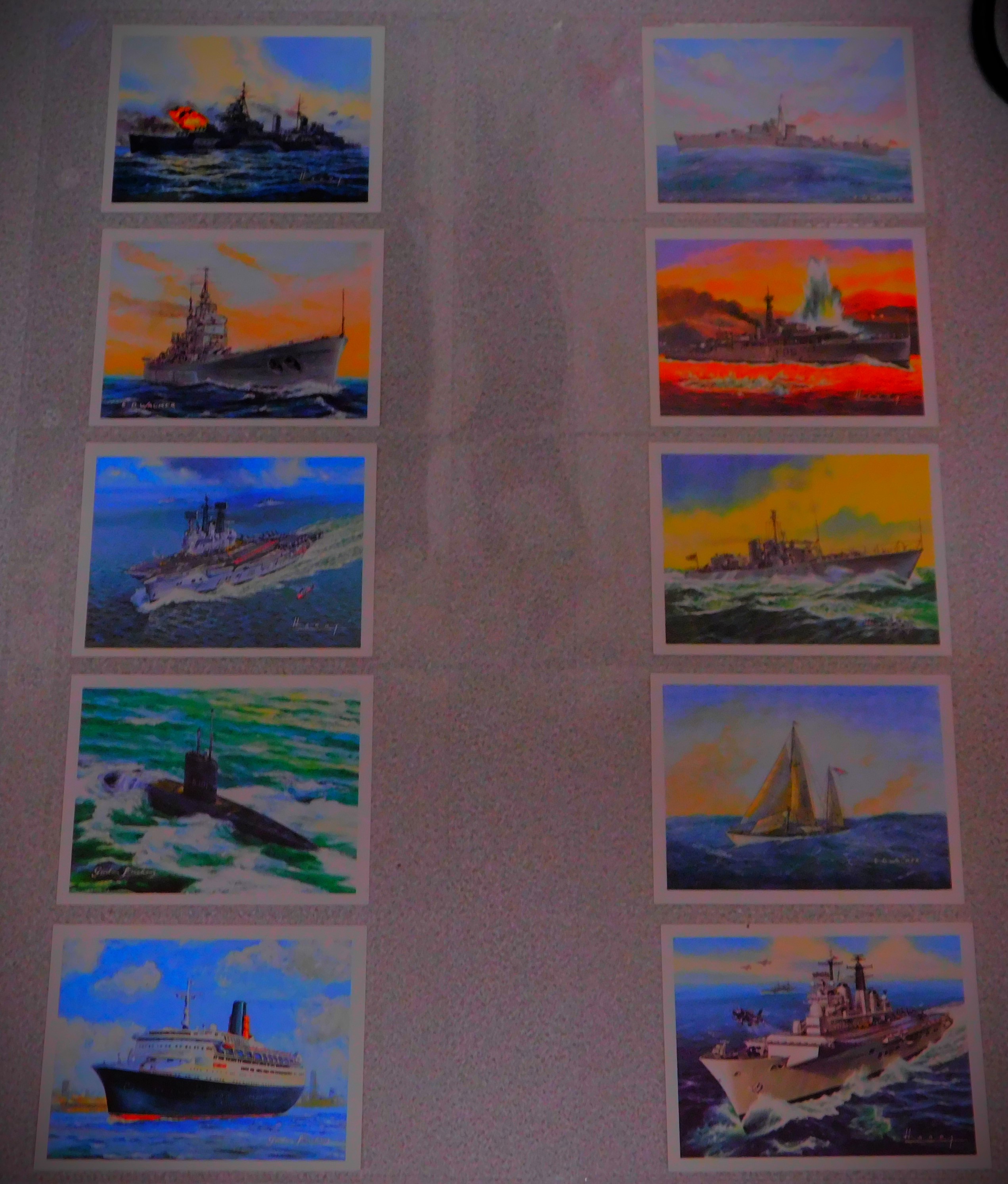
It was natural to start with London Buses that had been my main reason for buying the lot.The Route Master, London’s most iconic bus.These grandee cards featuring wildlife of various kinds were a welcome bonus.These cards featuring birds are splendid.More wildlife themed cards.These aeroplanes were not of particular interest to me.The ships however were.
Starting a mini-series about a long weekend in Cornwall with an account of the journey there.
I last posted on Wednesday and this post explains why. Thursday was a work day, and then Friday was pretty much entirely given over to travel, as I was going to Cornwall for a long weekend with various relatives, while yesterday was also very busy, as today will be. However, I have time to do a blog post now, the start of a mini-series.
MY BASE FOR THE WEEKEND AND TRAVEL PLANS
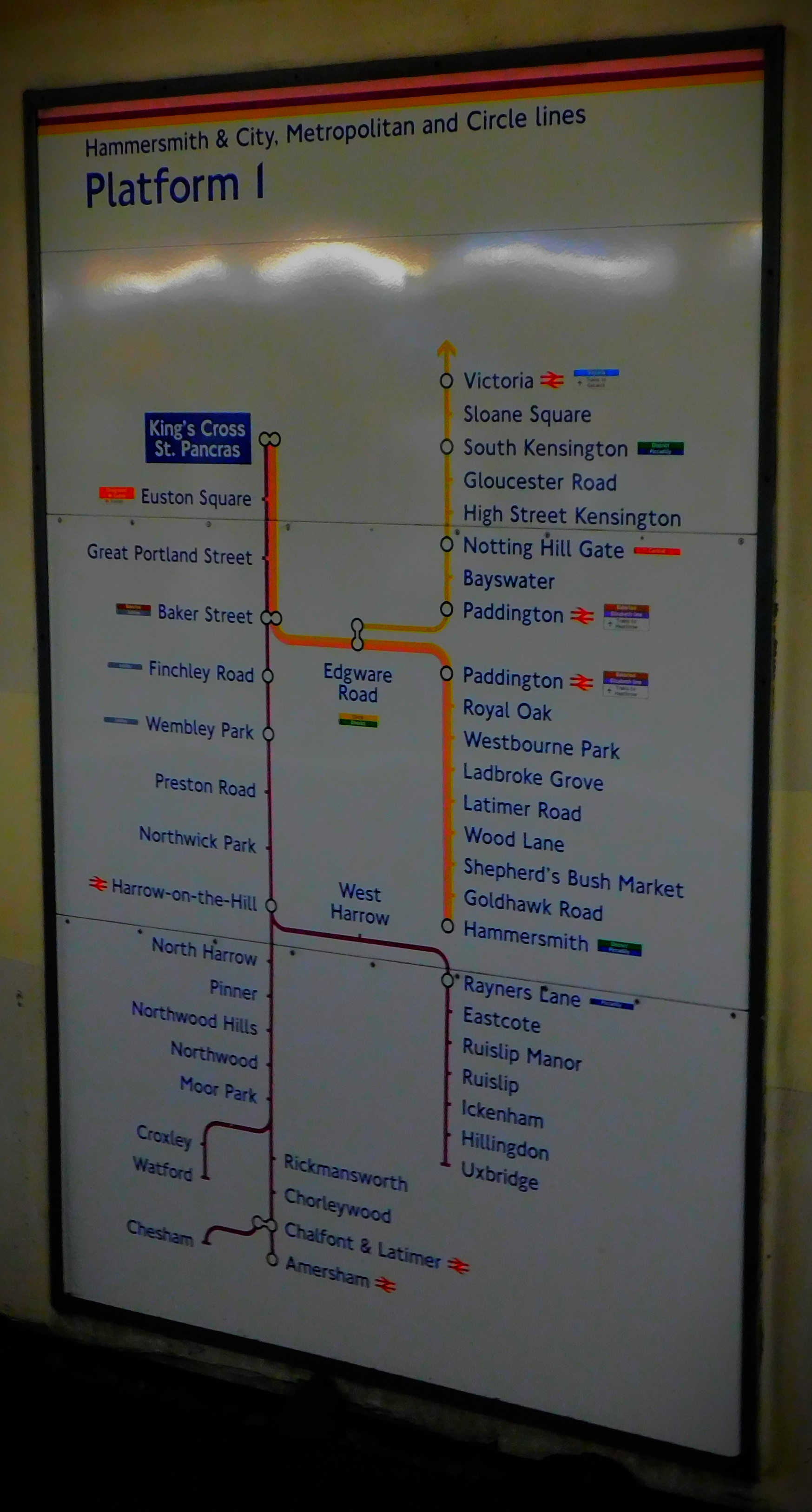
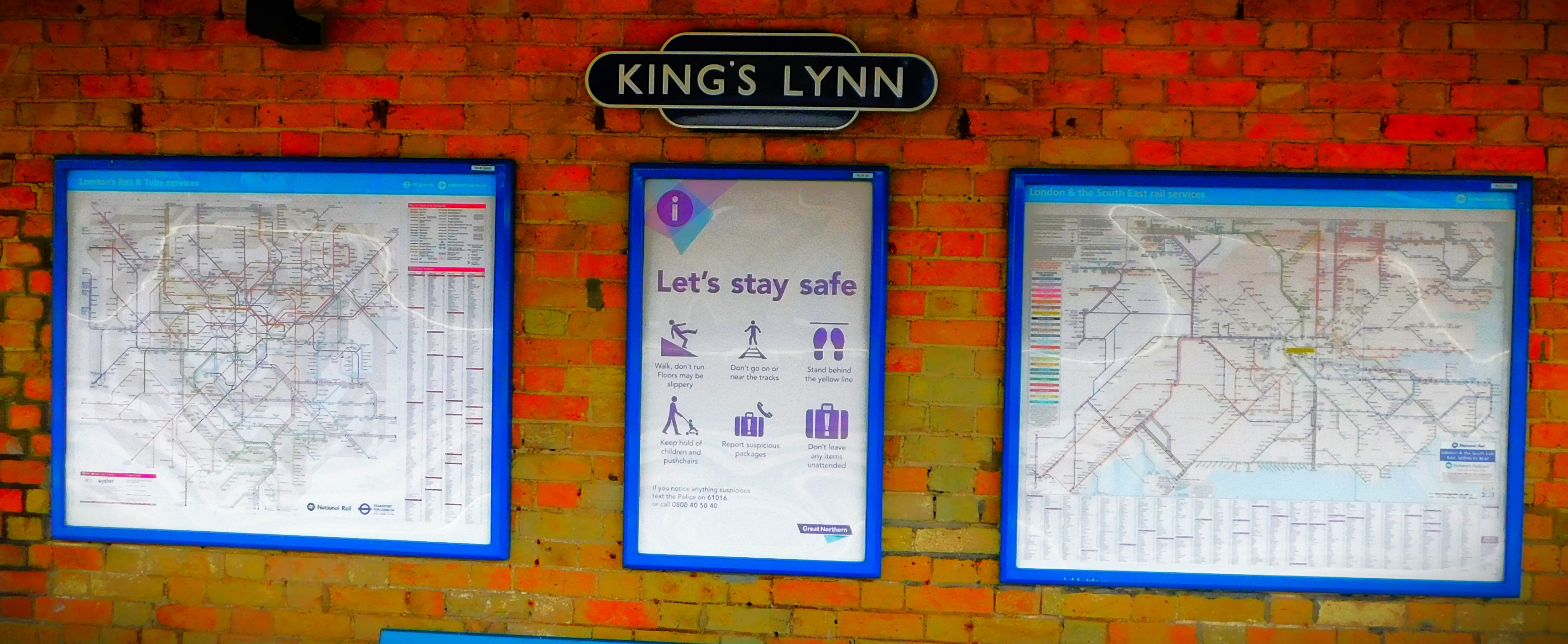
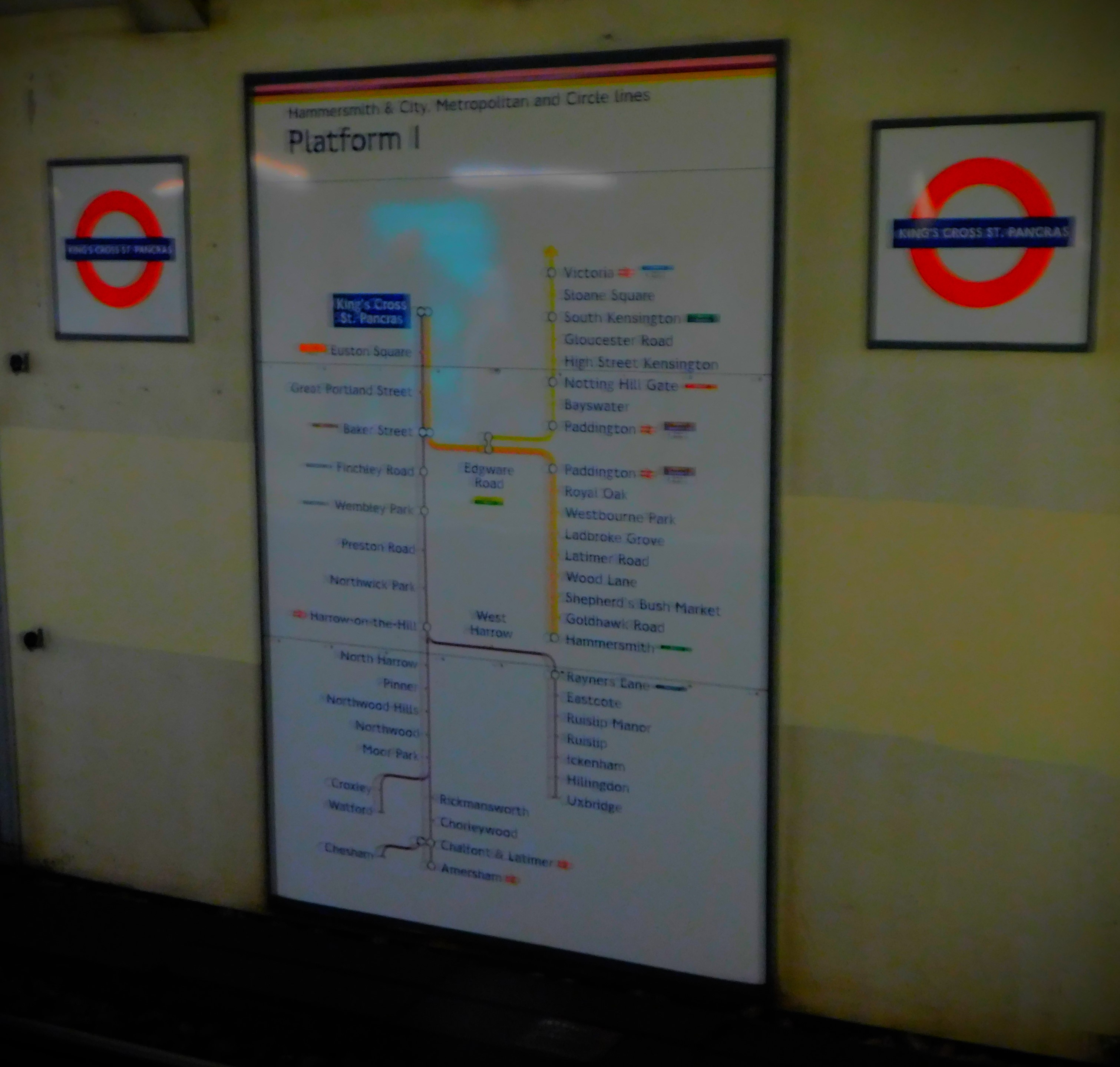
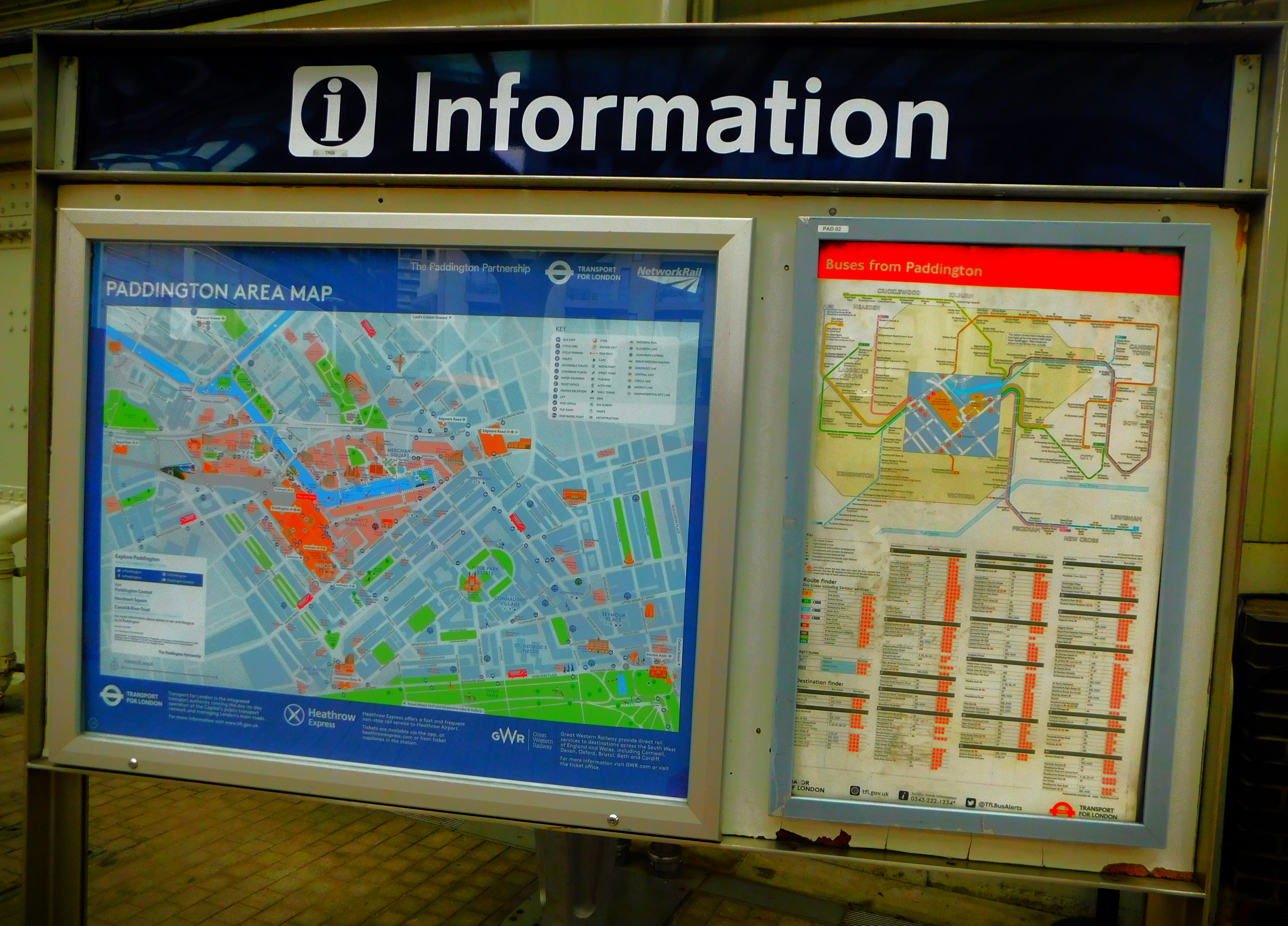
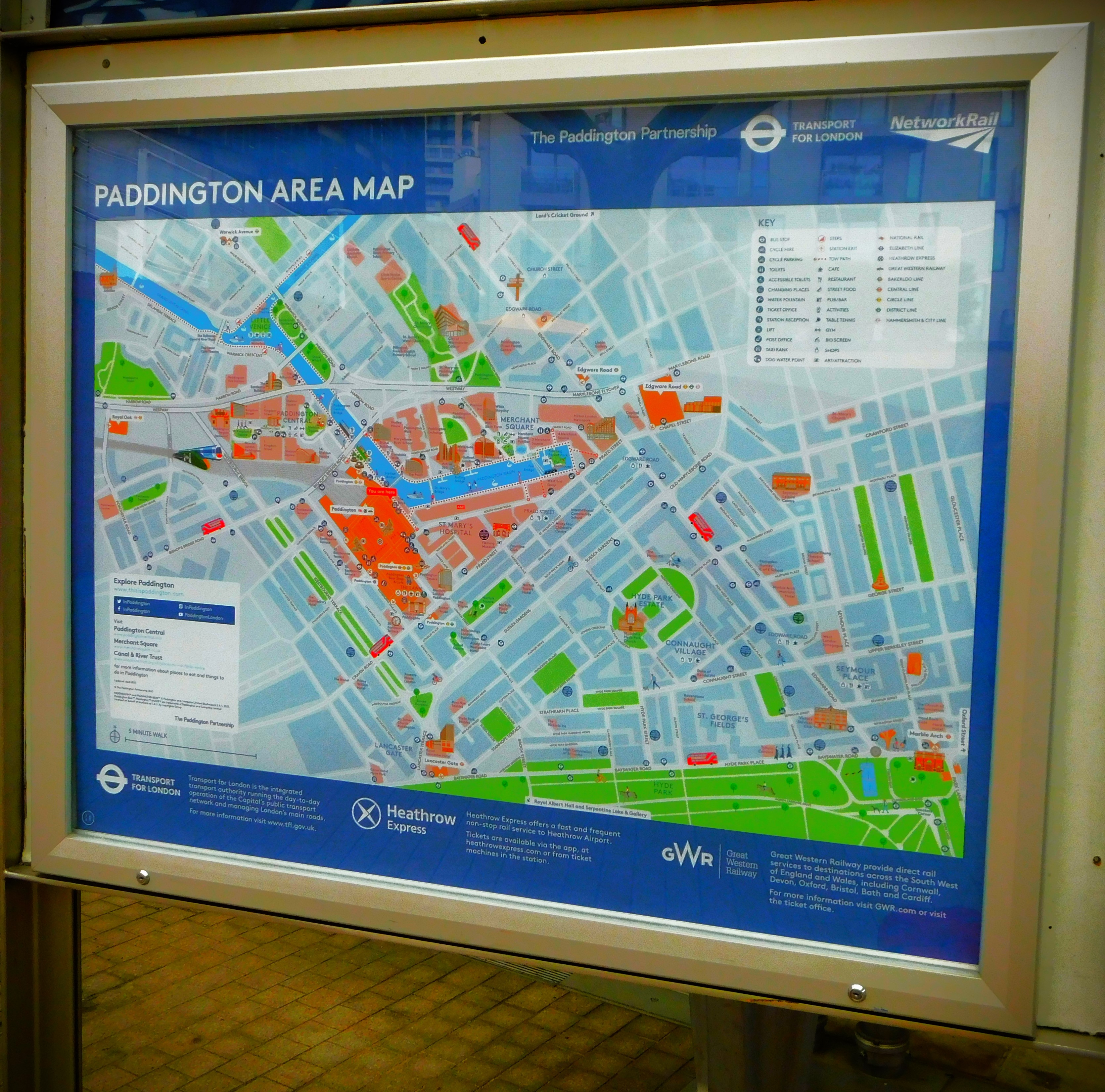
My parents live in Fort Picklecombe just on the Cornish side of the Tamar and about a mile from the village of Cawsand. I would be staying with them for the weekend so my task travel wise was to get from King’s Lynn to Plymouth from where they could pick me up. This journey is accomplished in three parts – King’s Lynn to Kings Cross, Hammersmith & City line to Paddington (NOT the Circle line – the Paddington served by that line should revert to its original name of Praed Street – it is significantly removed from the main line station, whereas the Hammersmith & City line platforms are structurally part of the main station), Paddington to Plymouth. I arranged to leave Lynn on the 09:42, connecting to the 13:03 from Paddington, which would arrive in Plymouth at 16:12.
KING’S LYNN TO LONDON
I reckoned on leaving my flat at 9AM so that I had plenty of time for the walk to the station, and I actually got away by 8:55. The train to London was a little late leaving and lost further time along the way, but with an hour and half between scheduled arrival at Kings Cross and scheduled departure from Paddington my cross London connection was never close to being in jeopardy. I arrived at Paddington with over 40 minutes to spare, and spent half of that time waiting to find out which platform I needed to get to. Then, since my designated seat was in coach A I had to walk the whole length of the platform before boarding and finding my seat.
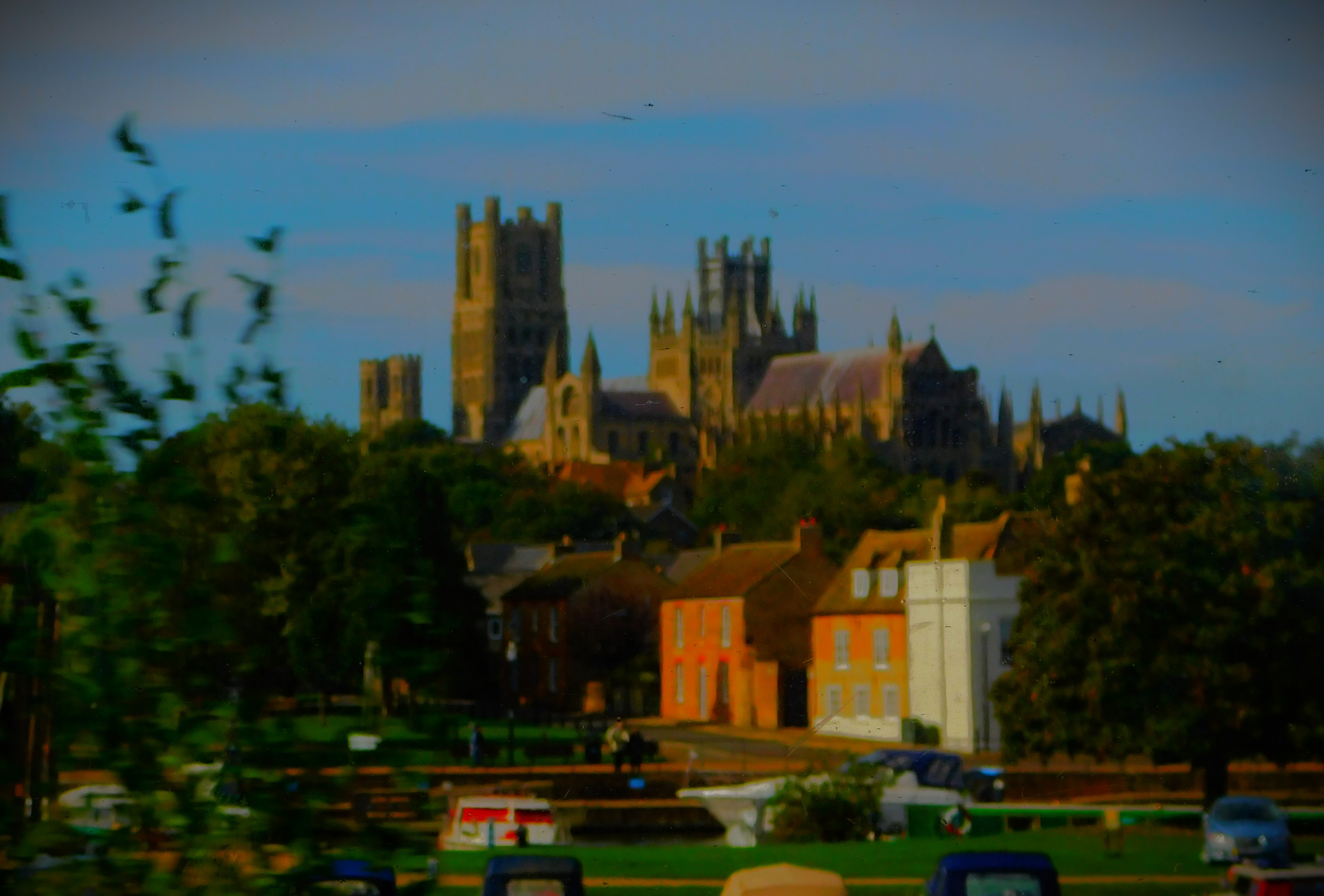
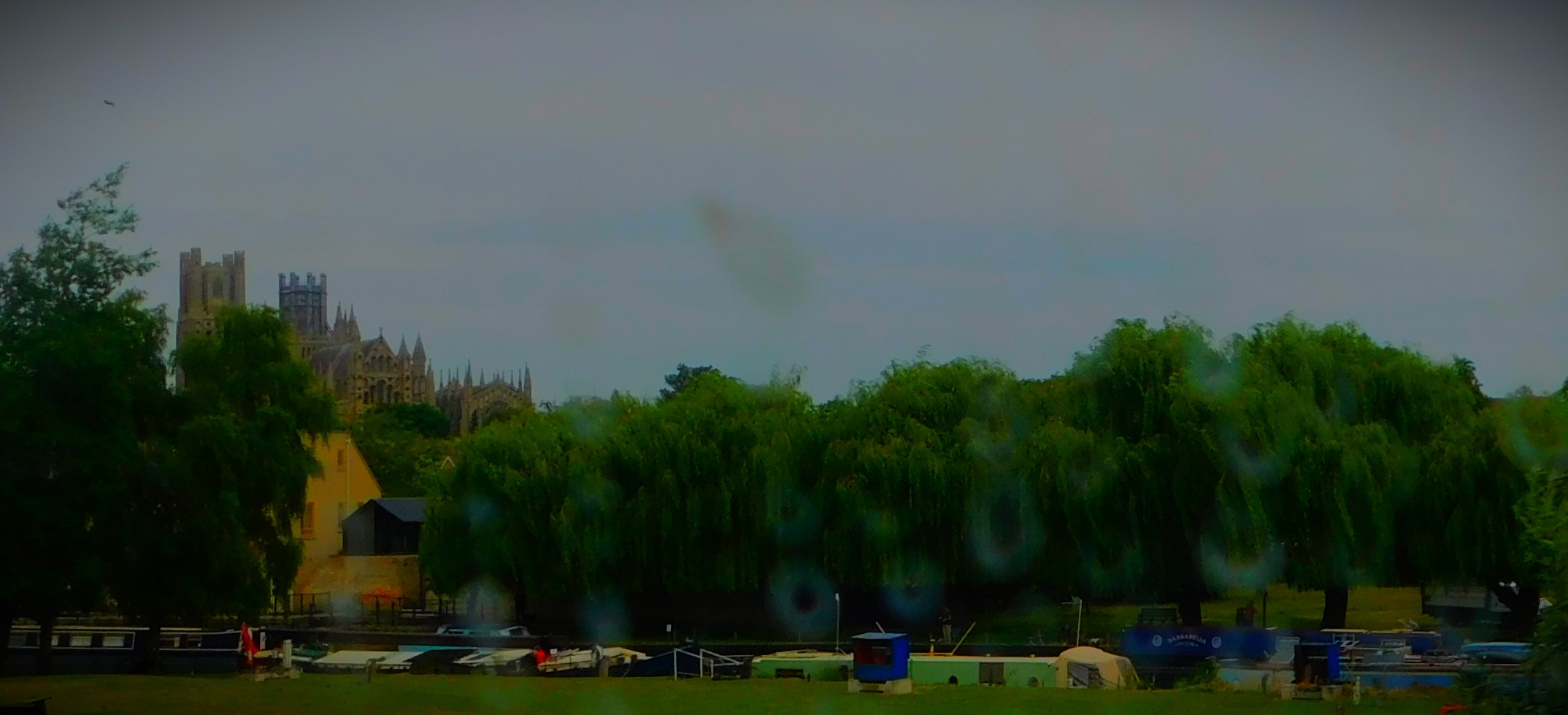
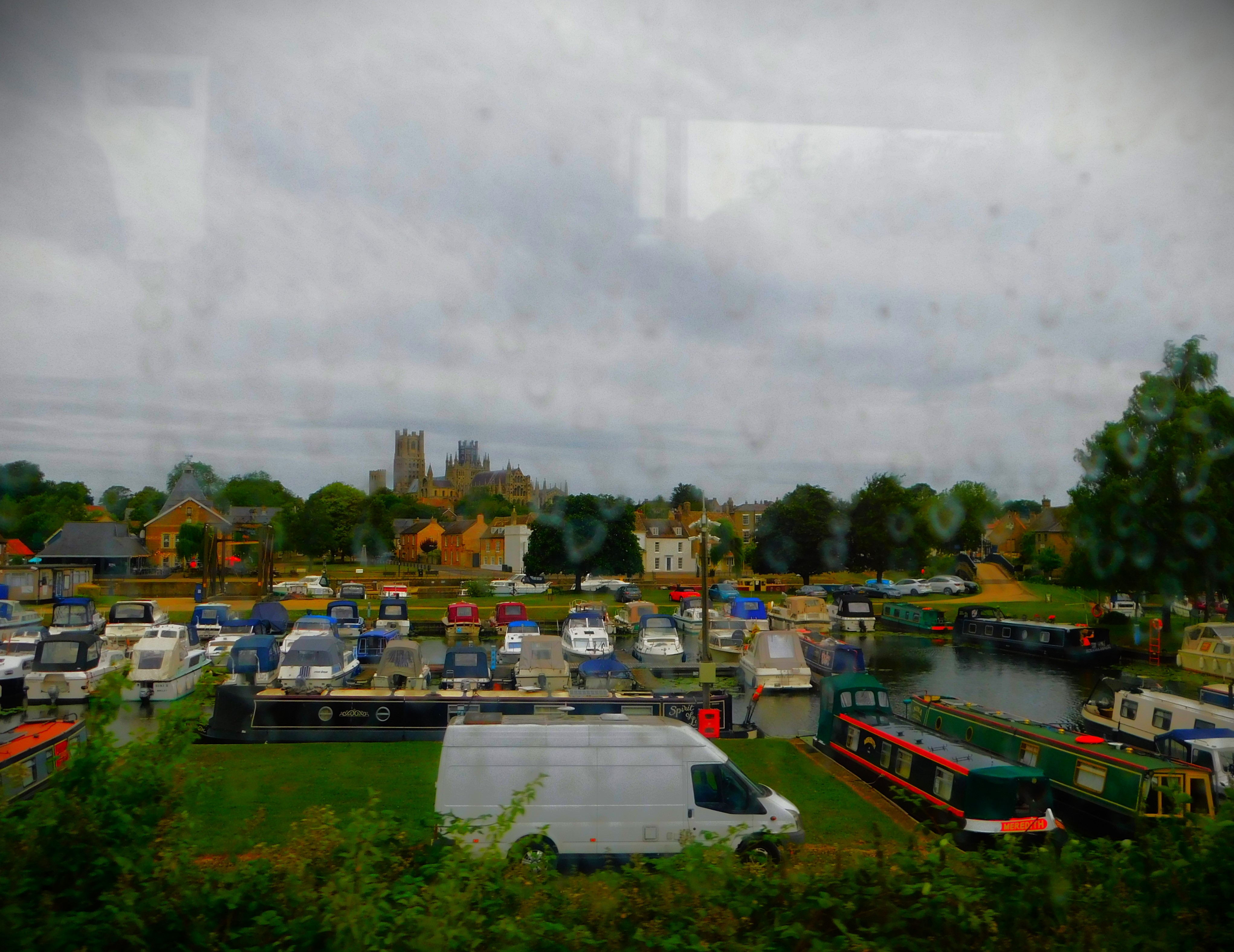
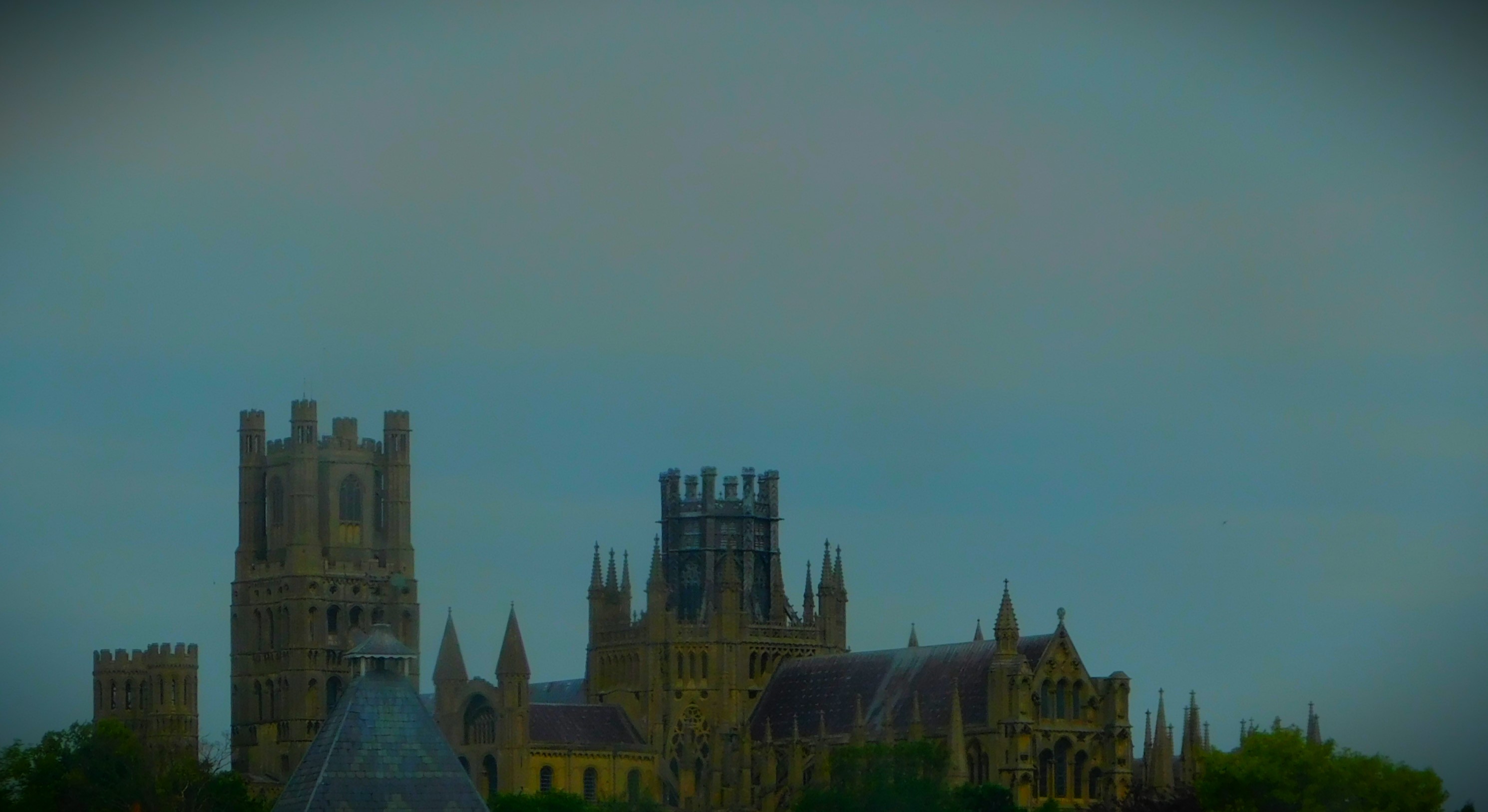
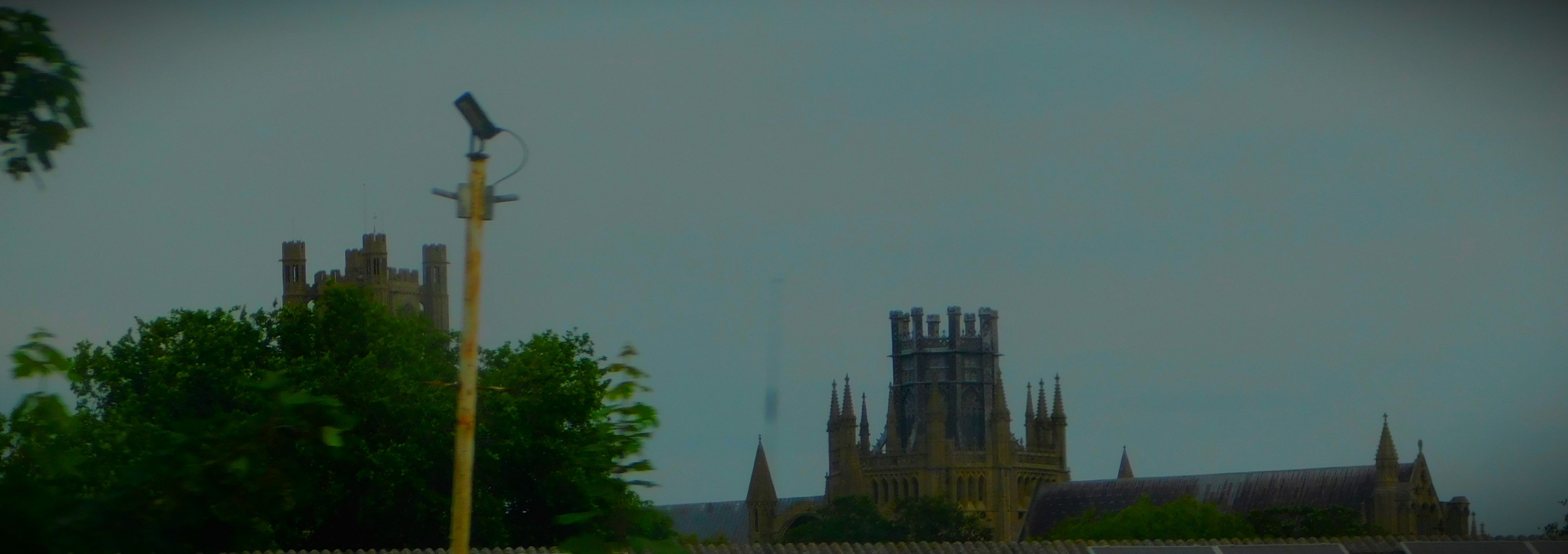
Setting off early meant that I could pause to take photographs while walking to the station.Ely CathedralEly Cathedral’s unique feature, the octagonal tower designed by a 14th century prior known to posterity only as Alan of Norwich.
PADDINGTON TO PLYMOUTH
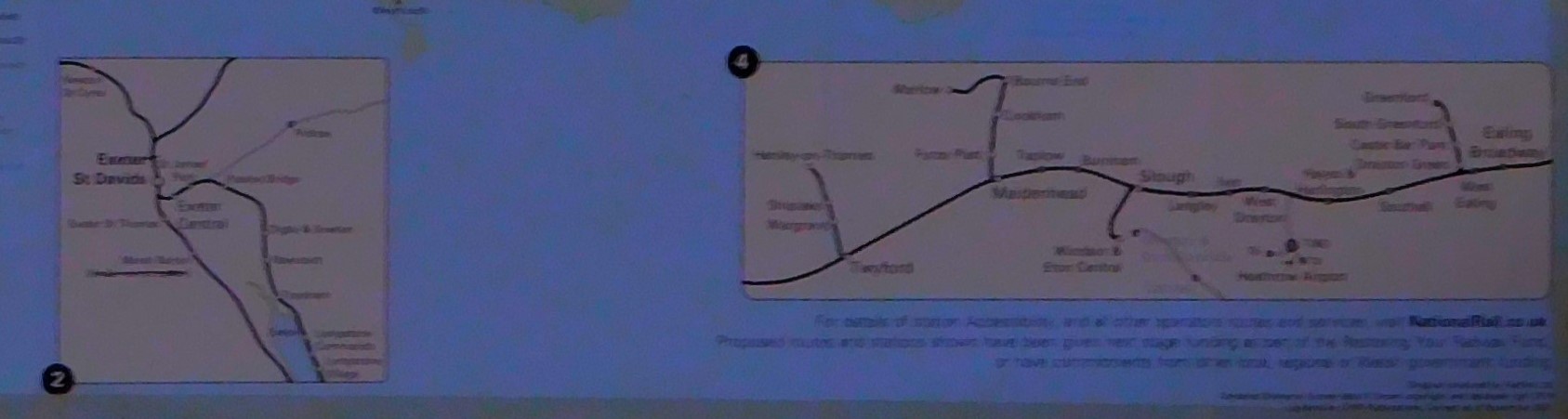
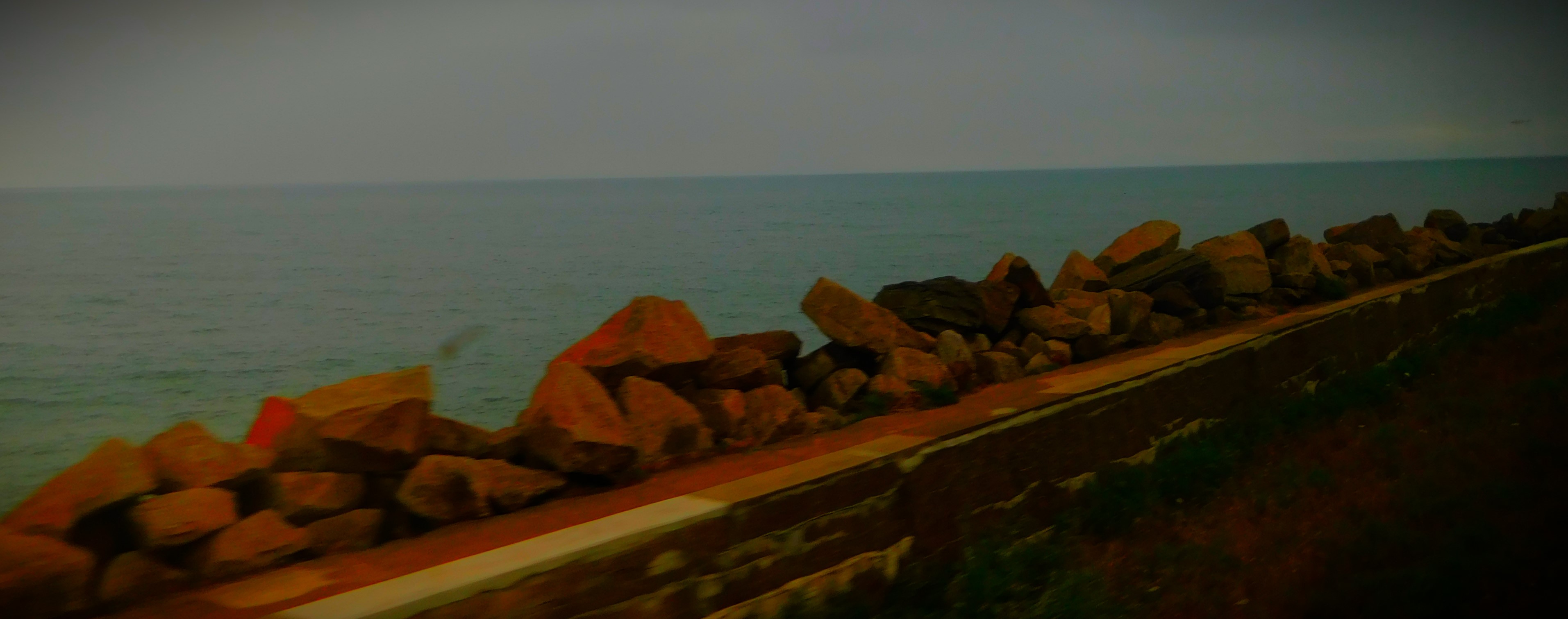
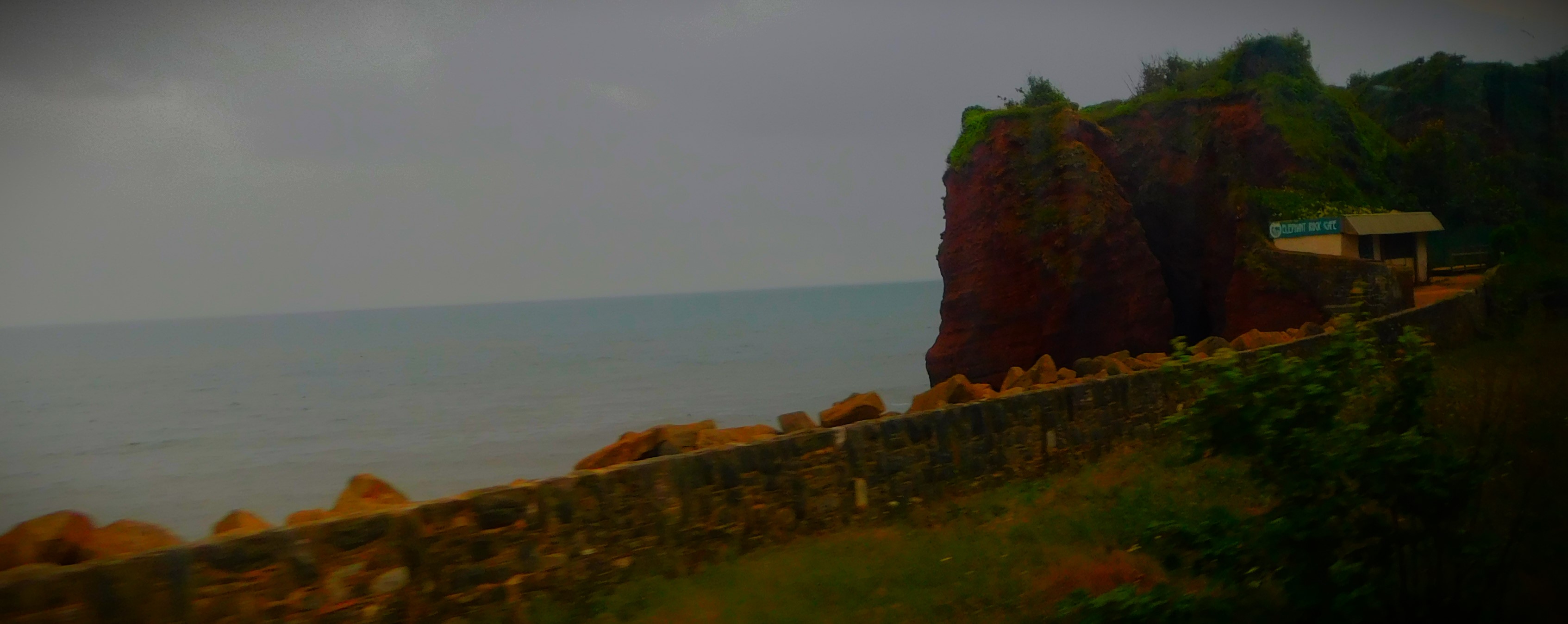
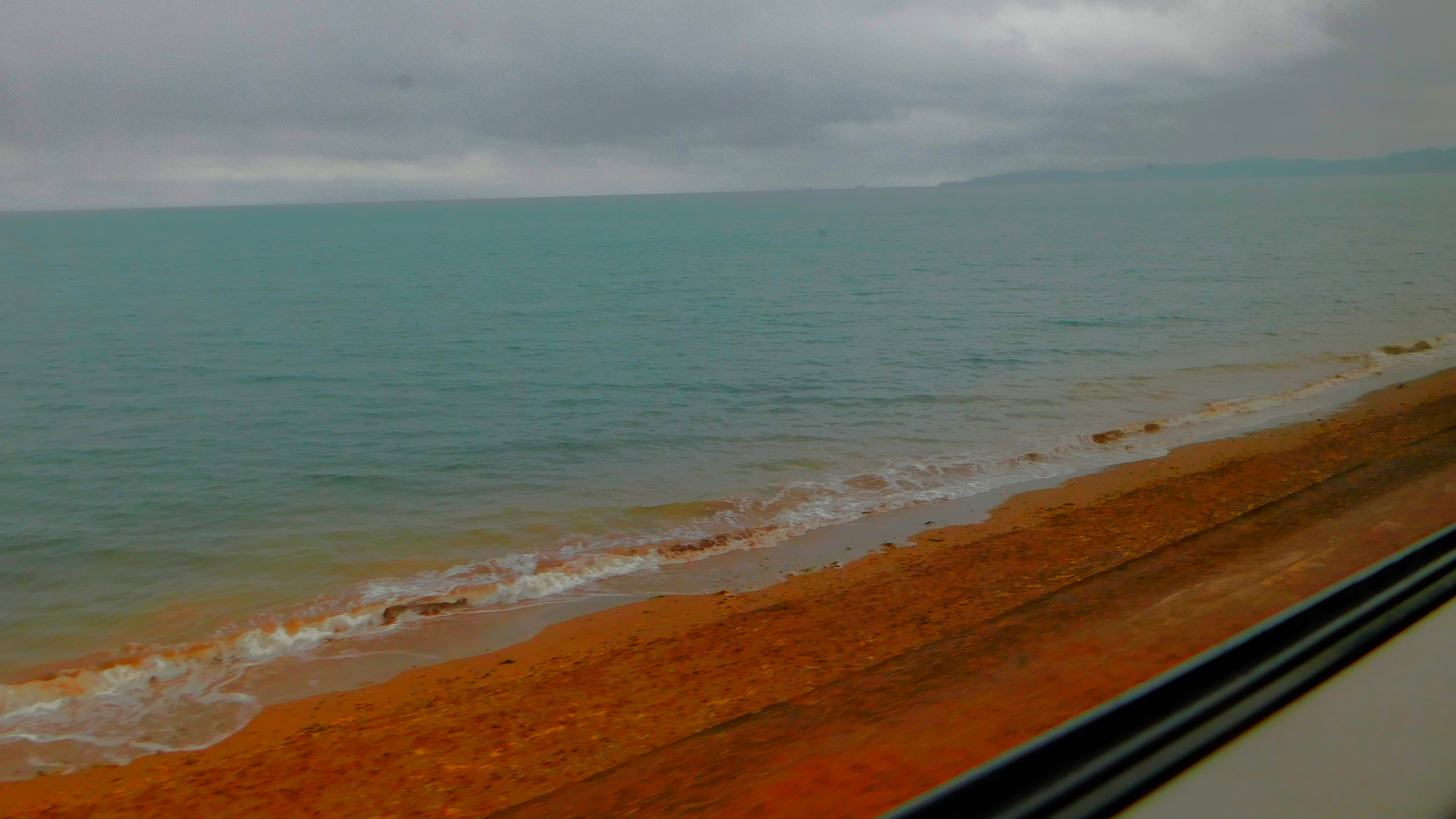
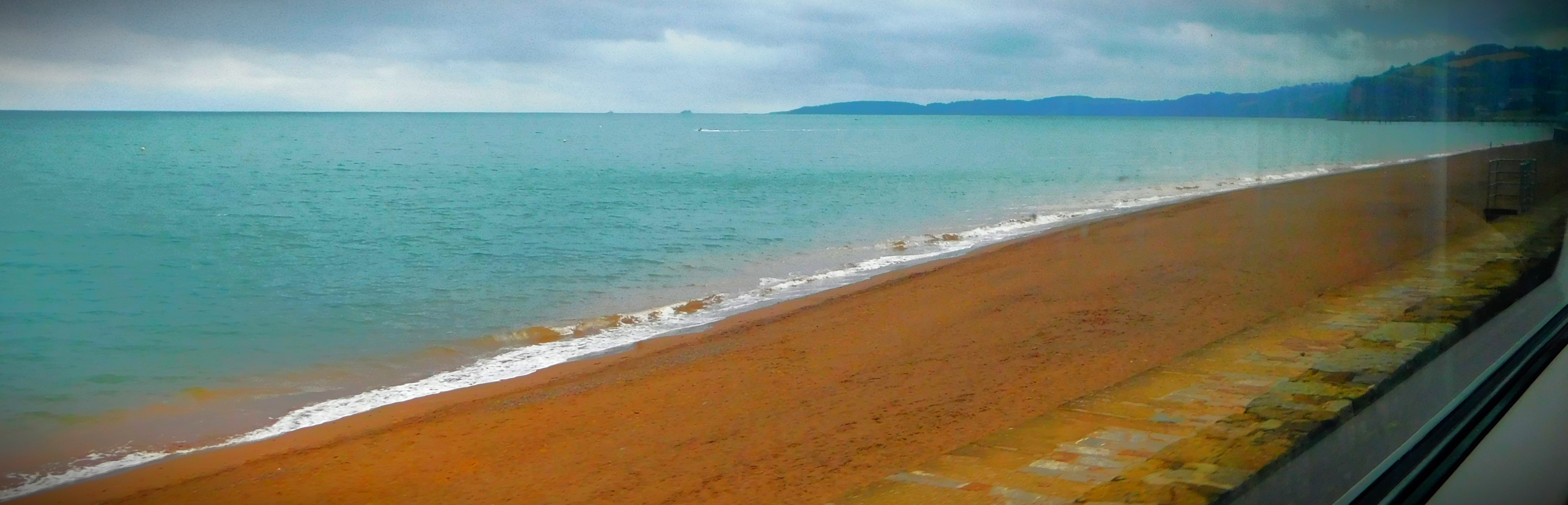
Great Western don’t have the worlds greatest reputation for punctuality, but this time the service set off precisely as scheduled, and ran pretty much exactly as per schedule all the way. This service stops at Reading, then has a long fast run to Taunton before making additional stops at Tiverton, Exeter St Davids, Newton Abbot and Totnes en route to Plymouth. There is one stunningly scenic section on this route, between Exeter and Newton Abbot, where the railway is literally right alongside the sea for most of the way.
PLYMOUTH TO FORT PICKLECOMBE
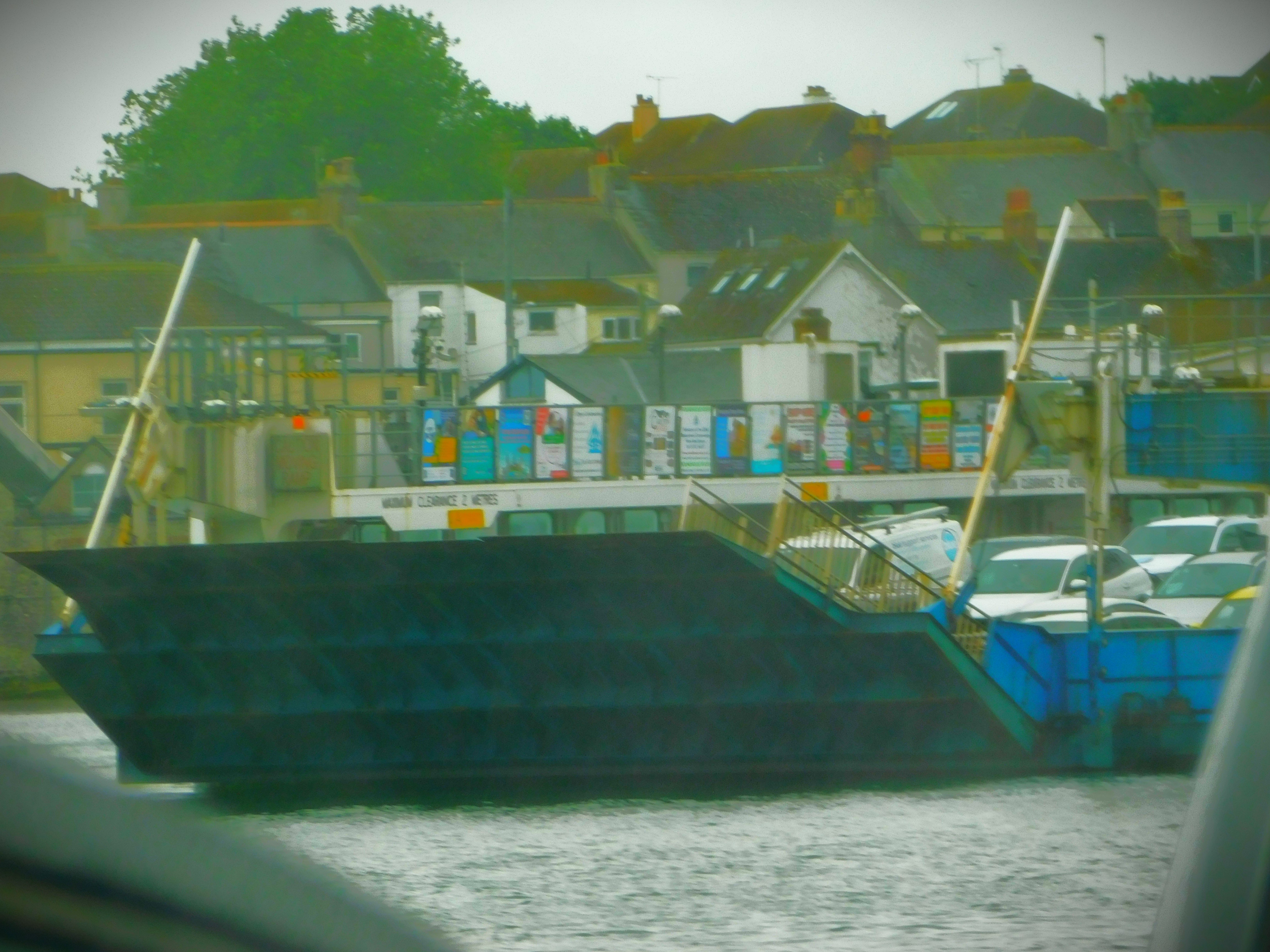
The last part of the journey was in my parents car, and included making use of the Torpoint car ferry. Although my parents car is small and not well suited to photography I did my best even on this leg of the journey.
The final post in my series about my holiday in the Lake District, detailing the journey home.
Welcome to the final post in my series about my holiday in the Lake District. In it I talk about my journey back to King’s Lynn.
A MULTI-MODAL JOURNEY
Thursday was the only day on which I could travel home – the next non-strike day was the following Tuesday by when I was due back at work. I had been warned by thetrainline.com of trouble on the Ely-King’s Lynn portion of the journey – they had wanted to me to book a whole new journey, but I knew better – so long as I could get as far as Peterborough I could then get a bus to King’s Lynn, and there is no difference in the time taken to walk from the bus station to my home and that from the train station. Thus I was prepared for a journey using three modes of wheeled transport plus walking.
THE JOURNEY
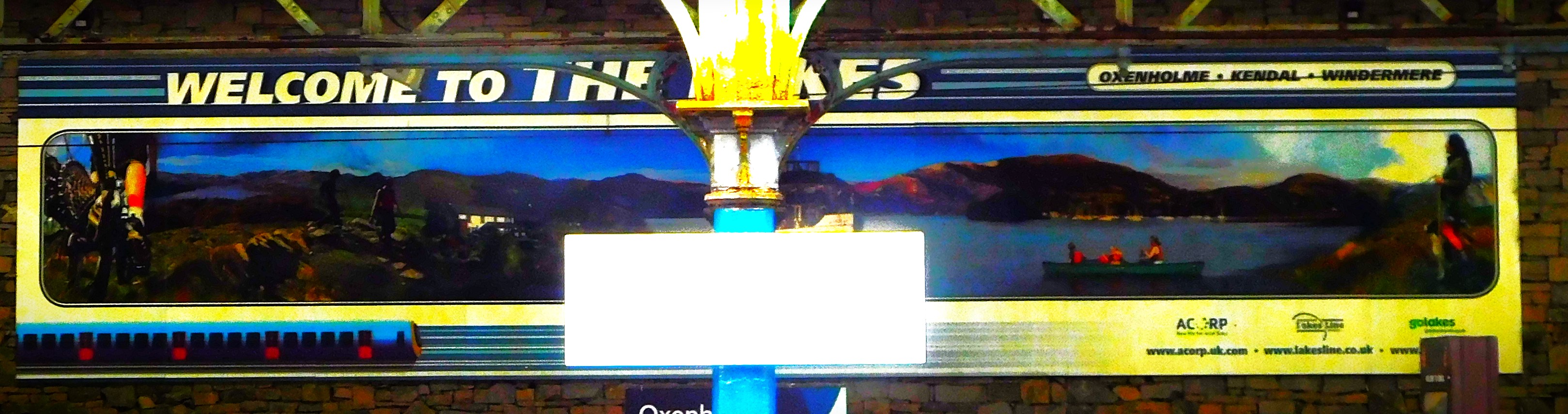
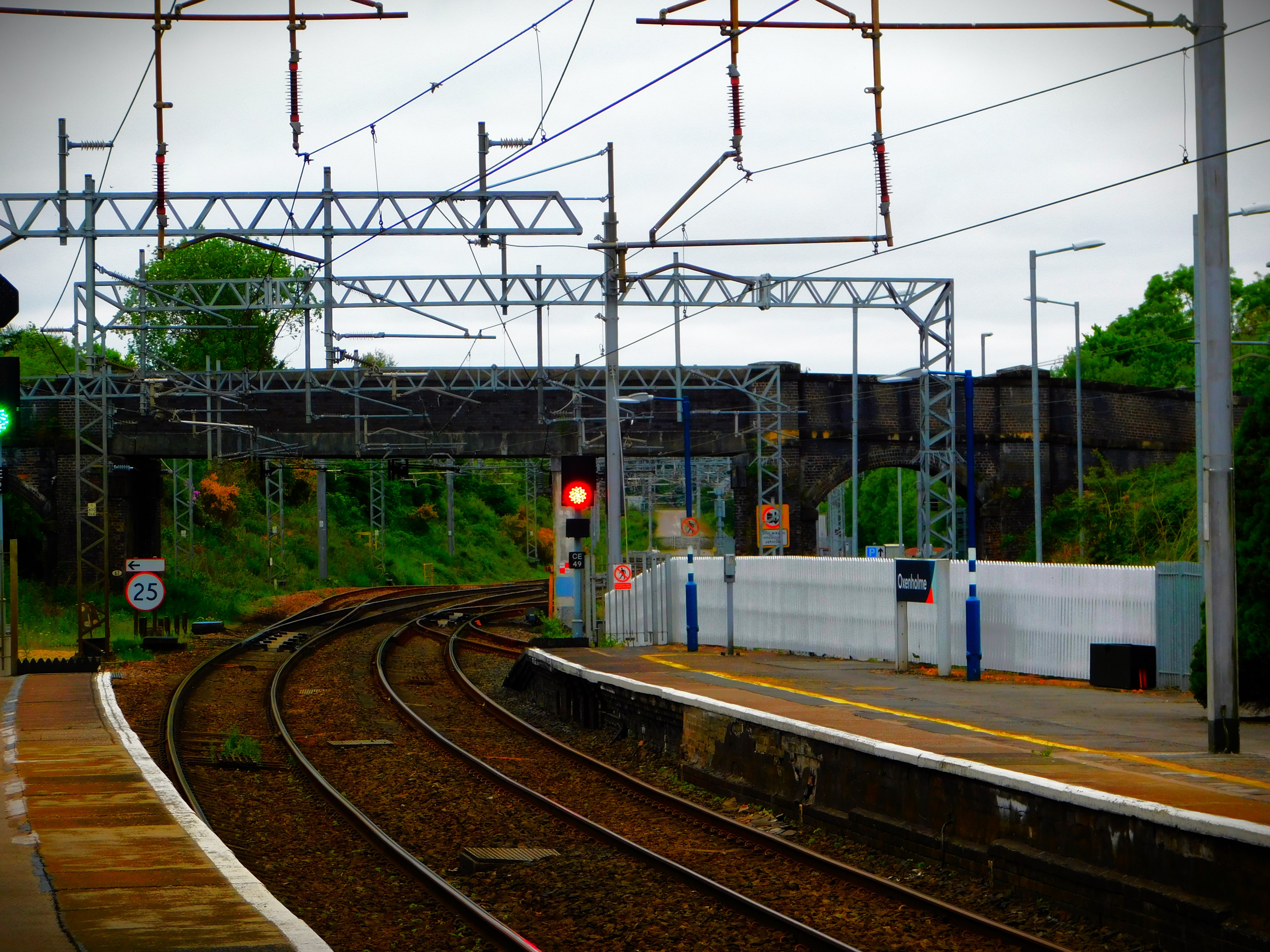
My parents gave me a lift from Ambleside to Oxenholme the Lake District, getting me there well before my train was due. The train arrived five minutes late, which is early by Avanti’s usual standards. The train was a little crowded, but I had a reserved seat, and it was otherwise uneventful.
At Preston I had to change to another Avanti service, as the one I was on ran non-stop between Warrington and London, and my second change was at Birmingham New Street. This train was also fairly crowded.
At Birmingham New Street I boarded a service bound ultimately for Norwich. This train ran exactly according to schedule, and it turned out that I had just under a 20 minute wait at Peterborough for the bus to King’s Lynn.
ExCel proved to among the bus routes on which no single journey costs more than £2, a substantial saving on previous fares on that route (Lynx, whose buses I use to get to and from work are not as yet part of this scheme). Arriving at King’s Lynn bus station, as unappealing as that location is, was something of a relief – I knew for certain at that point that last possibility of trouble was behind me, which given the situation in which I made that journey was no small thing.
PHOTOGRAPHS
Here are my pictures from this day…
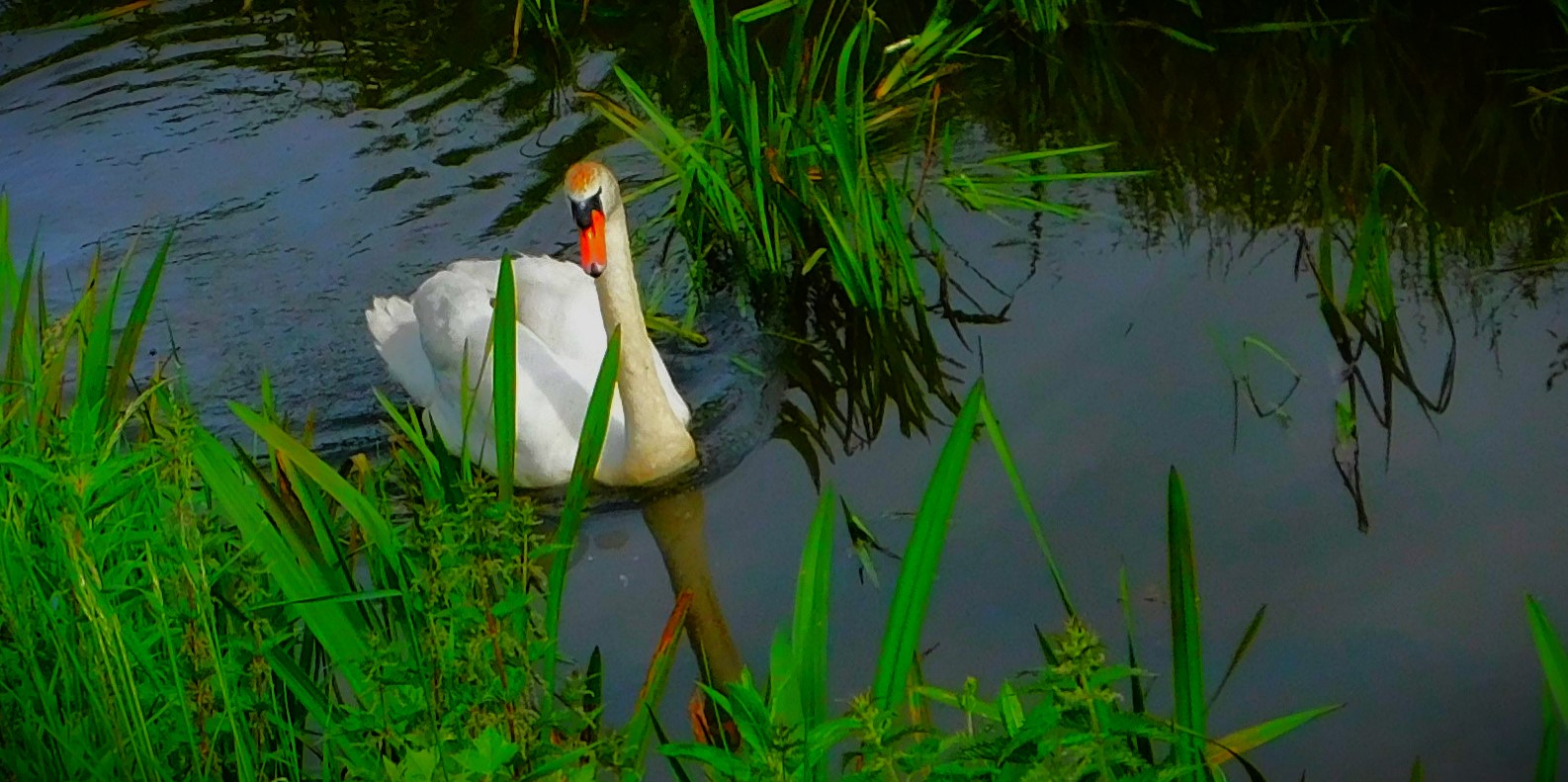
Crossing the Great Ouse by bus, the moment I regard as the end of the holiday.You will be seeing more of this swan family in posts to come, although the eight cygnets here have been reduced in number to six.
Continuing my series about my holiday in the Lake District with an account of our visit to Kendal.
Welcome to the latest post in my series about my holiday in the Lake District. This post deals with the last trip of the holiday, on the Wednesday, when after finishing in Coniston we got the bus to Kendal (my father decided to get out at Ambleside and return to the cottage, but my mother and I went on to Kendal).
A TWO PART BUS JOURNEY
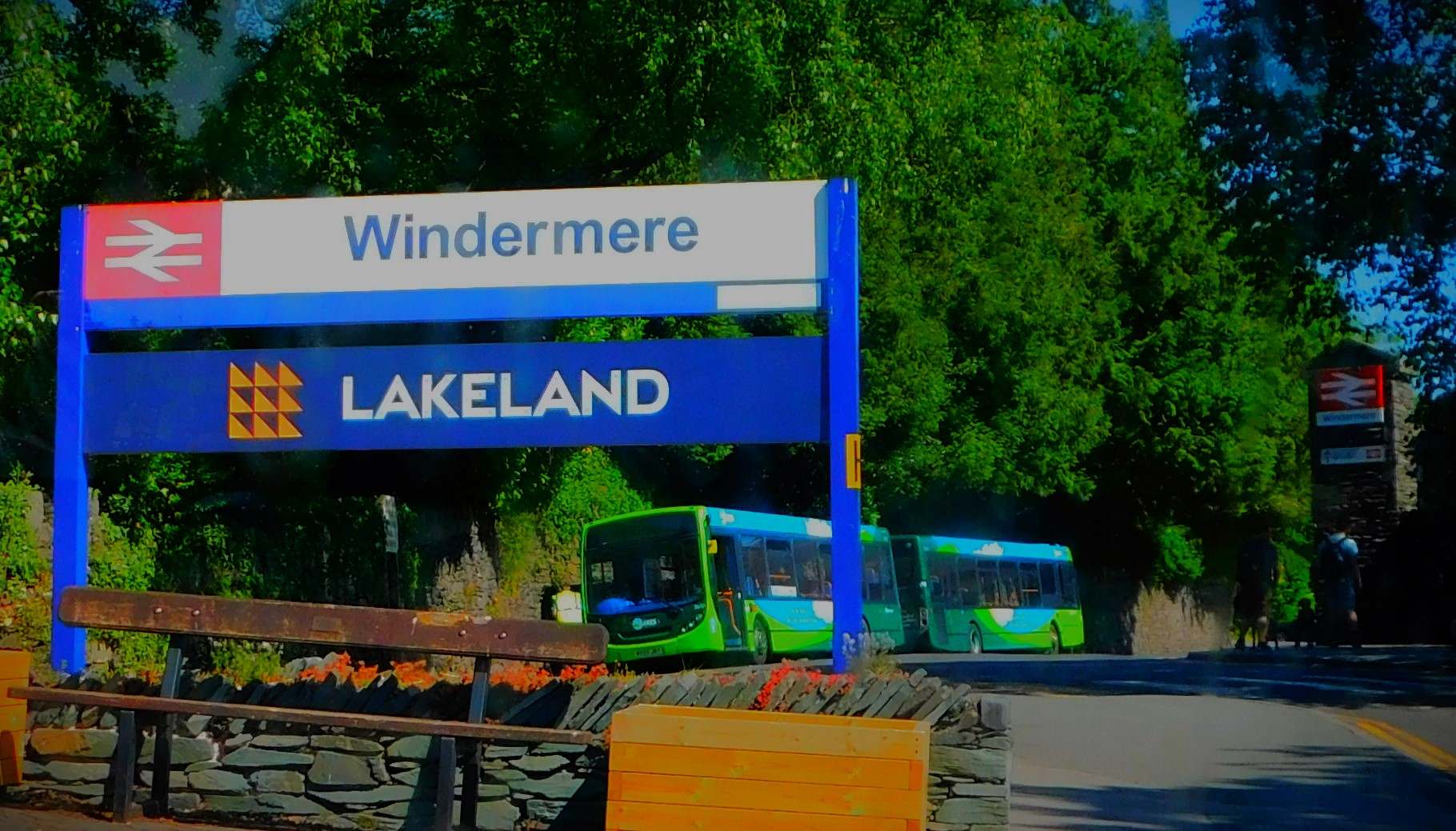
The bus we boarded at Coniston terminated at Windermere station, so we had to change buses there, and the bus we boarded for Kendal was absolutely jam packed. I ended up standing for most of the journey , so saw less than I would have liked of the areas we passed through.
KENDAL
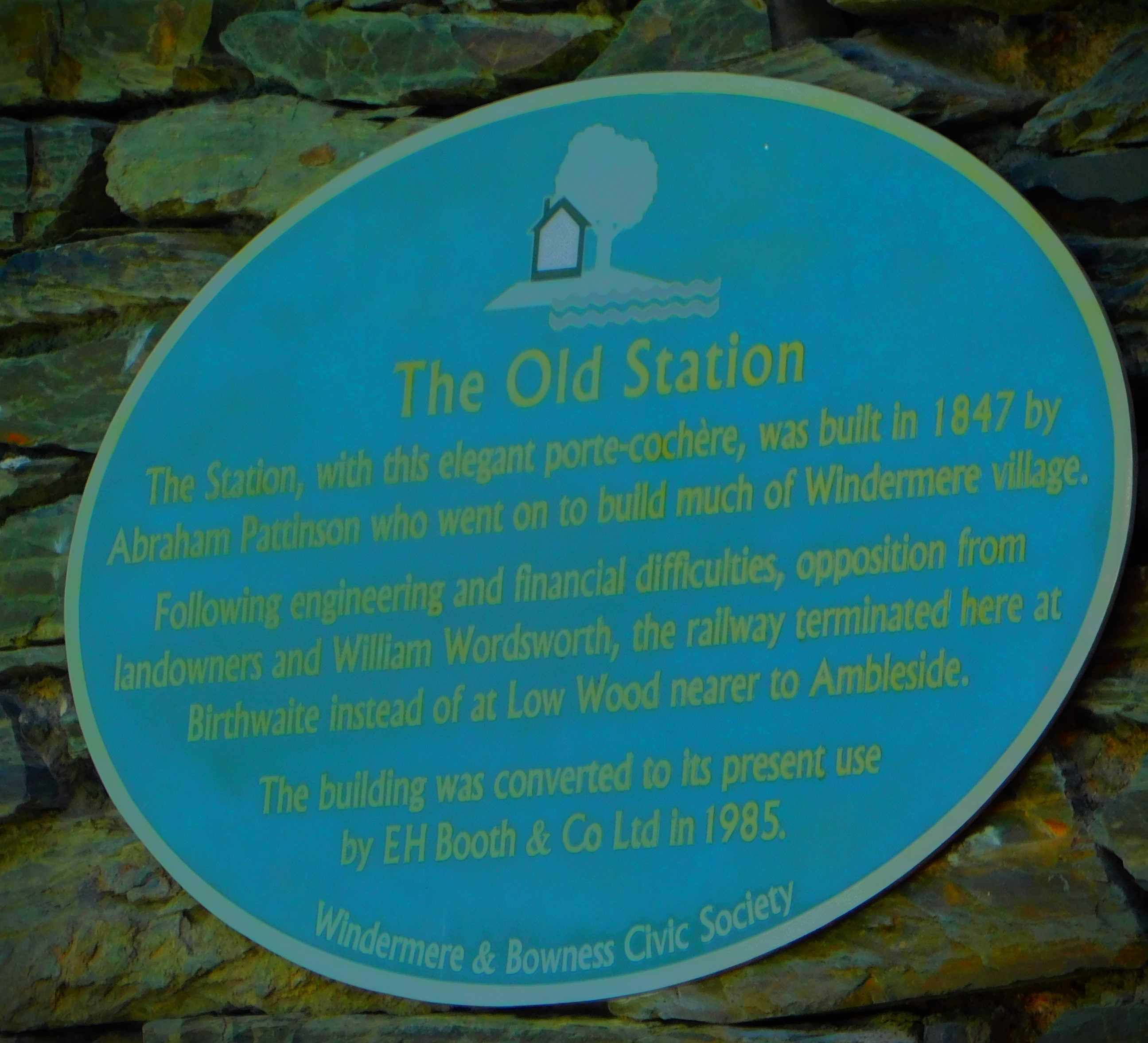
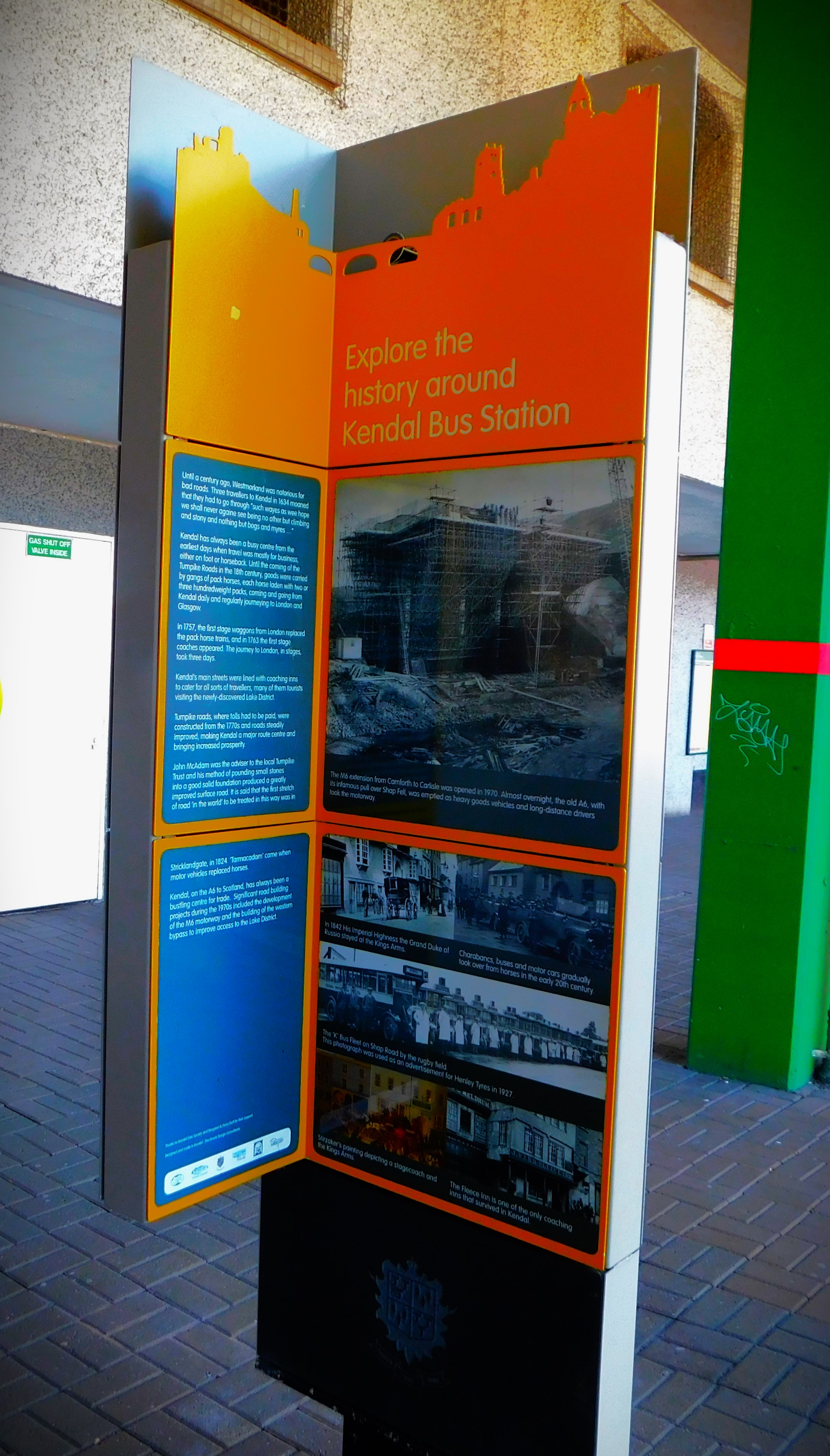
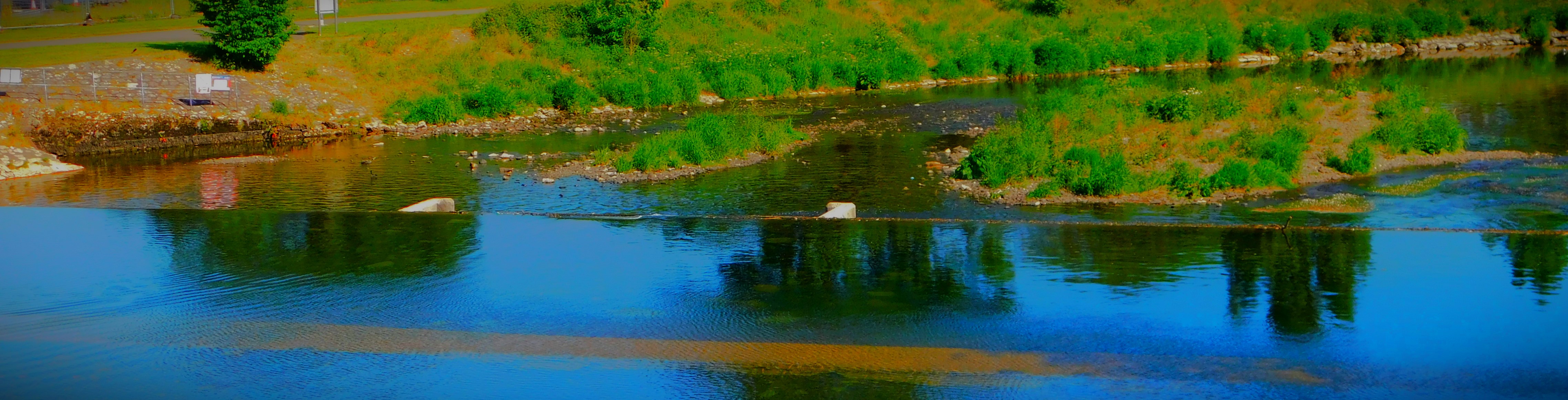
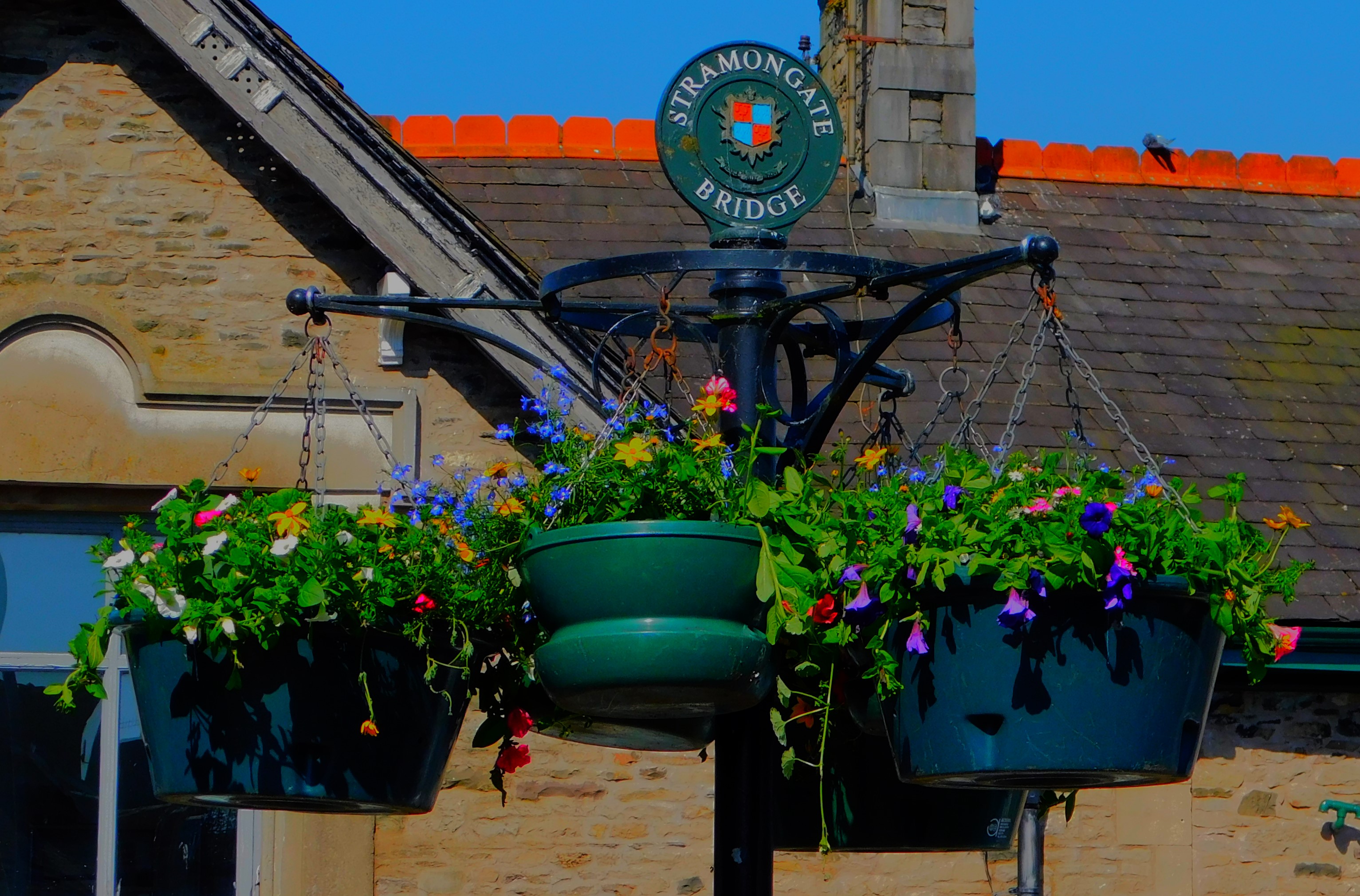
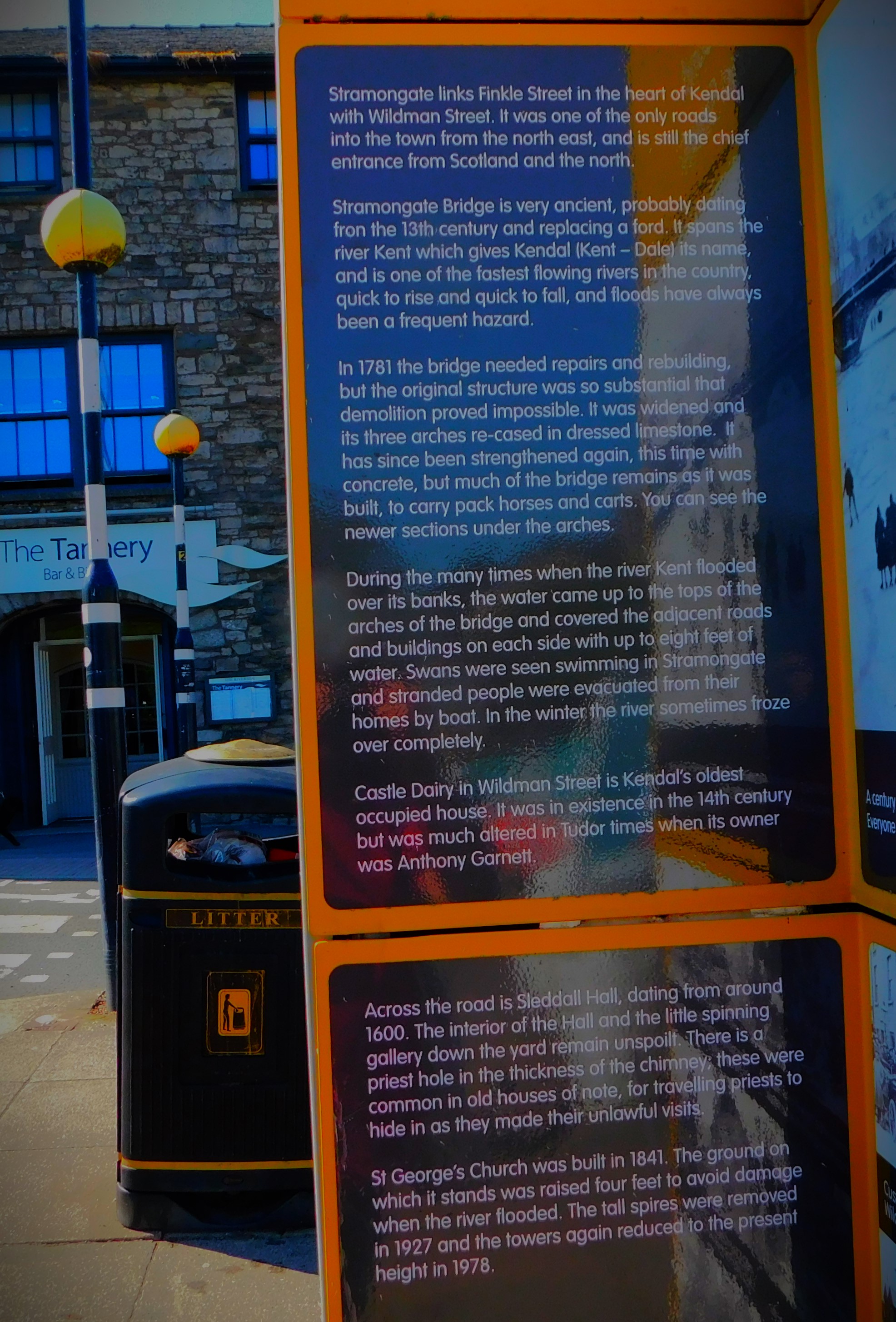
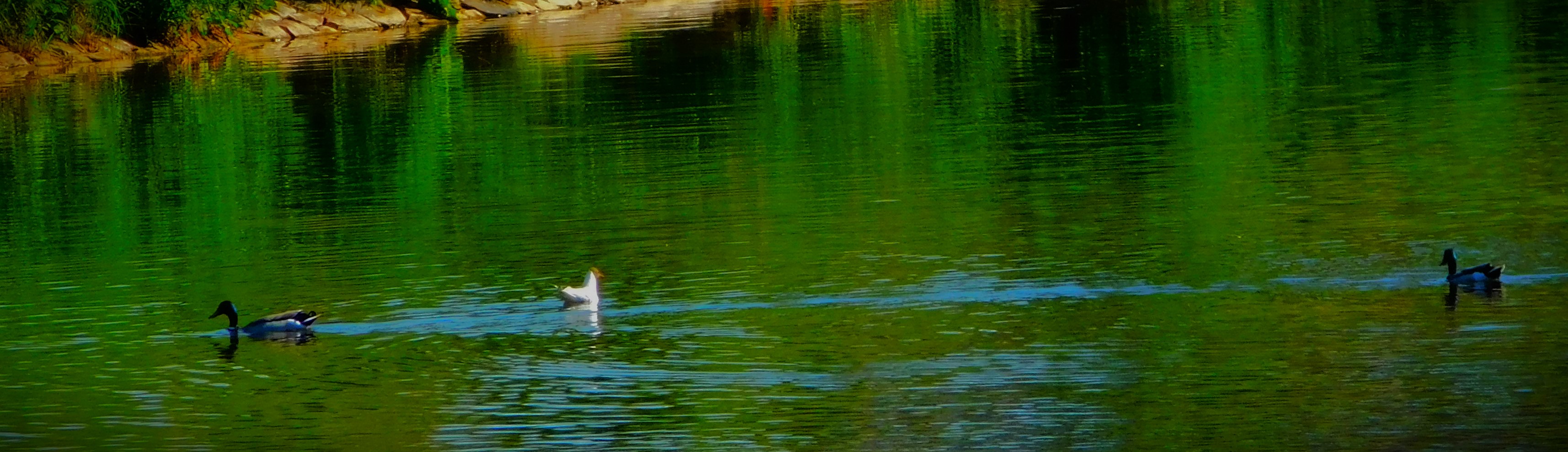
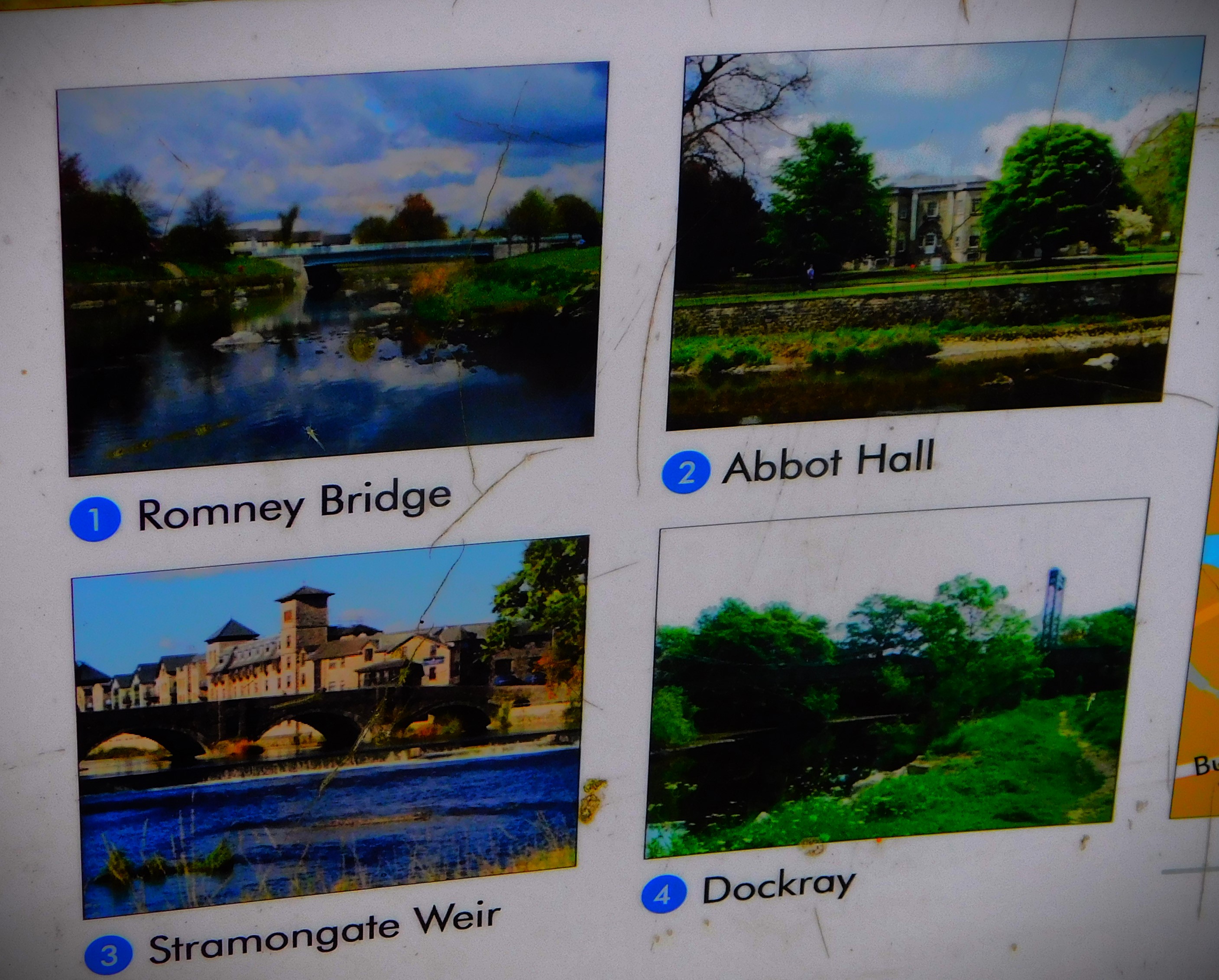
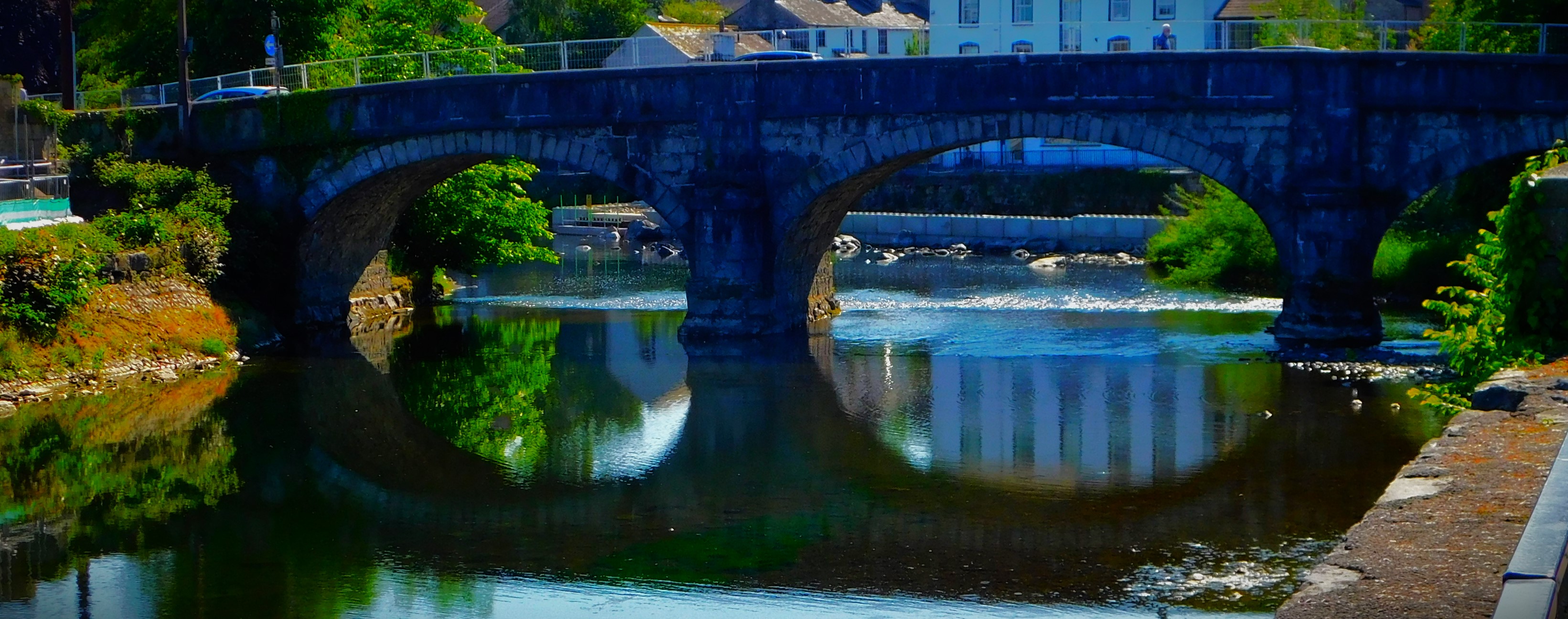
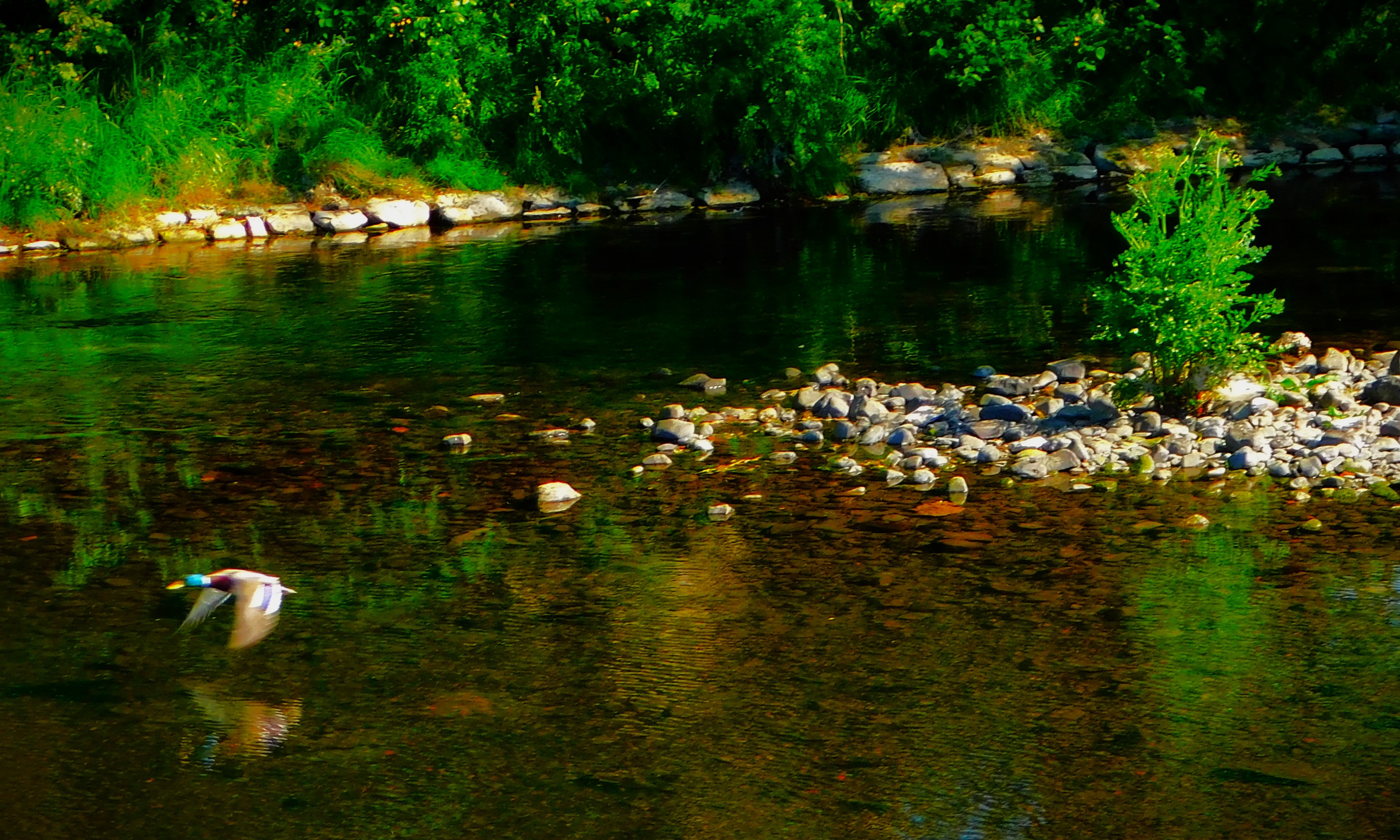
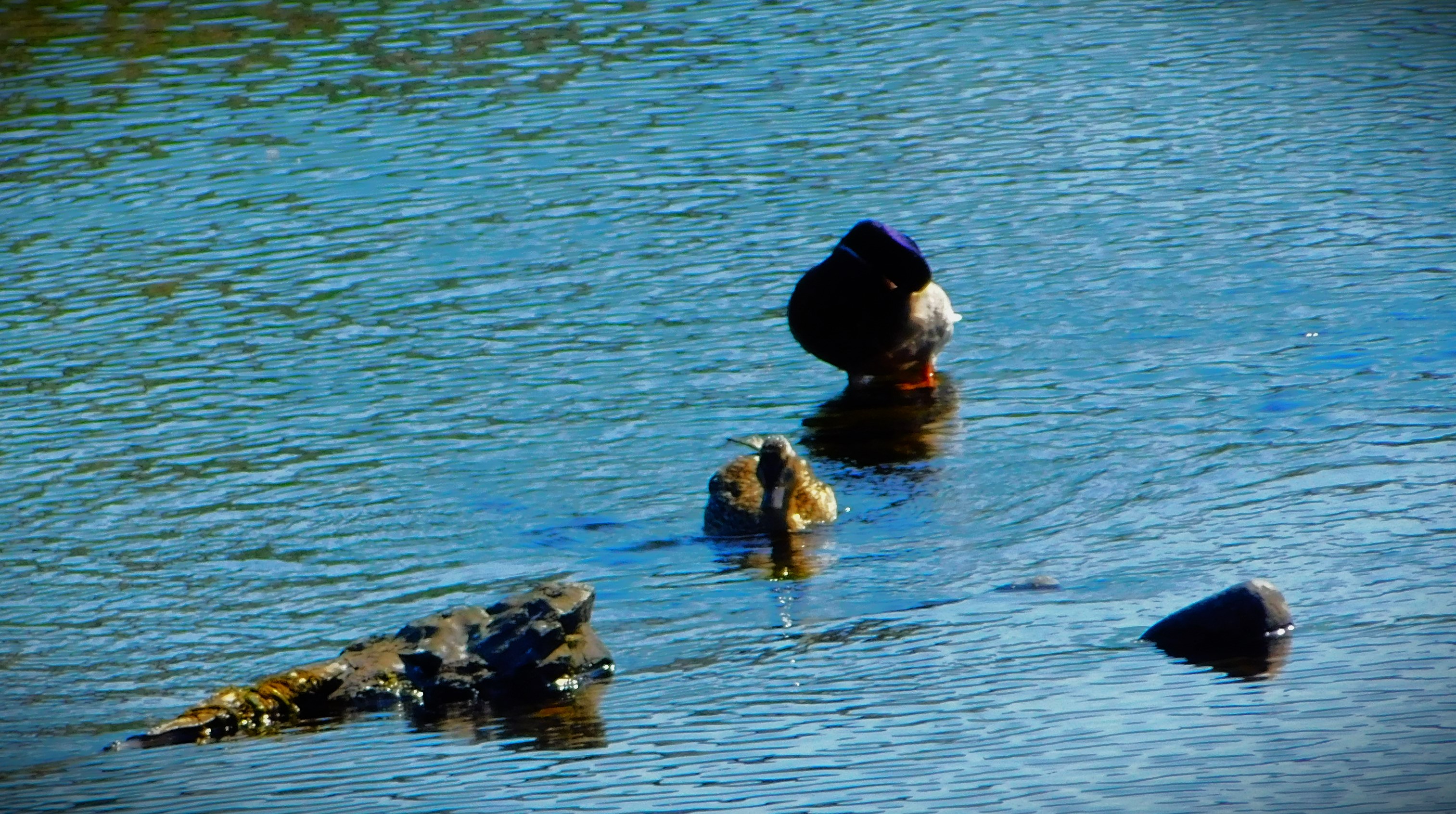
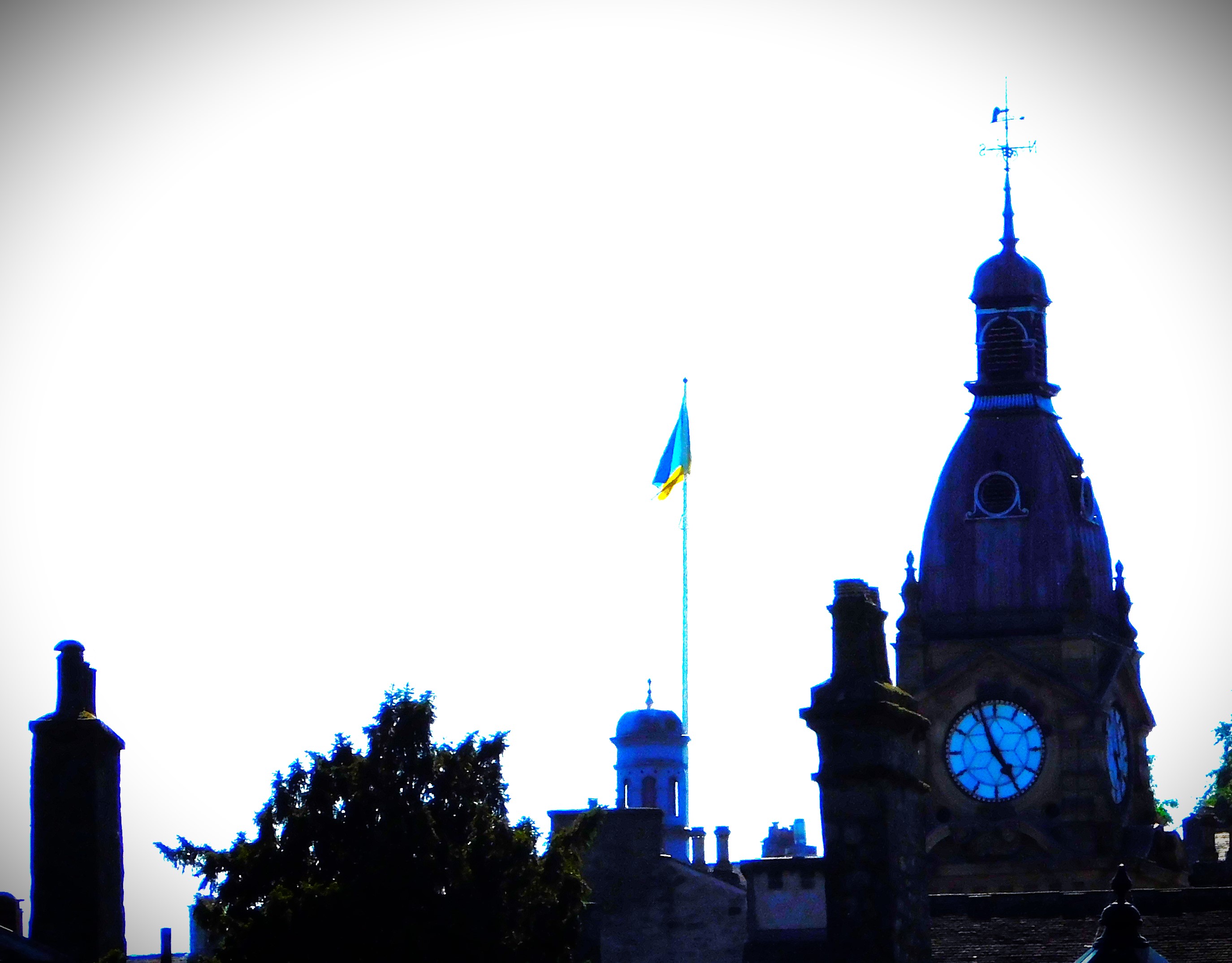
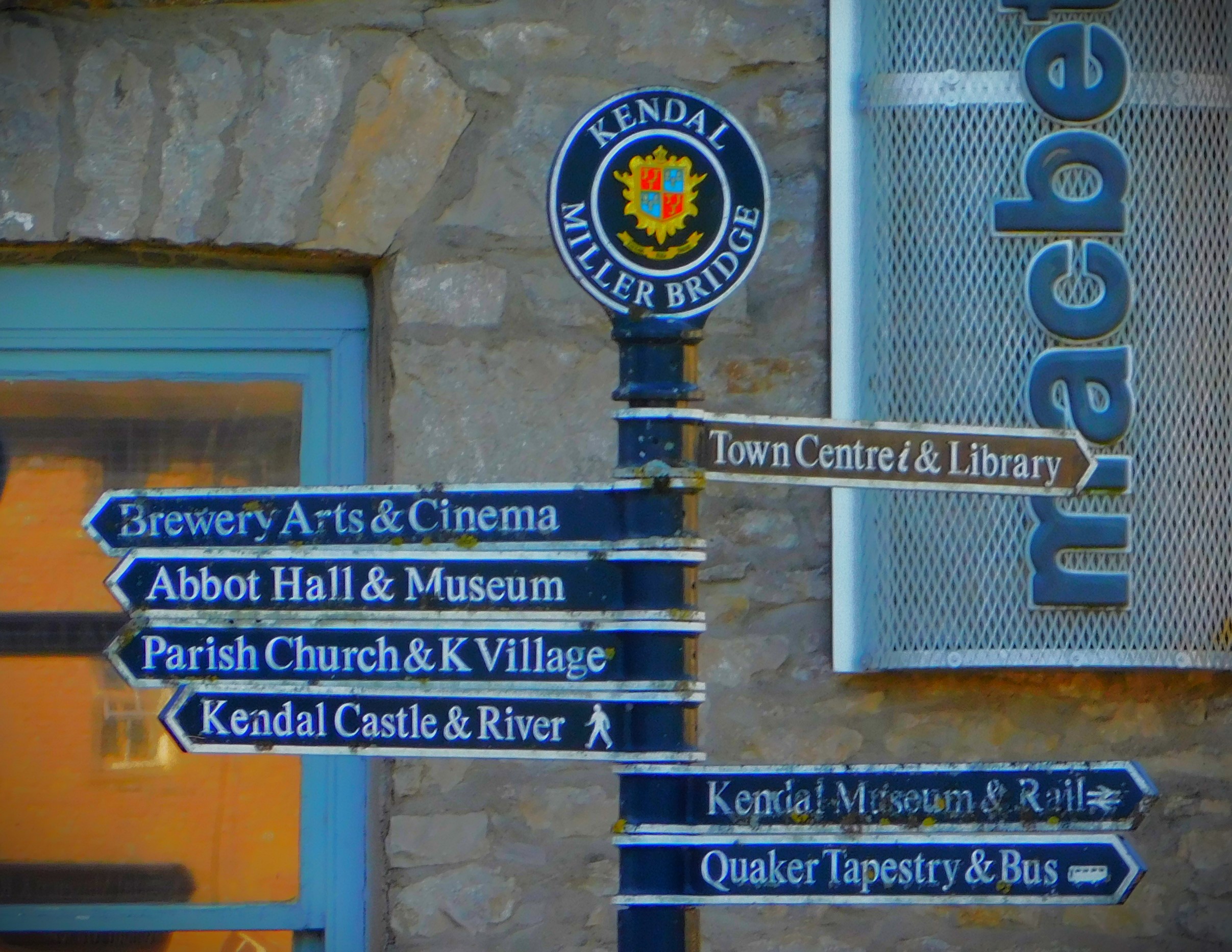
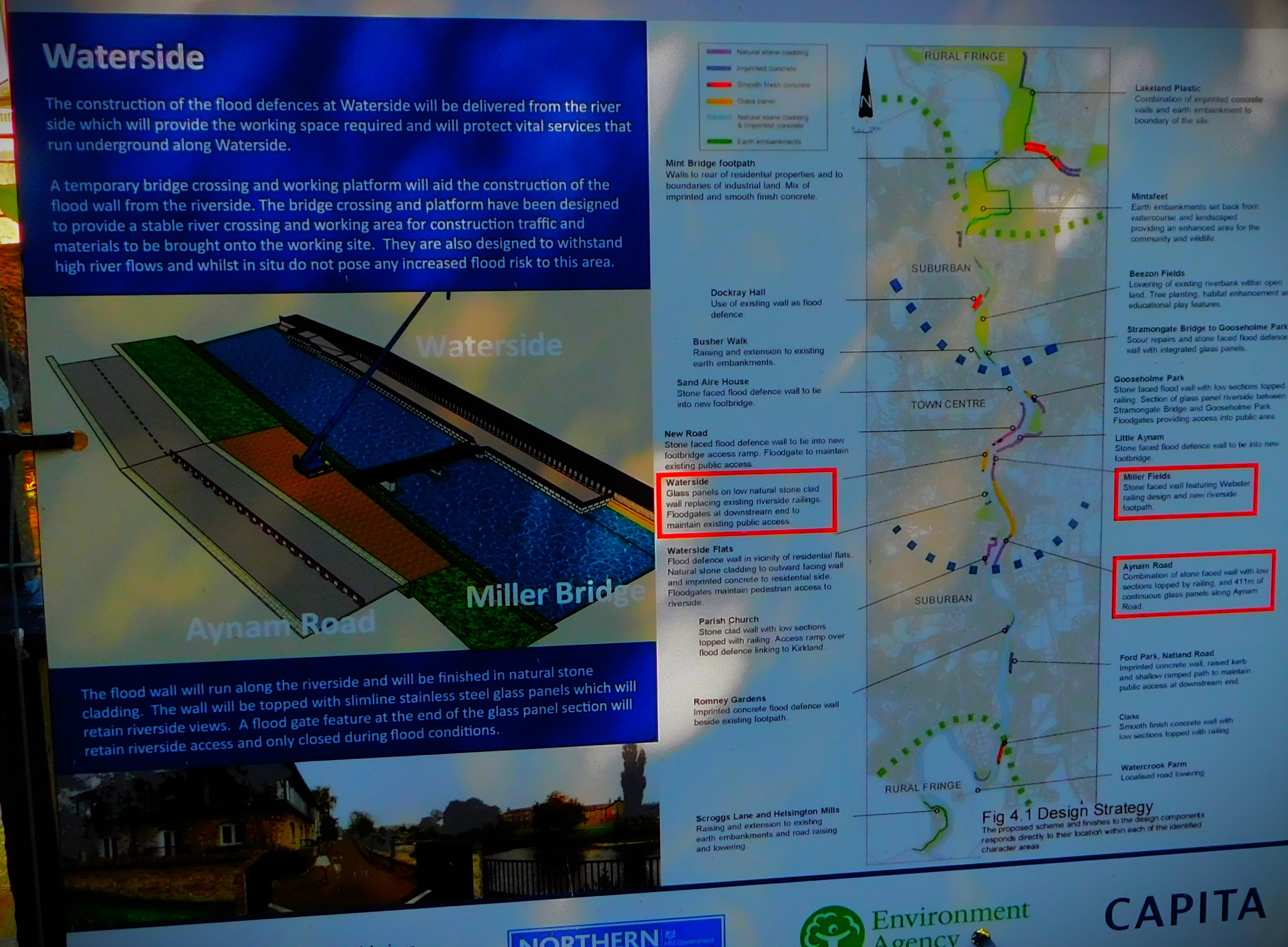
Kendal, on the edge of the Lake District, sits on the river Kent. Both town and river are splendid. The river, superbly clean, is home to a huge amount of bird life, as you will see from my gallery, while the town features a number of interesting buildings and some fine bridges over the river. We were only a few minutes away from missing the last bus back to Ambleside (this is a longish distance route as well, running between Lancaster and Penrith, making the 17:40 departure time of the last bus from Kendal very odd). This time I had a top deck window seat, and made up for what I had missed on the inbound journey.
PHOTOGRAPHS
Here is the gallery for Kendal – to view an image at full size click on it…
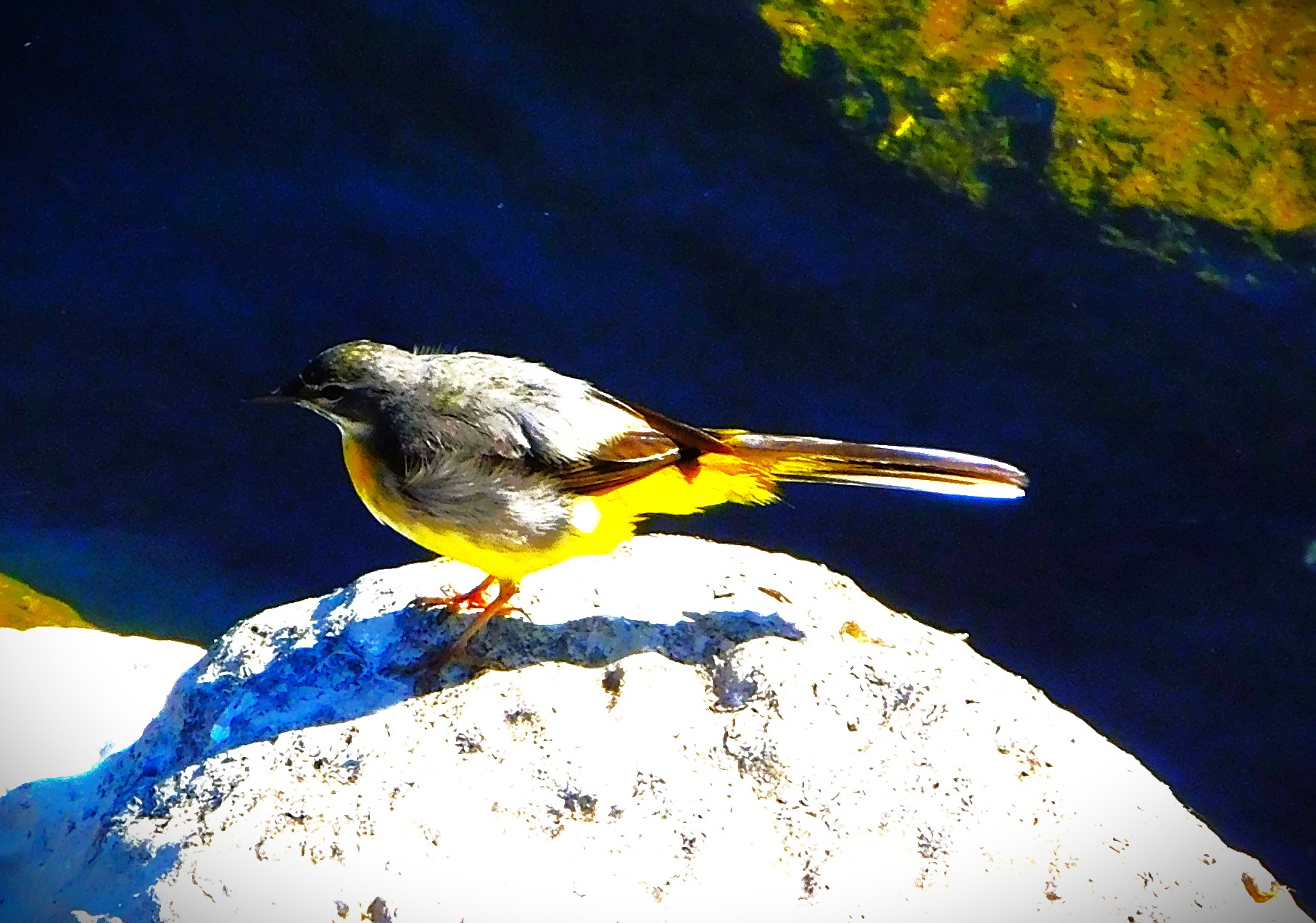
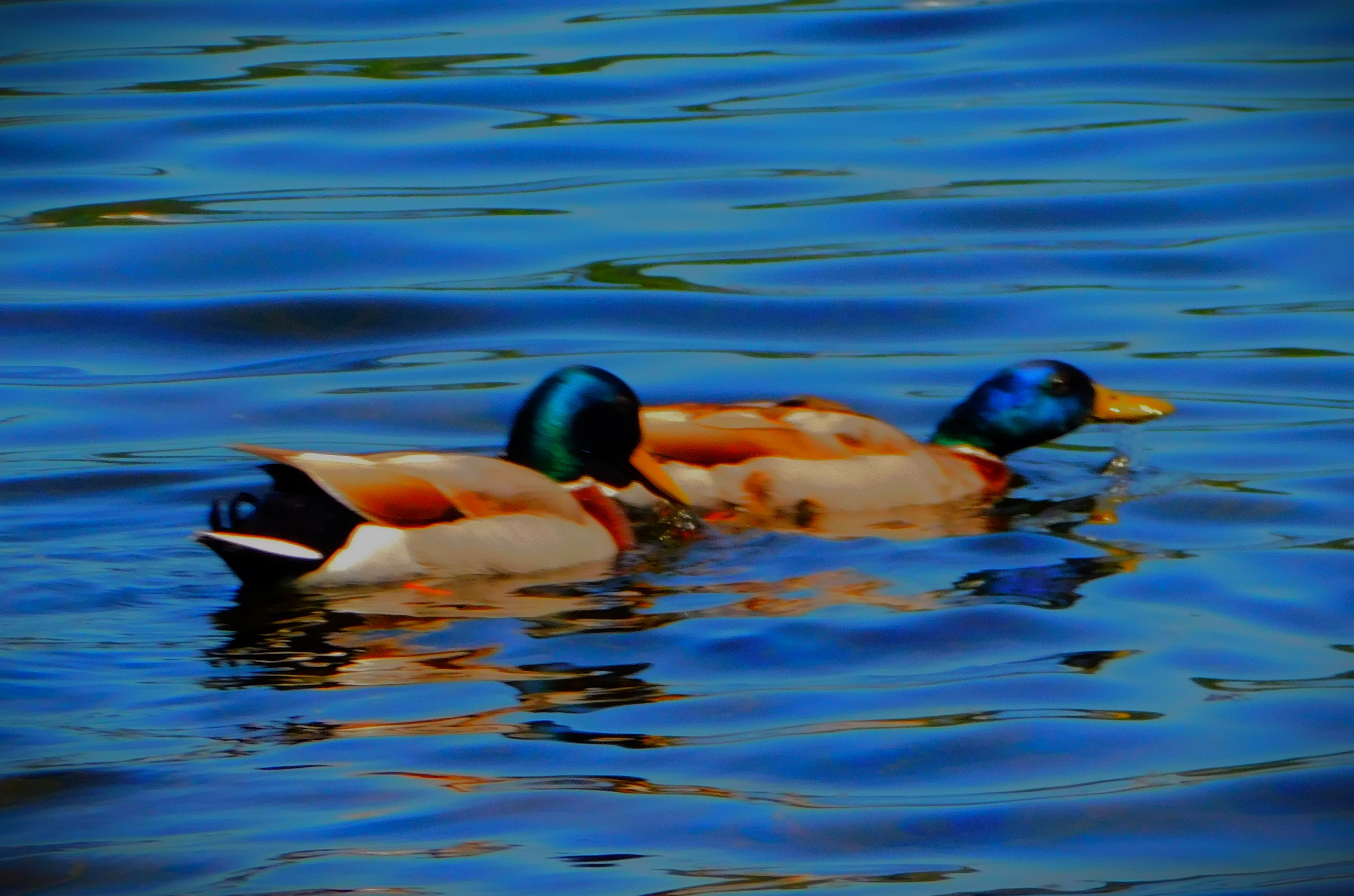
A male grey wagtail almost fully into its summer plumage.
Continuing my series about my holiday in the Lake District with an account of a visit to Coniston.
Welcome to the latest instalment in my series about my holiday in the Lake District. This post focusses on Coniston.
ANOTHER TOPE CONNECTION
As with Hawkshead which featured in my last post Coniston is a setting for one of Rebecca Tope’s Lake District series, “The Coniston Case”.
CONISTON
A short and scenic bus ride took us on from Hawkshead to Coniston. We found a likely looking pub for my birthday lunch, discovered that we could not order food before 12:30, and decided to wait because it looked very good. I found a suitable local beer to drink. The food proved to be excellent, with just one minor quibble: I asked for my steak rare, which means it should be red in the middle, and it came closer to medium than rare.
Lunch done we set off on a walk to Coniston Water. We headed back by a slightly different route.
PHOTOGRAPHS
My usual sign off…
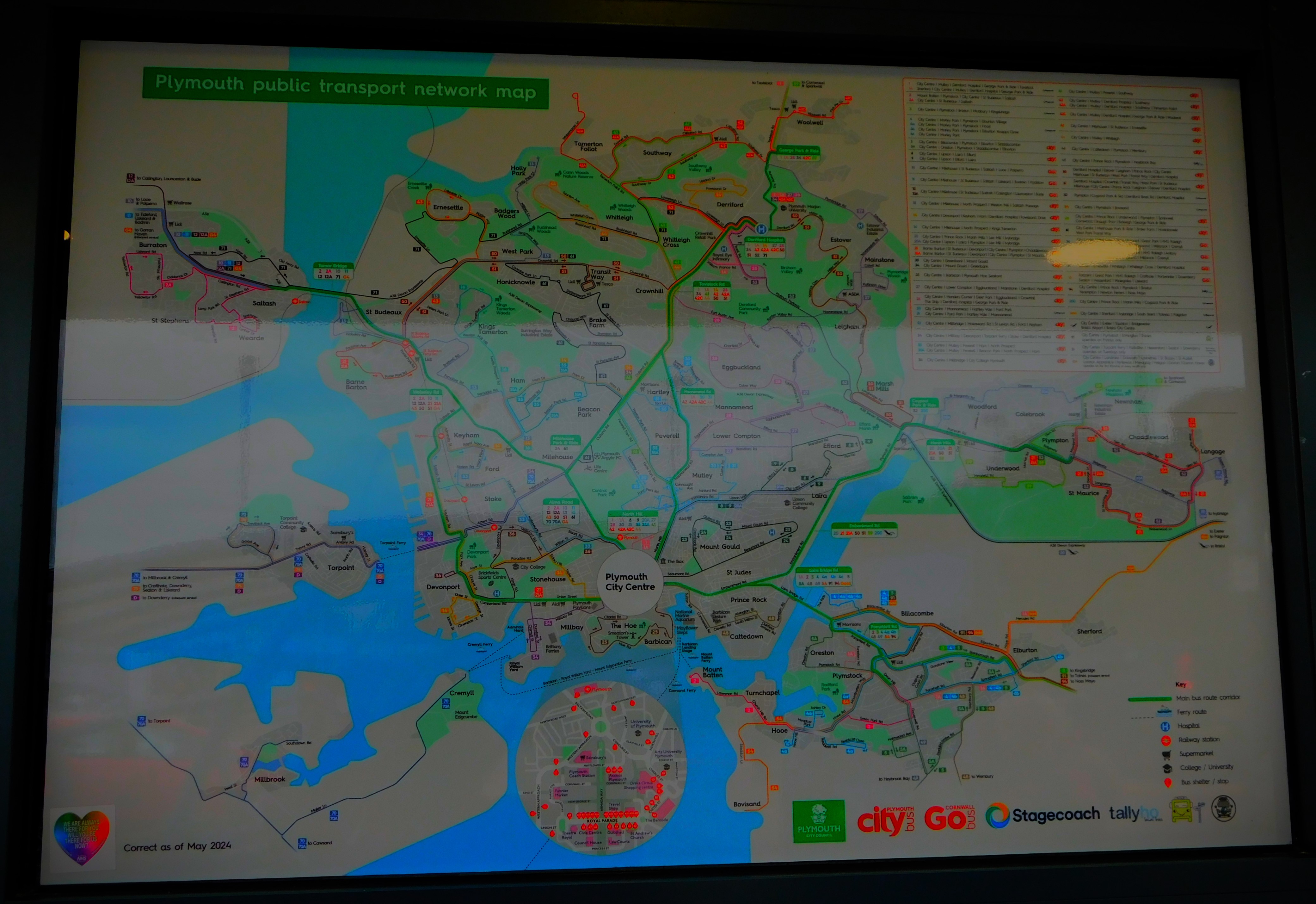
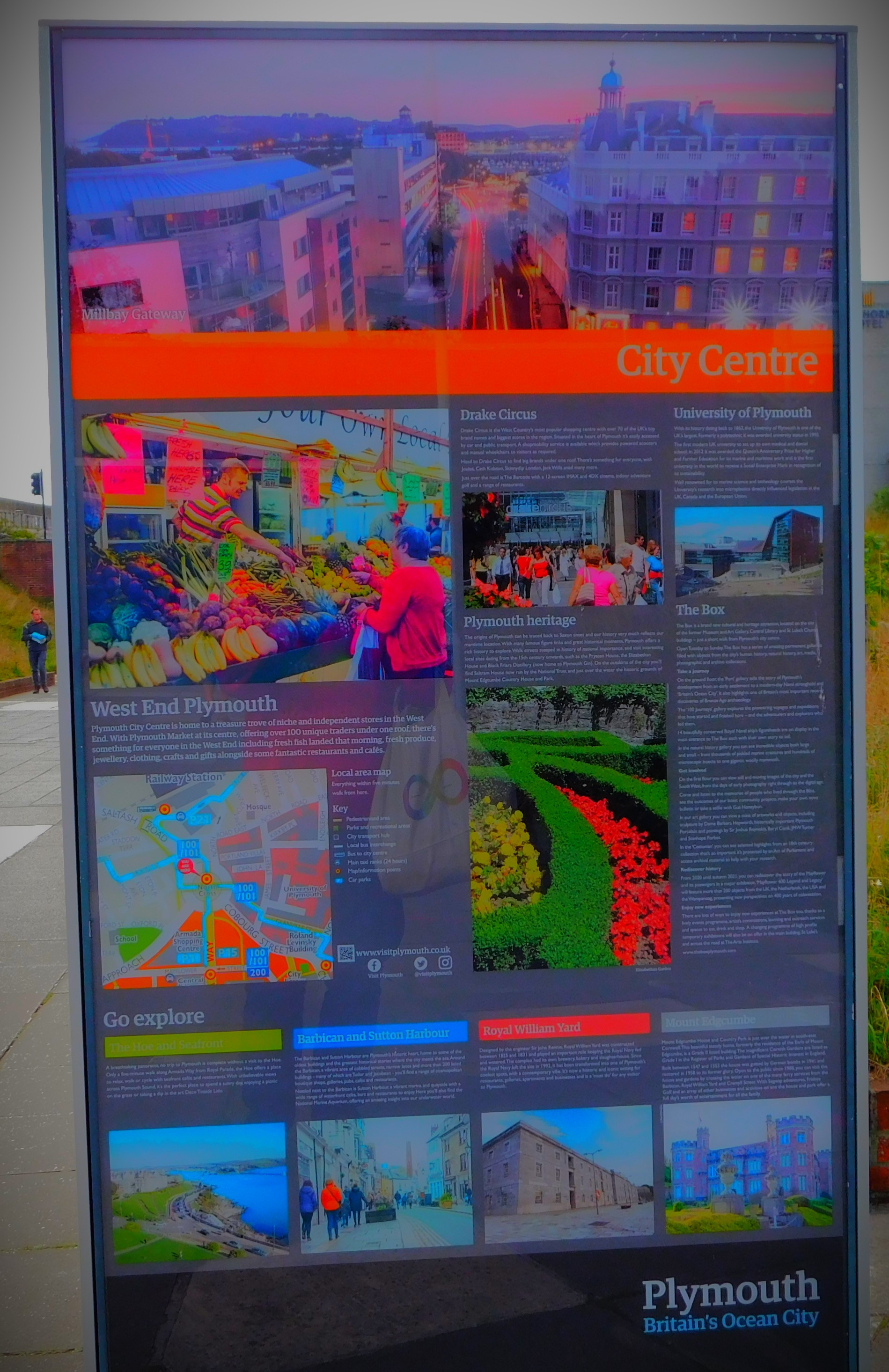
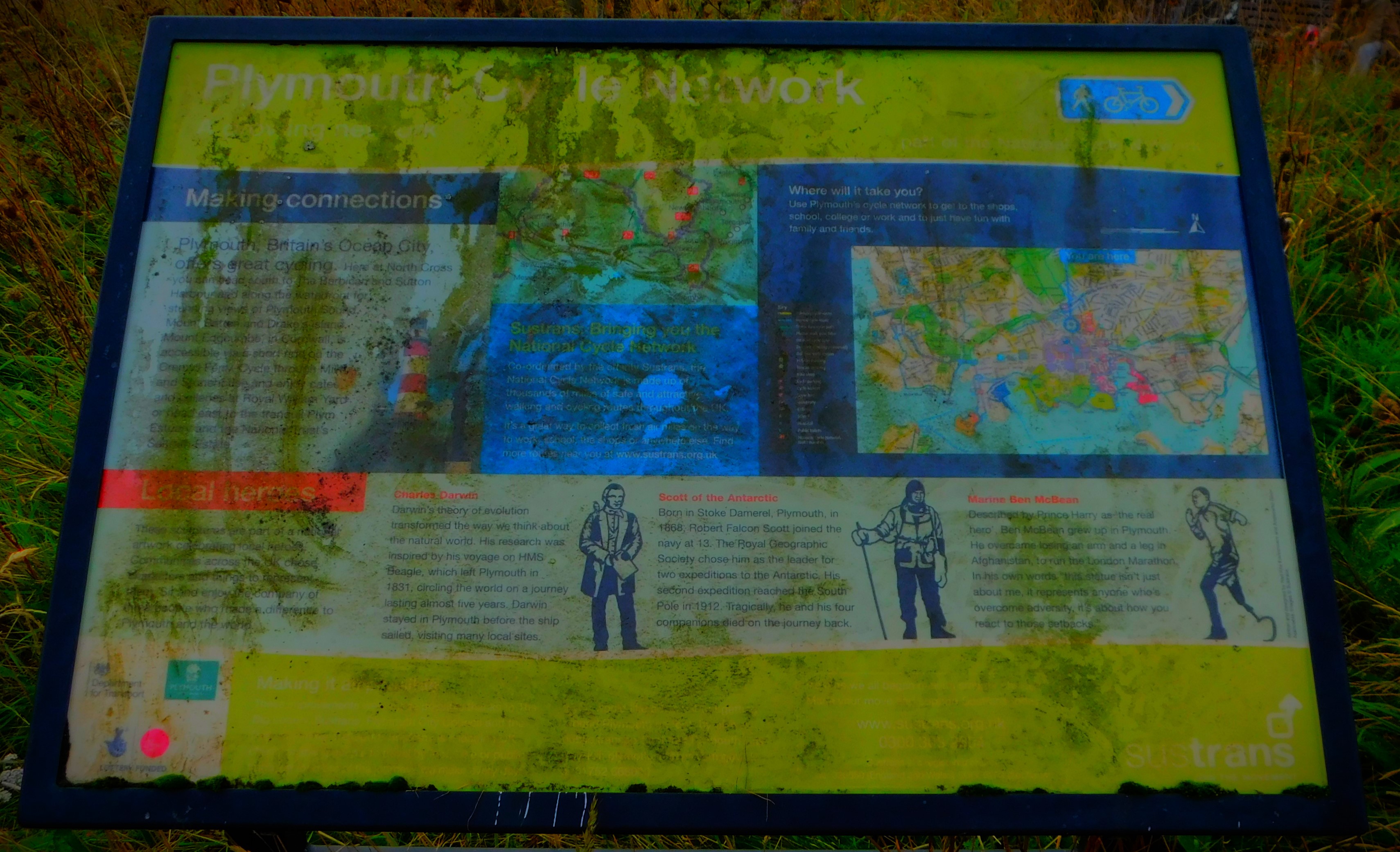
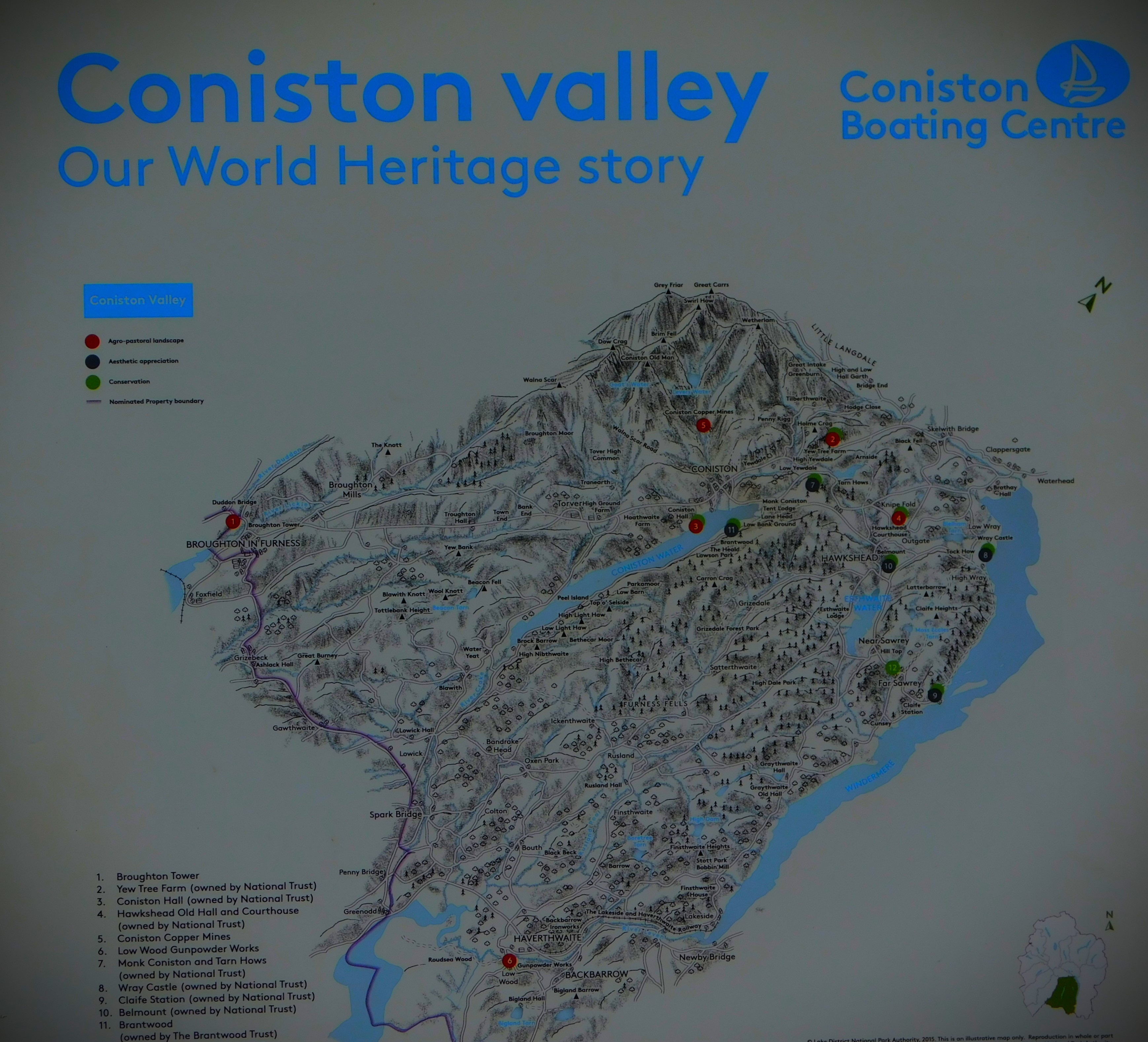
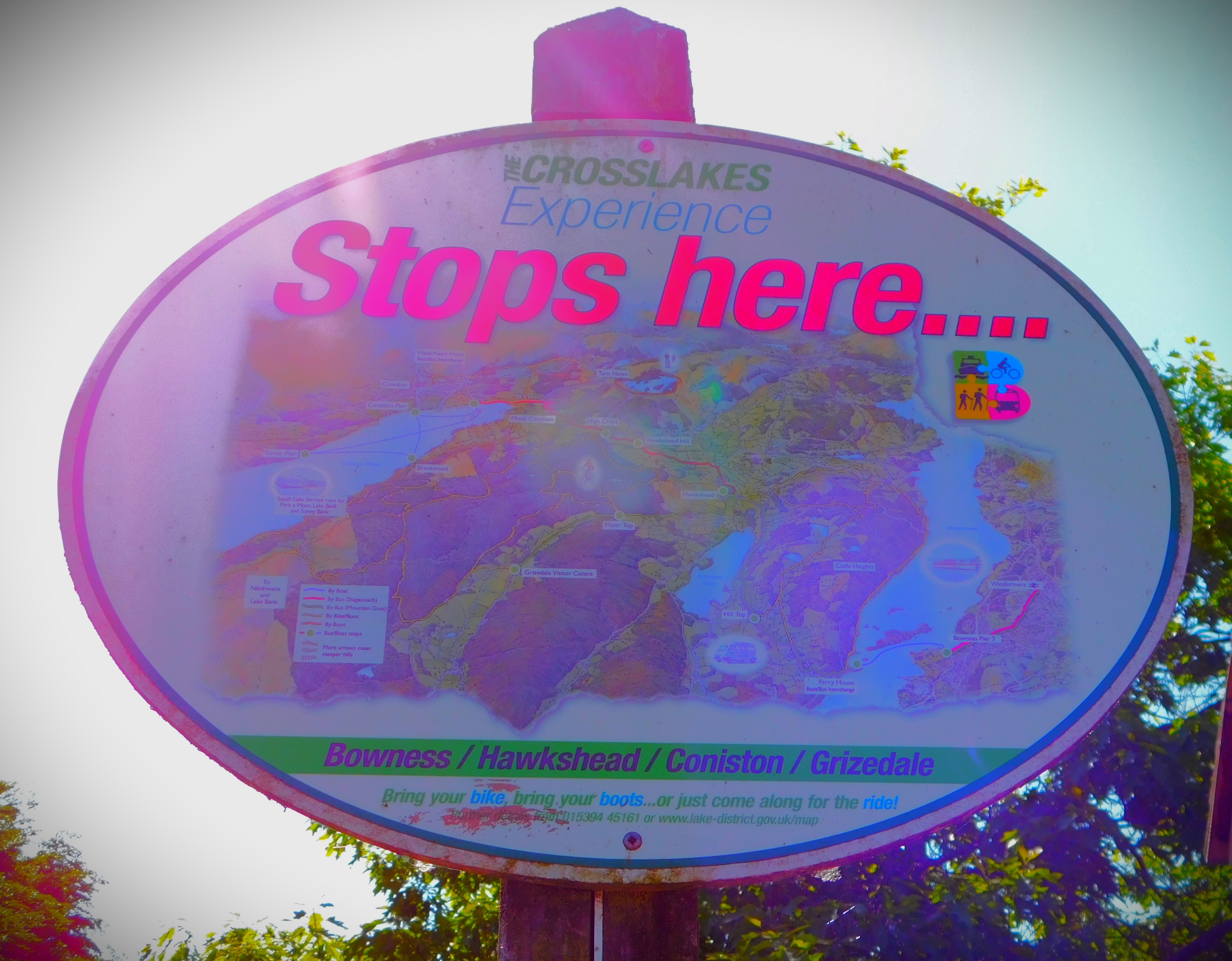
This picture and the next (click to view at full size0 show the pub menu).Many maps of various kinds caught my attention in and around Coniston.I was pleased to spot this.
Continuing my series about my holiday in the Lake District with an account of a visit to Hawkshead.
Welcome to the latest post in my series about my holiday in the Lake District. We are now on to the Wednesday, my last full day in the area and my 48th birthday. The day started with a visit to Hawkshead by way of a fairly short and scenic bus journey.
BACK ON THE TOPE TRAIL
Hawkshead features in Rebecca Tope’s series of Lake District novels (“The Hawkshead Hostage”) – not the only place we visited that day to do so.
THE MOST SCENIC VILLAGE IN THE LAKE DISTRICT
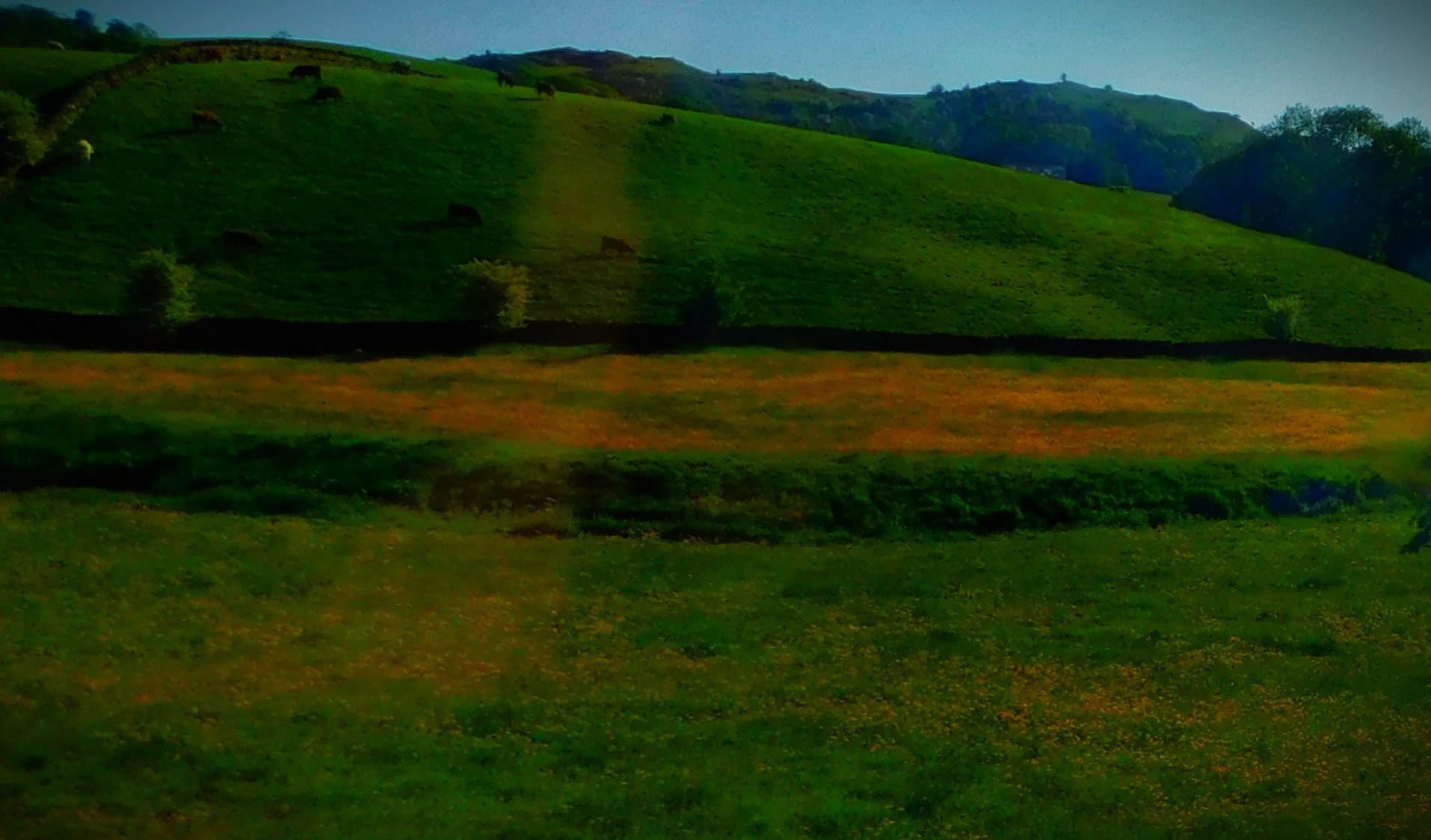
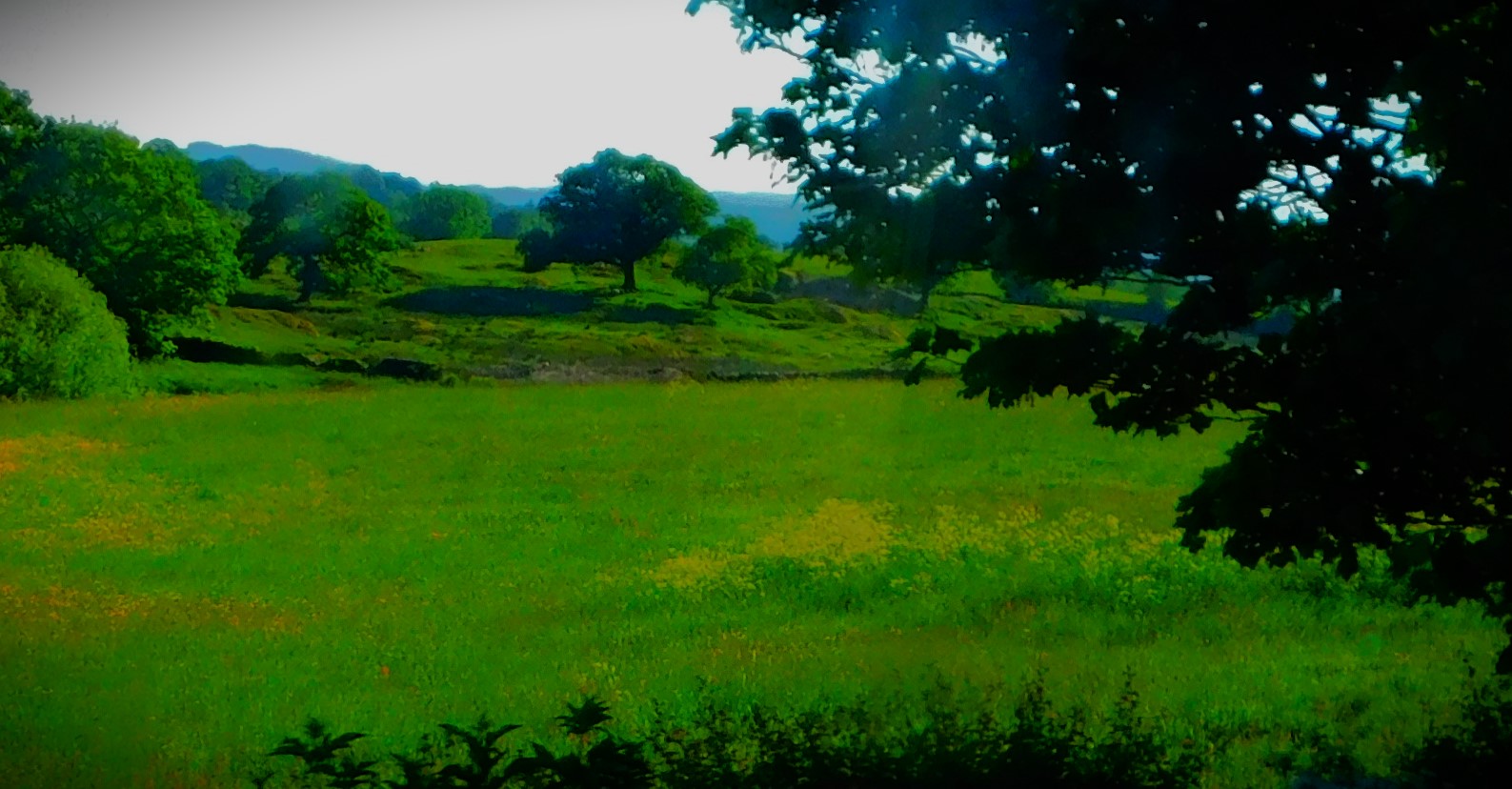
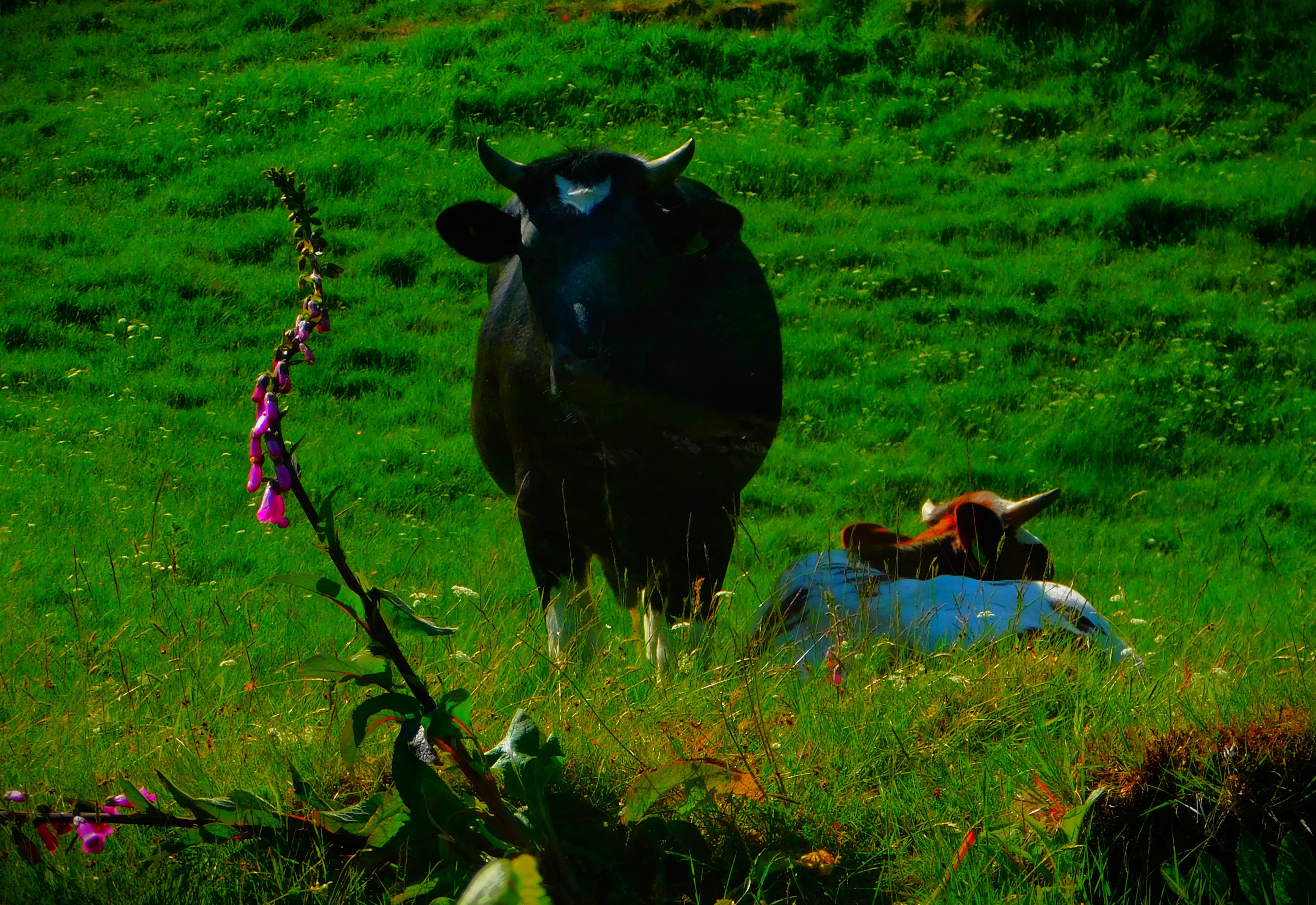
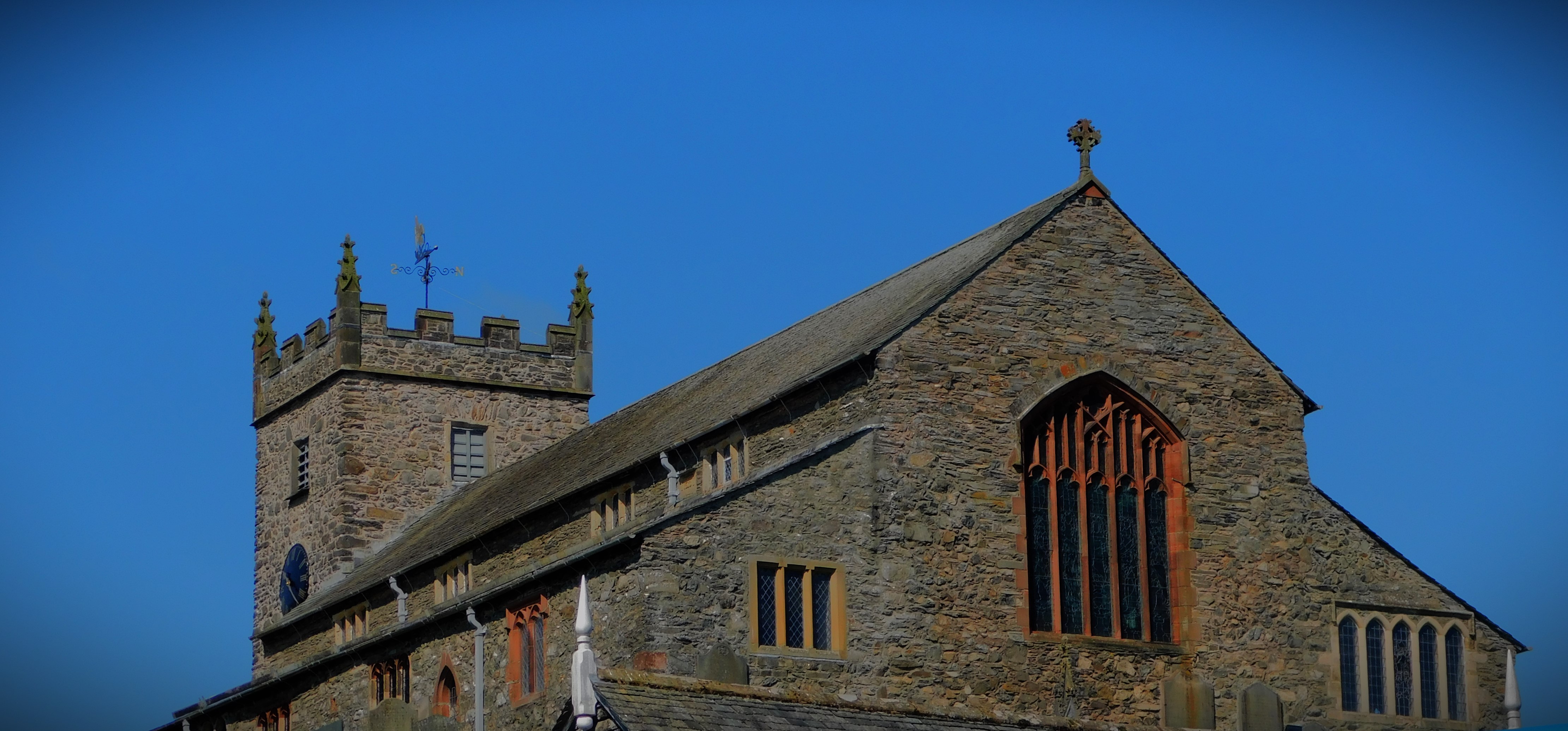
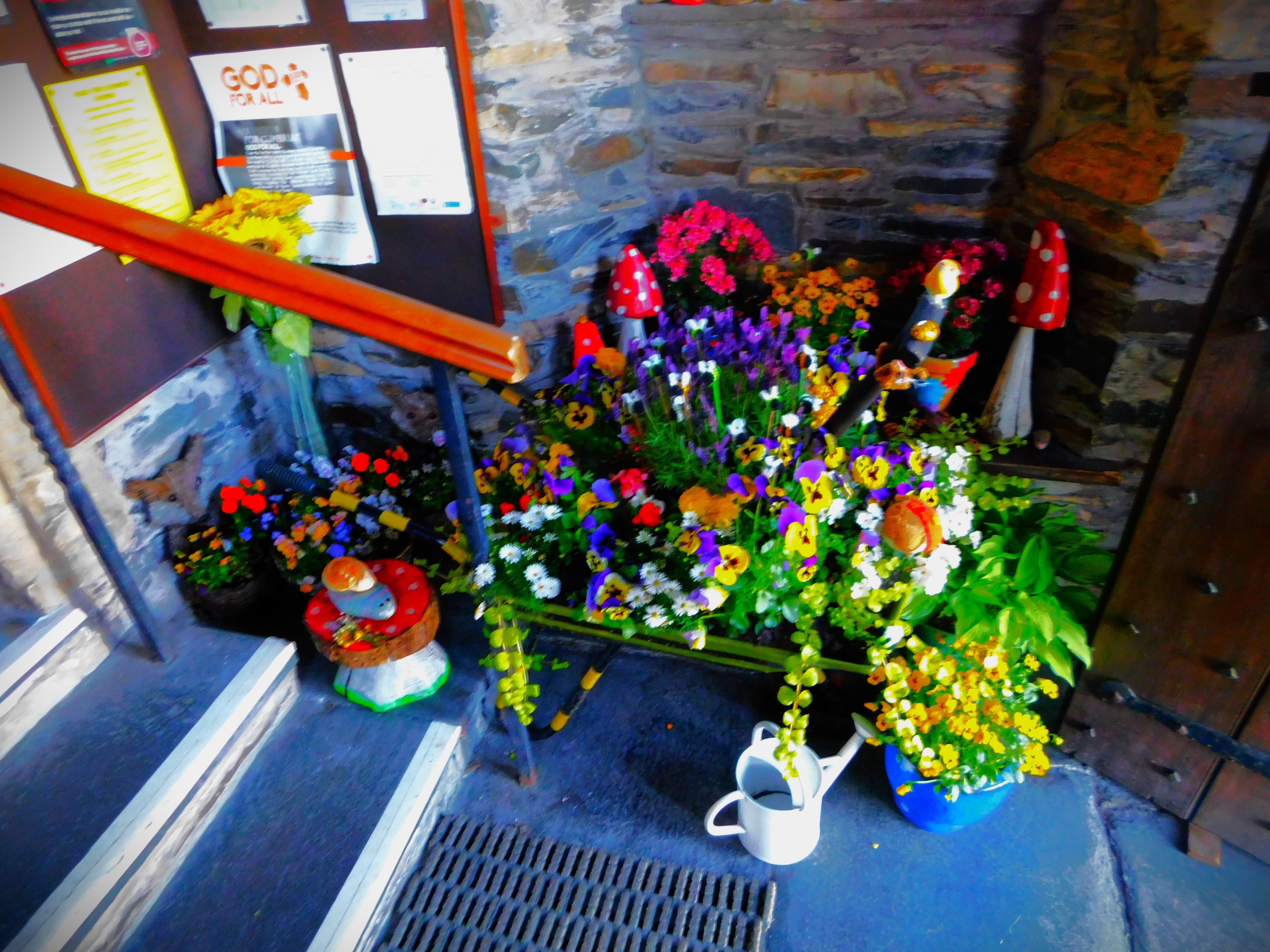
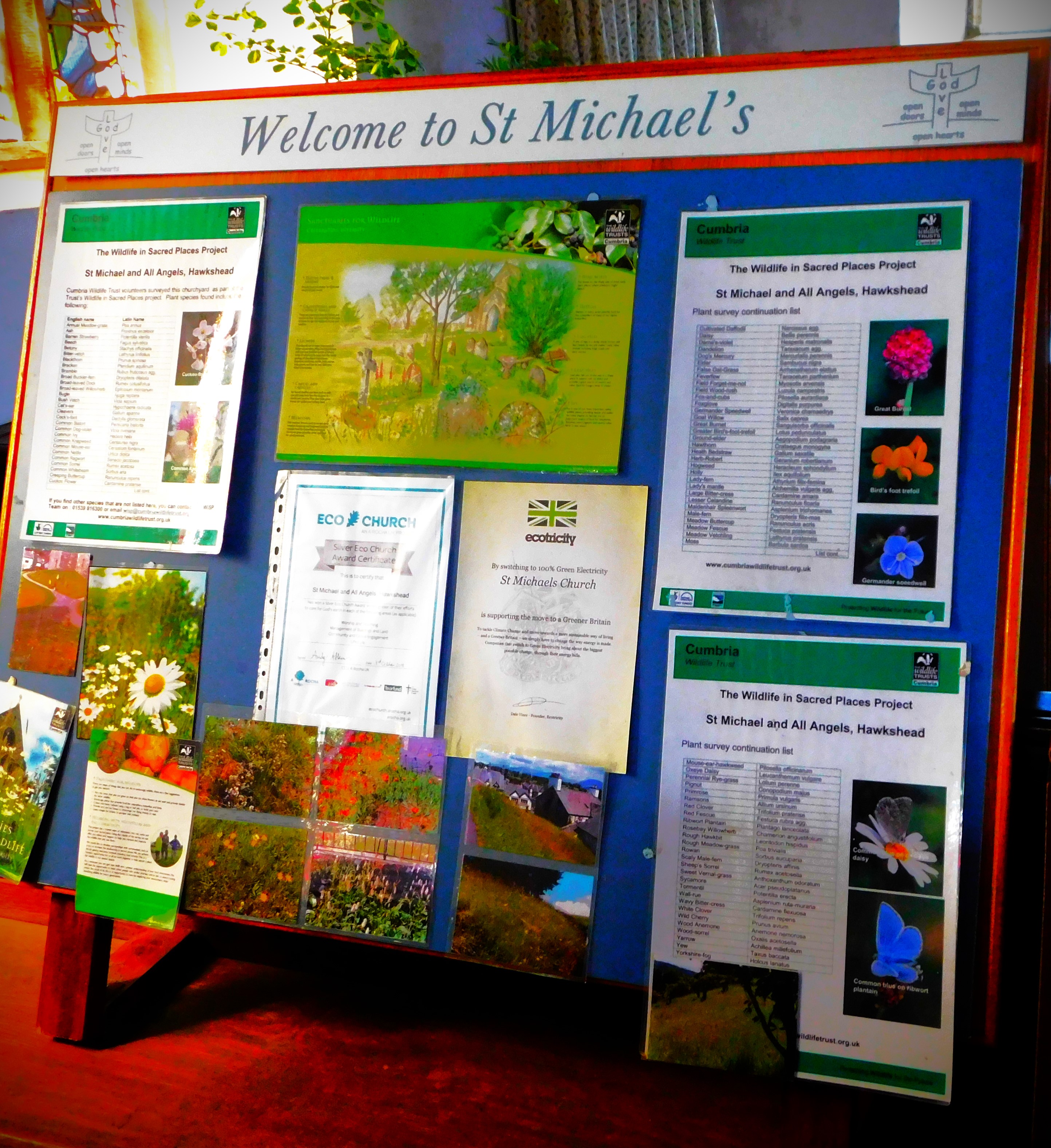
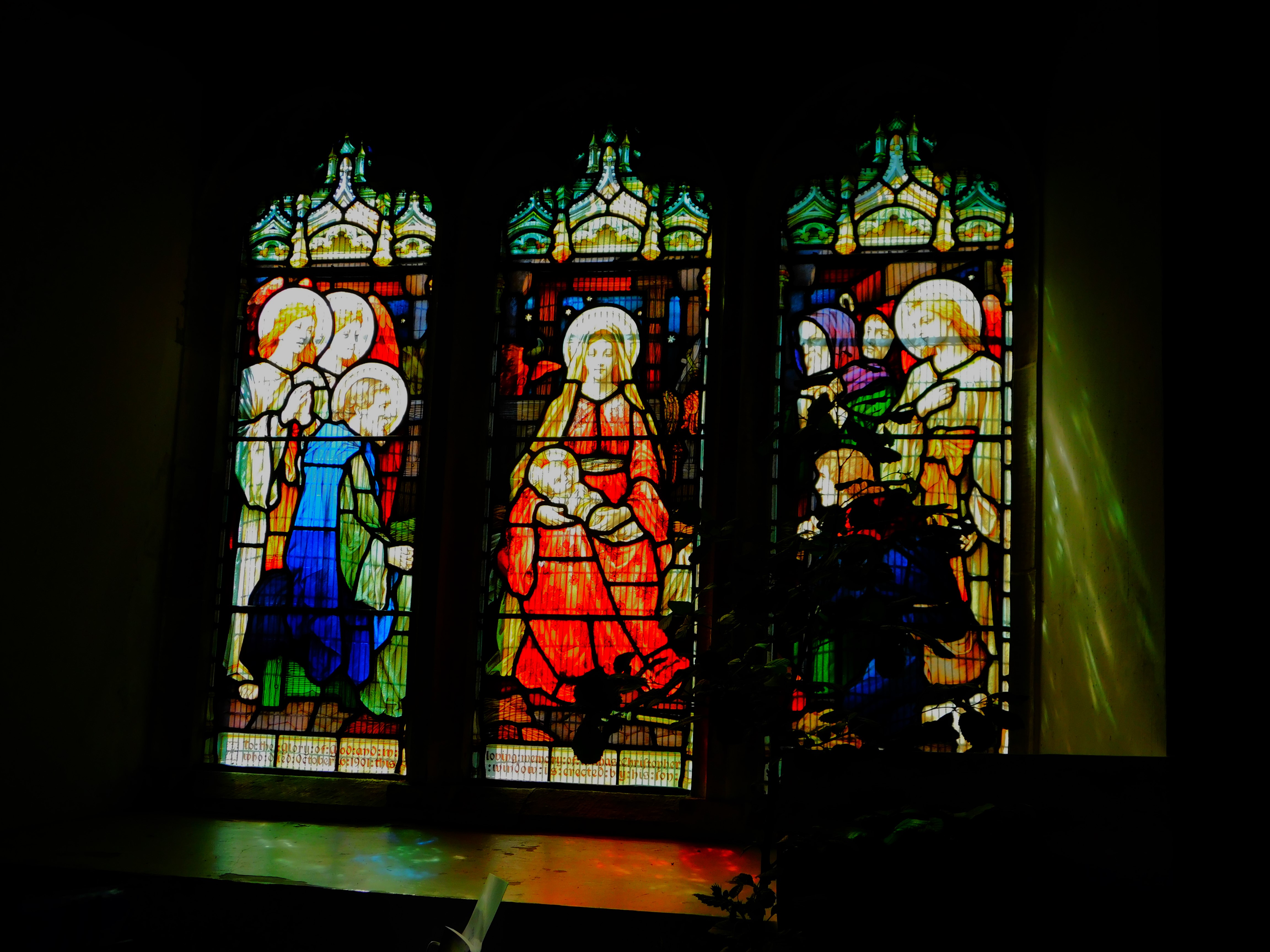
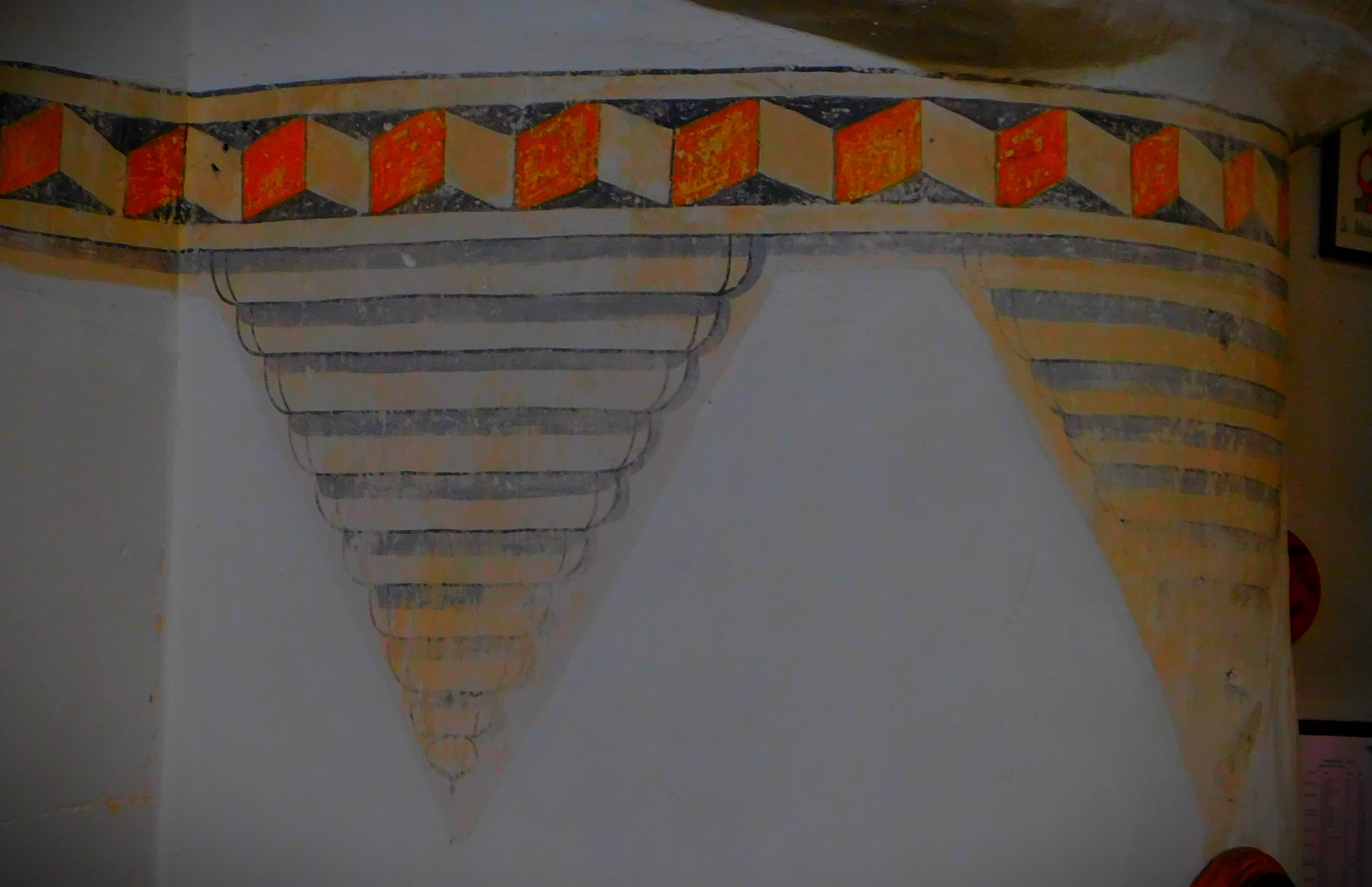
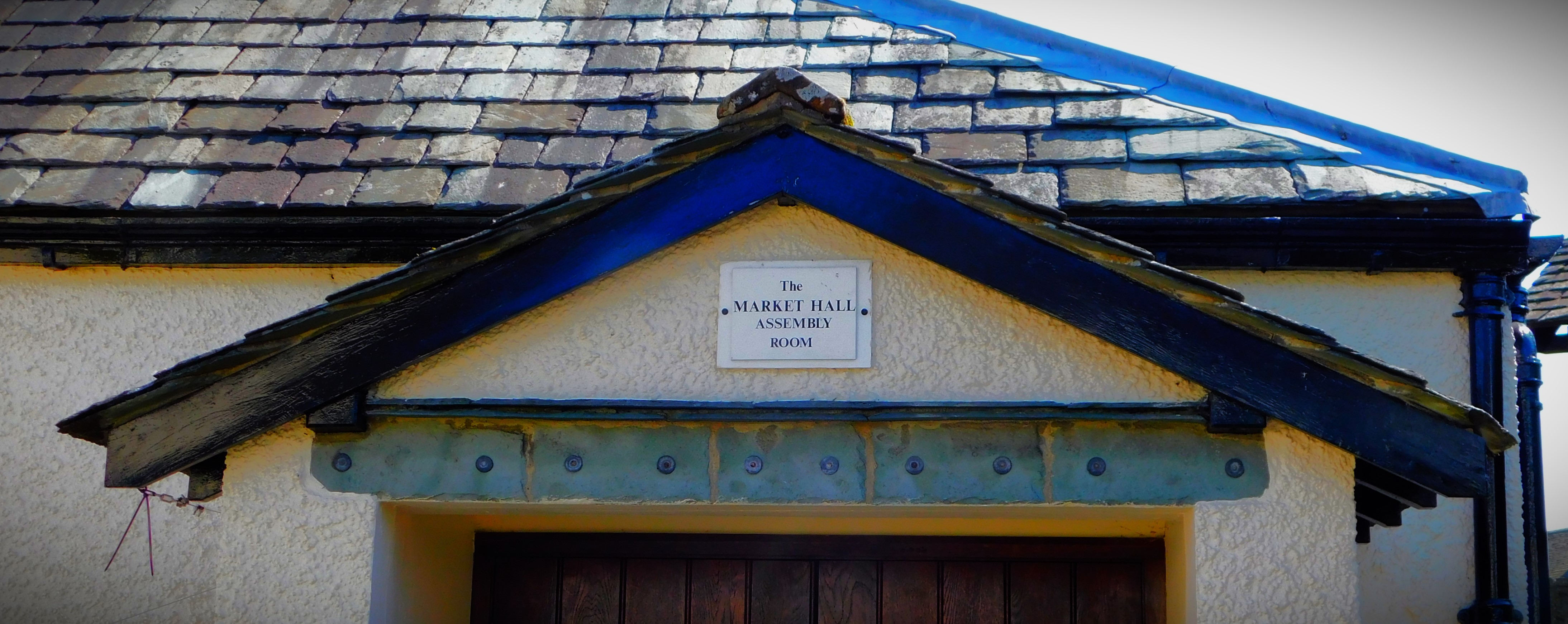
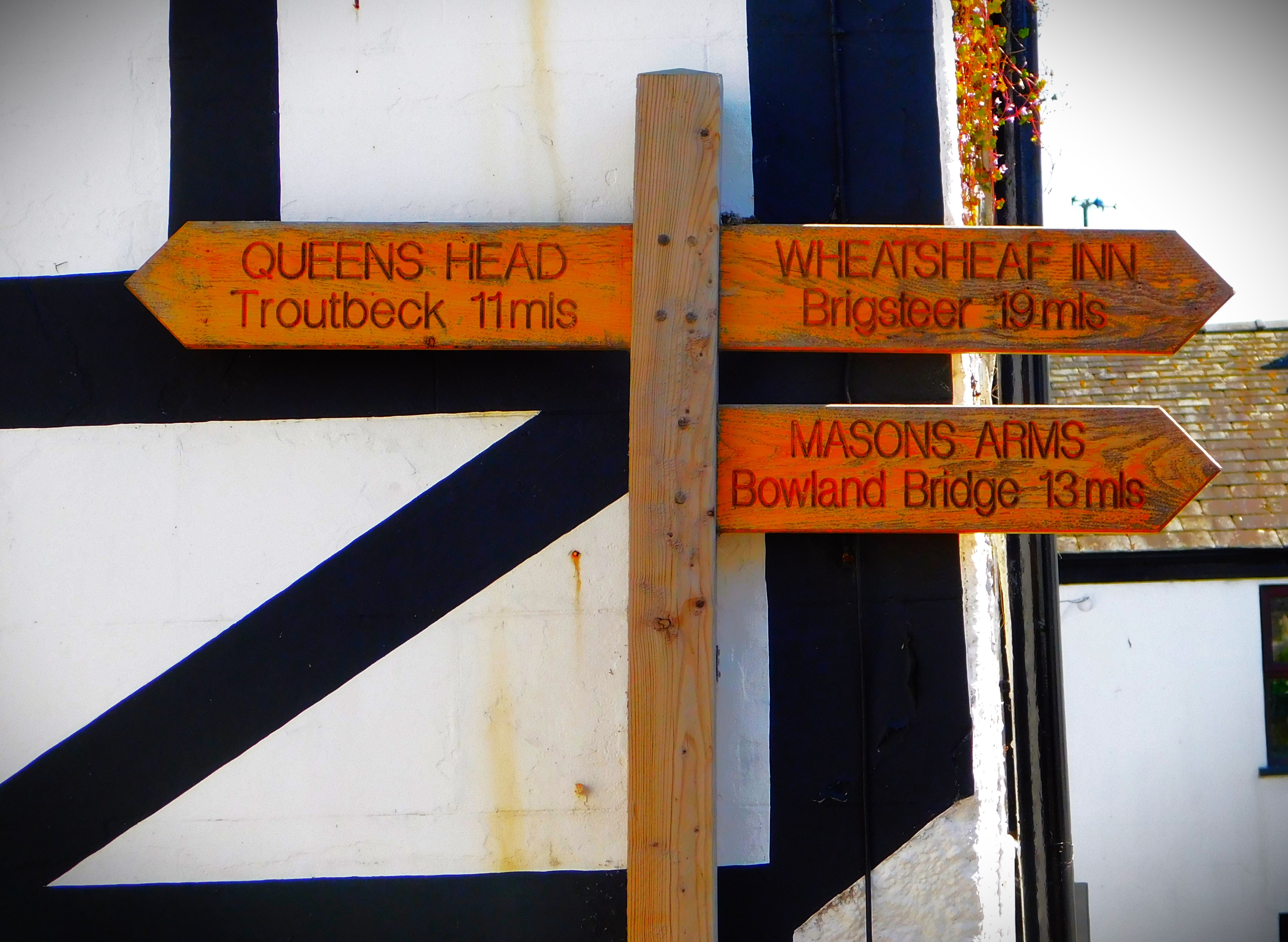
This is Hawkshead’s own strapline for itself, and it may even be true (in the space of a few days I can hardly lay claim to have seen anything approaching every village in the area, so I can go no stronger than that) – it is certainly extremely scenic, and the church is very interesting. The churchyard is no longer used for burials and is now a designated nature reserve.
PHOTOGRAPHS
The gallery…
I have seen many church organs, but never one with pipes positioned like this.










































































































































































































































































































































































































































































 aspiblog