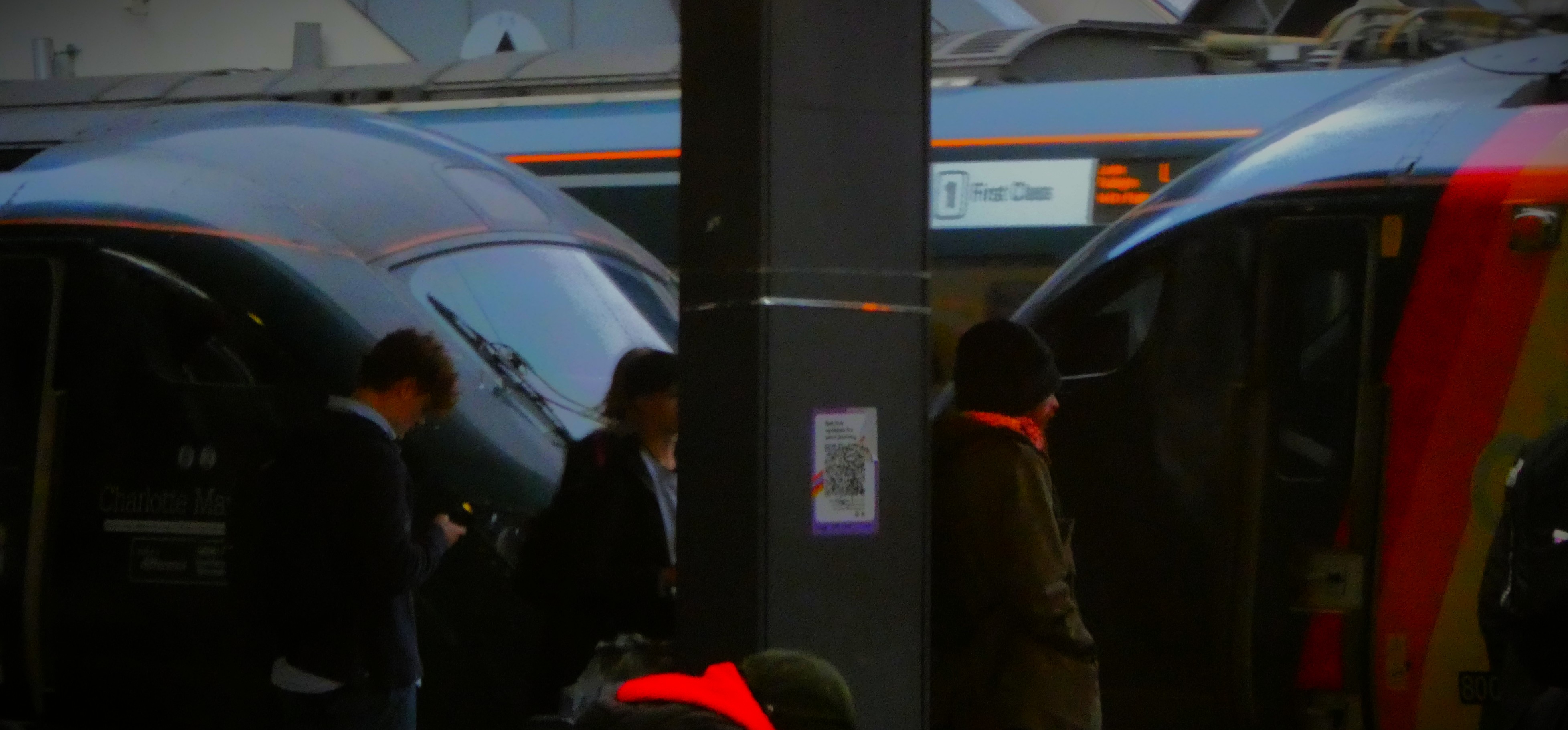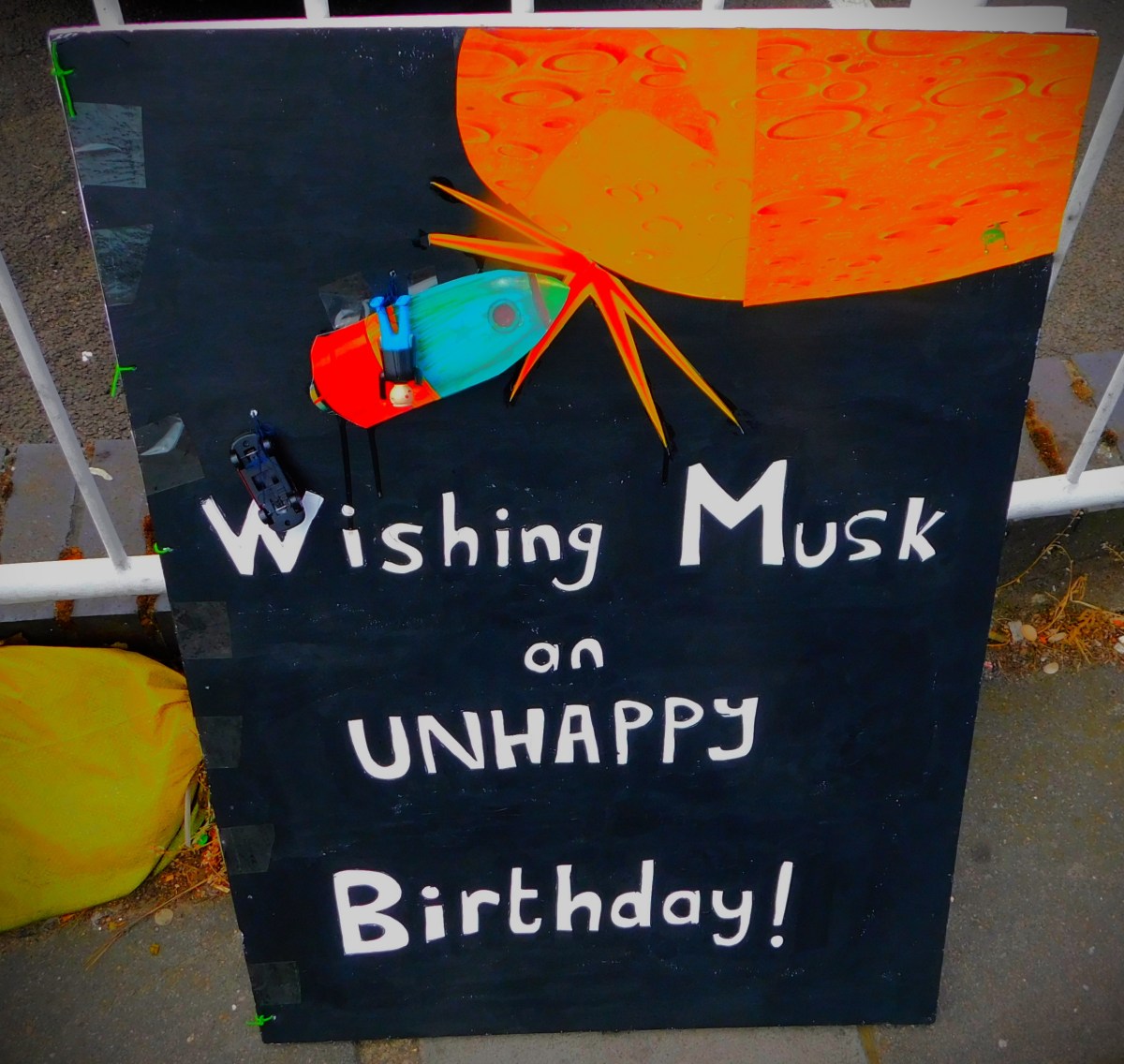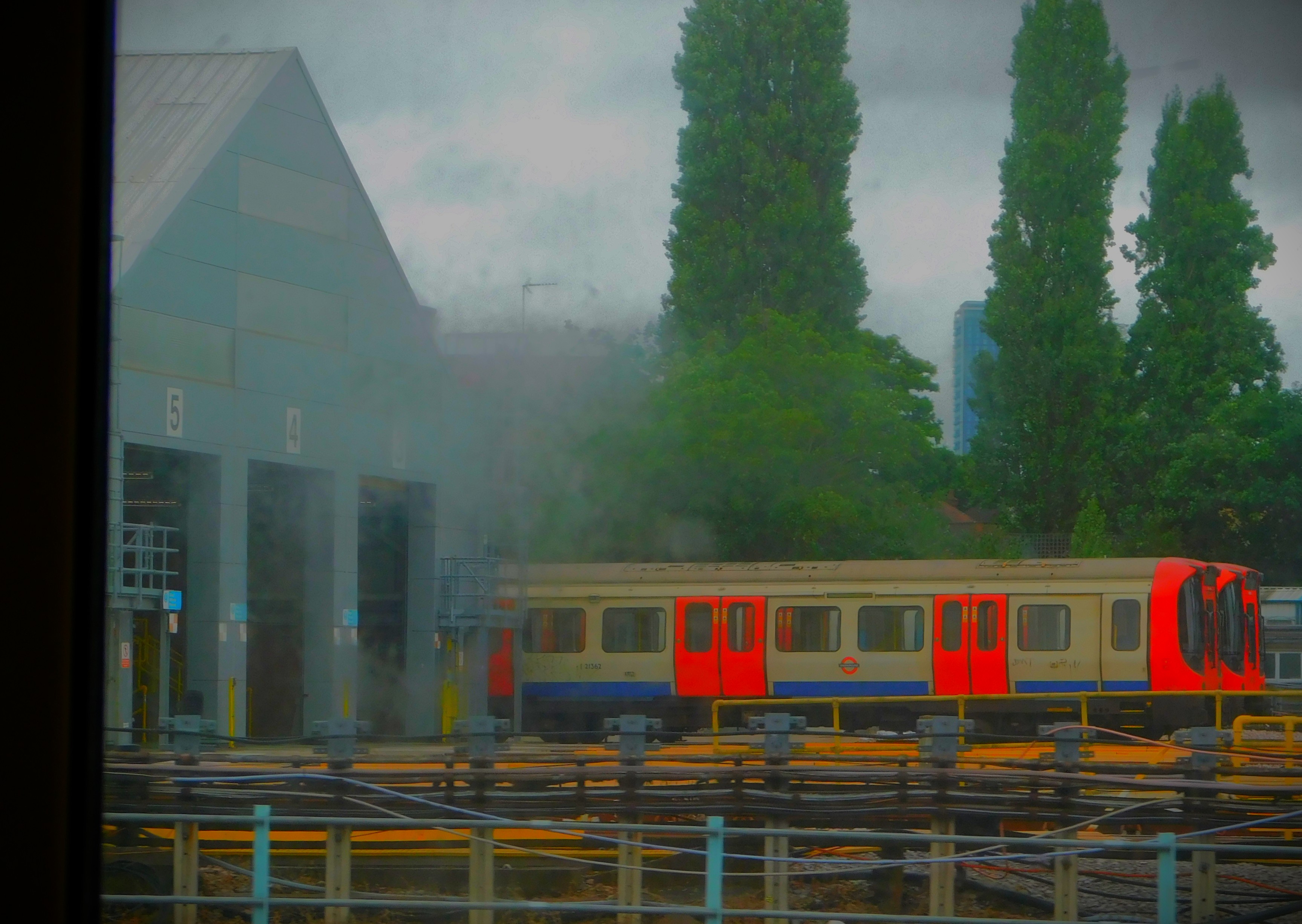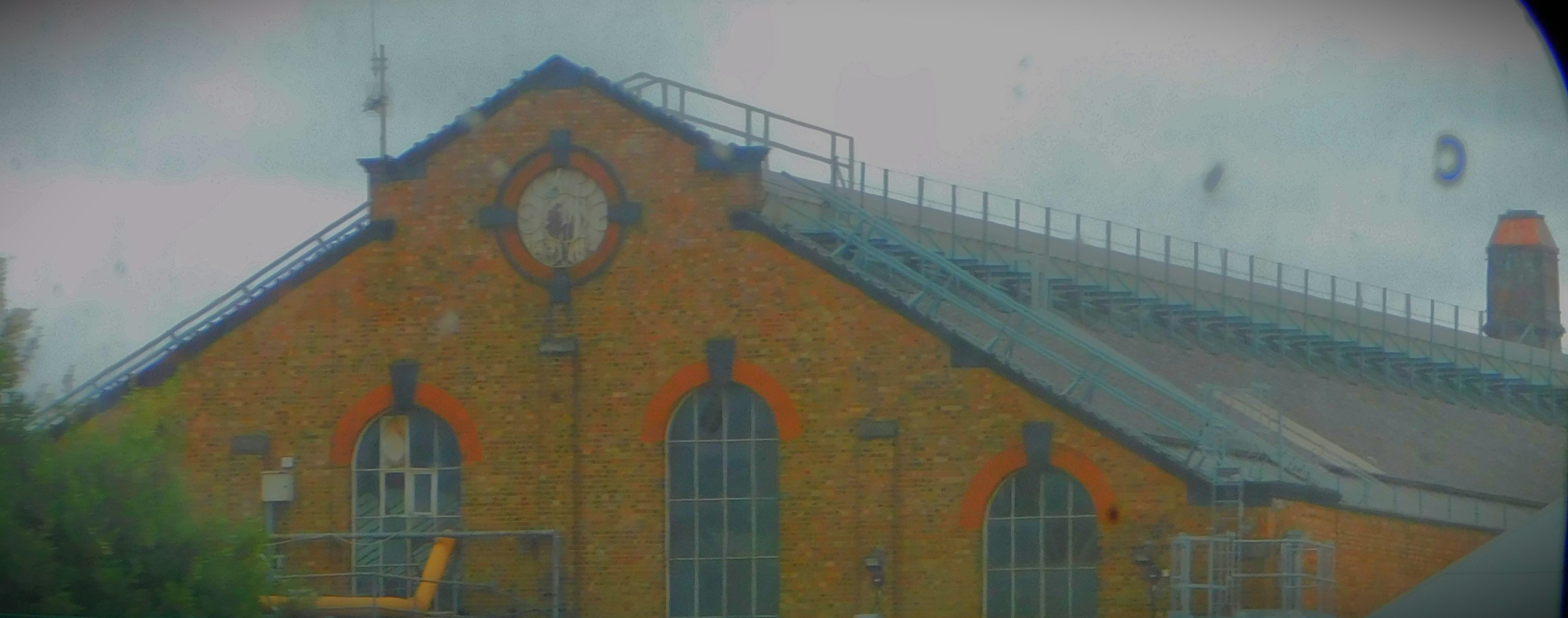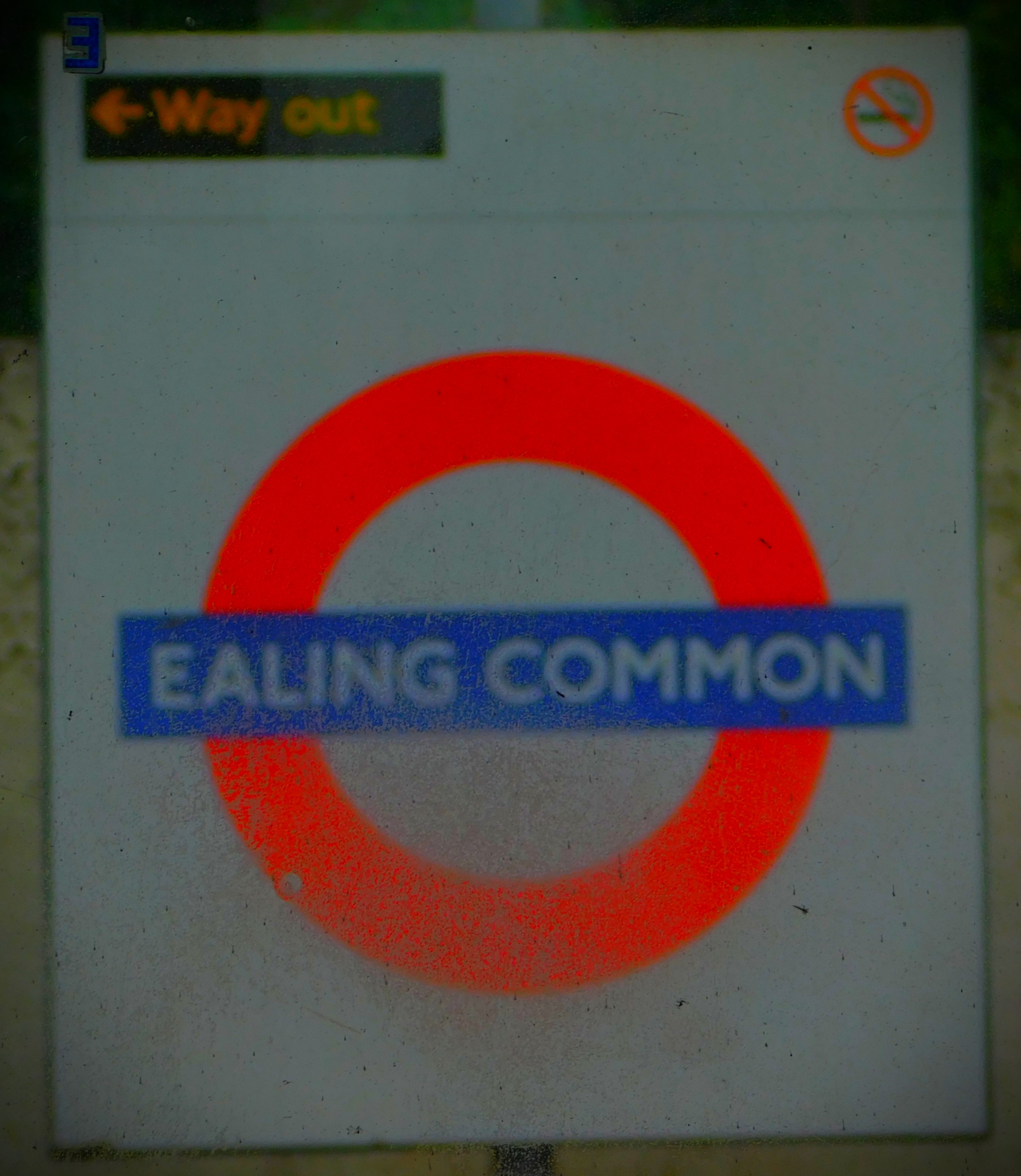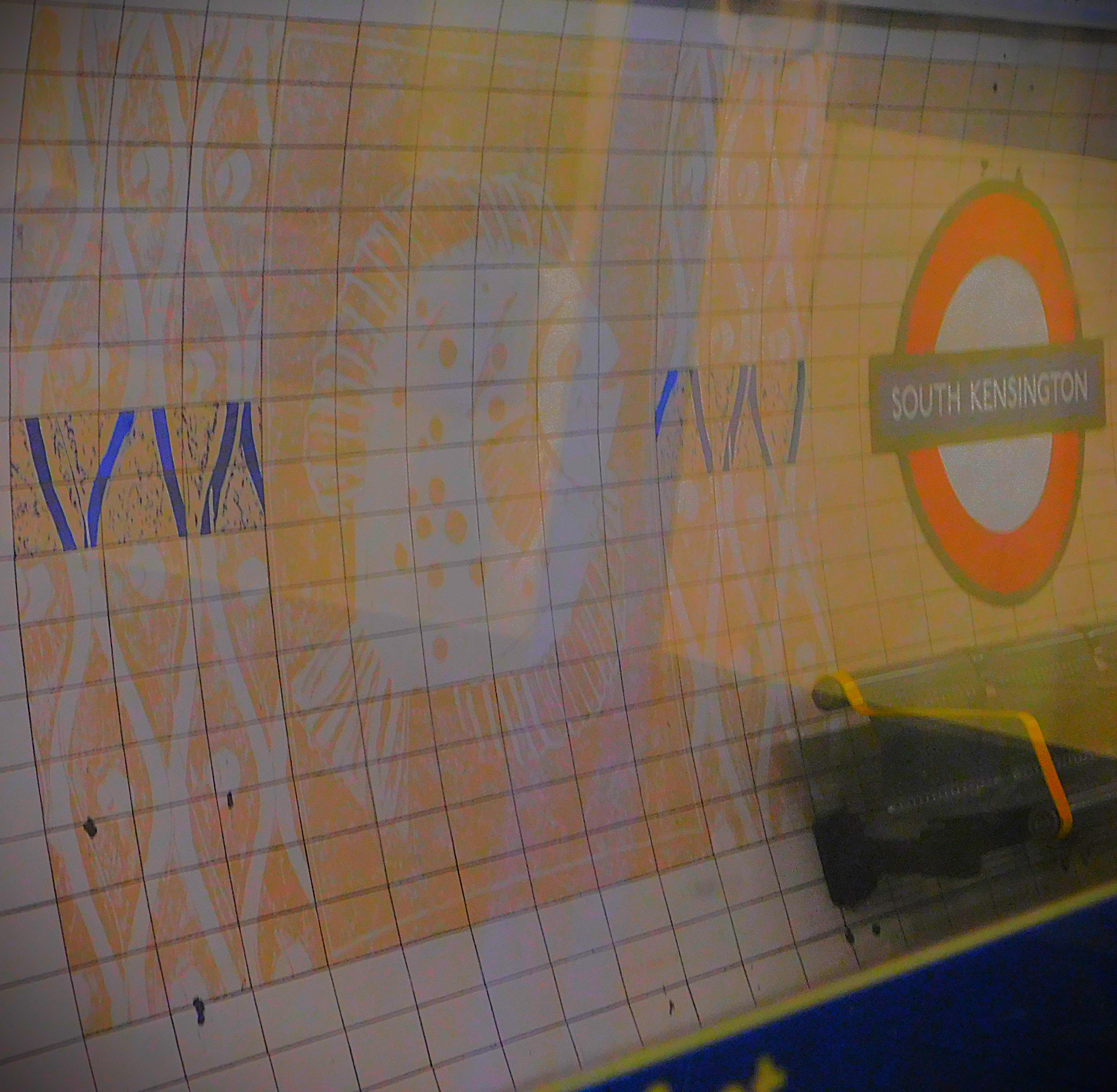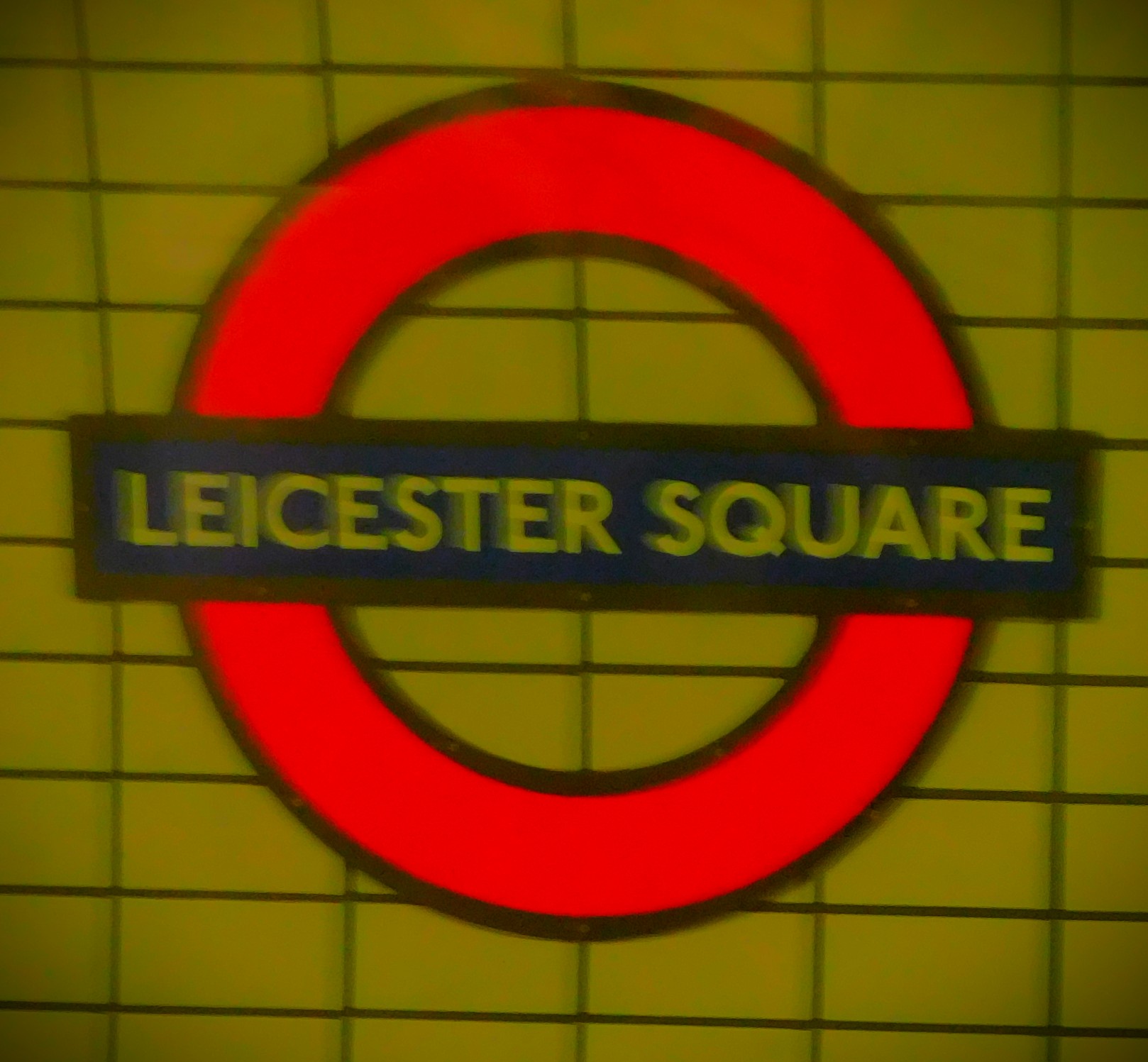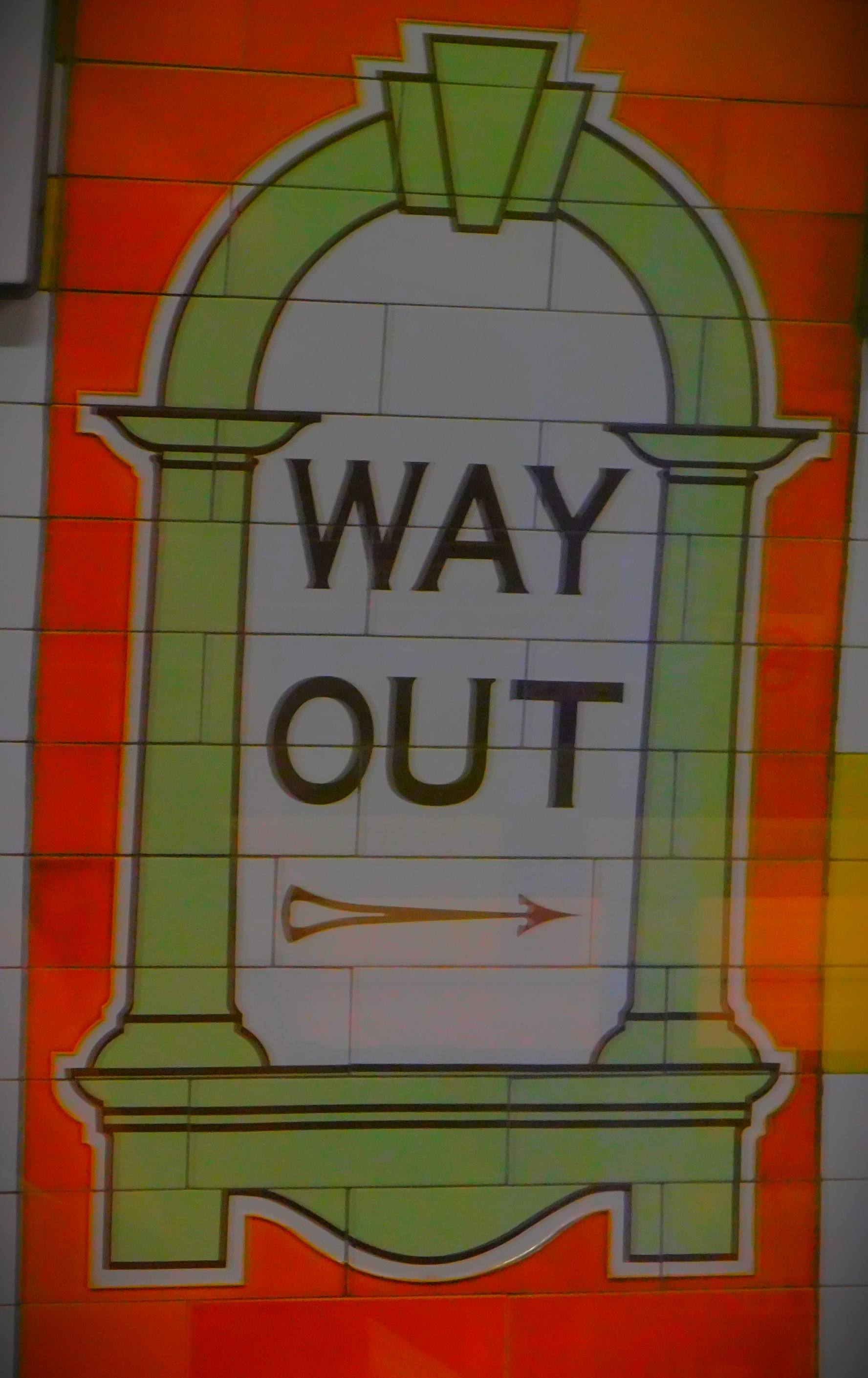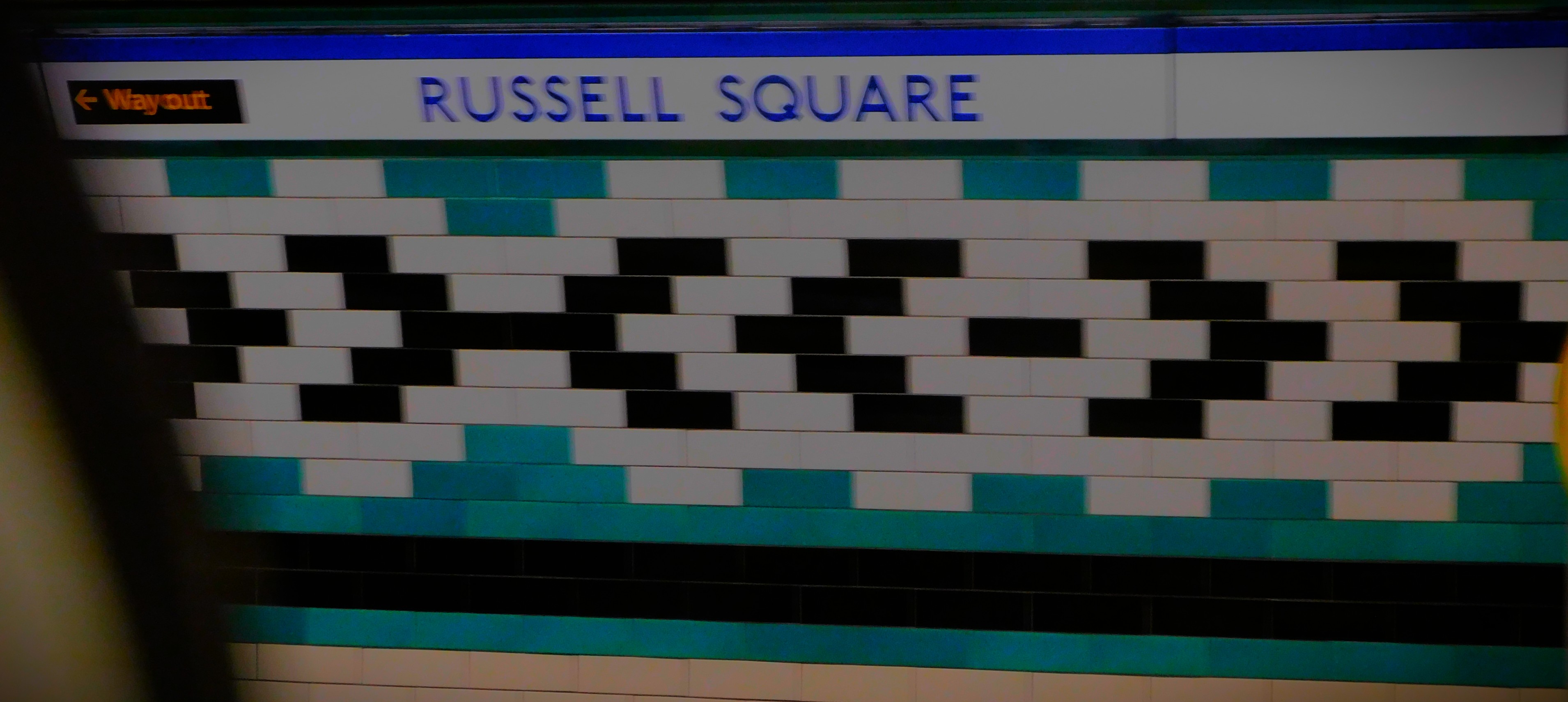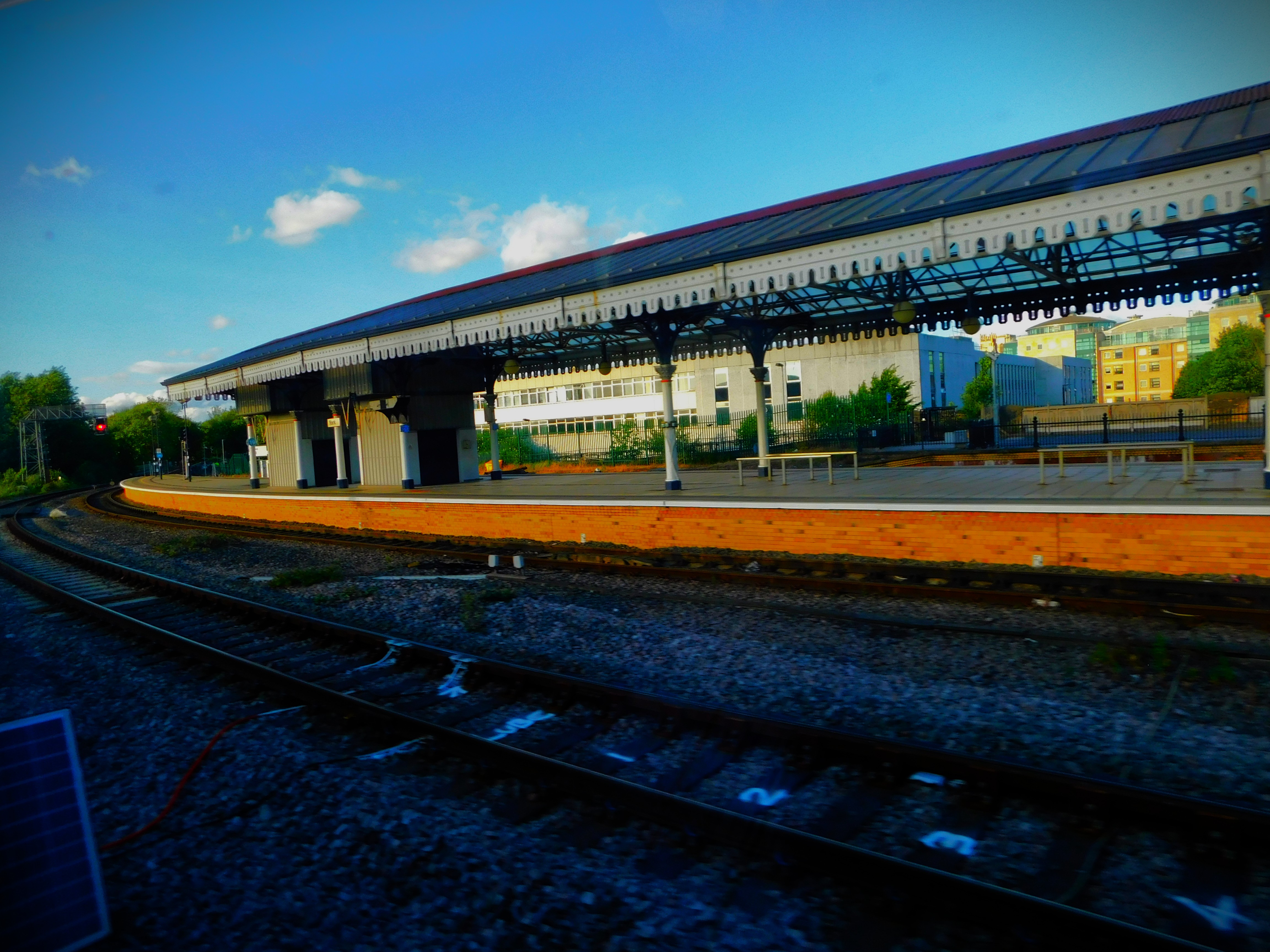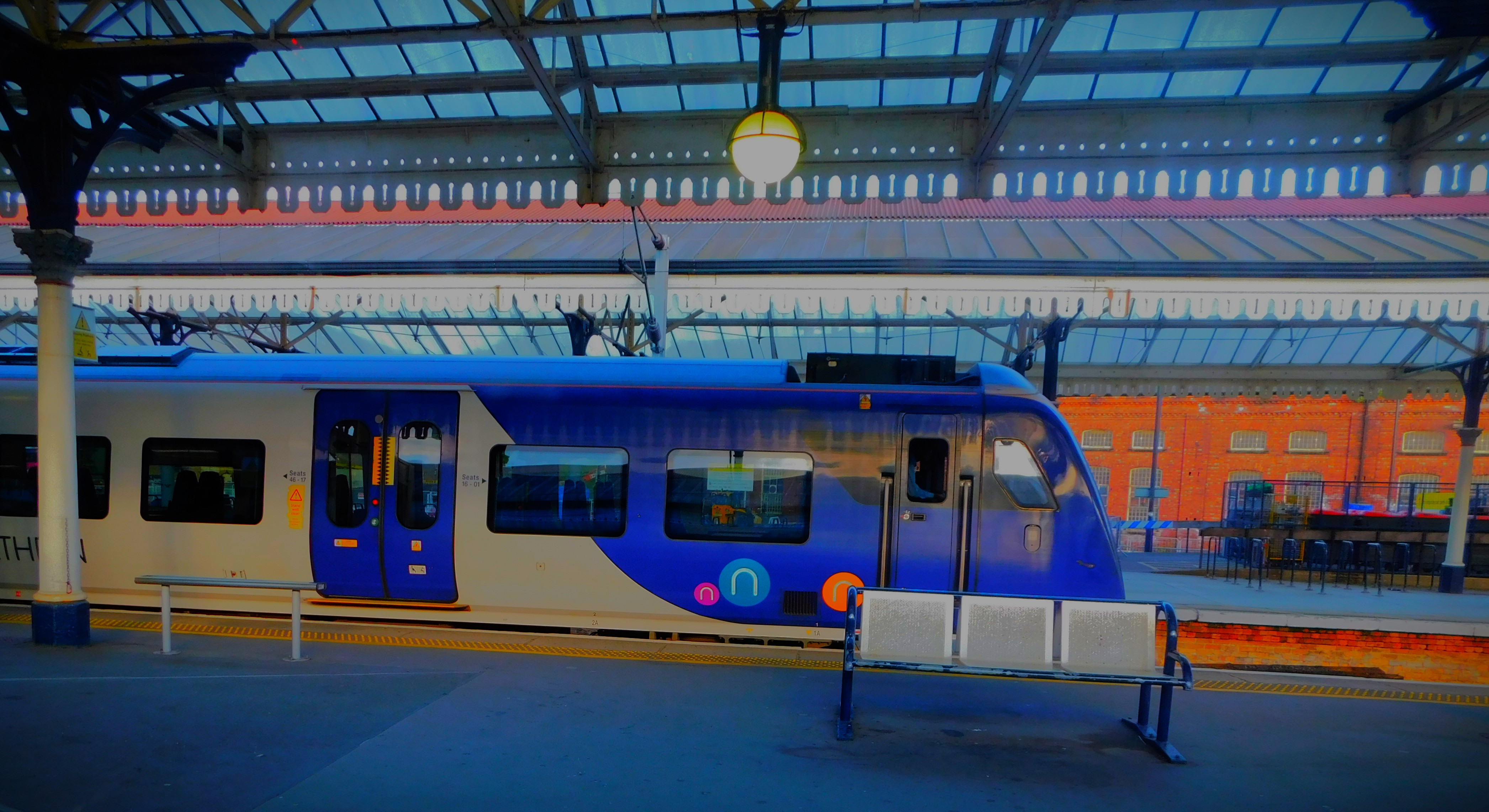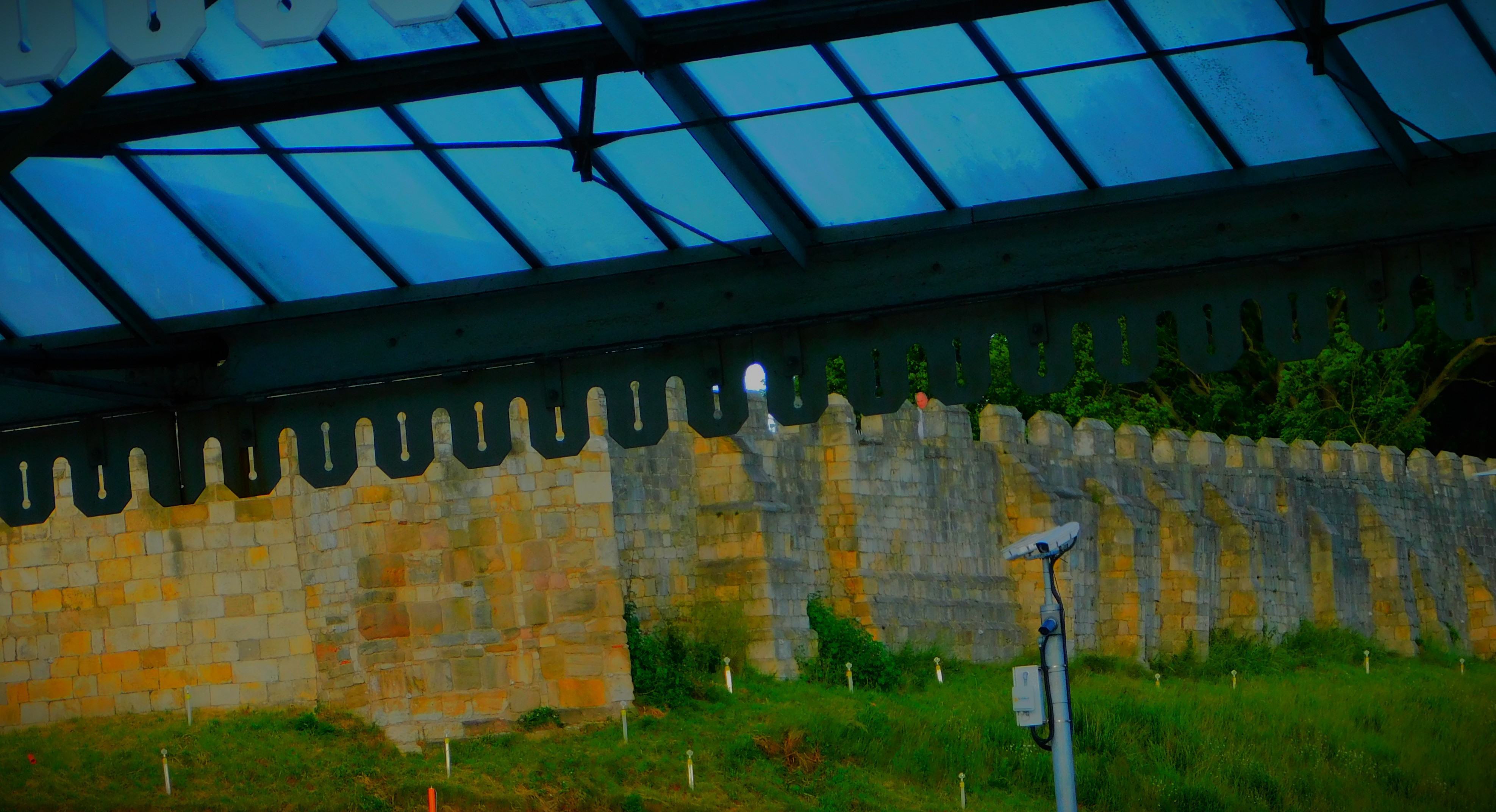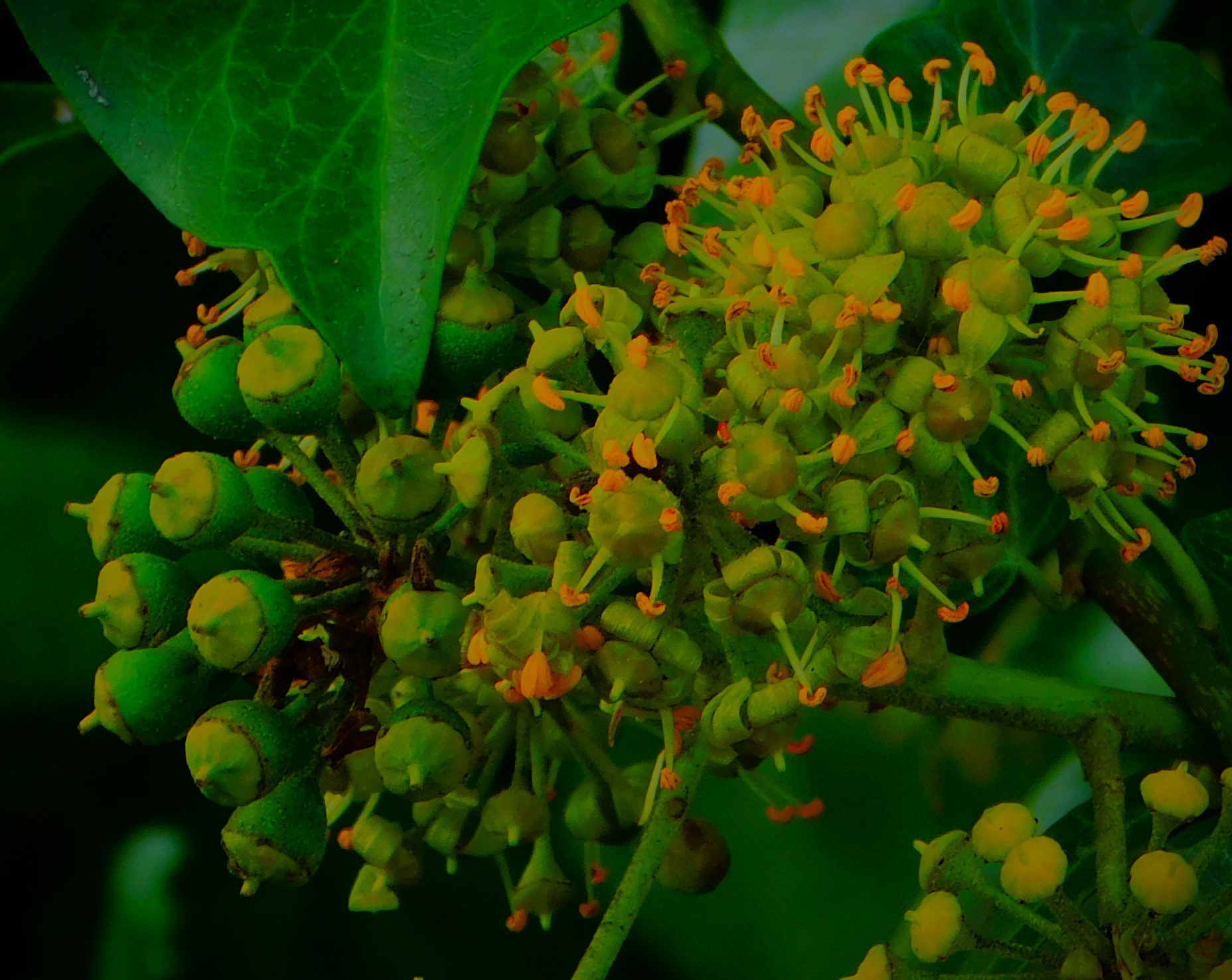
An account of my involvement in an ‘Unhappy birthday, Elon’ event yesterday, complete with photos.
Yesterday was Elon Musk’s birthday, and activities had been organized in various places to make it an unhappy one for him. I took part in the event in London, outside the Tesla dealership in Park Royal.
THERE AND BACK
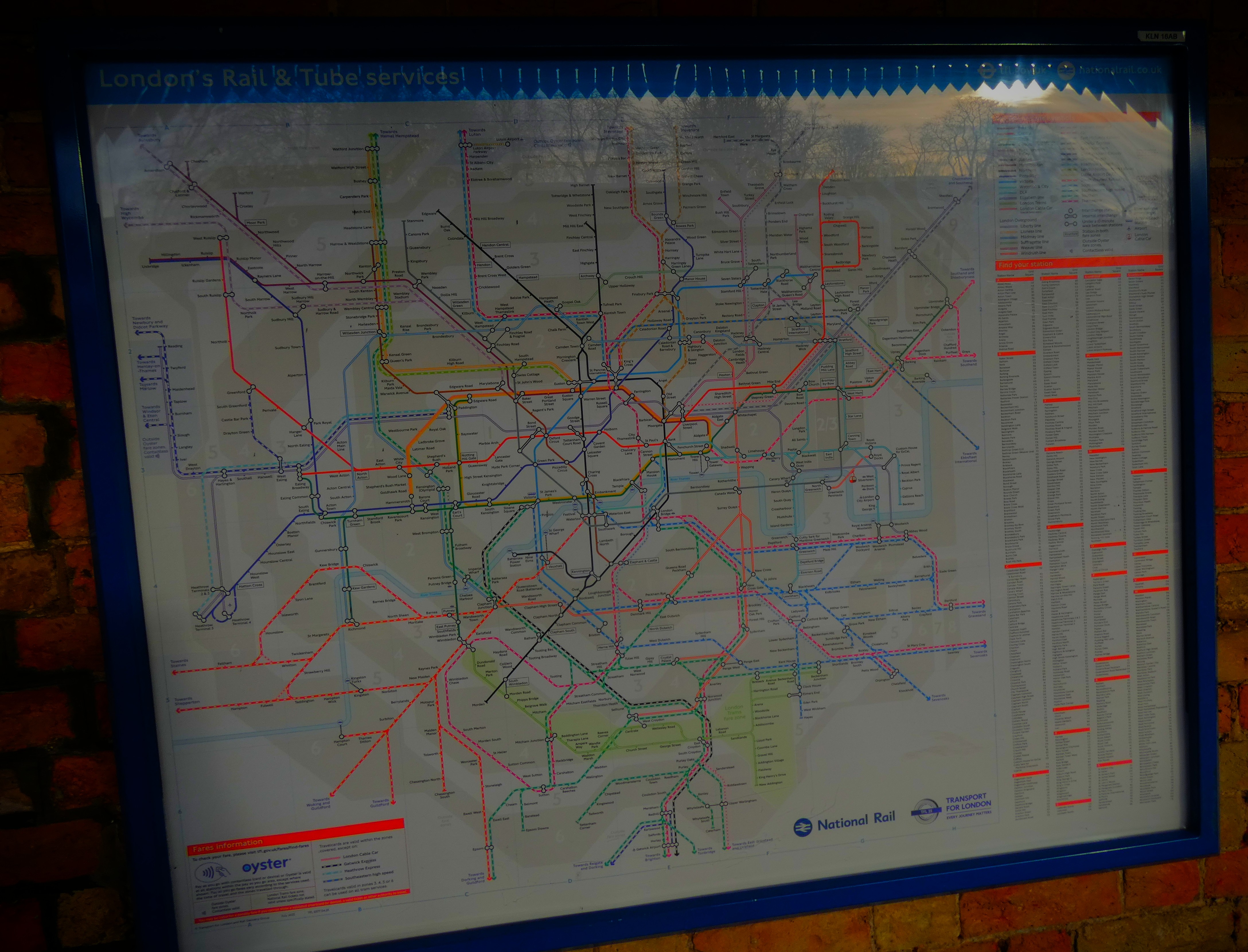
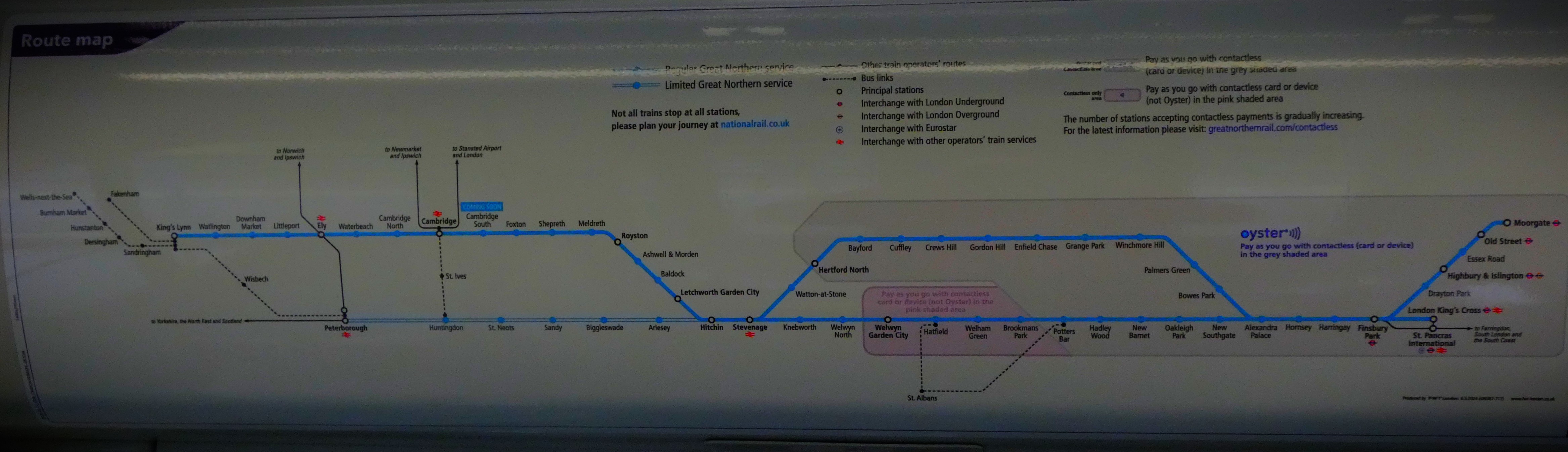
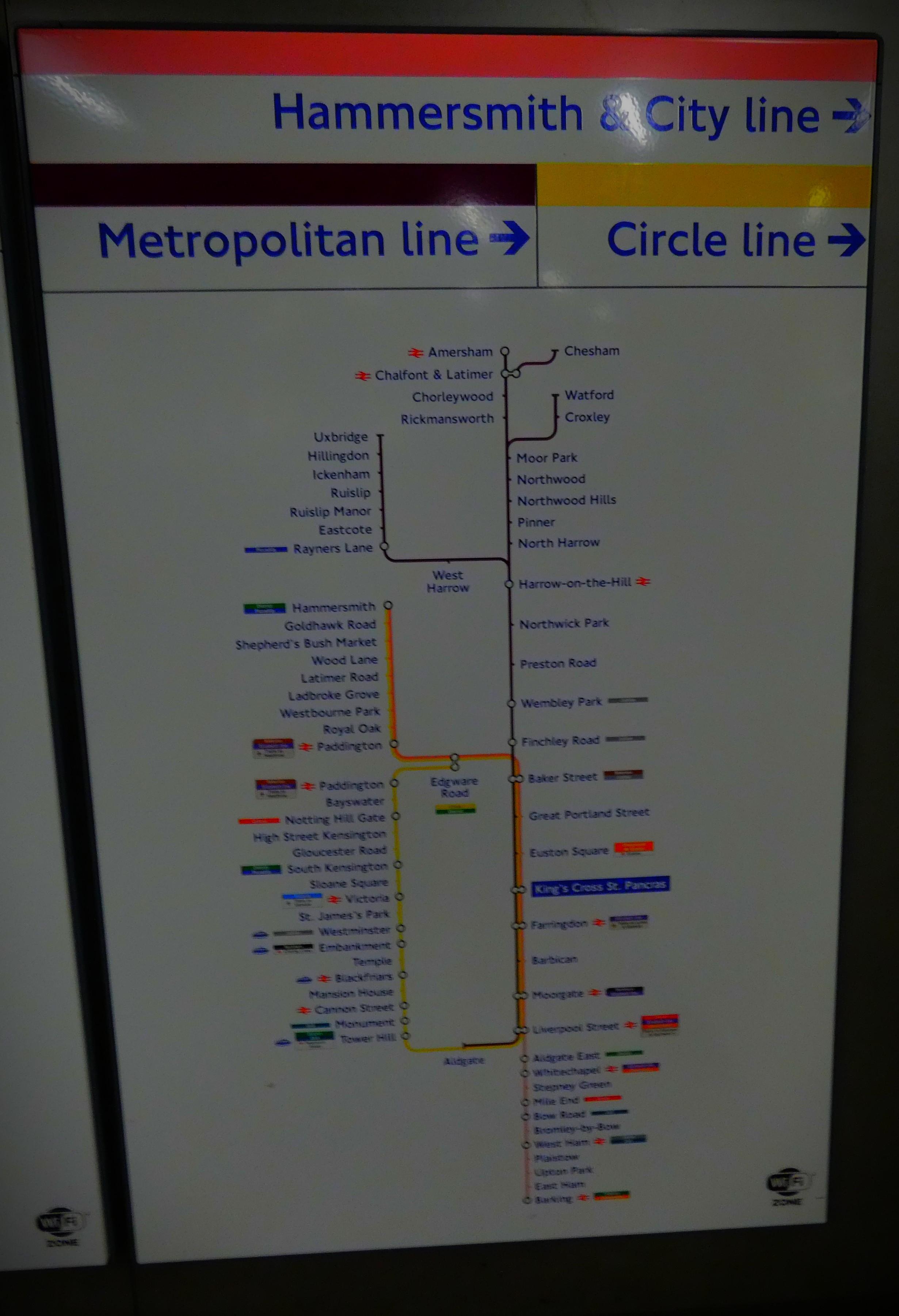
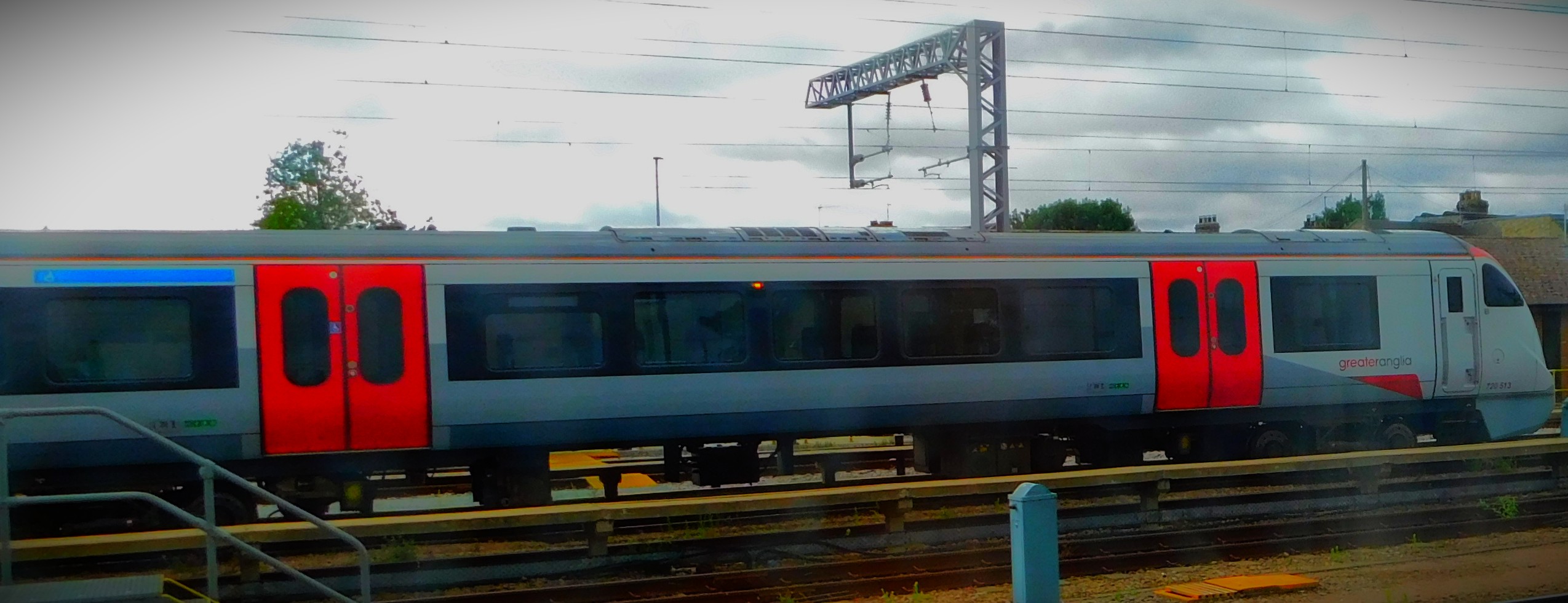
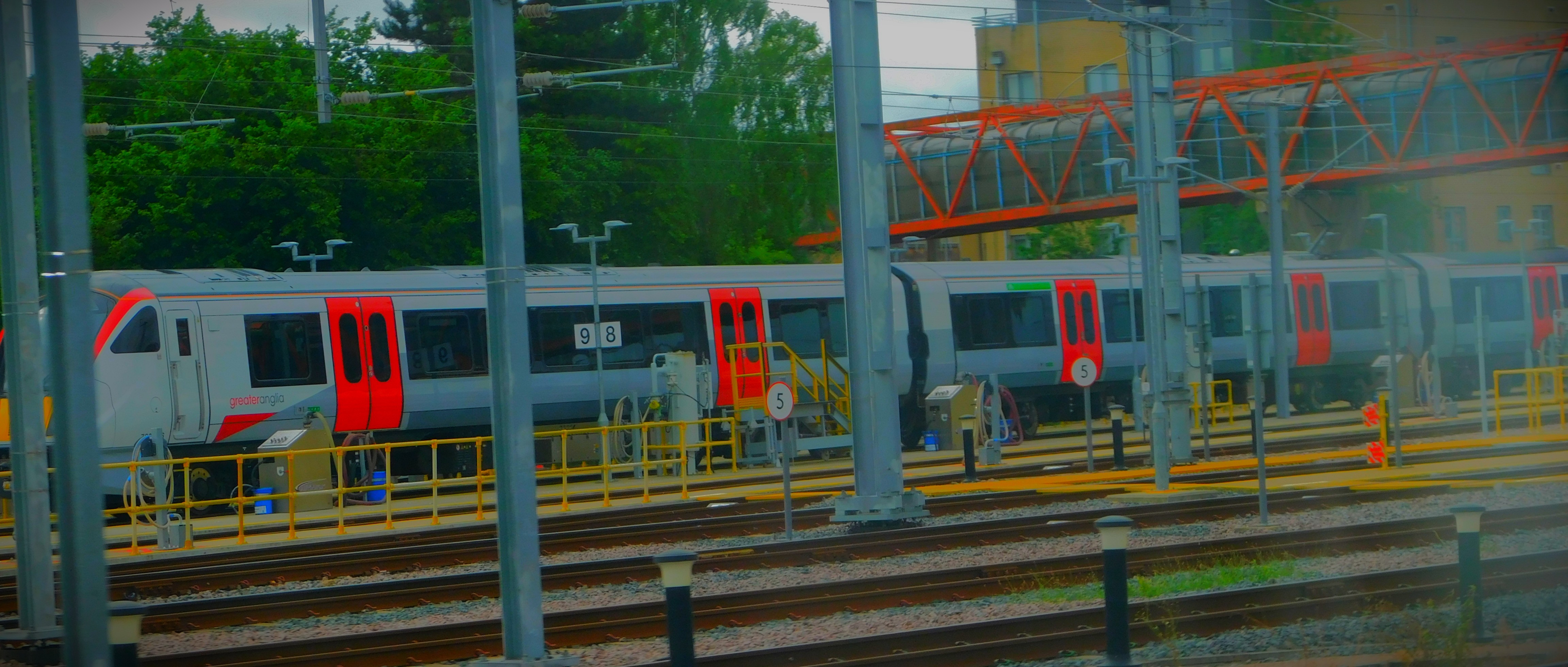
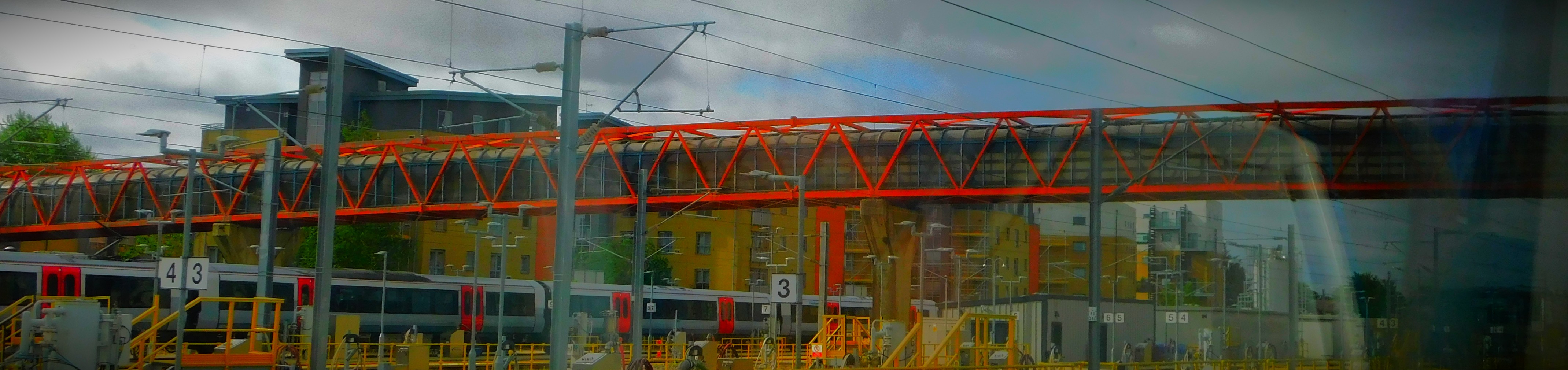
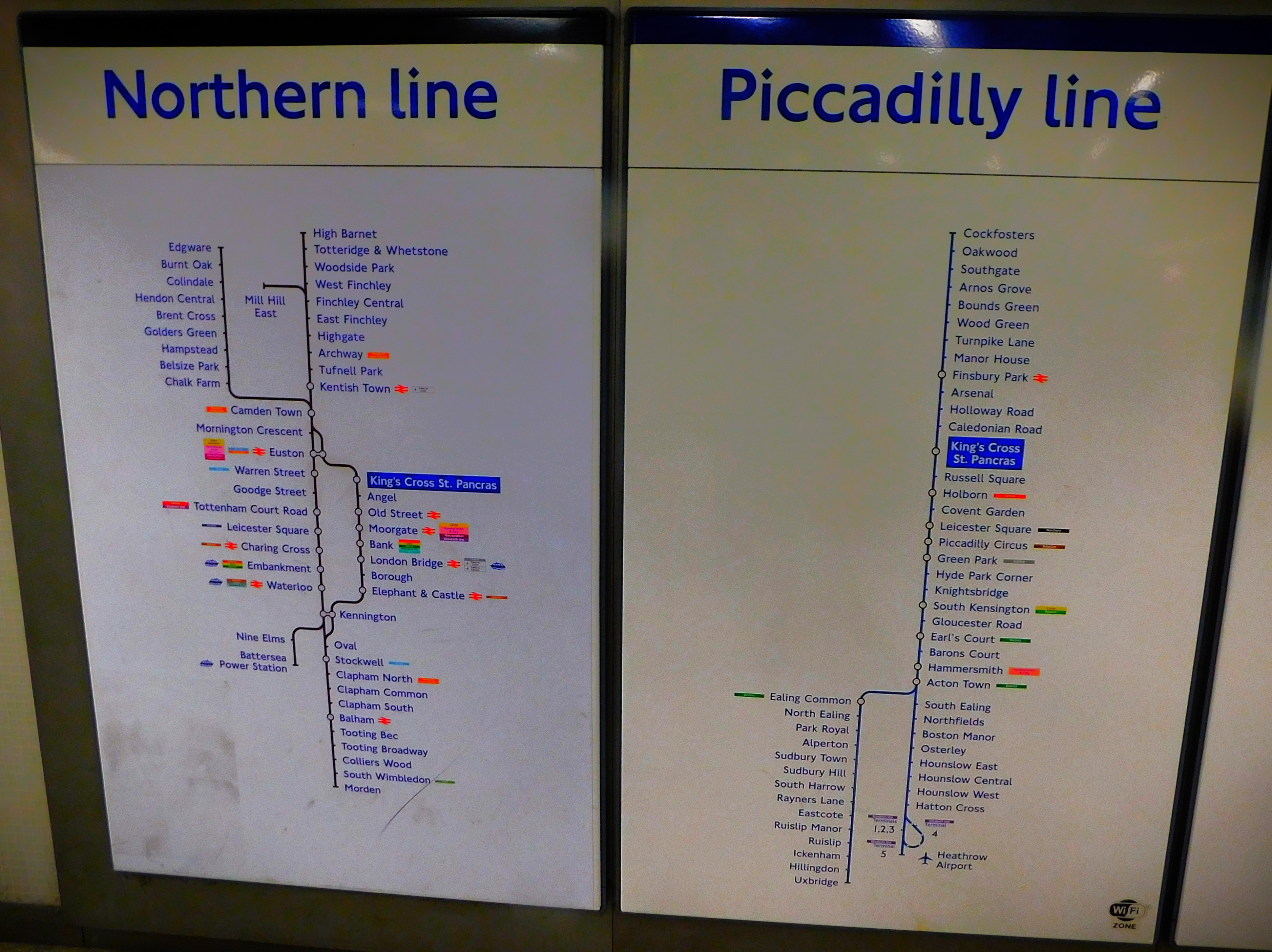
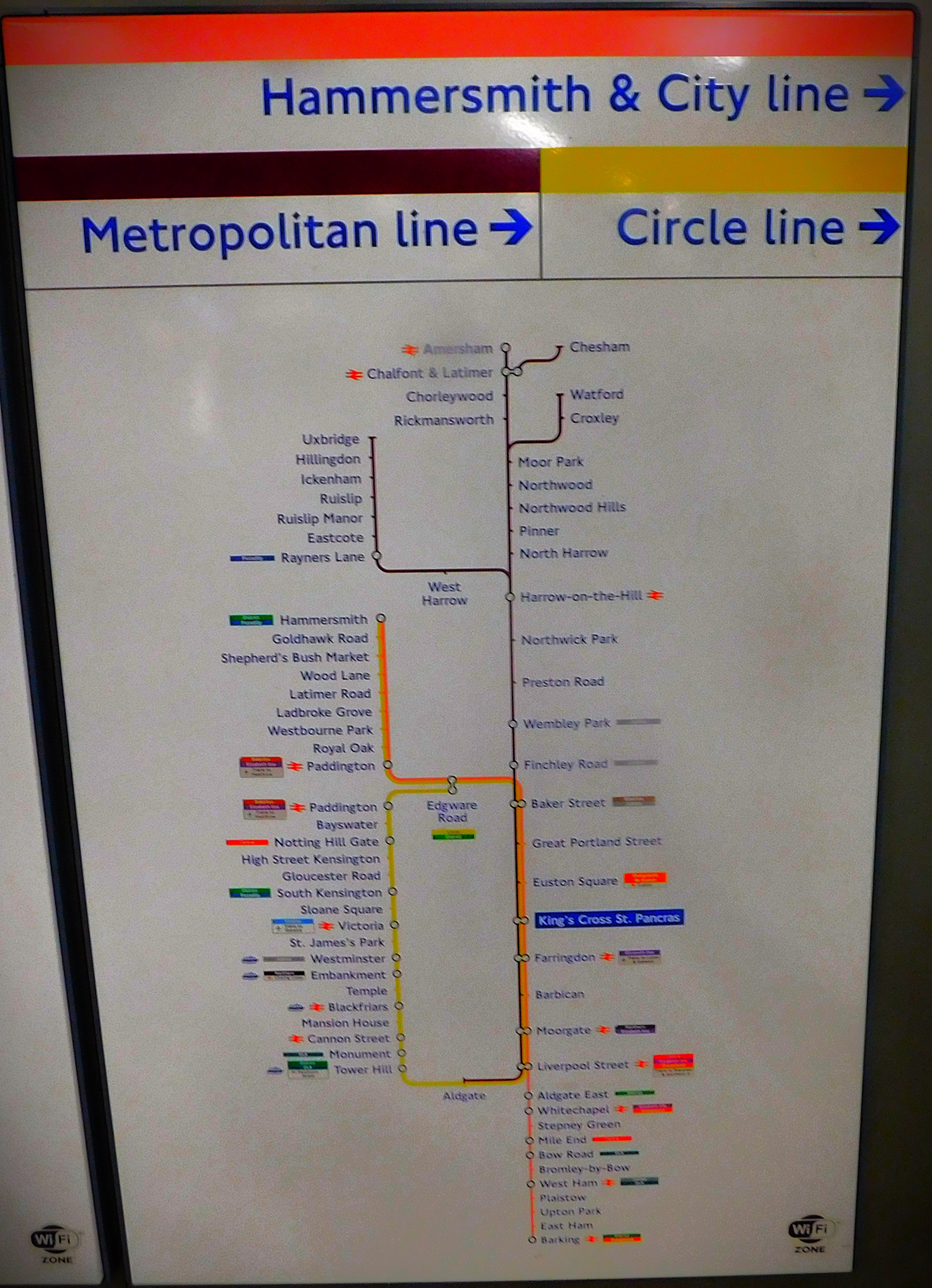
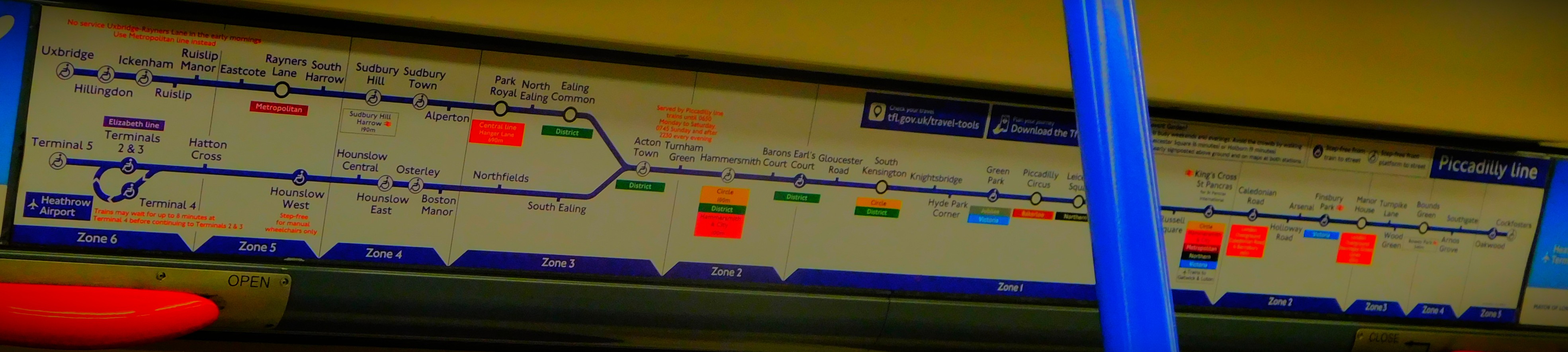
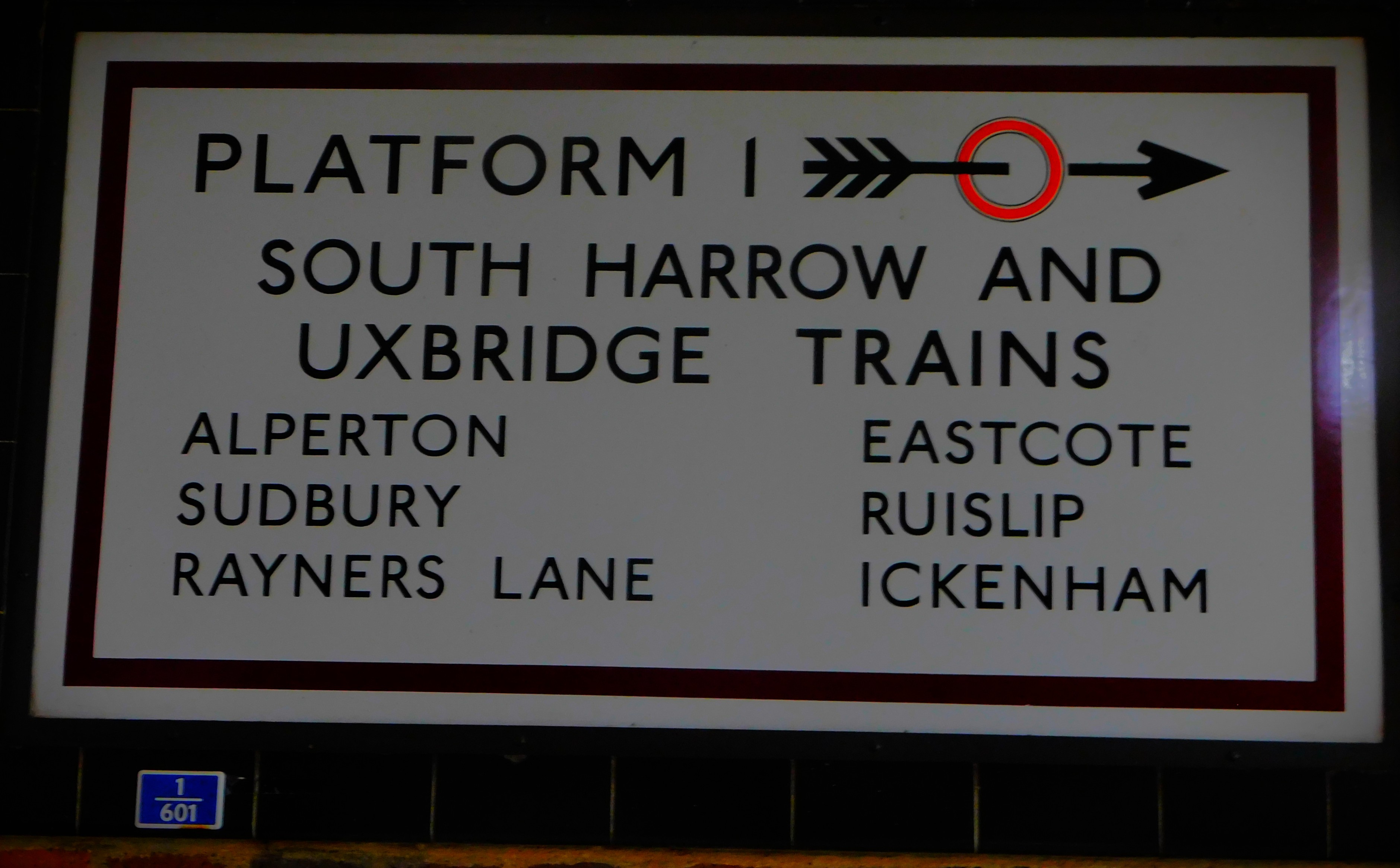
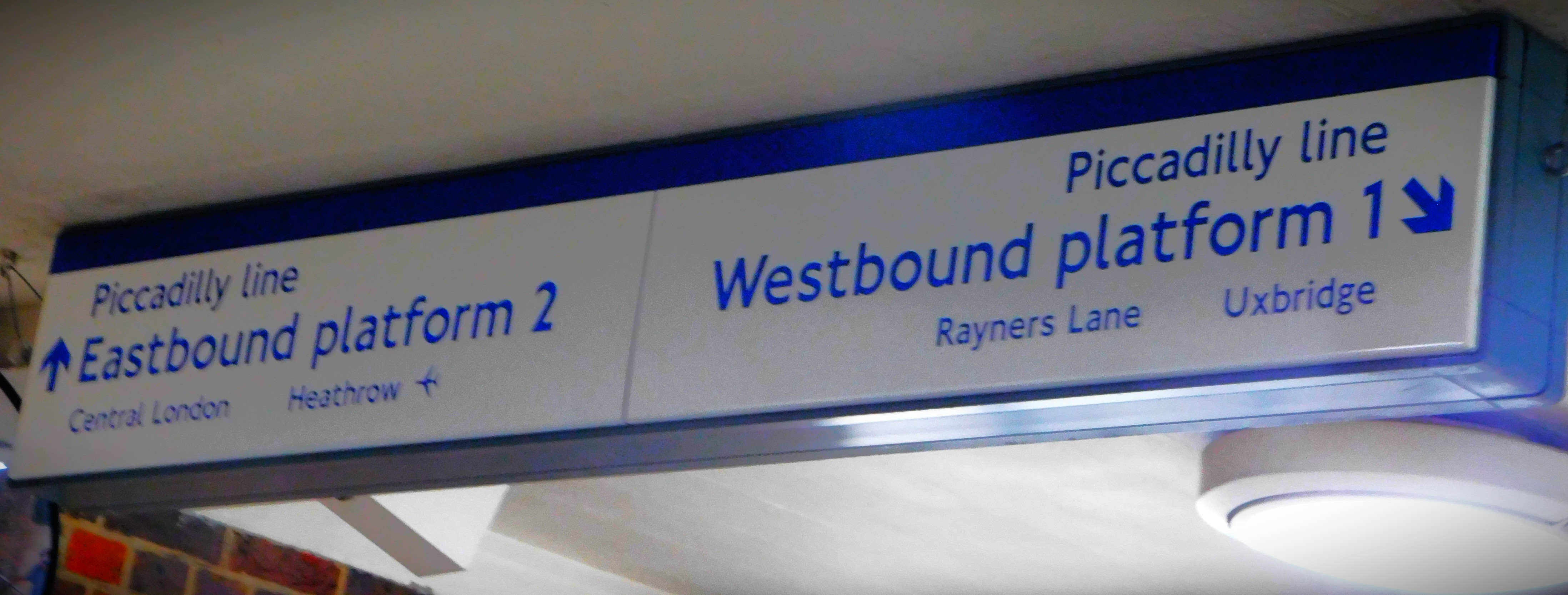
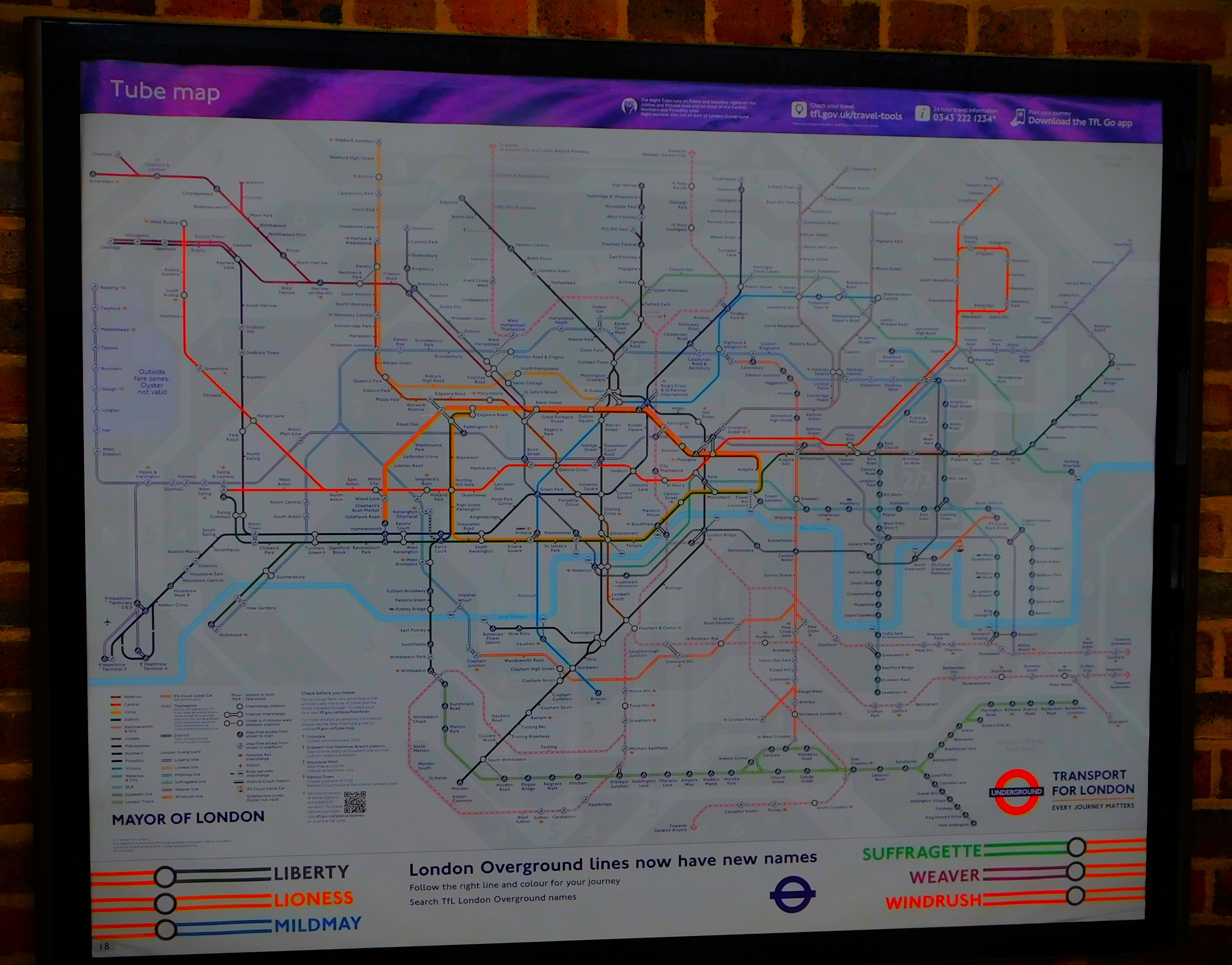
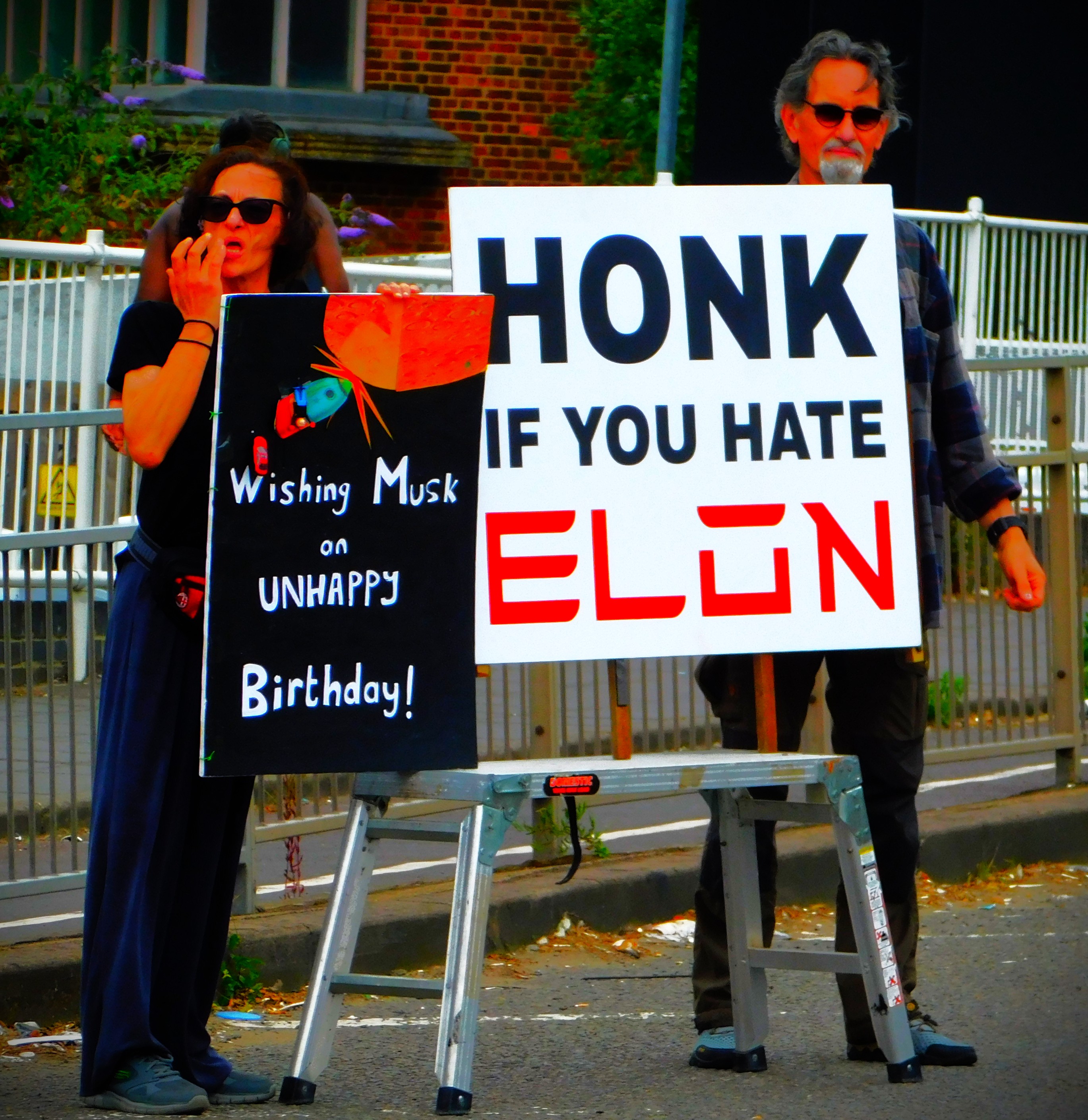
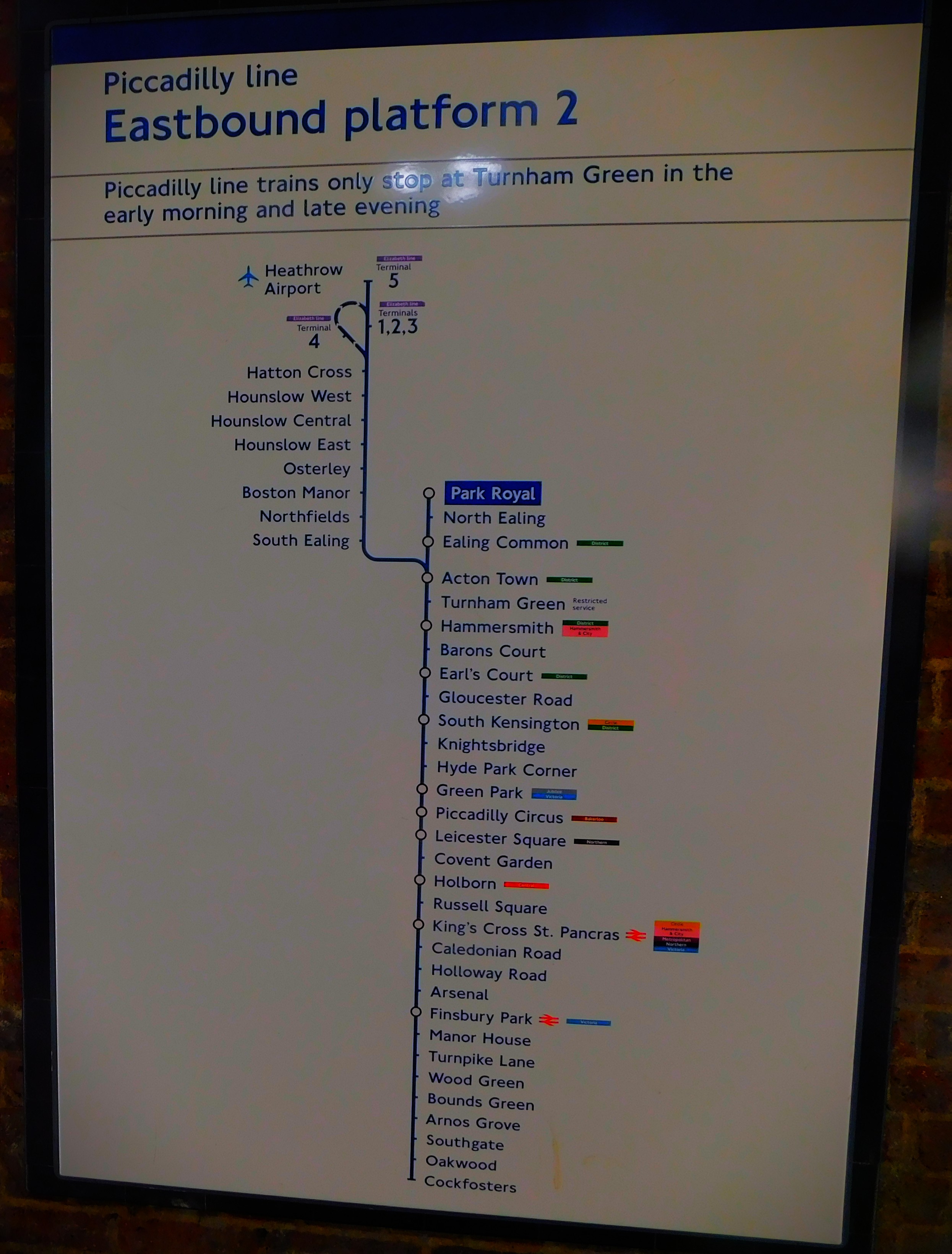
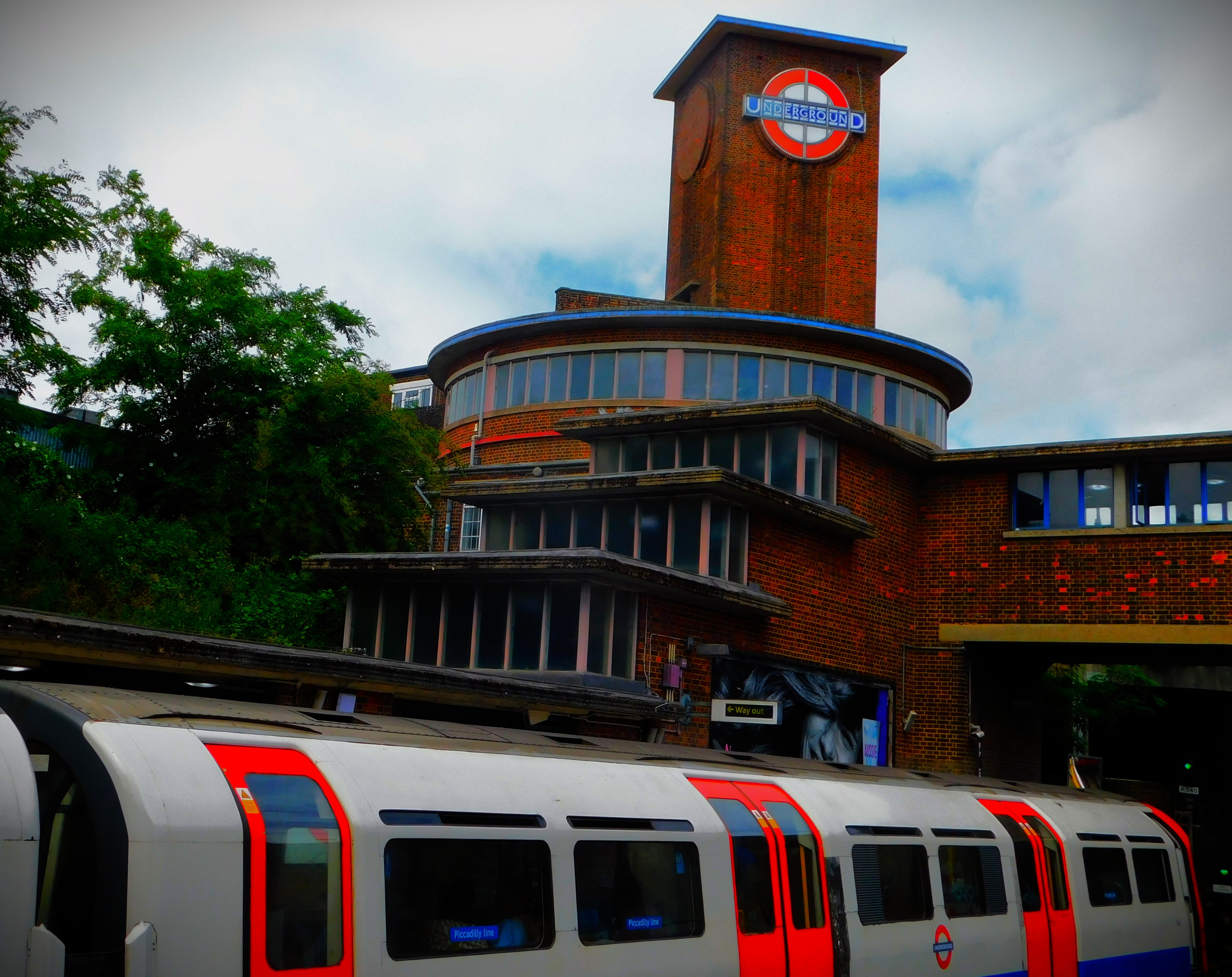
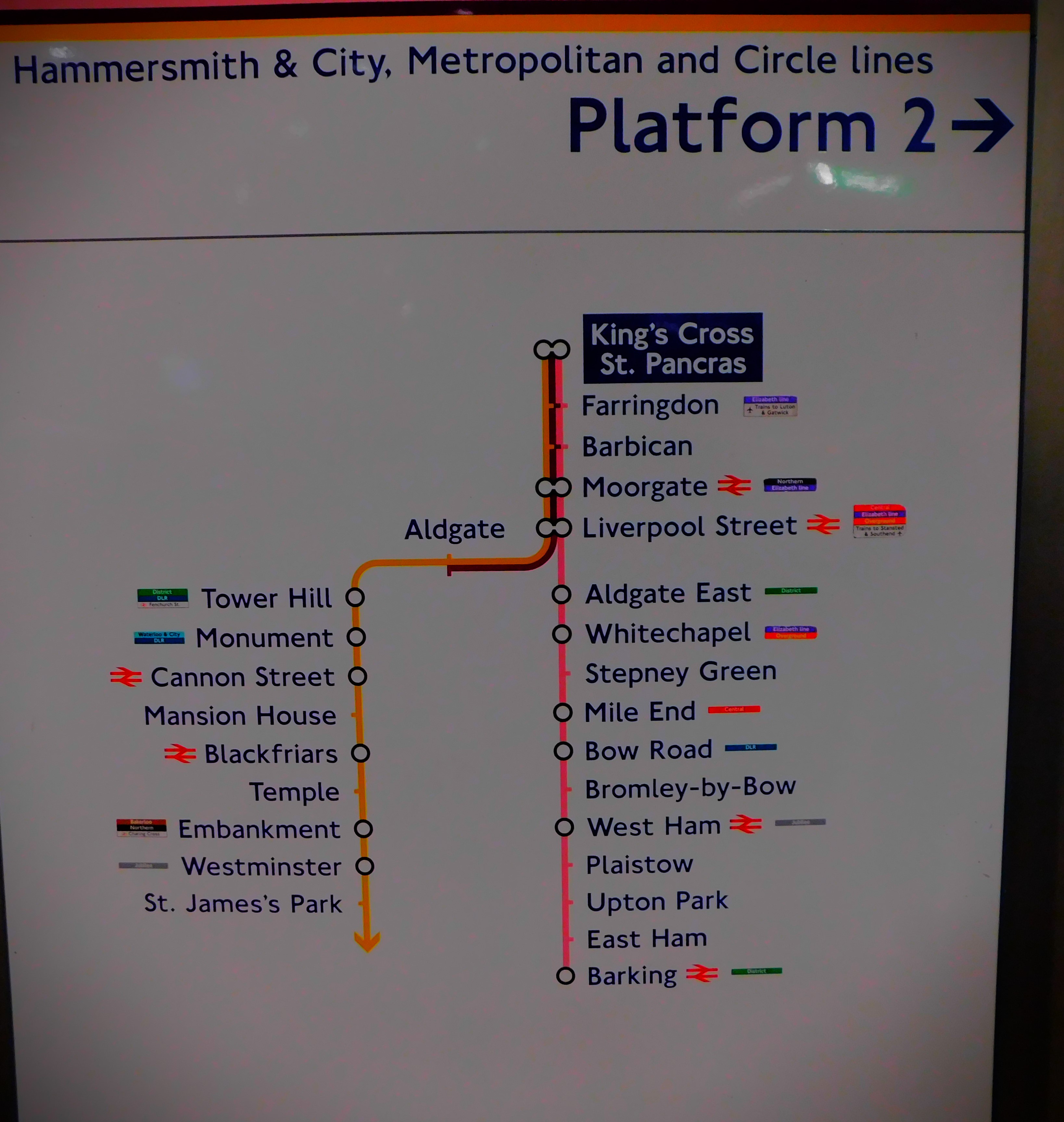
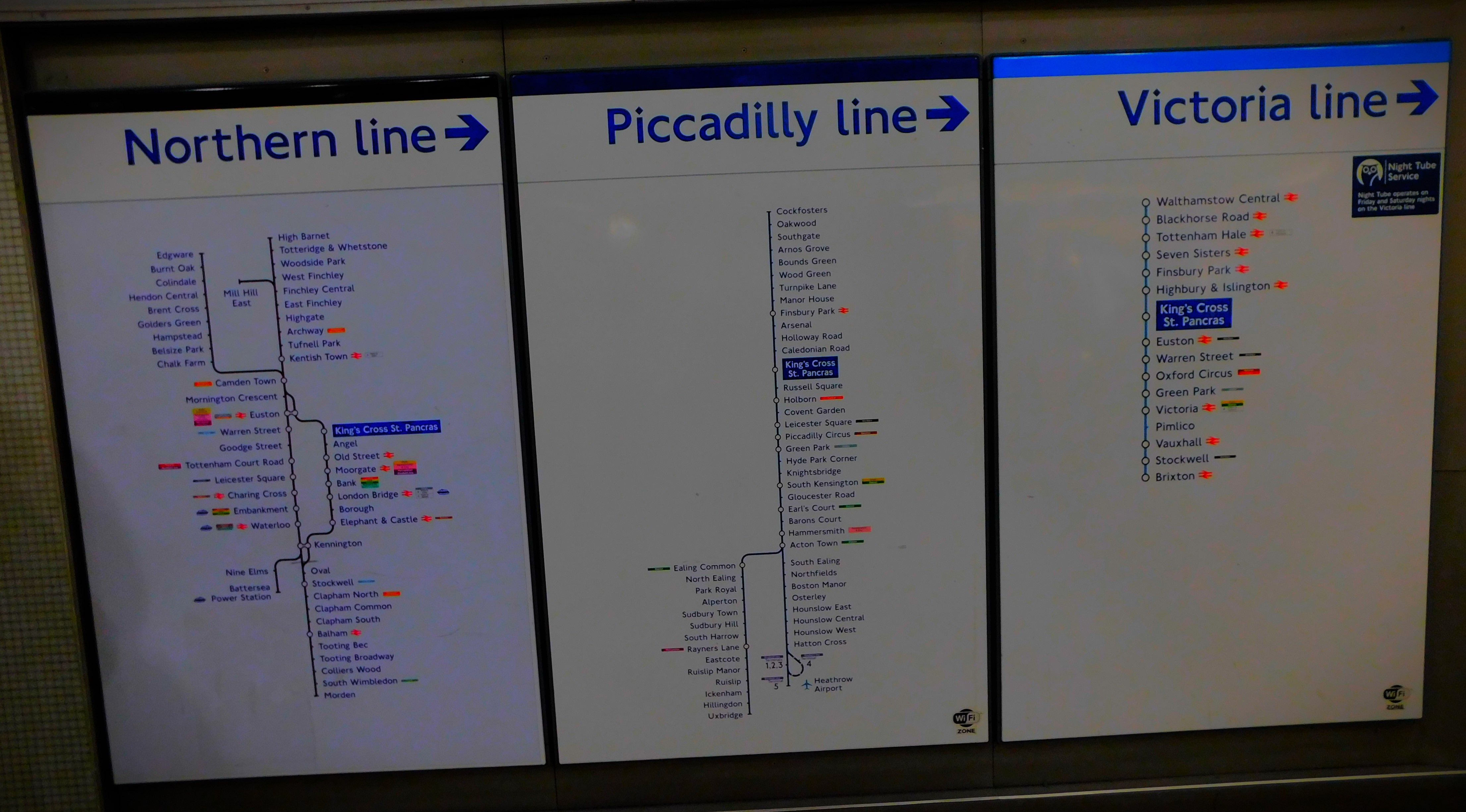
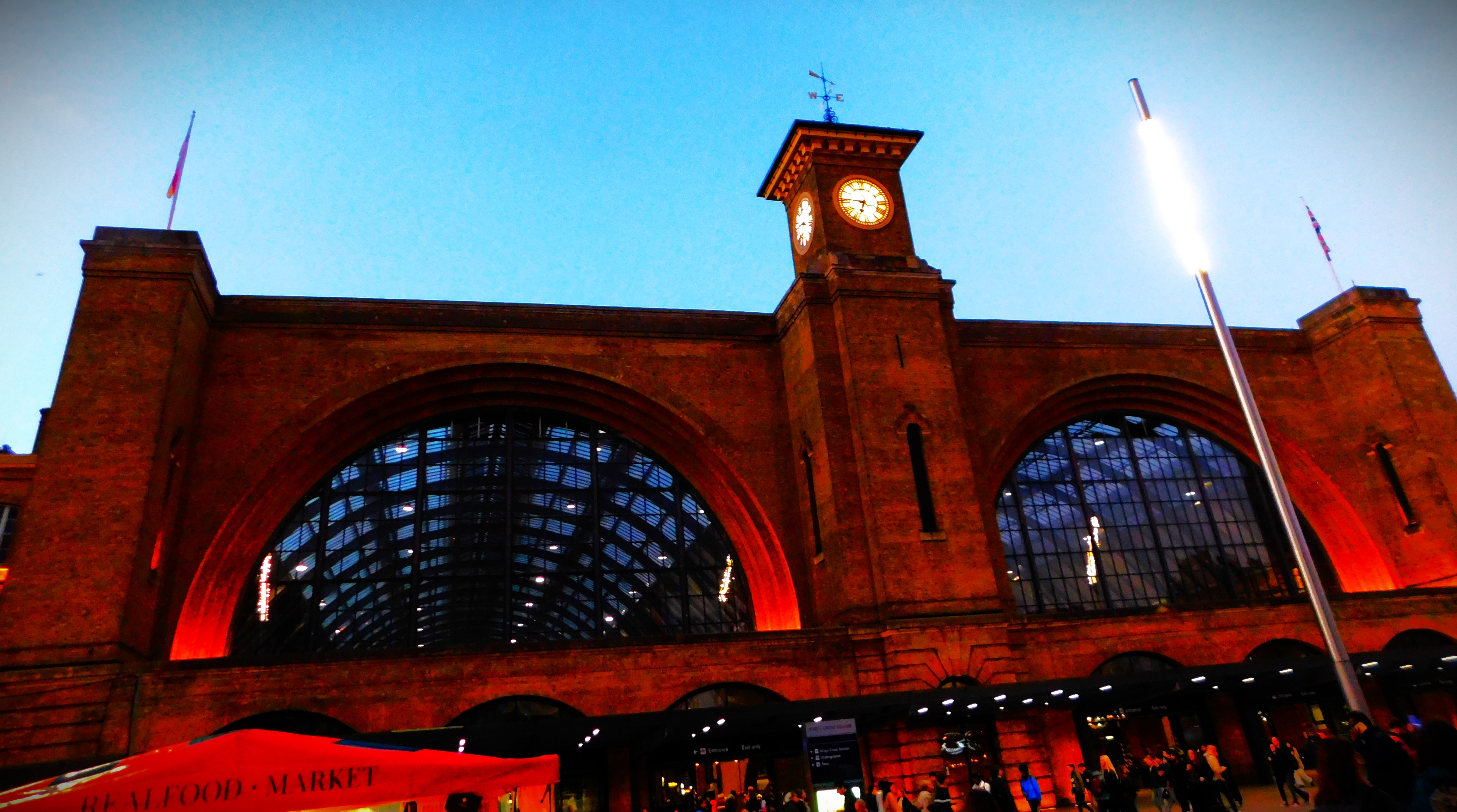
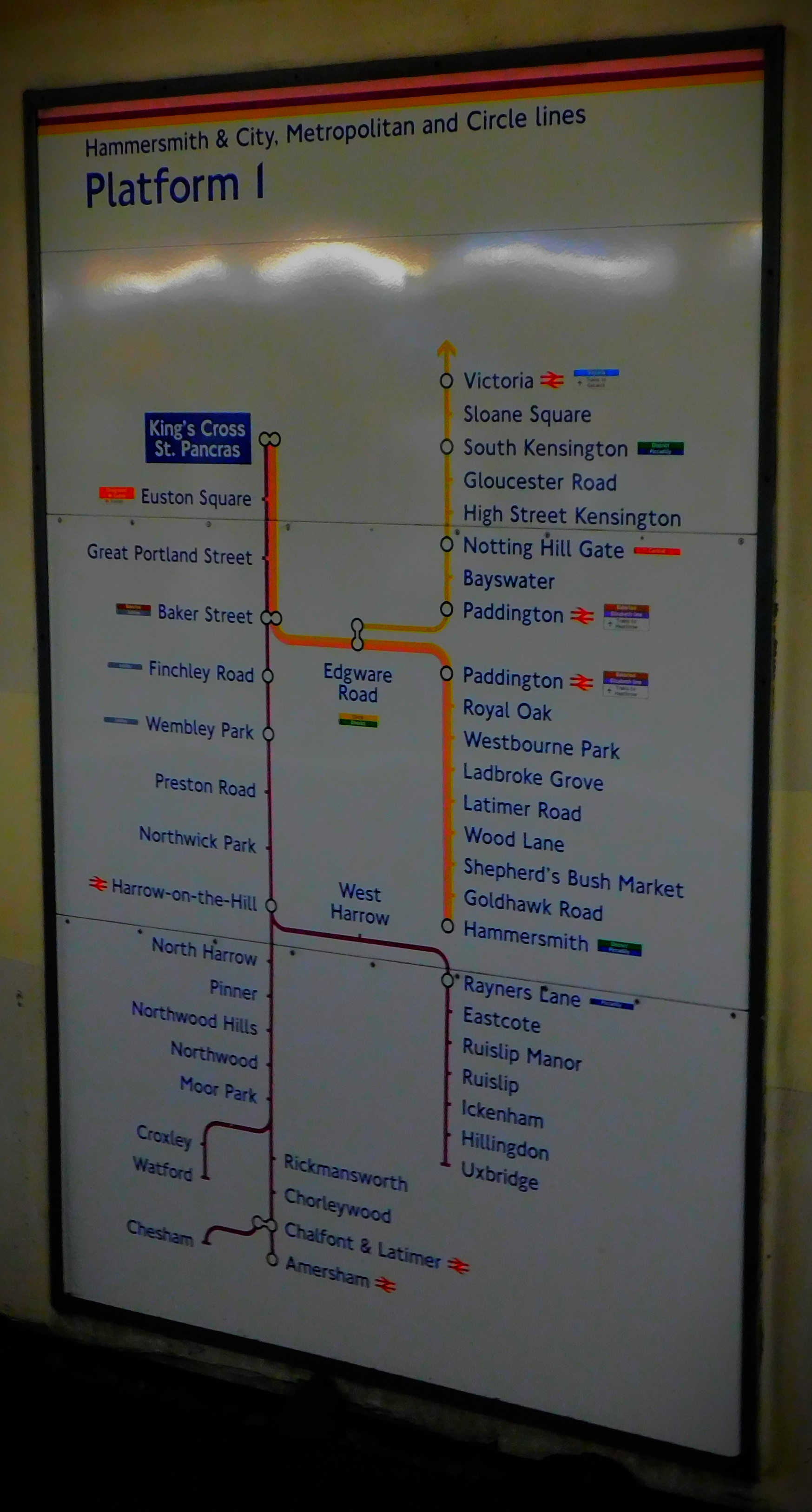
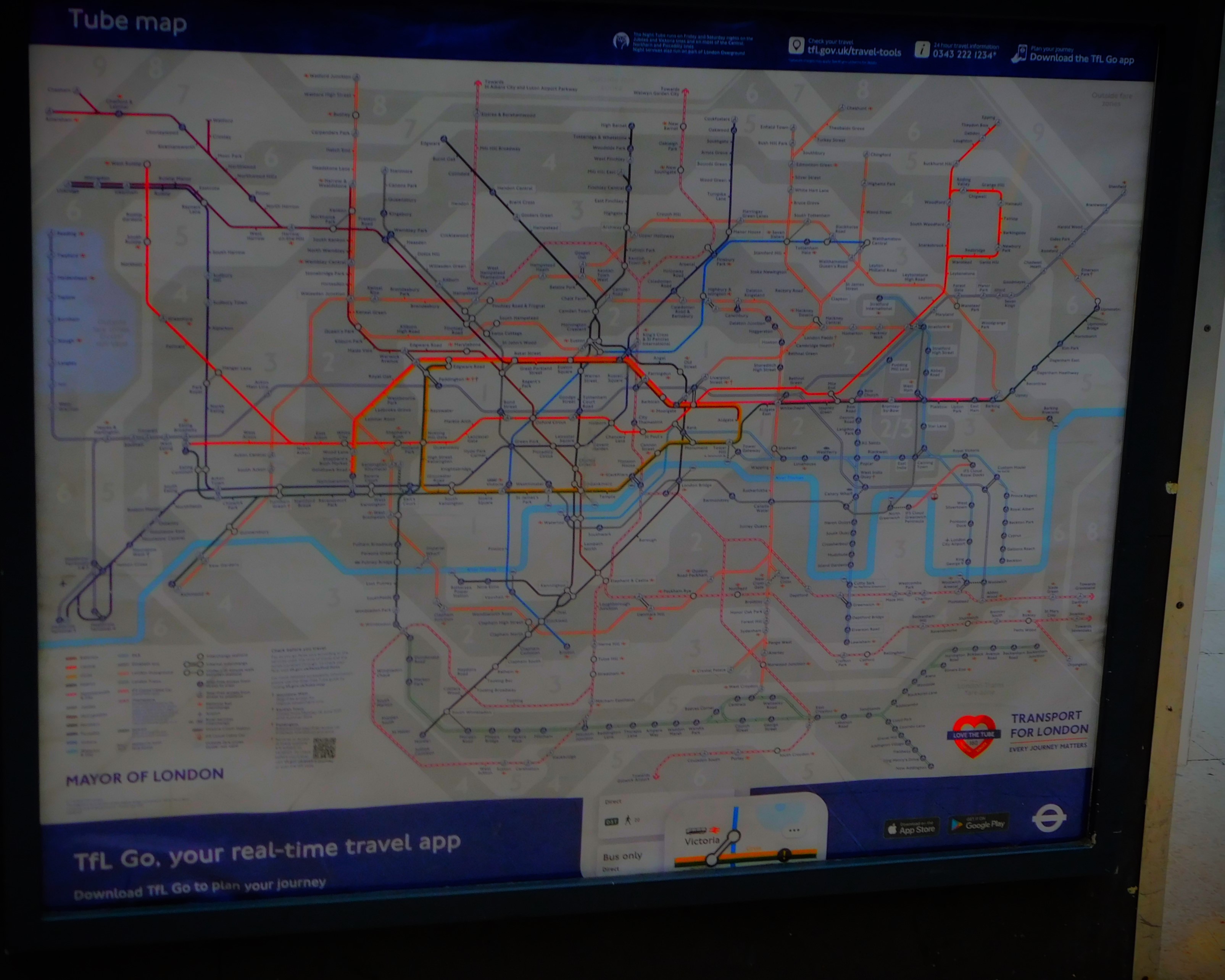
I caught the 7:42 train from King’s Lynn to London King’s Cross. I had been speculating over the possibility of travelling on the Metropolitan line to Rayner’s Lane and then going back down the Piccadilly line to Park Royal, but an announcement to the effect that the Metropolitan was experiencing delays saw me change plans and go the direct route along the Piccadilly. I arrived early, and did my best to assist with the setup. I did not stay hugely long, and was back home in time to catch most of the T20I between the England and India women’s teams. Most of the time I was there was spent with a sign urging passing motorists to “HONK IF YOU HATE ELON” – and quite a few did so.
PHOTOGRAPHS
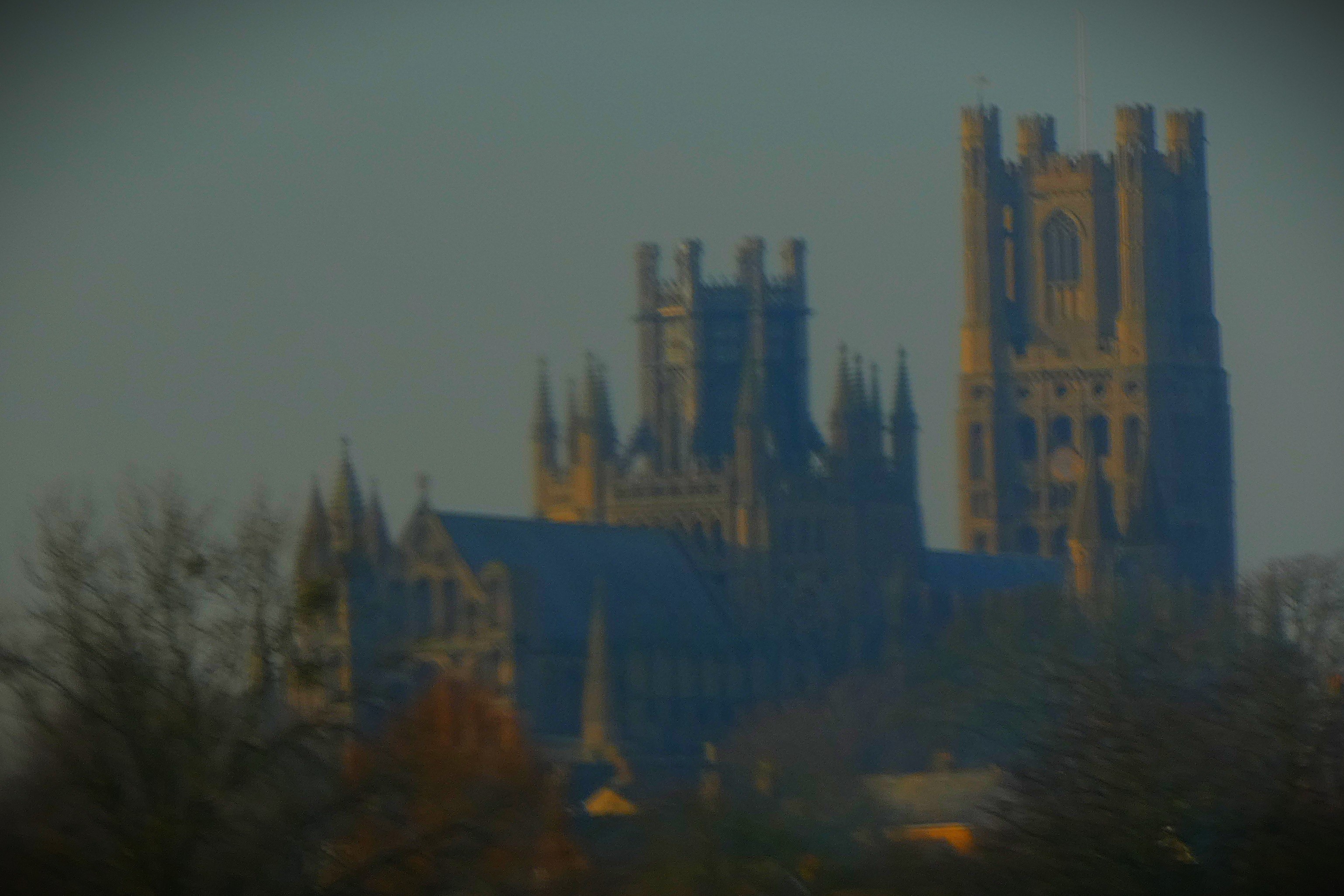
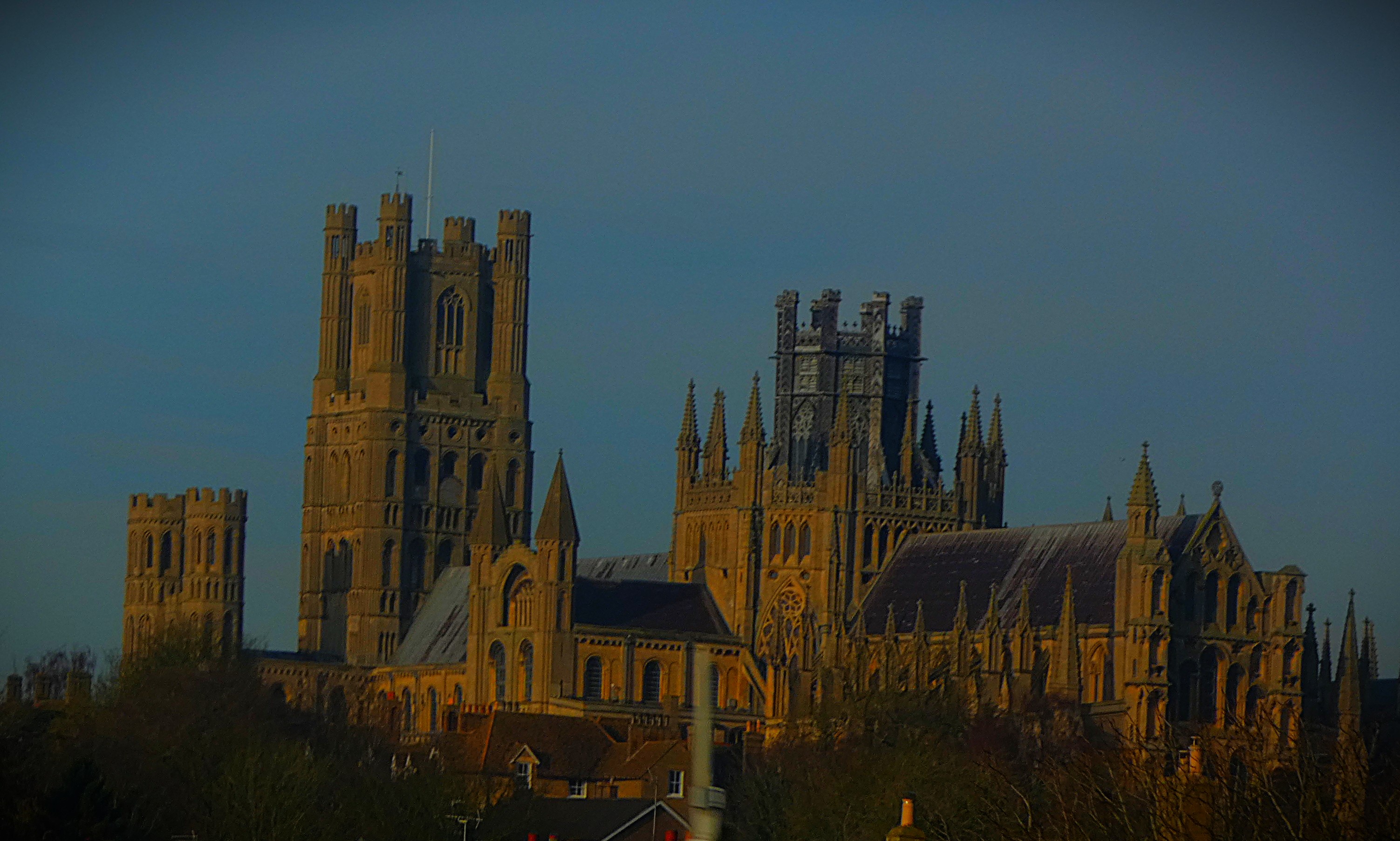
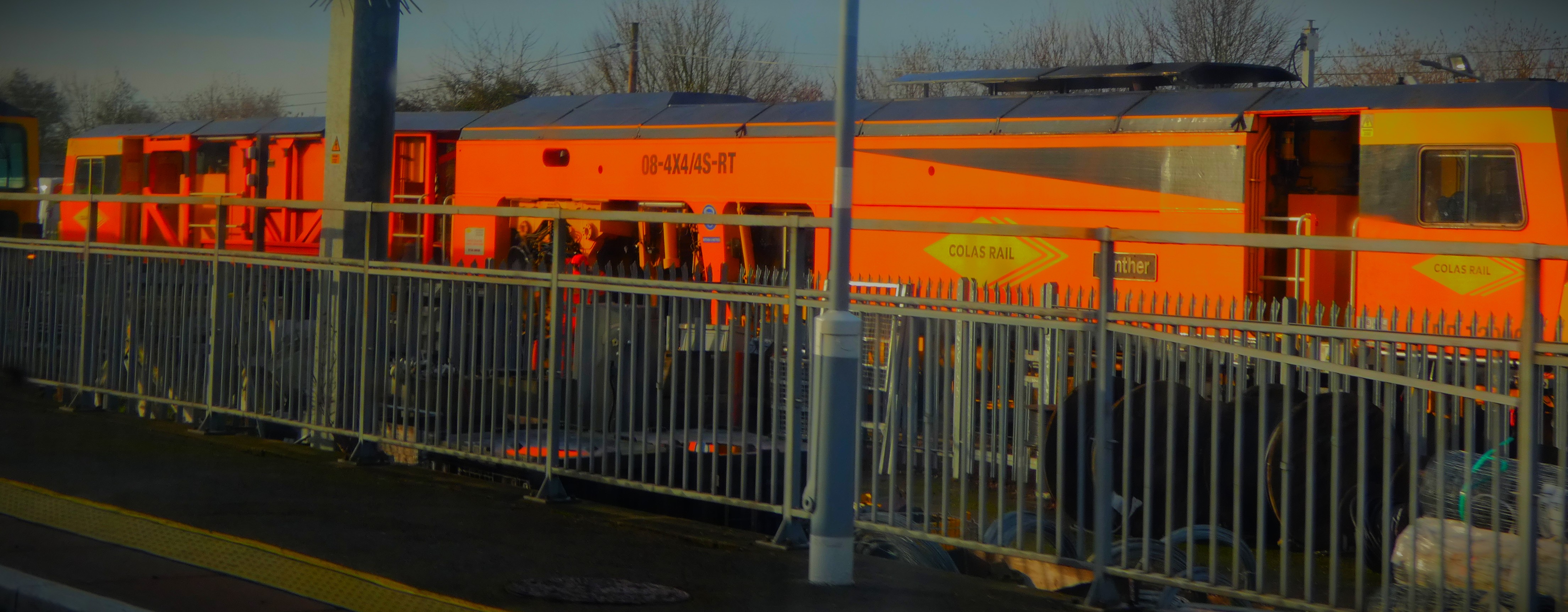
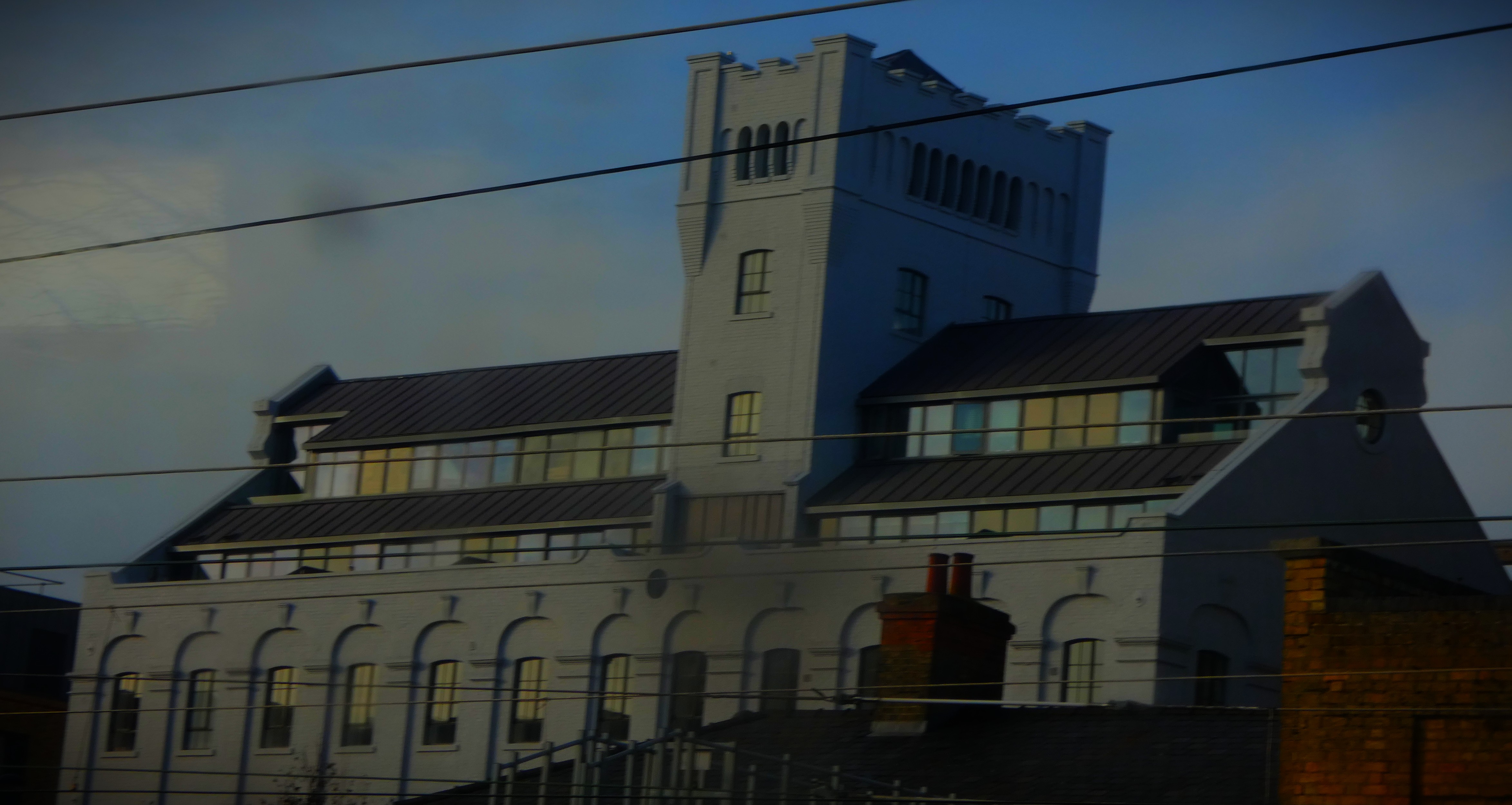
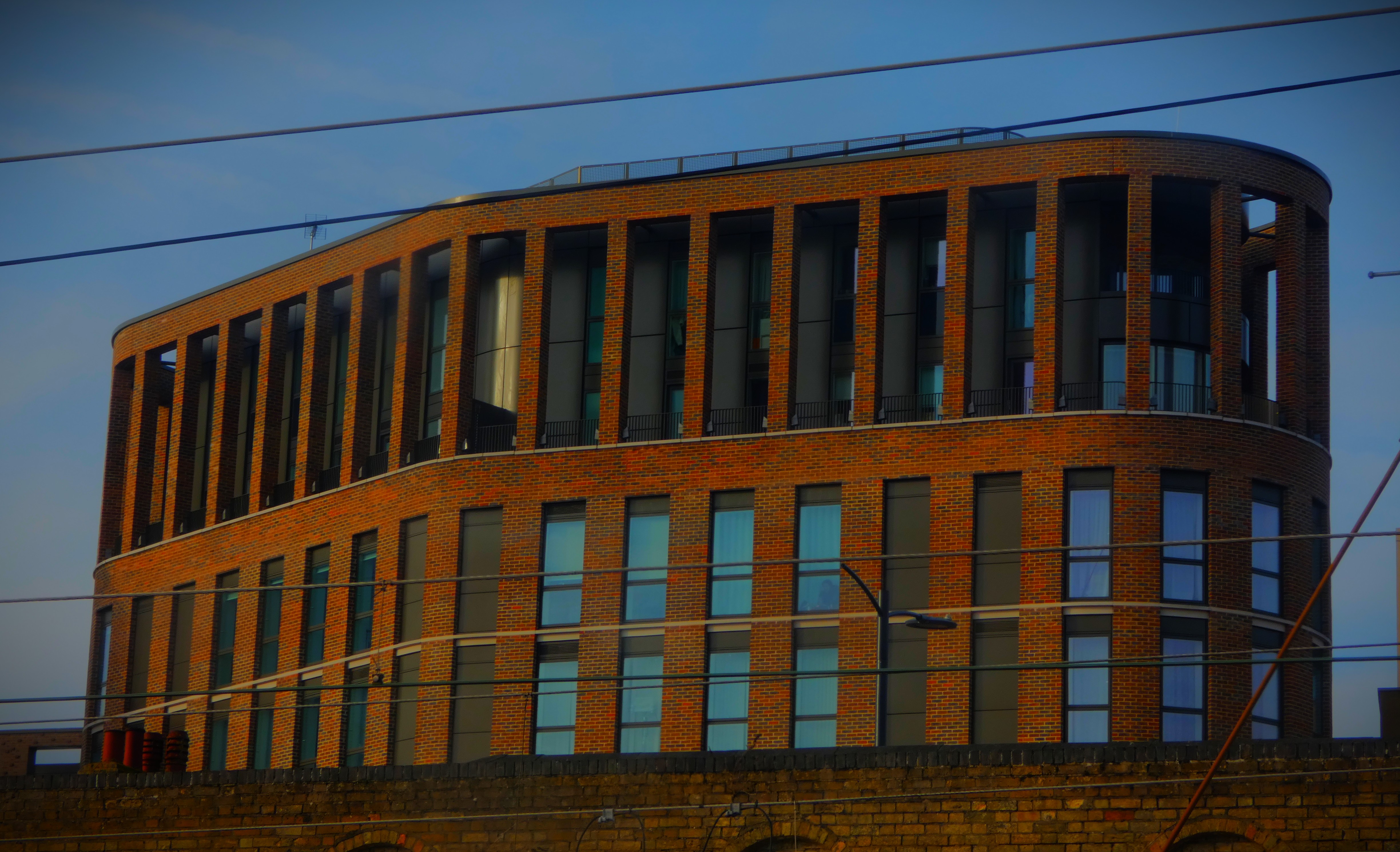
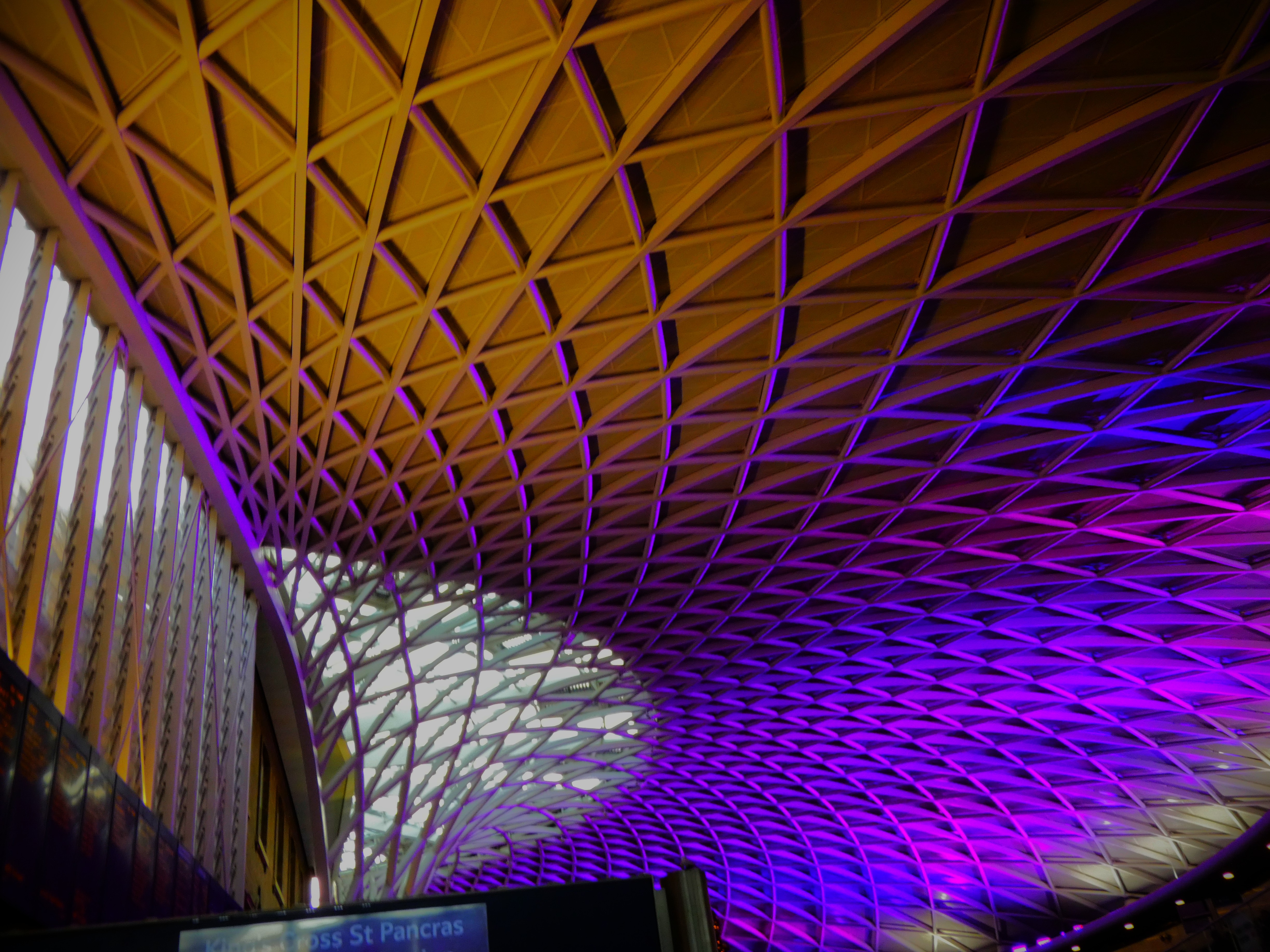
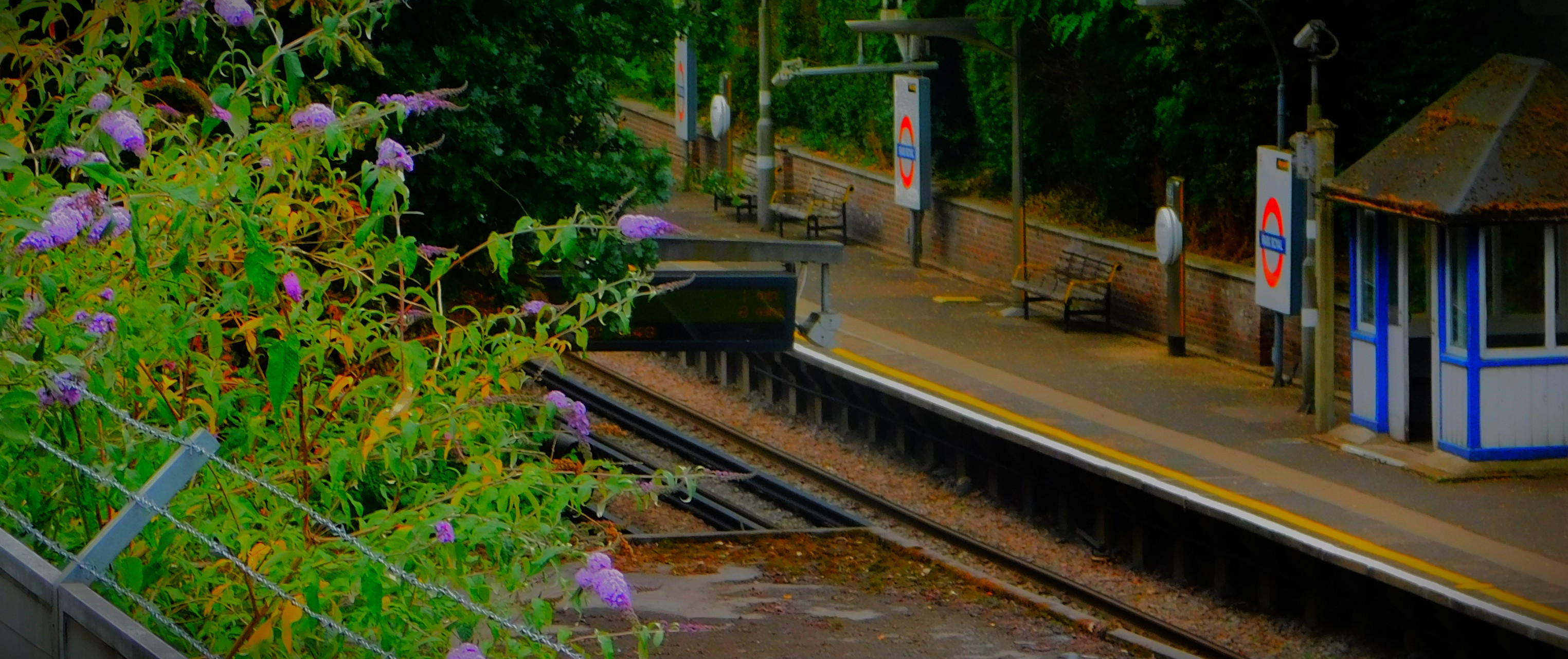
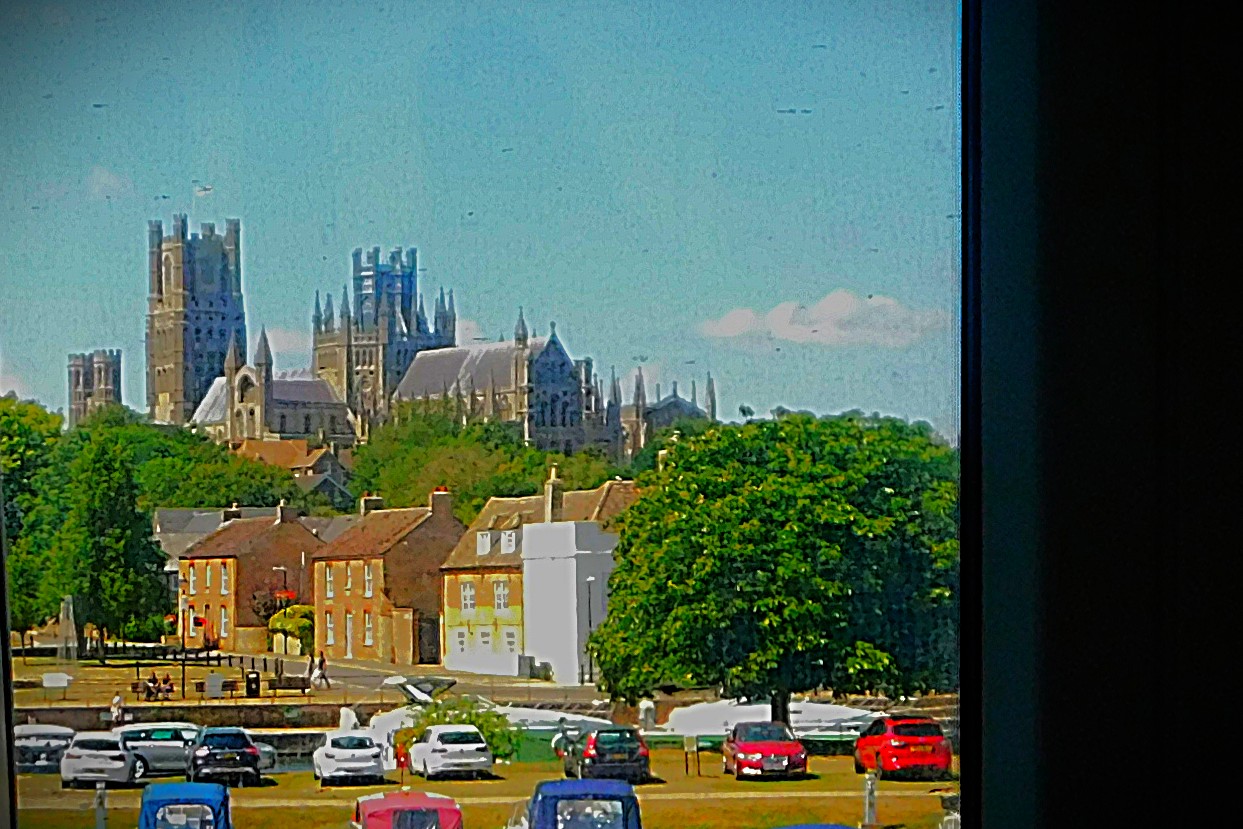
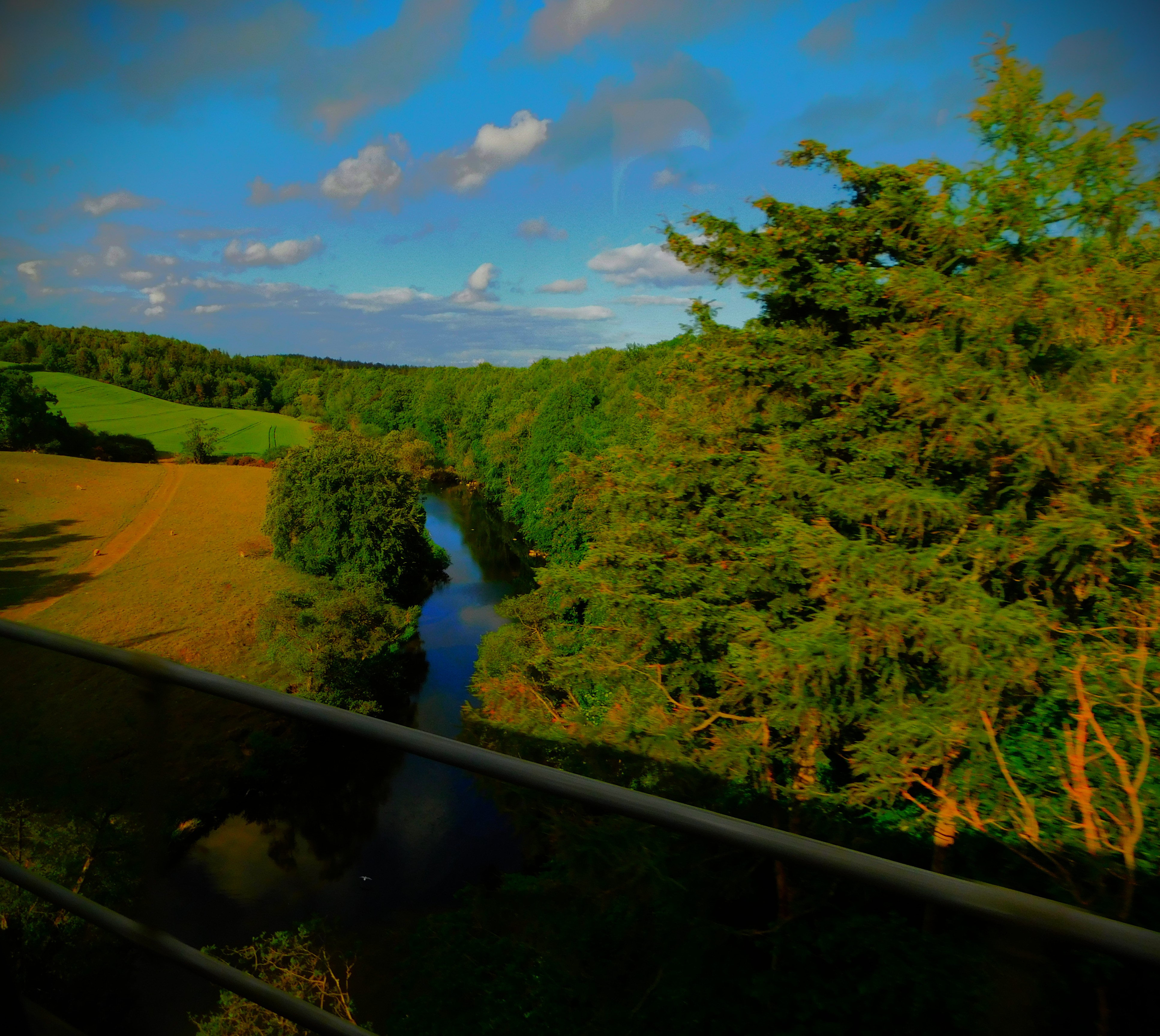
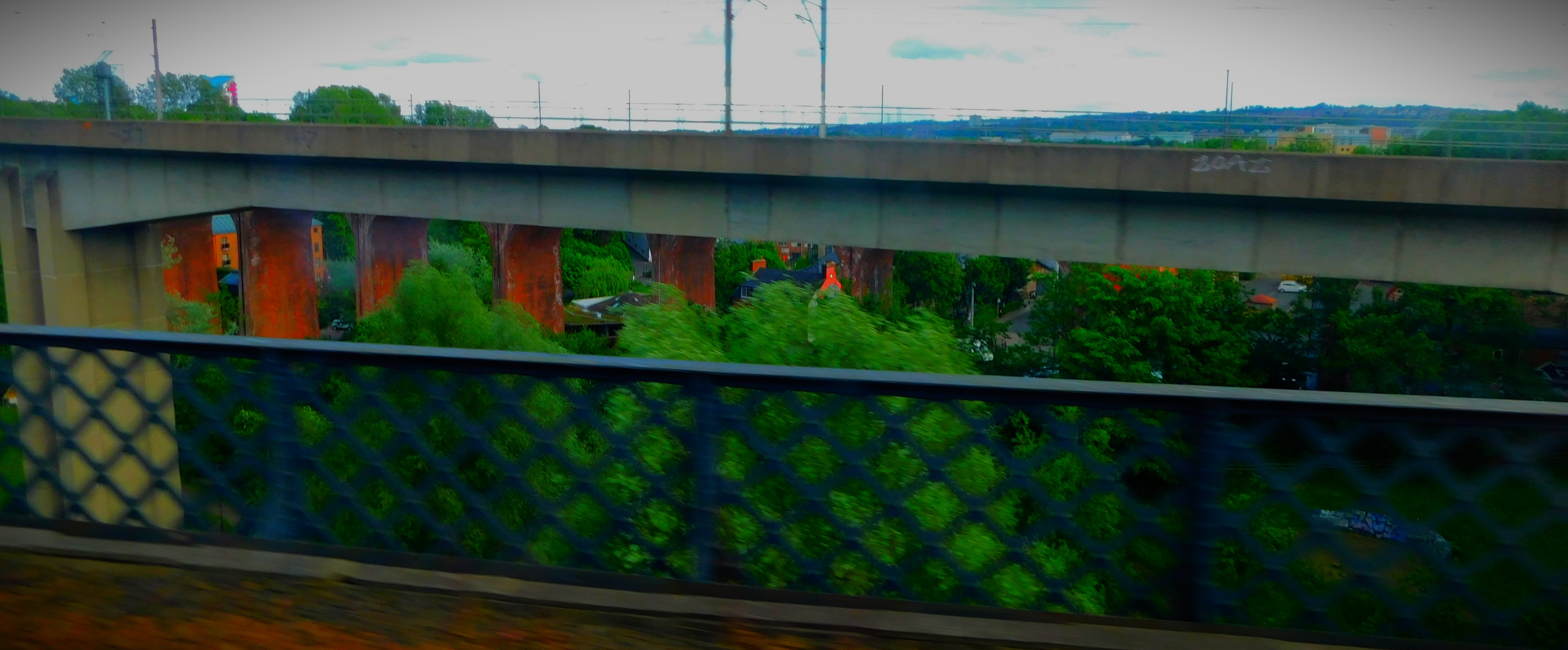
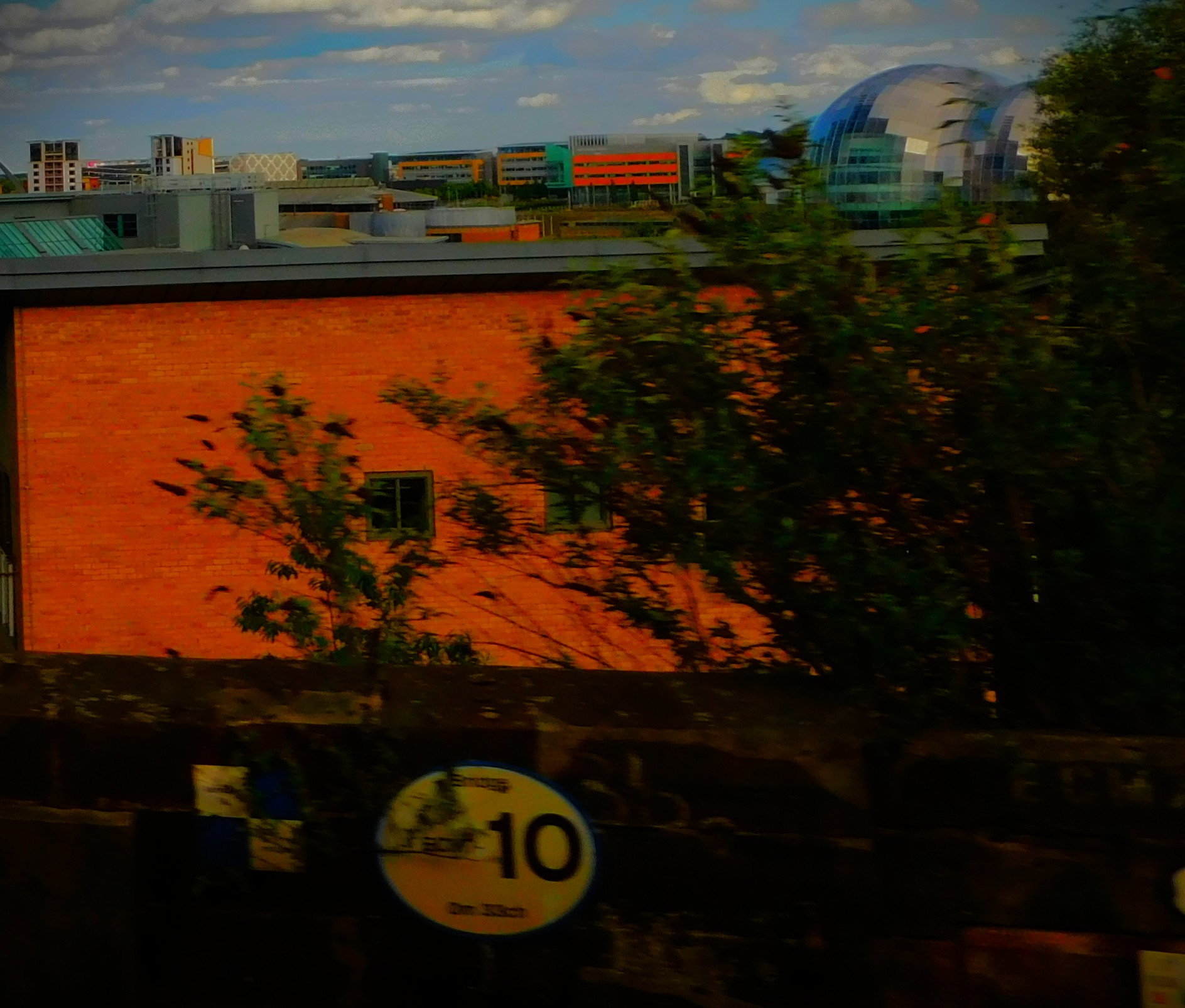
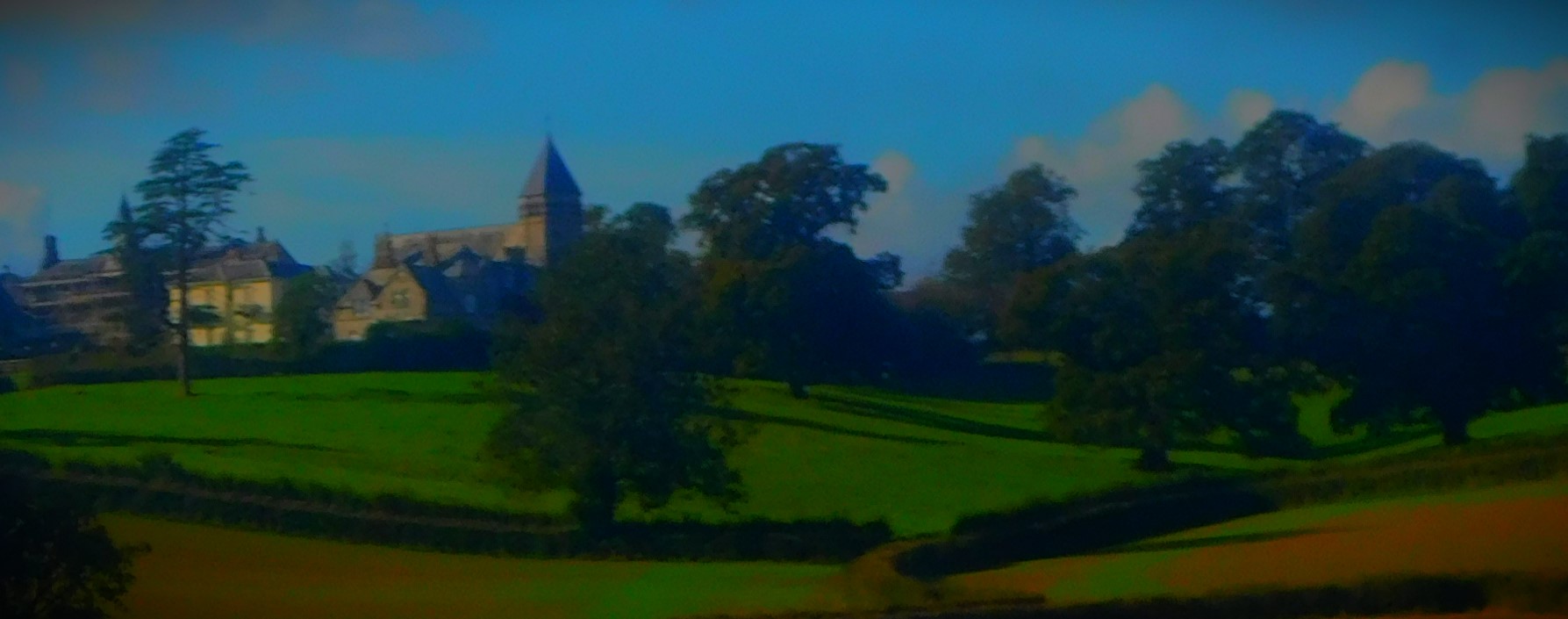
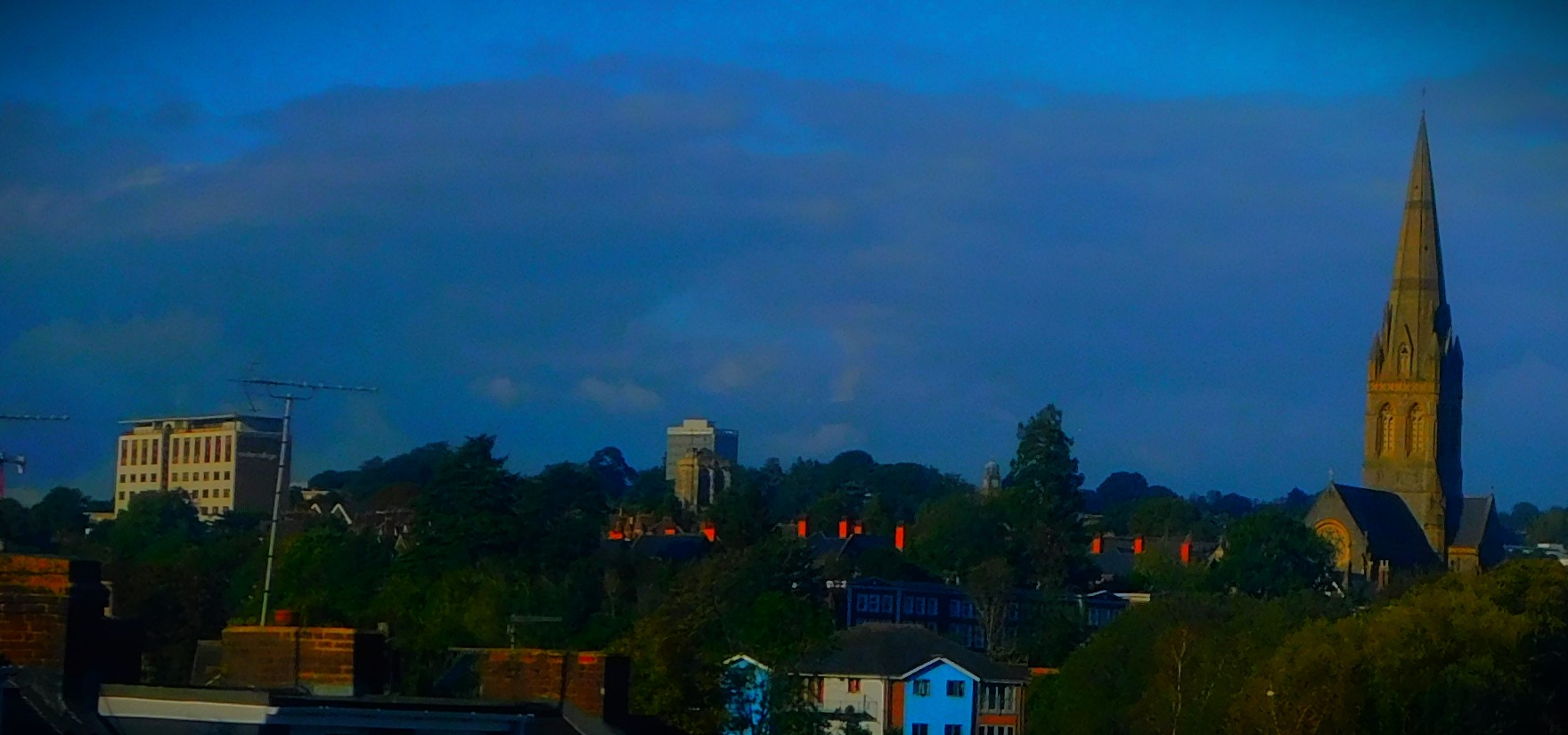
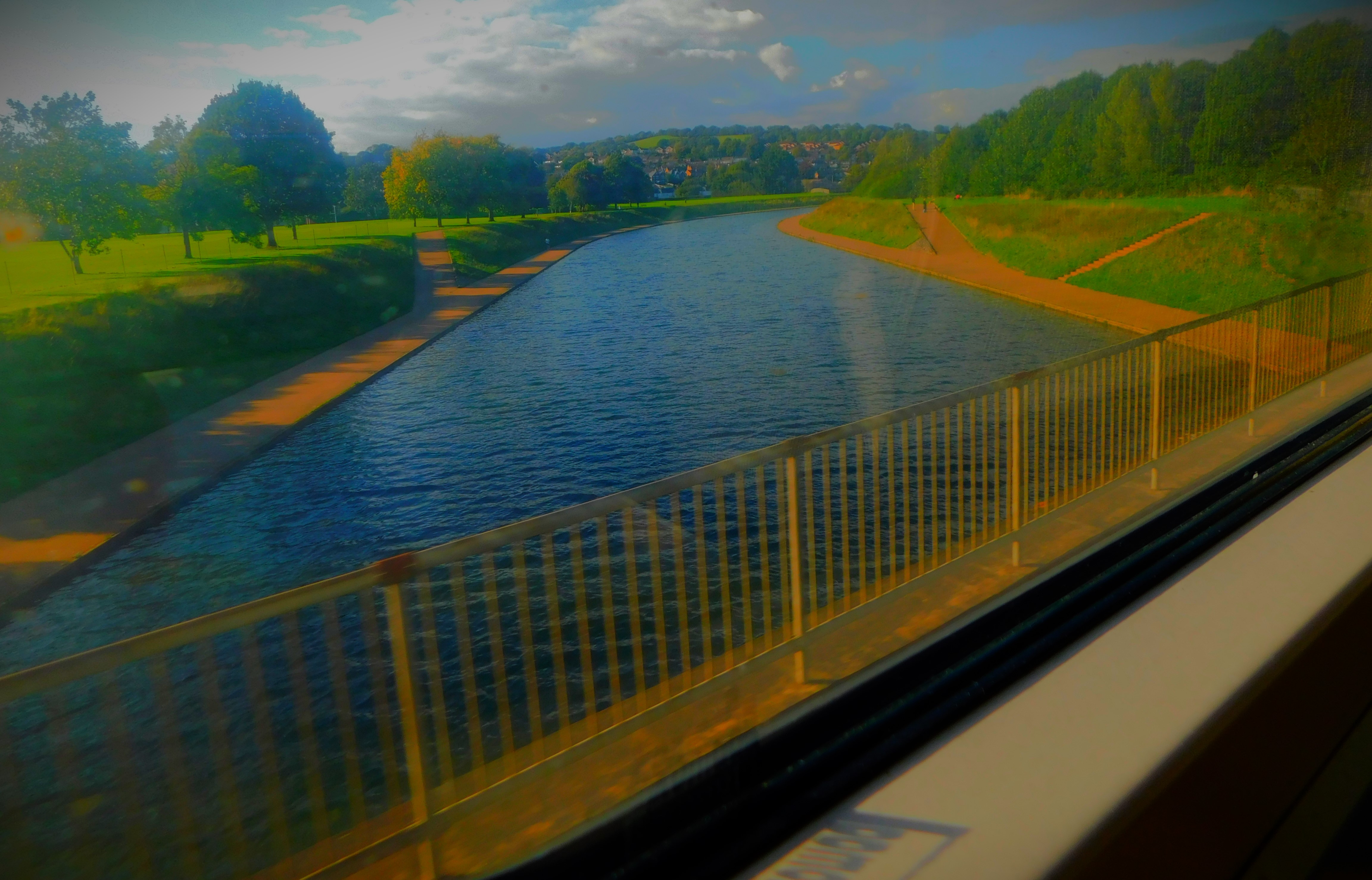
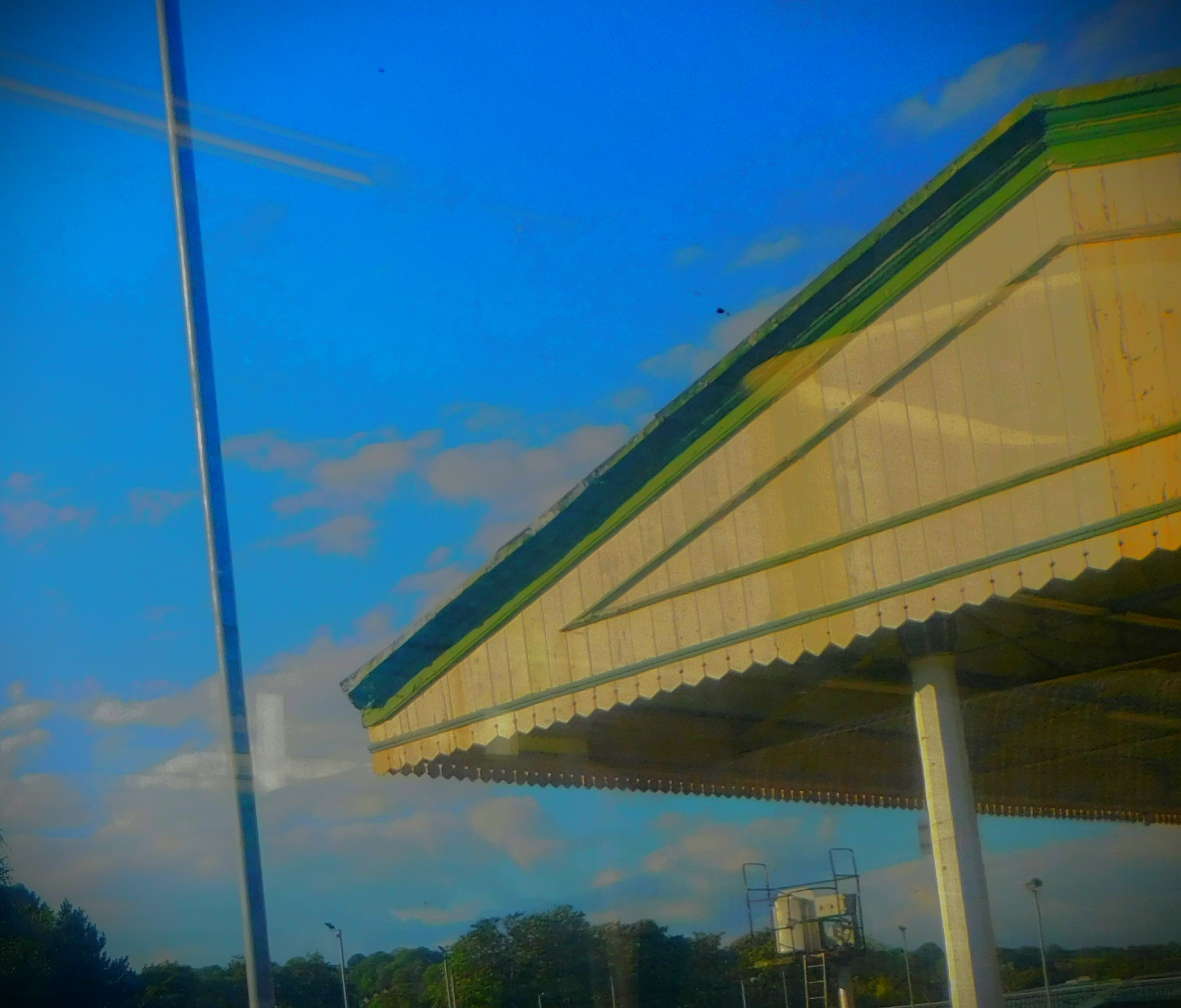
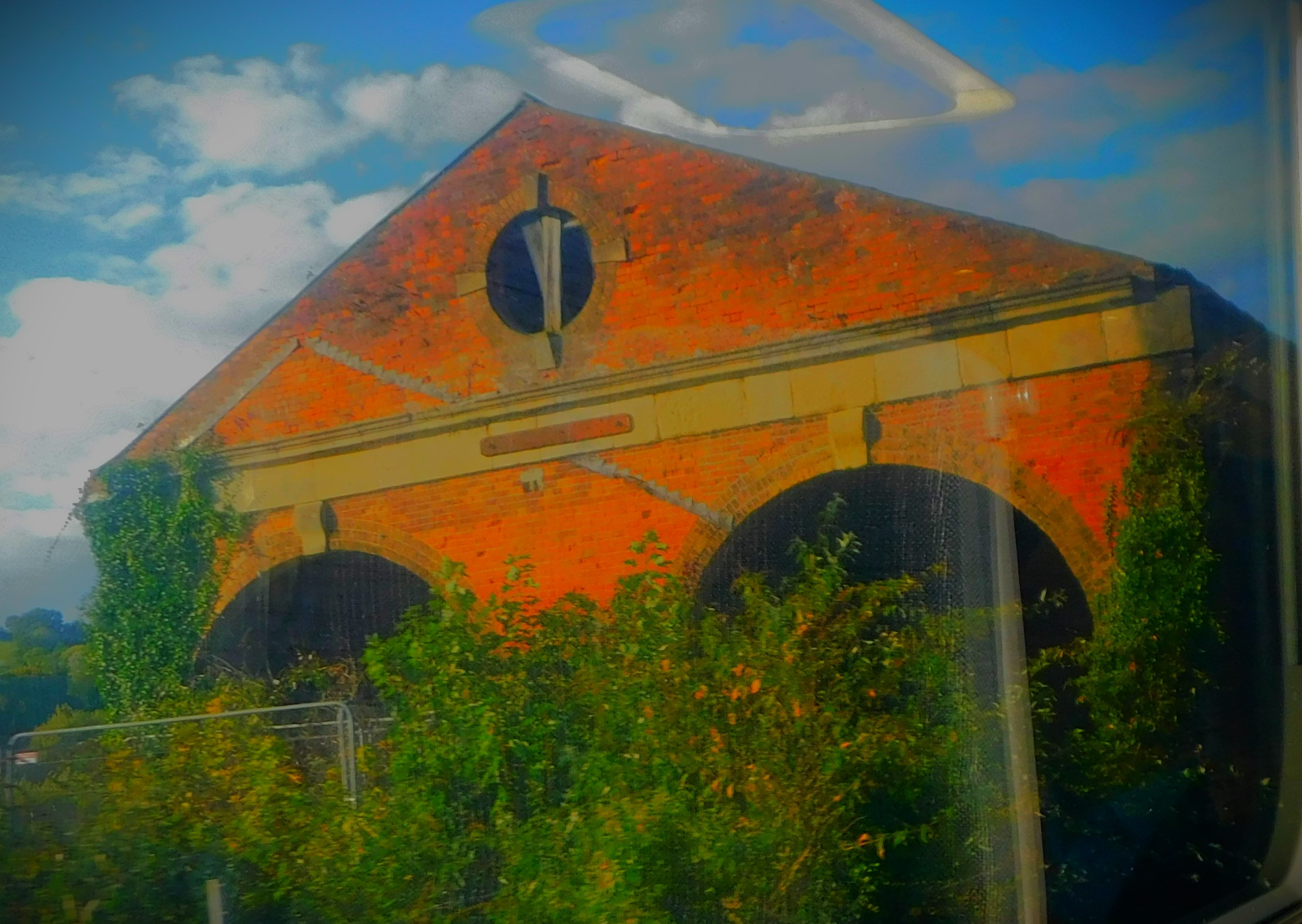
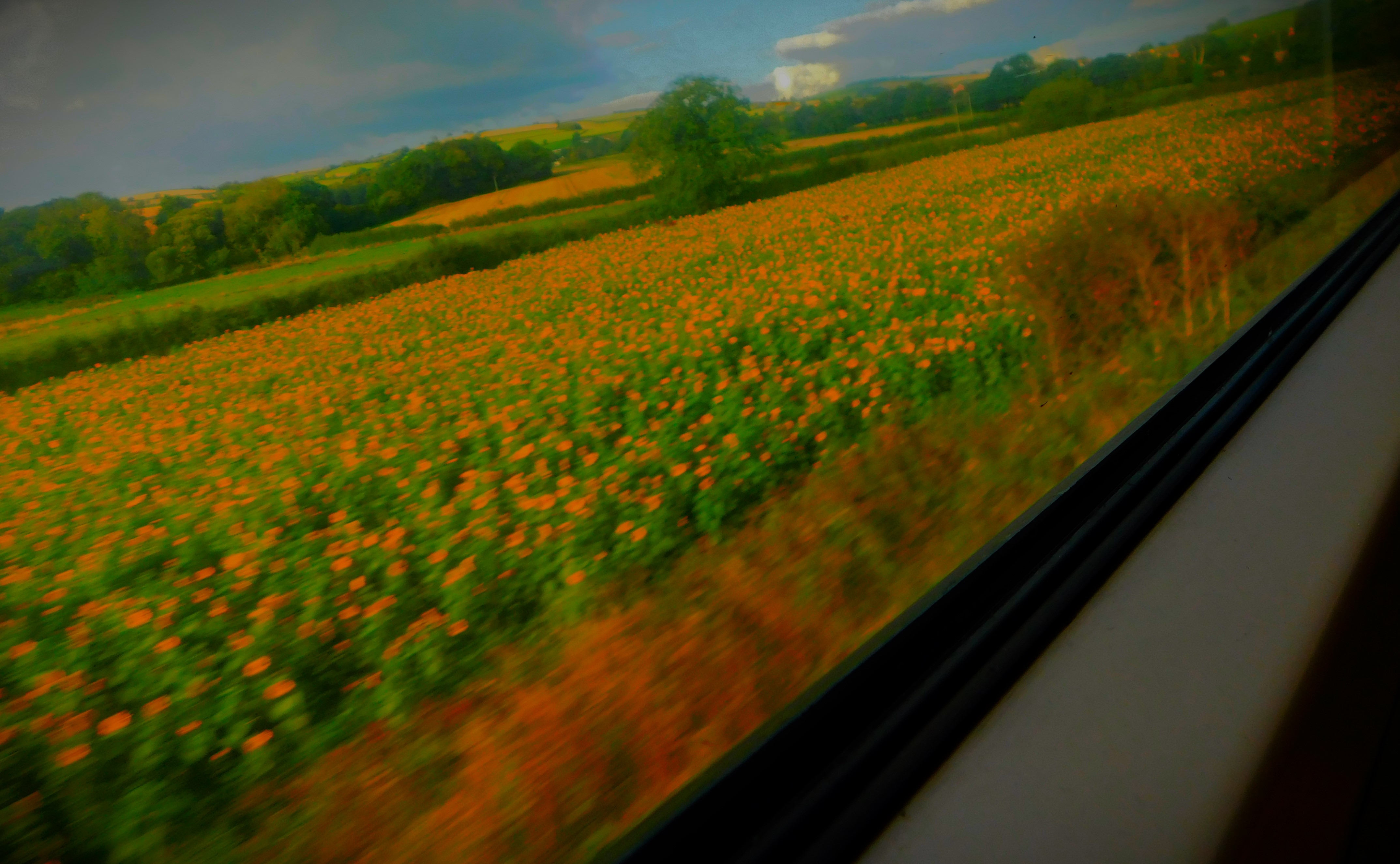
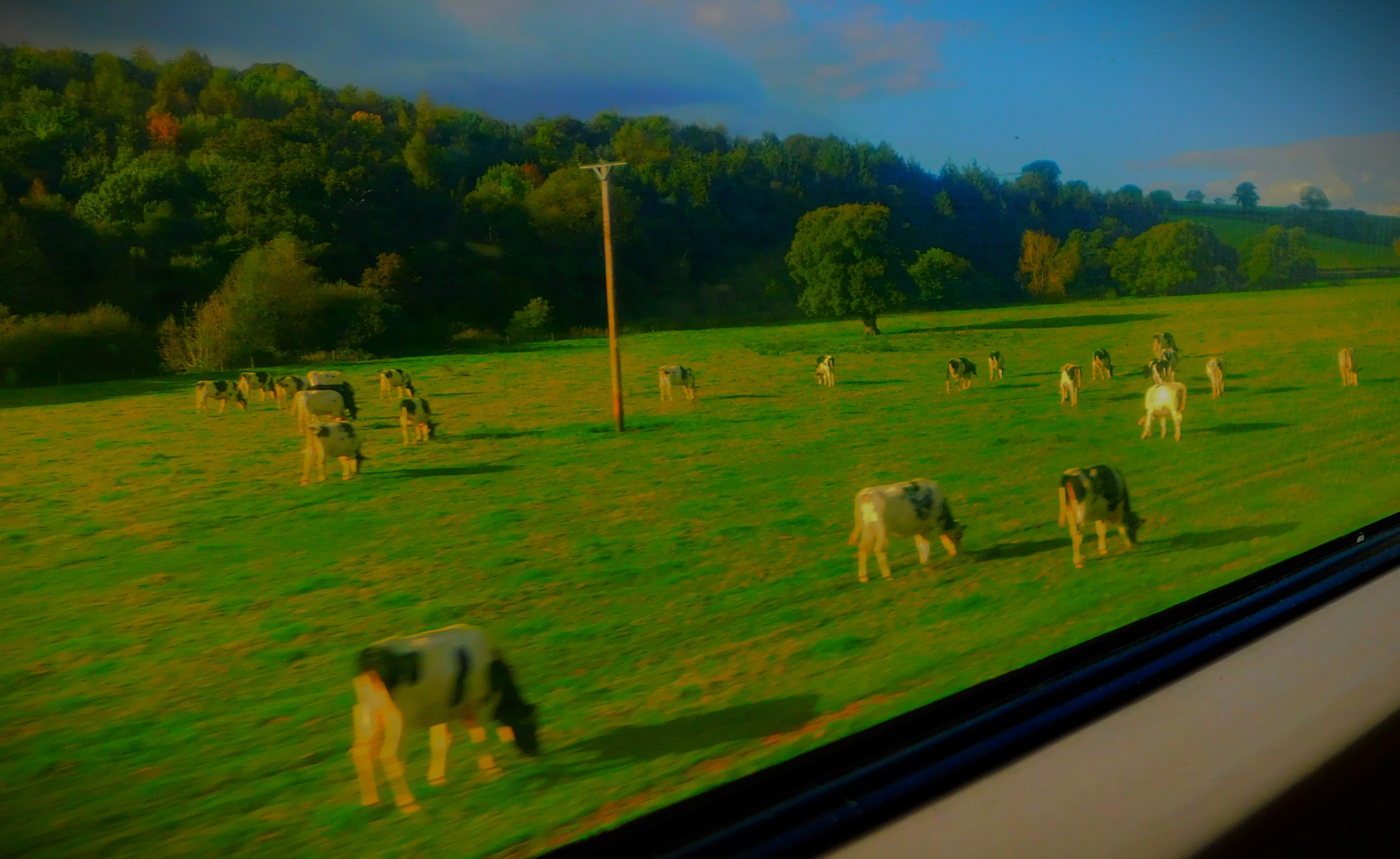
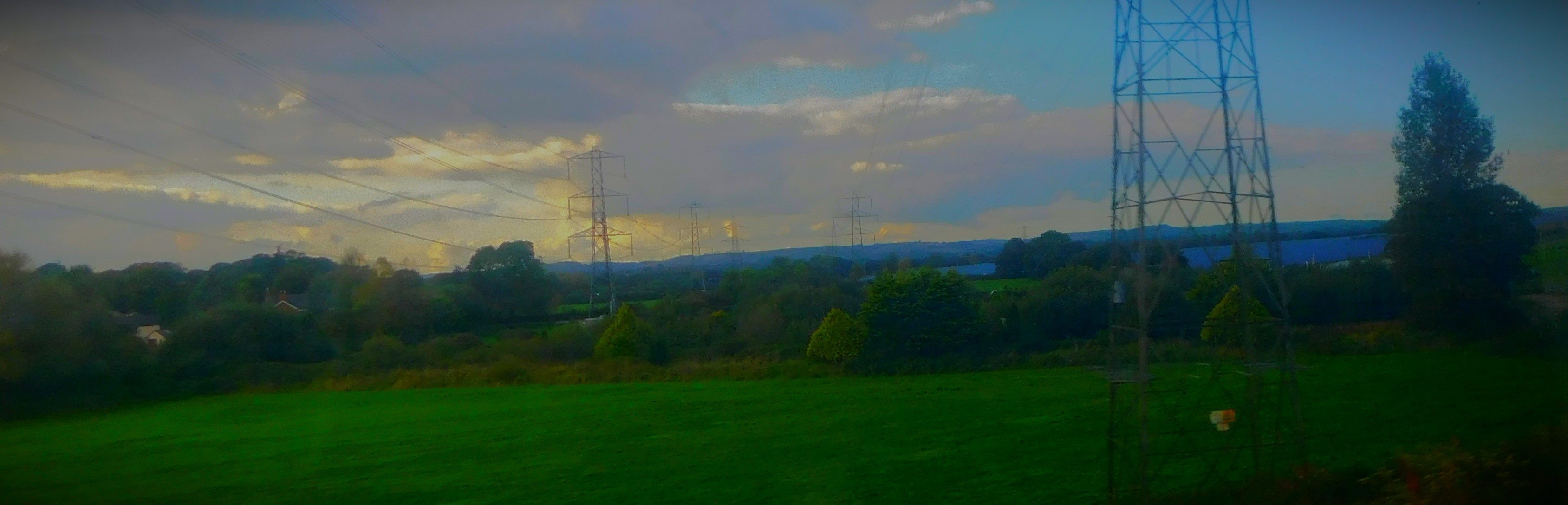
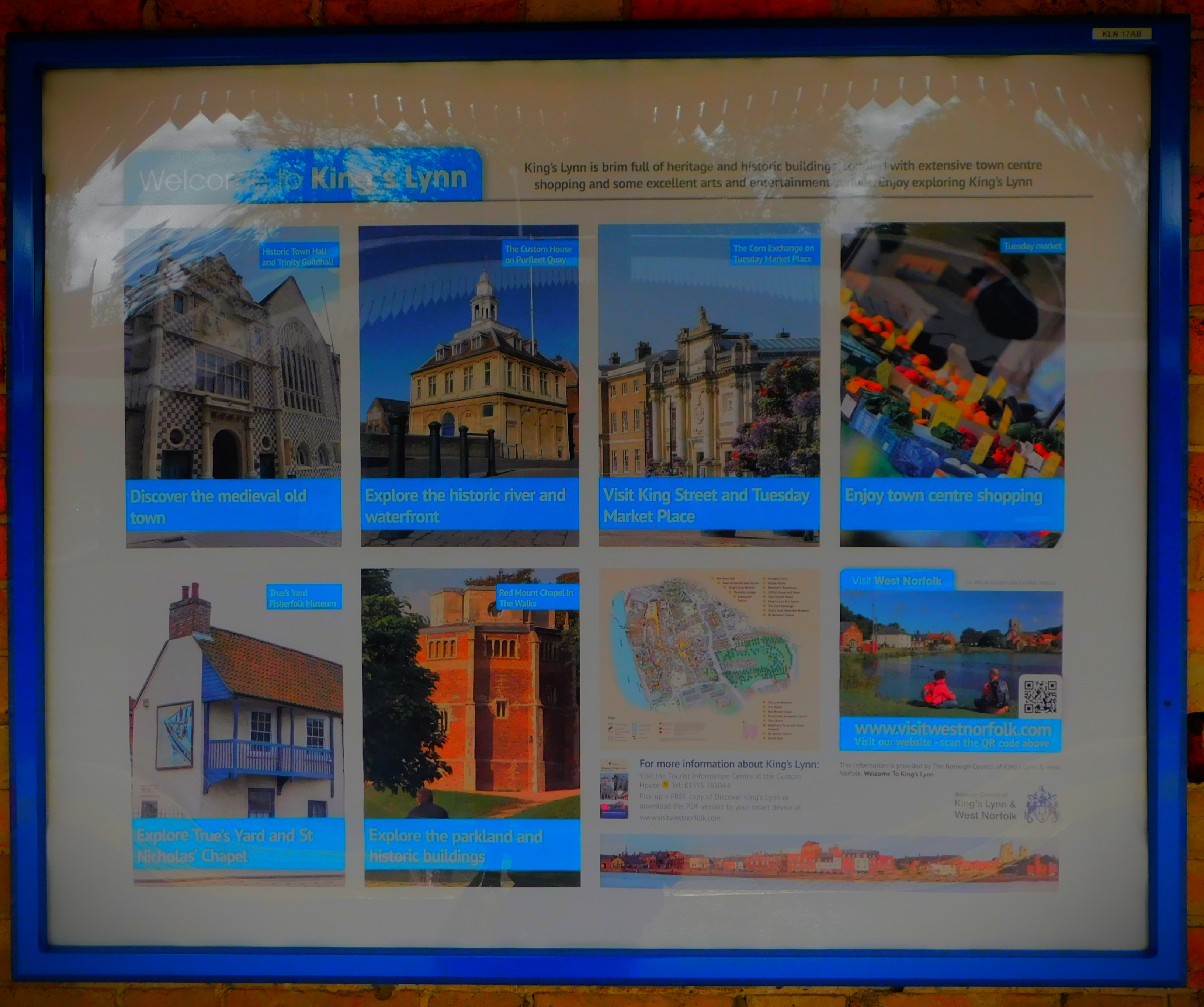
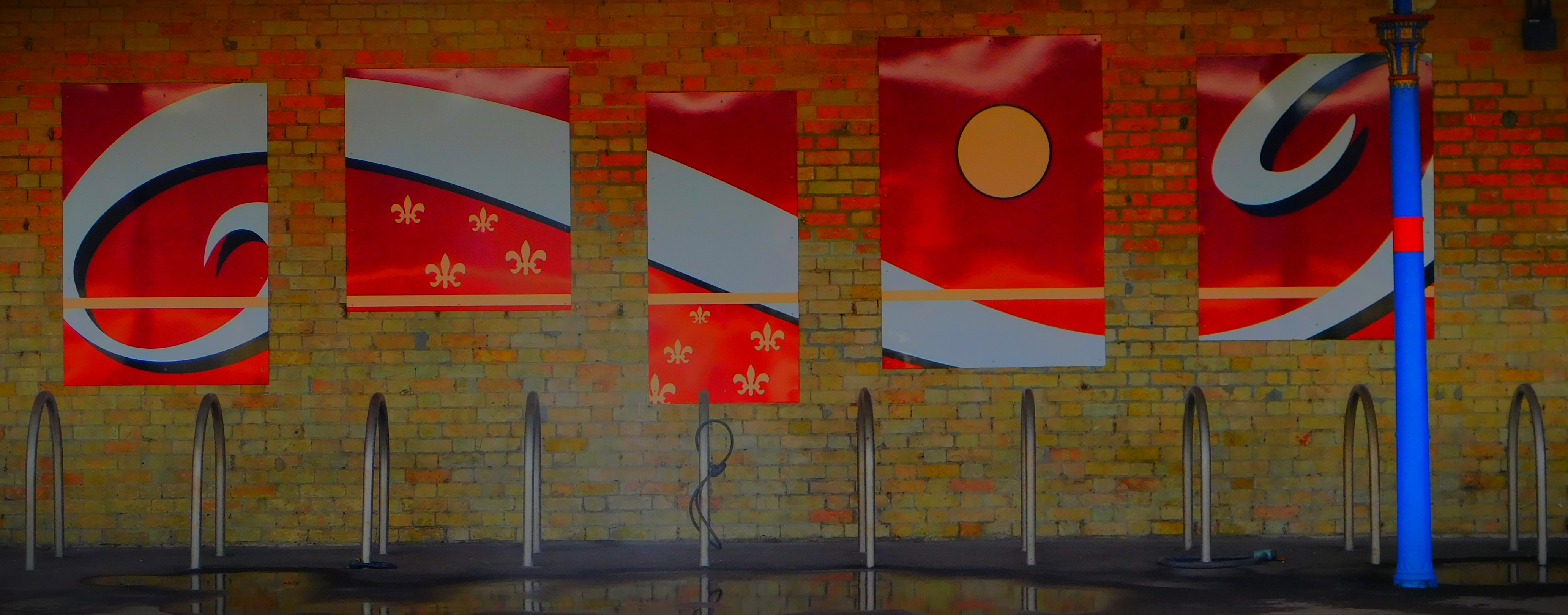
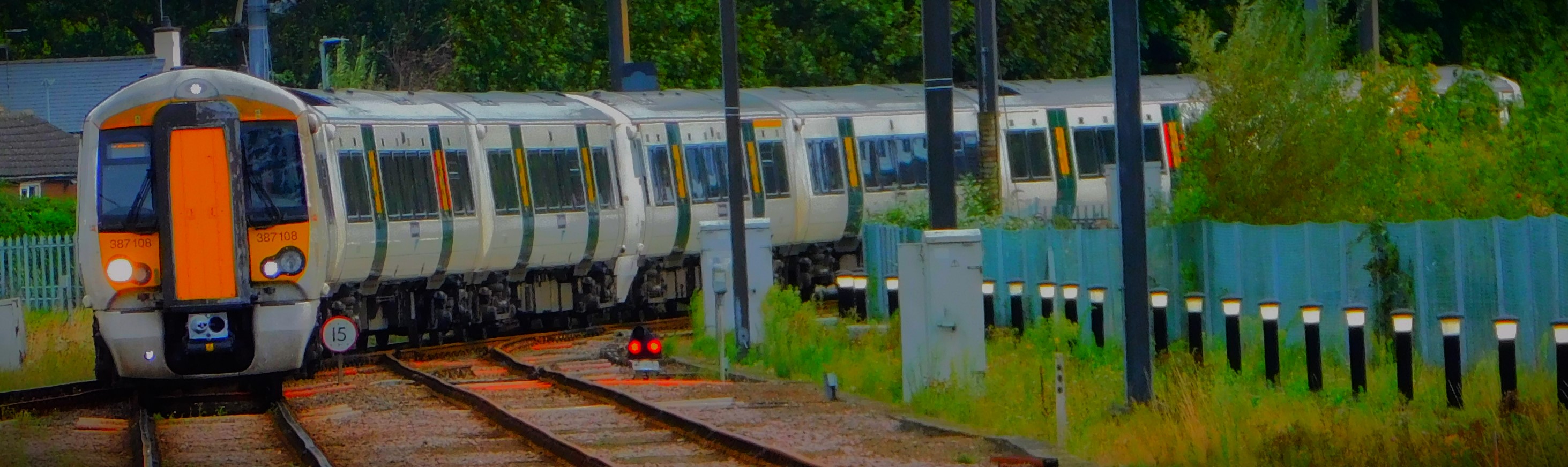
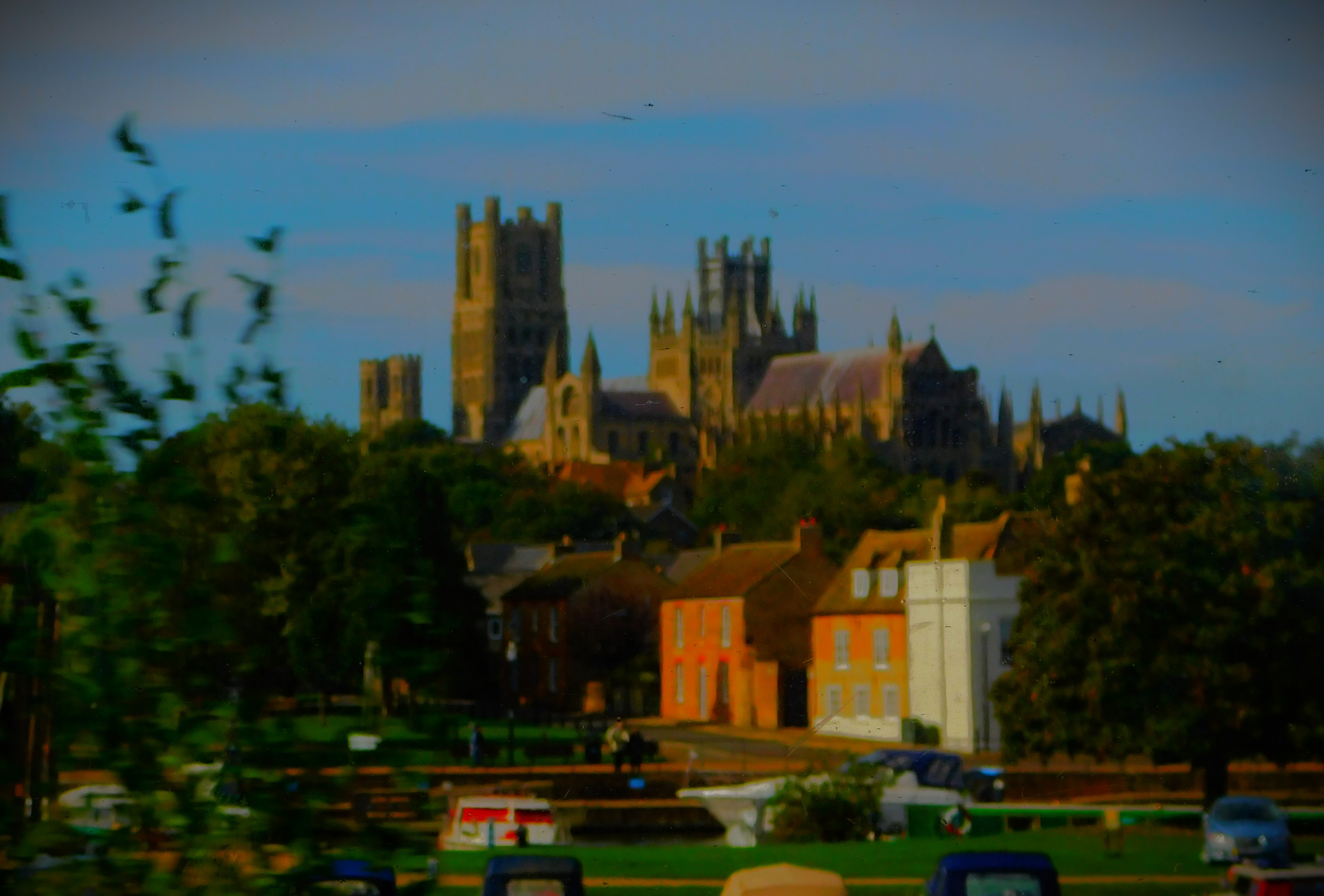
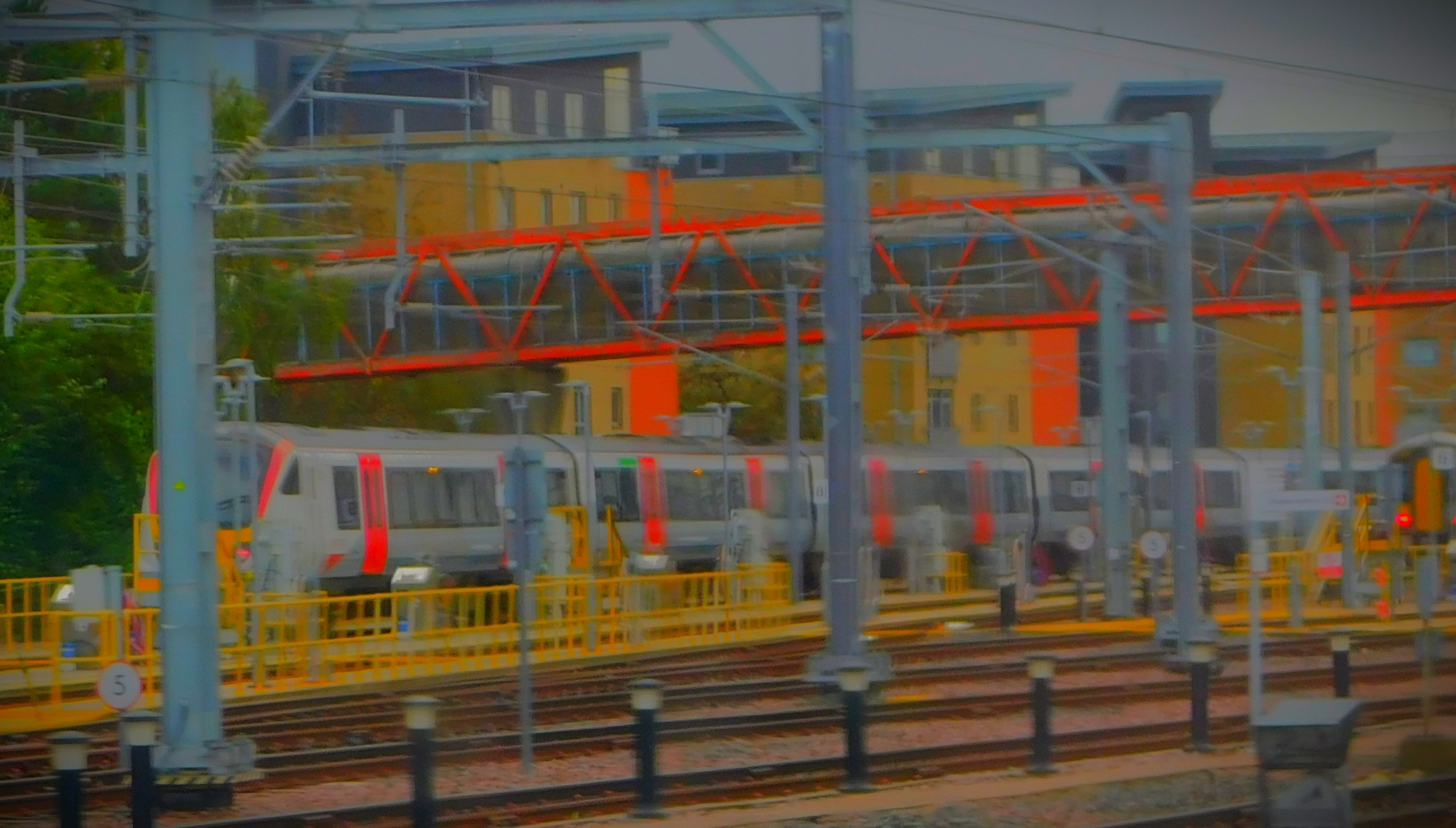
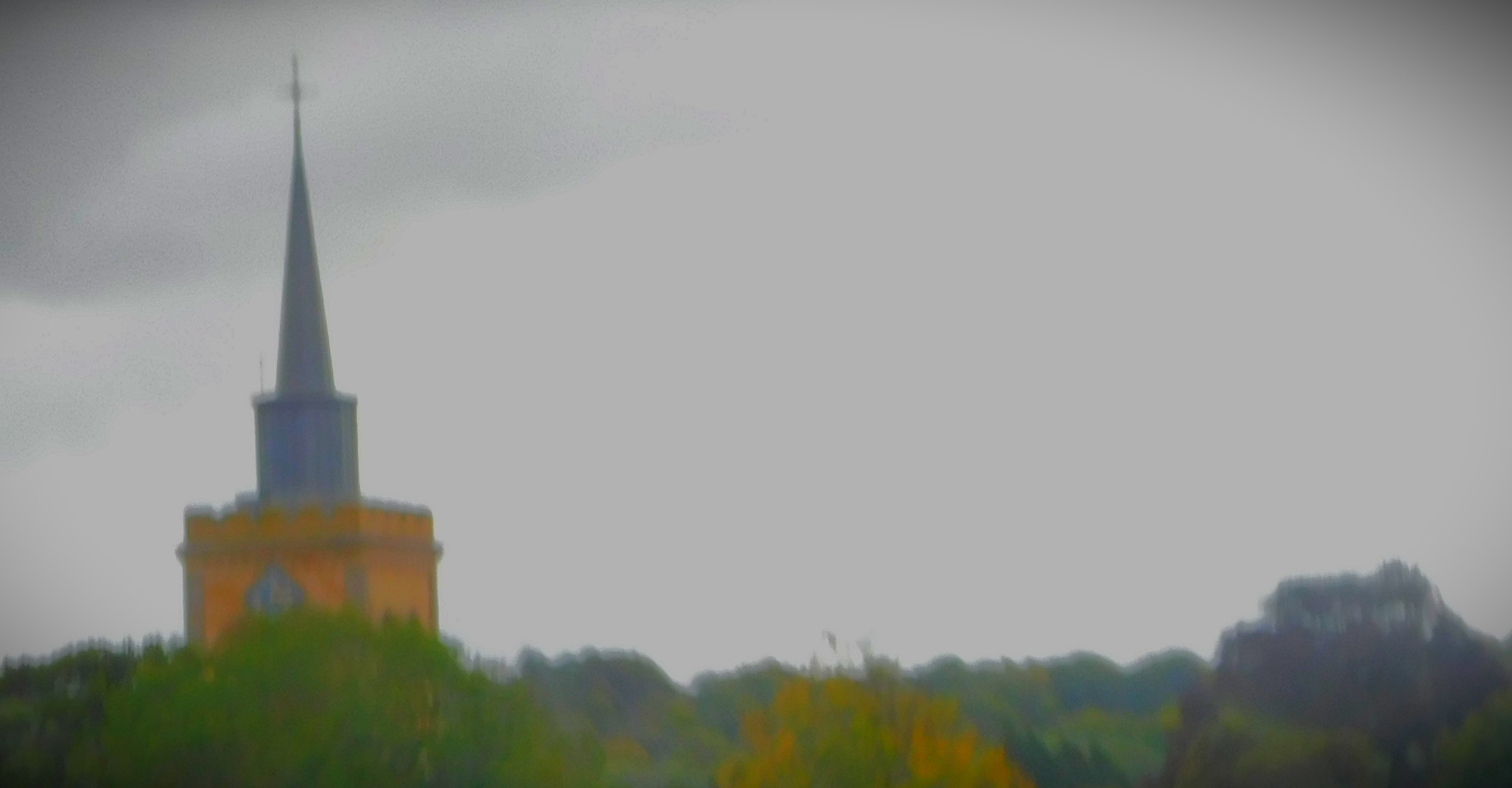
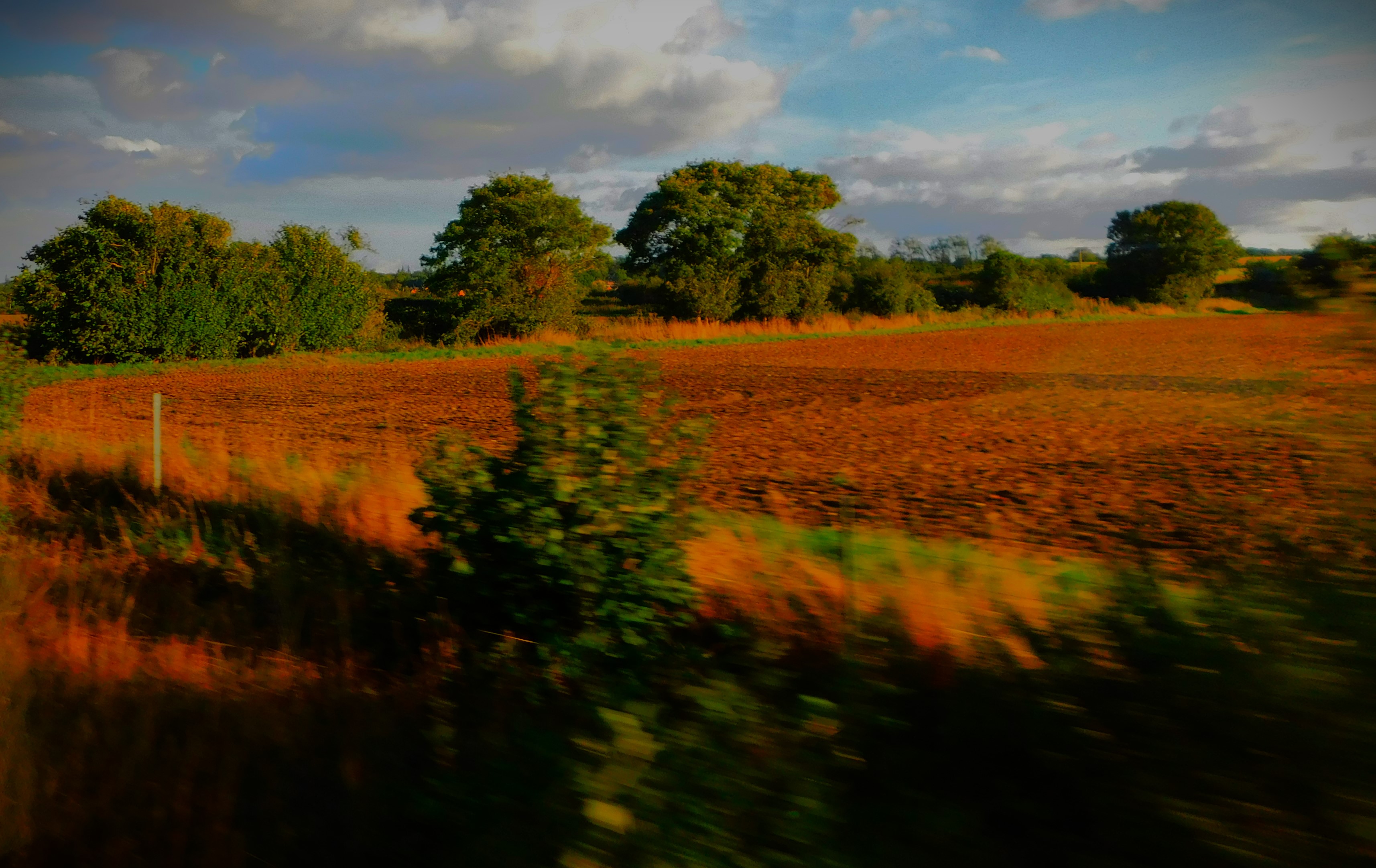
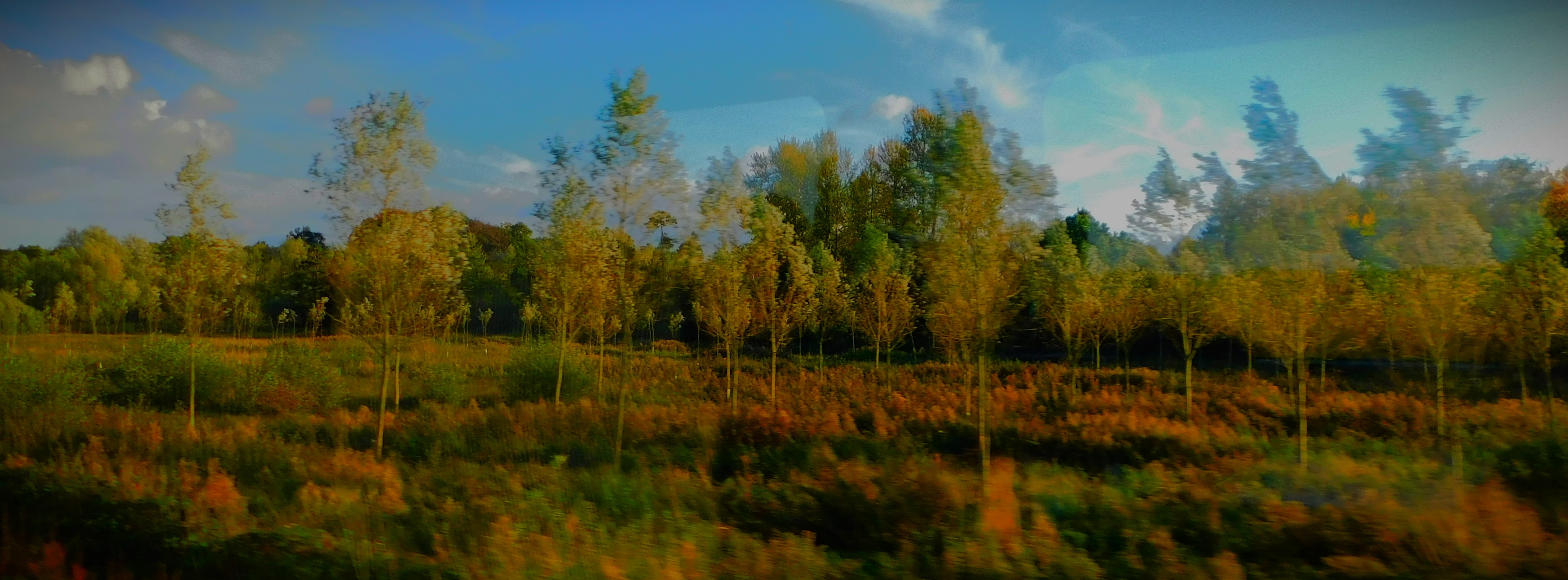
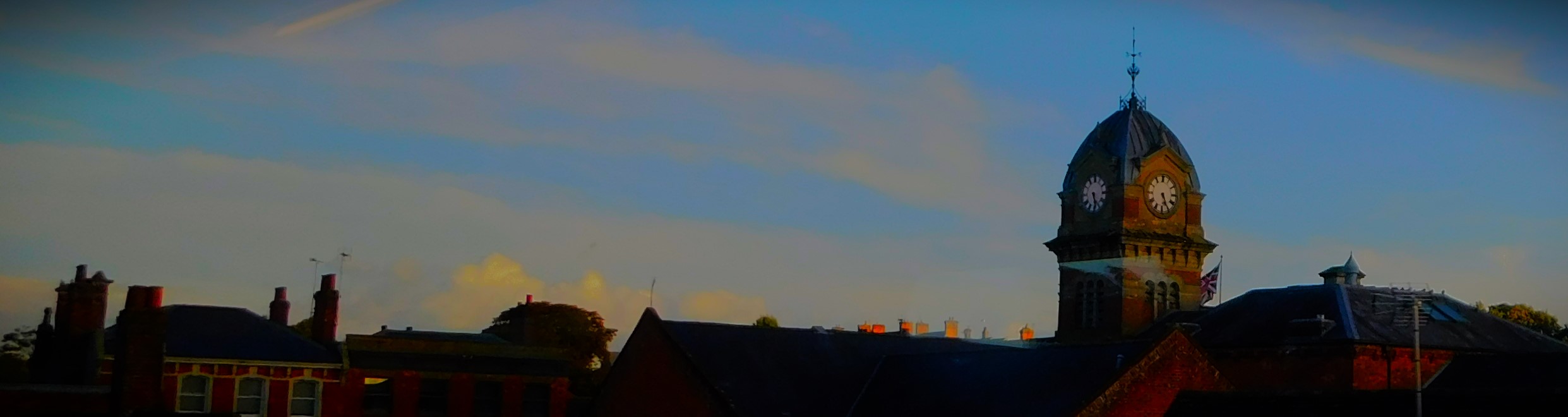
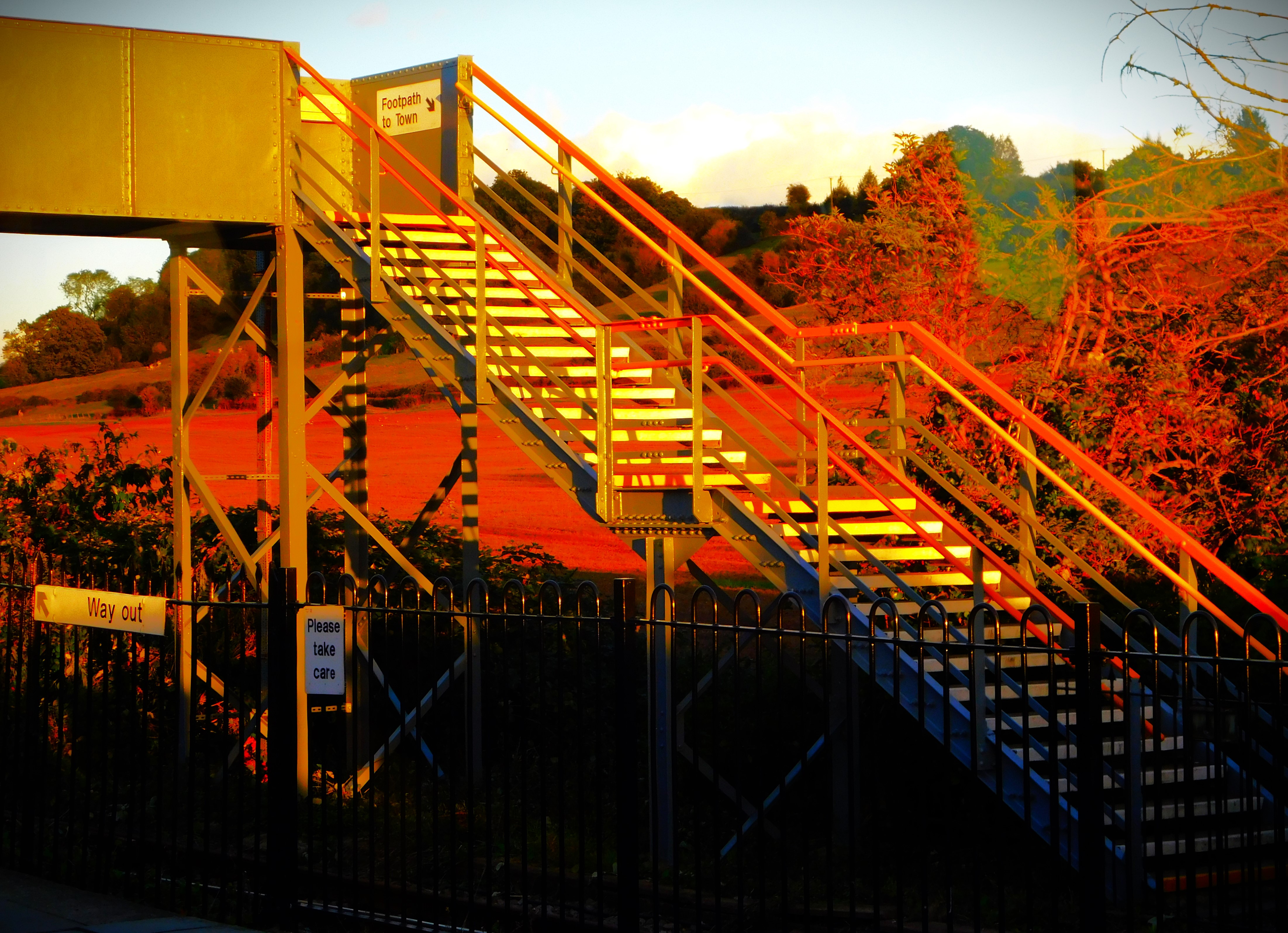
Here are my photographs starting at King’s Lynn Station and ending with a distant view of Ely Cathedral on the return train journey…
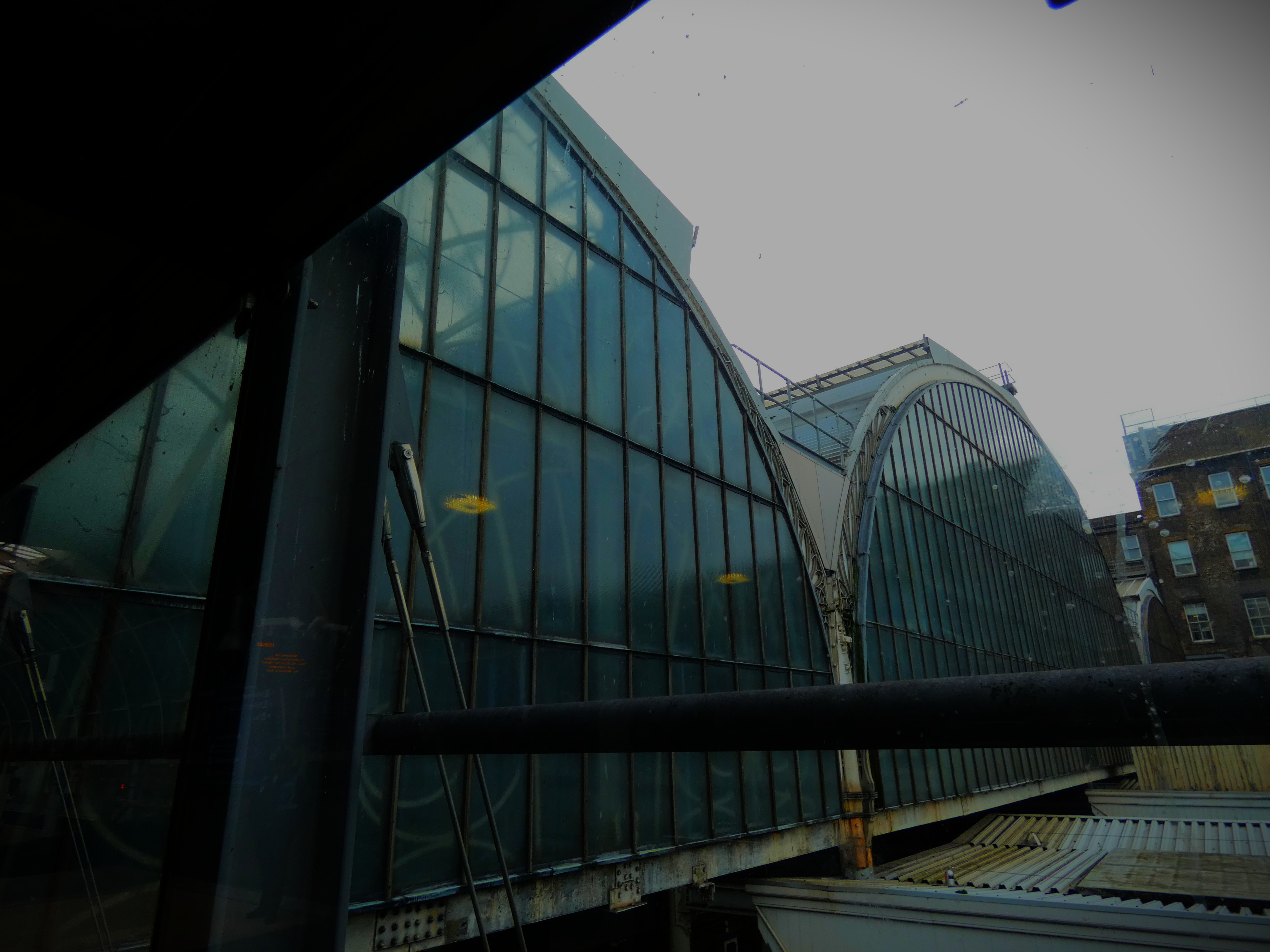
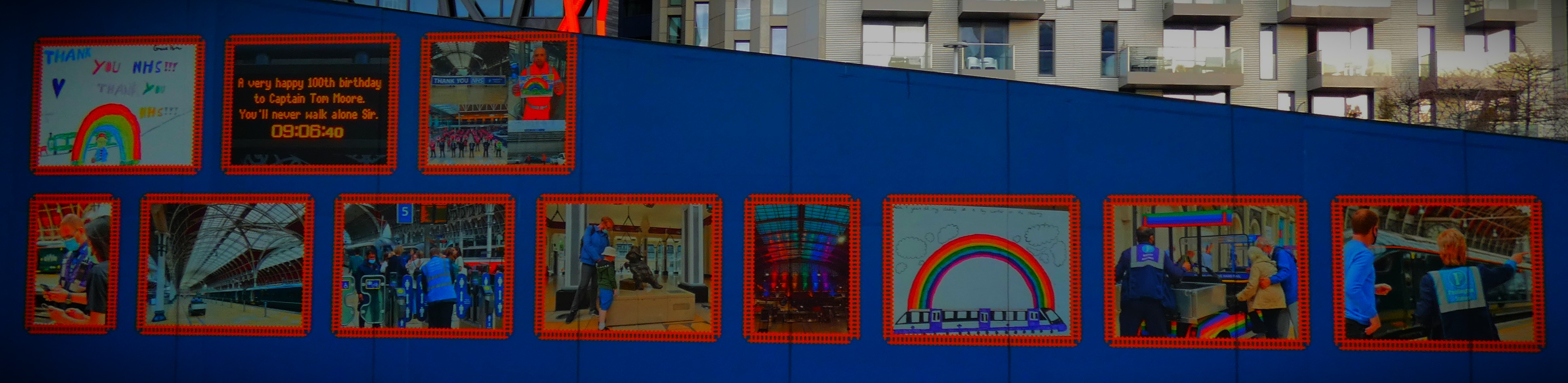
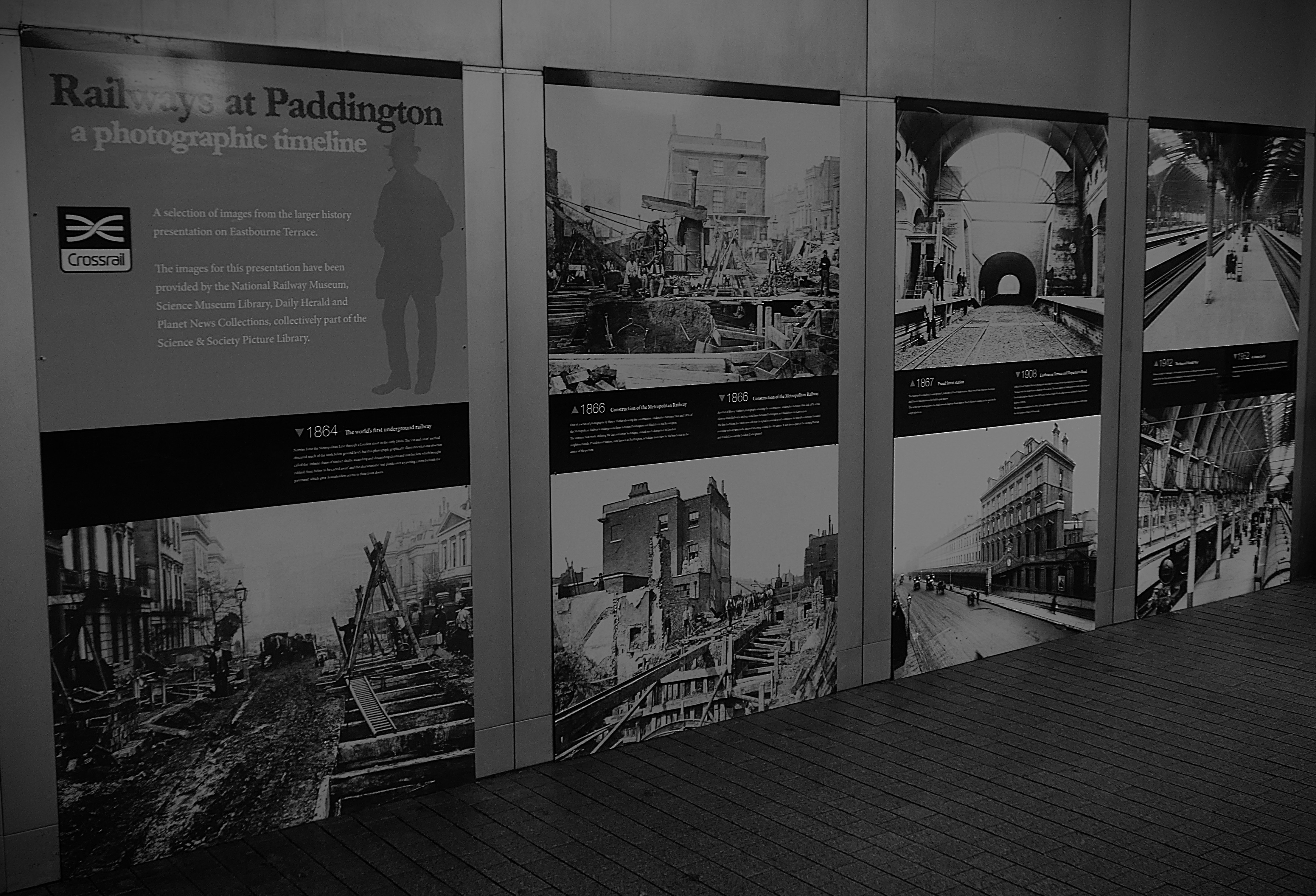
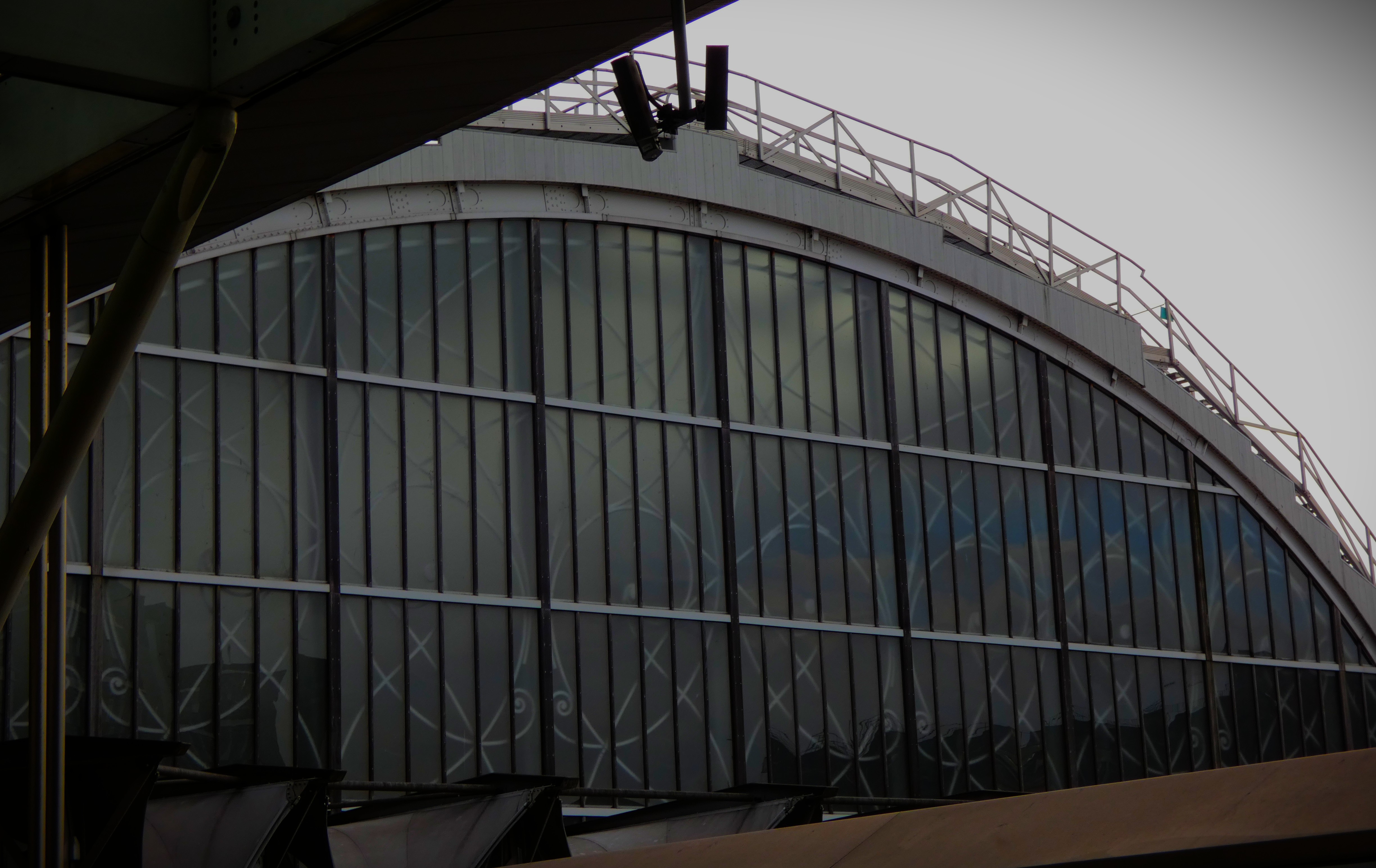
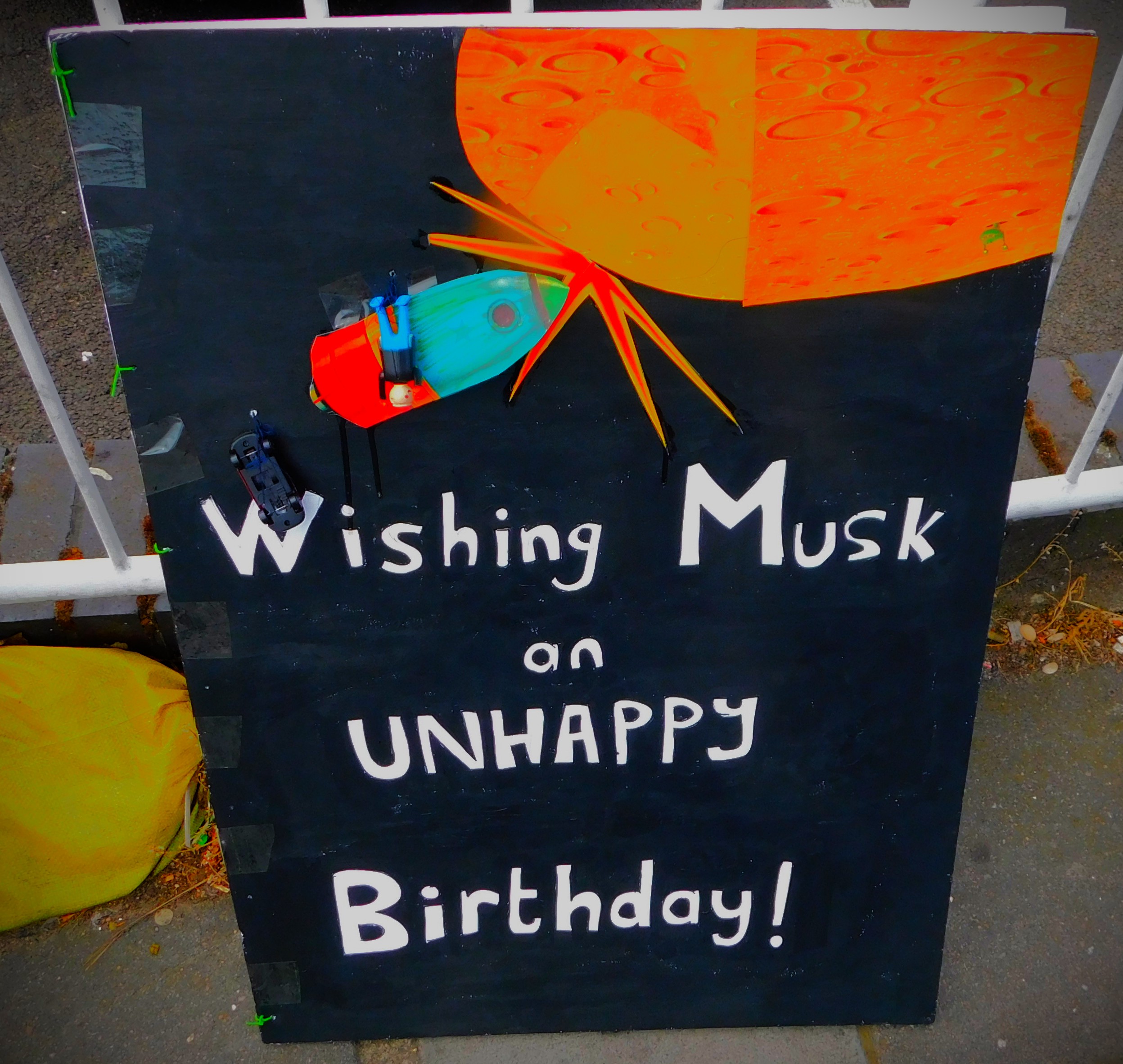
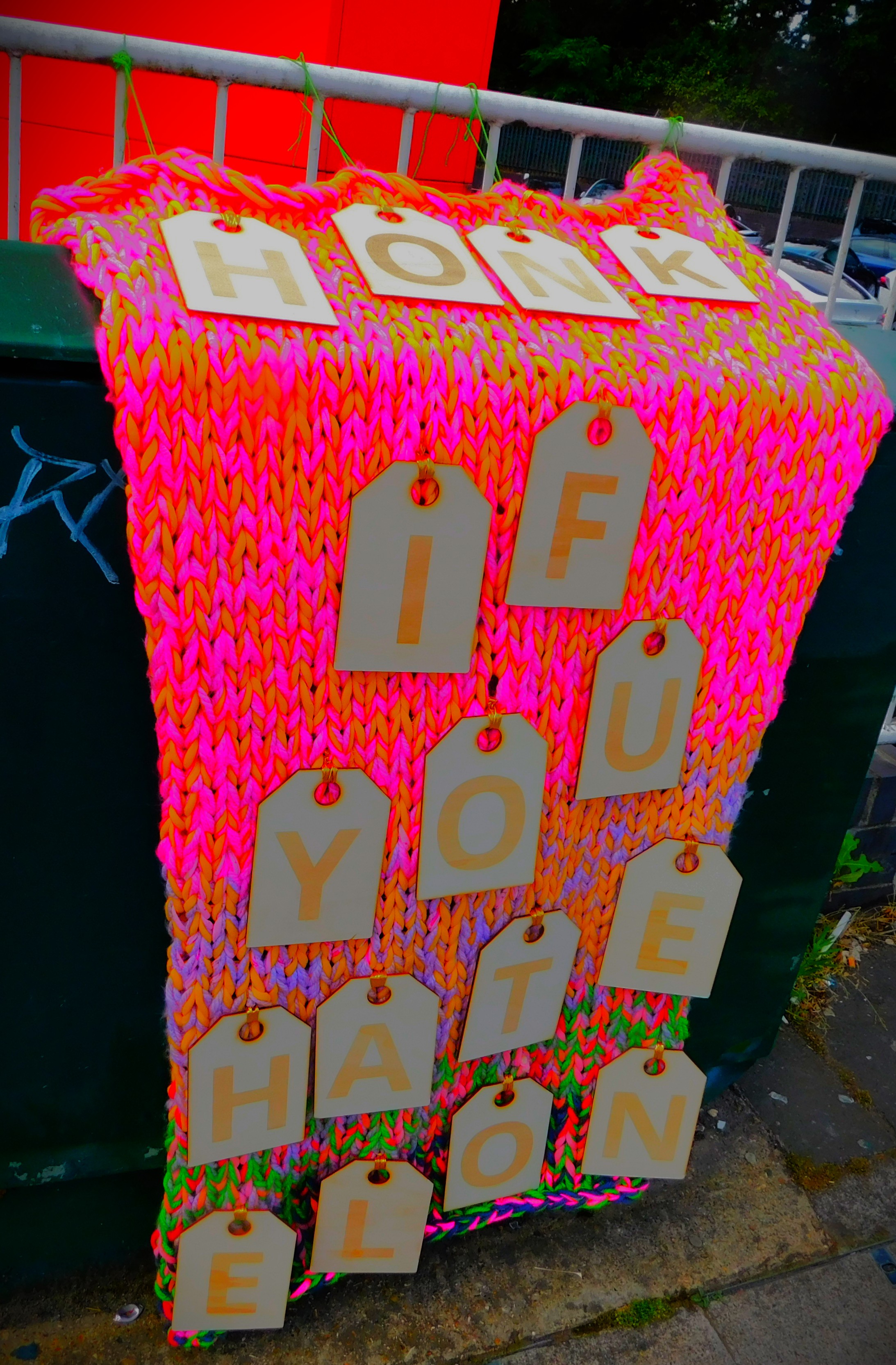
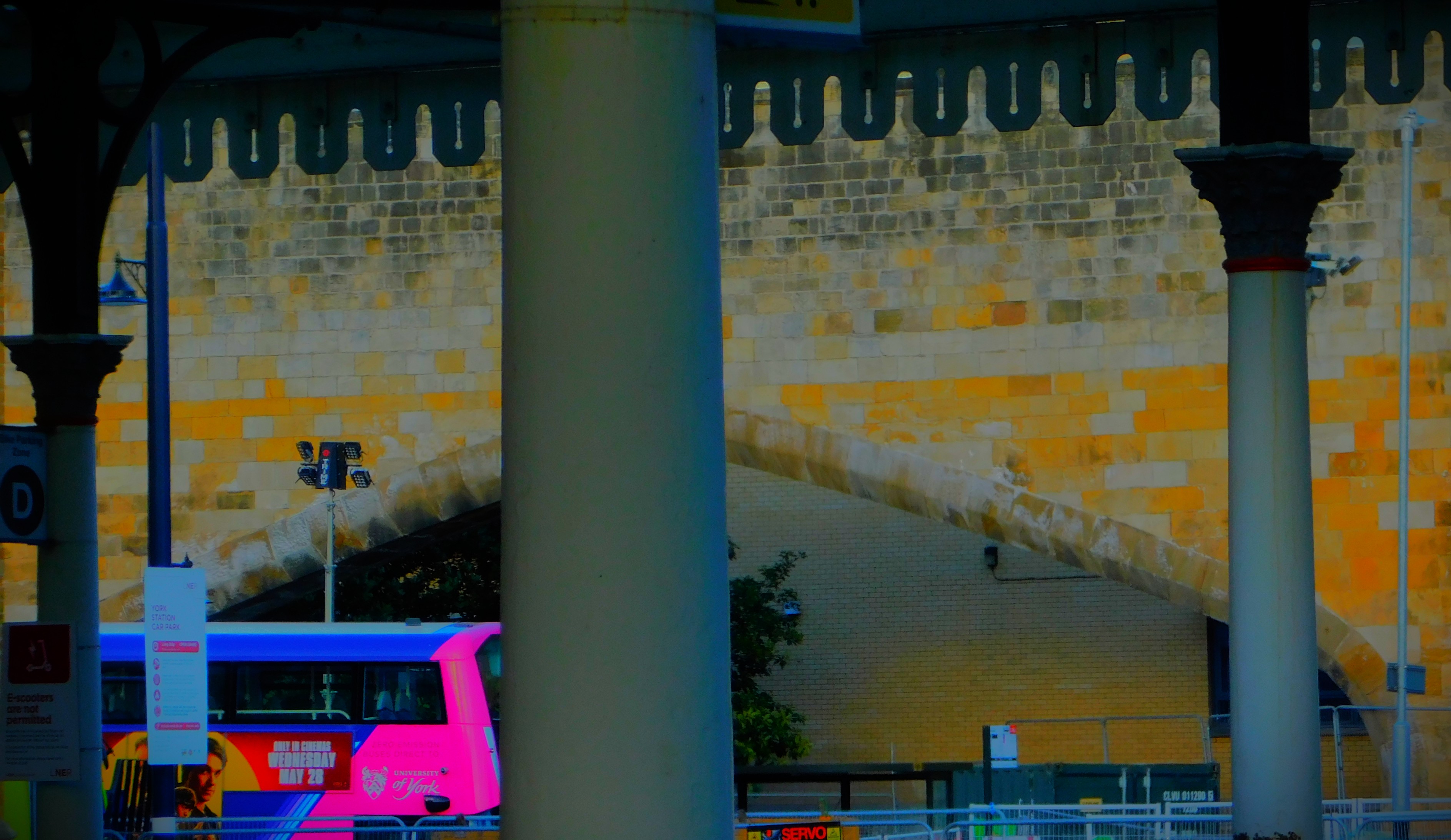
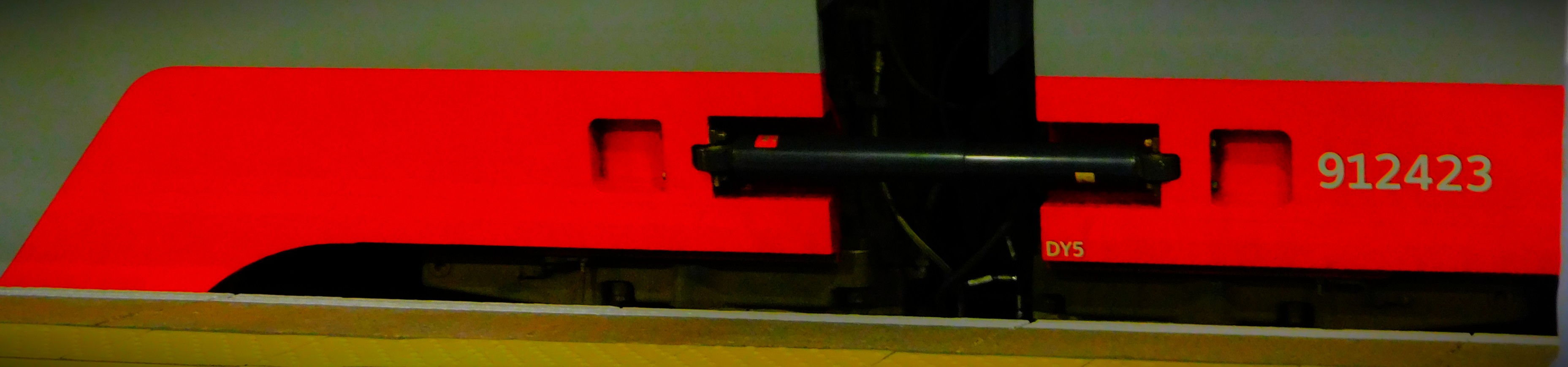
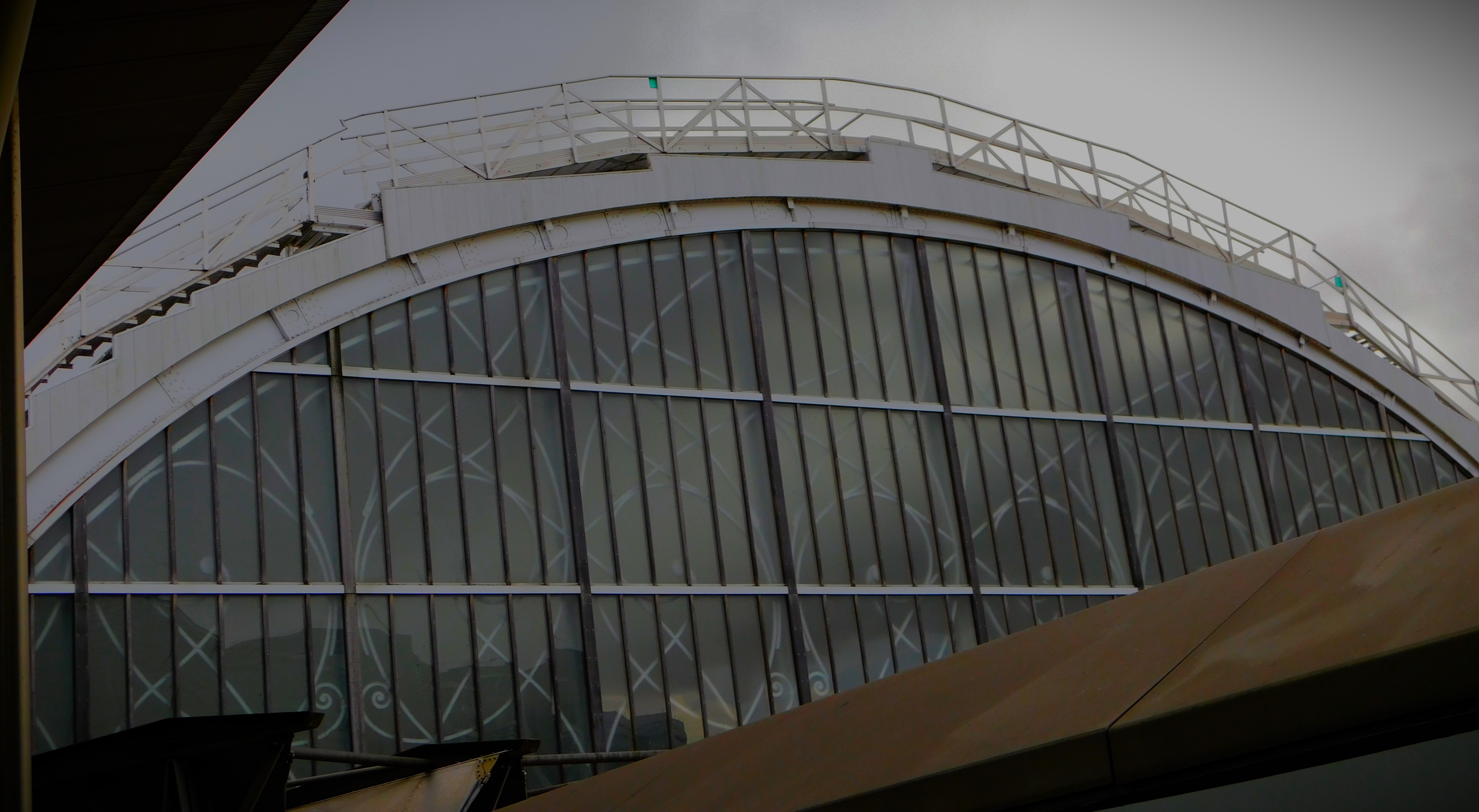
This arch is part of the remnants of a viaduct that carried what is now the Hammersmith and City line by way of a station named Hammersmith Grove Road to Ravenscourt Park for the run to Richmond. Part of the displayA giant ‘unhappy birthday card’The Tesla sign and a protest sign in the same shot.I was delighted to get this picture of the name ‘Covent Garden’ picked out in tiling.
An account in three parts of the return journey from the far west of Scotland to my home in eastern England,, by way of a conclusion to my series about my holiday around my 50th birthday.
Welcome to the final instalment in my series about my holiday in the far west of Scotland around my 50th birthday. The previous post dealt with the birthday meal, which was the last significant event of the holiday itself. This post looks at the journey home.
ACHNOSNICH TO CRIANLARICH
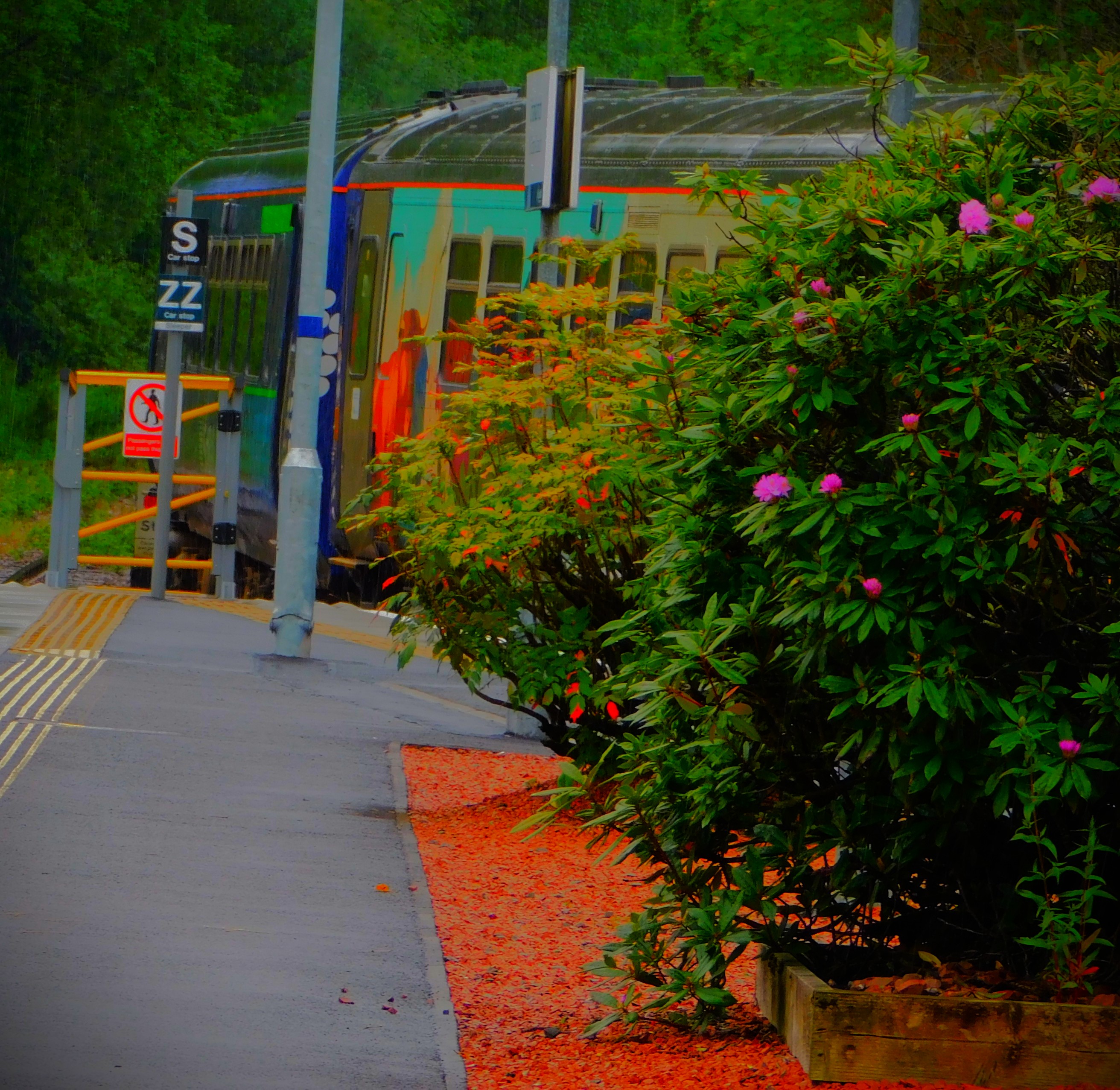
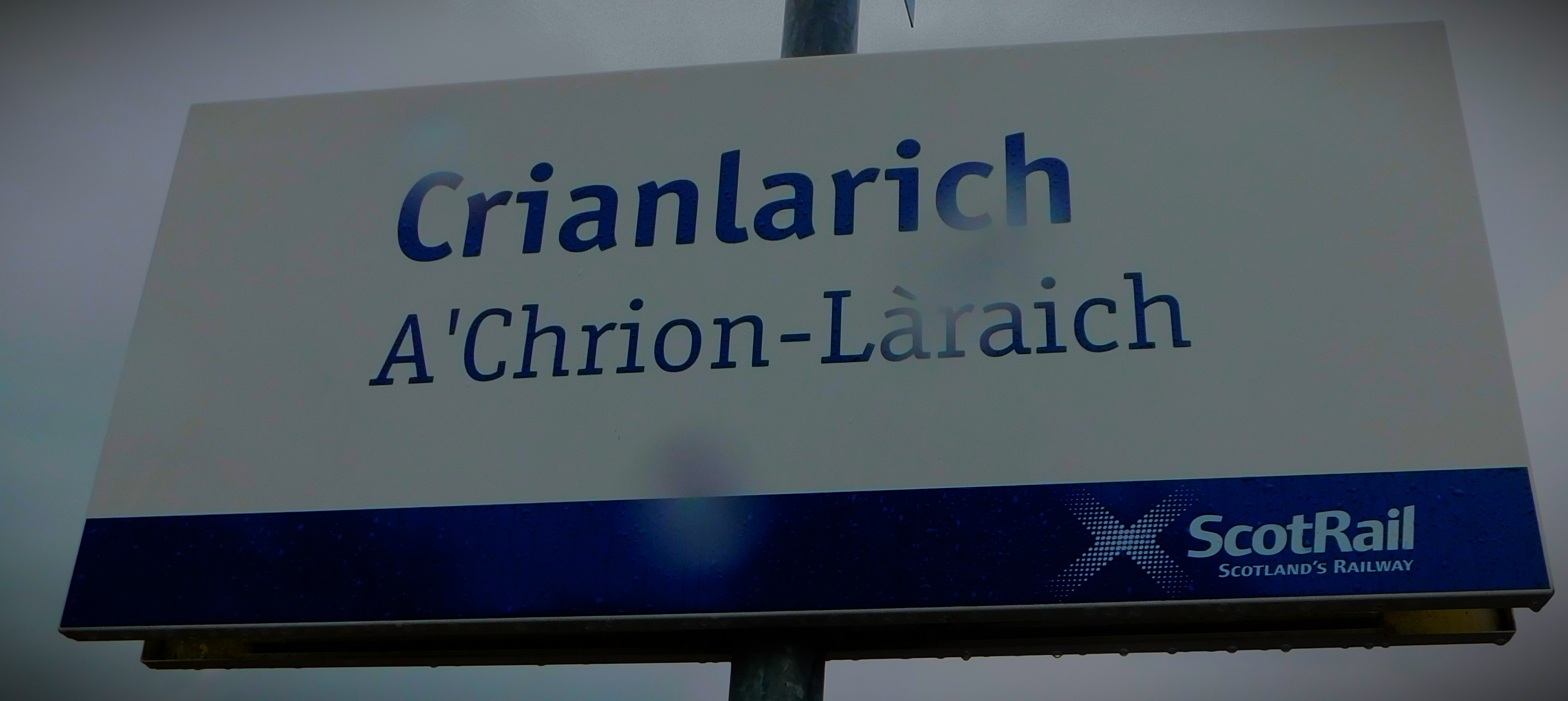
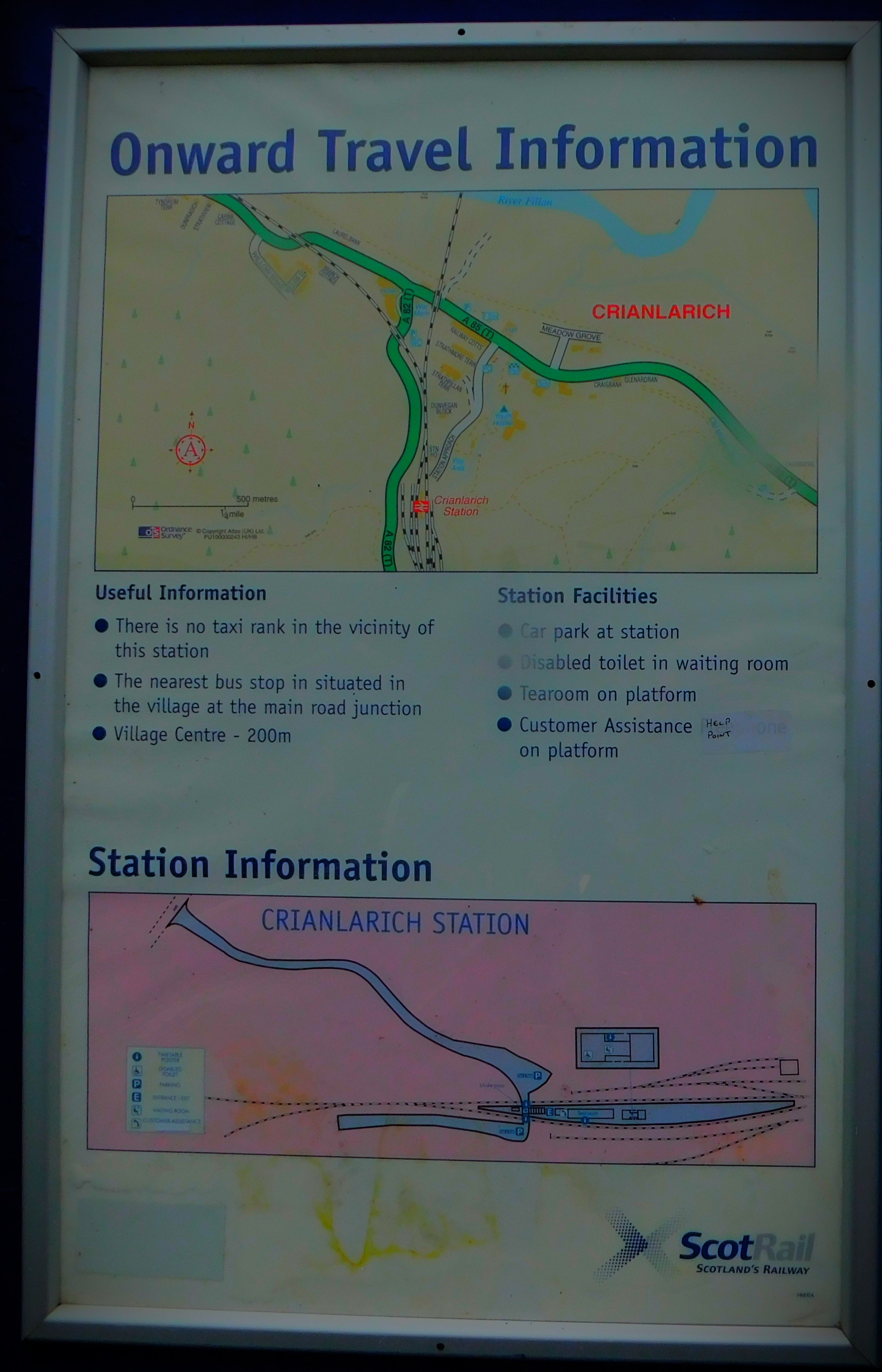
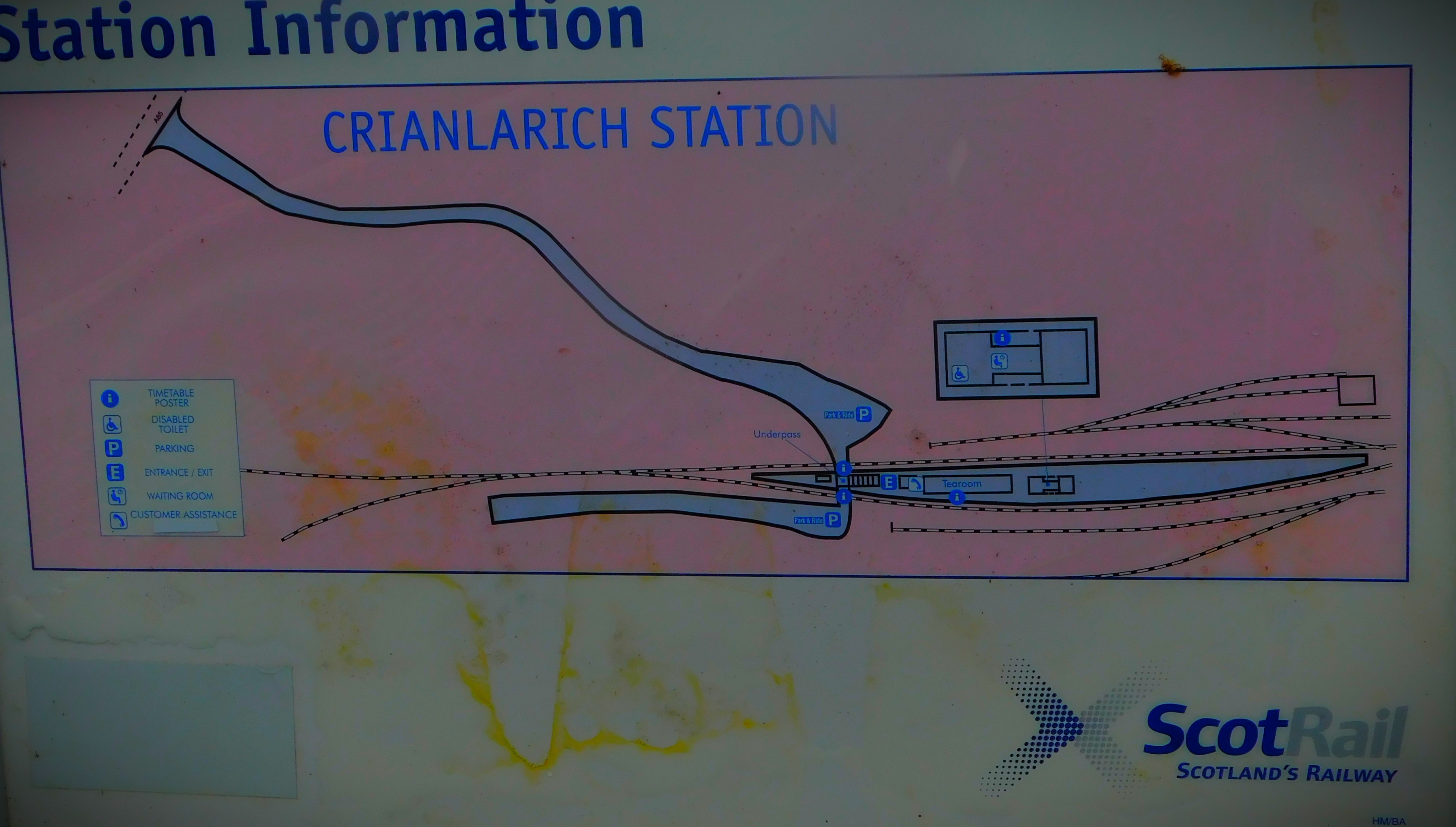
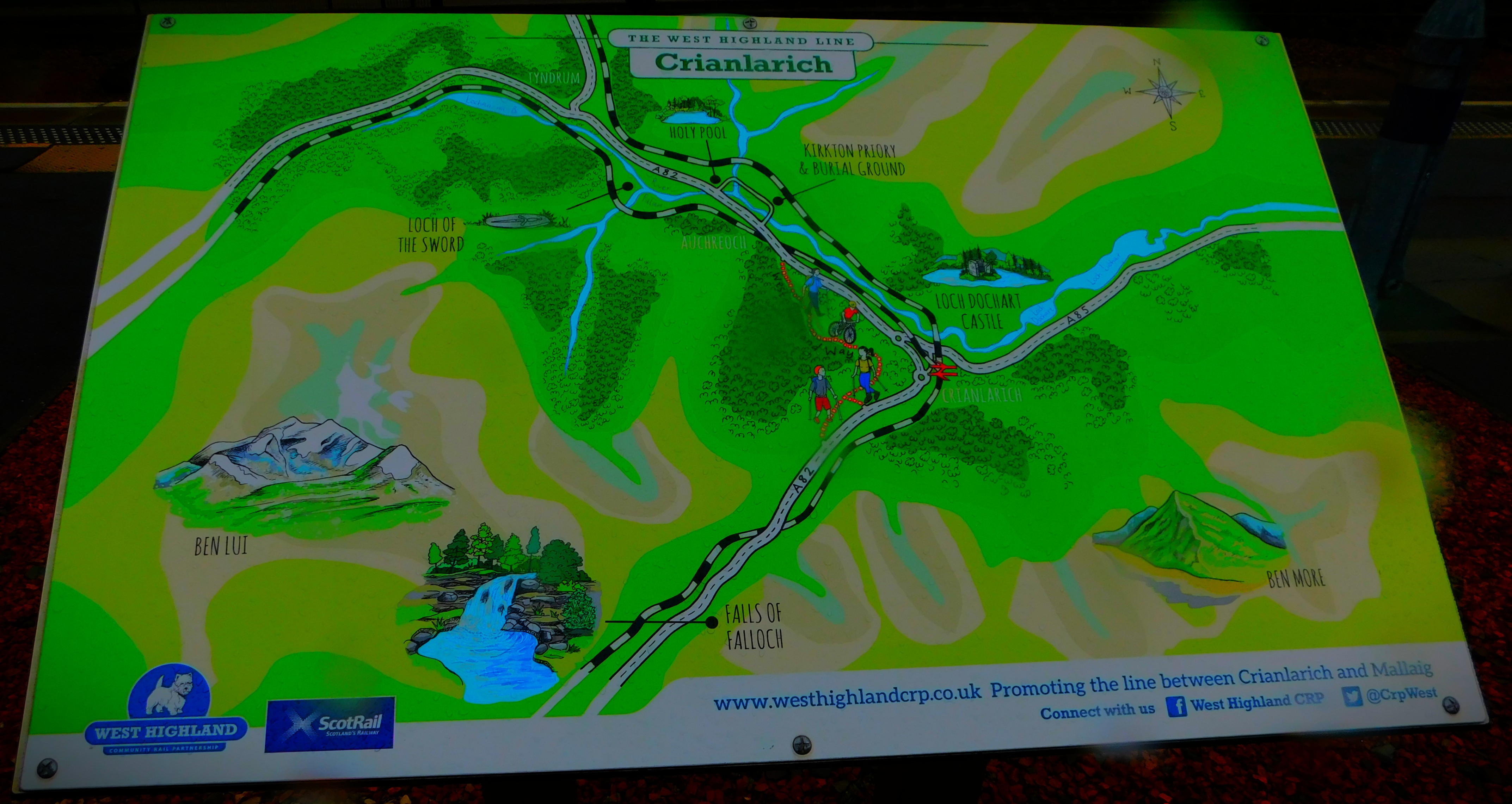
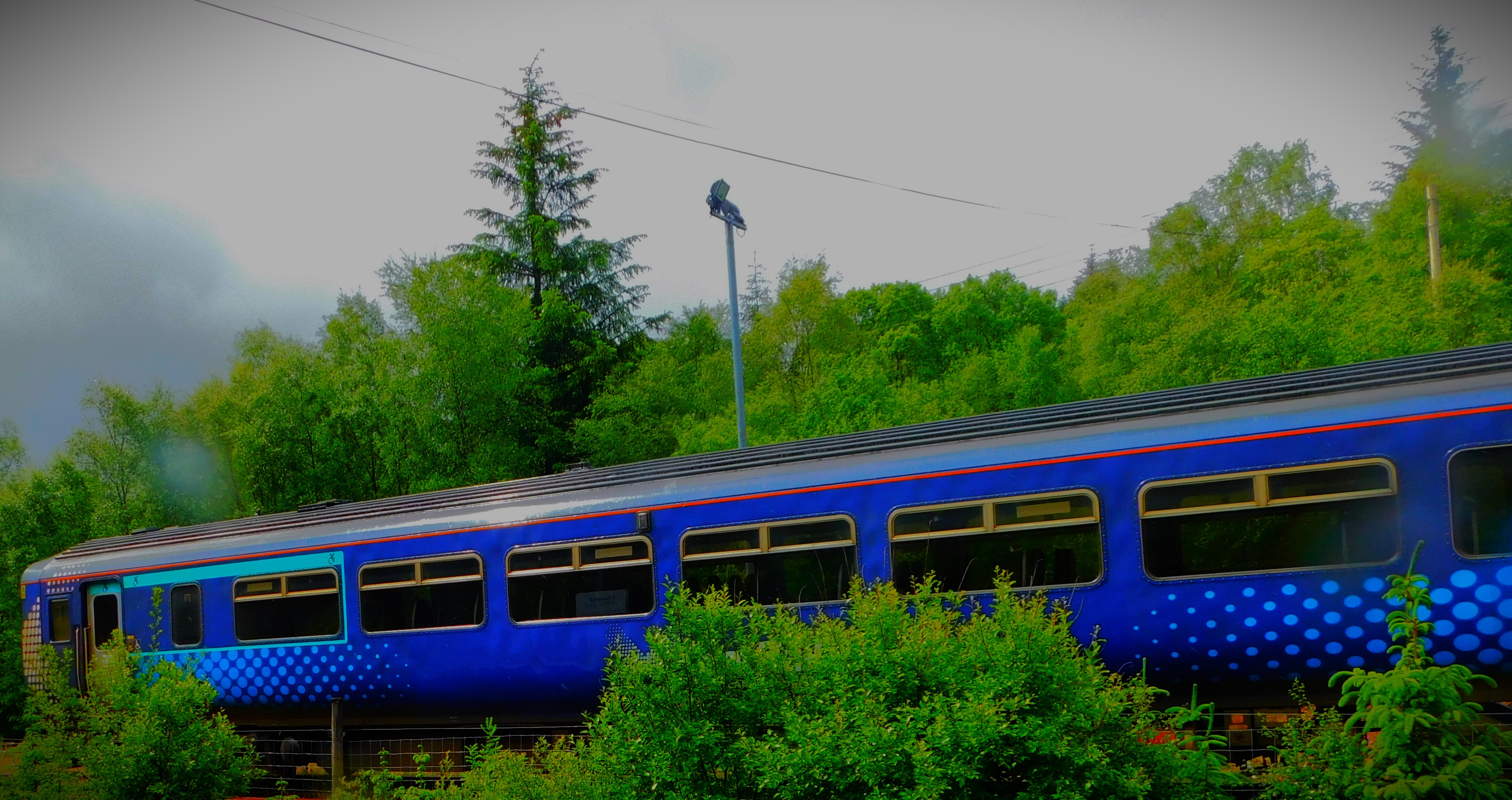
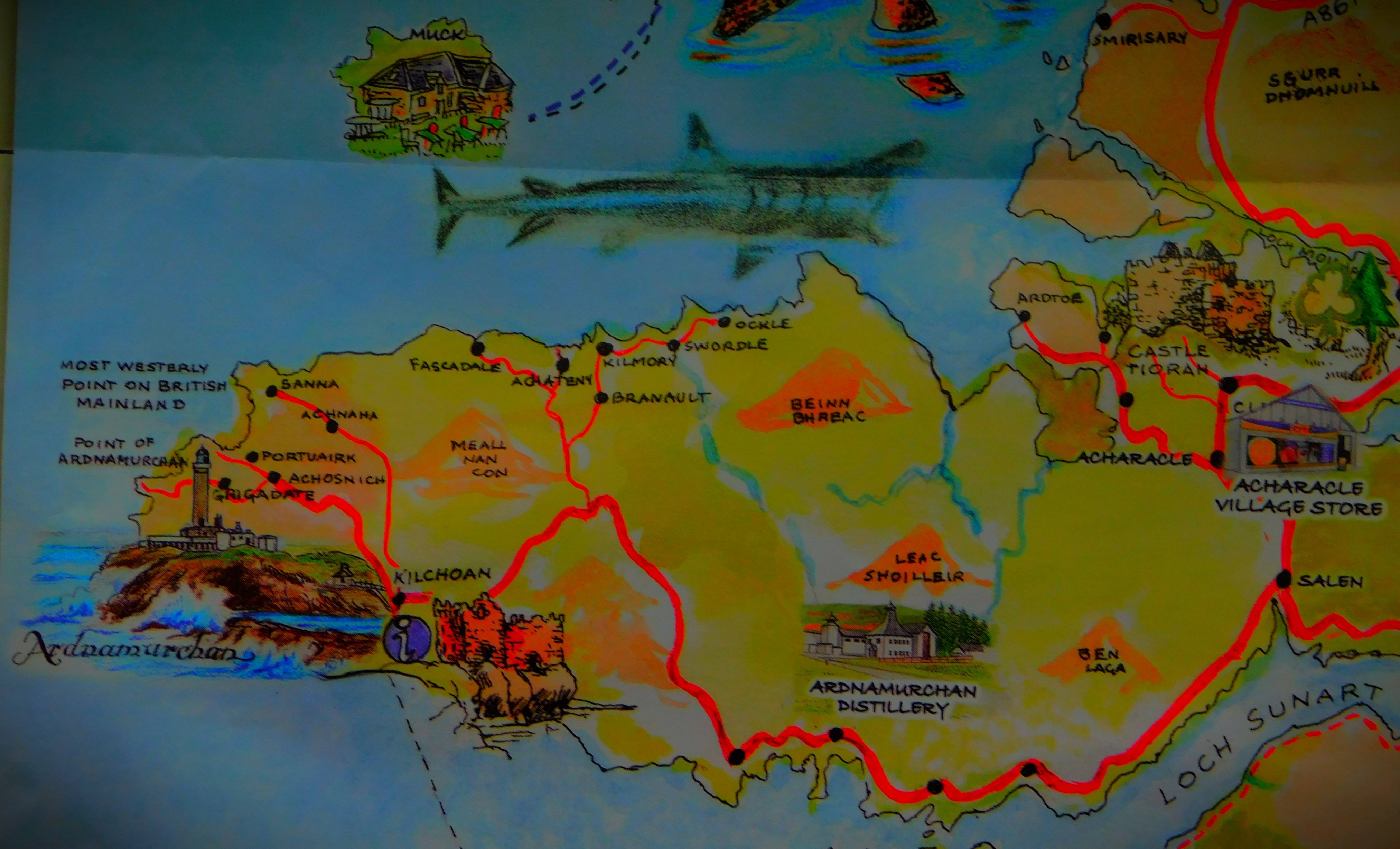
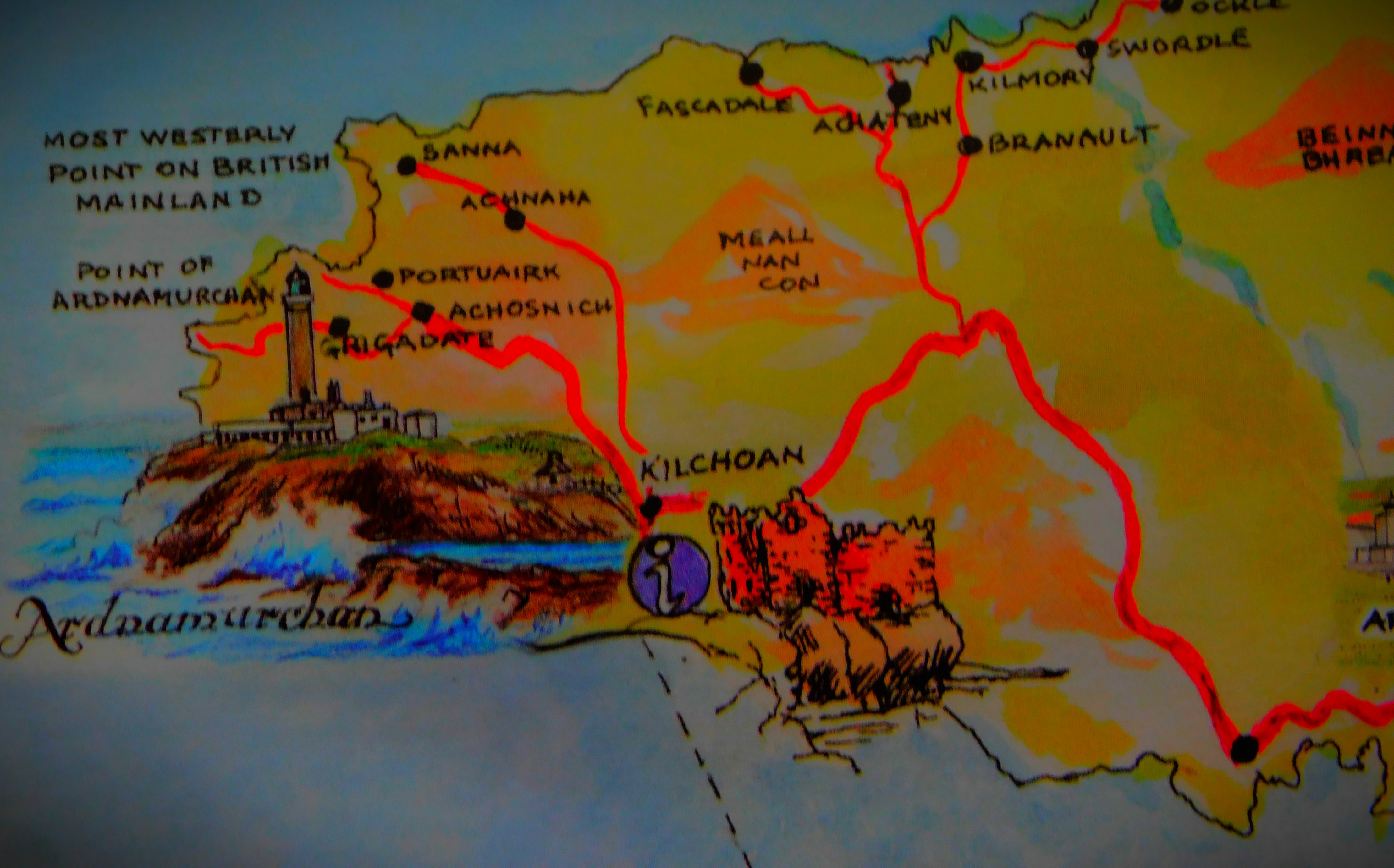
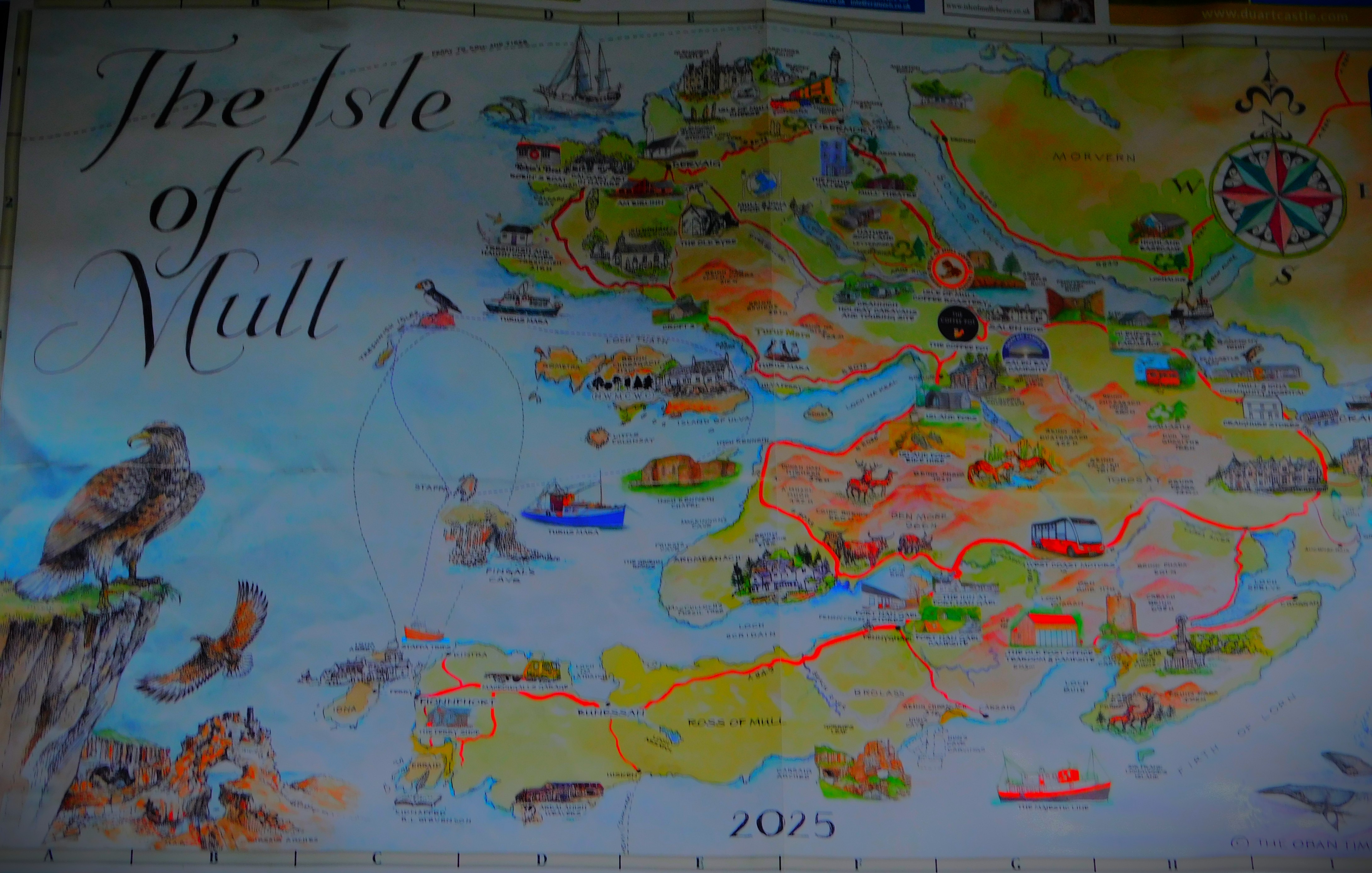
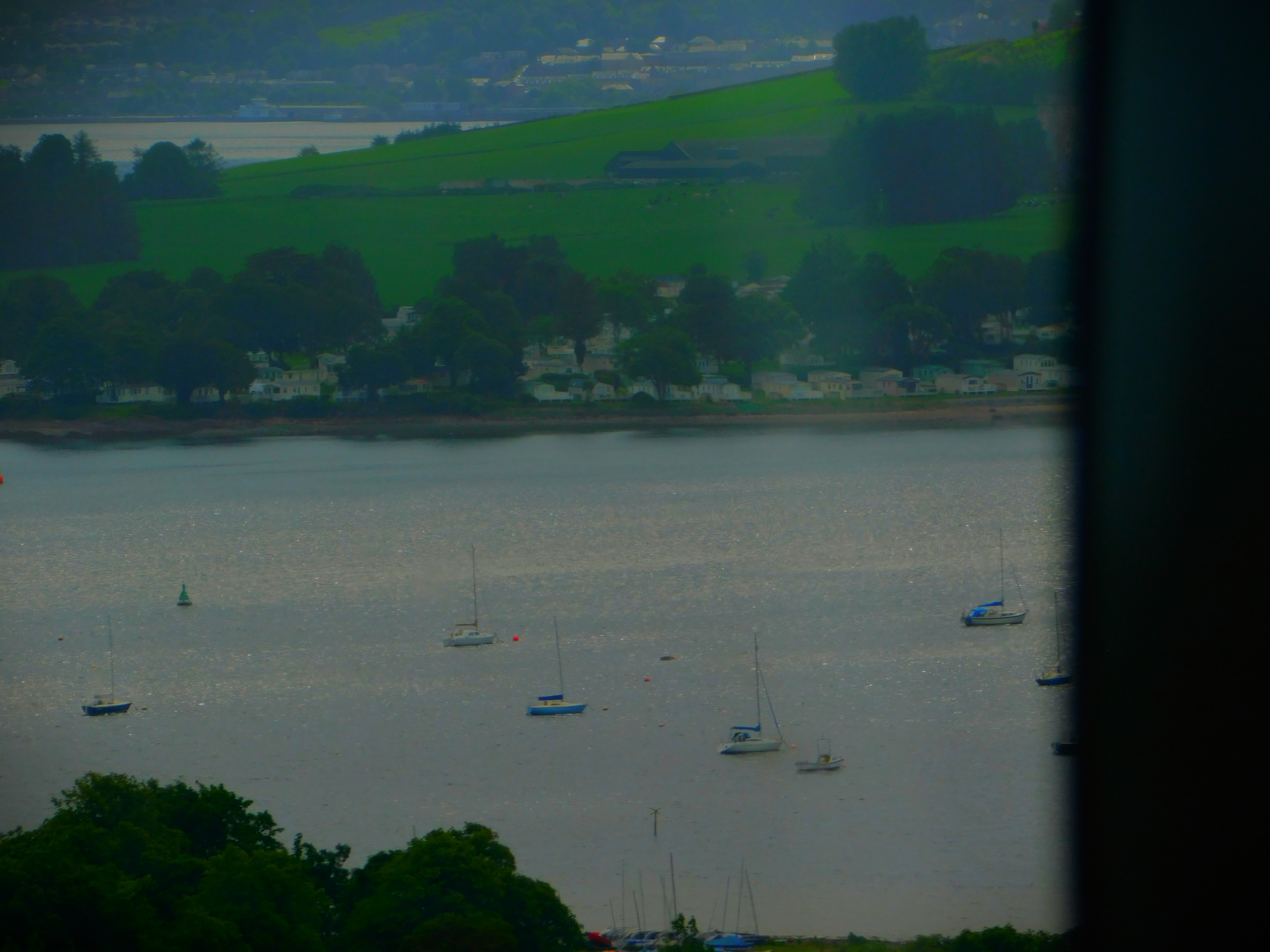
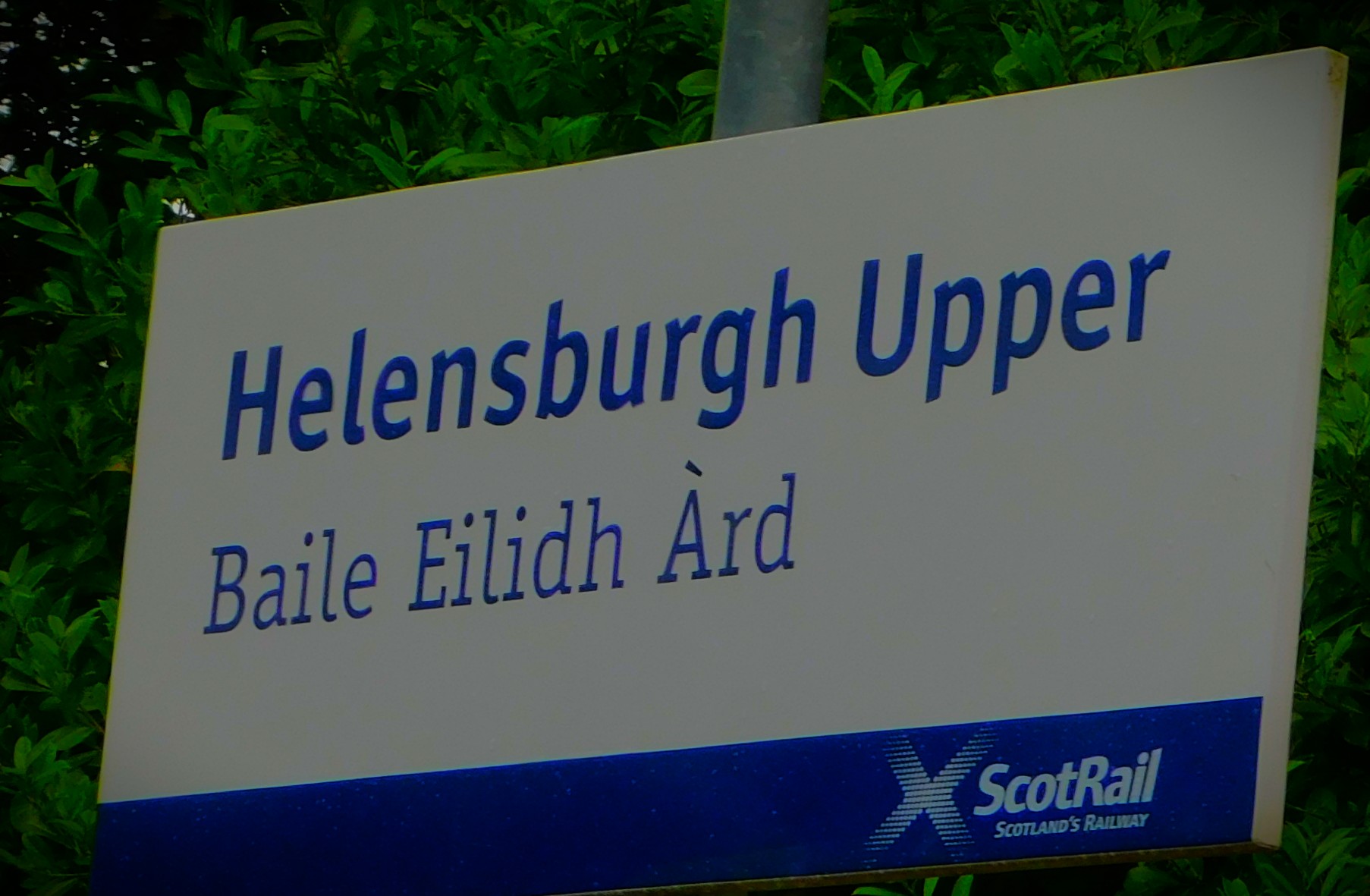
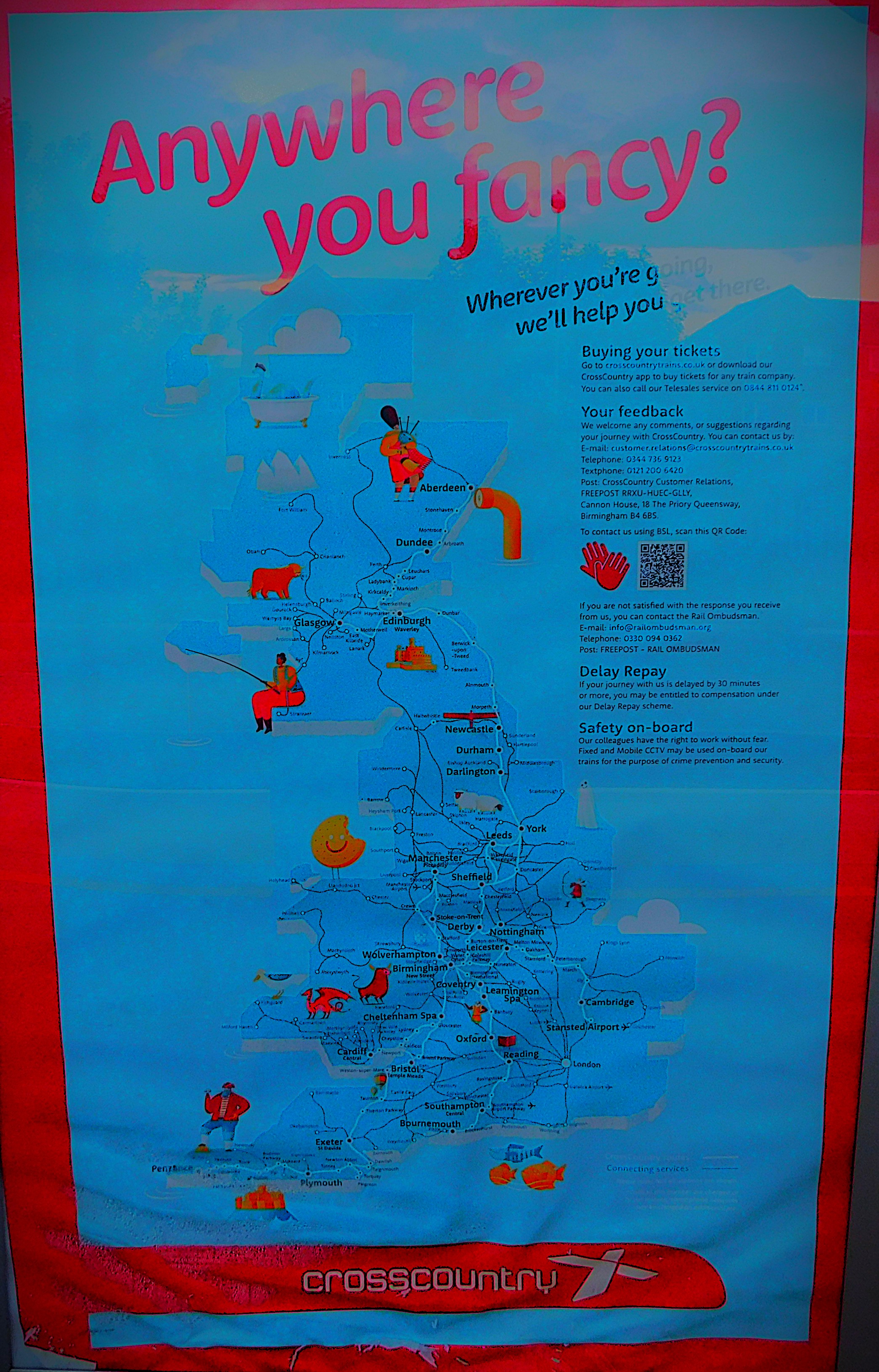
To combat the perils of Sunday travelling (necessitated by my birthday itself falling on a Saturday this year) I had limited the train part of my journey to Crianlarich, a junction station where the routes from Oban and Mallaig meet on their way into Glasgow, although I could have got significantly closer to the Ardnamurchan Peninsula had I trusted the Mallaig branch to be running. Thus for the first part of the journey I would be travelling in my parents car, sharing the back seat with my bags. We had decided that we should aim to be away by 9AM, to ensure getting to Crianlarich in good time. I did not have a booked seat on either this train or the connecting service from Glasgow to Edinburgh, but I did have a booked seat on the train from Edinburgh to Peterborough, and to make that I had to make both previous trains. We had a smooth journey to Crianlarich, though the sight of a crowd of people outside the station caused a bit of worry. It turned out that they were waiting for a replacement bus as a train heading towards Oban had malfunctioned and had to be pulled from service. There was thankfully no hint of trouble affecting services heading into Glasgow. Because of the role Crianlarich plays in this section of the railway the arrival of the service coming in from Oban did not end the wait – we still had to wait for the service from Mallaig to arrive and be coupled to the other for the onward run to Glasgow.
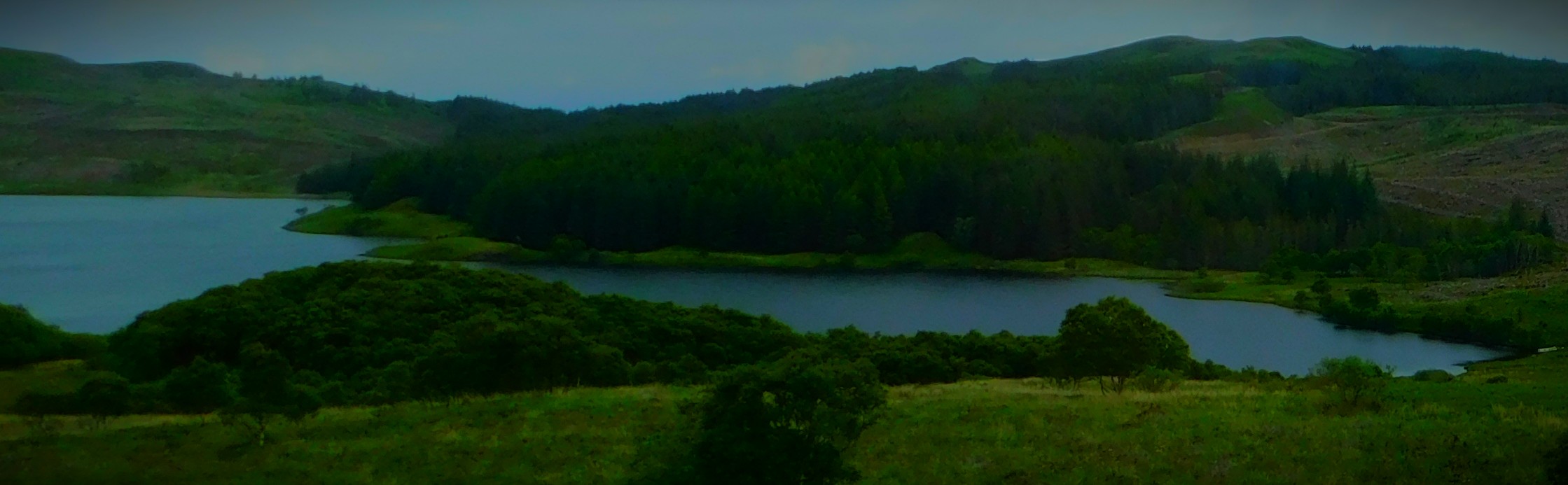
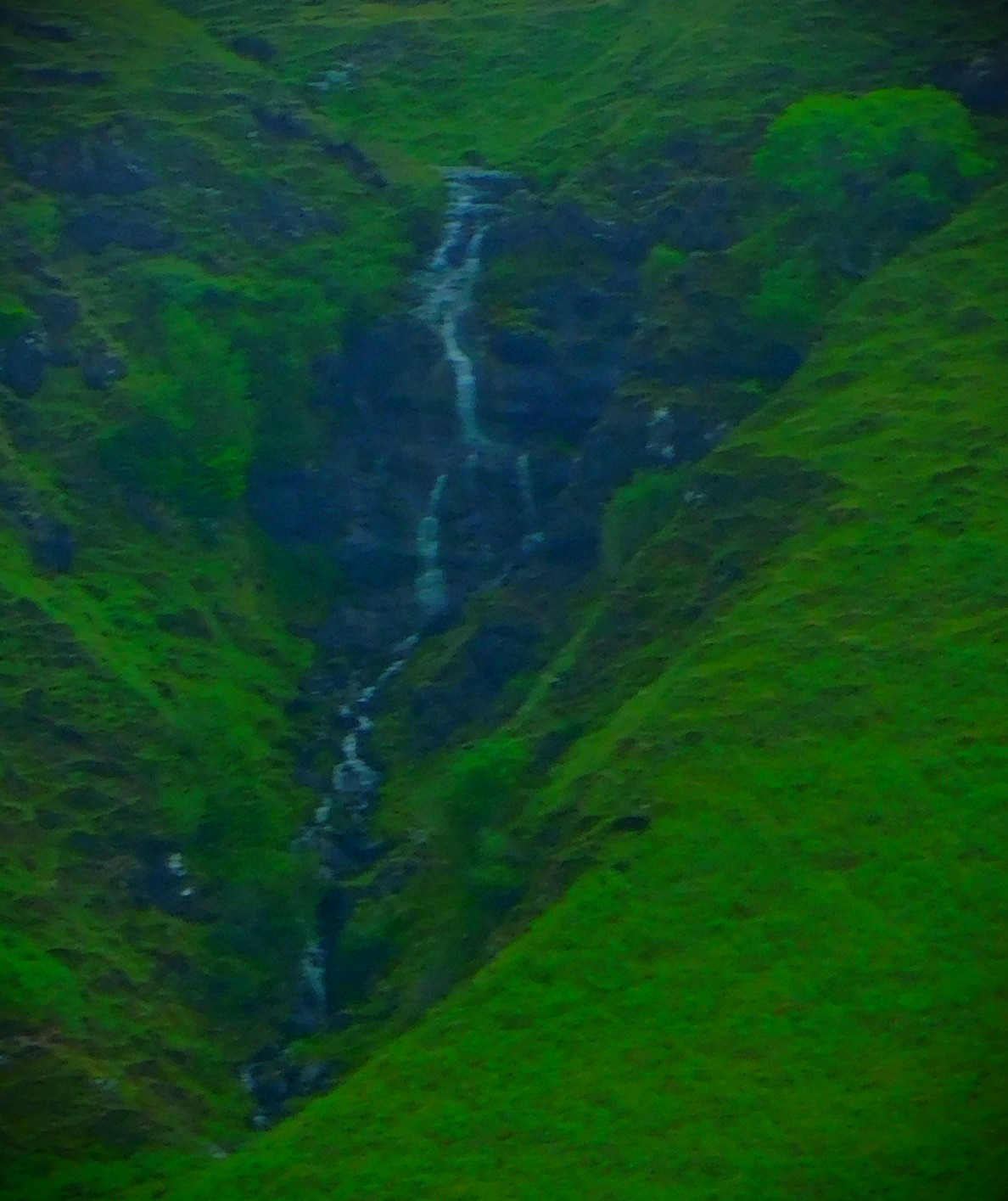
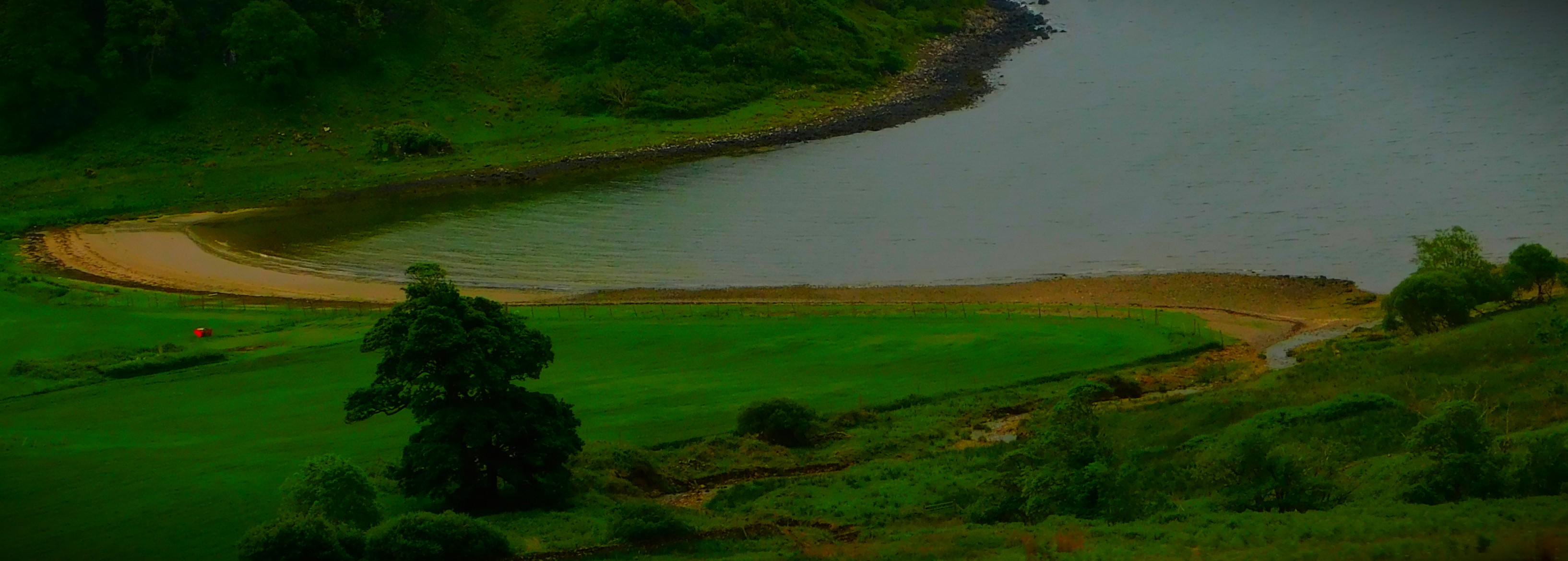
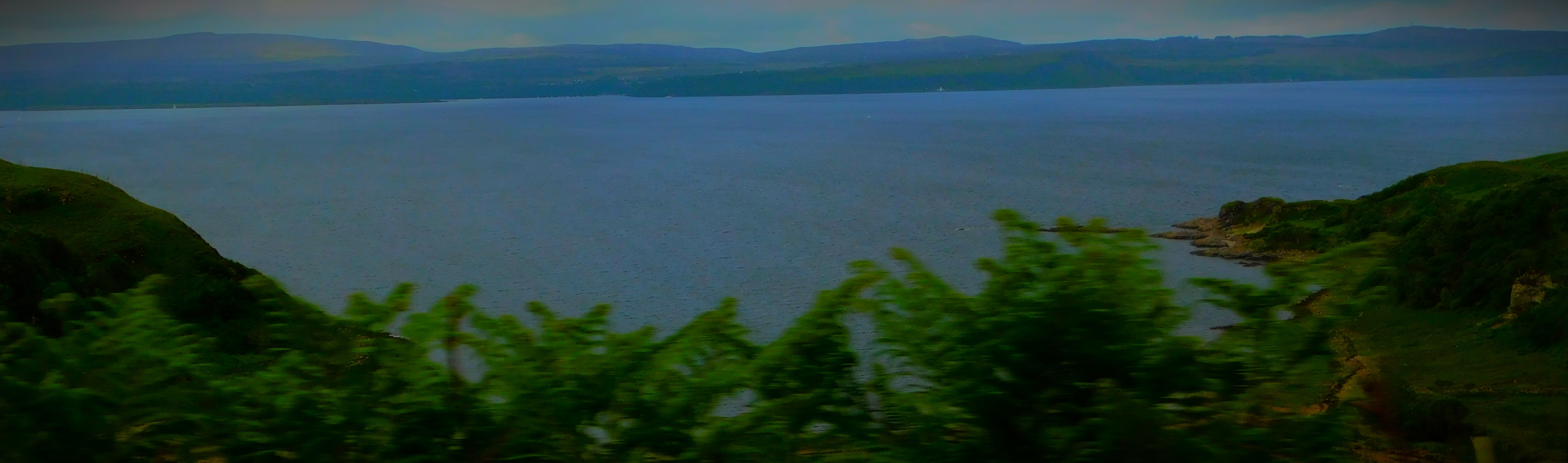
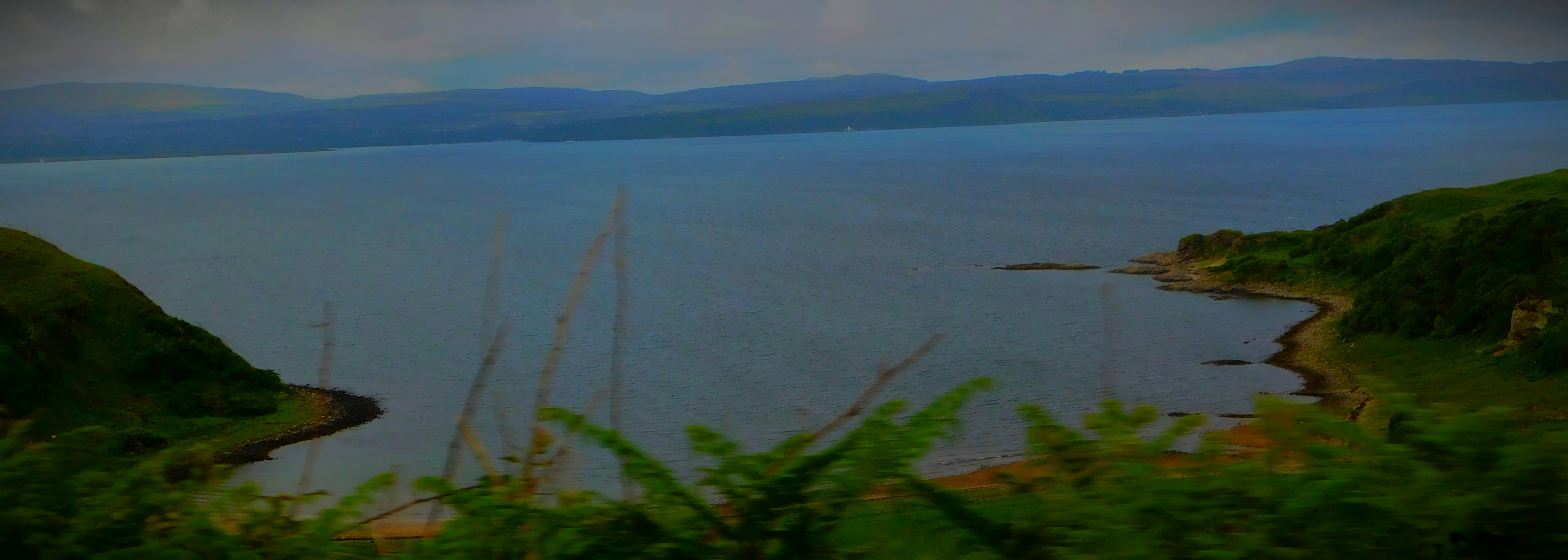
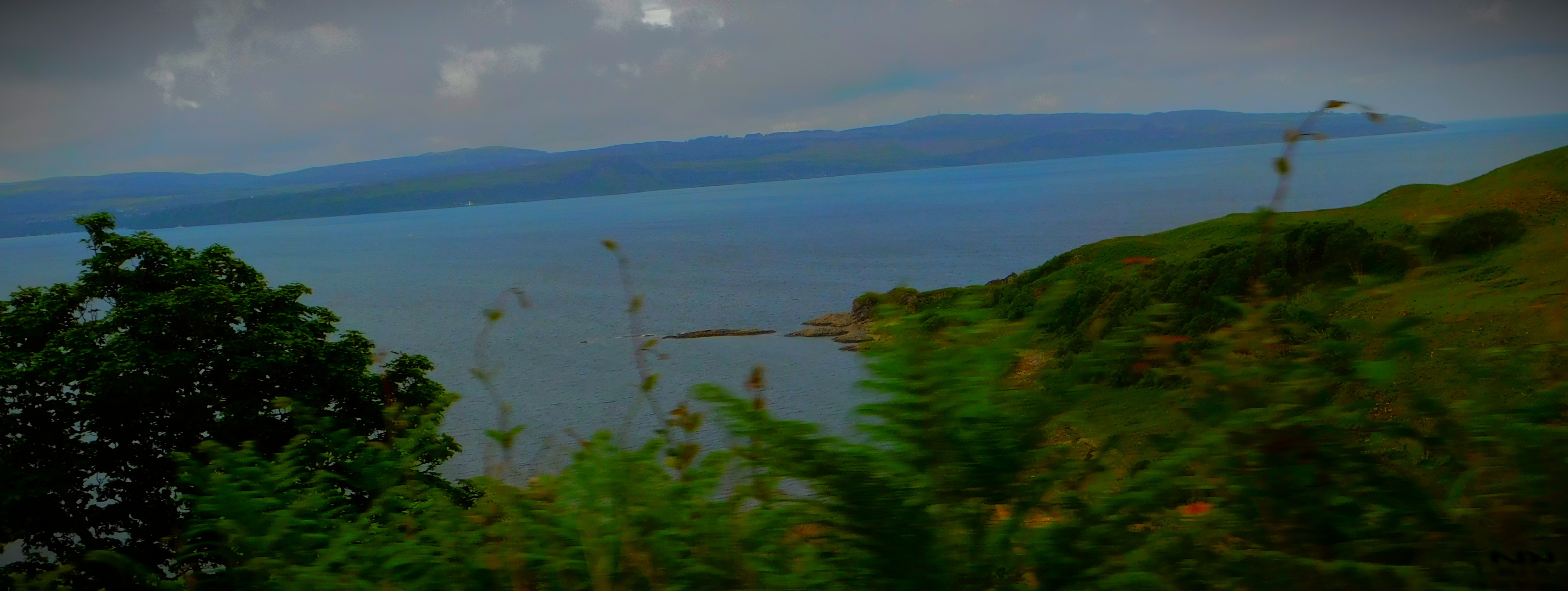
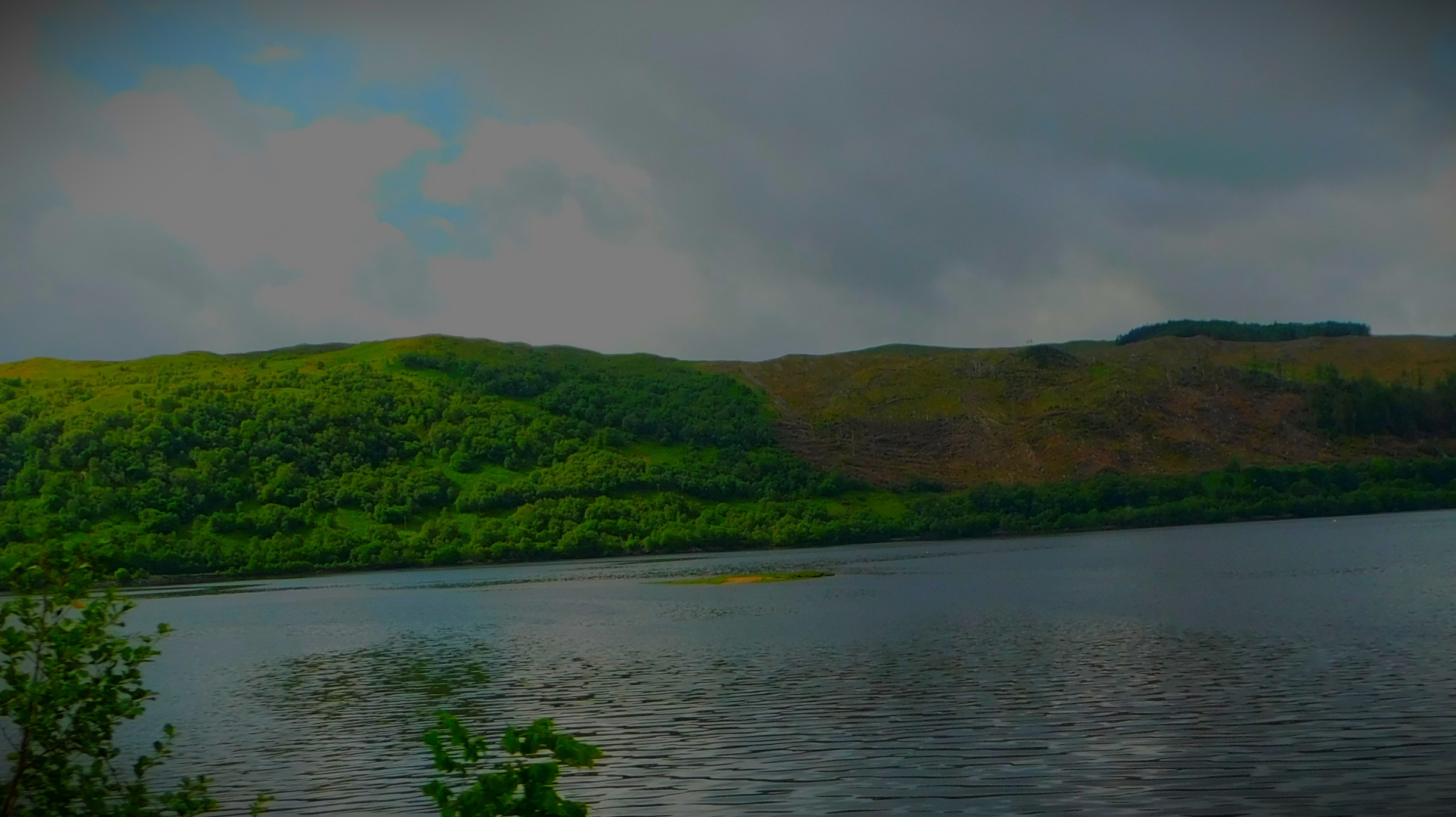
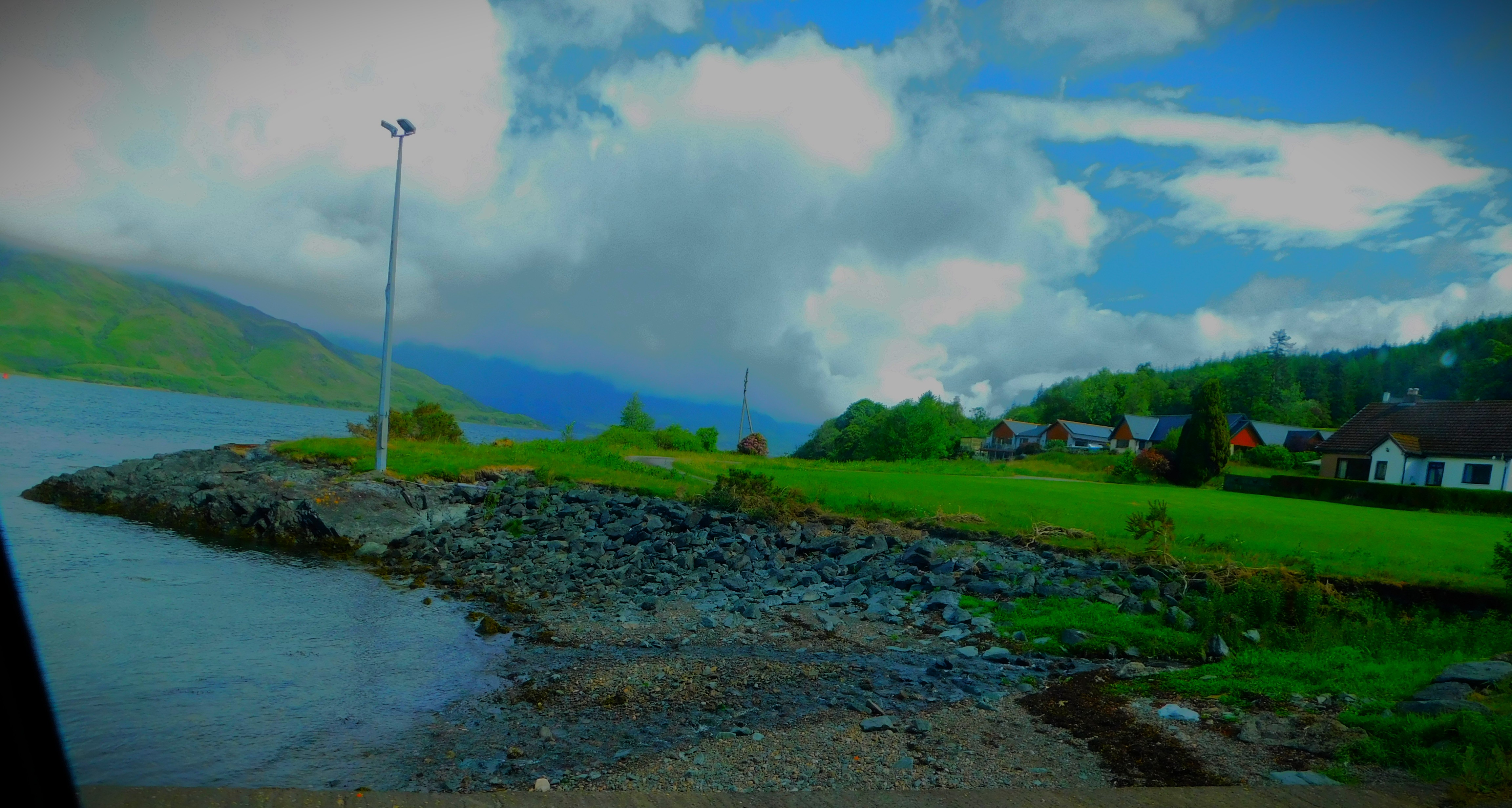
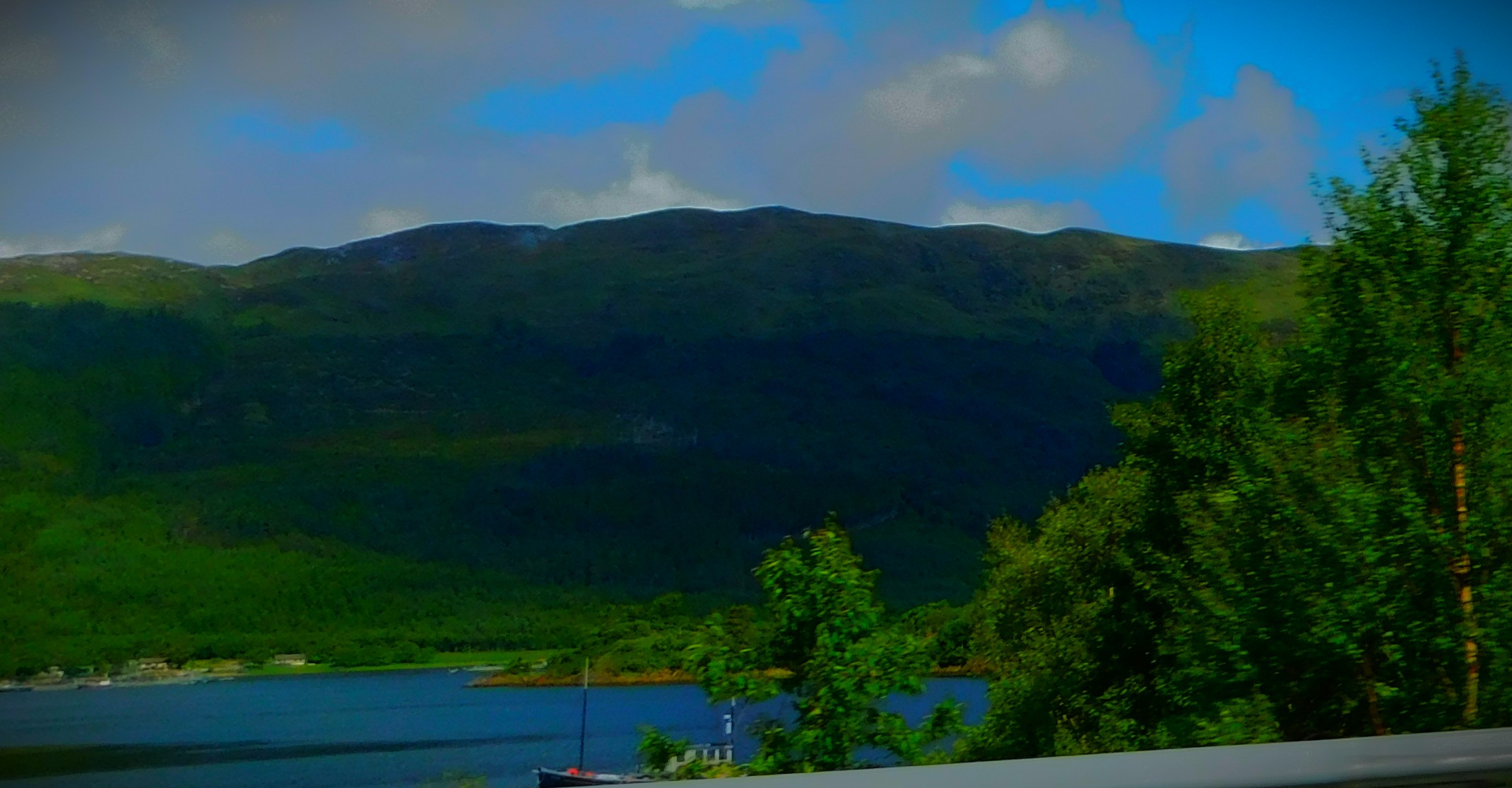
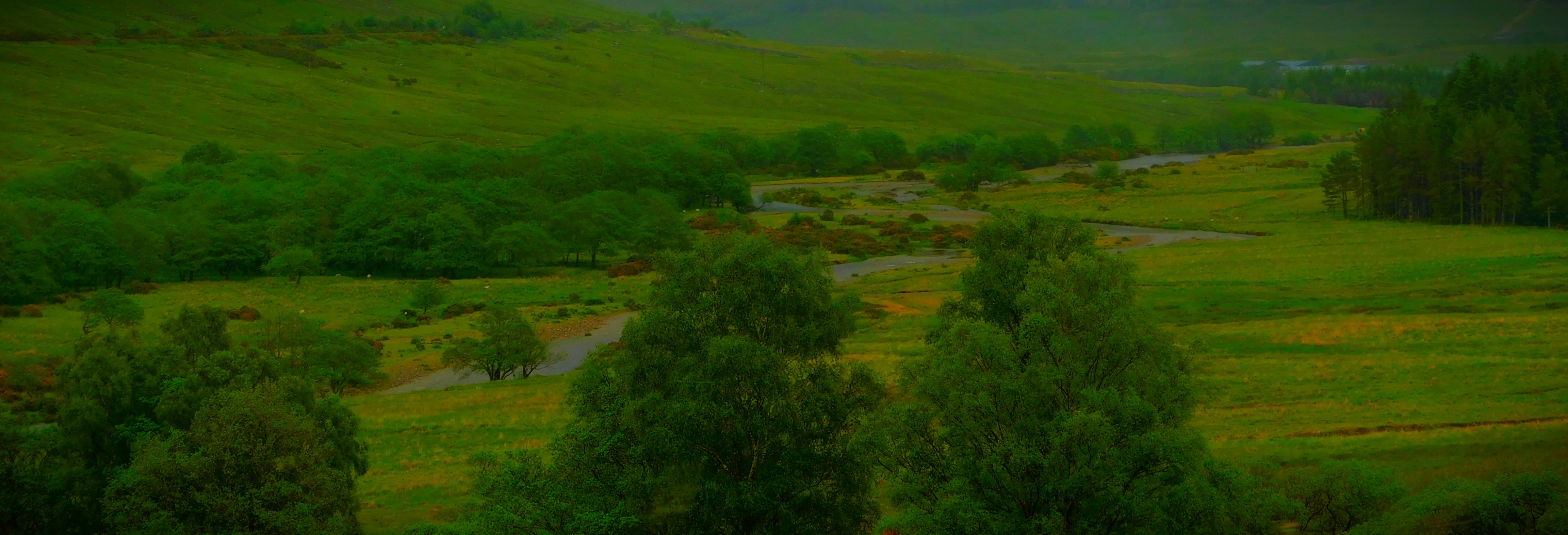
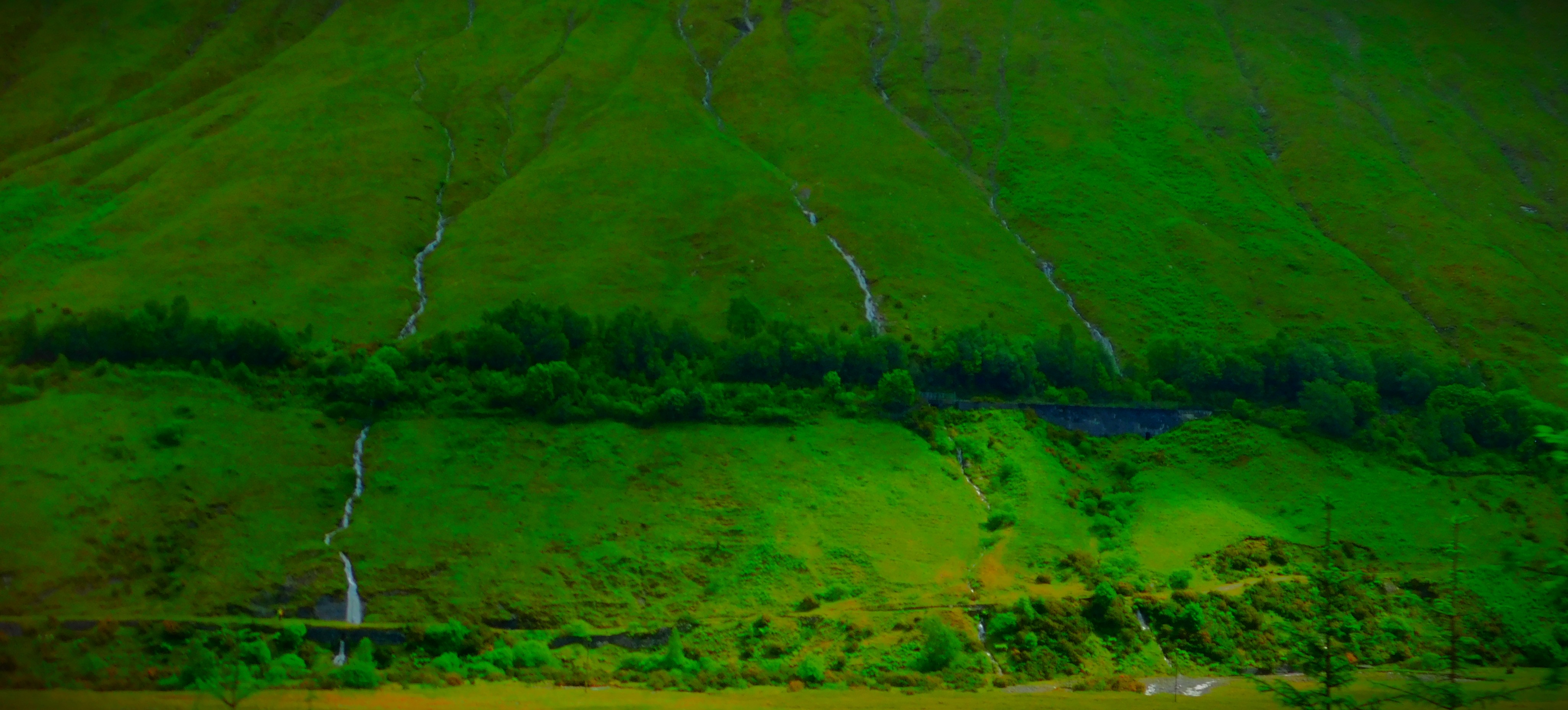
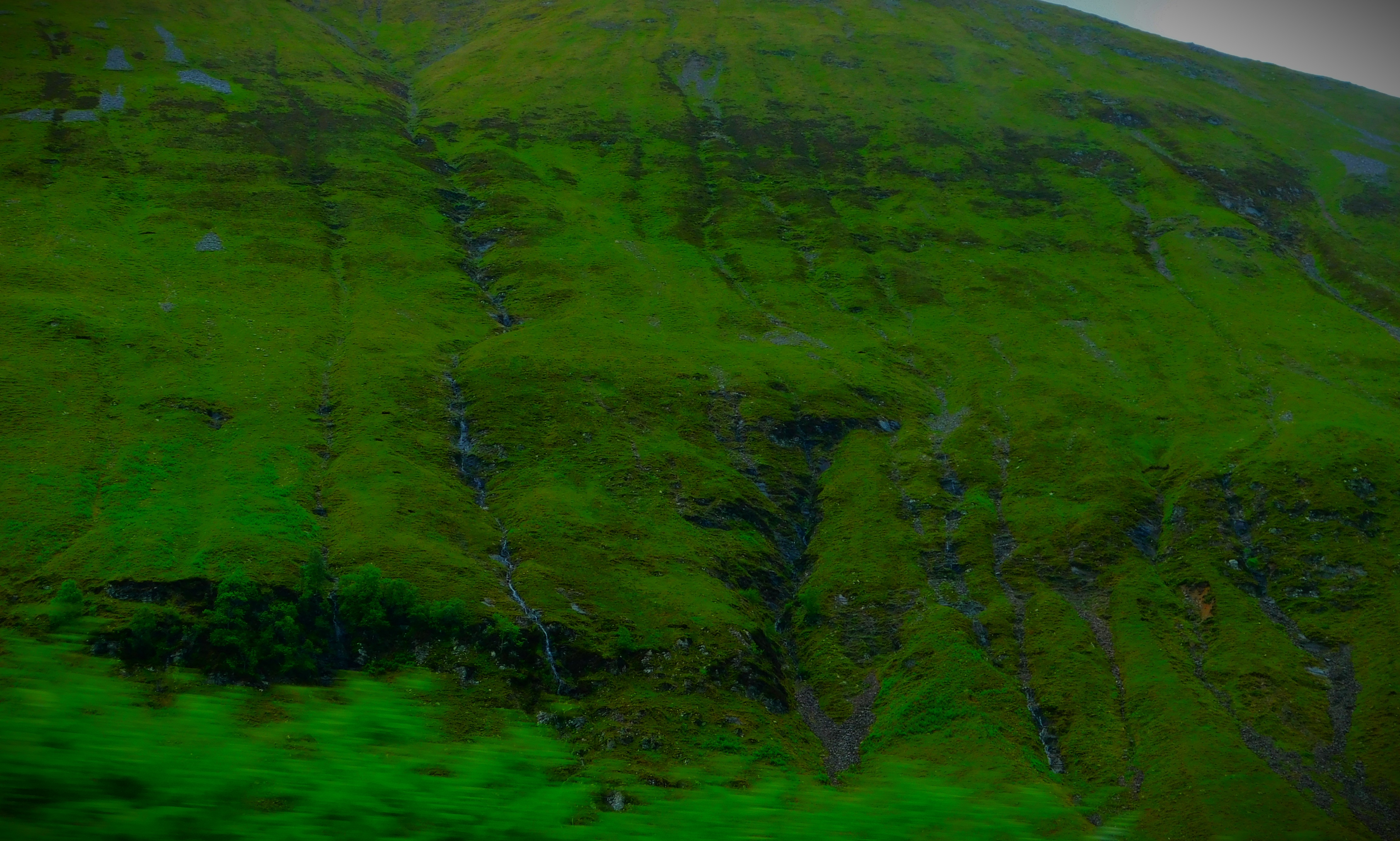
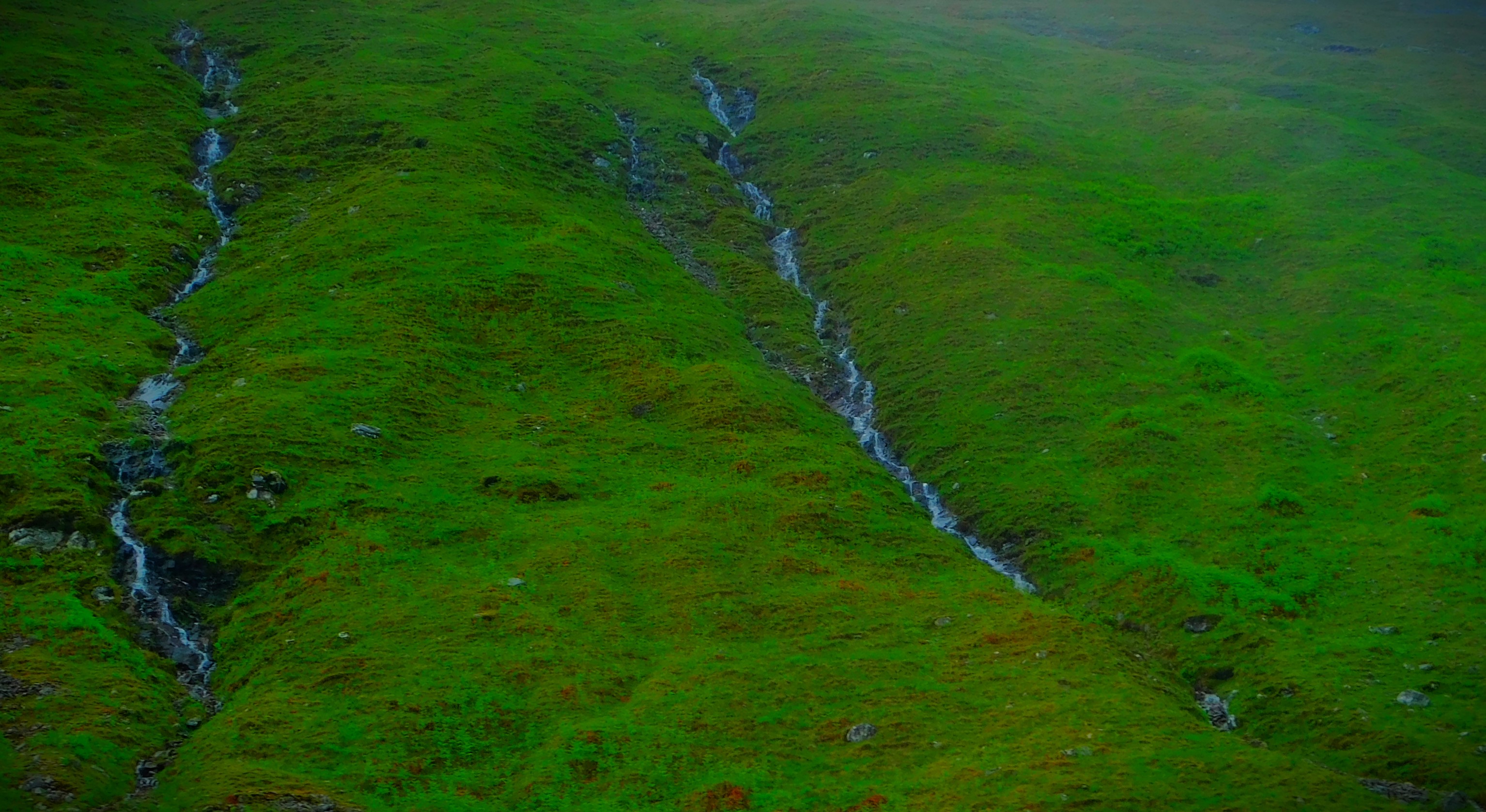
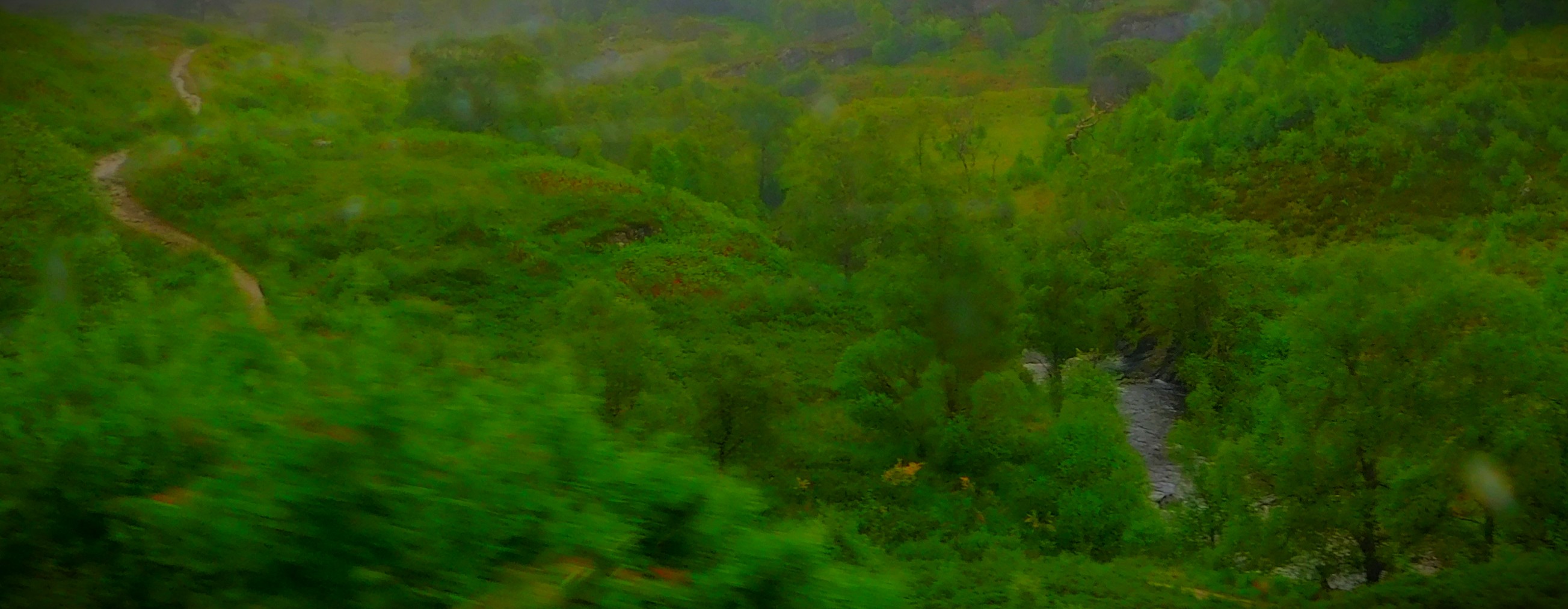
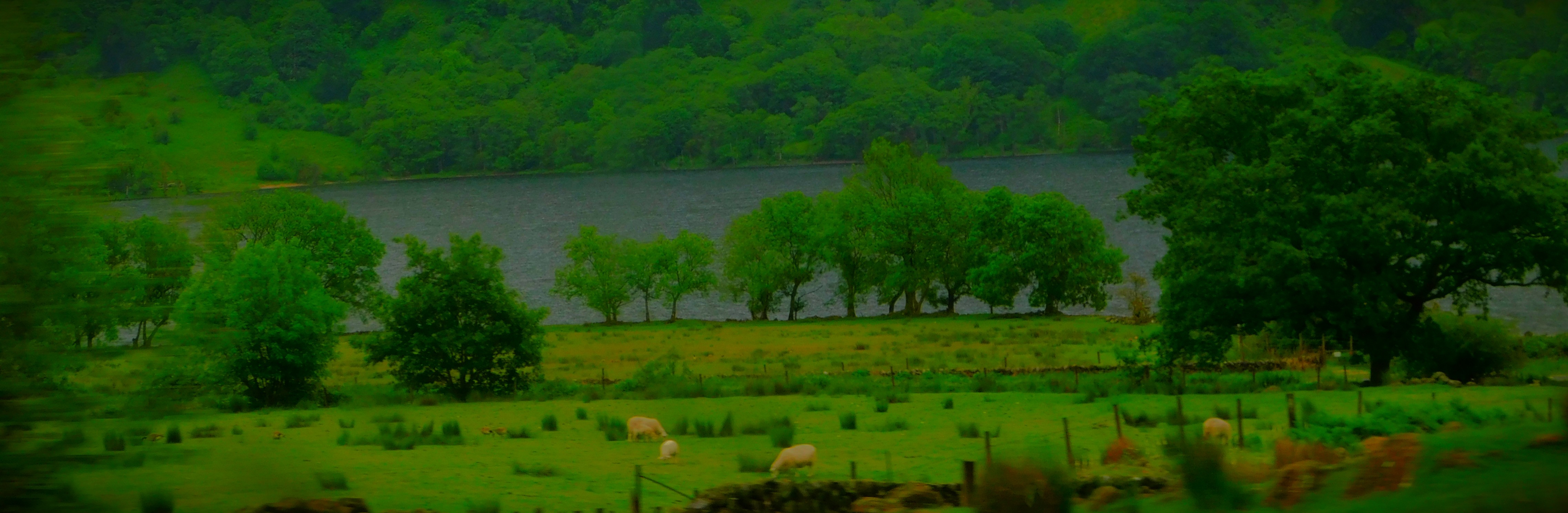
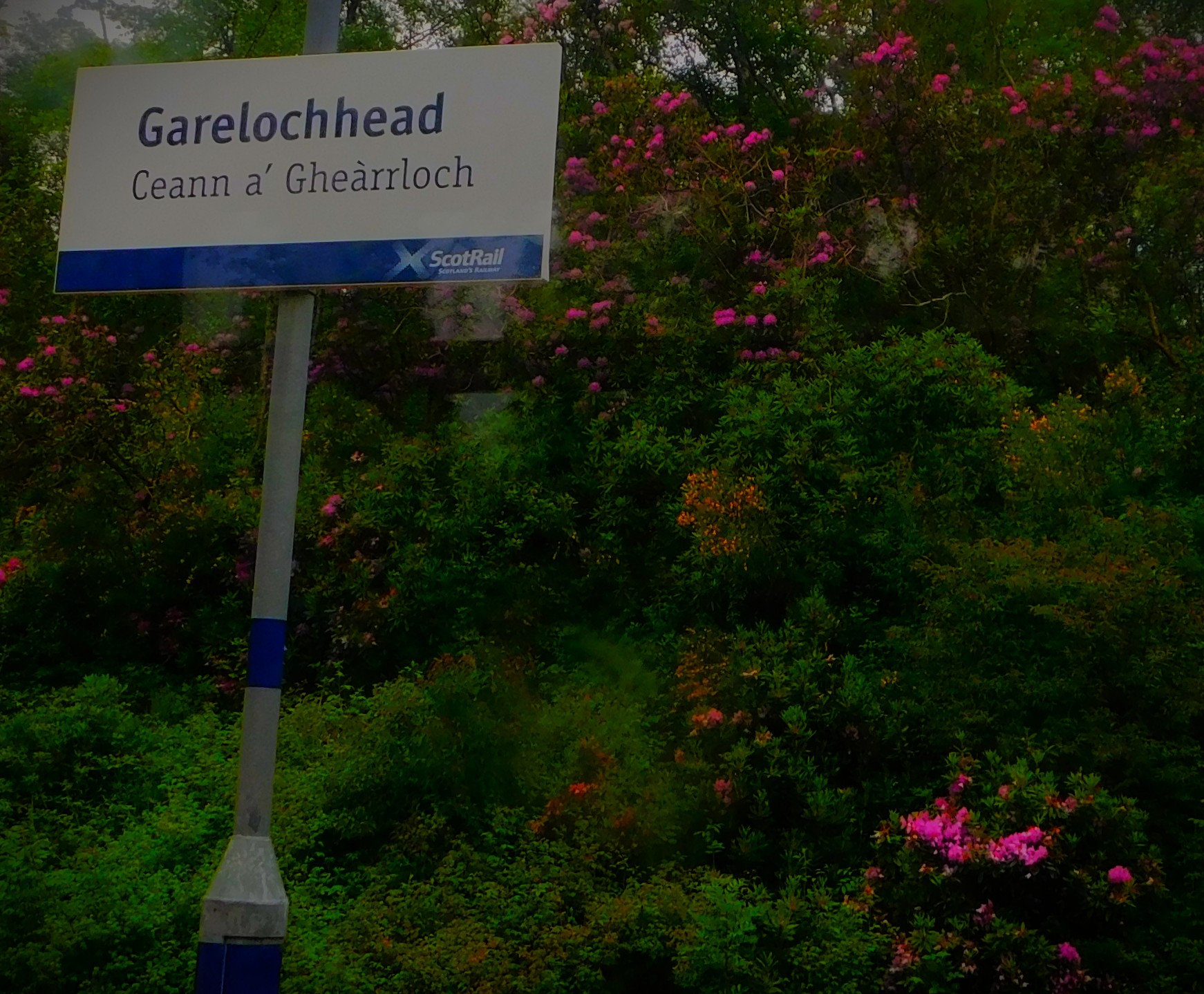
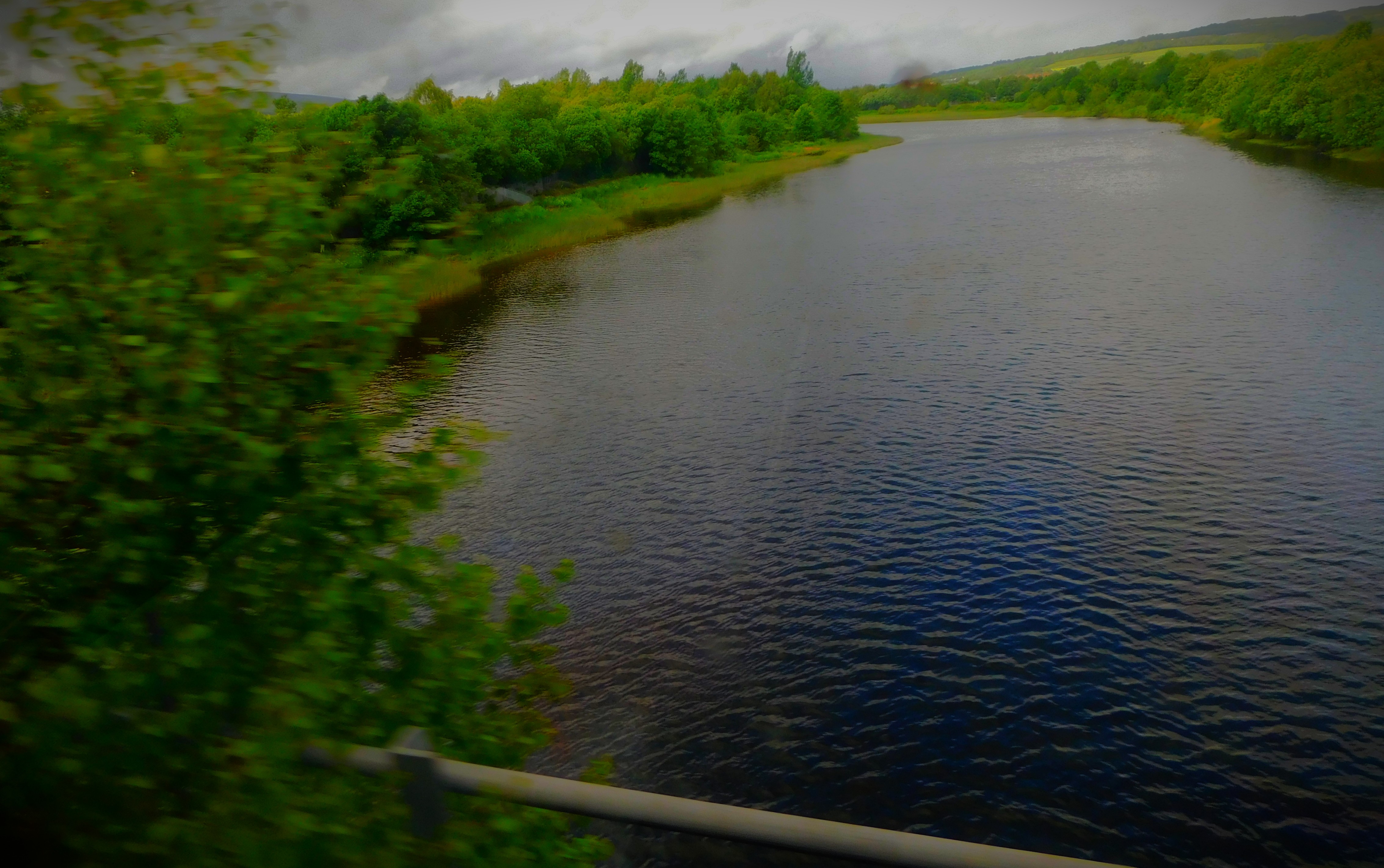
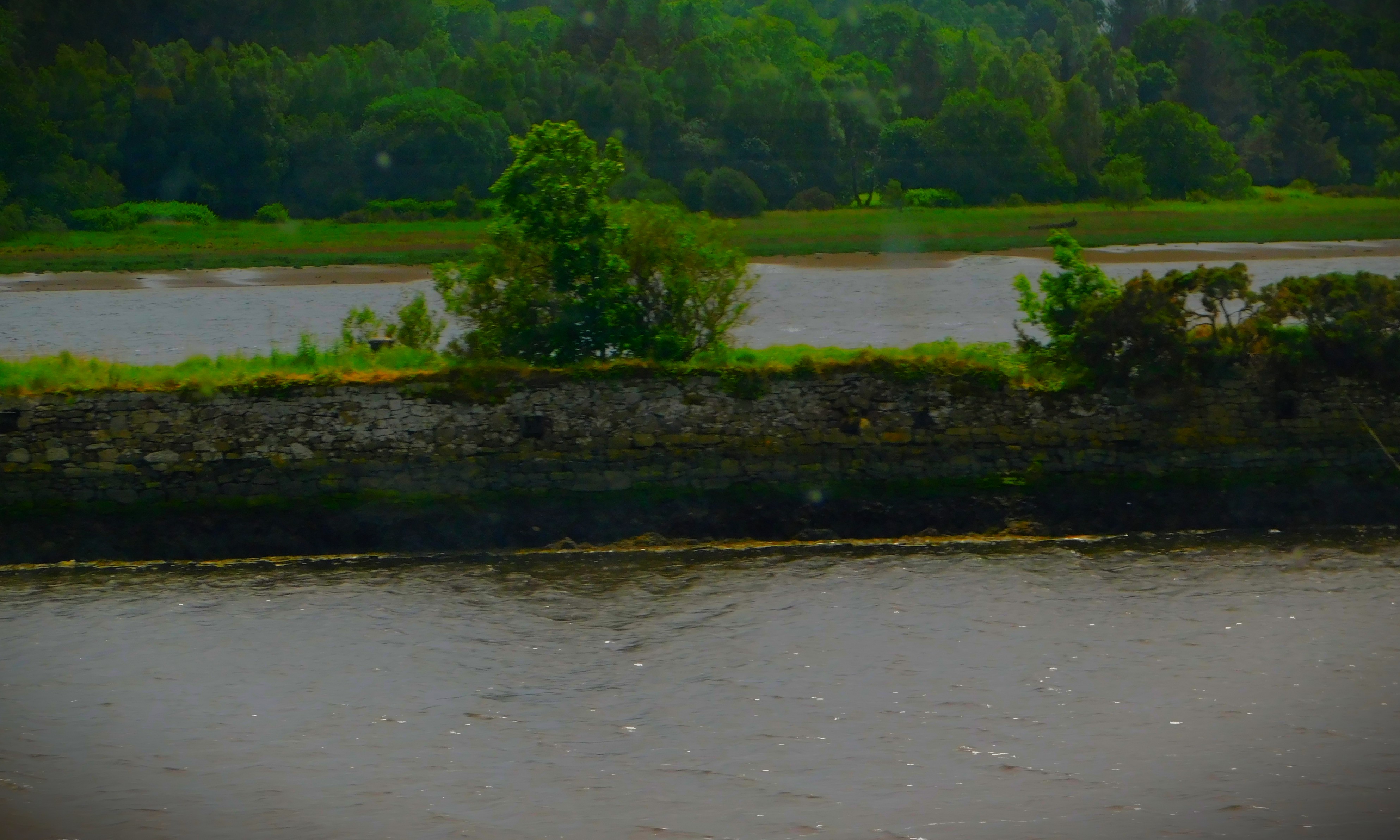
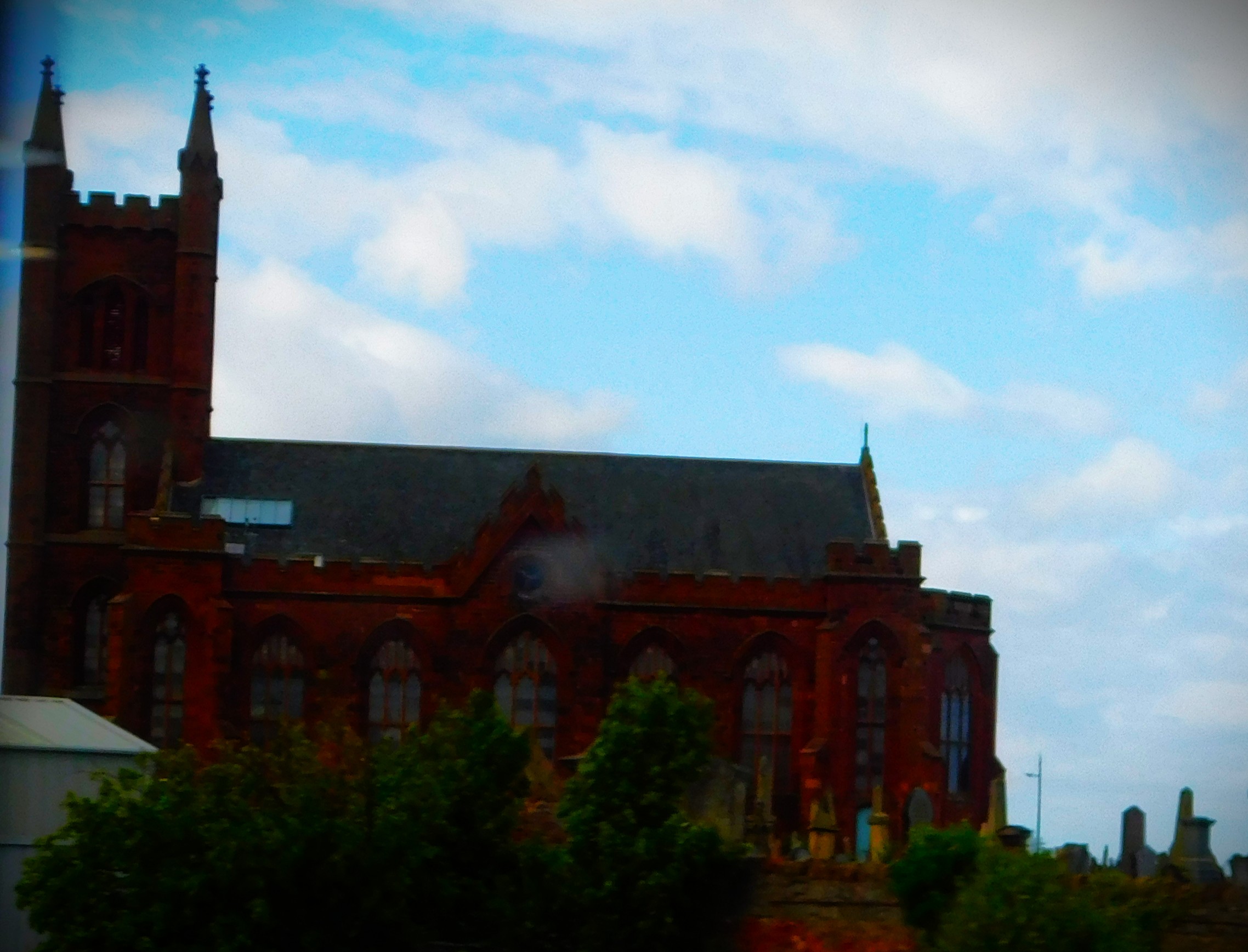
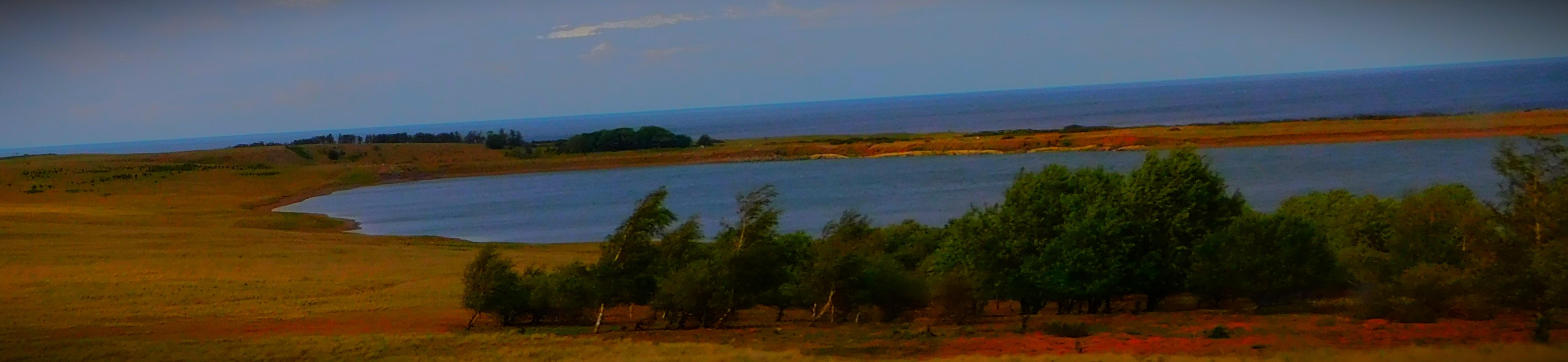
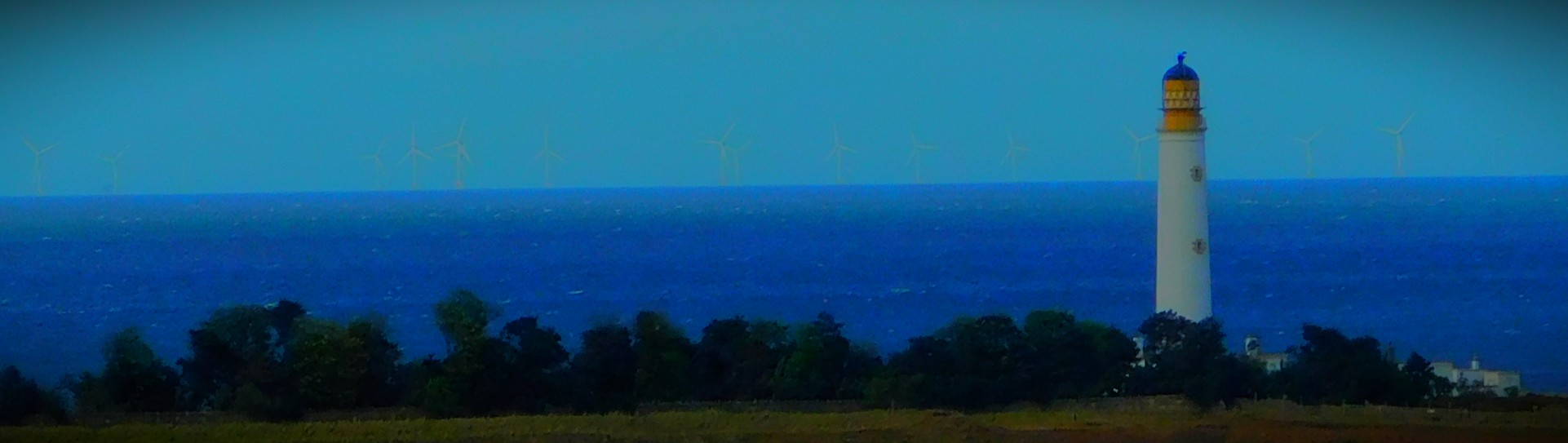
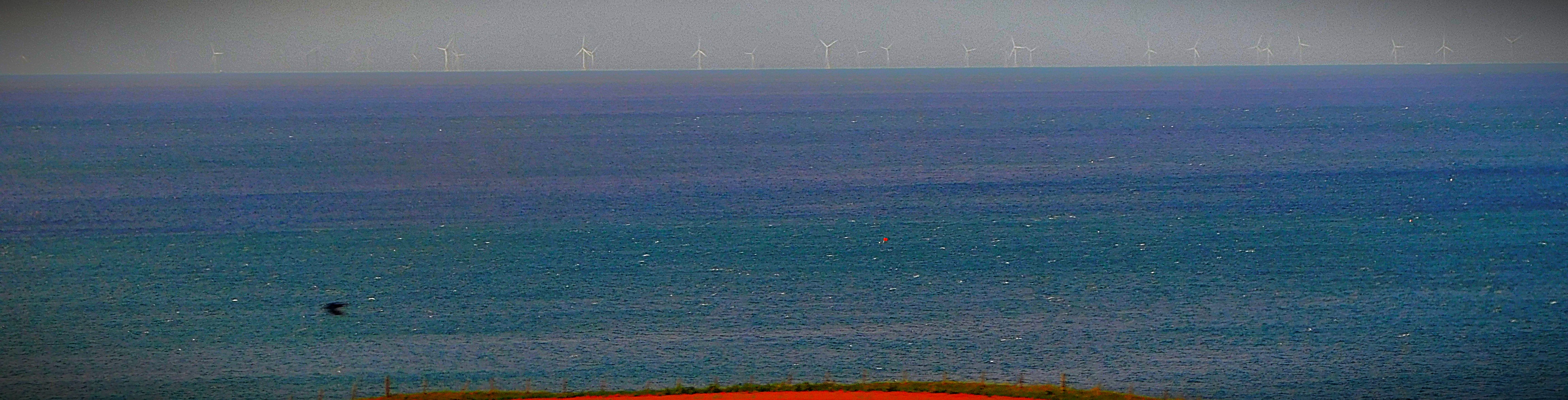
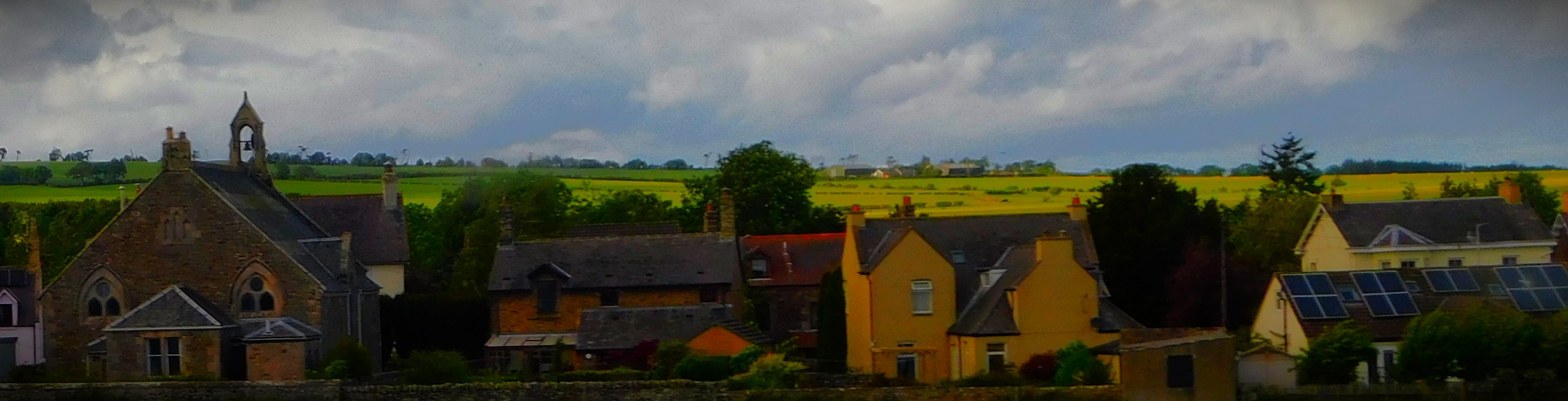
Here are my photos from Achosnich up to and including the platform at Crianlarich Station…
CRIANLARICH TO EDINBURGH
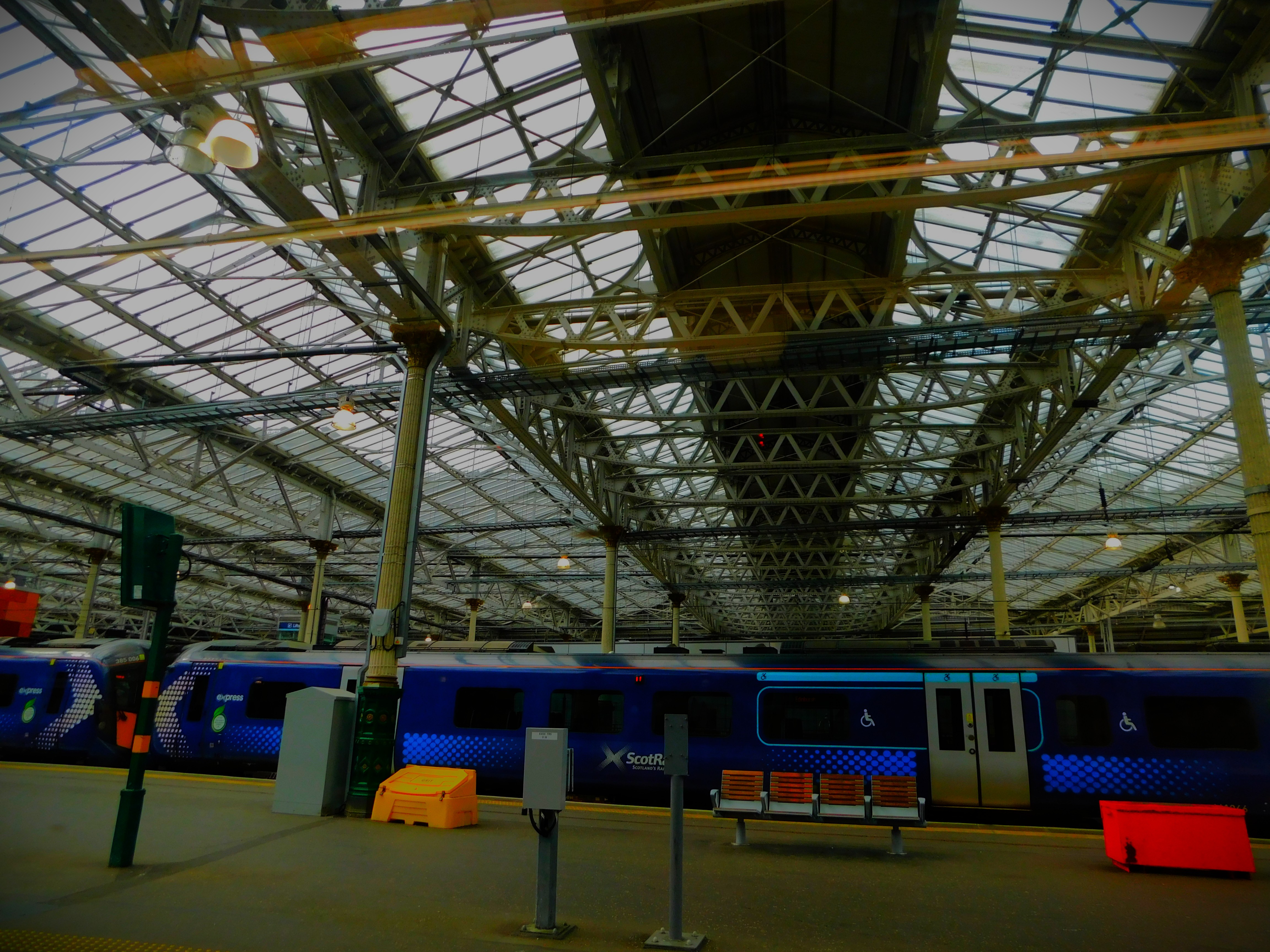
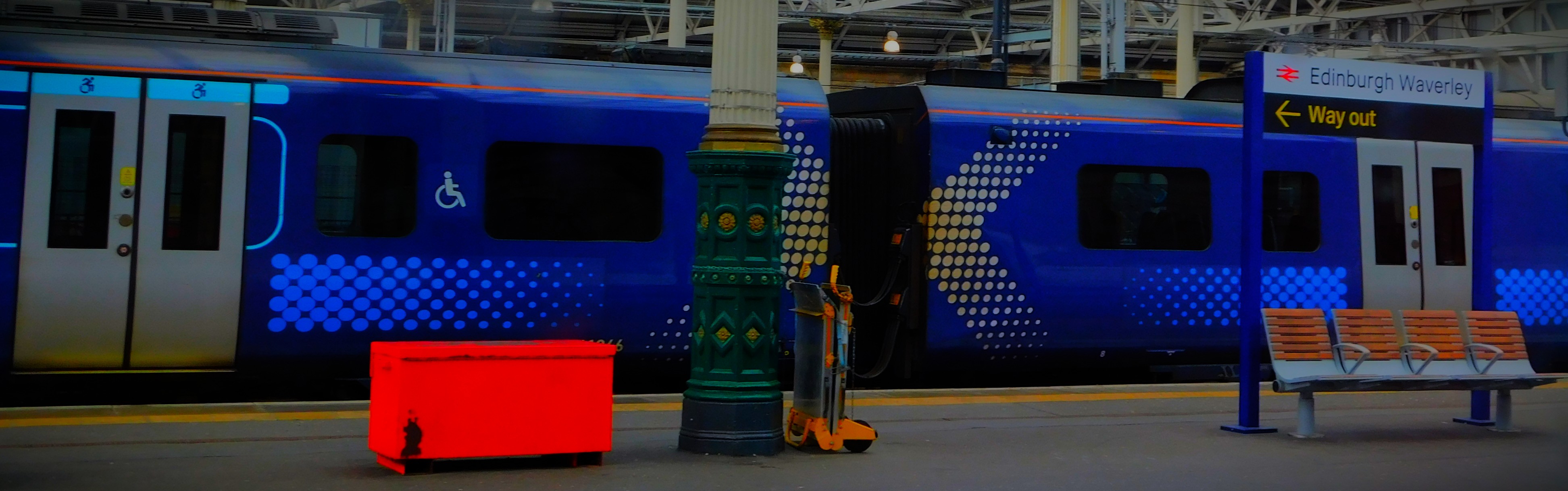
The run from Crianlarich to Glasgow was smooth but left me only a few minutes to make the change of trains at Glasgow Queen Street. The run on to Edinburgh was also smooth, and at Edinburgh Waverley I had the luxury of time. Owing to the station cafe at Crianlarich being closed and there being no other opportunities en route it was not until Waverley, around about 4:30PM, that I had the opportunity to get food. Safely ensconced in my booked seat for the long, though fast, run to Peterborough, and thus knowing that I would be home that night, I phoned my parents to let them know that all was going to be OK.
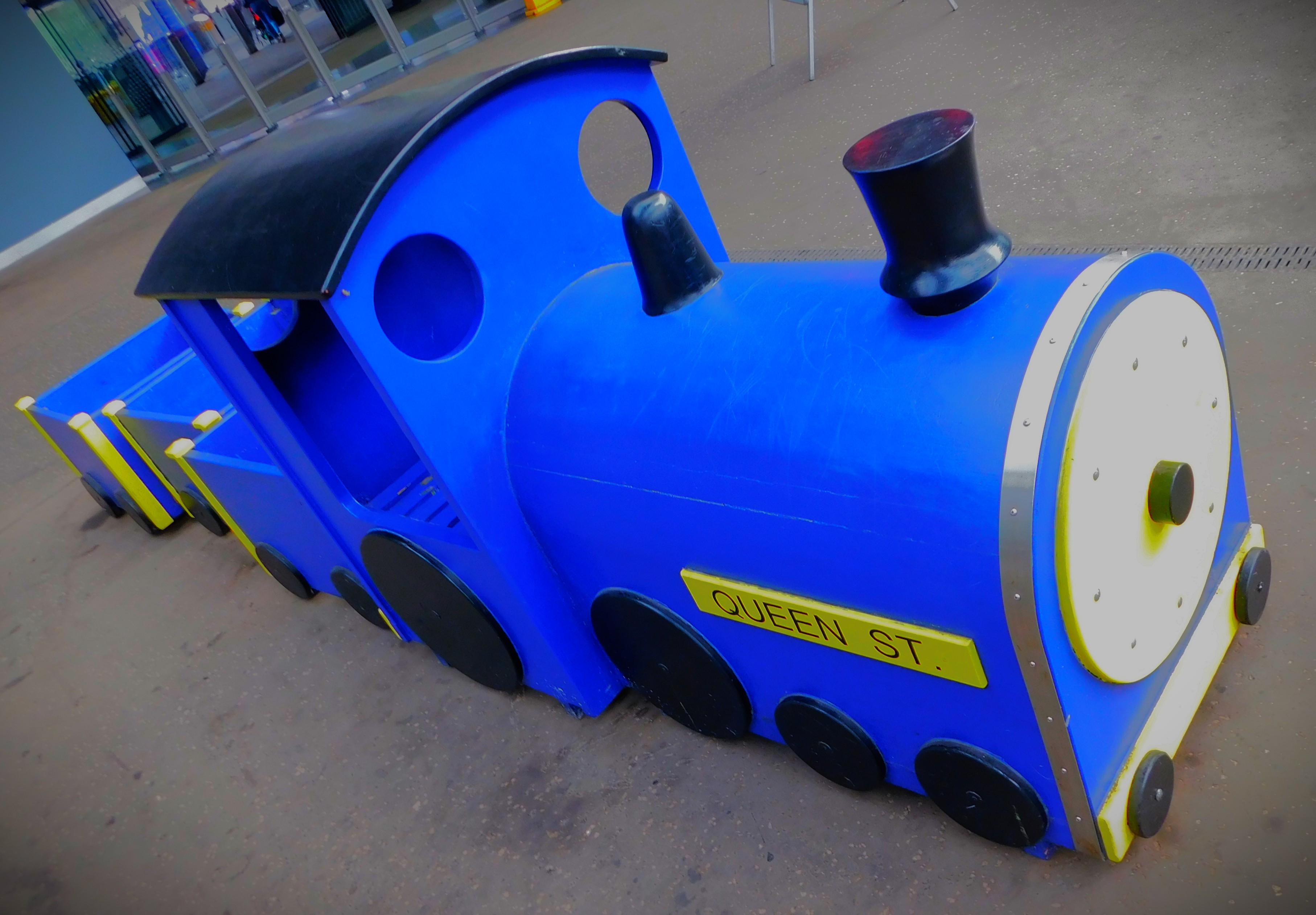
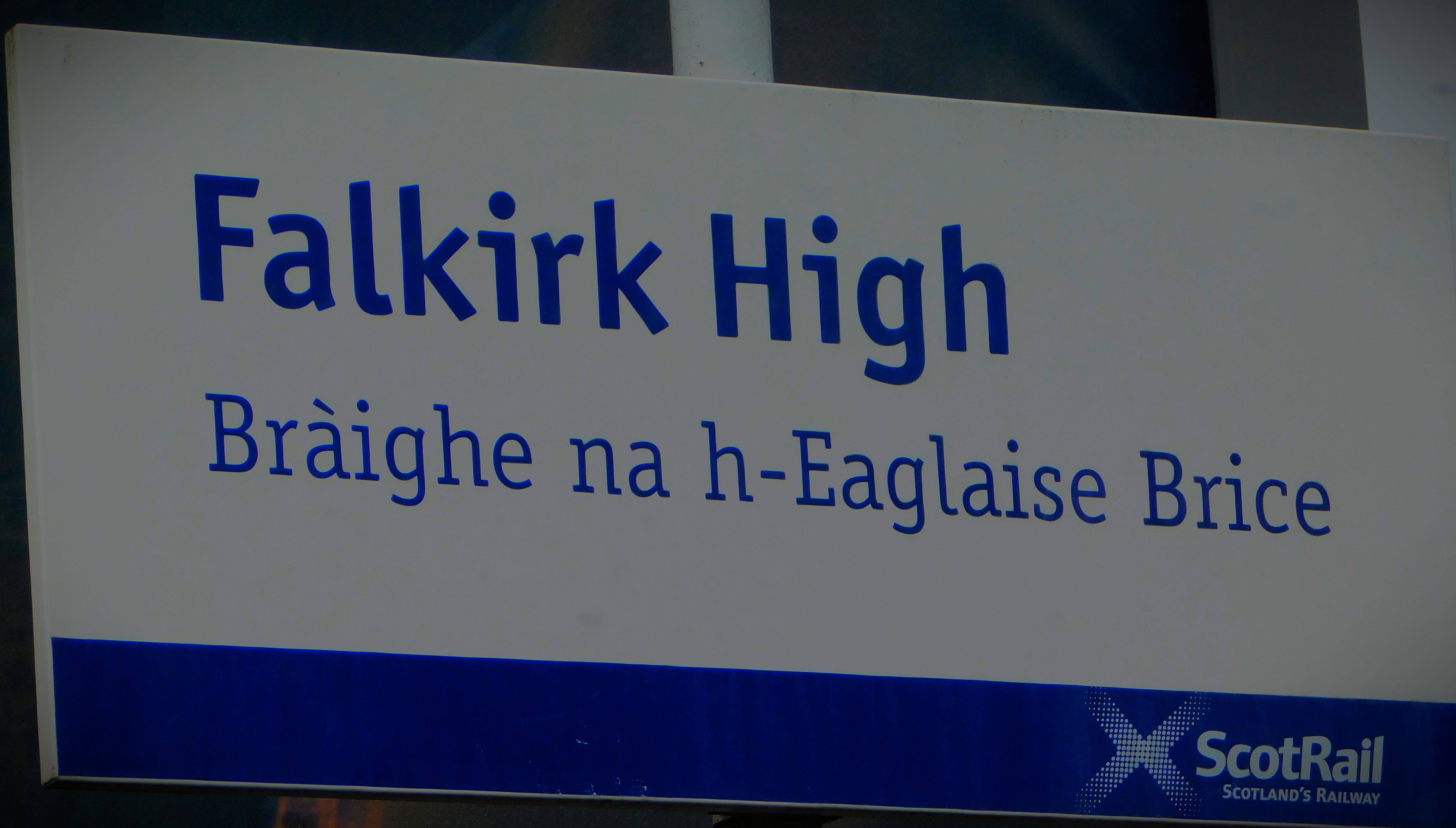
Here are my photographs for this section of the journey:
EDINBURGH TO HOME
The Edinburgh to Peterborough run was smooth, though a trifle crowded. Just south of York I visited the buffet car for further sustenance. Owing to the fact that Sunday night train and bus services overlapped very poorly I was making the journey on from Peterborough by train on this occasion, which meant a change at Ely. Fortunately there were no issues at any stage, and it would have been about 11:15PM, somewhat more than 14 hours after setting off from Achosnich, that I got back to my home in North Lynn (the train to Lynn arrived there at about 10:50, but when tired and carrying holiday baggage the walk from the station to North Lynn is not as insignificant as I generally consider it).
An account of my return journey from my Cornish excursion, including a very large photo gallery.
In this post I bring the account of my Cornish sojourn to a close with an account of the return journey.
TIMING PROBLEMS
I was booked on the train leaving Plymouth at 3:15PM and had to be out of my hotel room by 10:30AM at the latest. My hope was that I could find somewhere to leave my bigger bag and spend much of the intervening time exploring Plymouth, but my hotel was not an option, being a place that did not offer full service, and Plymouth station proved not to offer that option either. Therefore I spent a long time in the vicinity of Plymouth station until I could board the train.
THE JOURNEY ITSELF
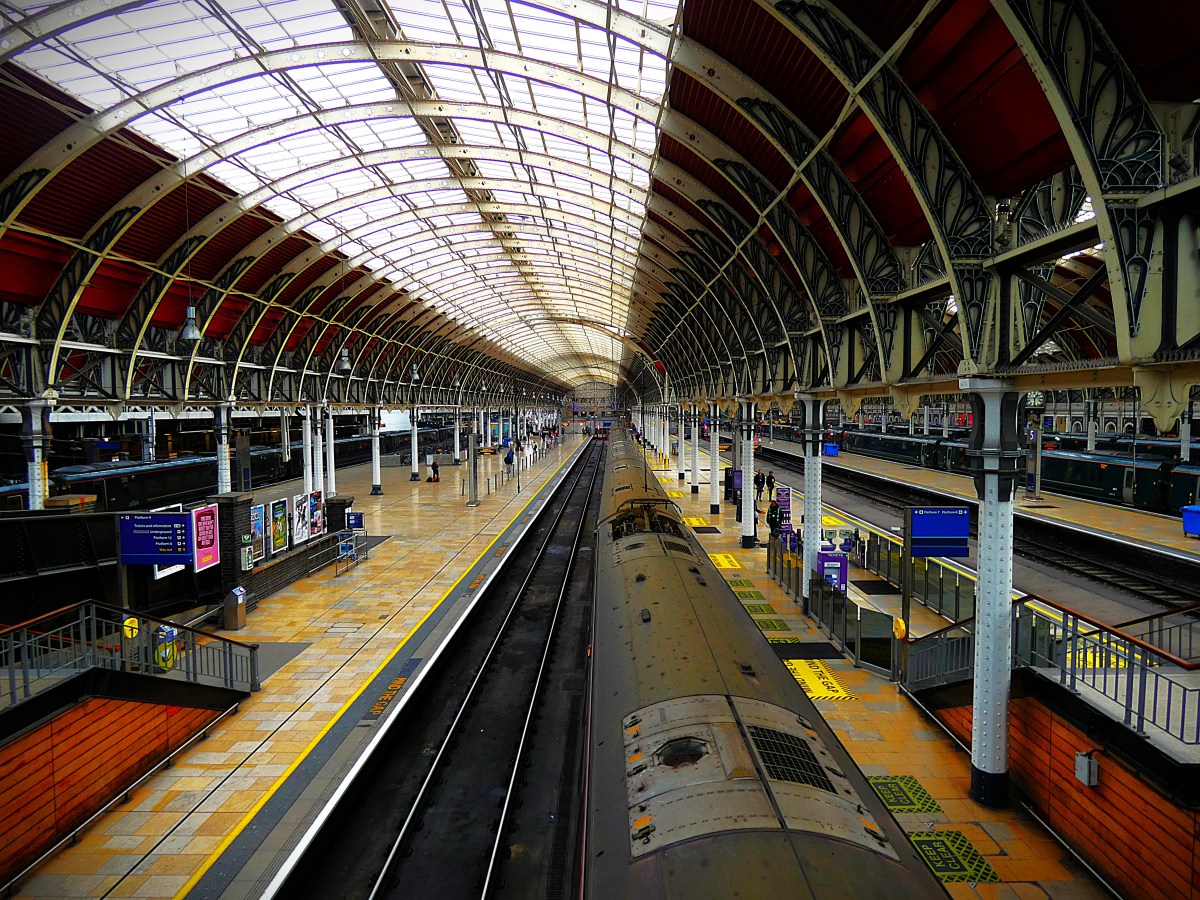
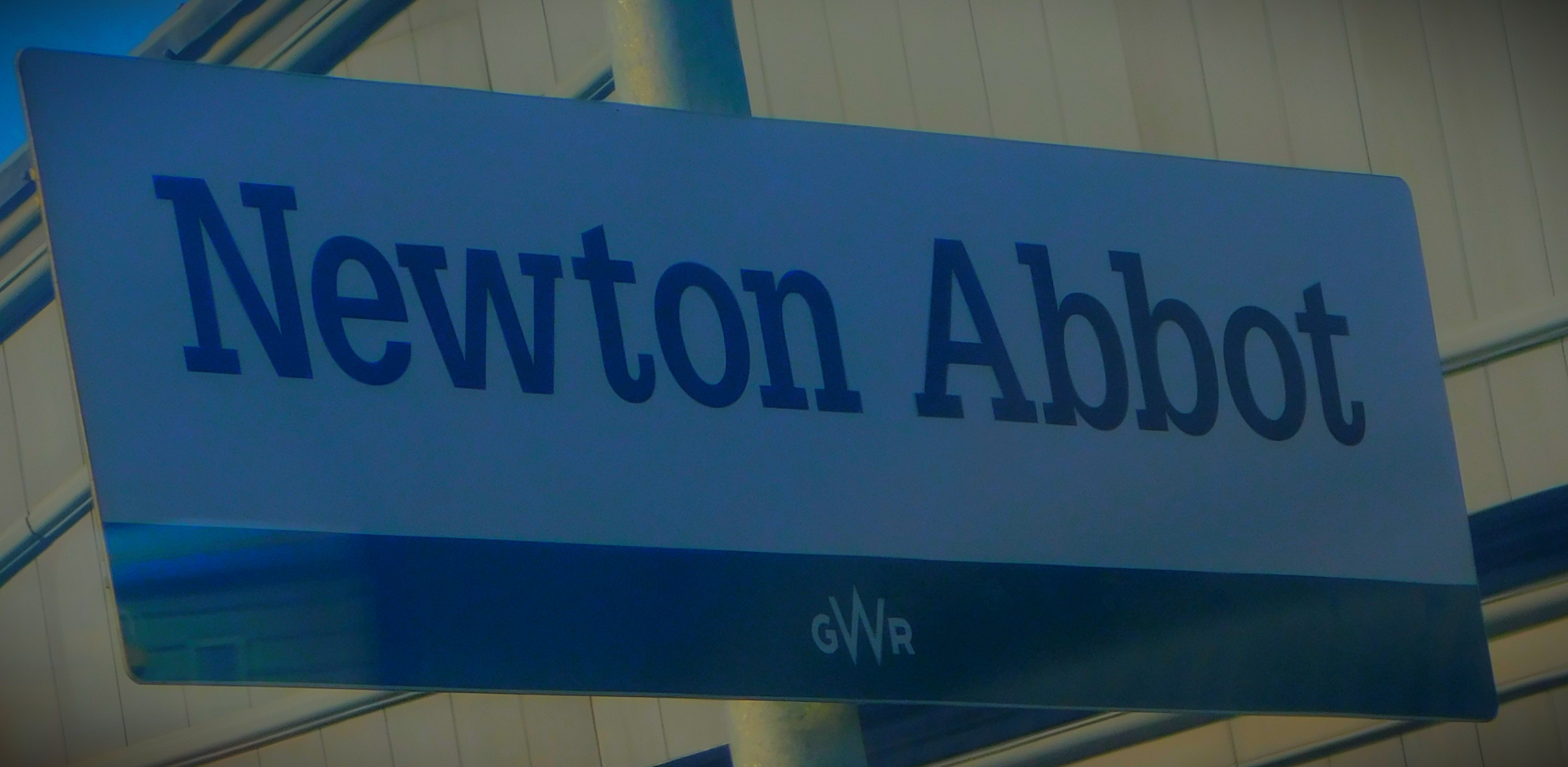
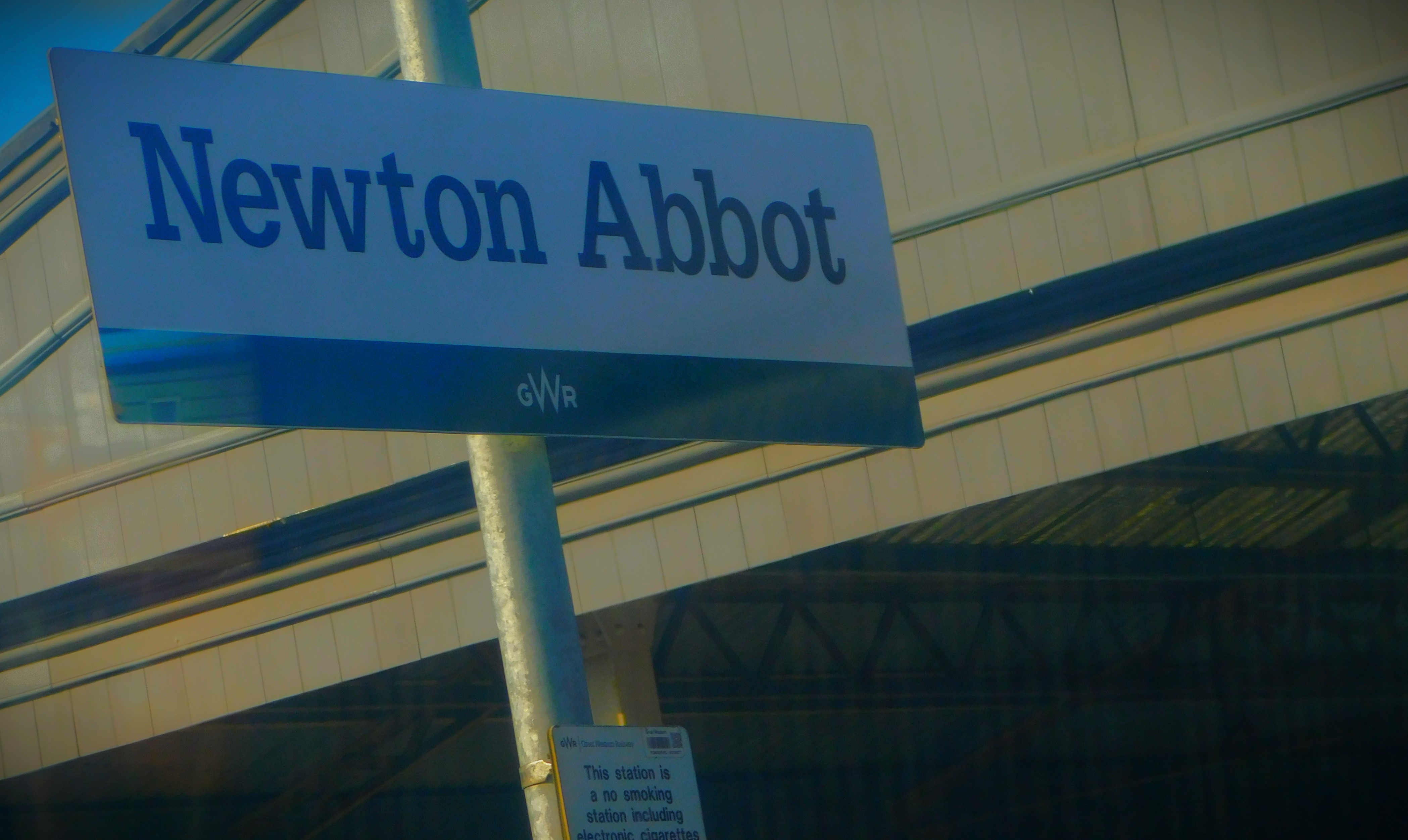
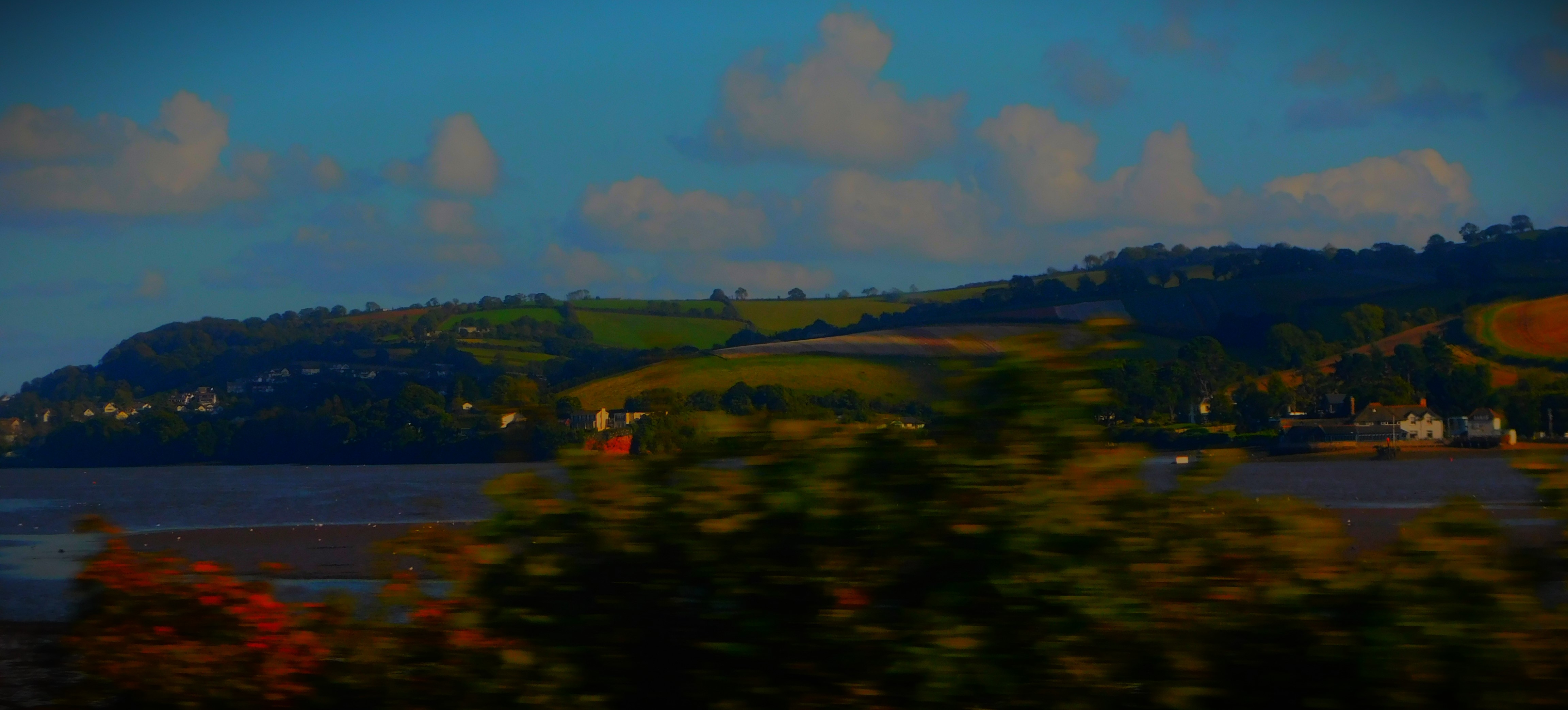
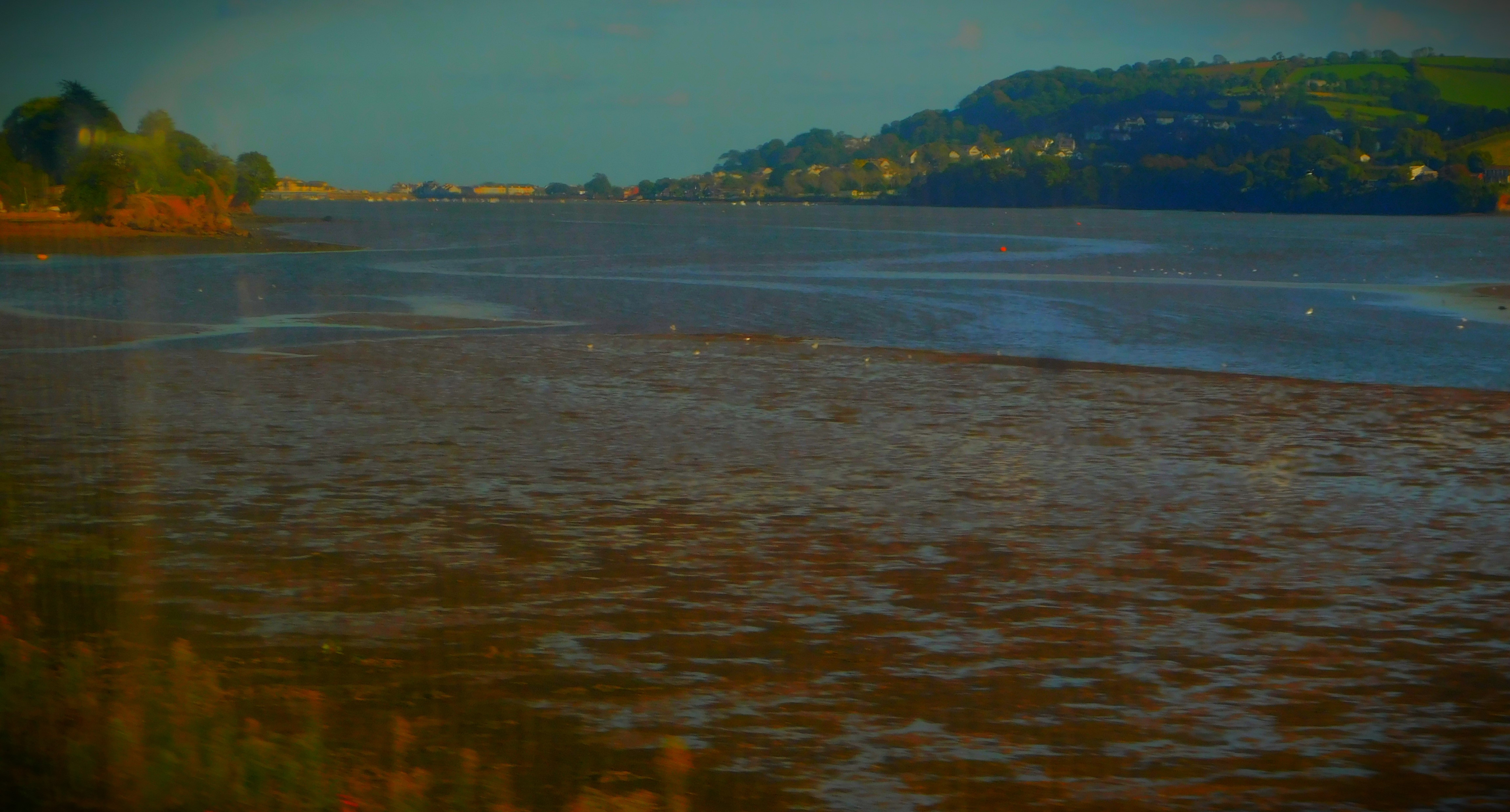
The train set off on time. My booked seat was on the wrong side of the train for the very scenic Newton Abbot – Exeter section, but the train was virtually empty, so I moved across temporarily, moving back as we arrived into Exeter St Davids (I don’t think the reservations were actually being enforced, but one can never be sure). The train arrived into Paddington as per schedule, and aside from the inevitable overcrowding my journey on the Hammersmith and City line to King’s Cross was also uneventful. The last potential problem area was Kings Cross train station where platform details are sometimes confirmed at the last minute. Fortunately on this occasion that did not happen, and I was settled in a seat near the front of the train in very good time. I was due to arrive at King’s Lynn at 9:00PM, and the train stuck to schedule. I made it back to my flat in decent time as well.
PHOTOGRAPHS
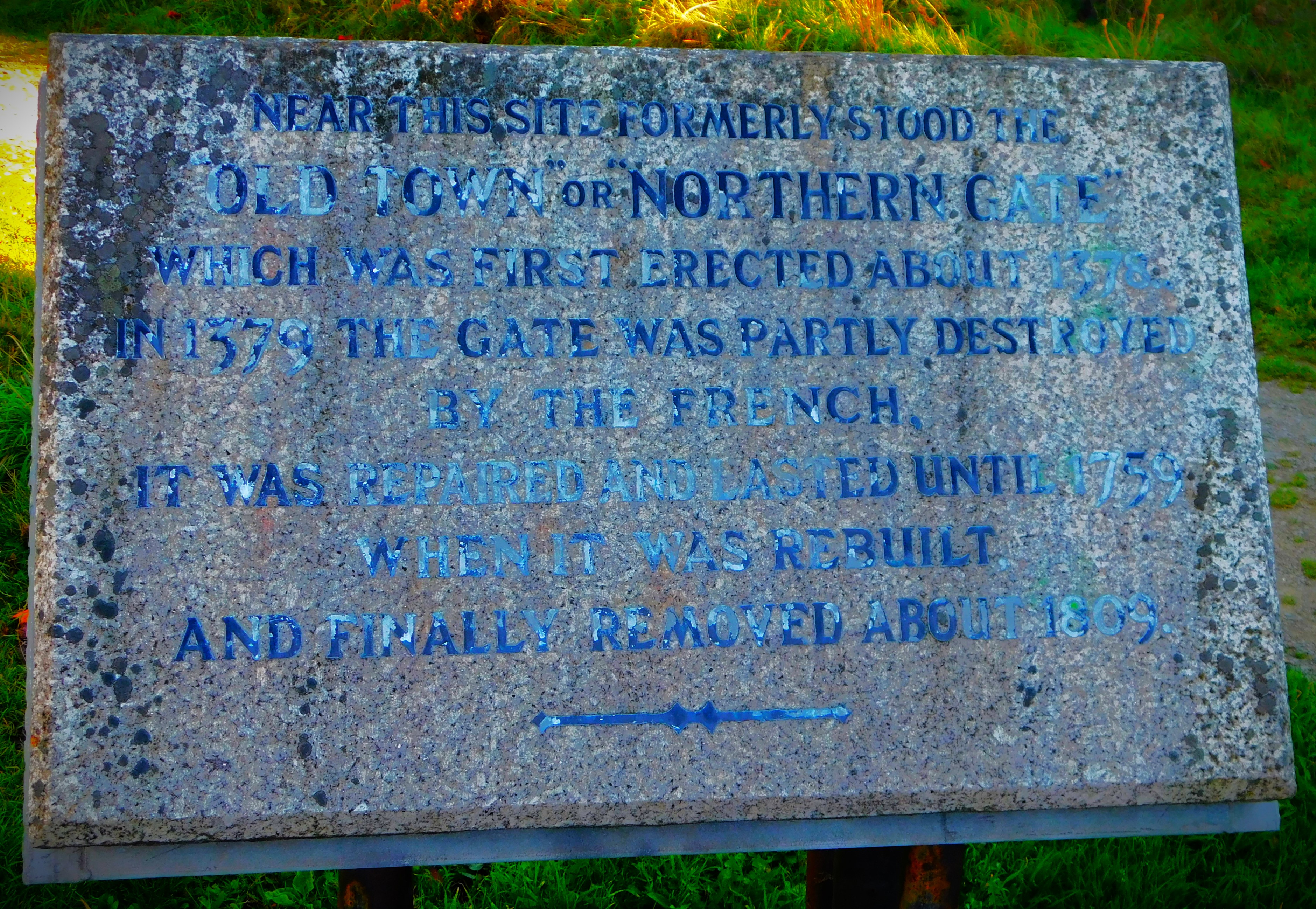
Here are my photographs from this day…
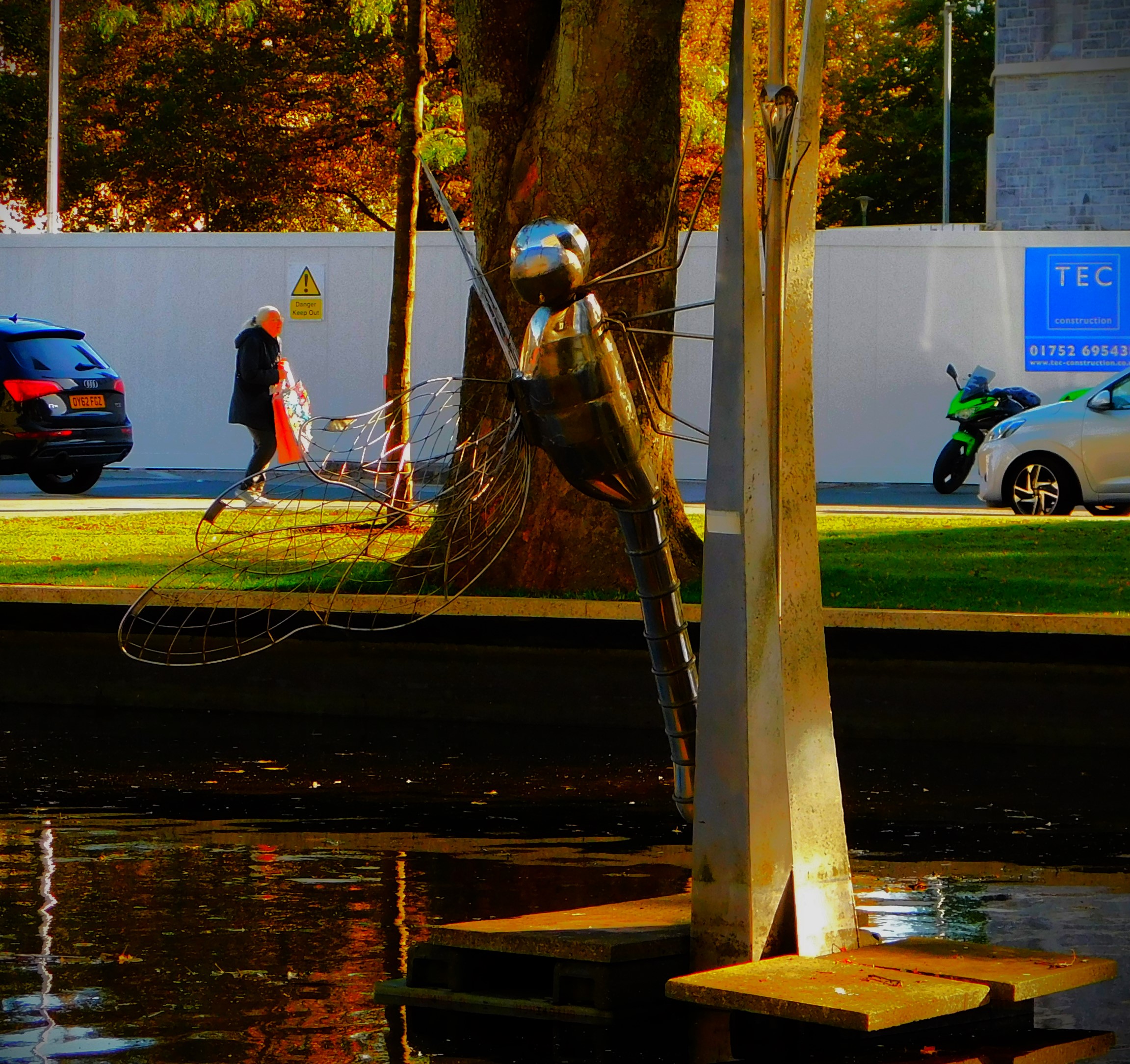
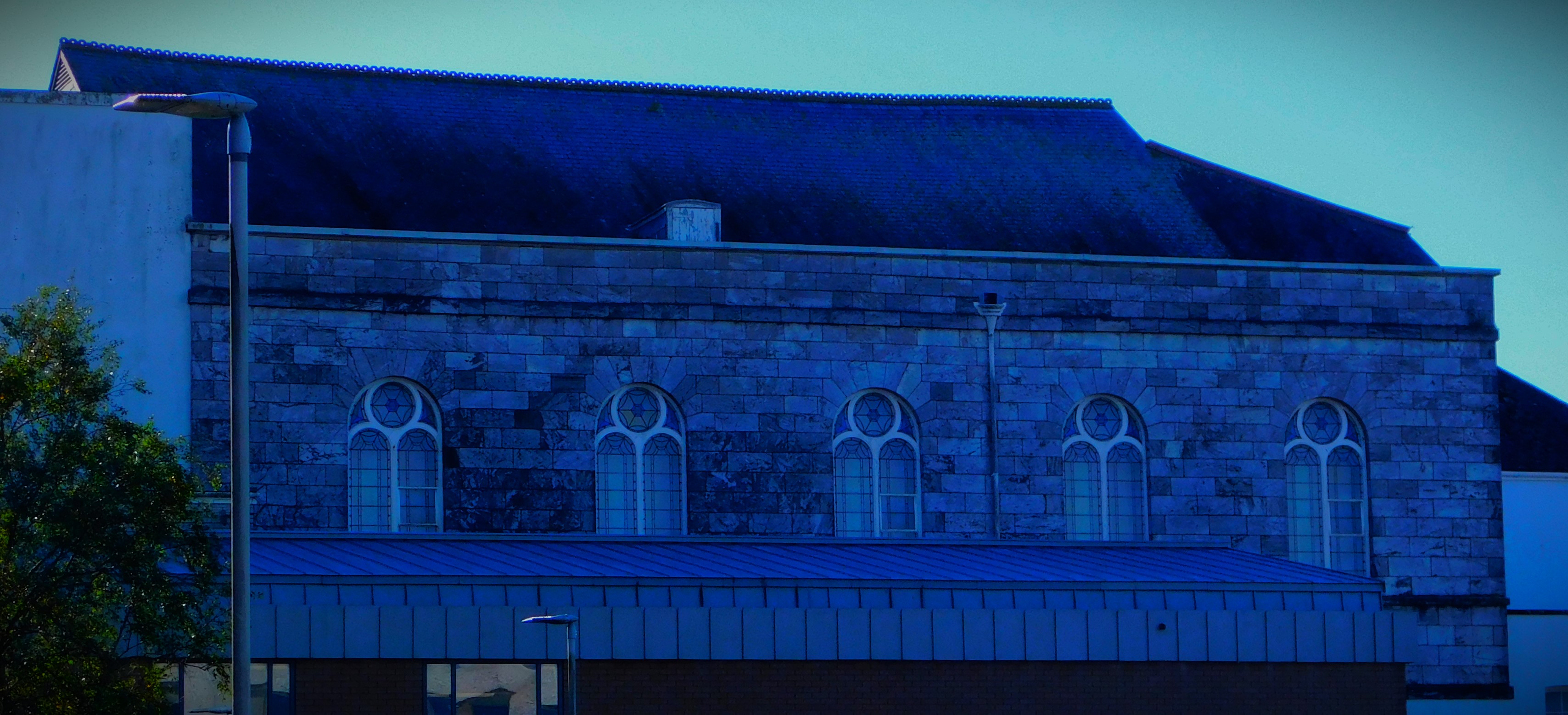
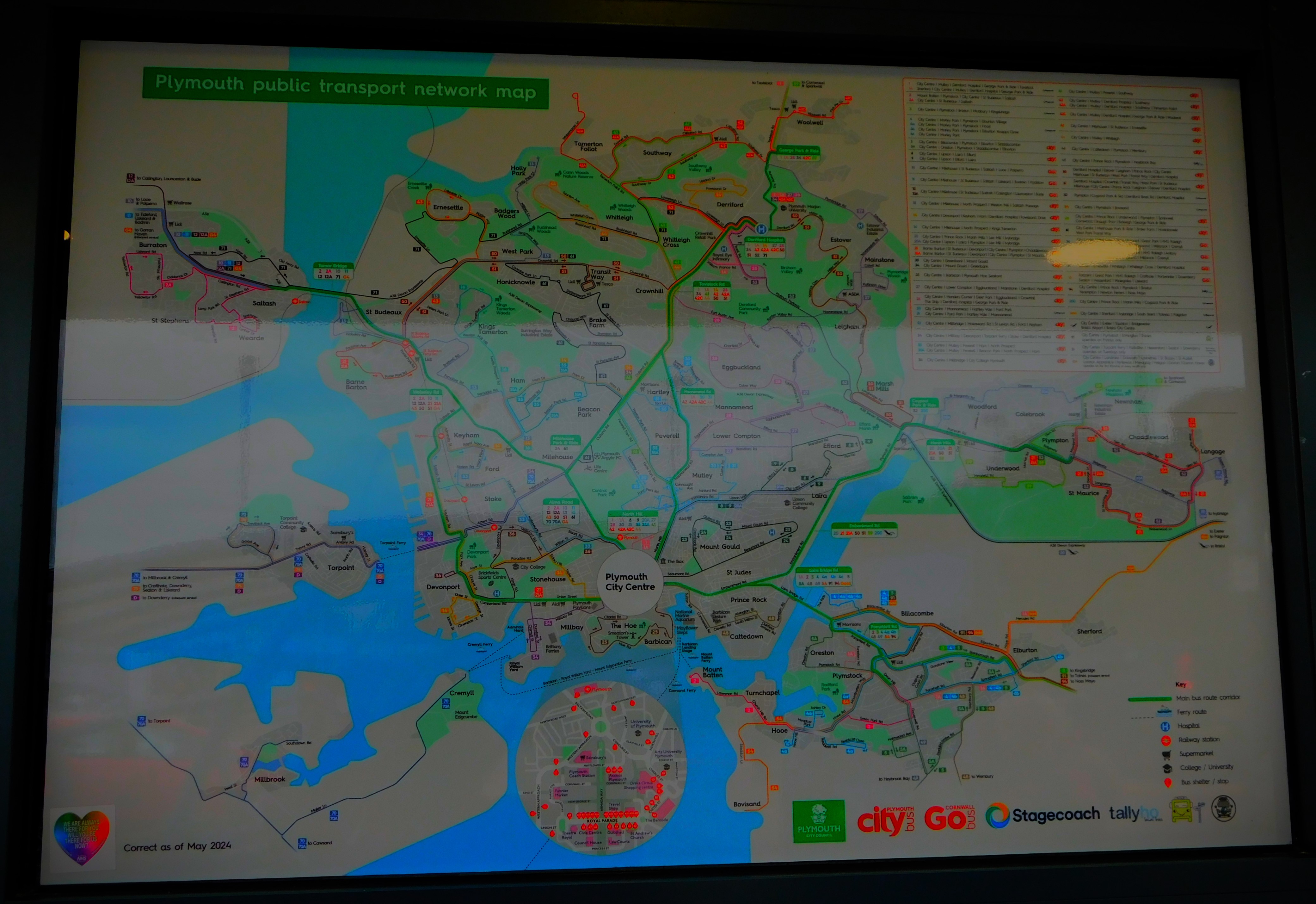
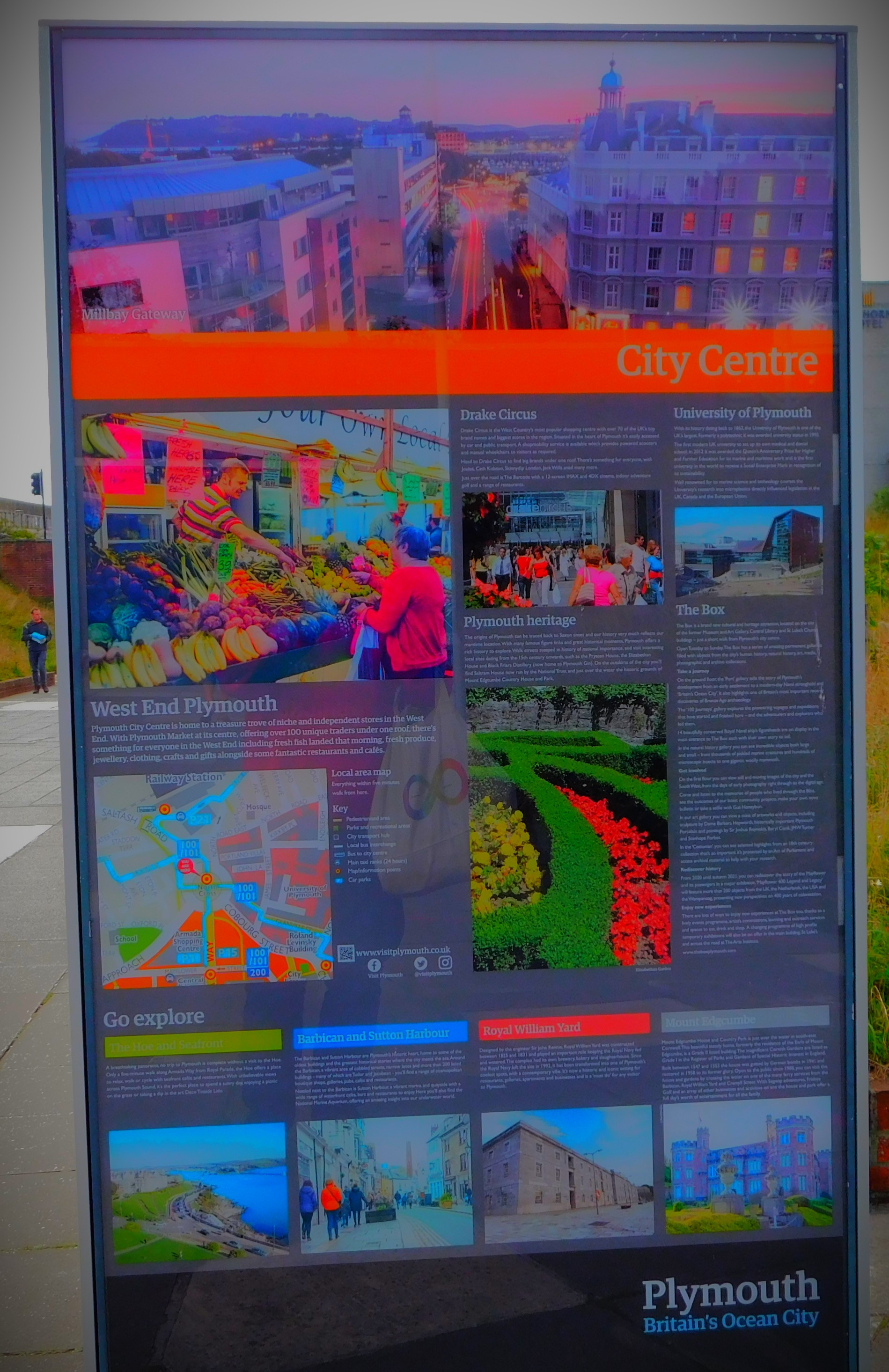
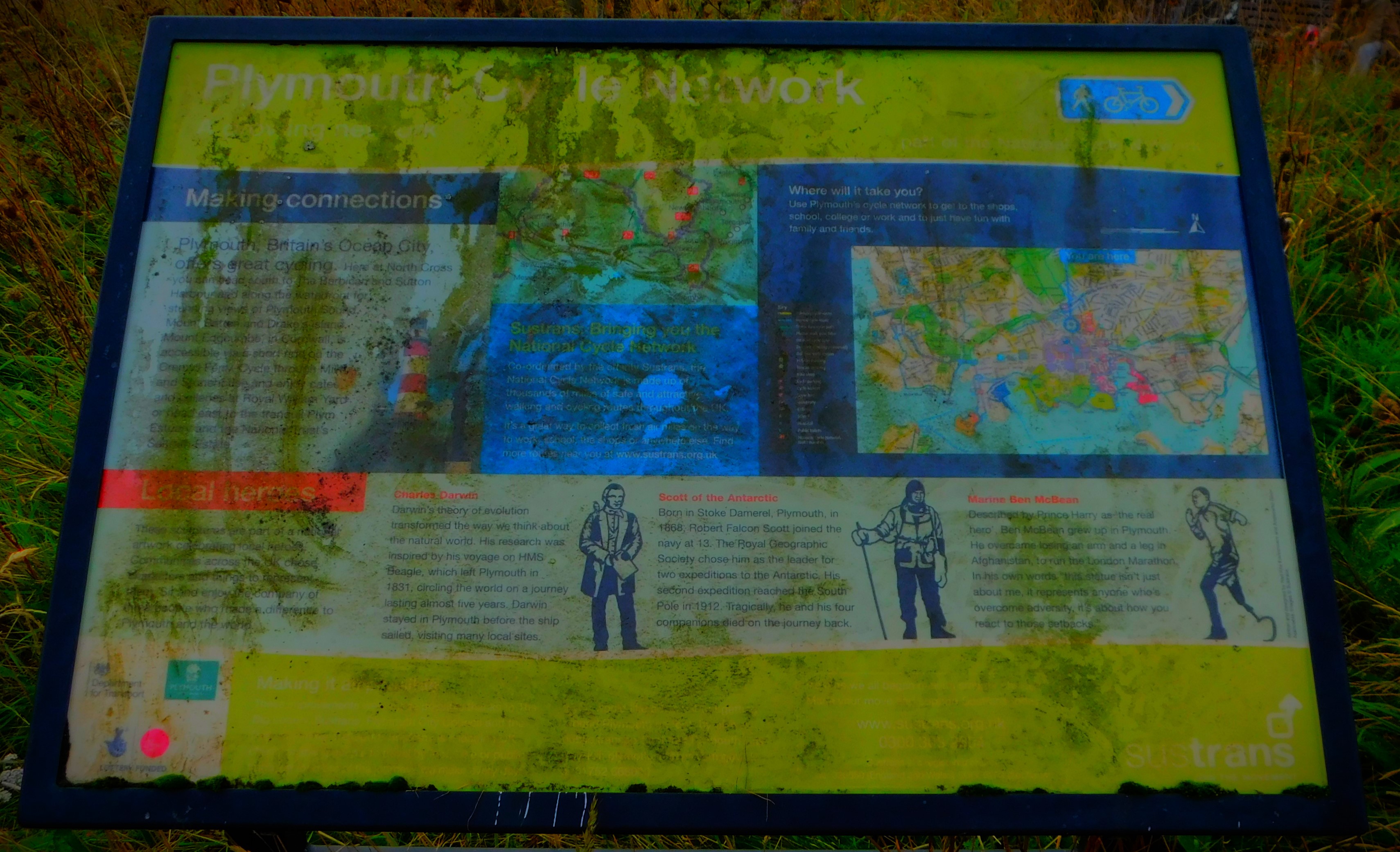
The dragonfly sculpture in San Sebastian Square.The expanse of Armada Way.It is not quite to my taste, but I can see the architectural merits of this building.The beginning of the seaside section of the route.
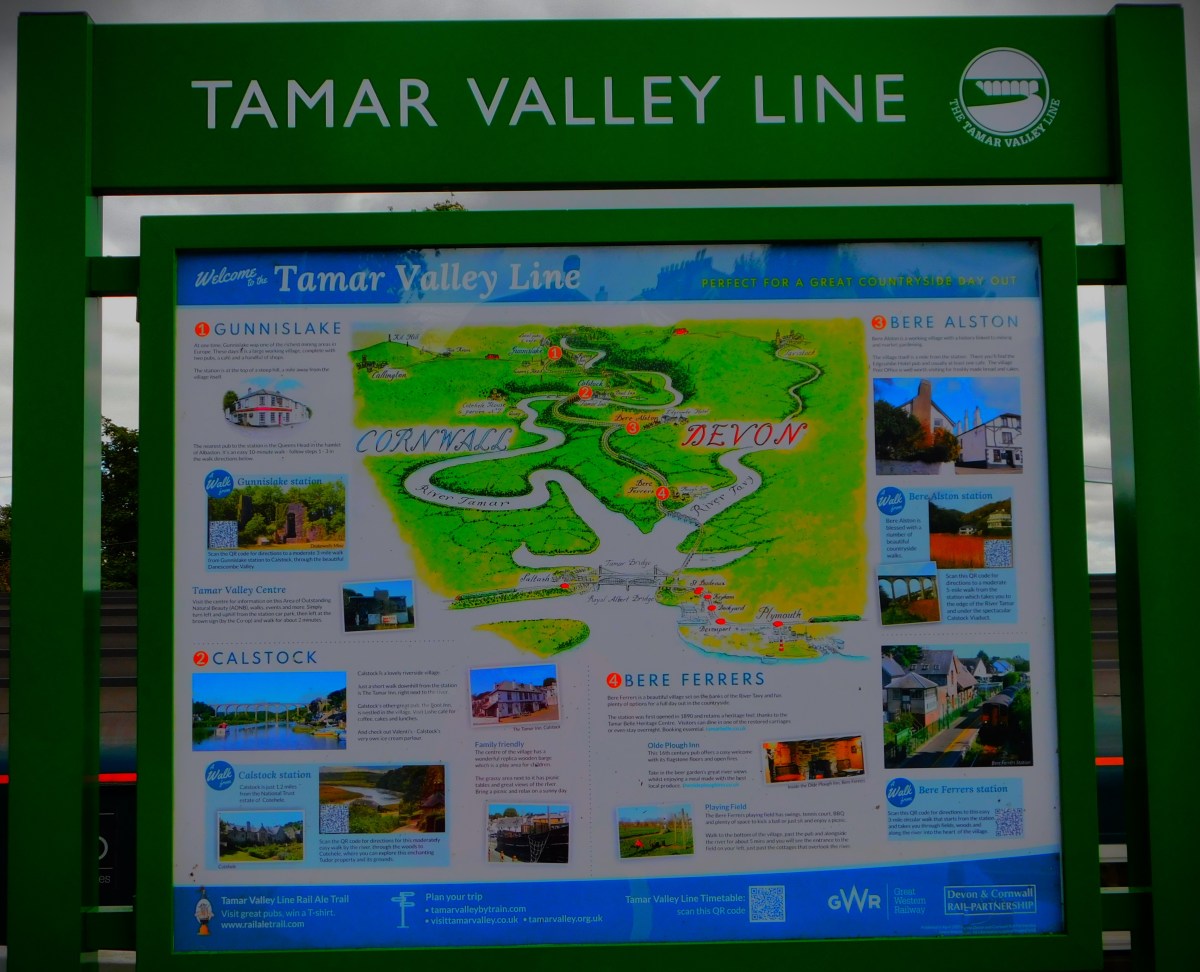
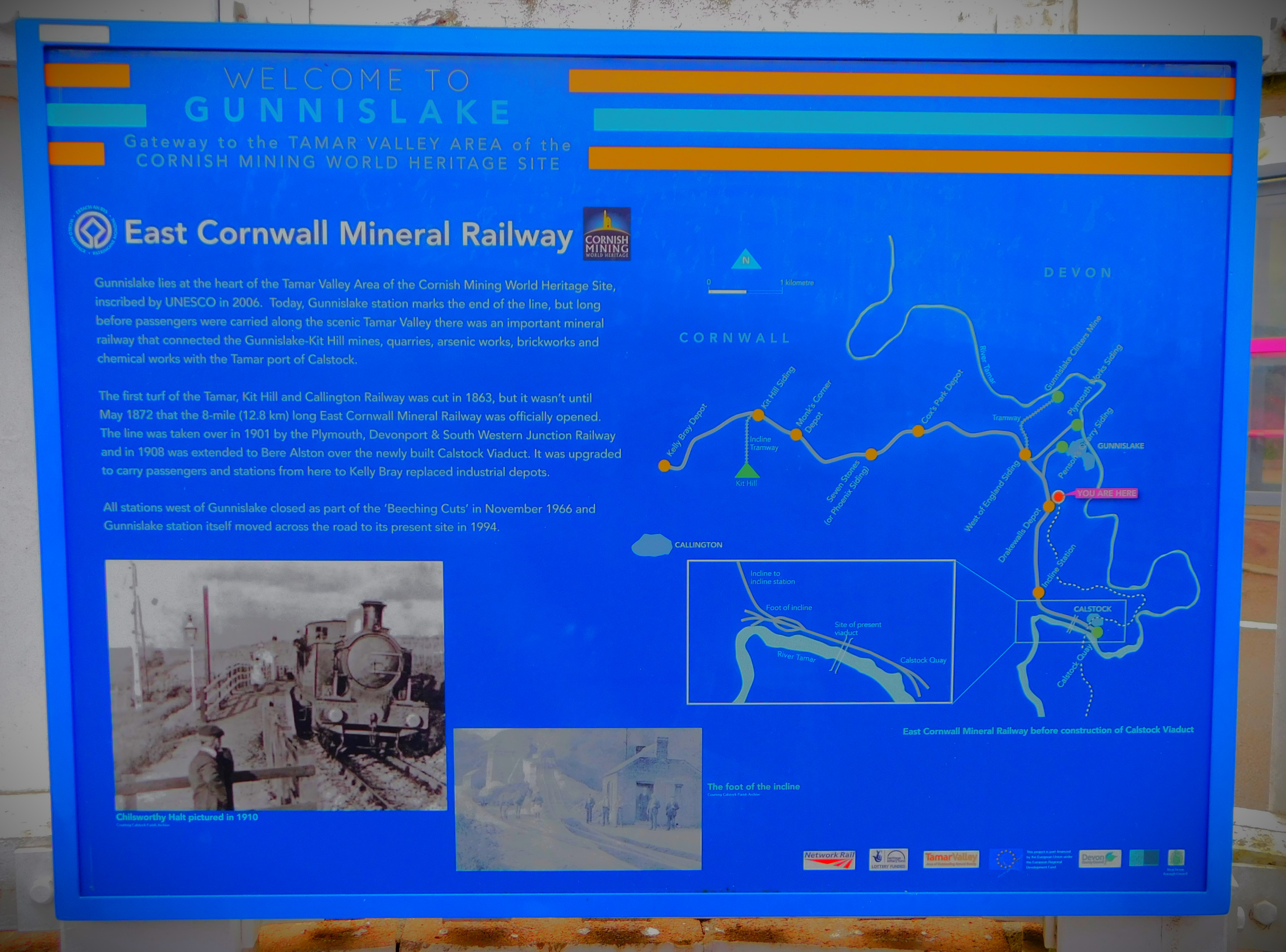
An account of a trip on the Tamar Valley line, complete with large photo gallery.
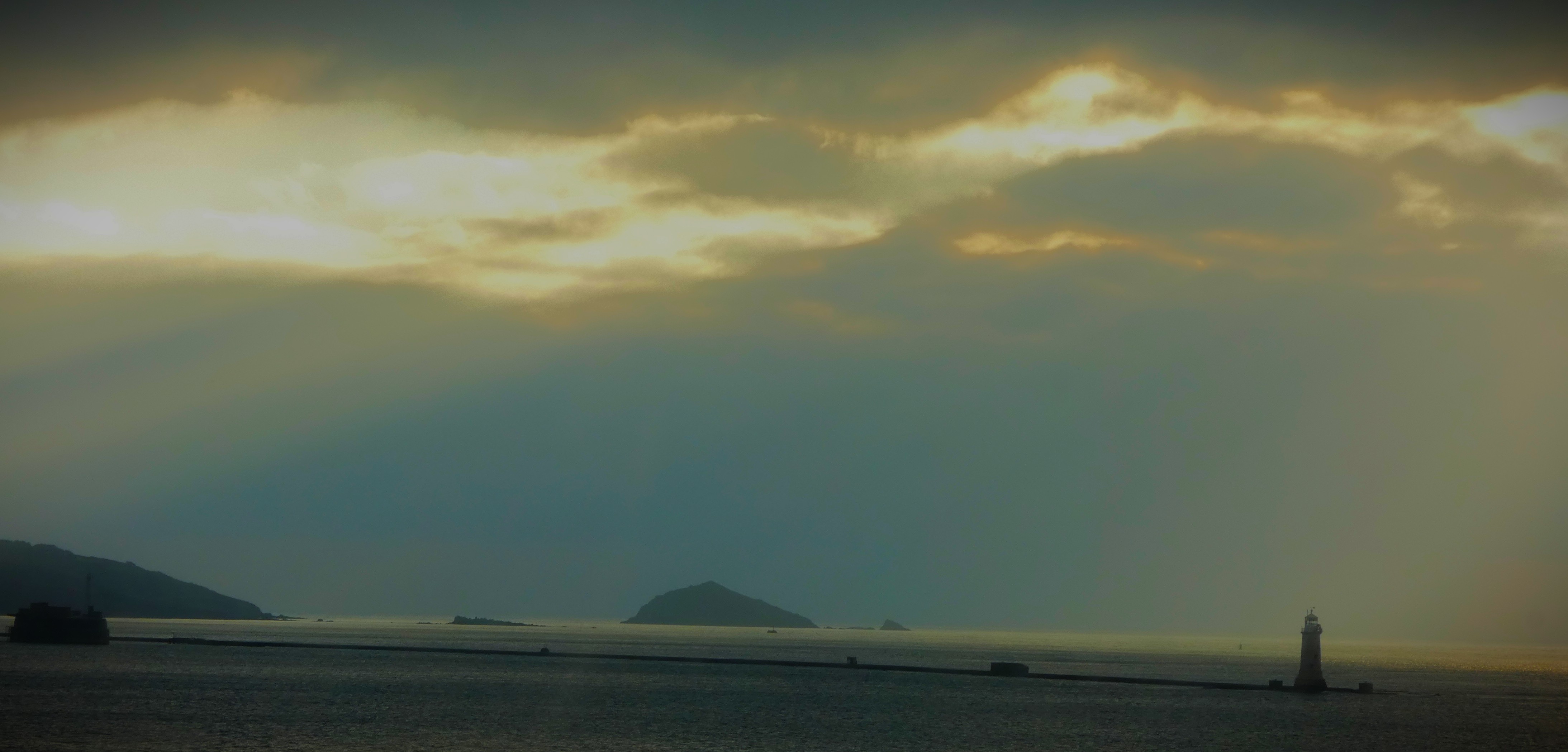
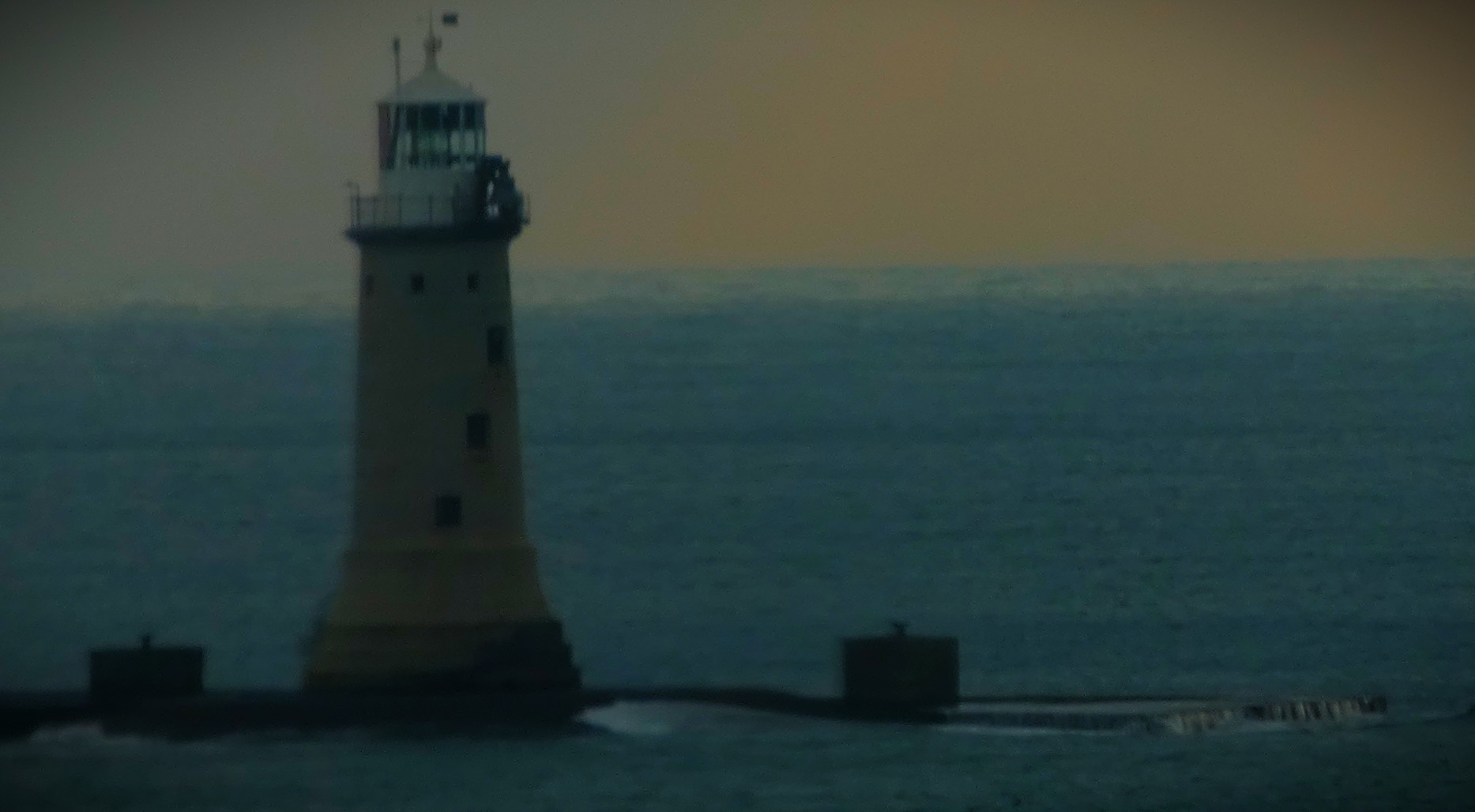
Yesterday was the first full of my stay in Cornwall, and this post describes my main activity for that day. Today the weather is truly vile – high winds, lashings of rain and more recently to add to the mix fog as well so that the lighthouse that is usually clearly visible from my parents apartment is currently entirely shrouded from view.
A PLAN MISFIRES
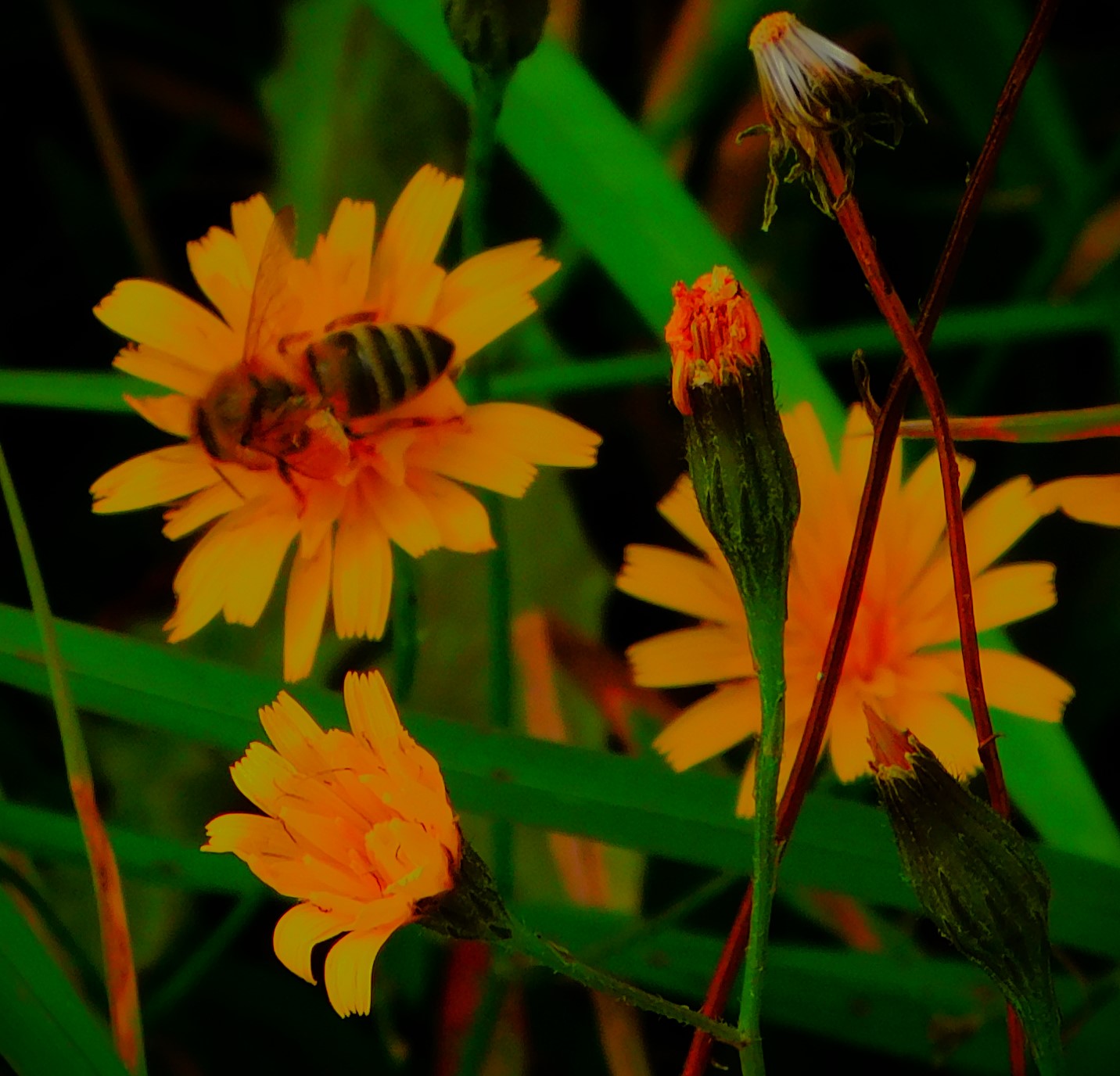
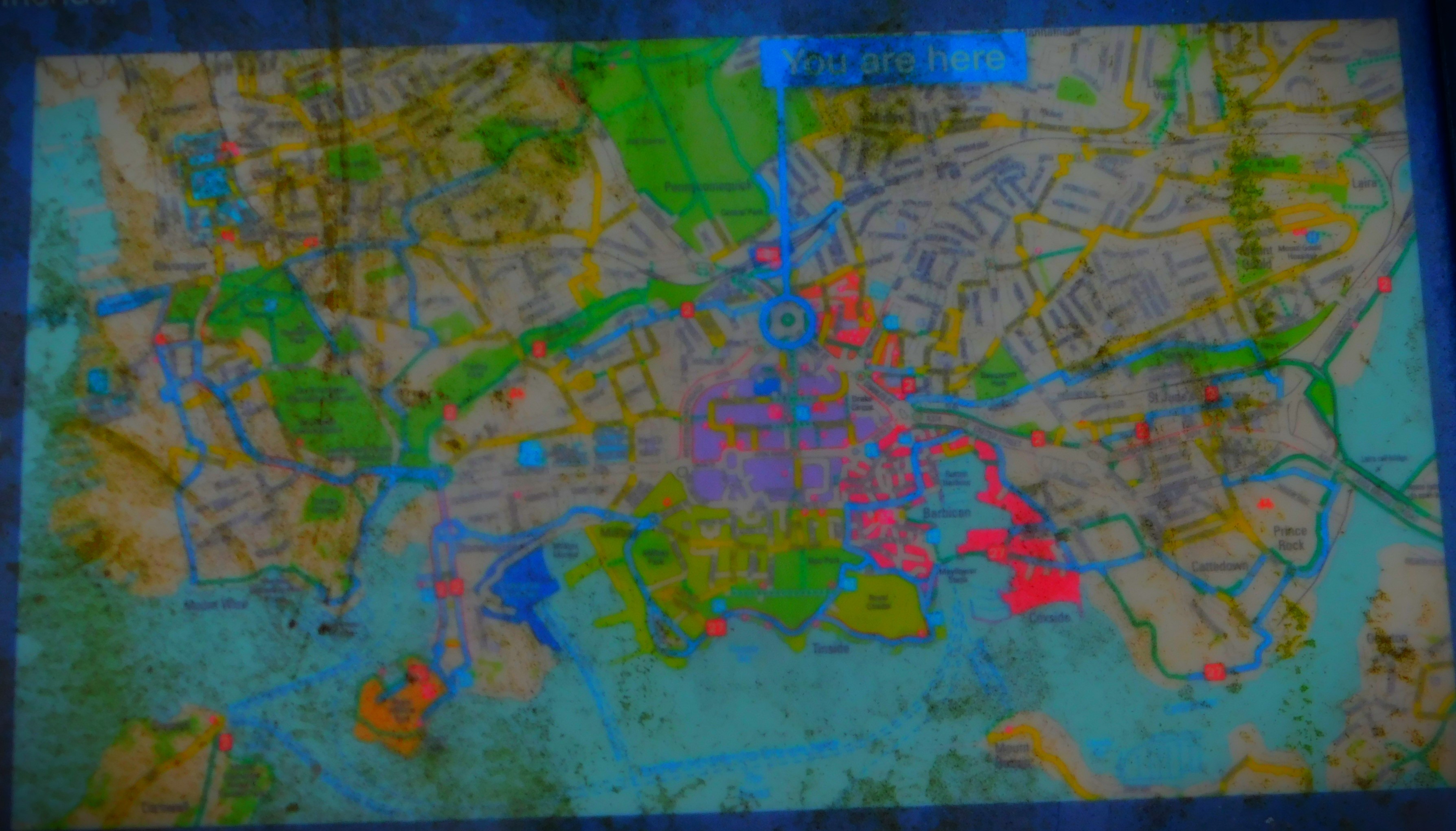
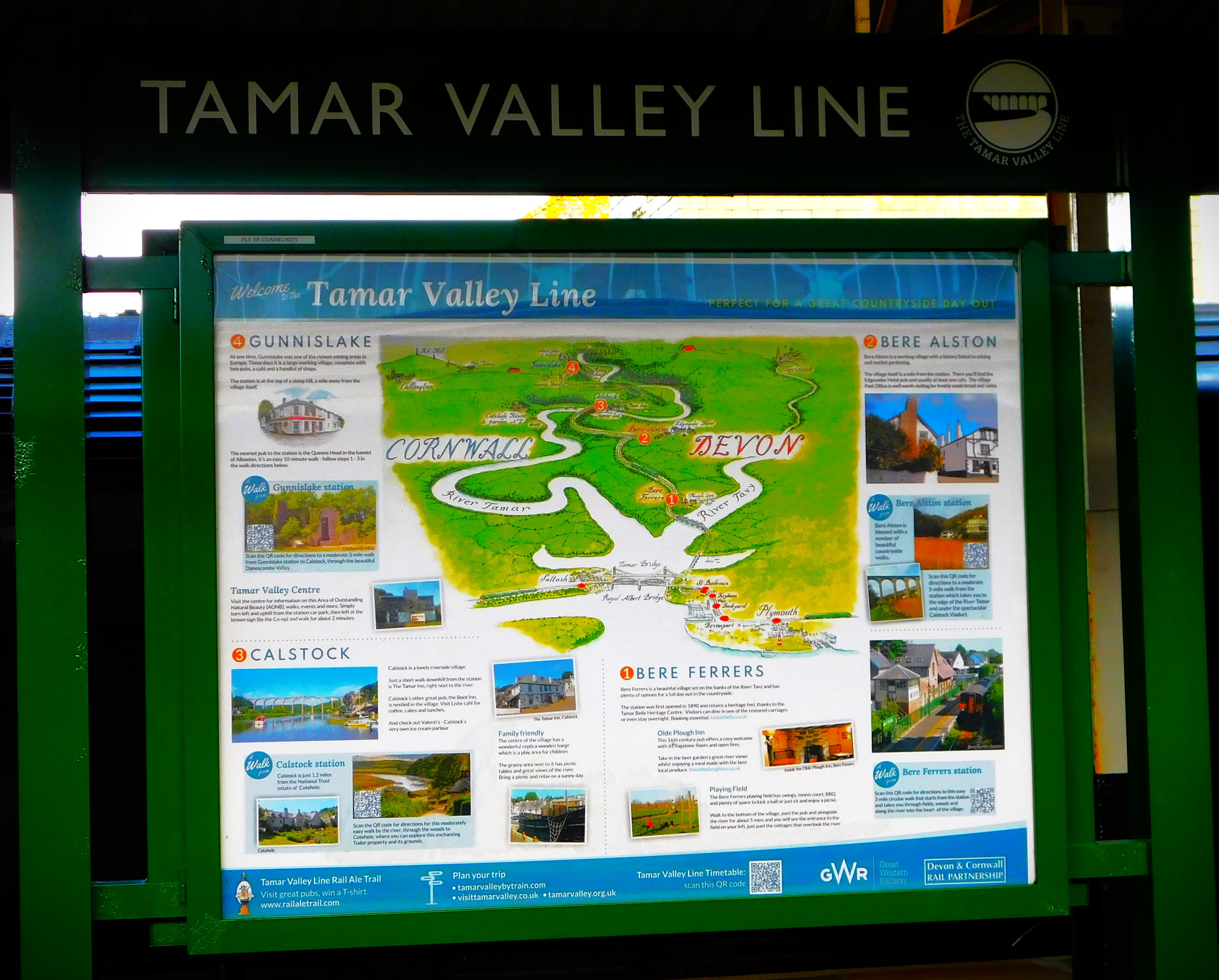
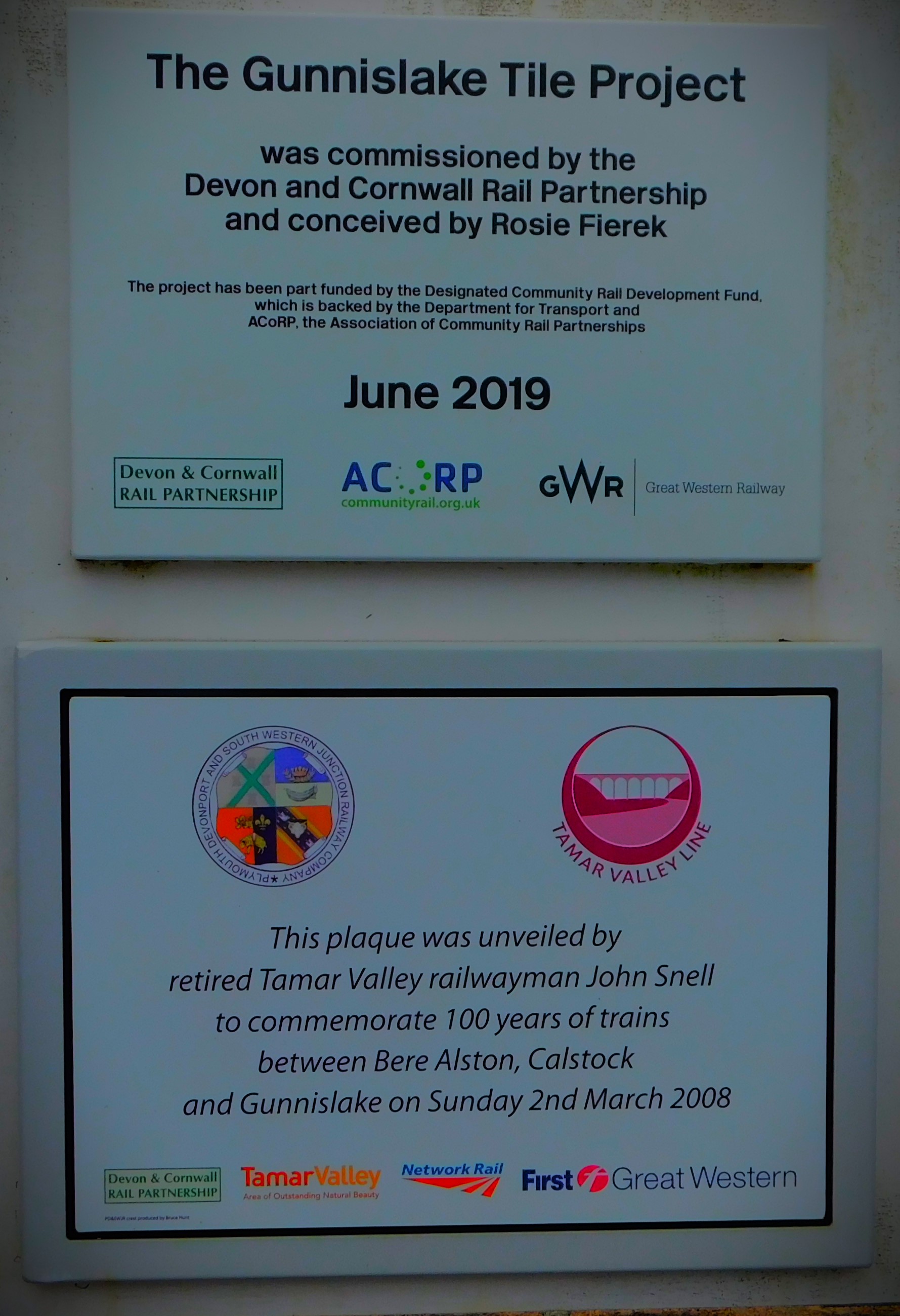
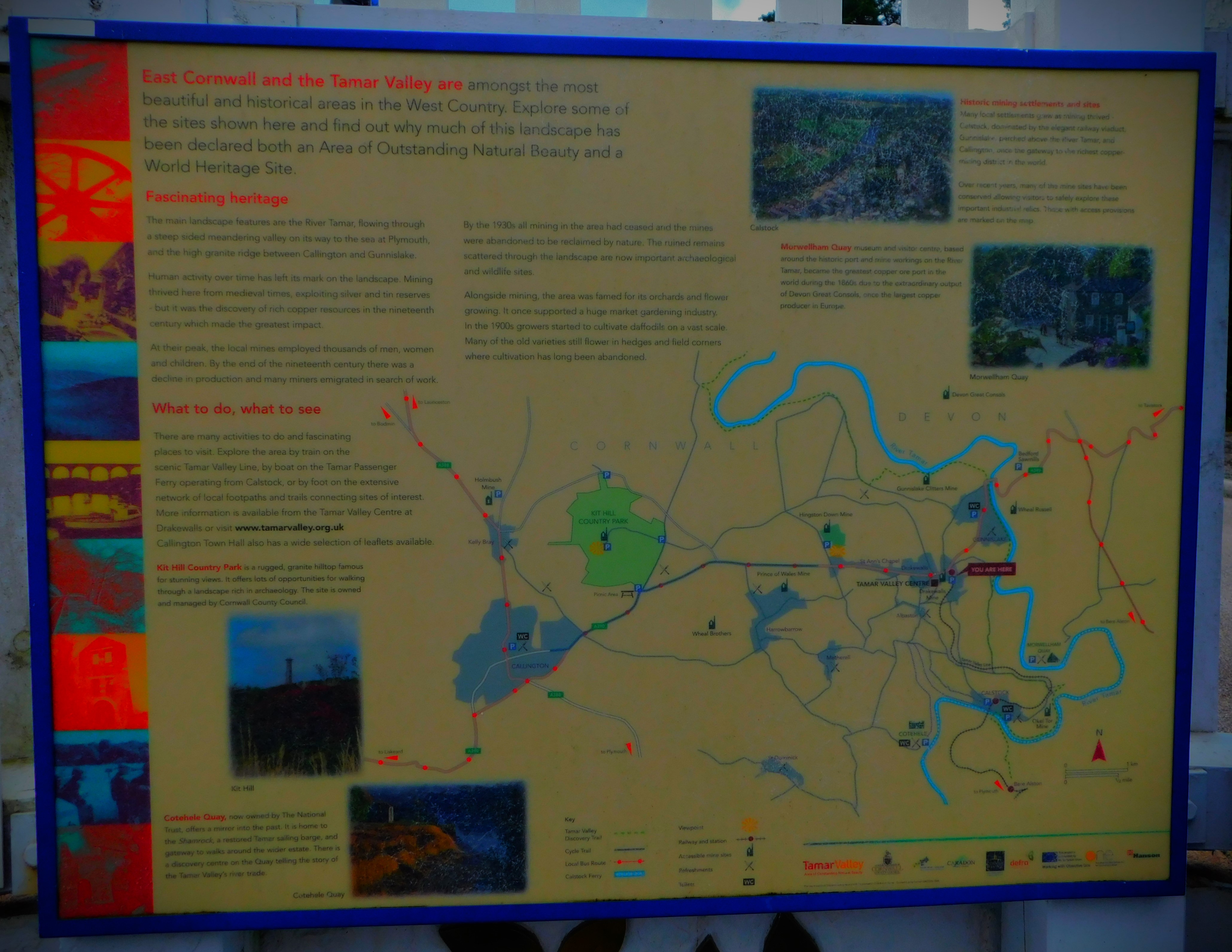
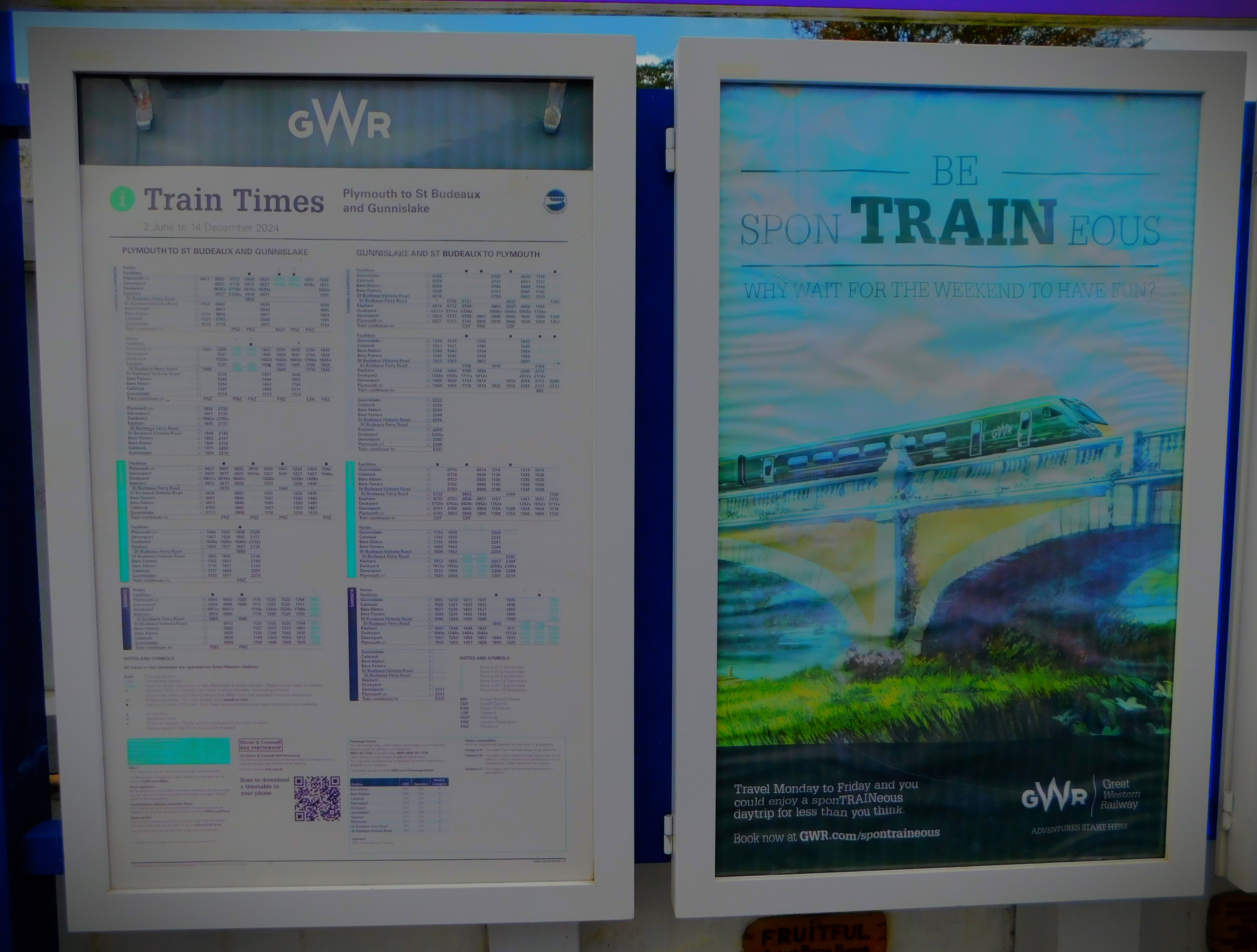
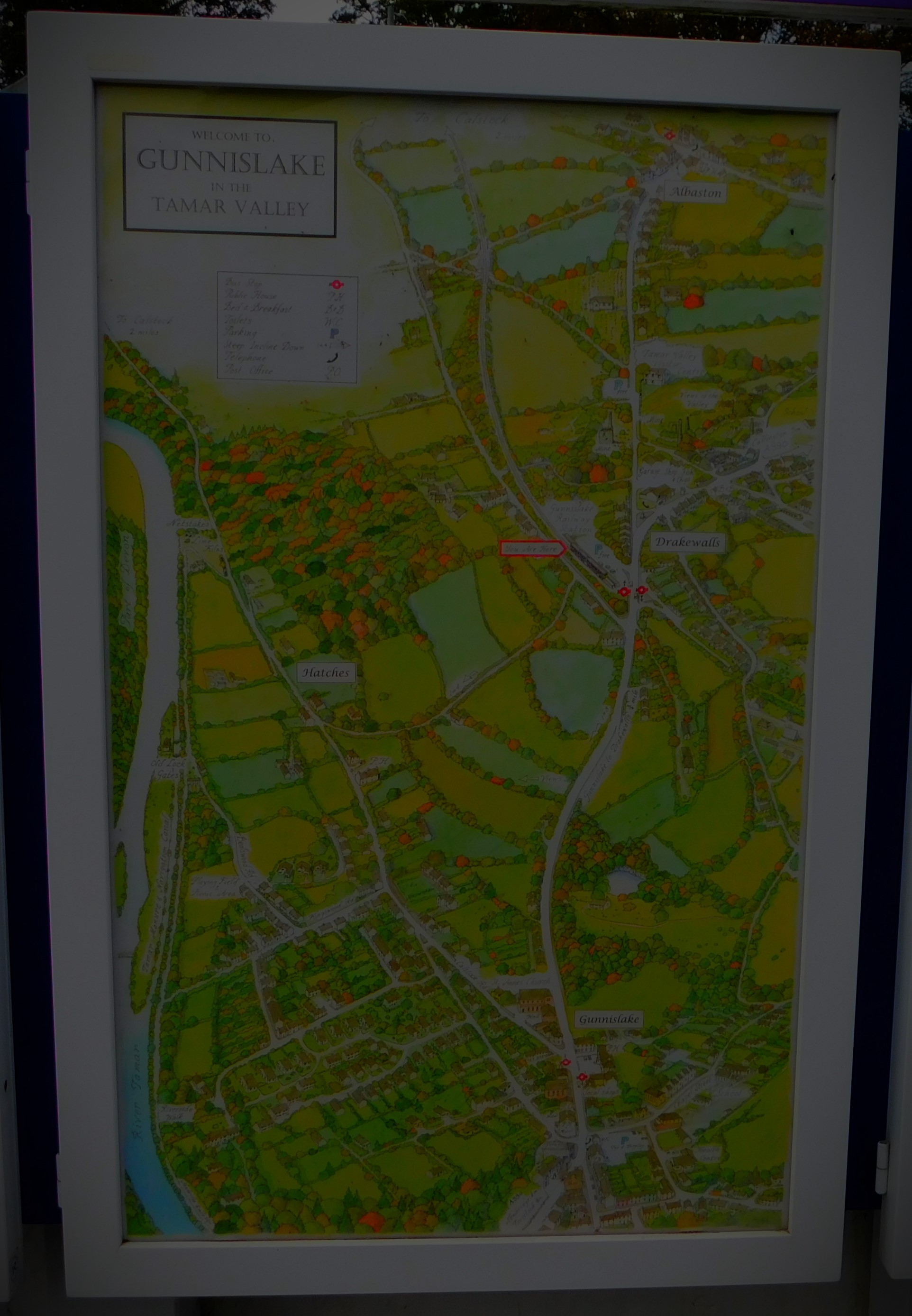
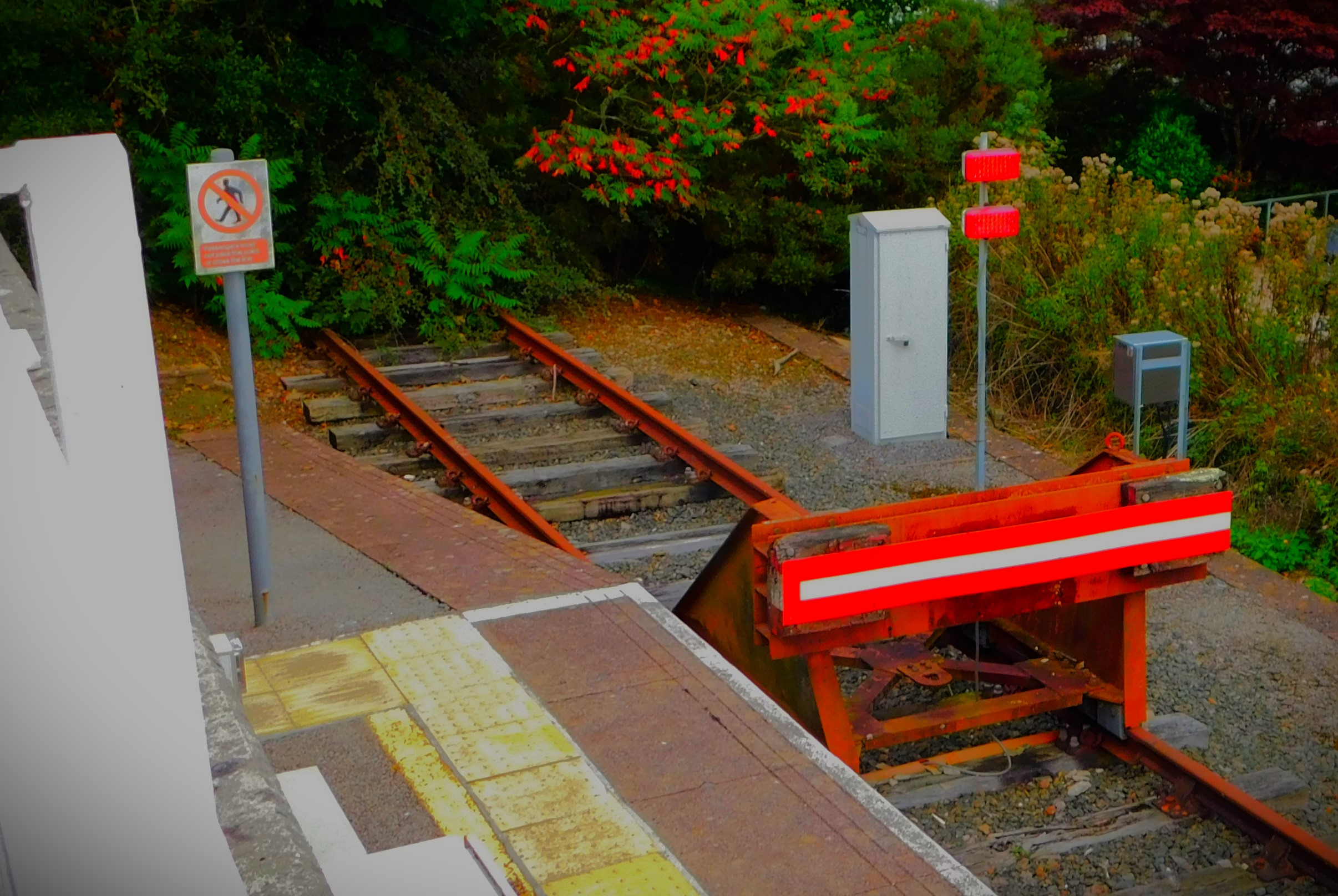
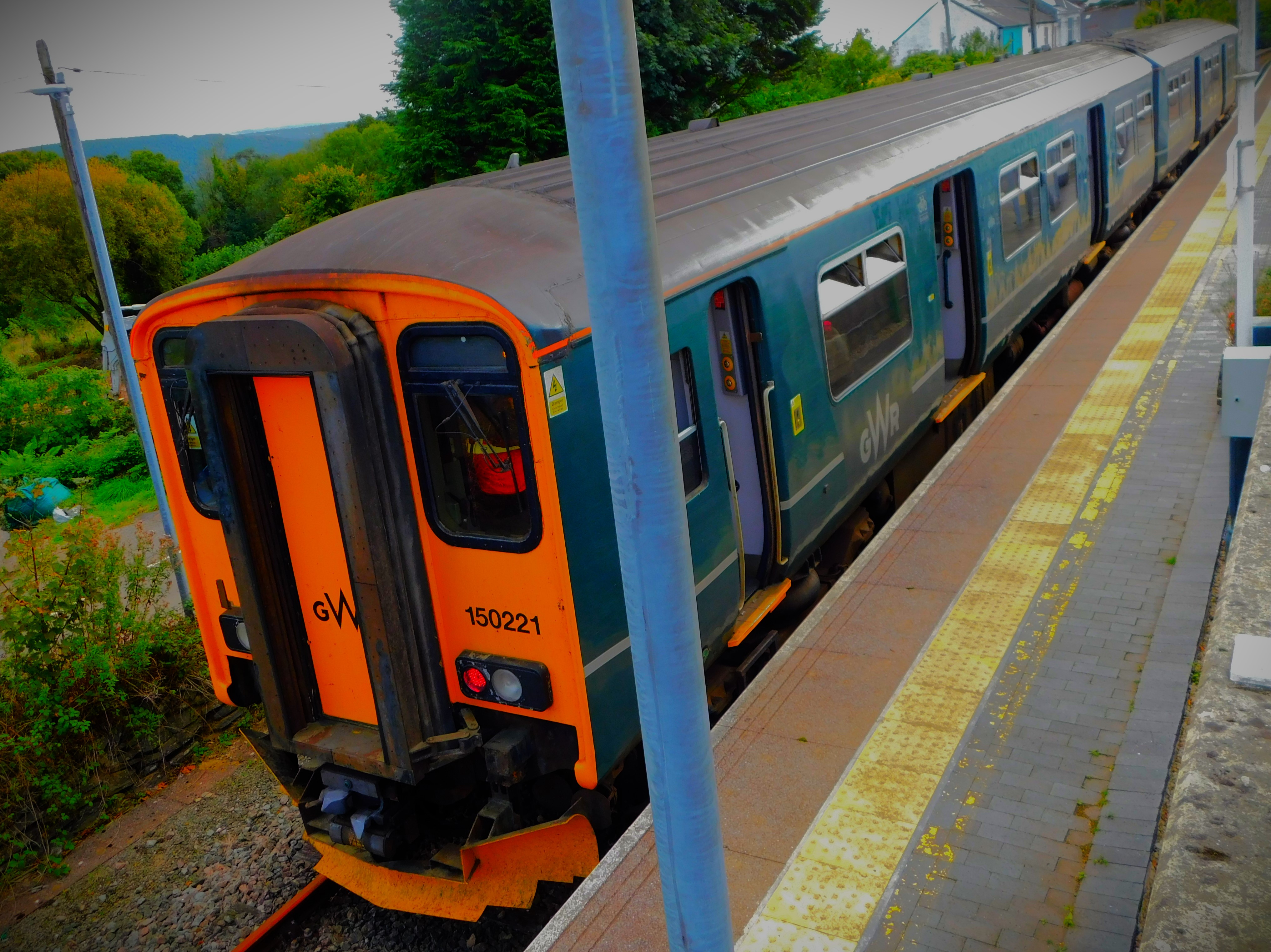
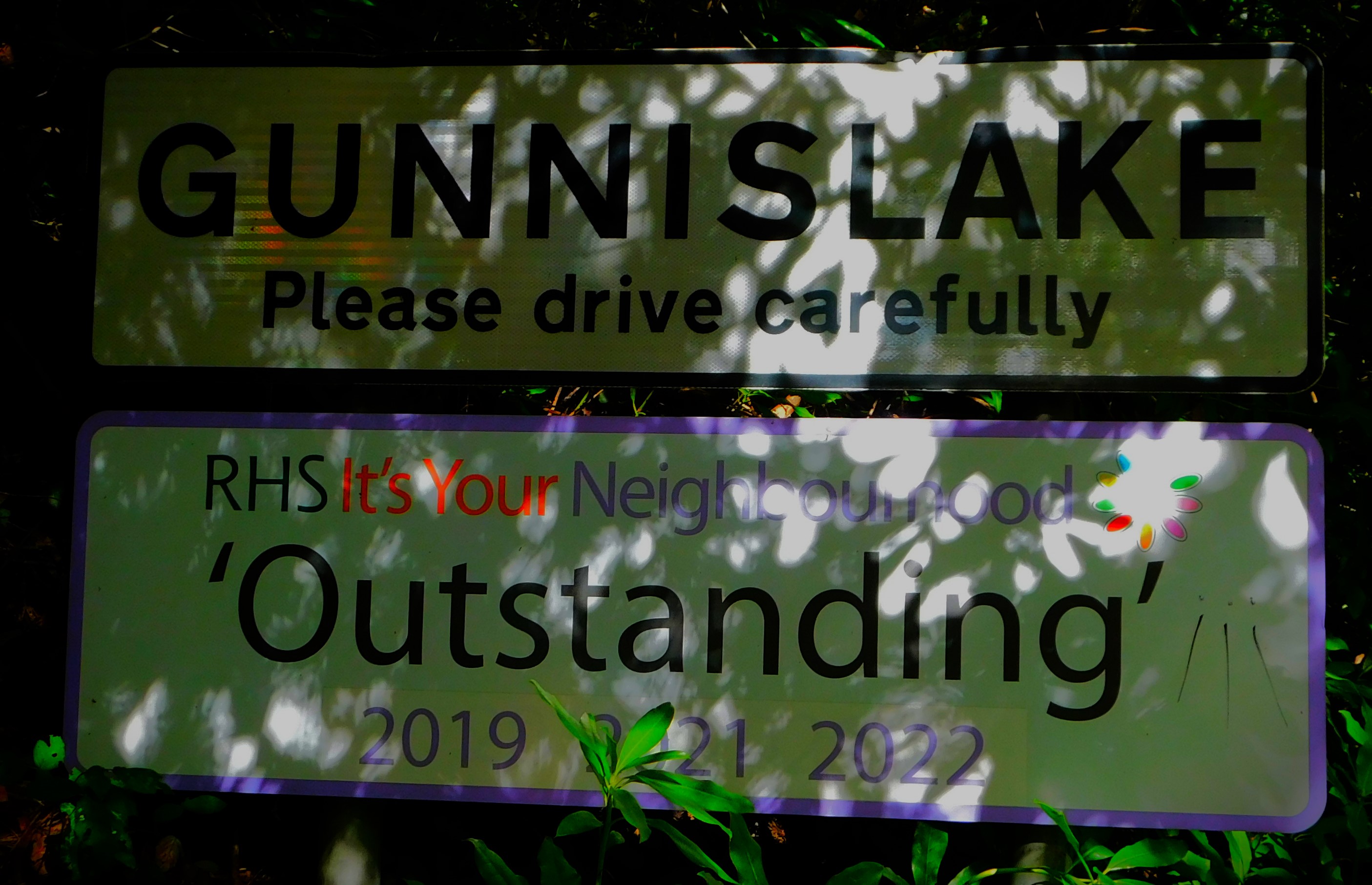
I was dropped in Plymouth yesterday with a view to purchasing a Devon and Cornwall railcard (cost £12) to gain a 1/3 discount on all train fares in the region for a year. Unfortunately such a card can only be obtained if documentation relating to an address in the area can be produced and I had no such documentation. However I bought a return ticket to Gunnislake, northern terminus of the Tamar Valley Line, cost £7.90. I had over an hour before the next train to Gunnislake was departing, so filled some of the time by gaining greater familiarity with the environs of Plymouth station. Pedestrian access from the station to other areas of town comes by a way of path that leads under a roundabout. The central area of the under-roundabout path is dedicated to wild flowers and is pleasant walking. The hour of my journey arrived…
A SCENIC JOURNEY
The journey to Gunnislake could be described as a journey of two parts in two different ways:
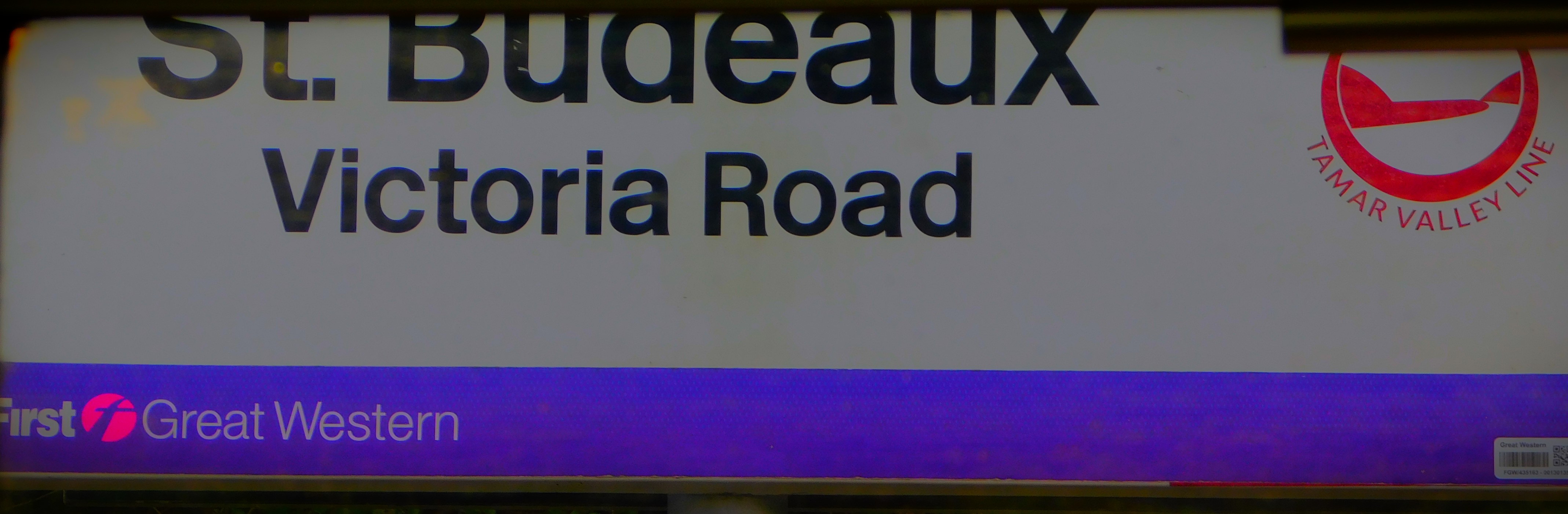
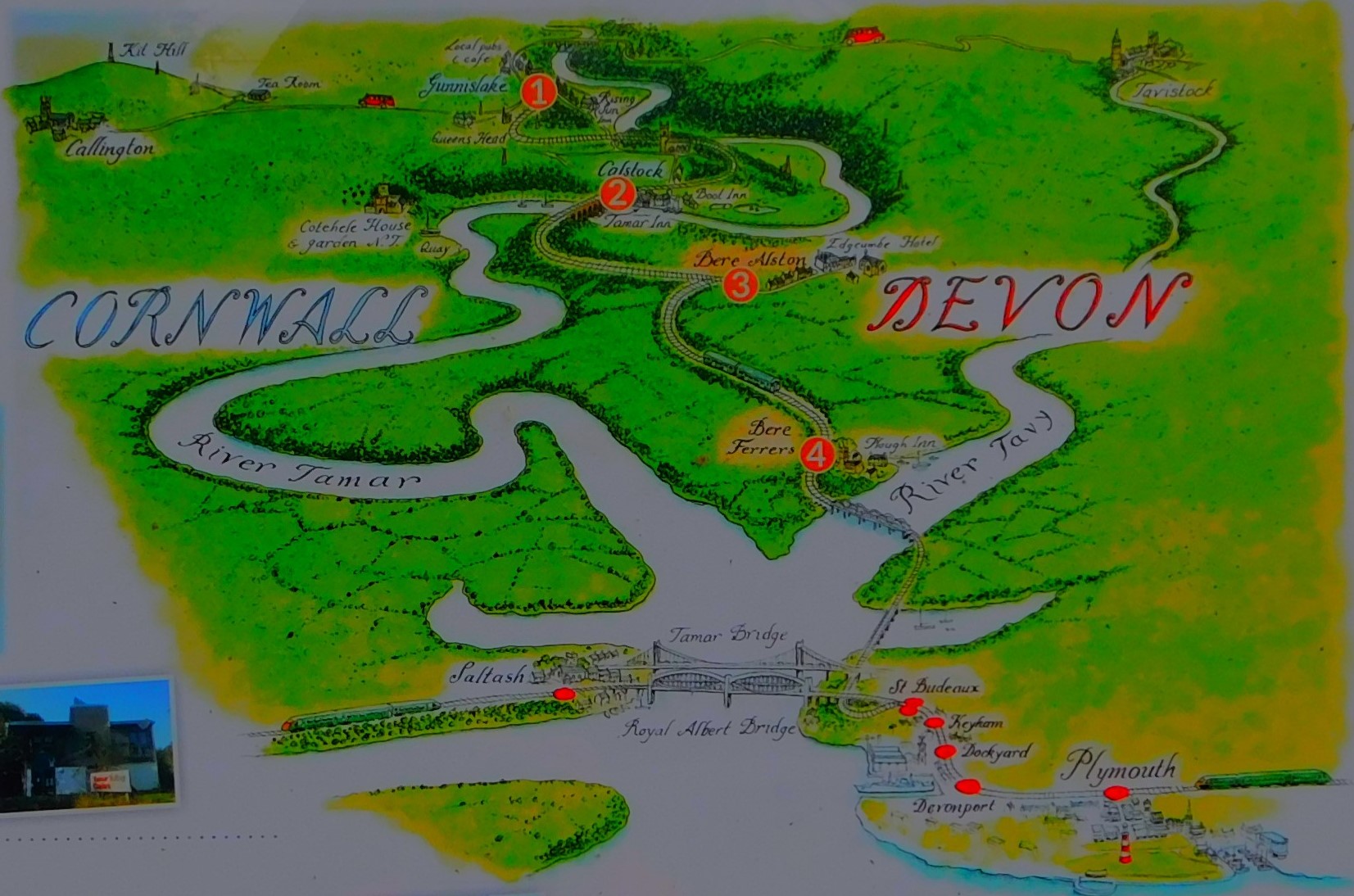
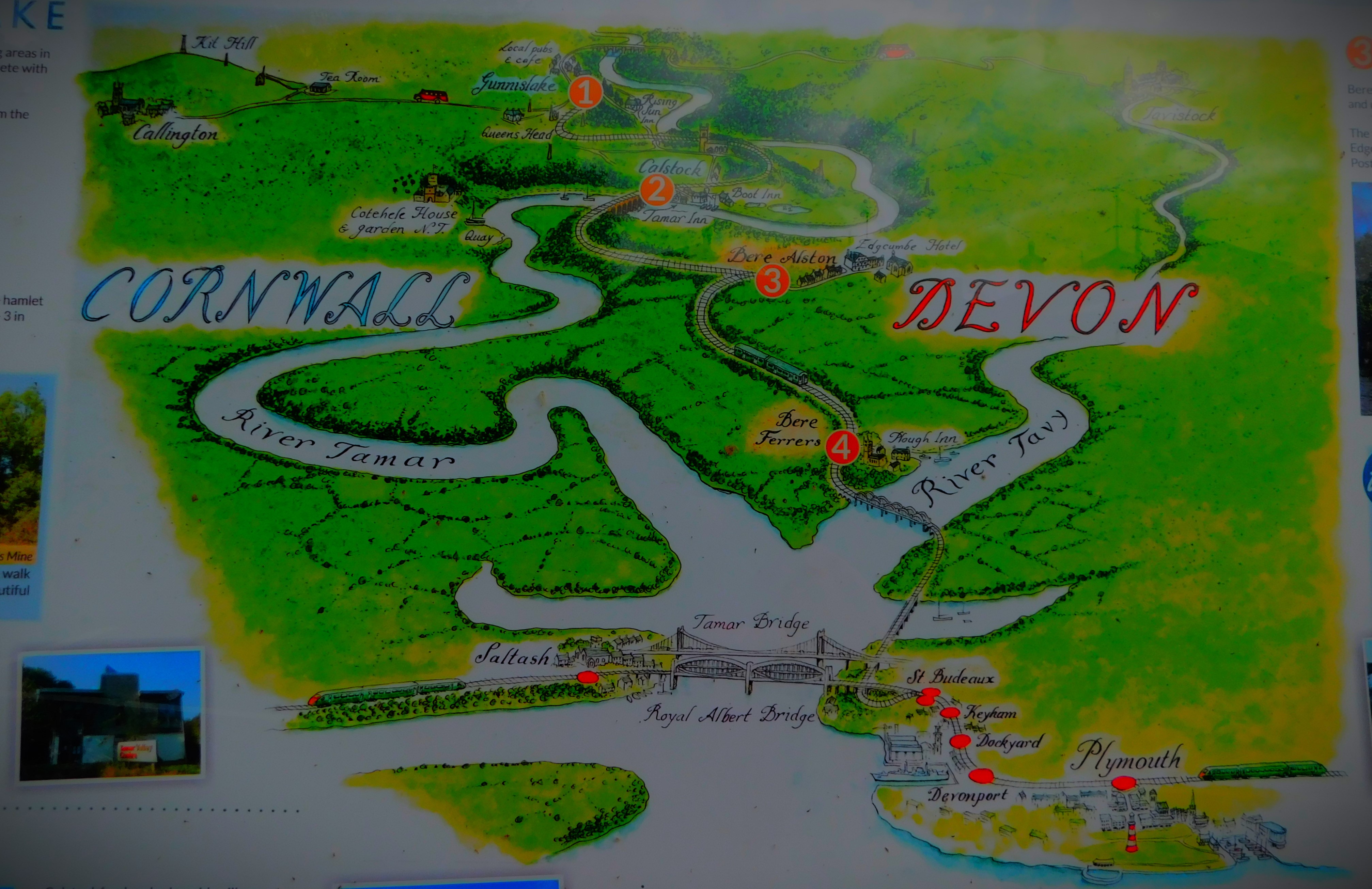
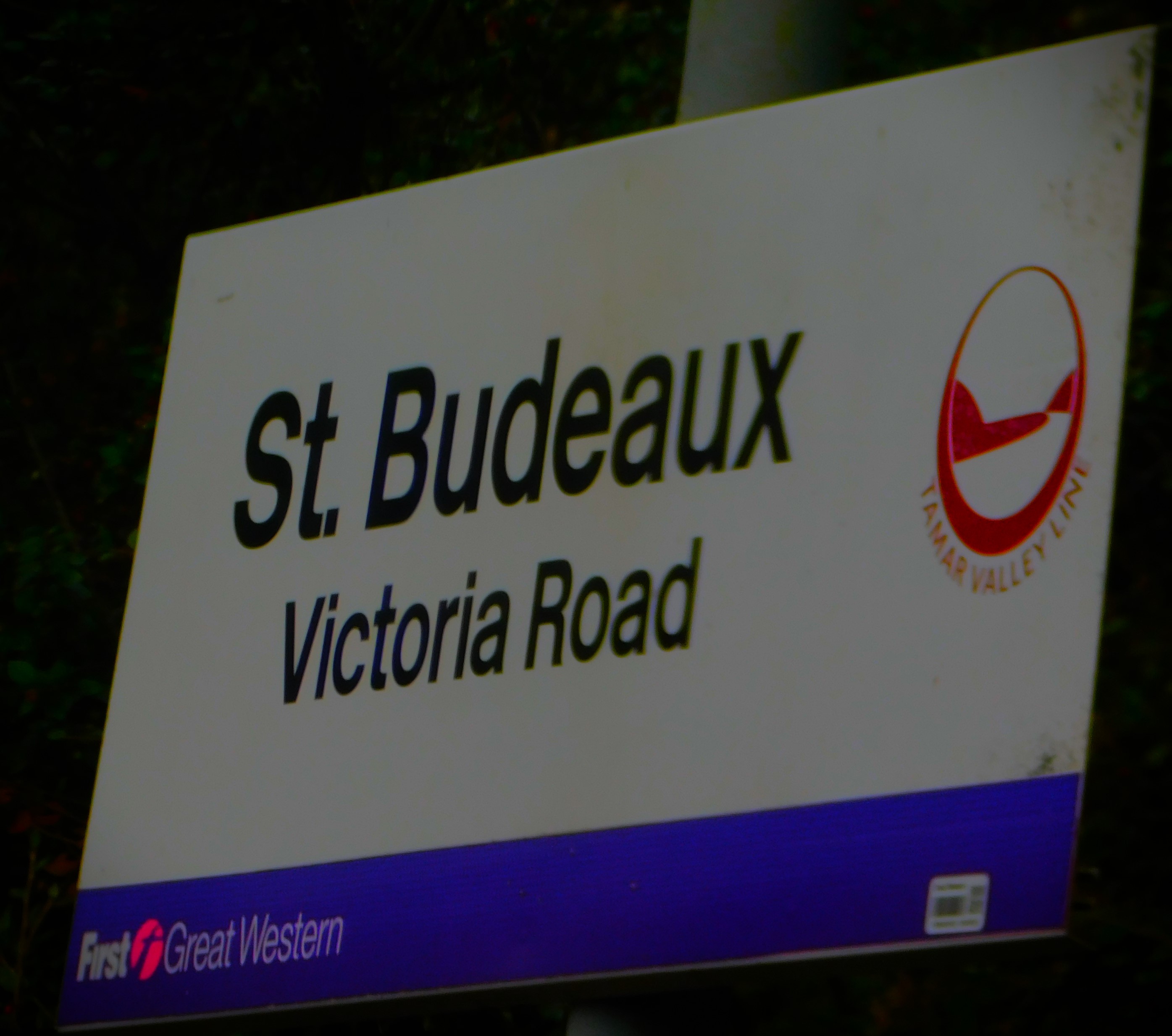
For the first small portion of line (Plymouth – St Budeaux Victoria Road)the stops are frequent and the surroundings urban, specifically a commercial port area whose best days were long in the past, before the line then becomes very rural in character and the stops become much more widely spaced.
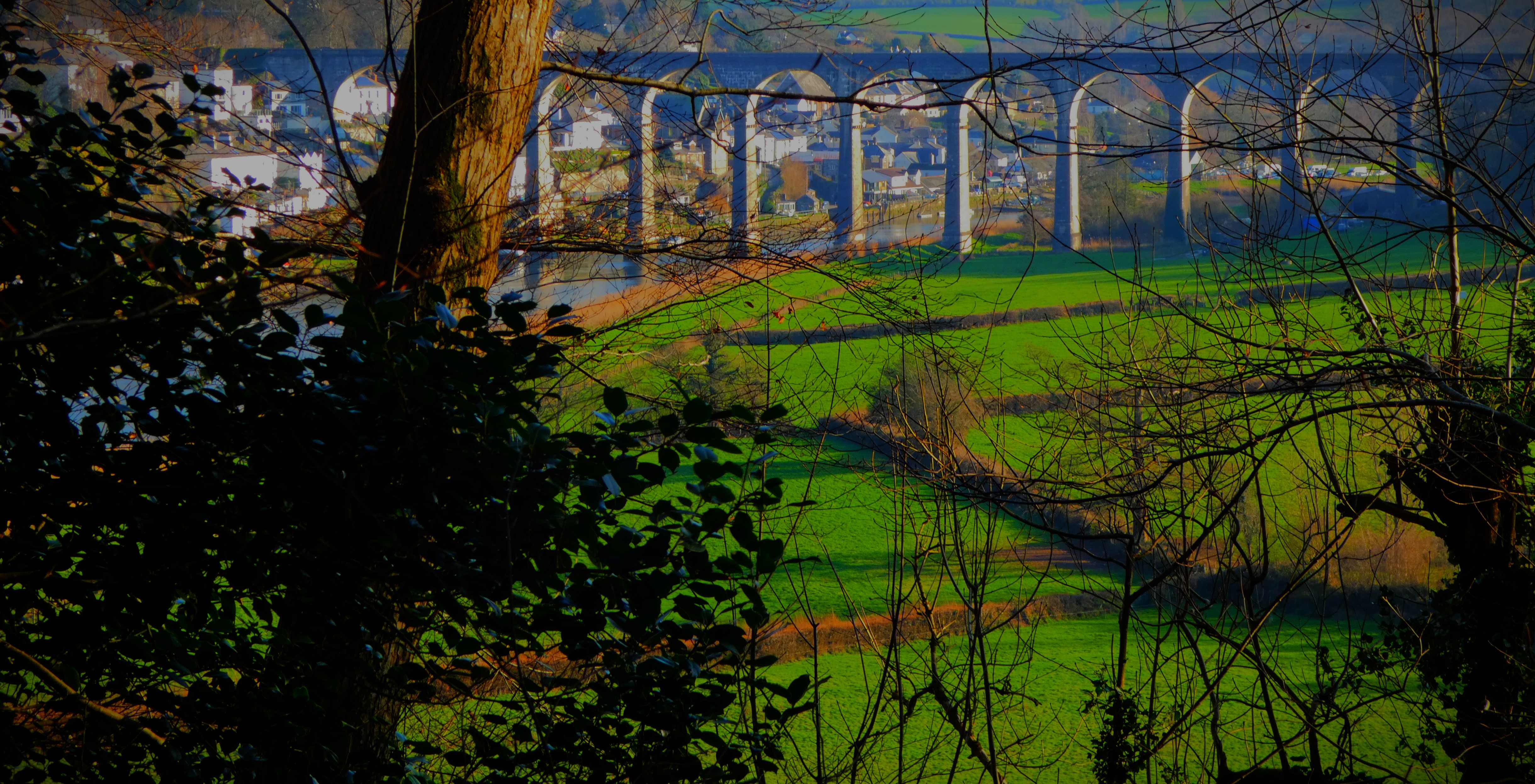
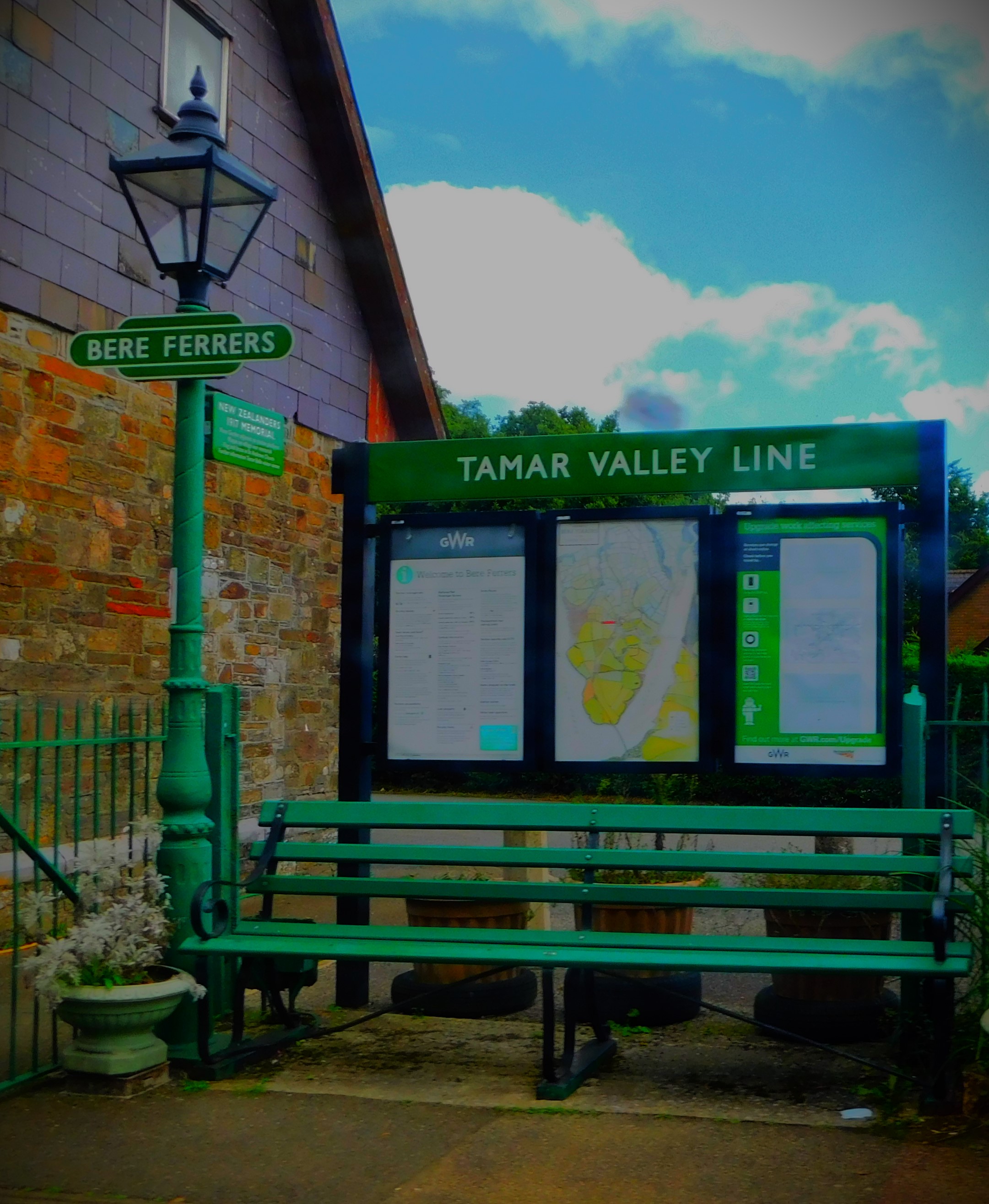
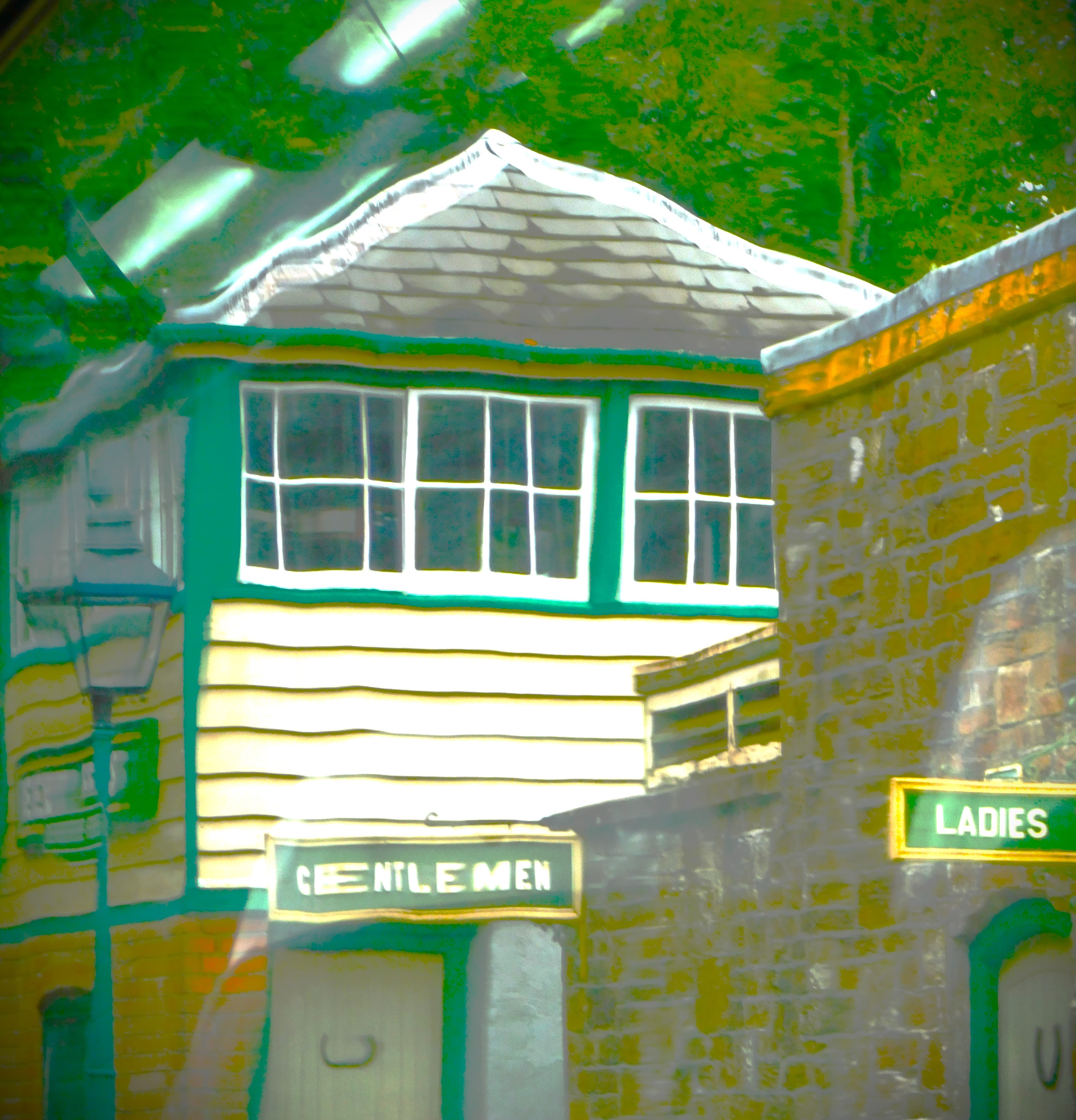
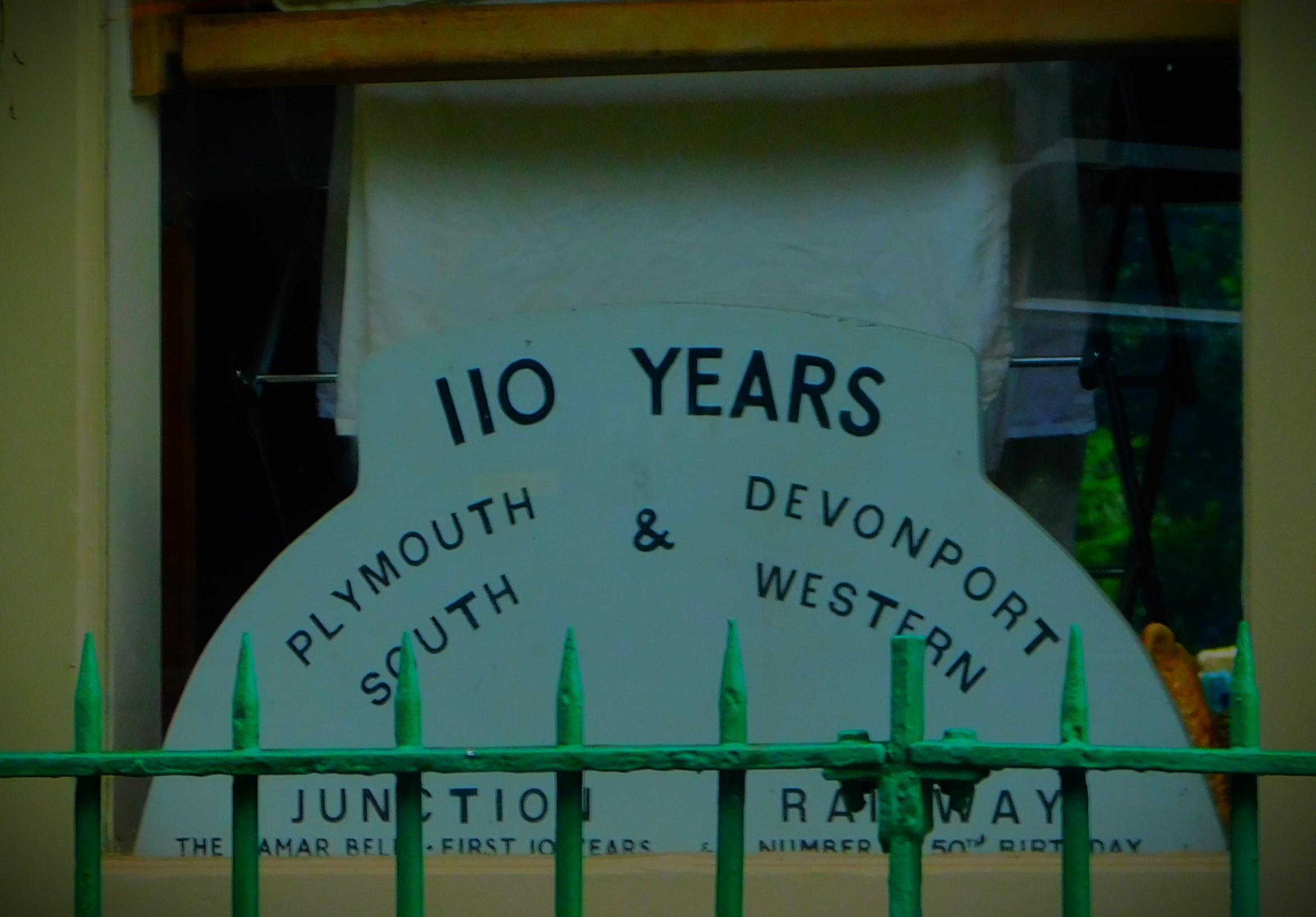
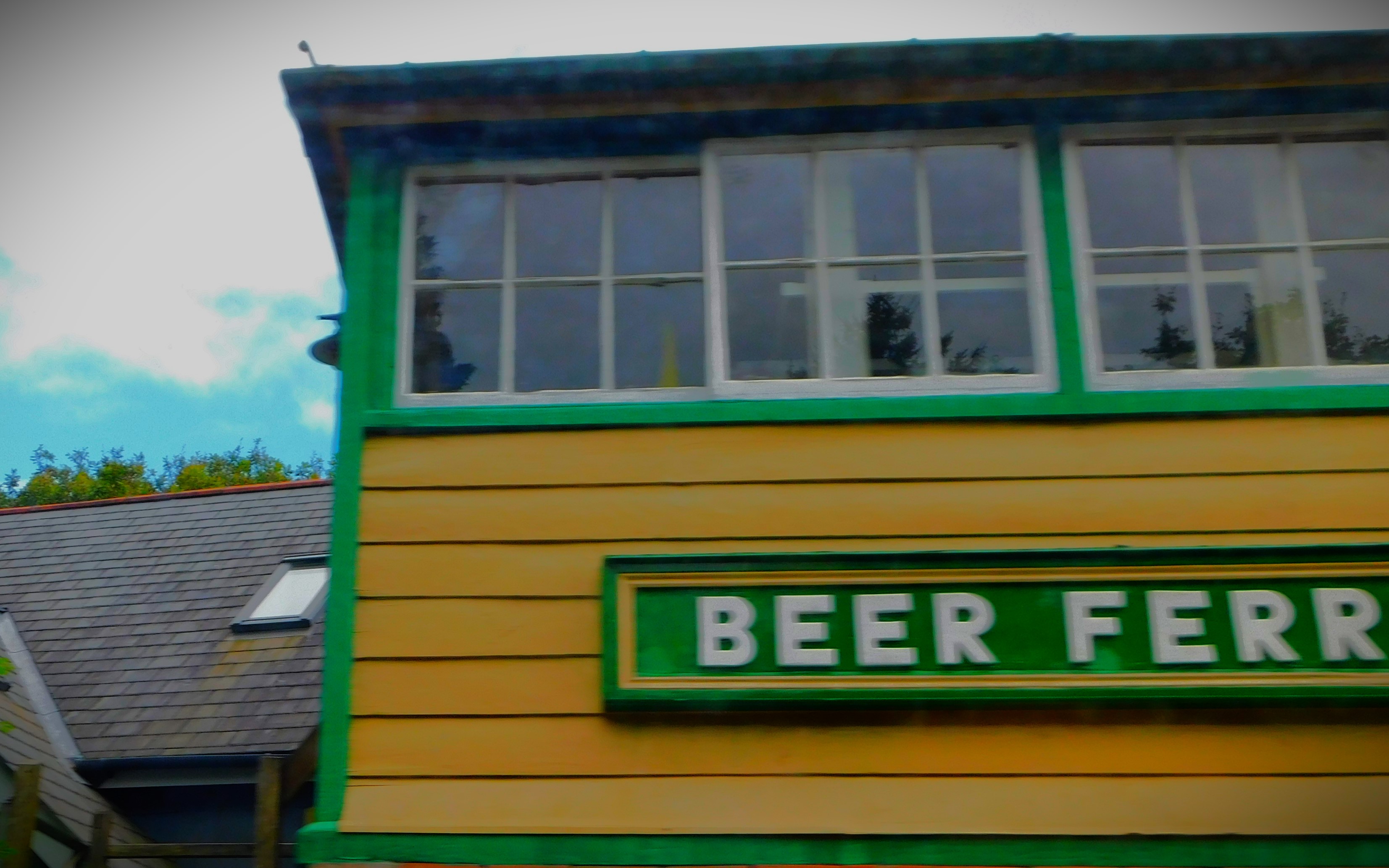
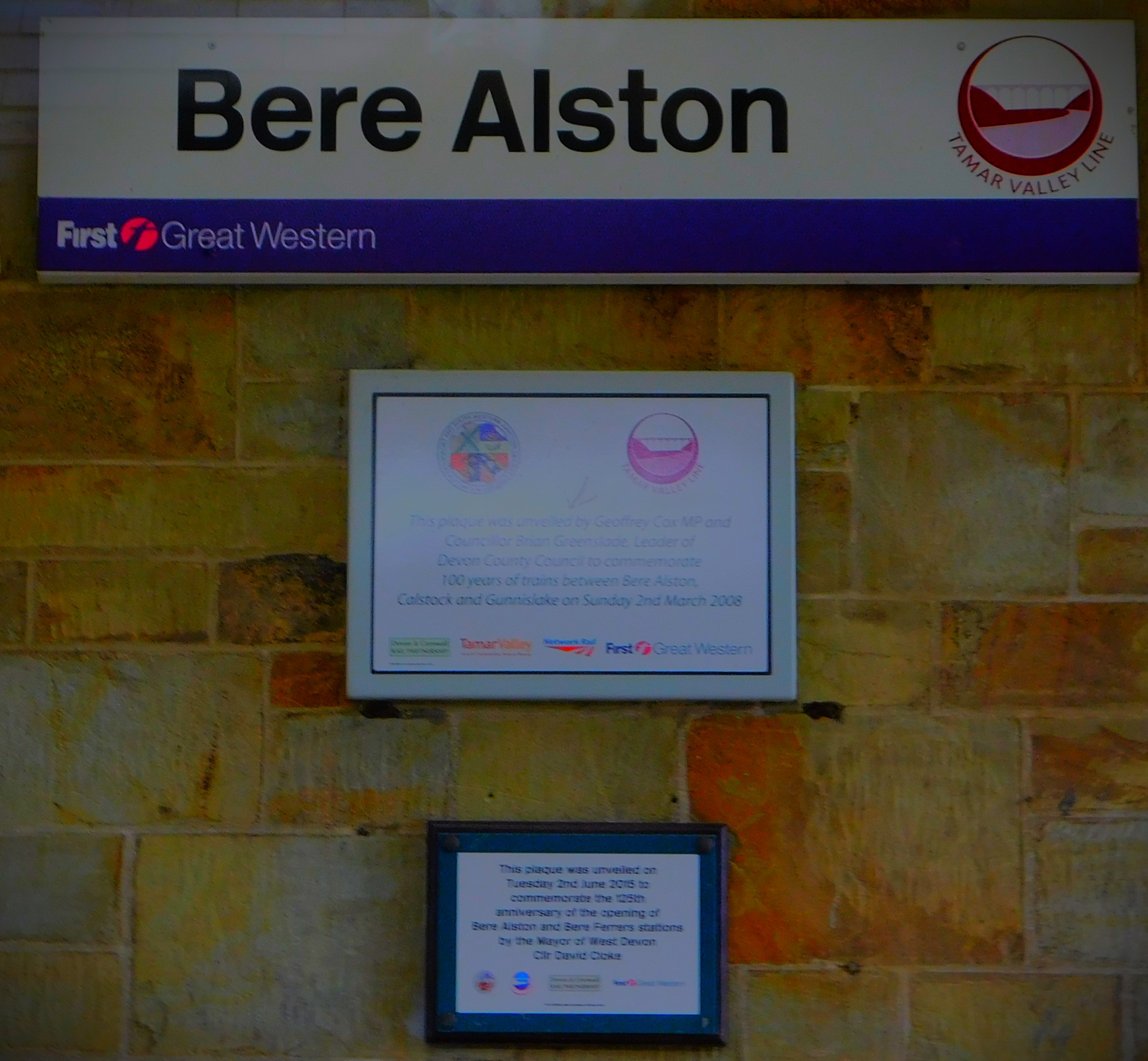
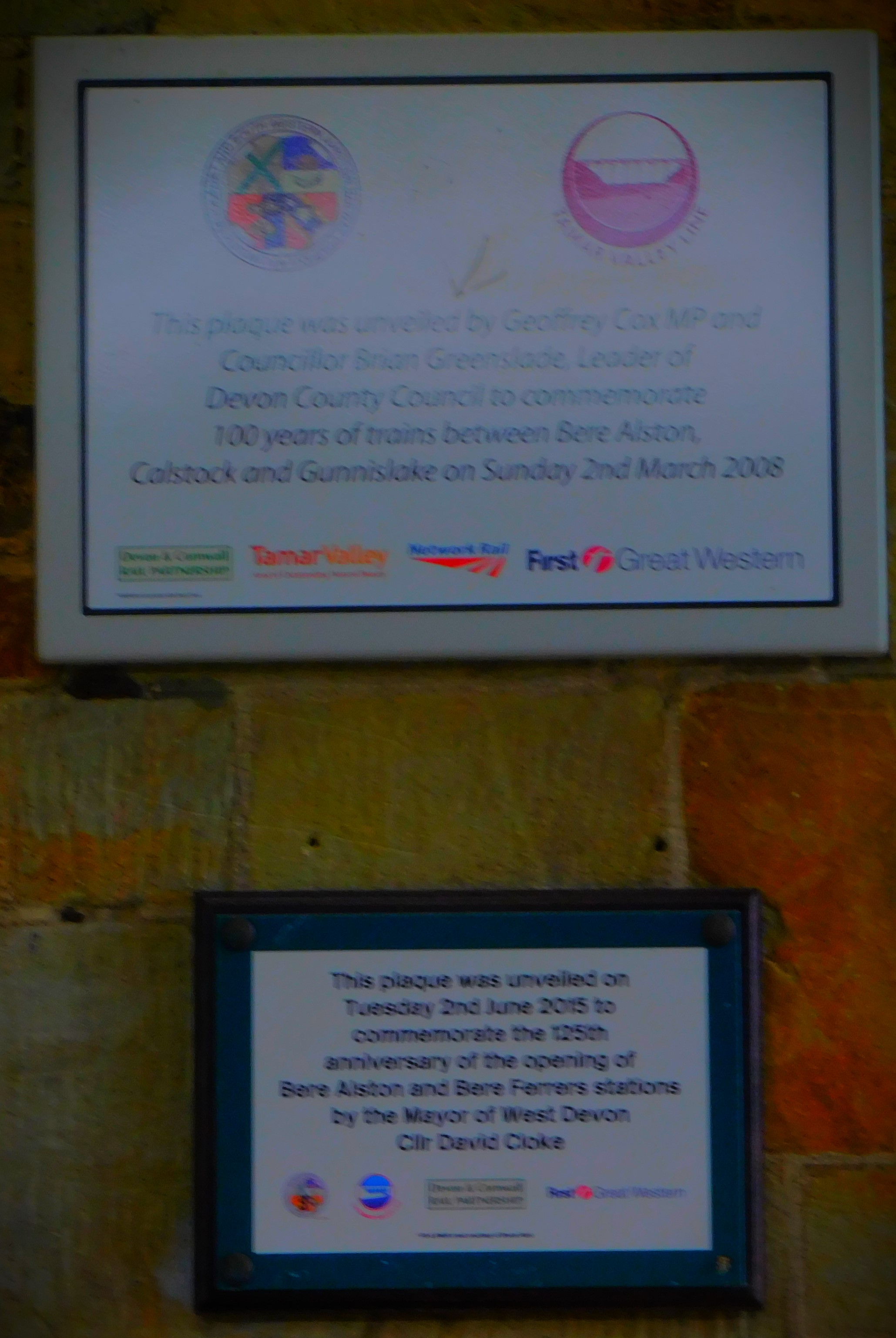
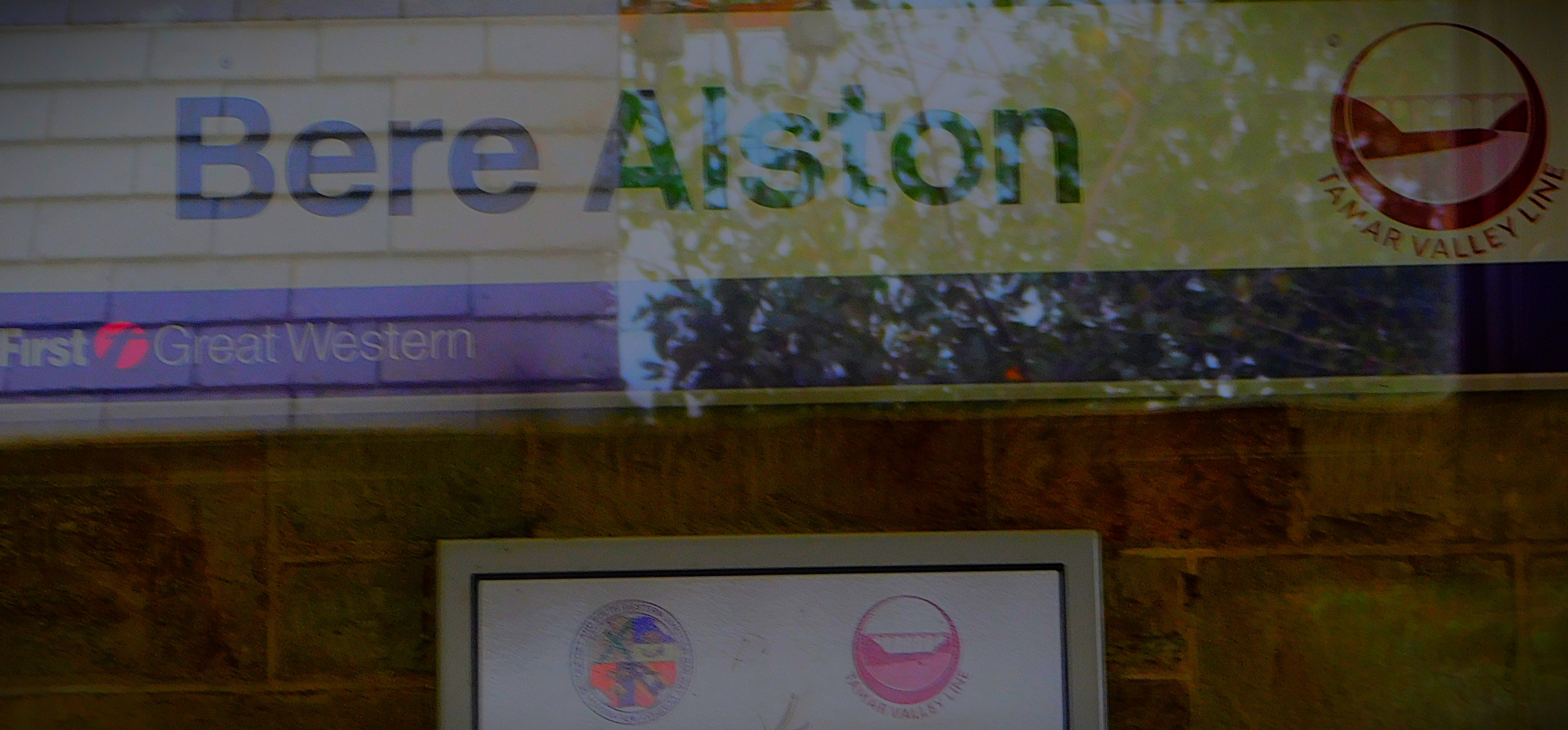
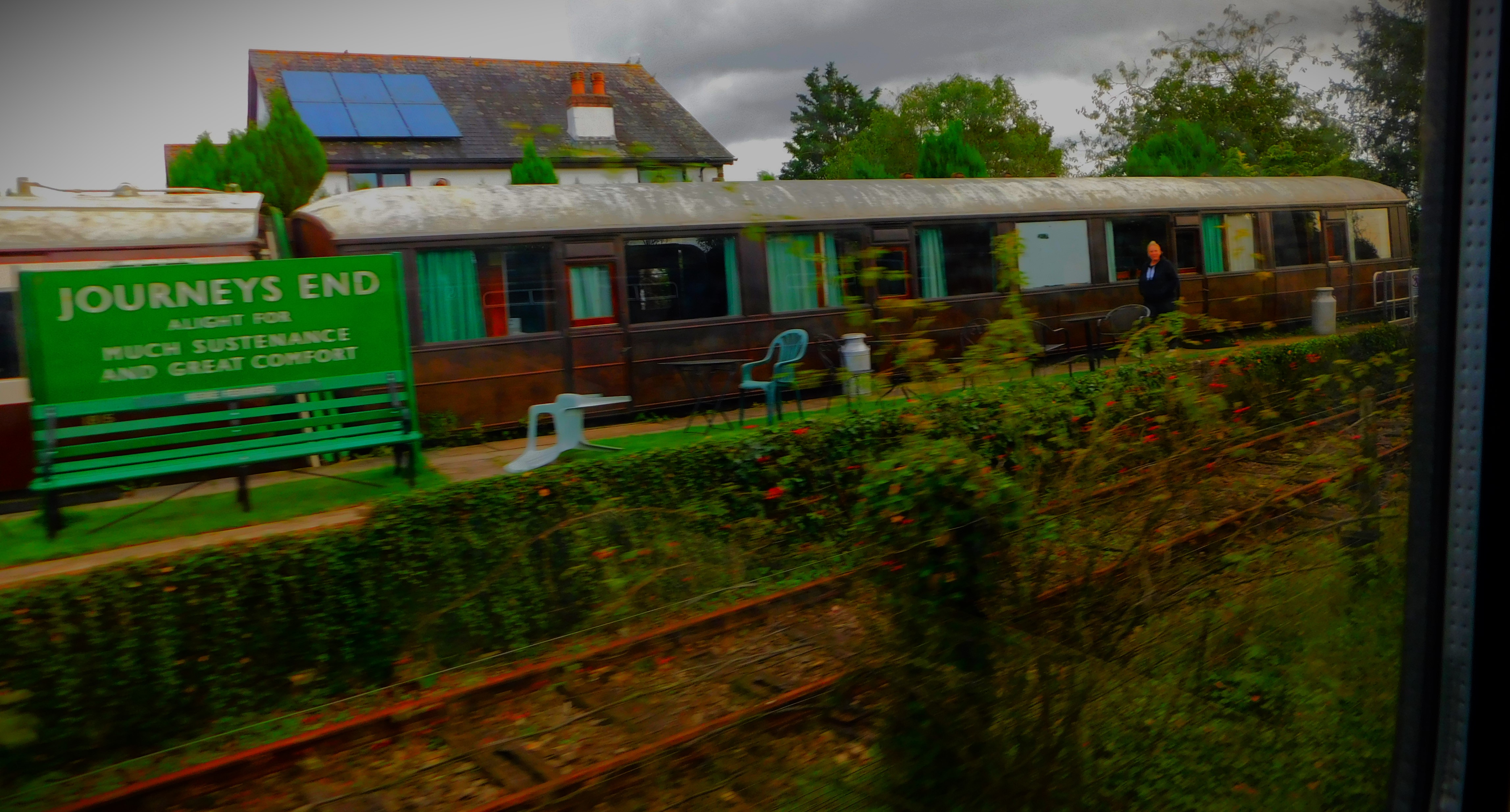
The route has a hairpin at Bere Ferrers, so that the train reverses its direction fo travel for the last three stops on the route (Bere Alston, Calstock and Gunnislake).
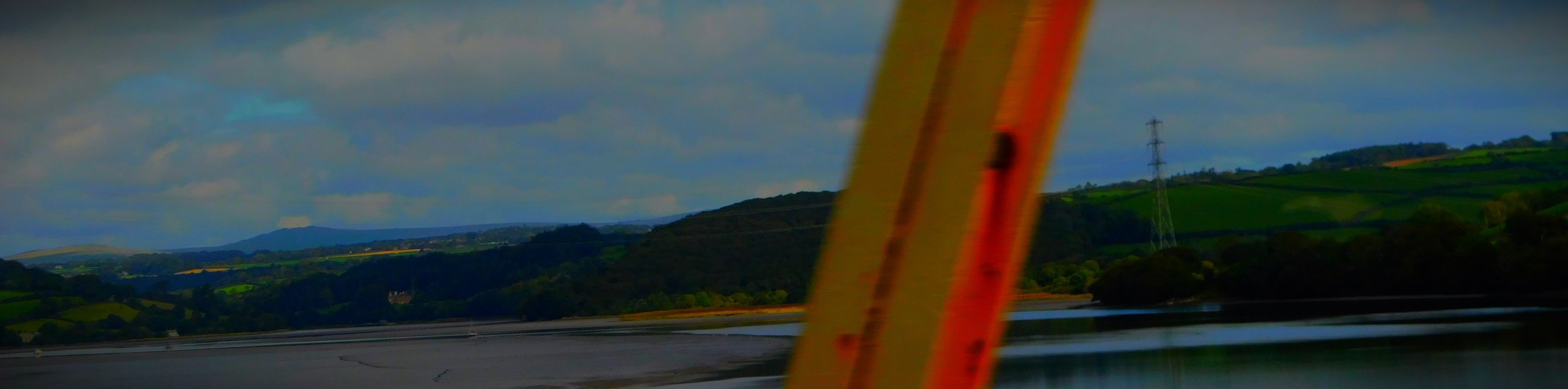
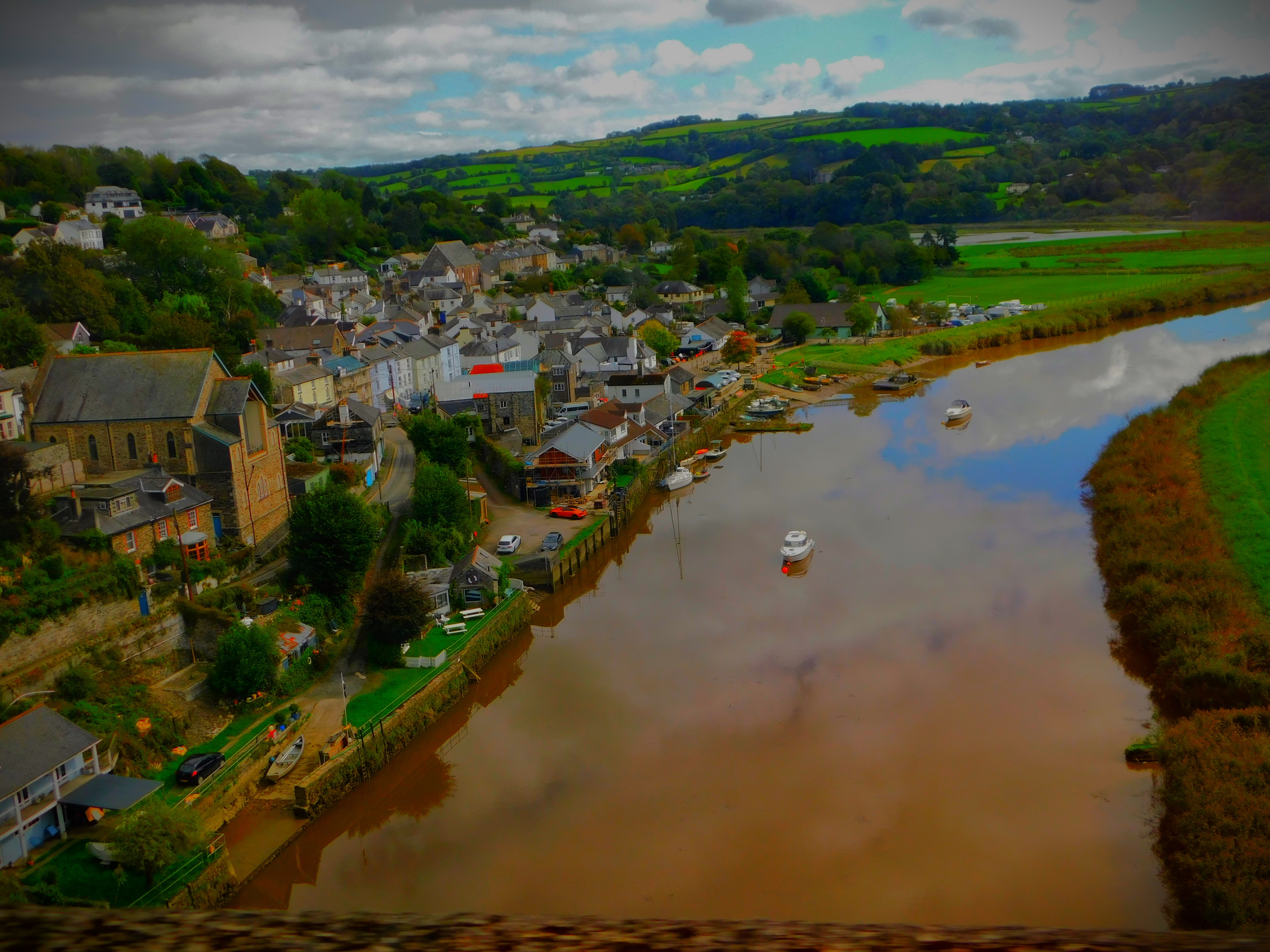
Also, as I failed to realize for the outbound journey the windows on the side of the train from which you board at Plymouth and at Gunnislake for the return journey offer much finer views than the other, which is why the majority of my best photos from the two train journeys were taken on the return one where I positioned myself correctly.
GUNNISLAKE
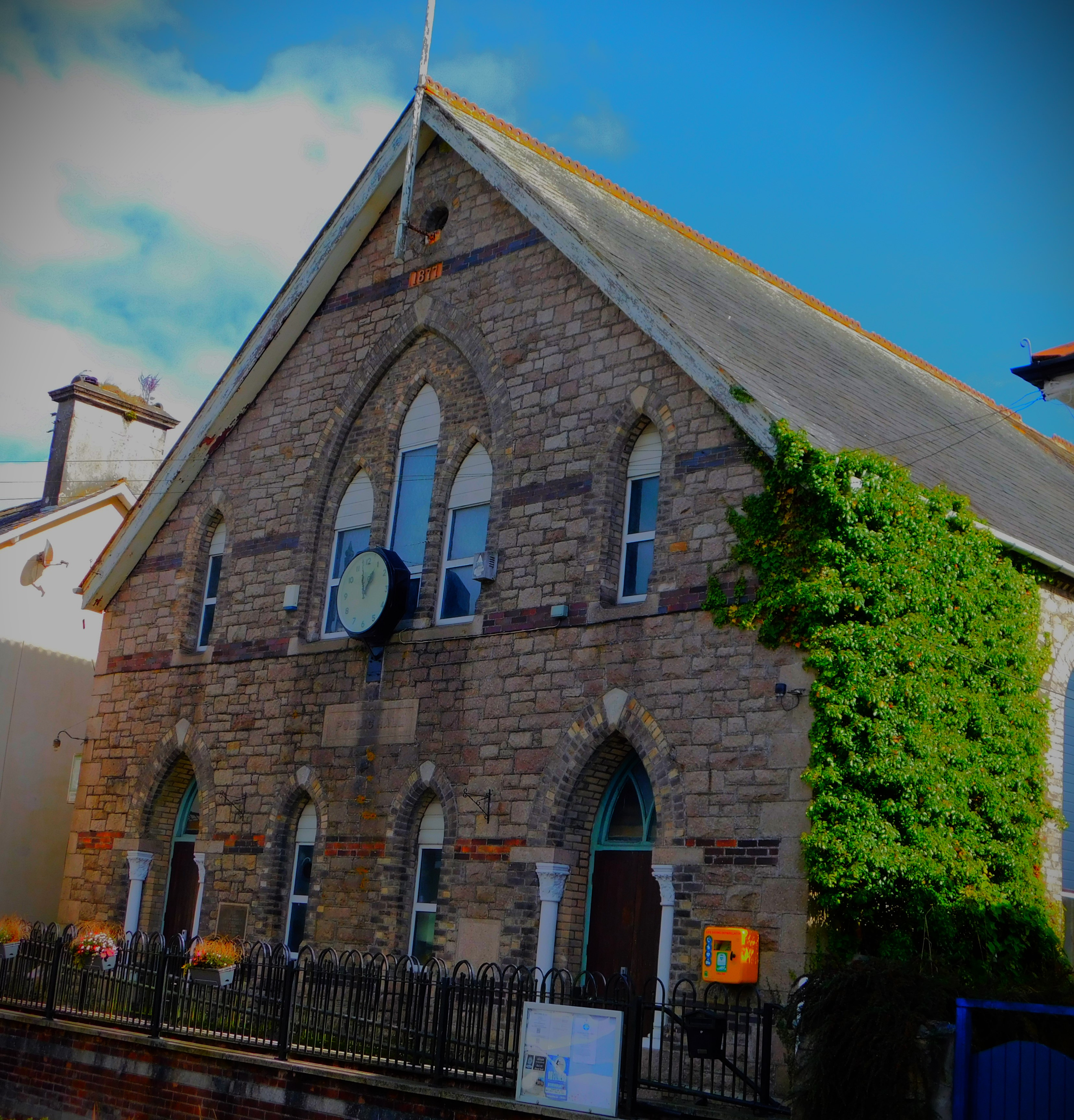
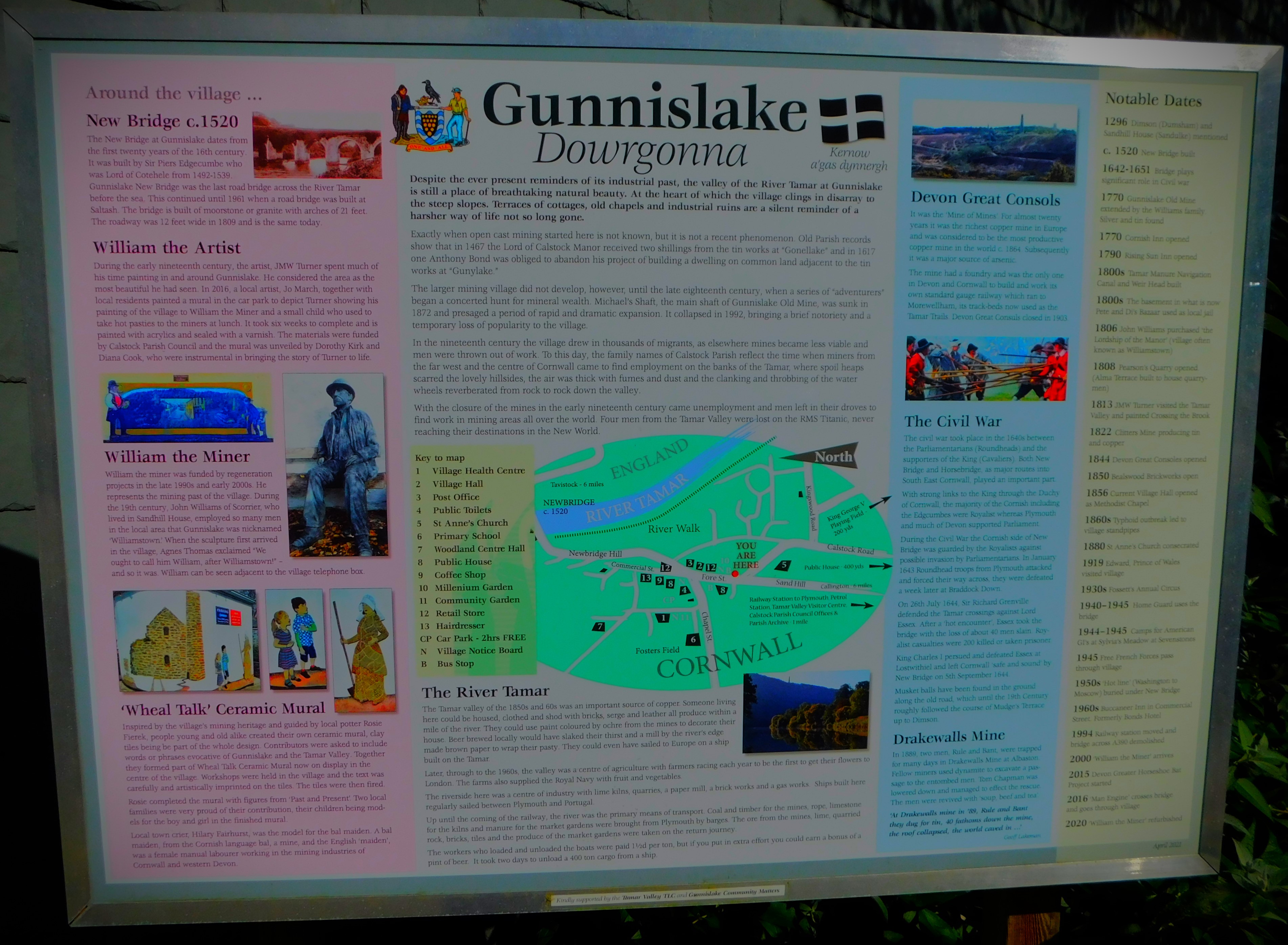
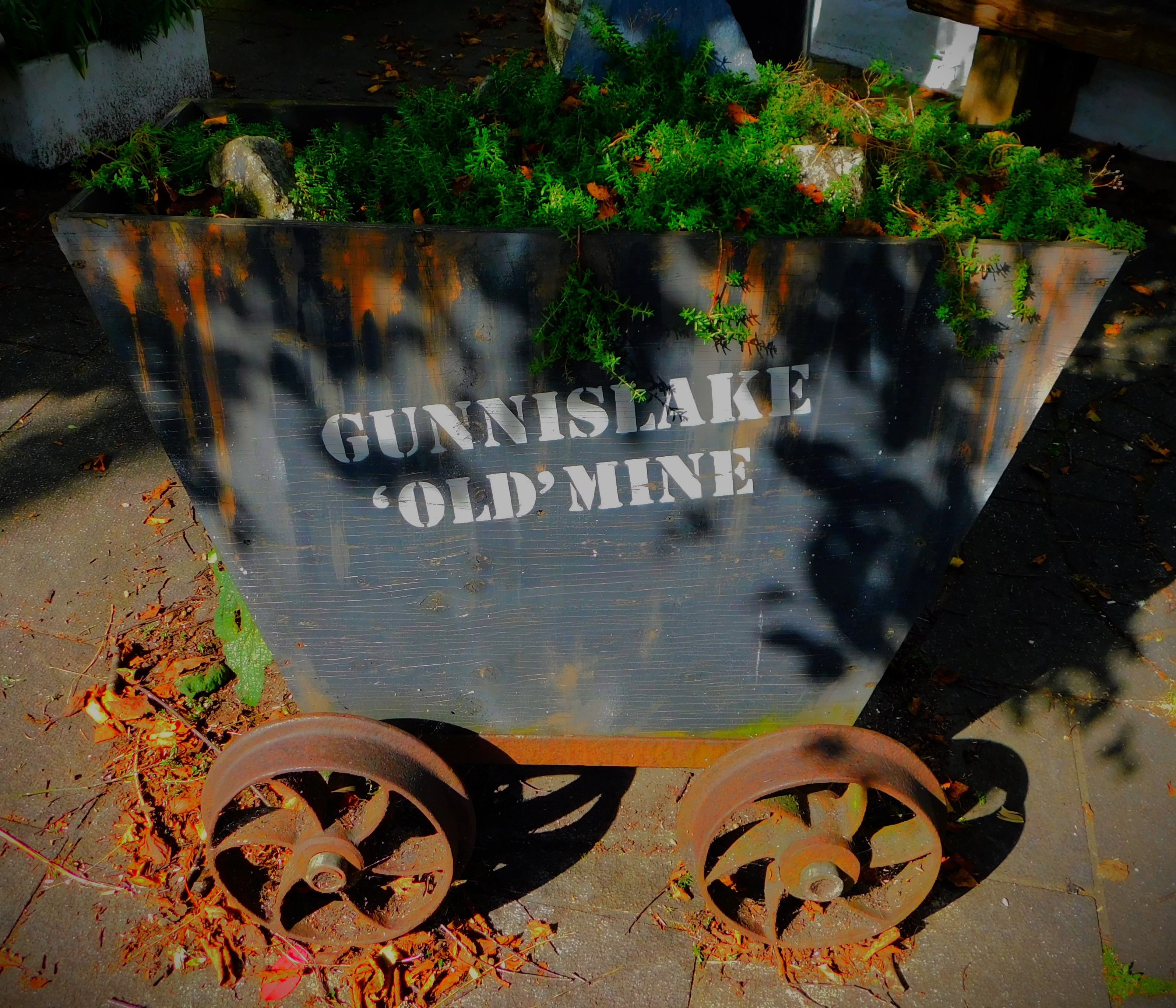
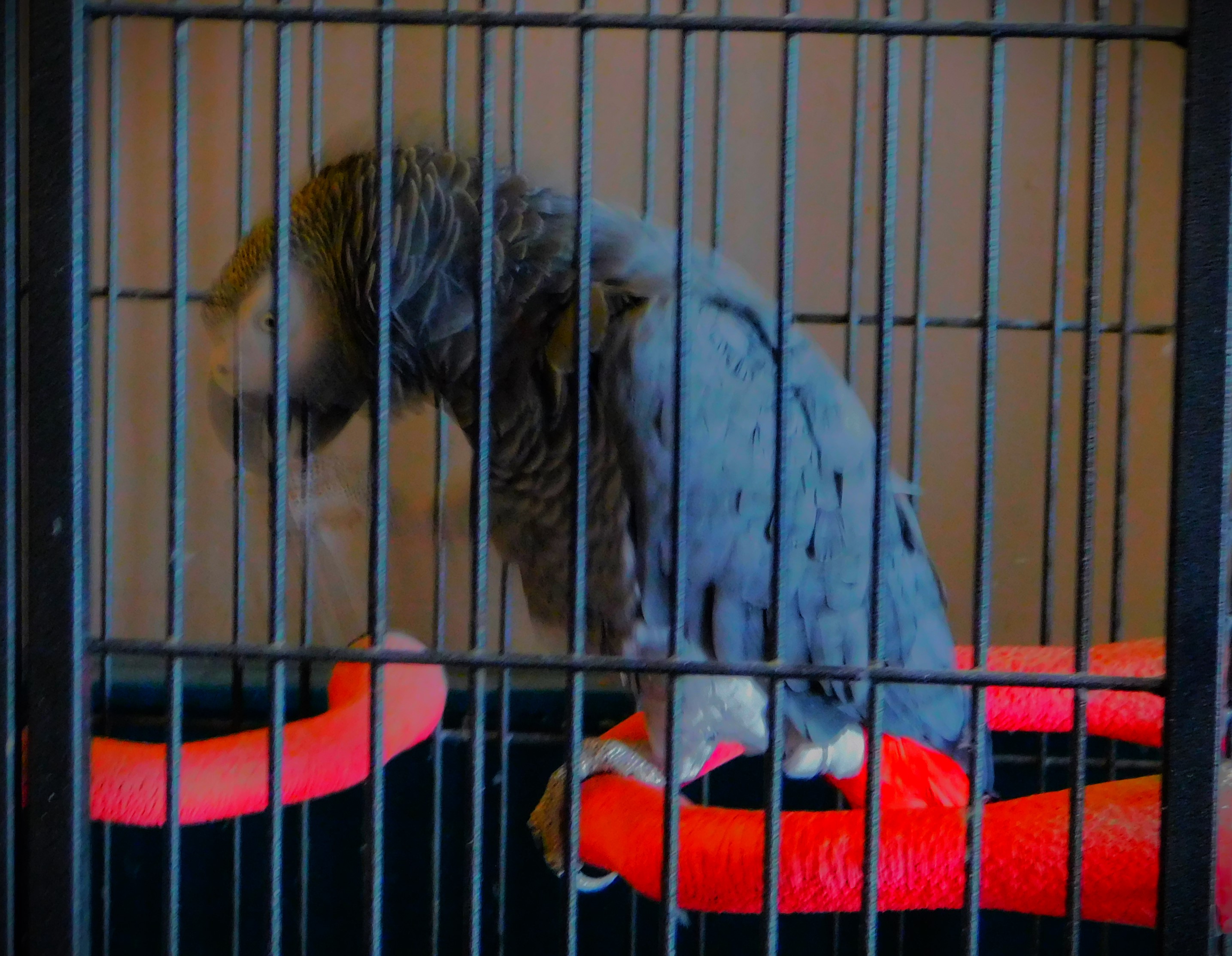
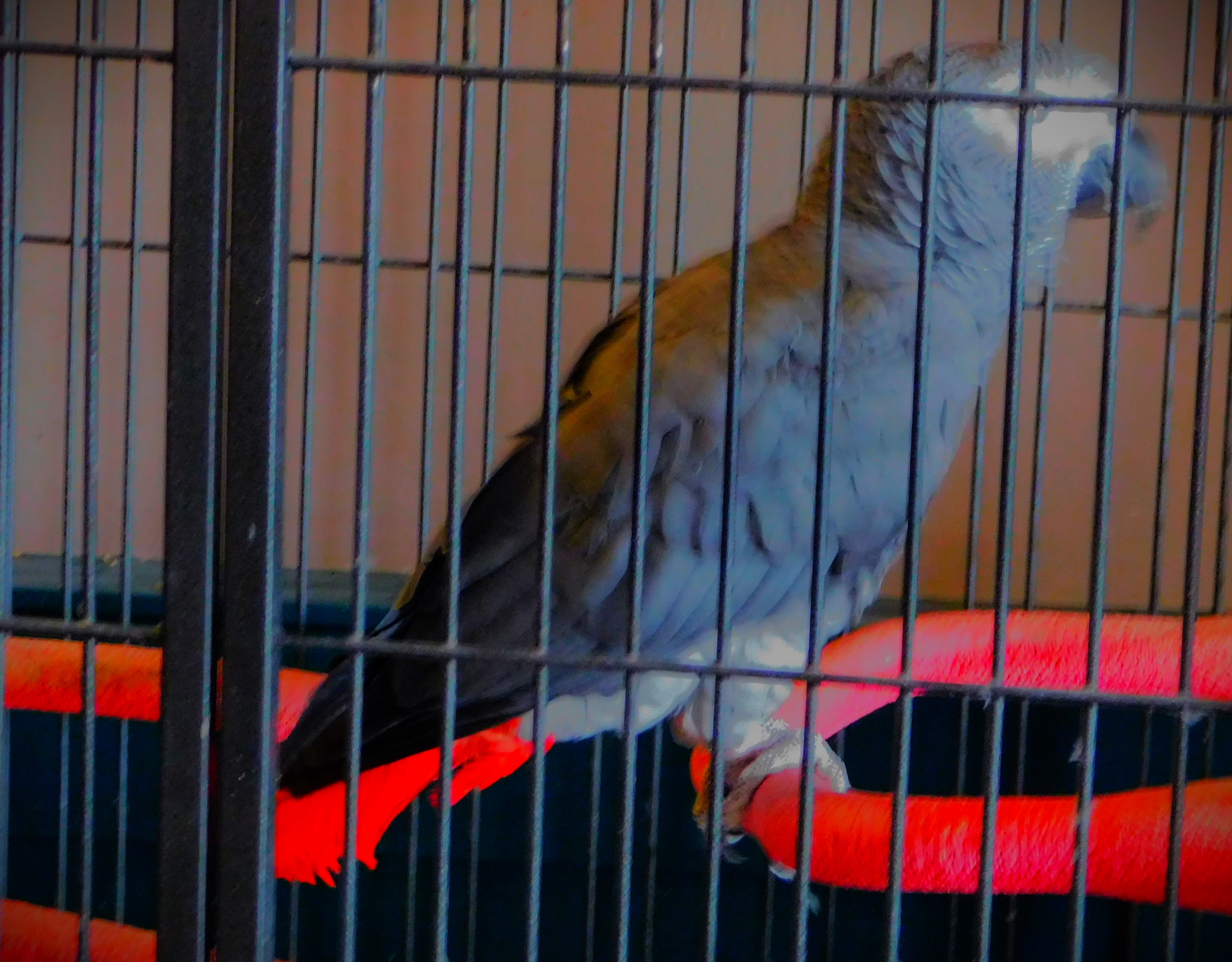
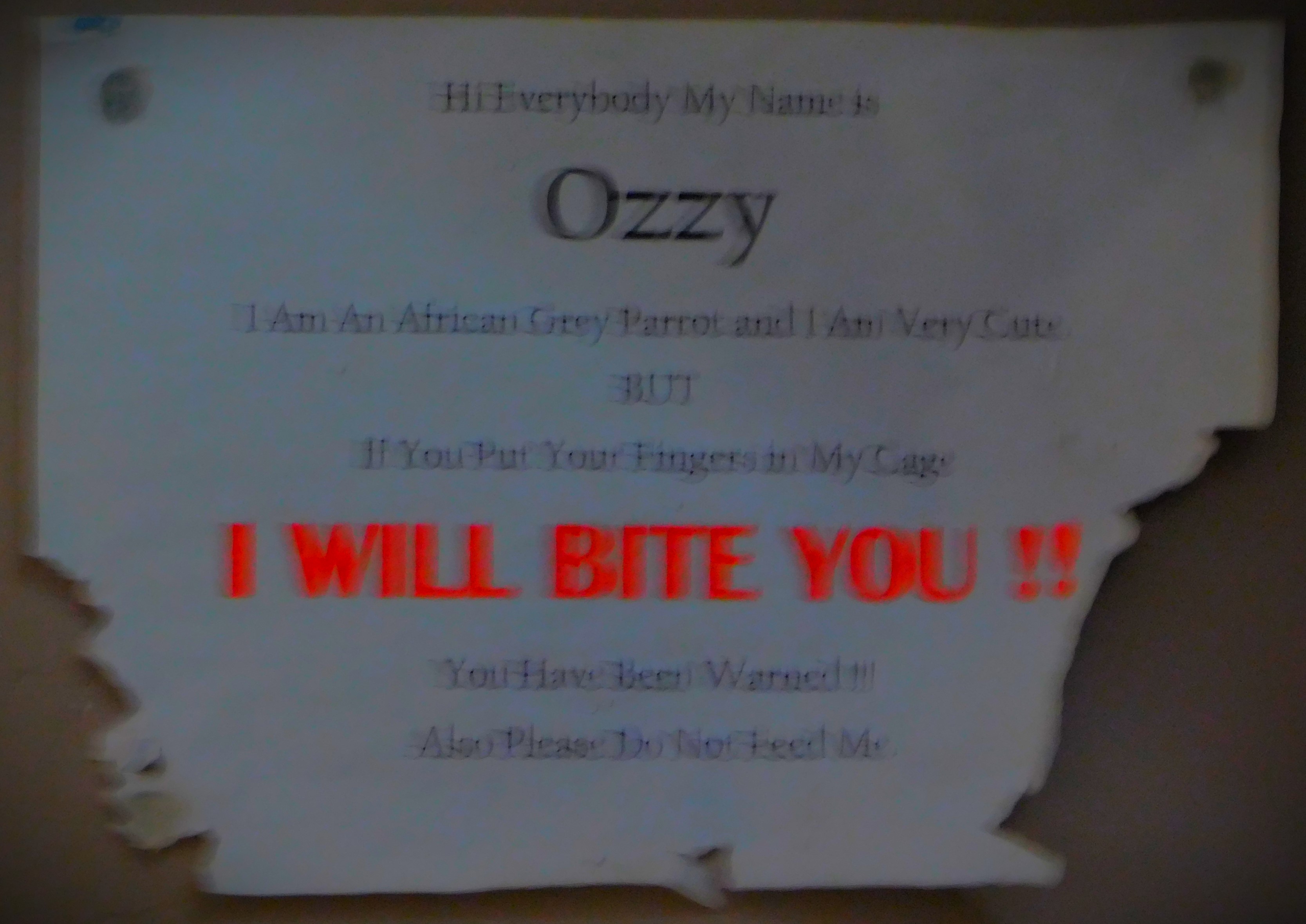
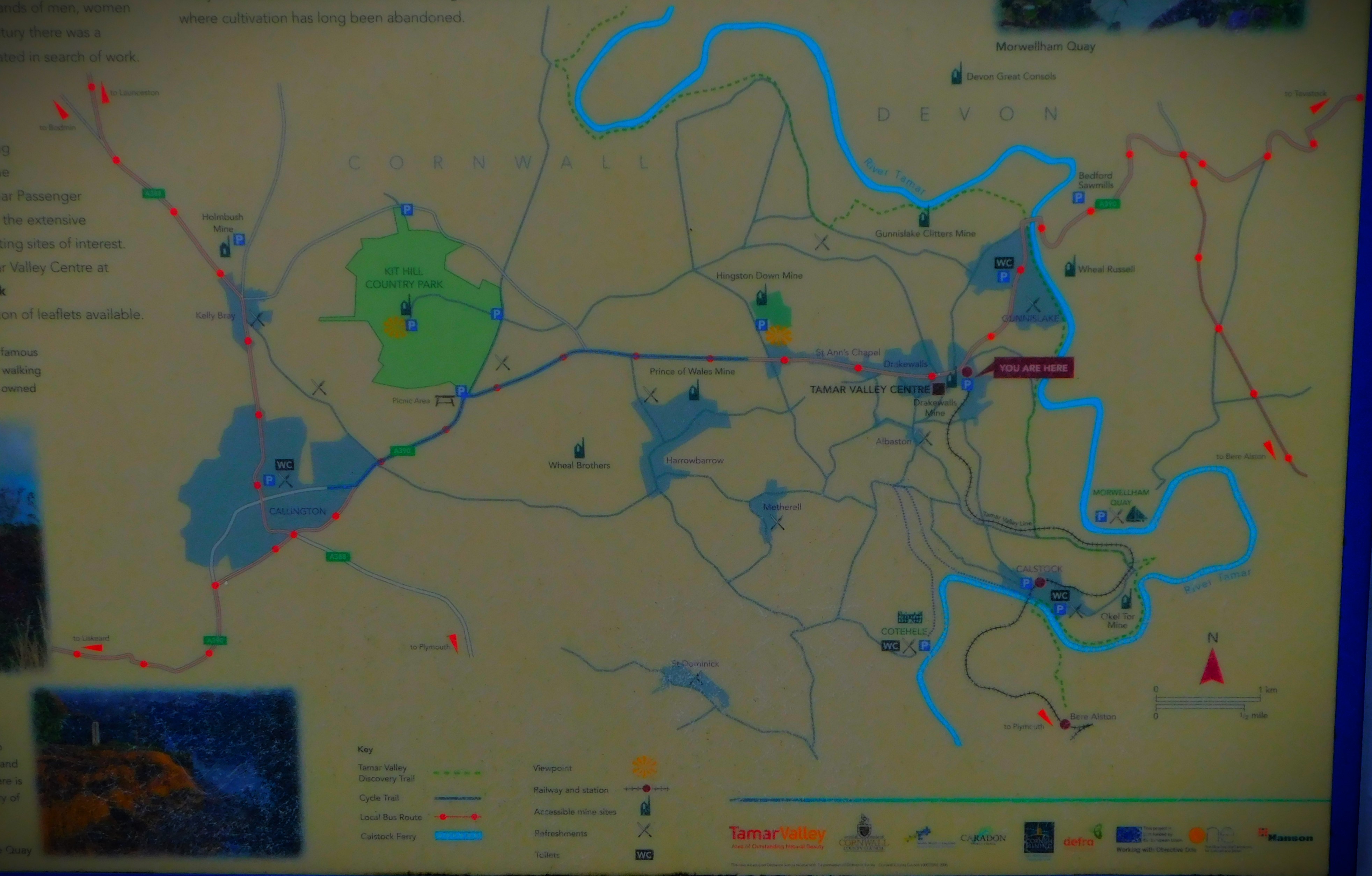
Gunnislake village is down a significant hill from Gunnislake station, and Tamar Valley is still further down (I did not venture right down into the valley). The Cornish Inn offered an acceptable pint, and also a view of what I suspect to be Gunnislake’s most intriguing resident, an African Grey Parrot named Ozzy, complete with warning notice written from his perspective.
THE RETURN JOURNEY
It was sufficiently warm that I removed my jumper while in Gunnislake. The train (a two coach crawler, and fairly basic, though less spartan than the laughably misnamed ‘sprinters’ that used to do the Sheffield to Barnsley run when I lived in that part of the world) was due to depart at 15:14, and it actually did precisely that. The return run went well, and I made up for not having had many successful pictures on the outward run as you will see. I think that if I make a second excursion on this line at some point I will book to Bere Alston, walk from there to Bere Ferrers and pick up the return train at Bere Ferrers.
PHOTOGRAPHS
Here are the pictures I took yesterday…
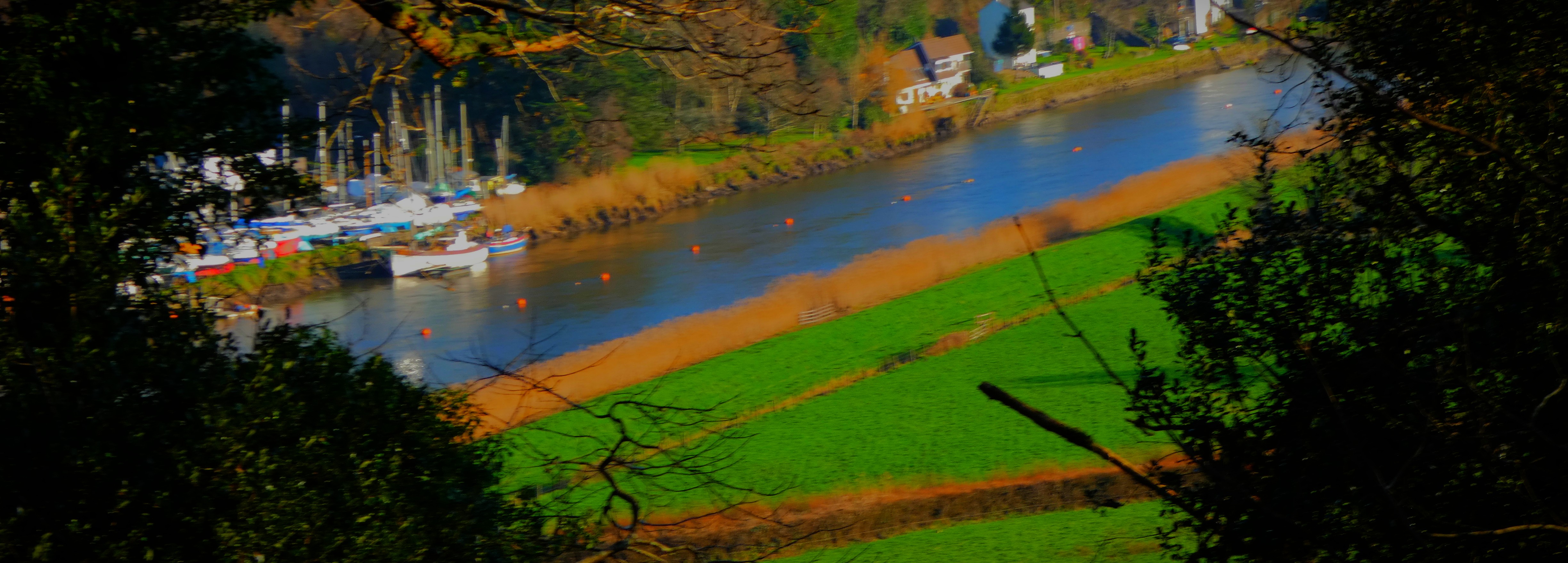
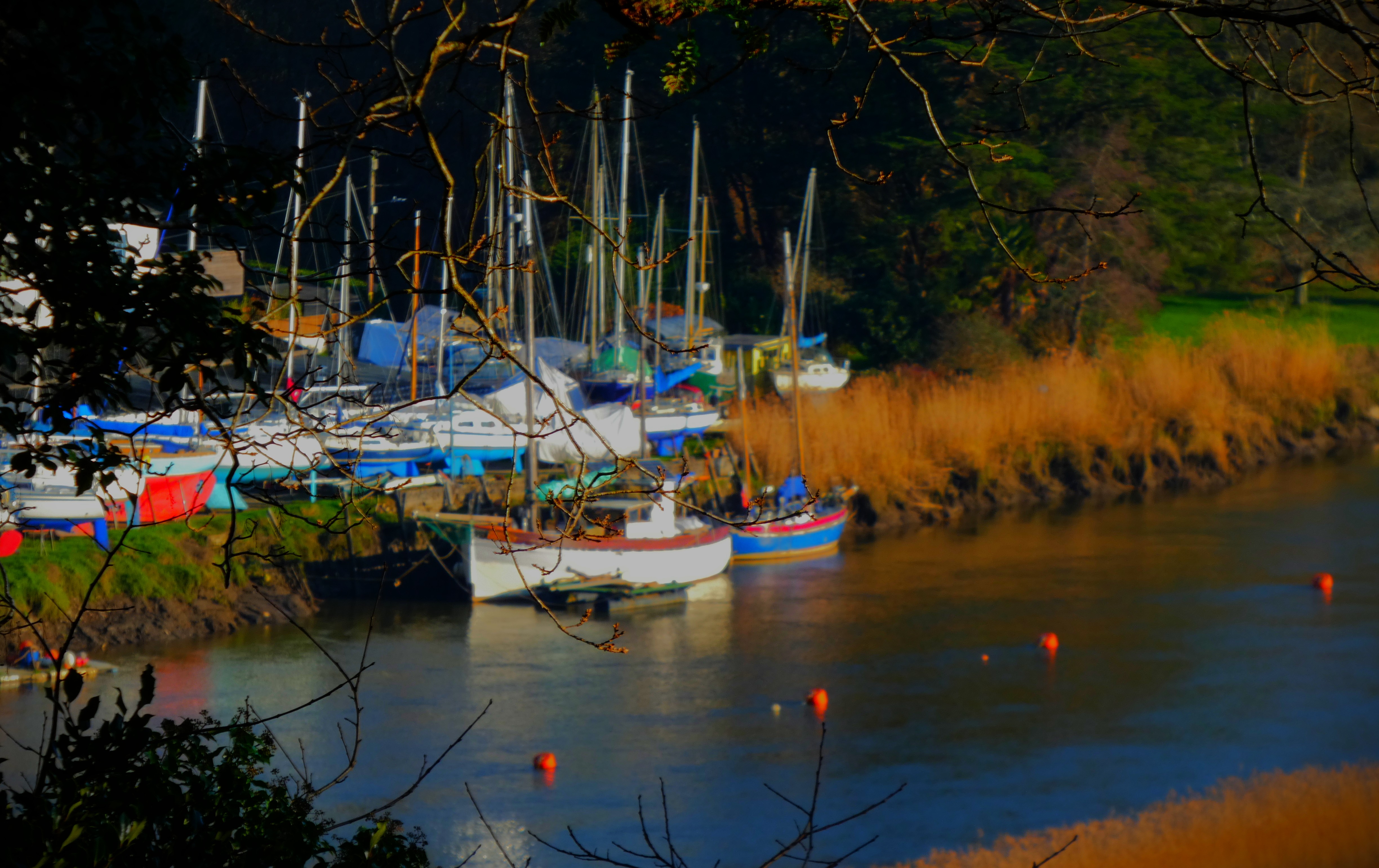
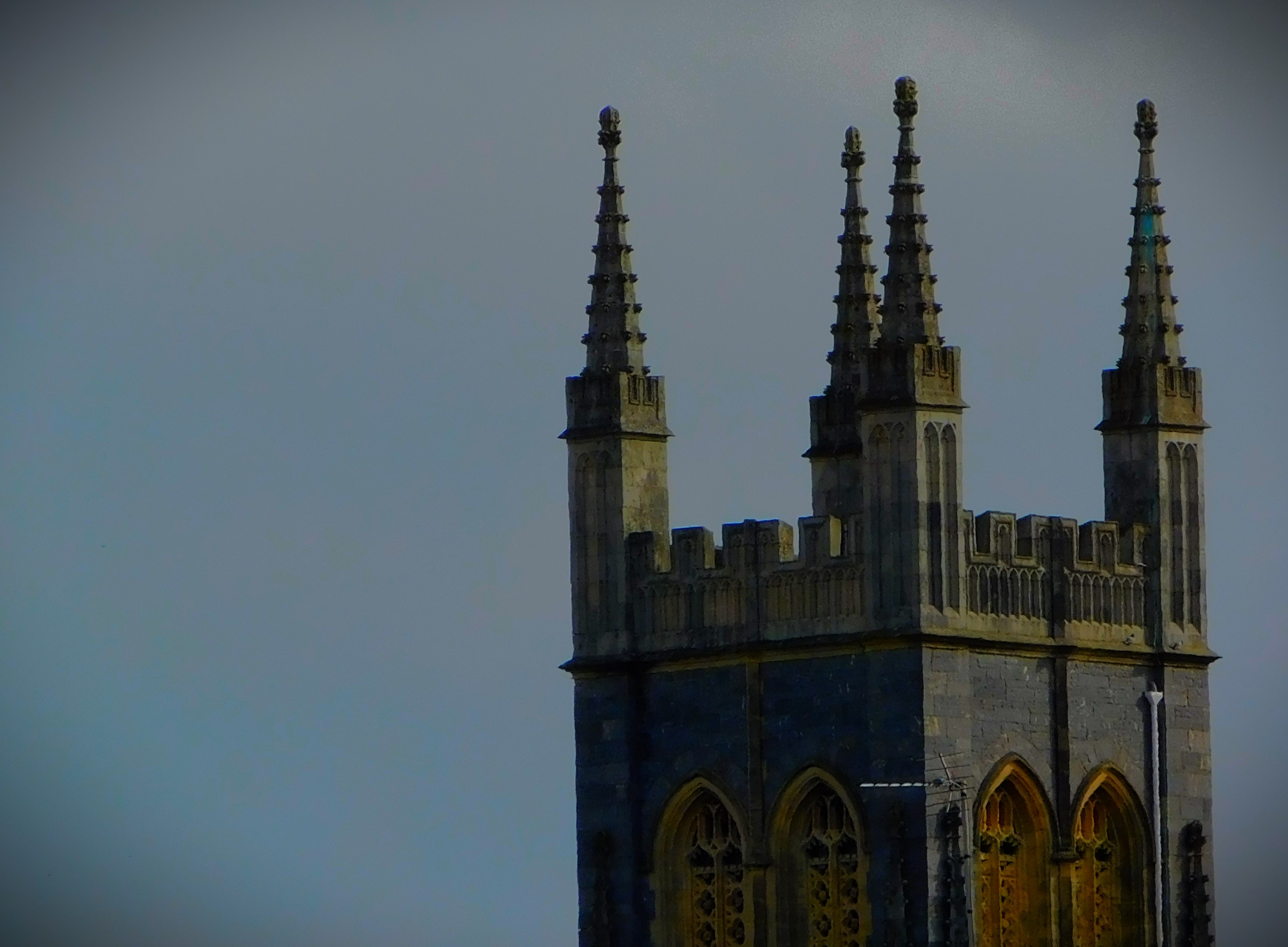
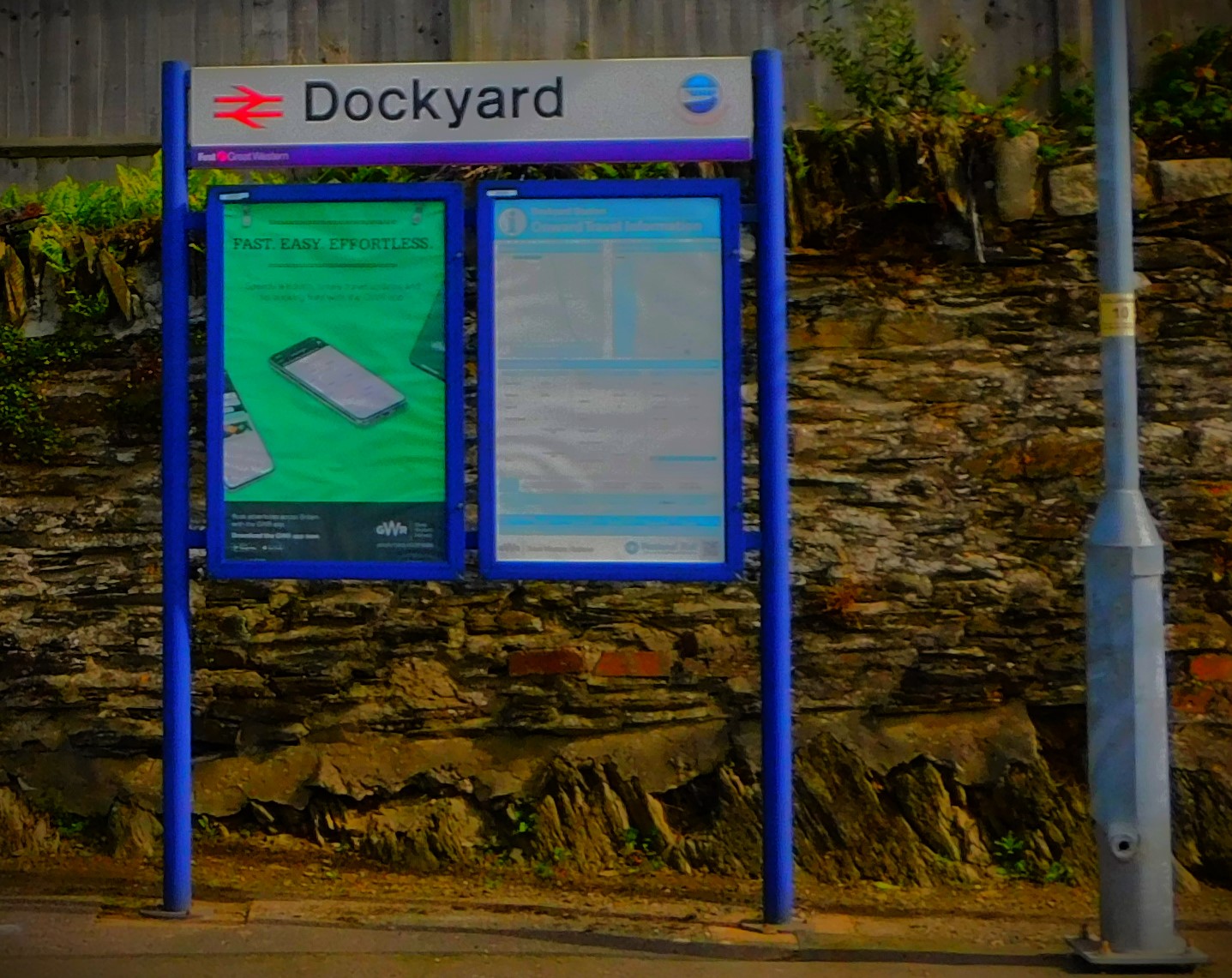
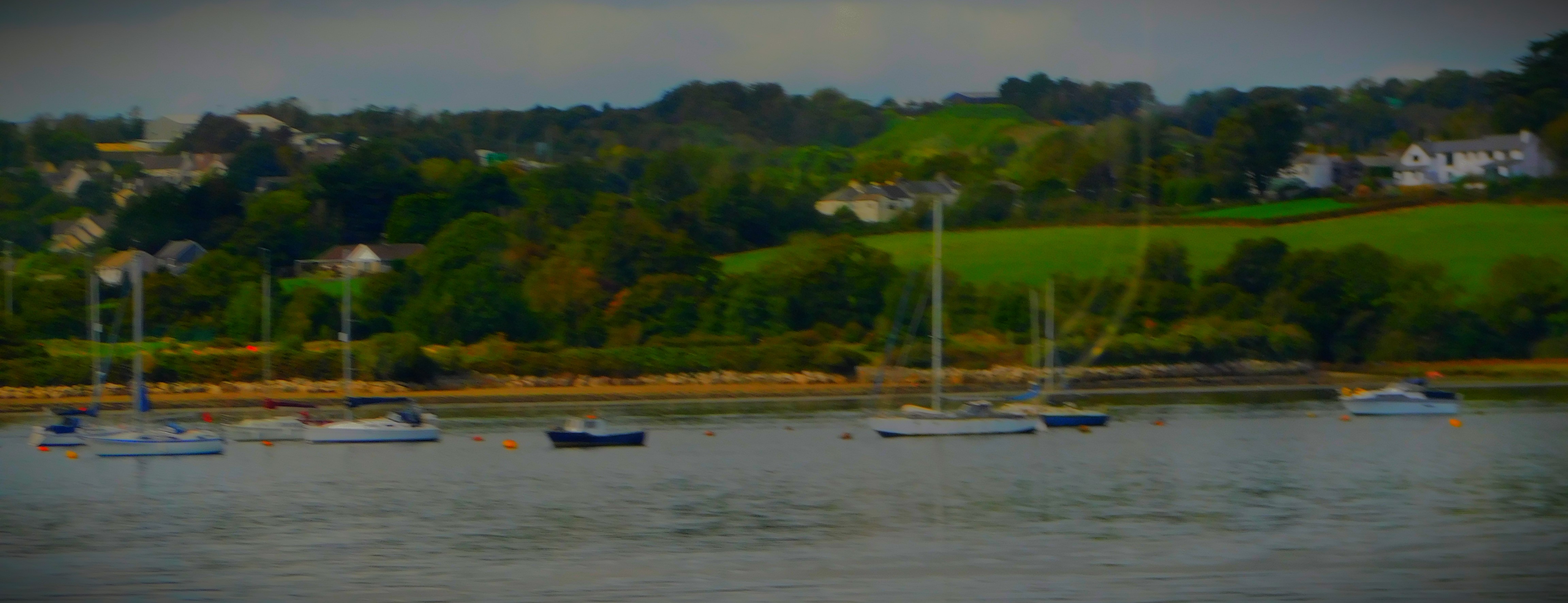
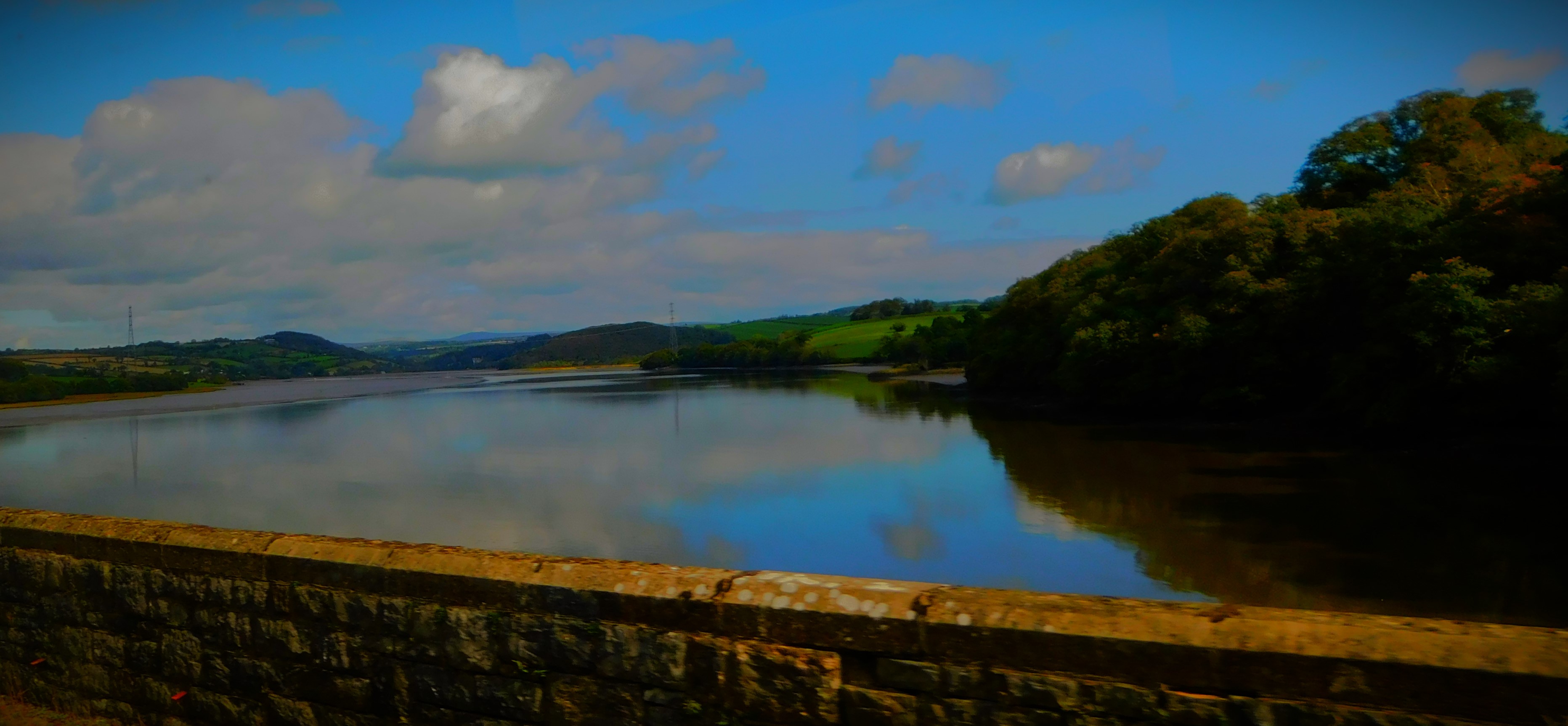
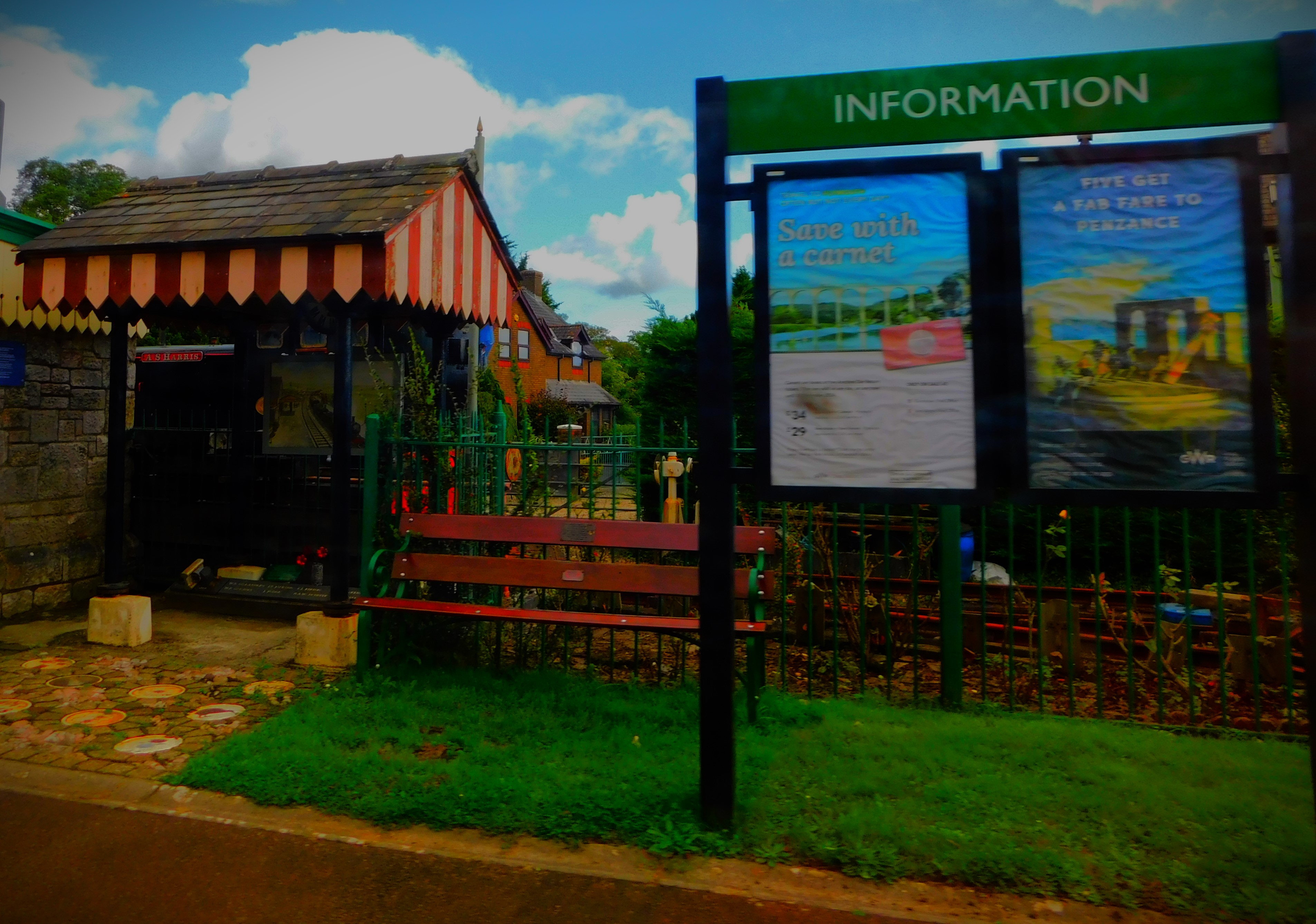
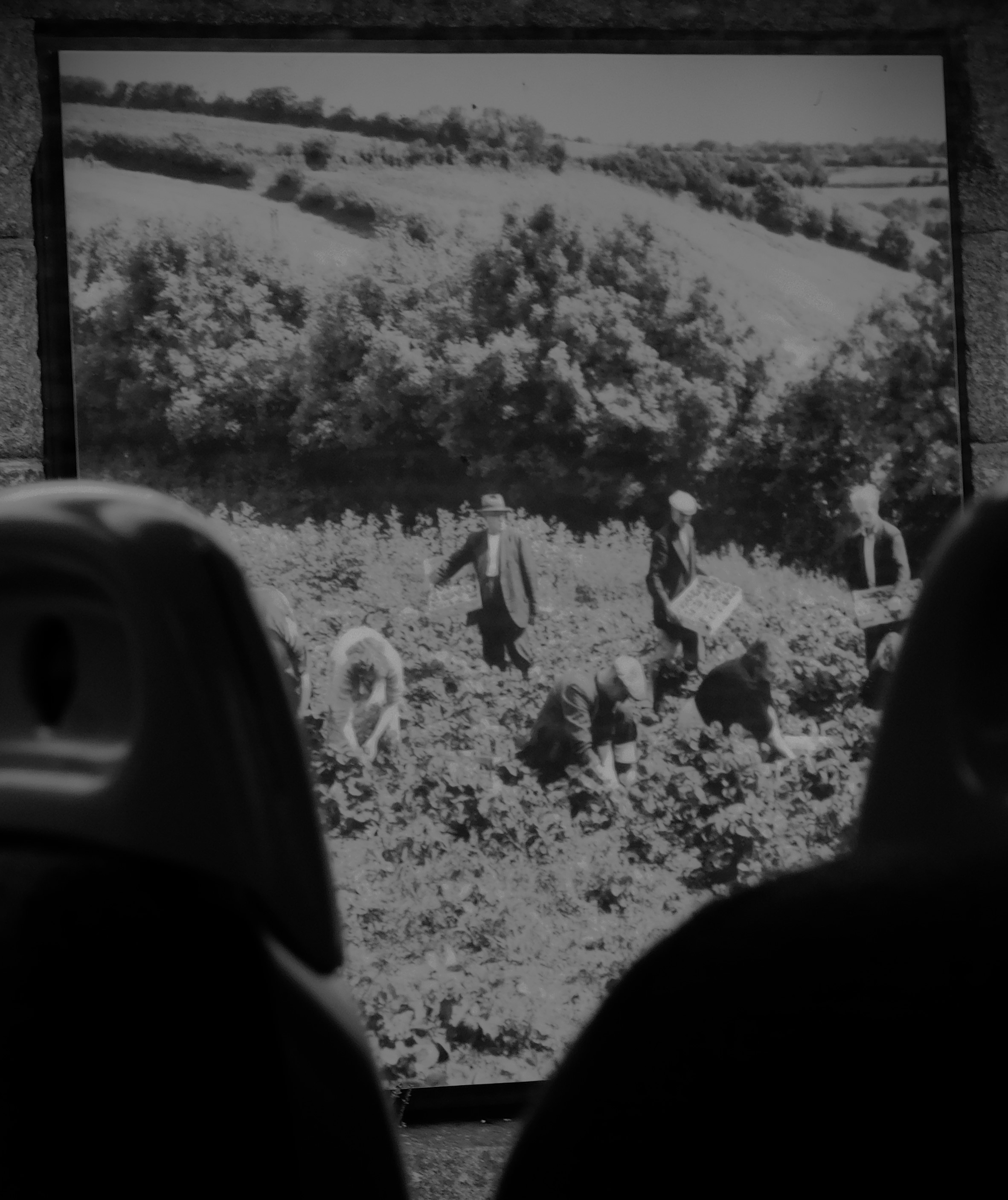
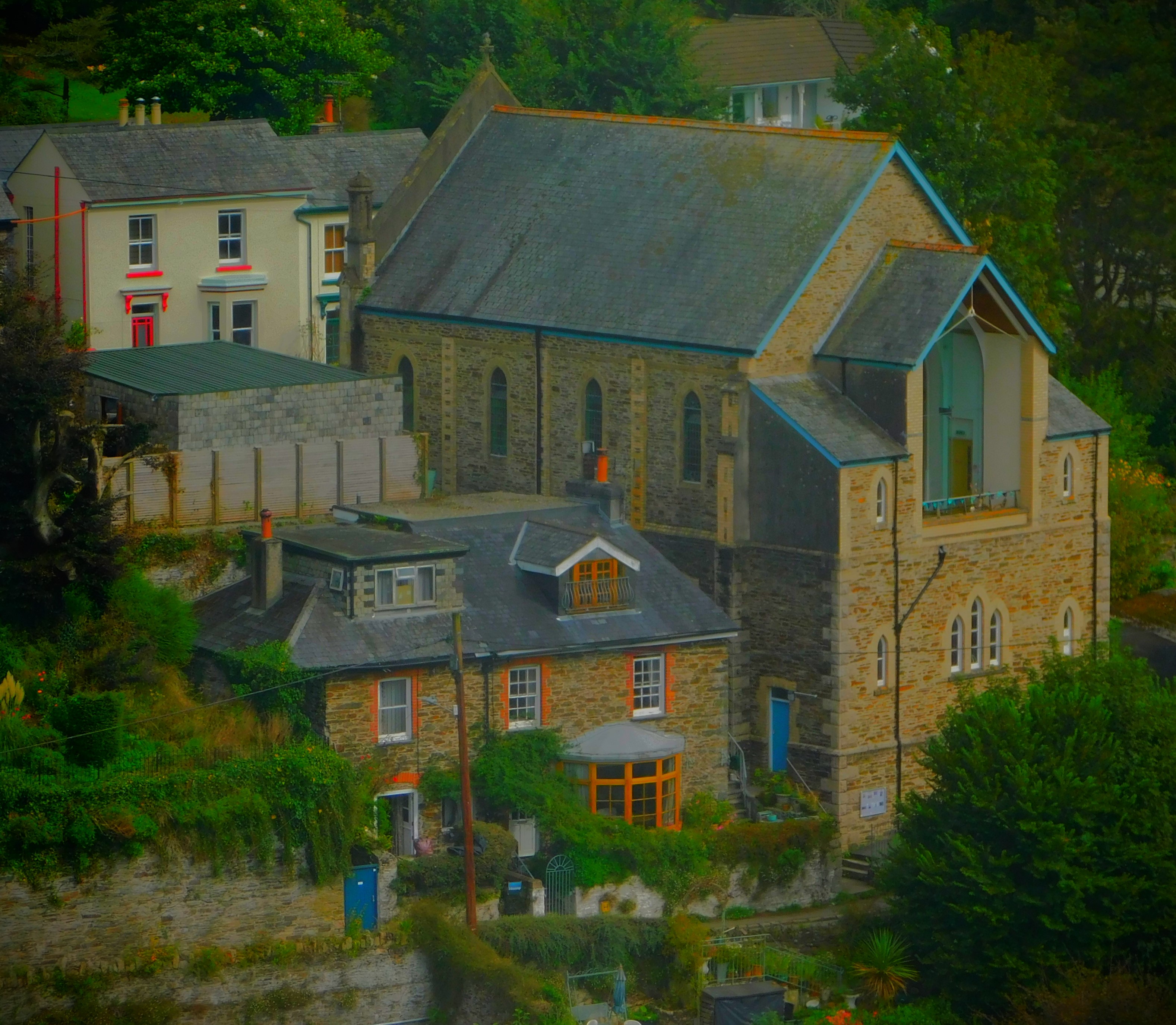
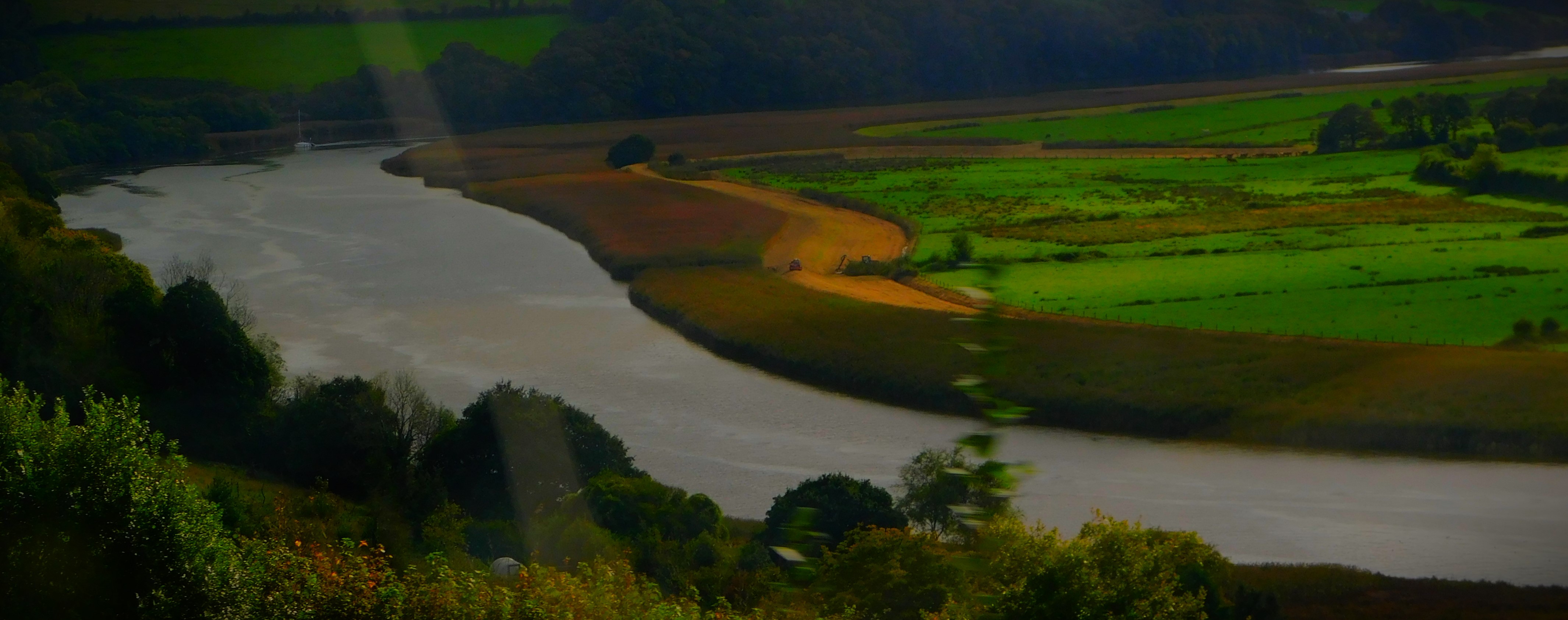
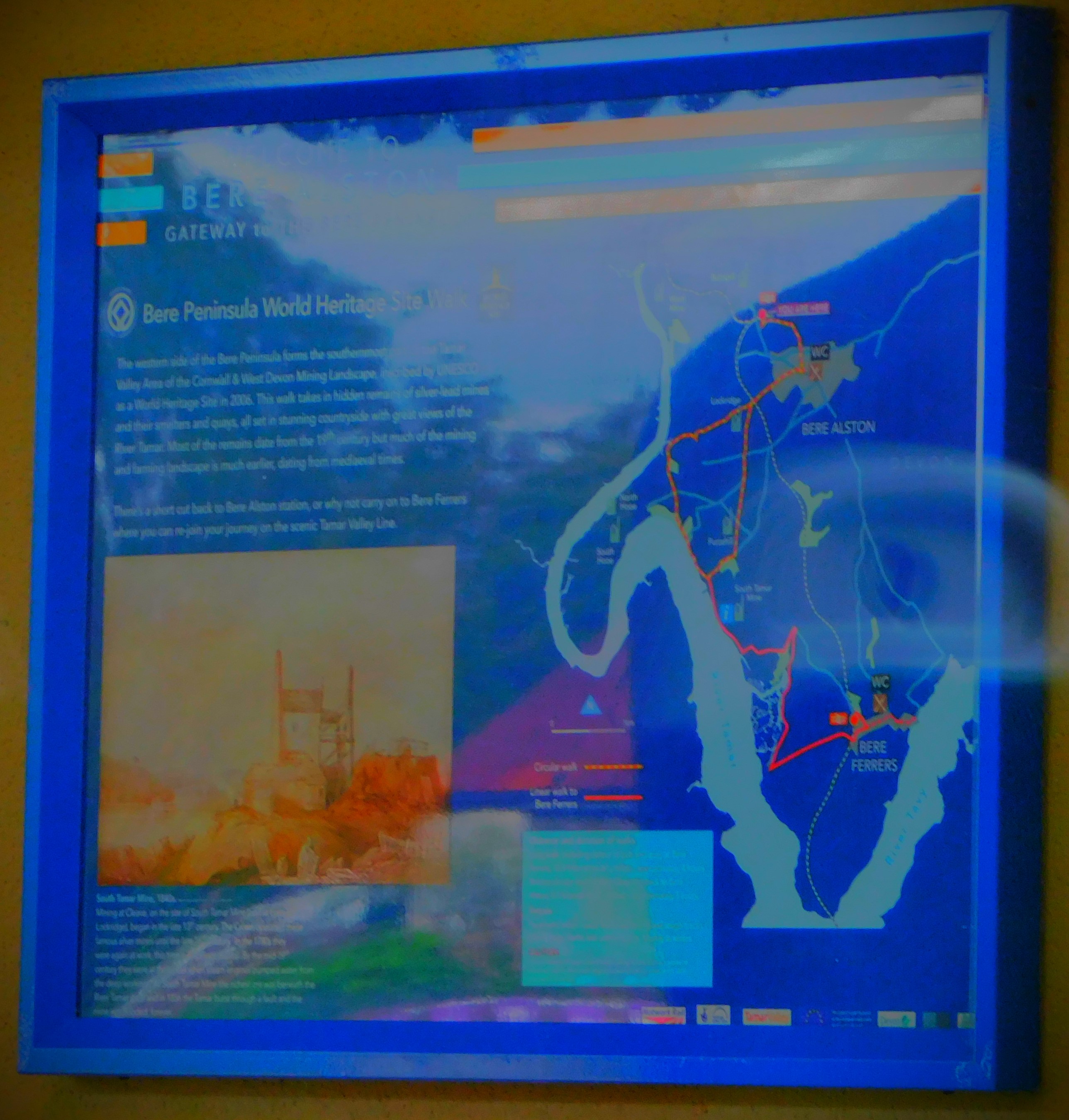
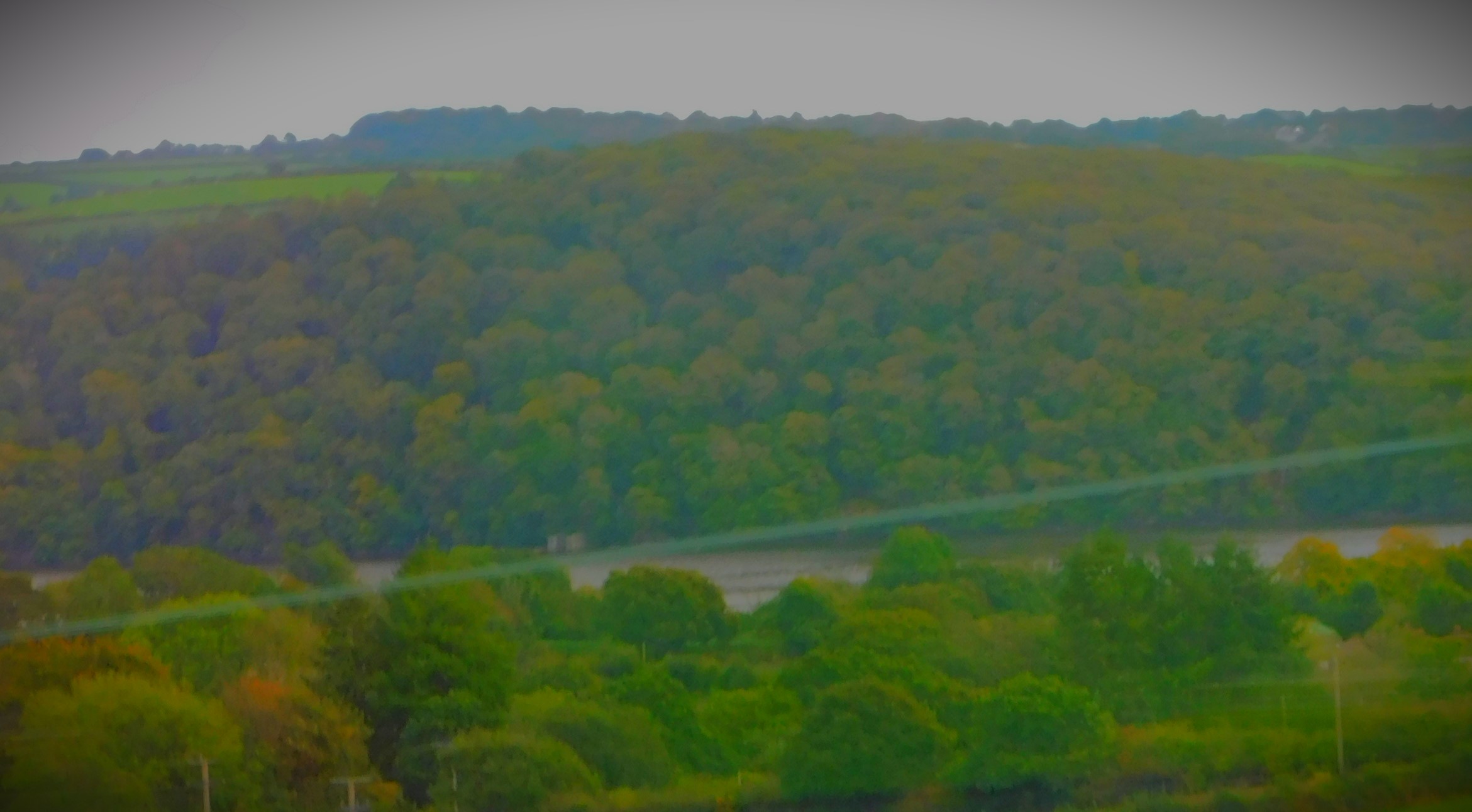
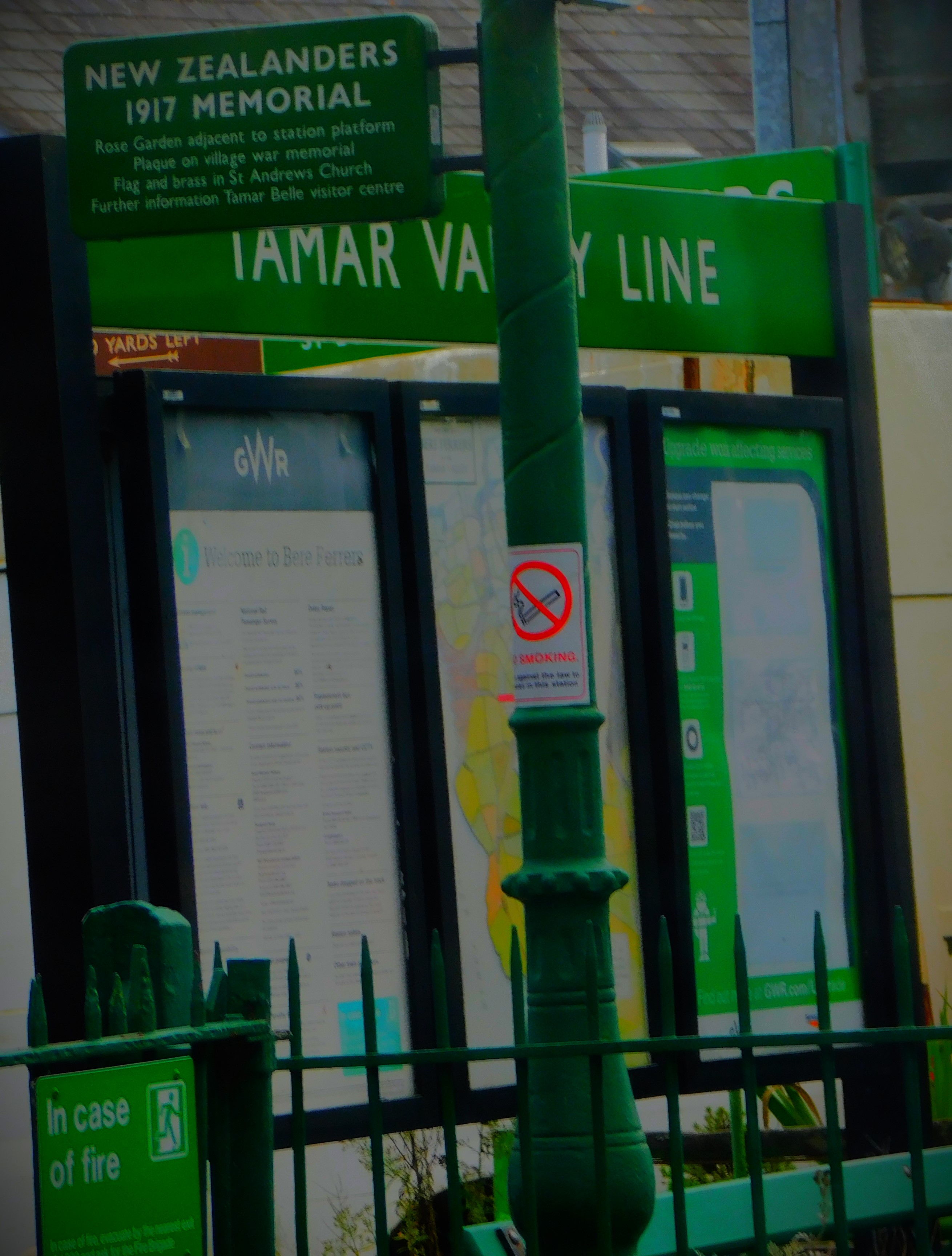
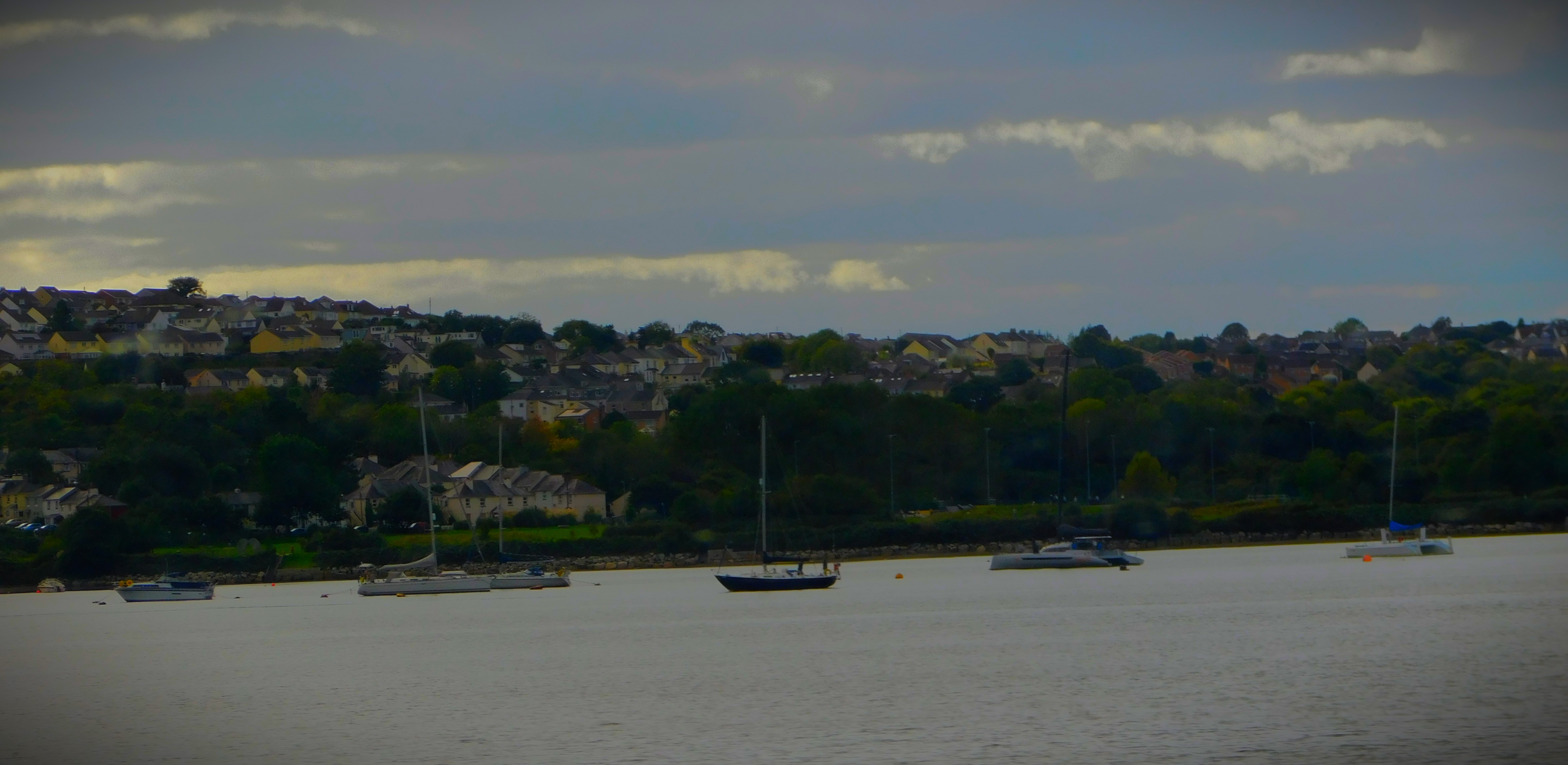
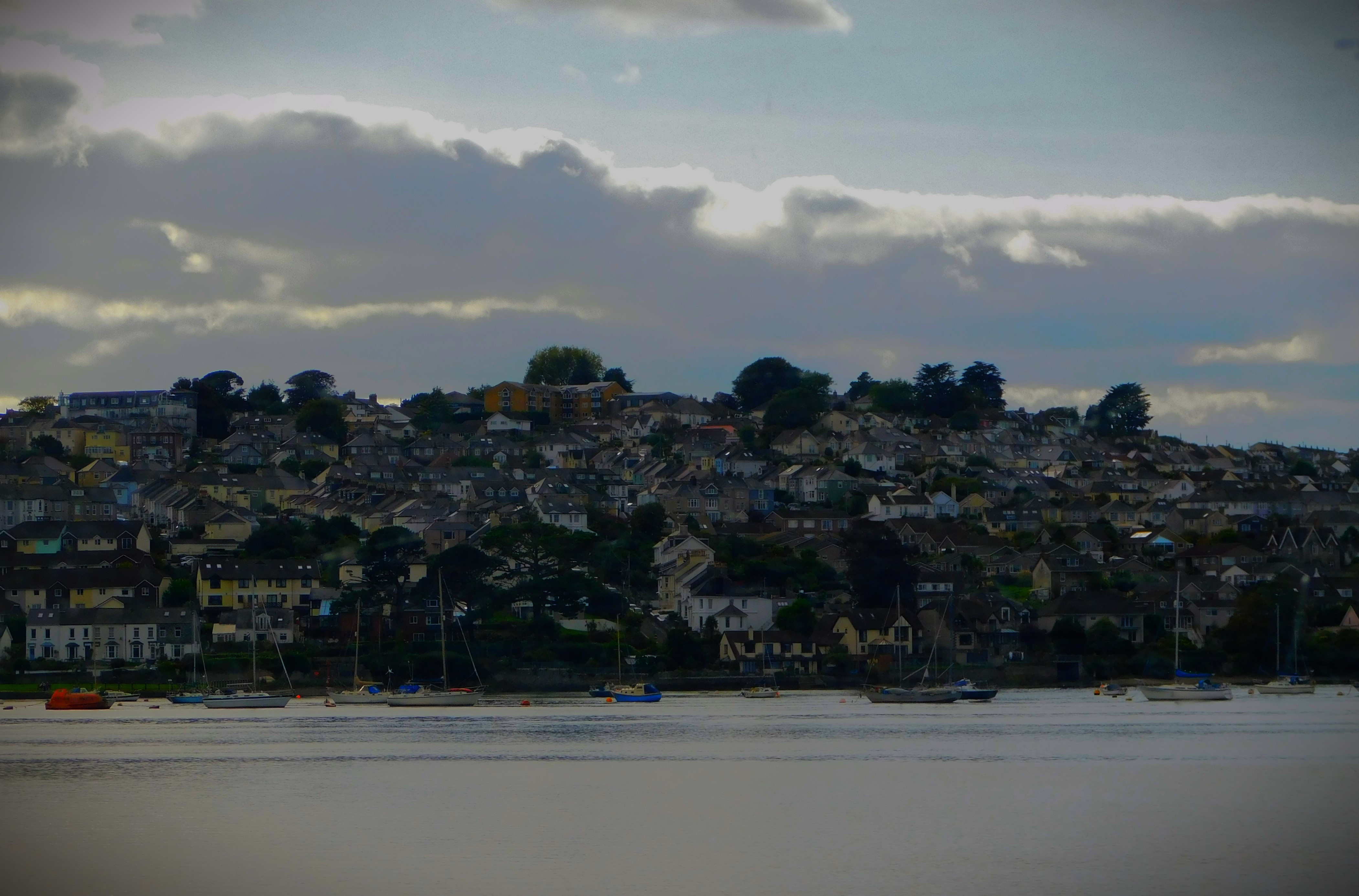
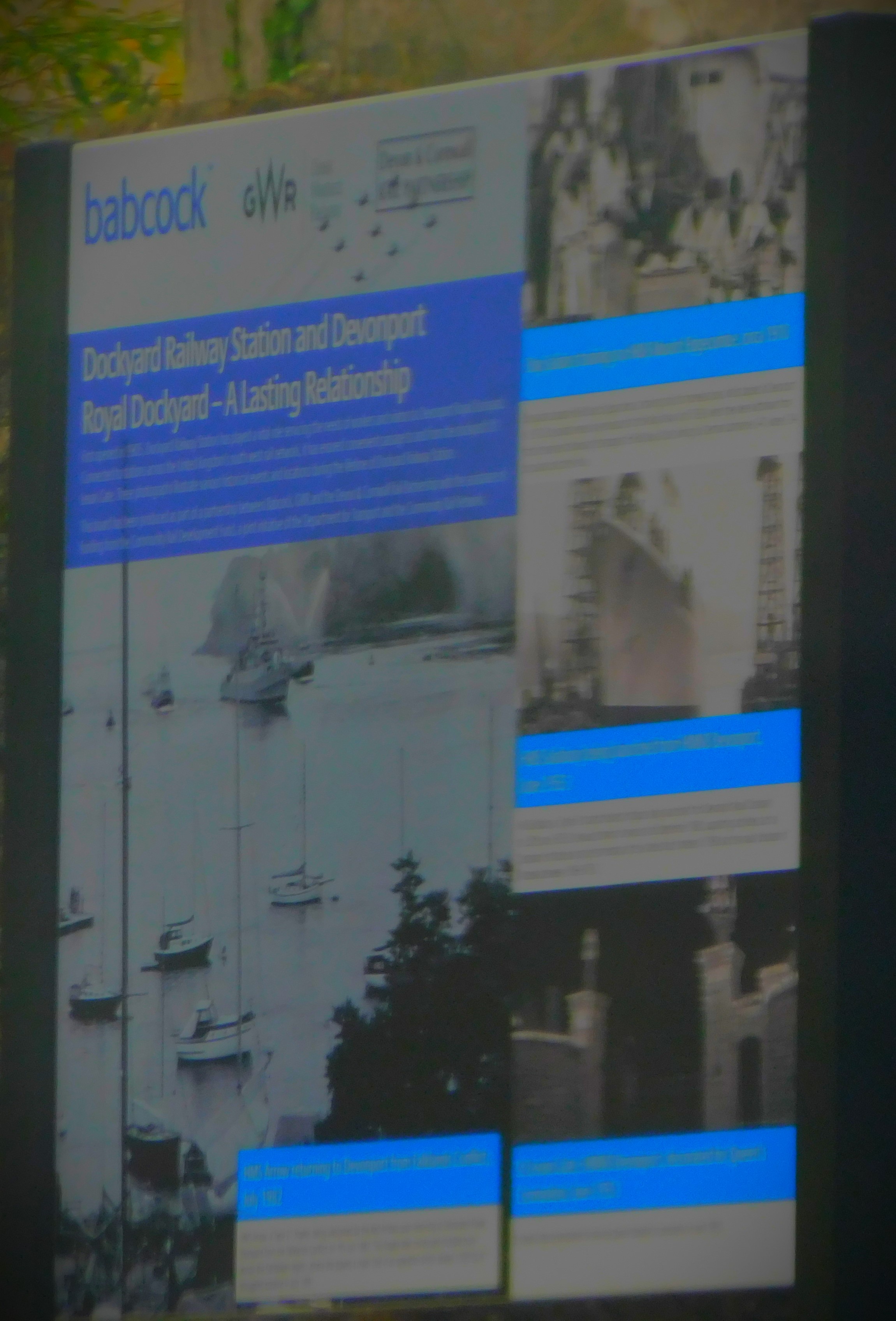
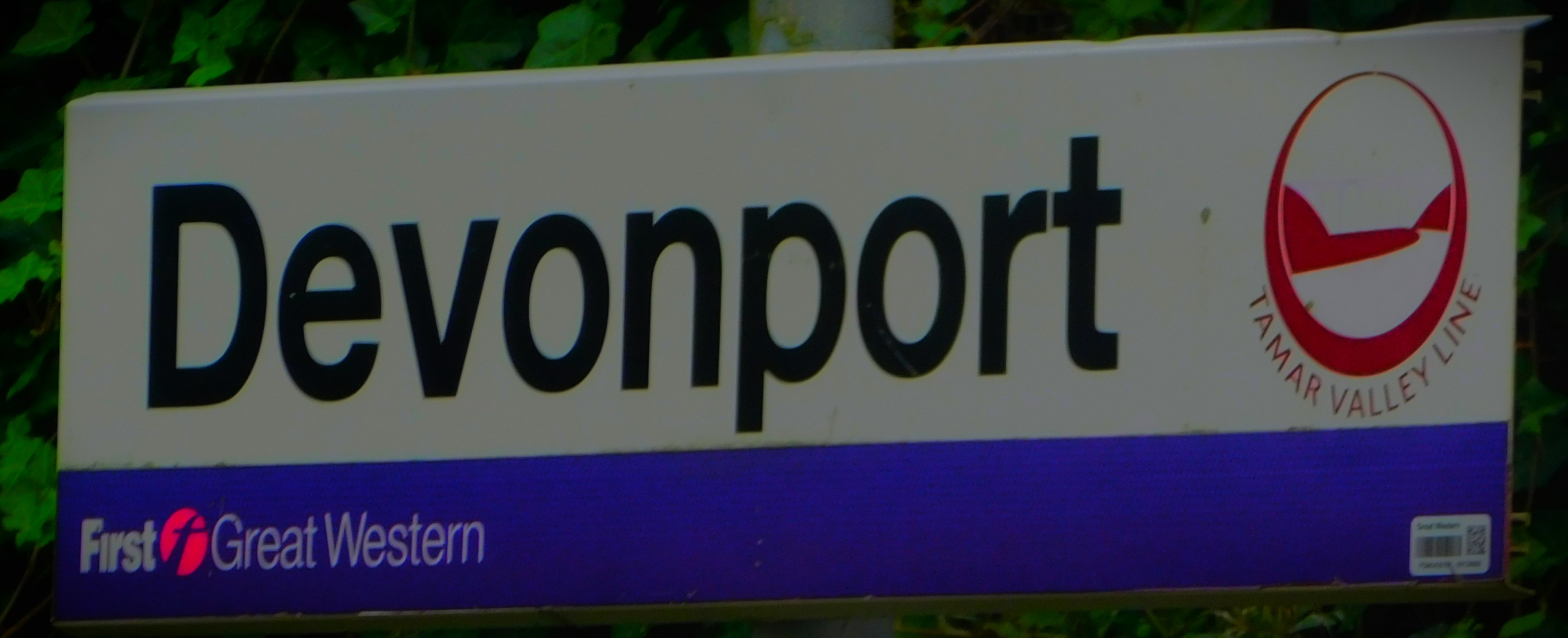
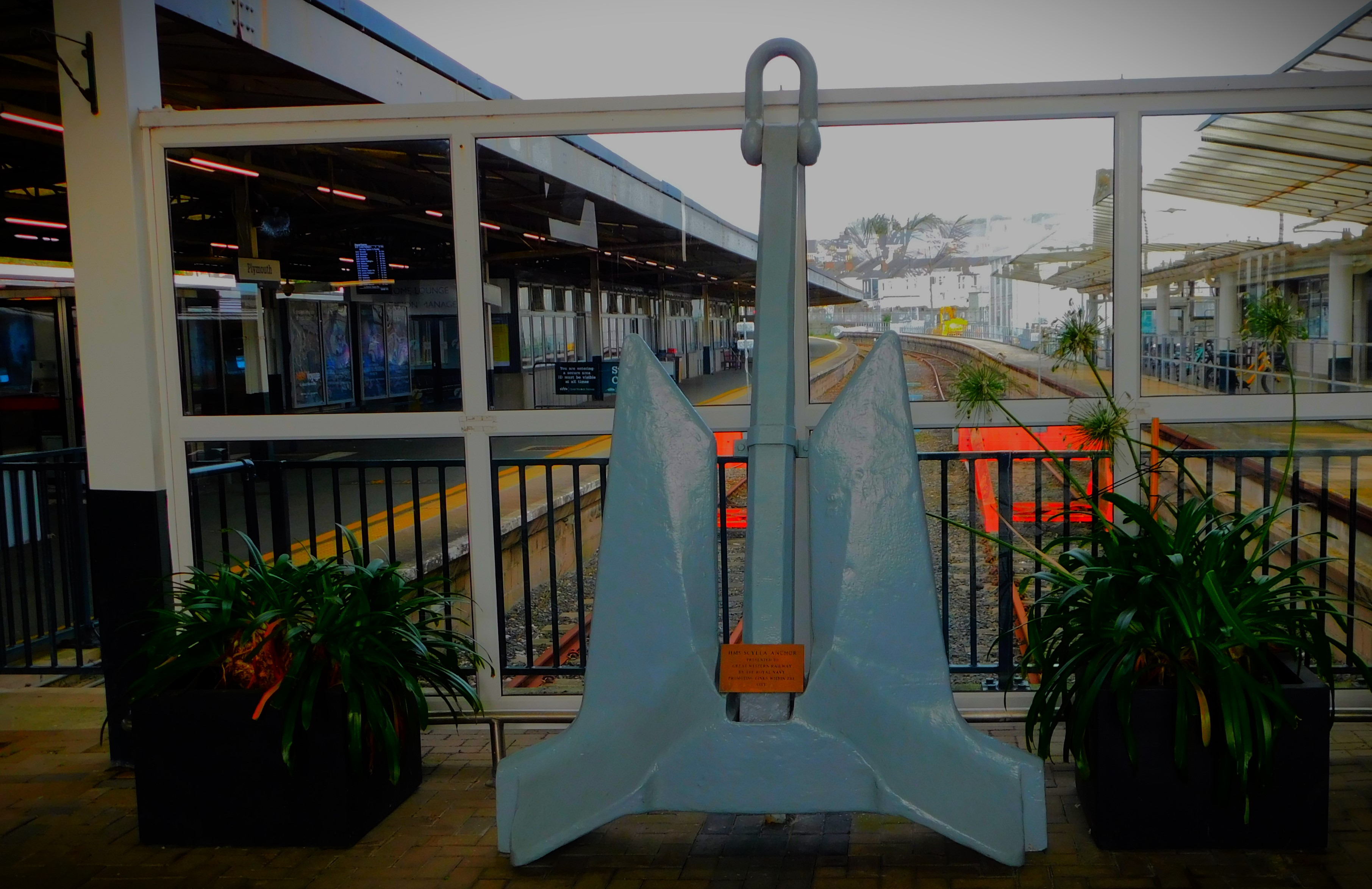
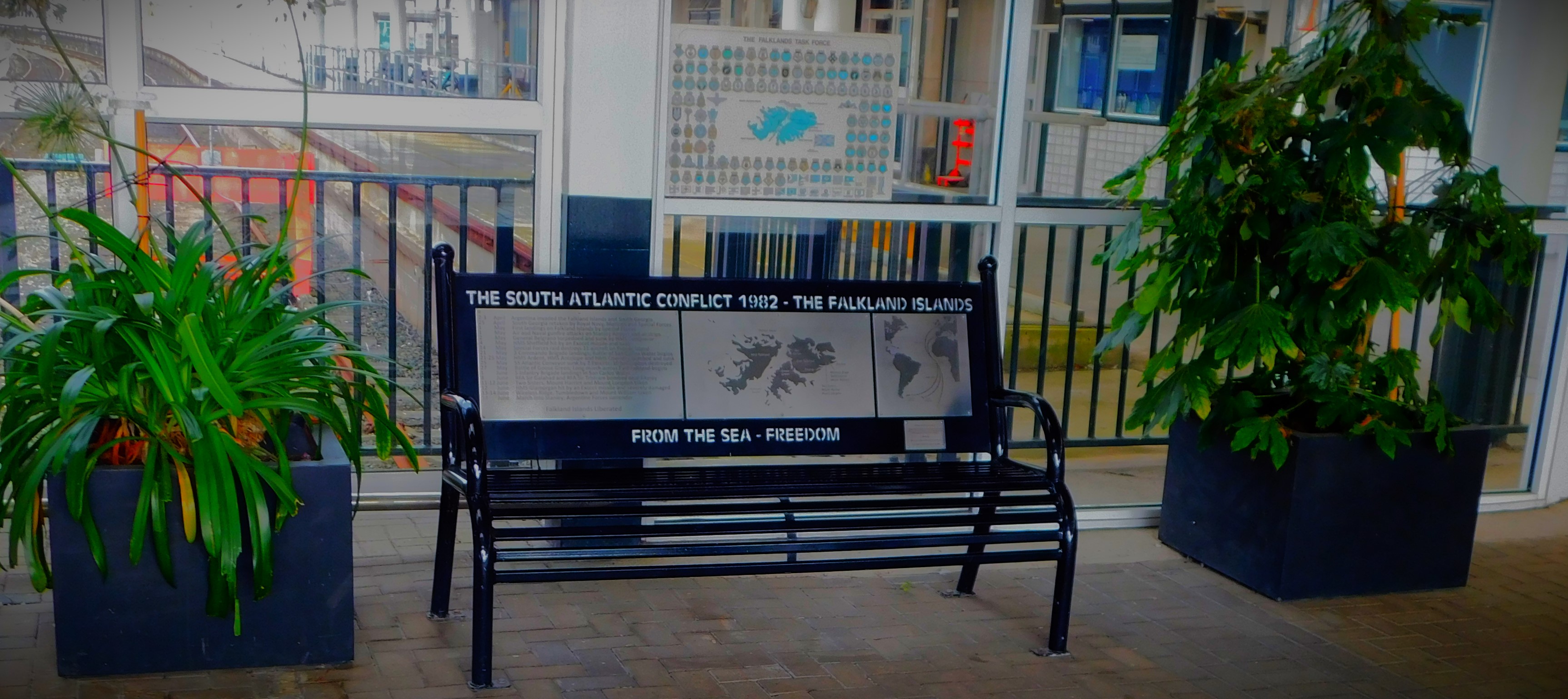
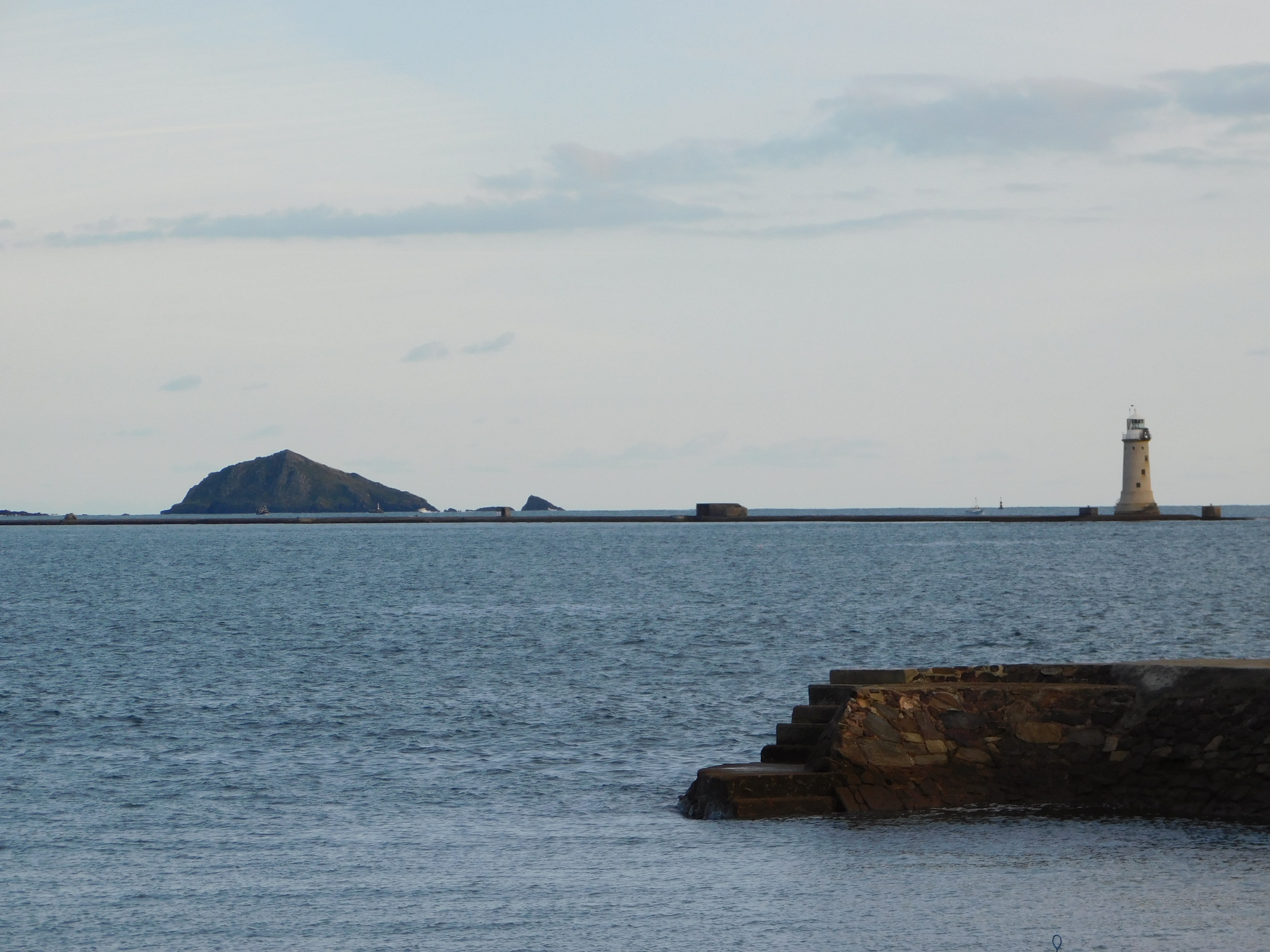
This one was taken through the window of my parentt’s apartment.A few pictures from Plymouth Station and its immediate environs.The Tamar Valley section of the gallery begins here.The view from Maker Heights on the way from Plymouth to Fort Picklecombe.The lighthouse mentioned in the introduction, taken from outside the fort yesterday.
An account of my journey from King’s Lynn to Plymouth yesterday, with a fine photo gallery.
I am in Cornwall, staying with my parents for a few days. I travelled down yesterday, and that journey will be the subject of this post.
KING’S LYNN TO LONDON
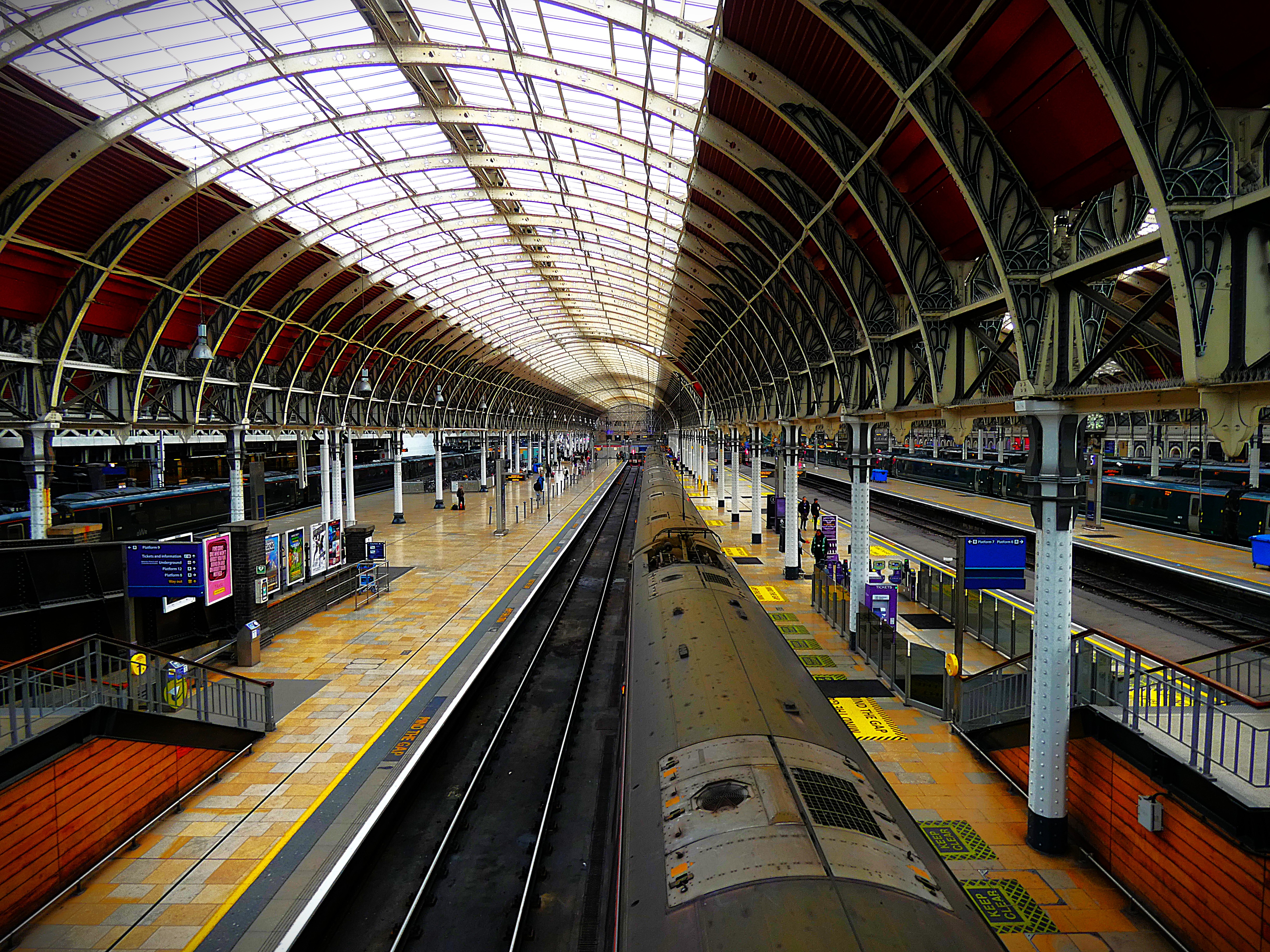
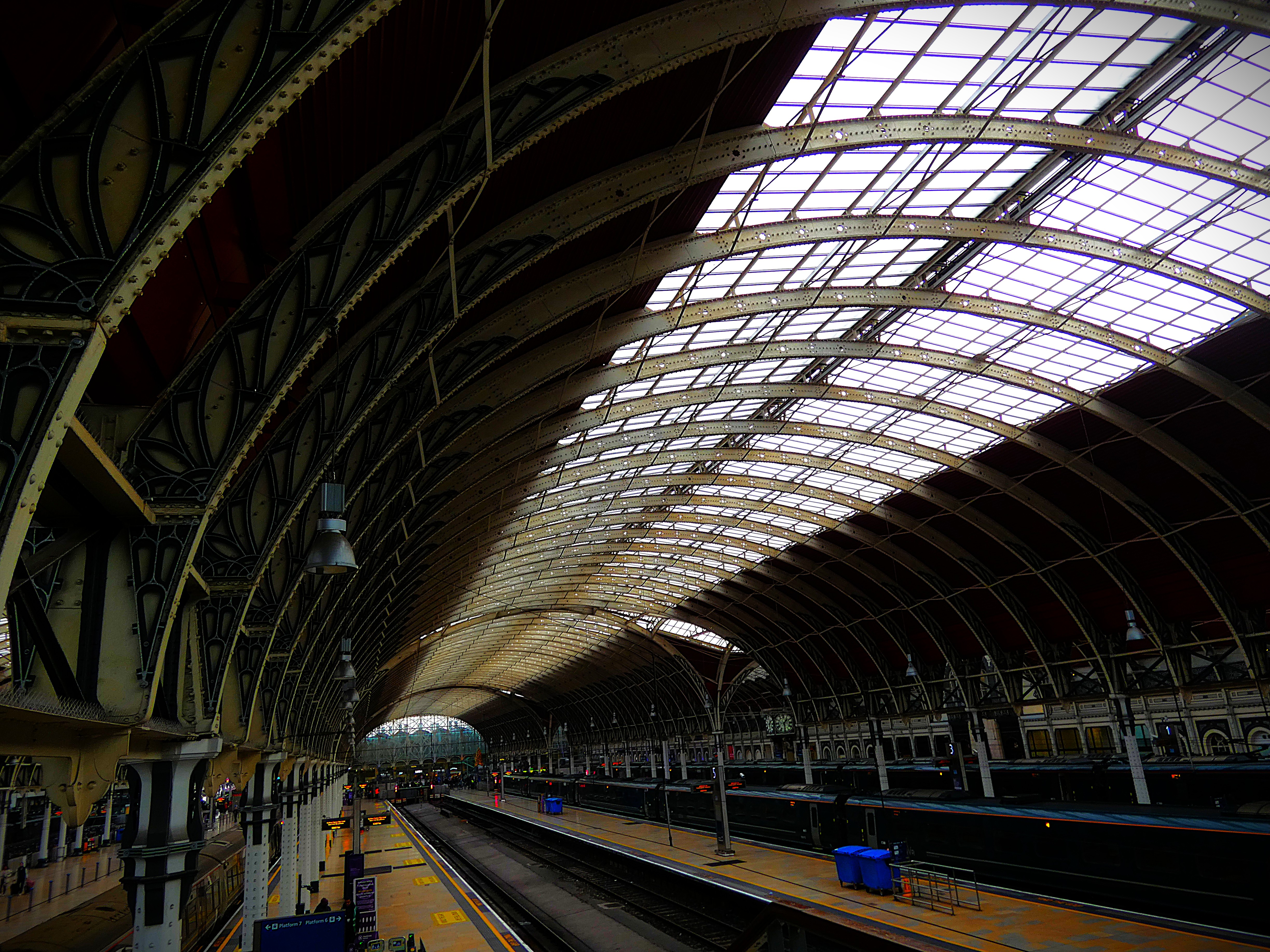
I was booked on later trains than I would have liked – leaving Lynn on the 1:42Pm and arriving into Plymouth where my parents would be meeting me at 8:13PM. I set off from my home in North Lynn an hour before the train was due to depart from King’s Lynn, and was on the platform with huge amounts of time to spare. The train suffered a couple of minor delays en route to London but I still had over 50 minutes to get from King’s Cross to Paddington. I arrived at Paddington half an hour before the train to Plymouth was due to depart, but it took a long time for the platform information to be confirmed, and I had only a few minutes to make my way to my seat by the time that happened.
PADDINGTON TO PLYMOUTH
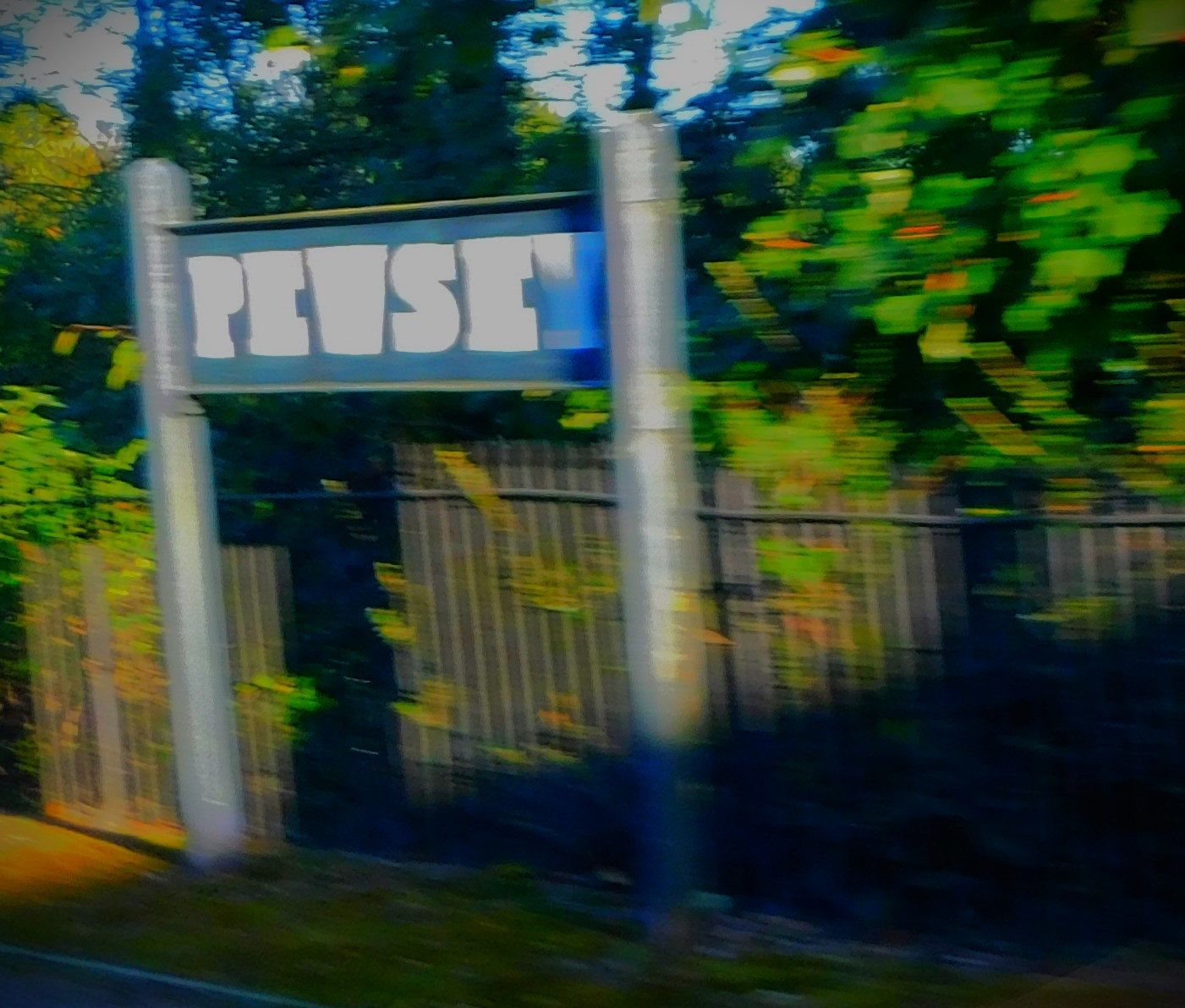
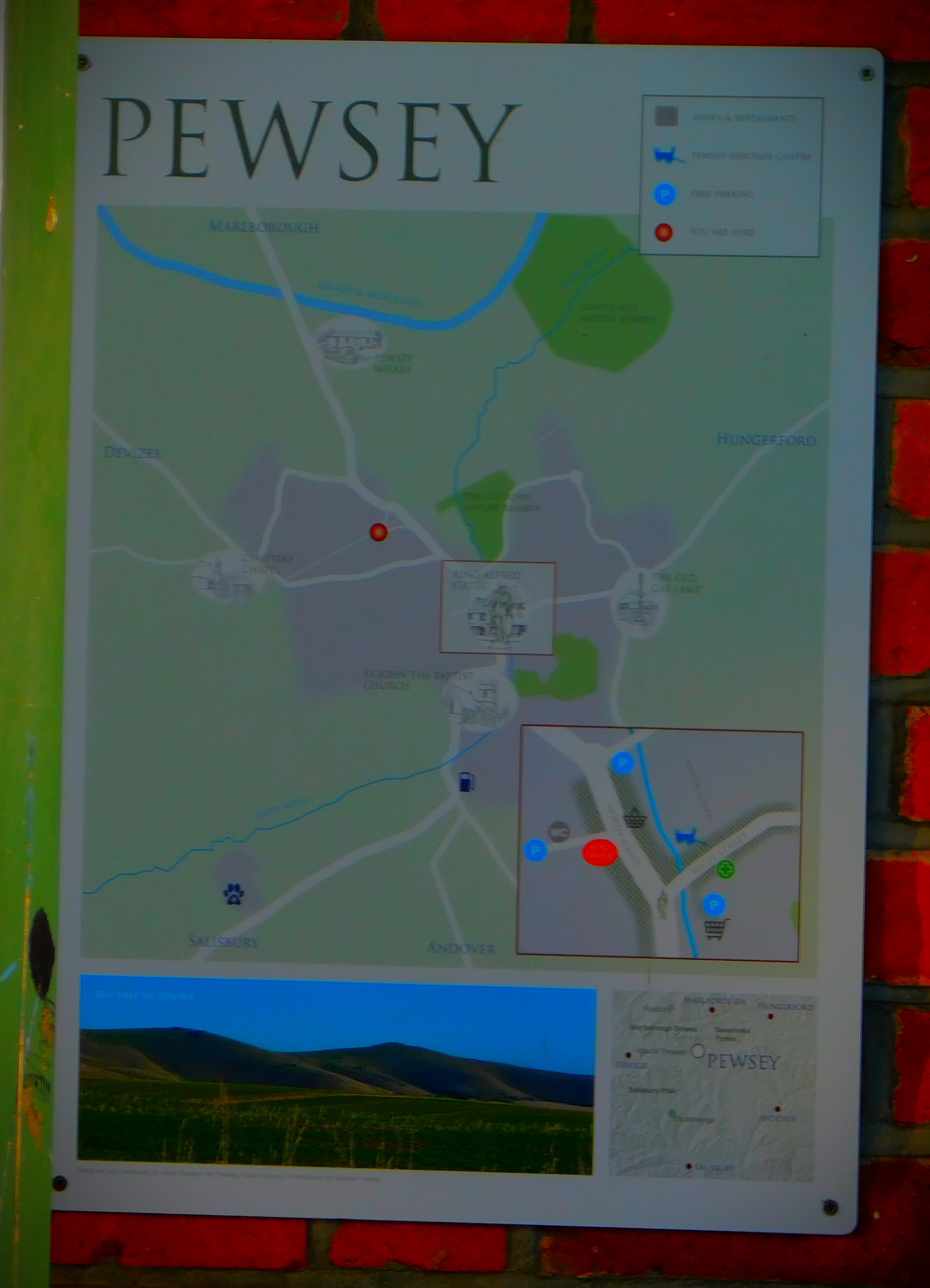
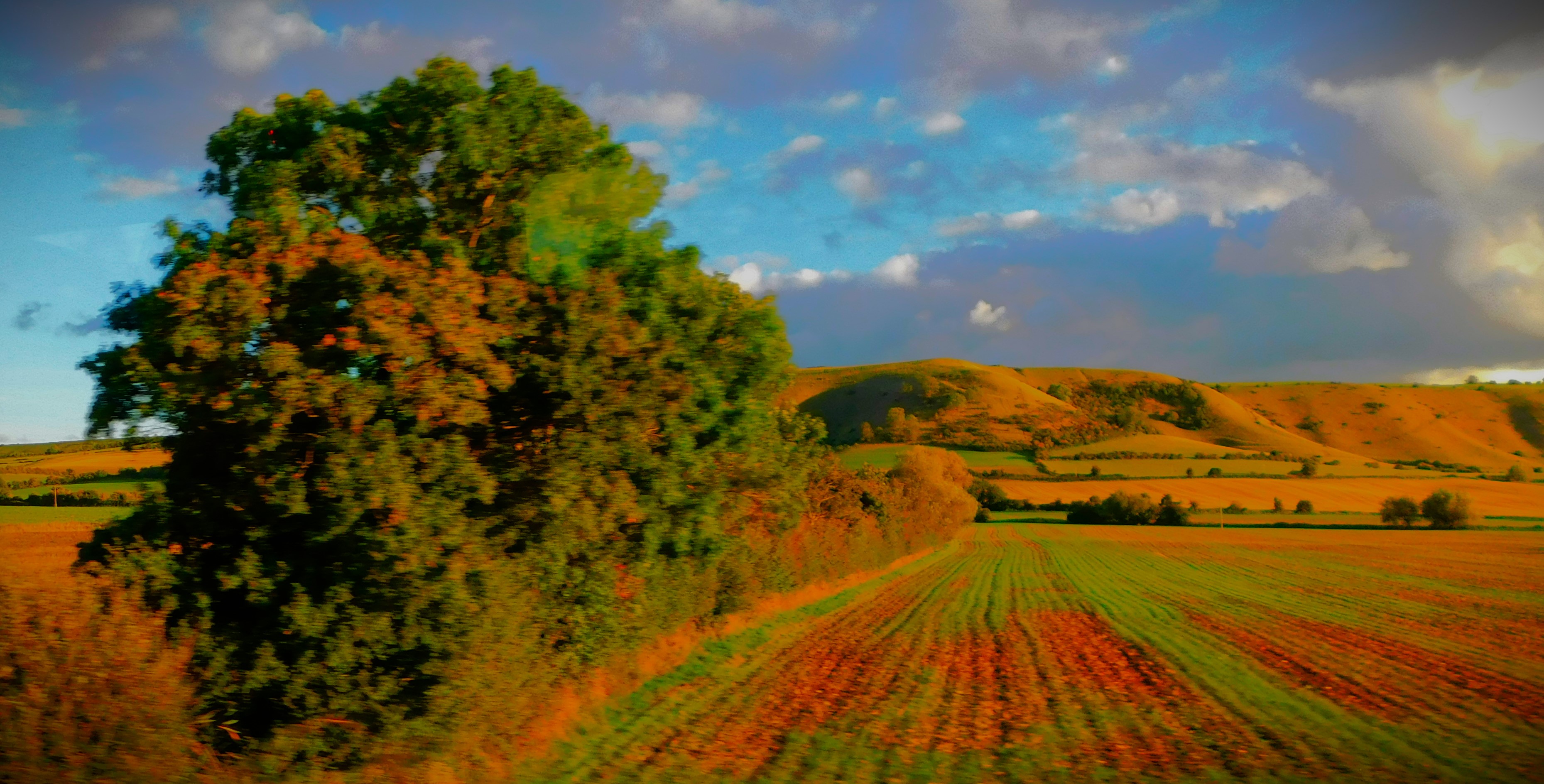
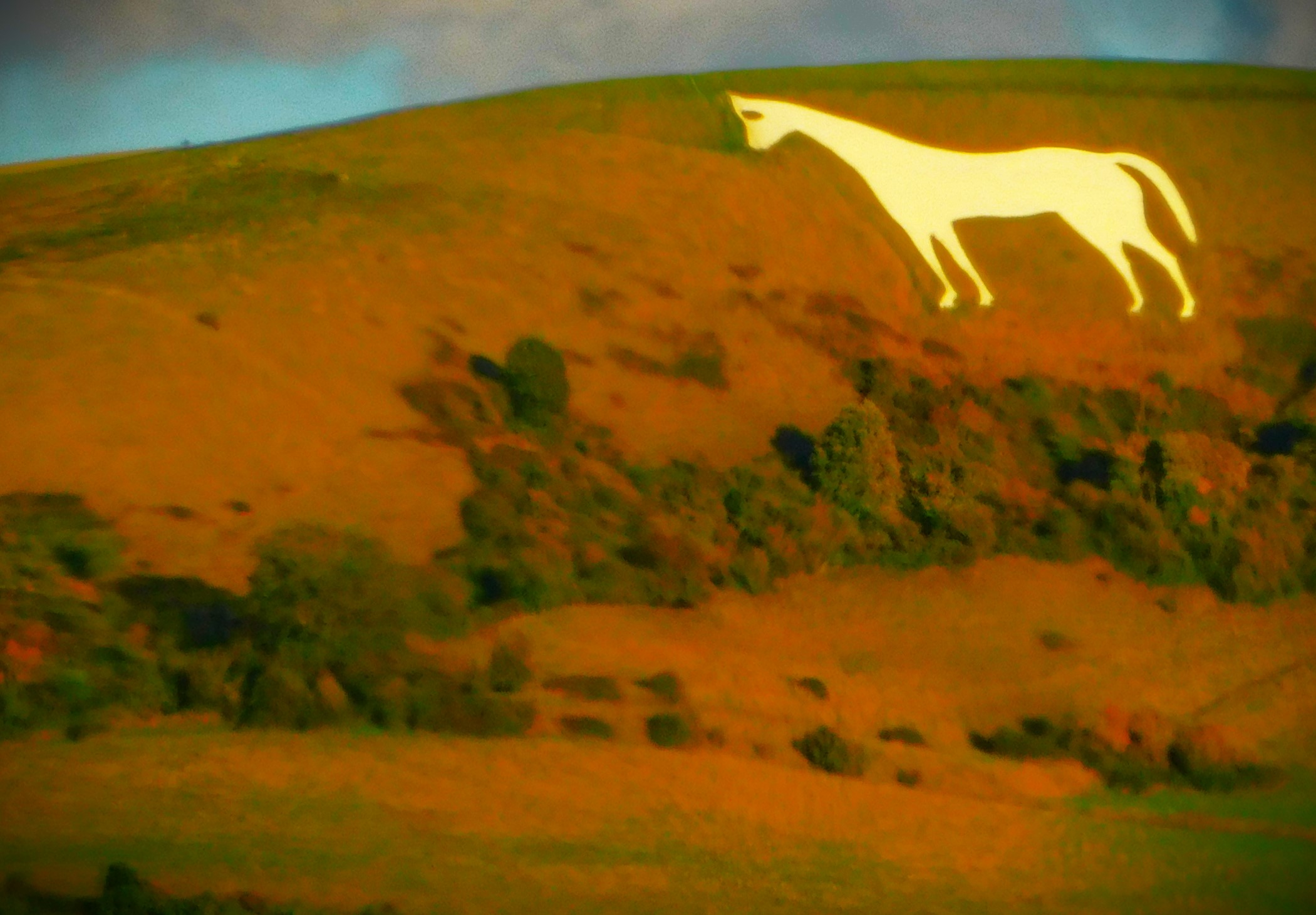
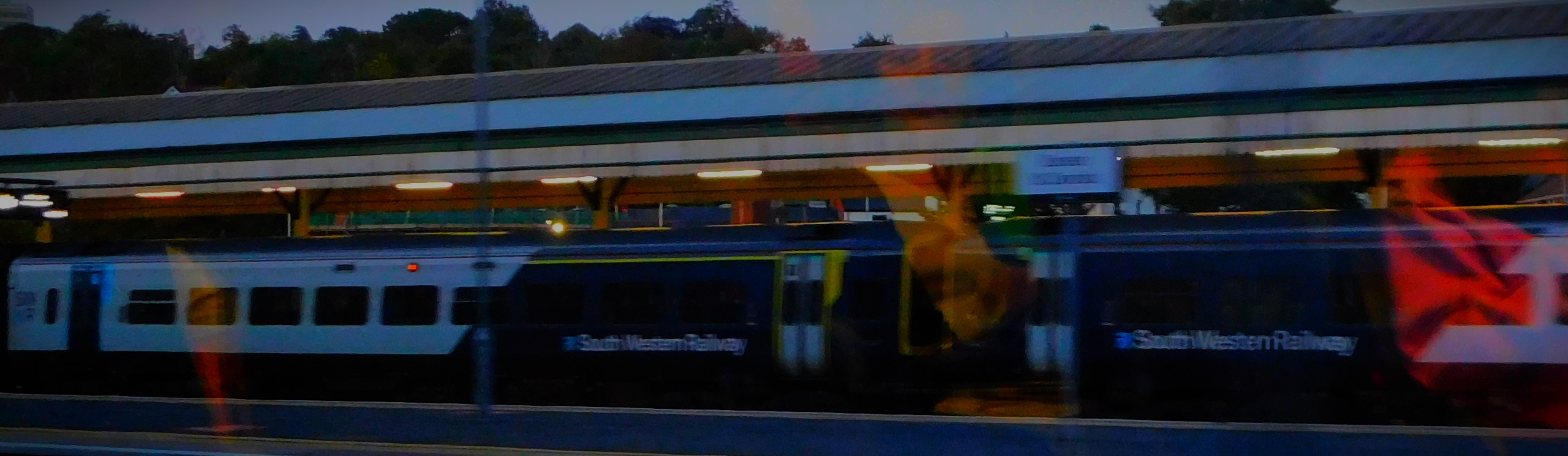
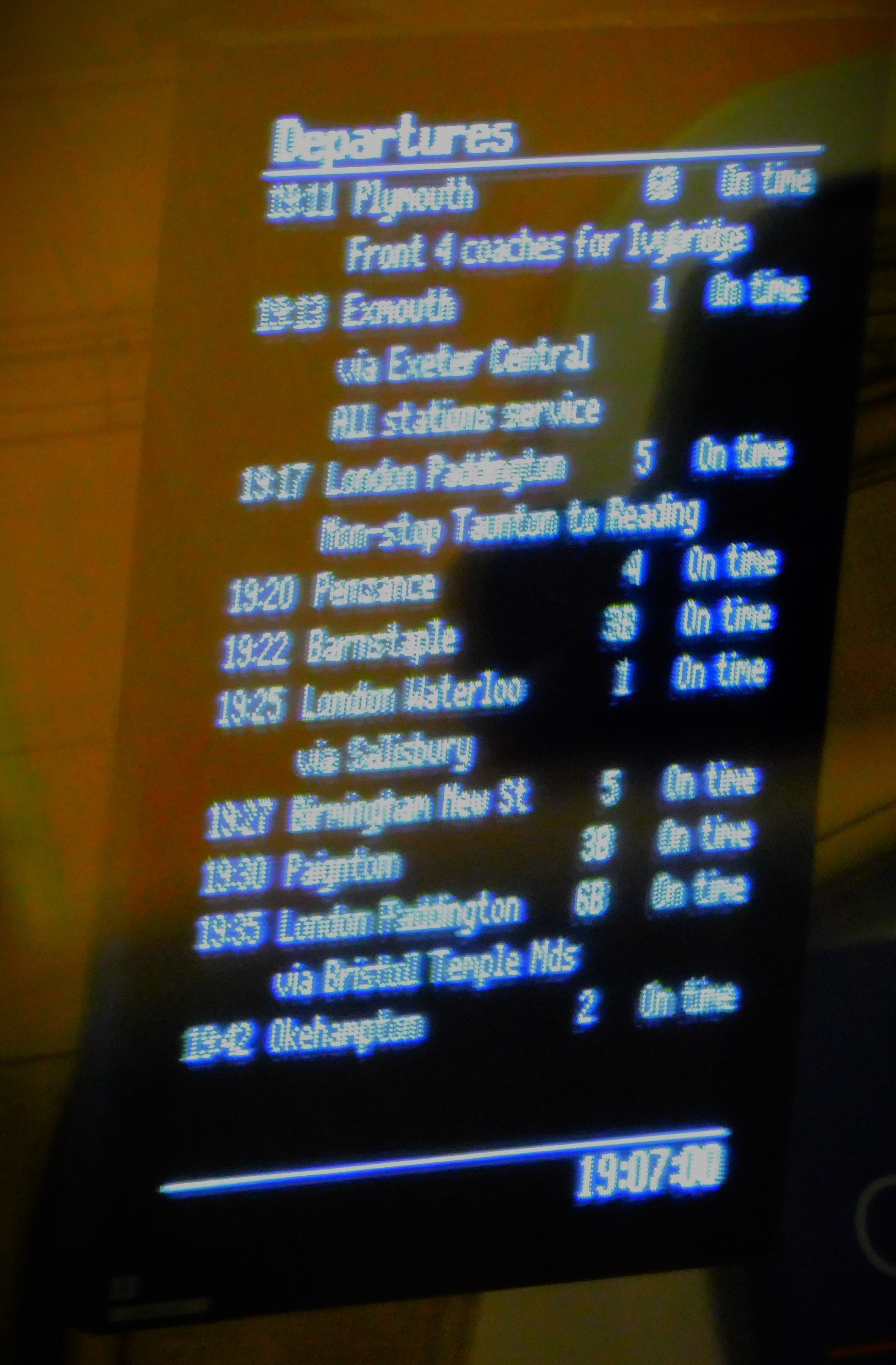
I was on a train that was stopping at more places than usual for a journey to Plymouth – Newbury, Hungerford, Pewsey, Westbury and Castle Cary between Reading and Taunton. I got some good pictures between London and Exeter, but it was dark by the time I got to the seaside section of route between Exeter and Newton Abbot, and that meant it was hardly possible to take pictures due to the interference of reflections owing to the extreme contrast between the brightly lit train interior and the near darkness outside. The train arrived into Plymouth almost exactly as per schedule, which I understand is not a frequent occurrence with GWR long distance services. Apart from the overcrowding on the Hammersmith & City line between King’s Cross and Paddington the journey went well overall.
An account of my visit to Norton Hill near Snettisham yesterday.
On Sunday I was at Norton Hill, where the Hunstanton & District Rotary Club were running an event and had very kindly invited the West Norfolk Autism Group to have a stall. This post looks back at the event.
THE PLAN
I had said I would come on the Sunday as there was no way I could go on the Saturday (see my previous post). As I was envisaging leaving early due to having an evening commitment and wanting to catch up on the cricket at some point I planned being there as early as possible – which meant 11AM for the start of setup. I had arranged to travel by bus with another member of ours, and had picked out the number 35 leaving King’s Lynn bus station at 10:10 as the best option. I wasn’t over worried about buses back as there are at least three bus routes that run between Snettisham (Norton Hill is a few minutes walk from Snettisham town centre) and King’s Lynn, and even on a Sunday the services are pretty frequent (King’s Lynn – Hunstanton, which passes through Snettisham is Lynx Bus’s most important route). I hoped to help get things set up, take a look around and sample Norton Hill’s feature – a light railway. I did accomplish this.
THE NORTON HILL LIGHT RAILWAY
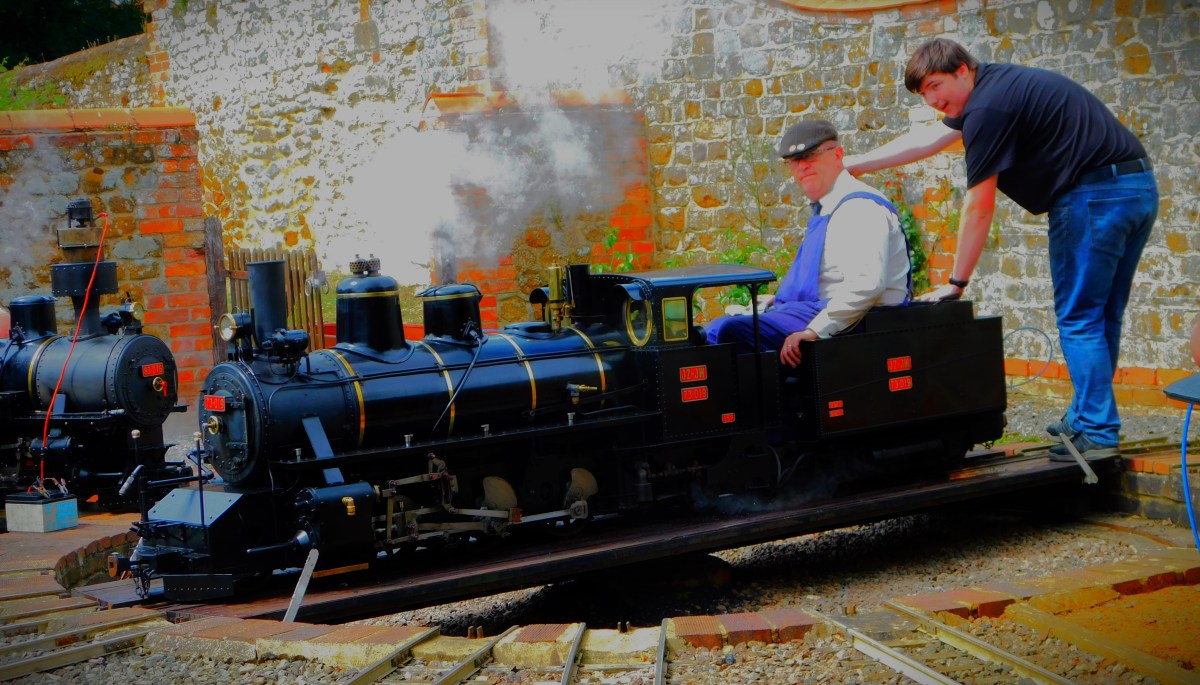
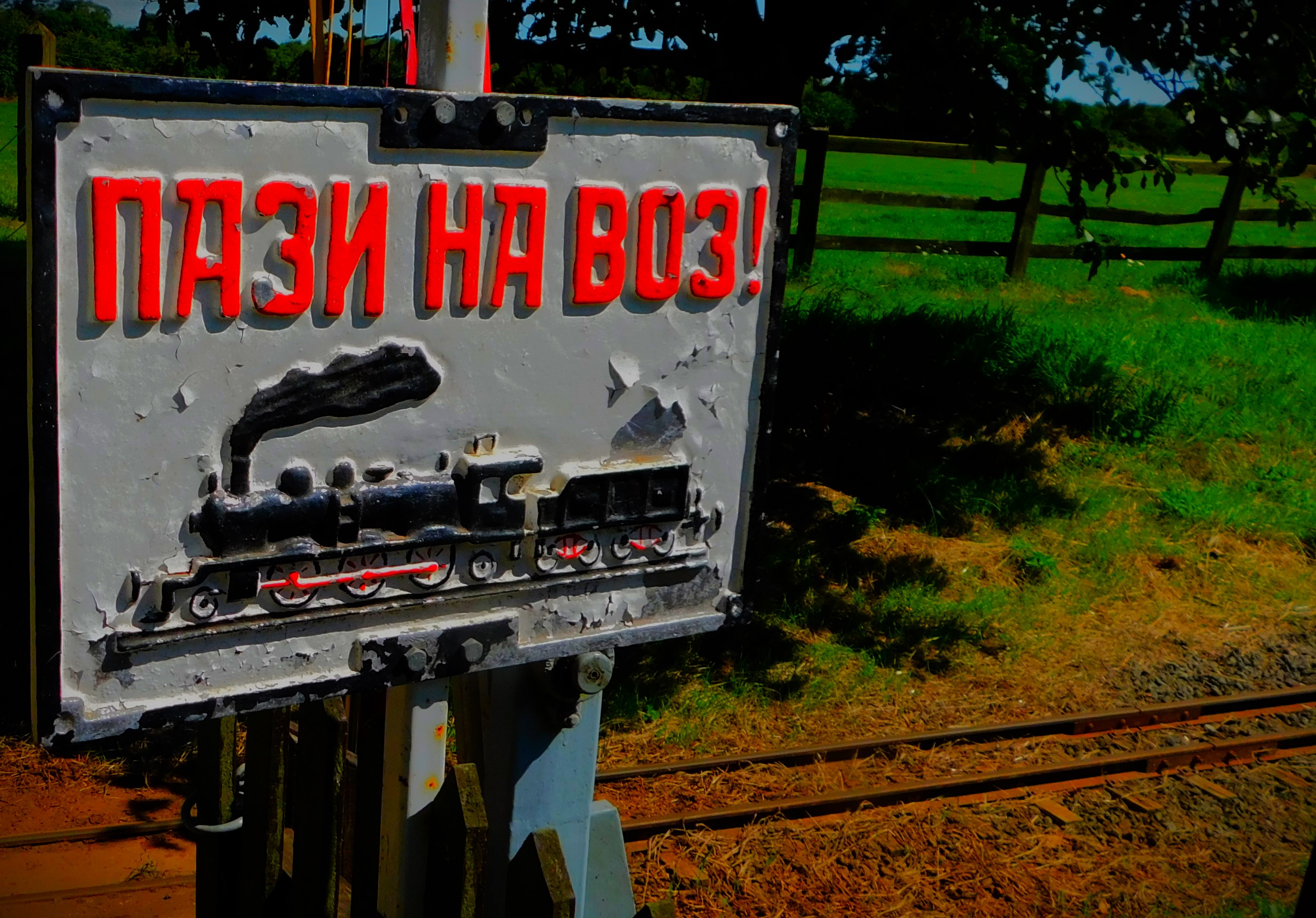
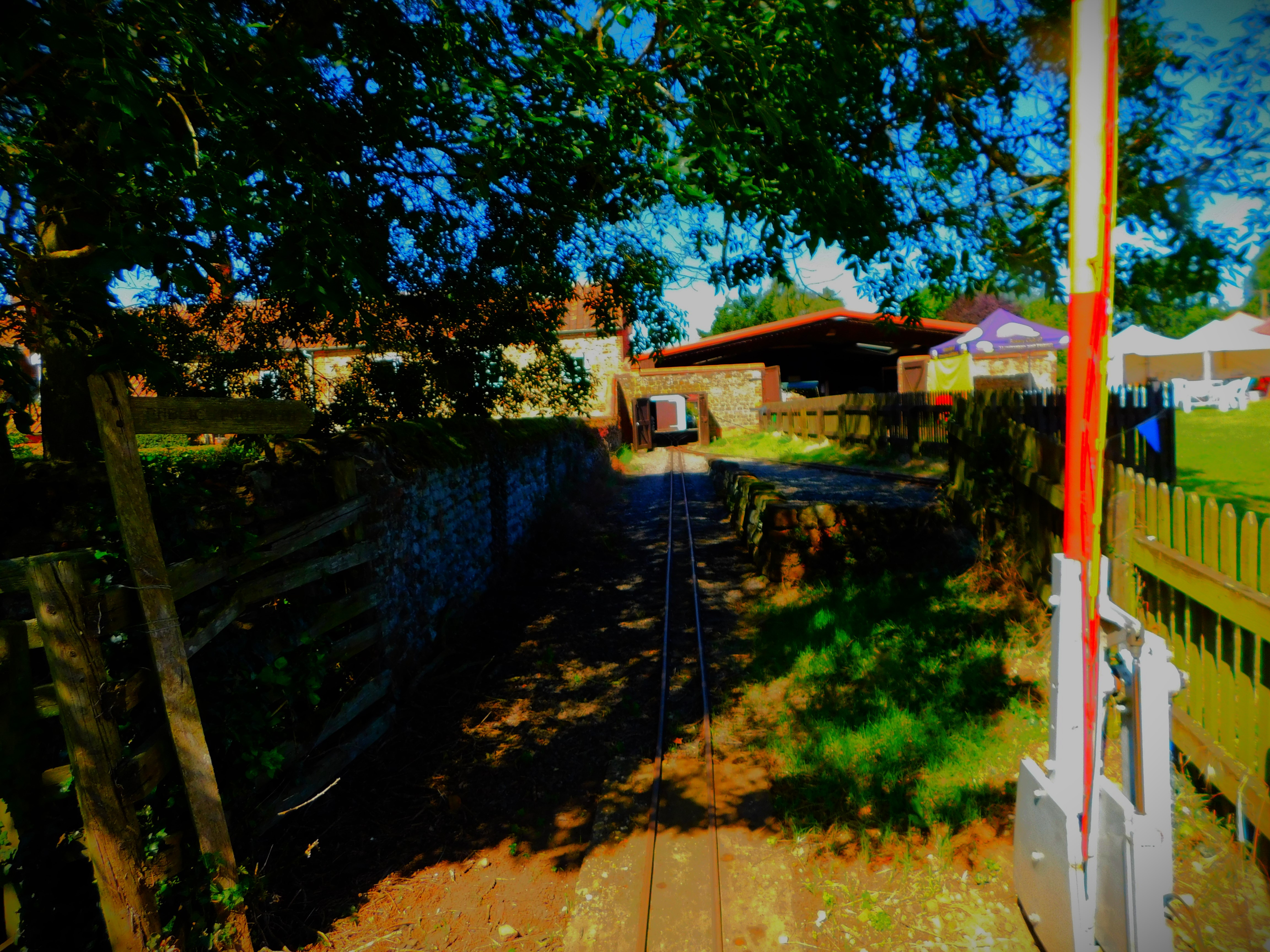
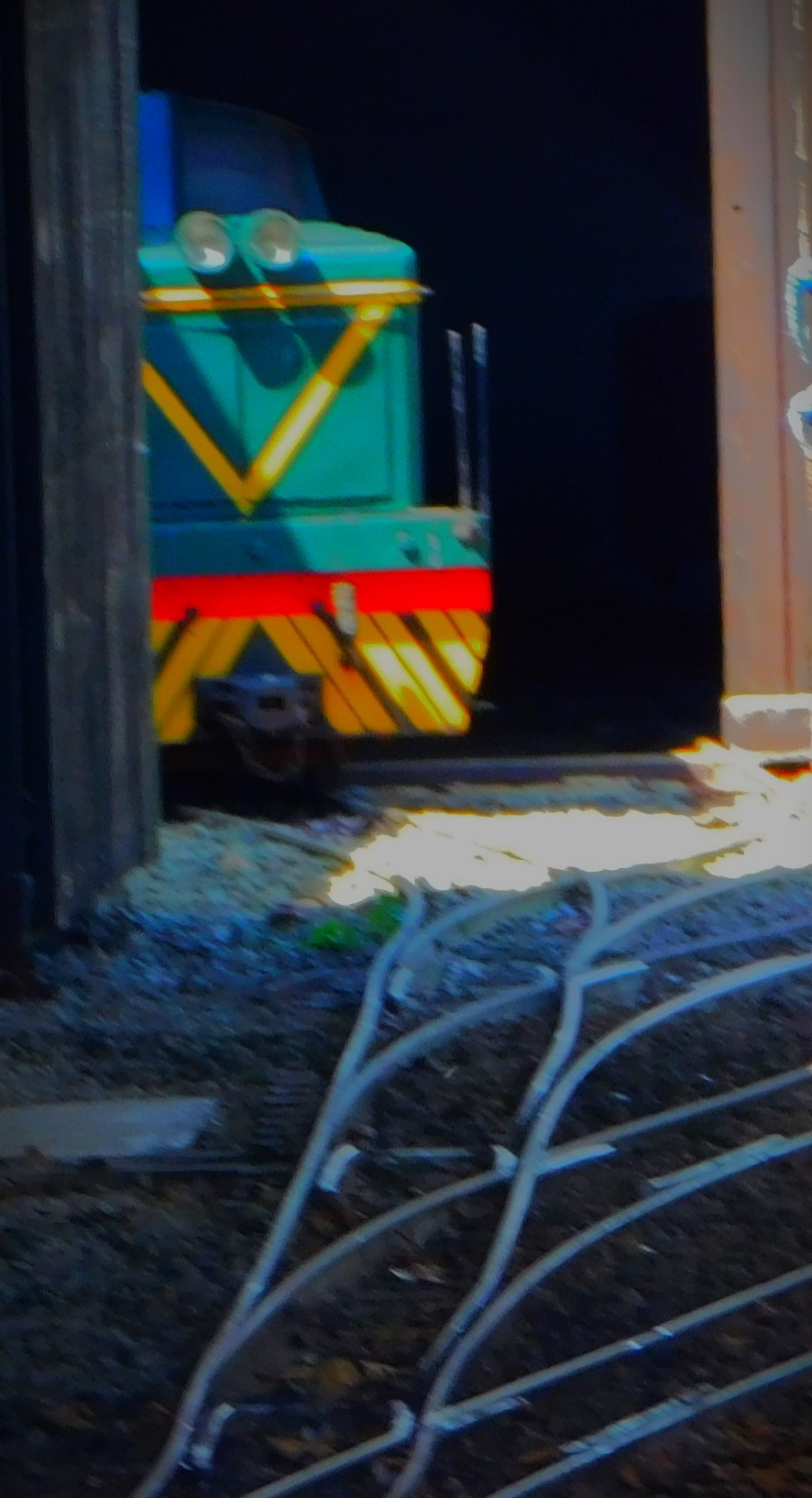
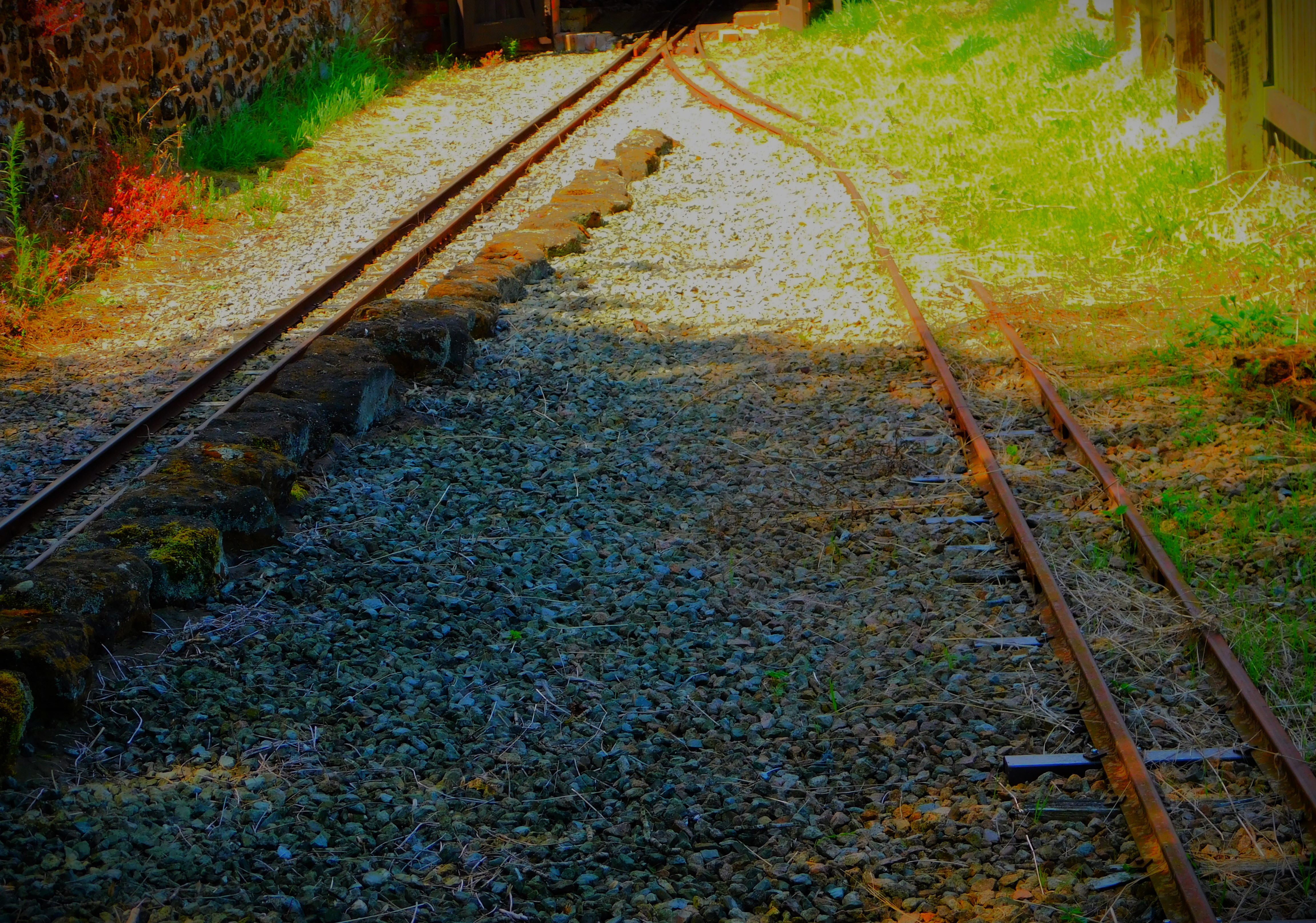
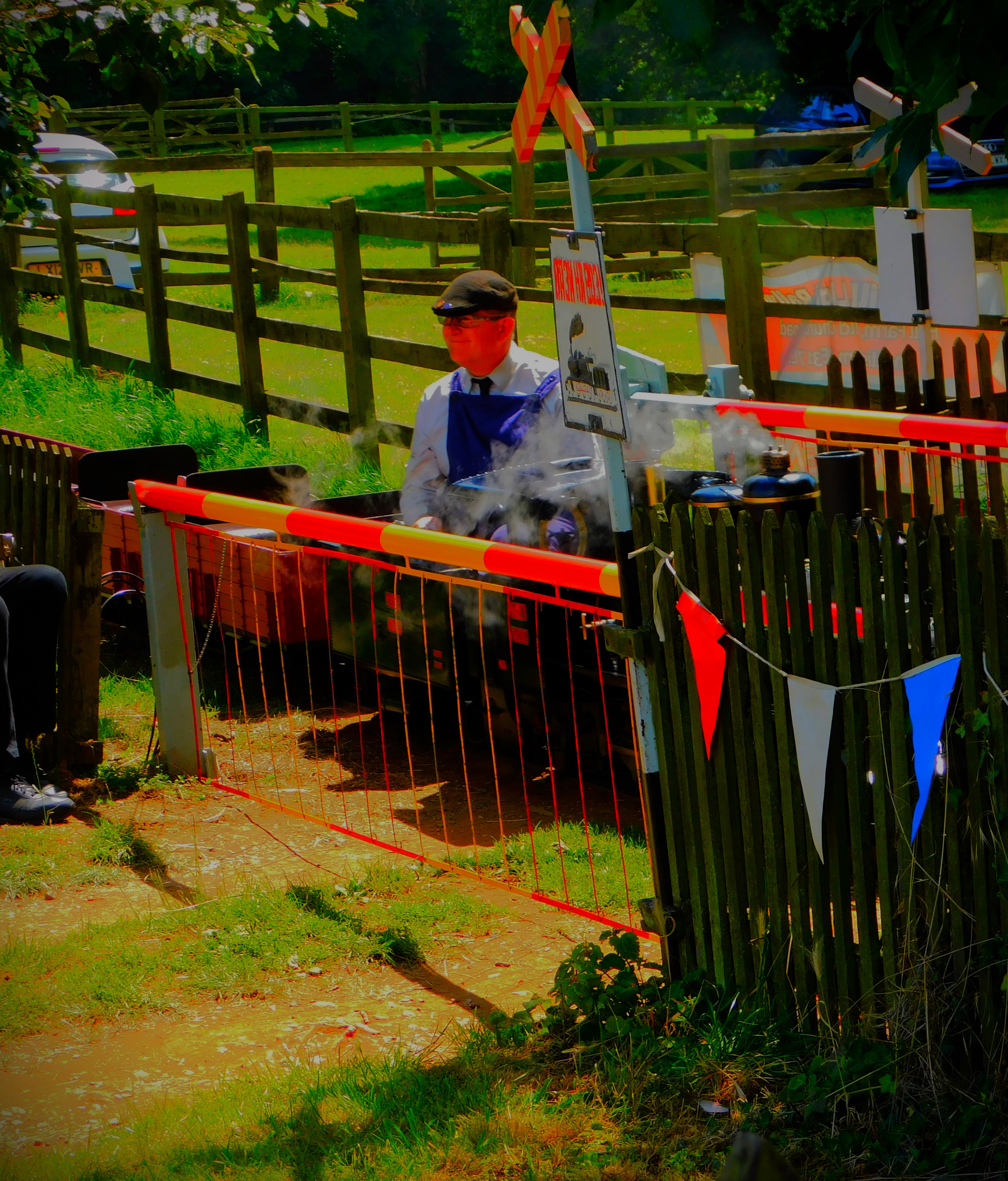
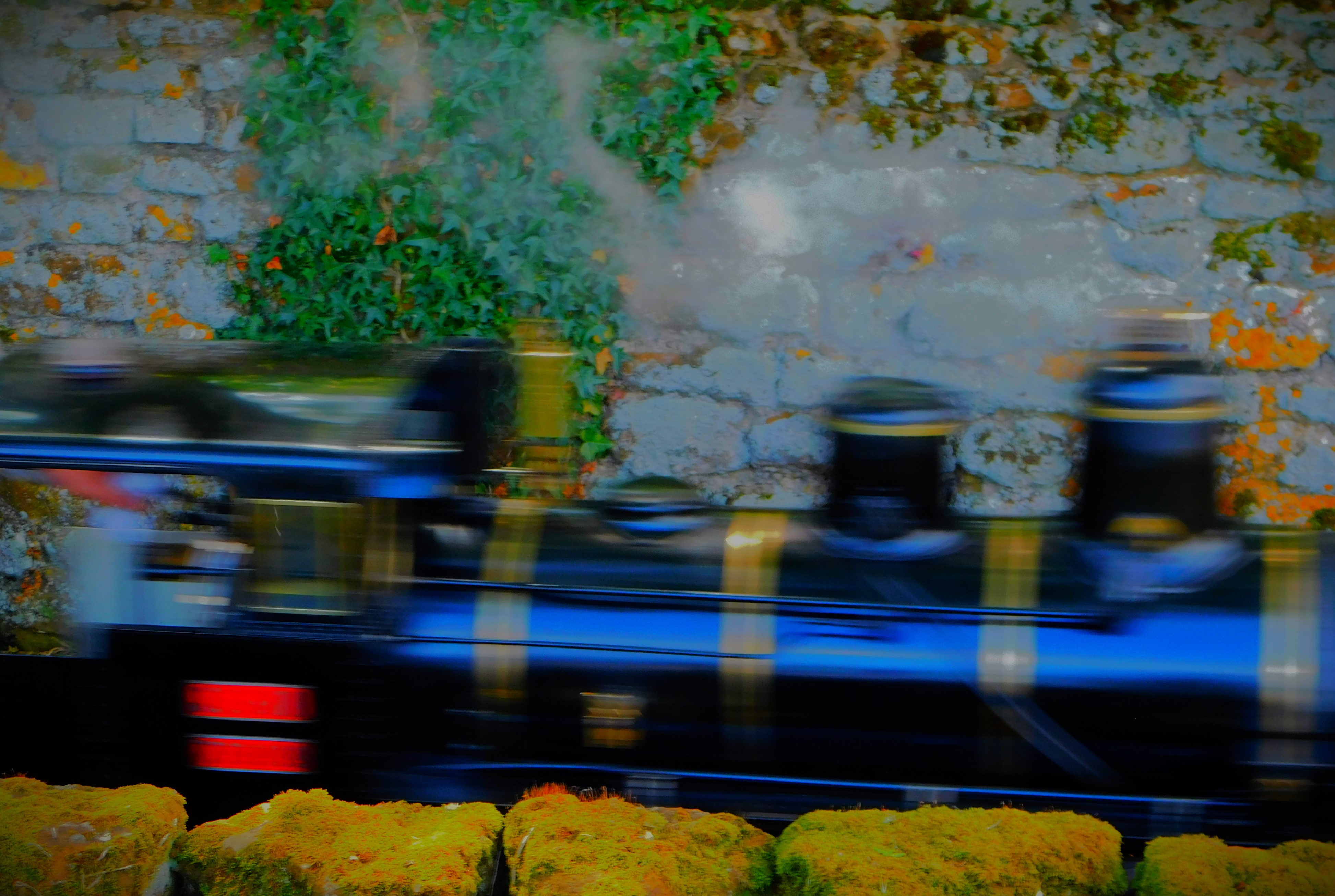
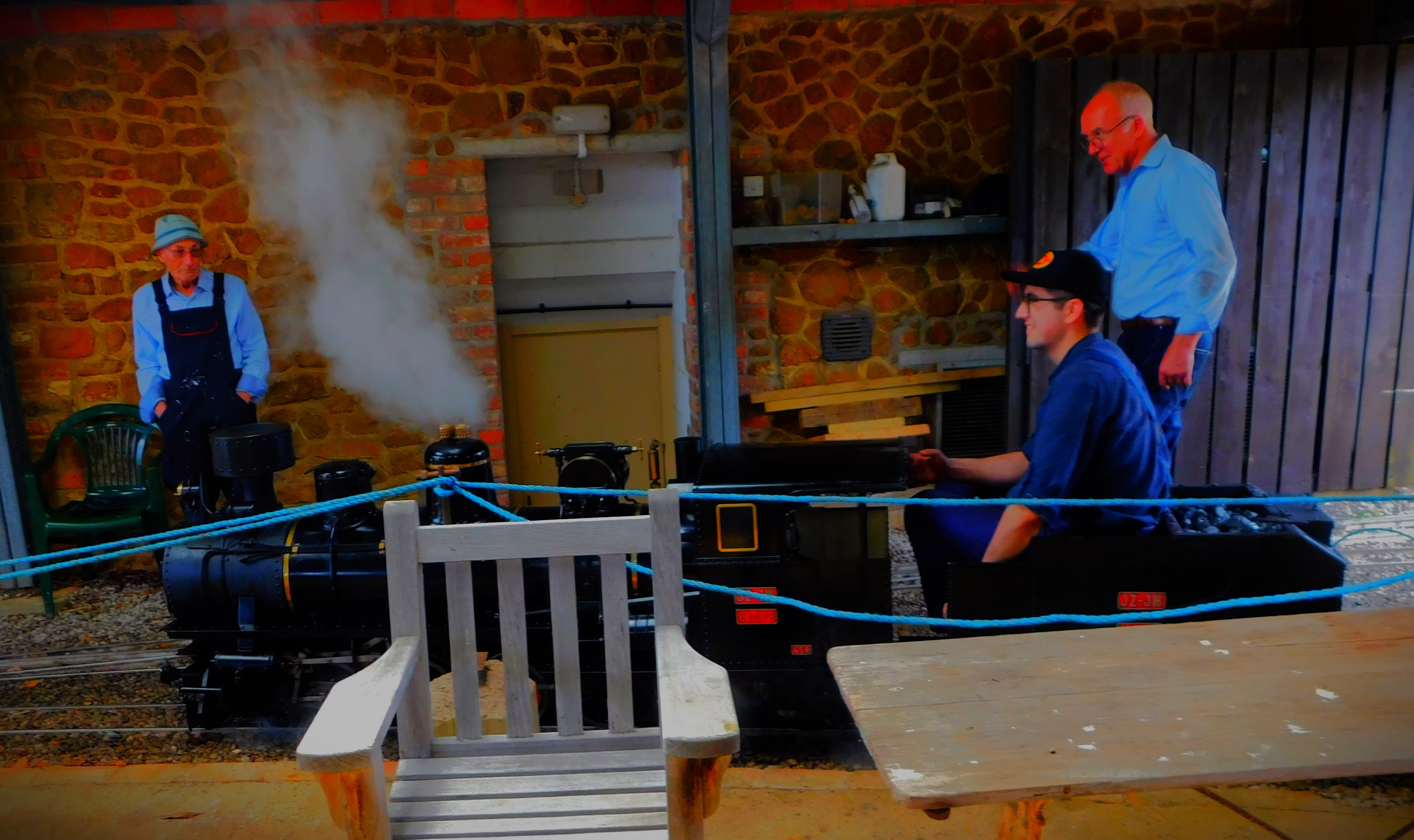
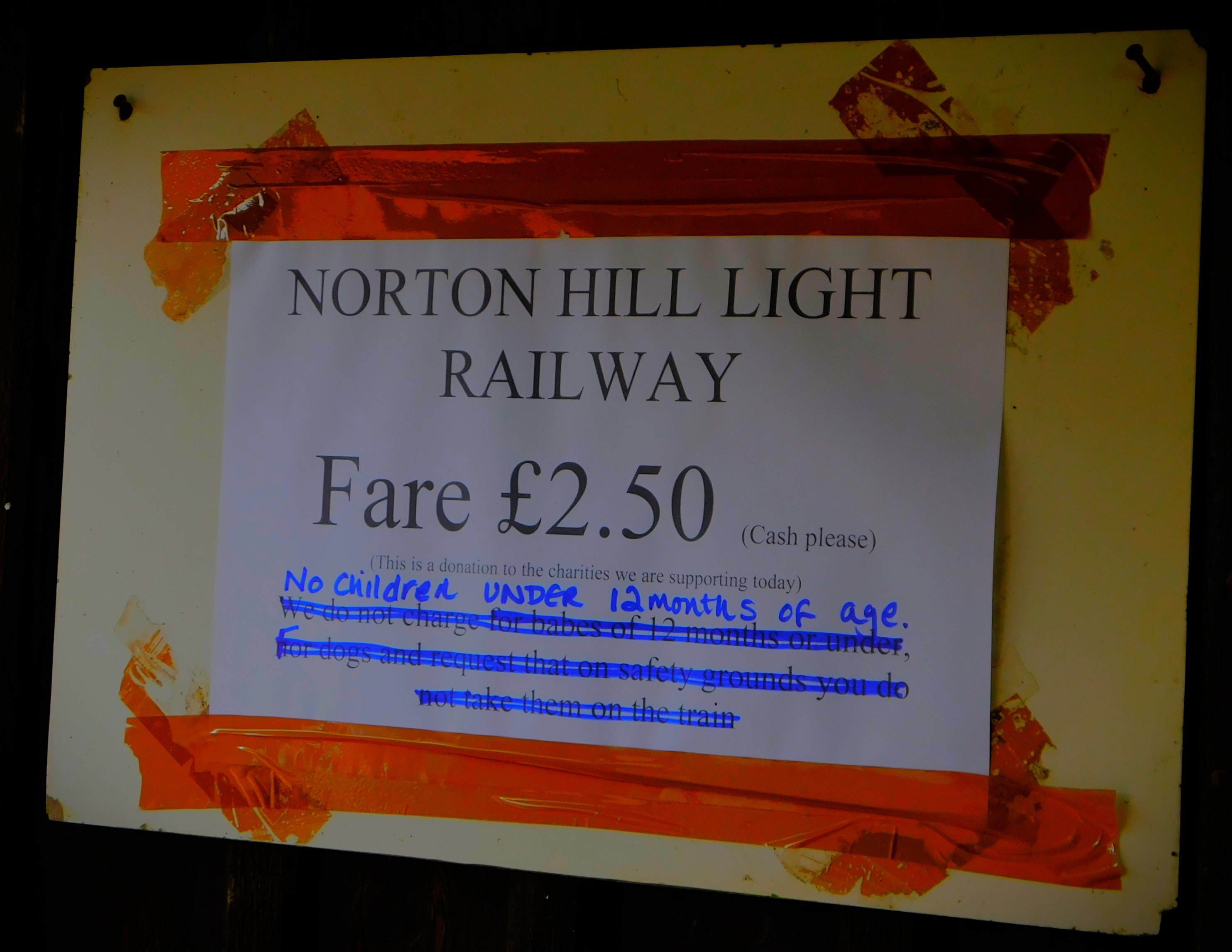
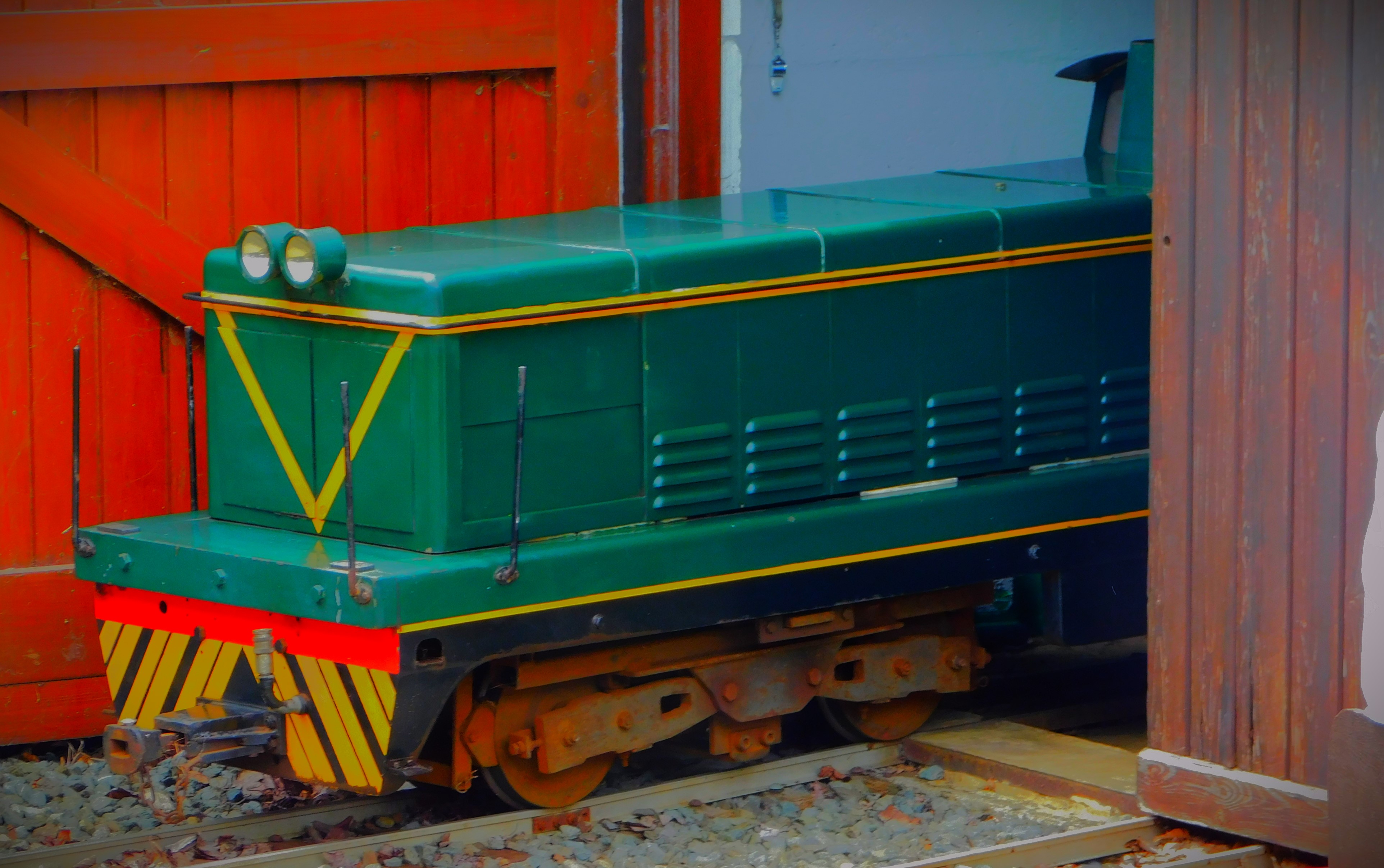
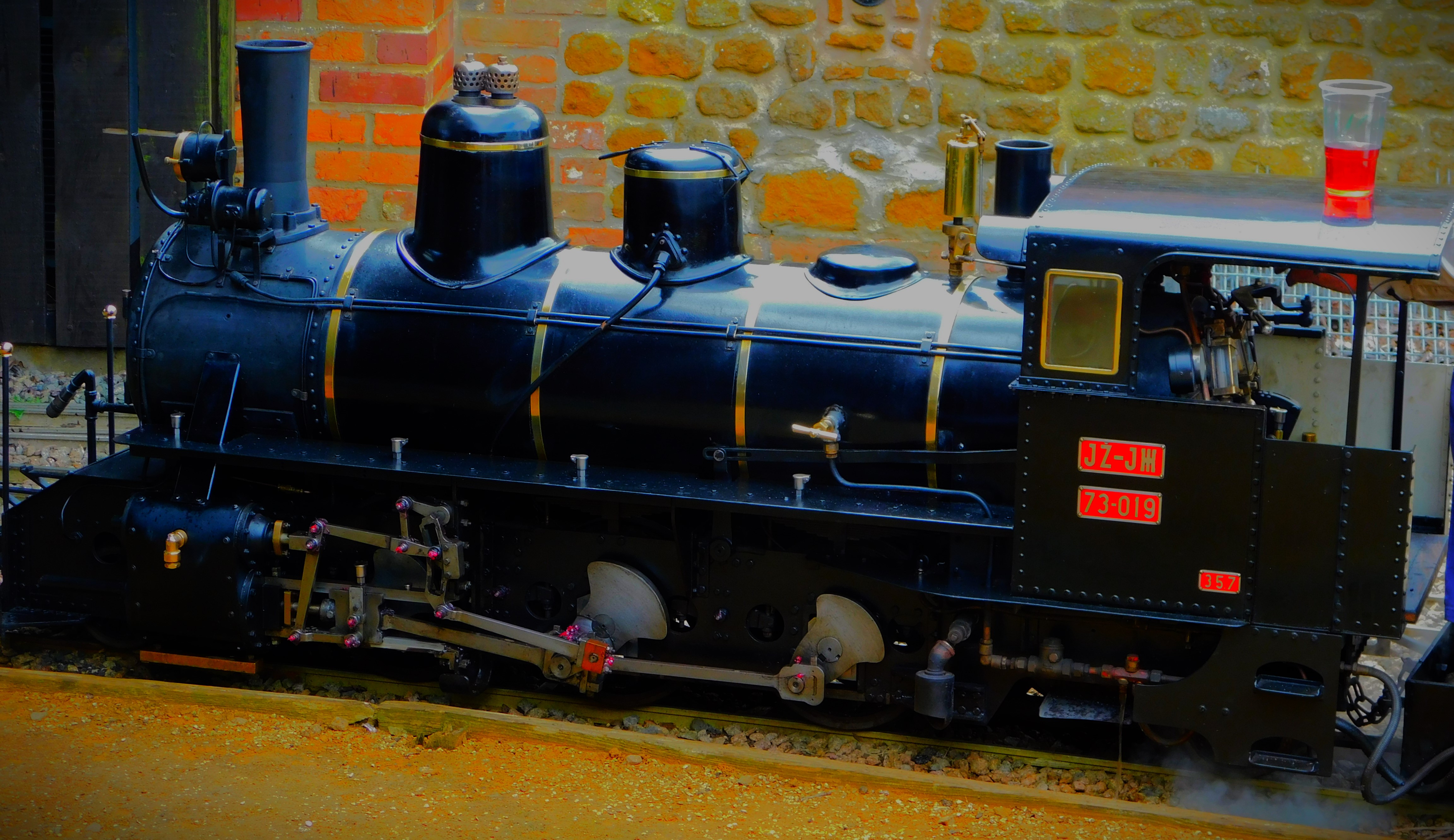
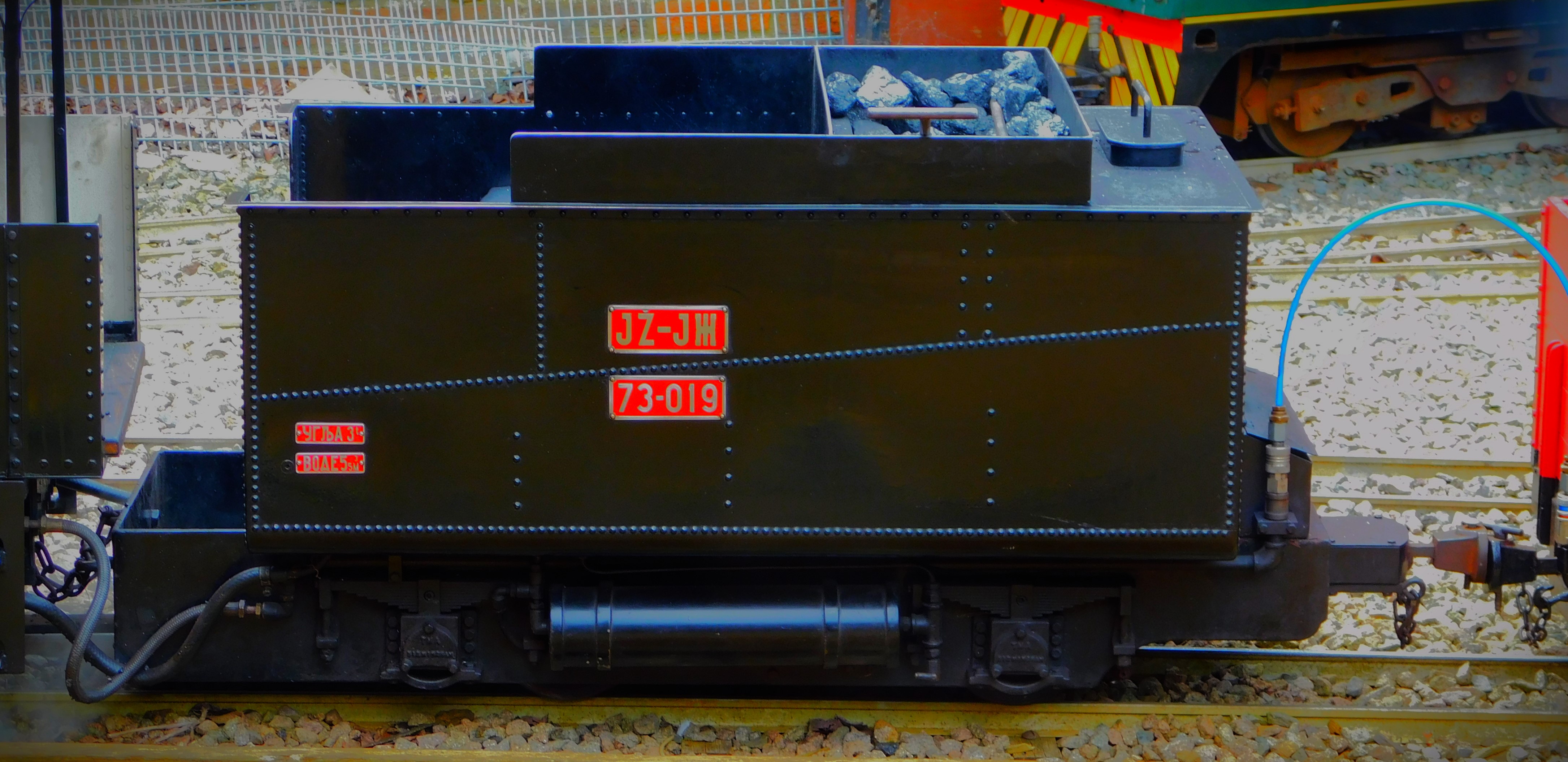
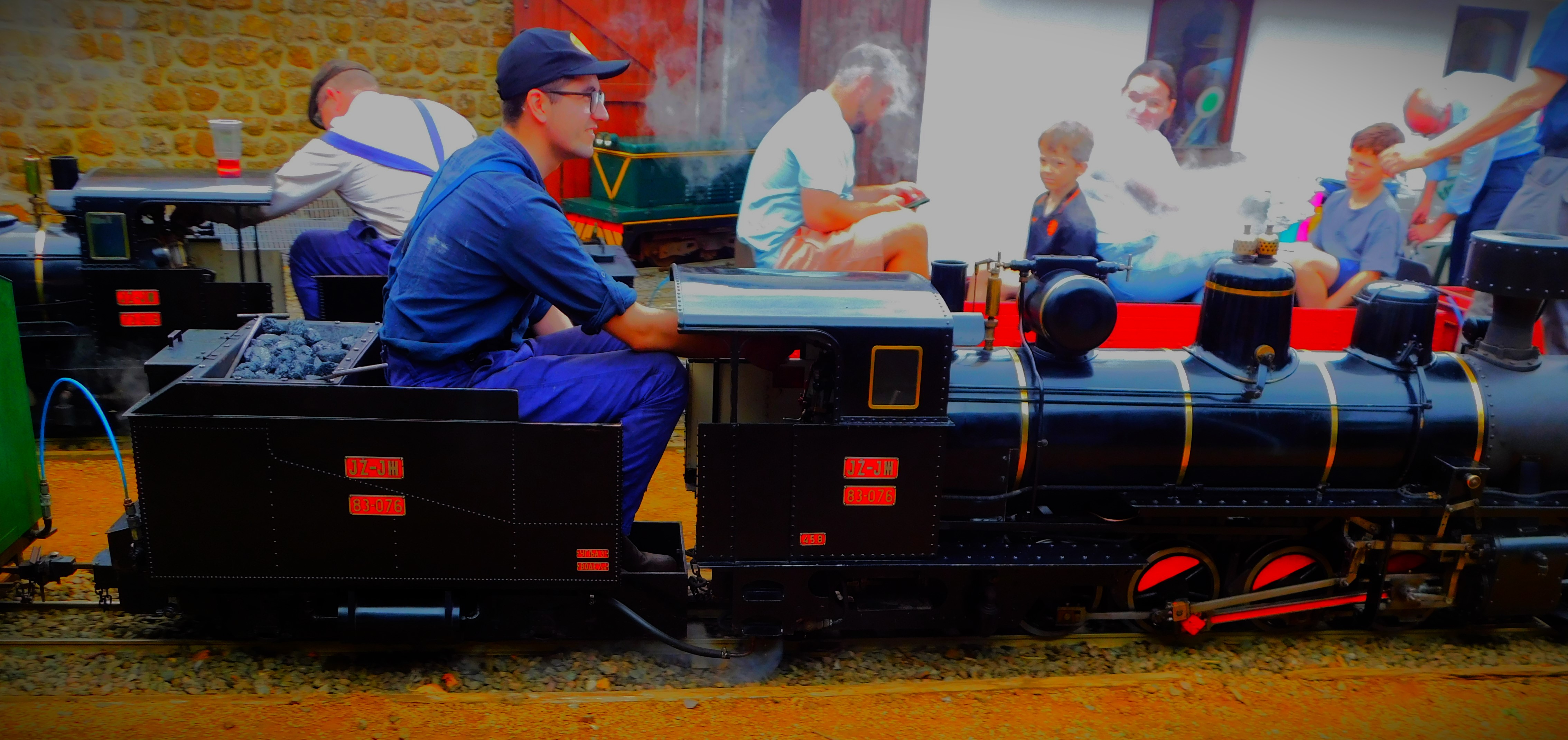
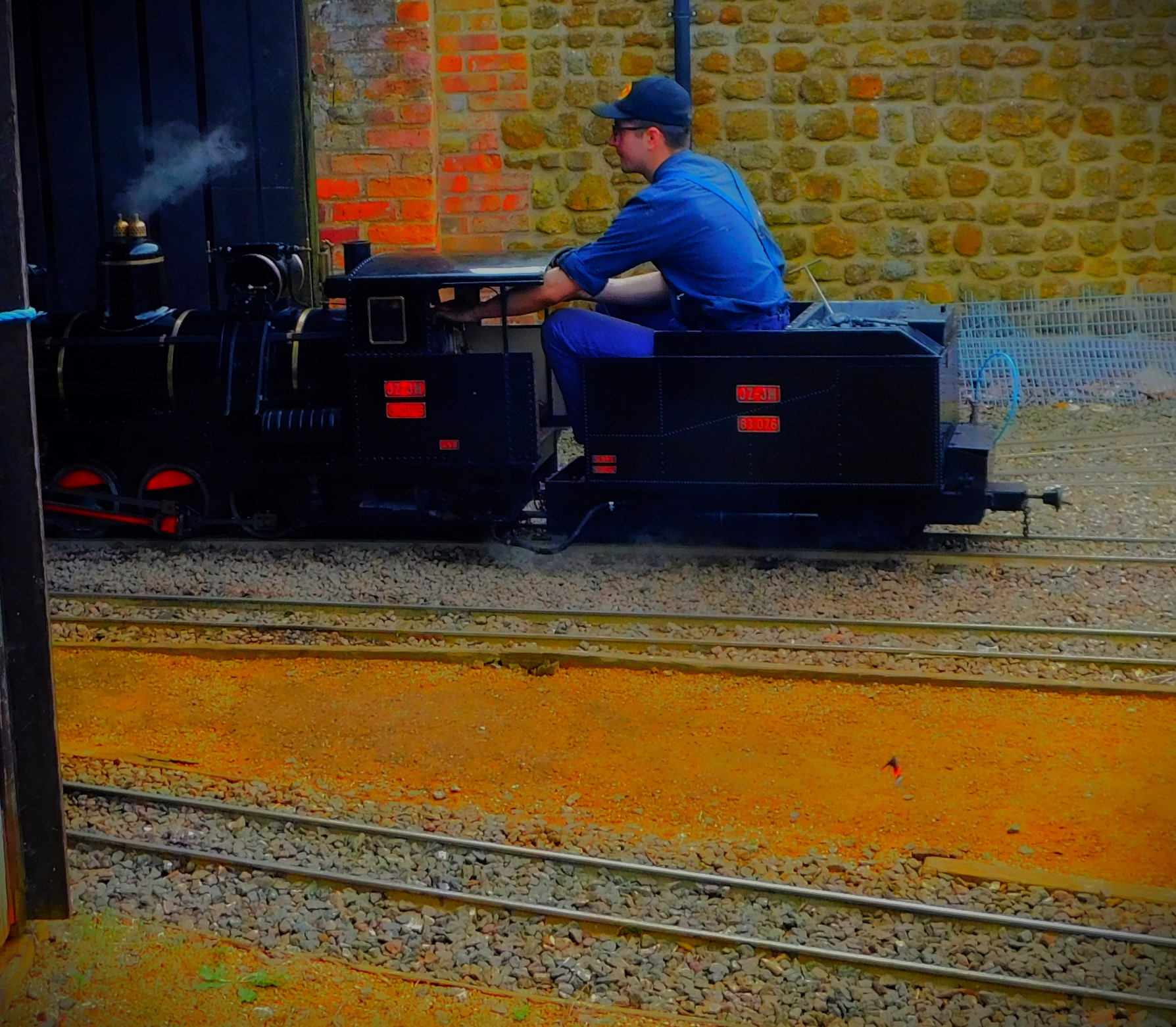
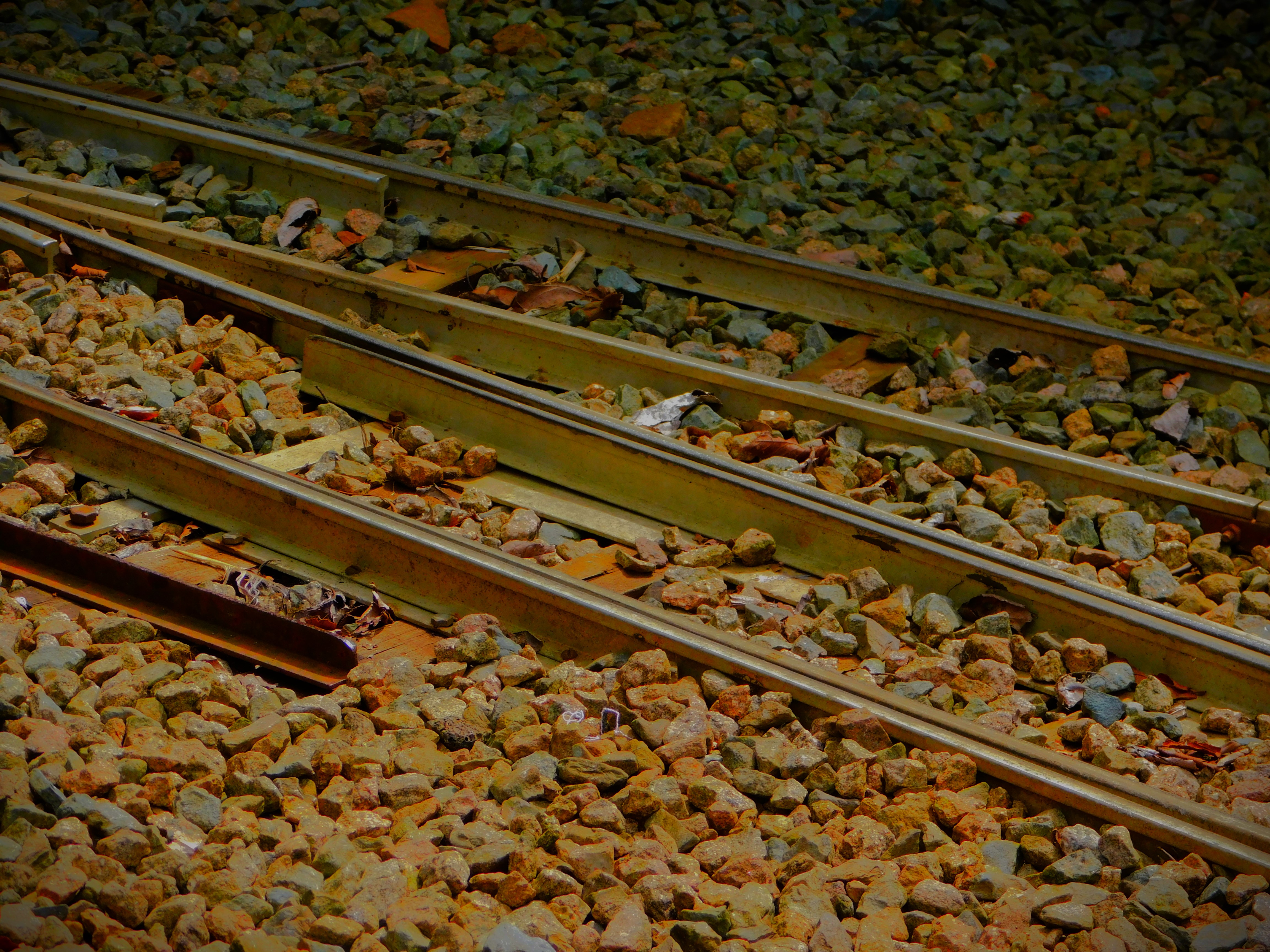
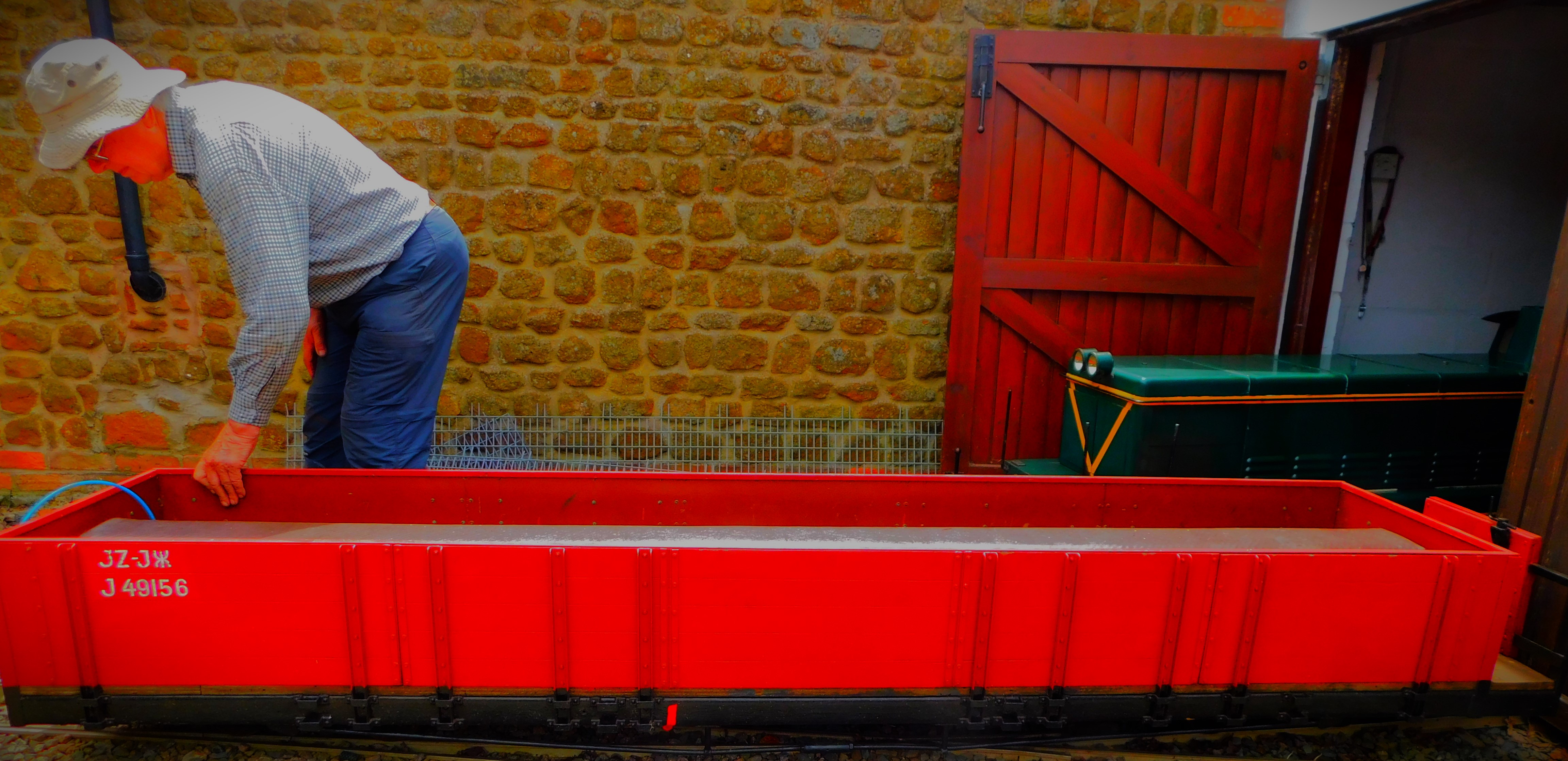
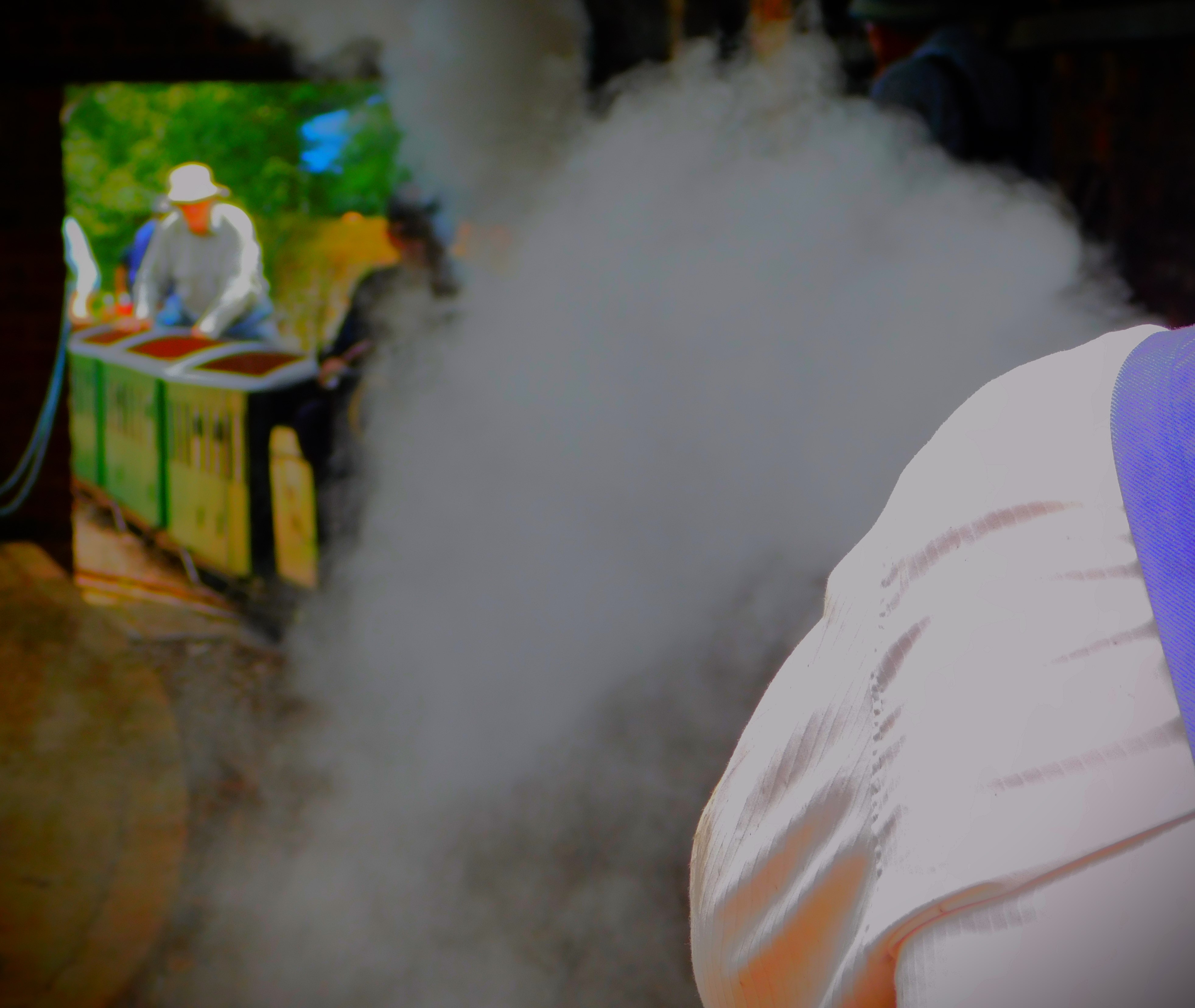
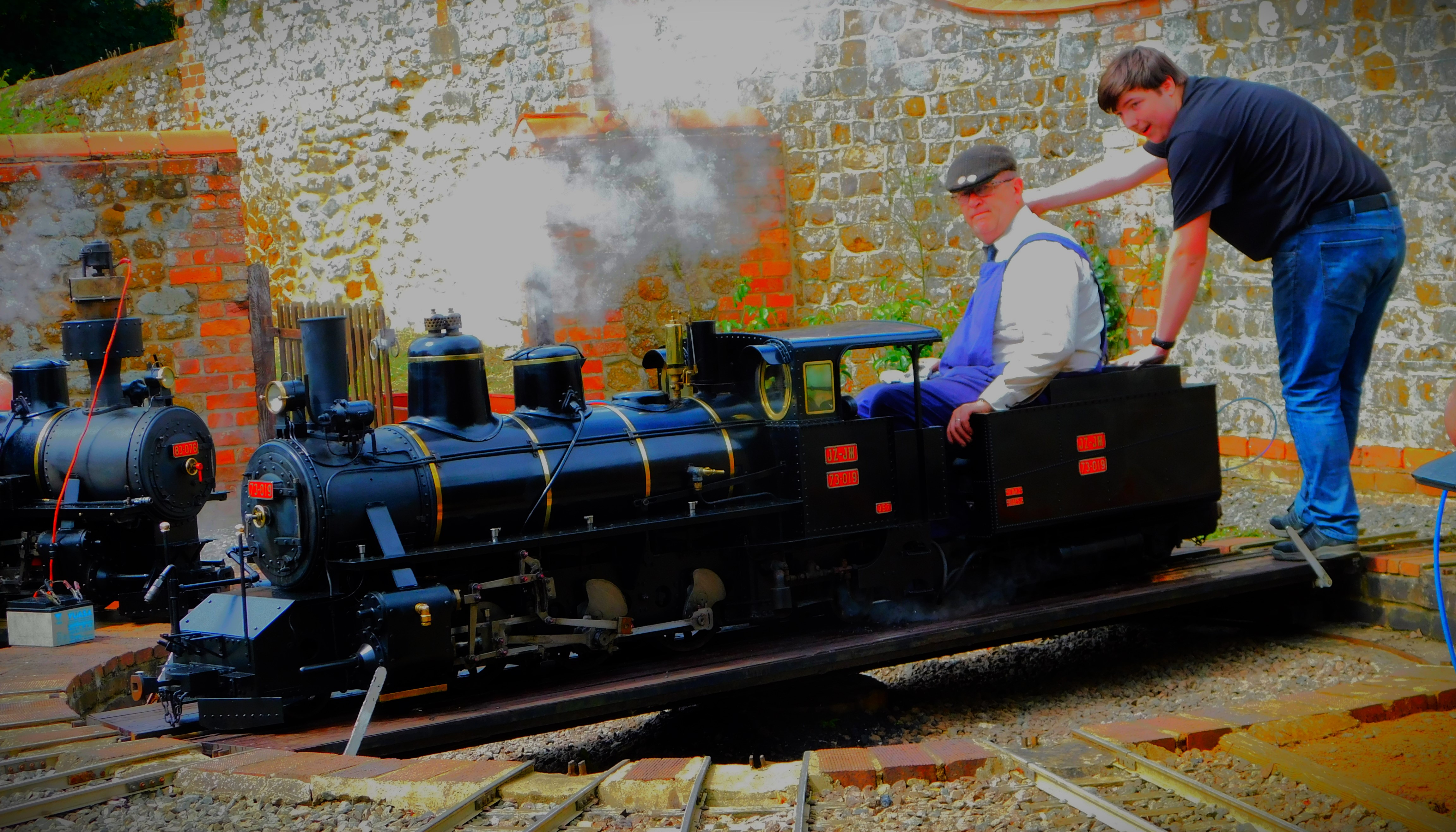
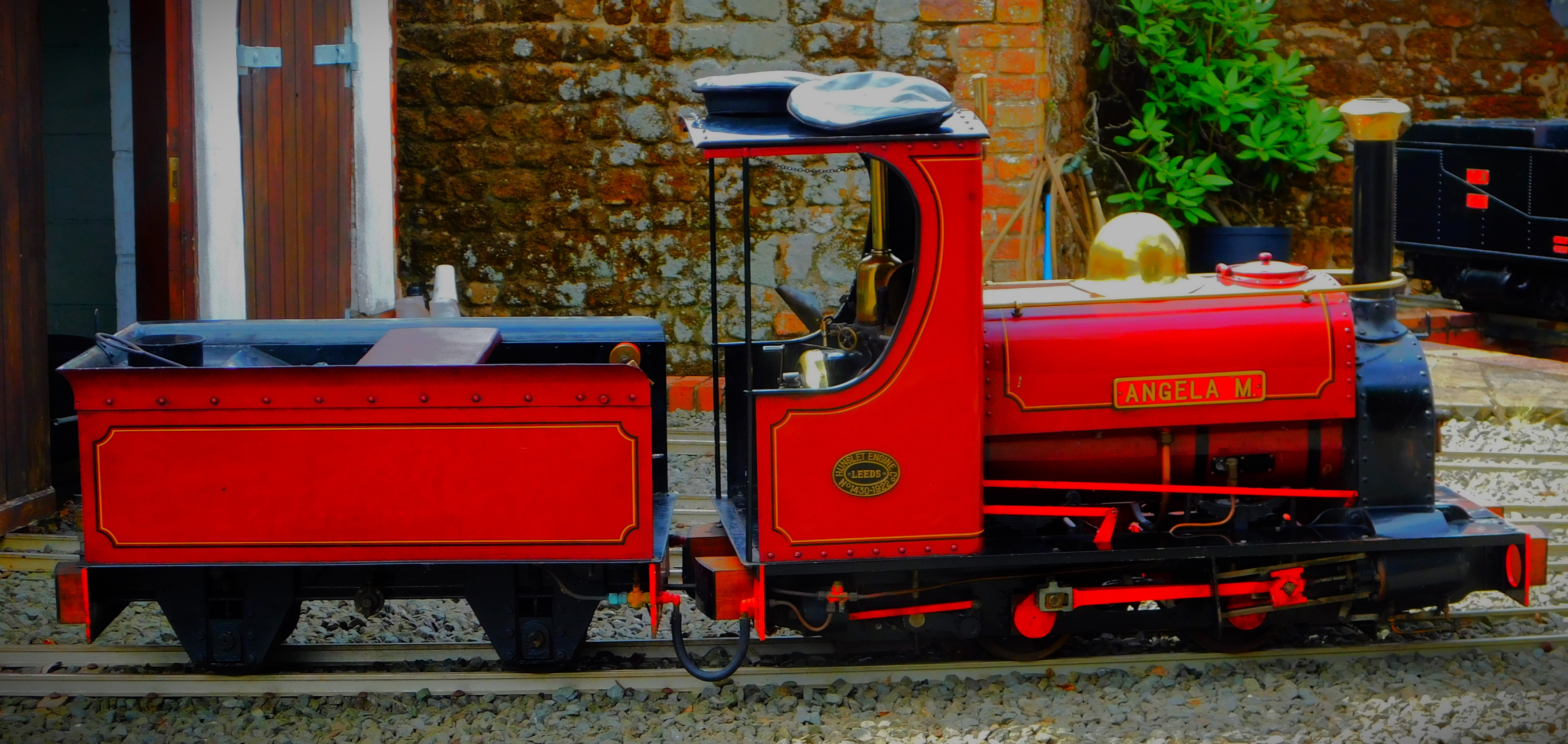
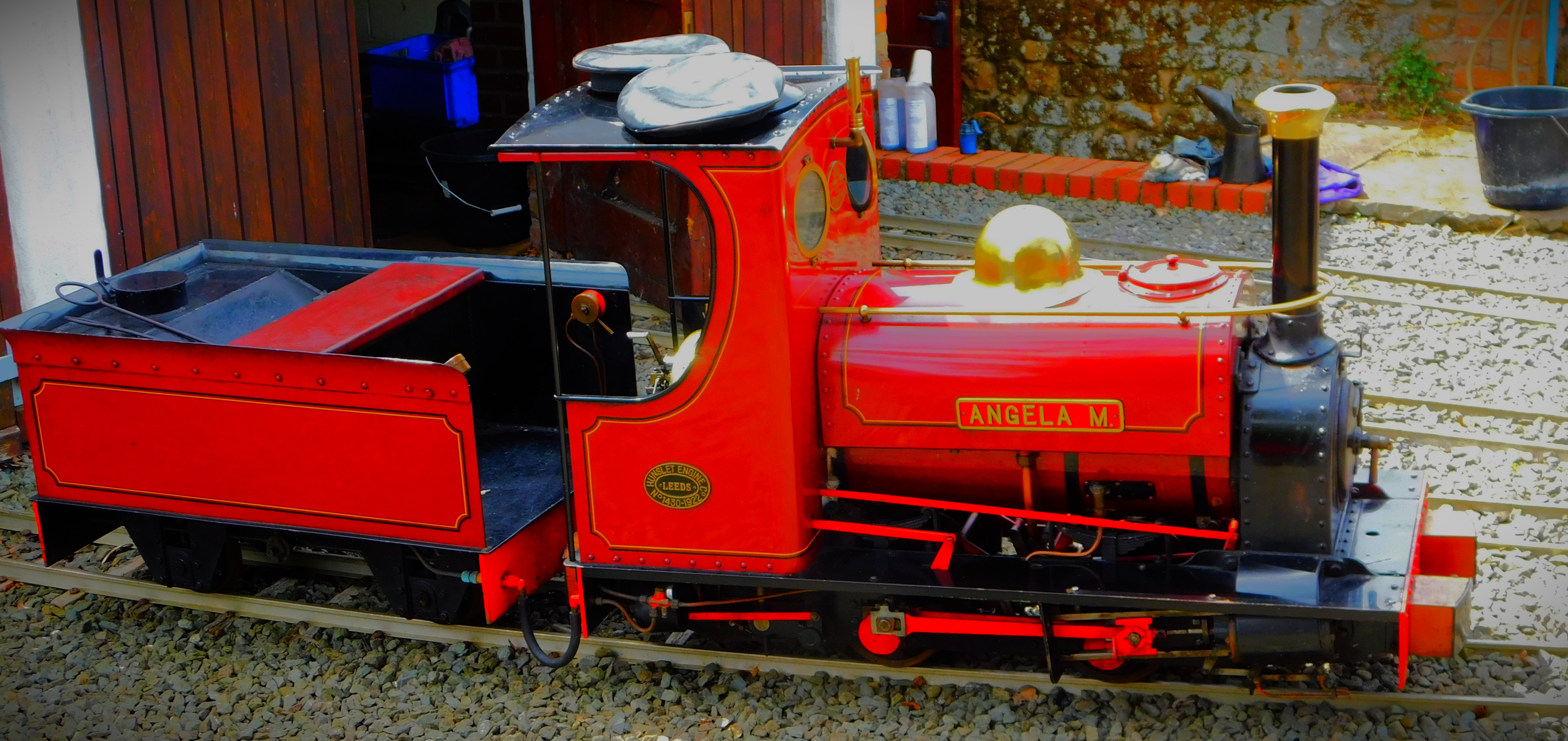
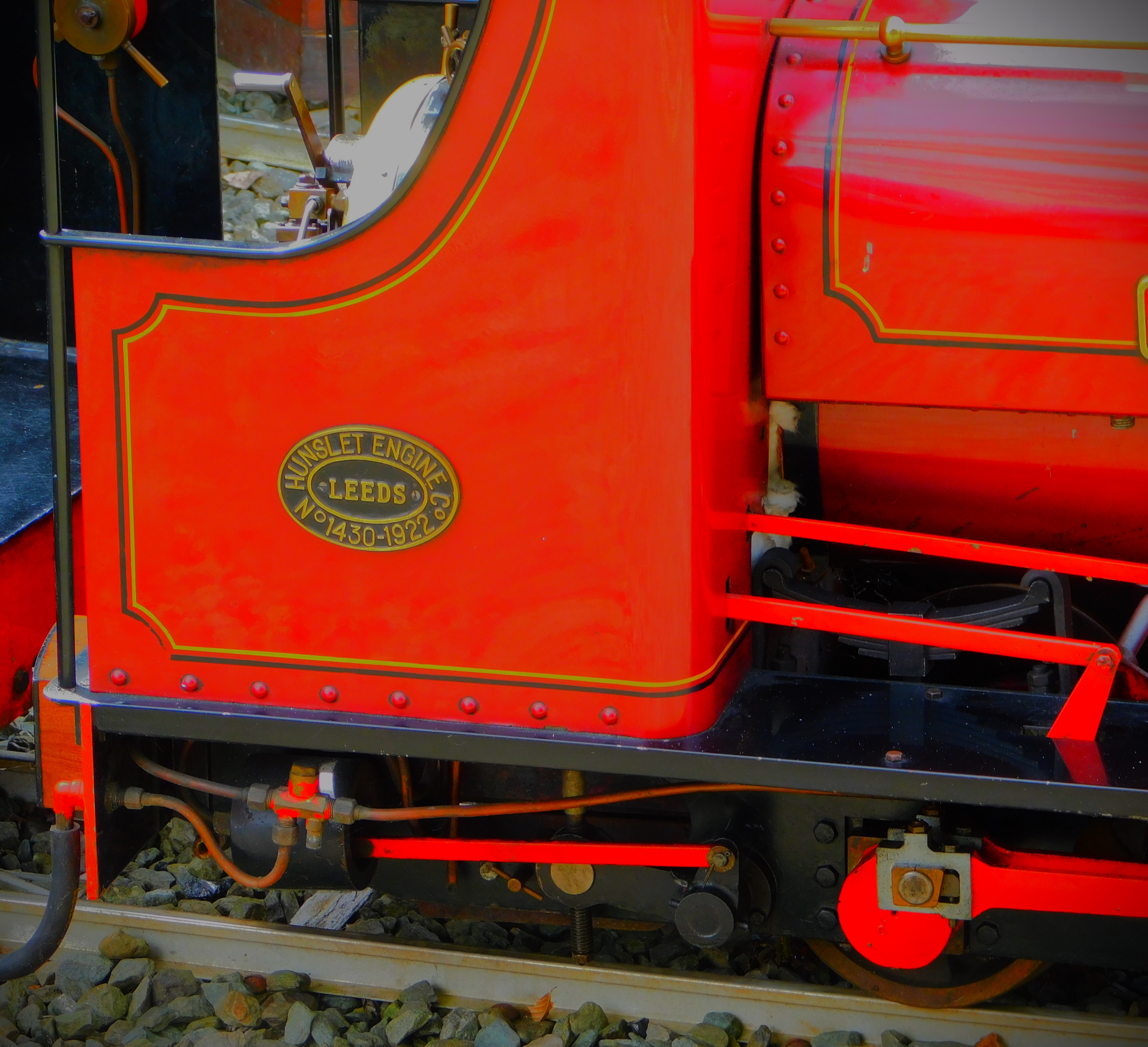
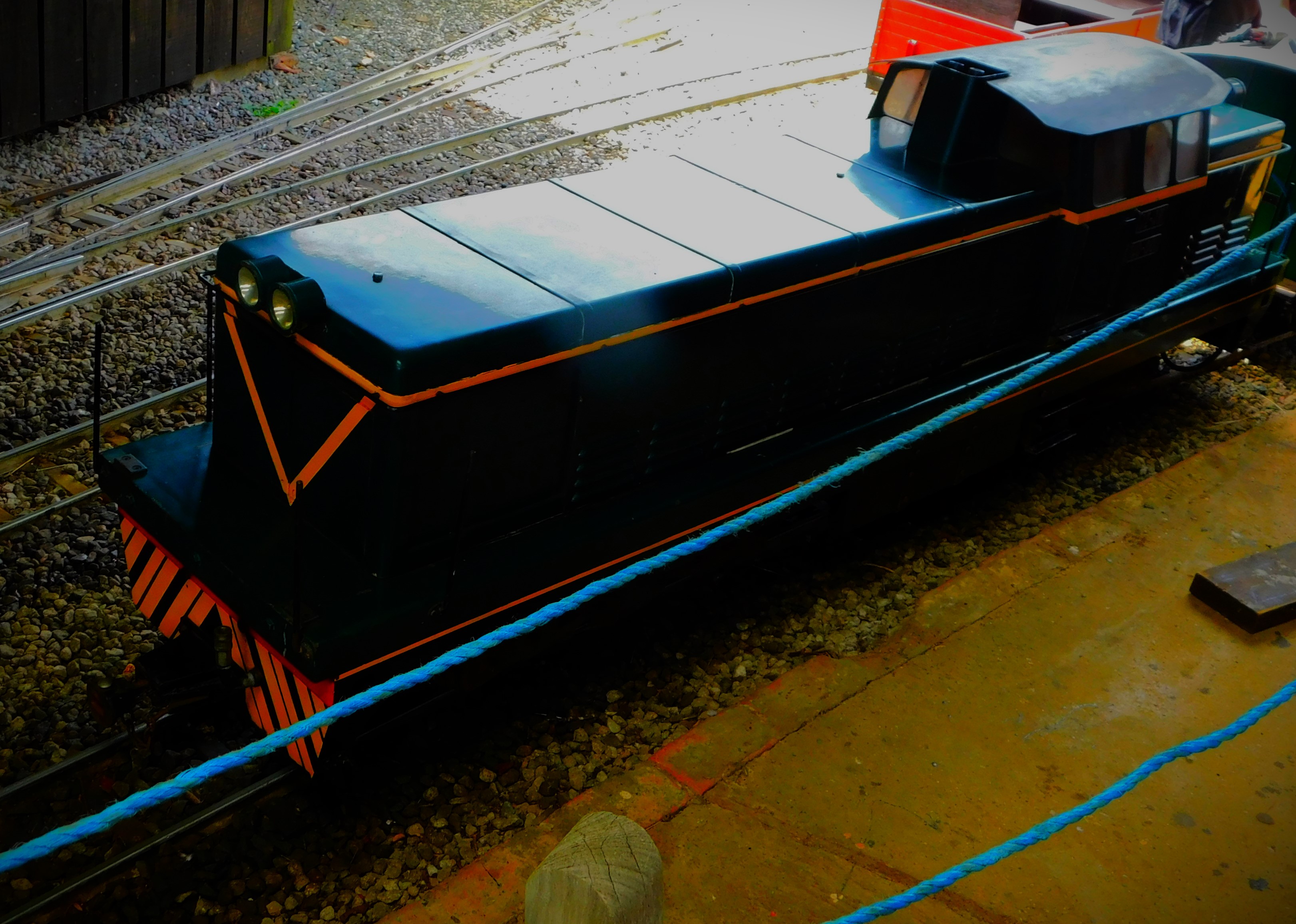
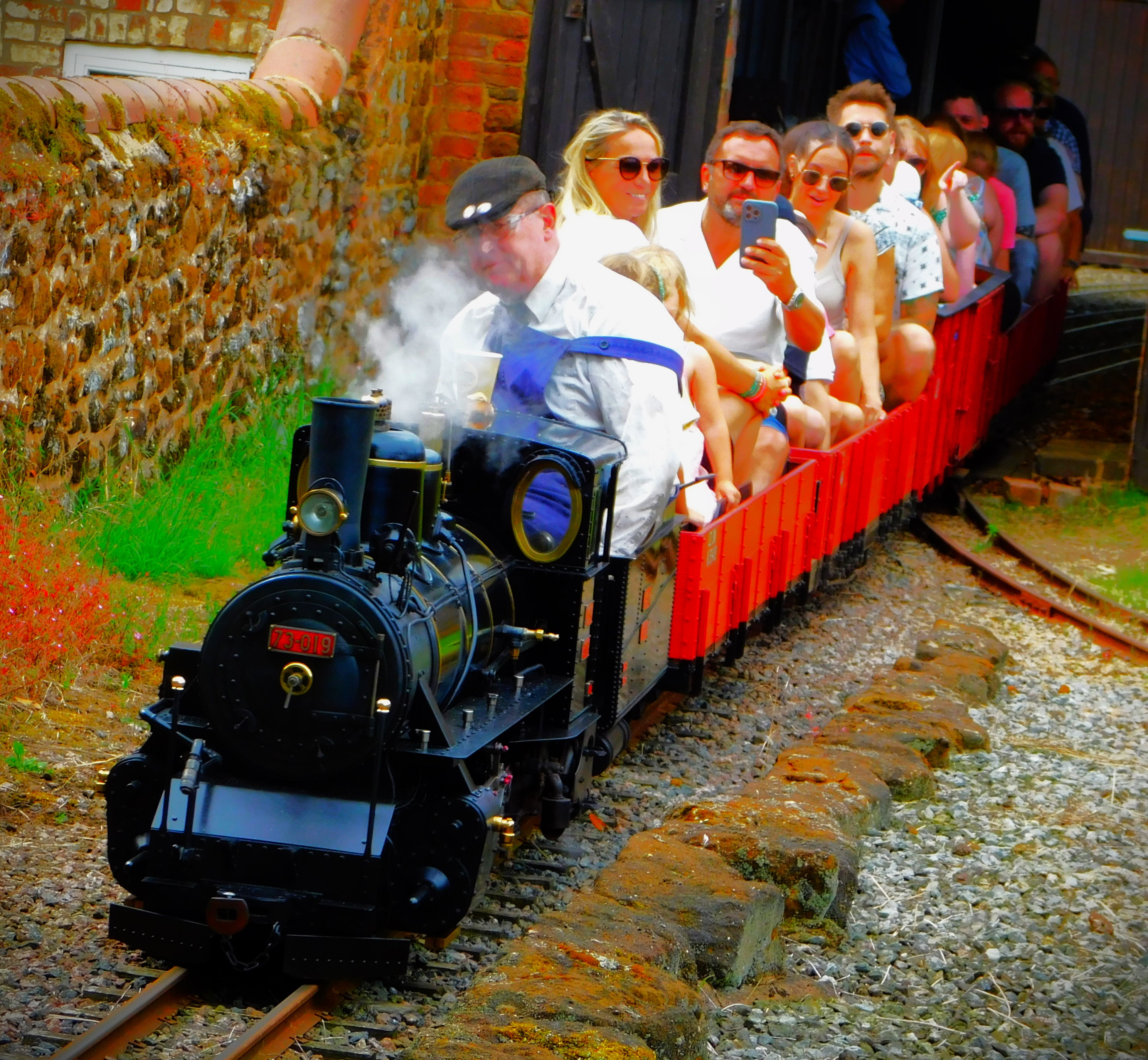
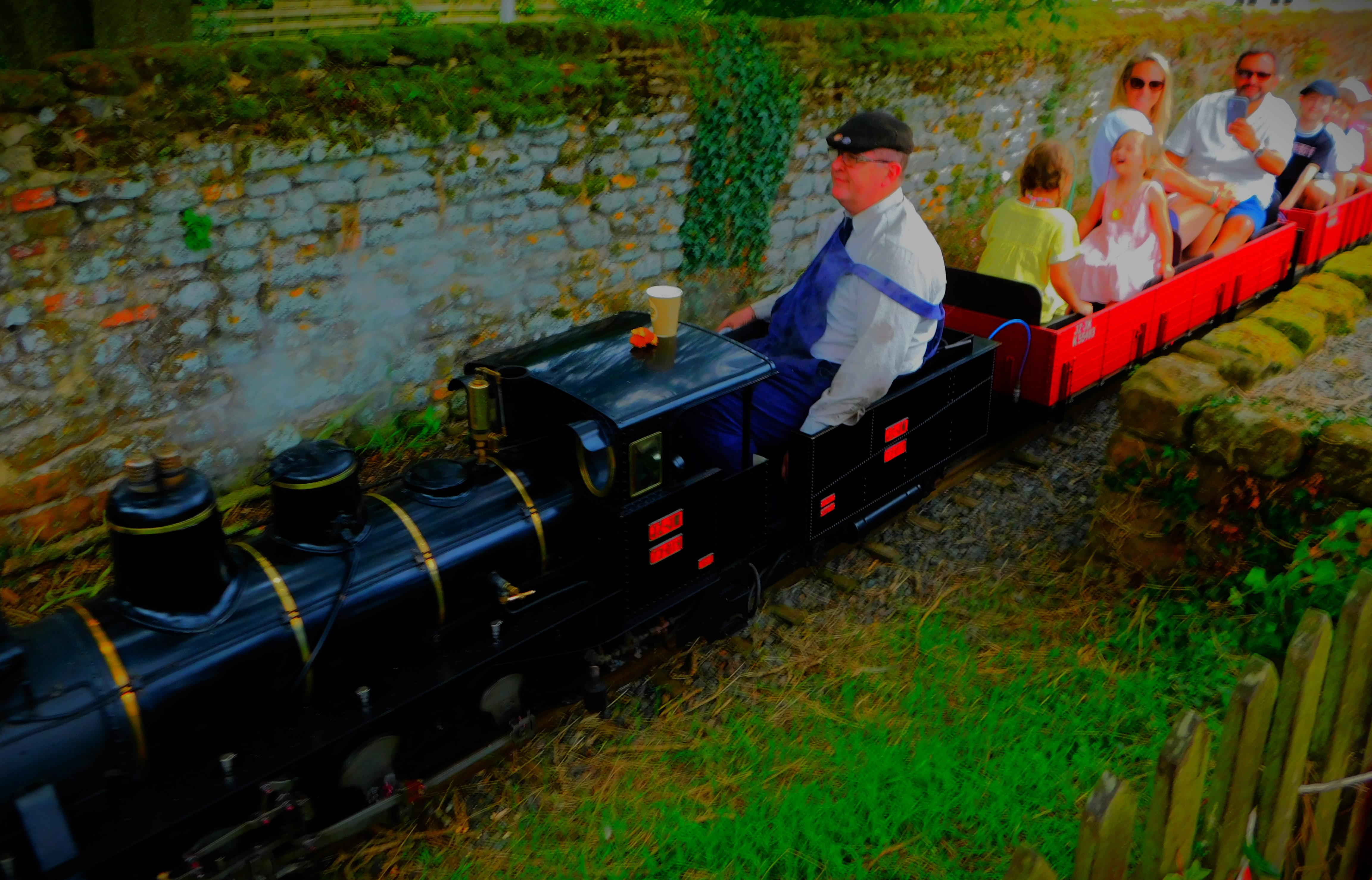
This railway runs for one kilometre (a circular journey), on tracks with a gauge of about nine inches. The locomotives though small are genuine steam locomotives. I managed to get there before it got really crowded, though I had a fairly long wait in the end, as I just missed getting on one train, and the next was reserved for a group of travelling singers, and actually broke down, meaning that the diesel locomotive kept for such emergencies had to be pressed into service. Fortunately the other steam train, on which I was travelling had no such issues. I enjoyed the journey, though the seating on the train I was on was very uncomfortable, and one kilometre was plenty from that point of view. On this short route a lot of pieces of railway infrastructure are duplicated in miniature – there are viaducts, there is one tunnel, which though not very long is impressively dark. This is very much a summer activity – there is no shelter for passengers. We got the bus back at around 3PM – it was 3:25 when we got in to King’s Lynn bus station. I was thus able to catch up with the cricket, though as you will see in my next post my evening engagement meant that I missed the conclusion.
PHOTOGRAPHS
Here is my Norton Hill gallery…
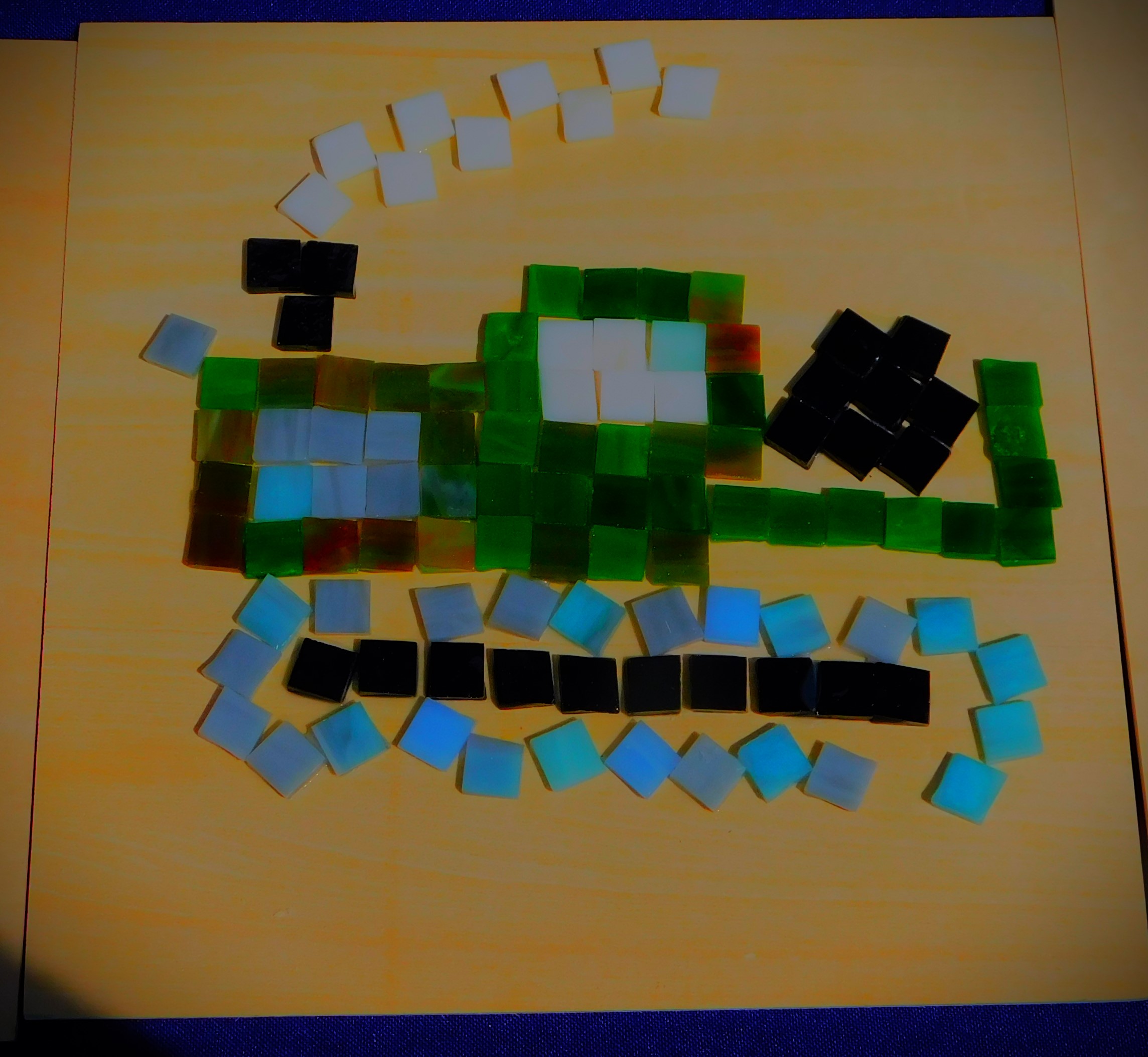
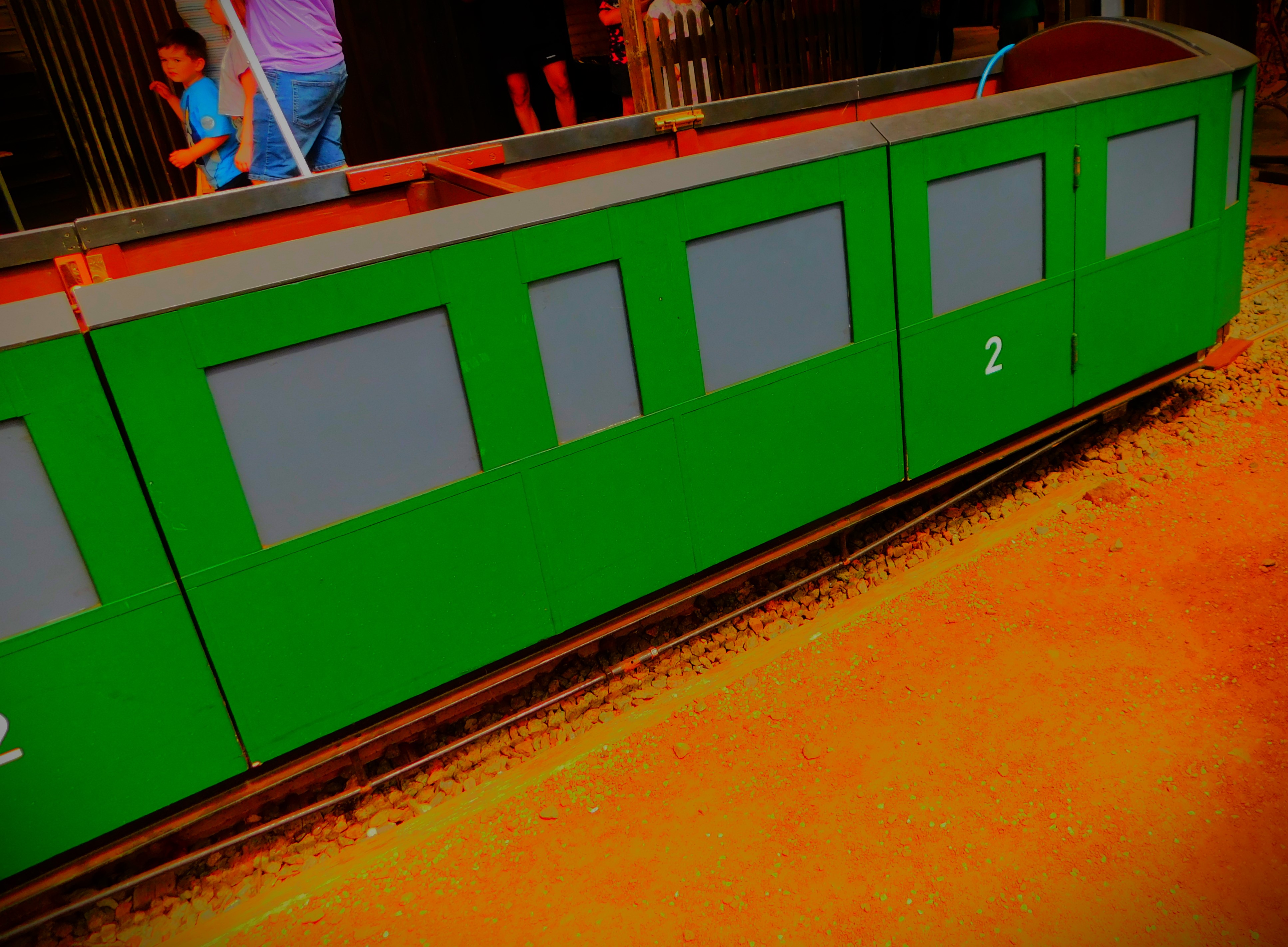
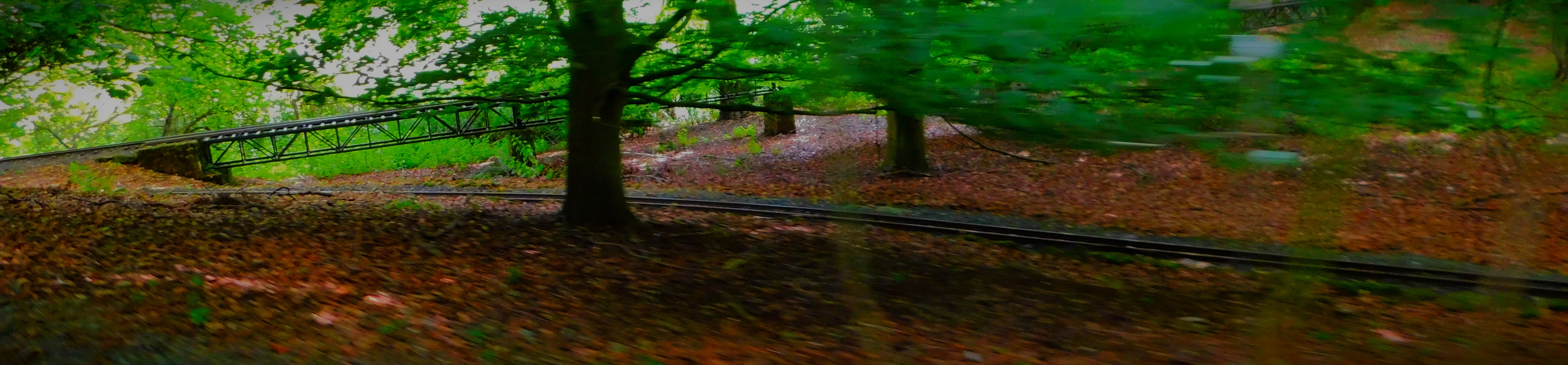
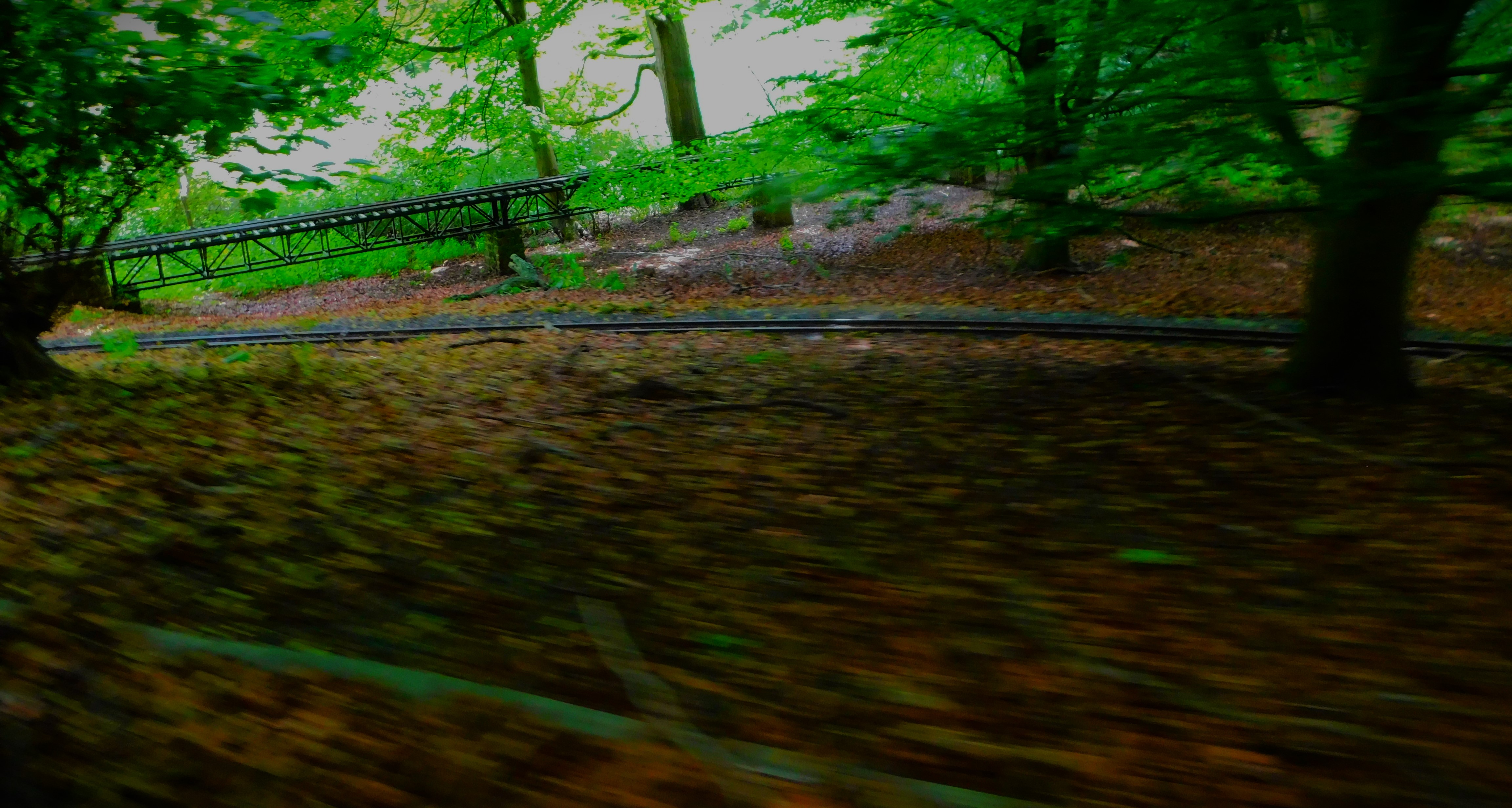
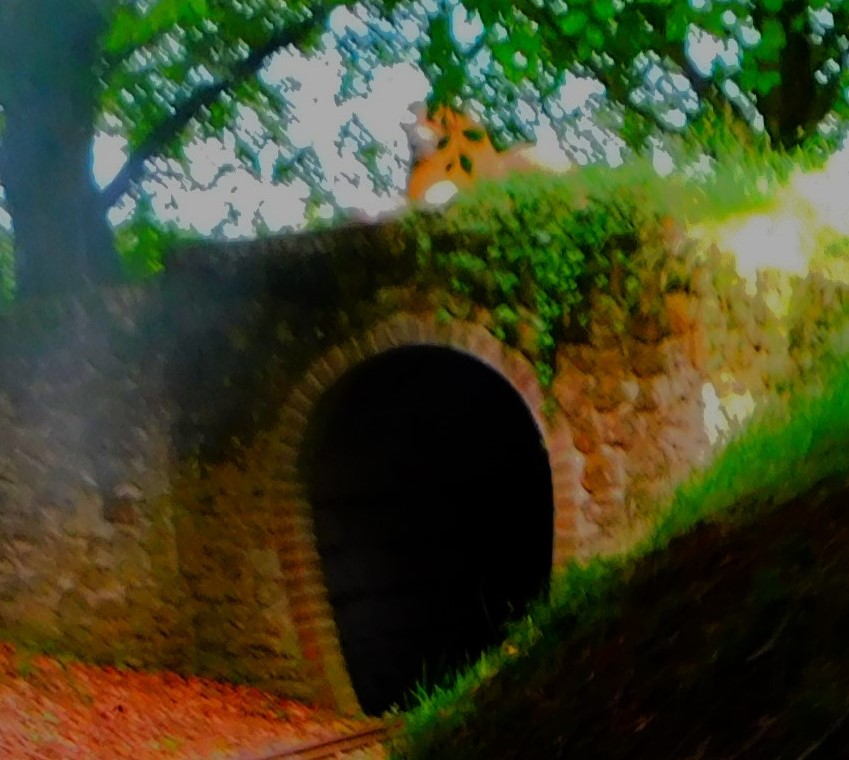
This was one of a number of mosaics made by a member of ours and available for a donation. I didn’t actually buy it.This was the type of wagon I travelled in.A viaduct section.Approaching the tunnelThe locomotive that pulled my train on the turntable.This locomotive has yet to be pressed into service.
Setting the scene for a series about my recent holiday in Scotland.
I usually have a short holiday around the time of my birthday. This year, due to the place my mother was able to organize for us to stay at only being available for a few days I had the main celebration yesterday and have spent most of today travelling. This post sets the scene for what will be a series of blog posts about my brief sojourn in Scotland.
GETTING THERE
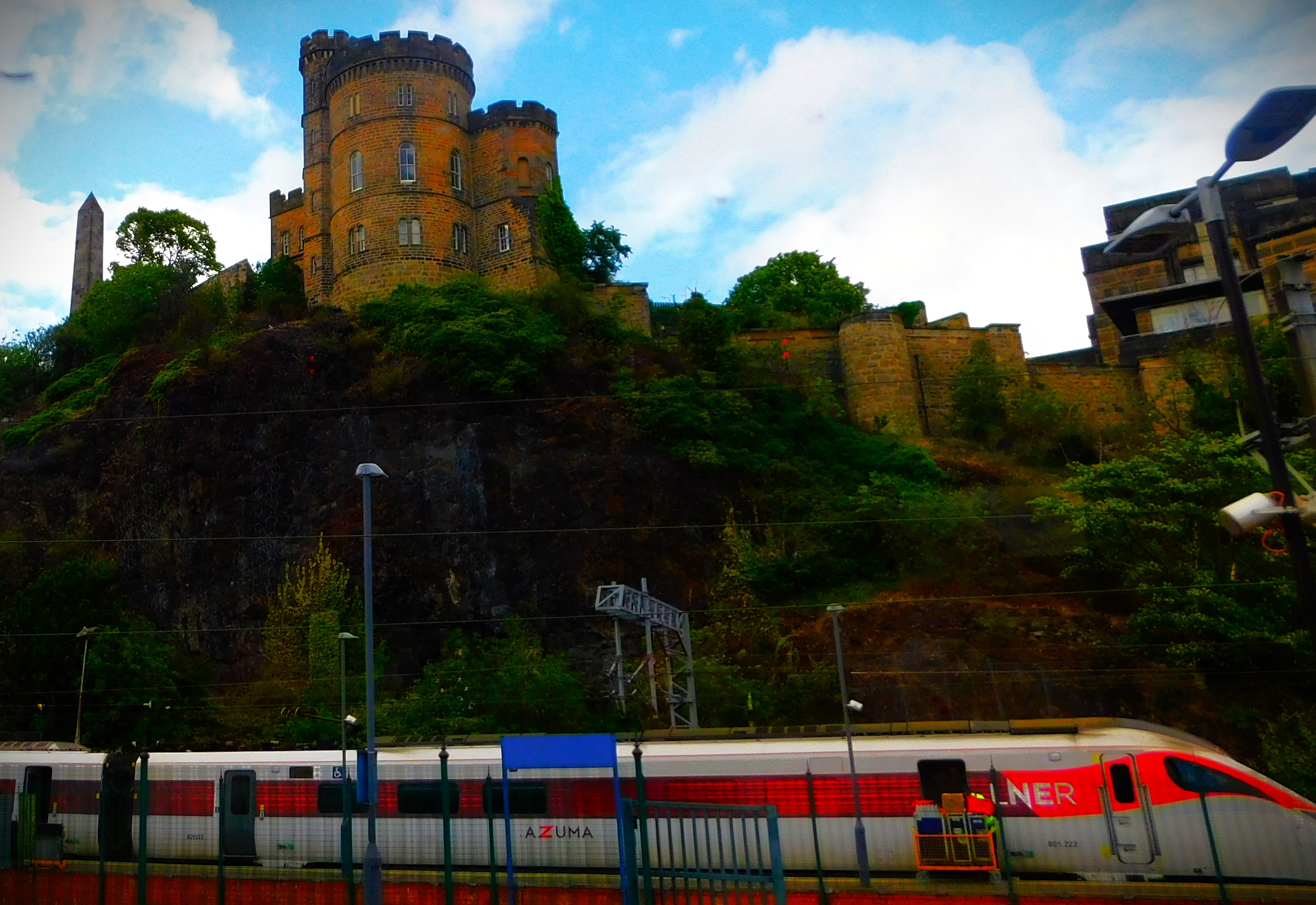
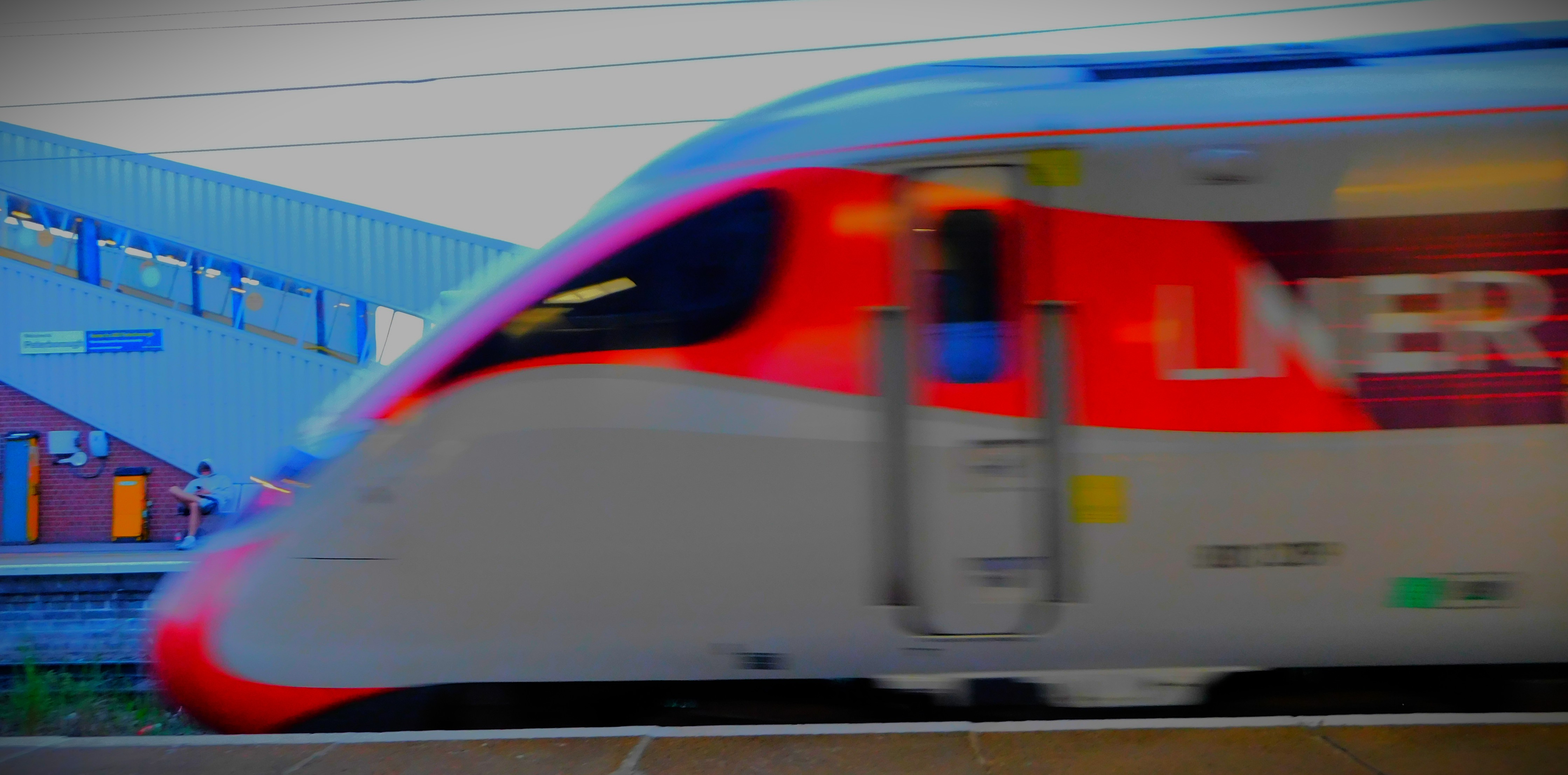
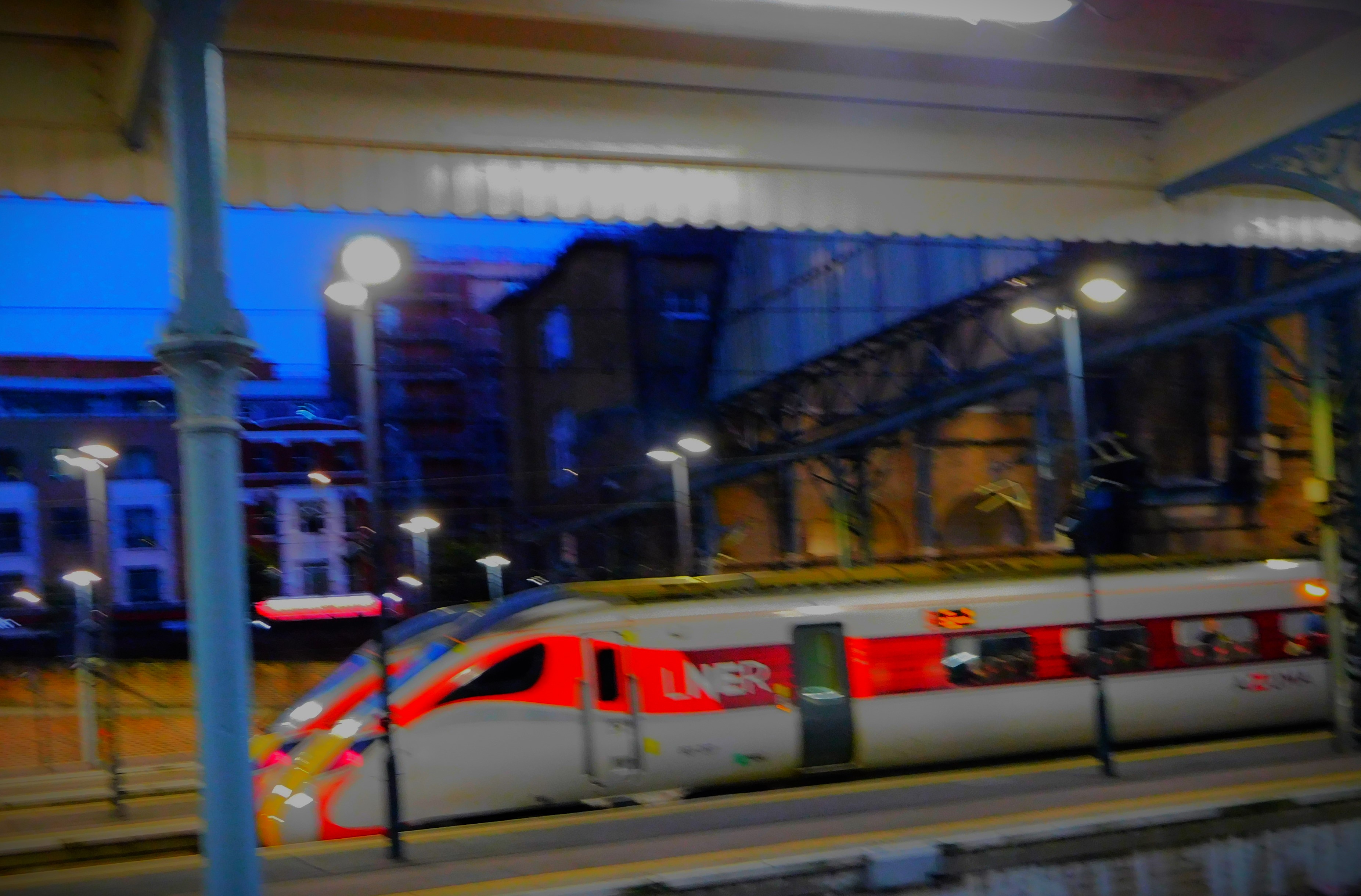
We were staying at the Charles Rennie Mackintosh building in Comrie, which was one of that worthy’s earliest design projects. I arranged to travel by public transport between King’s Lynn and Perth, the nearest major town to Comrie. The public transport element of my outbound journey consisted of four stages: King’s Lynn to Peterborough by bus, Peterborough to Edinburgh Waverley by rail (an Azuma train, the new stock being used by LNER, with a very streamlined front), a Scotrail stopping train from Edinburgh Waverley to Stirling (ultimate destination Dunblane) and then a Scotrail intercity train from Stirling to Perth. By the time I reached Perth, where my parents were meeting me by car for the rest of the journey to Comrie I had been underway for just over eight hours, and another hour would pass before we reached our destination. I will be covering the public transport element of the journey in fuller detail in a later blog post but for the moment here is sampler gallery…
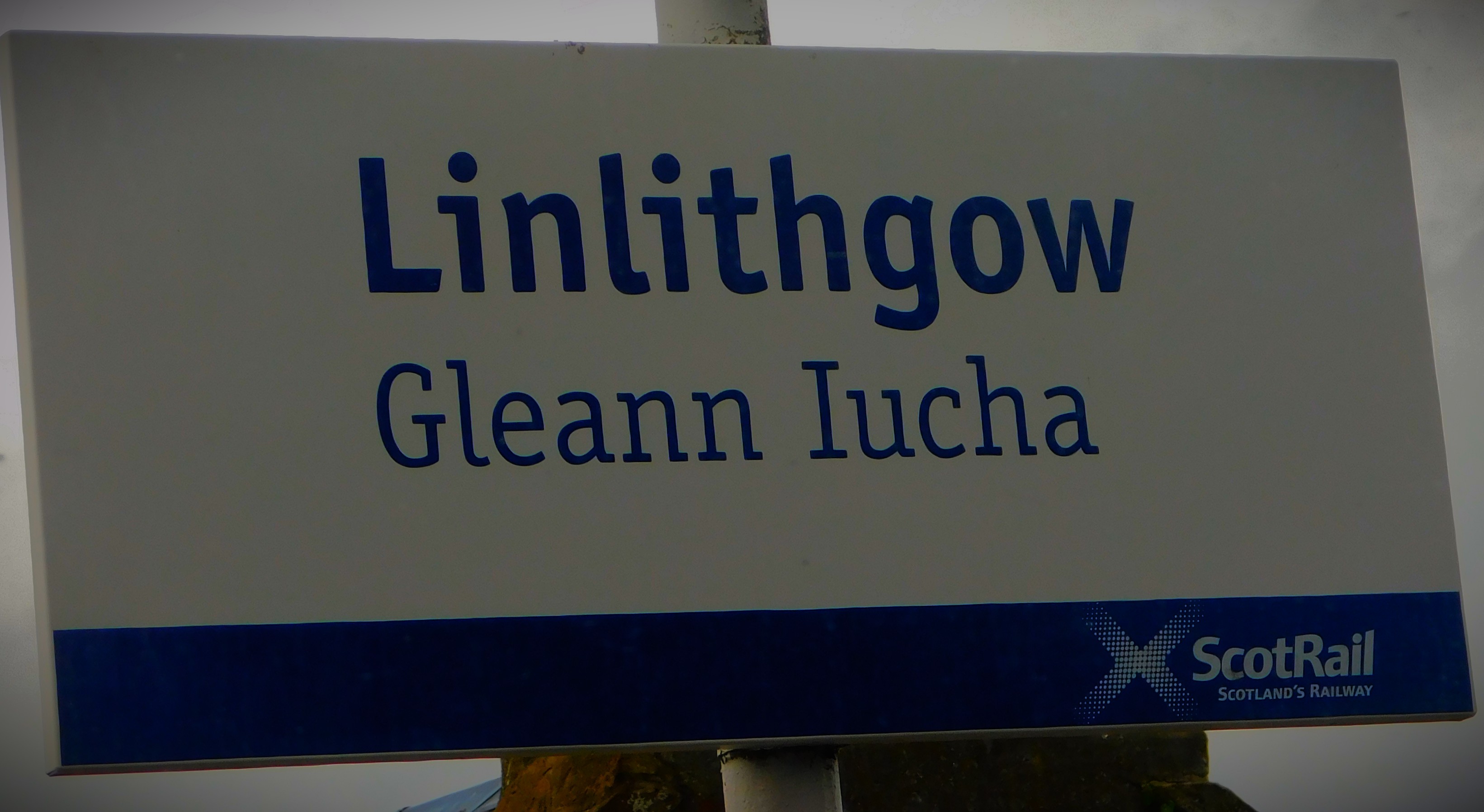
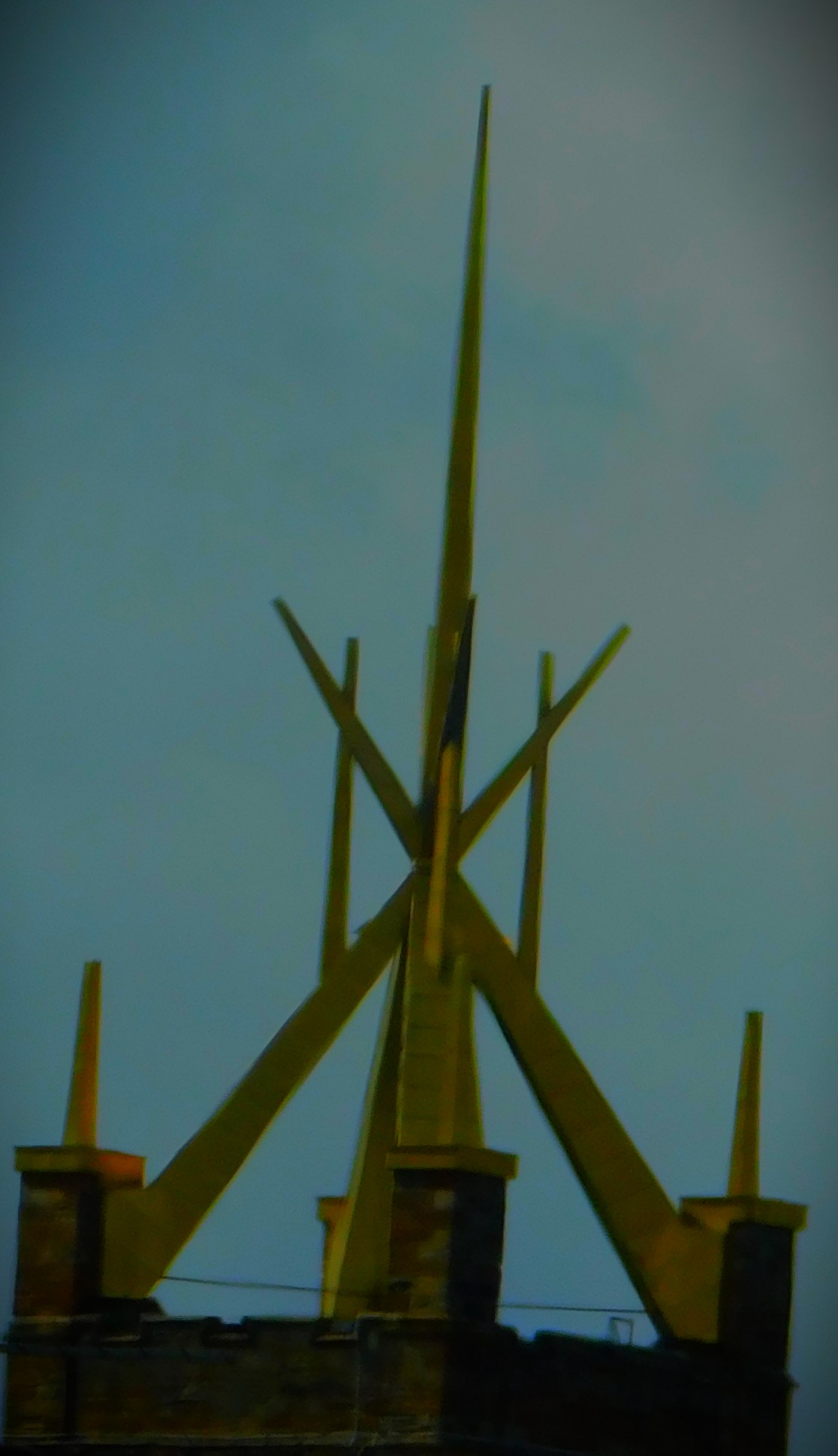
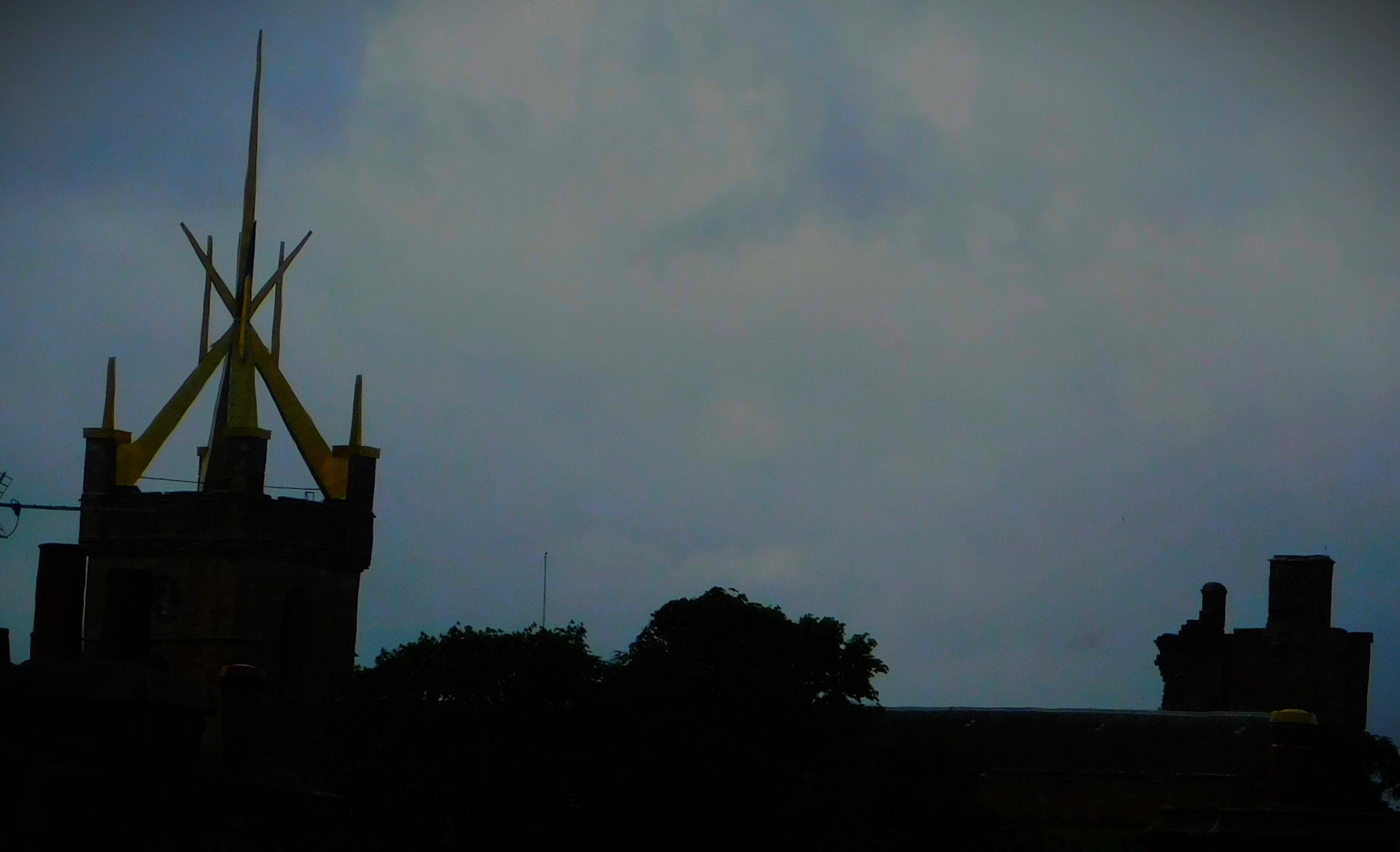
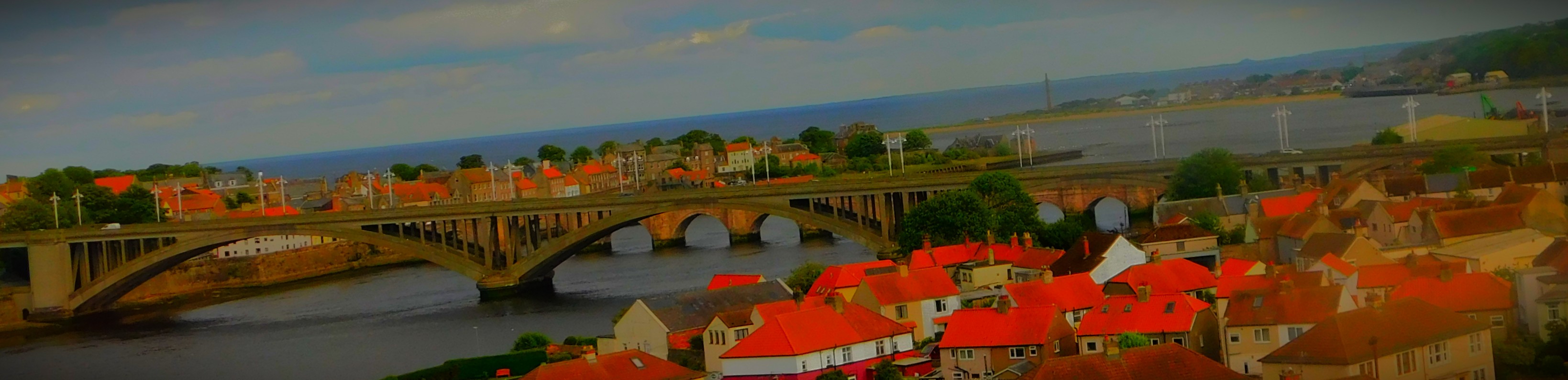
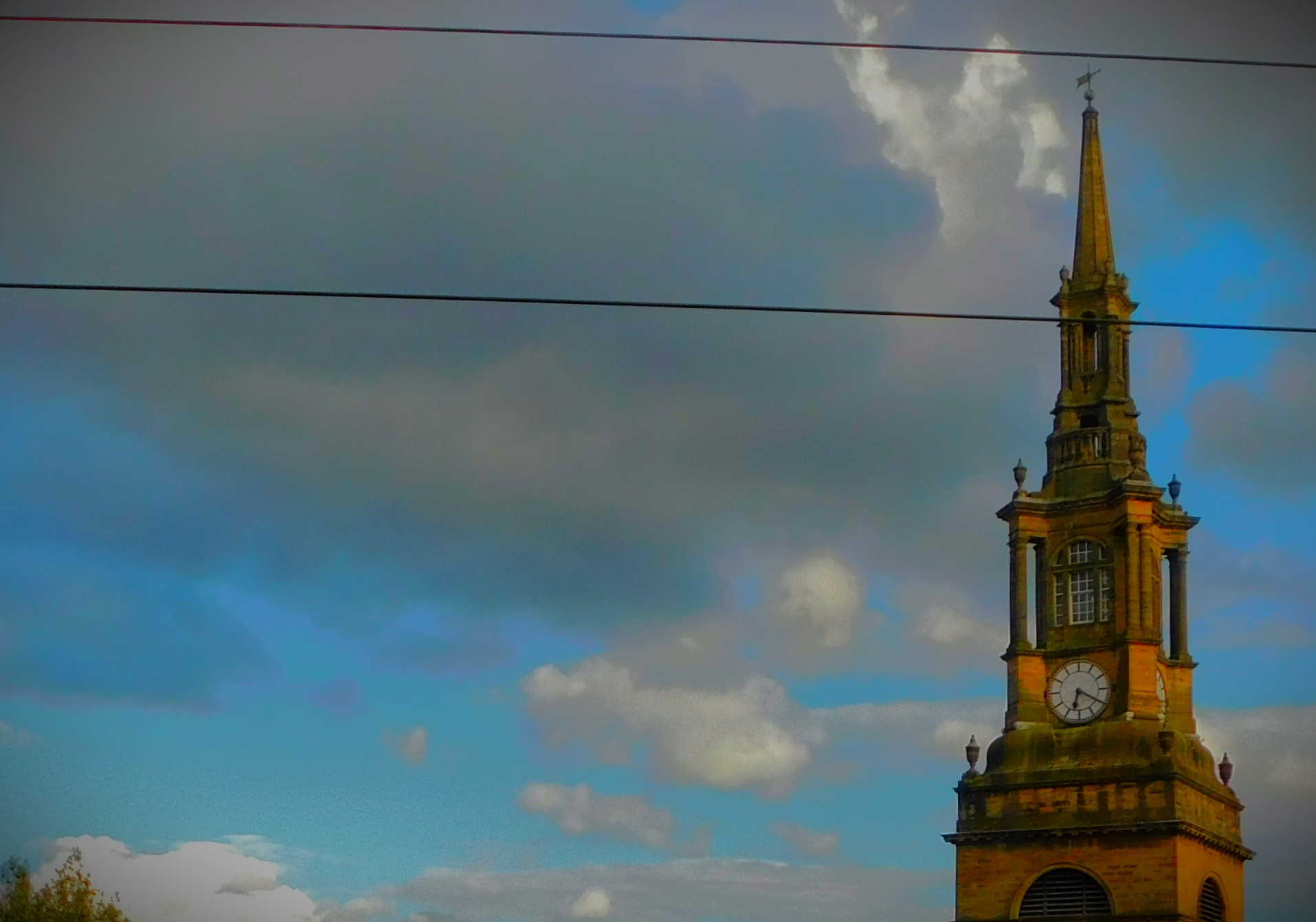
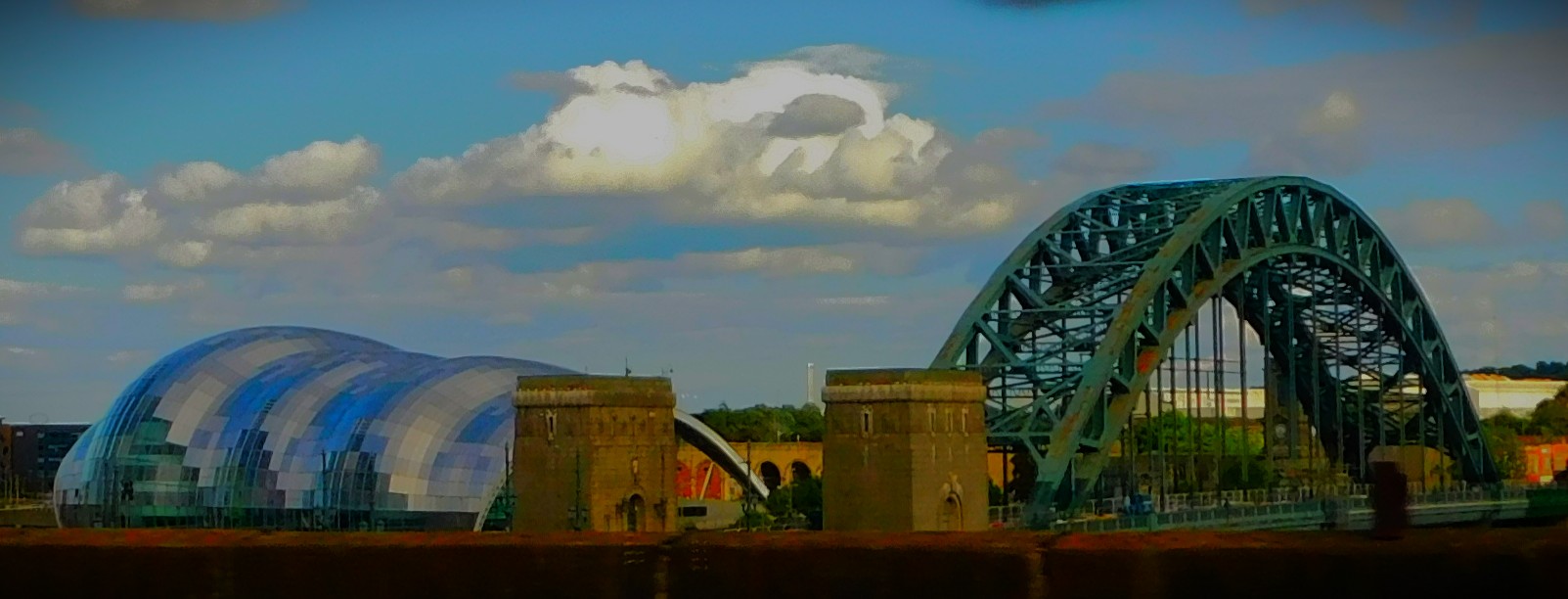
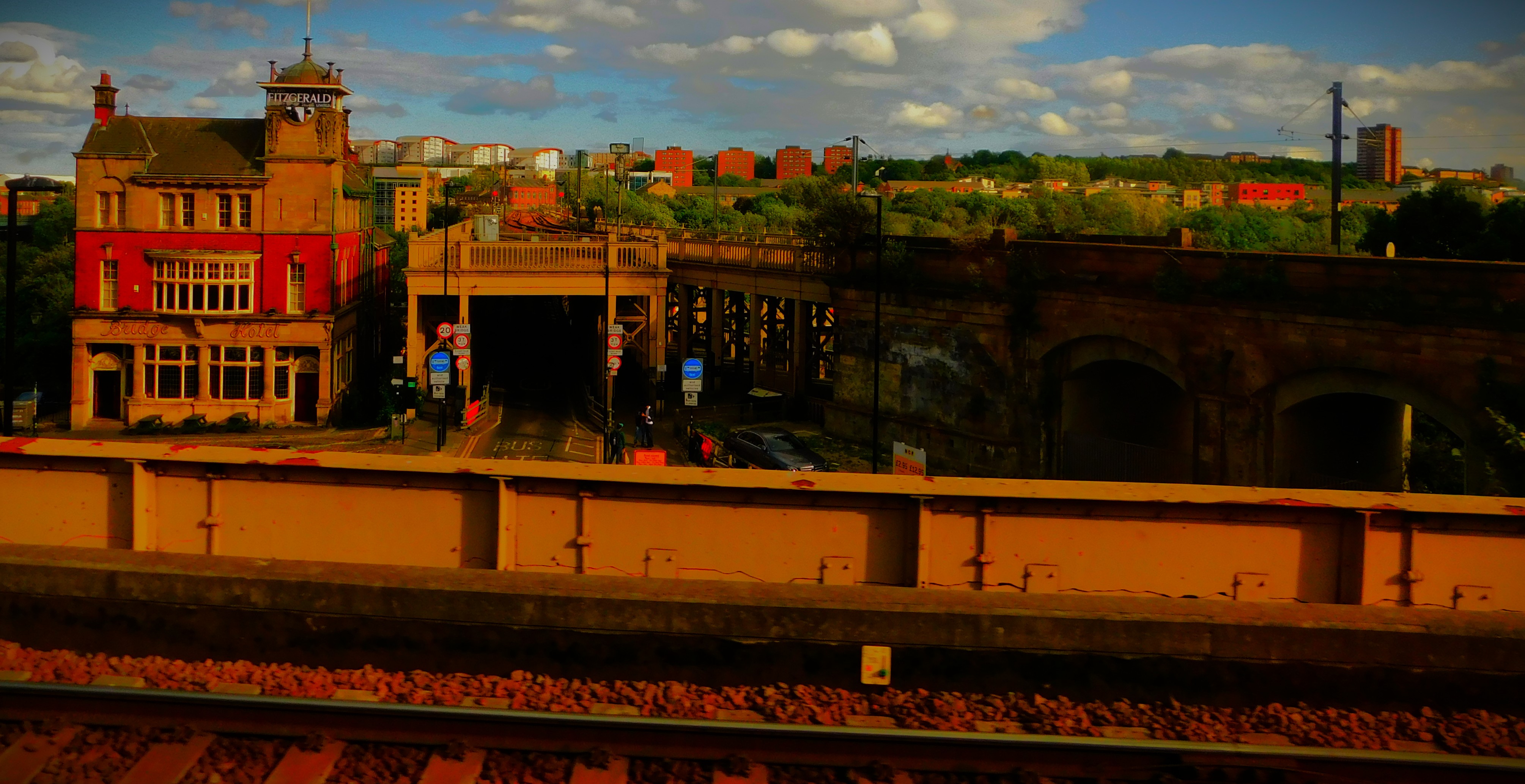
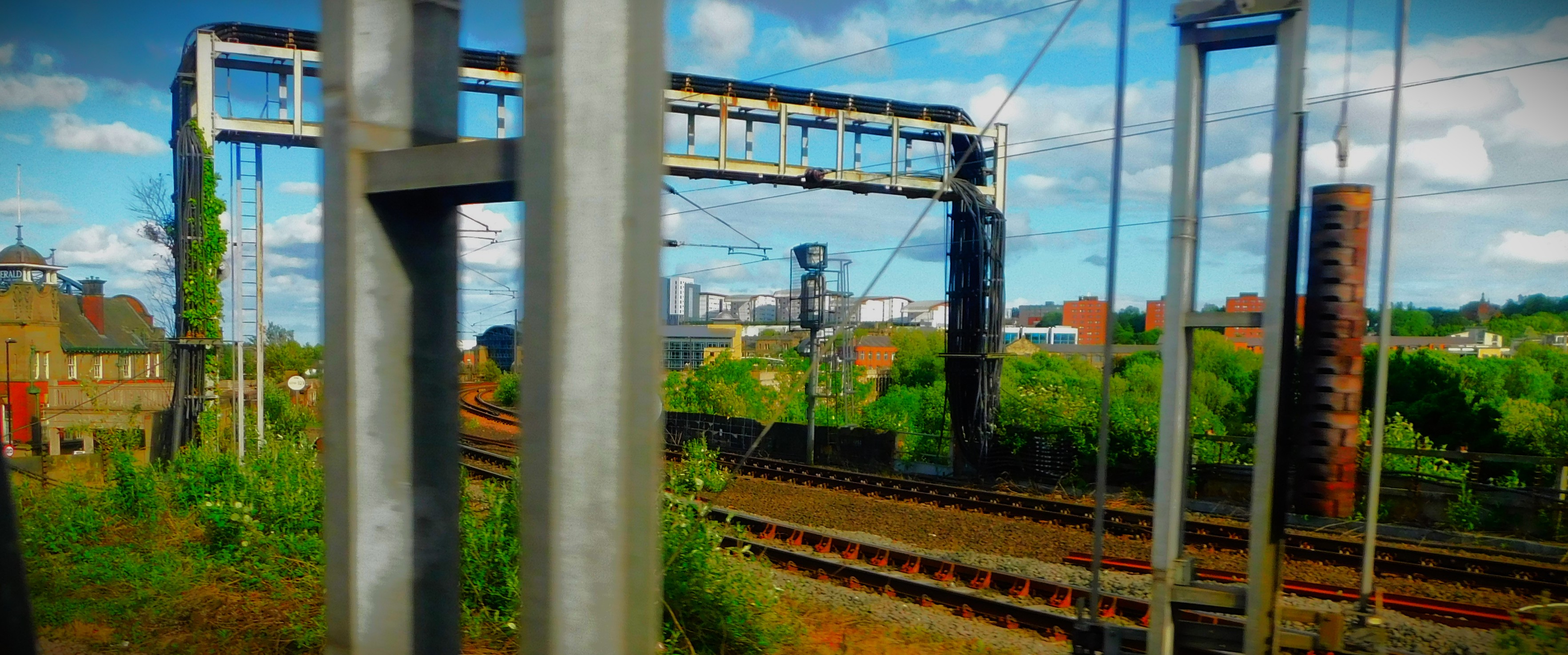
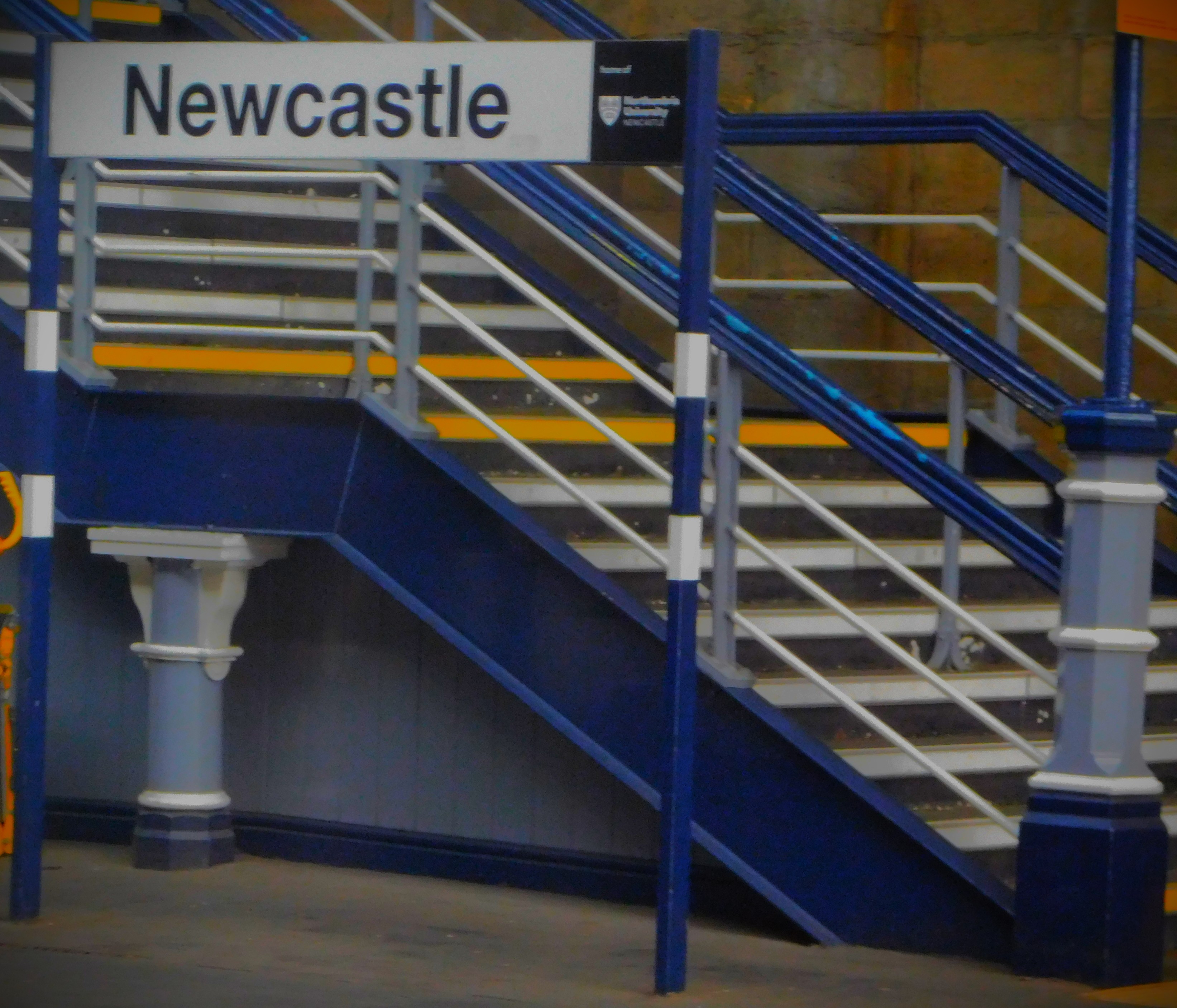
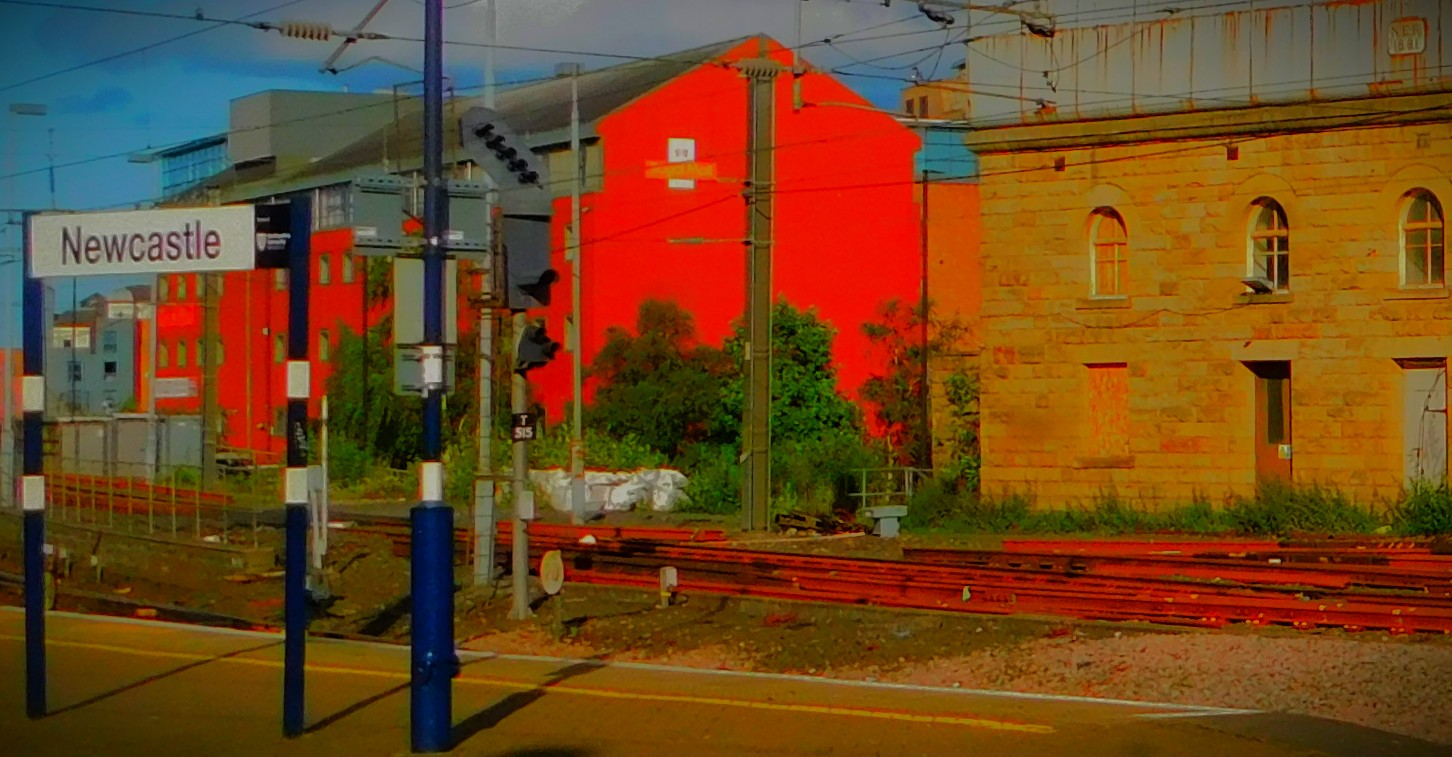
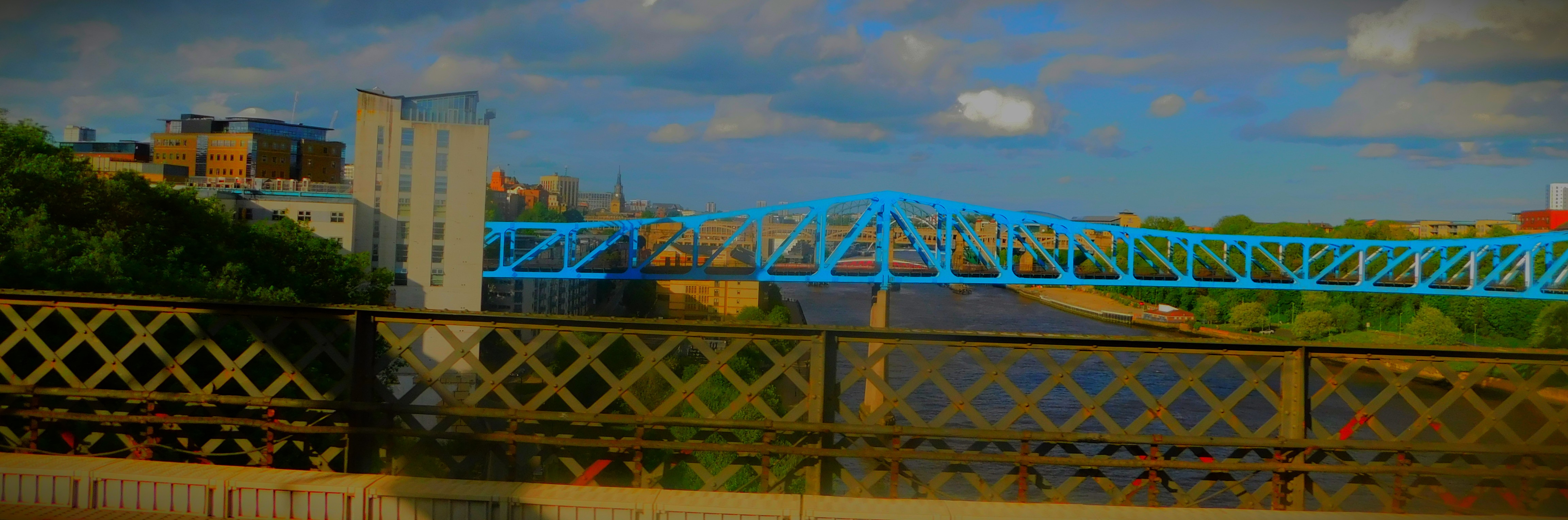
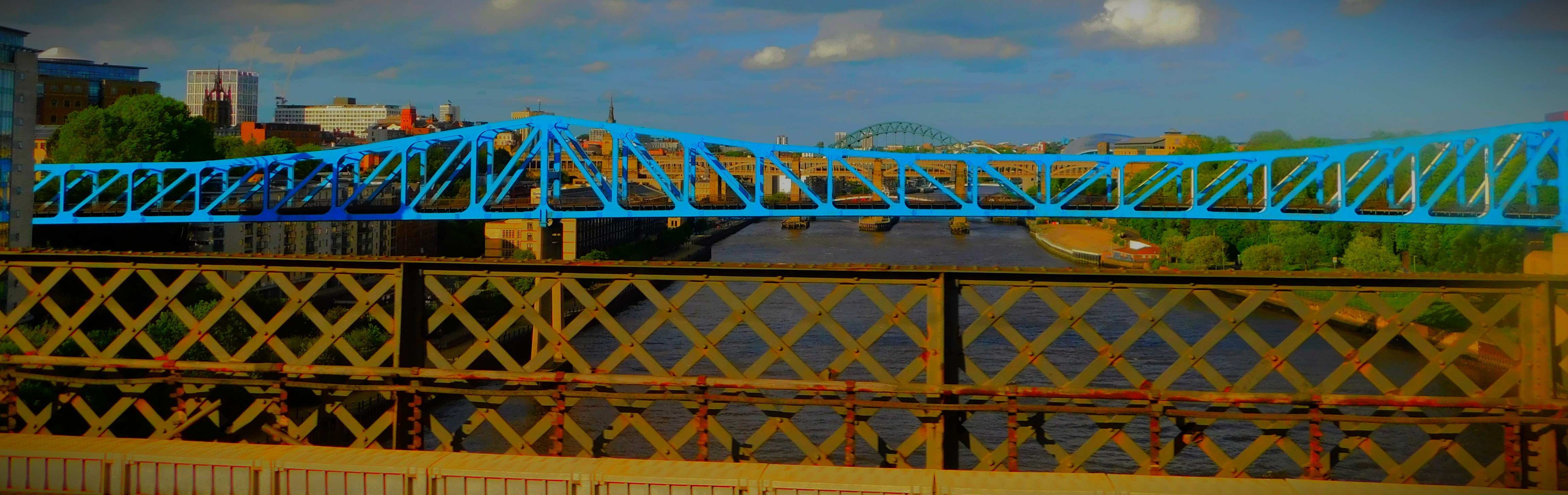
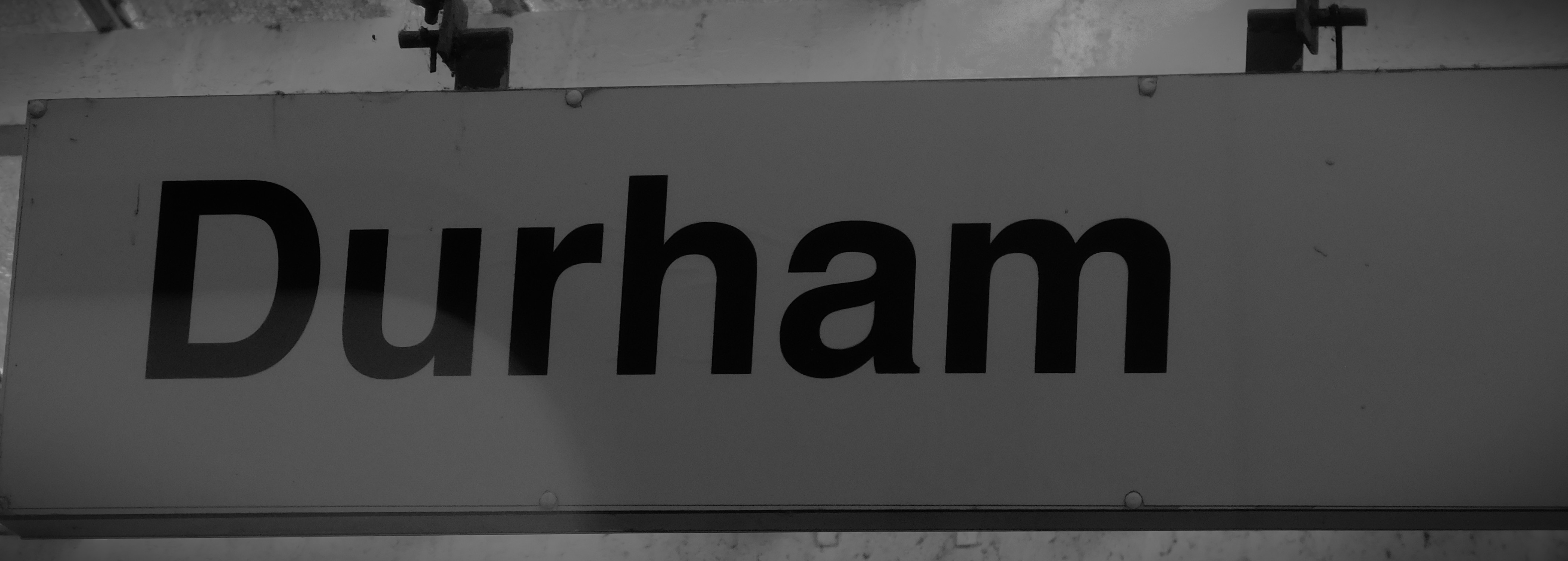
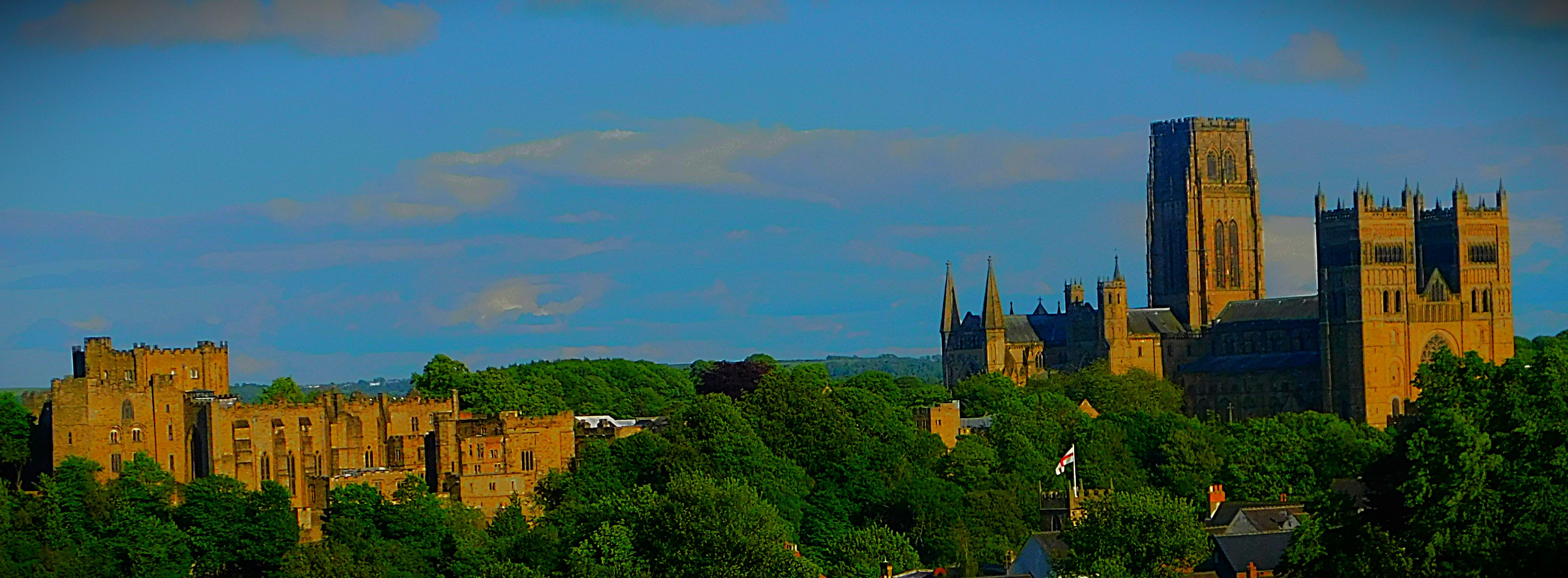
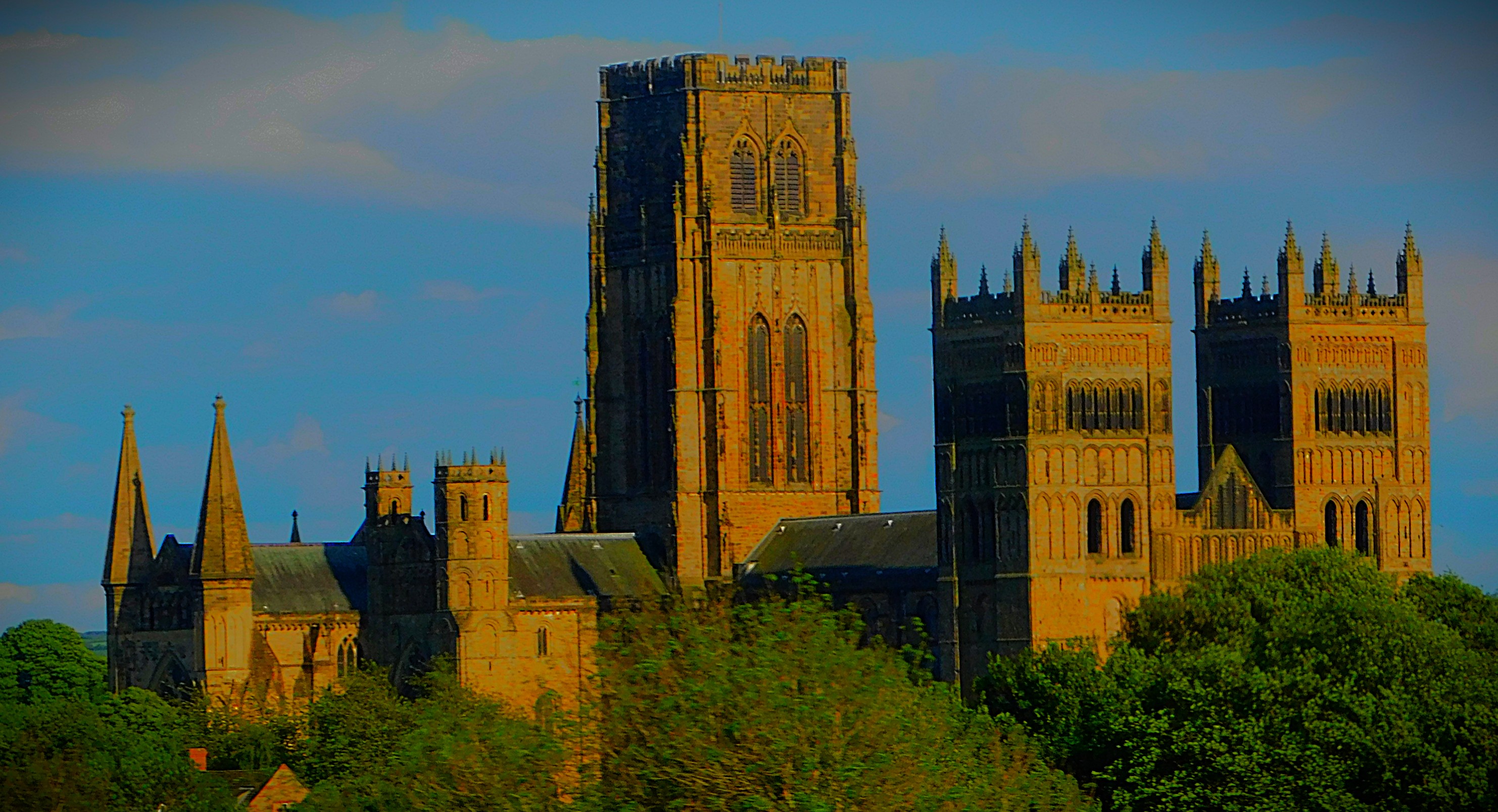
This frontage is in Wisbech, near the start of my journey.Durham, in the middle of the journey (two pics)NewcastleLeaving England and heading into Scotland (this is Berwick, where the train did not stop)This tower with the gold coloured ornamentation is near Linlithgow, nearing the end of the Edinburgh-Stirling leg of the journey.
THE HOUSE
I will be covering the house and its immediate surrounds in more detail later, but here are a few pictures to whet the appetite…
Everything in these three pictures is Mackintosh designed.
ACTIVITIES
As you might imagine the Tuesday evening was pretty much a dead loss as far as activities were concerned, but Wednesday and Thursday were well filled. I explored along the river Earn on the Wednesday morning, and we all walked up to the Deil’s Caldron just before lunch that day, before doing some of the Earthquake Walk in the afternoon (Comrie used to be known as the ‘shaky toon’ because of its proximity to a fault line, and was possibly the first place in the world to have earthquake recording equipment, with the house in which that equipment lived, and where there is a still a functioning seismoscope, being the centrepiece of the walk). On Thursday we visited a WWII POW camp at Cultybraggan, also had a look at an old Roman fort, and near the latter we also saw a much younger but still impressively old stone packhorse bridge across the Earn and also paid a visit to Crieff, once an important staging post on an epic cattle droving route that began in the extreme west of Scotland and ended in Stirling. The birthday meal was Thursday evening. Here is a sample gallery from some of these activities…
Three shots of the Caldron (the colour of the water is down to dissolved peat from the uplands – water in Scotland is not in the hands of greedy privateers).A couple of items at Cultybraggan and the packhorse bridge.
THE RETURN JOURNEY
The public transport element of my return journey started with a journey from Perth to Edinburgh Waverley, not by way of Stirling, then the fast journey from Edinburgh Waverley to Peterborough and finally a bus from Peterborough to King’s Lynn. The train from Perth ran late, and there were moments of worry about making the interchange at Edinburgh (the train from Perth arrived only eight minutes before my second train, to Peterborough, was due to depart, but I hustled myself between platforms and in the end reached my seat with six of those eight minutes to spare. I haven’t yet edited the photos from I took en route. I end with a mini-gallery from earlier in the stay…
A stone bridge over the Earn, which we crossed on our way to the Earthquake House.the Earthquake House from the road.
A look at declarations in the light of recent events in Brisbane, and a large photo gallery.
Declarations have been in the cricket news again lately after one by Australian captain Pat Cummins didn’t work out for him. In this post I look at that declaration and some stories from cricket history involving declarations or their equivalent.
THE CUMMINS DECLARATION
West Indies had fought back from a poor start to record a first innings score of 311, Australia then had an even worse start to their first innings, being 24-4 at one point. They also fought back hard, and reached 289-9, at which point Cummins declared, opting to look for early wickets under the lights. While declaring when still in deficit is unusual there were justifications for taking this approach. Australia were unbeaten in day/night tests, largely because they as a whole, and Mitchell Starc in particular bowl so well under the lights, so it was natural for Cummins to want to play a potential trump card. Unfortunately for Cummins Australia managed only one wicket in the mini-session under the lights that he engineered for them, and West Indies ended up winning the match by eight runs.
DECLARATIONS THROUGH THE AGES
Declarations were only allowed in the late 19th century, and two matches from the tail end of the period in which declarations were not permitted help to illustrate why.
When Surrey played Nottinghamshire in 1889 they were going well in their second innings – so well in fact that they were in danger of not having enough time left to dismiss Nottinghamshire a second time. Surrey captain John Shuter instructed his side to get themselves out quickly, and they did so. Surrey then bowled Nottinghamshire out cheaply. In 1893 England were playing Australia in a rain affected match, and England were batting with a small lead at the end of day’s play. England captain WG Grace inspected the pitch the following morning and getting back to the pavilion he told his team mates “I need you to get out quickly – we need to be bowling by 12:30 at the latest”. Grace was not the sort of skipper anyone would dare ignore, and England duly lost their remaining wickets in 20 minutes of play. Australia then collapsed on a pitch that was every bit as spiteful as WG had reckoned it would be and England won the match.
1936 – DECLARING BEHIND AND A DRAMATIC COUNTER
England were 2-0 up in an away Ashes series after two matches, and all seemed to going well when they got Australia out for 200 in the first innings of the third match. Then the rain came, turning the pitch into a vicious sticky. England limped to 76-9 before skipper Allen declared to get Australia back in again while the pitch was still misbehaving. Bradman countered by sending tailenders O’Reilly and Fleetwood-Smith in to play and miss until the close, and when O’Reilly was out before the close he sent in another tail ender, Frank Ward. All of this meant that by the time Bradman, normally number three, joined Fingleton, a regular opener, the score was 97-5, and the pitch was easing. Bradman and Fingleton put on 346 together for the sixth wicket, Bradman going on to record score for anyone batting at number seven in a test match of 270, and England were beaten by a massive margin.
1950 – DECLARATION AND COUNTER DECLARATION
The England squad for the 1950-1 Ashes arrived in Australia not expected to do much, with both batting and bowling looking questionable and the skipper Freddie Brown known to have been the third choice for that role. In the first match at Brisbane they rose magnificently to the occasion in the first innings and dismissed the Australians for 228 on a plumb pitch. Unfortunately for them it then rained, with the usual effect on uncovered pitches. At 68-7 Brown declared to get Australia in while the pitch was at its worst. Australia were 32-7, and in danger of being all out for a new all time test low, beating the 36 they had been rolled for at Edgbaston in 1902, when Hassett declared to get England back in that night. England held back Hutton for the following day, but unfortunately they did not make a great fist of surviving that evening being 30-6 by the close. The worst of many poor dismissals among those six was that of Arthur McIntyre, reserve keeper but playing that match as a batter, who was run out coming back for a fourth run. Hutton played a superb innings the following day, but England came up short.
A DECLARATION ON DAY ONE, BATTING SECOND
Surrey were going a third successive title near the end of the 1954 season when they played Worcestershire. Worcestershire were all out for 27 batting first. With Surrey 92-3 Stuart Surridge decided he wanted another go at Worcestershire that evening and declared. Laker and Lock each claimed a wicket by the end of day one, and on the second morning Worcestershire were all out for 40, and won by an innings and 25 runs, which ensured that they would retain the championship.
A STOKES SPECIAL
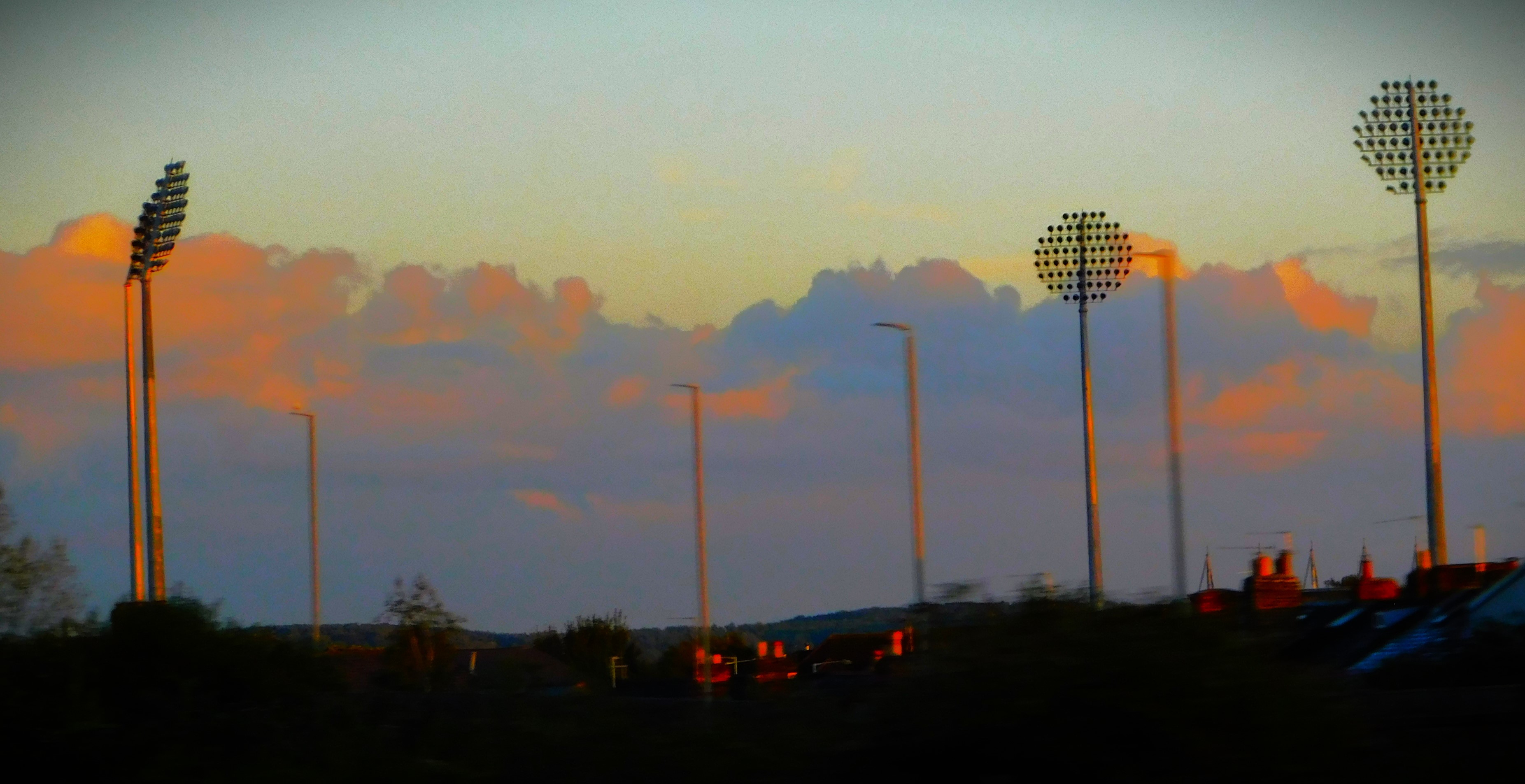
A few months before England toured Pakistan in late 2022 Australia had visited, and when they played at Rawalpindi they had a full bowling attack, rated among the best in the world, and took precisely four Pakistan wickets in the match. Thus, England were already well in credit by tea on day four, having dismissed Pakistan in their first innings and built an advantage of 347. At that point Ben Stokes opted to declare, a declaration that many rushed to condemn. I had not been expecting the move, but did not rush to judgement on it. Having been following the match the whole way through I knew that both evening sessions would be abbreviated due to lack of daylight, so it was not quite as generous in practice as it was in theory. England secured the victory with time for probably nine more balls, and at most 15, before the light closed in on the final day (the final wicket went to the third ball of an over, and there were nine minutes left before the time at which the light had been judged unplayable the previous day).
Starting a mini-series about a long weekend in Cornwall with an account of the journey there.
I last posted on Wednesday and this post explains why. Thursday was a work day, and then Friday was pretty much entirely given over to travel, as I was going to Cornwall for a long weekend with various relatives, while yesterday was also very busy, as today will be. However, I have time to do a blog post now, the start of a mini-series.
MY BASE FOR THE WEEKEND AND TRAVEL PLANS
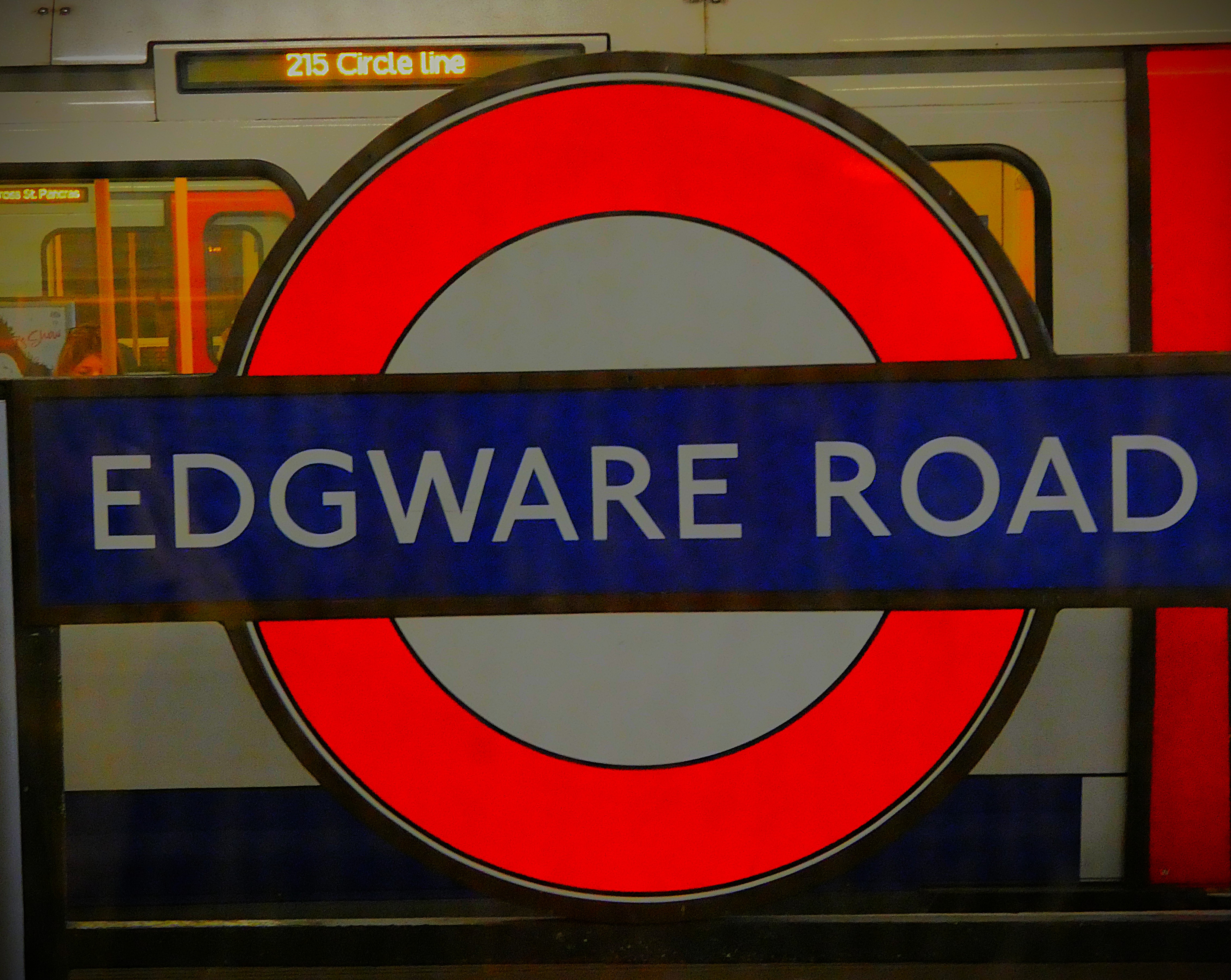
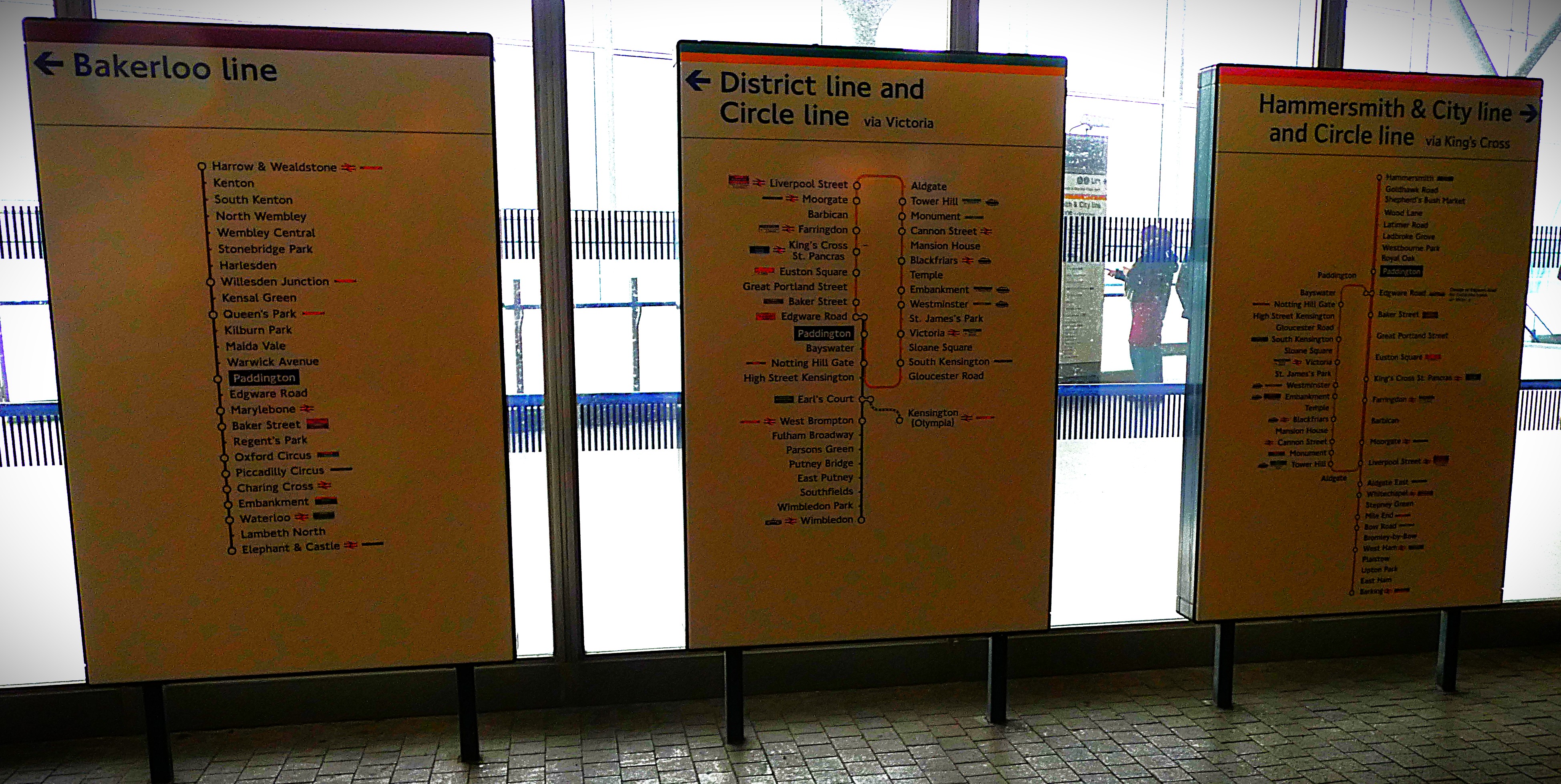
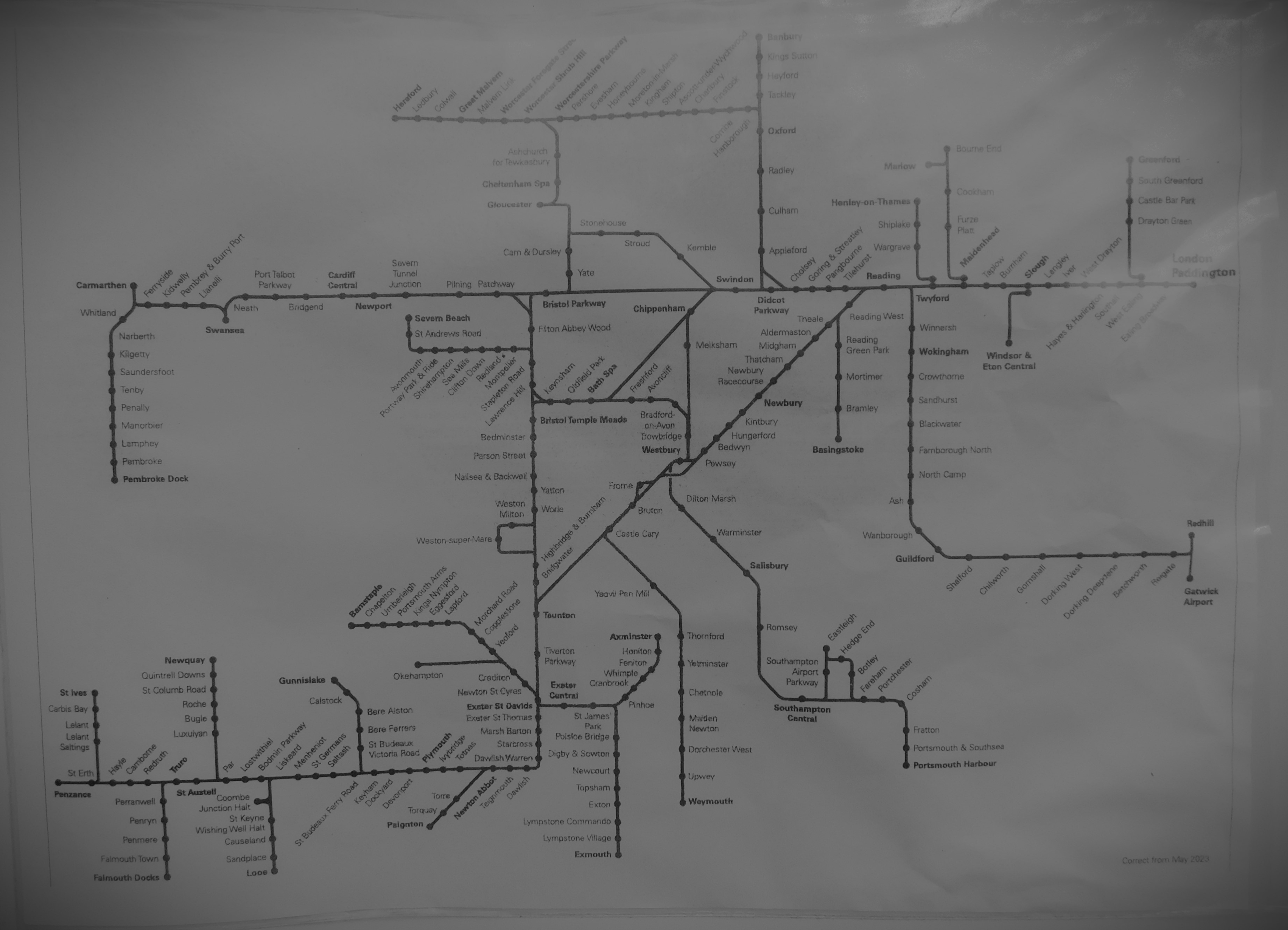
My parents live in Fort Picklecombe just on the Cornish side of the Tamar and about a mile from the village of Cawsand. I would be staying with them for the weekend so my task travel wise was to get from King’s Lynn to Plymouth from where they could pick me up. This journey is accomplished in three parts – King’s Lynn to Kings Cross, Hammersmith & City line to Paddington (NOT the Circle line – the Paddington served by that line should revert to its original name of Praed Street – it is significantly removed from the main line station, whereas the Hammersmith & City line platforms are structurally part of the main station), Paddington to Plymouth. I arranged to leave Lynn on the 09:42, connecting to the 13:03 from Paddington, which would arrive in Plymouth at 16:12.
KING’S LYNN TO LONDON
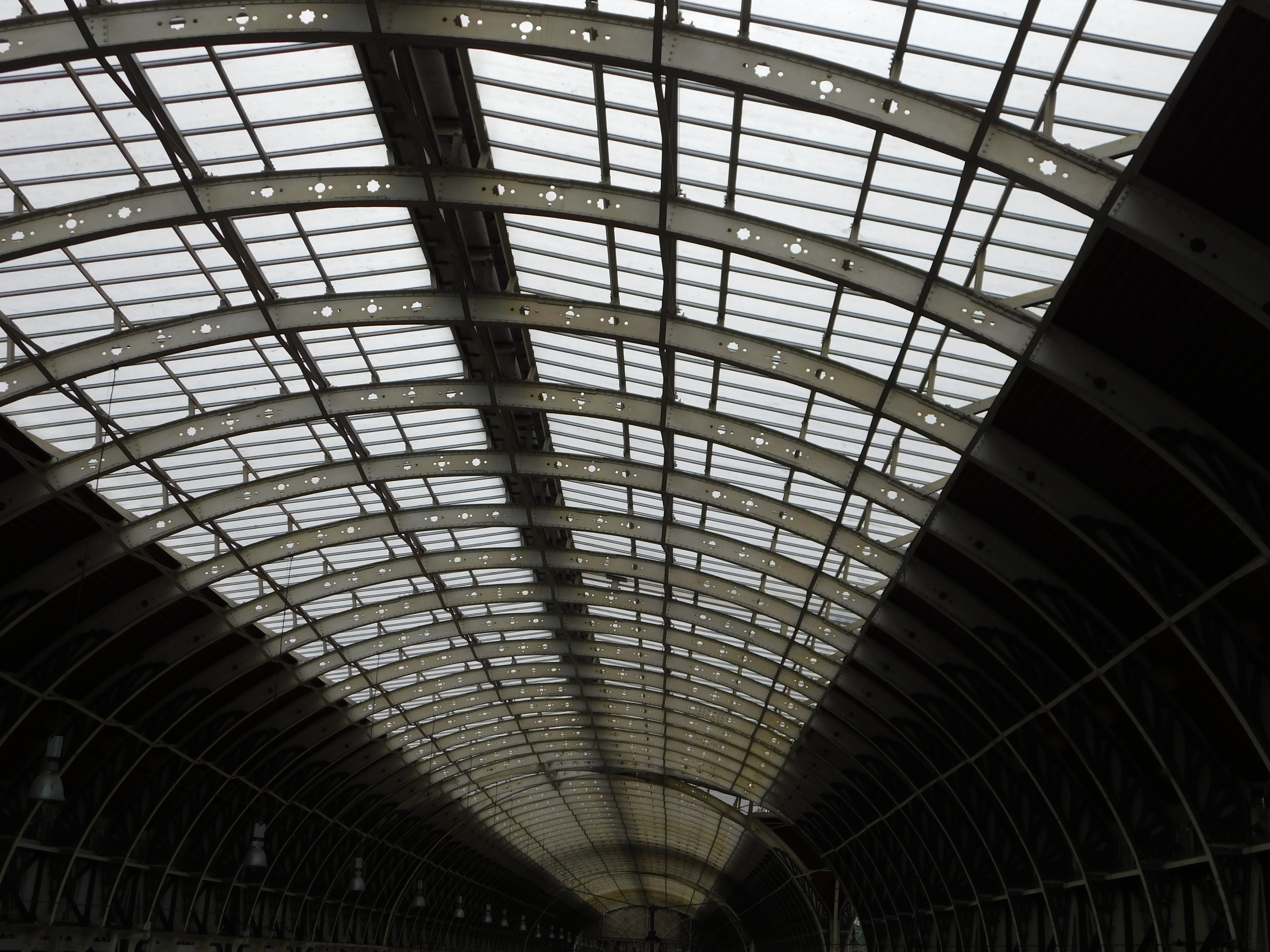
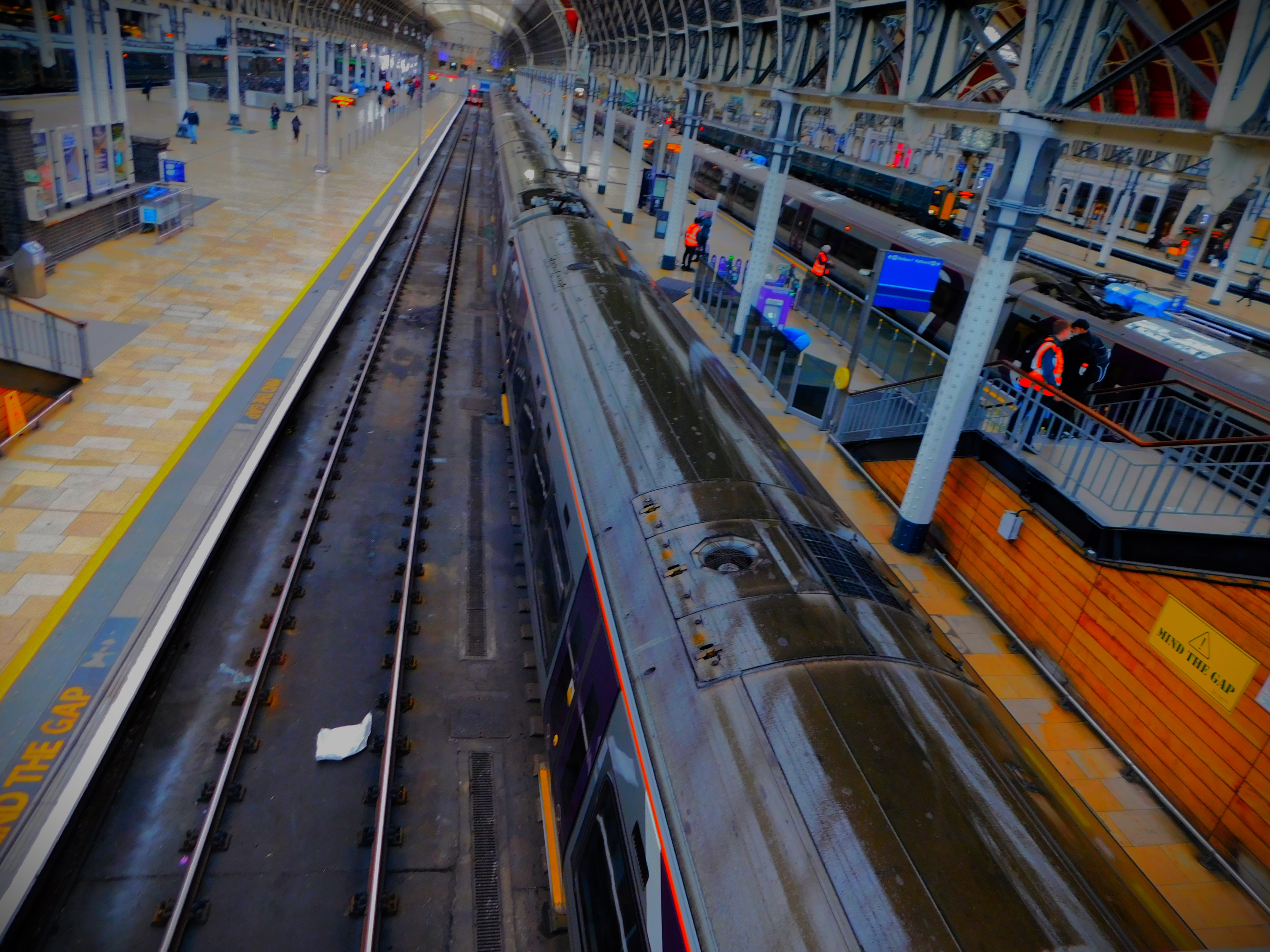
I reckoned on leaving my flat at 9AM so that I had plenty of time for the walk to the station, and I actually got away by 8:55. The train to London was a little late leaving and lost further time along the way, but with an hour and half between scheduled arrival at Kings Cross and scheduled departure from Paddington my cross London connection was never close to being in jeopardy. I arrived at Paddington with over 40 minutes to spare, and spent half of that time waiting to find out which platform I needed to get to. Then, since my designated seat was in coach A I had to walk the whole length of the platform before boarding and finding my seat.
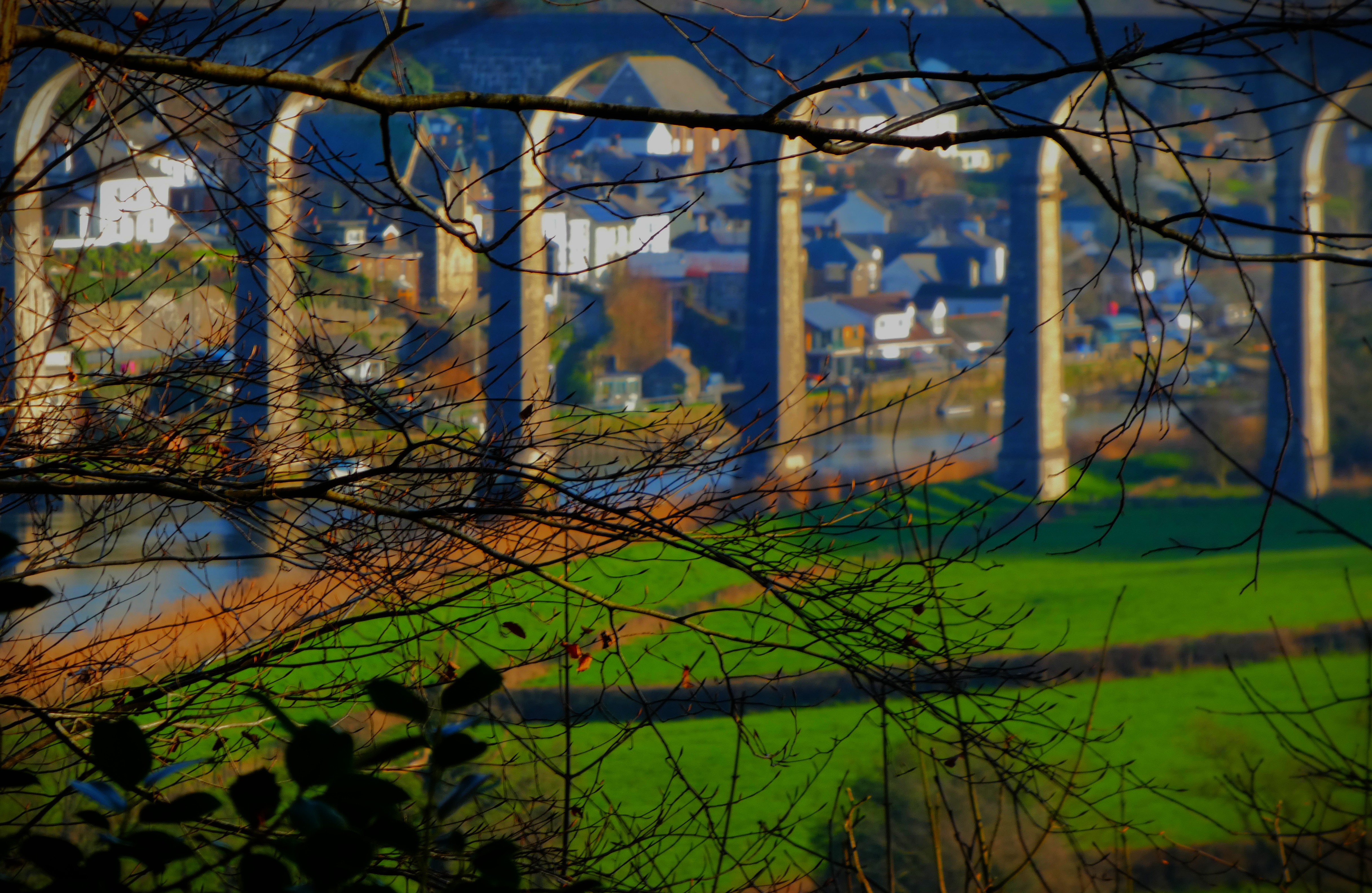
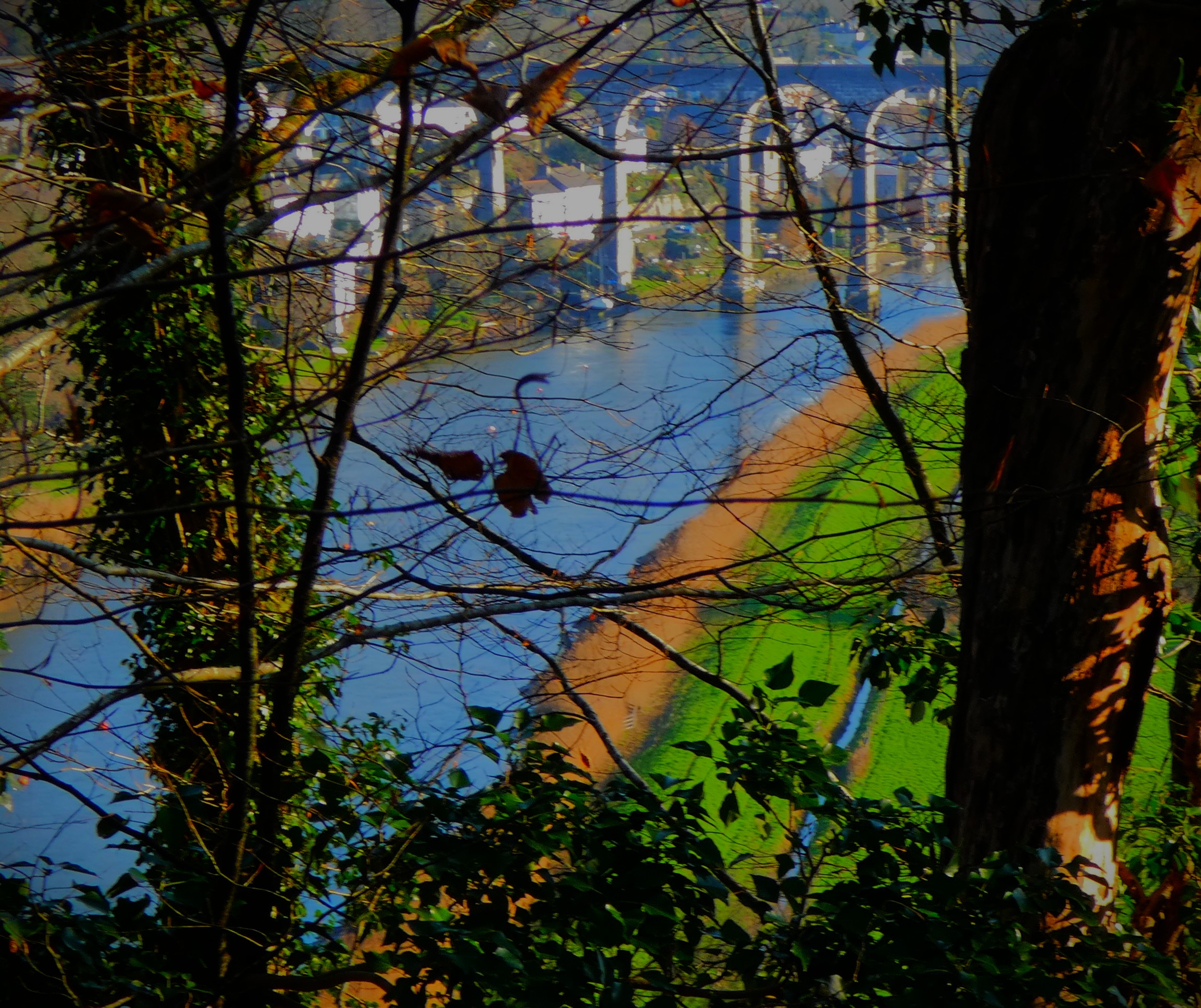
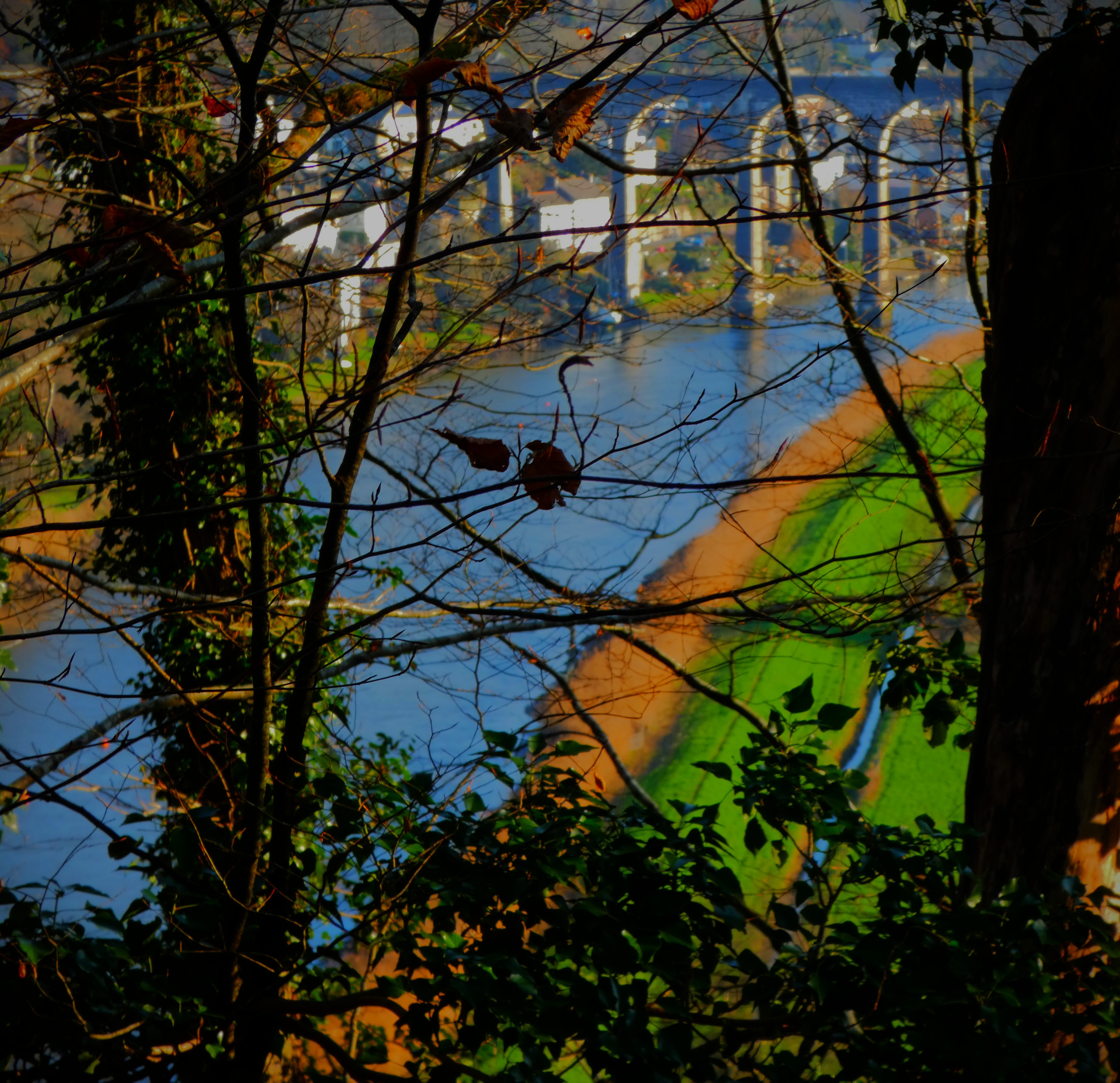
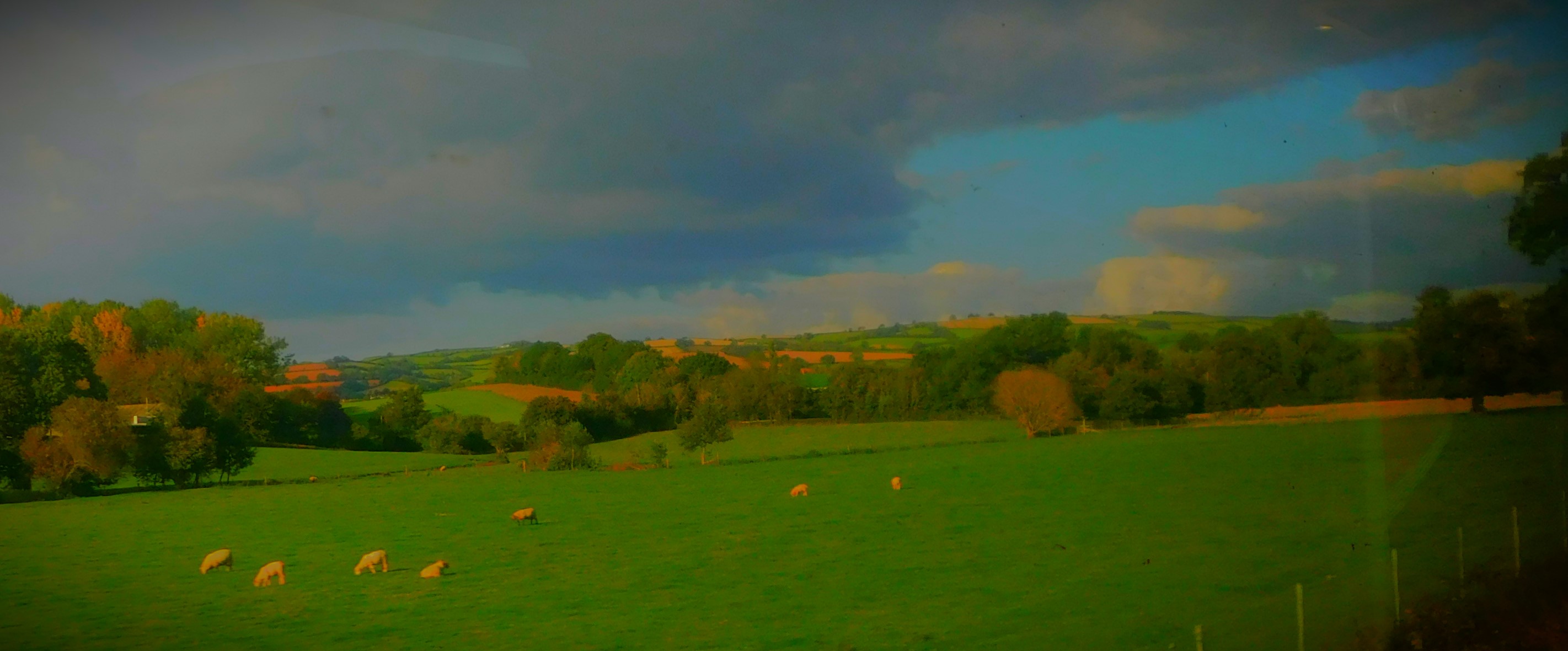
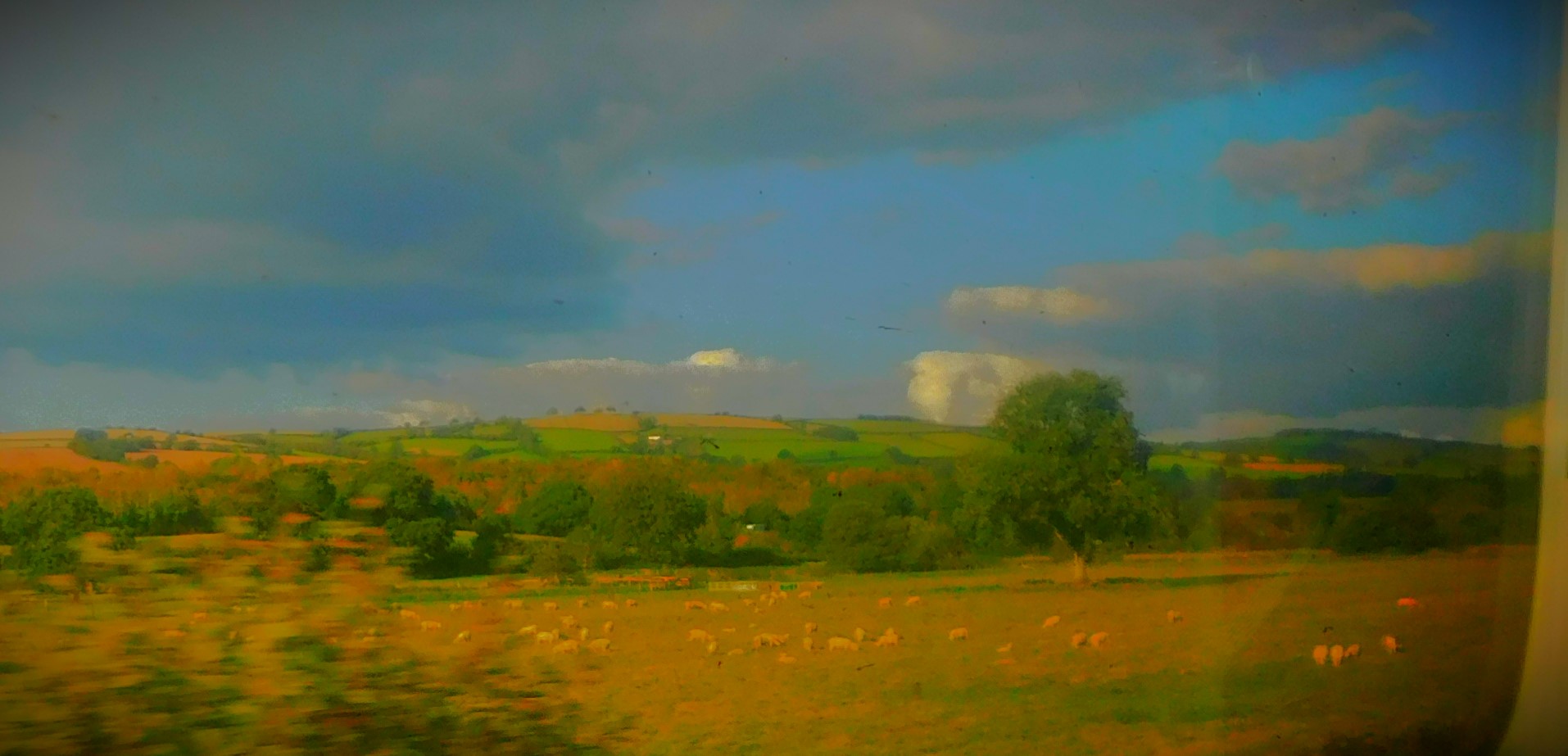
Setting off early meant that I could pause to take photographs while walking to the station.Ely CathedralEly Cathedral’s unique feature, the octagonal tower designed by a 14th century prior known to posterity only as Alan of Norwich.
PADDINGTON TO PLYMOUTH
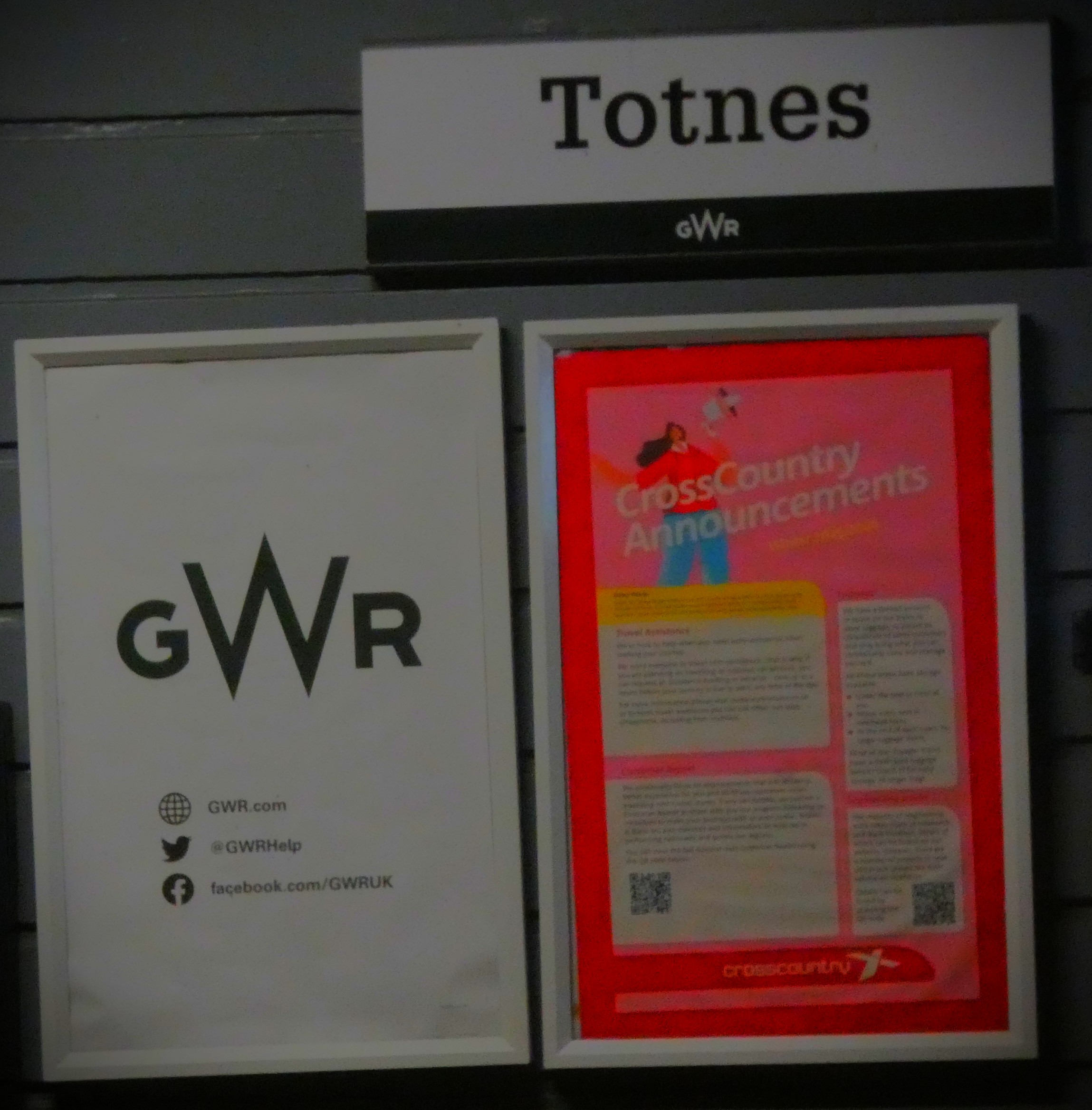
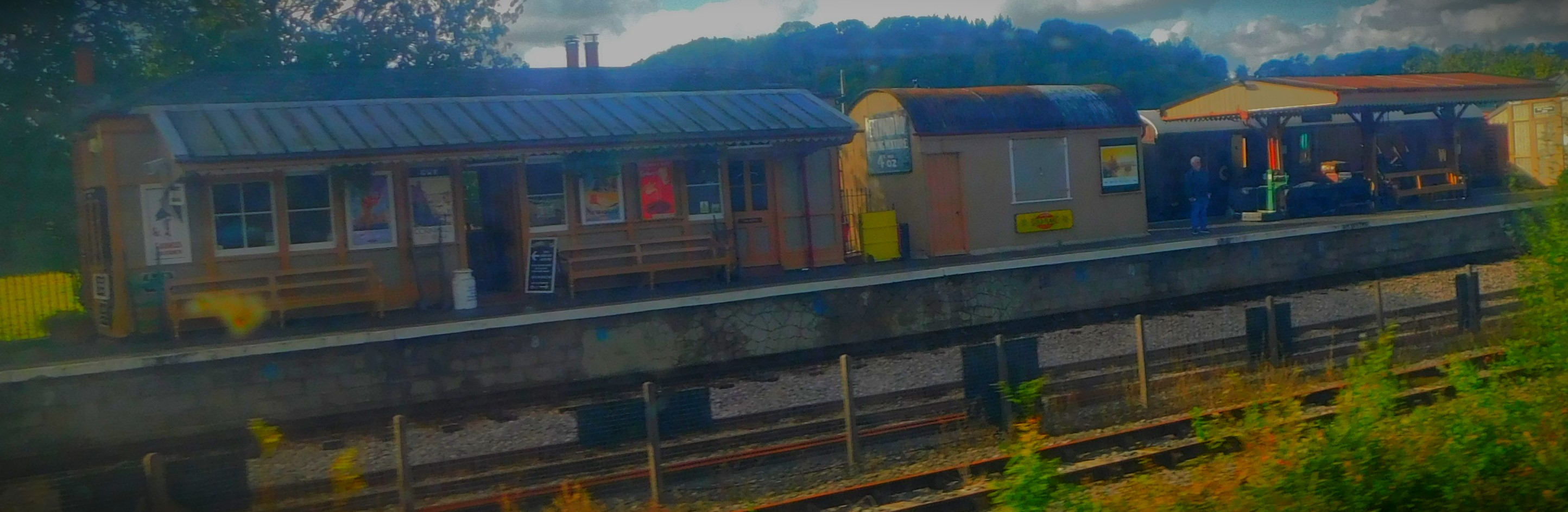
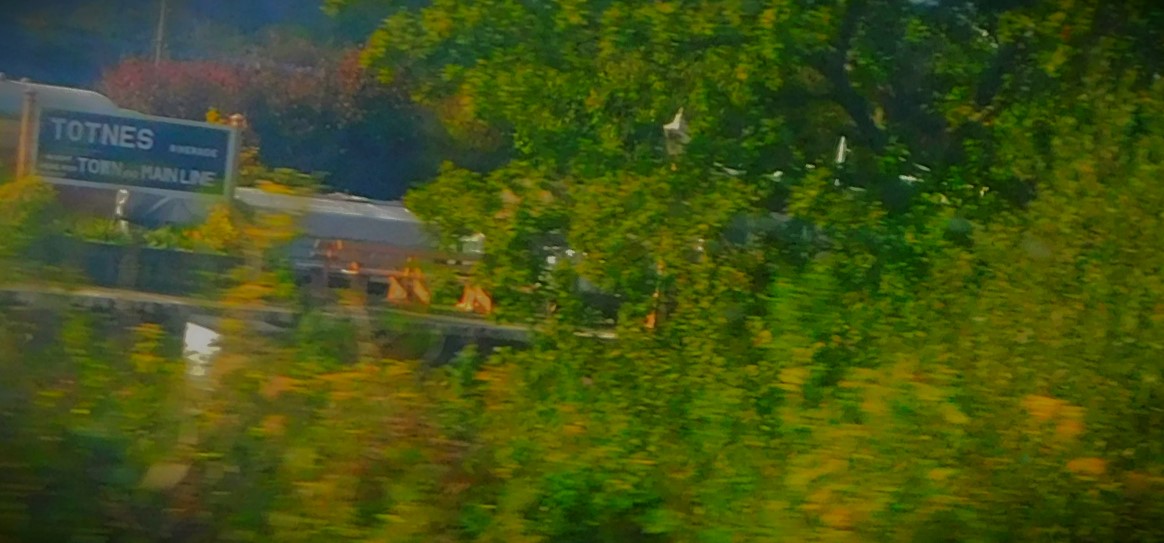
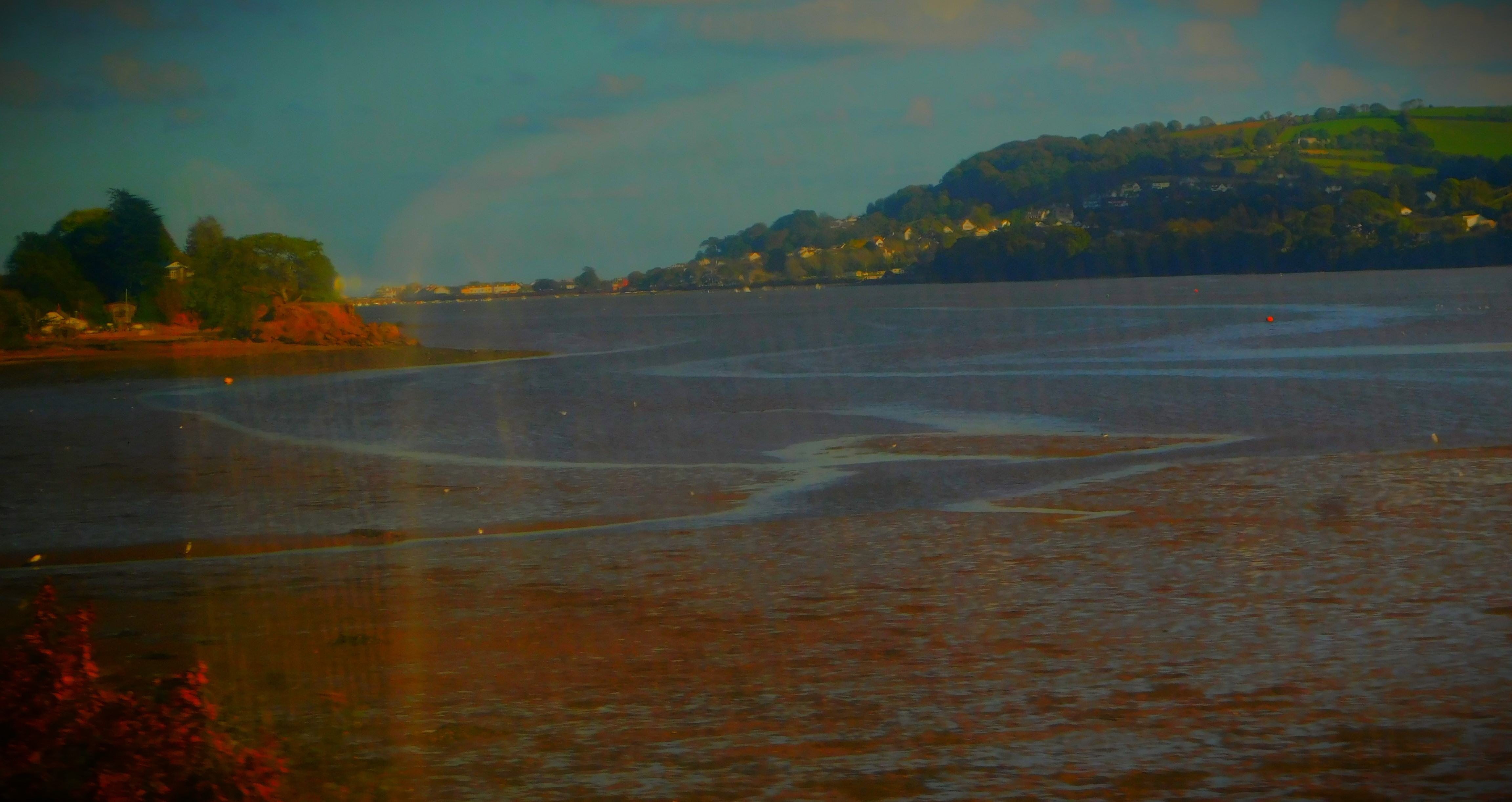
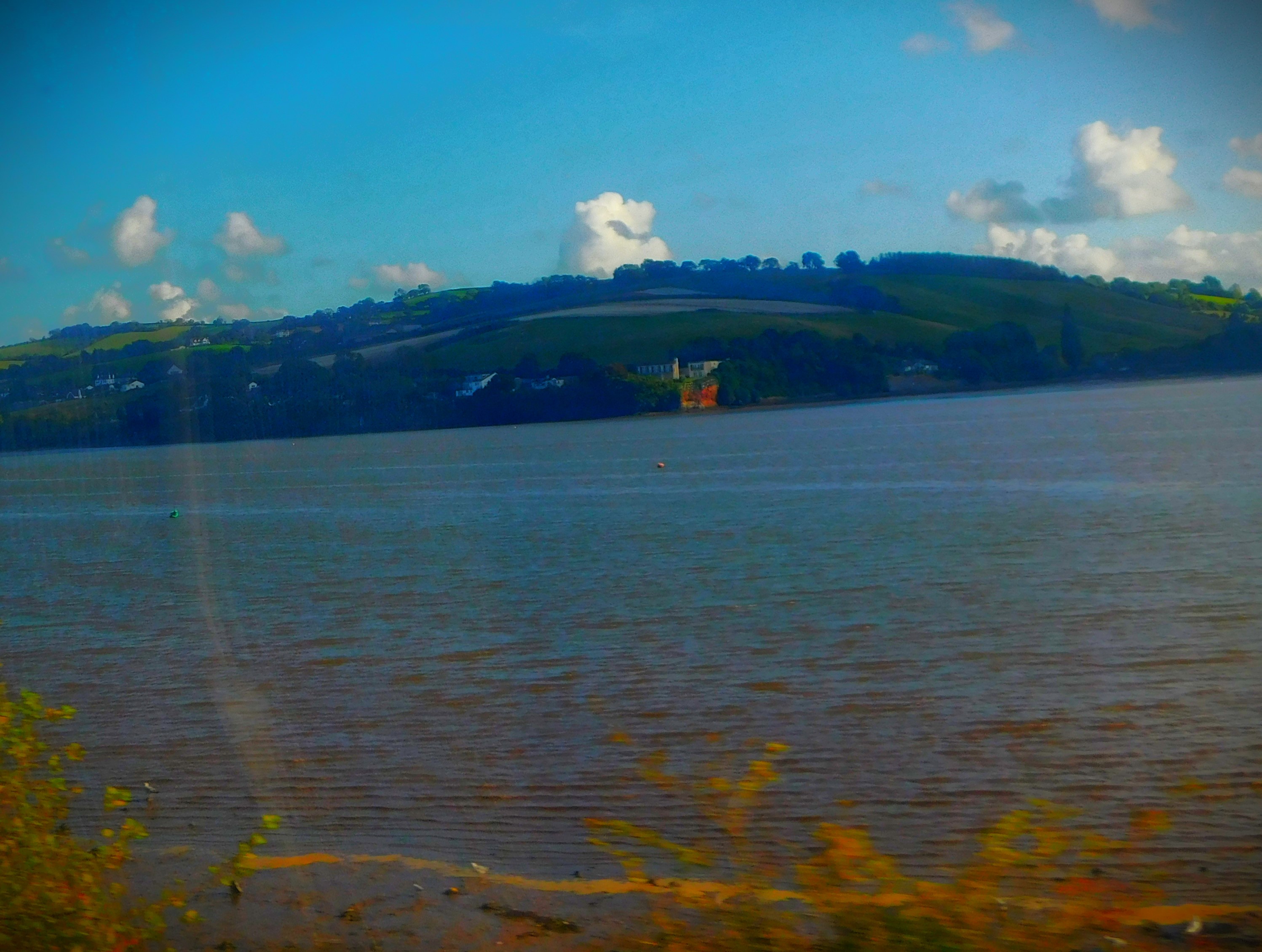
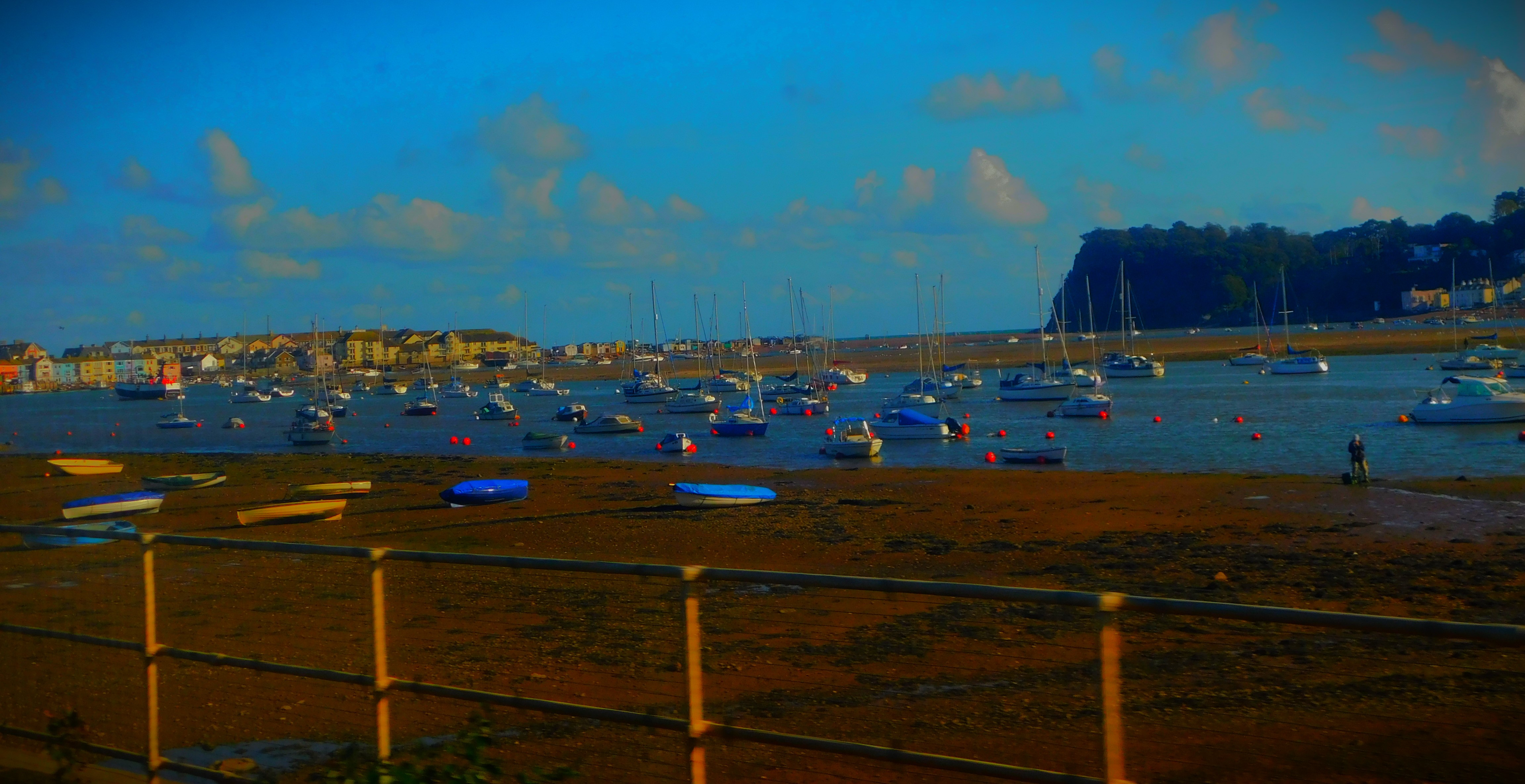
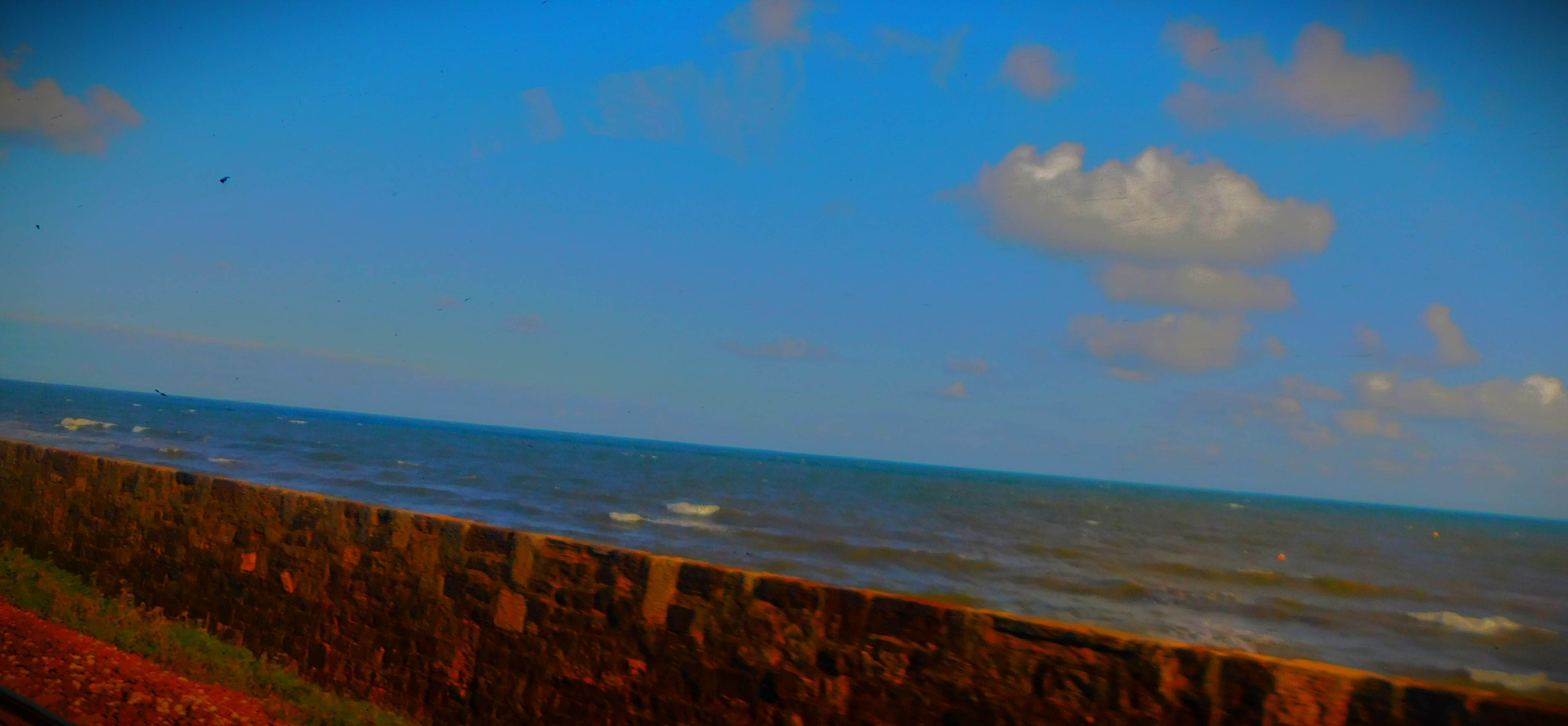
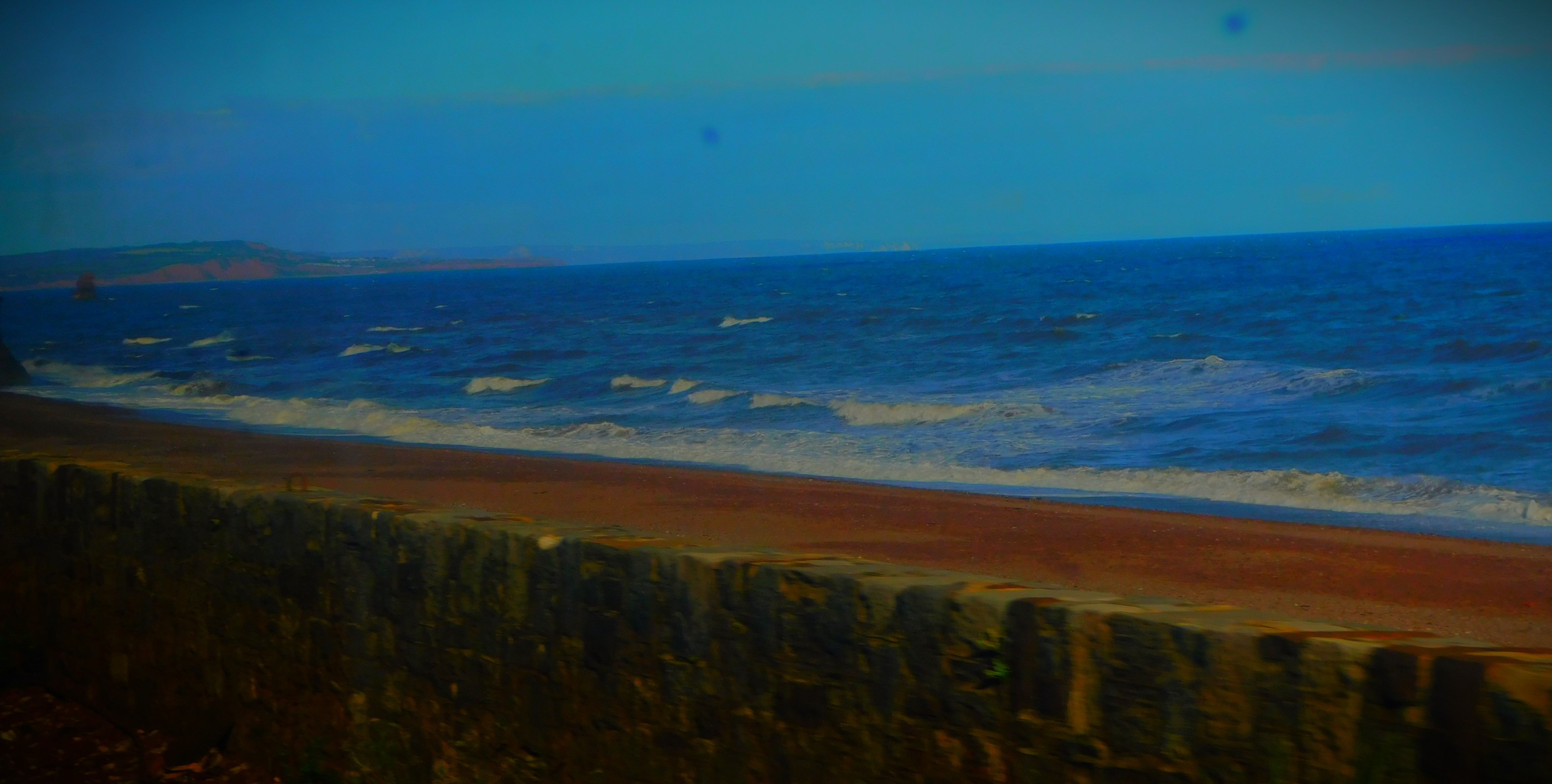
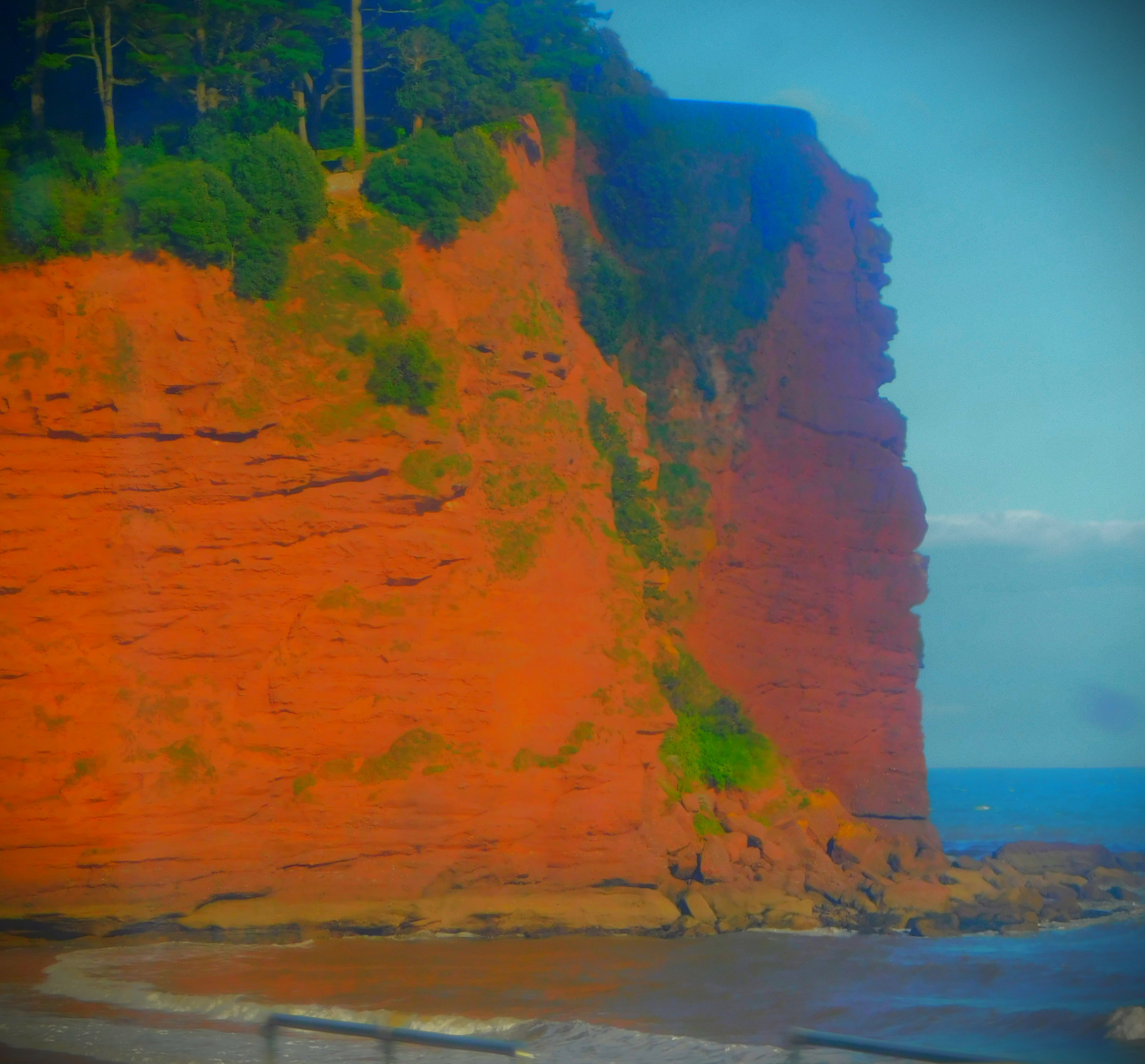
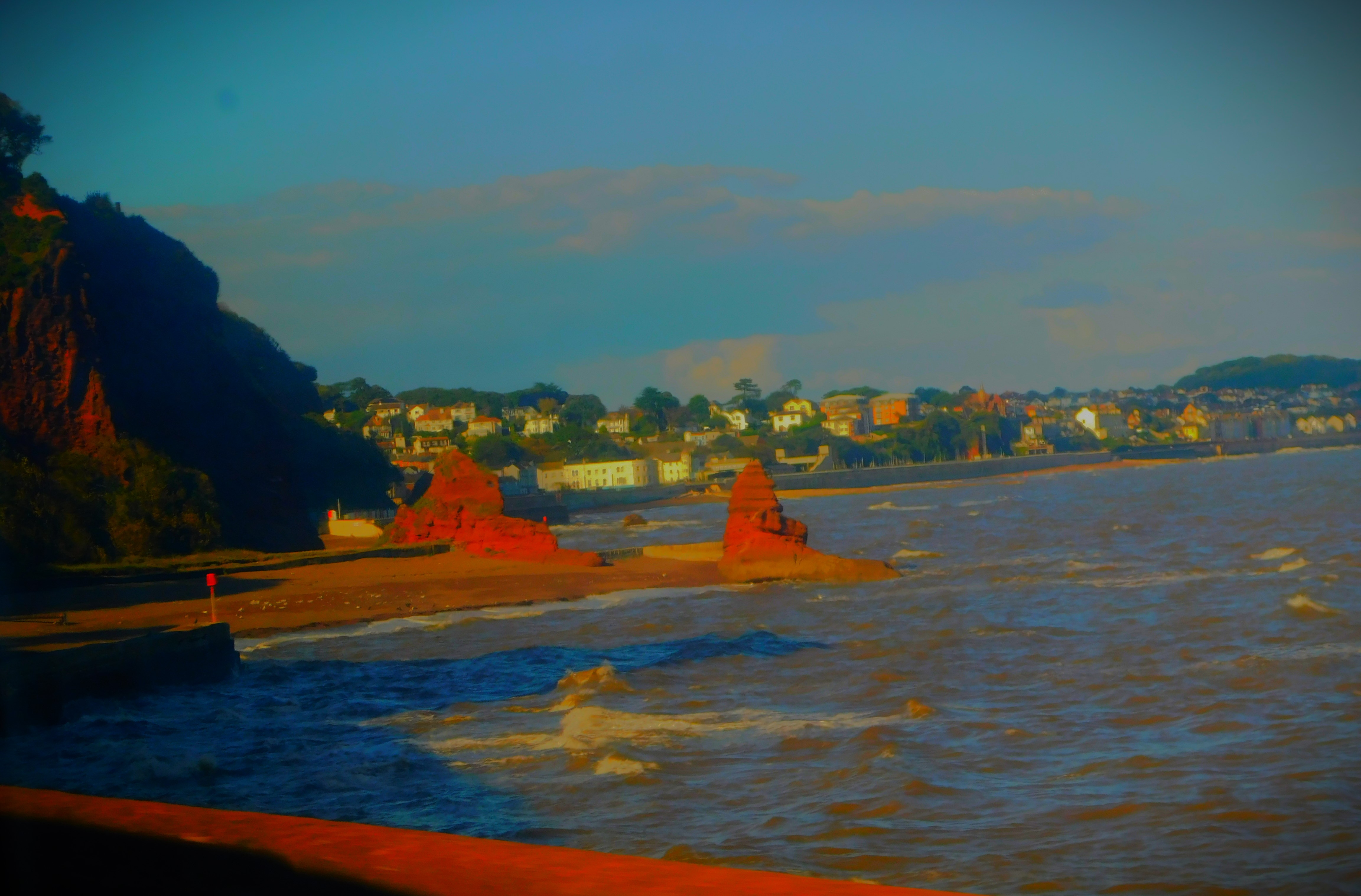
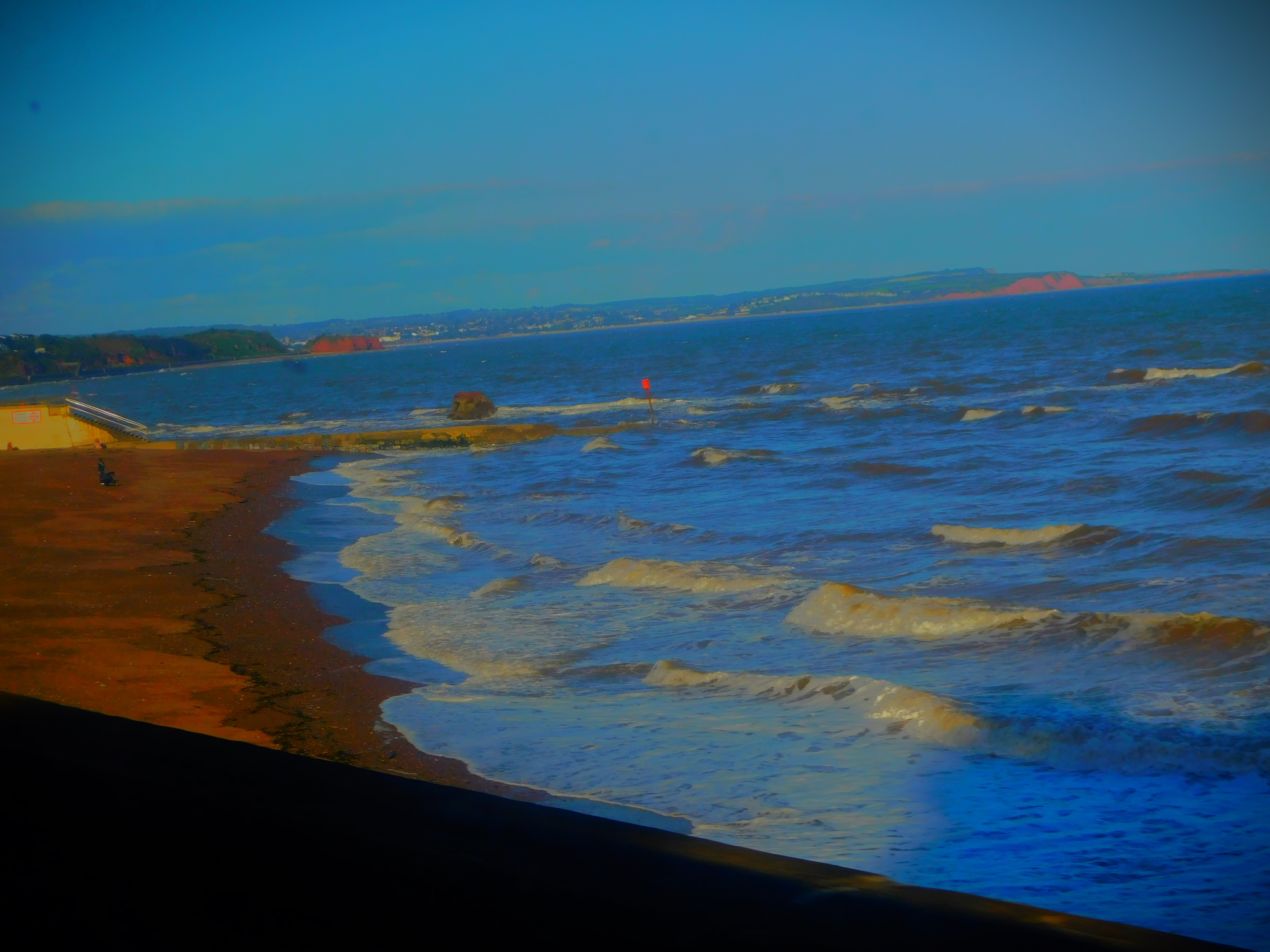
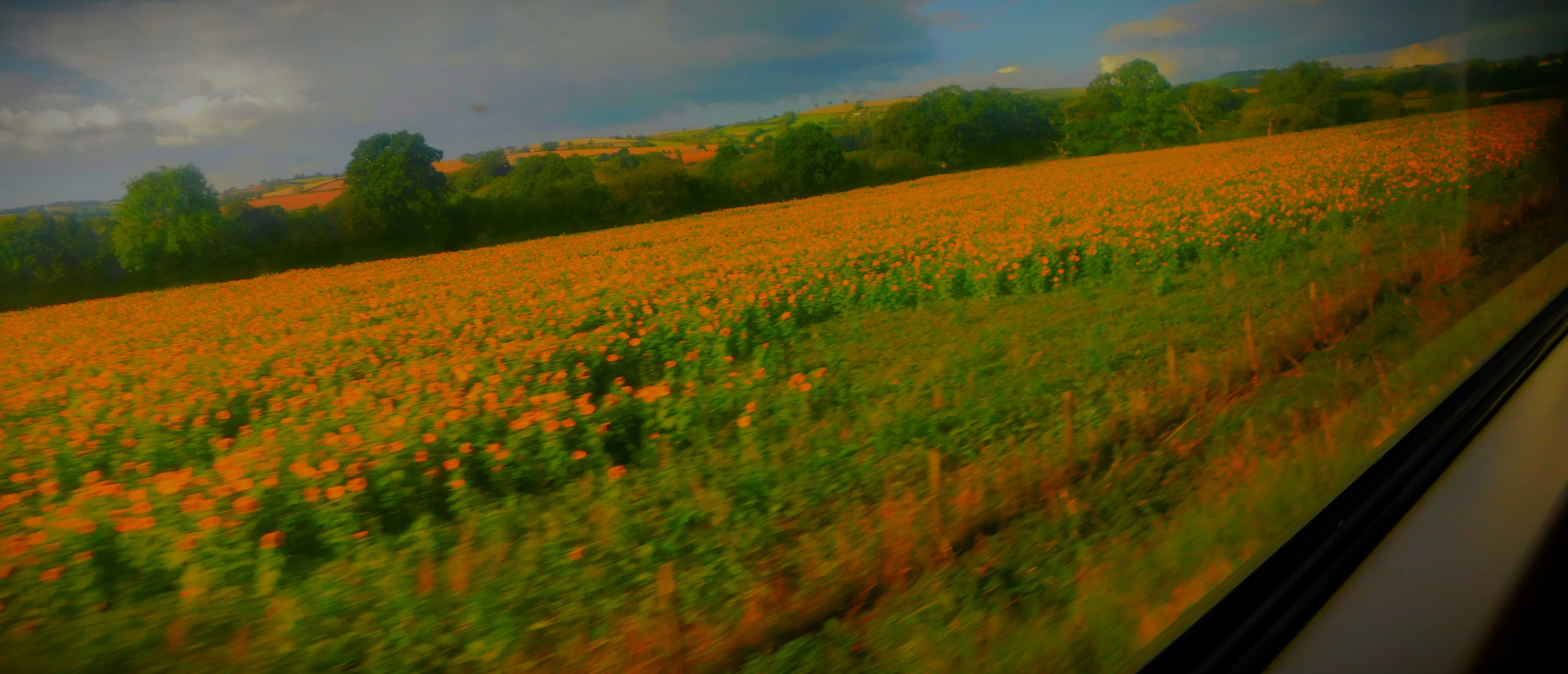
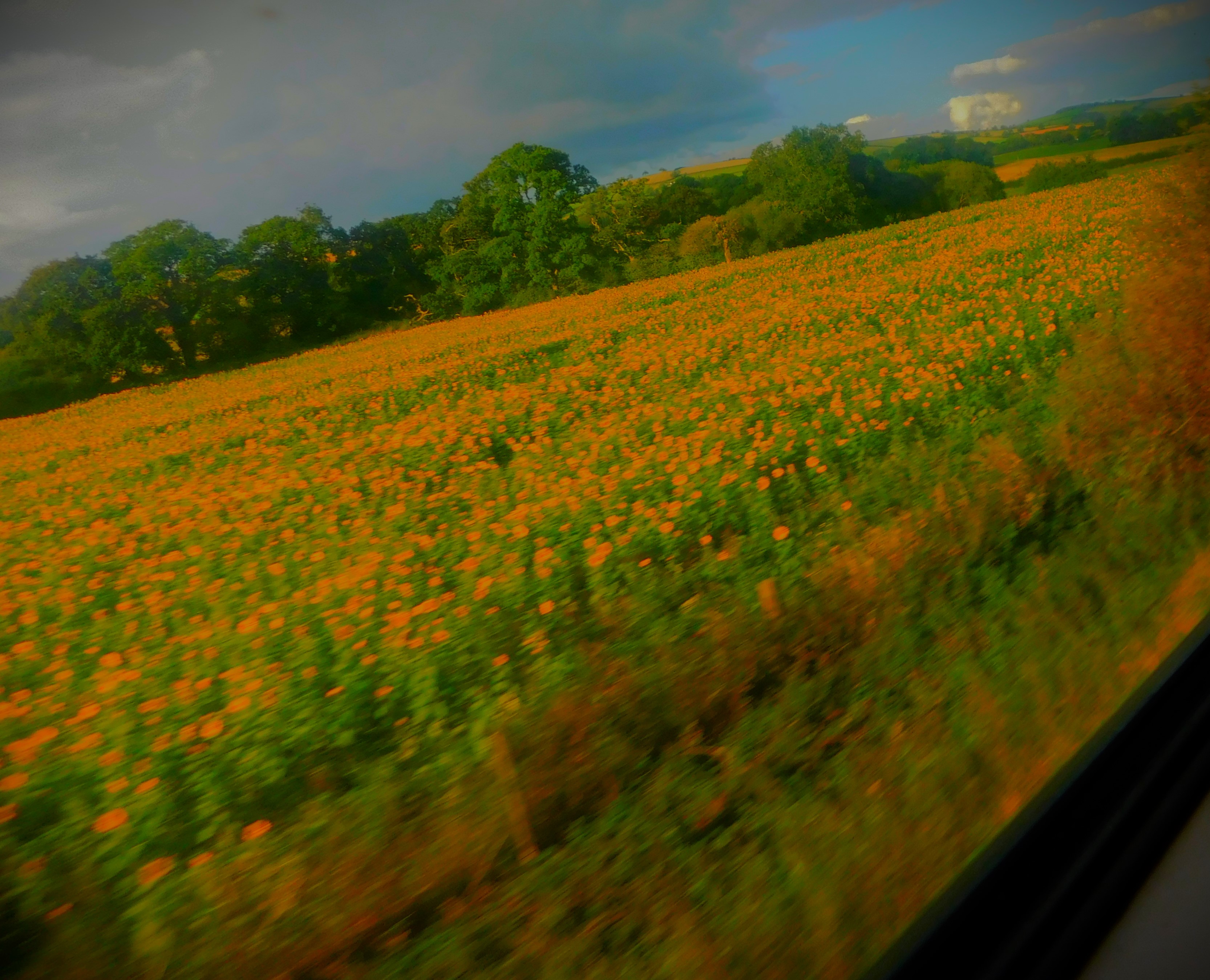
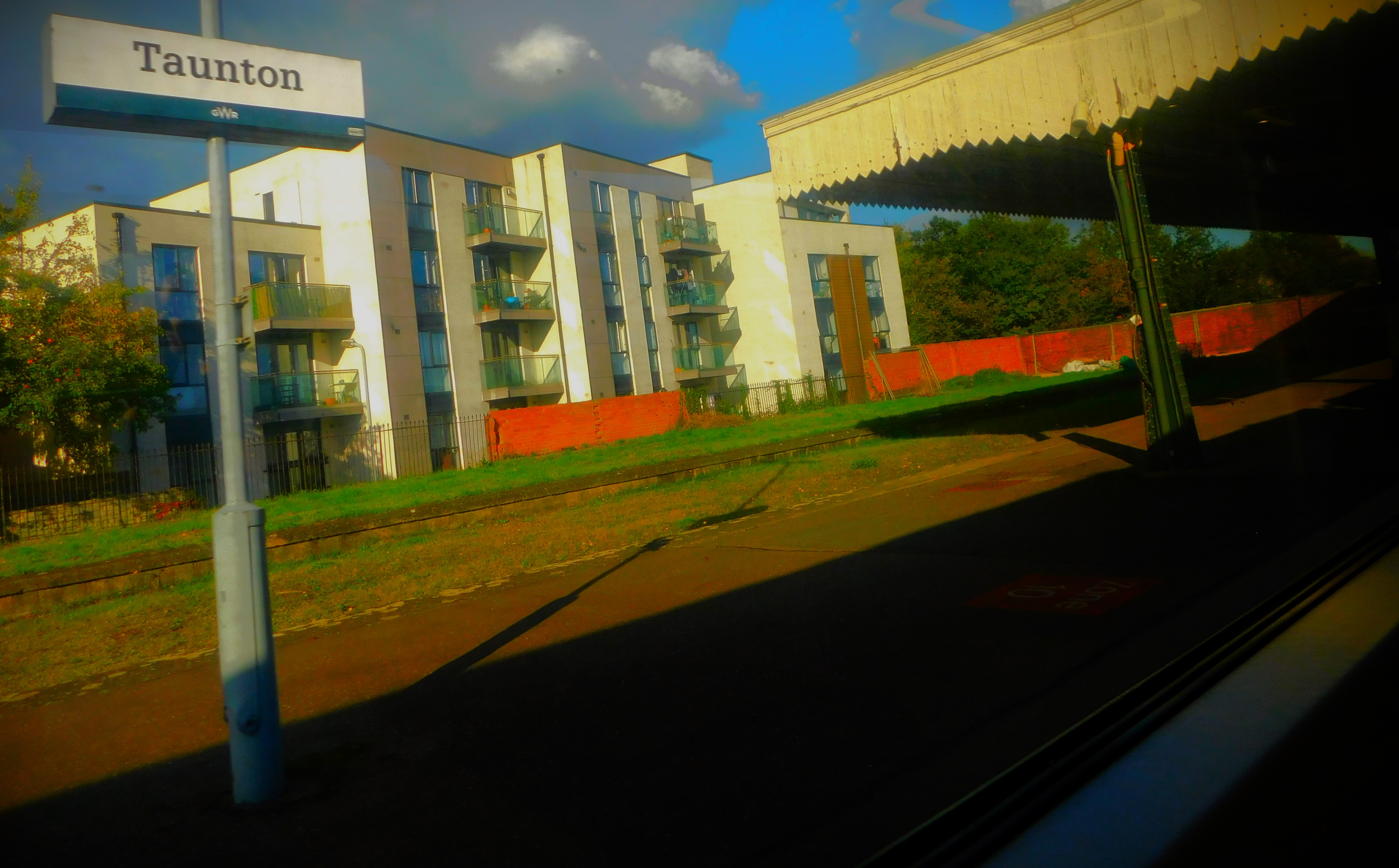
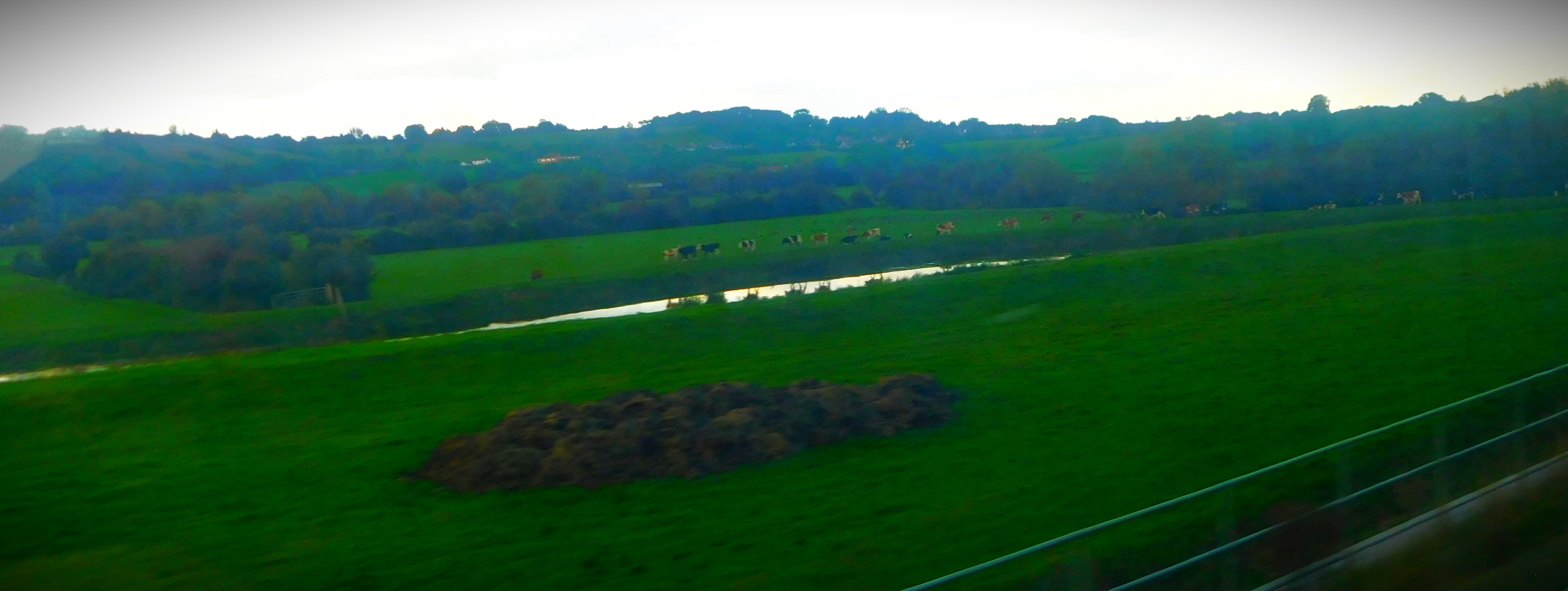
Great Western don’t have the worlds greatest reputation for punctuality, but this time the service set off precisely as scheduled, and ran pretty much exactly as per schedule all the way. This service stops at Reading, then has a long fast run to Taunton before making additional stops at Tiverton, Exeter St Davids, Newton Abbot and Totnes en route to Plymouth. There is one stunningly scenic section on this route, between Exeter and Newton Abbot, where the railway is literally right alongside the sea for most of the way.
PLYMOUTH TO FORT PICKLECOMBE
The last part of the journey was in my parents car, and included making use of the Torpoint car ferry. Although my parents car is small and not well suited to photography I did my best even on this leg of the journey.
Concluding my account of my Scottish holiday with a look at the journey home.
Welcome to the final post in my series on my Scottish holiday. This one deals with my return to King’s Lynn.
A LATE CHANGE OF PLANS
On the Friday evening after getting back from the visit to Eigg I picked up an email warning me that the train I was supposed to be travelling on from Fort William to Glasgow had been cancelled. I was able to establish that I could get back on track by taking a train from Crianlarich (where the Oban and Mallaig lines diverge), but it still meant that I missed the most scenic part of the train journey. It also meant an earlier start to the day.
CRIANLARICH – EDINBURGH
Barring a delay getting into Glasgow, which is was of no relevance given how far ahead of schedule I was due to having had to alter my travel plans there were no hitches on this section of the journey, and I arrived in Edinburgh still miles ahead of schedule…
EDINBURGH TO PETERBOROUGH
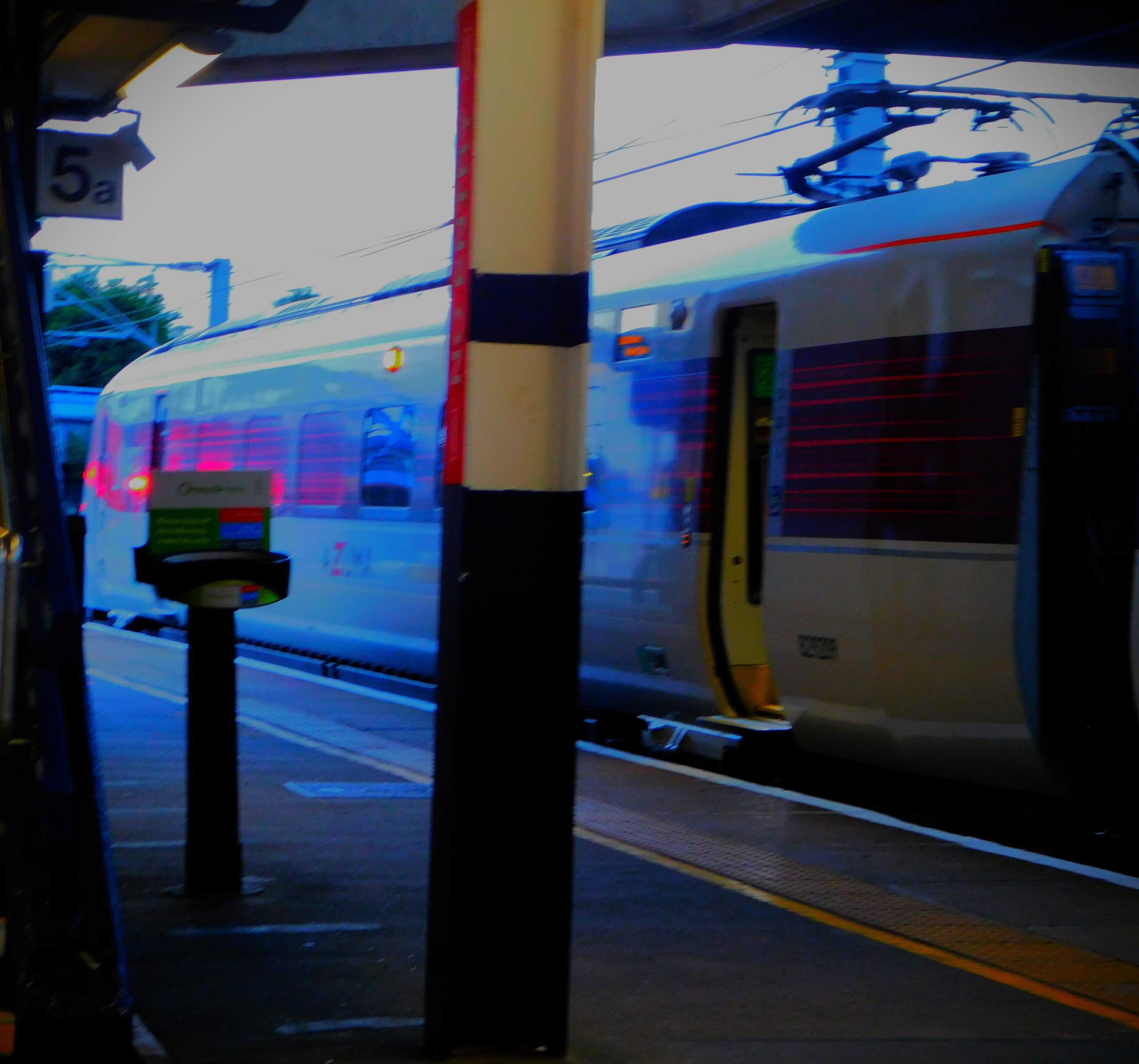
I opted to spend time waiting at Waverley station and travel on the train on which I had a booked seat rather than take my chances on earlier train, a decision that although it did not work out for me I still regard as having been the correct one. Unfortunately, the last London bound train before the one I was booked on was cancelled due to someone running about on the tracks, which meant that the train on which I was booked had to take two trainloads worth of passengers. I am cautious about long distance trains and always look to board early, which was a lucky decision on this occasion – I was seated in the seat that was technically reserved to me well in advance of departure time, which was just as well, as an onboard computer malfunction meant that the only way a reservation could actually be enforced was in the way that I had done so – by actually being sat in the seat. The addition of an extra unscheduled stop at Berwick on Tweed, and a couple of other minor delays had me briefly worried about my onward connection at Peterborough, but we actually got to Peterborough 15 minutes before my next train was due to depart, and not even the shocking organization of that station (it is not easy to find general departure information there) could make me miss that train – I was safely seated comfortably ahead of departure time.
PETERBOROUGH TO KING’S LYNN
The train from Peterborough arrived at Ely, my last change point, bang on schedule, and there was never a chance of me missing the train on to King’s Lynn. That train also ran to schedule, and I arrived in King’s Lynn just after 10:30PM. I then walked home, and was unpacked by 11:00PM.