A look at developments in the men’s T20 world cup, including a major elimination and a great individual effort by a Canadian.
The first stage of the 2026 men’s T20 world cup is now well advanced. This post looks at a couple of major stories.
ADIOS AUSTRALIA
Australia having already been beaten by Zimbabwe faced Sri Lanka on Monday. When the folks from down under passed the hundred mark in eight overs they looked unstoppable. However Sri Lanka fought back, and as wickets fell Australia’s scoring faltered. In the end Australia managed 181, and were all out just before the end of the 20th over. That total was on the face of it still defensible, but now Pathum Nissanka, well supported by Kusal Mendis and Pavan Rathnayake proceeded to play an absolute blinder of an innings, racking up 100 not out from 52 balls with 10 fours and five sixes. Sri Lanka won by eight wickets with two whole overs to spare, and the mighty Aussies were looking straight at the exit door from the tournament. This was officially confirmed yesterday when the match between Sri Lanka and Zimbabwe was washed out without a ball being bowled. The truth is that after the two defeats they had sustained, both of which were strictly merited Australia would have needed a massive helping of good fortune to qualify and they deserved not to receive such good fortune. I also reckon that a really big name falling at the first hurdle is good news for the tournament.
A GREAT INNINGS
When the first match yesterday, between Canada and New Zealand got under way, no one playing for an associate nation had ever score a century at a T20 world cup. Yuvraj Samra, named in honour of former India international Yuvraj Singh, and like him a left handed batter, scored 110 off 65 balls with 11 fours and six sixes for Canada to become the first such player. Unfortunately for him he did not receive enough support from his team mates – Canada still only managed 173 from their 20 overs, and they then bowled so appallingly that New Zealand reached the target with 4.5 overs and eight wickets to spare.
TODAY SO FAR
Pakistan battered Namibia by 102 runs in the first game of the day to secure their qualification, and South Africa beat the UAE by six wickets with almost seven overs to spare to finish this stage of the tournament with a 100% record – played four, won four. India and the Netherlands are currently doing battle, and an upset does not currently look terribly likely.
A look back at three matches at the T20 world cup that were each in their way remarkable, and a photo gallery.
The 2026 Men’s T20 World Cup is continuing – as I type the USA are facing off against the Netherlands. This post looks back briefly at three very different fixtures.
WHEN ONE SUPER OVER DOES NOT SUFFICE
The match between Afghanistan and South Africa had more twists and turns than a mountain road. At various stages each side looked like winning but at the end of regular play the scores were tied- 187 each. Afghanistan looked in control of the first Super Over but a spectacular finish by South Africa saw that one tied. South Africa batted first in the second Super Over and score 23 from their over. When the first two balls of the reply were a dot and wicket it looked all over, but then Ramanullah Gurbaz hit three successive sixes to bring Afghanistan back into contention. A wide then reduced the ask to five, but off the final ball Gurbaz’s luck finally ran out as he was caught in the deep, and South Africa took the points.
TWO UPSETS
Italy do not have any great reputation as a cricketing nation, while Nepal had given England an almighty scare in their previous outing and are generally considered only just outside the elite. Yet when these sides met Italy won by ten wickets with an absurd amount of time to spare.
This morning Zimbabwe faced Australia. Zimbabwe have a good record against Australia in World Cup matches, stretching back to 1983 when Zimbabwe won the first match they ever played at a world cup by beating Australia. Therefore an upset was always a live possibility. A Zimbabwe total of 169-2 meant that they were certainly in the game going into the second half of the contest. Brian Bennett, a hugely impressive young opener, had anchored the Zimbabwe innings with 64 not out, while Tadiwanashe Marumani and Ryan Burl each scored 35, and Sikandar Raza hit 25 not off 13 balls at the end. Blessing Muzarabani and Brad Evans bowled superbly and soon had Australia right on the ropes at 29-4. Glenn Maxwell and Matt Renshaw launched a fightback, but then Maxwell was out, and Stoinis lasted only four balls before being well caught. Zimbabwe looked in control for most of this innings, but the moment that effectively killed any chance of a miraculous recovery came with a mere eight further balls to come – Renshaw was caught by Burl of Muzurabani to make it 139-8, 31 needed off eight and only tail enders left. Adam Zampa scored two off the fifth ball of the 19th over, but then Muzurabani bowled him to make 141-9 after 19 overs, 29 needed off the last over with numbers 9 and 11 together. Muzurabani had the extraordinary figures of 4-0-17-4. Three balls and five runs later it was all over, Matthew Kuhnemann being run out to end proceedings. Zimbabwe had won by 23 runs, and had looked in charge for most of the match. This result has created the intriguing possibility of the cricketing superpower that is Australia failing to make the final eight.
An all time XI of players who have namesakes in detective stories and a photo gallery.
Today I select an XI of players who are namesakes of characters in detective fiction.
THE XI IN BATTING ORDER
Percy Holmes (right handed opening batter, Yorkshire and England). In most eras other than the one he played in he would have been one of the first names on the England team sheet, especially given what a great partnership he formed with Herbert Sutcliffe. As it was he generally missed out due to the presence of Jack Hobbs. His record for Yorkshire was outstanding, and at the time of his retirement included five of the ten highest individual scores made for the county. His fictional alter ego is of course the one and only Sherlock Holmes.
Herbert Sutcliffe (right handed opening batter, Yorkshire and England). One of the greatest opening batters ever to play the game, and shared 69 first class century opening stands with Holmes. He gets in by way of Magda Josza’s “Sherlock Holmes and the Femmes Fatales”, which features among others Lady Elizabeth Sutcliffe and her uncle Sir Vincent Sutcliffe.
Fred Bakewell (right handed top order batter, Northamptonshire and England). By the time a car crash brought his career to a premature close he had done more than enough to establish himself as a great batter. His fictional equivalent is Diana Bakewell, heroine of the Rachel McLean/ Millie Ravensworth series of London cosy mysteries of which I have read three thus far.
Jack Ryder (Australia, right handed batter, right arm medium fast bowler). One of the finer batters of the 1920s, his credits include a test match double century. He was also a useful enough bowler to occasionally be entrusted with the new ball. His namesake is James Ryder, villain in “The Adventure of the Blue Carbuncle”.
*Warwick Armstrong (Australia, right handed batter, leg spinner, captain). A magnificent all rounder, and a ruthlessly effective leader. The eight successive Ashes match victories he presided over (a 5-0 sweep in Australia in 1920-1, and the first three matches of the series in England in 1921) remains an all time record. His alter ego is Superintendent Armstrong from the Museum Detectives series.
Vallance Jupp (Sussex, Northamptonshire, England, right handed batter, off spinner). In the 1920s he achieved the double feat of 1,000+ runs and 100+ wickets in FC matches eight times in consecutive seasons. I have slipped him in by means of a small piece of sleight of hand – one of The Railway Detective, inspector Robert Colbeck’s colleagues is an inspector Vallence, and by altering one letter I got in a link to my favourite of all detective series.
+Adam Gilchrist (Australia, wicket keeper, left handed batter). |One of the all time greats of the game, although his legacy could be considered tarnished by the fact that a number sides nowadays blatantly sacrifice keeping quality for better batting from the keeper. One of the three students in the Holmes story of that title is named Gilchrist.
Gus Atkinson (Surrey, England, right arm fast bowler, right handed batter). He has had a superb start to his England career, though like too many of his team mates he had a poor time on the recent tour of Australia. Gus the cat is a character in the London cosy mysteries that also gave us a Bakewell.
Don Wilson (Yorkshire, England, left arm orthodox spinner, left handed batter). Though his England record was not great he took his first class wickets at 21 a piece. His alter ego is of course Daniel Wilson, one half of the Museum Detectives.
Ted McDonald (Australia, Lancashire, right arm fast bowler, right handed batter). One half of the first great fast bowling pair to operate at test level along with Jack Gregory, he later became one the spearheads of Lancashire’s most successful ever period. Though I have to add a letter to his surname to do it, I have two very different alter egos for him: Alec MacDonald, one of the few Scotland Yarders Holmes actually treats with respect (see “The Valley of Fear”) and Kylie MacDonald, one of the pair of detectives in the elite NYPD Red unit that features in a series of books with that title, the first six by James Patterson and Marshall Karp, and the seventh by Marshall Karp.
William Mycroft (Derbyshire, left arm fast bowler, right handed batter). Took over 800 FC wickets at 12 a piece in his career. With one Holmes brother sharing his name with an opening batter this XI ends with the other, Mycroft, sharing his name with an opening bowler.
This side has a more than adequate batting line up, and a stellar array of bowling talent – McDonald, Mycroft and Atkinson as front line pacers, with Ryder available as fourth seamer if needed, and Wilson, Jupp and Armstrong covering all the spin bases. I will not do honourable mentions for this one – there are a vast range of possibilities. Feel free to comment with your own ideas.
A brief account of today’s BBL Final and a photo gallery.
Today saw the final of the 15th edition of the men’s Big Bash League. The match featured the two most successful franchises in the history of the competition, Perth Scorchers and Sydney Sixers, at the former’s home ground since they had won the league stage of the tournament.
ONE WAY TRAFFIC
Scorchers won the bat flip, put Sixers in to bat and went about things utterly ruthlessly thereafter. Other than Steve Smith early on with 24 from 13 balls none of the Sixers batters really got going against some fine Scorchers bowling. David Payne, an English left arm seamer, was the star with 3-18 from his four overs, and he was a little unlucky those figures weren’t even better – Joel Davies was saved from becoming his fourth victim when a replay indicated that a diving catch in the deep had not in fact been cleanly taken. Sixers had only managed 132-9 from their 20 overs. Scorchers never looked in any danger of not scoring the runs. Although they made slightly heavy weather of finishing the job they still had six wickets and 2.3 overs in hand when Josh Inglis finished things with a six off Ben Dwarshuis, which is a thrashing in anyone’s language. Scorchers have now won six of the 15 editions of this tournament.
PHOTOGRAPHS
My usual sign off…
This Egret provided lots of pictures, as you will see……ending with this one.
An account of Sri Lanka v England at Colombo today and a photo gallery.
With a world cup in India approaching England are currently engaged in an away ODI series in Sri Lanka. Today saw the second match of that series.
A CONTRAST IN APPROACHES
While both sides were spin heavy (anything else would be ludicrous in Colombo) there was nevertheless a significant difference in the make up of the sides. Sri Lanka had four specialist bowlers, a genuine all rounder and two batting all rounders in their side, while England had only one player selected purely as a bowler (and even that player, Adil Rashid, has a better FC batting average than current test opener Zak Crawley) and a fistful of all rounders – Jamie Overton, Sam Curran, Liam Dawson, Will Jacks, Rehan Ahmed, Jacob Bethell, and a batter who bowls, Joe Root. With Crawley injured Rehan Ahmed was asked to open (his regular county slot is number three) alongside Ben Duckett. Sri Lanka won the toss and batted first.
THE PLAY
England bowled very well, with a total of six spin options wheeling down 40.3 overs, a national record for a 50 over innings, between them. Root somewhat bizarrely ended up bowling the final over of the innings, and was gifted two wickets, first Wellalage holing out to Sam Curran for 20, and then number 11 Asitha Fernando taking on a big hit and succeeding only in toe-ending the ball straight back to the bowler. Sri Lanka were all out for 219, which looked a good 20 below par even on that tricky pitch.
Rehan Ahmed did not do terribly well as makeshift opener, though Joe Root had made his way to the middle with less than 2o (the Ahmed/ Duckett opening stand) on the board on many occasions in his illustrious career. It was Root who ensured that no defence of that 219 would be possible. First he and Duckett added 68 for the second wicket, and then after Bethell had gone cheaply he was joined by Harry Brook for a fourth wicket stand that yielded 81 before Root finally fell for a 75 that was easily the equal of any 200 on a flat track. Buttler injected some late speed to proceedings, rattling up 33 not out from 21 balls, and it was Jacks who eventually scored the winning runs, a boundary off seamer Pramod Madushan with 3.4 overs remaining. England had won by five wickets, ending a sequence of 12 ODI away losses. With 2-12, two catches and that splendid 75 Joe Root was the only candidate for Player of the Match.
PHOTOGRAPHS
My usual sign off…
Three pictures of a raptor flying overheadThis one is probably the clearest of the three.
A brief look at the Museum Detective novels of Jim Eldridge and a photo gallery.
This is a series of novels by Jim Eldridge. There are ten books so far in the series.
THE DETECTIVES
Daniel Wilson is a former Scotland Yard detective, sergeant under inspector Abberline during the investigation into the ripper murders. Abigail Fenton (later in the series Mrs Wilson) is a Cambridge educated archaelogist specialising in ancient Egypt. This partnership investigate crimes at various museums, hence their and the series’ title. Often, though not always, they are working in parallel with Scotland Yard. Superintendent Armstrong, a bully of such unpleasantness as to make Edward Marston’s superintendent Tallis look saintly by comparison (and lacking Tallis’ great virtue of actually being good at the job), does not like the pair at all, though inspector John Feather gets on well with them, recognising unlike Armstrong that they have a common goal.
THE CASES
Daniel and Abigail first overlap at the Fitzwilliam Museum in Cambridge, and other non-London venues to feature are The Ashmolean, The Manchester Museum and the Louvre, in which last case Abigail finds herself a suspect at first. The London museums to feature are in chronological order The British Museum, The Natural History Museum, Madame Tussauds, The Victoria and Albert Museum, The National Gallery and the Tower of London (yes, among its many guises the Tower is London’s oldest museum). Sometimes the crimes involve museum personnel and sometimes not, but invariably the scope of the investigation widens beyond just the museum. Abigail is a fan of the then fledgling underground system, and they often use the Inner Circle (we are talking about the 1890s, so only the Metropolitan, District and their central combination, then known as the Inner Circle, and the City and South London Railway, then serving a mere six stations and unconnected to the others, are in existence, though the Metropolitan has already reached the furthest from Central London that any of the lines that became London Underground ever will -Brill in Buckinghamshire, 51 miles from Baker Street). Nevertheless, with the Wilson’s living within walking distance of Euston Square, Scotland Yard being near Embankment and one or too other useful locations appearing opportunities arise. In “Murder at The Tower of London” they have to chase up a witness in Loughton, then served by the Great Eastern Railway (this branch is now the eastern end of the Central line, but that development was almost half a century away when the action in the book was happening). The books are all splendid reads.
A look back at James and Sons’ January auction and a photo gallery.
On Tuesday and Wednesday of this week James and Sons had its January auction, a two day sale devoted entirely to stamps and postal history. This post looks back at the auction.
AN OUTLINE OF THE AUCTION
The first day featured mainly British stamps, with descriptions handwritten by someone else and typed in by me. The second day featured items from all over the world, and these lots were describe entirely by me. I also did all the imaging for this auction and uploaded it to the two online platforms that we use. On the days of the auction I handled the IT side of things.
A SUCCESSFUL SALE OVERALL
Both our online platforms were quite lively, and a number of items fared very well. On day one the most consistent success was enjoyed by stamps from the ‘seahorse’ range. Day two saw all sorts of things sell well, including a number of bidding battles. By the time the last lot went under the hammer I was very tired (in addition to a stressful though satisfactory two days at James and Sons I had had a WNAG commitment on the Tuesday evening).
THREE SUCCESSFUL BIDS
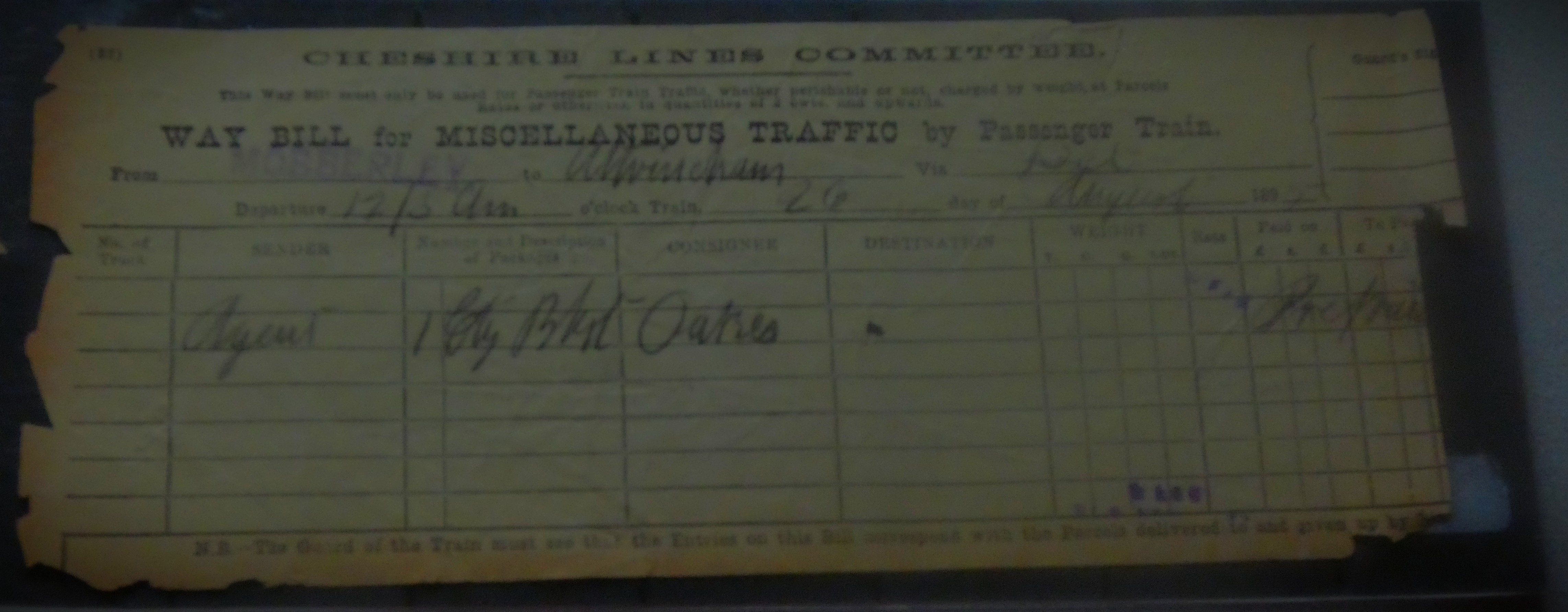
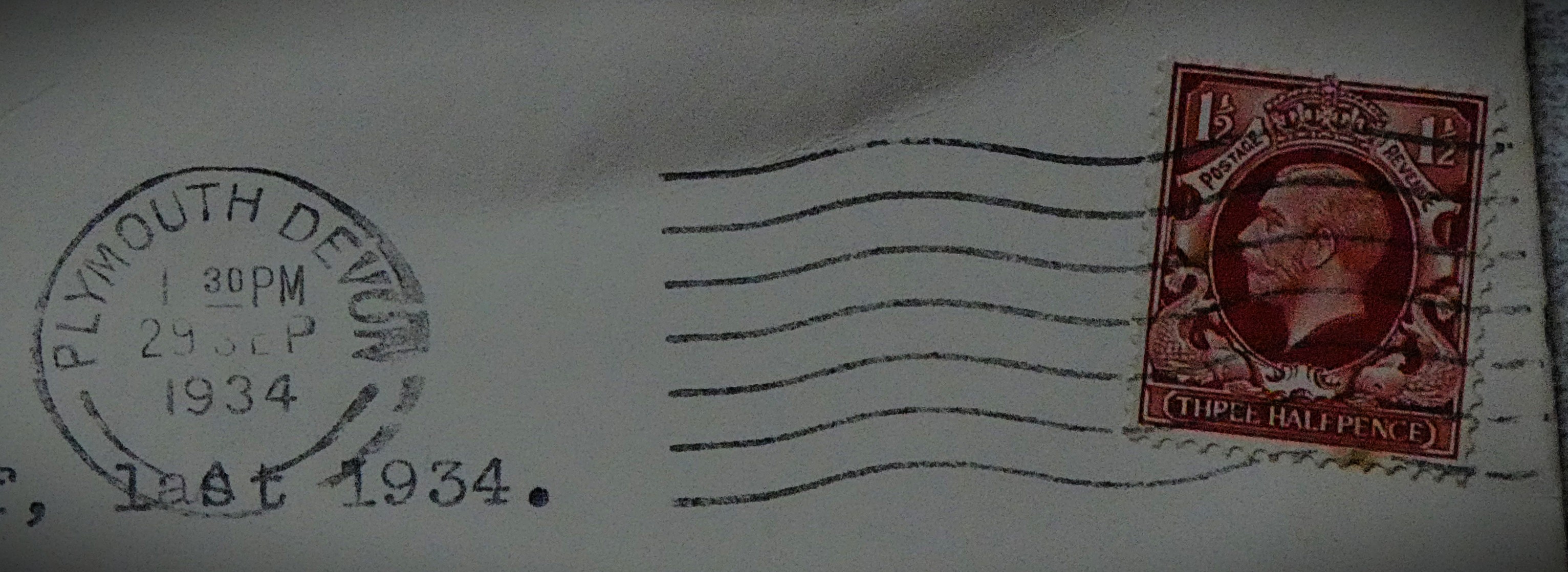
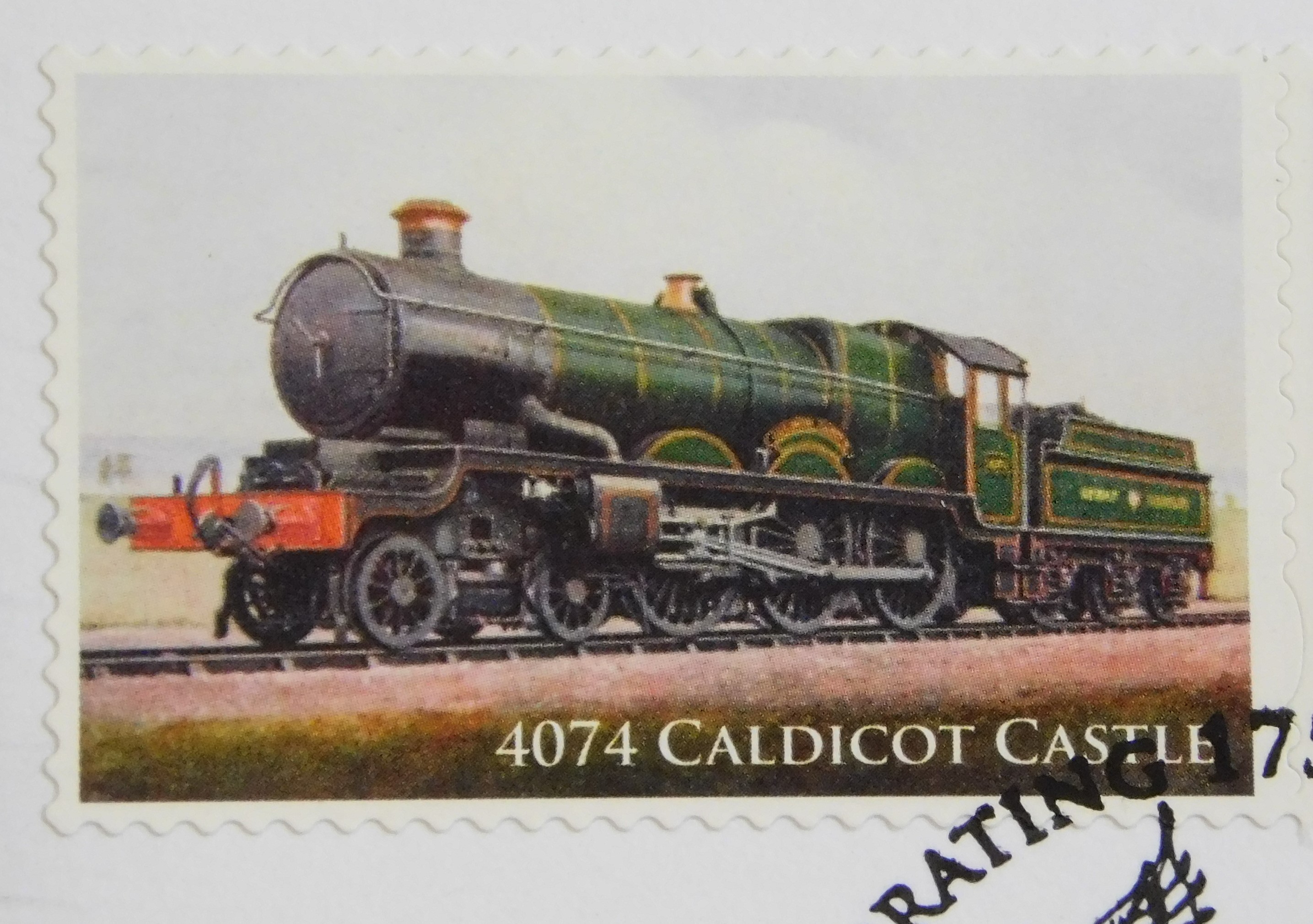
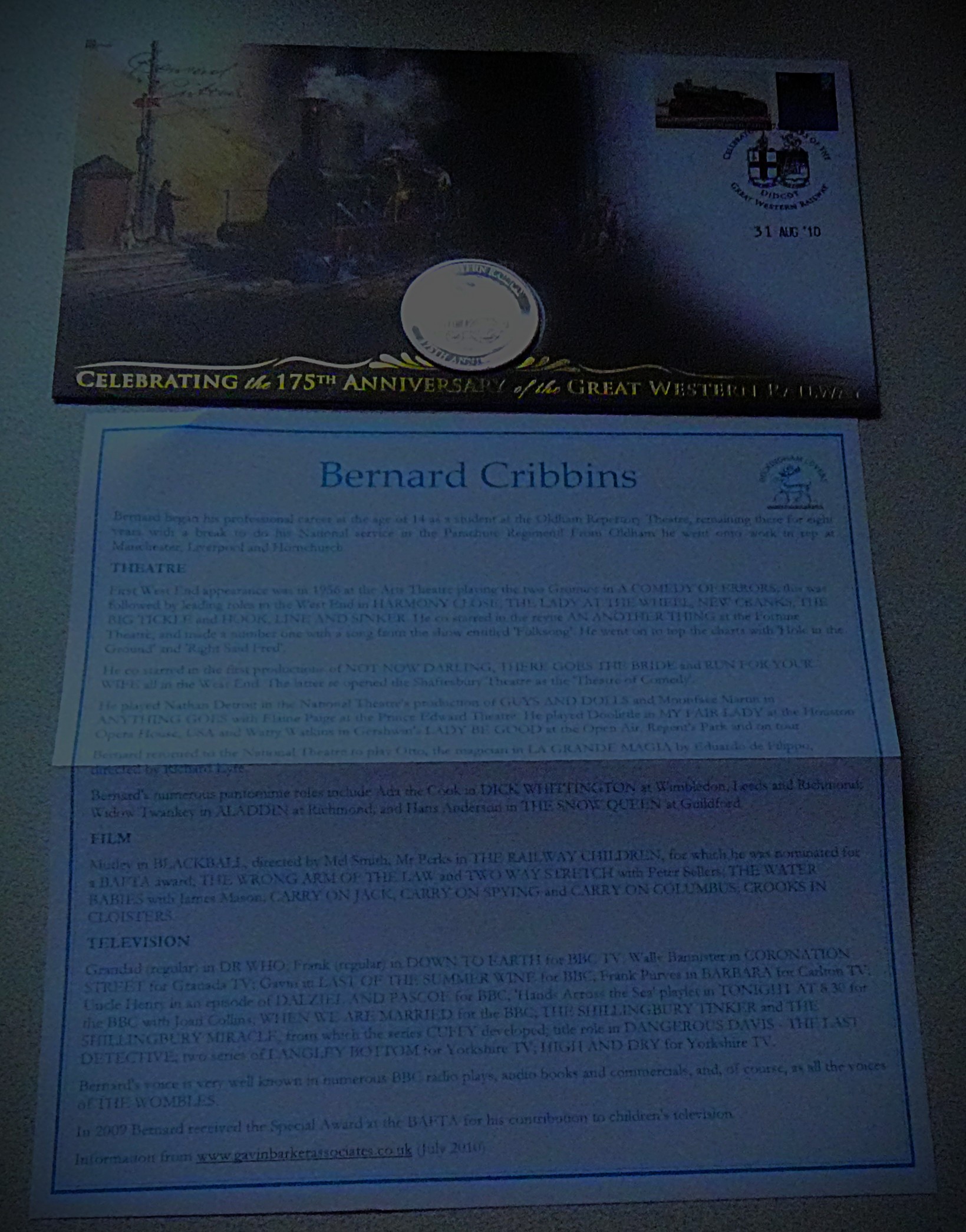
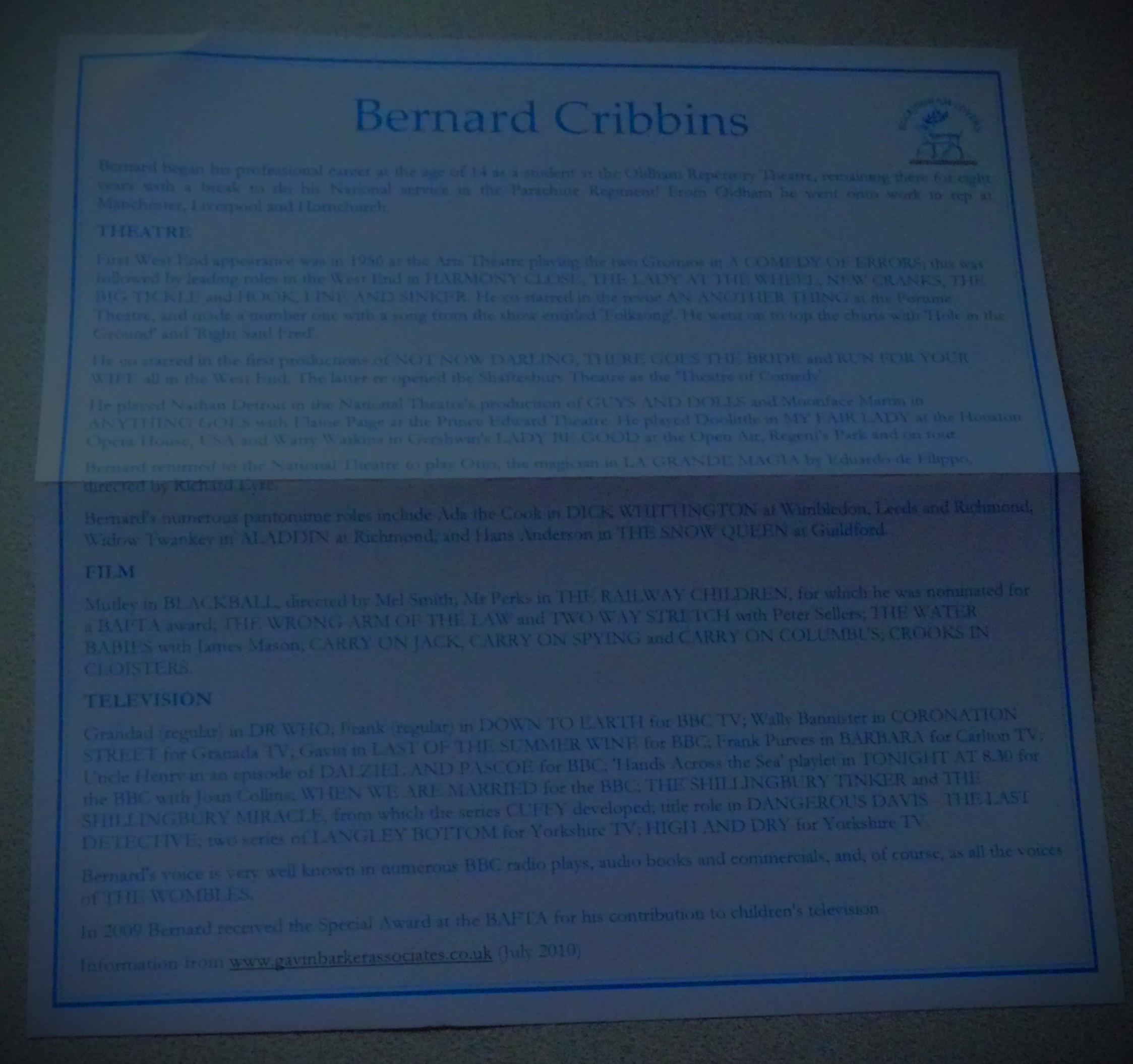
I had put bids in on a number of lots on day one, and on three items I was successful. Lot 105 was my first moment of good fortune:
The first seven pictures are those that were available to auction viewers.The remaining nine were taken at home today.
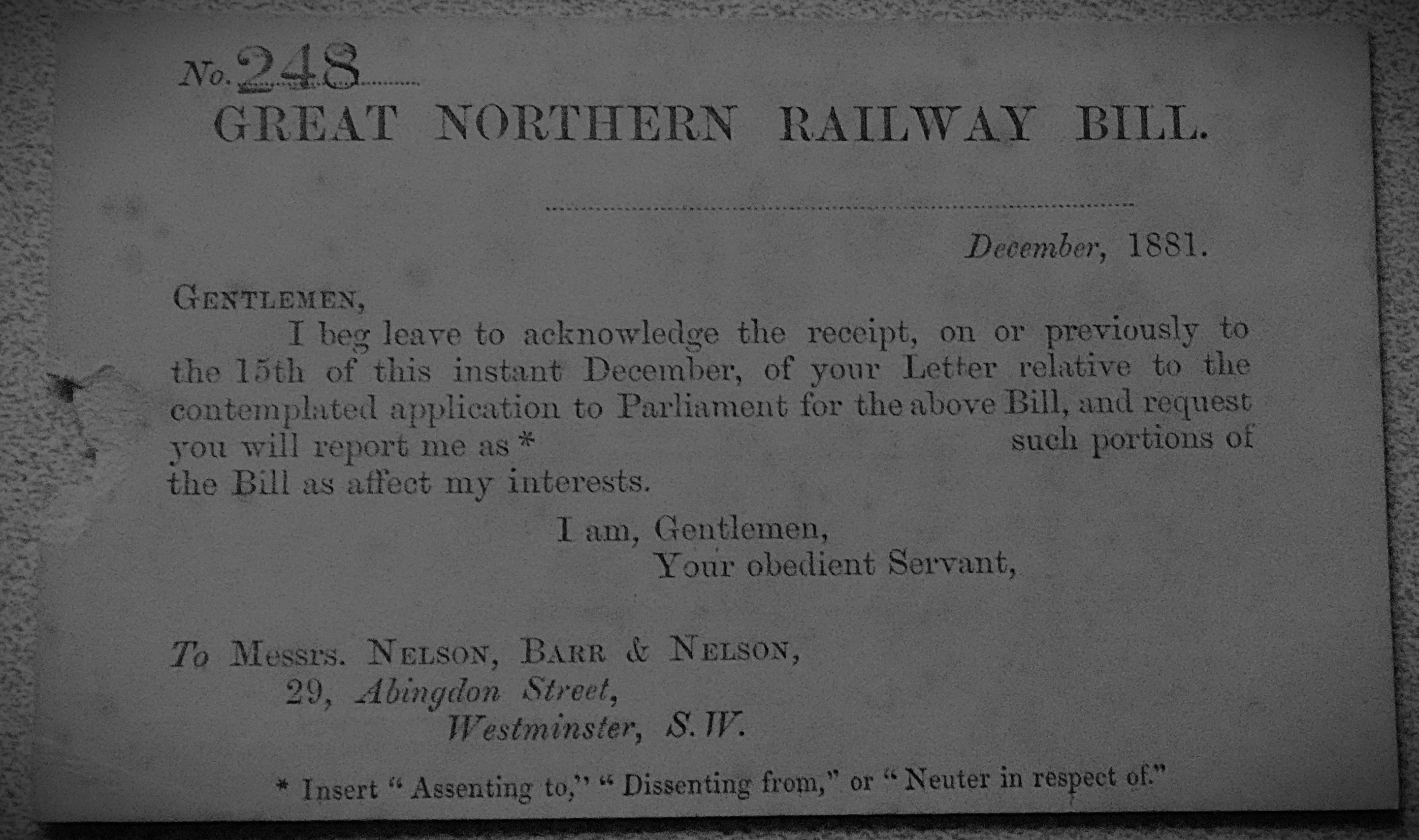
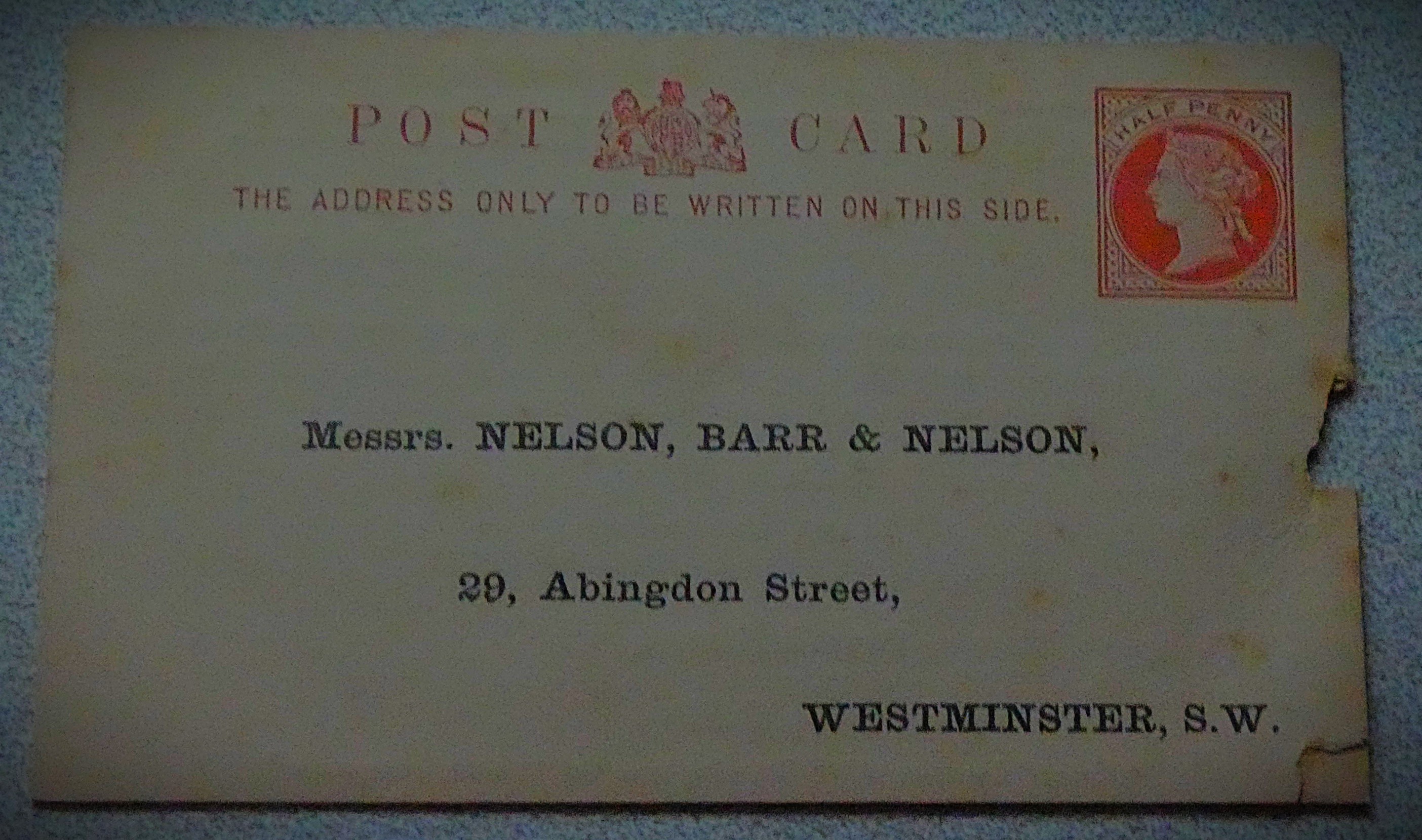
Lot 166 was the first of three items of its type, and I was outbid on the other two, which was professionally satisfying.
The first two pictures are the ones available to auction viewers, the other four were taken today.
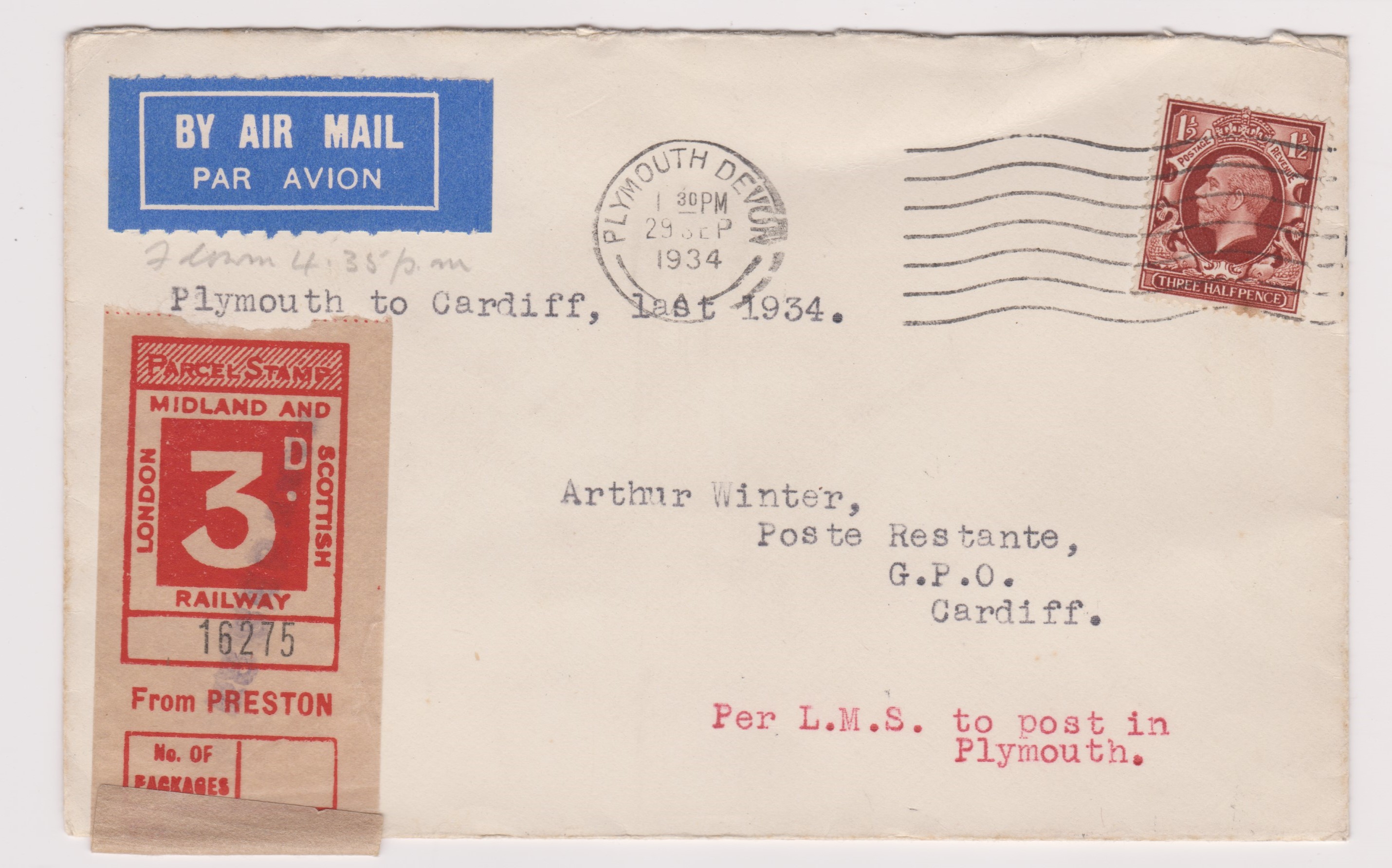
Finally lot 262, which from my personal perspective was the star item of the entire auction.
The first nine images (number nine being a composite of numbers six and eight) were available to auction viewers, the other eight were taken at home today.
PHOTOGRAPHS
My usual sign off…
A crescent moon in the predawn sky of Wednesday morning.
A look back at days two and three at the SCG and a photo gallery.
Before I get into the main meat of this post, the events of days two and three in the fifth Ashes test in Sydney I have some important news from today. On Christmas morning my computer started failing to recognize the existence of WIFI networks, and today I was finally able to take it to a friend in Fakenham who is a professional fixer of computers, and it is once again fully functioning.
AN ENGLAND INNINGS WITH A FAMILIAR PATTERN
England resumed on the second day on 211-3. For much of that second day things looked to be continuing to go their way. Although Jamie Smith suffered the daftest dismissal of the series (even in this series, where that particular field is highly contested it stood out like a sore thumb) just before lunch, slapping a long hop from part timer Marnus Labuschagne straight into deep extra cover’s hands most of the rest of the news for England was good. At 375-6 a very big total looked on, but the last four wickets tumbled for a mere nine further runs. It was still England’s best first innings effort of the series, and what made the whole pattern of this innings so familiar was that it was undergirded by a huge score from Joseph Edward Root. Root’s 160 was his second hundred of the series, and the 41st of his test career.
POOR BOWLING FROM ENGLAND
Having batted reasonably well England proceeded to bowl like drains. By the end of day two Australia were 166-2, with Travis Head in sight of his third century of the series. Matthew Potts, playing his first match since the game in Canberra against the Prime Minister’s XI, and his first first class match since the end of the English season was especially poor, conceding runs rapidly and not looking threatening.
ONE WAY TRAFFIC ON DAY THREE
Travis Head powered on to 163 in the early part of the day. By the close a much more experienced cricketer, Steve Smith, had also cruised past three figures, and Beau Webster, batting at number nine through a combination of a batter heavy original selection and the use of a night watcher the previous evening, supported him impressively in the closing stages, against a tiring bowling unit. Australia closed on 518-7, already 134 to the good, having scored 352-5 on the day. Potts had 0-141 from 25 overs, Carse had claimed three wickets but had also been very expensive. Tongue and Stokes each went at about three an over, and even part time spinners Jacks and Bethell were far less expensive than the two Durham bowlers who had shared the new ball. At their high water mark of 375-6 on the second afternoon England looked well placed, a day and a half later they have every appearance of being deep in a Kimberley diamond mine sized hole.
PHOTOGRAPHS
My usual sign off…
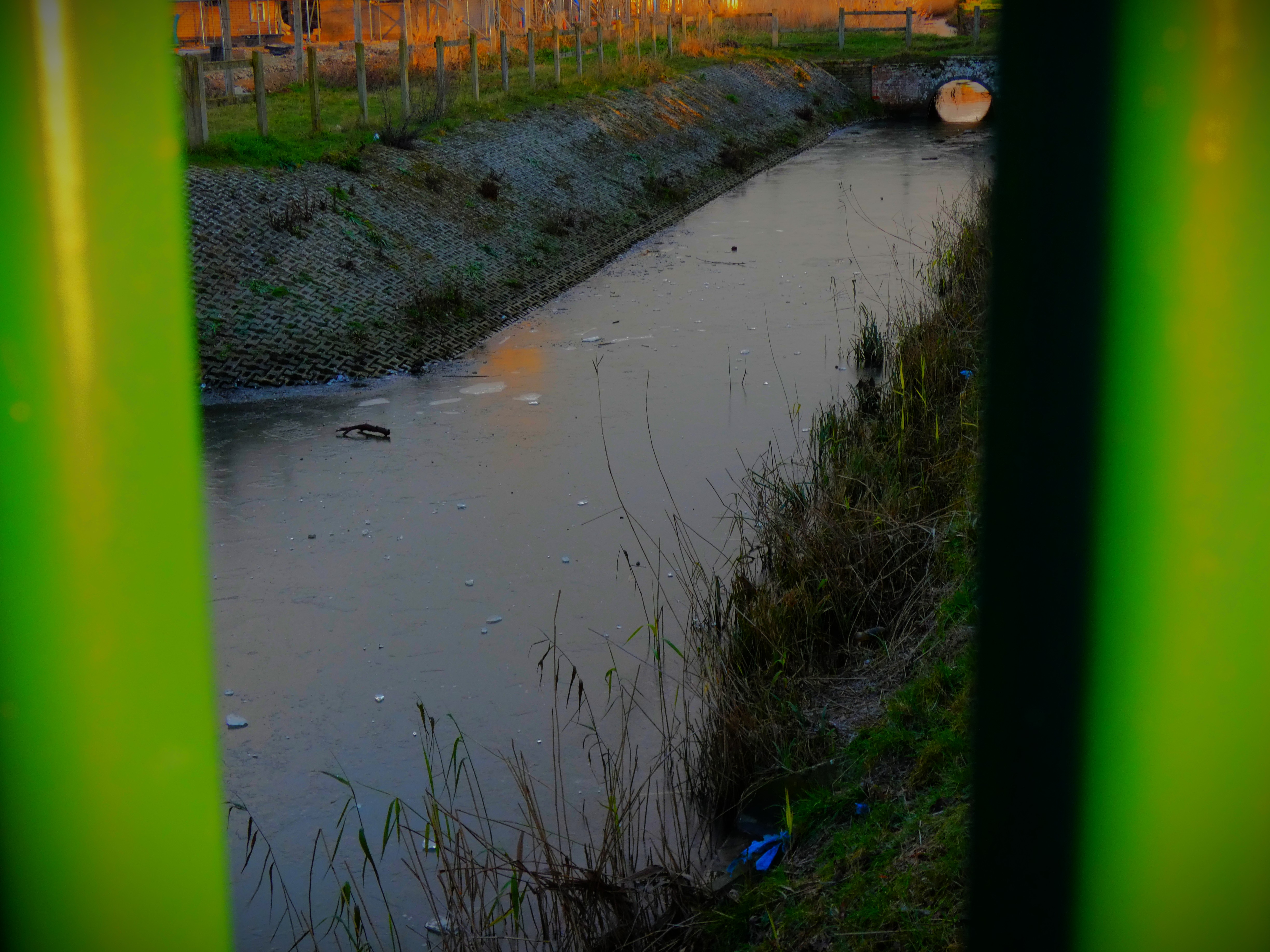
Ice on the surface of a frozen pond (lest the blue skies and evidence of sunshine fool you regarding the weather this January in England).A section of Bawsey Drain, frozen over (the faster flowing Gaywood river has not frozen over, and the Great Ouse is an even less likely candidate for doing so).This snow fell during Sunday night/ early Monday morning, and although there has been no new snow since then it has yet to disappear.A footprint (mine) in the snow.
A look back at the opening day of the final test match of the 2025-6 Ashes at the SCG and a photo gallery.
Late last night UK time the fifth and final test match of the 2025-6 Ashes series got underway at the Sydney Cricket Ground. This post looks back at the day.
THE PRELIMINARIES
Gus Atkinson was unavailable for England due to injury, and Matthew Potts was named as his replacement. This was England’s only change from the side that had won the Boxing Day test match in Melbourne, which meant that Shoaib Bashir, fast tracked into the England ranks due to the fact that his height would enable him to generate extra bounce, an asset that should make itself especially felt on Australian surfaces, would end up not playing a match in the entire series. Ben Stokes won the toss and opted to bat first.
THE GOOD, THE BAD AND THE FRUSTRATING
The bad element of the day came first, with England losing three wickets, Duckett (who has had a wretched series) for 27, Crawley for 16 and Bethell for 10. That was 57-3. and brought the two Yorkshiremen, Joe Root and Harry Brook together. This pair proceeded to bat beautifully until just before tea when it rained, sending the players in. In the event there was no further cricket in the day, though the commentators were absolutely adamant that there could and therefore should have been – it was dry for most of the evening session. Possibly, with most matches so far this series having not gone the distance, and two having finished in two days each the home side wanted as many days play as possible in Sydney and the local ground staff did not exactly bust a gut to get play back underway. The score at the end of a truncated day was 211-3, Brook 78 not out, Root 72 not out, and a wicket a piece for Starc, Neser and Boland.
PHOTOGRAPHS
My usual sign off…
Not a common sight for a town centre location – a pheasant outside St Nicholas Chapel
A look back at todays BBL game between Melbourne Renegades and Hobart Hurricanes and a photo gallery.
This morning UK time saw Melbourne Renegades entertain Hobart Hurricanes at Geelong. This post looks back at the match.
THE RENEGADES INNINGS
The match started strangely, with Josh Brown allowing Chris Jordan to bowl a maiden in the first over of the match. Maidens are rare birds in T20s, and I cannot recall a previous example of a match in this format starting with such an over. Tim Seifert got a single early in the second over, but off the fourth ball thereof Brown fell to a catch by Nikhil Chaudhary off Riley Meredith for an eight ball duck, an absurd innings in a T20. The third and fourth overs, bowled by Nathan Ellis and then Meredith bowling his second were taken for 17 runs each, and a Power Play score of 36-1 looked respectable. However, Hurricanes immediately tightened things up. In the ninth over Jordan bowled Seifert for 34 to make it 63-2. With the penultimate ball of the 10th over English leg spinner Rehan Ahmed bowled Mohammad Rizwan for 32, which brought about the mid-innings drinks break at 69-3. Two overs later Jake Fraser-McGurk and Ollie Peake were still together, and there was an obvious case for activating the Power Surge. However Renegades did the cowardly thing and held back in the hope of getting a better opportunity. Five balls into the 13th over Peake was well caught by Matthew Wade off Nathan Ellis to make it 86-4, and a chance to use the Surge with two batters who have both already faced a few balls had been squandered. Three balls into the 14th over and Hurricanes other leg spinner, Bangladeshi Rishad Hossain, bowled Fraser-McGurk to make it 88-5. Hassan Khan and Will Sutherland revived things for Renegades, and they eventually activated the Surge for overs 17 and 18. The first of these overs was beneficial to their cause, but the second, bowled by Jordan, was ruinous. Hassan Khan was out to the first ball of it, and Sutherland to the fourth, to make it 126-7. Jordan conceded one more run in the over, but still at that point had 3-9 from three overs. The last ball of the 19th over saw Gurinder Sandhu fall to a catch by Hossain off Ellis to make it 133-8. The final over was Jordan’s fourth and last as well, and with the second ball of it he accounted for Fergus O’Neill to make it 135-9. Jordan did not manage to complete his five-for, and ten runs accrued from the last four balls of the innings. However, 145-9 still looked a hopelessly inadequate score, and 4-1-19-4 was still an excellent set of bowling figures. Jordan has played over 400 T20s in his long career, and has never yet taken a five-for, though todays figures were not quite a career best – he has recorded 4-6 in the past. Rishad Hossain had 1-21 from his four overs and Rehan Ahmed 1-25 from his. If Stokes is still worried about Bashir’s lack of skill with the bat (see here) then perhaps Ahmed, a genuinely front line bowler could come into the side. It would be far from the first time that an English player in Australia not as part of a tour party has been drafted in in an emergency – George Gunn, in Australia for health reasons, was called in to the 1907-8 touring party and proceeded to top score in both innings on test debut, while in the 1990s Gus Fraser, omitted by Illingworth, was clever enough to arrange to be in Australia playing grade cricket, and soon found himself back in the side.
THE HURRICANES CHASE
Mitchell Owen fell to the first ball of the chase, caught behind by Rizwan off Jason Behrendorff. However Nikhil Chaudhary, recently demoted from opening to number three, then hit the second, third and fourth balls of that opening over for fours and Hurricanes were on their way, and never really looked back. The other opener, Tim Ward, was also dismissed in the Power Play, for 8, but Hurricanes already had 38 on the board by then. It was the third wicket stand between Chaudhury and Ben McDermott that killed the game stone dead. At the halfway mark Hurricanes were 95-2, with these two still together, and activating the Power Surge at the earliest possible opportunity was a blatantly obvious thing to do, and Hurricanes duly did so. Although they lost Chaudhury to the last ball of the Surge, caught by Fraser-McGurk off Sandhu for 79 (38) the two overs had also yielded 36 runs (18 each), and a mere 15 were needed for victory by then. It took 1.5 overs to knock those runs off, with no further wickets falling. McDermott ended on 49 not out (33). Hurricanes had won by seven wickets with 6.1 overs to spare and went top of the table. Jordan was named Player of the Match for his great bowling. Scorecard here.



















































































































































































































































































































































































































































































































































































































































































































































































































































































 aspiblog