Continuing my account of my most recent visit to Cornwall.
INTRODUCTION
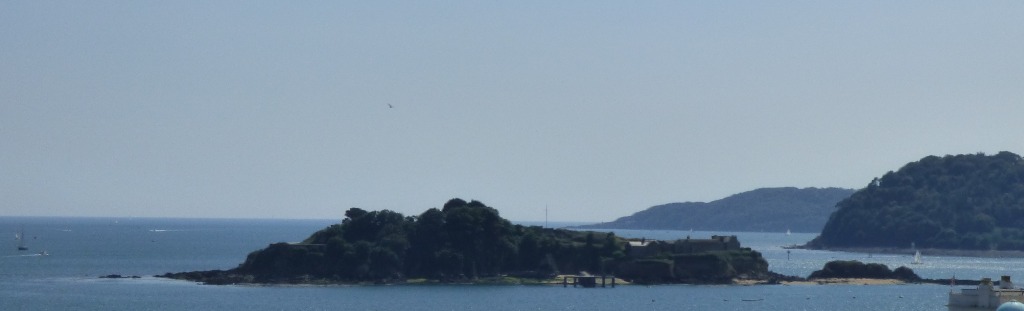
Yes, Plymouth is Devon not Cornwall, but my visit to the town was part of my stay in Cornwall, so it belongs in this very spread out series of posts.
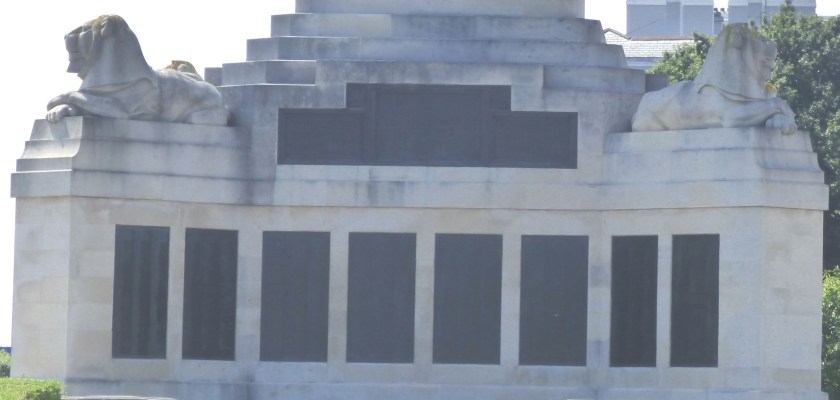
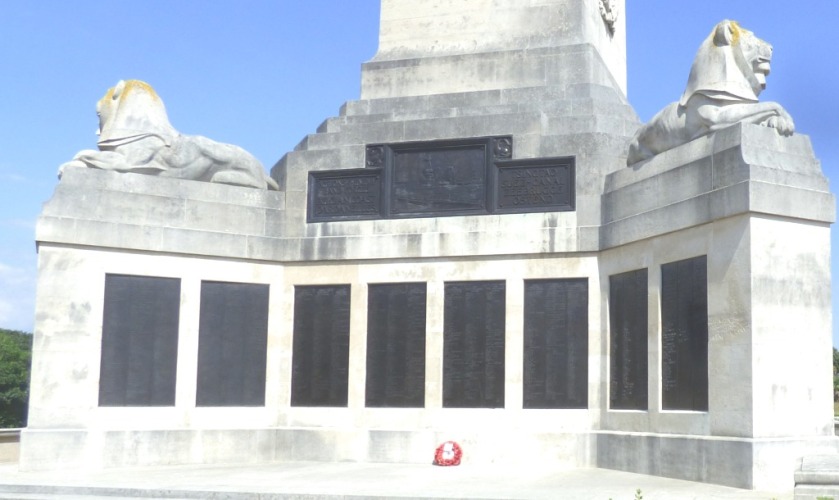
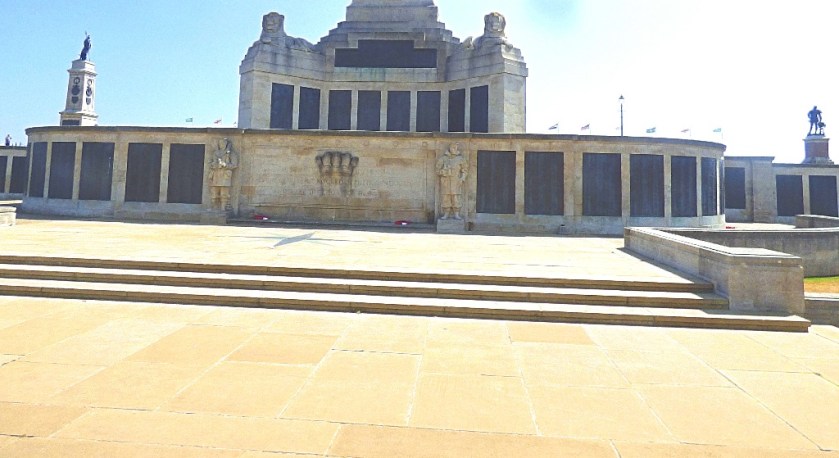
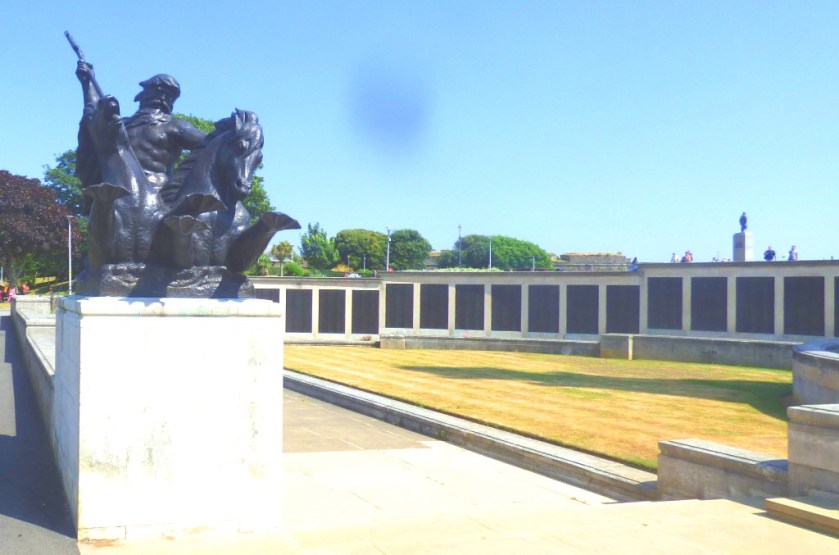
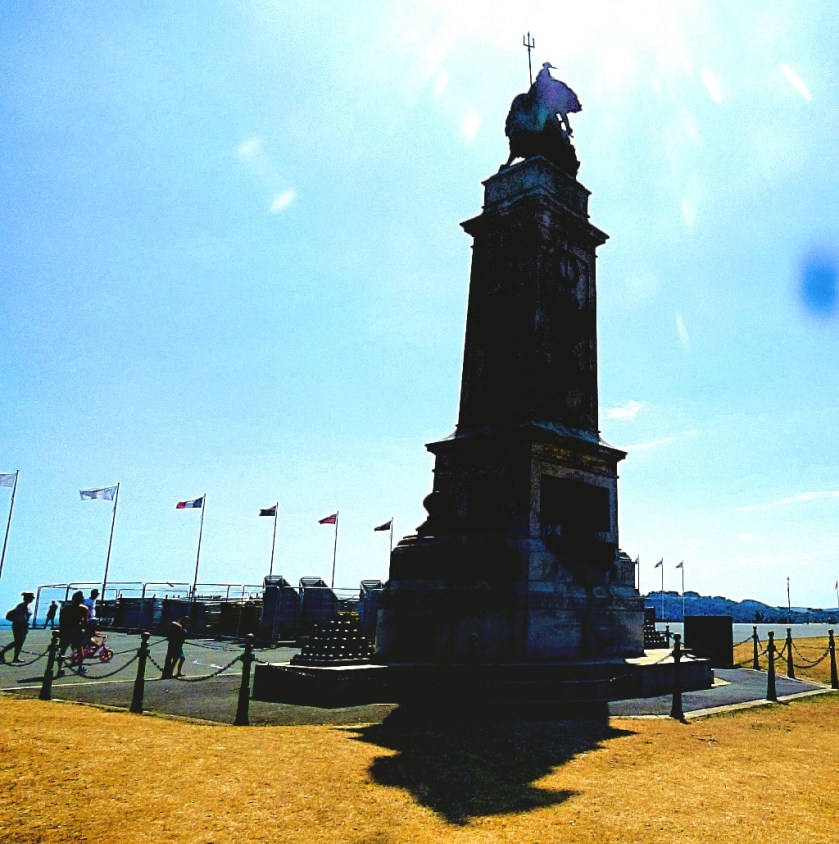
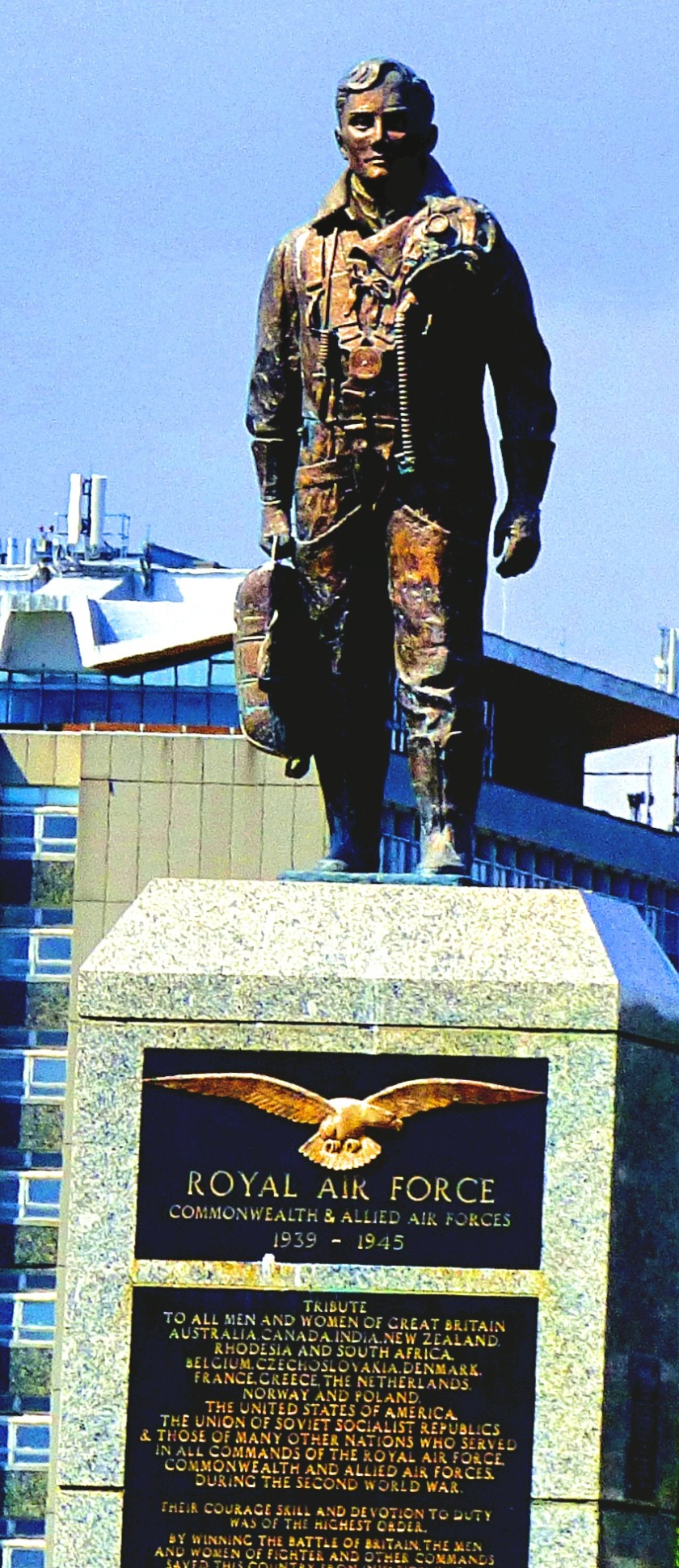
THE WAR MEMORIAL
This particular memorial honours those lost at sea as well as those killed in war, because Plymouth is very much a naval town.
A first, distant view of the memorialA series of close-ups – each vertical bronze panel around the base is a list of names.
OTHER PICTURES FROM HISTORIC PLYMOUTH
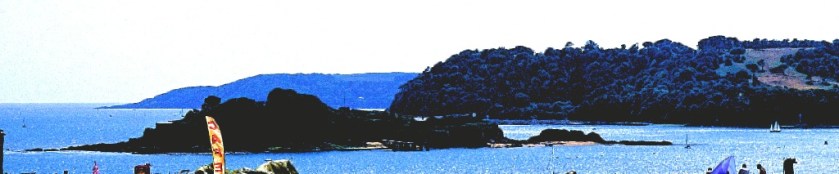
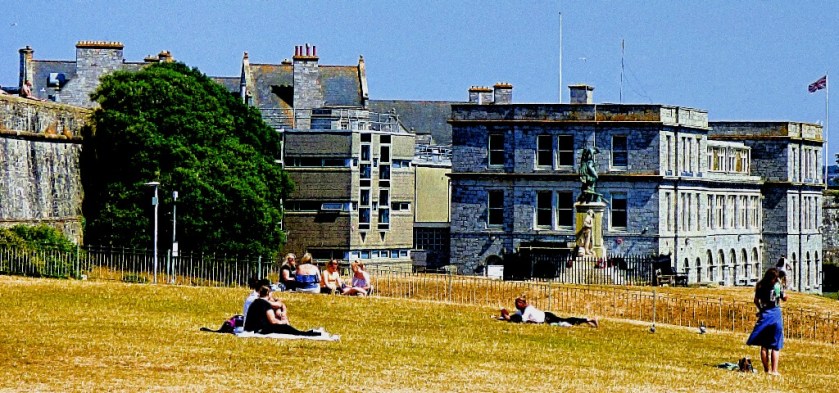
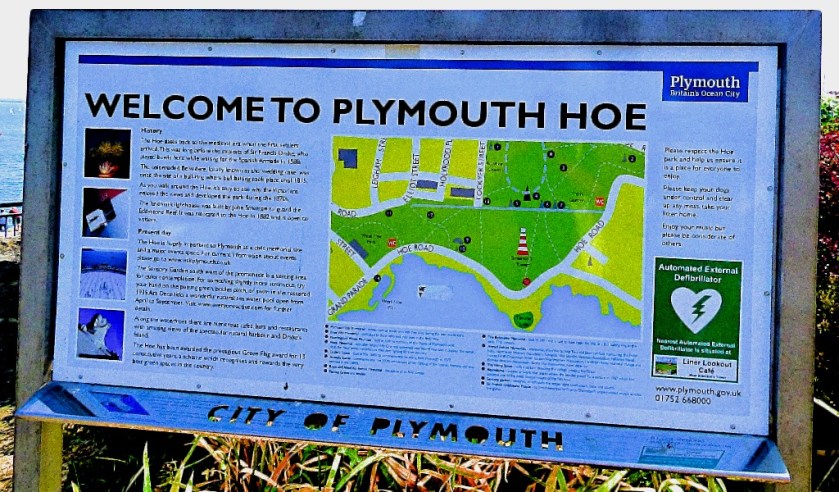
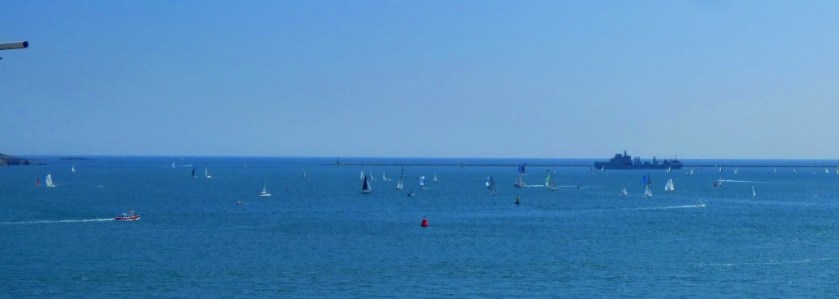
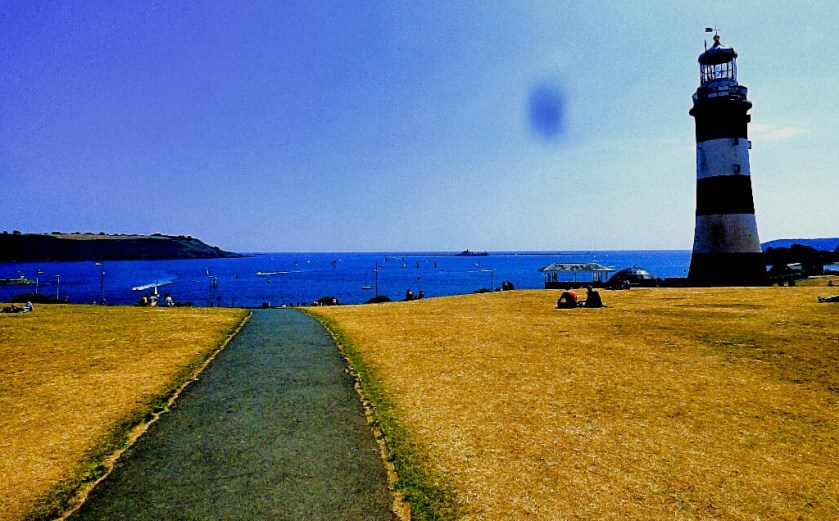
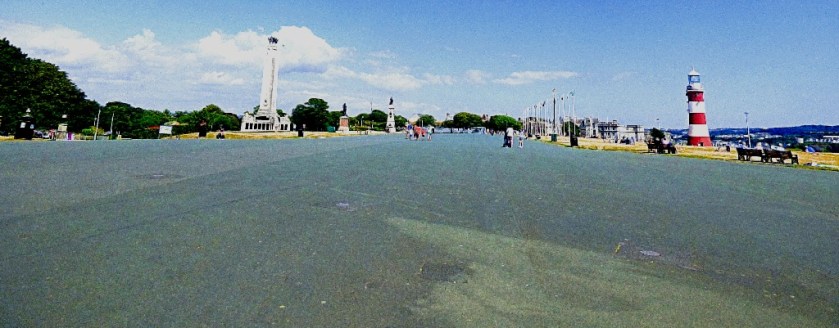
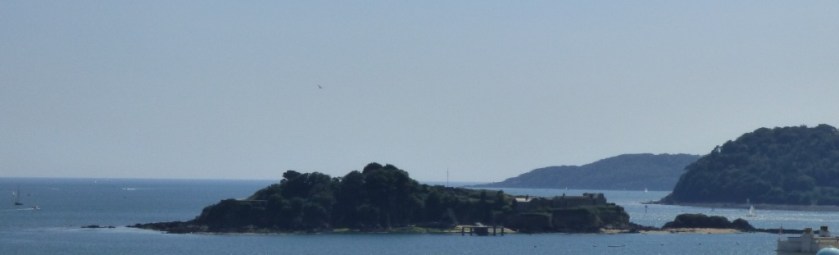
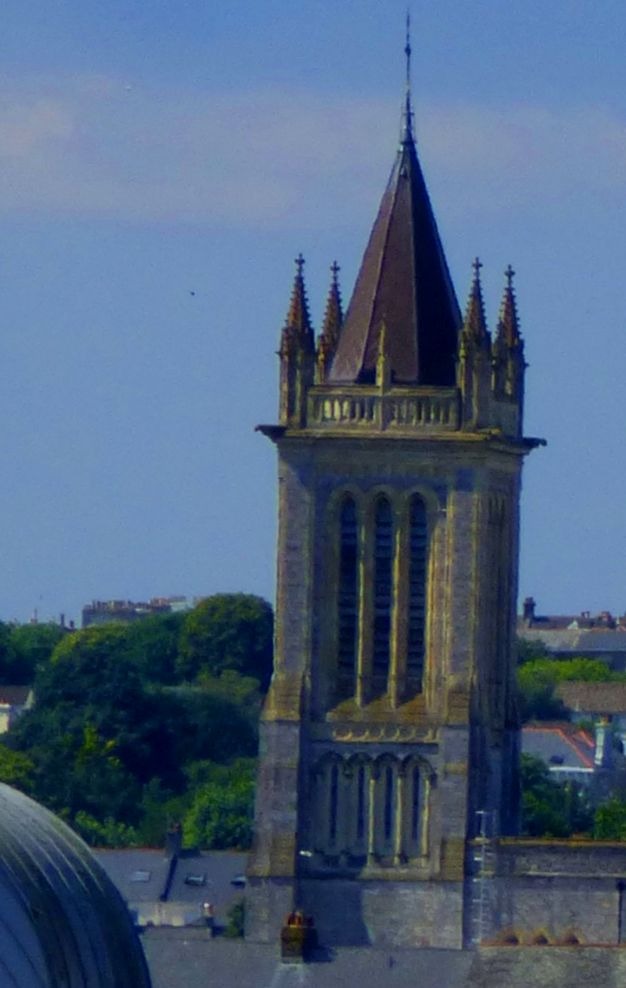
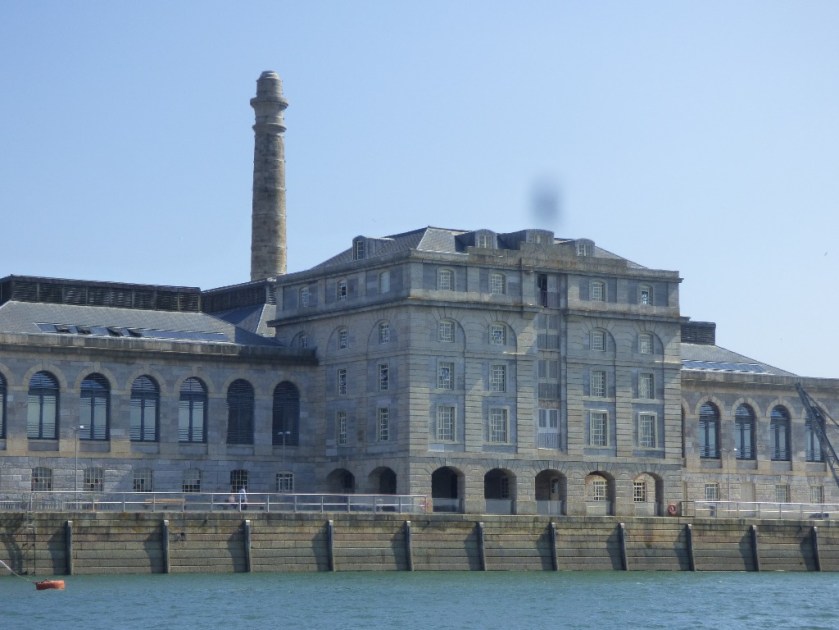
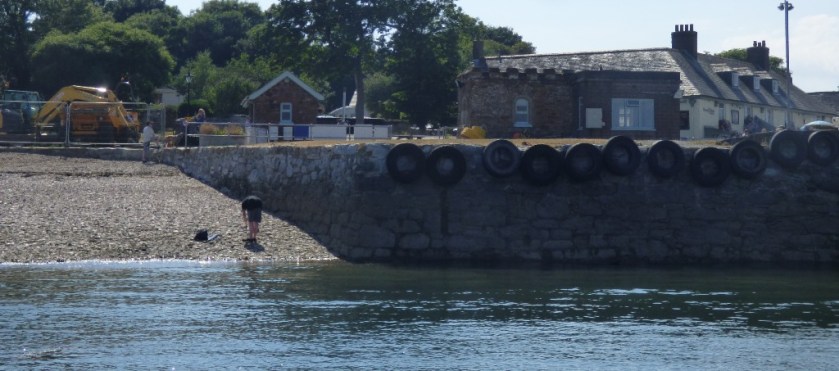
There were plenty of other things to see around the sea-front…
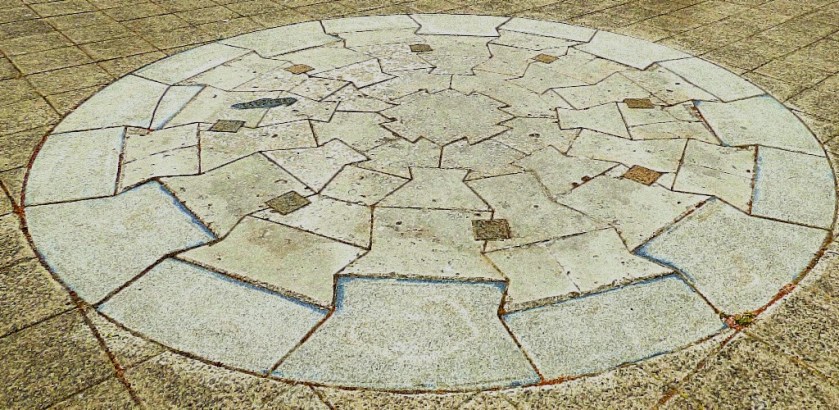
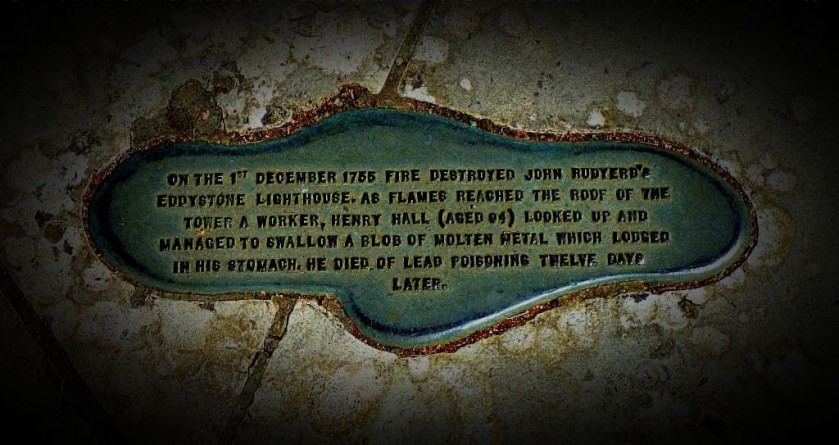
A quirky pavong arrangement……and an explanatory plaque
AN ITEM OF SHERLOCKIANA
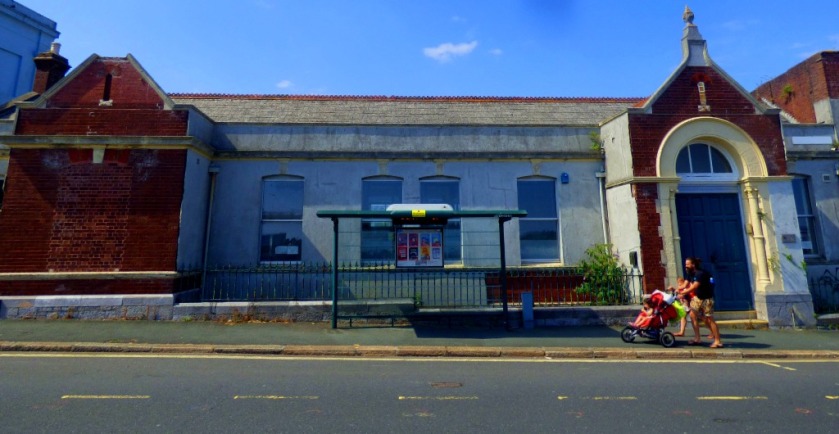
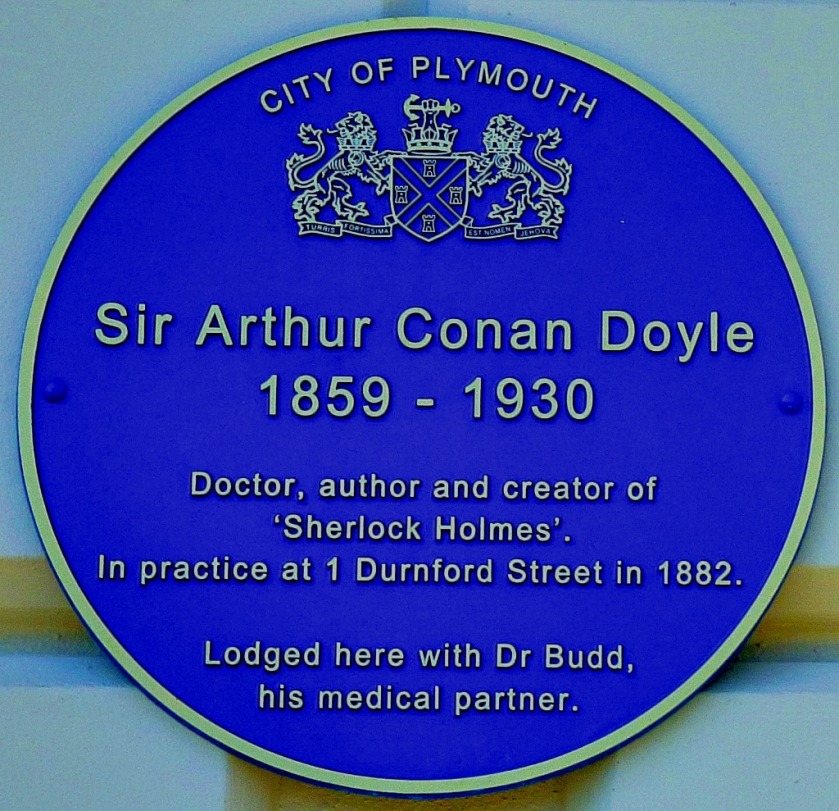
It will be no news to followers of this blog that I am a fan of the world’s first and greatest consulting detective, so it was pleasing to acquire a photograph with a connection in that direction:
One of Holmes’ most famous cases takes place on Dartmoor, not far from Plymouth.
THE RETURN CROSSING
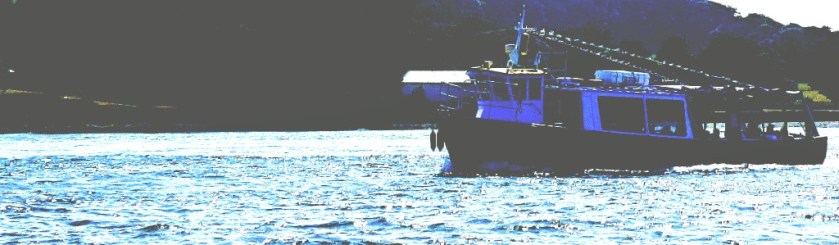
It was now time to recross the county boundary into Cornwall, one again on the Edgecumbe Belle.
The latest in my series of posts on my holiday in Sweden.
INTRODUCTION
Welcome to the latest installment in my series of posts about my recent holiday in Sweden. Having covered Gamla Stanin my previous post it is now time to cover the other area where I did some exploring, Kungstragarden, the city centre terminus of the blue line on Tunnelbana.
AT THE SURFACE
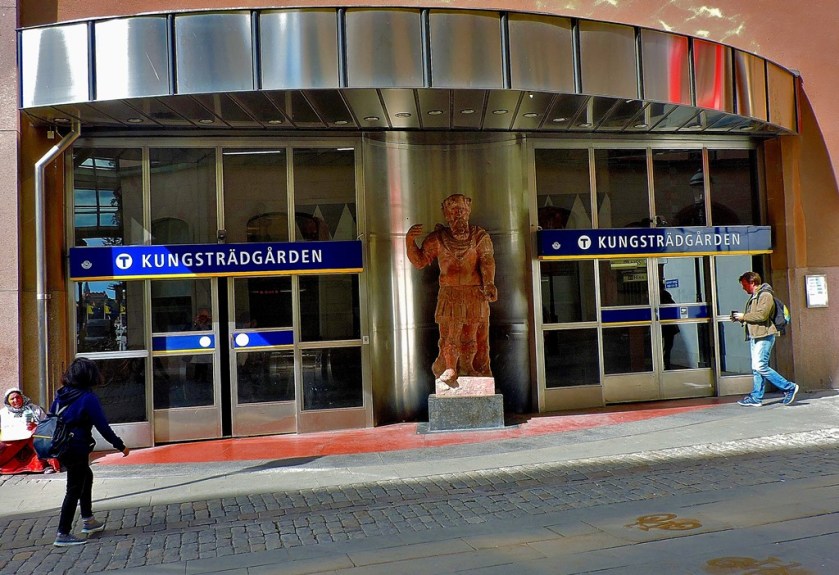
It was obvious as soon as I had exited the station building that I had made a good call. Here are the first couple of pictures..
THE KUNGSTRAGARDEN
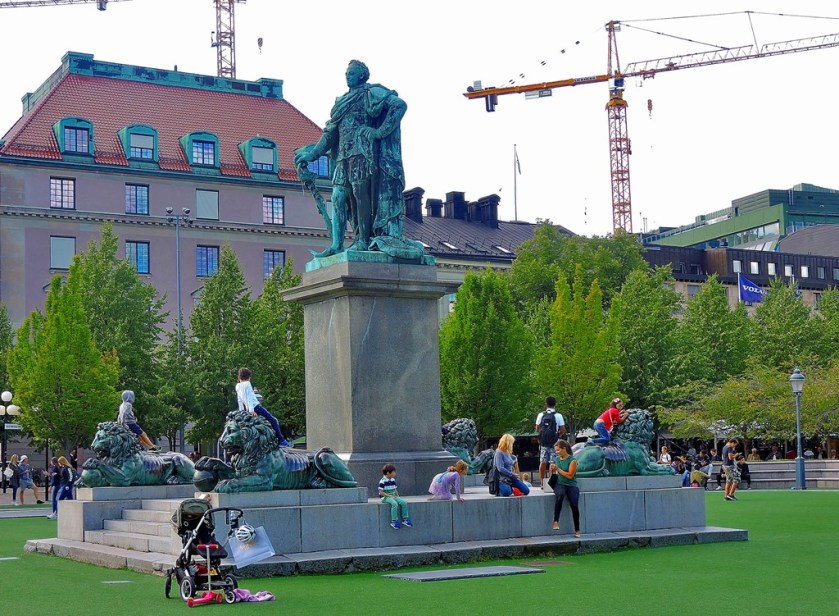
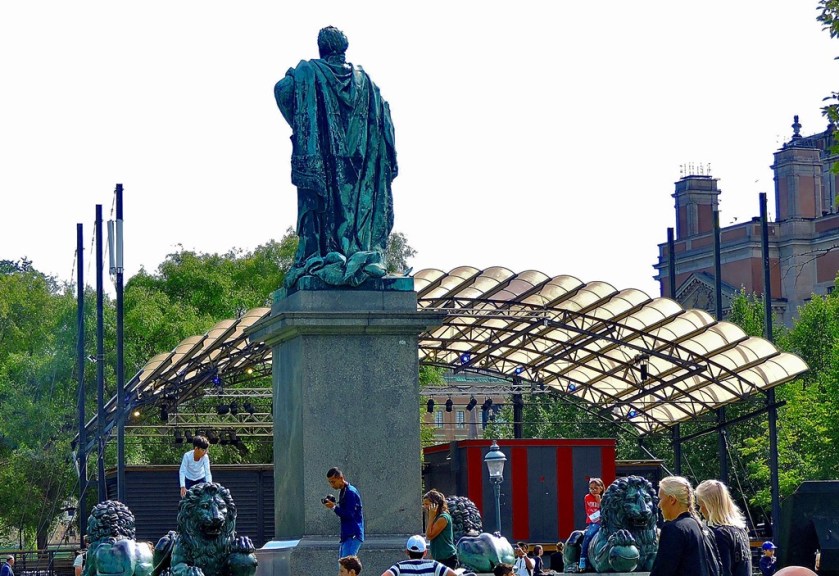
On entering the Kungstragarden itself the first thing I saw was this:
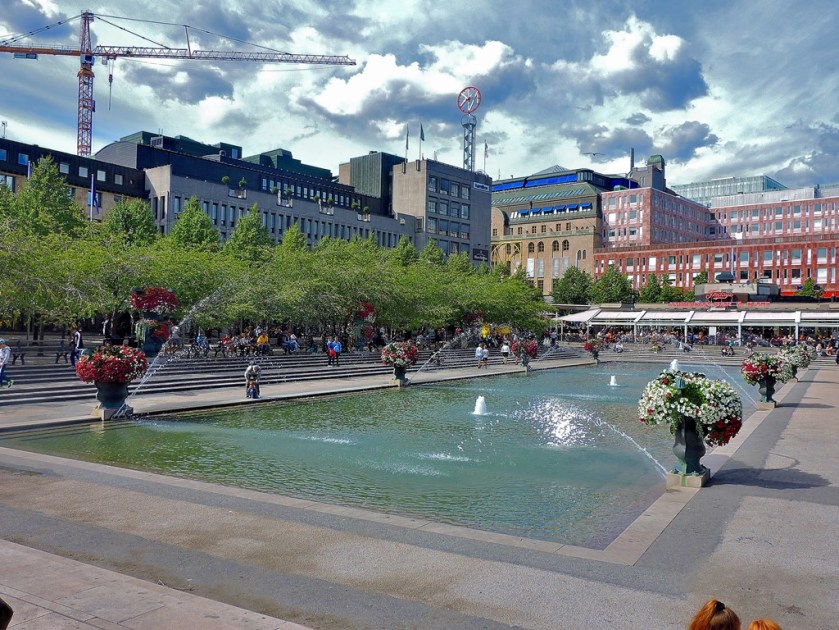
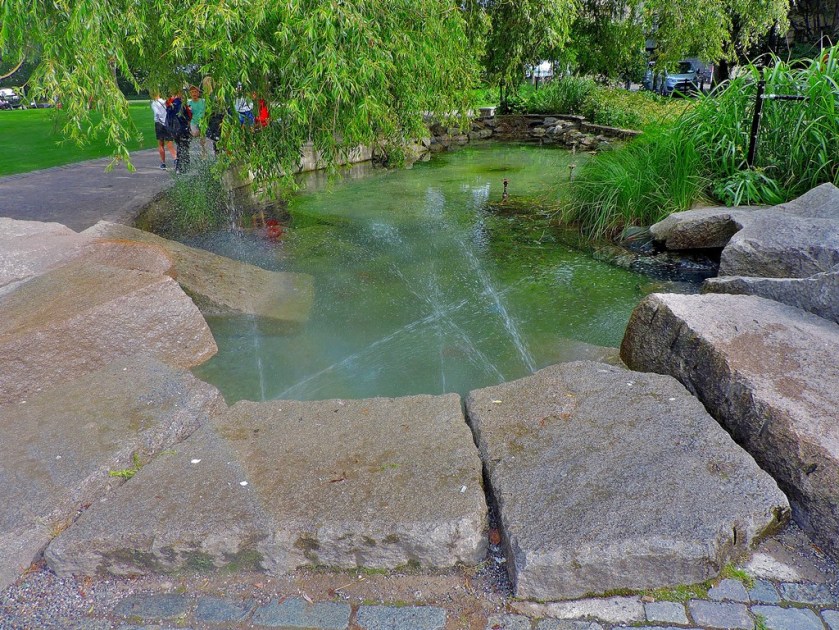
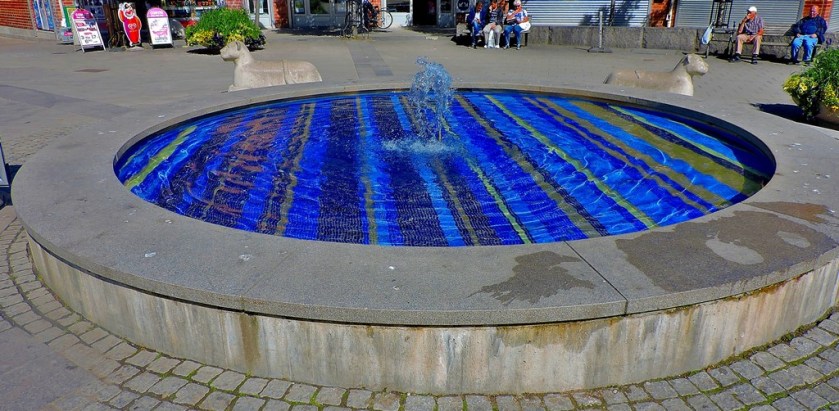
Beyond this is a very decorative pool…
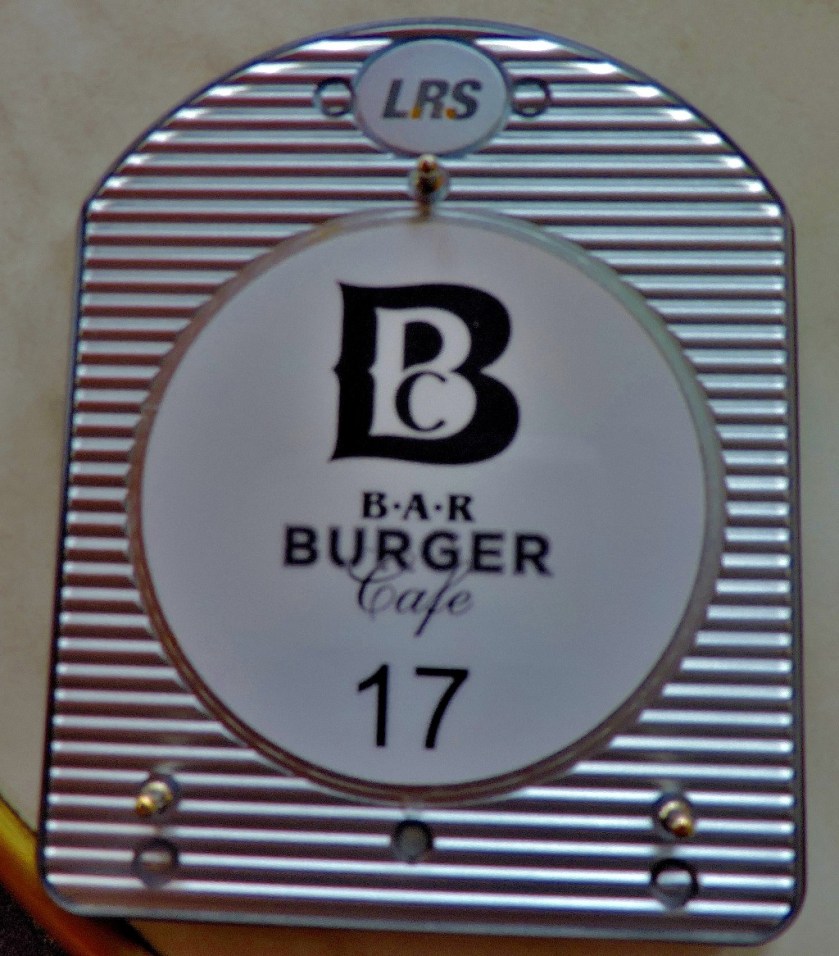
By this stage I was thinking about lunch, and one of the various beer and burger places caught my attention. I was lured in by the ‘Nick the Greek’ burger – lamb, feta cheese, salad. I subsequently identified an impressive looking local beer, and food ordered took my place at an outside table.
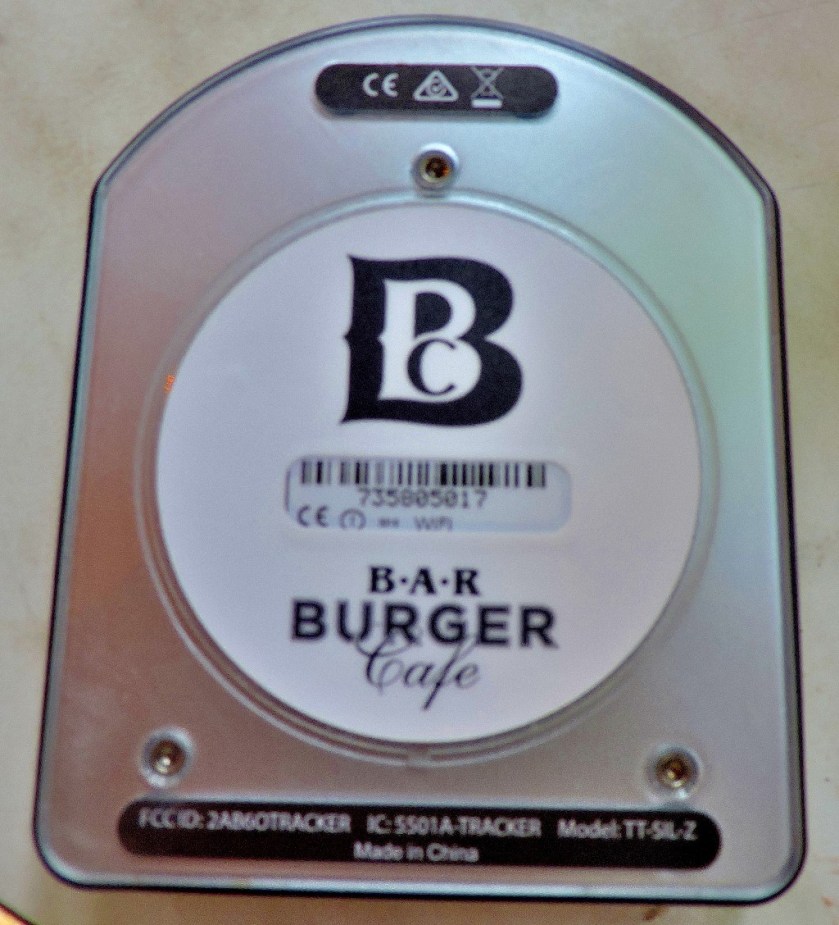
Avenyn Ale – it proved by excellent.When you place a food order you get one of these, and your food arrives is due course.The reverse shot.
Although I was well aware that a the general expectation is that one will not eat the top half of the bun in which a burger of this nature is served I was not about to leave anything uneaten. Lunch done I resumed my explorations, looking to take a circuitous route back to the station…
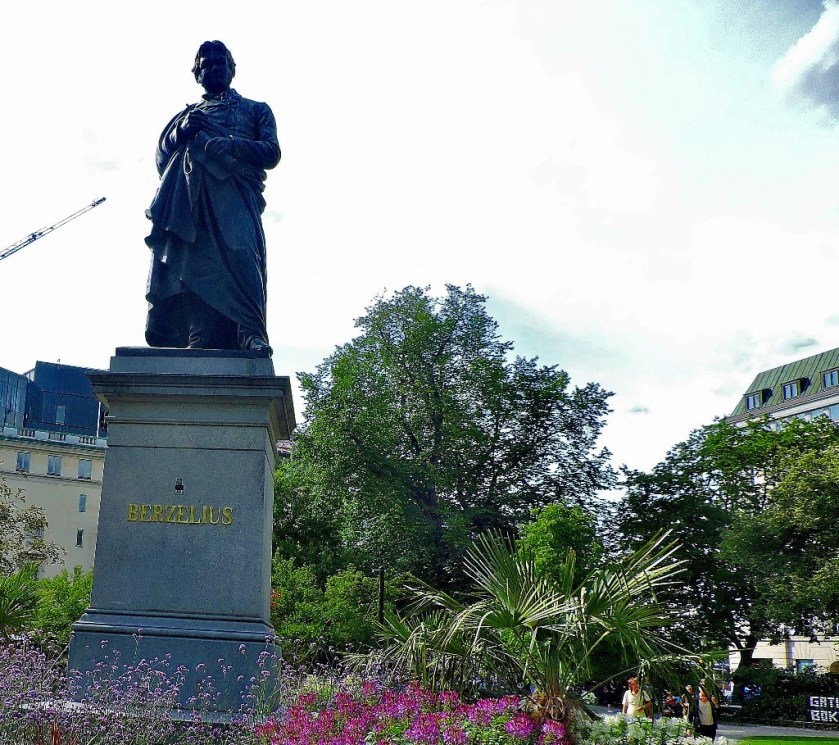
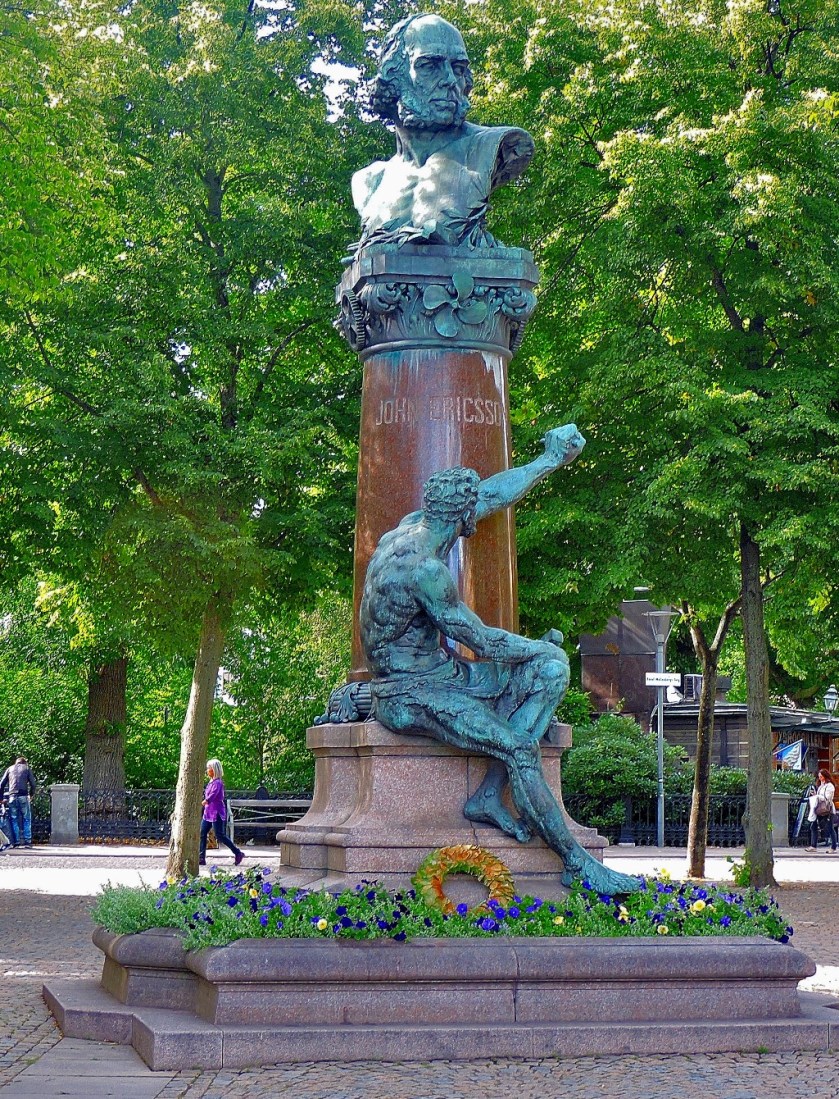
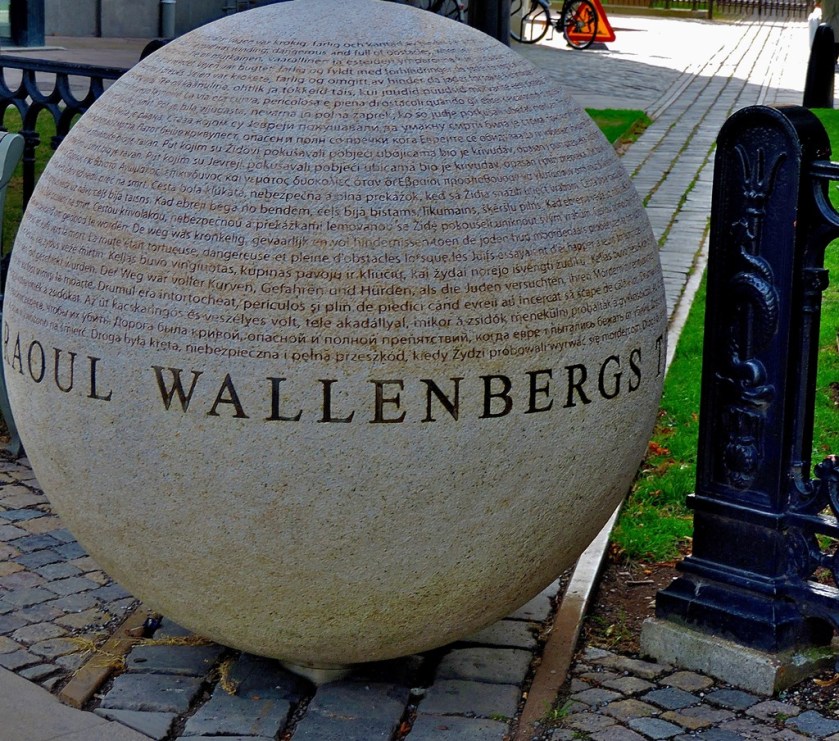
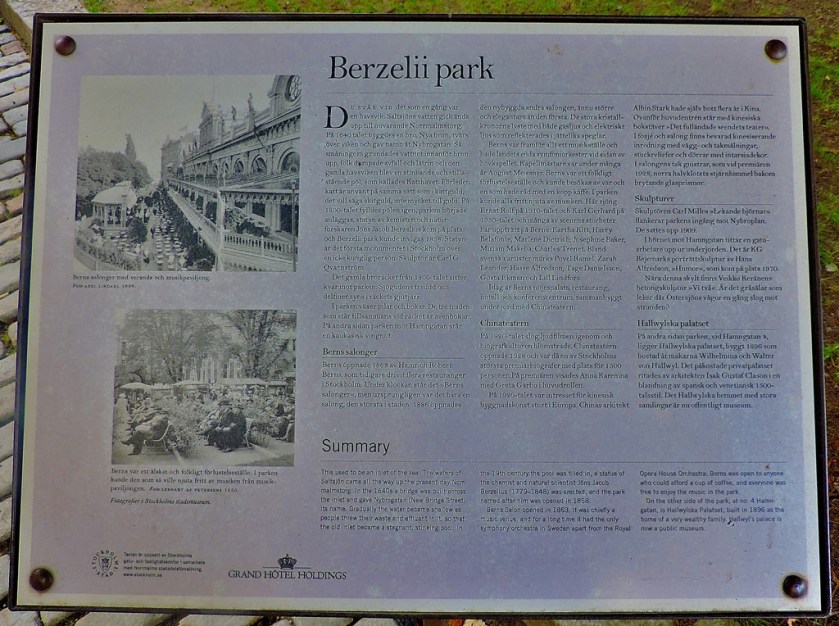
My nest port of call was a park…
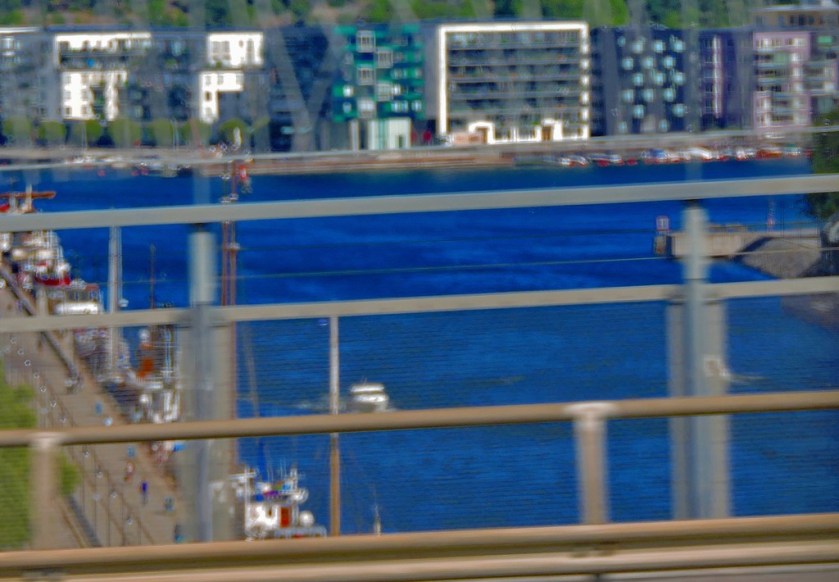
I was then drawn towards a waterfront (Stockholm like most Swedish cities is well supplied with water)…
There were a few more things to photograph before I got back to the station and resumed my explorations of the Tunnelbana.
Kungstragarden well repaid the time I spent exploring it, and I would recommend anyone visiting to Stockholm to include it in their itinerary.
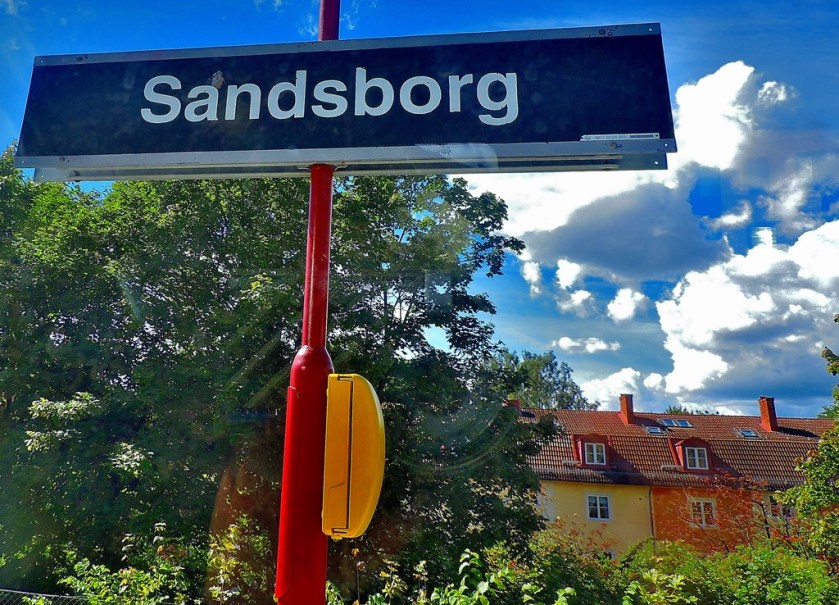
The latest in my series of posts about my holiday in Sweden. This post covers Tunnelbana in detail, thereby providing a framework for my remaining posts about Stockholm.
INTRODUCTION
Welcome to the latest installment in my series of posts about my holiday in Sweden. To set the scene for the rest of this post here is picture:
TUNNELBANA AND MY HOLIDAY
Although I made some use of the Tunnelbana at the beginning of my holiday, it was during my last full day in Stockholm at the end that I really got to know they system, having decided that in addition to exploring the city I would do some serious travelling on the system. I had seen enough even early on to realise that it was going to warrant a post.
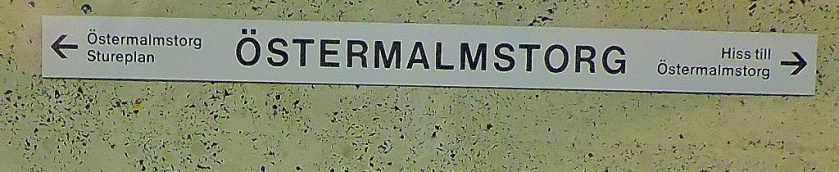
Although I had spent little time travelling on Tunnelbana in my first spell in and around Stockholm I did get some pictures…
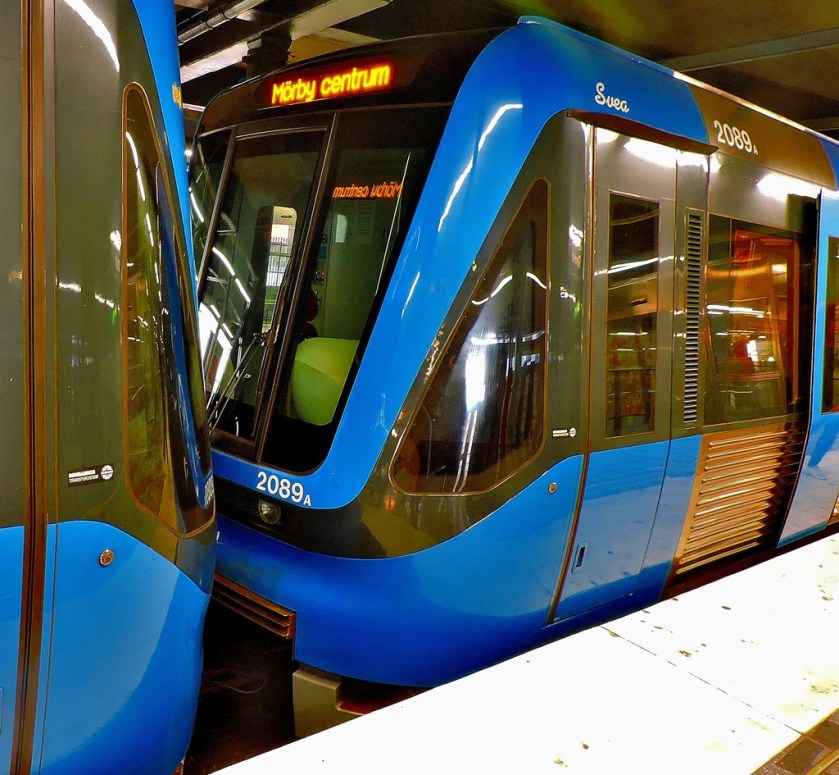
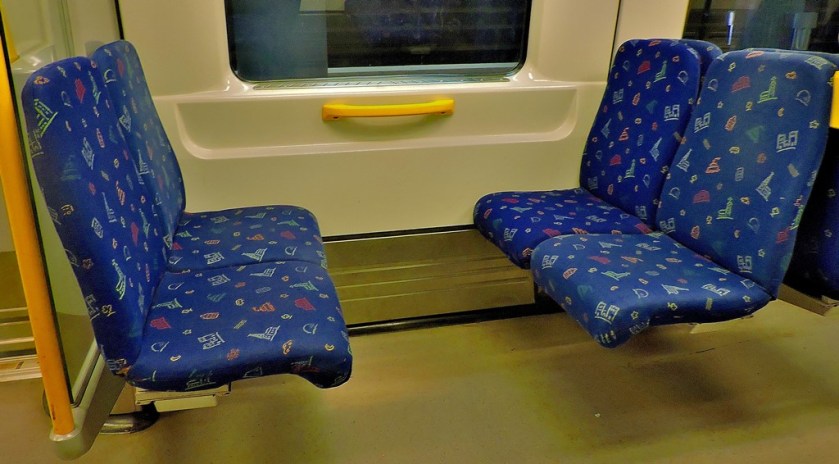
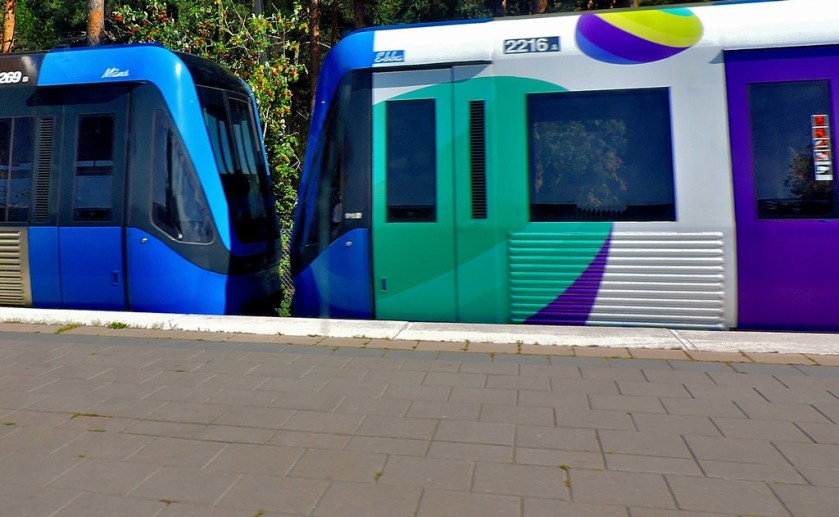
A Tunnelbana train – notice the articulated units, each the equivalent of three standard carriages (this train consists of two such, at busy times they sometimes have three).
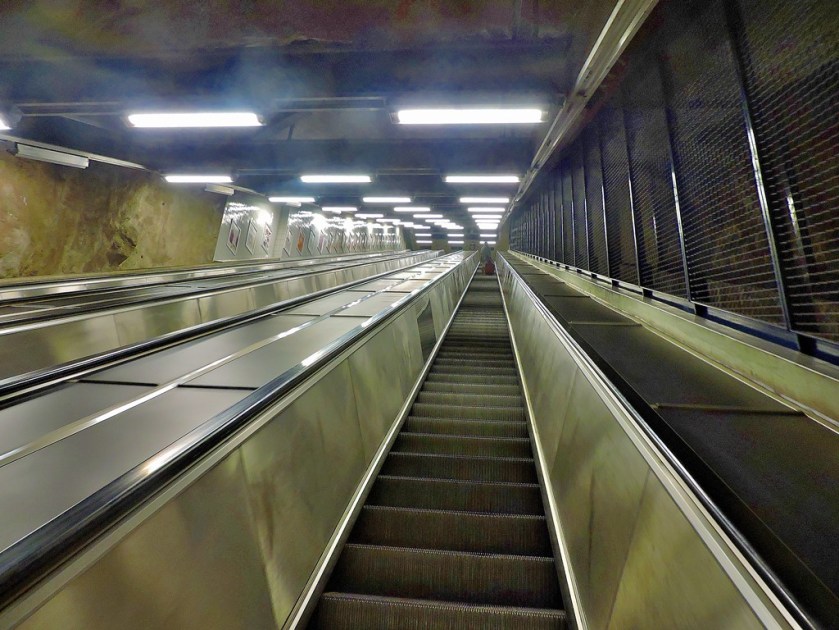
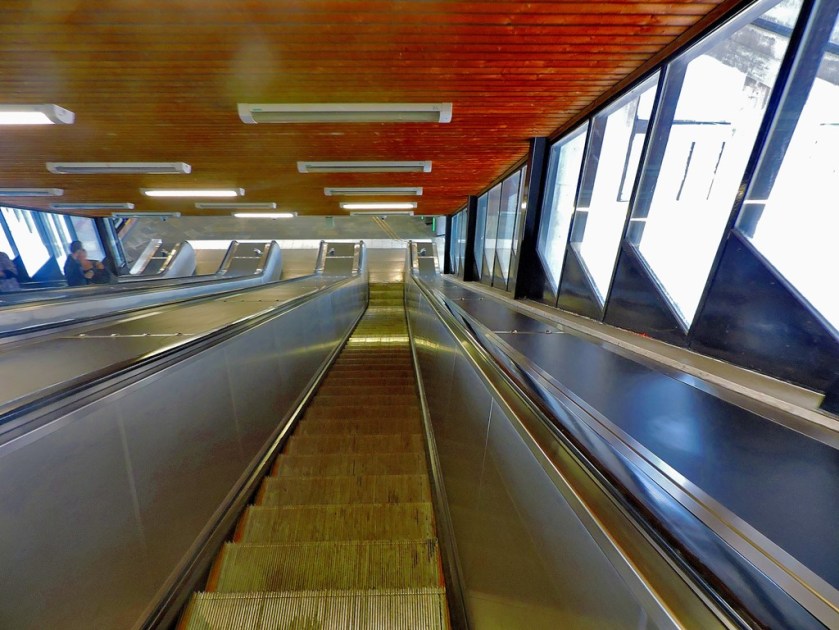
The escalators at Huvudsta.
A SYSTEM OF TWO PARTS
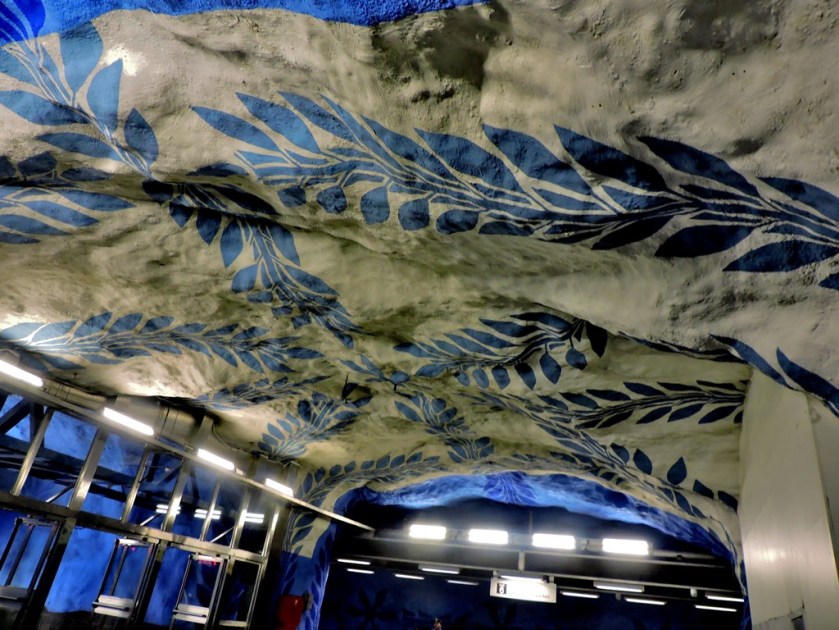
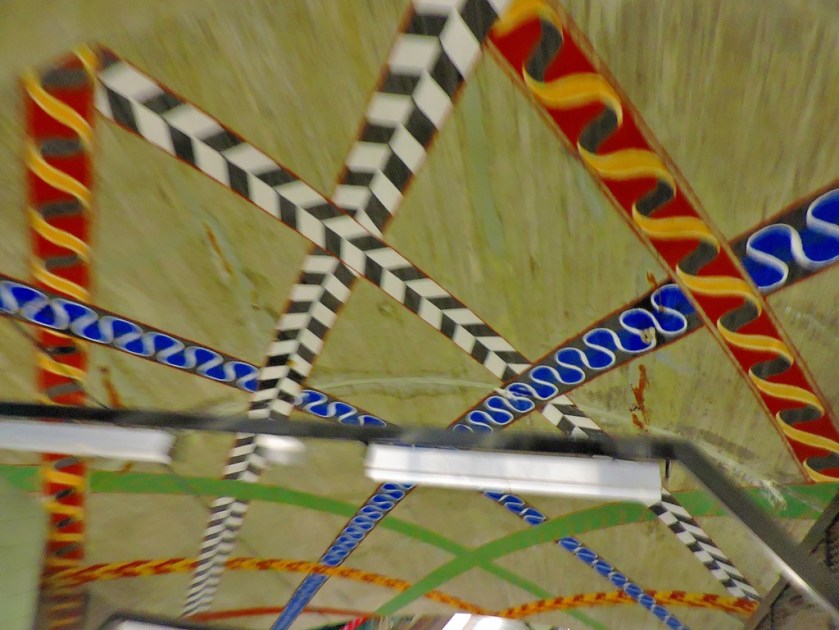
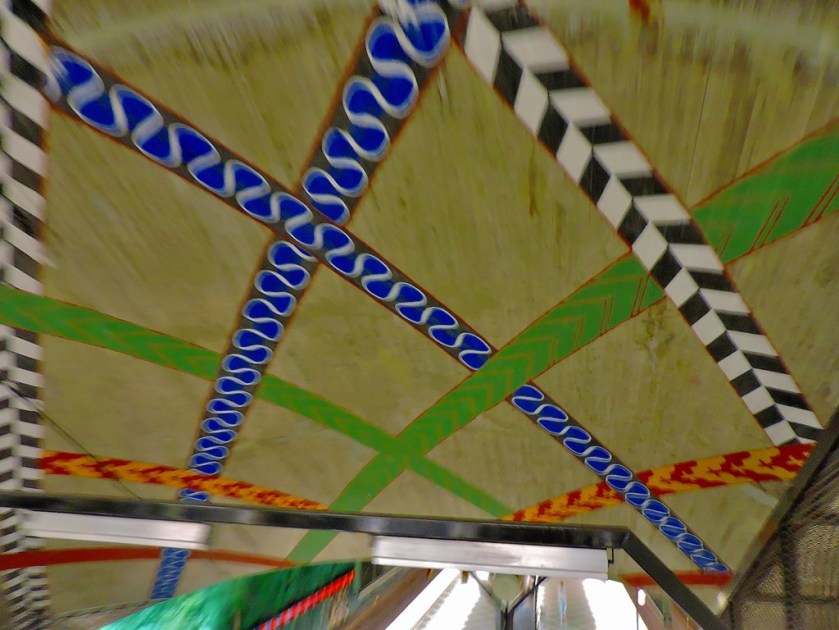
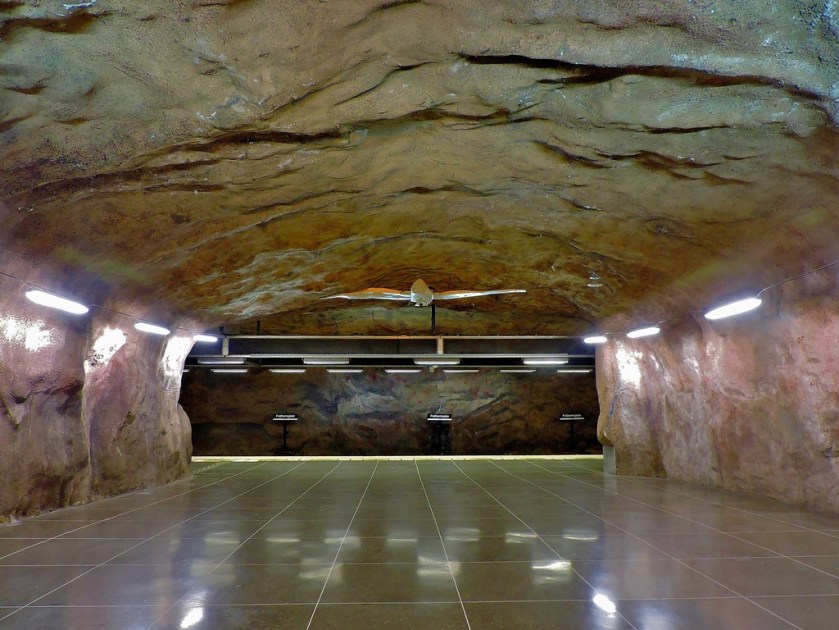
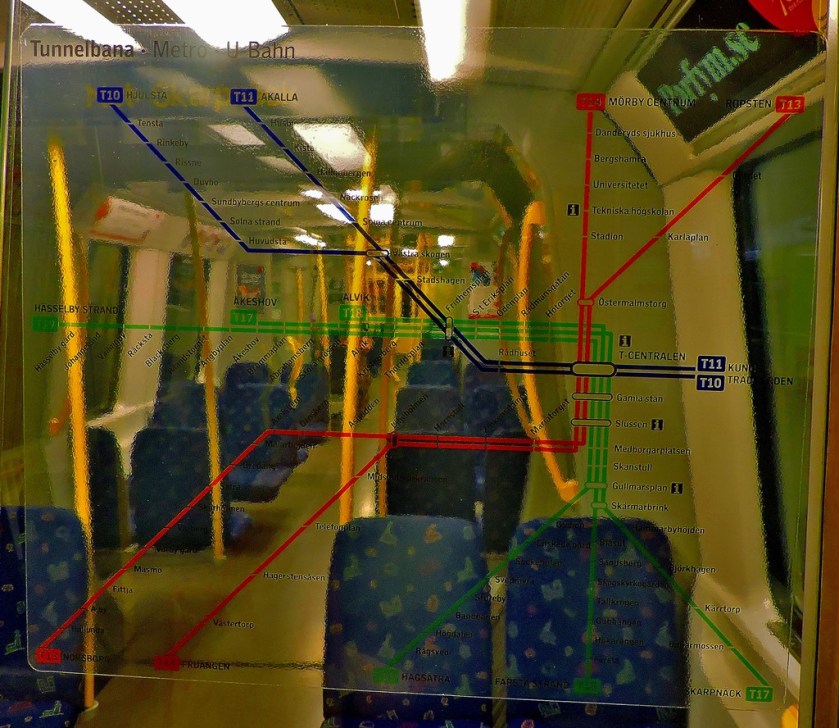
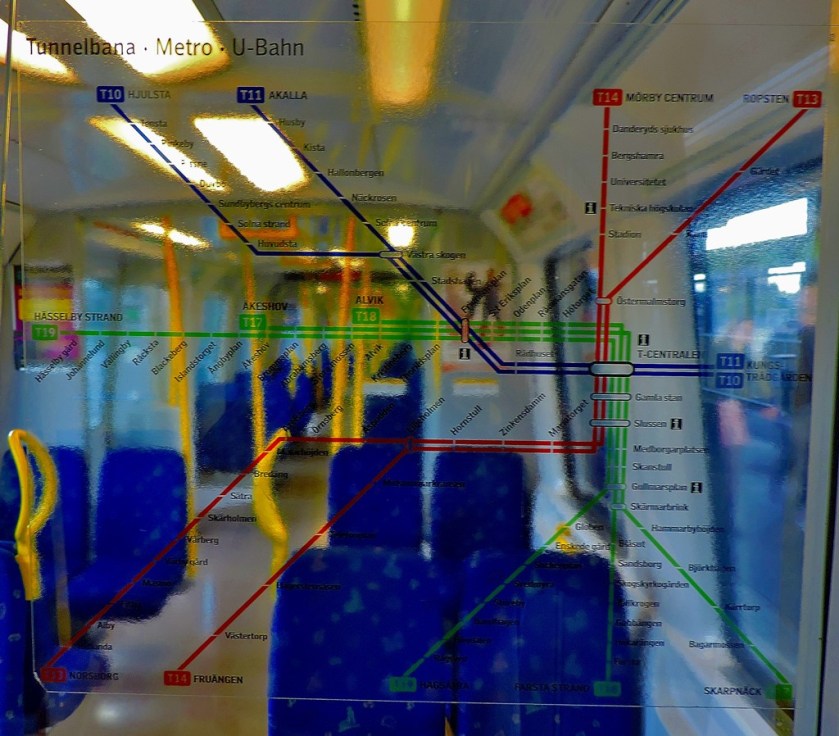
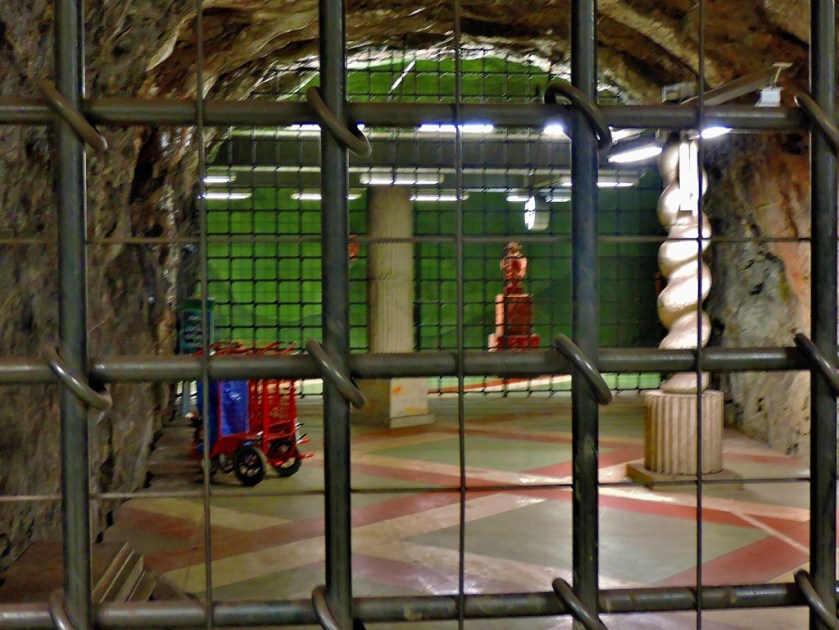
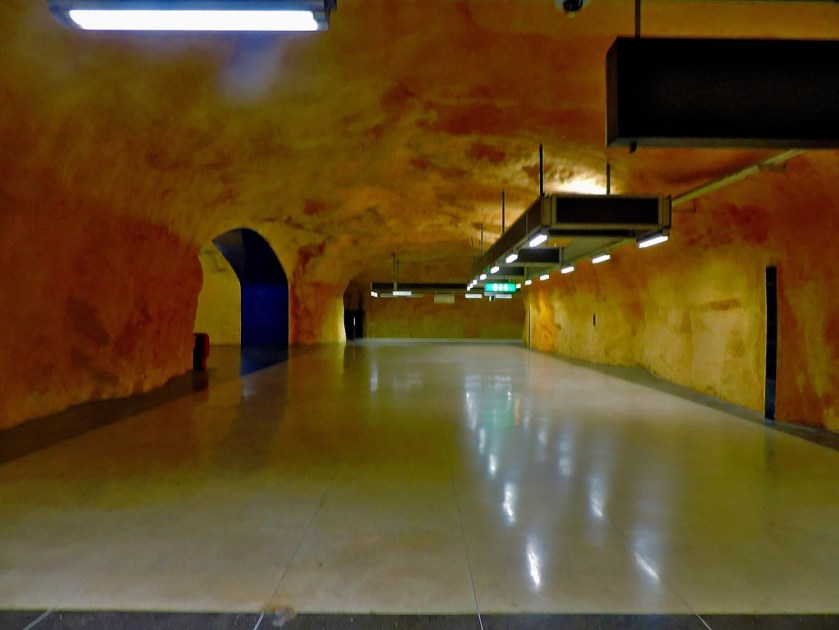
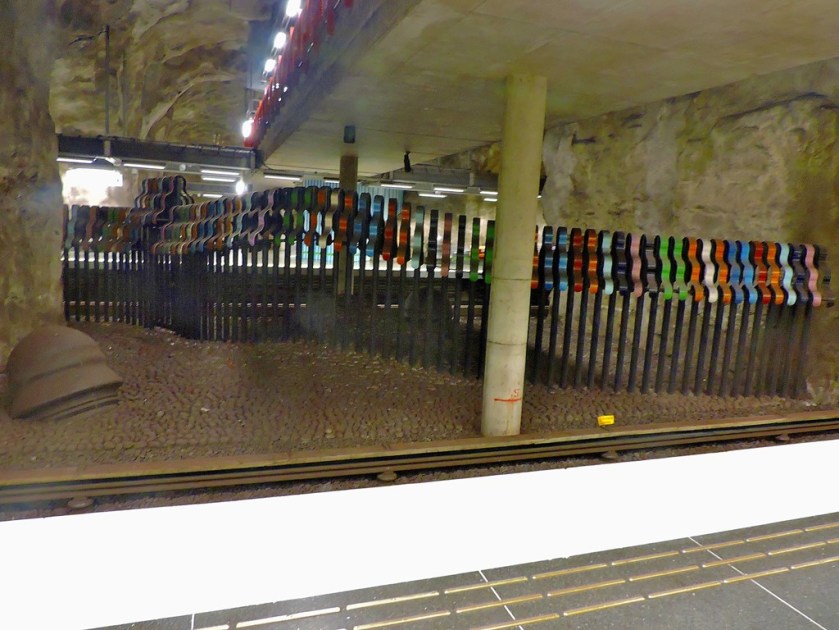
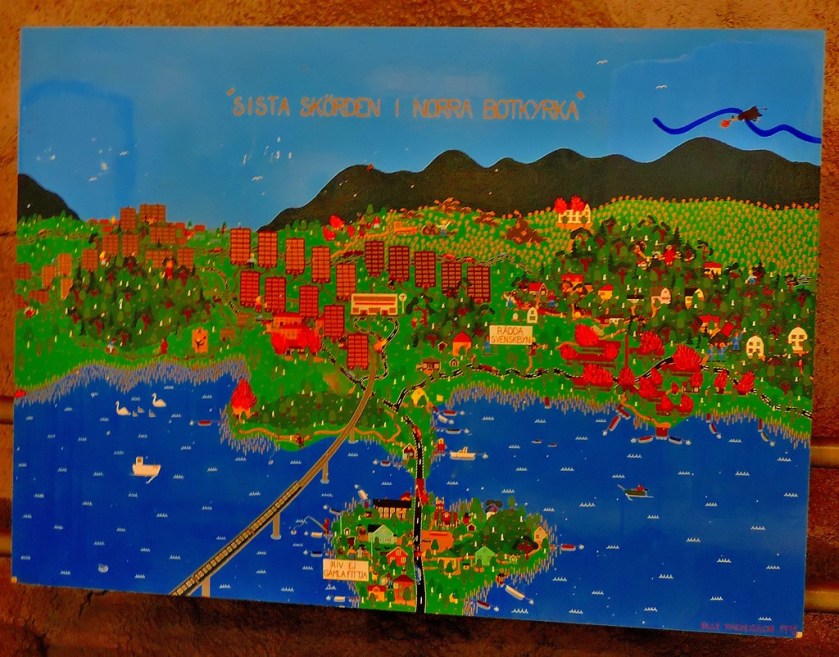
If you consult the system map included below the introduction you will note that there are three lines, coloured red, green and blue on the map. The red and green lines are older, and their tunnel sections, which make up a small minority of their length, are standard tunnels. The blue line is newer, and bar one station on the Akalla branch is in tunnel the whole way. It is the blue line that features the cave like station sections.
A BYZANTINE INTERCHANGE
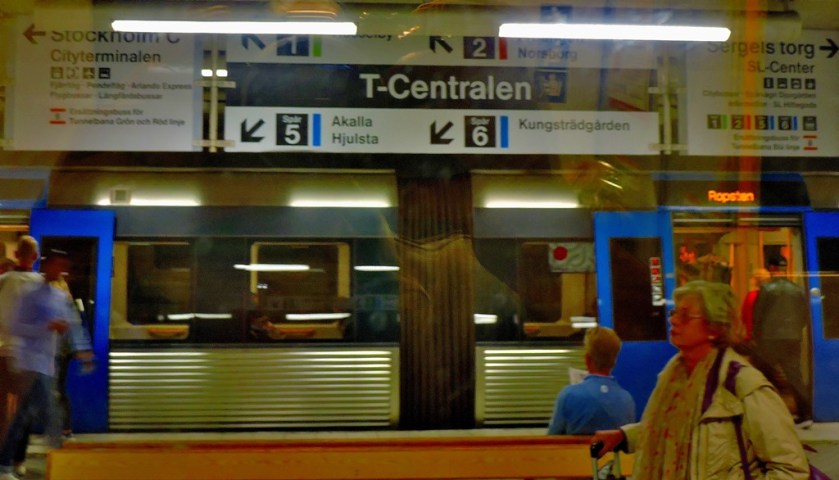
The only place where all three lines meet as at T-Centralen, and the interchanges between the blue line and the others are very long at that station. With only three lines meeting plus an interchange to mainline railways the arrangements here are not as labyrinthine as at the Bank-Monument complex in London which is probably the world record holder for user-unfriendly interchanges. Thus, when out on my own on that last full day I decided that I would avoid T-Centralen, making use of the interchange I had noted at Fridhelmsplan between the blue and green lines and the cross-platform interchanges available between the green and red lines at Gamla Stan and Slussen. The Fridhelmsplan interchange involves going up a travalator (it is not an escalator as it is smooth rather than stepped) but is very straightforward, unlike the multiple escalators and horizontal travalator of the T-Centralen interchange.
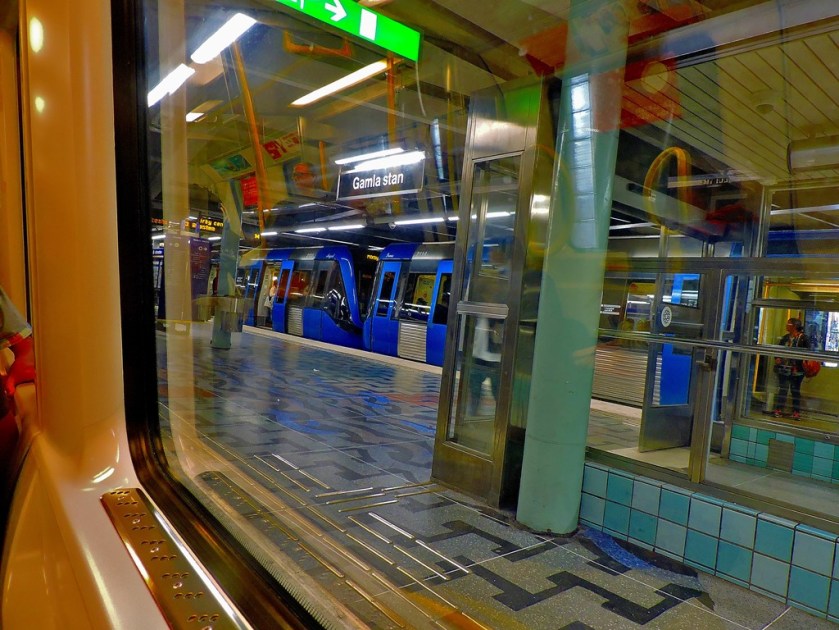
GAMLA STAN
Having changed at Fridhelmsplan I took a green line train to Gamla Stan, where I went for a long waterside walk which will feature in another post in this series. It was after this walk the my serious explorations began.
My first target was Ropsten on the red line…
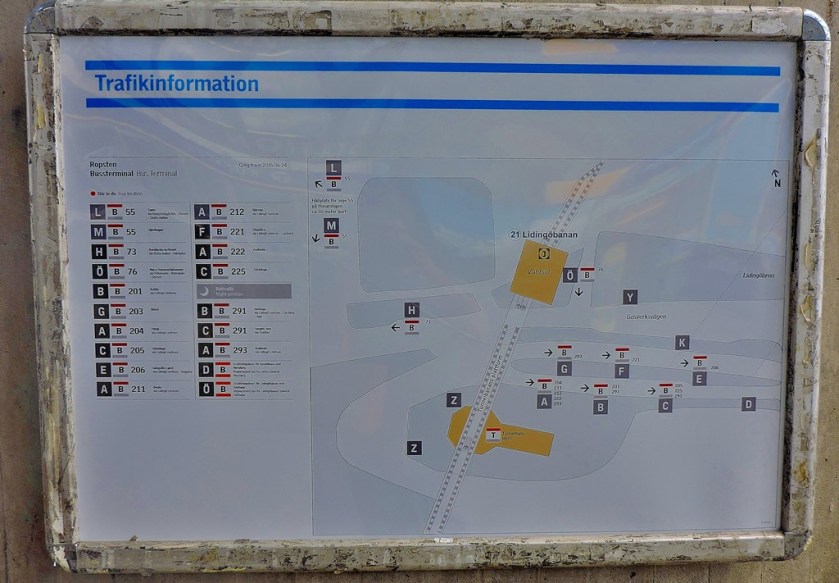
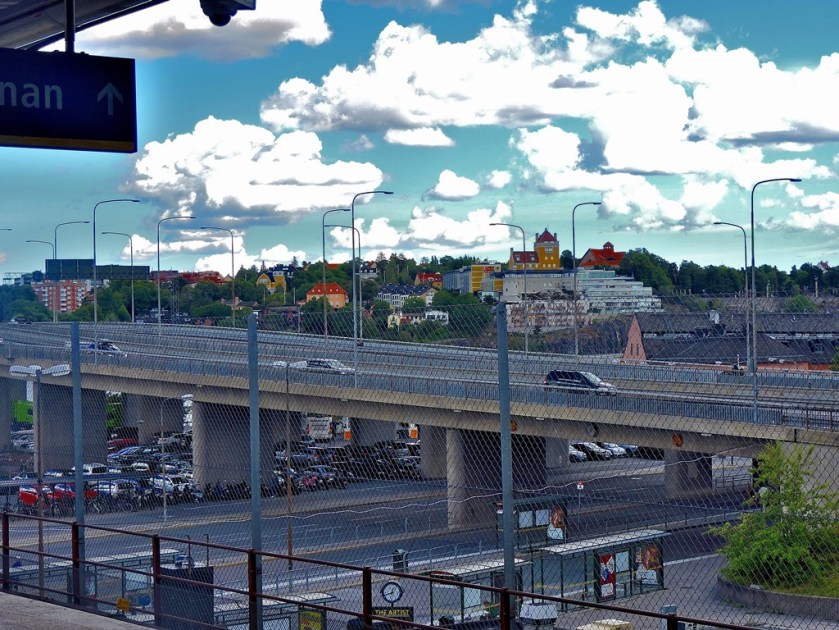
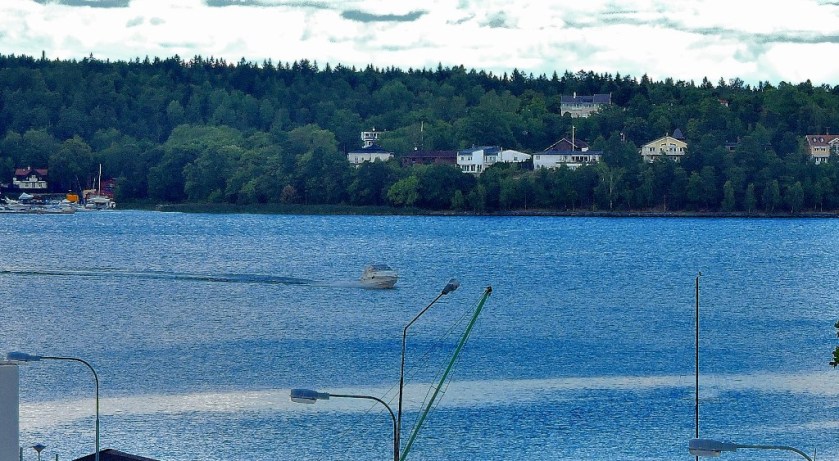
The first of four pictures taken at Ropsten.
On on-train map.
My next move once I reached a suitable interchange point was to switch to the Green line and head to one of its terminus stations. The train I boarded was headed for…
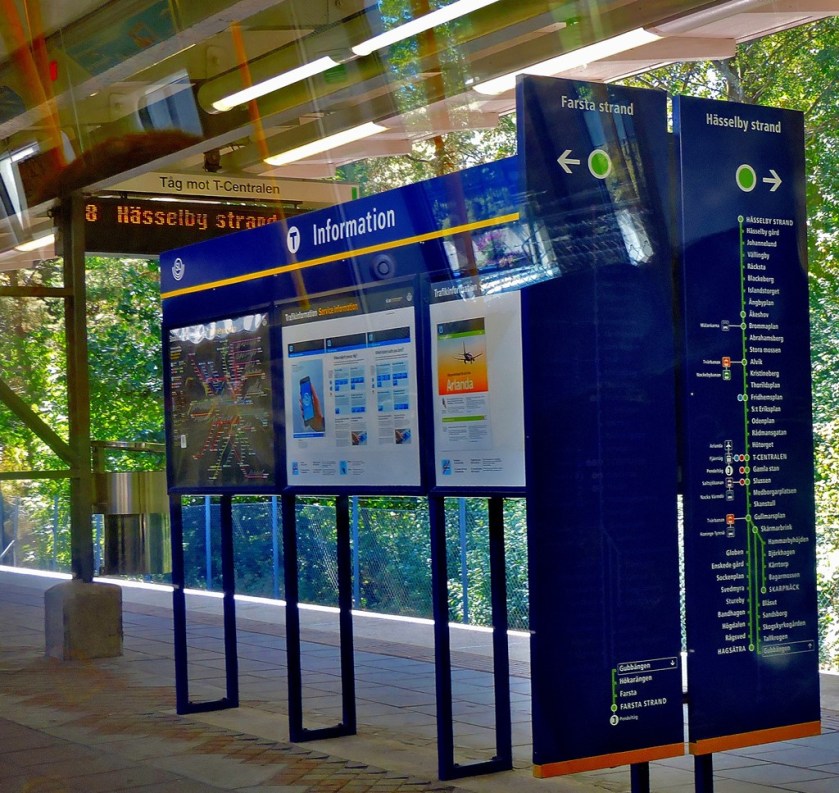
FARSTA STRAND
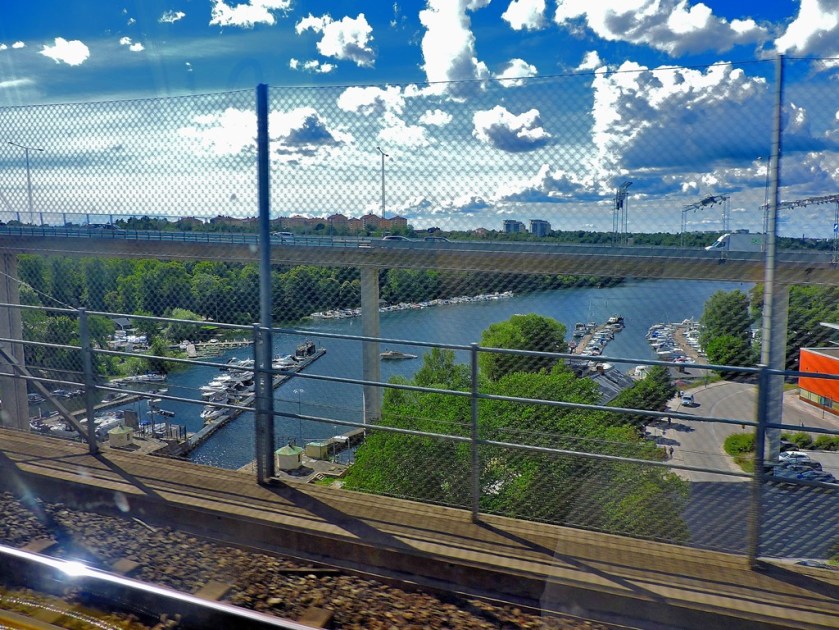
This journey was almost all open to the air, with parts of it being quite scenic.
At Farsta Strand I went for a bit of a walk to get a feel for the area.
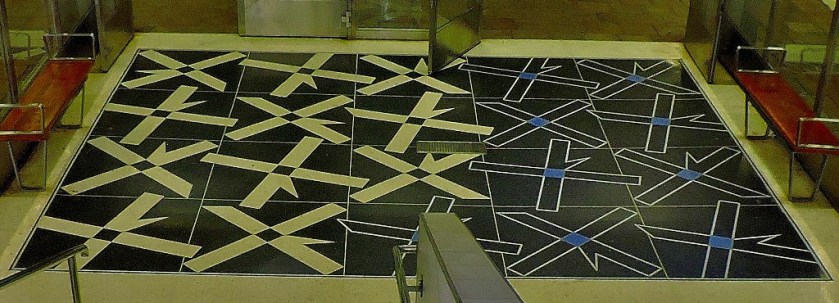
This floor is on the way out of Farsta Strand
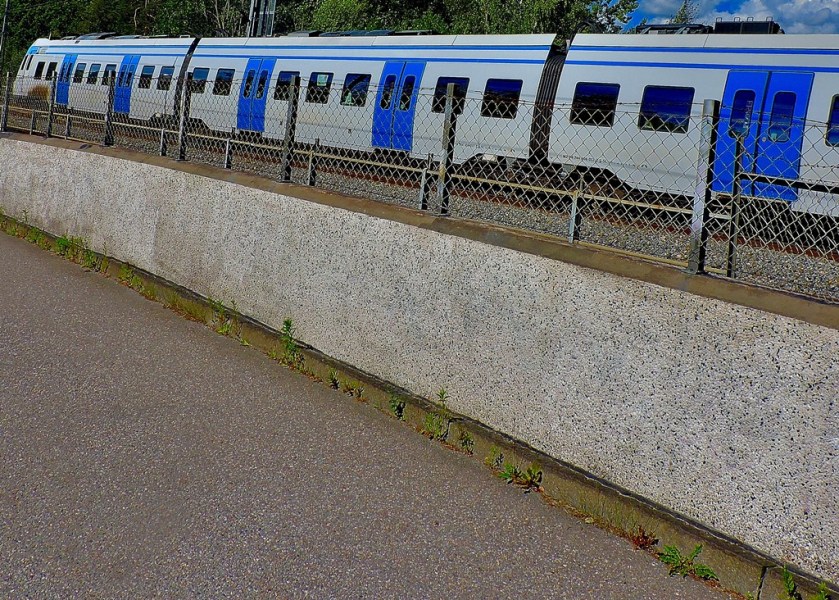
A mainline railway train nearby.
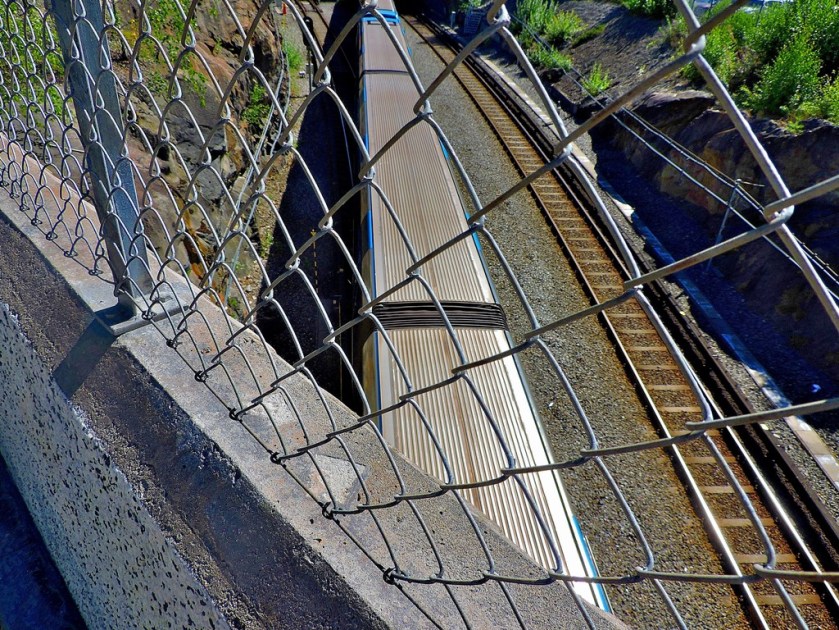
Four overhead shots of tunnelbana trains.
The station frontage at Farsta Strand.
From Farsta Strand I travelled to Fridhelmsplan where I changed to the blue line, having seen enough of the other two and having decided that I wished to see the whole of the blue line.
This shot has already featured in this series of posts, as a response to an MJP photo challenge.Back on the blue line.
THE BLUE LINE
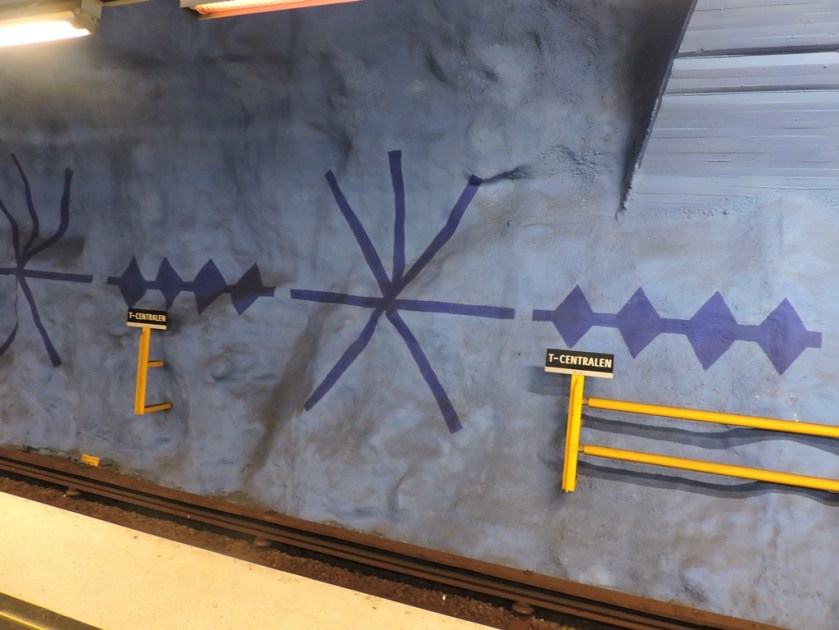
Back on the blue line I decided that my first move would to be explore Kungstragarden. I will be putting up a whole post about Kungstragarden, because there is so much to see at the surface there. The station is practically a destination in its own right, as the following pictures will indicate…
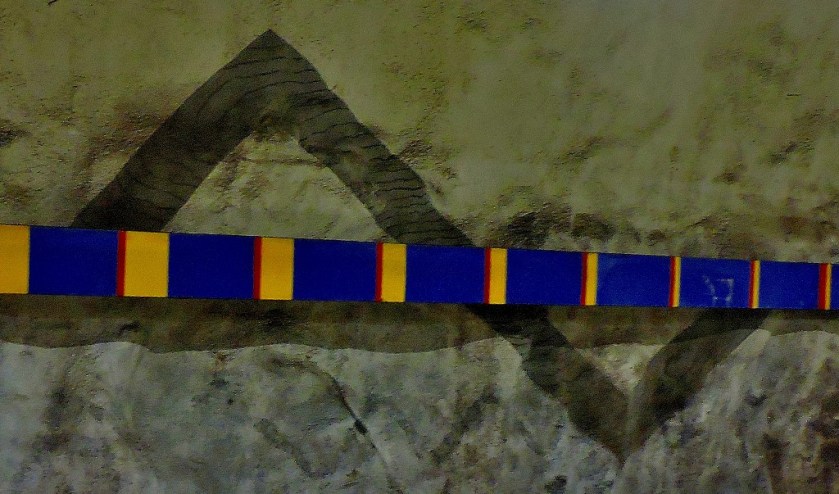
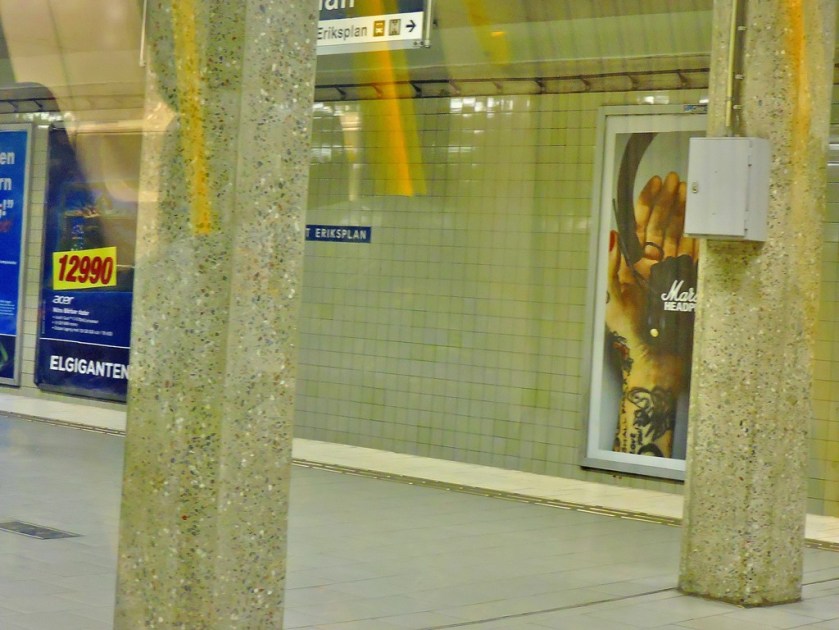
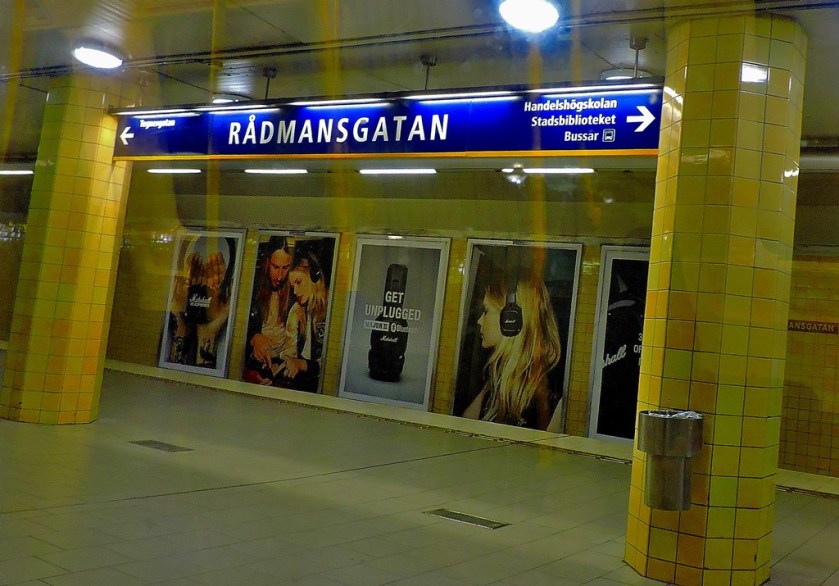
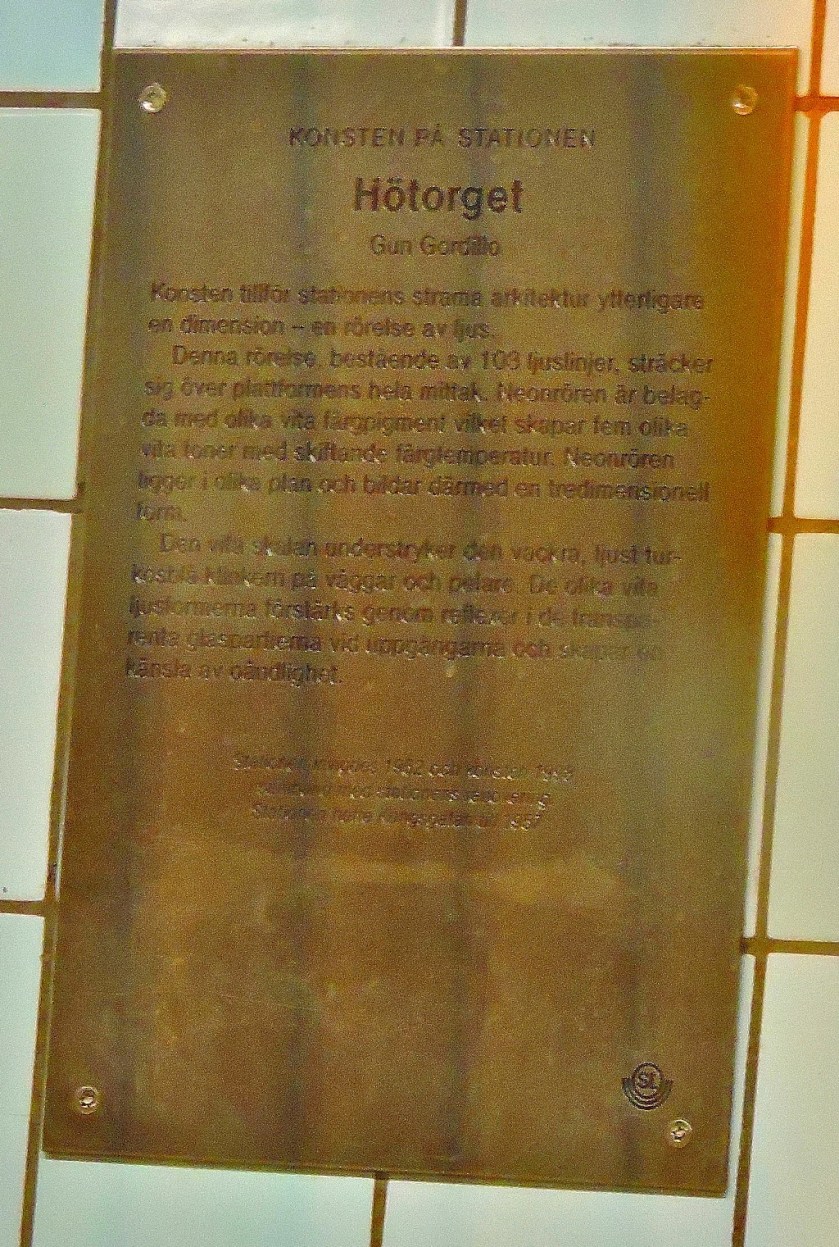
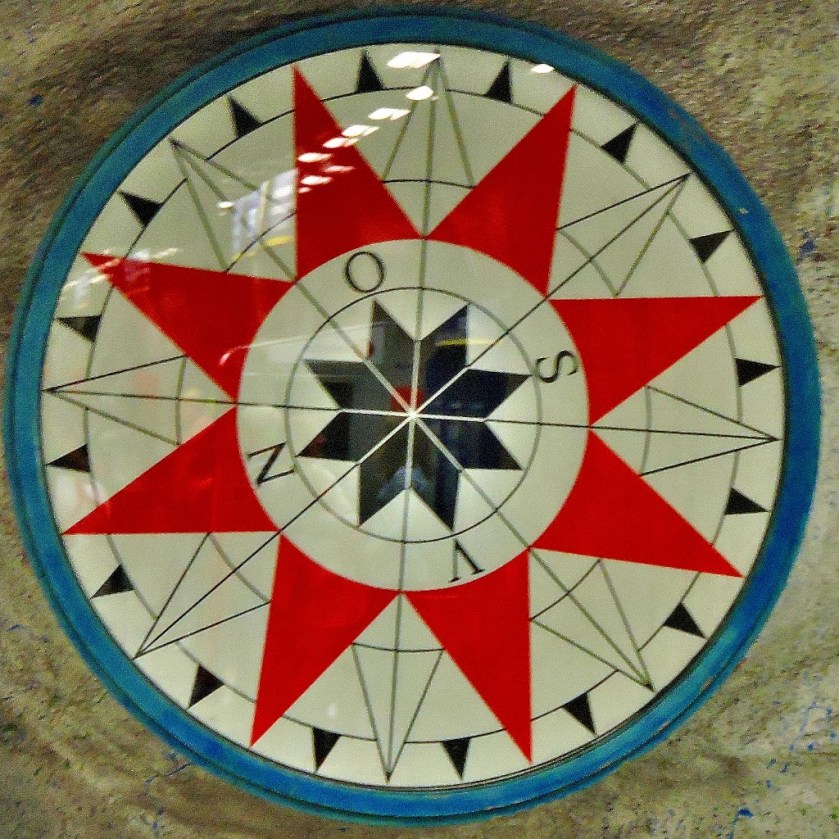
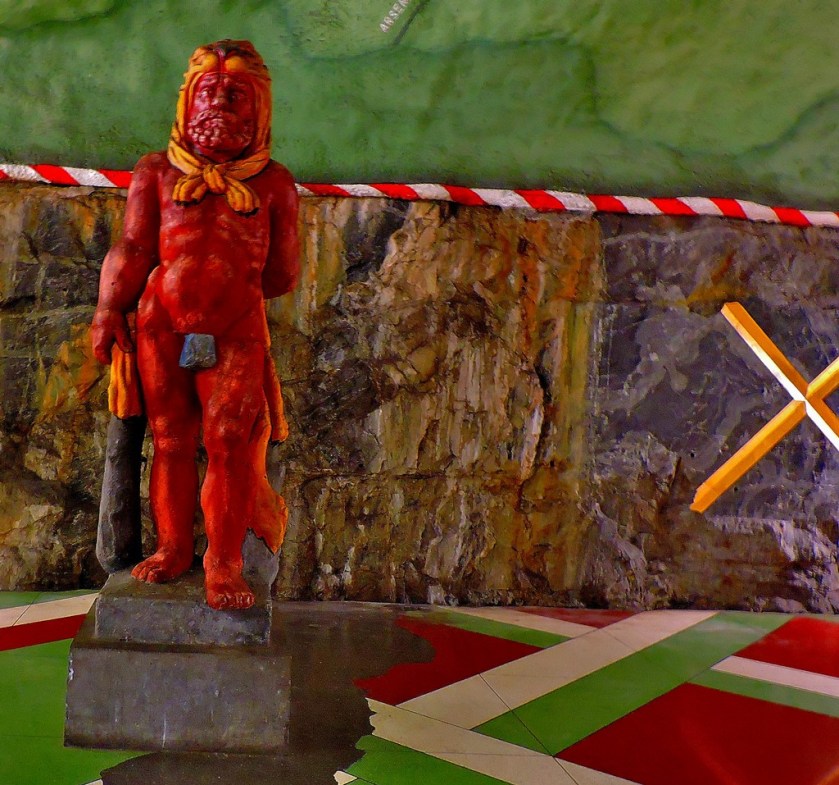
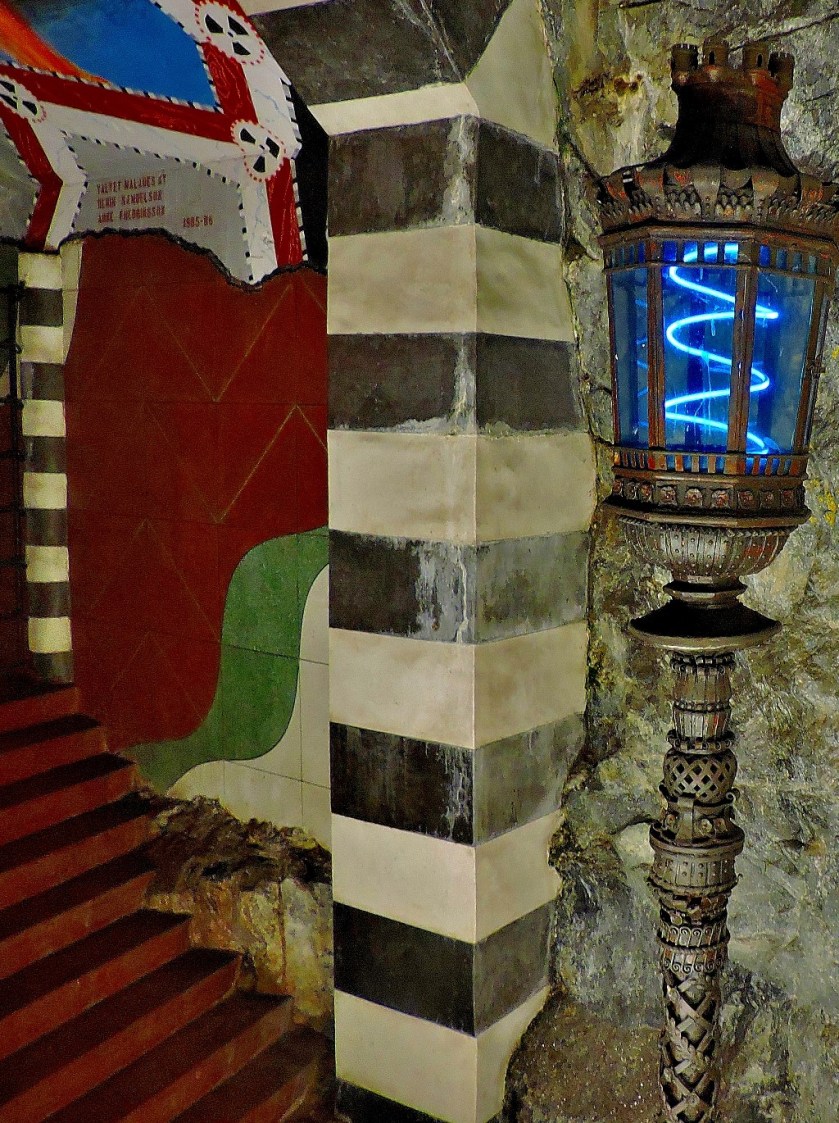
All of the 39 pictures in this set were taken at Kungstragarden (yes there is that much on display there at the station alone)
The surface building
Having explored Kungstragarden (and had lunch there), my next move was to get a train to…
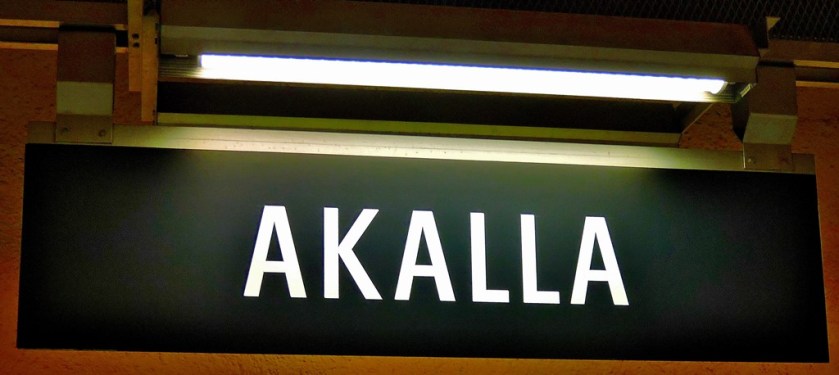
AKALLA
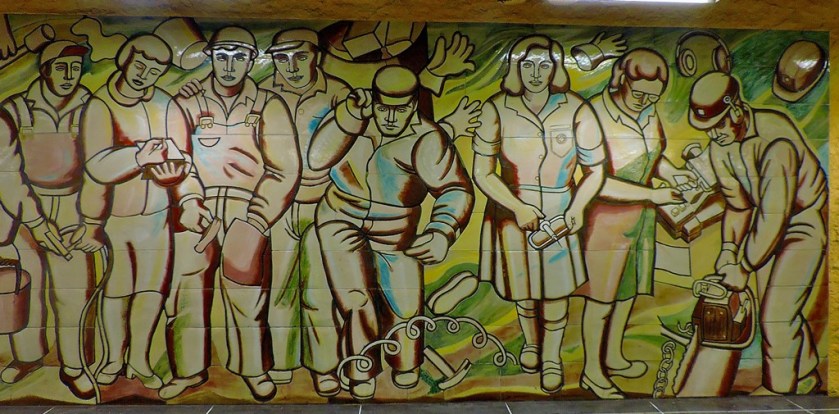
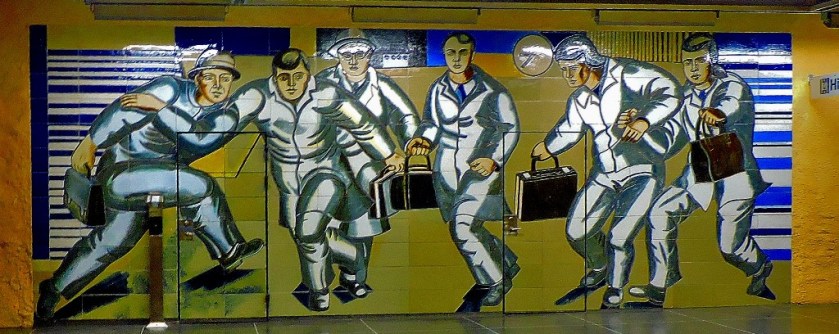
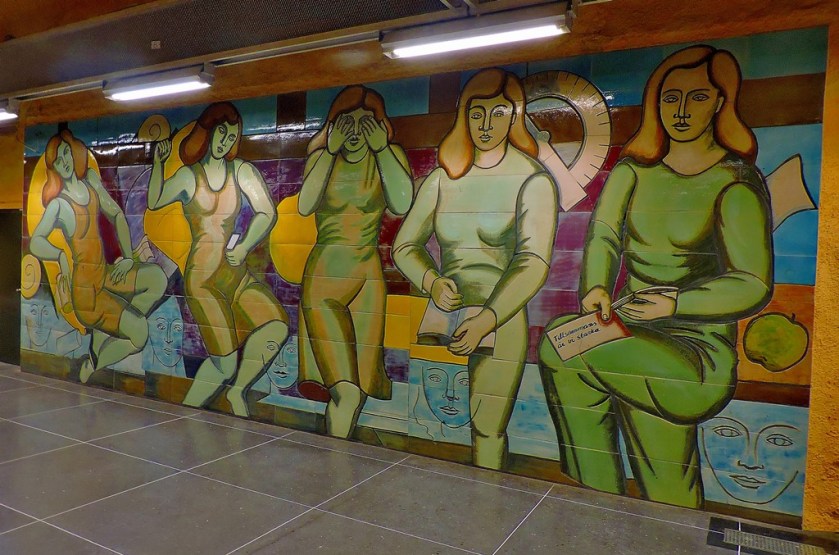
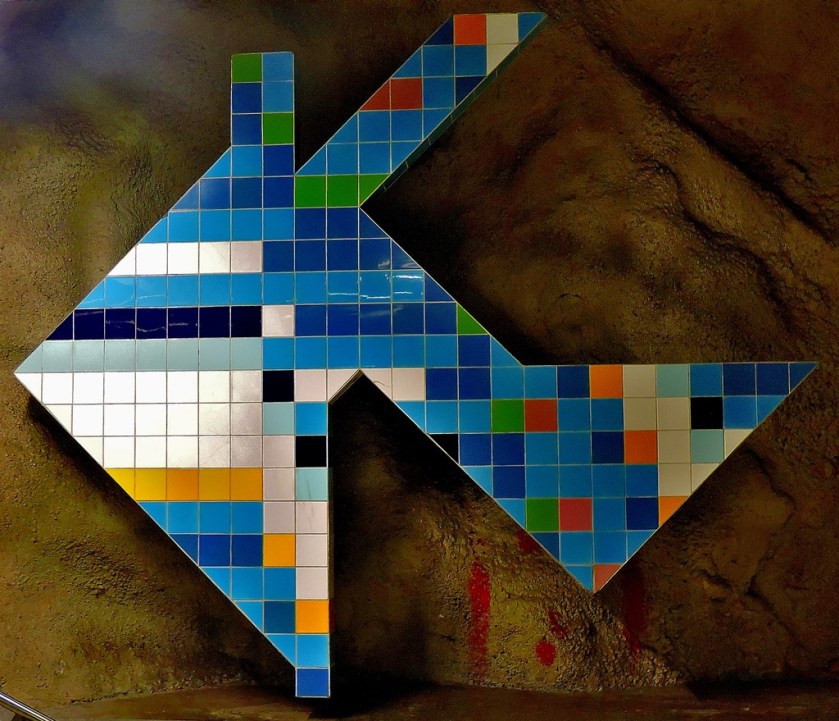
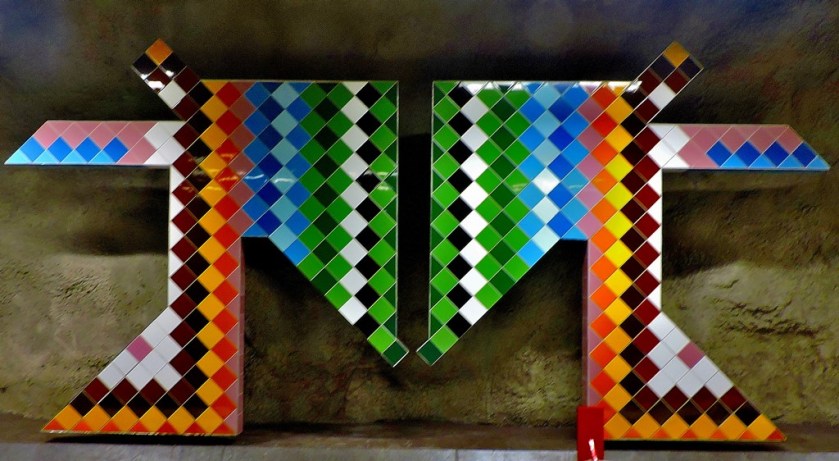
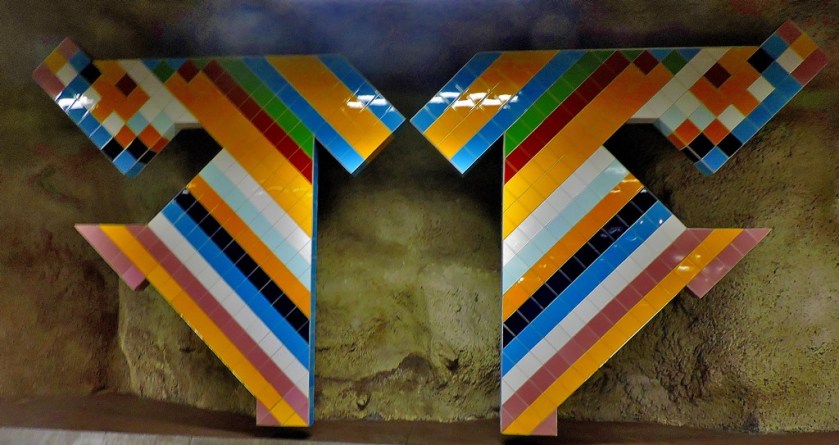
The journey to Akalla and then back as far as Vastra Skogen to change to the Hjulsta branch featured the only above ground section of the blue line, and plentiful art works some of which I was able to capture with my camera. Of course at Akalla and also at the change point of Vastra Skogen I had the advantage of not being on the train the whole time.
The first of several decorative tiling arrangements at Vastra Skogen (I do not think that when the individual pieces are this big one can fairly use the word mosaic).
My last travelling of the day was from Vastra Skogen to Hjulsta, and then back from Hjulsta to Huvudsta where I was being accommodated. I only got a few pictures from this last section of the journey.
FINAL THOUGHTS ON TUNNELBANA
Tunnelbana is a superbly efficient system, and the artwork which can be found everywhere on it, and especially the cave like station platform and passageway segments on the blue line boost it from the merely utilitarian (itself a level considerably above that usually attained by London Underground these days!) and make it a genuine attraction. Unless you are going to be catching a train from Stockholm Central I would recommend that you follow the approach I took on my day of exploration and avoid using T-Centralen as an interchange. I also recommend that you obtain a free Stockholm map (it includes the system diagram that appears at the top of this post). I have seen three underground systems that in different ways can claim uniqueness – London is the original, St Petersburg is further below the surface than any other, and Stockholm for reasons outlined above and (I hope) demonstrated throughout this post. I conclude by saying that I hope you have enjoyed this virtual tour of the Tunnelbana as much as I enjoyed both the real thing and creating this post.
The latest installment in my series of posts about my recent holiday in Sweden.
INTRODUCTION
Welcome to the next installment in my series of posts about my recent holiday in Sweden. This post picks up the story from the end of my visit to the Uppsala University Museum, which I covered here.
CONTINUING MY EXPLORATIONS
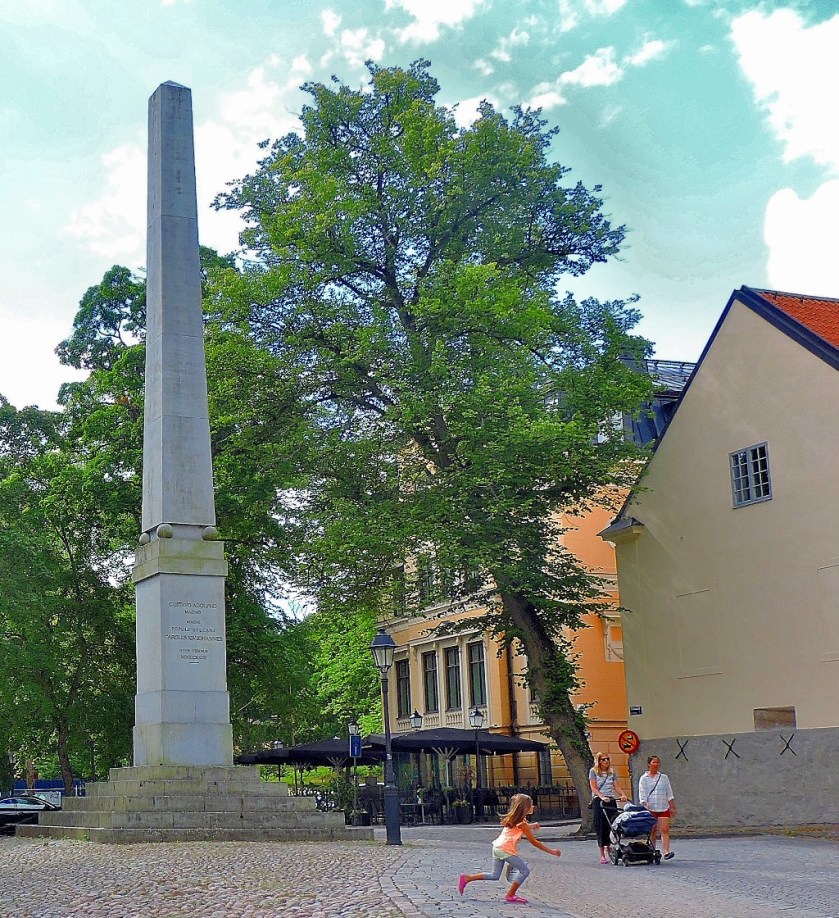
On leaving the museum I took a brief walk in one direction, before deciding that it lacked appeal, and on looking for alternatives I found the University Park, and headed that way. Before making that firm decision I had taken these photographs…
After taking the picture above I entered…
THE UNIVERSITY PARK
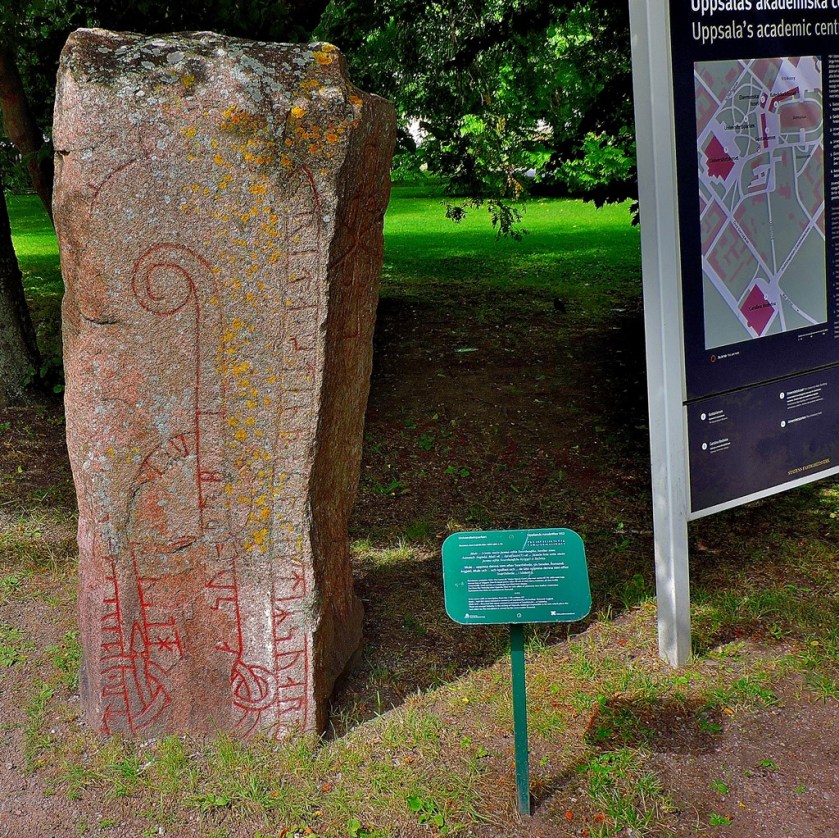
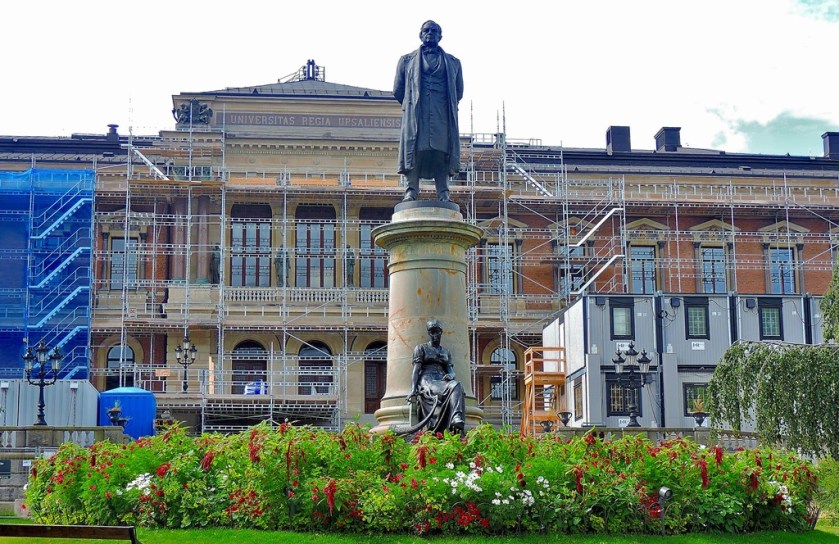
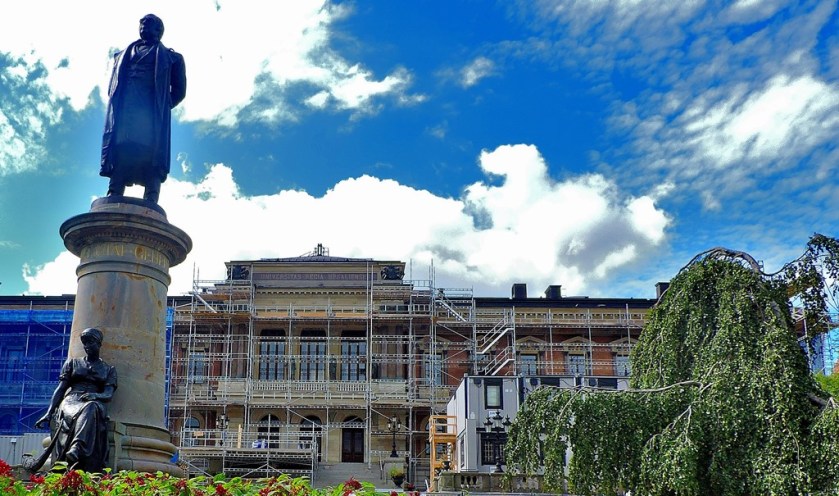
The University Park features runestones, a central statue, a view of the main university building (swathed in scaffolding on this occasion) and various other points of interest…
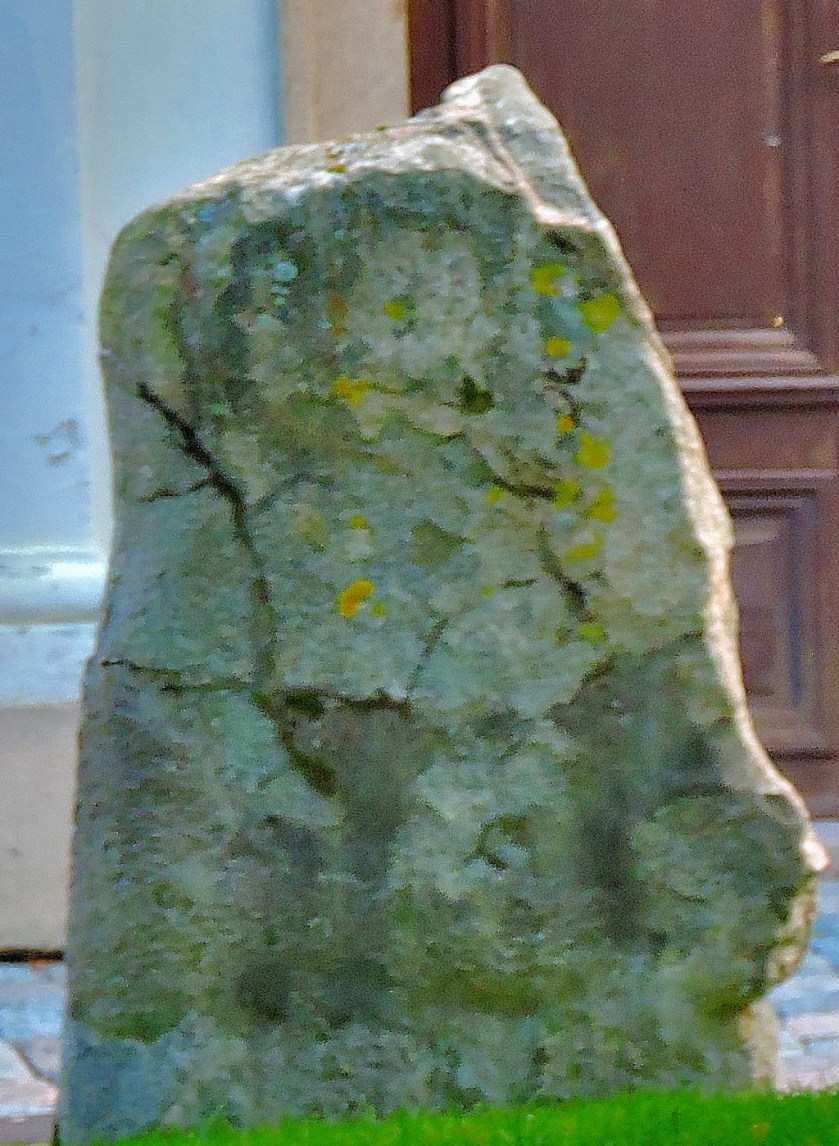
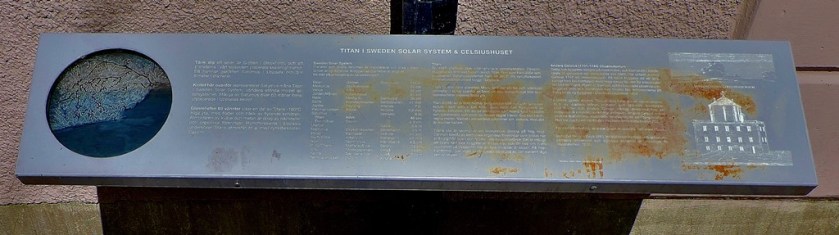
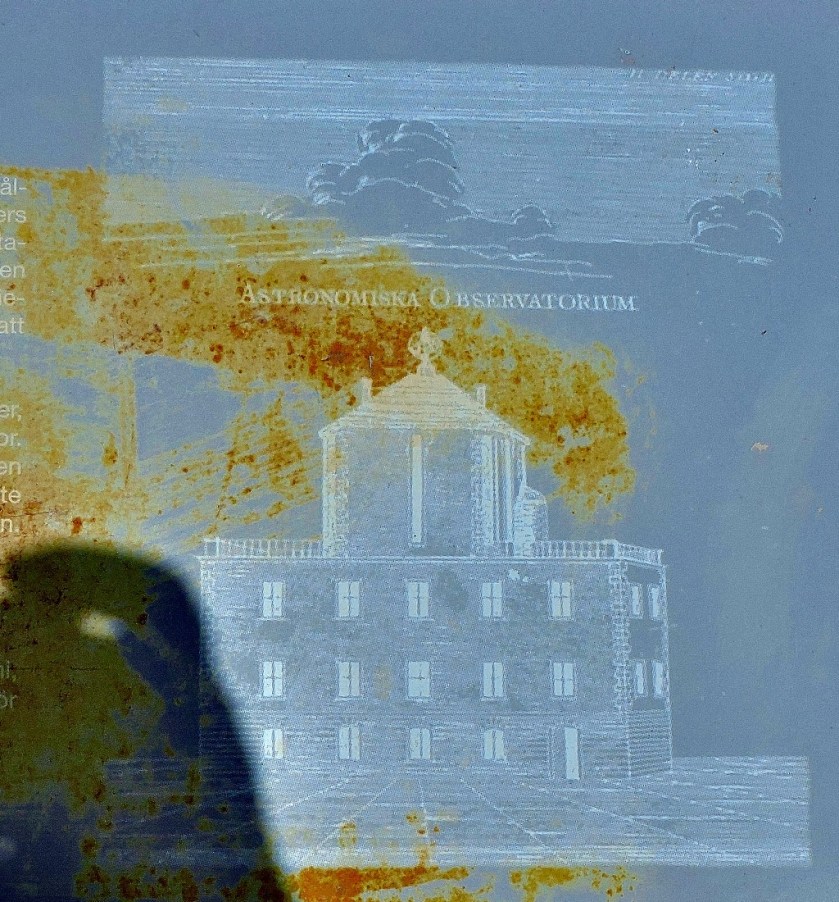
A runsetoneThe explanation
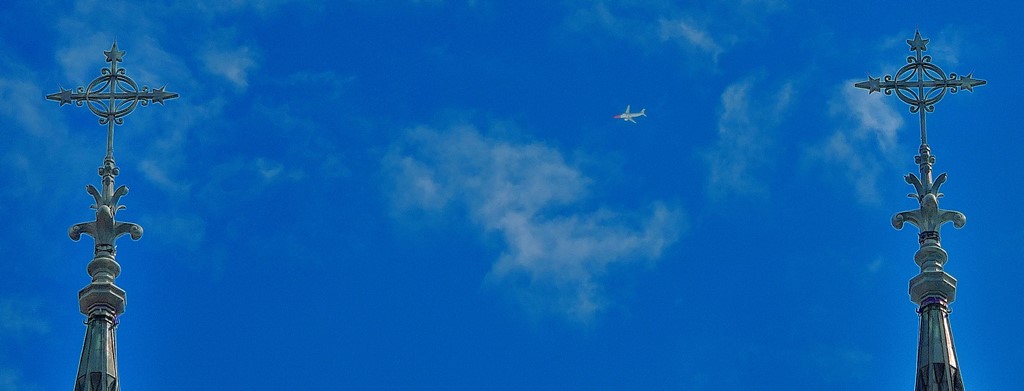
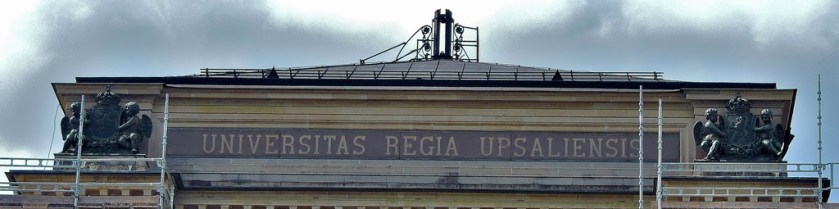
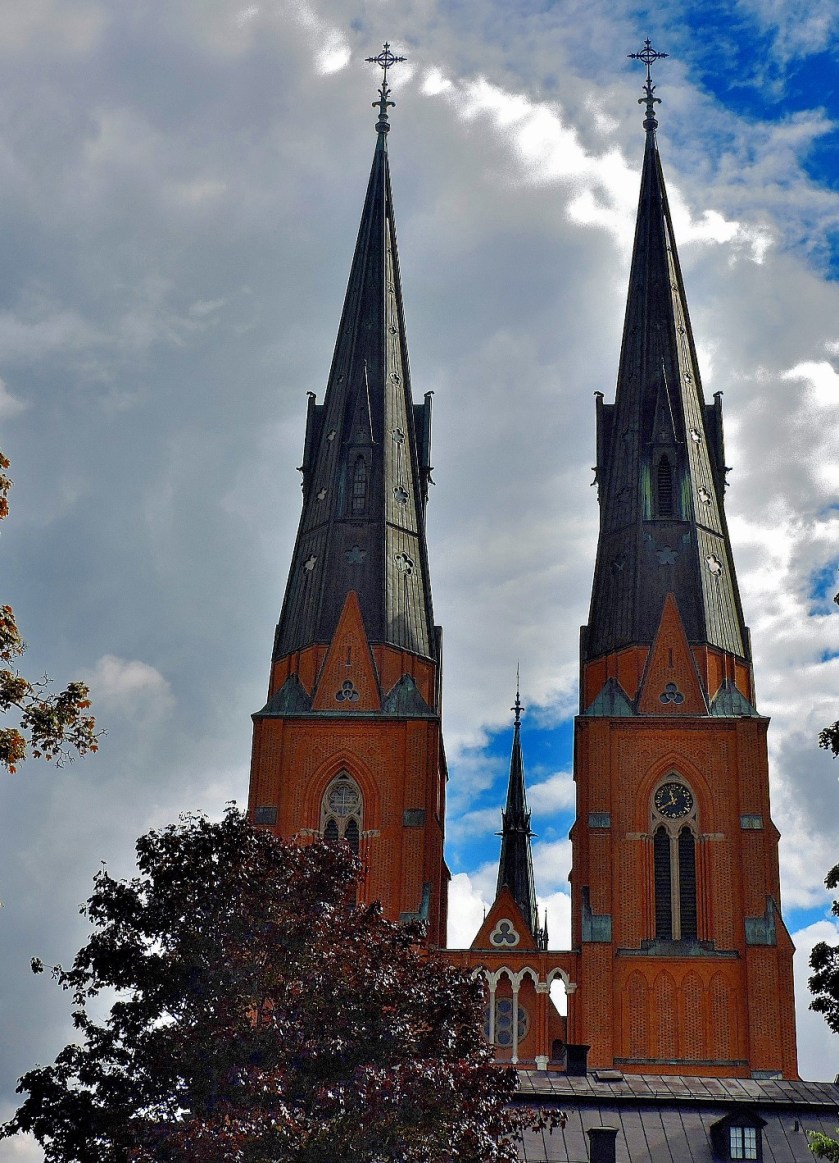
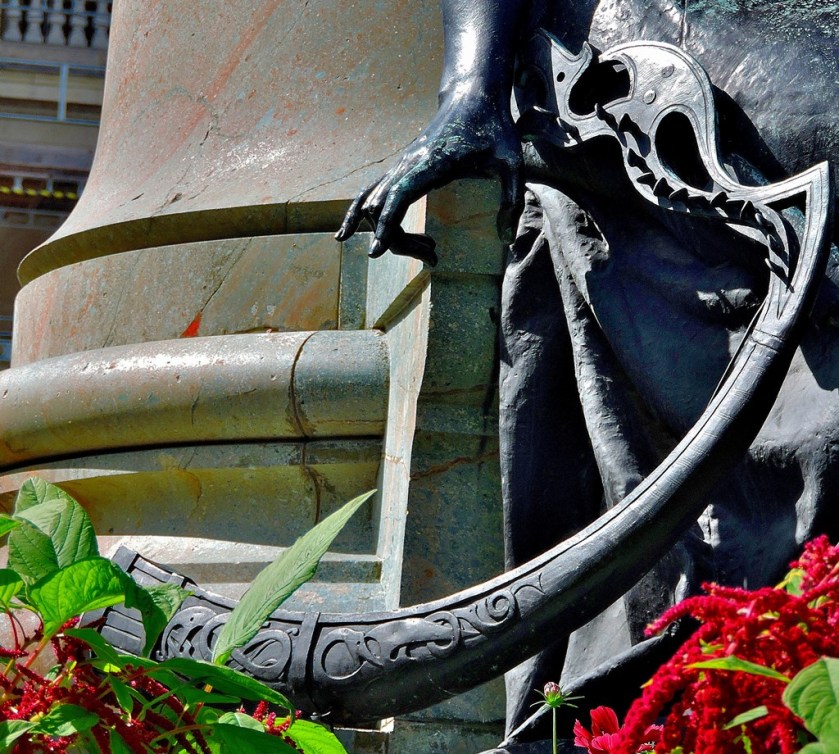
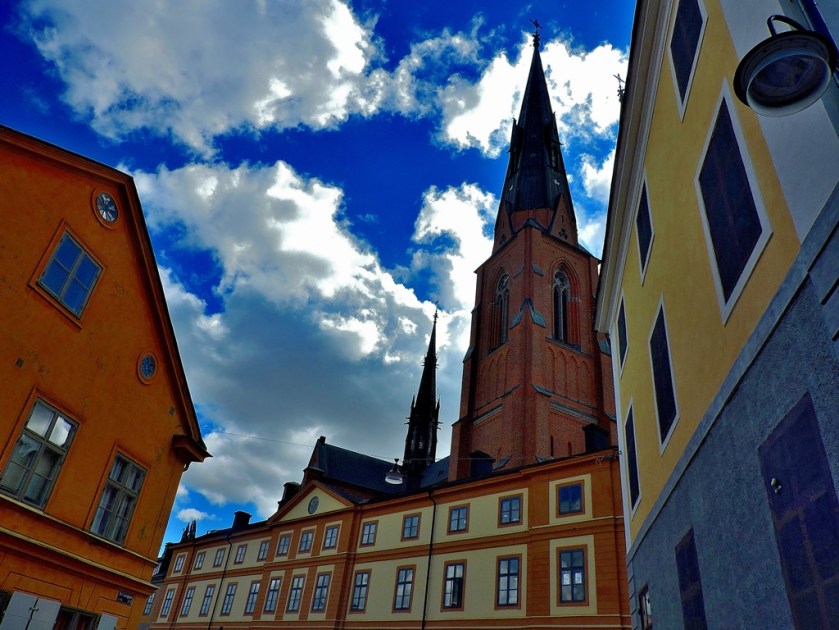
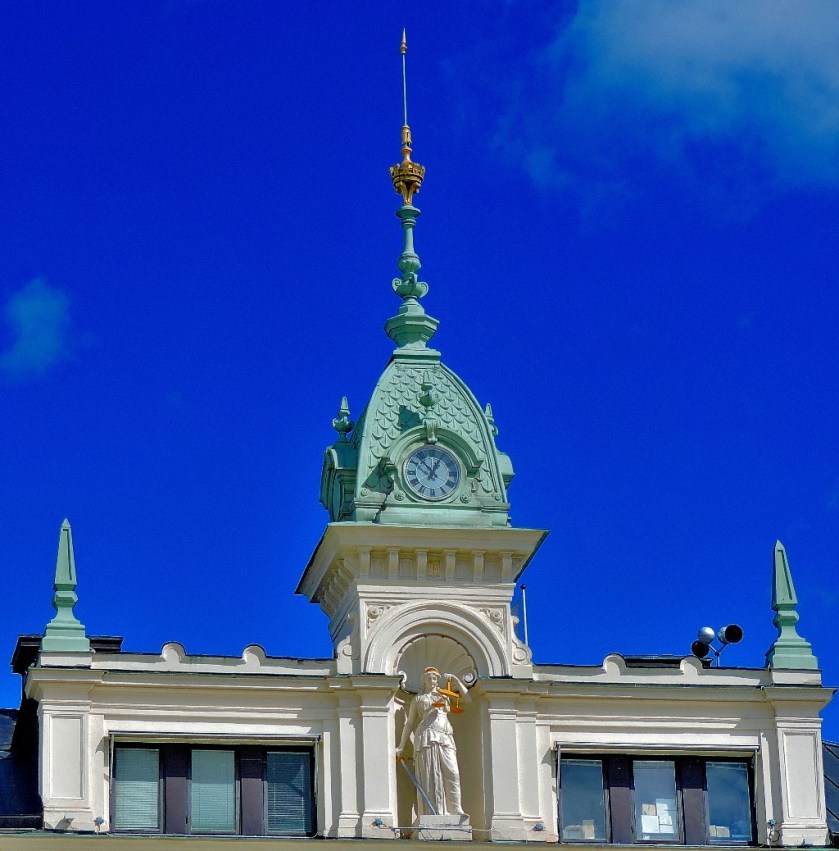
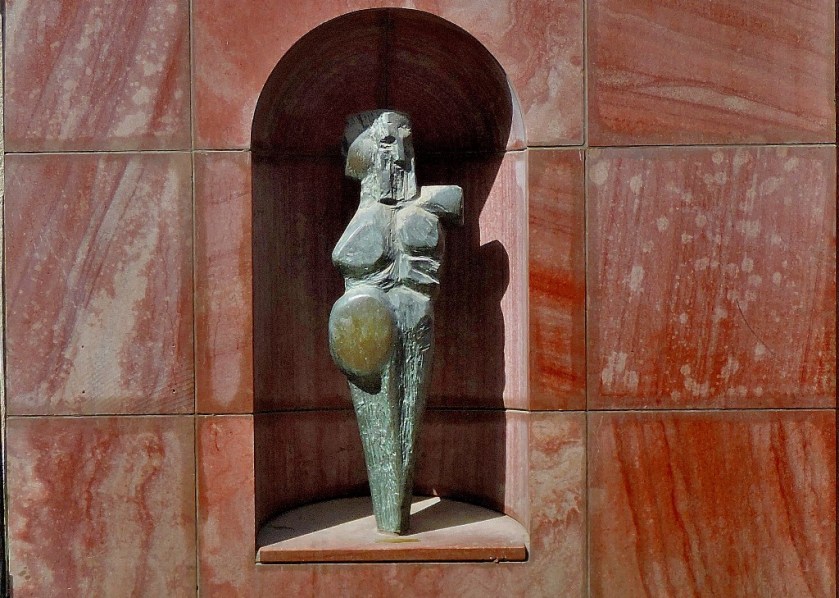
If this arrangement of statues with the man on a raised pedestal looking down on the woman at ground level was this close to a UK or US university building there would likely be petitions circulating demanding its replacement on grounds of sexism!The building itselfClose up of the name.A close up one of the two pieces of bronze work that flank the name on the university building.The cathedral from this vantage pointzooming in on the clockfaceThe crosses at the top of the twin spires, with an aeroplane in the background.
The statues again
BACK TOWARDS MY ACCOMMODATION
I continued my explorations a little longer, buying lunch from the Pressbyran in Stora Torget, the main square of the city and taking some more photographs. In Stora Torget I saw some heavy duty evangelising going on, a sound system having been set up to enable these individuals to preach to anyone who passed – the only such incident in over two weeks in Sweden (not a claim one would ever be able to make in the UK).
The cathedral from below.
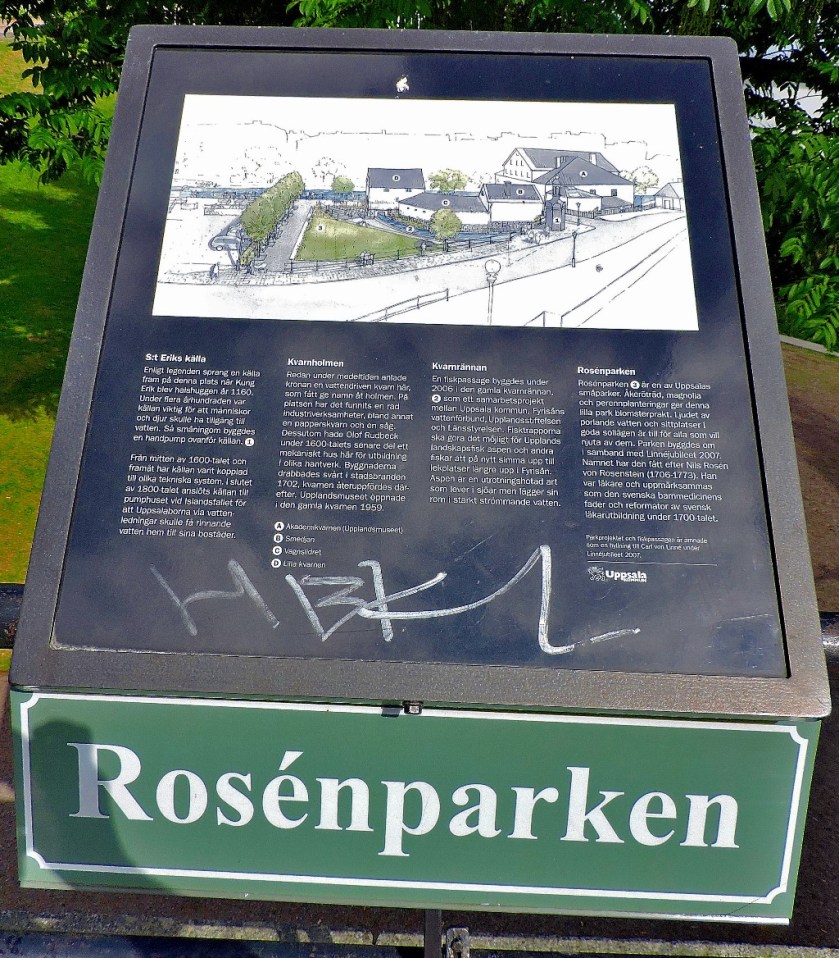
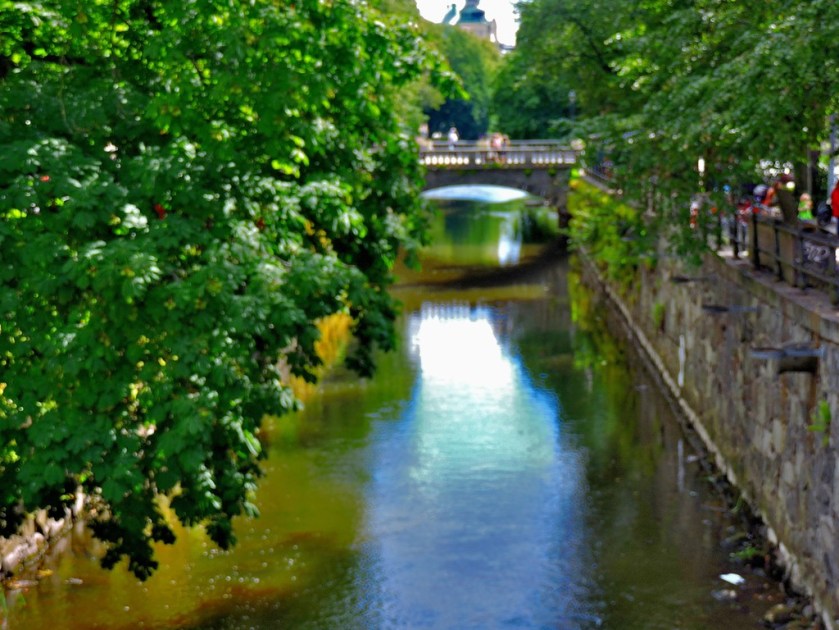
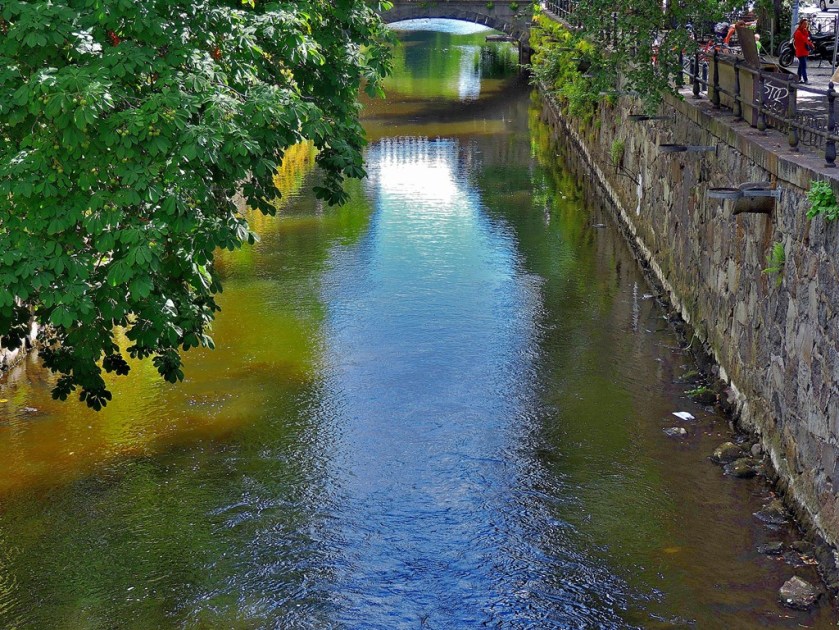
The view from the bridge that gives access to the folk museum.
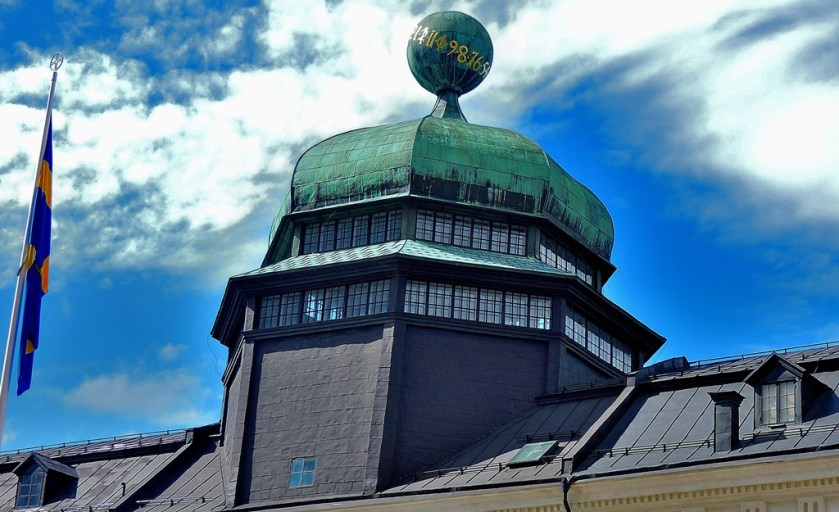
The main building in Stora Torget
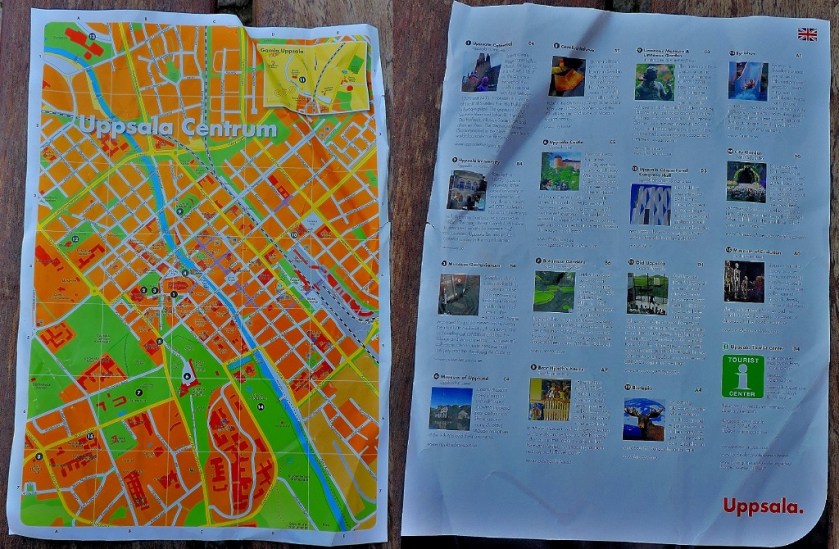
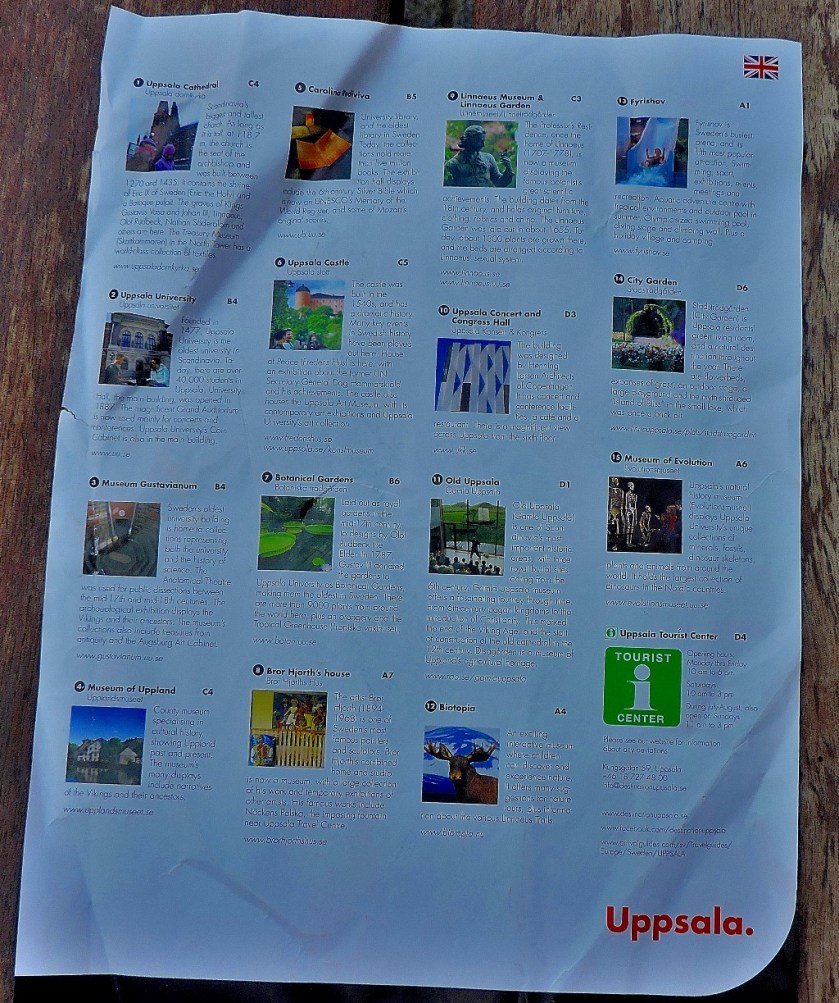
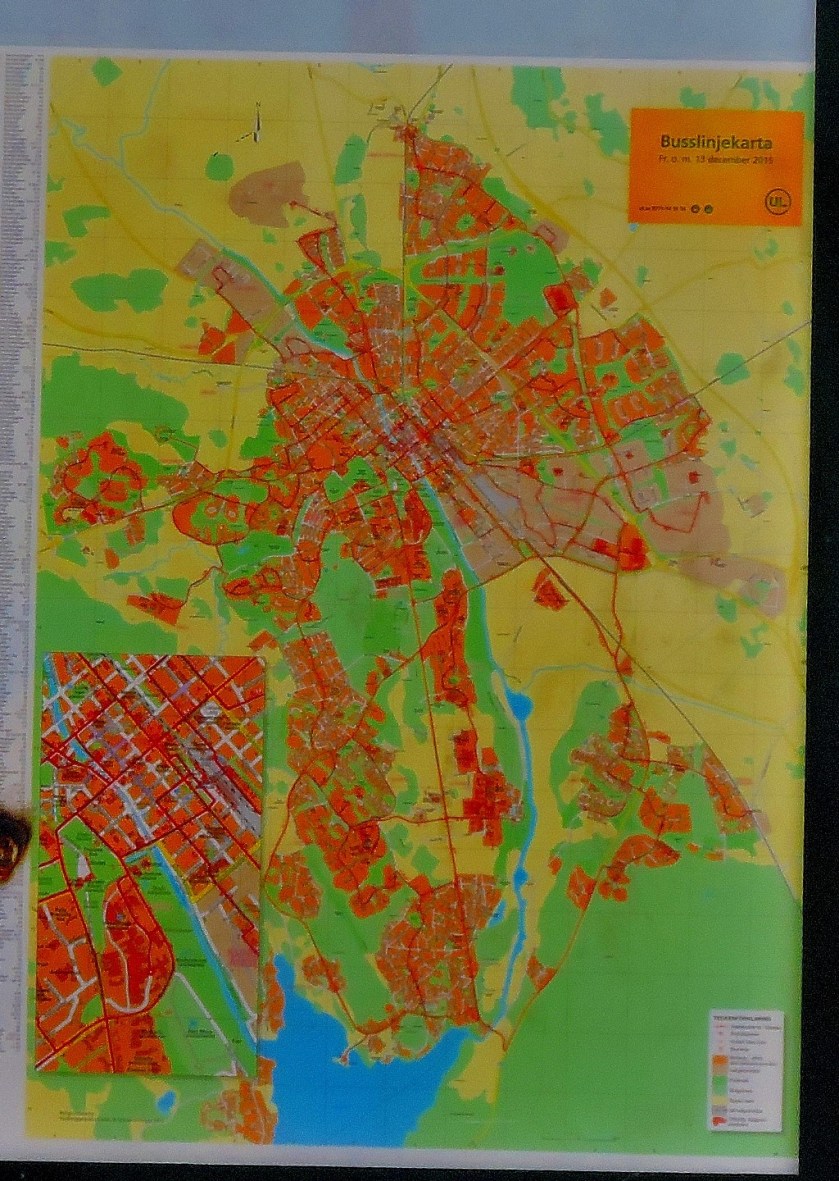
Both sides of the map I was given at the tourist information office.The Map itselfThe attractions, quite a few of which I got to see.
MY ACCOMMODATION
I had booked accommodation in a four-bed dorm room at a ridiculously cheap price. The room was windowless, and I my bed was a top bunk, accessed by way of a wooden framework (to call it a ladder would overstate the case). My official review for booking.com can be seen here.
























































































































 aspiblog