
Congratulations New Zealand

A cricketing post, in which I set out my stall for World Autism Awareness Week and then the month of April.

INTRODUCTION

While this post is a cricket post, it is also my first post in World Autism Awareness Week. Thus to set the stage for this week and for the whole of April you will notice a couple of changes:

  • All of my own text will in #RedInstead 
  • Save in photographs where it is unavoidable the colour blue will not appear in this blog before the start of May

The main theme of this post is what happened in Auckland, but before that…

A QUICK UPDATE ON THE
AUSTRALIAN CHEATING SAGA

For full details please visit my previous post. The official ICC ‘punishments’ – a one-match ban and a meaningless fine for skipper Steve Smith and just the meaningless fine for Bancroft are a complete joke. However, it seems that Cricket Australia will be taking tough action against Smith and vice-captain Warner (this latter has to rank as one of the stupidest appointments in cricket history given his reputation) and less tough action against Bancroft. The latter annoys me on the following counts:

  • Yes, Bancroft was a junior player acting under the influence of his seniors, but “I was only obeying orders” has certainly been utterly debunked as a defence since at least 1945.
  • Bancroft is both older and more experienced than was Mohammad Amir at the time of his fall from grace and yet the latter (quite correctly) spent five years banned from the game (the other two offenders in that case, Mohammad Asif and skipper Salman Butt were both drummed out of the game permanently, again correctly.

Incidentally, the match in which this scandal broke finished yesterday, a day early, as Australia collapsed in their second innings, losing all 10 of their wickets for the addition of 50 runs (57-0 to 107 all out, thereby outdoing England’s collapse of a few days ago).

CRICKETING JUSTICE IN THE END

England made a decent fist of things on the final day in Auckland, taking the match into its final session, but in the end cricketing justice prevailed, with New Zealand winning by an innings and 49 runs. The truth is that this match was a three-cornered affair, with New Zealand coming out just ahead of the weather and England way back in a distant and dismal third.

There were two things that stood out about the England second innings:

  • Nearly every batsman got going, but none managed to produce a really major innings, Ben Stokes‘ 66 being the top score.
  • The ends of sessions were calamitous for England, with Root falling just before the close of day 4, Moeen Ali on the stroke of tea on day 5 and Stokes on the stroke of the dinner break on day 5.

New Zealand bowled very well again, although there is no way that Neil Wagner’s medium paced bouncers should have caused the havoc they did. Leg spinner Todd Astle collected 3-39. Trent Boult was deservedly named Man of the Match for his nine wickets in the course of the game – it was his magnificent bowling on day 1 assisted by English ineptitude that gave New Zealand an ascendancy that only the weather seriously threatened to take away from them.

England need to learn from this – the only publishable word to describe their ‘preparation’ for the test match section of this tour would be”shambolic”, and their batting in the first innings reflected this. 

A win in Christchurch would give them a 1-1 draw in the series, though I reckon that another defeat and resultant 0-2 reverse might just administer the kick up the collective backside that they need. Further information about this match and the players involved can be found here.

I end this section by emphasizing once more where the credit belongs: my heartiest congratulations to New Zealand on a splendid performance.

PHOTOGRAPHS

Sun on the Great Ouse I
Unless I specifically state otherwise any photos you see in this blog will be mine.

Sun on the Great Ouse IIBlack headed gull IBlack headed gull IIswimming gullFour large gulls

Tortoiseshell Butterfly
On the first remotely spring-like day of 2018 (it was still not that warm, but there was a curious yellow ball-shaped object visible in the sky) I spotted my first butterfly of 2018.

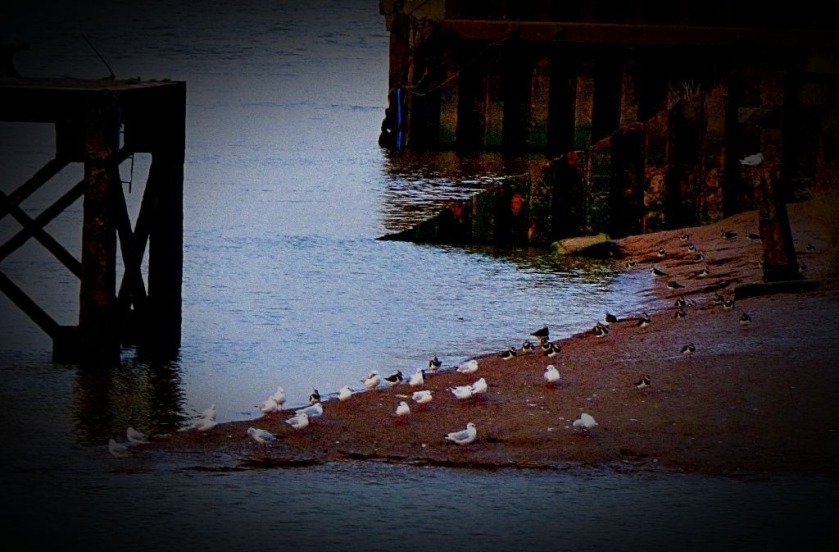
CormorantCormorantsthree cormorantsCormorant trioSwimming birdsRedshankRedshank II


Scores and Scandals

Some cricket stuff, including a view on the ball-tampering in South Africa.

INTRODUCTION

A lot has been happening in the cricket world over the last few days, and I am using this post to write about some of those things. There are a lot of links in this post – anything in bold and underlined will be a link.

SCANDAL IN SOUTH AFRICA

South Africa are handily placed to inflict a heavy defeat on Australia, but the actual state of that match has been completely overshadowed by a scandal that has broken while it is in progress. Cameron Bancroft was caught live on camera tampering with the ball, and it has subsequently emerged that his action was the on-field element of a plan concocted by the so-called ‘Leadership Group’ of the Australian team. Already Steven Smith and David Warner have been stood down from their roles for the rest of the match (other members of the Leadership Group remain to identified, since as part of press conference performance of breath taking arrogance, which also included refusing point-blank to resign as captain, Mr Smith declined to put names to the Leadership Group, but the vice-captain cannot be protected even by that). 

PUNISHMENTS

As a preface to this section I am going to stay straight out that fines do not come into the equation – the use of fines in other, less serious situations has demonstrated that players are not bothered by fines (unsurprising, since the fines relate only to match fees, which form only a small part of the incomes of top players). I will now list my thoughts on punishments for those involved:

Cameron Bancroft, perpetrator: permanent ban from all forms of professional cricket.

Stephen Smith, Australian Captain: At minimum a ban from all forms of professional cricket until the end of the Australian season of 2021-22, which would cost him a world cup and an ashes series on home soil. He is instigator-in-chief of this incident, and in picking the youngest and most vulnerable member of the squad as his cat’s paw he has taken the same approach to his variety of misconduct as Hansie Cronje did to his when he roped in Herschelle Gibbs and Henry Williams. Thus I would not actually quarrel with him copping the same punishment as Bancroft, and have suggested my alternative slightly lesser punishment as part of a sliding scale…

David Warner, Australian vice-captain (and other members of the Leadership Group when identified): At minimum a ban from all forms of professional cricket until the end of the 2019 English season (thereby costing those involved a world cup appearance).

These suggested punishments are intentionally draconian because I believe cricket needs to send out an unmistakable message about this. 

KARMA

I hope that sometime later today the first three lines in the Australian second innings scorecard will read:

C Bancroft…B Rabada 0
D Warner… B Rabada 0
S Smith…     B Rabada 0

LINKS

Here are some links about this story:

WICKETS AND WASHOUTS 

At the end of the fourth day’s play in the first test match between England and New Zealand there is an outside chance of England escaping defeat. An hour and a half into day 1 it did not look like this match was making it anywhere near day 4, let alone going into the day 5. In that time England had been dismissed for 58, and for much of that period it had looked like being much worse. At 23-8 England were in serious danger of being all out for the lowest total in test history (26 by New Zealand against England, also in Auckland, in 1955). At 27-9 there would probably have been people putting money on England failing to match their own previous record low (45 all out in 1887). Craig Overton then connected with some lusty blows, reaching 33 not out before James Anderson finally succumbed. Overton’s innings was the second highest proportion of an all-out total scored by a number nine in test history, Asif Iqbal‘s 146 in all out tally of 255 for Pakistan v England being the record holder (Asif came in at 53-7, lost his senior partner at 65 and then found such good support from leg-spinner Intikhab Alam that they put on 190 together, Intikhab finishing with 51). While crediting the fine bowling performances of Tim Southee and in particular Trent Boult (a.k.a The Conductor – his colleague Neil Wagner – ‘The Composer‘ did not even get a bowl) the people most responsible for this dire score were the England batsmen, most of whom contributed to their own downfall (it is a toss-up in my mind between Bairstow, pushing back a return catch to make it 18-6 or Ali missing a straight full-toss and being castled to make it 23-8 for the worst culprit).

A combination of a lot of rain on days two and three, and the fact that while never looking very threatening England contrived to bowl less dreadfully than they had batted plus a second-innings batting effort that finally showed a hint of backbone is how this match is going into a fifth day. The New Zealand innings featured centuries from Kane Williamson (his 18th in test cricket moving him past Martin Crowe and Ross Taylor to the top of the Kiwi pile in this department) and Henry Nicholls (a.k.a ‘Harvey‘ – hat-tip to Graeme Swann for that one). England are currently 132-3, needing a further 237 to clear the deficit. Alastair Cook failed again, while Mark Stoneman’s 55 was his fourth test fifty, but his highest score remains 56, and I suspect that barring a mammoth score there the second and final match of this series in Christchurch will be his last for England, Joe Root also scored a fifty but fell to the last ball of the day. England will need a major contribution from Dawid Malan, not out overnight and from at least one out of Ben Stokes, Jonny Bairstow or Moeen Ali to get out of this one. 

For more about this match start here.

ENGLAND WOMEN FLYING IN INDIA

England’s men may not be faring too well at present, but the women are having a splendid time. Having started the tri-series (England, India, Australia) by beating Australia (after a disciplined bowling performance left them only 150 to get in their 20 overs, splendid batting performances by Natalie Sciver and Tammy Beaumont carried England to a very comfortable win) England followed up with a record breaking chase against India. India made 198-4 in their 20 overs (Jenny Gunn made history by playing in this game – she is the first player of either sex to appear in 100 T20 internationals), with Smriti Mandhana scoring 76 off 40 balls. England cruised home with 7 wickets and 8 balls to spare, largely due to Danielle Wyatt (124 off 64 balls, becoming only the second woman ever to score two T20 international centuries).

PHOTOGRAPHS

Regular visitors to this site will know that I always include some of my own photographs in my blog posts:

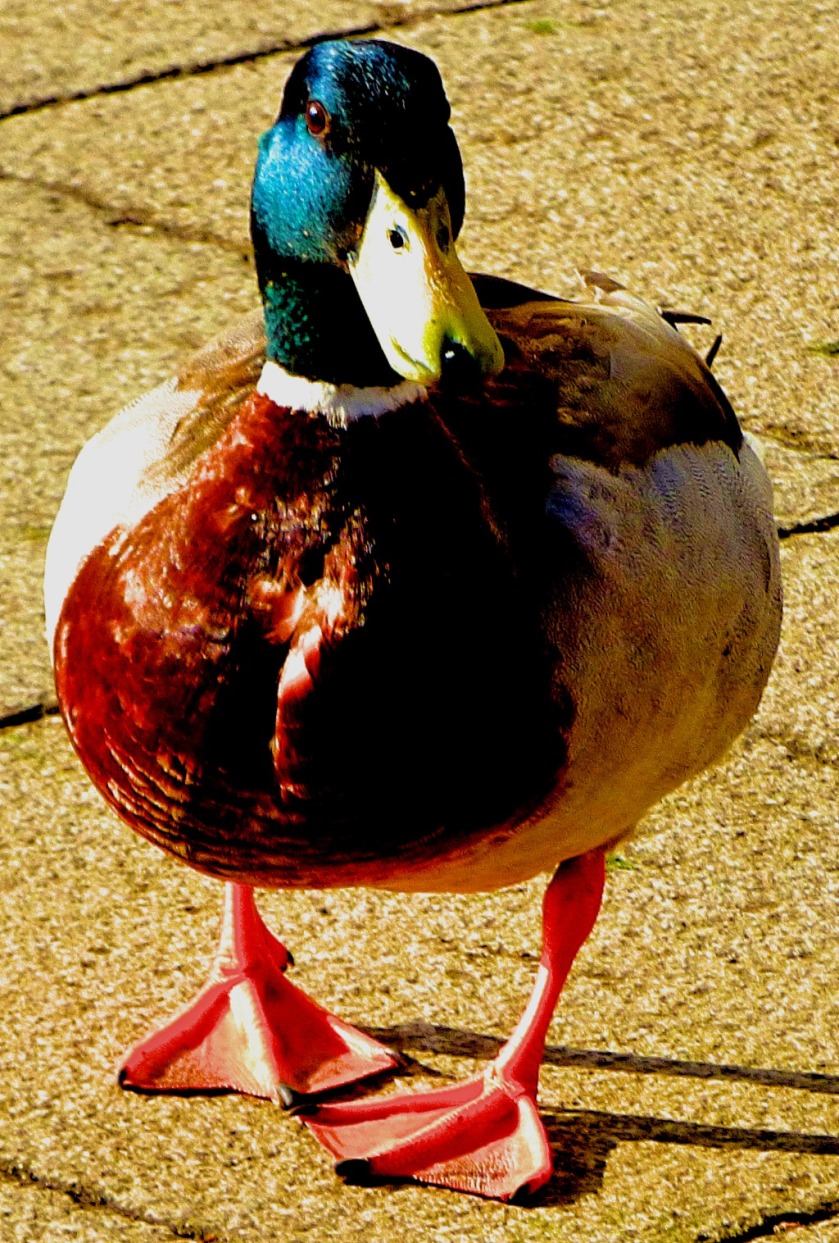
Mallards I
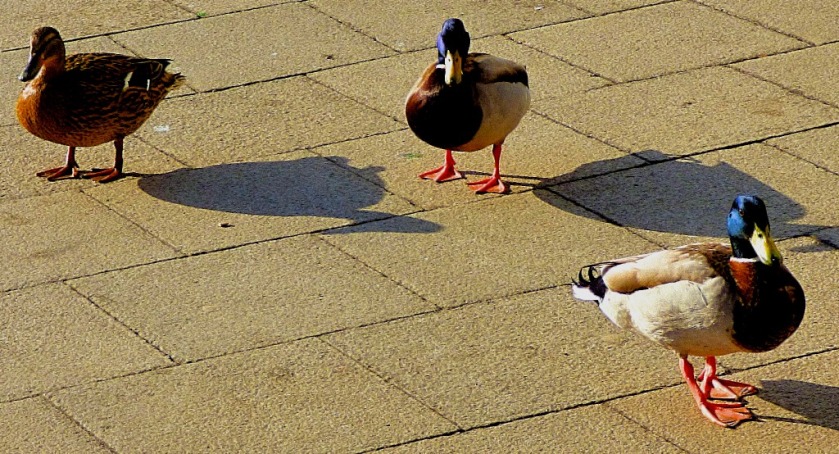
Ducks are not a common sight at King;s Lynn bus station, but the very morning after England’s collapse in Auckland there they were (one short of matching England – four ducks showed in total, to five on the England scorecard.

Drakemallard trioMallards IImallard quartetresting drakeFour ducks

BB1
A blackbird near my aunt’s house.

BBII

THI
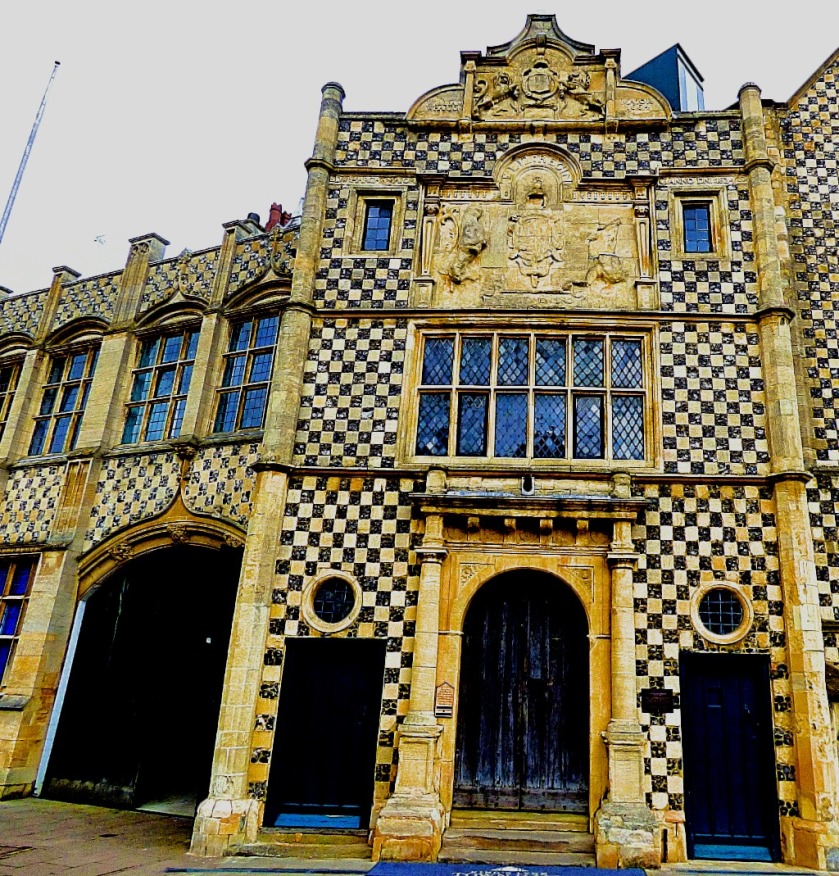
Three pictures of the town hall to finish.

THIITHIII

A Weekend of Sporting Action

Cricket and Rugby action from the last few days and some photographs.

INTRODUCTION

Between the Six Nations rugby and the first ODI between England and New Zealand I have watched/ listened to a lot of sport over the last few days. 

THE SIX NATIONS

There were three matches over the weekend, one on Friday evening and two on Saturday. The Friday evening match was…

FRANCE VS ITALY

This match took place in Marseille, a rare fixture of this nature not happening in a national capital. It was played at a disappointingly slow tempo. In keeping with Italy’s first two matches of the series it was close for the first hour and then one way traffic as the Italians tired in the closing stages. 

IRELAND VS WALES

The best match of this year’s Six Nations to date. Non-stop action through the 80 minutes. Ireland only settled it beyond dispute right at the end with their fourth try of the game, the last action of the match being the conversion. In the early stages Jonathan Sexton had been decidedly fallible with his kicking, whereas save for one monster effort from 53 metres which did not quite make it Leigh Halfpenny for Wales was his usual impeccable self. Ireland fully deserved their win for all that it took them so long to officially seal it, and they now look favourites for the championship.

SCOTLAND VS ENGLAND

The oldest continuously maintained fixture in international rugby and a match the outcome of which only a fool would have tried to predict in advance. The Calcutta Cup match is always a great occasion, and this was no exception. Scotland came firing out of the blocks and caught England absolutely cold. At half-time Scotland led 22-6 and if anything England were lucky it was not worse. In the second half England fared much better. They had two tries ruled out for minor infractions and scored and converted another. The final score was Scotland 25 England 13. On the day Scotland were much the better side, and deserved their victory. England now need a big win over France to give themselves a chance of winning the championship (almost certainly they will also then have to beat Ireland, probably with a bonus point).

THE ONE DAY INTERNATIONAL

This match, which took place during the small hours of Sunday morning UK time, was already notable before it began as it was going to mark the second coming of Ben Stokes.

England managed 285 from their 50 overs which looked defensible. When New Zealand were 28-3 it looked even more defensible. Then Ross Taylor and Tom Latham had a huge partnership which looked like winning it for the Kiwis, then England started taking wickets again, and when Taylor (113) was dismissed, leaving NZ still 40 short and only three wickets standing England looked favourites. Mitchell Santner then connected with some lusty blows, while tailender Tim Southee hung in there at the other end, and New Zealand squeaked home. Stokes scored 12 with the bat and took two wickets, though he was given at least one over too many, as at the end of his bolwing stint he was looking decidedly ragged. 

PHOTOGRAPHS

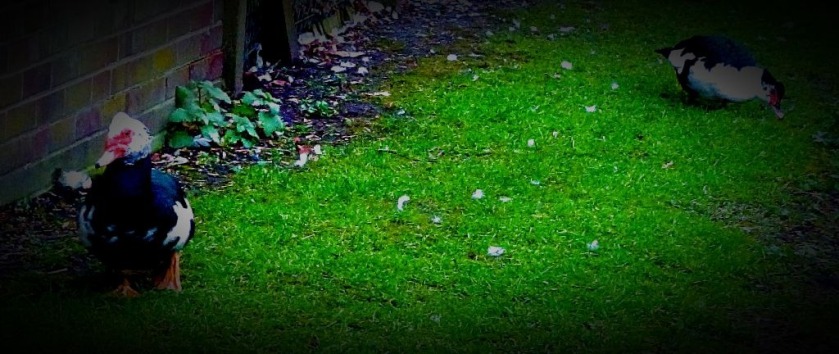
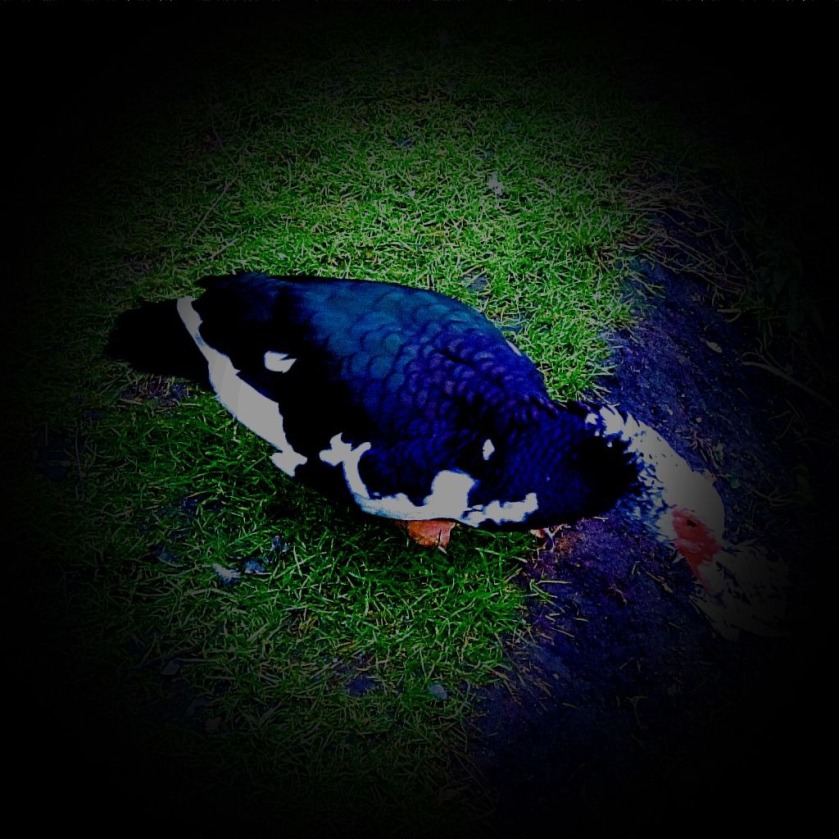
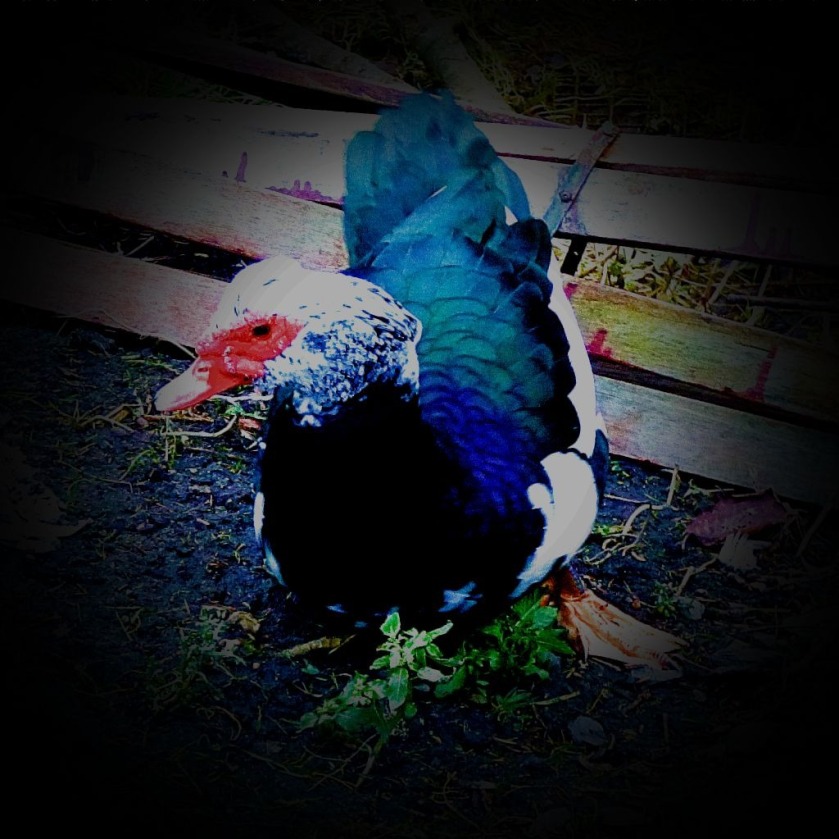
front view of muscovydiving cmGrey muscovyBlack muscovyMuscovy faceGrey MuscovyHead

England Win ODI Series 4-1

An account of England’s final triumph in the ODI series.

INTRODUCTION

At just after 11AM UK time England sealed victory in the final ODI in Perth and with it a 4-1 series win. This post looks back at the match and the series.

DEFENDING MODEST TOTALS

Australia had gained a consolation win in the fourth match of the series in Adelaide (though they nearly contrived to lose a match that they had commenced by reducing England to 8-5). Thus, dead-rubber though it was this match had a bit of extra significance as another win for the Aussies would give them the undeserved respectability of a 3-2 scoreline. Also, it marked an international debut for the new ground in Perth, which replaces the WACA. 

Put in to bat once again, England had a number of useful contributions with no one going on to play a really major innings, which was reflected in a final tally 259. Australia fared well in response for a time, but England bowled well, and after Stoinis (87) was dismissed nobody was able to take command for Australia. At 203-8 with Paine and the tail to score the runs it looked like England were home. Australia fought hard, but a four and then a six late in his innings not withstanding Paine simply could not score quick enough, and when Curran rattled his stumps with a yorker Australia were still 12 runs adrift. Curran, elder son of former Zimbabwe international Kevin Curran (the younger, Sam, is also widely tipped to play for England in the not too distant future), had bowled splendidly and this final wicket gave him figures of 5-35, beating the 5-46 taken by Andrew Tye in the England innings. 

I was also glad that the final wicket to fall was that of Paine rather than Hazlewood because Paine’s innings here was the second time in three matches (after his 31 not out off 35 in Sydney) that he had played what appears to have been a useful innings but because of the slow rate at which he scored it was actually better for his batting average than it was for his team’s chances. 

THE SERIES AS A WHOLE

England were even more dominant in this series than the 4-1 scoreline suggests. The evidence of Perth is that Australia’s wobble at Adelaide when chasing a total that was simply too low to pose a real threat was no coincidence, and that a tally of 250 in that match would have been ample for England to win. England won both the games in which they chased at the proverbial canter and were never seriously threatened when defending 300 in Sydney (OK, it was not until a mere three deliveries remained that Australia were so far adrift as to need no-balls from England to give them a chance, but the result of that match, in spite of Stoinis’ efforts in the later stages, was obvious from a long way out). The final match was certainly close, and there were times when Australia seemed favourites, but in the closing stages it never really felt like getting away from England. 

A SIDELIGHT – INDIA IN SOUTH AFRICA

I congratulate the current Indian Test Match team on pulling off their victory in Johannesburg. The pitch and conditions were exactly the sort in which Indian sides of the past would have crumbled to an ignominious defeat (it was a green ‘un and the ball was getting up to all sorts of mischief for the quicker bowlers – if messrs Starc, Hazlewood and Cummins got a go on a pitch like that New Zealand’s 26 all out in 1954 would be under threat as the all-time lowest ever test match team total!).  Commiserations to Dean Elgar who ground his way to an undefeated 86 in the final innings while his team mates surrendered to Bhuvanesh Kumar, Mohammed Shami and Ishant Sharma. The final calamity reads like something from 1990s England at their worst – SA subsiding from 124-1 to 177 all out.

PHOTOGRAPHS

As always, I finish with some of my photographs:

Sunset from the flat
The first four pictures were taken on Saturday evening.

Sunset in Baker Lane Car ParkSunset on the Upper PurfleetSunset over the custom house

HCE
This one was taken on Sunday morning
LumI
These last two were taken on Sunday evening.

LumII

England Seal ODI Series Victory

An account of the third ODI between Australia and England, and some of my own photographs.

INTRODUCTION

Just after 11AM yesterday UK time England completed a victory over Australia in the third One Day International that also secured them the series victory with two matches remaining. This post tells the story of that victory

THE MATCH

Steve Smith won the toss for Australia and sent England in to bat, which given that England had won the first two matches batting second was a sensible decision. Moeen Ali’s dismissal to the first ball of the 39th over left England at 181-6, at which point Australia looked favourites, and Smith’s decision to send England in looked to be thoroughly vindicated. Jos Buttler and Chris Woakes then batted so well in the last 11.5 overs, the former reaching his 5th ODI hundred along the way, that England finished their 50 overs with 302-6.

Australia in response were then ahead on comparison for much of the way. In the closing stages Stoinis and Paine batted well up to a point but they were dropping further and further behind the rate. When Stoinis holed out at the death Australia needed 19 off three deliveries which meant that Woakes only had to avoid overstepping or slinging the thing wide – and he very comfortably achieved this, England’s final margin being 16 runs. Stoinis played a quality knock, but Tim Paine’s 31 not out off 35 balls was as clear an example of a match-losing innings as I can recall (though skipper Smith’s 45 off 66, which first put Australia behind the rate merits a dishonourable mention in this category). 

A CONTROVERSIAL DISMISSAL

Smith was given out caught by Buttler. The onfield umpires referred with a ‘soft decision’ of out, meaning that to give Smith not out the TV Replay Umpire needed to find incontrovertible evidence that it was not out. The mere fact that even with replays to help them people were not in agreement as to whether it was out or not says that the evidence was not incontrovertible, so the TV Replay Umpire was right to stick with the decision of out. Also, because of camera foreshortening TV replays are notoriously unreliable when it comes to assessing whether catches have carried (and I write this as a fan of technology overall). Finally, the way Smith was batting his dismissal benefitted Australia at least as much as it did England.

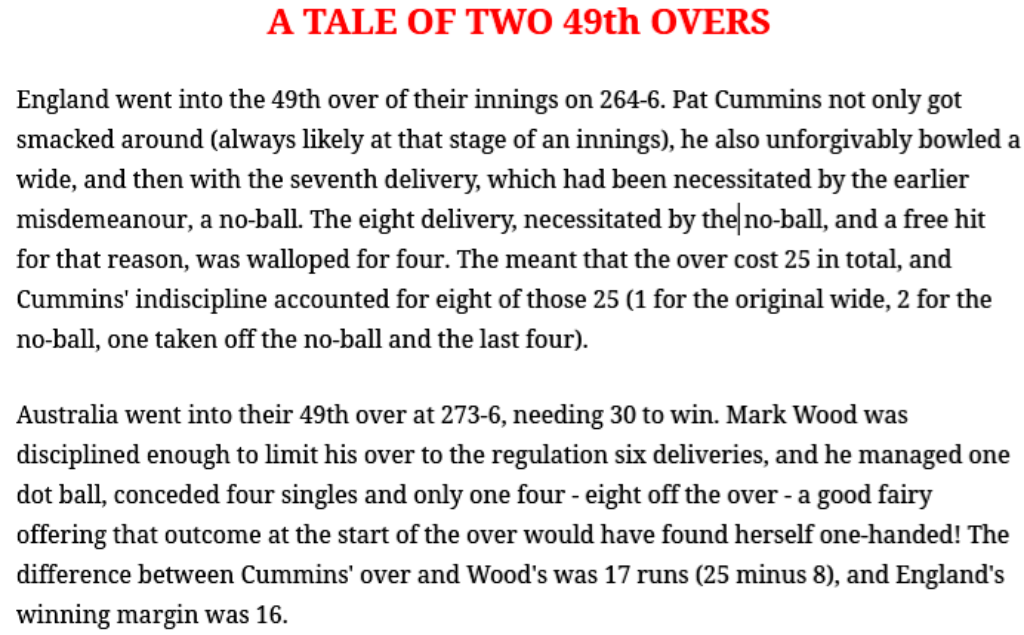
A TALE OF TWO 49th OVERS

England went into the 49th over of their innings on 264-6. Pat Cummins not only got smacked around (always likely at that stage of an innings), he also unforgivably bowled a wide, and then with the seventh delivery, which had been necessitated by the earlier misdemeanour, a no-ball. The eight delivery, necessitated by the no-ball, and a free hit for that reason, was walloped for four. The meant that the over cost 25 in total, and Cummins’ indiscipline accounted for eight of those 25 (1 for the original wide, 2 for the no-ball, one taken off the no-ball and the last four).

Australia went into their 49th over at 273-6, needing 30 to win. Mark Wood was disciplined enough to limit his over to the regulation six deliveries, and he managed one dot ball, conceded four singles and only one four – eight off the over – a good fairy offering that outcome at the start of the over would have found herself one-handed! The difference between Cummins’ over and Wood’s was 17 runs (25 minus 8), and England’s winning margin was 16.

PHOTOGRAPHS

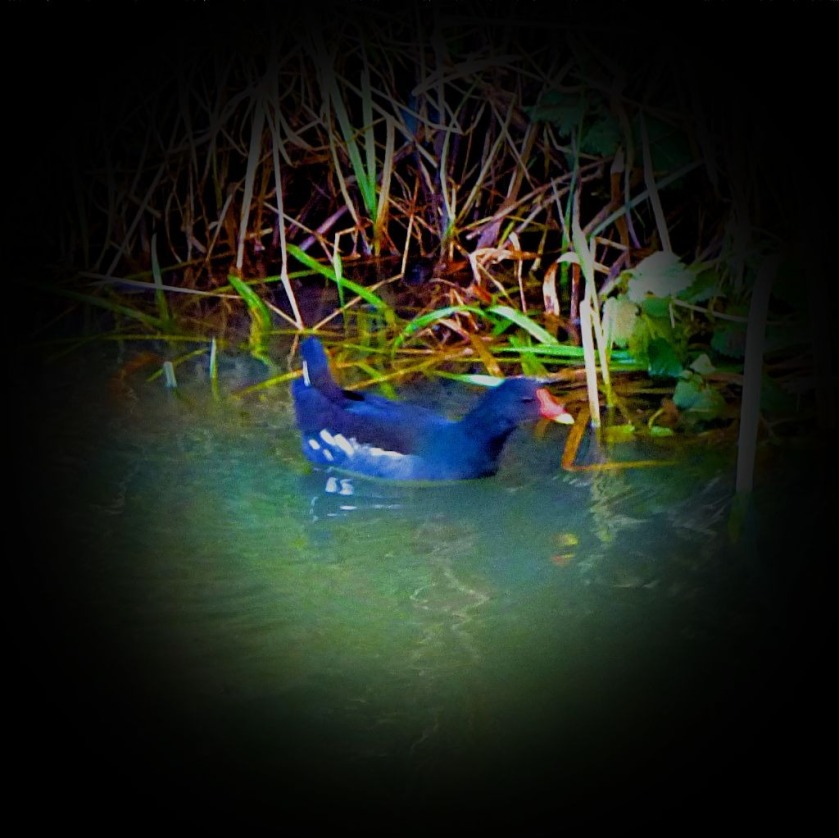
La TraviataMoorhensMerulaIMerulaIIMerulaIIIscout hut roofCrescent moon 1Crescent moon 2Crescent moon 3Crtescent moon 4Moonlit North Lynn


Failing to Convert

A post provoked by an asinine comment I saw on cricinfo yesterday, dealing with the question of failure to convert in cricket.

INTRODUCTION

This post was provoked by something I saw yesterday morning on cricinfo’s online coverage of the second ODI between England and Australia (I was at work, so could not listen to the commentary, but having this tab open and peeking occasionally in between doing other stuff was manageable – I was constantly using the internet for work purposes anyhow). 

ENGLAND 2-0 UP IN SERIES

England won this match by four wickets, with plenty of time to spare. Joe Root was there at the end on 46 not out. In the first match he had been there at the end on 91 not out. This coincidence that both times he was just short of a personal landmark led to a character posting under the name Dave (knowing what I do of such types I am not prepared to say that this is actually their name) to post a comment about Joe Root failing to convert. My response to this display of asininity is as follows:

  1. Failing to convert implies regularly getting out before reaching important landmarks and Joe Root was undefeated in both innings.
  2. Individual landmarks are valuable, and generally to win one needs someone to go to and well beyond several such, but cricket is a team game, and on both occasions Root missed his landmarks through playing a support role to people who were going more fluently at the other end (Jason Roy in game one, and Jos Buttler and Chris Woakes in game two).
  3. Joe Root has proven frequently that he can go on to and well past significant personal landmarks.

To end this section I quote a post from a few minutes after Dave’s which provides an indication of how good Root actually is in ODI chases:

Hypocaust: “Joe Root now has the 3rd highest average (87.06) in victorious ODI chases (min. 20 innings), behind Dhoni (102.72) and Kohli (93.64) and just ahead of Bevan (86.25).”

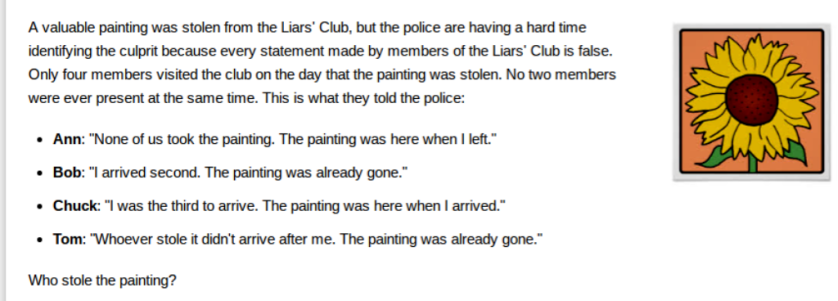
A PUZZLE

Here courtesy of brilliant is a puzzle:

LC

A SOLUTION

Here is the solution to the problem that I included in my post England One Day International Record:

solution

PHOTGRAPHS

As usual we end with some photographs:


England One Day International Record

Some stuff about the ODI at the MCG, a neurodiversity quote, a mathematical puzzle and some photographs

INTRODUCTION

After the horrors of the Ashes test series it makes a change to write about a winning performance from an England cricket team in Australia. I also have a few other things to share of course, including more of my photos.

RECORDS GALORE AT THE MCG

The pitch at the MCG for the first of five One Day Internationals (50 overs per side) was a vast improvement of the strip they had produced for the test match, and the players produced a match worthy of the occasion. England won the toss and chose to field. England;s improvement in this form of the game since their horror show at the 2015 World Cup has been such that even before they started batting an Australia tally of 304 seemed inadequate.

England got away to a quick start, although Jonny Bairstow did a ‘Vince’ – looking very impressive for 20-odd and then giving it away. Alex Hales also fell cheaply, but Joe Root came out and played excellently, while Jason Roy produced the major innings that England needed from one of their top order. When his score reached 124 Roy had an England ODI record for the MCG, and that soon became an all-comers MCG record, to match Cook’s all-comers test record score for the MCG. When he went from 171 to 175 Roy establish a new England ODI individual scoring record. His dismissal for 180, with 200 just a possibility was a disappointment but by then the result was not in doubt, and even the loss of a couple more wickets in the dying overs served only to reduce the final margin. England won by five wickets with seven deliveries to spare, and it was a much more conclusive victory than those figures suggest because three of the wickets came with the outcome already settled courtesy of Roy. Joe Root also deserves credit for his support role to Roy’s pyrotechnics, a selfless display that saw him finish just short of his own hundred when the winning runs were scored. The Test squad has a lengthy shopping list of new players needed (two openers given Cook’s age, at least one new batsman for the middle order, a couple of genuine quicks and a serious spinner at minimum), but the ODI squad is in splendid fettle.

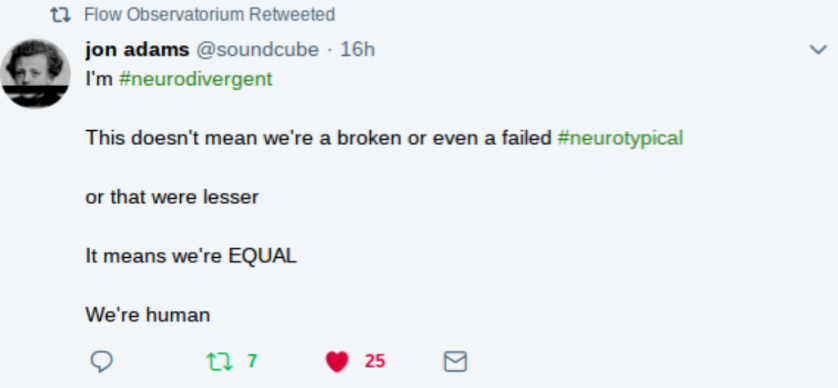
A CLASSIC NEURODIVERSITY COMMENT

This comes courtesy of twitter:

ND

PHOTOGRAPHIC INTERLUDE

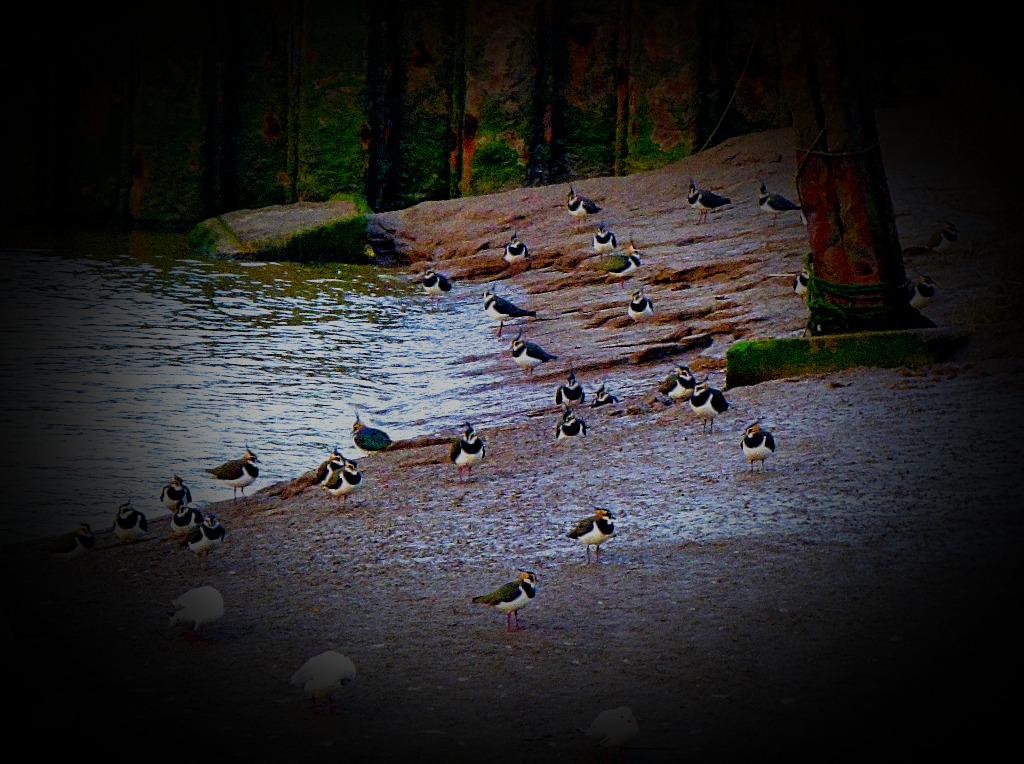
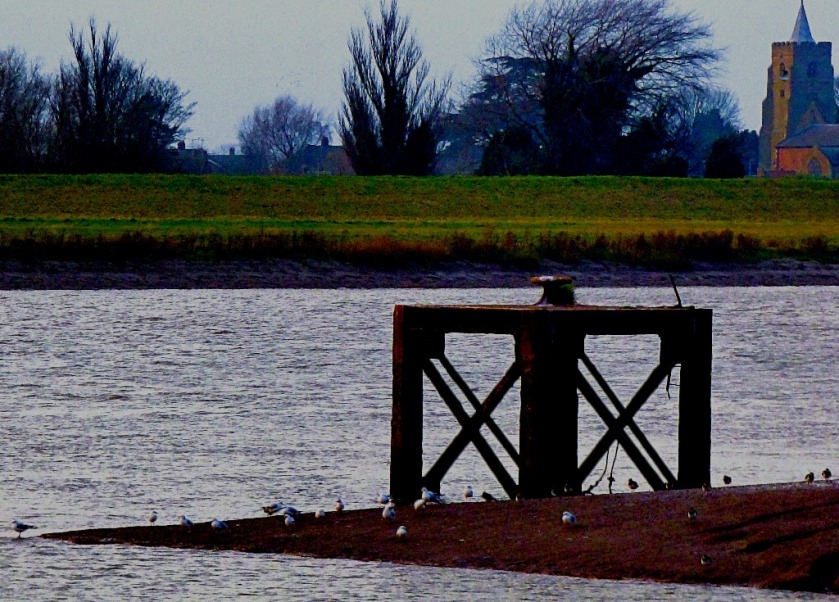
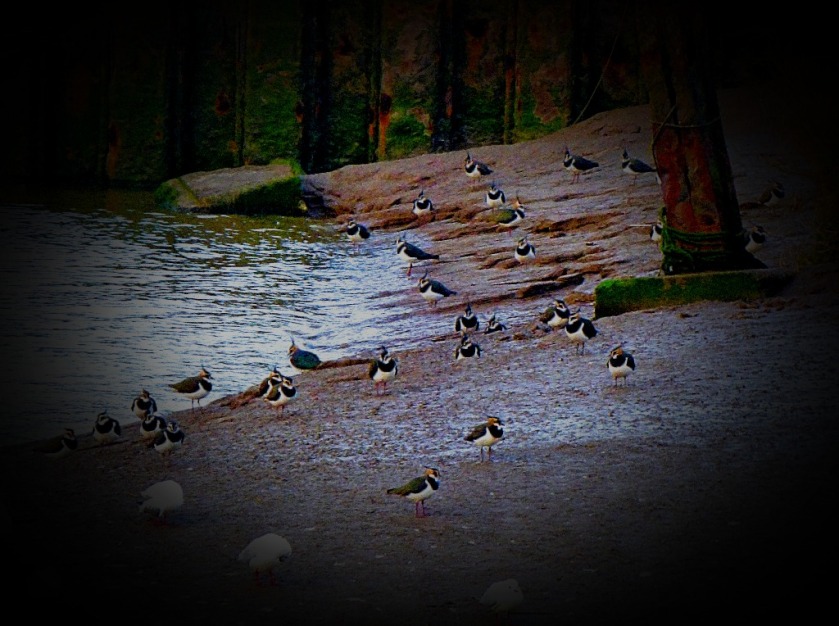
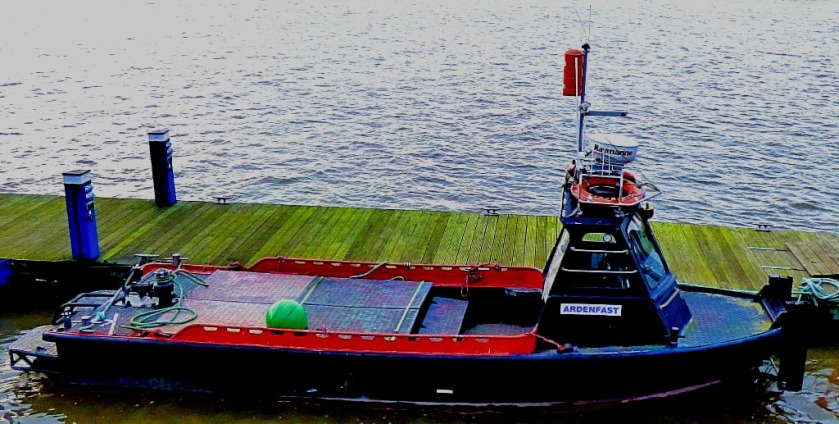
Moorhenmixed birdslapwingsGulls and lapwings IItwo lapwingslapwing IIlapwing IGulls and lapwingsboat

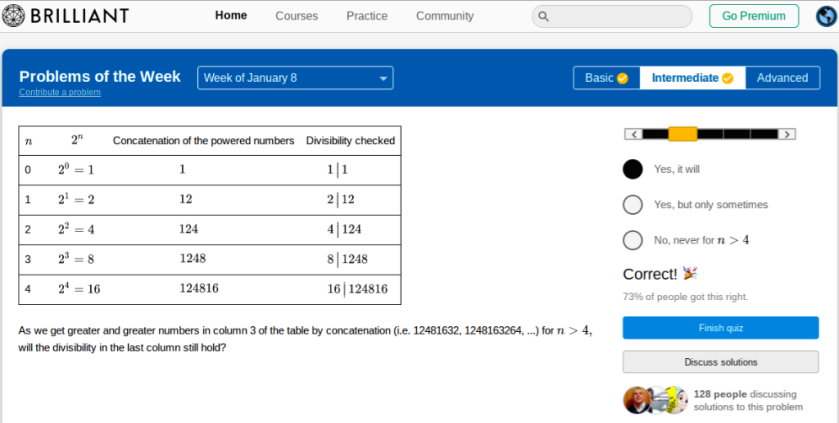
A PUZZLE

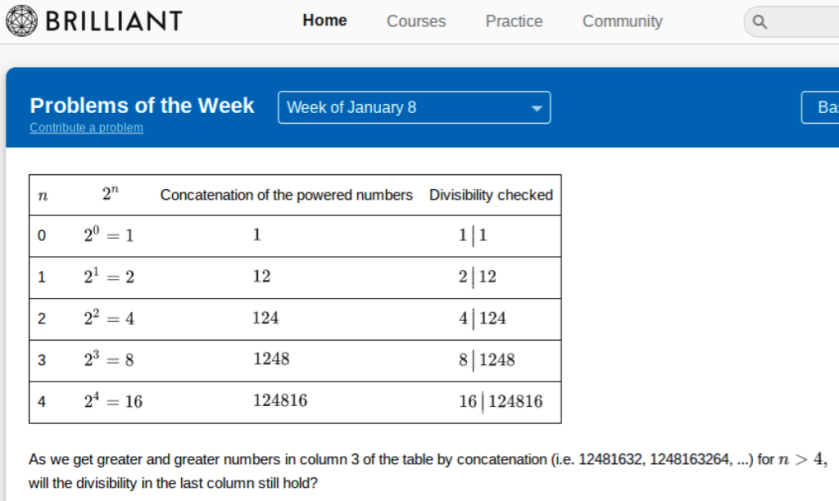
Those of you who have read Alison’s response to my nominating her for a Blogger Recognition Award will have noticed that she specifically mentioned enjoying the puzzles that sometimes feature here. Here courtesy of the mathematical website brilliant is another:

Cioncatenation

PHOTOGRAPHS
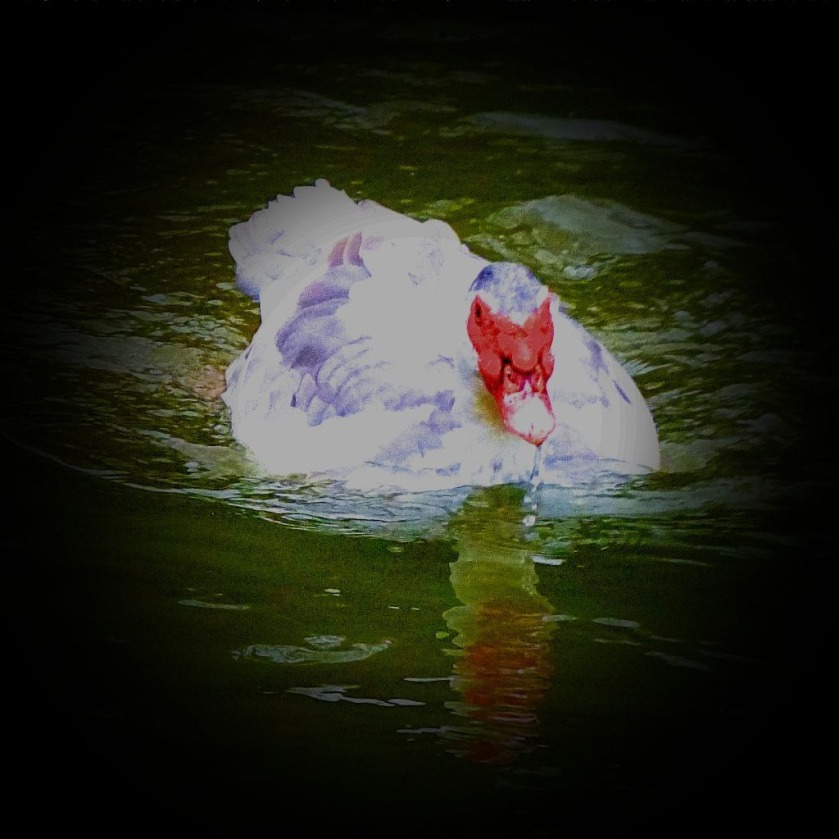
The colony of muscovy ducks that I first saw in late 2017 are still in residence along a section of the Gaywood River that is close to where it enters The Walks en route to becoming the Millfleet, in which guise it flows into the Great Ouse…

Group shotdark muscovyGrey Muscovy IGrey Muscovy IIIMuscovy headdark muscoviesdark muscovy IIdark muscovy iiidark musciovi ivdark muscovy with white frontdark muscovies IIdark muscovies IIIdark muscovy with white front IIdark muscovy with white front IIIDark muscovy with white front VDark muscovy V


Ashes Composite XI

My composite Ashes XI with reasoning and justification. Also some photographs.

INTRODUCTION

A common feature of final days of series is the selection of a composite XI based on performances in said series. This is my effort for the current Ashes series. I am going to name my team in batting order first and then explain/amplify/justify these selections.

THE TEAM

My team in batting order (England player names in dark blue, Aus in green):

  1. Alastair Cook
  2. David Warner
  3. Dawid Malan
  4. Steven Smith (Captain)
  5. Shaun Marsh
  6. Jonny Bairstow (Wicketkeeper)
  7. Mitchell Marsh
  8. Mitchell Starc
  9. Pat Cummins
  10. Nathan Lyon
  11. Jimmy Anderson

MY REASONING

The openers need no justification – the only major contribution from an opener not named Warner in the series was Cook’s monumental innings at the MCG. Number three is a thorny one. James Vince has demonstrated clearly that he does not belong there, and his huge score here at the SCG notwithstanding I remain skeptical about Usman Khawaja, hence my decision to promote England’s leading run scorer in the series to a position he occupies for his county. Number four, and with it the captaincy was the easiest selection of the whole lot. Shaun Marsh has not put a foot wrong since being called up to replace the inadequate Handscomb at number 5, and I regarded him as a must pick. Jonny Bairstow and Tim Paine have both had good series with the gloves, but I have opted for Bairstow as definitely the superior batsman. Mitchell Marsh has had a magnificent series, and was an absolute shoe-in at number 7, especially as Moeen Ali has had a terrible series – he has batted poorly in every match and his bowling average reads like a Bradman batting average. Of the specialist bowlers I have picked those at number 8,9 and 10 in the batting order are absolute stand outs. Number 11 was tricky, since Anderson with virtually no support has had a good series, and the better supported Hazlewood as also had a fine series. Accepting that even were it possible vivisection is not permissible (though ‘Anderwood’ is only one letter removed from a former test great!) I have opted for Anderson as I rate his the greater achievement. 

FINAL THOUGHTS

Looking at the makeup of the team (and accepting that Hazlewood for Anderson and Khawaja for Malan would both be valid changes), Australian picks predominate in both batting and bowling, though it is especially the bowling, which in my team comes out at 4-1 (including all-rounder Mitchell Marsh) to Australia and is reality more like 4.3-0.7 (rating my selection of Anderson over Hazlewood as a 70:30 pick) which has split the sides. England have collected barely more than half of the 100 wickets that were available to them at the start of the series, whereas Australia assuming that they take the six England wickets that remain in this match will have managed 90, failing to take 20 opposition wickets only on the MCG pitch. 

PHOTOGRAPHS
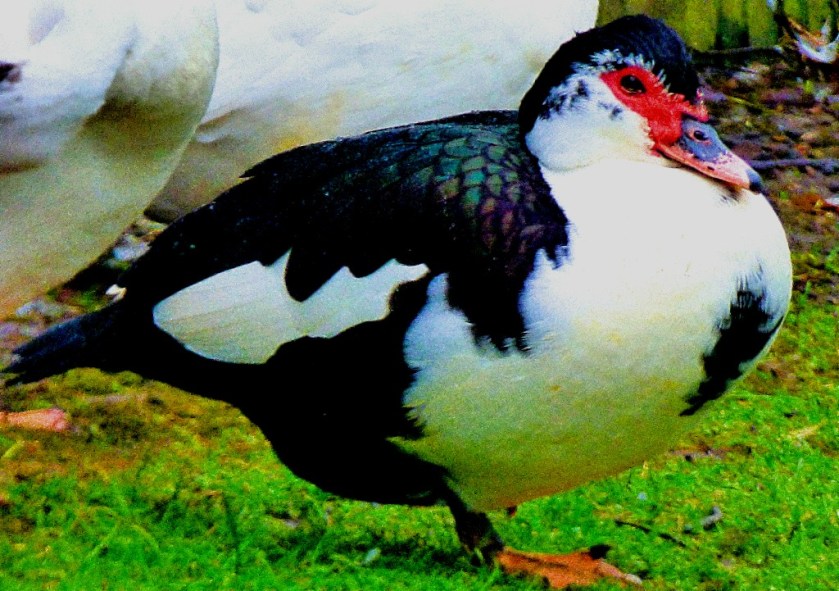
I always like to include a few photographs in my blog posts, so I end with these recently taken pictures:

FW
The first five pictures were taken while walking to the Scout Hut on Beulah Street for Musical Keys yesterday.

FW2FW3MHIMHII

PW1
These last four pictures were taken in Fakenham on Thursday.

PW2PW3LBB


Welcome to 2018

A little something to kick off 2018 on aspi.blog

INTRODUCTION

Happy new year everyone. This post will give you a few hints as to what you can look forward to in 2018 on aspi.blog.

ASPI.BLOG STYLE GUIDE

Headings will generally be in a cycle that runs red/green’purple, although this is subject to variation in certain circumstances.

Body text will always be in black unless I am writing about autism, in which case I will use #RedInstead

When sharing content from another site I will always link to the host site and the specific post and where possible will mention the author by name – such links will be a different colour from regular body text and will be both bold and underlined. 

It will be a very rare post that does not congtain photographs.

LIKELY SUBJECTS FOR 2018

  • Autism
  • Public Transport 
  • Nature
  • Science
  • Religion
  • Cricket
  • Books
  • Photography

I will also probably find other things to blog about in 2018.

PHOTOGRAPHS

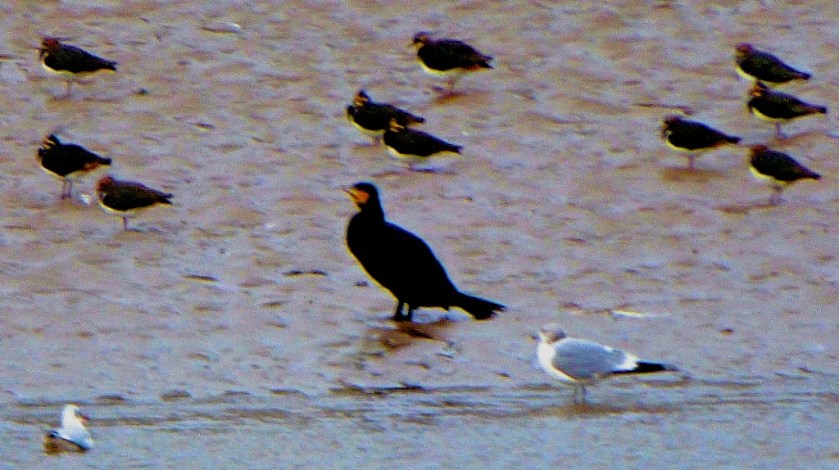
Cormorant and otherslapwingsCormorantfive lapwingsChurch and cormorantlapwings and gulls IIMoorhenssmall birdlapwings, cormorant and otherslapwings and gull11 lapwingsCormorant, gulls, lapwings

A COUPLE OF CLOSING QUESTIONS

Please feel free to use the comments to answer the questions below?

  1. What are your blogging ideas for 2018?
  2. What do you think about mine?


MCG, Photographs and Solutions

Some thoughts on the recent test match at the Melbourne Cricket Ground, solutions to my lest set of puzzles and some photographs.

INTRODUCTION

This is a two part post – first of all a bit about the test match that finally ended in a draw at about 6AM UK time, and then the companion to piece to “Puzzles and Pictures“, answering the puzzles posed there. 

5-0 AVERTED

England had the better of Australia in the fourth test match of this Ashes series, but neither team stood a chance against the real winner of this drab affair – the MCG pitch which offered no assistance to any kind of bowler and was also so slow that batsmen could not play their strokes. Alastair Cook ended his poor run of form emphatically, with an innings demonstrating once again his astonishing powers of concentration. Australia without Mitchell Starc and on a pitch that was utterly lifeless looked an ordinary bowling unit.

At lunch on day 1 Australia were 102-0 with Warner going well and Bancroft surviving, but that was the only session of the game that Australia unequivocally won. Although wickets were in short supply on that opening day Australia reached the close at 244-3 – a definite failure to build on that fast start. The second day belonged to England – Australia were all out 327, losing their last five wickets for 13 runs and England in response reached 192-2, Cook 104 not out, Root 49 not out. The third day was also England’s – 491-9 at the end of it, with Cook 244 not out. On the fourth day rain intervened. Anderson lost his wicket to the first ball of the day, giving Alastair Cook yet another place in the record books – highest score by anyone carrying their bat through a complete test innngs, beating Glenn Turner’s 223 not out v West Indies. Bancroft and Khawaja were both out fairly cheaply, but when the rain finally halted proceedings for the day Australia were 103-2 with Warner and Smith in occupation. On the final day Warner fell 14 short of his second hundred of the game. Smith did reach his own hundred, after seven and a quarter hours, and then declared which officially ended the game as there was no time left for England to chase to 100 they would have needed to win. 

The Melbourne Cricket Ground has a huge seating capacity, and the Boxing Day test is for that reason the best attended of all test matches. In particular, the Boxing Day Ashes test is habitually hugely attended. Because of the failure to produce a proper pitch the biggest crowds test cricket ever sees got a game that was not worthy of the occasion, and that is not acceptable. The MCG need to sort this out – on proper pitches test cricket can be the most fascinating of the three forms of the game, but on lifeless rubbish such as the MCG groundsman produced for this match it is a poor spectacle. The ICC (cricket’s global governing body) should come down on the MCG like the proverbial ton of bricks.

Alastair Cook’s epic innings deservedly gained him the player of the match award. A full scorecard and links to further detail about this match can be found on cricinfo. The final match of this series is in Sydney, starting on January 4th, and I sincerely hope that they produce a better pitch (they cannot produce a worse one – such a thing does not exist).

PHOTOGRAPHIC INTERLUDE

As we switch focus the the puzzles I presented a couple of days ago, here are some bird pictures from yesterday:

RookLapwing Ilapwing and waderFlying gullsMH1MH2MH3white duckblackbirdsMH4

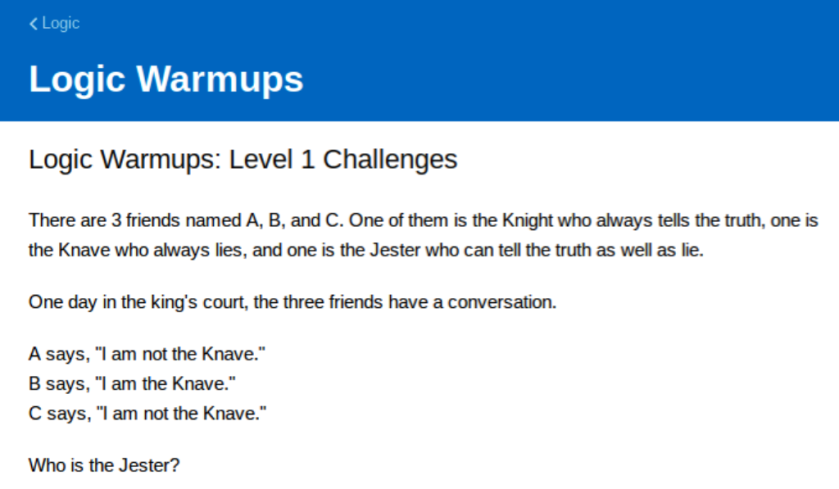
PUZZLE 1: LOGIC

jester

As I said when I set it, this one is very straightforward. The key is that person B has said “I am the Knave”. The Knight cannot say this as it would be a lie, and the Knave cannot say it as it would be true, so the only person who can say “I am the Knave” is the Jester. Therefore the Jester is person B (note that both Knight and Knave can say “I am not the Knave”, so we cannot say which of A and C is which).

PHOTOGRAPHS – THE GREAT OUSE

Great OuseGreat Ouse 2

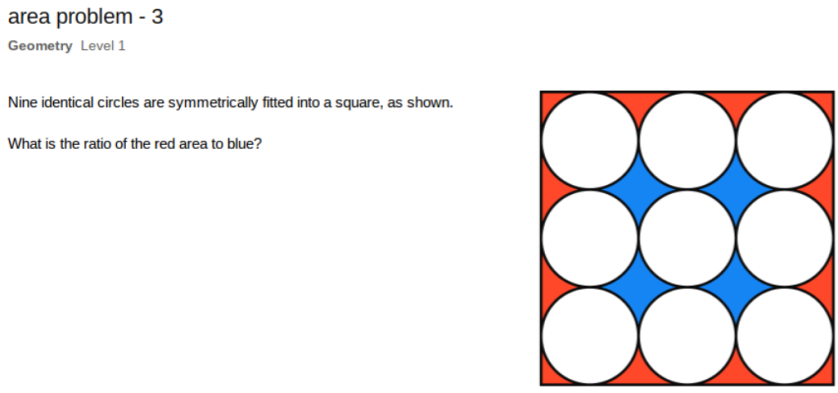
PUZZLE 2: AREA CHALLENGE

area test

The red sgements in the four corners of the shape are each half the size of the red segments along the sides of the shape, which in turn are each half the size of the blue shapes in the middle of the pattern. Thus counting the smallest segments as 1 there are (4 x 1) + (8 x 2) red segments = 20 red segments. Each blue shape in the middle comprises four segments and the are four of them = 16 blue segments. Thus the ratio of red area to blue is 20:16 = 5:4

PHOTOGRAPHS: THE WALKS

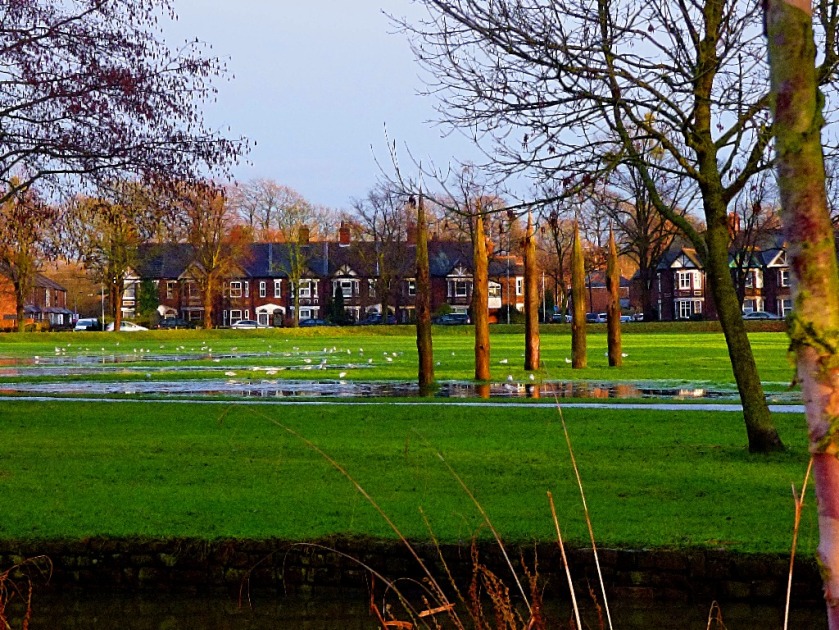
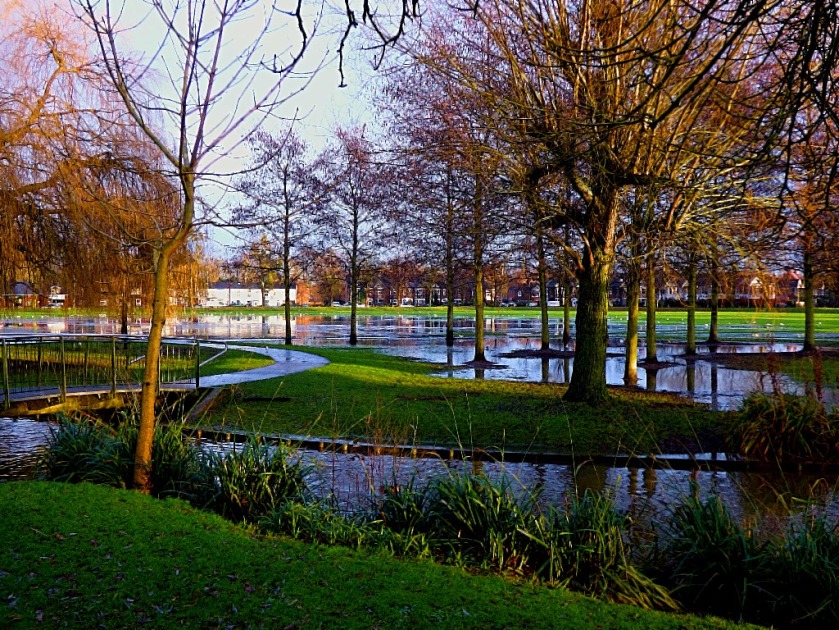
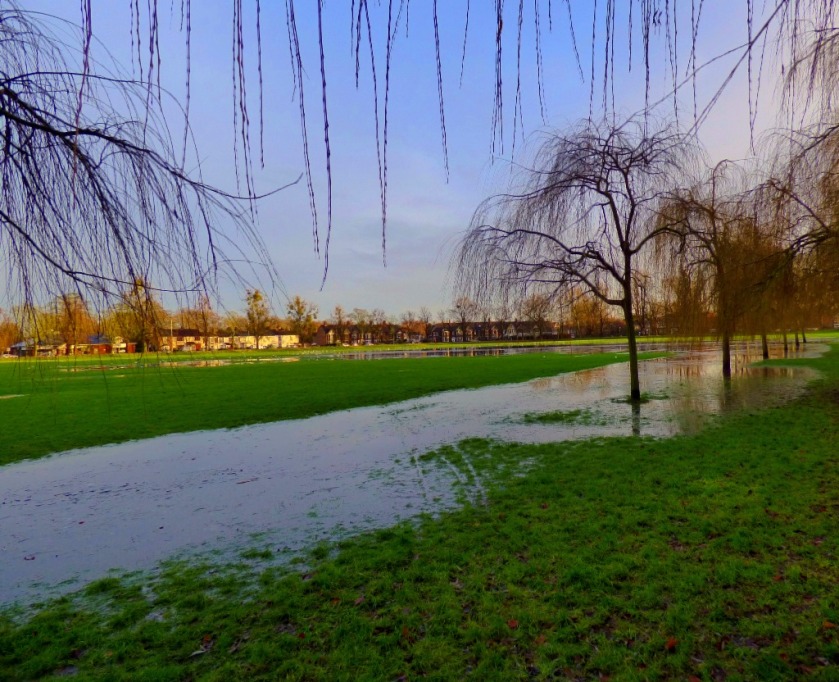
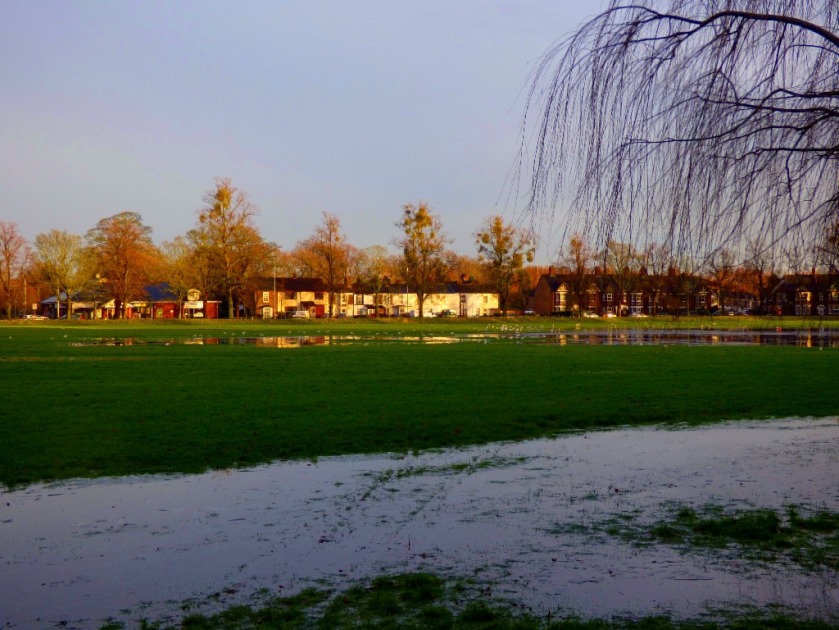
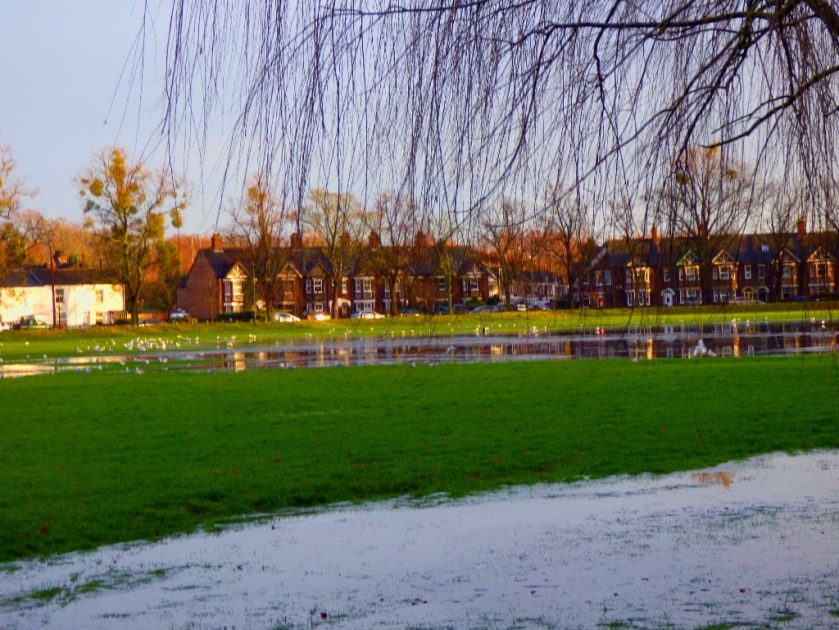
The Walks was still flooded yesterday, although less than it had been when I took my last set of pictures there two days previously.

TW1TW2TW3TW4TW5TW6TW7TW8TW9TW10TW11

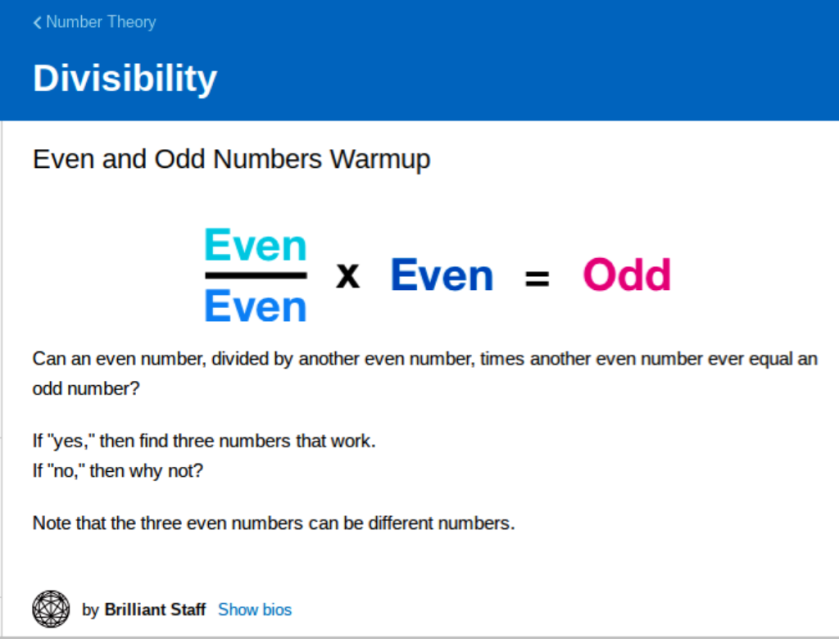
PUZZLE 3: EVEN AND ODD

Odd and Even

Instinct suggests that the answer should be no, but this is one of those occasions when one should mistrust one’s instinct. To demonstrate a solution (one of many along these lines), I choose as my three even numbers 6, 8 and 4 in that order. Six divided by eight is 0.75, and 0.75 x 4 = 3 = an odd number.

PHOTOGRAPHS: MUSCOVY DUCKS 1

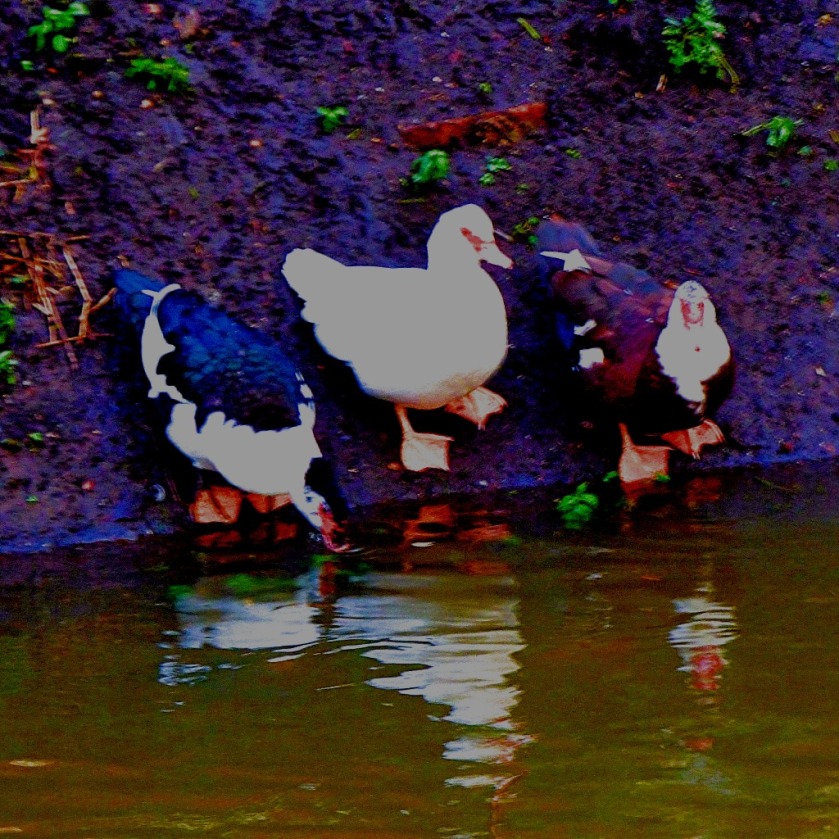
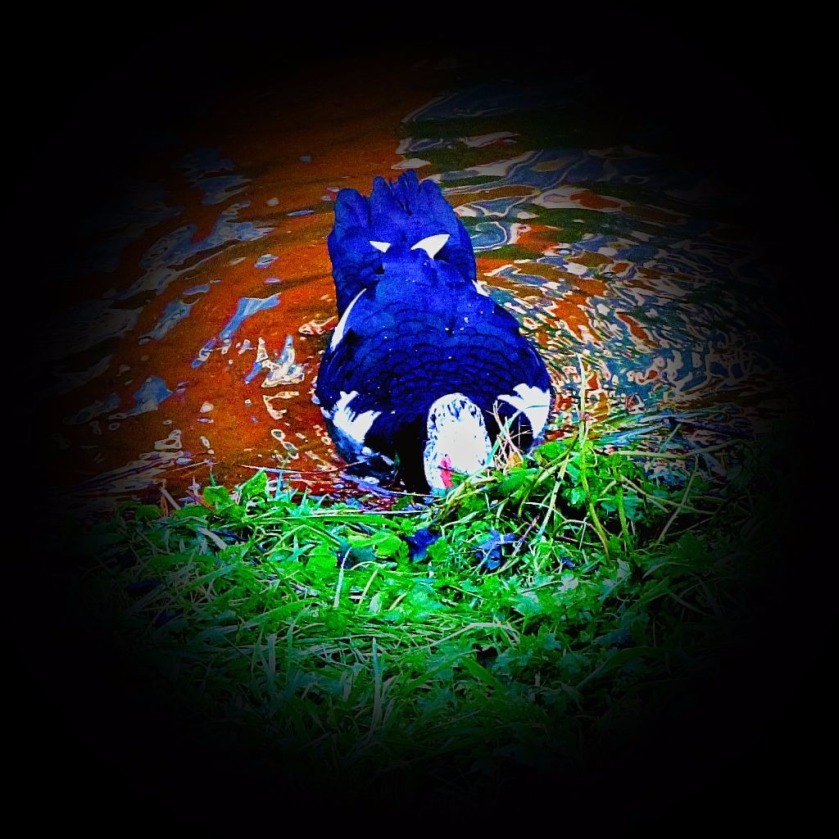
The Muscovy duck that I had seen in The Walks recently was not there yesterday, so I finished my walk by heading towards the place where I had first seen the species. I waqs rewarded when just on across Littleport Street from that location I saw the entire flock. Here are some of the pictures.

white muscovygrey patched muscovyBlack and white muscovyFive muscoviesFive muscovies IIthree muscoviesdark muscovyblack and borwn bodied muscoviesblack muscovyfour muscoviesblakc muscovy IIMuscovies and gullsthree dark muscovieslight muscovieslight muscovybrown muscovybrown muscovy IIMuscovy and mallardsmottled muscovymainly white muscovyside by side

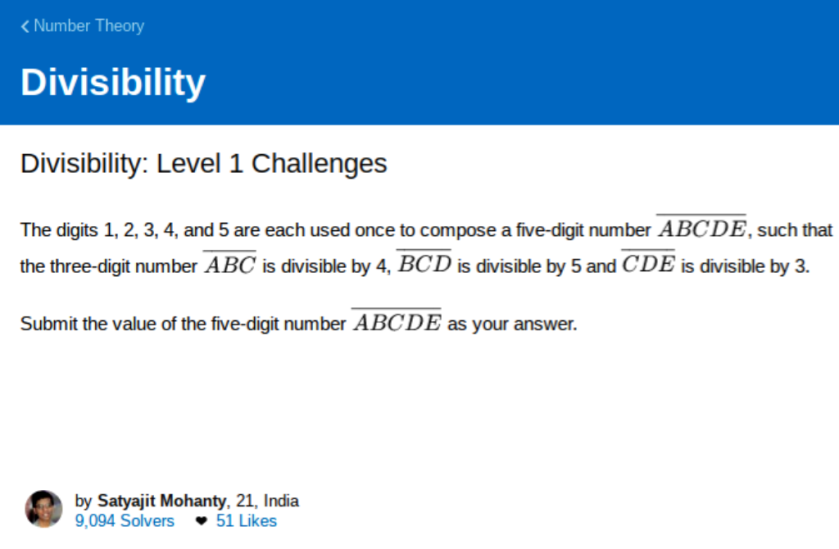
PUZZLE 4: DIVISIBILITY

divisability

And here is my own solution posted on brilliant:

Thomas Sutcliffe 
Dec 26, 2017
 Upvote0

We have to use the numbers 1,2,3,4 and 5 to make a five digit number. The first requirement is that the first three digits form a number dvisible by four, which can only be achieved from these numbers by using 124 (= 31 x 4), then digits 2,3 and 4 must form a number divisible by five, so the fourth digit has to be 5 as numbers divisible by five end either in five ior zero and zero is not available to us. That leaves us the fifth digit to fill, and the only number we have not used is 3, hence the number is 12,453, and back checking using the last limitation, that the final three digits be divisible by three confirms this (453 = 151 x 3).

PHOTOGRAPHS – OTHERS

These were taken near the end of my walk:

Corn ExchangeMoon IMoon IIMoon III

PUZZLE 5: INVESTMENT EXPERT

Investment

The minimum starting amount he needs to ensure that it stays growing on these terms is $4. On my subsidiary question, although this starting point only yields a fortune of two billion and four dollars after one billiSuch is the power of exponential growth that if you increase this starting amount by even a small amount it will suffice. According to Denis Husudvac on brillaint even a stgarting point $4.01 will be enough.

PHOTOGRAPHS: MUSCOVY DUCKS 2
dark muscovy IIdark muscovy IIImottled muscovy IIGrey muscovyGrey muscovy IIImuscovy and mallard drakemuscovies and mallardsMottled muscovy IVMuscovy Headfour muscovies IIbrown muscovy IIImottled muscovy Vblack muscovy IIImuscovy head IItwo muscoviesbrown muscovy Vtwo brown muscoviesblack muscovy IVIn convoymuscovy ducklight muscovy II